AN INSIGHT INTO NZ’S UNIQUE MARINE ENGINES – Part Seven

AN INSIGHT INTO NZ’S UNIQUE MARINE ENGINES – Part Seven
Todays WW story follows on from earlier stories – link below to Part One, Two, Three, Four, Five and Six 
As per pervious stories in the series the content has been pulled together by Ken Ricketts and ‘polished’ byPatrica and Ken’s daughter Corinne Pettersen. As always we have endeavoured to be as factual as possible but there will always by matters others will either know more about or be able to correct errors – so woodys do not hold back in commenting.

PART ONE – https://waitematawoodys.com/2025/04/04/an-insight-into-nzs-unique-marine-engines-part-one/

PART TWO – https://waitematawoodys.com/2025/04/12/an-insight-into-nzs-unique-marine-engines-part-two/

PART THREE – https://waitematawoodys.com/2025/04/18/an-insight-into-nzs-unique-marine-engines-part-three/

PART FOUR – https://waitematawoodys.com/2025/04/26/an-insight-into-nzs-unique-marine-engines-part-four/

PART FIVE – https://waitematawoodys.com/2025/05/03/an-insight-into-nzs-unique-marine-engines-part-five/

PART SIX – https://waitematawoodys.com/2025/05/06/an-insight-into-nzs-unique-marine-engines-part-six/

GRAYMARINE 6CYL 4 STROKE MARINE DIESEL ENGINES 
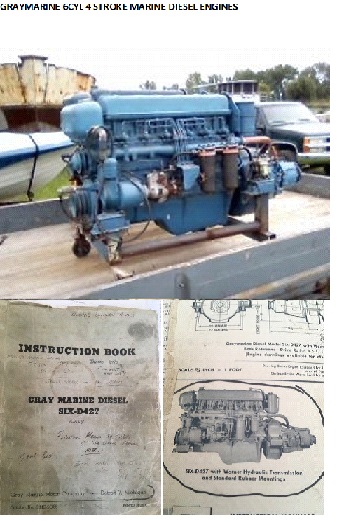
GRAYMARINE 6CYL 4 STROKE MARINE DIESEL ENGINES 
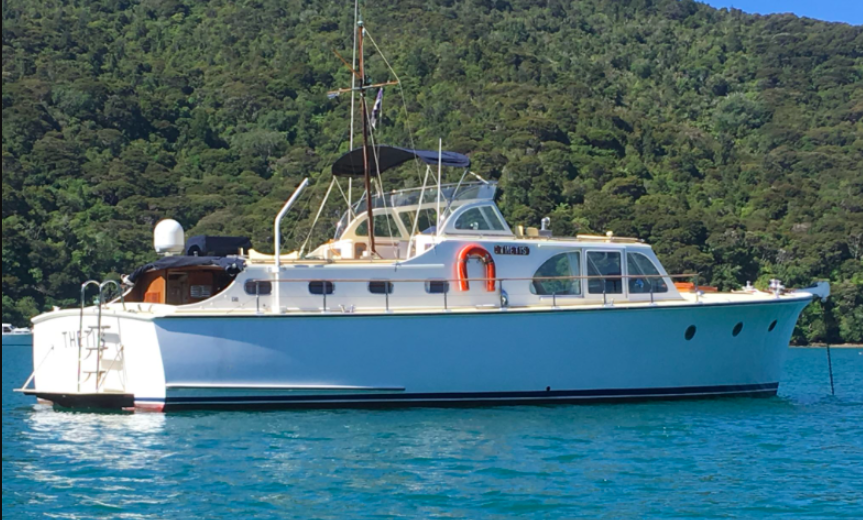
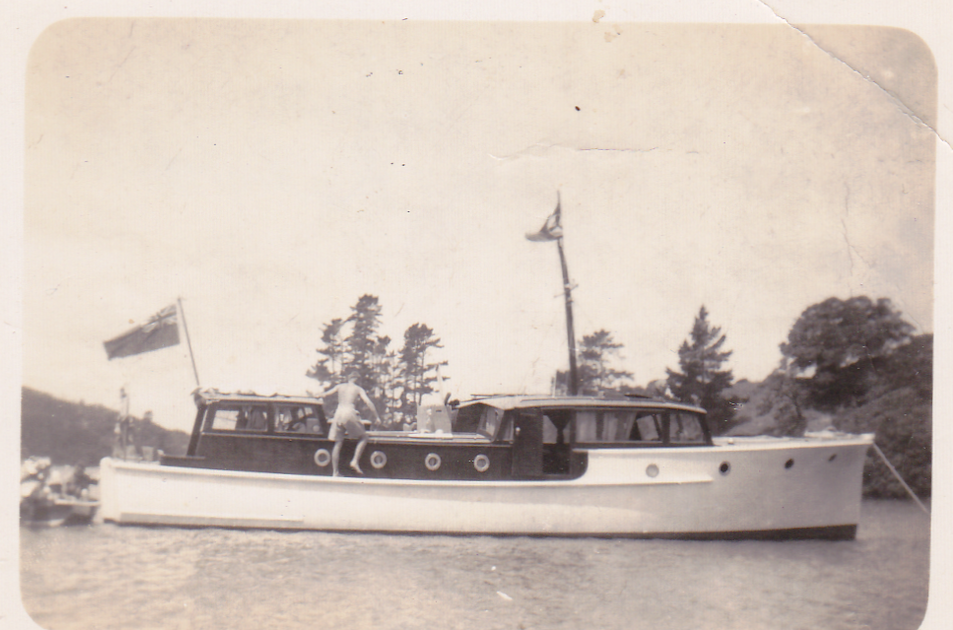
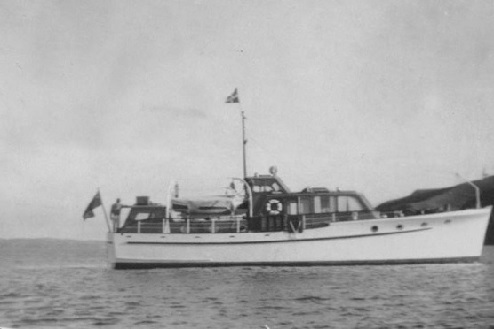
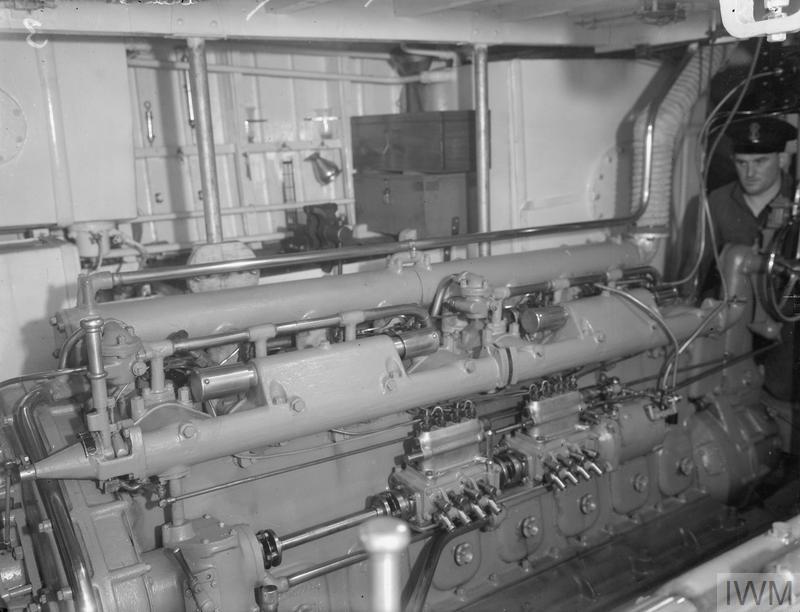
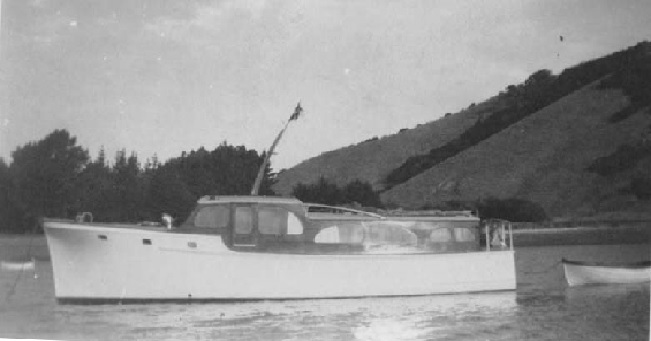
THETIS with her twin Graymarine 4 stroke 6cyl diesel engines  

These are a very rare model of the Graymarine range, that was originally produced in WWII for the US military. All Graymarine diesel engines for general and normal marine use worldwide, including NZ, are based on the GM Detroit two-stroke engine, marinized by Graymarine. I believe the THETIS engines were the only two that ever came to NZ and were specially imported by Jack Butland for his 1955 Lane Motorboat built launch, THETIS. Here is a copy of previous comments I made regarding these engines, on Woodys.

26-04-2018 WW UPDATE

“Ken Ricketts reports that having recently spoken with Thetis’s owner that the 2 in line, 6 cyl, 4-cycle, 120hp Gray Marine engines, installed in 1960 (still there today) are a very rare model & type. They were manufactured during WWII for the American forces & could possibly be the only 2 in NZ. The owner believes her original owner Jack Butland in the later 1950’s probably reconditioned, & war surplus imported them.”
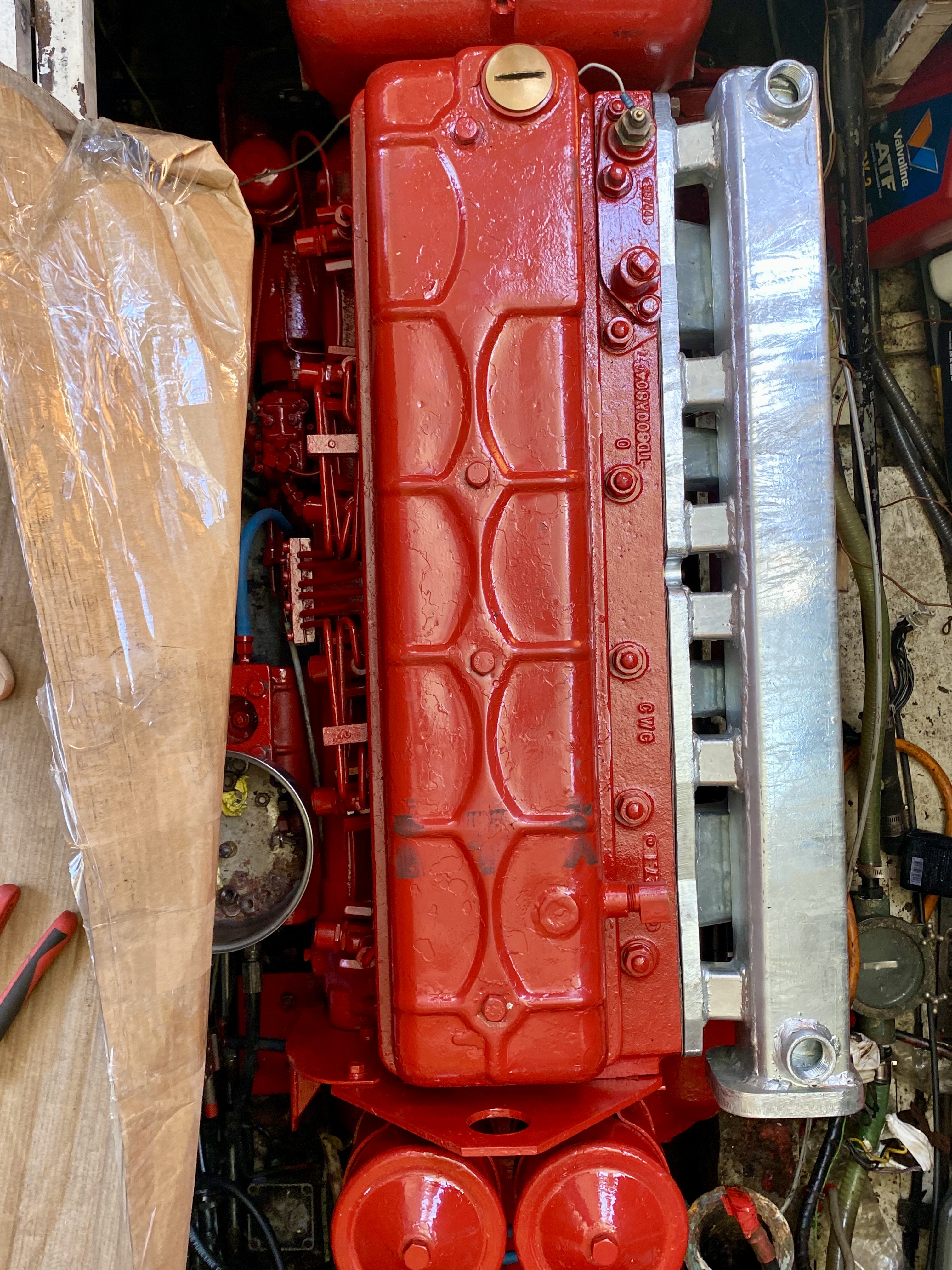
BELOW IS A REPRINT OF THE HERCULES SETION IN PART 2 WITH ADDED TEXT I HAVE TAKEN THE LIBERTY OF REPRINTING IN THE CIRCS. 
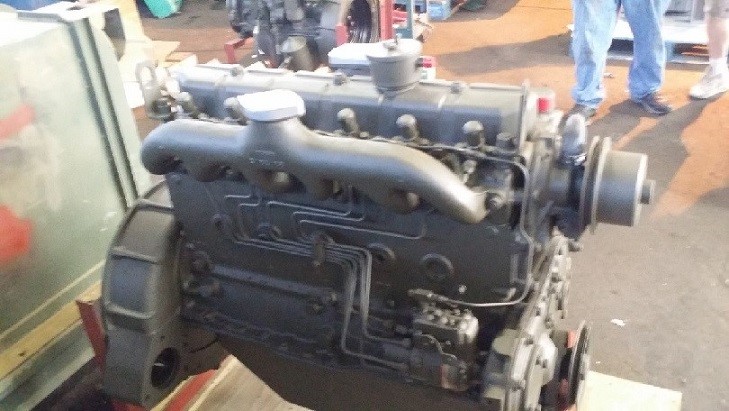
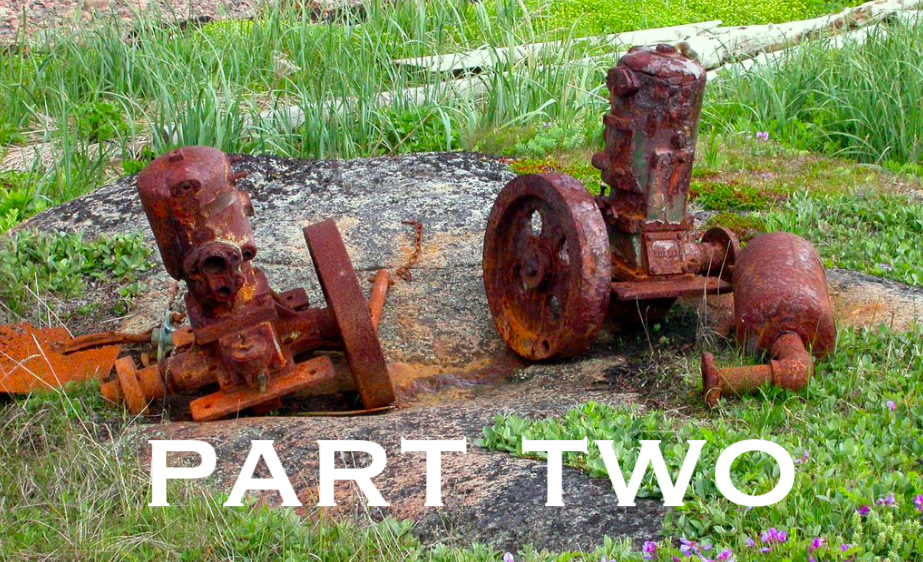
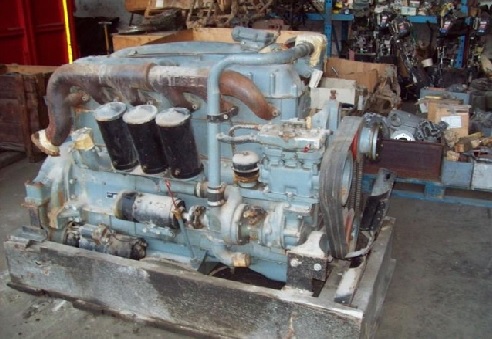
HERCULES 6 CYL c100HP DIESEL ENGINE AS FITTED TO THE FAYE
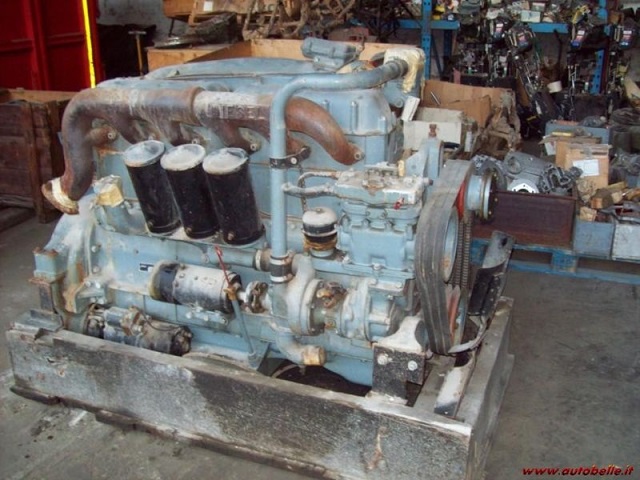
HERCULES 275 HP DIESEL ENGINE, SIMIALAR TO THAT PREVIOUSLY IN THE RAKANOA 
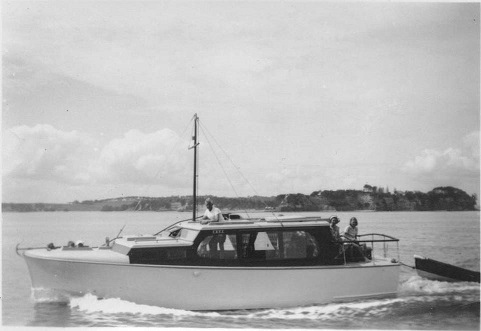
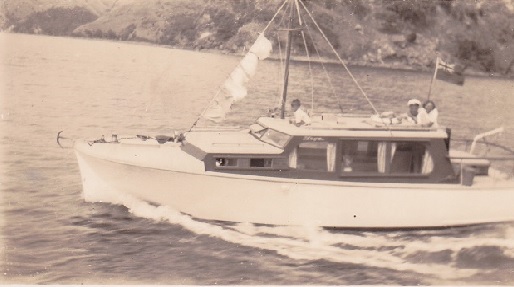
FAYE WITH HER 6 CYL HERCULES HOME MARINISED DIESEL ENGIINE
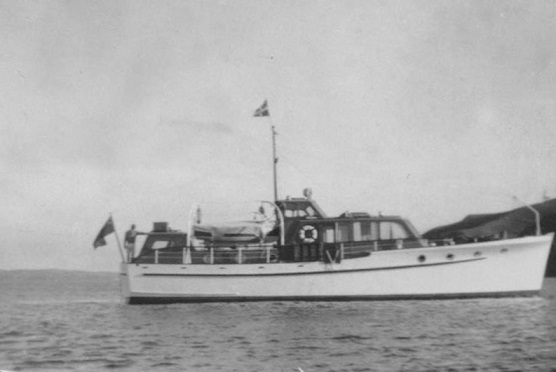
RAKANOA WITH HER  275 HP 6 CYL. MARINE/HOME MARINISED DIESEL ENGINE

Hercules was a manufacturer and supplier of a large number of basic engines to many marine engine companies for marinization by each company to its own specifications. This included names such as Kermath, Chrysler, Graymarine, Scripps, Chris Craft, and many more. However, engines sold under the Hercules name, based on my research, are comparatively very small compared to their total manufactured units.

There are two boats I know of in New Zealand that have engines both labelled under the Hercules name and are diesel engines. One is the FAYE, which is equipped with a home-marinized C100P 6-cylinder Hercules diesel engine. This engine replaced her original Willys Jeep petrol engine when she was about 4 or 5 years old. FAYE’s details are noted in her Willys Jeep listing in part 2 of this post.  

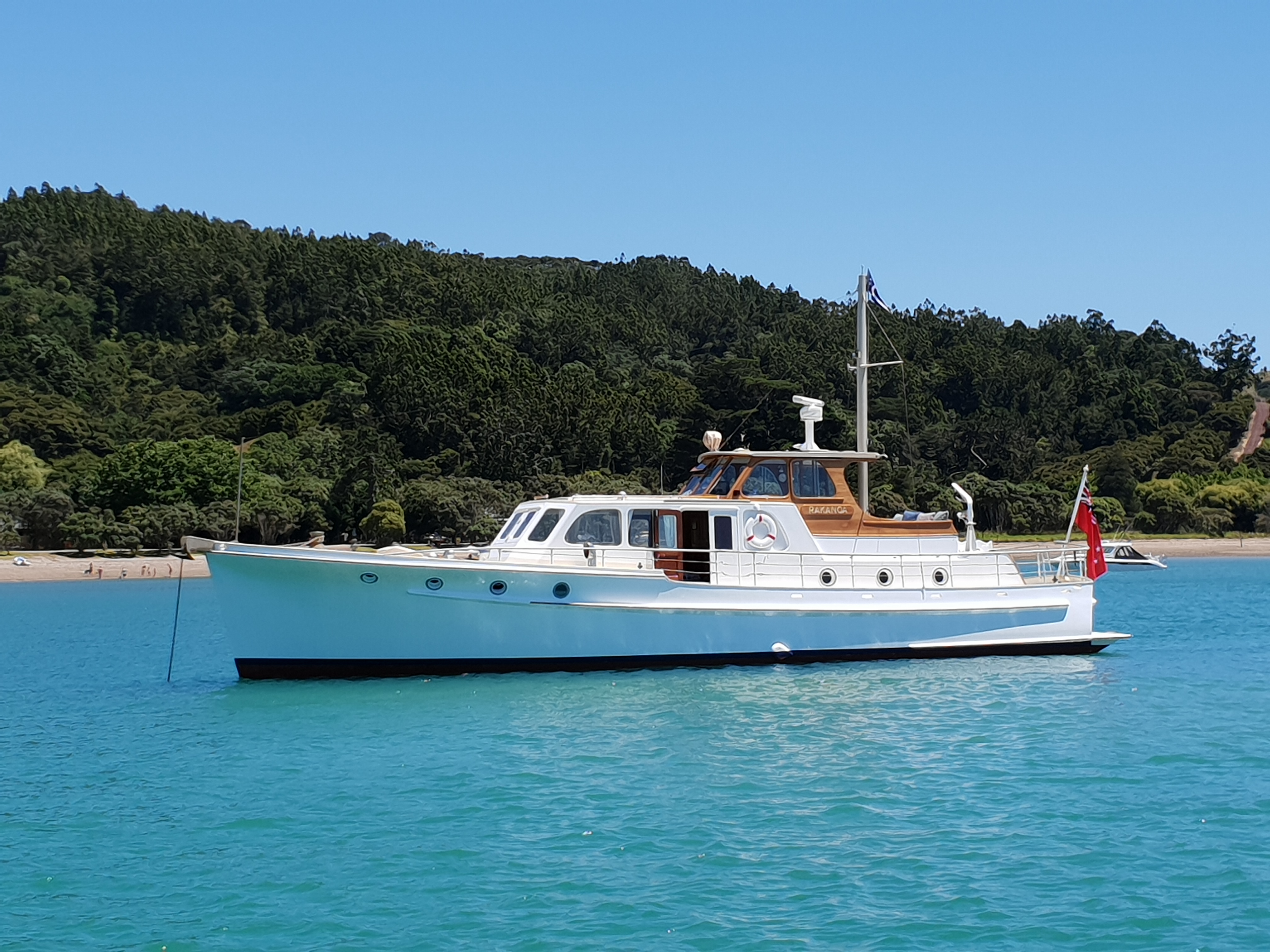
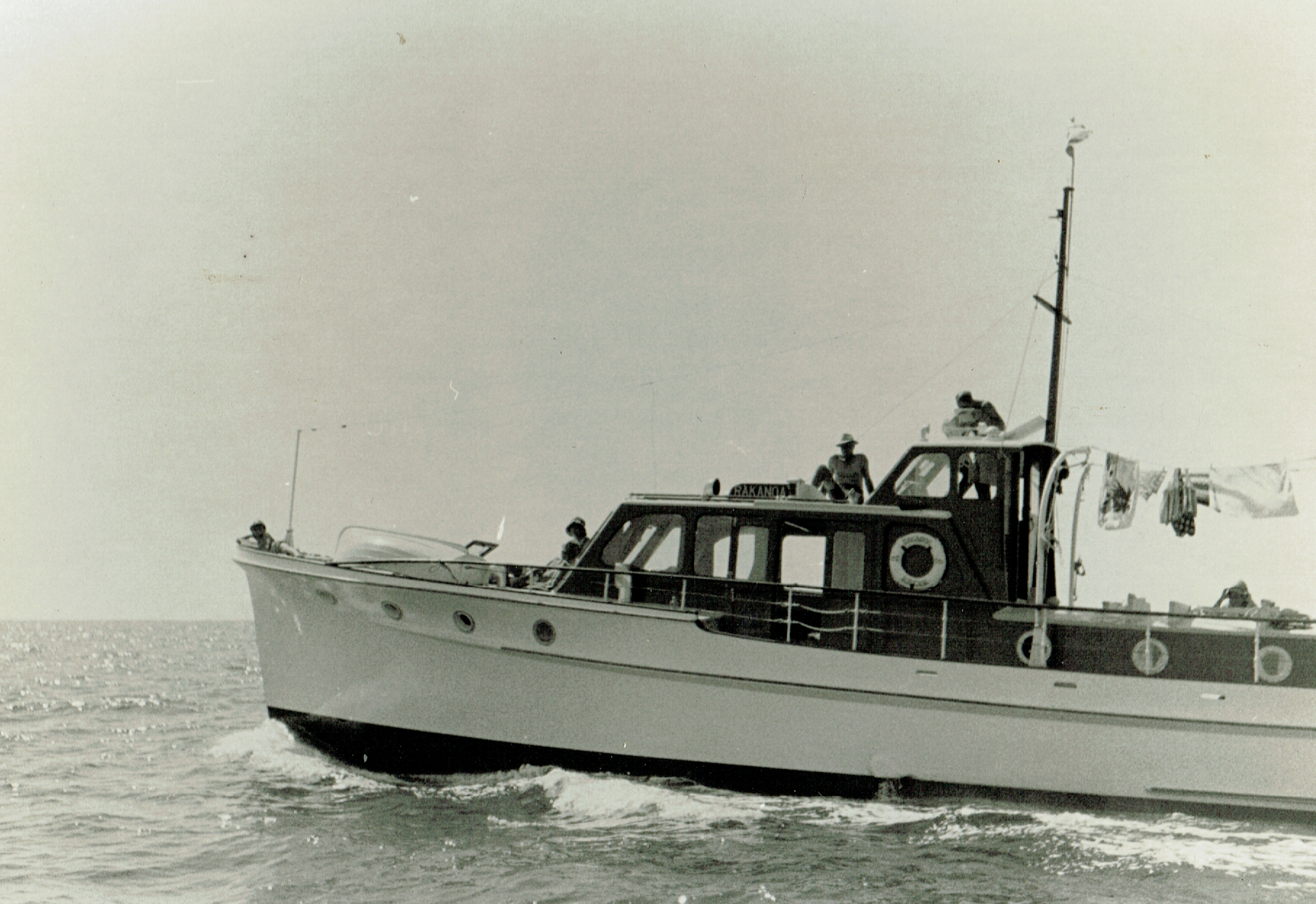
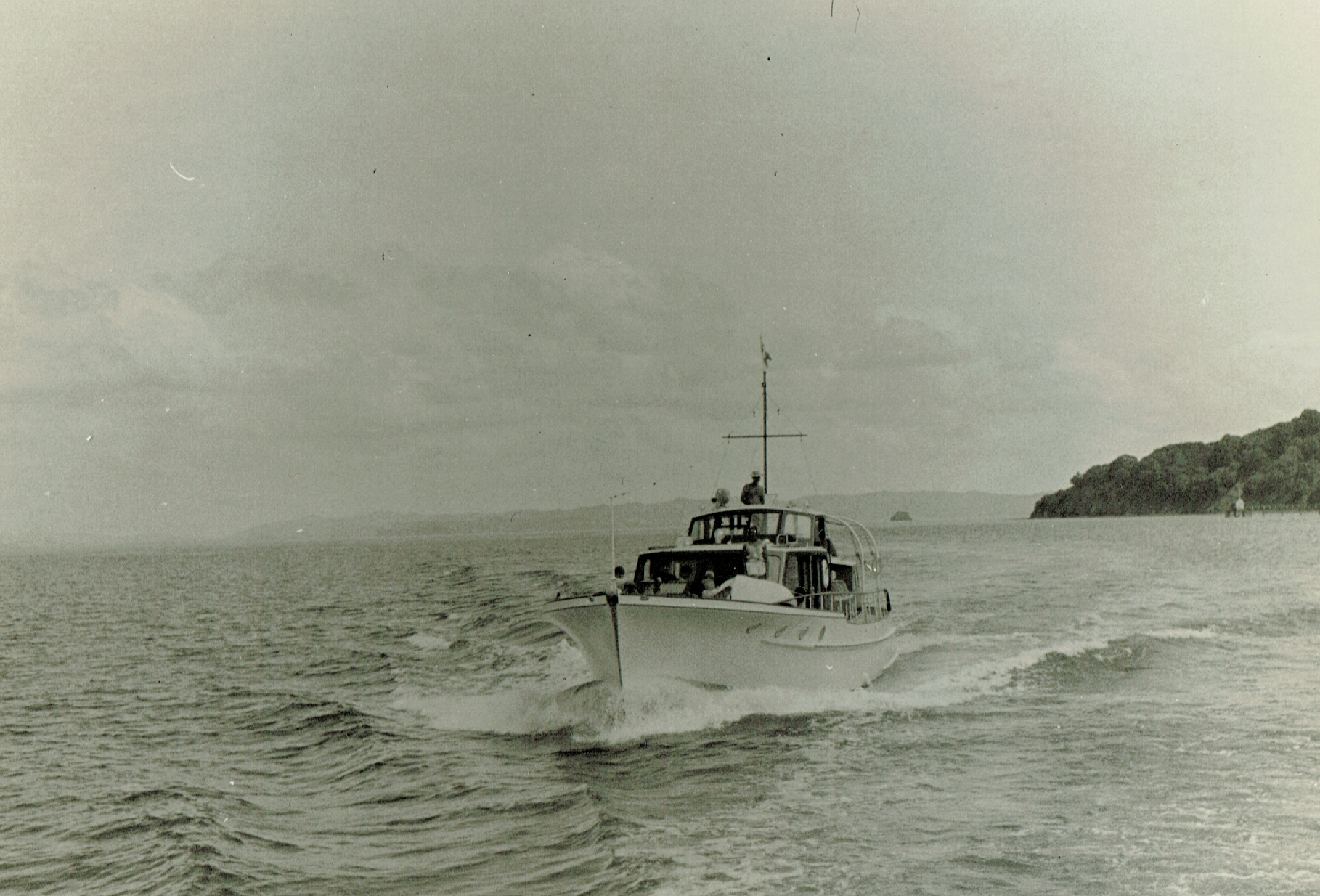
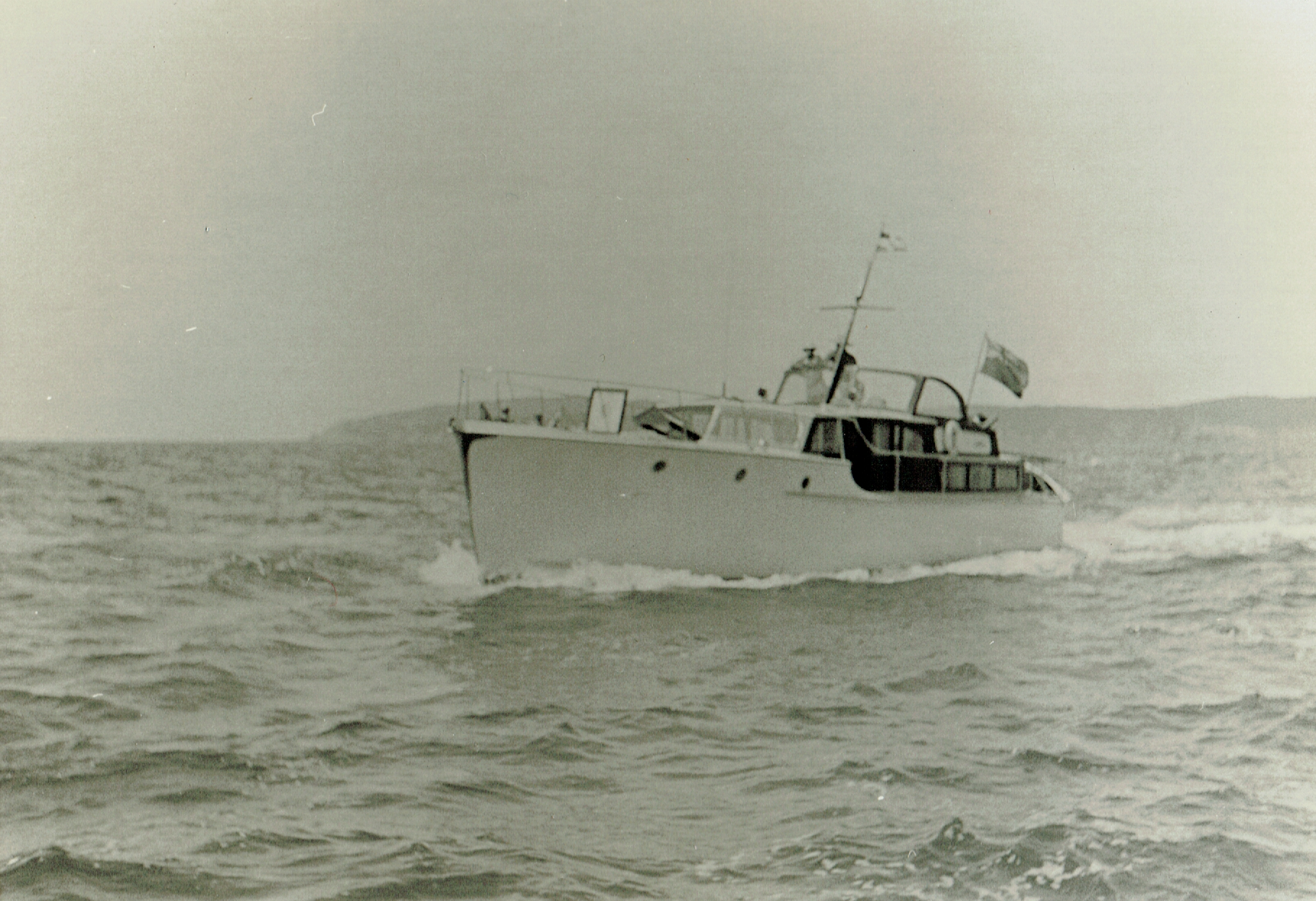
The other is the beautiful 56-foot RAKANOA, built in 1946–47, which had a 6-cylinder 250HP Hercules diesel fitted after she had been in the water for one year. This engine replaced her original GM Detroit 165HP 6-71 diesel.  

Her original owner, Stan Parker, was a brilliant engineer and owned a very large precision engineering business. 

I am not sure if the Hercules engine was factory or home-marinized, as he would certainly have had the ability and equipment to do this. Stan, the original owner of RAKANOA, owned a large heavy engineering factory in Auckland. This business passed to Ross when his father passed away in 1961. RAKANOA retained this engine until 1981. Ross told me, after he inherited her many years ago, that they had always had trouble starting the Hercules engine, especially when hot. Many years after he inherited her, he eventually replaced the Hercules with a Gardner 6L3 diesel engine, which she still has to this day.

The Hercules engine was fitted because original owner Stan P., could not tolerate the very loud high pitched geartrain noise of the Rootes blower, combined with a loudish exhaust noise, she had with the G.M. Detroit

Unfortunately, I have not been able to find on research to date, any images of the 250 HP marinised version of the Hercules engine, however I have found what may be an unmarinised version, of RAKANOA’s engine.  

RUSTON HORSNBY DIESEL ENGINES.
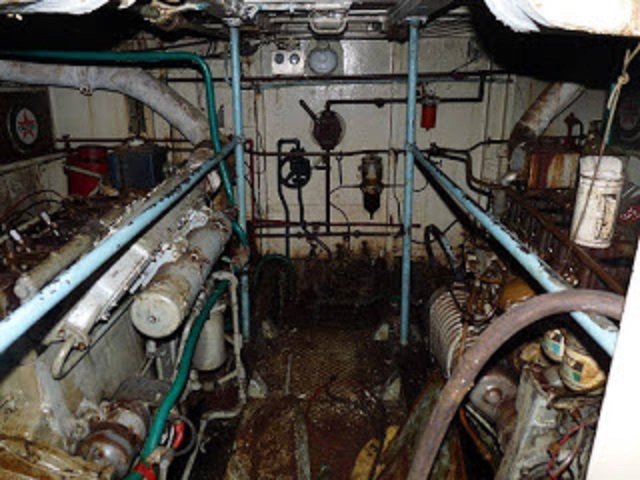
HAIMONA ex MANGA, WITH HER ORIGINAL TWIN 6 cyl, FODEN DIESEL ENGINES
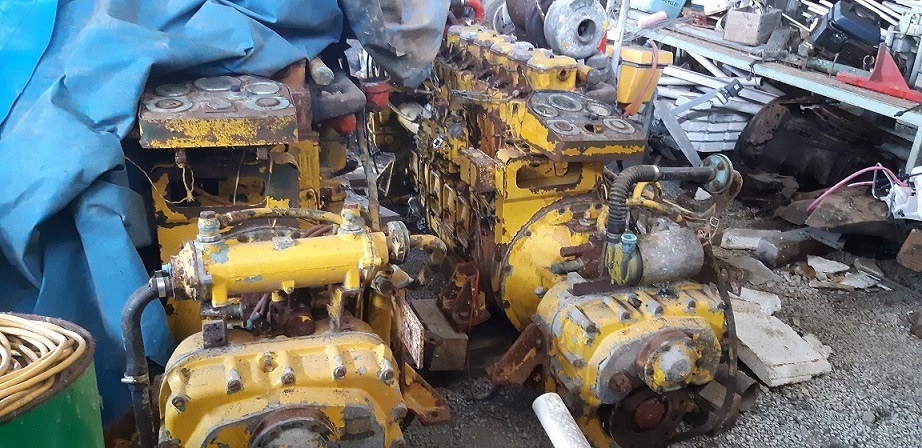
HAIMONA   –   HER TWIN RUSTON HORNSBY 6 CYL. 200HP DIESEL ENGINES
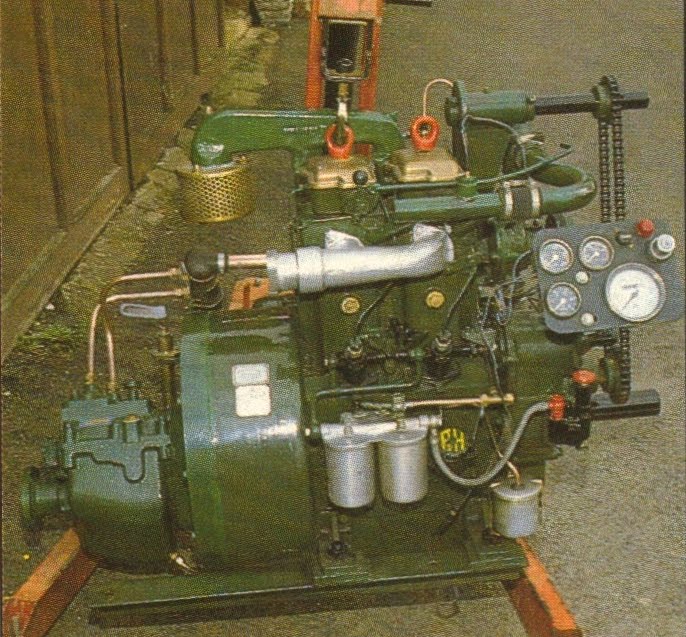
RUSTON HORNSBY TWIN CYLINDER MARINE DIESEL ENGINE AS USED IN THE MANOWAI
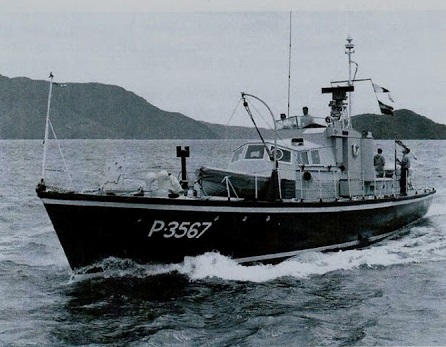
HMNZS MANGA AS ORIGINAL. 

HAIMONA IN HER PLEASSURE CRAFT GARB WITH HER 2 RUSTON HORNSBY DIESEL 200HP ENGINES, ON THE KAIPARA HARBOUR
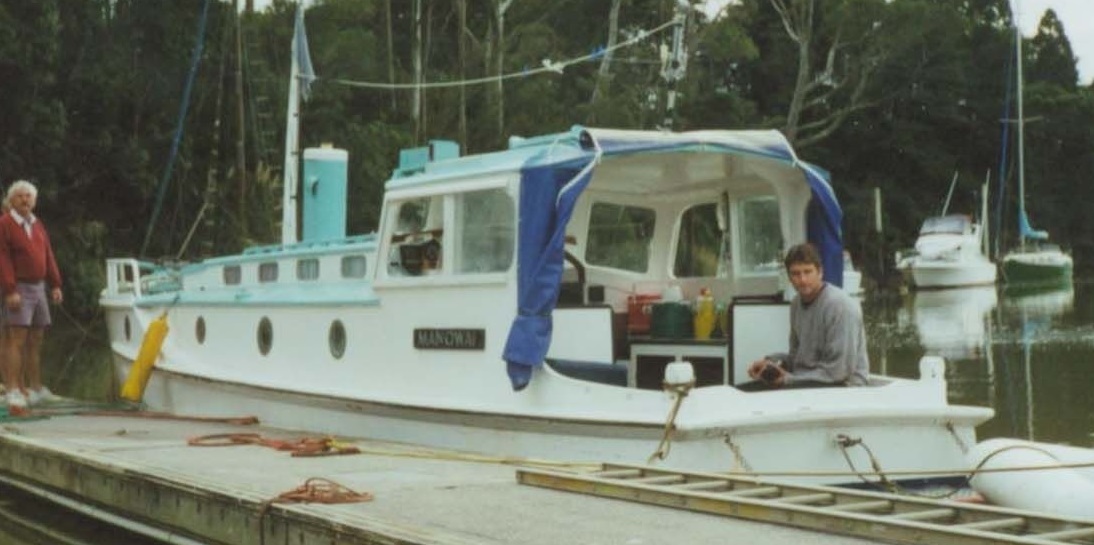
MANOWAI IN HER RUSTON HORNSBY DIESEL ERA, AT HERALD ISLAND 

There are only two of these I know of in New Zealand in pleasure boats. One was in the 32 ft MANOWAI, during the second part of Claude Atherton’s era, from 1949 until at least the 1960s; it was a twin-cylinder version of the engines. 

The other boat was HAIMONA, formerly HDML MANGA, which was based in the Kaipara Harbour. Eventually, after a few years there, the only slip she was able to use for maintenance became unavailable, and she deteriorated badly before being destroyed by her last owners. 

When they bought her, a massive coaming structure was added, and they also replaced her original Foden engines with twin 200 HP 6-cylinder Ruston Hornsby diesels, which they removed prior to dismantling her.

FORD FALCON 4.1 LTRE 6 CYL. PETROL ENGINES
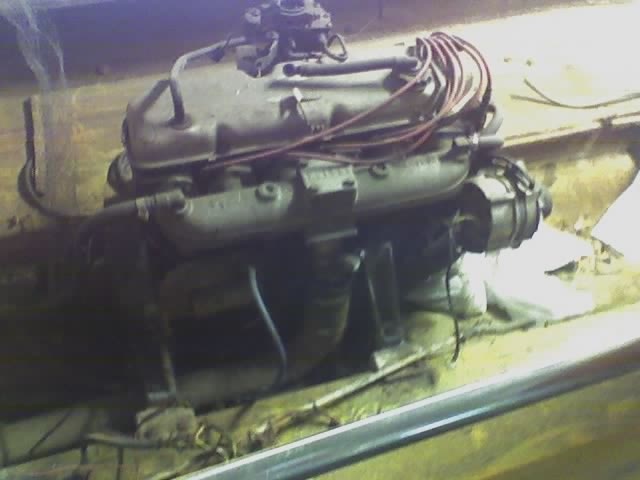
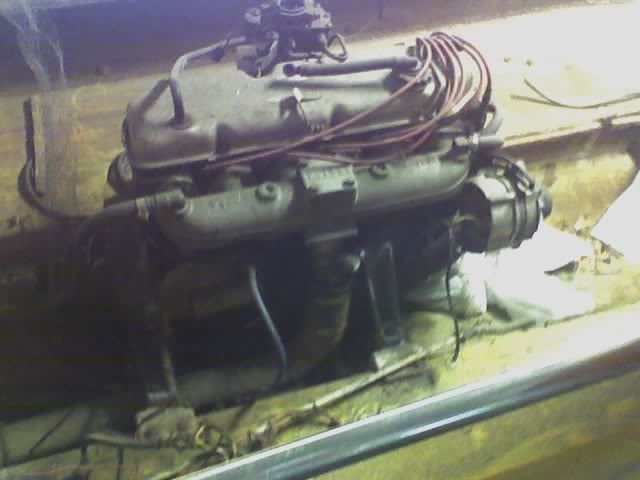
FORD FALCON 4.1 LTRE 6 CYL. PETROL MARINE ENGINE
VALSAN CHRISTMAS 1948 IN HER PRE-FORD-FALCON, PETROL ENGINE ERA

The 1938 Roy Lidgard-built VALSAN was bought by Arnold Baldwin around 1947, complete with her original engines, which were 2 x 100 hp flathead Graymarine petrol engines. He owned her for many years, and the time eventually came, after many of those years, when they had to be replaced, around 1970.

I was amazed that he chose 2 x Ford Falcon 4.1 L petrol engines as replacements, as these were engines usually associated with small day boats or runabouts, often equipped with stern drives or jet units. There were a total number of such engines unknown to me, and she is still the only launch I have ever heard of with these engines.

Things have, of course, moved on since then, and the last I heard, she had 2 x 4-cylinder Mitsubishi diesel engines post 2000.

CHRYSLER-MITSUBISHI CN-55TI 200HP 6CYL. IN LINE MARINE DIESEL ENGINES 
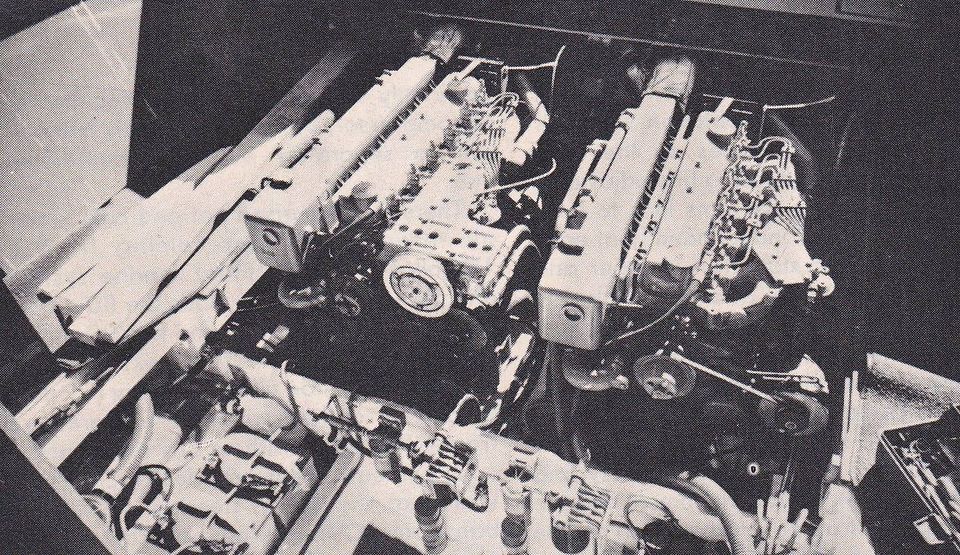
THE CHRYSLER-MITSUBISHI CN-55TI 6 CYL. DIESEL ENGINES PRODUCING 200hp @ 3150 RPM INSTALLED IN ALIBI
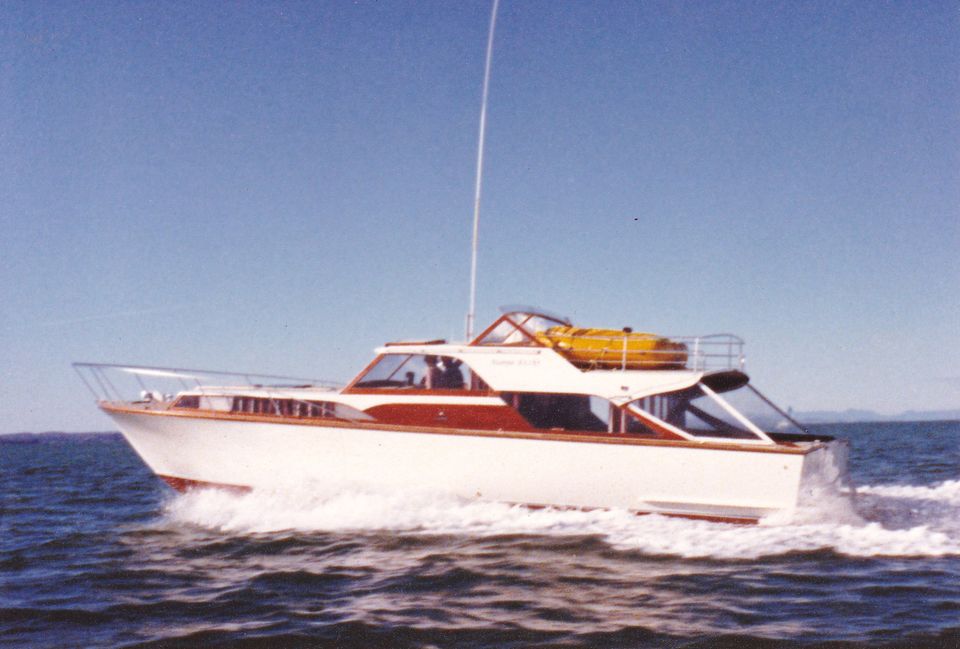
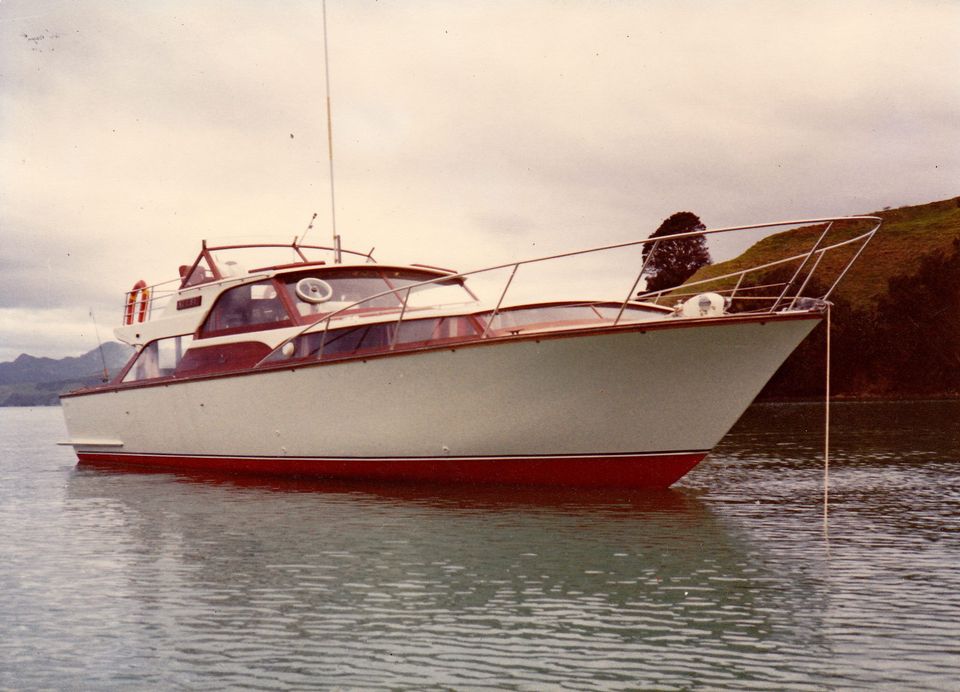
ALIBI – WITH HER 2 X CHRYSLER-MITSUBISHI CN-55TI DIESEL ENGINES PRODUCING 200HP @ 3150 RPM
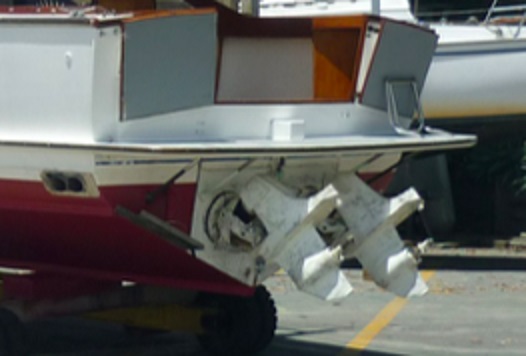
ALIBI’s 2 “STERN POWER” STERN DRIVE UNITS, & NOTE BOTH ENGINES EXHAUST OUT THE SAME SIDE AT THE TUCK

As readers of this series may recall, ALIBI made a cameo appearance in part 2 when I was seeking information related to her sistership, which I now know is or was called CRESCENDO, seen below on launching day, as I have seen the two V8 Chrysler-branded diesels CRESCENDO had when new. 
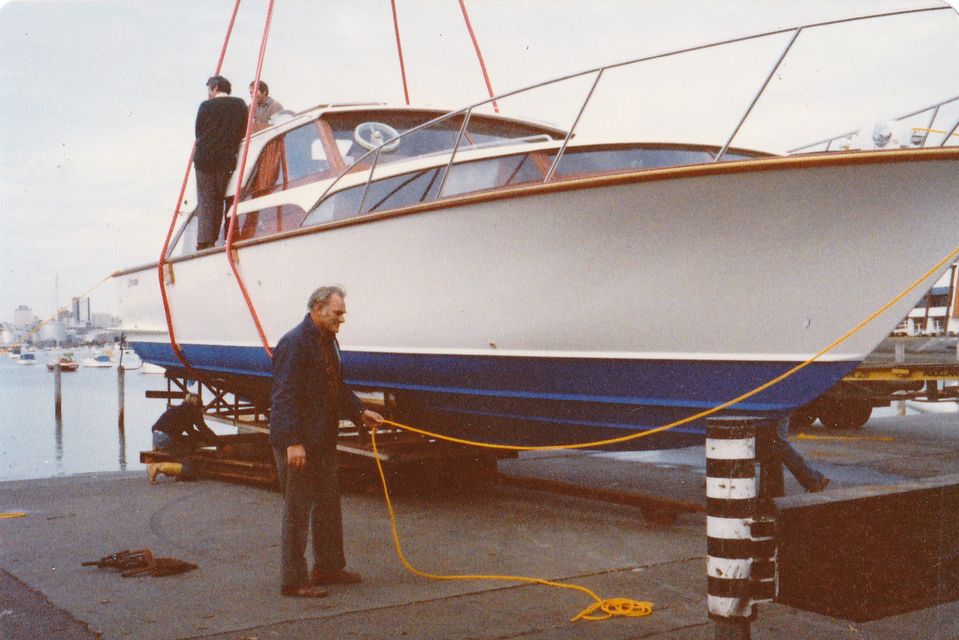
Thanks to the input of others, I have now also discovered that these engines were manufactured by another company, and simply sold under the Chrysler label, which seems to me to be a continuation of Tony Mason’s apparent tendency to use engines with the Chrysler label, as in ALIBI. 

However, since the previous cameo appearance of ALIBI, I now have full details of her engines, thanks to a lady named Juliet Hindman, who is very knowledgeable about the Mason Clipper range of boats. 

Her family has owned one of the two only 33-foot versions of the Mason Clipper, and she has now contacted me. 

As a result, and with the information she has provided, ALIBI now definitely falls into the “Unique” class of engines category, as specified above, as far as I’m concerned, and she now has her place in the group in her own right. 

ALIBI’S two CHRYSLER-MITSUBISHI CN-55TI DIESEL ENGINES, producing 200 HP at 3150 RPM, are driven through Warner gearboxes to “Stern Power” make, cream-painted counter-rotating outdrives. While the engines and gearboxes are both left-handed with a 1-to-1 ratio, outward turning counter-rotation of the propellers has been achieved by the gearing system in the stern drive units, which are also acting as reduction gears with a 1.5-to-1 ratio, driving Volvo 16 x 17-inch propellers.

I feel the engine-to-stern-drive setup with these engines, is superior to many others, in that the engines are obviously primarily produced for conventional drives, having the gearboxes attached to and as part of the engines, but can still be used either way, for stern drive units, or conventional drives, with the stern drives simply providing the drive to the propellers. 

Many manufacturers combine the gearbox and stern drive into one unit, which makes them much more complex and quite possibly much more expensive to maintain.

Additionally, the combination drive/gearbox units are often very “clunky” and jerky when selecting forward or reverse, whereas there would not be this clunk with the smoothness of hydraulic engine-attached gearboxes.

I have spent a great deal of time, trying to source a good clear image of these engines, but they seem to have disappeared from historical public databases, and the only image I have been able to source, is of ALIBI’S own engines installed in her.

It is, however, wonderful that she still has these original engines after all these years since she was built in the later 1970sA great testimony to Mitsubishi. Here are her details as received from Juliet H.:

“Released in 1979, the Clipper 42 was 12.8m x 3.7m with a draft of 900mm and, fully laden, displaced around 9 tonnes. Alibi was the prototype, built with a sandwich construction of strip-planked cedar, fiberglass on both sides. A mould was taken off the prototype so that all future boats could be full GRP with a balsa core. However, Crescendo was the only boat ever pulled from the mould.” 

I would recommend that readers revisit ALIBI’S cameo appearance in part 2 of the series to see some wonderful images of her exquisite finishing and interior.

A final note re CRESCENDO.   – She has been seen reasonably recently, in the South Island, I have been told, so any further help with information about her in any way, would be much appreciated. 

LISTER MARINE DIESEL ENGINES

I had considered including LISTER MARINE DIESEL ENGINES in the group, however, there are quite a good number of these engines that are or have been in use in NZ., in many work boats, fishing boats, tugs, & a few pleasure craft, & in the end I decided they fell just outside the scope of what I was about, so will just make a general mention of them, with a few images of the odd pleasure craft, all of which had these engines installed by Roy L.

Roy Lidgard used quite a number of them in various types of craft, the 1940s & 1950s, mostly 4 cylinder, & also had a 4cyl version of the Lister Diesel driving the Smeltinghouse Bay Kawau island sawmill, he set up & ran on his property, in the later 1940s & 50s, the remains of which are still there today. 

As just a brief mention, he installed Lister diesels, in the ROSE, (2 CYL) (later LA ROSA) Clive Power’s WAINUNU, (4 CYL) & TAWHIRI, a lovely sedan topper R Lidgard built in the mid/later 1940s (4 cyl) 
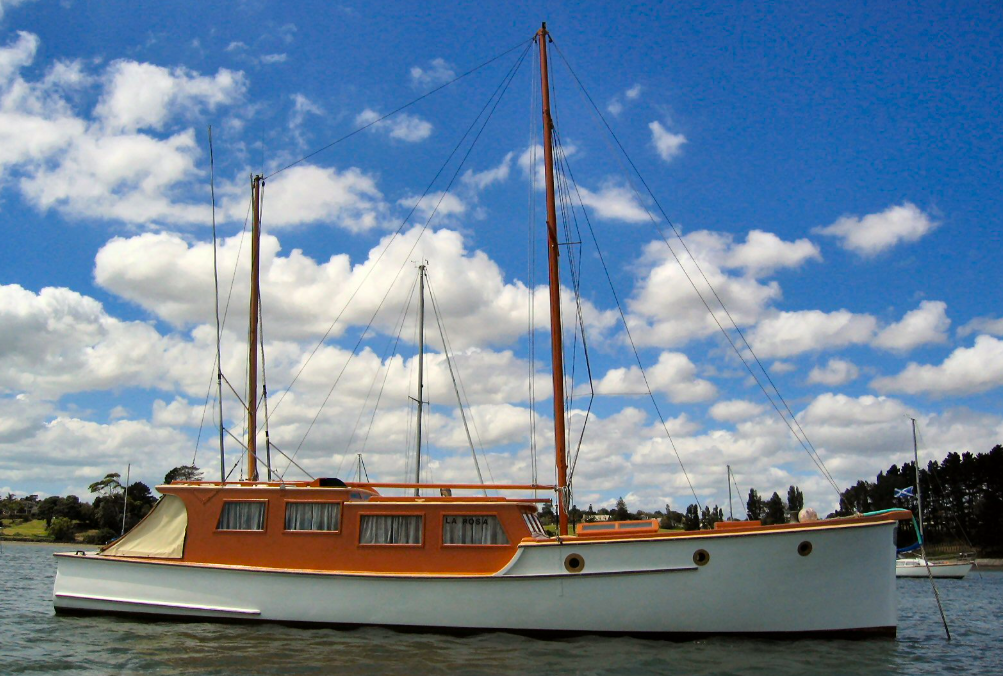
THE ROSE (NOW LA ROSA)
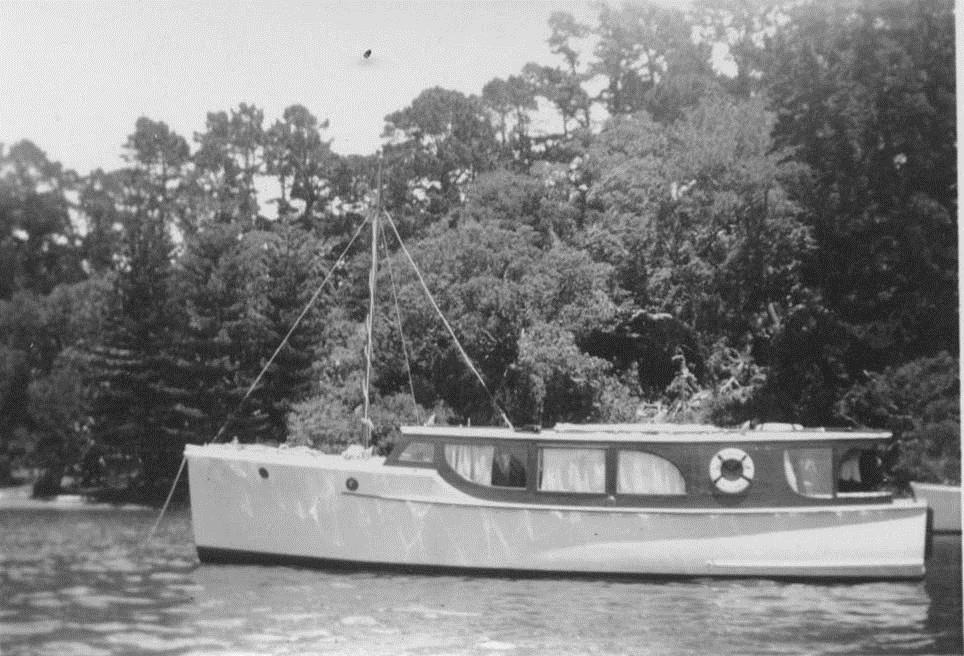
TAWHIRI BUILT BY R LIDGARD 1940s WITH 4 CYL LISTER MARINE DIESEL AS  ORIGINAL
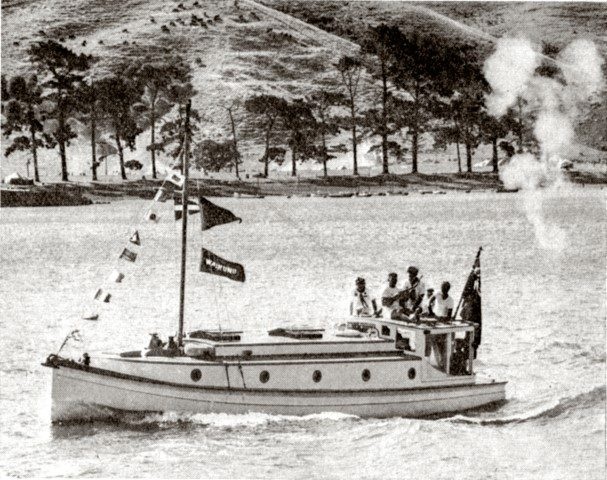
WAINUNU WITH CLIVE POWER AT THE HELM, WITH HER 4 CYL LISTER DIESEL, WITH THE EXHAUST OUT THE TOP OF THE MAST. c1940s
Screenshot

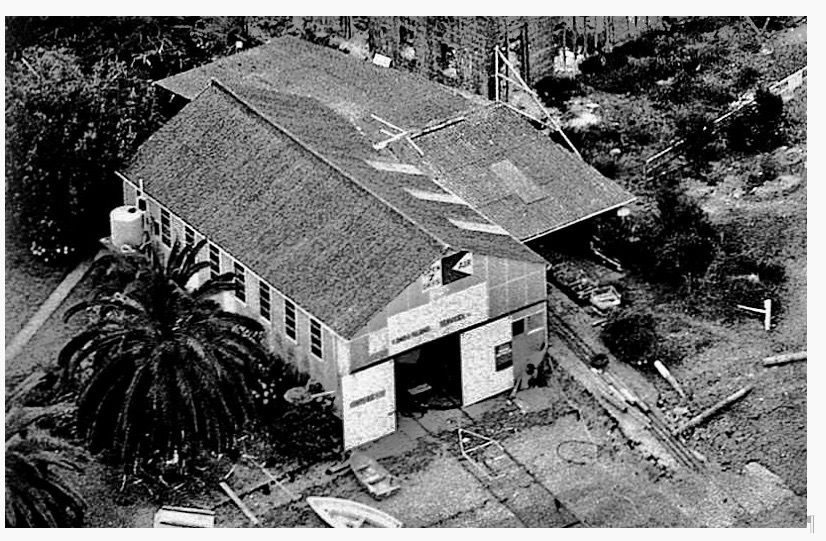
ROY LIDGARD’S SAWMILL, SMELTINGHOUSE, BAY KAWAU ISLAND c. LATER 1940s

LISTER 1940s 3 CYL MARINE DIESEL ENGNE AS AN EXAMPLE OF THAT ERA

EPILOG:

Well, readers, we have come to the end of this seven-part journey, and I can only say that for me, it has been a wonderful ride, to share with all of you who have taken the time to share the ride with me, and to follow the seven parts of what I’ve learned throughout my lifetime.

So often, you know as much, if not more, than I do. While some may have learned a little from me, I have, in turn, learned much from many of you, as we have shared this journey together, & I thank you all, for the opportunity to gain this new knowledge from you. 

I especially want to express my humility and gratitude, for the kind words of thanks and appreciation, in some of your comments directed towards me personally.

I have done this most of all, to encourage us all, to share and record publicly, what we know about our New Zealand-based boats, with each other, and most importantly, to provide a public record, for the benefit of the boaties of the future. Those who will come after we old wrinklies have all gone, & will become the stewards of tomorrow. As a result of what we all write now, they will hopefully have the chance to understand what has gone before in all or many aspects of what will become their boats, the majority of which will surely live on long after we are not here.
AN INSIGHT INTO NZ’S UNIQUE MARINE ENGINES – Part Two

AN INSIGHT INTO NZ’S UNIQUE MARINE ENGINES – Part Two

Todays WW story follows on from last weeks story – link below to Part One
Part Two is a little different in that while the story has been pulled together by Ken Ricketts, todays story has benefitted from a lot of editing and polishing from Patricia & Ken Ricketts daughter Corinne Pettersen. As always we have endeavoured to be as factual as possible but there will always by matters others will either know more about or be able to correct errors – so woodys do not hold back in commenting.

WILLYS JEEP WWII 4 CYL UNMARINISED FLATHEAD PETROL ENGINE

WILLYS JEEP 4 CYL PETROL ENGINE PREMARINISED

FAYE WITH HER MARINISED 4CYL WILLYS JEEP PETROL ENGINE c1951

It’s interesting to note how World War II surplus engines found new life in various applications beyond military use, particularly in an unknown number small craft and trailer craft in New Zealand. The experiences of individuals like Fred Steele and Des Donovan exemplify this trend, as they repurposed one of these engines to power their own launch – FAYE,, showcasing the innovative spirit of post-war boat builders. Their simultaneous construction highlights a fascinating moment in maritime history, where practicality and personalisation combined in the crafting of vessels that were shaped by both necessity and craftsmanship.

Fred S. successfully installed a Willys Jeep home-converted WWII 4-cylinder flathead engine, which provided reliable performance for several years before being replaced by a 6-cylinder diesel engine. This setup allowed her to achieve a cruising speed of approximately 7.5 knots, and during this time, my family enjoyed many weekend cruises with them, creating lasting memories on the water.

HERCULES DIESEL ENGINES  

HERCULES 6 CYL. DIESEL ENGINE TO BE HOME MARINISED, c100HP, SIMILAR TO THAT IN FAYE  

HERCULES UNMARINISED 275HP DIESEL ENGINE, SIMILAR TO THAT INSTALLED IN THE RAKANOA MARINISED, IN 1947-48.

FAYE WITH HER c100HP HERCULES 6 CYL HOME MARINISED DIESEL ENGINE

RAKANOA WITH HER 275HP HERCULES DIESEL IN NORTH HARBOUR PONUI ISLAND 1948.

Hercules was indeed a significant manufacturer of marine engines, supplying foundational engine units to various companies like Kermath, Chrysler, and others for customization to their specific requirements. While Hercules engines themselves were produced in smaller quantities and considered comparatively small-scale, the widespread use of their core engine designs across multiple brands highlighted the company’s crucial role in the marine engine industry during its era.

FAYE is an interesting vessel with its history of engine replacement, especially from a Willys Jeep petrol engine to a home-marinised C100P 6-cylinder Hercules diesel. This transition not only reflects an upgrade in power and efficiency but also shows the adaptability of boats to modern diesel technology. 

RAKANOA, a stunning 56-foot vessel built between 1946-7, originally featured a 165HP GM Detroit engine but was upgraded to a 250HP Hercules diesel after a year in the water, likely due to the engineering expertise of her first owner, Stan Parker & shortcomings he found with the GM Detroit engine. Despite the initial enhancements, there was a persistent starting issues with the Hercules, particularly when hot, leading son Ross to replace it with a Gardner 6L3 diesel in 1981, which remains with the boat to this day.

The decision to replace the original engine with a Hercules engine stemmed from the excessive noise produced by the Rootes blower and the GM Detroit engine, which was particularly problematic due to the loud high-pitched geartrain noise and the inherent loud exhaust of the 2-stroke GM engines, known for their sensitivity to exhaust back pressure unless equipped with specialized mufflers.

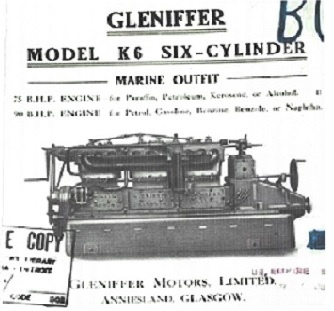
GLENIFFER PETROL & DIESEL MARINE ENGINES

GENIFFER 1940s 8 CYL. INLINE, MARINE DIESEL ENGINE IDENTICAL TO THOSE IN NGAROMA

GLENIFFER MARINE 6CYL 1920S 40BHP, (ABOUT 120HP) PETROL ENGINE, SIMILAR TO THAT IN THE LAUNCH – GLENIFFER

GLENIFFER THE LAUNCH, WITH HER GLENIFFER ENGINE, TAKEN WHEN SHE WAS ALMOST NEW, IN 1932

NGAROMA WITH HER 2 X 8 CYL IN LINE GLENIFFER DIESELS, TAKEN, ACTING AS MOTHER SHIP, IN A FIJI YACHT RACE IN THE 1950s

There is a rare type of engine that has a limited presence in New Zealand, with only a known petrol and diesel example known to me.. The mention of potentially more examples from the 1920s and 1930s suggests these engines might have been utilized in vintage boats that are either no longer in operation or have been lost to time. Such rarity adds to their historical significance and appeal among collectors and enthusiasts.

The GLENIFFER, a 40 ft bridge decker constructed by Bailey in 1929, has most recently served as a liveaboard in New Zealand’s South Island, showcasing its enduring appeal and adaptability over the decades.

 In the early to mid-1930s Ralph Ricketts was tasked with maintaining a boat for Trevor Davis. The boat had a critical issue where the sea water intake could airlock in rough seas, necessitating someone to lie on the floor under the bridge deck to turn a grease cup on the water pump to resume water flow, a challenging job made more difficult by poor conditions.

The ex-WWII Fairmile boat NGAROMA, formerly owned by Jim Lawler, underwent significant modifications after he acquired her from the Navy. Initially equipped with two Hall Scott Defender 630hp petrol engines, Lawler immediately replaced one with a Gleniffer 160hp diesel engine and later replaced the remaining Hall Scott engine with another Gleniffer diesel engine, both designed to be a matched pair with opposite hand configurations for optimal performance.

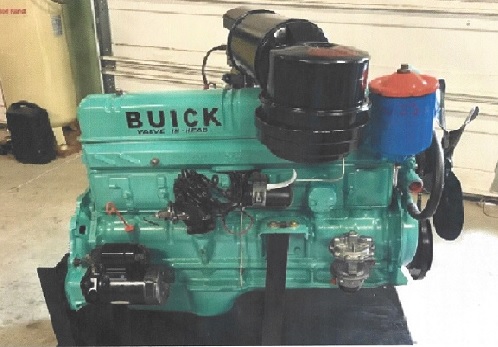
 BUICK 8 CYLINDER INLINE PETROL ENGINES

AOMA WITH HER HOME MARINISED BUICK 8 CYL. INLINE PETROL ENGINE AS ORIGINAL WHEN BUILT BY ALAN WILLIAMS

AOMA ON HER MOORINGS AT GT BARRIER ISLAND RECENTLY

AOMA, a 36-foot vessel built by Alan Williams around 1950 in Milford Creek, Auckland, was either commissioned by or later acquired by Len Pepper, a prominent builder from Takapuna. Initially equipped with a home-marinised 8-cylinder in line Buick petrol engine, AOMA reflects the craftsmanship and maritime heritage of its time, showcasing the evolution of boatbuilding in New Zealand.

Observations about the engine’s appearance and the “Buick Detroit Marine” label suggest it could indeed be a locally modified version rather than an official marine model from General Motors. The lack of verifiable references to a marine variant strengthens your hypothesis about it being a custom marinization. Such practices were not uncommon, especially in regions where specific adaptations for marine use were necessary, and the label may have been a marketing choice to lend credibility or appeal to customers.

AOMA’s design is a classic example of form versus function, where the elegant lines that defined her aesthetic have been altered for improved practicality. While enhancing the headroom may provide comfort for passengers, the modification to her coamings appears to have detracted from her original beauty. Such changes often spark debate among enthusiasts and owners about the balance between maintaining a vessel’s traditional design and adapting it for modern usability.

MASON MARINE 42 FOOT MASON CLIPPERS & CHRYSLER V8 MARINE DIESEL ENGINES WITH STERN DRIVES.

Tony Mason crafted a series of impressive boats like the ALIBI, characterised by their striking design and powerful performance, especially with the dual 6-cylinder diesel engines that presumably enhance their speed and efficiency on the water. These boats show cased both his craftsmanship and a commitment to quality, making them stand out in any marine setting. I am trying to find another of these boats, that one day was tied up to Mansion House Bay Wharf, in the early 1970s, when the boat was almost new.   She was amazing as ALIBI still is today, but the thing that intrigued me most was her 2 Chrysler V8 diesels, painted red, as with Iveco or Redwing, with her stern drives painted cream. The engines looked the same as Chrysler V8 petrol engines, except they had injectors not spark plugs, they were the only two of these engines I have ever seen.

LINK BELOW TO PART ONE OF THIS SERIES https://waitematawoodys.com/2025/04/04/an-insight-into-nzs-unique-marine-engines-part-one/

The Evolution of Pleasure Craft Communication

Screen Shot 2020-06-10 at 6.02.30 AM

THE EVOLUTION OF PLEASURE CRAFT COMMUNICATION

Next time you pick up a mobile phone to chat to another boat or log a trip report via the Coastguard APP, spare a thought for the boats of days gone by that had only one option (other than flags) for communications at sea. As a child I was fascinated by all these strange random words Zulu Mike Bravo Lima etc – my father being an ex-army comms man, morse was his thing. On holidays, myself and brothers were ‘made’ to listen to ships at sea and try to record the message, the winner i.e. most accurate, would win a chocolate.

WW follower Ken Ricketts is of an age that he has seen and experienced the evolution of New Zealand maritime radio communications and recently he wrote a comprehensive chronicle on the subject, which you will find below. It is worth a read to either educate or refresh yourself on the huge advances that have been made in the field. The story is peppered with a few tales directly relating some of our woody fleet (scroll over photos to ID the woodys) so hopefully that will keep those of you with a short attention span –  awake 🙂 Enjoy

Maritime radio-telephony in Auckland pleasure craft, had its first & humble beginnings in 1946, at which time, Ken’s father, Ralph Ricketts, entered the fray, with the second ever such installation, in Auckland, (the original first one was on the REHIA owned by Bill & Phyl Ryan at that time — who told RR about it) RR immediately bought, (as ultimately almost everyone did, once they knew about them ), an ex WW II war assets double side band, (DSB),  ZC1 MK II R.T., for  20 pounds, & fitted it to the Rickett’s launch – JULIANA, after which RR had a visit from a Govt radio inspector, who took diagrams of aerial format & layout, made various notes on his file of the installation, checked RR’s ability to use the set, made a test call himself, to “ZLD Auckland Radio,” sited  at Musik Point at that time, on the entrance to the Tamaki Estuary, & made sure RR had a “Restricted Radio Operators License,” which was required in those days, by all radiotelephone operators, on all pleasure craft, – now long since discontinued, & he allocated JULIANA the call sign of ZMYP.

REHIA 1948

JULIANA & AOMA c1953

Originally, there was only one call frequency, & that was 2012Kh, in 1946, used for all purposes, but not too long after that, 2012  was reallocated exclusively for harbour control use, to the Auckland Harbour Board, & pleasure boaties were allocated 2182, the international distress frequency for initial calling to government shore stations, & 2162 for ship to shore working, & 2456 & 2638 for ship to ship gossiping. 

The 2162 working frequency, was later changed to a duplex frequency, with 2162 for listening to ZLD, & them receiving on 2207. 

The frequency of 2045, was allocated around 1950, for use for transmission between privately owned shore stations & boats, such has Port Charles Radio, (the legendary Jim Smith owner/operator ), Gt. Barrier radio , Awaroa Radio etc. 

These shore stations were used extensively, for many years, from around 1950, by many commercial fishing boats, working throughout the Gulf, many of whom, reported in daily their positions, usually around 6 pm. There were also many pleasure craft which used the service, & RR was one of them. He joined the Port Charles association for most of his boating life with legendary Jim Smith the owner/operator. RR or Ken would call Jim every evening at around 6pm & report in our position at that time. 

You paid a small annual fee usually, to join their non profit associations, to cover their running costs & they kept records of your locations, times of calls, assisted in any way they could, with any problems you may have had, etc., & these associations usually operated, for several set times, of about 15 to 30 minutes, each day. Ken thinks some may still exist on the VHF channels, possibly there is one on Gt. Barrier Island.  

Auckland Coastguard was also allocated the frequency of 2128, (from recall), for ship to Coastguard use. 

By the early 1950s ZLD had introduced a radio telegram service to land based recipients who had a telephone number available, as the address & the telegrams would be sent by ZLD to any entity via that phone number ( & later delivered in hard copy via normal post to the address of the phone number), & if a reply was quested, or anticipated, they would telephone it through immediately, whilst the ship waited on standby, & ZLD would call back with the reply ASAP. 

The cost, was fairly expensive for the era, & on a cost per word basis & the costs were charged to the landline phone number. This service stayed in place as far as Ken knows right through in to the VHF era.

Land based parties, could also send radio telegrams to boaties, with the address, via the P & T telegram phone number, which must include the call sign & was as follows; (as a example) Mr. Smith Vessel ZMYP JULIANA C/- ZLD AUCKLAND RADIO. 

ZLD at the end of its 3 or 4 hourly daily weather forecasts & shipping information, would give a list of all telegraphic traffic held for all vessels including of course, & very importantly, their call signs, & most would listen to these broadcasts, as often as possible, & advise friends on other boats, if they were near at the time, that  ZLD had a message for them.

By about 1983 this communication with the outside world was taken a step further, &  ZLD introduced a VHF radio telephone service, which many mature old time boaties may recall, where a ship could call ZLD, on channels 22 & 23, in the  Auckland region, give them a landline number, which they would dial & then patch your call to ZLD through, to enable you to talk direct, to the subscriber, which whilst it was a good service, it had its shortcomings & limitations, shall we say, as any boatie who by chance or otherwise, dialled into ch. 22 or 23 on his boat, would inevitably be privy to what were sometimes surprising, & very private conversations, also necessarily, only one party at a time in the conversation could speak, & the other had to listen, & one had to say “over,” at the end of each segment of conversation, to enable the other party to know when to respond, 

Calls to boaties from landlines could also be booked with ZLD & ZLD would call them back, when they were able to make contact the vessel, the land based party wished to contact.

There was one other form of radio communication which evolved & inevitably found its way in to the boating world for a period in the 1970s/80s & that was  Citizen Band (CB) radio transmitting communication equipment, for short distance communication, unrestricted in it use, & it could be used by any person, at any place for any lawful purpose, but it was restricted, to a very low aerial output power in all sets, which could be bought & licensed extremely cheaply, much more so, than proper marine  purpose built equipment, & this medium became popular for a period, in the  1970/80s, with some  boaties, mostly in the smaller cheaper craft range, where cost was a really important issue for some, but whilst it was cheap, it had many shortcomings, including its very short transmission range, & as there was no structured organisation of any type, either private or govt., monitoring it, one simply in event of distress, had to rely on someone within the range for your set, hearing your call, & helping as best they could, one way or another. So whist it was so very limited in its rescue value, nevertheless it was better than having no communication at all, if in need of help. 

These sets had a good number of preset channels  & operated on the HF 26.500 Mh band in NZ., which was a different frequency range to many other countries, including Australia, which used 27.500Mh), & call signs were allocated to owners on a regional basis, depending on where you lived.

Ken installed one on his 40′ launch TIARRI, when launched in 1979, in order to have maximum possibility of assisting boats, in times of distress or breakdown. TIARRI’S main call sign was ZM3199, which, along with the radio, Ken took from his first boat, FLYING SCUD, which was issued to F.S. in December 1953, when she was built & launched by Roy Lidgard, just after the advent of the letter number era – only 1100 numbers in to the new system.  

TIARRI

FLYING SCUD 1975

There were the very odd exceptions, to the above early days policy, & call signs, mostly around the 1940s era, almost all of which, were for boats, where they were owned by the owners of private islands, in the Hauraki Gulf & Northland, & perhaps the Sounds, where they had a licensed, private, island based set, on their island, & a special boat call sign allocated to their boats, for keeping in touch with their home bases, usually where these boats were their sole means of access, to the outside world, & these sometimes, were of a number letter combination, with just one or two numbers usually, & had just one specific frequency, to operate with.  

All transmitting in DSB & SSB sets was technically very accurately totally controlled, often by a plug in type internal “Chrystal Control unit,” or similar, for each frequency,& fitted to all sets for all transmitting frequencies. 

There were later several lower end of the High Frequency, (HF) band, frequencies added in the 3, 4, & 6, Mh bands, mostly used by off shore boats, out at sea. 

This cumbersome, & red tape process, of registration, continued for a good number of years, right through the initial era of “ Double side Band “ transmission, & in to the upgrading of that era, to “single side band” (SSB) transmission, circa 1970s

After single side band transmissions became compulsory, around the 1970s this required the purchase of a new set, & the only double side band frequency which was still legally usable, was the international distress frequency of 2182 Kh,  & this could only be used for calls to govt shore stations (ZLD for Auck)  or ZLW for Wellington, as examples),  for emergencies only, & craft which did not wish to outlay for a new SSB set, or alternatively still keep a 2182 set after they bought a VHF set after they were introduced, could modify & keep their old set, & were then reallocated a compulsory special “ZMX” based call sign, starting at ZMX2001.

These days ZLD has left Musik Point, & the government’s ZLD & ZLW (& ZLB in the South Island,) which all later came under the umbrella of Telecom, being the replacement that took over from the old P & T., which in turn, has now become a totally new entity, as “Maritime Radio,” & under the umbrella through various subsidiaries, to “Maritime NZ.,” being another different Govt Dept, with the  transfer becoming effective from midnight, & starting on the 1st October 1993 & the operators of which, are now all based in the Old Radio NZ Avalon building, in Avalon, Lower Hutt, Wellington, with transmission facilities, in Wellington & Taupo, plus a network of repeaters, scattered around the country monitoring the whole country, which is now all controlled from this one location.

In the later 1970s early 80s Very High Frequency, (VHF) maritime radio was introduced, which gave many benefits, with all its ongoing ever increasing refinements, & installation of shore based repeaters, on high ground, throughout the country, which  has now ultimately totally replaced the old Medium Frequency DSB & SSB sets, with many advantages to all users, for all local NZ & inshore boating, along with the discontinuation of licensing of individual operators, & inspections by govt inspectors, of all boats so fitted, with RT equipment. 

Also, Radio Spectrum Management, the govt department which these days controls allocates & administers all radio & TV transmissions, call signs & frequencies, has vested in NZ Coastguard, the authority to issue calls signs on its behalf, of a mixed letter number type, such as, (possible examples only), ZMQ 2947, ZMW4526, ZMR 2937, & so on, as a result of the huge demand for these, these days, & the time consuming process it used to be, for R.S.M.

Originally in 1946, this was all under the umbrella of the Post & Telegraph Department to later become Telecom, & remained so for many years, until 1987, when it all started to change & we have ended up, for a good number of years now, with RSM, as the entity in control.

The pleasure craft call sign evolution, & changes to it, are as follows;

As above, all craft up until c1953, were all 4 letters alone.

As they were beginning to run out of call signs, around 1953, the Govt. wrote to all pleasure craft owners, requesting they approve the replacement of their existing all letter call signs with a letter number combination, starting originally, with the first reissued call sign of ZM2001. 

It is important to note that the Govt., could not insist on this by law, & only request it, & if the owners did not consent to the allocation of a new call sign, the original then remained with the boat, & there are a few of boats that still have their original all letter call signs even today. 

Neither Ken’s father nor the owner/builder of GAY DAWN, Bill Waters, who RR bought the boat off in 1956, surrendered their original all letter call signs, for their respective boats, —  (see image above of GAY DAWN taken c1965, showing clearly, a typical DSB aerial set up as used for many of the DSB, SSB, medium frequency sets of that era), —  RR sold JULIANA in 1956 with ZMYP, (which was somewhere along the way, later either abandoned, or replaced, with letter number combo call sign), & now, as referred to below, is reinstated to her for life. RR bought in 1956 & sold in 1970, GAY DAWN, with ZMIV in place, which however, also later along the way, was replaced by persons unknown, with a letter number combo, at least once, note: ZMIV has now been reallocated to the Rickett’s family and used on the vessel ROSEANNE, which is owned by Ken’s daughter.

GAY DAWN C.1965

Such was the ever increasing size of the “snowball,” of pleasure craft sets, that it was not all that long, before the original issue of the ZM2001 to ZM9999 were all allocated, & we then saw the issue of  ZMA2001 to ZMA9999, followed by the final issue to the SSB era, which was ZMY2001 to ZMY9999. 

It is important to note, that all call sign issues right from ZM 4 letter, ZM+, ZMA, ZMY, & ZMX, & all Coastguard issued call signs are approved & provide for use of all VHF sets.    

All letter only call signs, which are all just 4 letters alone, must still be issued by R.S.M. direct, & are mostly reserved for all Govt vessels,(eg., all the Police DEODAR launches were & still are, all allocated ZMIH, during their term of service to the Police), also some very large off shore fishing vessels, & some NZ based pleasure boats, that cruise off shore, or are capable of cruising offshore have these call signs allocated as well. 

Other pleasure craft, that have some classic, historical, or other special significance, are also issued these, at the discretion of RSM.    

Ken has enjoyed a close & good relationship with RSM, for many years, & there are some interesting background stories relating to the issue of some of these special allocations of all letter call signs, which Ken has been associated with, & some of these are as follows. There are a tiny number of pleasure craft that were built prior to about 1953, where the owners did not approve replacing their original call sign, which the dept. would have requested, but could not insist upon in c1953. 

Two examples of this are as follows; 

One with its original 1946 issued call sign is RAKANOA, which still has her original call sign ZMTF as issued when new, & the other, is Owen Foster’s WAIRANGI, also with her original call sign of ZMTM.

RAKANOA c1948

WAIRANGI 2020

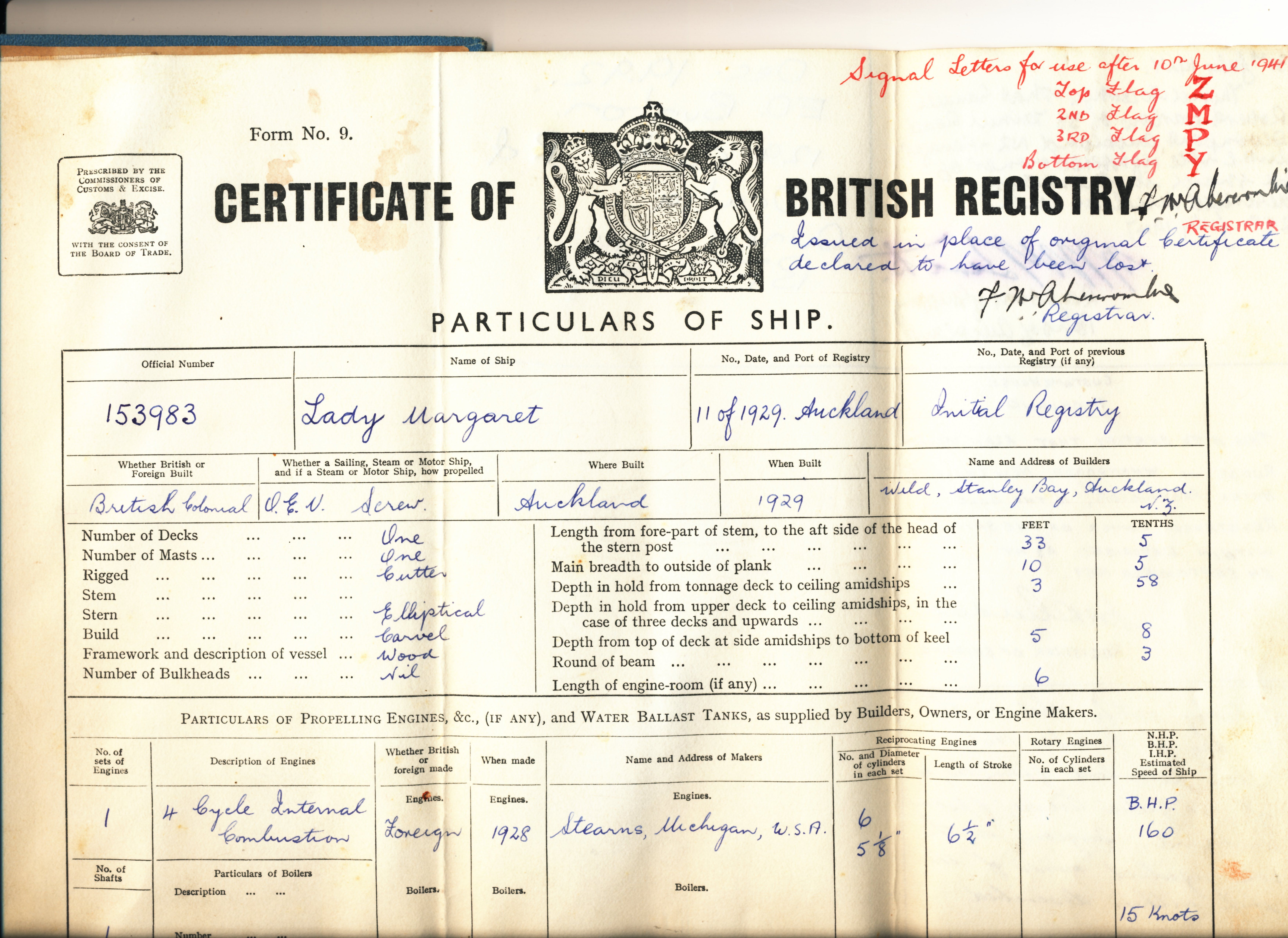
A fairly recent approval exception, is the issue of ZMPY, to Peter Loughlin’s Colin Wild built LADY MARGARET, which was first issued to her, in 1941, by the Navy, & is recorded as such on her British Ship registration, (see below), & as a classic craft, with this history of her call sign, Ken assisted Peter, to secure this for her for life, when he bought her.

LADY MARGARET

LADY MARGARET Registration certificate P1 (TOP) jpg

Likewise Francis Uren’s “W1”, was issued with ZMWI in 2014, which is another detective story. W1 was originally brought to NZ by the Royal New Zealand Air force in 1941, as their extremely fast, & prize patrol craft, & given in the circumstances, the logical Air force number of “W1”, which has now been reinstated to her, as her name, by present owner Francis, after a long period of being known as CARROMA.  

W1 c.1942

As she is now W1 again, Ken approached RSM, gave them her history, & they in turn, approached their counterparts in the military, to see if they could uncover her original WWII call sign, but unfortunately all those records have been lost, so as an alternative, RSM offered Francis the call sign ZMWI. – They could not offer ZMW1 as international radio spectrum law, prohibits that type of call sign, worldwide, so she now has ZMWI for life, free of charge.  

W1 2014 - 1

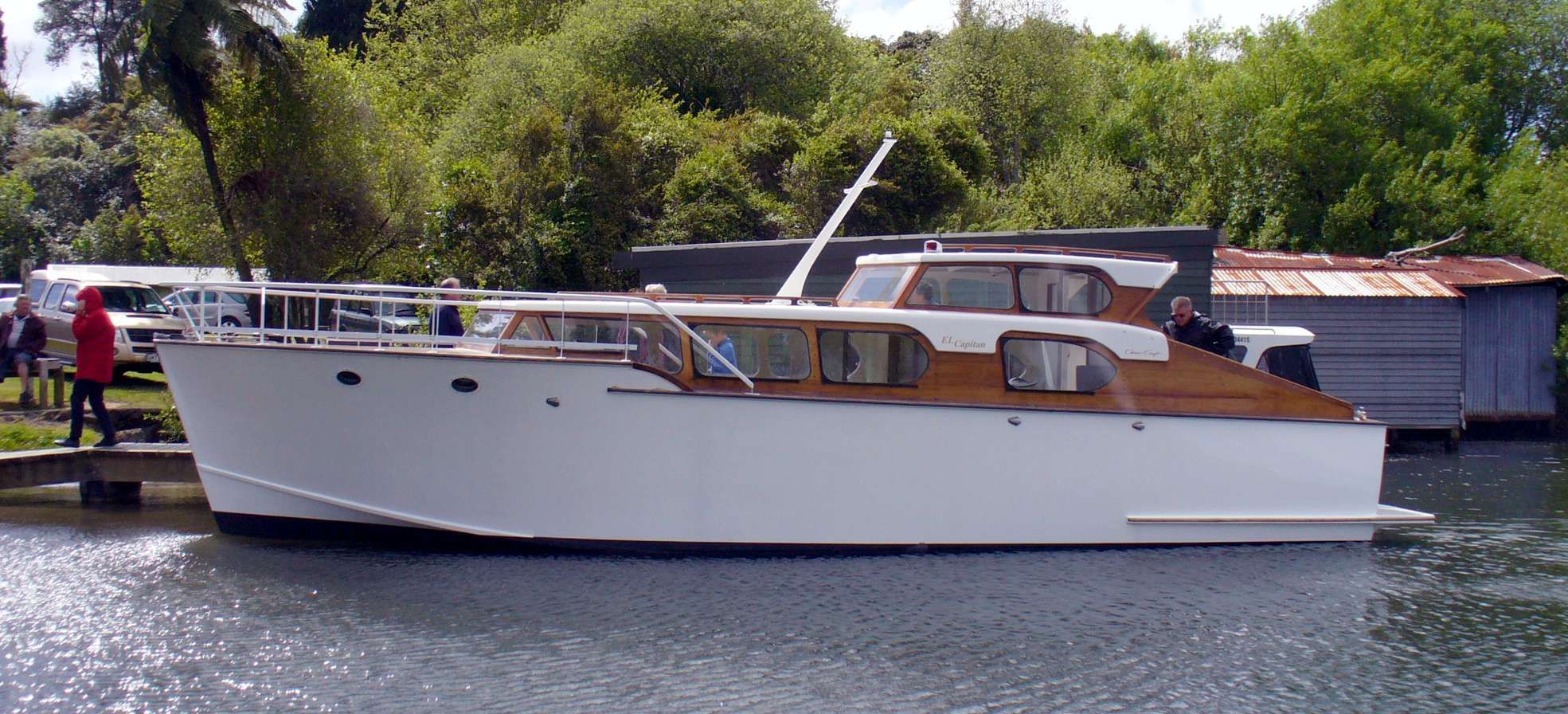
El Capitan is another interesting story, as she now has ZMEC. It goes like this; She was built c1961, by a farmer, in a shed on his farm, to a Chris Craft design, in Ohakea, & he carted her around on a big trailer, & used her at Taupo, & the Sounds, until 1976,  after which time, she sat in a shed on his farm, never to move again, until bought by Tony Mitchell, of Lake Rotoiti, off his estate, post 2000. When Tony bought her, she had a Coden 2+ Mh multi channel, medium frequency, marine RT,  which would have been fitted almost certainly, when she was new, which has now been replaced with a VHF, but for which, there had never been a marine call sign issued, as the original owner, was also a radio ham, with a “ZL#### ham radio licence & call sign, which automatically allowed him to use this call sign for his boat. Ken provided on Tony’s behalf, all relevant info to RSM, & requested, & they approved, ZMEC (El Capitan), which she also has for life.

EL CAPITAN 2012

Ralph Rickett’s JULIANA, now renamed MARJORIE ROSA, now also of Lake Rotoiti, has been reallocated for her life, her original call sign ZMYP, as issued to RR in 1946. Ken told RSM of her history, as the second ever pleasure craft in Auck., to have marine RT, in 1946, & they have approved the reissue to her of her original ZMYP, to Fraser Wilson, her present owner, for her life. 

Marjorie Rosa : Juliana 2019

Marjorie Rosa : Juliana 2018

Story told by Ken Ricketts, edited by Alan H.

Kerikeri Wharf

Scan_20171225 - Copy (3)

Scan_20171225 (2) - Copy

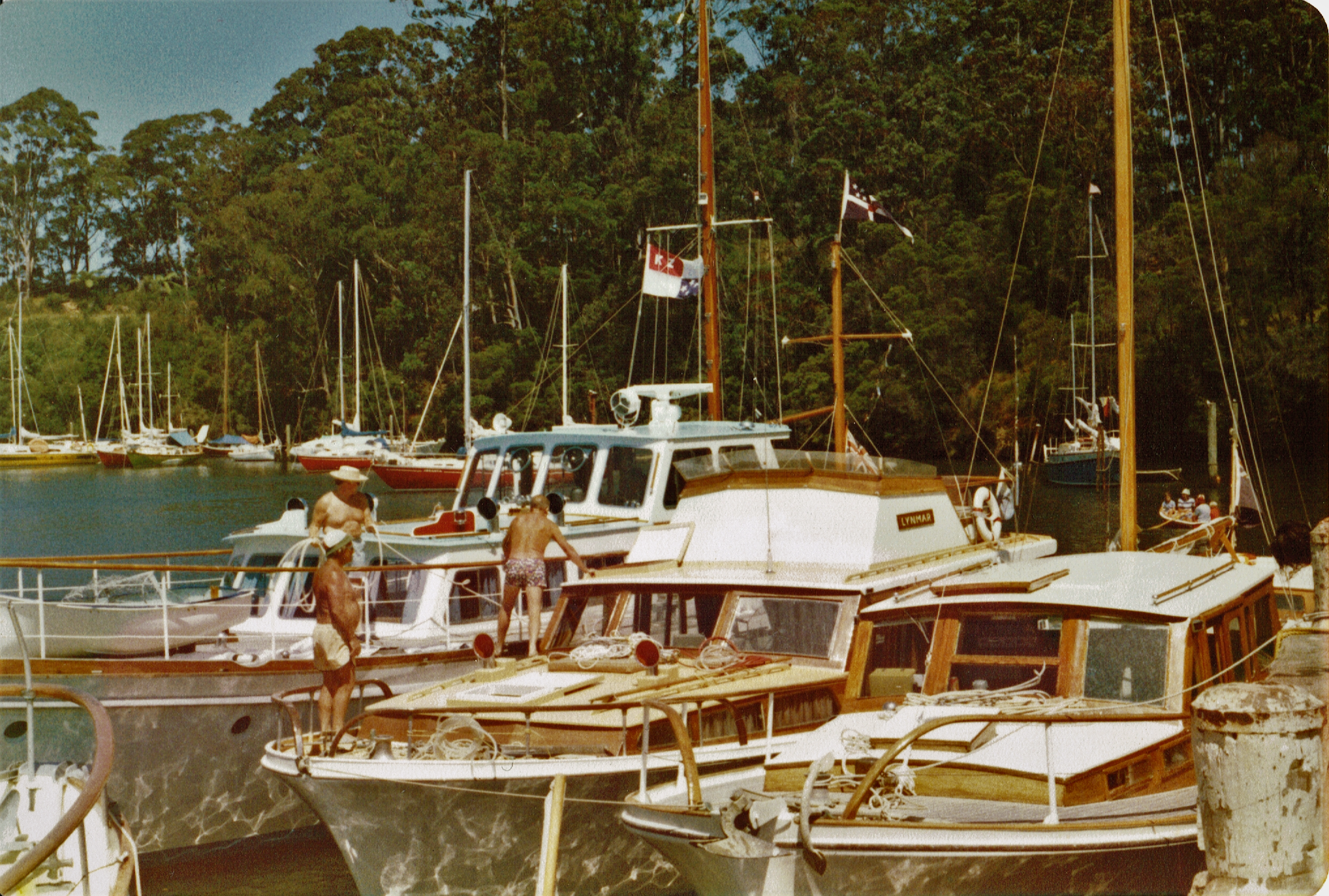
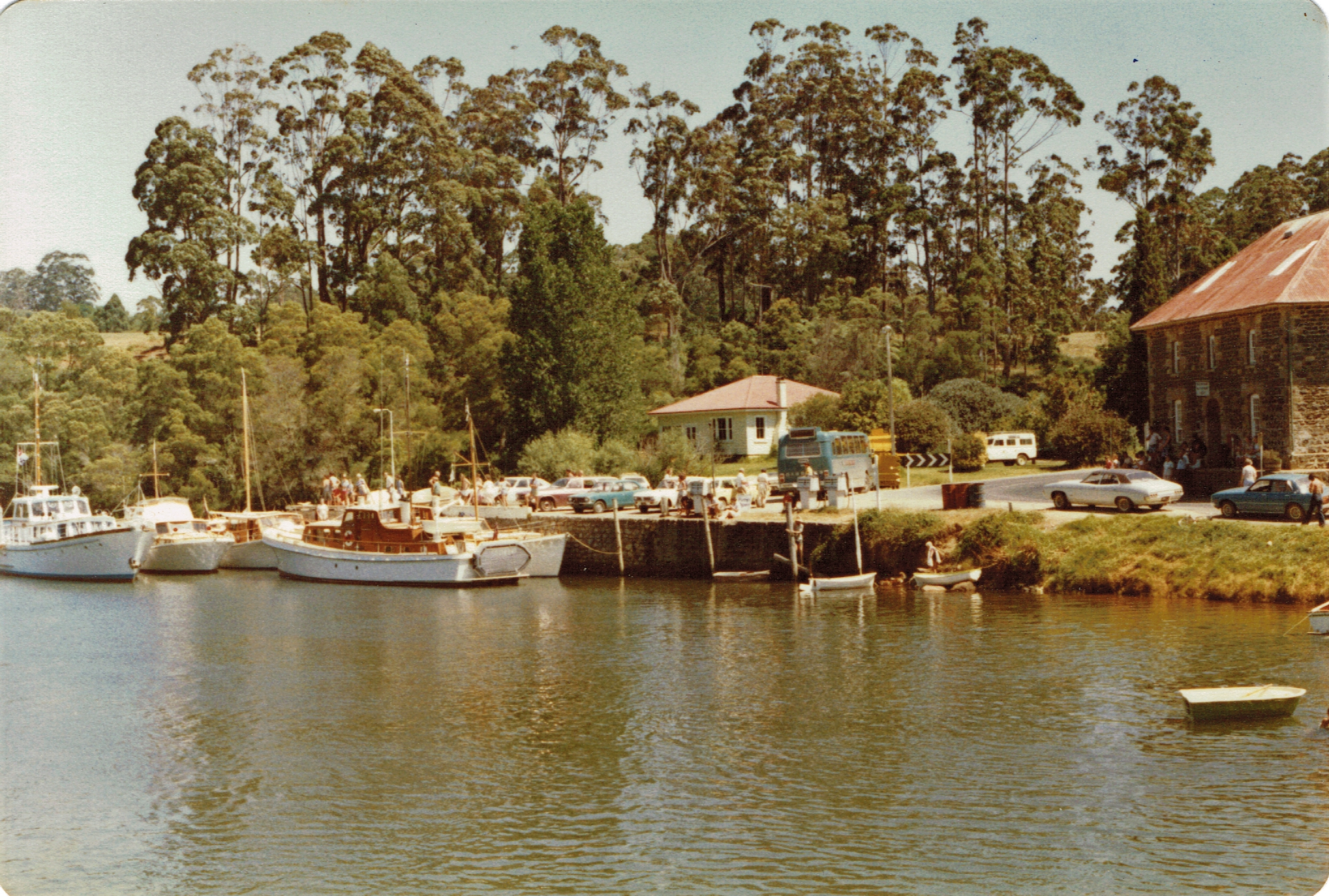
KERIKERI WHARF


Todays photos come to us from Nathan Herbert and show a small flotilla of woodys that regularly cruised together – the boats being – Kudu, Lynmar, Kotanui, Haunui, and Valhalla. On this cruise Rakanoa was present also but had not made the trip up the river for provisions, she decided to ’stay out’ at anchor.

 
Nathan commented that Kotanui was always the ‘pilot’ boat for the Kerikeri river being as his grandfather – Jack Hobbs had been up so many times over the years in Pacific, now owned by Nathan.
 
Dulcie Dennes (Valhalla) told Nathan that on this particular trip, the men were sent up to Kerikeri township to get groceries, and forgot them altogether, instead spending the whole time at the pub. They had to hitch a ride on an orchard truck back down to the Stone Store basin, a few sheets to the wind…  I understand not all the men were guilty – Jack and Harry Julian had stayed at the boats to keep an eye on them.
 
Yesterdays Best Caption Competition
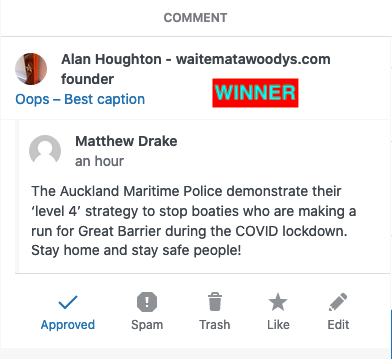
The comments section on WW only ever goes a maximum of 15 (the last 15) comments, so I have reproduced them below. Given Flora’s on / off relationship with the boys in blue – her winner is Matthew Drake.  
Screen Shot 2020-04-17 at 5.26.38 PM
Click to view / enlarge the below 🙂 Thanks for all the entries
 

Rakanoa + Reminder Re Cool Woody Event

rakanoa jan2019

RAKANOA

Today’s WW post features one drop dead gorgeous woody. The photo above is of the 56’ Rakanoa, sent in by Peter Loughlin & is the perfect photo to showcase the recent TLC she has received. Rakanoa was built in 1946 by Shipbuilders.

You can see > read more on Rakanoa here.      https://waitematawoodys.com/2013/04/21/rakanoa/
screen shot 2019-01-15 at 12.04.34 pm
LAKE ROTOITI CLASSIC – WOODEN BOAT PARADE WEEKEND – FEB 8TH > 10TH
Big reminder / nudge that one of the coolest woody events of the year is fast approaching & if you are thinking of attending with your boat you need to get your A-into-G & register now.
If you are boat less & around the centre of the North Island that weekend – check out the Parade on Saturday – there will be between 70 & 100 woodys on display.
I have featured the Parade on WW for the last 4 years – so just enter Lake Rotoiti in the WW search box & you will be blown away with the boats. Or  be lazy & just click the link below to view last years event
Link below for more details on the Parade & the Lake Rotoiti Classic & Wooden Boat Association


Mechanical Advice Needed Re Bearings

I have been contacted by Bruce Flintoff looking for some advise on his my stern bering. Refer photos below. The bearing needs replacing. Does anyone know who supplies these bearings and what bearing would be the best replacement?

Bruces boat is Norma built around 1920 and featured in Waitemata Woody’s a couple of years back. Link below

Rakanoa, Altair & Kotanui

Rakanoa march 1968 (2)

Rakanoa March 1968

Rakanoa, Altair & Kotanui

Its not often that we see a photo of Rakanoa underway, the above 2 photos came to us via Nathan Herbert & are part of Gwenyth Herberts collection. Taken by Jack and Mill Hobbs in the the late 1960’s.

From the same collection, below we have the 43′ Altair at sea in March 1968, while owned by Stan Horner, Altair was built for Horner by Supreme Craft in 1961. More details & photos here https://waitematawoodys.com/2015/12/05/altair/

Altair March

And another photo, from the same date, shows Kotanui berthed at Westhaven, anyone able to ID the other vessel’s?
More details & photos on Kotanui here https://waitematawoodys.com/2013/10/16/kotanui-3/    https://waitematawoodys.com/2013/06/15/kotanui/ https://waitematawoodys.com/2013/07/29/kotanui-2/

And even an old movie – Enjoy https://waitematawoodys.com/2013/06/15/kotanui-old-movie-underway-1/

Kotanui Westhaven march 1968


Mahara

MAHARA
photo & details ex Mike Ryan

Mike’s family has recently purchased Mahara, a Shipbuilders Supacraft that they are in the process of tidying her up after a year or two of neglect. She is currently out at Okahu Bay & Mike reports that Alan Boyd from ‘x-foul-e-8’ has done a beautiful job getting layers of anti fouling off below the waterline.
Mahara was one of four ‘sisters’ built by Shipbuilders Supacraft in the late 1940’s, early 50’s, the others being – Lady Eileen, Rosemary II & Rakanoa. They were designed (Rakanoa part) by the American trained Thomas (Tim) Windsor, the in-house designer at Shipbuilders Supacraft at the time.
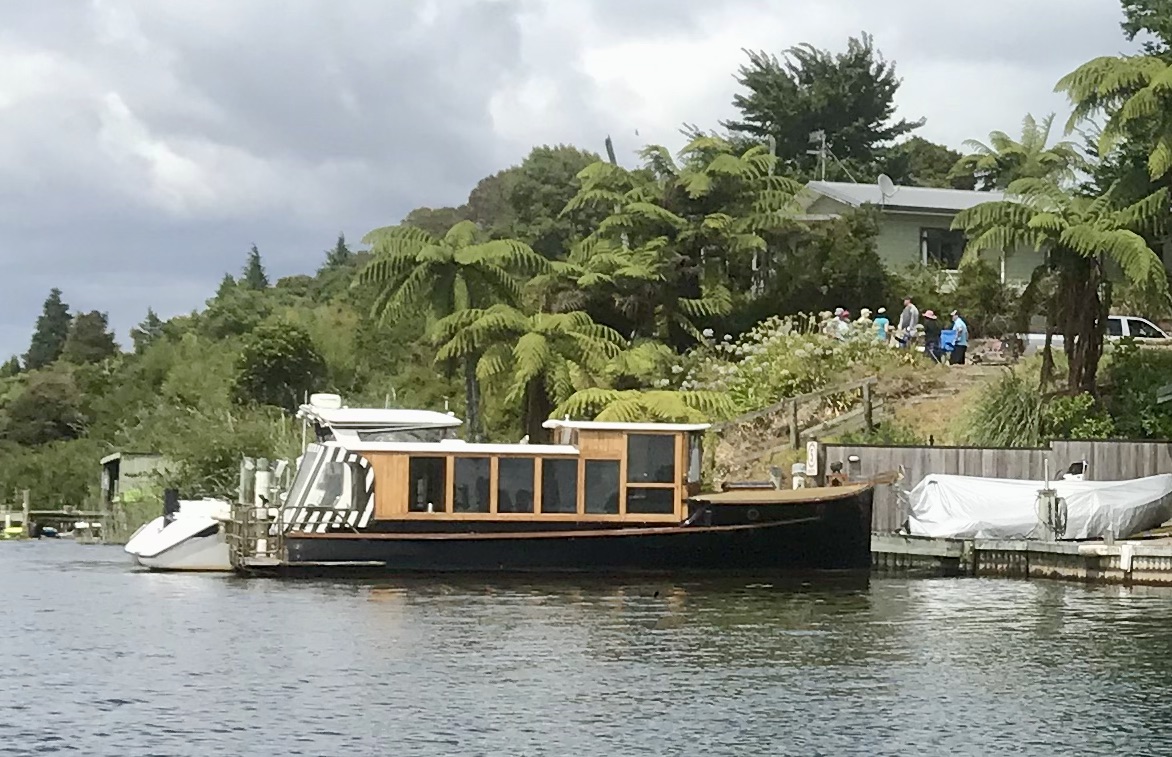
I understand that Mahara is slightly shorter than the others ?

Can we supply anymore info on her past? I’m sure Russell Ward will drop in 🙂

The photo below (sorry about the quality) was taken approx. 10 years ago.

Harold Kidd Input

MAHARA was built for Graham Speight in 1946. Keith Kiernander, a well-known Ponsonby real estate agent, had her between 1959 and 1966. In 1966 she went to E & BM Senior of Herne Bay. In our scruffy launch GREENBANK we came up astern of Kiernander in this launch, or his next, perhaps, stationary in the Motuihe Channel with people rushing about on deck and broadcasting a very loud MAYDAY on the double sideband. There were two or three Orcas playing around his boat and he was seeking help in case his boat was sunk and his crew eaten. We split our sides, muttering quite uncharitable things about “bloody land agents”.

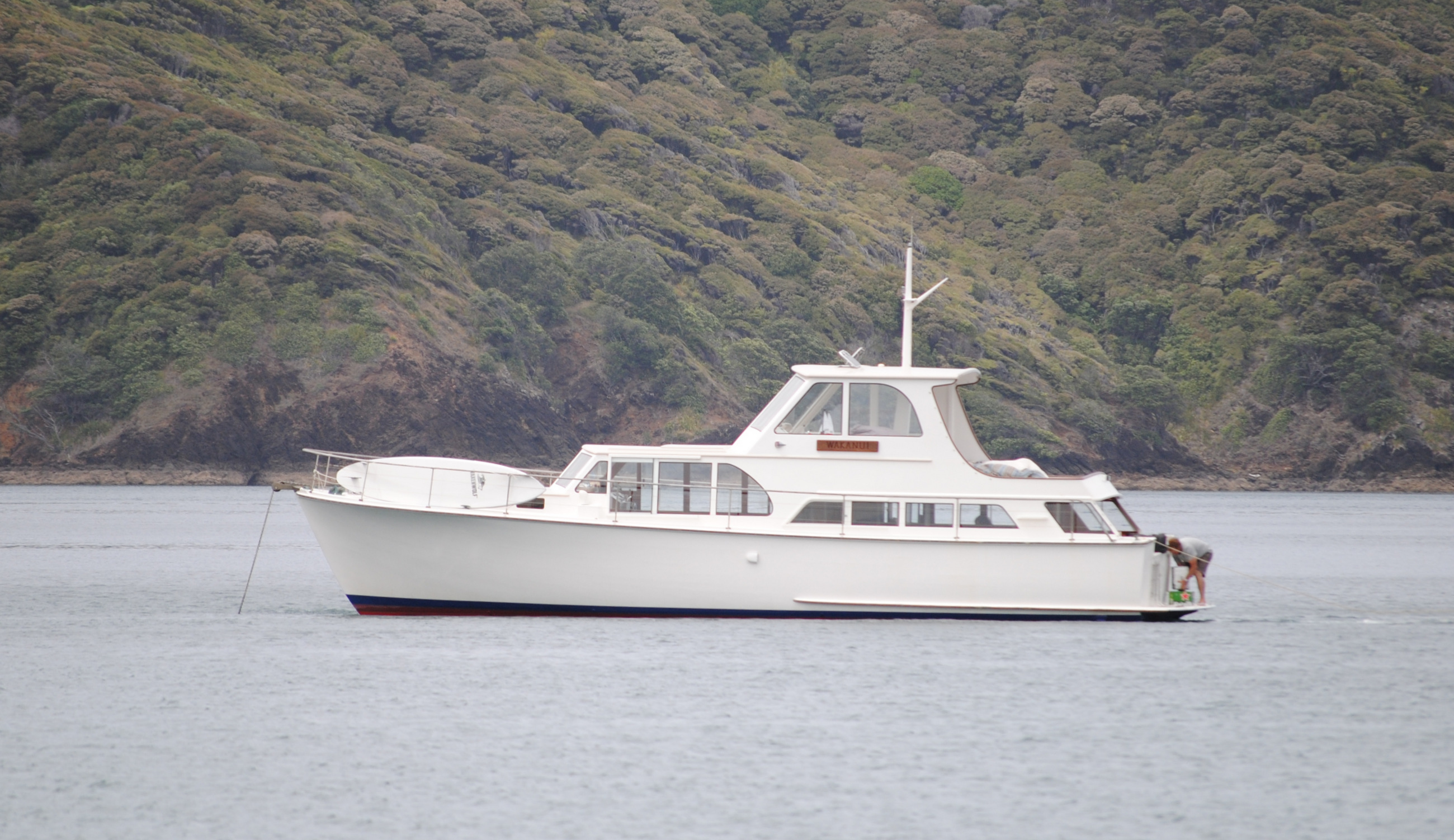
Wakanui & Rakanoa

Wakanui  & Rakanoa – Two classics we don’t see a lot of

The older photos were taken by Gwenyth Herbert from aboard Kotanui. I understand that in the photos Wakanui was only a year old.

Can anyone supply more details on Wakanui?

Harold Kidd Input

According to Salthouses’ records WAKANUI was commissioned by S.G. “Nobby” Clark in 1967. According to Nobby she was finished and launched in early 1968.Bob Salthouse was responsible for her design.

10-01-2016 photo of Wakanui at Great Barrier Island ex Pam Cundy

Wakanui at GB Jan 2016

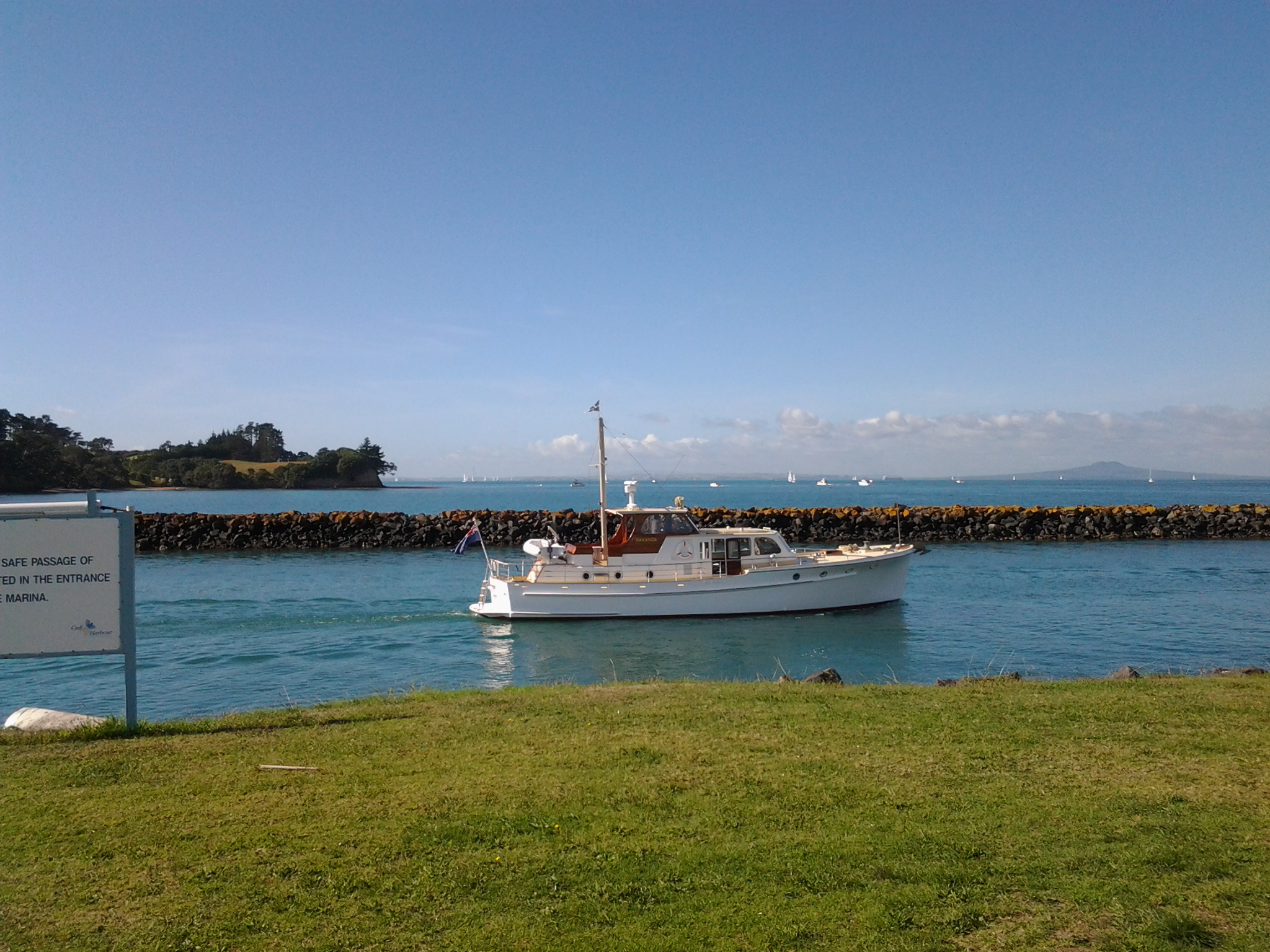
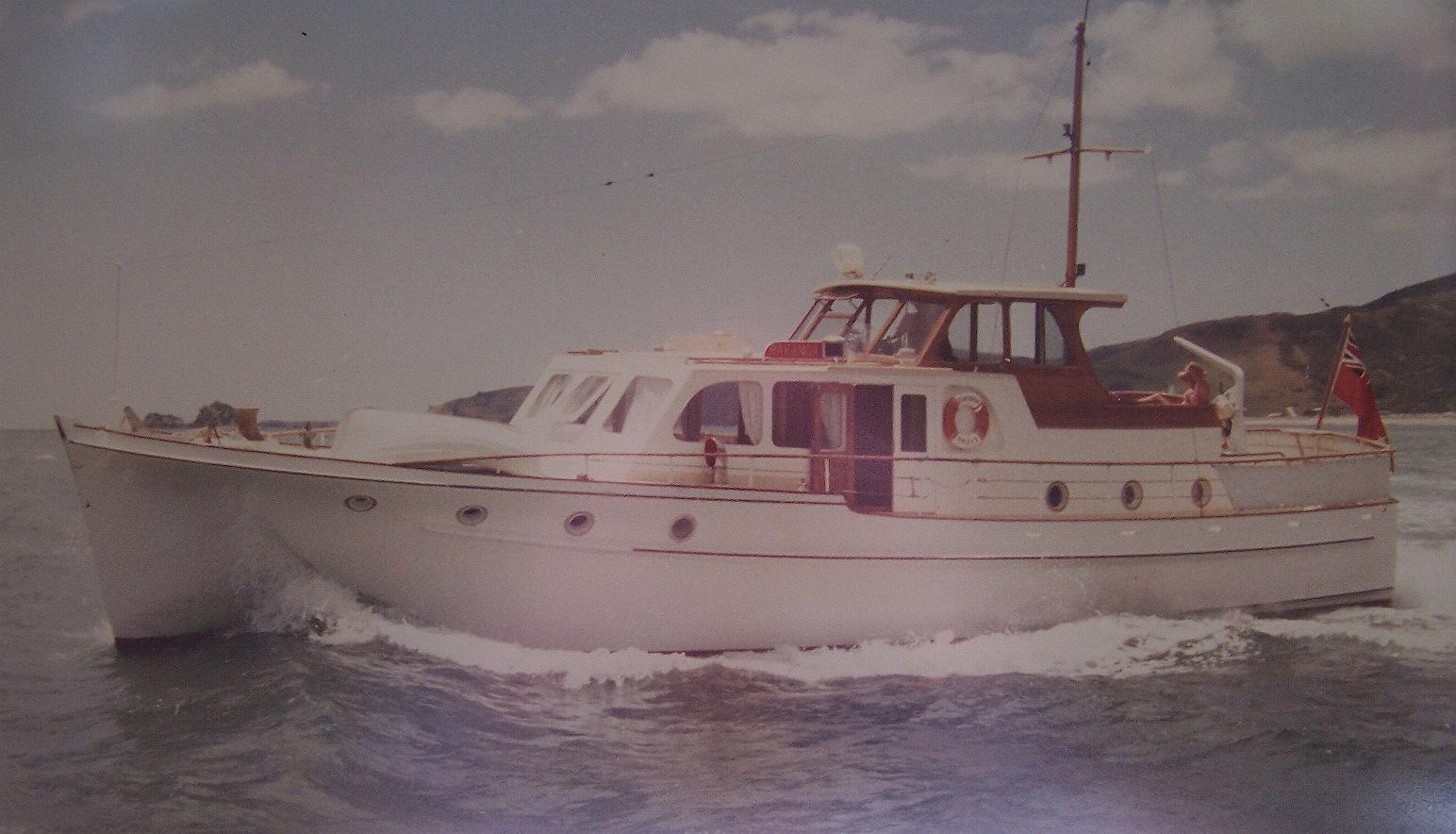
Rakanoa

Image

This slideshow requires JavaScript.

RAKANOA
Story & b/w photos from Ken Ricketts (colour photo ex Russell Ward)
She was built by Shipbuilders Ltd in 1946. A magnificent 56 ft example of artisans work, in both design & build.
She is 3 skins Kauri, is enourmously strong, will last forever, & had the very best of everything that money could buy used, when she was created. She is still kept in beautiful condition at Gulf Habour.
There is no doubt in my view, she is an important part of a real dynasty, & one of the very few boats that have been in the same family from new, for that huge length of time. She was “modernised, in the 60s, & there were moderate combings alterations done in the cockpit area. She is shown on launching day &  pic I took at North Harbour Ponui Labour weekend  in 1948
She was orignally powered by a 671 Gray marine diesel, for one year, then replaced it with a 250 hp Herecules Diesel in 1947, she had this until 1981, when her present Gardiner 6L3 diesel was fitted.
Indeed a vey important part of NZs maritime heritage

NOTE: This posting has been edited on the request of the owner (the late) R Parker, the information supplied by K Ricketts was obtained without the owners knowledge or approval that it would be published in the public domain.

09-04-2016 – photo taken at Gulf Harbour (April 2016) by Ken R.

RAKANOA at GH 3.4.15

Dec 2016 Hauled out at Gulf Harbour – photos ex Ken Ricketts

21-09-2019 Update
Photo below sent to me by John Parker, the ‘great nephew of Ross Parker. It was ex the estate of his late father Wallace Parker.
Rakanoa