CLASSIC WOODEN LAUNCH – AVALON – RESTORATION UPDATE #5

CLASSIC WOODEN LAUNCH – AVALON – RESTORATION UPDATE #5

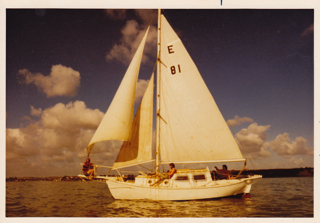
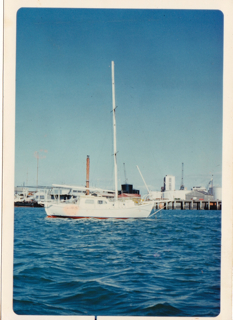
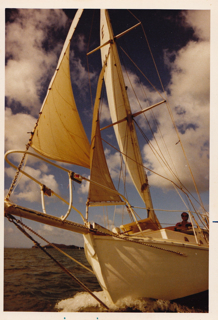
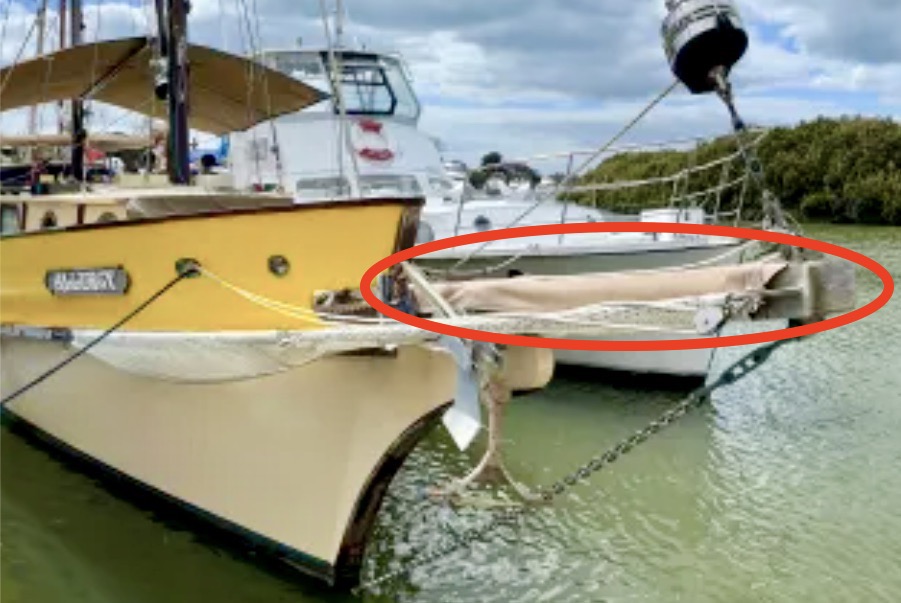
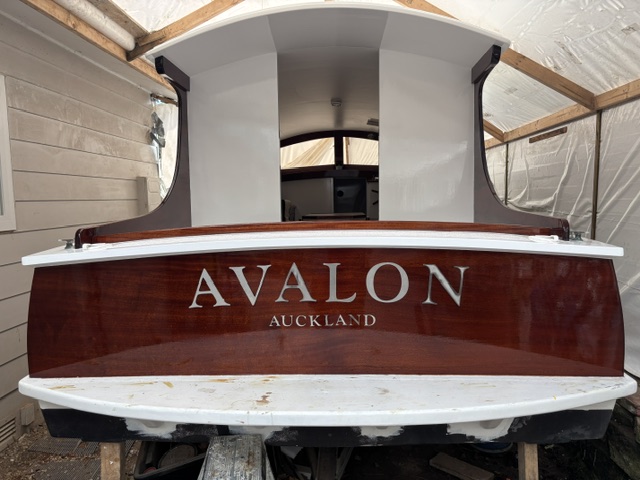
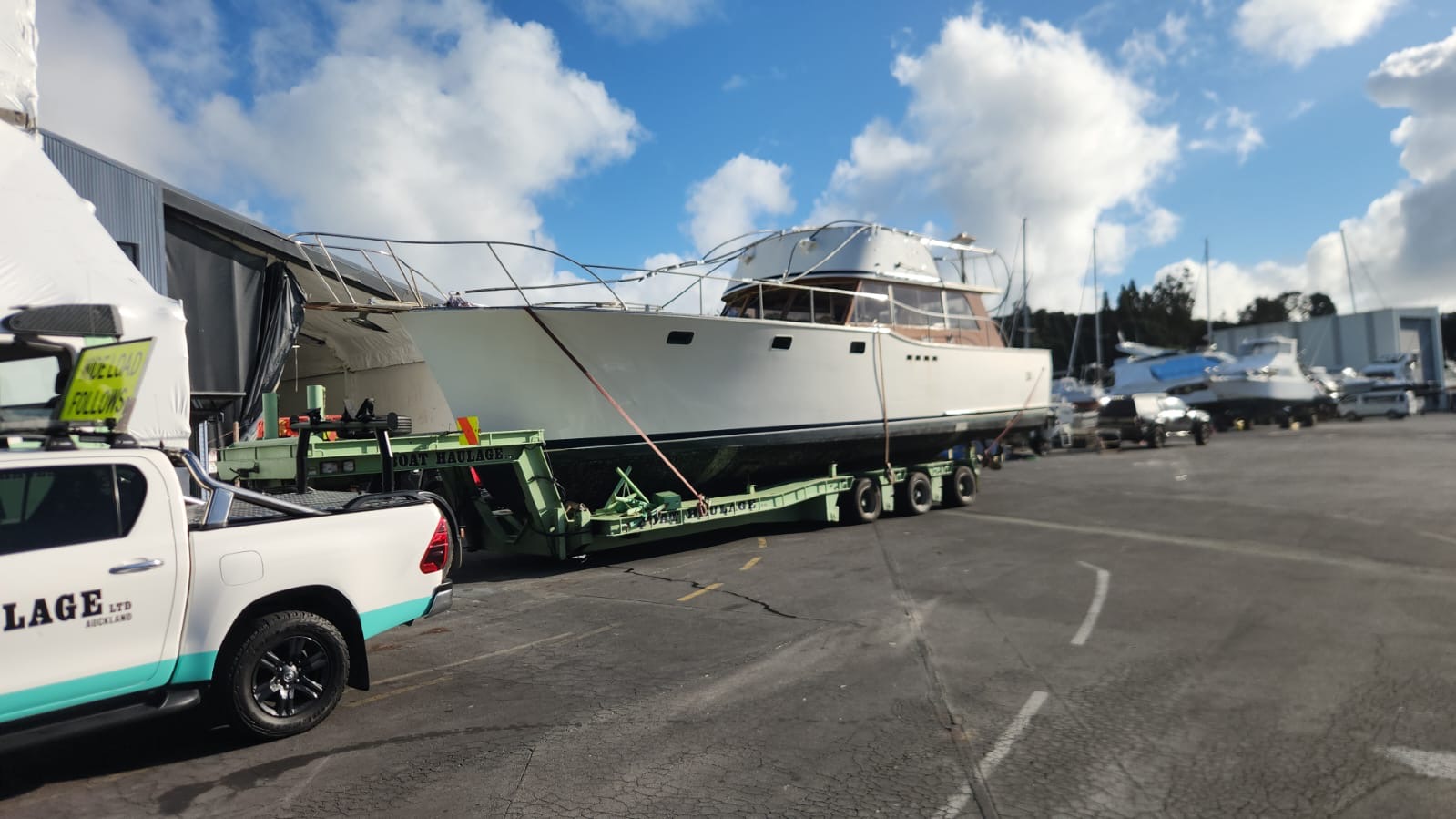
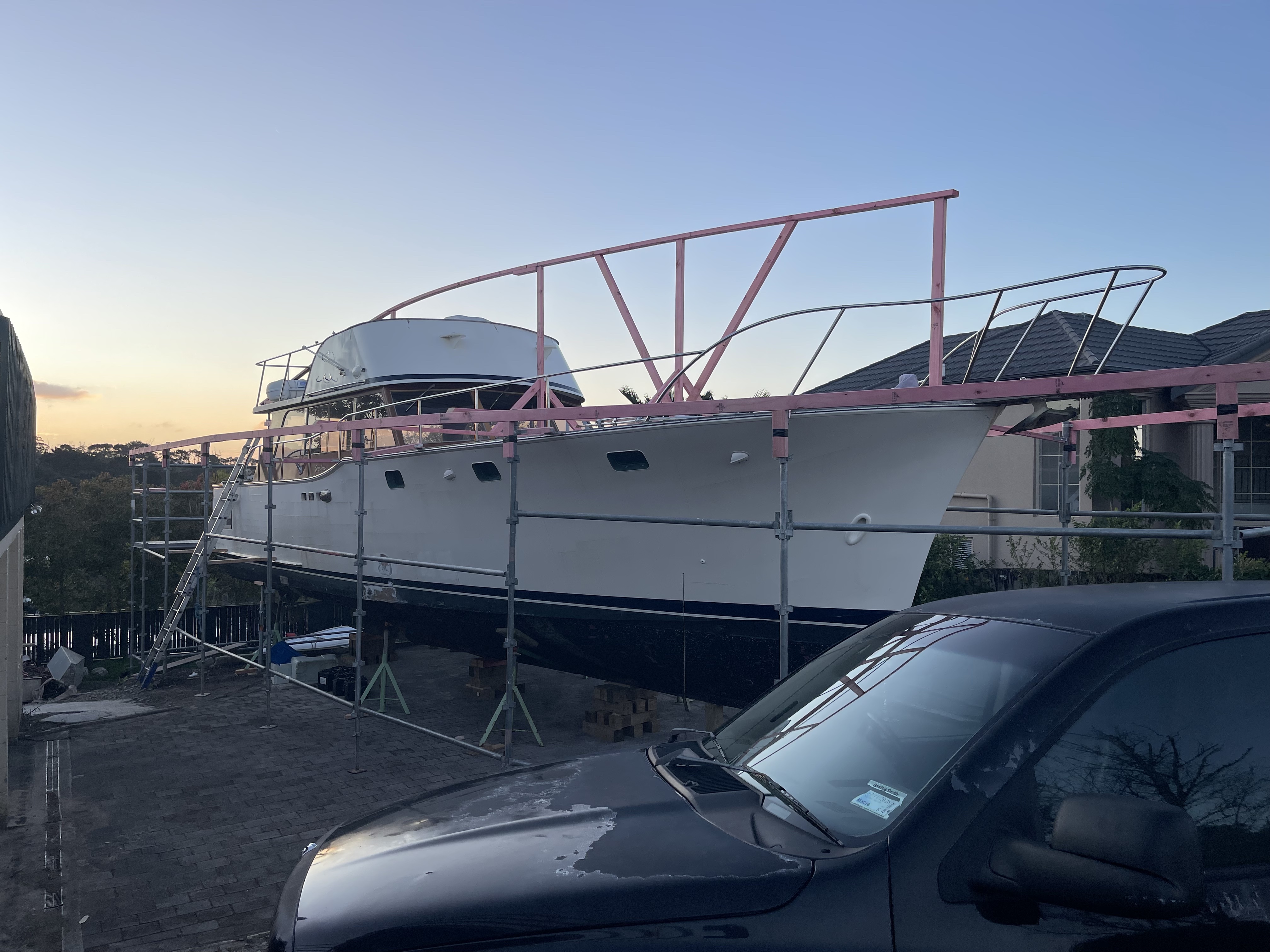
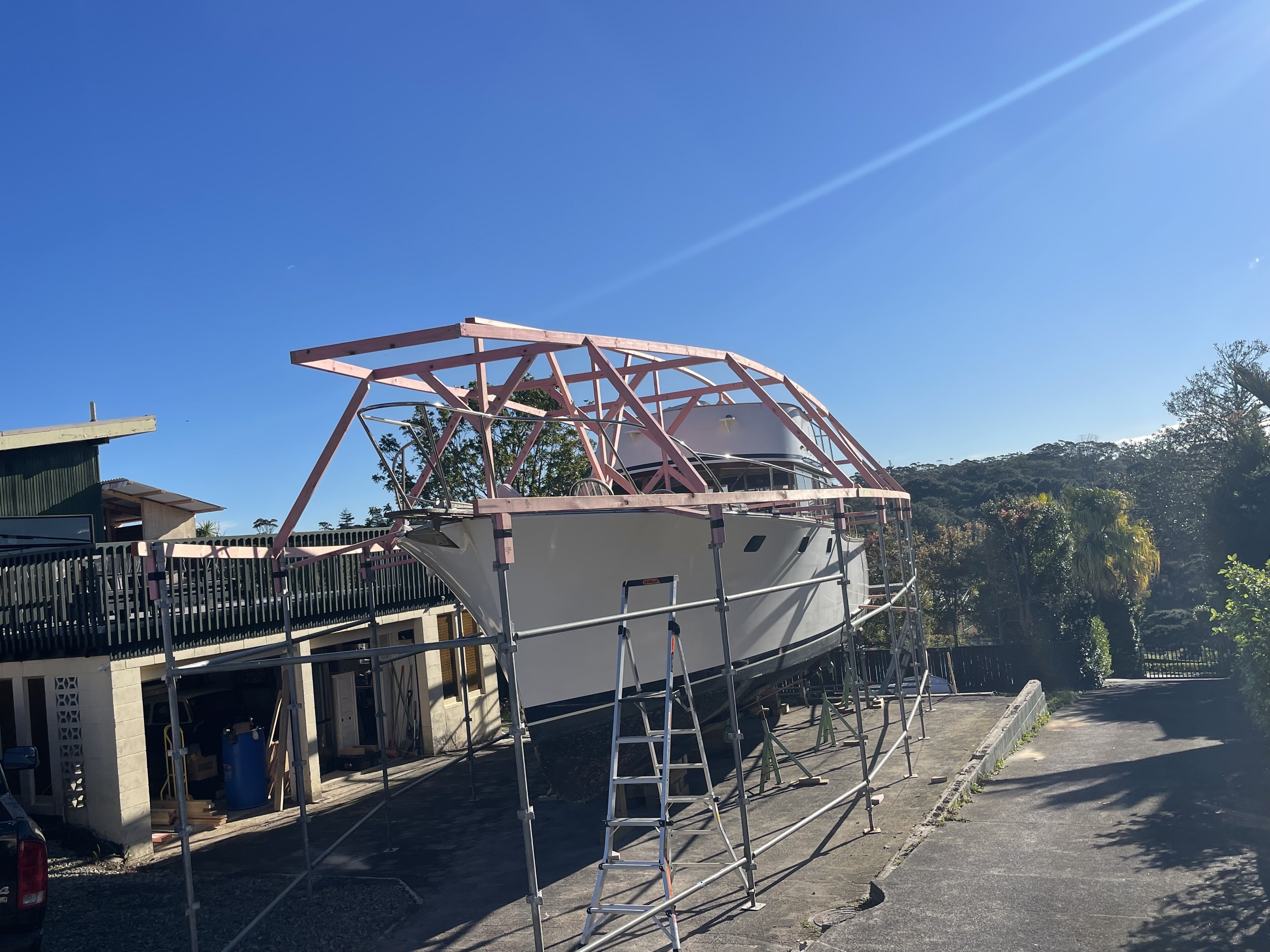
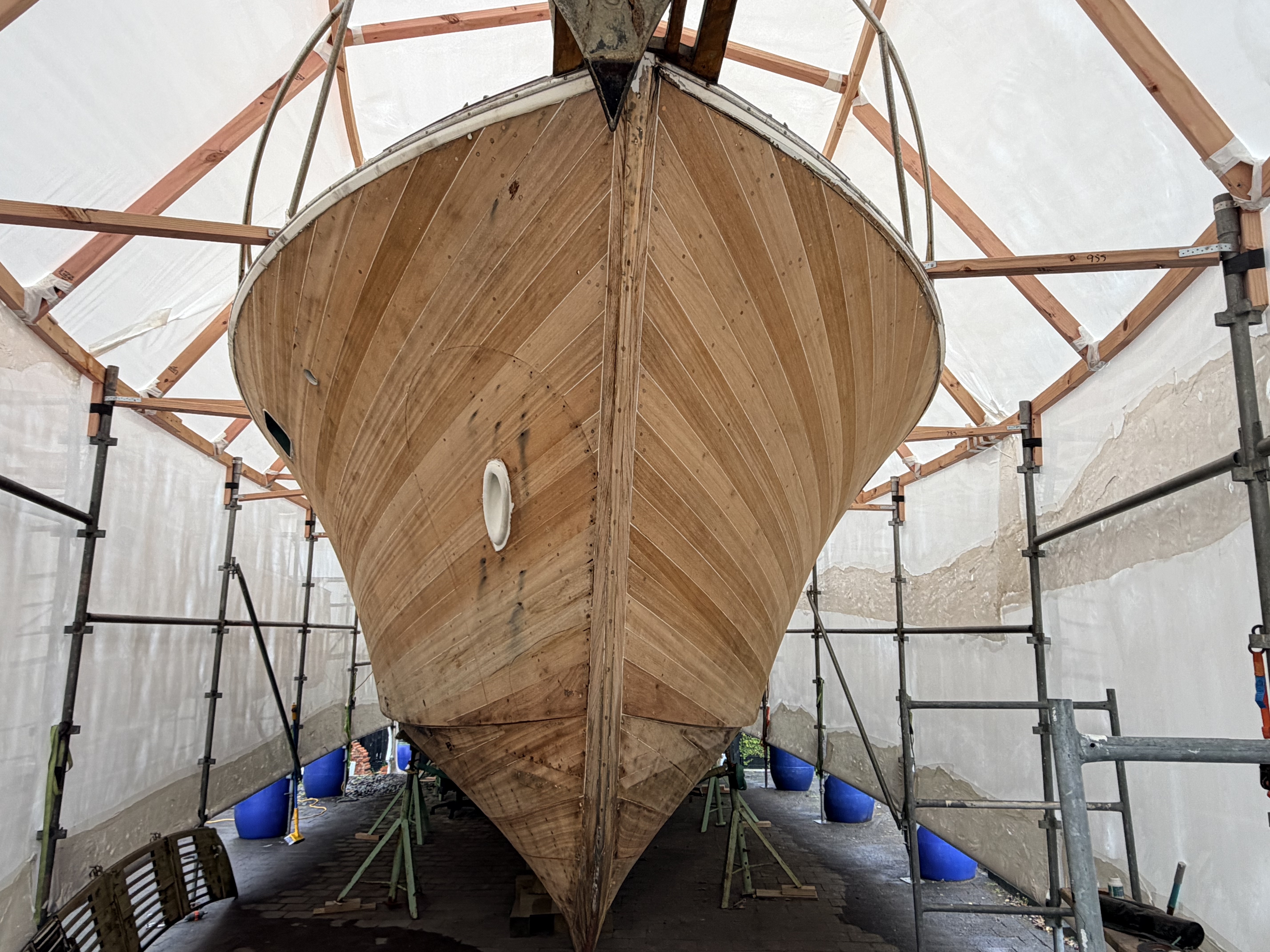
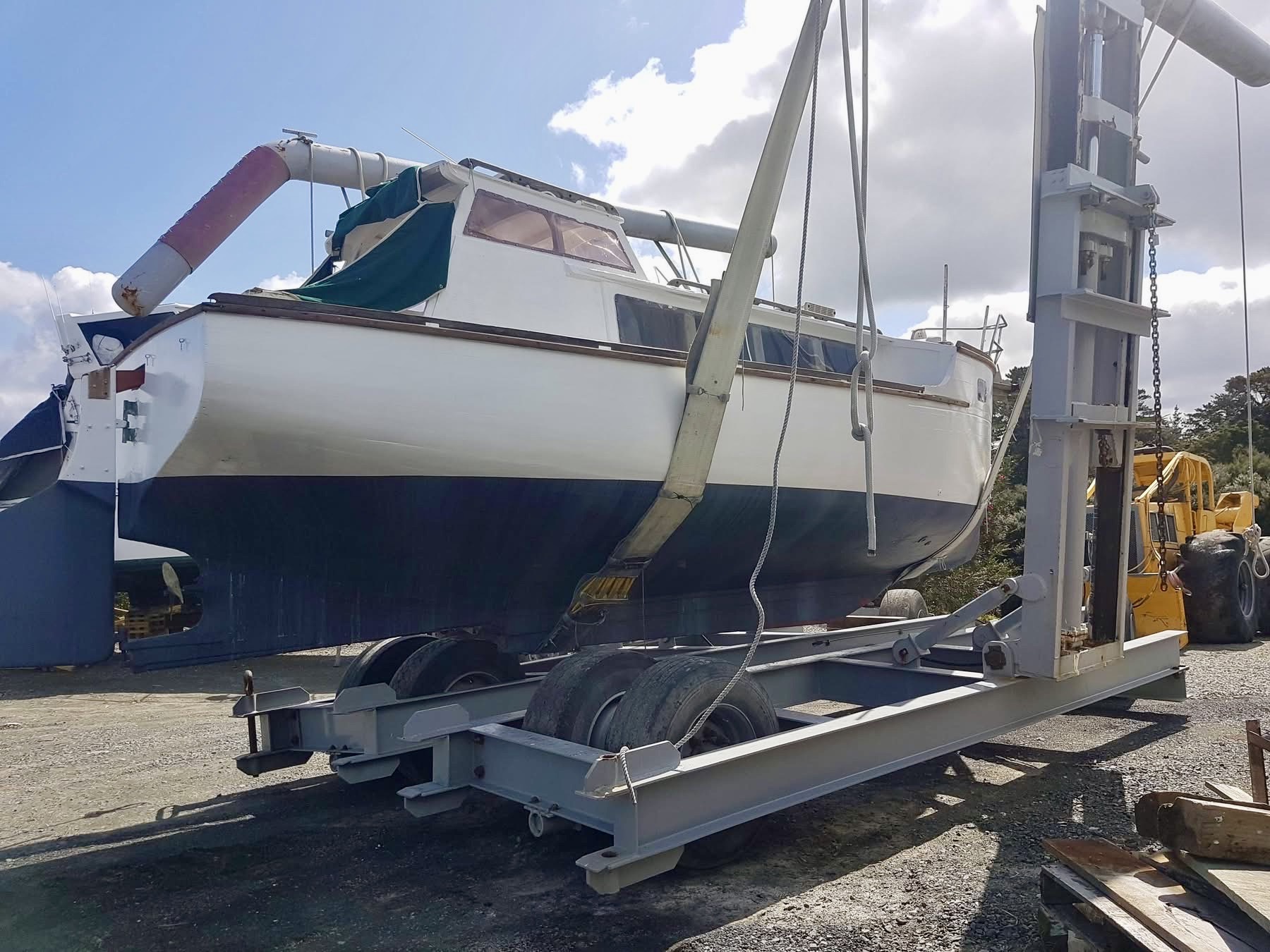
Today we have an an update from Tobias Forsyth on his rebuild of the 24’ Sam Ford built (1954) classic wooden launch – AVALON. Tobias words below

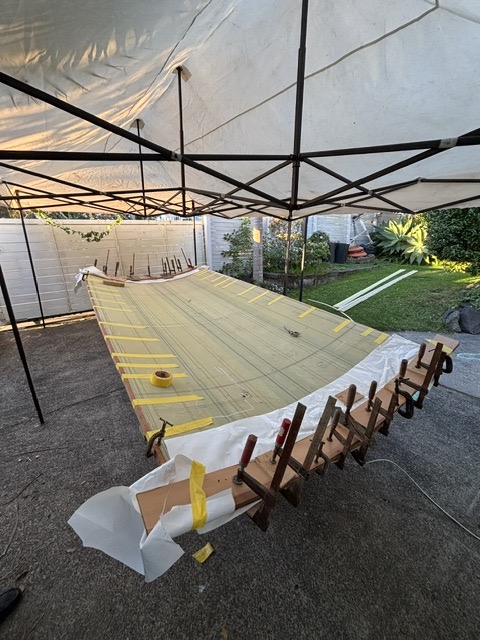
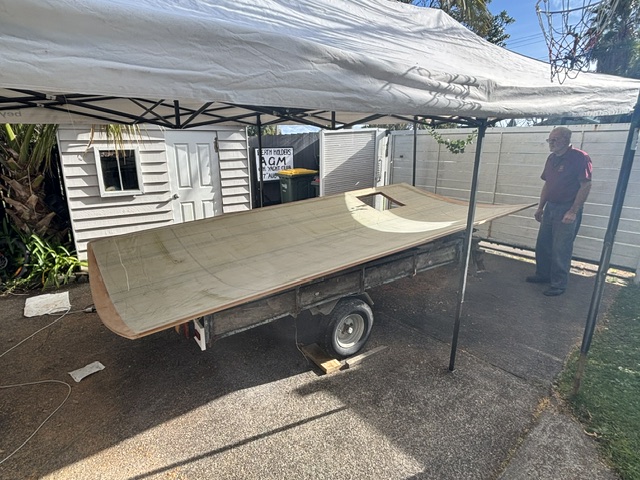
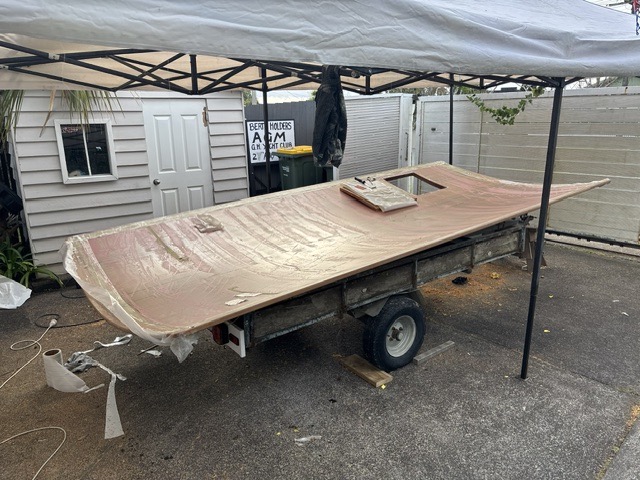
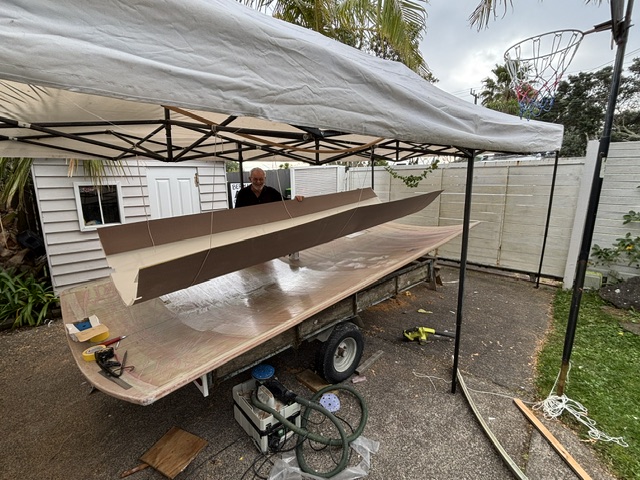
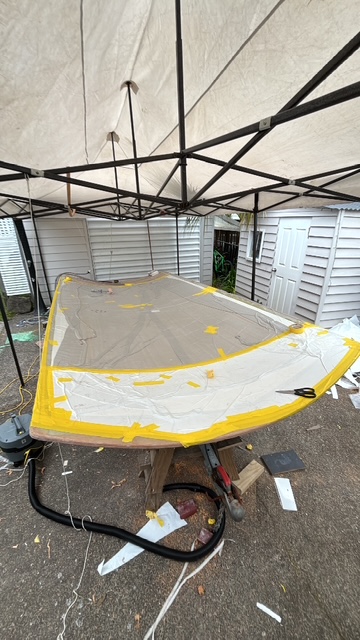
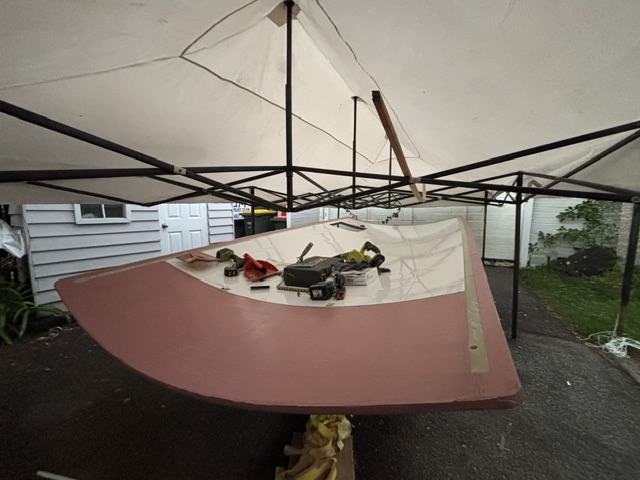
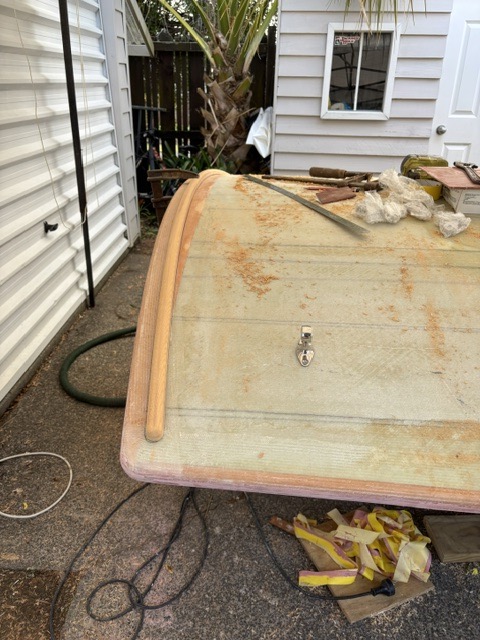
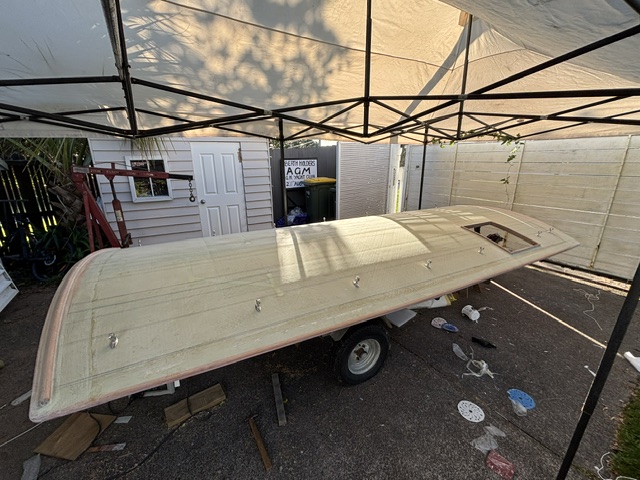
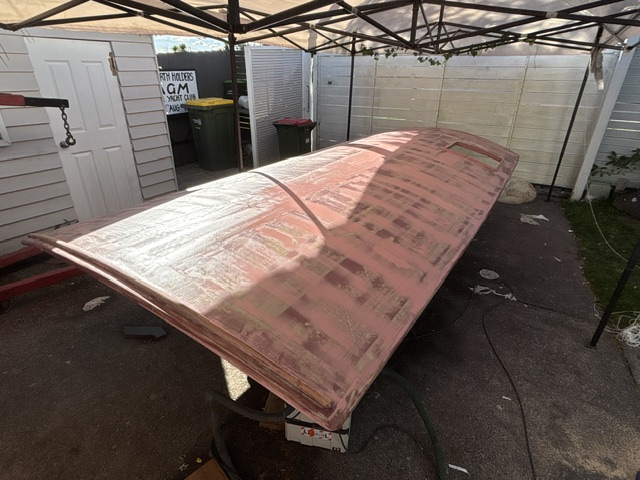
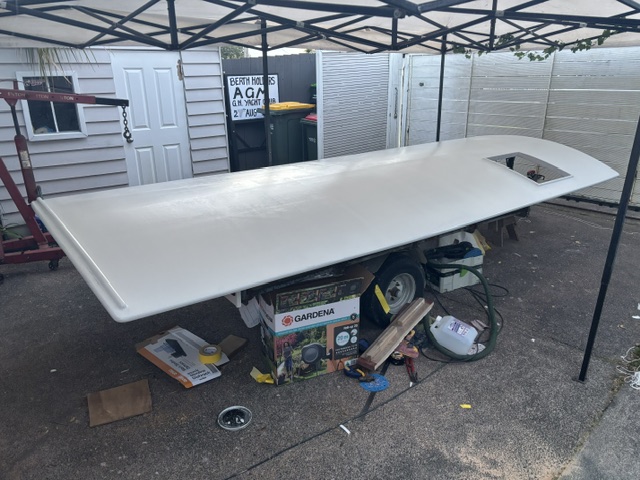
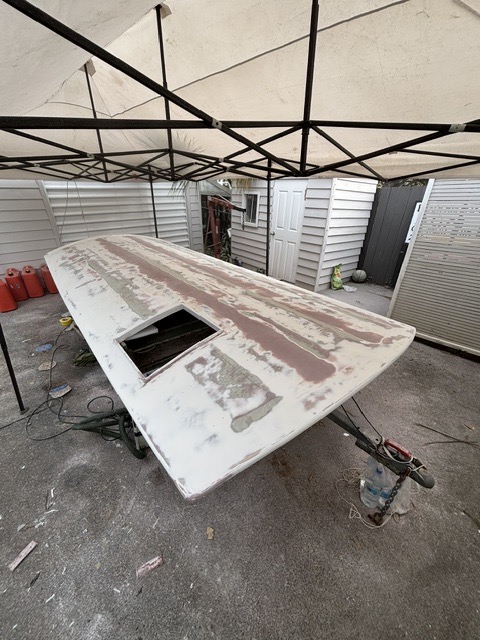
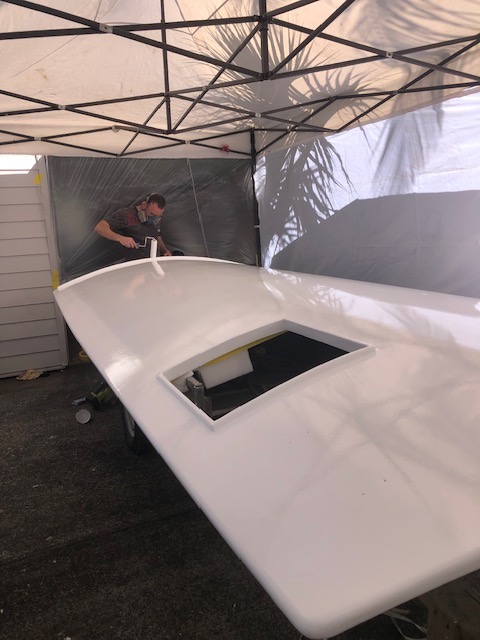
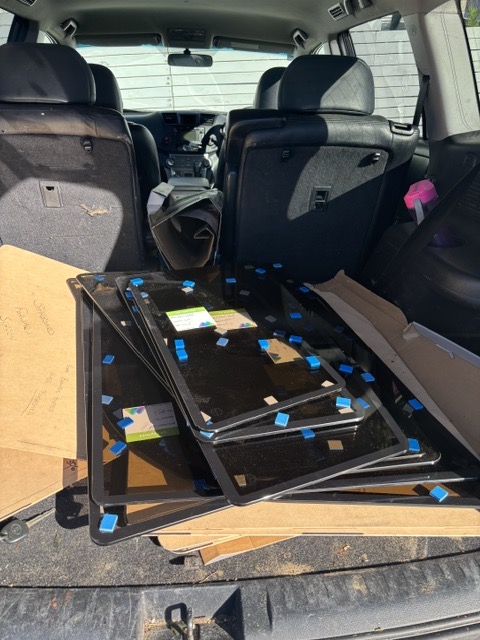
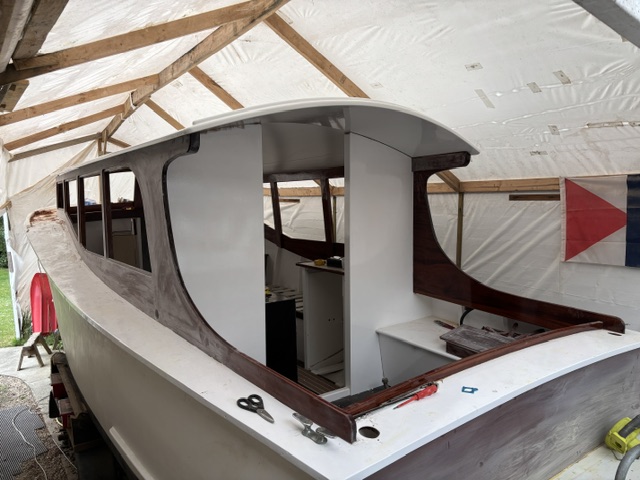
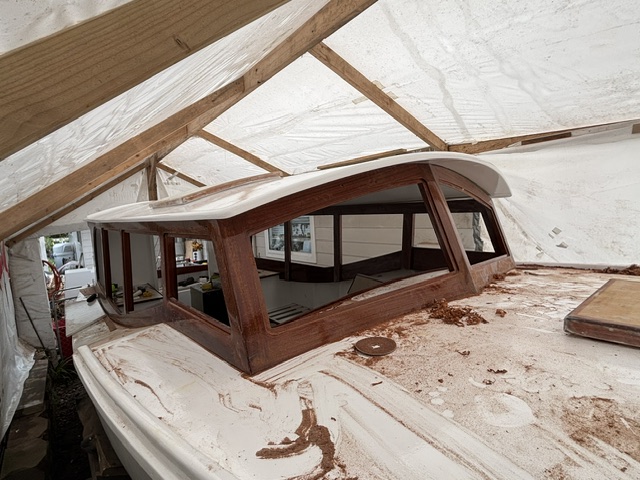
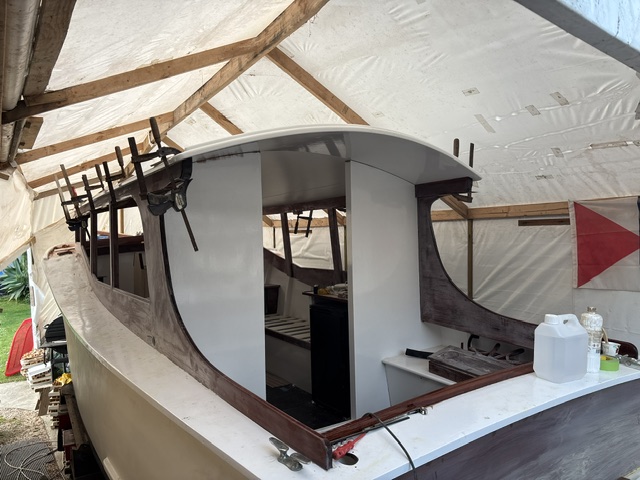
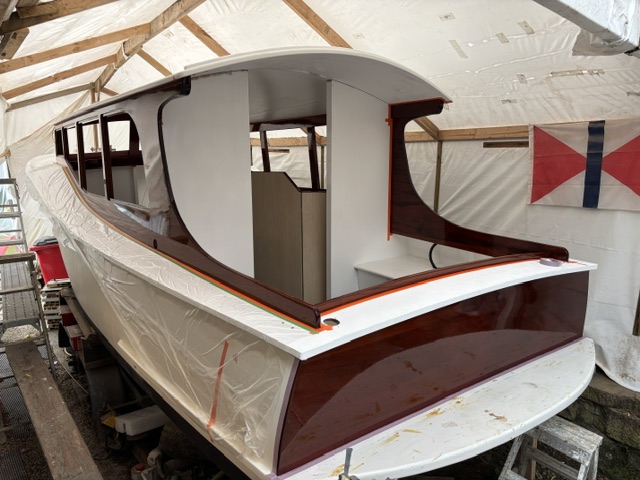
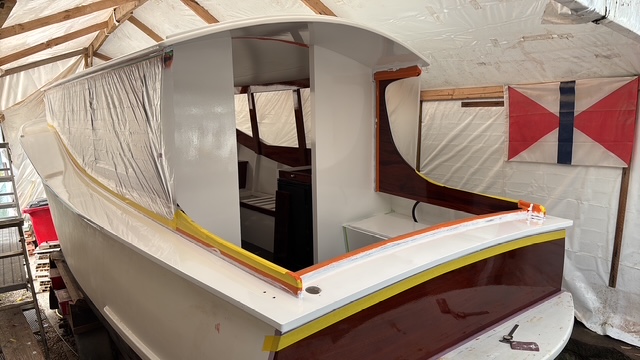
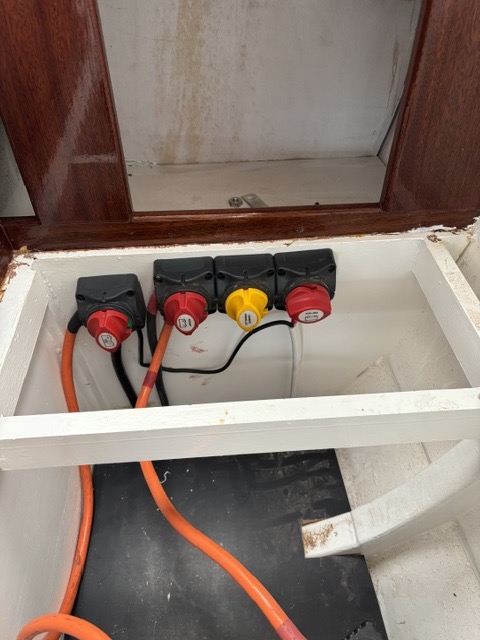
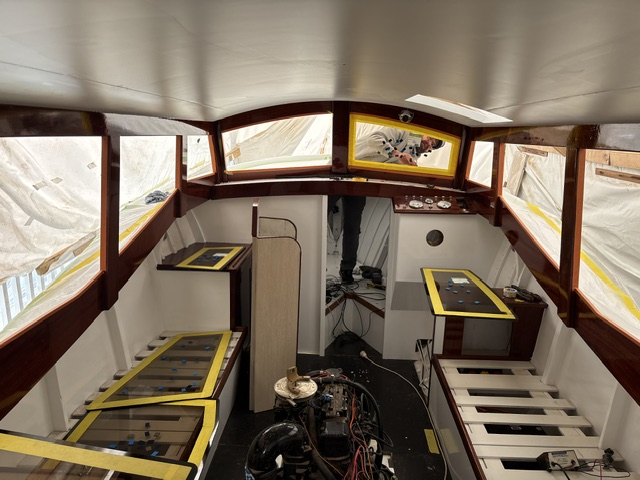
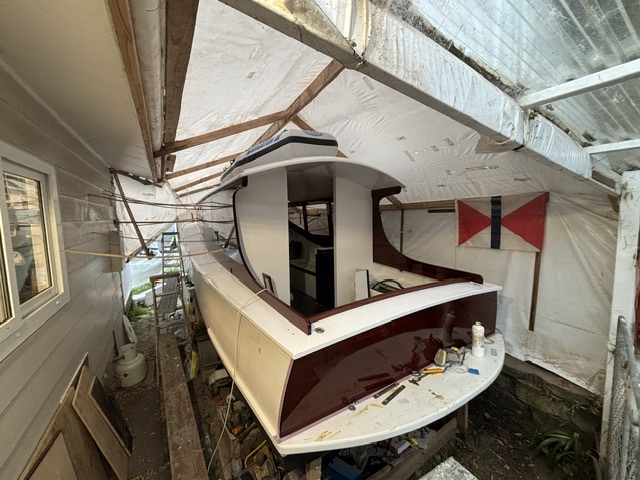
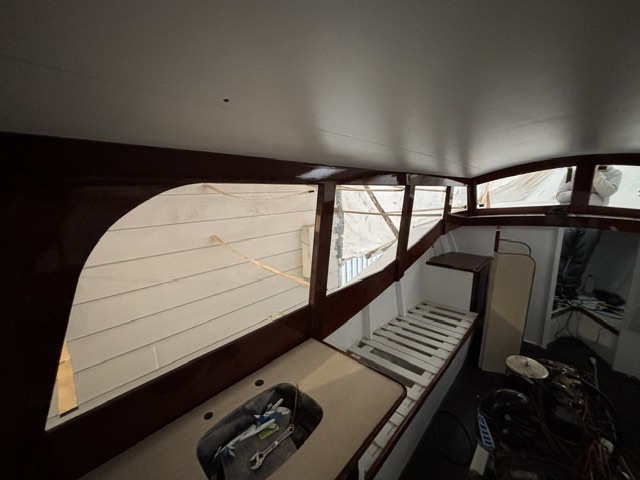
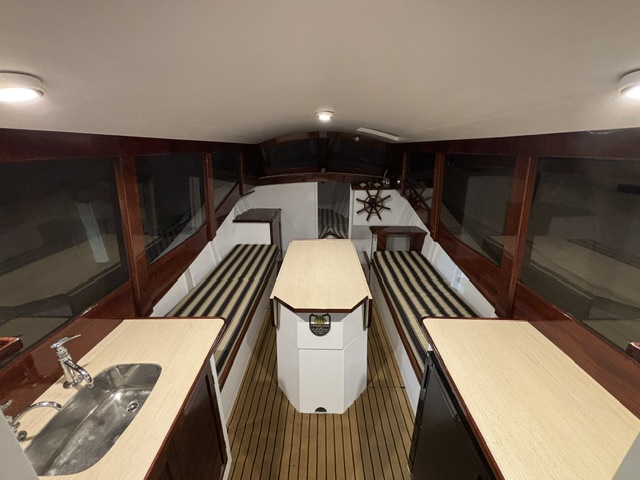
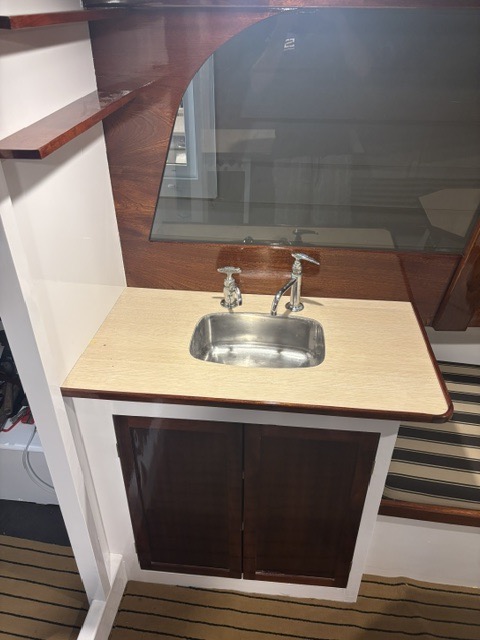
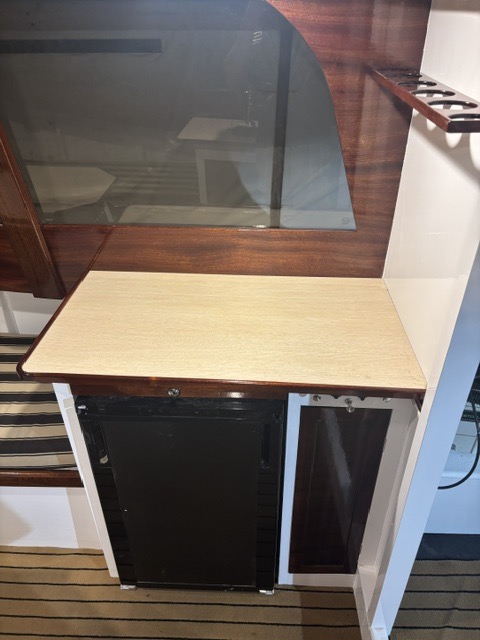
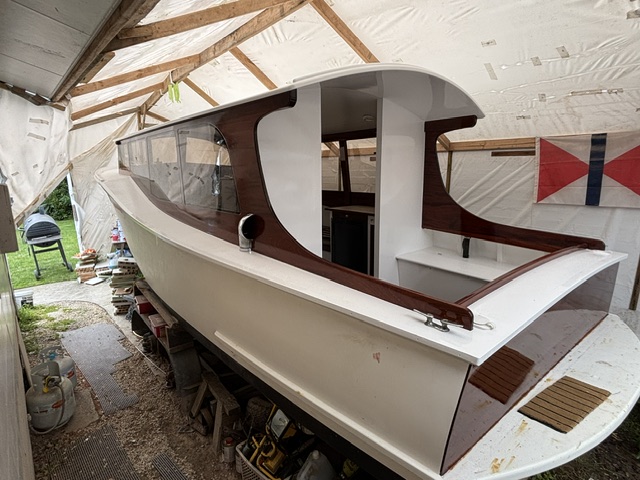
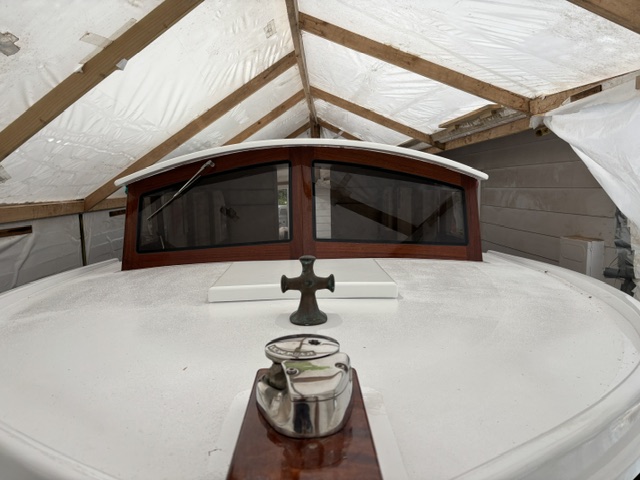
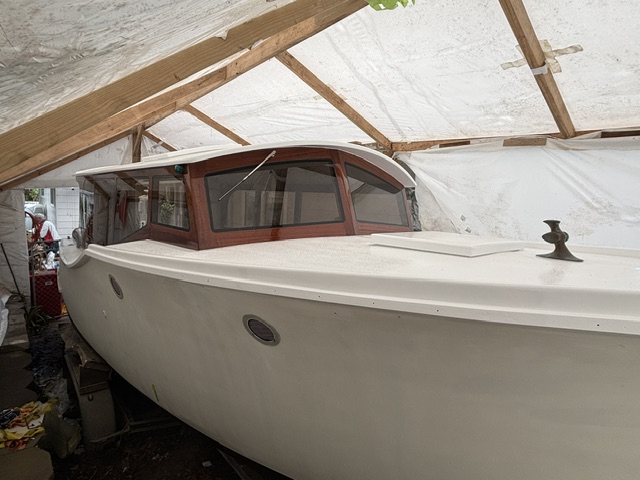
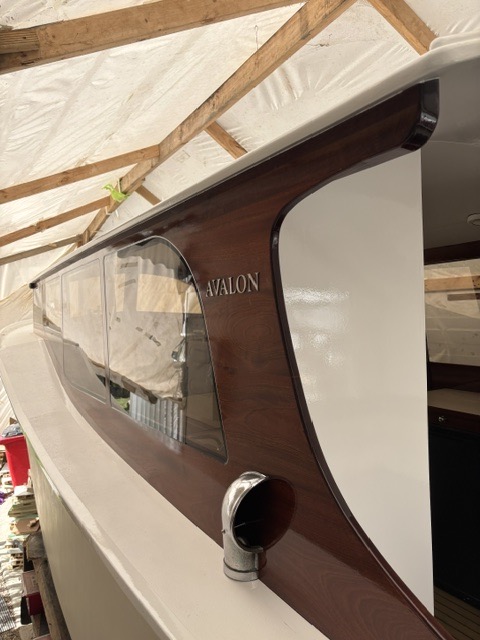
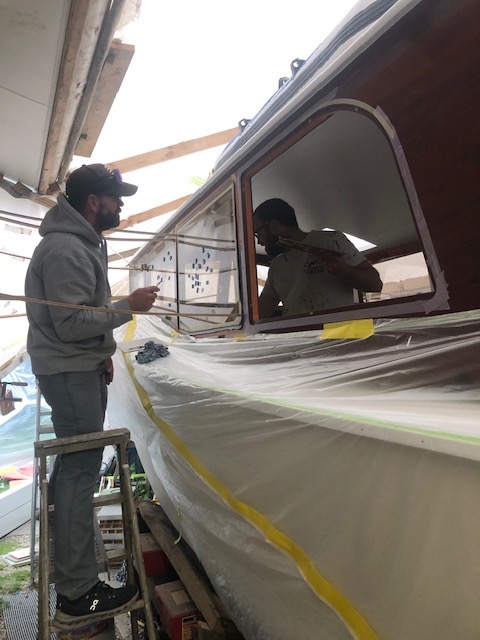
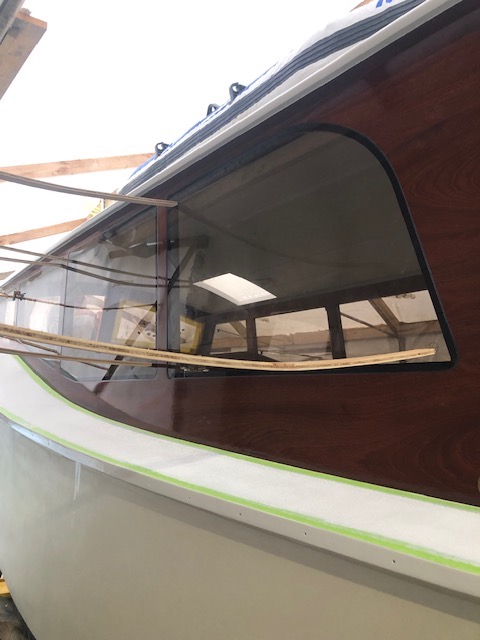
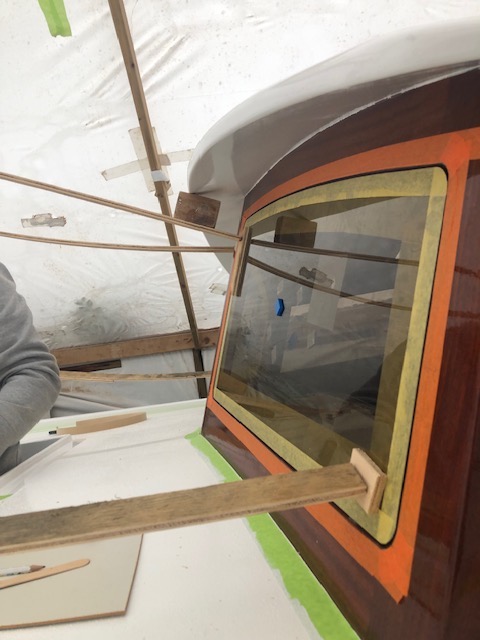
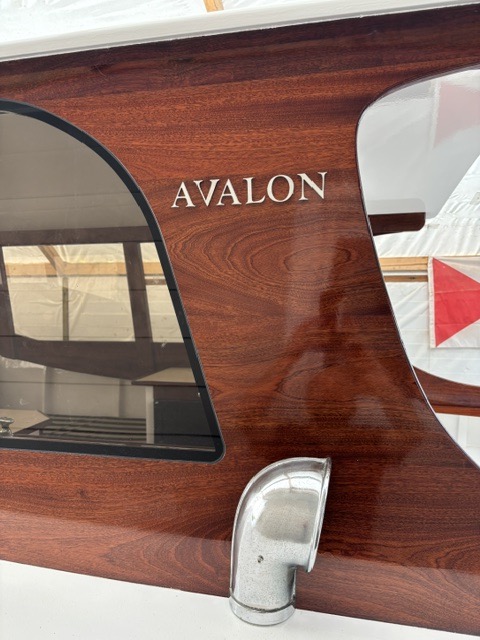
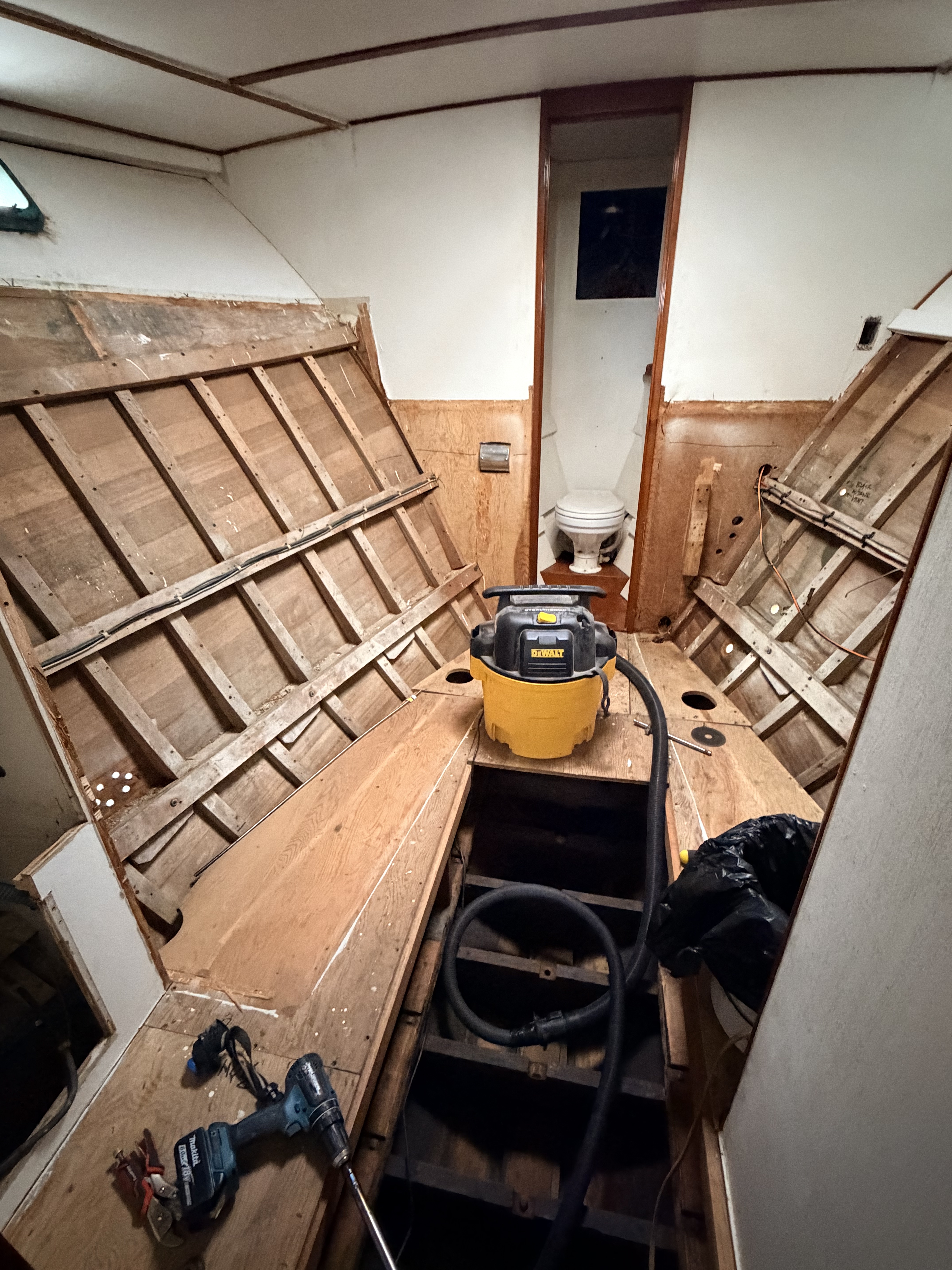
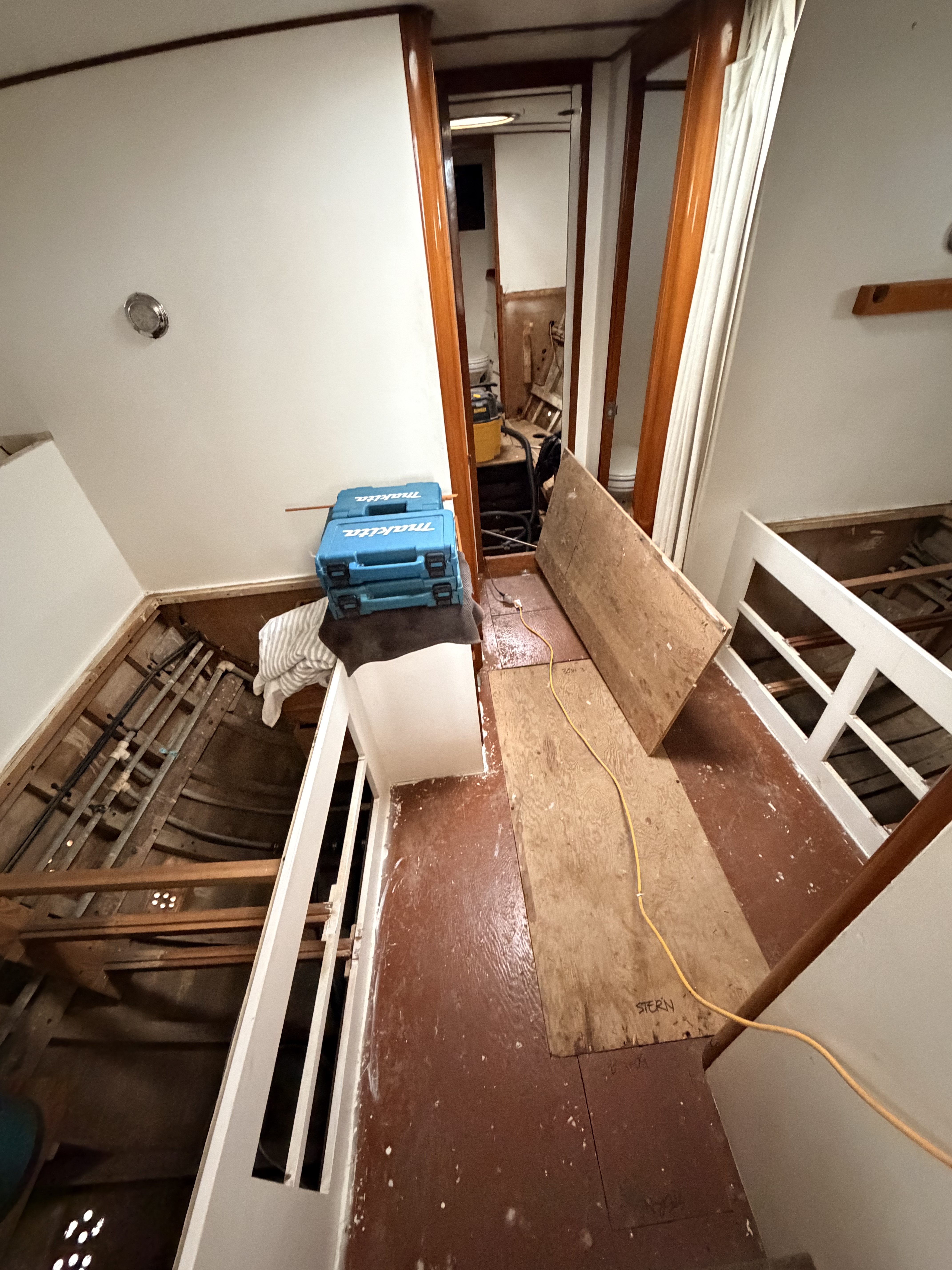
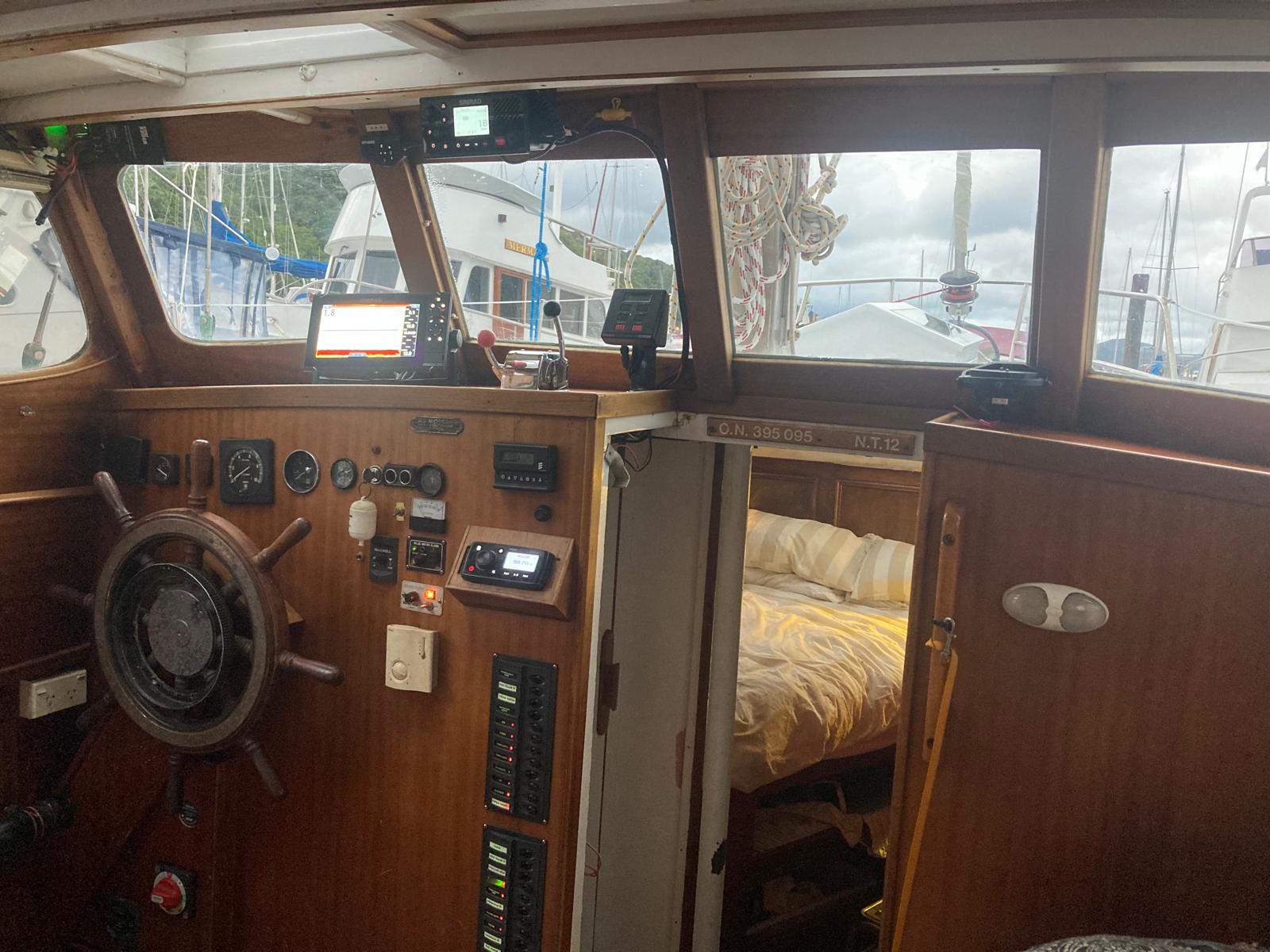
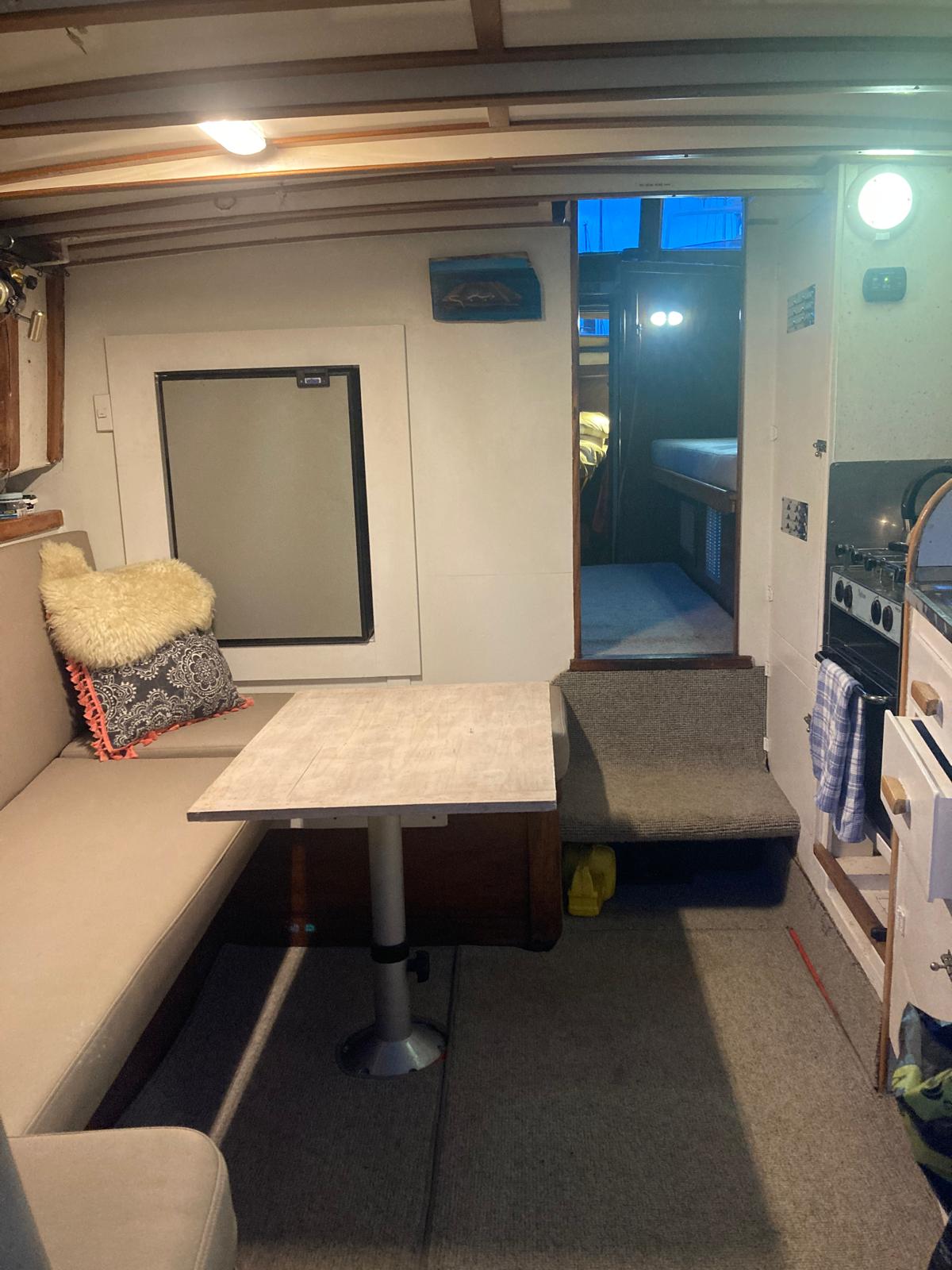
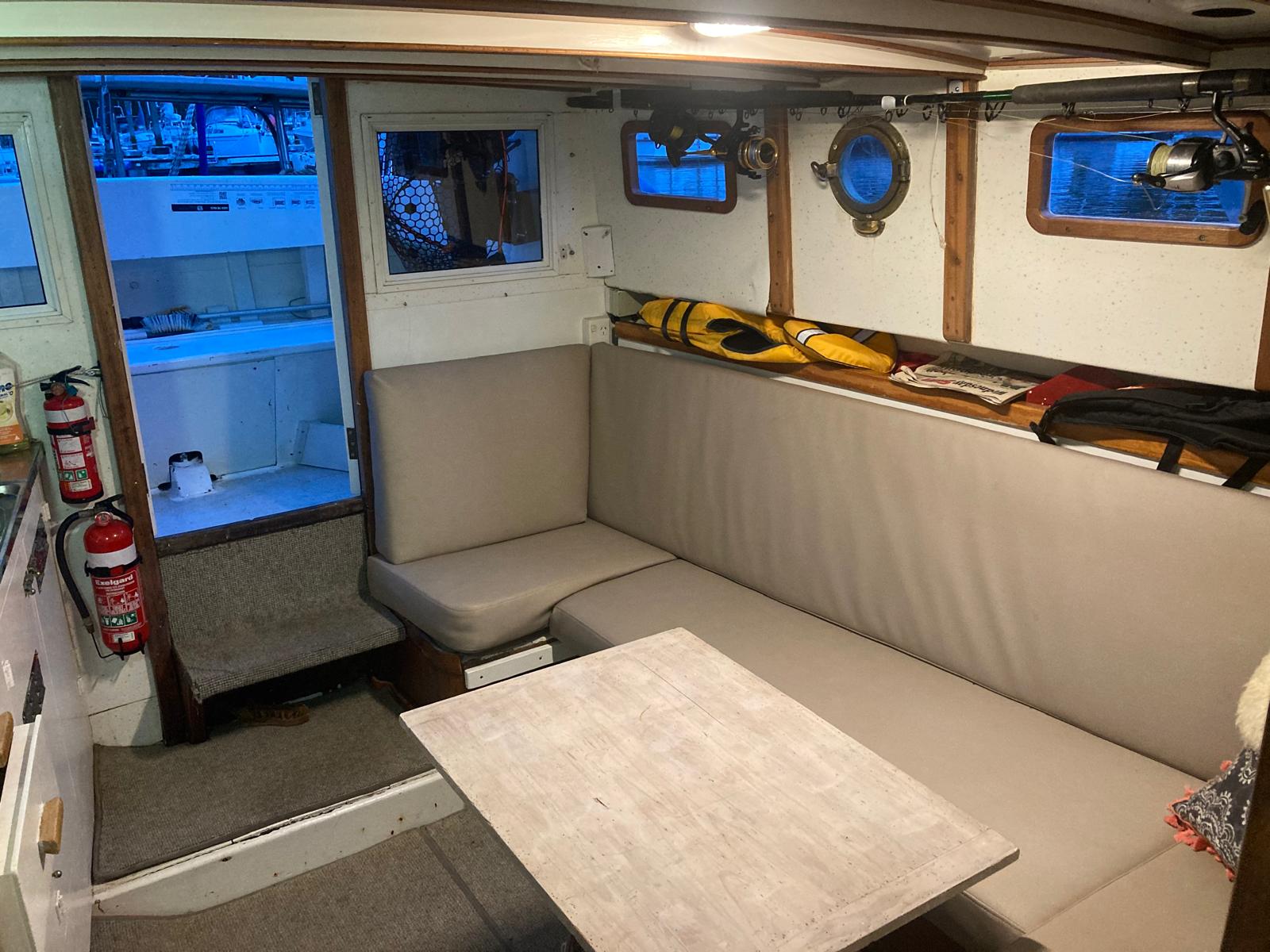
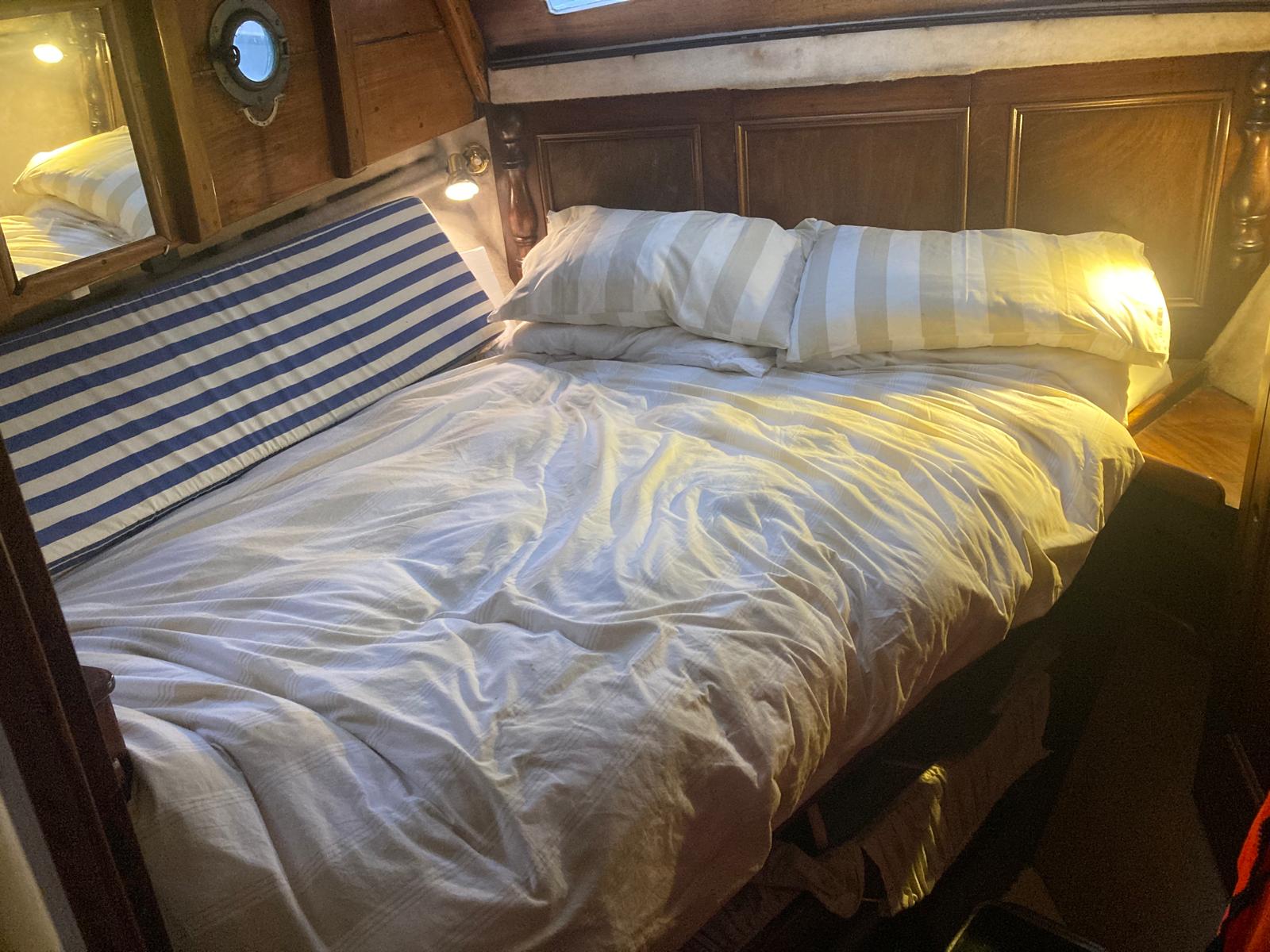
“Avalon now has a brand new cabin top sitting on her, all the cabinetry is finished, glass templates are with the glazier and only the final coat of awlwood to go now after many many coats applied everywhere, I have gone through many litres of the liquid gold.  I found some beautiful big pieces of the real deal old mahogany veneer from an old cabinet maker on trade me, so I have skinned all the doors to make it look a bit more pleasing to the eye.”

Tobias has promised another update in early July when he is back in country.

To view updates 1>4 click on this link https://waitematawoodys.com/?s=CLASSIC+WOODEN+LAUNCH+-+AVALON+-+RESTORATION+UPDATE&submit=Search

CLASSIC WOODEN LAUNCH – RAINDANCE – Saved, Restored and Ready For The Next 100 Years

CLASSIC WOODEN LAUNCH – RAINDANCE – Saved, Restored and Ready For The Next 100 Years

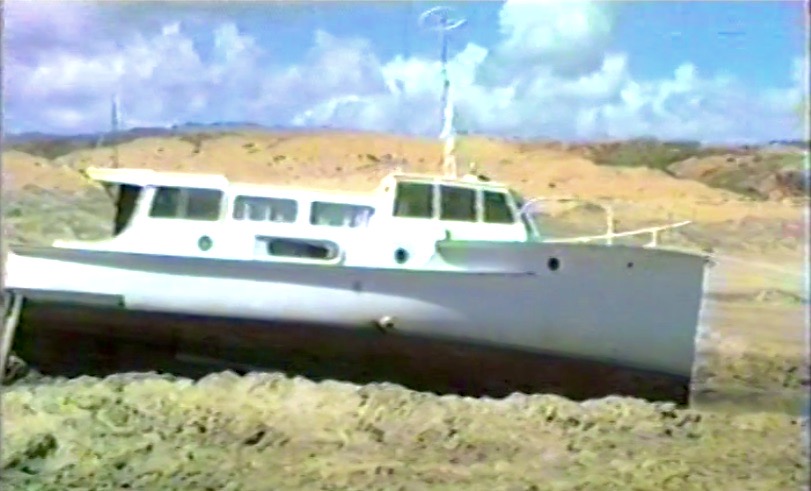
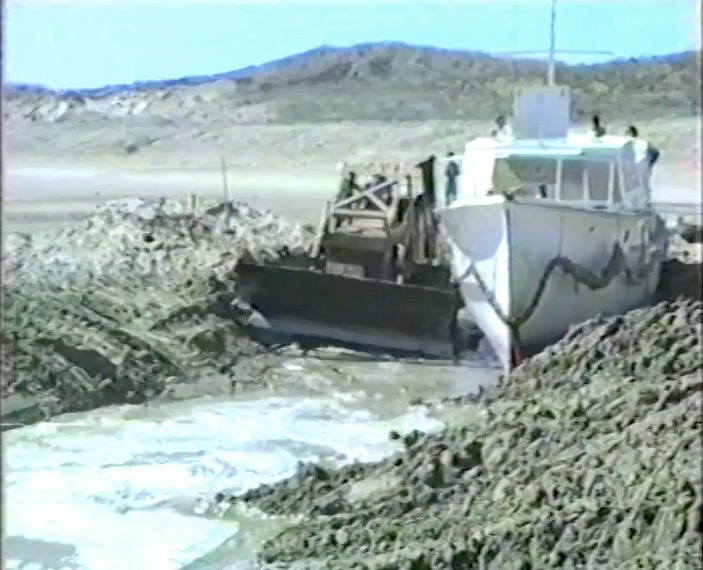
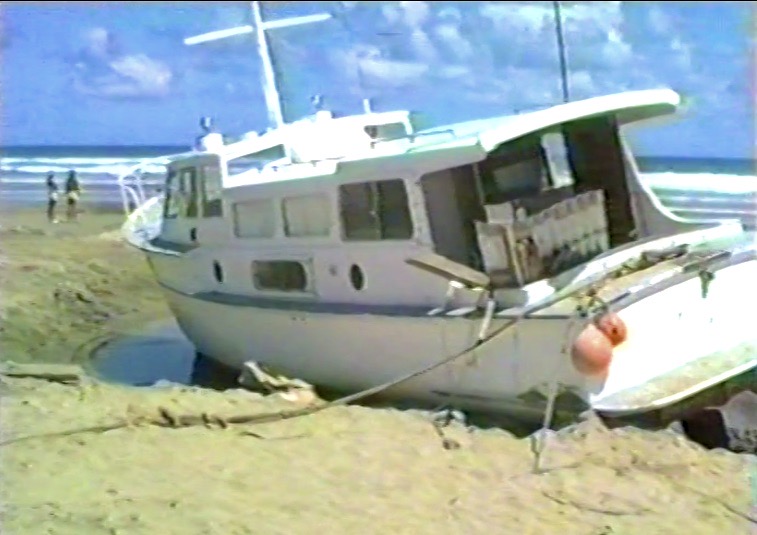
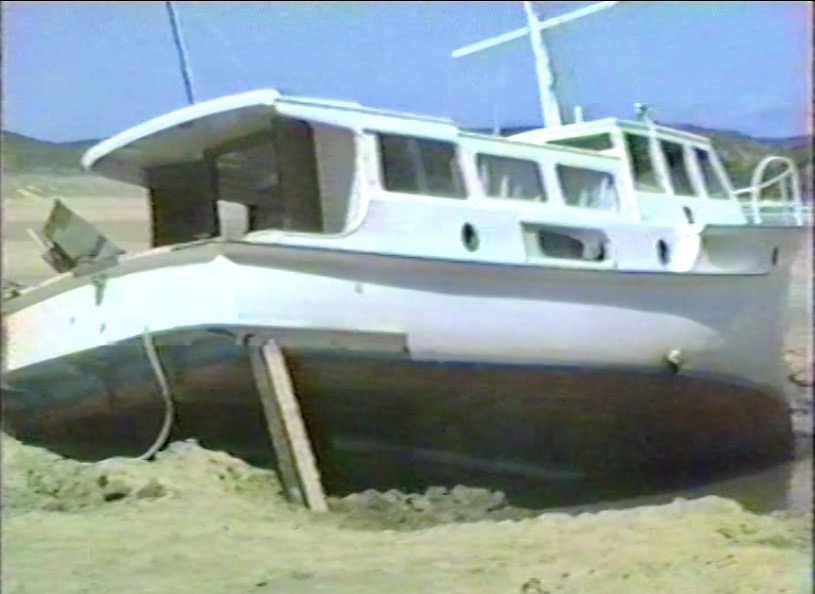
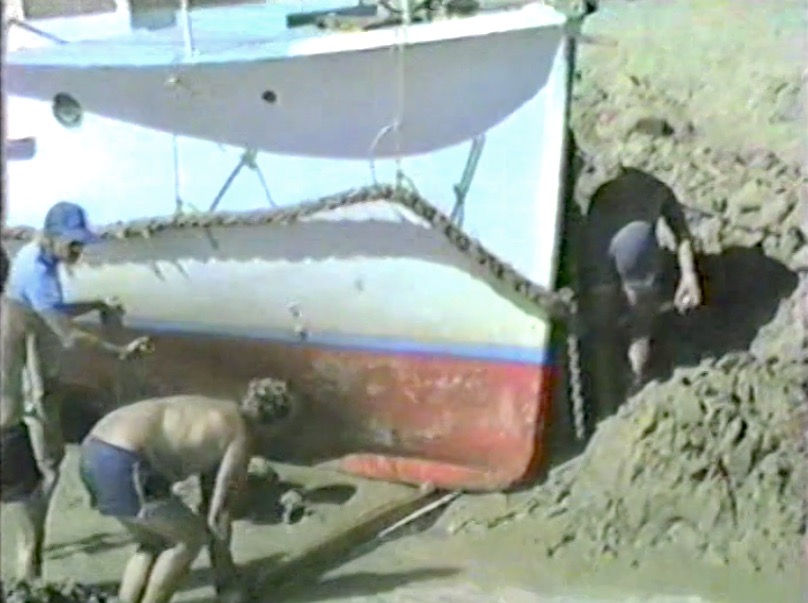
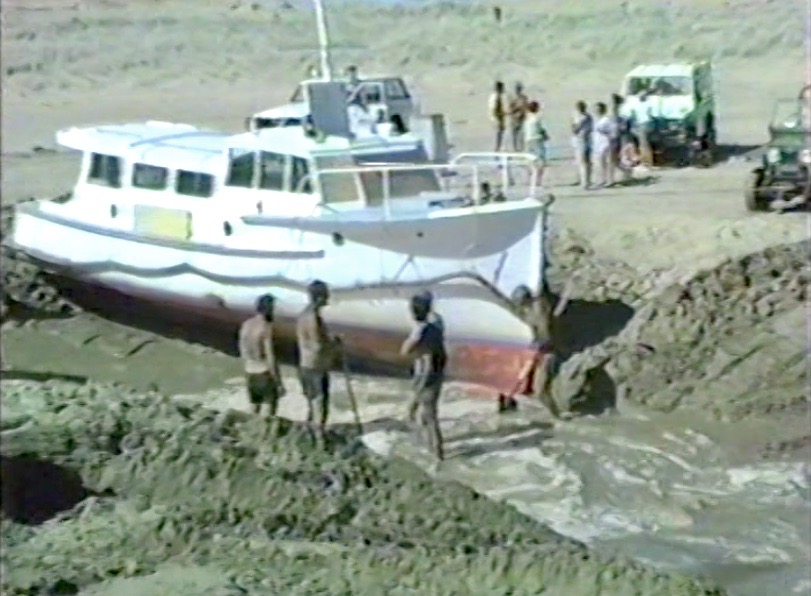
One of the better kept secrets in the classic boating community is that approx. 6 weeks ago the classic wooden launch RAINDACE while entering the Wairua Creek (Milford Marina) had a mishap, best described as a stroke of bad luck, or as a race car enthusiast friend commented “just like black ice on the road”.

Having passed the two marked navigation hazards and entering the actual creek , a rogue wave picked RAINDANCE up and deposited her on the rock bank under the cliffs (northern side).

When the wave died – the stern came down with a wallop and later discovered – damaged most things bolted / fastened on. Primary issue was the rubber shoe was bent up and stopping the prop turning + rudder and shaft weren’t functioning. End result no power and no steering.

The two things that stopped her sinking was (1) the rocks are boulders, so round versus sharp (2) The quick response of the lads at The Slipway Milford and the marina maintenance crew who arrived within 10 minutes to tow her off.

I’m only interested in the end result, the past is the past , but she was out for 6 weeks and all the talents / services of The Slipway Milford were utilised – advice, boatbuilding, engineering & painting + Moon Engines rebuilt the gearbox. A few sad photos below.

Also ook the opportunity to refresh a lot of other ares, still working on the interior.
Thanks to a supportive insurance company – IAG – RAINDANCE lives on to celebrate her 100th birthday in 18 months.

Been a stressful 6 weeks, apologise for any slow replies to WW, to be honest there were days I lacked the motivation to write about someone elses boat, so we got there 🙂

(photo ex Toby Hyman)

HOW MANY OF THESE CLASSIC CRAFT WERE SAVED.

HOW MANY OF THESE CLASSIC CRAFT WERE SAVED.

While using the WW search box yesterday for the SOS – SOUTHERN MAID story I typed in SOS and was amazed how many WW stories had SOS in the headline of text (selection above)

Ata glance not many of them were saved. The common denominator was lack of timing, in most cases WW was contacted with less than 24hrs notice of an appointment with a back-hoe.

Click on this link to see all the SOS stories . https://waitematawoodys.com/page/2/?s=SOS&submit=Search

Also any update on the classic launch – SILENS, last I heard , $500 would have secured ownership. A great project boat, hopefully saved.

CLASSIC WOODEN WORKBOAT – OCEAN SPRAY – BEACHED IN 1967

CLASSIC WOODEN WORKBOAT – OCEAN SPRAY – BEACHED IN 1967

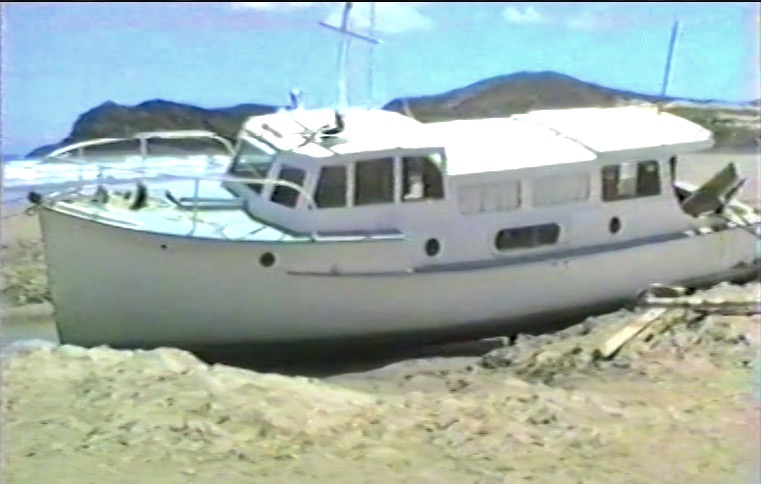
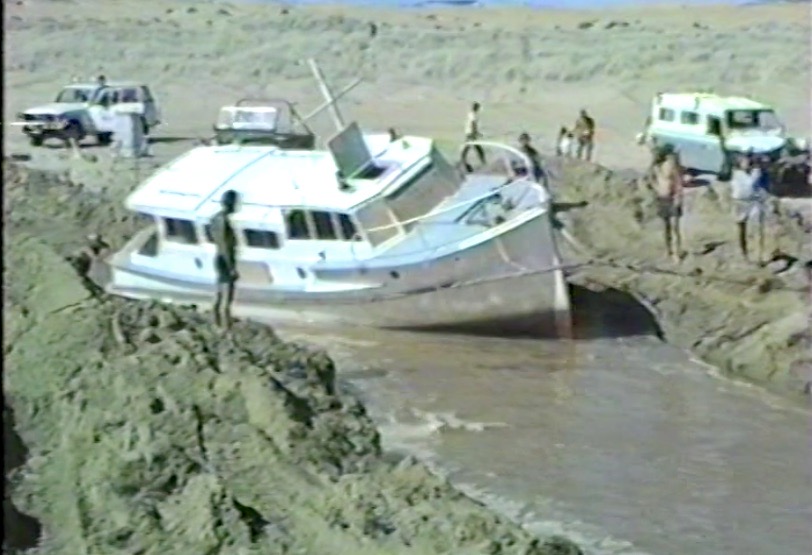
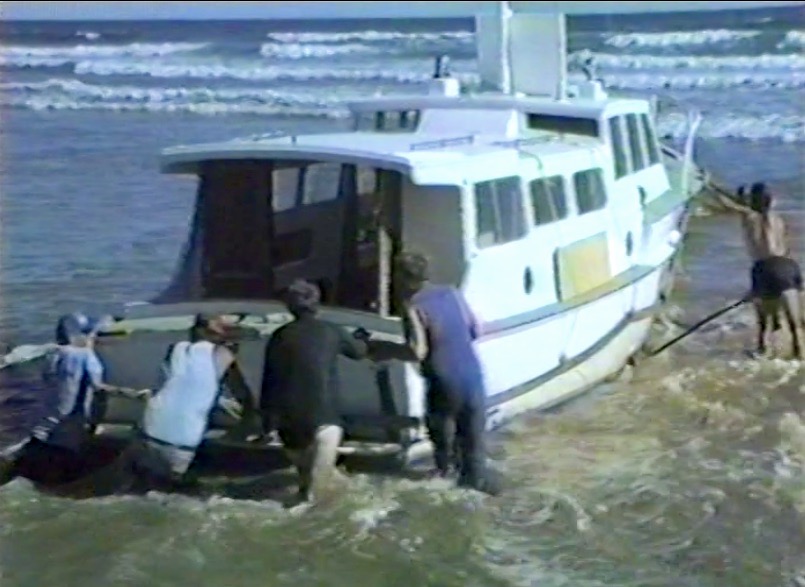
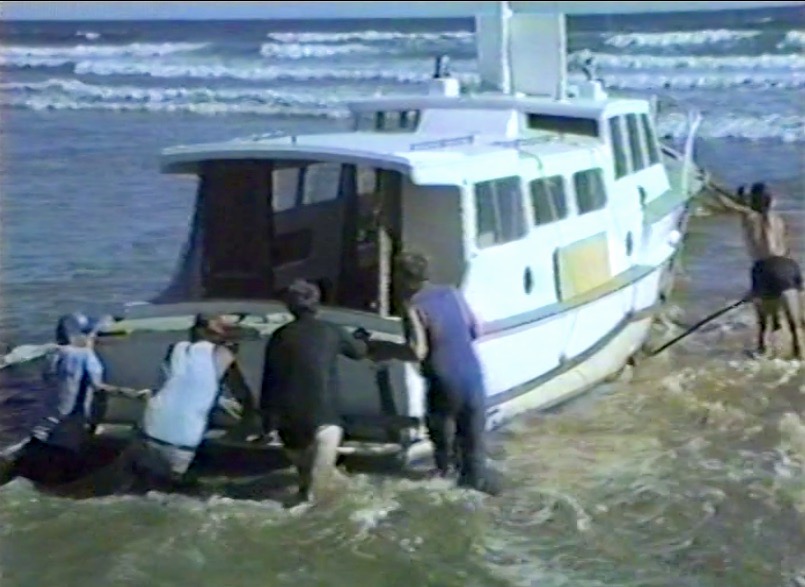
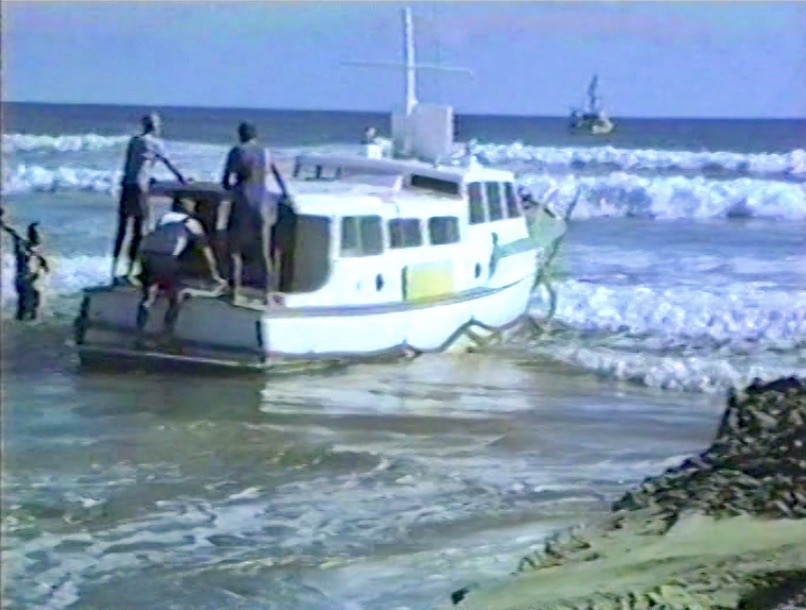
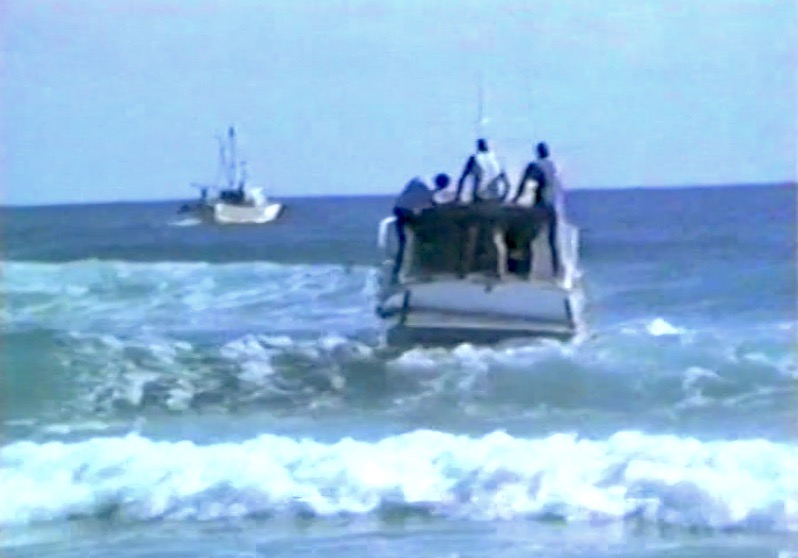
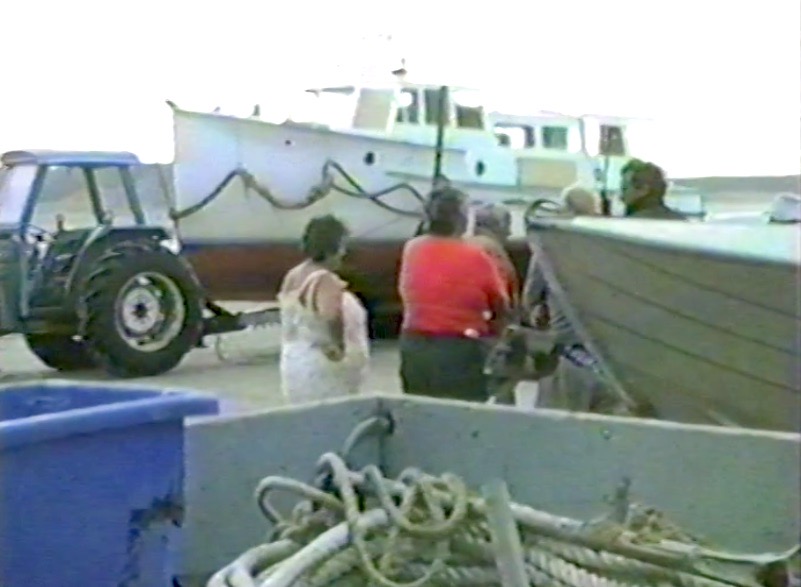
Todays classic wooden workboat is seen aground at Santoft on the west coast of the north island (Manawatu – Wanganui region). The photo comes to us from Chriss Taylor, via Maurice Sharp fb.

Thanks to a comment from John Hair we learnt that at the time of the mishap the vessel was named OCEAN SPRAY, later named  KERIMOANA. John also commented that these days her home is Tonga.

Any input on design / builder.

LOVING YOUR CLASSIC WOODEN BOAT TO DEATH – Electro-chemical Destruction / Underwater Rot

LOVING YOUR CLASSIC WOODEN BOAT TO DEATH – Electro-chemical Destruction / Underwater Rot

The most referenced topic on waitematawoodys is the numerous articles by Chris McMullen on the topic of electro – chemical destruction / underwater rot.

In addition to the on-line searches, I would get 2>3 emails a week. I point them in the right direction, but knowing most people are lazy and don’t read long copy – I normally finish by saying “its simple do not bond and throw away your zincs”. Sadly I would estimate 50% do not follow the advice. Next time I see a photo of their woody hauled out they say “I just have a small one on the prop shaft and rudder”. I normally delete their ph number from my contacts list. A wee tip – if you own an iPhone you can set the phone to only ring if the caller is in your contacts list. What happens is the call automatically goes to answer ph without ringing.

LINK BELOW TO A 2023 WW STORY ON THE TOPIC + LINKS TO ALL THE OTHER CHRIS MCMULLEN STORIES. https://waitematawoodys.com/2023/03/18/loving-your-boat-to-death-electro-chemical-destruction-underwater-rot/

Many years ago my boat RAINDANCE was bonded and zinced , removed over 10 years ago BUT as the photos below show – the damage was already done.

CLASSIC WOODEN LAUNCH – RONGO

CLASSIC WOODEN LAUNCH – RONGO

WW was recently contacted by Joan McCracken regarding a classic wooden launch – Joan is helping prepare a 2027 calendar for the Alex Turnbull Library.

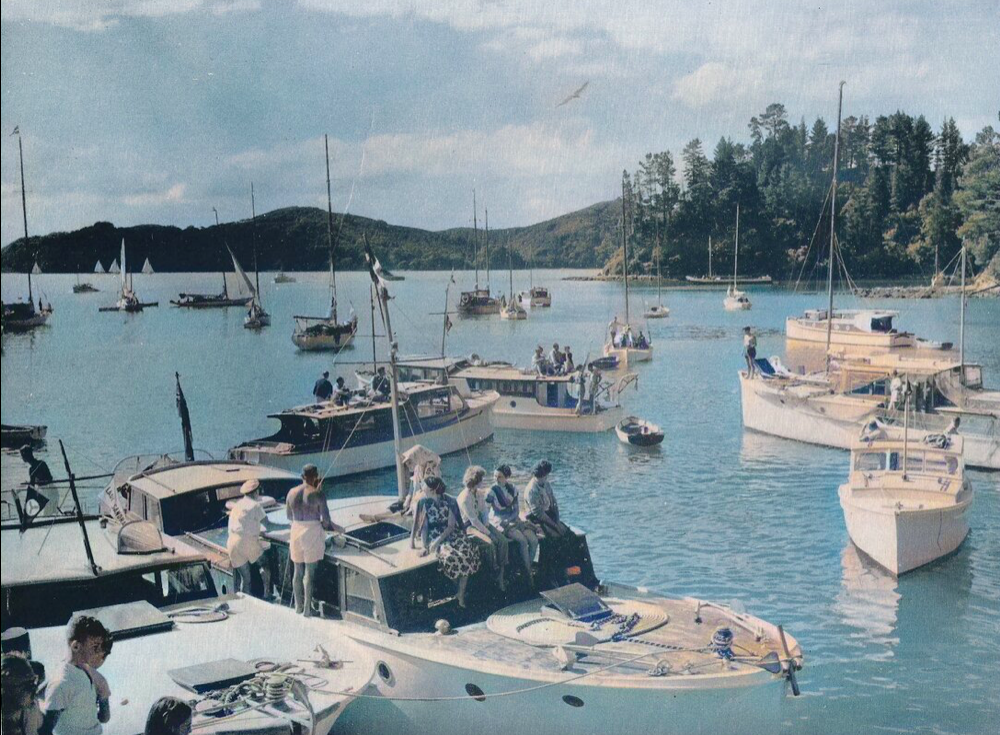
During her search for photographs matching the calendar theme ‘Picnics’ she came across the photo above that is dated March 1952 and tagged ‘RONGO in Queen Charlotte Sound’.

The photo was taken by K. V. Bigwood. Joan is hoping WW readers can help with any information on the vessel, the photo, and specifically  who owned the RONGO at this time – and is the owner / captain the person in the cap serving tea in the photo.

Back in May 2013 we a RONGO story that featured RONGO, at the time Harold Kidd provided extensive details on vessels named –  RONGO / RONGO I, RONGO !! – Link below to the 2013 WW story –  https://waitematawoodys.com/2013/05/29/who-can-id-this-launch/


MYSTERY CLASSIC WOODEN LAUNCH – 1933

MYSTERY CLASSIC WOODEN LAUNCH  – 1933

Last month I was a mission to locate some bronze/brass cowl vents for the classic ex workboat PRIMADOONA, owner James Hutchinson is the son-in-law of one of my oldest boating friends (Dennis Ross) – we go back 40+ years. So James gets auto access to the WW Aladdin’s cave of cool boat bits. I knew I had some of varying sizes but just where in the lock up was the challenge. Fast forward and on the 2nd deep dive jackpot (photo below)

During our chats James mentioned he had been scanning some of his late mother-in-laws old photos and came across some very cool ones of the MIL’s brother’s boat. James believes his name may have been Remy Burridge, but the name of the craft isn’t recorded.
Most of todays photos are dated 1933. James commented that the family would just pull the boat up in front of their house in Garnett Road to clean it.

Interesting ‘tram top’ that may then been original or added soon after launching as a flush decker.

I have teased Nathan Herbert on this story several times in the last 2 weeks – but I suspect he will ID the launch before I’ve consumed my first caffeine shot of the day 🙂

KINGS BIRTHDAY HOLIDAY – TIME TO RELAX AND ENJOY A GREAT TALE – Dinghy Adventures in Fiordland: Doubtful Sound in a 470

The author of todays story – Finn Drummond has a long family connection – Finn was born on the same day , in the same hospital as my son Tom. They lived with in a kilometre of each other and attended the same schools, so we stretch a few WW rules today 🙂 Finn’s dad Mike commented that there was some wood on the yachts trailer. Enjoy the read its a great yarn.

Dinghy Adventures in Fiordland: Doubtful Sound in a 470

Approximately a year ago, my dad and I crossed Cook Strait in a couple of Zephyrs – 3.3m wooden dinghies. Subsequently, our ambition for adventures in small boats grew and we decided to tackle Doubtful Sound in Fiordland.

Our route

The inspiration came from a story Dad had read in the 1970’s about a couple of guys who took a trailer sailer into Doubtful Sound. Getting there is not entirely straightforward. One must first cross Lake Manapouri, then take the power station road (not connected to the rest of the road network) over Wilmot Pass to Deep Cove. They launched with their road trailer strapped under the boat, then motored across the lake at one knot to West Arm. A friend from Manapouri Power Station towed them to Deep Cove, where they relaunched and cruised Doubtful Sound before reversing the trip to get back to Manapouri. 

First, we needed to decide which boat to use. Neither of us had anything suitable, but we both had many years of experience racing 470’s and were familiar with them. There really wasn’t any great discussion about alternatives. Dad suggested it, and I agreed. 470’s also have the advantage of being easily found with great ex-Olympic class boats lying around in driveways and garages across the country. I had a look and actually found my old boat for sale, NZL 209. With a touch of nostalgia, it just seemed like the right boat for the job. We’d give the old racing thoroughbred a new lease on life.

A little research into Fiordland weather revealed what we both already suspected. It’s windy there, a lot. The area gets repeatedly hammered by weather systems moving in from the south and the west. It can be single-digit temperatures even in summer. It has some of the highest annual rainfall in the world. The topography of the area results in winds that follow and funnel through the fiords. Sometimes far windier than the gradient breeze, at times sheltered and glass calm. It’s an isolated, unpopulated wilderness. 

Initially we had set a tentative plan to leave Nelson and do the last of the boat preparation before we drove off. As is almost always the case, the law of it always takes way longer than you think came into play. Three days of boat work, packing, and a test sail later, we were ready. However, the weather outlook was looking decidedly marginal. On the weather map a big red blob moving over South Westland followed by more of the same wind and rain. We decided to postpone, Dad flew back to Auckland, I went back to work and we waited for a better weather window. 

The boat needed some modifications. It was in mint condition, lovingly cared for by sailors running it as a B boat in their Olympic campaign. But it wasn’t quite set for camping and dinghy touring. We had to make a trolley system. Figure out how to store gear and 10 days of food on board, how to de-power or reef the sails, add navigation lights, sort camping, safety, and comms equipment. We discussed different trailer systems, and in the end I cut up an old Zephyr boom and added some removable cradles and wheels. The axle mounted on the boom and the cradles and wheels I mounted on the transom. Dad added a furler to the jib, added a second full batten to the mainsail and replaced the top batten with a stiff carbon one. We removed some complexity in the control systems. I cut a hole in the foredeck and added a hatch.

Boat prep at home – there was a lot to do

We continued to monitor the weather to pick a decent outlook for the trip. It was always likely that we would have some days of heavy wind and days of no wind at all. We just wanted an outlook that generally gave us a good chance of some settled weather in between weather systems. We talked with people who worked and sailed the area. We watched YouTube videos of sea kayakers on long trips. We scoured the topo maps and charts plotting camping and route options. Blake Reid who skippers the Fiordland Navigator was generous with his time and knowledge of camping spots and wind. We put together a few options. Option A – explore Doubtful Sound and sail around Secretary Island while option B and C were more ambitious and less likely, sailing south to Breaksea Sound, or north to Milford Sound.

In late January things looked like they were lining up. The boat was ready and we were as prepared as we were going to be. Dad flew to Nelson and we started the 1000km drive south. On the 26th of January we got our early morning pie and coffee amongst the tourists in Te Anau and drove to Manapouri. We rigged up at the little boat ramp near where the tourist ferries depart from. We received little attention except for one or two interested locals. The boat was still decked out in ‘NZL Sailing Team’ livery which I thought was rather funny. Tents, sleeping mats, food, charts, diving gear all loaded. We pushed off and started out by sailing against the current of the Waiau River and into Lake Manapouri. By this stage it was midday and we had a ride over Wilmot Pass to catch! Gary operates a transport service between West Arm on Manapouri and Deep Cove in Doubtful Sound. We had given him a time of 4pm by which we hoped to be across the lake. 

Launching from Manapouri into the Waiau River

It’s 16nm to Deep Cove. The wind was light and we put the spinnaker up and glided downwind. We’d added a chartplotter to the boat which lived in the spinnaker bag. It’s pretty straightforward navigation to Deep Cove, although somehow we got a little confused as to exactly where we were at one point, thinking of heading up the wrong arm of the lake. Our trusty chartplotter settled that and we continued the right way. We had a GPS mounted to the mast which gave us our speed and heading. Our timings seemed pretty good. Fortunately, the breeze got up a little and we made good time, 3.5 hours. The power station came into view as we gybed up West Arm. Long power cables span across the lake and hills. As we got closer we saw Gary waiting at the beach – with a firetruck! I’d not been in a firetruck before, or in a firetruck over an alpine pass towing a 470. He backed the trailer down into the water and we literally floated right onto it. We placed some dry bags under the hull for padding and he drove up onto the beach. 

Loading the boat at West Arm, Lake Manapouri

The first thing you notice when you get to shore is the sandflies. Clouds of them descended upon us. We quickly got into the routine of head nets on, long pants, long sleeves, socks, Crocs. Any gap in your clothing, they will find. Dad had the great idea a few years ago of sailing in a Tyvek protective suit (lightweight, windproof, waterproof, dubiously fashionable) and now it doubled as excellent sandfly protection! We de-rigged, tied the boat on as best we could and jumped in the cab.

Ready to drive over the pass

Gary drove us carefully up and over Wilmot Pass. The bush here is all Beech forest, and going over the pass it is sub-alpine. As we crested the pass we could see west towards the fiords and Deep Cove. The engine brakes hummed as we descended the gravel road down all the way to the beach at Deep Cove. Billy Williams has run the Deep Cove hostel for many years. As far as Fiordland or Doubtful Sound goes, he is one of the most experienced people you can meet. He initially gave us a frosty reception and made it clear that sailing this area in a little dinghy was not recommended. He recounted numerous stories of incidents and treacherous weather and said “If you need rescuing, I’m the one who’s going to do it”. He also said to check in with him each day via Inreach, and he gave us great local knowledge and weather interpretations throughout the trip.

Day 2 –  Into the Fiords.

We rigged and loaded the boat on the Deep Cove foreshore. Down from where we launched, there are a series of jetties for tourist and fishing boats. These cantilever out over the water – the water is just too deep to get conventional piles in. The outlet of the Manapouri Power station is right at the head of the fiord near Deep Cove and curiously it is fresh water here. A decent current flows out towards the ocean and numerous moorings in the bay tilt over with the current. The sun came up and we pushed off with a 10 – 15 kt. breeze. We sailed downwind towards our first fiord confluence where Doubtful Sound meets Hall Arm. In this area the wind follows the direction of the fiords, regardless of the gradient breeze(main direction flowing over the country). It is either flowing up the fiord or down it, but never across. We had been warned that where the fiords split or converge the wind could be all over the place – gusty, little wind, lots of wind, big direction changes. And that’s how it turned out.

Rigging up again at Deep Cove

Turning into Hall Arm we experienced our first taste of this. One moment we were sailing along on starboard, then a big shift and we were sailing along on port going the same direction. The steep terrain caused gusts to drop down from up high and they hit with little warning. A big gust in front of us formed. The top layer of the ocean separated and raced across the surface in a fine mist. Dad tried to furl the jib but it was too late already. He jumped out on the trapeze and both of us hung off the side as the sails tried to tear themselves to pieces. We heeled over and slid sideways hoping to keep the mast above the water. And then as quickly as it had hit us the gust vanished, and we were left reaching in a nice breeze again. A close shave. One or two more knots and we would have capsized, which was not something either of us fancied trying out there. We’d survived our first big Fiordland breeze.

Dad helming, Commander Peak in the background

We spent the rest of the morning exploring Hall Arm. Right at the entrance is one of the many imposing high peaks – Commander. It rises up to over 1200m and the contours on the topo map are so tight they just merge together in one big orange blob. The sheer cliffs reminded me a little of days sailing at Lake Garda in Italy. We sailed right up to the end and waved to a guided group of sea kayakers.  On the way back we had great sailing, beating upwind in 20kts until the main Fiord. Right on cue the wind got up when we passed by the same spot under Commander on our way out, however this time we were ready for it. Dad stood by to furl the jib just in case. After passing through the confluence we were in a light breeze heading out Doubtful Sound. All around were big jagged peaks. We ate some lunch and cruised westward with the spinnaker flying.

We aimed for a spot just inside Crooked Arm where it seemed we could probably camp. Before the trip we researched possible campsites. It would seem that you could pull the boat ashore at most drainages and river mouths but in reality some of them are swampy with hardly a spot to pull a boat up or find an easy tent site. Most of the fiords have cliffs right to the water. Limited camping opportunities it’s fair to say. That afternoon we found our bay in Crooked Arm and sailed ashore. It was in a U shaped glacial valley with a river running out down a little estuary. Driftwood and reeds dotted the shoreline and we spied a spot to come ashore in the shallows. Time to scout out a camp spot. I waded through the reeds and up the river onto the mainland. I bushbashed along until I found a little spot on the estuary that looked like it would do nicely. Nothing too flash but with a little work getting rid of rocks and pushing back the undergrowth there was space for a couple of tents. Dad and I floated the boat right up the river and pulled her up on the sand right by our campsite. With the boat tied to a tree we were confident enough it wouldn’t go far if the tide managed to float her. Looking out we had views of quintessential Fiordland peaks and waterfalls. A swim in the river, dinner and a beer were the order of the evening before diving into our tents to escape the sandflies.

Pulling in to our first campsite, Crooked arm

Our less than helpful third teammate – but he did keep morale up

An excellent camp spot, with great boat parking

Cooking dinner on the foreshore 

The next morning we woke to overcast skies and little breeze. We packed up and hit the water with the aim of exploring all the way to the head of Crooked Arm. There is a short track that crosses from here to Dagg Sound we wanted to walk. We’d brought a four piece kayak paddle with us that we stowed in the side of a tramping pack we’d replaced the starboard spinnaker bag with. This proved useful this morning. A friend had cruised this area not long ago and emphasised that we really needed an outboard motor for those light glassy days, but we couldn’t be swayed from our choice of wind and human power. We paddled and tacked our way up the arm, the wind constantly being on the nose(or non-existent) even as we turned each corner. We played how close you could sail to the shore. Close enough to need to watch your mast on the overhanging trees. Generally speaking what the mountains look like above the surface is what happens below too. We could be relatively close to shore in very deep water.

We pulled the boat ashore at the head of the arm. The question was, do you brave the sandflies on your bare skin and get changed, or just walk to Dagg Sound in your wetsuit? Dad chose the latter option. We tramped up and over the saddle on a marginal track. Not too many people keep it well worn-in I imagine. After a couple backtracks looking for the orange triangle markers we emerged in Dagg Sound. Dad pulled his best Fred Dagg impression here before we ran from the clouds of sandflies that surrounded us.

We walked back over the saddle to Crooked Arm and got on the water again. We hadn’t seen any other places to camp that looked inviting while sailing up to the head of the arm. It was about 8nm to our previous camp, although heading all the way to a DOC hut on Secretary Island was still an option. It was early afternoon and the day was getting on. I liked to have plenty of time at the end of the day just in case we had to deal with any mishaps. We sailed downwind in a light breeze, gybing back and forth across the arm for more than an hour as we headed towards Doubtful Sound. 

Approaching the last bend in the arm we could see a breeze line up ahead. As we got closer, whitecaps became clearer. The breeze started to get squirrelly as we approached. It swung around 180 degrees so we were sailing upwind. The water ahead looked dark and the sky was overcast. Here we go again. We passed through the convergence in breezes. Quickly, Dad was flat on the trapeze and I was hiking hard. Big gusts were hitting us now. Spray blinds you in these boats as any 420 or 470 skipper will know. We beat our way upwind with Dad doing his best to pick our way to avoid the bigger gusts. We made the decision to furl the jib – mainsail only now. Dad was still flat on the trapeze as we punched upwind with this unconventional setup. The centreboard was raked back to try to balance the rig changes out. Not easy for Dad as he battled with his grippy running shoes getting stuck on it in the tacks. Judging by the spume, it had to be 30 knots plus, coupled with sudden lifts and headers. Our bay was coming into view. After a few big puffs and the mood onboard being a touch tense we finally rounded the last headland and reached for shore. It was an exciting finish to our third day. 

That night the rain came in. It continued all night and into the morning. We received a forecast via Inreach which suggested we would have to wait it out until at least midday before there might be a weather window to continue. From the comfort of our tents we watched waterfalls around the fiords grow. Misty white streaks cut down the mountains all around. Our intention was to aim for Gut Hut on Secretary Island, about seven nautical miles away. Eventually the clouds parted and the rain cleared. As the tide was out we did some off roading to get to the water, wheeling and floating our way out the estuary river mouth around tree trunks and debris. We sailed over to one of the towering waterfalls on the other side of Crooked Arm, then made our way out into a section of Doubtful Sound called Malaspina Reach. Señor Malaspina commanded a Spanish expedition into Doubtful Sound in 1793 and was the first to chart its waters – James Cook only peered through the entrance, hence the name.  Some of the depth soundings Malaspina took were still being used in our charts up until the 1990’s. 

Rigging up just after the rain had cleared in Crooked Arm

A stiff breeze built and we beat upwind in 20+ knots, all the way to Secretary Island. It was fantastic sailing and we planed upwind nicely. All was smooth except for Dad testing the waters unintentionally. We sailed into a combined light patch/header and the boat rolled over to windward. Dad went from flat trapezing to swimming, as I jumped to leeward to balance the boat out. He wasn’t overly impressed with his impromptu dip – but at least we didn’t capsize! It would be interesting to see how we would compare speed wise to a boat in racing specification. Dad and I combined tip the scales at about 160kg (A typical 470 team would be between 130 -140kg combined) so we have plenty of righting moment. We were carrying approximately 80kg of gear with us which wouldn’t have helped, but interestingly, even with the extra weight the boat still felt lively. We pulled into a rocky beach in a sheltered bay on Secretary Island. Hauling the boat up the steep rocky beach we found a DOC sign – no rats, mice or possums here. We could have guessed hearing all the bird life. Weka, kea, kaka and others were all squawking away. It was a little slice of NZ that would have looked the same 1,000 years ago. The hut sits elevated in the bush with views east, looking right up Malaspina Reach. We made a few trips carrying all our dry bags and strung our wet gear on lines between the trees. 

Secretary Island – I must be standing on something tall, as Dad hasn’t shrunk quite that much yet. 

I’d brought some snorkelling gear along to have a look and this was a great spot. It’s a marine reserve in the bay and I snorkelled my way along the coast on each side of the beach. I didn’t see any crayfish, but the sea life was abundant and the viz excellent. I had a rinse in the stream and Dad made use of something I’d not come across before – a DOC hut shower! It was cold, but you could see where a wetback had once been attached. There were relatively few entries in the hut book, two pages in two years! A few entries by some fairly hardcore sea kayakers and others by DOC staff doing the ‘Gutbuster’ trapping line. A great hut too, no rats or mice to get in and it was clean and tidy. We laid the charts out on the table and had a look ahead for the next day. We had managed to get Blake on the Fiordland Navigator on the VHF earlier and it looked like we may have the forecast to get around the outside of Secretary Island to Thompson Sound. It all seemed to be lining up with a moderate SW breeze building in the afternoon. We laid out our big A1 charts on the table at the hut and familiarised ourselves with some of the main features to look out for.

Me, coming back from a snorkel

View out the window of Gut Hut

We pulled the boat to the high tide mark and tied to a tree just in case

We set out at a leisurely 10am. After leaving the beach an uneven horizon line came into view – the open ocean swells. It was still a few miles away but exciting to see. We sailed through the Te Awaatu channel between Bauza and Secretary Islands. At times we could still hear kea and kaka chattering in the mountains. As we passed through the passage we got a taste of the big waves we would soon get into. Long wavelength rolling swells became larger as we headed west. We passed a couple of groups of islands. Nee Islands had a healthy fur seal population, around fifty of them all sunning themselves on the rocks. The wind had switched to a westerly now and we were sailing upwind. We watched big waves throw water high into the air as they crashed onto the rocks to leeward of us. It was quite fun being in these swells which were possibly the biggest I’ve been in before. We rounded the rocks off the western point of Secretary Island, hoisted the spinnaker and pointed north. 

View from afar – taken from a Real Journey’s tour boat. Photo credit Belden Coutts

Albatross danced on the waves around us, skimming the surface with their wingtips. They would fly close to the ocean and at intervals arc high into the sky and slingshot downwind. Often, they flew with Taiko/Westland Petrels in formation just off their wingtips. Looking up from the troughs between swells, mountains of water stood over us. It wasn’t quite windy enough to surf the big waves but we surged as they overtook us. Secretary Island looked like Jurassic Park with its jagged peaks and thick bush. We passed by a couple of DOC huts on the western side which Dad spotted in the trees above the shoreline. We agreed that there would only be a handful of days per year one would actually be able to do a coast landing, there was no way to get a craft safely ashore in these waves. Helicopter access only we thought. As we headed north the wind built a little.  By the time we got to the Thompson Sound entrance it was perhaps 20knots and we had some good rides. We rounded the northern tip of Secretary Island and into the flatter water of the fiords again. 

Dad helming in Thompson Sound

We pulled into Deas Cove that afternoon. It had been about 20nm hut to hut. This bay has the reputation of being the best (or only) beach in Fiordland as voted for by a friend of ours. It must be one of the very few sandy beaches one can come across, as easy as pulling your boat up as it is sailing from our home club Wakatere in Auckland (now my spiritual home club as I live in Nelson). A little stream ran out in front of the beach and there was a strong looking mooring in the middle of the bay. The hut itself is perched on a saddle with views north and south. The old hut was buried in a landslide a few years ago and this was its modernised replacement. I put on a mask, snorkel and fins and had a look around the rocks. Dad had an afternoon nap. I sifted through the hut reading material and read the hut book (all huts in NZ have one of these where you state your intentions and details). As with Gut Hut, not many people frequent this place and it seemed to attract contrasting types – one, hardcore sea kayak adventurers on month(s) long epic trips and two, heavy drinking fly in and out hunters. We added our names to the book, pleased to create a new category.

Ashore at Dea’s Cove

Dad and I, Deas Cove

That evening we were able to get the Bluff fisherman’s radio forecast on VHF along with updates via Inreach. A weather system was forecast to come in a couple of days that would likely result in us hunkering down while it passed, unable to cross Lake Manapouri. This was always likely to happen at some point despite timing our trip with a good general weather outlook. We made the call to aim for Deep Cove the next day rather than stay out in the fiords. Part of me did want to explore the head of Bradshaw Sound and Gaer Arm but it was not to be this trip. 

Dad recording the Bluff Fishermans Radio forecast, Deas Cove Hut

Our final day in Doubtful dawned overcast with a light breeze. We were getting pretty slick now, launching the boat, dismantling and attaching the trolley, knowing where things were and where to find them (the toothpaste seemed to find its way to the most unexpected places for most of the trip). A motor launch had picked up the mooring in the bay and we chatted to them on our way out. They kindly took some photos of us as we gybed out into Thompson Sound. We had a good reach on our way out for a while before the breeze died. Out came the kayak paddle. We did a mix of sailing and paddling for the next while, poking our nose into Bradshaw Sound and then sailing all the way up to the iconic Blanket Bay Hotel (disclaimer – not actually a hotel). It’s a fishing resupply station built out over the water on a small island off Secretary Island. No one was there at the time but we pulled alongside and had a look around. It has a helipad where crayfish can be flown out from and enjoys a picturesque location. Arriving here we were back into Doubtful Sound, having completed a full circumnavigation of Secretary Island.

Our vessel and I pulled alongside the jetty at Blanket Bay

We just had one big downwind to Deep Cove. It was light wind to start and we hoisted the spinnaker as we headed back towards Malaspina Reach. A big cruise ship appeared behind us entering Doubtful Sound. I hailed him on the VHF and cheekily asked if he wouldn’t mind taking a couple of pictures for us – he was kind enough to do so and sent them through later. Turns out he worked as a pilot in Dunedin and spent the summer guiding cruise ships between there and Milford Sound. As we got further up Doubtful Sound the breeze funneled and freshened. Soon we had plenty of whitecaps all around and were charging along. We got a few speed wobbles, partly due to the centreboard working itself up (one of the bungee cords holding it down needed tightening) and we were continuously putting it back down. The final stretch to Deep Cove was exciting. We dropped the spinnaker in big breeze before Commander Peak and discussed whether we were going to gybe or granny tack. Standing waves reared up, driven by the current coming out of the power station race at Deep Cove. The wind increased more and we surfed our way along under mainsail alone, ticking off the landmarks until we finally pulled into the beach. The Fiordland part of our journey was complete and we shared a hug.

View from a cruise ship looking up Malaspina Reach – we are the white dot in the middle. Photo credit Scott Young

We checked in with Billy again at the hostel who was glad to see us back safe and sound. It seemed after a few conversations with locals that dinghy sailing in the area was not a regular occurrence. We explored the walking tracks around Deep Cove and the water race from the power station. We enjoyed a warm shower and slept well.

Dad on a trail near Deep Cove – this particular spot was the town water supply when they were building the power station

Our last day in Doubtful Sound began with derigging on the foreshore. Soon we heard the familiar diesel hum of a fire engine and Gary came into view rolling down the steep road to the beach. He backed the trailer into the water and we floated the boat on. We enjoyed the views heading back over Wilmot Pass. Arriving at West Arm on Lake Manapouri we quickly rigged and made for home. There was no wind, so we got a bit of a workout with the kayak paddle, maintaining three knots at best. Eventually about halfway back to Manapouri the breeze built and built some more. We got a brilliant 20-25kt blasting downwind for a while that got us to Manapouri township in good time, pulling in around 7pm after a 17nm trip across the lake. We tied our trusty vessel to the jetty and gave each other a hug. It felt great to pull it off. We managed to get to the pub in Manapouri just in time before it closed for a celebratory beer and chips.

There had been many years of dreaming of this adventure for Dad and a few years of dreaming from me. The hours of planning and preparation had all come together. It had been a novel adventure with all the things good adventures have –  a bit of uncertainty, close calls and places to discover. It turns out a 470 can be as good for exploring as they are for racing.

Sailing back across Lake Manapouri

A big thanks to everyone who helped us from near and far during the trip. Inga for being our outside world contact and giving us forecasts and support throughout, Blake Reid, who helped with local info, communication in the fiords and all the support we could have asked for, Dad for the idea and the people who kindly shared photos and videos of us they took and all our friends and family for their support.

CLASSIC SOUTHERN WOODEN LAUNCH – MANDALAY

2013
2016
2023

CLASSIC SOUTHERN WOODEN LAUNCH – MANDALAY

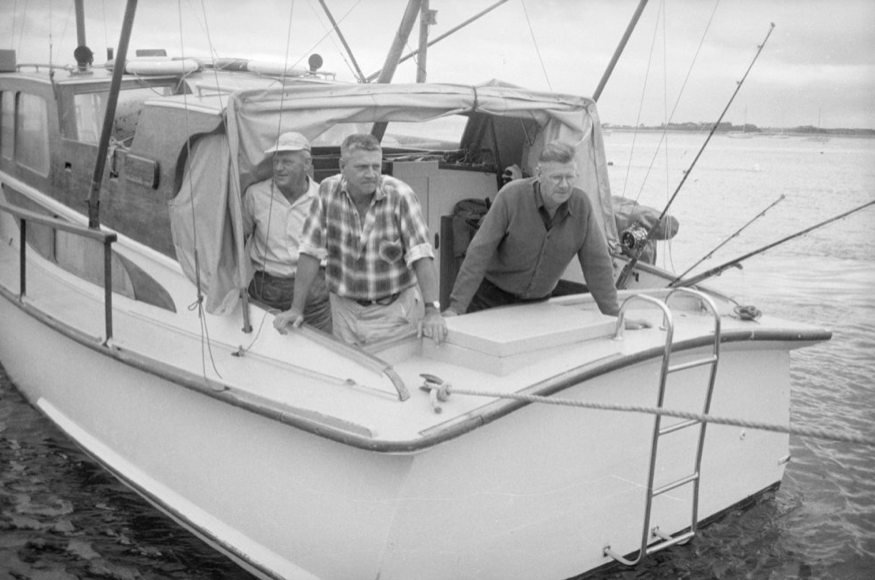
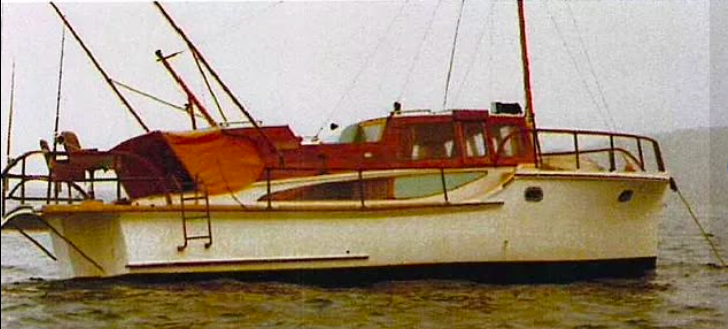
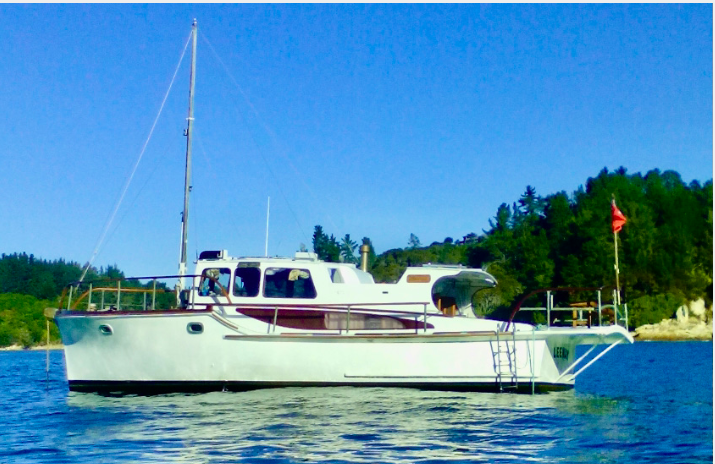
Yesterdays deluge of emails to the WW inbox contained a gem – todays top photo (2013) and a note from Janet & Bob Heart the owners of the 36’, 1940 built classic launch MANDALAY. Over the years MANDALAY has appeared on WW – first in Sept 2016 as a mystery launch seen at anchor in Jacobs Bay in Pelorus Sound, (second photo above).

Next appearance was in May 2023 when Dean Wright was mooching around Havelock Marina (third photo above). This story prompted WW reader Phil Vining to recall the vessels broker listing from c.1980’s  when she was 4sale – see below.

Janet has commented that MANDALAY was built in Auckland by Lanes in 1940, this has been questioned on WW previously because she certainly has the look (and paint scheme) of Lanes Picton.

Janet has kindly written a brief review of the craft.

“We ( Bob and Janet Hart ) have owned Mandalay for 39 years since 1987. She’s been based in Havelock Marina and has been a regular sight around Pelorus Sound over these years. Her original design has been faithfully maintained. She’s been much loved and cared for.

She has a cockpit with seats. With full headroom, there’s  a saloon with table and seating for captain and passenger facing forward. A separate bunkroom sleeps 4 people and a separate bathroom has the rope and chain locker. 

 With a Ford 75Hp  engine, Mandalay uses approx. 1 gallon of diesel an hour.”