KAWAU SPRING SPLASH CLASSIC PARADE – 25 WOODYS + A BAY FULL OF BOATS
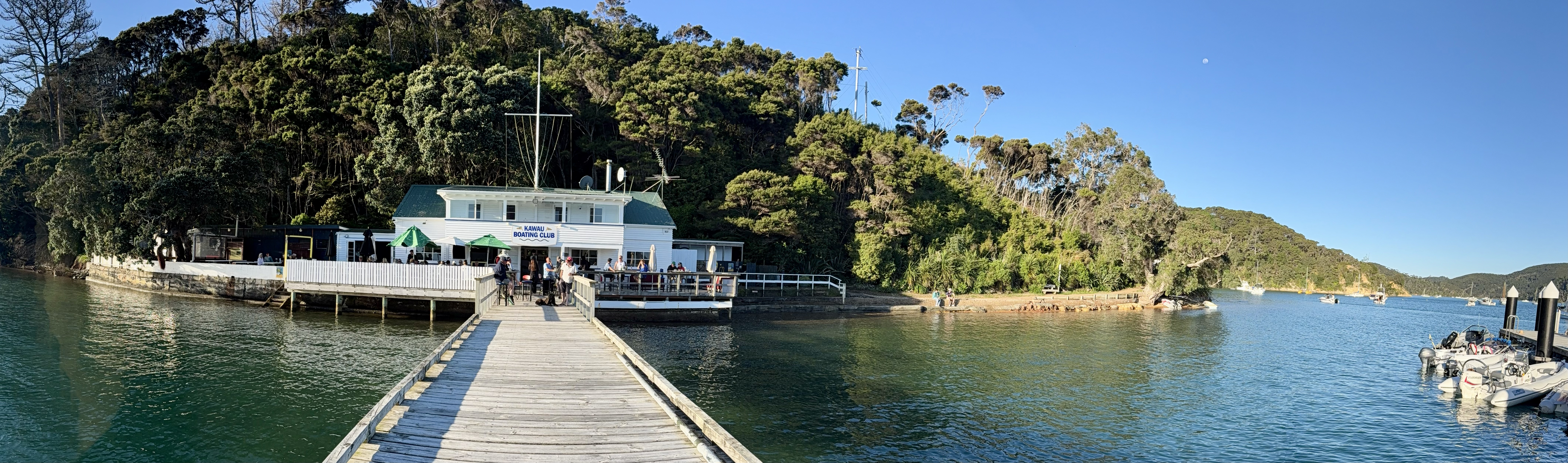
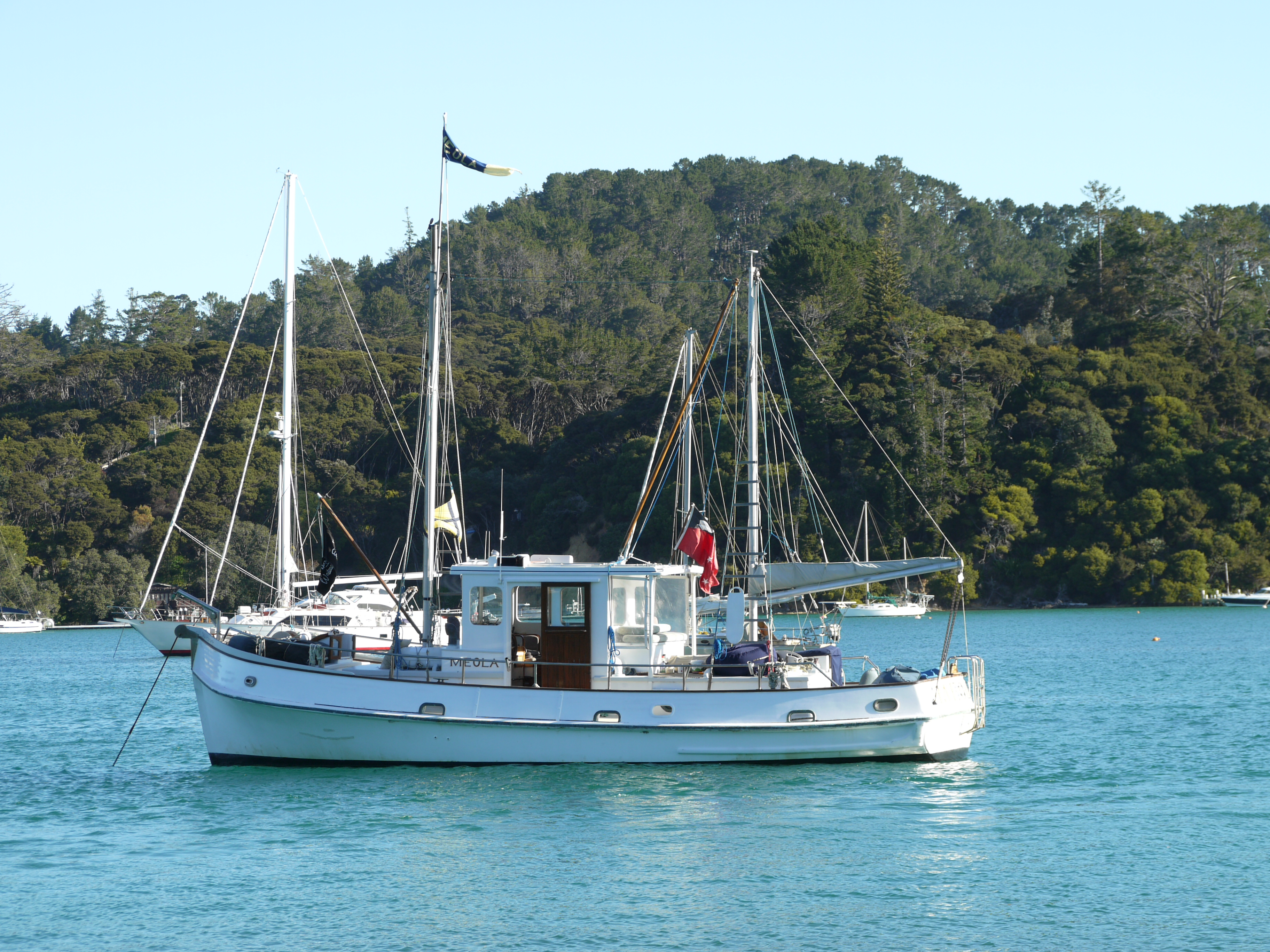
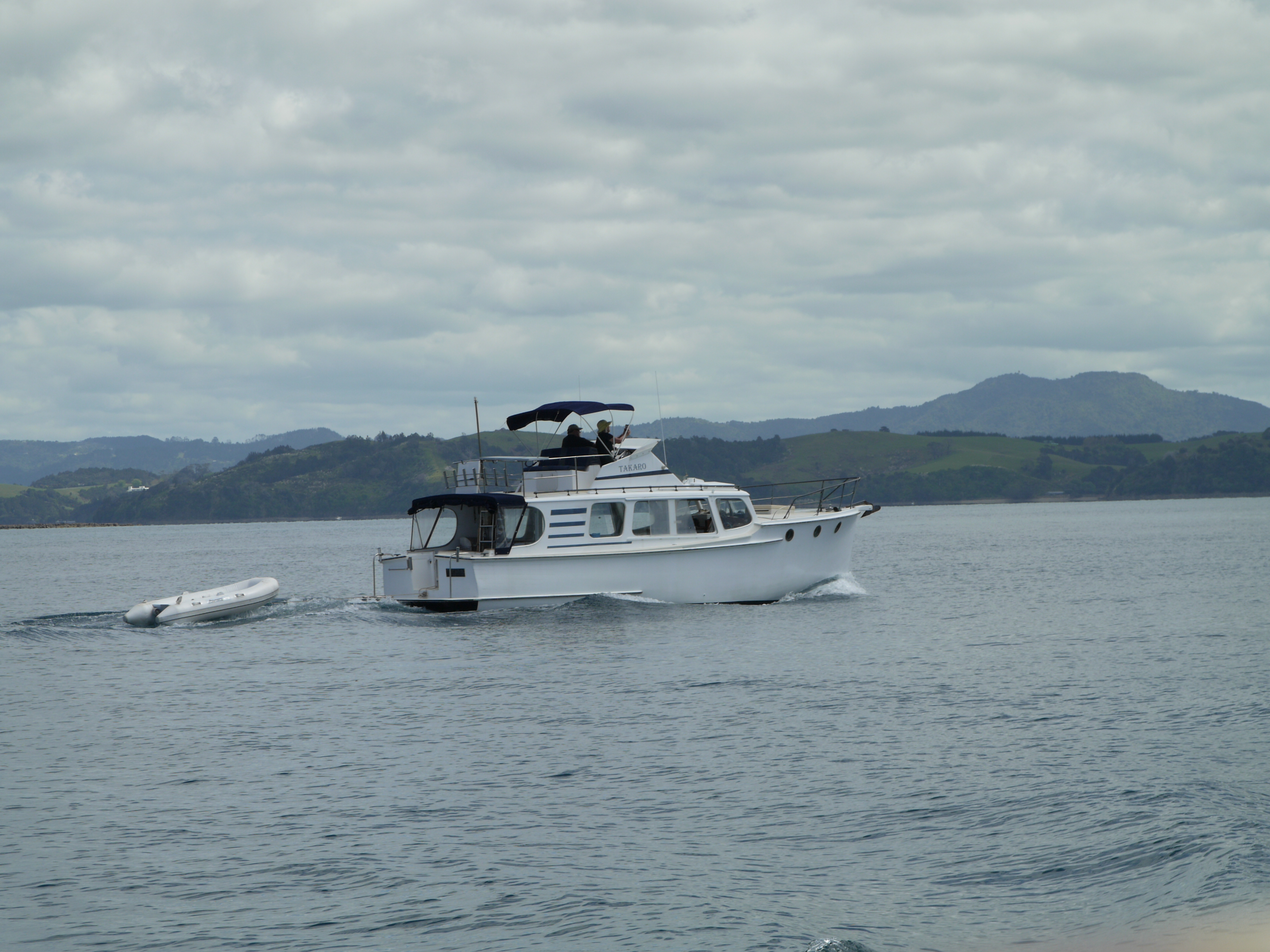
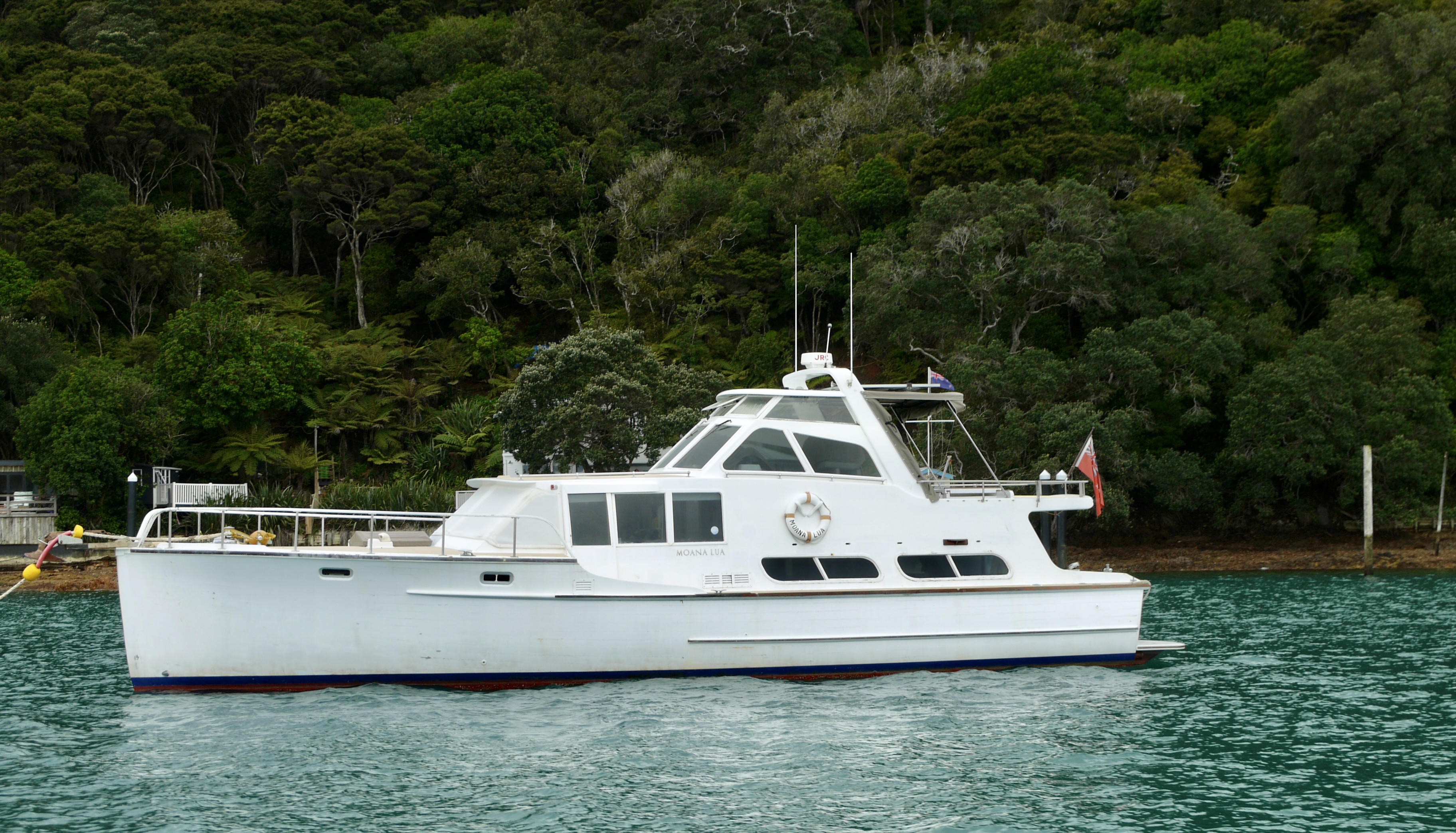
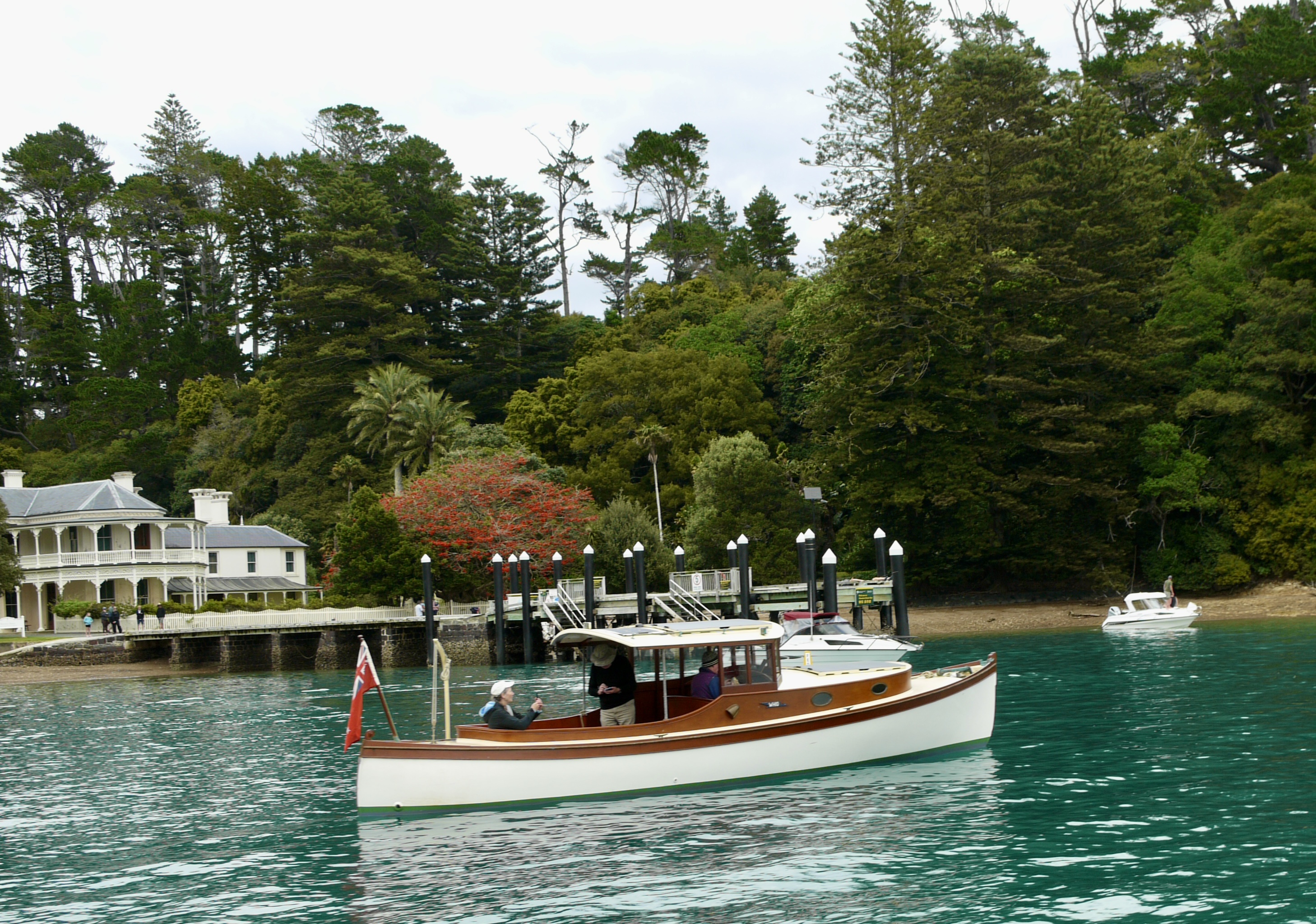
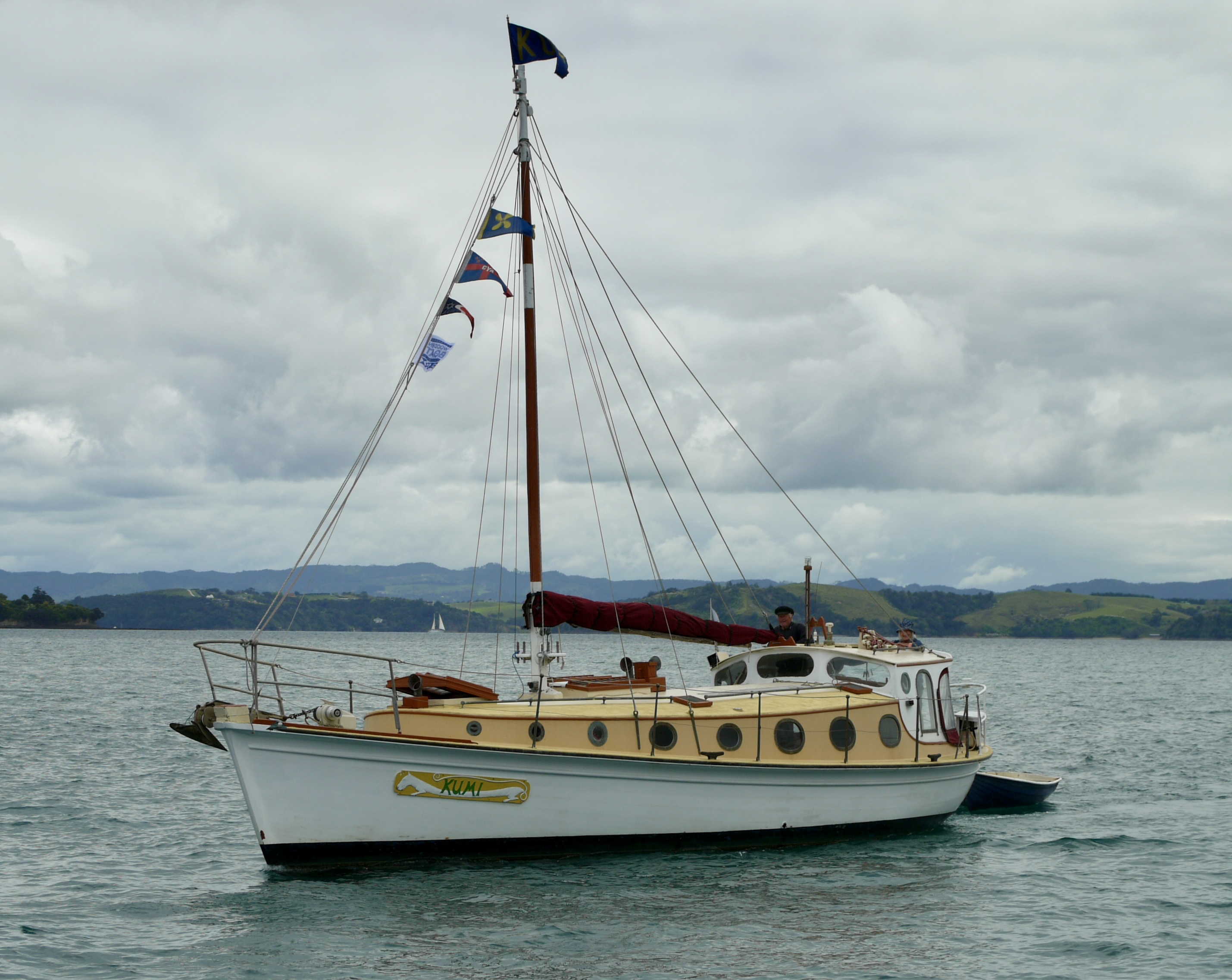
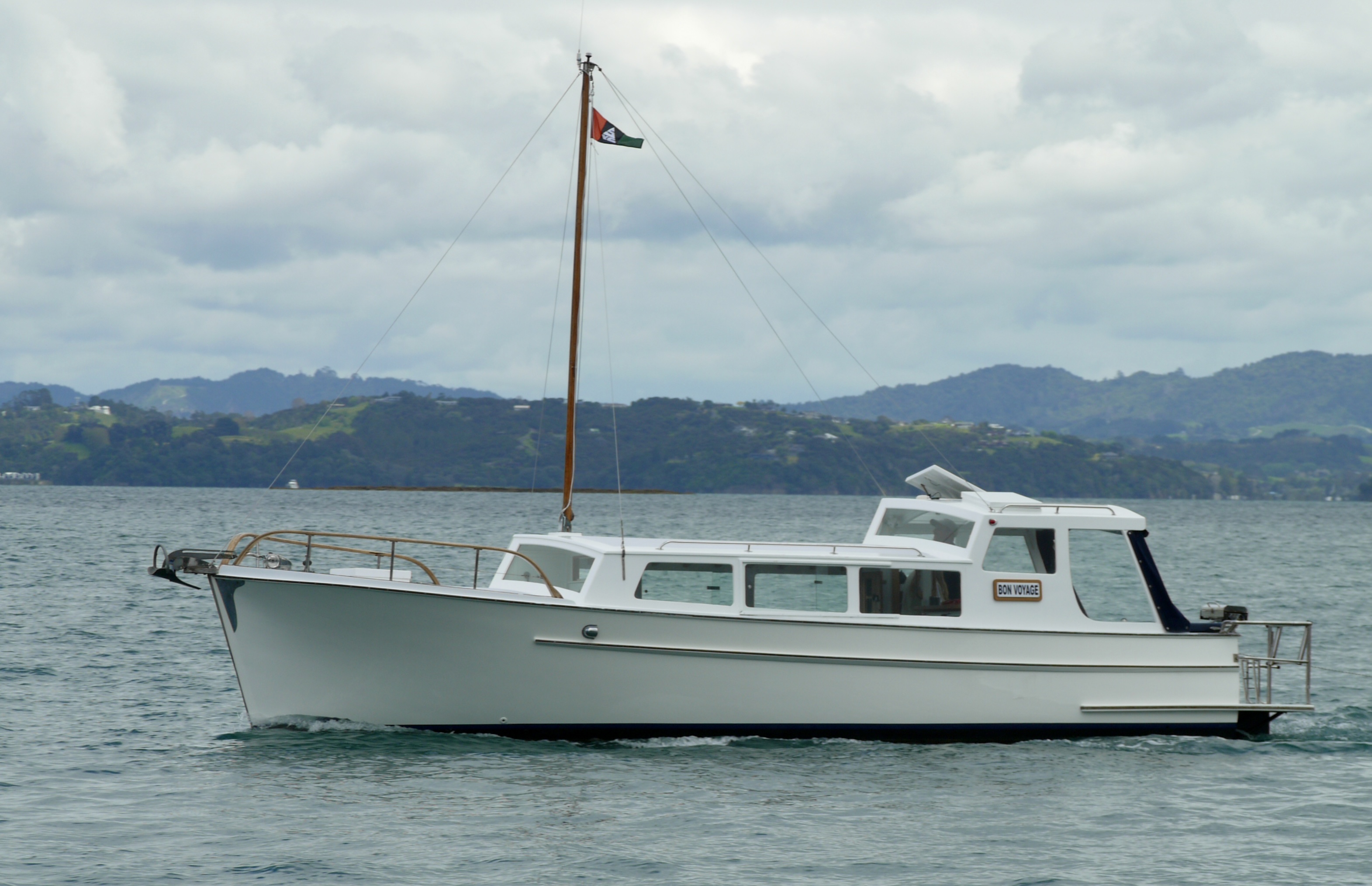
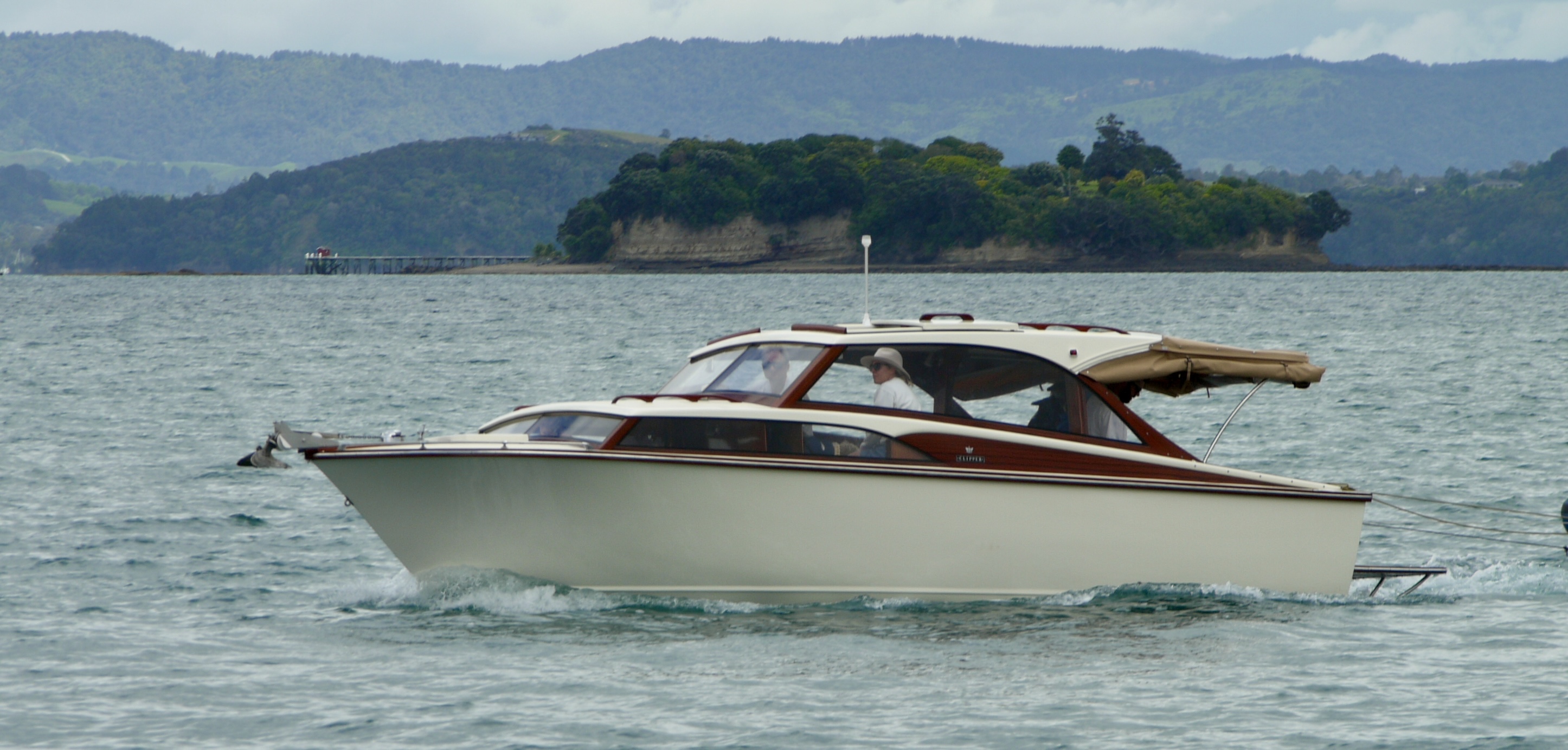
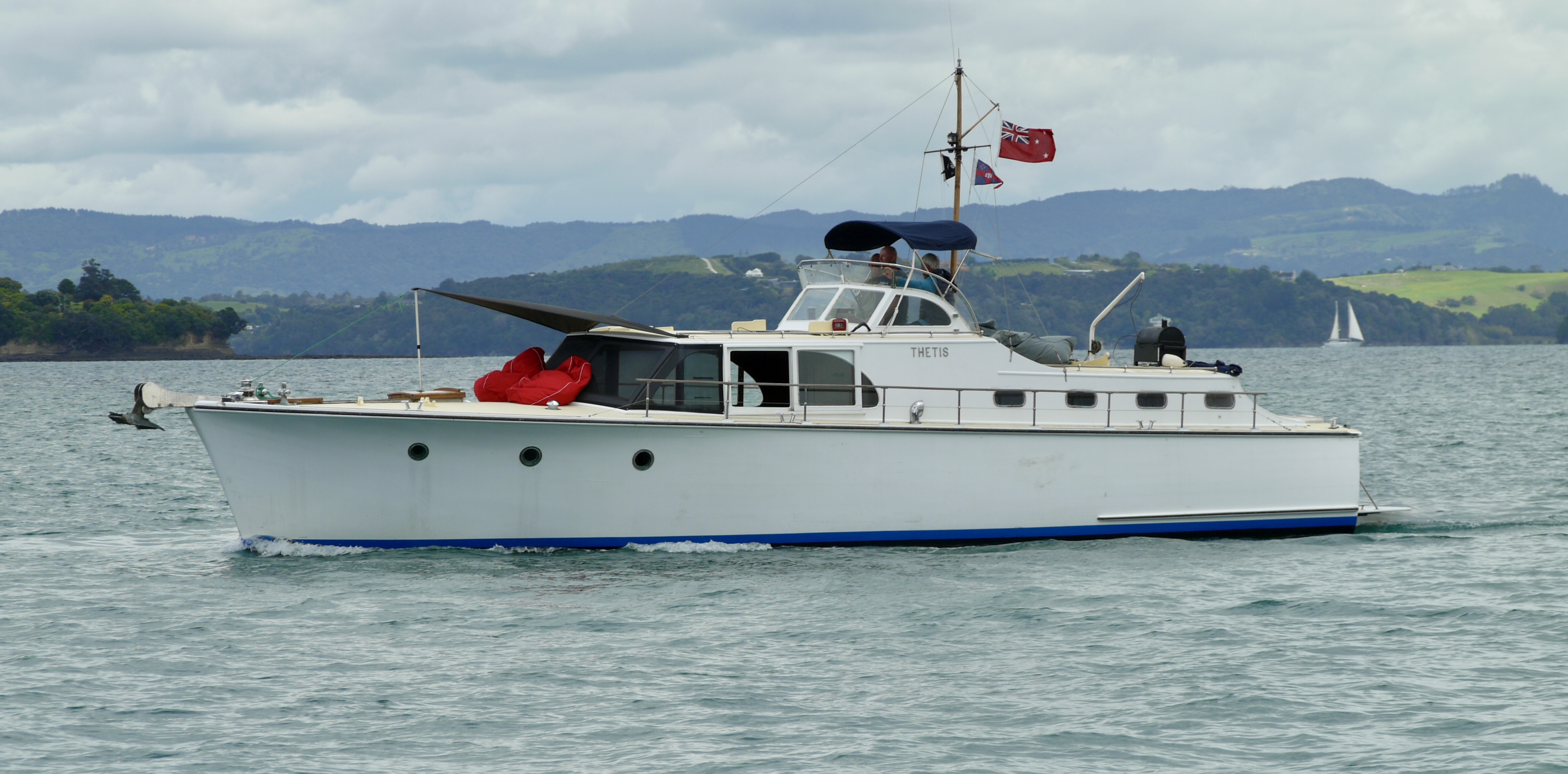
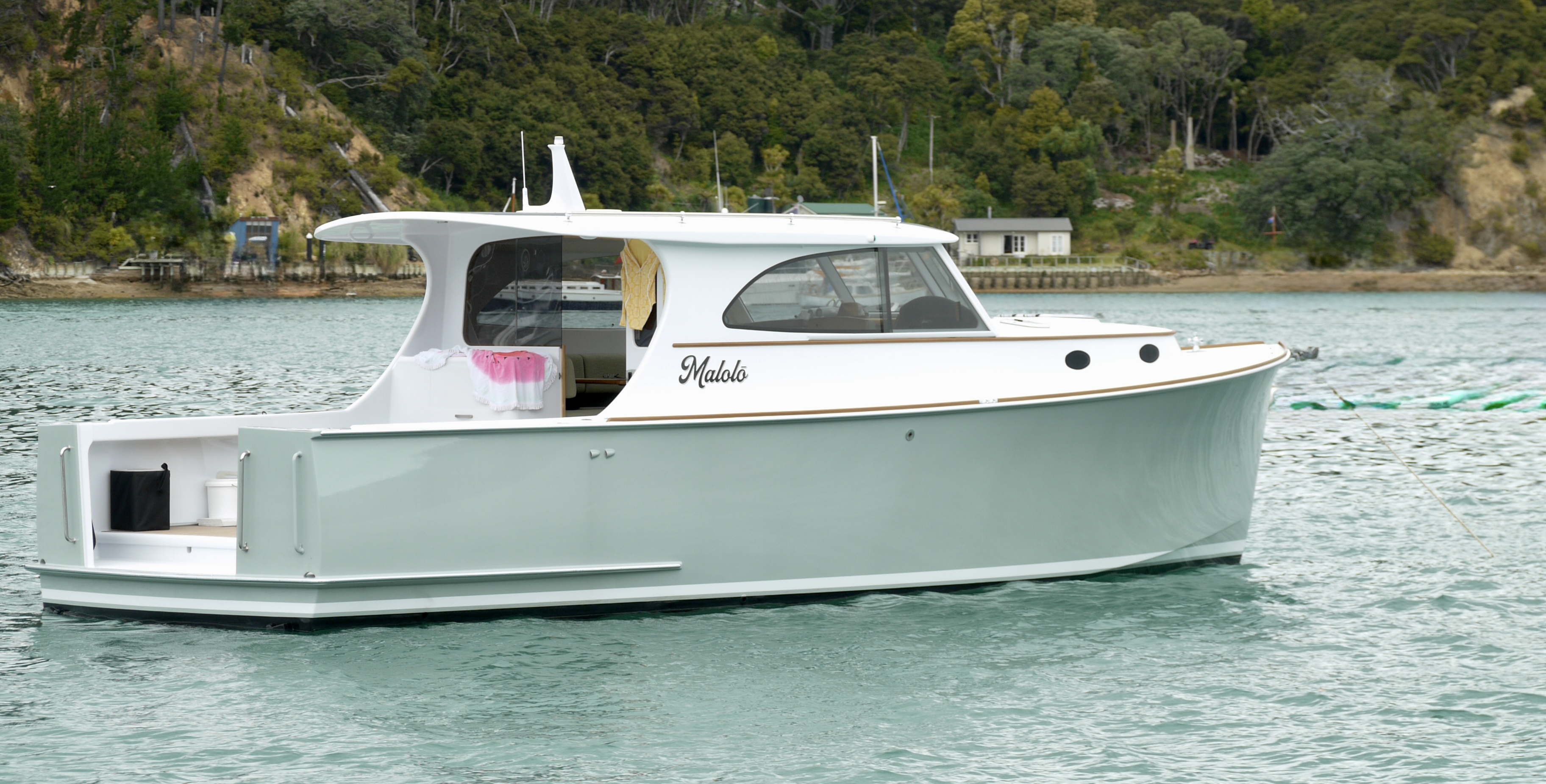
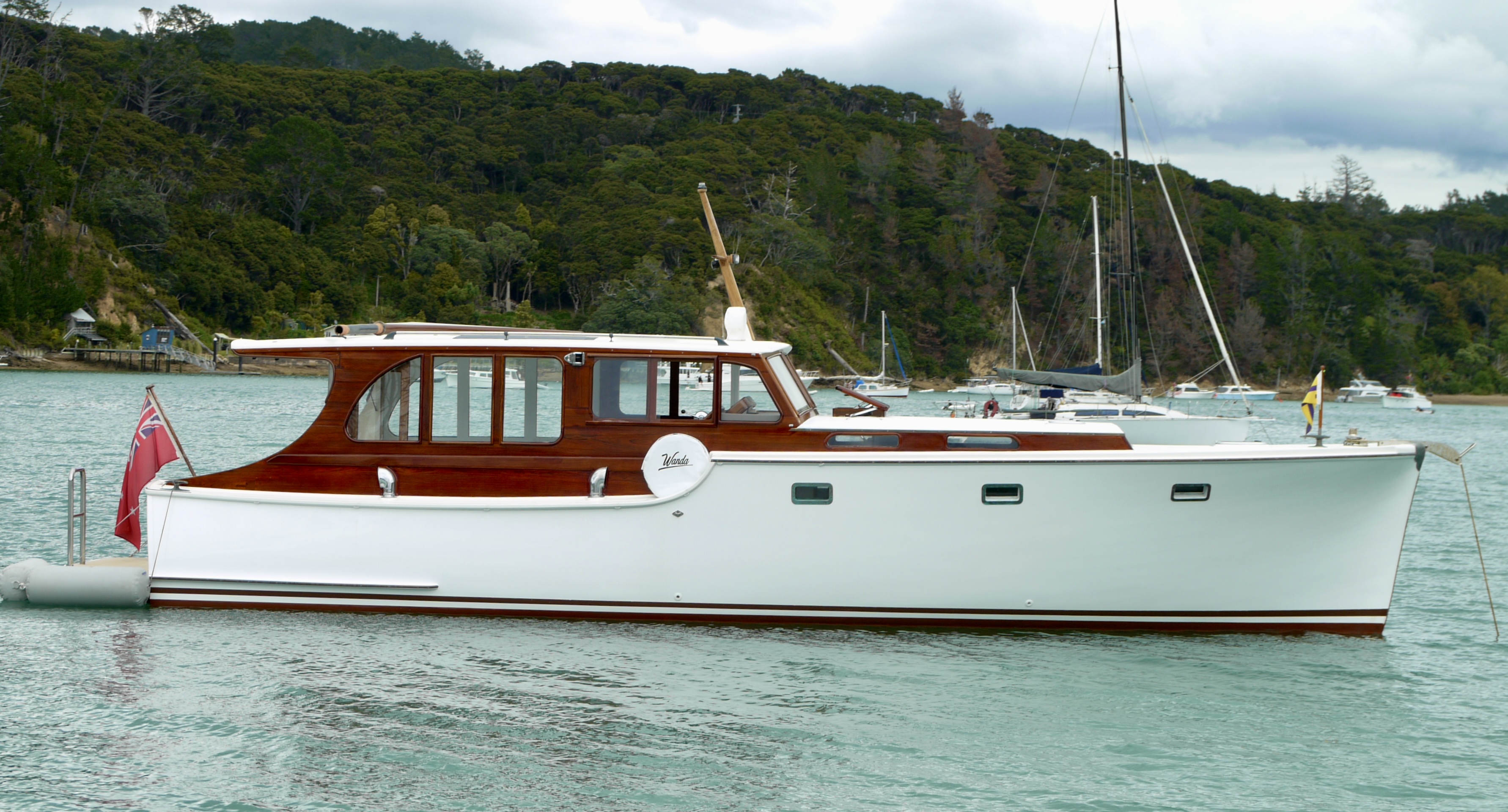
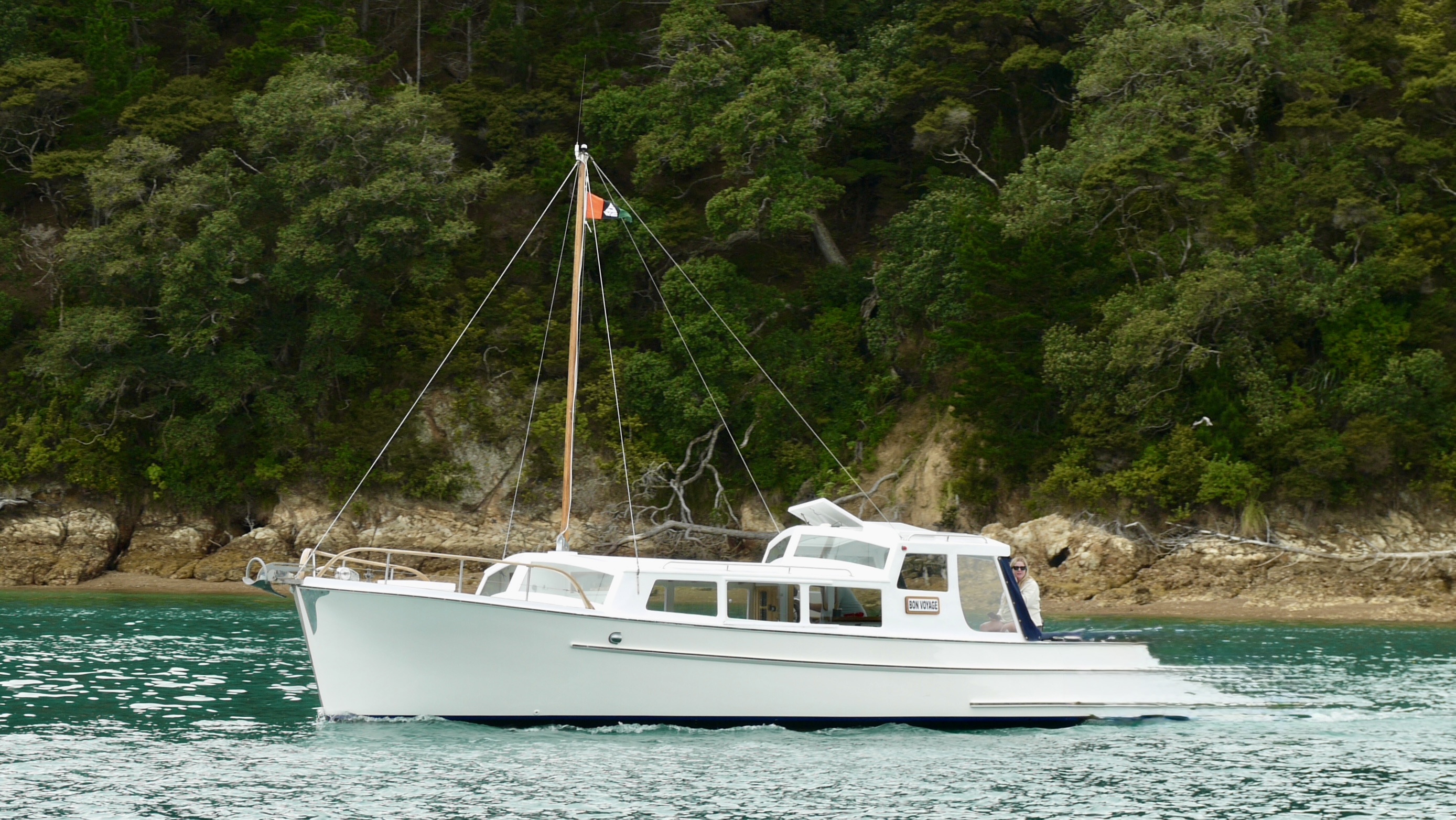
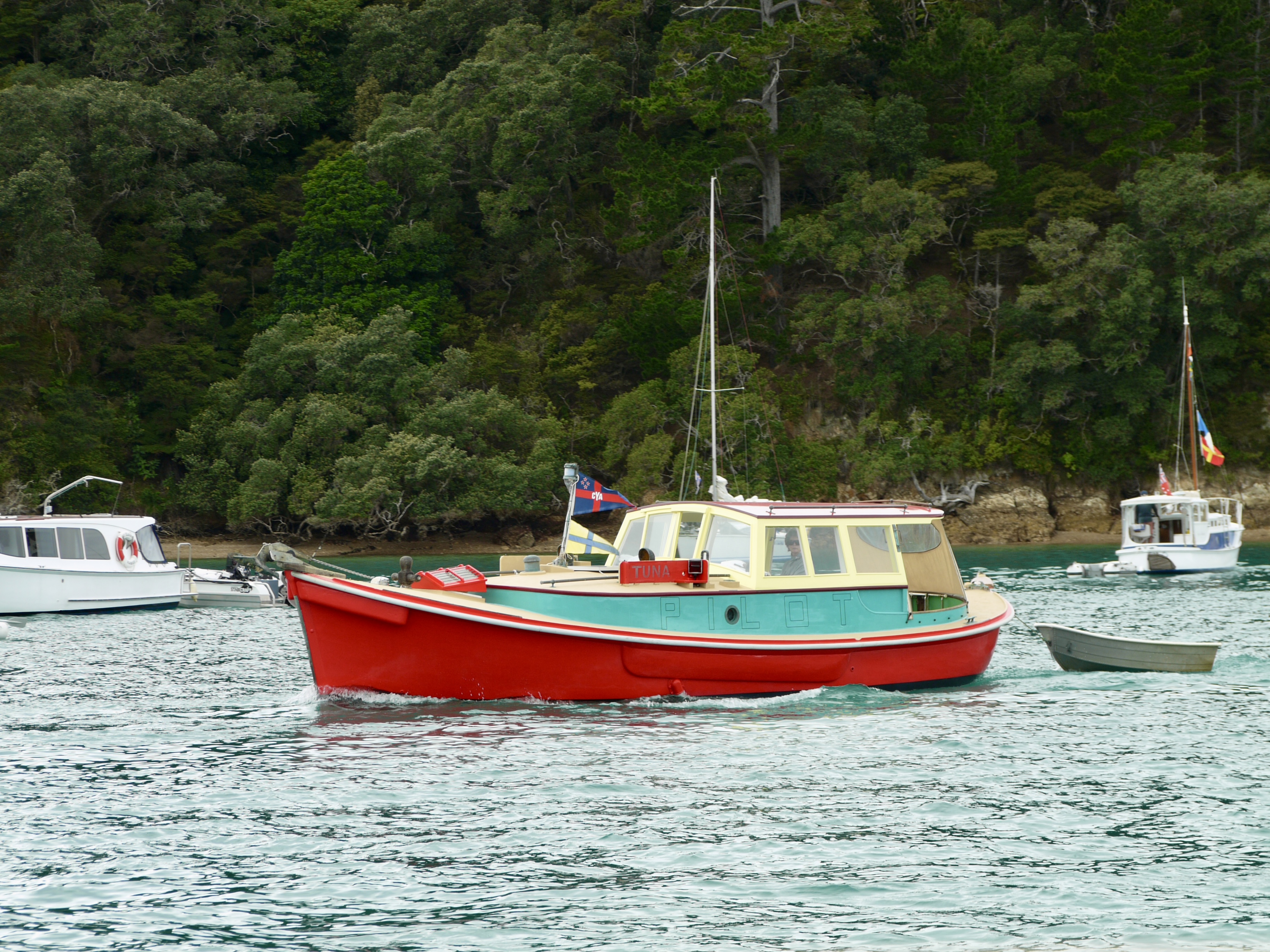
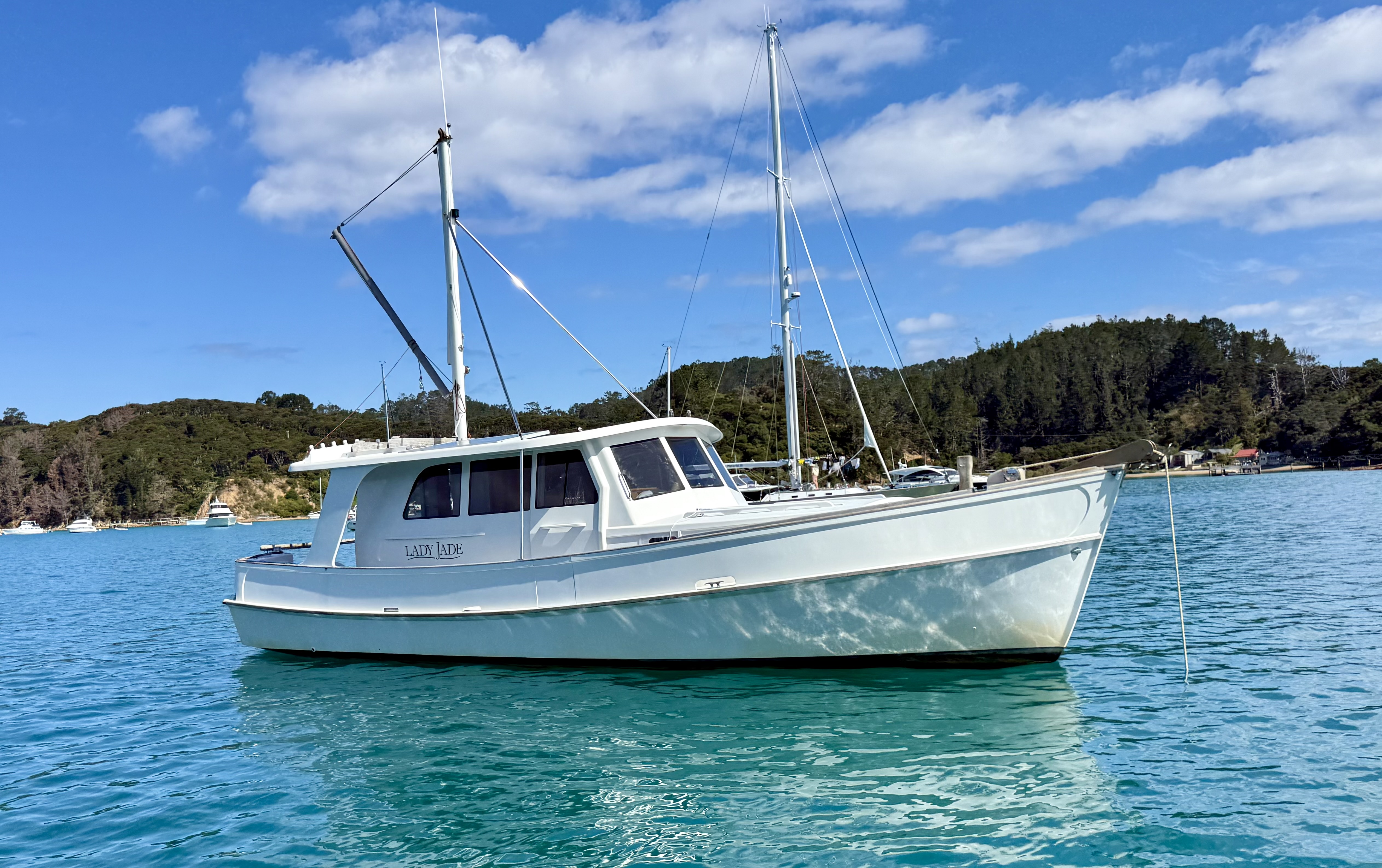
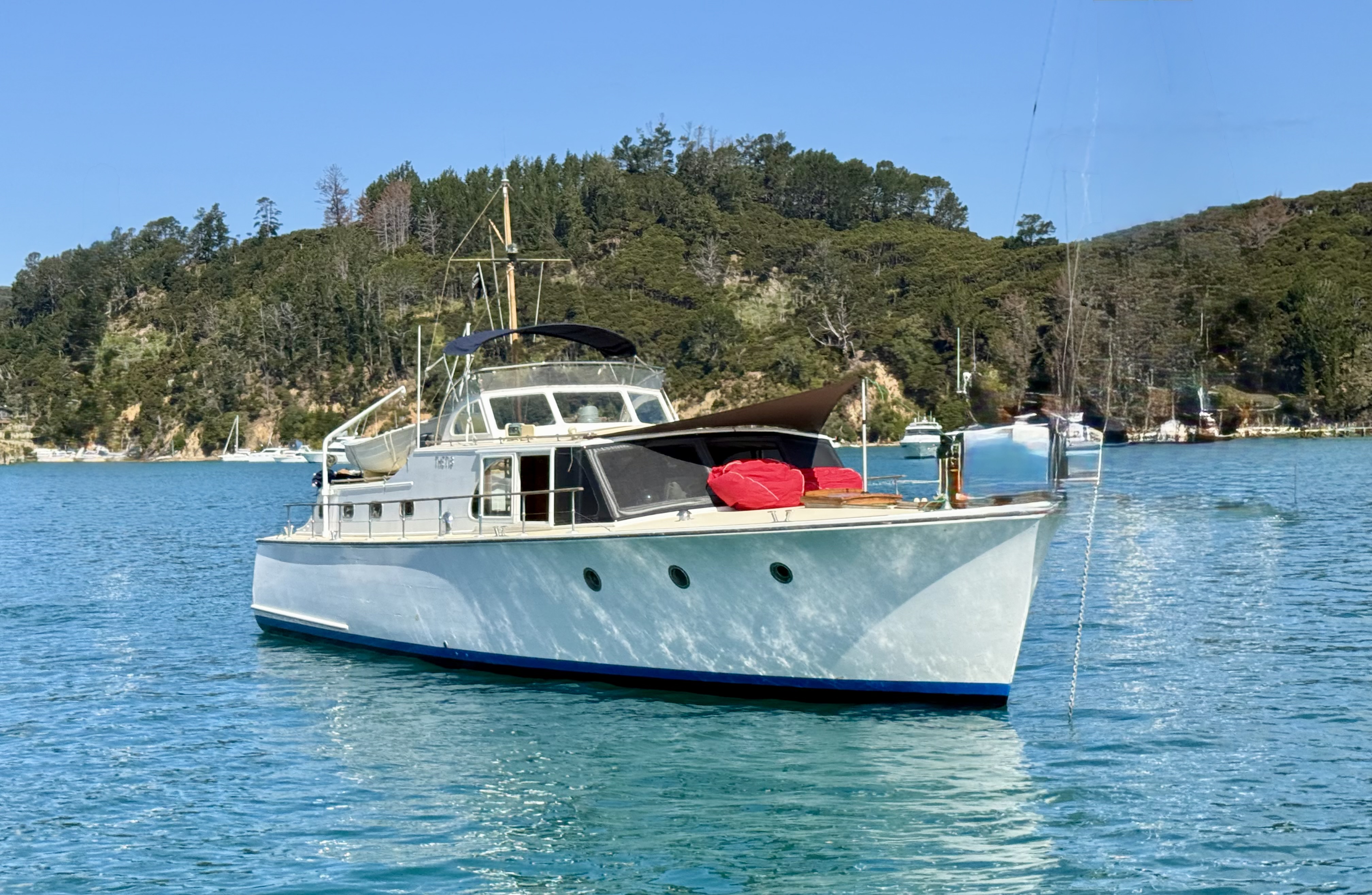
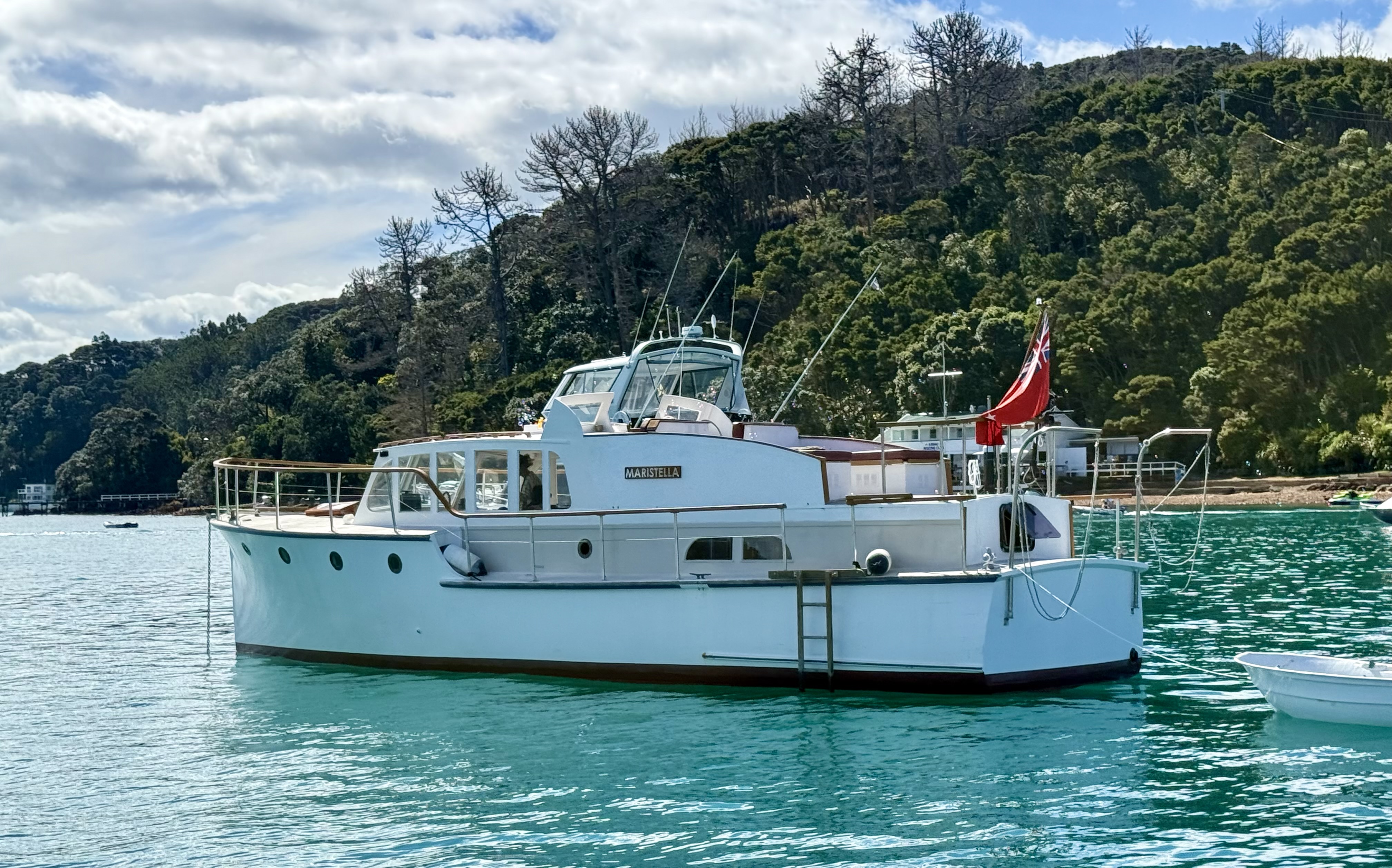
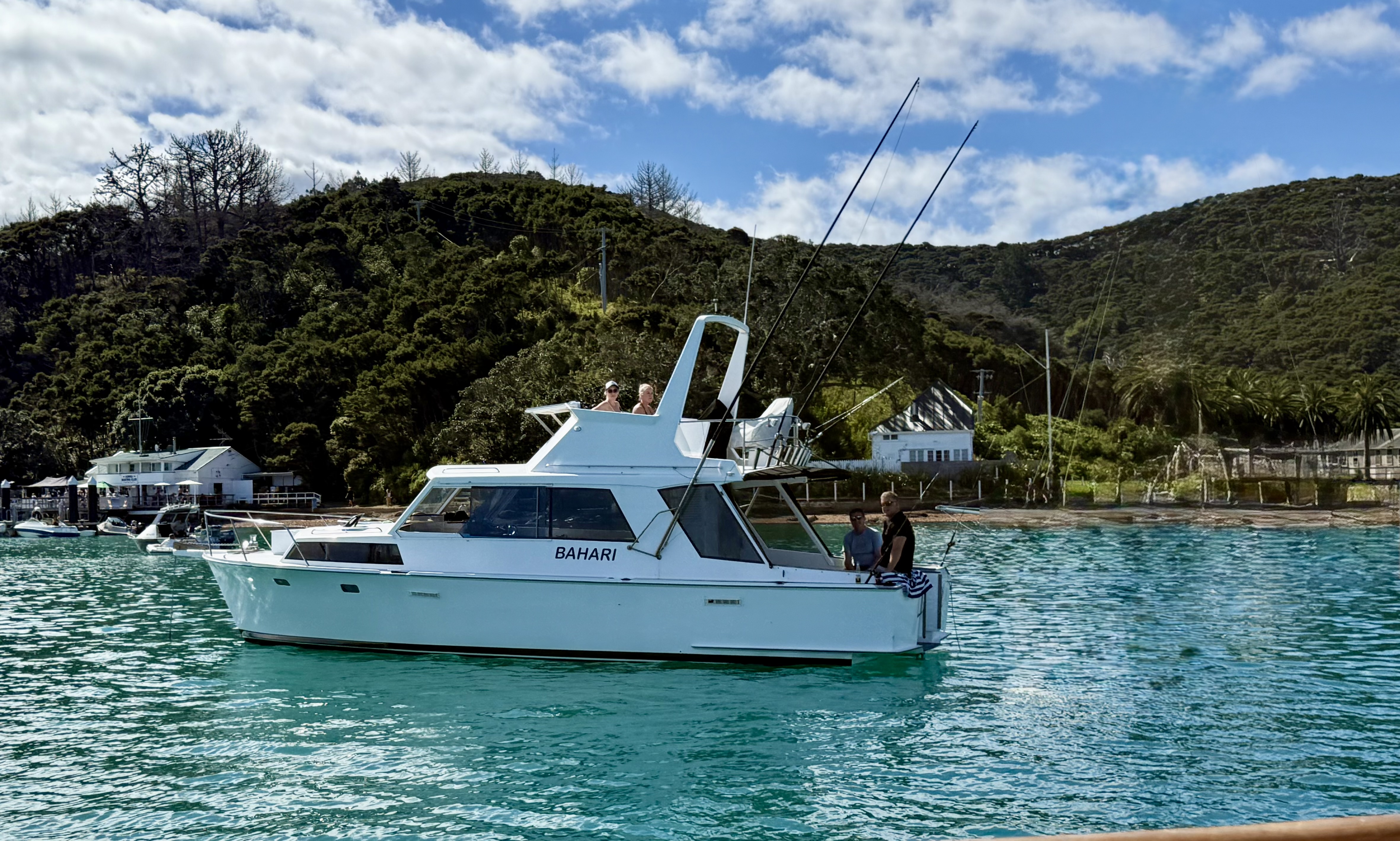
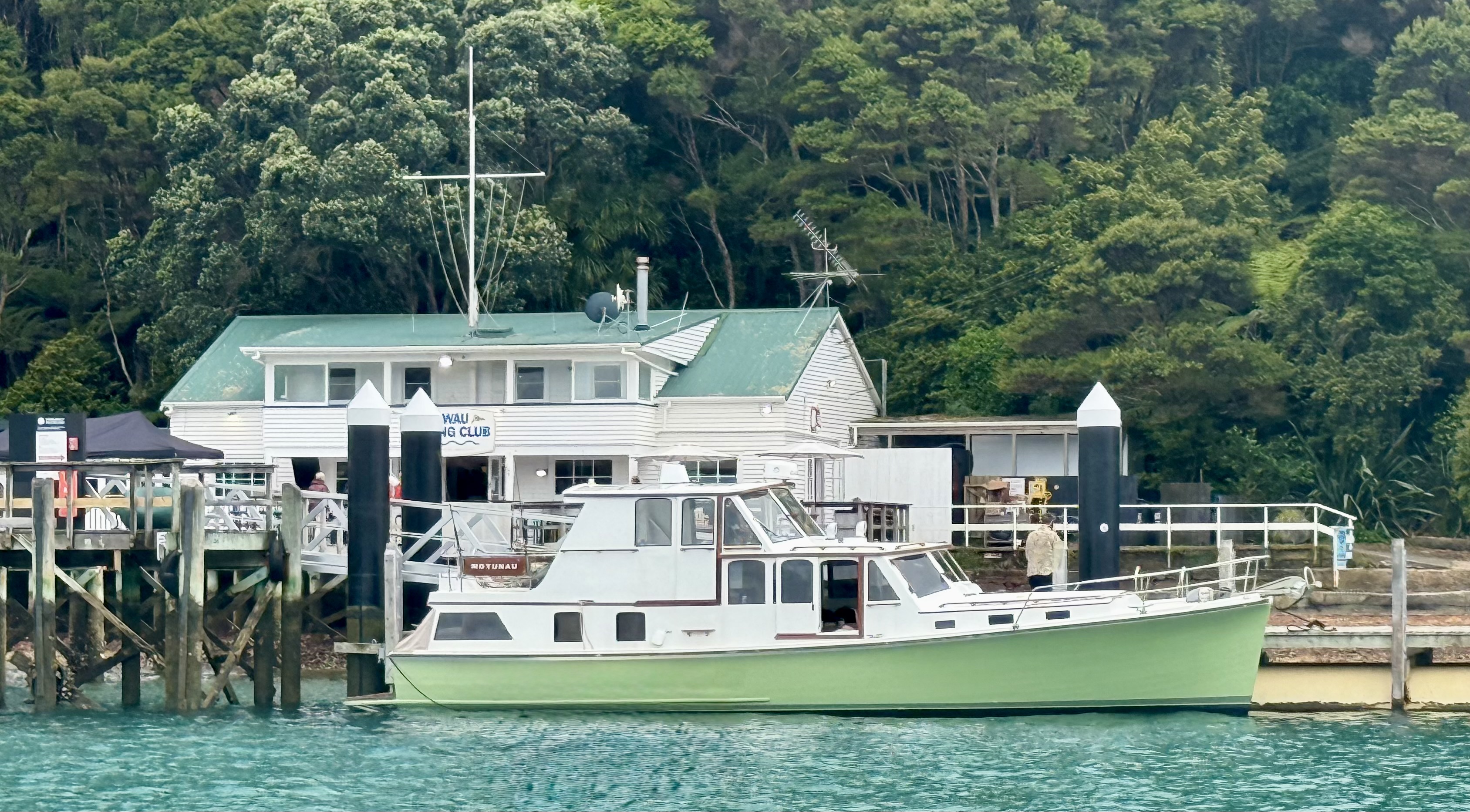
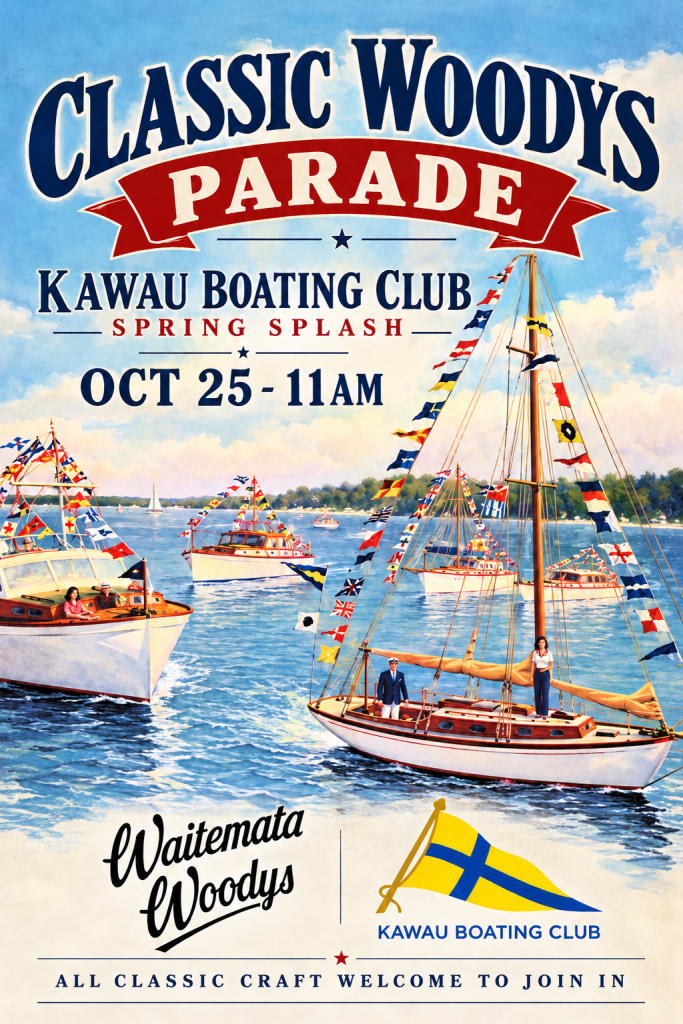
If you were thinking about buying a classic wooden boat but weren’t quite sure which style floated your boat, a visit to the 2026 Kawau Boating Club Spring Splash over Labour Weekend would have gone a long way towards answering that question!
Over the last two days, I’ve shared a series of semi-random Waitemata Woodys posts to give you a taste of the action, both ashore at the KBC and out on the water.
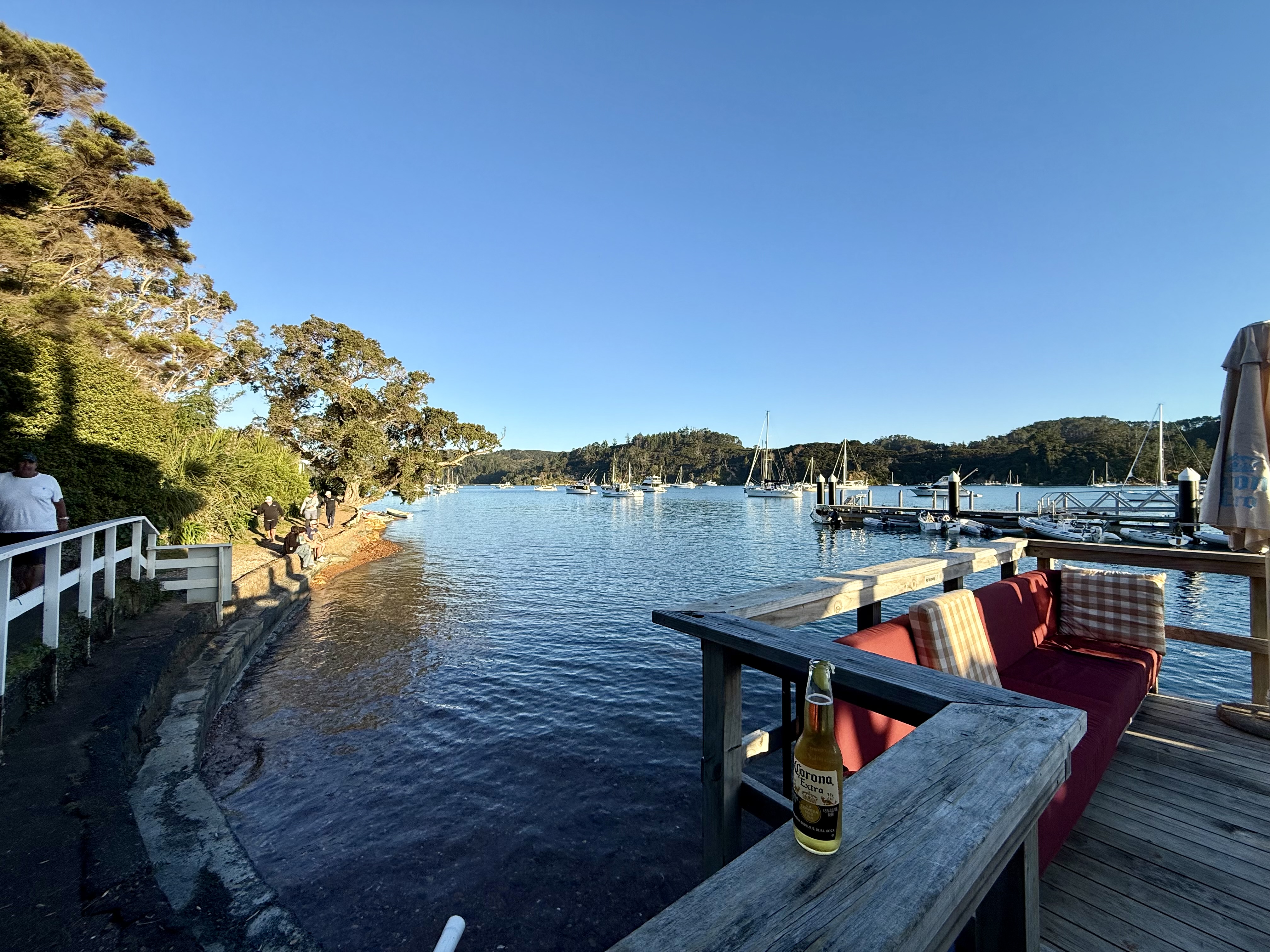
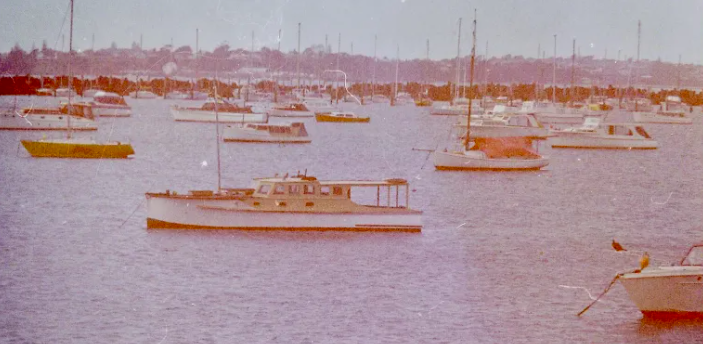
Aside from New Year’s Eve, I can’t recall seeing so many boats anchored in Bon Accord Harbour. Now, I know that’s not everyone’s scene – some skippers will do a U-turn if they’re not the only boat in the bay! But for most, the fleet, the atmosphere and the chance to catch up with fellow boating enthusiasts are all part of the magic.
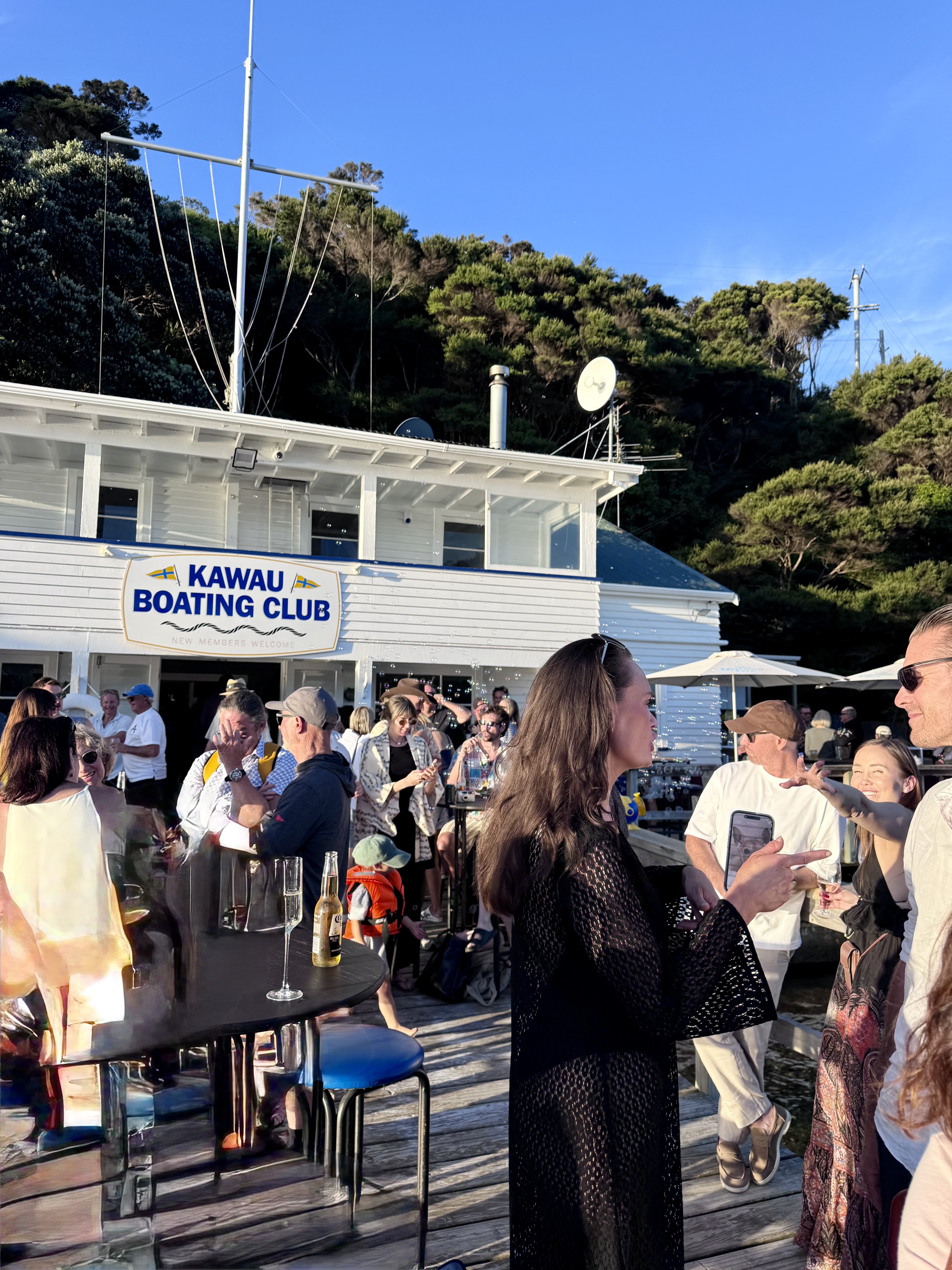
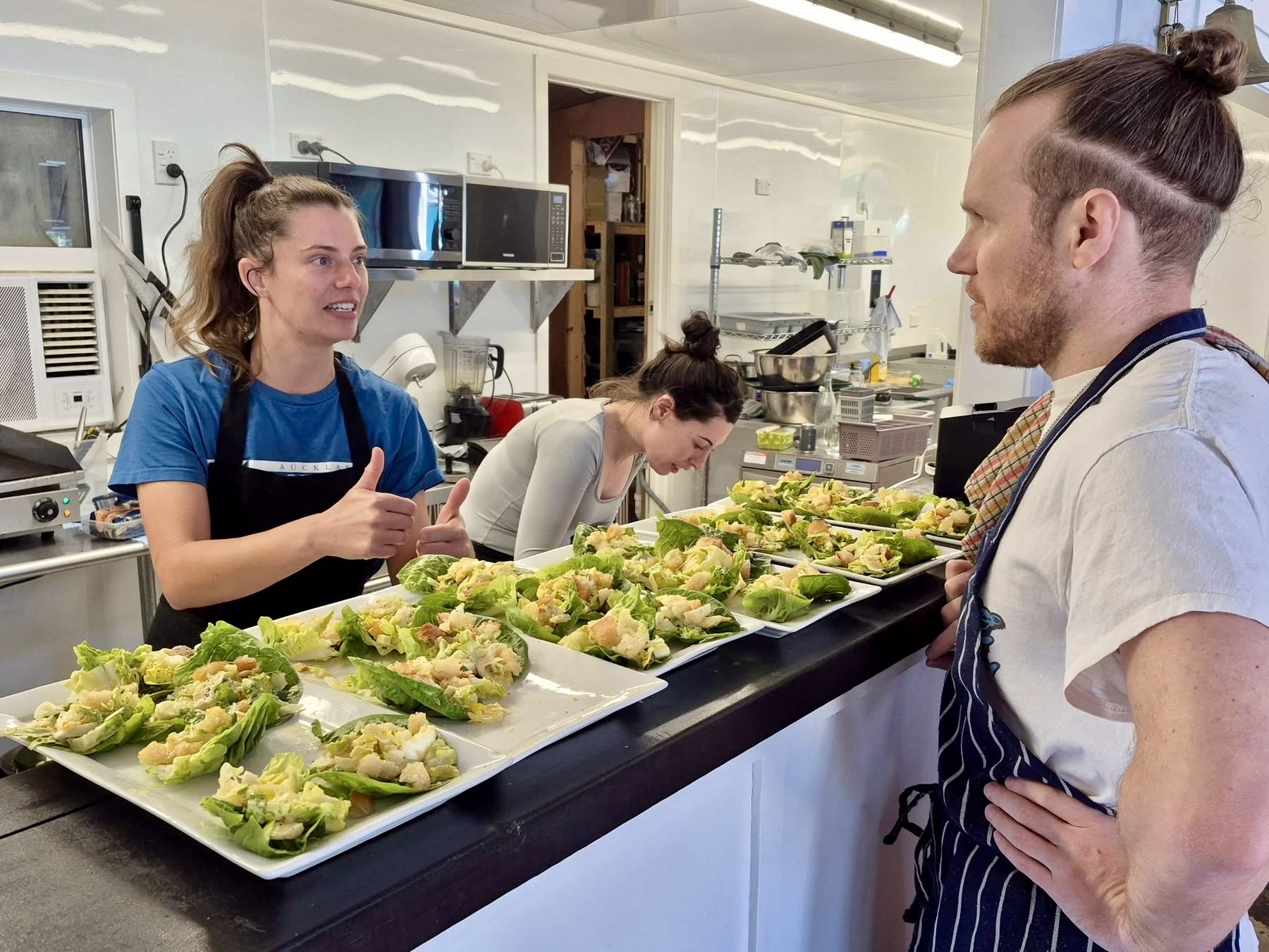
There were a few new systems to navigate and the inevitable operational speed bumps, but none of that stopped the good times rolling. Each evening, the dining and partying got underway, with music perfectly matched to the crowd. The food gets an 8/10 from me, which is high praise indeed!
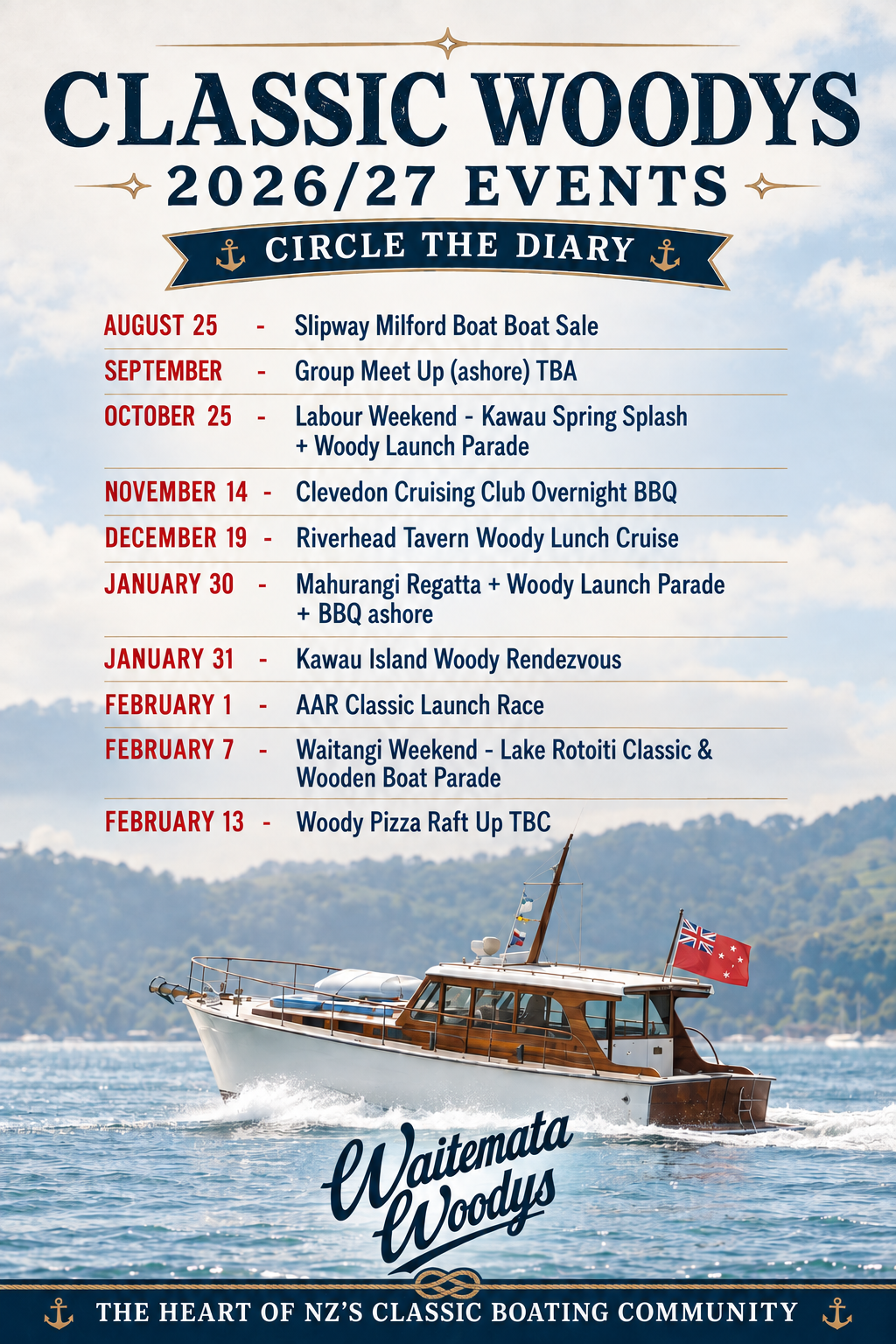
So, a big tick to the team behind the weekend. If you enjoyed this year’s gathering, do yourself a favour and circle Labour Weekend 2027 in your diary now.
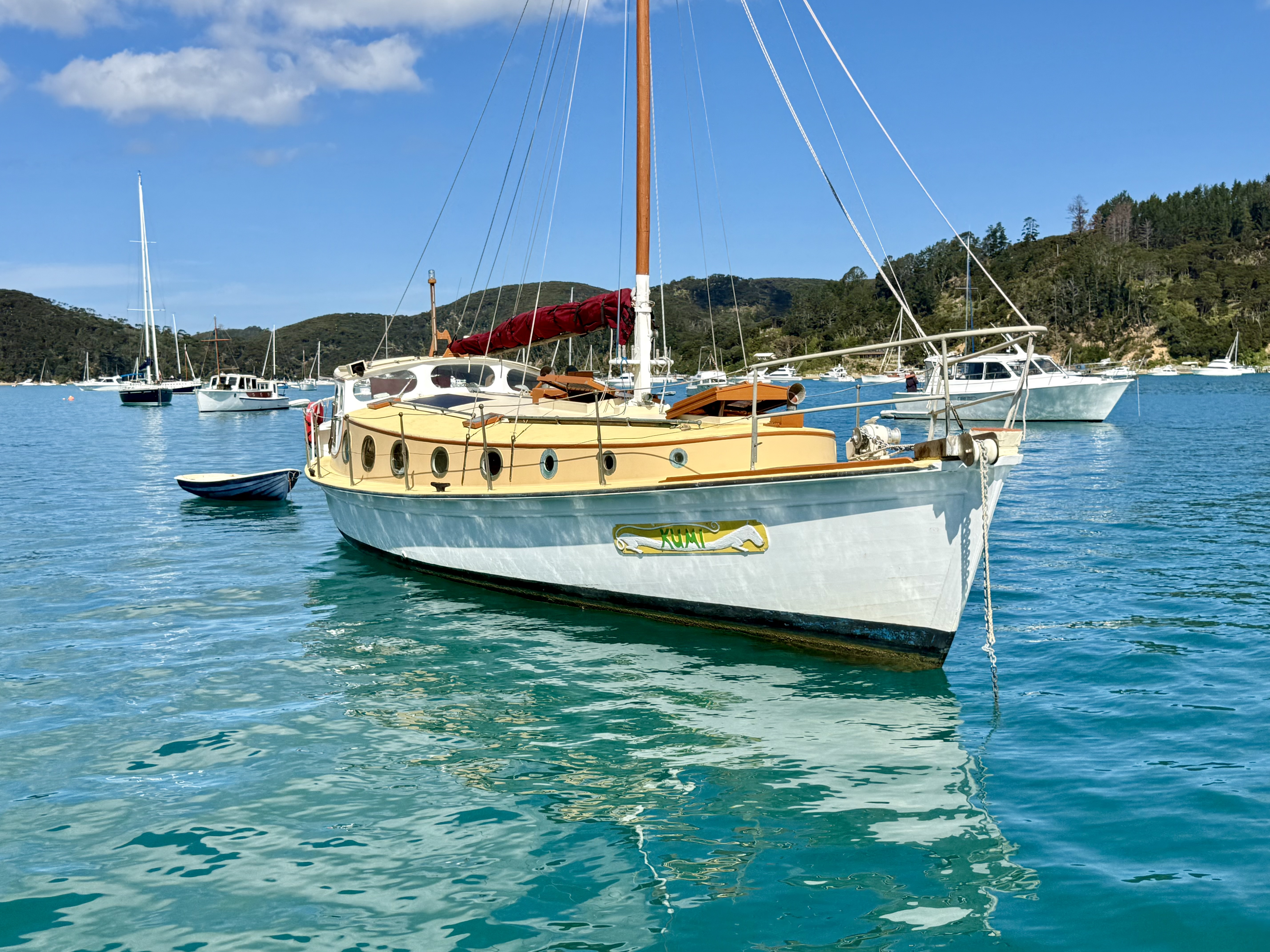
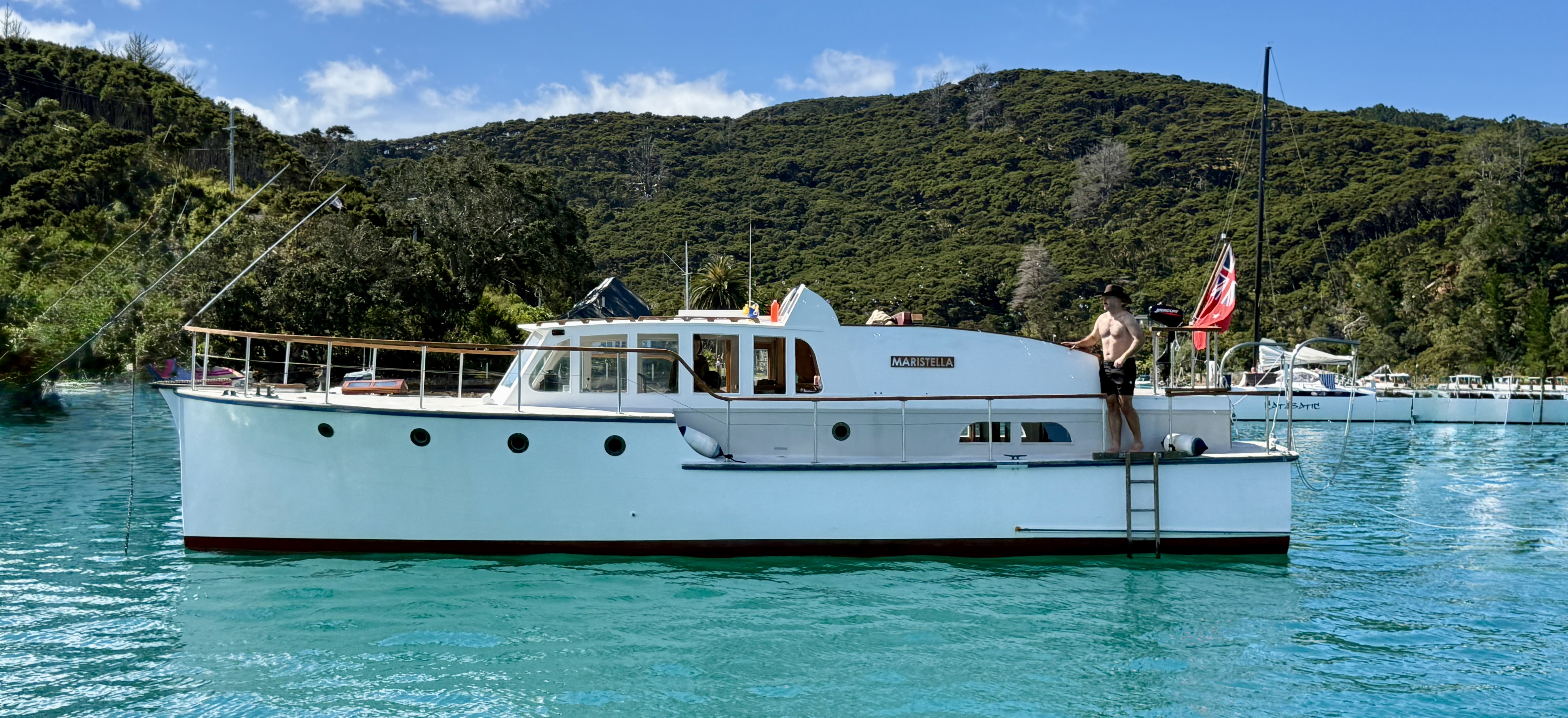
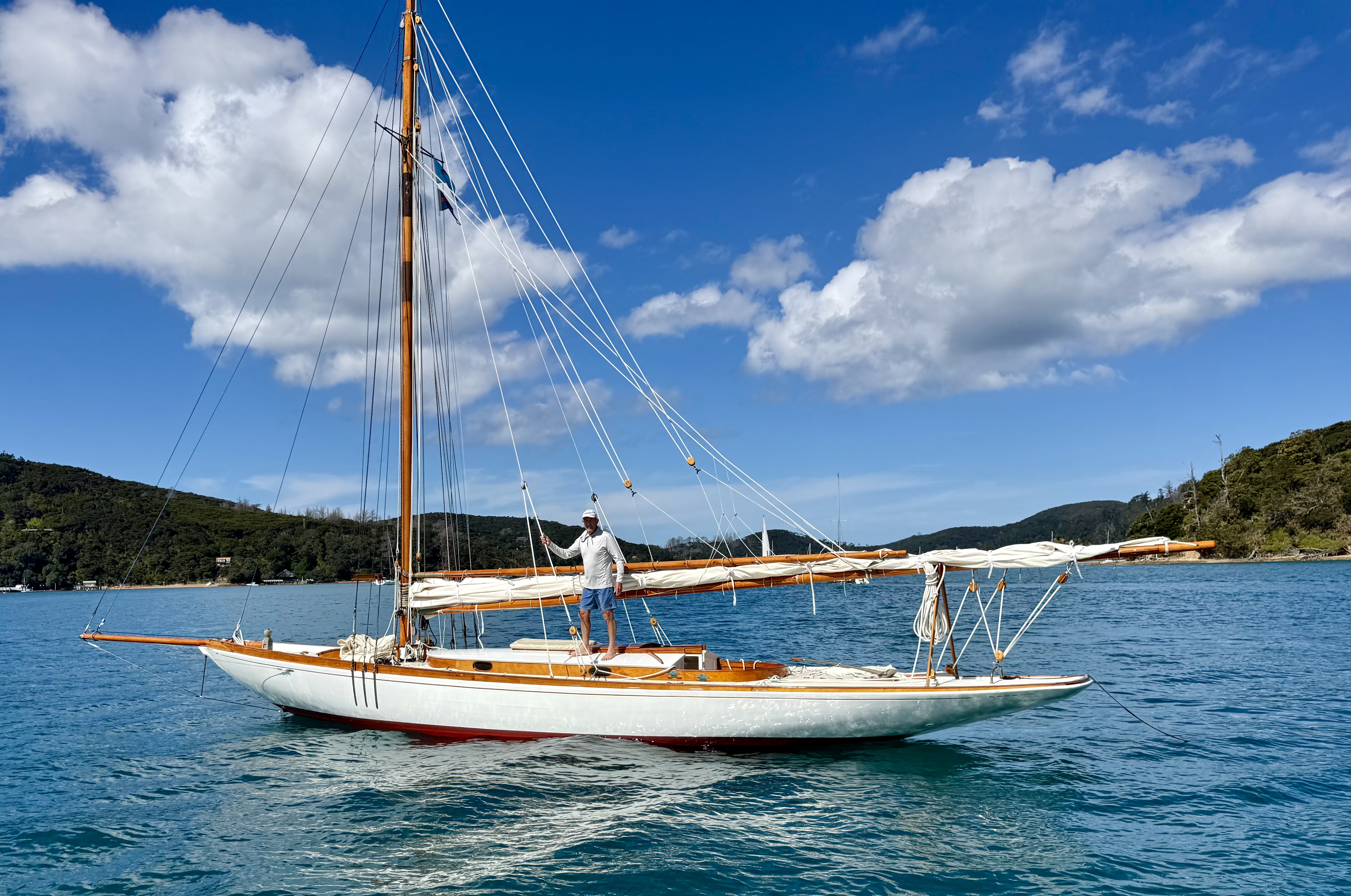
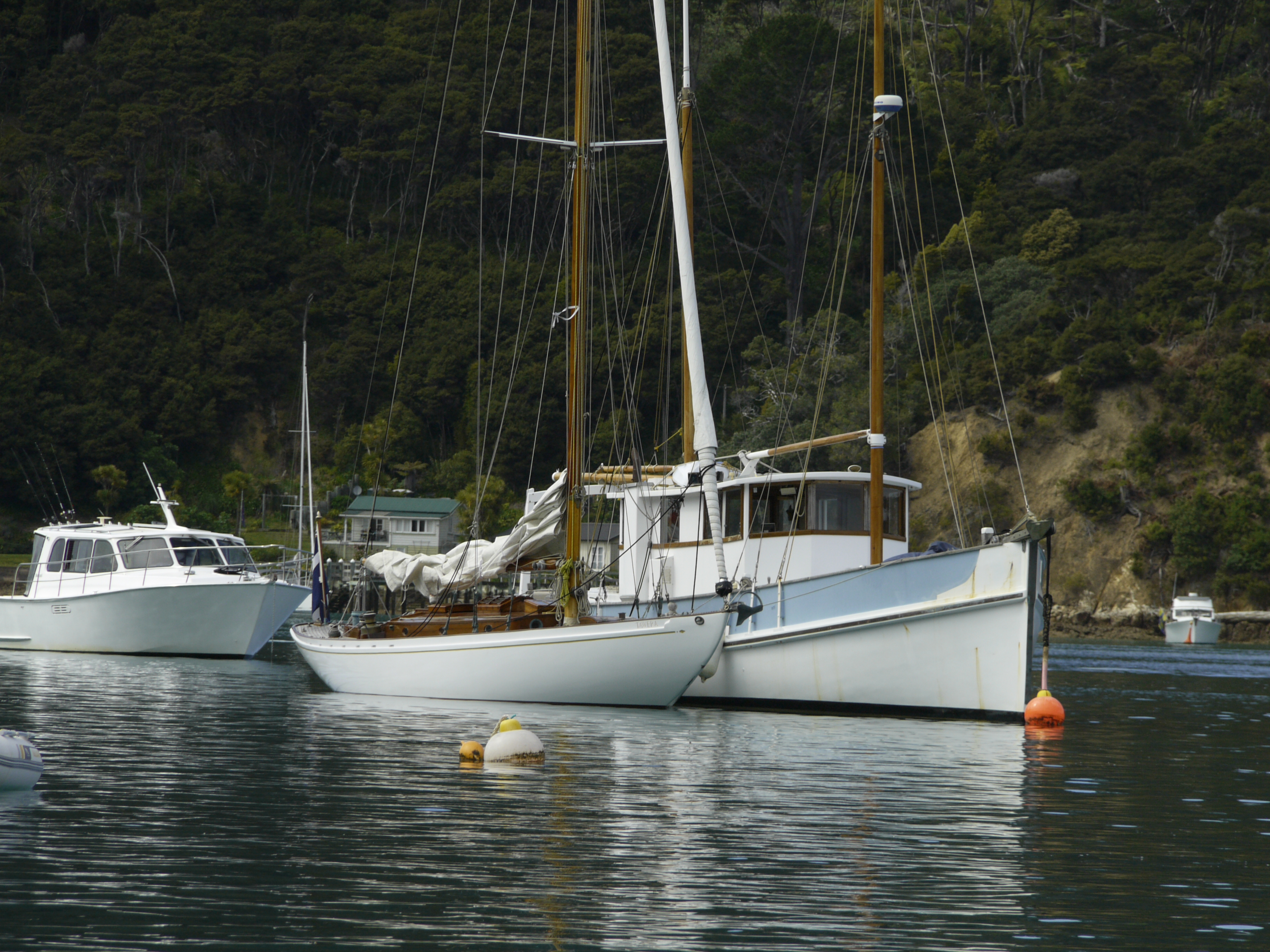
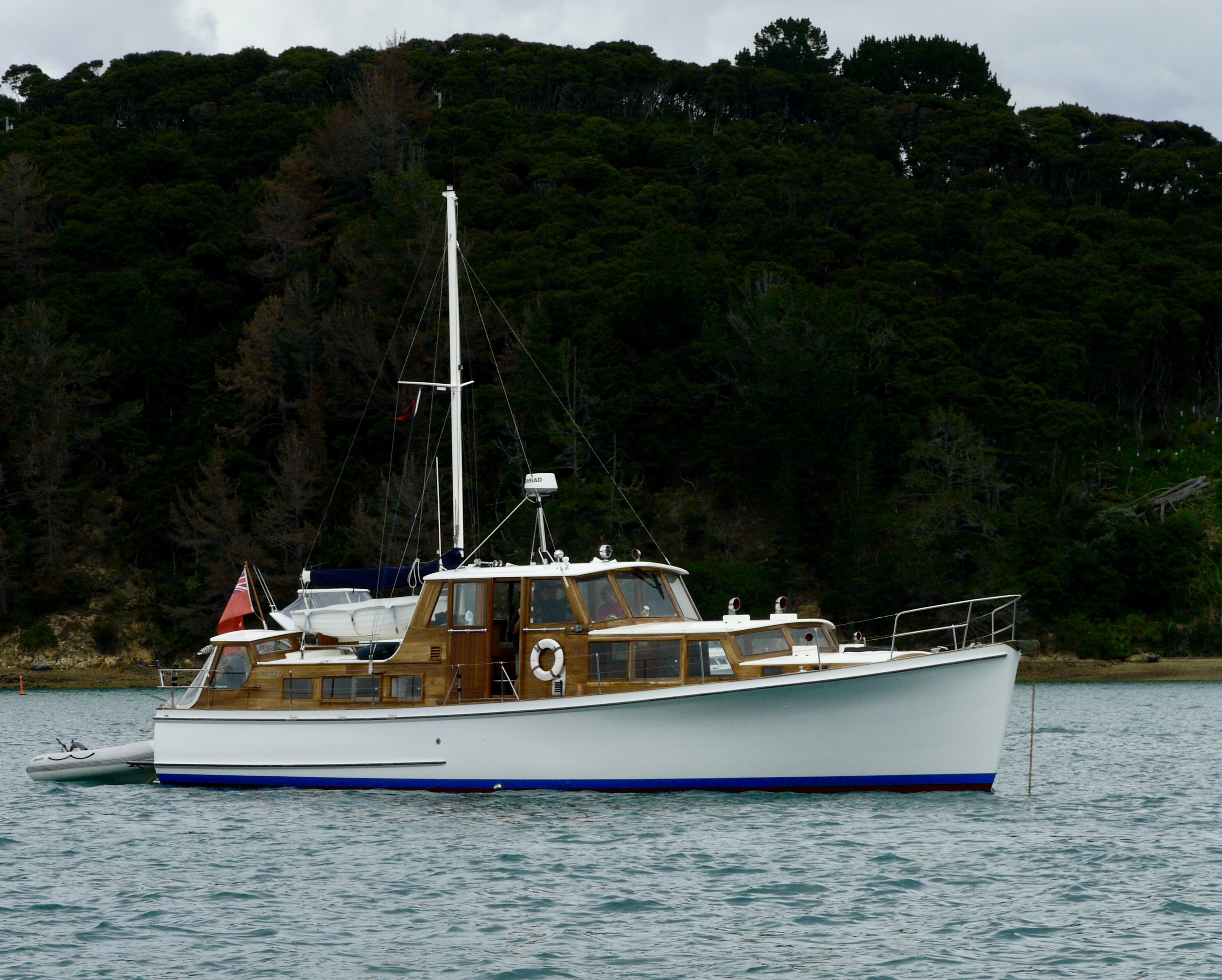
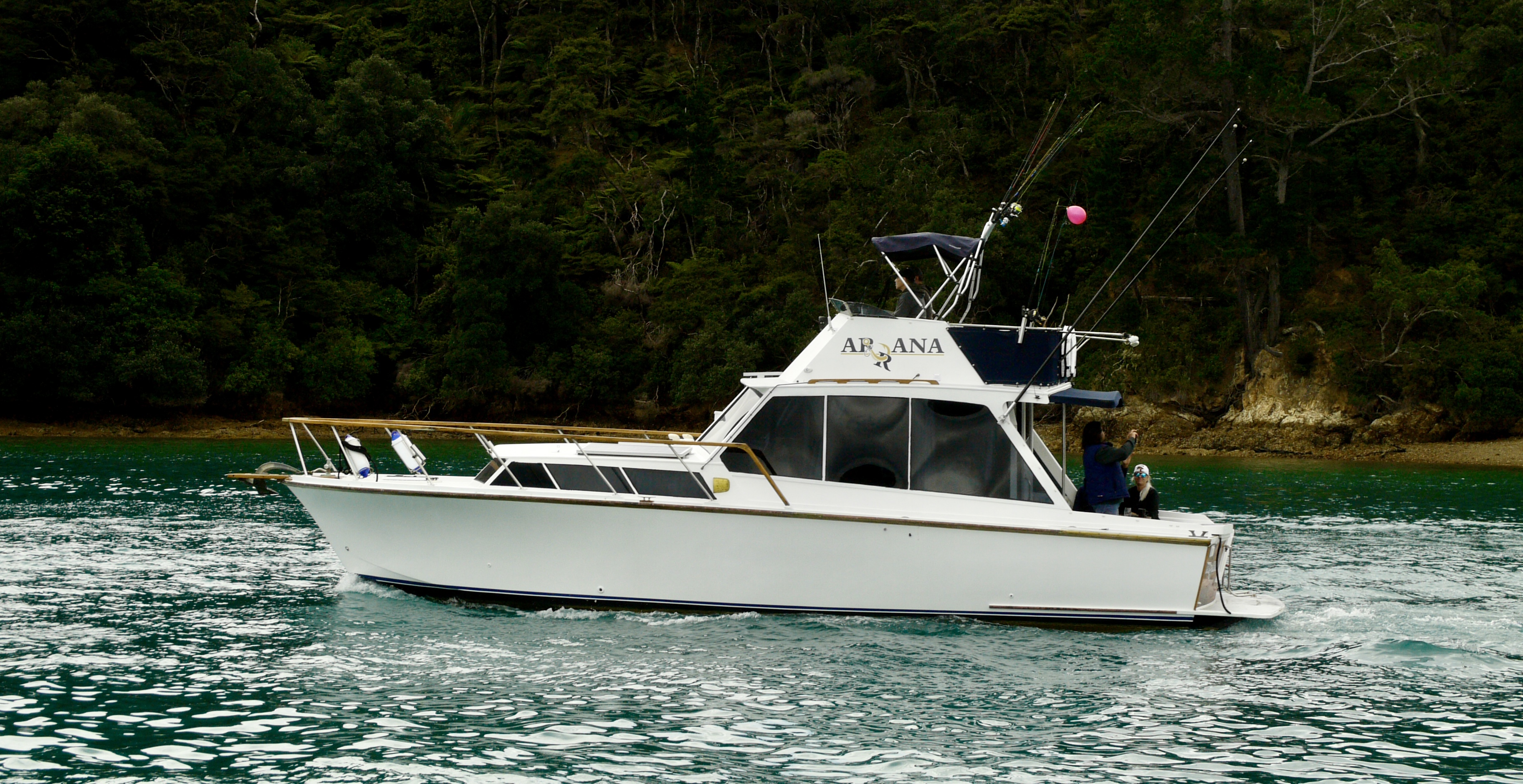
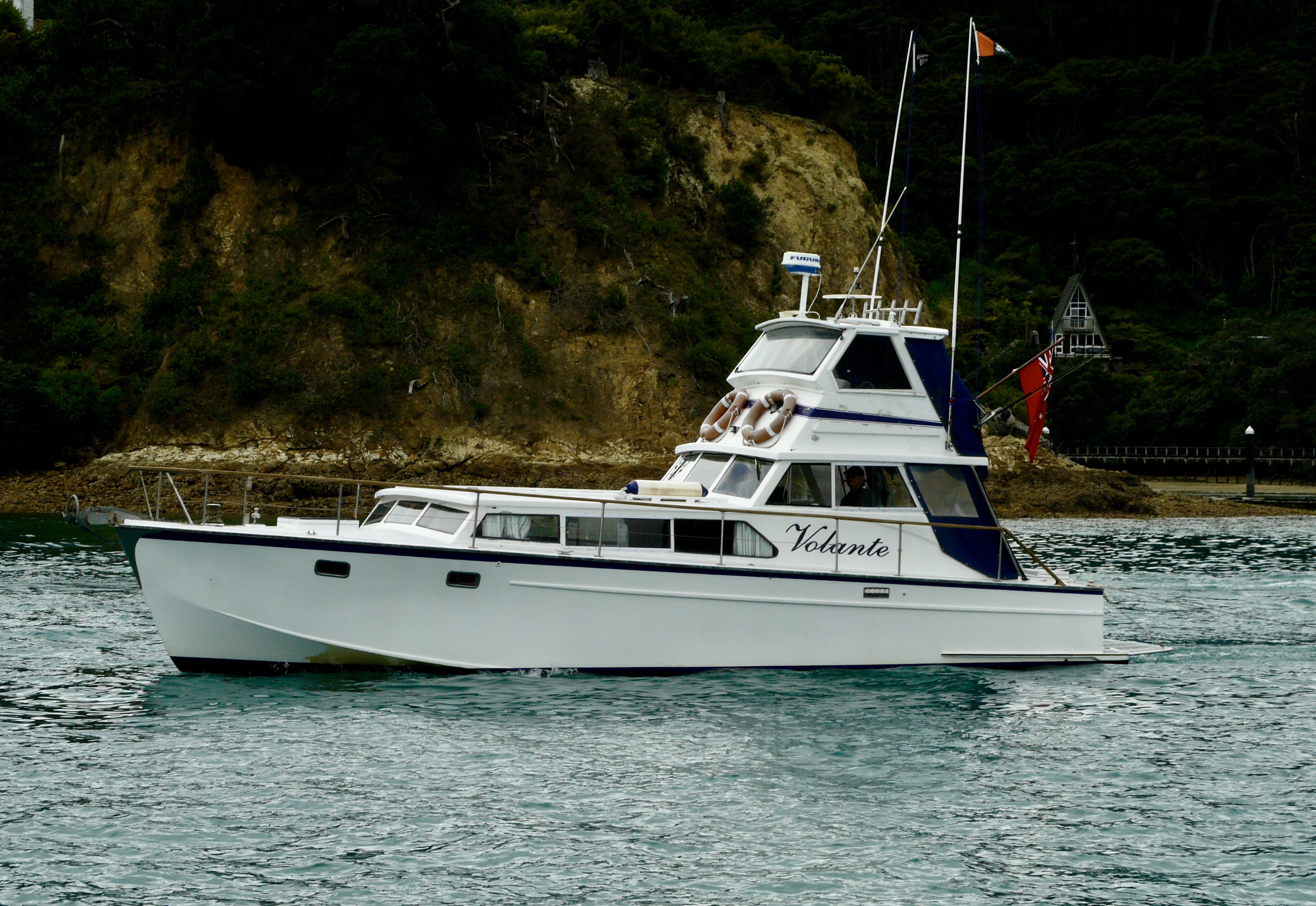
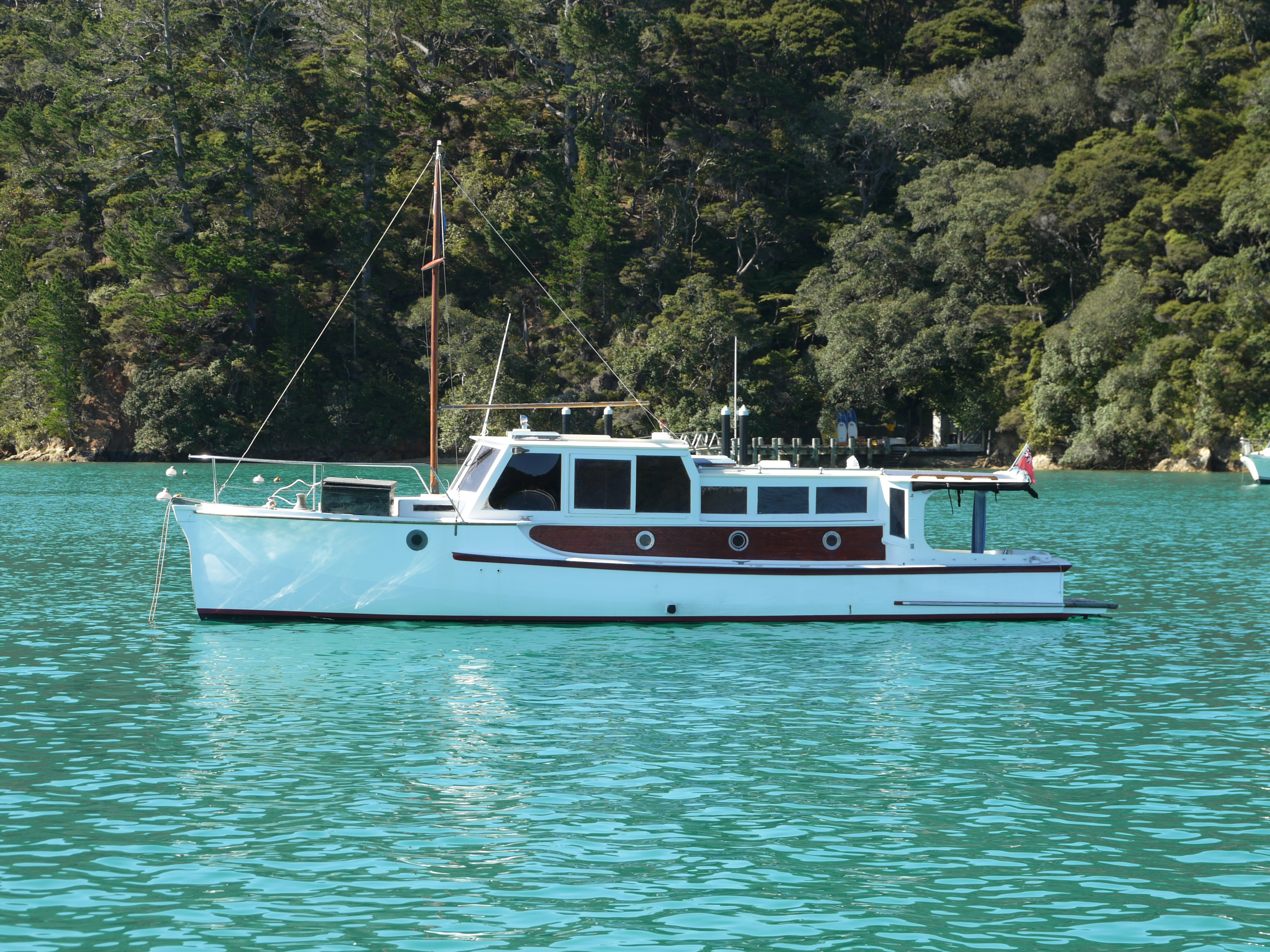
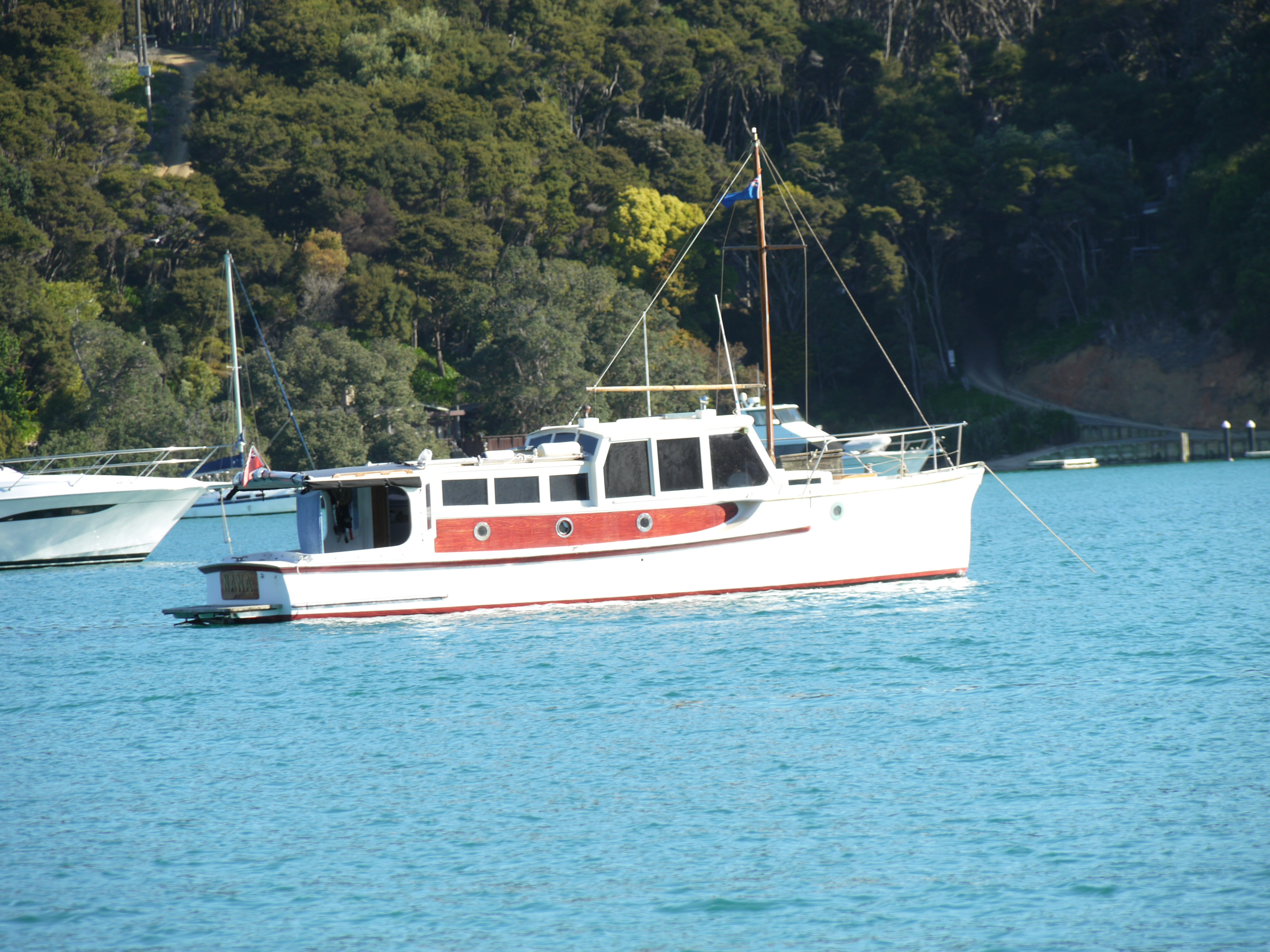
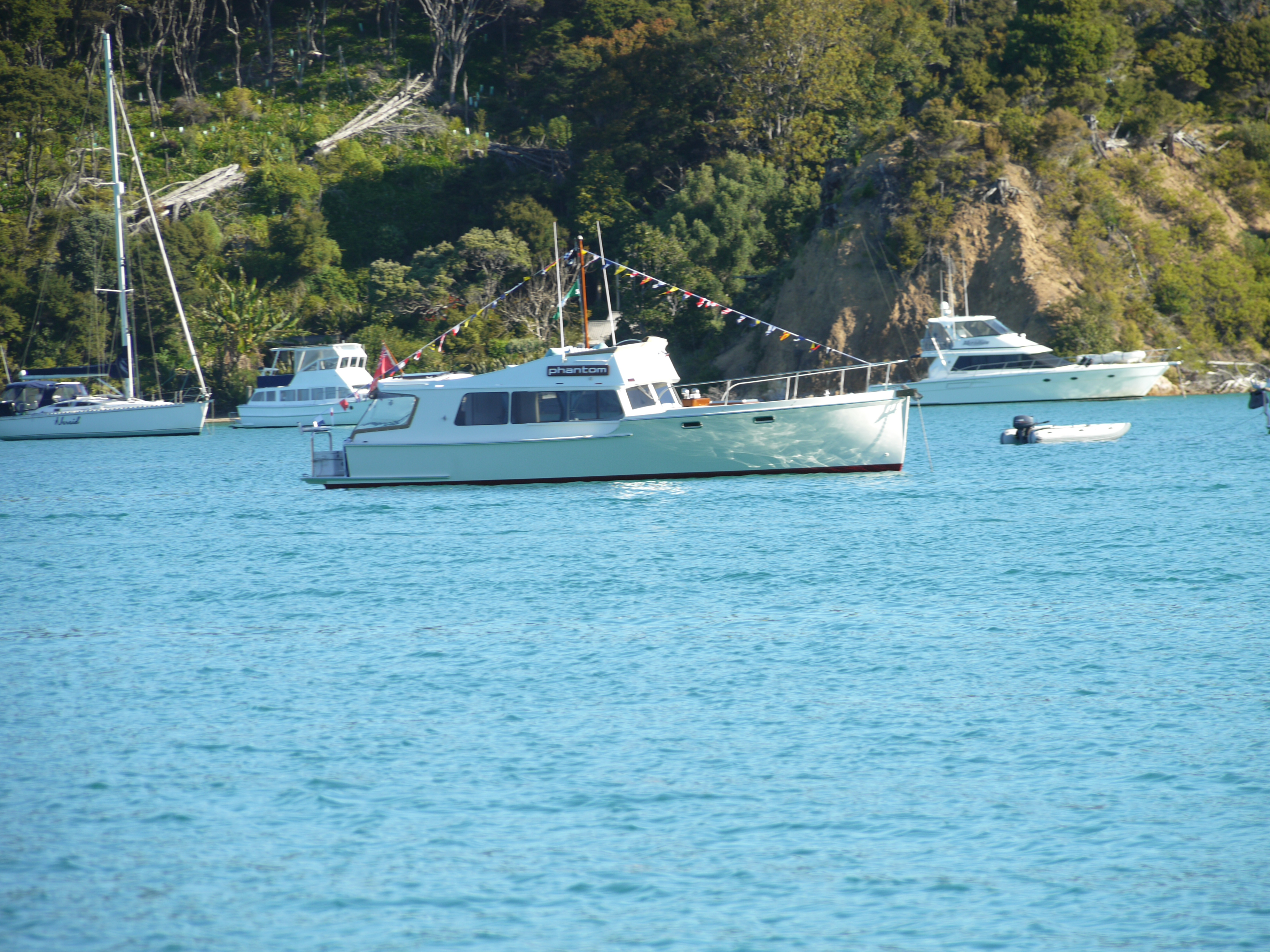
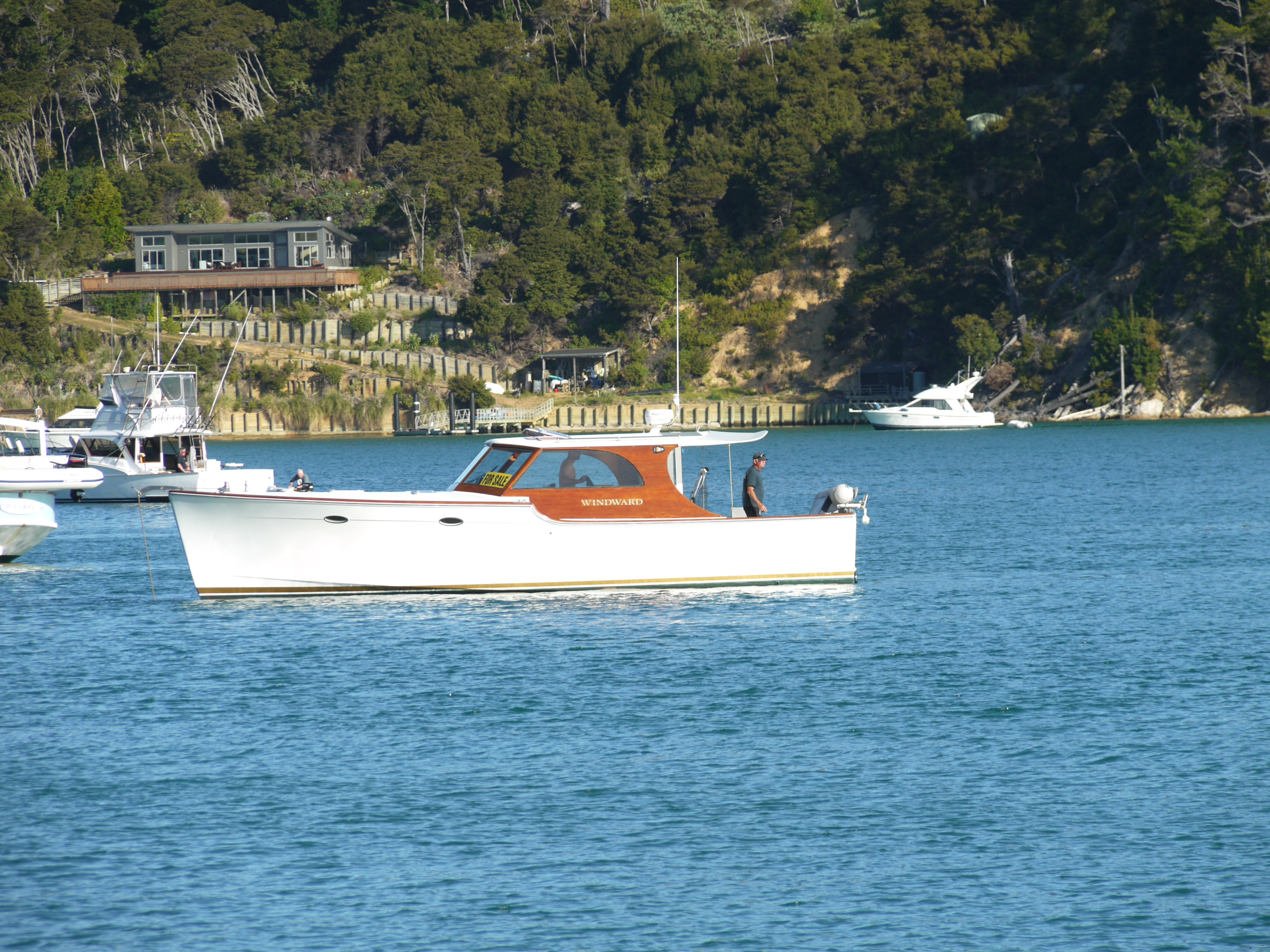
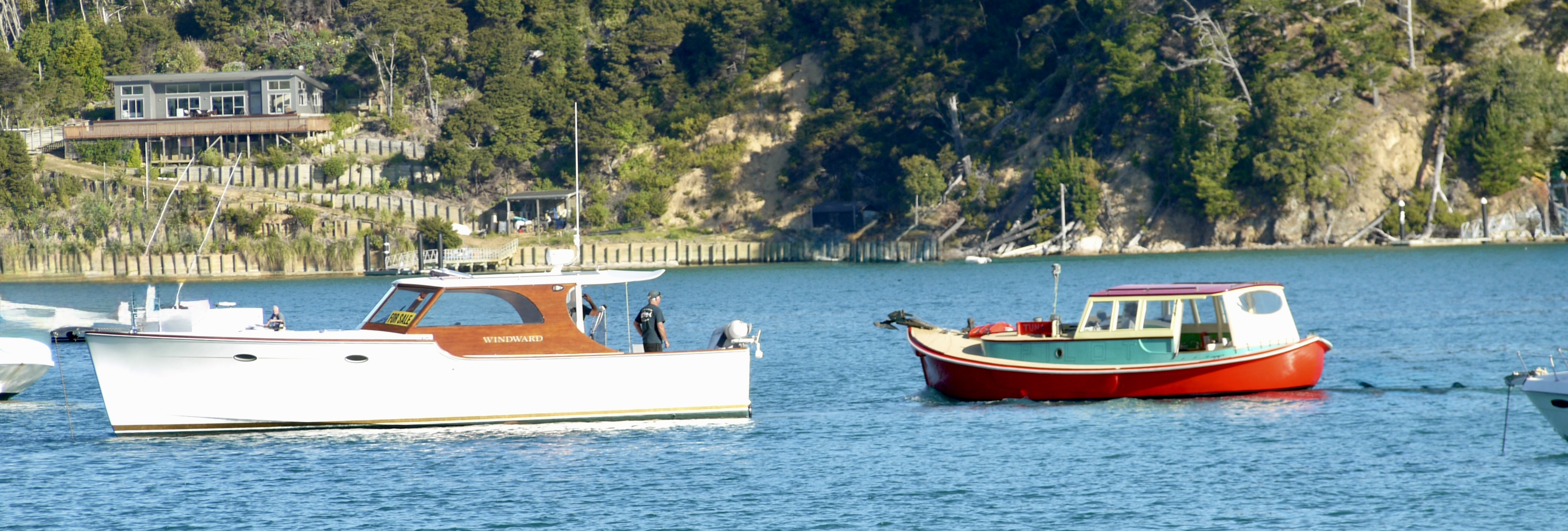
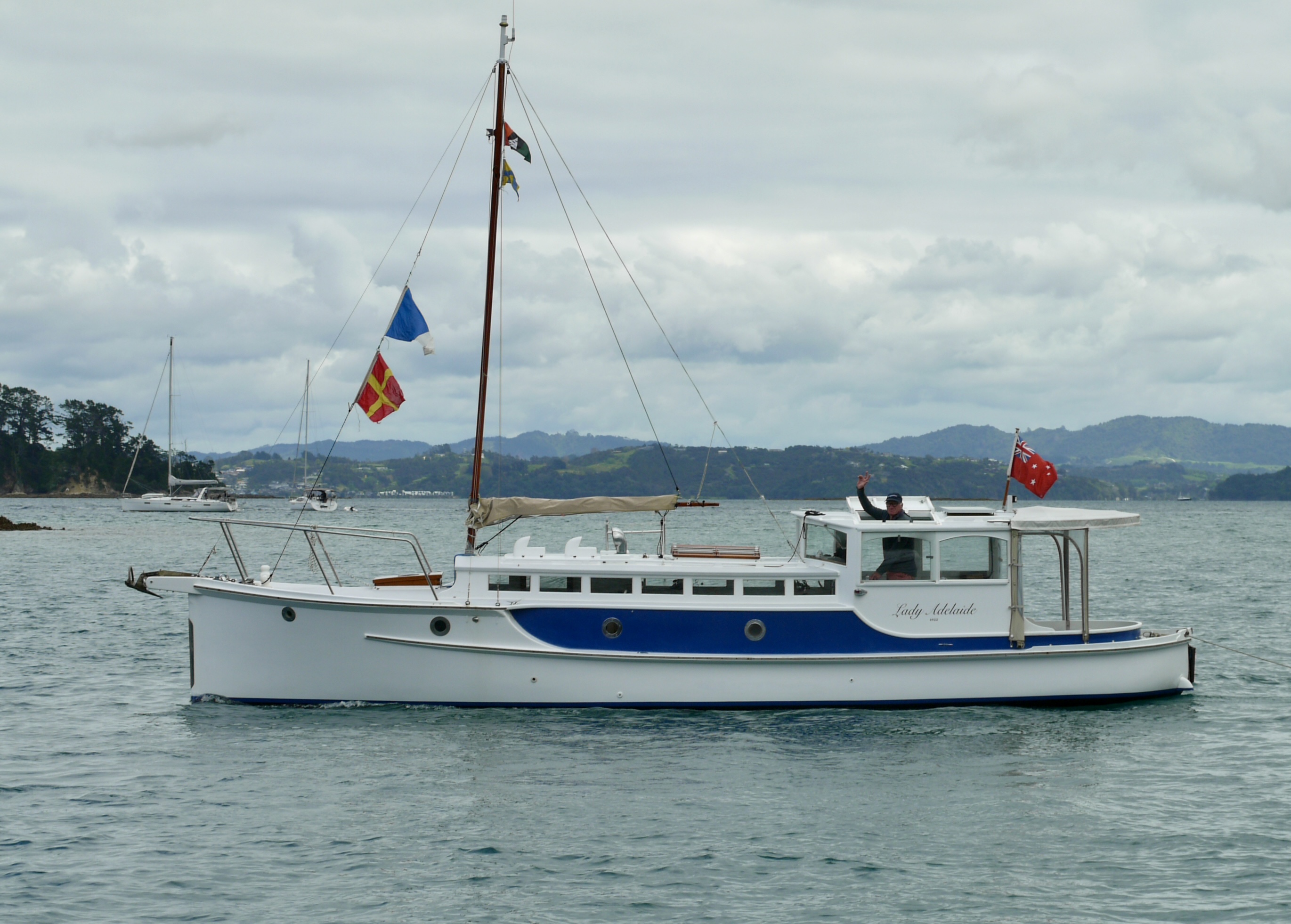
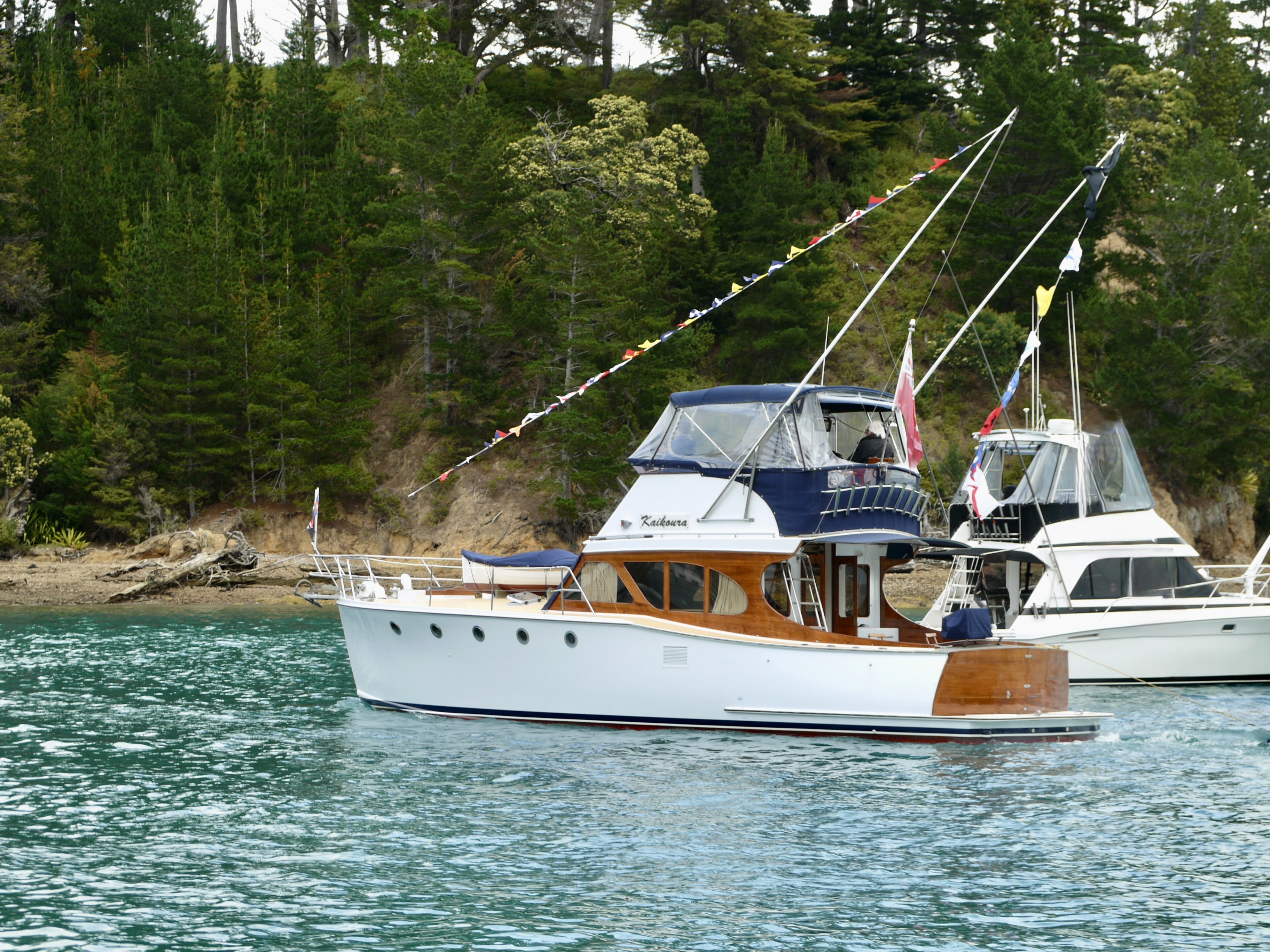
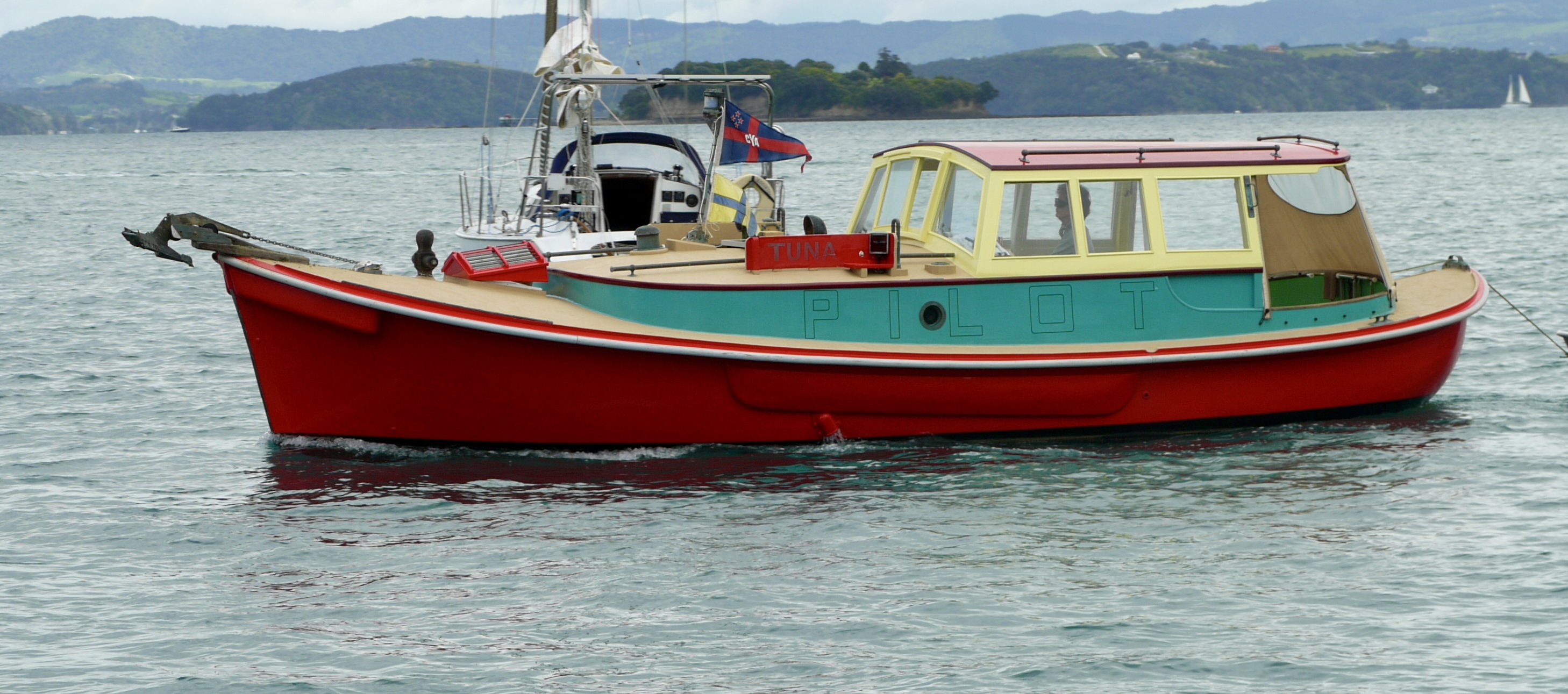
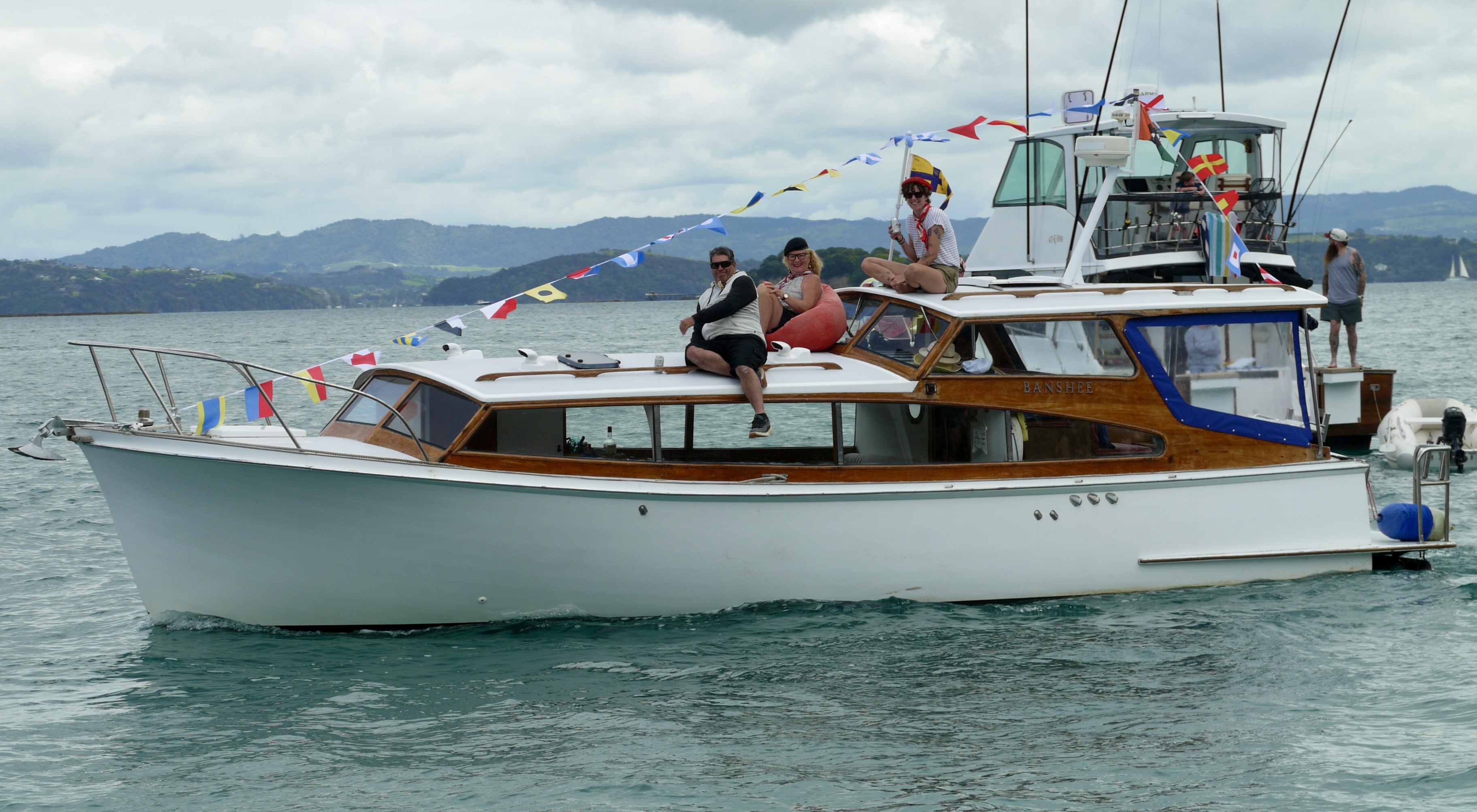
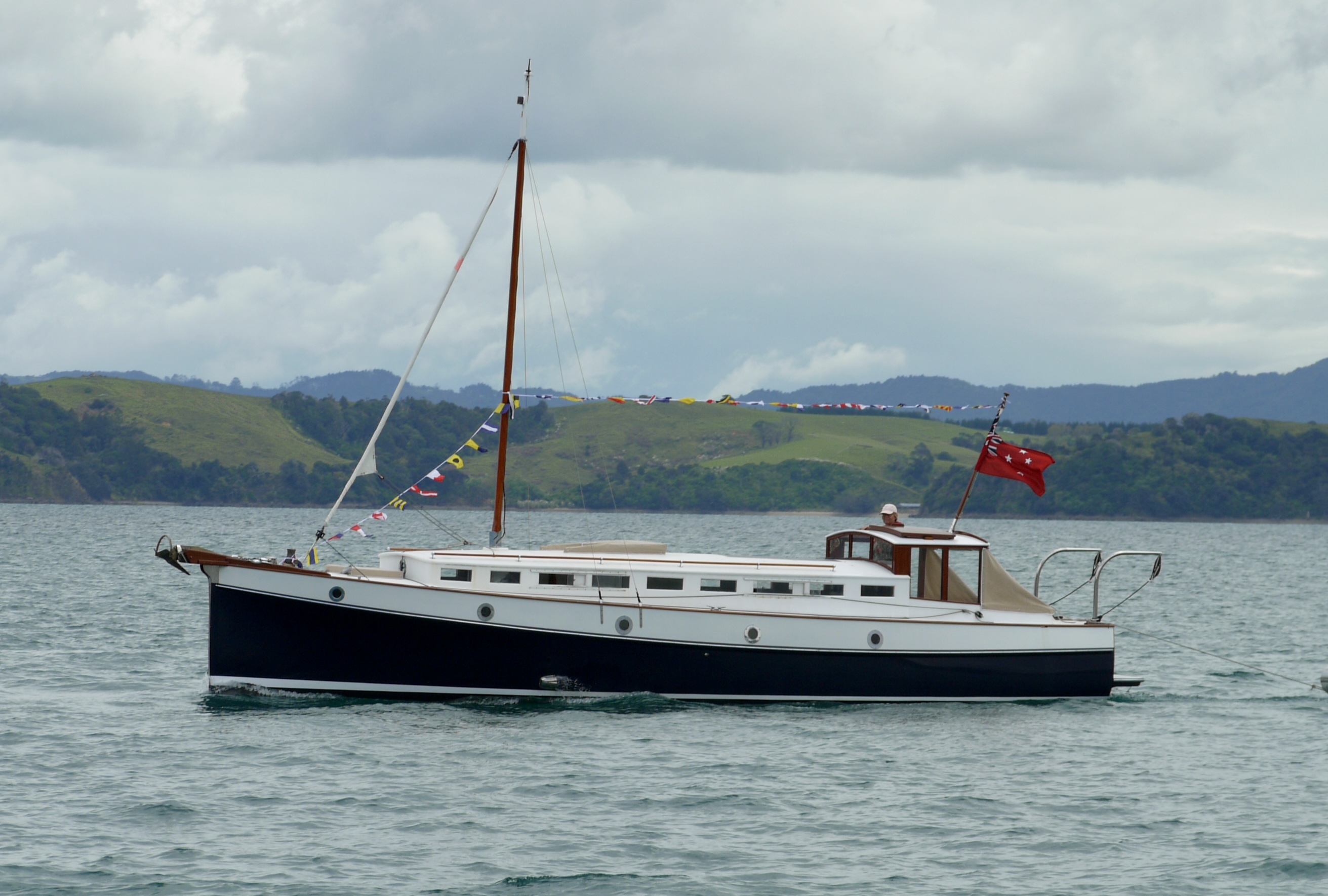
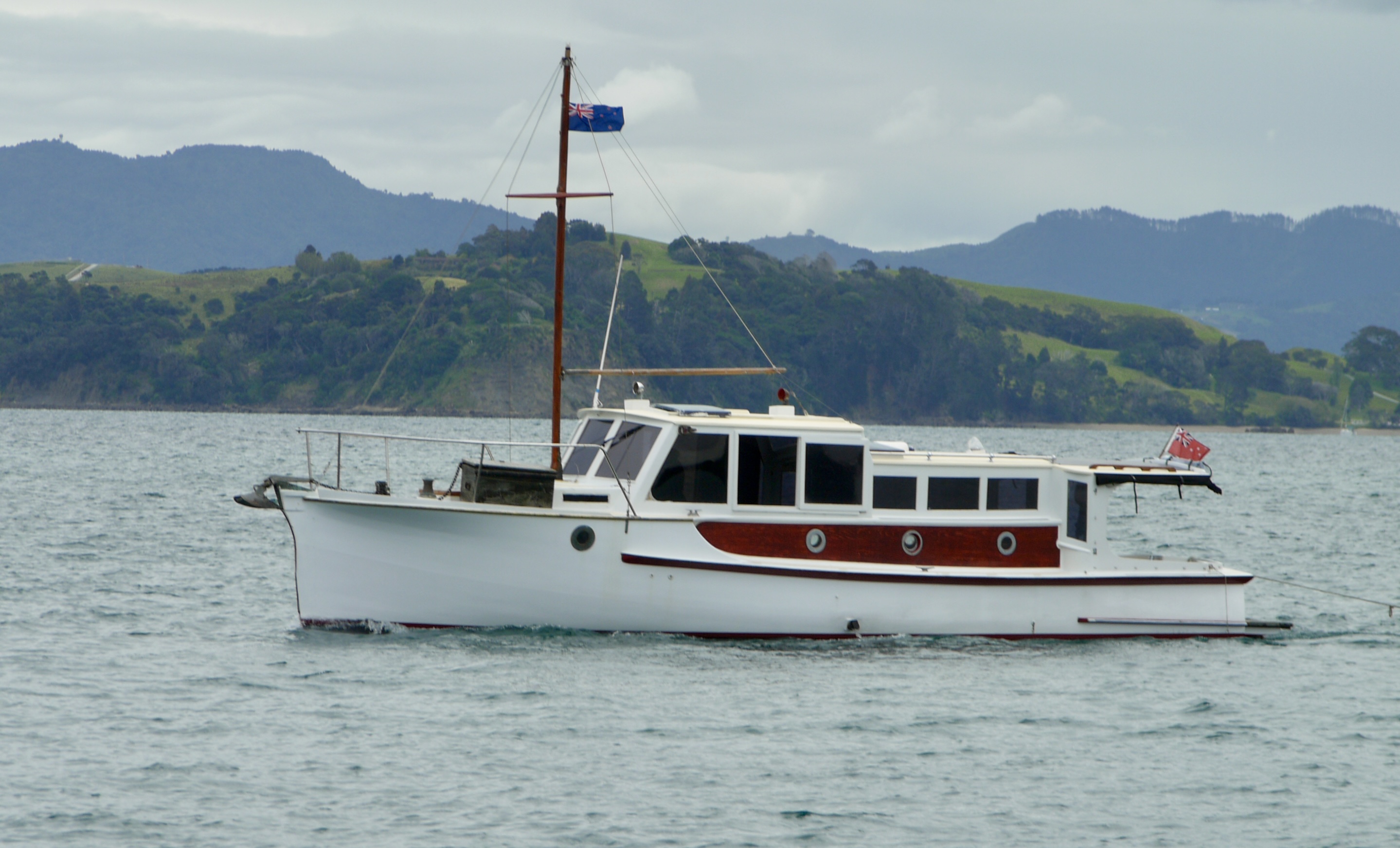
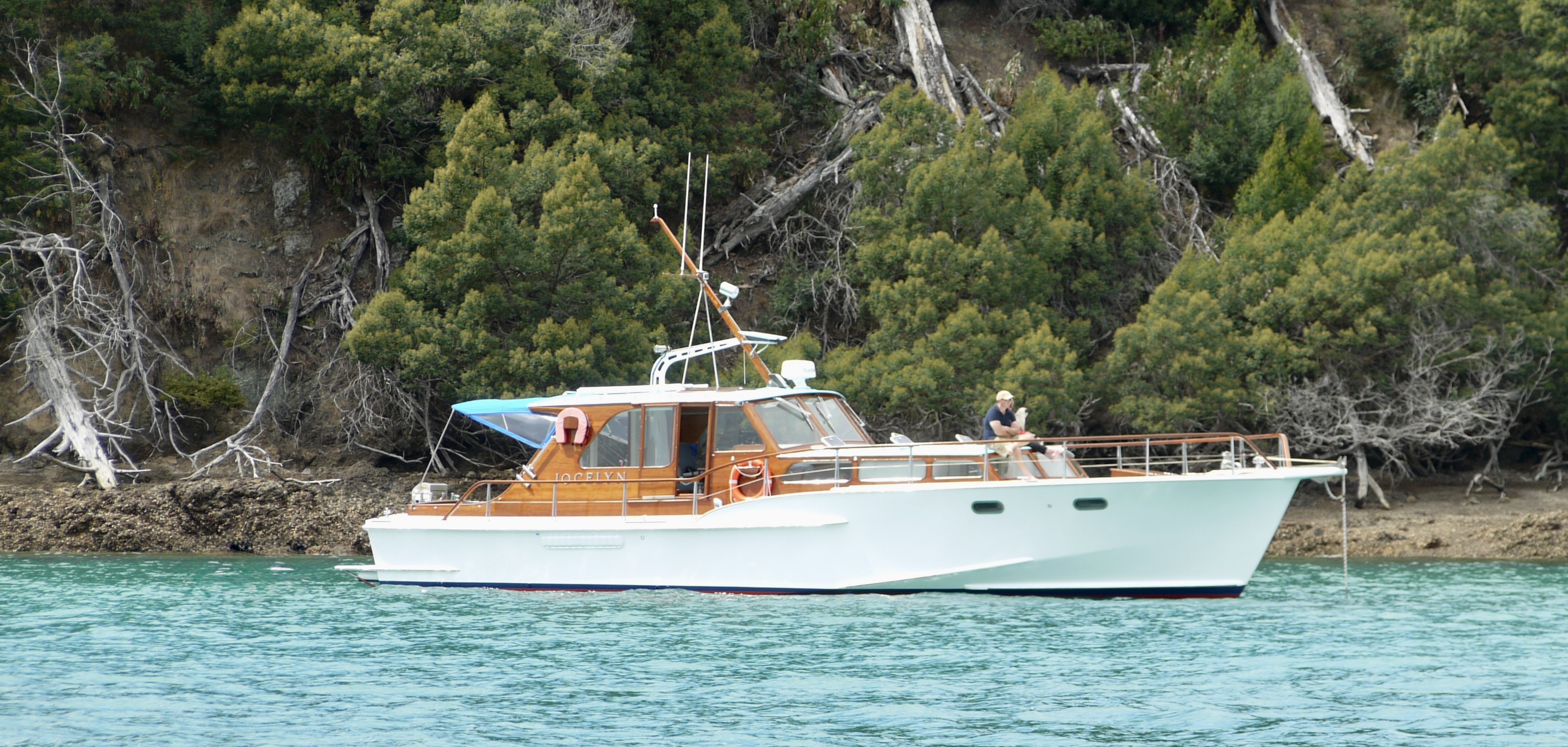
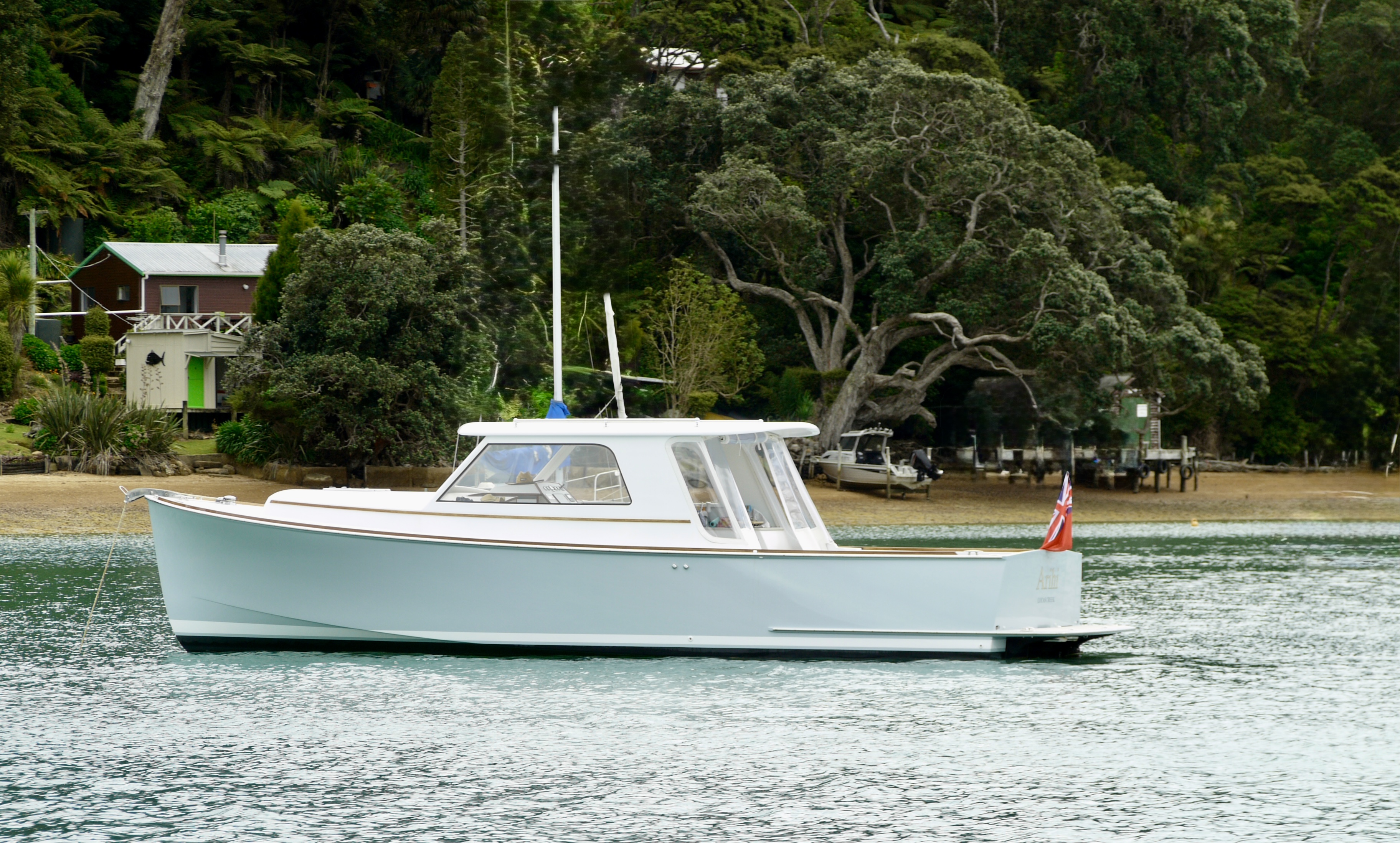
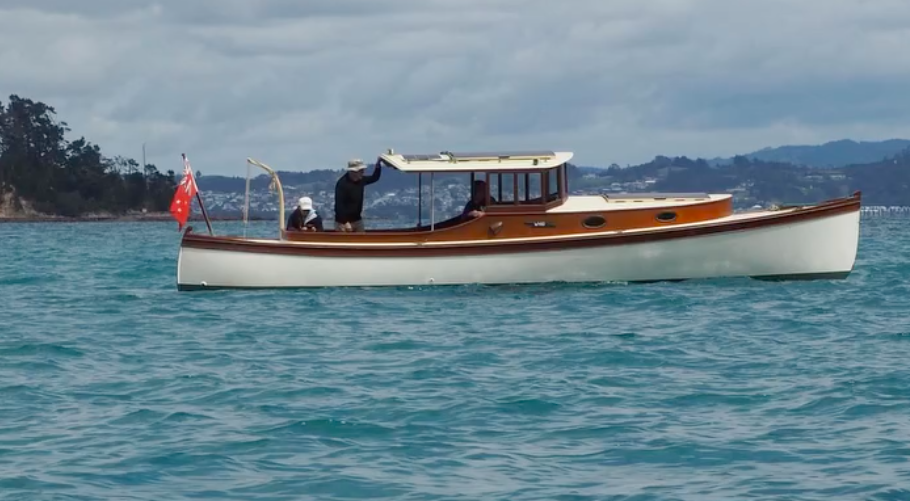
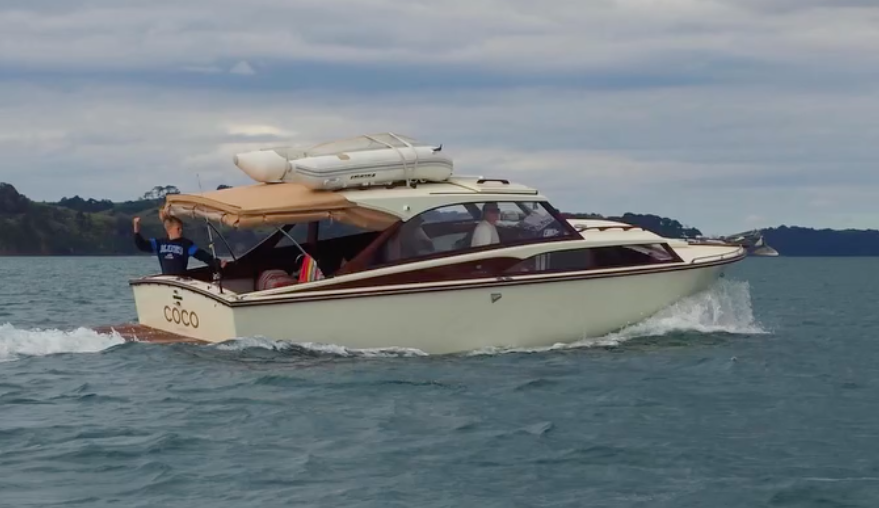
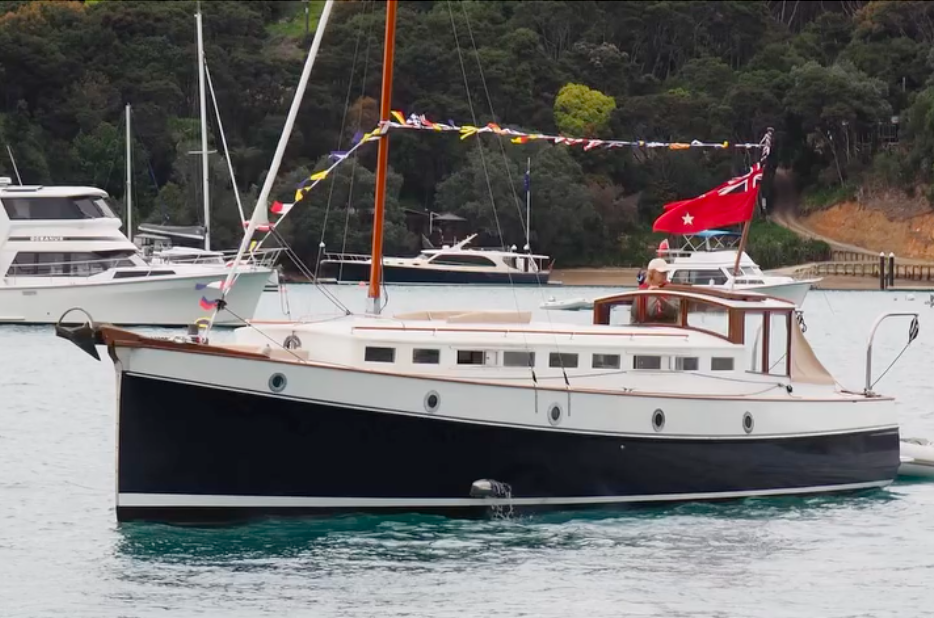
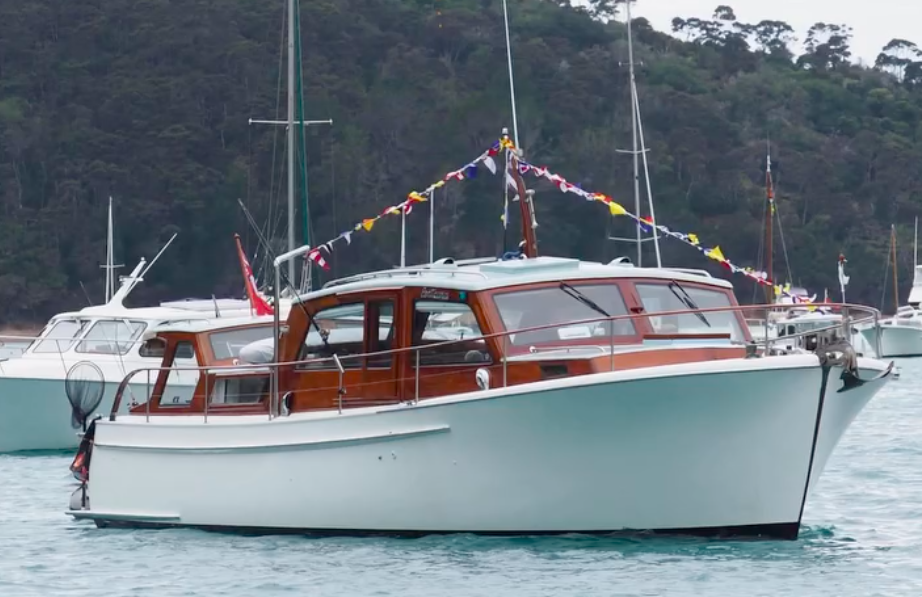
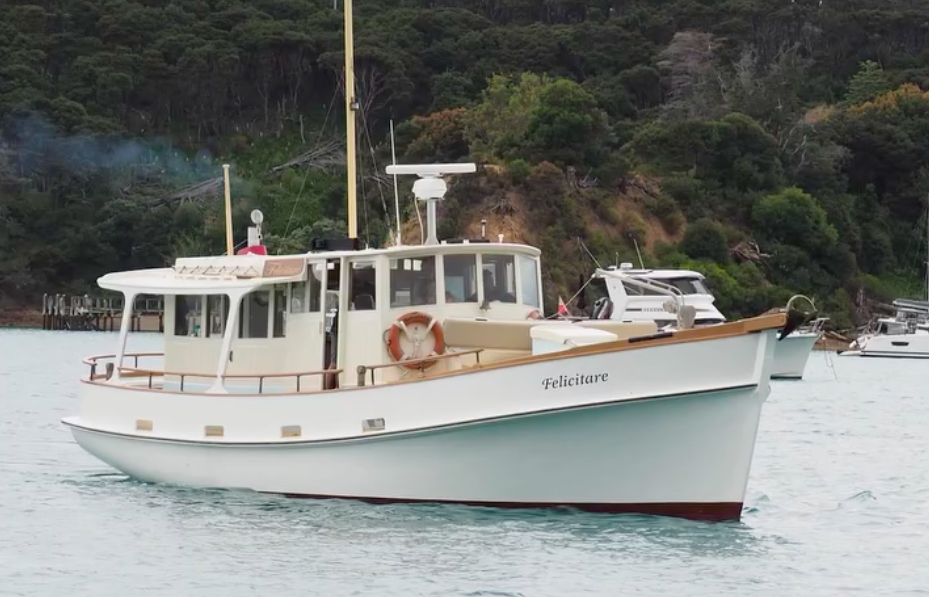
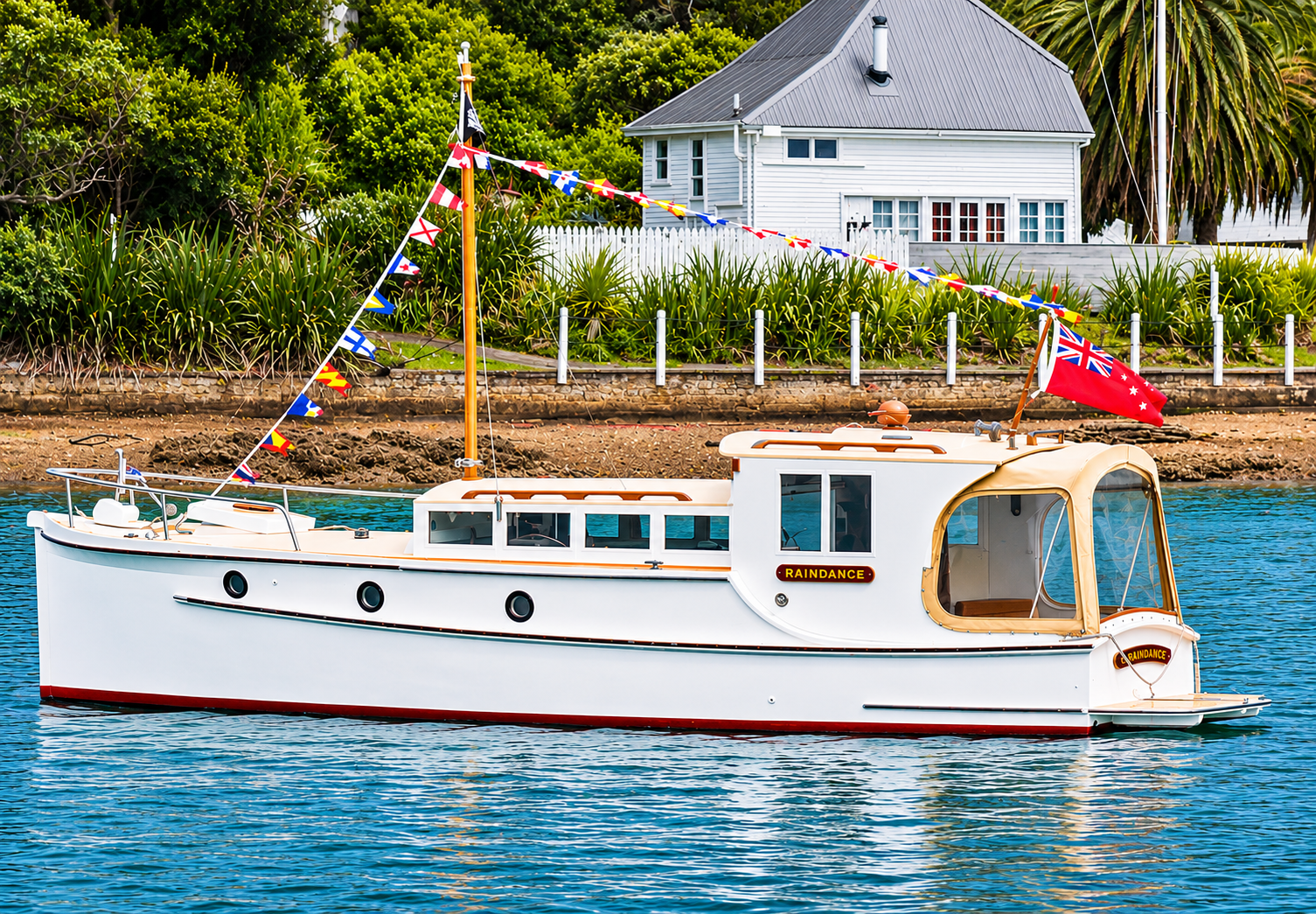
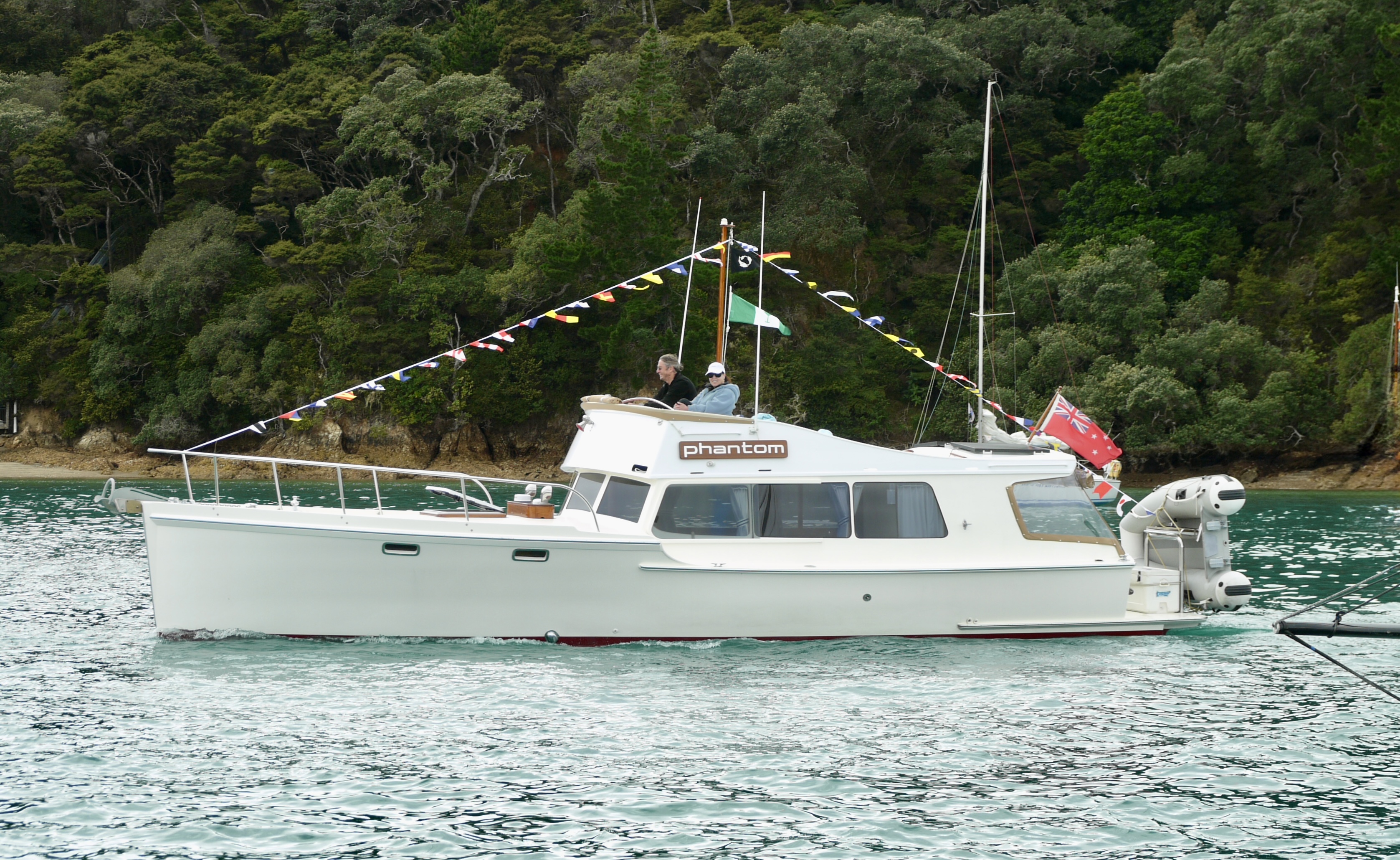
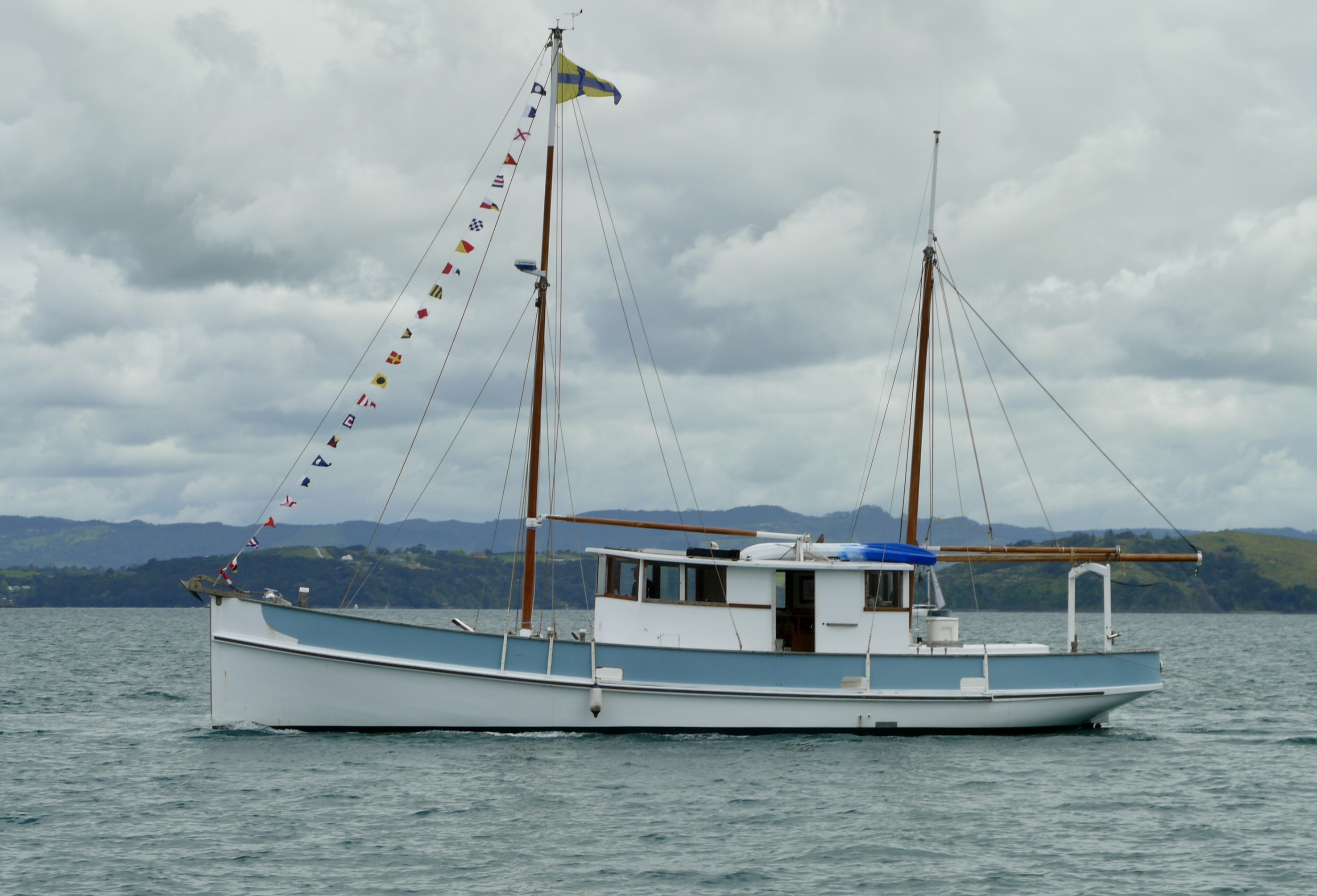
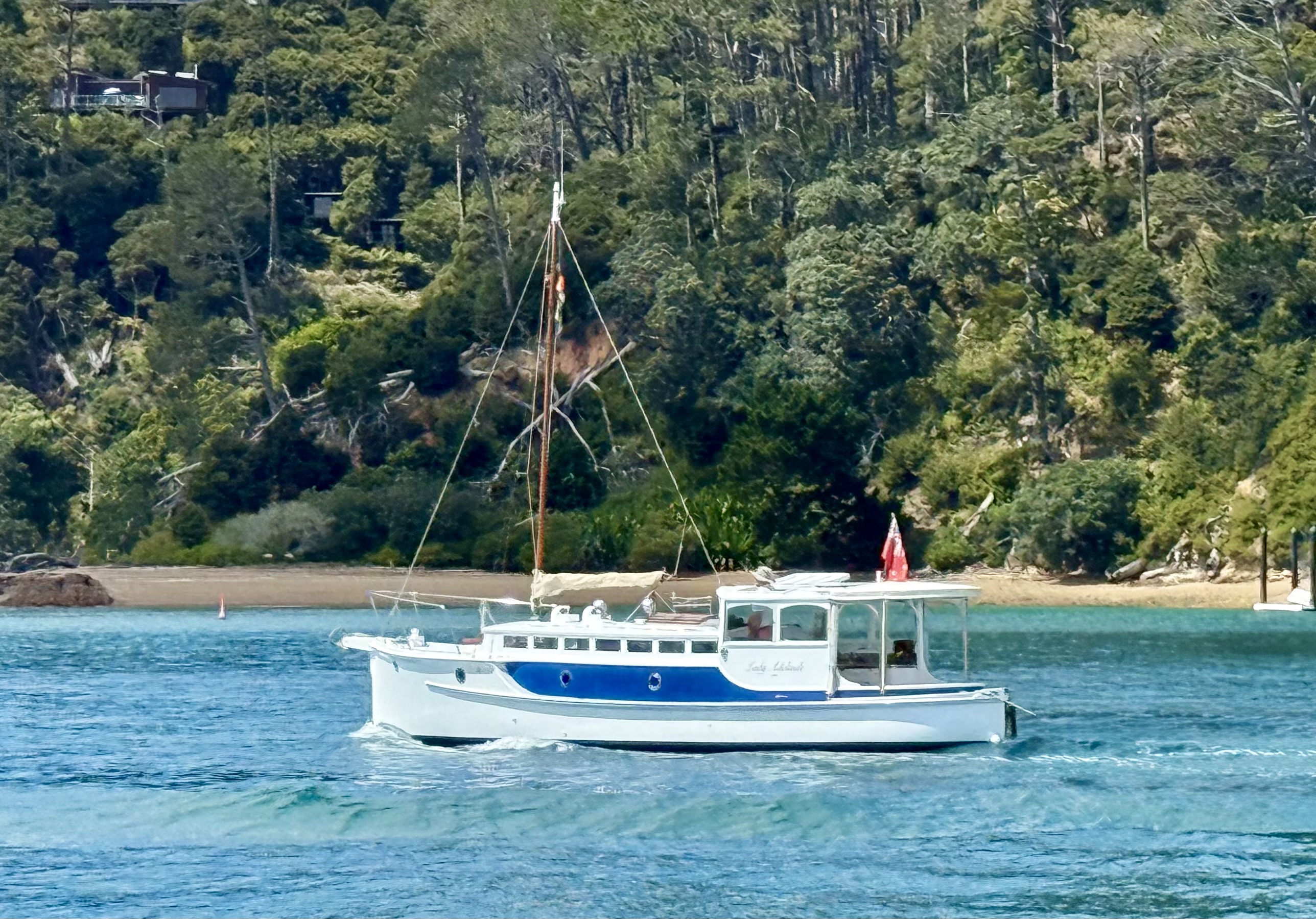
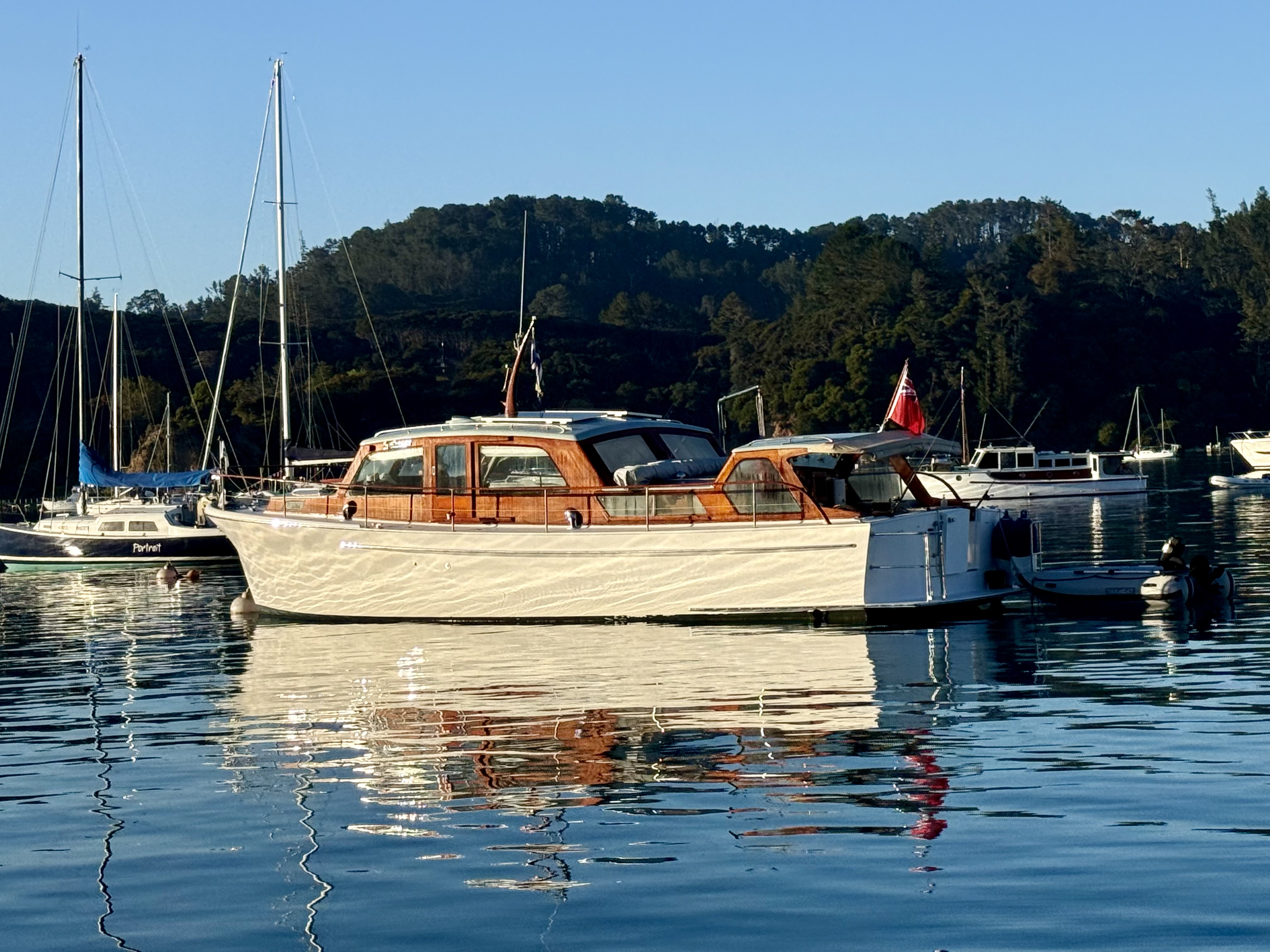
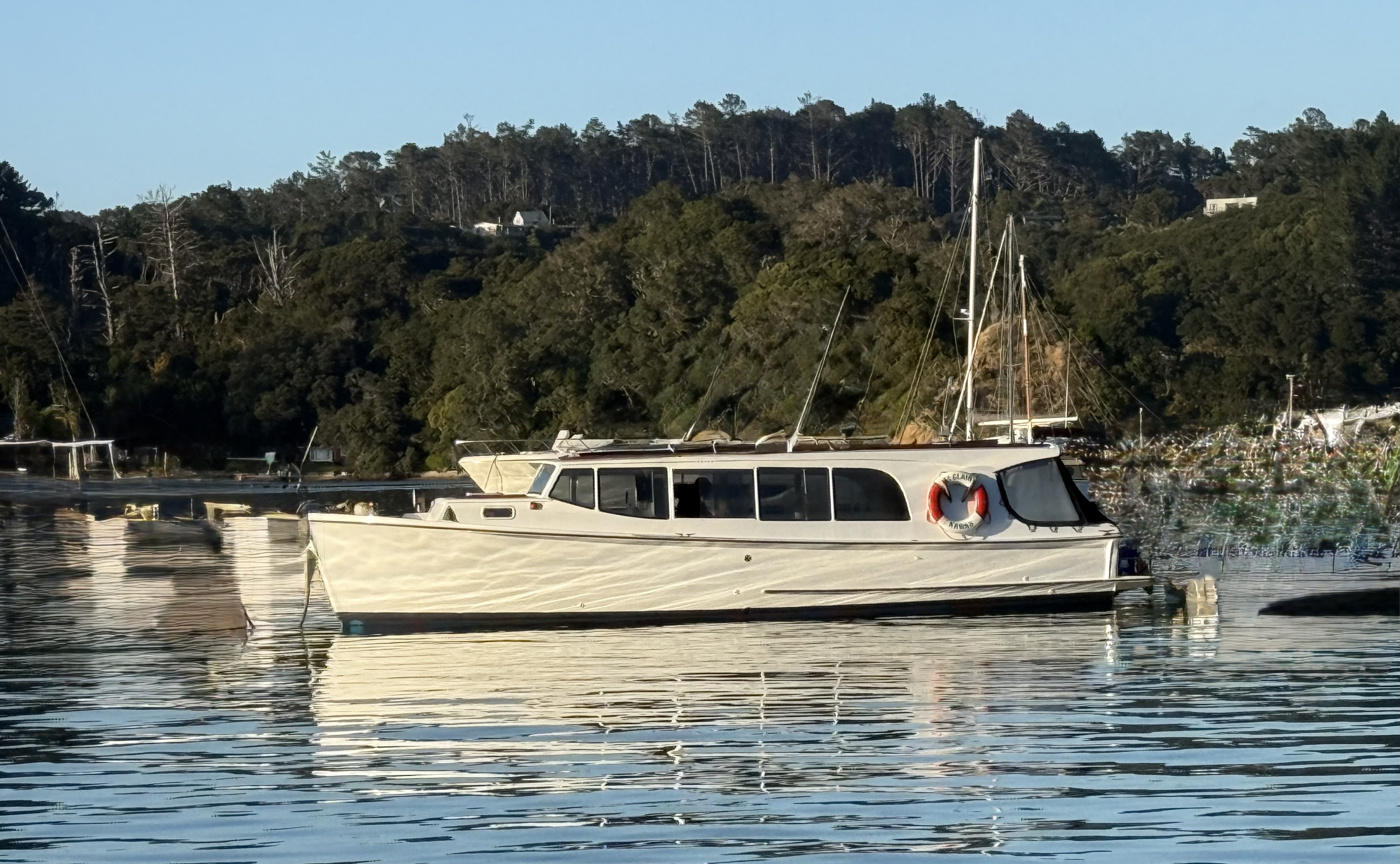
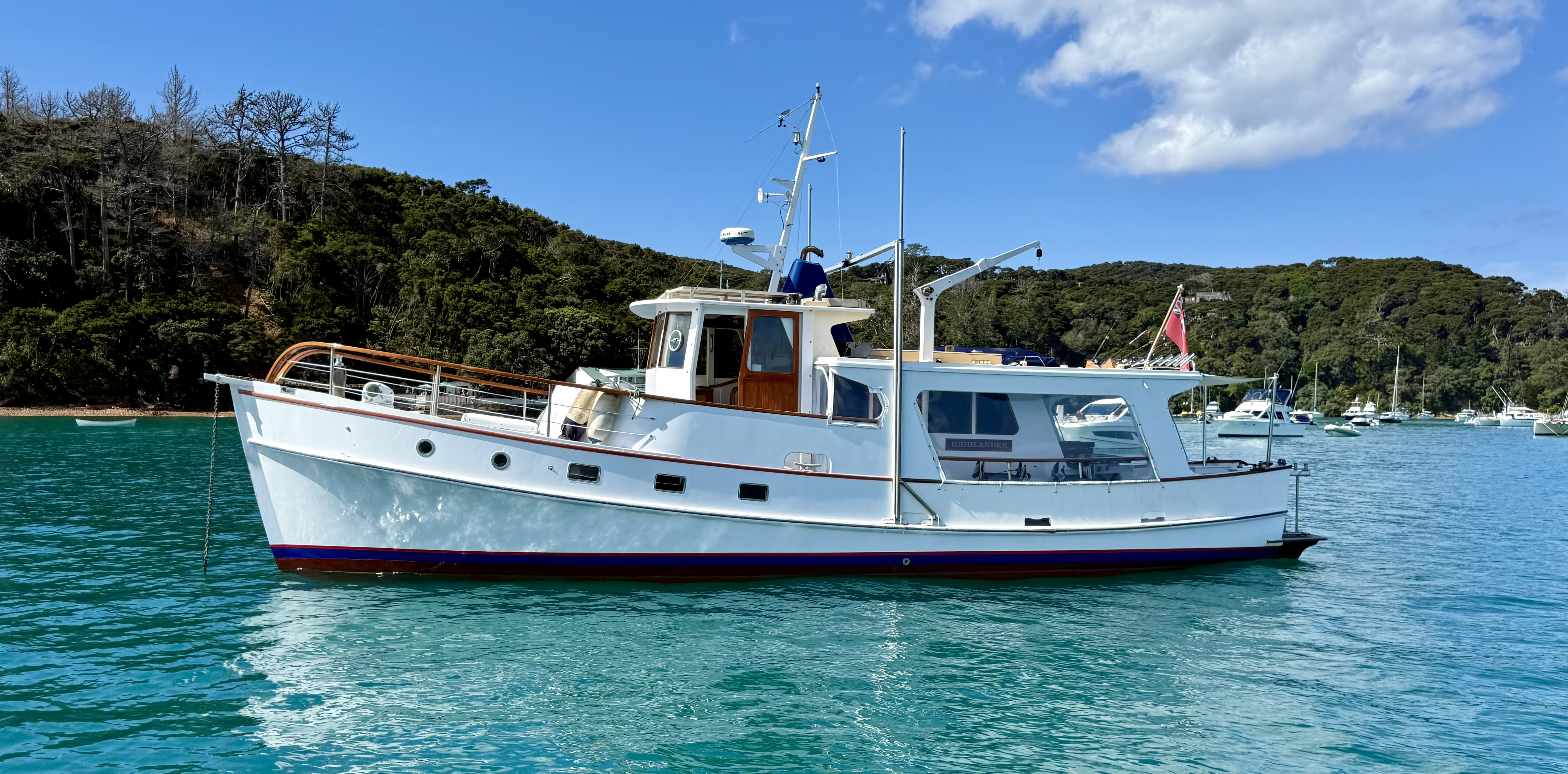
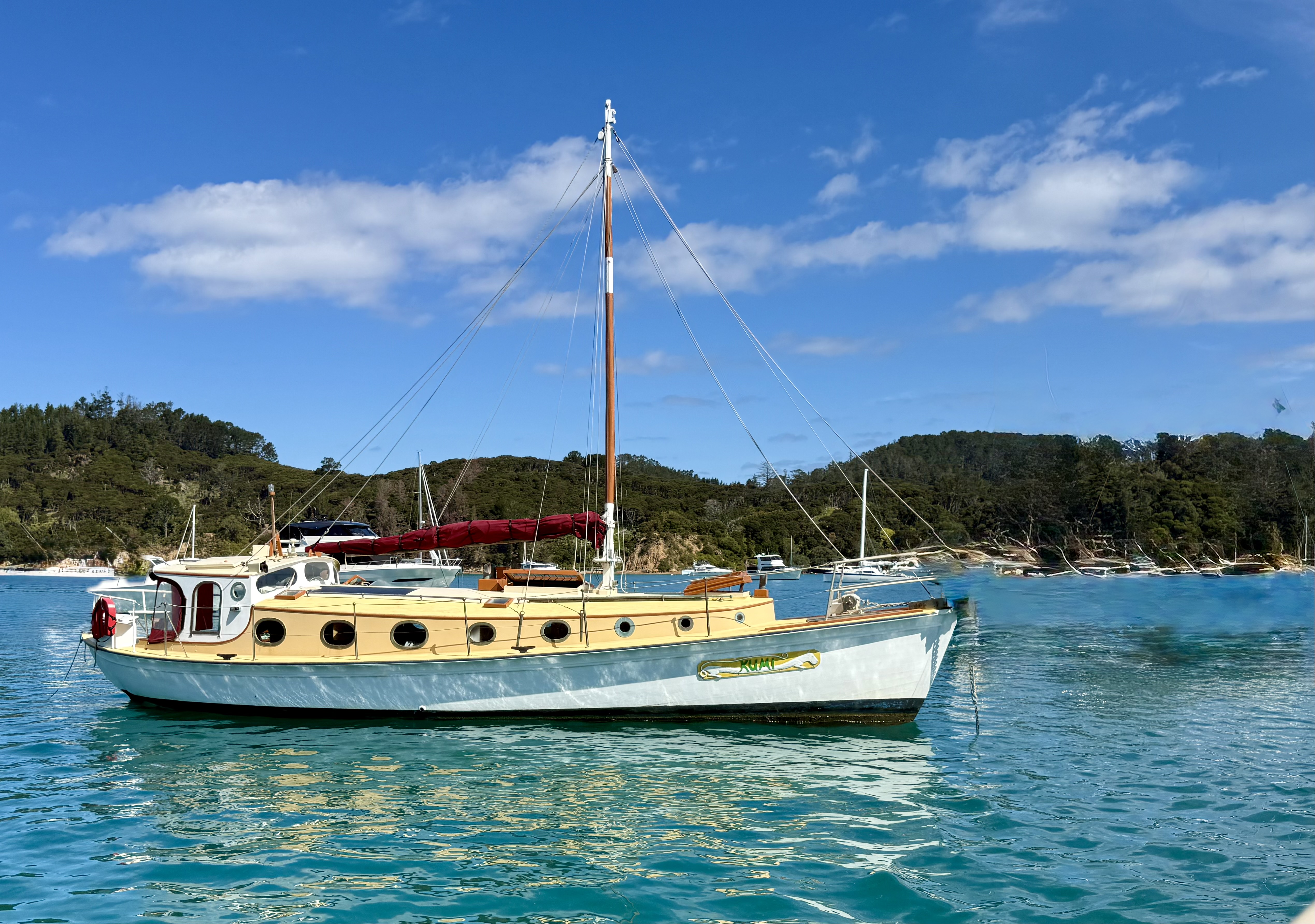
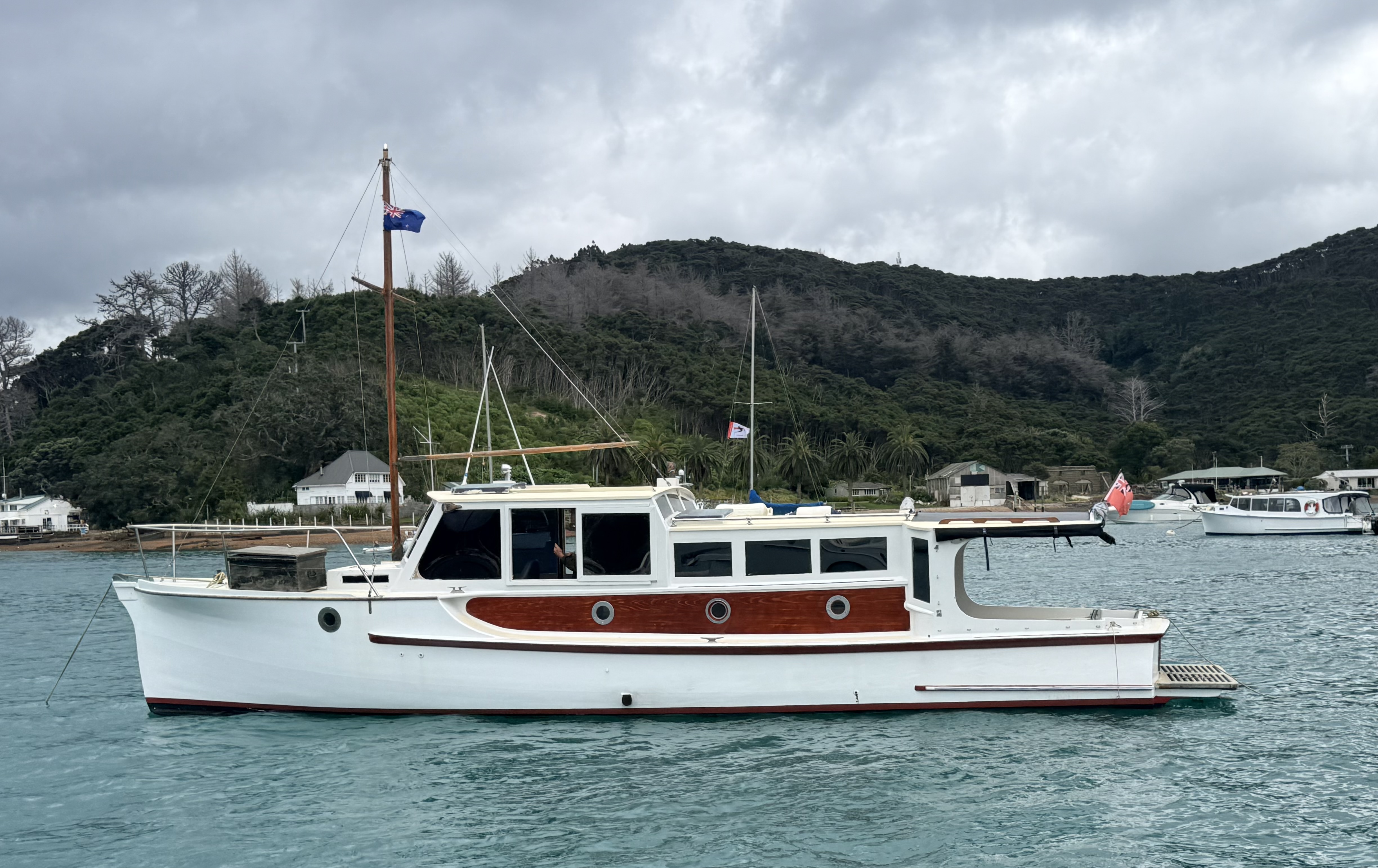
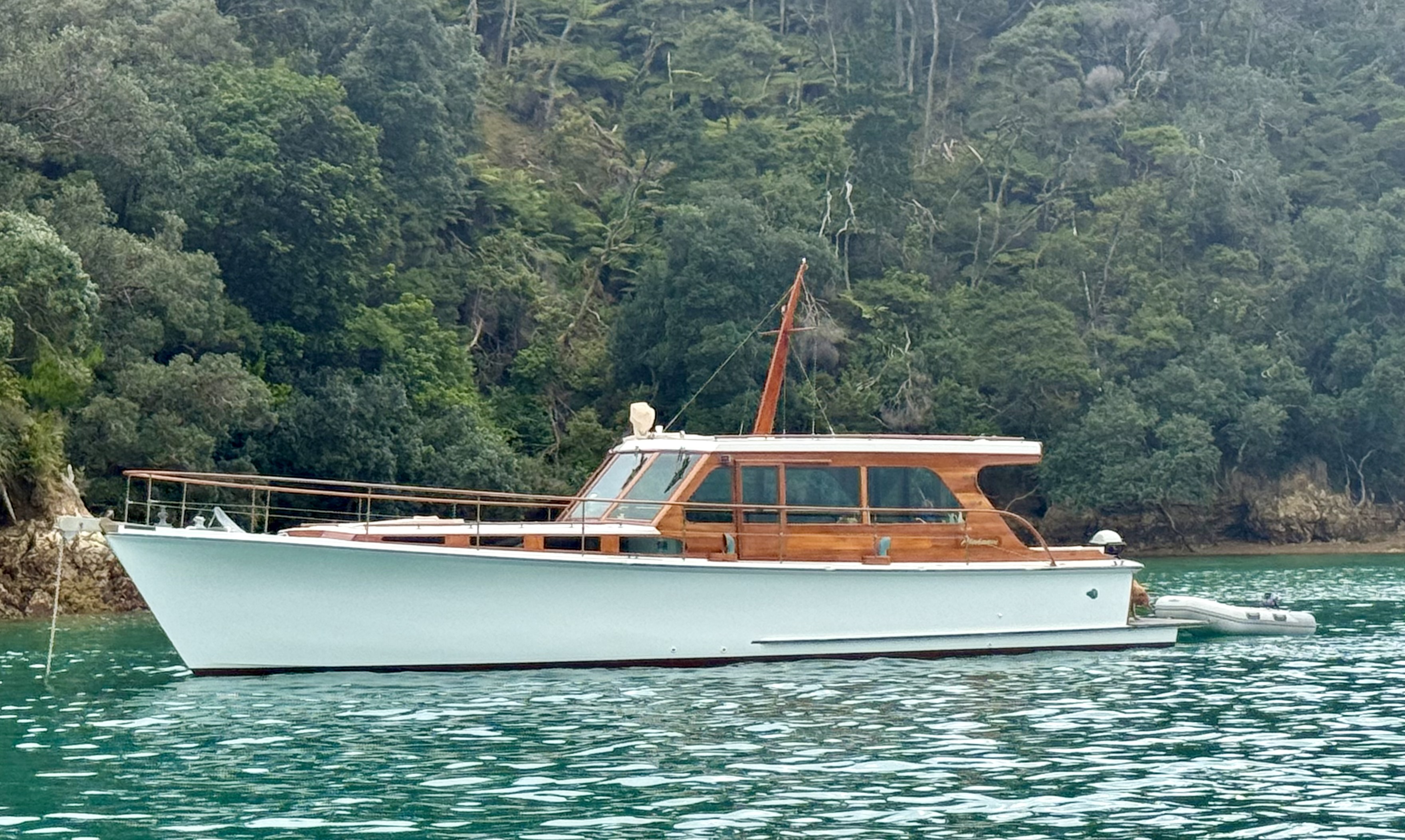
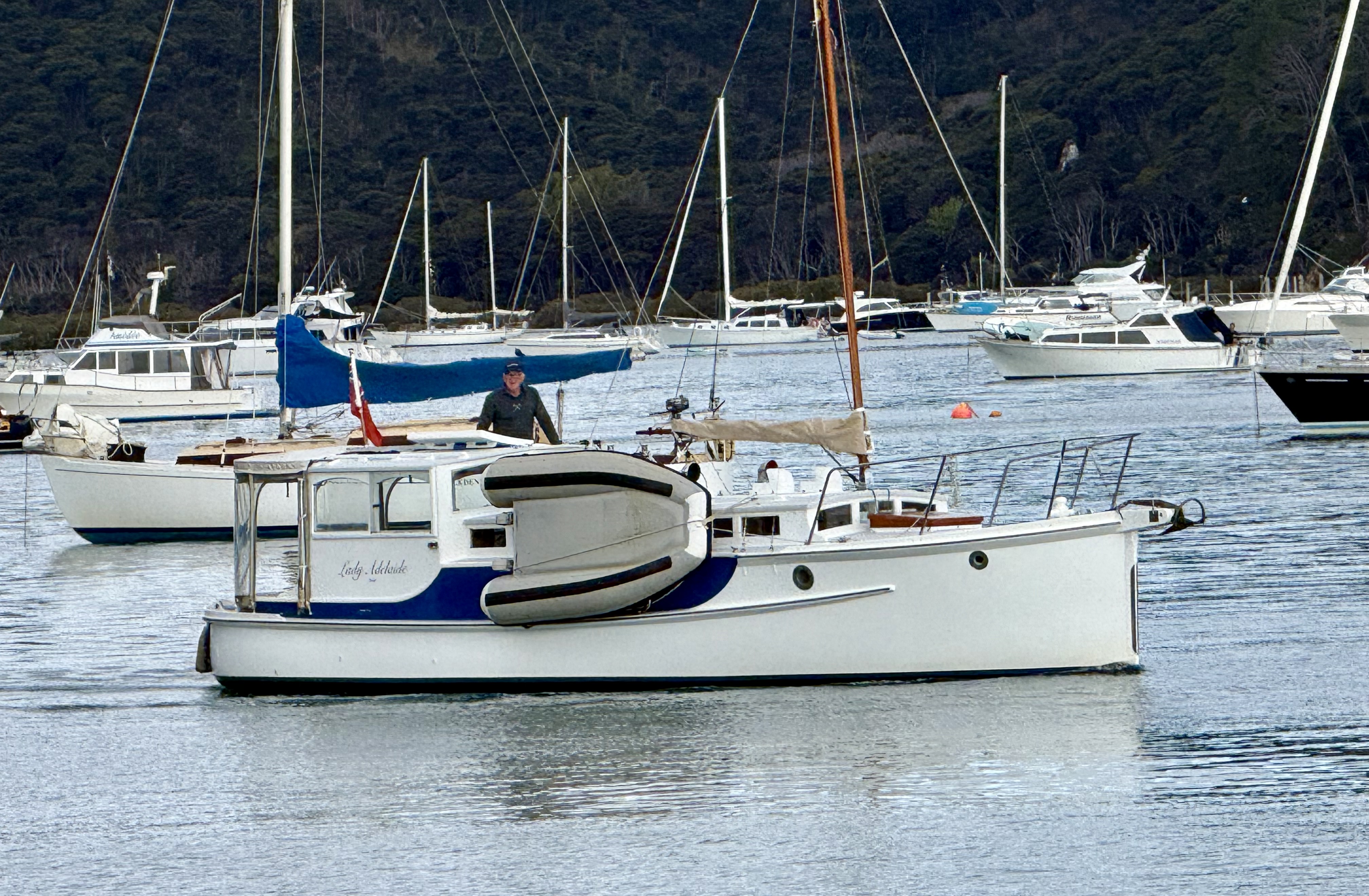
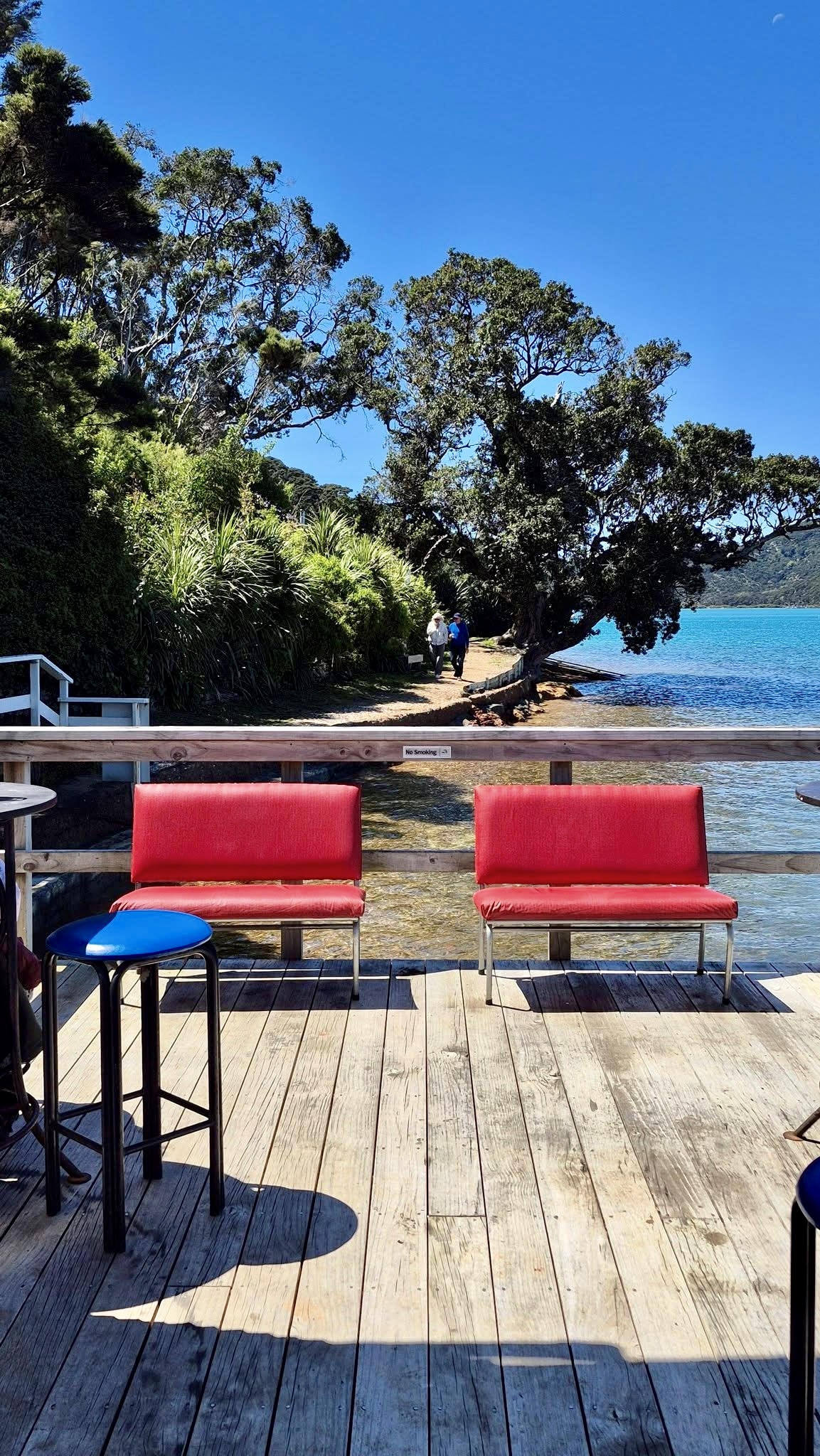
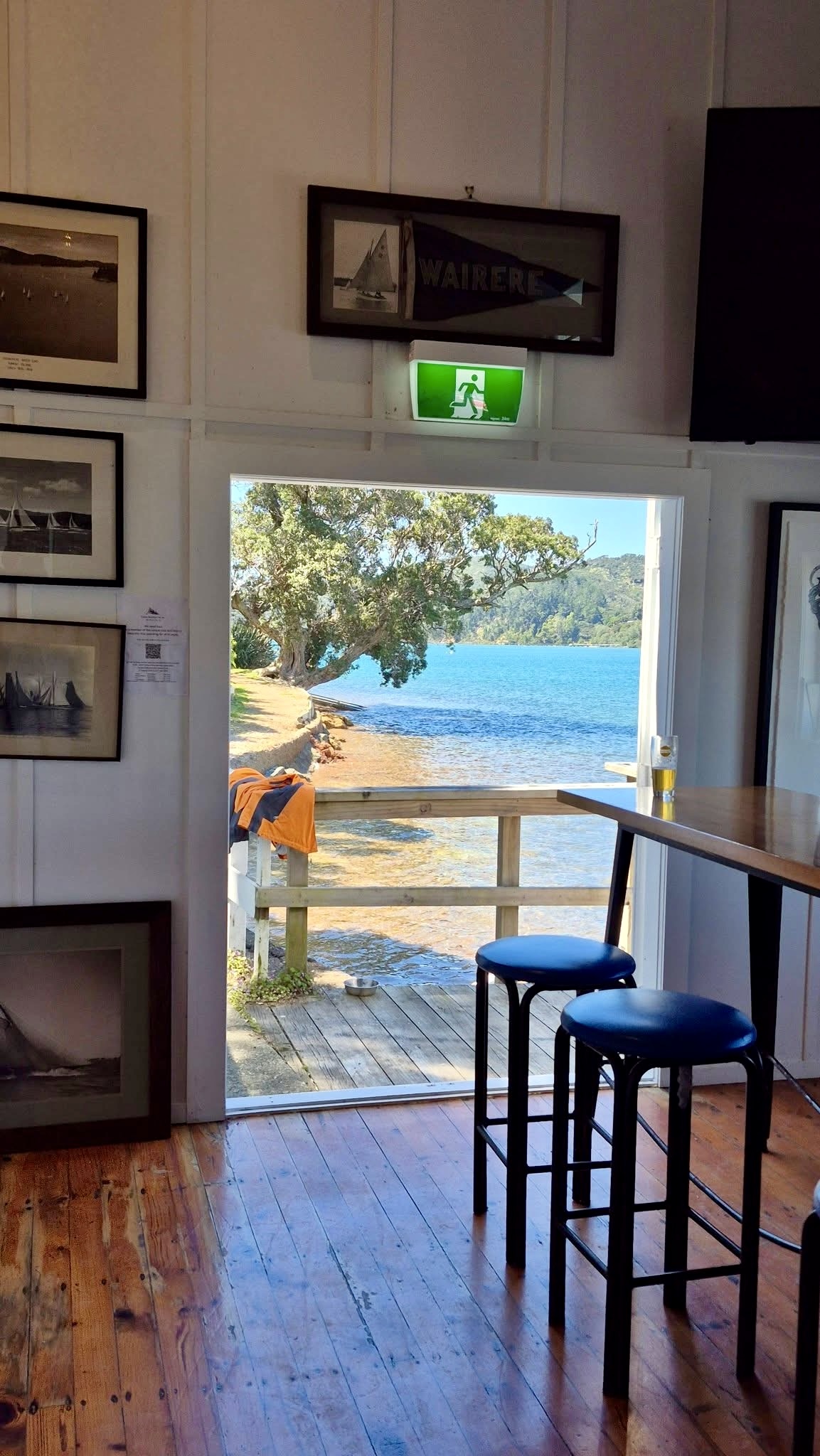
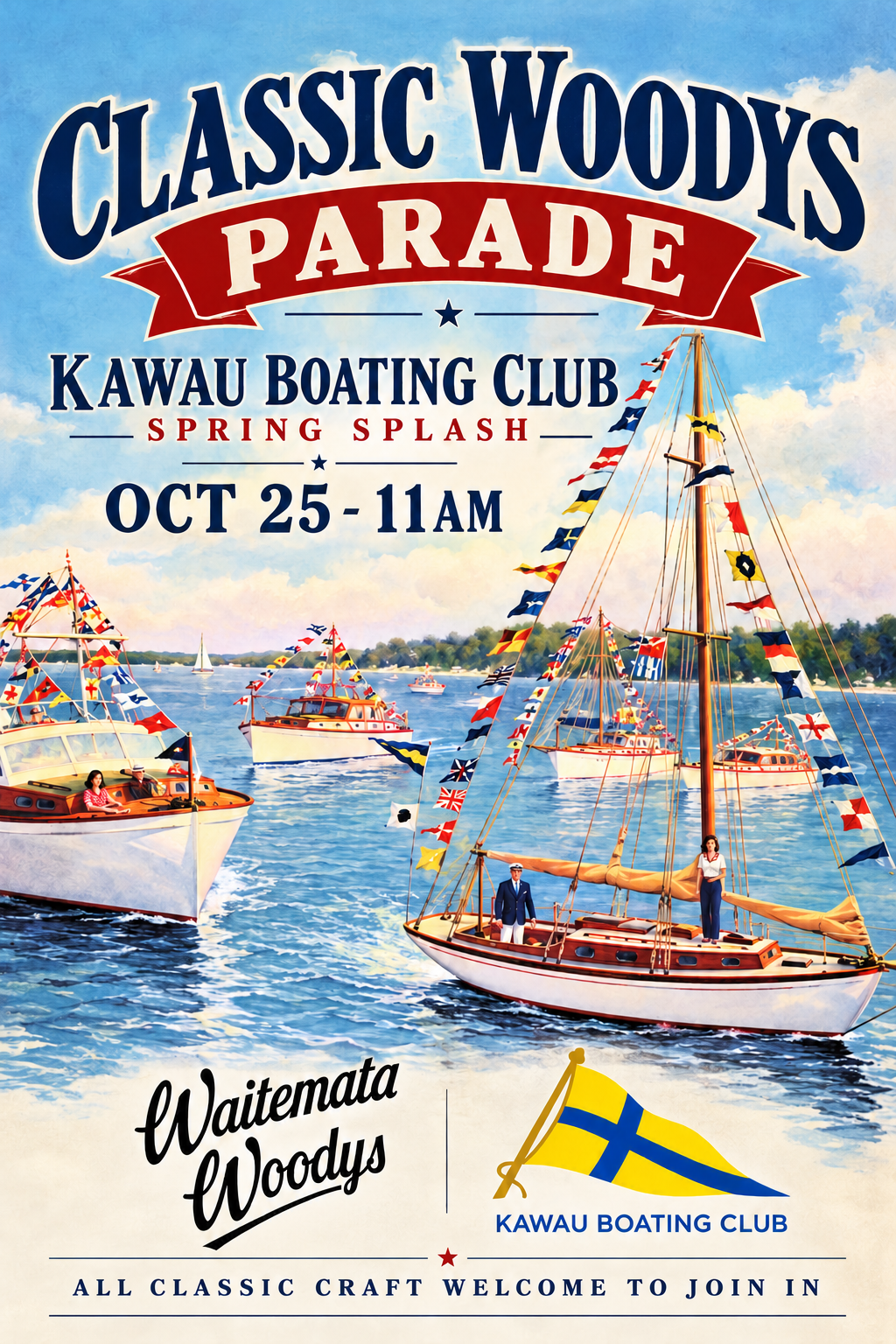
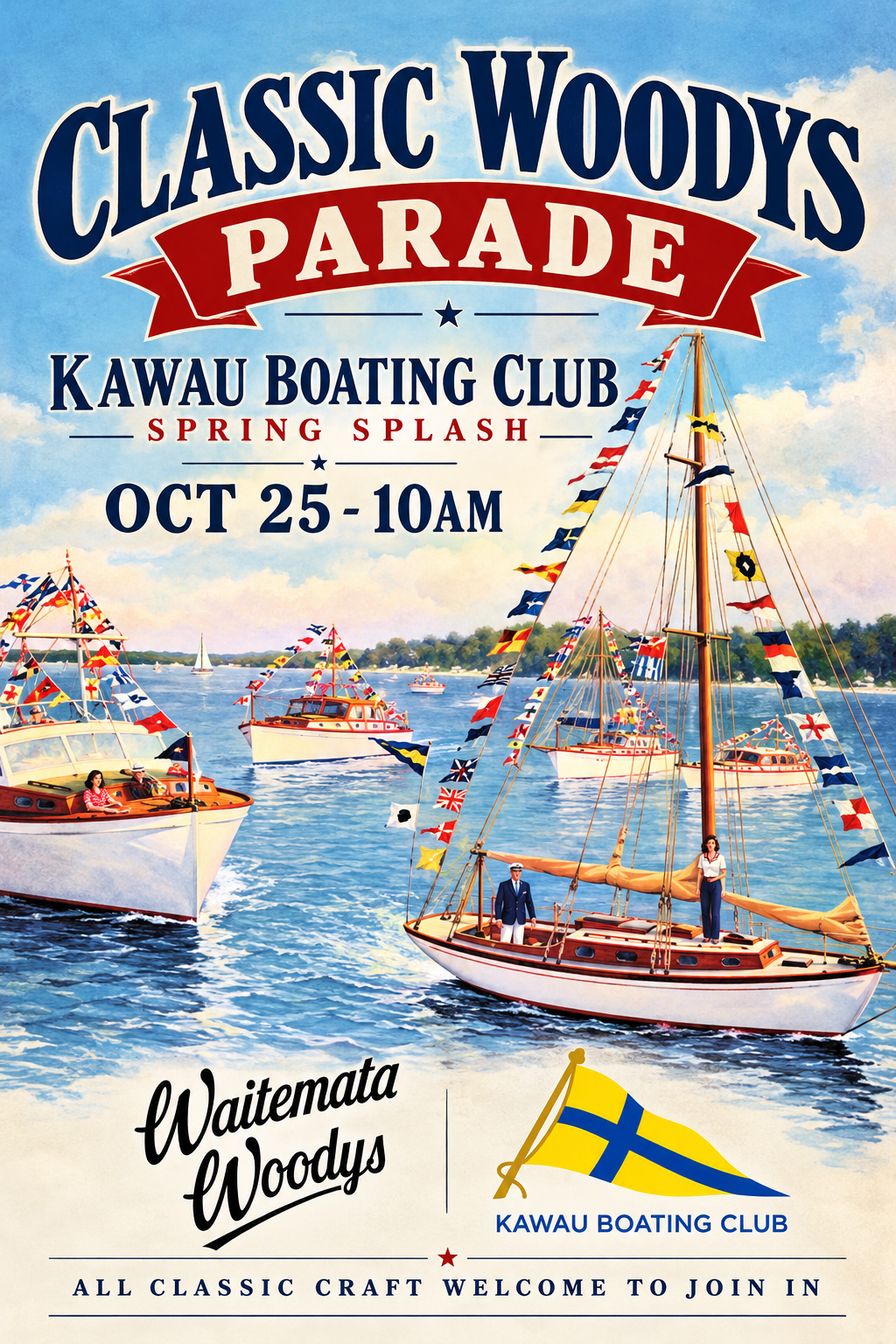
Today, I’m sharing a photo gallery focusing on Sunday’s WaitemataWoodys Classic Wooden Boat Parade. We had a fantastic turnout, with 25 classic craft joining the parade. I have include a few photos that show the ambience of the KBC (thanks to Beth Houlbrook from KBC for her photos). When I cover these big events, my objective is to try and give the WW readers a taste / feel for what it was like, so enjoy the gallery and remember if you click on a photo it enlarges.
And it wasn’t just the parade. I’ve never seen so many classic wooden motorboats out on the water at one time, the bay was absolutely teeming with woodys, my count was 41 classic craft.
Enjoy the gallery, and remember, clicking on any photo will enlarge it. Scroll down to view the two previous weekend posts.
P.S. If you were there and we missed your boat, apologies. With so many classics on the water, keeping track of everyone was always going to be a challenge.
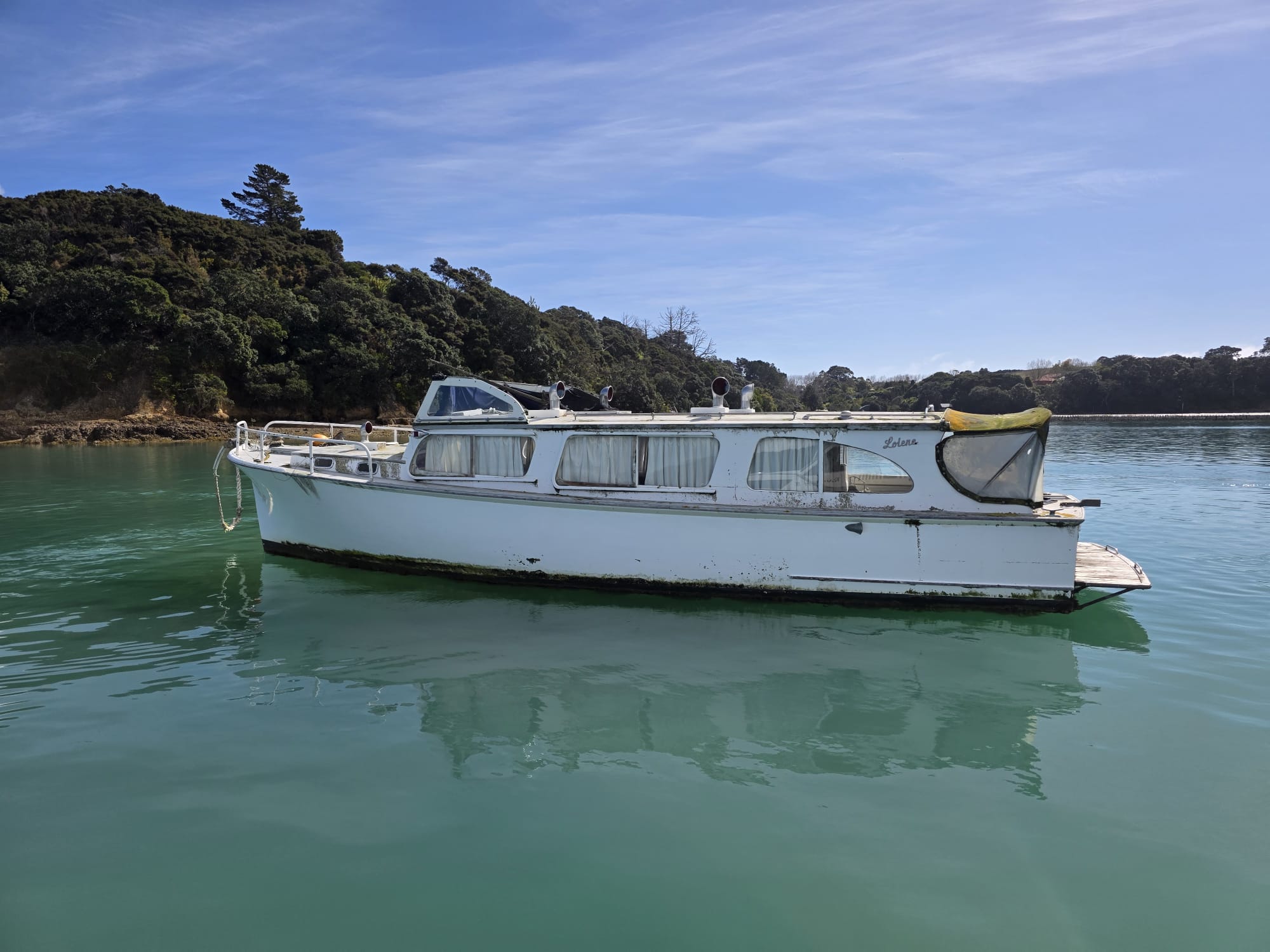
CLASSIC WOODEN LAUNCH LOLENE LOOKING VERY SAD + LABOUR WEEKEND KAWAU ISLAND SPRING SPLASH DETAILS
The classic kauri carvel sedan launch LOLENE was designed and built by Billy Rogers & launched in 1963 as his own launch. Back in April 2014 WW ran a story on her and we learnt from Harold Kidd that she was named after one of his daughters, as were a lot of Billy’s boats.
powered by 6 cylinder 120hp Ford diesel. She measured 34’Length, 10’ 9” beam & 3’ 3” draft. 5’ 10” headroom and powered by 6 cylinder 120hp Ford diesel. Link to 2014 story here – https://waitematawoodys.com/2014/04/08/lolene/
Earlier in the week John Dawson sent in the above photos from Waiheke Island. Fingers crossed someone out there loves her, she is desperately needing some TLC.
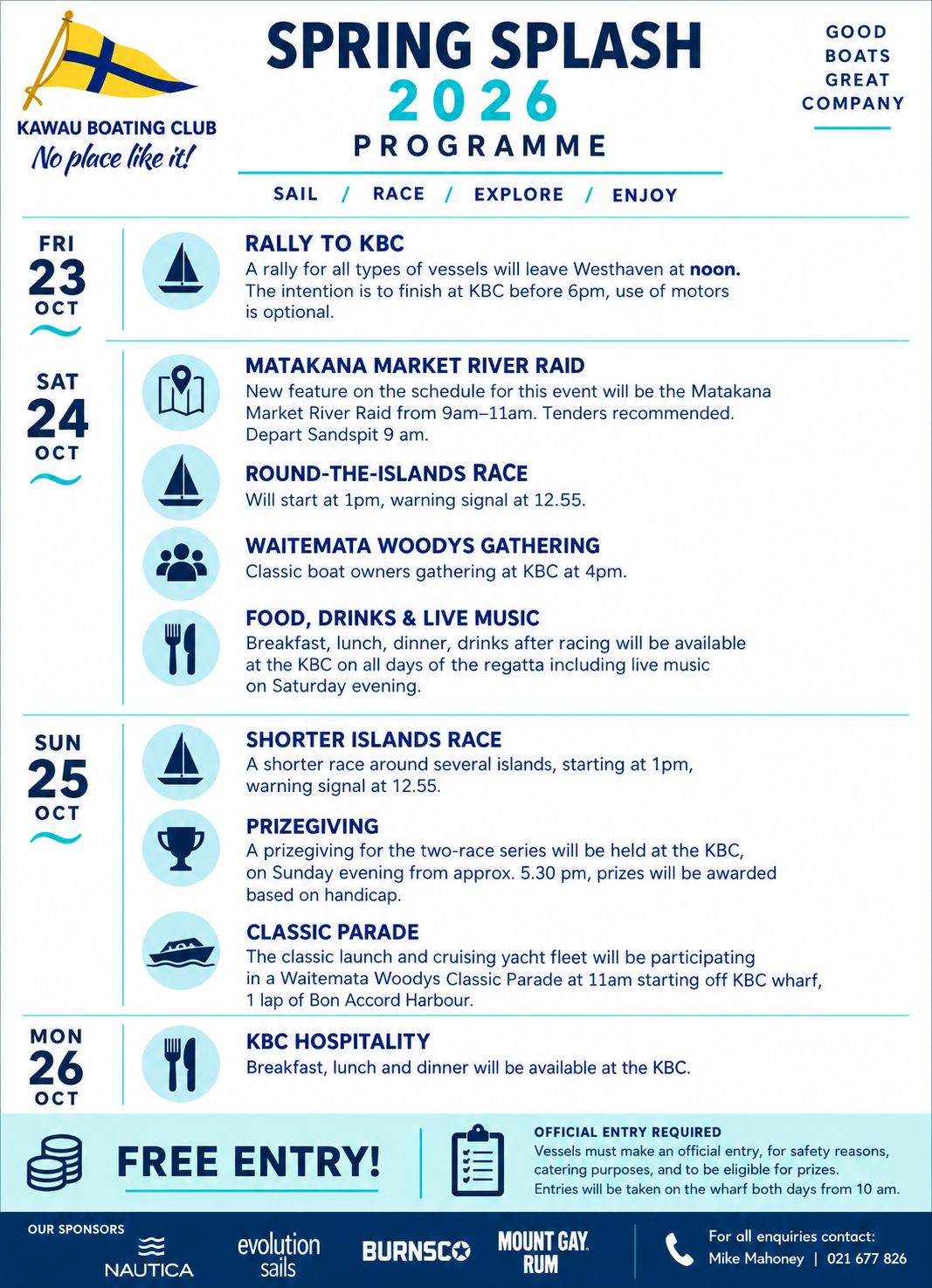
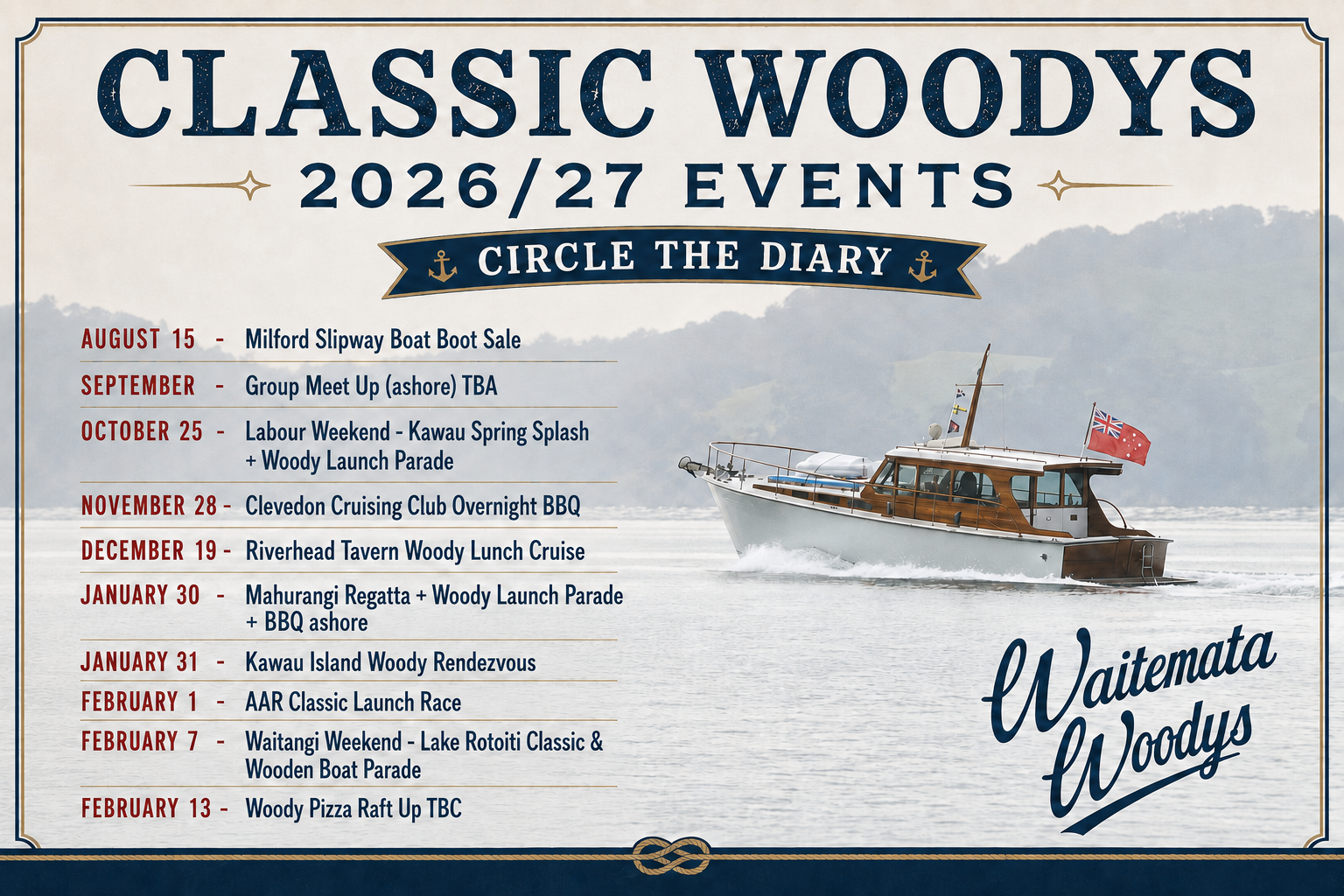
KAWAU ISLAND SPRING SPLASH – do not want to temp fate but everything is falling into place – weather forecast ✔️, bands / DJ’s everyday at Kawau Boating Club ✔️, new caterers and menu ✔️, refurbished clubrooms ✔️, events for all – sailing races, cruising events, classic woodys parade – ✔️, and its all free ✔️, no entry fees, no cover charges , clubrooms open to all boaties✔️, there is even an extended ferry service from Sandspit for non boaties ✔️ – programme below.
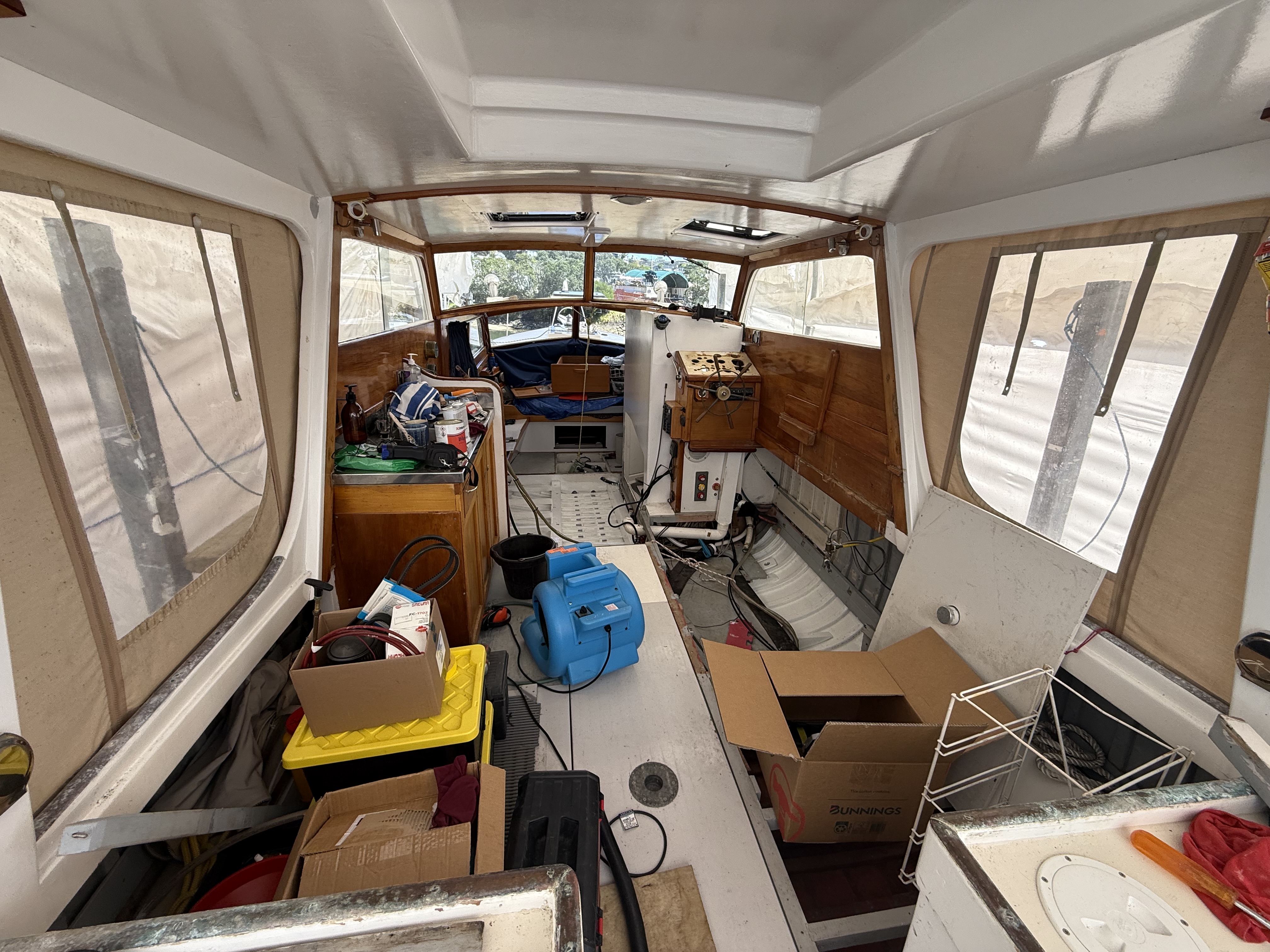
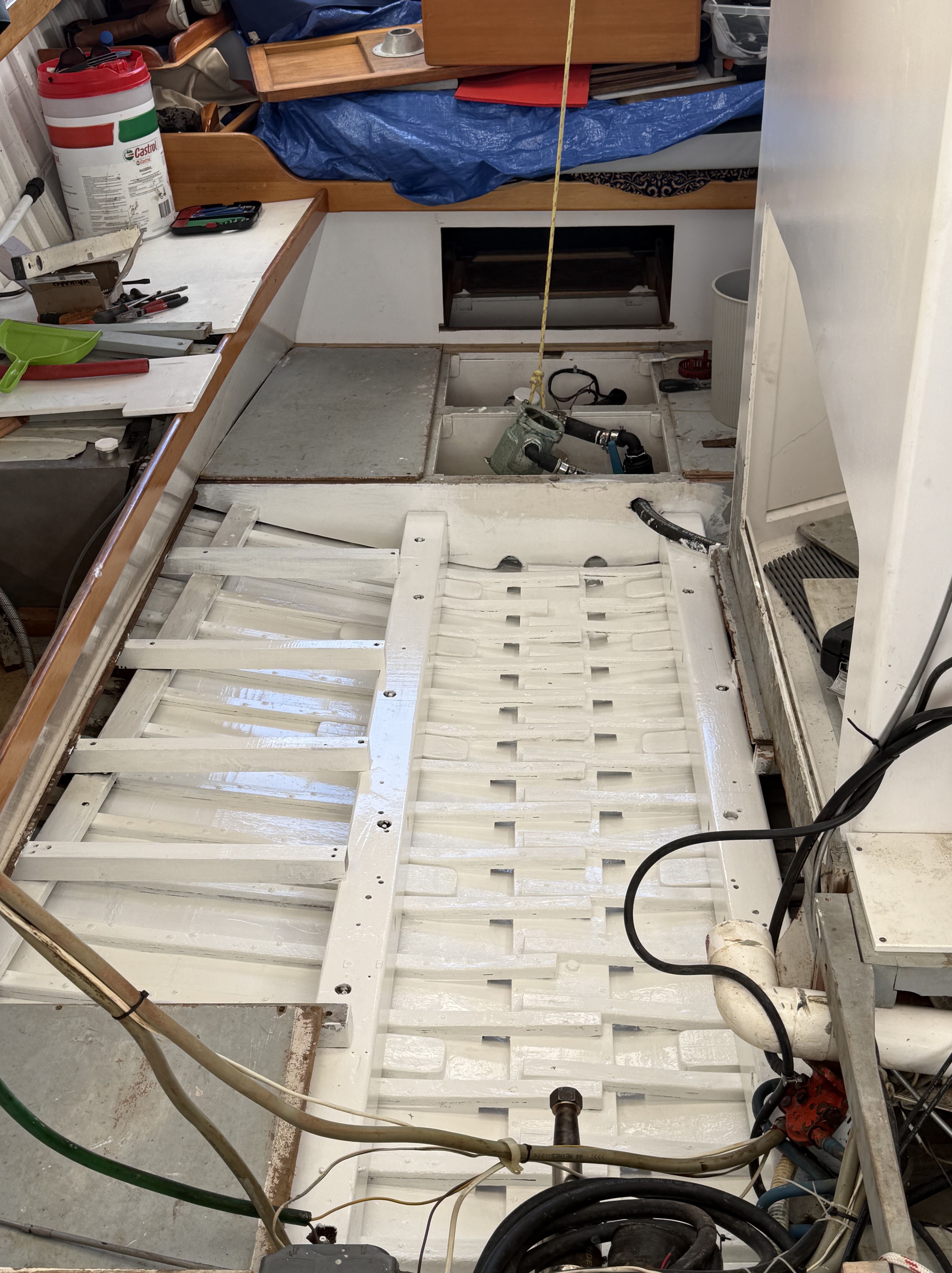
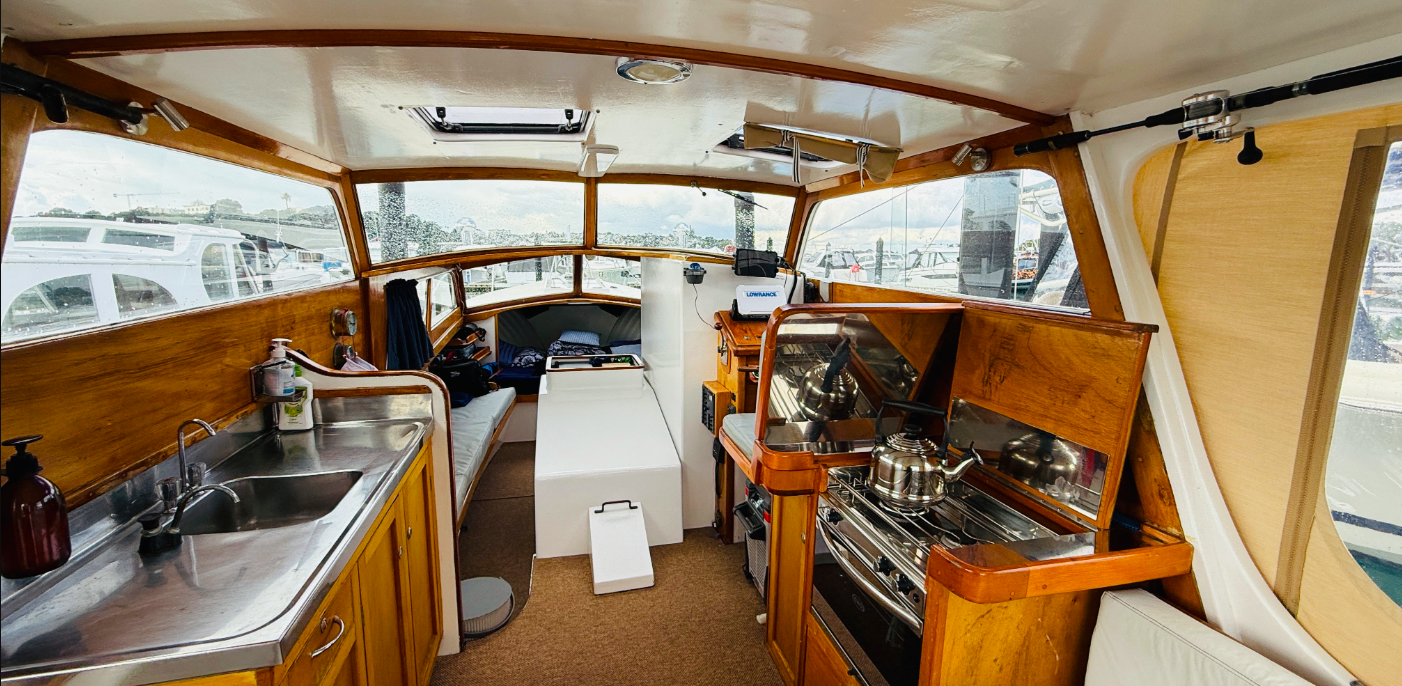
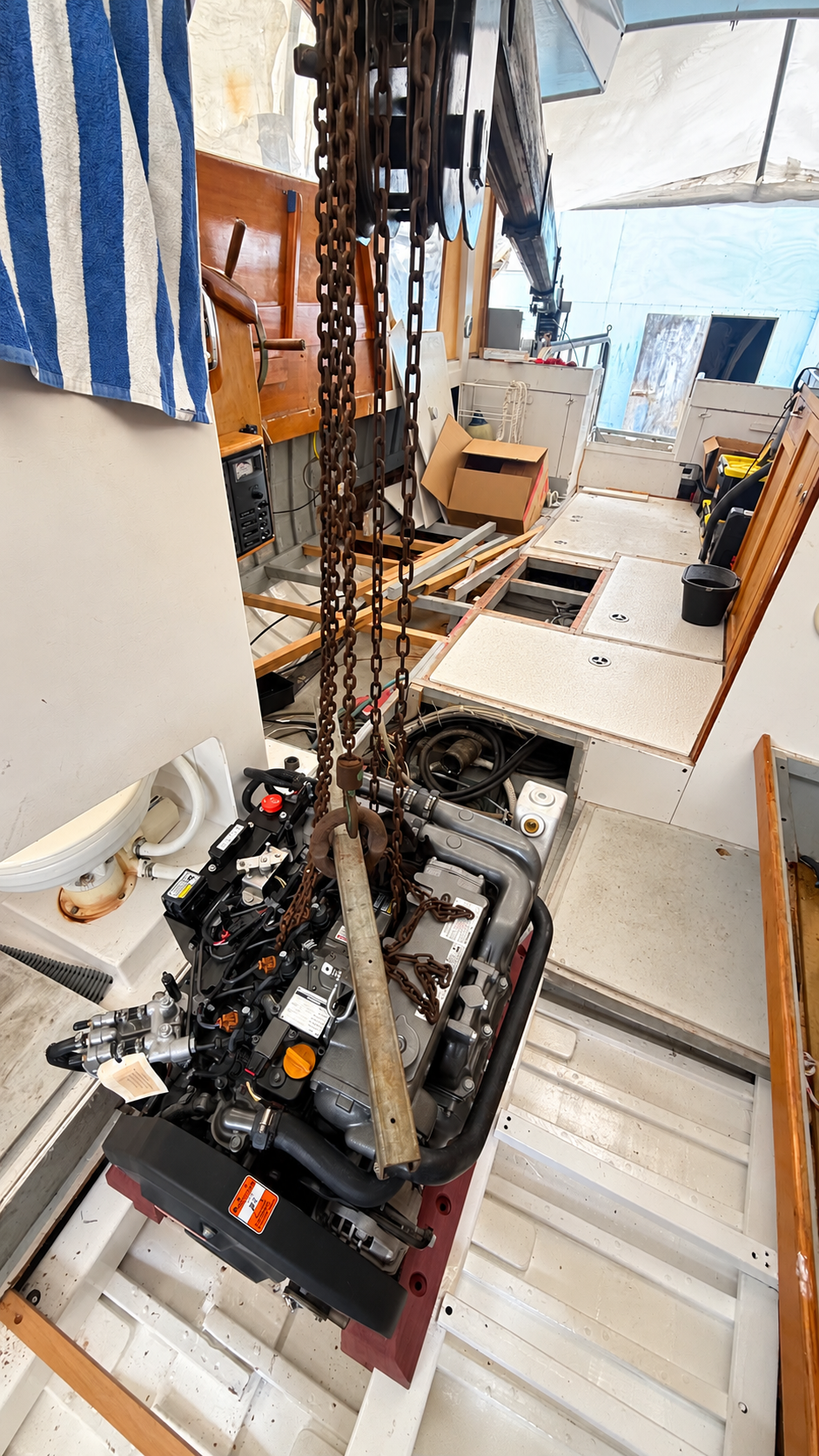
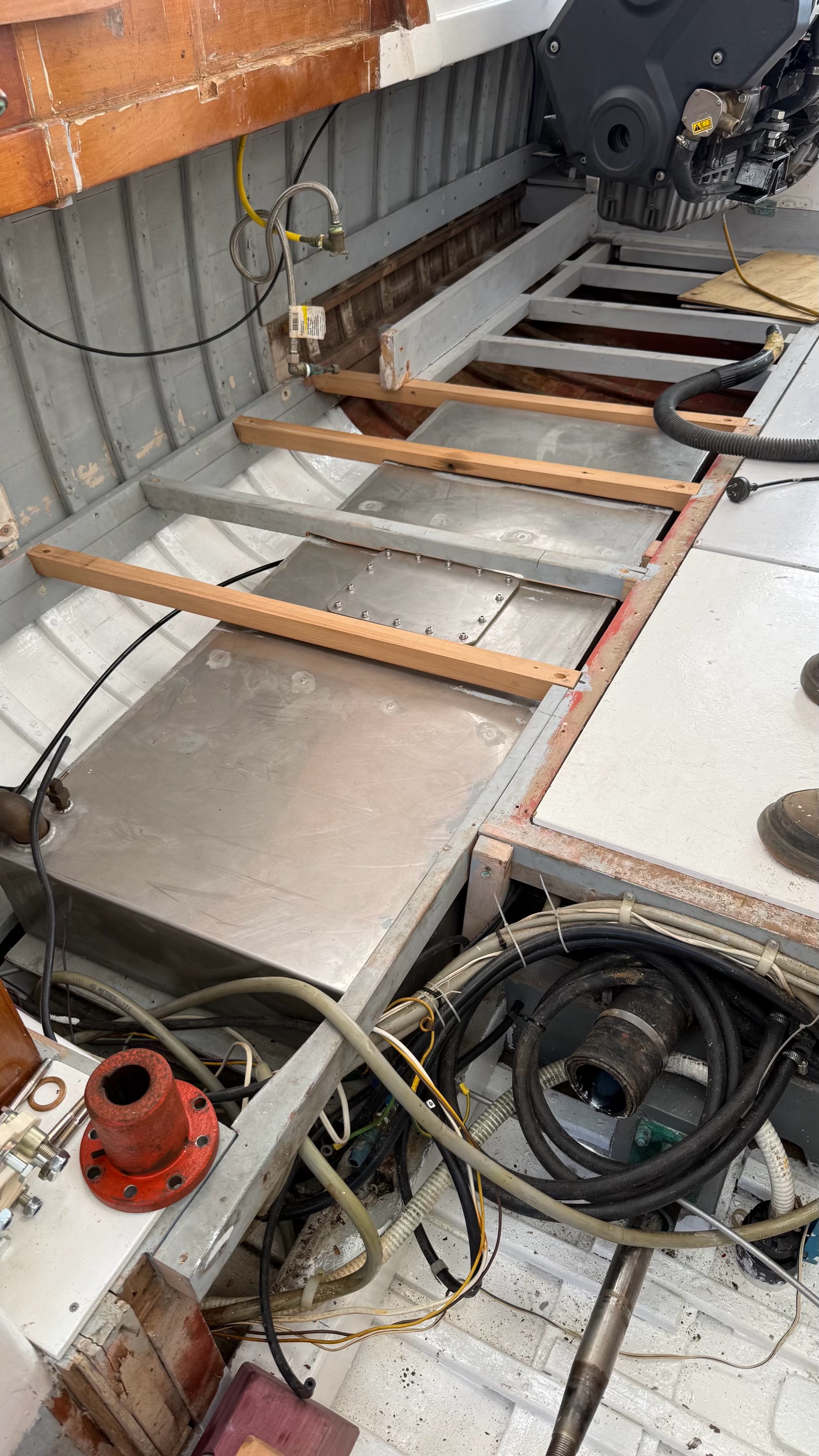
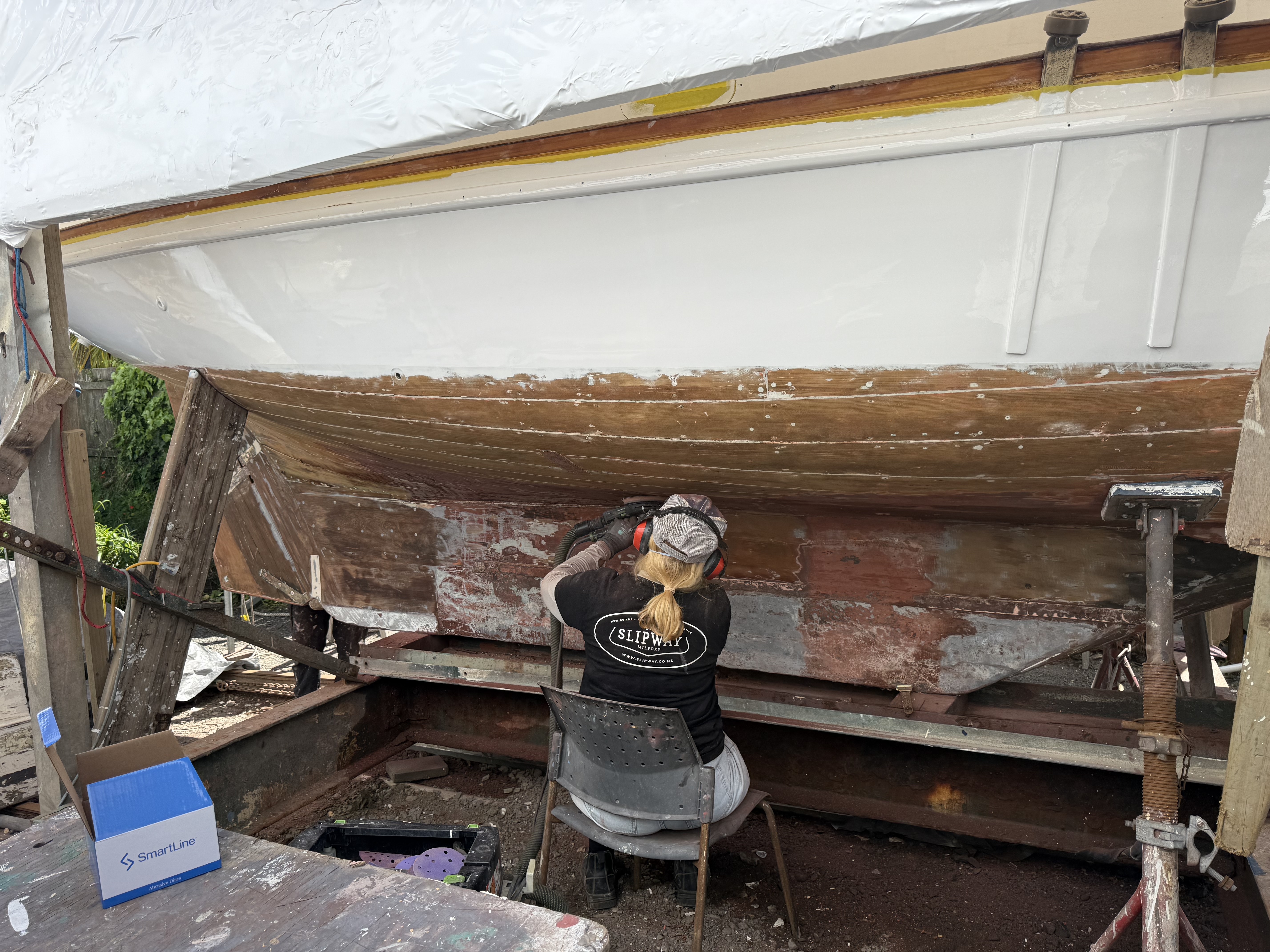
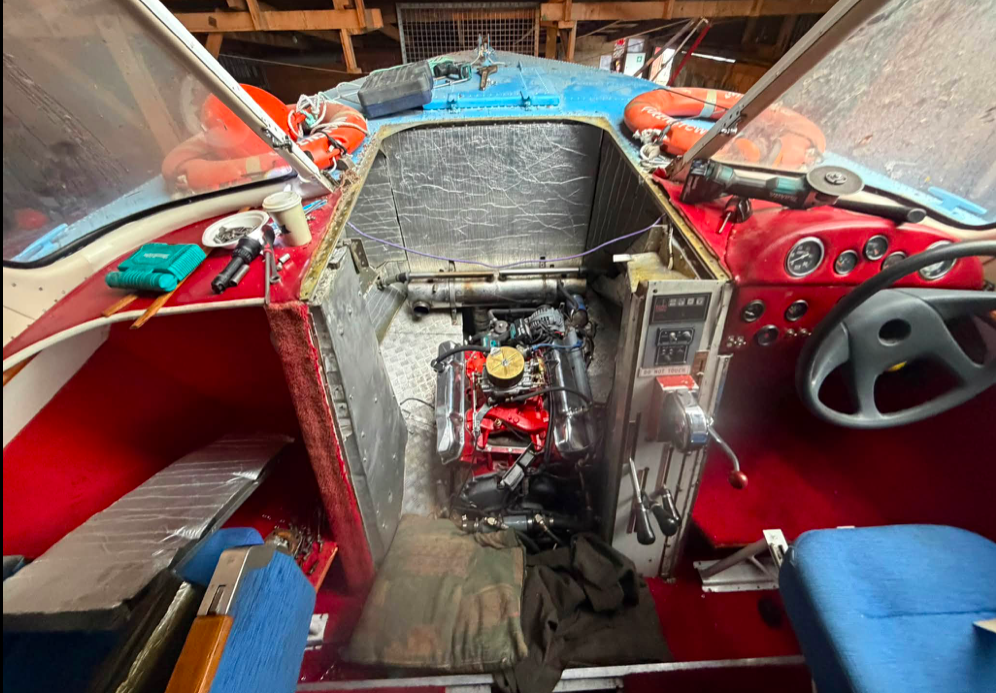
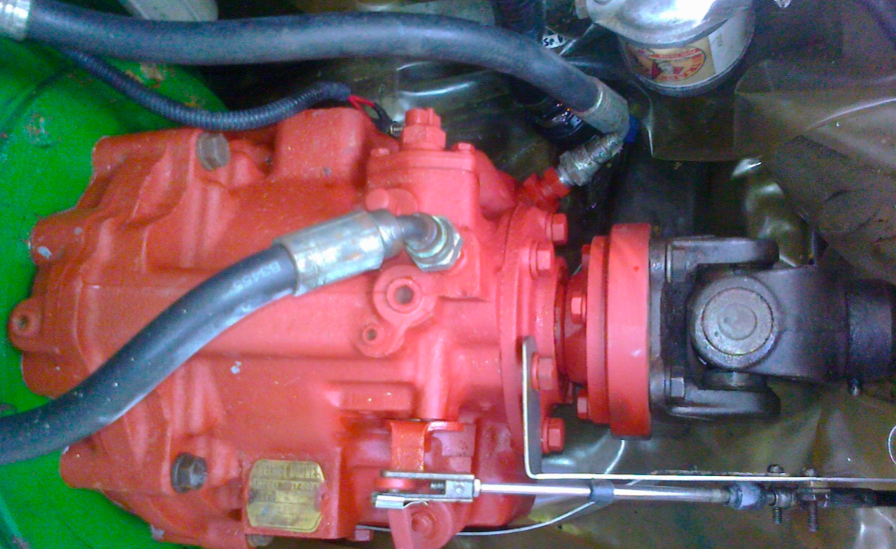
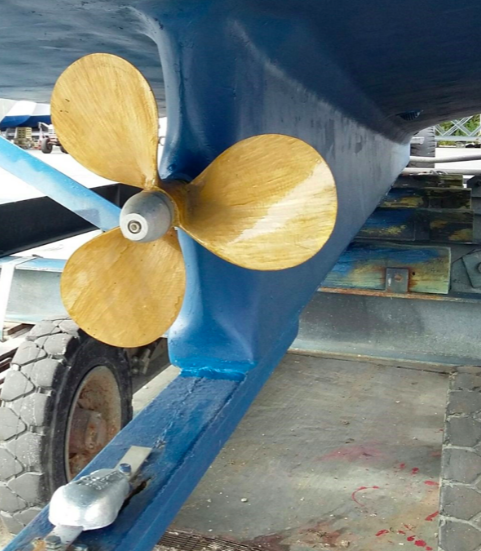
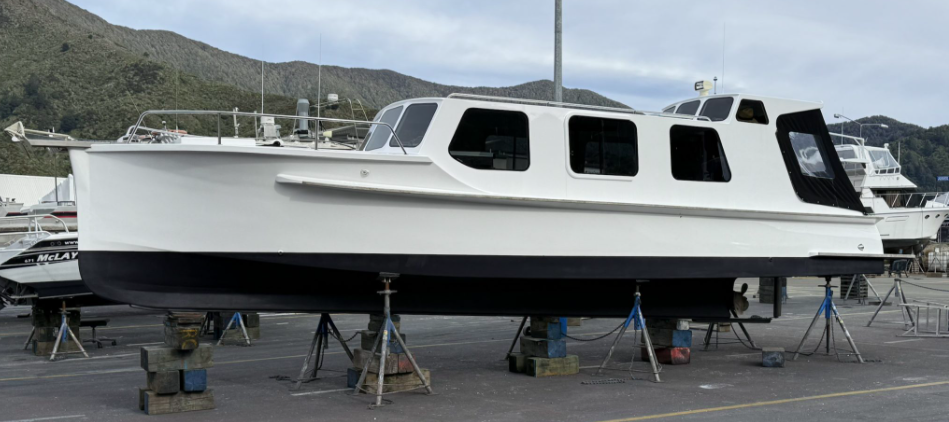
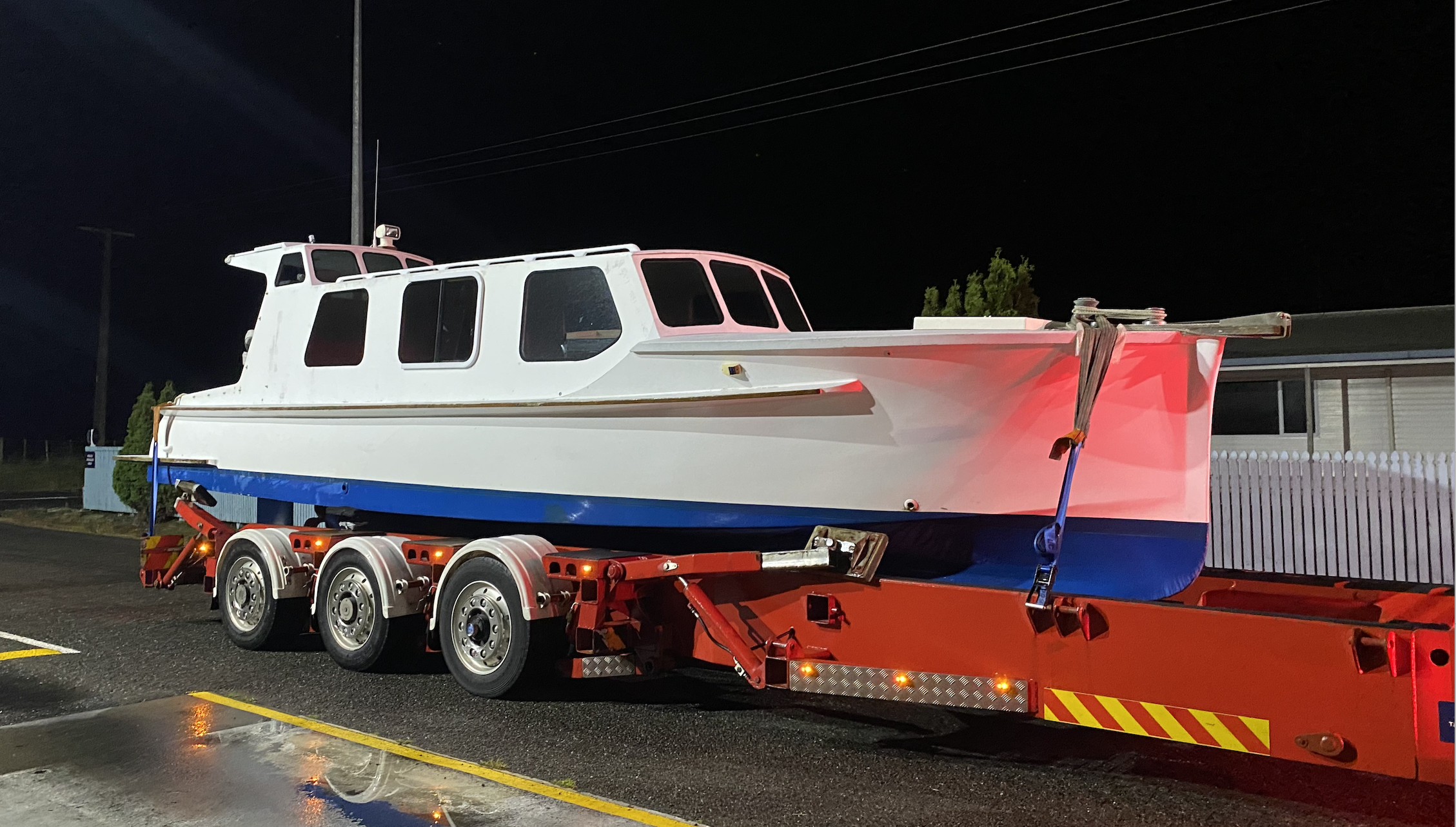
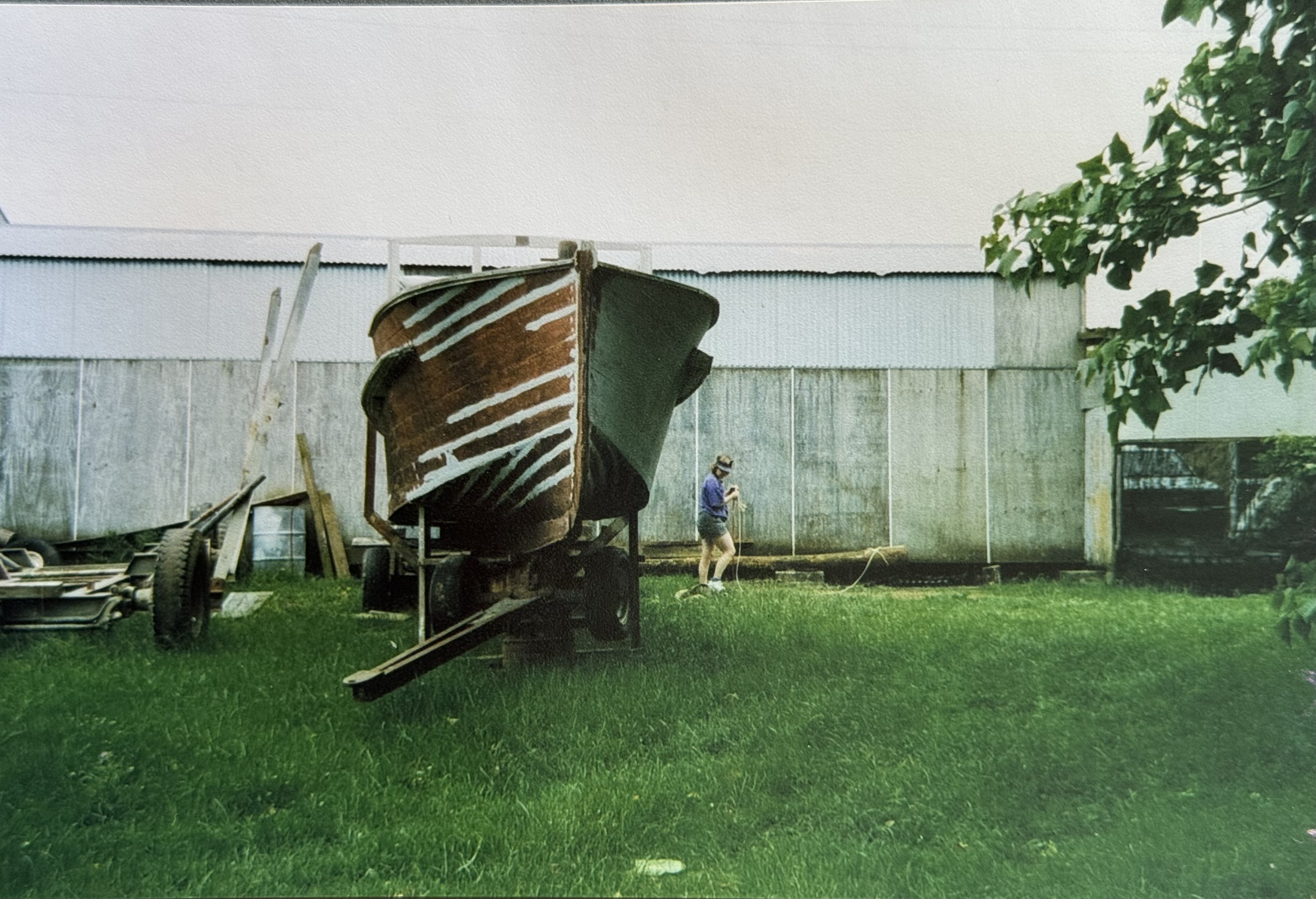
Spotted the 33’ Roy Parris designed and built (1978) classic launch – WAIKARO at the Slipway Milford earlier in the week , poked my head / camera into the cabin and got a surprise – it looked a little like a tip 🙂 Normally she is immaculately presented (last photo), closer inspection revealed a large hole midships and the absence of her Ford 2715 diesel engine.
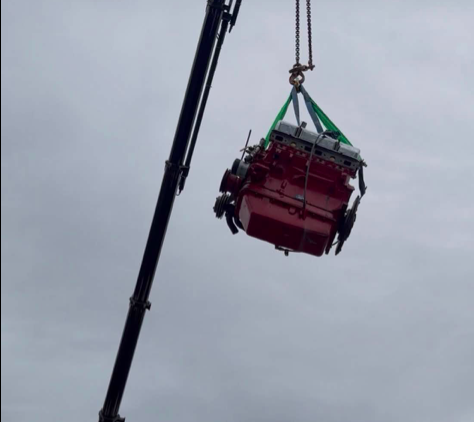
Turns out she is getting a heart transplant – out with the Ford and in with a new Yanmar. Will be interesting to see the performance comparison – the Ford was 6cly. 120hp and gave her a top speed of 14 knots, The Yanmar is 4cyl. 110hp and turbo. Yanmar is higher reving and probably 1/2 the weight. Her semi displacement hull helps with the speed.
Being keen fishermen her owners like to fish where the big ones are eg Great Barrier Island , so reliability would have also been key factor in the decision to re-power.
Looking forward to feed back on the performance of the new Yanmar.
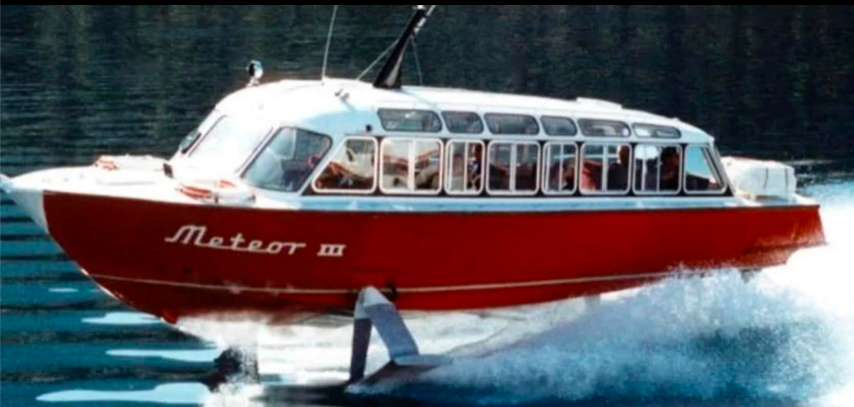
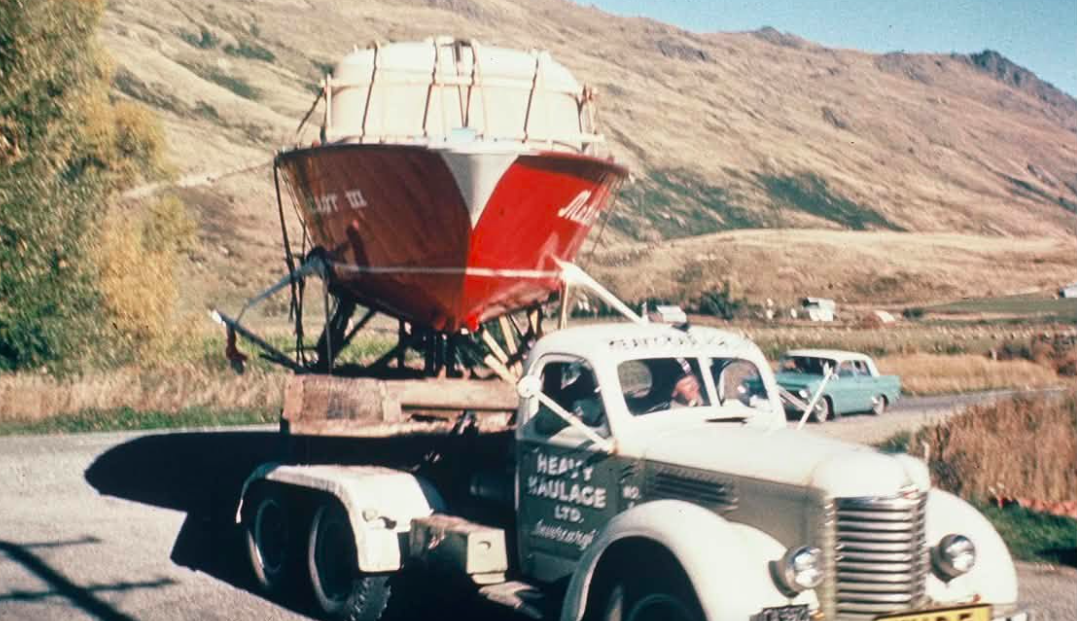
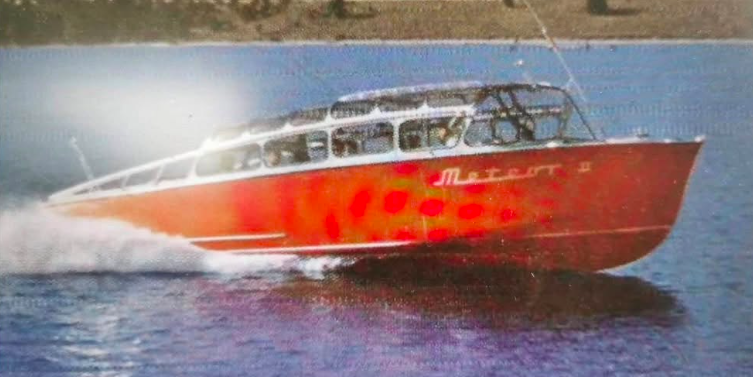
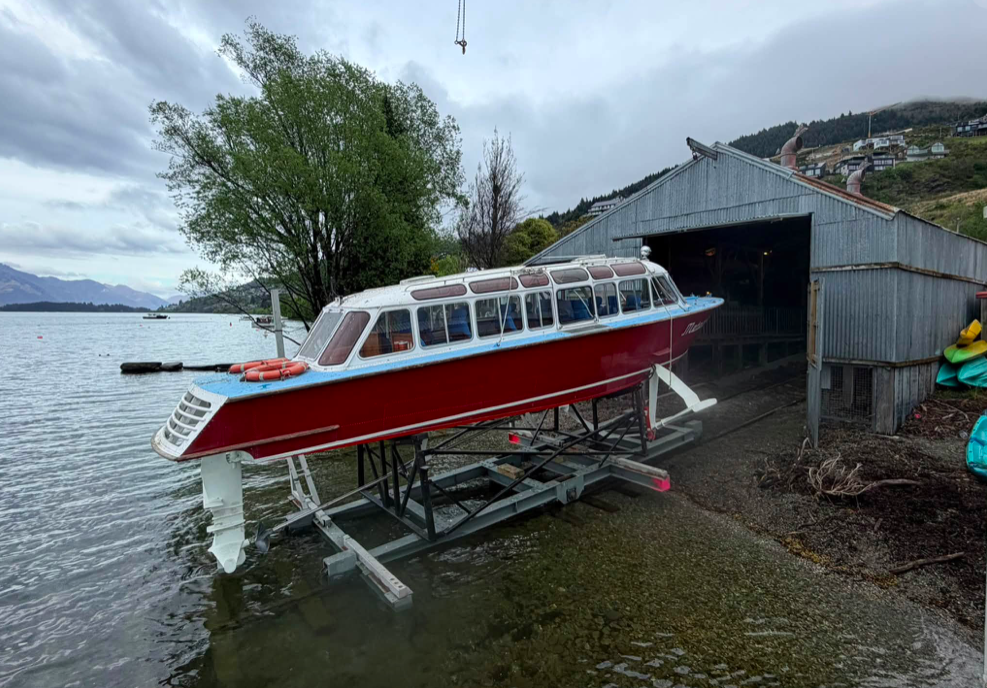
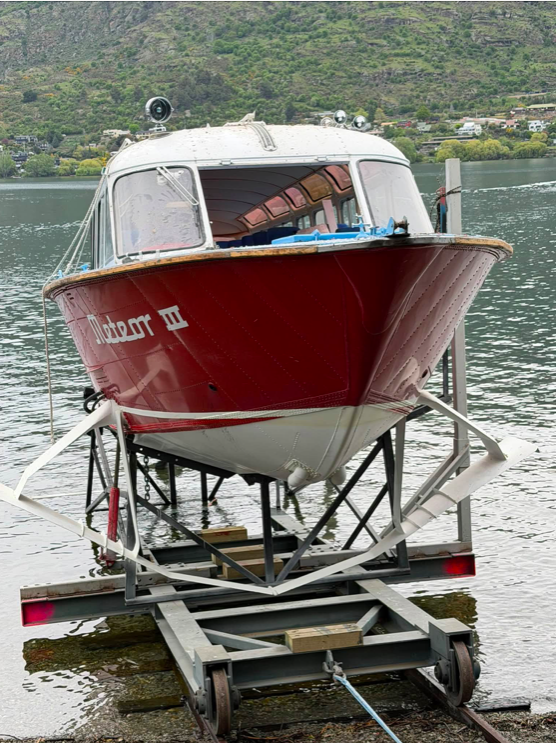
Over the last week I have been following the update on the ‘Famous Meteor 3 Queenstown NZ’ fb page that has been documenting the start of a refit on the iconic Queenstown classic tourist boat – METEOR III.
METEOR III was once one of the star attractions on Lake Wakatipu. Fingers crossed that post the refit she will take her place as one of Queenstown’s leading water based tourist attractions along side the TS Earnslaw . Yes – its not wood and not made in NZ but its a kiwi classic.
I’ll hand over to the crew overseeing the work for an overview of the vessel
SOME BACKGROUND
In 2021 the Society purchased the Meteor III, a 10m fast hydrofoil assisted tourist viewing vessel constructed of aluminum (rivetted) on steel frames.
Vessel History
The Meteor III was constructed by Porthleven Shipyard in Porthleven, Cornwall, UK in approximately 1964. The vessels design was by Supramar AG of Lucerne, Switzerland. Once completed, it was shipped to New Zealand for its original owner Frank Howarth of Lake Wakatipu. The vessel was put into passenger survey. It is well known that Meteor III attracted plenty of business both because of its space age looks and its high speeds.
The vessel was then held by various people, retired and fell to dereliction. It was then purchased by an owner who undertook and completed a full restoration of the vessel so once again she appears intact, bright and sparkling with a quality paint job, fresh carpeting and refurbished seating.
Design & Layout
The Meteor III is designed as a fast hydrofoil monohull constructed of aluminium. The engine compartment is at the bow and the drive shaft extends almost the full length of the vessel. There are hydrofoils both forward, below the engine, and aft. The passenger cabin is somewhat reminiscent of an aircraft with 15 seats that take up most of the interior with just a small area aft for storage of safety equipment and providing an emergency exit. There are plenty of viewing windows for the passengers with extra windows built into the cabin ceiling to allow passengers a full view of the scenery. Cabin head height varies from 5ft 10′ to 6ft 2’.
The Engine
The Meteor III is powered by a Chrysler 440 petrol engine rated at 300HP V8 coupled to Chrysler gearbox. This engine is not original to the boat. Fuel tank capacity is 200L. Cruising speed is around 31mph and top speed is 45mph. To get vessel up on the plane it needs to achieve approximately 4,000RPM following which it can drop back to 3,100 RPM. There are two hydrofoils on the vessel, one forward and one aft. The forward foil is adjustable using a hydraulic pump and the aft foil follows suit automatically. The drive shaft is stainless steel and the prop measures 420 x 560.
CLASSIC WOODEN LAUNCH KALAMERE – UNCOVERING HER STORY
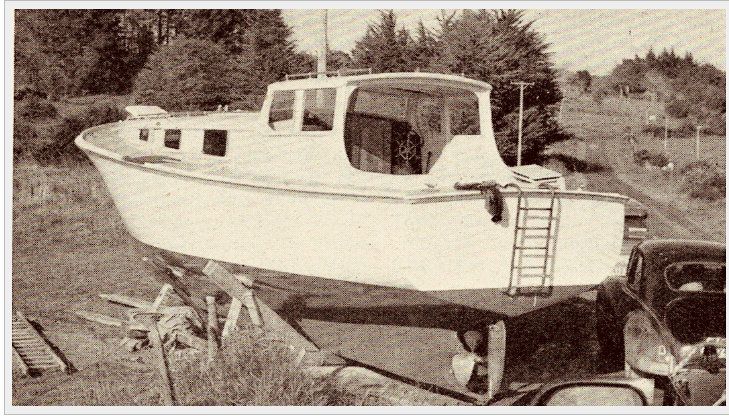
Todays woody story started from 2025 note from Denis O’Callahan via the November 1958 edition of Sea Spray magazine. One of the craft featured was the 34’ motor launch KALAMERA, built c.1958 by Alan (Snow) Water in Takapuna, Auckland. She was built for a gent named Jack Bennent of Paeroa. Her intended home port/s was listed as Coromandel /Whangamata, where she was to be used primarily for sport fishing. The woody question that day was did she ever make it to Coromandel and what became of her. Link to that story https://waitematawoodys.com/2025/09/14/in-search-of-the-classic-wooden-launch-kalamera/
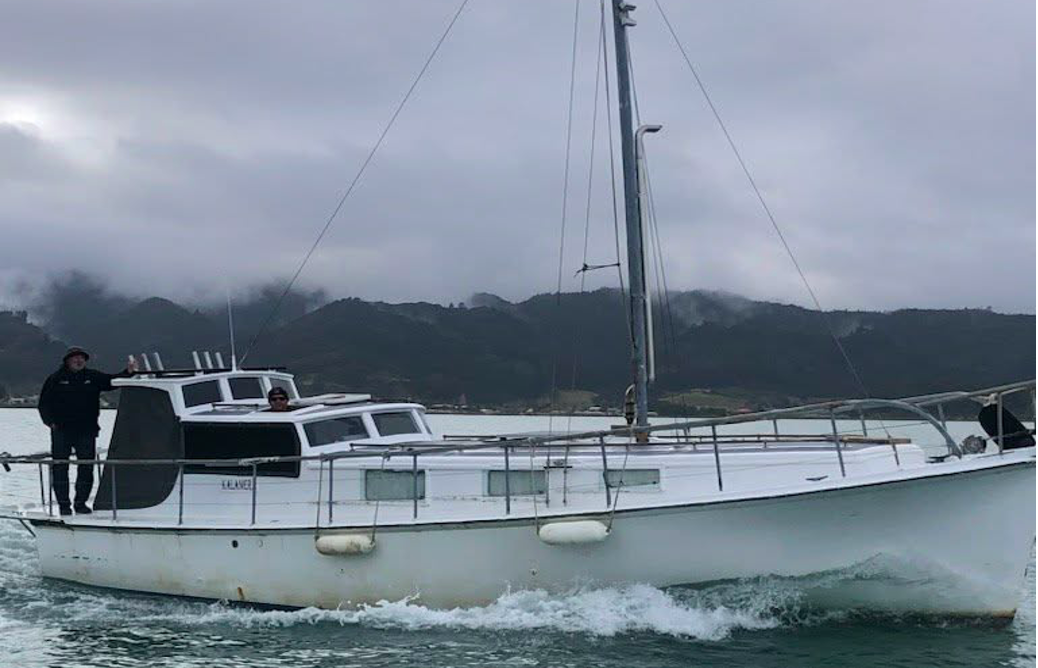
Well woodys fast forward to earlier this week and jackpot – WW received an email from John Clynes who describes himself as the first mate on KALAMERE, John thought WW may like an update on her history and some latest photos. John is a retired boatbuilder who also I worked for Jack Stone in Takapuna and built real wooden boats. John lost contact when Jack moved up the Wade river no build a 50’+ Fijian Kauri commercial fishing boat that John lofted out the frames for.
John wondered if we have any info on Jacks boats.
I’ll hand over to John to tell the story –
“ Jack Bennet, a war veteran, saw wartime service in the Mediterranean as a truck driver in World War II. On return, he married Doreen and they were both keen fishos on the Thames coast. In the early fifties they bought a boat named Noni in Whangarei as advertised in the NZ Herald for 1450 Pounds. With the help of Allan (Snow) Waters, a Takapuna boatbuilder who surveyed her, they all took delivery and sailed her down to moor in Tapu on the Thames coast. Sadly, they lost Noni in heavy seas eight months later and she washed ashore on the rocks by the roadside in the next bay. Noni was trucked to Auckland for assessment and was deemed a write off. Jack managed to retrieve the four-cylinder diesel, prop and shaft for his next boat, determined to make another boat bigger and better.
Jack engaged the services of Snow again as he was renowned for building seaworthy hulls that would sail and motor comfortably in any weather to handle coastal New Zealand conditions and so KALAMERA was born inspired by Jack’s wartime service in Greece. Kalamera means good morning.
Mr. Lou Wenzlick had a permit to take standing dead Kauri out of the bush on top of the Wias track above Hikutaia. Jack bought a log 37-foot-long log and took it on his own transporter up to Helensville Sawmill which was the only mill capable of milling that length. He then loaded the milled timber on his transporter and delivered it to Snow Water’s boat shed in Takapuna. Kalamera’s ribs needed Tanekaha or Mangeao timber, so Jack harvested a tree of each from his own back bush property in Komata and got Harvey Evans in Paeroa to mill them.
Otie Miller an older gentleman, and a qualified ship’s furnisher, employed by Snow, fitted out the interior. Fred Pole was a mate of Jacks who lost an arm in the desert and came home on an hospital ship with Jack and was rehabilitated to become a French polisher. Fred very kindly polished all the interior mahogany joinery. Snow made all the templates for the bronze stem, bollards and cleats and got them cast at the Thames Foundry. 12 months later a thing of beauty was born, 34 foot in length, 10’6” beam, draught 3’9” initially powered by the motor from Noni and replaced five years later with a 100hp 6-cylinder diesel capable of nine knots
The 8th of September 1958 on a crane at Devonport wharf, she was christened Kalamera and cruised the upper North Island for many years from her home port in Whangamata staying in the family with Jack’s three children Ron, John and Eileen until June of 2004 when Neville Foster, Eileen’s son and grandson to Jack took ownership of Kalamera, privileged to keep the boat in the family and brought her over to her new mooring in Puhi Rare Bay Coromandel.
3 years later in 2007 Kalamera chafed through her 40mm polyester braided mooring rope and decided to take herself on a journey in a storm and vanished out the harbour entrance. The following morning, Neville got a call from the harbour master Dick Williams who saw her come back into Woolshed Bay Coromandel with minor damage. She came back into the harbour by herself just to say “Kalamera! Good Morning!”
Neville and family made a work move to Australia and sold Kalamera to Norm and Pam Gray of Waiomu (Thames Coast) in 2009. They enjoyed her for eight years when Neville bought her back in 2017 while still living in Australia. Covid made travel difficult, so it was time to give her up again for the last time.
Bruce Pemberton the current owner bought her in 2023 and has her up in Fureys Creek, Coromandel on a mud berth for restoring as finance allows. Bruce had a trucking career and is a diesel mechanic by trade, so it is rather fitting as Jack Bennet was also a truck driver and mechanic which puts Kalamera in good hands. In 2026, Bruce did a complete 2026 overhaul pistons and liners on her 1963 diesel engine and now burns a clean stack and she purrs like a kitten is easily giving her hull speed of 9 knots. Painting, painting and painting over 2026/27 will bring Kalamera back to her former glory which is testament to real wooden carvel plank, kauri boats, a pedigree of nearly seventy years always lovingly maintained.“
Todays woody story is a shout out for someone who might be able to answer a few question.
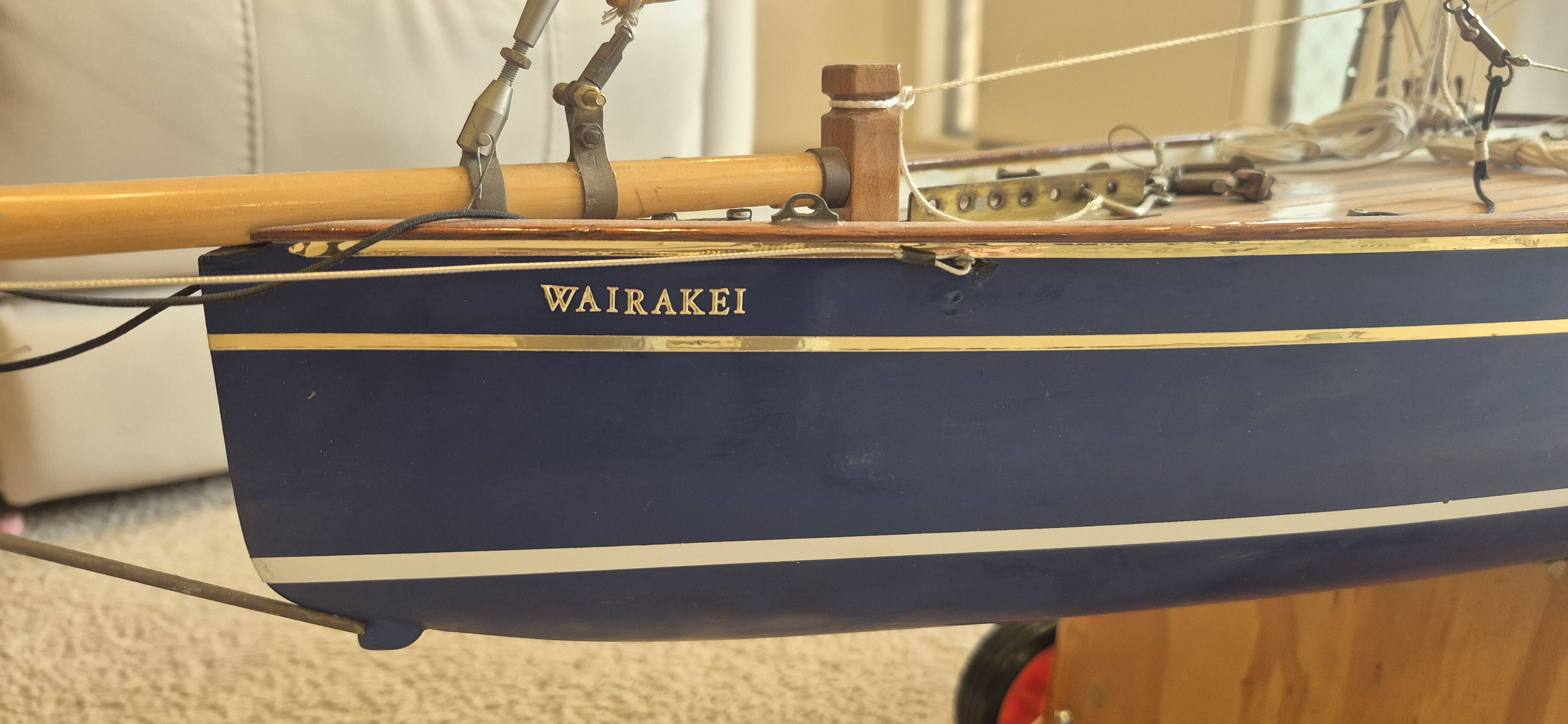
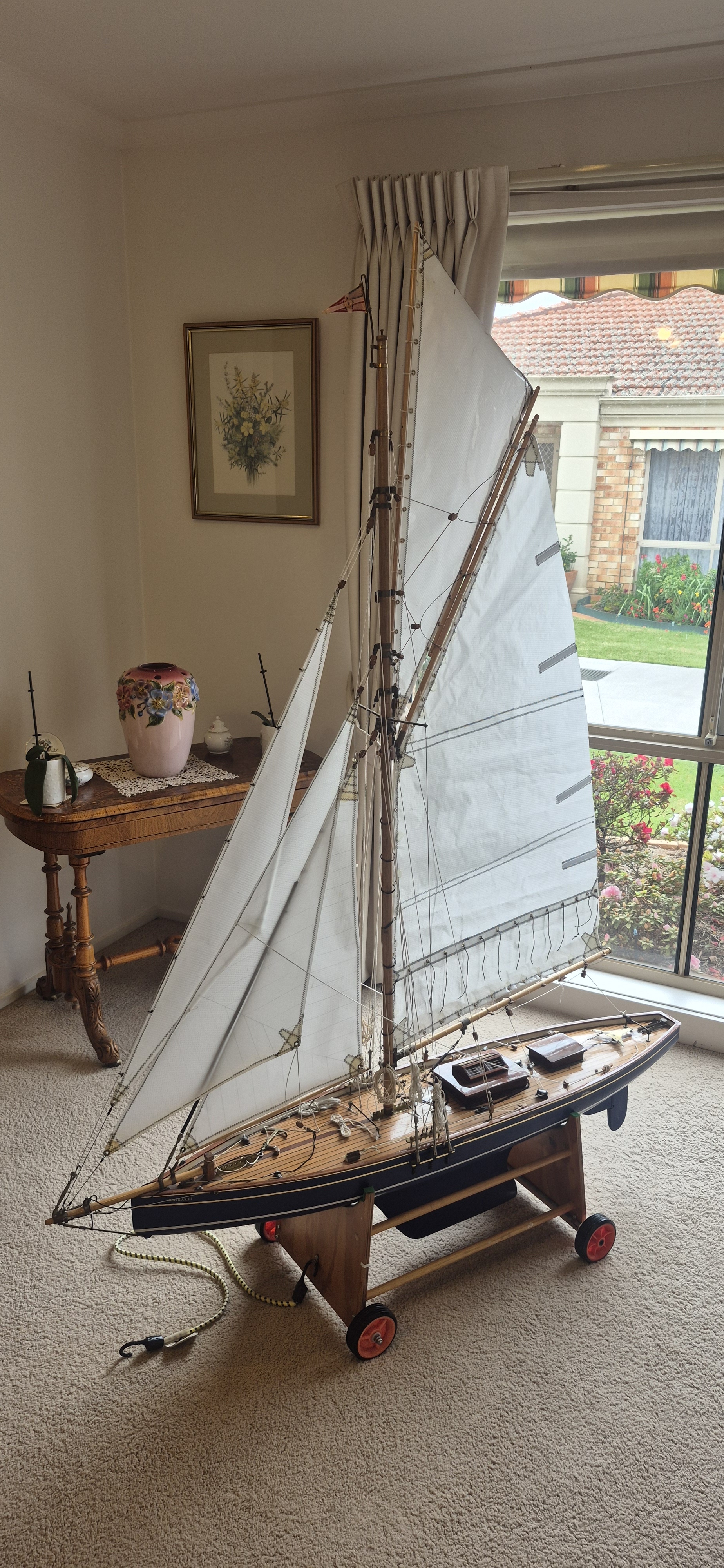
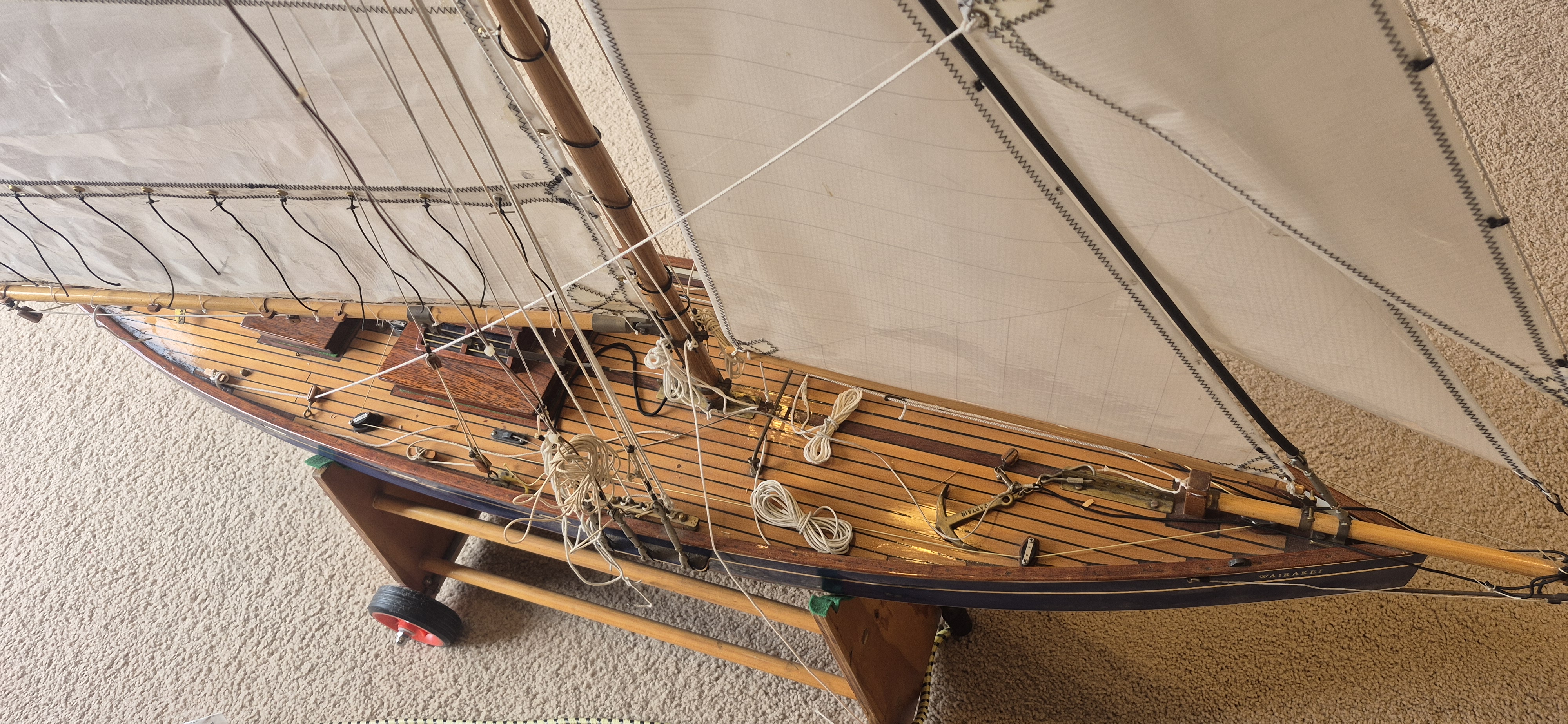
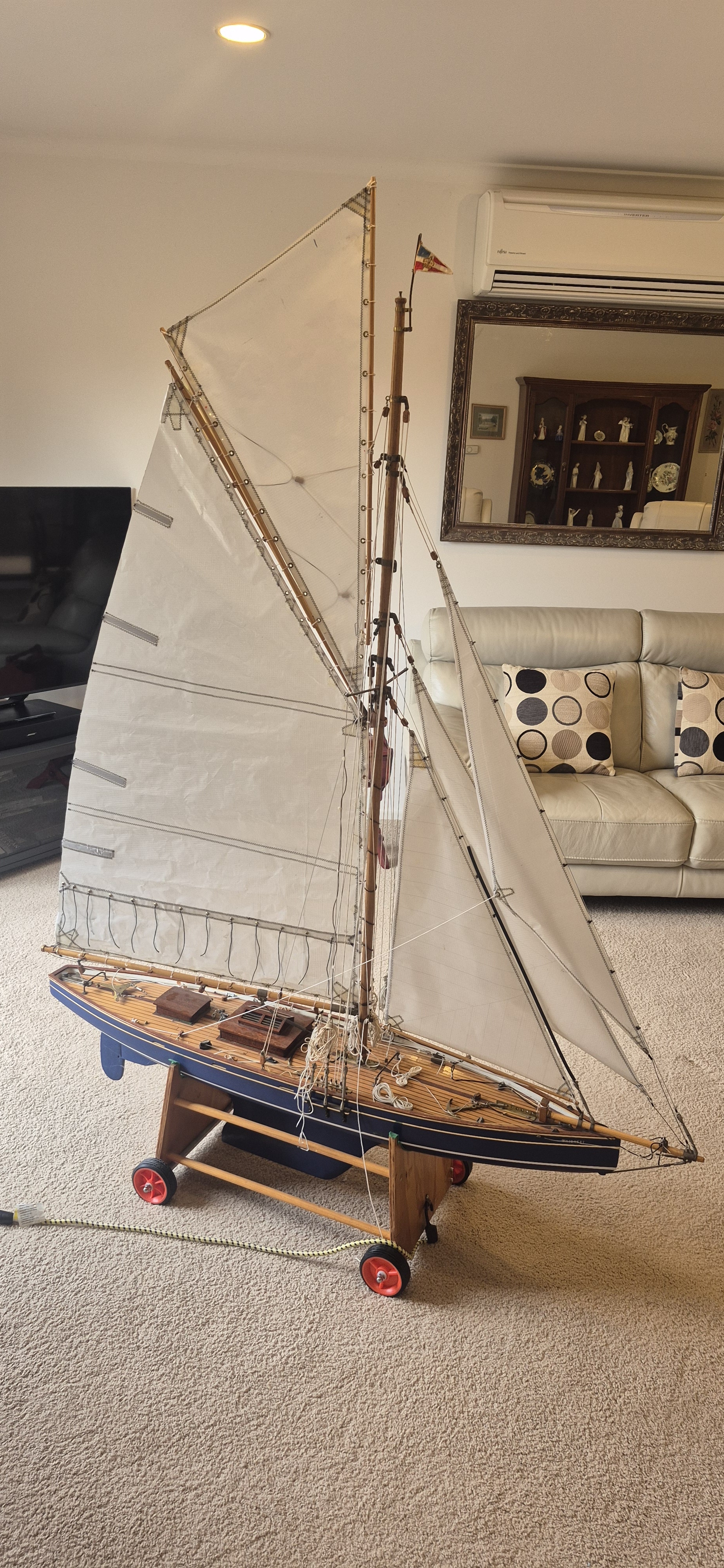
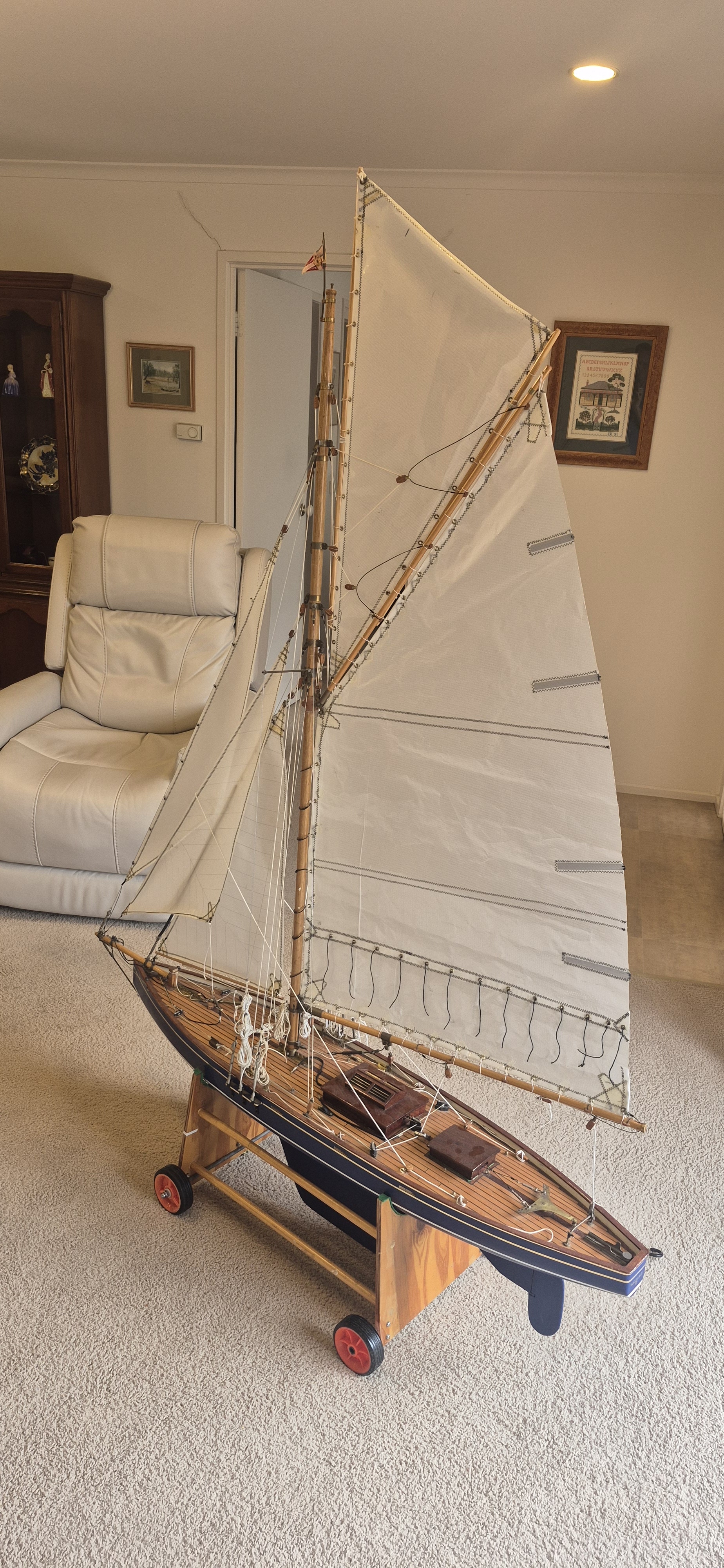
WW was contacted recently by David McWilliams, from Melbourne, Australia asking for help concerning a pond yacht his father built.
The model carries the name WAIRAKEI. It is an impressive craft, standing approx. 6’ tall.
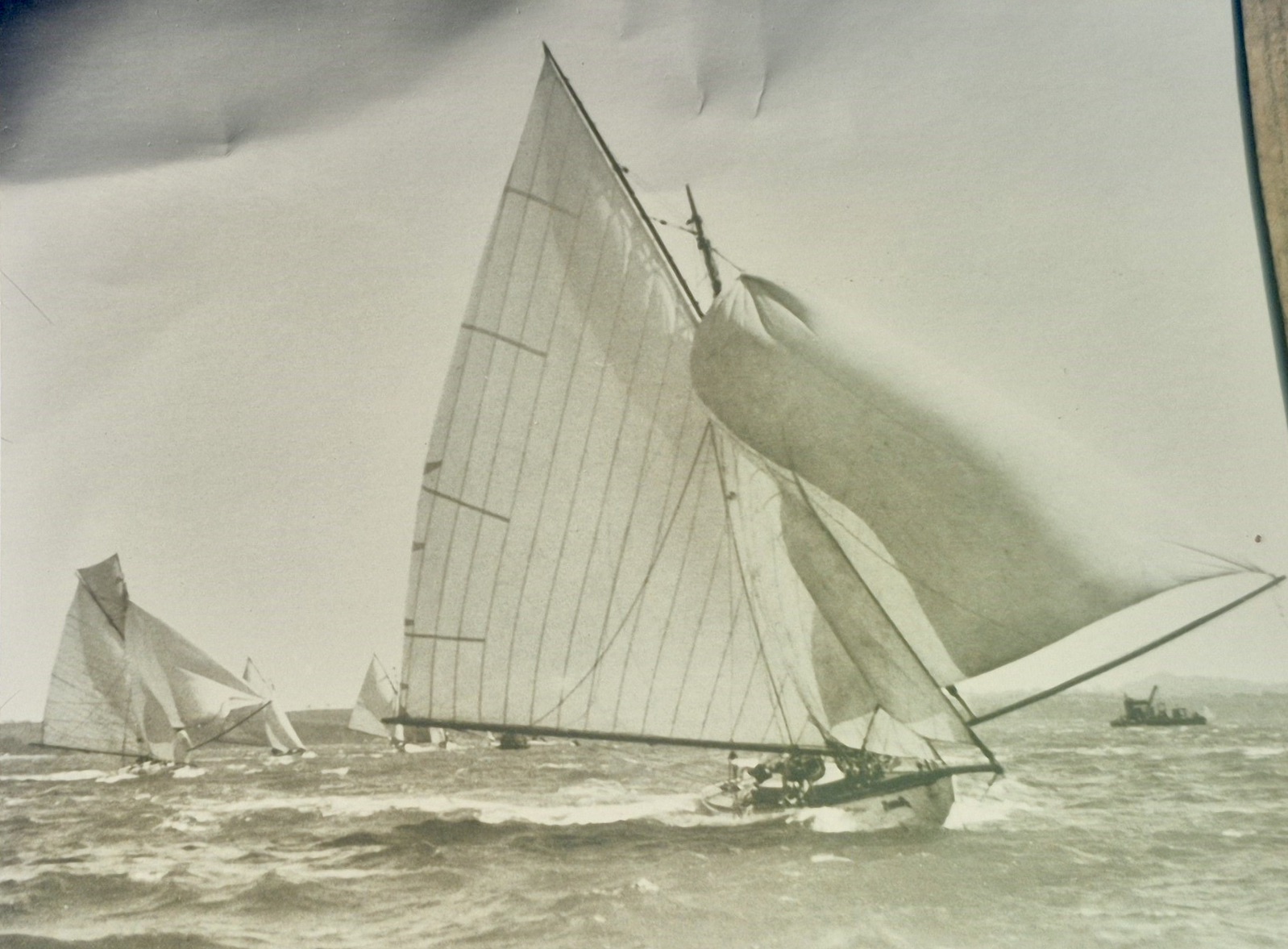
On old photo has the name WAIRAKEI , built 1899 Logan Bros, Auckland written on her stern. However he photo is most likely the 1904 34’ Logan built gaffer rigged yacht – WAIRIKI. So there is a degree of crossed wires / confusion in play.
So woodys –
1. Did Logans build a yacht named WAIRAKEI and if so what year
2. Does David’s pond yacht look like a Logan build
If the answer is yes to the above – do we know what became of her.
Hopefully Mr Kidd or Mr Elliott will be able to help solve the mystery.
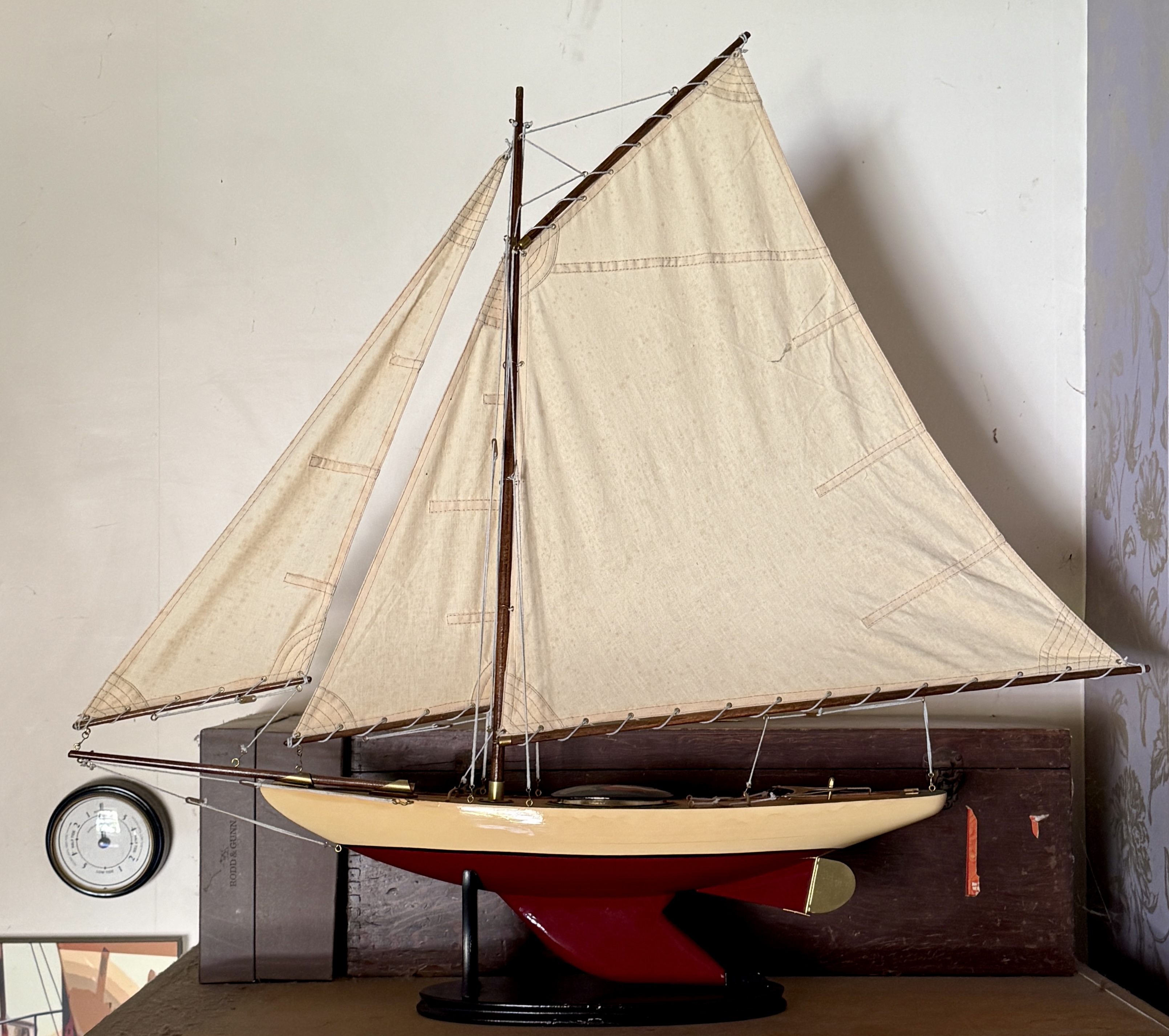
And On The Subject of Classic Pond Yachts – I said good buy to one of my favourites yesterday , pictured below. Bought on trademe for $120. An architectural design firm saw the model in a WW story and ‘just had to have it’ for a client reception project – I said no 3 times, then the offer was enough that I couldn’t say no. There’s money in these models if they look the part and are near to original .
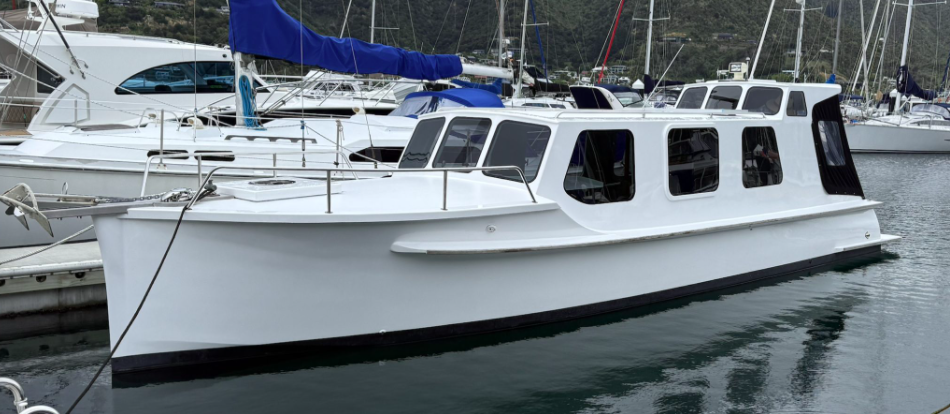
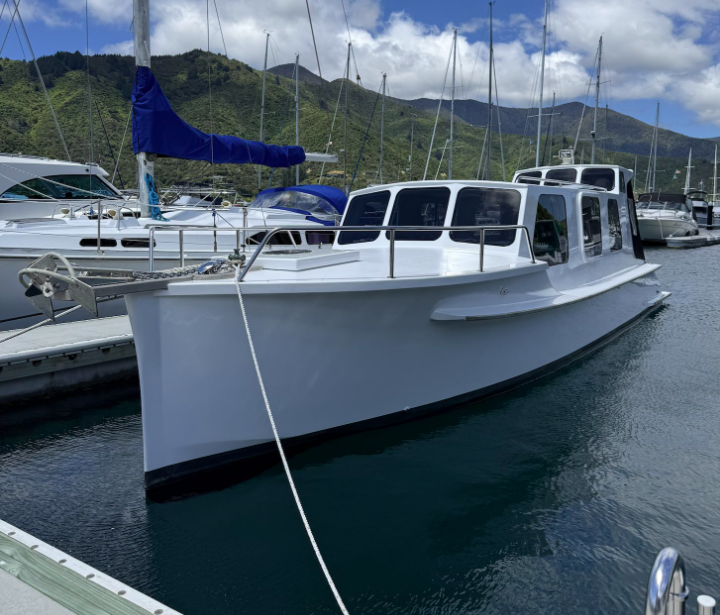
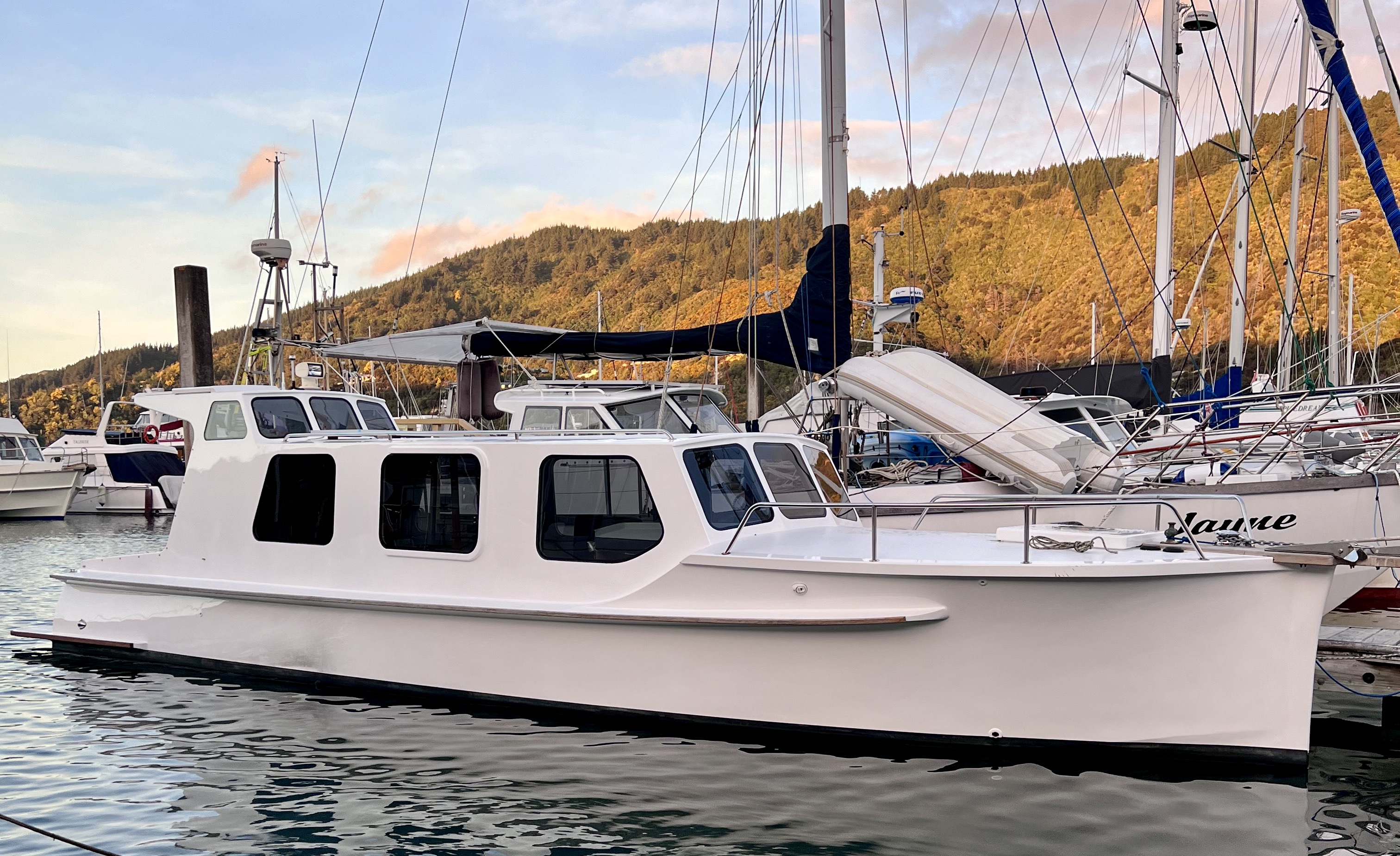
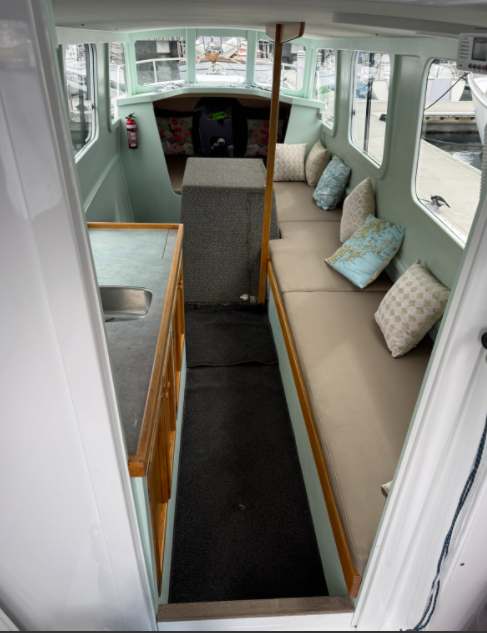
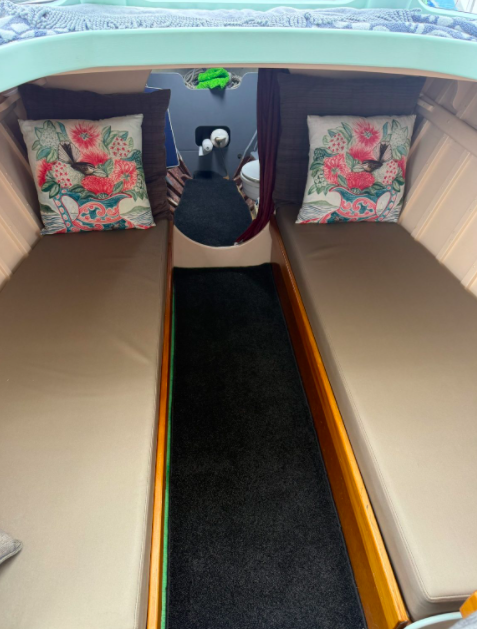
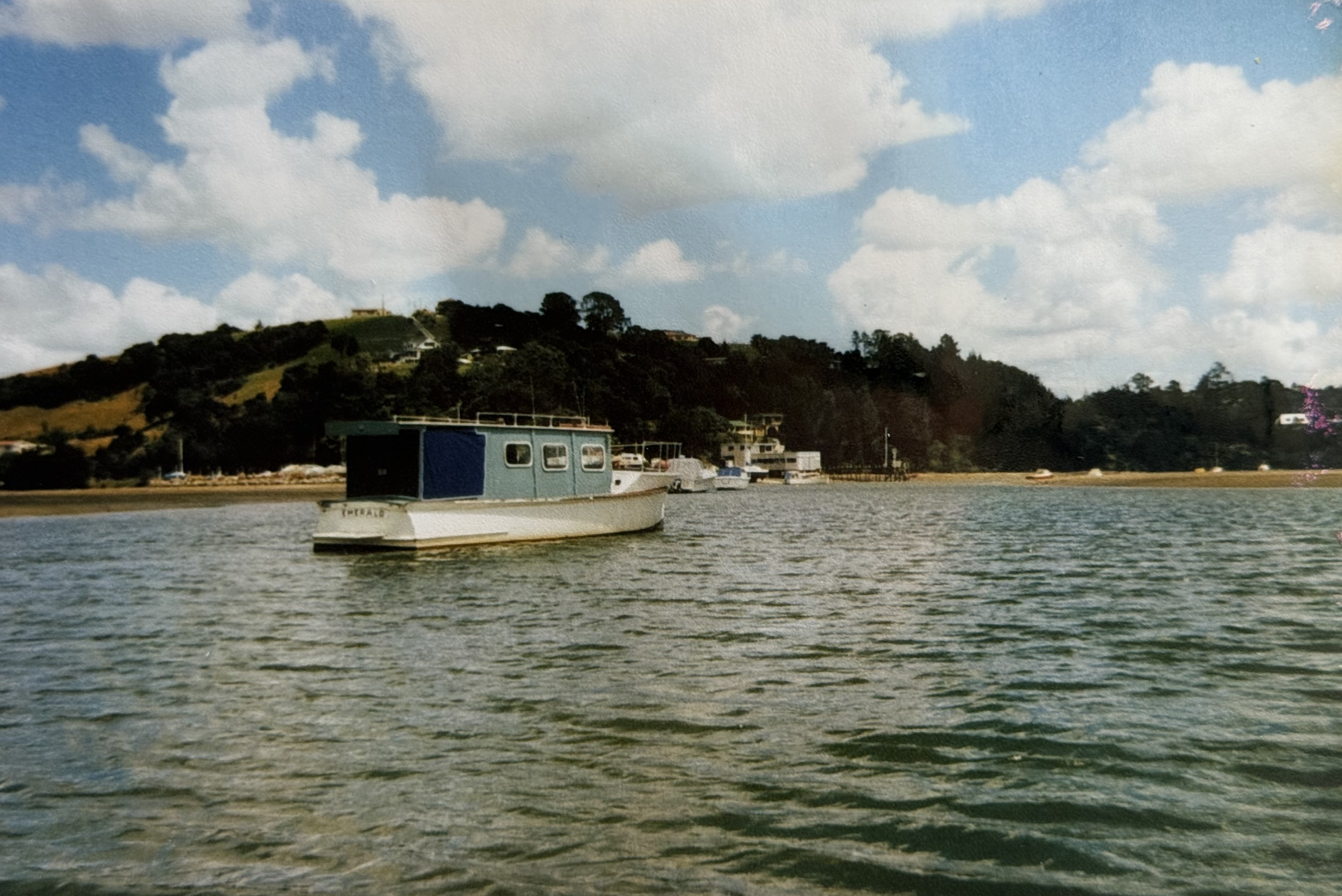
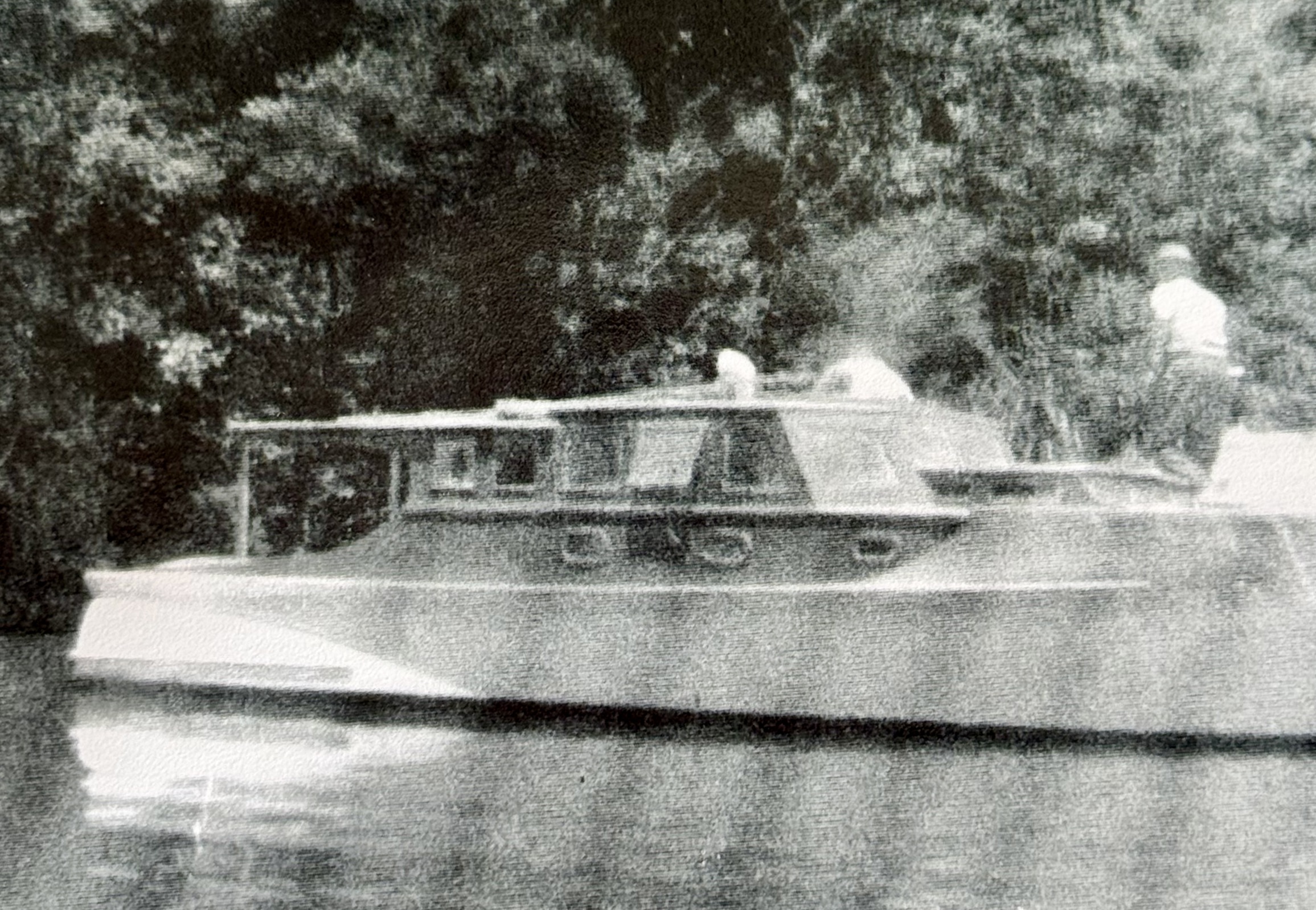
The 32’ classic launch EMERALD first appeared on WW back in Sept 2019 (link below) that story generated a lot of comments and historical photos (below – dated c.1970’s). We also were sent updated photos from her then trademe listing. WW Sept 2019 https://waitematawoodys.com/2019/09/16/emerald/
What we know about EMERALD – built c.1950’s, designer unknown but possibly her hull from the Collings & Bell stable.
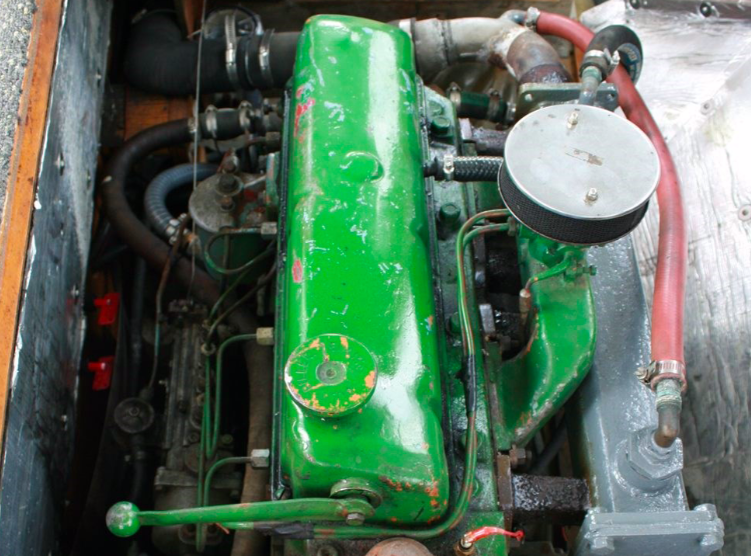
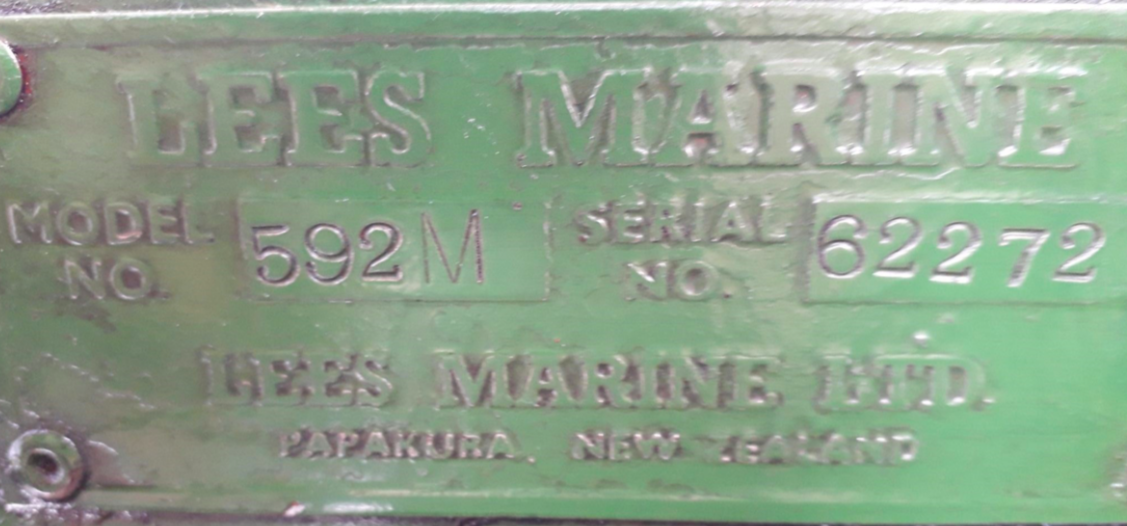
Kauri hull now glassed and powered by a 3.6L, 4 cylinder Ford Trader marinized (Lees Marine) diesel engine, that gives her a cruising speed of 9 knots. Her home waters are Picton, Marlborough Sounds, South Island.
Earlier in the week WW was contacted by Bruce Herbert, who purchased EMERALD in 2022. Bruce advised that between 2022 and 2023 he commissioned a restoration at Sounds Marine Series, Picton that saw her exterior and interior refurbished and included upgrades to her systems.
Sadly circumstances have changed and Bruce is looking for the next custodian of EMERALD. Bruce is aware the market is weak and in my eyes is asking a fair price ($19k)
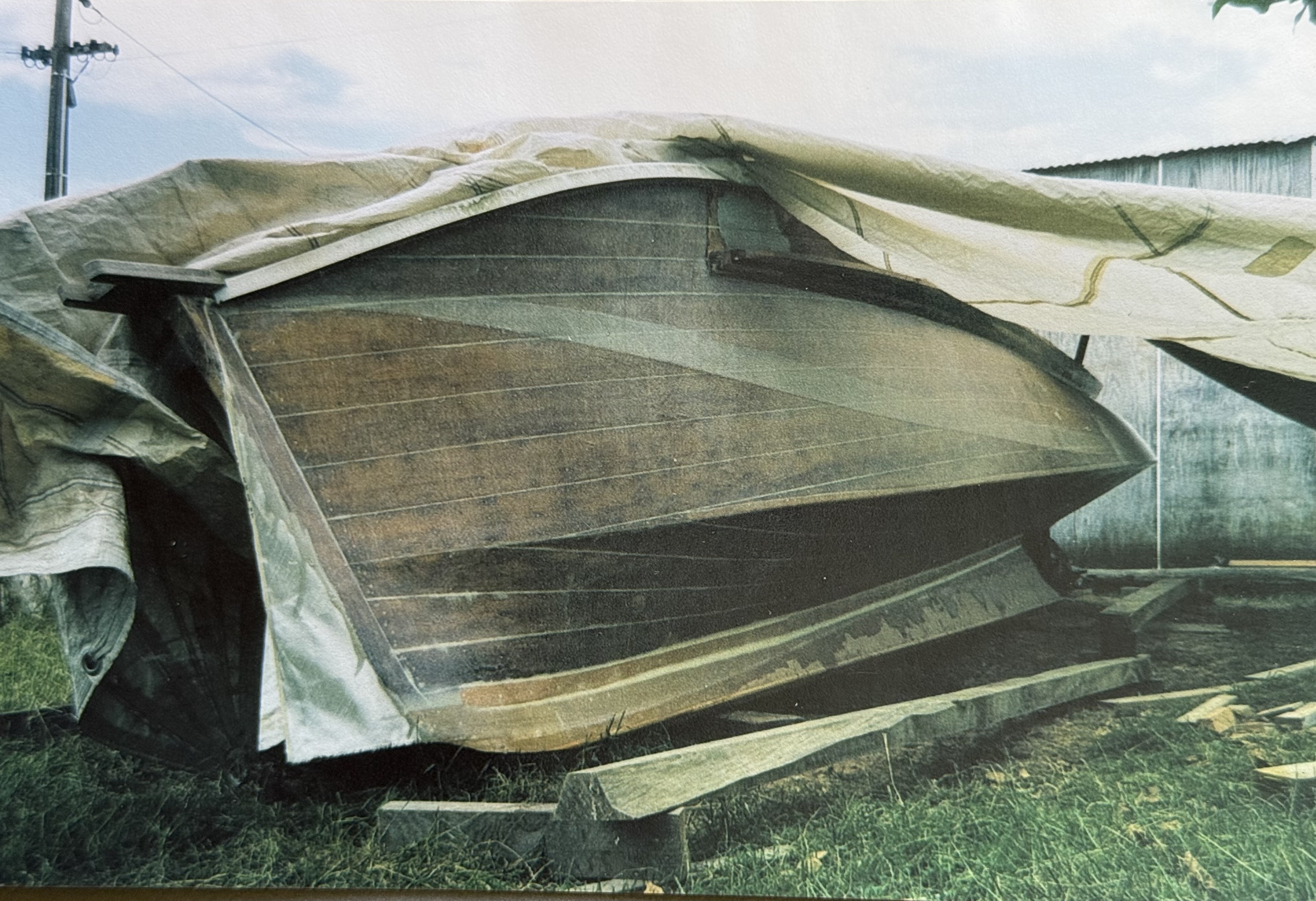
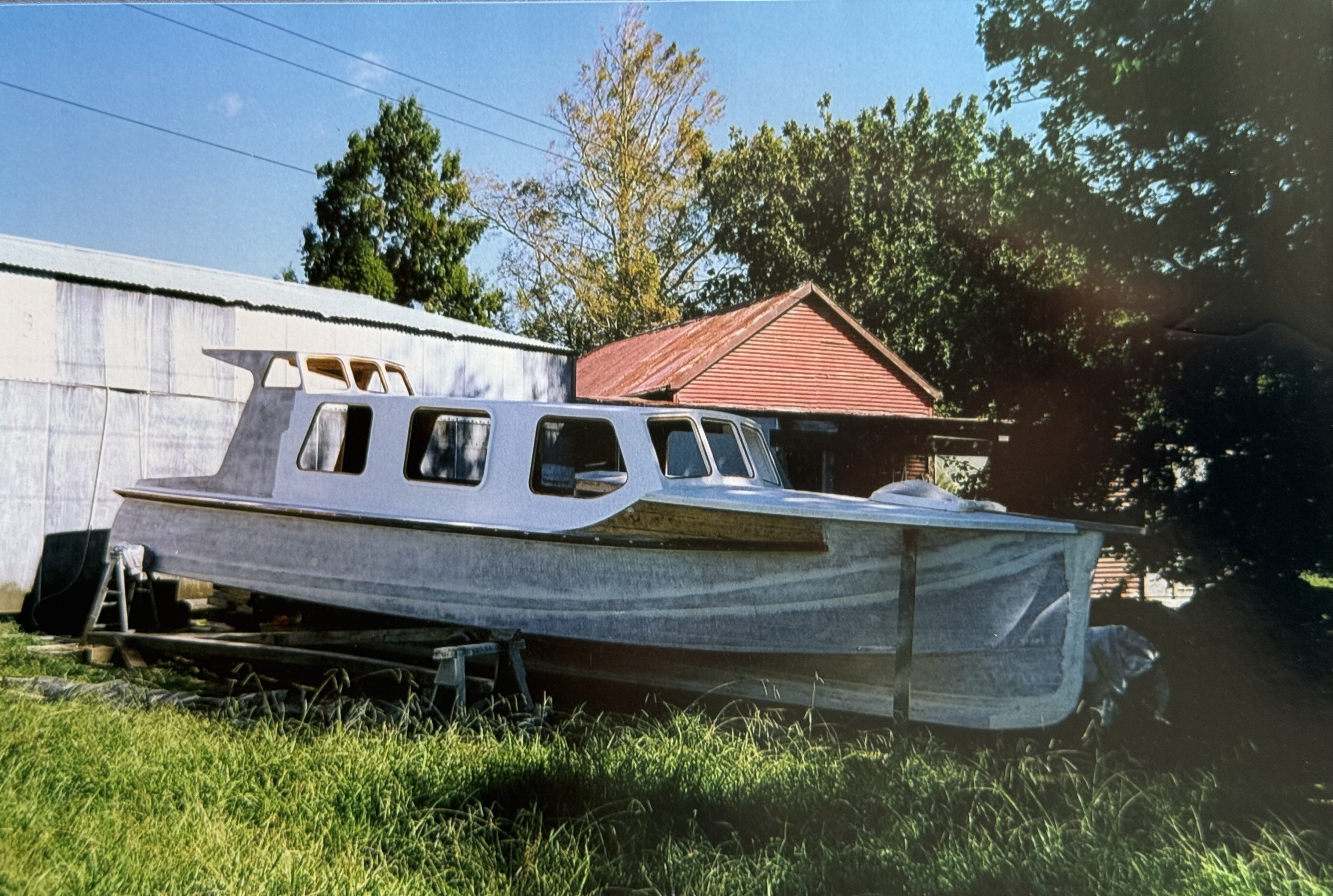
05-10-2026 INPUT ex owner BRUCE HERBERT (edited) – below are a few photos showing some of the journey Emerald has come on. The black and white image shows a similar lineage, I’m guessing, or is of a similar age as the image above from c,1970’s. The location is Henderson, courtesy of Bob Wylie, where she was undergoing the rework of hull restoration when they sheathed it in glass, along with the additional cabin work.
It is only a mystery because the owner doesn’t think a vessels name is part of its history…….
The woody featured above is approx. 33’ in length, with a carvel hull and powered by a Ford 75hp diesel engine. And that woodys is all we know so keen to learn more about her other than home is Nelson.
I suspect her owner has some basic engineering skills – the stern davits suggest a DIY addition, practical I’m sure but maybe better suited to a workboat.
CLASSIC WOODEN WORKBOATS OF THE HAURAKI GULF – ANZAC
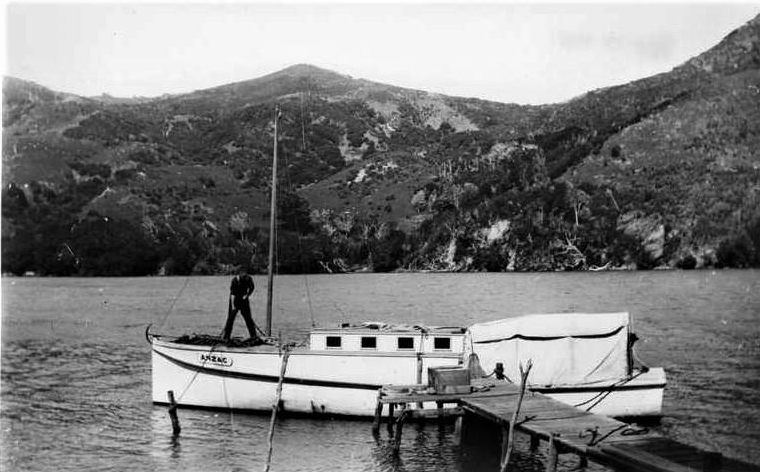
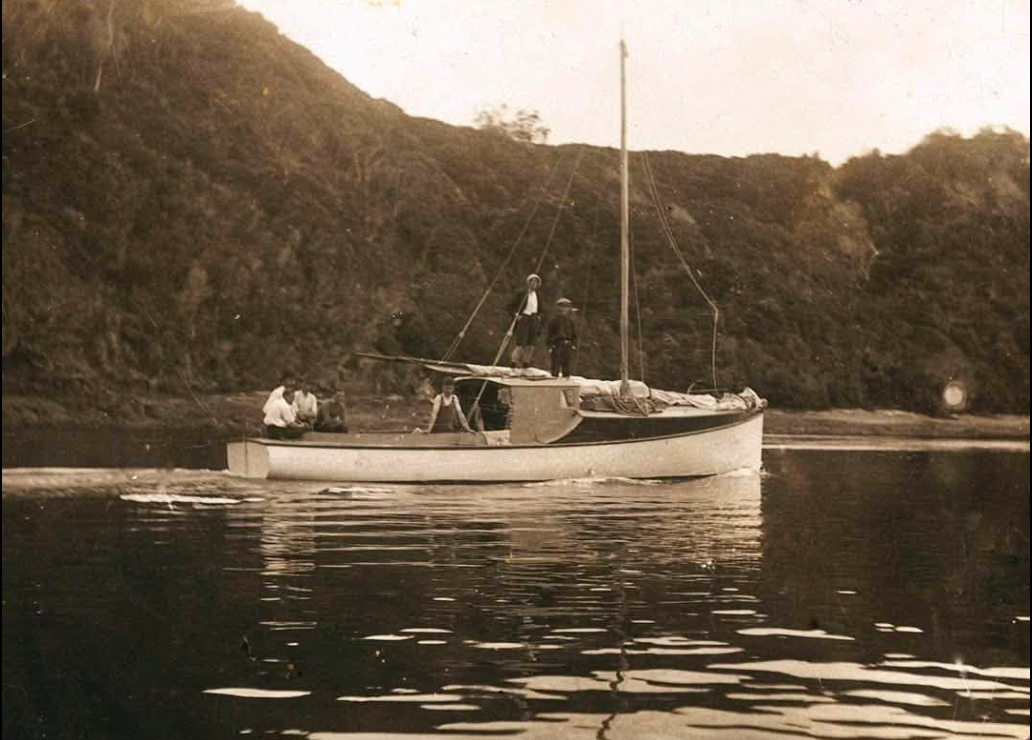
Trolling thru the WW archives I found a file tagged Anzac that was created in 2019, inside was was the above photo of a launch named ANZAC, back in 2019 Harold Kidd had advised that she was 33’, built at Great Barrier Island and in those days powered by a 12-18hp Zealandia engine.
ANZAC was used for general cargo and passenger work in the Hauraki Gulf. Harold commented that she was probably built by G Osborne in Tryphena.
Todays photo originally came from the Auckland War Memorial Museum and was tagged – ‘ANZAC on the Puhoi River.
Do we know what became of ANZAC. Harold once told me these launches were the equivalent of todays Toyota Ute. Everyone had one. I’ll get it wrong but I think I was told the annual production was something like 3>4,000 a year.
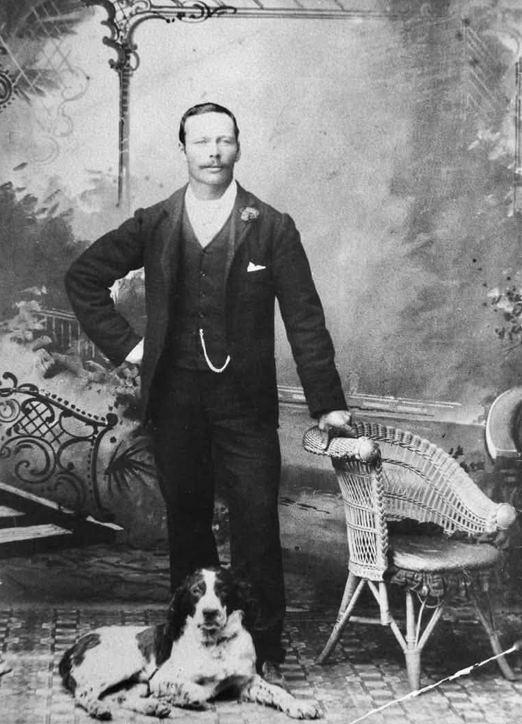
This great photo and tale popped up recently on a post that Dennis Mansfield made on the NZ – Our Past Our Present fb page. Its a cracker read so I’ll hand thetiller over to Dennis today –
“My grandfather, Edward Mansfield, who was born in Napier in 1878 , came to Auckland about 125 years ago. In due course he commissioned Dick Lang, one of St Mary’s Bay’s boat builders to construct the Ruby 2 for longlining. She was built of end to end kauri and I believe she was 34ft in length. Grandad paid £150 deposit, £150 at the halfway stage and £150 on completion.
She was converted to Danish seining eventually to make her more commercially viable but lost her visual appeal in the process. She was my dad’s first place of work when he was taken from school at the age of thirteen to become a full time fisherman. Grandad compensated Dad for limiting his formal education by presenting him with a brand new clinker built kauri sailing dinghy for his next birthday.Dad was certainly diligent. When they had unloaded the Ruby he would take the dinghy and row around to the Kauri Timber Company. The logs were held in a boom and would often break out if the sea got up. Dad got two bob a log to retrieve them. I thought it was quite a lot of money for those days but the size of the logs and the tide meant it could take an hour or two to effect a recovery. No wonder he was so damn strong.
In later years Dad was Master of an 86ft tugboat called the Odin. He would take a bit over seven hours to steam to the Blackjacks on the Eastern side of the Coromandel. The bulldozers would push the kauri logs down onto the beach and Dad would give his mate a leg up so he could run an auger through the log and chain it to the herringbone raft they were building out of the logs. In one raft they brought three quarters of a million feet of timber back to Auckland. It took them three and a half days to steam home.
During the war years dad would tow a scow up the Wairoa river to Clevedon. It was laden with McCallum’s red chip which was used as base metal for the airstrip at Ardmore, built primarily at the request of the US Air Force. The old man said the shrouds would twang like guitar strings as they got caught up in the the willows that overhung the riverbanks.”