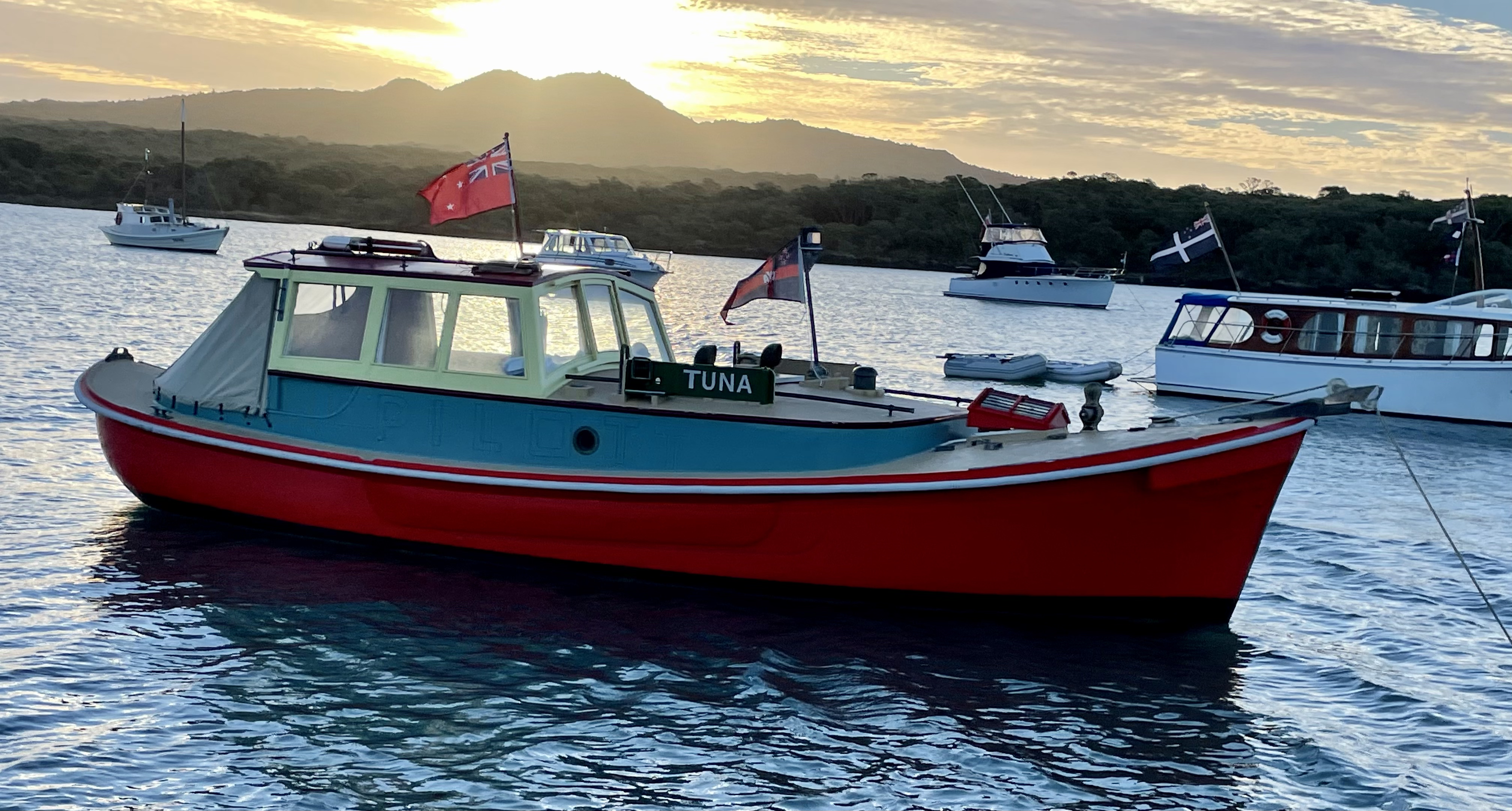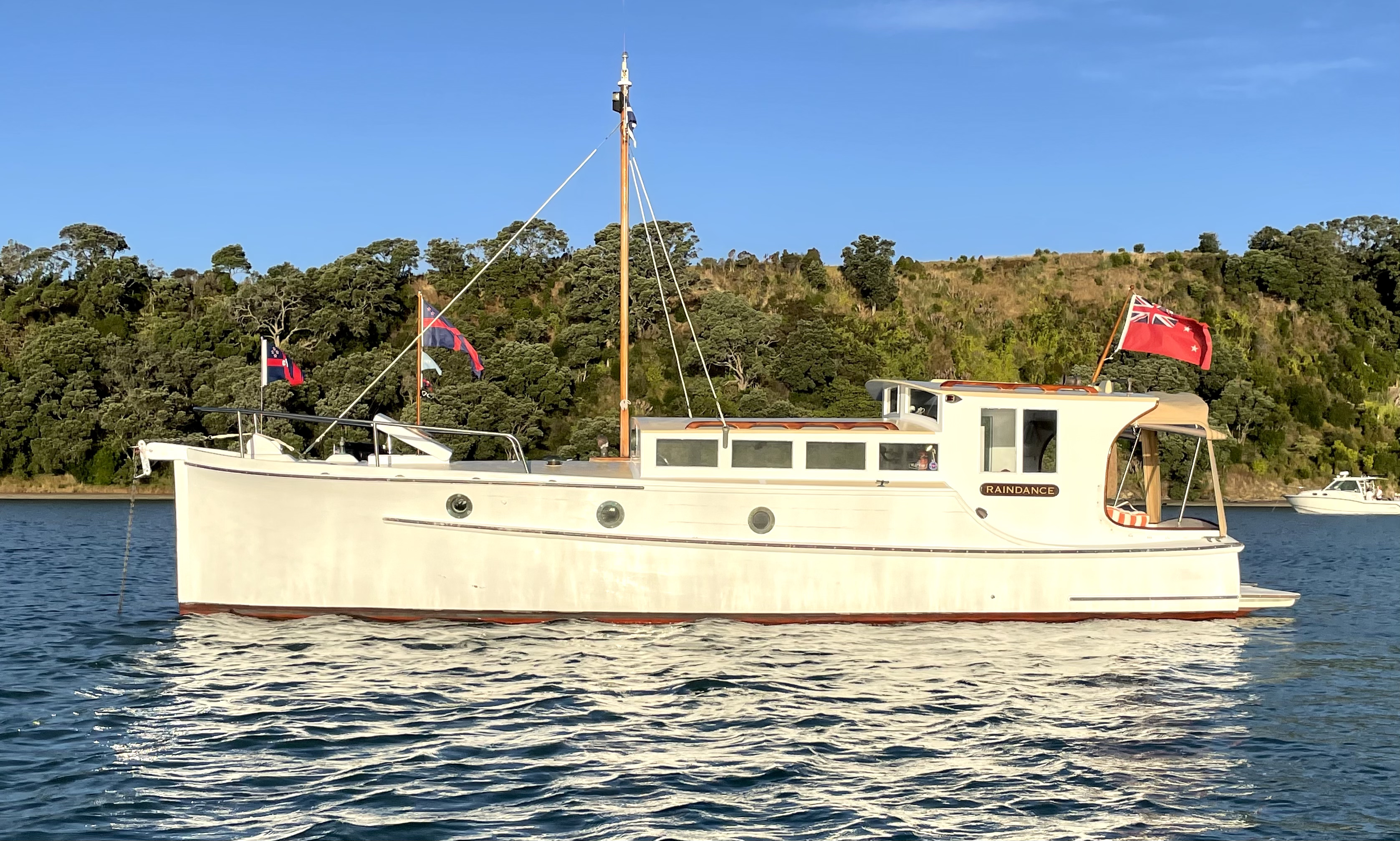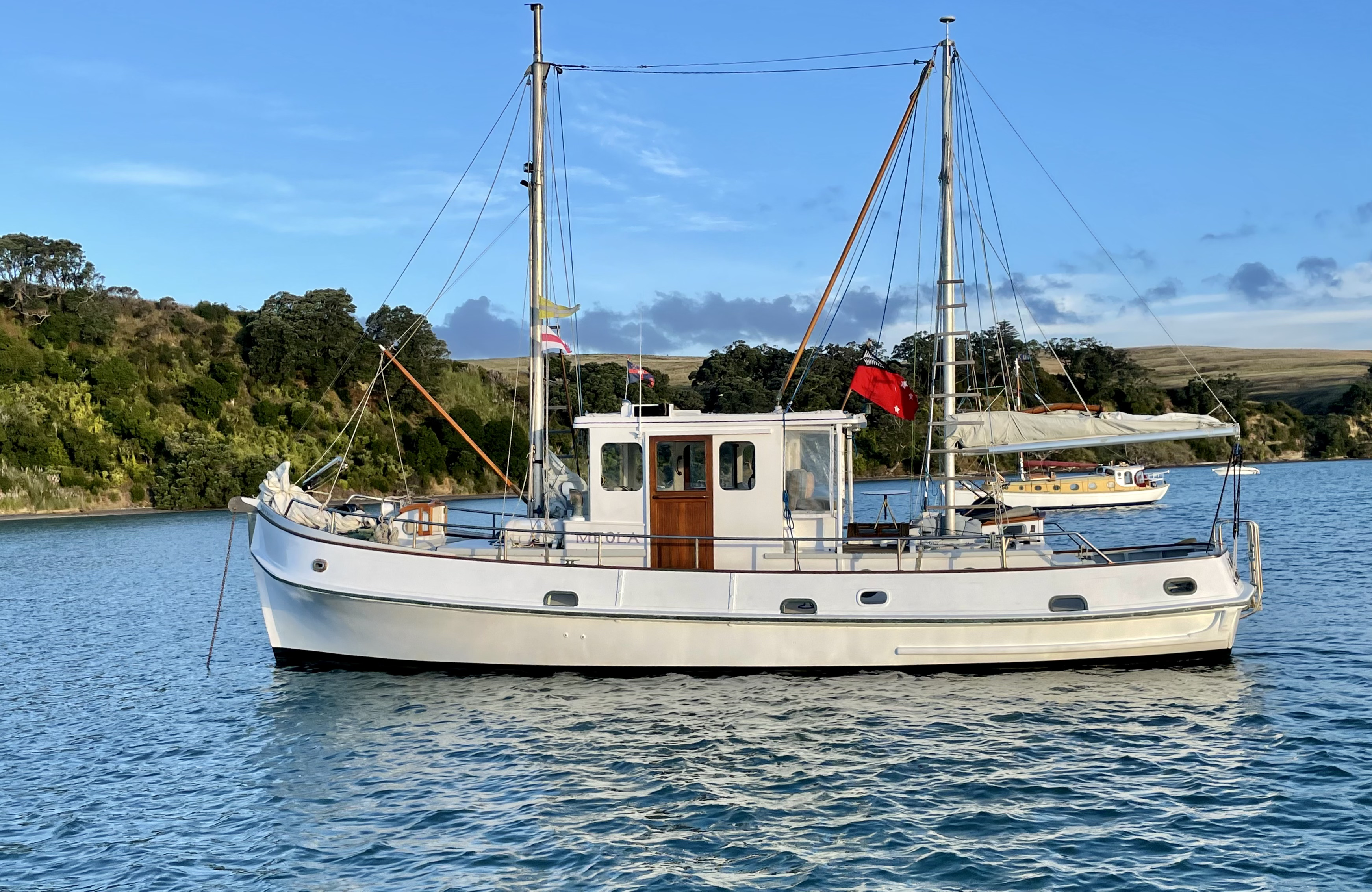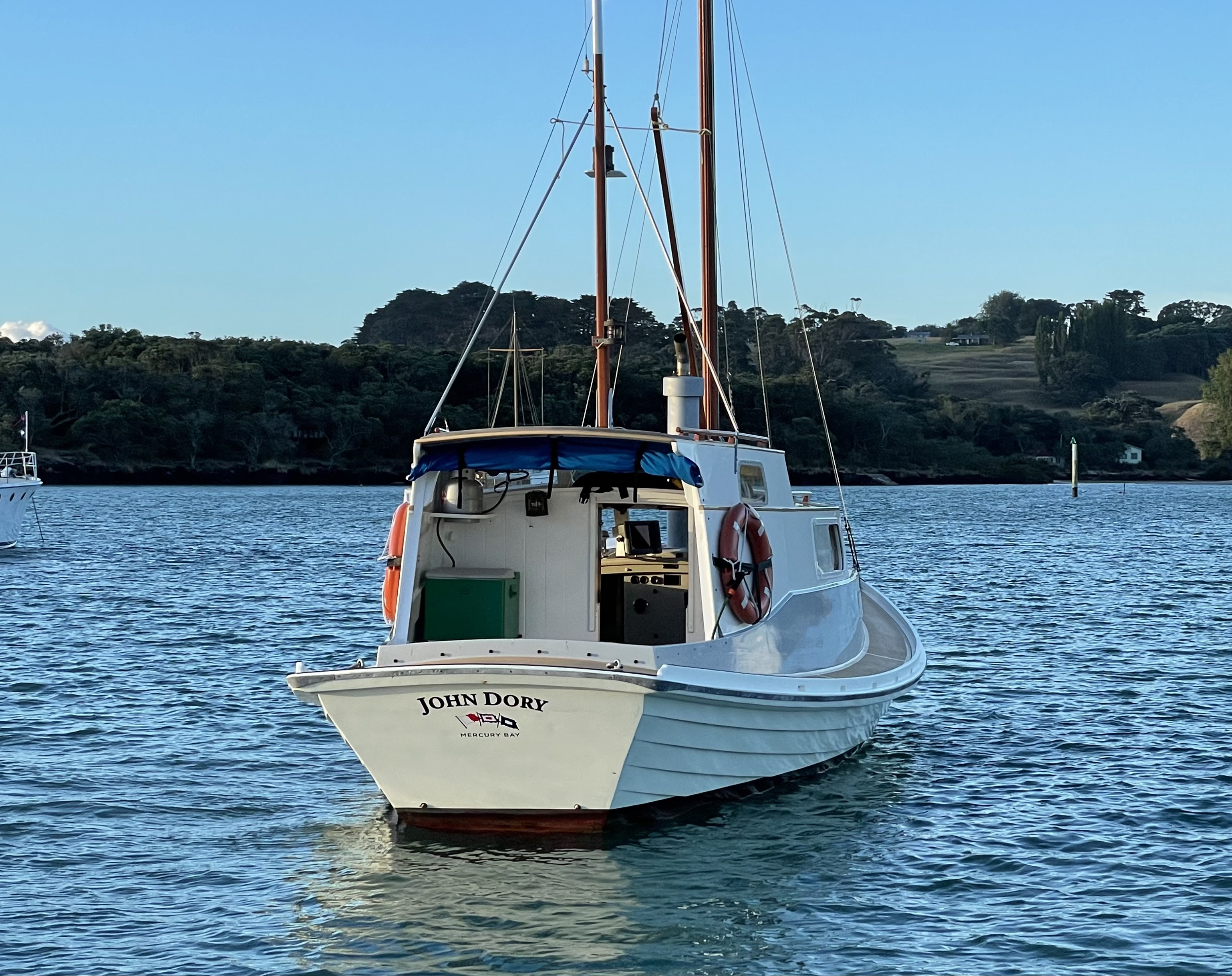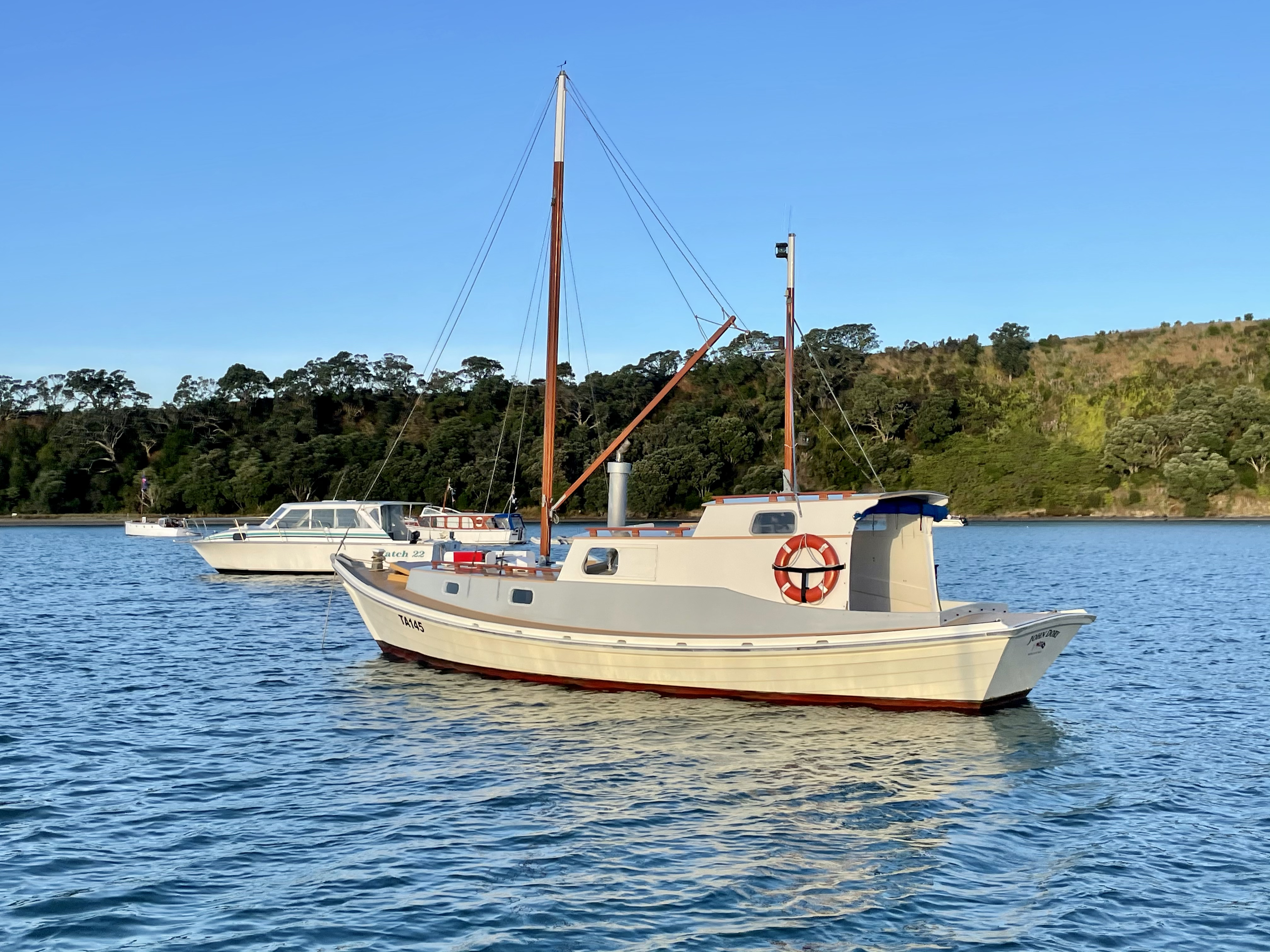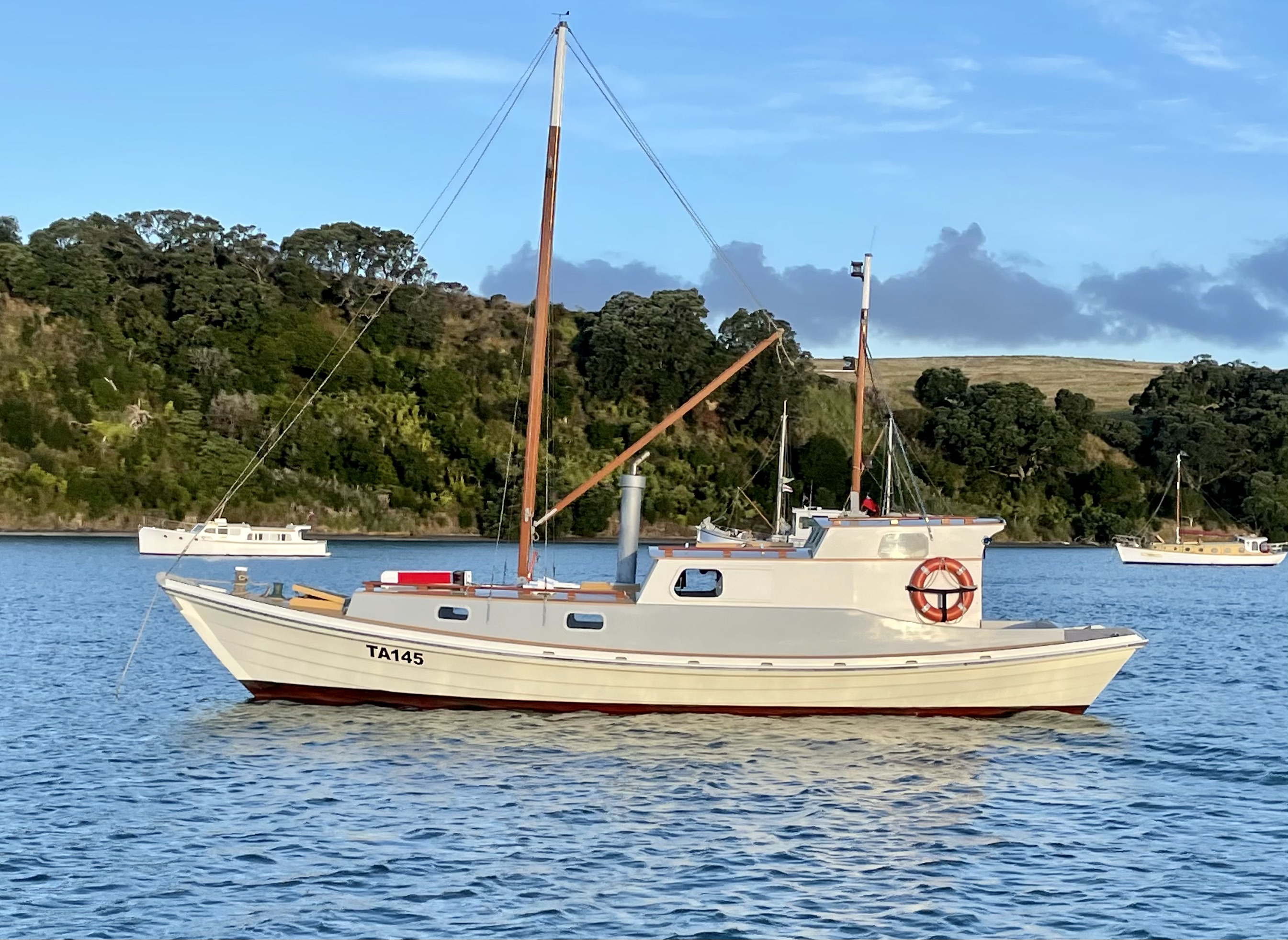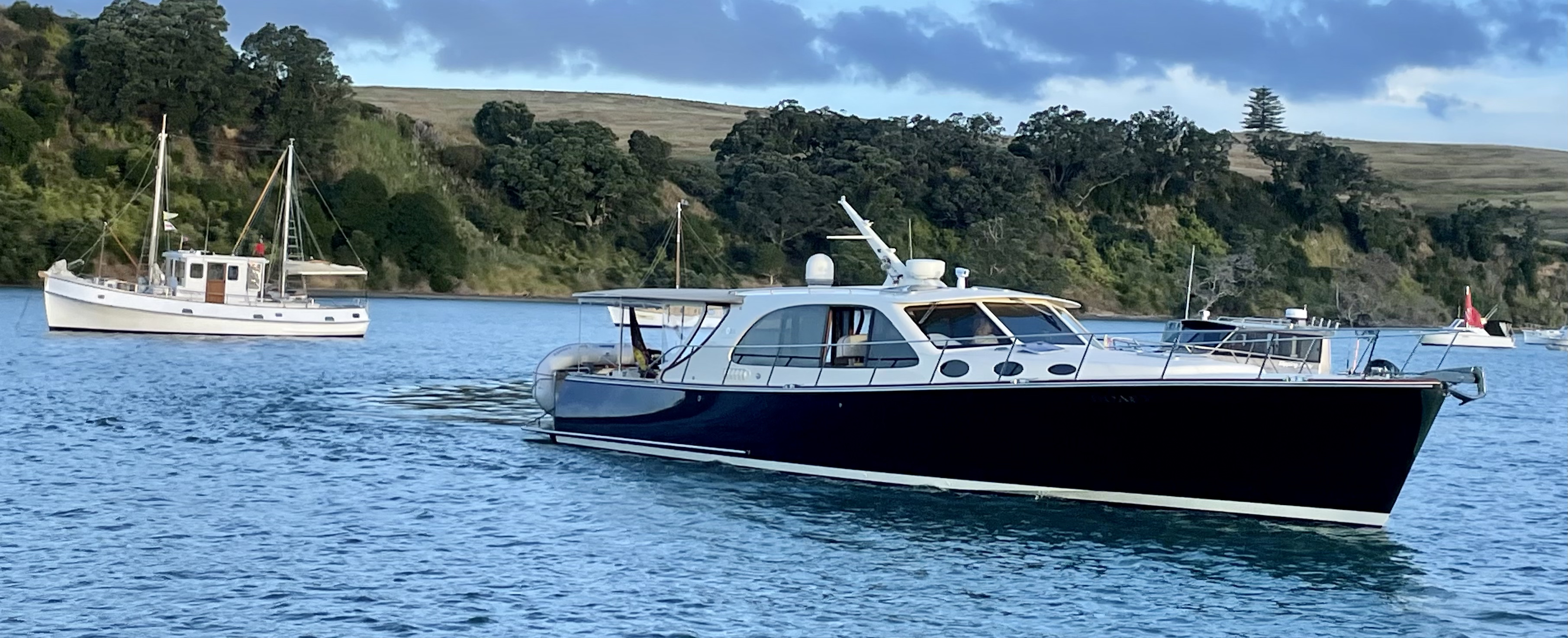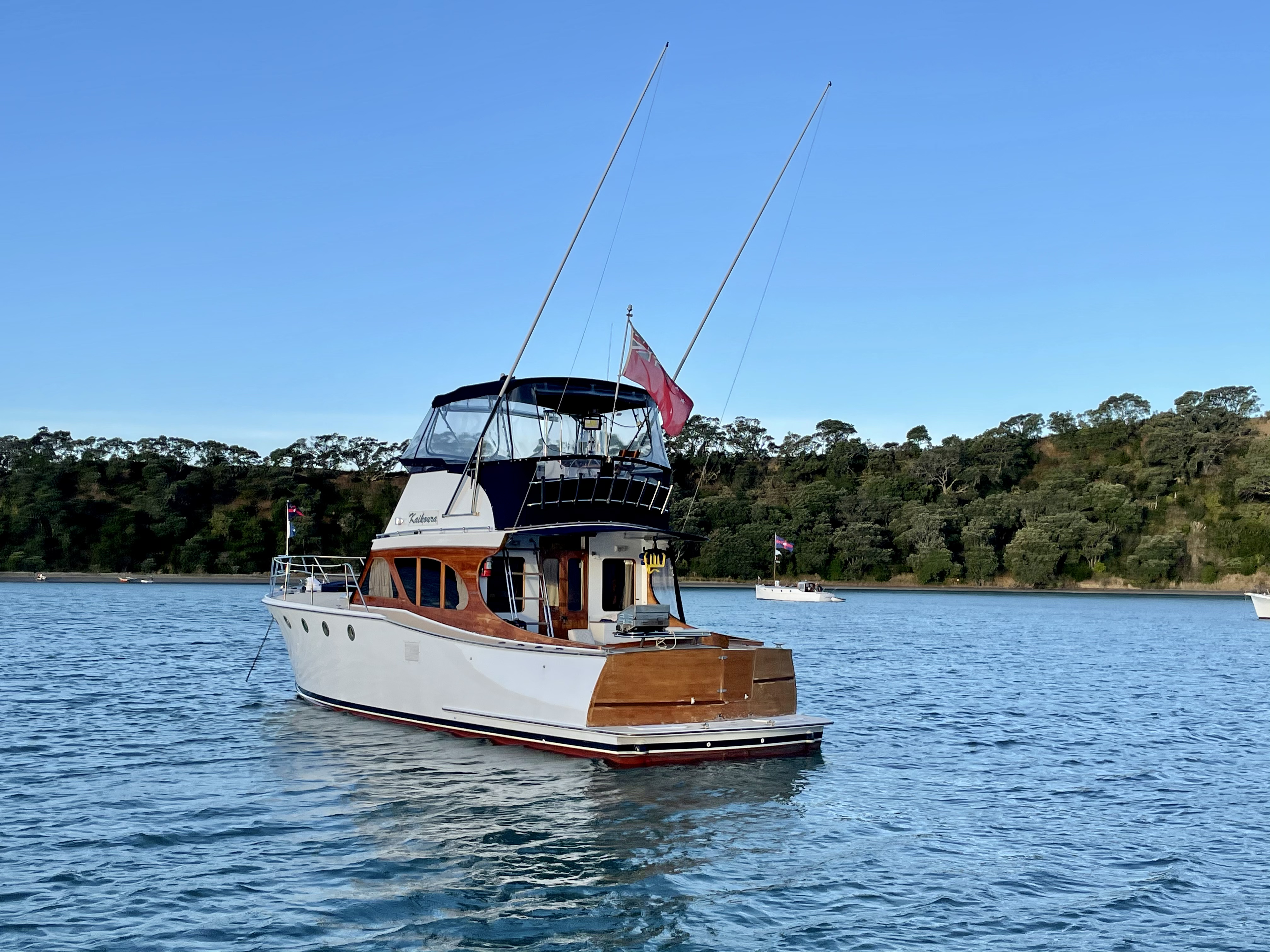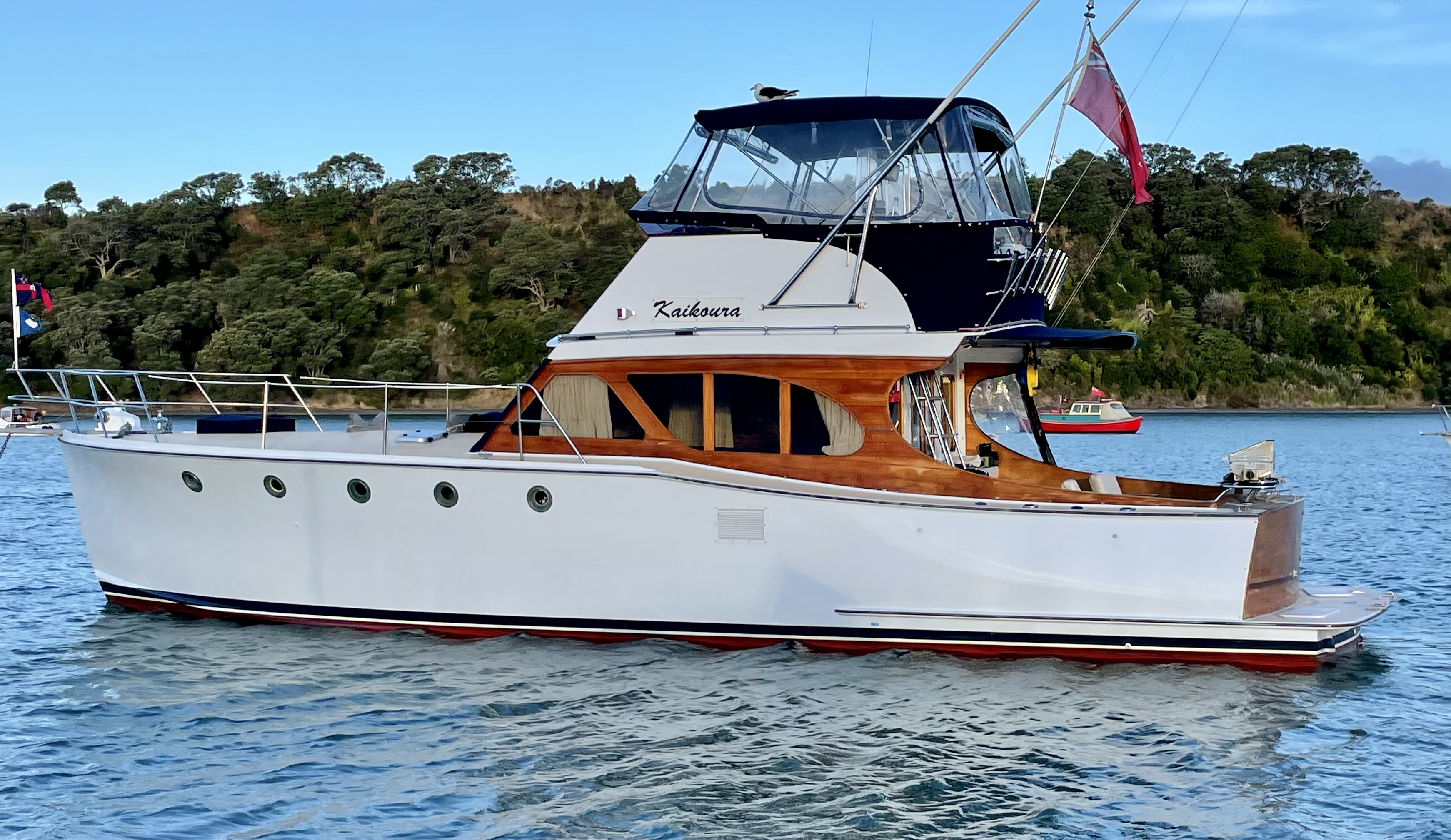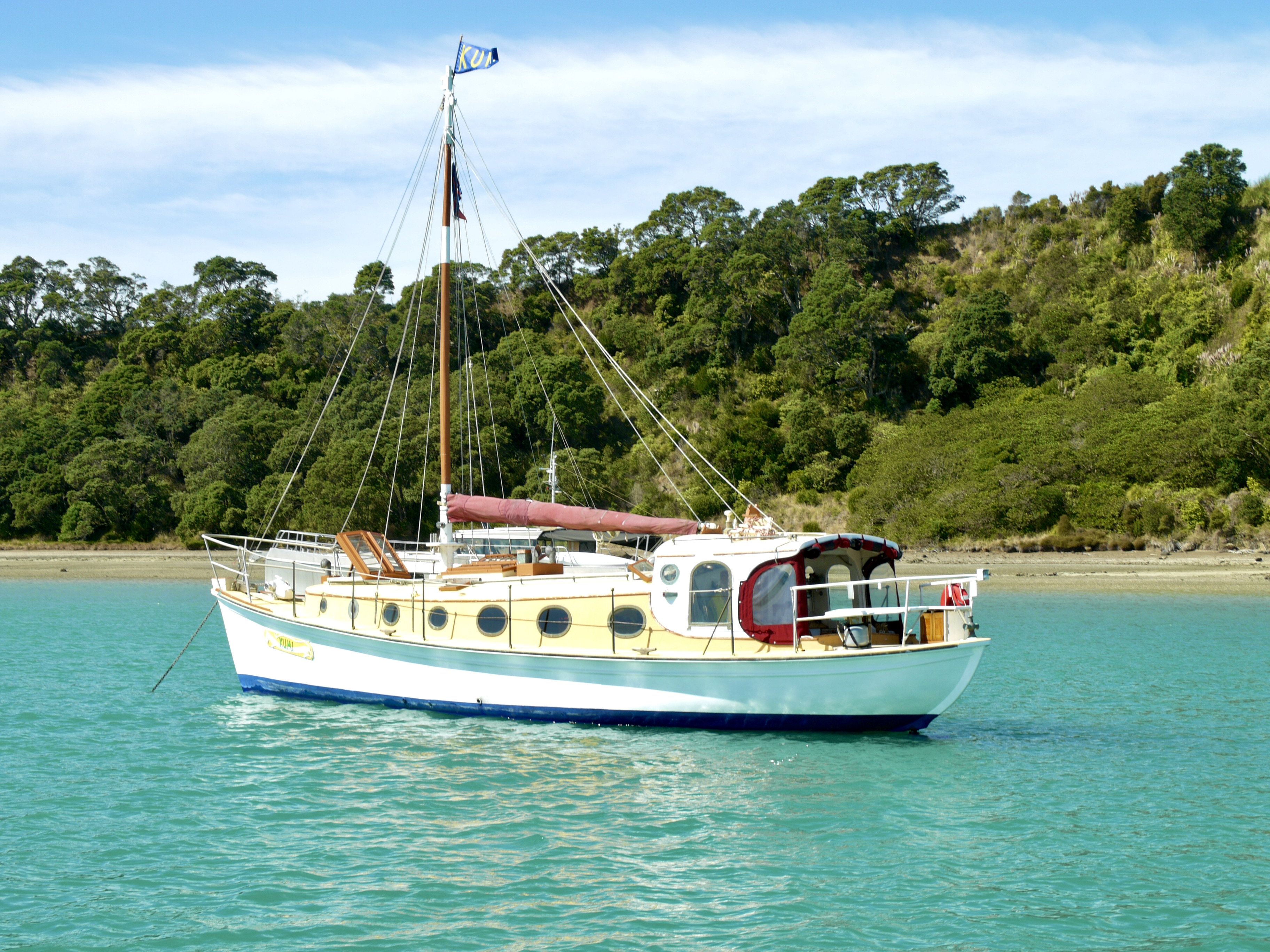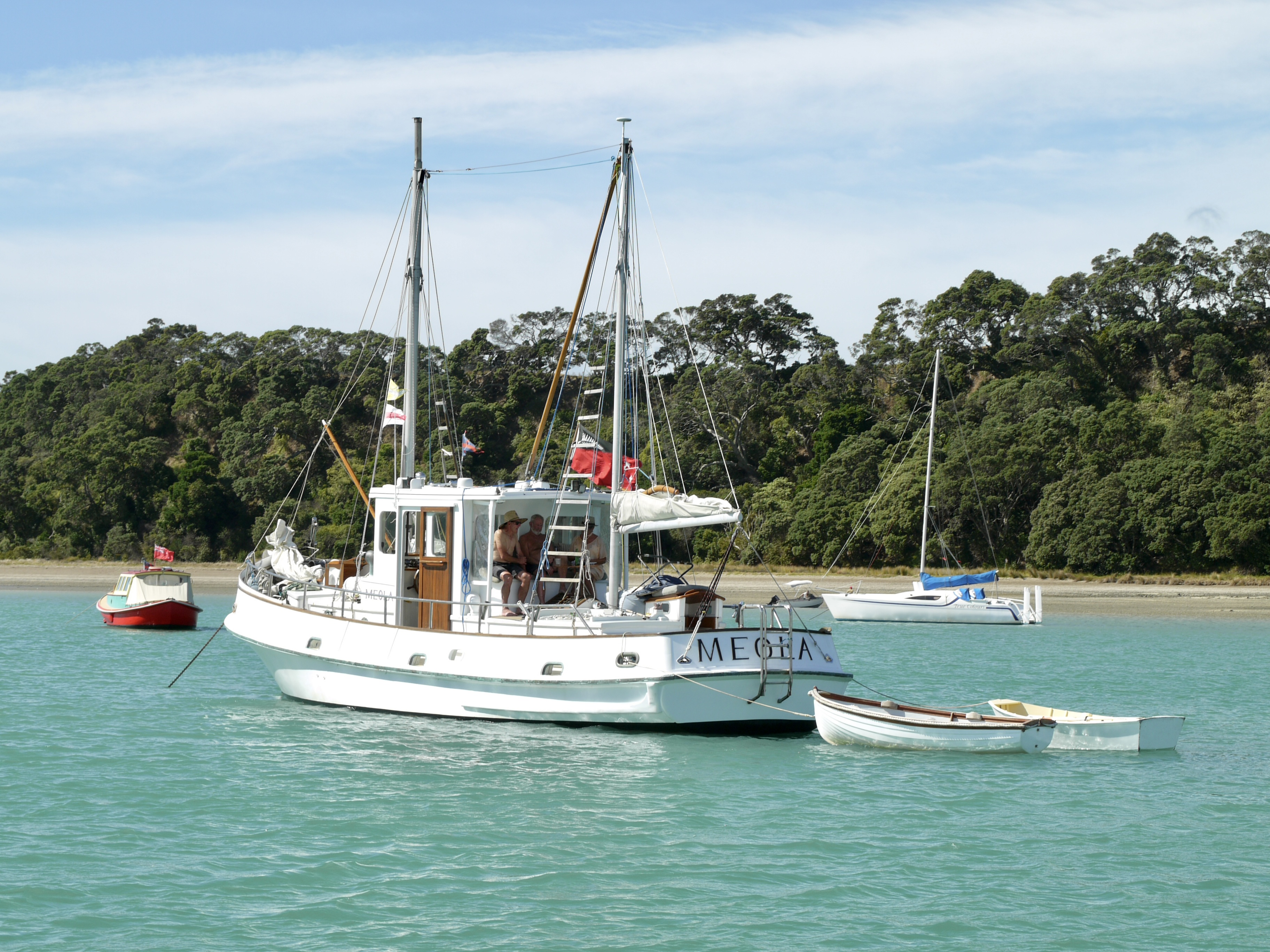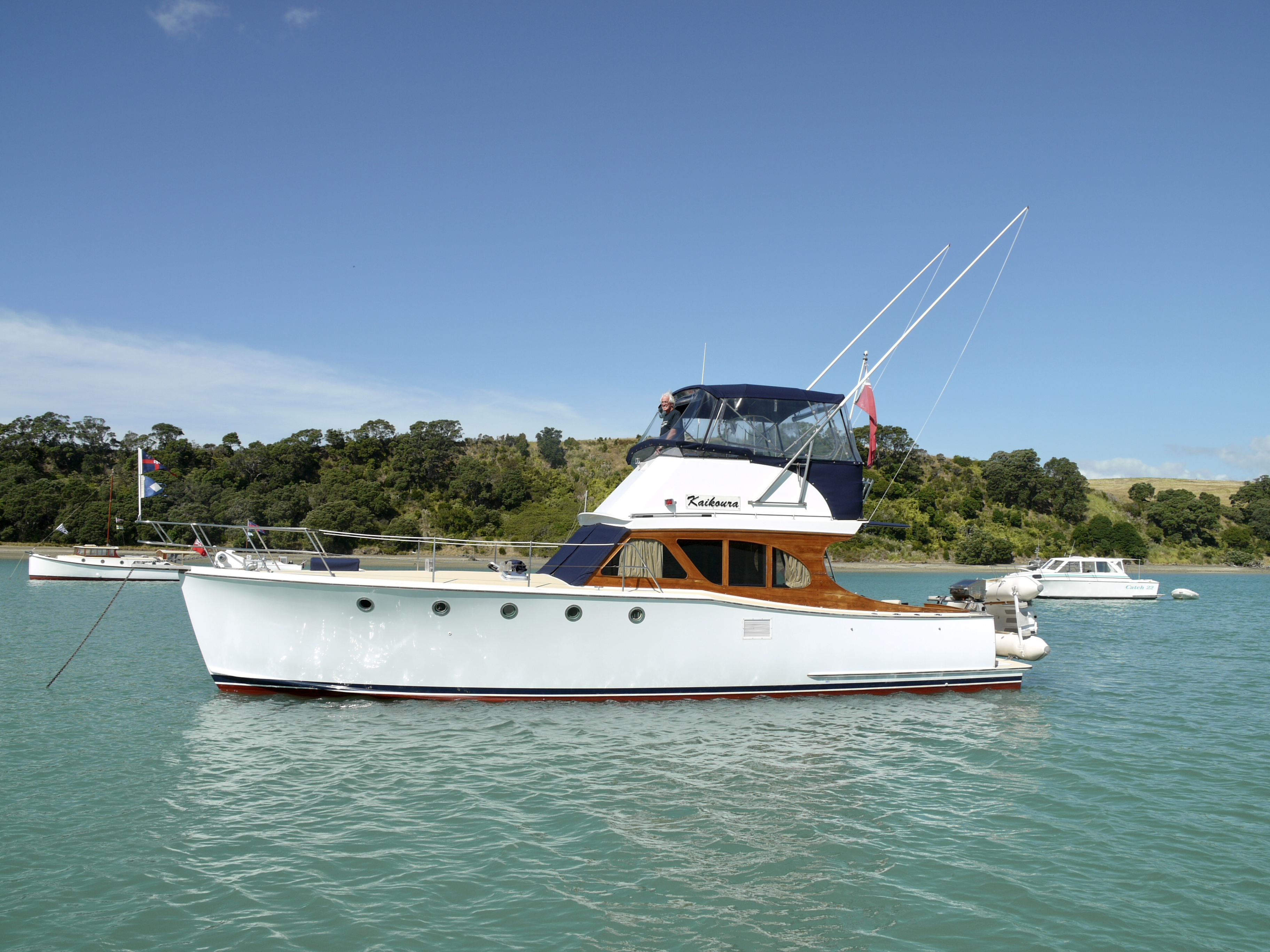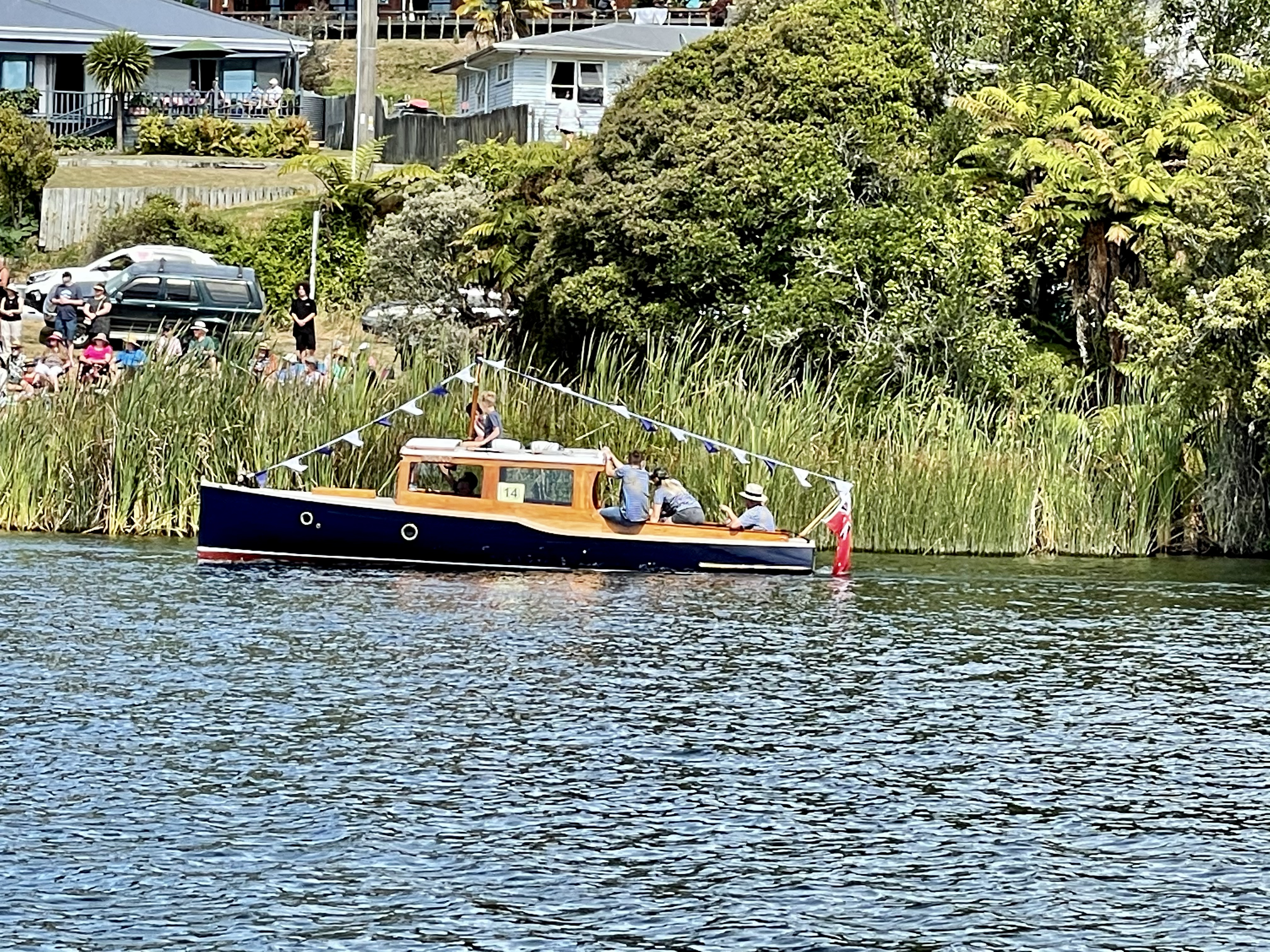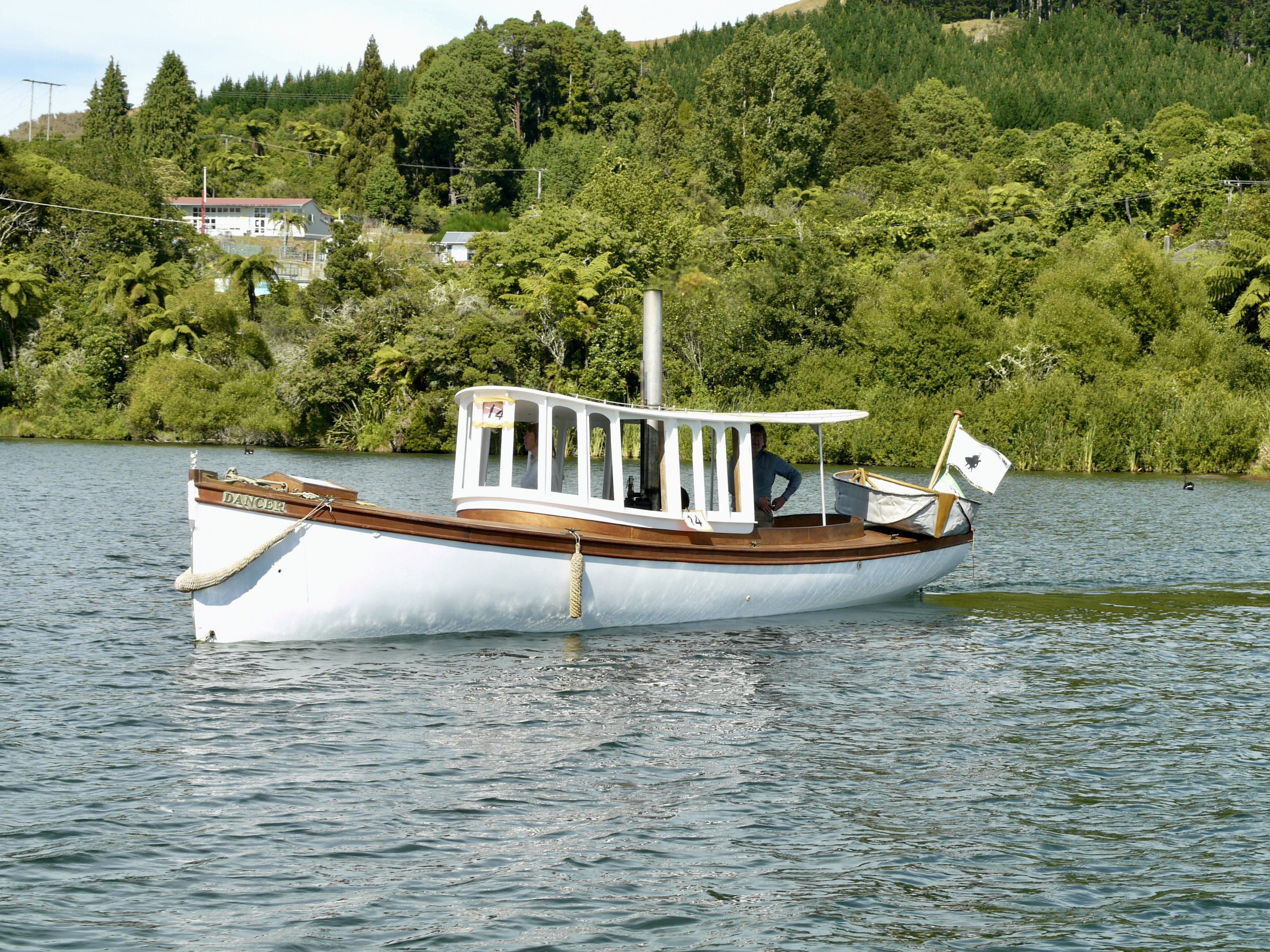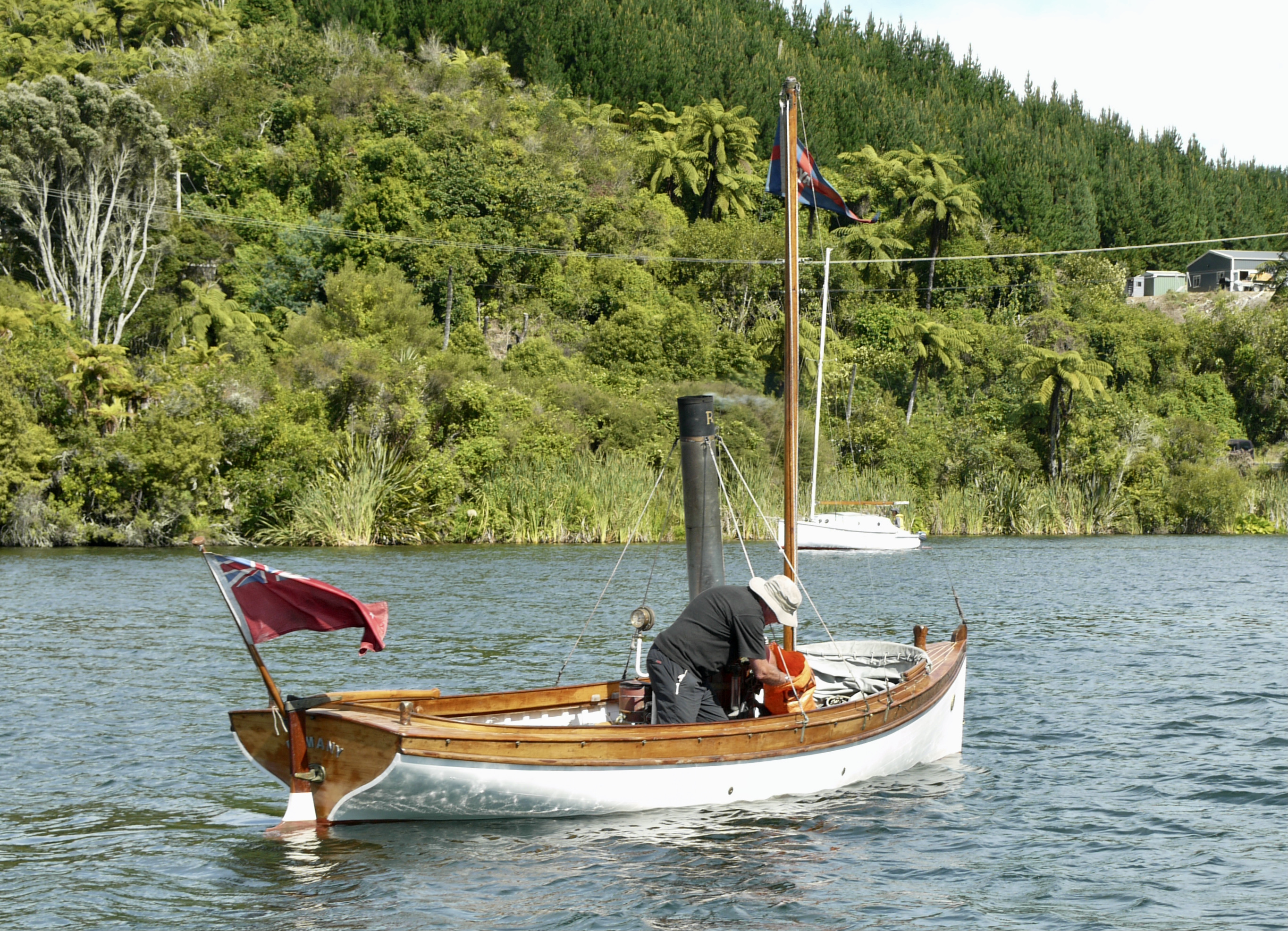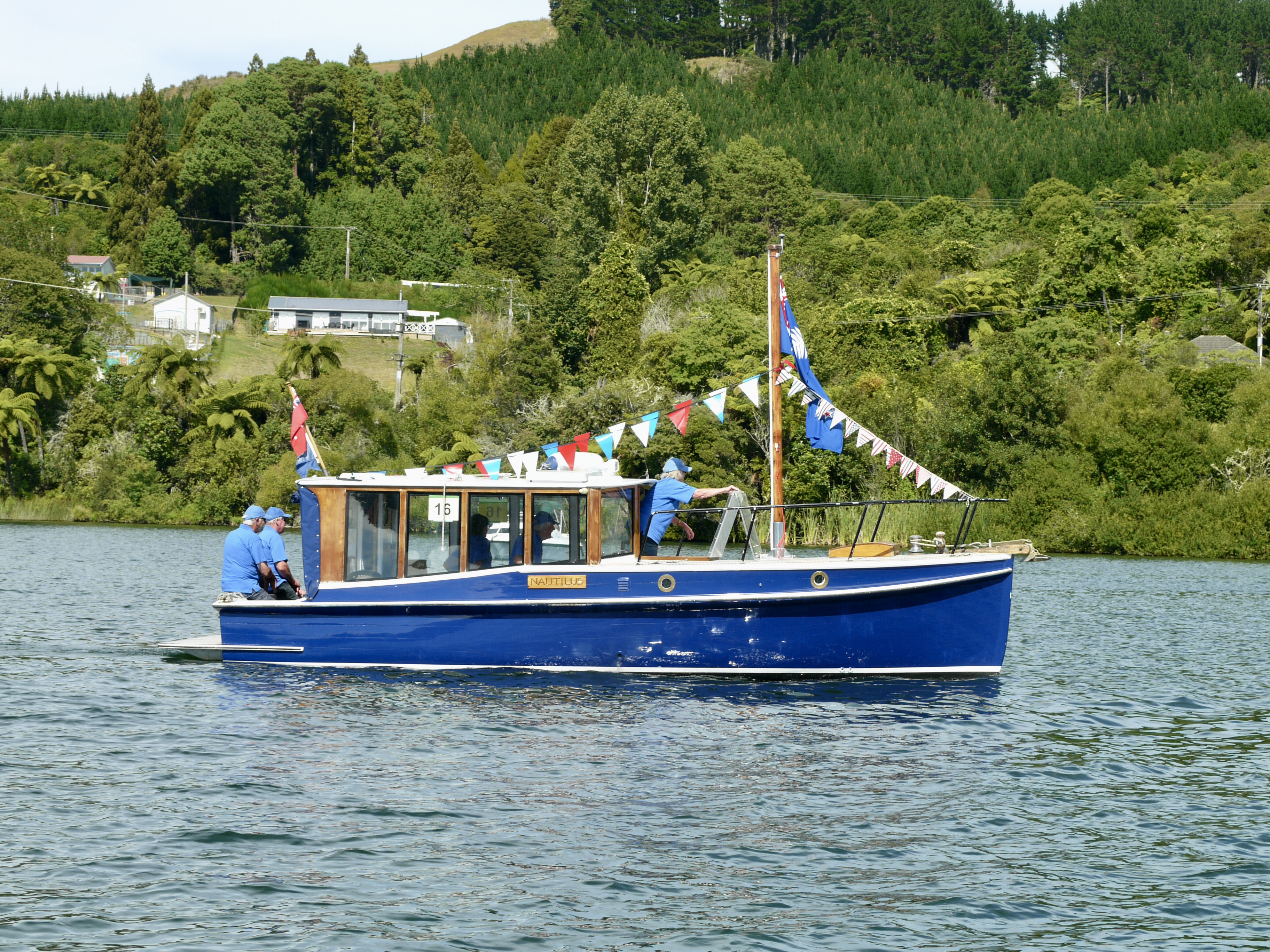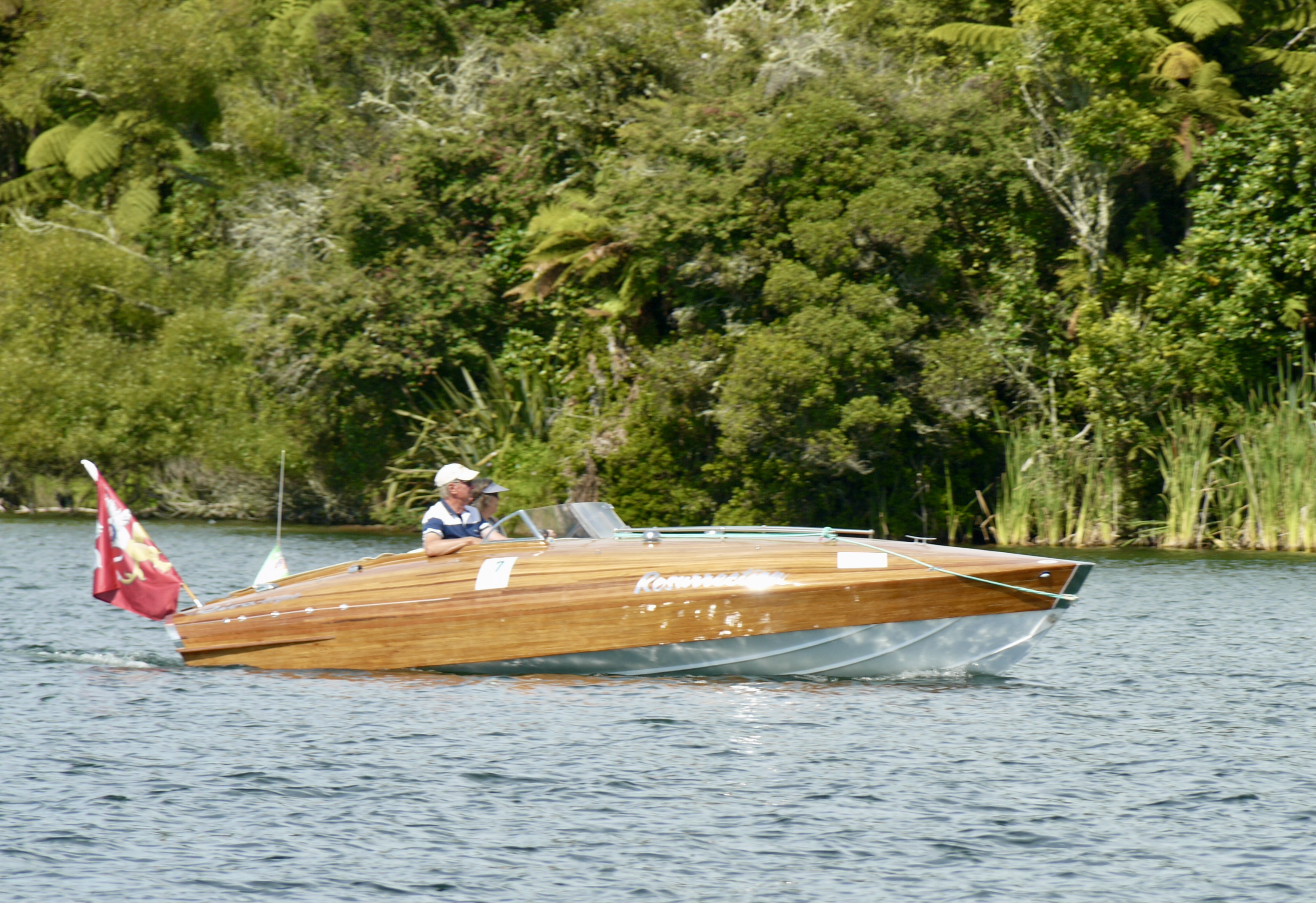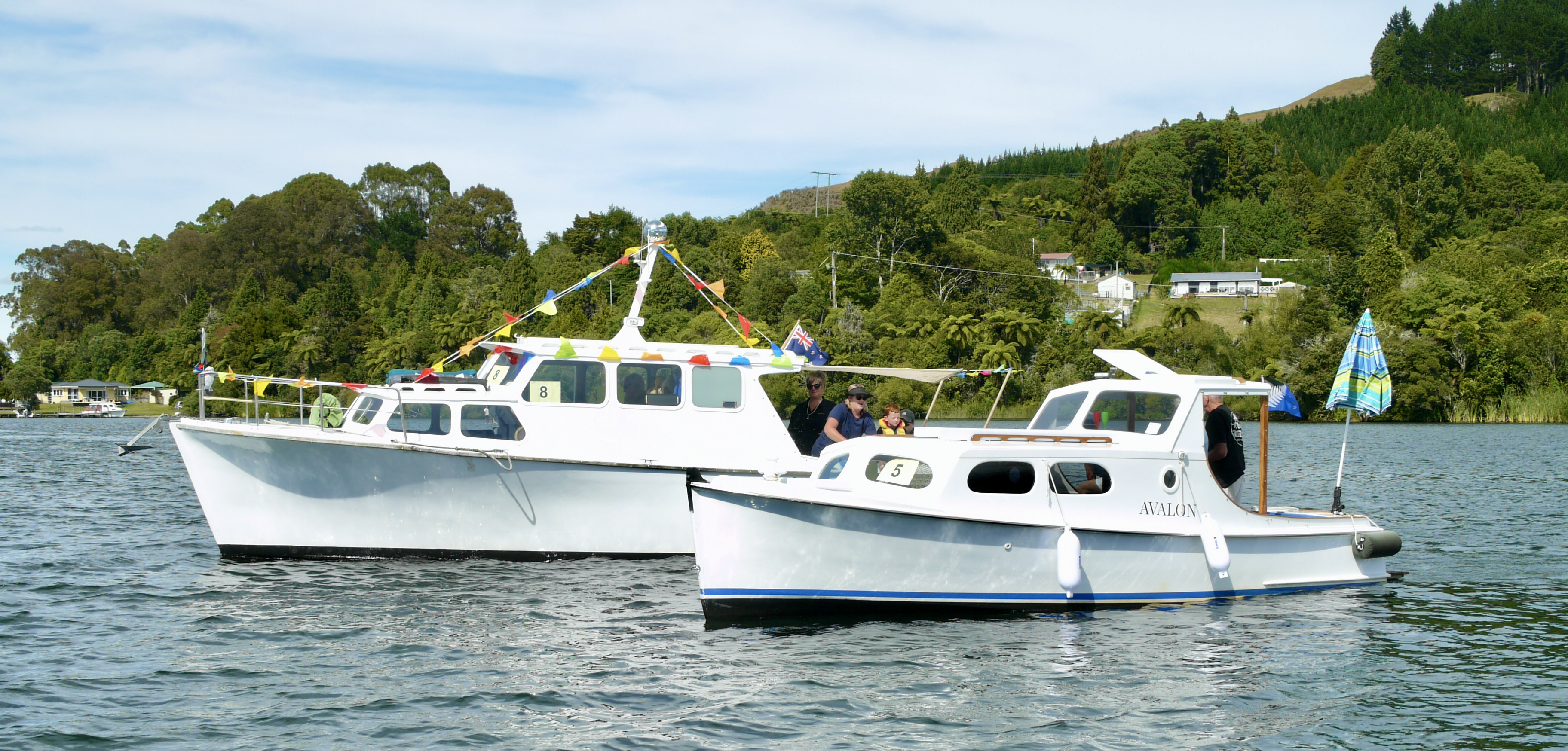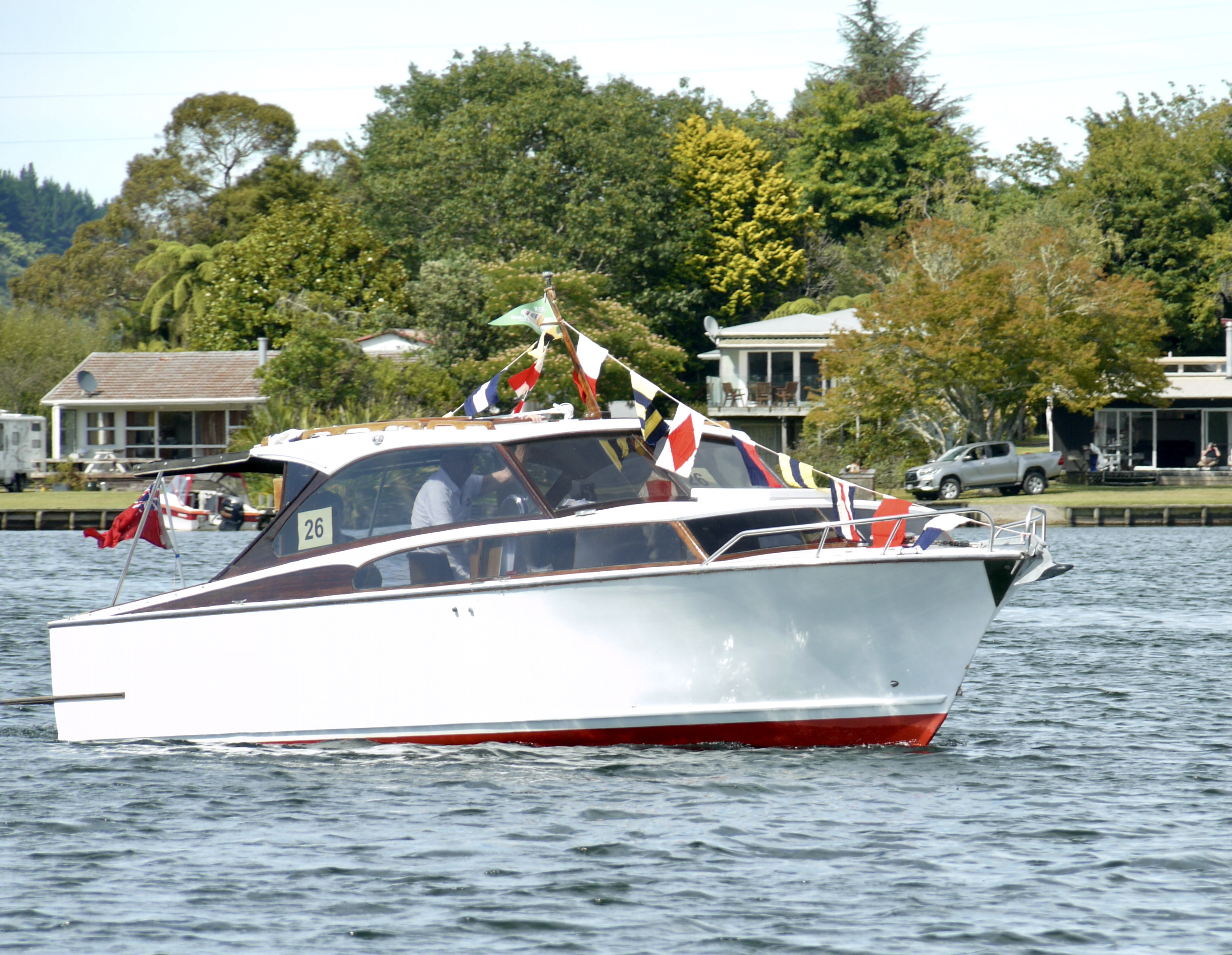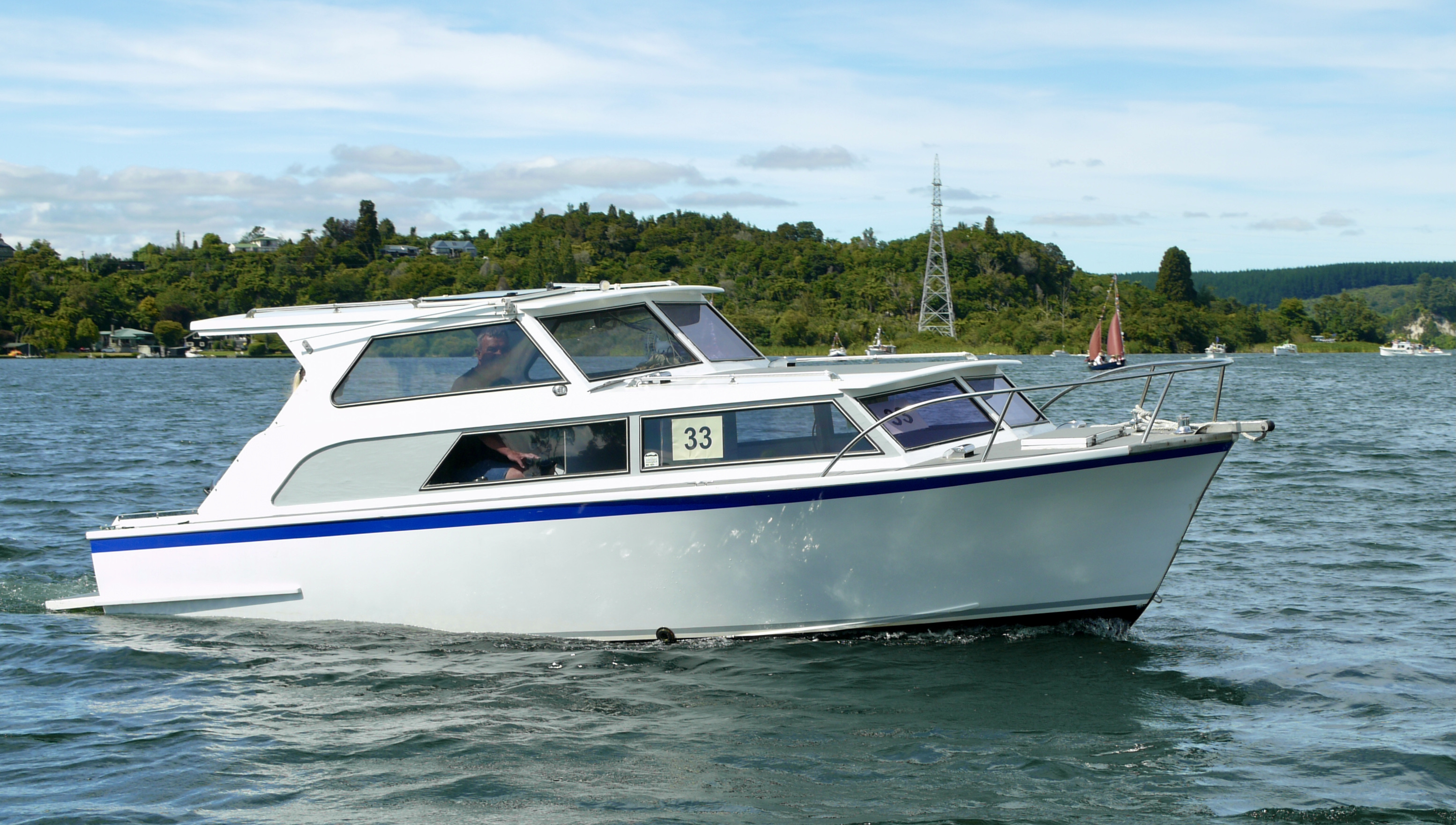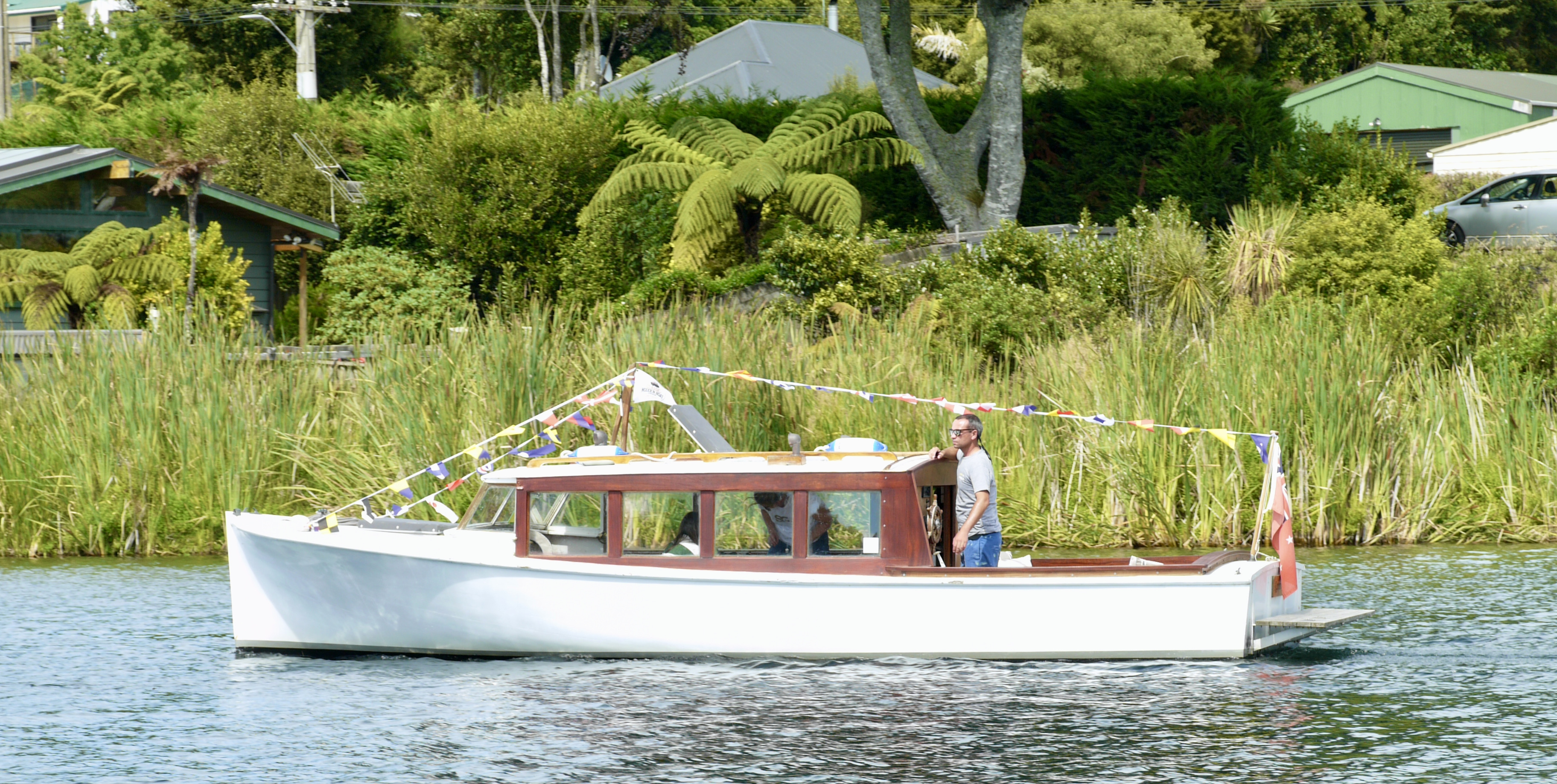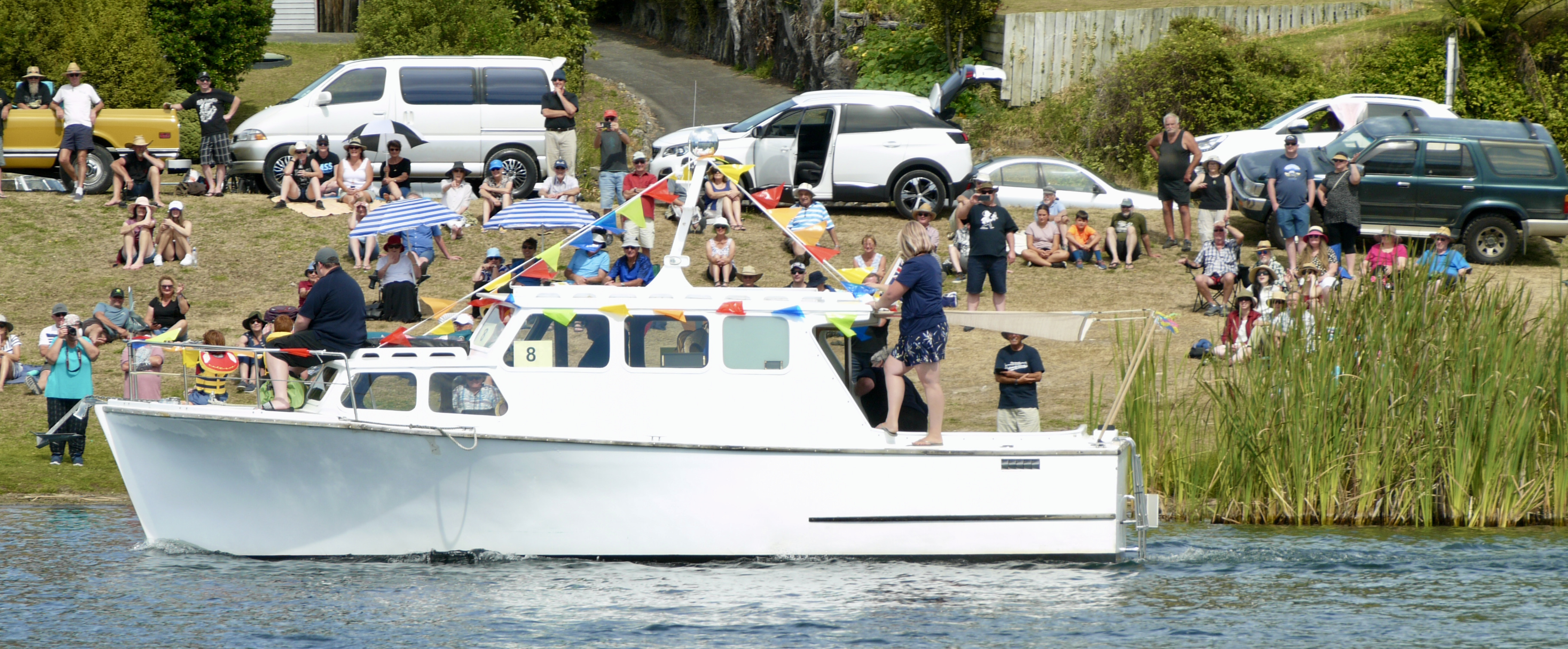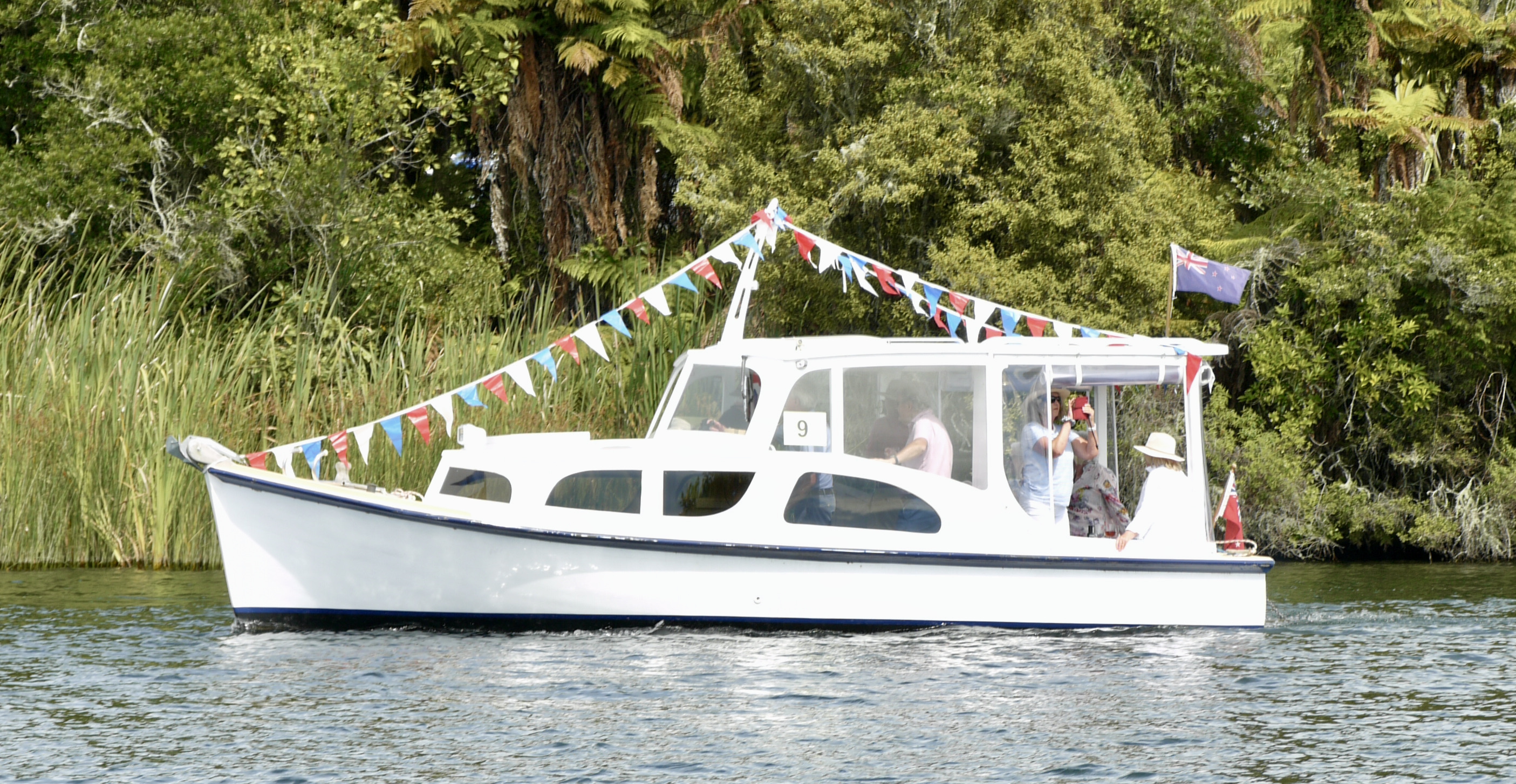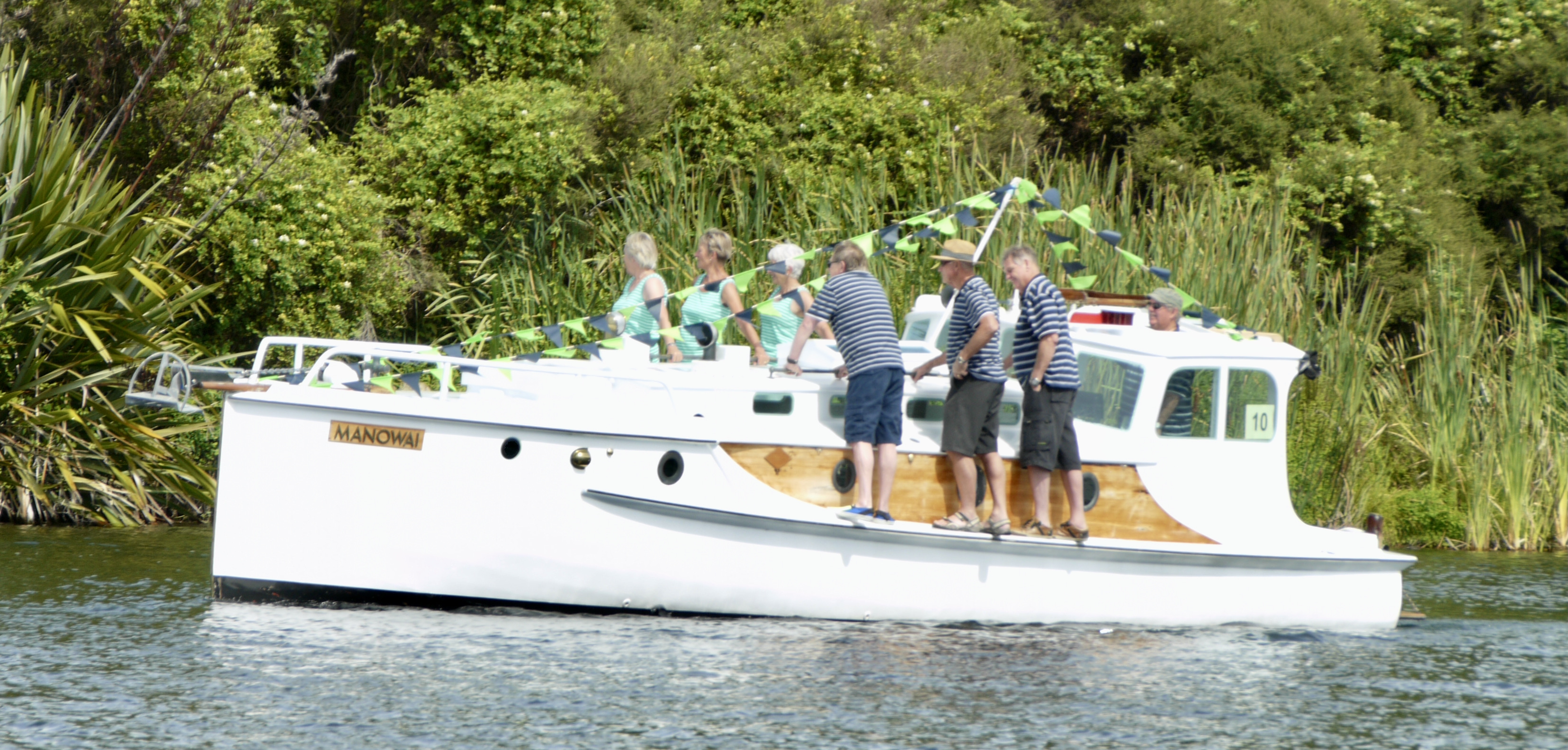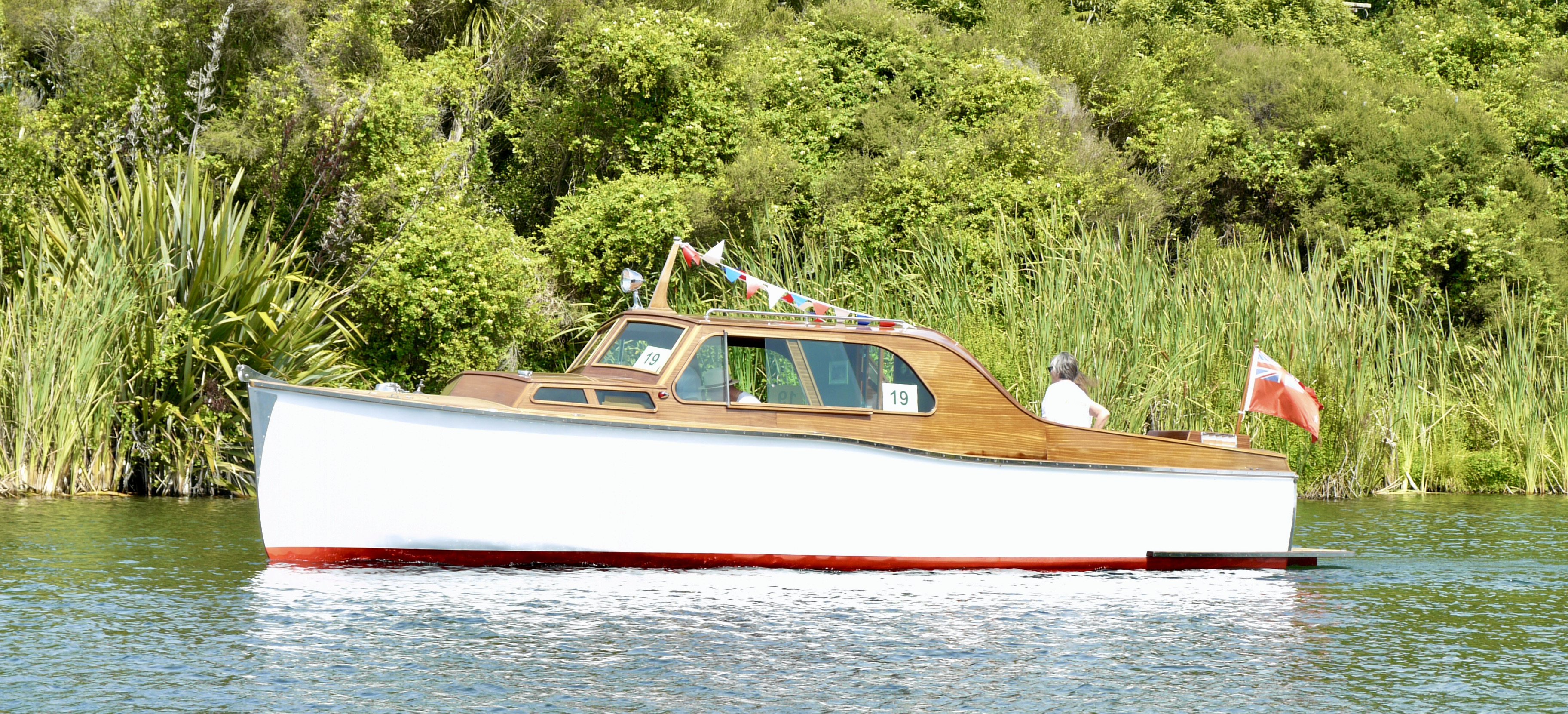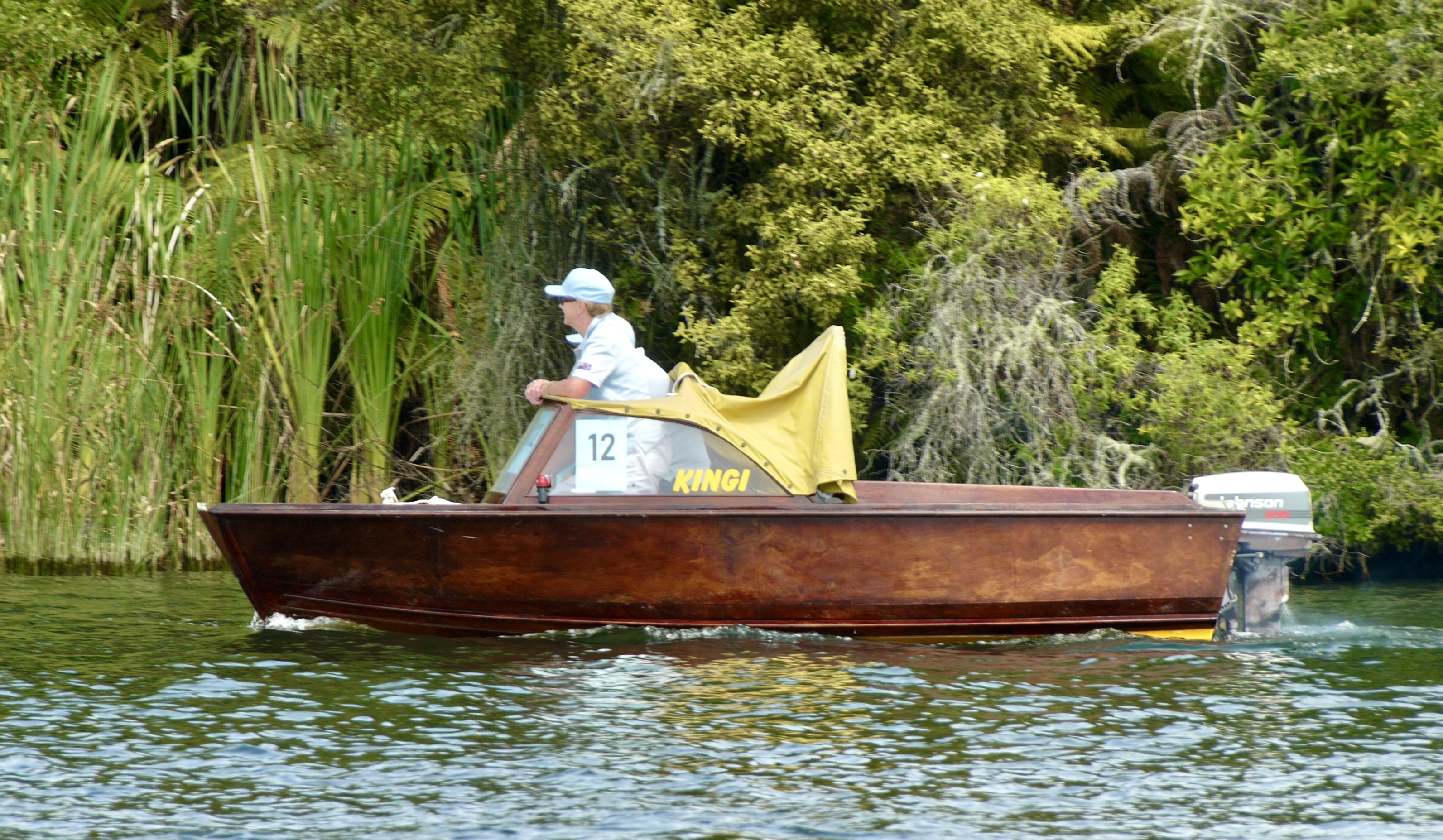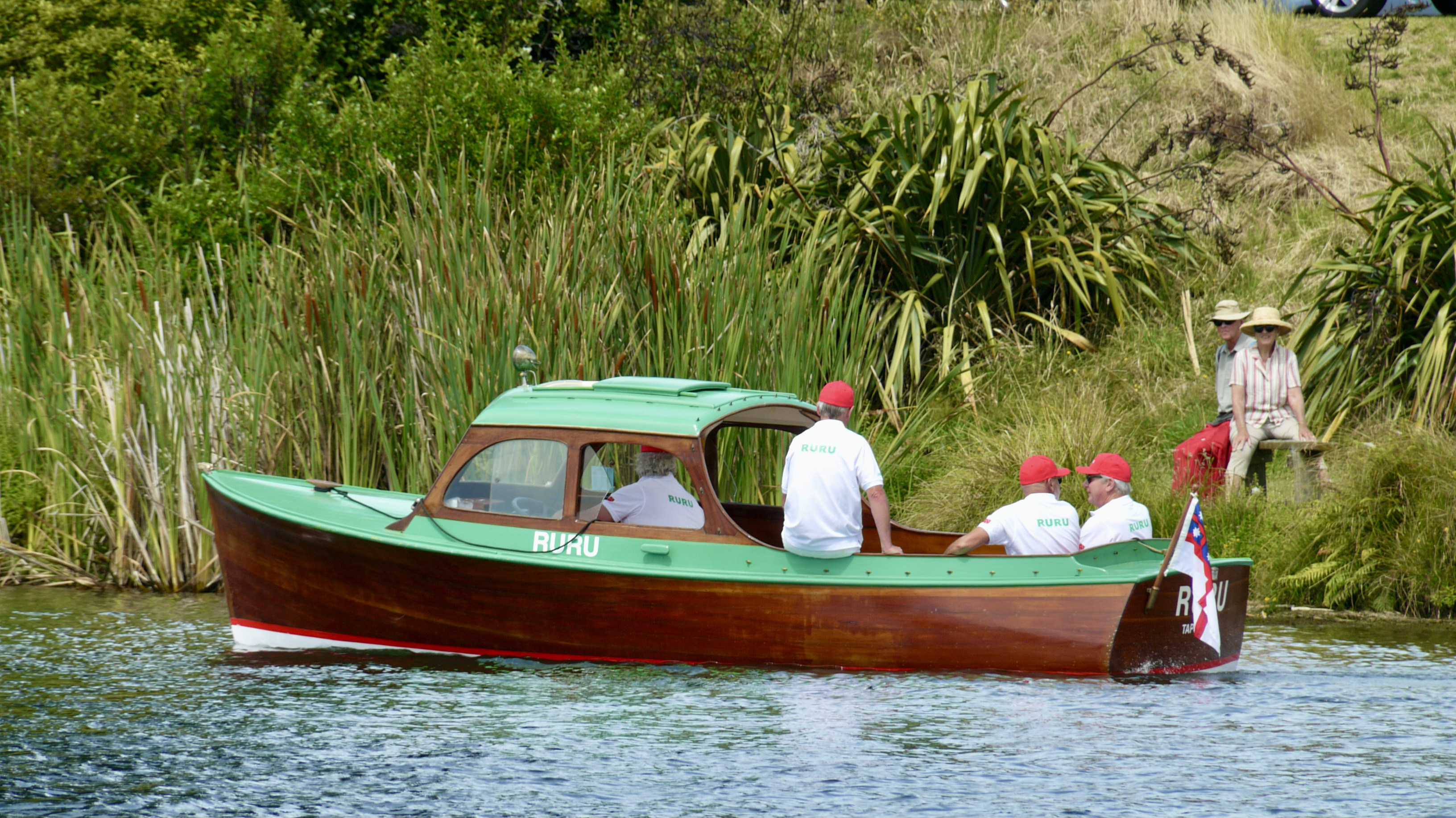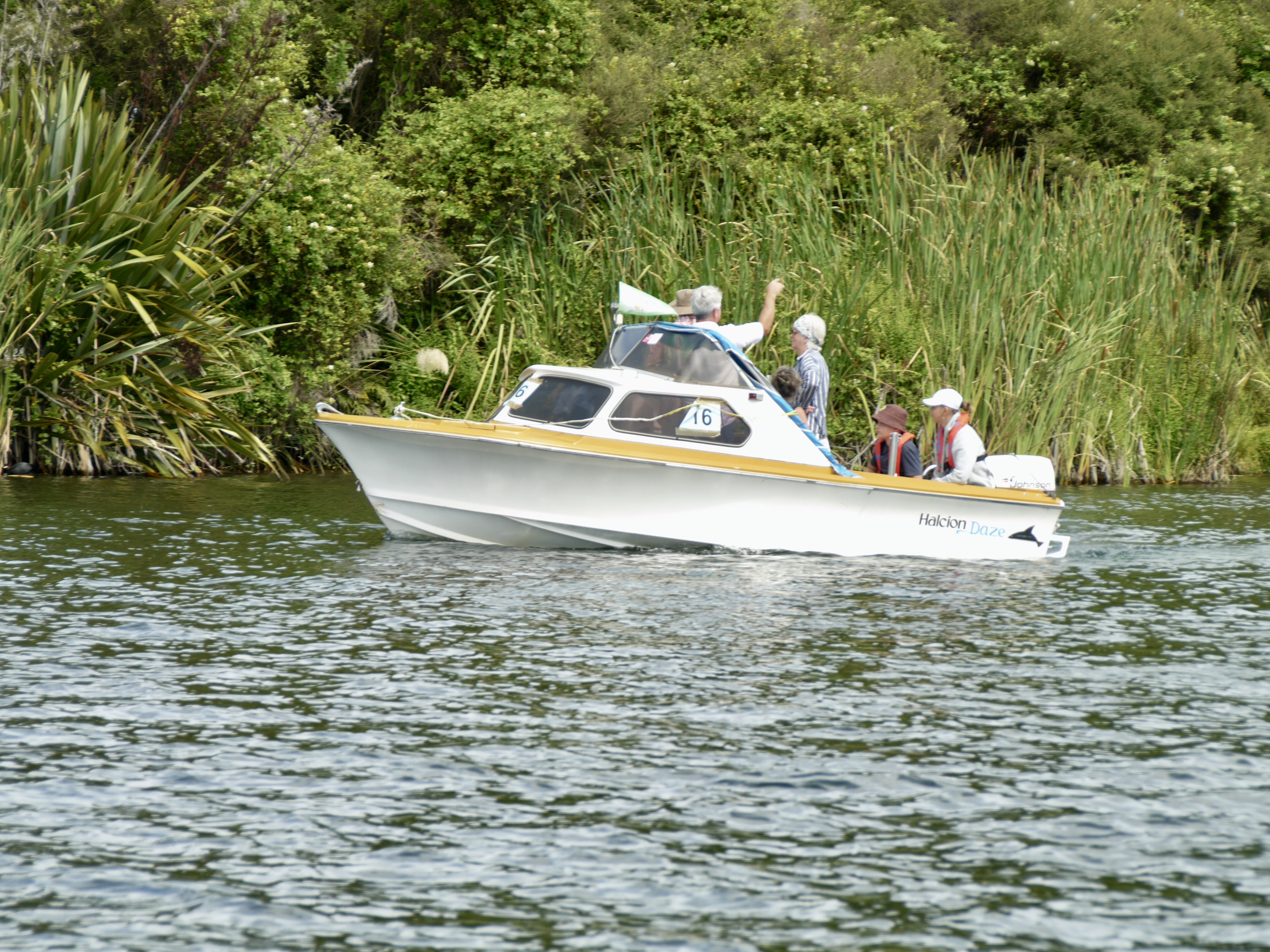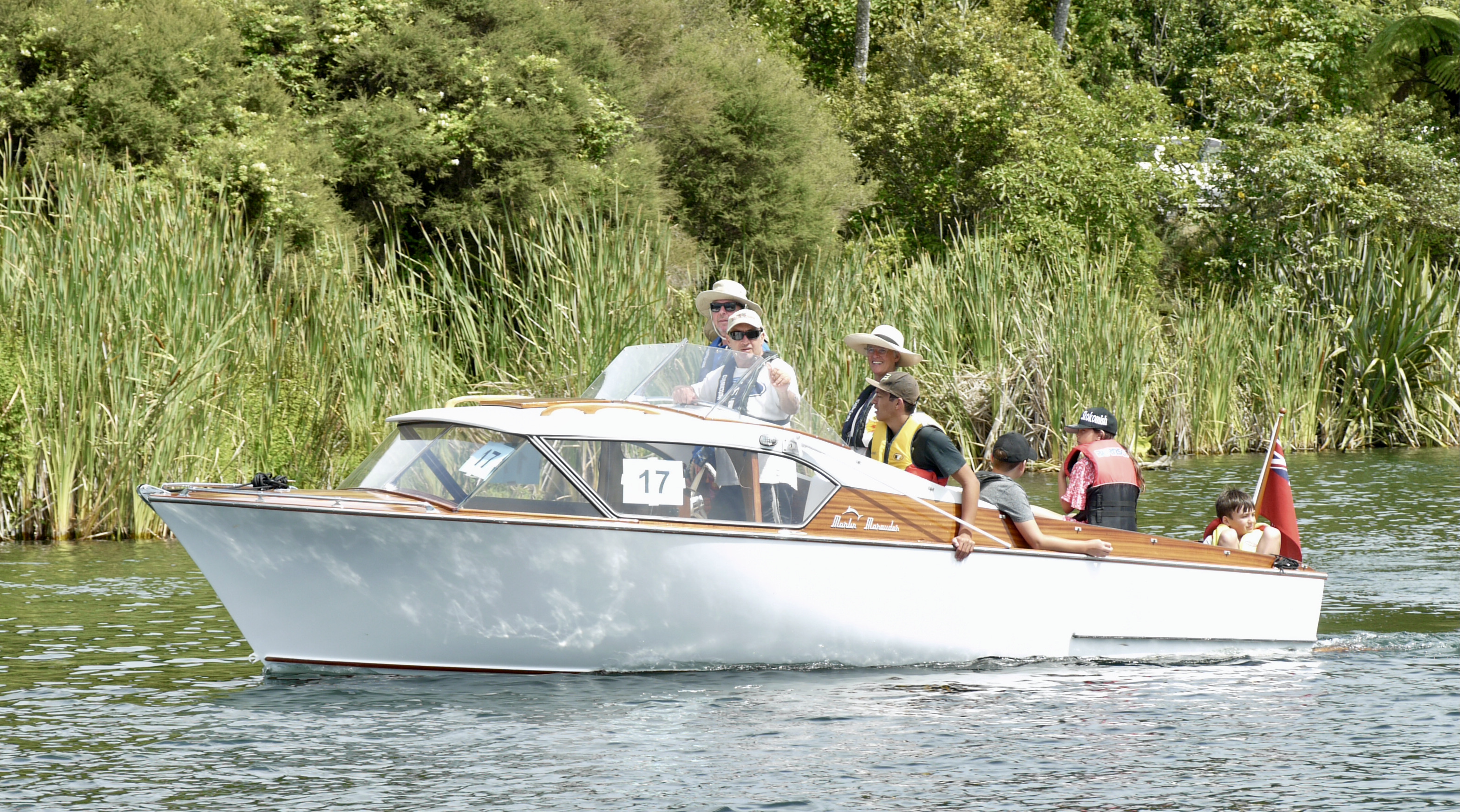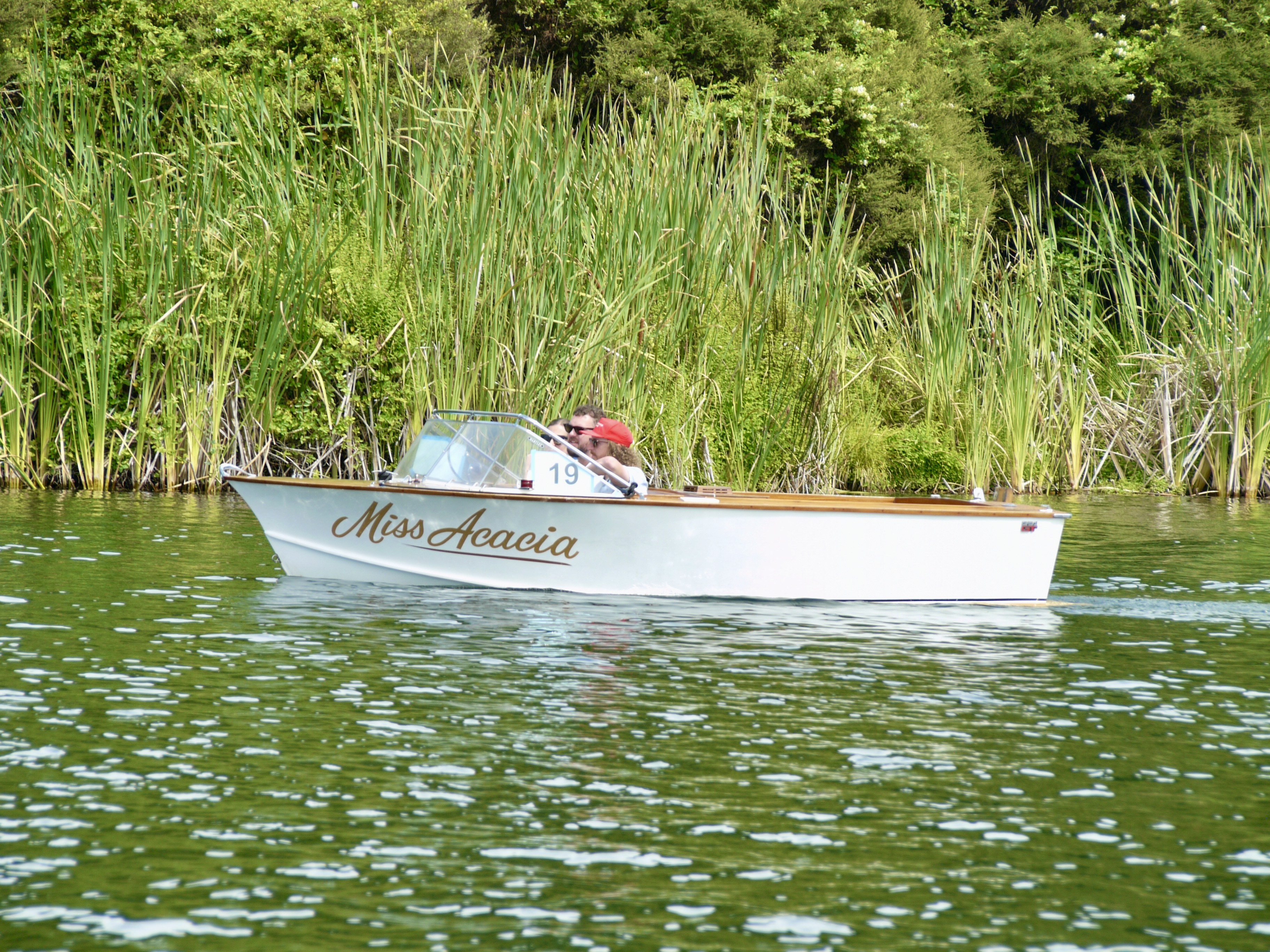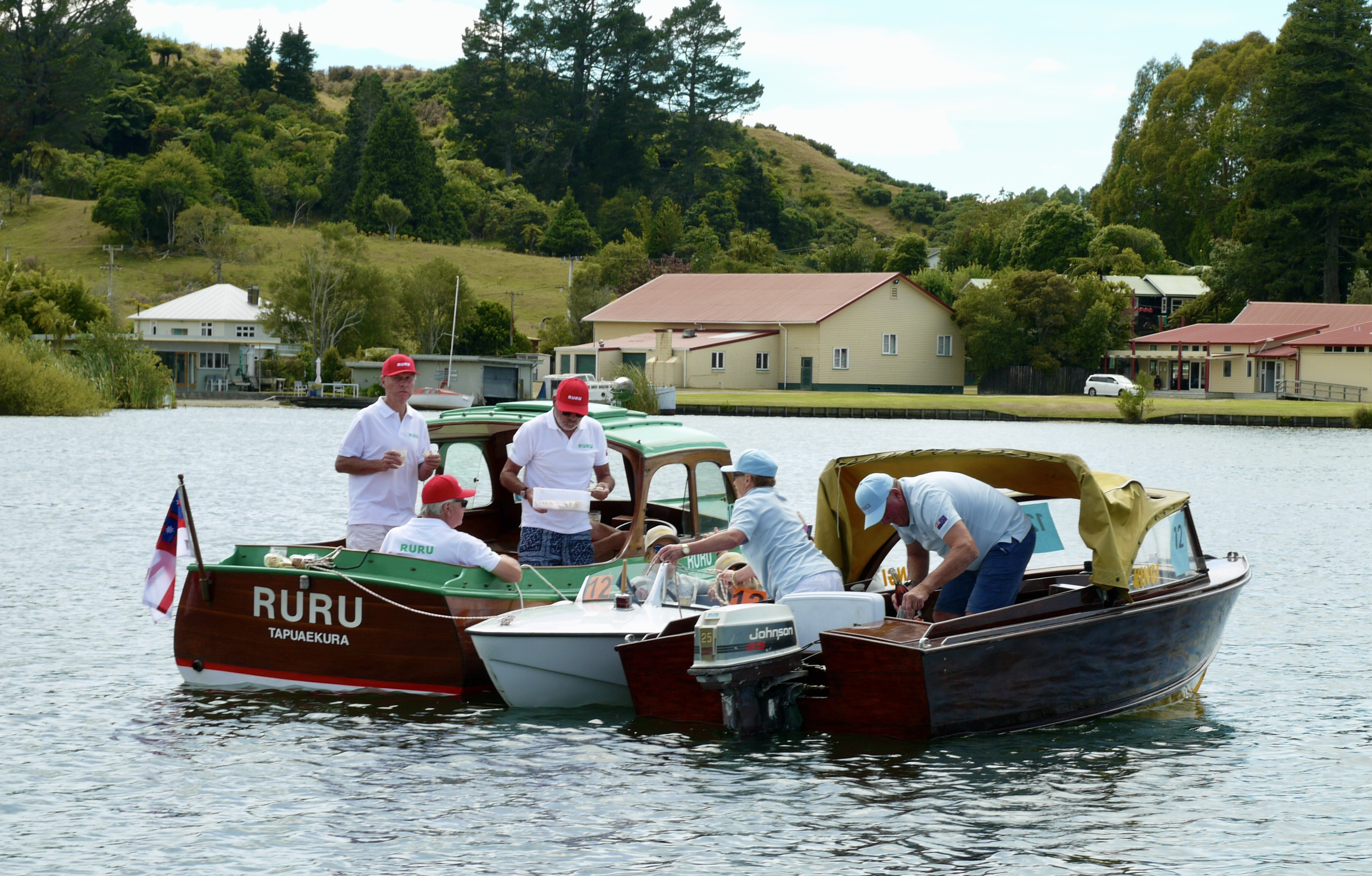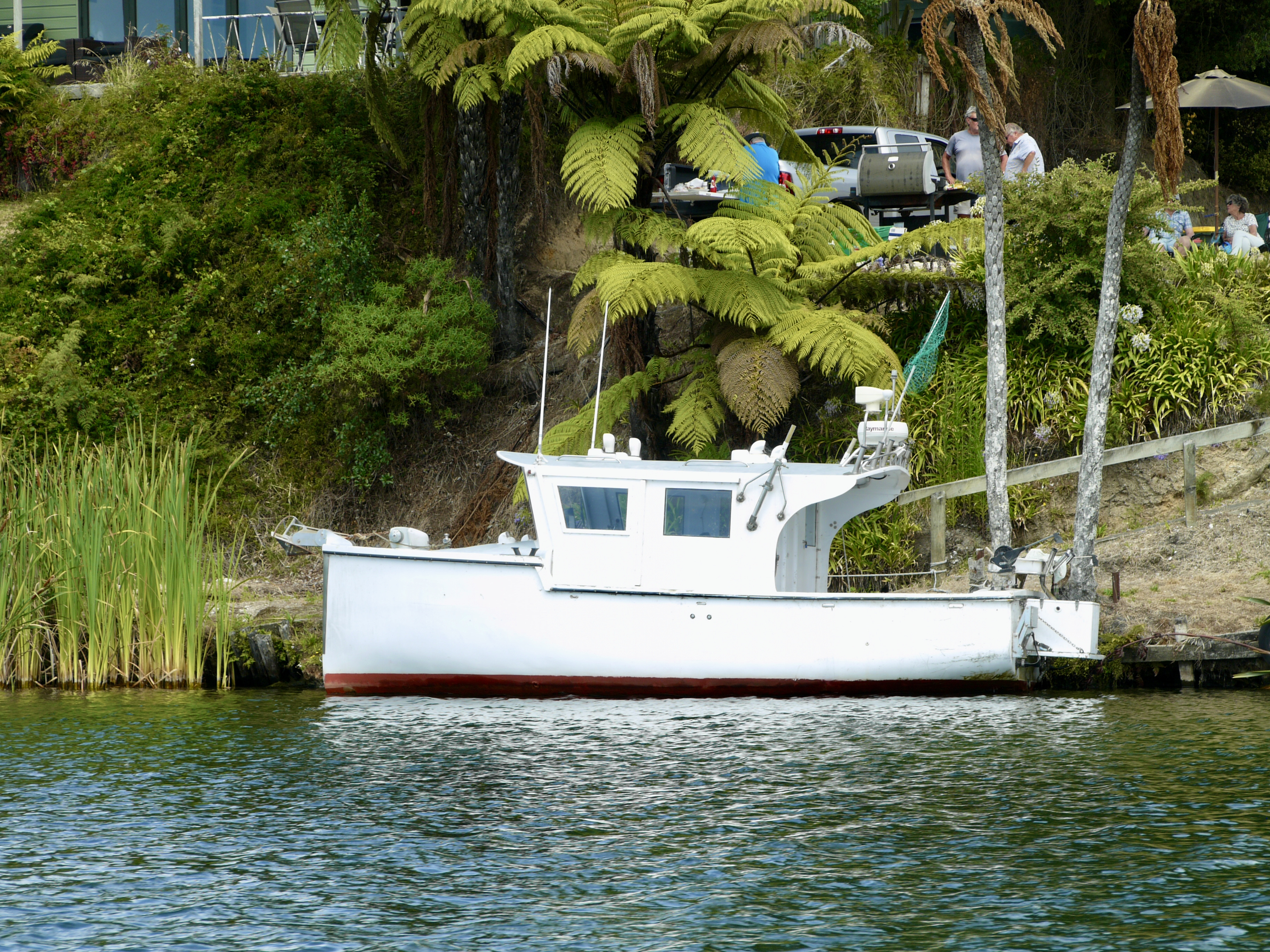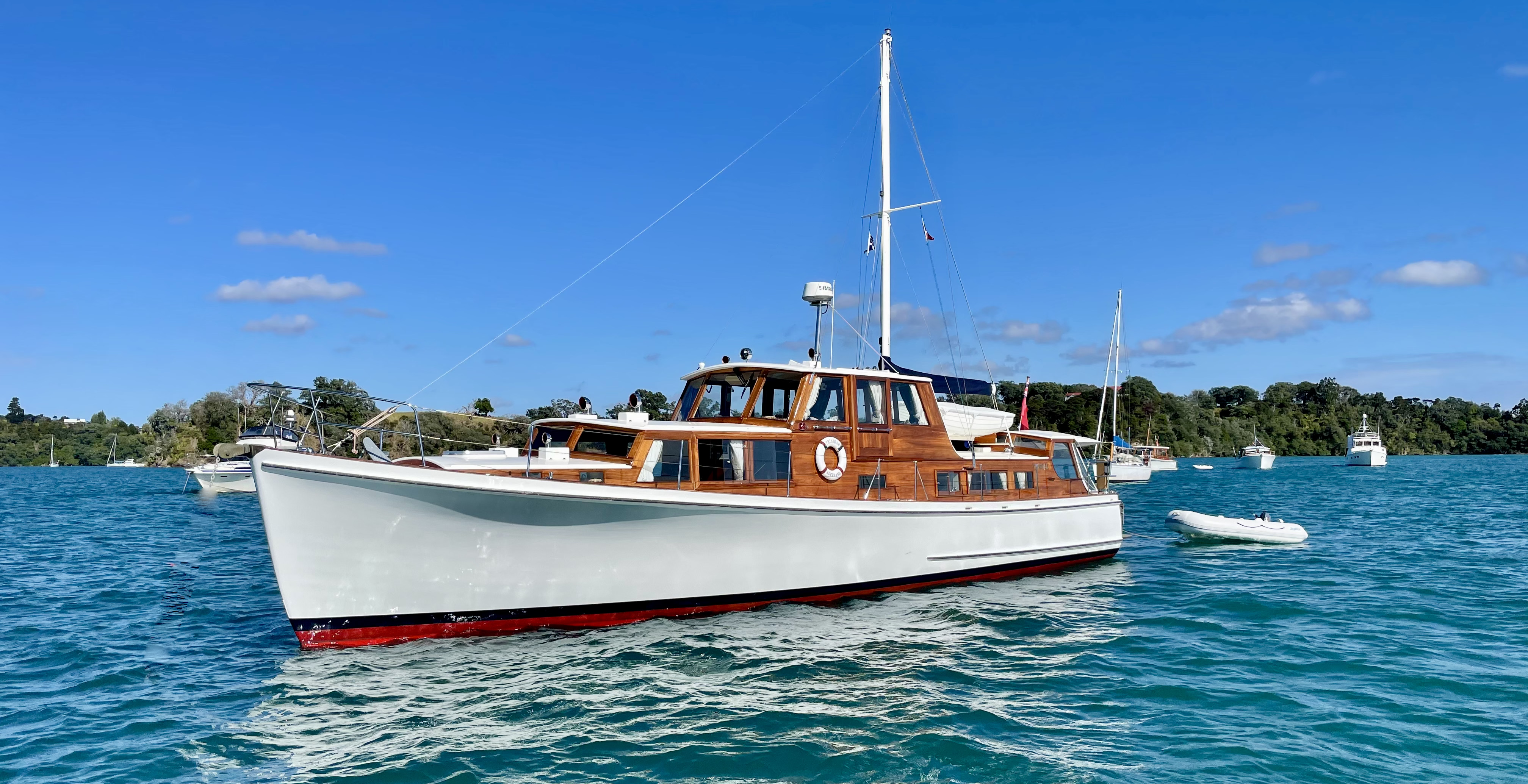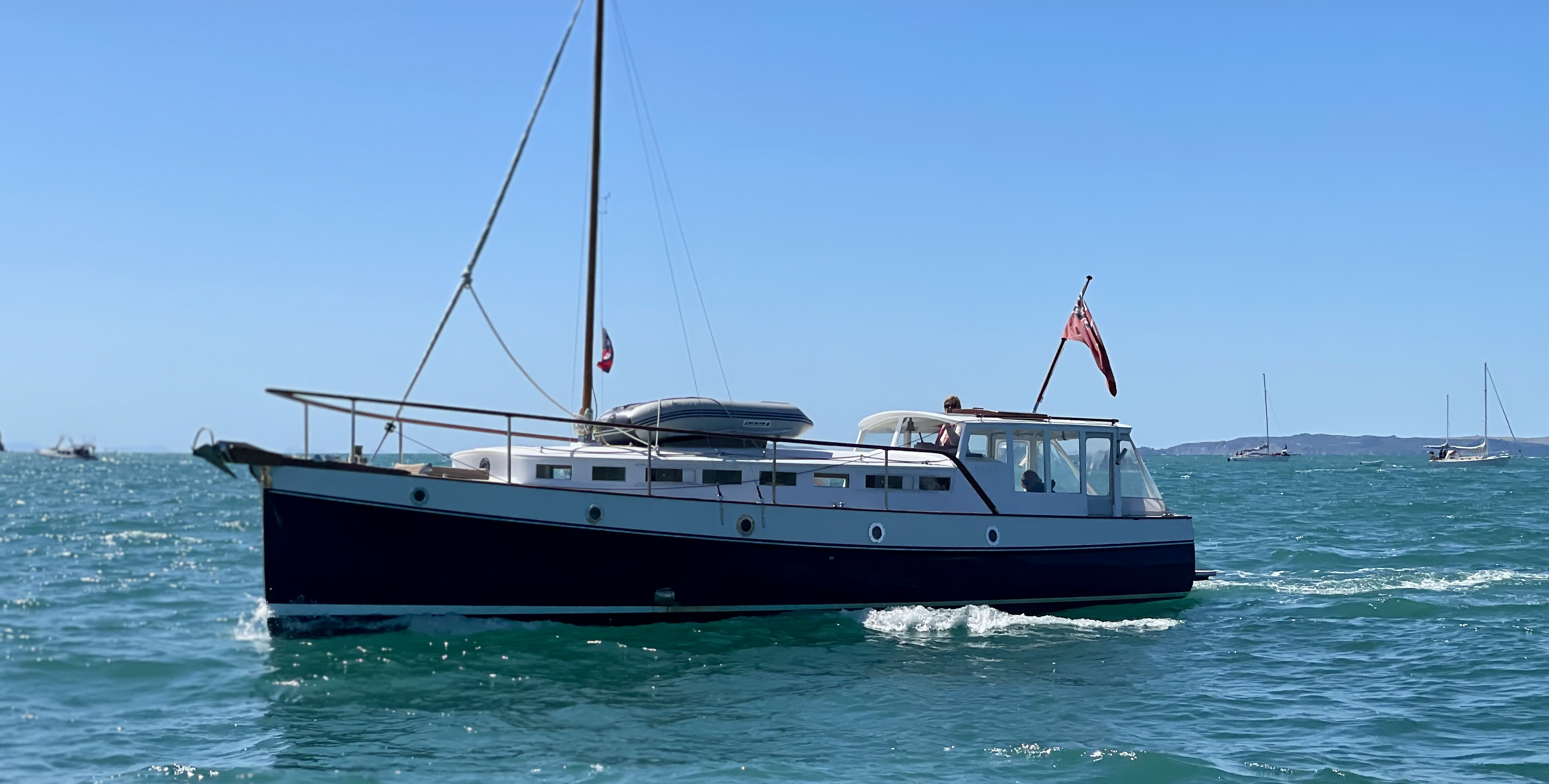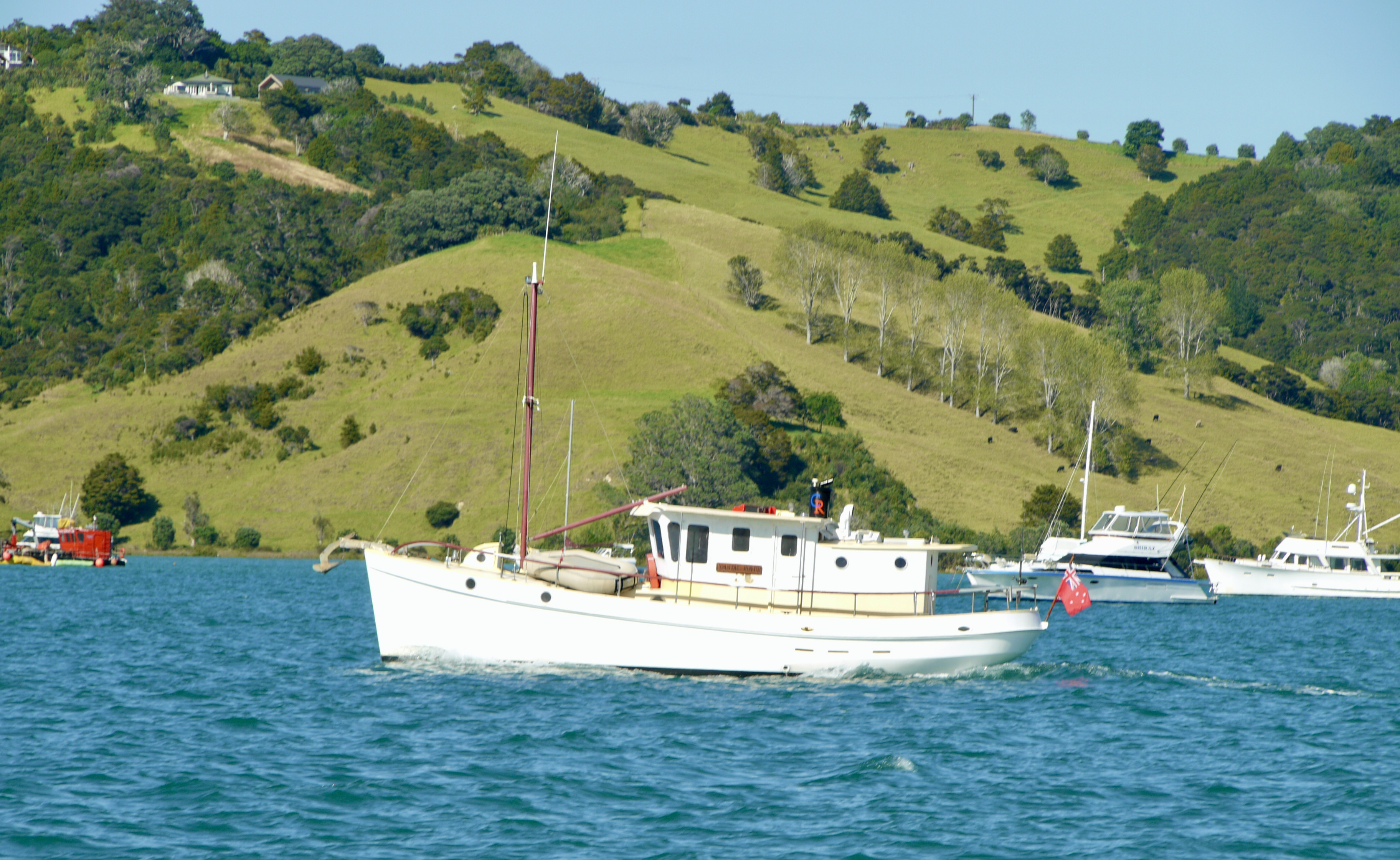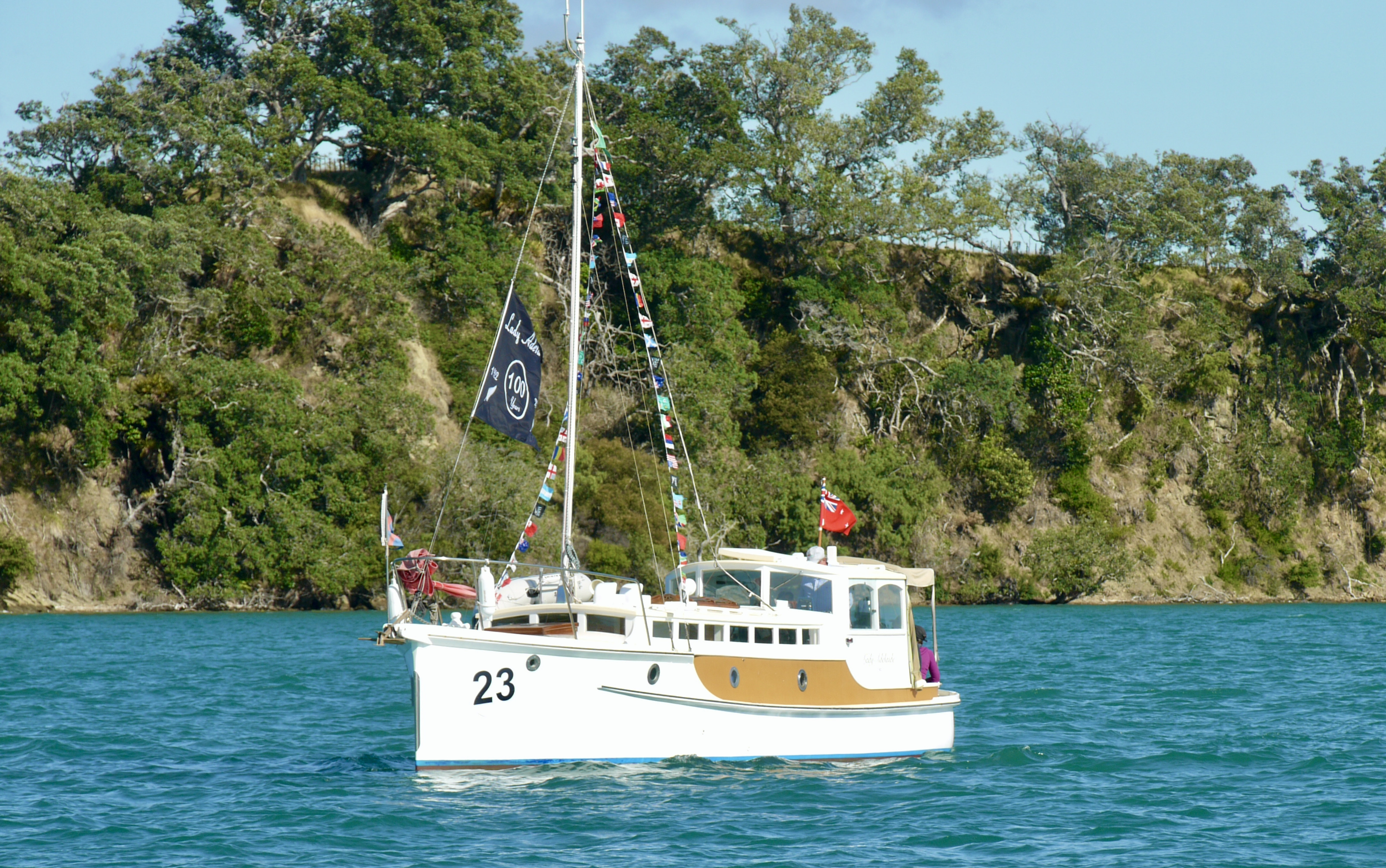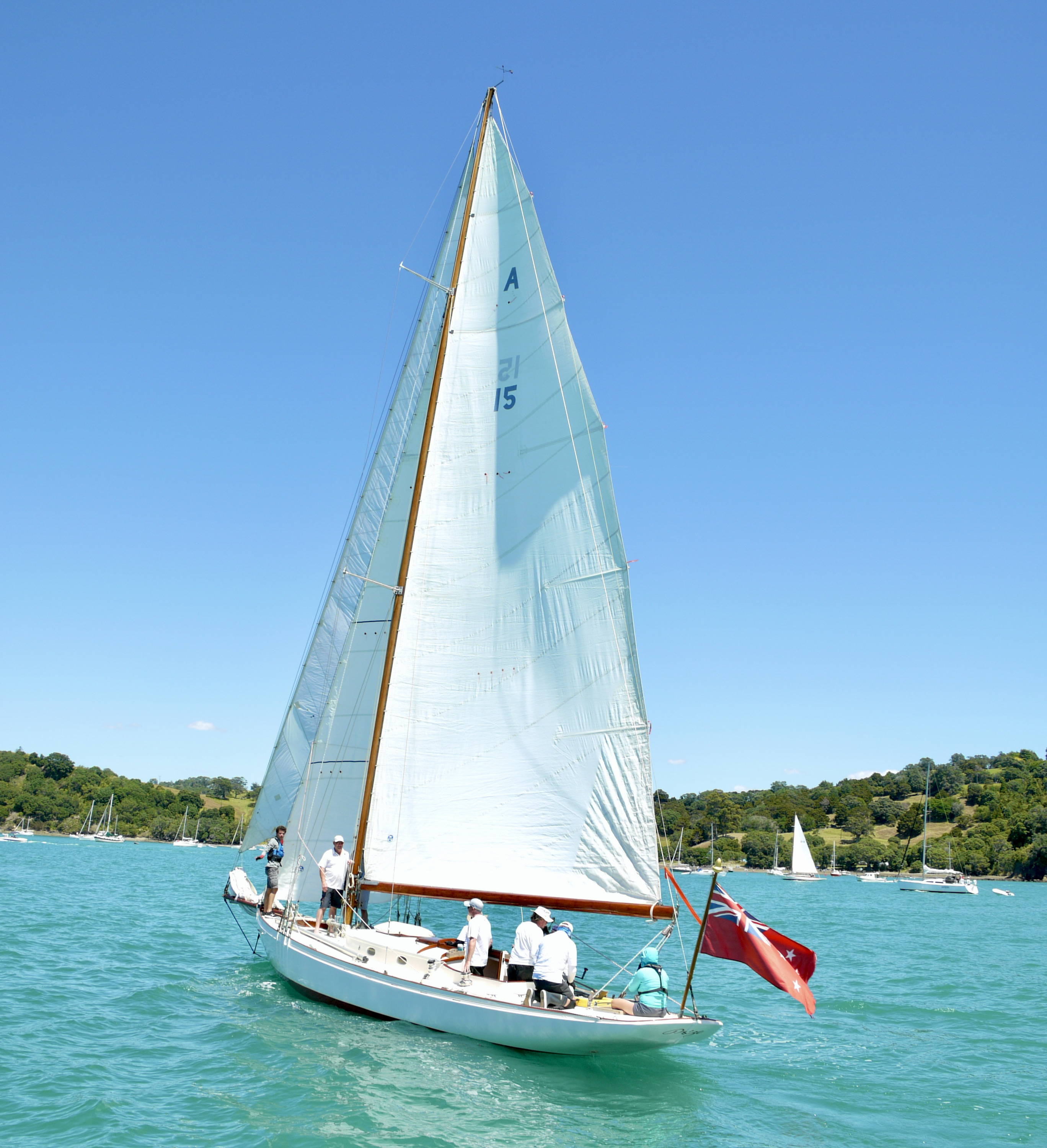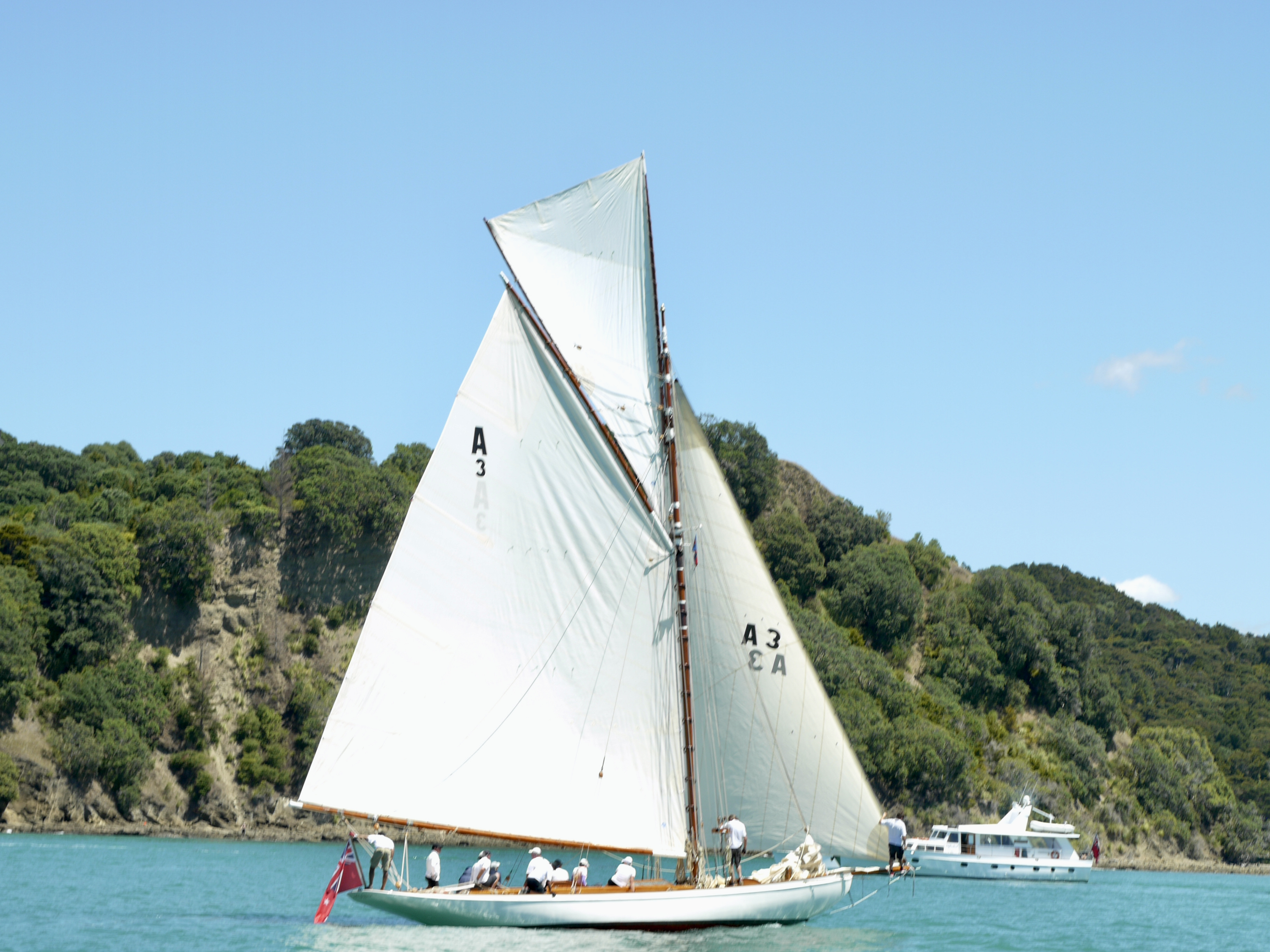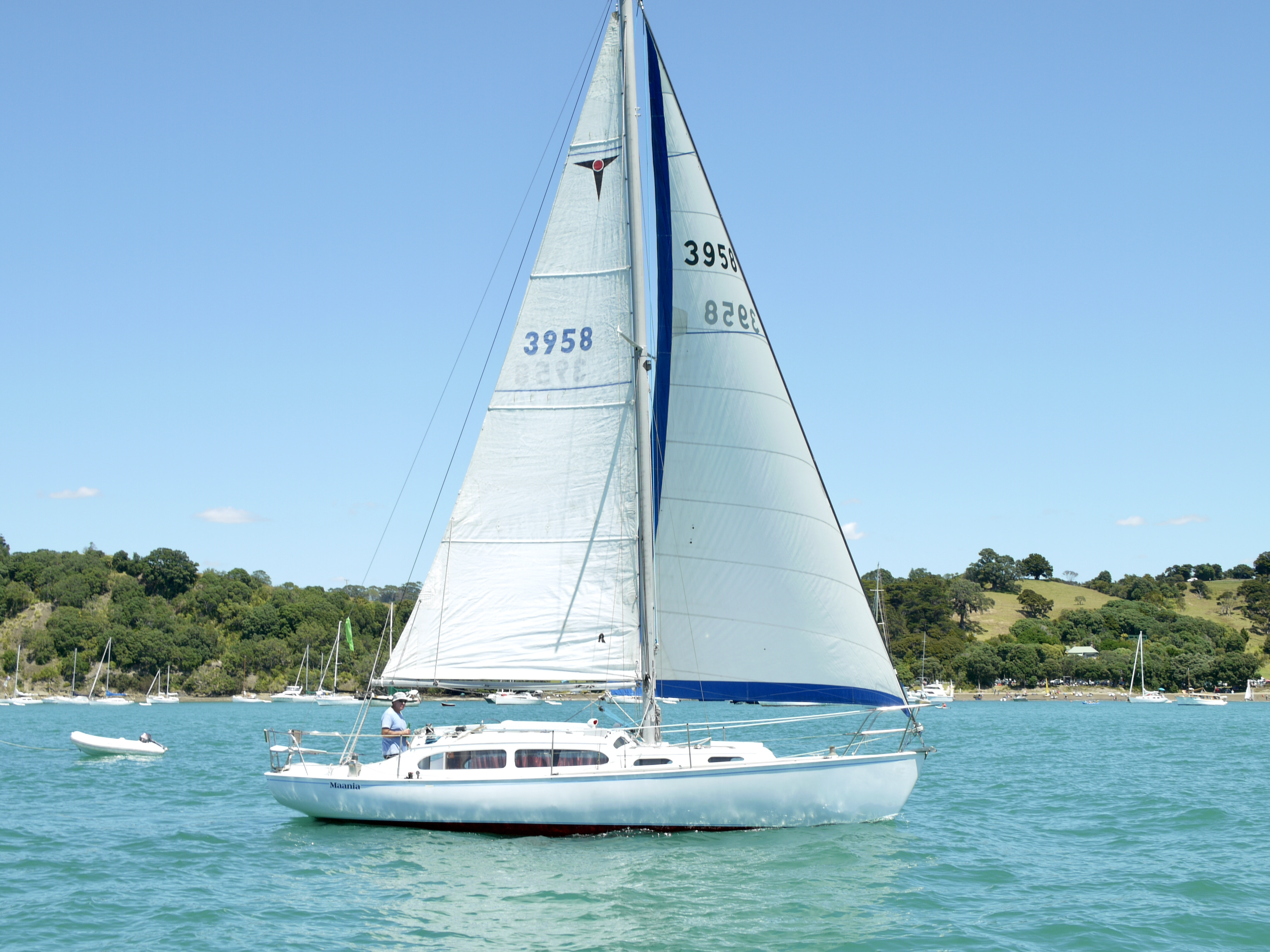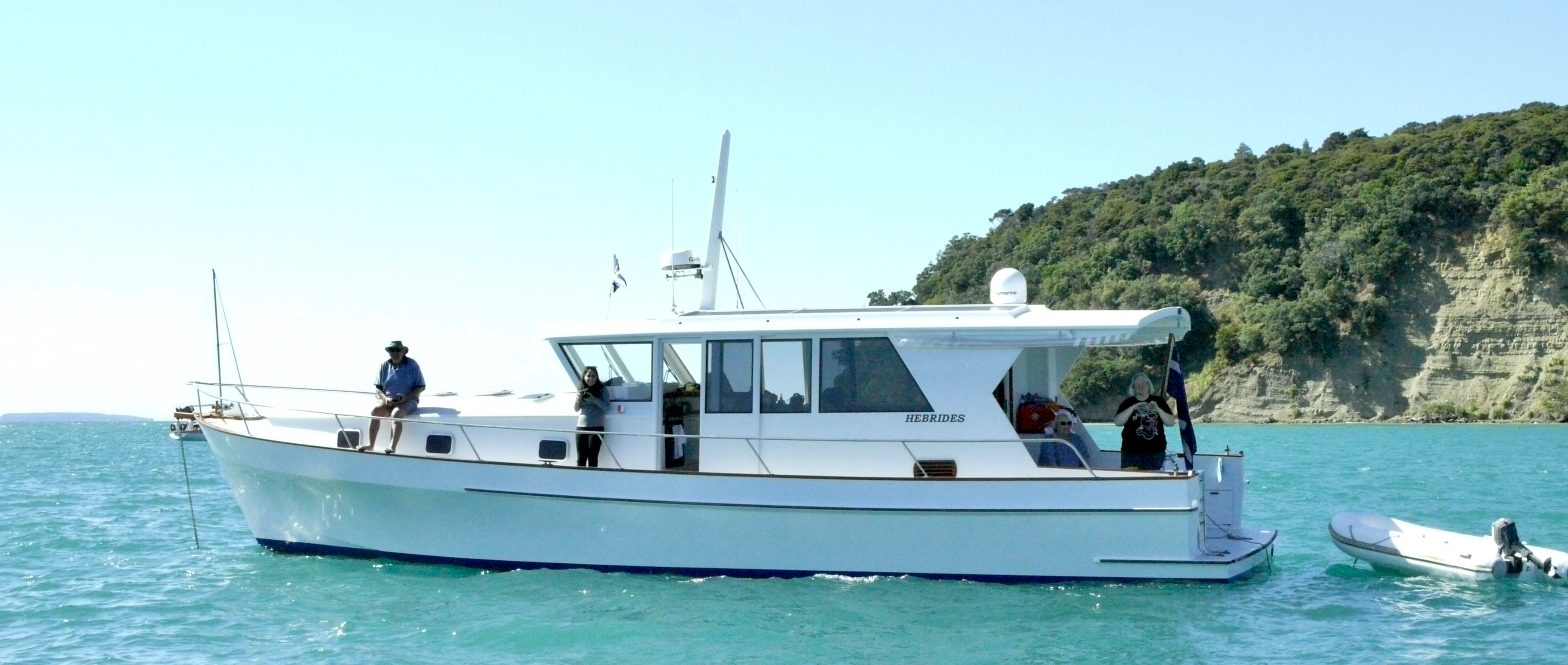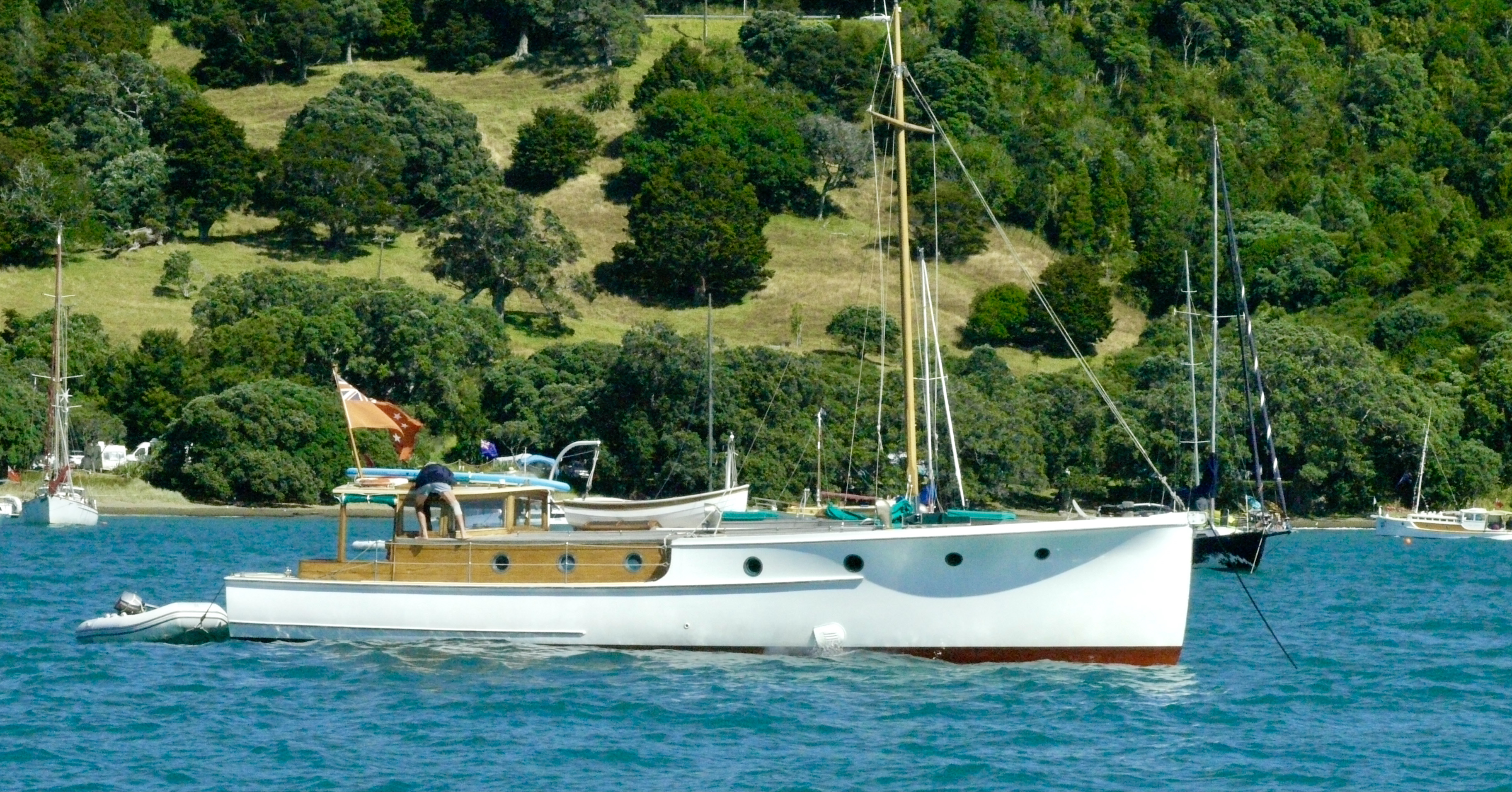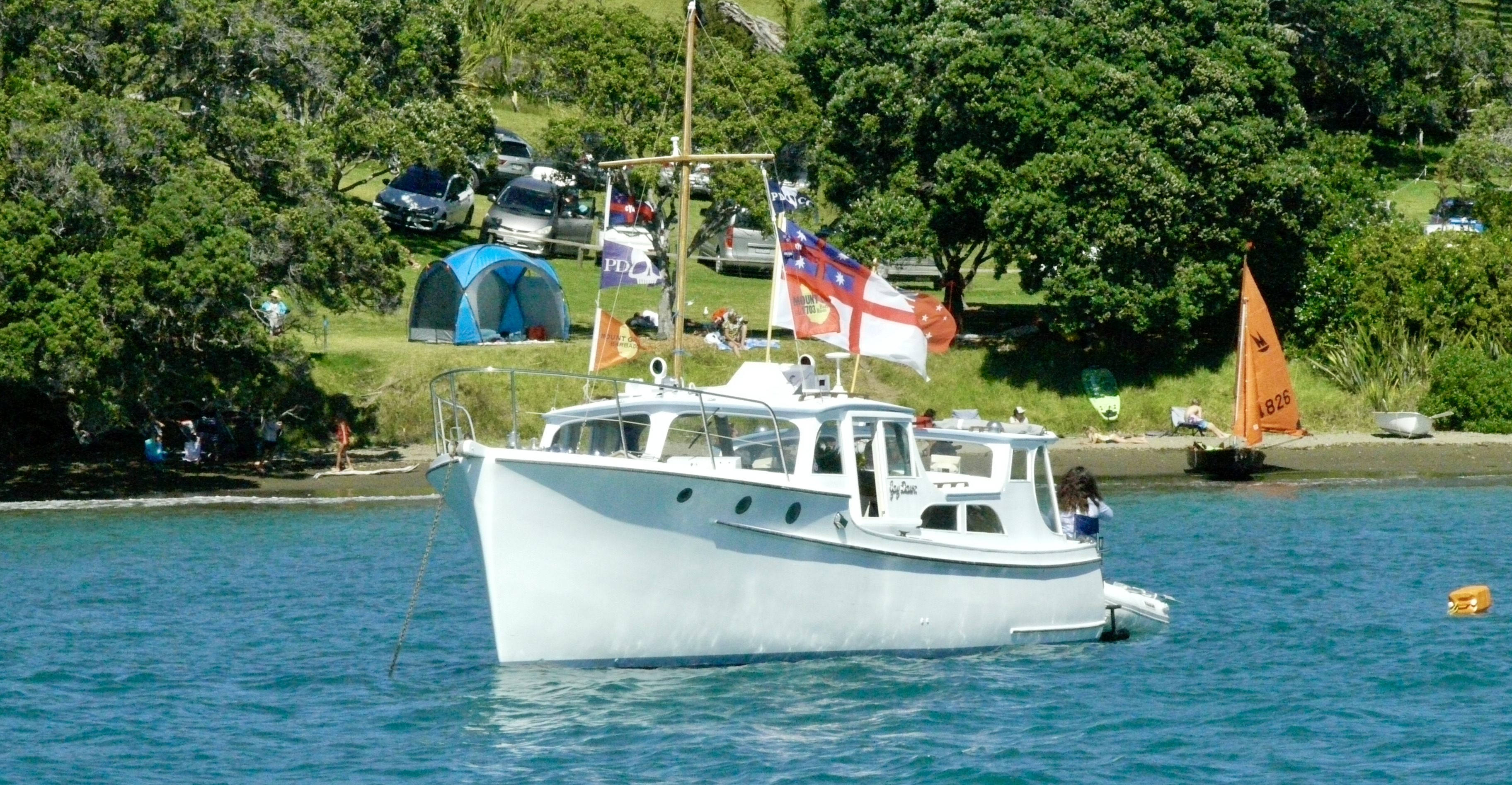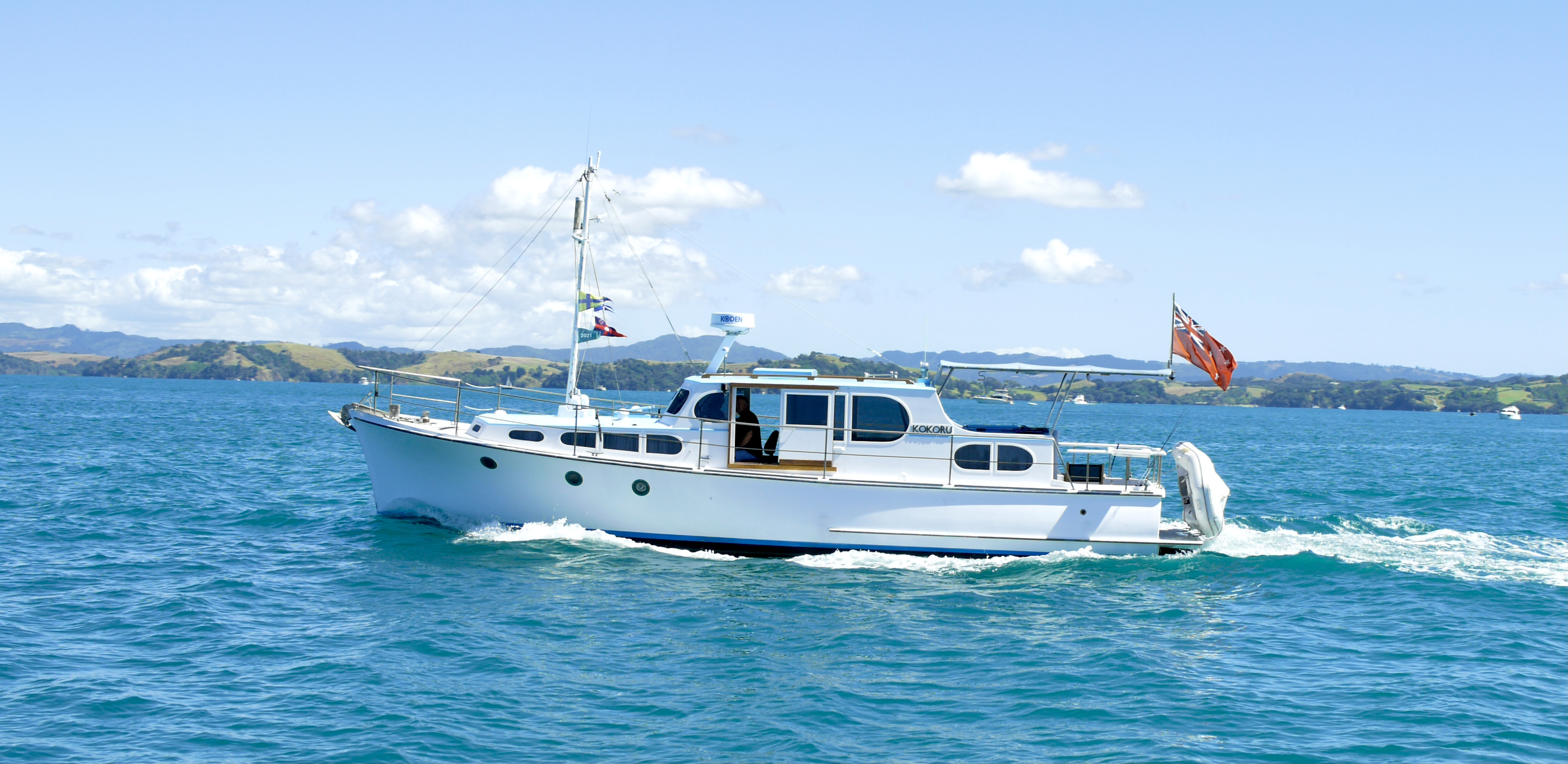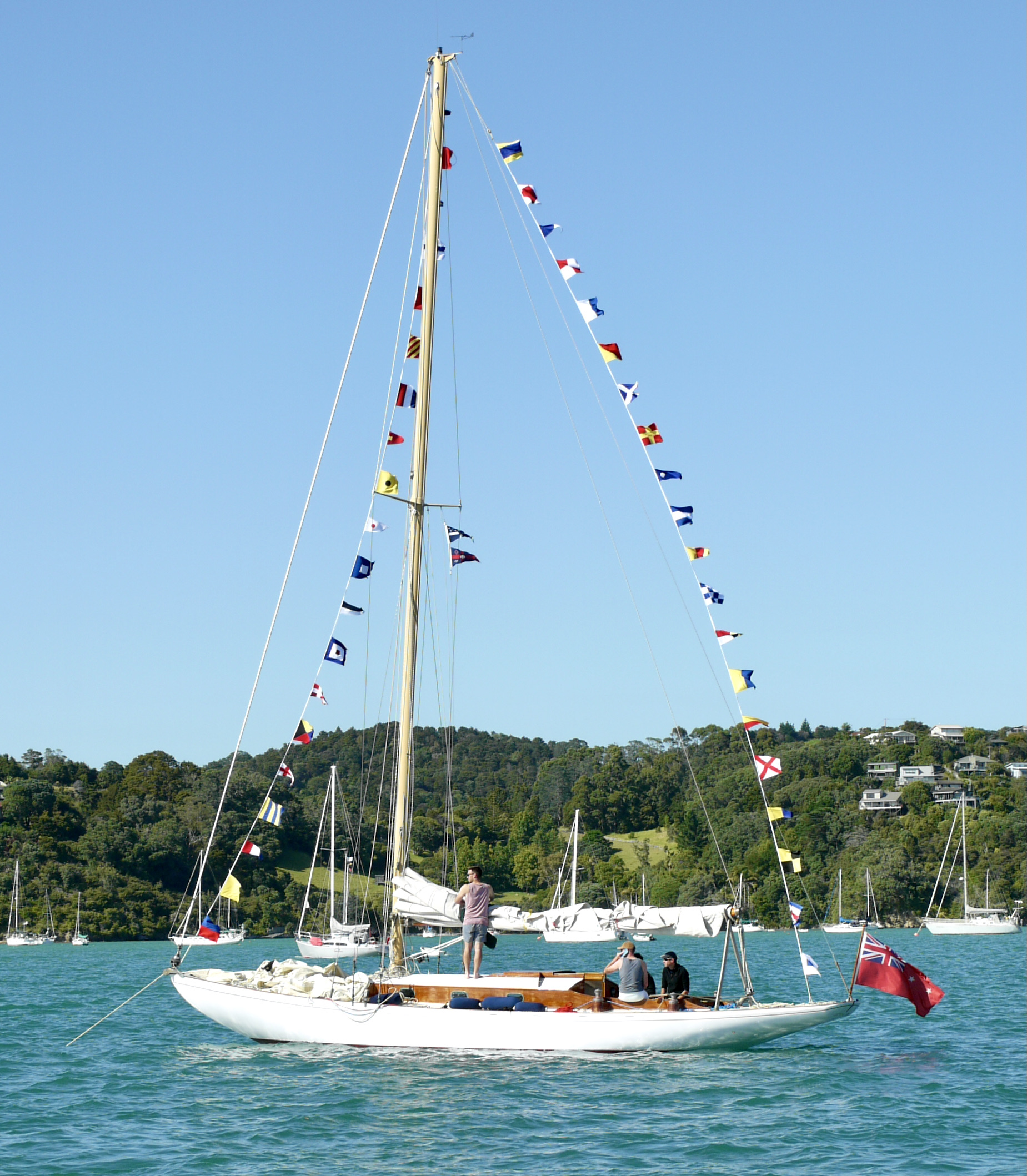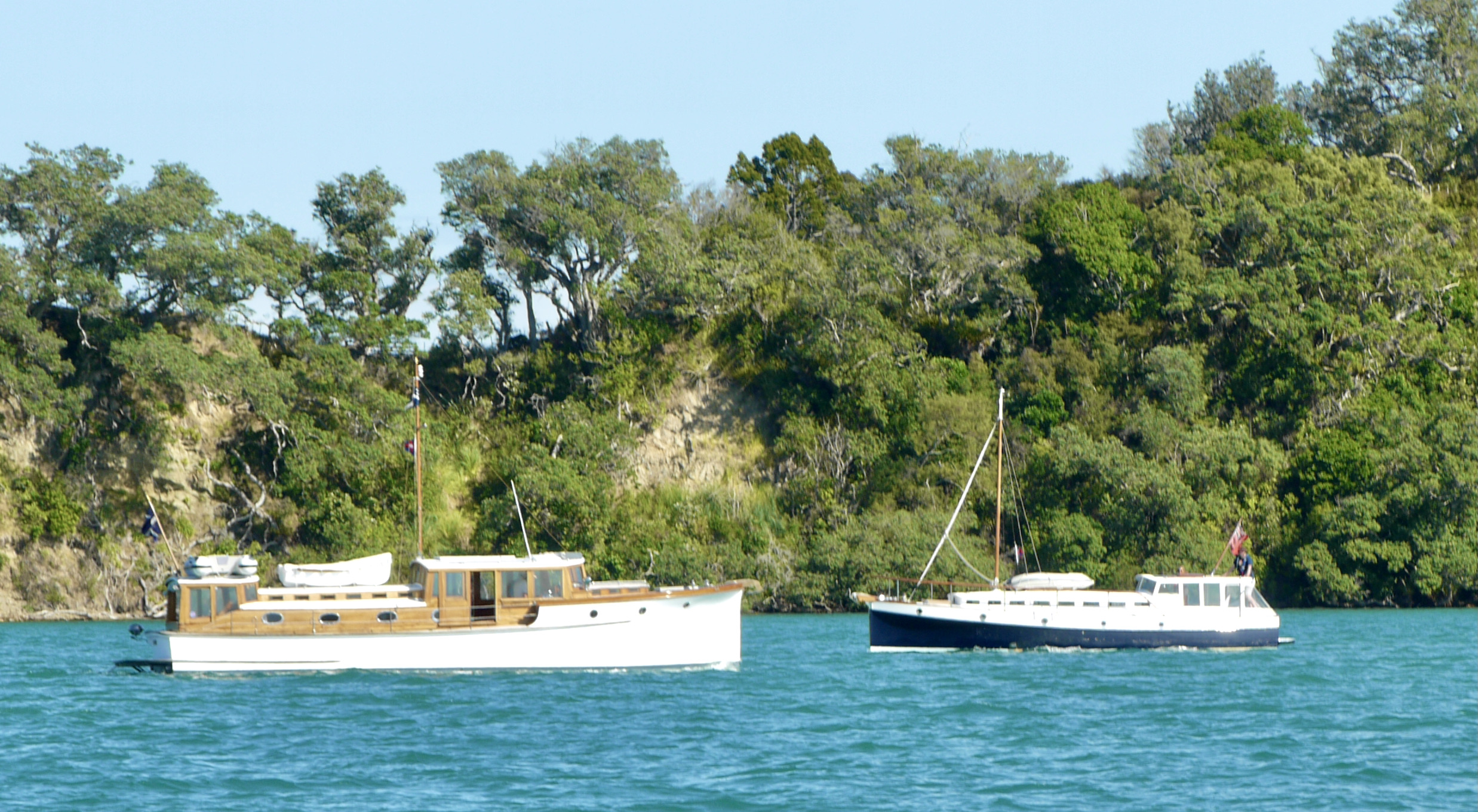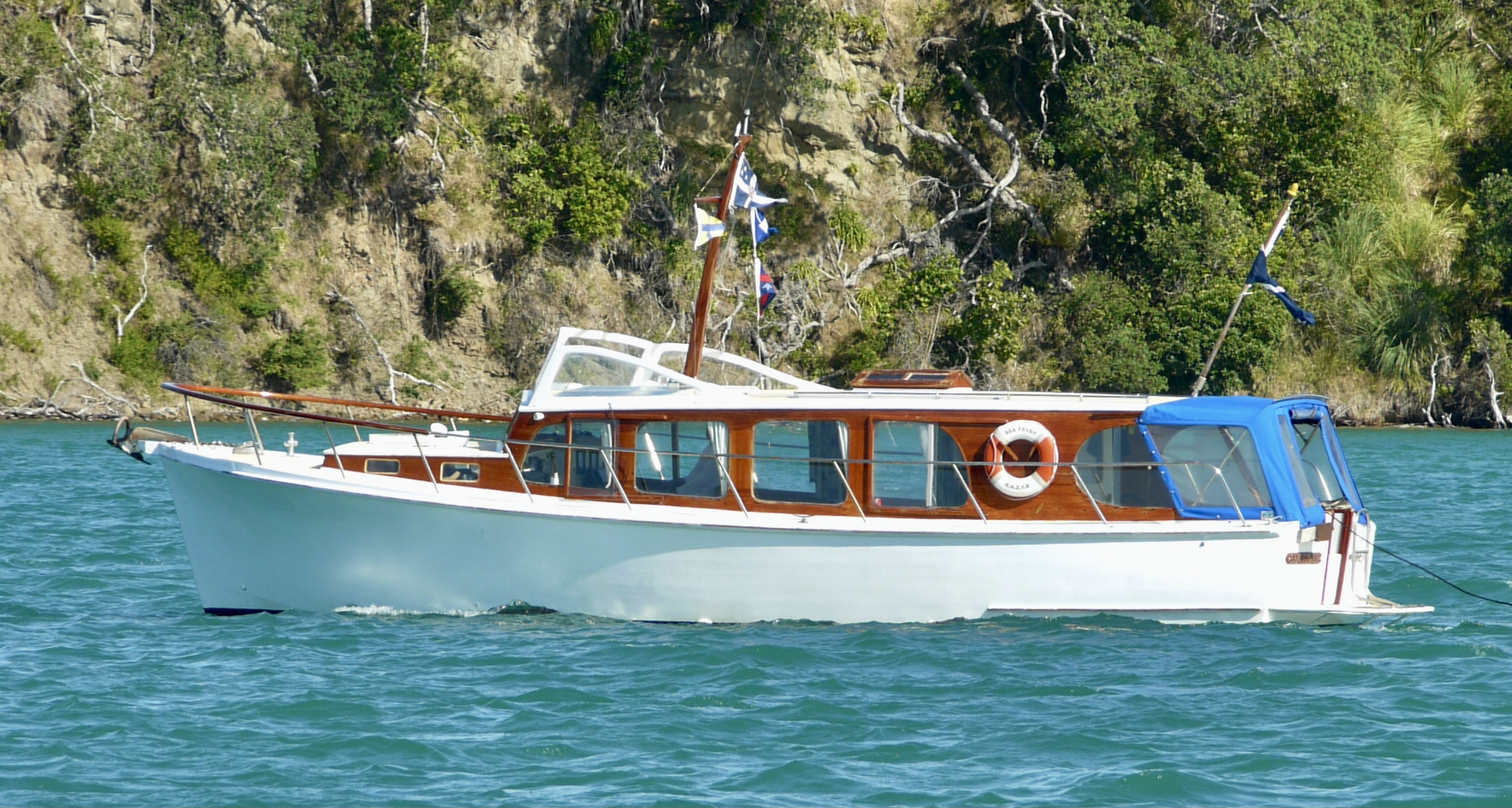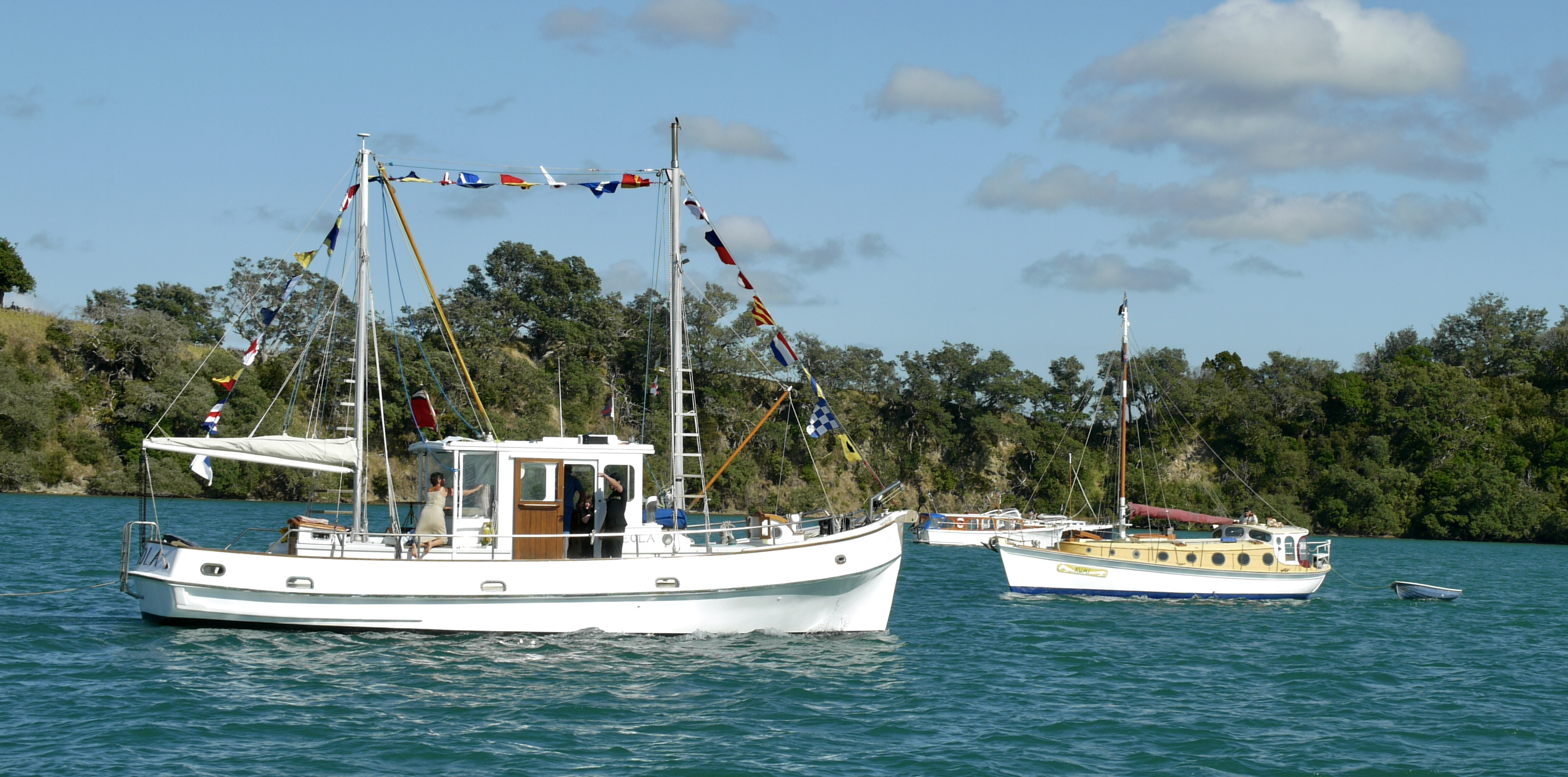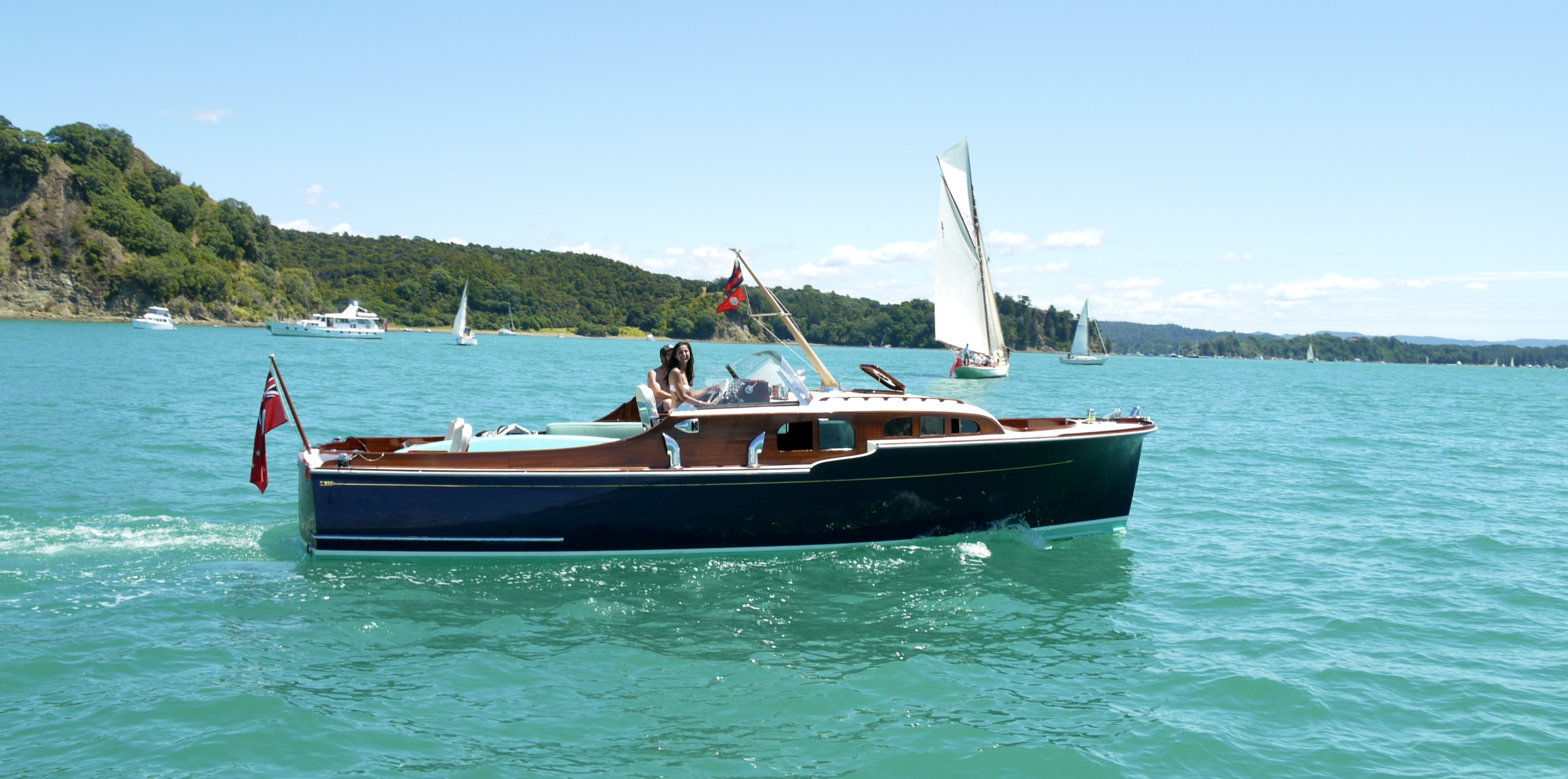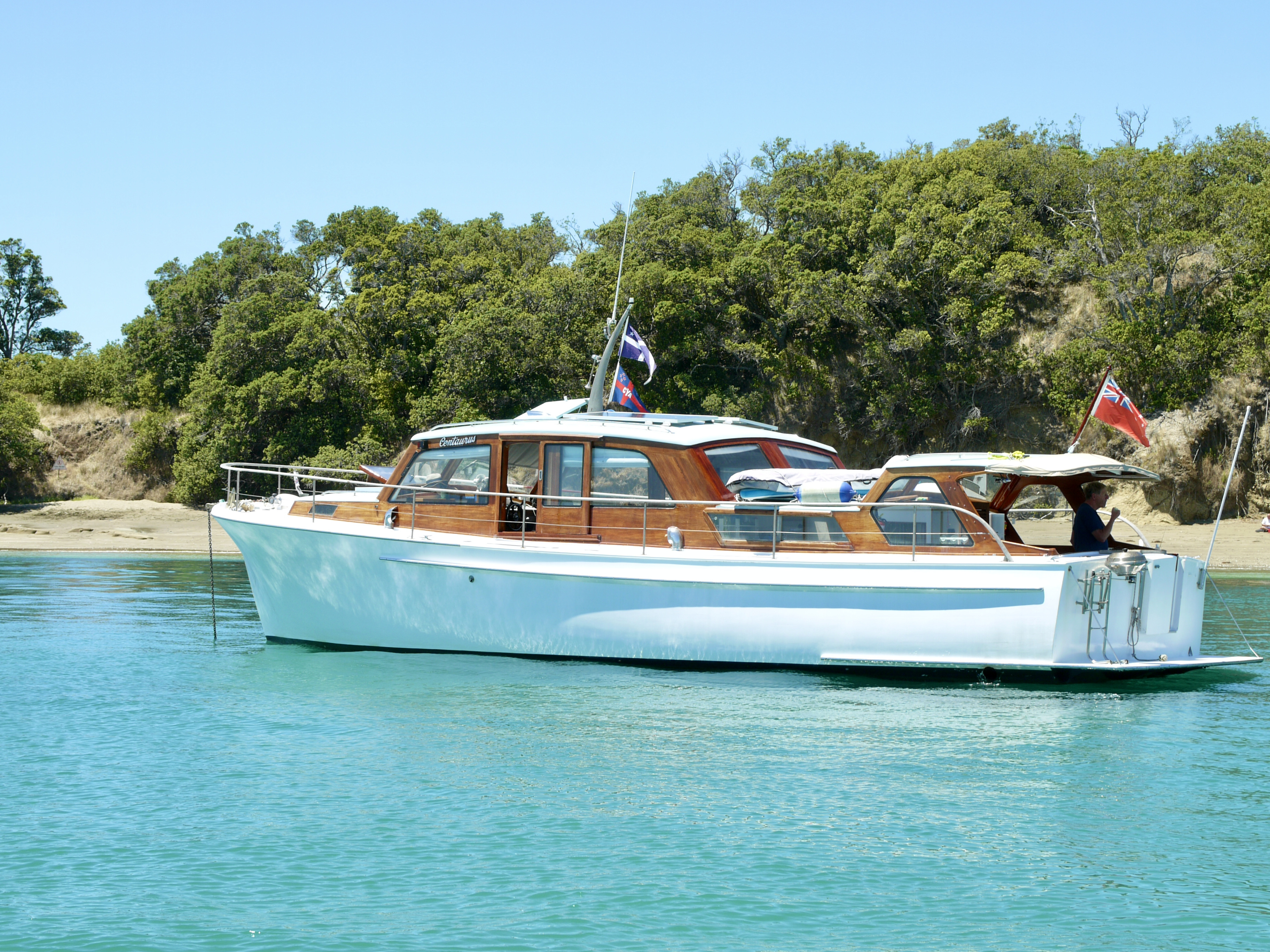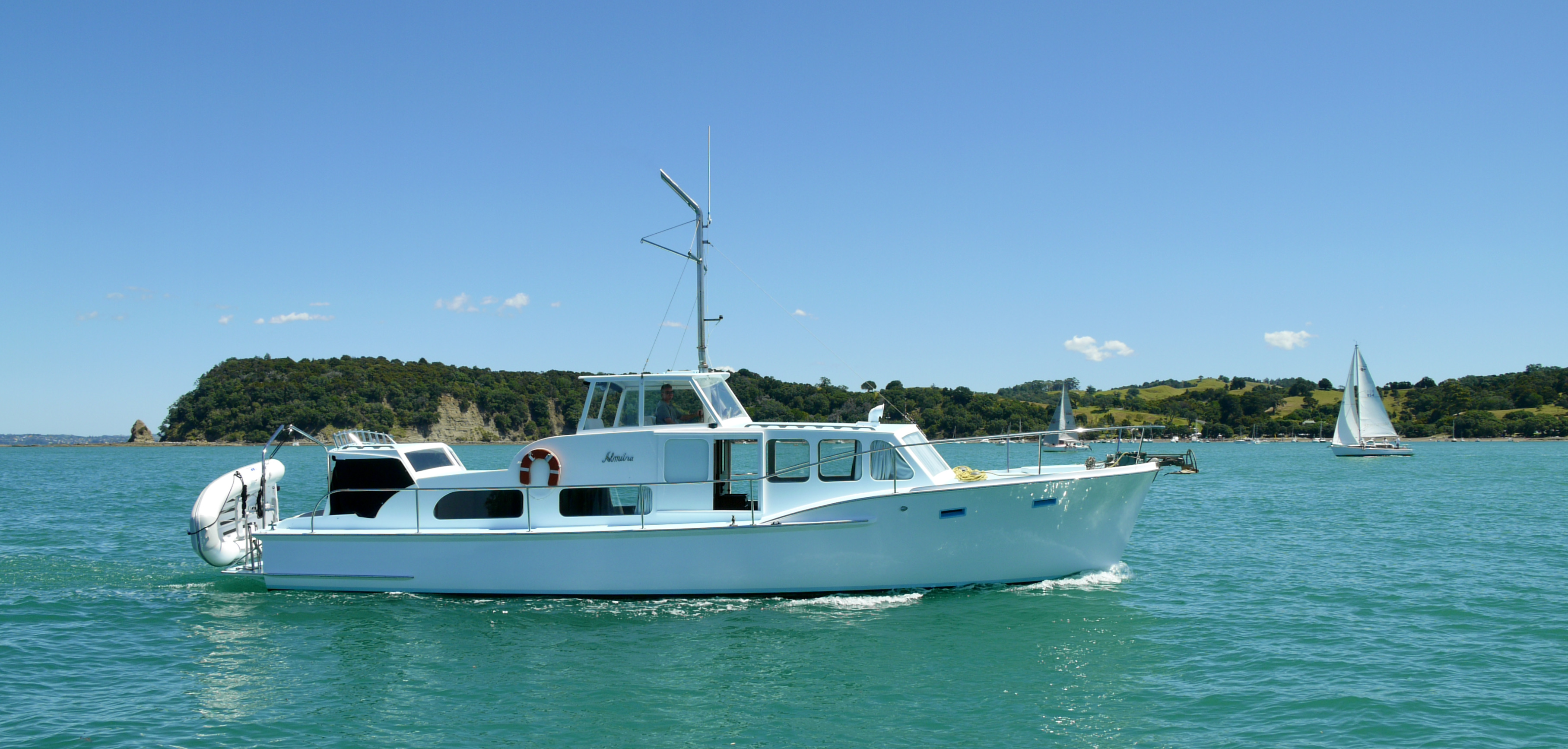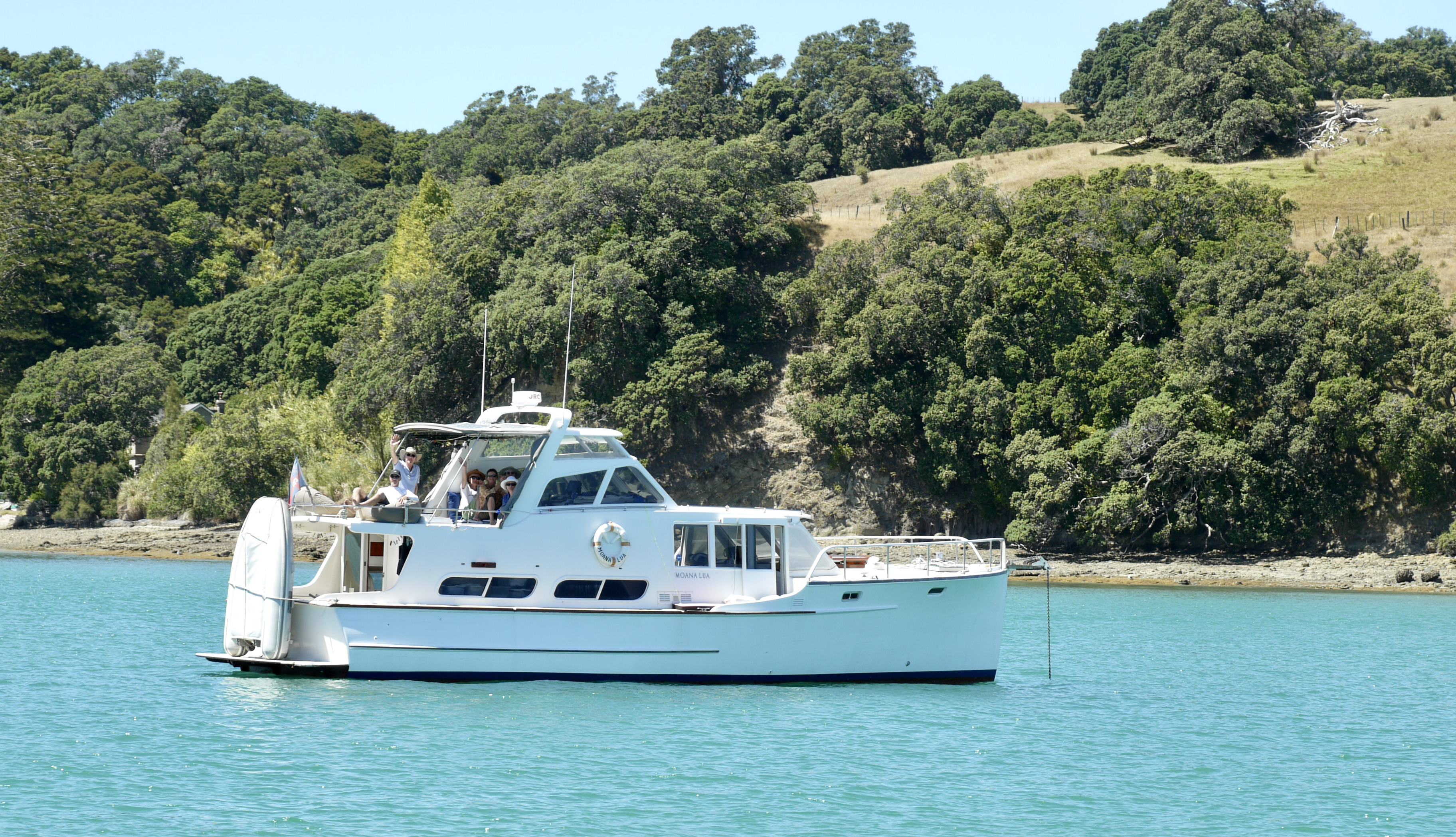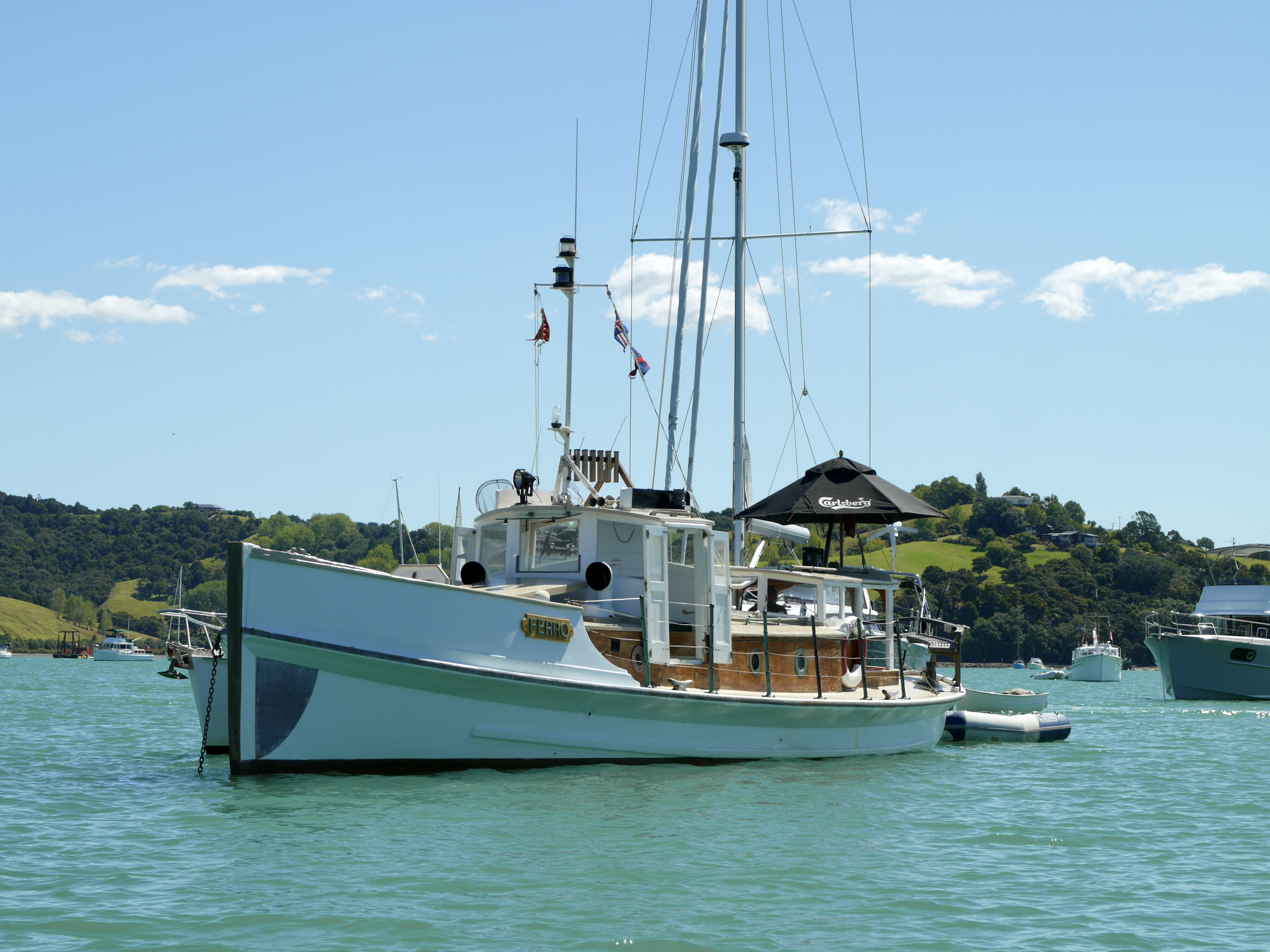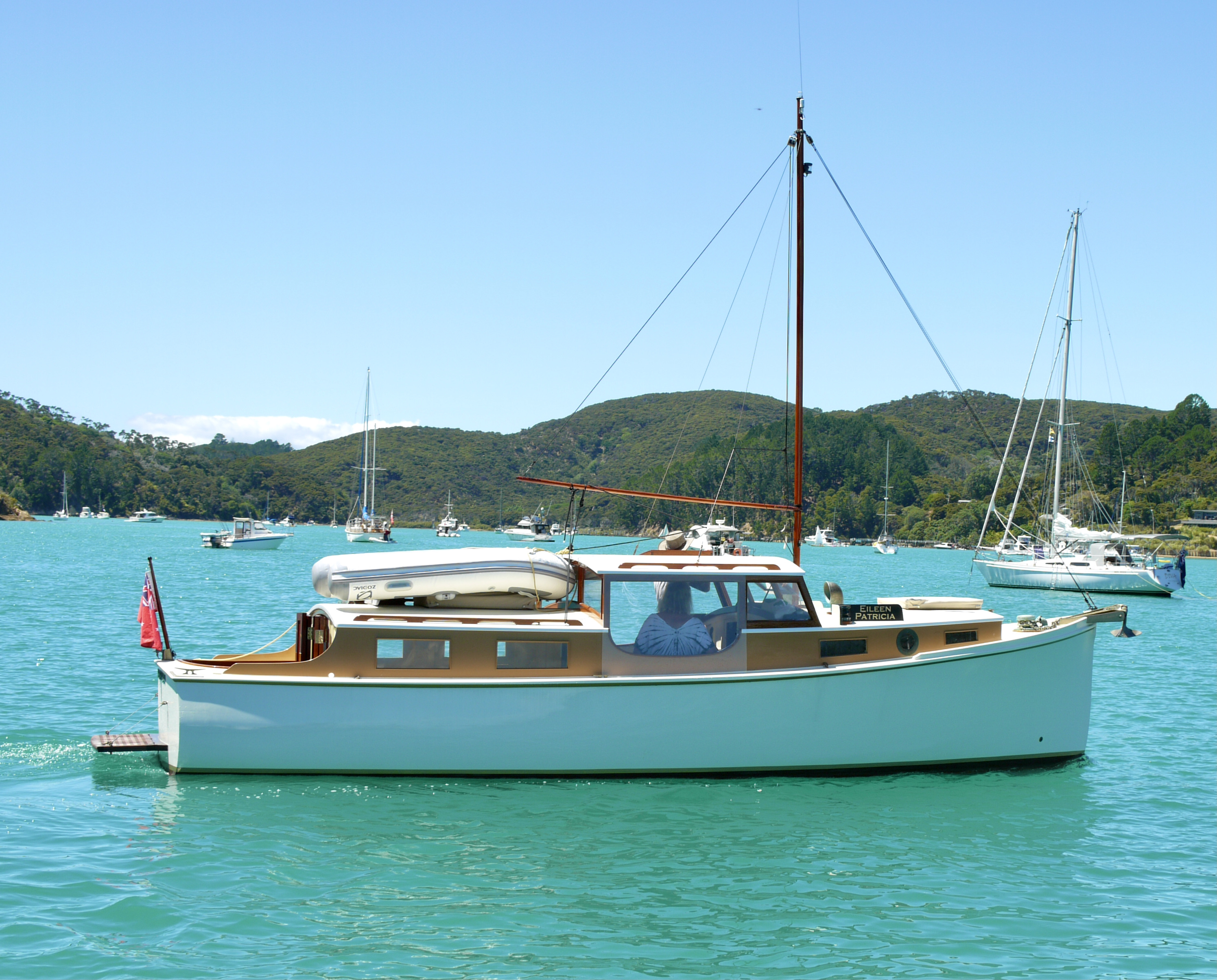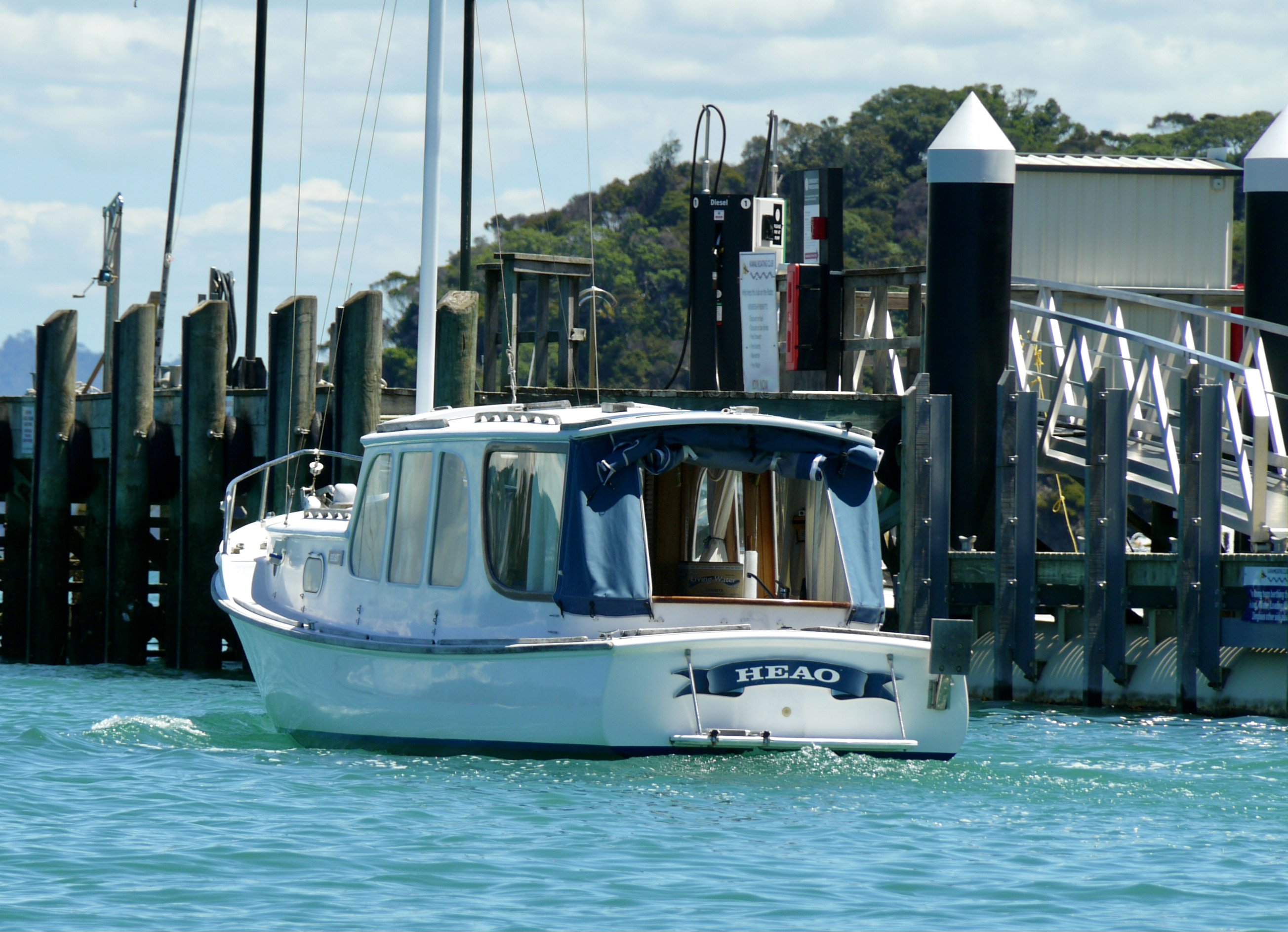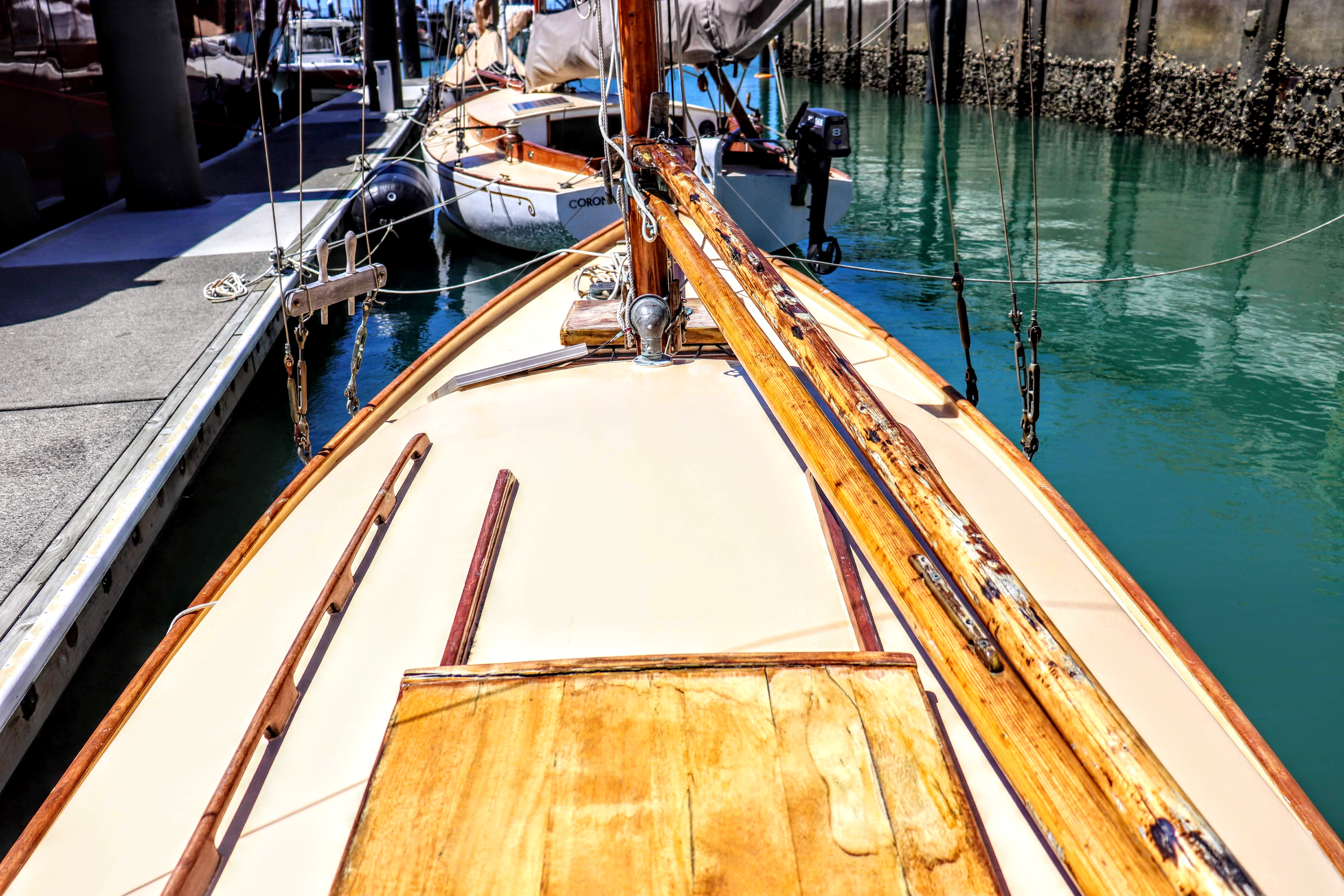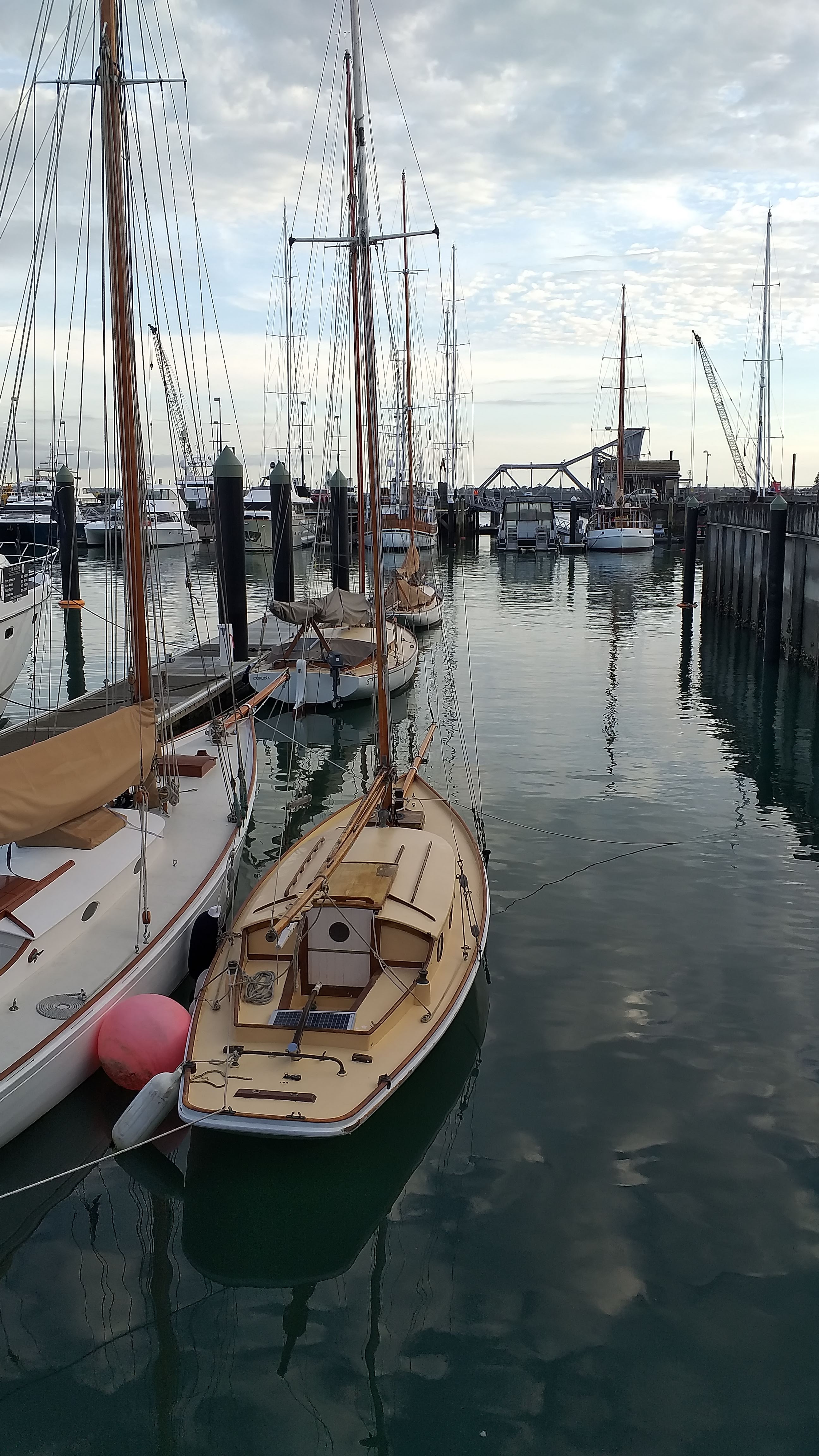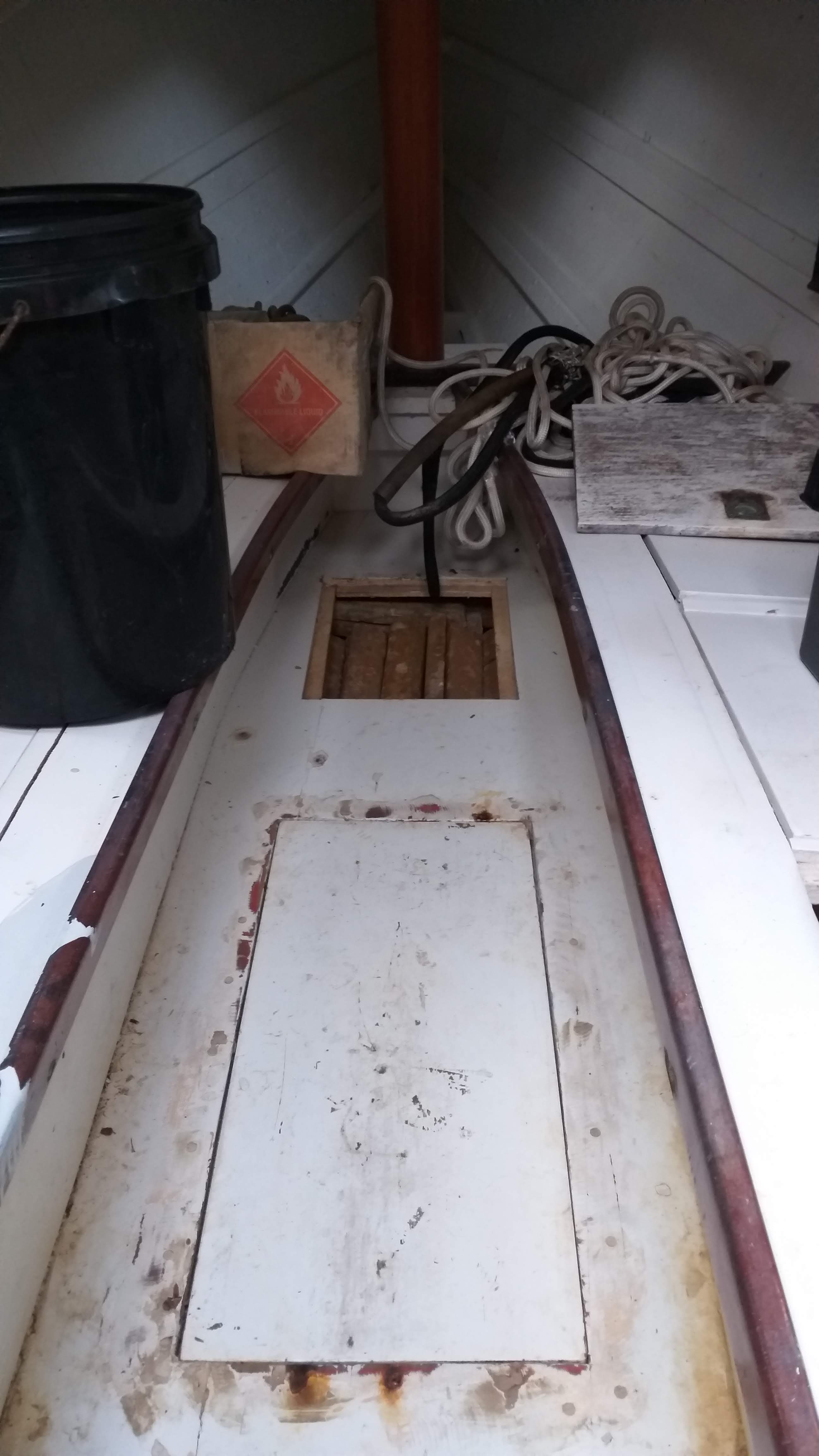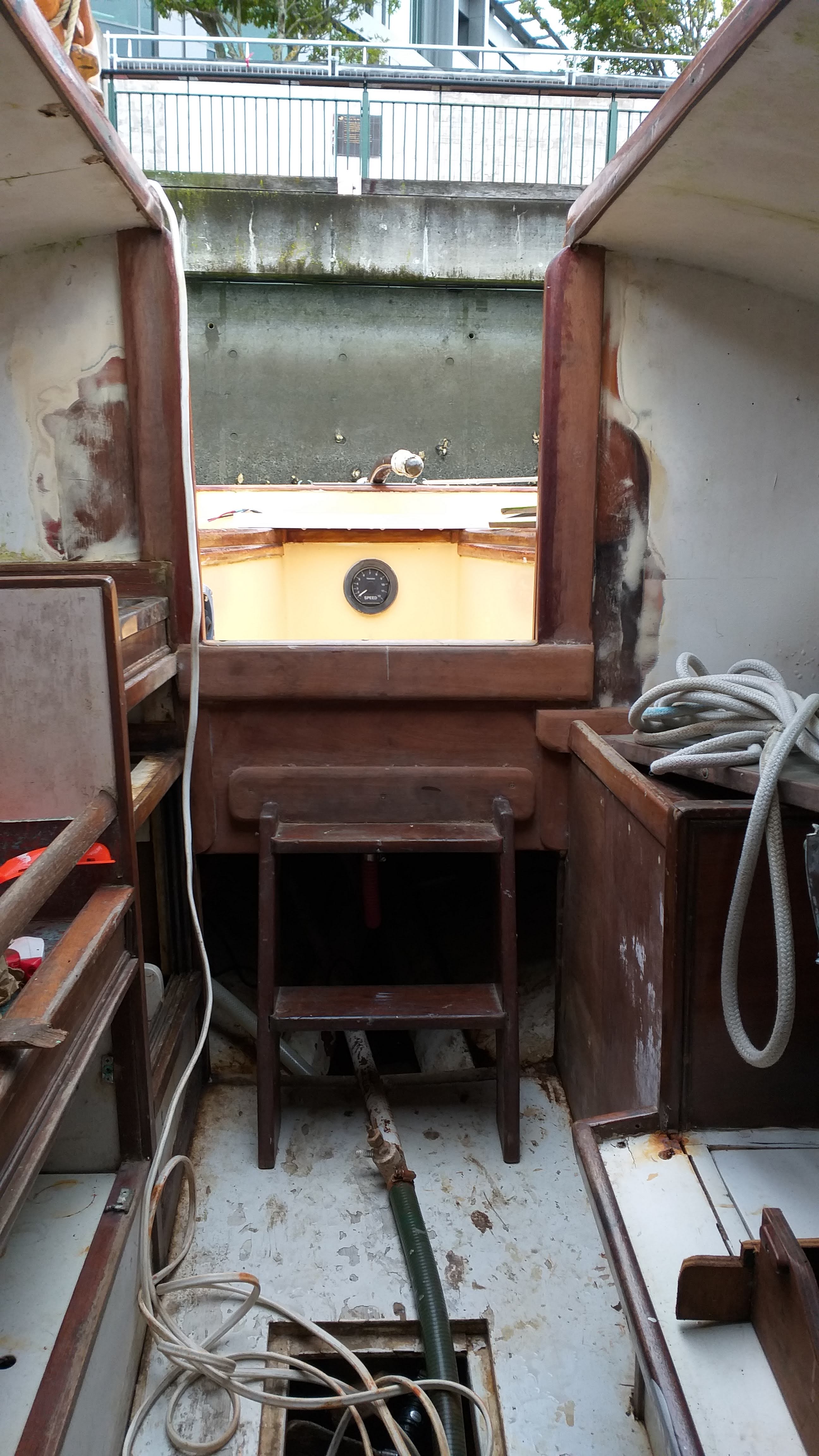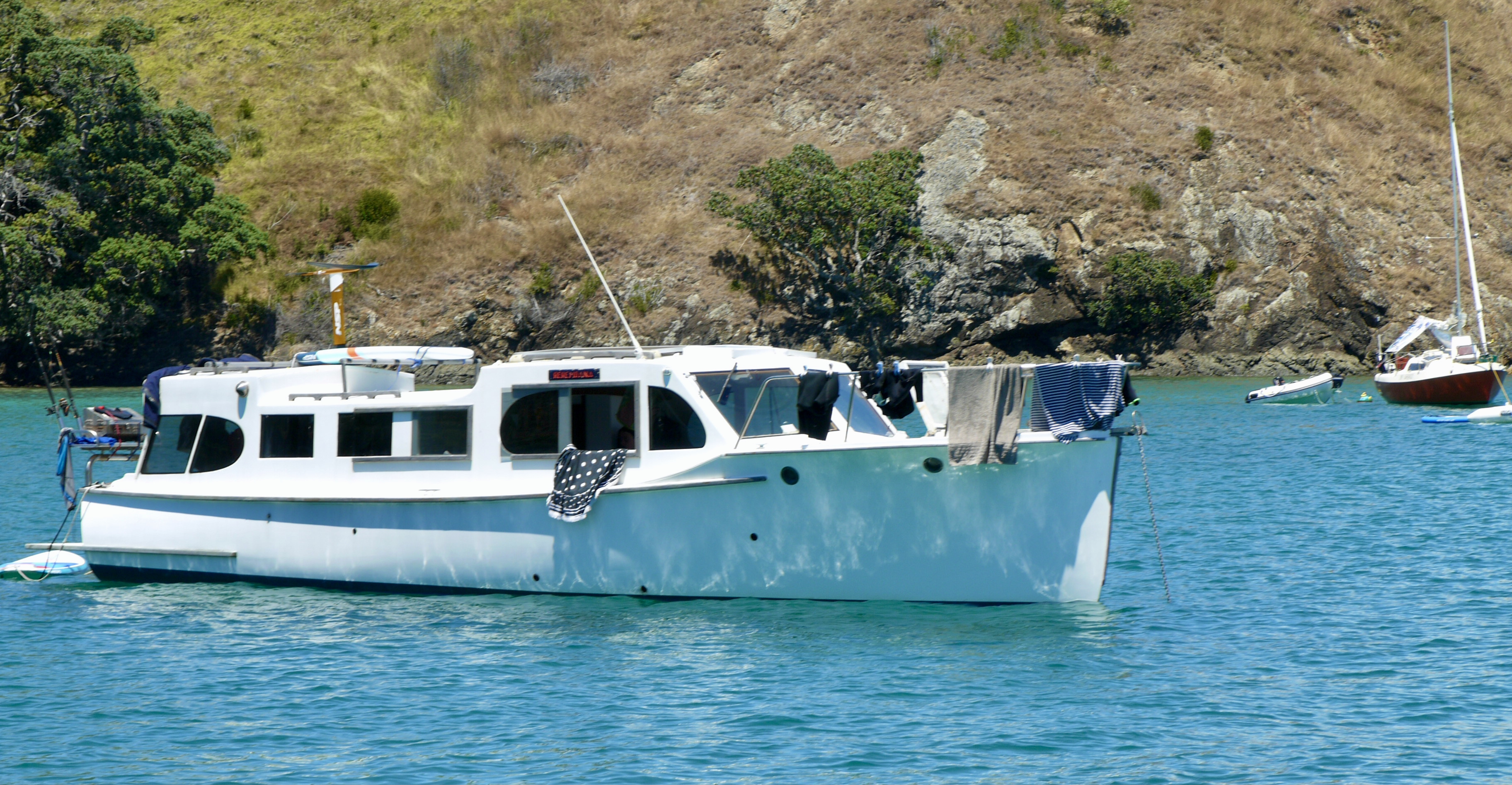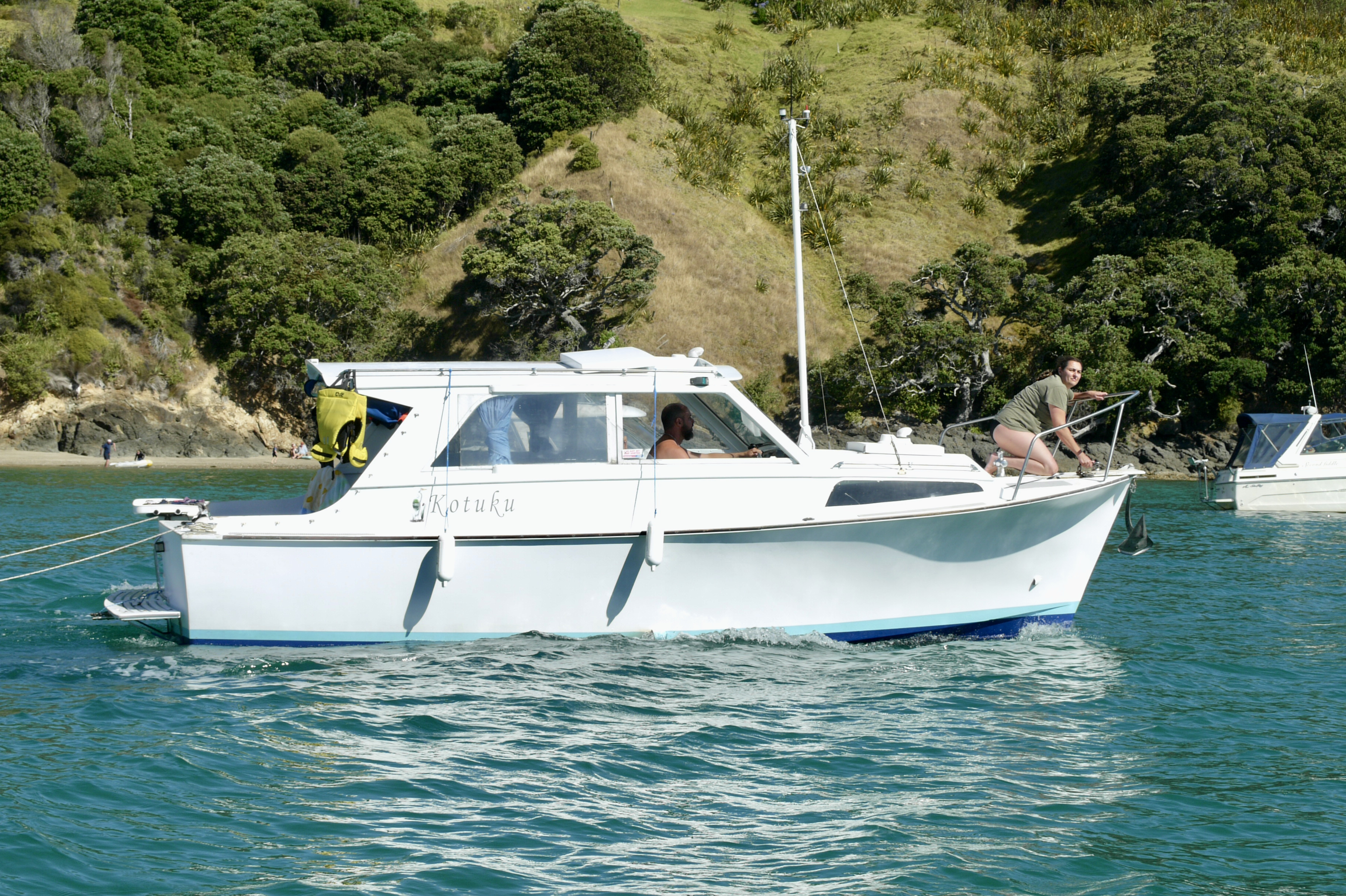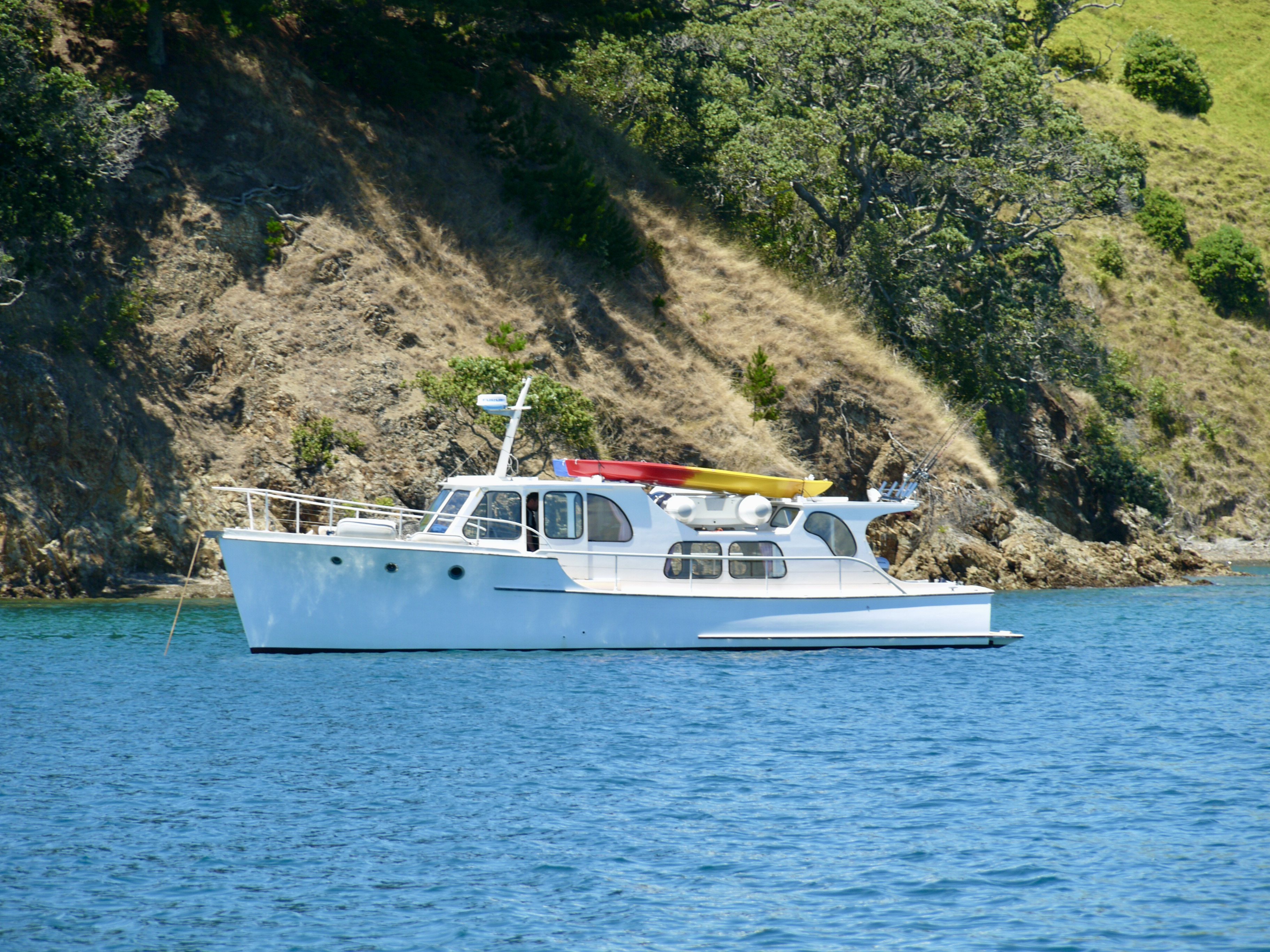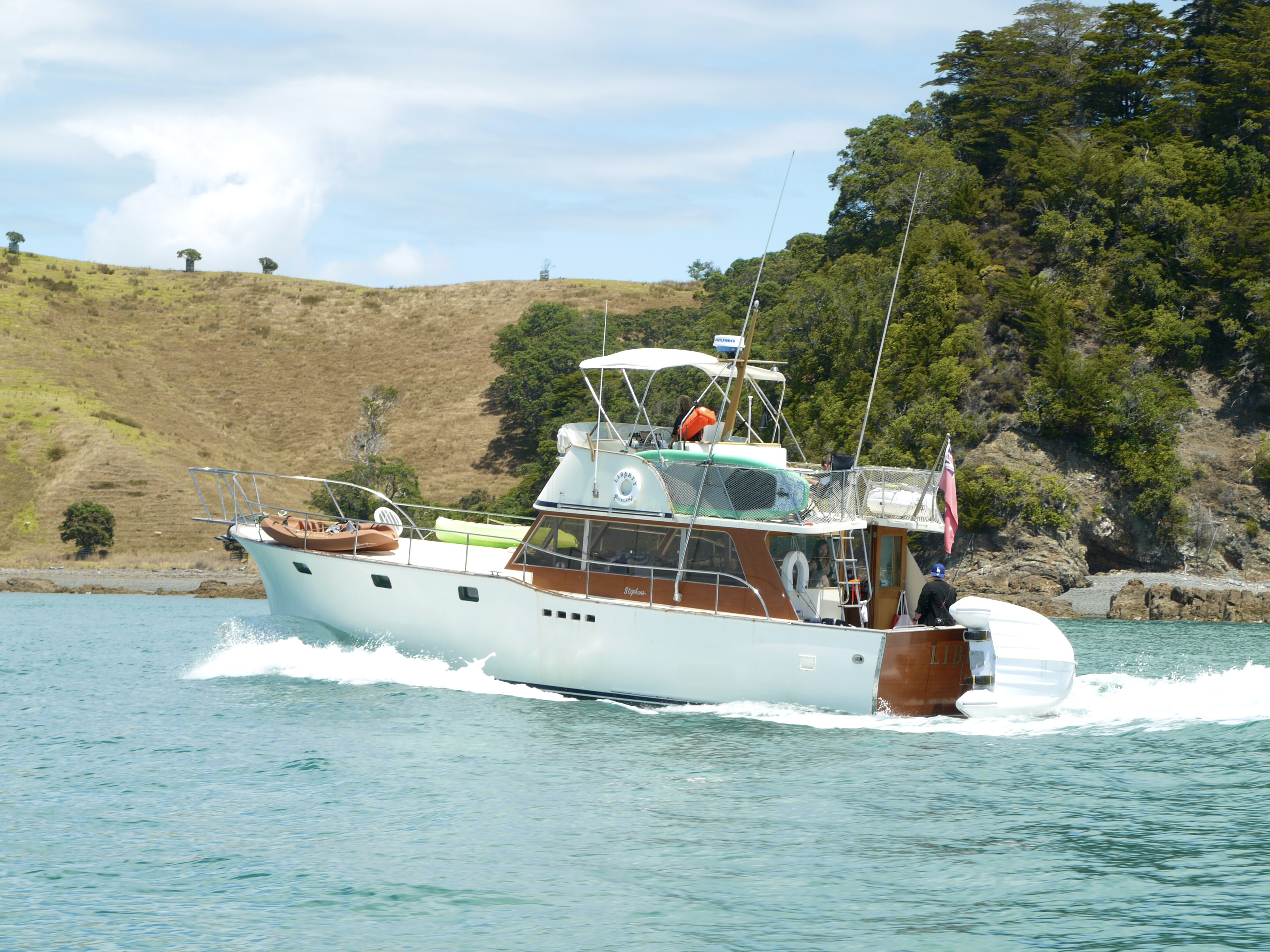
Buying or Selling a Classic Boat Without sounding too much like the late Jacinda Ardern (“be kind”) – when people ask me about classic wooden boat ownership, I normally say that owning a woody has a positive effect on your life i.e. you end up forging a life you don’t need to escape from.
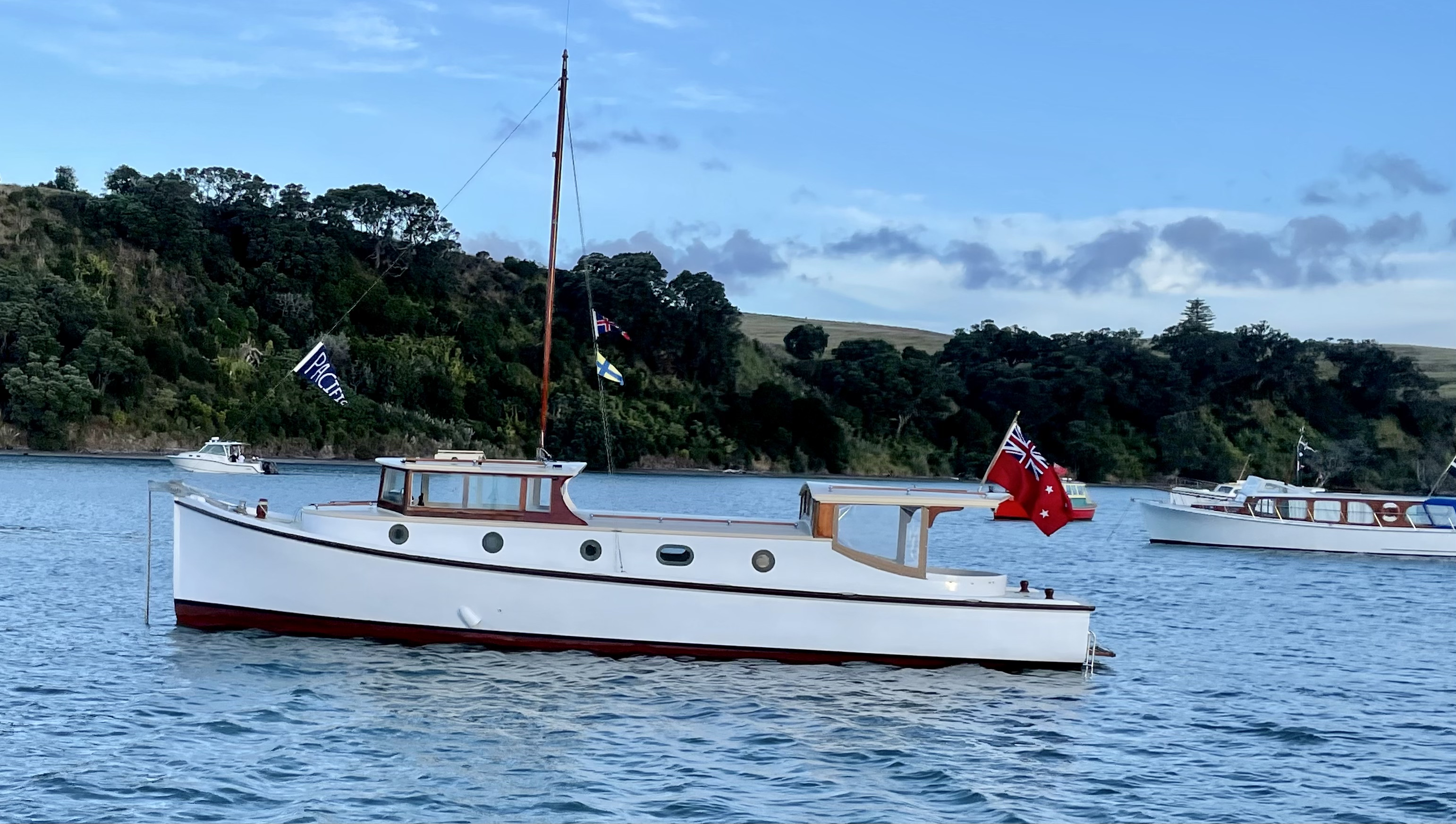
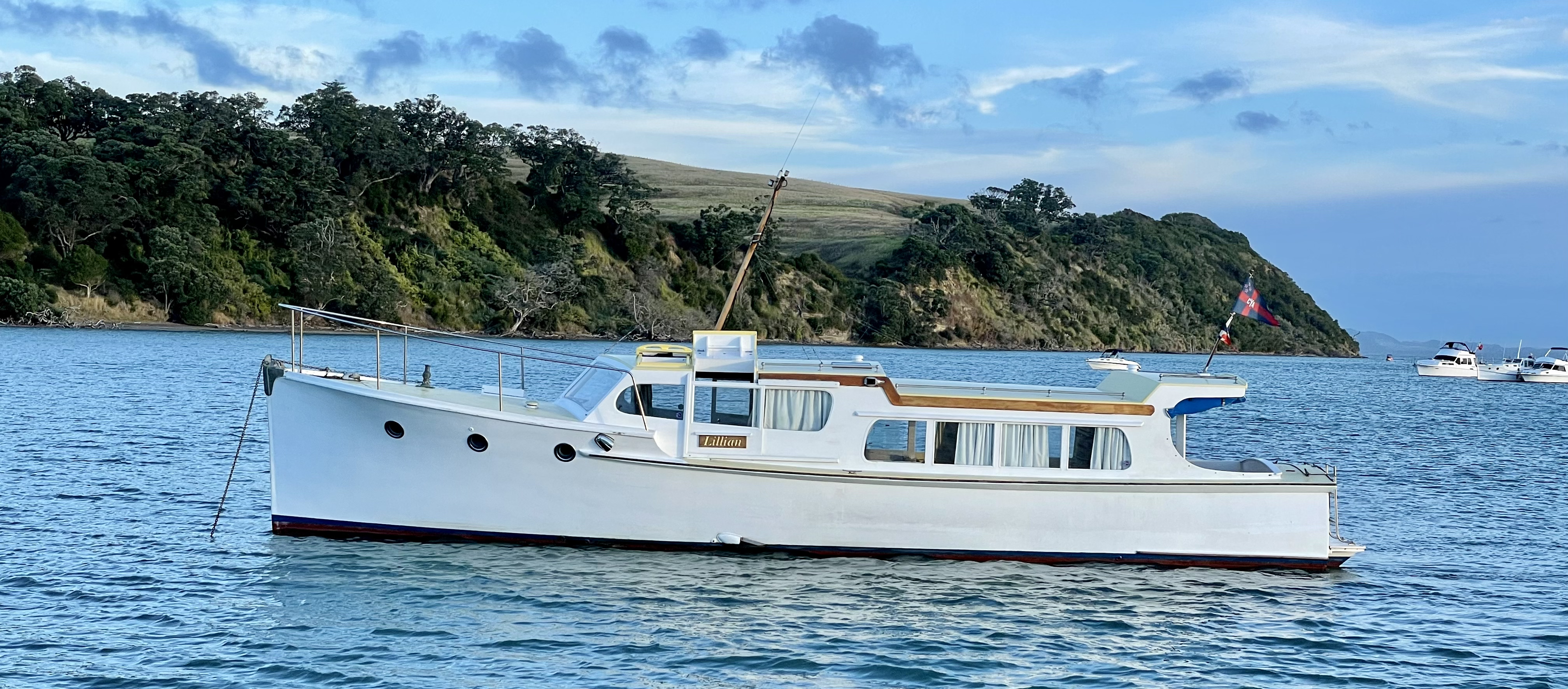
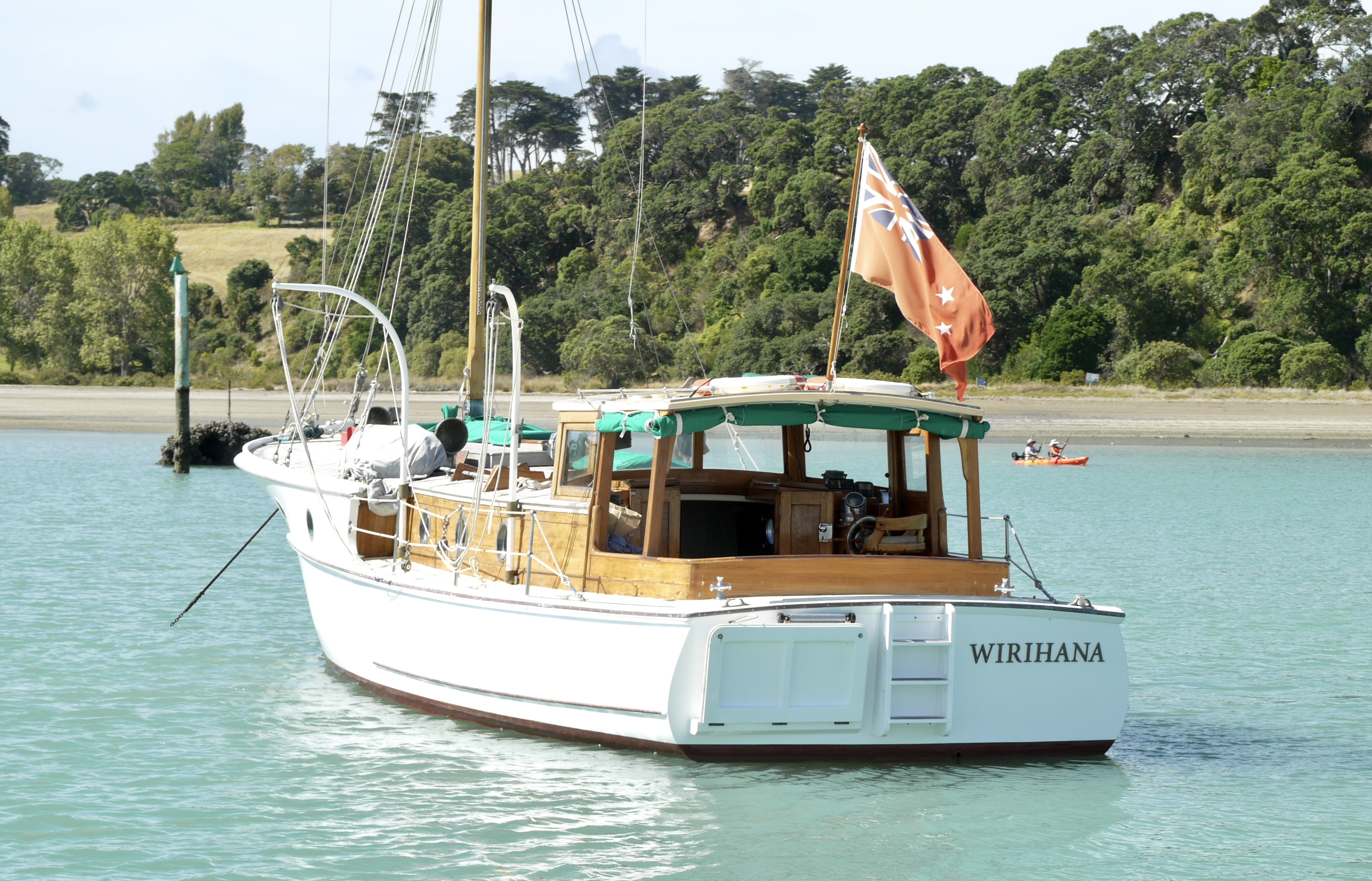
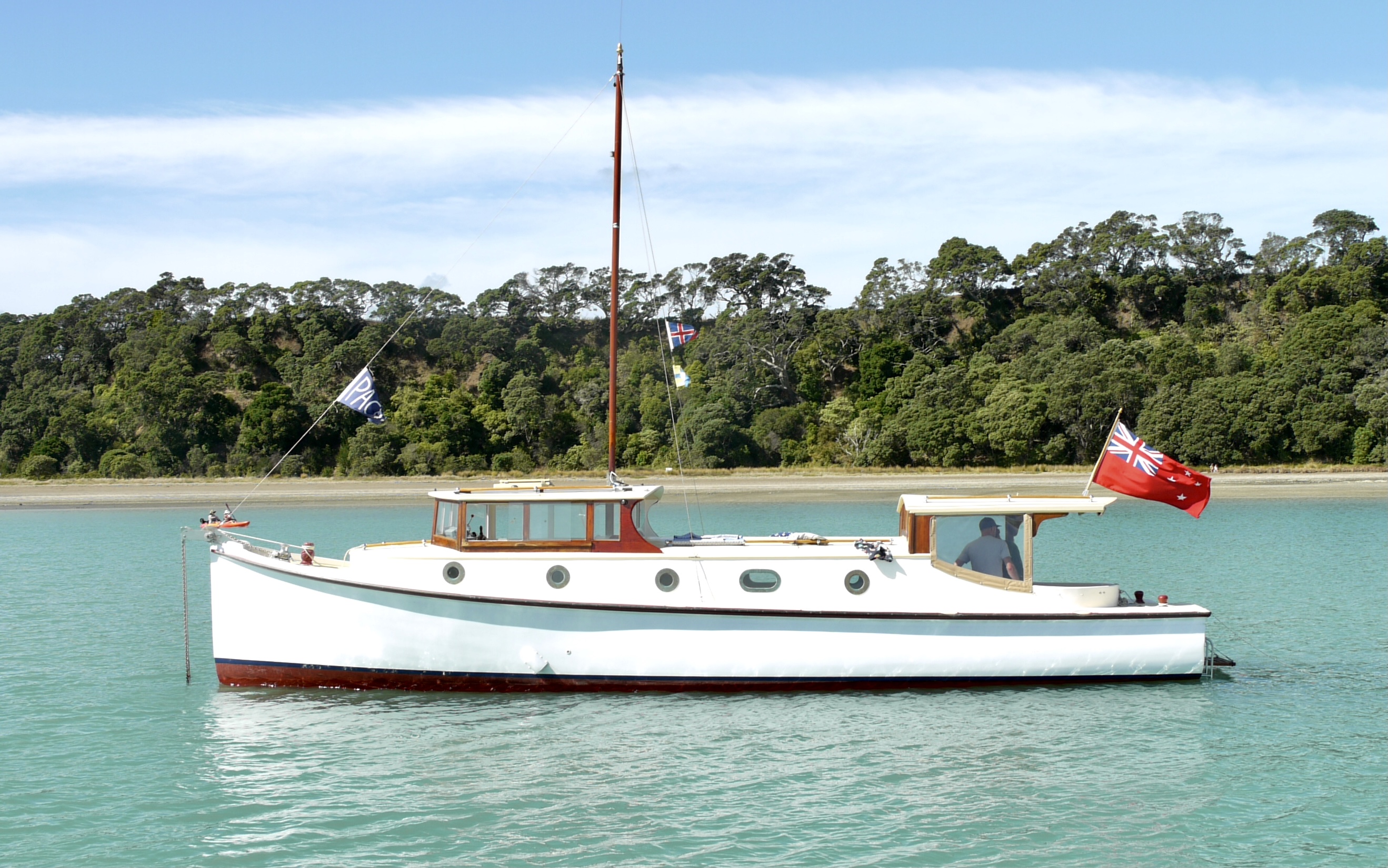
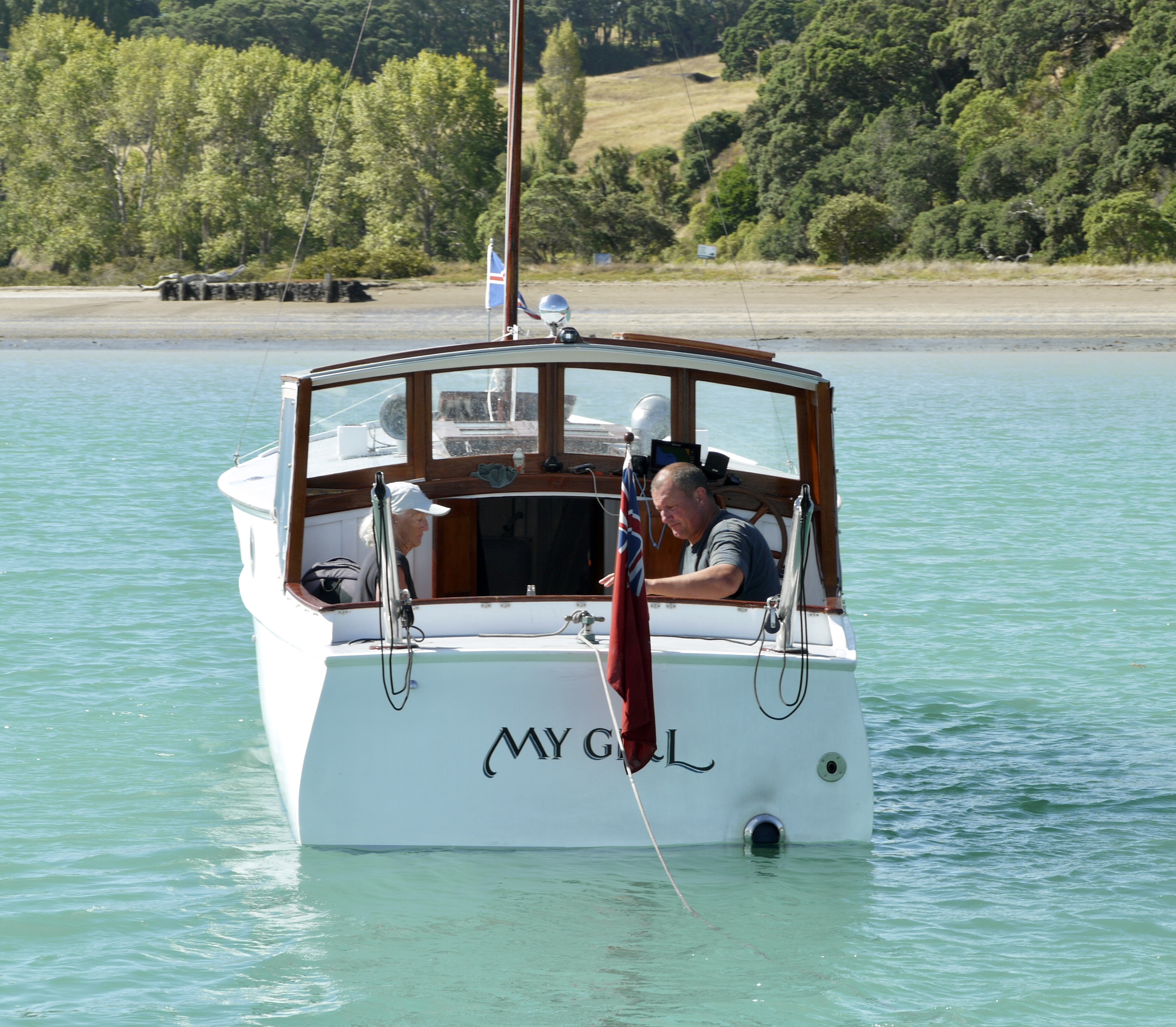
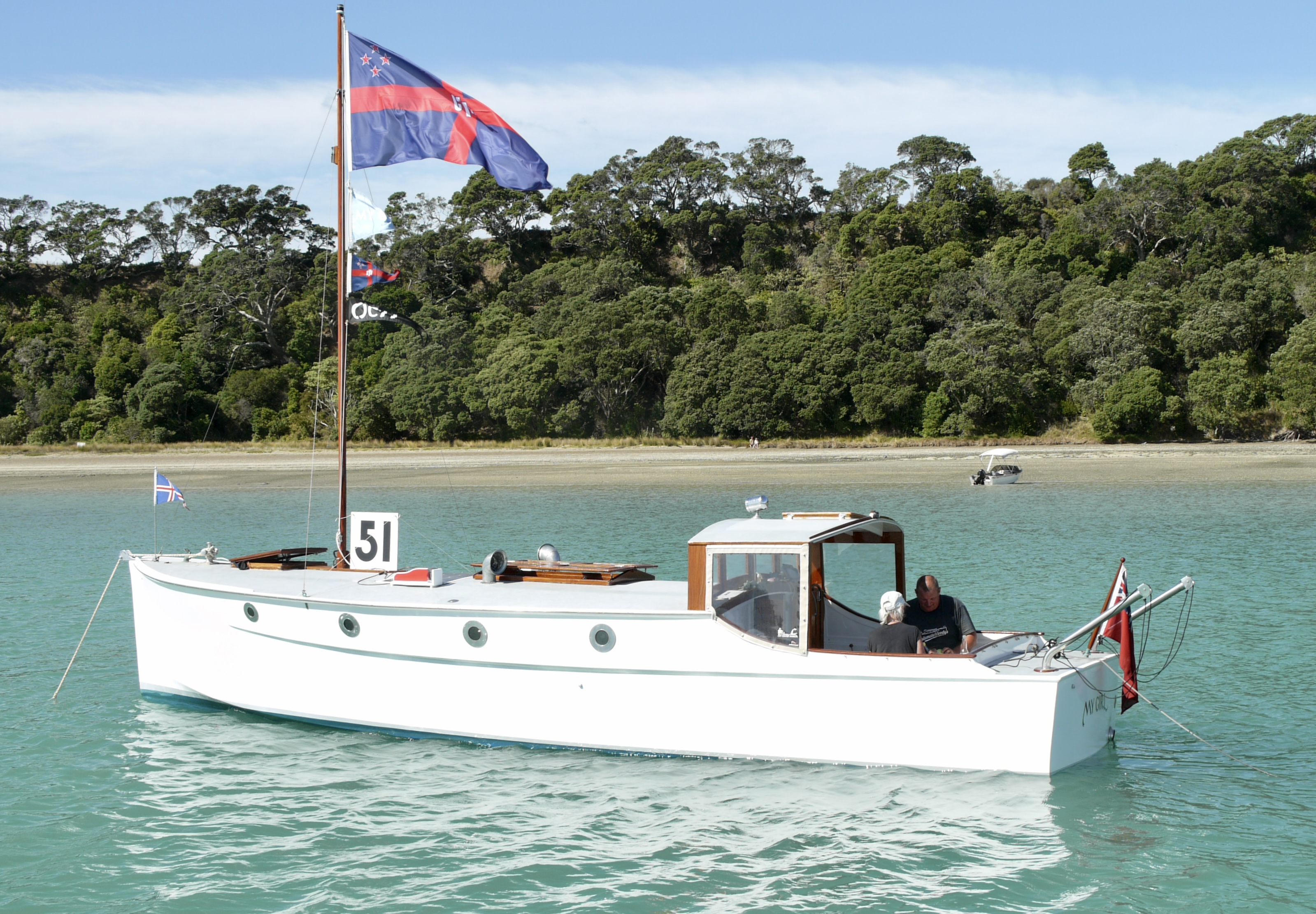
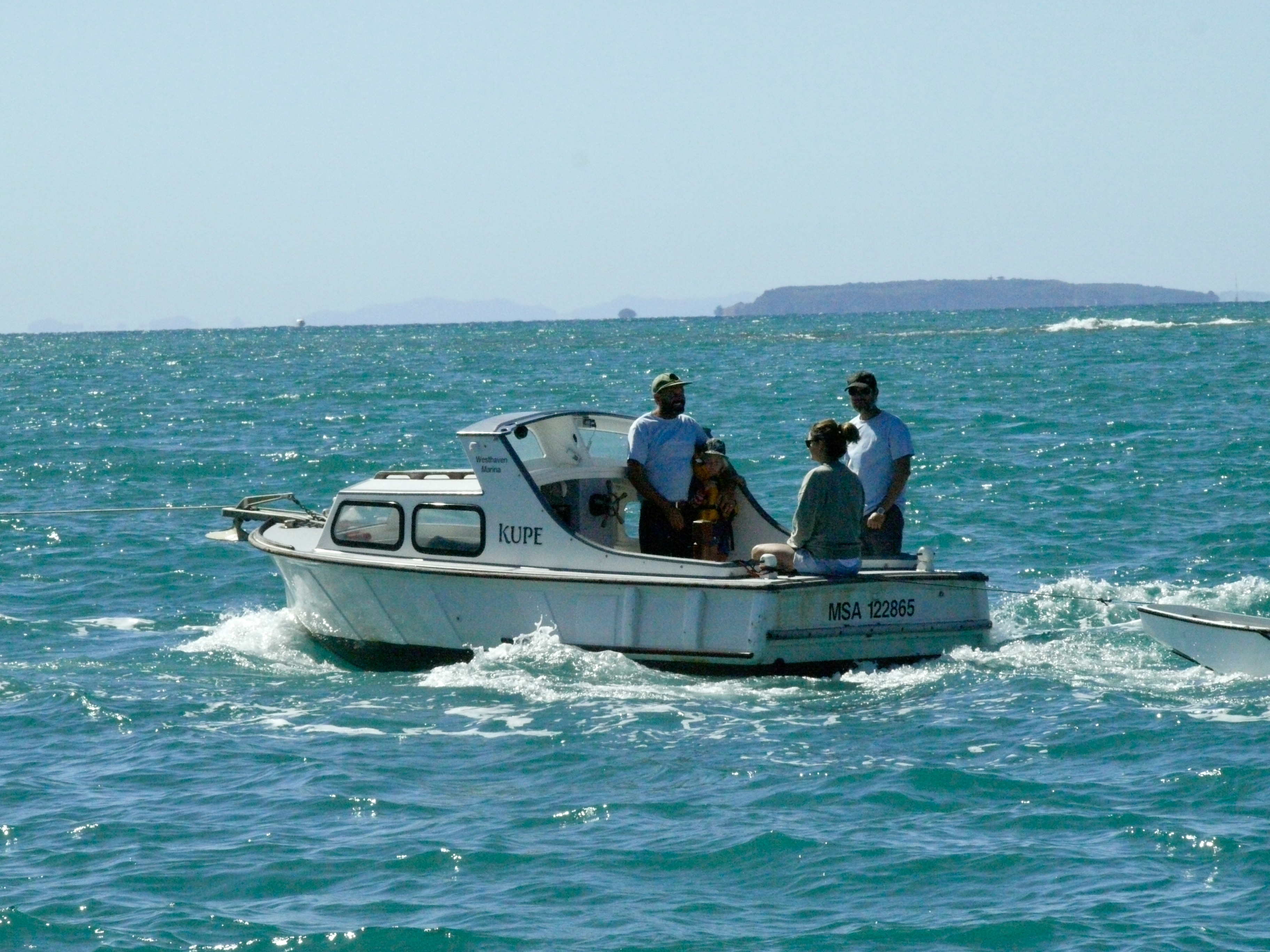
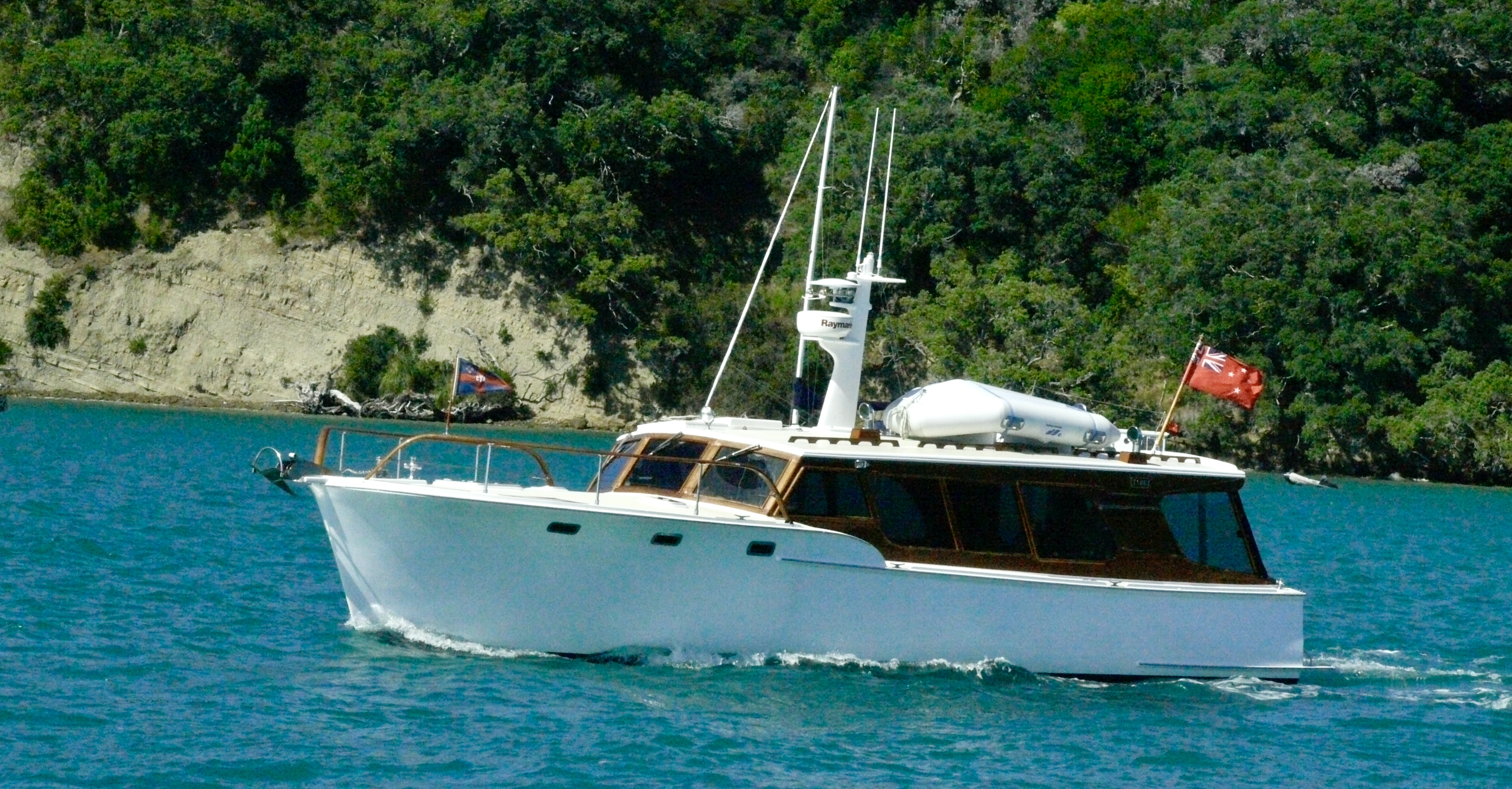
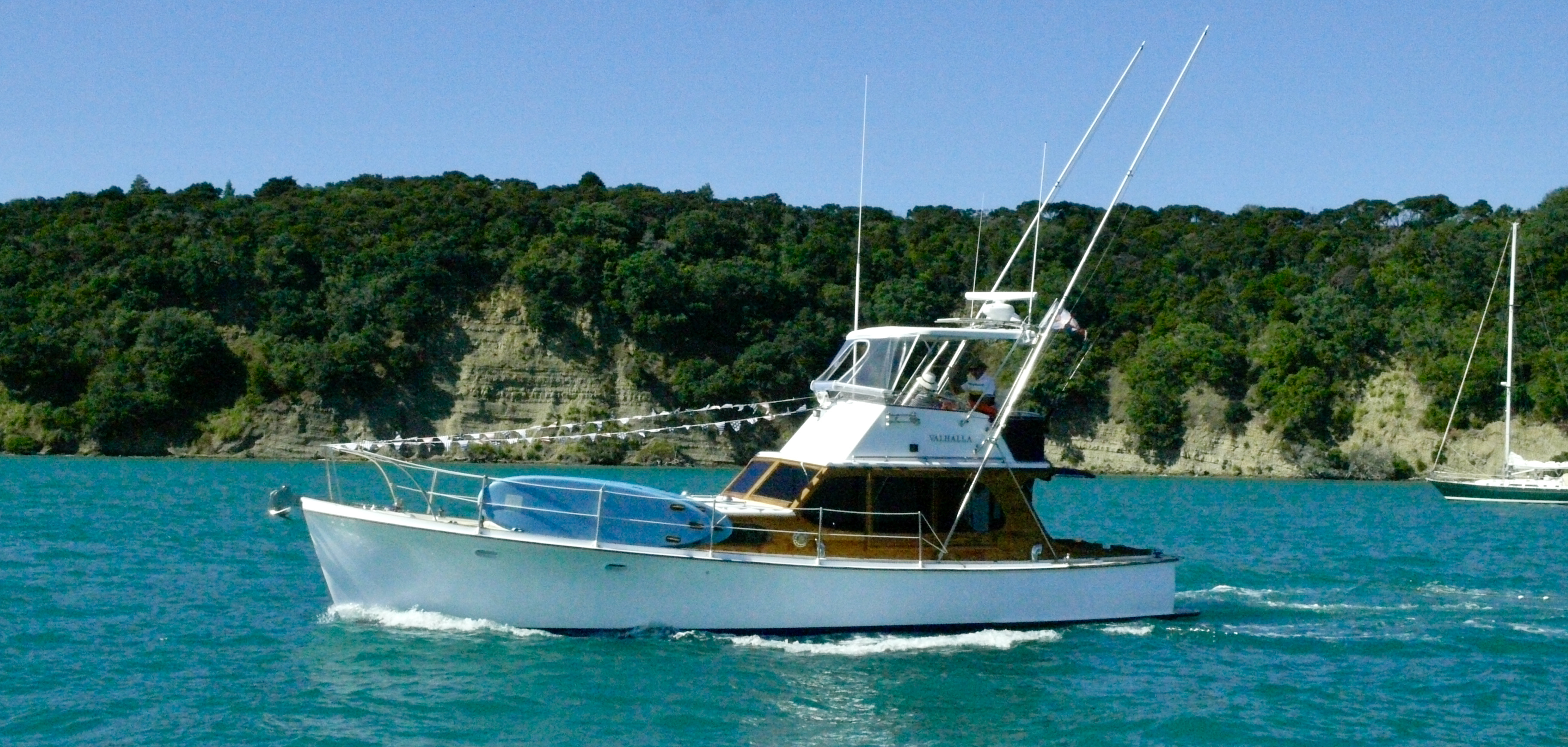
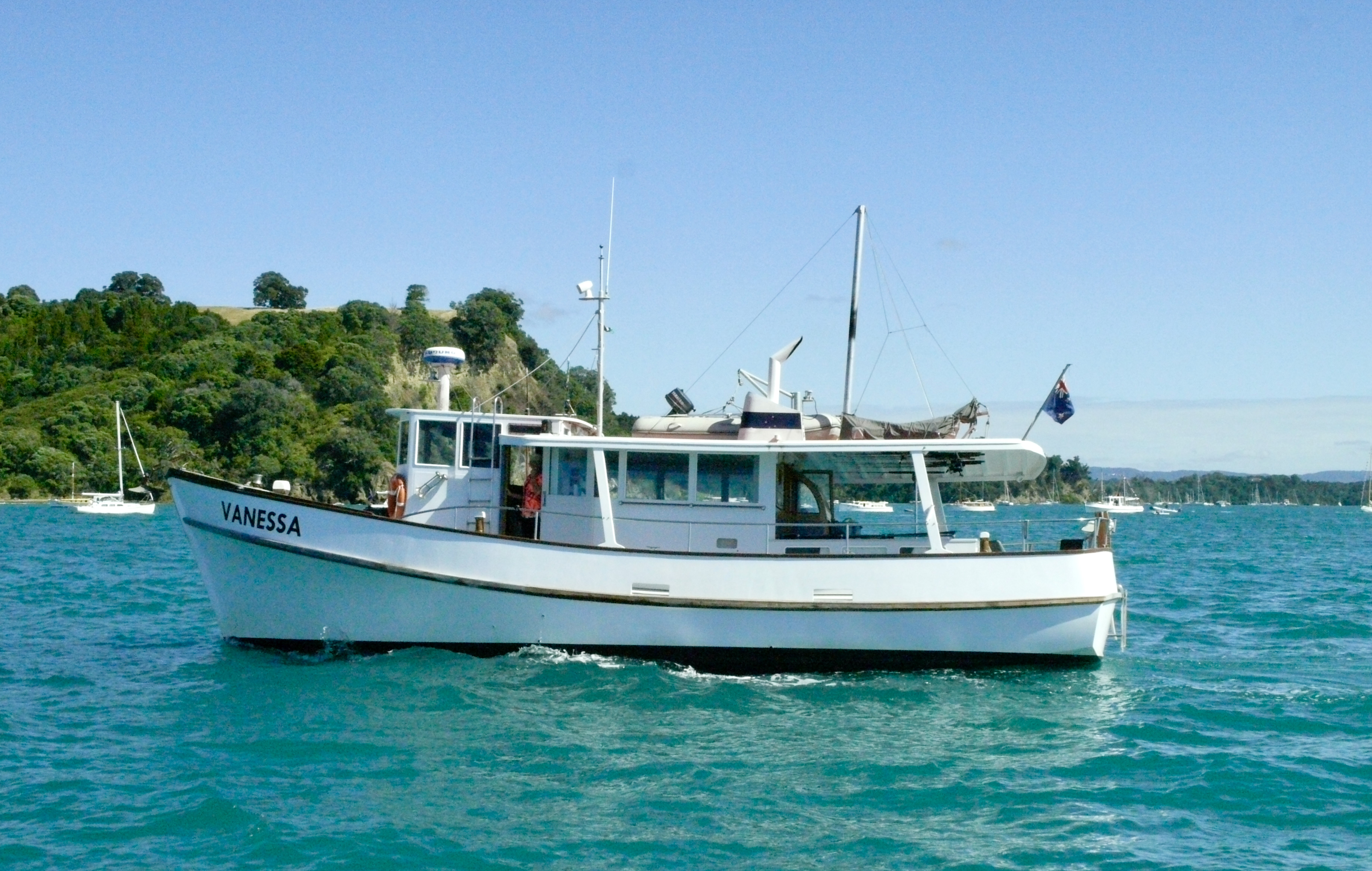
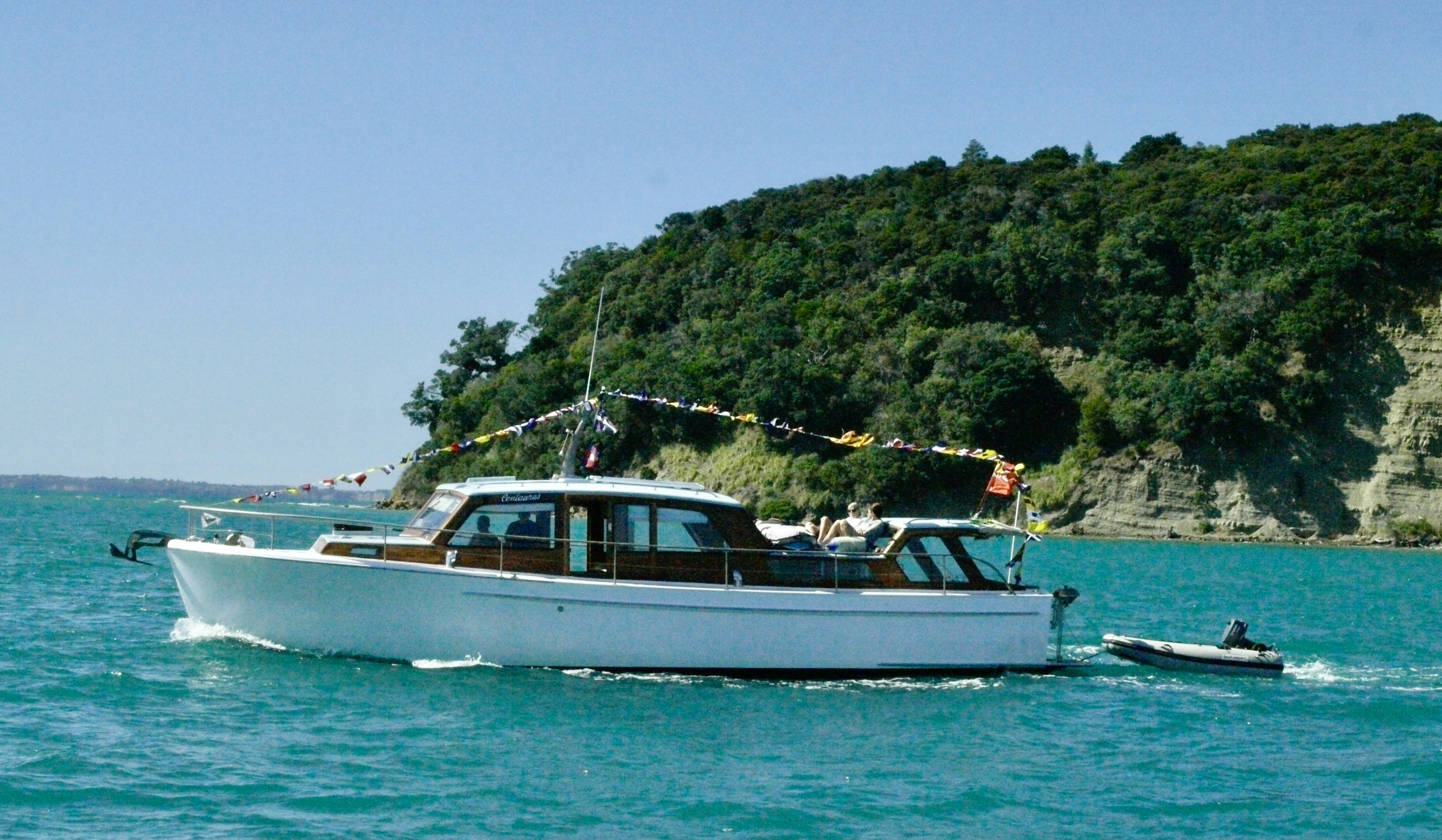
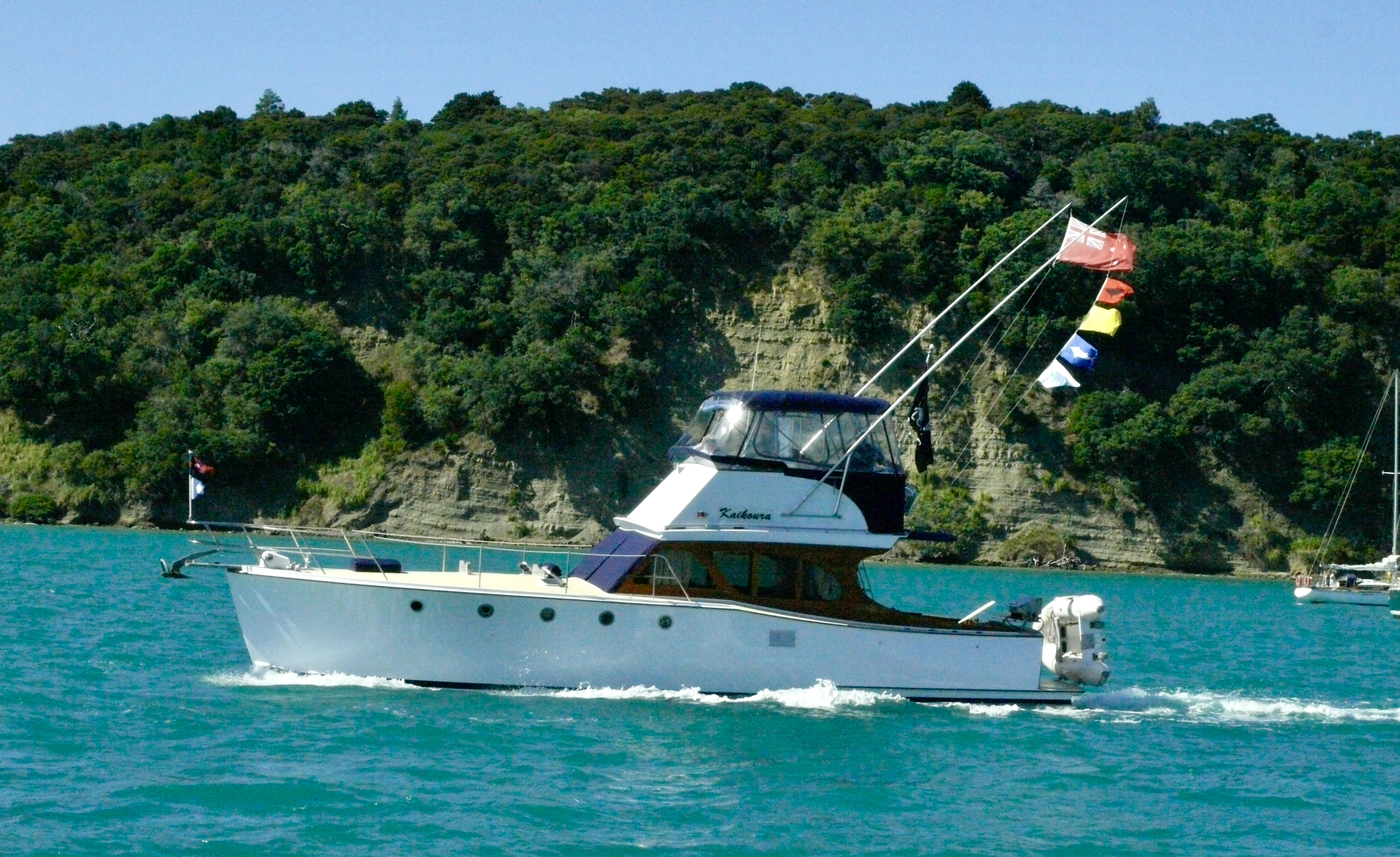
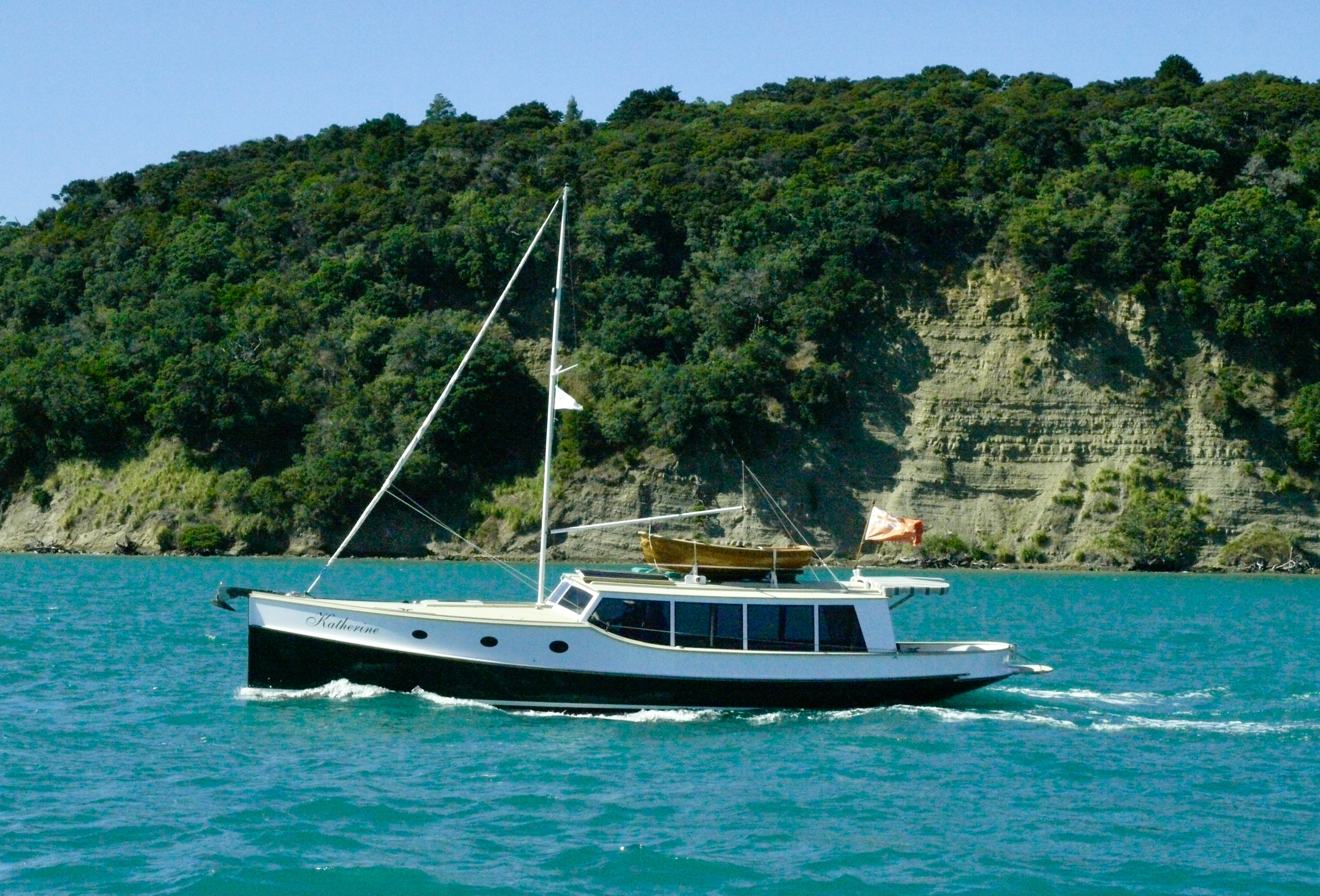
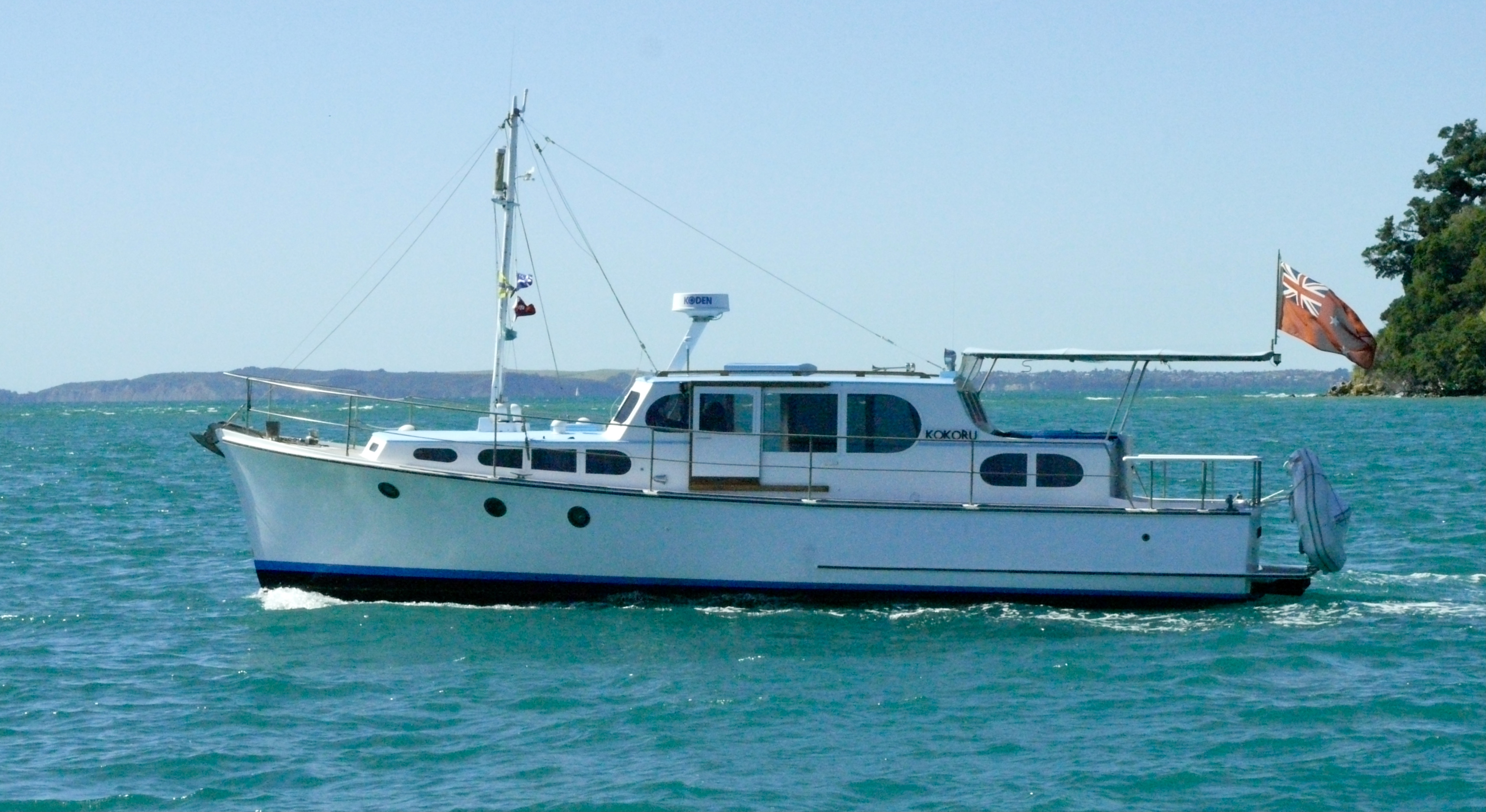
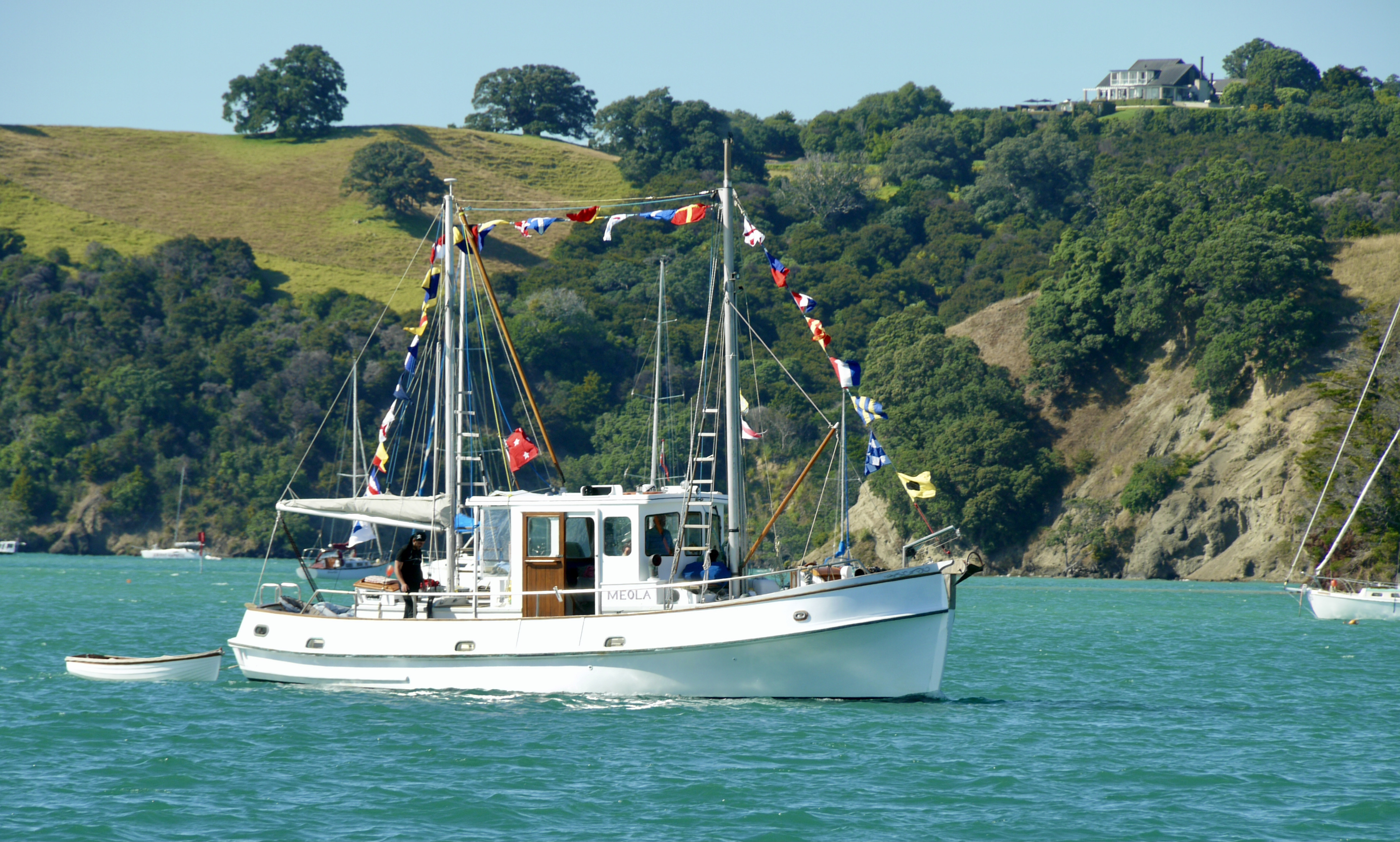
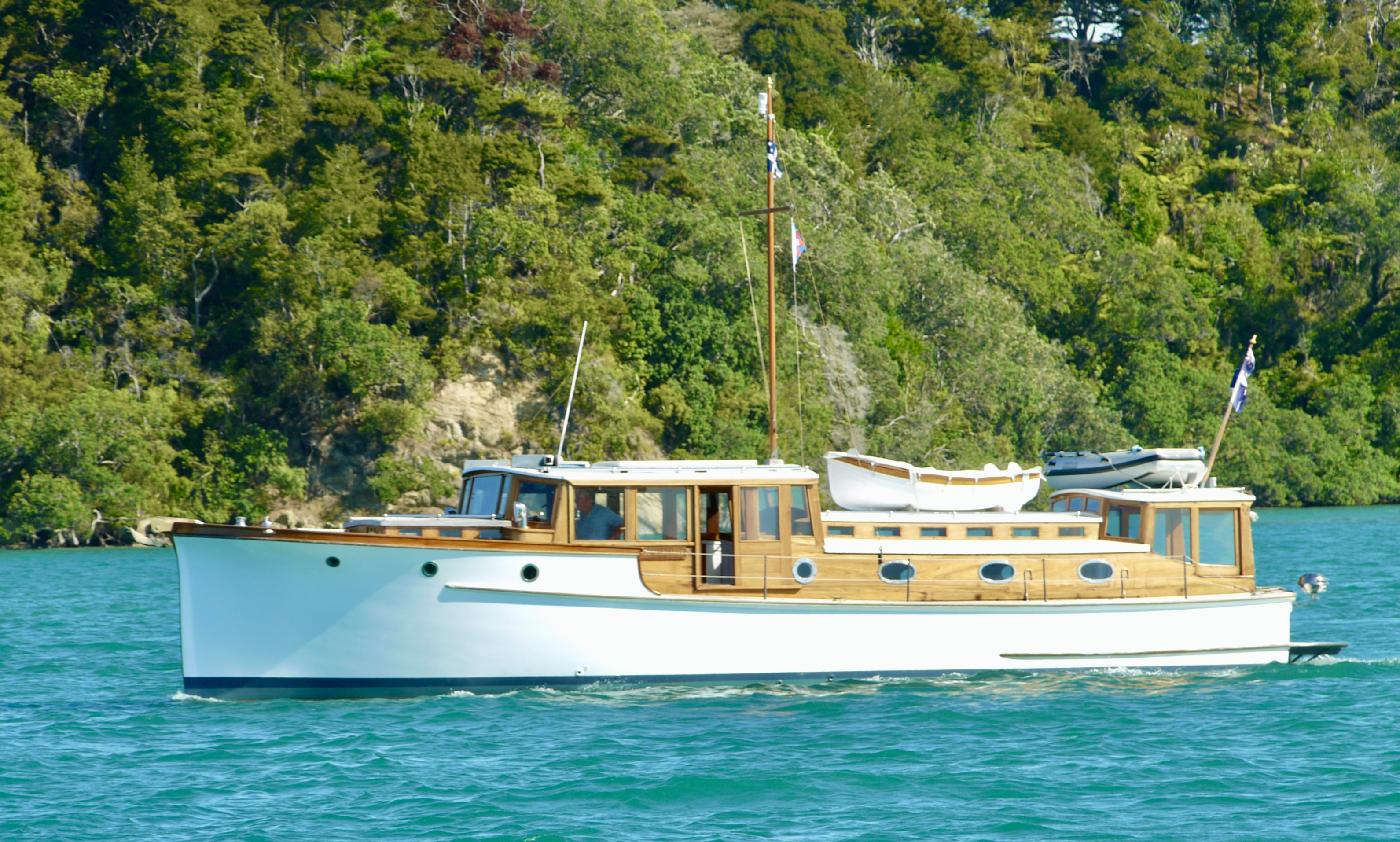
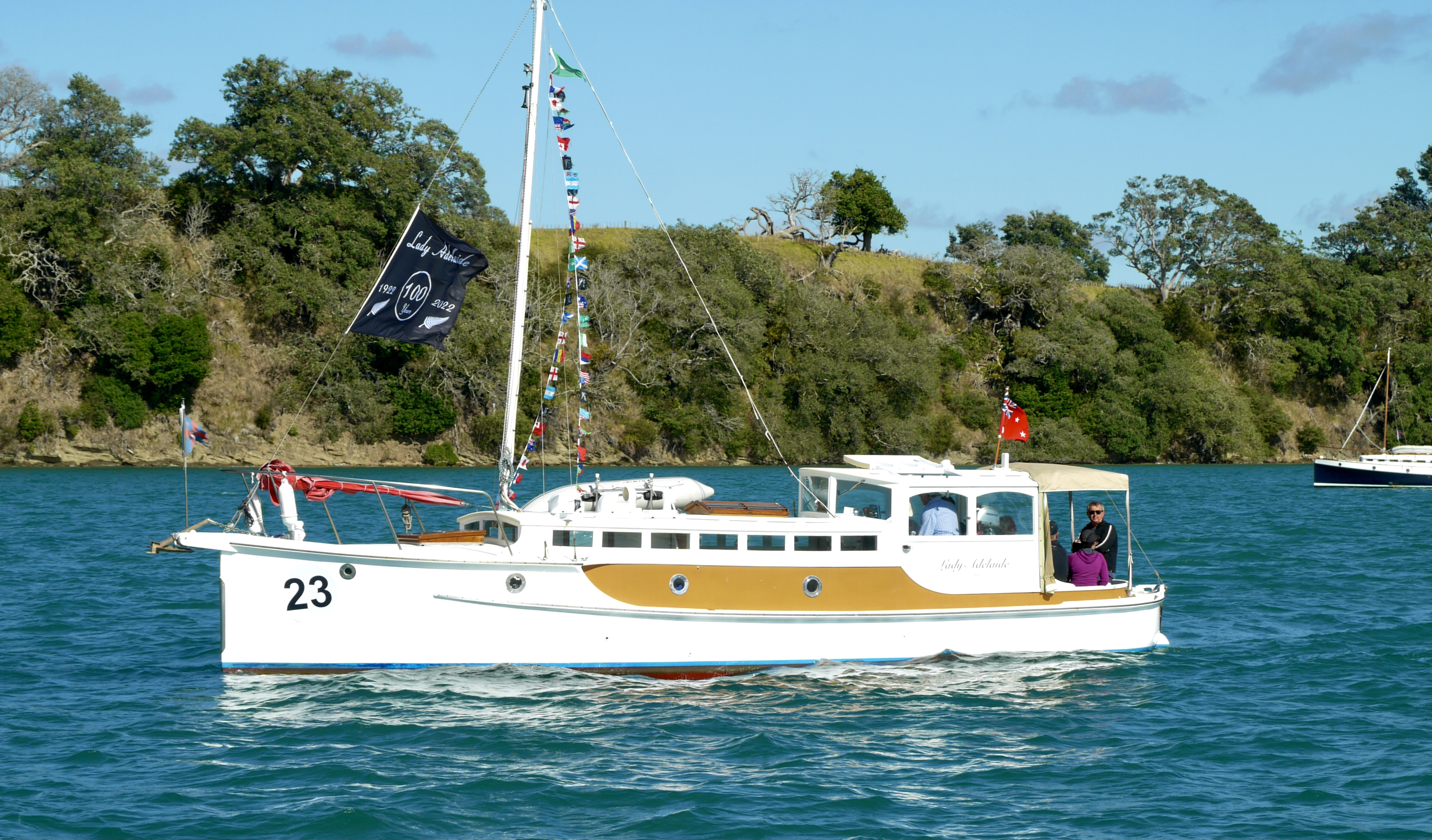
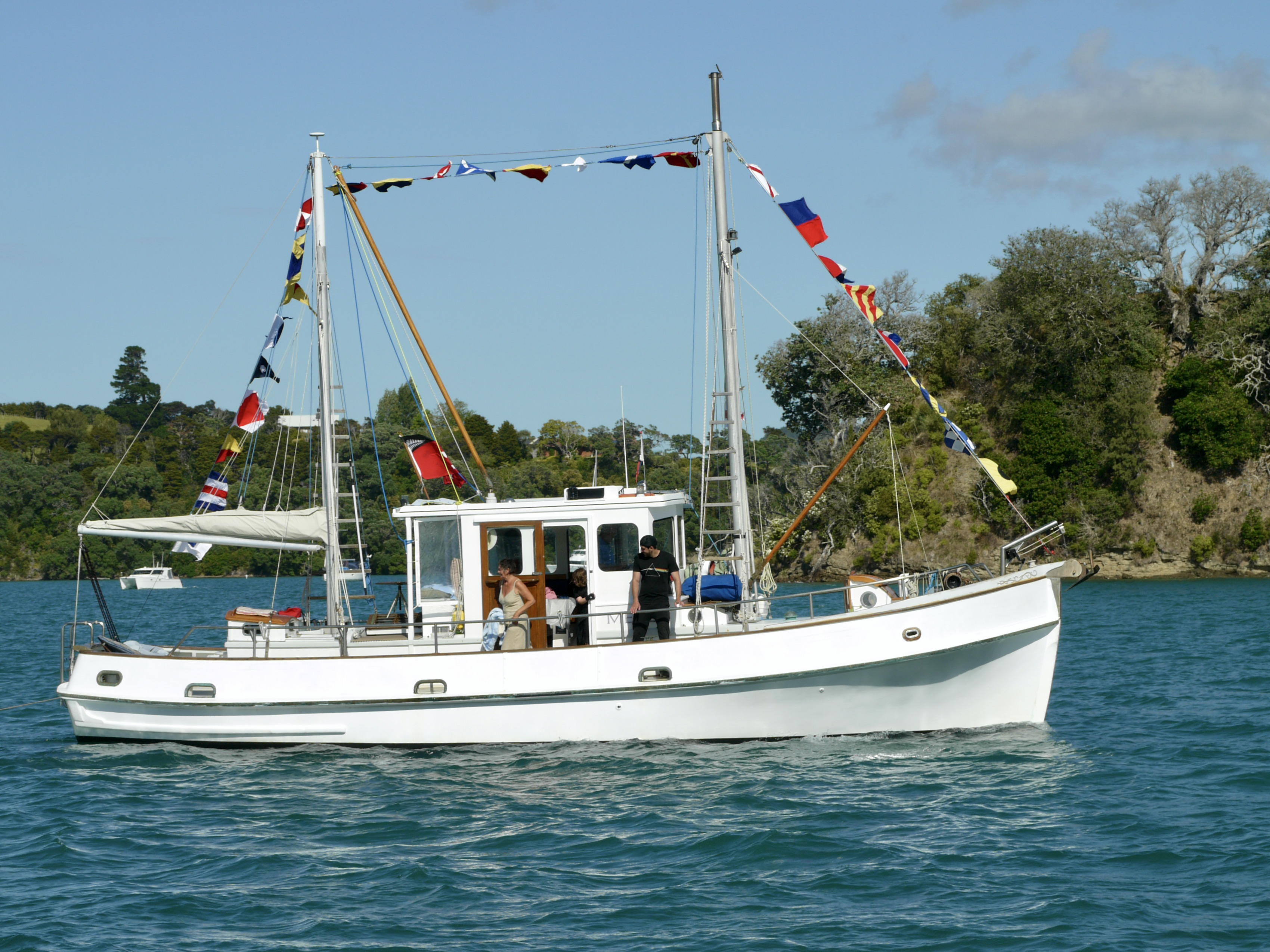
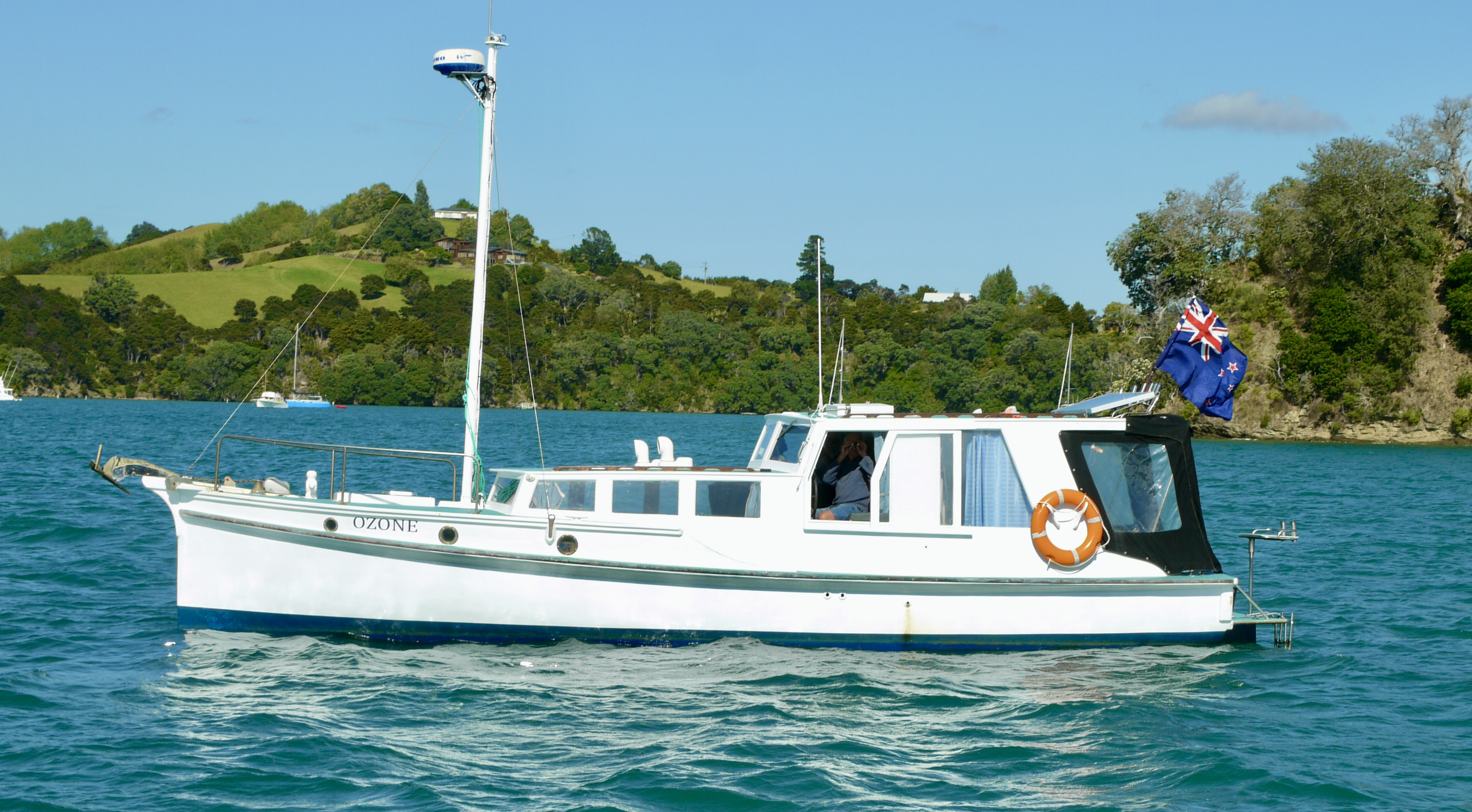
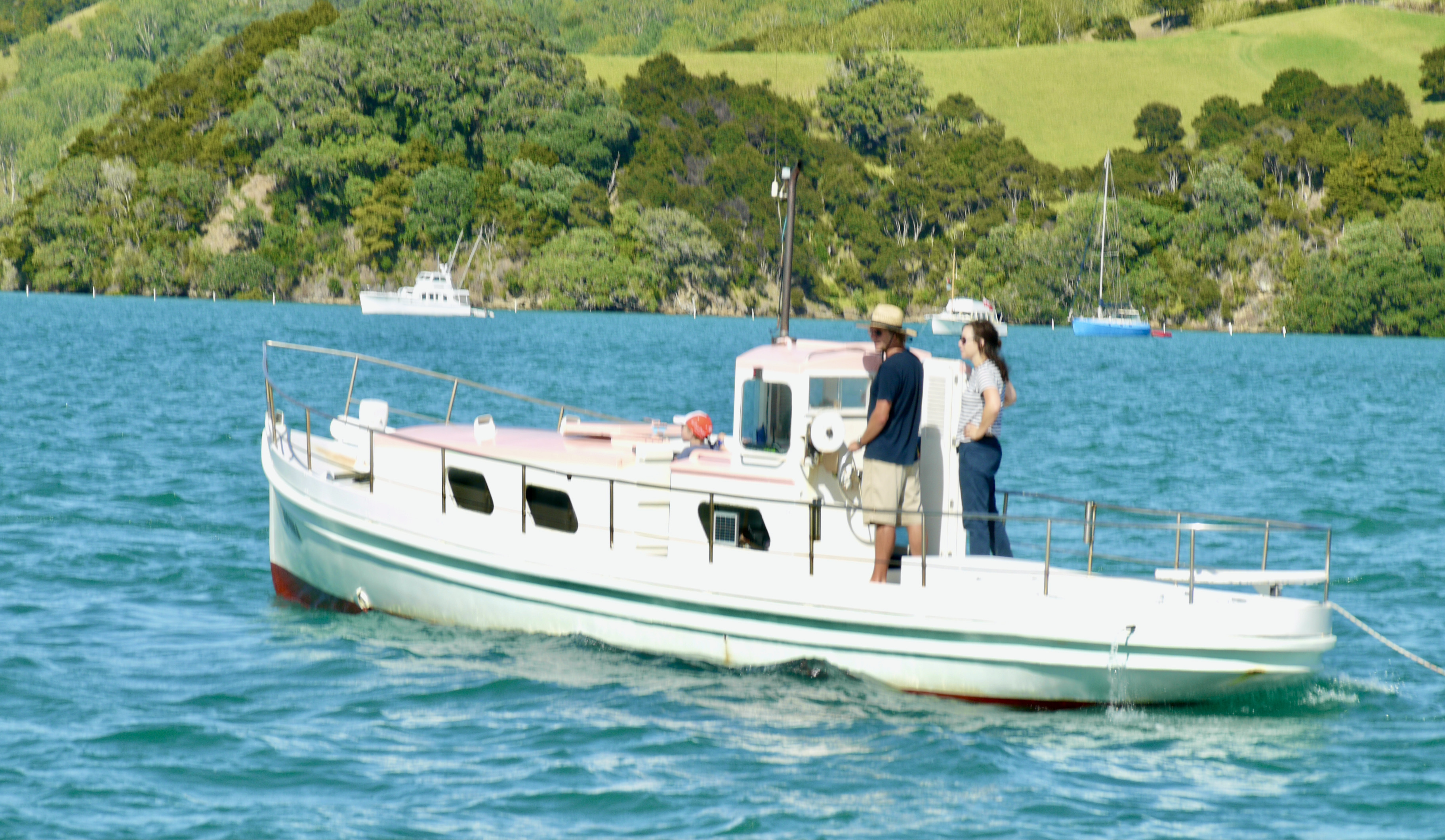
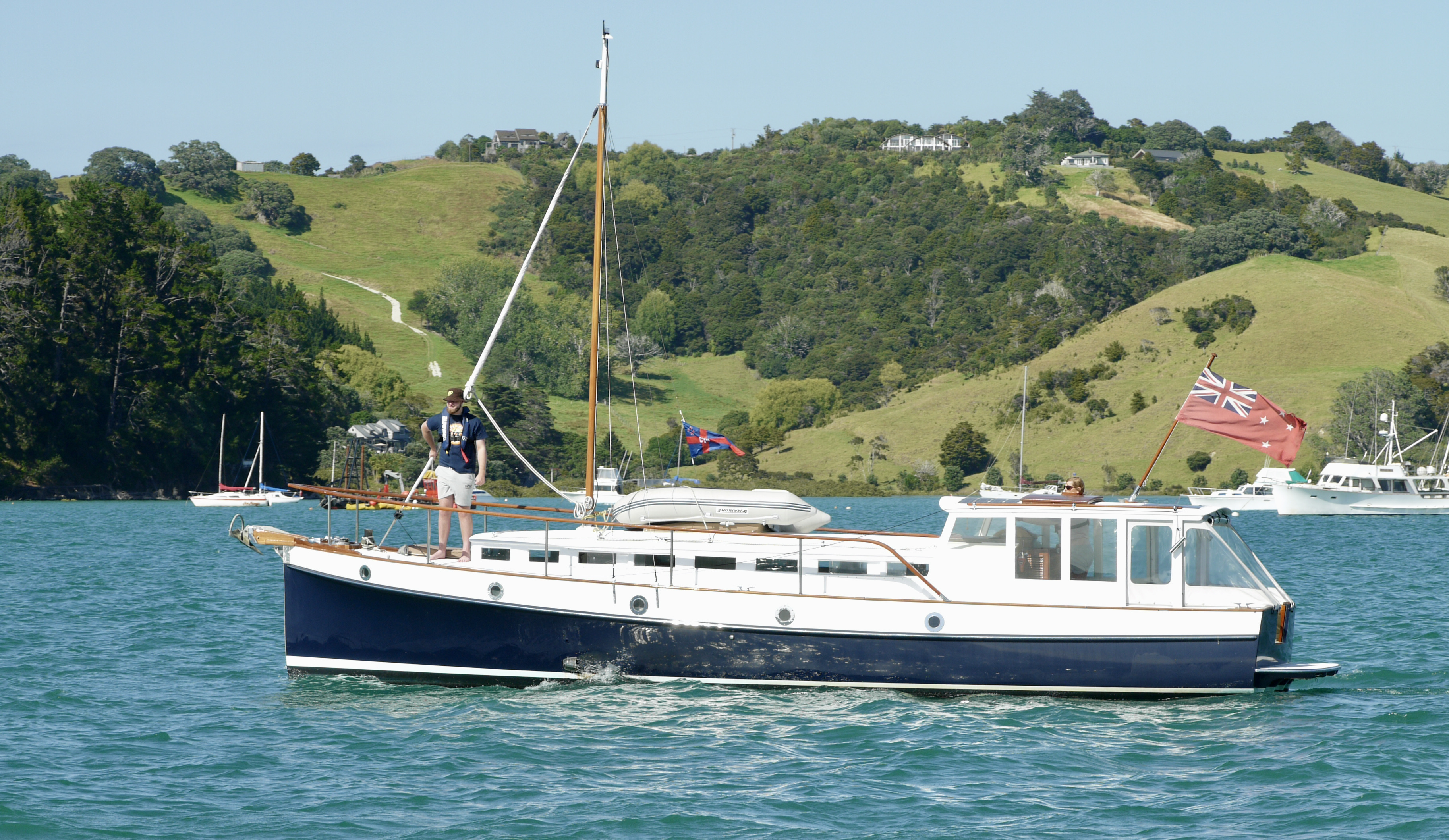
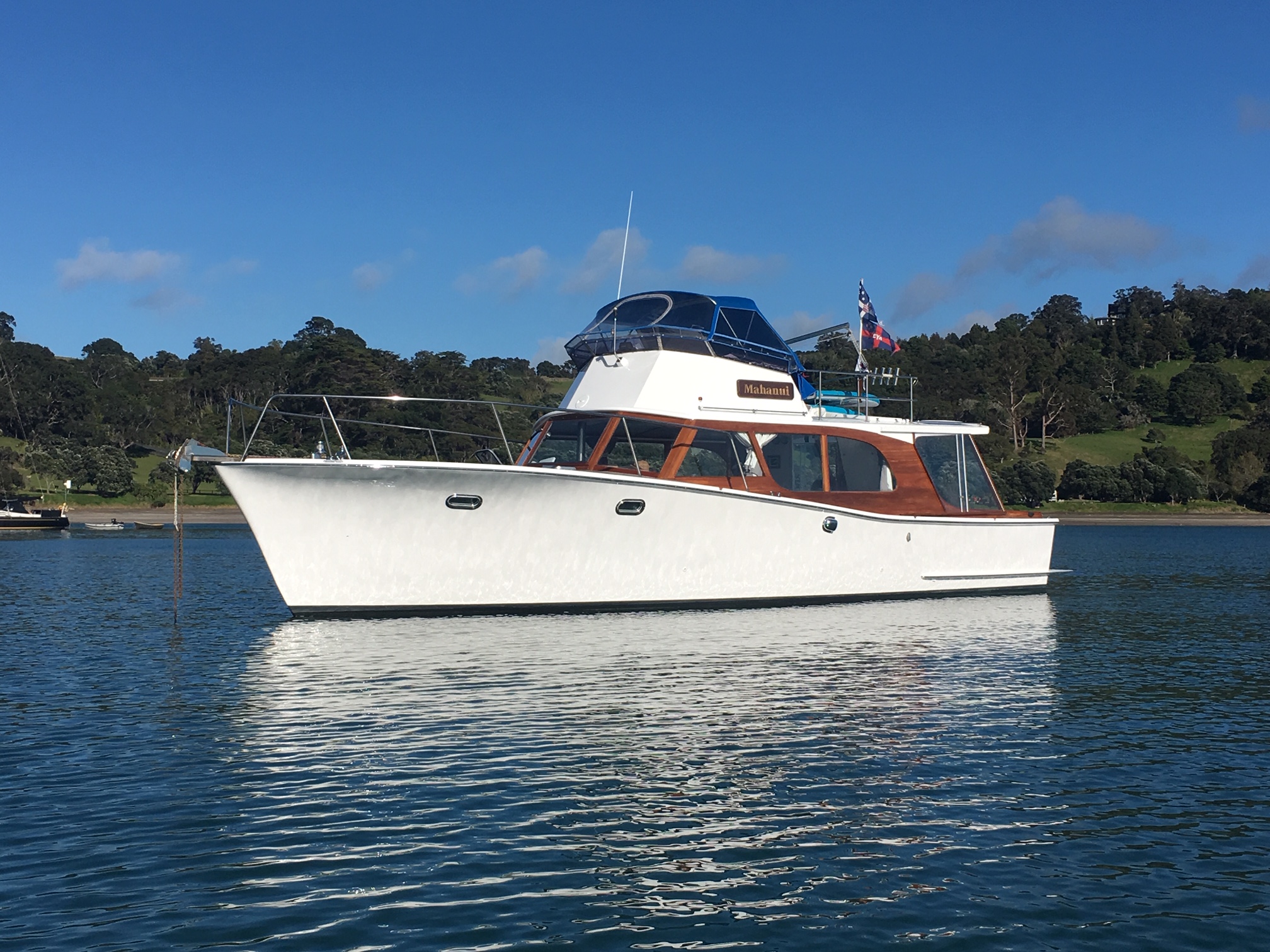
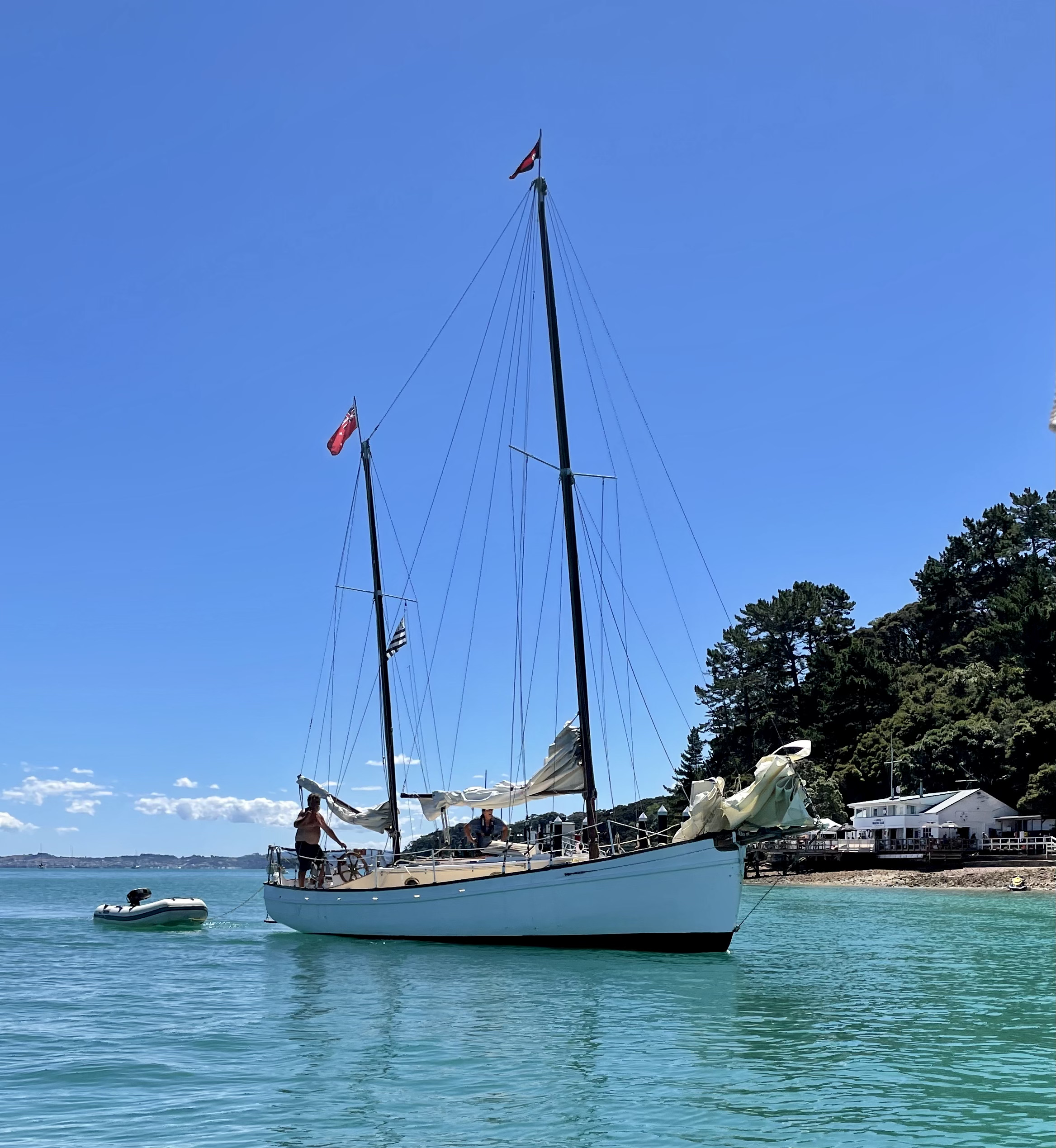
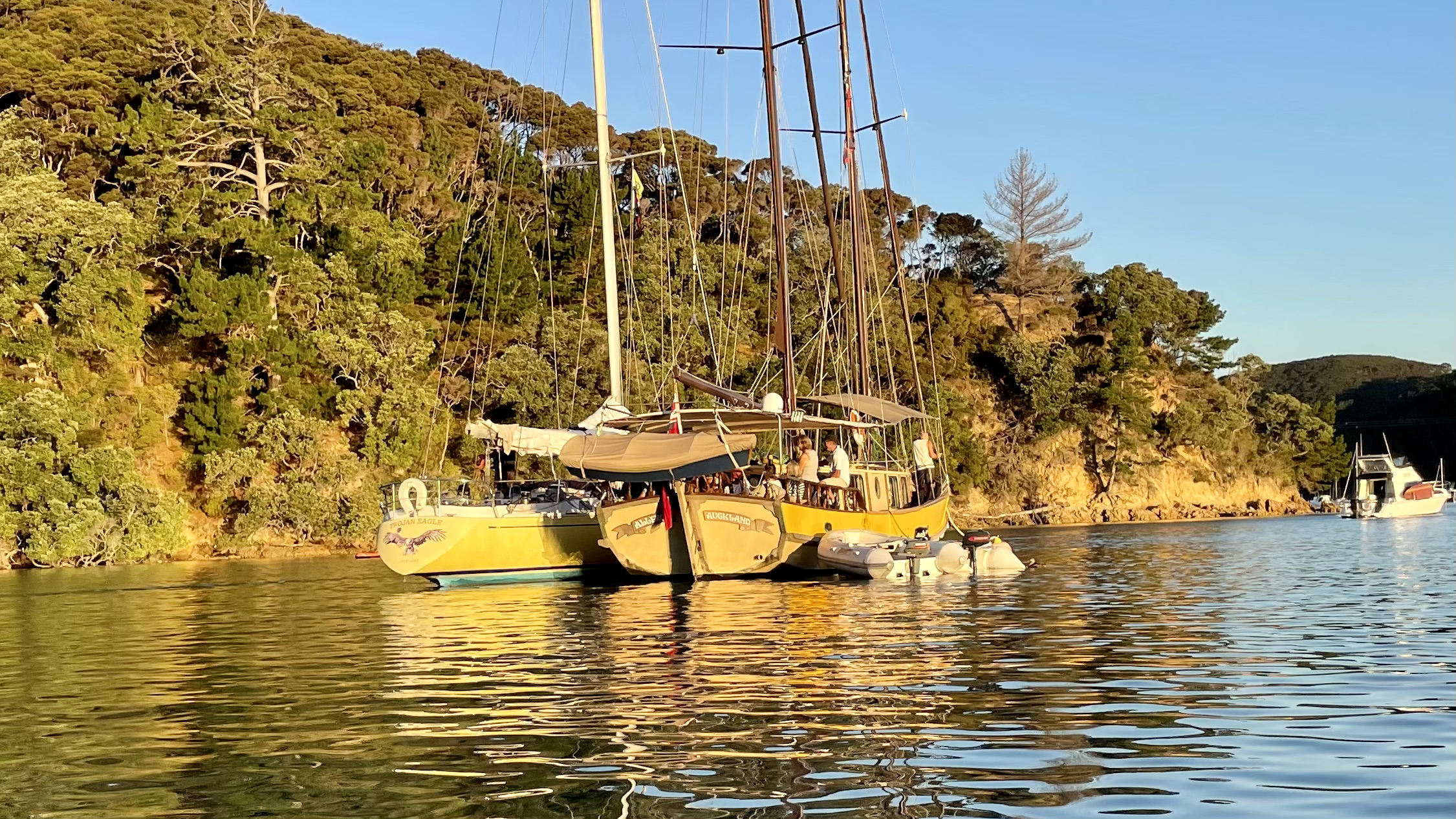
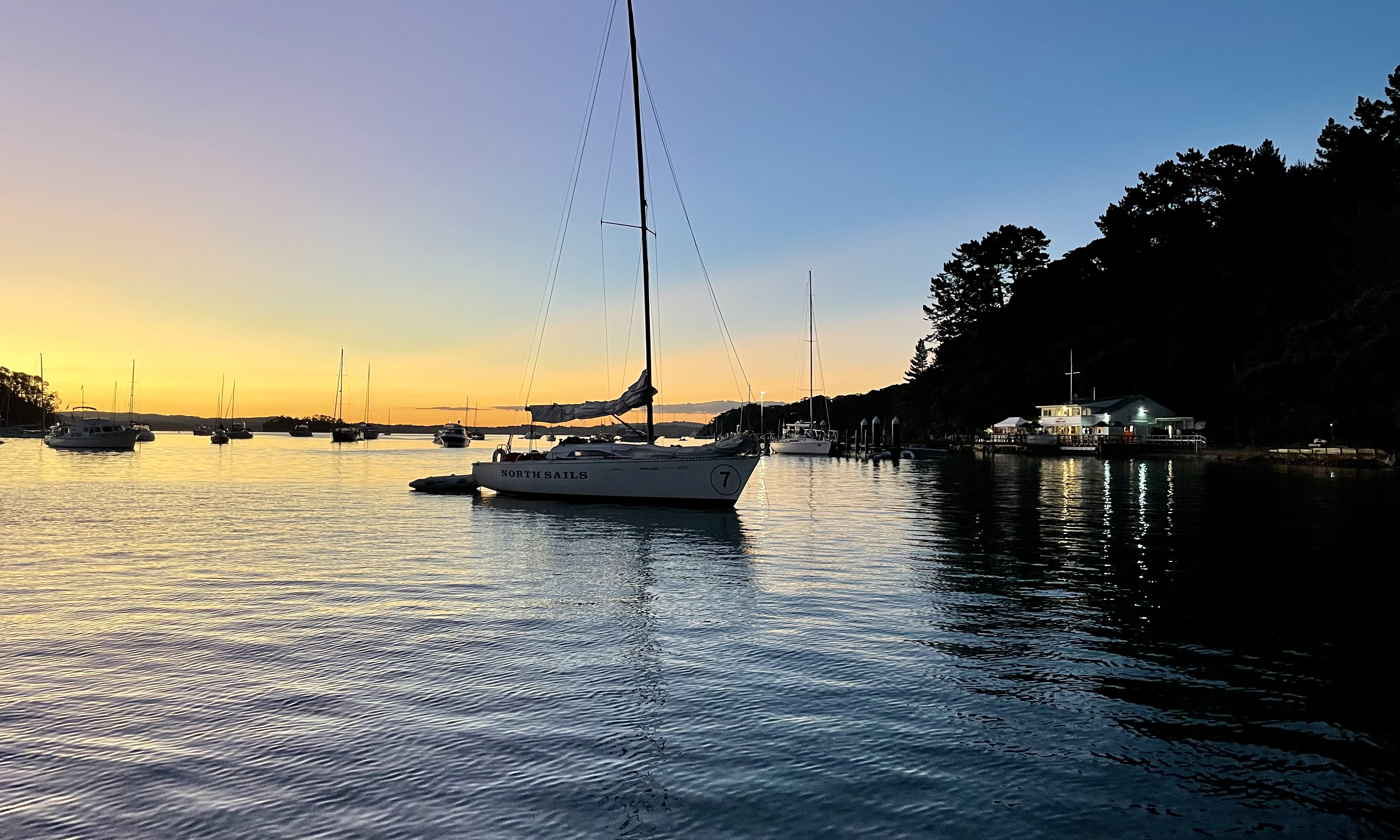
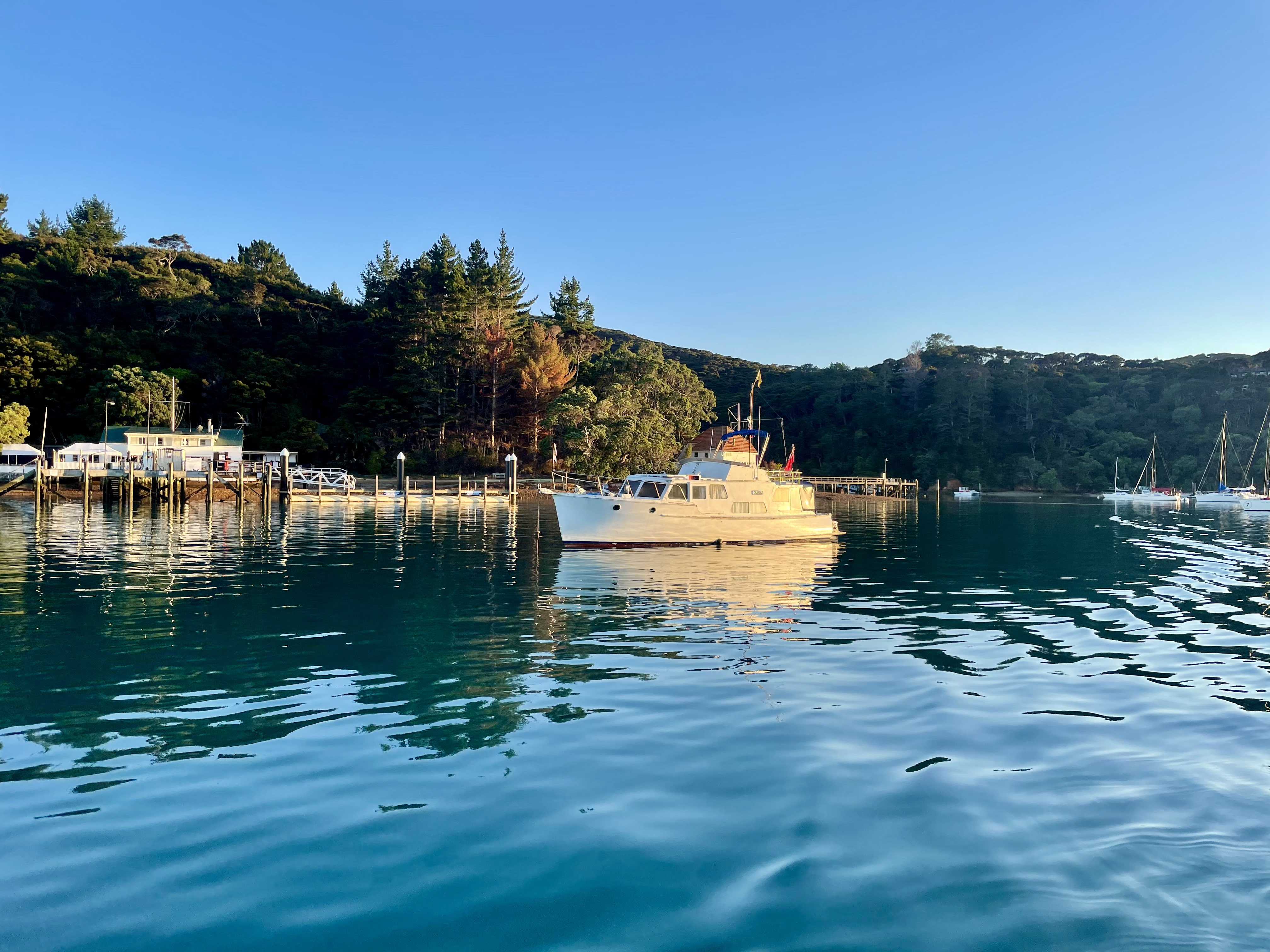
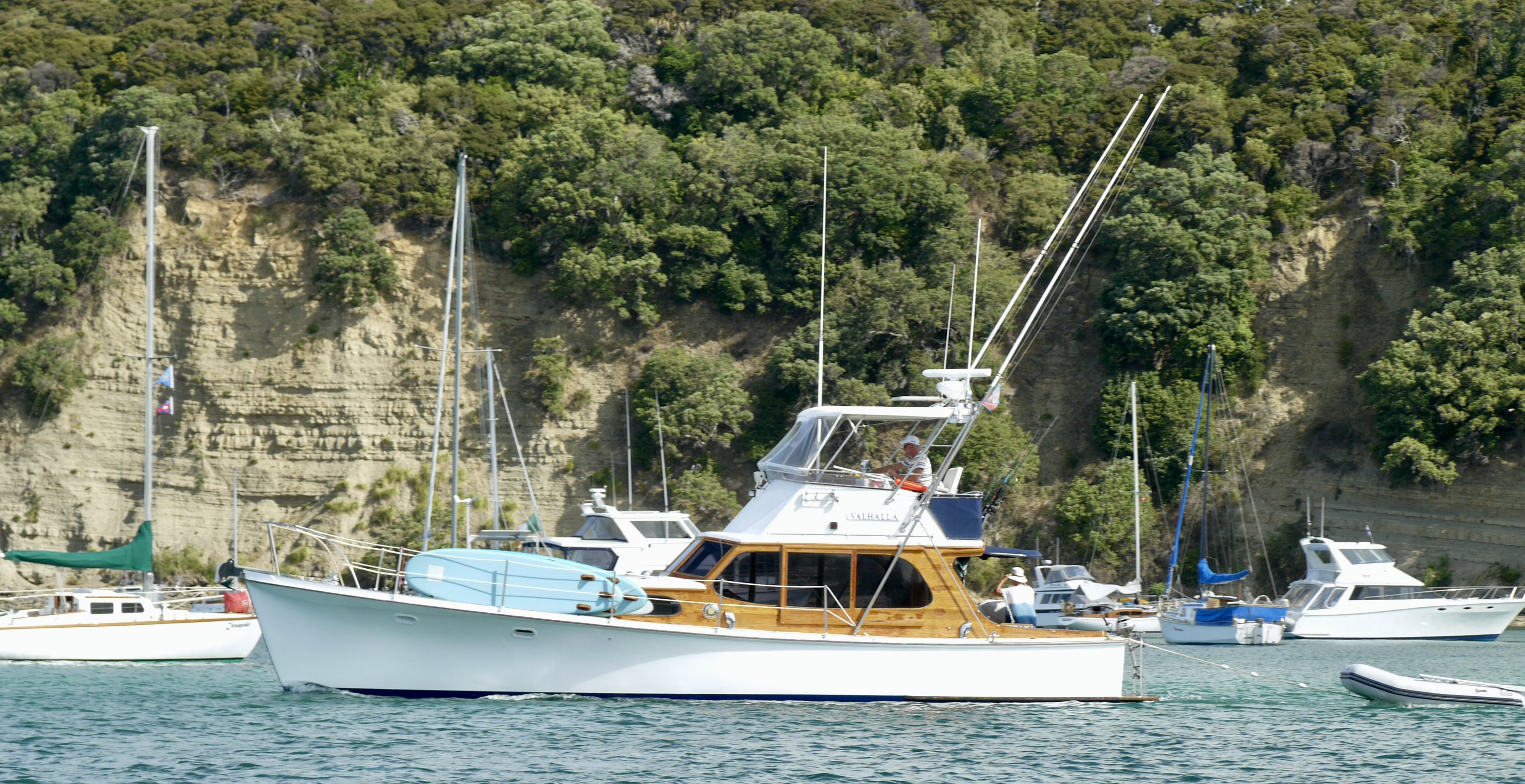
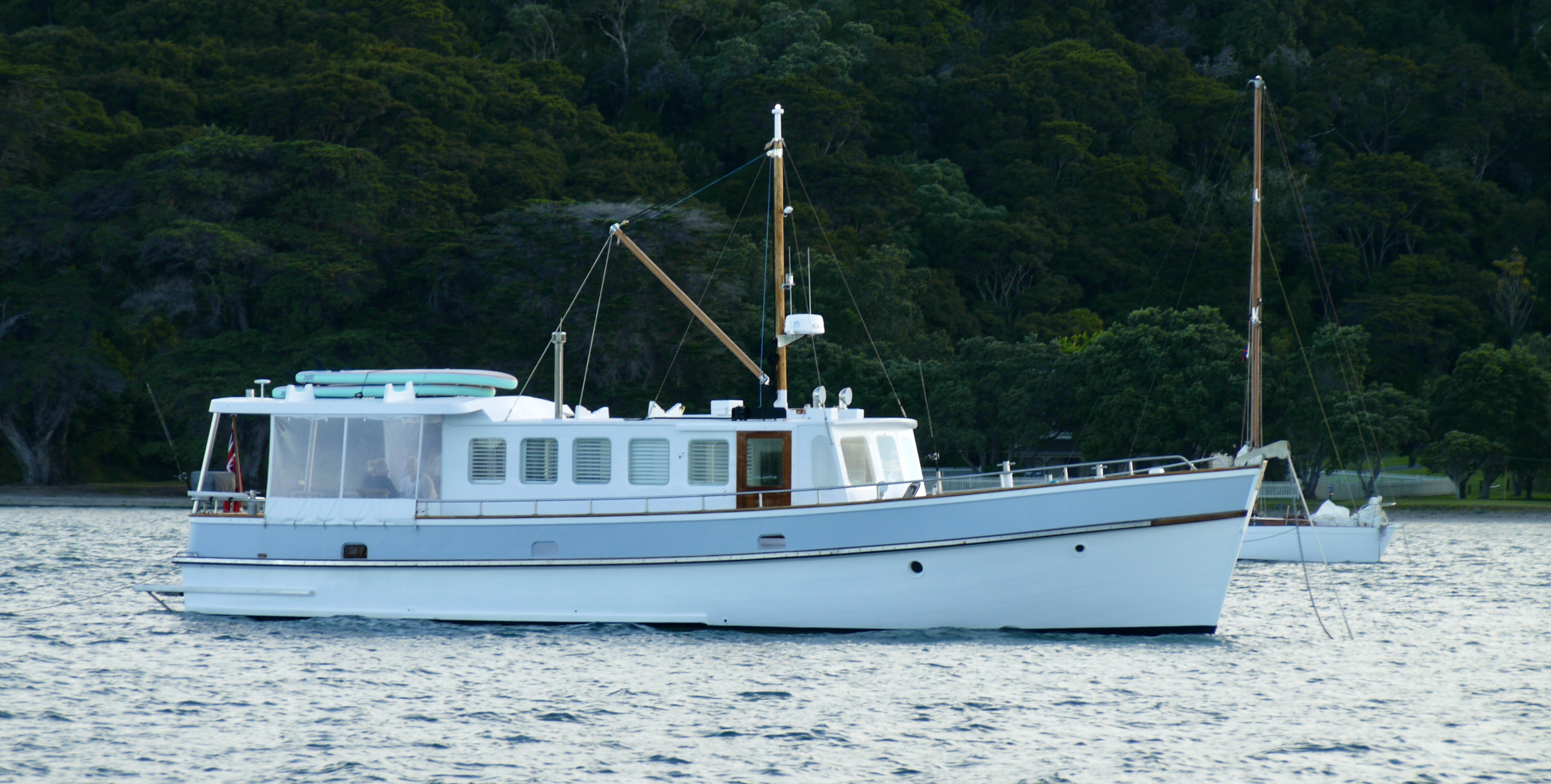
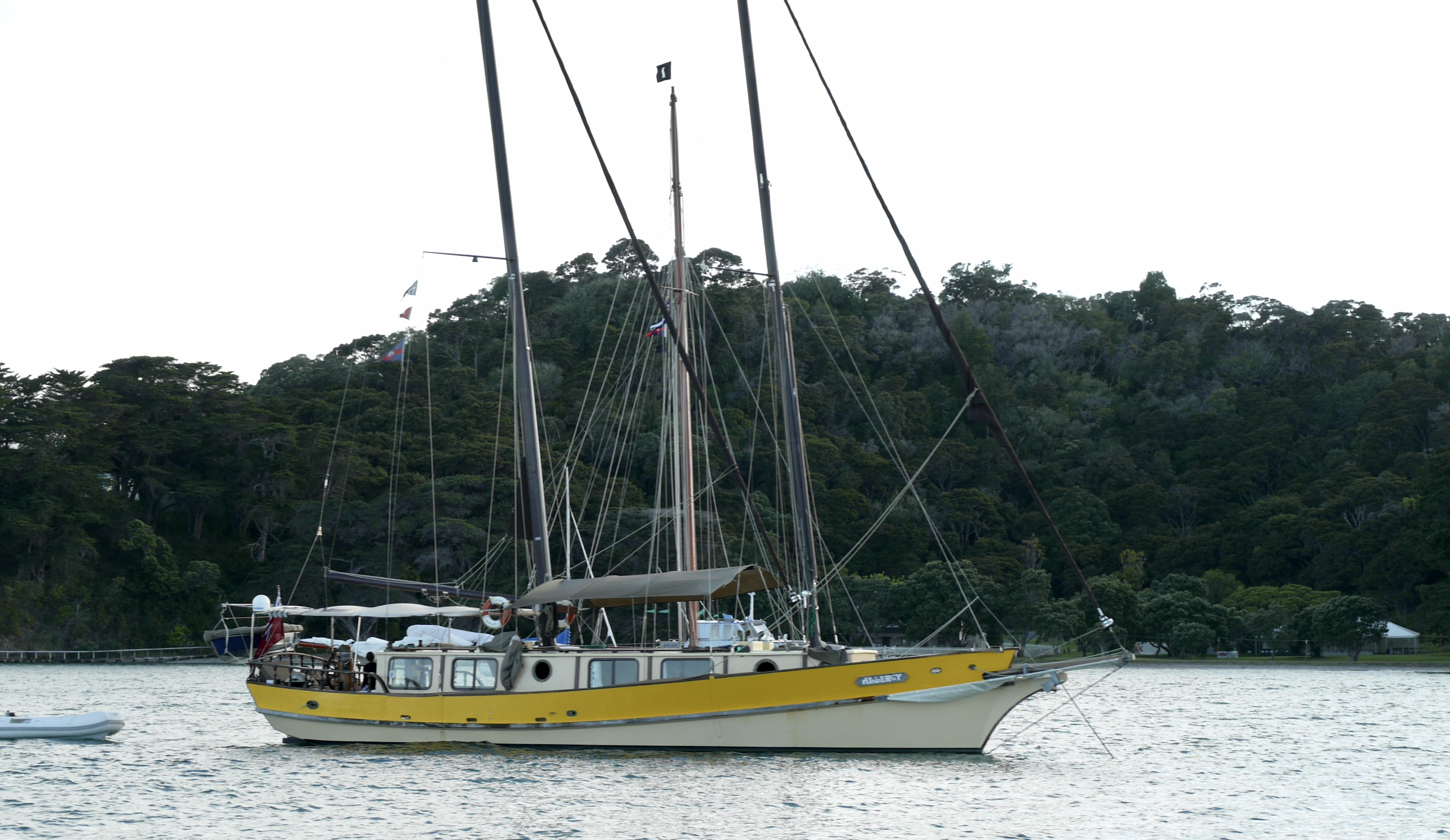
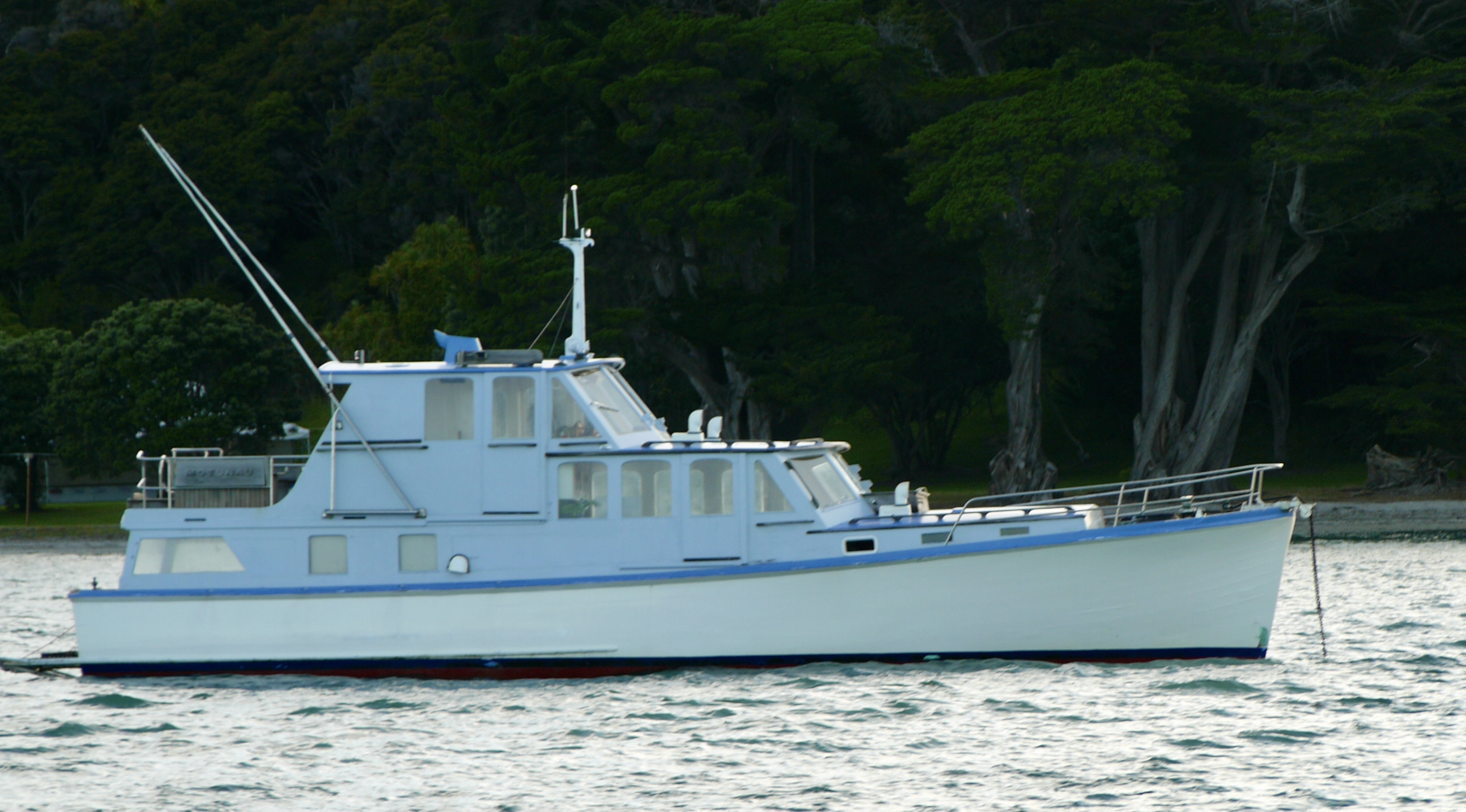
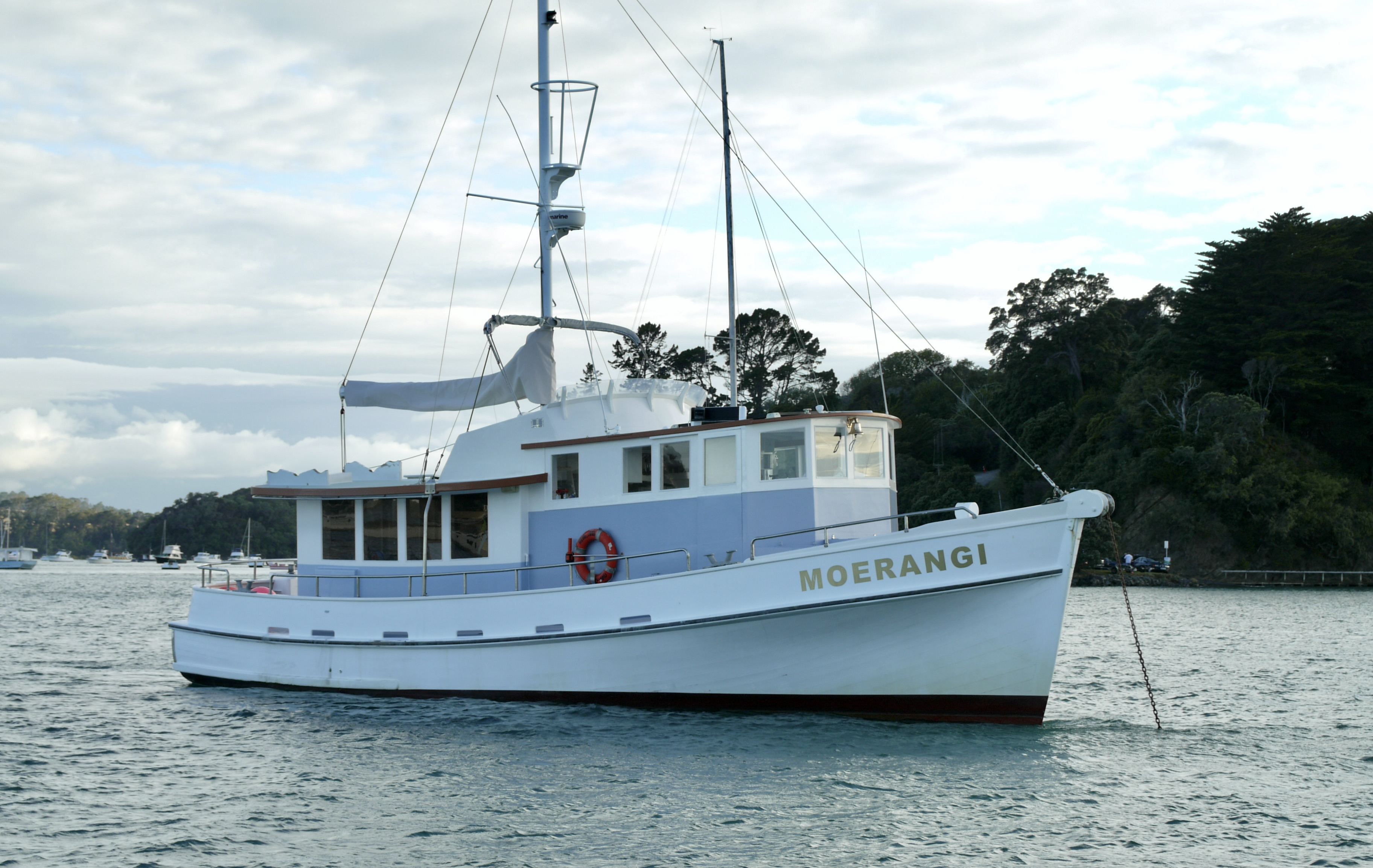
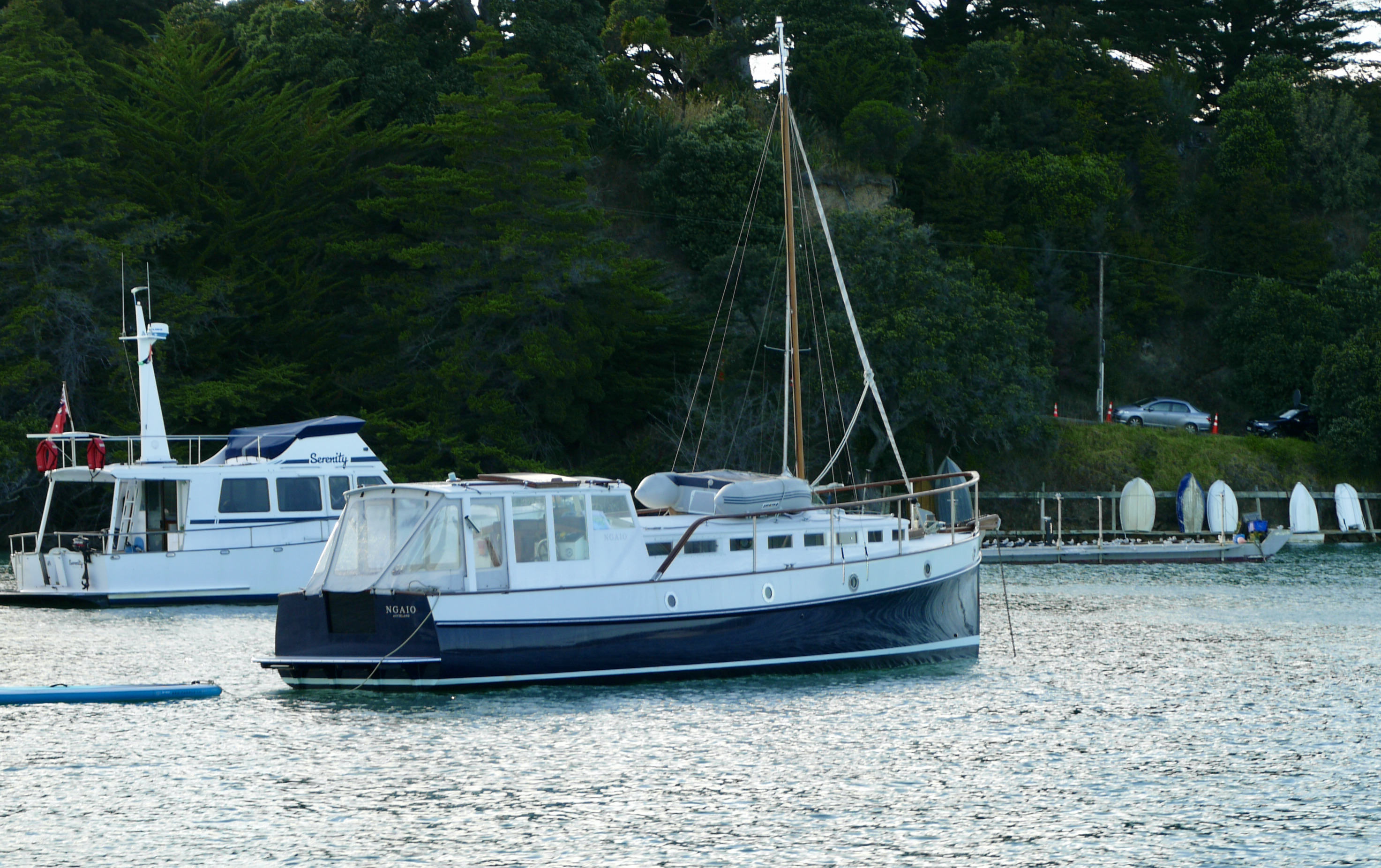
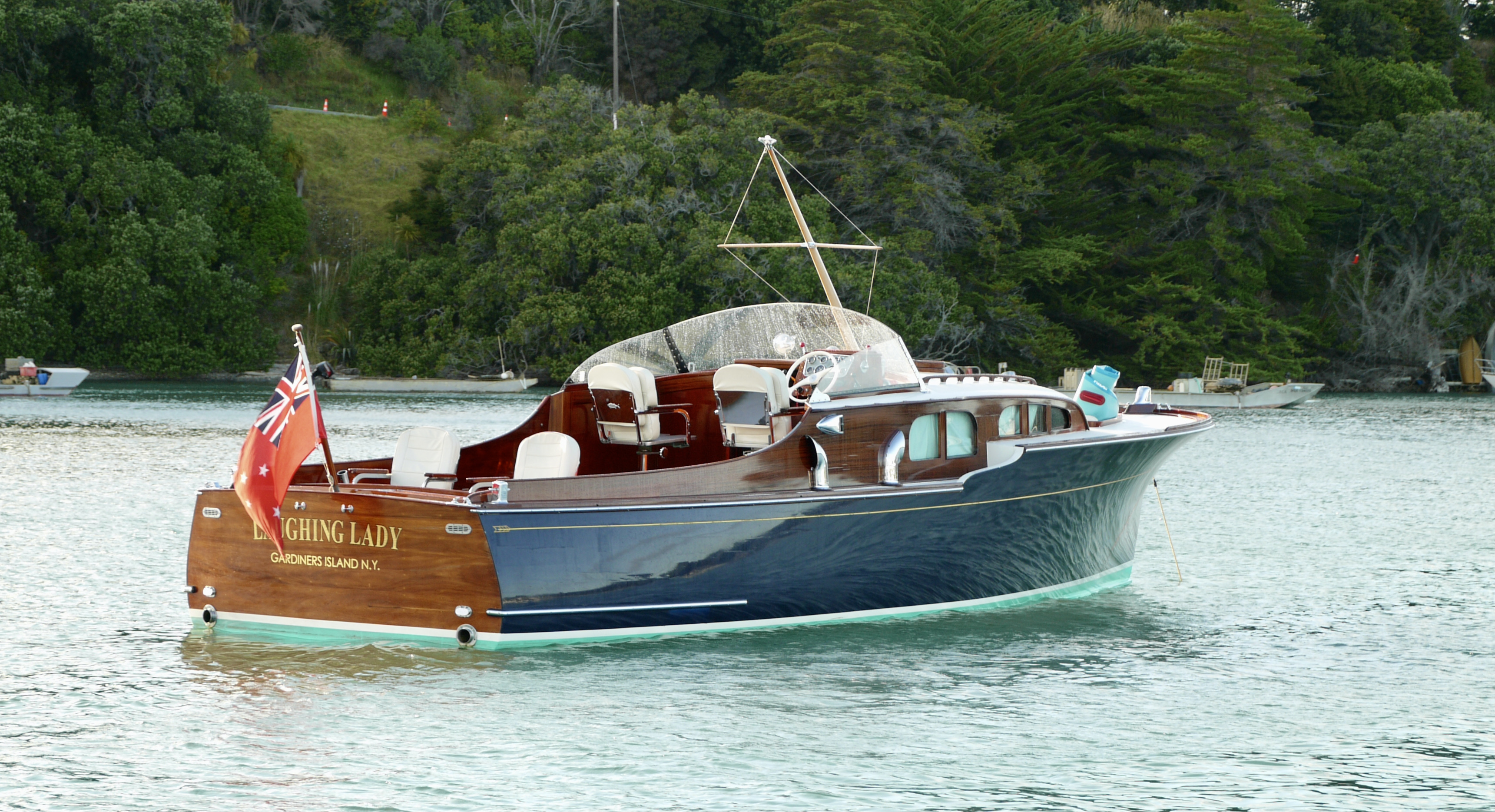
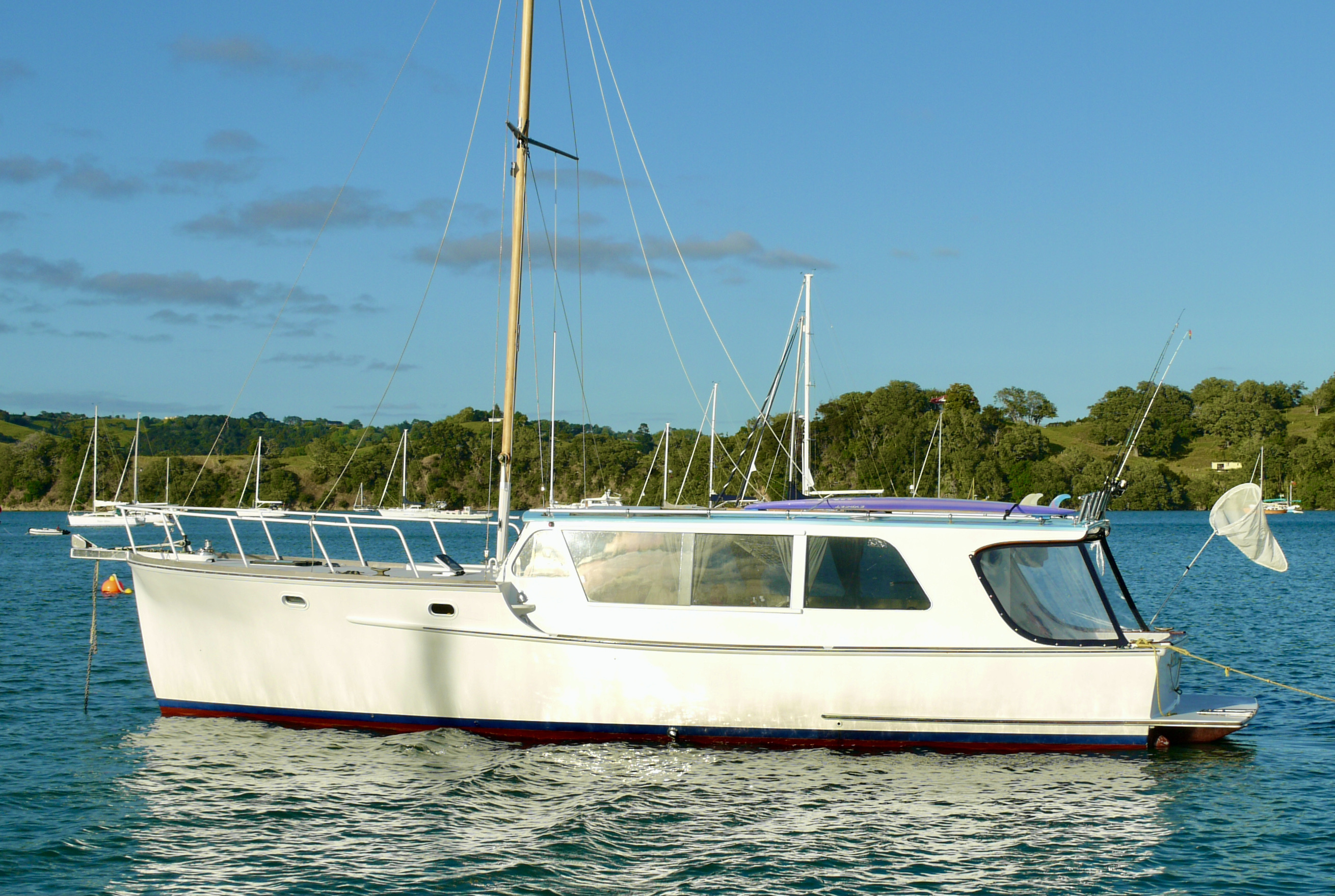
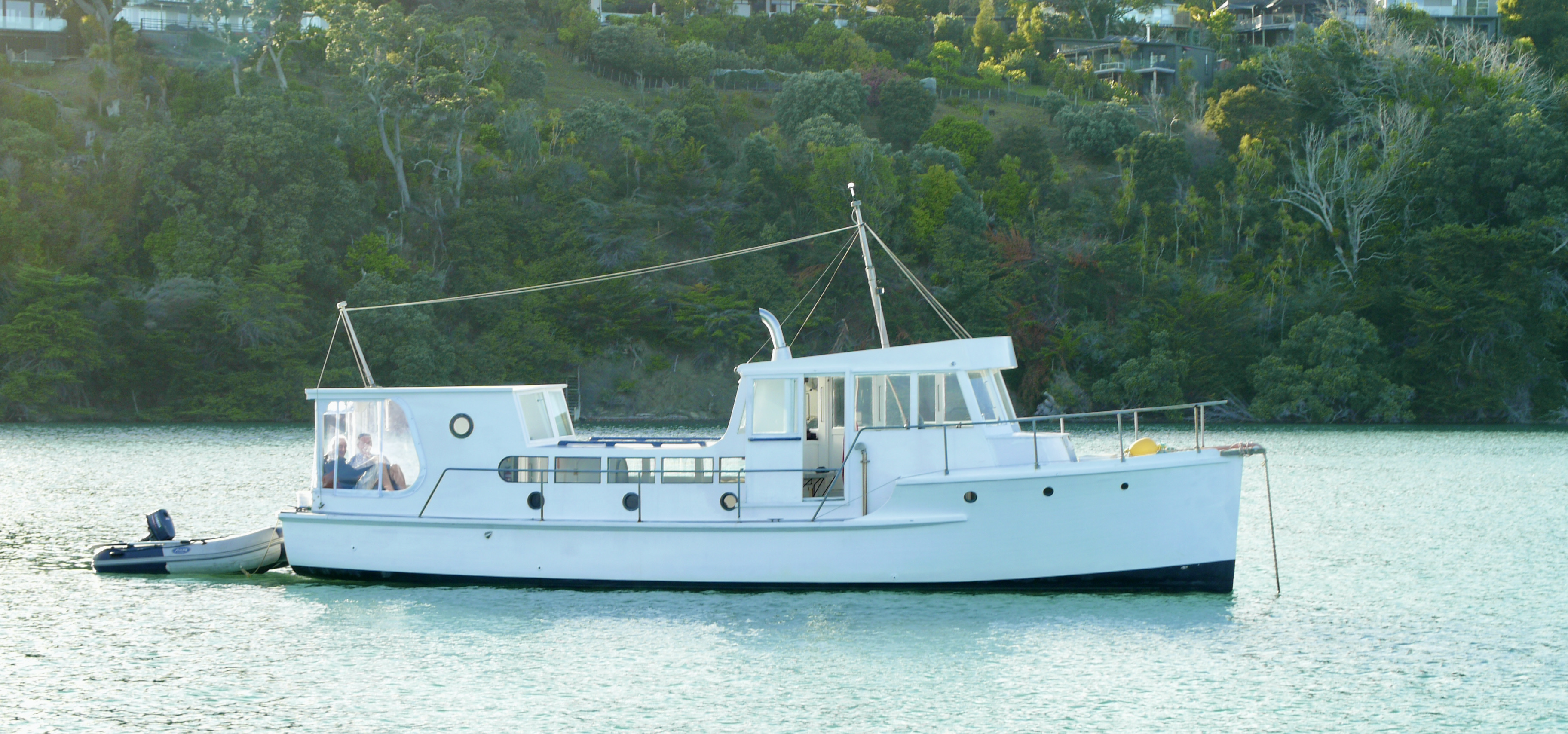
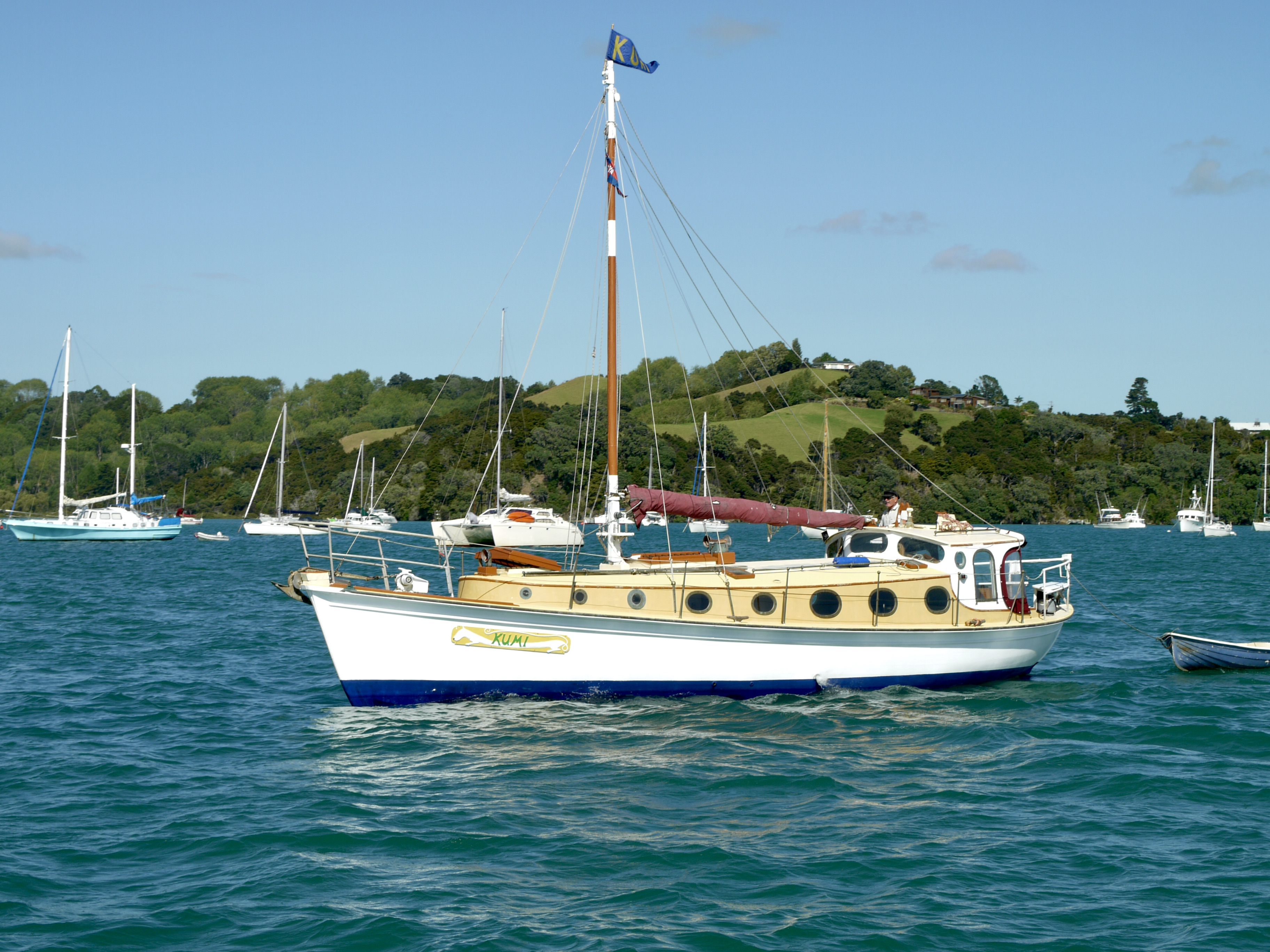
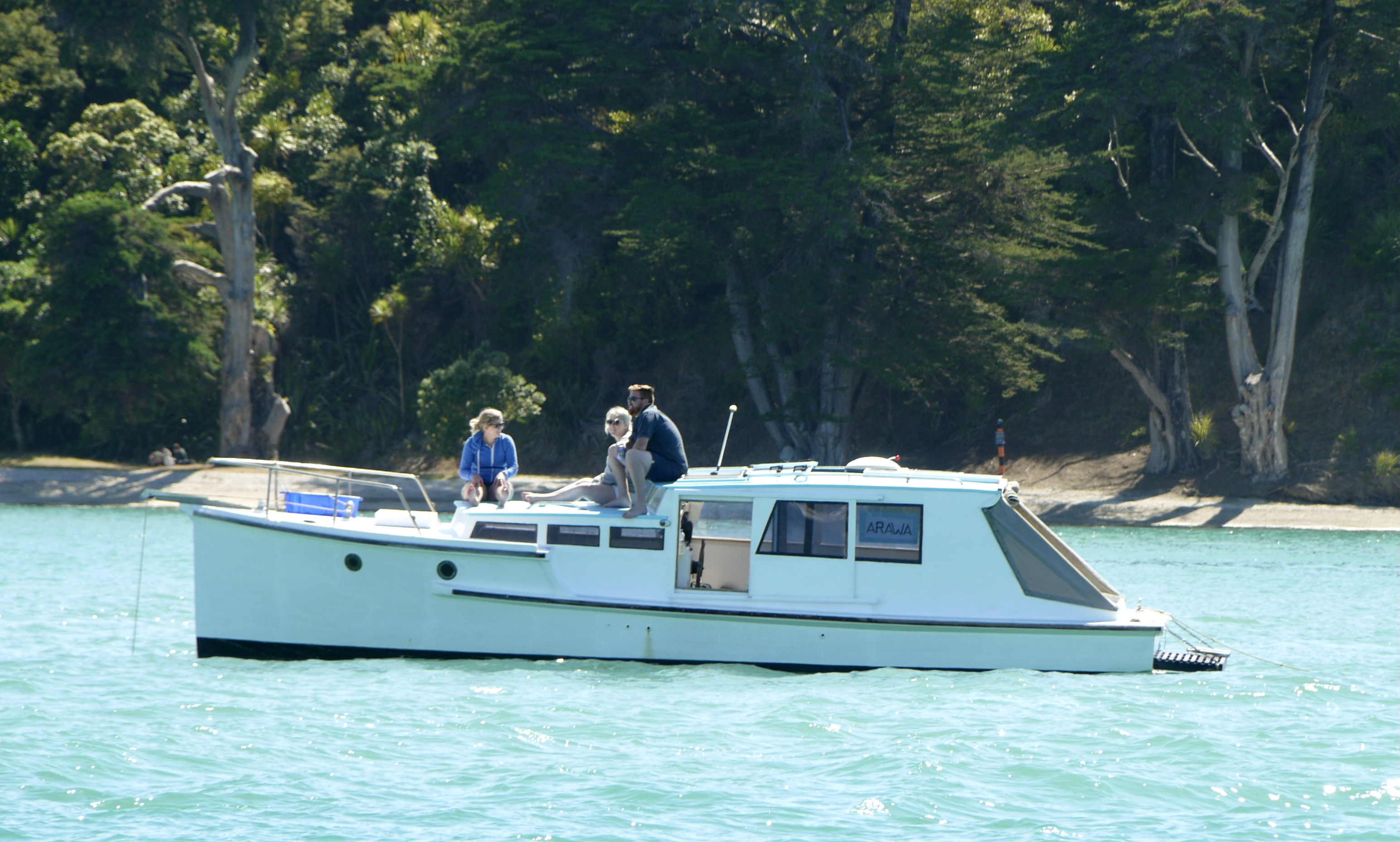
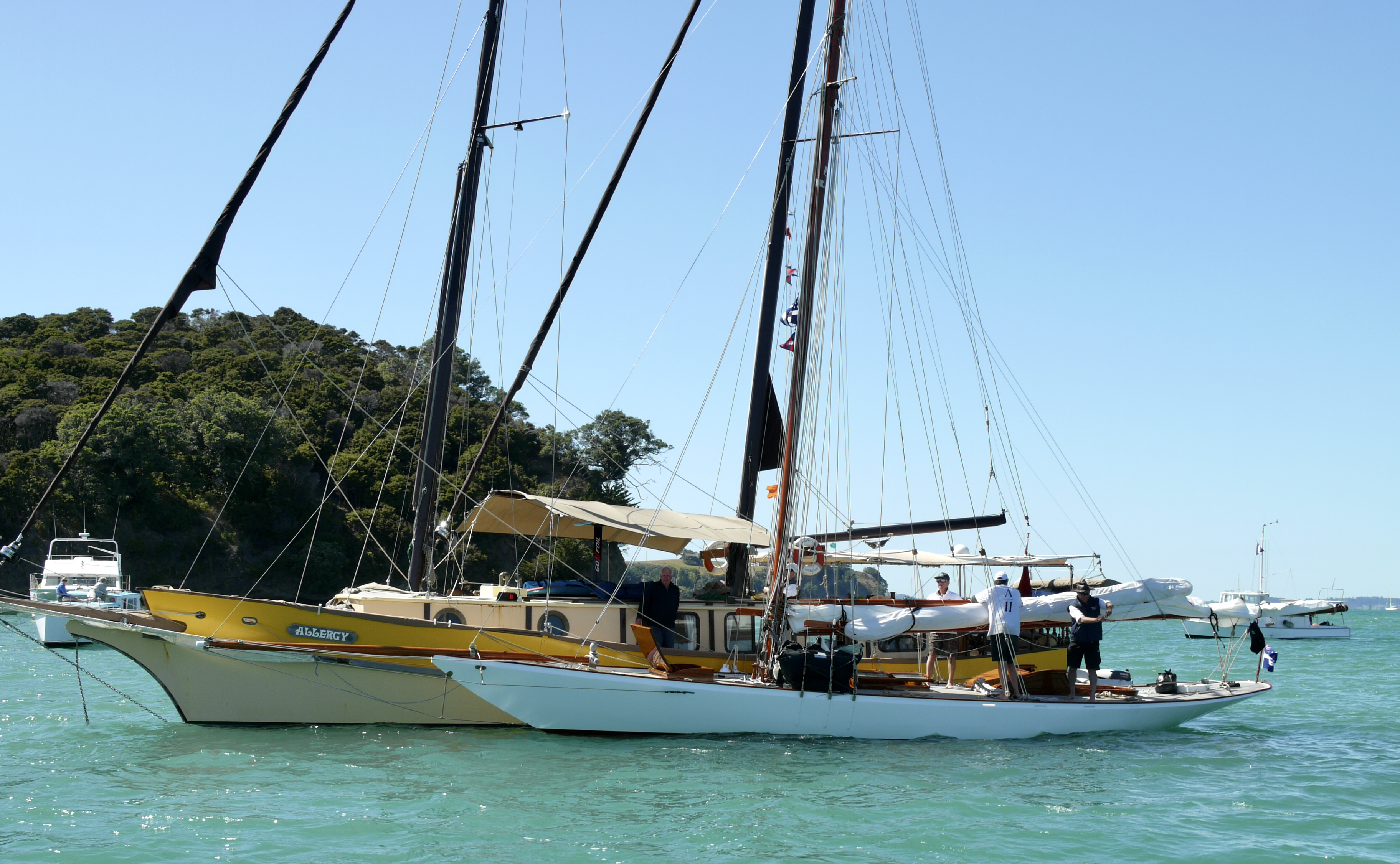
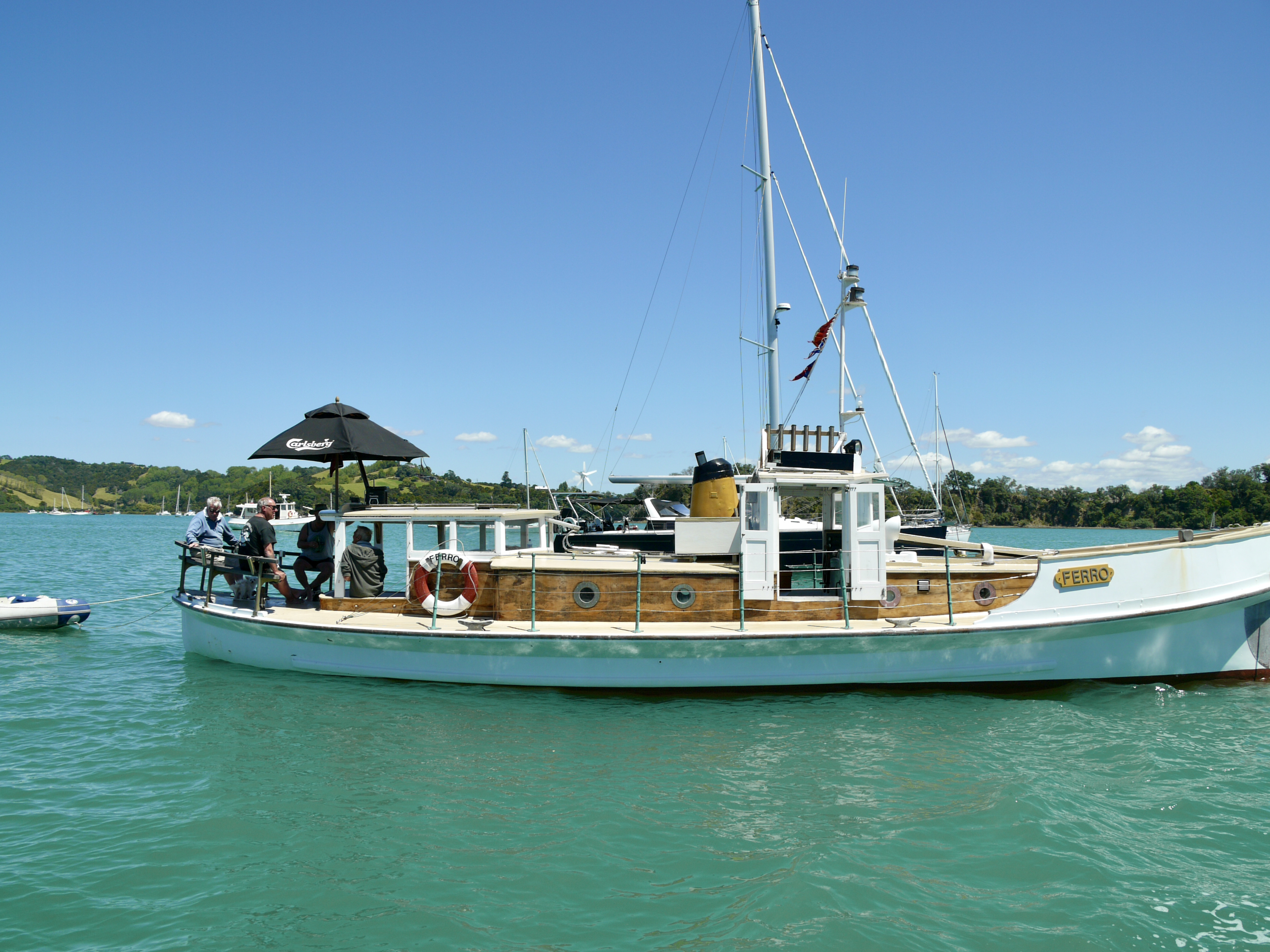
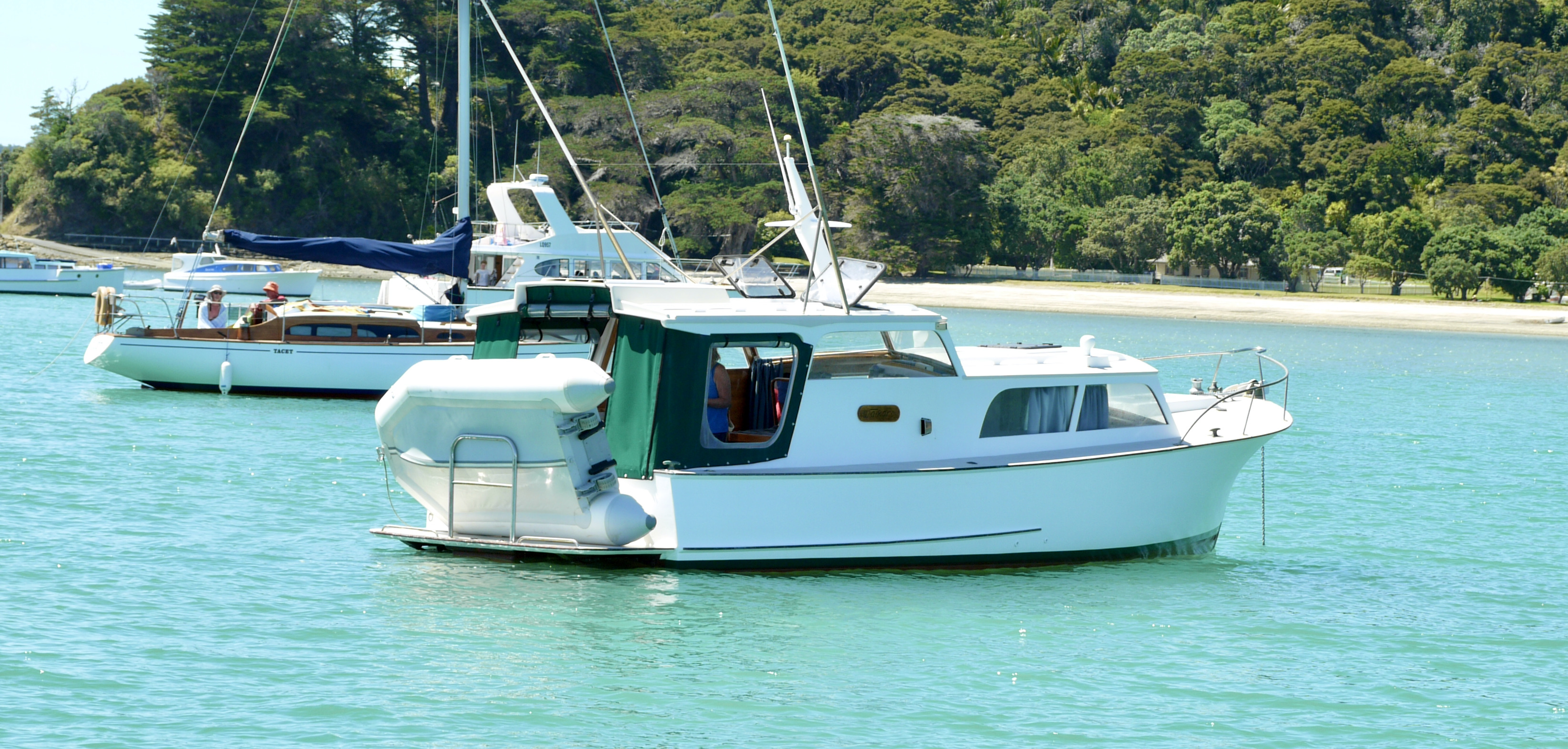
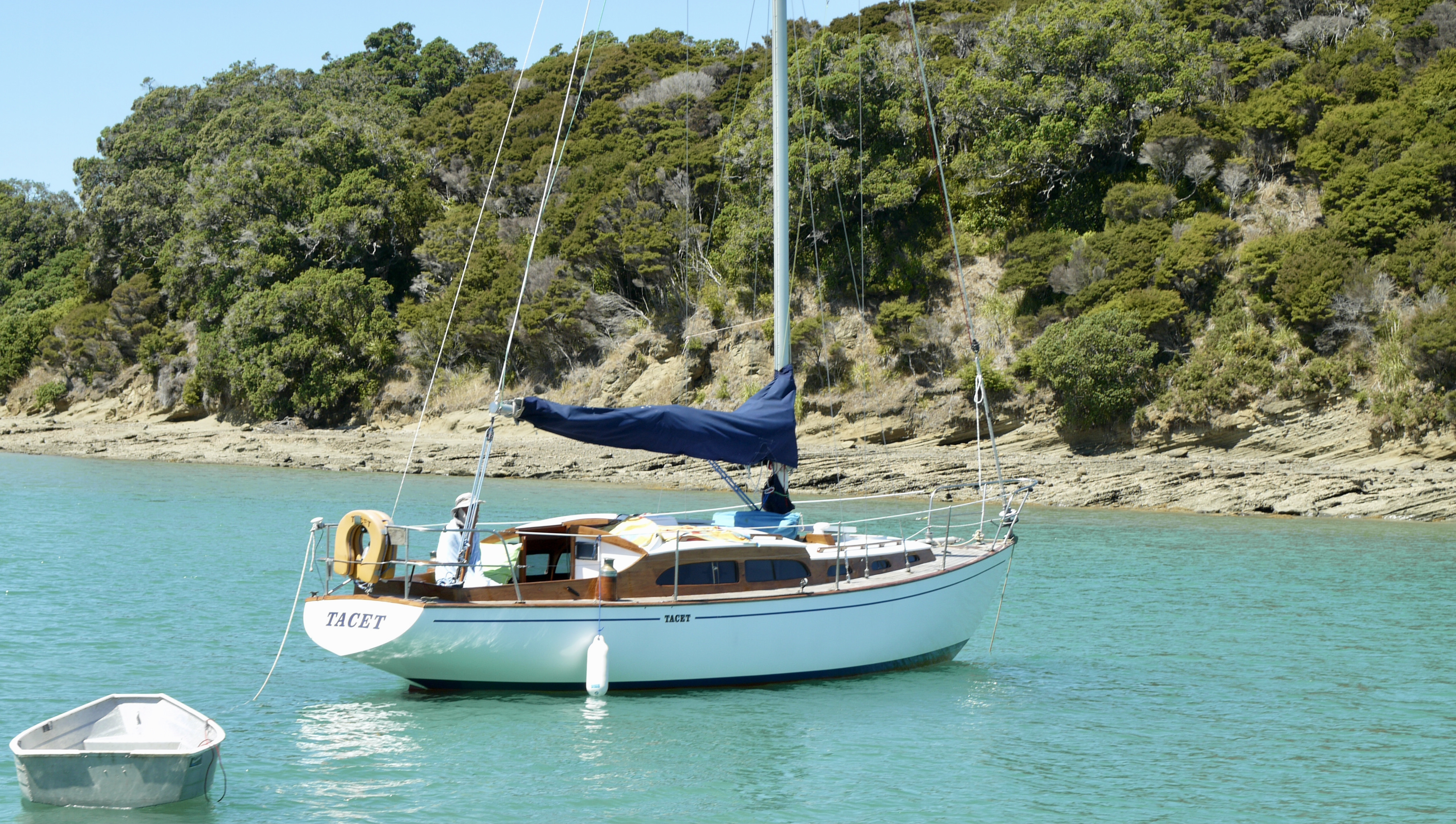
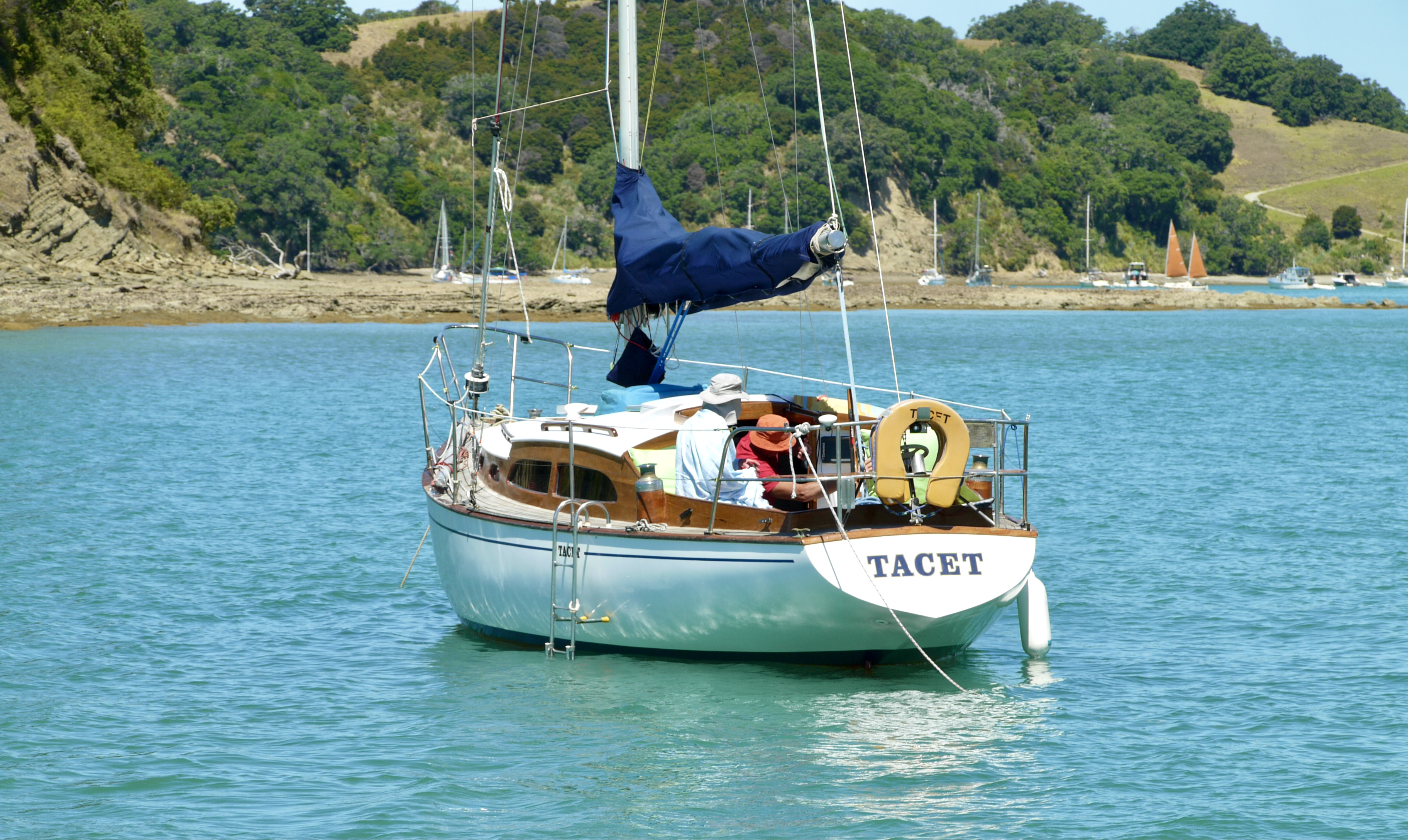
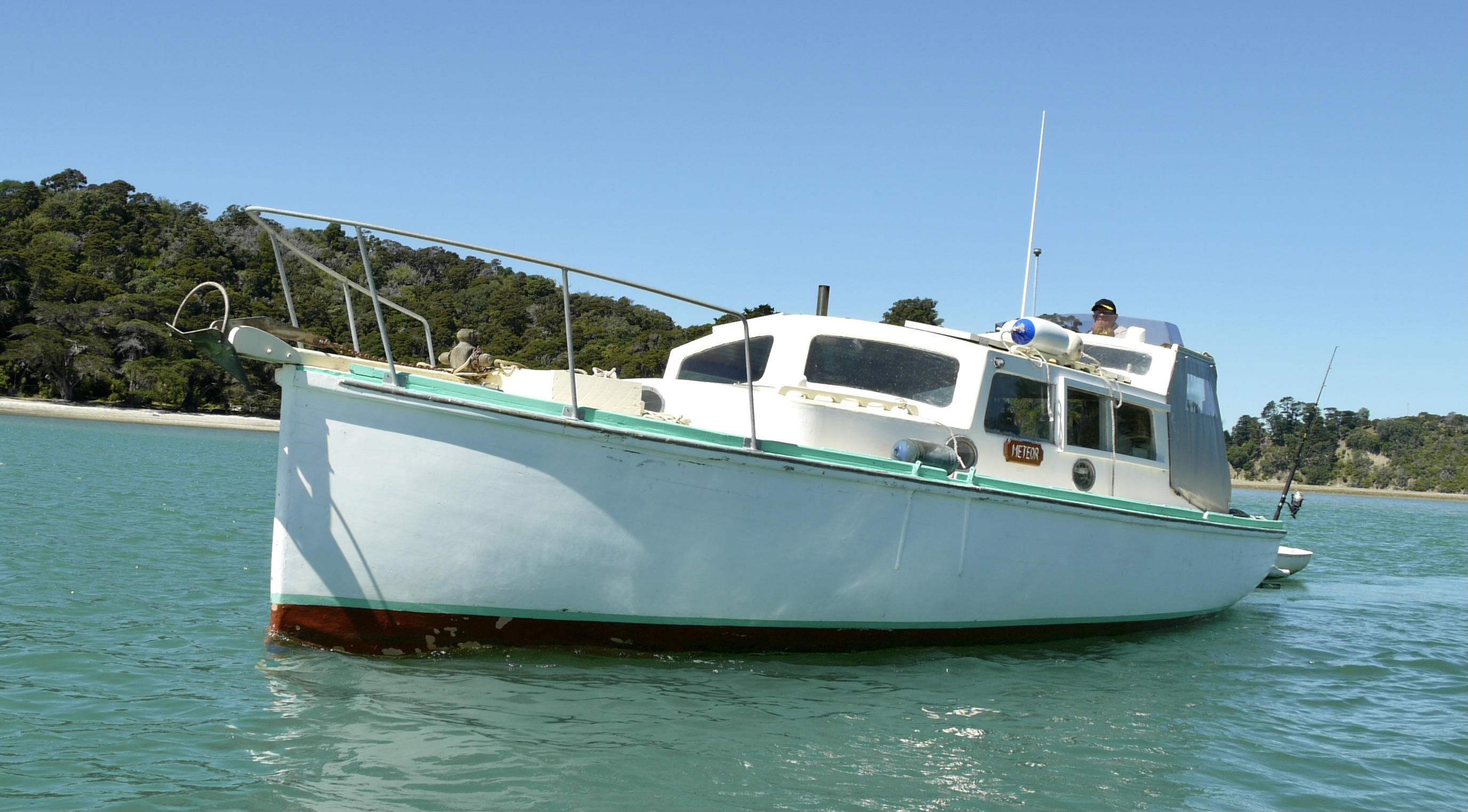
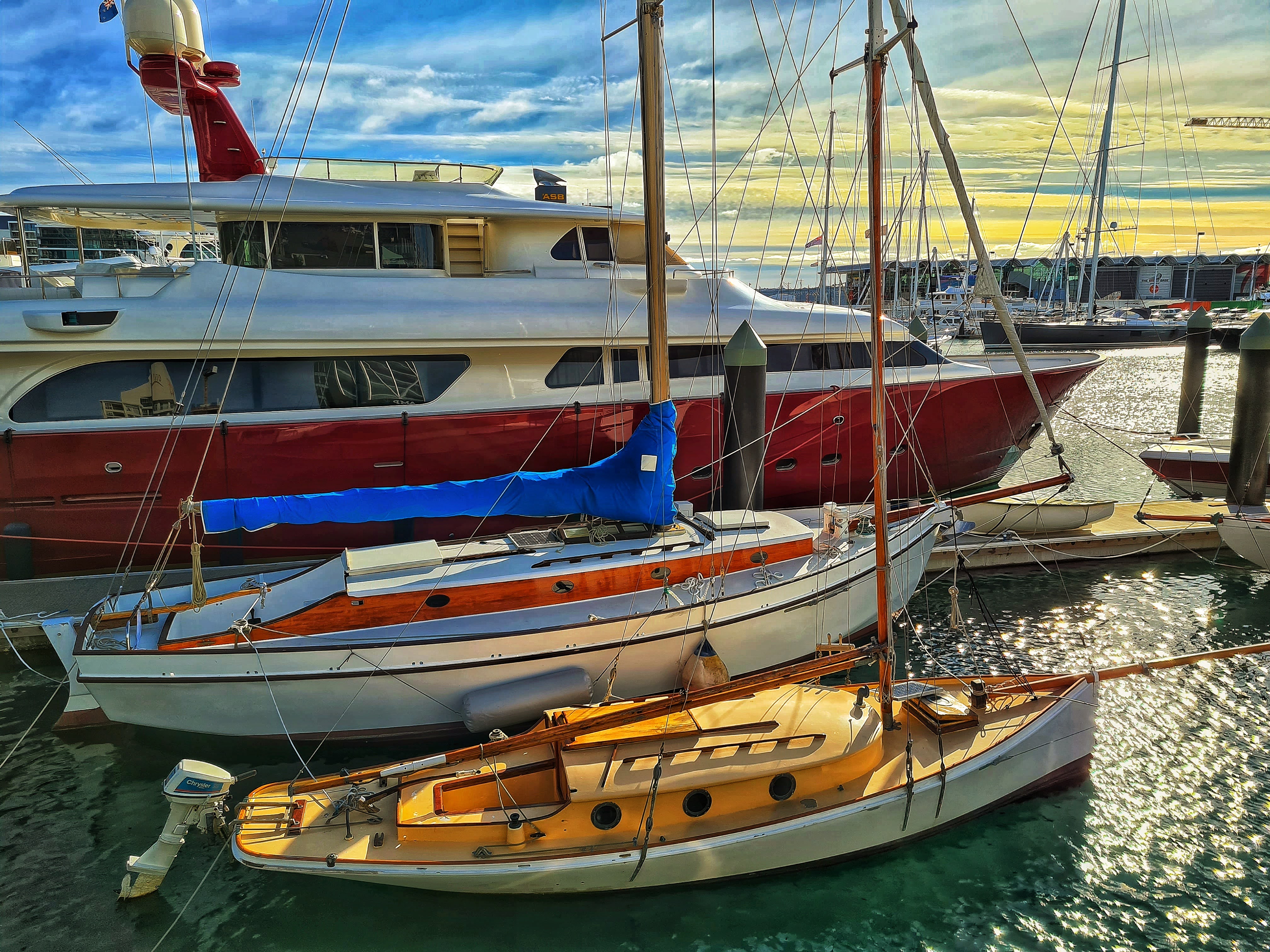
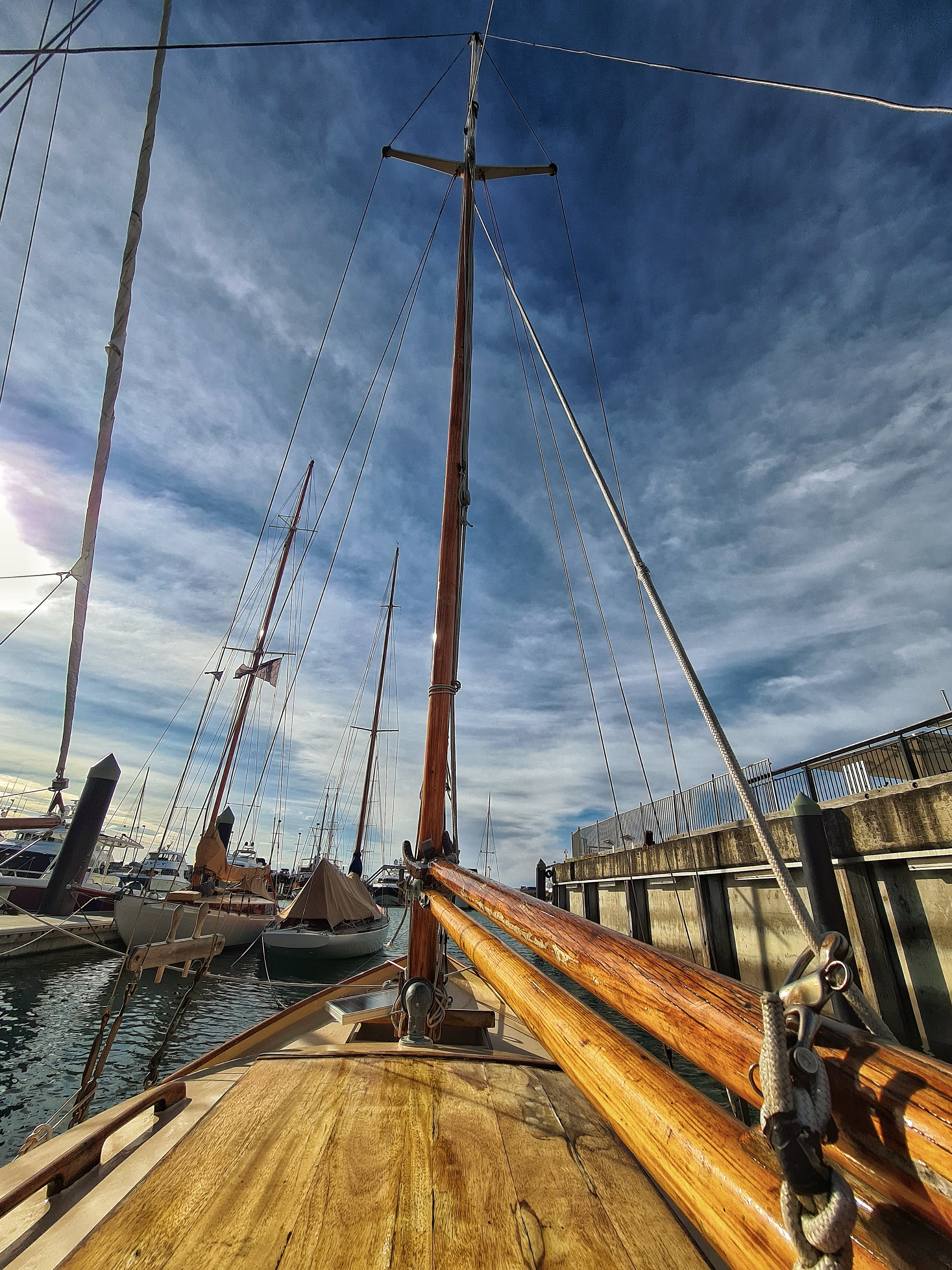
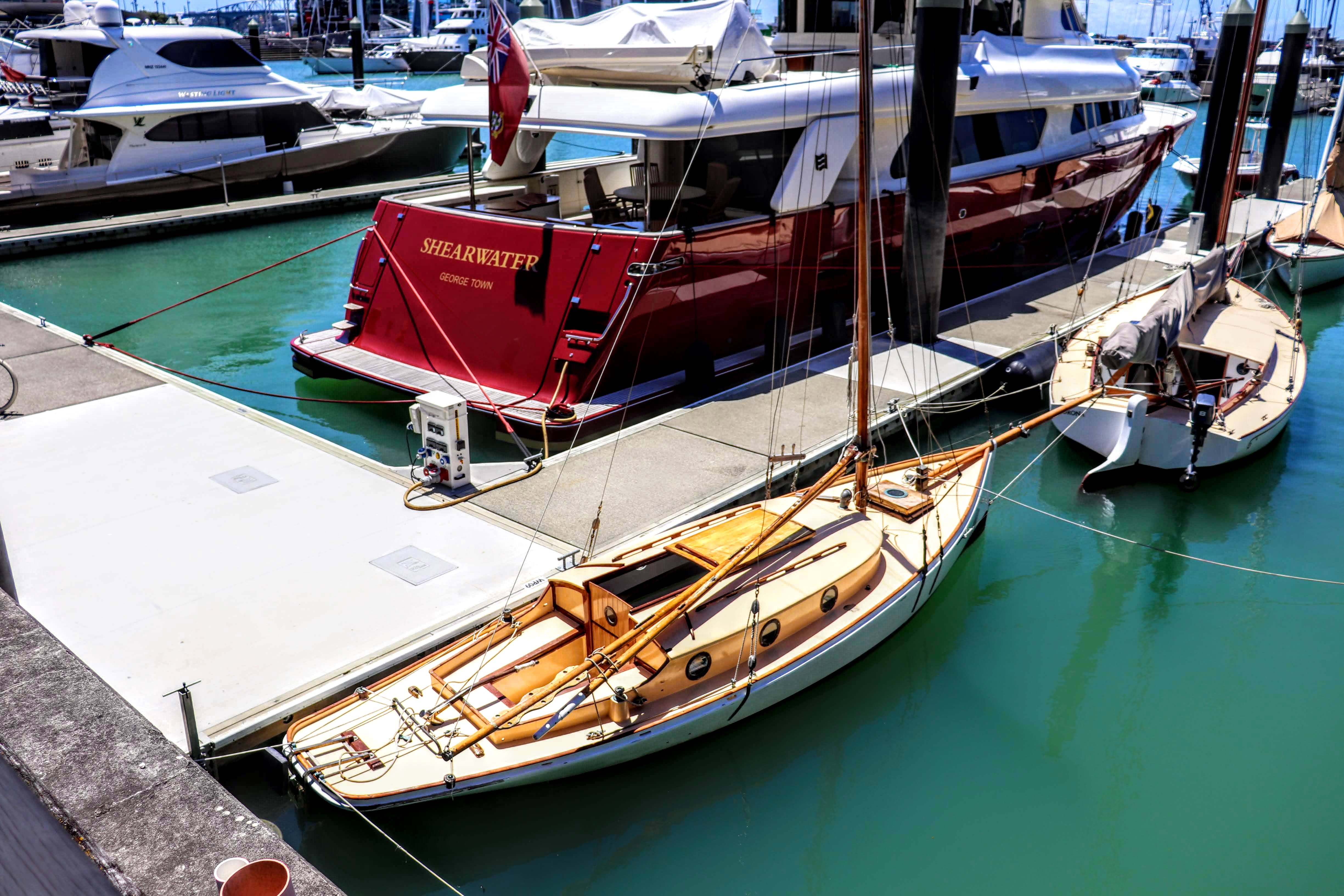
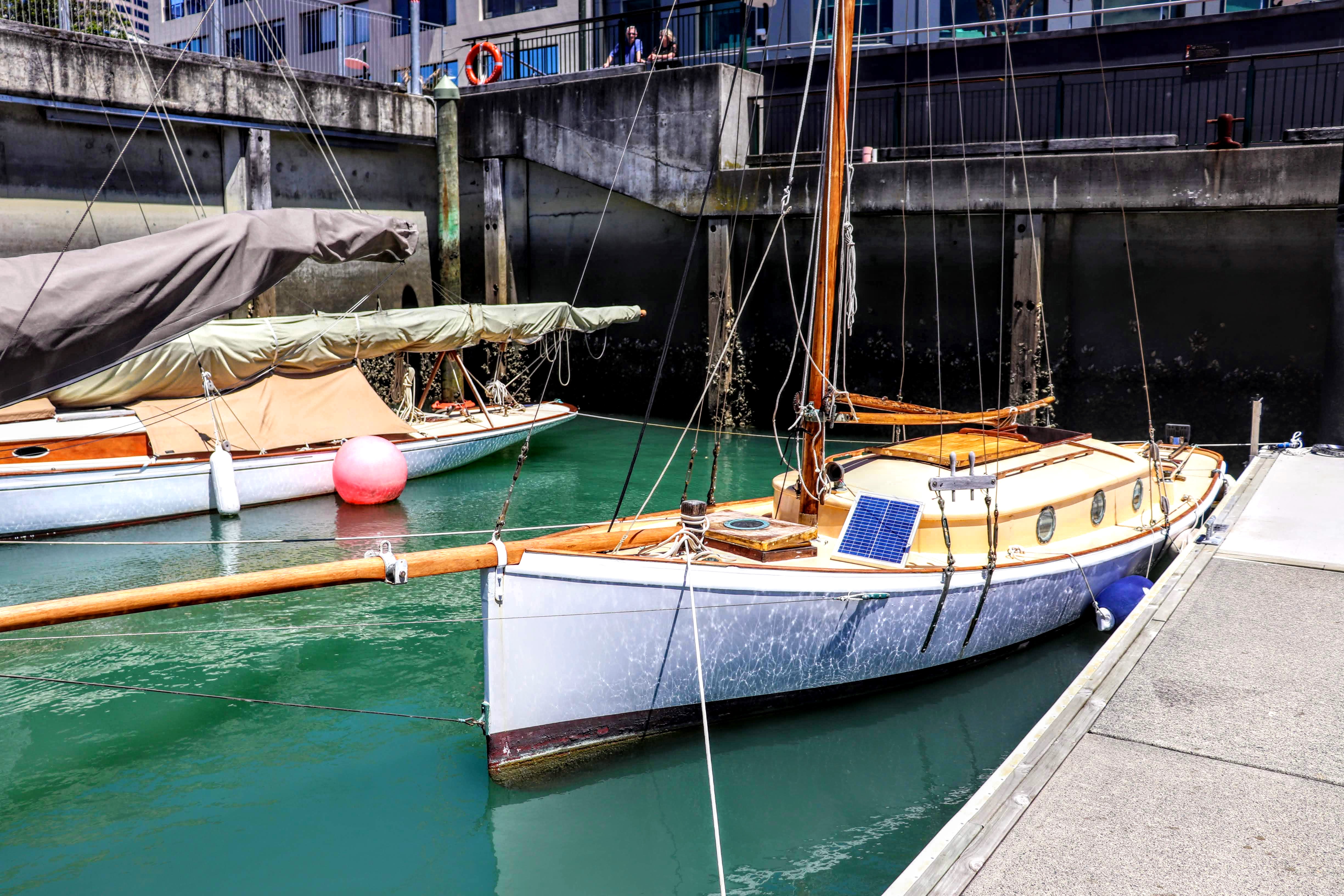
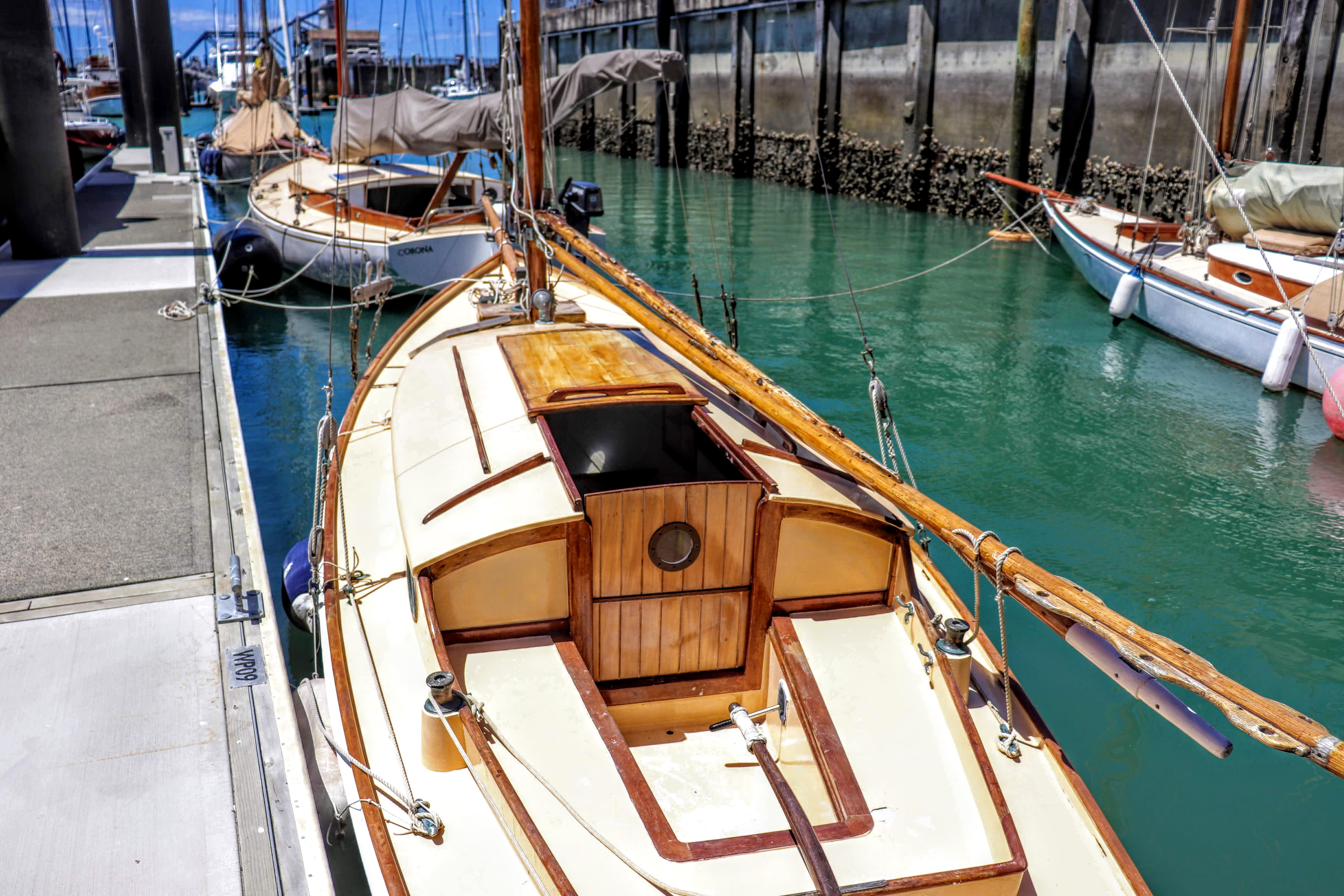
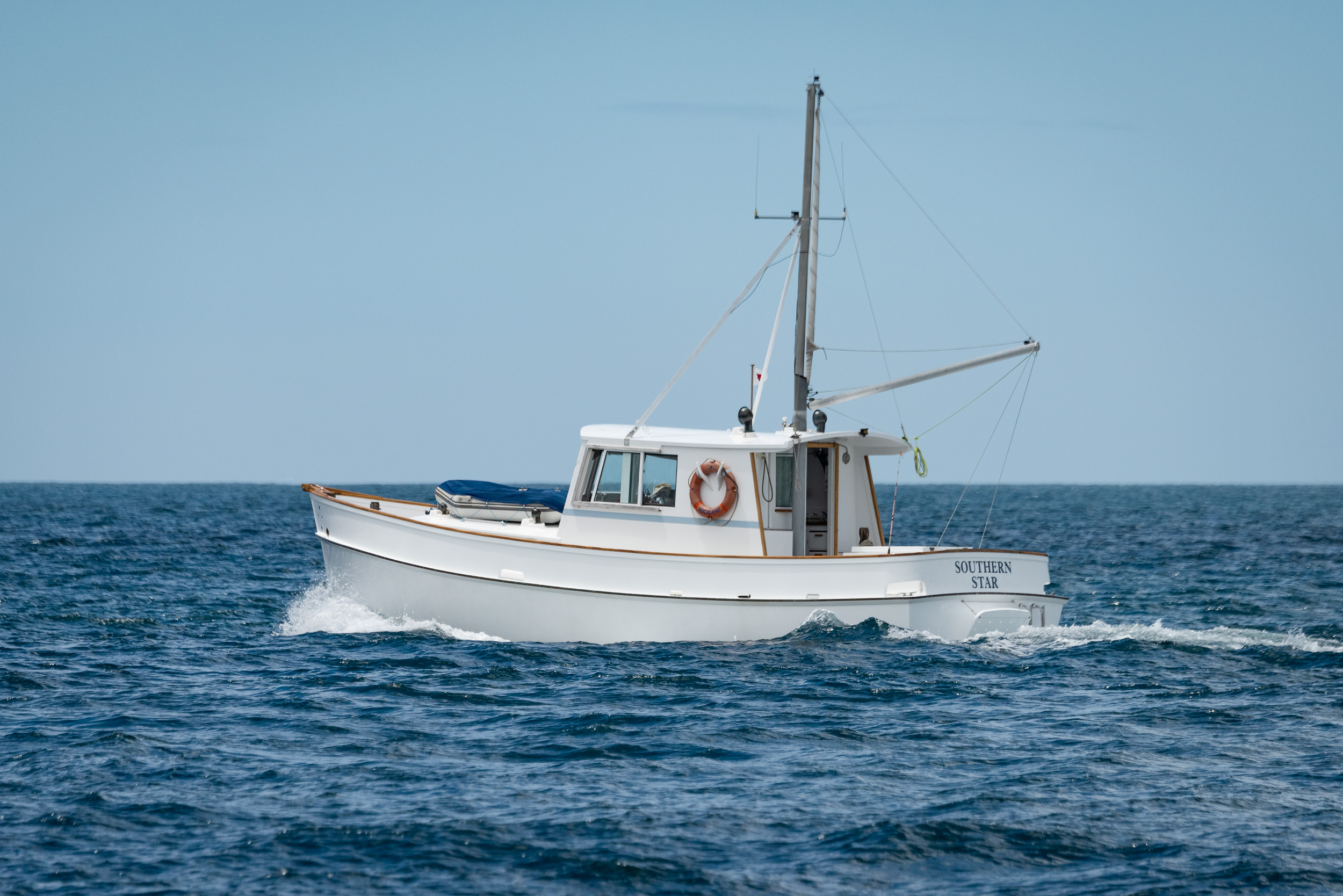
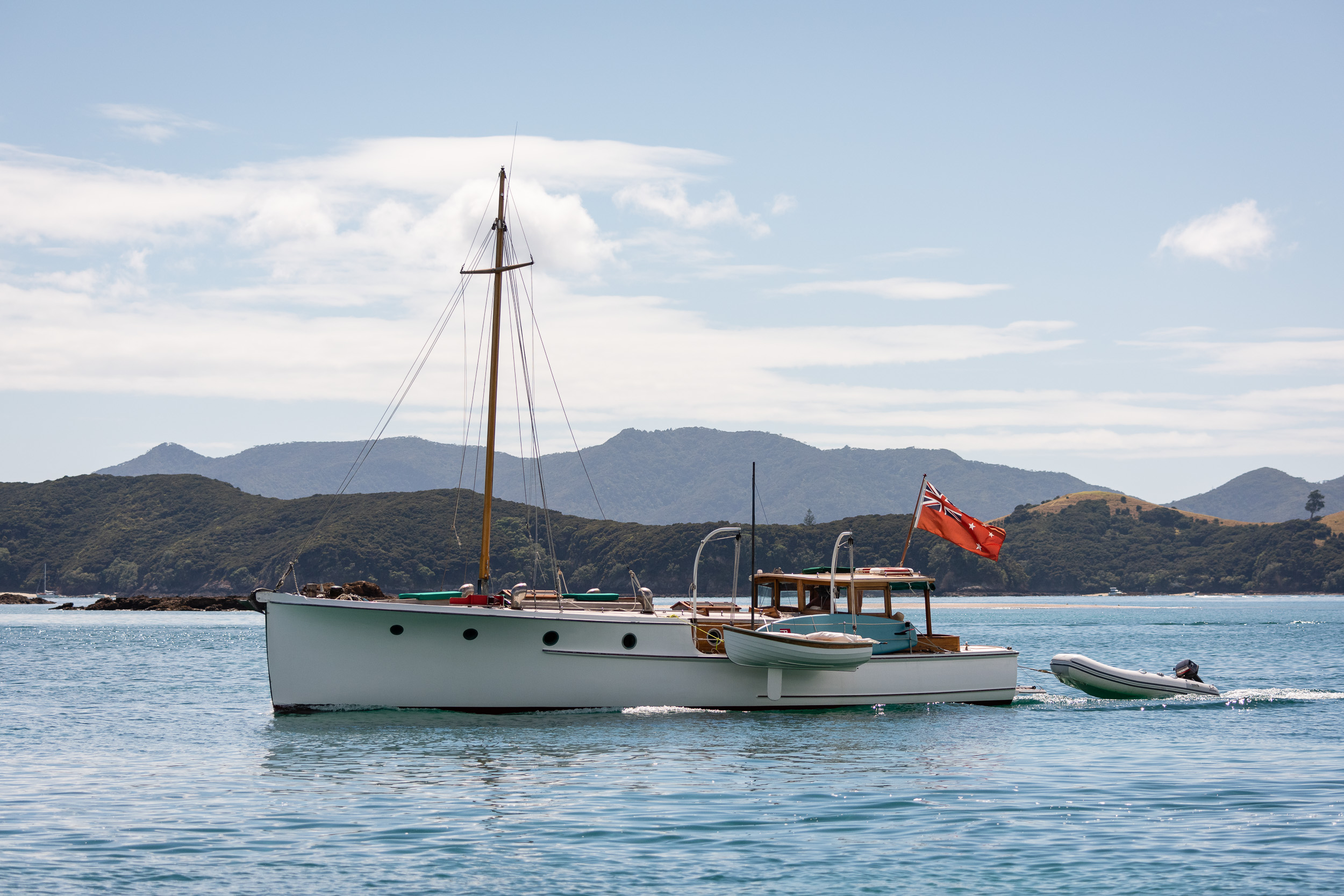
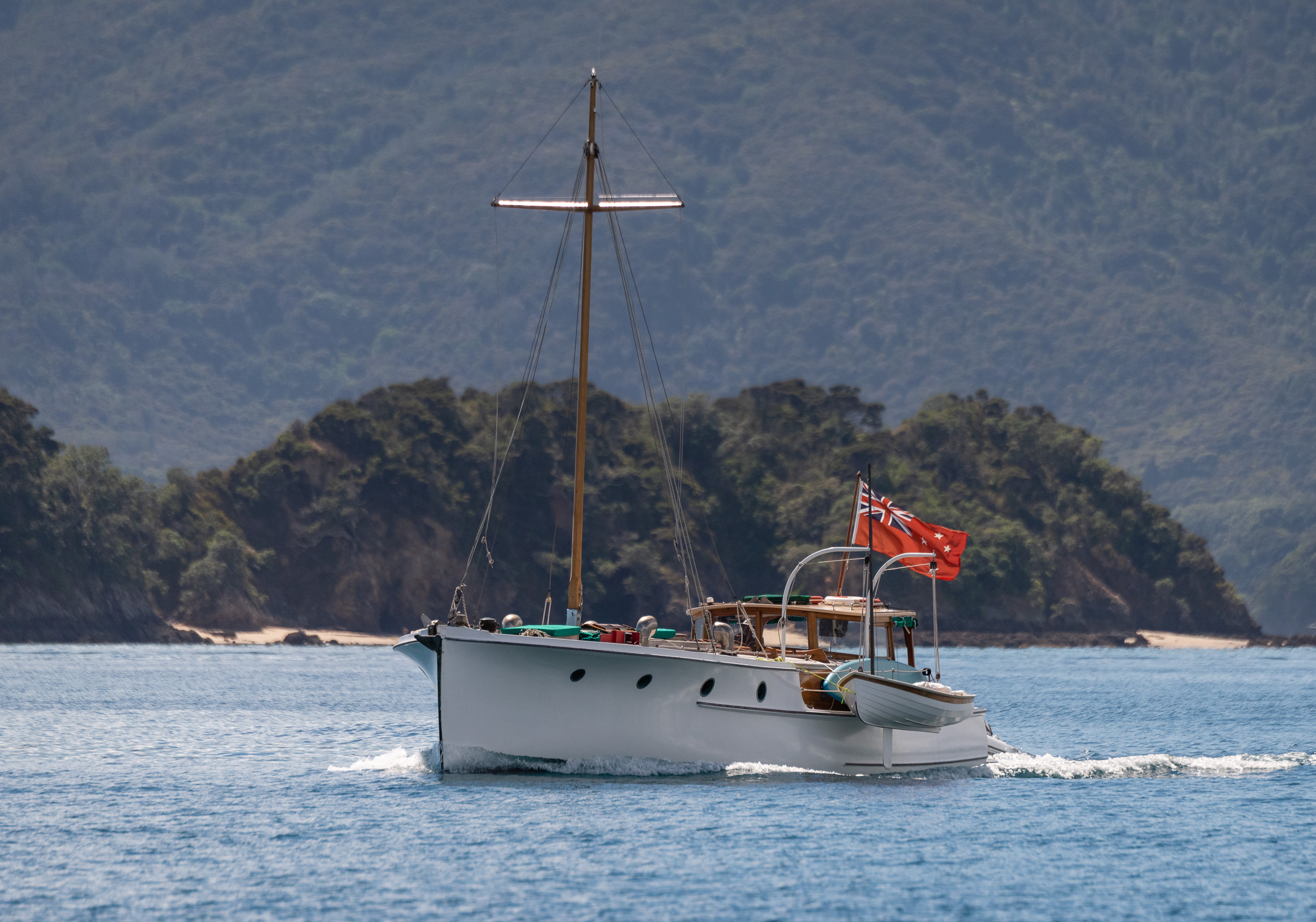
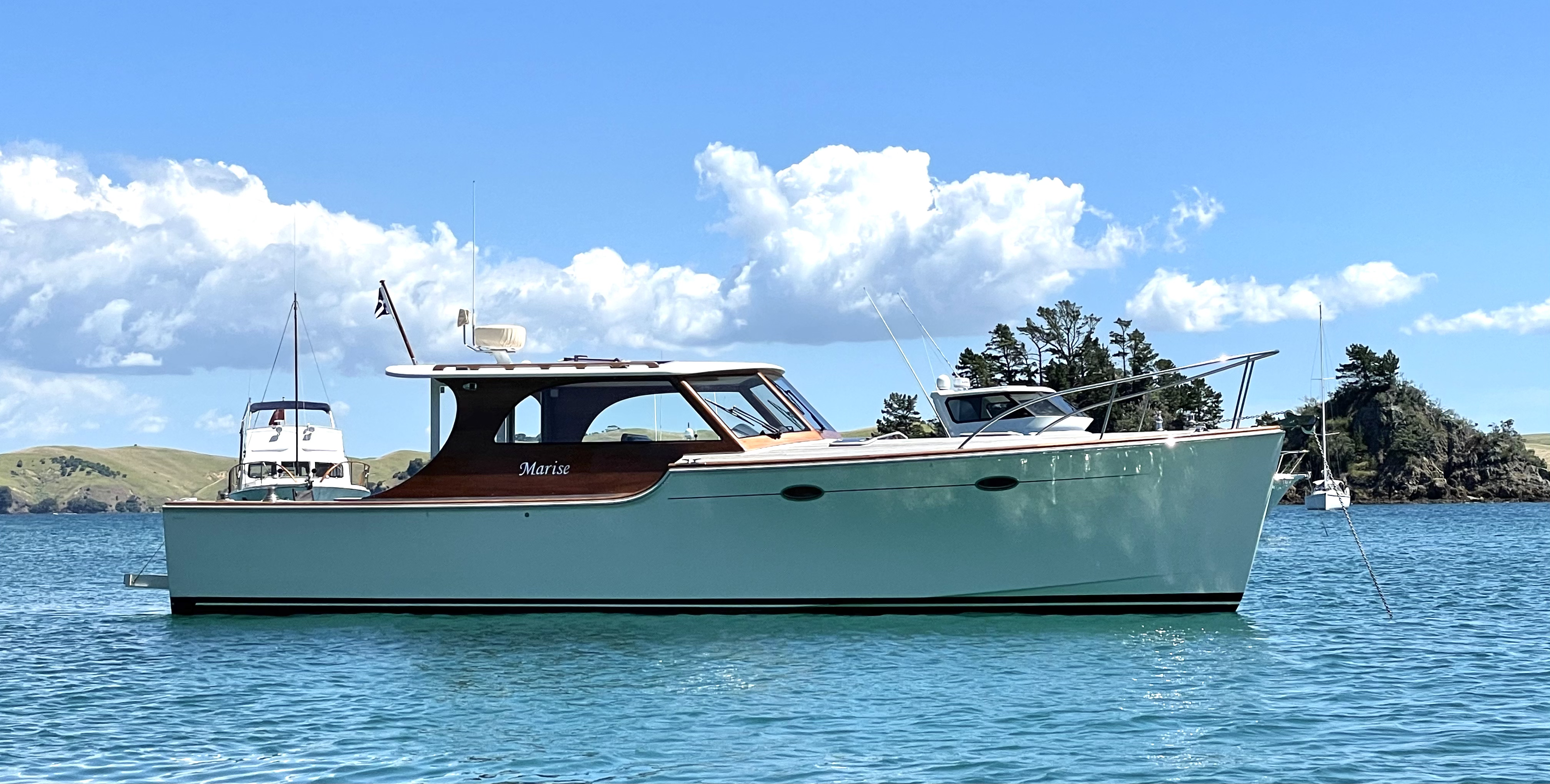
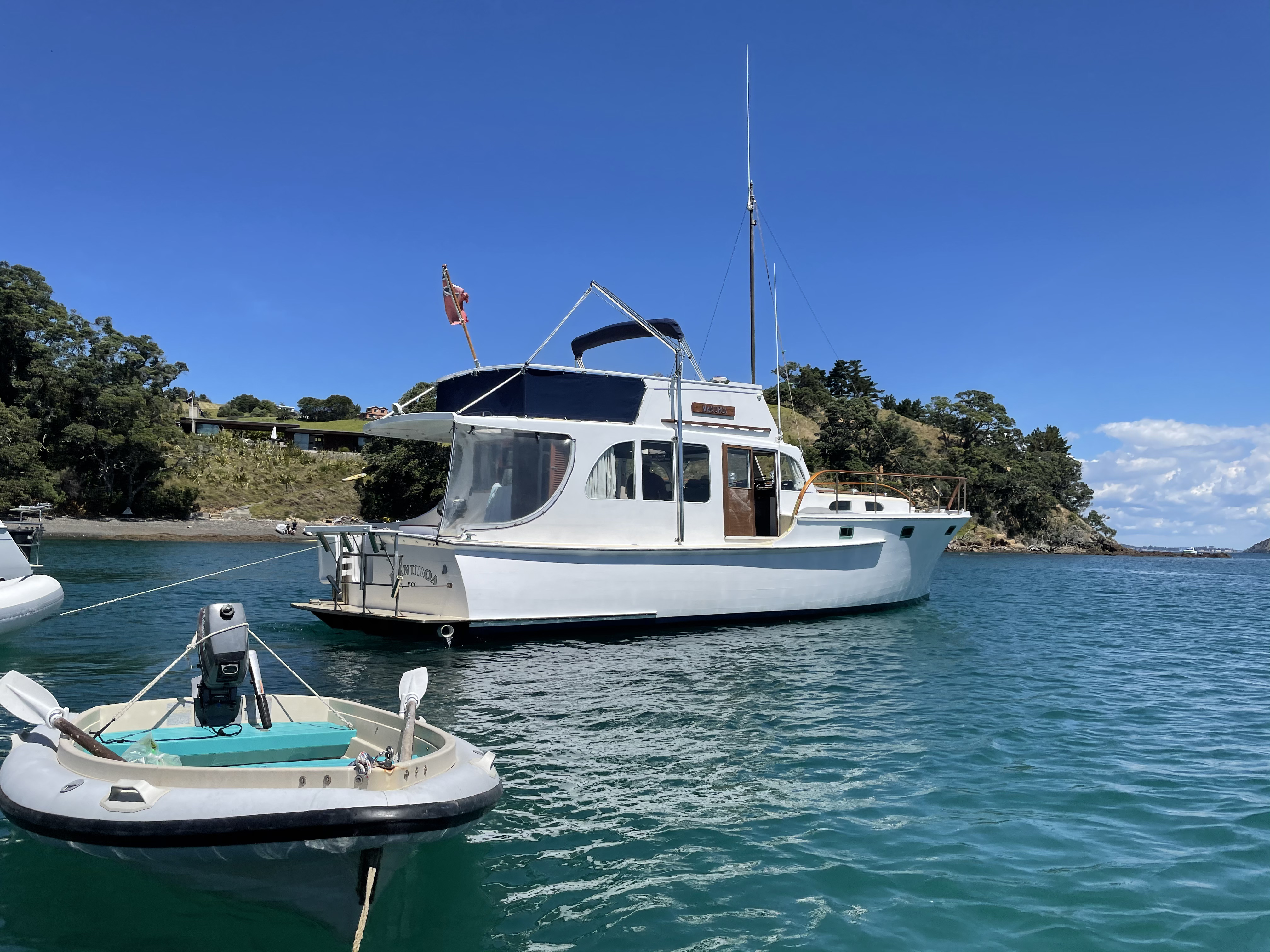
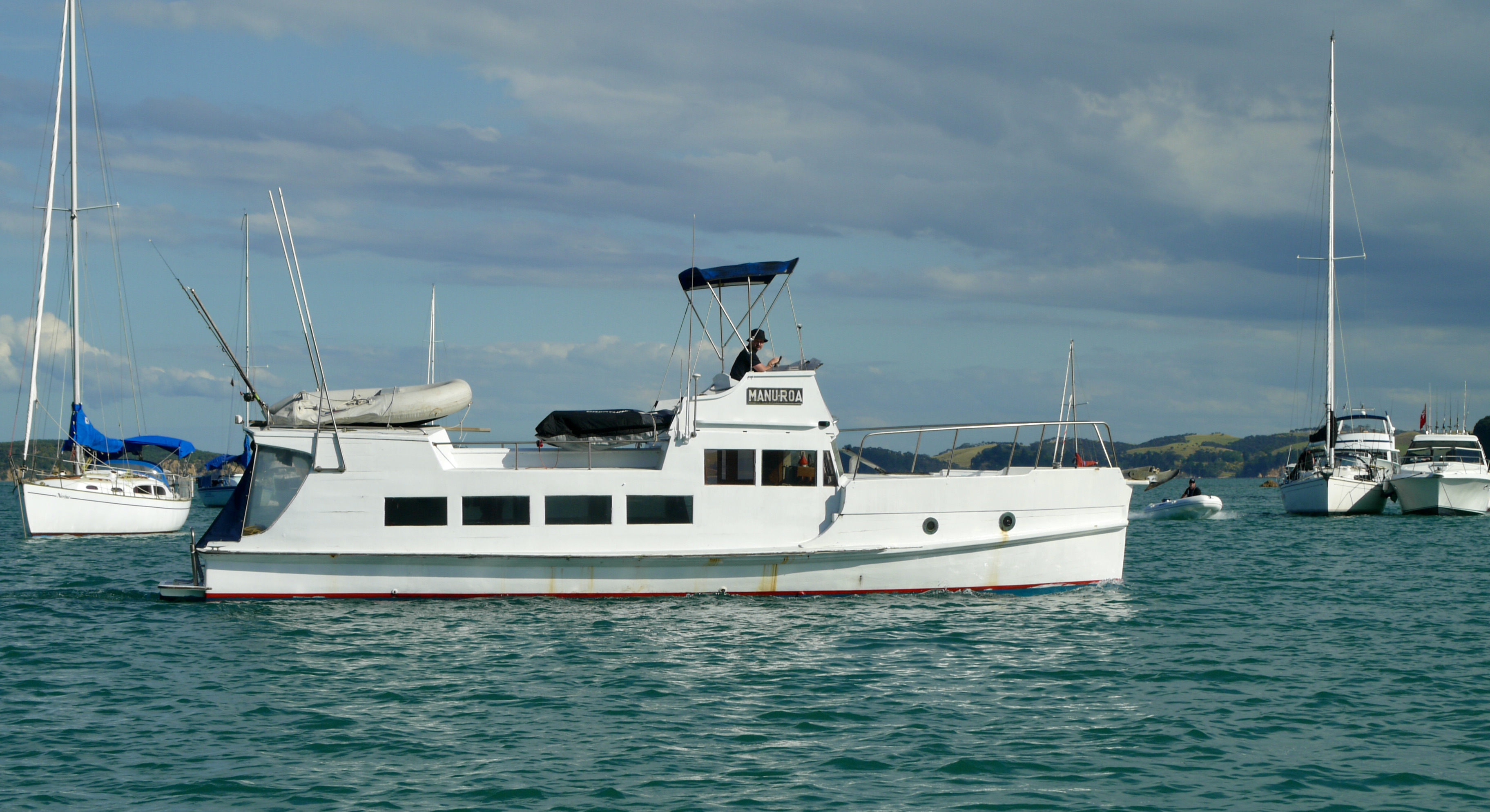
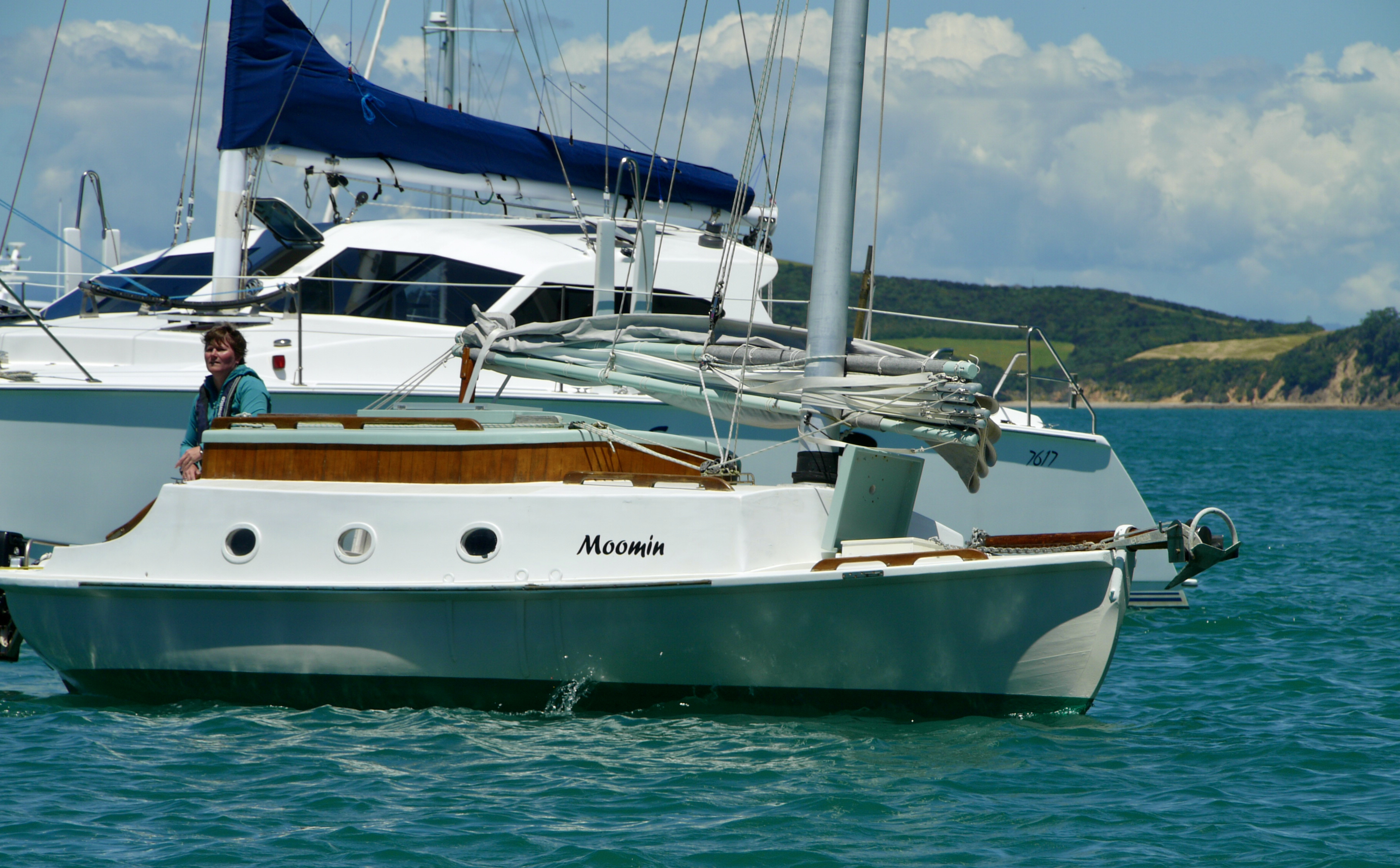
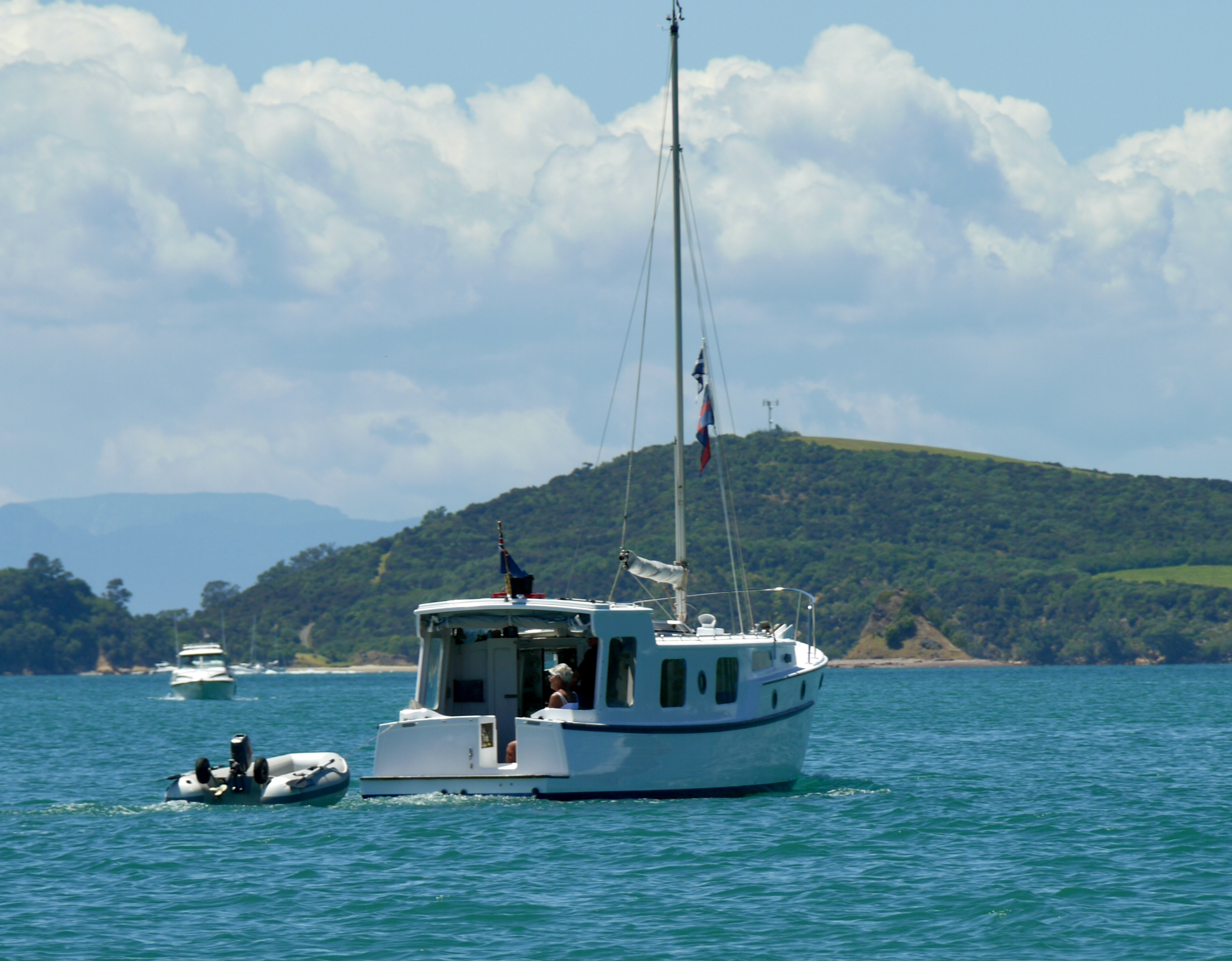
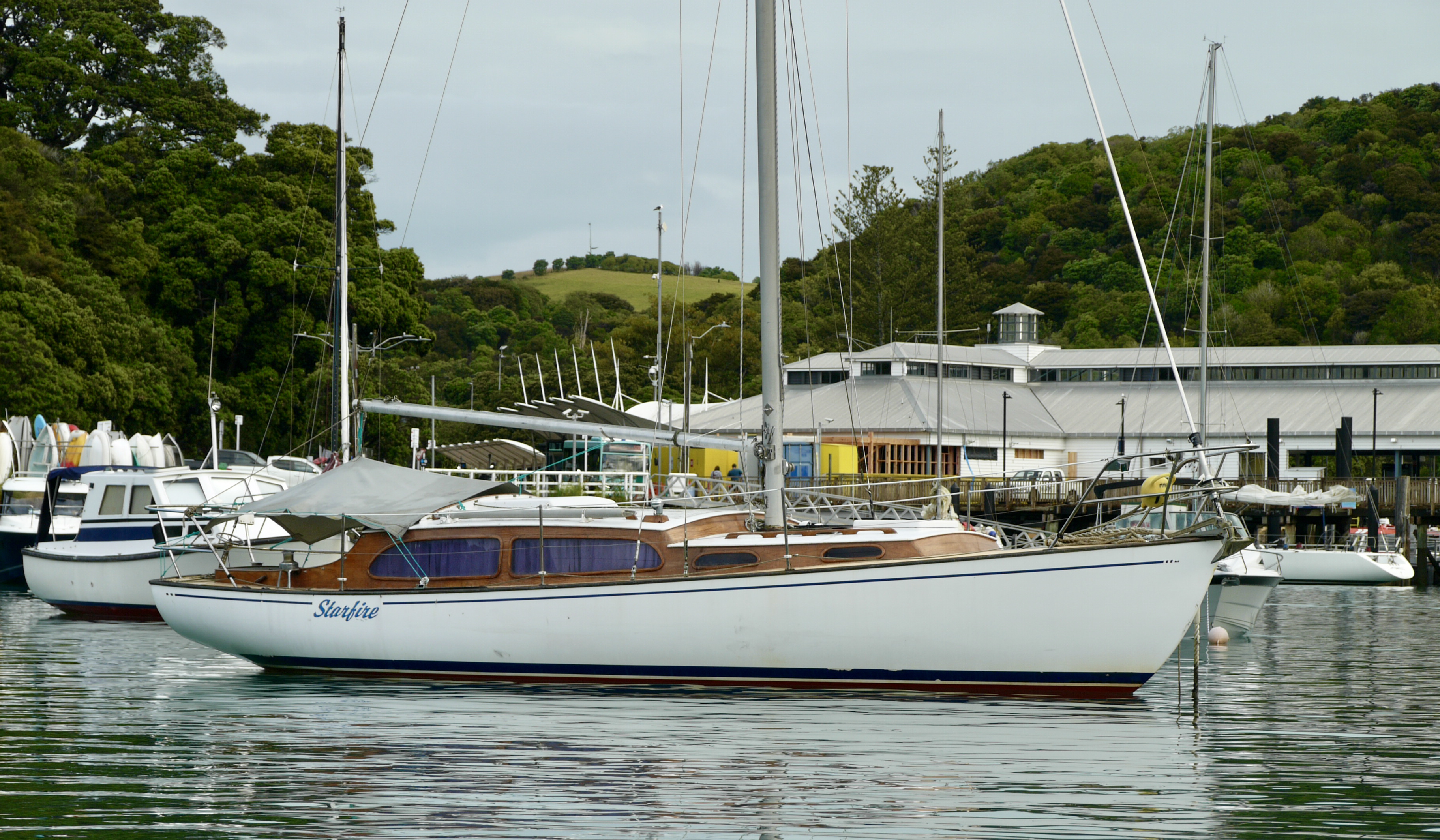
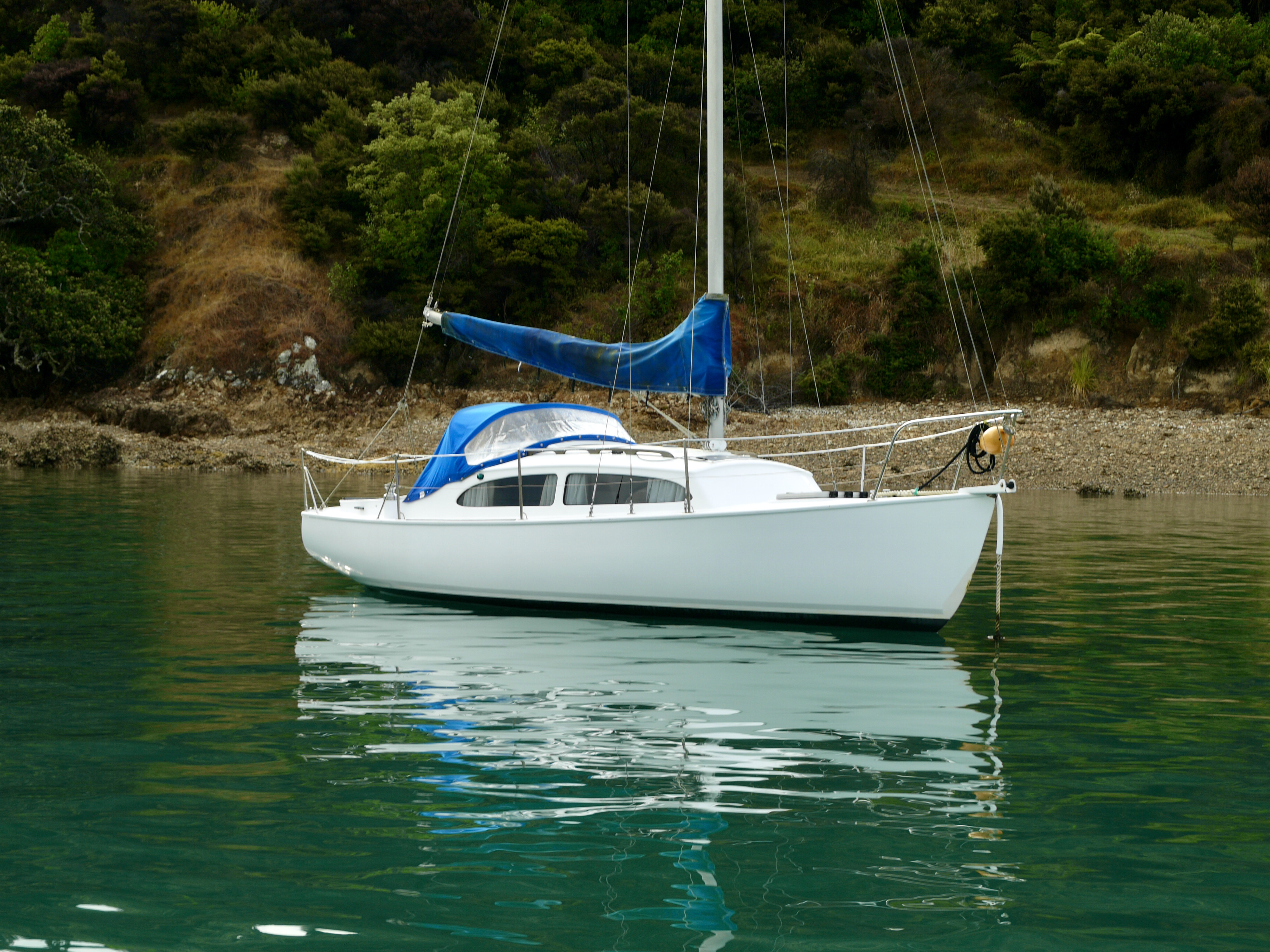
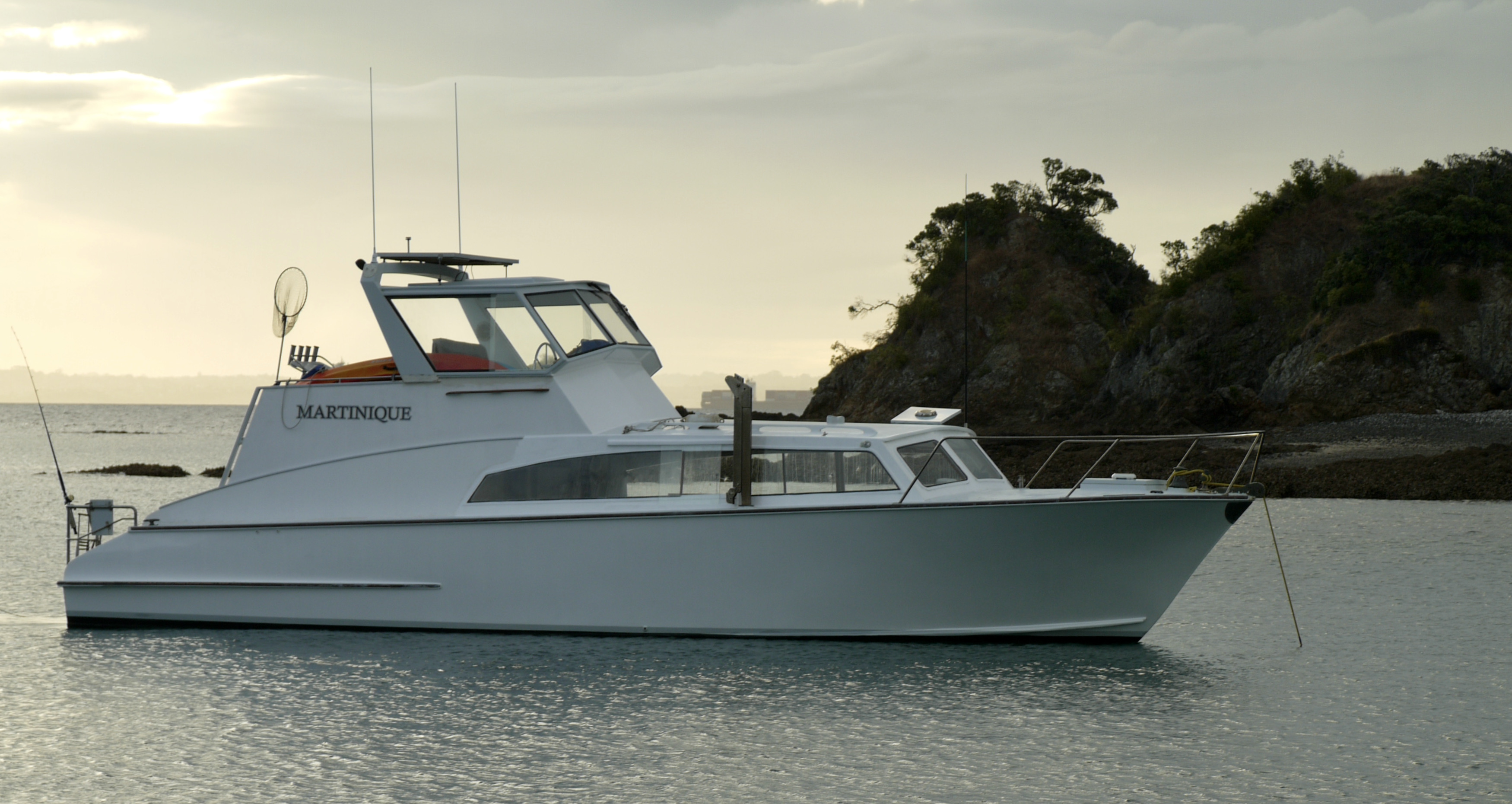
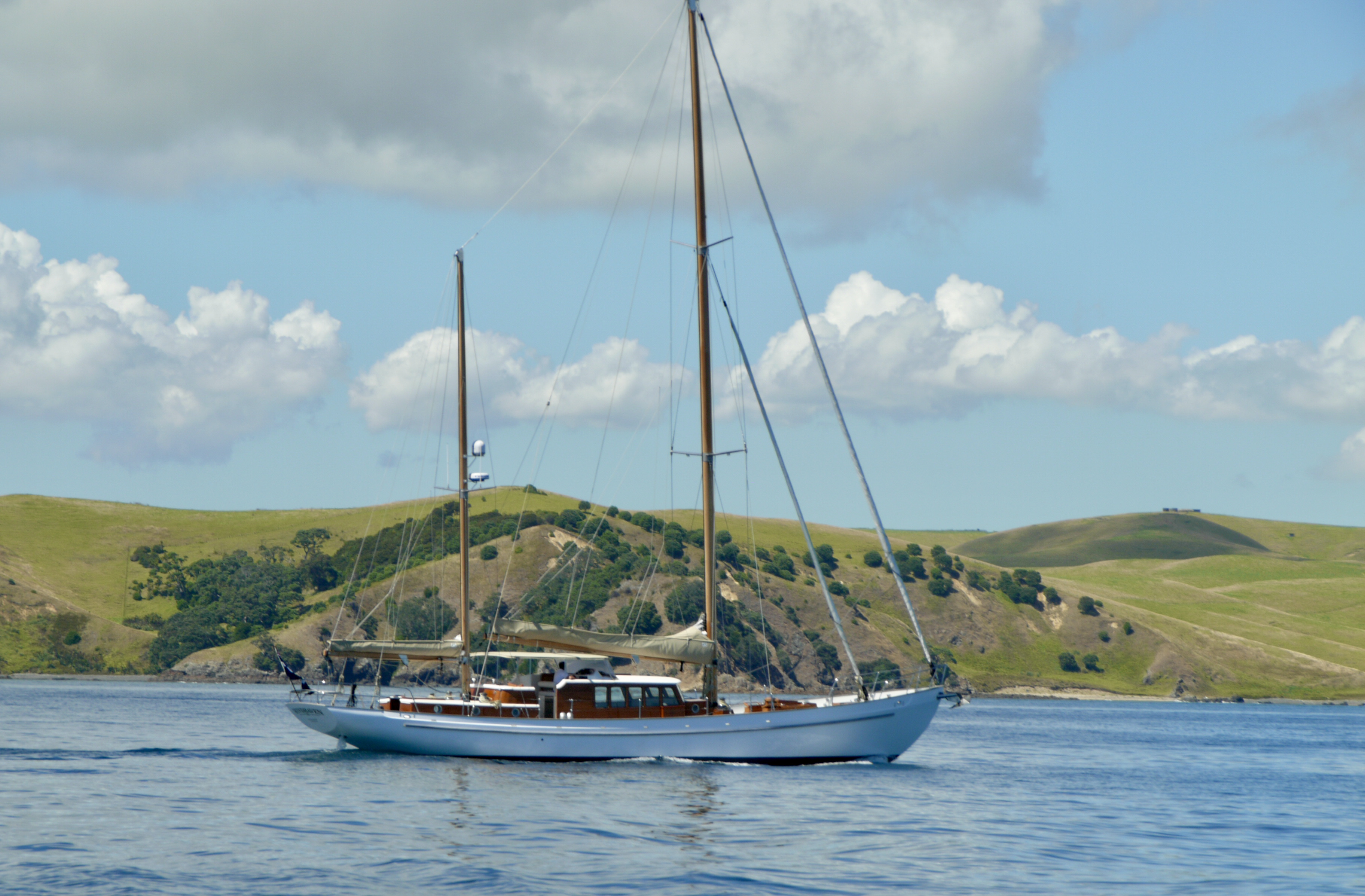
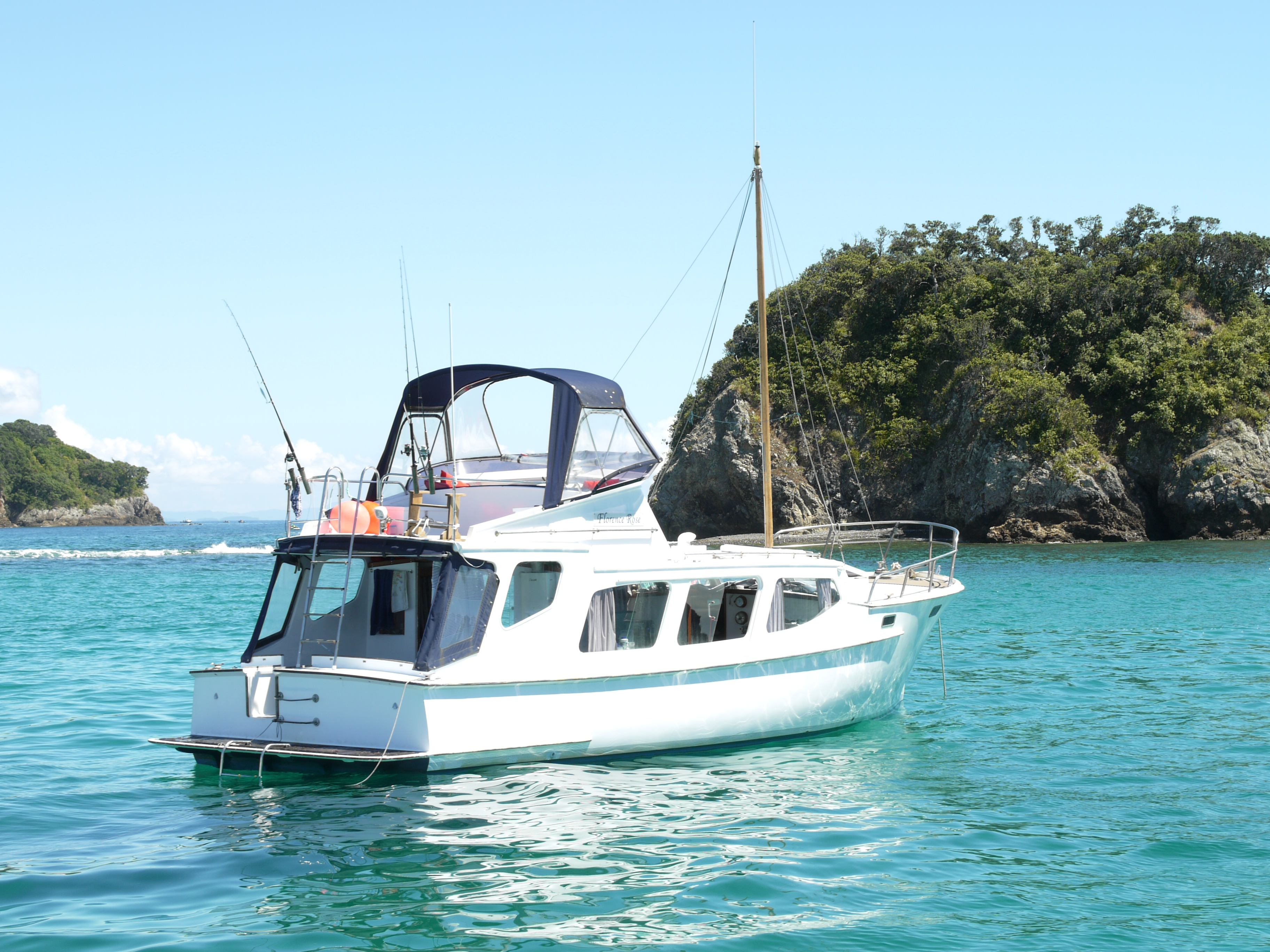
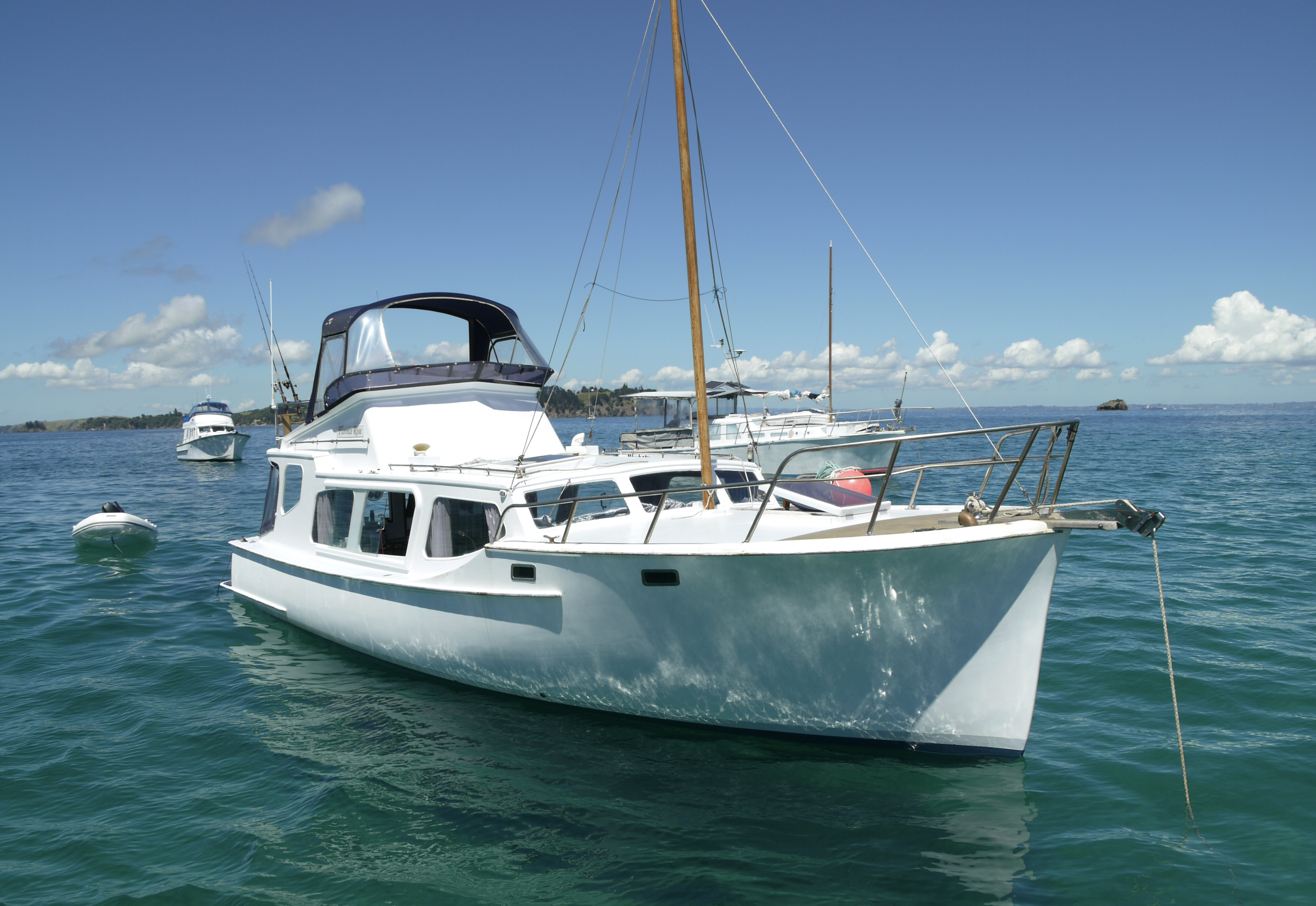
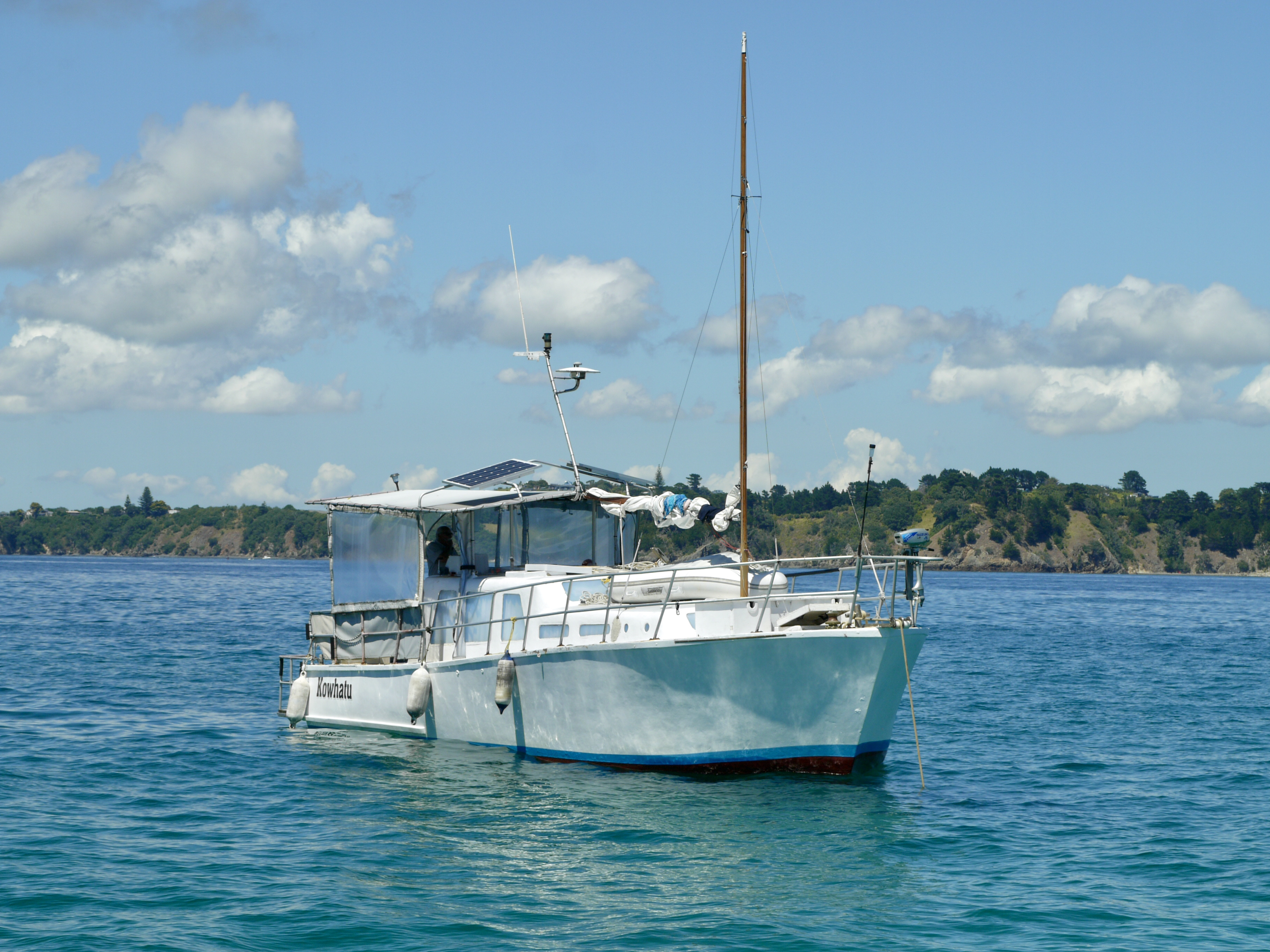
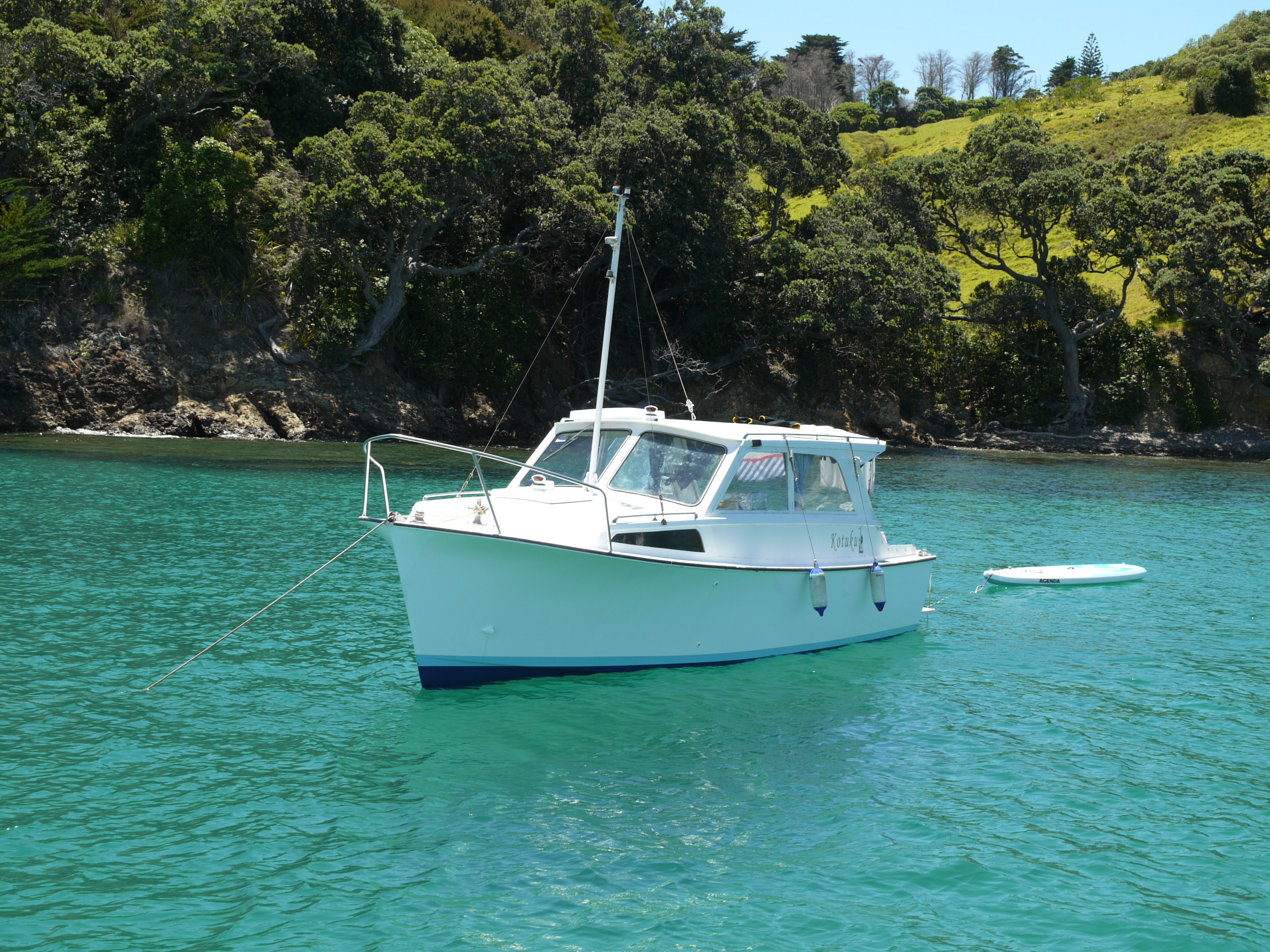
So woodys in the interest of your mental well being listed below a sample of some of the boats that are currently berthed at the virtual Wooden Boat Bureau Sales Marina. There are others for sale, some owners request privacy. To read more about the Wooden Boat Bureau – click https://waitematawoodys.com/2019/12/01/wooden-boat-bureau-advice-for-buyers-and-sellers/ The Wooden Boat Bureau is uniquely placed to offer impartial, up-to-date market information and objective advice to both sellers and buyers. So if you are looking for a wooden boat or considering selling – email us at waitematawoodys@gmail.com
Or call Alan Houghton 027 660 9999
SELECTION ONLY– 50% of Listing Are Private
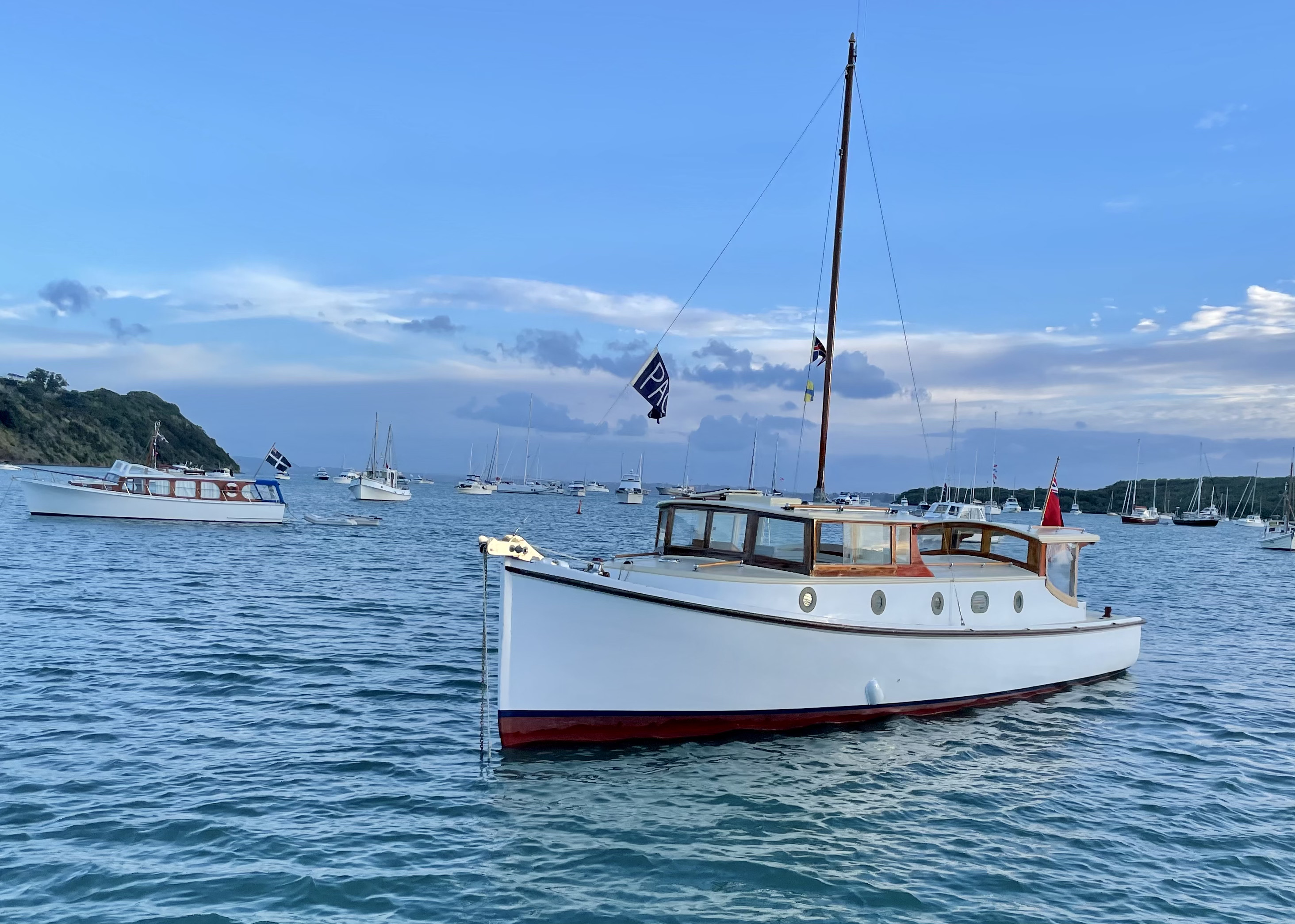
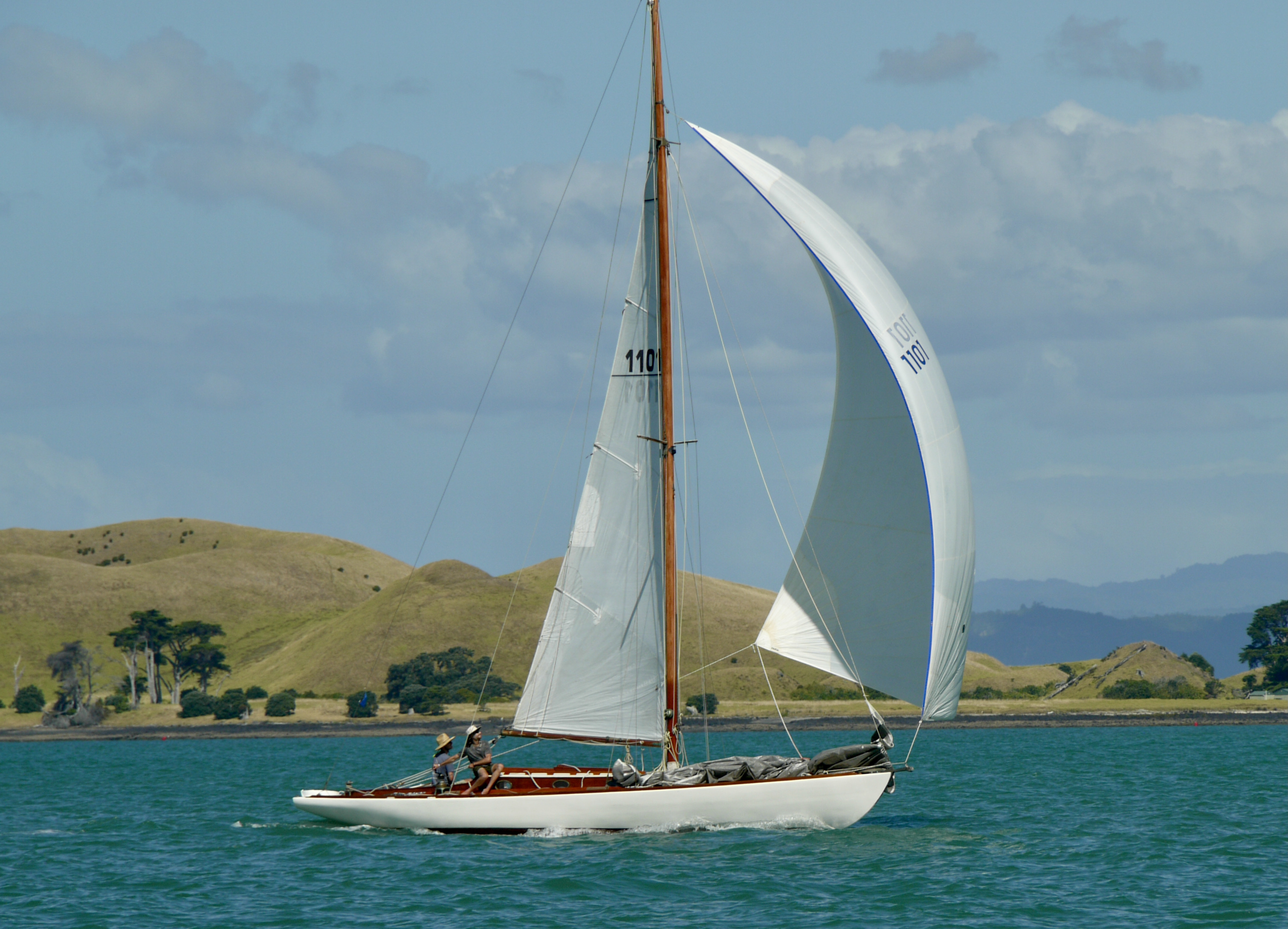
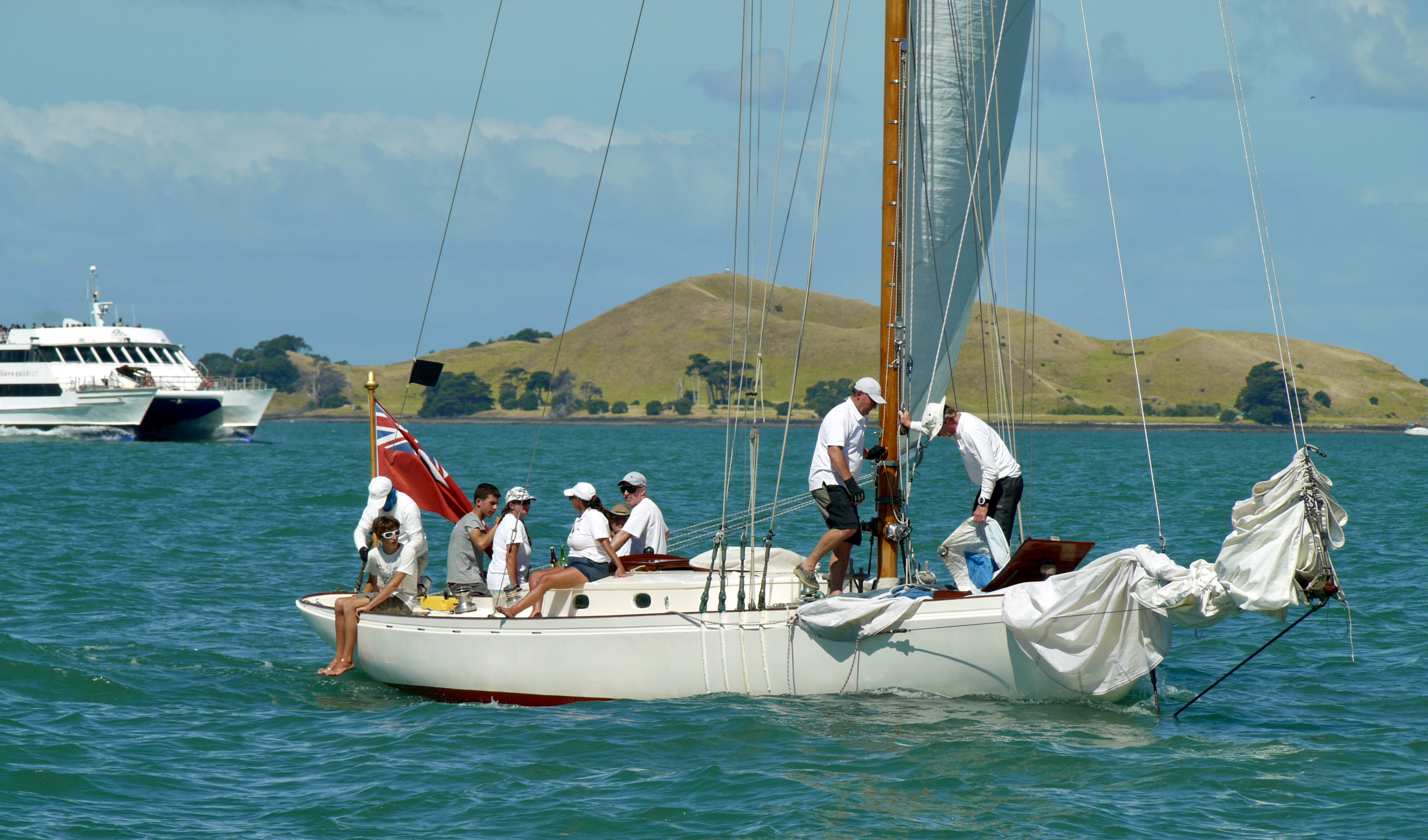
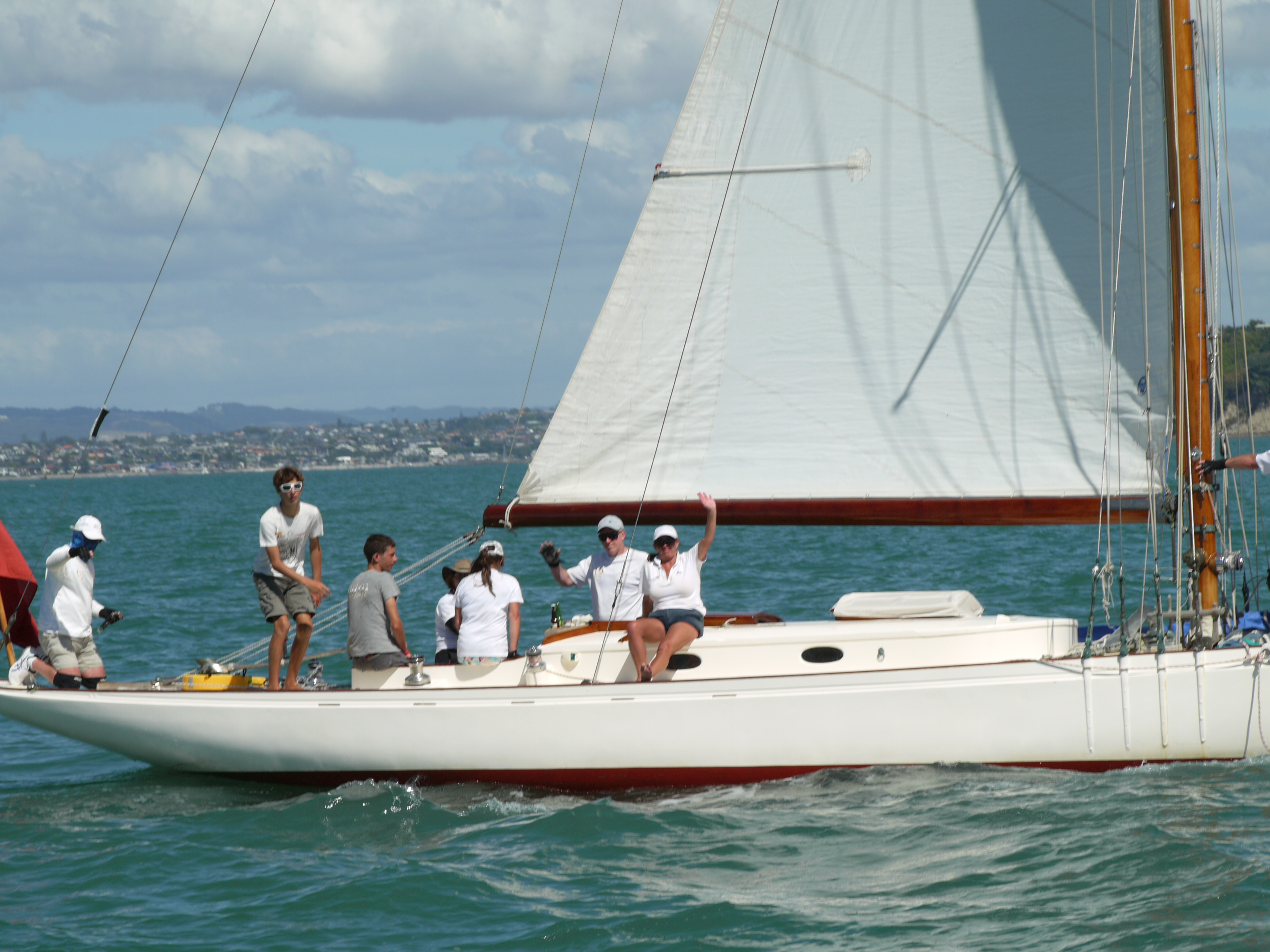
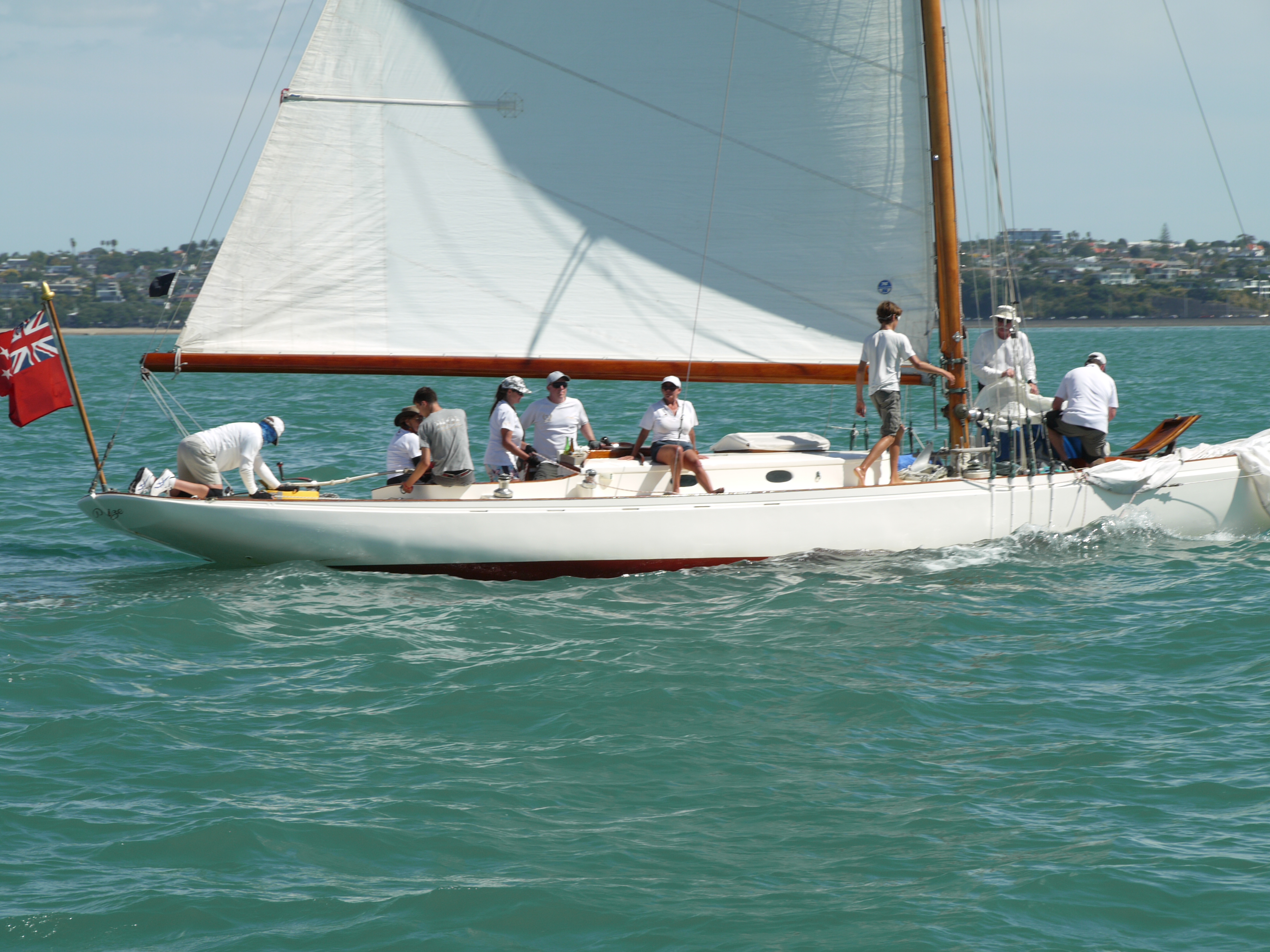
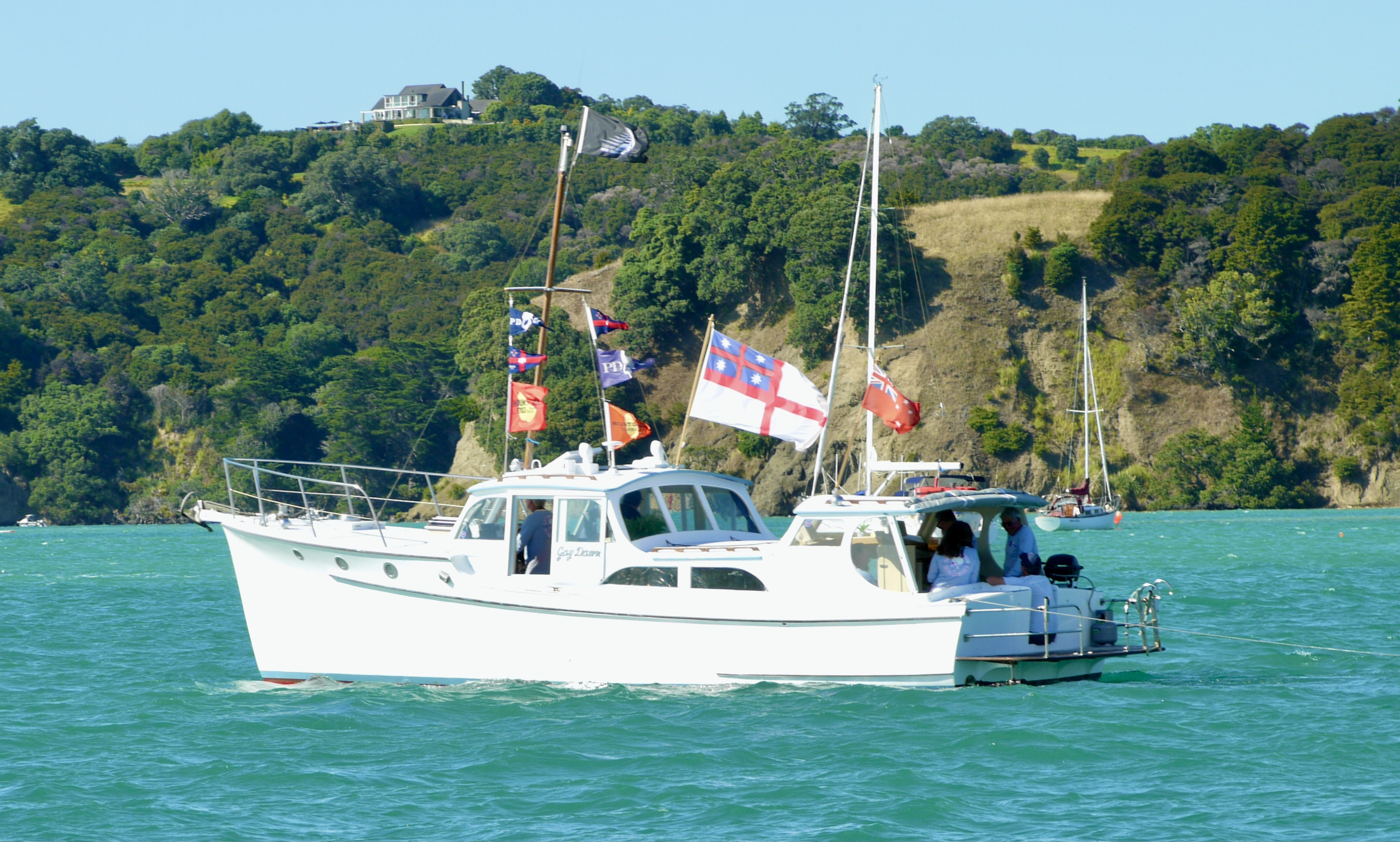
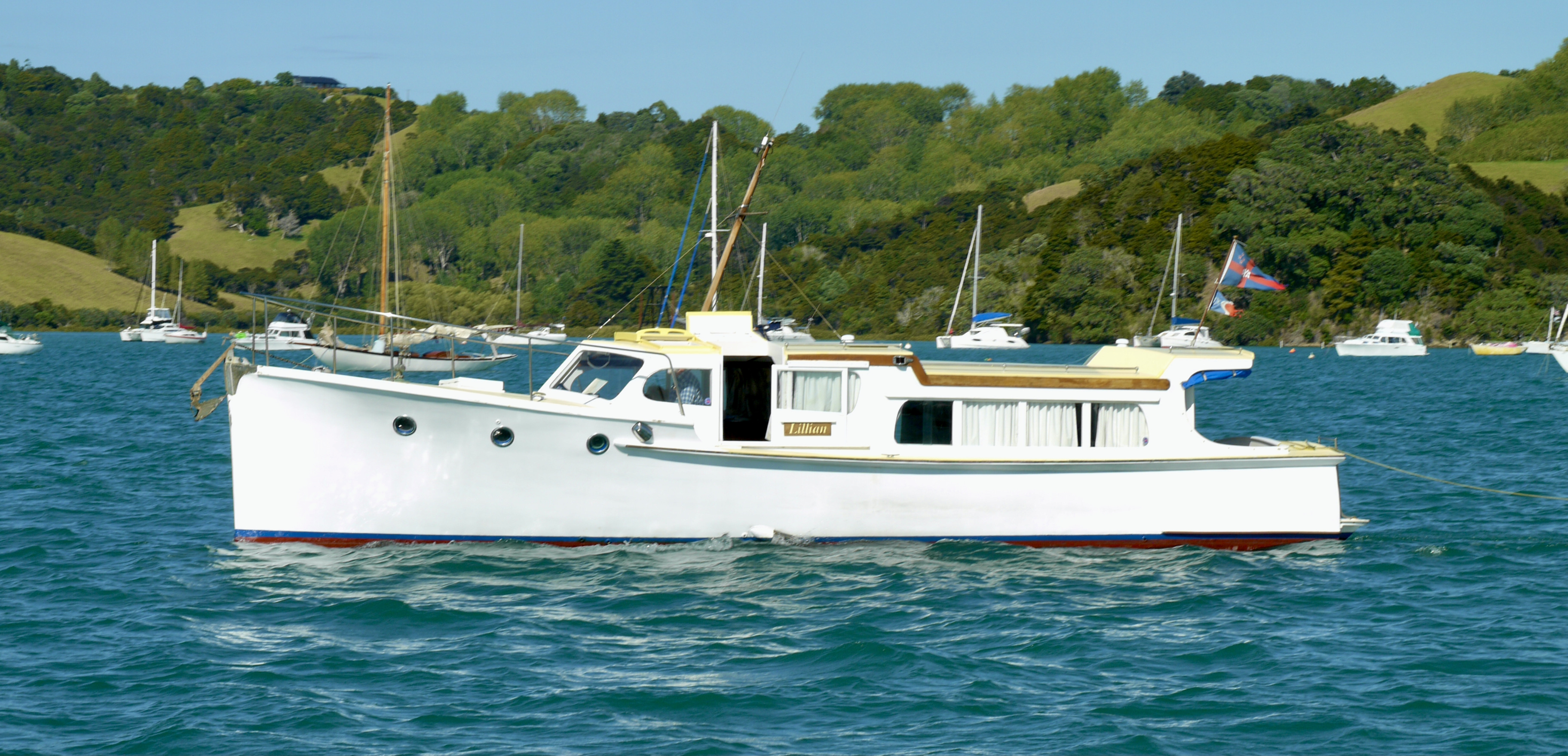
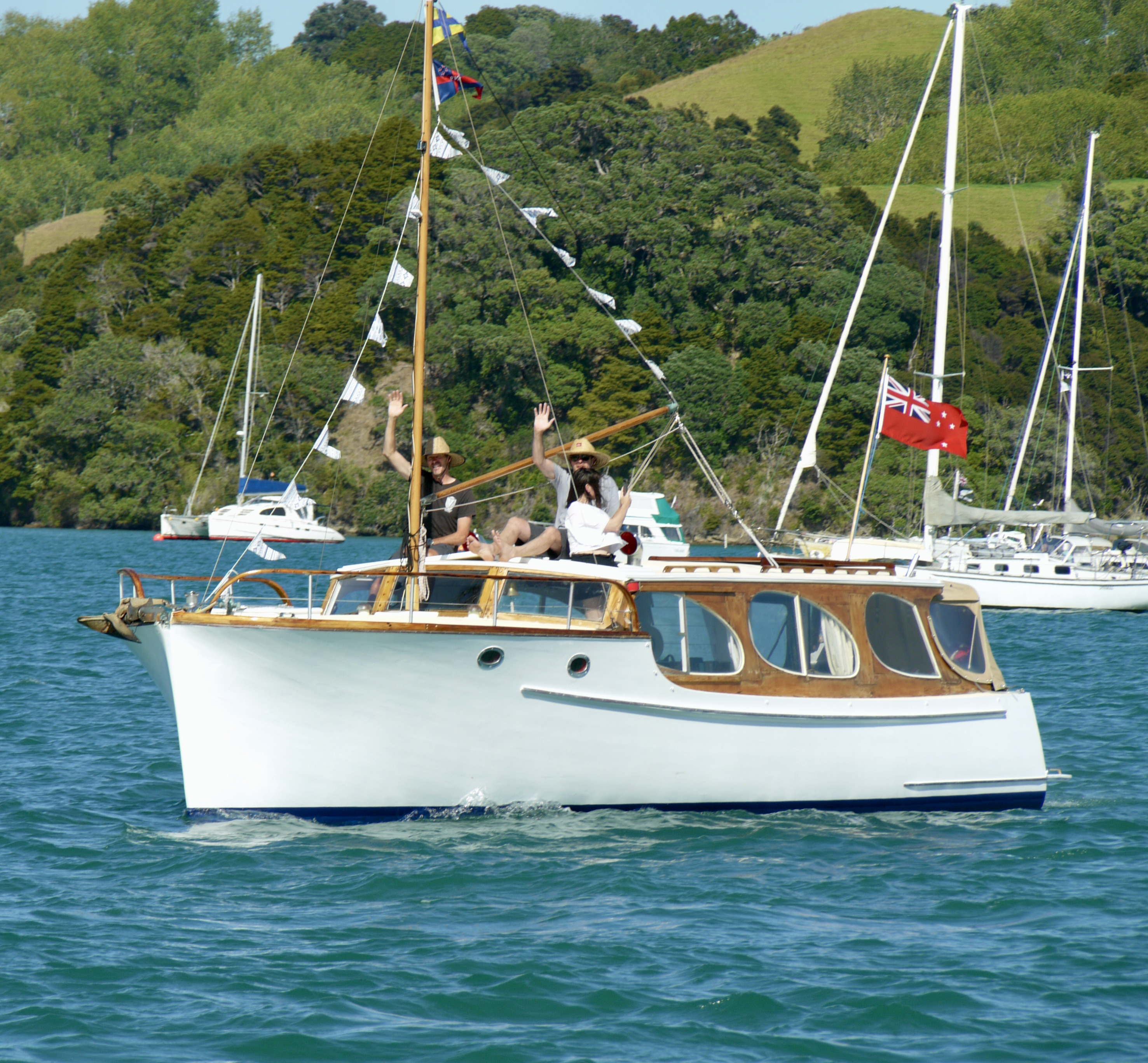
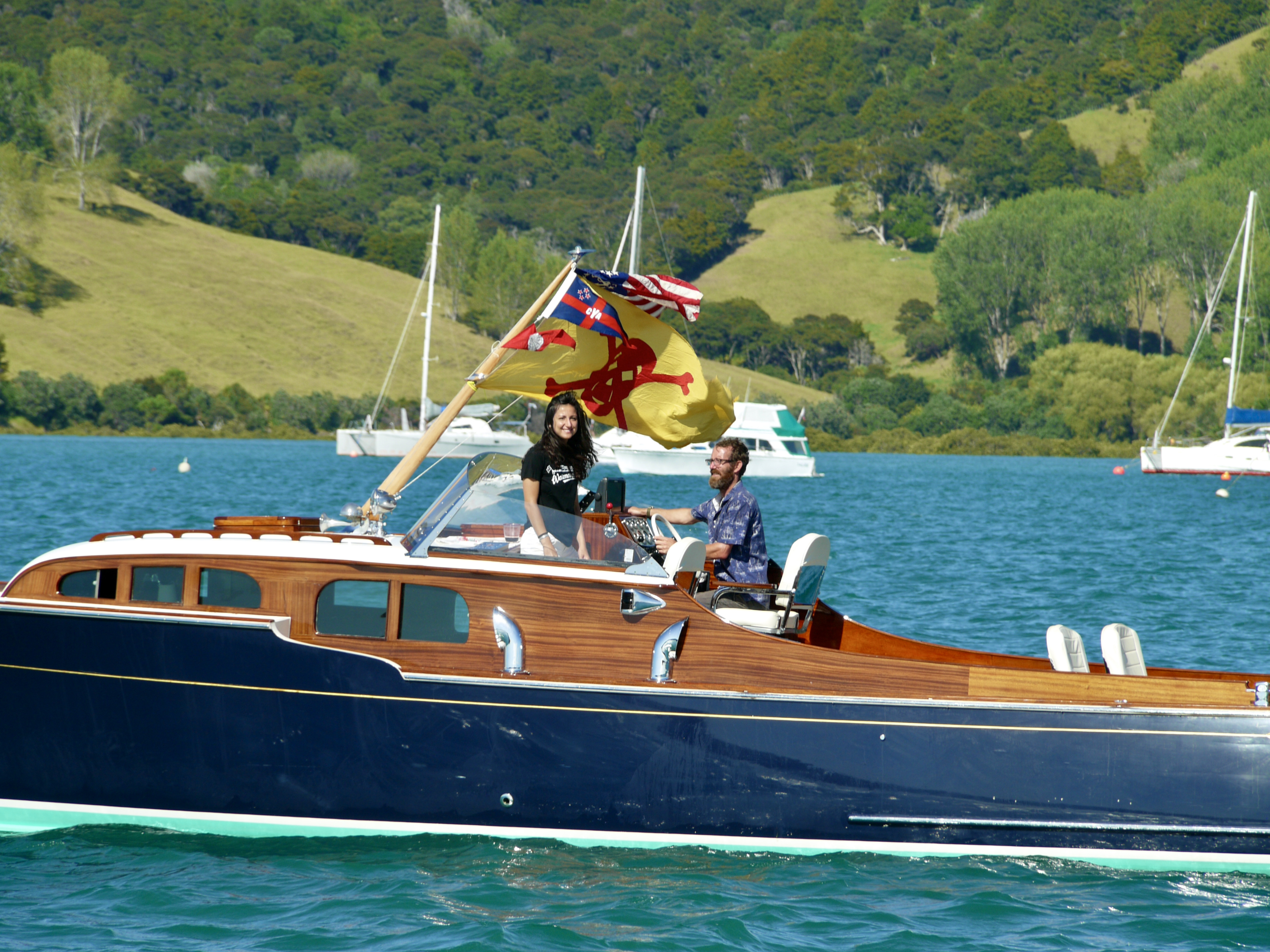
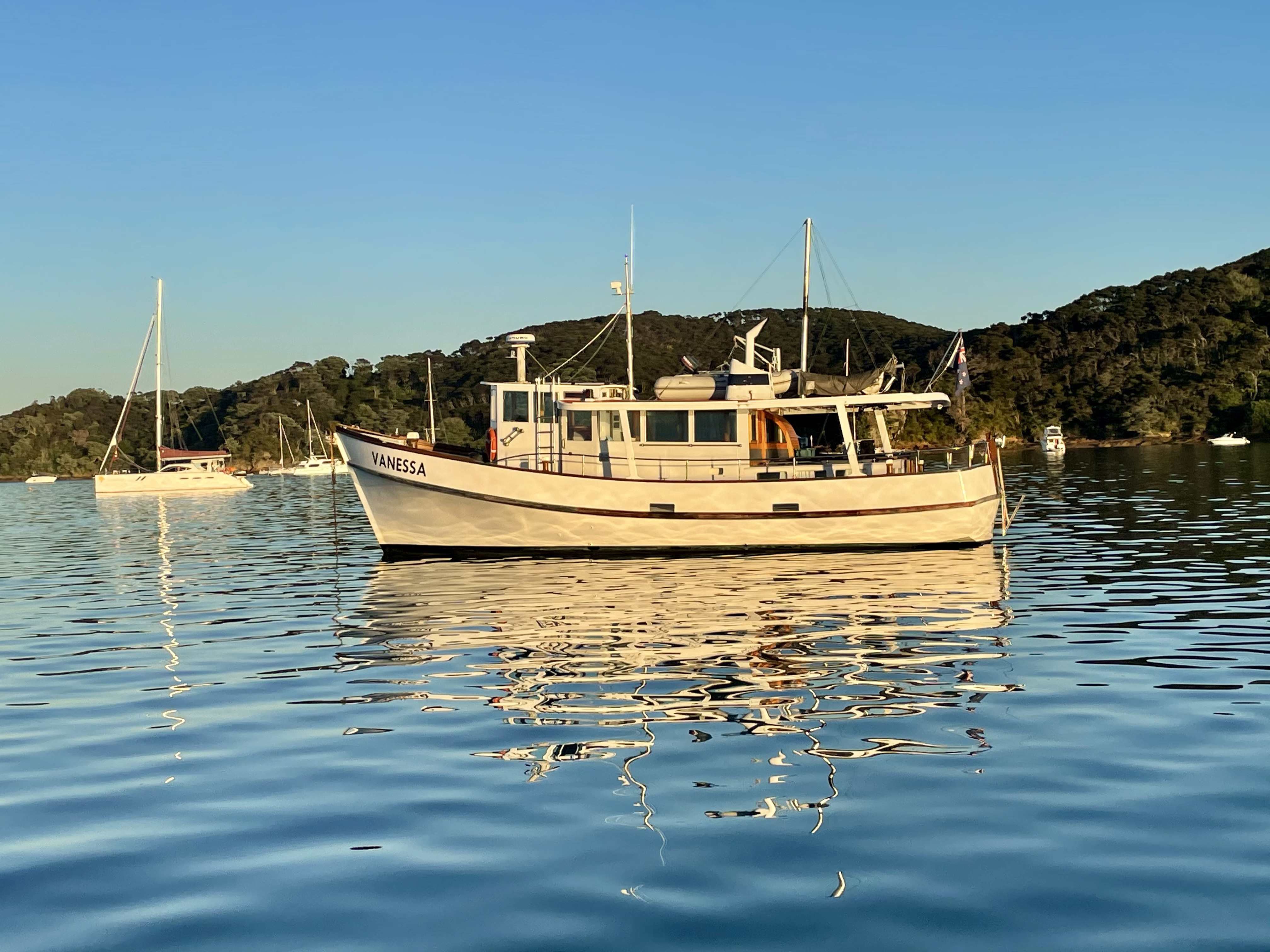
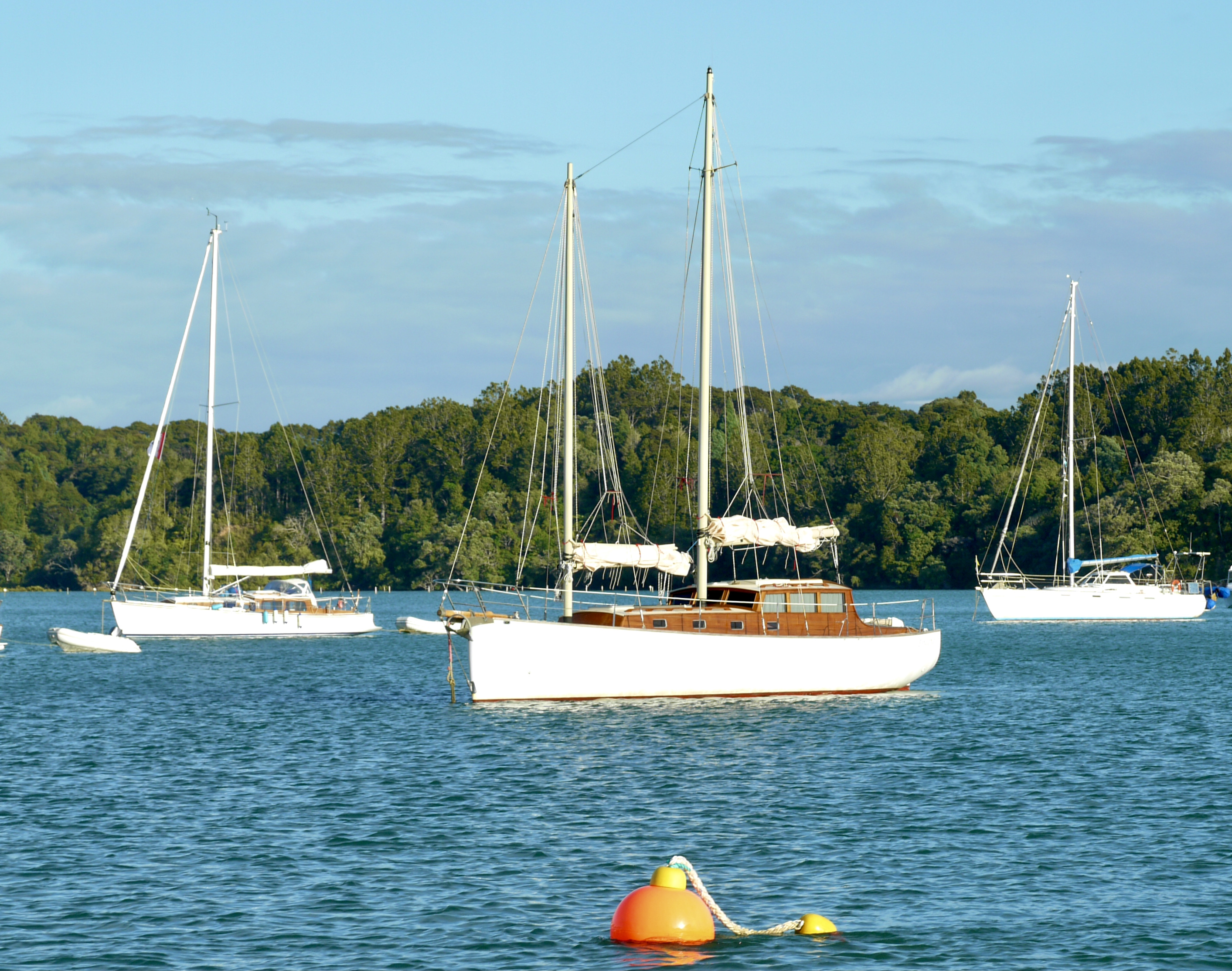
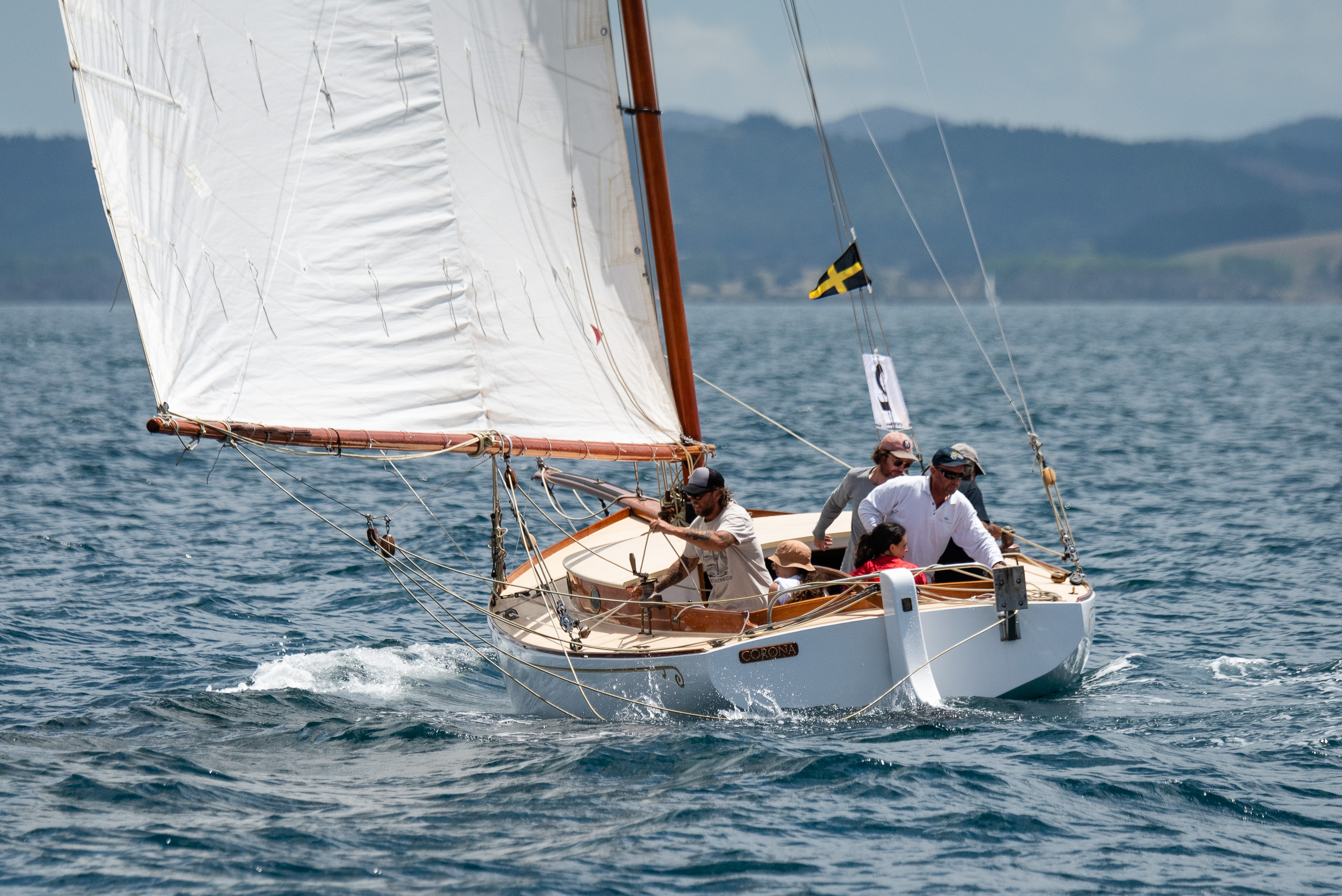
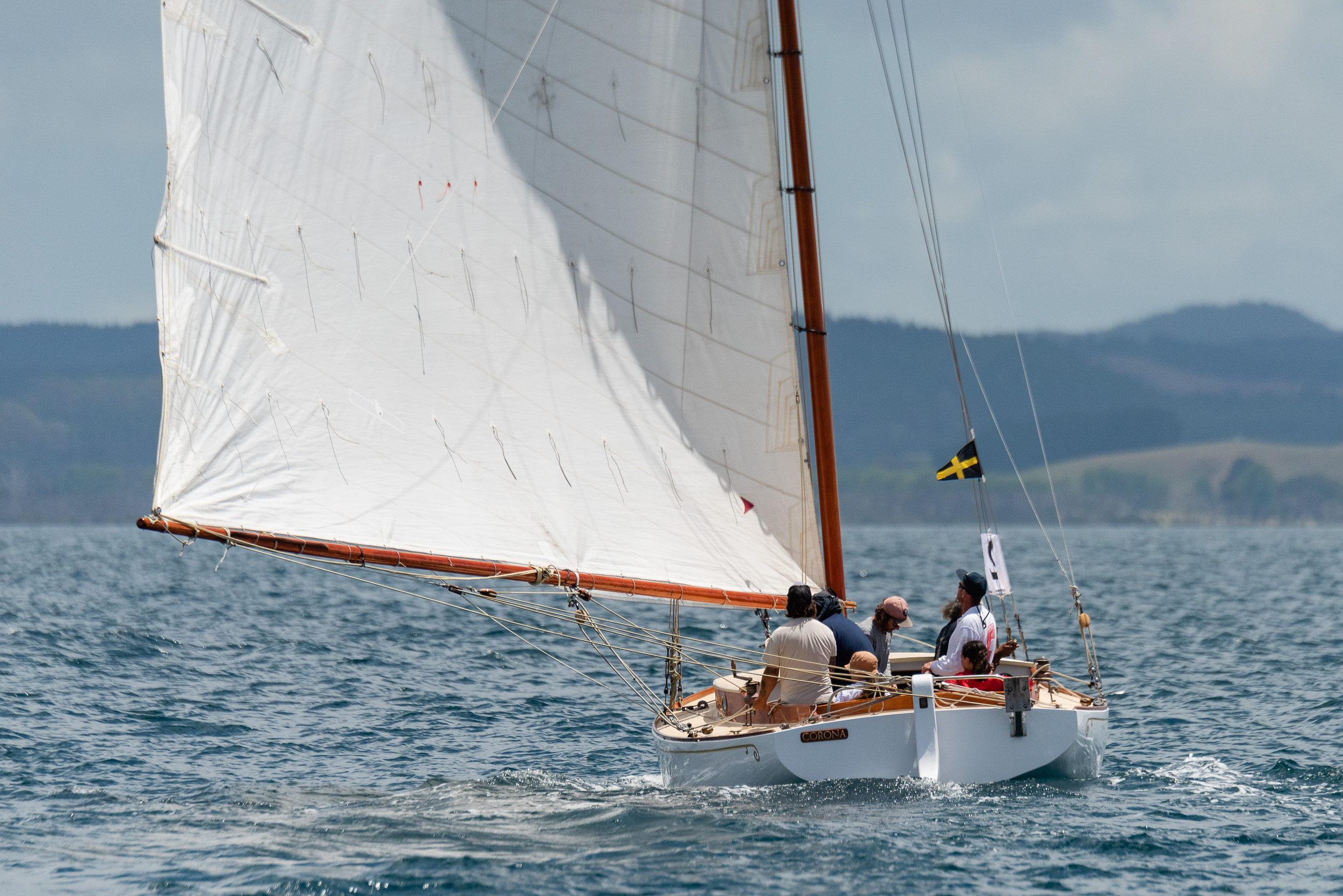
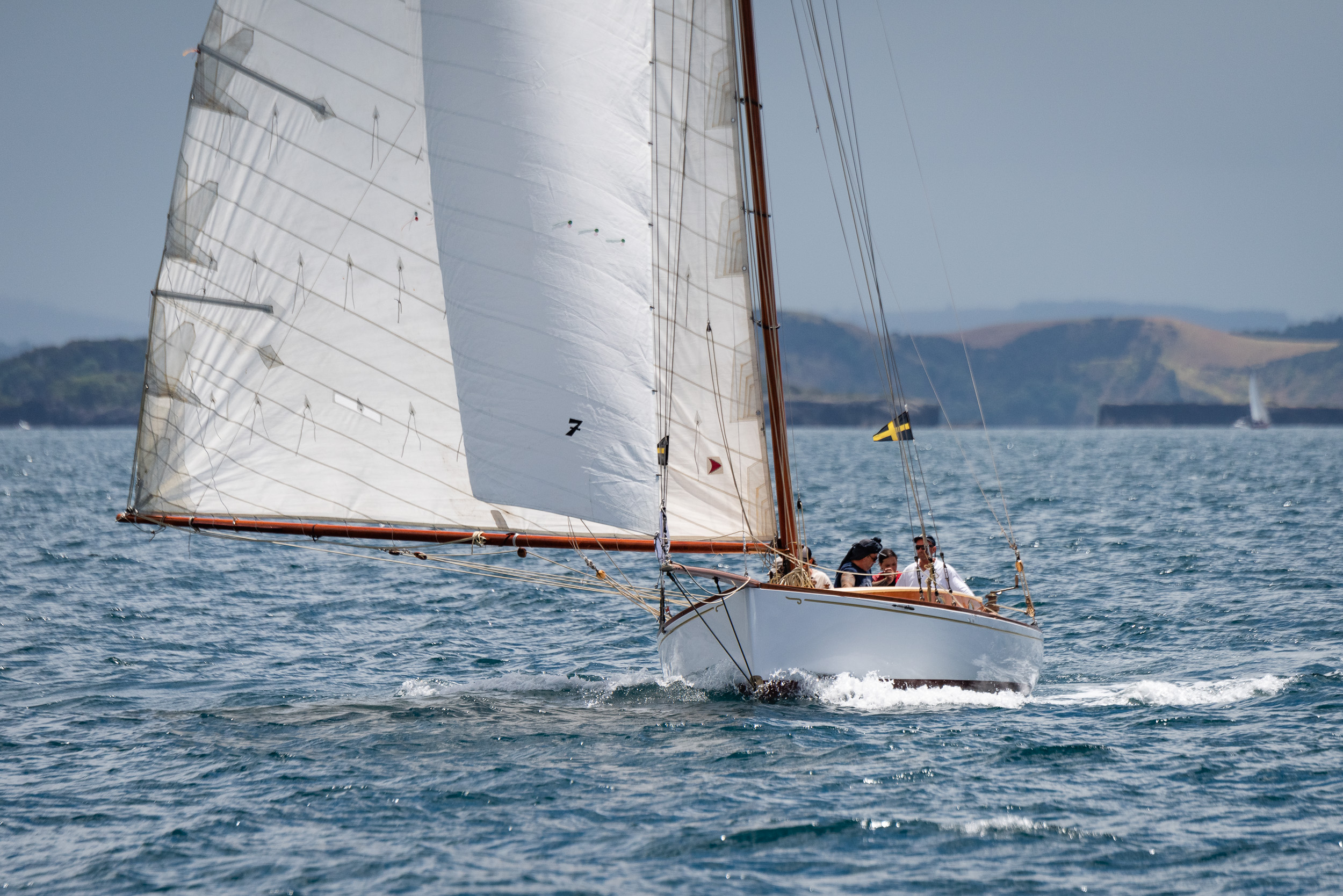
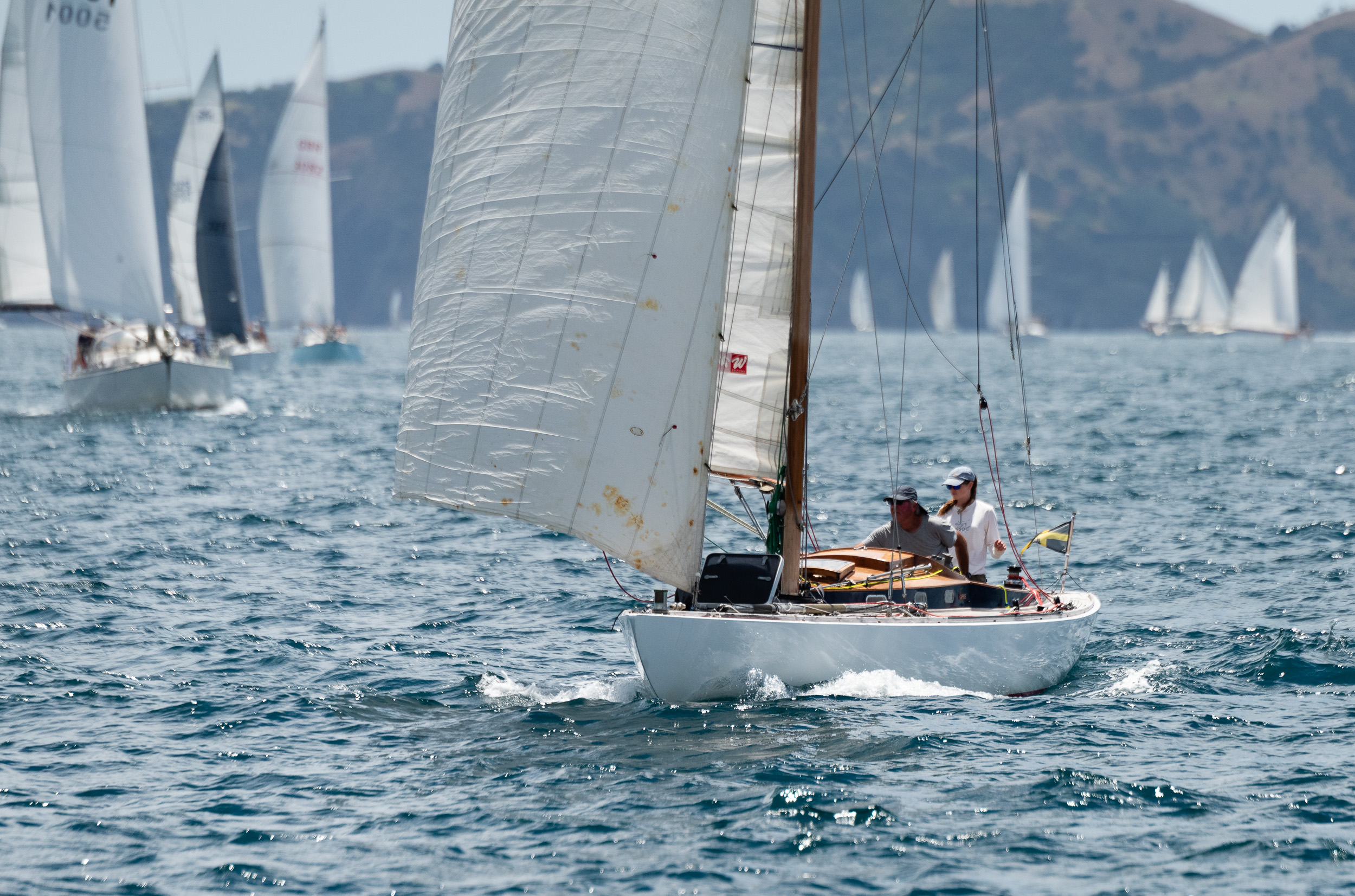
WINSOME II🔻 36′ 1923 William Hand- Asking Price TBA
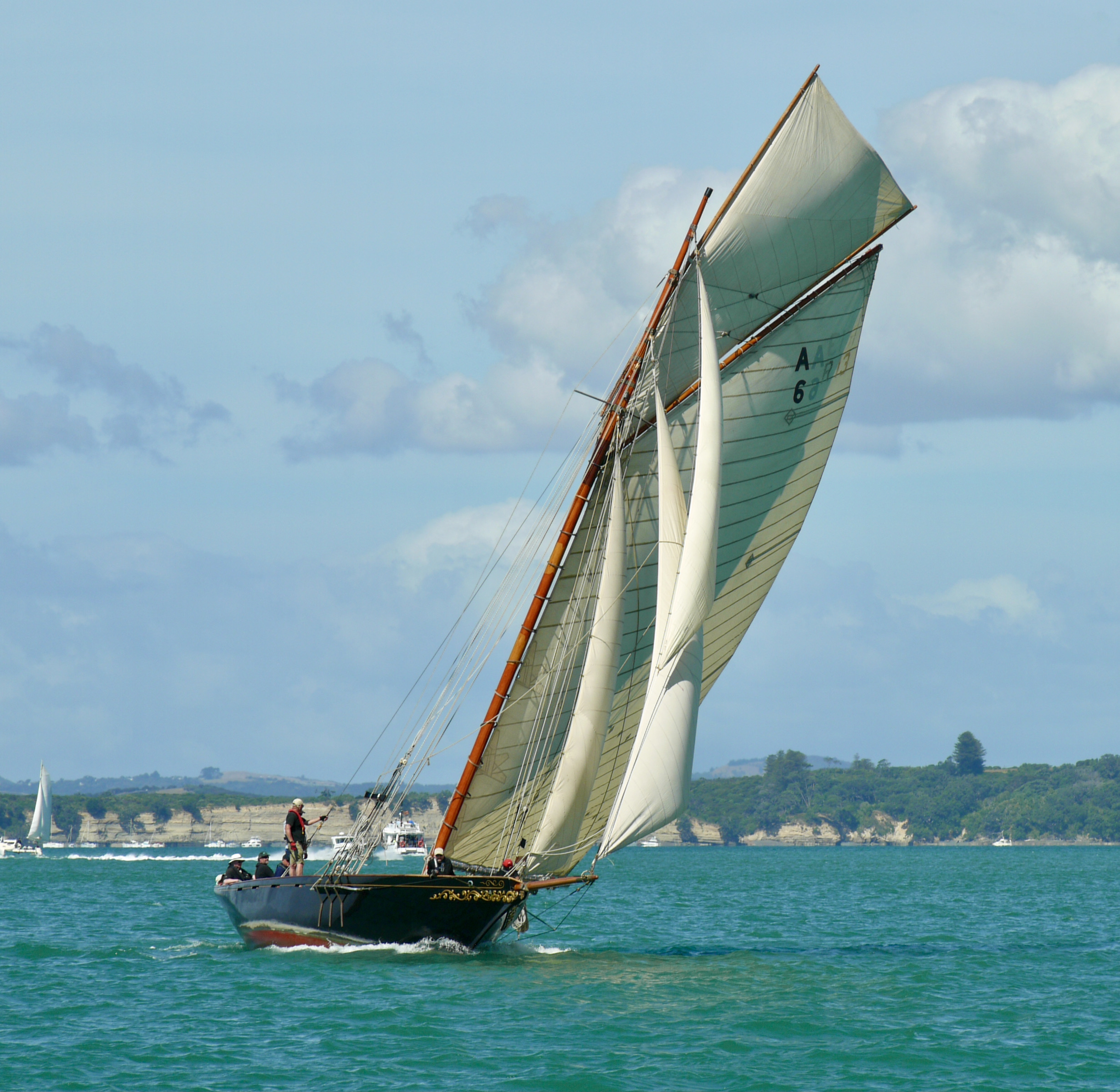
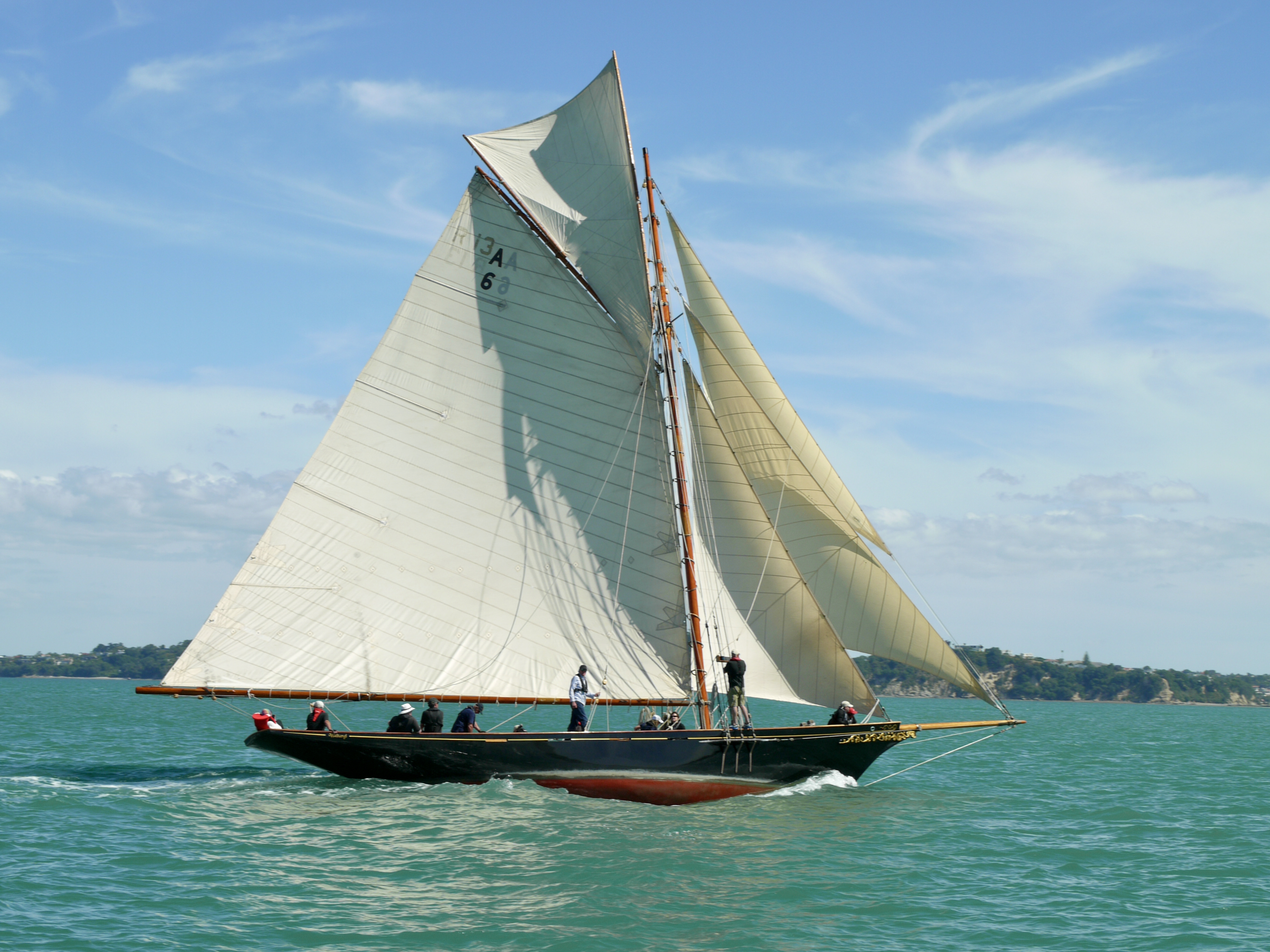
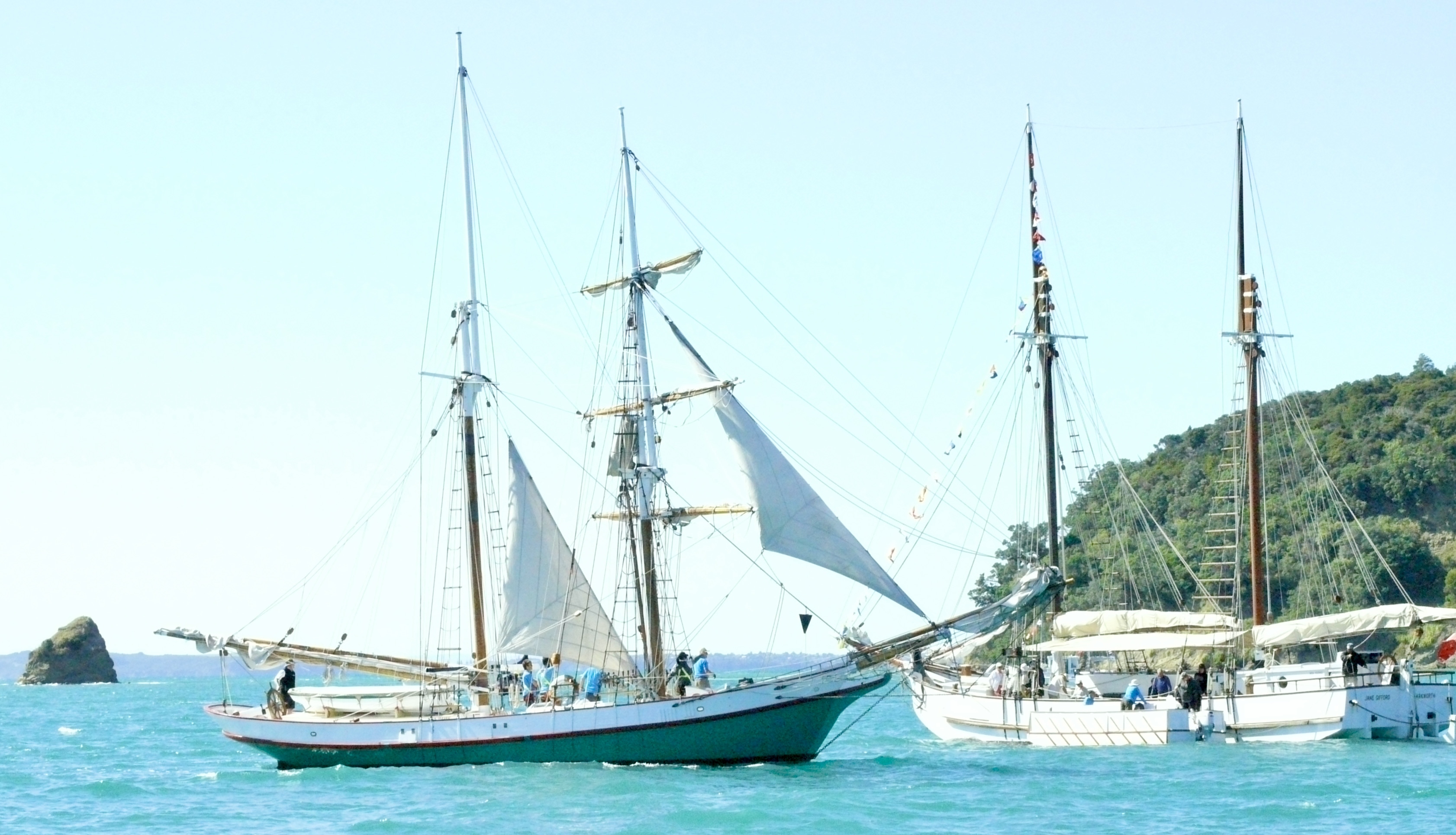
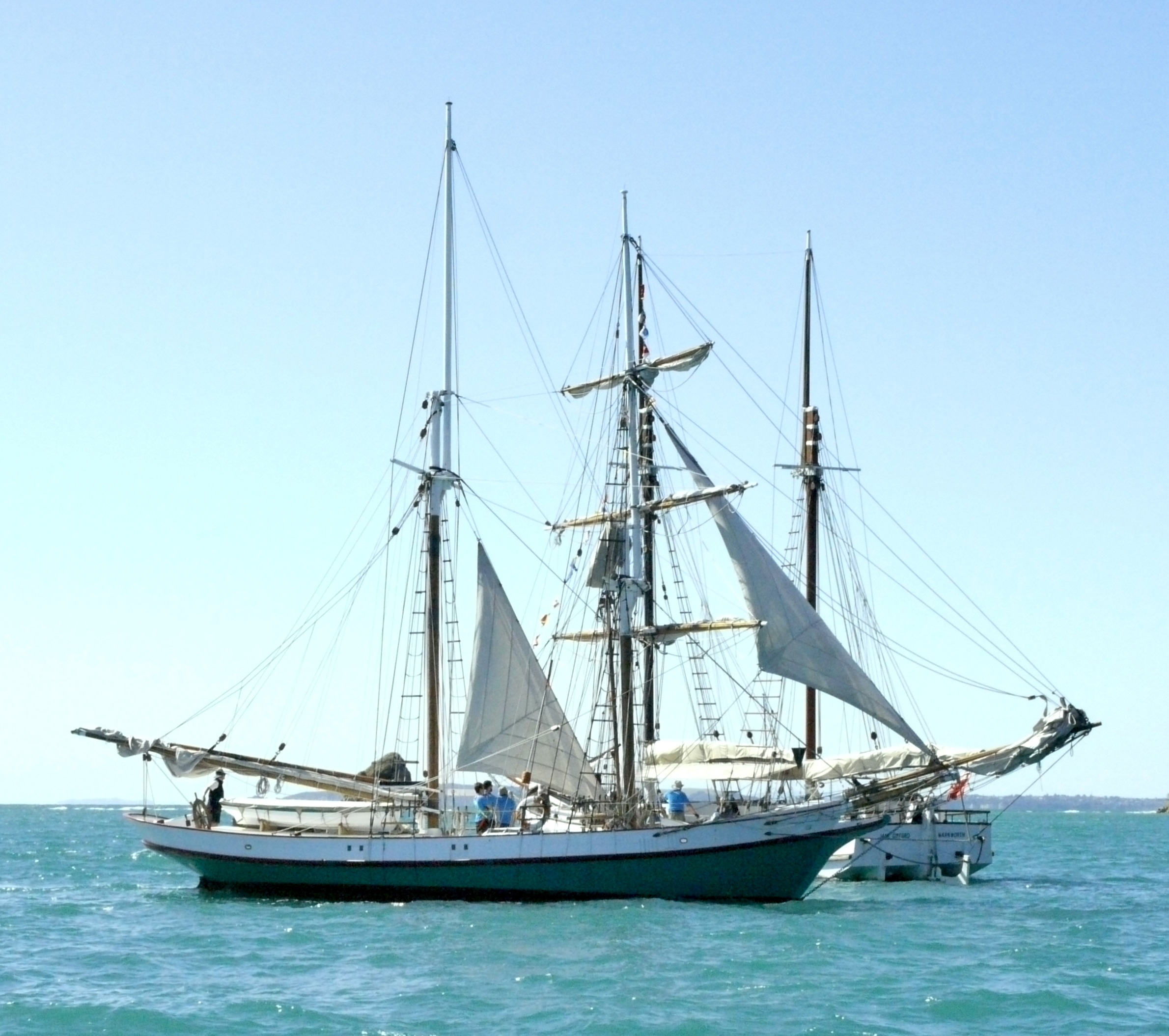
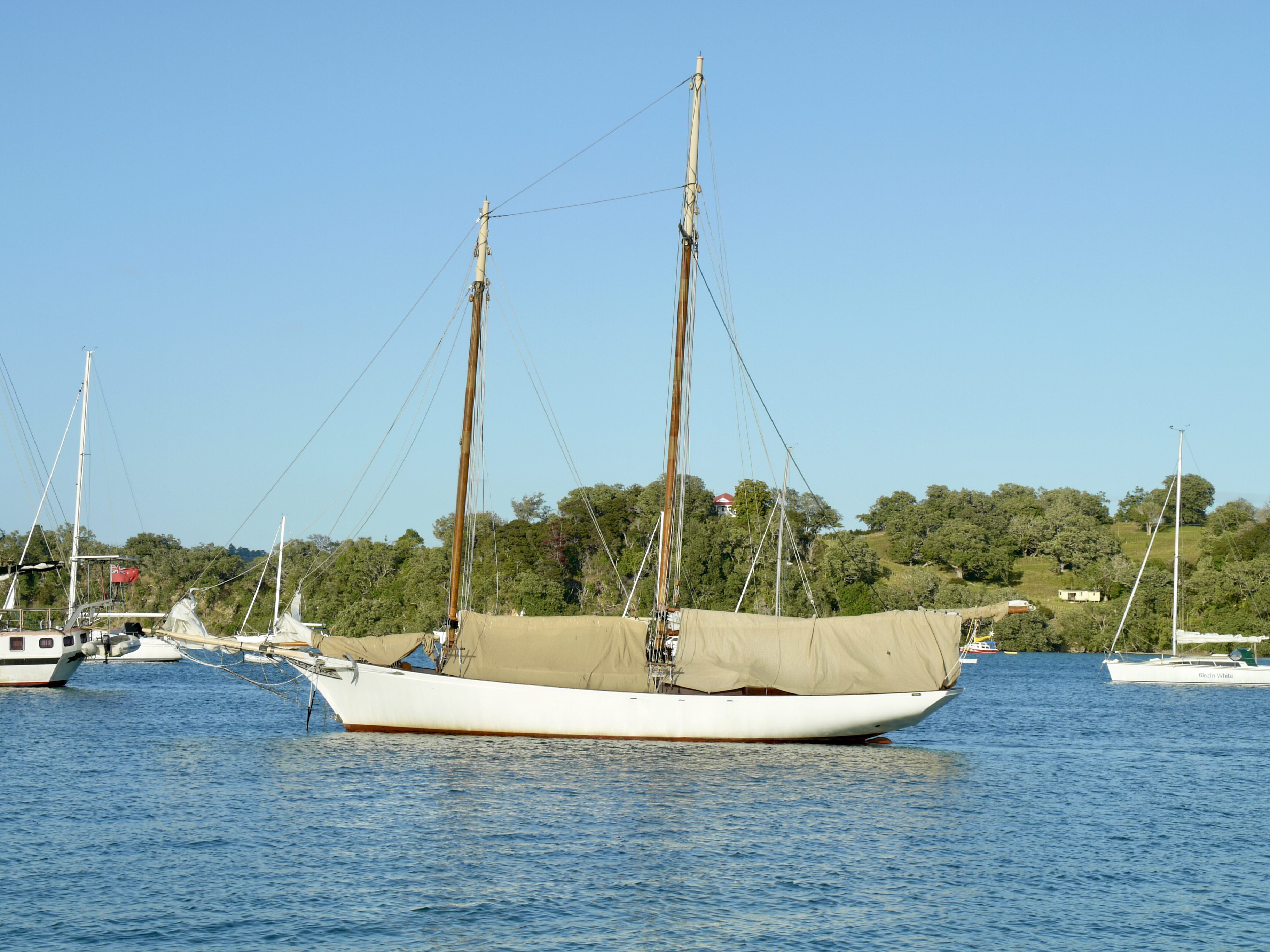
The Refit Of Windborne Today’s story is on the schooner – Windborne, by John Gander, via Dean Wright, John and family refitted and owned Windborne for many years. Its a great read by one of our best woody boatbuilders. I’ll shut up and just let John tell the story – enjoy, I did 🙂 Remember – to enlarge a photo, just click on it 😉
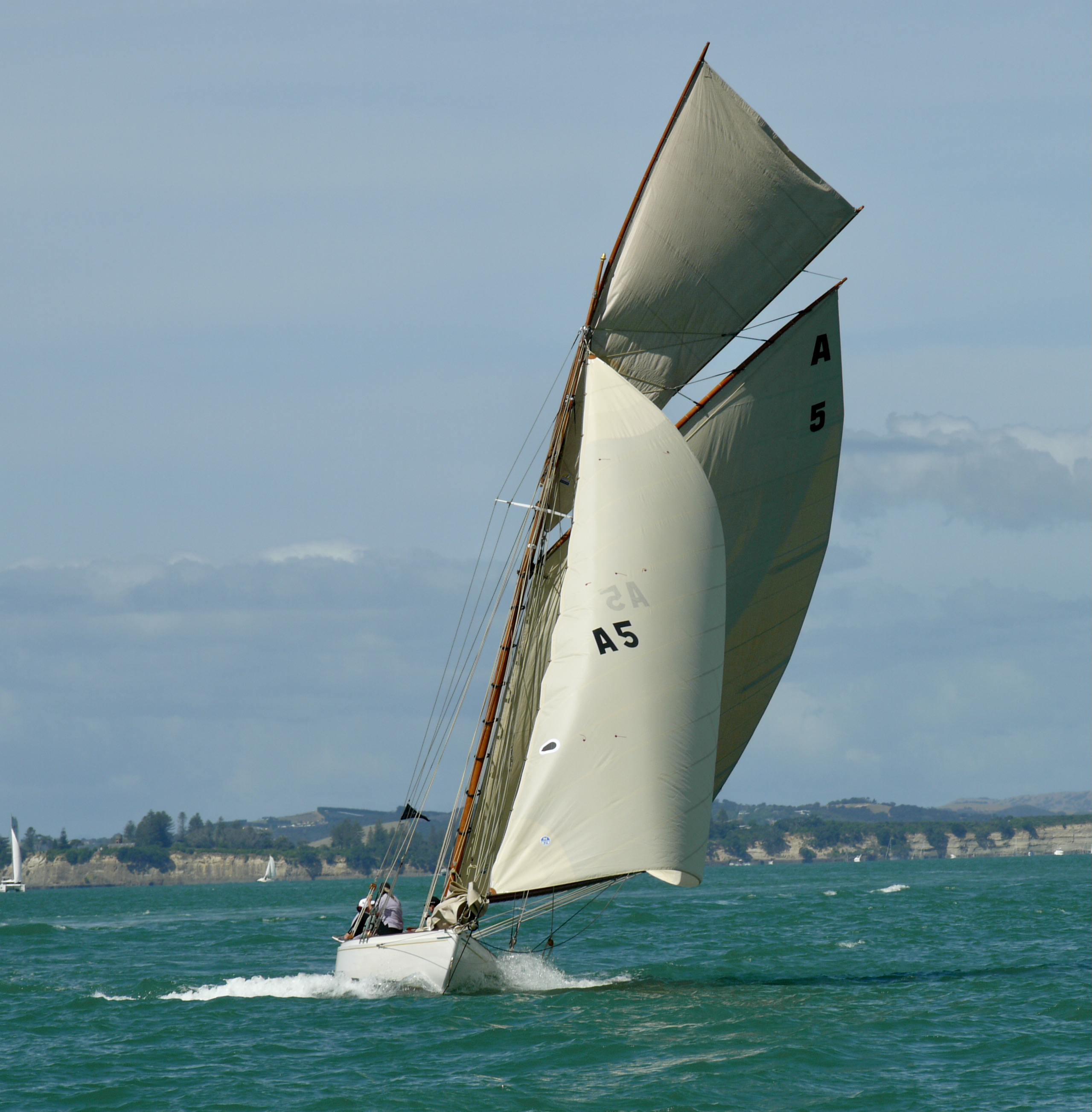
‘Windborne’ was built in 1928 by Cornish boatbuilders Gilbert and Pascoe at their yard in Porthleven and launched as the cutter ‘Magnet’ after launching she took part in the Fastnet yacht race. She again raced in the Fastnet in 1930 but this time re rigged as a schooner, and has continued with this rig.
On sailing to the United States her name was changed to ‘Huguenot’ and registered in San Diego. On being purchased by the Charleson’s a Canadian family from Vancouver, the owner wanted to retain the name Huguenot and she was renamed ‘Windborne’ a very fitting name for her, and she was Vancouver registered. On sailing her to the U.S. port of Blaine just south of the Canadian border Mike and his wife Karol began getting Windborne ready for a voyage to the south Pacific.
The family visited many Pacific islands during their cruising and then headed for New Zealand and on the last part of the voyage encountered heavy weather and Windborne suffered some damage to her bulwarks and rigging. Being designed on the lines of the Bristol Channel pilot cutters and soundly built she is a very sea kindly vessel and delivered the family safely to Auckland.
Bev and I had not long completed ‘Deepstar’ and were planning on building a large sailing craft for our family use, however time was getting on, so before it was too late and our children left home we decided to look around for a suitable vessel. We were introduced to Windborne on her mooring at Herald Island and went for an afternoon sail with the Charleson family, and could see she was worth and deserved an extensive refit.
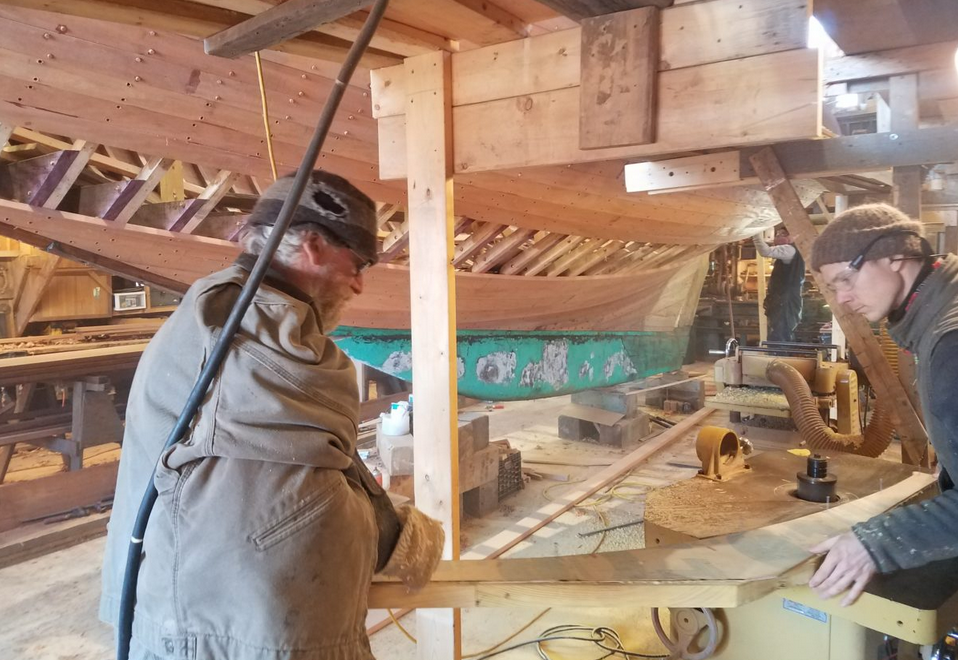
Her planking is Pitch Pine on sawn Oak frames fastened with galvanised soft iron spikes, I was not familiar with these timbers in our Picton boatyards so flew back to Picton to talk with Peter Jorgensen at his Waikawa boatyard. Pop as he was affectionally know, with his years of experience in Danish boatyards was of course very familiar with these timbers, iron fastenings and European construction, and his knowledge was very helpful when I surveyed her as I did on returning to Auckland and putting her on the grid at Westhaven.
We took possession on the last day of July 1980 and made ready for the voyage to Picton and with a capable crew we sailed from Auckland on the 7th of August. Winter is not the always the best time to head down the east coast and it was somewhere off East Cape that we found that the forward skylight was only held in place by the shiplap joint and no through bolts. With a couple of sections of bulwarks missing and a good sea running this deficiency was made evident, and the hand bilge pump showed it’s worth. I always sail with a fairly comprehensive tool kit and with a selection of fittings and fastening in the ships inventory the skylight was secured in place.
To undergo the refit I planned, we needed to have Windborne undercover and were fortunate to find we could have the use of Finn Jorgensen’s big shed at the Waikawa yard for a limited time before it was required for their next commission. On the 24th of December we hauled out and made ready to have the masts lifted out, and started the job of burning off the topside paint. As is often the case fastenings deteriorate around the waterline area but it was not possible to pull the old spikes out of the oak frames so additional galvanised ship spikes were driven adjacent to the original’s, two planks below and three planks above the waterline.
On the last day of December ‘Windborne’ was hauled up into the shed ready for the major refit, and what better way to spend new years day for a family than to spend it working with earnest tearing up the canvas like material covering the decks, I was suspicious that this was laid over the 2 inch Baltic Pine decks because of leaks, the ruination of many fine vessel’s. I was relieved to find the timber was in a good state of repair so the decision was made to retain the deck. Removal of the deckhouse was fairly quick and easy but more time was required to remove deck fittings, deck prism’s, and other deck furniture until we had a clean flush deck. The bulwarks were fastened to grounds over the covering boards with the frames extending to the cap, this is an area of potential leaks. On removing the damaged bulwarks and beltings and sawing off the frames at deck level, the new bulwarks were to be fitted on the outside of the sheer strake as was our practice at the Carey yard.
Next we moved below decks, unfortunately in later years any original furniture and fittings had gone to be replaced with ply, paneling and some pegboard, hardly befitting a traditional yacht, however we did expose the original tonnage and tonnage exemption carvings by removing layers of paint from the deck beams so we had something from her past. I had planned the layout we required so removed all bulkheads and the hull lining. This gave a good opportunity to make a thorough inspection from bilge to deckhead.
While I was fitting new bulkheads, Bev and our boys Wayne and Neville, began removing the rigging and paint from the spars. As is common in these vessel’s cast iron ballast is set in concrete between the floor timbers, however she also carried 2,775 lbs of lead ingots. At some time Windborne had been hauled out on a two bearer slip cradle and for a thirty five ton vessel this was grossly insufficient, the result was that she had damage to the underside of her wooden keel, so I made a casting box and we used the lead ingots to cast a blast keel to replace the damaged section. I next dressed off and sanded the the Baltic Pine decking and laid marine ply using epoxy glue to, and over the outside of the sheer strake.
By late February we were ready to start the new bulwarks and to help with our time schedule Finn offered me the use of one of his men, I chose Keith Hansen, Keith had learned his trade at the Jorgensen Boatyard and Keith and I worked well together ( I hope he still agrees with my comment ). We started on the Bulwarks using double diagonal Matai with a hardwood stringer, followed with new hardwood beltings.
Laying the 5/8” teak deck was a slower job, I don’t like decking laid straight fore and aft and wanted to follow the deck plan as far as practical and run the decking into the king plank in the traditional manner and this means edge setting the deck planking. We departed with tradition when it came to caulking the seams and used thioflex polysulphide with the accompanying mess that follows while the product cure’s. Next it was onto fitting the new Teak Cap and Taff rails. The new deckhouse was built on Kauri coamings and sheathed in glass cloth, all other deck furniture is Teak.
As our time in the shed was limited I was fortunate to be able to engage Bob Clerke a ships joiner, I delivered a load of teak at Bob’s workshop, and with measurements and patterns Bob set to and made skylights, hatches, a magnificent saloon table and other fitments to help with my fit out below decks all done in Teak and Kauri. The topsides were recaulked and my daughter Shirley stopped the seams with white lead putty in preparation to repainting. By the beginning of May the new look ‘Windborne’ was out of the shed.
Masts were stepped with an English silver coin dated 1928 under her main mast and a Canadian coin under the foremast, and on the 6th of May at H.W. she was sent down the rails but remained in the cradle, the summer had been hot and dry and we had pumps ready, next day with a bit of oakum caulking in a couple of seams she was ready to leave the cradle and lay alongside the wharf at our boat shed to complete the fit out below decks.
A year or so later I removed the Isuzu engine and replaced it with a 4 LW Gardner. For the following eighteen years ‘Windborne’ carried our family on many adventures in all sorts of conditions. Roger Carey told us boys that wooden boats are built of living things, and every wooden vessel has a soul, I strongly believe this.
This last few weeks I have I have visited ‘Windborne’ out on the hard at Whangarei receiving care and attention from her owner Avon, he is doing a good job she’s looking good, being well ventilated and with salt water over her decks, the best thing ever.
THE REBIE Y55 – Sailing Sunday David Campball-Morrsion sent in the above photo of the mullet boat – The Reble, which David’s father in law and a couple of mates owned before the war, his name was Arthur Coughlan (Buster) and they kept her in St Marys Bay in Auckland. The bridge motorway put paid to that area years later.The Reble had the skull and cross bones on the main as in the photo. Buster played for Ponsonby Rugby Club and became a NZ Barbarian just before the war and became a Ponsonby life member and an Auckland rugby selector, also an active member of the Ponsonby Cruising club.
After the war Buster and family moved to Dunedin for ten years which he claimed was his sentence, they then moved back to Auckland to take up the position of personal manager at Pacific Steel when it opened. David would take him out a number of times on the family yacht, then in their launch Arima, but David commented that fishing in his tinny at Coromandel was his love in his later years.
David is keen to learn what became of The Rebie post the Arthur Coughlan (Buster) ownership period.
Big WW milestone yesterday, the odometer clicked past 6,000,000 views – I got so excited when it went into 4 digits, used to check it every 1/2 hr to see how many and who was visiting the site 🙂
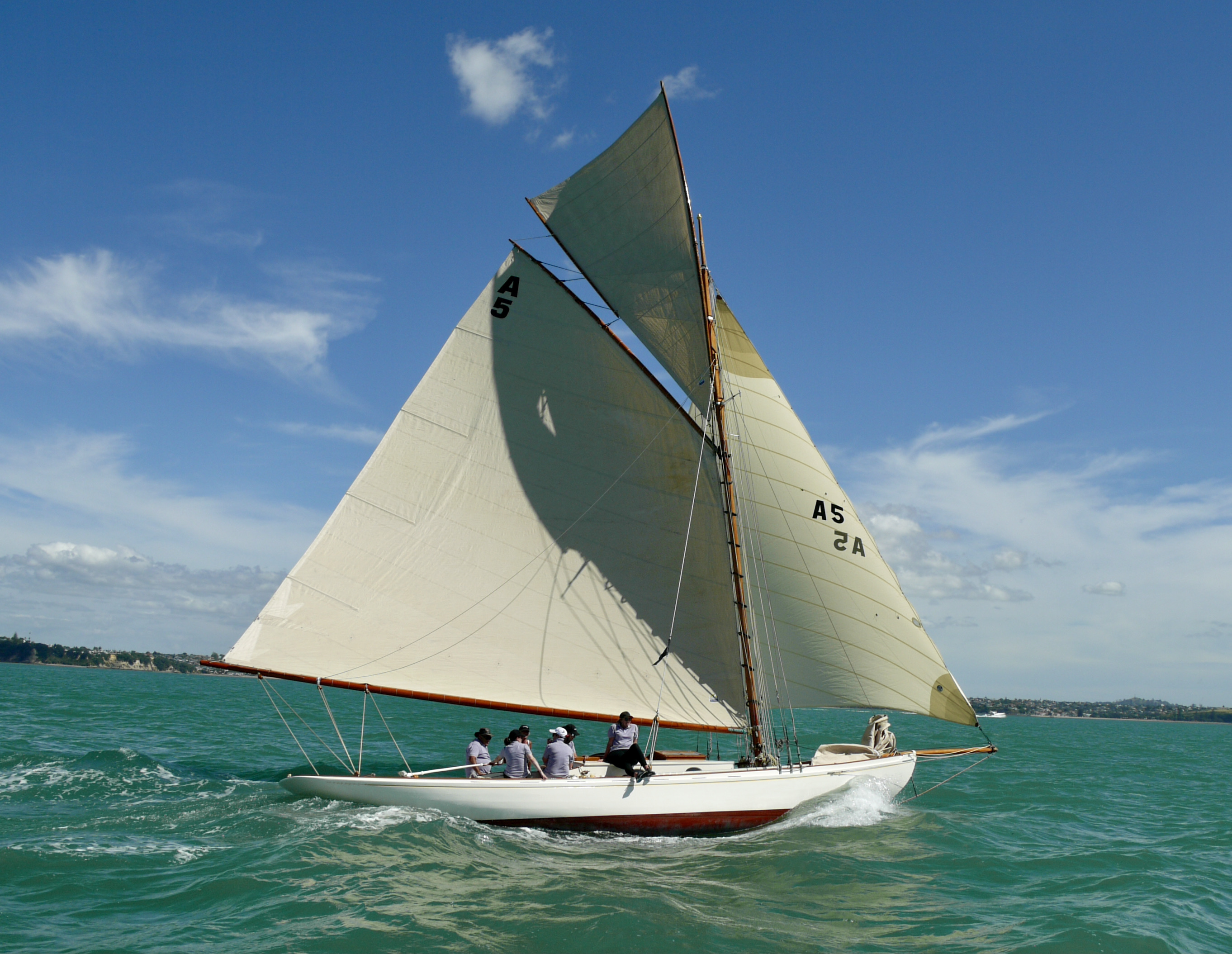
Can we put Russell Ward out of his misery? Russell sent in the 2 photos below of a boat named Silver Spray, that dropped anchor on Friday night below him, in Scotts Bay /Landing – from the distance she appeared to be approx. 40’, with a counter stern, slightly Wild Dock looking. Any one know the boat?
Silver Spray when an Island Bay fishing boat launched c. 1938 (photo ex Baden Pascoe)
22-12-20 Input from John Bullivant – Silver Spray at Half Moon Bay Marina. Owner advised she is powered by a GM671
Yesterday I meet briefly with David Campbell-Morrison to receive a collection of boating books and magazines that David saved for the rubbish bin. The original owner of the collection was a Mr Thompson and most date from the early 1930’s to the mid 1940’s. Some of the USA MotorBoating magazines are in very good condition and the covers are almost collectable art. Today cover is from the March 1935 issue.
Amongst the many items was a ‘photo’ (press clipping) album – the photo below is dated Dec 1931 and appeared in the NZ Herald. Can we ID the launch on the left of the photo?The caption reads “Stretching their sails in preparation for the official opening of the Yachting season today. Pleasure craft which made a pretty picture on the Auckland Harbour last week-end. The yachts are Matariki (N10) and Leveret (V5)
PONEKE – Sailing Sunday In the above photo, c.1893, we see the Tom Le Huquet built yacht – Poneke. I understand Le Huquet built her in the same year for Fred Hunt. Later on (possibly 1897) she had a name change to Nancy Star Stair and moved to Wellington. The location of the photo is on the hard by the boat sheds in Torpedo Bay, Devonport.
Do we know what became of Poneke?
29-09-2020 Input from Robin Elliott –
The ex-Auckland yacht Poneke, renamed ‘Nancy STAIR’ [my capitals], arrived in Wellington in January 1907. The new name came from the titular heroine (no sniggers please) of a very popular American novel by Elinor McCartney Lane written in 1904 that was advertised nationwide in the papers over here throughout 1905 and 1906. By the middle of 1907 there was also a reasonably successful racehorse carrying the same name.
Nancy Stair, the yacht, is last mentioned in the Evening Post 5 November 1927 : “It seems improbable that the Nancy Stair will come down this season. No work has yet been done on her.” She was apparently broken up not long after.
The photo below on the WCYT website from the Petherick album shows her lying on the Evans/Lowry Bay foreshore – geography check needed – in a less than satisfactory state, stripped of all fittings and apparently ready for the knackers.
PEARL I love the above photo of Pearl, its been my screen saver on my laptop for the last 2 weeks – and thats almost a record, normally changes daily 🙂 It has got everything – pretty looking boat, family, dog and a great catch.The photo comes to us via Lew Redwood’s fb and is tagged ‘Stewart Island 1930-31’. Anyone able to tell us more about this woody?
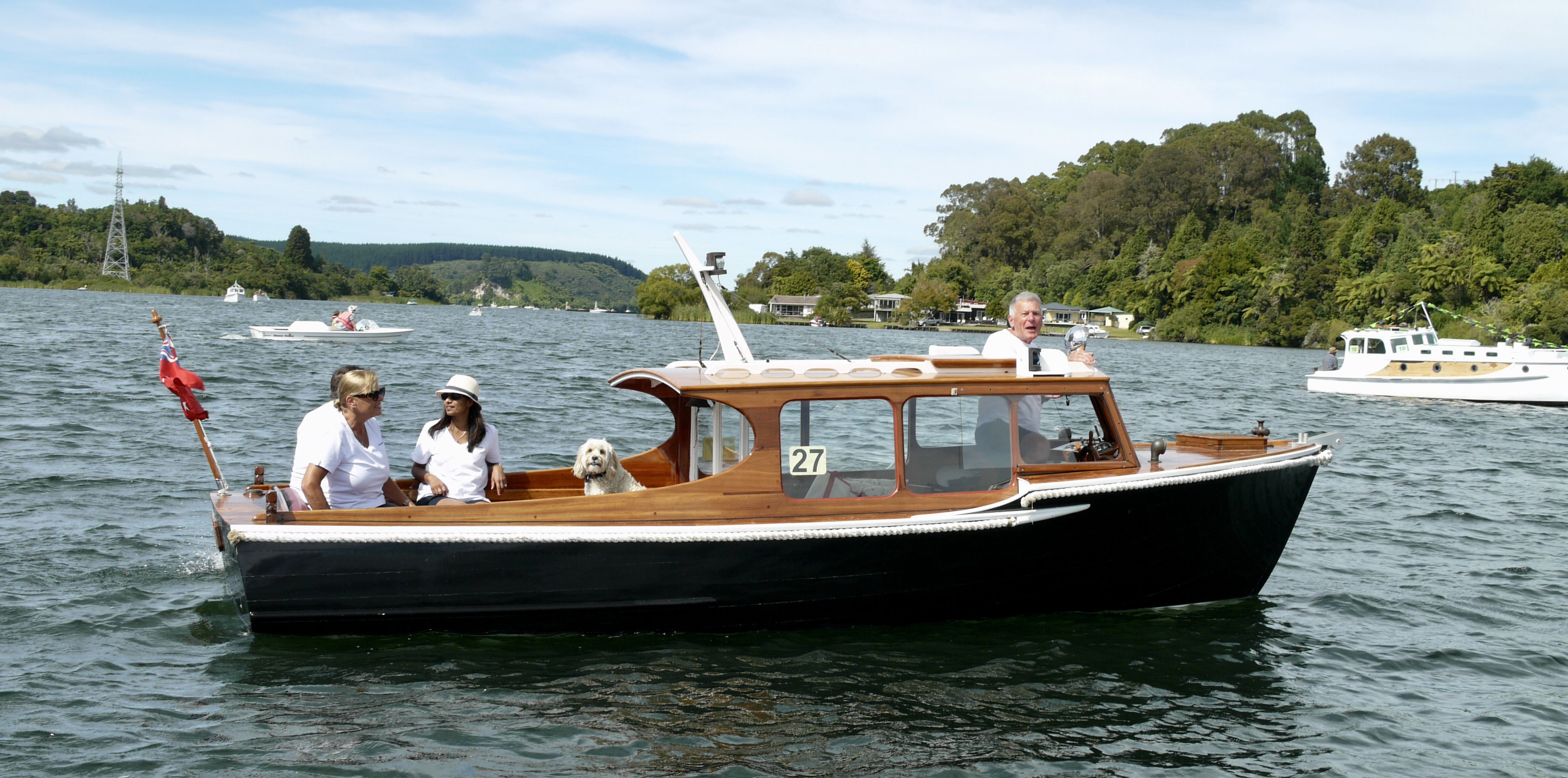
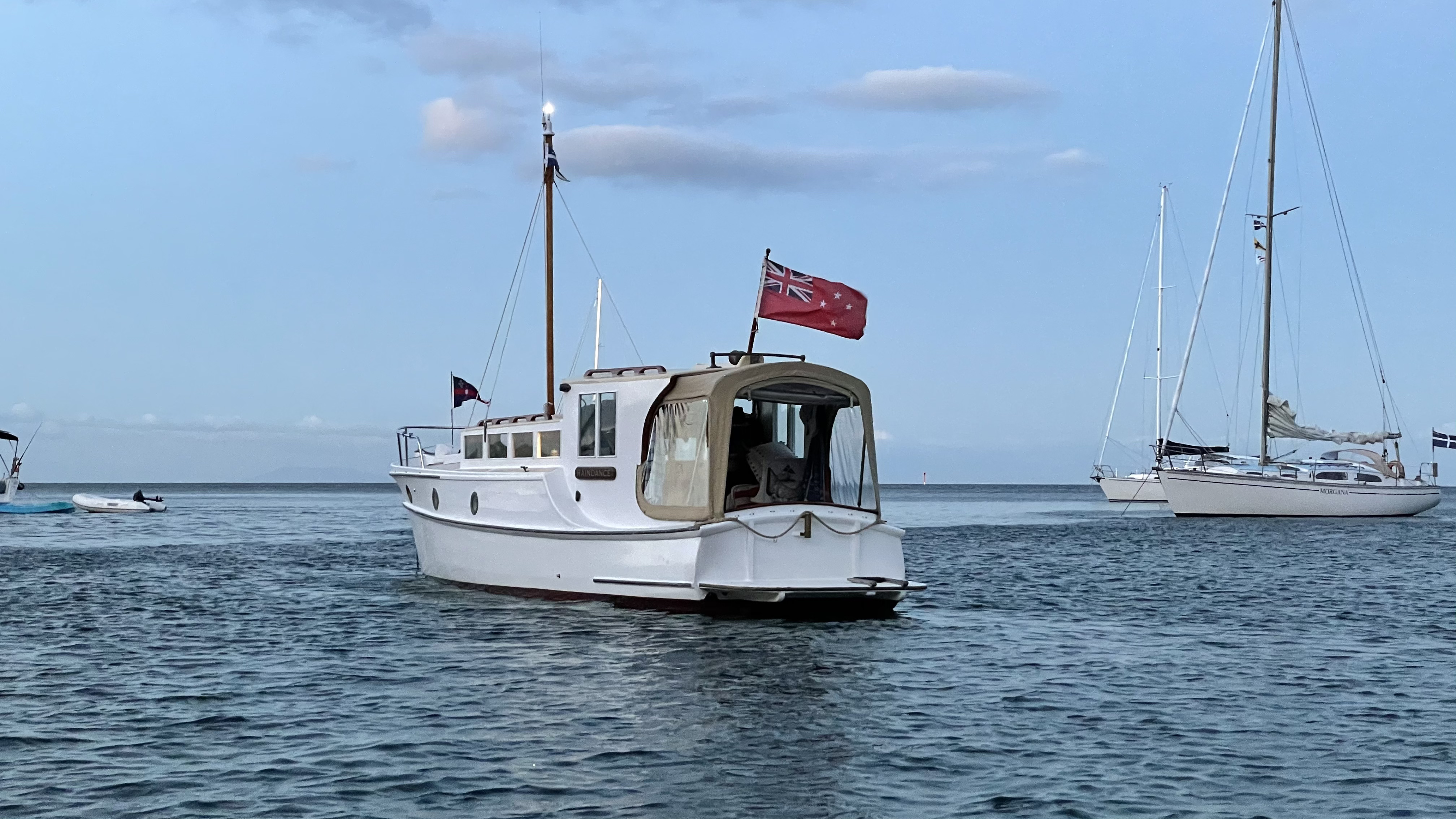
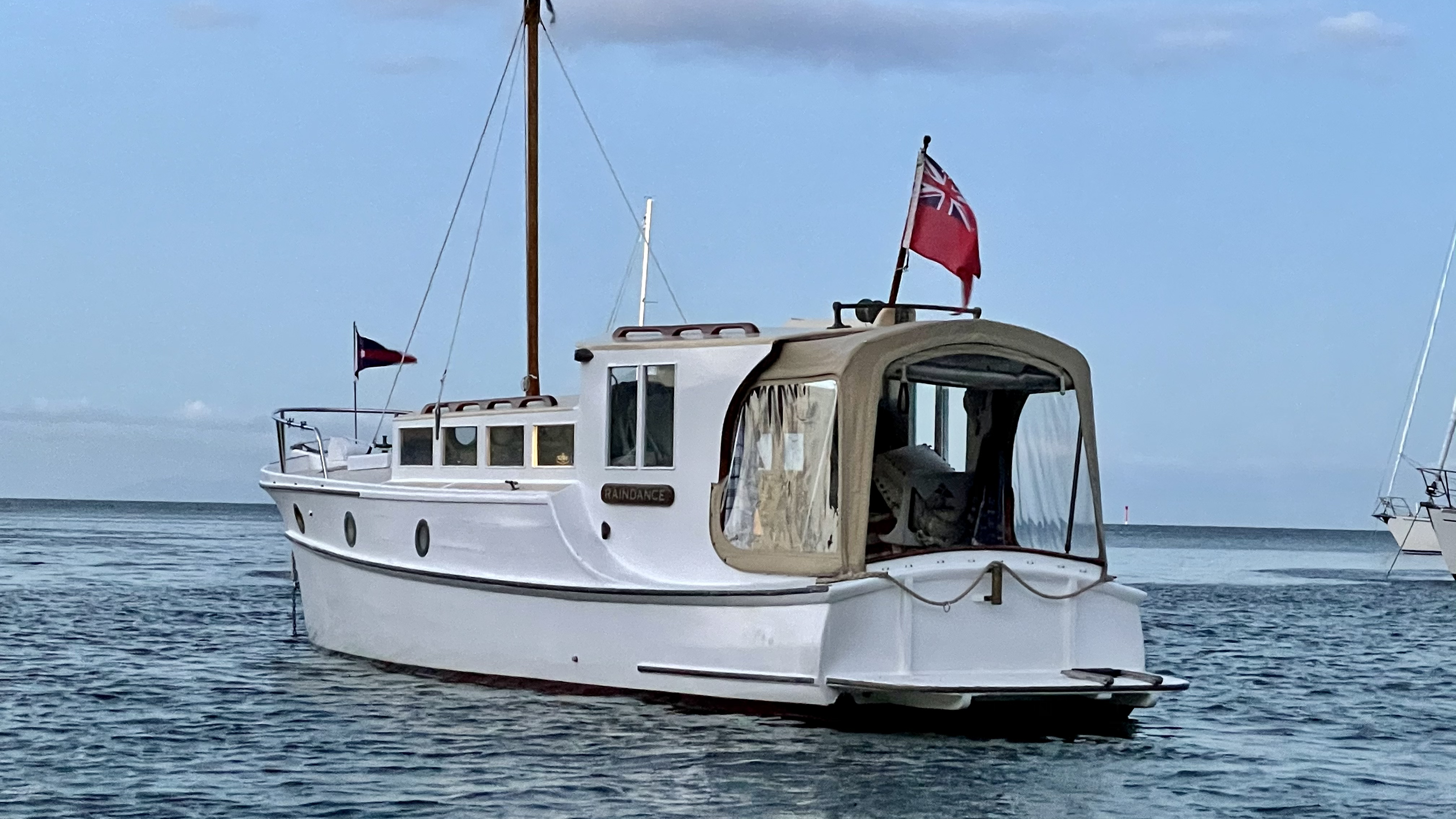
Fingers crossed for fine weather today, I have Raindance hauled out at The Slipway, Milford this week for its annual TLC, focusing on lots of little jobs. The intention this winter was a major repaint but CV-19 put paid to that, so its just lipstick and get out there and do some boating this season.
WW Bucket Hat Winner Competition was Patrick O’Meara. As Nathan Herbert pointed out, people need to read the T&C’s 😉
TARA-NUI The motor-sailor Tara-Nui is a neibour of mine at Bayswater marina, owned by a friend Richard Poor. I have donated a few layers of skin sanding her in preparation for Uroxsys varnishing. Last week Dean Wright emailed in the above photos of Tara-Nui that he took back in 2010 of her in Homestead Bay, Moturua Island, Bay of Islands.
Back in June 2015 on WW there was talk of Tara-Nui having a sister ship named Tebor. WW link here https://waitematawoodys.com/2015/06/21/tebor-sailing-sunday/At the time it was commented that the vessels were a John Gladden design. Are we able to confirm this and also can anyone tell us more about Tara-Nui’s past. Richard keeps her is top condition and is a frequent visitor to the Pacific Islands.
Recently WW was contacted by Simon Truebridge the current custodian (Simon’s word) of the 48’ wooden ketch-rigged motor sailer – Huia. Huia was built / launched c.1951>1953 and was the first vessel built by the founders of Gough Engineering in Invercargill. Huia is planked with Australian tallow wood and apparently Joe Gough was friendly with the workers who had worked at the Prices’s Inlet Norwegian whale boat maintenance facility on Stewart Island, hence Huia’s strong Scandinavian influence. Powered by a Gardner 6lw that is rumoured to be perhaps 25 years older than the boat, the thinking is that it started life on standby genset duty in the basement of the British Admiralty Headquarters. The rumour goes on to say that two of these engines, along with transmissions, a hydraulic windlass that sounds remarkably similar to Huia’s, & various other equipment mysteriously arrived in Invercargill soon after the end of World War II, fortuitously just as Huia was taking shape…..
Simon believes he is her 5th keeper, the Goughs having kept her in Bluff until 1972. The boat still raises great interest whenever she returns to Bluff.
Any woodys able to tell us more about Huia’s past?
Almost Had To Excommunicated My Daughter
Currently holidaying at Lake Como in Italy, they hired a runabout for the day, now you would think the woody DNA would kick in, but nope – they hire a plastic boat 😦 She saved herself by sporting a WW shirt 🙂
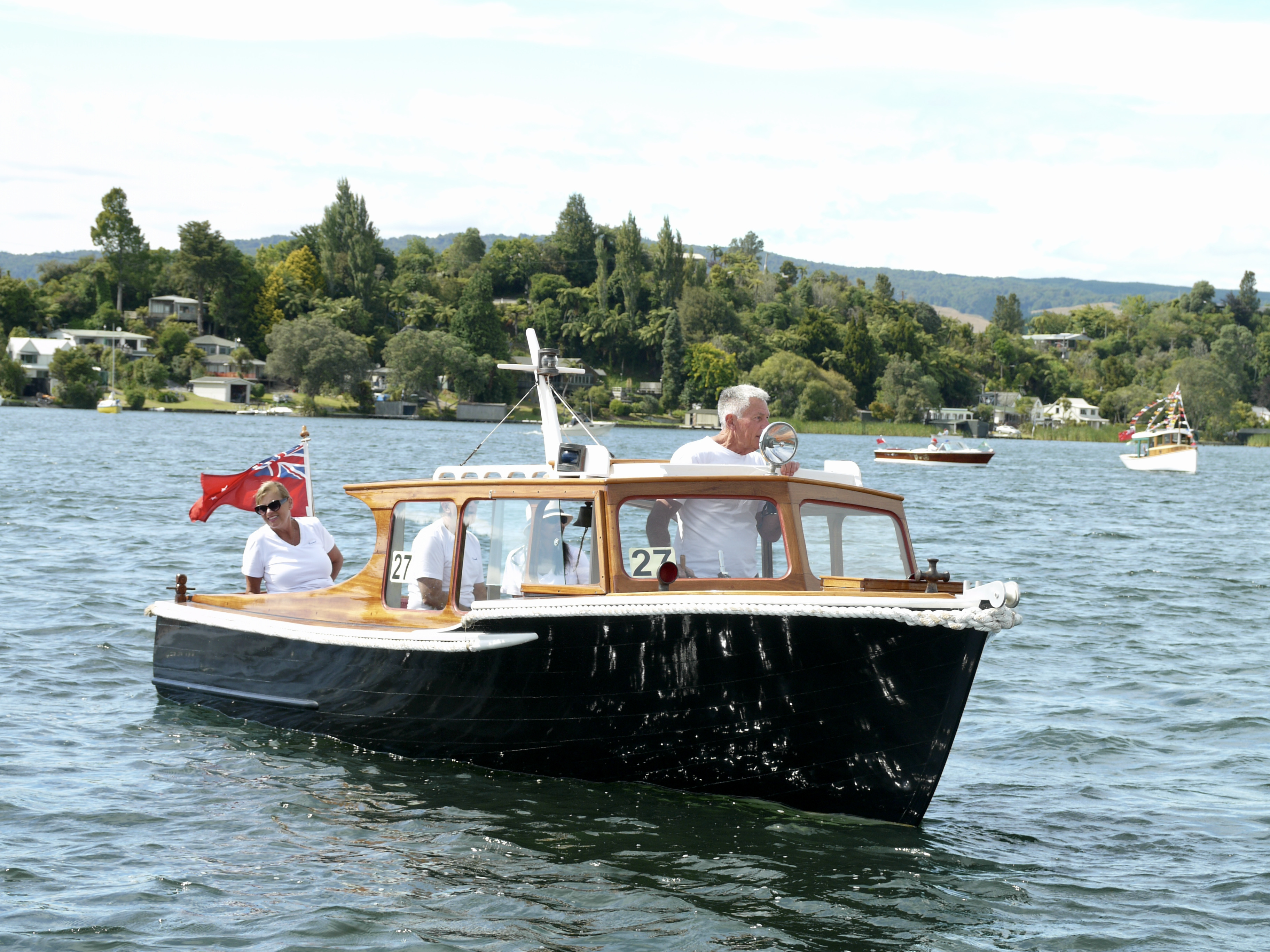
The white villa in the background is George Clooney’s – I’m told that sadly he wasn’t home 🙂RSVP waitematawoodys@gmail.com
Back in late 2019 Arethusa’s Bay of Islands owner Dean Wright, a professional photographer by trade, and well known to WW readers gave me the heads up that the 1917, 33’ Bob Brown built, ex gaff rigged cutter, was in for a treat – a new wheelhouse. Since then I have been pestering Dean on a regular basis for photos, even threatened to drive up and take them myself 🙂 Problem was, the mans a perfectionist and didn’t want to send anything in to WW until it was all shipshape. Well woodys as you can see from the above, its very shipshape, in fact in my eyes – perfect. Well done to the team. I asked Dean to tell use about the project, so I’ll hand over to him. Remember you can enlarge the photos by clicking on them – Enjoy 🙂
“Over the years we’ve got keen on changing Arethusa’s wheelhouse to be more in keeping with her age, so at 102 she’s undergone some cosmetic surgery 🙂
We lost 8″ inches of headroom in wheelhouse when we installed the Gardner, so we’ve gone up in height 6 inches and forward 8 inches and gone for more traditional upright windows fw’d.
Boat builder John Gander did the job in his Waipiro Bay workshop. He started by taking patterns off the existing wheelhouse and fw’d cabin top. He replicated the curve of the fw’d cabin top in ply and built the new wheelhouse around that in six sections. He also laminated the new wheelhouse roof, allowing for a good eyebrow fw’d and a smaller one aft.
John learned his trade at Roger Carey’s yard in Picton in the 60’s and 70’s, where beautiful work boats with great looking wheelhouses were the order of the day. John built one of my favorite Carey designs, Hinewai for his own boat and we’ve replicated her fw’d opening half window on Arethusa.
Once the wheelhouse was complete, we hauled Arethusa at Ashby’s in Opua and got to work with the skill-saw. In no time we’d reduced her to a convertible. We were lucky for Northland’s drought everything stayed reasonably dry and also that we got everything closed in and back in the water before Covid shut the yard down.
I’m in awe of how boat builders can build something like this away from the boat, then fit the pieces with a minimum of shaping. Fitting and gluing the six sections to the existing house went really smoothly.
The wheelhouse is built from 2″ Iroko. This is the first outside varnish we’ve had on Arethusa, we hand brushed 2 coats of Cetol as a base and six coats of Schooner Yacht Varnish.
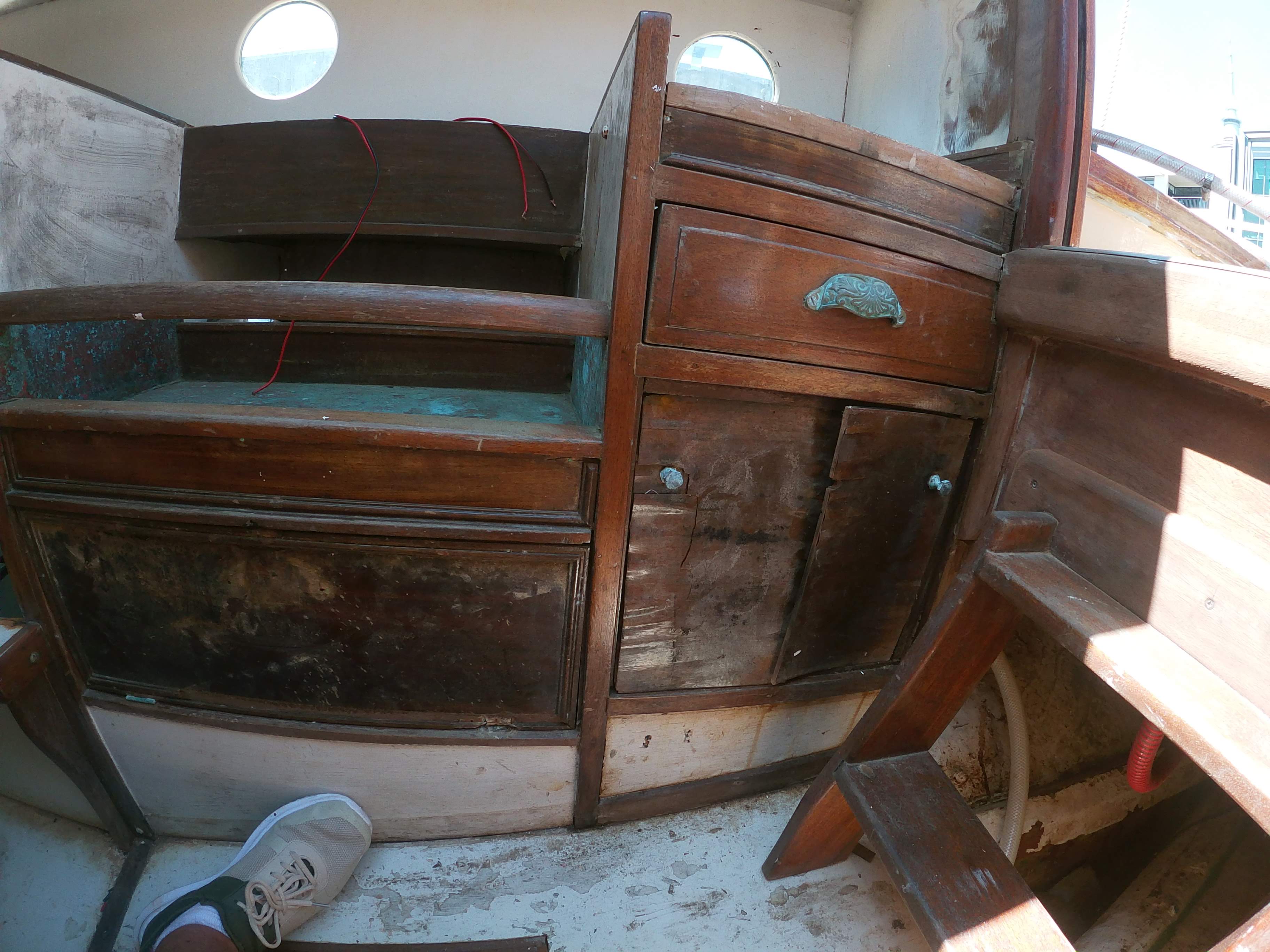
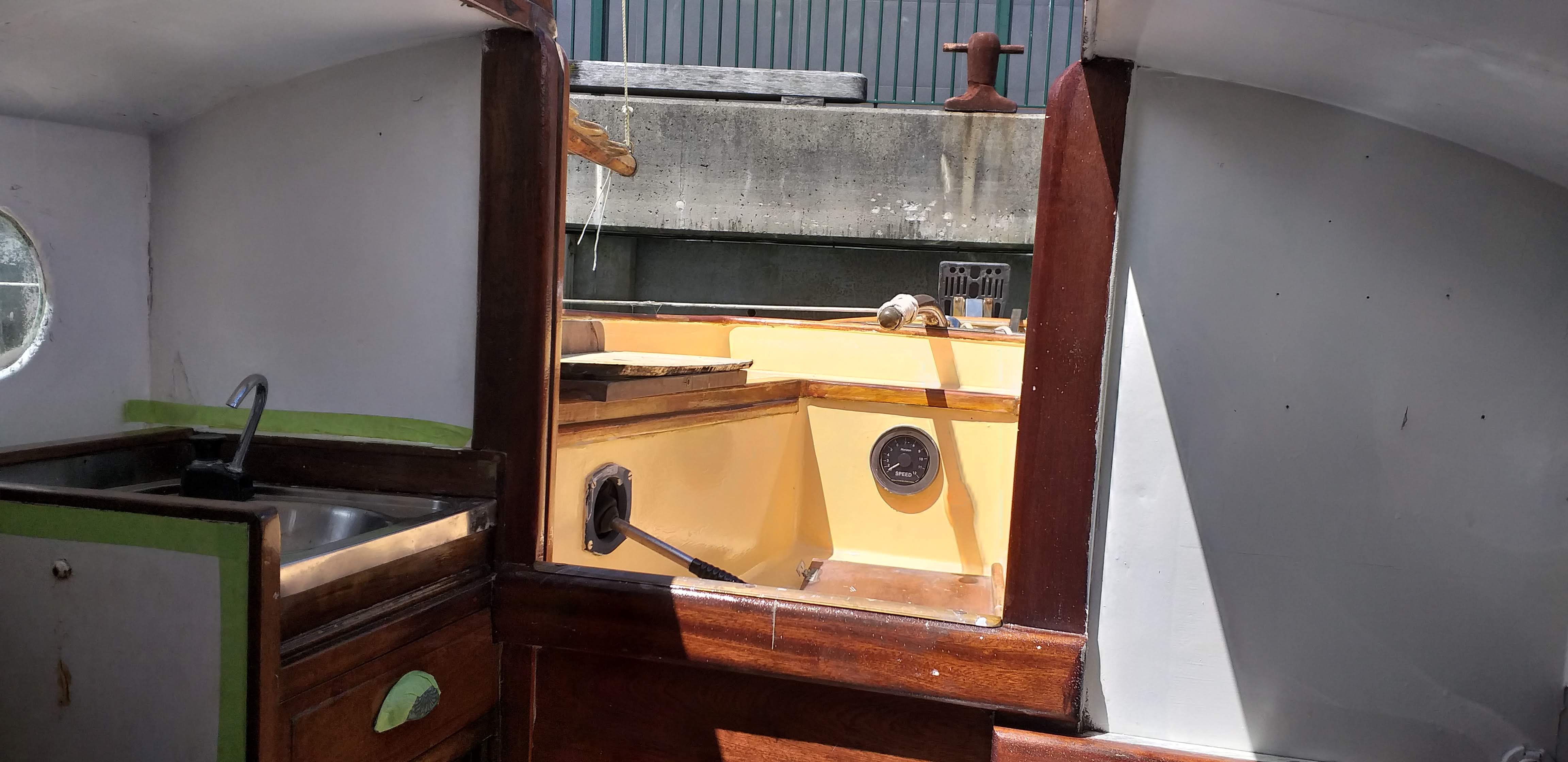
Over lock-down, the apprentice made new interior joinery, gone are the Warehouse plastic drawers and chipboard frame 🙂 Moved the batteries under the new bench unit so we can now stand at the wheel. John laminated me up some lovely curved trim for the front of the oven unit. Our old manky plywood dash got an upgrade to kauri and the old wheel got a fright with a good scrub and a varnish.
Outside we made nav light boxes and dorade boxes. We had to move the aluminium framed front hatch fw’d, a more traditional looking one in Iroko is on the to-do list. The liferings also got a birthday.
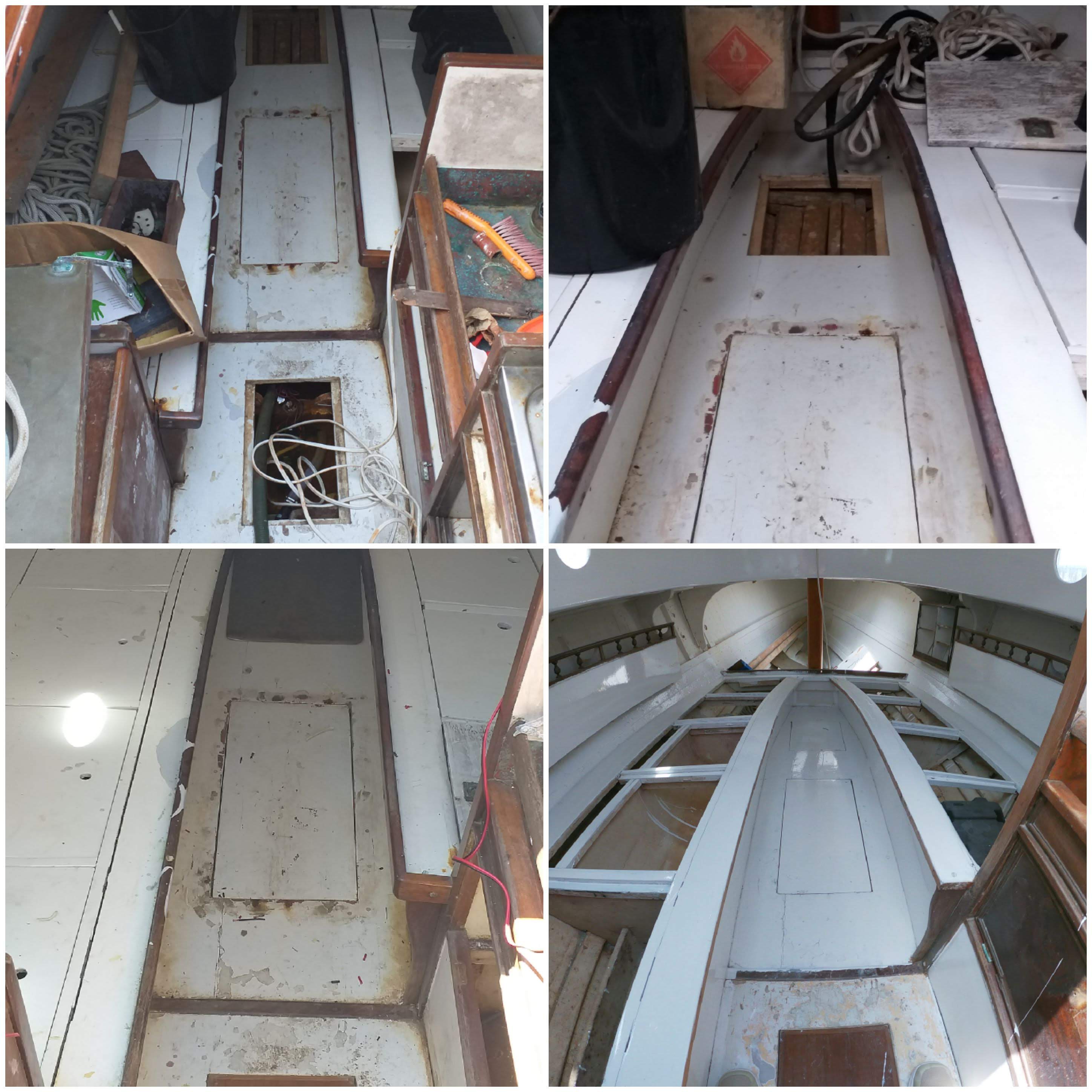
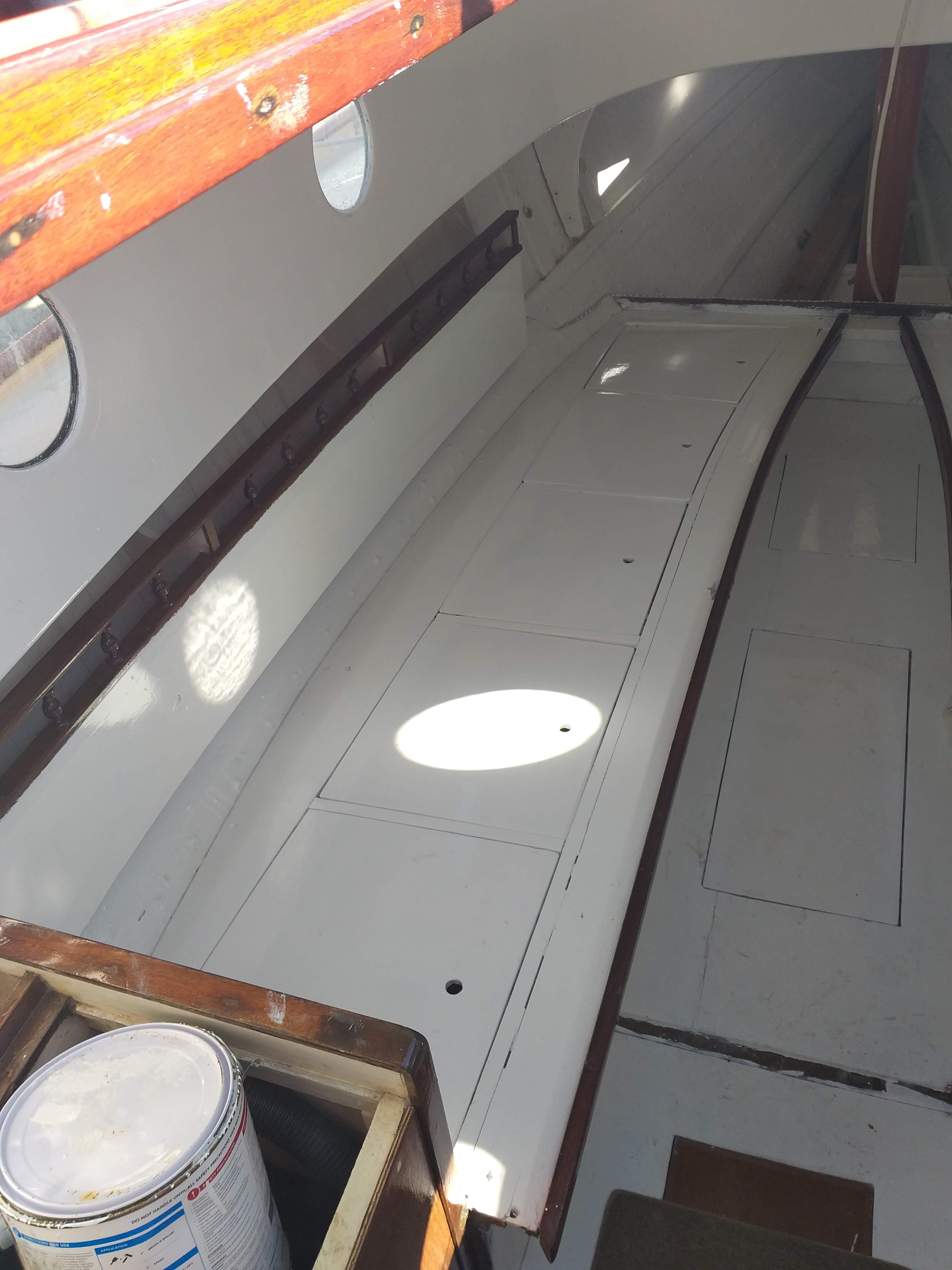
Here’s some before and after pics and also some that I hope will give some idea of the process. Thanks John for all your incredibly skilled design and build work, we’re really stoked with it.
We’re always keen to learn more of Arethusa’s history, especially the 1955-2000 period in the South Island. If you have any stories we’d love to hear them.”
Koputai was built in 1939 by Miller & Tunnage in Port Chalmers for use as a pilot vessel. Her specs are 56’ x 14’6” and she draws 6’5”.In the early 1990’s she returned to Miller & Tunnage to be converted to a pleasure boat. The WW link below takes you to her 2015 WW story for extensive details and photos, back then she was offered for sale.
Fast forward 5 years and I have been contacted by Keith Foster who purchased Koputai from Louey Sandiant (deceased). Keith sent in the above photos and like all of us is keen to uncover more on her past. https://waitematawoodys.com/2015/05/03/koputai-sailing-sunday/