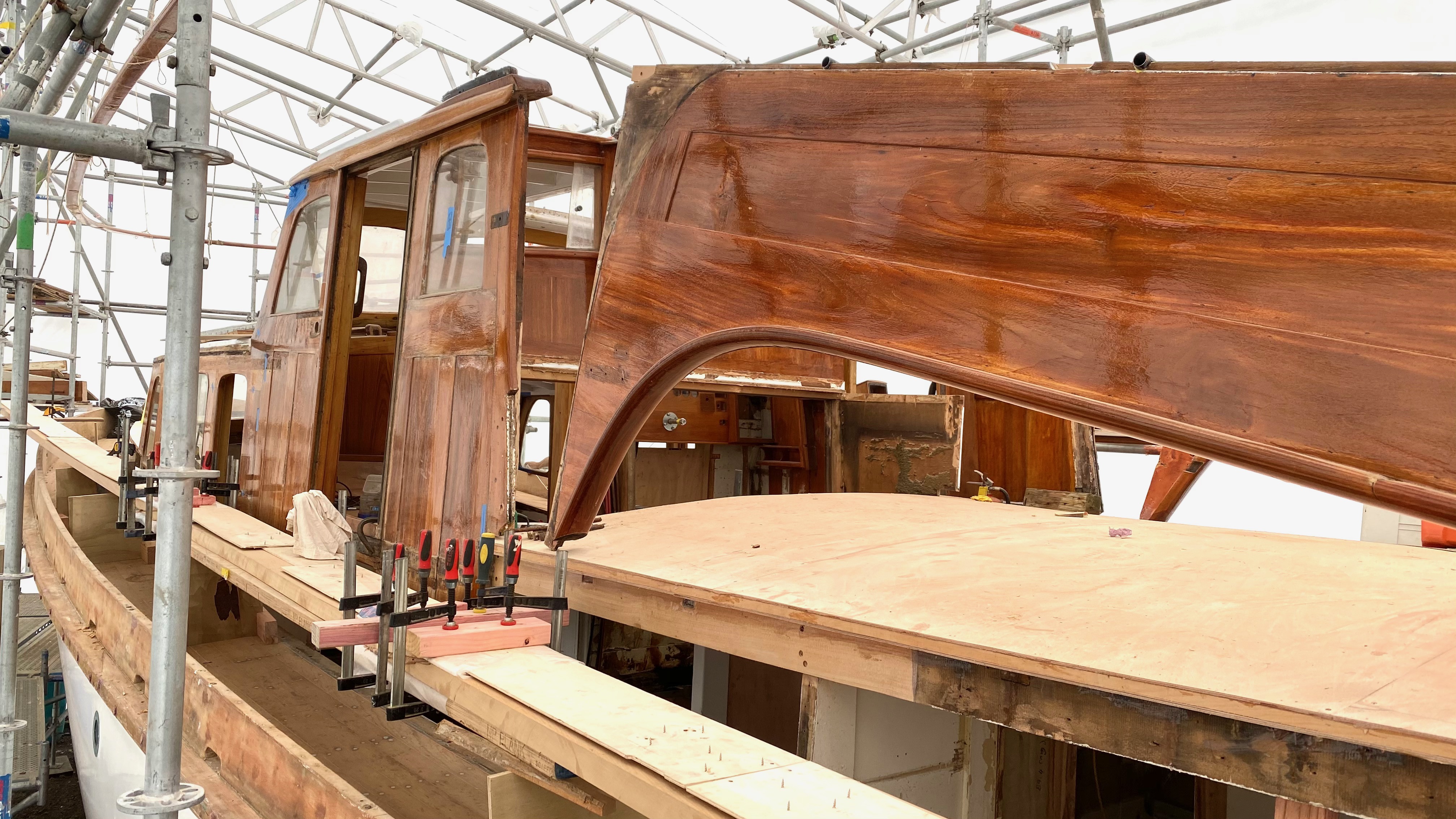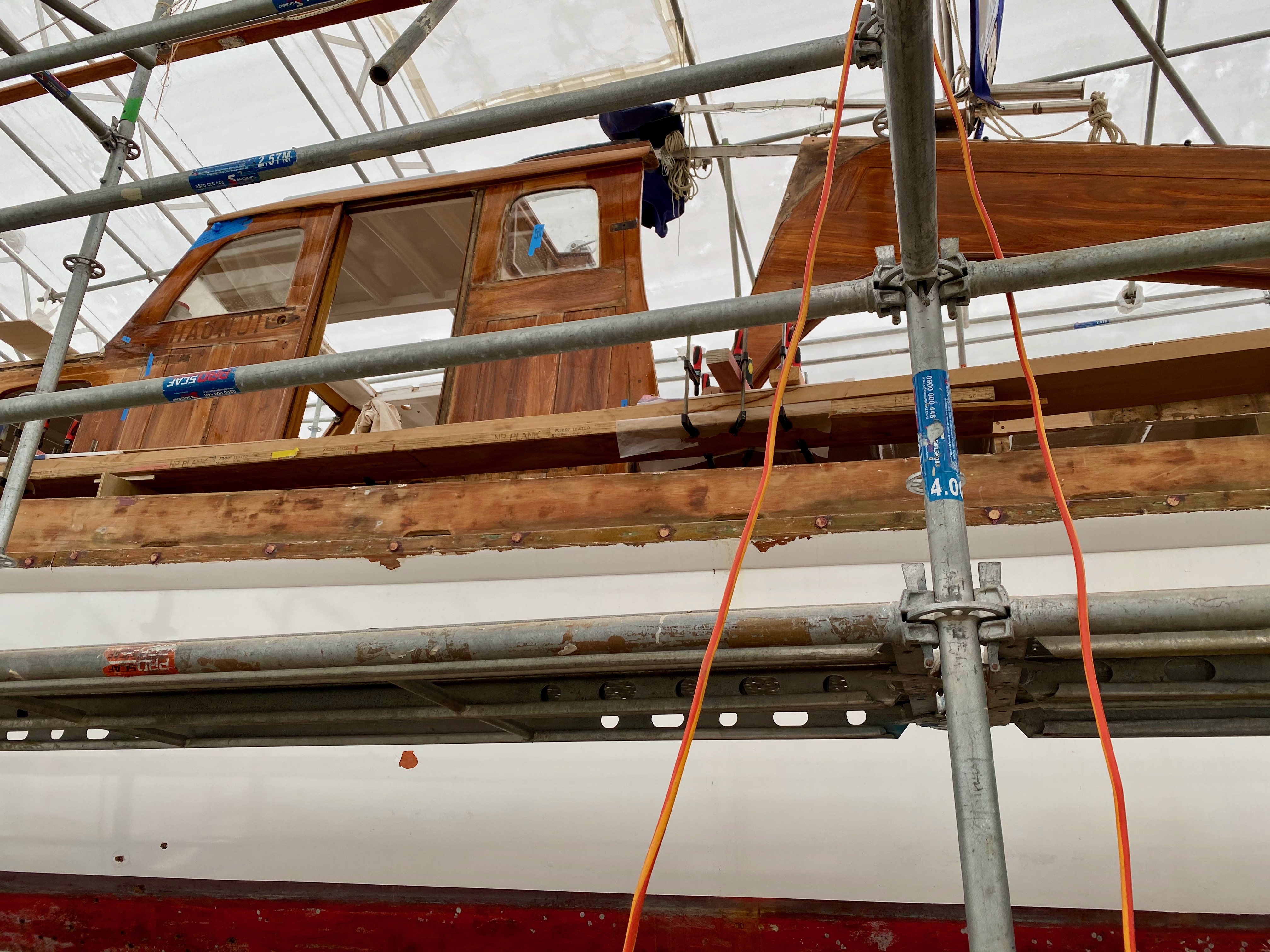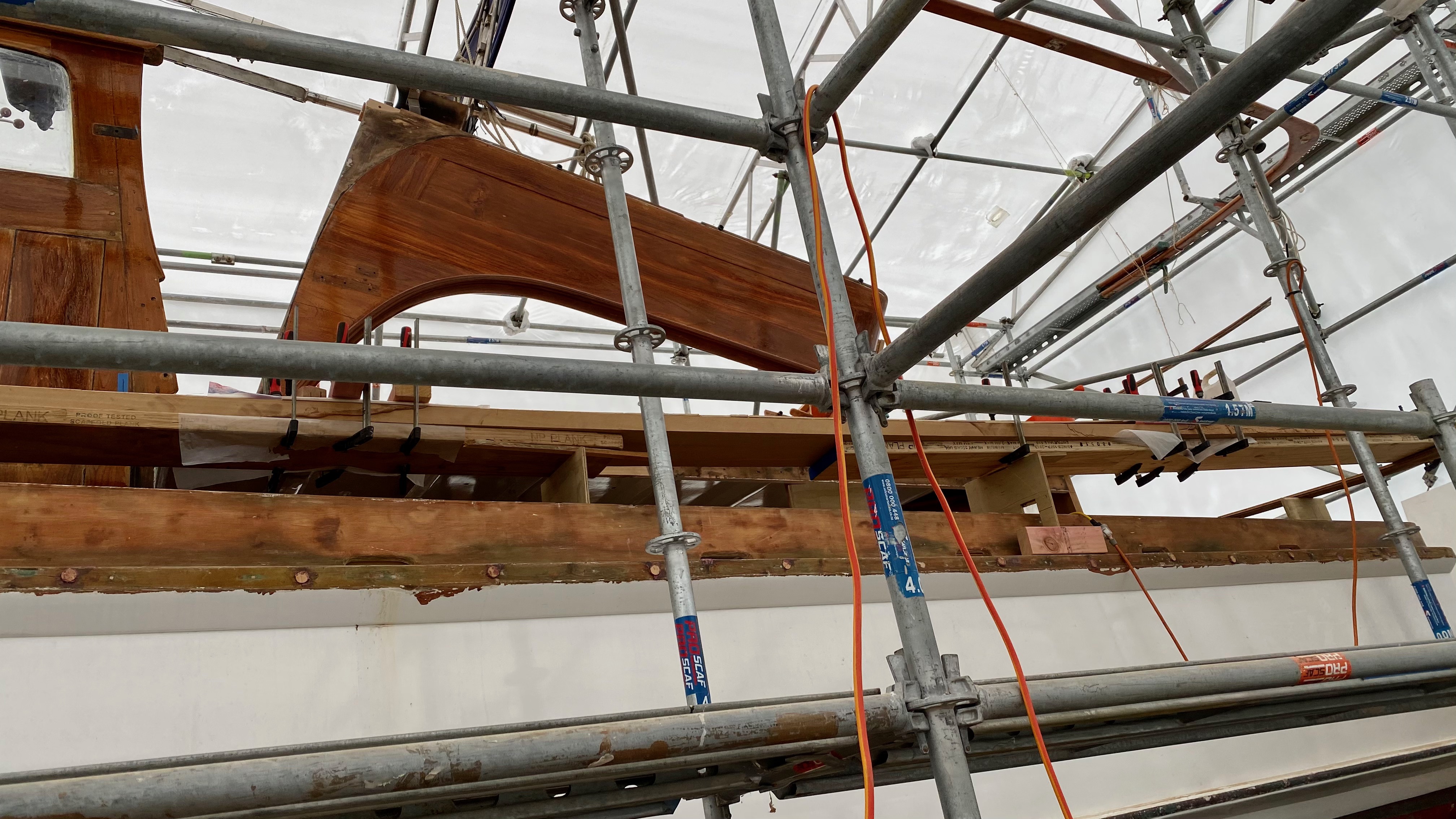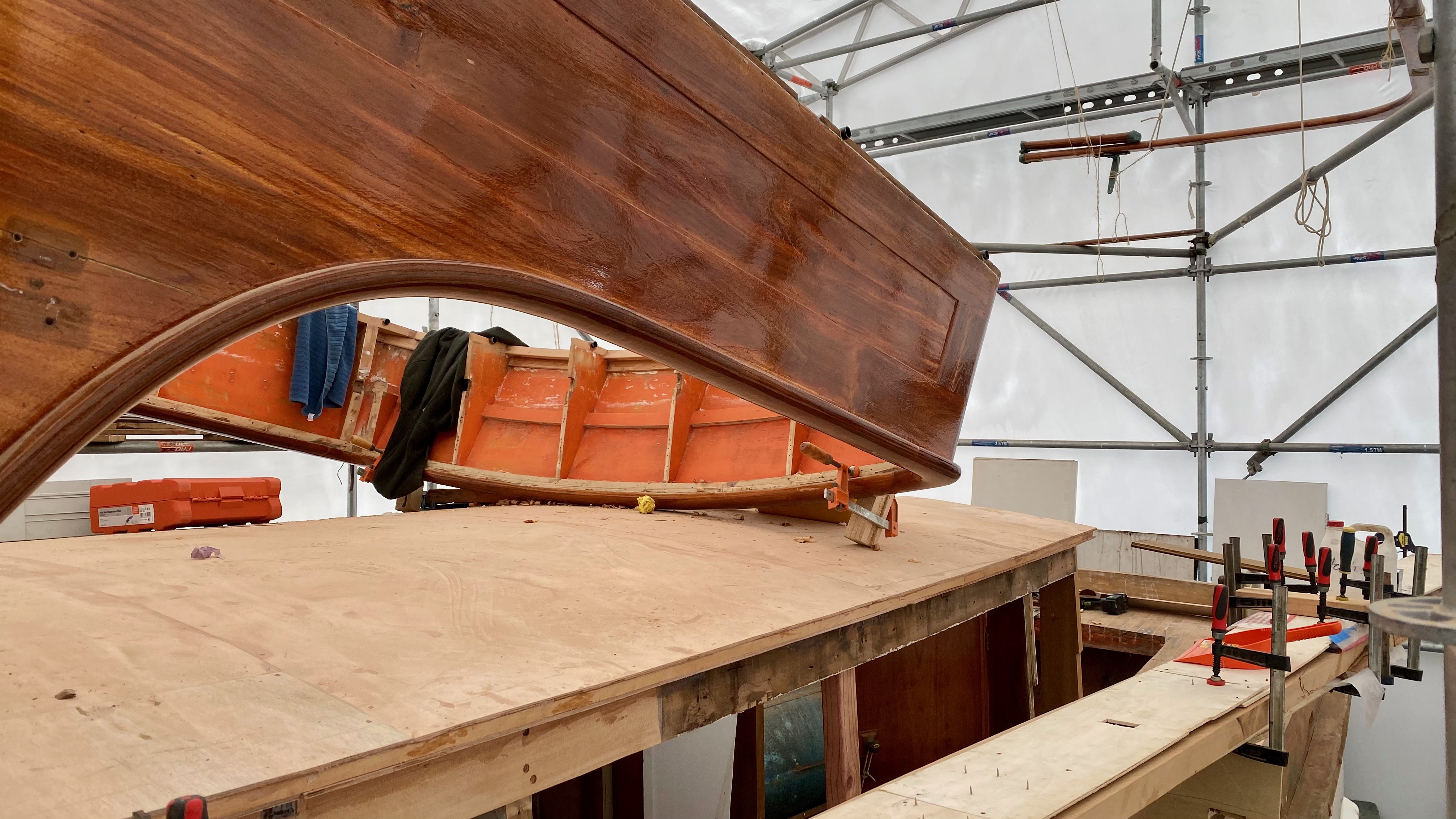
The Evolution of Pleasure Craft Communication

Screen Shot 2020-06-10 at 6.02.30 AM

THE EVOLUTION OF PLEASURE CRAFT COMMUNICATION

Next time you pick up a mobile phone to chat to another boat or log a trip report via the Coastguard APP, spare a thought for the boats of days gone by that had only one option (other than flags) for communications at sea. As a child I was fascinated by all these strange random words Zulu Mike Bravo Lima etc – my father being an ex-army comms man, morse was his thing. On holidays, myself and brothers were ‘made’ to listen to ships at sea and try to record the message, the winner i.e. most accurate, would win a chocolate.

WW follower Ken Ricketts is of an age that he has seen and experienced the evolution of New Zealand maritime radio communications and recently he wrote a comprehensive chronicle on the subject, which you will find below. It is worth a read to either educate or refresh yourself on the huge advances that have been made in the field. The story is peppered with a few tales directly relating some of our woody fleet (scroll over photos to ID the woodys) so hopefully that will keep those of you with a short attention span –  awake 🙂 Enjoy

Maritime radio-telephony in Auckland pleasure craft, had its first & humble beginnings in 1946, at which time, Ken’s father, Ralph Ricketts, entered the fray, with the second ever such installation, in Auckland, (the original first one was on the REHIA owned by Bill & Phyl Ryan at that time — who told RR about it) RR immediately bought, (as ultimately almost everyone did, once they knew about them ), an ex WW II war assets double side band, (DSB),  ZC1 MK II R.T., for  20 pounds, & fitted it to the Rickett’s launch – JULIANA, after which RR had a visit from a Govt radio inspector, who took diagrams of aerial format & layout, made various notes on his file of the installation, checked RR’s ability to use the set, made a test call himself, to “ZLD Auckland Radio,” sited  at Musik Point at that time, on the entrance to the Tamaki Estuary, & made sure RR had a “Restricted Radio Operators License,” which was required in those days, by all radiotelephone operators, on all pleasure craft, – now long since discontinued, & he allocated JULIANA the call sign of ZMYP.

REHIA 1948

JULIANA & AOMA c1953

Originally, there was only one call frequency, & that was 2012Kh, in 1946, used for all purposes, but not too long after that, 2012  was reallocated exclusively for harbour control use, to the Auckland Harbour Board, & pleasure boaties were allocated 2182, the international distress frequency for initial calling to government shore stations, & 2162 for ship to shore working, & 2456 & 2638 for ship to ship gossiping. 

The 2162 working frequency, was later changed to a duplex frequency, with 2162 for listening to ZLD, & them receiving on 2207. 

The frequency of 2045, was allocated around 1950, for use for transmission between privately owned shore stations & boats, such has Port Charles Radio, (the legendary Jim Smith owner/operator ), Gt. Barrier radio , Awaroa Radio etc. 

These shore stations were used extensively, for many years, from around 1950, by many commercial fishing boats, working throughout the Gulf, many of whom, reported in daily their positions, usually around 6 pm. There were also many pleasure craft which used the service, & RR was one of them. He joined the Port Charles association for most of his boating life with legendary Jim Smith the owner/operator. RR or Ken would call Jim every evening at around 6pm & report in our position at that time. 

You paid a small annual fee usually, to join their non profit associations, to cover their running costs & they kept records of your locations, times of calls, assisted in any way they could, with any problems you may have had, etc., & these associations usually operated, for several set times, of about 15 to 30 minutes, each day. Ken thinks some may still exist on the VHF channels, possibly there is one on Gt. Barrier Island.  

Auckland Coastguard was also allocated the frequency of 2128, (from recall), for ship to Coastguard use. 

By the early 1950s ZLD had introduced a radio telegram service to land based recipients who had a telephone number available, as the address & the telegrams would be sent by ZLD to any entity via that phone number ( & later delivered in hard copy via normal post to the address of the phone number), & if a reply was quested, or anticipated, they would telephone it through immediately, whilst the ship waited on standby, & ZLD would call back with the reply ASAP. 

The cost, was fairly expensive for the era, & on a cost per word basis & the costs were charged to the landline phone number. This service stayed in place as far as Ken knows right through in to the VHF era.

Land based parties, could also send radio telegrams to boaties, with the address, via the P & T telegram phone number, which must include the call sign & was as follows; (as a example) Mr. Smith Vessel ZMYP JULIANA C/- ZLD AUCKLAND RADIO. 

ZLD at the end of its 3 or 4 hourly daily weather forecasts & shipping information, would give a list of all telegraphic traffic held for all vessels including of course, & very importantly, their call signs, & most would listen to these broadcasts, as often as possible, & advise friends on other boats, if they were near at the time, that  ZLD had a message for them.

By about 1983 this communication with the outside world was taken a step further, &  ZLD introduced a VHF radio telephone service, which many mature old time boaties may recall, where a ship could call ZLD, on channels 22 & 23, in the  Auckland region, give them a landline number, which they would dial & then patch your call to ZLD through, to enable you to talk direct, to the subscriber, which whilst it was a good service, it had its shortcomings & limitations, shall we say, as any boatie who by chance or otherwise, dialled into ch. 22 or 23 on his boat, would inevitably be privy to what were sometimes surprising, & very private conversations, also necessarily, only one party at a time in the conversation could speak, & the other had to listen, & one had to say “over,” at the end of each segment of conversation, to enable the other party to know when to respond, 

Calls to boaties from landlines could also be booked with ZLD & ZLD would call them back, when they were able to make contact the vessel, the land based party wished to contact.

There was one other form of radio communication which evolved & inevitably found its way in to the boating world for a period in the 1970s/80s & that was  Citizen Band (CB) radio transmitting communication equipment, for short distance communication, unrestricted in it use, & it could be used by any person, at any place for any lawful purpose, but it was restricted, to a very low aerial output power in all sets, which could be bought & licensed extremely cheaply, much more so, than proper marine  purpose built equipment, & this medium became popular for a period, in the  1970/80s, with some  boaties, mostly in the smaller cheaper craft range, where cost was a really important issue for some, but whilst it was cheap, it had many shortcomings, including its very short transmission range, & as there was no structured organisation of any type, either private or govt., monitoring it, one simply in event of distress, had to rely on someone within the range for your set, hearing your call, & helping as best they could, one way or another. So whist it was so very limited in its rescue value, nevertheless it was better than having no communication at all, if in need of help. 

These sets had a good number of preset channels  & operated on the HF 26.500 Mh band in NZ., which was a different frequency range to many other countries, including Australia, which used 27.500Mh), & call signs were allocated to owners on a regional basis, depending on where you lived.

Ken installed one on his 40′ launch TIARRI, when launched in 1979, in order to have maximum possibility of assisting boats, in times of distress or breakdown. TIARRI’S main call sign was ZM3199, which, along with the radio, Ken took from his first boat, FLYING SCUD, which was issued to F.S. in December 1953, when she was built & launched by Roy Lidgard, just after the advent of the letter number era – only 1100 numbers in to the new system.  

TIARRI

FLYING SCUD 1975

There were the very odd exceptions, to the above early days policy, & call signs, mostly around the 1940s era, almost all of which, were for boats, where they were owned by the owners of private islands, in the Hauraki Gulf & Northland, & perhaps the Sounds, where they had a licensed, private, island based set, on their island, & a special boat call sign allocated to their boats, for keeping in touch with their home bases, usually where these boats were their sole means of access, to the outside world, & these sometimes, were of a number letter combination, with just one or two numbers usually, & had just one specific frequency, to operate with.  

All transmitting in DSB & SSB sets was technically very accurately totally controlled, often by a plug in type internal “Chrystal Control unit,” or similar, for each frequency,& fitted to all sets for all transmitting frequencies. 

There were later several lower end of the High Frequency, (HF) band, frequencies added in the 3, 4, & 6, Mh bands, mostly used by off shore boats, out at sea. 

This cumbersome, & red tape process, of registration, continued for a good number of years, right through the initial era of “ Double side Band “ transmission, & in to the upgrading of that era, to “single side band” (SSB) transmission, circa 1970s

After single side band transmissions became compulsory, around the 1970s this required the purchase of a new set, & the only double side band frequency which was still legally usable, was the international distress frequency of 2182 Kh,  & this could only be used for calls to govt shore stations (ZLD for Auck)  or ZLW for Wellington, as examples),  for emergencies only, & craft which did not wish to outlay for a new SSB set, or alternatively still keep a 2182 set after they bought a VHF set after they were introduced, could modify & keep their old set, & were then reallocated a compulsory special “ZMX” based call sign, starting at ZMX2001.

These days ZLD has left Musik Point, & the government’s ZLD & ZLW (& ZLB in the South Island,) which all later came under the umbrella of Telecom, being the replacement that took over from the old P & T., which in turn, has now become a totally new entity, as “Maritime Radio,” & under the umbrella through various subsidiaries, to “Maritime NZ.,” being another different Govt Dept, with the  transfer becoming effective from midnight, & starting on the 1st October 1993 & the operators of which, are now all based in the Old Radio NZ Avalon building, in Avalon, Lower Hutt, Wellington, with transmission facilities, in Wellington & Taupo, plus a network of repeaters, scattered around the country monitoring the whole country, which is now all controlled from this one location.

In the later 1970s early 80s Very High Frequency, (VHF) maritime radio was introduced, which gave many benefits, with all its ongoing ever increasing refinements, & installation of shore based repeaters, on high ground, throughout the country, which  has now ultimately totally replaced the old Medium Frequency DSB & SSB sets, with many advantages to all users, for all local NZ & inshore boating, along with the discontinuation of licensing of individual operators, & inspections by govt inspectors, of all boats so fitted, with RT equipment. 

Also, Radio Spectrum Management, the govt department which these days controls allocates & administers all radio & TV transmissions, call signs & frequencies, has vested in NZ Coastguard, the authority to issue calls signs on its behalf, of a mixed letter number type, such as, (possible examples only), ZMQ 2947, ZMW4526, ZMR 2937, & so on, as a result of the huge demand for these, these days, & the time consuming process it used to be, for R.S.M.

Originally in 1946, this was all under the umbrella of the Post & Telegraph Department to later become Telecom, & remained so for many years, until 1987, when it all started to change & we have ended up, for a good number of years now, with RSM, as the entity in control.

The pleasure craft call sign evolution, & changes to it, are as follows;

As above, all craft up until c1953, were all 4 letters alone.

As they were beginning to run out of call signs, around 1953, the Govt. wrote to all pleasure craft owners, requesting they approve the replacement of their existing all letter call signs with a letter number combination, starting originally, with the first reissued call sign of ZM2001. 

It is important to note that the Govt., could not insist on this by law, & only request it, & if the owners did not consent to the allocation of a new call sign, the original then remained with the boat, & there are a few of boats that still have their original all letter call signs even today. 

Neither Ken’s father nor the owner/builder of GAY DAWN, Bill Waters, who RR bought the boat off in 1956, surrendered their original all letter call signs, for their respective boats, —  (see image above of GAY DAWN taken c1965, showing clearly, a typical DSB aerial set up as used for many of the DSB, SSB, medium frequency sets of that era), —  RR sold JULIANA in 1956 with ZMYP, (which was somewhere along the way, later either abandoned, or replaced, with letter number combo call sign), & now, as referred to below, is reinstated to her for life. RR bought in 1956 & sold in 1970, GAY DAWN, with ZMIV in place, which however, also later along the way, was replaced by persons unknown, with a letter number combo, at least once, note: ZMIV has now been reallocated to the Rickett’s family and used on the vessel ROSEANNE, which is owned by Ken’s daughter.

GAY DAWN C.1965

Such was the ever increasing size of the “snowball,” of pleasure craft sets, that it was not all that long, before the original issue of the ZM2001 to ZM9999 were all allocated, & we then saw the issue of  ZMA2001 to ZMA9999, followed by the final issue to the SSB era, which was ZMY2001 to ZMY9999. 

It is important to note, that all call sign issues right from ZM 4 letter, ZM+, ZMA, ZMY, & ZMX, & all Coastguard issued call signs are approved & provide for use of all VHF sets.    

All letter only call signs, which are all just 4 letters alone, must still be issued by R.S.M. direct, & are mostly reserved for all Govt vessels,(eg., all the Police DEODAR launches were & still are, all allocated ZMIH, during their term of service to the Police), also some very large off shore fishing vessels, & some NZ based pleasure boats, that cruise off shore, or are capable of cruising offshore have these call signs allocated as well. 

Other pleasure craft, that have some classic, historical, or other special significance, are also issued these, at the discretion of RSM.    

Ken has enjoyed a close & good relationship with RSM, for many years, & there are some interesting background stories relating to the issue of some of these special allocations of all letter call signs, which Ken has been associated with, & some of these are as follows. There are a tiny number of pleasure craft that were built prior to about 1953, where the owners did not approve replacing their original call sign, which the dept. would have requested, but could not insist upon in c1953. 

Two examples of this are as follows; 

One with its original 1946 issued call sign is RAKANOA, which still has her original call sign ZMTF as issued when new, & the other, is Owen Foster’s WAIRANGI, also with her original call sign of ZMTM.

RAKANOA c1948

WAIRANGI 2020

A fairly recent approval exception, is the issue of ZMPY, to Peter Loughlin’s Colin Wild built LADY MARGARET, which was first issued to her, in 1941, by the Navy, & is recorded as such on her British Ship registration, (see below), & as a classic craft, with this history of her call sign, Ken assisted Peter, to secure this for her for life, when he bought her.

LADY MARGARET

LADY MARGARET Registration certificate P1 (TOP) jpg

Likewise Francis Uren’s “W1”, was issued with ZMWI in 2014, which is another detective story. W1 was originally brought to NZ by the Royal New Zealand Air force in 1941, as their extremely fast, & prize patrol craft, & given in the circumstances, the logical Air force number of “W1”, which has now been reinstated to her, as her name, by present owner Francis, after a long period of being known as CARROMA.  

W1 c.1942

As she is now W1 again, Ken approached RSM, gave them her history, & they in turn, approached their counterparts in the military, to see if they could uncover her original WWII call sign, but unfortunately all those records have been lost, so as an alternative, RSM offered Francis the call sign ZMWI. – They could not offer ZMW1 as international radio spectrum law, prohibits that type of call sign, worldwide, so she now has ZMWI for life, free of charge.  

W1 2014 - 1

El Capitan is another interesting story, as she now has ZMEC. It goes like this; She was built c1961, by a farmer, in a shed on his farm, to a Chris Craft design, in Ohakea, & he carted her around on a big trailer, & used her at Taupo, & the Sounds, until 1976,  after which time, she sat in a shed on his farm, never to move again, until bought by Tony Mitchell, of Lake Rotoiti, off his estate, post 2000. When Tony bought her, she had a Coden 2+ Mh multi channel, medium frequency, marine RT,  which would have been fitted almost certainly, when she was new, which has now been replaced with a VHF, but for which, there had never been a marine call sign issued, as the original owner, was also a radio ham, with a “ZL#### ham radio licence & call sign, which automatically allowed him to use this call sign for his boat. Ken provided on Tony’s behalf, all relevant info to RSM, & requested, & they approved, ZMEC (El Capitan), which she also has for life.

EL CAPITAN 2012

Ralph Rickett’s JULIANA, now renamed MARJORIE ROSA, now also of Lake Rotoiti, has been reallocated for her life, her original call sign ZMYP, as issued to RR in 1946. Ken told RSM of her history, as the second ever pleasure craft in Auck., to have marine RT, in 1946, & they have approved the reissue to her of her original ZMYP, to Fraser Wilson, her present owner, for her life. 

Marjorie Rosa : Juliana 2019

Marjorie Rosa : Juliana 2018

Story told by Ken Ricketts, edited by Alan H.

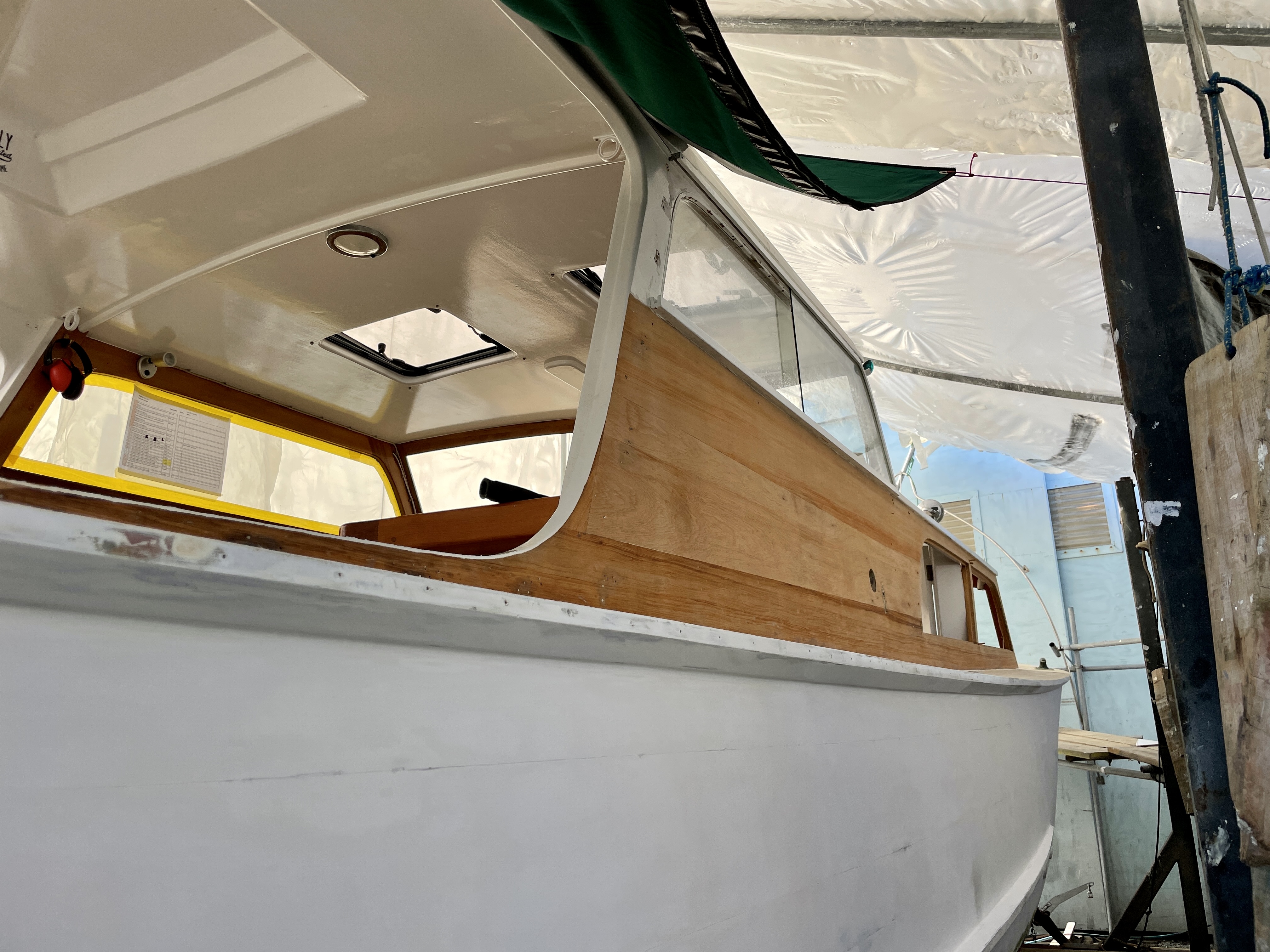
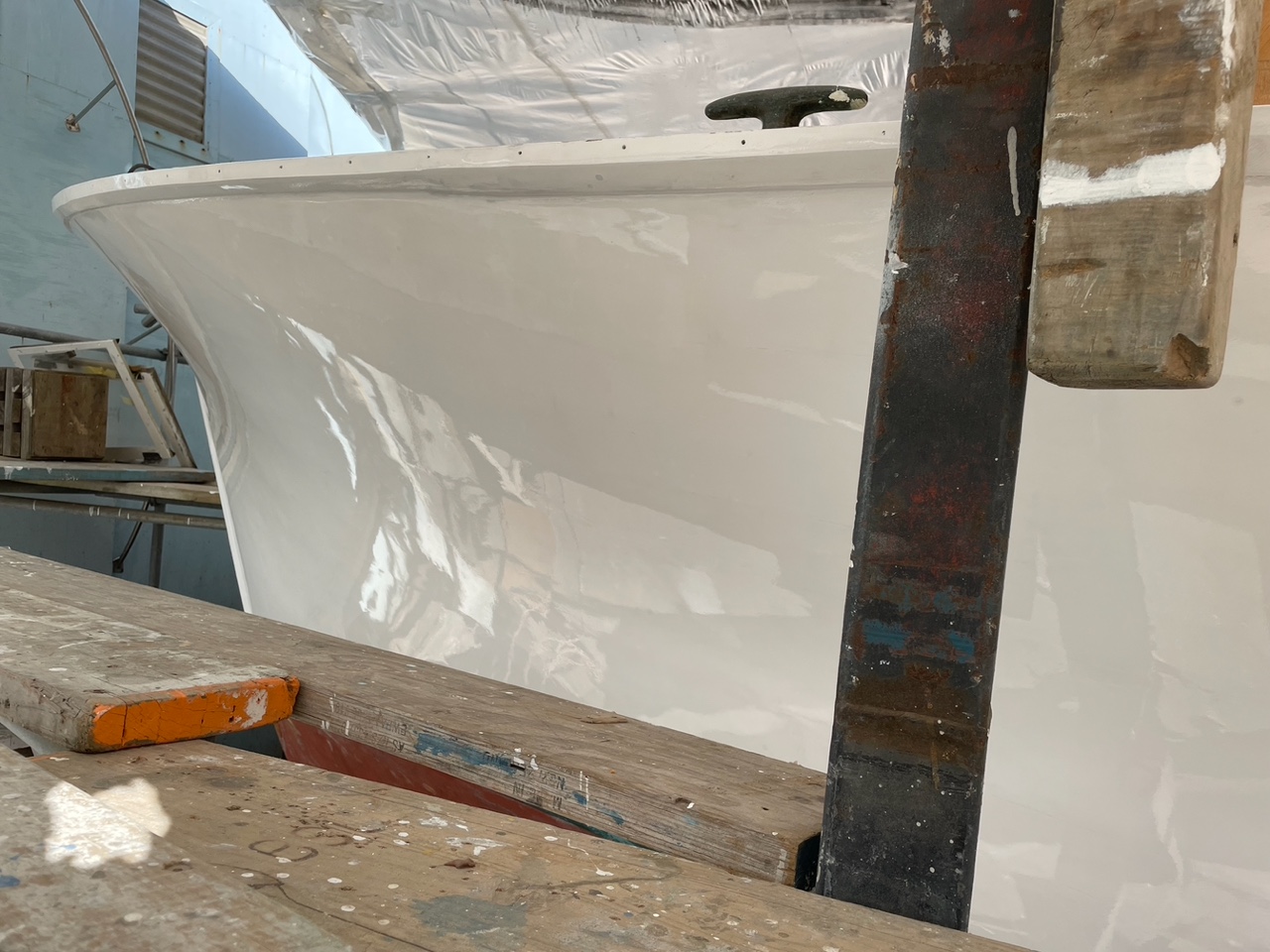
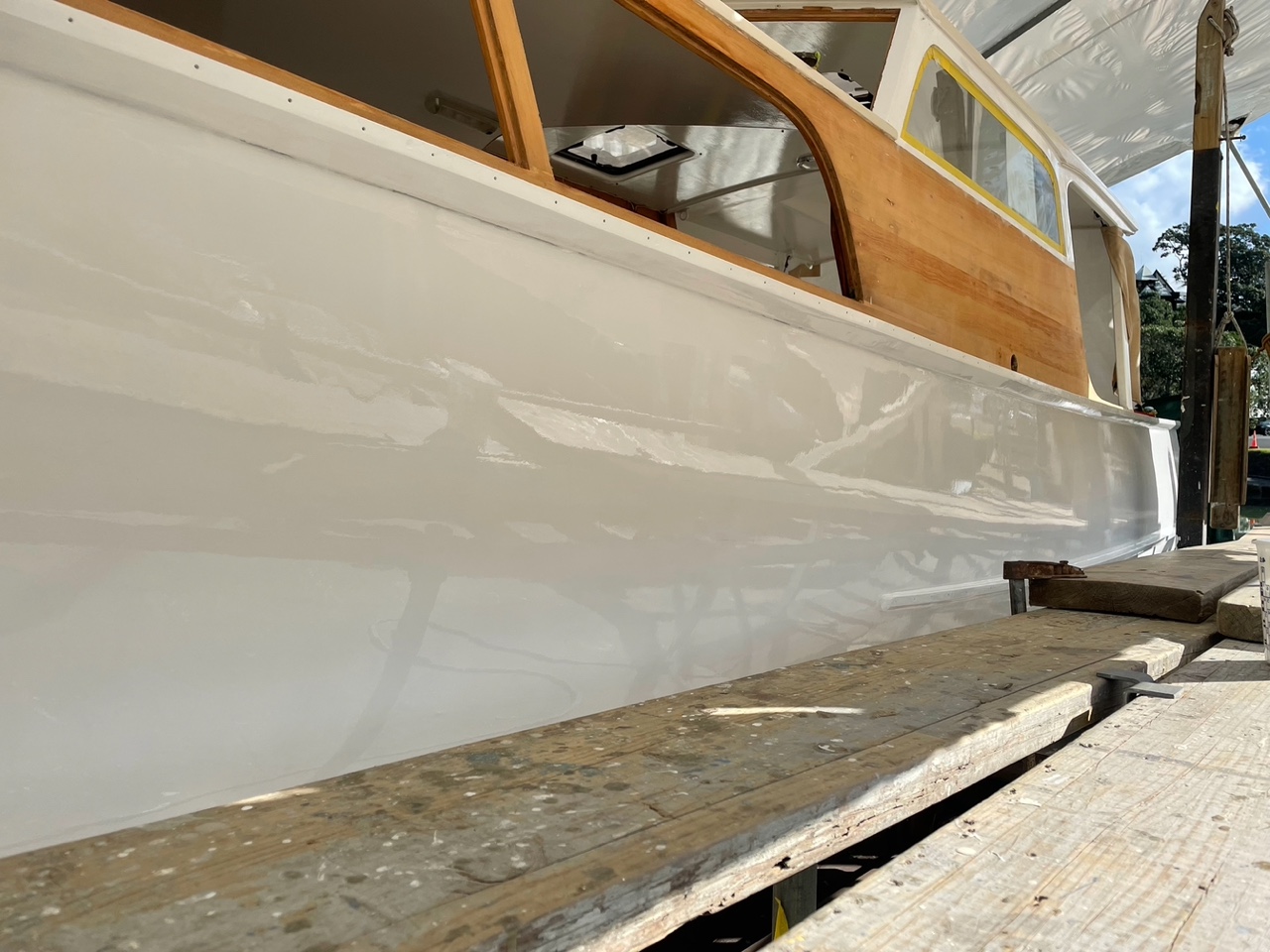
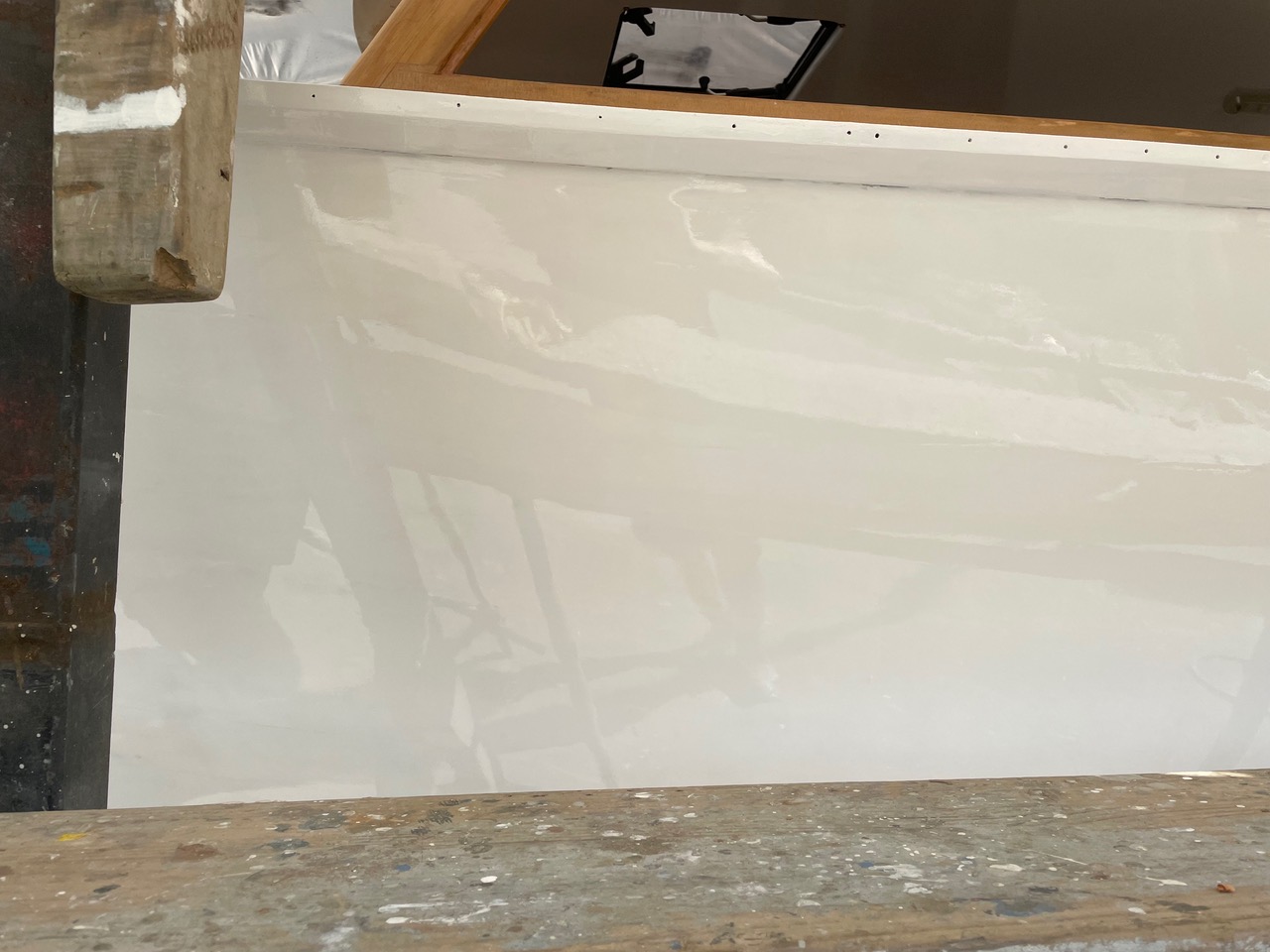
Aquarius – Restoration Update

IMG-0227


IMG-0490

IMG-0569

IMG-0614

AQUARIUS – RESTORATION UPDATE
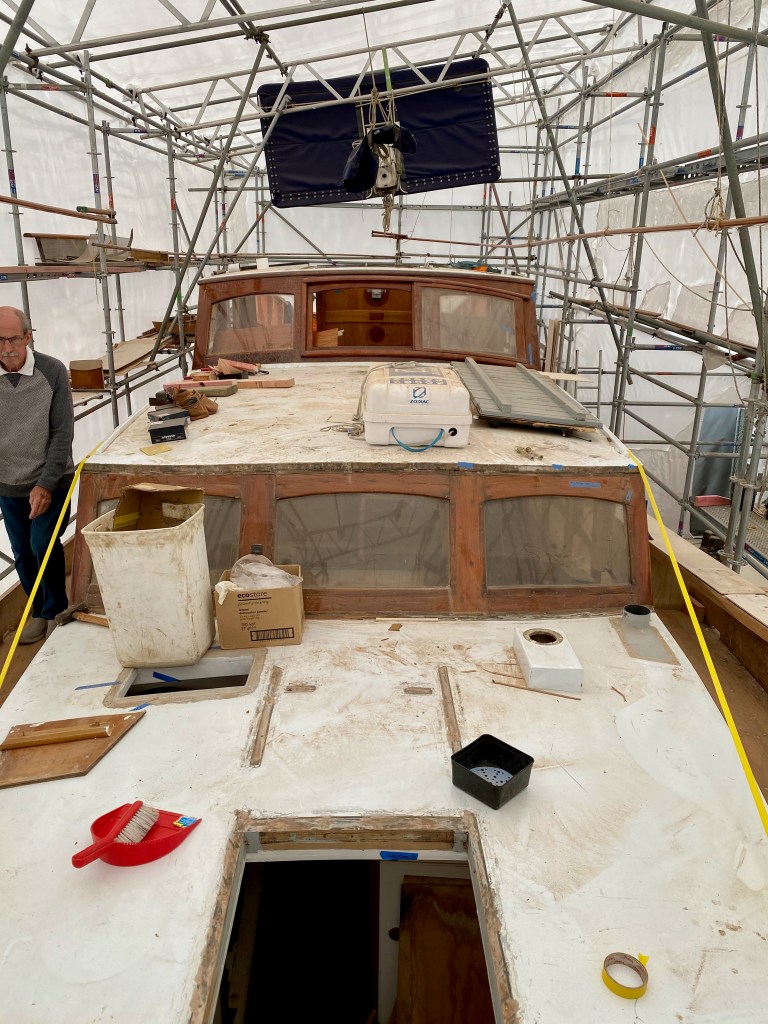
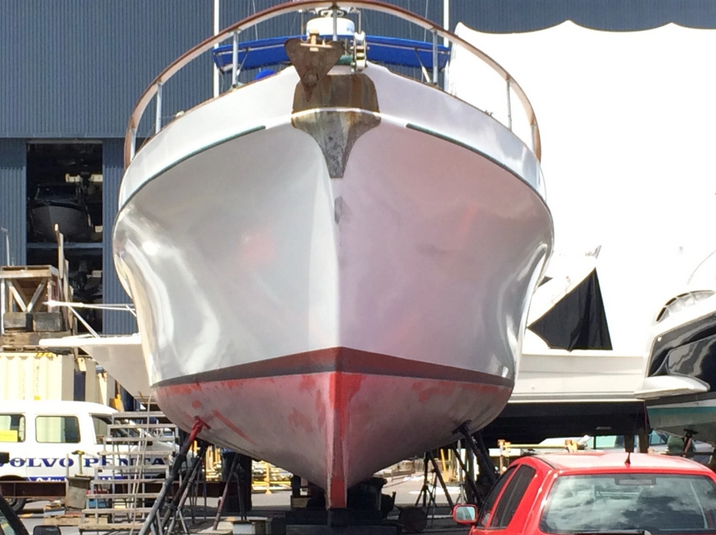
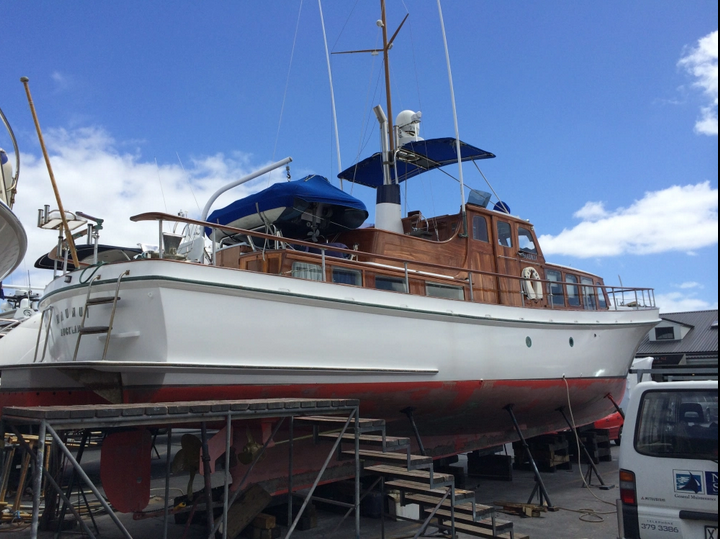
I have done two previous WW stories on the 38’ Supreme Craft, 1955 built launch Aquarius. In September 2018 it was an SOS reaching out for someone to save her and bring her back from Waiheke Island where she had been hauled out for approx. 6 years. Then in April 2019 we reported that she was being trucked / ferried back to the mainland. WW links to those stories below.

https://waitematawoodys.com/2018/09/01/aquarius-sos/

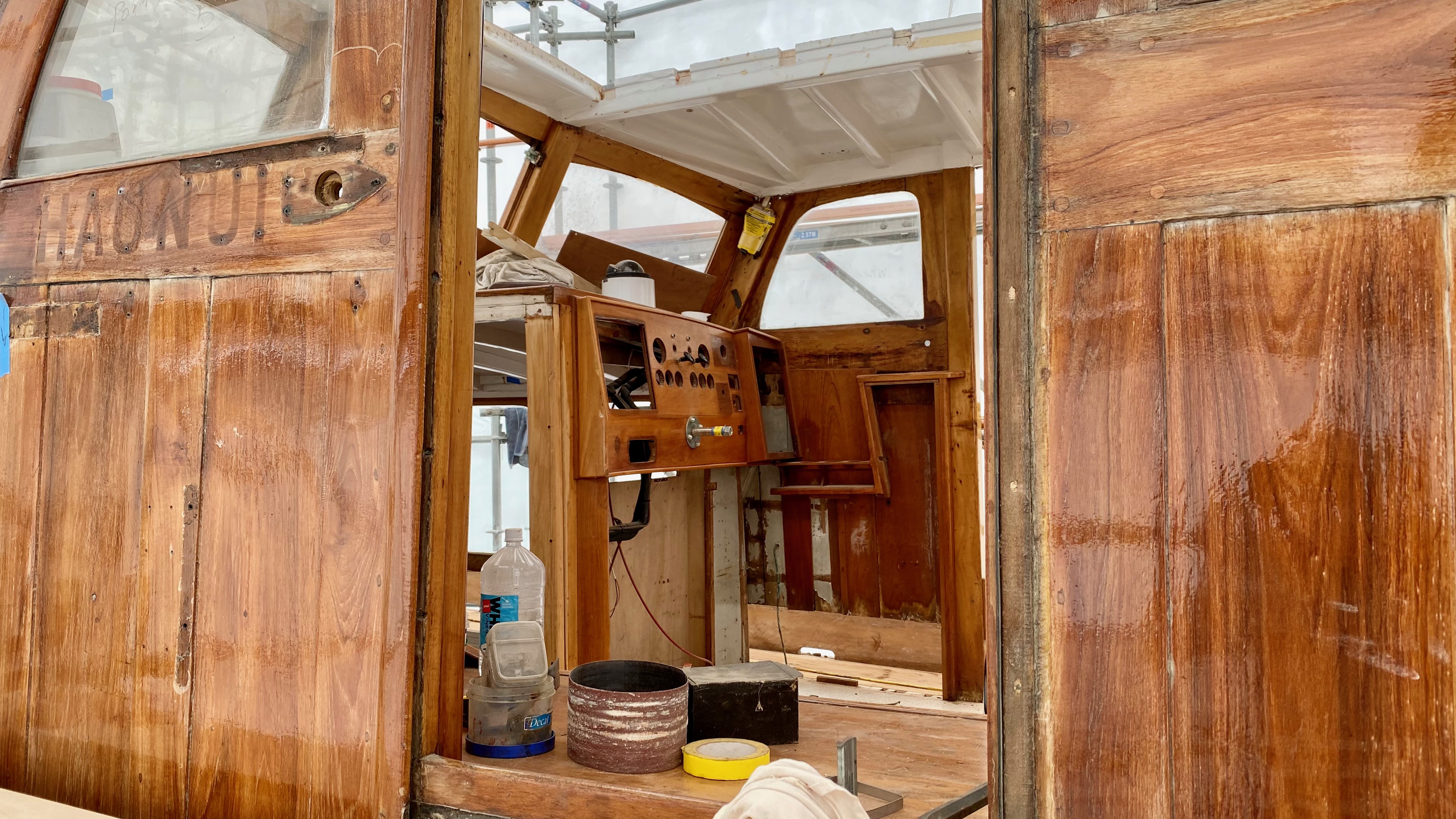
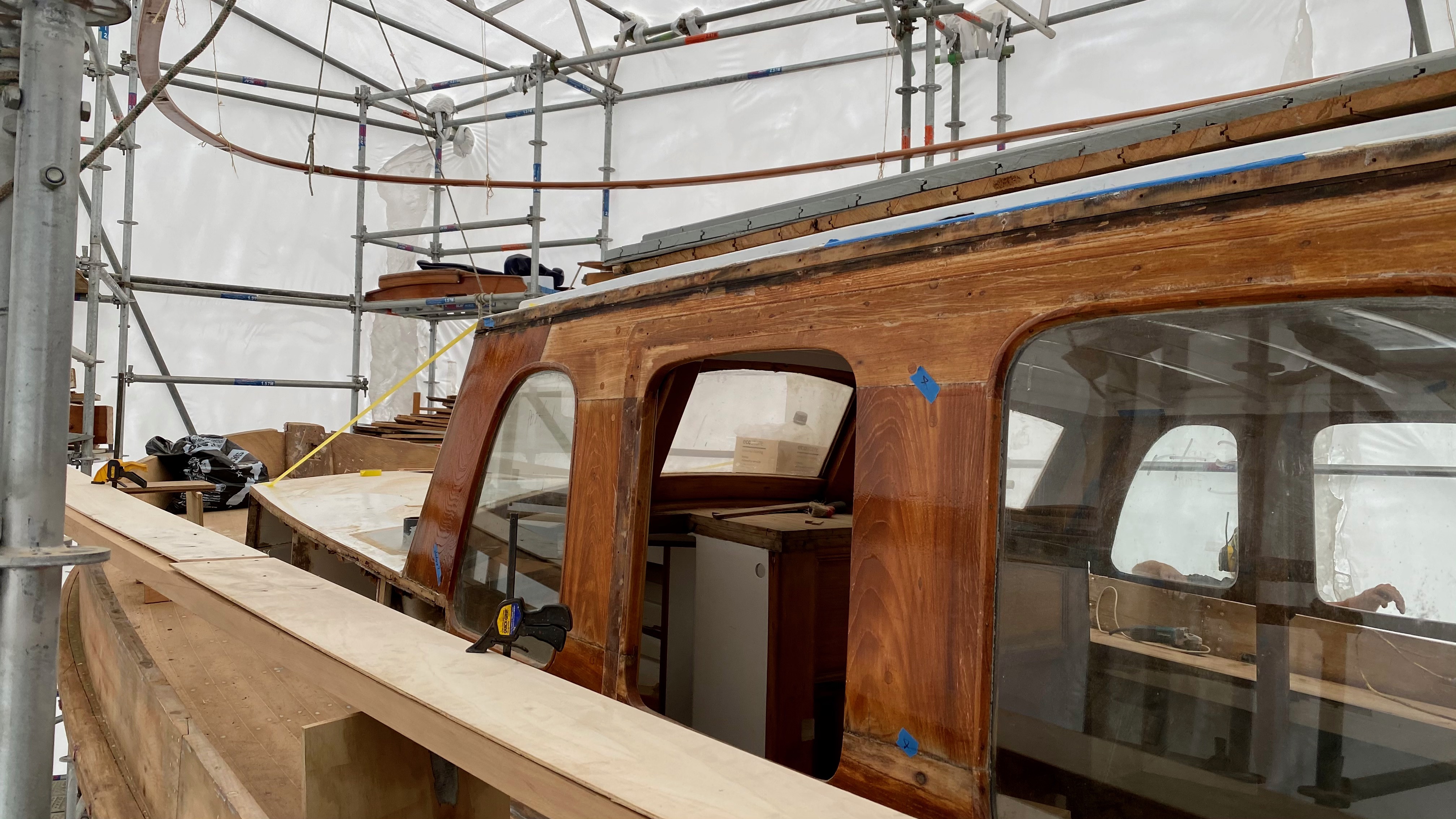
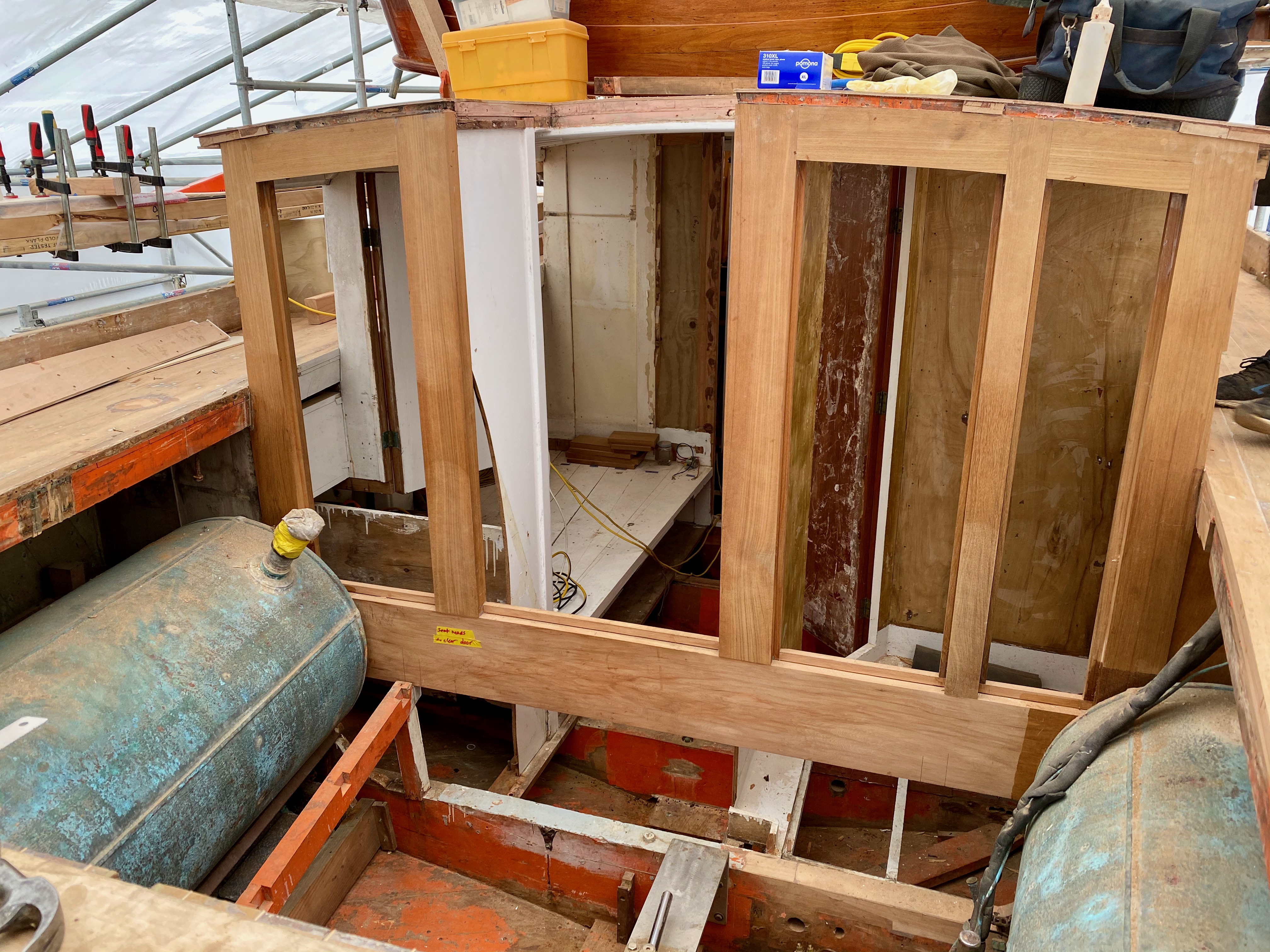
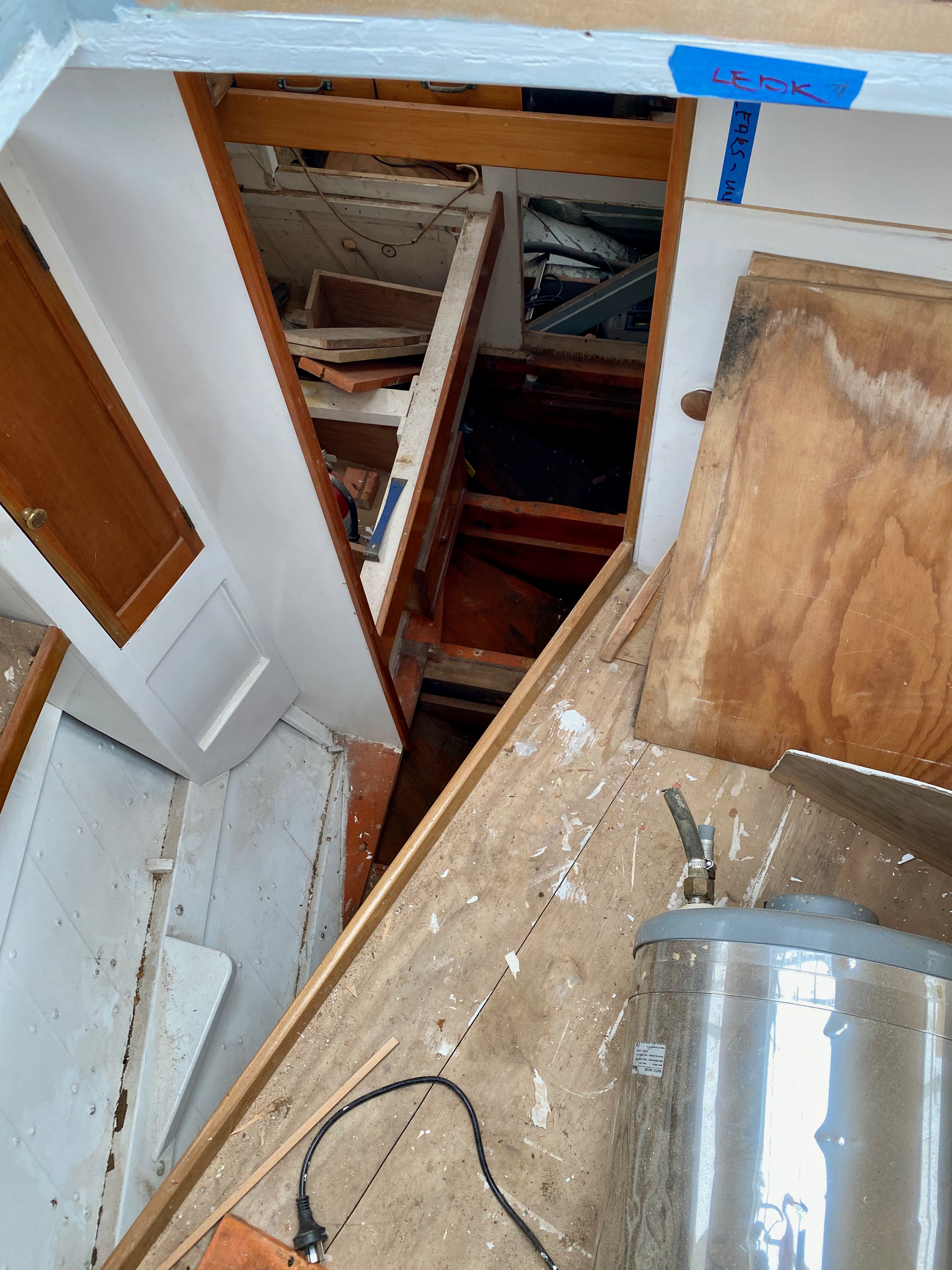
Today I’m rapt to share the above work-in-progress photos ex Dave Brown and John Wright, who are restoring Aquarius. These boys are light on chat, they just get on with the work, which is impressive – we will continue to follow this project with great interest – well done guys 🙂
Photos below – first one is from 2018 and the bottom two are from the island ‘extraction’ in 2019.
Screen Shot 2020-06-09 at 7.44.00 PM

Parua Bay Woodys

image0

Waipeke

image5

Aveline

PARUA BAY WOODYS

Alistair McRae snapped the above woodys in mid May 2020 in Parua Bay, Whangarei.
The first photo is of Waipeke, once owned by Barbara and David Cooke. 30’ in length, built in 1963. Unsure of the builder.
The 2nd & 3rd are of the 23’, 1932, Ralph Shephard built launch – Mandalay. After a long period on the Clevedon River, Parua Bay is now her home.
The last photo is Aveline, the Roy Parris built launch. A new arrival in the Bay, owned by friends of Alistair’s.
Tomorrow on Woodys we have a great rescue story – a woody recovering from a near death experience 😉

Brin Wilson 1958 Classic Wooden Launch – Mandalay

Screen Shot 2019-06-25 at 7.42.41 PM

Screen Shot 2019-06-25 at 7.44.18 PM

Screen Shot 2019-06-25 at 7.45.25 PM

Brin Wilson 1958 Classic Wooden Launch – Mandalay

Today’s woody was designed by Brin Wilson and built in 1958 by Dave Jackson, so that makes her a special woody. Carvel planked and measuring 35’9” with a 11’1″ beam and drawing 2’11”.
She is powered by a Moon Engines – reconditioned (2000) Ford 120hp diesel, that sips 7L an hour at a cruise speed of 7>8 knots.
Anyone able to put a name to the boat. I understand her owner has had her for approx. 30 years. Its Mandalay (thanks Geoff Bagnall)

Royal Falcon Restoration – Update June 2020

IMG_5861

IMG_5851

IMG_5852

IMG_5853

Royal Falcon Restoration Update June 2020

I had a reason to be pointing the car towards what used to be called ‘Nappy Valley’ (Pakuranga) so decided to call into the Panmure River boat shed where Steve & Colette Pople are having the 38’, 1934 Cox & Filmer built bridge-decker – Royal Falcon restored, ‘having’ isn’t the best word because both are actively involved in the project.
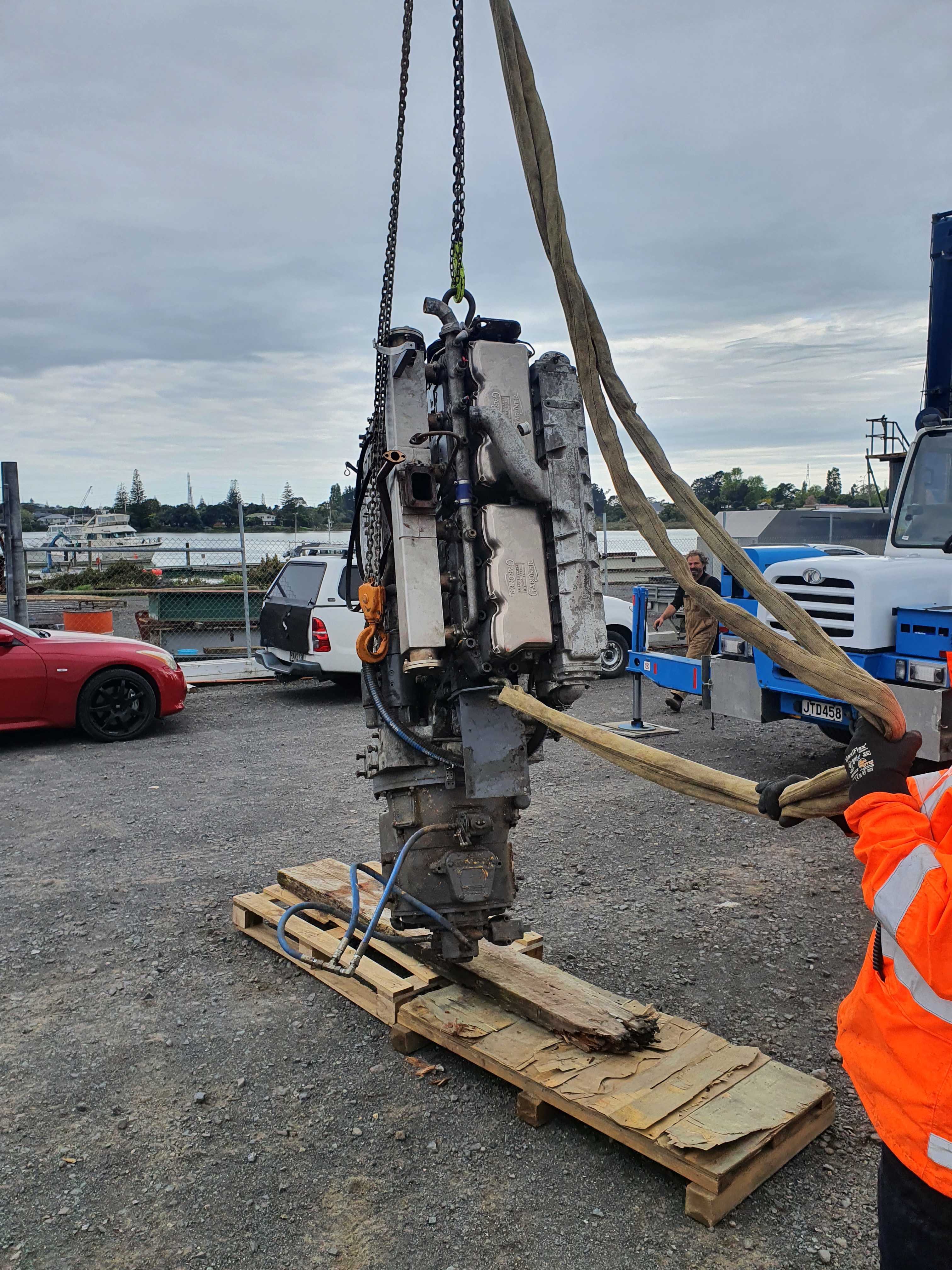
As you will see in the above photo gallery, the team are working at an impressive pace. The Commer TS3 engine is back in and looking very shinny. Very impressed to see the team re-purposing as much timber as possible – we like that 🙂
While there I dropped off an age appropriate search light that I had promised Steve, it didn’t suit Raindance so – ‘spread the love’. Thank you Jason Prew who gifted it to me originally 🙂
You can read / view Royal Falocn’s past at the link below + earlier project photos
Below is a video walk by/thru that I did. Have to say it is so cool to see a real, working, waterfront boat shed. Anyone remember something called ‘Heritage Landing’ aka the Vos Shed………….

Manaroa Bay (Lady Leila)

Manaroa Bay

MANAROA BAY (Lady Leila)

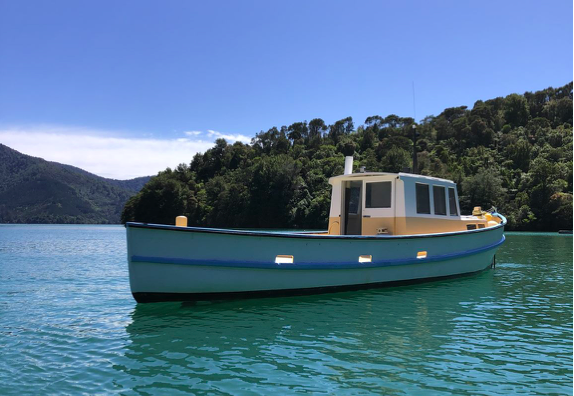
The above photo of Manaroa Bay was sent by Cameron Pollard. Cameron believes that she may be a reincarnation of a well known New Zealand built motor-sailer. Home these days is Australian.
Any one able to ID the graft stock?
Input from Gary Lidgard – Original name Lady Leila, designed and built by Roy Lidgard 1961, hull and decks at Kawau and fitted out at their yard at Bayswater. They sailed her to Sydney for the owner a retired Sea Captain a Mr London based on Sydney’s Pittwater. From memory this was probably their last new build at Kawau. This was a larger boat based on my grandfathers Rongamau, the owner had spotted her when he visited Kawau cruising in his then yacht and placed an order.
Remember When You Could Haul Out At Westhaven
Photo below is a blast from the past. I spent many days knee deep in mud sanding off and racing to apply very toxic anti-foul paint before the tide came back in. Captain Dennis Ross promised the youngest crew members that it was 100% safe……….. yeah right.
Screen Shot 2020-06-04 at 6.56.01 PM
Help ID This Boat
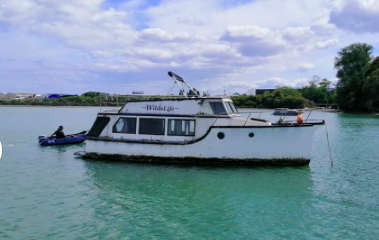
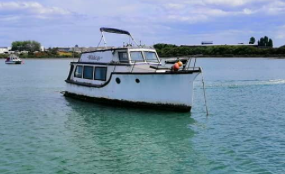
When I get an email that starts off by saying they are 29 years old and have just bought a wooden boat – I action it fast – we need to encourage the next generation 🙂
Michael van der Putte has just purchased the launch – Crystal Dean, pictured below on the Kaipara.
Michael has been told its a Carl Augustine design, but would like to get confirmation and if possible uncover any known history.
And my question – anyone able to tell us more about the green/red launch – Betsy, making a cameo appearance in the top photo below?
received_2144269139200797

Alpheus – A Peek Down Below + Lady Ava In Trouble

Screen Shot 2020-06-03 at 4.43.19 PM

ALPHEUS – A Peek Down Below

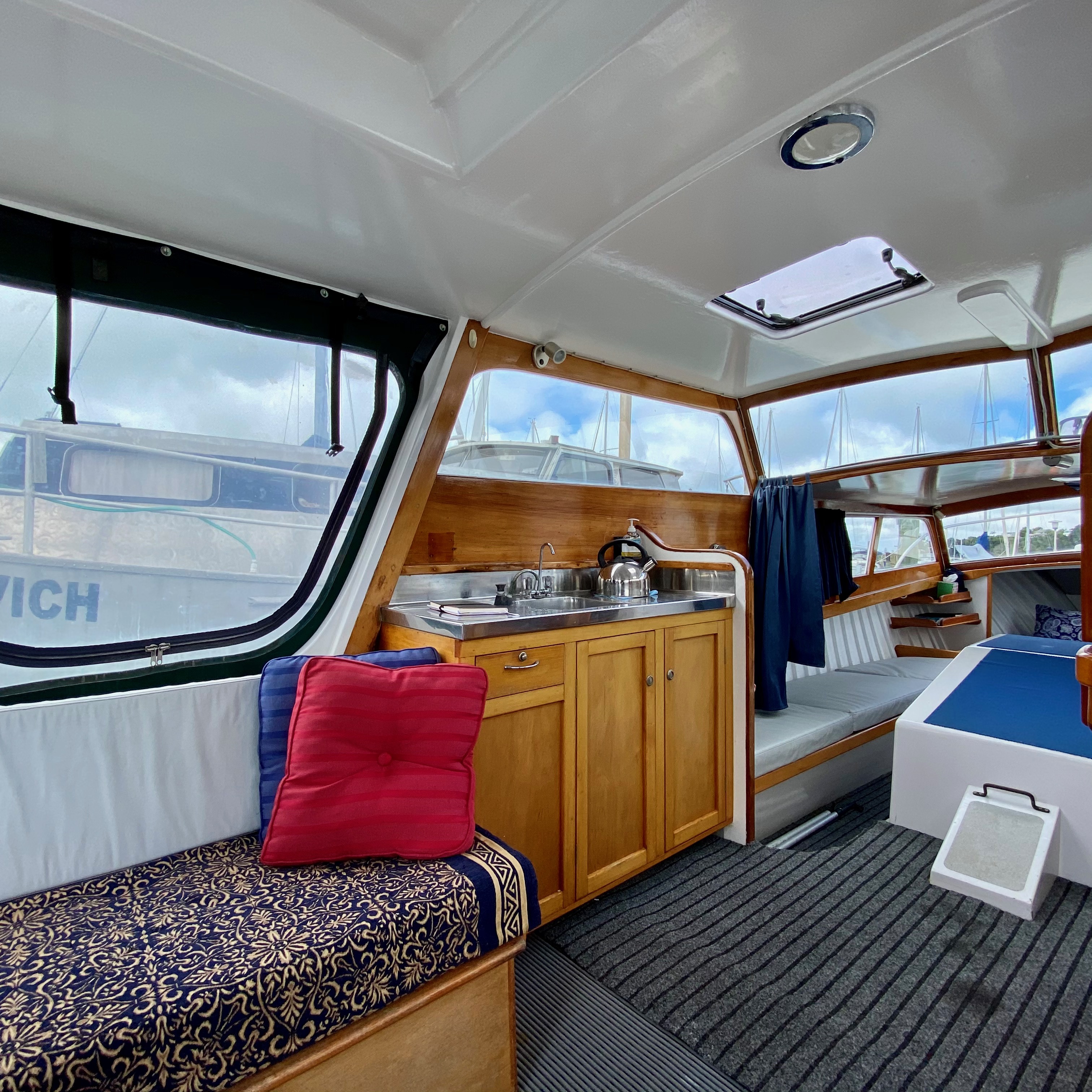
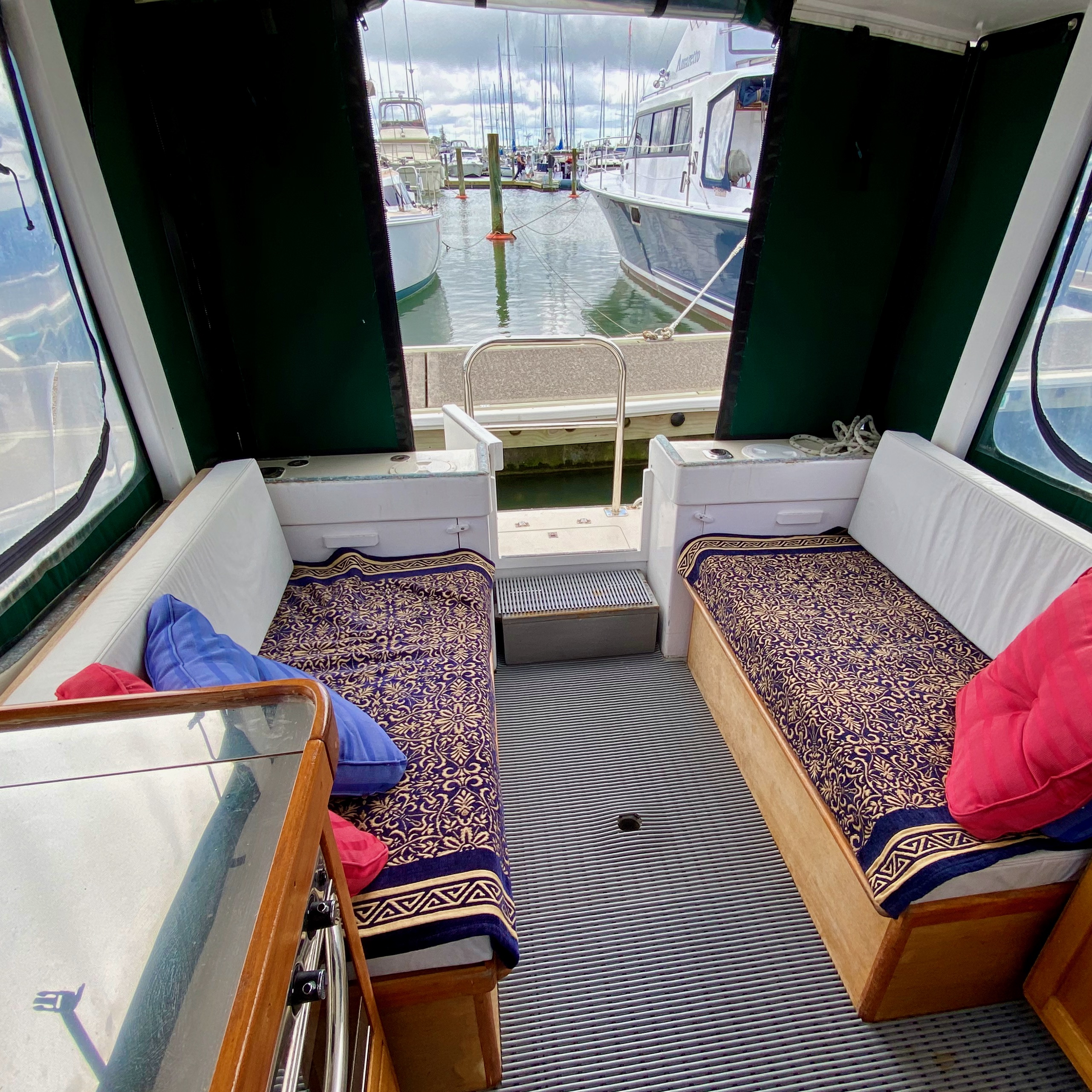
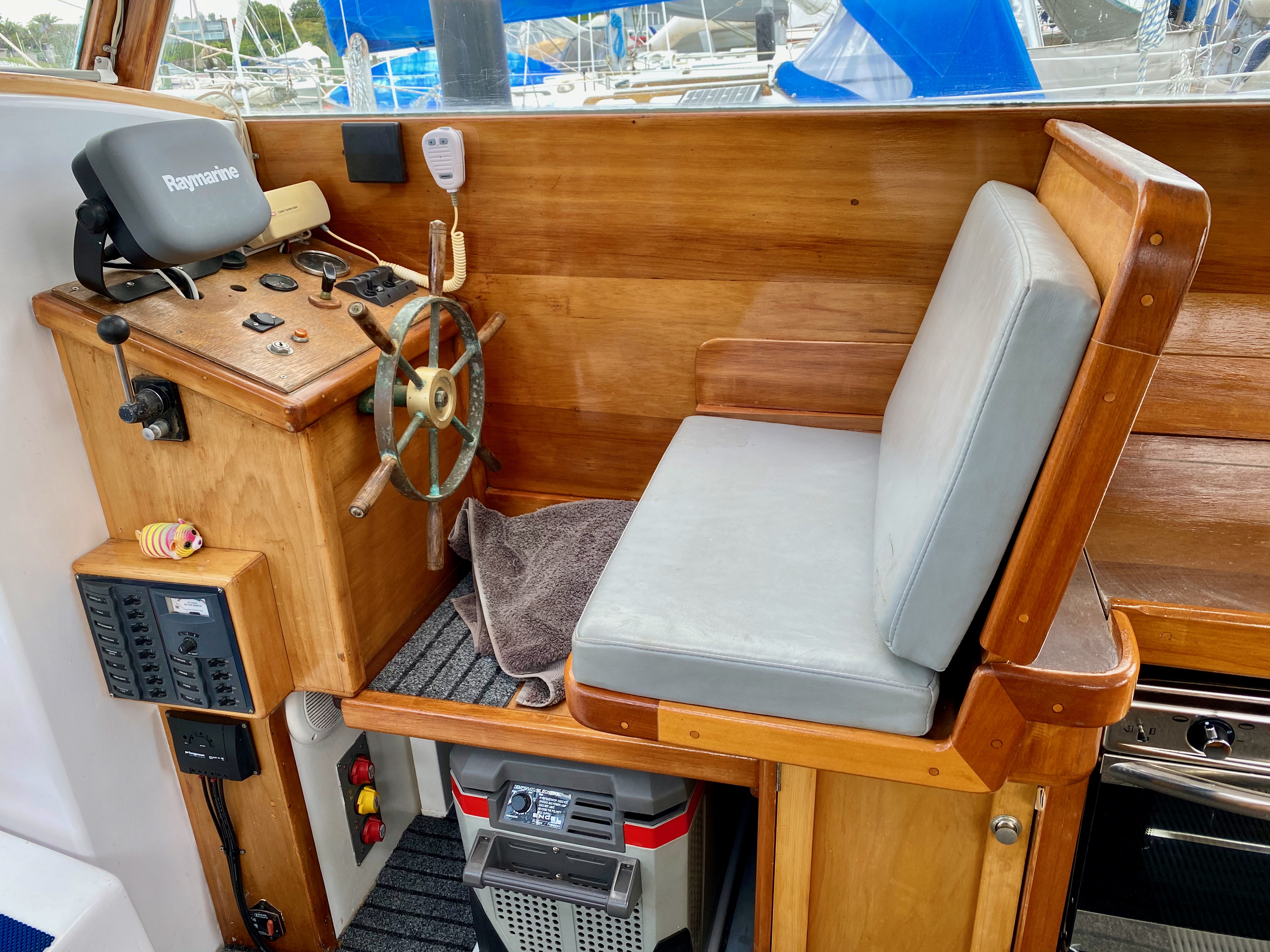
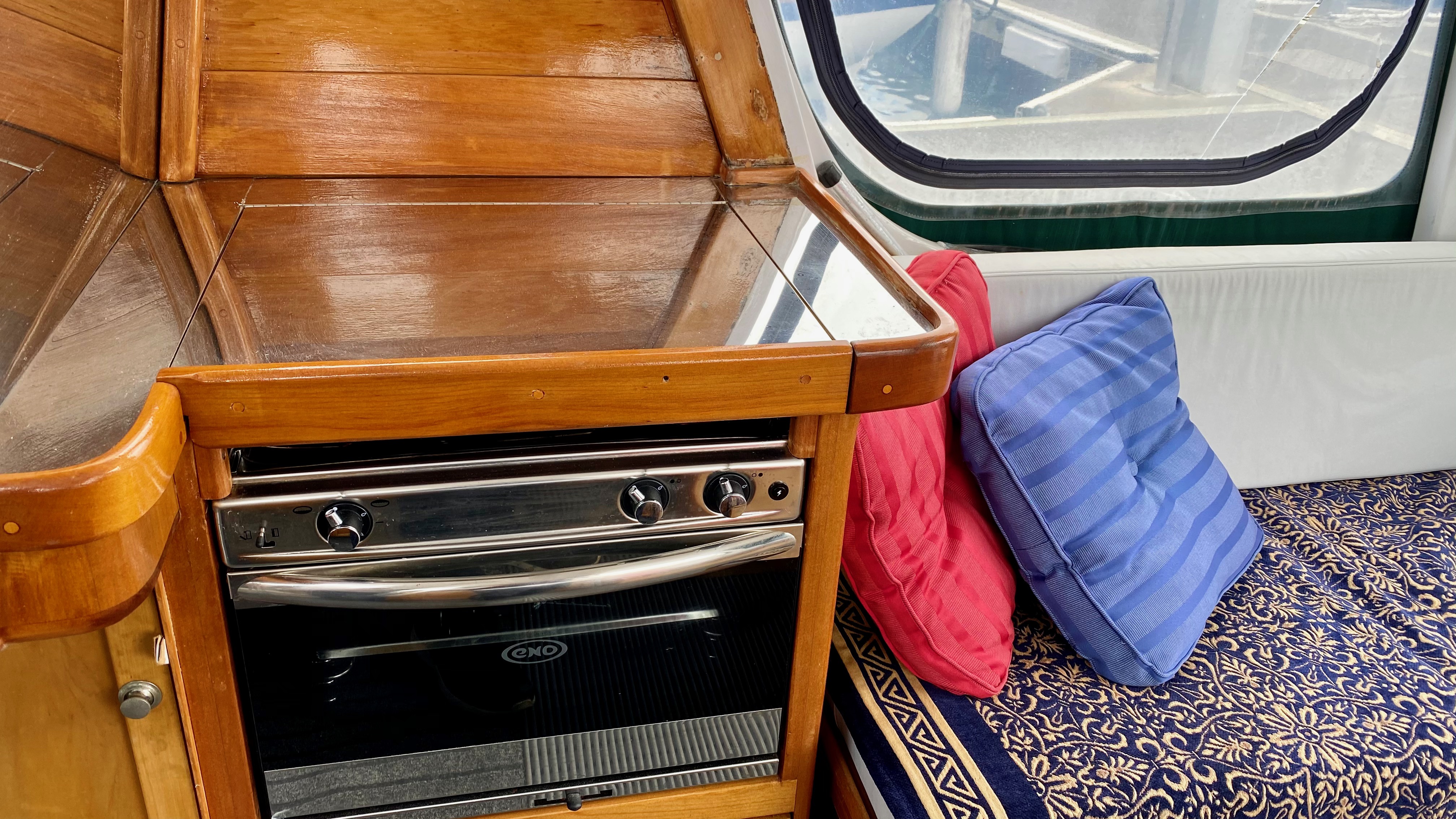
Alpehus has previously made a brief WW apperance and today we get to have a peek down below. The 42’ carvel kauri planked Alpheus was built in 1962 and launched in 1963, thought to be a McGeady design, built by Ben Hipkins.
Power is via a 120hp Ford diesel that gets her along at 8>9 knots.
From the photos (thanks Ian McDonald for the tme heads up) she is very well fitted out, a little ‘dark’ for my taste but who am I to comment 🙂
LADY AVA
I have been advised by Cameron Pollard that Lady Ava has had a wee opps.  A fine ship in her day, good enough to have caught the eye of Harold Kidd. Lady Ava, built in 1931 by Ernie Lane (Picton) was once named Miss Ava has popped up on WW b4, links below. + recent photos below.
Screen Shot 2020-06-03 at 5.23.34 PM

2006 – Mahurangi – Jason Prew

Screen Shot 2020-06-03 at 5.24.39 PM

Auckland Harbour – John Wright

Screen Shot 2020-06-03 at 5.24.58 PM

John Wright

Screen Shot 2020-06-03 at 5.22.31 PM

2015 – Panmure River – Jason Prew

Update – photos below taken by John Bullivant in Feb 2019 of LA on the Tamaki River.

Hudspith – Bay of Islands Game Boats

Marie J

Marie J – 1956 – 30′ Master-Craft

Venture

Venture – 1964 – 36′ – M.G. Palmer

HUDSPITH – BAY of ISLANDS GAME BOATS
David Clarke sent in the above photos of the Bay of Islands launches – Marie J (top) and Venture (bottom) that were both owned and operated by the Hudspith family (father Don, and sons Cyril and Norm) of Kaikohe.
Marie J was owned in the early 1960’s and moored in the Waitangi river on the piles. She was used mainly for game fishing in the BOI and Whangaroa areas with many days trolling over the Taheke reef for marlin. In the photo is David’s father, Colin Clarke, a regular crew member sitting on the cabin top left, beside him is Cyril Hudspith and in the cockpit is Tammy Weir another regular crew member.
The Marie J was sold in the mid 1960’s and in and around October 1966, the Hudspith’s family’s new launch Venture was purchased and brought up to the BOI.
She then spent the next 30 years or so mainly game fishing and Norm Hudspith was a prominent member of the BOI Swordfish Club and indeed the IGFA.
The photo of Venture shows her with a new clear flying bridge (added c.1968) and about to be launched at the BOI Yacht Club slip way in Waitangi after her annual haul out.
The Hudspith’s also installed a Perkins wing motor for trolling around 1968.
David commented that it was great to see that both vessels are still in very good condition, a credit to the owners.
Read and see more on Marie J 
Read And see more on Venture 
 

Valerie

Screen Shot 2019-07-27 at 5.14.39 PM

VALERIE 

In the above 1963 photo we see the launch Valerie towing an ex Whangarei Harbour Board shed to Port Whangarei, at the time river transport was judged to be the best option.

Input from Robin Elliott and Harold Kidd (previous WW story) – Valerie was designed and built by the  Lane Motor Boat Co. in 1929. She is 35’ in length with a 9’ beam. For many years she was owned by the Reynolds family, close friends of the Pickmeres, who owned her up until the late 1960’s. Apart from a short period in Auckland during the 1960’s she has spent almost all her life in Whangarei and the far North. It is believed Valerie was sometimes used by H. Pickmere when he was charting the far north.
Screen Shot 2020-06-01 at 11.00.51 AM

Launch day 29 August 1929 & Whangaroa 2013

I spotted her in December 2019 hauled out at the Opua marina getting a serious refit that included being re-powered with a Yanmar 115hp. Read / see more here
Screen Shot 2020-06-01 at 10.59.41 AM

Shalimar

Screen Shot 2020-05-24 at 2.12.48 PM

Screen Shot 2020-05-24 at 2.12.35 PM

Screen Shot 2020-05-24 at 2.13.11 PM

Shalimar

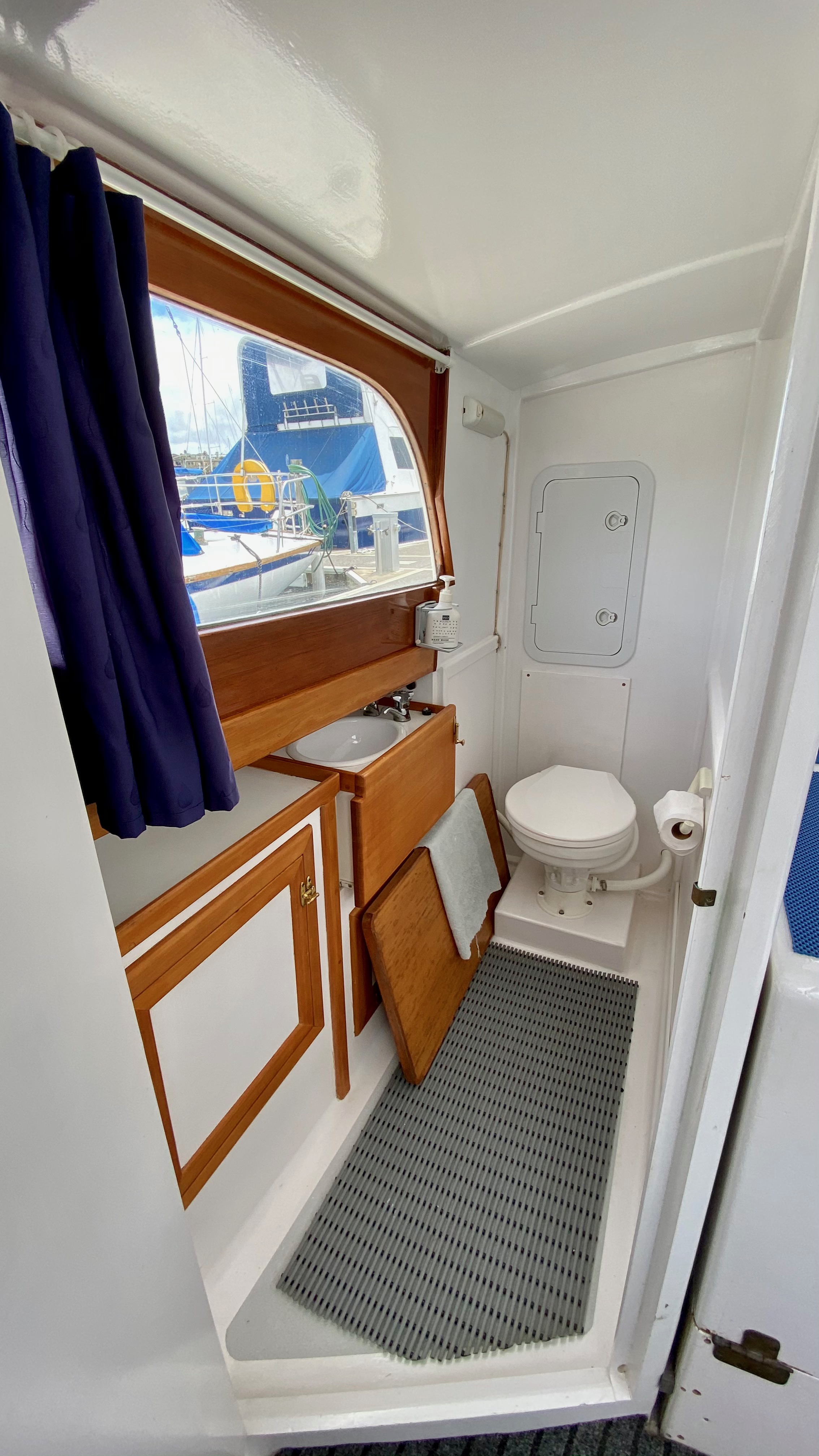
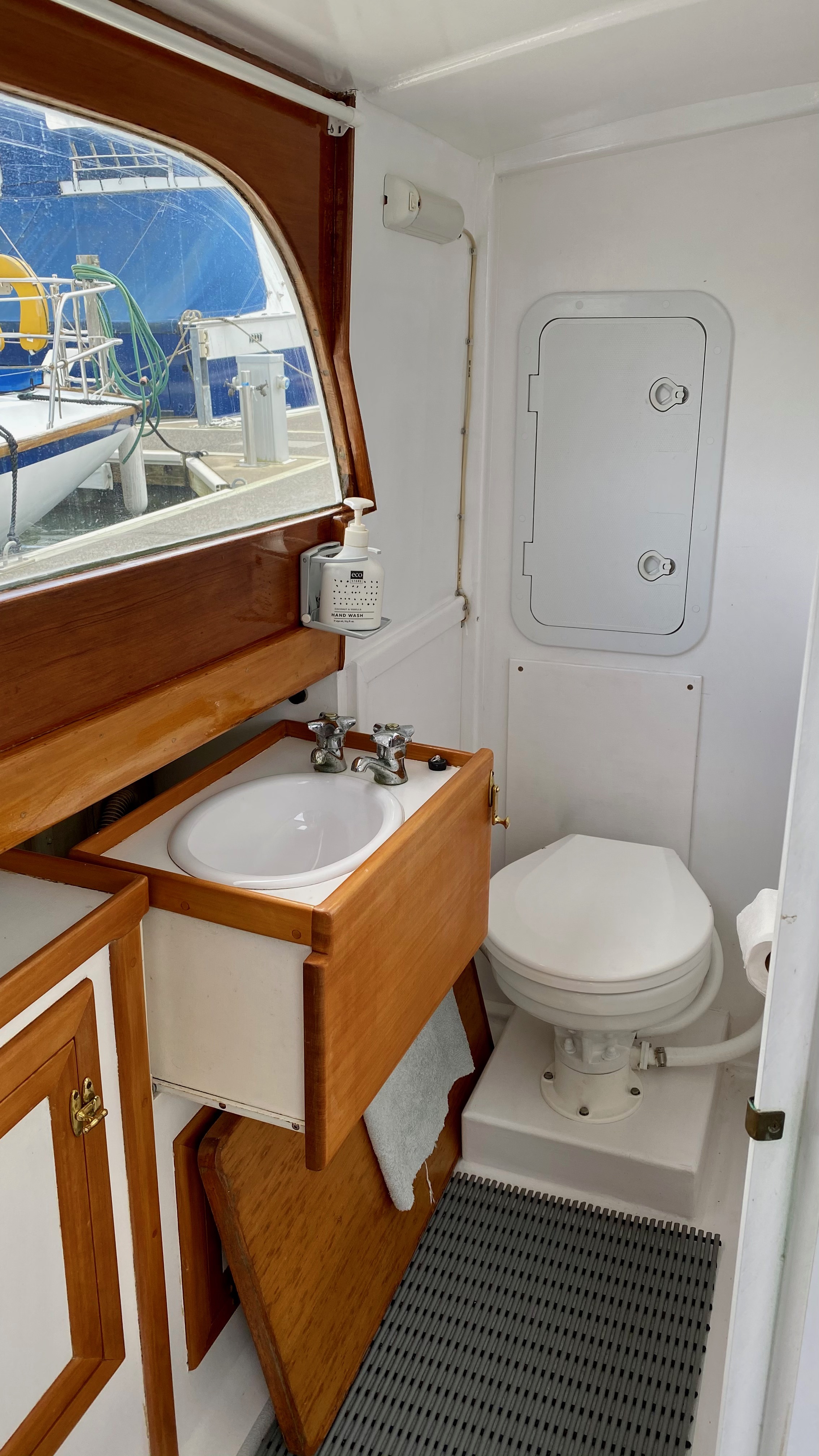
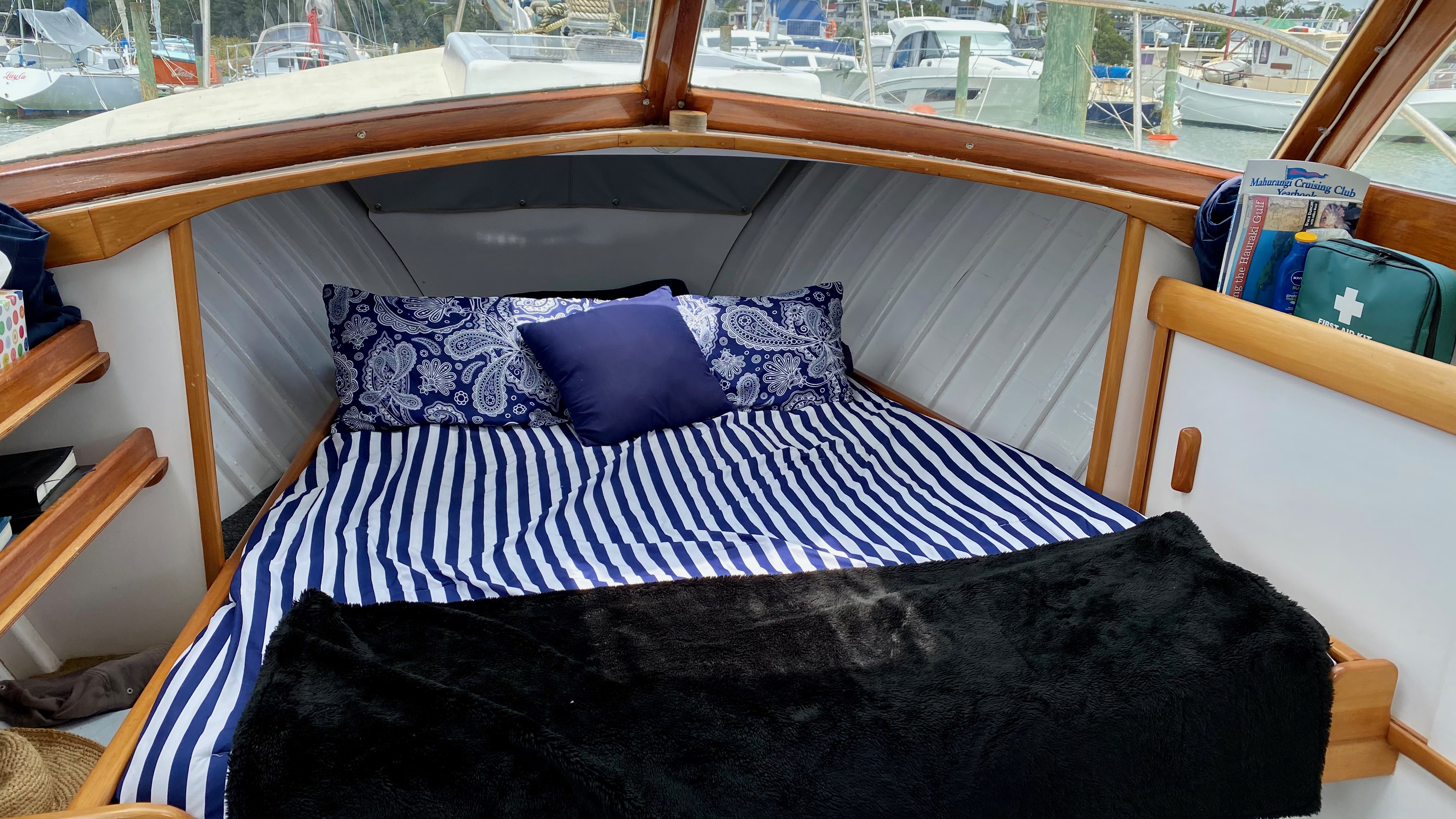
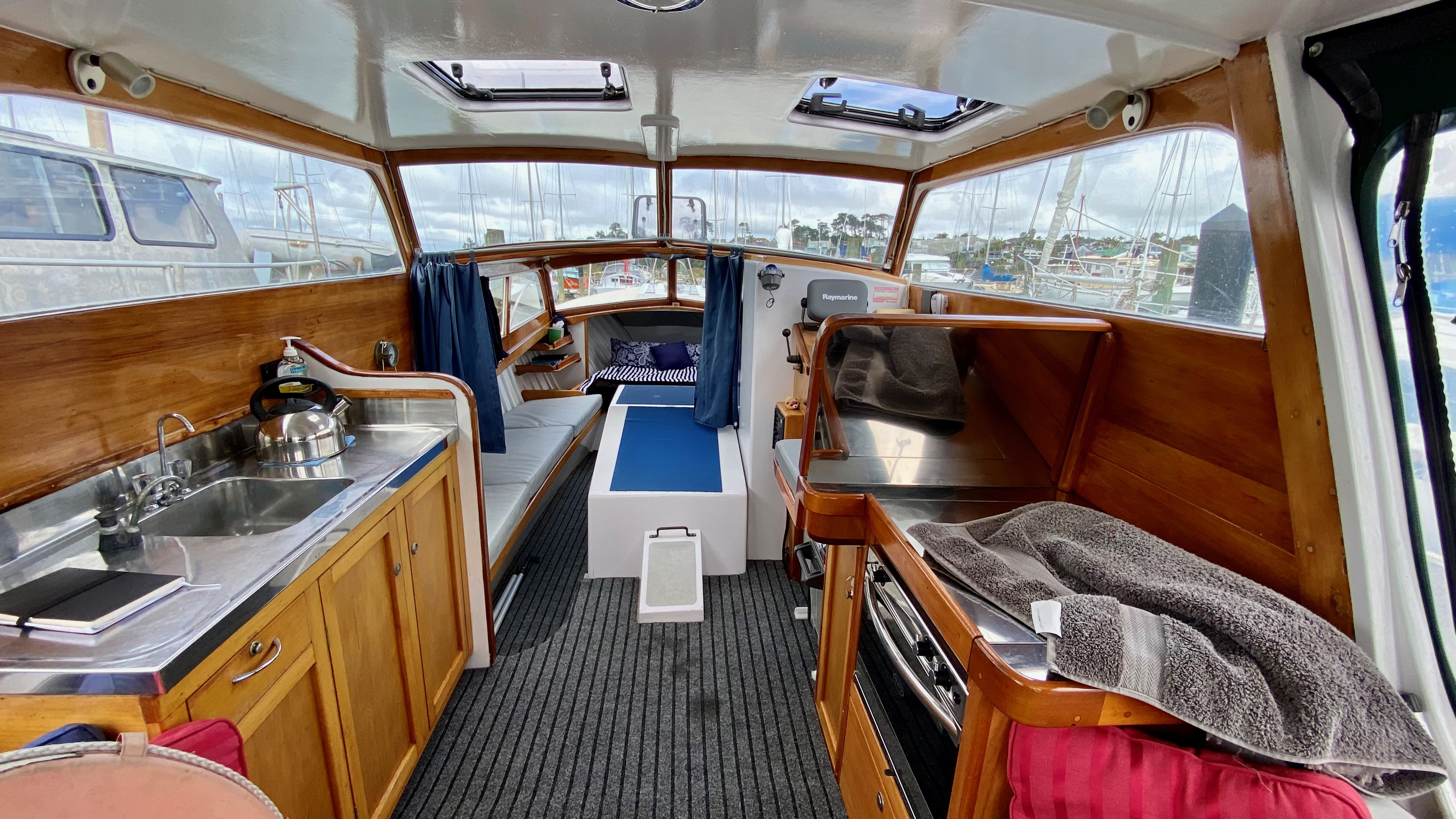
I had Shalimar all lined up to be a mystery boat story and I received an email from Leane Barry advising that they had purchased the boat last week.
Shalimar’s past is a little cloudy as the previous owner (Andrew) purchased her off a deceased estate, with zero background on the boat. On board there is a small brass plate with the word ‘Jedda’, so maybe a name change at some time.
What we do know is she is 28’ in length, designed by William Atkinson c.1960. Powered by a Volvo 30hp diesel engine.
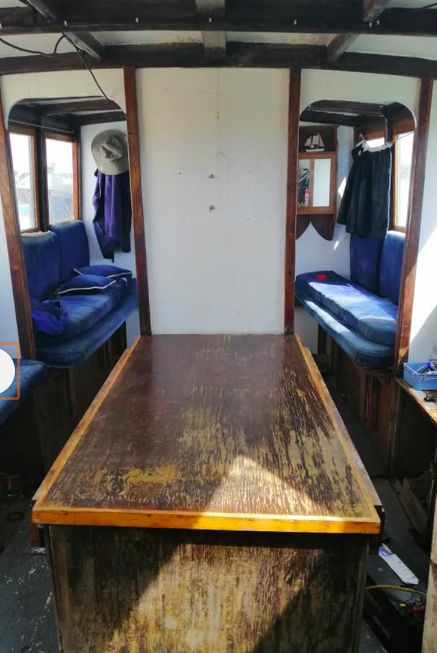
Check out the interior photos, at some stage she has had the hands of a good wood worker on her.
With some attention to the exterior she will be a smart entry boat into the classic wooden boating movement. I would paint the coamings a ‘varnished wood’ like colour, something similar to La Rosa (photo below) Or go all out and strip back and varnish which would look spot on.
Anyone able to shed some light on her background?
Harold Kidd Input – SHALIMAR was owned by KLE Upton of Merchant Ave Te Atatu South in 1973. He was a member of RNZYS. As far as the cutter at Okura is concerned, the Redvale Lime works were developed during and after WW1 by the Durey and (I think Pye) families. Driving home to Dairy Flat I drive along Durey Road to avoid the current road works bottleneck at the top of the Albany Hill. I haven’t been able to trace this vessel today.
La Rosa May2020


Mystery Work Boat Question

I have been asked by Ken Durey if we can ID the boat in the photo below – seen here landing lime in the Okura River in the late 1920’s. Behind the vessel, on the shed, is a sign ‘Redvale Agricultural Lime’.
Ken found the photo in a family box of photos belonging to his father. Ken’s sister (aged 89) suspects the boat may have been called ‘Joan Glide’.
Can we help put a name to the boat and any other details?
(nice looking clinker on deck)
Input from Ken Durey – Vessel was loading lime for delivery to Barrys Point Road gardens .
My Dad started Redvale Lime Co. from a small quarry 1km from the river.
He was also engineer on the Huia for a time and worked for Aspen Shipping Co. His first trip at sea was on the scow the Scot
Joan Glide?