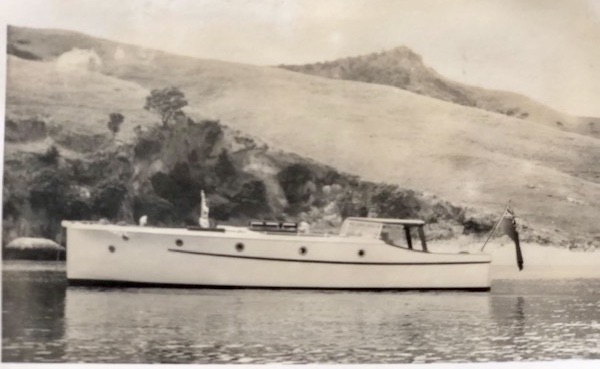
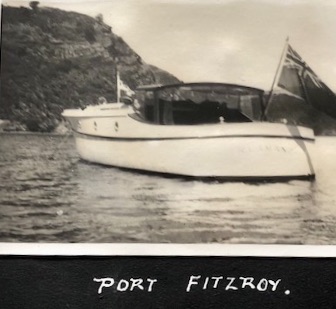
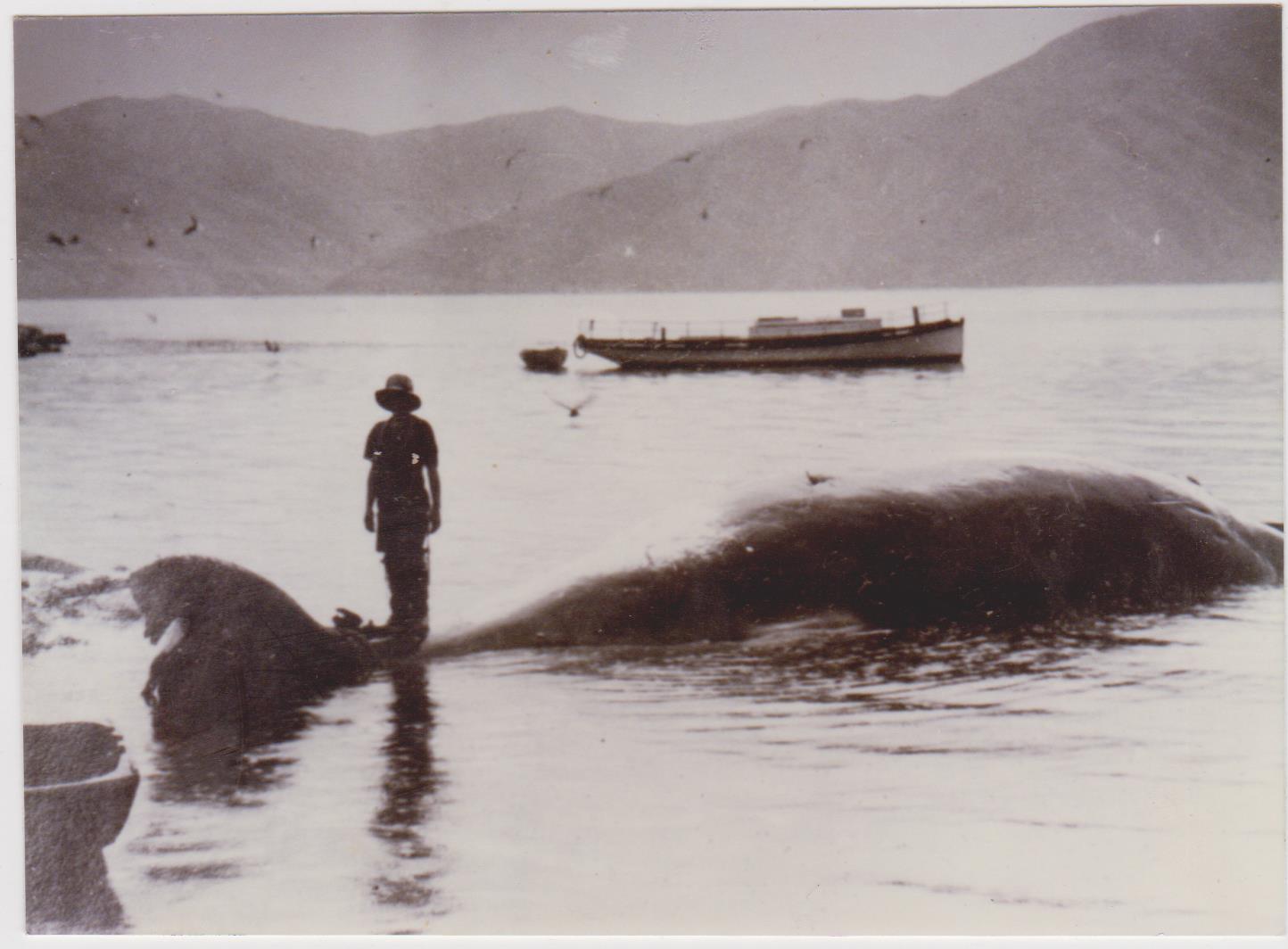
Restoration of Pakeha

Screen Shot 2020-07-24 at 8.37.11 AM

Screen Shot 2020-07-24 at 8.37.29 AM

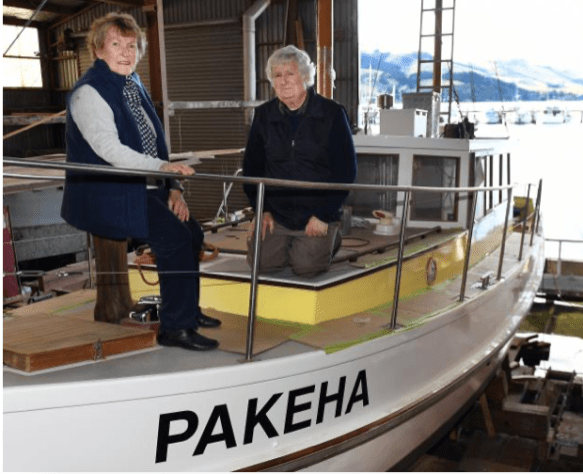
Nancy & Beaven Burrows

RESTORATION OF PAKEHA
 
One of the great things about provincial New Zealand is that cool human interest stories still make the front page of the newspaper. On Friday (24th July) Jacob McSweeny ran a story in the Otago Daily Times on the ex workboat – Pakeha.
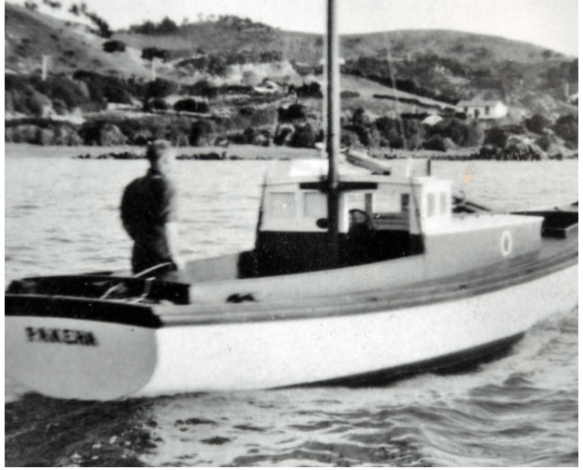
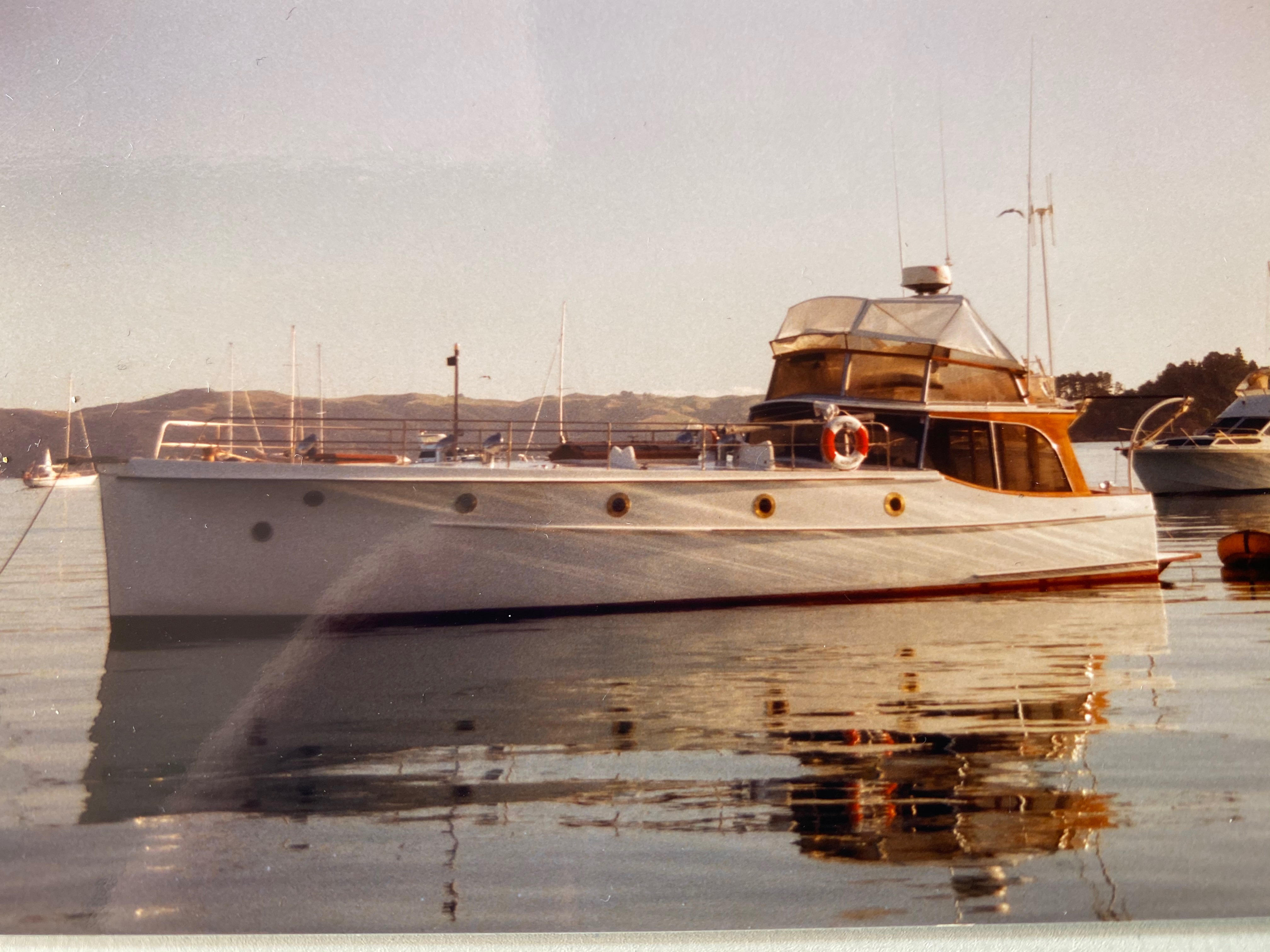
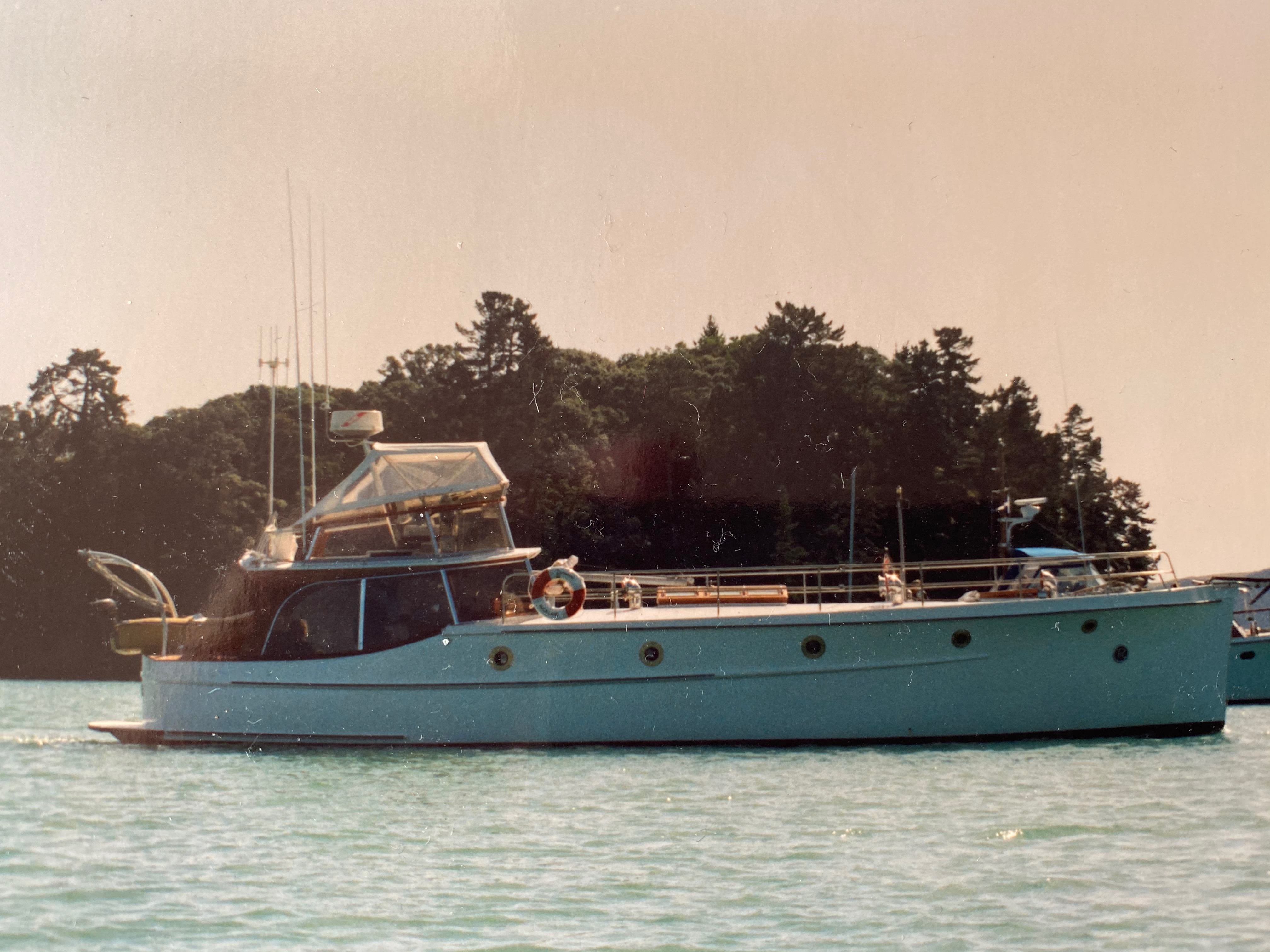
Built in 1925, Pakeha is the pride and joy of Beaven Burrows, whose connection to the boat goes back to his youth when he used to get rides on Pakeha off the coast of Kaikoura, where his family resided at the time.
I’ll let Jacob tell the story – At 16 Beaven was intent on becoming a commercial fisherman like his father, but that was not to be.’No, I want you to stay and work on the farm. It’s my wish’, his dad said to him. Beaven has been a dairy farmer ever since but his love of boats and the sea has never ceased.

Then four years ago, a friend pointed out Pakeha was for sale. ‘I’d always loved that boat . . .so I decided to buy it.’

The old fishing boat is a true survivor. Beaven believes it may the only one from Kaikoura at that time still around. ‘It’s been washed up on the beach . . .five, six times in its life and survived.’

There was quite a bit of rot in it and so when it was brought to Careys Bay Marine Services in October 2018 it had to be stripped down and rebuilt.

The boat builders were able to rebuild Pakeha referencing old photos and Beavans’ memory of how it was. ‘It’s always been one of the nicest, tidiest boats as a fishing boat,’ Beaven said. The boat is about a week away from completion, with just electric work to be done.

Beaven and wife Nancy are planning a big trip to the top of the South Island this summer, including a visit to the daughter of the first owner of Pakeha, who lives in Waimate, and to the boat’s old home of Kaikoura.

Video link below ex the Otago Daily Times digital edition
 
Would be nice if we can add to this story with some details on the builder and what see got up to over the years?
Photos below ex Careys Bay Marine Services fb page. Thanks Lindsay Grenfell for the heads up 🙂
Screen Shot 2020-07-24 at 8.23.01 PM

1895 Bailey Gaff Cutter – IDA – Launch Celebration

IMG_6323

IMG_6327

IMG_6332

1895 Bailey Gaff Cutter – IDA – Launch Celebration
Yesterday (19th July 2020) afternoon John and Lorraine Street officially launched the latest addition to The Classic Yacht Charitable Trust fleet – Ida the 58’ (45’) gaff cutter. Designed by Chas Bailey and built in 1895 by C&W Bailey.
In December 2018 John and the CYCT shipped Ida back from Sydney where she had resided since c.1985. It would be fair to say that she wasn’t in the best of shape – but Wayne Olsen & Mike Smith at Horizon Boats did their magic and today we got to see the 125 year old woody centre stage at the Royal New Zealand Yacht Squadron.
I have previously covered the restoration and rigging etc on WW, links below. Also below is a link to the Classic Yacht Charitable Trust website that tells the complete 125 year history of Ida. So I’ll let the photos above tell today’s story.
Below is a video clip of Johns speech – as always very informative and entertaining – turn the volume up and enjoy 🙂
Full History and Photo Gallery

http://www.classicyachtcharitabletrust.org.nz/trust_boats.htm?boat_id=16

Previous WW Stories

Rawhiti (Jnr) N13 – Sailing Sunday

Rawhiti Jnr

RAWHITI (Jnr) N13 – Sailing Sunday
The great story below was sent to me by Vaughan Kearns of Allom Bay, Great Barrier Island, concerning the Andy Tobin 1906 built 20’ mullet boat (thanks HDK for intel) – Rawhiti junior, that his ex brother-in-law, Vernon Harris owned. Sometimes it better to let others tell the story, so take it away Vaughan, WW is all yours.
 

“I have just come across your website  and read the piece about a Mrs Batten who was inquiring into the whereabouts of Rawhiti junior. I don’t know how long ago that posting was made as it appears undated.
I would be interested to tell what I know about her.
My recollection was that she was built in 1904 not 1906 as Mr Kidd has suggested but I stand to be corrected.
She was last owned by my previous brother in law Vernon Harris  now of Hahei. 
Vern and I did some restoration on her in the 80’s. The most exciting thing was removing the “baby Austin 7 “ inboard petrol engine from her cockpit. We threw it onto the beach in Whitianga on a low tide and waited till the tide came in to see what difference having 200 kg of steel removed from her rear end would make to her handling. It was phenomenal of course, an absolute pleasure to sail after that. Vern acquired a small seagull outboard for the times when there was no wind to shift her.
We assume she was once yawl rigged but in our time the rear mast was just a stub that we used to attach stern lines. A previous owner had modified the main mast , presumably so she could be brought under a low bridge as it was set up to hinge fore and aft.
Vern and I had numerous trips between Mercury Bay and Great Barrier in the 80’s, I have wonderful memories of those trips bringing gear our from the Coromandel  to start an alternative lifestyle on Barrier . I don’t think she was 20 ft , perhaps a little less. She had her bowsprit shortened , but we still used two headsails on occasion. Her original centreboard had been replaced with a solid keel which held a large long block of lead , she drew only 18”. She was a pleasure to unload gear from in knee deep water without grounding.
Unfortunately in 1989 she was badly damaged in a substantial storm that struck her while moored in Allom Bay which is the Southern most Bay of Blind Bay on the West Coast of Barrier where I still live on occasion.  She had an open cockpit and simply filled with rain and seawater as she thrashed about on her mooring, which held her but she finally sank.
That would have been OK with her resting on the bottom, but as the tide receded , the swell bashed her repeatedly on the sandy bottom. With a large load of loose lead lying in her bilges , there were attempts to dive under the foaming surf and remove some of it. But as a near drowning occurred, this idea was given up .
The end result was that planks broke loose from her stem both above and below the waterline on port and starboard sides.
As the storm abated she was able to be moved into the creek in Allom Bay where she lay in a rudimentary cradle as the tide came in and out around her but she would never float again.
While decisions were made about if and how she could be saved, Mother Nature took the opportunity away.
A deluge of exceptional proportions, only weeks after her sinking, swept her out into the Bay , where she has never been seen since.
Although I have been snorkeling and diving , as have many others in the Bay, she has yet to make a reappearance.
The cabin tops (2), the forward hatch , the rigging and sails were all saved along with the beautiful rudder and tiller, but that was all.
One cabin top became the roof for a chook house and the other still keeps the rain off when visiting the long drop. None of these parts were original though.
The loss of Rawhiti affected Vern badly. As has been said often , we may call ourselves owners , but we are also custodians of historic treasures , so to lose  her on our watch was hard to bear. He eventually shifted away from Allom Bay back to Whitianga. I understand he may be, or has been the Commodore of the Yacht Club there”.

13-07-2020 Input from Robin Elliott ex Auckland Star 29th Sept. 1906

Screen Shot 2020-07-13 at 12.24.15 PM

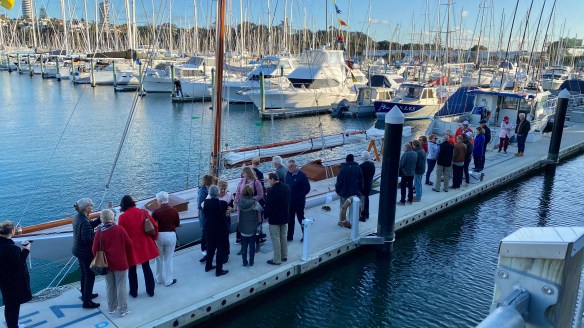
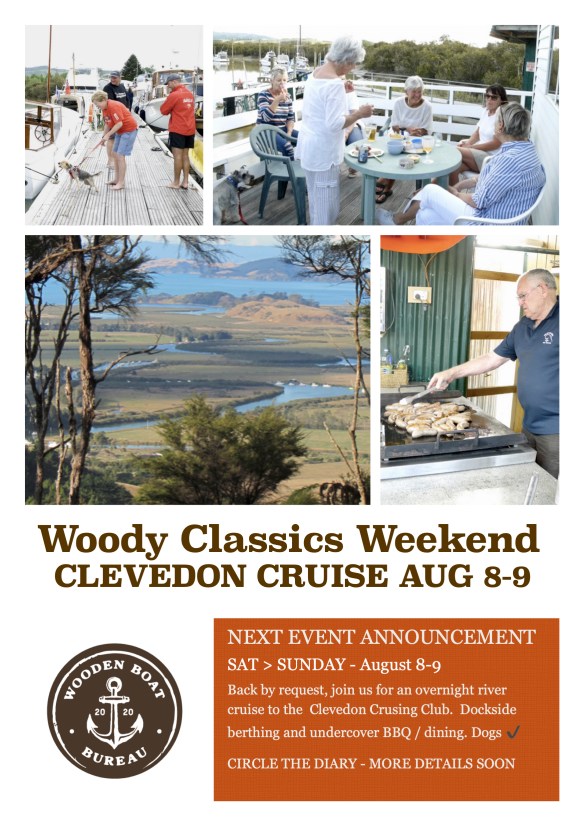
CLEVEDON WOODY CRUISE – ARE YOU COMING ? – 15 WOODYS CONFIRMED SO FAR. RSVP TO    waitematawoodys@gmail.com       – all welcome, details below 🙂

Woody Classics Weekend Clevedon #2 copy

Zephyr

Zephyr02

Zephyr01

ZEPHYR
Last month I was contacted by Rowan Lane who had seen the painting of the launch Zephyr I posted on WW, refer photo below. 
Rowan is a blue blooded woody eg his surname – Lane, links him to the clan whose craft frequently appear on WW
pages. I have posted the note Rowan sent me below
“The June posting of the painting of “Zephyr” on the Whangaroa Harbour
prompted a rummage through the family albums. My father Major Lane (family
name not title) rescued Zephyr from the foreshore of the Whangaroa Harbour.
Dad was nephew to Richard Ernest (Ernie) Lane who had relocated from
Whangaroa to Picton.
Zephyr was in a sorry state inviting each incoming tide inside for a chat through its cracks and opened seams. My father set about repairing the hull re-ribbed and re fastened throughout and installed a Gray Marine petrol engine. This was in the 1930’s. 
Zephyr was seconded to the NZ Army during the war years and was used to deliver supplies to the Army post at what is now Kingfish Lodge at the entrance to the Whangaroa Harbour.
In the top photo above we see Zephyr moored at Kingfish Point. Zephyr’s dodger was modified after the war when Zephyr became a commercial fishing vessel RL 36.
My father sold Zephyr around 1950 to Joe Mueller who had emigrated to NZ from South Africa. Joe used the ‘anglicised’ spelling Millar I believe to ally any fears that he may have been of German descent. Joe continued commercial fishing for a while before changing Zephyr to a game fish charter launch.”


Zephyr

Ruamano RIP

IMG_6199

IMG_6198

IMG_6200

RUAMANO RIP

In the bundle of prints I received from Bryce Strong were the above photos of the 1925 Collings & Bell built launch – Ruamano. Sadly she was abandoned in 2000 off the West Coast of the North Island. I have not come across many colour photos of her, so published these to showcase what a fine ship she was.
Reading reports of the incident she might have been saved, it would appear that her crew were a little too hasty in climbing off her. You can read more about the incident in the first WW story link below.
 
Given the passage of time, maybe someone would like to tell us more about how she came to be abandoned.


17-07-2020 Input below from Tim Hanna
 
As I understand it the crew were in fact business associates of the owner and skipper. Supposedly they had to be in certain places at certain times to fit their business schedules and this played a part in putting pressure on to go round the top and head south in a marginal weather break. Deteriorating conditions forced the boat to head south west – out to sea – and a vicious cross sea developed. The skipper was handing his boat well and the boat was handing the conditions well but nobody else was. I believe there was no one fit to relieve the skipper on the helm and he eventually became completely exhausted. In the mean time the demands to abandon the ship became increasingly insistent and so the call was put out. Ironically all the busy chaps then had to sail off to Korea on the logging ship that took them off. The abandoning of the boat was extremely hazardous and it was apparently a wonder that nobody was injured. The boat’s brand new engines were running perfectly and the only damage was caused by running alongside the freighter. I believe a fishing boat spotted her some time later but she was by then swamped and no attempt was made to salvage her.Its a sad story and I feel for her owner as he had done an outstanding job restoring her to absolutely tip top condition.
 
08-09-2020 Update
Brian Fulton (MV Silens) sent in the photos below of Ruamano that were given to him by John Griffiths. John’s father owned her for approx. 18 years (dates unknown). They used her to get from Jack & Jill Bay to their house at Hauai Bay, on the Rawhiti Peninsula in the Bay of Islands. In the days before roads we put in.

Classic Wooden Boat Dockside Tour

CLASSIC WOODEN BOAT DOCKSIDE TOUR
Today’s woody story takes us on a woody tour of the Cowichan Bay Maritime Centre, in Southern Vancouver Island, British Columbia. Our host is Mike O’Brian, a few years ago I entertained Mike and wife Peggy in Auckland, they were on a cruise liner and just in port for the day. I picked them up and took them on a dock tour of a selection of our finest wooden classics, made even better by each skipper turning up and opening their boats up.
NEW WOODY OWNERS
Pleased to be able to report that the classic wooden launches Centaurus, Mahanui, Kailua and Haunui have all recently changed hands. All will remain in Auckland 🙂 and are in the care of passionate wooden boat enthusiasts.
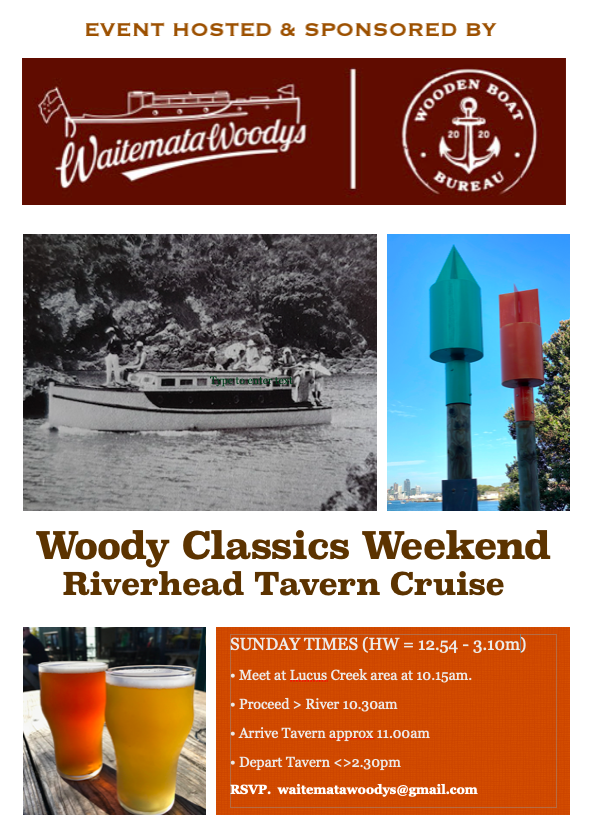
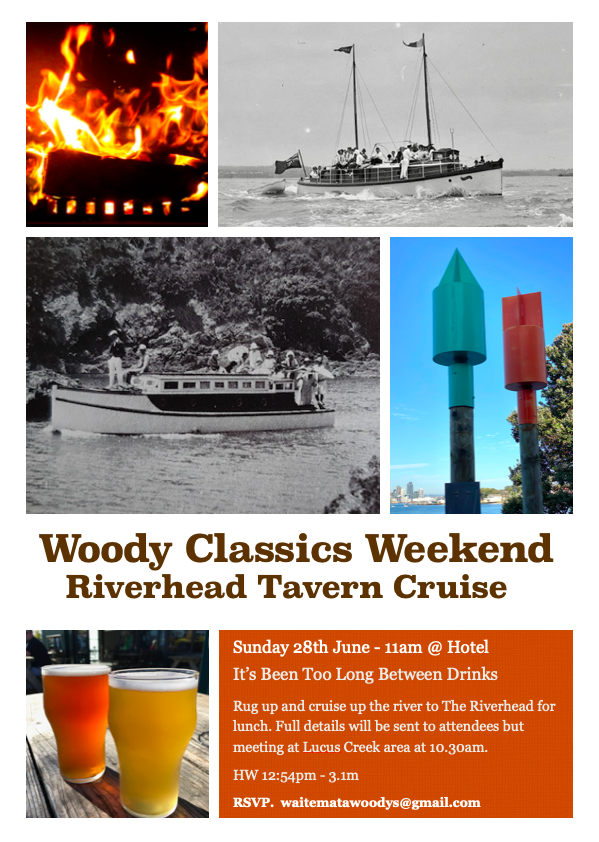
SUNDAYS WOODY CLASSICS RIVERHEAD CRUISE – IMPORTANT DETAILS
(If you RSVP’ed I have sent you further details via email)
WCW Riverhead June2020

An Epic Tale of Whalers, Fishermen,  Farmers & Commercial Launch Masters

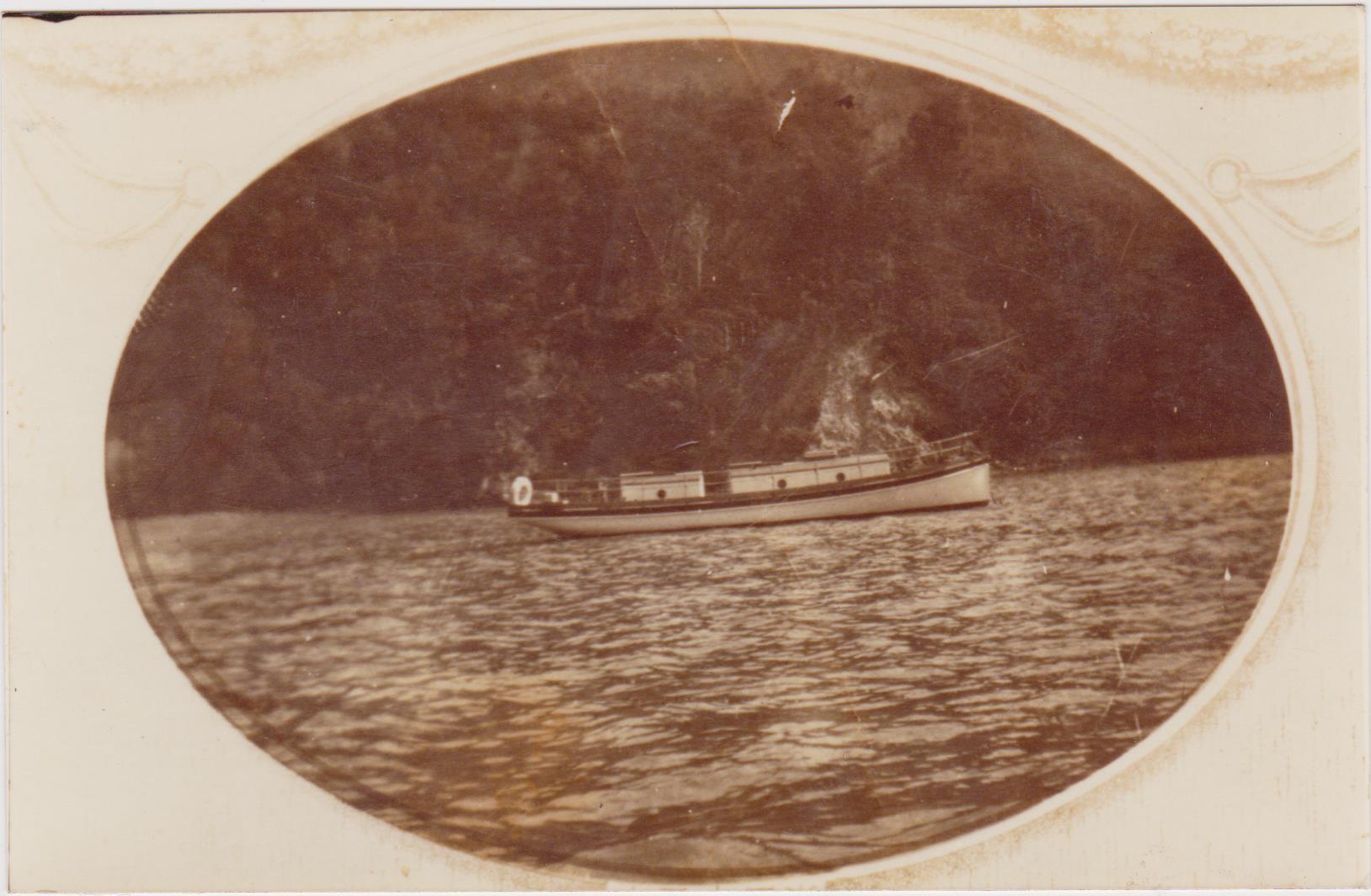
Prima Donna built by Lanes 1911 for Herman & Darcey Baldick 001

Primadonna built by Lanes for Ernie & Darcey Baldick 001

Primadonna and One of Bob Swansons boats 001

IMG_3581

IMG_3580

An Epic Tale of Whalers, Fishermen,  Farmers & Commercial Launch Masters
 

The story below without doubt is the best to appear on WW, author Pete Beech talks at one stage about writing a book – he needs to. Surely there is a funding channel available – what’s the literary equivalent of ‘NZ On Air’?

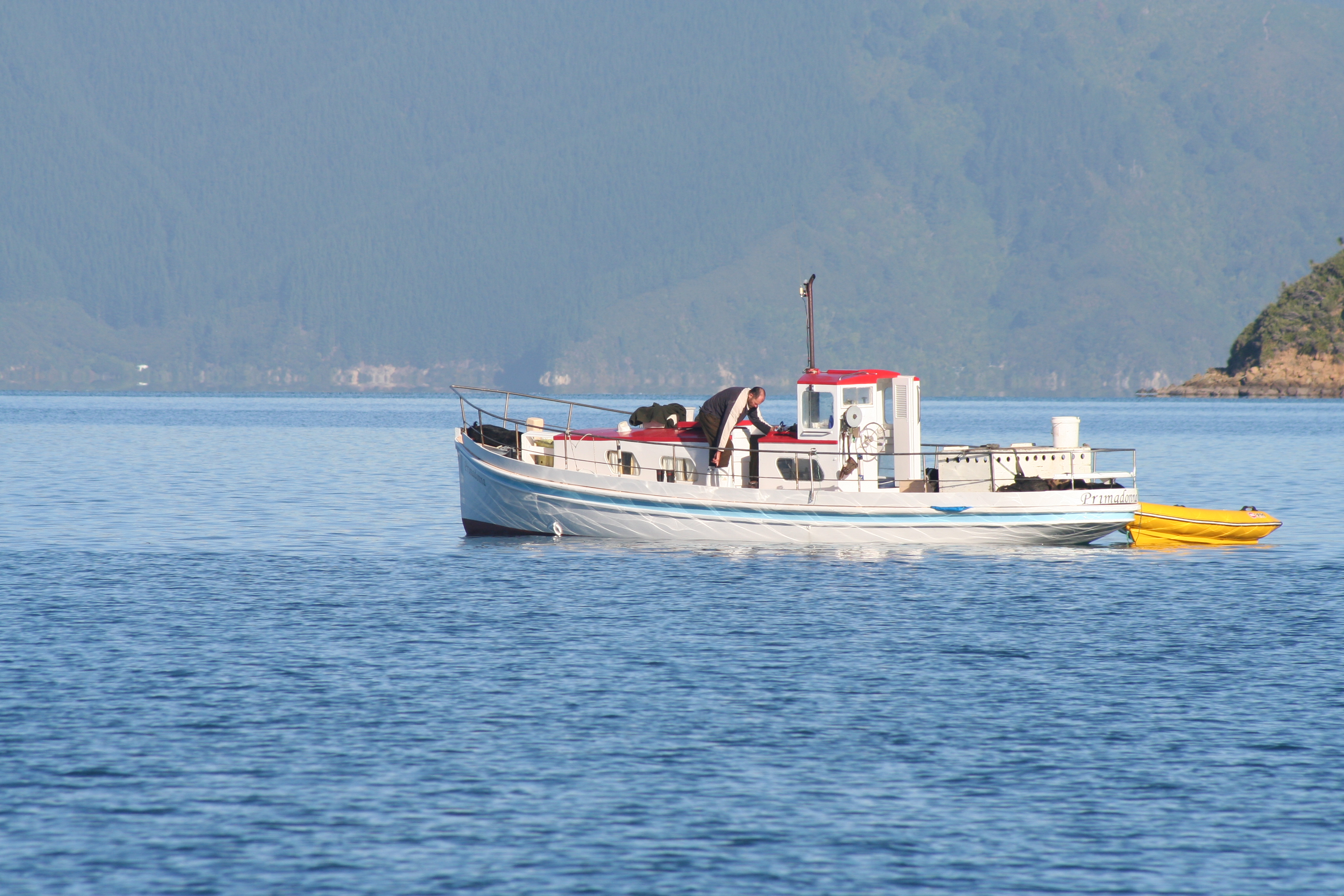
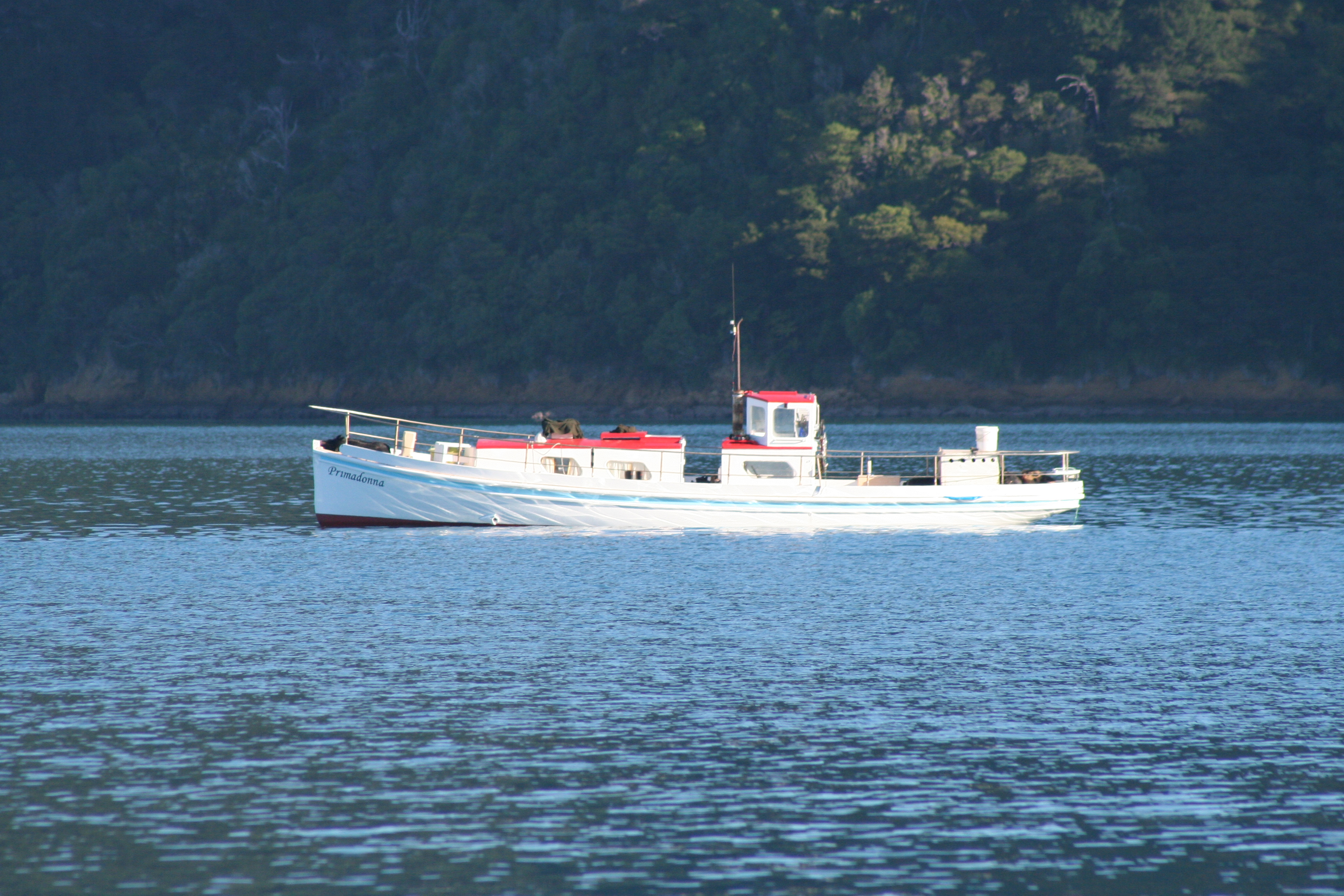
The story came about via the recent WW story on the ex whaler chaser – Primmadona and her relocation from the South to Aucklands Waitemata waters. I will let Pete tell you his story, as he told me – its a cracker – enjoy
 
As an aside I spotted Pete’s ‘work’ boat – Tutanekai, mentioned in the story in Queen Charlotte Sound two years ago, I admired her then, sadly I was too busy pushing bacon and eggs down the gullet at the rather swanky, Bay of Many Coves resort, to say hi – my loss, but I’ll be back. Photos of her at the WW link below:
 
Previous WW Primadonna stories:
PART ONE
Kia Ora Alan,
Thanks for making contact, I was sent a link to your site by my sister who lives on her yacht in an Auckland marina. She thought I’d be interested in your story on our old waka, Primadonna.
You and I obviously have a lot in common, 40 yrs ago there were a lot of old Sounds launches coming to the end of their days, my old dad worked for Ernie Lane as a young man then for Jack Morgan and Rodger Carey.
He and his old mates had been Sounds farmers, whalers , fishermen and commercial launch masters, when ever they got together conversation would always revert to “Boats ! “
We lived in a bay down the Sounds, old pa could identify the older boats by the sound of their exhausts, before they rounded the points and came into view. The old guys would tell you who built them, what year, how much they cost, what they were planked out of, some were sister ships (2 keels cut out of the same log) where the logs were sourced from for the planking, what timber they used for the ribs, what make of engine they used, how much it cost, what horse power they developed and how many GPH they burnt and  what revs  they run at.
They took pride in knowing the whole whakapapa of all the old waka, how many hours the engines did until they were worn out and rebuilt or replaced, in those days after 5/ 10 yrs they would replace with bigger more powerful engines, they would also tell you how the engine was taken out of one boat and put into another and so on.
I grew up hearing all these oral histories and like a couple of your writers mentioned the accuracy of some of these stories was lost in the telling, then my old dad passed on and I got to thinking that if someone doesn’t write down these oral histories within 50 years, they will pass from living memory and be lost to time.
So I went around and interviewed a number of the old timers and collected all the photos I could, so pleased I did because those old boys are all gone now and their kids tossed out their photos.
It was funny, they just loved to talk about their boats, often their wives used to ring me up and say “could you come back and talk to dad again, hes driving me mad ! “
For years I have fostered an ambition to compile a book using this material and feel a bit precious about it, however no one has a monopoly over history and it should be shared, who knows the millennials may have no interested in our nautical treasures .
I have been a mechanic, a marine engineer, a fisherman, a commercial launchmaster a boat builder and for the last 30 years have run an eco tour with our old waka the near 90 yr old Tutanekai. I used to think that the day would come when people would regard the old classics like they do vintage cars and would restore them.
However it hasn’t really happened here and sadly many of our old classics have  been sold out of the area many finding their way to Auckland, I will miss seeing the beautiful counter stern of the old Primmadonna on the Sound, she is so much part of our local history.
I’m so pleased to see the resurgence of traditional boats in Auckland and sure a lot of credit should go to you for the sparking peoples interest in the classic wooden boats.
I remember when she was sold to a feller up on the Foxton River, he eventually put her up for sale but no one wanted her, so he rang me up and said “I’ll sell it to you for bugger all, if you don’t I’m going to cut the side out of her with a chainsaw and turn it into a road side stall. 
I contacted Ian Baldick, nephew of the original owner and said that old girl is your family heritage, you should buy her back, he said OK boy , you’re right, I’ll do it on one condition, that you come with me to bring her back home.
So away we went, made the deal, checked out the old Lister, changed the oil and fuel filters and set off for home, when we got down close to the bar there was a big swell and old Ian said theres something wrong, she’s not lifting to the swell, he said pull her up, he went down into the front cabin, lifted up the bunk swabs and found that the whole forward section was full of river boulders, (this had been done because when you run the old lady on full throttle the stern would suck right down until the water was level with the deck and if you were steering from inside the cabin you couldn’t see over the bow).
We tossed all the boulders overboard and charged out over the bar, there were 3 very big waves, she rode up over the first then put her head down and dove under the second and in what seemed like an eternity finally lifted, rose over the third and burst out into the open sea, old Baldy said if we hadn’t thrown those boulders out she would of gone straight to the bottom !!!
He told me that she had been build too fine with not enough buoyancy in the bow, straight stemmed with no flare, he said that one time they we steaming out around Cape Jackson when they went thru the big rip where the Pacific and the Tasman seas meet there are often half a dozen big waves, he said that she responded the same way a stick does when you throw it into the water. He said you had to shut the throttle off and pull her out of gear,   she went down by the head and kept going down until her buoyancy finally made her shoot back out back wards just like a stick !  He said that on this occasion one of their mates was standing on the foredeck, he said that when this occurred he wrapped himself around the mast and held on for grim death, he said that when she popped out they went forward and couldn’t get their mate to let go of the mast, he said he had squeezed it that hard he ‘d squeezed all the sap out of it and they needed a screw driver to prize his finger nails out of the mast !
I also owned the old Fleetwing at one time, but that’s another story.
The old waka in my shed is a true classic launch, is just the bare hull and is in beautiful condition for its age, has been in my shed for 30 years waiting for attention, I’ll never get around to it , I only rescued it because I knew her history and wanted to see her preserved, she had a 5 HP Frisco Standard in her for years, shes only 6 ft beam, they didn’t start building them with 8ft beam until the twin cyl 8 hp Friscos came out in the 1920’s.
The Baldicks said that they flush decked her for gropher fishing and that when they were steaming around Dieffenbach Point in a strong southerly she would roll over that far that your shoulders would be in the water.!
What I could do is send you the story of her builder Ernest Berg who  was a real character, was bankrupted 3 times but kept reinventing himself, a real conman but he built beautiful boats, back at the turn of the century, 3 of them left that I know of.
That’s enough for now, Keep up your good work mate.
PART TWO
Kia Ora Alan,
My pleasure, always interesting to look at a series of photos taken of a wooden boat that shows how their superstructures  were changed to suit their roles and how their engines got bigger and bigger with advances in technology.
My old waka “Tutanekai originally had an 18 hp twin cyl Regal, that was replaced by a 40 hp 4 cyl sterling, then a 60hp, 6 cyl Hercules, a 110 hp  471 GM during the war, currently has a 120 hp GM and have a 6 cyl 340 hp Yanma  in the shed to replace the GM, ( but it refuses to die.)
My apologies, but I don’t know (or don’t remember )  what the original engines were in the Primadonna,  most of the early launches back in the 1920’s had 5 hp single cylinder Frisco standards when they wore out were replaced by 2 cylinder 8 hp Friscos, they were replaced in the 1940’s with car engines then in the 1950s with truck or tractor diesel engines like 4 cyl Fords or GM’s , (lucky ones had Gardners ! )
When Alf Baldick finished whaling he used the Primmadonna as a farm boat and for transport to and from town, there were no roads in the Sounds.
He sold to a guy McManaway who was a gropher fisherman, he did away with the rear wheel house to give him more deck space and fish hold, he built a pilot house over rear of front cabin. He sold to Rex Baldick, Alfs nephew, he was farming in East Bay and spent a lot of time hunting, you would often see her at the Picton wharf with stern deck covered with carcasses of pigs and deer.
Rex sold to Ken MacArther who fished her out of the Wairau Bar, she caught fire on him, he took the 4 cyl Ford out that Rex had put in and replaced with a three cylinder Lister.
That was the end of her commercial fishing era, she had several owners and more changes to her superstructure, they replaced the rear wheelhouse, when I had it she had a coal scuttle that stuck up above the cabin top so you didn’t have to duck , getting in and out of the cabin. Before Ian Baldick bought her back into family ownership he threw the Lister out and put a reconditioned 4 cly Ford back in her, cut the coal scuttle off and replaced with a sliding hatch, put a new S/S shaft in her and did a great job of tidying her up. When he retired he put a line hauler on her for gropher fishing and spent a lot of time out fishing and deer shooting, when he past on she was sold but a couple of owners latter his son in law bought her back again for running the whanau to and fro to their bach.
Sad that she has been sold out of the Sounds, but who knows some day she may find her way home, it has happened before !
Nga Mihi,
Pete.
Woody Classics Weekend #5 Riverhead
RSVP waitematawoodys@gmail.com

The Evolution of Pleasure Craft Communication

Screen Shot 2020-06-10 at 6.02.30 AM

THE EVOLUTION OF PLEASURE CRAFT COMMUNICATION

Next time you pick up a mobile phone to chat to another boat or log a trip report via the Coastguard APP, spare a thought for the boats of days gone by that had only one option (other than flags) for communications at sea. As a child I was fascinated by all these strange random words Zulu Mike Bravo Lima etc – my father being an ex-army comms man, morse was his thing. On holidays, myself and brothers were ‘made’ to listen to ships at sea and try to record the message, the winner i.e. most accurate, would win a chocolate.

WW follower Ken Ricketts is of an age that he has seen and experienced the evolution of New Zealand maritime radio communications and recently he wrote a comprehensive chronicle on the subject, which you will find below. It is worth a read to either educate or refresh yourself on the huge advances that have been made in the field. The story is peppered with a few tales directly relating some of our woody fleet (scroll over photos to ID the woodys) so hopefully that will keep those of you with a short attention span –  awake 🙂 Enjoy

Maritime radio-telephony in Auckland pleasure craft, had its first & humble beginnings in 1946, at which time, Ken’s father, Ralph Ricketts, entered the fray, with the second ever such installation, in Auckland, (the original first one was on the REHIA owned by Bill & Phyl Ryan at that time — who told RR about it) RR immediately bought, (as ultimately almost everyone did, once they knew about them ), an ex WW II war assets double side band, (DSB),  ZC1 MK II R.T., for  20 pounds, & fitted it to the Rickett’s launch – JULIANA, after which RR had a visit from a Govt radio inspector, who took diagrams of aerial format & layout, made various notes on his file of the installation, checked RR’s ability to use the set, made a test call himself, to “ZLD Auckland Radio,” sited  at Musik Point at that time, on the entrance to the Tamaki Estuary, & made sure RR had a “Restricted Radio Operators License,” which was required in those days, by all radiotelephone operators, on all pleasure craft, – now long since discontinued, & he allocated JULIANA the call sign of ZMYP.

REHIA 1948

JULIANA & AOMA c1953

Originally, there was only one call frequency, & that was 2012Kh, in 1946, used for all purposes, but not too long after that, 2012  was reallocated exclusively for harbour control use, to the Auckland Harbour Board, & pleasure boaties were allocated 2182, the international distress frequency for initial calling to government shore stations, & 2162 for ship to shore working, & 2456 & 2638 for ship to ship gossiping. 

The 2162 working frequency, was later changed to a duplex frequency, with 2162 for listening to ZLD, & them receiving on 2207. 

The frequency of 2045, was allocated around 1950, for use for transmission between privately owned shore stations & boats, such has Port Charles Radio, (the legendary Jim Smith owner/operator ), Gt. Barrier radio , Awaroa Radio etc. 

These shore stations were used extensively, for many years, from around 1950, by many commercial fishing boats, working throughout the Gulf, many of whom, reported in daily their positions, usually around 6 pm. There were also many pleasure craft which used the service, & RR was one of them. He joined the Port Charles association for most of his boating life with legendary Jim Smith the owner/operator. RR or Ken would call Jim every evening at around 6pm & report in our position at that time. 

You paid a small annual fee usually, to join their non profit associations, to cover their running costs & they kept records of your locations, times of calls, assisted in any way they could, with any problems you may have had, etc., & these associations usually operated, for several set times, of about 15 to 30 minutes, each day. Ken thinks some may still exist on the VHF channels, possibly there is one on Gt. Barrier Island.  

Auckland Coastguard was also allocated the frequency of 2128, (from recall), for ship to Coastguard use. 

By the early 1950s ZLD had introduced a radio telegram service to land based recipients who had a telephone number available, as the address & the telegrams would be sent by ZLD to any entity via that phone number ( & later delivered in hard copy via normal post to the address of the phone number), & if a reply was quested, or anticipated, they would telephone it through immediately, whilst the ship waited on standby, & ZLD would call back with the reply ASAP. 

The cost, was fairly expensive for the era, & on a cost per word basis & the costs were charged to the landline phone number. This service stayed in place as far as Ken knows right through in to the VHF era.

Land based parties, could also send radio telegrams to boaties, with the address, via the P & T telegram phone number, which must include the call sign & was as follows; (as a example) Mr. Smith Vessel ZMYP JULIANA C/- ZLD AUCKLAND RADIO. 

ZLD at the end of its 3 or 4 hourly daily weather forecasts & shipping information, would give a list of all telegraphic traffic held for all vessels including of course, & very importantly, their call signs, & most would listen to these broadcasts, as often as possible, & advise friends on other boats, if they were near at the time, that  ZLD had a message for them.

By about 1983 this communication with the outside world was taken a step further, &  ZLD introduced a VHF radio telephone service, which many mature old time boaties may recall, where a ship could call ZLD, on channels 22 & 23, in the  Auckland region, give them a landline number, which they would dial & then patch your call to ZLD through, to enable you to talk direct, to the subscriber, which whilst it was a good service, it had its shortcomings & limitations, shall we say, as any boatie who by chance or otherwise, dialled into ch. 22 or 23 on his boat, would inevitably be privy to what were sometimes surprising, & very private conversations, also necessarily, only one party at a time in the conversation could speak, & the other had to listen, & one had to say “over,” at the end of each segment of conversation, to enable the other party to know when to respond, 

Calls to boaties from landlines could also be booked with ZLD & ZLD would call them back, when they were able to make contact the vessel, the land based party wished to contact.

There was one other form of radio communication which evolved & inevitably found its way in to the boating world for a period in the 1970s/80s & that was  Citizen Band (CB) radio transmitting communication equipment, for short distance communication, unrestricted in it use, & it could be used by any person, at any place for any lawful purpose, but it was restricted, to a very low aerial output power in all sets, which could be bought & licensed extremely cheaply, much more so, than proper marine  purpose built equipment, & this medium became popular for a period, in the  1970/80s, with some  boaties, mostly in the smaller cheaper craft range, where cost was a really important issue for some, but whilst it was cheap, it had many shortcomings, including its very short transmission range, & as there was no structured organisation of any type, either private or govt., monitoring it, one simply in event of distress, had to rely on someone within the range for your set, hearing your call, & helping as best they could, one way or another. So whist it was so very limited in its rescue value, nevertheless it was better than having no communication at all, if in need of help. 

These sets had a good number of preset channels  & operated on the HF 26.500 Mh band in NZ., which was a different frequency range to many other countries, including Australia, which used 27.500Mh), & call signs were allocated to owners on a regional basis, depending on where you lived.

Ken installed one on his 40′ launch TIARRI, when launched in 1979, in order to have maximum possibility of assisting boats, in times of distress or breakdown. TIARRI’S main call sign was ZM3199, which, along with the radio, Ken took from his first boat, FLYING SCUD, which was issued to F.S. in December 1953, when she was built & launched by Roy Lidgard, just after the advent of the letter number era – only 1100 numbers in to the new system.  

TIARRI

FLYING SCUD 1975

There were the very odd exceptions, to the above early days policy, & call signs, mostly around the 1940s era, almost all of which, were for boats, where they were owned by the owners of private islands, in the Hauraki Gulf & Northland, & perhaps the Sounds, where they had a licensed, private, island based set, on their island, & a special boat call sign allocated to their boats, for keeping in touch with their home bases, usually where these boats were their sole means of access, to the outside world, & these sometimes, were of a number letter combination, with just one or two numbers usually, & had just one specific frequency, to operate with.  

All transmitting in DSB & SSB sets was technically very accurately totally controlled, often by a plug in type internal “Chrystal Control unit,” or similar, for each frequency,& fitted to all sets for all transmitting frequencies. 

There were later several lower end of the High Frequency, (HF) band, frequencies added in the 3, 4, & 6, Mh bands, mostly used by off shore boats, out at sea. 

This cumbersome, & red tape process, of registration, continued for a good number of years, right through the initial era of “ Double side Band “ transmission, & in to the upgrading of that era, to “single side band” (SSB) transmission, circa 1970s

After single side band transmissions became compulsory, around the 1970s this required the purchase of a new set, & the only double side band frequency which was still legally usable, was the international distress frequency of 2182 Kh,  & this could only be used for calls to govt shore stations (ZLD for Auck)  or ZLW for Wellington, as examples),  for emergencies only, & craft which did not wish to outlay for a new SSB set, or alternatively still keep a 2182 set after they bought a VHF set after they were introduced, could modify & keep their old set, & were then reallocated a compulsory special “ZMX” based call sign, starting at ZMX2001.

These days ZLD has left Musik Point, & the government’s ZLD & ZLW (& ZLB in the South Island,) which all later came under the umbrella of Telecom, being the replacement that took over from the old P & T., which in turn, has now become a totally new entity, as “Maritime Radio,” & under the umbrella through various subsidiaries, to “Maritime NZ.,” being another different Govt Dept, with the  transfer becoming effective from midnight, & starting on the 1st October 1993 & the operators of which, are now all based in the Old Radio NZ Avalon building, in Avalon, Lower Hutt, Wellington, with transmission facilities, in Wellington & Taupo, plus a network of repeaters, scattered around the country monitoring the whole country, which is now all controlled from this one location.

In the later 1970s early 80s Very High Frequency, (VHF) maritime radio was introduced, which gave many benefits, with all its ongoing ever increasing refinements, & installation of shore based repeaters, on high ground, throughout the country, which  has now ultimately totally replaced the old Medium Frequency DSB & SSB sets, with many advantages to all users, for all local NZ & inshore boating, along with the discontinuation of licensing of individual operators, & inspections by govt inspectors, of all boats so fitted, with RT equipment. 

Also, Radio Spectrum Management, the govt department which these days controls allocates & administers all radio & TV transmissions, call signs & frequencies, has vested in NZ Coastguard, the authority to issue calls signs on its behalf, of a mixed letter number type, such as, (possible examples only), ZMQ 2947, ZMW4526, ZMR 2937, & so on, as a result of the huge demand for these, these days, & the time consuming process it used to be, for R.S.M.

Originally in 1946, this was all under the umbrella of the Post & Telegraph Department to later become Telecom, & remained so for many years, until 1987, when it all started to change & we have ended up, for a good number of years now, with RSM, as the entity in control.

The pleasure craft call sign evolution, & changes to it, are as follows;

As above, all craft up until c1953, were all 4 letters alone.

As they were beginning to run out of call signs, around 1953, the Govt. wrote to all pleasure craft owners, requesting they approve the replacement of their existing all letter call signs with a letter number combination, starting originally, with the first reissued call sign of ZM2001. 

It is important to note that the Govt., could not insist on this by law, & only request it, & if the owners did not consent to the allocation of a new call sign, the original then remained with the boat, & there are a few of boats that still have their original all letter call signs even today. 

Neither Ken’s father nor the owner/builder of GAY DAWN, Bill Waters, who RR bought the boat off in 1956, surrendered their original all letter call signs, for their respective boats, —  (see image above of GAY DAWN taken c1965, showing clearly, a typical DSB aerial set up as used for many of the DSB, SSB, medium frequency sets of that era), —  RR sold JULIANA in 1956 with ZMYP, (which was somewhere along the way, later either abandoned, or replaced, with letter number combo call sign), & now, as referred to below, is reinstated to her for life. RR bought in 1956 & sold in 1970, GAY DAWN, with ZMIV in place, which however, also later along the way, was replaced by persons unknown, with a letter number combo, at least once, note: ZMIV has now been reallocated to the Rickett’s family and used on the vessel ROSEANNE, which is owned by Ken’s daughter.

GAY DAWN C.1965

Such was the ever increasing size of the “snowball,” of pleasure craft sets, that it was not all that long, before the original issue of the ZM2001 to ZM9999 were all allocated, & we then saw the issue of  ZMA2001 to ZMA9999, followed by the final issue to the SSB era, which was ZMY2001 to ZMY9999. 

It is important to note, that all call sign issues right from ZM 4 letter, ZM+, ZMA, ZMY, & ZMX, & all Coastguard issued call signs are approved & provide for use of all VHF sets.    

All letter only call signs, which are all just 4 letters alone, must still be issued by R.S.M. direct, & are mostly reserved for all Govt vessels,(eg., all the Police DEODAR launches were & still are, all allocated ZMIH, during their term of service to the Police), also some very large off shore fishing vessels, & some NZ based pleasure boats, that cruise off shore, or are capable of cruising offshore have these call signs allocated as well. 

Other pleasure craft, that have some classic, historical, or other special significance, are also issued these, at the discretion of RSM.    

Ken has enjoyed a close & good relationship with RSM, for many years, & there are some interesting background stories relating to the issue of some of these special allocations of all letter call signs, which Ken has been associated with, & some of these are as follows. There are a tiny number of pleasure craft that were built prior to about 1953, where the owners did not approve replacing their original call sign, which the dept. would have requested, but could not insist upon in c1953. 

Two examples of this are as follows; 

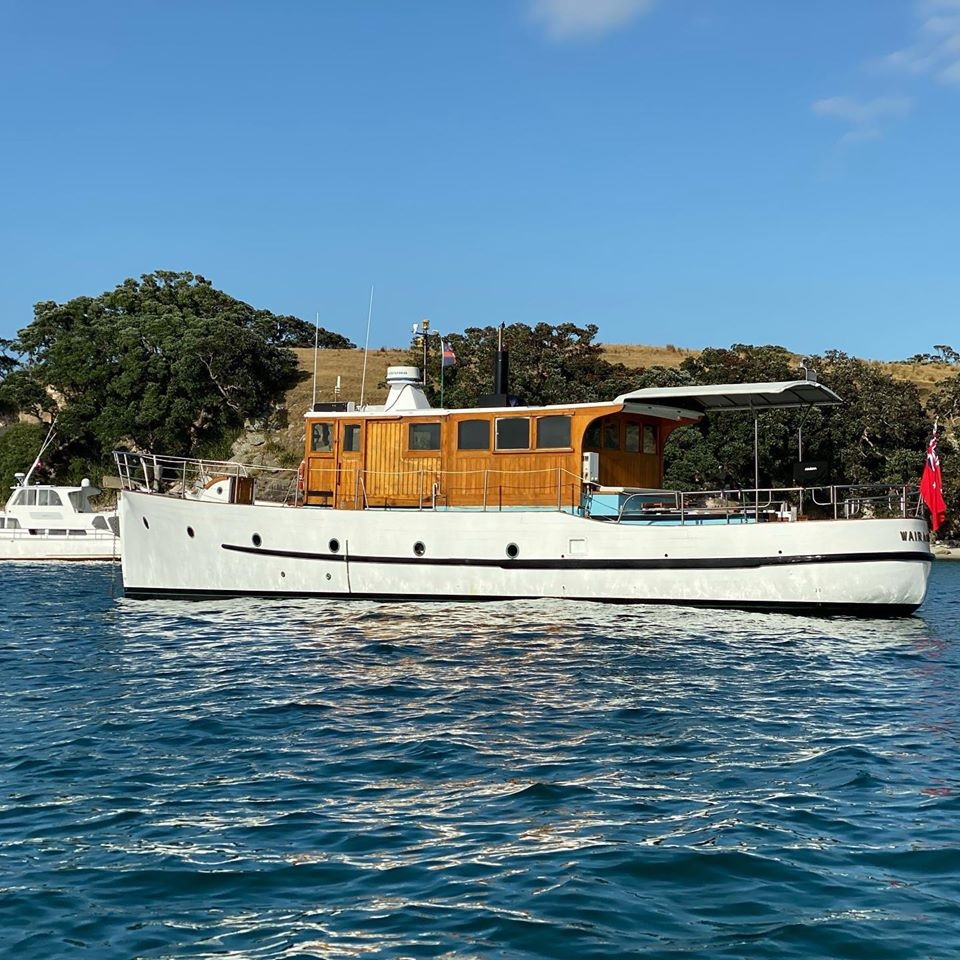
One with its original 1946 issued call sign is RAKANOA, which still has her original call sign ZMTF as issued when new, & the other, is Owen Foster’s WAIRANGI, also with her original call sign of ZMTM.
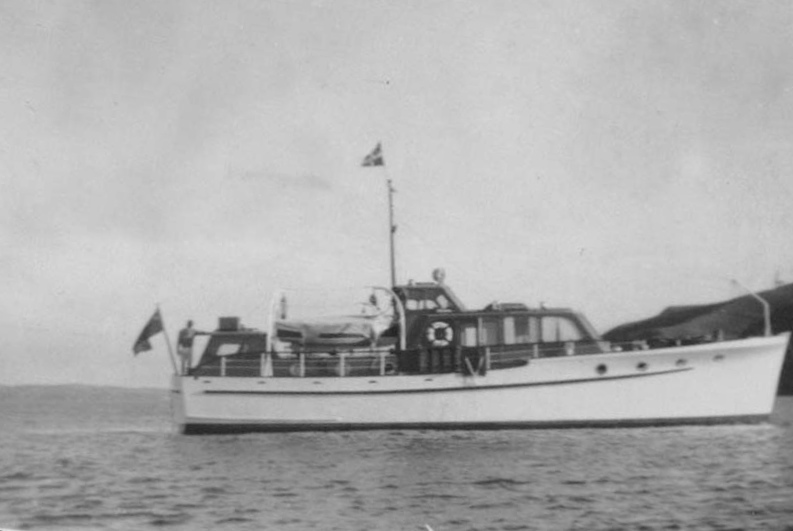
RAKANOA c1948

WAIRANGI 2020

A fairly recent approval exception, is the issue of ZMPY, to Peter Loughlin’s Colin Wild built LADY MARGARET, which was first issued to her, in 1941, by the Navy, & is recorded as such on her British Ship registration, (see below), & as a classic craft, with this history of her call sign, Ken assisted Peter, to secure this for her for life, when he bought her.

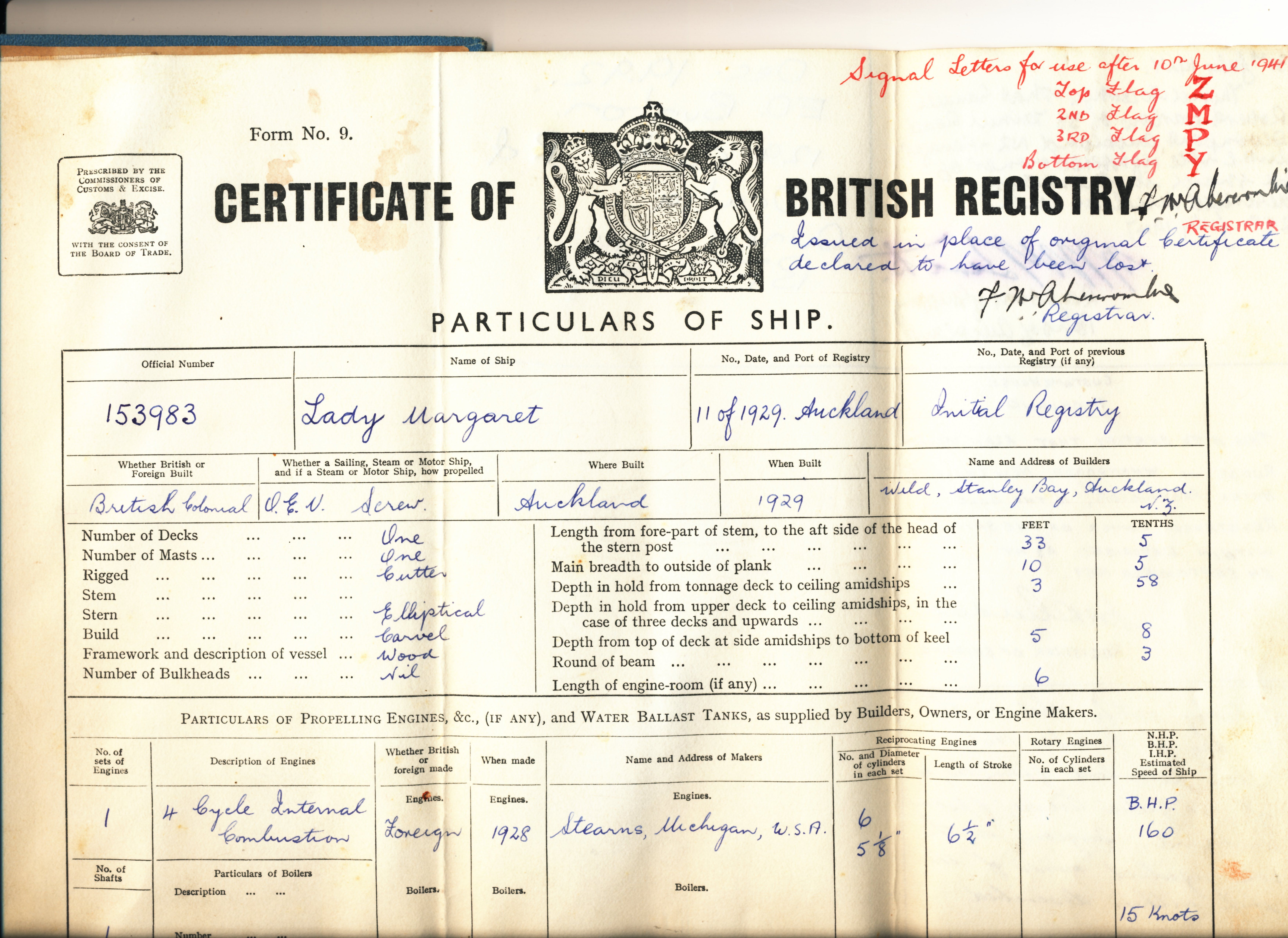
LADY MARGARET

LADY MARGARET Registration certificate P1 (TOP) jpg

Likewise Francis Uren’s “W1”, was issued with ZMWI in 2014, which is another detective story. W1 was originally brought to NZ by the Royal New Zealand Air force in 1941, as their extremely fast, & prize patrol craft, & given in the circumstances, the logical Air force number of “W1”, which has now been reinstated to her, as her name, by present owner Francis, after a long period of being known as CARROMA.  

W1 c.1942

As she is now W1 again, Ken approached RSM, gave them her history, & they in turn, approached their counterparts in the military, to see if they could uncover her original WWII call sign, but unfortunately all those records have been lost, so as an alternative, RSM offered Francis the call sign ZMWI. – They could not offer ZMW1 as international radio spectrum law, prohibits that type of call sign, worldwide, so she now has ZMWI for life, free of charge.  
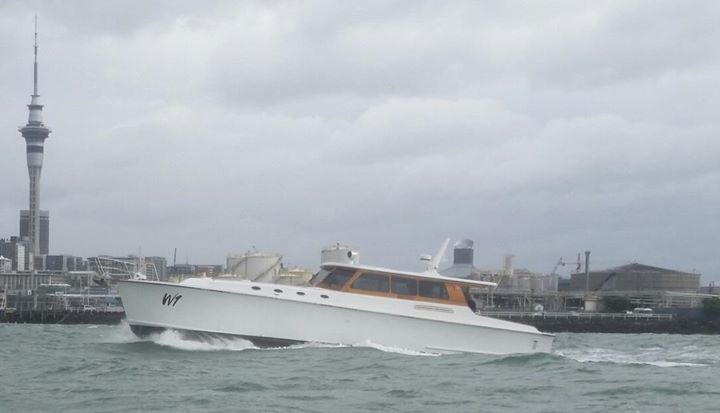
W1 2014 - 1

El Capitan is another interesting story, as she now has ZMEC. It goes like this; She was built c1961, by a farmer, in a shed on his farm, to a Chris Craft design, in Ohakea, & he carted her around on a big trailer, & used her at Taupo, & the Sounds, until 1976,  after which time, she sat in a shed on his farm, never to move again, until bought by Tony Mitchell, of Lake Rotoiti, off his estate, post 2000. When Tony bought her, she had a Coden 2+ Mh multi channel, medium frequency, marine RT,  which would have been fitted almost certainly, when she was new, which has now been replaced with a VHF, but for which, there had never been a marine call sign issued, as the original owner, was also a radio ham, with a “ZL#### ham radio licence & call sign, which automatically allowed him to use this call sign for his boat. Ken provided on Tony’s behalf, all relevant info to RSM, & requested, & they approved, ZMEC (El Capitan), which she also has for life.
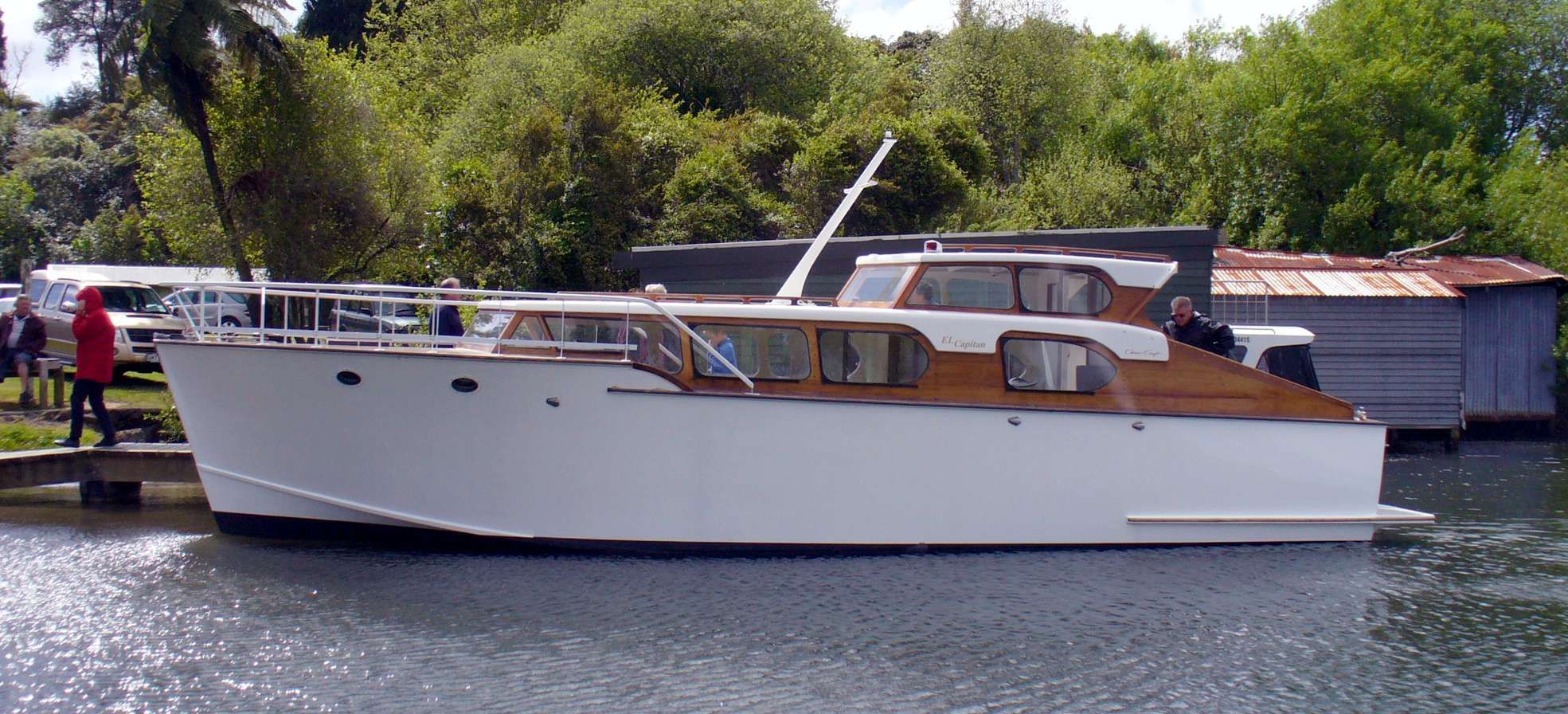
EL CAPITAN 2012

Ralph Rickett’s JULIANA, now renamed MARJORIE ROSA, now also of Lake Rotoiti, has been reallocated for her life, her original call sign ZMYP, as issued to RR in 1946. Ken told RSM of her history, as the second ever pleasure craft in Auck., to have marine RT, in 1946, & they have approved the reissue to her of her original ZMYP, to Fraser Wilson, her present owner, for her life. 

Marjorie Rosa : Juliana 2019

Marjorie Rosa : Juliana 2018

Story told by Ken Ricketts, edited by Alan H.
Hudspith – Bay of Islands Game Boats

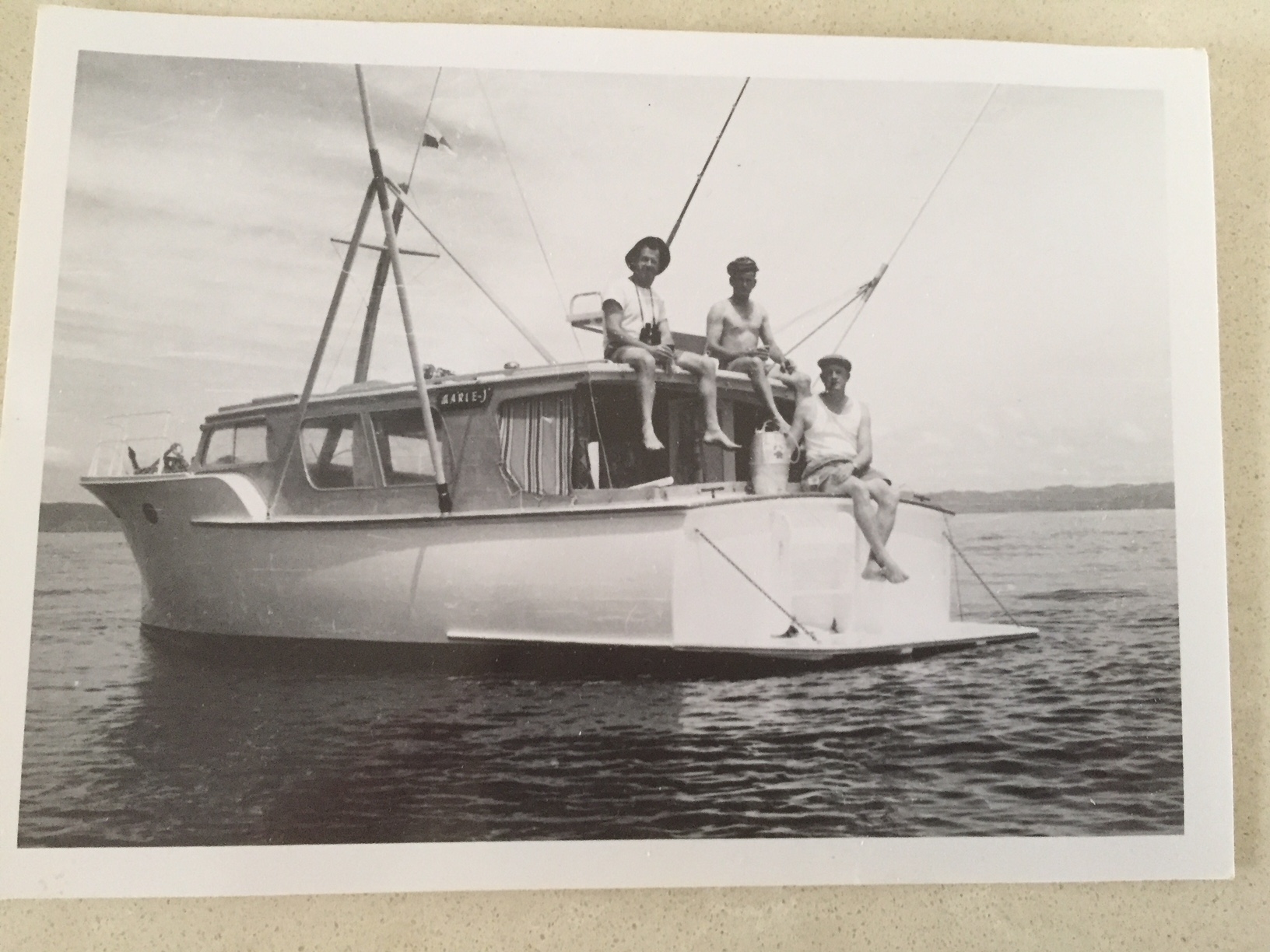
Marie J

Marie J – 1956 – 30′ Master-Craft

Venture

Venture – 1964 – 36′ – M.G. Palmer
HUDSPITH – BAY of ISLANDS GAME BOATS
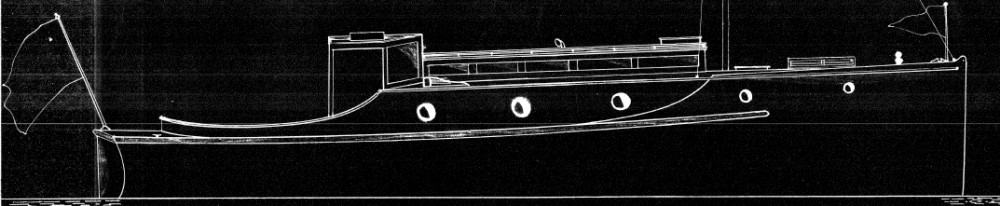
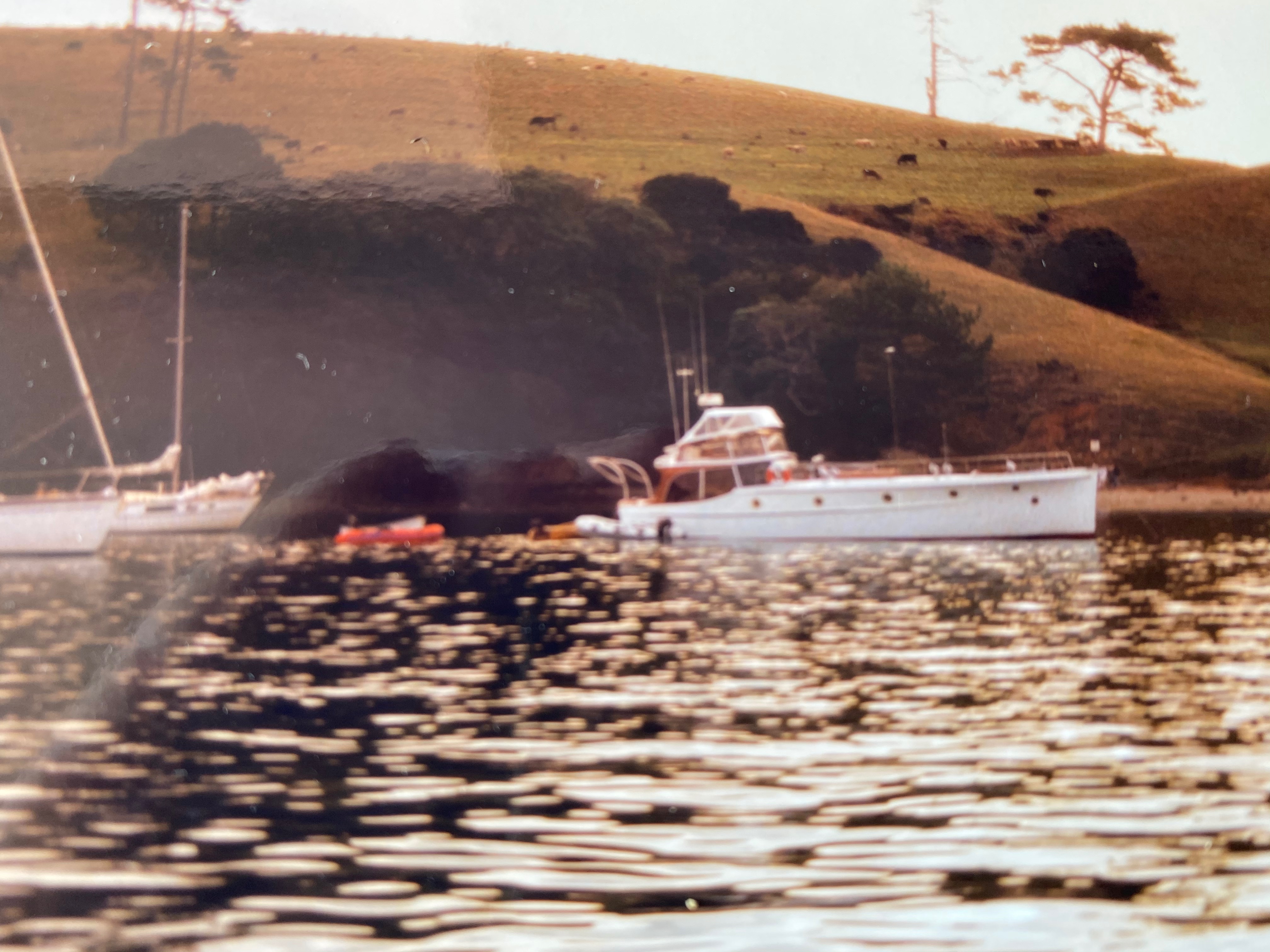
David Clarke sent in the above photos of the Bay of Islands launches – Marie J (top) and Venture (bottom) that were both owned and operated by the Hudspith family (father Don, and sons Cyril and Norm) of Kaikohe.
Marie J was owned in the early 1960’s and moored in the Waitangi river on the piles. She was used mainly for game fishing in the BOI and Whangaroa areas with many days trolling over the Taheke reef for marlin. In the photo is David’s father, Colin Clarke, a regular crew member sitting on the cabin top left, beside him is Cyril Hudspith and in the cockpit is Tammy Weir another regular crew member.
The Marie J was sold in the mid 1960’s and in and around October 1966, the Hudspith’s family’s new launch Venture was purchased and brought up to the BOI.
She then spent the next 30 years or so mainly game fishing and Norm Hudspith was a prominent member of the BOI Swordfish Club and indeed the IGFA.
The photo of Venture shows her with a new clear flying bridge (added c.1968) and about to be launched at the BOI Yacht Club slip way in Waitangi after her annual haul out.
The Hudspith’s also installed a Perkins wing motor for trolling around 1968.
David commented that it was great to see that both vessels are still in very good condition, a credit to the owners.
Read and see more on Marie J 
Read And see more on Venture 
 

Clarionet – Sailing Sunday

_DHW4353

_DHW4360

Clarionet – Sailing Sunday

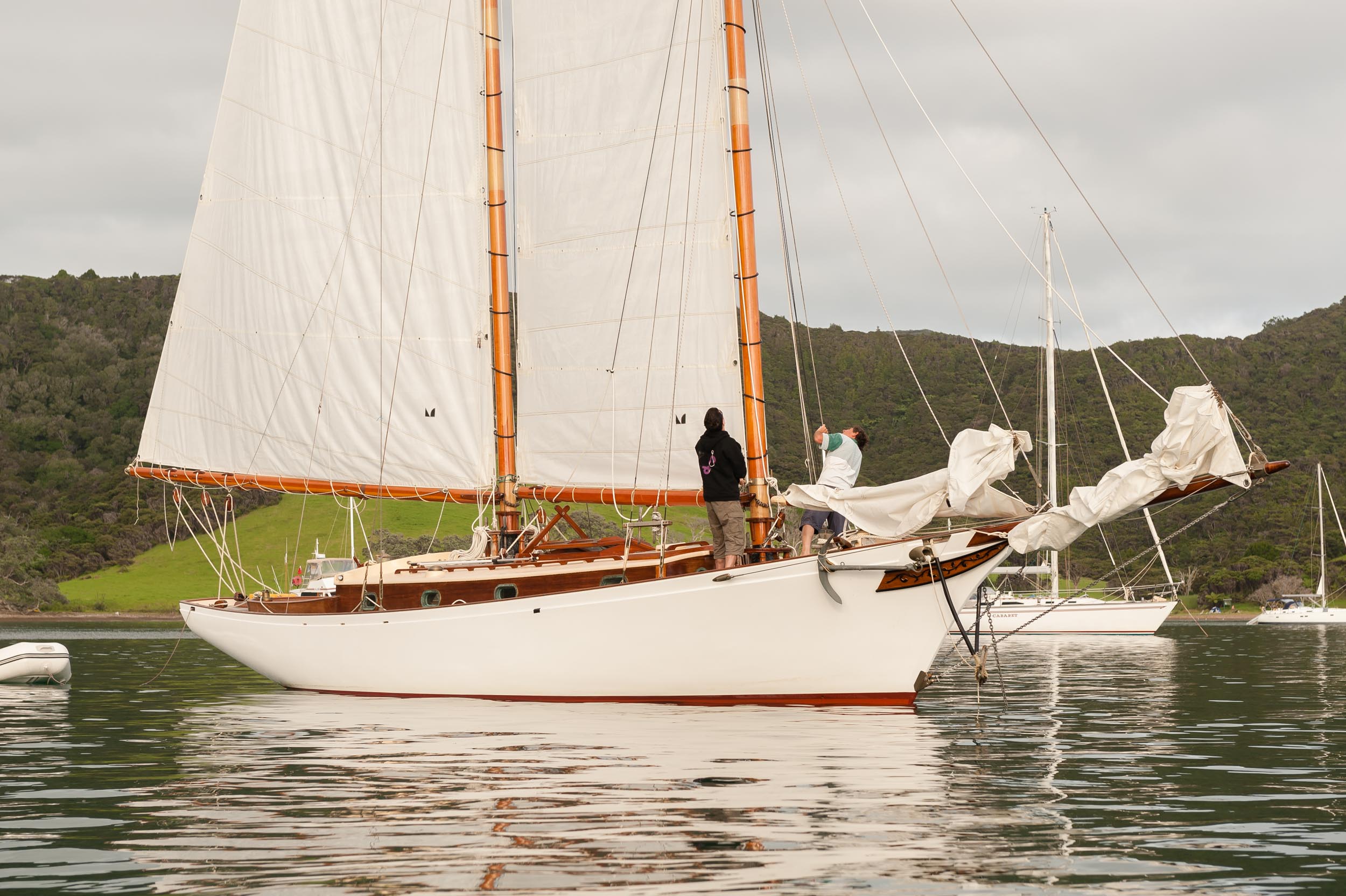
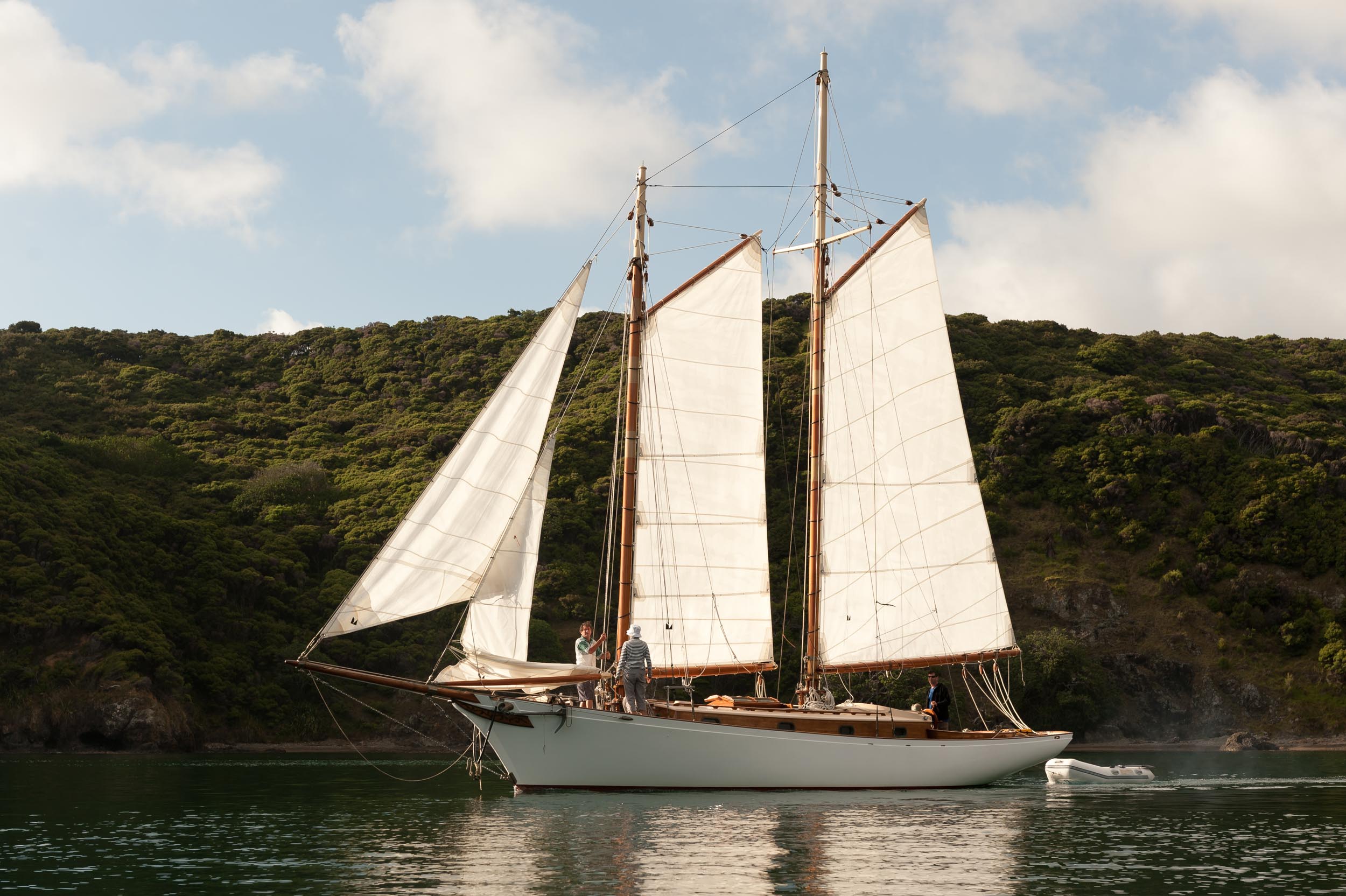
Today’s woody is the Chappelle designed schooner- Clarionet, seen here early one morning in Whangamumu, Northland getting ready to get underway.

The photo was taken in 2011 by Dan Wright.
I understand these days she calls Mahurangi home.
Update– more photos & details at this link
WoodenBoat Magazine Live Chat
Click the link below to join WB editor Matt Murphy in a live discussion with Reuben Smith. Reuben is boatbuilder and owner of Tumblehome Boatshop in the Southern Adirondacks town of Warrensburg, New York. The shop has restored some of the finest canoes, skiffs, guideboats, runabouts, launches, and one-design sailboats in the region. The conversation includes a ‘ walk-about’ of some of the shop’s past and present projects.