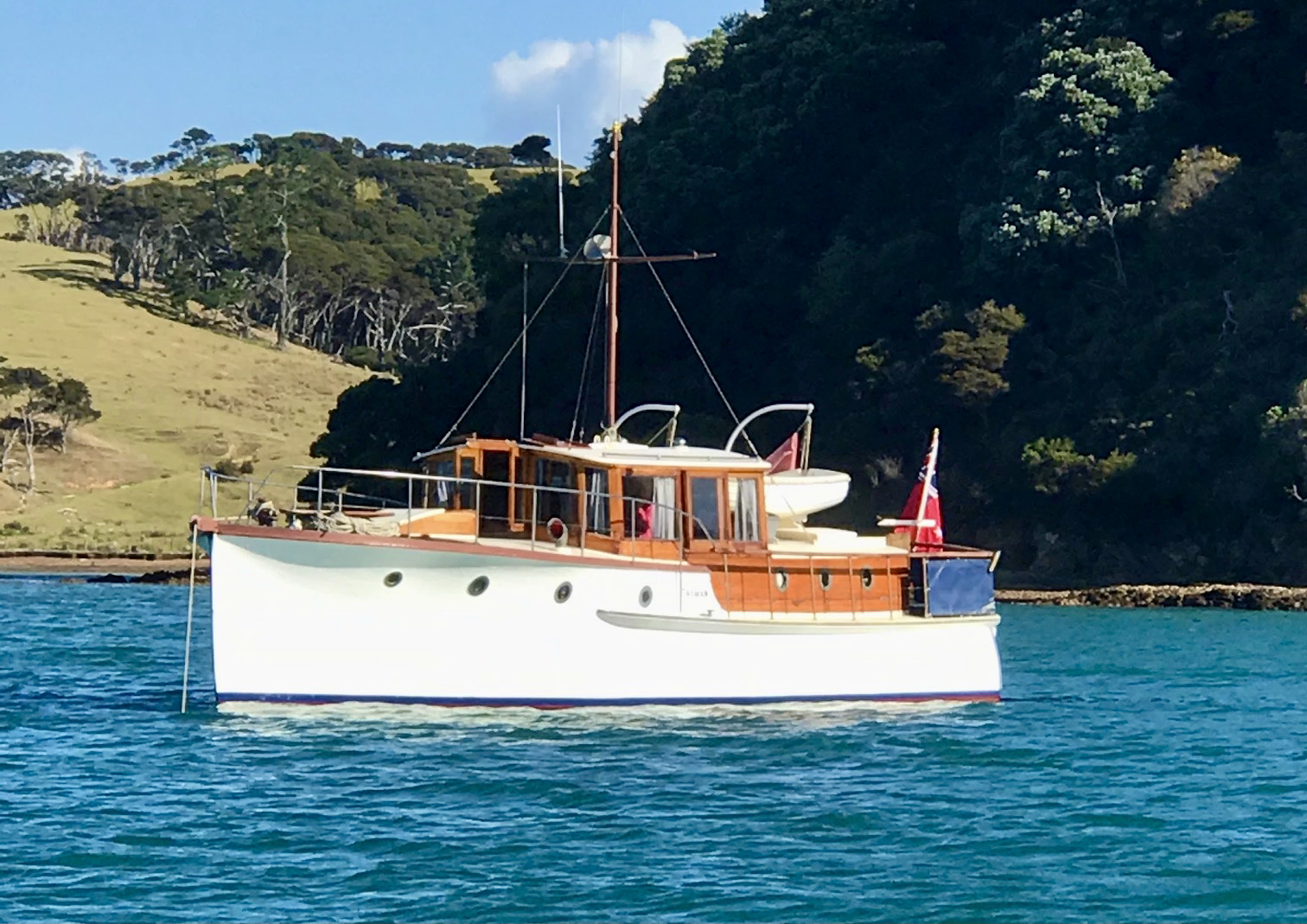
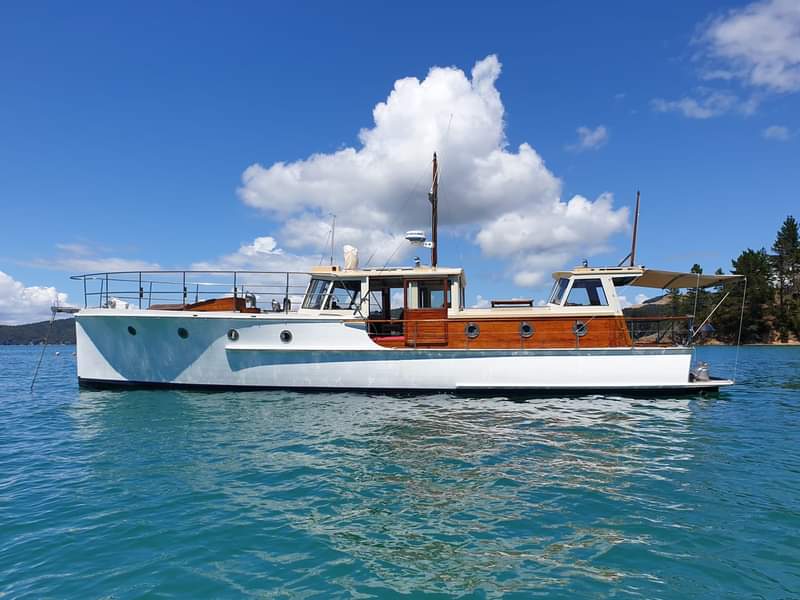
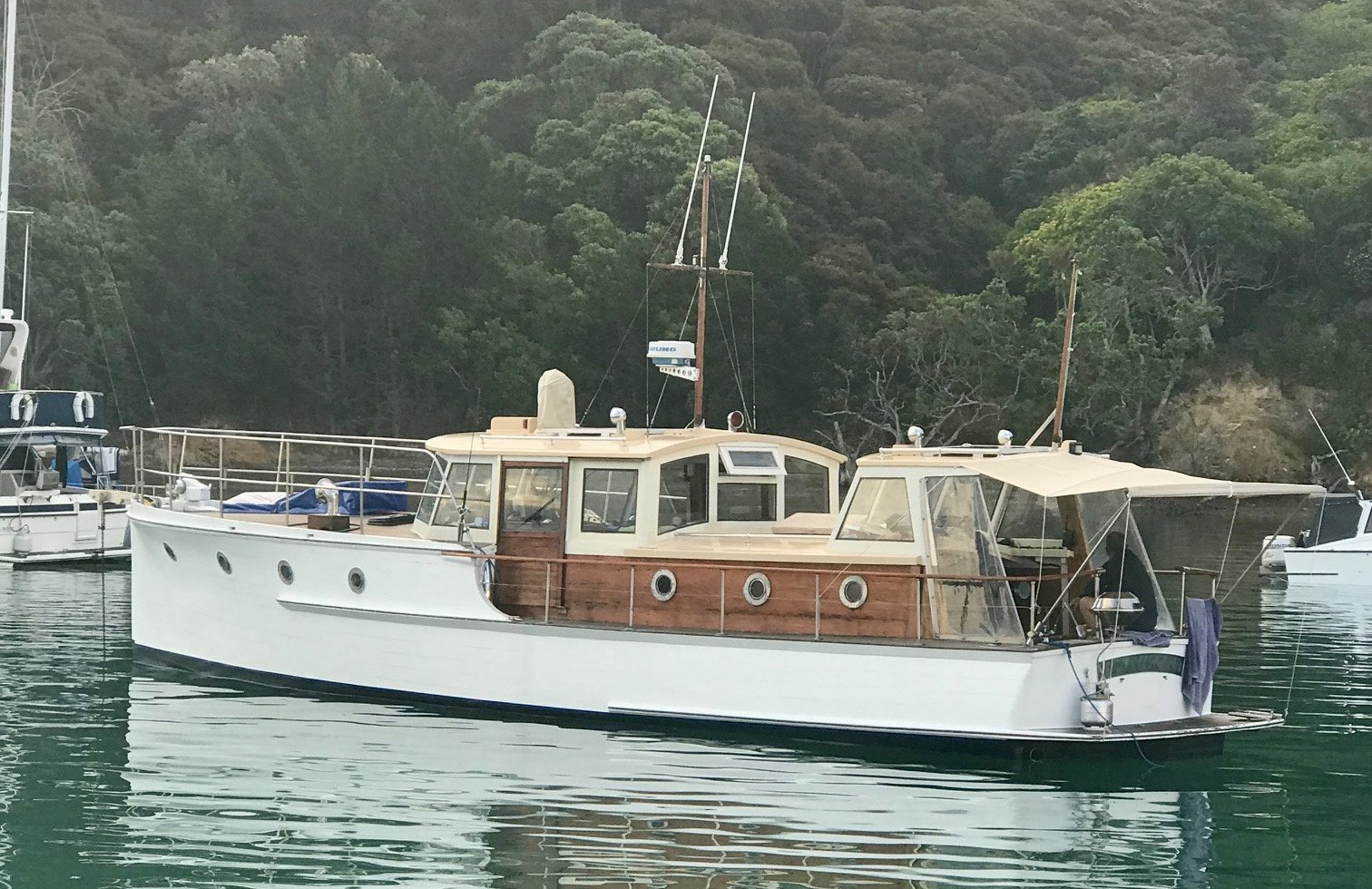
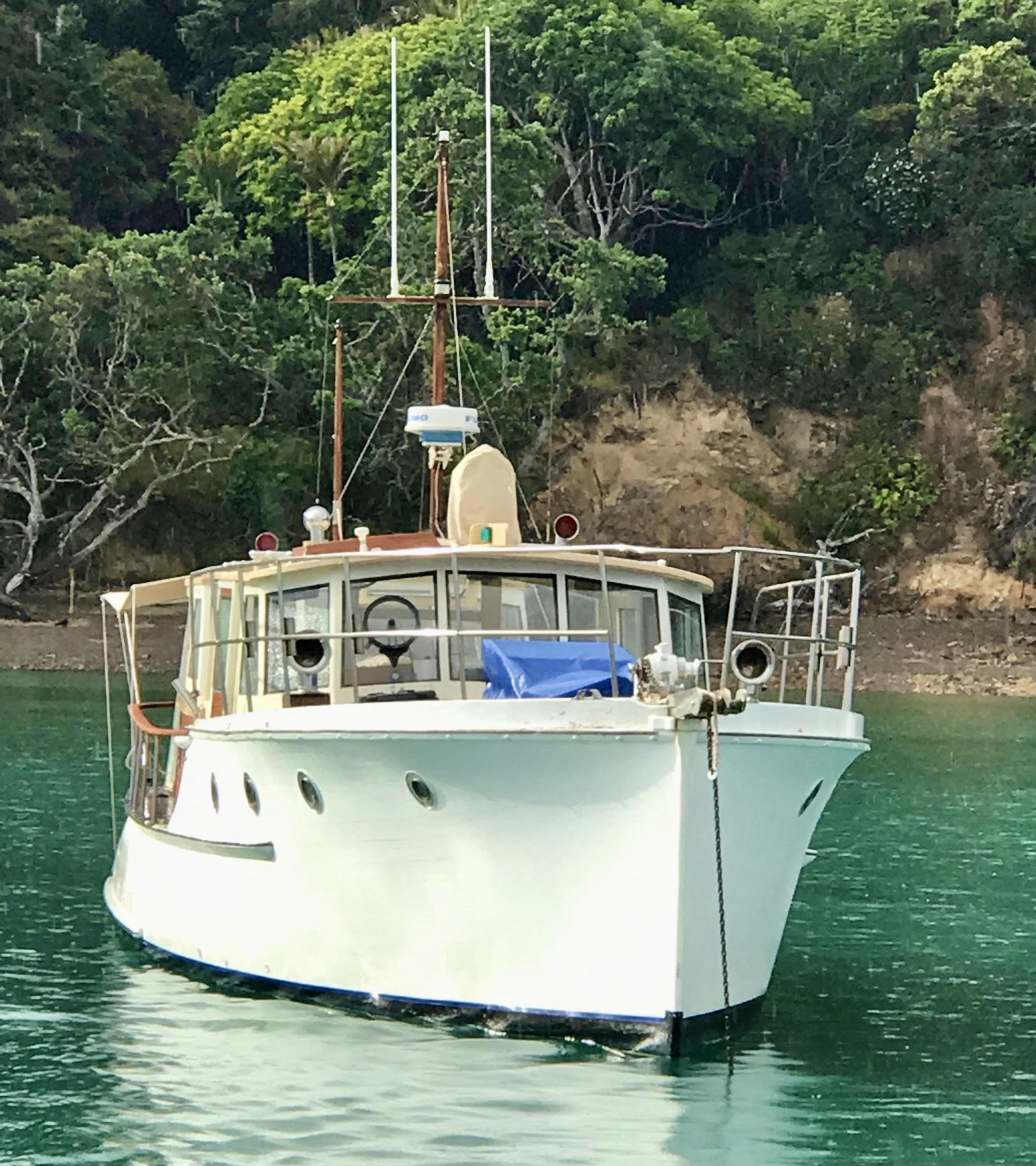
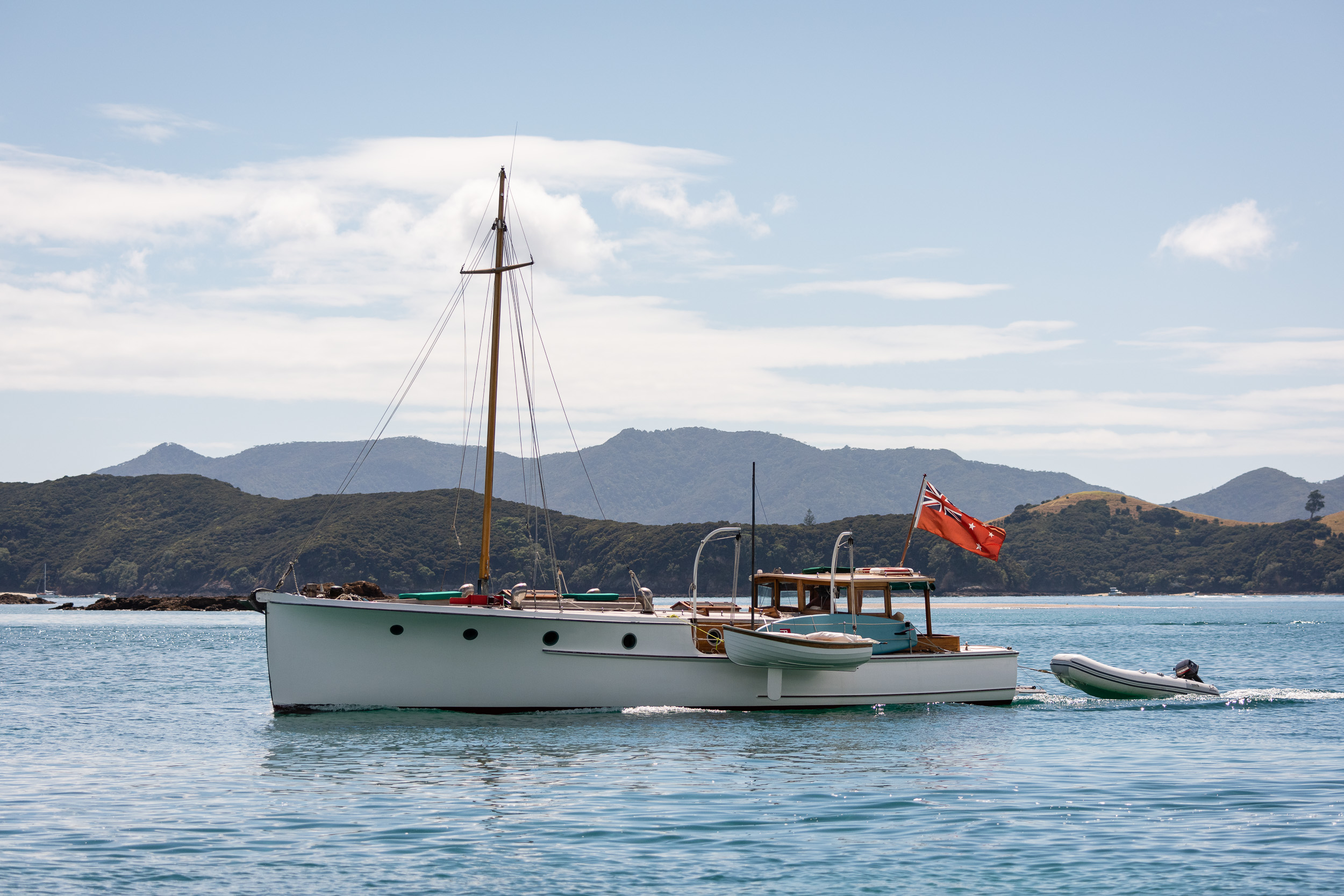
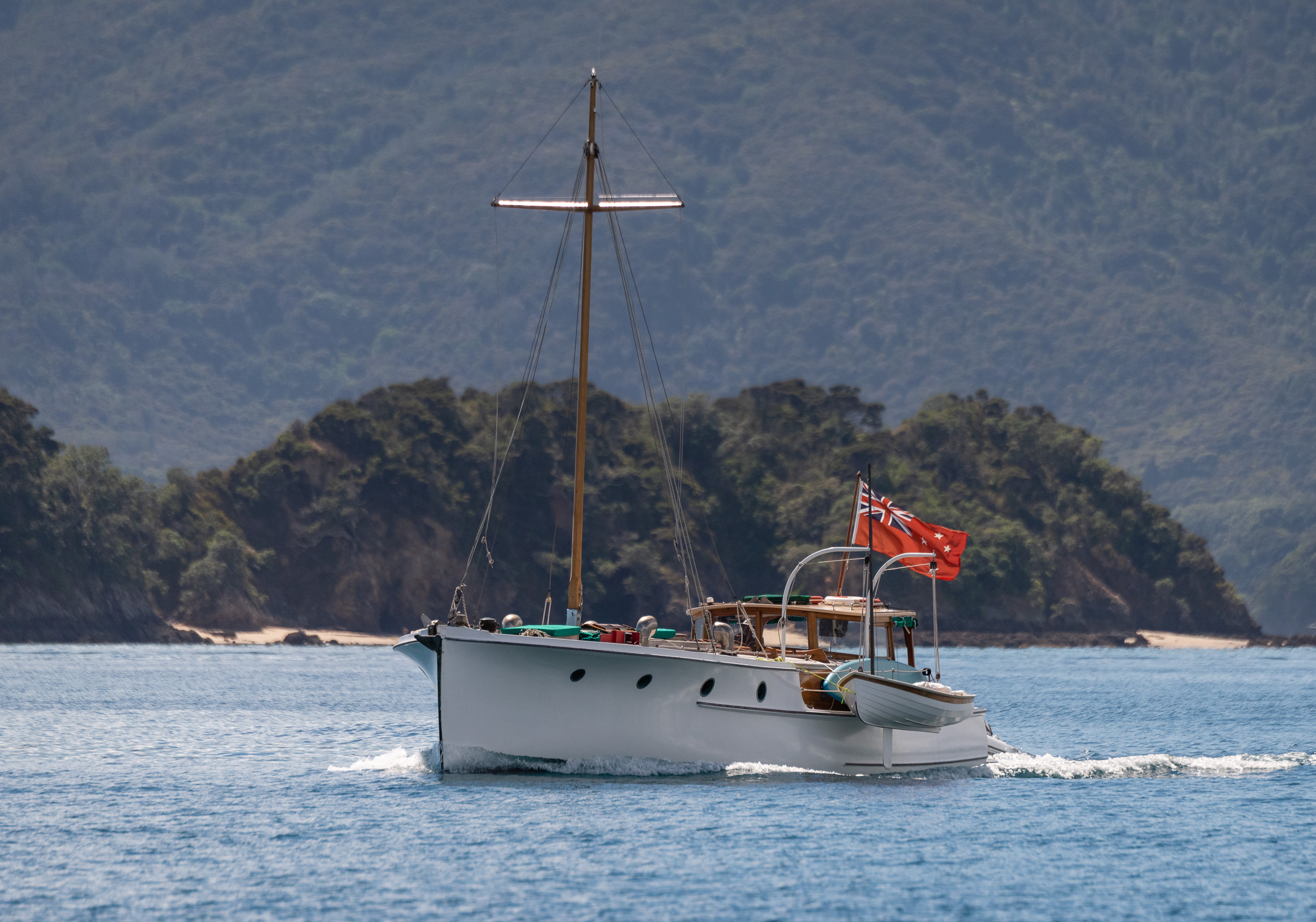
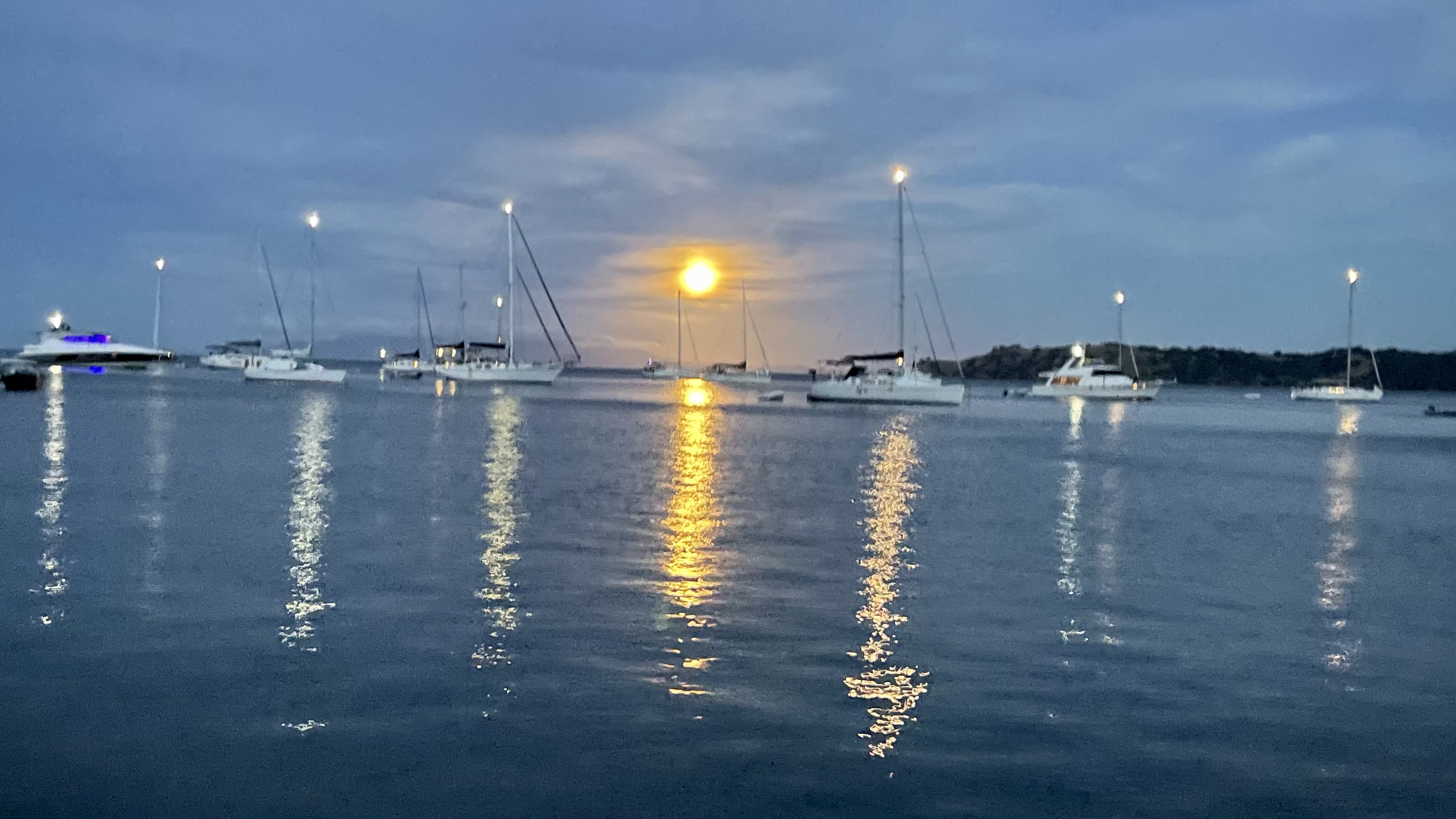
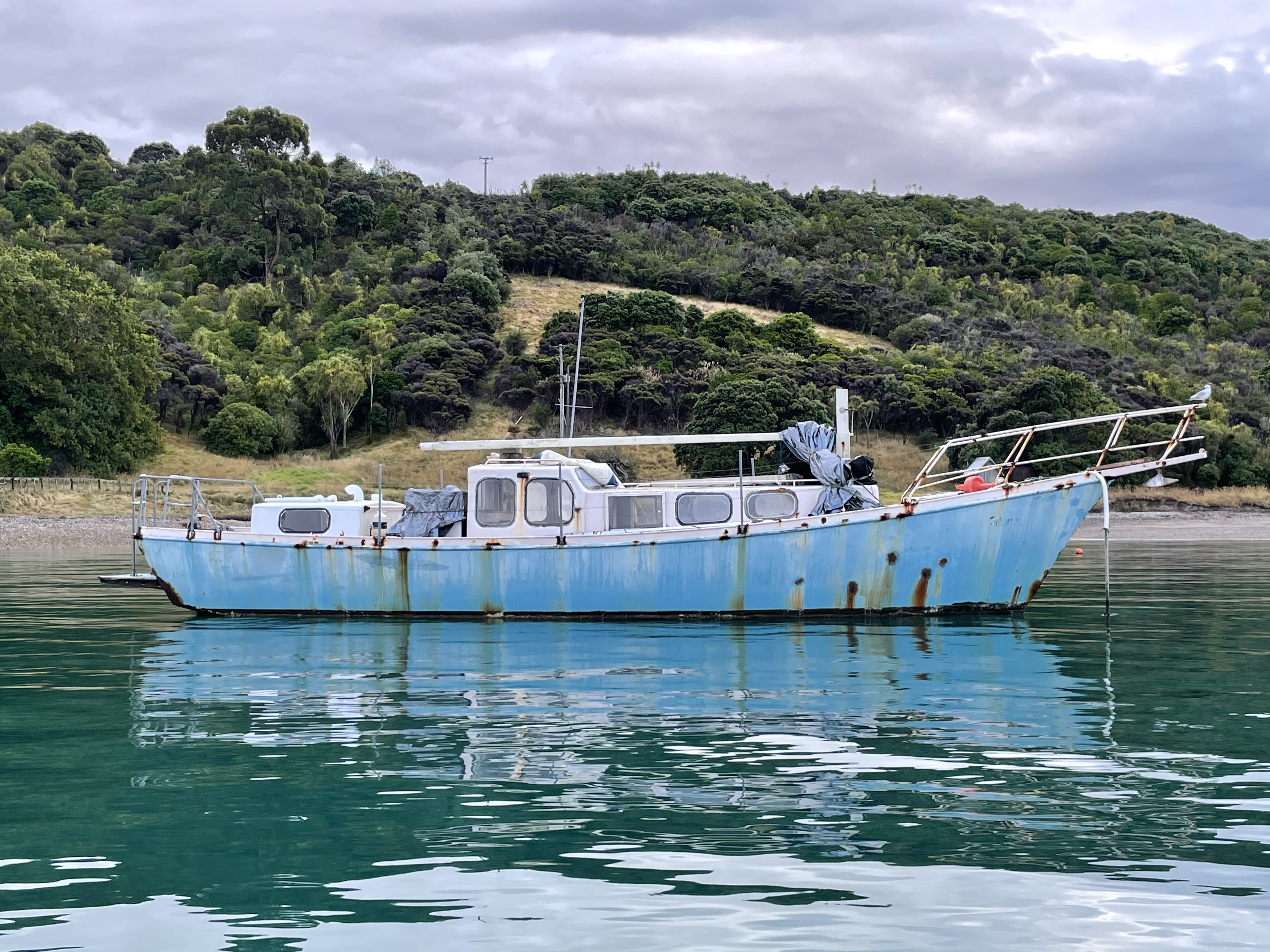
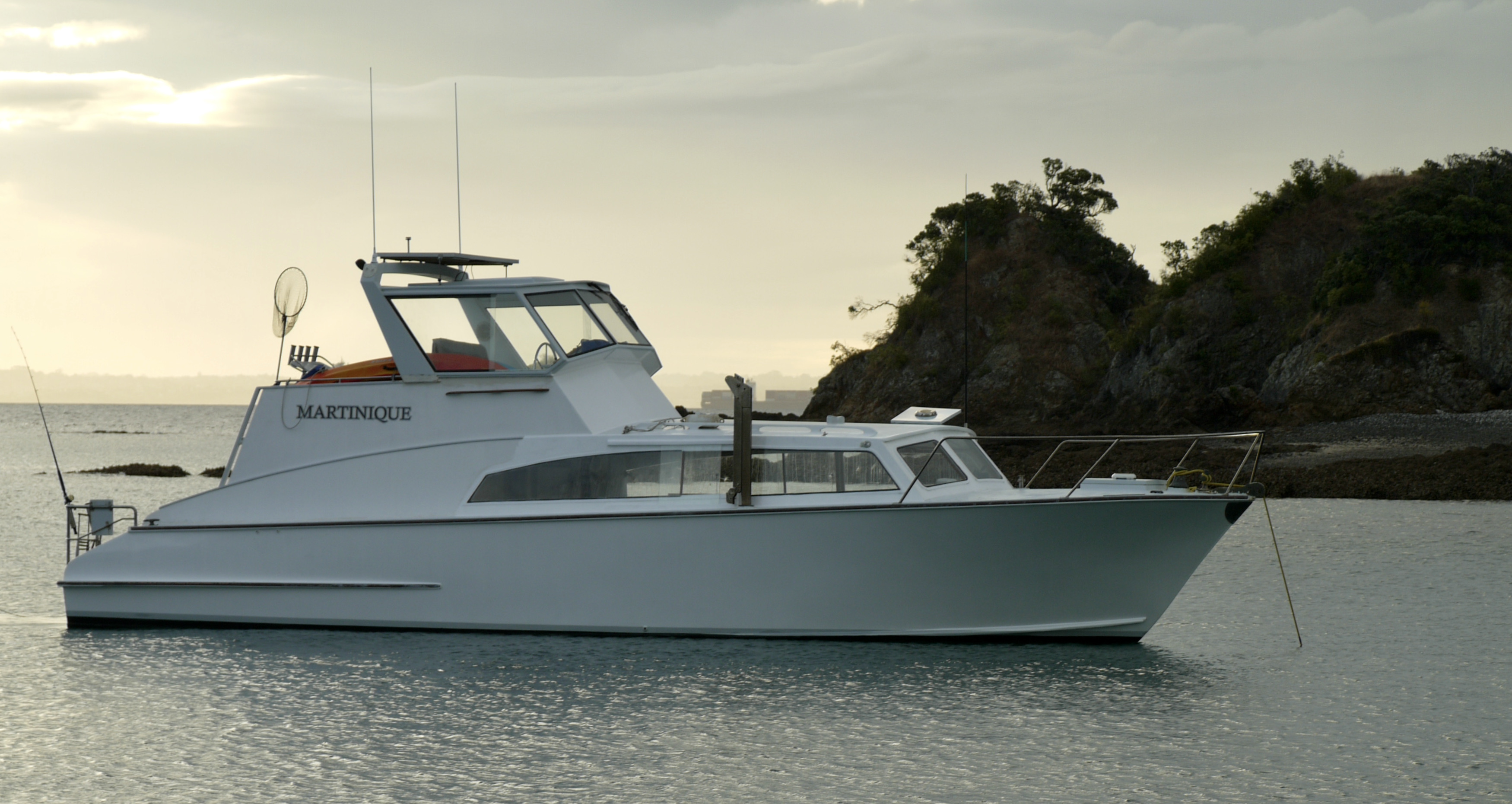
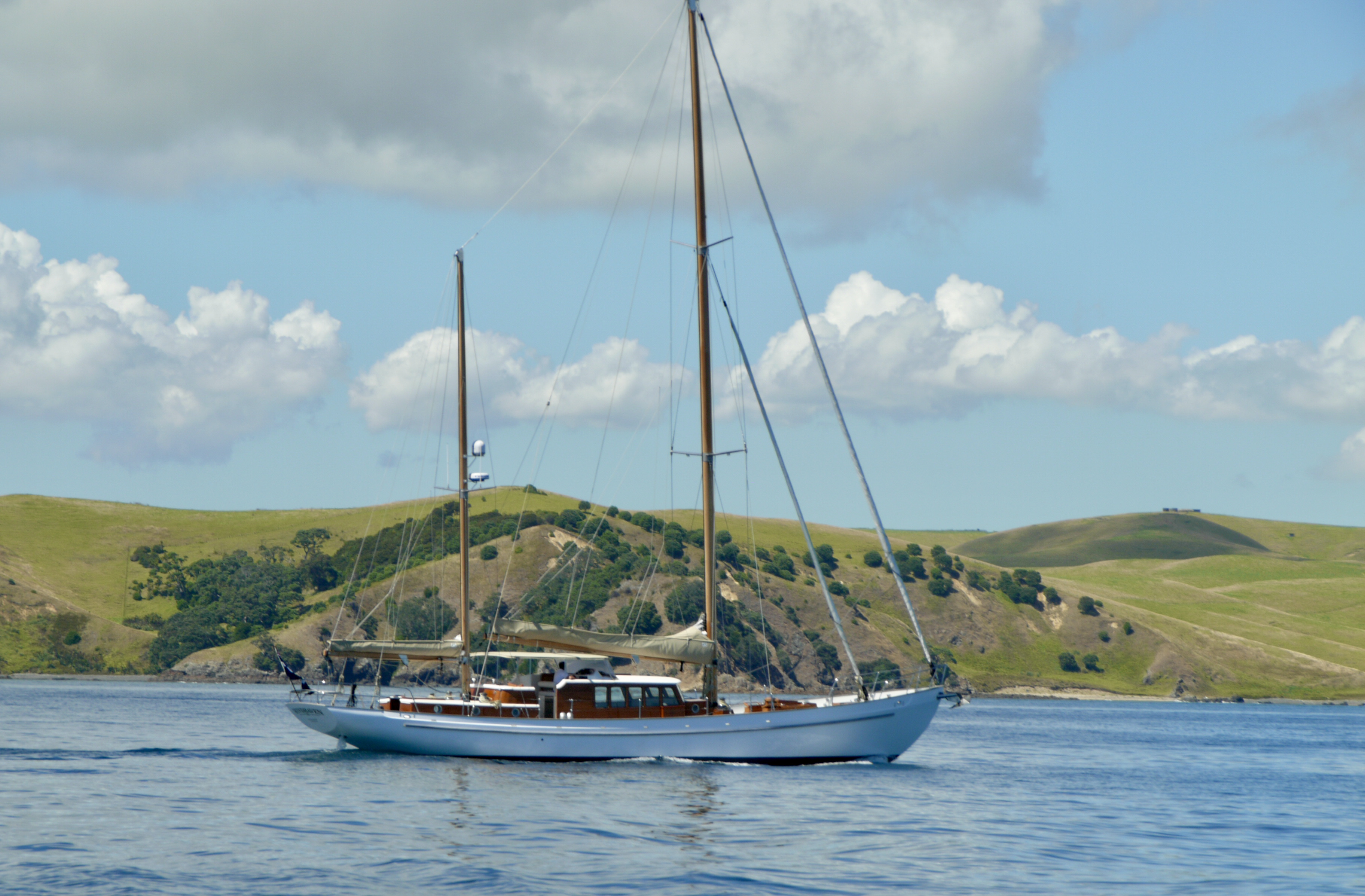
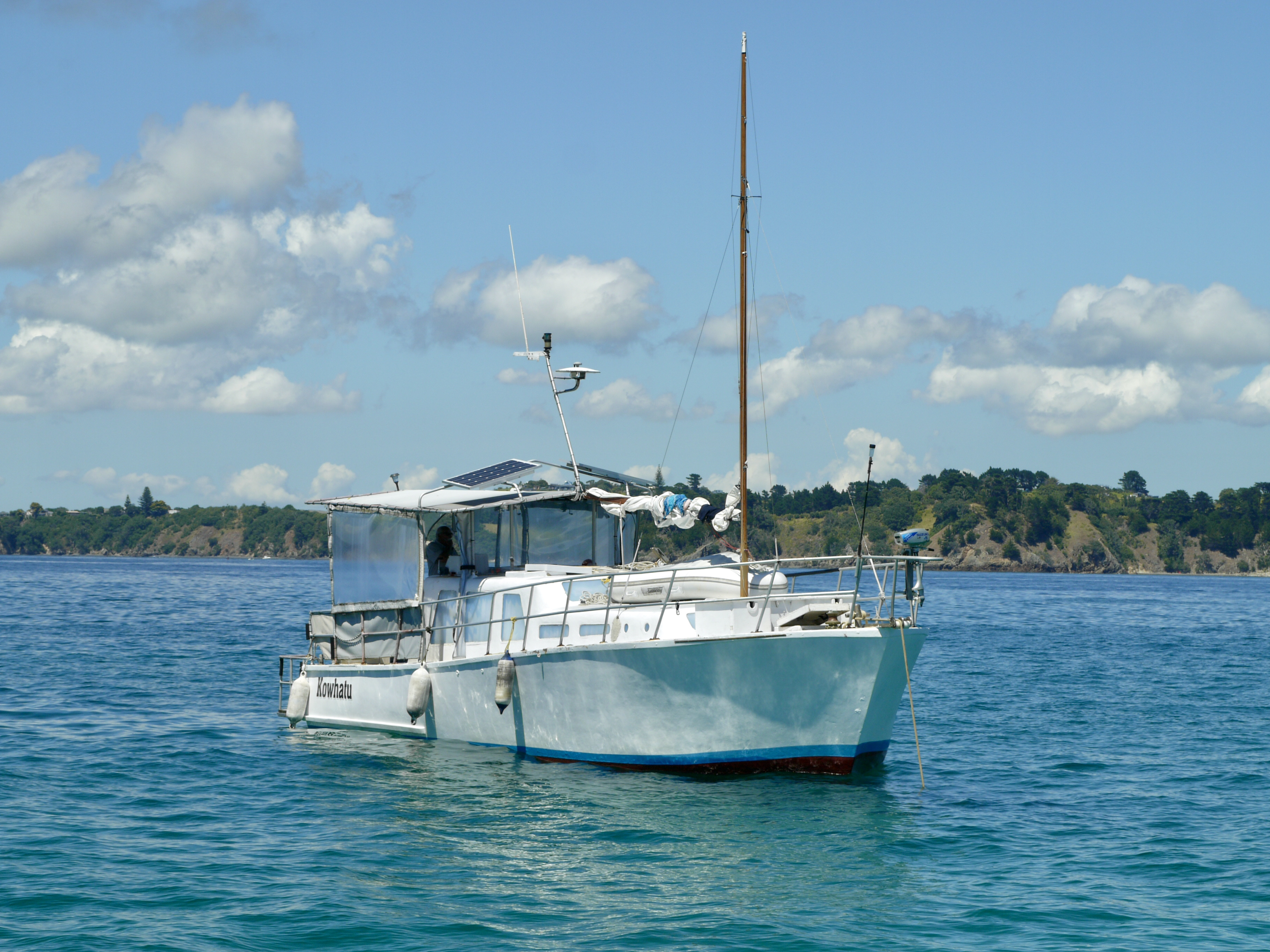
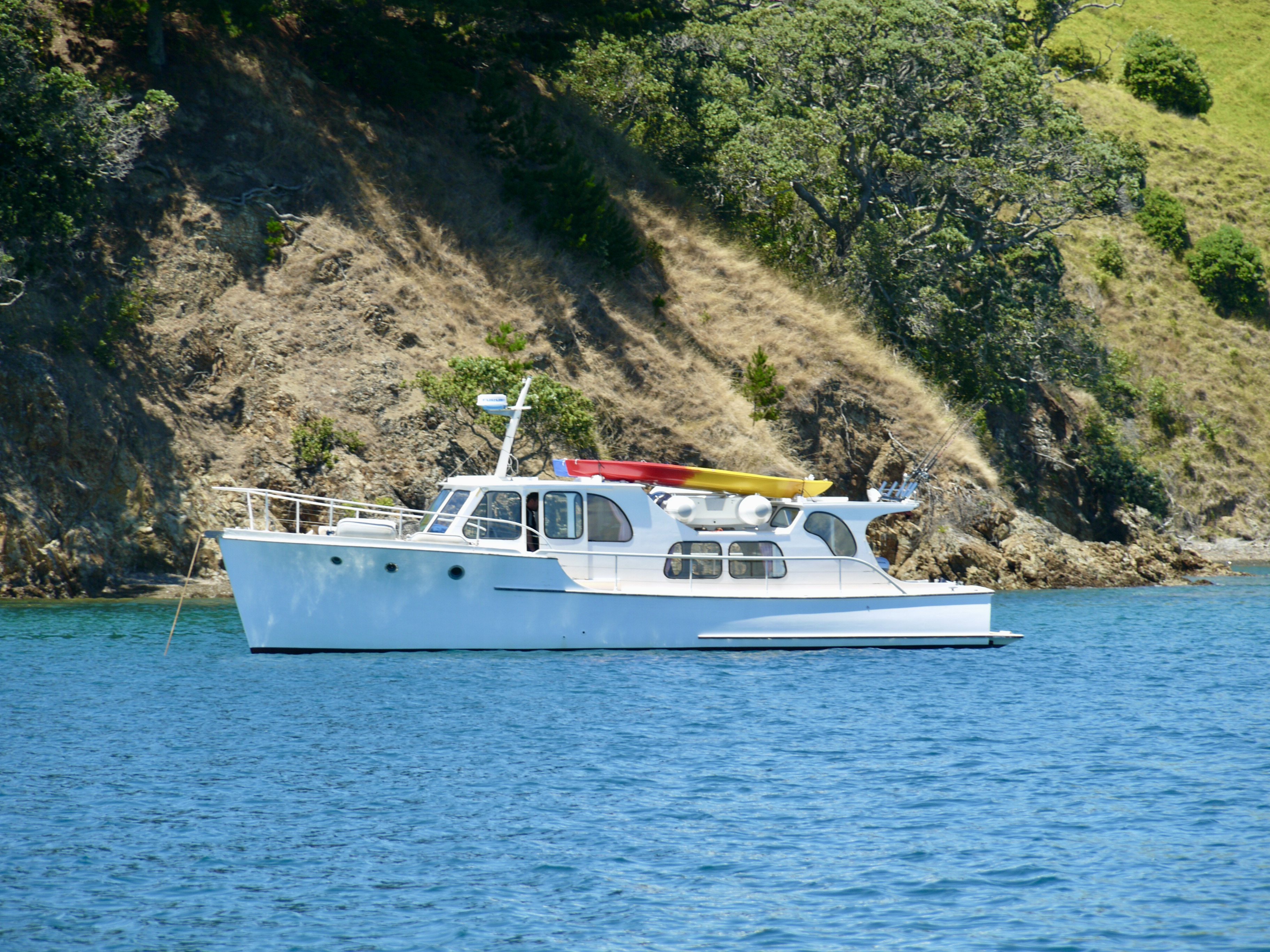
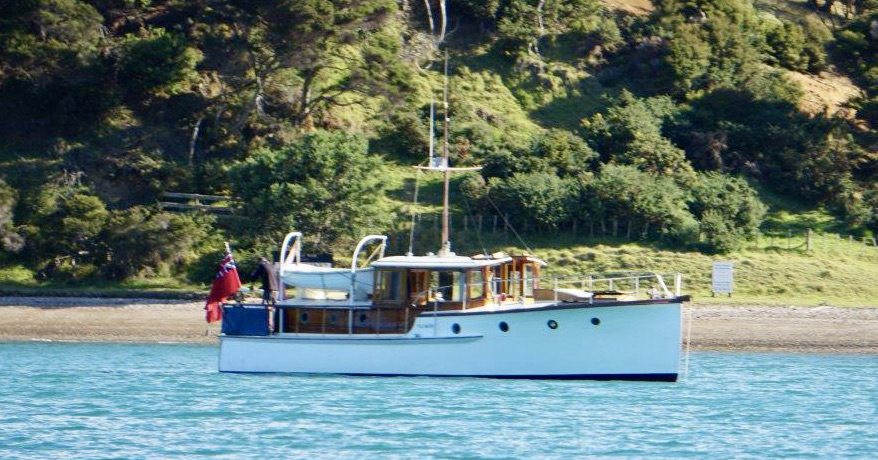
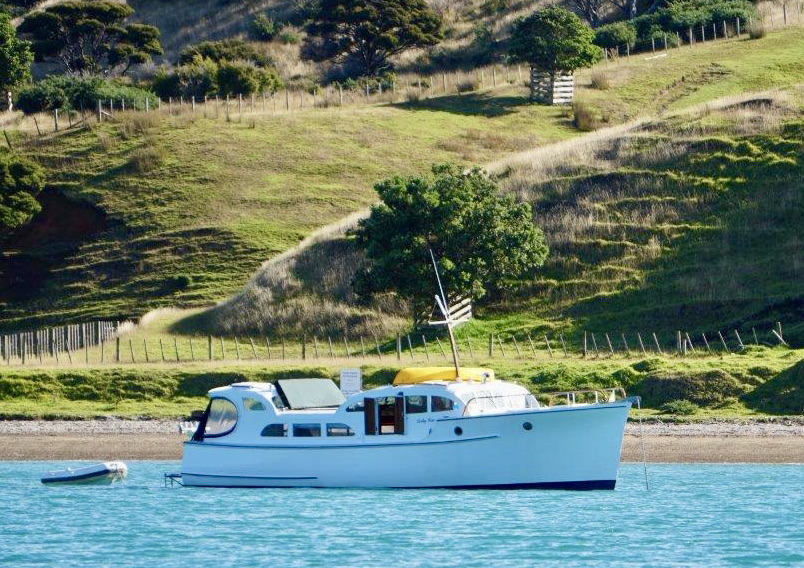
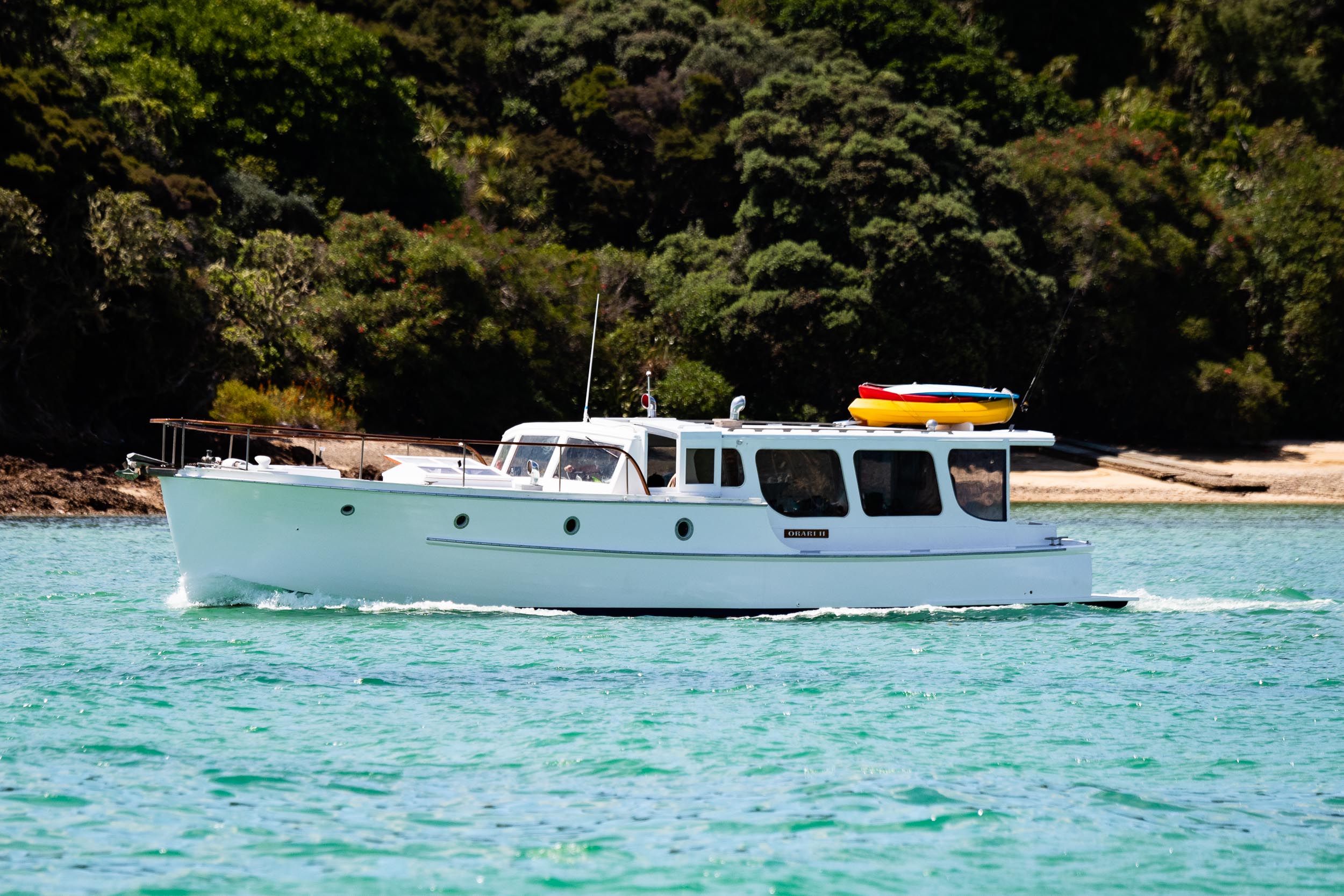
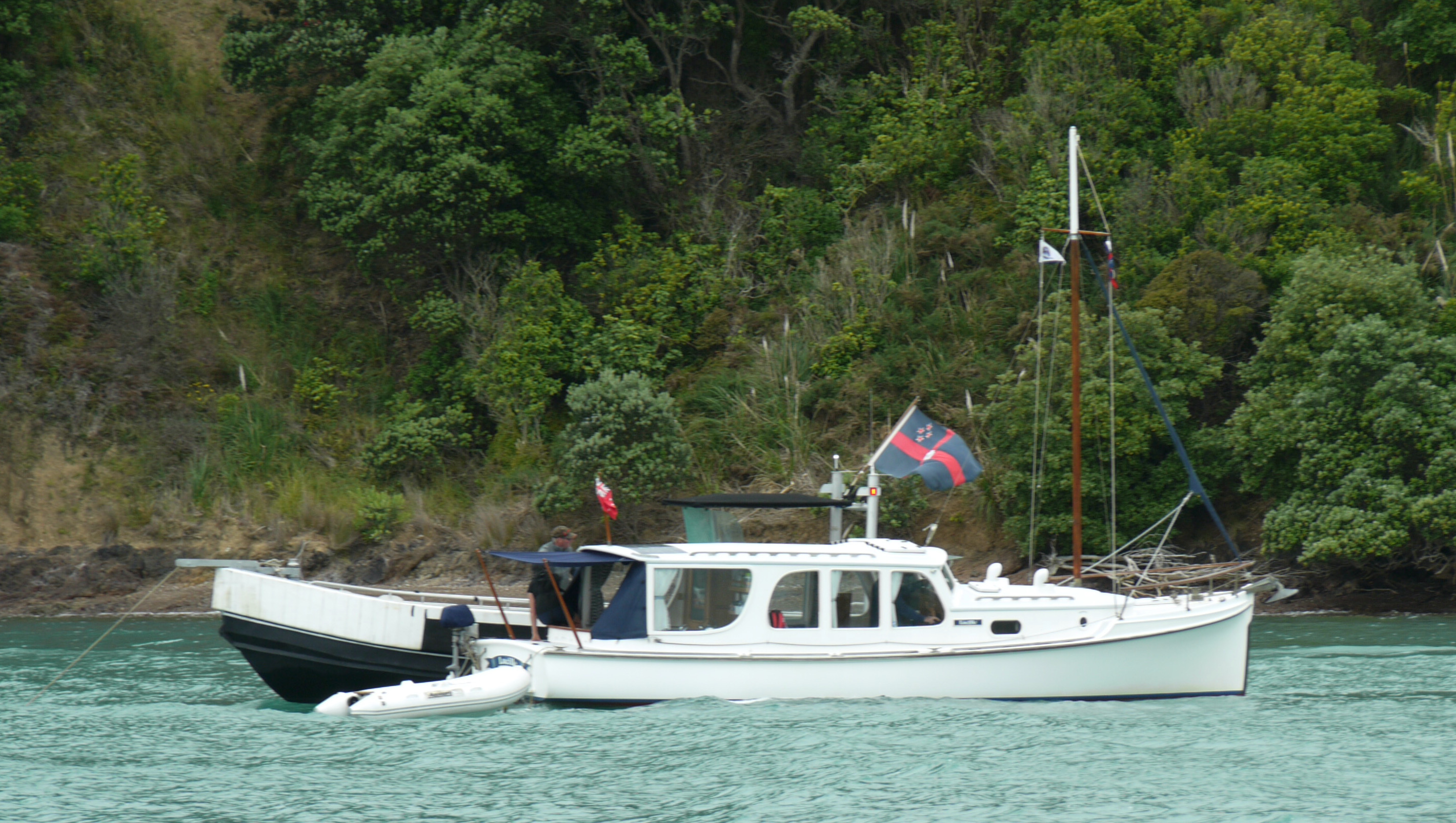
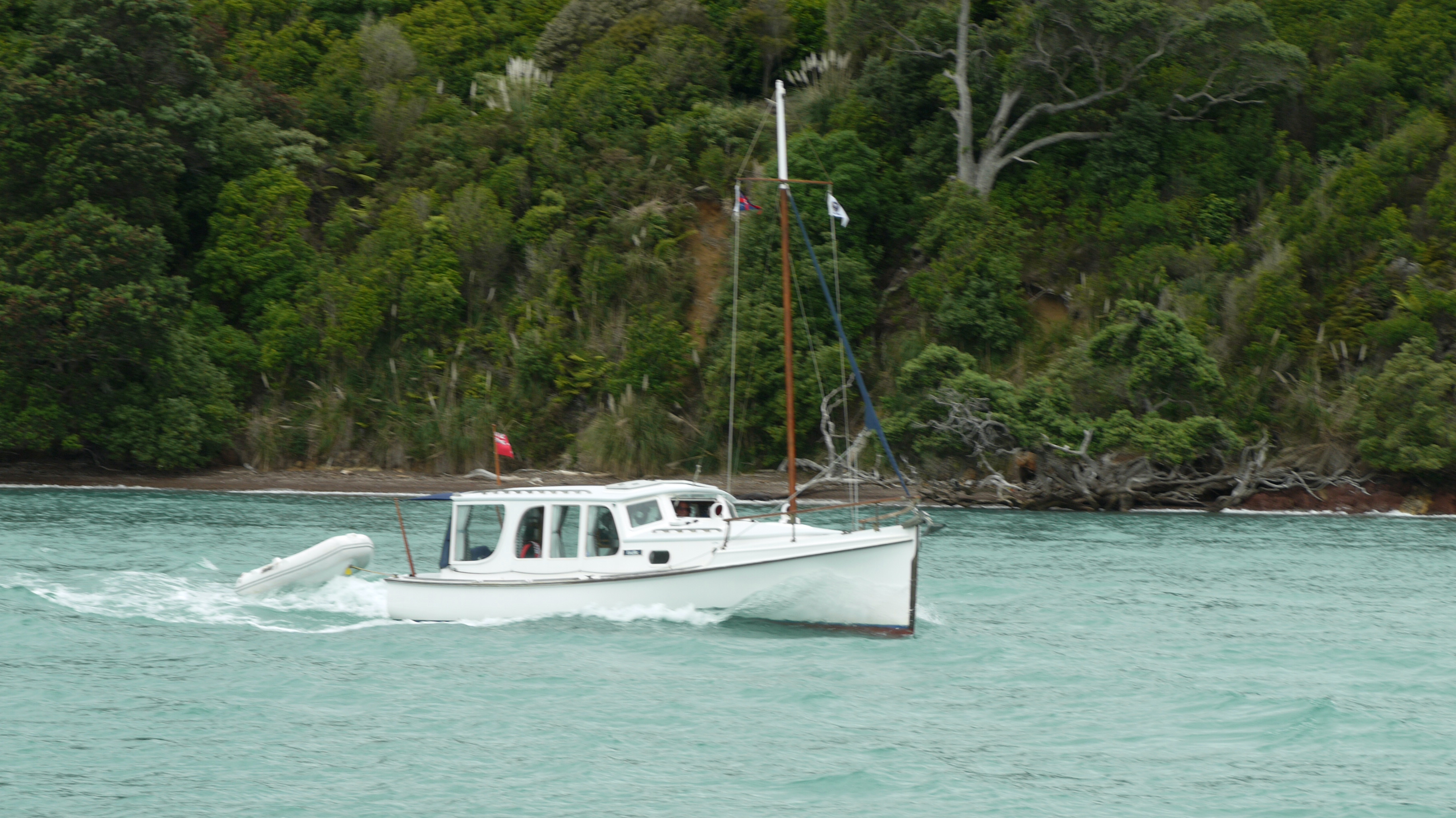
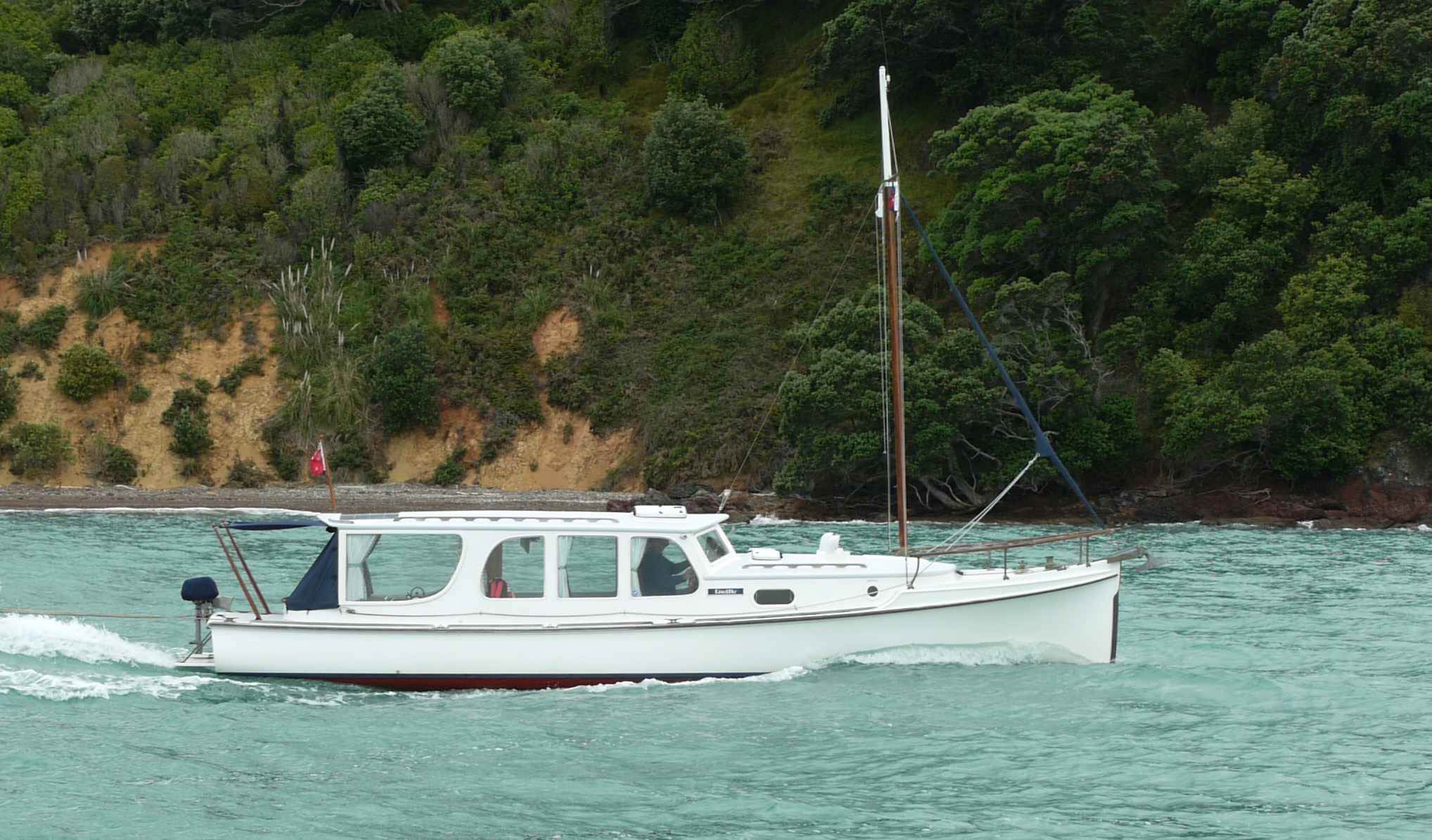
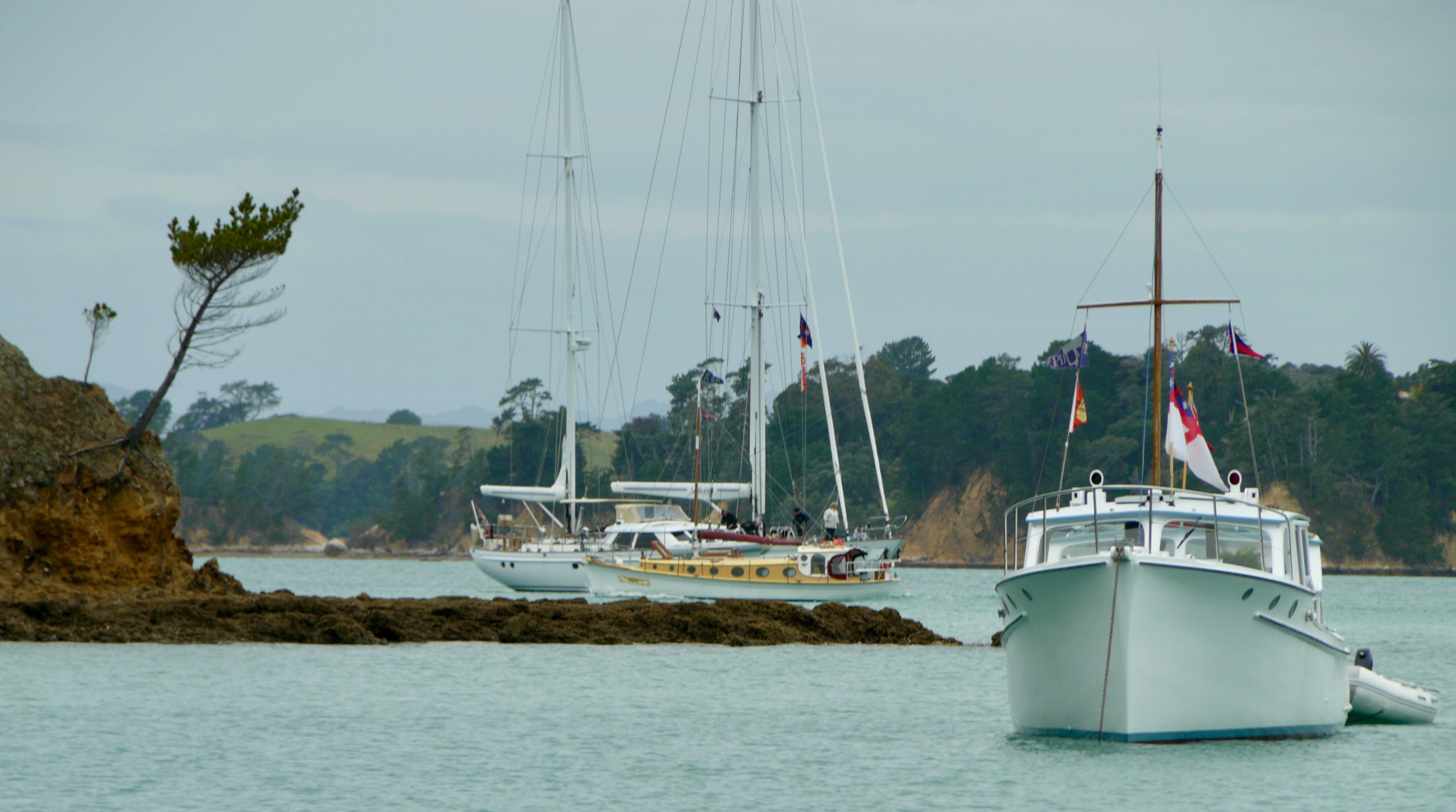
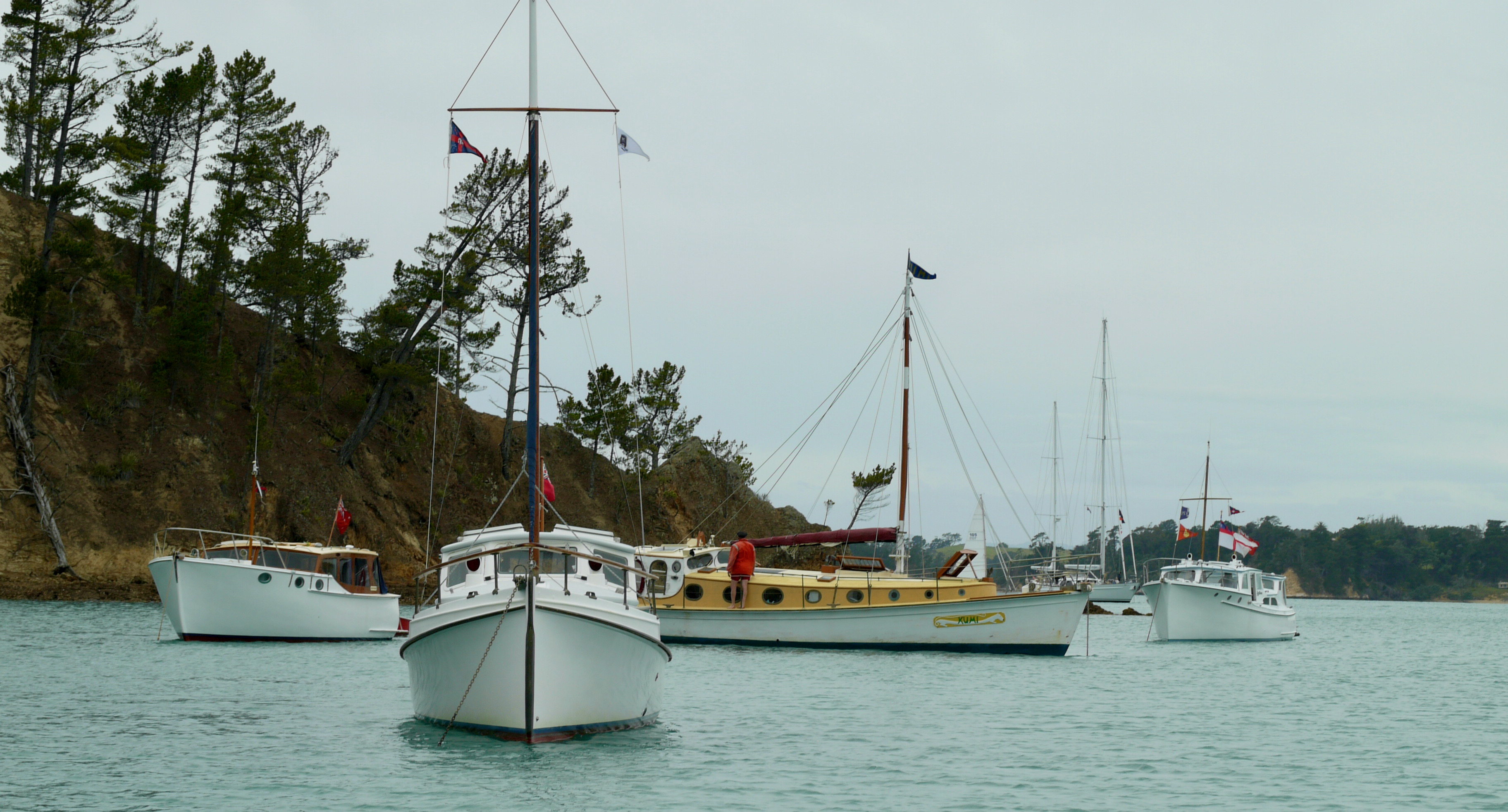
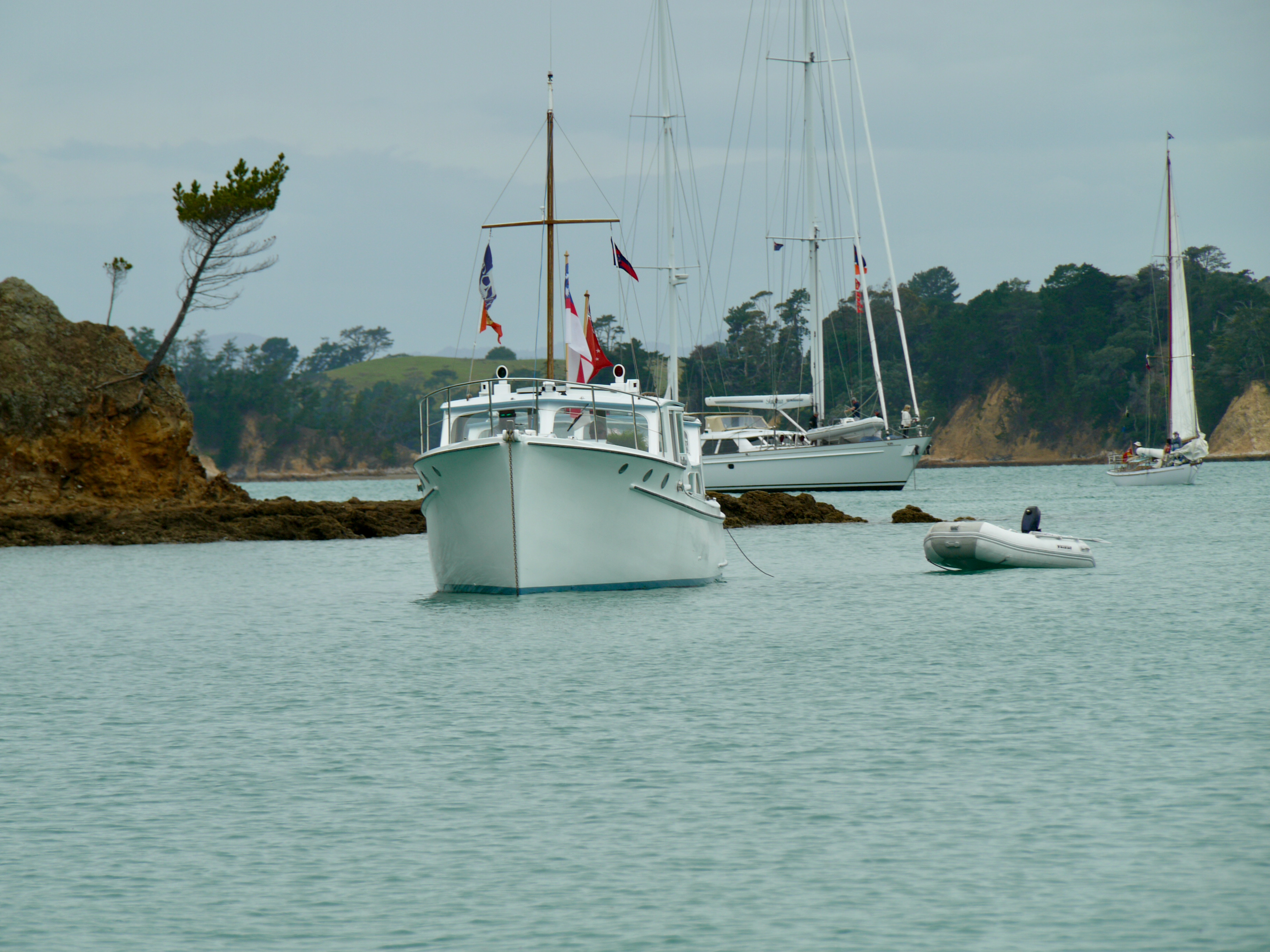
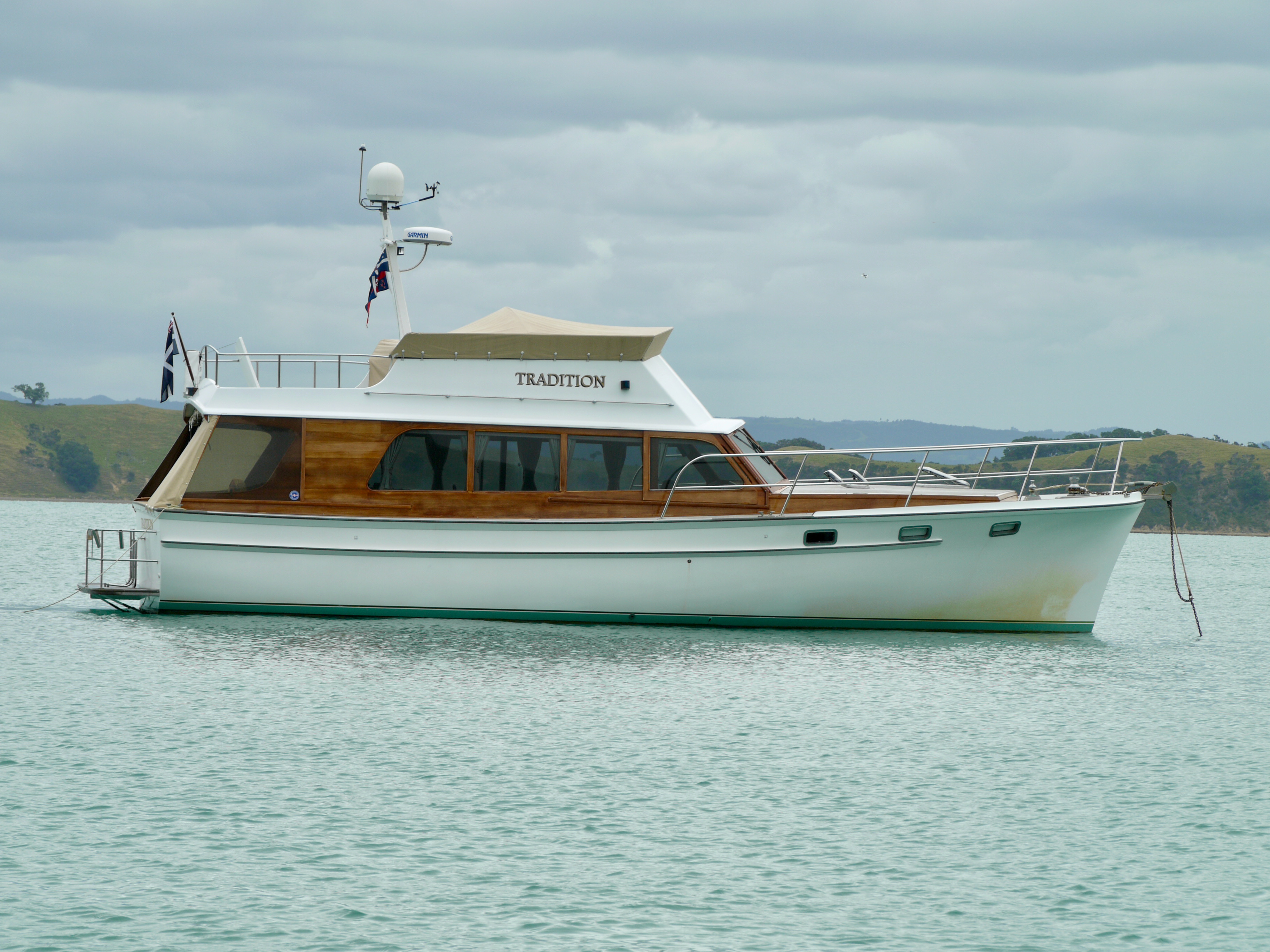
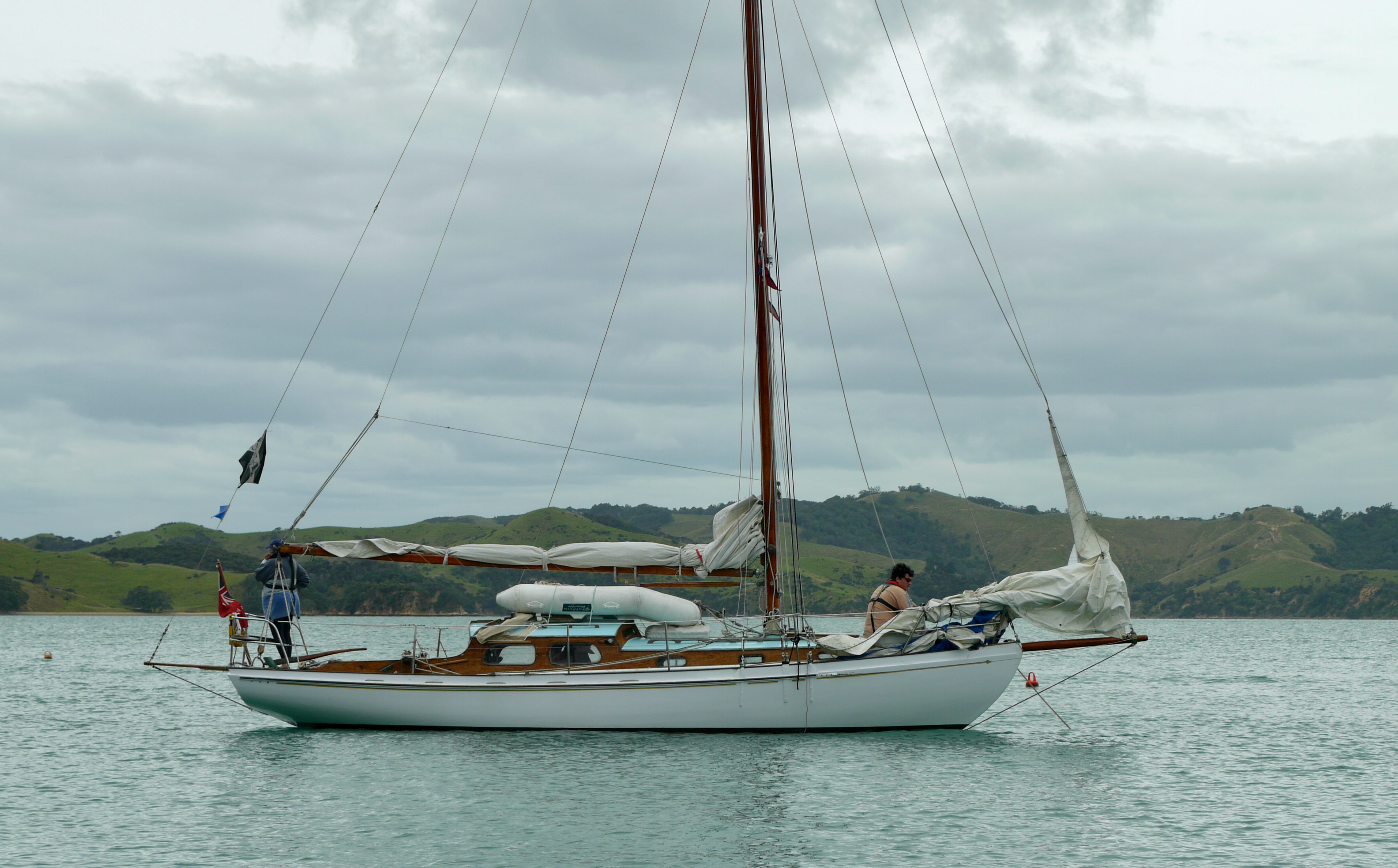
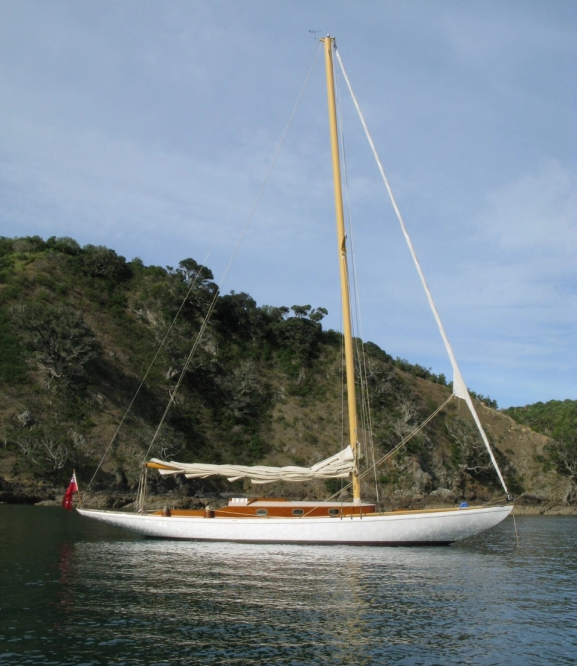
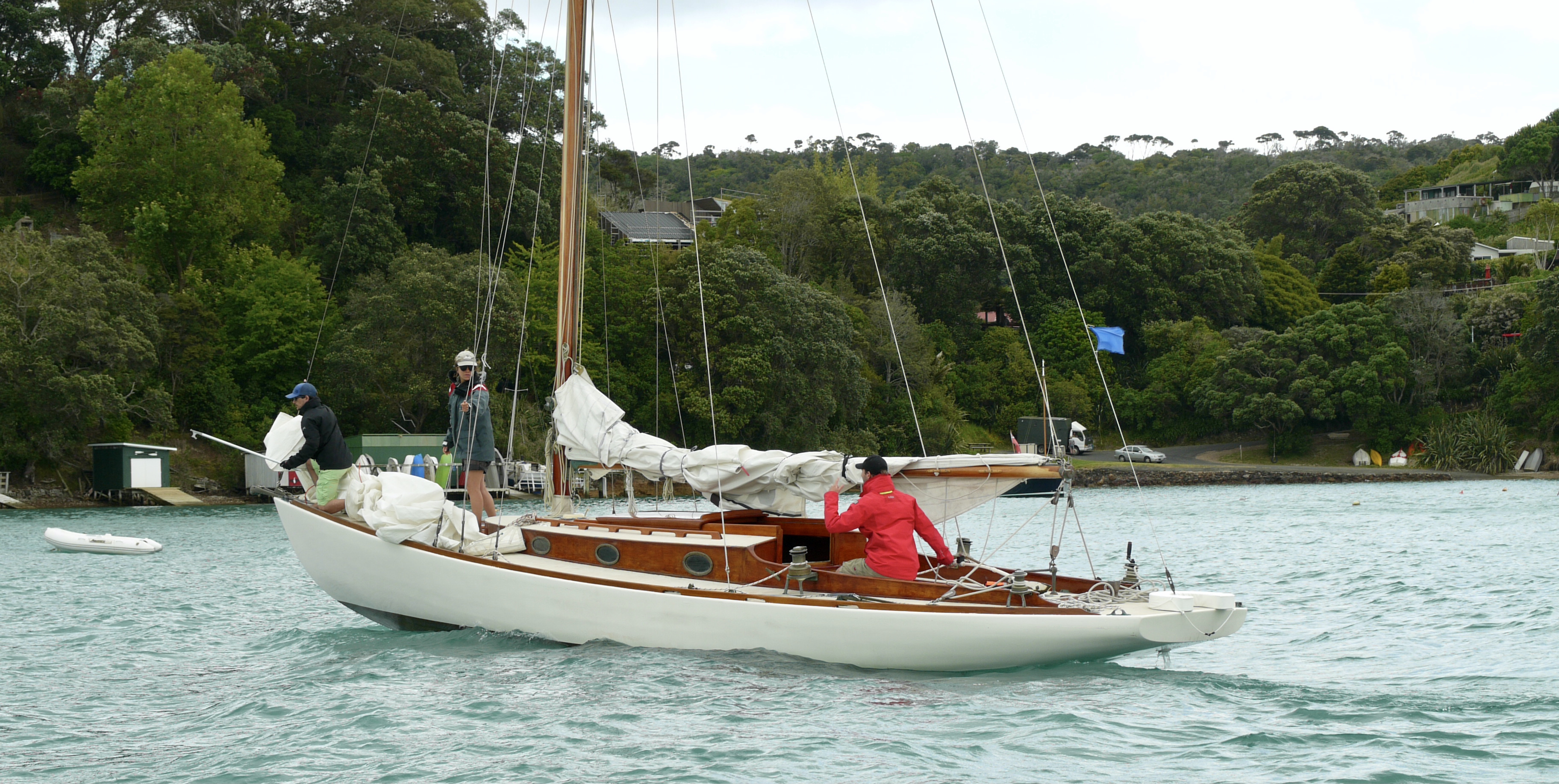
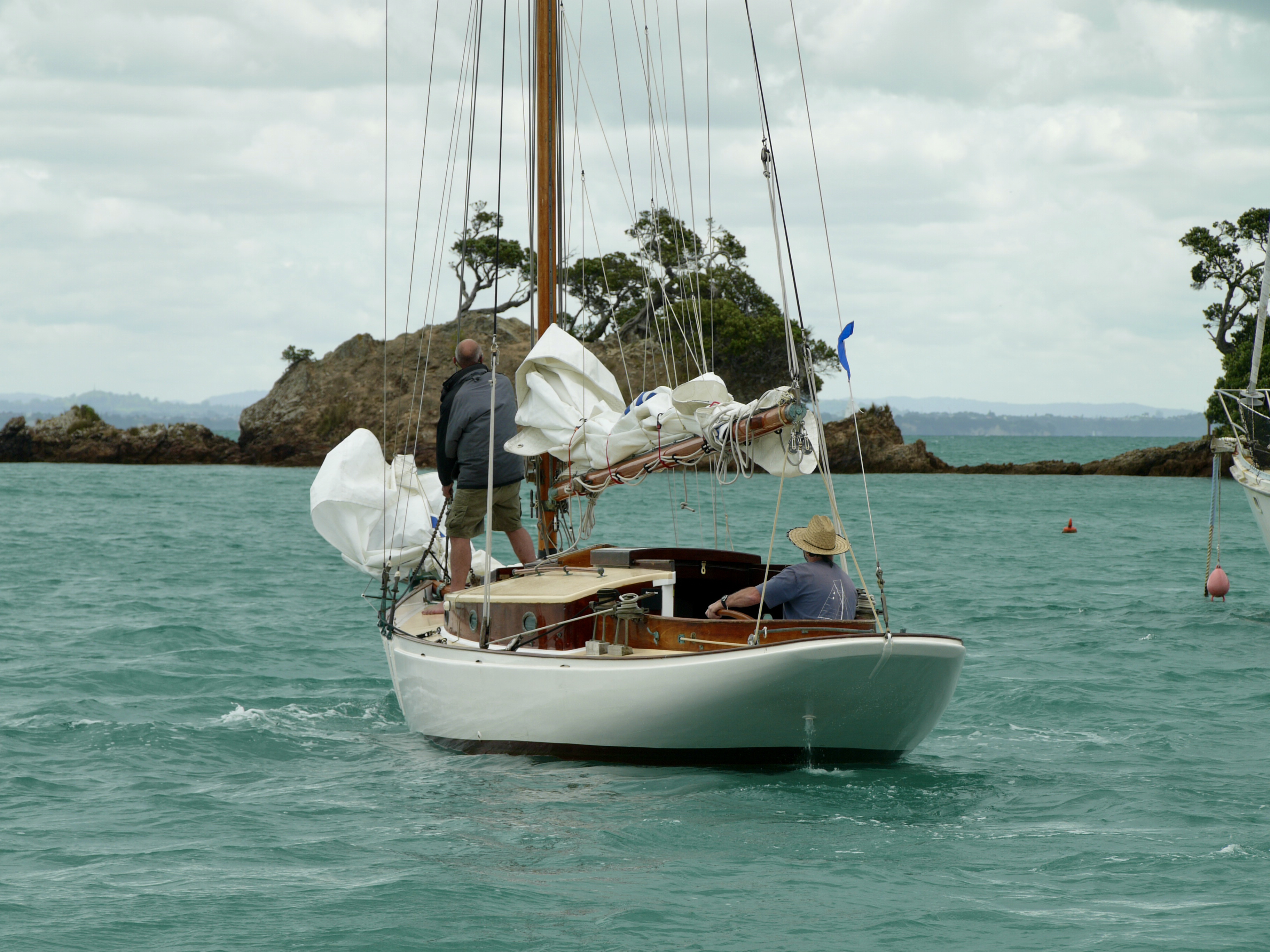
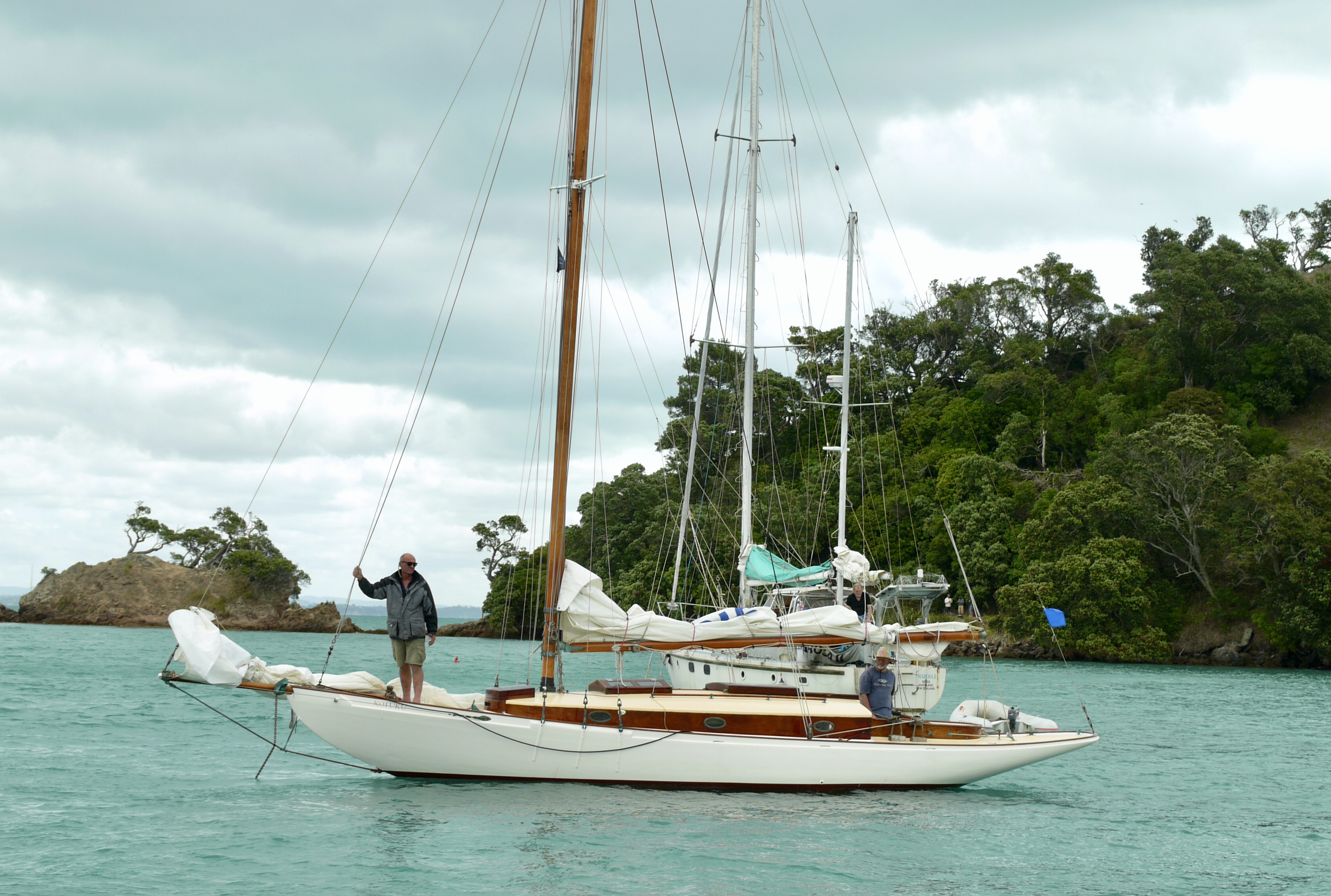
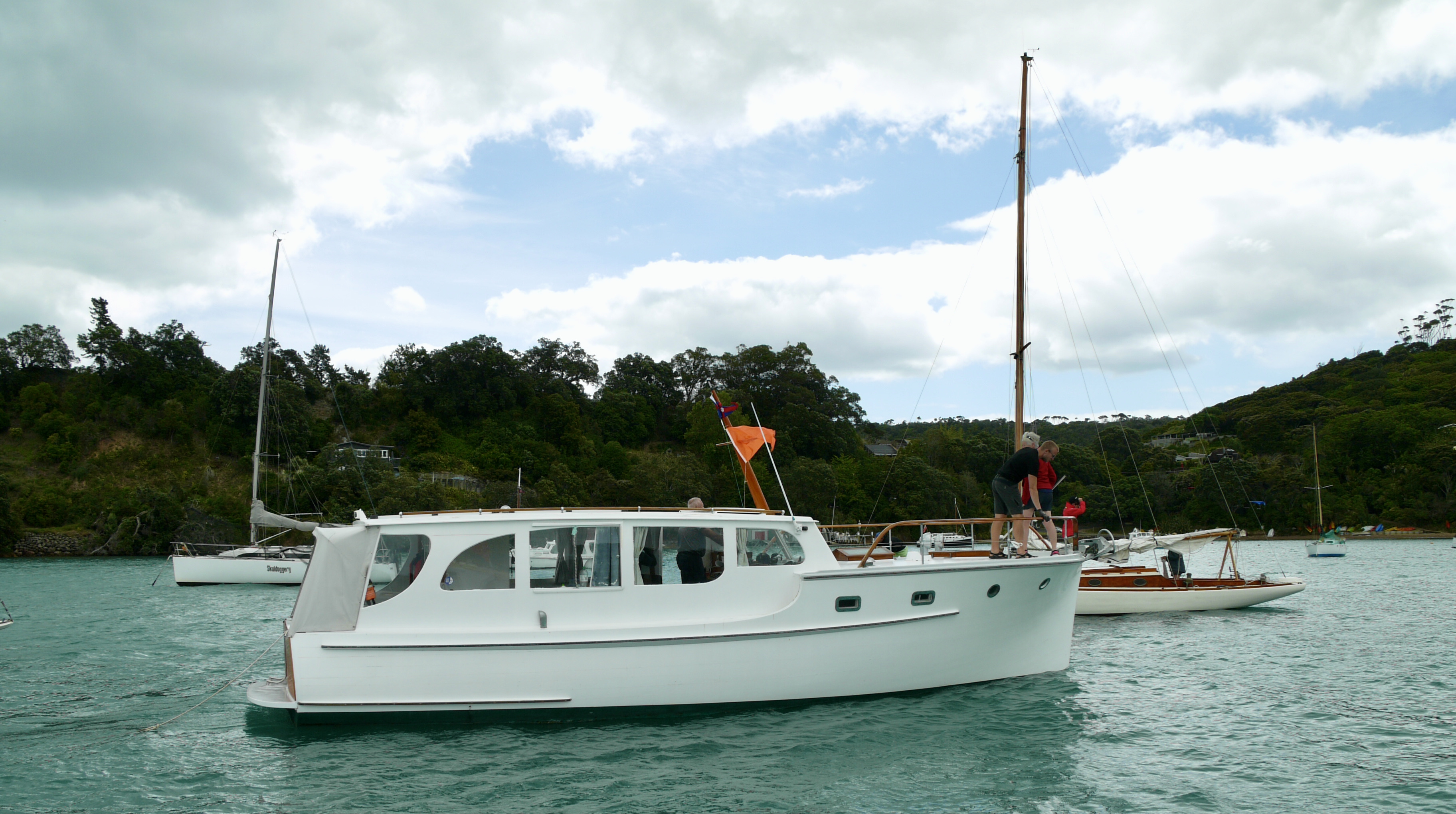
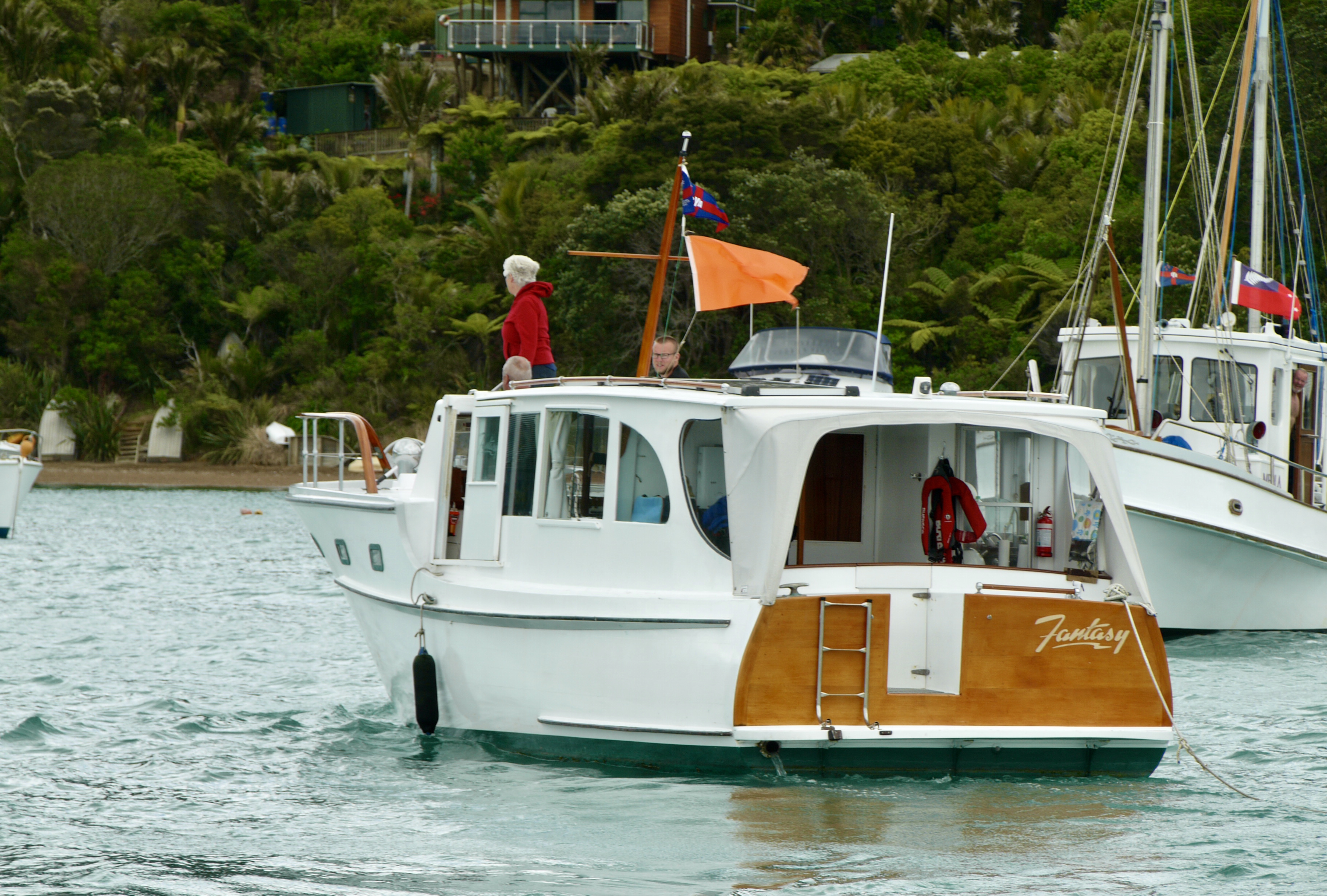
Colin Wild Launches Angus Rogers sent in the photos above of two of the smartest looking Colin Wild launches afloat, at anchor in Chamberlin Bay, Ponui Island in early January.
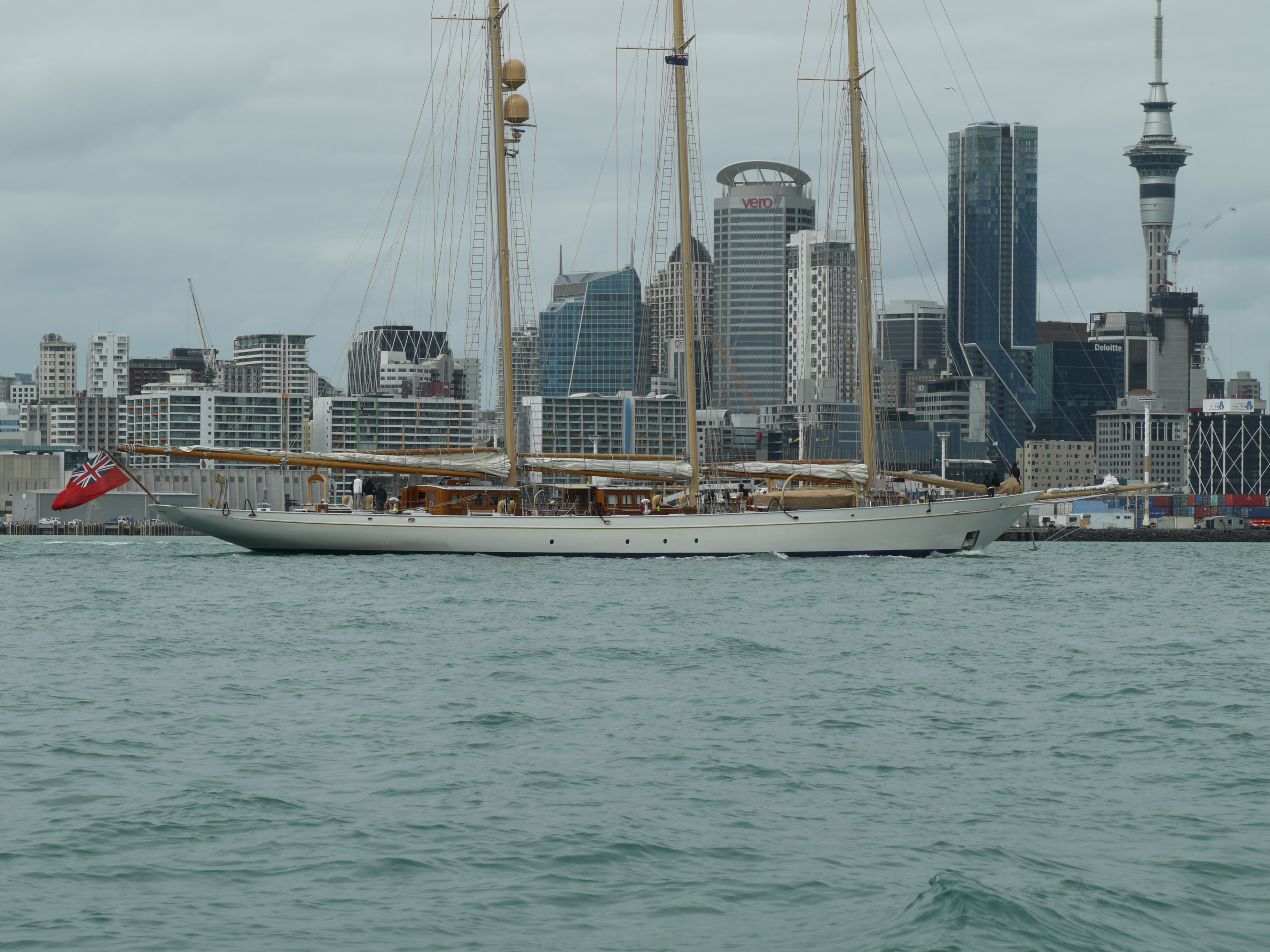
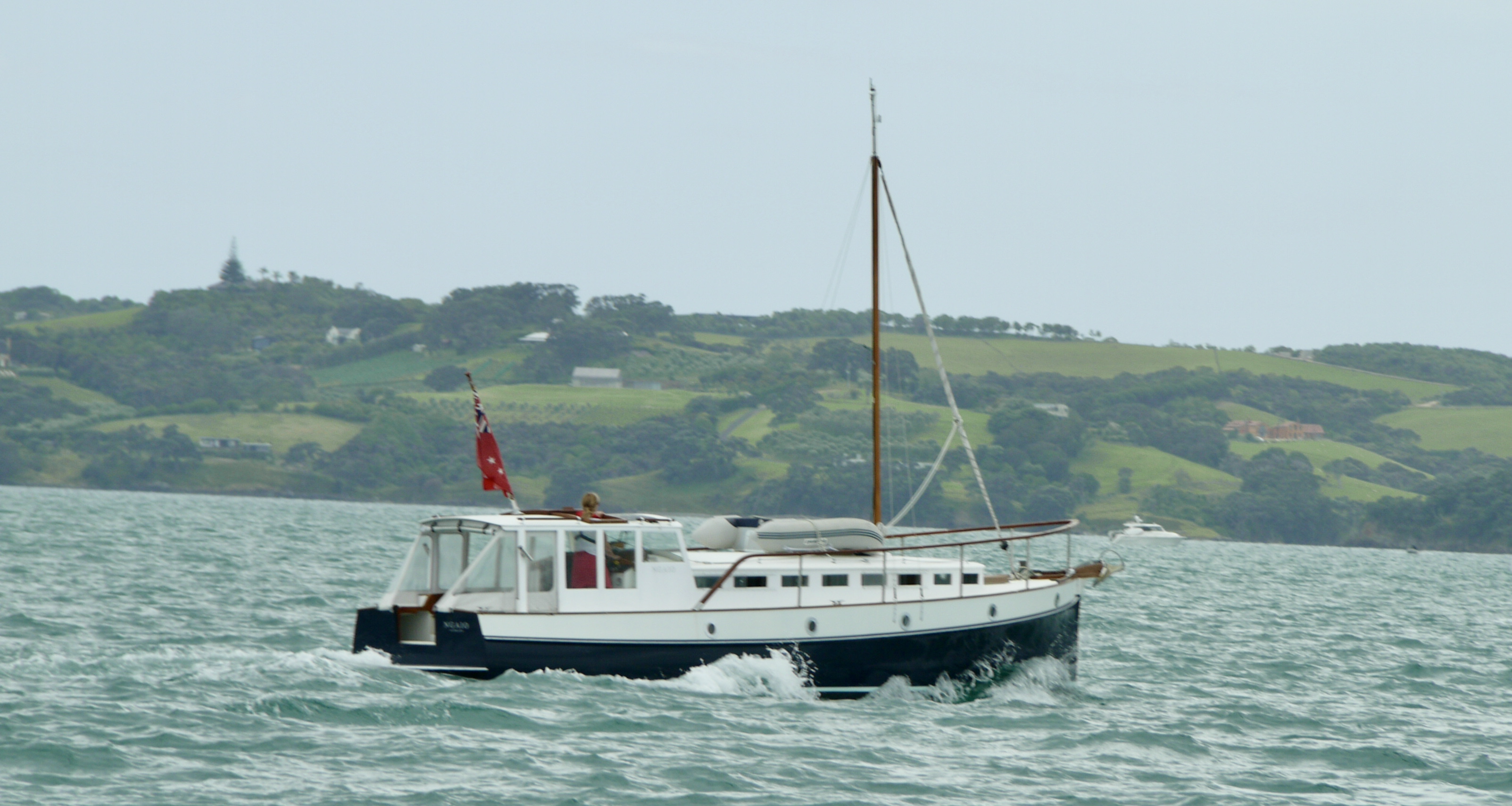
The top photo is of the 1927 built Tasman, for many years owned by Doc O’Callahan. In December 2020 she changed hands and is now in the care of Theresa & Stephen Cashmore, who have been on the hunt for a woody for a while – excellent pick 🙂
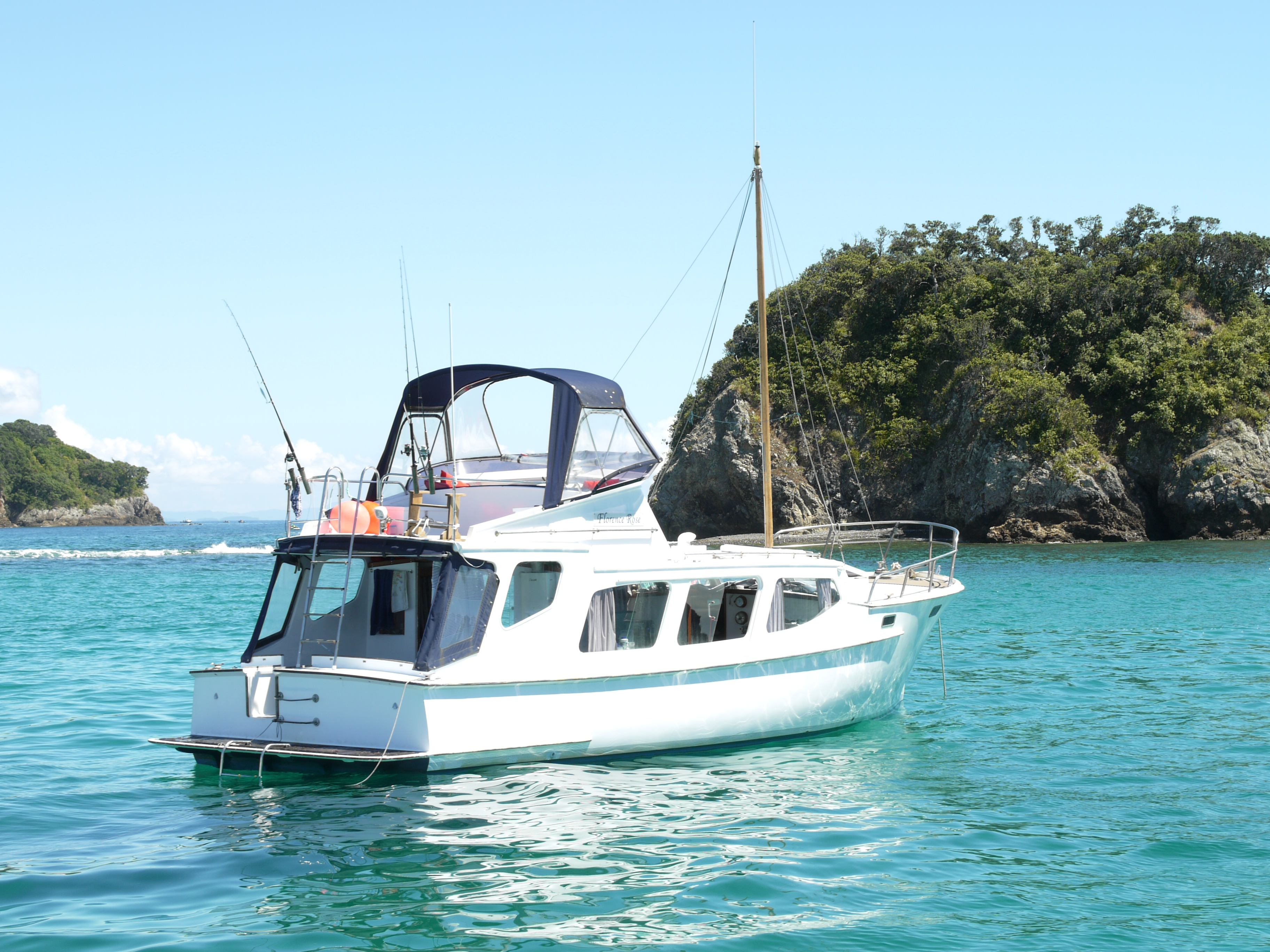
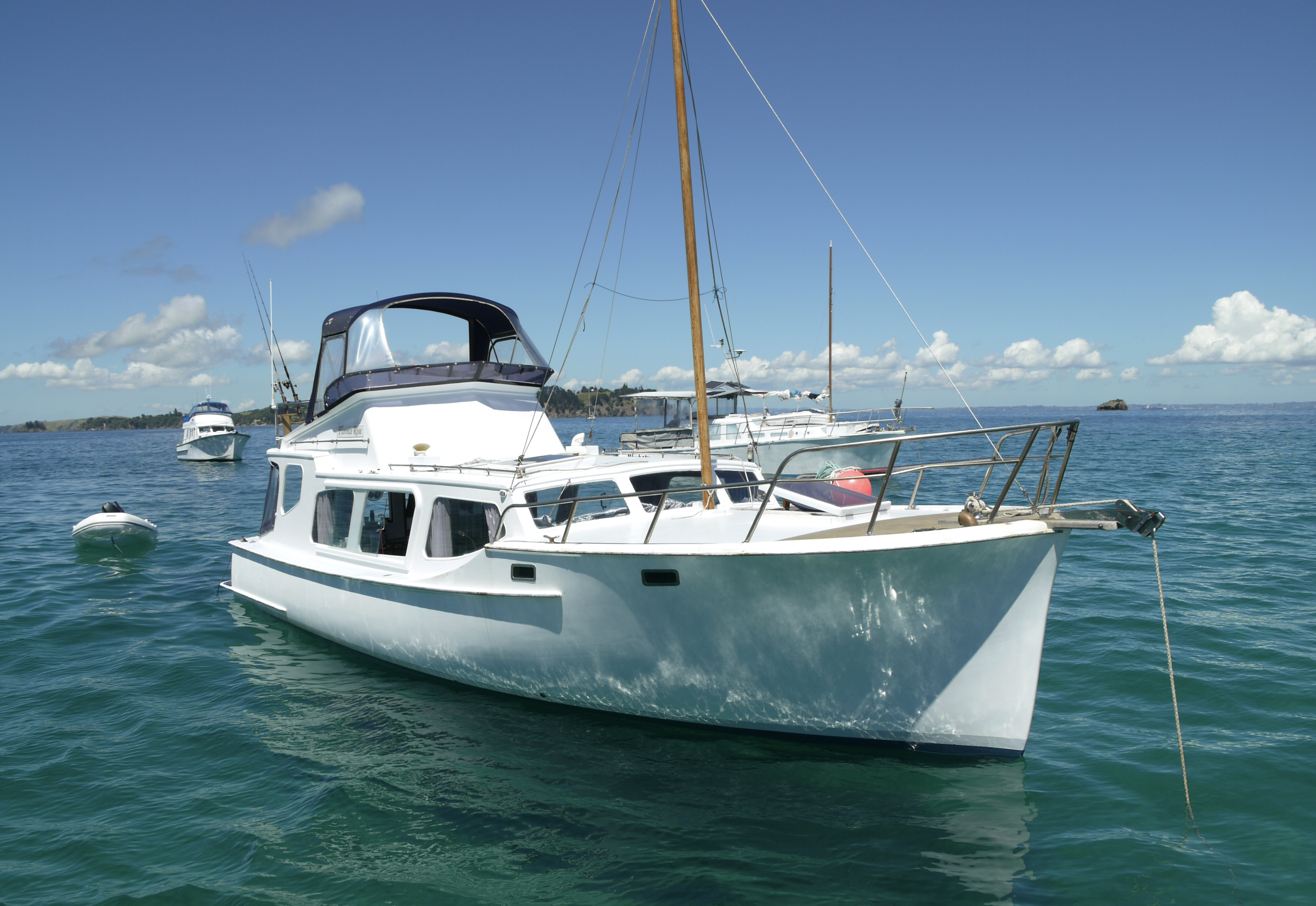
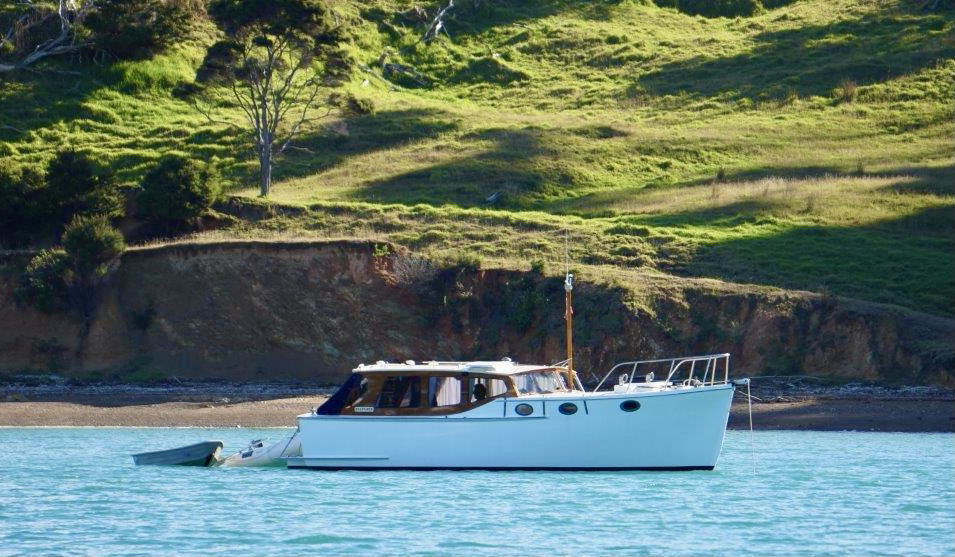
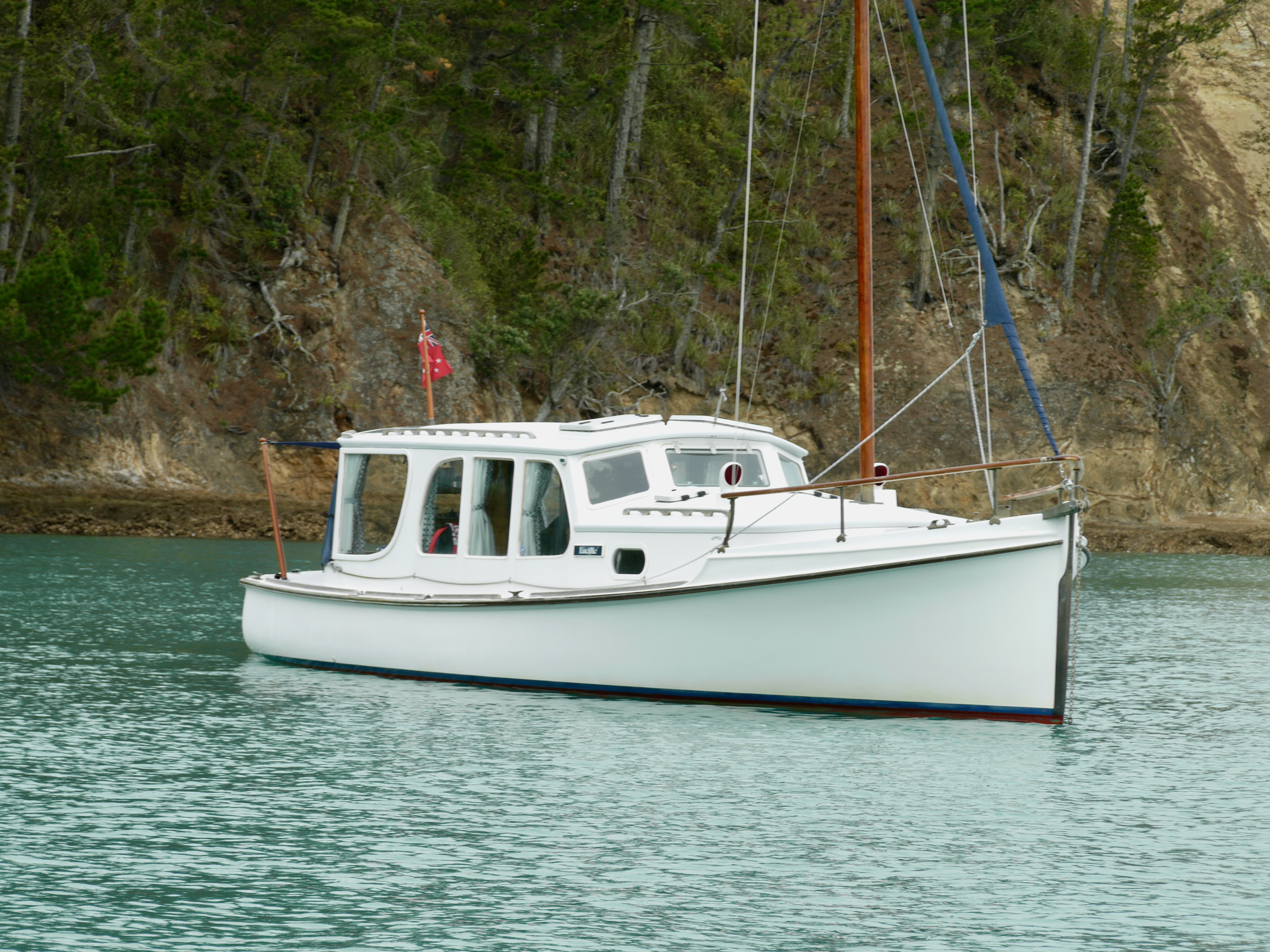
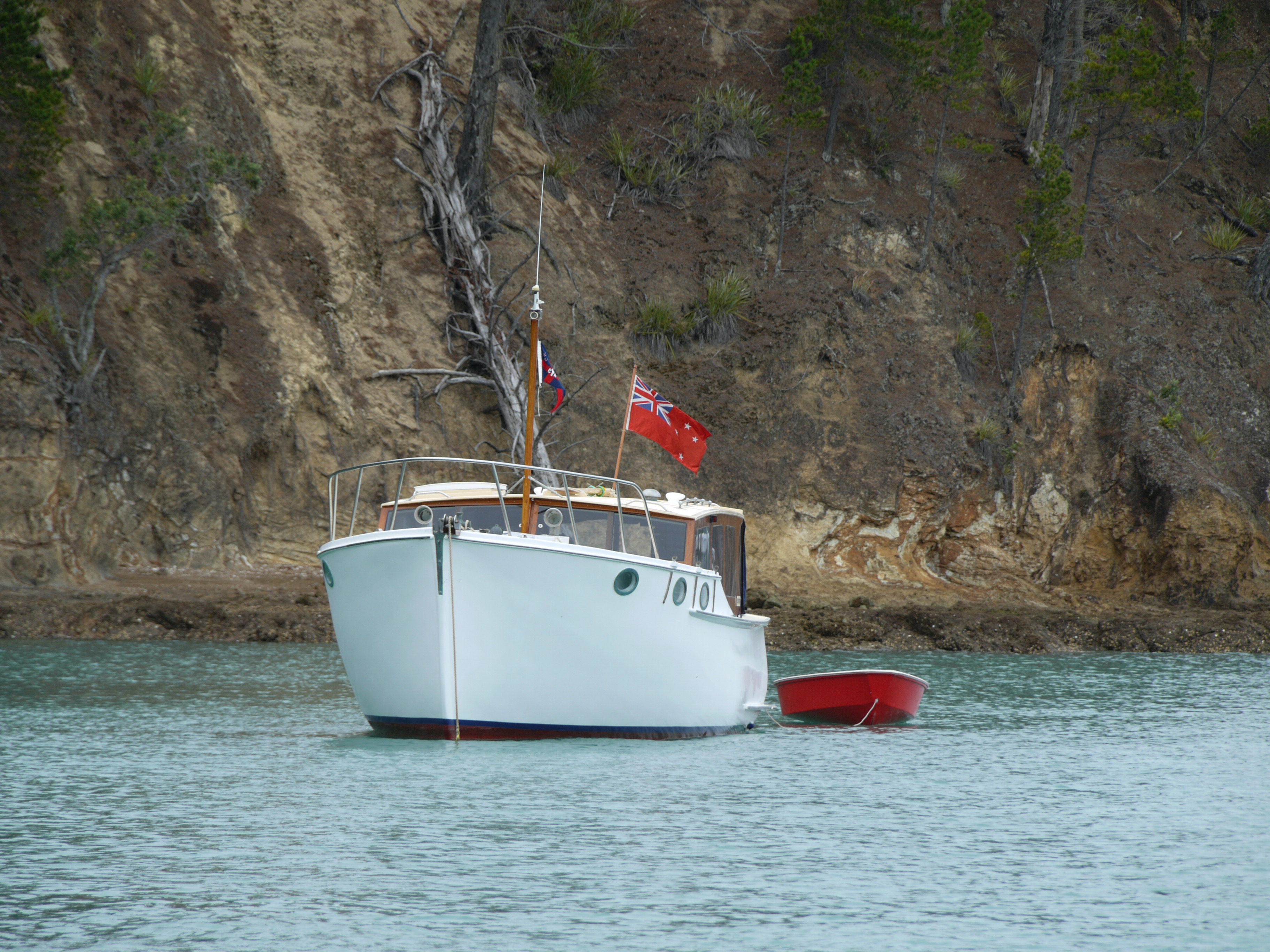
The bottom photo is Peter Loughlin’s 1928 built Lady Margaret – Peter never stops working on LM and every time I see her she is looking better and better – given the rain in parts of the gulf over the break, that canopy at the stern looks very practically.
Photo below of LM sent in by Peter Laughlin this morning – he is still cruising – well done 😉
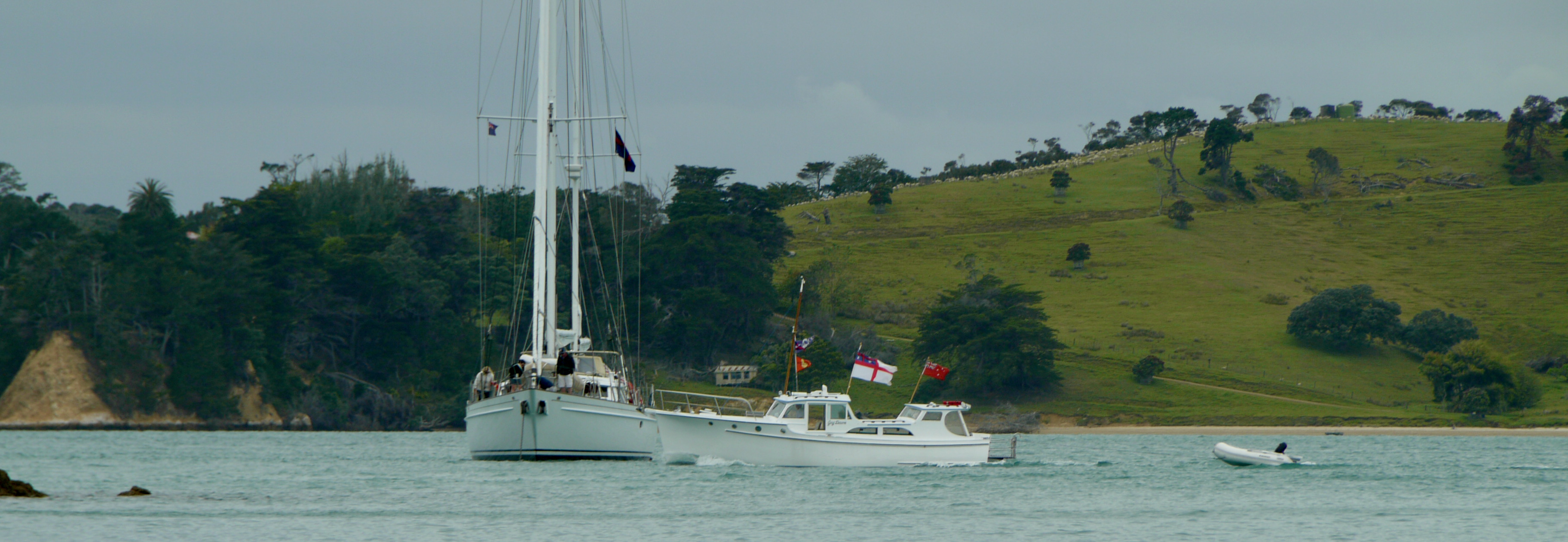
And trolling thru me holiday emails – I found two more of LM from Angus Rogers 🙂
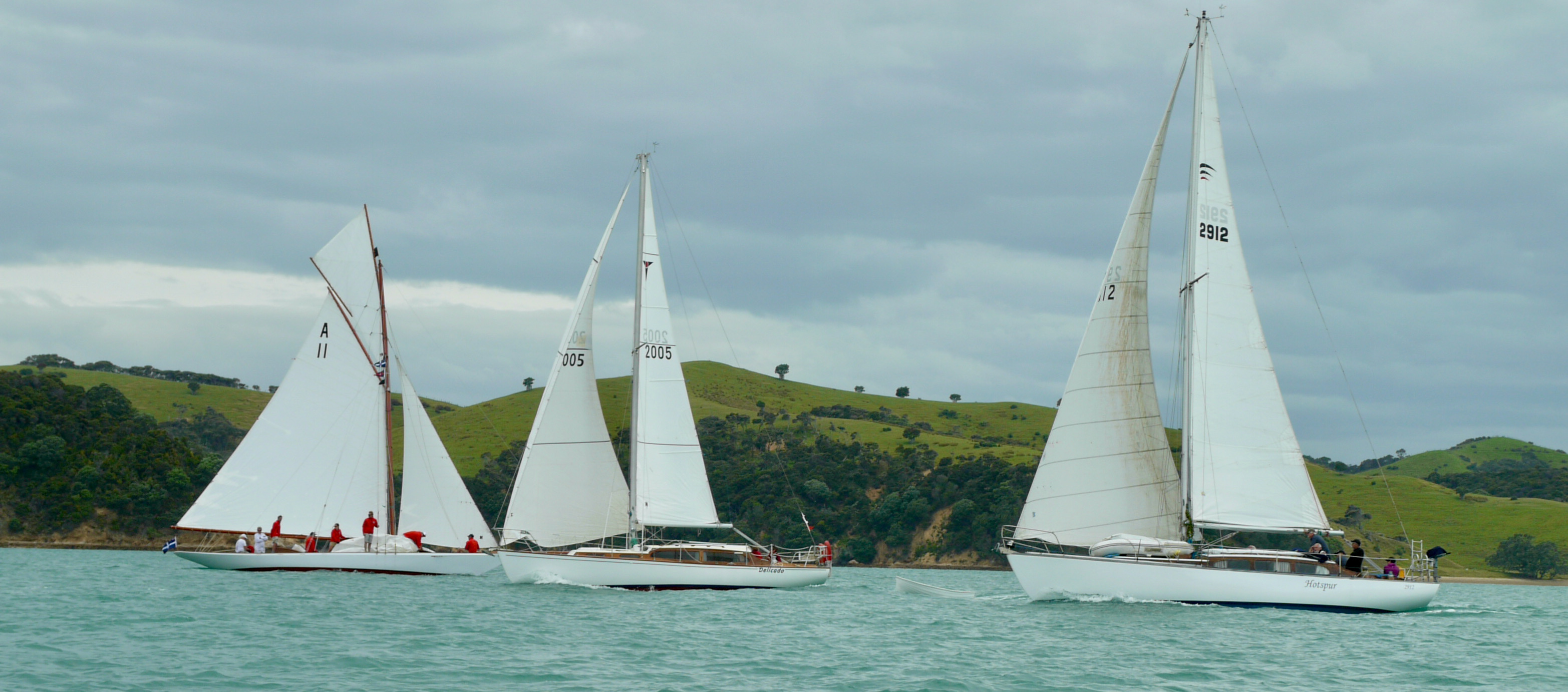
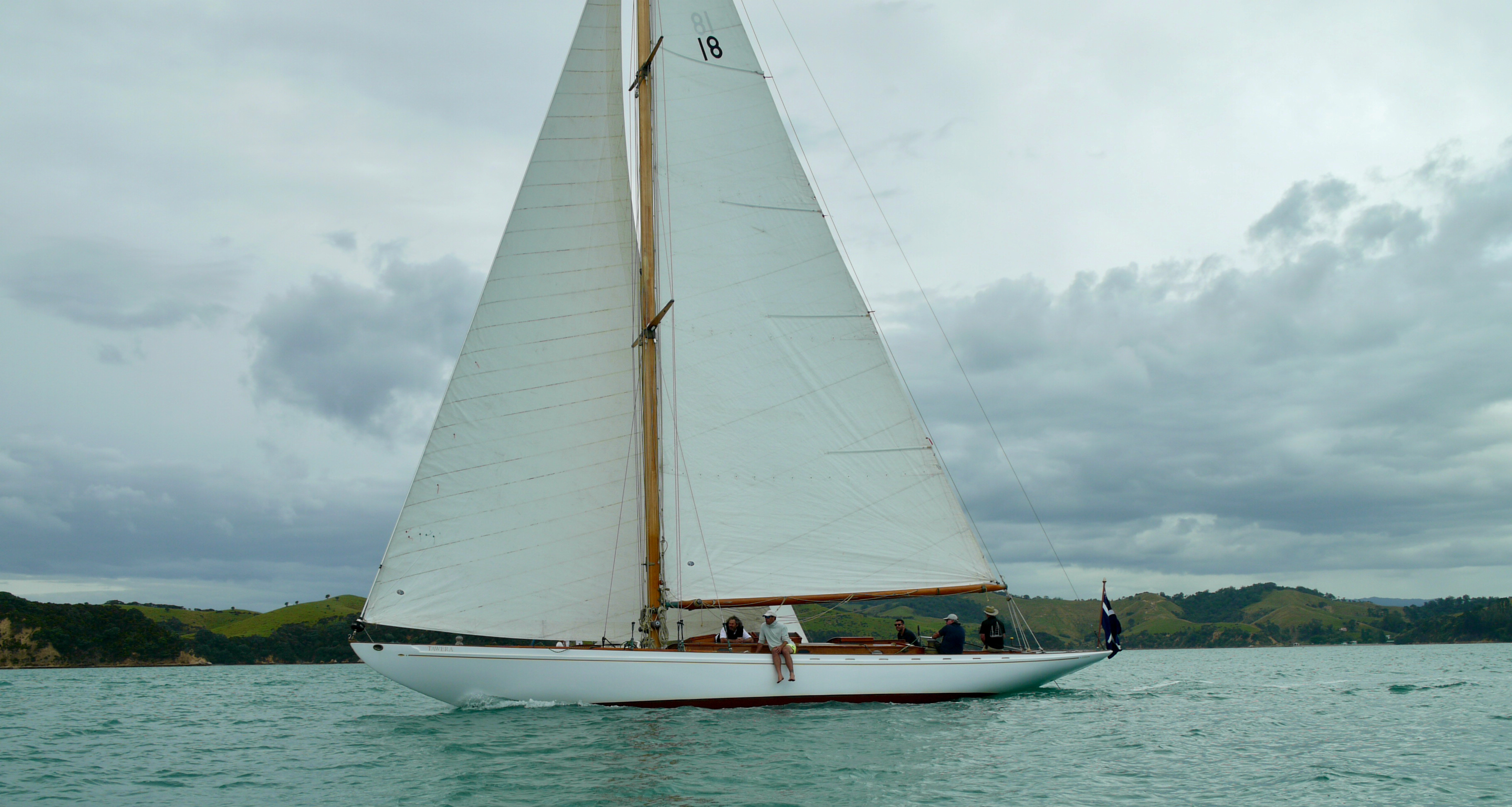
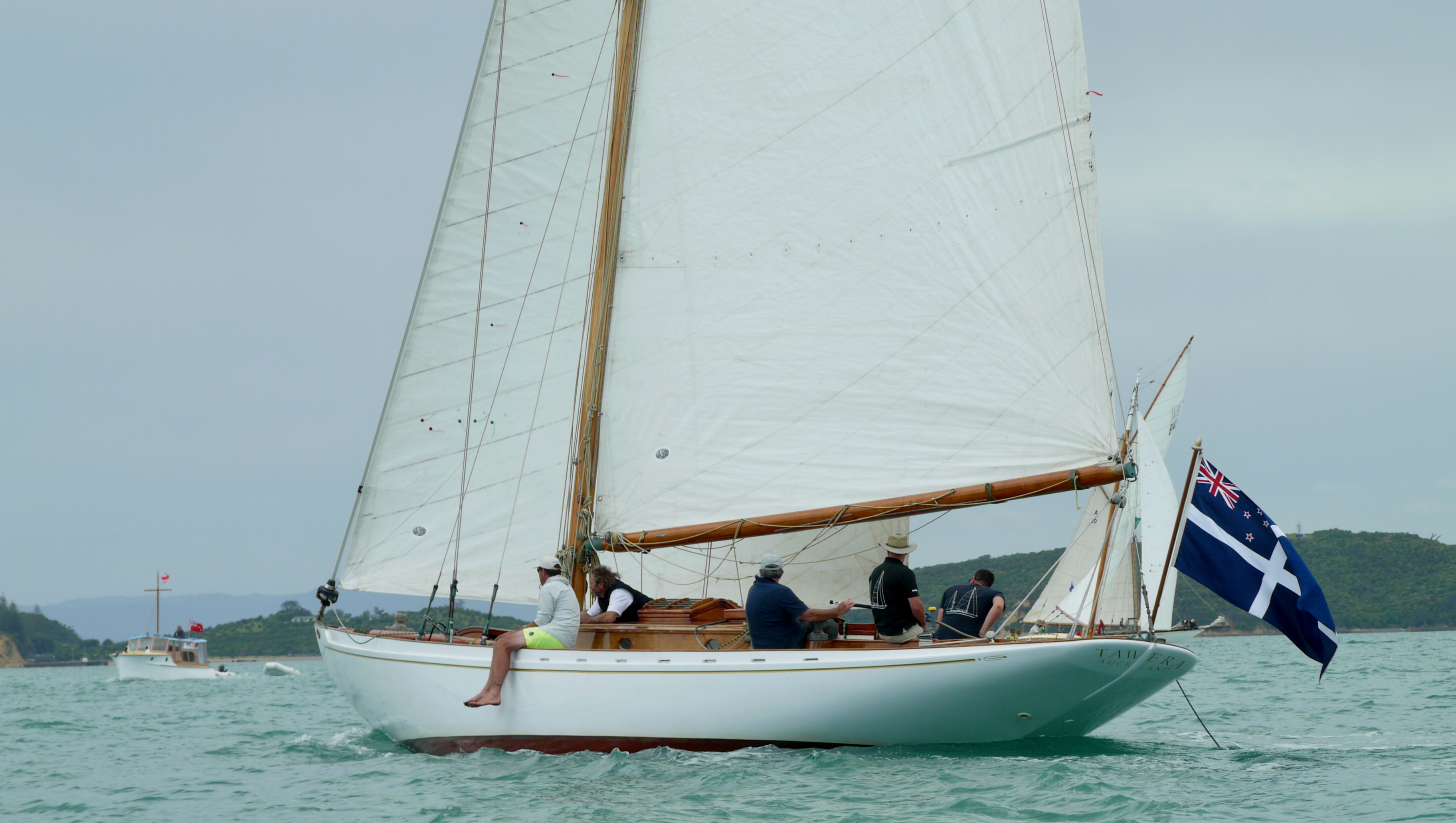
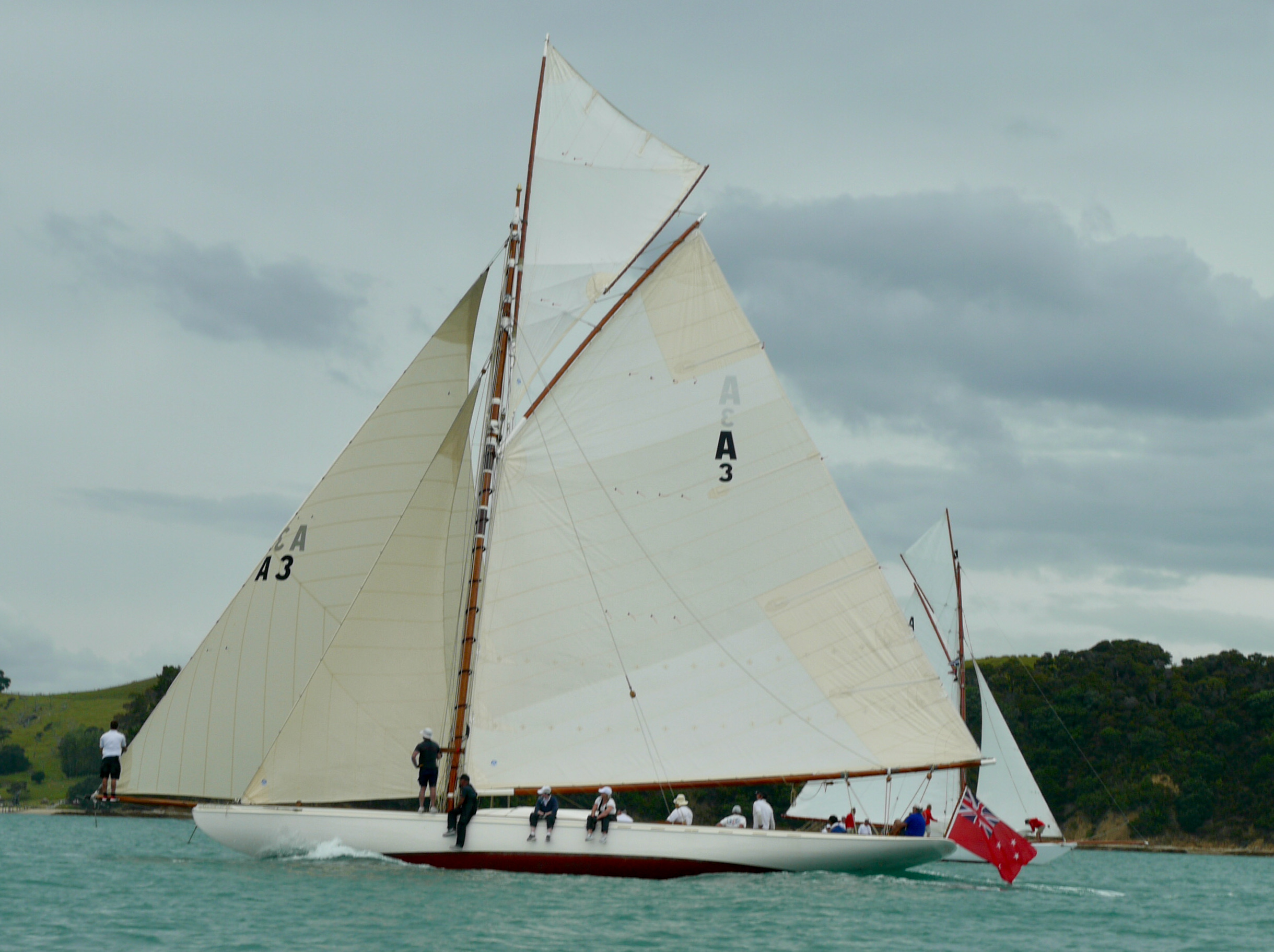
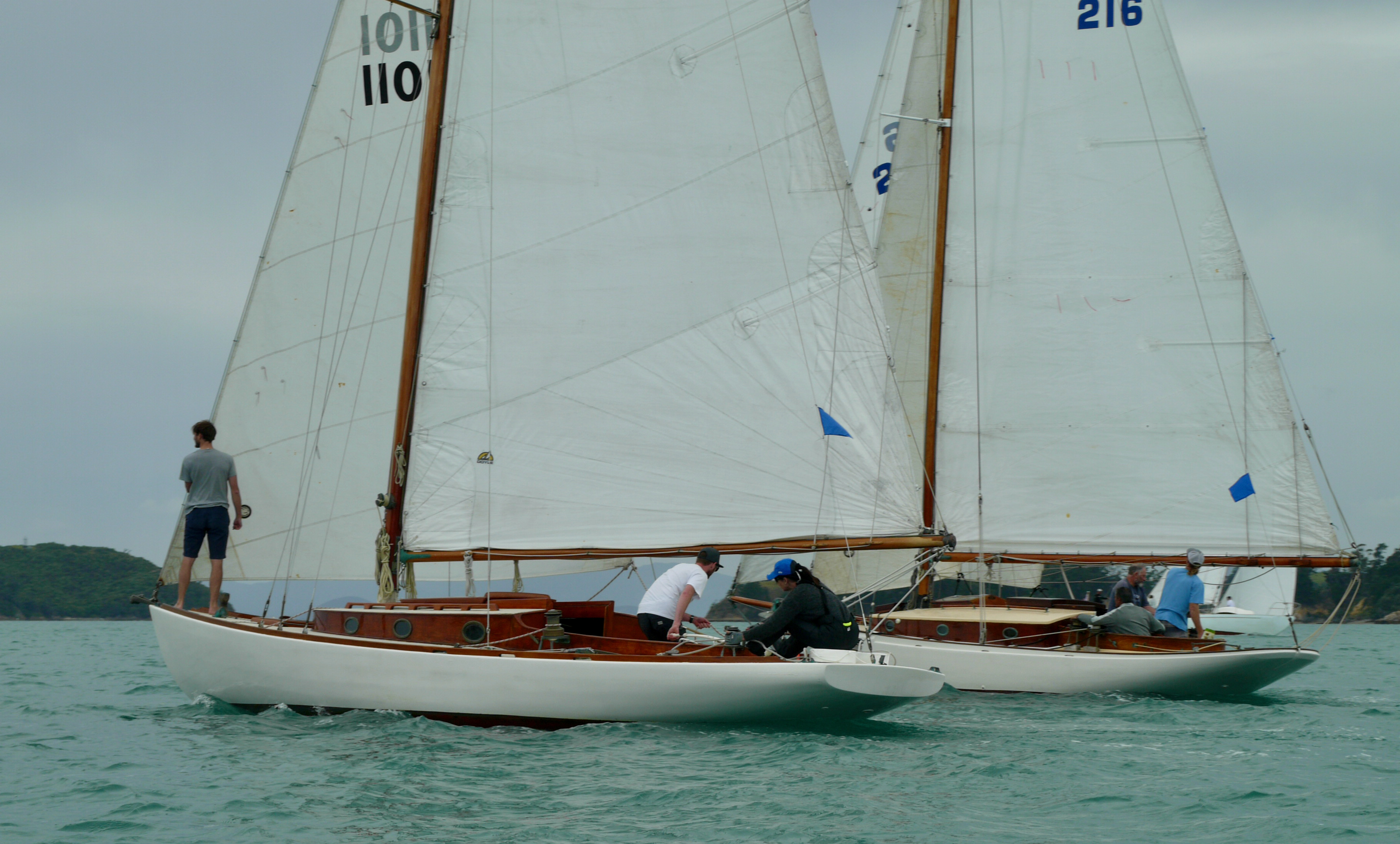
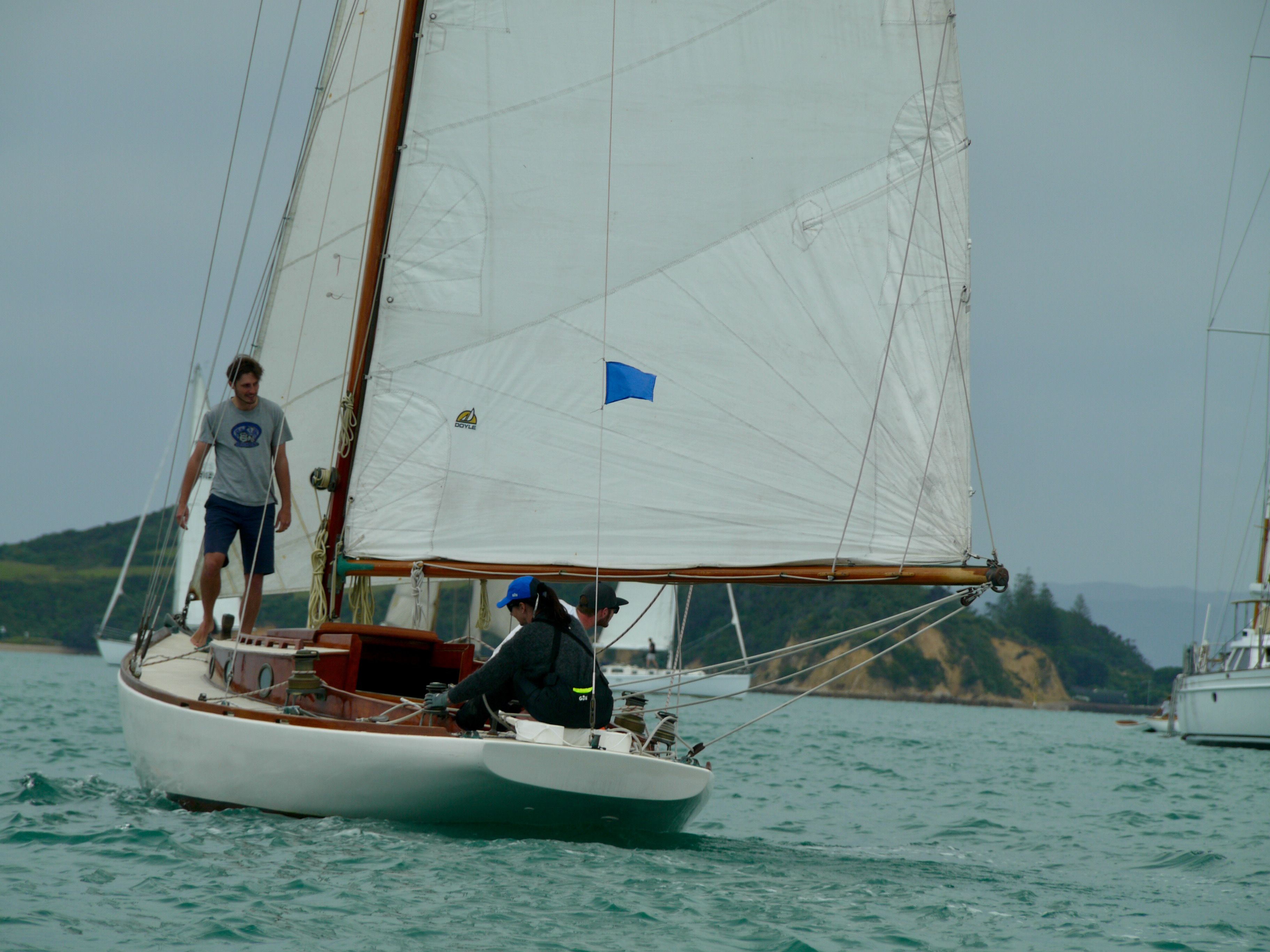
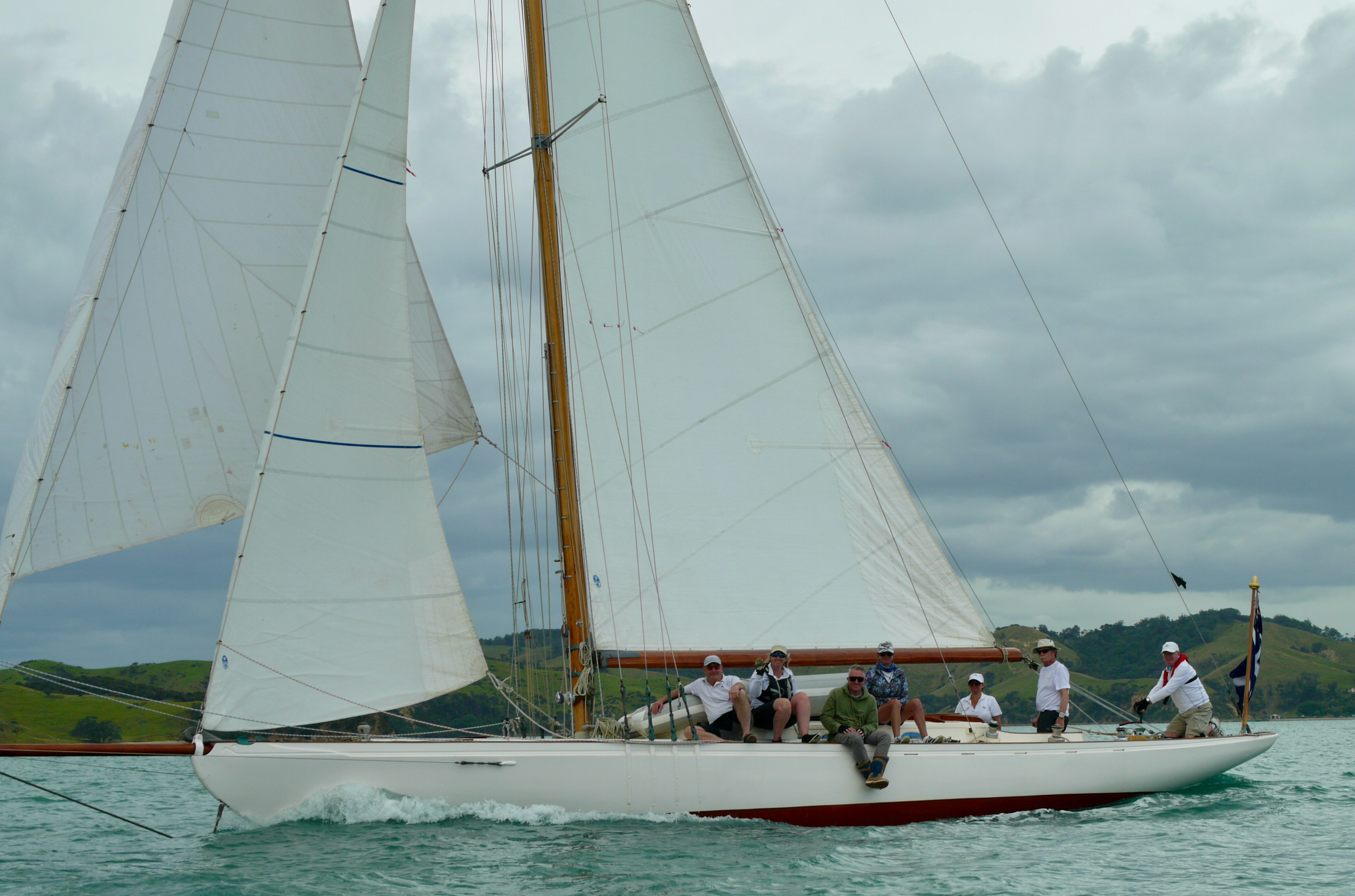
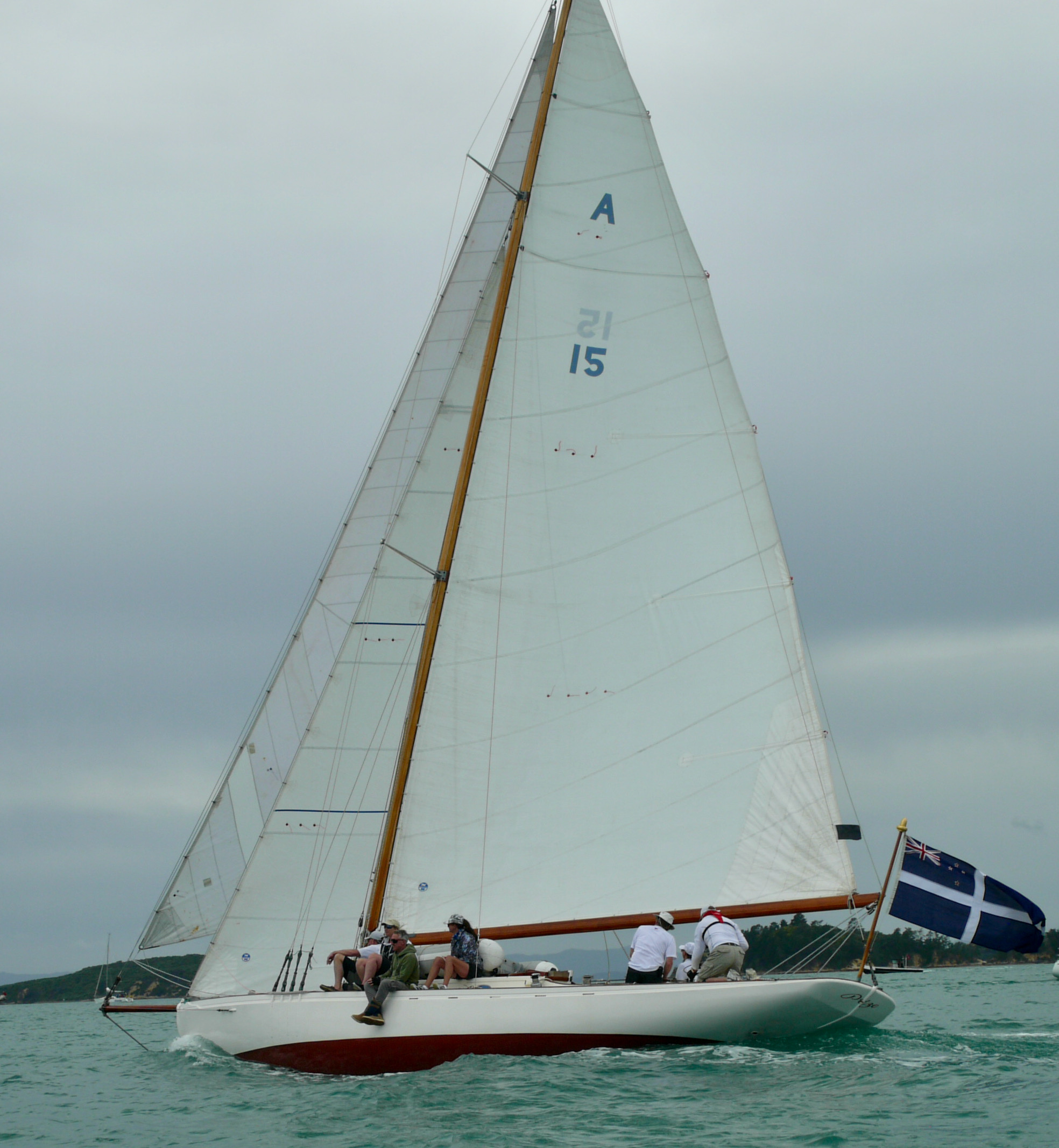
The above photo essay from the 2021 (Jan 9th) Russell Boating Club’s Tall Ships regatta were sent in by Dean Wright, as always stunning camera work. Dean commented that there wasn’t much breeze on race day so it was a bit of a dawdle. I’m sure that didn’t dampen the legendary post race festivities ashore.
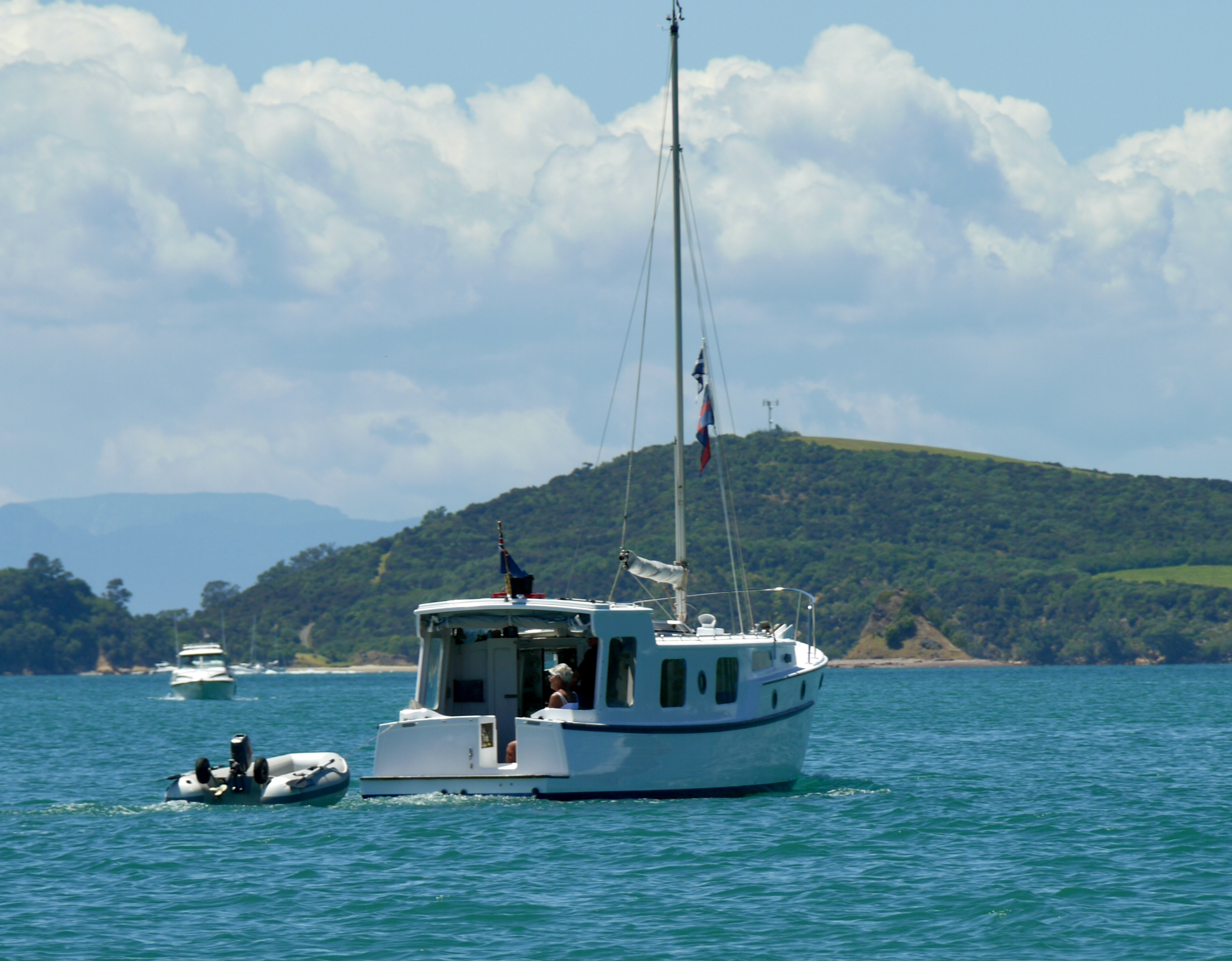
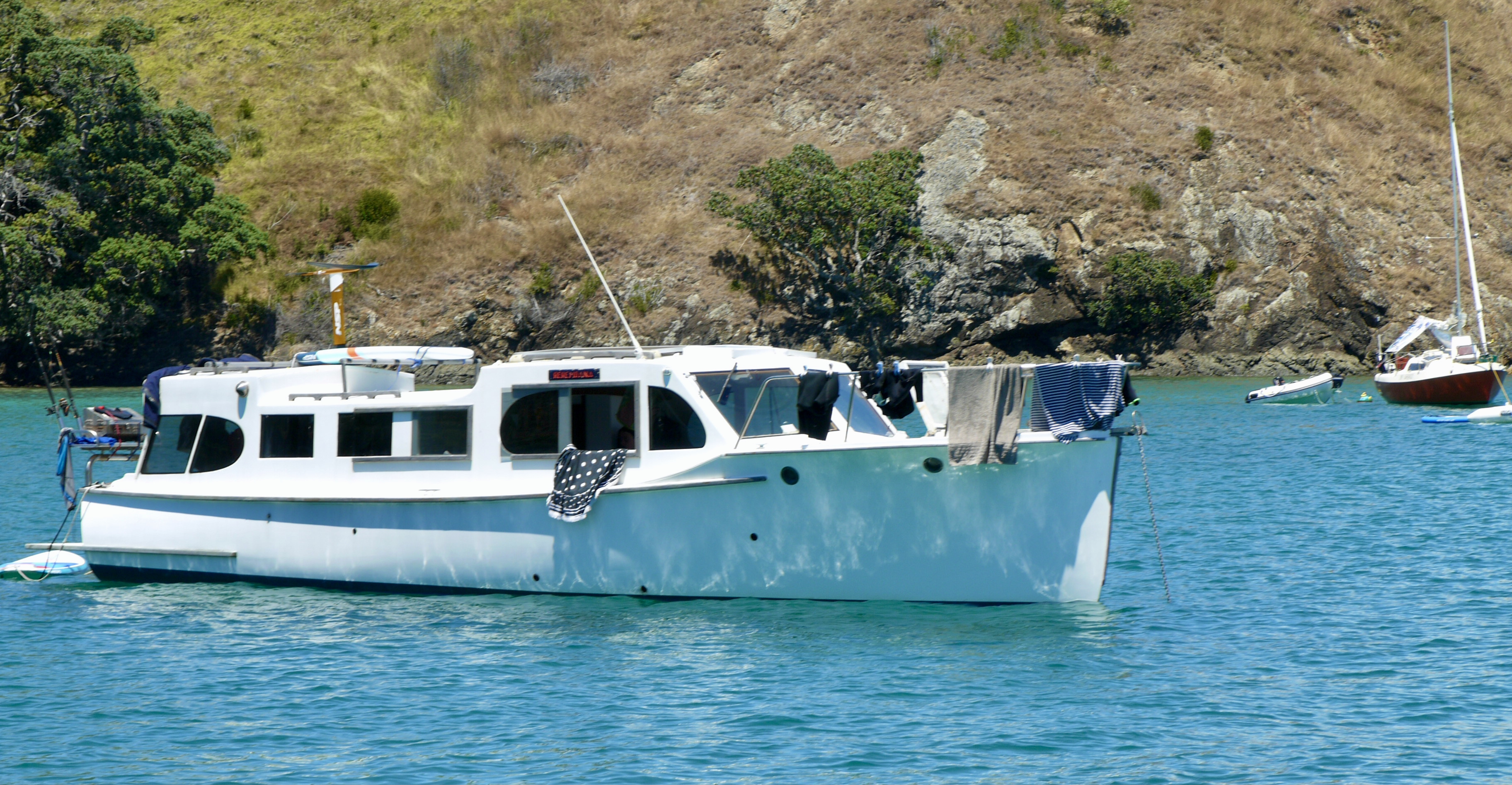
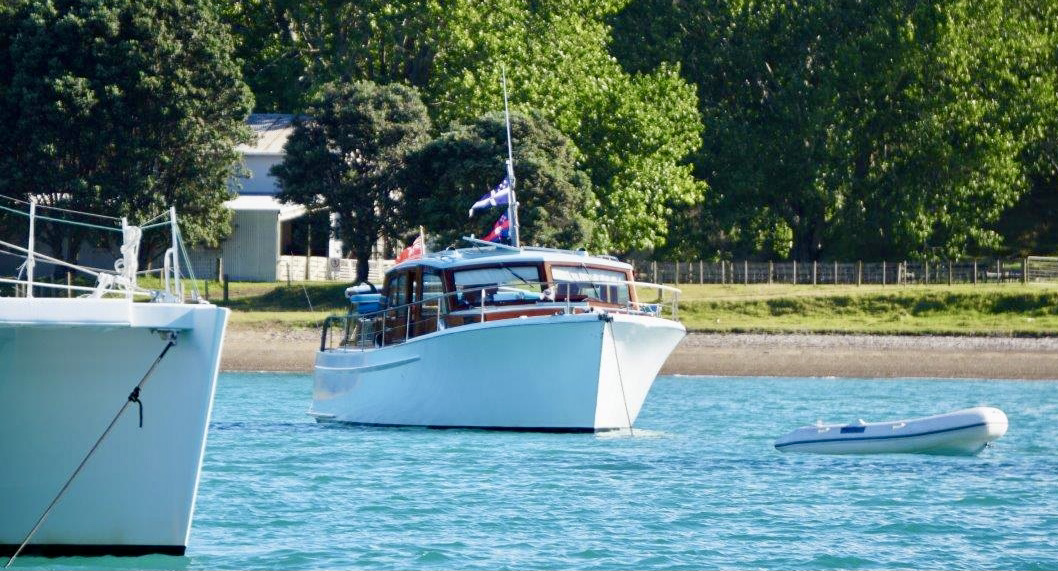
Dean is a good lad and always tries to include a few launches in the mix, even if its a sailing event. #e like that The photos of the Colin Wild launch – Wirihana, just go to show that if you are a looker, no matter what you hang off her (SUP/Sailing Dinghy/RIB) – you’ll always be a looker 😉 As always – click on the smaller photos to enlarge.
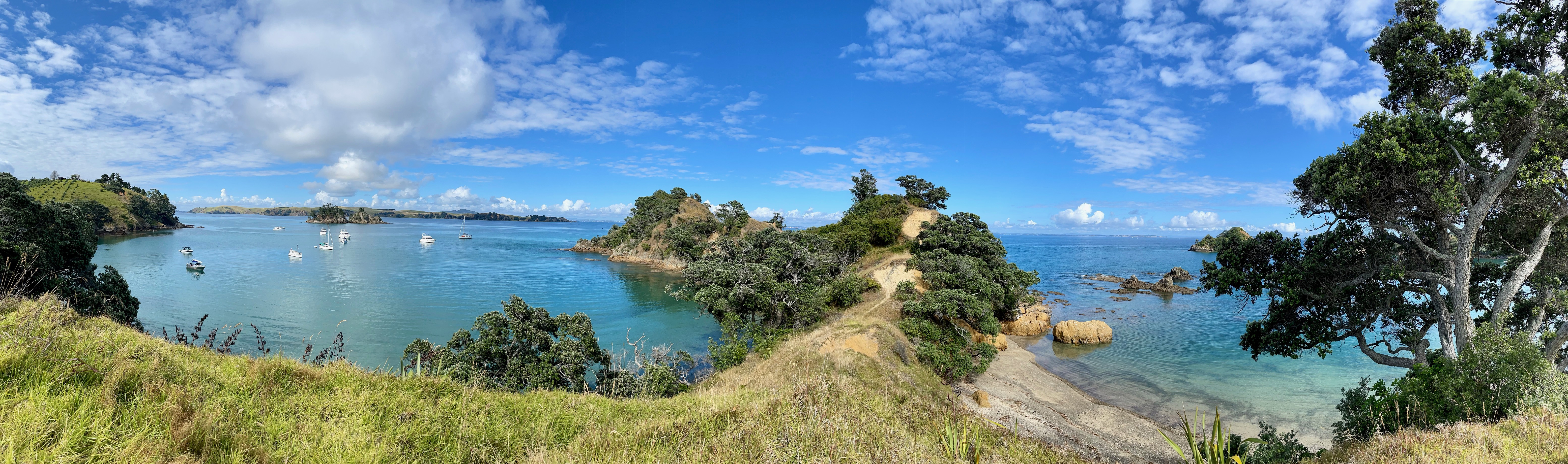
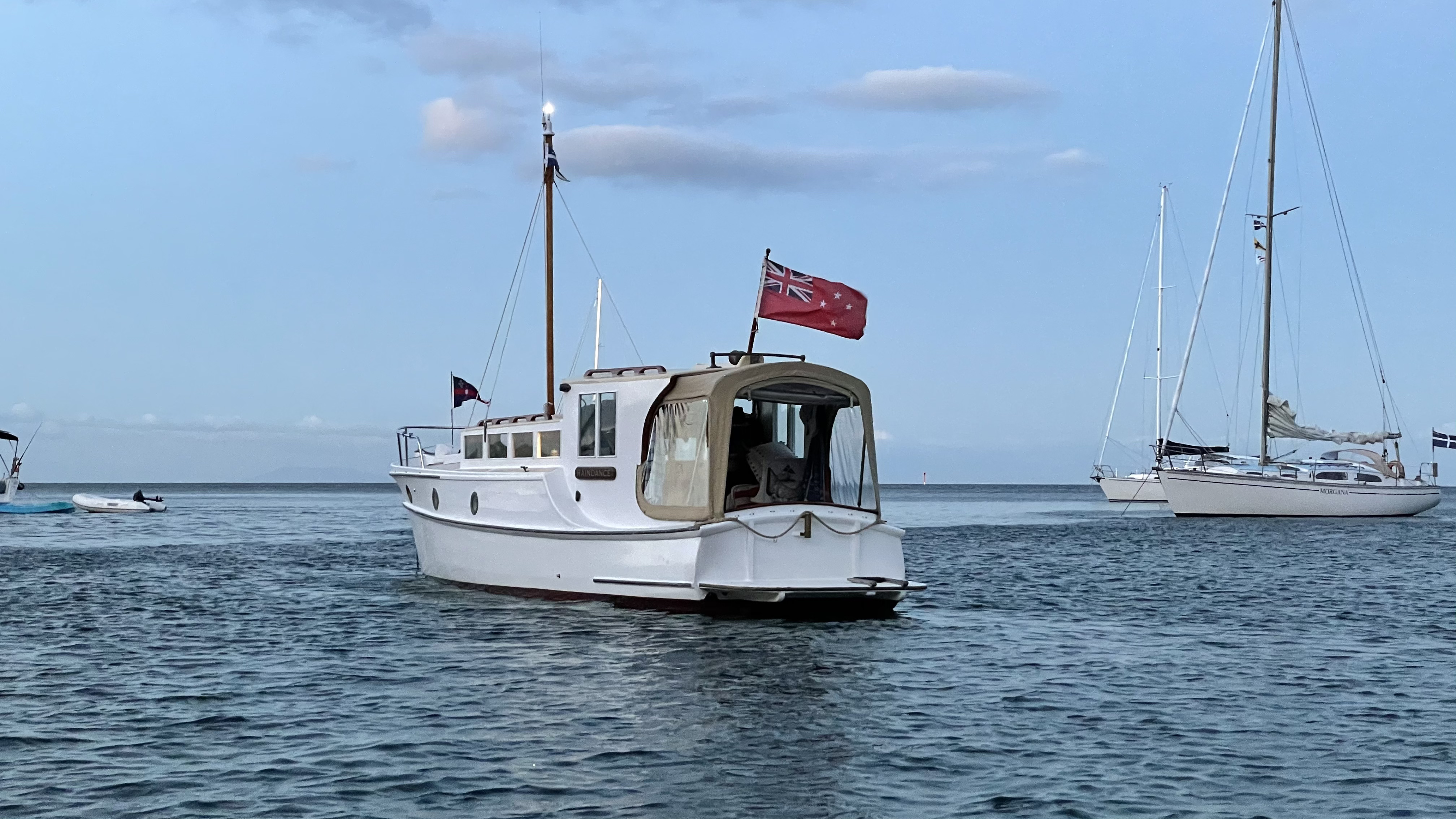
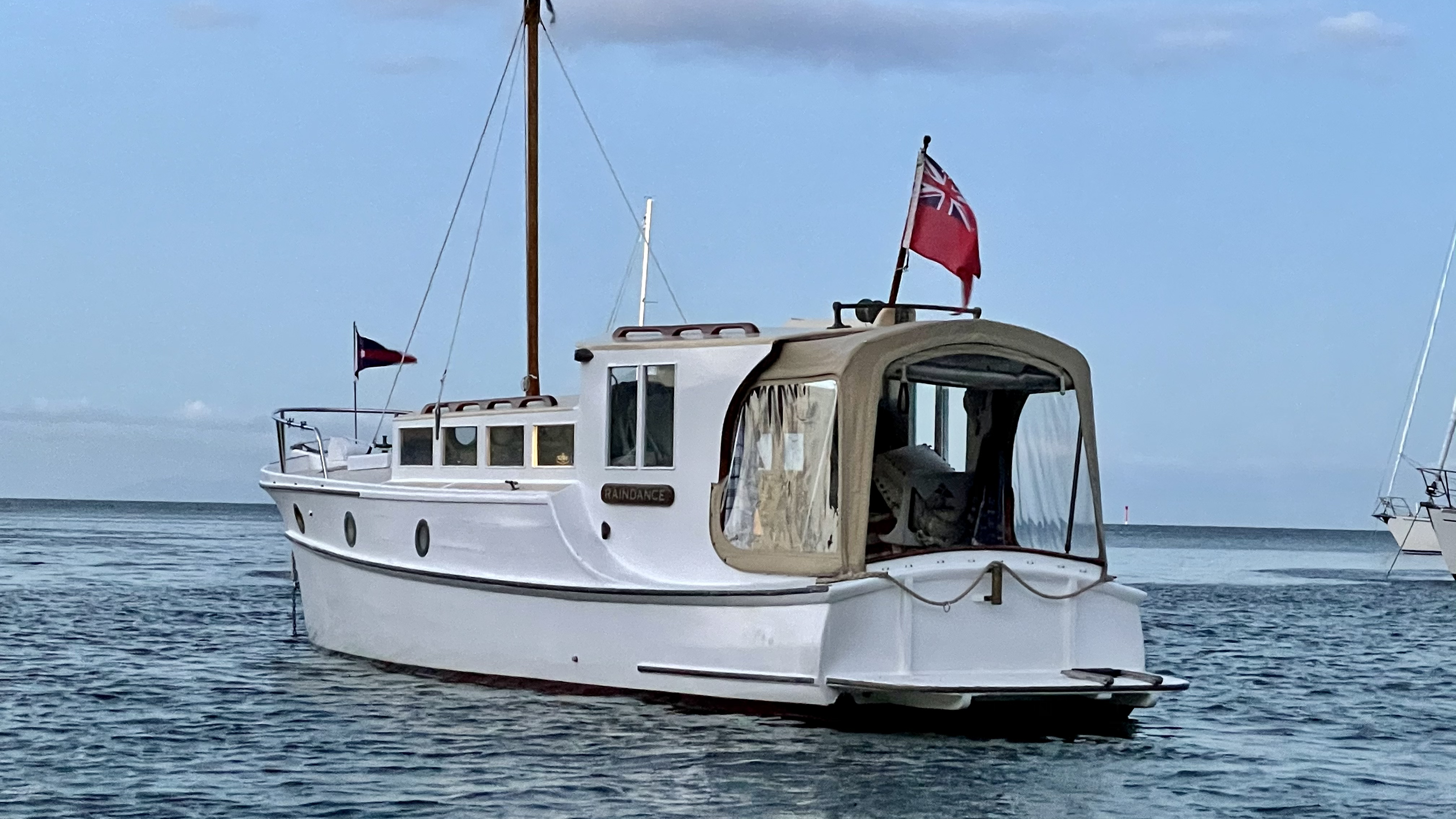
Rakino Island (West Bay on left – Woody Bay on right)Raindance & Morgana
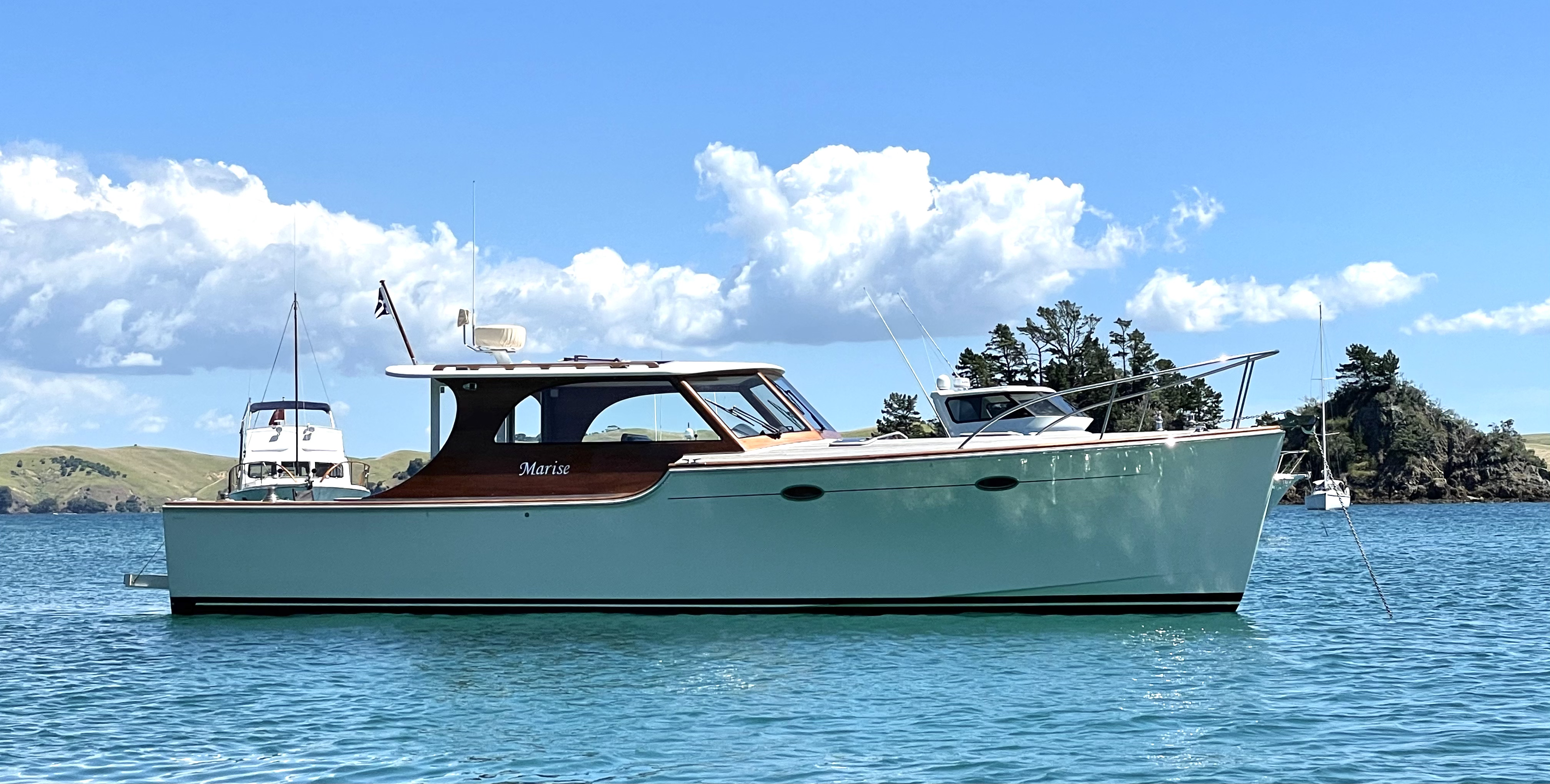
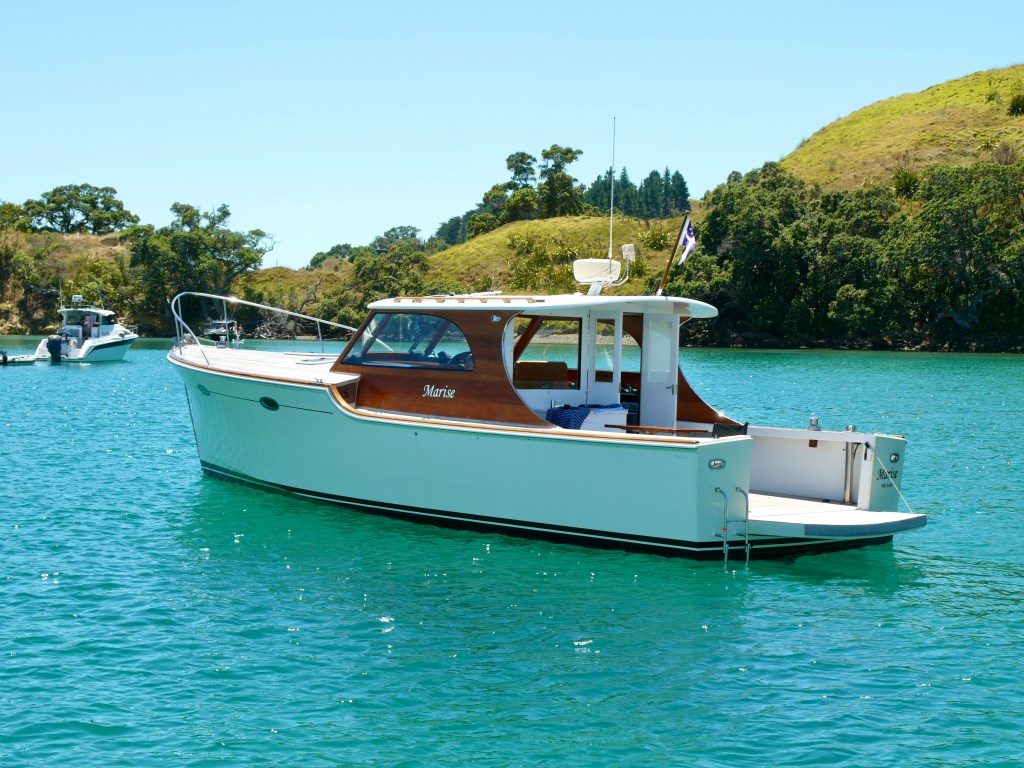
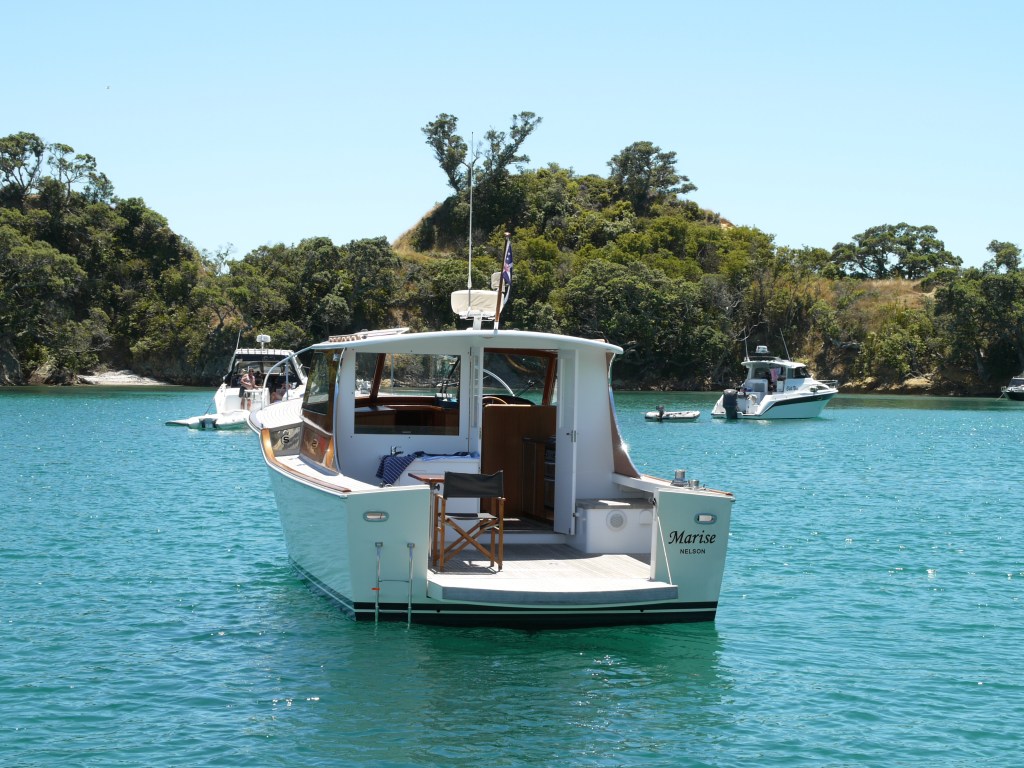
West Bay, Rakino IslandMarise
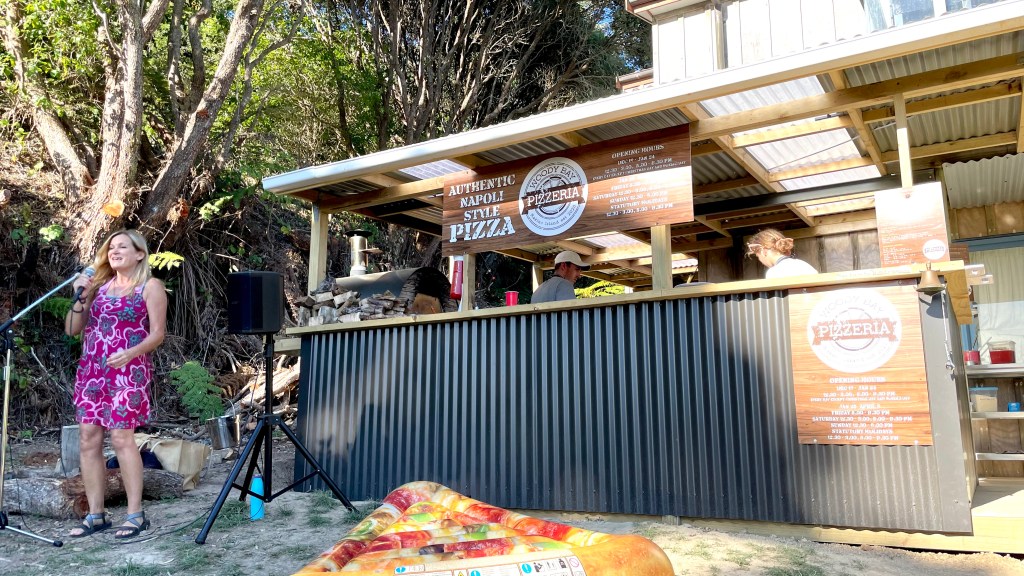
Woody Bay Pizzeria – Rakino Island
LIVE ENTERTAINMENT ON RAKINO ISLAND – click to play – the singer, Jennie Cruse is Auckland based and available for hire – 021 266 4330
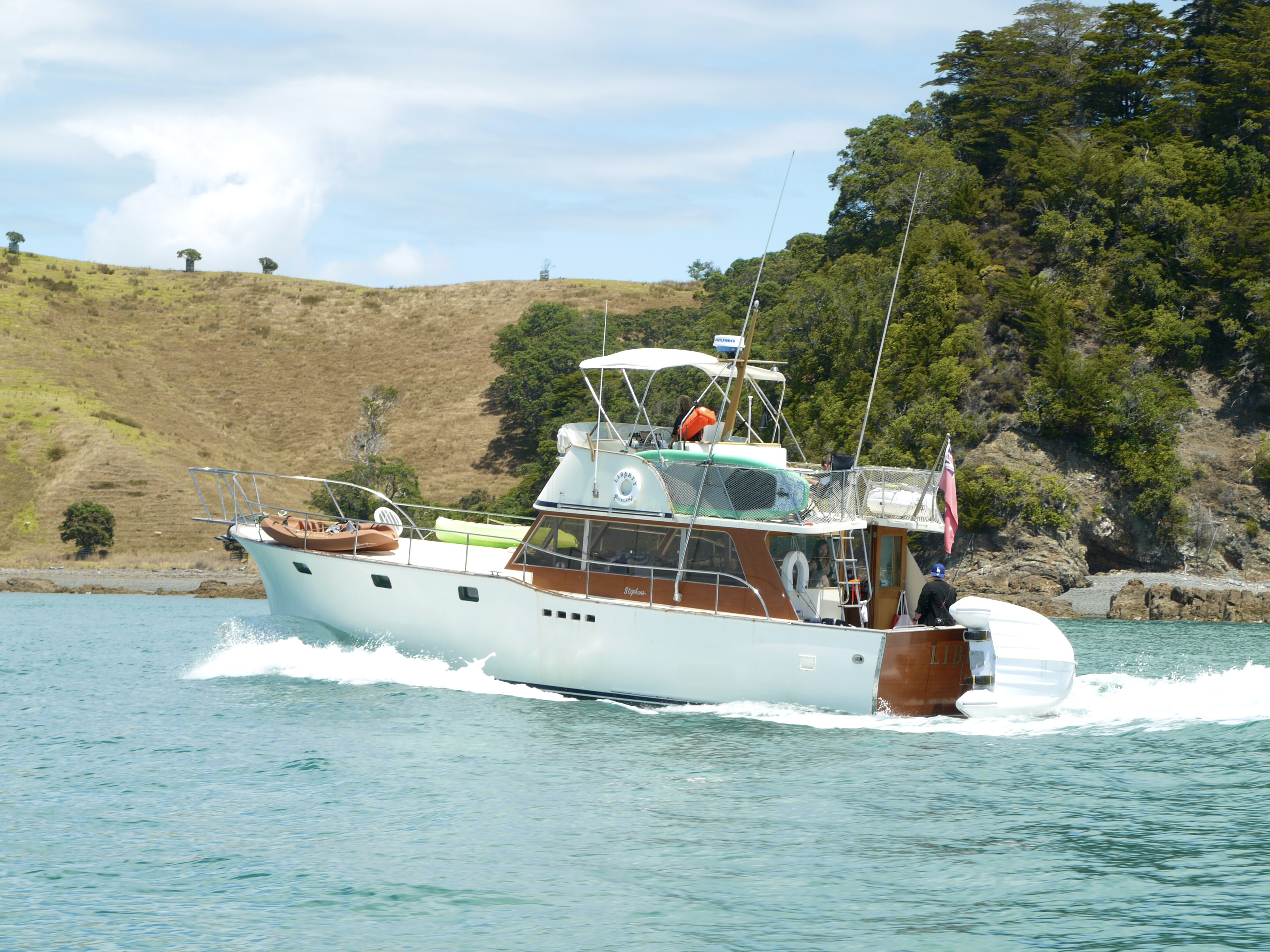
LibertyWindhaven II
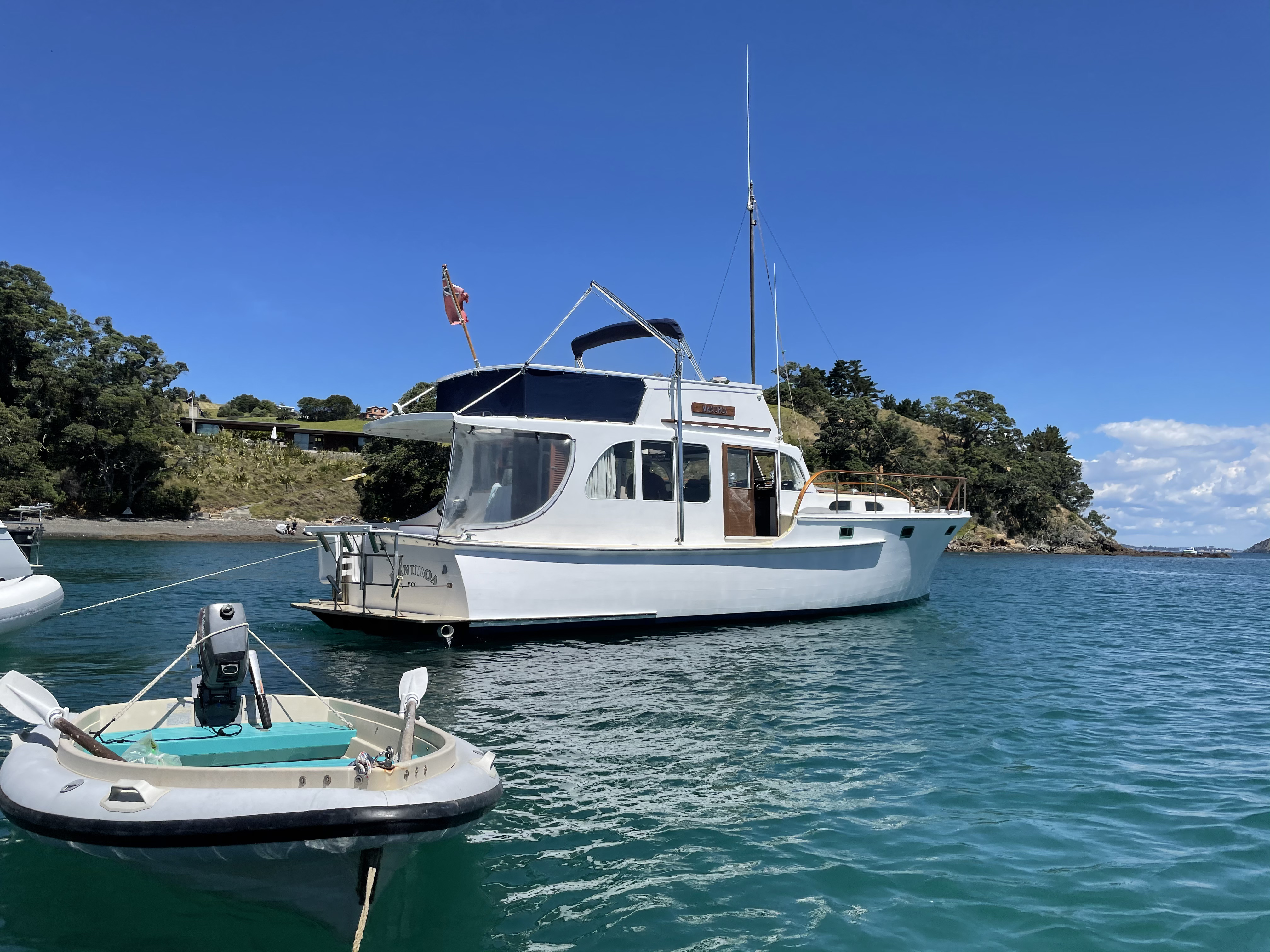
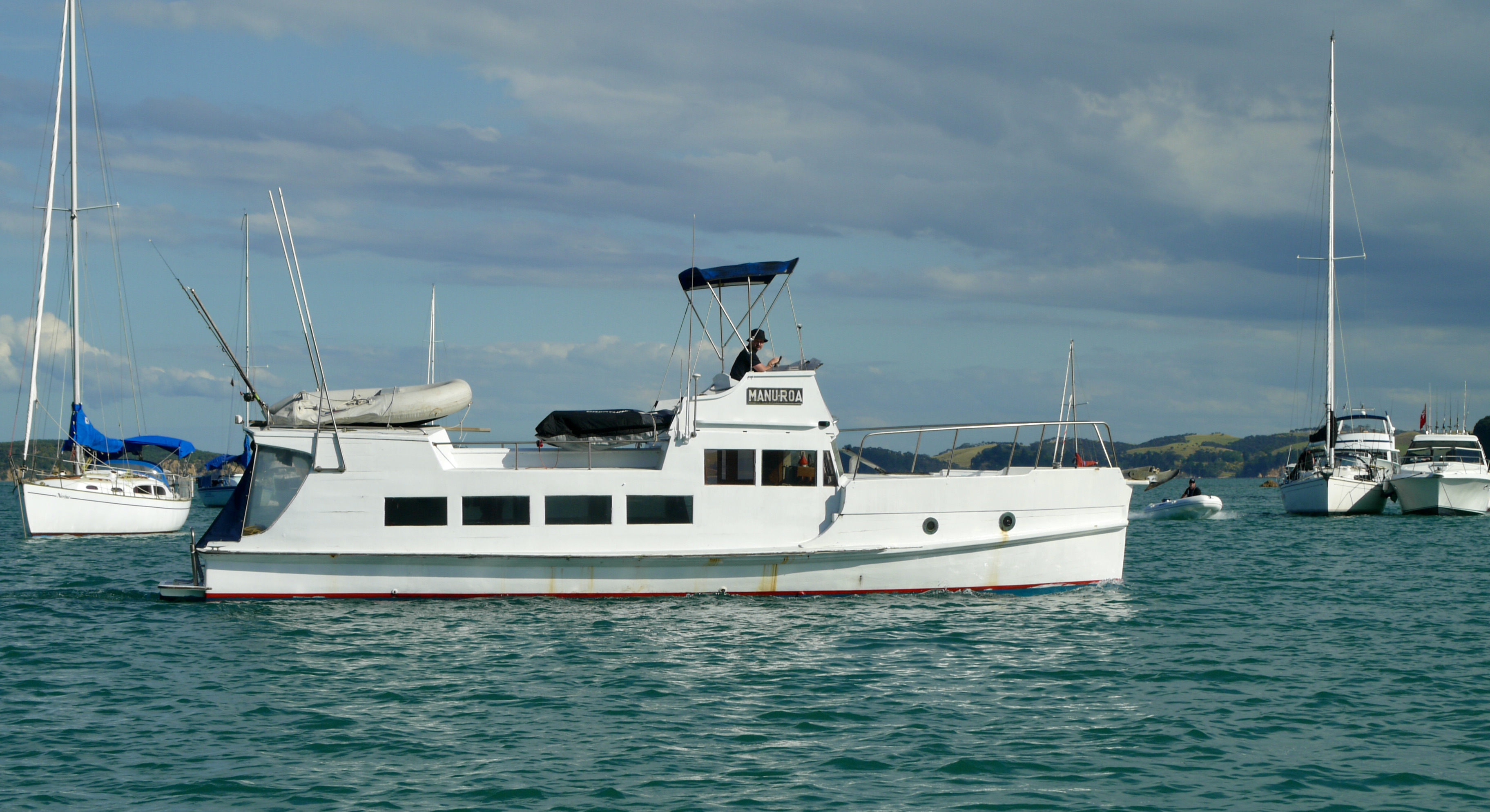
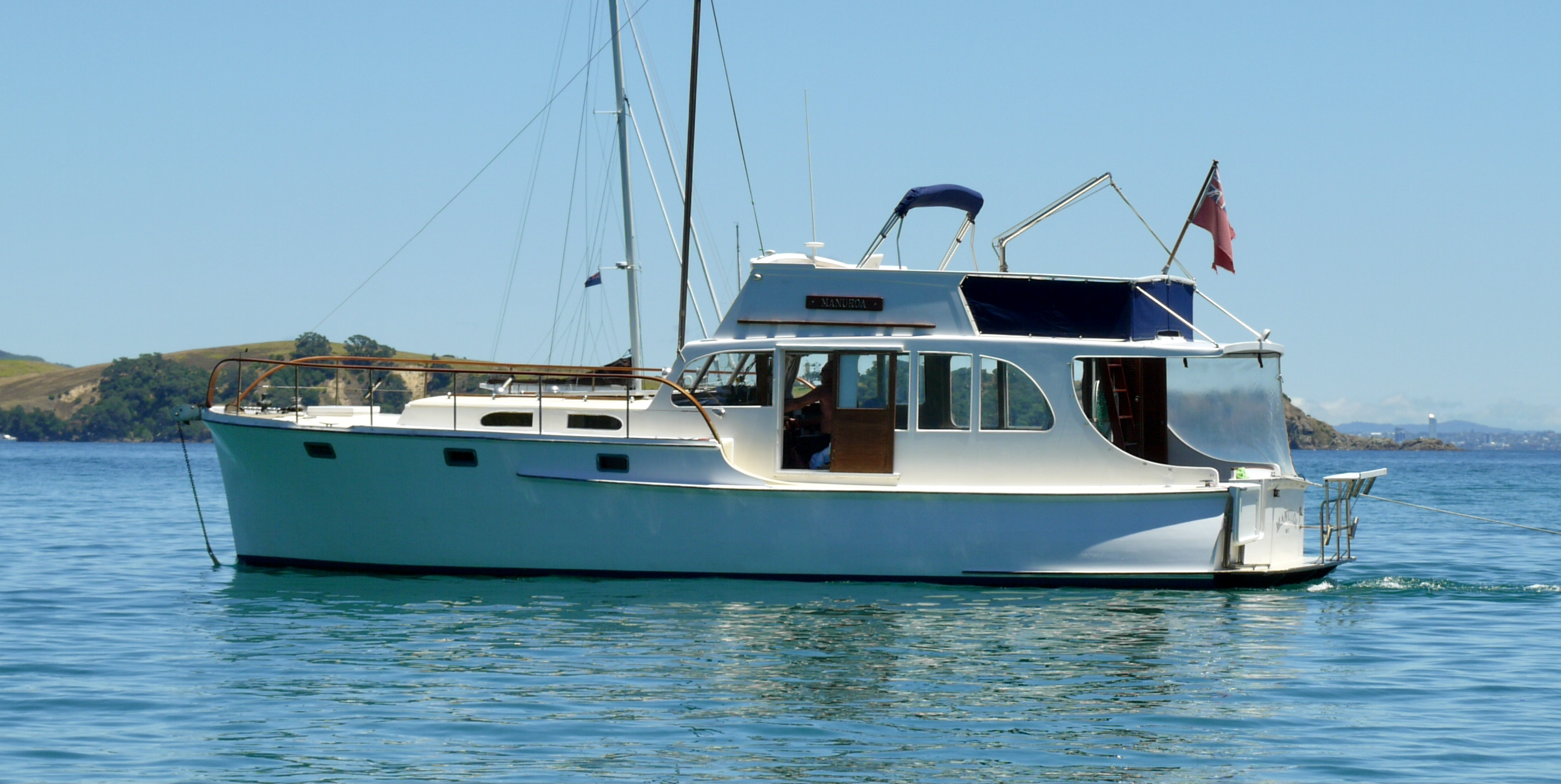
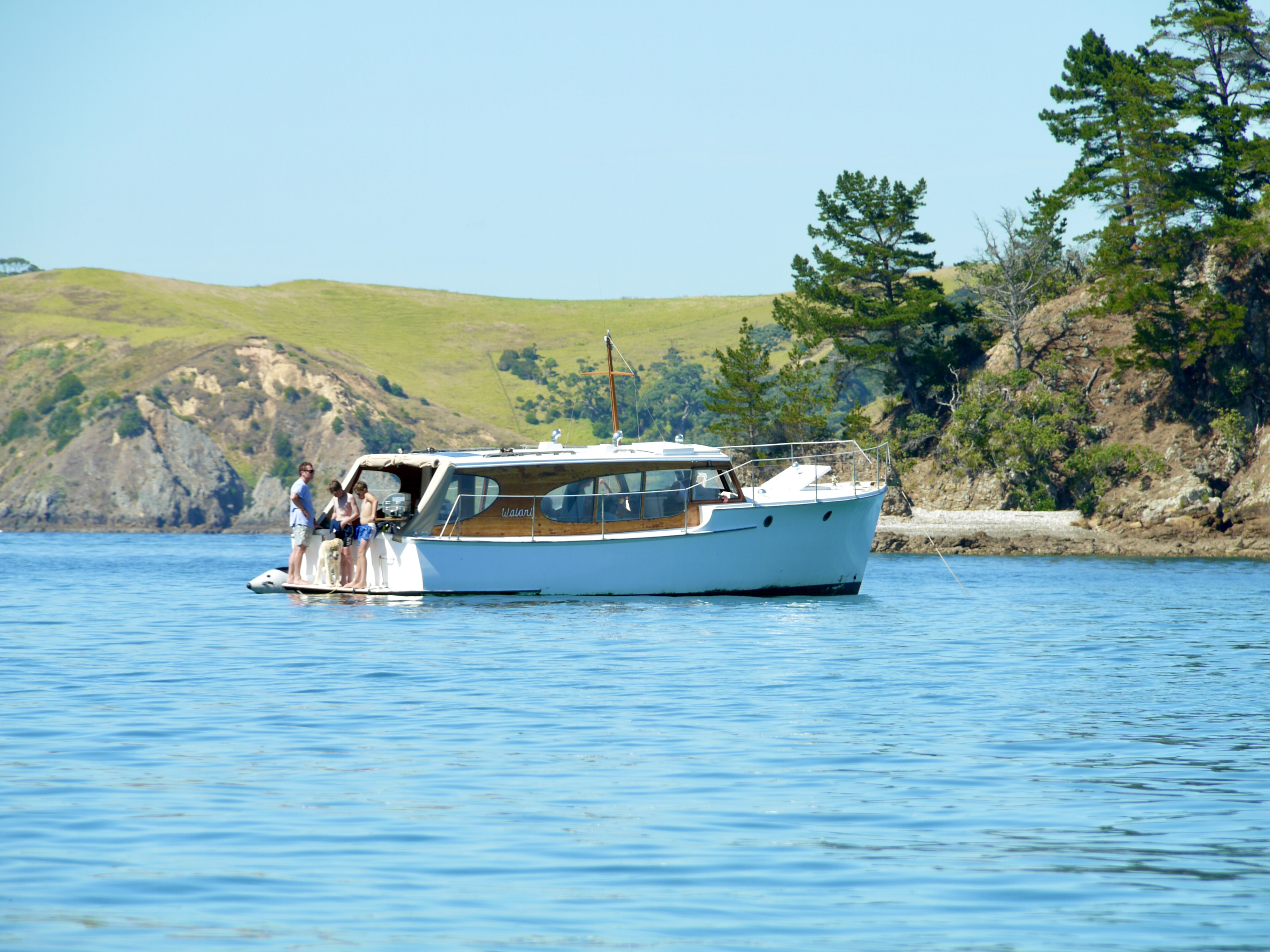
MariseManuroaWaiariRaindance @ Garden Cove
GARDEN COVE – 360 deg Video – click to play
WOODY SUMMER BOATING CRUISE The WW story today is a photo gallery from the 2020/21 holiday period cruise on Raindance, the photos are not always that sharp, it was more like “look there’s one” and I would grab the camera and snap a photo. Click on the smaller photos to enlarge 😉
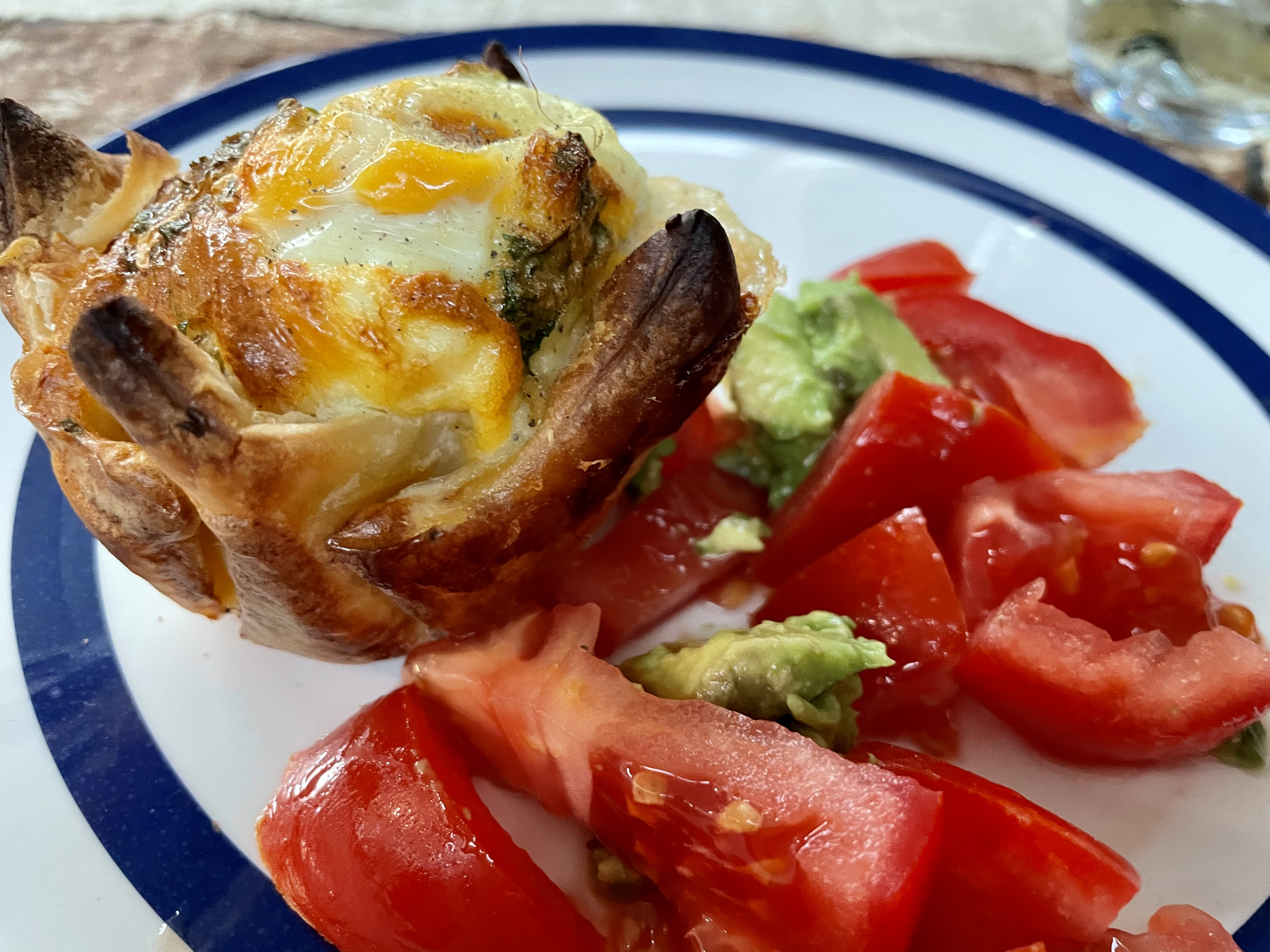
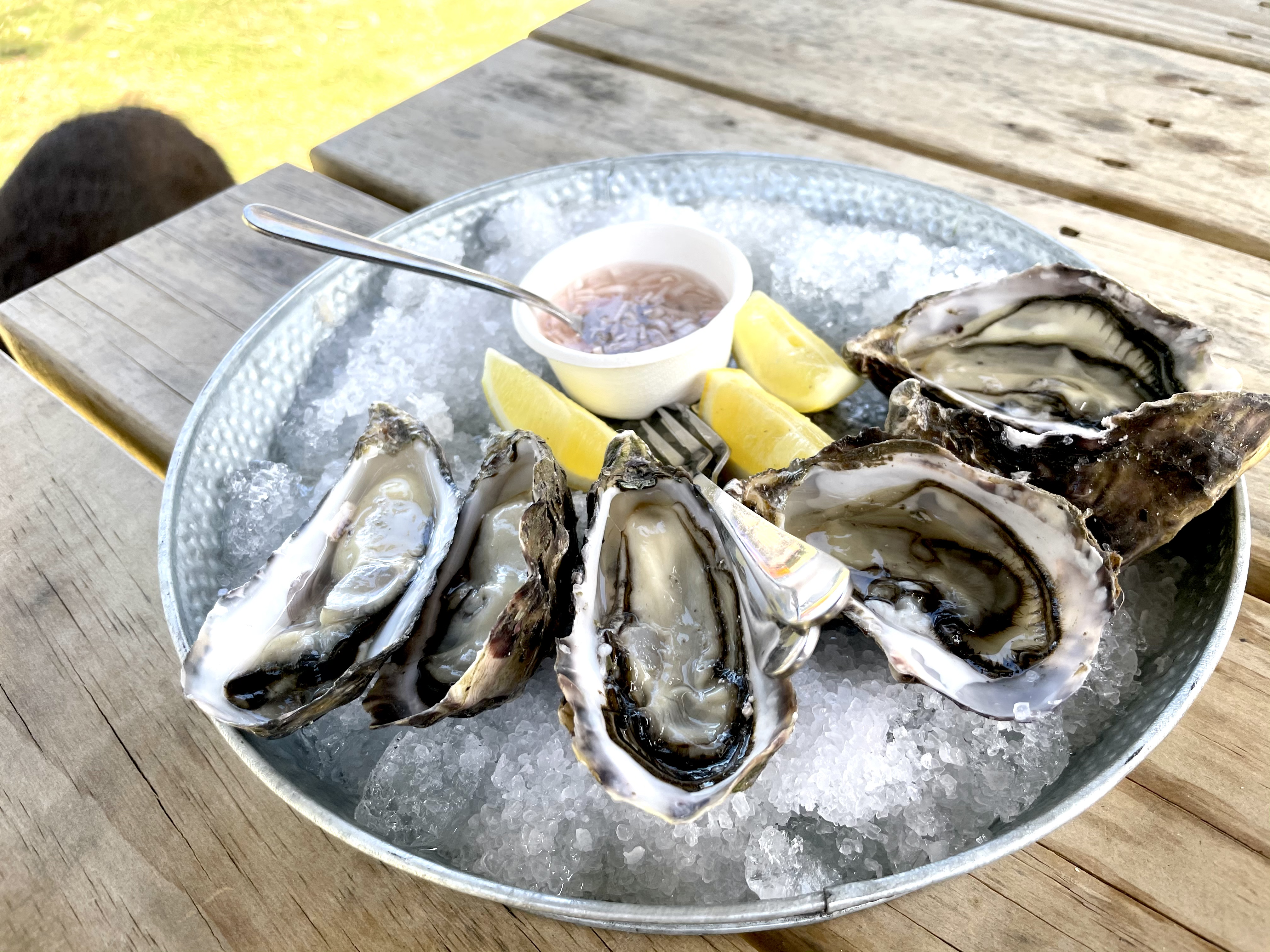
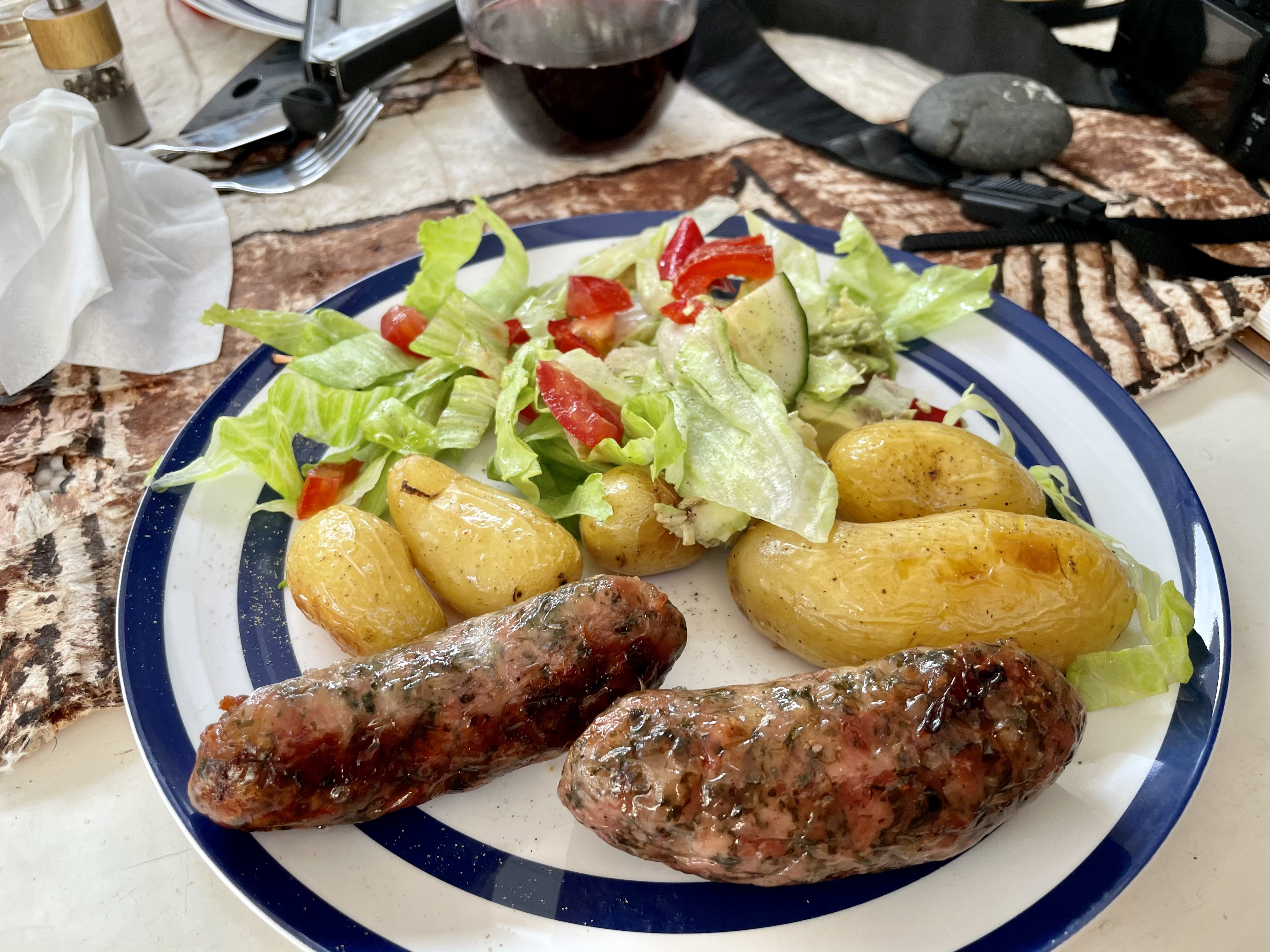
We mostly mooched around Waiheke and Rakino Islands – had 11 great days afloat, a little blowie at times but tucking away in the right spot with a good book was just what the doctor ordered. Only had 2 hours rain on one day, so can not complain. General observation was that it was quiet in most of the bays. I understand Great Barrier Island was very popular.As always there are a few food pix to break things up. The discovery of a pop-up pizzeria in Woody Bay, Rakino was the culinary highlight of the cruise 🙂
Thanks to help from several woodys sending in photos, we were able to continue the WW stories everyday over the holiday period and the viewing / reading numbers were strong thru-out. I think that one of the few positives from CV-19 is that a lot more people have either upgraded their digital devices or are now more tech savvy and are on-line more often.
Enjoy the photos – the next big woody event will be the Auckland Anniversary long weekend at Mahurangi.
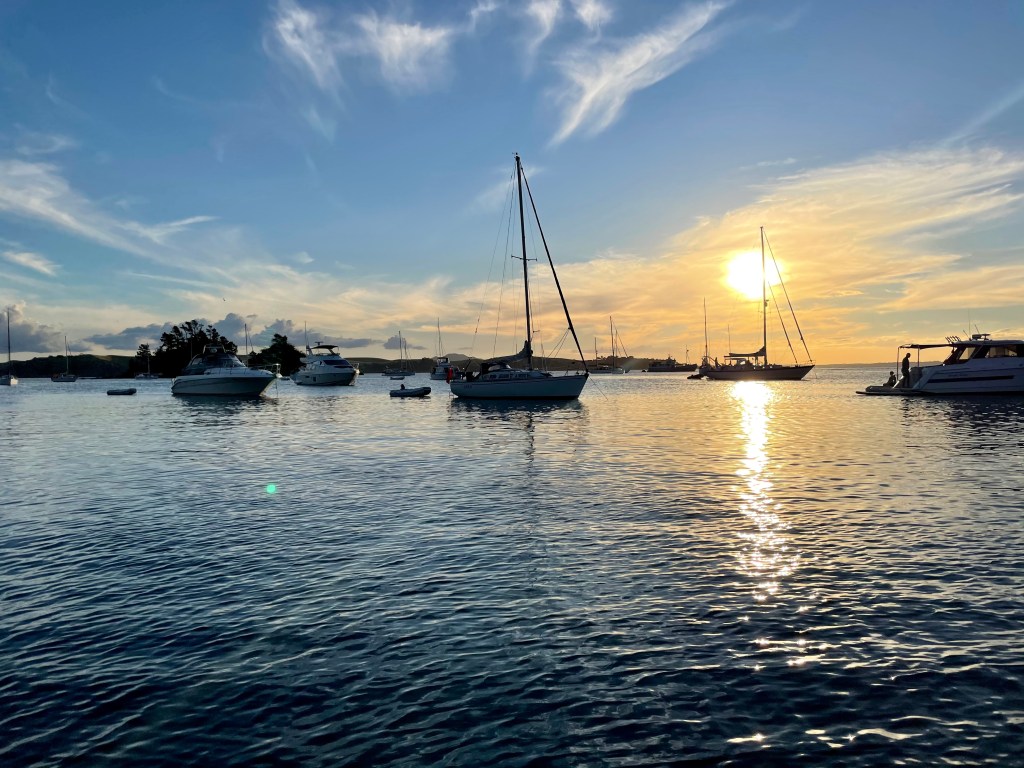
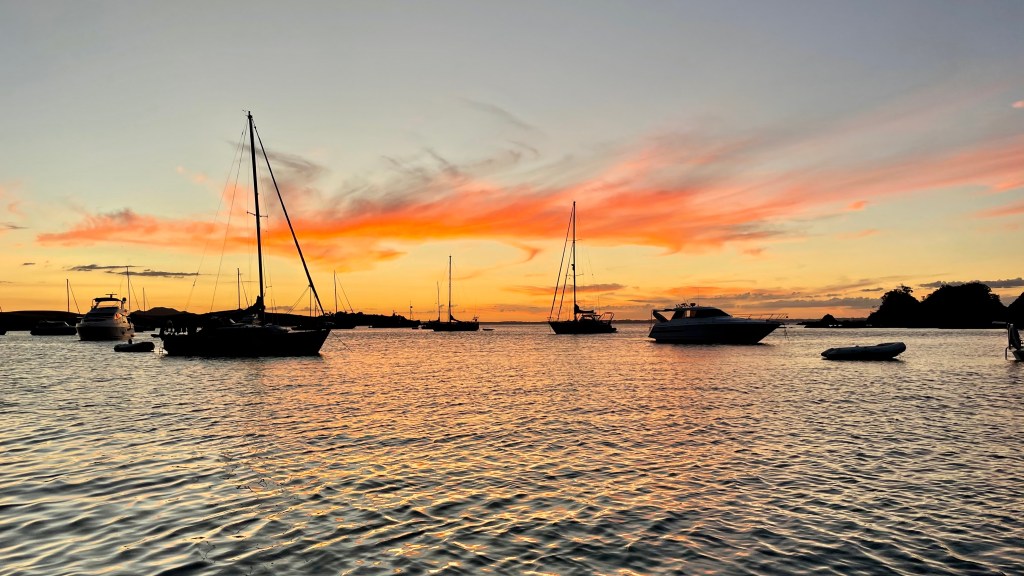
Woodys At Ponui Island Fiona Driver aboard her classic launch – Arohanui sent in the above gallery of woodys at anchor in Chamberlin Bay, Ponui Island on Friday evening. I’m told the woodys almost outnumbered the plastics 🙂
Nice to see the bridge-decker Lady Rae out and about, she was once one of the flagships in the CYA fleet.
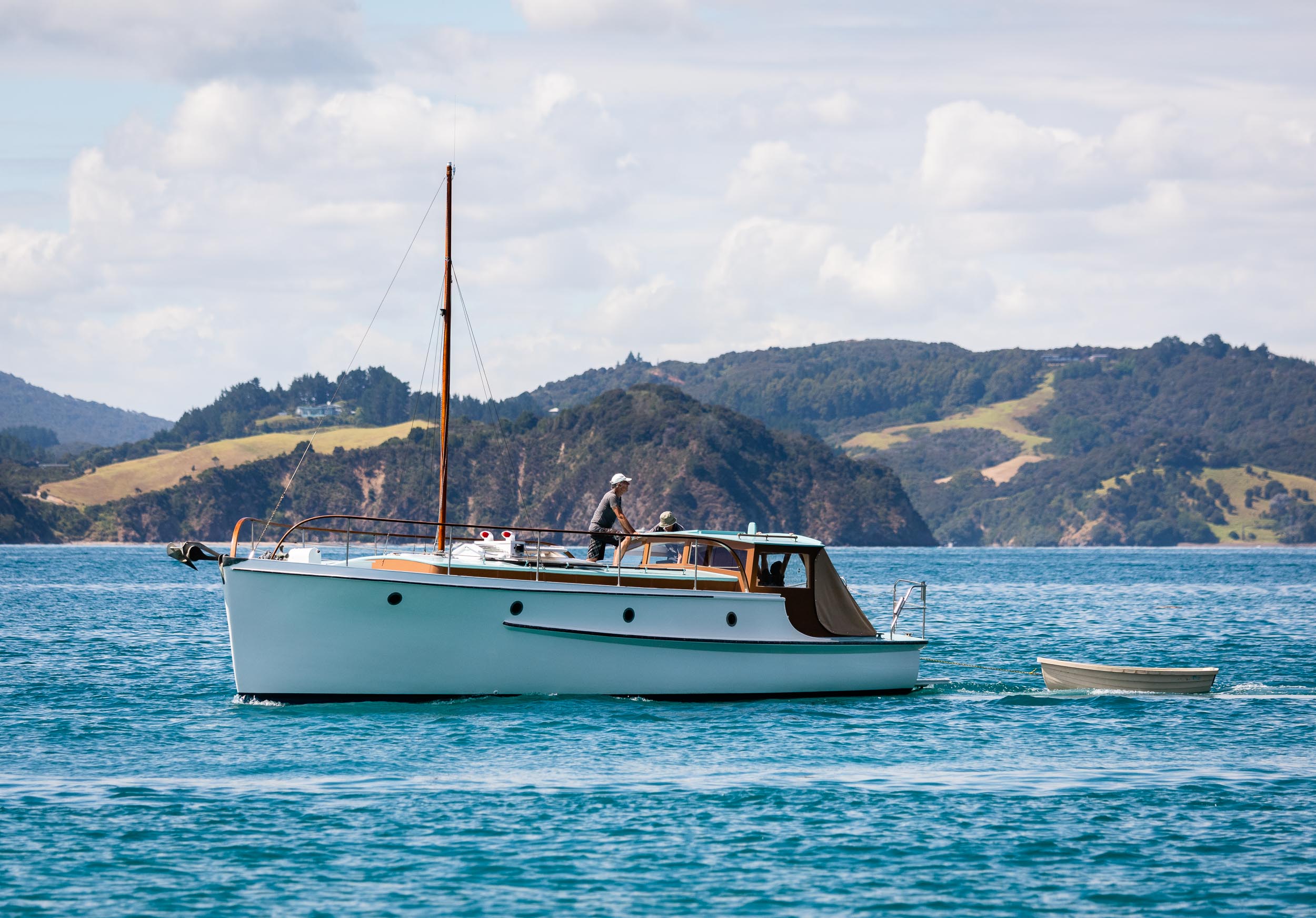
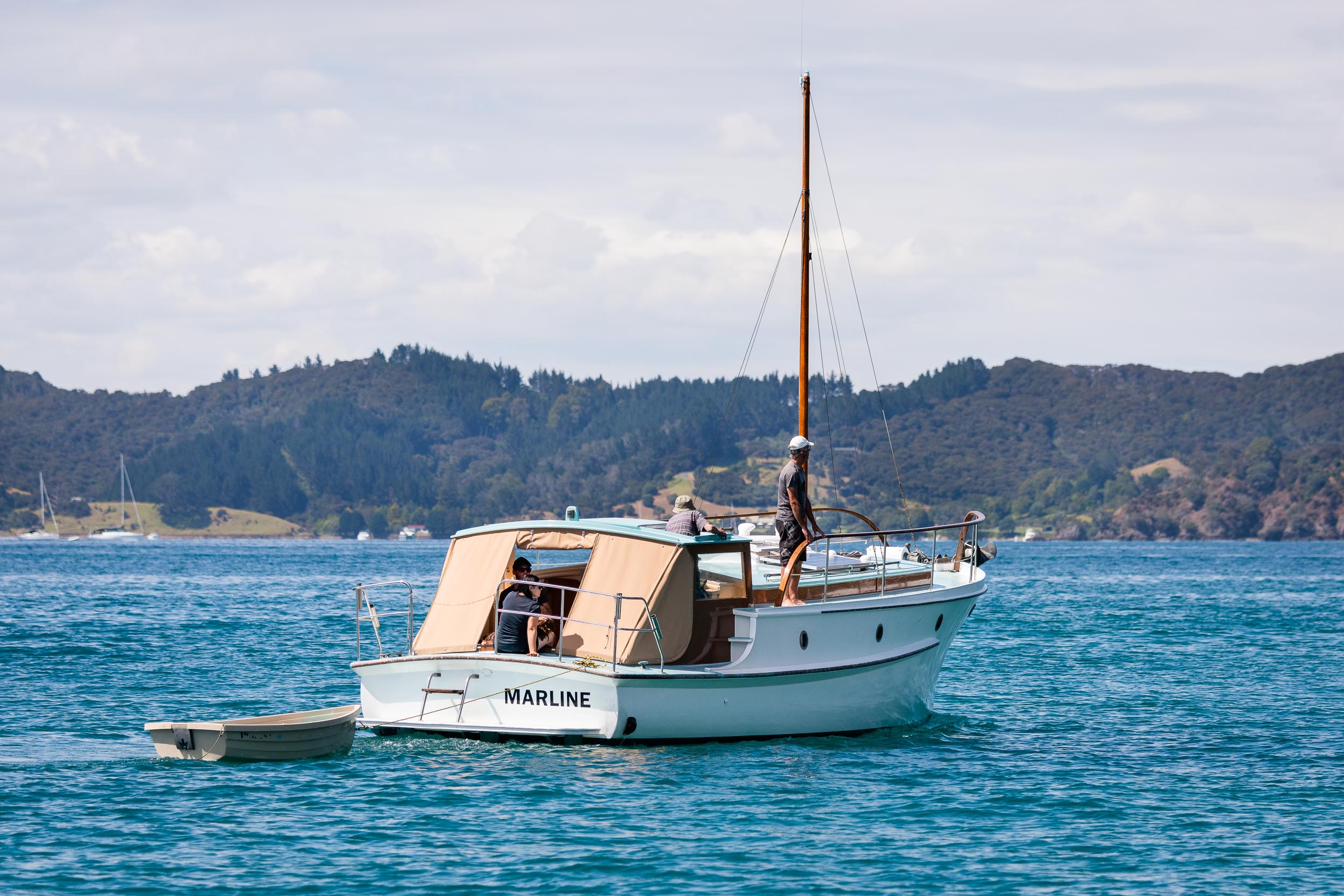
Our resident B.O.I. woody – Dean Wright is a star, above is another batch of photos from the Bay of Islands. I was especially rapped to get the top two of Marline, WW readers will know that she spent several months at the end of last year I the shed at The Slipway Milford getting a top-chop. You can read / see more on that at the WW link below. Wonderful to see her back in the bay and with Ken Warne at the helm.
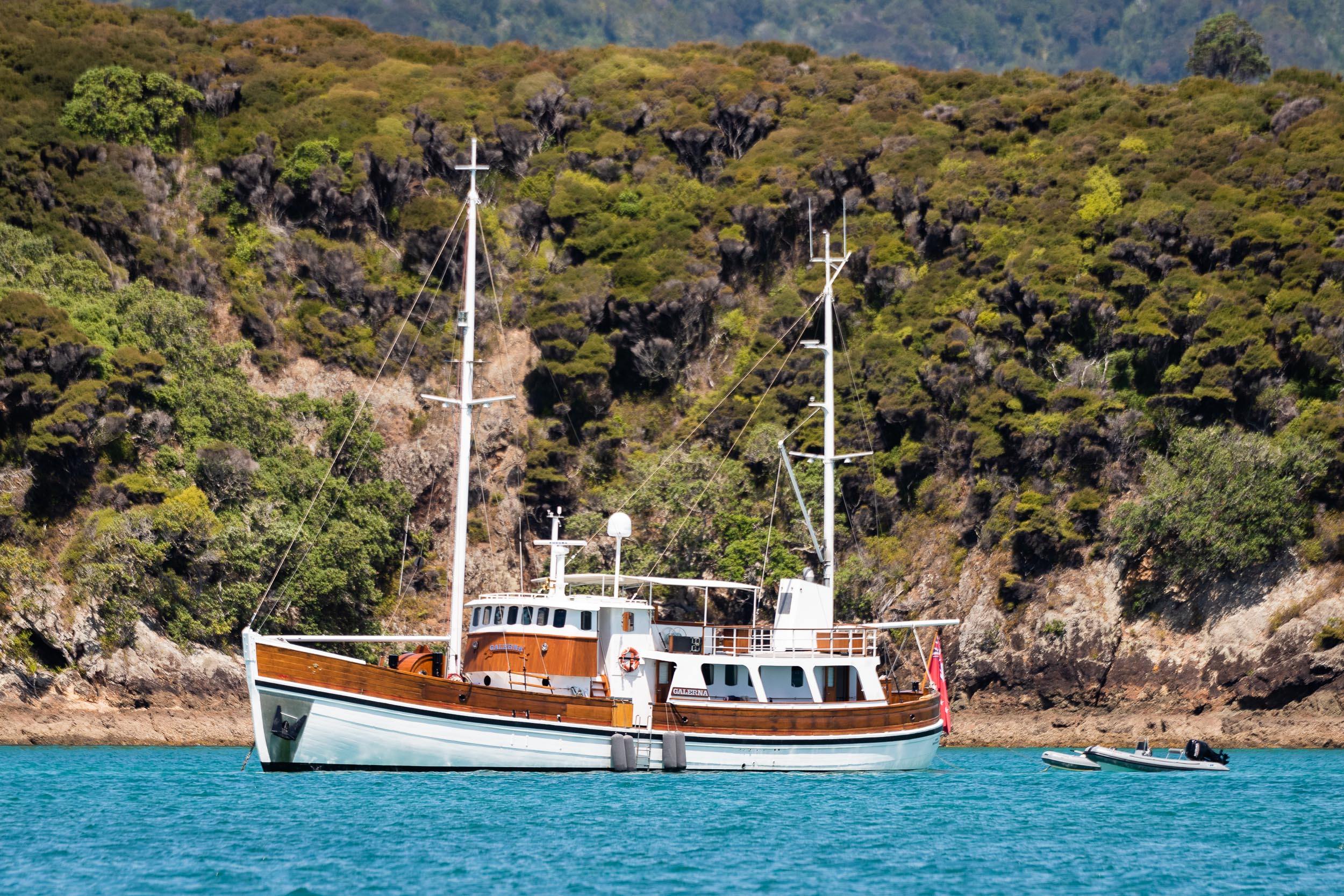
The very large – Galerina, is looking the sharpest in many a year – well done to whoever is caring for her. Can anyone put a name to the last photo, the launch with the game poles – its something like ‘Hattele’
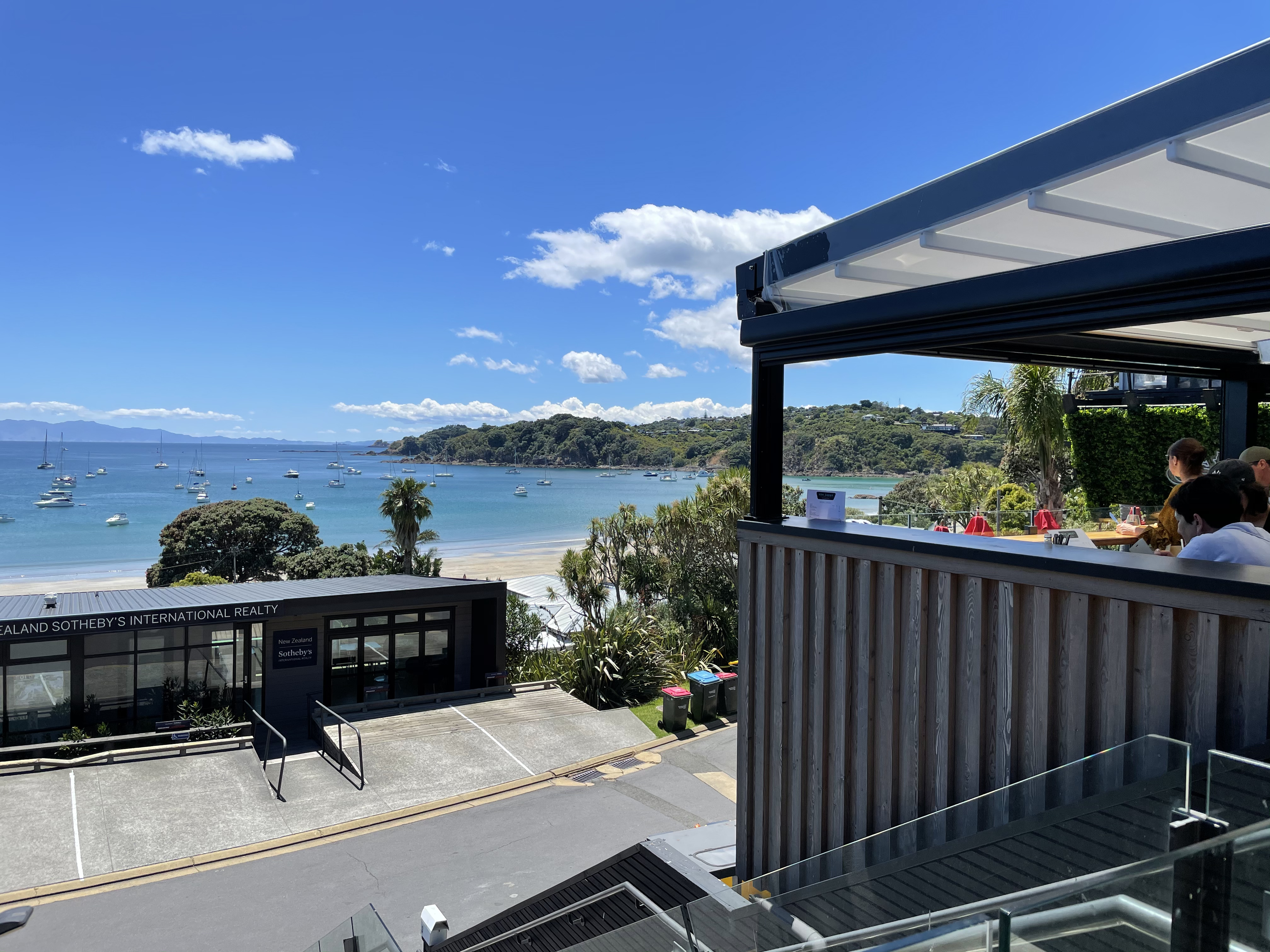
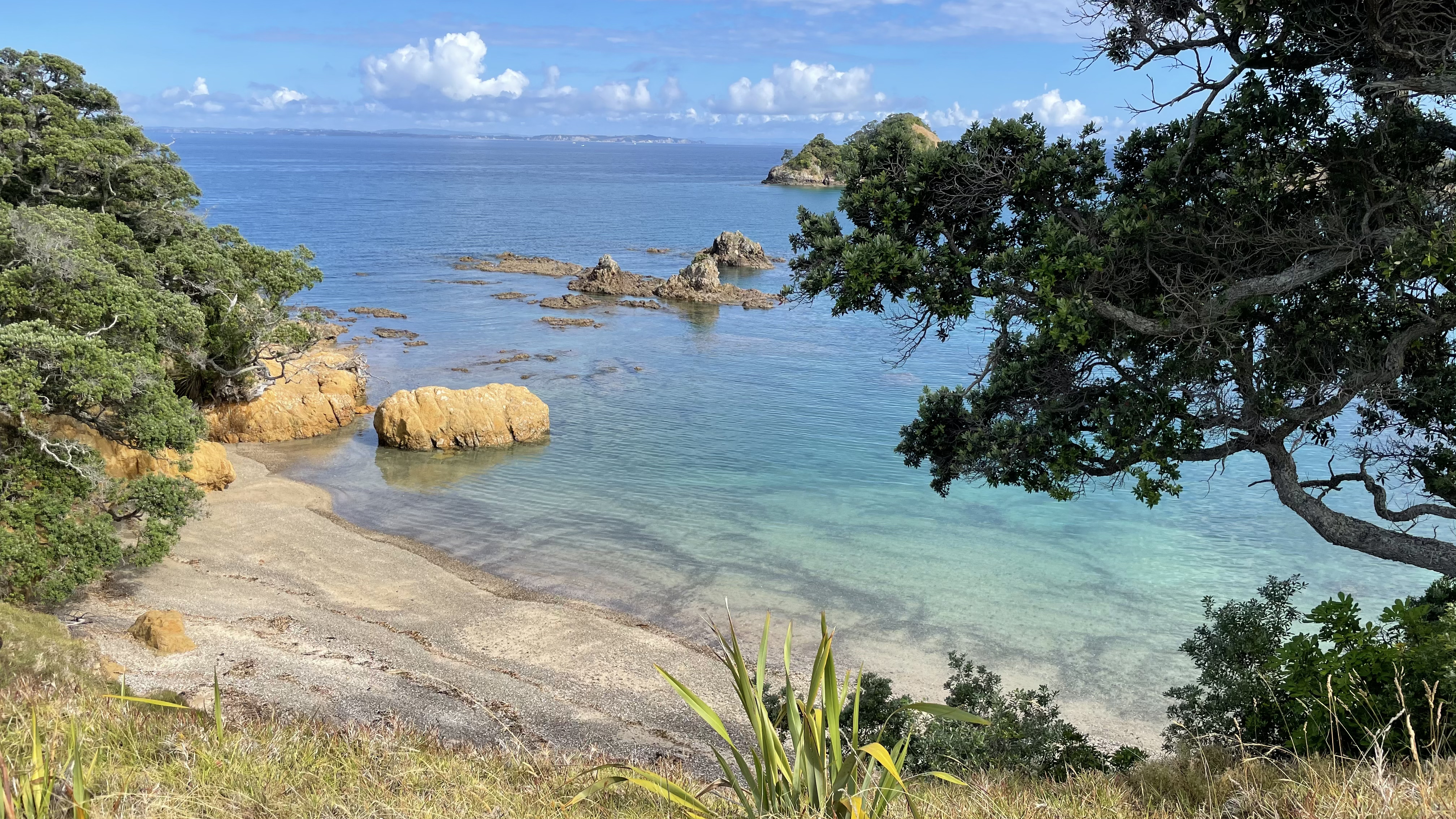
I have been getting weather reports from back in the city that its been very wet – my garden will be very happy. But I can report that other than 2 hours of light rain on 01-01-2021, its as dry as a crisp. Photo below from Rakino – West Bay on the left and Woody Bay on the right. As always if you spot anyone or thing that might appeal to the WW readers, pull the phone out and snap a photo and send in to waitematawoodys@gmail.com
The Big Winner On The Day – the Duder Family on Spray – 1st Across the Line
A visitor from Hawkes Bay
Classic Woody Weekend At Patio Bay – 60+ Classic Wooden Boat Photos
As you will have come to expect, the first weekend in December sees the CYA hosting the annual Patio Bay weekend, for some reason in recent years its morphed into a potpourri of events – these days its – the CYA Xmas party, a cake competition, a motor boat poker rally and what it always was – a yacht race down to the bay for a old school waterfront BBQ. A little busy these days but it seems to work 🙂
This year was the first visit since the ownership of the property changed hands from the Woolicott family (100+ years) to Mike Mahoney. It was comforting to hear Mike talk of their feature plans that include continuing the event.
New to the programme this year was a poker run rally for the CYA launches. Skippers collect a playing card from 5 collection on route and then play a round of poker ashore to determine the winner. The event was sponsored by The Slipway Milford. Winners below:
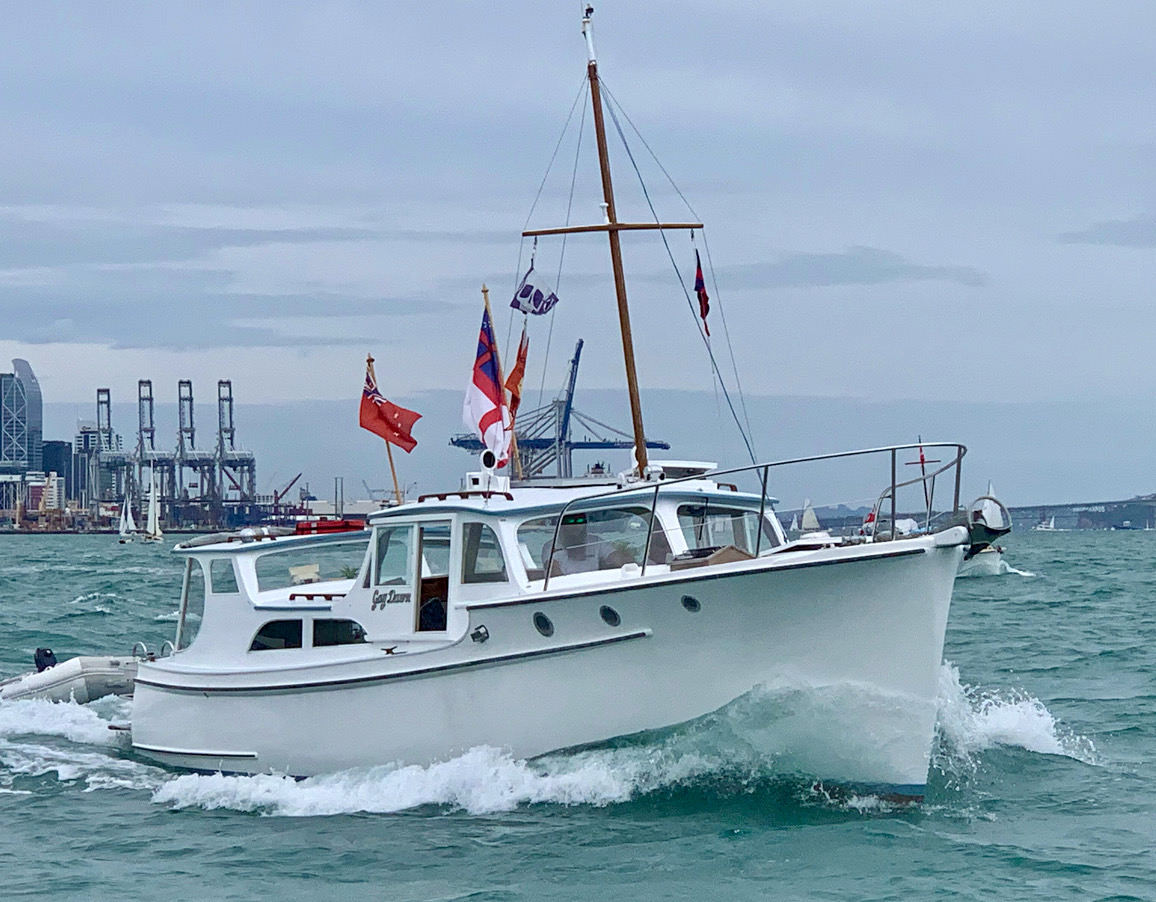
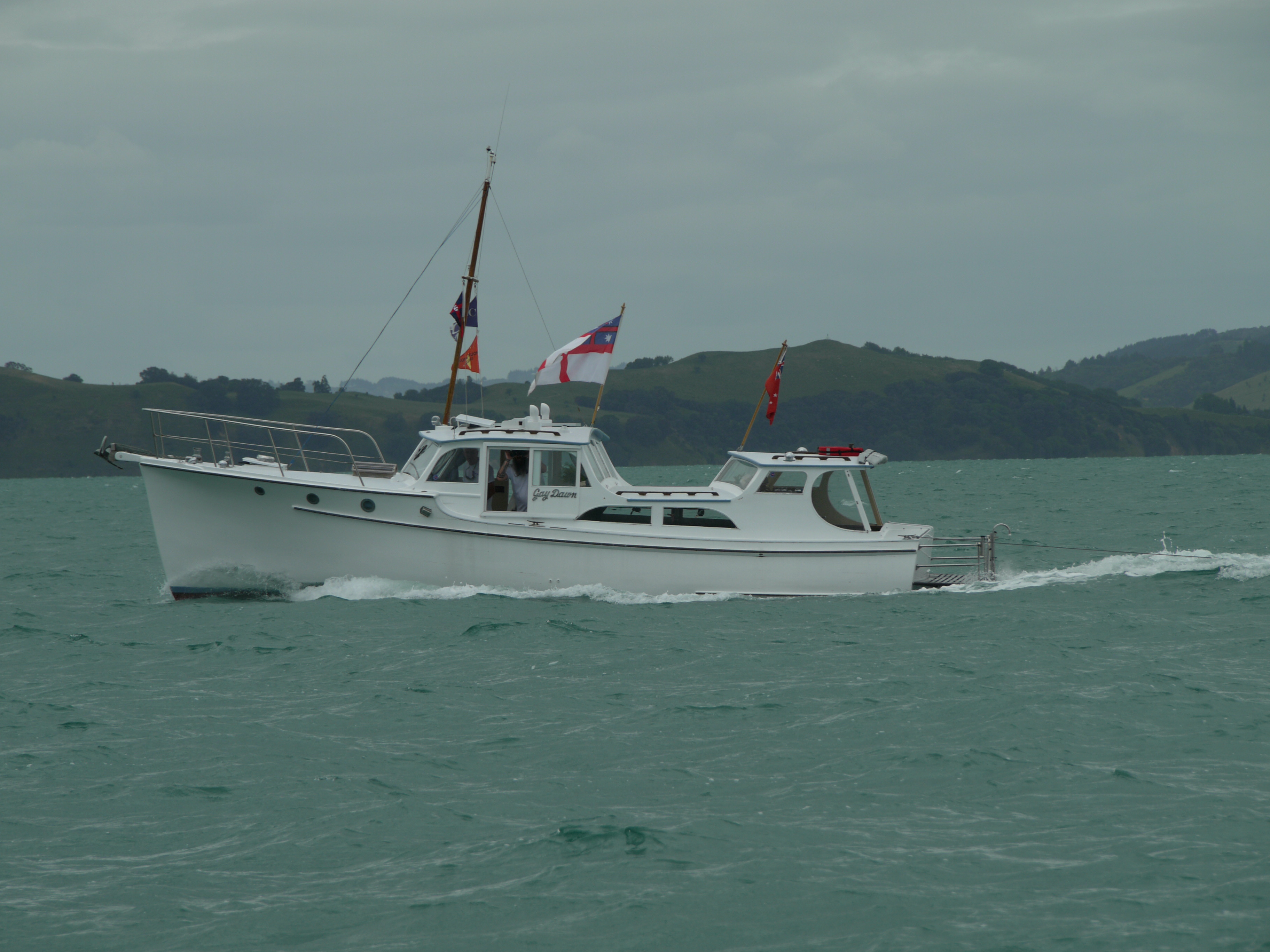
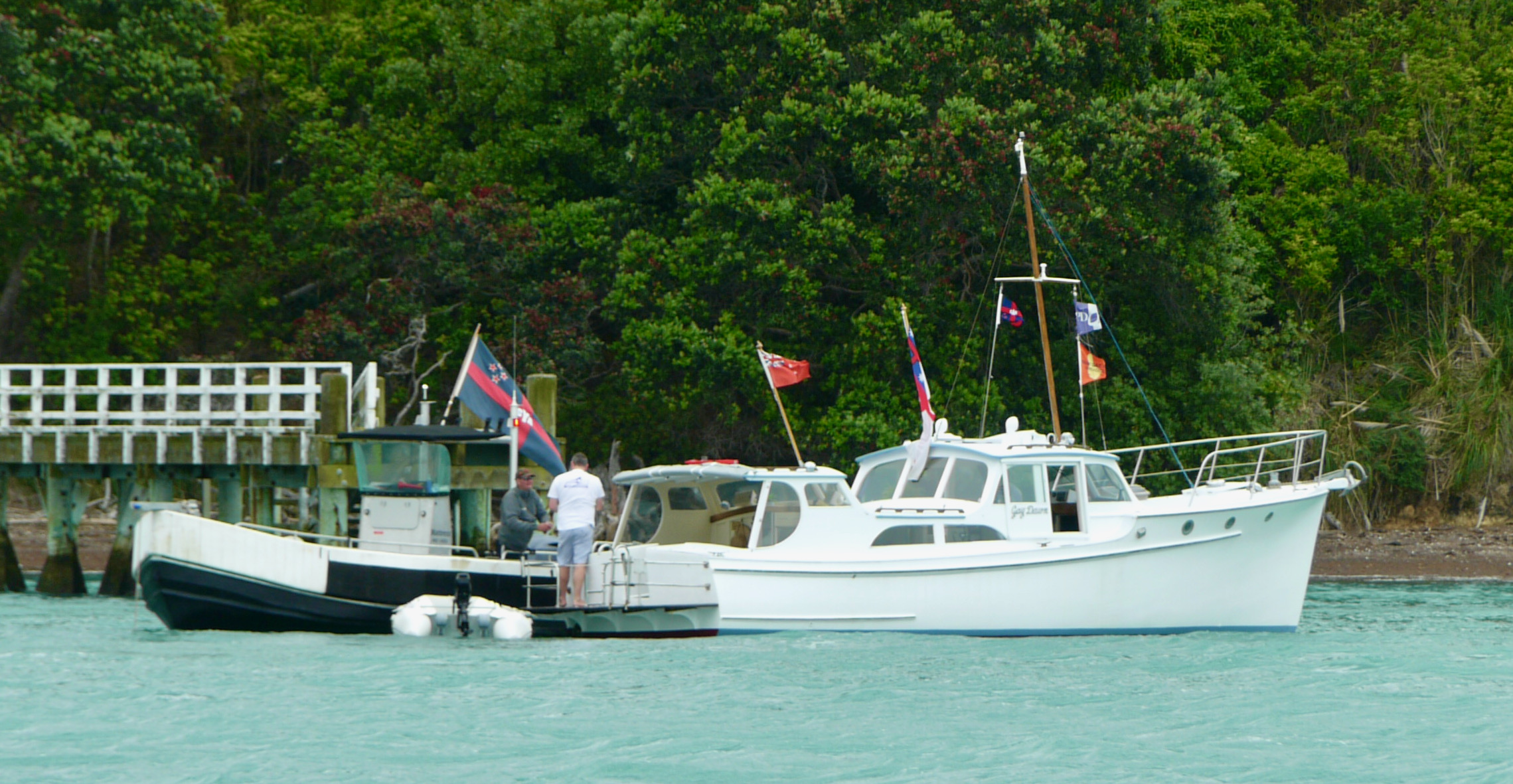
First Across The Line – Gay Dawn – Mark & Pricilla MacDuff – Burnsco voucher + wine
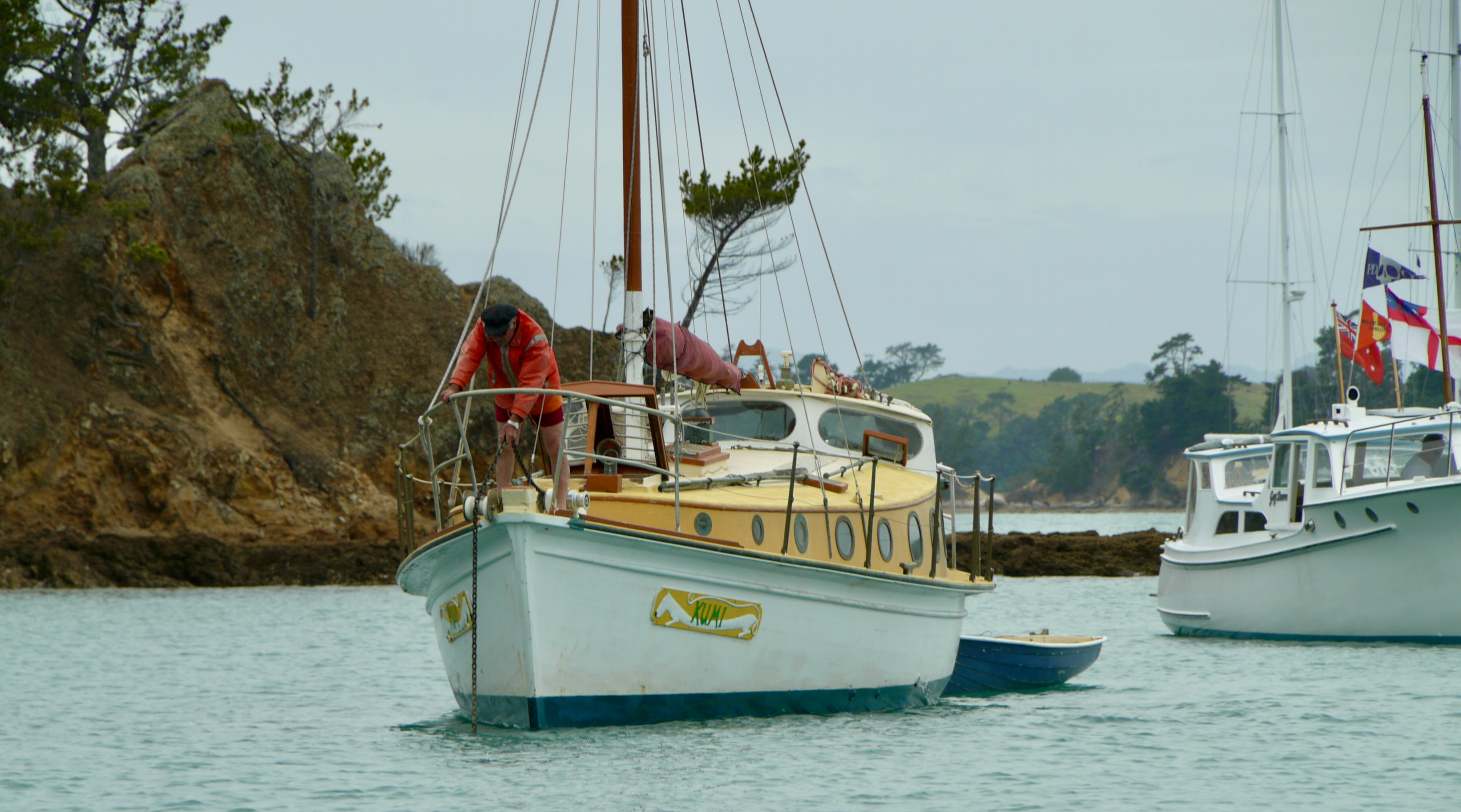
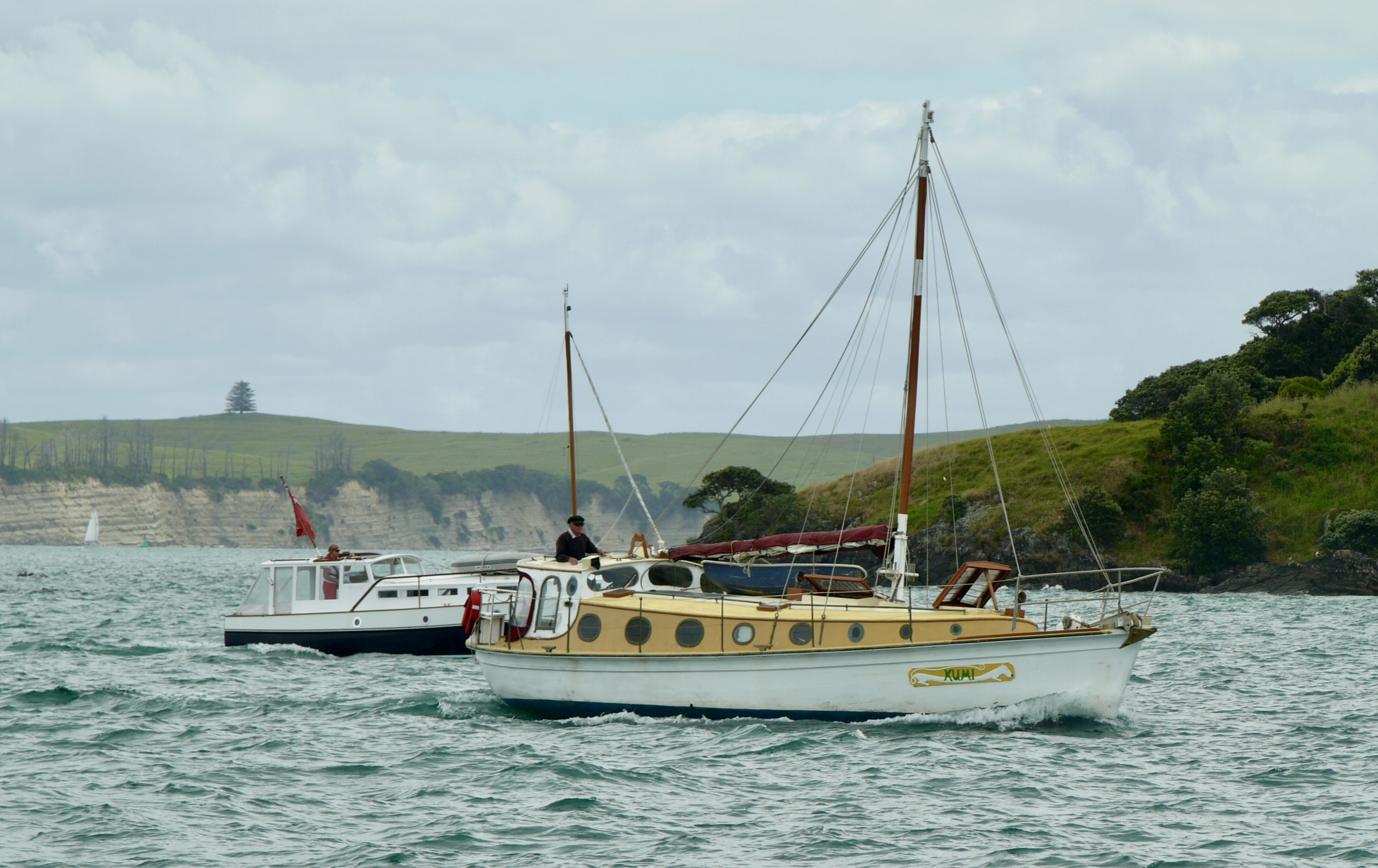
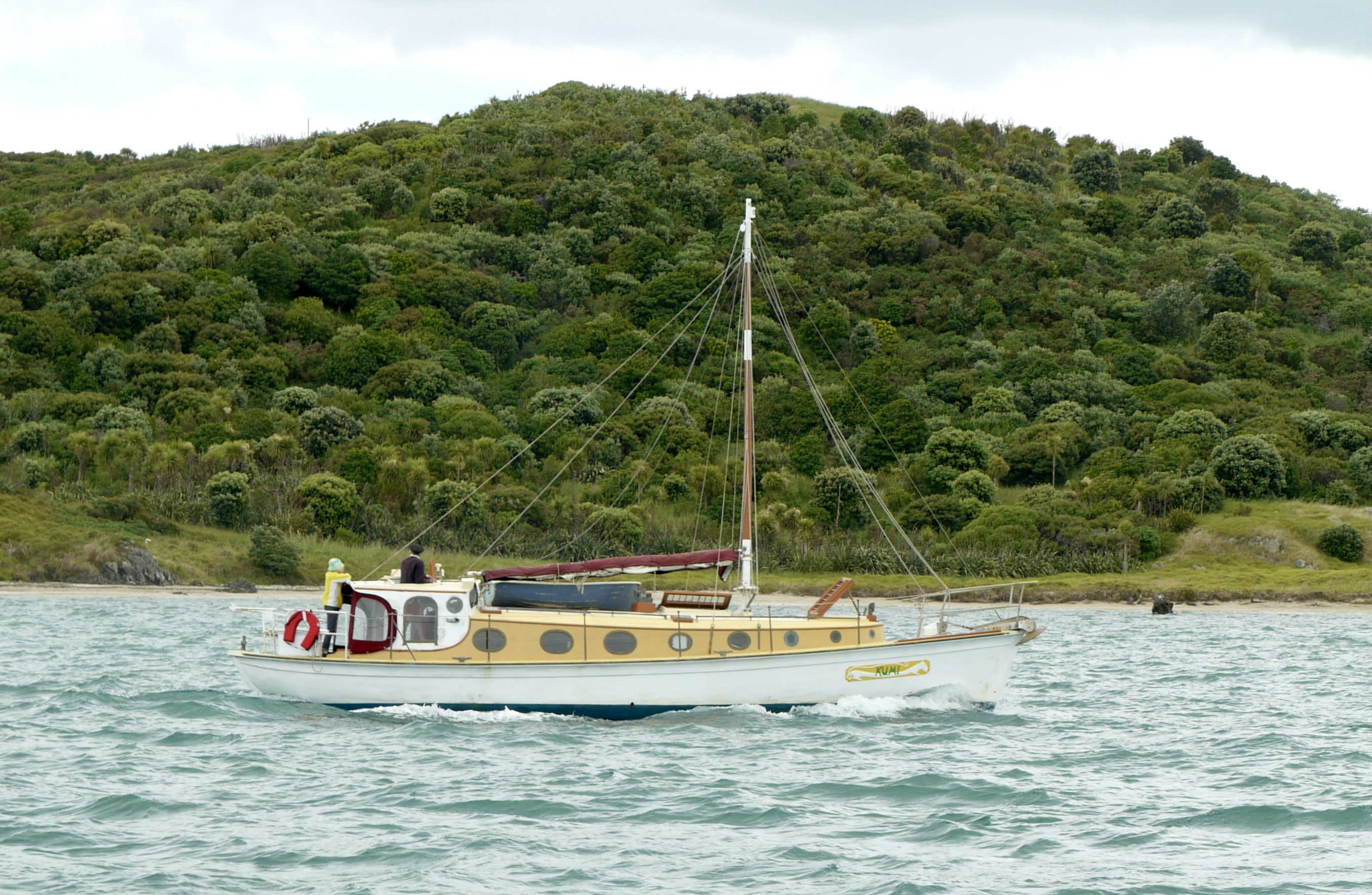
Poker Run Winner- Kumi – Hayden & Linda Afford – COMPLIMENTARY SLIPWAY MILFORD HAULOUT + 4L ANTIFOUL PAINT + WW T-SHIRT
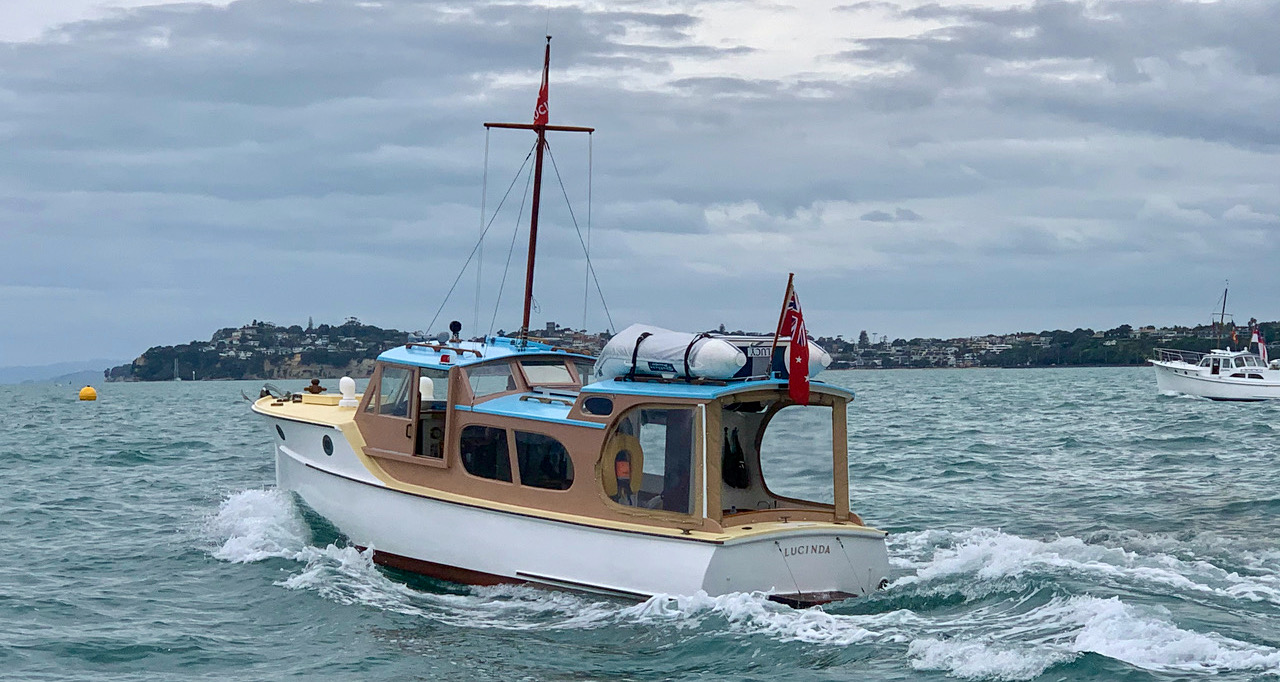
Shoddy Boat Handling Skills – Lucille – Alan Good (wife name withheld as she was innocent) WW T-shirt A great time was had by all and special thanks must go to everyone that helps pull the weekend together. To me it always signals the start of summer boating.
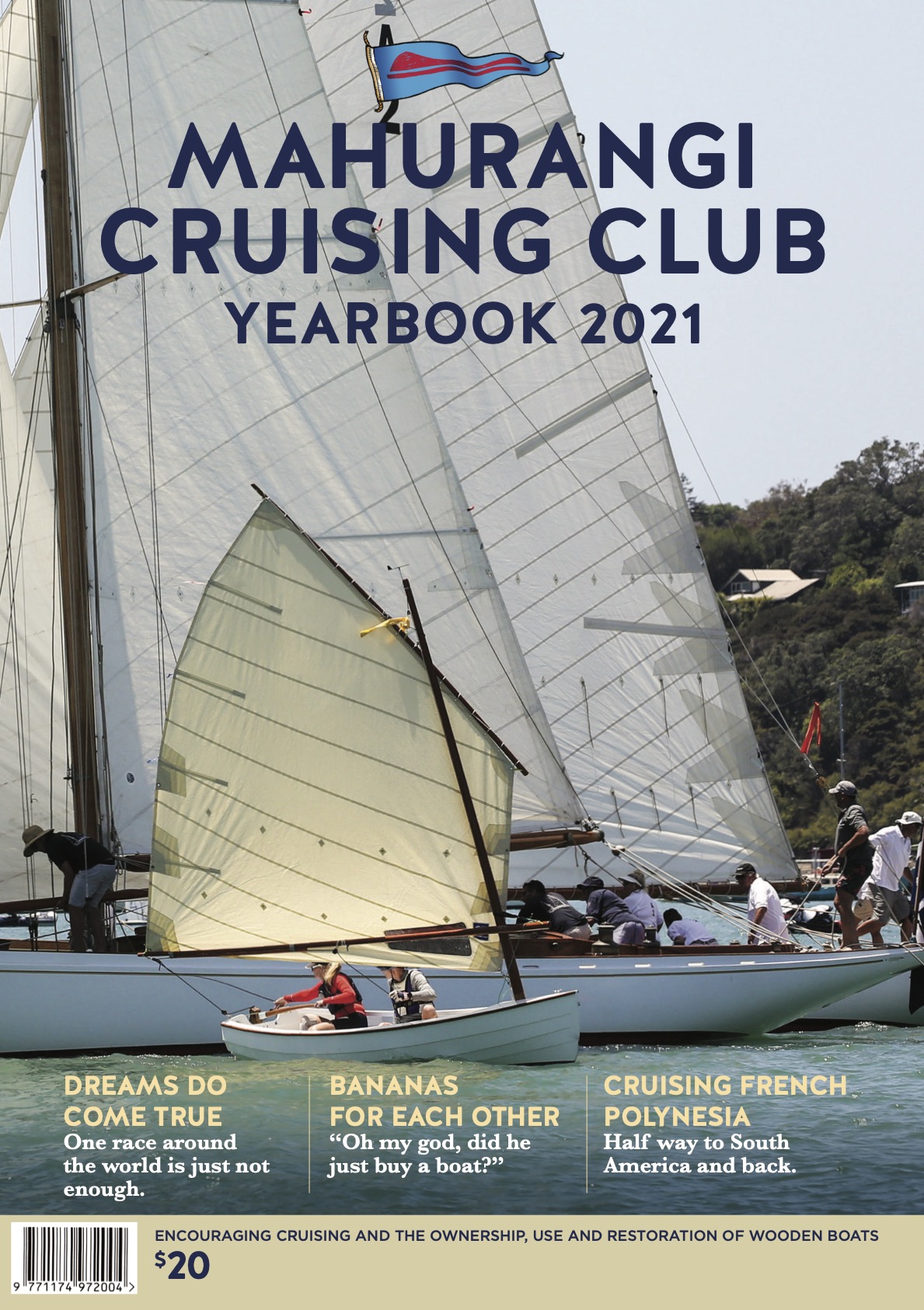
Most WW readers will be very familiar with the annual Mahurangi Regatta – the biggest gathering of wooden boats in NZ. The MCC also put together a year book that is a one of the best boating reads each year and perfect for on the boat over xmas. So woodys, if your looking for a self present (always the best) or being asked what you want from the kids – at $20 for 108 pages it’s a steal.
Pre-order a copy here ngairehopwood@gmail.com Or pick up a copy in store or on-line at BoatBooks
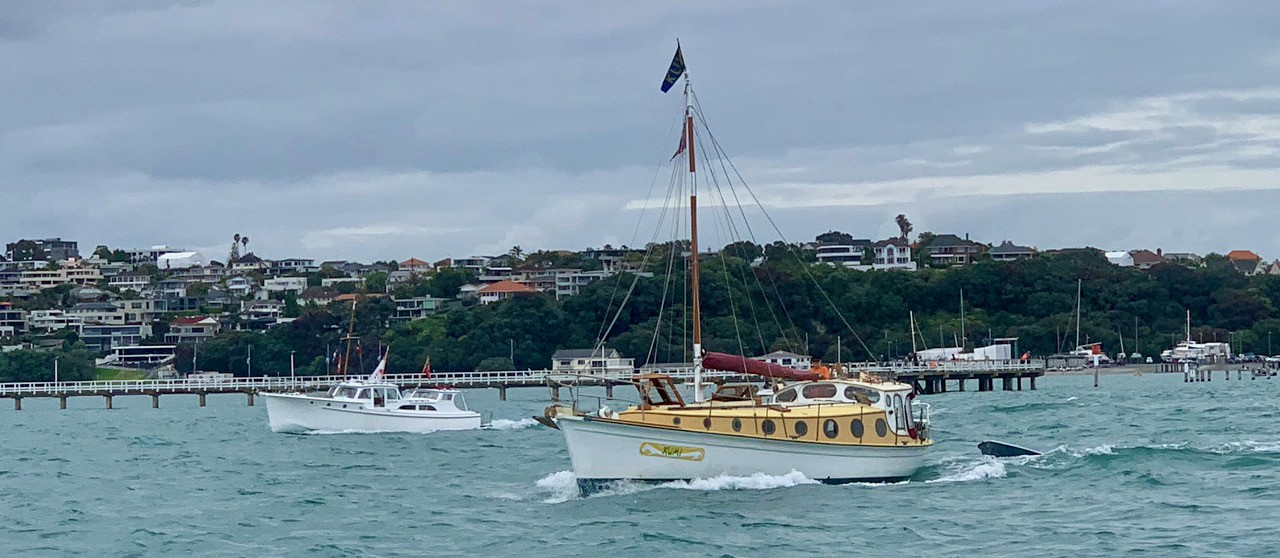
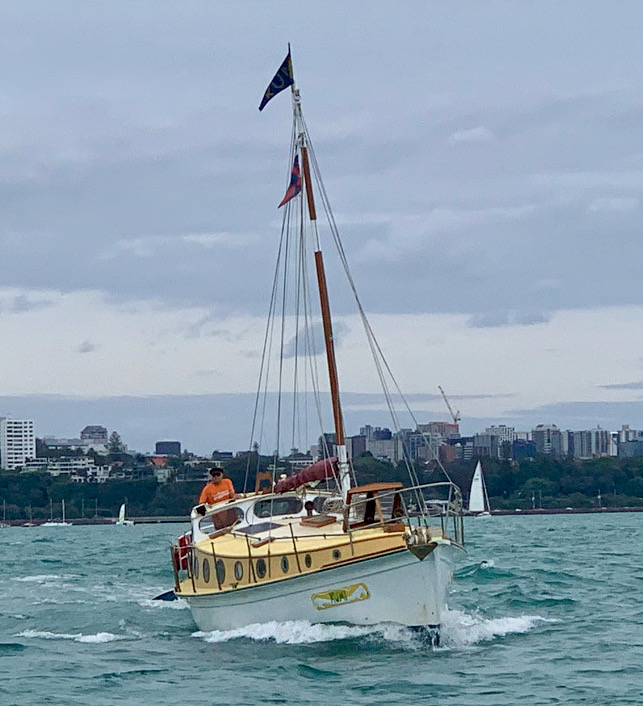
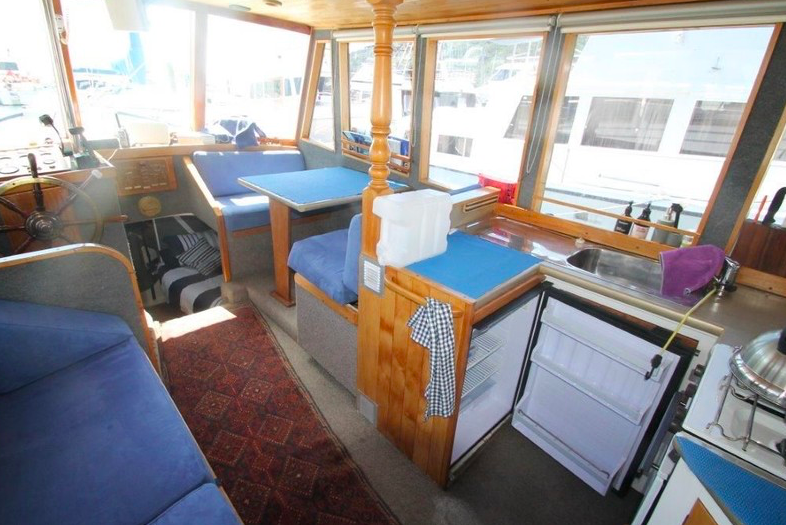
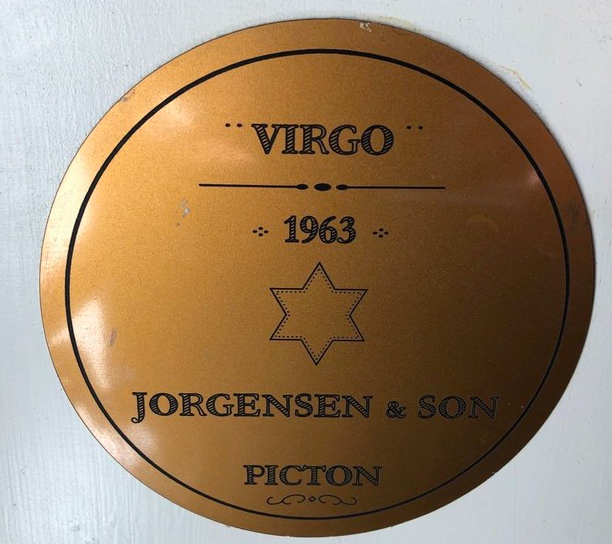
And up pops another work boat conversation for sale on tme (thanks Ian McDonal). Virgo was built in 1963 from kauri by Jorgensen & Son in Picton and started life as a commercial fishing boat before being converted to pleasure use. Virgo is 39’3’ in length and powered by a 130hp Gardner 6LXB Diesel engine. Current home port is Waikawa marina, Picton, South Island.
Interested to learn when and who did the conversion and any other intel on the vessel.
REMEMBER WOODYS – CYA PATIO BAY PARTY THIS WEEKEND
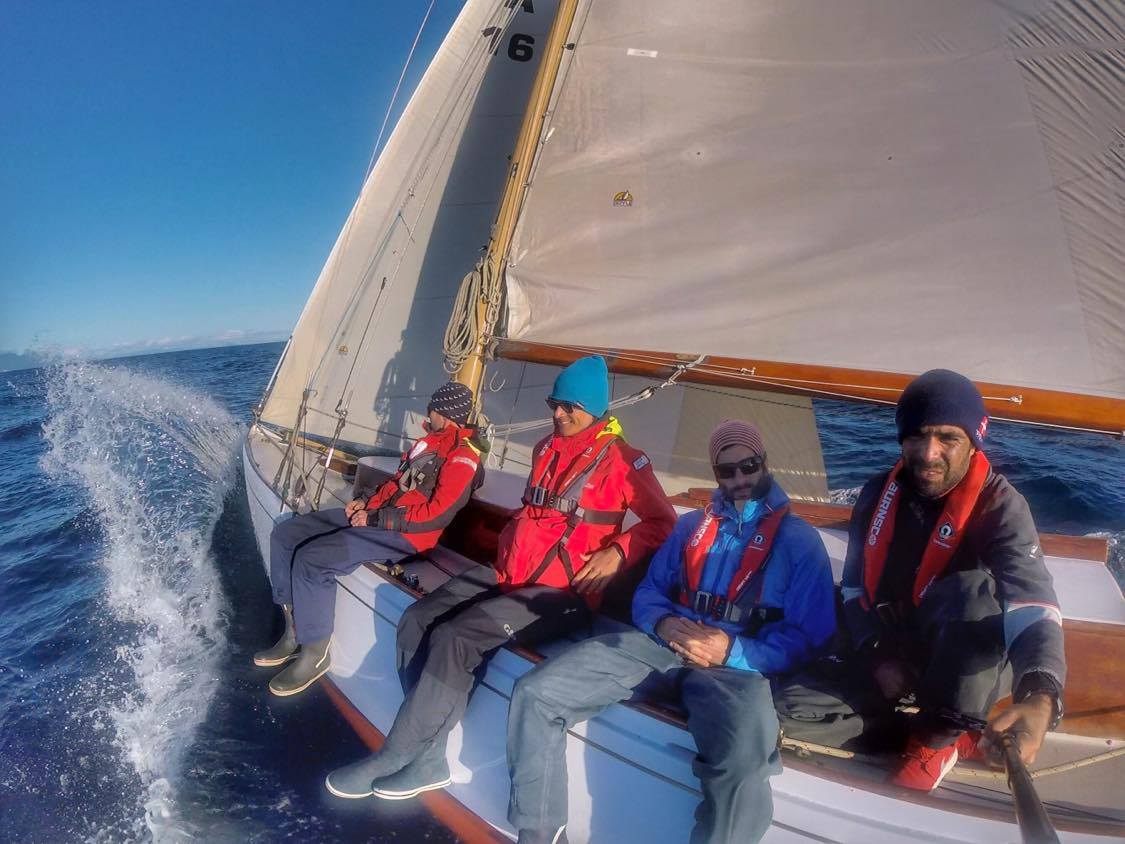
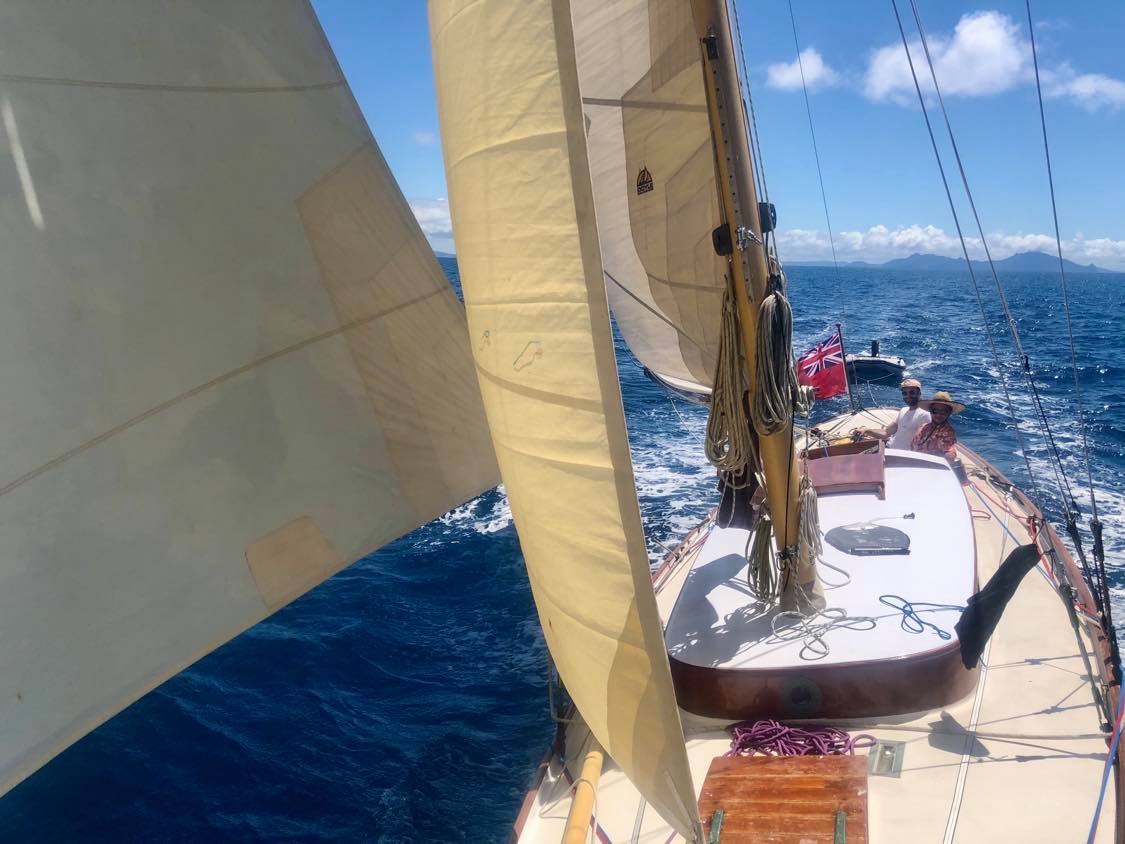
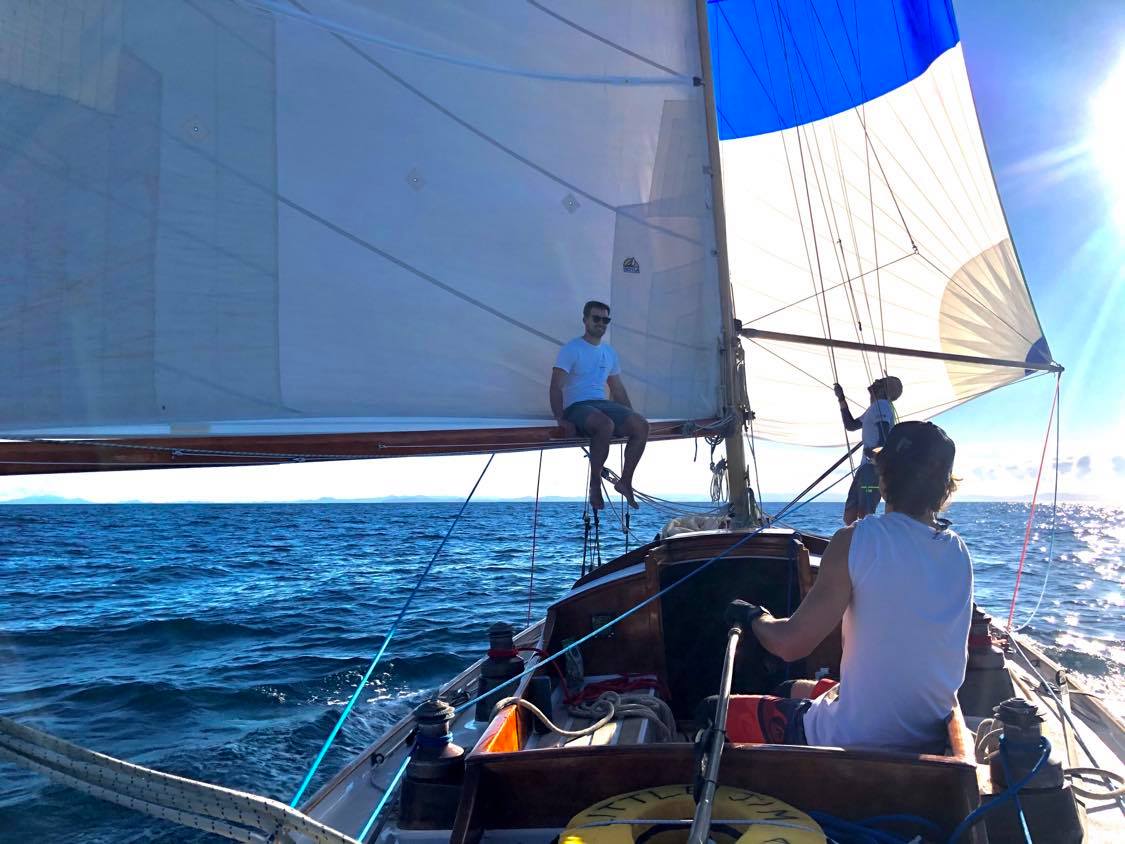
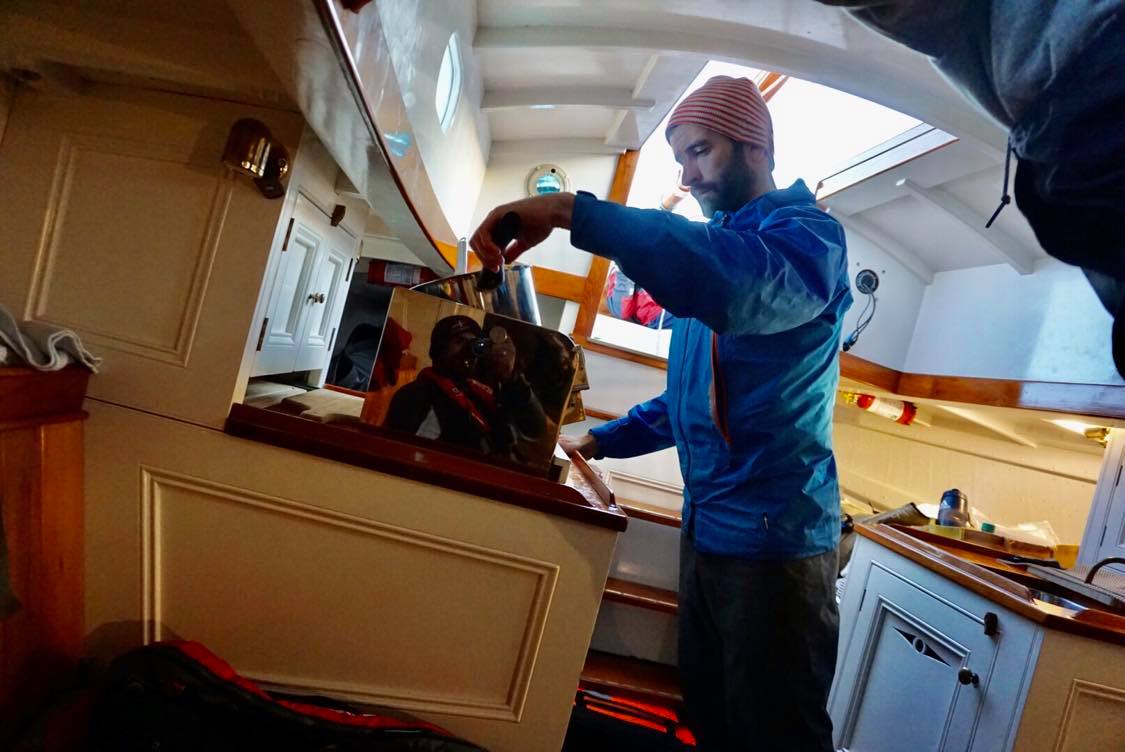
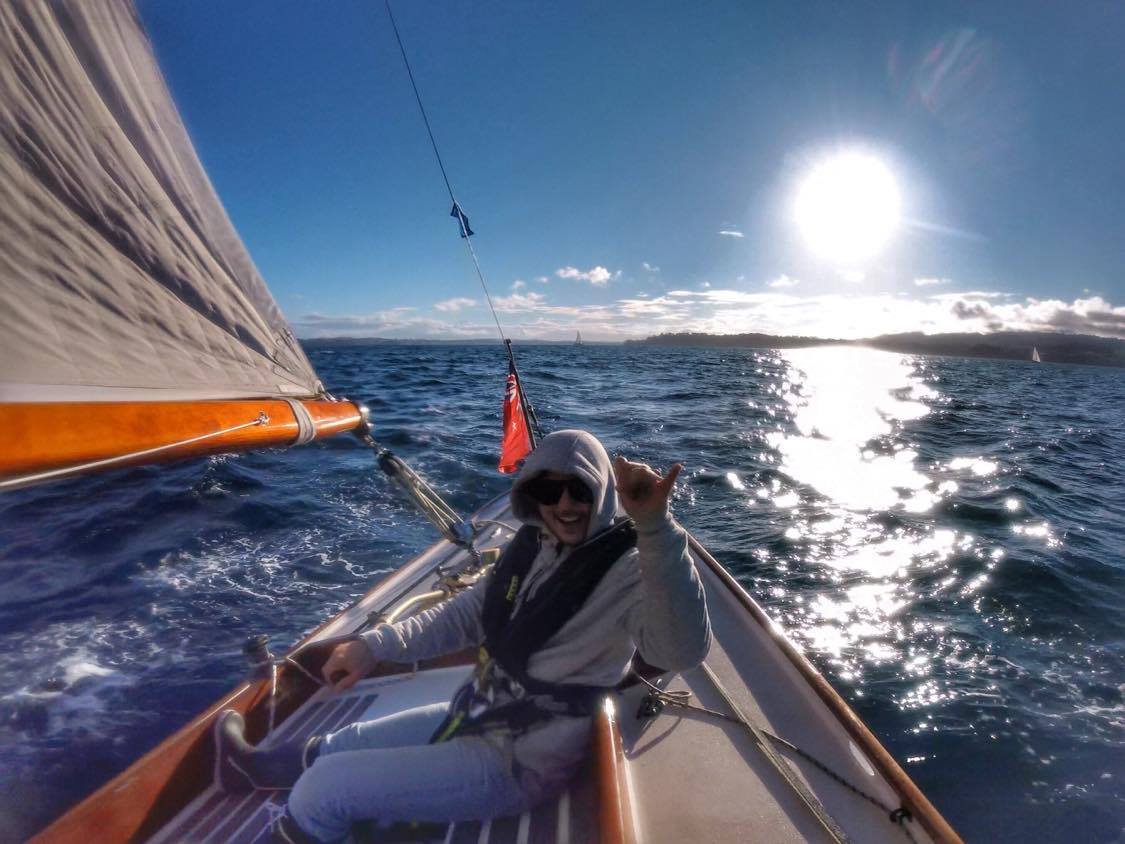
Today’s story and photos comes to us from Little Jim’s skipper and owner James Mortimer and crew – Ash Smith, Rodrigo Salas, Janez Mikec, Max Goutard, Erwann Jooris.
I’ll let James share the story with you, as always – click on photos to enlarge. Enjoy 🙂
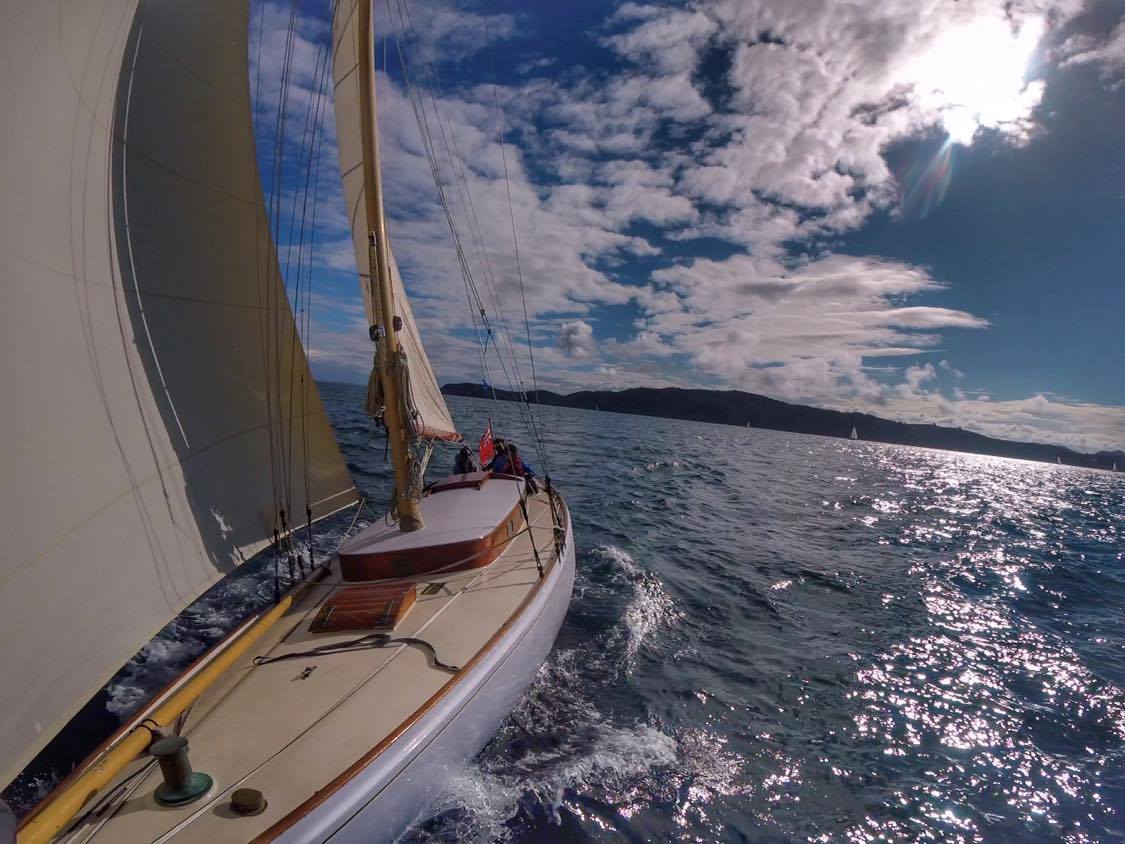
“After four long months out of the water at the Milford marina yard over winter, I know that Little Jim had been wanting to stretch her legs and get a good long sail up the coast. She feels fast with her newly reinforced decks, rebuilt rudder, and all over paint job. Or maybe it’s the long winter without any sailing that has made her crew push her along that little bit more.
The weather forecast for Labour weekend had been looking challenging, with light northerlies and rainy weather predicted. On Tuesday night we got together on the boat to go over safety and systems, not at all confident that we would even start the race. Over the next two days the forecast slowly got a little better, with the wind direction moving ever so slightly toward the east. On Thursday night, we made the call to go, knowing full well it was going to be tough.
Early Friday morning and with enough food and beer to supply a small army, we got ourselves into racing mode and set off for Devonport. There is something special about this race, with more than 150 yachts lining up across the harbour, a sense of anticipation building as the gun gets closer, an adventure ready to start.
We made an early call to cross the channel toward Rangitoto and escape the worst of the incoming tide. Little Jim made excellent ground on most of the fleet who were busy short tacking up Cheltenham Beach in very little wind. A long tack due east across the top of Rangitoto and Motutapu Islands allowed us to finally turn north and lay the outside of Tiri Island and and make some miles to the north. As it turned out, the short stretch between Tiri and Kawau Island was to be the best sailing we would get all day, with a perfect NE’er of 12 to 15 kts, and boat speed above 7 kts.
On any Coastal Classic, there is a decision to make off Takatu Point. Is the boat and the crew in good shape and ok to go on. In any adverse weather this is no small call to make. As all boaties know, crossing Bream Bay can be brutal, and there is no decent shelter until Tutukaka. An easy decision this time, and it was champagne sailing as we passed Cape Rodney. It didn’t last though, and as afternoon slid into evening the wind eased away and turned back north. A frustrating night of slow tacking between the Hen & Chick Islands and Whangarei Heads began, with not a lot of northward miles being made. What the wind failed to deliver the night sky made up for, with an impressive meteor shower, a crystal clear Milky Way, lots of phosphorescence, and an incredible sunrise.
At 8.30am, we made the difficult decision to pull the pin on the race just south of Elizabeth Reef. The forecast was light until afternoon and we had little hope of reaching Russell before cut off at 3pm.
Ending the race early wasn’t going to put a damper on the weekend though and we spent the next three days sailing downwind back to Auckland under spinnaker via the Poor Knights Islands, Tutukaka, the Hen & Chicks, and Kawau Island.
Little Jim, built in 1934, was the oldest boat to enter in this year’s race, and it is a fitting testament to the skill of New Zealand’s early boat builders and designers that we can often keep up with boats that are 60 or 70 years younger!
Can’t wait till 2021”
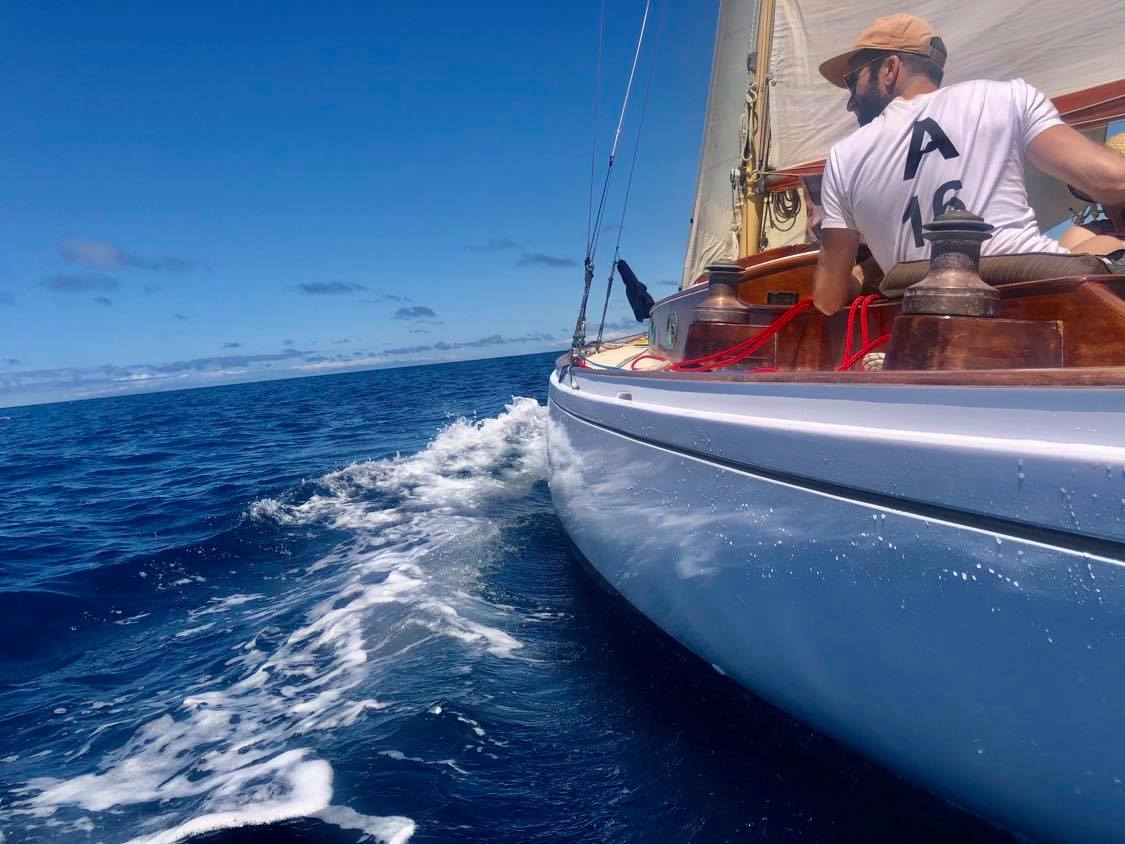
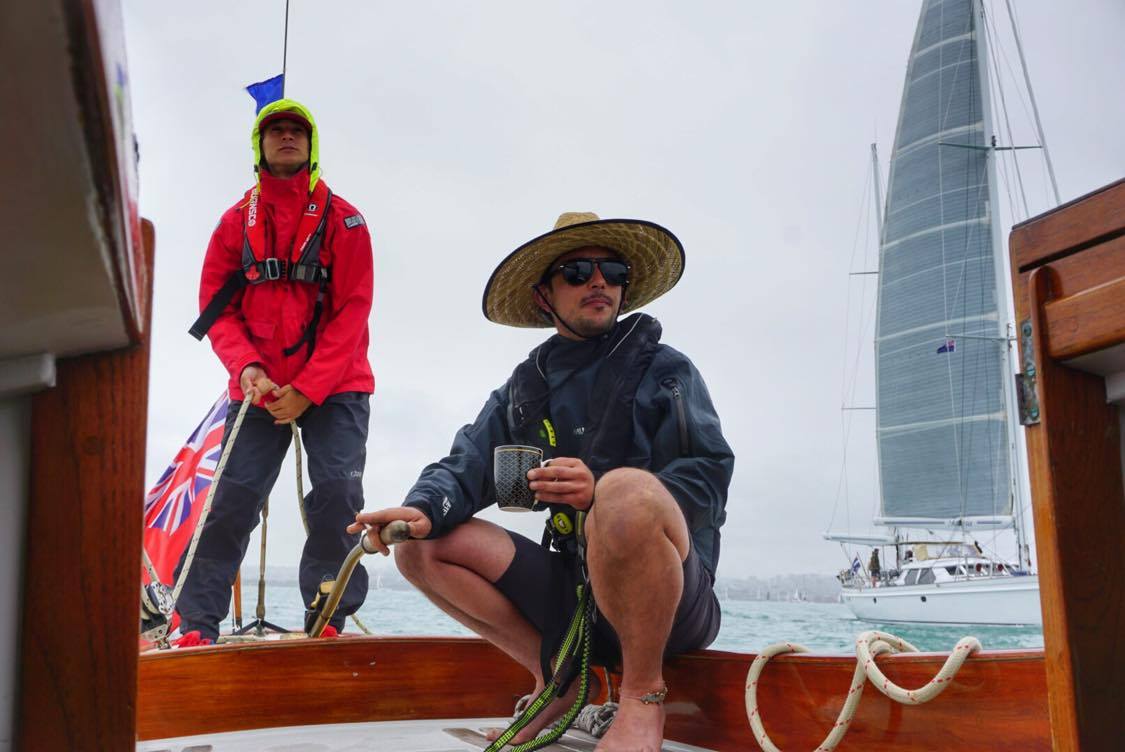
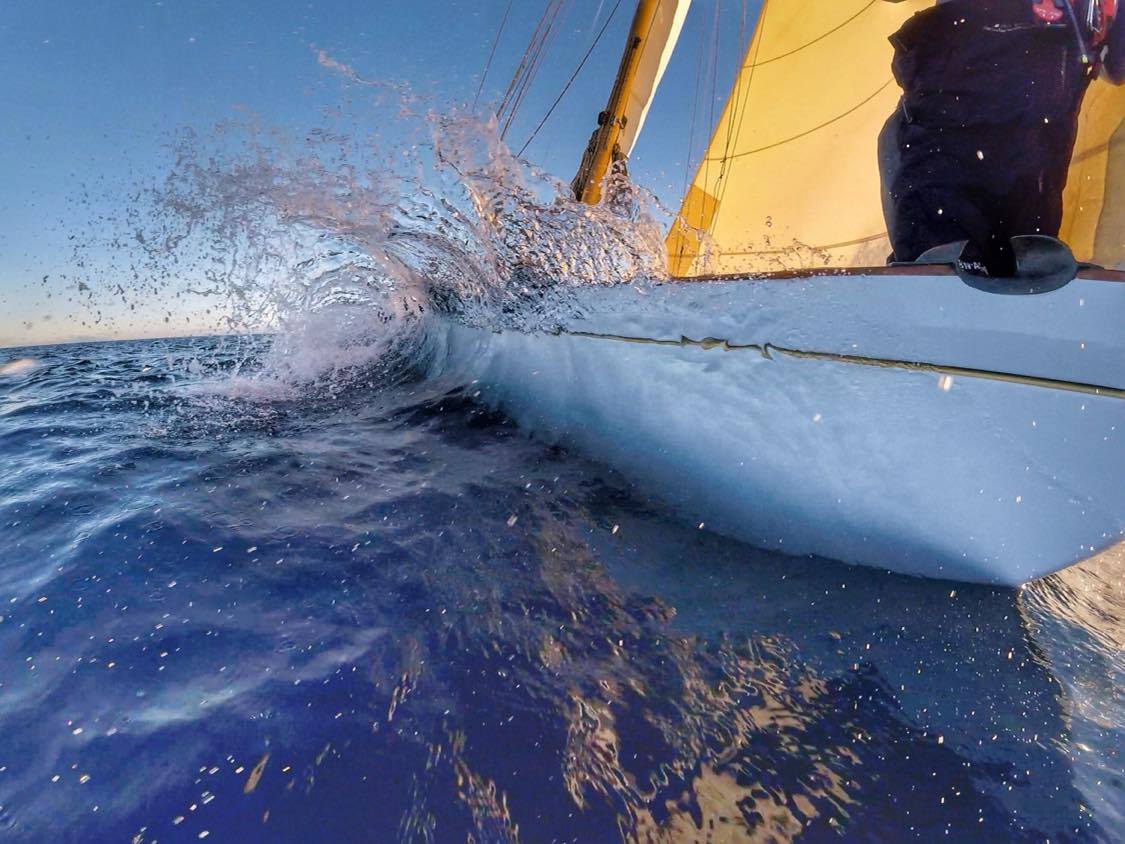
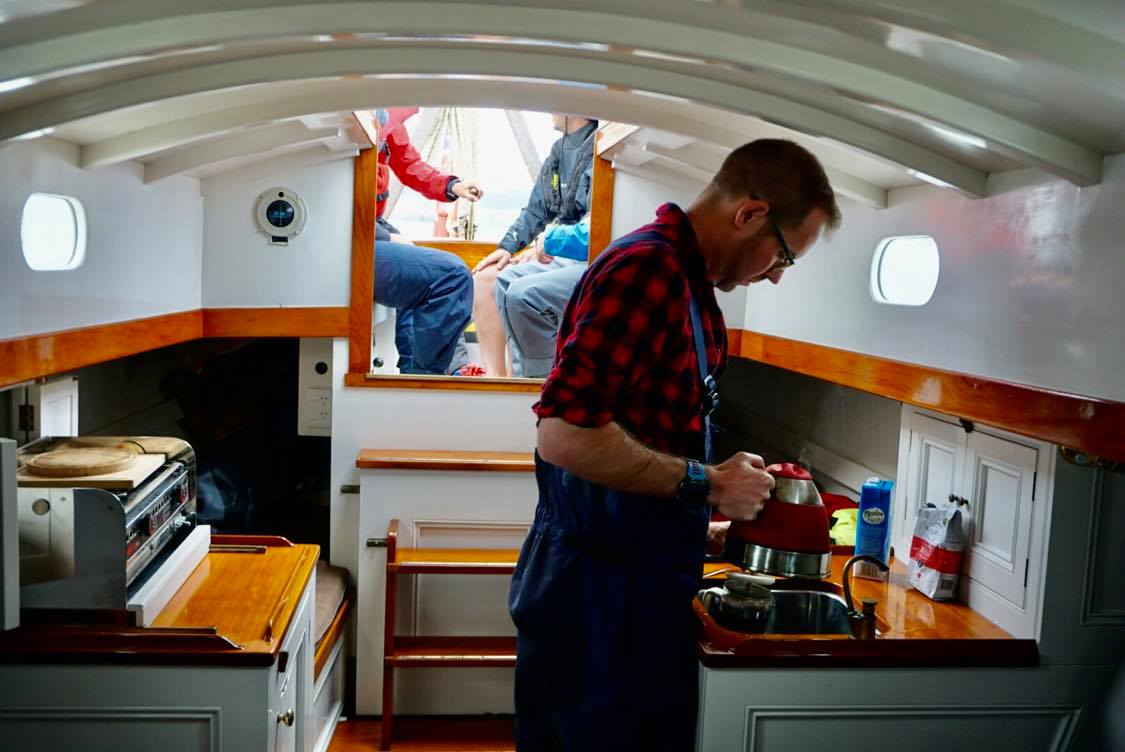
LITTLE JIM
A16 – bermudan rigged, she was designed & built in 1934 by Arch Logan & Bill Couldrey. LOA: 42’10”, LWL: 28′, BEAM: 9’1″, DRAFT: 6′
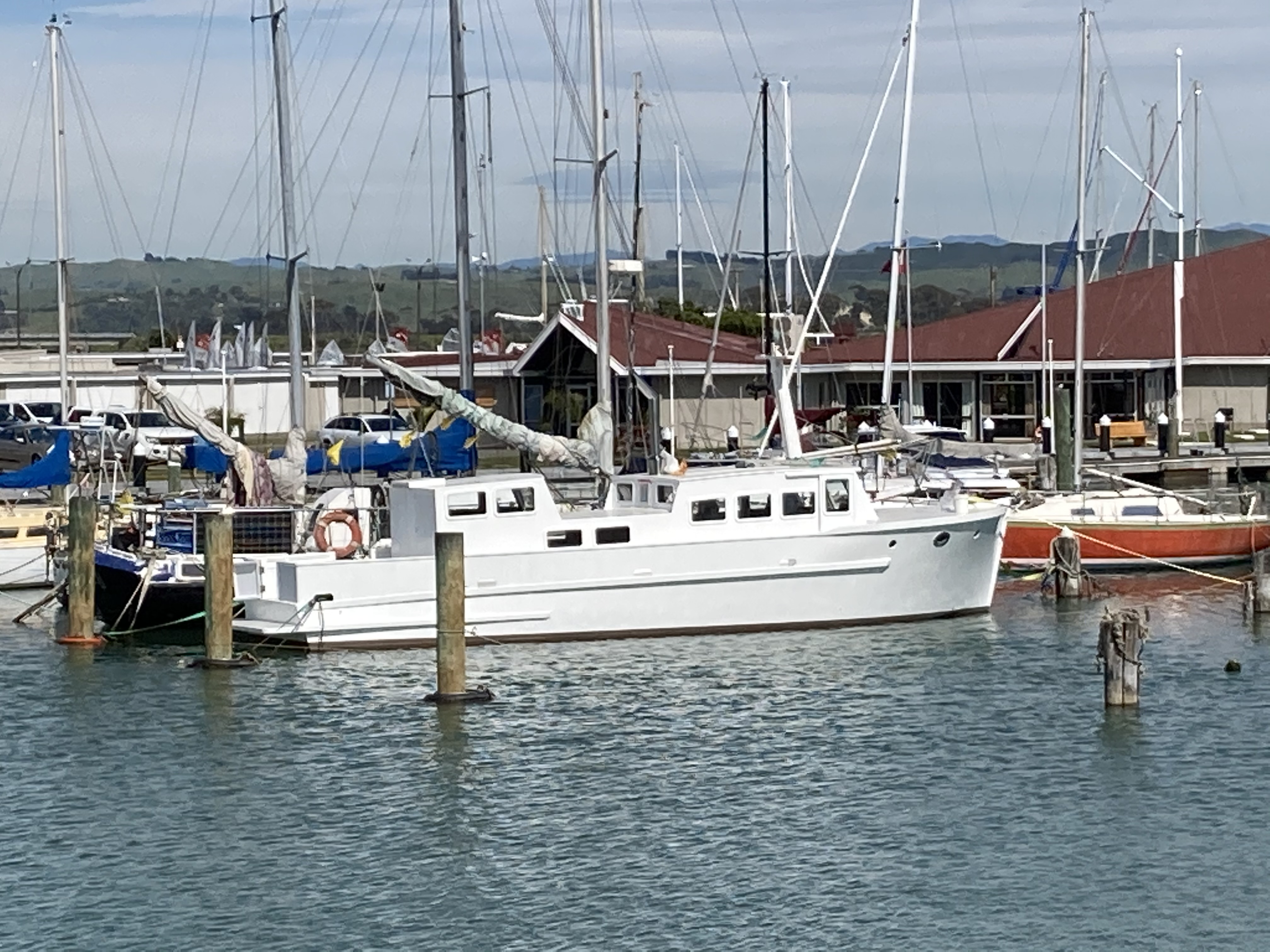
Today’s photo is another from the lens of Dean Wright, taken on a Napier marina walk-about. Looks familiar but I can not put a name to her – anyone able to help out?
Input from Michael O’Dwyer – This boat was called the Graham John when first purchased by the current owner Mark Parvin. Talking to his father Peter, he was told the boat was built by a farmer in Motueka around 1947. Originally 36 feet long it was extended aft to 43 feet when converted to a scallop dredger, hence the appearance of a somewhat droopy stern. Currently powered by a 170 hp Isuzu. Mark has completely overlaid the hull with a ply and glass.
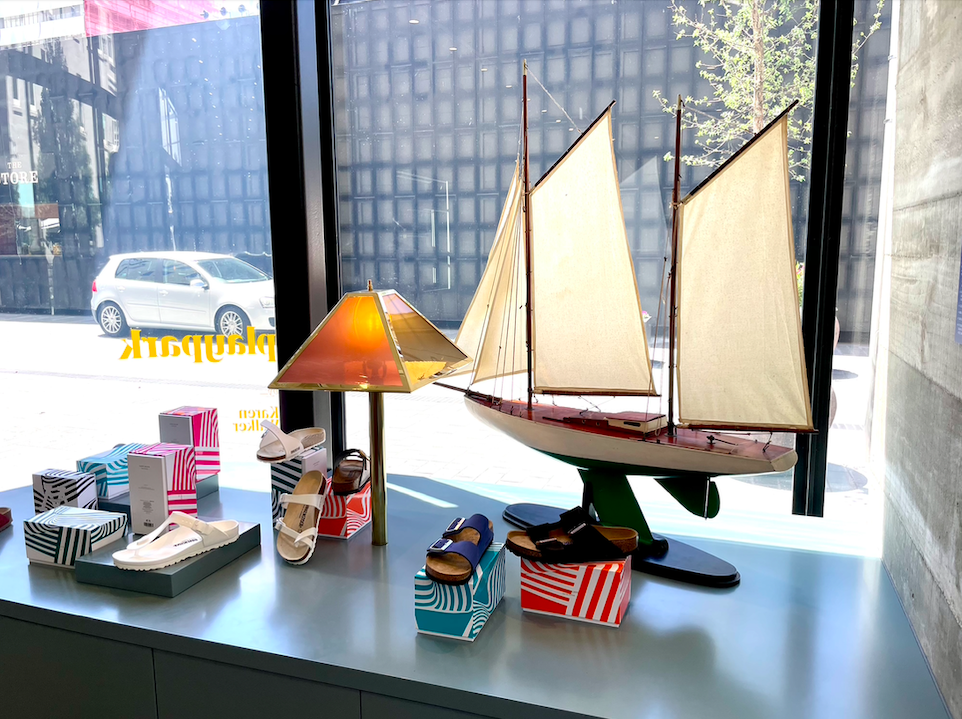
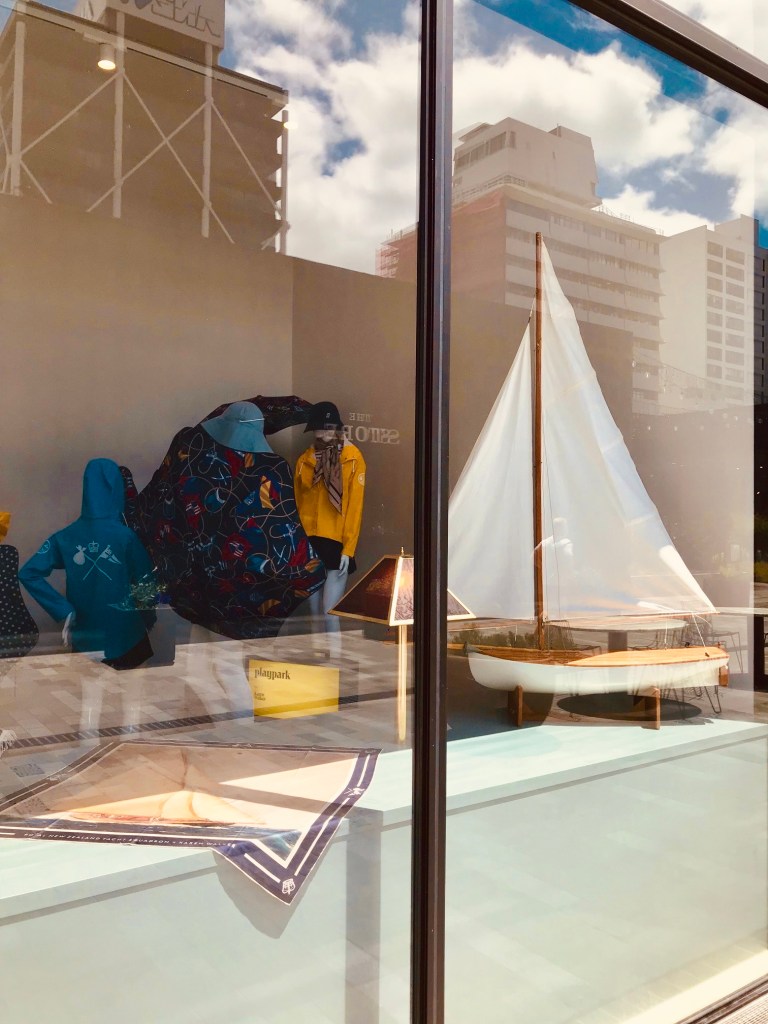
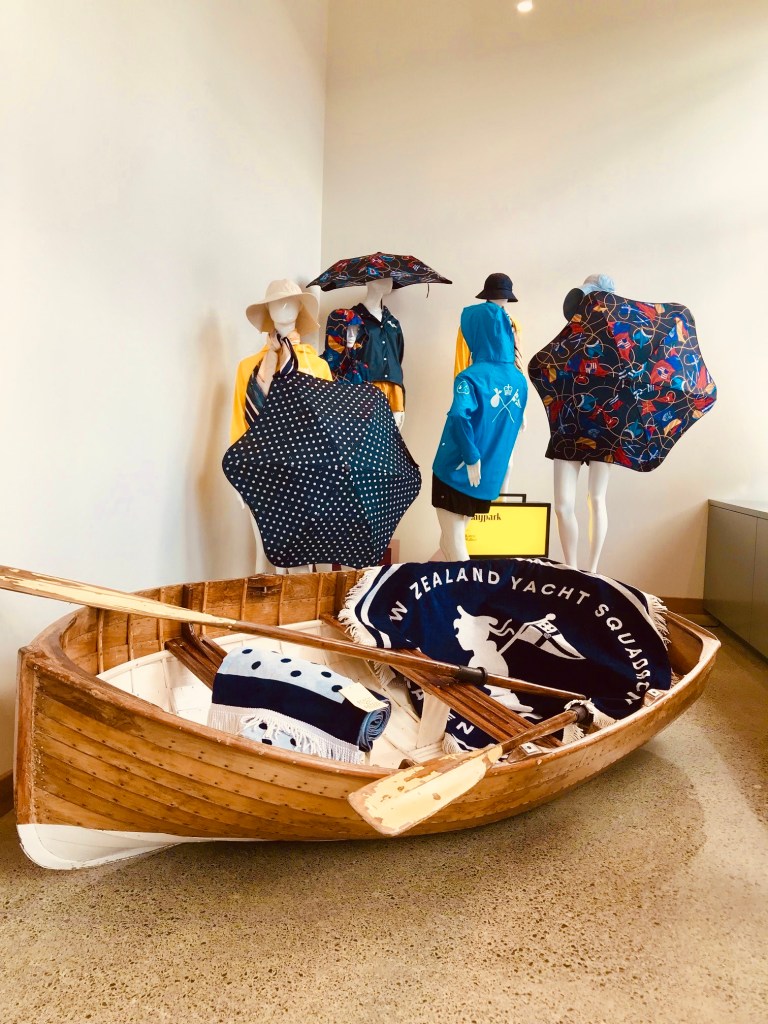
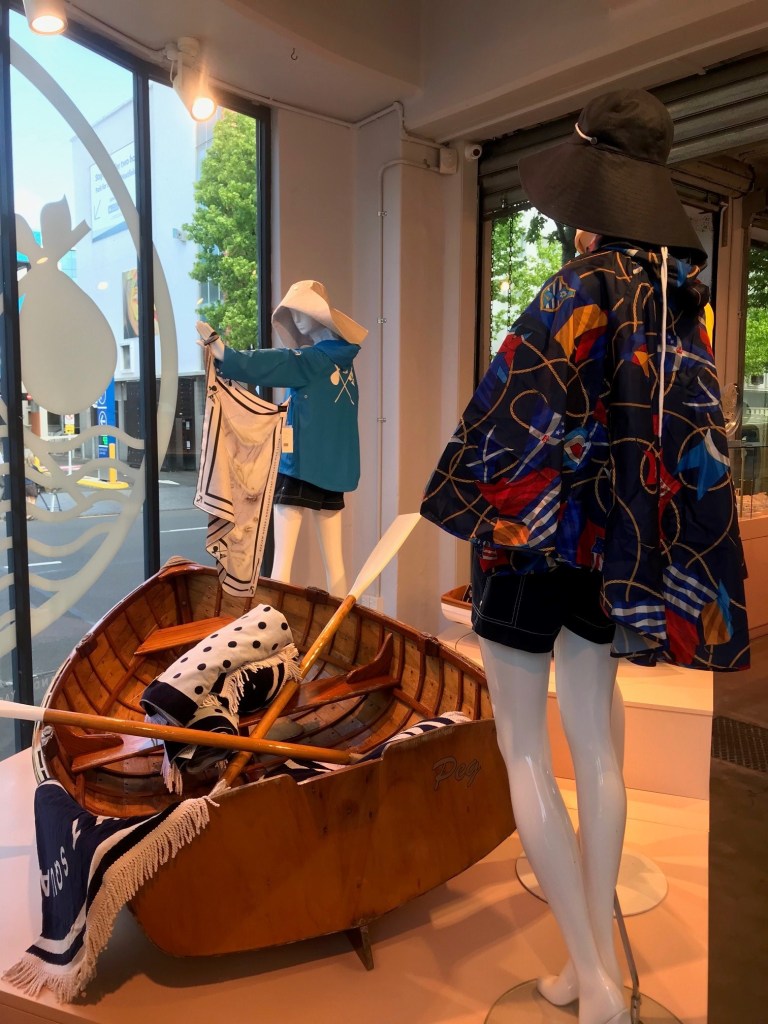
Woodys On The Catwalk
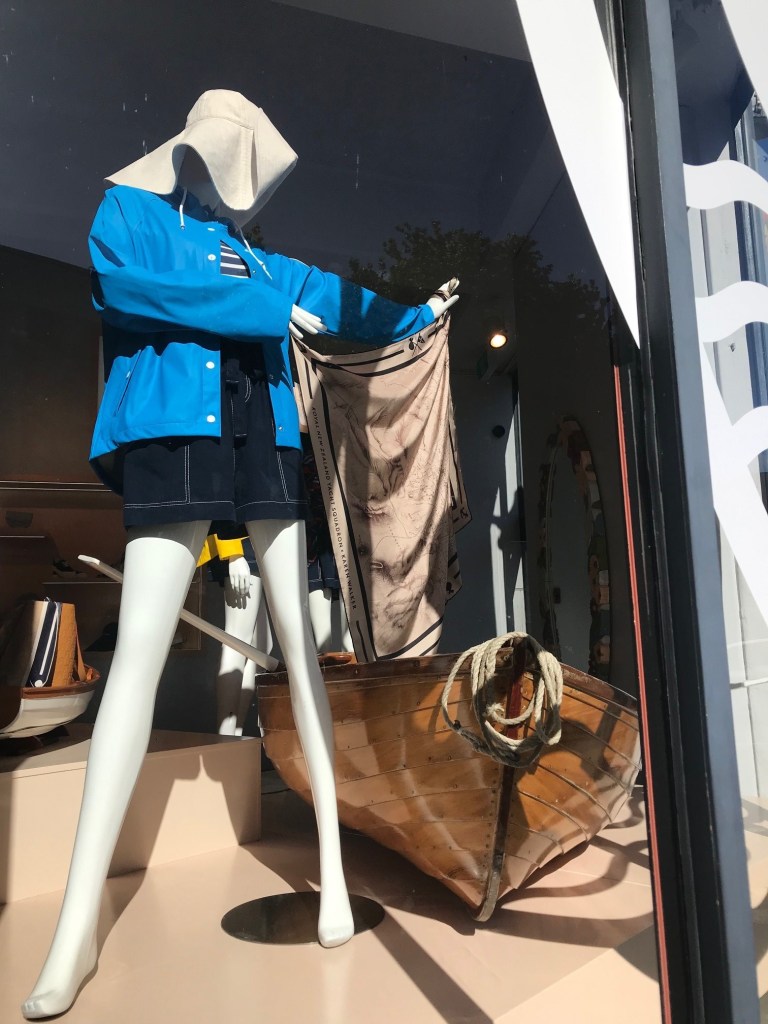
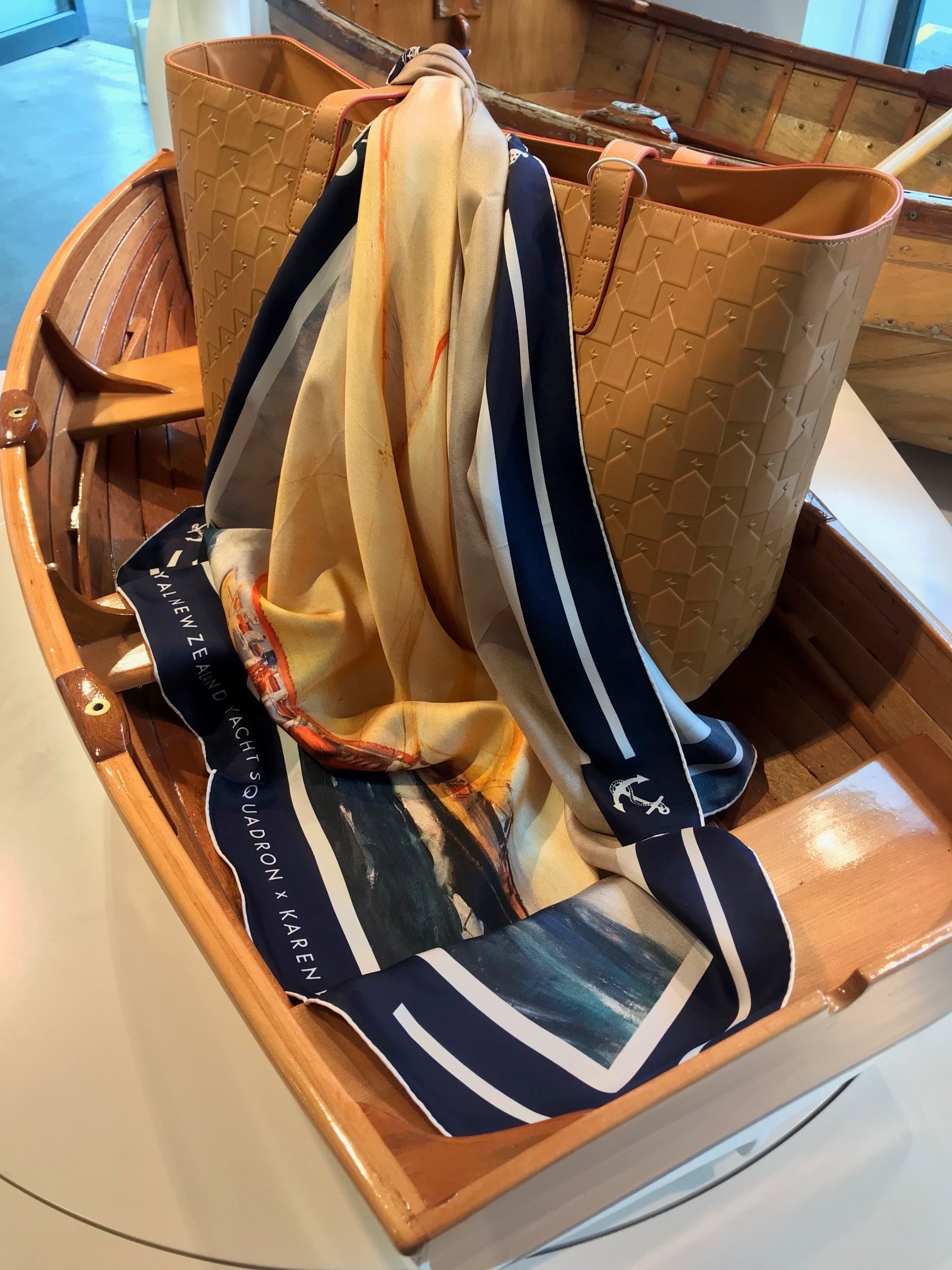
Well almost – Karen Walker in a collaboration with the Royal New Zealand Yacht Squadron has just launched a range of merchandise celebrating this extra special season – A-Cup and 150th RNZYS Anniversary. WW have supplied woody items – clinker dinghies, model yachts etc to support the collection in Karen Walker stores.
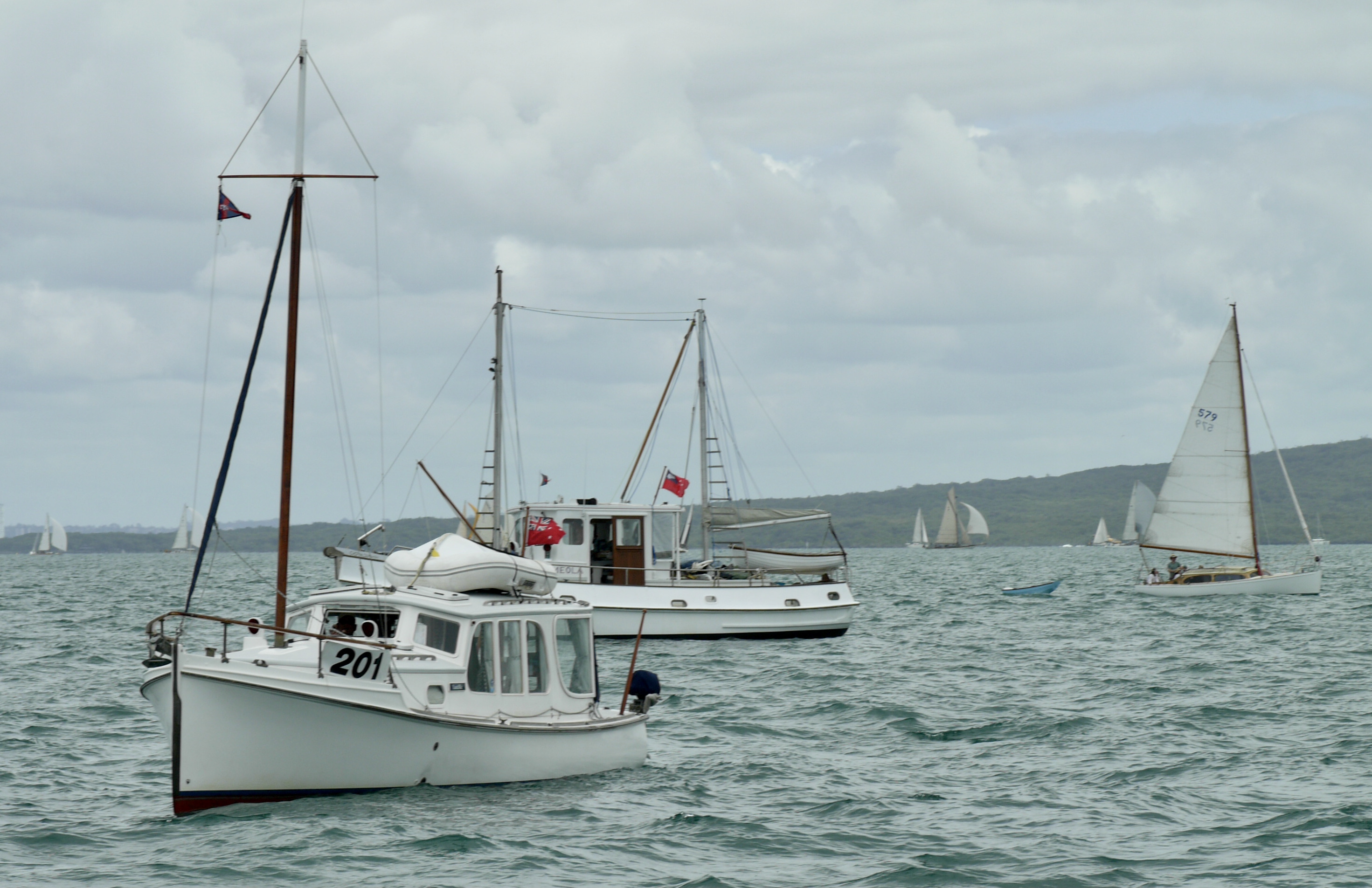
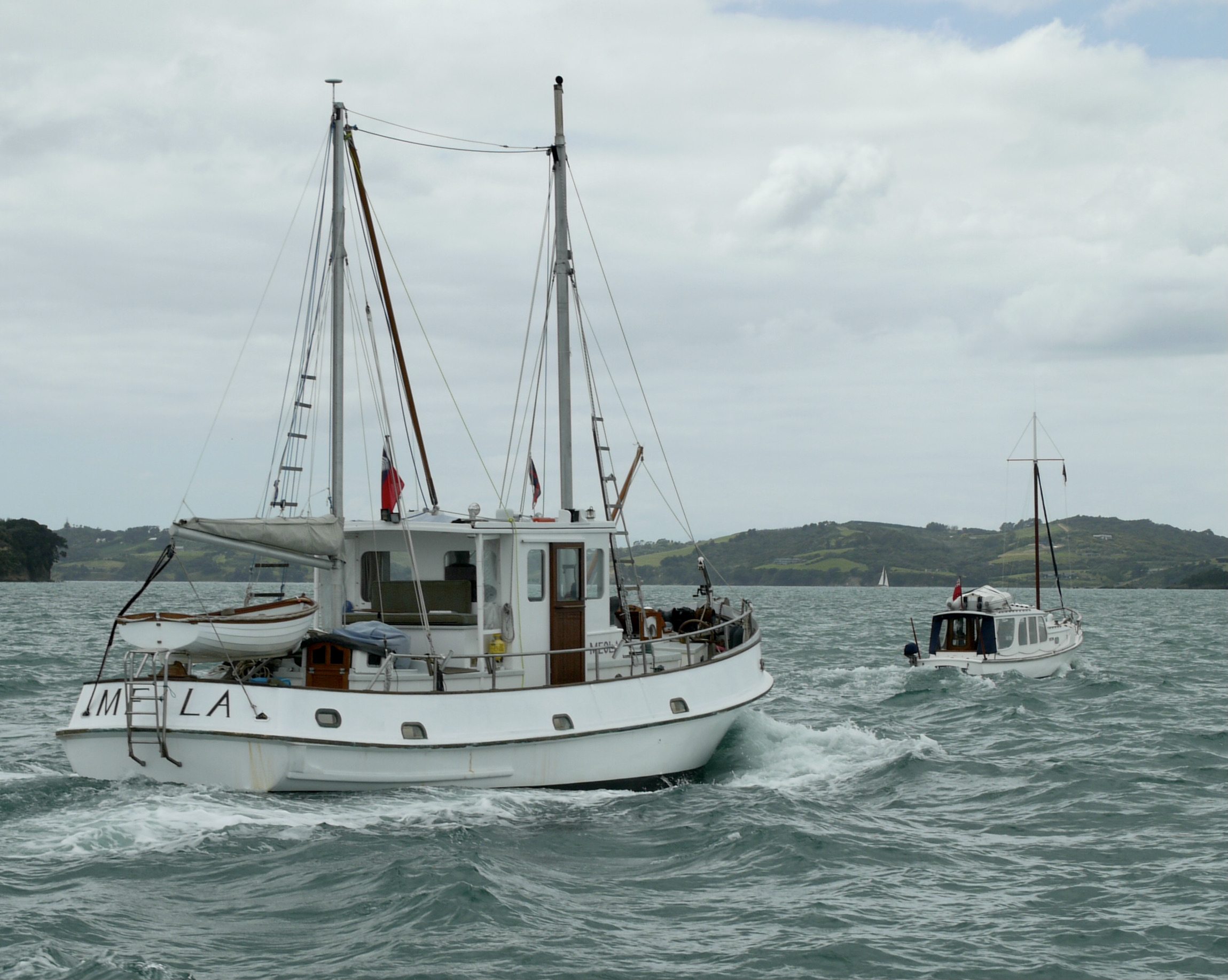
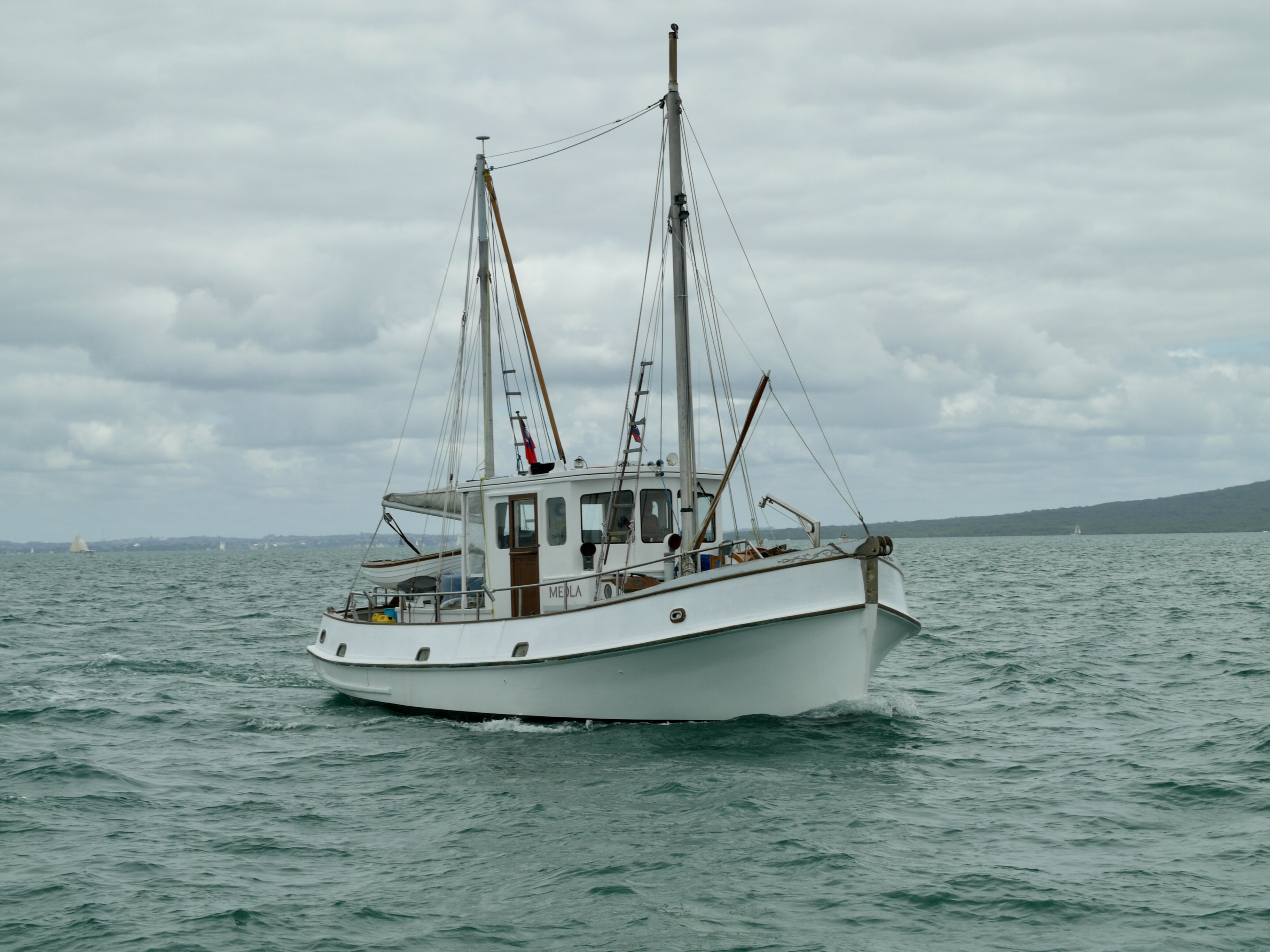
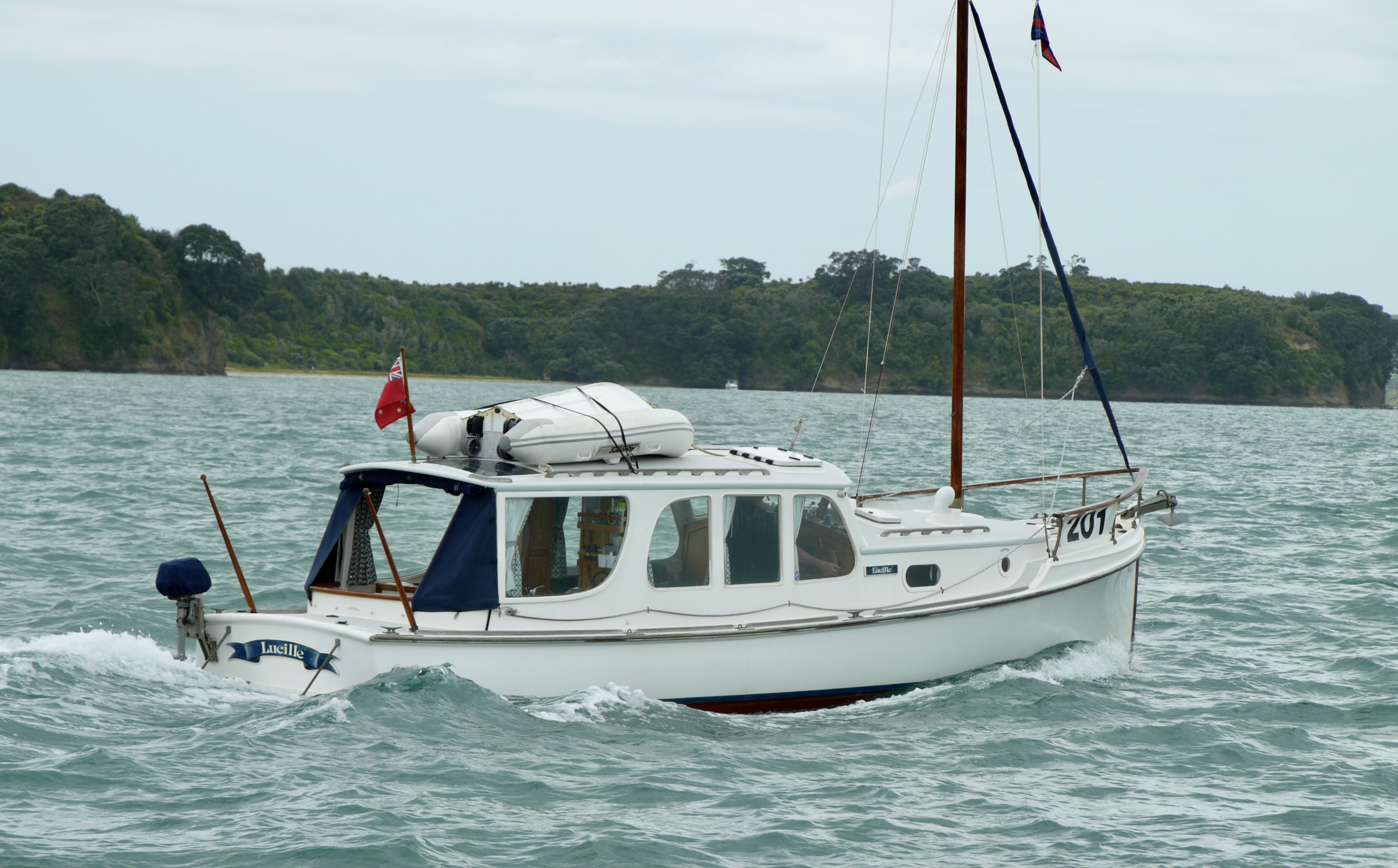
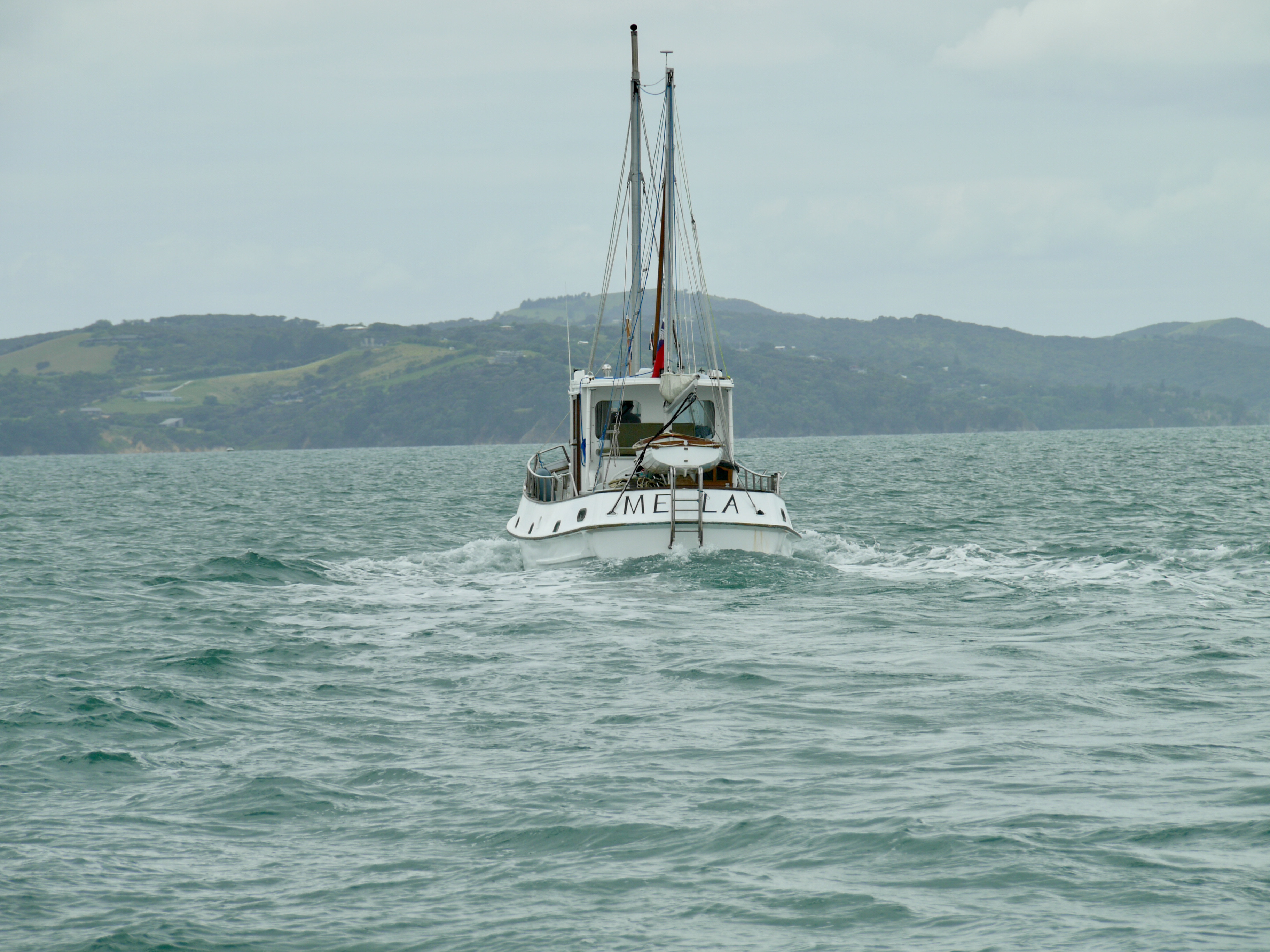
ROCKY BAY CYA LAUNCH RACE Saturday was one of those days that started out looking good, turned crappy (on lots of fronts), got better and then finished average. A gallery of photos above – launch race and in the bay, not a great day weather wise for good photos. From a launch view point, it was the first launch race in the CYA’s summer racing series and excuse the pun – it got off to a rocky start e.g. start boat broke down and had to call Coast Guard for a tow. Jason Prew deputised me into starting the race, only 4 boats so that was easy. Then 3/4 of the way into the race I got a call from the CYA finish boat, “running late, won’t be there to take finish times”. Bet they weren’t late for the yacht finish…………. Alan Good on Lucille was given the job of recording the times and these were relayed to Jason Prew who calculated the handicap results. All that aside Lucille, Kumi, Ngaio and Meloa all played well together and crossed the line in that order.
Handicap results were 1st Kumi – 2nd Meola- 3rd Lucille (& 1st cross the line)
As a woody treat for the launches WW arranged with Waiheke residents Tim Evill and Mark Stratton to secure access to moorings in the bay for the night – thank you Mark and Tim 🙂 Several more launches cruised down but conditions in the bay were ‘unpleasant’ so they and it would appear a large % of the yacht race fleet, either went else where or headed back to the city.
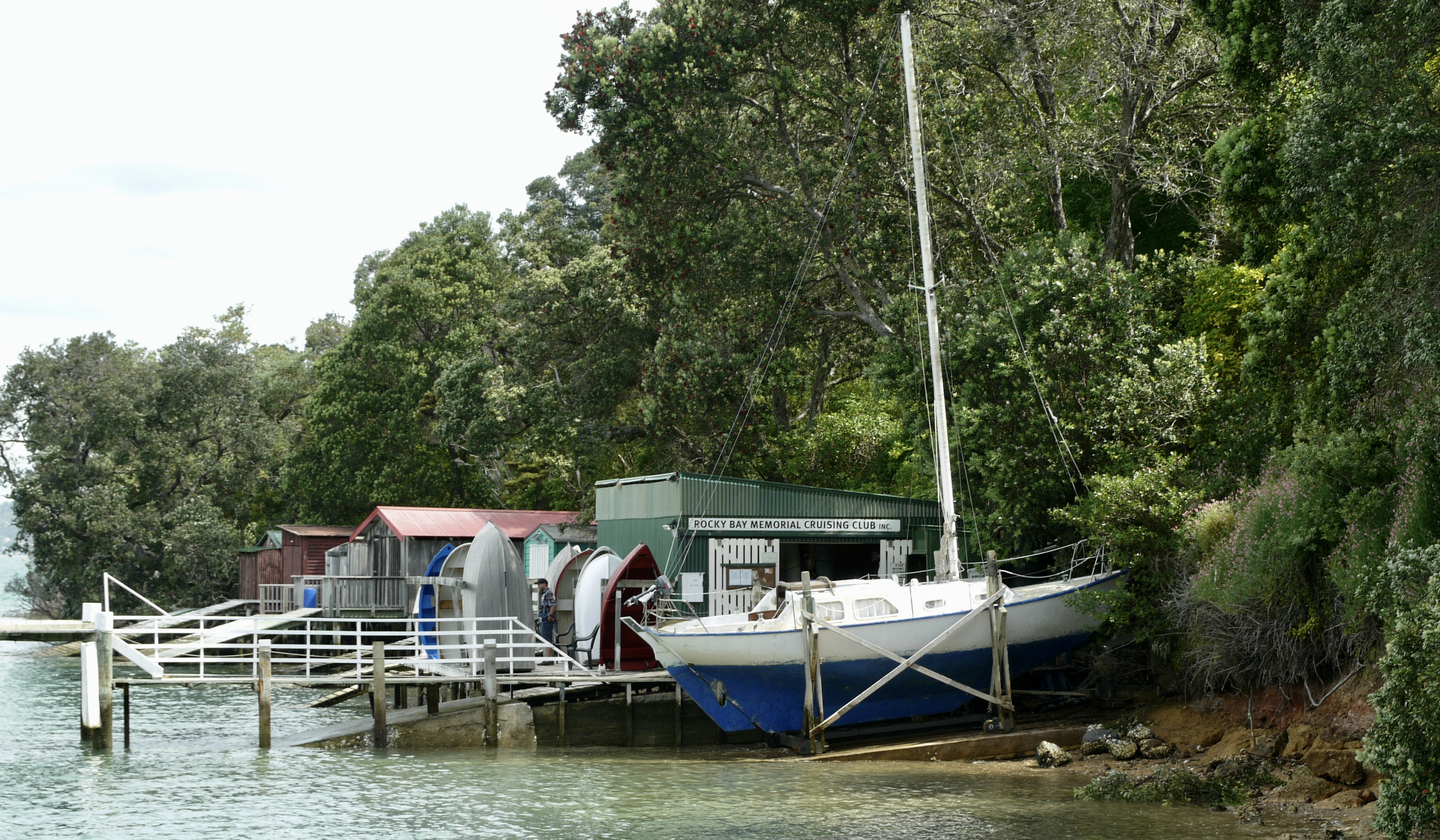
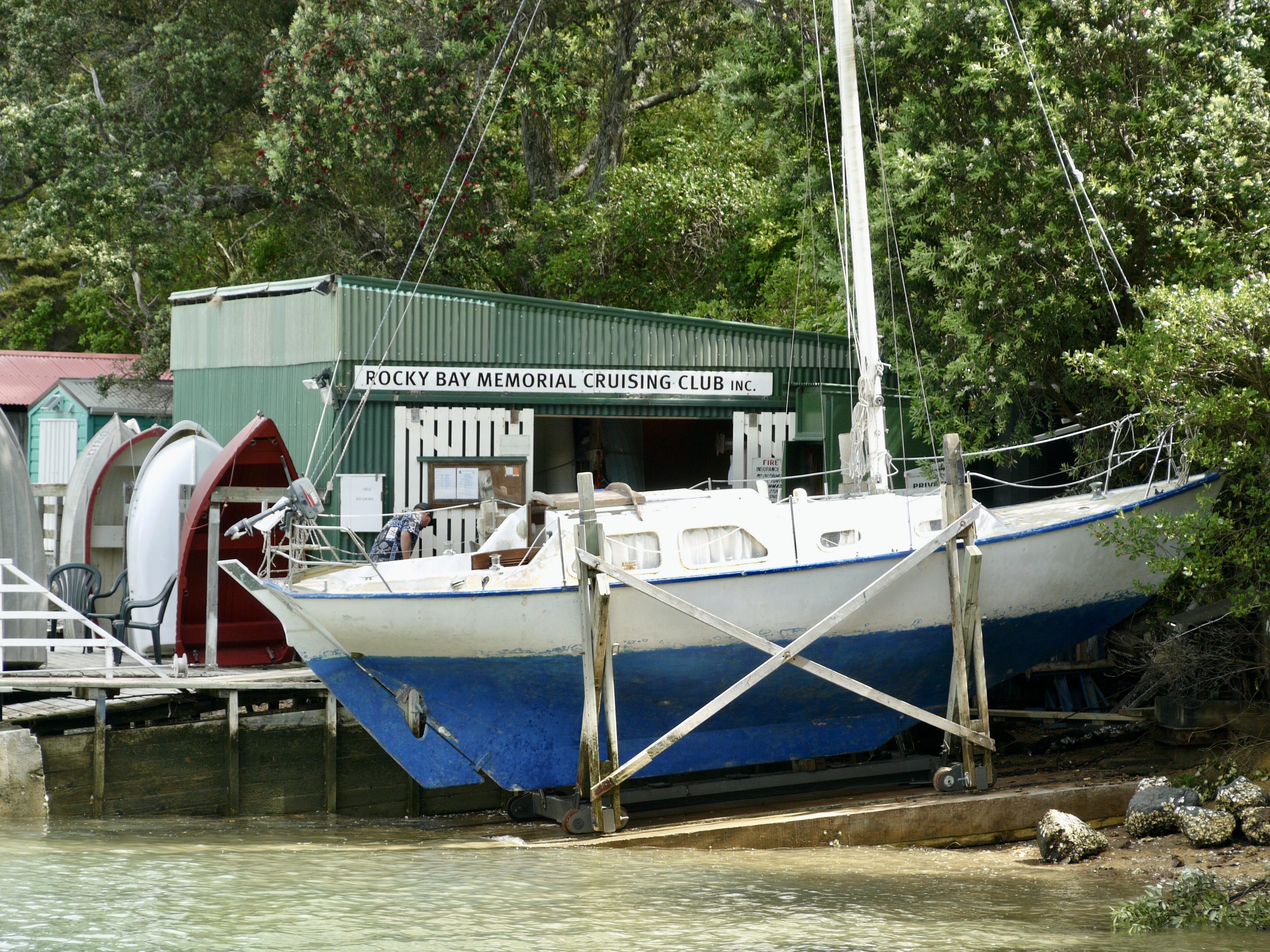
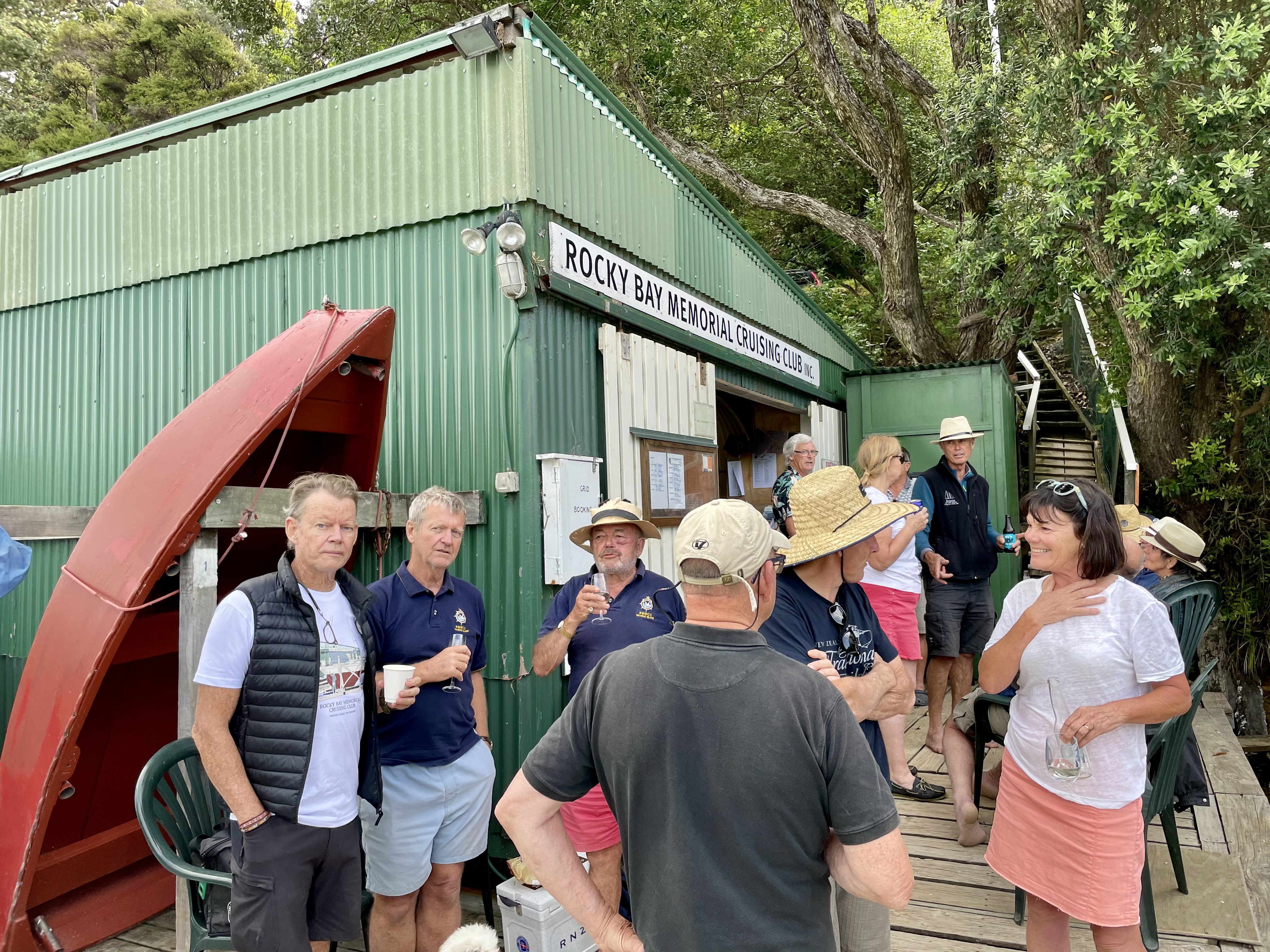
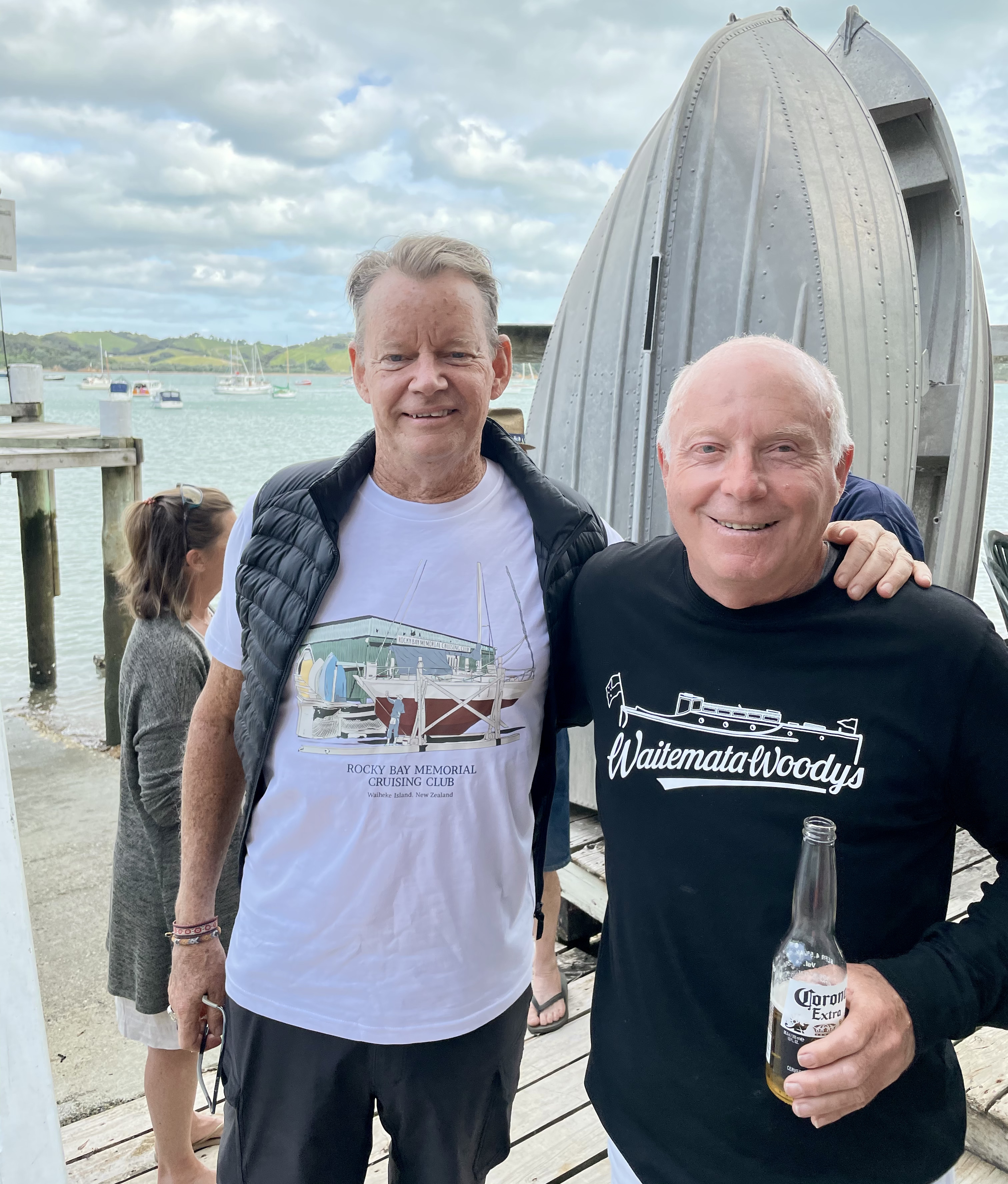
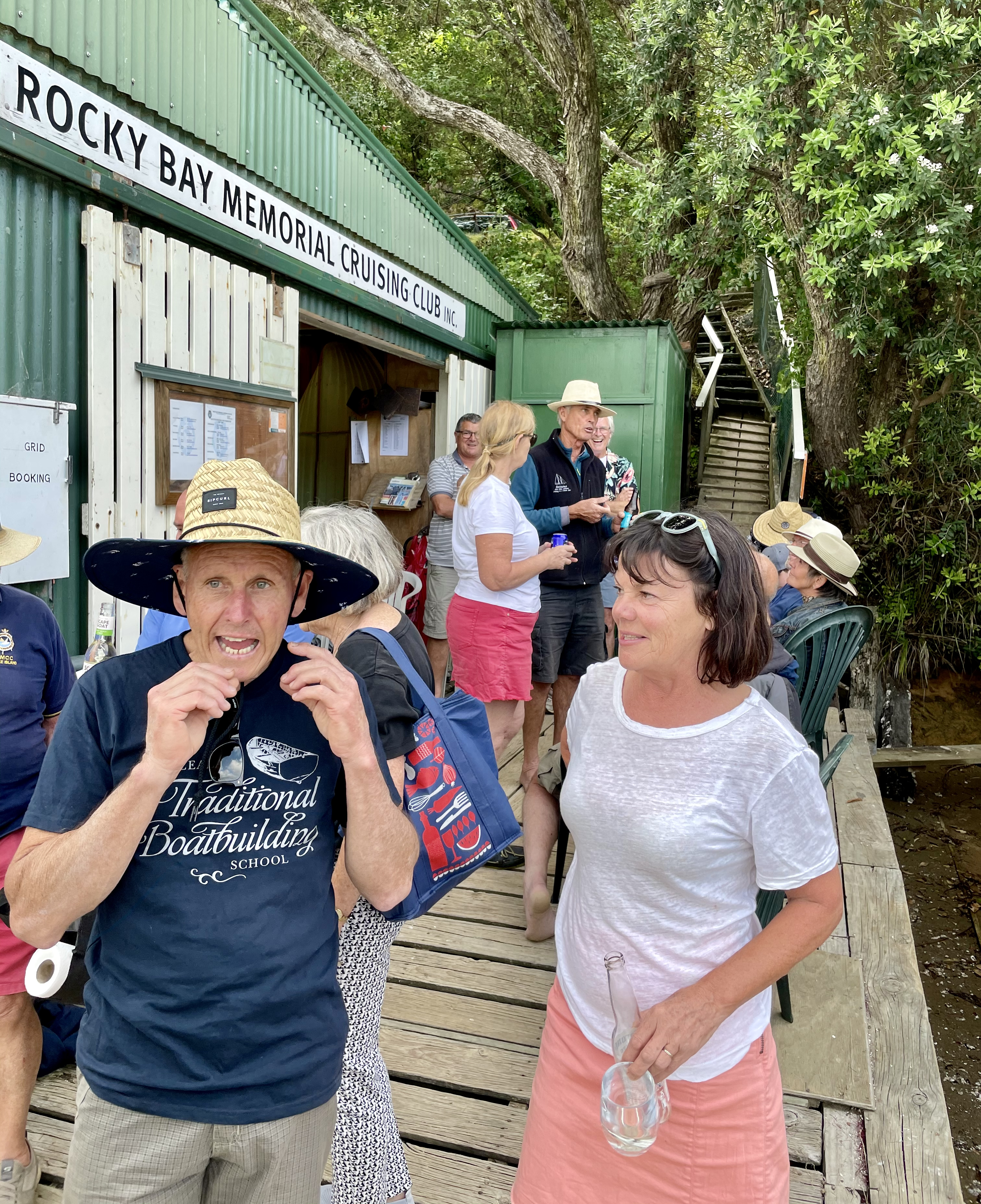
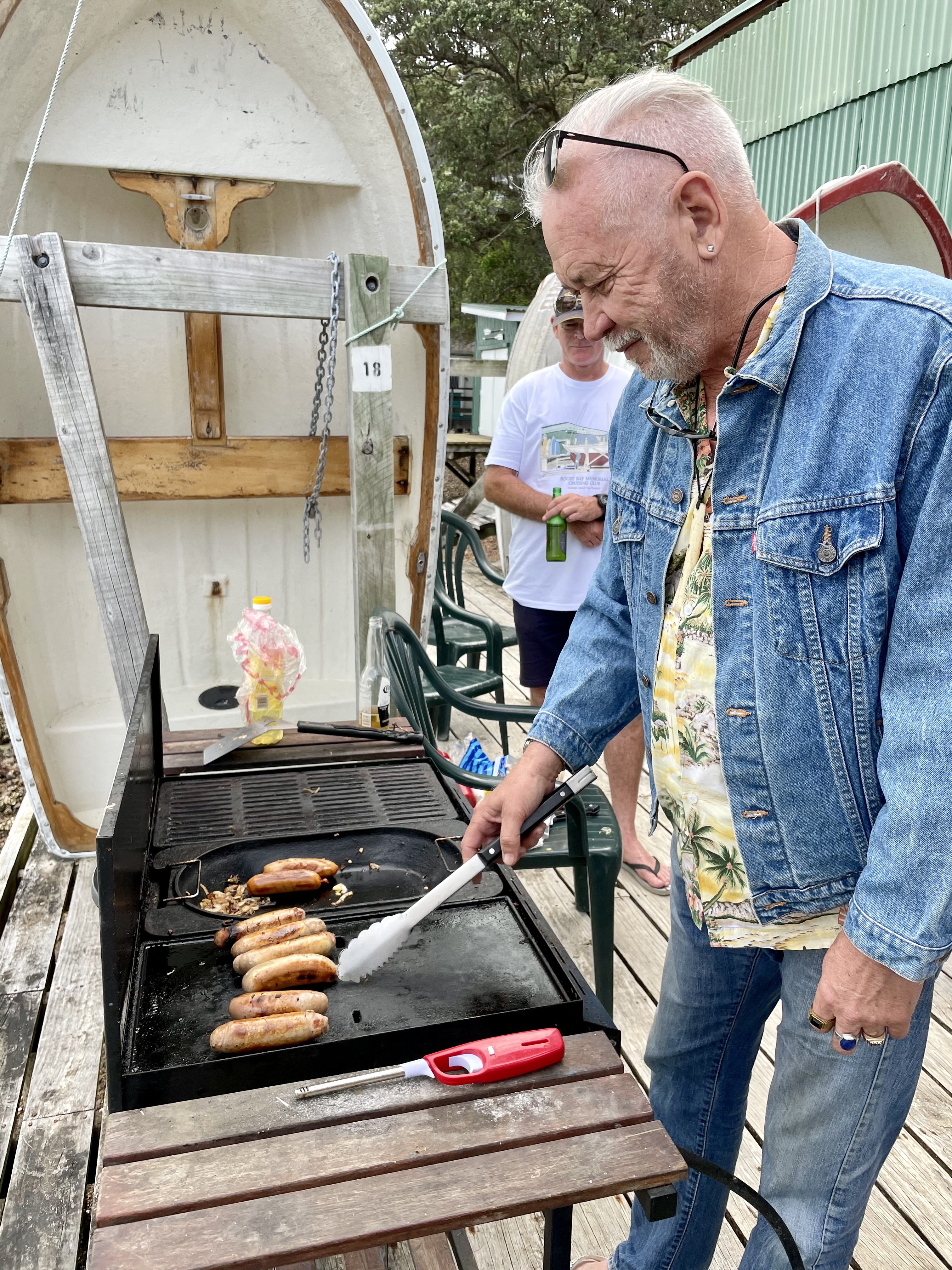
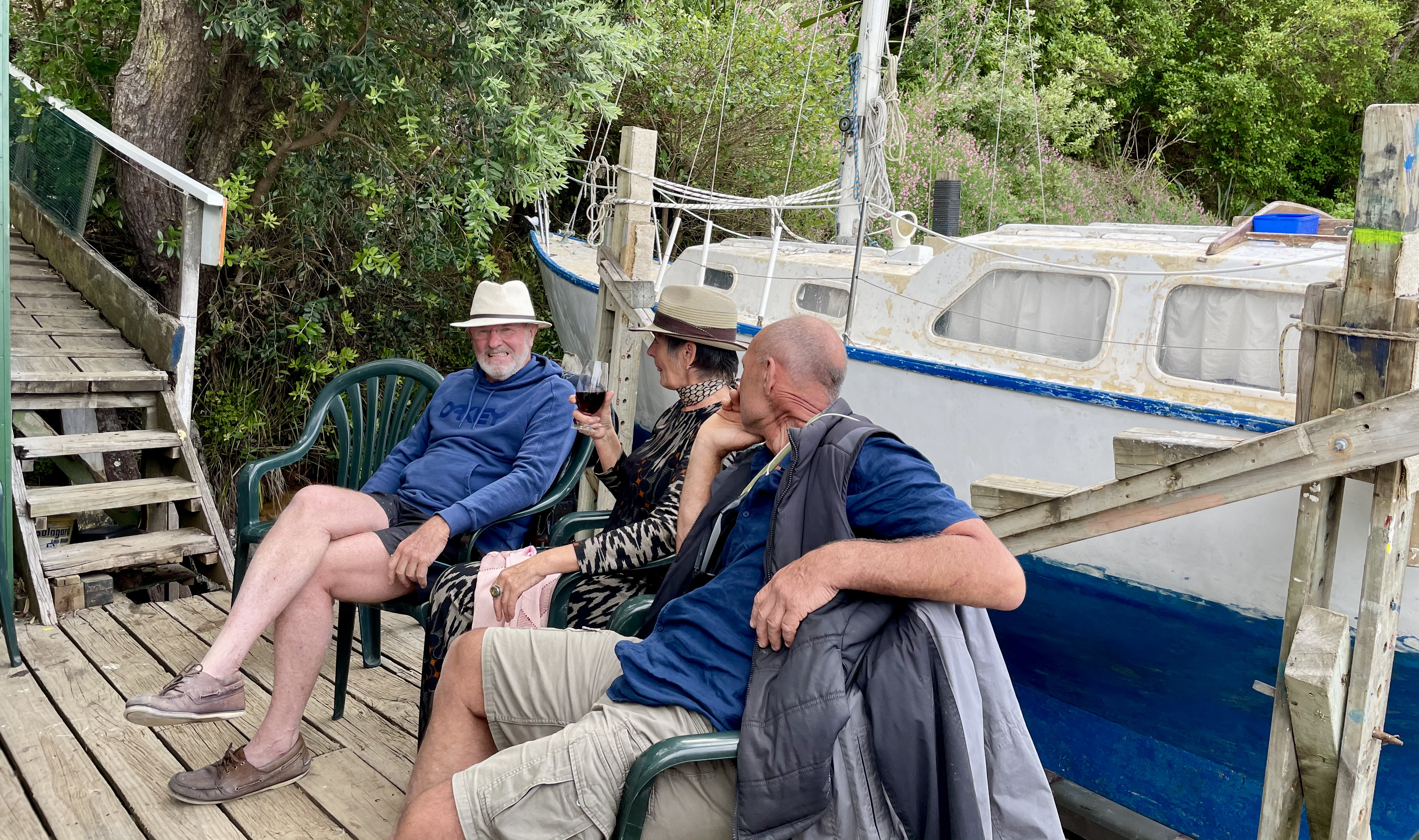
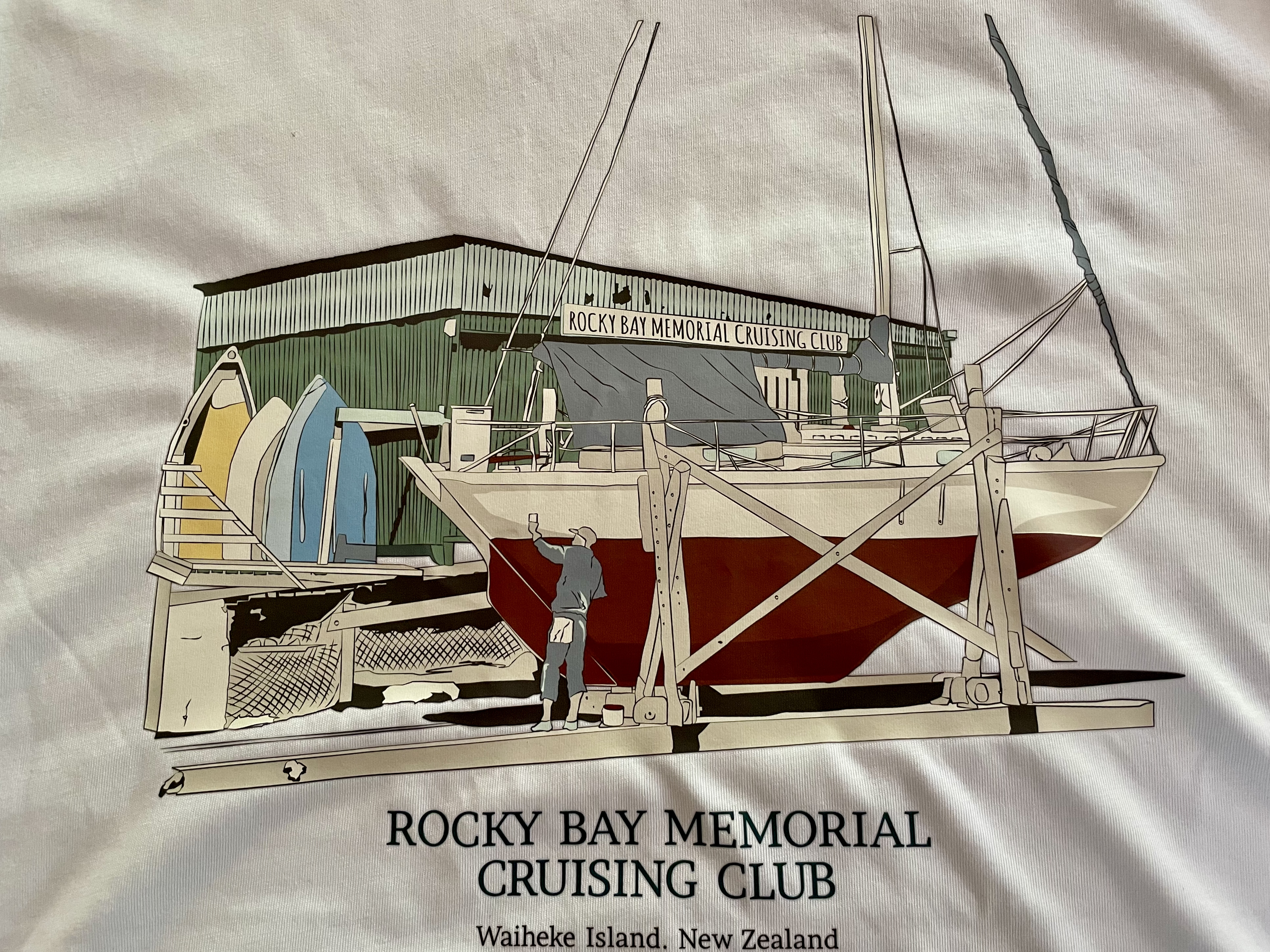
Along with the mooring access came an invite to attend Happy Hour/s at the Rocky Bay Memorial Cruising Club, with a 3pm start time it was perfect timing for a catch up before the CYA prize giving in the village hall. The club rooms are perched on/over the western end of the bay and a pleasant time was had by all. The club has a very cool, new t-shirt – details at link below https://www.rockybaycruisingclub.co.nz/for-sale
We had to be back in the city later in the evening, so departed the club around 6pm, collecting CYA secretary – Joyce Talbot, who also needed to be city-side. Trip back was very average but the company was good. SCORE CARDWeather – 4/10 Organisation – 2/10 On-The-Fly Recovery 11/10 Hospitality – 10/10
RBMCC photos below
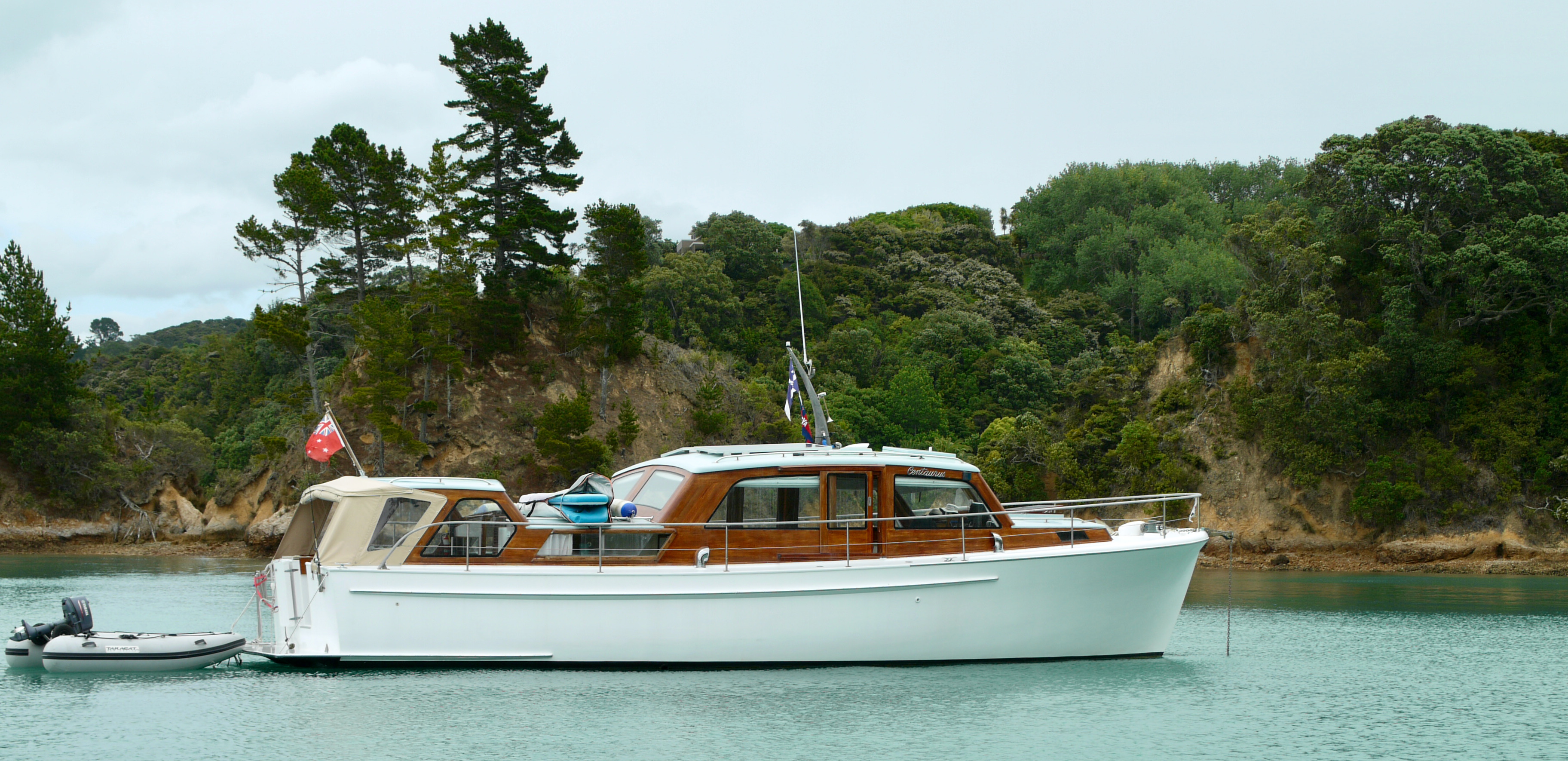
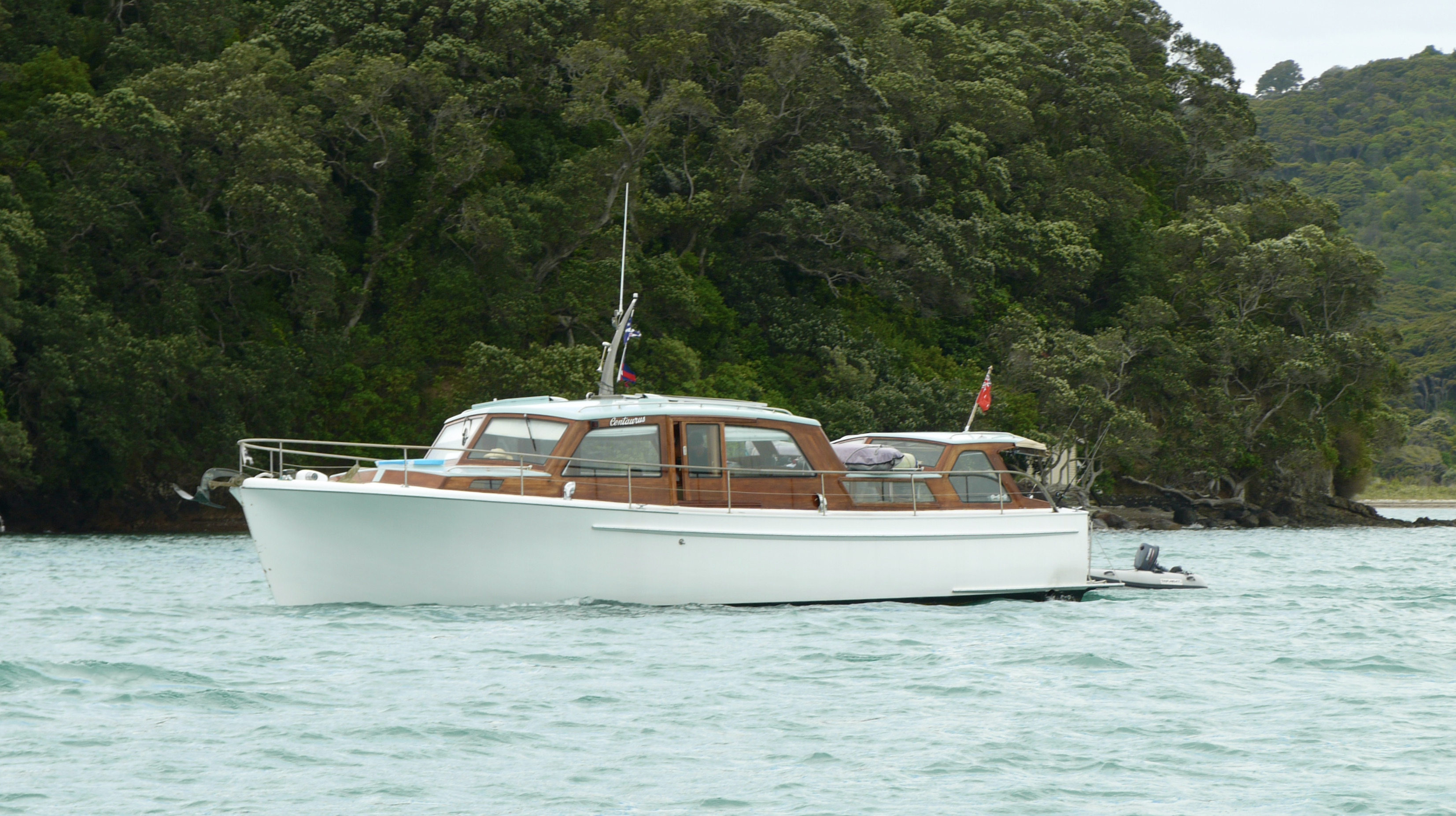
Too rocky (rolly) for Centaurus – did a drive by and headed off for a quieter bay 🙂
























 waitematawoodys.com #1 for classic wooden boat stories, info, advice & news - updated daily - 15+ million views