A Woody Trip Out West

P1250252

P1250253

Steve Cranch

A Woody Trip Out West – NZ Traditional Boat Building School Re-opens

I received an invite the other day in the mail (nice for once to not be via email) to the re-opening of New Zealand Traditional Boat Building School. Getting it made me very happy – firstly, because we all need the school to be a success & secondly because I personally have fond memories of the original school (read more below), I attended numerous CYA meetings there & also participated in two events – the Robert Brooke – Caulking / carvel planking workshop & a basic boat building techniques course that ran one night a week over winter. Learnt so much & meet some great people.

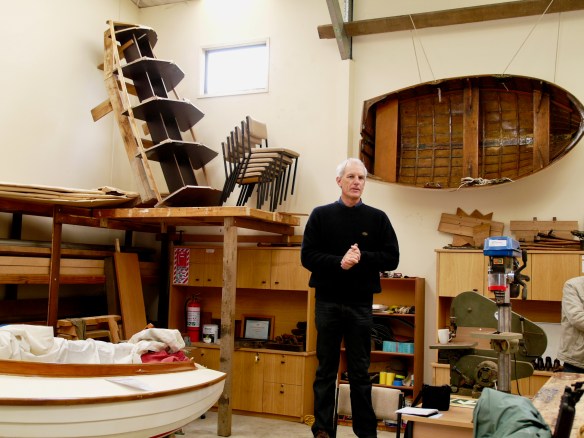
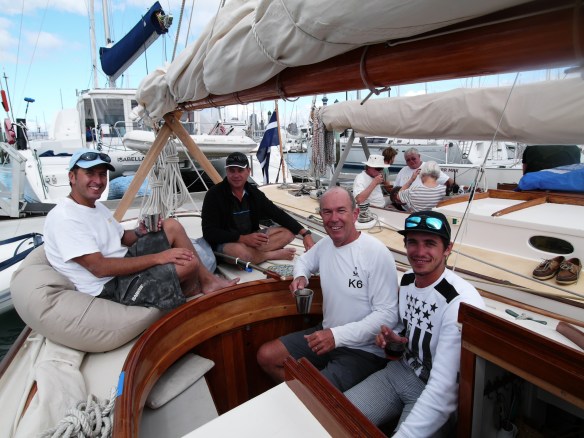
Today’s function was to share the vision for the future of the school & to meet some of the past & present stakeholders.

I’ll let Steve Cranch tell you the story:

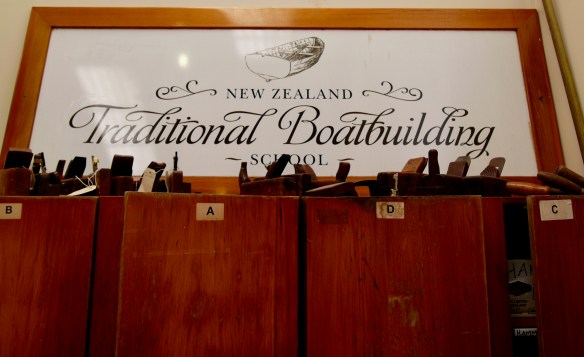
“After nearly four years in recess the New Zealand Traditional Boat Building School has just re-opened its doors in new premises on the Te Atatu peninsula.

The school was founded in 2005 by trustees Robert Brooke, Harold Kidd, Bruce Tantrum and Ron Jamieson and successfully ran wooden boat building courses at Hobsonville for seven years before being forced to move to make way for the new housing development.

During that time hundreds of students attended classes on everything from traditional boat building to apprenticeship training and small boat building in which students built their own small boats to take home, often involving a son or daughter in the process.

Our new premises are much smaller than previous so we have been forced to restructure how we run our courses and a new program is being developed. It will kick off with a full day seminar on winter maintenance. Six specialist speakers will present on topics ranging from Diesel engine maintenance, Batteries and Electrical, Sails and Covers, Marine sealants, Paint systems and common splicing all common winter maintenance issues for the larger boat owner. Following on from this will be a course on re-ribbing clinker built boats and a laminated stand up paddleboard paddle course plus many more to come”.

In a few days when the dates are finalized, I’ll publish them on ww. I would encourage you to support the school; it’s a big step forward in bringing increased visibility & sureness to the wooden boating movement. There is a website, currently getting the final finishing touches, so I’ll let you know the link to that later as well.

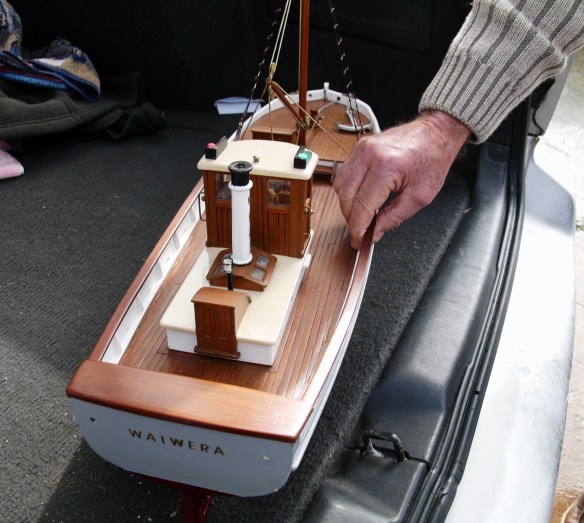
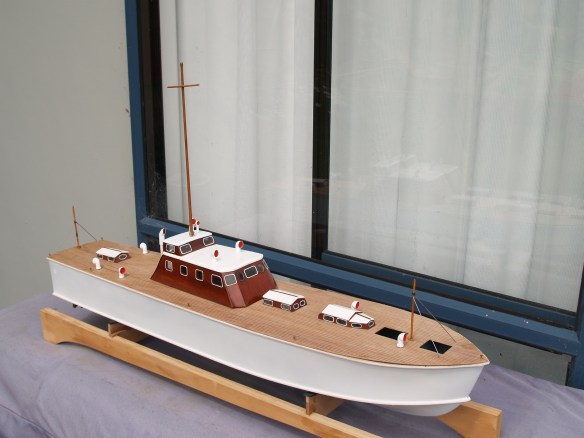
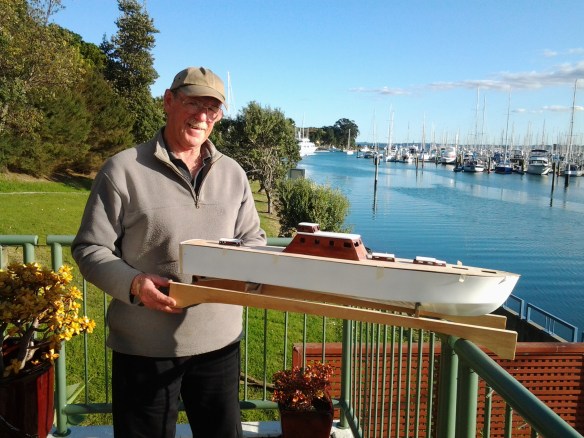
Today was also a wee bit of a reunion with a lot of woodys catching up. The best chat was in the car park, where I got to view a very cool RC model of the Bailey designed ex Waitemata Fisheries trawler – ‘Waiwera’ (photos below). Built by Murray White. Stunning attention to detail.

P1250264

P1250260

How To Steam Ribs – Sailing Sunday

How To Steam Ribs – Sailing Sunday

Robin Elliott sent me the youtube link below to Australian Ian Smith ribbing the 24-foot Ranger class gaffer he’s building for himself. Its good viewing. Ranger, was designed by E.C. (Cliff) Gale and built by Billy Fisher in 1933 & is still going strong under the ownership of Cliff’s son Bill Gale and races with others built to her design with the Sydney Amateur Sailing Club, photos below, again ex Robin.

https://www.youtube.com/watch?v=iaaNzCzGQHw&sns=fb

Ranger Aust 2

Ranger Aust 1

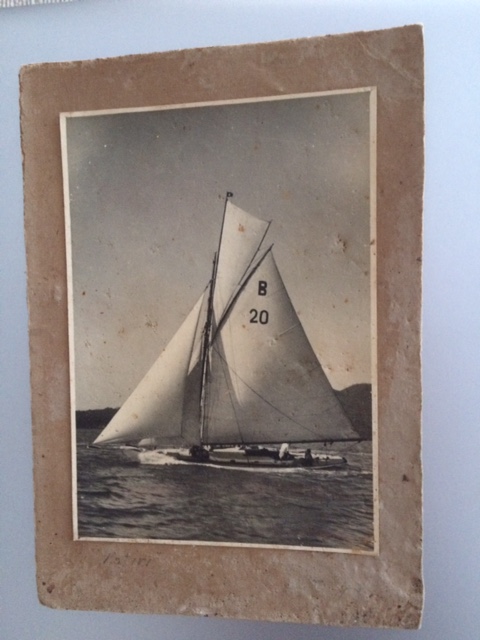
KOTIRI B20
The below photo of the yacht Kotiri B20 was sent to me by Lesley Brennan, who commented on ww that she had come across an old B/W 6×4 photo with Kotiri hand written in pencil on it. Lesley will give the photo to the most deserving – no doubt the Classic Yacht Charitable Trust?

Kotiri


Do You Have One Of These?

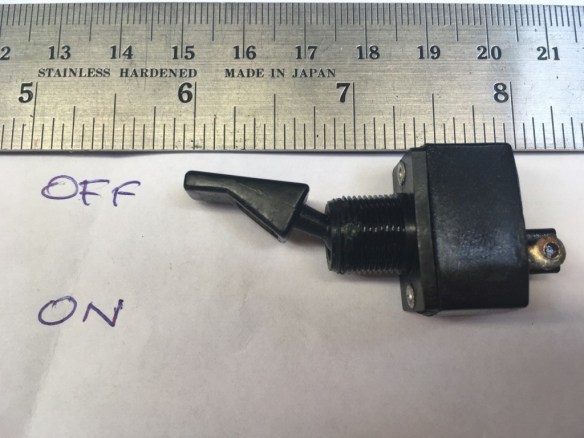
I have asked before but the repairs did not last – so has any woody got a switch like the ones below in their bottom draw?

WW t-shirt if you have a spare one 😉

Unknown-3


The Most Referenced / Viewed Story On WaitemataWoodys

image006

What Is The Most Referenced / Viewed Story On WaitemataWoodys ?

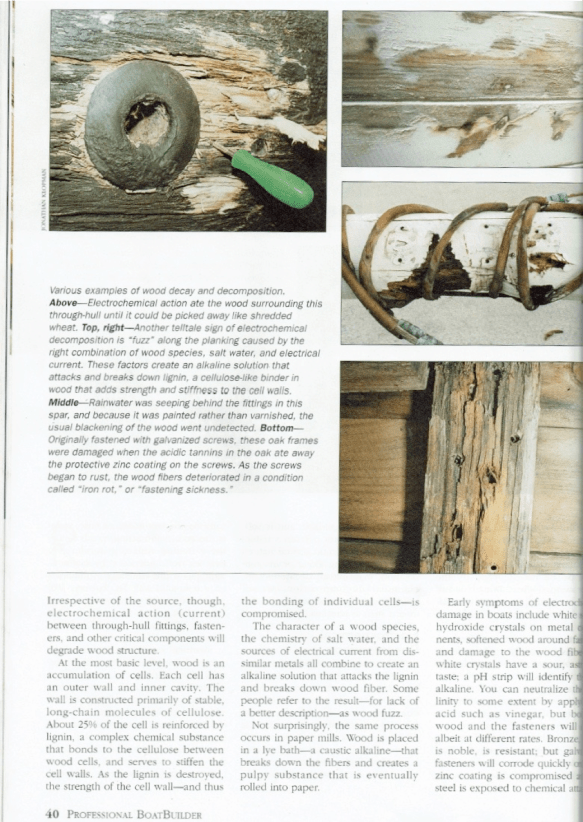
By a clear mile it is Chris McMullen’s story on electro-chemical damage to our classic wooden boats. link here > https://waitematawoodys.com/2015/05/15/electrochemical-damage-to-wood-the-marine-version-of-leaky-homes/
Taking to Chris the other day he mentioned that he inherited around 100 copies of the ‘Professional Boatbuilder’ magazine, from the late Max Carter.
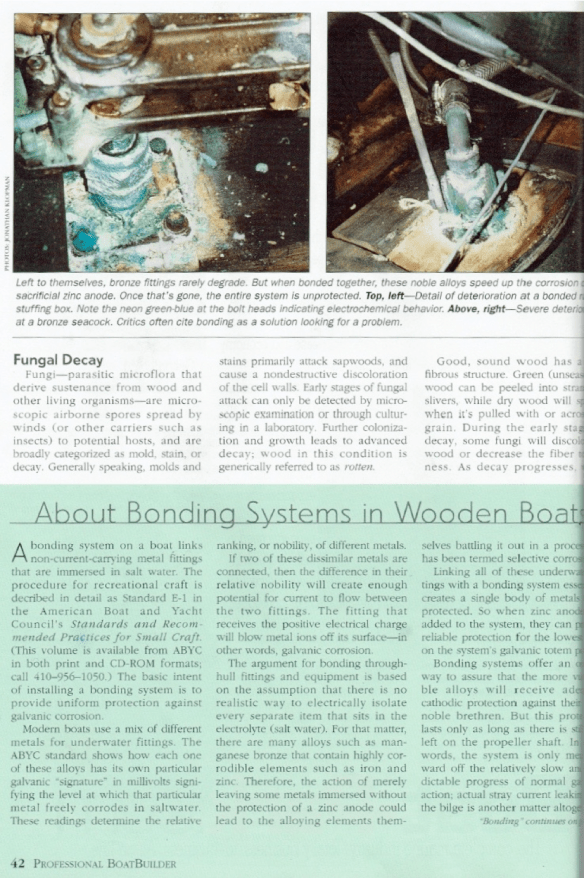
Browsing the magazines, Chris came across the June/July 2000 issue & noted that one of the feature articles – ‘Wood Behaving Badly’ – by Larry Montgomery is very similar article to his ww article on the electro-chemical damage caused to wood by the use of anodes and bonding. Chris (being humble) commented that he considered it better written than his. The article had also been endorsed by the editor of the magazine.

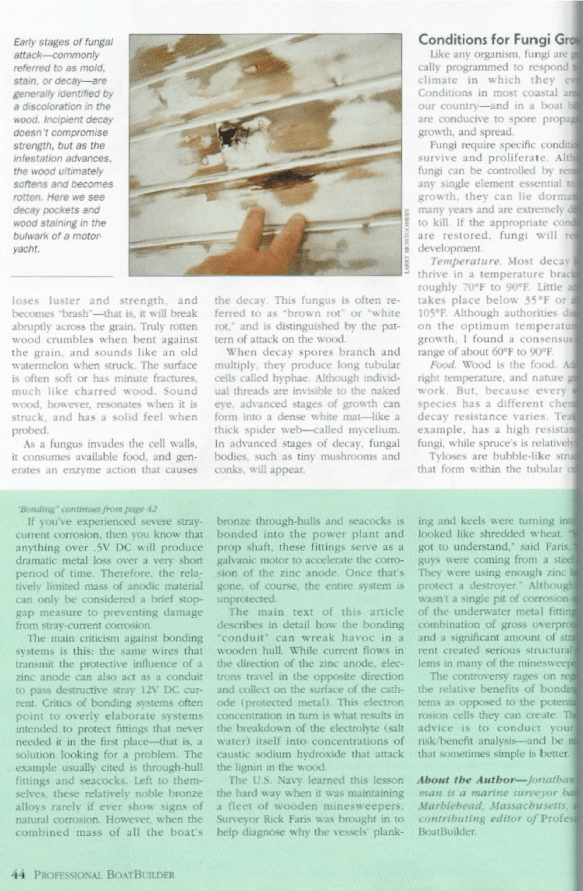
Given the severity of the problem in NZ & in the interests of saving our classic boats, I have taken the liberty & re-produced the article below. Read it & heed it 😉

image001

image002

image003

image004

image005

Aussie 18′ Racing Woodys – Sailing Sunday

Aussie 18′ Racing Woodys – Sailing Sunday

Robin Elliott sent me the above link to a very cool video that Australian Ian Smith has just put up on-line of how he built a replica of the 1919 traditional seam-batten Sydney 18 footer – Britannia in 2001-2002. Its approx 15min long & covers from lofting to launch > sailing. Great footage & a good commentary.

Robin also shared the link below to the ‘The Open Boat’ website which is a treasure trove of videos on the Australian small wooden sailing world. Do not blame me if your still watching it hours later 🙂

http://www.openboat.com.au/videos.html

CYA 2017 Classic Regatta
I snapped a few quick photos, below, yesterday while I was heading over to Westhaven to fuel up & then decided to pop in at Regatta HQ for a cleansing ale. More photos tomorrow from the Regatta’s classic woody launch parade &  lunch cruise to Riverhead Hotel. If you are out & about this morning & want to see the fine collection of classic woody launches, we will be passing in front of the RNZYS at approx. 10.30am.

p1240993

p1250026

Lost & Found

Lost & Found
I do not normally do Lost & Found posts on ww, but this ones for a good friend with a stunning classic woody.
He needs to replace one of his dashboard switches & wants to keep them all matching, sadly they no longer make/sell them – so doing a shout out to all woodys to have a look in your shed draw. The switch is pictured below.
If someone has a match – I’ll swap it for a ww t-shirt 😉

imagejpeg_0

What Do You Want For Xmas?

p1220334

P1220337.jpg

p1220338

p1220339

p1220340

I Have Just Solved The “what do you want for xmas” Problem For You.

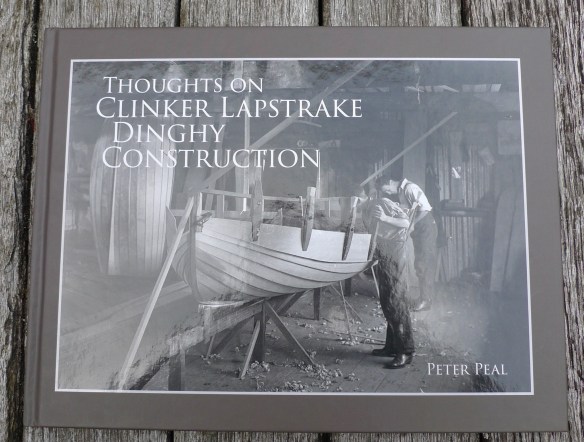
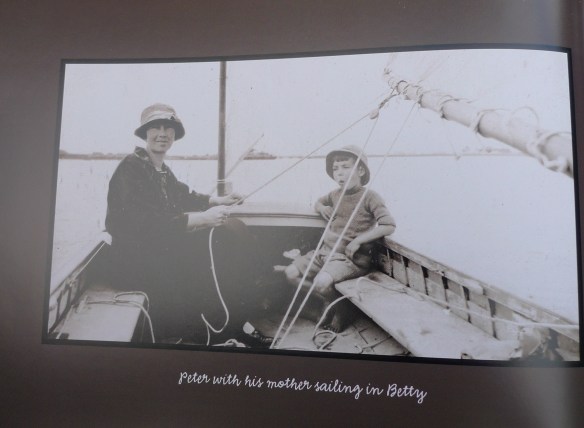
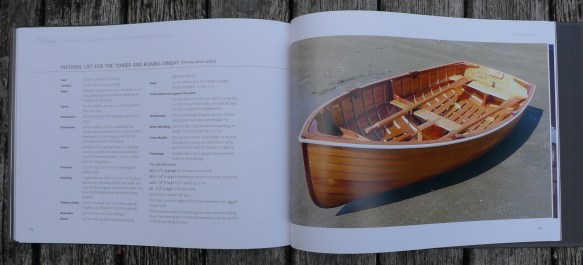
Morning woodys – Sorry no classic boat today, I had a story lined up & then last night I started to read a copy of the latest woody boat book to be published – its called ‘Thoughts On Clinker Lapstrake Dinghy Construction’ by Peter Peal. The editor is Baden Pascoe & the book design is by Steve Horsley.

Without a doubt this is the most interesting woody book I have started to read, now I say started to, because after a quick power skim I decided it was too good to read at home – it’s a on the boat read. If you have any interest in wooden boats & the Kiwi boat building scene this is a must have.

To quote Chris McMullen who penned the forward – “this book is more than ‘just another book’ about how to build one of these boats the quick & easy way with the aid of modern glue – it is a book that takes you back in time & puts you in the mode of becoming an artisan who uses the characteristics of wood to his benefit. This lies at the heart of the boat-builders art & is something of which New Zealanders can be proud”.

WIN A Copy: all woodys that correctly answer the question below will go into the draw to win a copy of the book. Entries must be emailed to me (address below). The draw will take place on or near 10pm 28/11/2016. Winners name will be published in Tuesdays ww post. waitematawoodys@gmail.com

Q: What was the class of yacht first built by Peter Peal for his own use?

REMEMBER ENTRY IS VIA EMAIL ONLY – If you post your answer on ww, you tell everyone the answer, that’s if its right 😉

Below is a review of the book by the editor Baden Pascoe.

Book Review:

Thoughts on Clinker Lapstrake Dinghy Construction – By Peter Peal, editor Baden Pascoe, book design Steve Horsley.

There are a few good books on this subject from various authors around the world. As materials and power tools have progressed so has the content of these books explaining how to go about building a clinker / lapstrake boat that one can still call it “a wooden boat”. And to add to this the term a wooden boat is now more associated with art form and a thing you own because of the experiences, stories and history attached to it. Recent books on this subject all use the upside down method of construction and the use of high tech adhesives with super gap filling abilities. A good example is Ian Outhtred’s “Clinker Plywood Boat Building Manual” this book is in a class of its own and the results are stunning.

Here in New Zealand we have Peter Peal’s book hot off the press. From the outset he has set out to offer the reader and potential builder more than just an outcome. In the first section of the book he takes you back in time to the late 1930’s via a story line were you can almost feel the day to day atmosphere of the Percy Vos boat yard. A time when young men were immersed in knowledge and exposed to an experience were they got to know what a nice shear line or lay of a plank should to look like. A place where they learnt to touch a piece of timber and instantly know it’s capably of strength and durability. Working with wood was what they loved to do and they played with the results of their work during their weekends sailing, rowing and steaming their floating works of art that were so kind on the eye. The method used to build these boats without the aid of moulds or temporary frames made the task even more challenging but once mastered it elevated these young men to go on to be the legends of our marine industry that are now the cornerstones of the world class marine industry we now have.

The second part of his book his based on much the same principles as in the first section but ply planking can be employed instead of timber. Laminates can be used instead of natural crocks and to make it easier and moulds or temporary frames are recommended to control exact shape. May I remind you as I have been reminded by the few men left standing today who were taught this method, men who regularly built these boats without moulds could build more boats to near exact shape, something not recommended to the one off enthusiast builder. During the process the builder can experience all the aspects and challenges of the artisans of yester year.

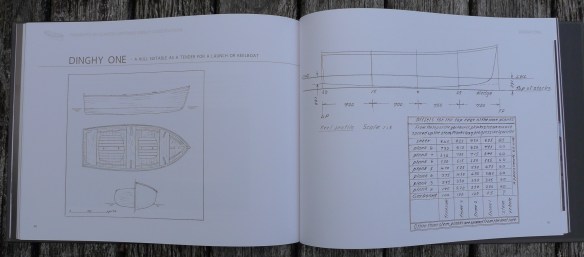
In the third section Peter offers three of his designs with full lines off sets and construction drawings. Boat 1 being a traditional launch or yacht tender, boat 2 a small rowing or pulling boat and boat 3 a clinker large enough to be a small out board run-a-bout. He also recommends designing your own boat.

Section four is a short glossary of the terms and slang used in the Auckland boat yards during his time in the trade. This is something very special and possibly unique to the Auckland area.

Yes, there are many fine tradesmen in Auckland and around the New Zealand coastline who have built what I would be proud enough to say, some of the best clinker boats in the world, but very few of them could explain how this is done via the detailed sketches and drawings from Peters very own pencil. Peter never held knowledge close to his chest, his first love was the parting of knowledge and this fact is reinforced in the forward written by one of his early students, Chris McMullen. This book is a life time treasure and a reminder of Peter’s values and high standards.

A huge thanks to a wonderful man who I have worked with to produce ‘Thoughts on Clinker Lapstrake Dinghy Construction”.

Sadly Peter passed way this year aged 95 – this book is a perfect testament to the man & his trade. – Enjoy


Note: This book is a very limited edition. It is at this time not available in bookshops.

Retail $60 + $7 post and packaging

For orders. Email Chris Peal: chrispeal8@gmail.com

Bank Account no: 01-0210-0030056-47   please include your name as reference.

NOTE: bank a/c number is now correct.
W1 Junior

OLYMPUS DIGITAL CAMERA

w1-and-john-bullivant

W1 JUNIOR

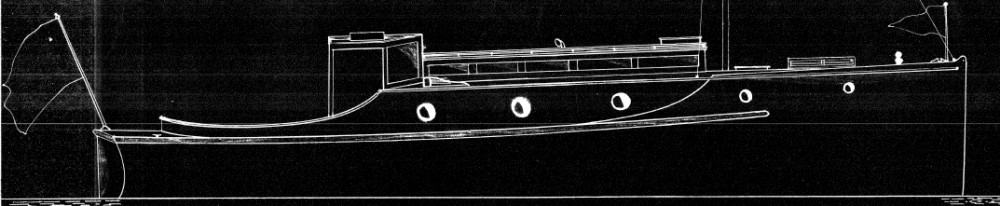
If you are a regular follower of the ww stories you will know that there are a several ‘woody nutters’ out there that have a thing for the ex WWII RNZAF coastal cruiser – W1.
John Bullivant is one of them. John has been building a model of W1 & its very close to completion. The photos above show some of the build process.
John reports that he has purchased some cowl vents from the UK, (made them all rotatable)  fitted new water cooled motors, made rudders, masts, windows, rubbing strips and fitted LED lighting (courtesy of cheap solar garden lights). He has also made a decal pattern for the bow insignia to print out (see bow photo above). John has even bought a miniature water pump so he can have water running from the water outlets when the boat is stopped. This will sit where the centre engine usually sits. He is currently looking for an engine sound module. Thanks to Ken Ricketts for fowarding John’s email to ww.
Details on the ‘real deal’ here https://waitematawoodys.com/2013/09/11/the-story-of-w1-one-of-fastest-boats-ever-on-the-waitemata/

REAL BOATS

screen-shot-2016-11-04-at-5-03-00-pm
The Classic Yacht Association is holding one of its launch cruises to the Riverhead Hotel on Sunday – we are expecting approx. 20 classics to make the trip. so it should be a cracker of a day. If the sun shines, there will be lots of photos on Monday 🙂

Update below & photos from John Bullivant on his progress  (emailed in by Ken Ricketts)
“I have also re-done the lighting using LEDs from Xmas string lights which are smaller and can be made to fit better. Getting there slowly but it’s almost like building a full sized boat as you can spend hours making the smallest things. The lighting alone took about 3 days, as it’s hard to hide any sort of bulb in a small model and get it shining in a reasonably scale manner, eg trying to get the nav lights shining in the correct arc takes a lot of fiddling and painting but they look the part when they are on so that’s good enough for me. I’m not being too fanatical about the detail as long as it looks ok on the water.
I have a theory about the location of the real W1 in the photo of her with the survivors on board and where she was headed which I am working on with the help of Google Earth and some info I read on the rescue effort. This was regarding the position the survivors were picked up from. I am trying to find the info again but it was in an obscure site (to do with recovering the gold I think) which gave the co-ordinates of the ship and the lifeboats positions before rescue and the crews communications. Just a bit of a fun challenge to see if I can pinpoint the exact spot.”

Cockpit Table

fullsizerender-1

Finished Project

img_5665

Romance II – the inspiration

The project

Cockpit Table Project
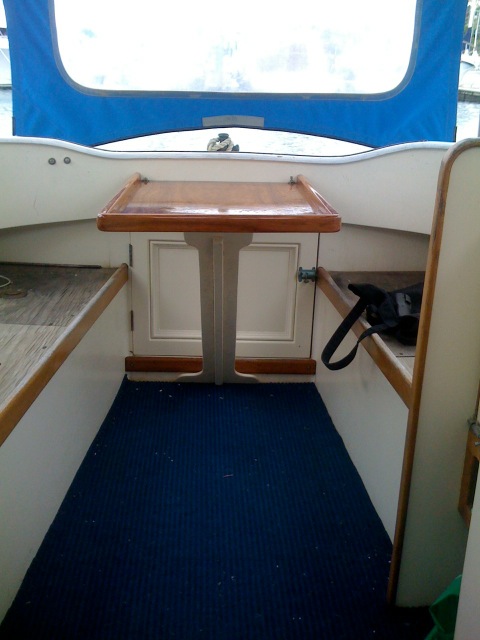
As I tend to do I had been admiring & gathering ideas for a cockpit table for Raindance for a long time. Then one day I was aboard Harold Kidd’s launch Romance II & I spied his set up. He had the table ‘hanging’ of the stern & a drop down leg. This was enough inspiration to start me off.

I bought an old table on trademe for $30 (horrible yellow formica top & a bloody big drop down leg) & I started playing around with how I could adapt it to fit on Raindance. Being a bit of a wood butcher, I was lucky to discover a wonderful wooden craftsman, a perfectionist, by the name of Lional Barkle & we started the project.
I already had the bronze stern mounts, bought in Germany from the marine chandlery ‘Toplicht’. I striped the table & had custom-made s/s brackets that fit the bronze mounts.
Lional being much cleverer than me came up with the idea of an arched / cantilevered leg/support. It’s almost like a tiller & slots into a foot. Makes the area so much more open & frees up the space underneath.

Lional made the leg from 116-year-old kauri timber I discovered underneath my grandparents home in Herne Bay, actually ceiling boards. These (x8) were cleaned up & steam bent & laminated together. The leg fits into a teak & kauri base with pins to hold it in place. It took an unbelievable number of hours, as everything had to be tailor made – measure, make, dry fit, adjust, dry fit, adjust etc. We had to rebuild in the stern locker to take the strain of the leg set up. I love the suspended look & its just so practical. The leg also sits in a ‘boot’ under the table to secure it more.
The finished unit is perfect & has so much more Lional B in it than Alan H 😉  he is just so talented. Also makes other wooden products – toys, chopping boards etc – his website is http://www.woodspark.co.nz & on facebook as well, reach search woodspark.

$1 Reserve

screen-shot-2016-10-04-at-9-20-06-pm

screen-shot-2016-10-04-at-9-21-05-pm

$1 Reserve
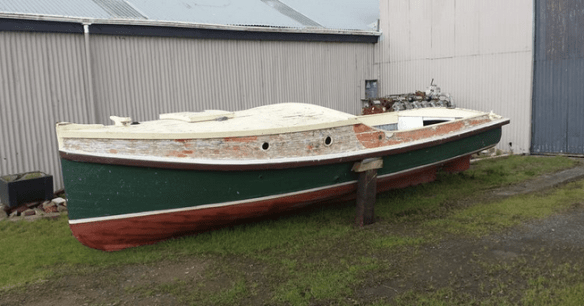
This has to be a project for one of the woodys. I was alerted to this cutie on trademe by Scott Taylor.

Currently located in Paeroa (Waikaato) she measures 22’4″ & has no motor. As architects say about good houses – ‘she has great bones’, so woodys – someone must be looking for a project? Would be a cool lake boat – Rod Prosser, up for another lake boat ……….?  🙂

ps check out the motor in the background of one of the photos – wheres the monster going?

Now at the other end of the scale – check out the the youtube movie below. Its records the build of a one-off modern classic wooden boat – amazing to view the amount of time & skill that goes into building a wooden boat these days – enjoy 🙂

Electro-Chemical Damage In Wooden Boats Update

rudder electrochemical damage


ELECTRO-CHEMICAL DAMAGE IN WOODEN BOATS UPDATE
A Special Post By Chris McMullen

Recently I received a note from Chris where he questioned if the story we posted last year on ww about electro-chemical damage to wood  was a little too long & were people reading it. Well I can tell you that the post is the single most visited story on ww, ever, & gets read by people all over the world. Its frequently referred to on the hugely popular WoodenBoat Forum in the USA. The link below takes you to the original story.

Electrochemical Damage To Wood – the marine version of ‘leaky homes’

For the impatient ones out there 🙂 Chris has done a ‘Readers Digest’ version & refers to a vessel that recently featured on ww.
I encourage all of you to read today’s story & if you own a classic wooden boat – read both versions – the problem is the biggest risk to the life of our classic boats.

In Chris’s words:
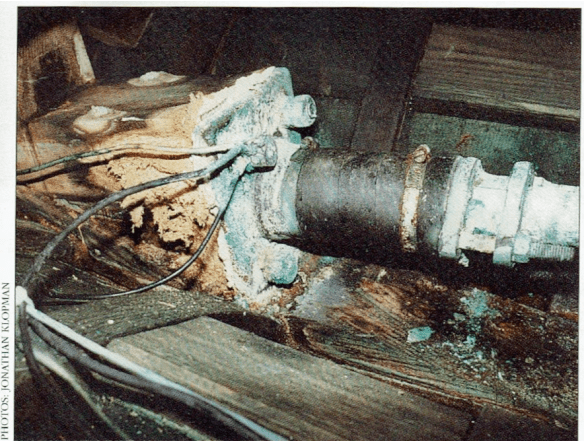
“I received the above disturbing images of another woody being destroyed by an owner who I believe is unintentionally loving his boat to death.

The use of anodes and bonding on a wooden boat is fatal. The cathode or protected metal makes hydrogen gas and this combined with saltwater makes Sodium Hydroxide (Caustic Soda). This chemical is used to pulp wood in the paper making industry. Not on my boat thank you! I say again, there is no reason to use anodes and bonding on any boat. The only exception, steel hulls require anodes. If copper or bronze are being corroded it is due to a positive DC leak and Zinc anodes will not help. Find the electrical leak is the cure. If there is brass or manganese bronze underwater it will corrode due to the
zinc in the alloy. Anodes will possibly stop the corrosion but at the expense of wood damage. A better plan is to replace the brass with proper marine bronze.

Bronze and copper should last indefinitely in the sea. To prove that statement, I ask you to look at the Roman coins and artifacts salvaged from ships wrecked in the fourteenth century. There was no anodic protection and the metal is well preserved. So what is the difference to the copper and bronze on your boat? There is absolutely no difference so why waste your money buying anodes that will in time destroy
your wooden boat.

Three or four bottles of wine will cost the same as anodes and will make you and your boat happier.”

Note: ww is read all around the world, if there is water & boats, there are people reading ww. So a little about the man for non kiwi’s  – Chris is one of NZ’s most respected boat builders (retired) and at one time was the Lloyds (Honorary) Wood Boat Surveyor in Auckland. Chris’s (the original company) ‘McMullen & Wing’ built and repaired wood, steel and marine aluminium vessels. They built the first welded aluminum vessels in NZ. Chris is the current holder of the Classic Yacht Association of New Zealand ‘Outstanding Achievement Trophy’ for services to classic boating.

14-05-2016 Photo Update
Gavin Gault sent in the below photos of a Nova skeg floor that he believes were probably damaged due to engine – anode bonding failure. Pretty graphic !!

10-07-2016 Reply from Chris McMullen

“Wow. Thank you Gavin Gault for sharing your very graphic images. Very sad, small consolation but yours will not be the only wooden boat affected by this scourge.
Maybe, at last some of the Flat Earth Society will start to believe what I have been saying. The worst detractors are some in the Marine Industry who have been preaching the Anode, Bonding party line for years.  Now there is no where to run for cover,  they continue to conjure up excuses and it seems, refuse to accept a simple scientific fact.
“If you have a positive and negative electrode in salt water, the negative cathode or protected metal makes hydrogen gas and this combined with salt water makes Sodium hydroxide.”
This chemical is also known as caustic soda and removes paint and destroys wood.  There is no doubt about this fact. You do require a power source and bonded dissimilar metals ( zinc and copper) provide sufficient current to do the damage, but slowly.
If there is a negative DC leak (to the sea)on a bonded boat the process is accelerated. If there is a positive leak any metal becomes an anode and will waste away. It is important to isolate the DC power from contact with the sea. Again bonding is just asking for trouble. Please remove Anodes and Bonding from your wooden boat now!
Chris McMullen”

06-09-2106 In case you were not to sure what to look out for – the below photo should be a wake-up call to a few woodys 😉

IMG_1120