Building Fritha – Sailing Sunday


Building Fritha – Sailing Sunday


Australian Wooden Boat Festival 2019 – Photo Parade – Part 2 – 337 photos
Need Some Advice
waitematawoodys has a great following among the marine trade and talented ‘amateurs’ – most of these people are very happy to provided guidance when asked. So if you have questions relating to things like – how do I / where can I find / who is good at etc. Just ask away in the LEAVE A REPLY link at the bottom of this page 🙂


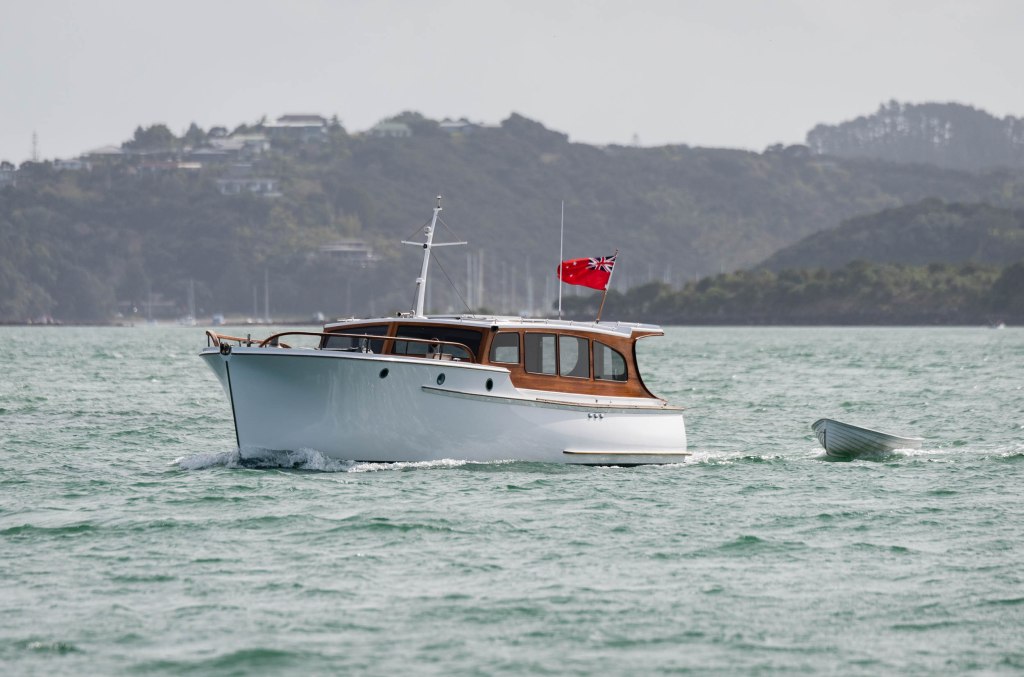
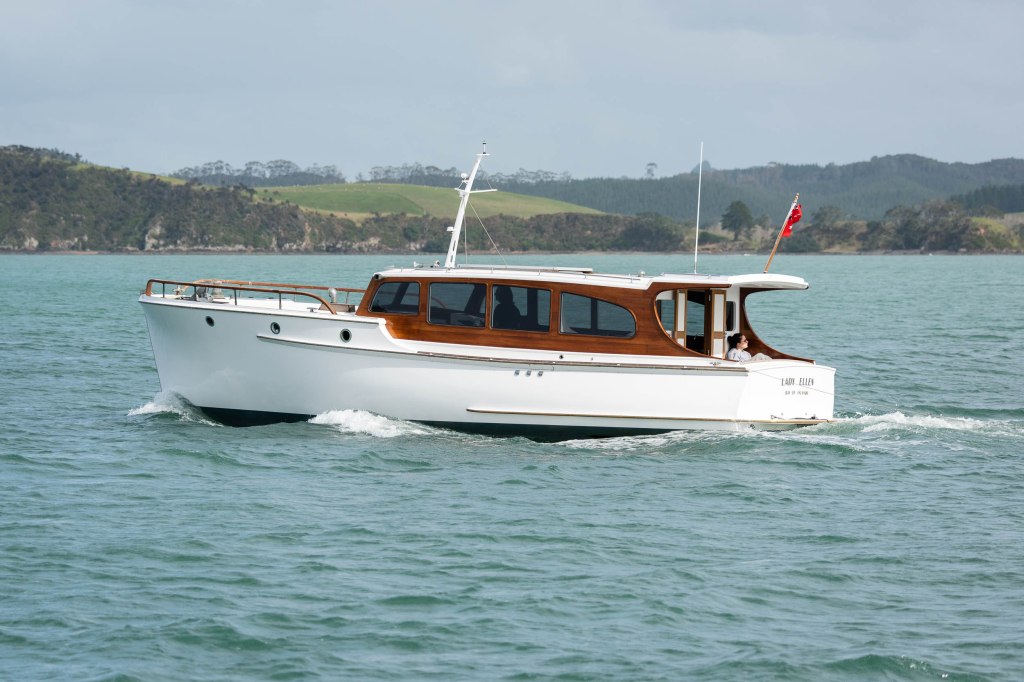
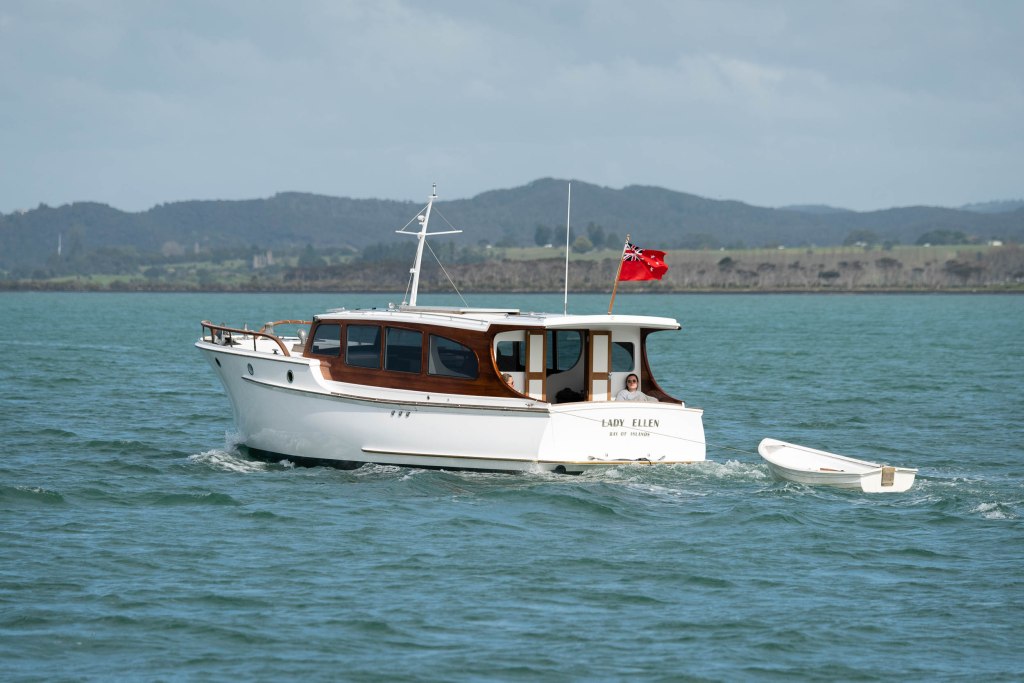
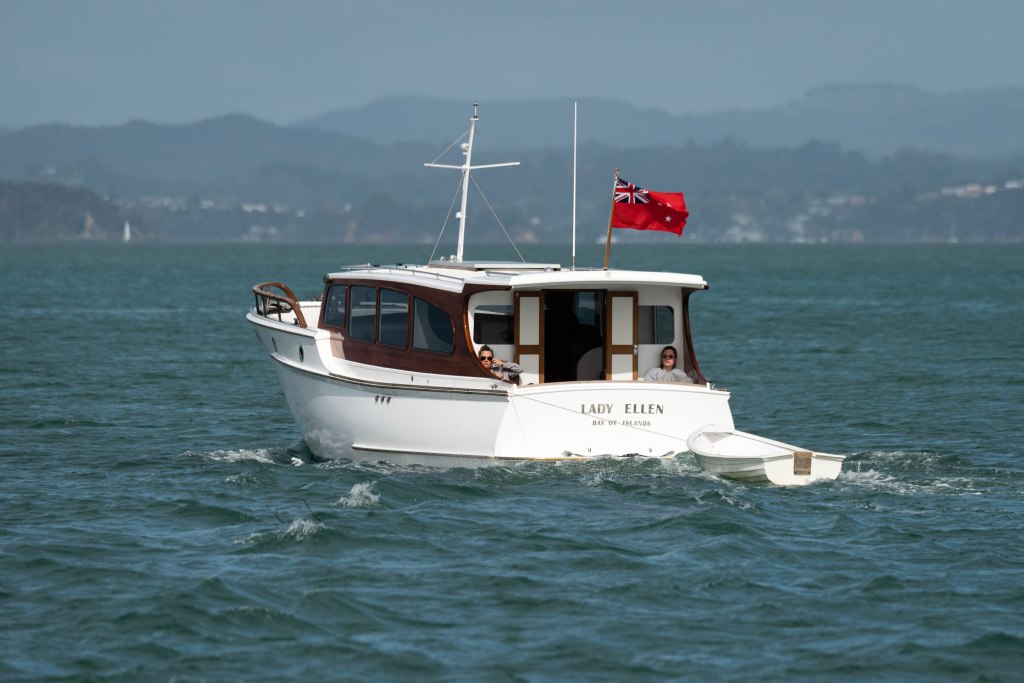
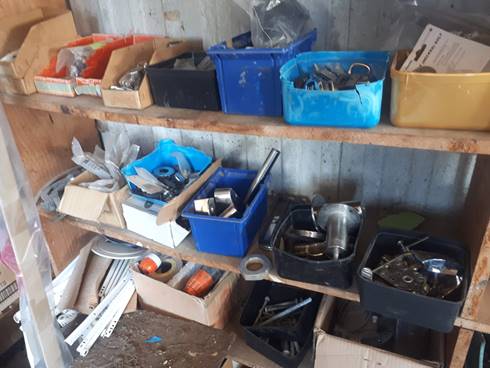
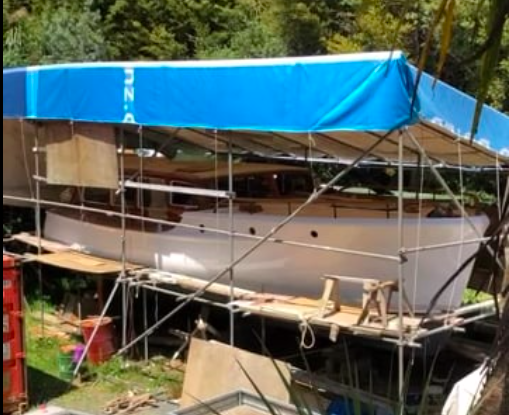
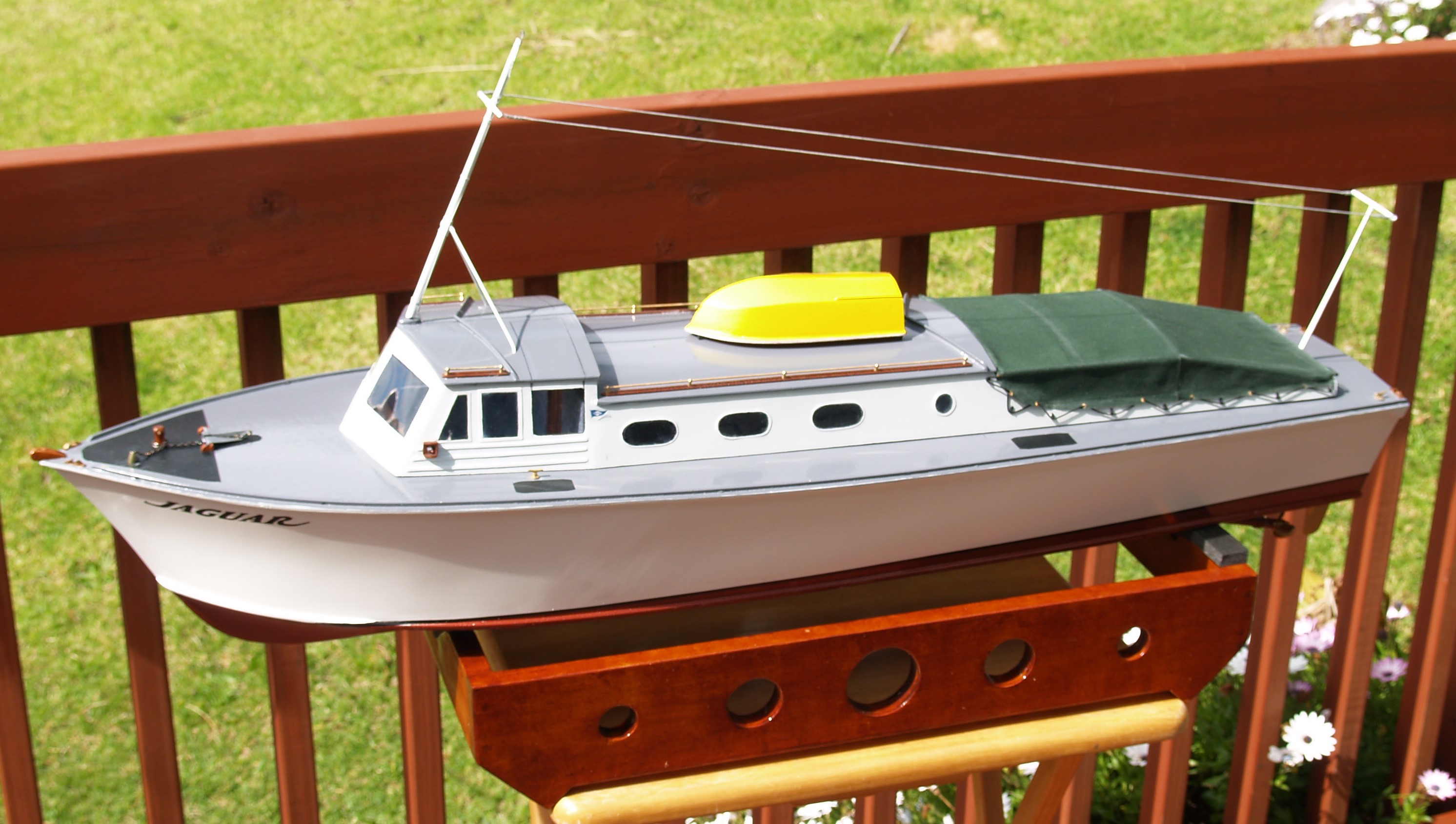
Lady Ellen Restoration Update – December 2018
Owner Bruce Mitchinson sent in the photos above & report below:

I need some help / advice


A Spot of Koha – Seafood or Vension for Boatbuilding Guidance
The owner of Cobweb, Matt Debono has sent me an unusal request, I get a lot of WW emails but this one was a first. I have included it below, just as I received it.
“This is probably not a usual e-mail for you. I send you this because of the passion you have for wooden boats. In saying this my yacht Cobweb isn’t even a classic wooden boat. She is a 35ft Laurie Davidson design launched in 1975 with a 3 skin kauri construction under glass… modern classic?
I have recently purchased Cobweb as a bit of a project as I wanted to learn how these wooden boats were constructed and learn some skills myself as the craftsmanship that goes into them astonish me. I saw her potential as a good yacht and got her for a good price. What I am asking for is if you know anybody in the South Auckland region that may share the same passion who has some experience in boat building of this nature who may want to pass some of their skills and experience on to a younger guy like me.
As you can see I have Cobweb sitting on my front lawn, I have opened her up and I’m not too far away from scarfing the inner 2 skins after I let the timber dry a bit. I have all the tools and machinery required however a bit of guidance would go a long way. Whoever comes to help could obviously expect a reward, I can fill freezers up with Venison or seafood fairly easily… or pay cash.”
So woodys, if you have the skills & an empty freezer – drop Matta note mpdebono@hotmail.co.nz
Lots of photos (50) on Monday from the Lees Boatbuilders shed visit 😉
Restoring & Installing a Gardner in Arethusa
story & photos ex Dean Wright
It not often I get sent info on a boat & it jumps the queue & appears on ww the next day. If you have been following on ww the rolling restoration Dean has been doing on Arethusa over the last few years you would know two things, Arethusa is in very good hands & Deans a very talented commercial photographer. So the links below to Deans latest project – the restoration of a Gardner 4LW & subsequent installation in Arethusa are well worth check out.
Restoration http://deanwright.co.nz/arethusa/log-arethusa/152-gardner-4lw-diesel-restoration.html
Installation http://deanwright.co.nz/arethusa/log-arethusa/154-installing-the-gardner.html
Some history below
Arethusa ticked over 96 this year. She started life as a gaff rigged cutter, built by Bob Brown (designer of the Z class) at Sulphur Beach, Northcote. She’s carvel planked kauri, 33′ 4″ LOA with a 12′ Beam. With the aid of a fair bit of ballast she weighs 10 tonnes. She’s had an interesting life, more details here http://deanwright.co.nz/history.html

Recently I received a note from Chris where he questioned if the story we posted last year on ww about electro-chemical damage to wood was a little too long & were people reading it. Well I can tell you that the post is the single most visited story on ww, ever, & gets read by people all over the world. Its frequently referred to on the hugely popular WoodenBoat Forum in the USA. The link below takes you to the original story.
Electrochemical Damage To Wood – the marine version of ‘leaky homes’
For the impatient ones out there 🙂 Chris has done a ‘Readers Digest’ version & refers to a vessel that recently featured on ww.
I encourage all of you to read today’s story & if you own a classic wooden boat – read both versions – the problem is the biggest risk to the life of our classic boats.
In Chris’s words:
“I received the above disturbing images of another woody being destroyed by an owner who I believe is unintentionally loving his boat to death.
The use of anodes and bonding on a wooden boat is fatal. The cathode or protected metal makes hydrogen gas and this combined with saltwater makes Sodium Hydroxide (Caustic Soda). This chemical is used to pulp wood in the paper making industry. Not on my boat thank you! I say again, there is no reason to use anodes and bonding on any boat. The only exception, steel hulls require anodes. If copper or bronze are being corroded it is due to a positive DC leak and Zinc anodes will not help. Find the electrical leak is the cure. If there is brass or manganese bronze underwater it will corrode due to the
zinc in the alloy. Anodes will possibly stop the corrosion but at the expense of wood damage. A better plan is to replace the brass with proper marine bronze.
Bronze and copper should last indefinitely in the sea. To prove that statement, I ask you to look at the Roman coins and artifacts salvaged from ships wrecked in the fourteenth century. There was no anodic protection and the metal is well preserved. So what is the difference to the copper and bronze on your boat? There is absolutely no difference so why waste your money buying anodes that will in time destroy
your wooden boat.
Three or four bottles of wine will cost the same as anodes and will make you and your boat happier.”
Note: ww is read all around the world, if there is water & boats, there are people reading ww. So a little about the man for non kiwi’s – Chris is one of NZ’s most respected boat builders (retired) and at one time was the Lloyds (Honorary) Wood Boat Surveyor in Auckland. Chris’s (the original company) ‘McMullen & Wing’ built and repaired wood, steel and marine aluminium vessels. They built the first welded aluminum vessels in NZ. Chris is the current holder of the Classic Yacht Association of New Zealand ‘Outstanding Achievement Trophy’ for services to classic boating.
14-05-2016 Photo Update
Gavin Gault sent in the below photos of a Nova skeg floor that he believes were probably damaged due to engine – anode bonding failure. Pretty graphic !!
10-07-2016 Reply from Chris McMullen
“Wow. Thank you Gavin Gault for sharing your very graphic images. Very sad, small consolation but yours will not be the only wooden boat affected by this scourge.
Maybe, at last some of the Flat Earth Society will start to believe what I have been saying. The worst detractors are some in the Marine Industry who have been preaching the Anode, Bonding party line for years. Now there is no where to run for cover, they continue to conjure up excuses and it seems, refuse to accept a simple scientific fact.
“If you have a positive and negative electrode in salt water, the negative cathode or protected metal makes hydrogen gas and this combined with salt water makes Sodium hydroxide.”
This chemical is also known as caustic soda and removes paint and destroys wood. There is no doubt about this fact. You do require a power source and bonded dissimilar metals ( zinc and copper) provide sufficient current to do the damage, but slowly.
If there is a negative DC leak (to the sea)on a bonded boat the process is accelerated. If there is a positive leak any metal becomes an anode and will waste away. It is important to isolate the DC power from contact with the sea. Again bonding is just asking for trouble. Please remove Anodes and Bonding from your wooden boat now!
Chris McMullen”
06-09-2106 In case you were not to sure what to look out for – the below photo should be a wake-up call to a few woodys 😉