Todays story is a photo essay from the recent Canadian CYA – Fleet Rendezvous at Ganges, Salt Spring Island and comes to us from the camera of Cecila Viktoria Rosell.
Enjoy – oh to have a marina like that. As always, click on photos to enlarge 😉
Sad and happy to see that Mike O’Brian has found a new custodian for Euphemia II, I had the pleasure of hosting Mike and Peggy in Auckland a few years ago. Special people and a special boat. The photo below records the transfer of ownership.
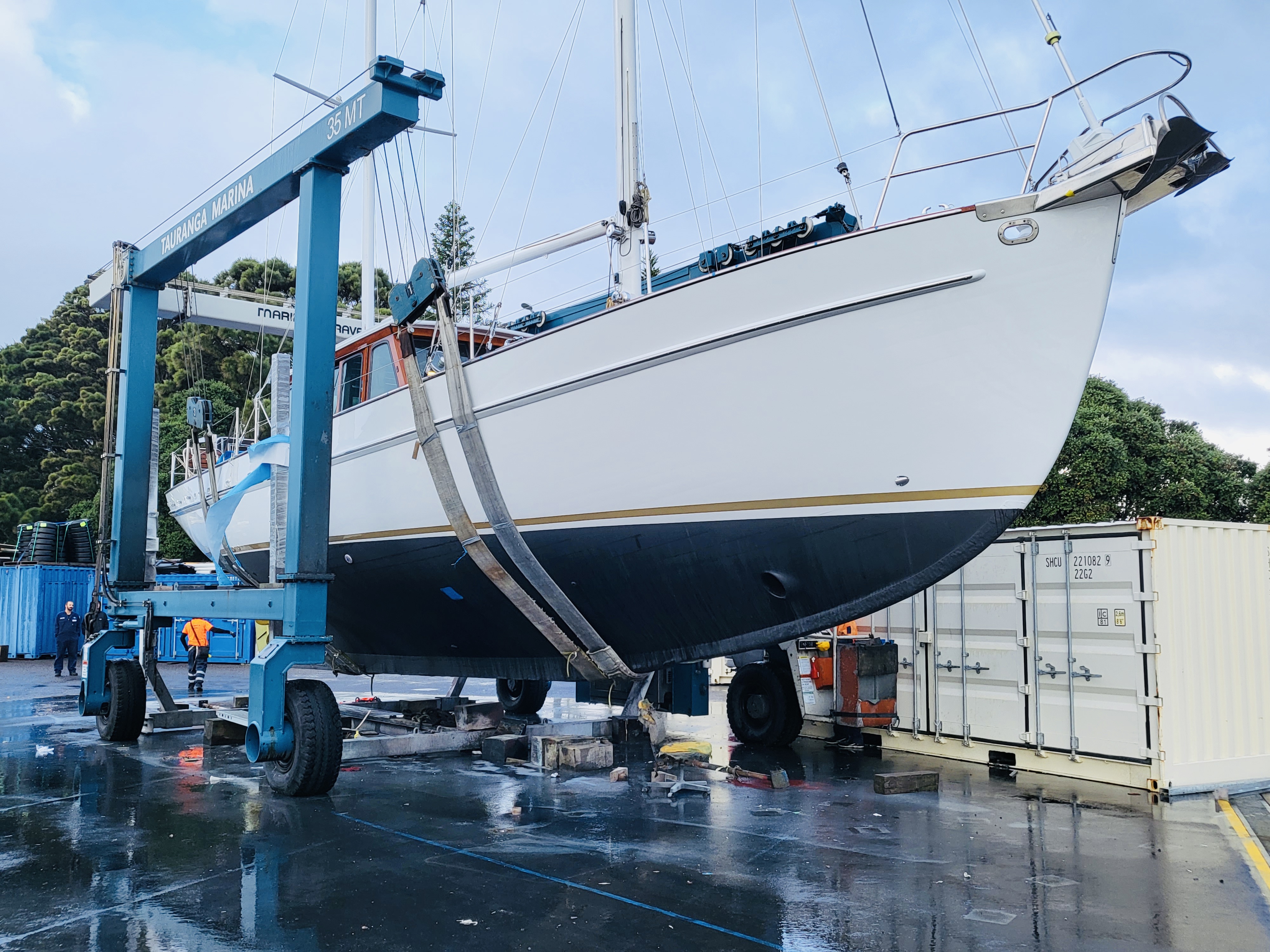
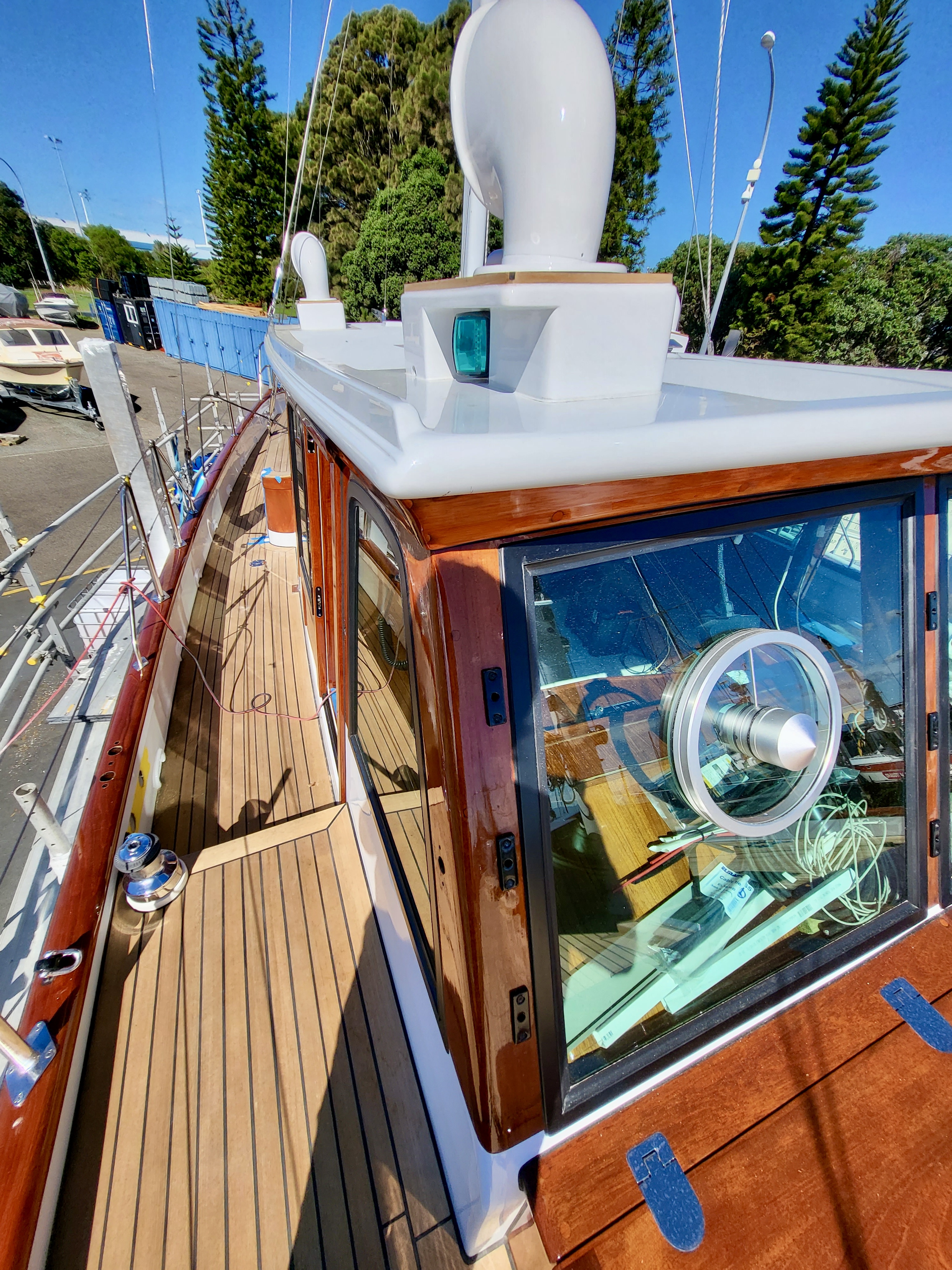
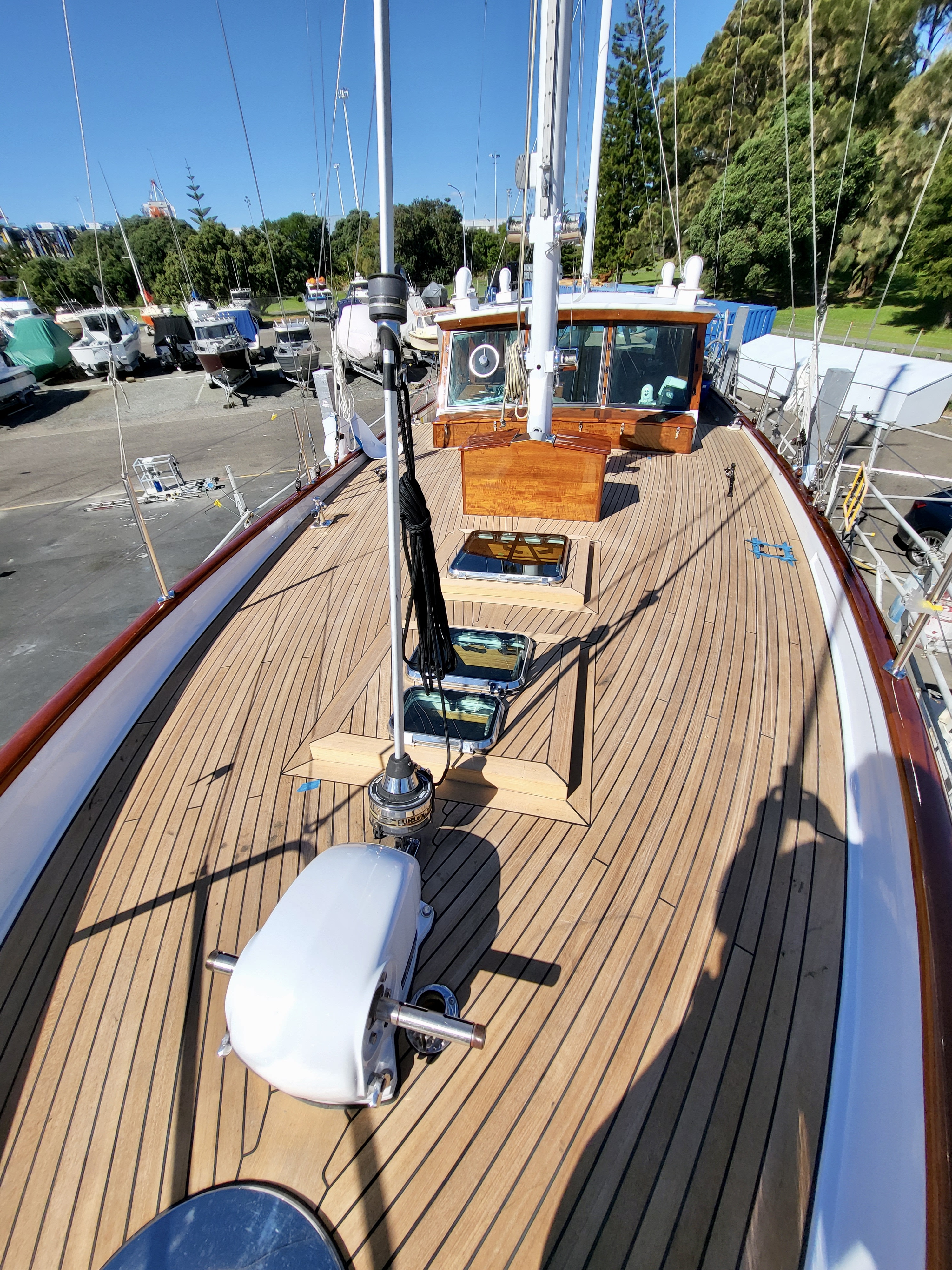
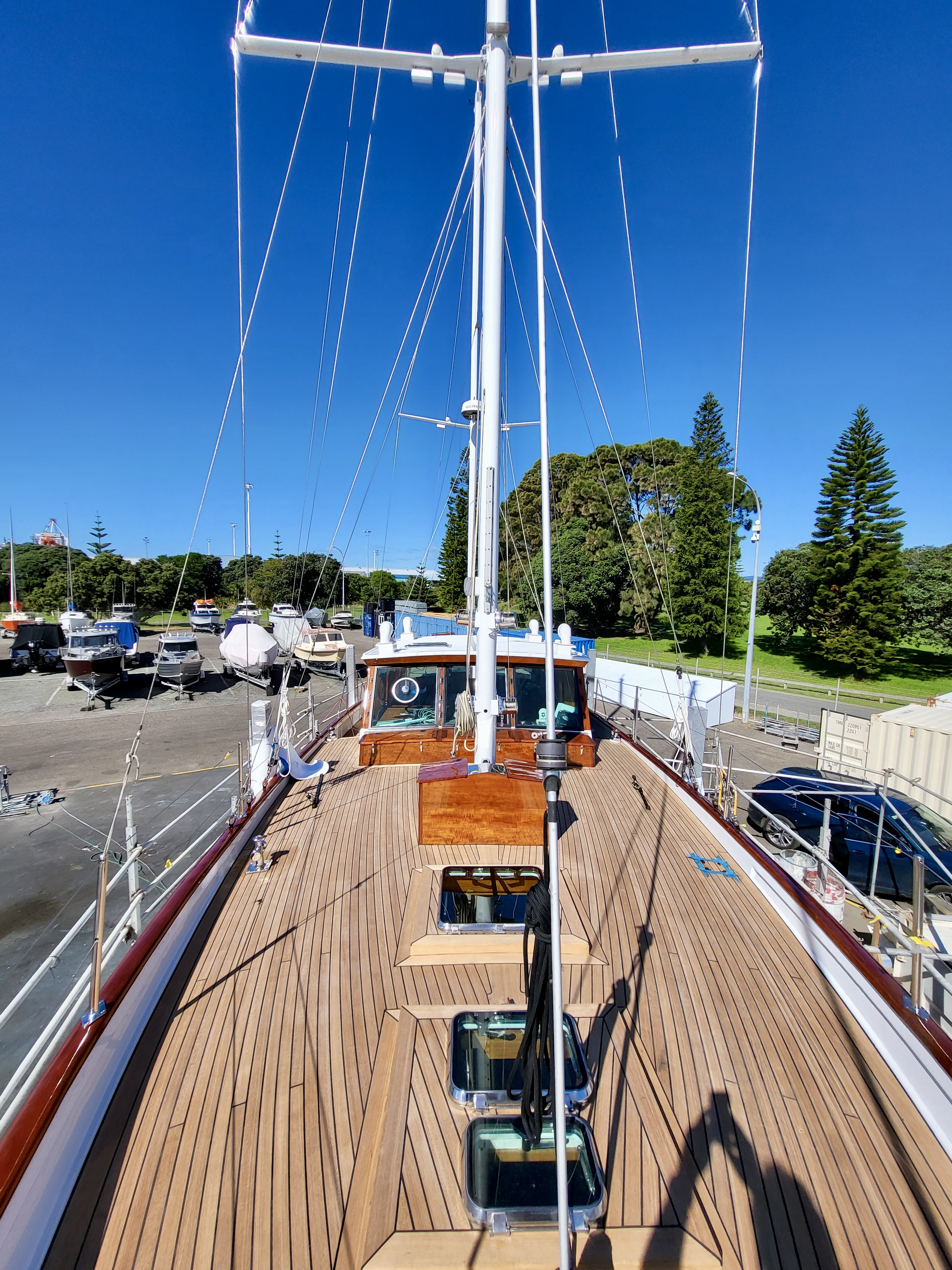
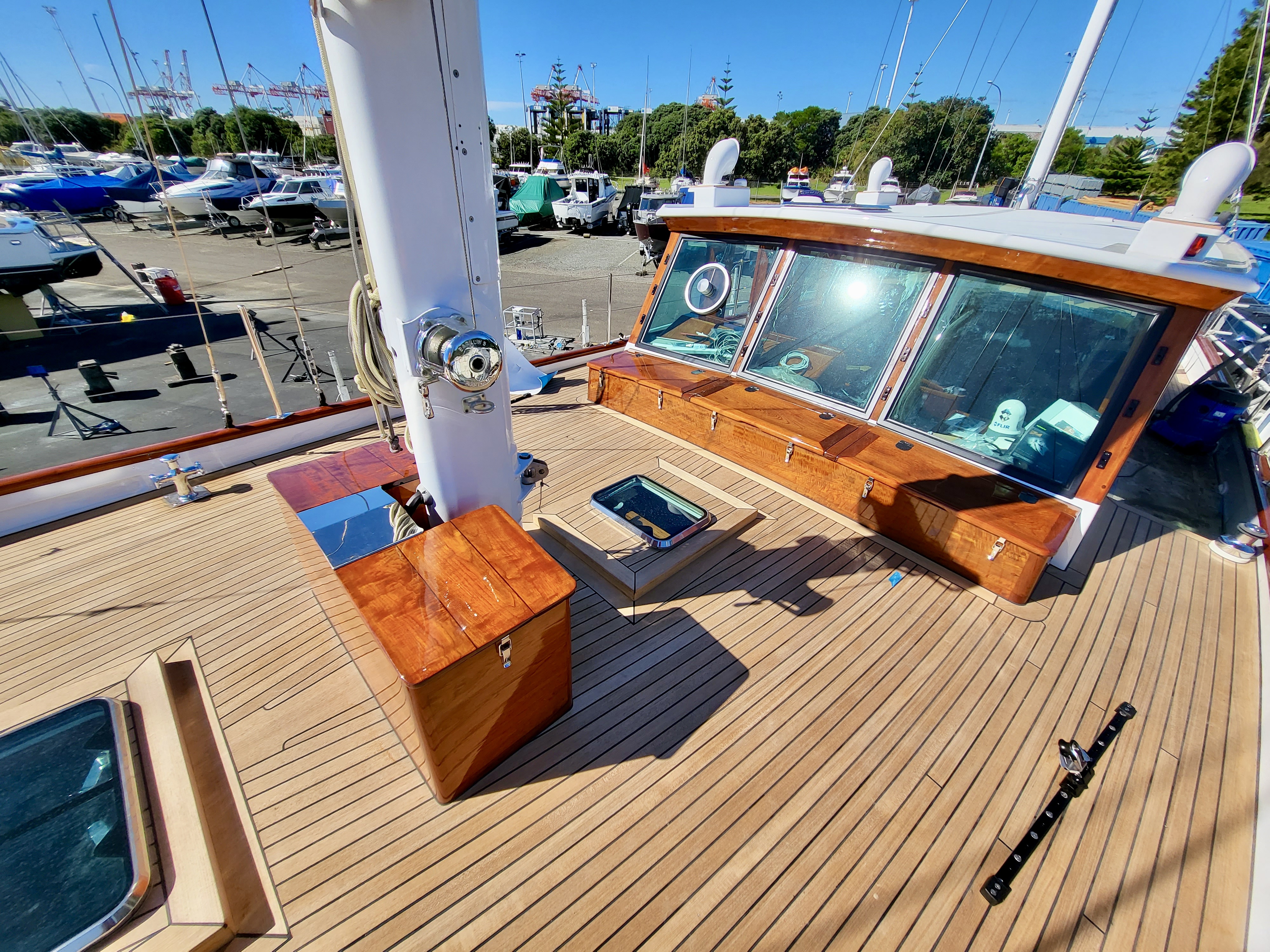
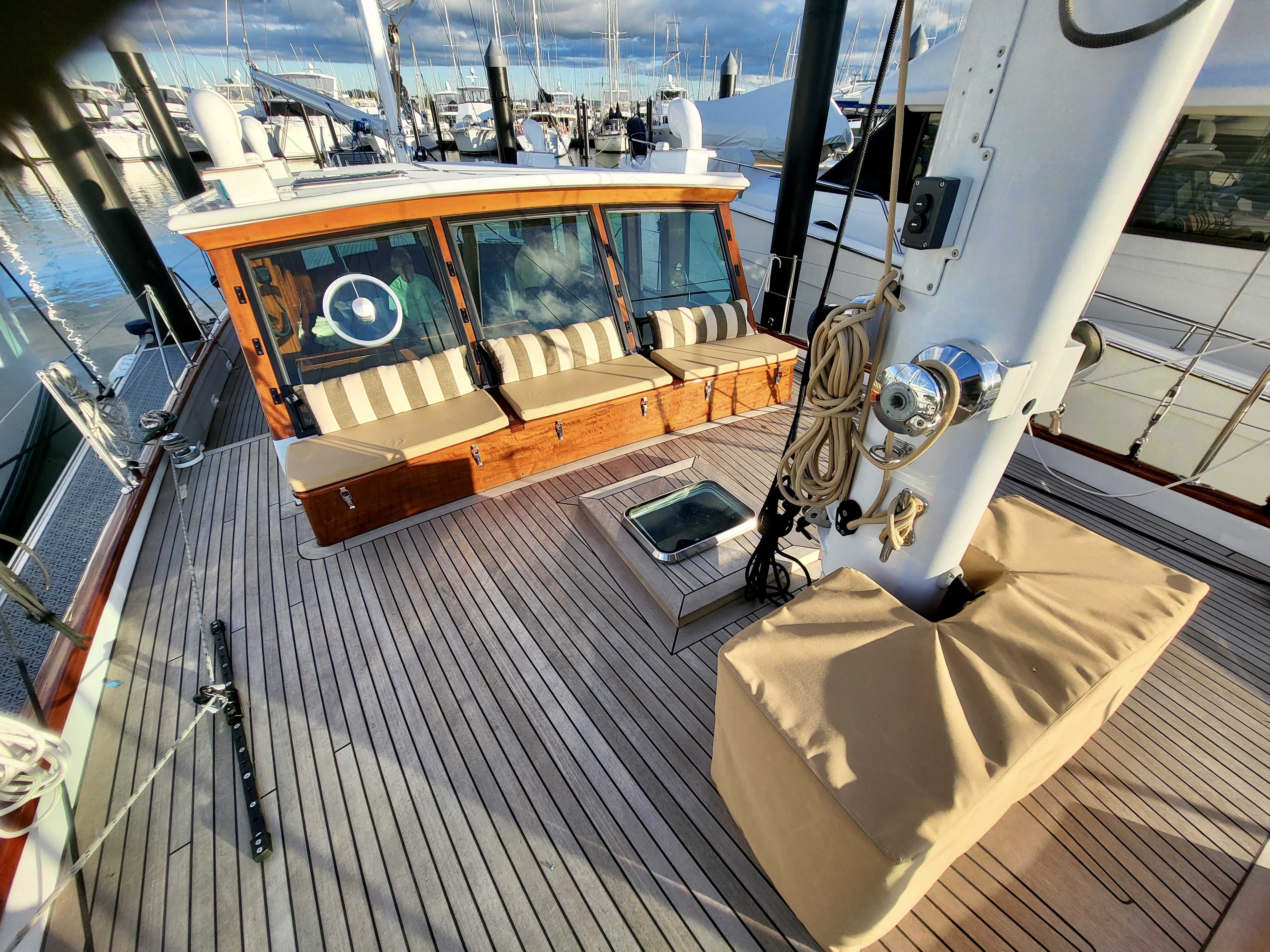
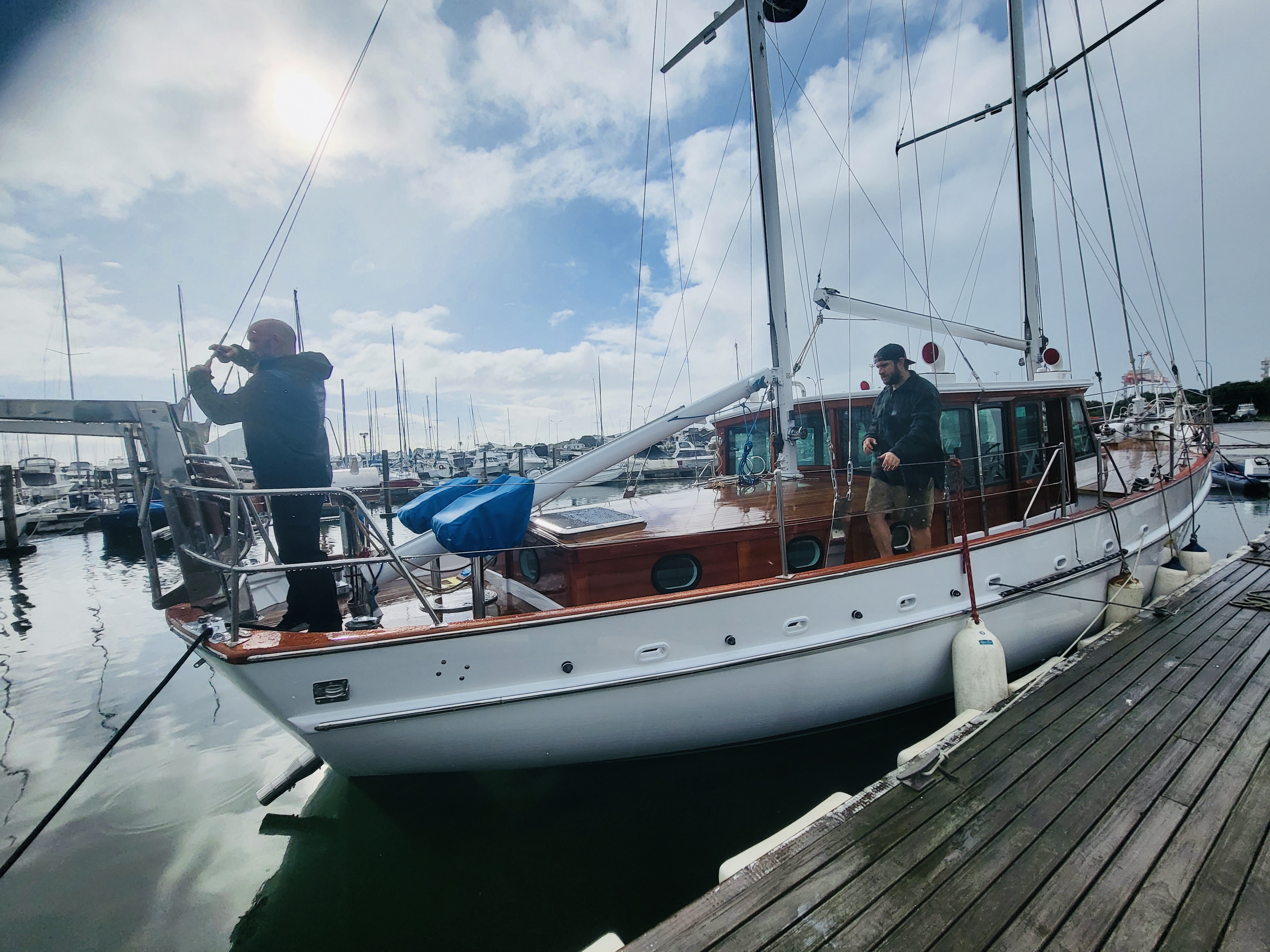
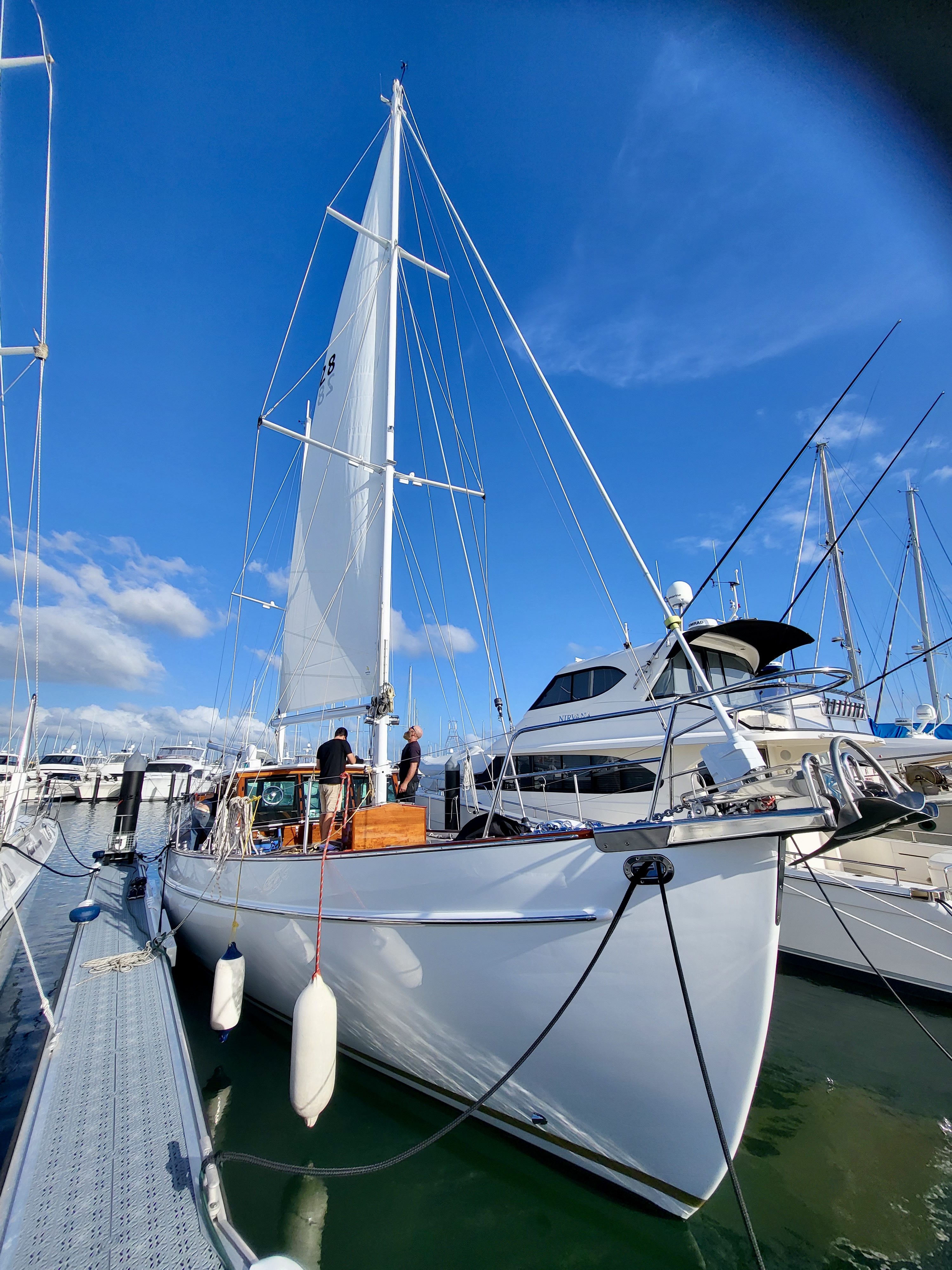
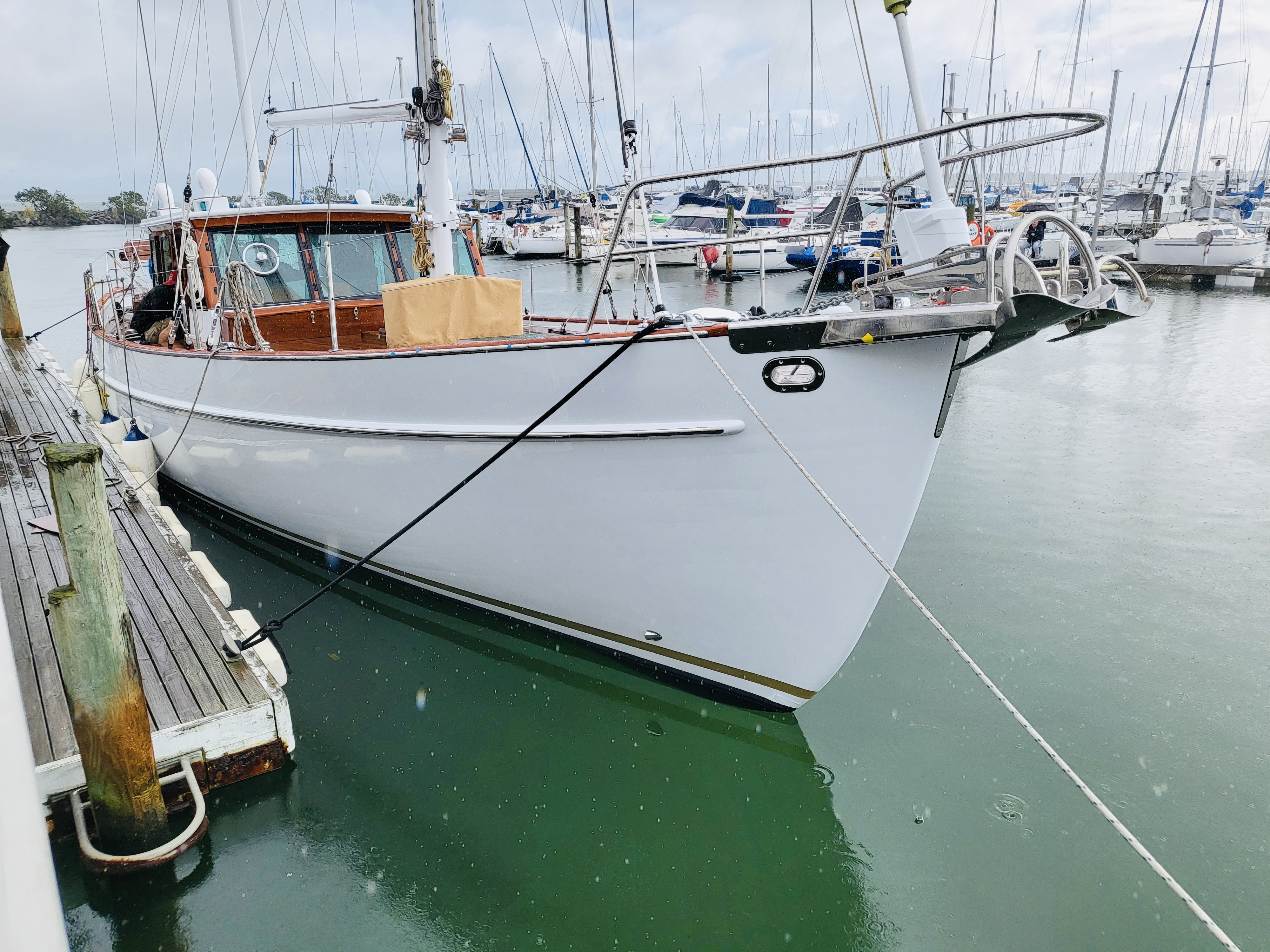
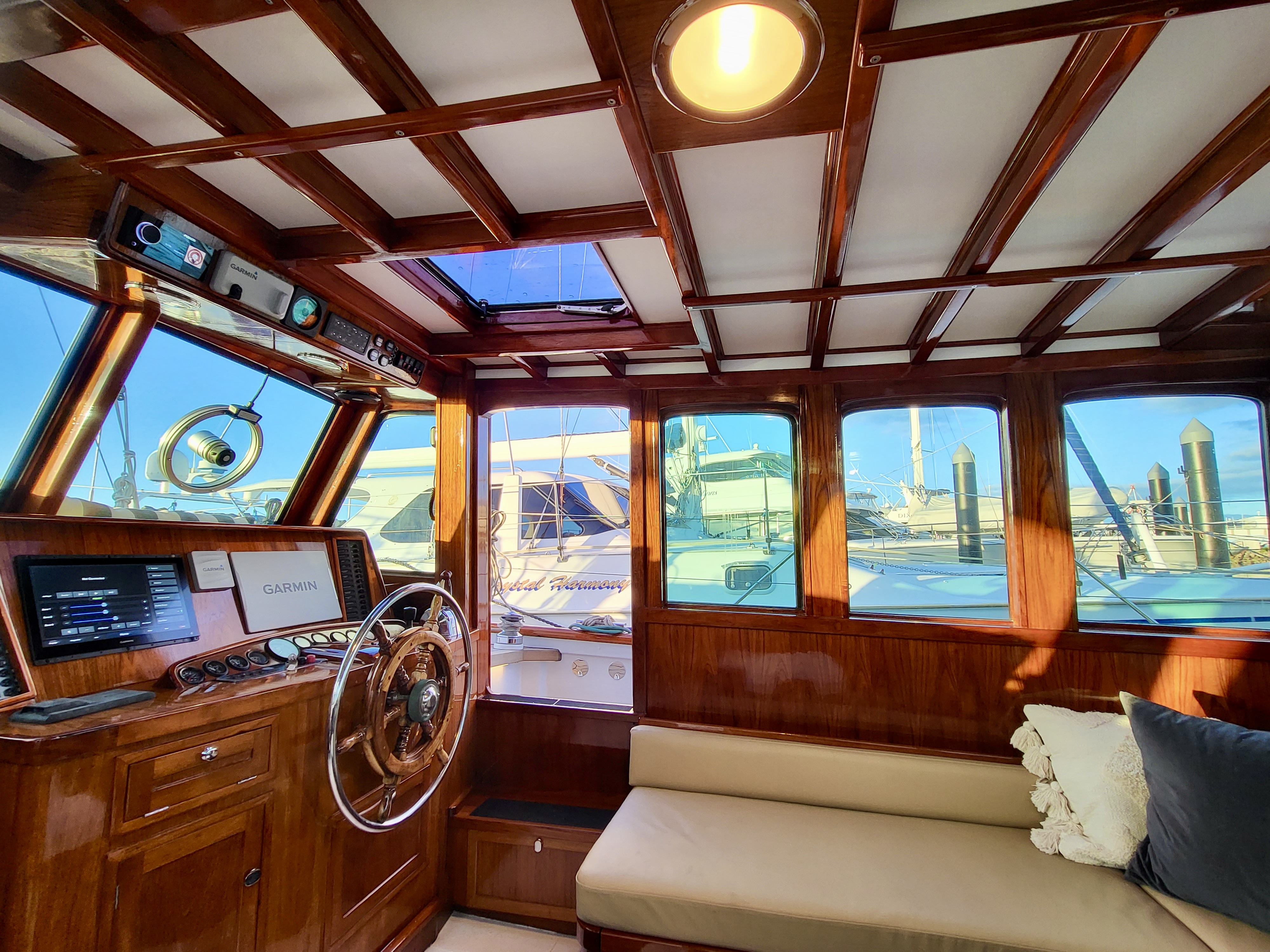
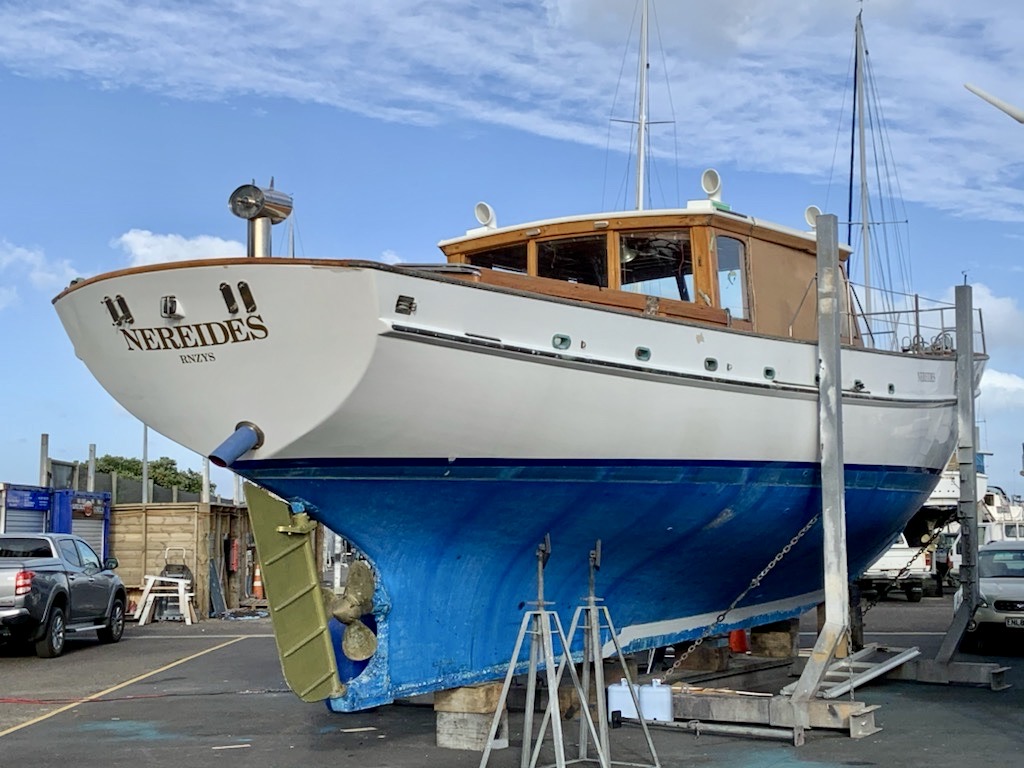
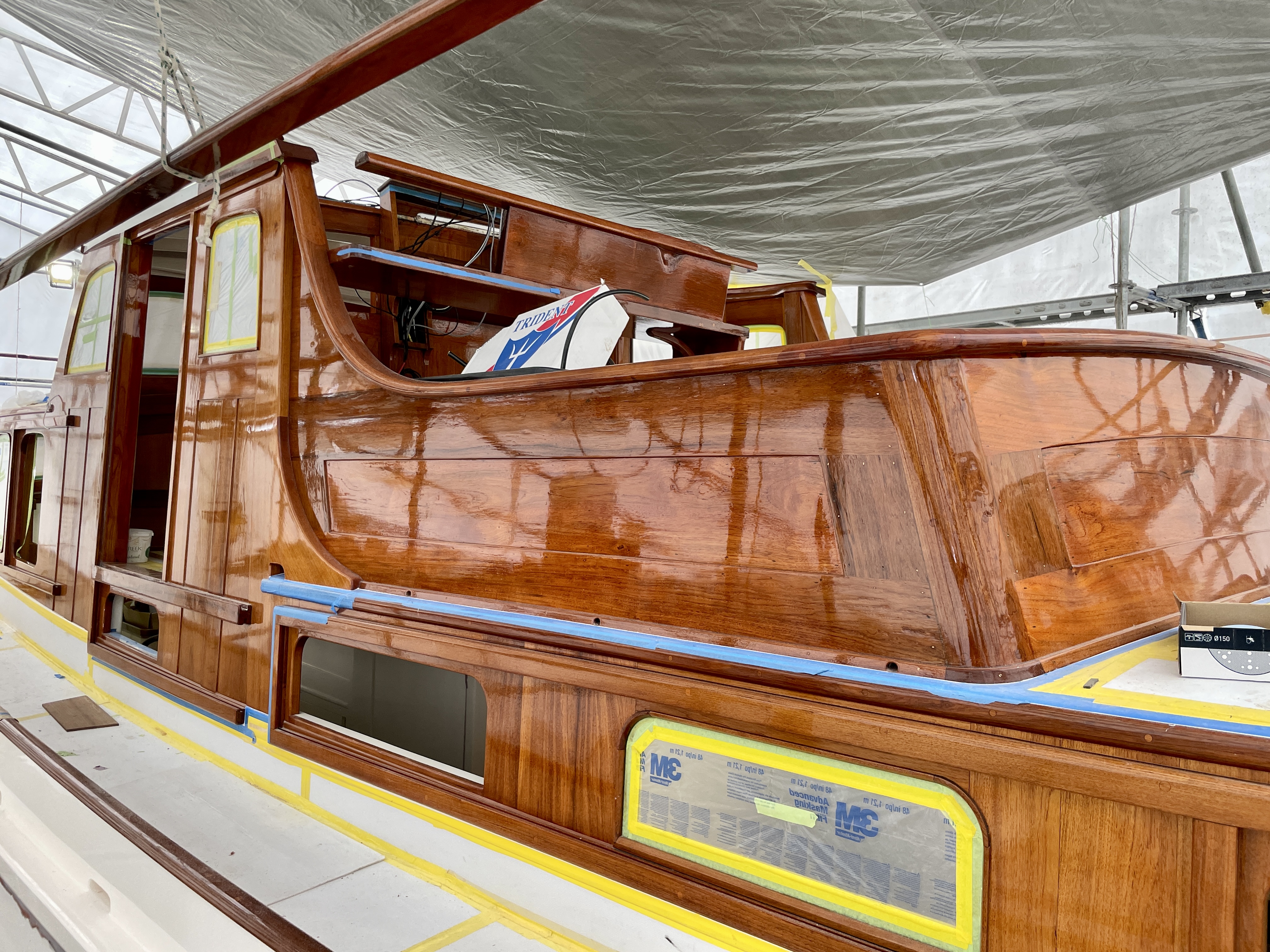
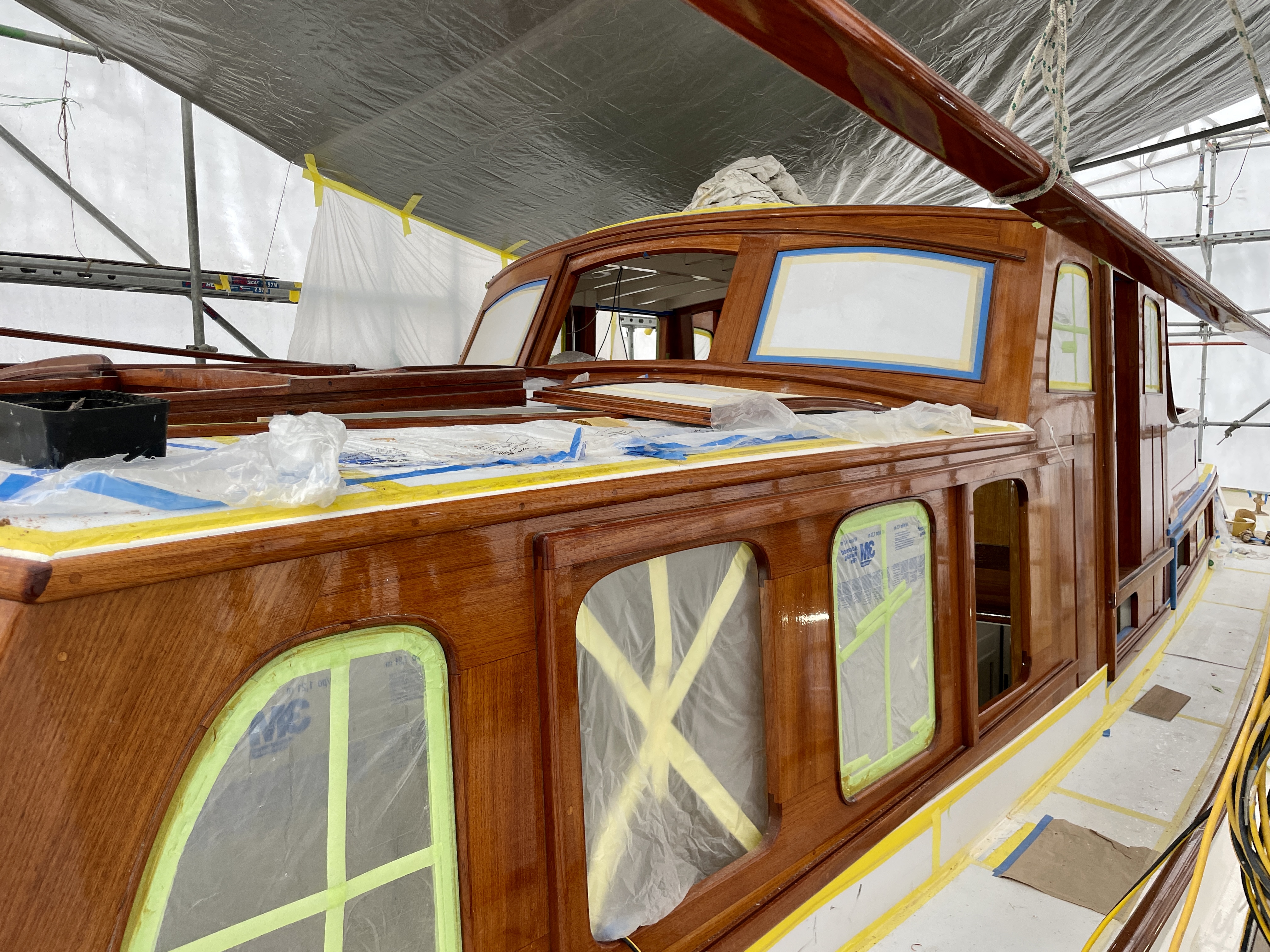
In between lock-downs in June 2021 I had cause to do a trip to Tauranga and took up Doug Owens invitation to visit the yard to get a peek at the refit of his 1937 Colin Wild built 55’ yacht – Nereides. The project was well underway and the commitment to best in class and standard of workmanship was already on display.
Yesterday Doug made contact to let me know that Nereides was back in the water and aside from some final interior work the refit was complete.
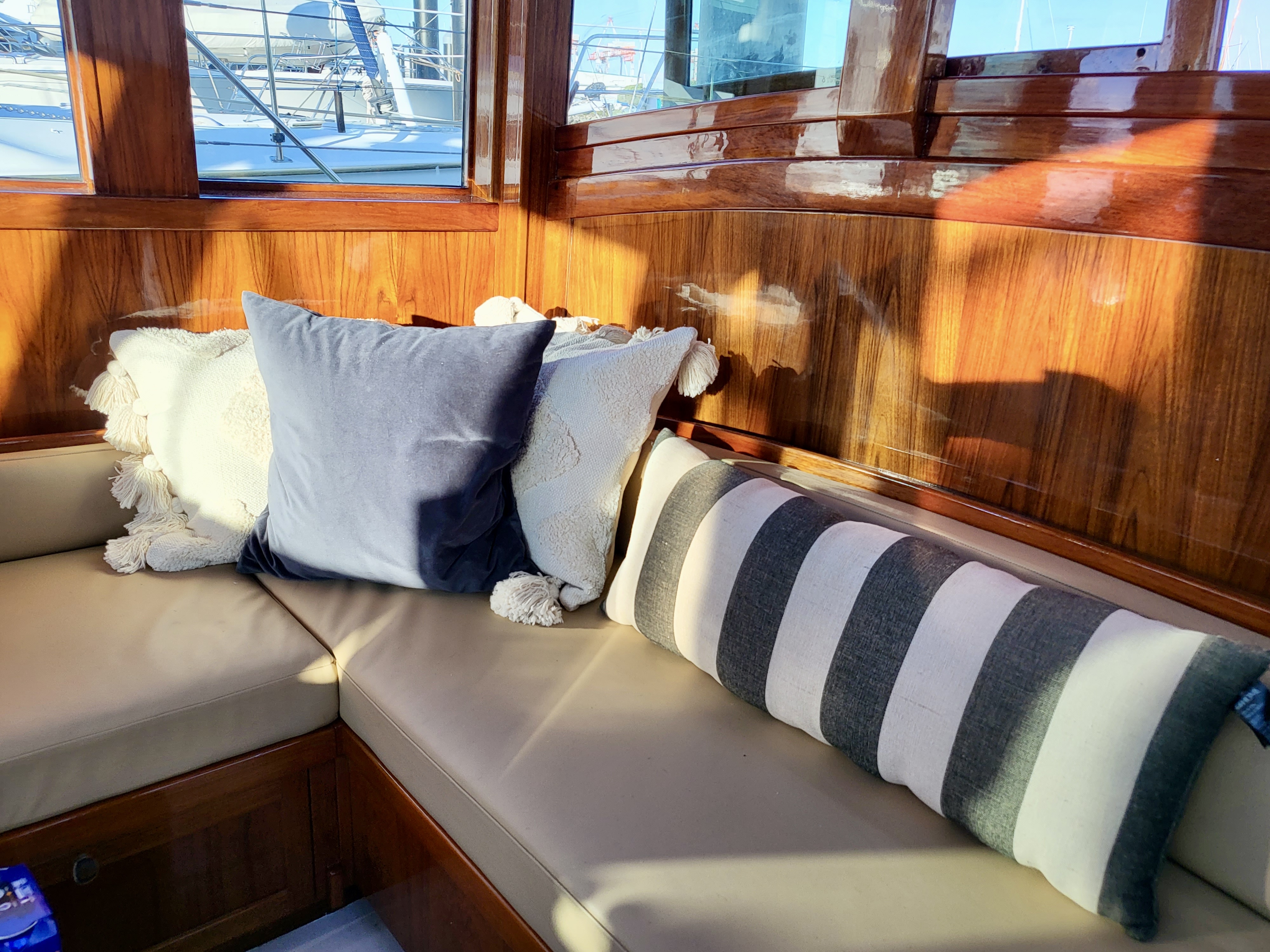
The gallery of photos above says it all, the pilot house just glows – well done to Doug and son Mohi. We will keep you updated as the final items are ticked off the to-do list.
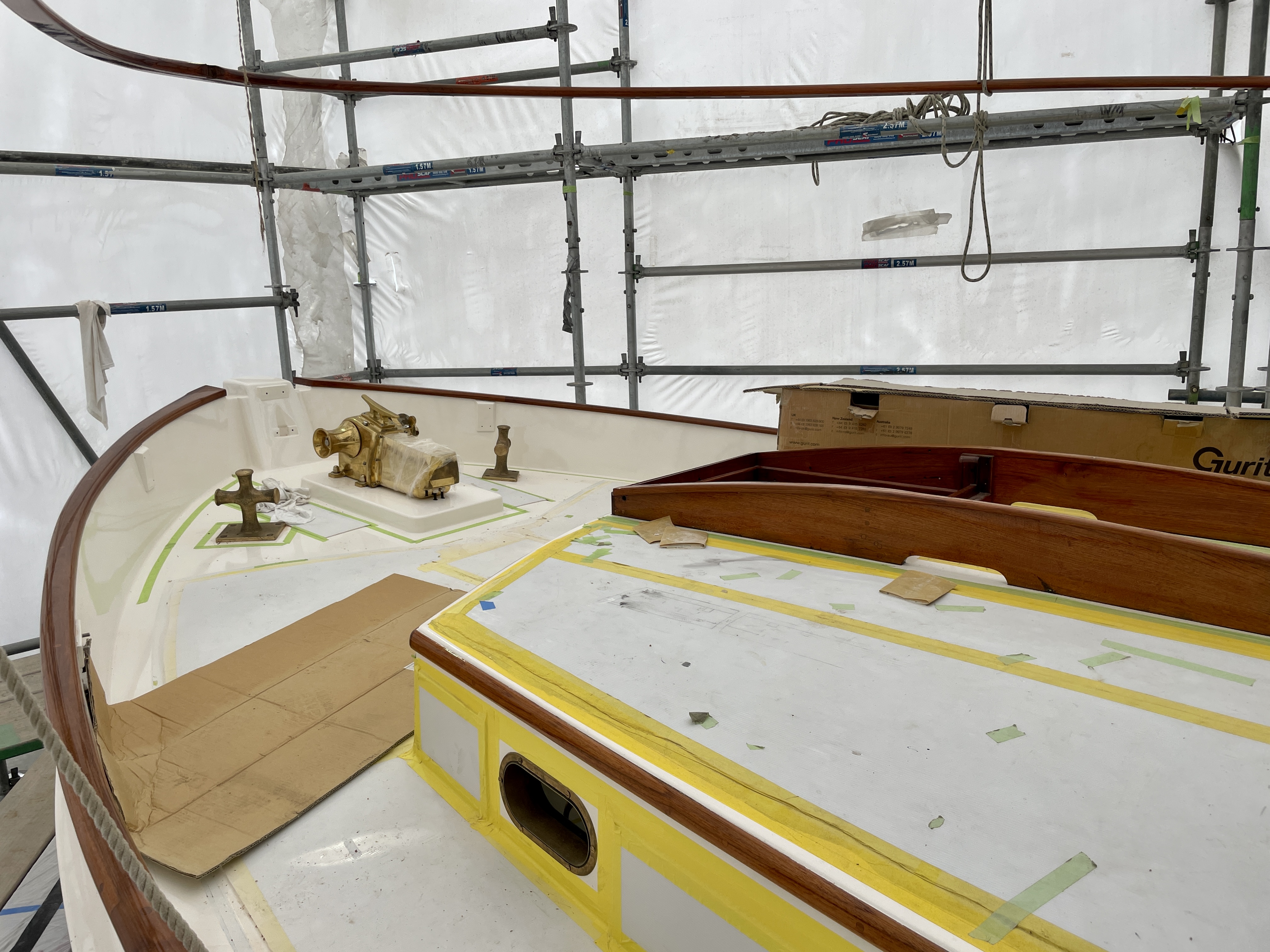
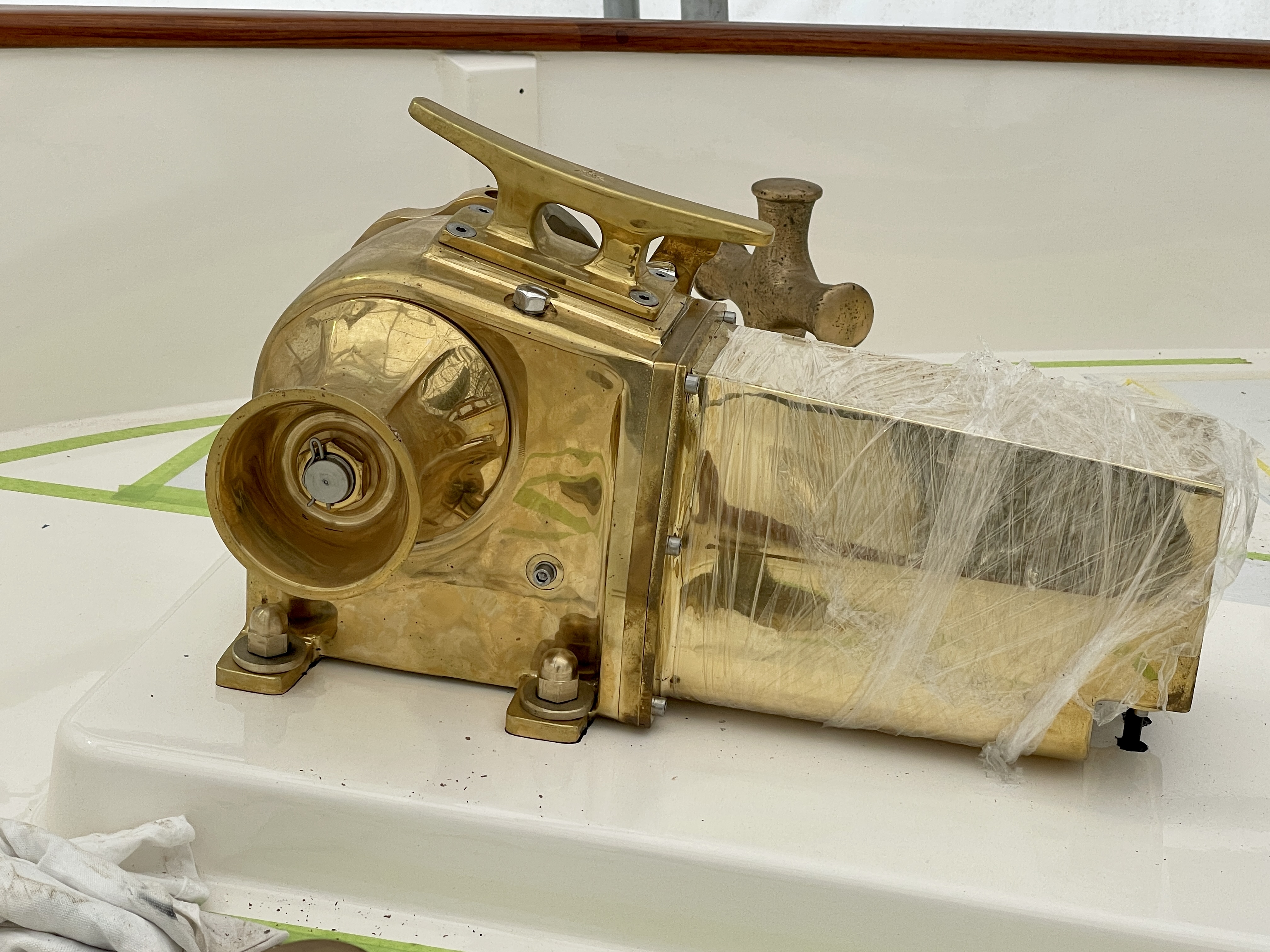
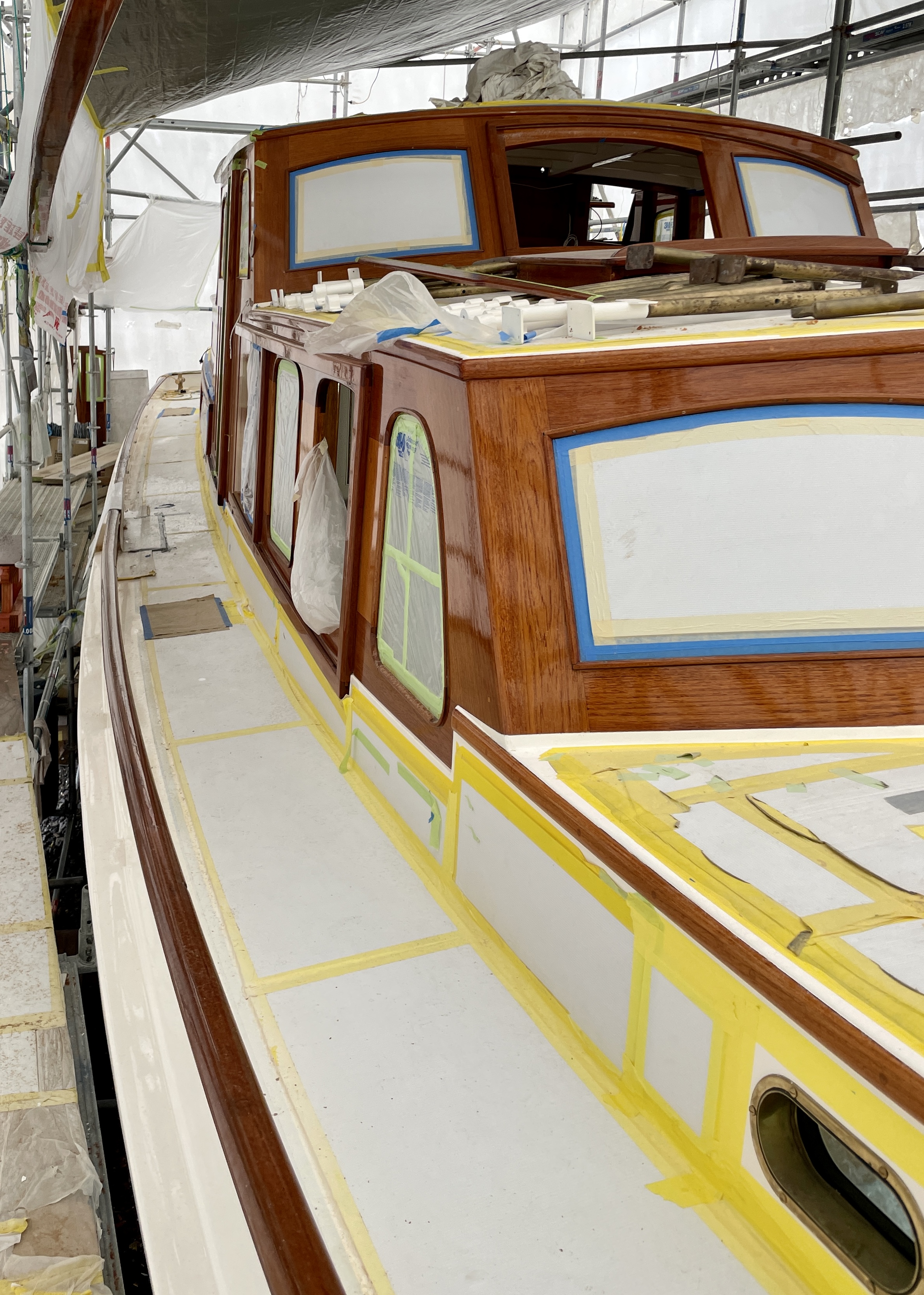
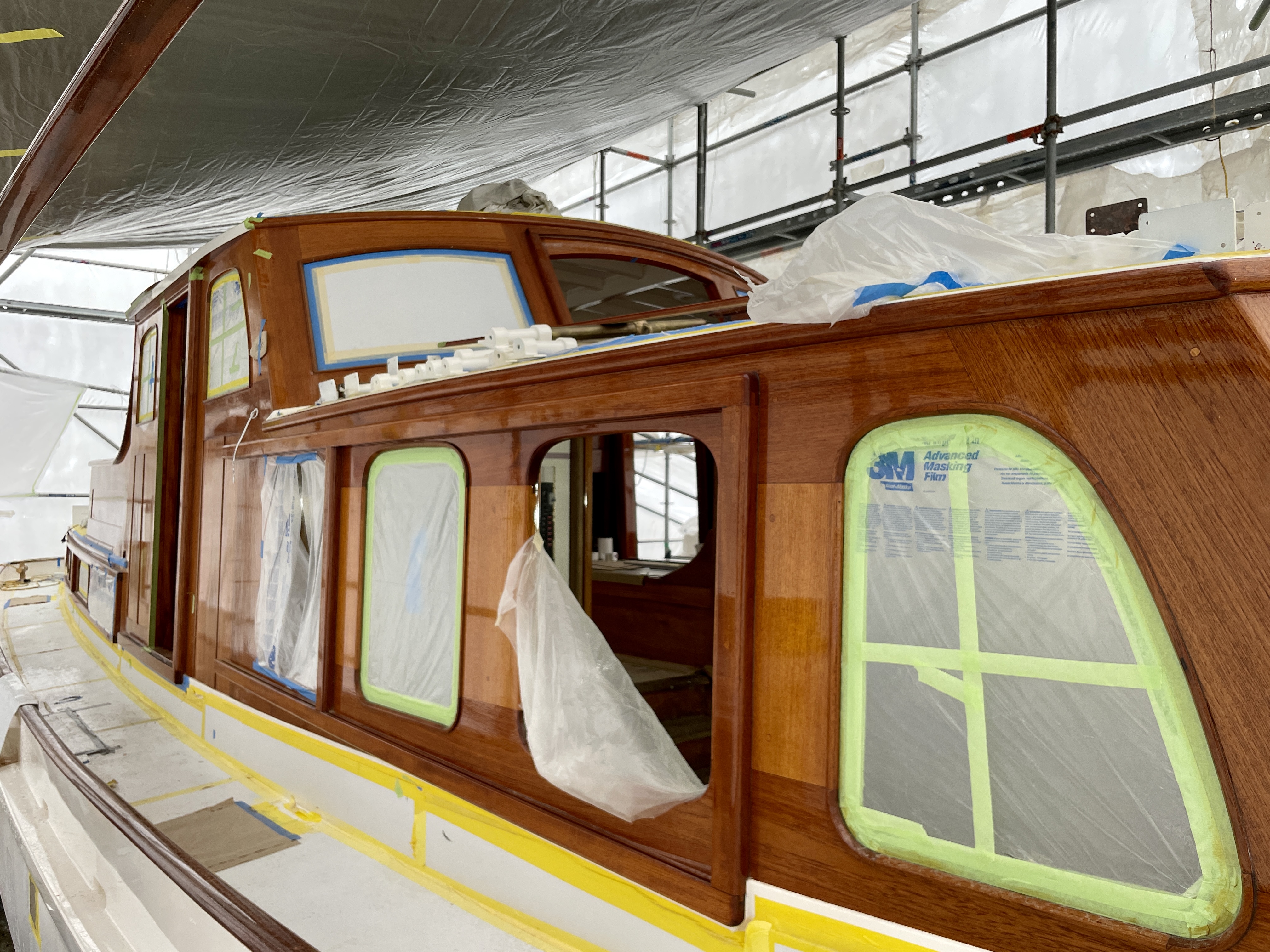
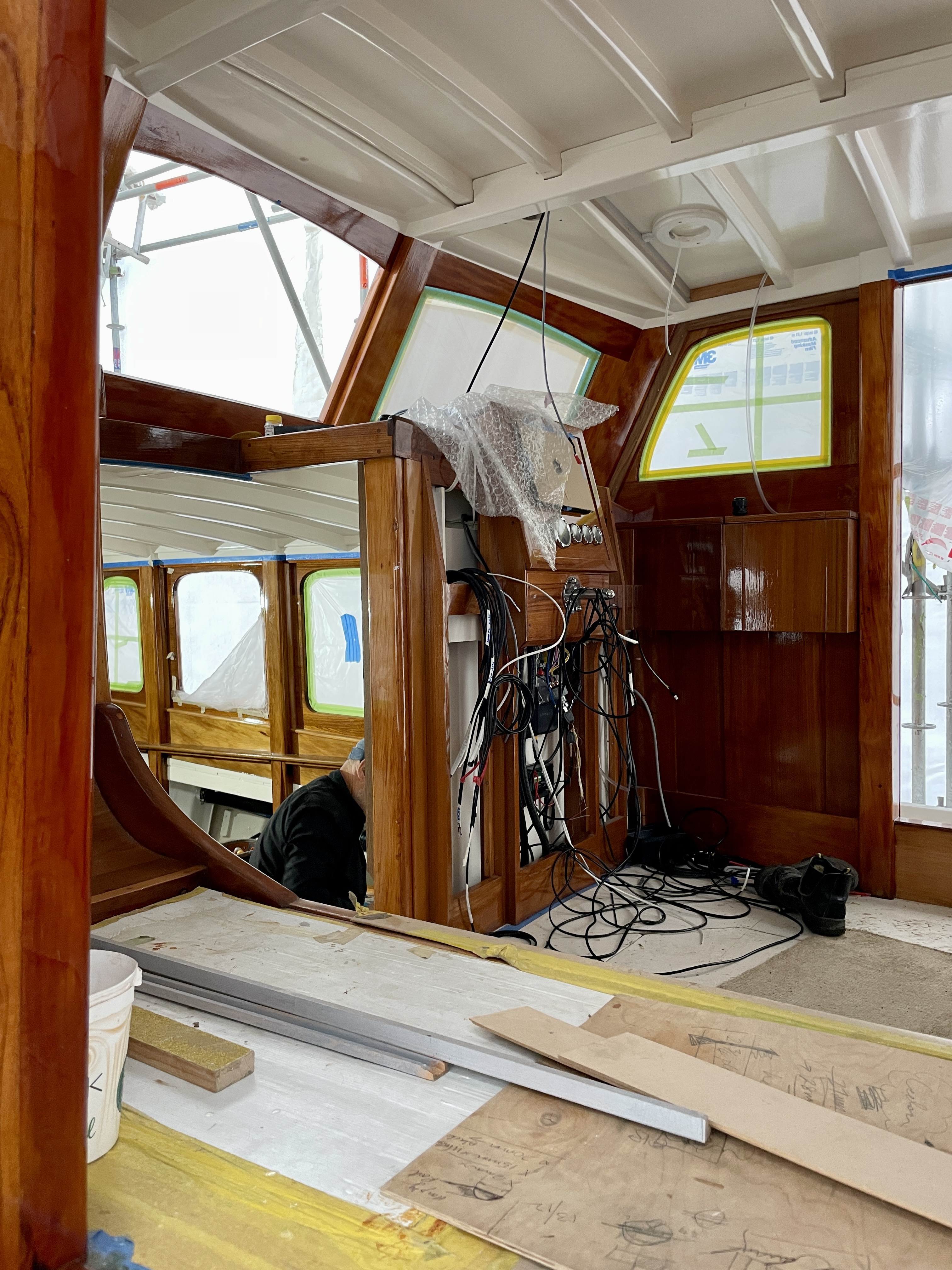
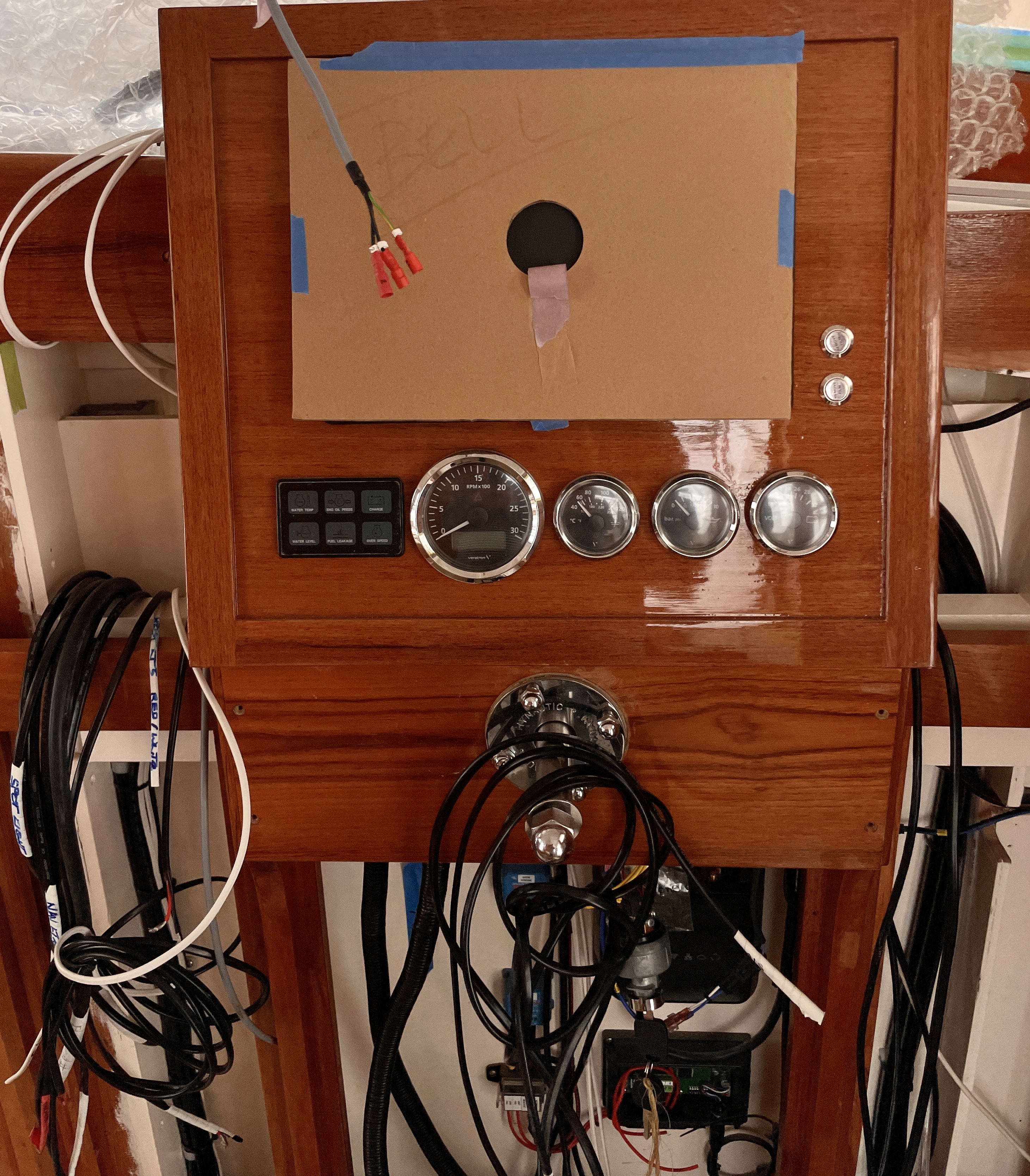
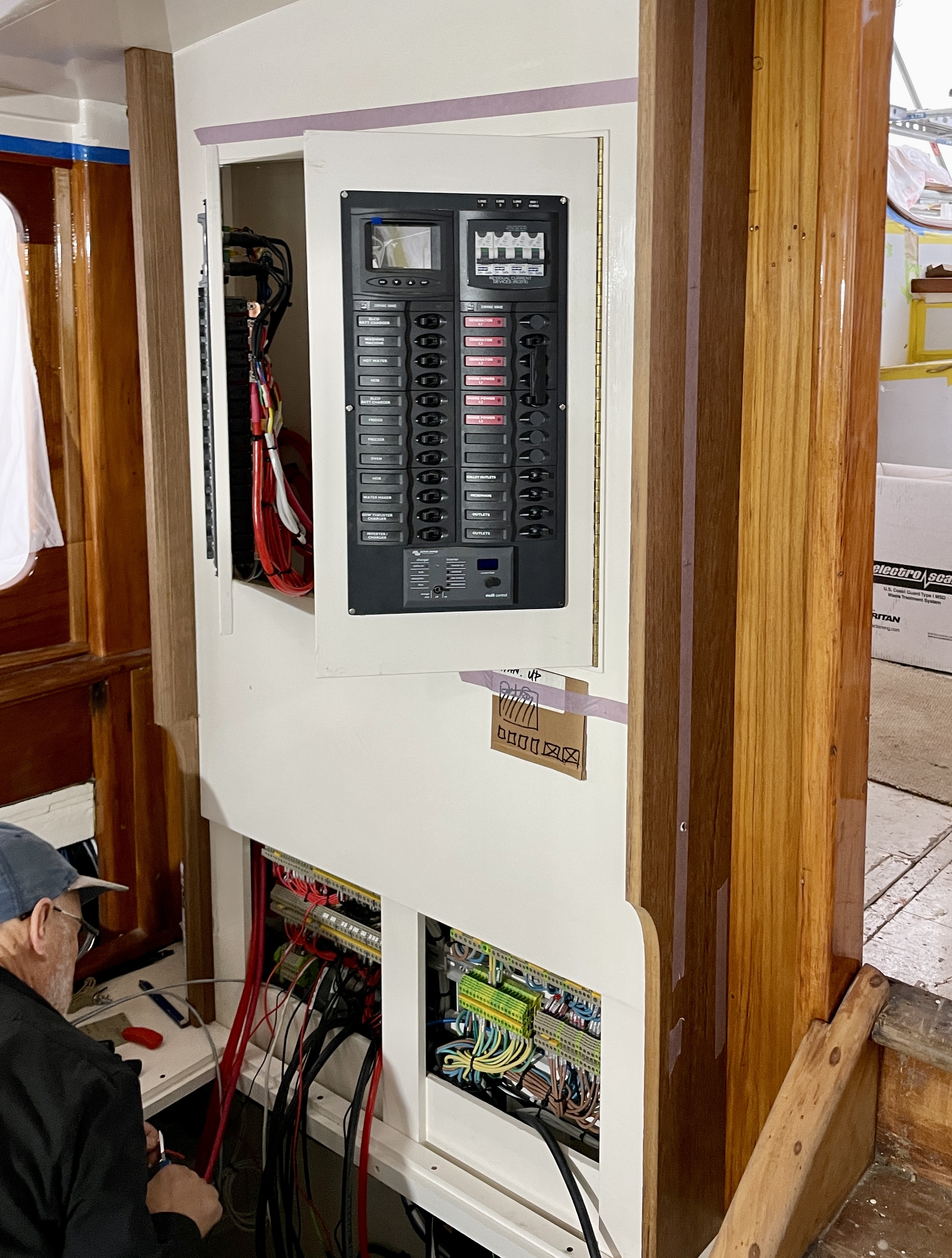
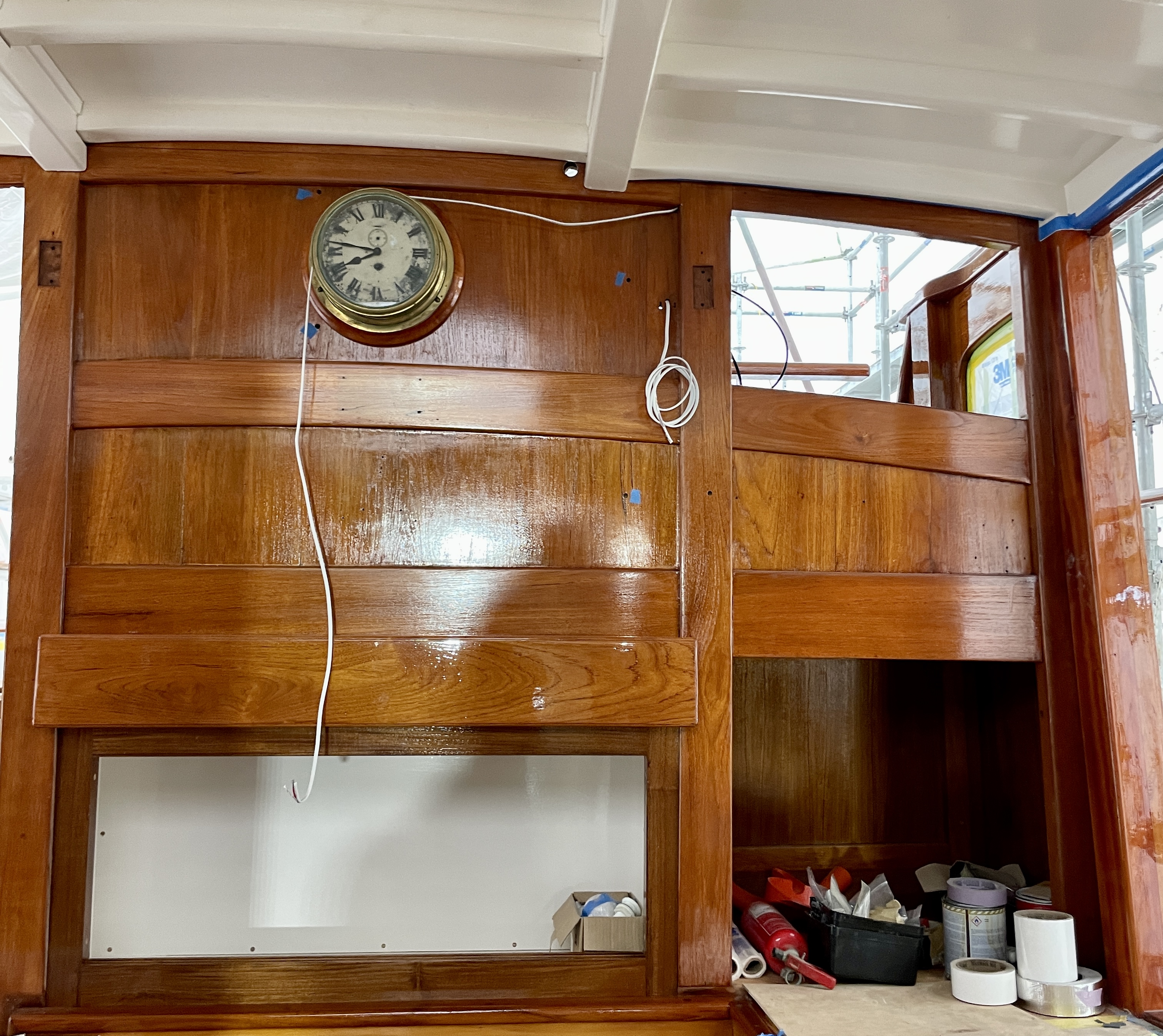
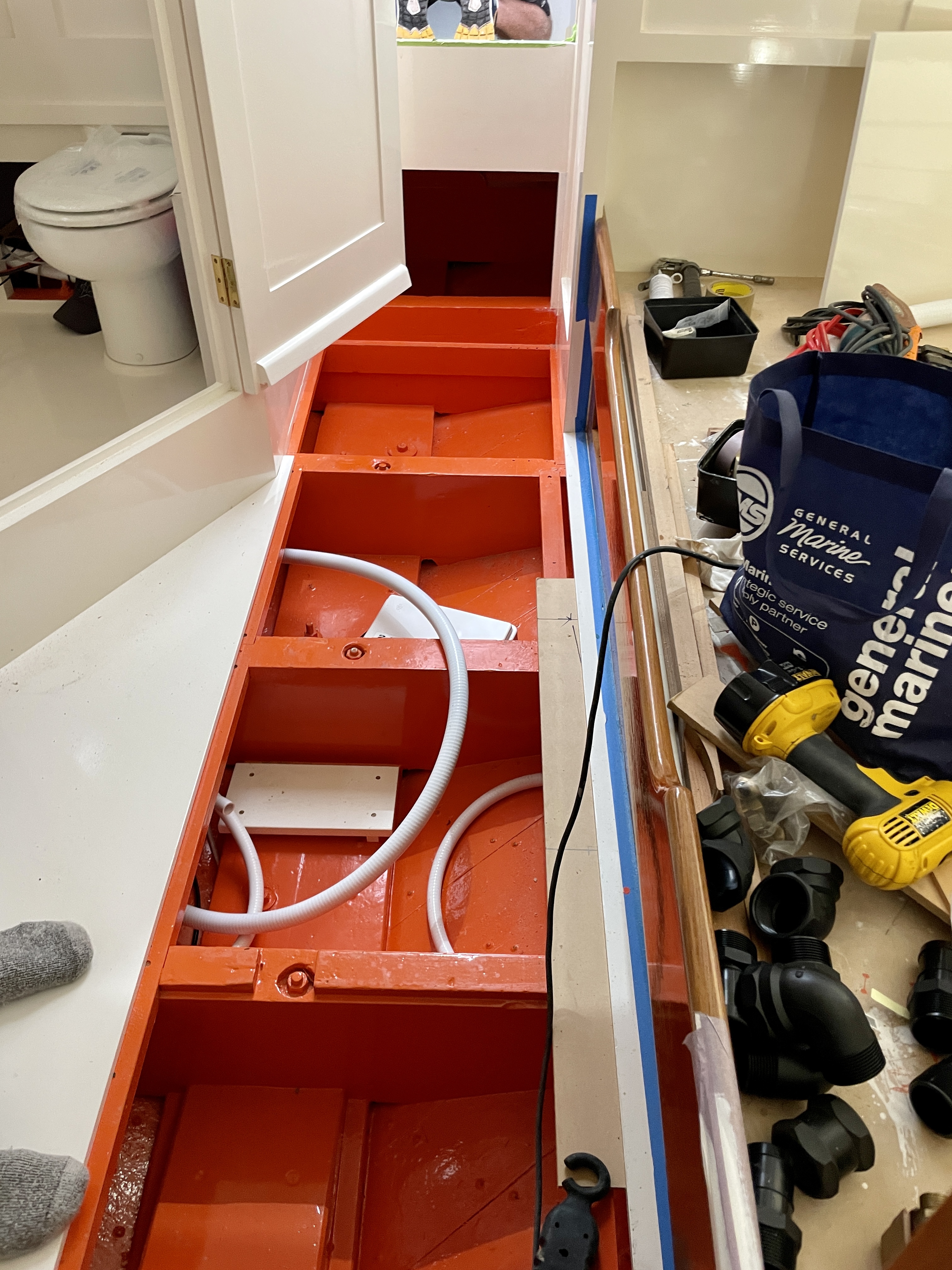
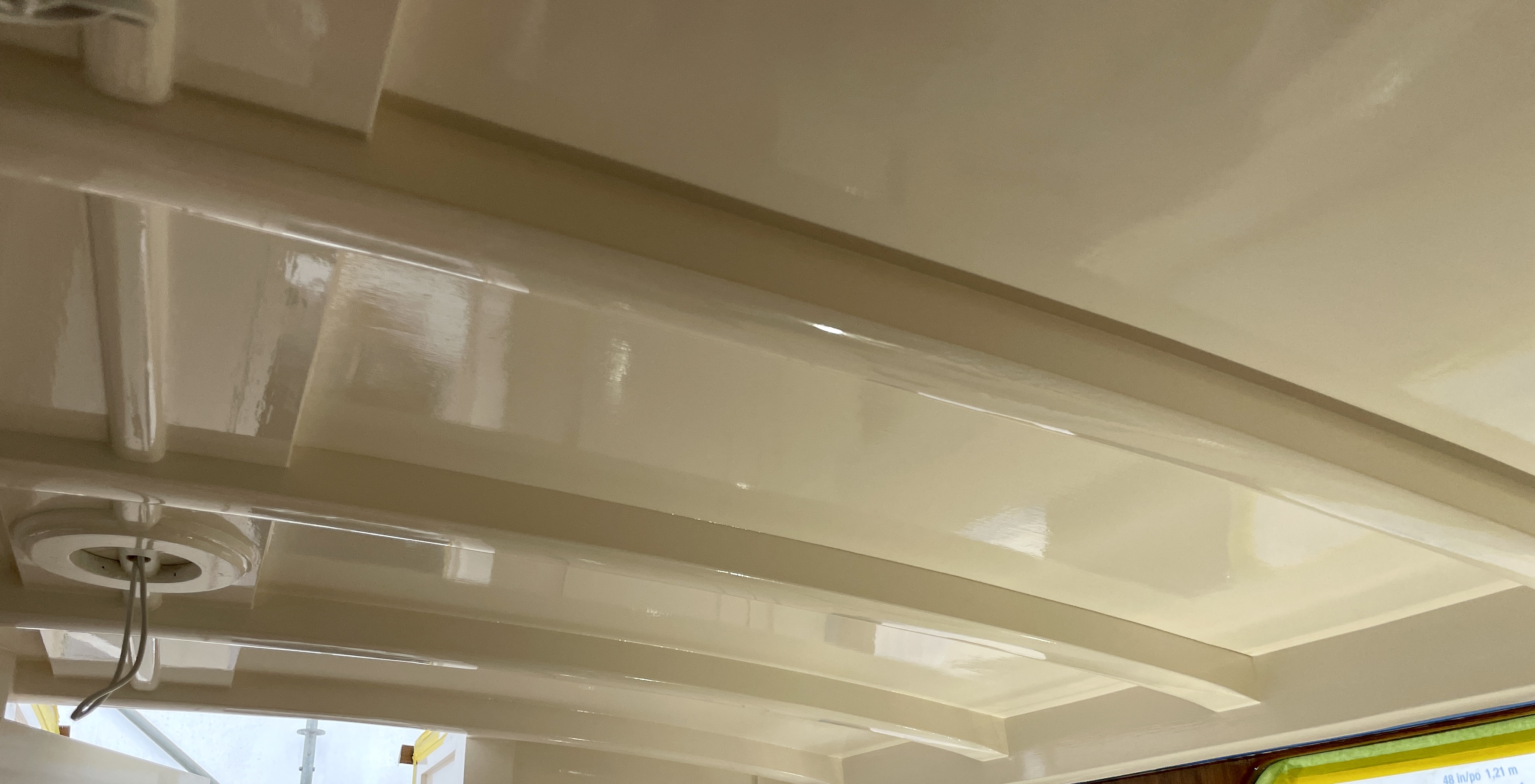
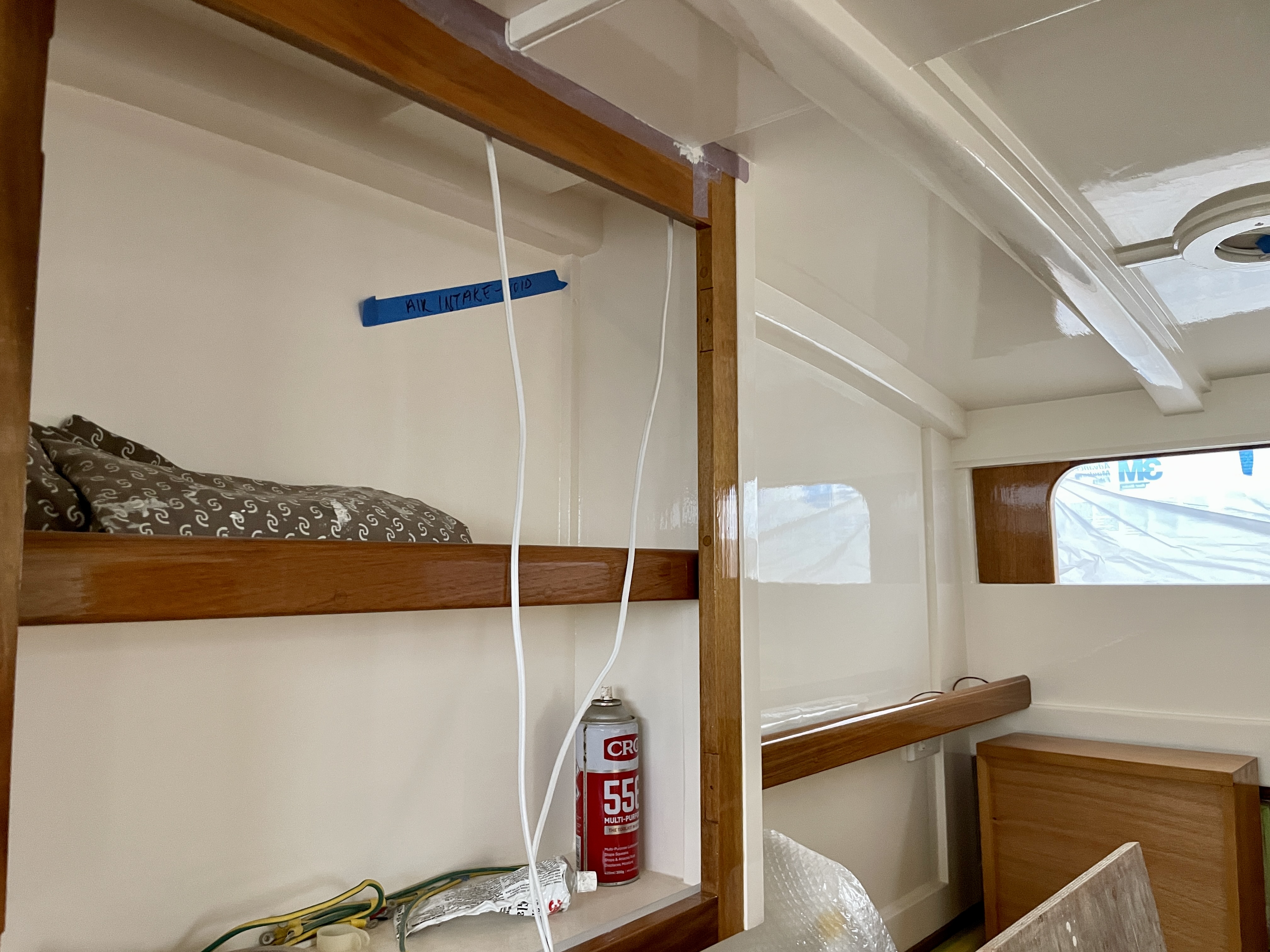
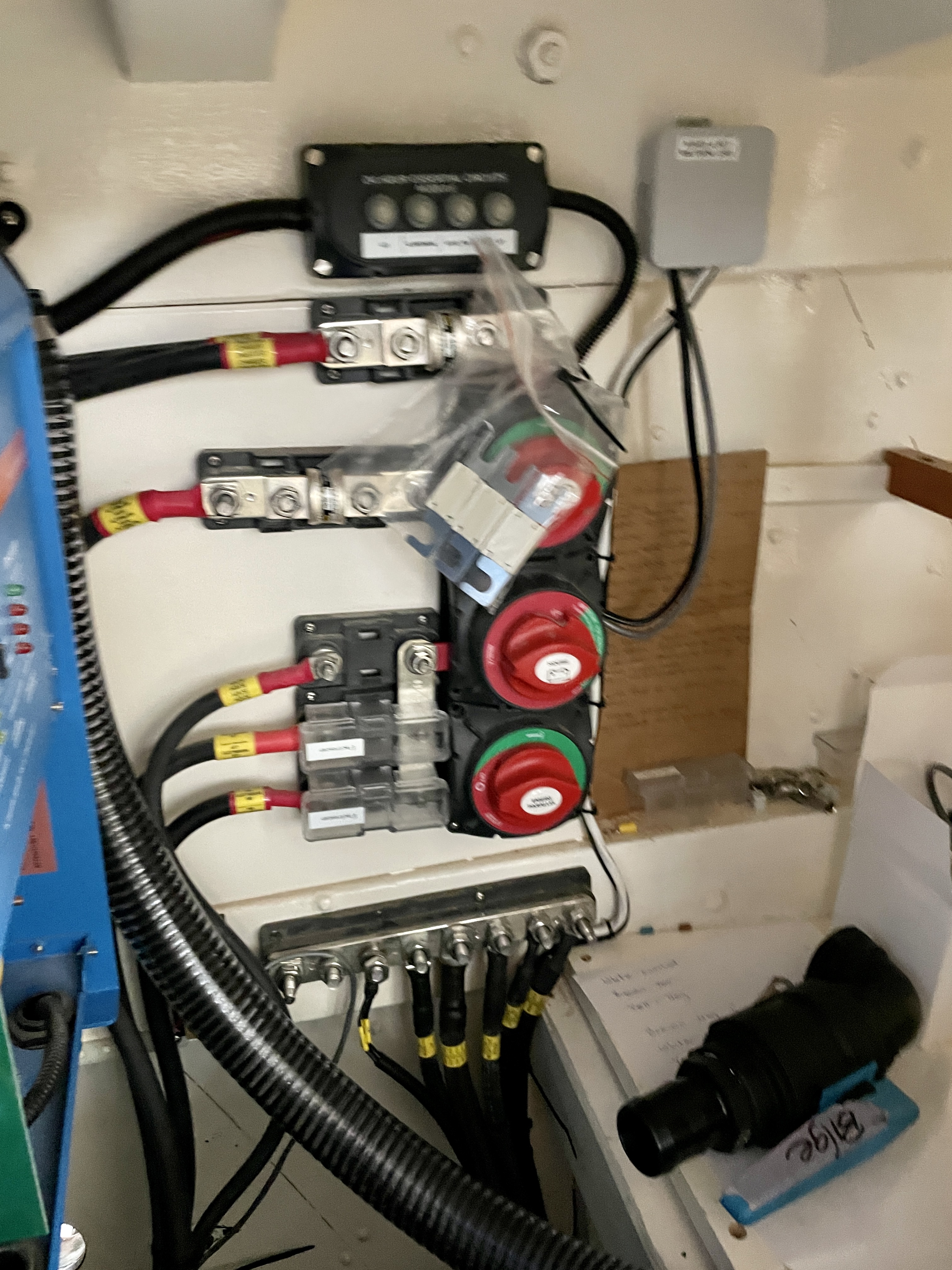
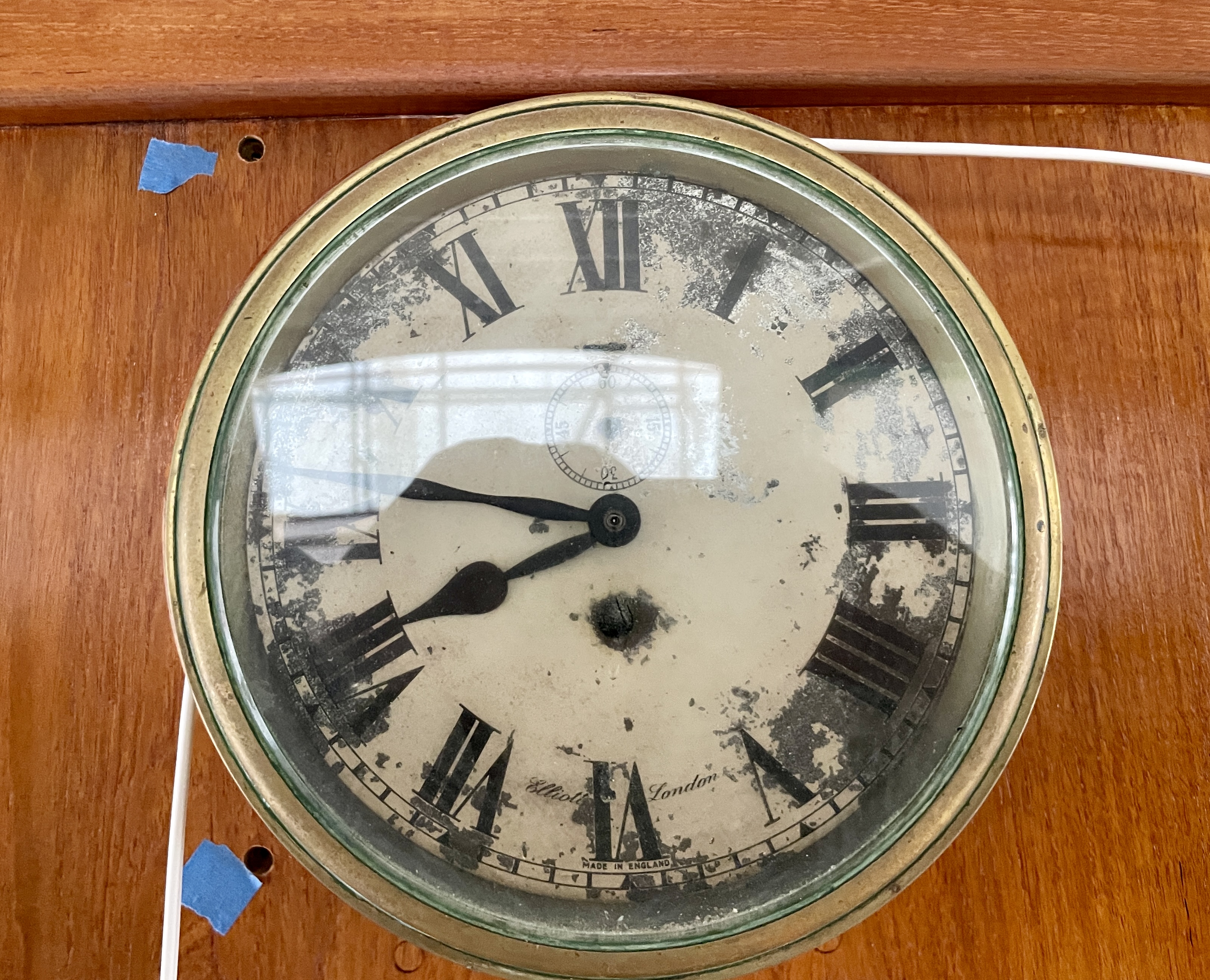
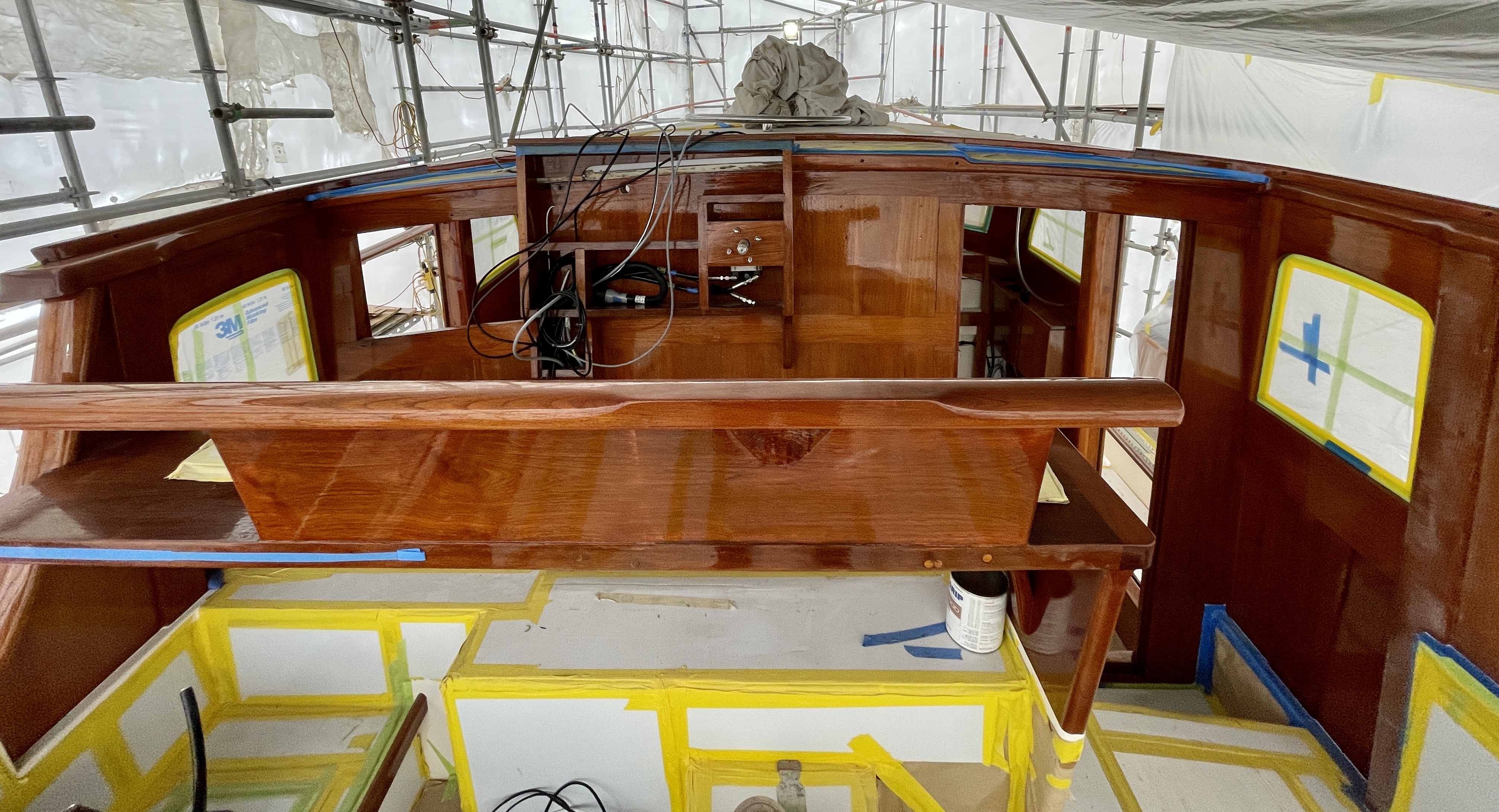
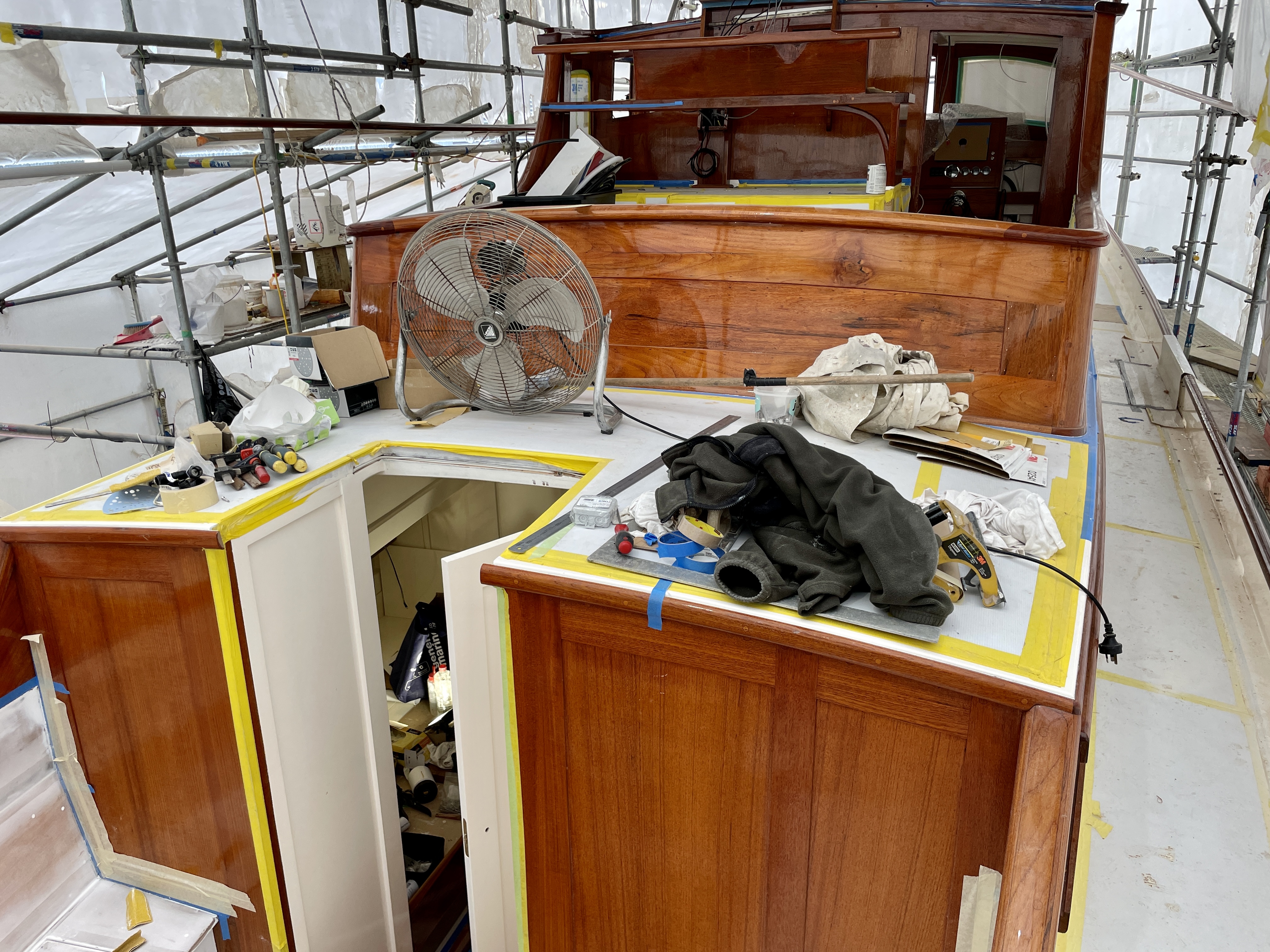
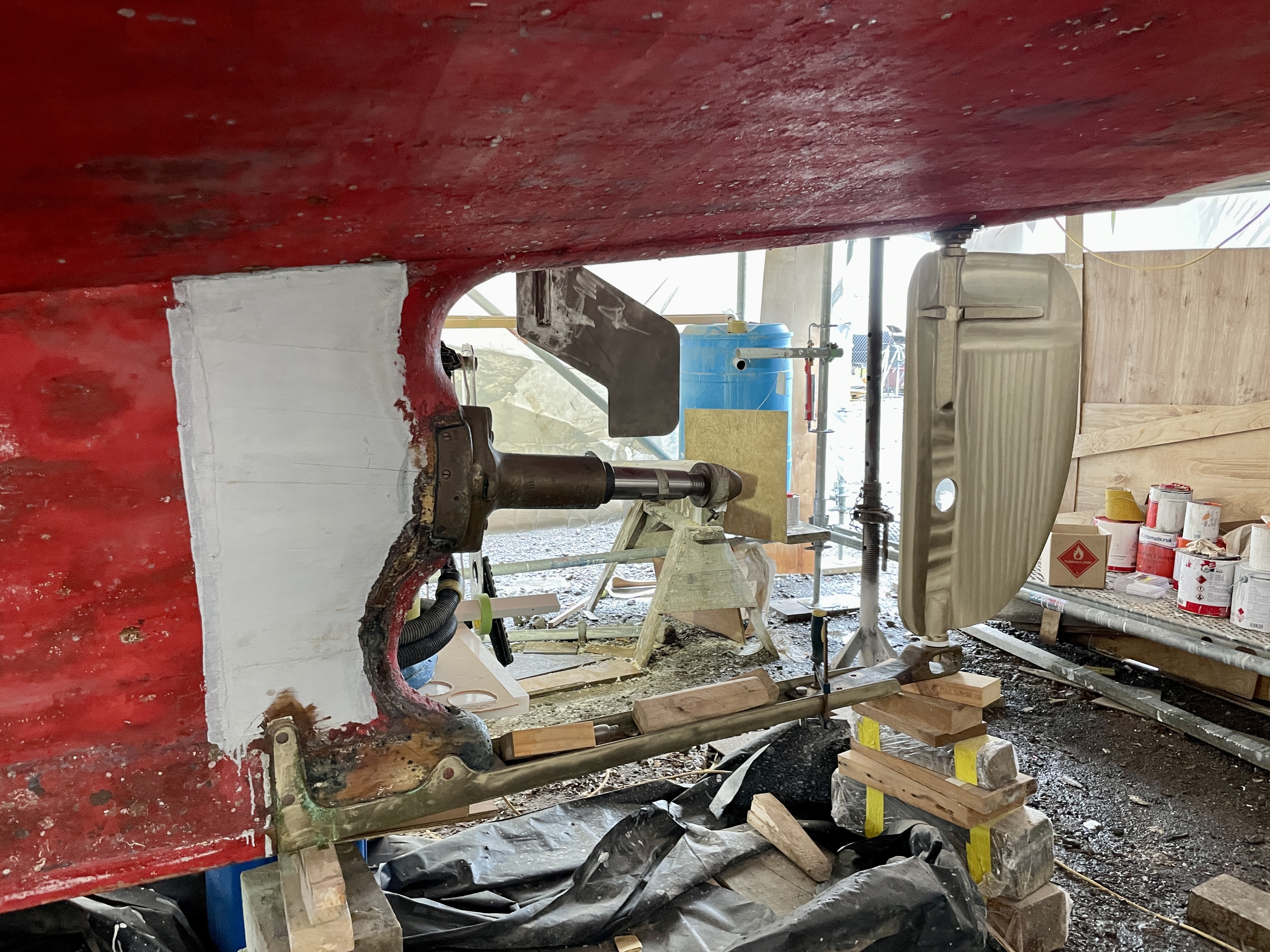
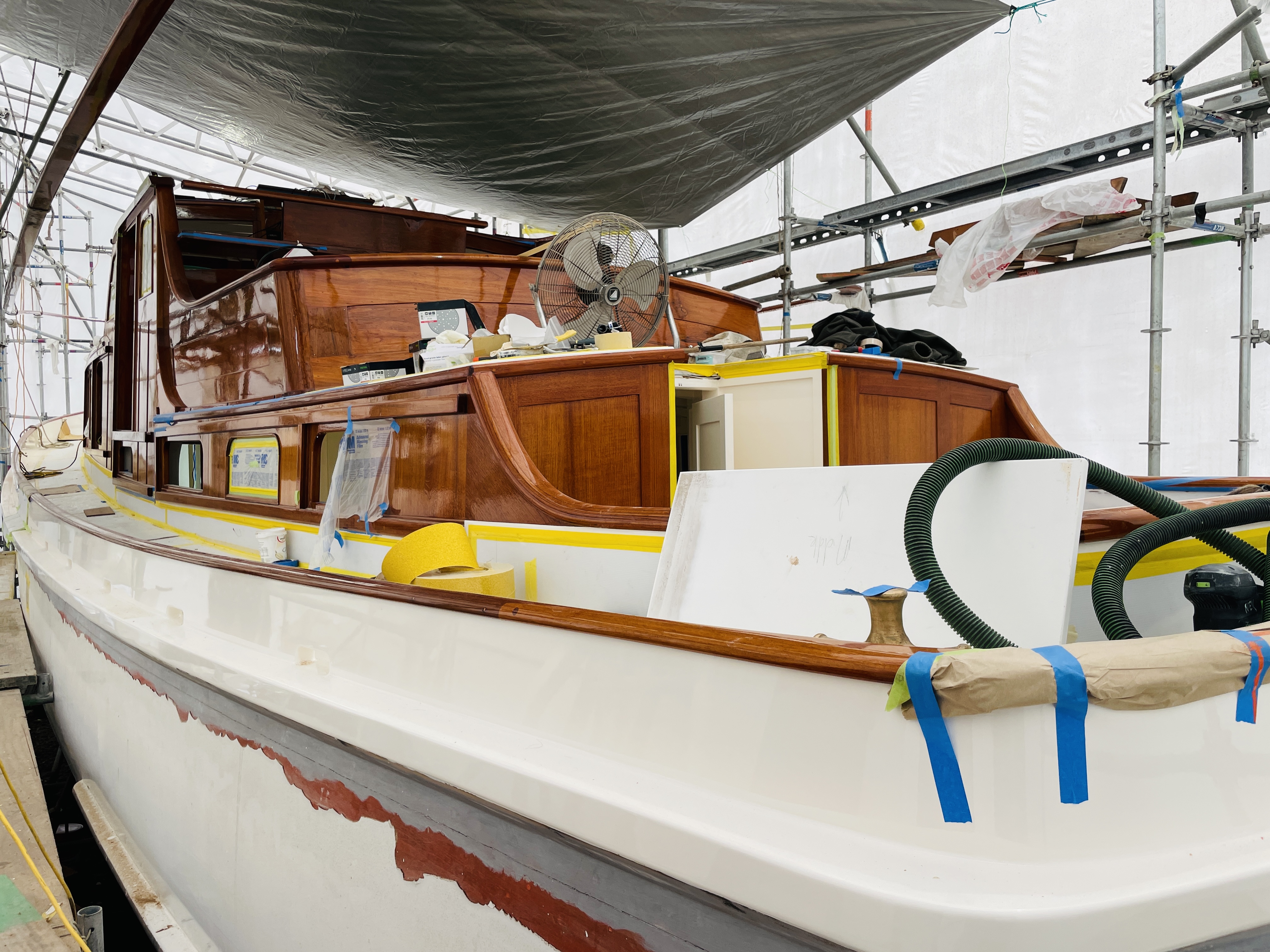
In the interest of keeping you all abreast of the process of the restoration of 1948 Colin Wild built launch – Haunui, last week I paid a visit to master craftsman Paul Tingey. It has been 8 months since my last visit (where does the time go) and Paul and his team have made big advancements on the project. At first glance – lots of glowing timber either on display or peeking out from behind masking tape, but oh boy the focus is on systems, and the team are performing magic in terms of the available space and keeping it out of sight.
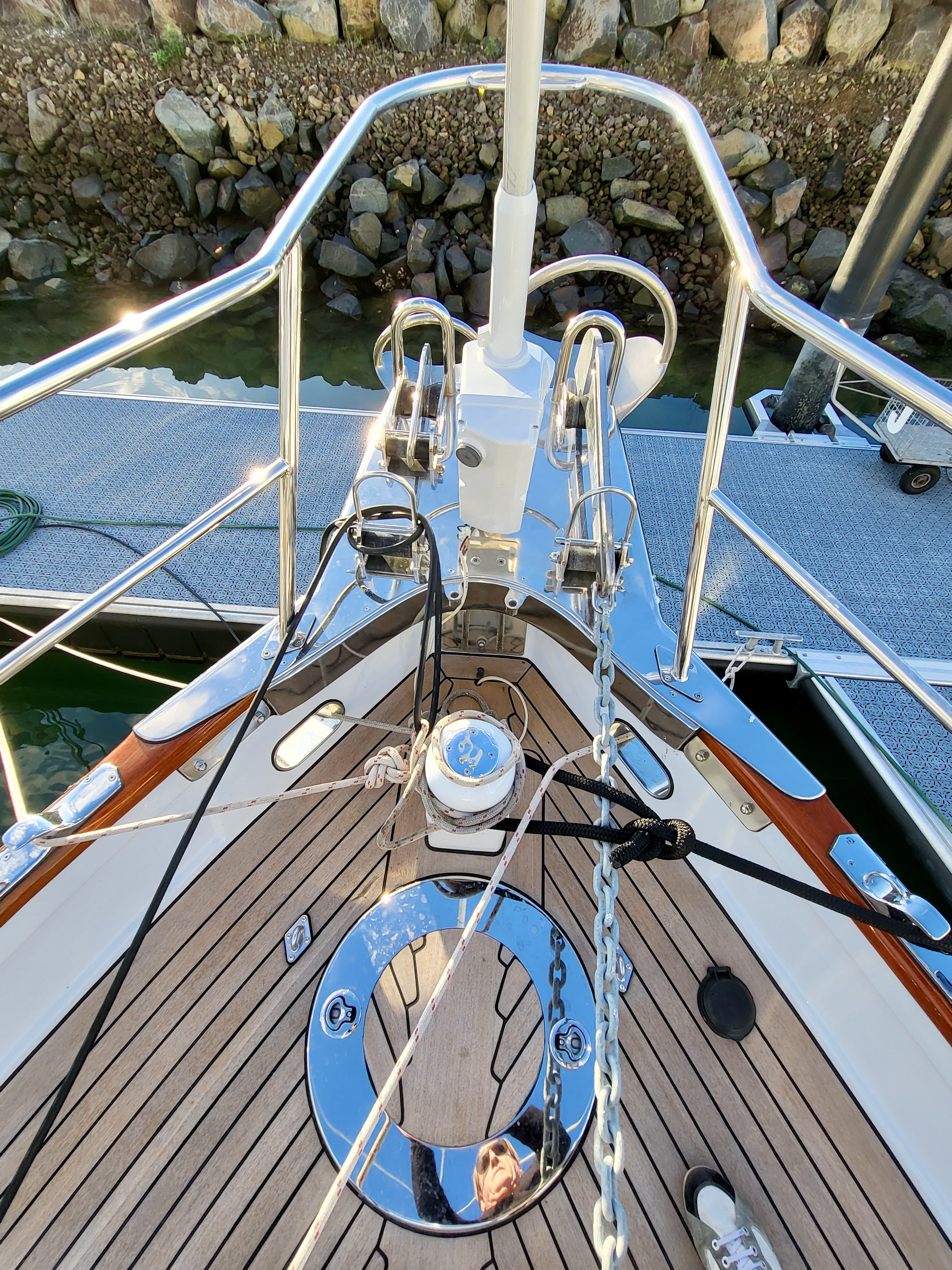
Check out the anchor winch, serious bling. And at the other end of the scale – the original ships clock has been retained – we like that.
I wasn’t brave enough to ask about an estimated re-launch date – but I’ll be back well before that happens 🙂
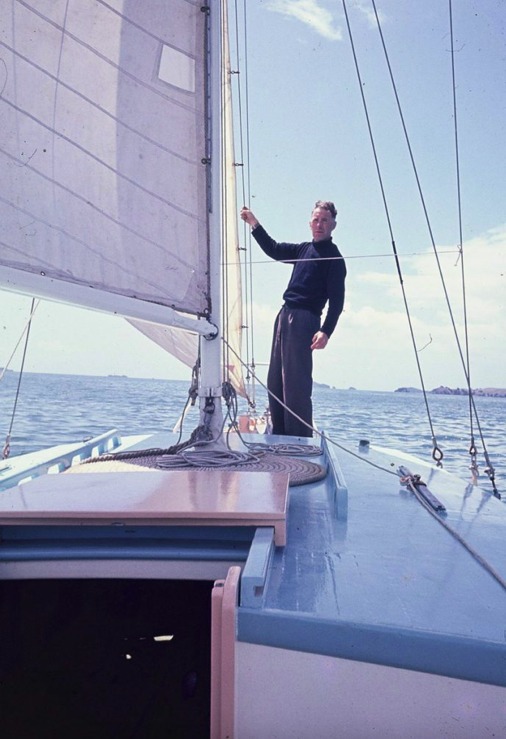
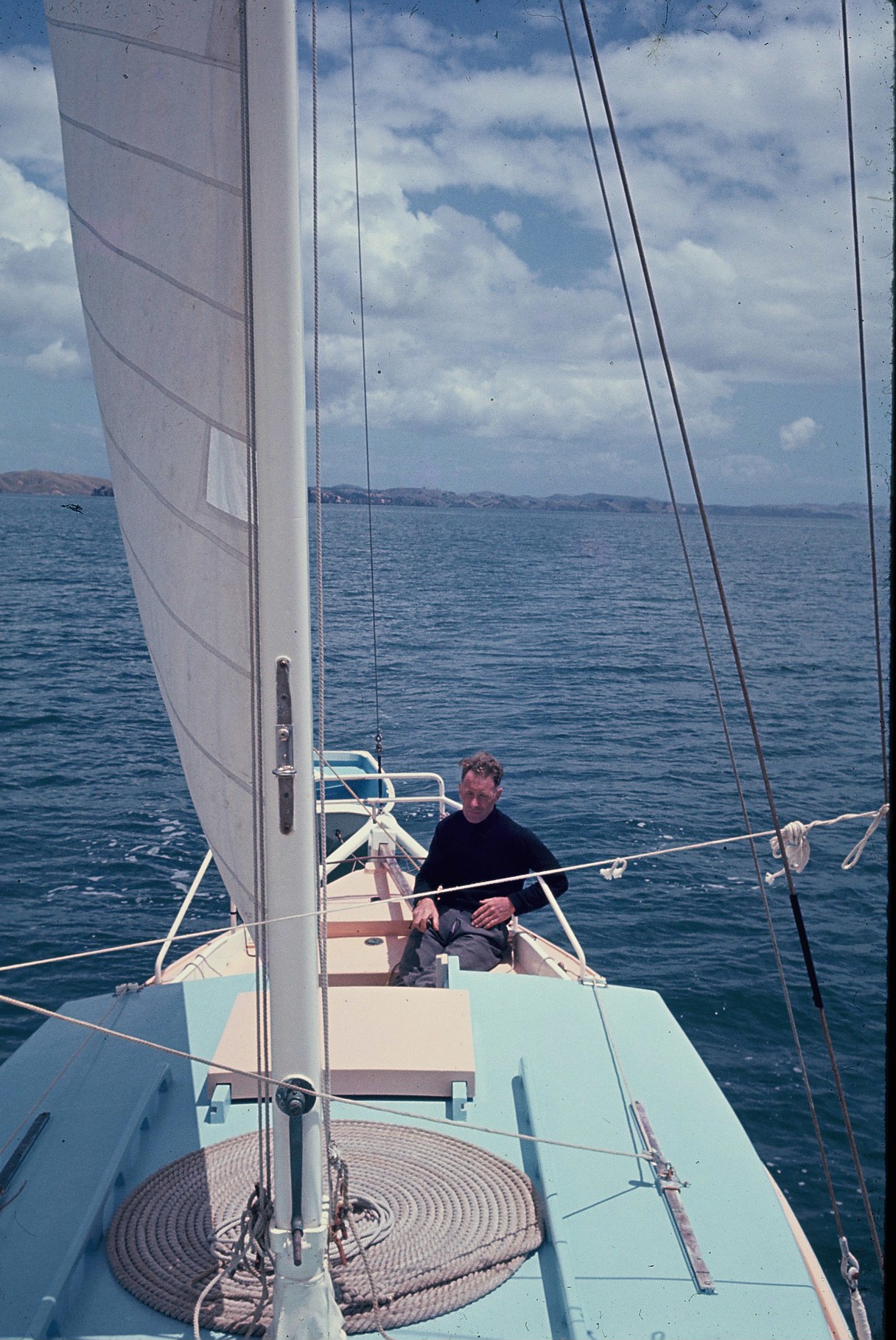
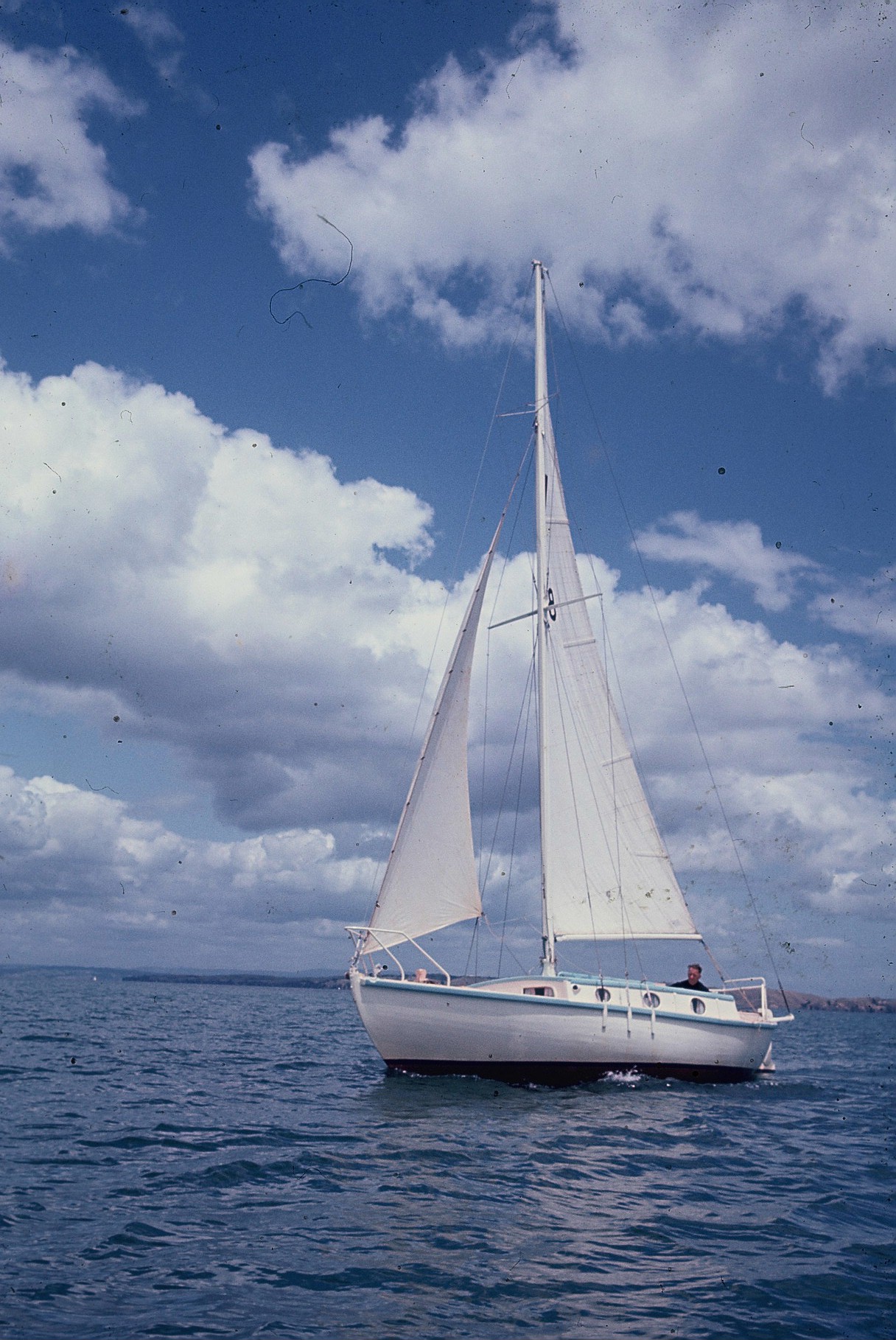
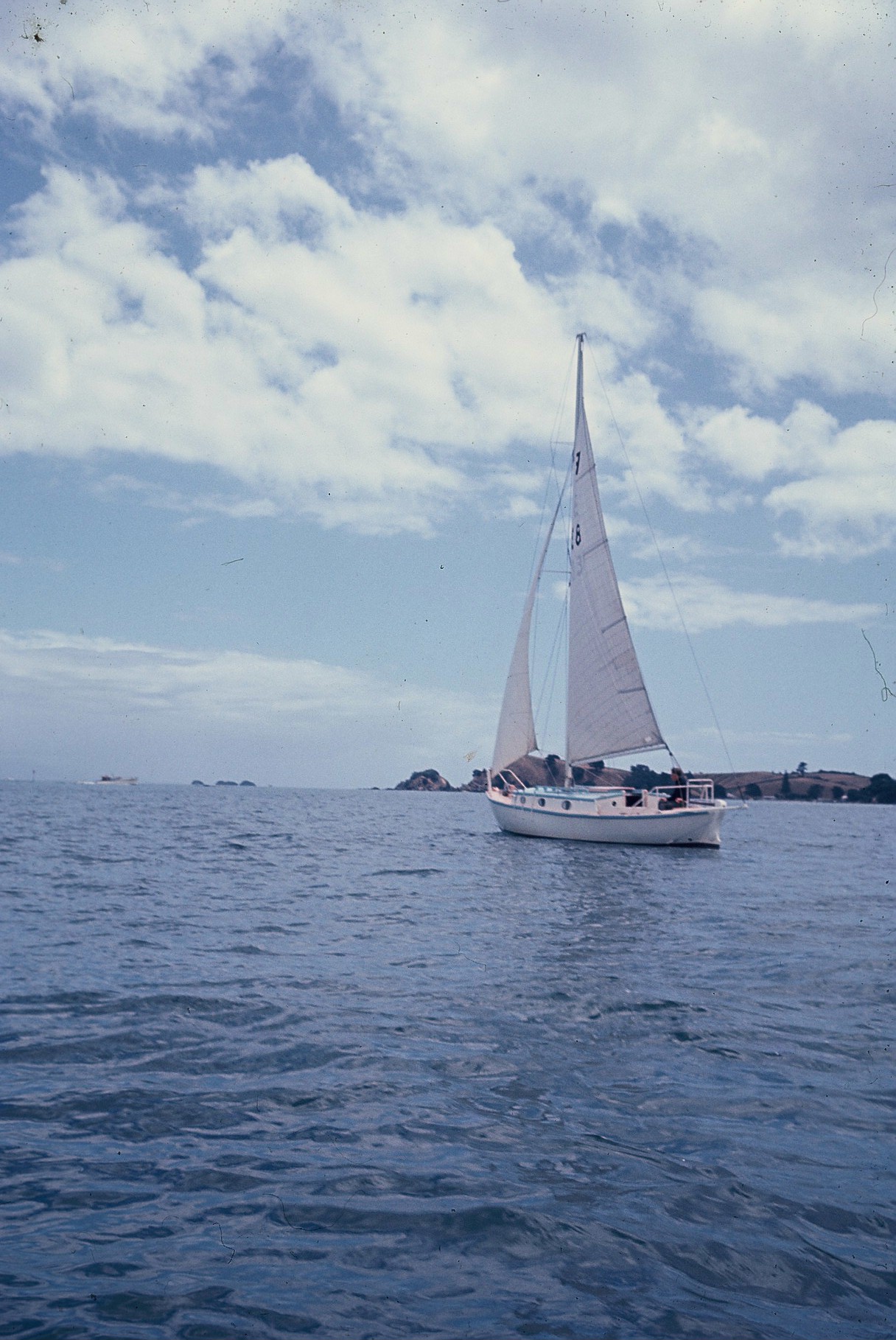
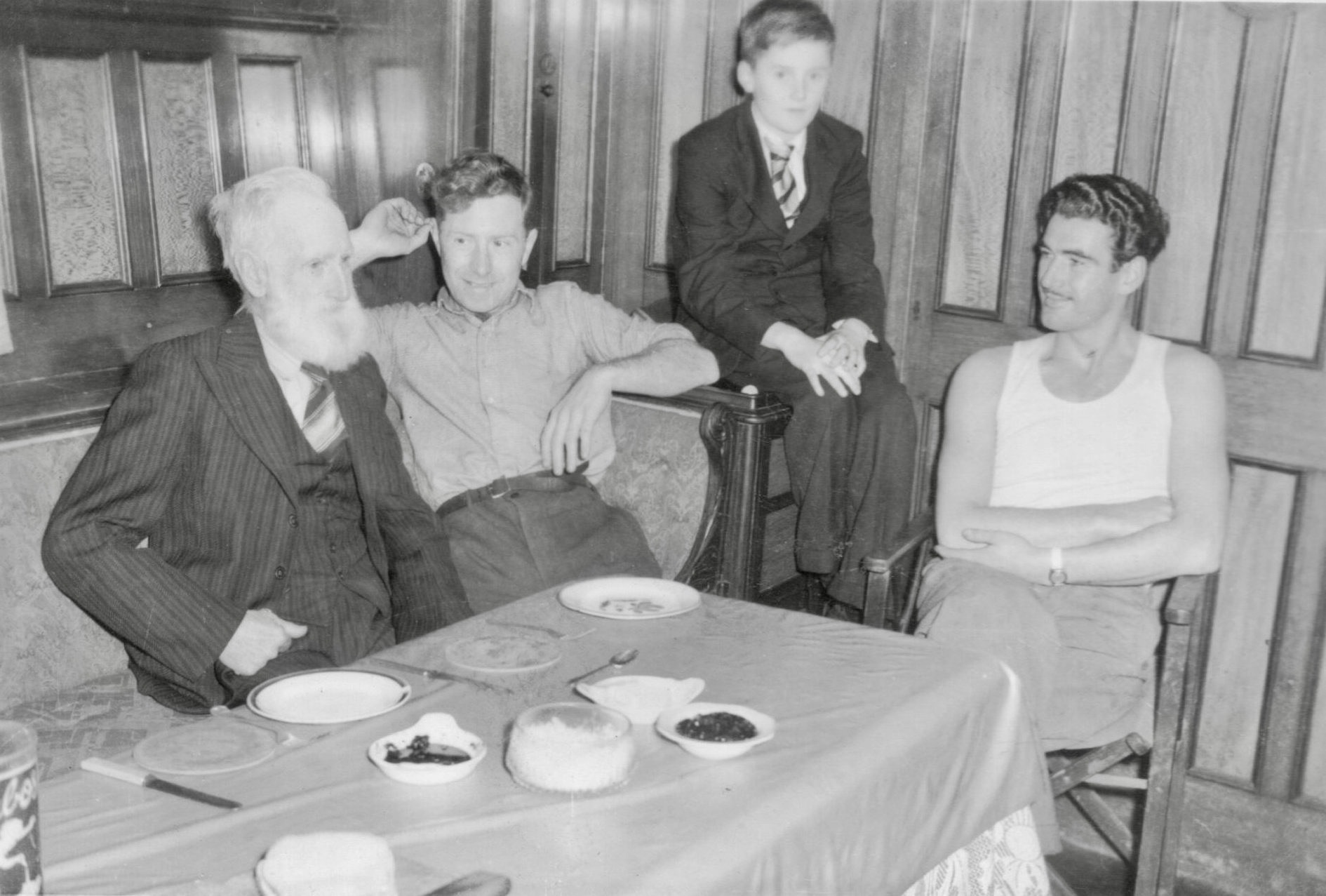
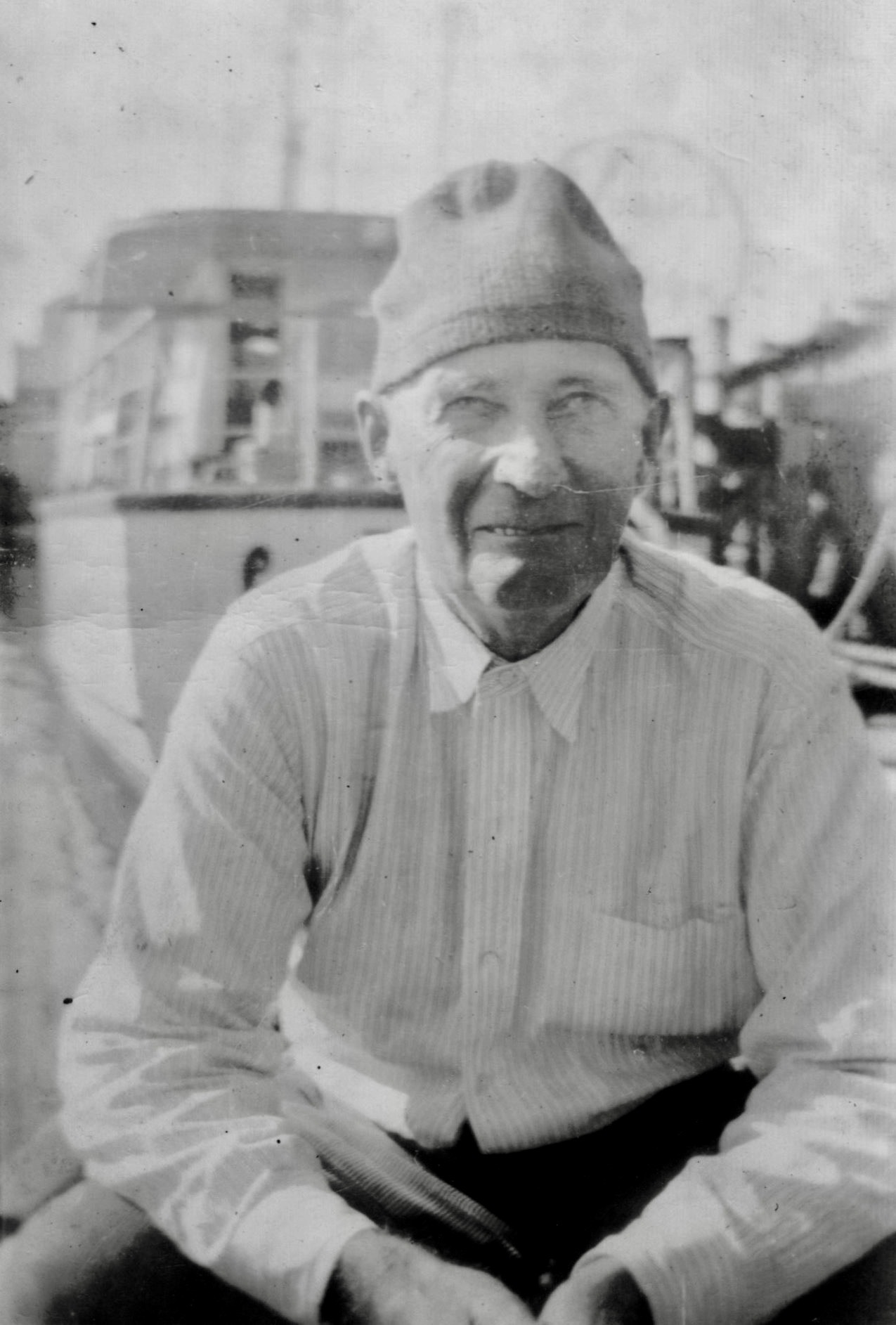
During the week we have been refreshing the story as more content on the vessel, her crew and the passage have been uncovered. Most of the ’spade work’ was done by Deidre Brown, the daughter of Albert (Jim) Brown who was one of the crew on the delivery voyage. In conversations with Deidre she mentioned that her father in and around the 1960’s owned a yacht and whilst the family had photos, they have no record of the boats name, design / builder etc – so today woodys we are asking if the name Jim Brown and the above photos ring any bells with you.
The woody that supplies the best intel will receive a WW t-shirt and cap – I’m feeling extra generous today 🙂
Replies either via the WW Comments section or to waitematawoodys@gmail.com
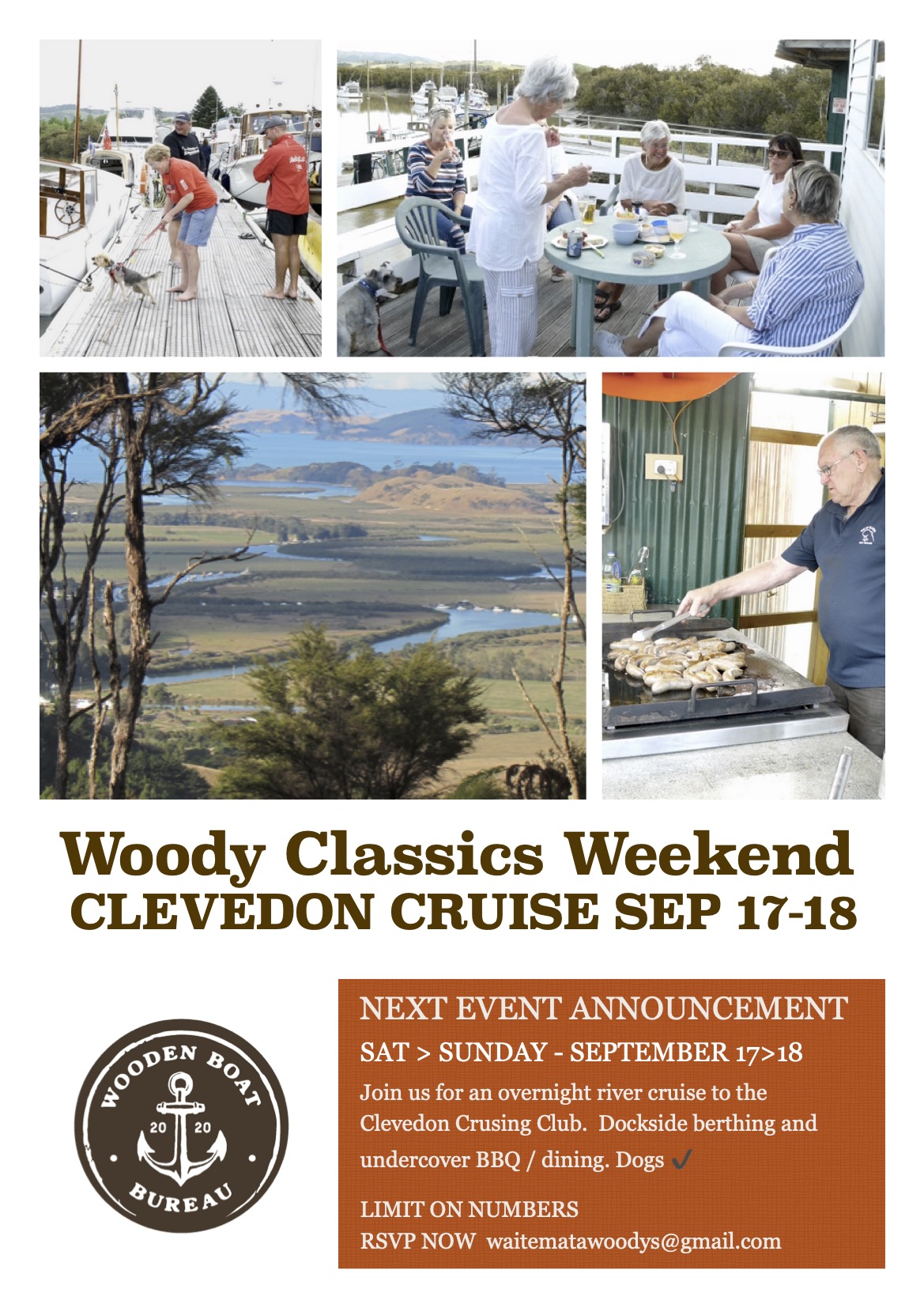
WOODY CLASSIC BOATING 2022 – 2023 CALENDAR Time to get the pencil out and circle a few dates in the calendar. Our 2022 > 2023 classic woody events focus equally on the boats and the people – its all about getting off the marina and meeting up with like minded people. As always, some dates may change and the weather is always a factor – but as the dates approach we will be in touch with more details.
Please feel free to share the calendar with your classic friendly boating enthusiasts. Where tide and draft permits – woody cruising yachts are always welcome to join in, so also share with the stick and rag woodys 🙂
AND TO ENSURE YOU GET A WOODY FIX TODAY – CLICK THE LINK BELOW Video footage from the 2022 Moreton Bay Classic (thank you Andrew Christie)
Back in April 2021 we had a great discussion on the Imatra – the 123 year old Stow & Sons gaff yawl racing yacht that sailed from the UK to NZ back in 1949 and sadly these days is berthed in the Tamaki River, Auckland and in rather poor condition. There was first-rate input from numerous woodys – link below to that story
Fast forward to last week and Deidre Brown ‘discovered’ the WW site will doing a google search and today we get a wonderful insight into the early life of the yacht and how it ended up down under. I’ll let Deidre tell the story. Enjoy 🙂
“My father Albert (Jim) Brown (b. 1922) was one of the crew of the Imatra that sailed her to New Zealand. Jim had seen the Imatra at Plymouth as he prepared to leave England as crew, with his fiend Ben, onboard the Palmosa in 1948. Both yachts were sailing to Barbados. Jim and Ben left the Palmosa at Barbados and were hired by Captain Nelson as crew for the Imatra to sail her to New Zealand (a two month journey). The following transcript is an excerpt from oral history interview I undertook with my father, Jim, about the Imatra for a school project in 1986. The square brackets are my additions:
‘Captain Nelson was in his 70s. He’d been a merchant seaman captain; he had spent most of his sailing years travelling between East Africa and India, the sort of tropical seamanship where the mate did all the work, and the captain just did his hobbies in the cabin. He was a nice, easy going, old bloke. He had originally come from New Zealand and was intent on going back there. Why? I don’t know. He didn’t seem to know either. I don’t know why he didn’t just sell the yacht and fly across. Two of his crew had left and the third was in hospital with an appendicitis and he didn’t know what he was going to do for crew, so we told him he had some crew … us! He said he needed a cook and we said we’d provide him with a cook because the naval captain [of the Palmosa] was intent on keeping his cook and we thought that he didn’t deserve him. Just to seal the deal the captain gave Ben not a packet, but a whole carton of cigarettes, which made Ben his slave for life, I think. He had tons of whisky and beer on board, which looked very good to us. In all respects, she was a very well-found ship. She was a bit rough-looking after the naval captain’s yacht, which was very smooth. But this one was an old one. Racers used to race ships back in the Irish Sea in the 1880s. This one had been owned by an old lady [Cecilia Mackenzie], I believe. She had originally been a racing yacht with one very long mast, which had been shortened a bit, and a second mast put in and made into a ketch. She was slow, but she was also very stiff and steady, and I don’t think she could ever sink. Beautiful ship inside; all panelled in Bird’s Eye Maple. We got the cook, and we went on board and this other chap came out of hospital. We all set off and we went through the Panama Canal, down to Tahiti, and down to New Zealand. The conditions were very good. We were plagued with a lack of wind rather than too much of it. The only storm we saw was one when we were getting to New Zealand, when we were hit by it. It nearly blew us all the way back to Tahiti…. [We arrived in Auckland on] 1 April 1949…. We stayed on the yacht [Imatra] and we moved from the Ferry Building around to Bailey’s ship building yards in Herne Bay. Or was it Freeman’s Bay? We were put on a berth there. While we were there Sir Ernest Davis, who used to be the Mayor of Auckland at one time and owned one of the local breweries, came down and he liked the look of the yacht because it was old. He was an oldish man and he liked things old. It also reminded him of his previous yacht, which he had given over to the navy during the War. It got wrecked. He bought the yacht and Ben and I looked after it for several weeks and lived on board until Ernie Davis decided it was time for him to do a bit of sailing and for us to go. So we had to come ashore and go boarding. We were very sad to leave her.’
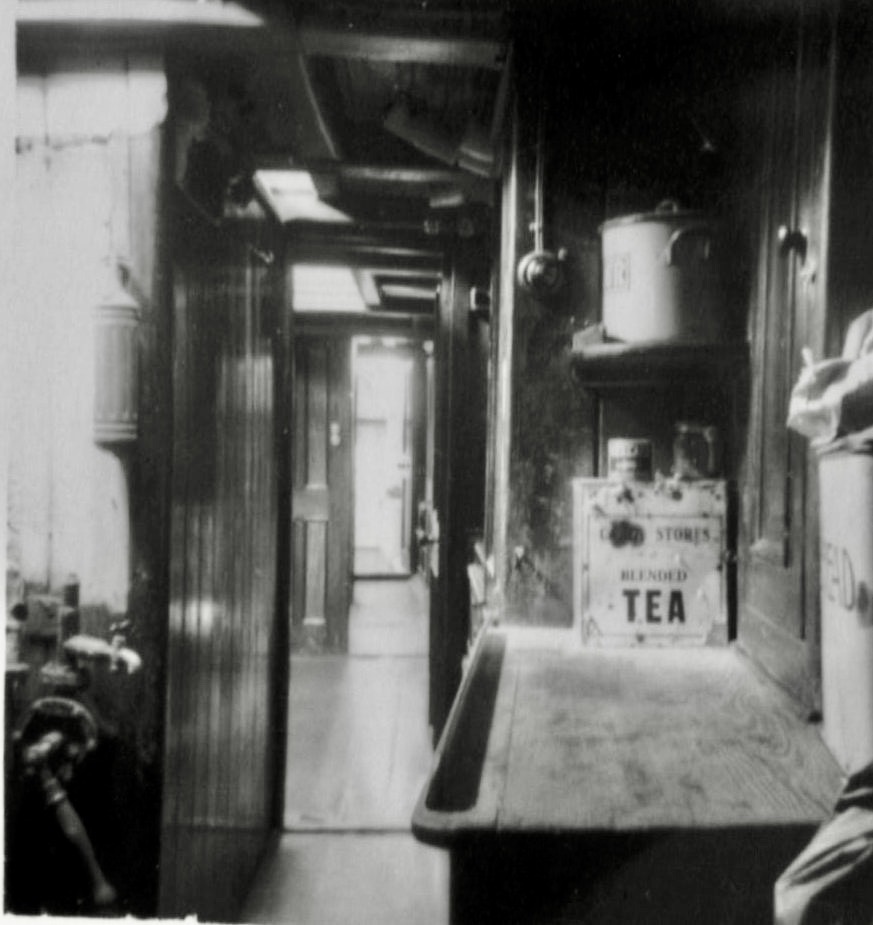
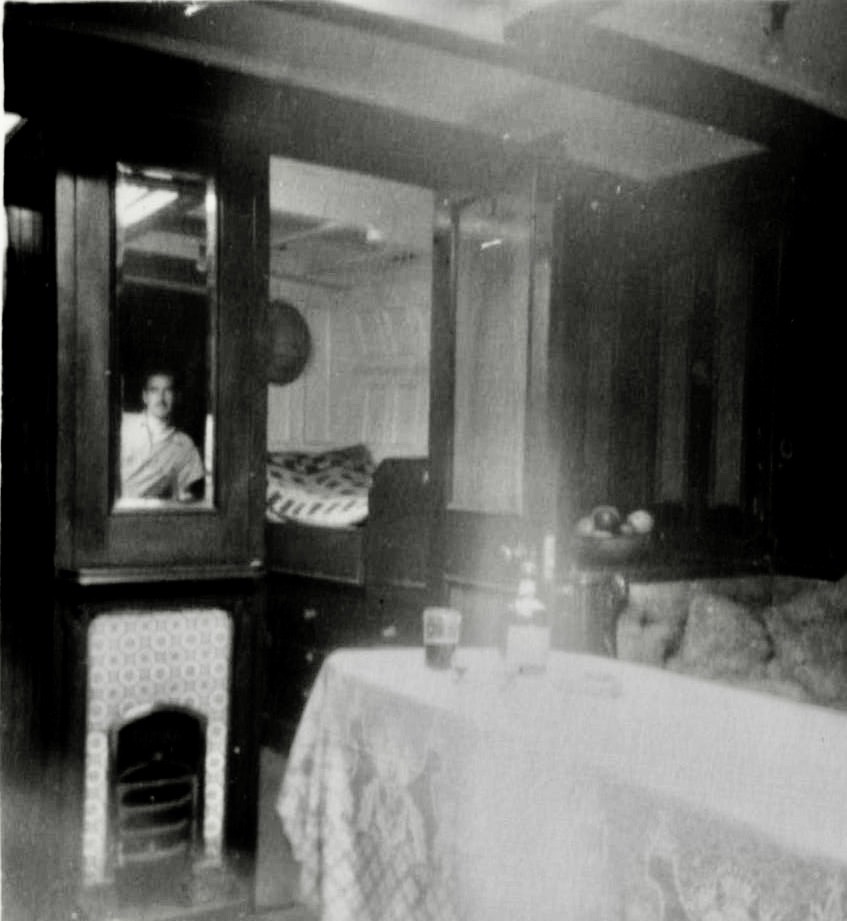
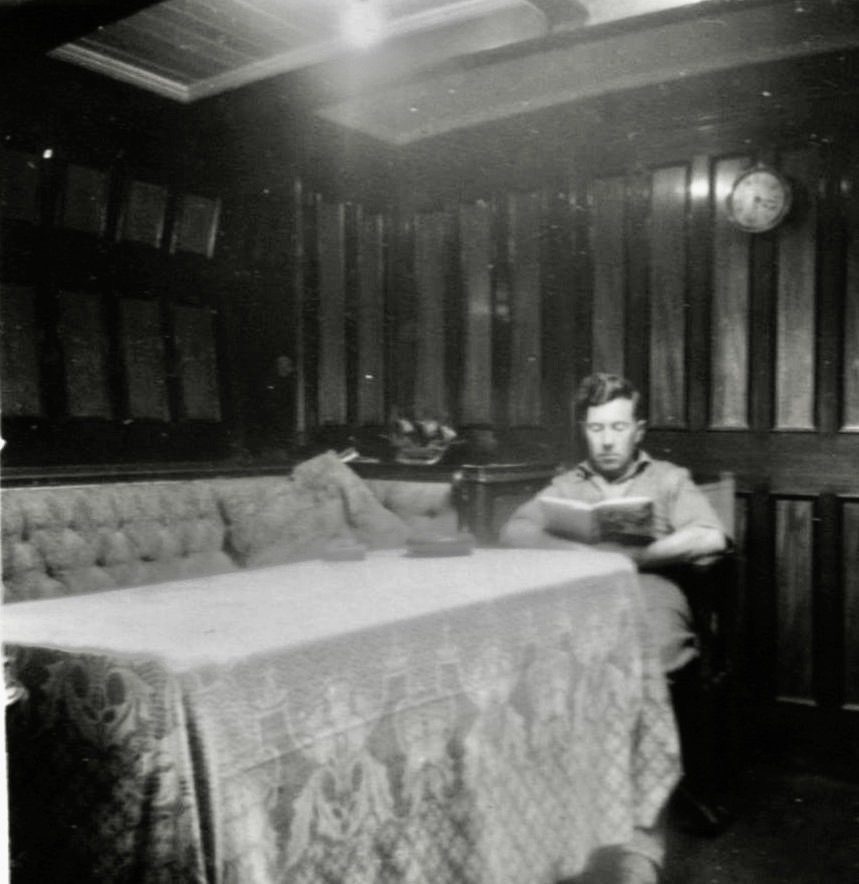
I have dad’s interior and exterior photographs (refer above) of the Imatra in 1949. He always talked of his time sailing the Imatra as some of his happiest and talked often of her elegance and Captain Nelson’s kindness.”
The photos were taken on Jim’s 1940s camera and Deidre rediscovered the negatives in 2007 and had them digitised. While not all perfectly sharp but they show us life aboard as she was then, rigged as a a ketch. There is one good view of half the deck, taken by Jim up the mast with his camera. Deidre has found her father’s friend’s full name, who was also crew on the Imatra between Barbados and Auckland, he was – Albert (Ben) Widdall. Deidre commented that Jim couldn’t remember who the old man and the boy was in the group shot, which is the sharpest picture showing the timber wall linings, Jim is second from left and Ben is first on the right. Deidre can’t find any more information on Captain Nelson, although we have a photo (below) that Jim took of him.
21-07-2022 NEW INPUT ex Deidre Brown
Deidre has sent in the below articles (x7) that she found on ‘Papers Past’
– they cover parts of Imatra’s journey from Portsmouth to Auckland, names of other crew members, and Captain John Nelson’s obituary (what an incredible life). The copy highlighted in green is the some interesting bits (a German first owner?), and included links back to the original sources .
Bay of Plenty Times, Volume LXXVII, Issue 14972, 10 May 1949, Page 6
The purchase of the 72ft English built ketch Imatra by a former Mayor of Auckland, Sir Ernest Davis, has prompted a young Englishman now working in Wellington to tell the story of how the yacht was sailed 13,000 miles to New Zealand.
Eight people, including a woman, made the trip, eight people who had decided that they had to reach New Zealand somehow. Captain J. Nelson, the vessel’s owner and a retired master mariner, was Greytown-bom and intended visiting New Zealand to see relatives. Mr Malcolm Hector, now of Wellington, joined the vessel in reply to an advertisement, and as soon as the ketch was at sea found himself with the cook’s job. The woman member of the company, Mrs R. Godsall, had intended to do the cooking, but became too ill through seasickness to carry on with it.
“I just tied the pots and pans on the stove and hoped for the best,” he said of his culinary efforts. “In all the eight months we took on the trip, only on one day did we. have cold meals because of really heavy seas.”
In that eight months they had experienced Atlantic storms, including the tail-end of a hurricane, a storm in the Caribbean in which a hole was torn in the side after the mainsail boom gybed and caught the yacht’s only dinghy, which was lost, and a spell of severe bad weather which sent the yacht back on her course twice after leaving Tahiti. Incidentally,’ Mr Hector’s cooking was no process of trial and error or proficiency picked up at short notice. He had cooked for his English home, and had acquired knowledge of invalid cookery during his wartime job of male nurse in the Merchant Navy.
Press, Volume LXXXIV, Issue 25670, 6 December 1948, Page 8
Yacht Leaves for N.Z.— The 70-foot yacht Imatra, with the owner, Captain Nelson, a retired Royal Navy officer, and a crew of six paying passengers. left England for Auckland on August 18. according to private advice received to-day. Captain Nelson is a New Zealander. He will probably call at a southern Rhodesian port for his wife and daughter, who are visiting there.— (P.A.)
Press, Volume LXXXV, Issue 25776, 11 April 1949, Page 8 (also reported in the Gisborne Herald, Otago Daily Times, Wanganui Chronicle, Ashburton Guardian)
Yacht Changes Hands.—The 72ft ketch Imatra, which recently arrived in Auckland after an eight-months trip from England, has been bought by Sir Ernest Davis from Captain John Nelson. The Imatra will be the largest privately-owned yacht in the Auckland fleet. She will soon be hauled on to the special slip, surveyed, and probably altered. The Imatra was built in 1898 at Shoreham for a German yachtsman. Captain Nelson bought her in 1946.—(P.A.)
Press, Volume XCV, Issue 28206, 19 February 1957, Page 10
Sir Ernest Davis, one of the oldest yachtsmen in Auckland, celebrated his 85th birthday last Sunday at the helm of his A-class keeler Imatra. A former Mayor of Auckland and a noted benefactor of the city, he has been yachting on the Waitemata for 72 years and has been a member of yacht clubs for 70 years. Sir Ernest Davis is a former owner of the Morewa which he gave to the defence authorities during the Second World War. He also owned the famous Viking, which now belongs to Mr Brian Todd, of Wellington, and sails on the Wellington harbour.
Press, Volume XCVIII, Issue 28824, 19 February 1959, Page 14
AUCKLAND, February 18. Sir Ernest Davis, the veteran Auckland yachtsman, has given himself a birthday present of a 72-foot twin-screw ocean-going diesel yacht. It was Sir Ernest’s 87th birthday yesterday. He sold his sailing yacht, Imatra, three months ago [1958] after more than 70 years of sailing. During that time he owned other well-known yachts, including the Matangi, Viking and Moerewa….
THREE YACHTS TO SAIL FROM AUCKLAND TO UNITED STATES
It is expected that three yachts, the 38ft. ketch Faith, the 36ft. ketch Galatea and the 38ft. sloop Trade Winds, will leave from Auckland for the United States in the near future. Each will carry a crew of three men. Mr. A. Rusden, of Auckland, owner and skipper, will be in charge of Faith, which has a beam of lift. 6in. and a draught of 6ft. She is Marconi rigged and is fitted with a wireless transmitter and receiver and an auxiliary engine. Mr. Rusden hopes to sail in the first week in May. The other two members of the crew will be Captain J. C. Pottinger, who arrived recently from England in the ketch Imatra, and Mr. P. Samuels, of Auckland….
Press, Volume XCVIII, Issue 29022, 10 October 1959, Page 15
Captain John Nelson, who died at Timaru this week, was born at Greymouth. He was a son of Mr Charles Nelson, one of Wairarapa’s early settlers. Captain Nelson, who was 79, went to sea in 1897 as a boy on a trial trip from Wellington to England. Leaving the barque, he joined J. D. Clink and Company, Greenock, Scotland, as an apprentice, serving for more than four years. He then joined the cable-layer, Colonia, laying cable from Manila to Guam and Midway. For the next 10 years he served in five sailing ships. In 1908 he joined the Burma Oil Company and was third mate on one of the company’s tankers. He was captain from 1912 until 1939, when he was promoted to acting-superintendent of the company, with headquarters at Rangoon. He retired- in 1939 and went to England. At the outbreak of the Second World War he became a Lieutenant in the Royal Naval Volunteer Reserve, trained sea cadets in the Isle of Man, and commanded small vessels round the English coast. Captain Nelson, in 1948, obtained the Imatra, a ketch, which he sailed to New Zealand with a crew of four. The 30-ton ketch took about six months to come out, though it was at sea for only 130 days. Captain Nelson’s wife is in Rhodesia.
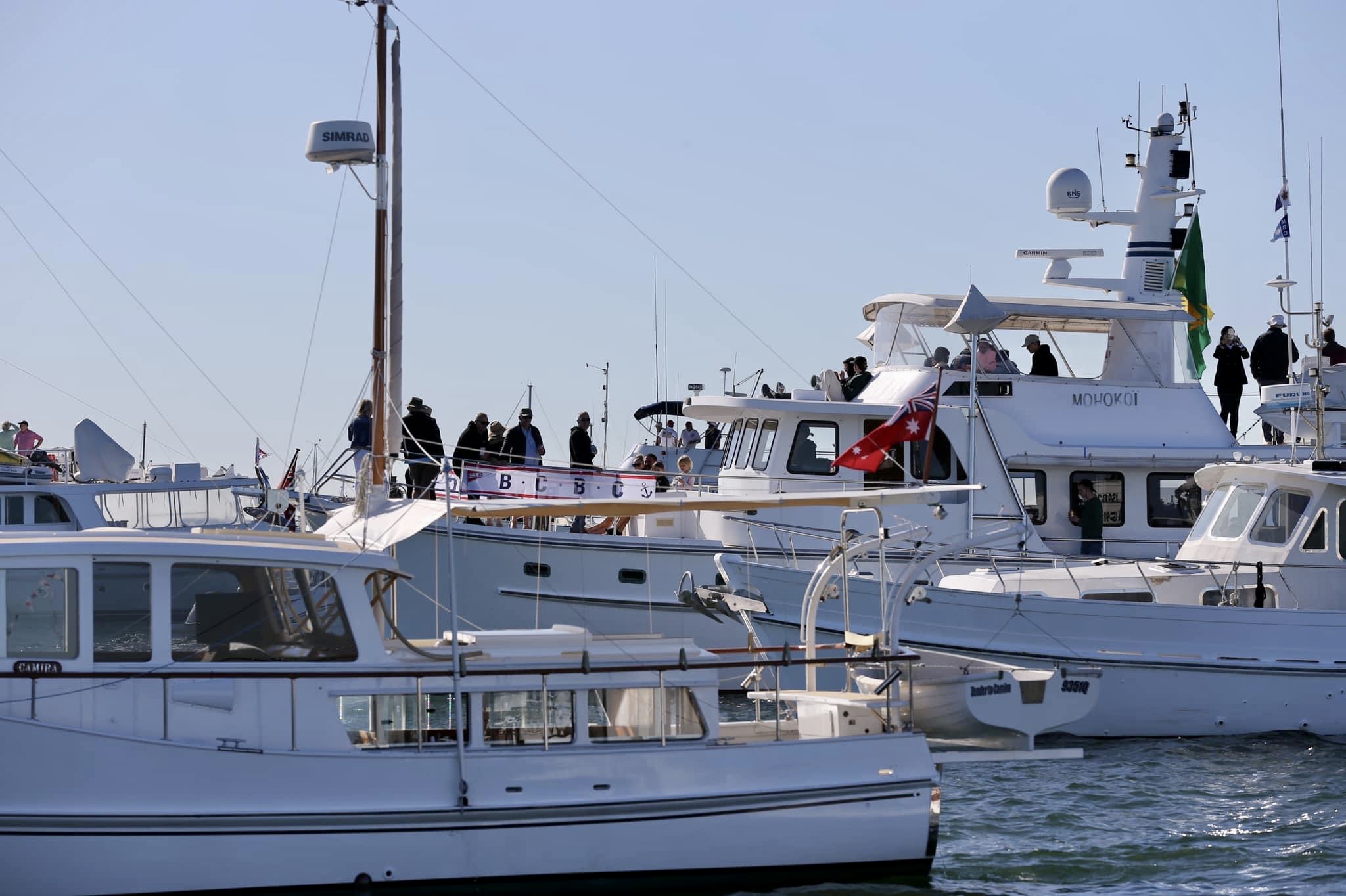
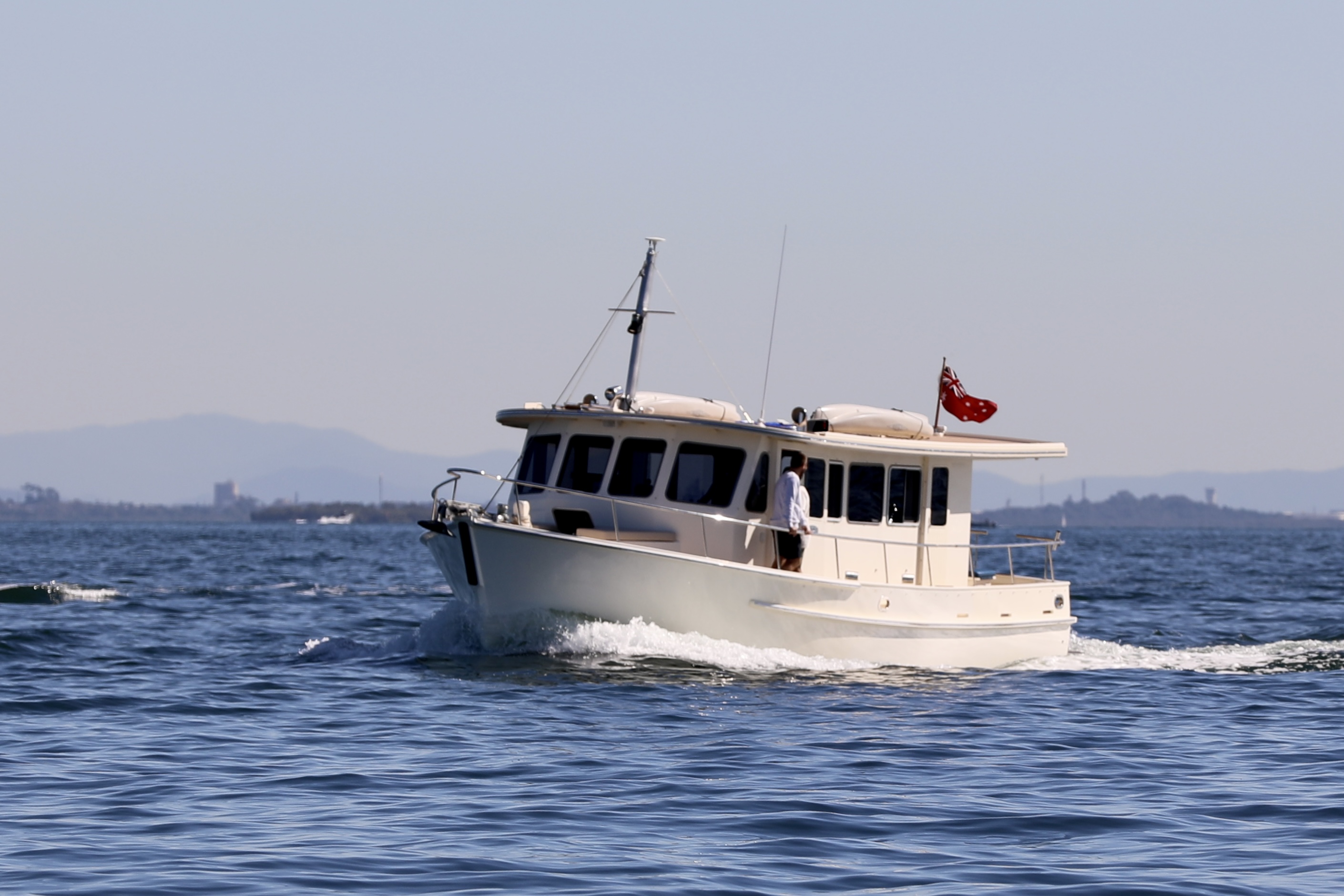
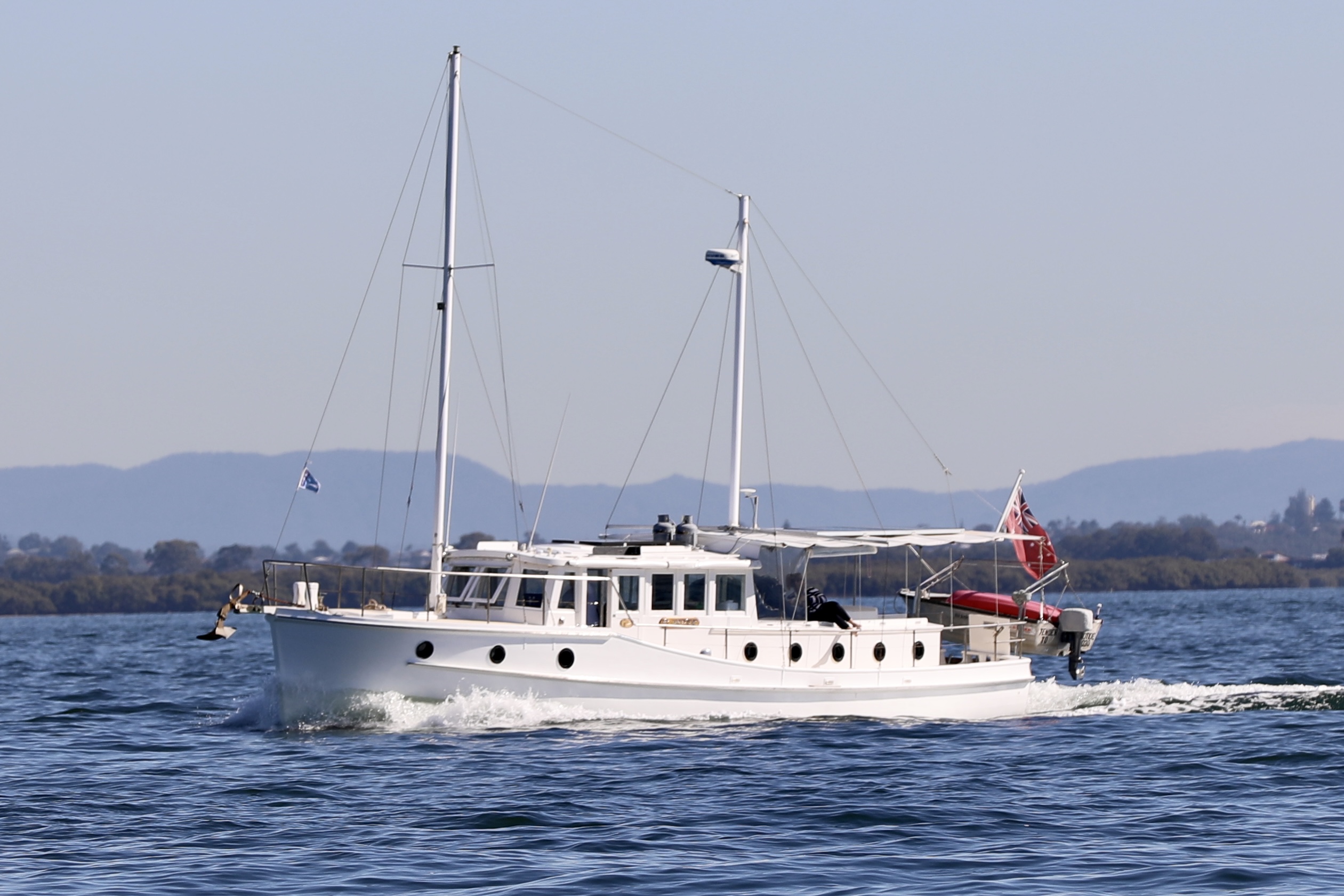
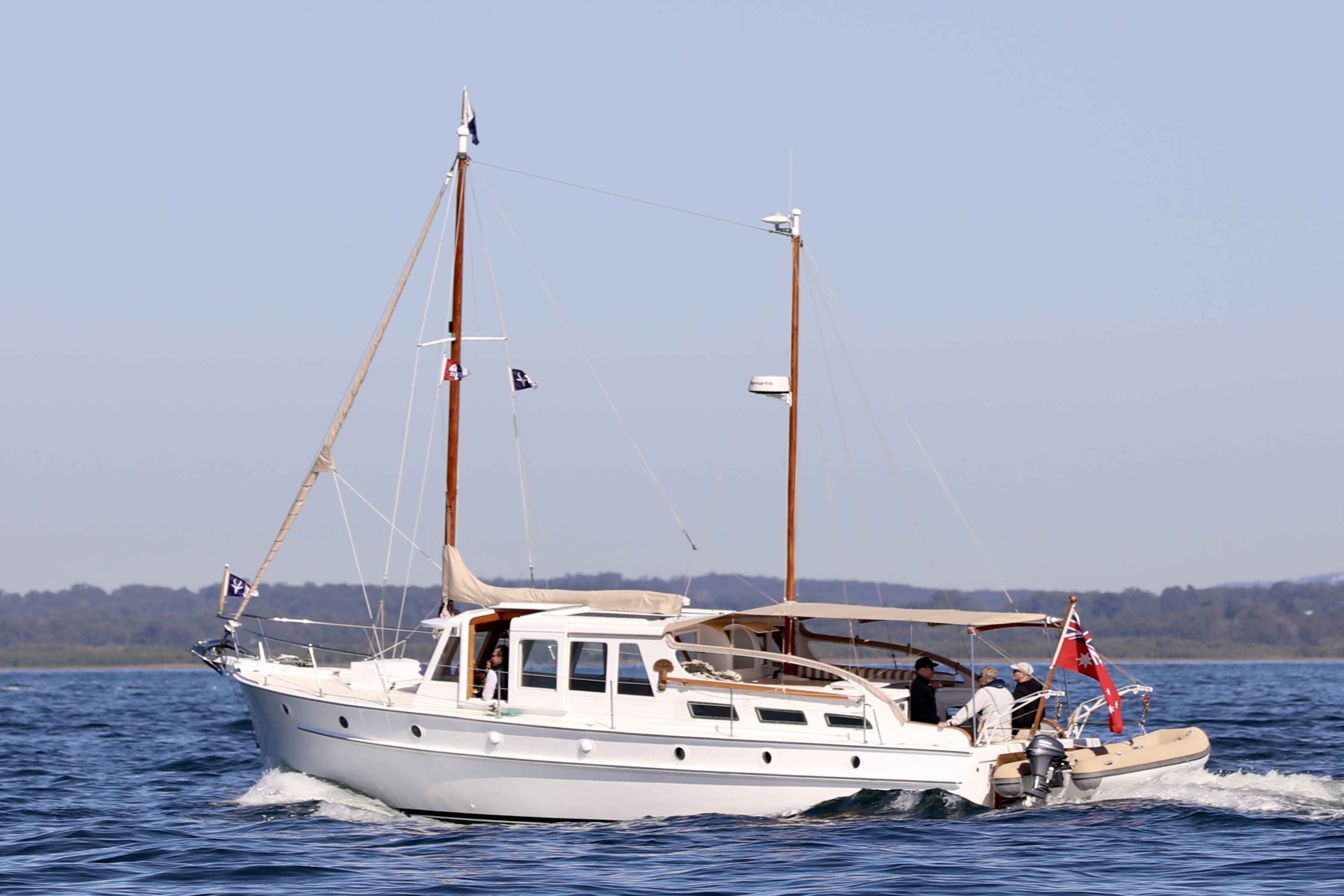
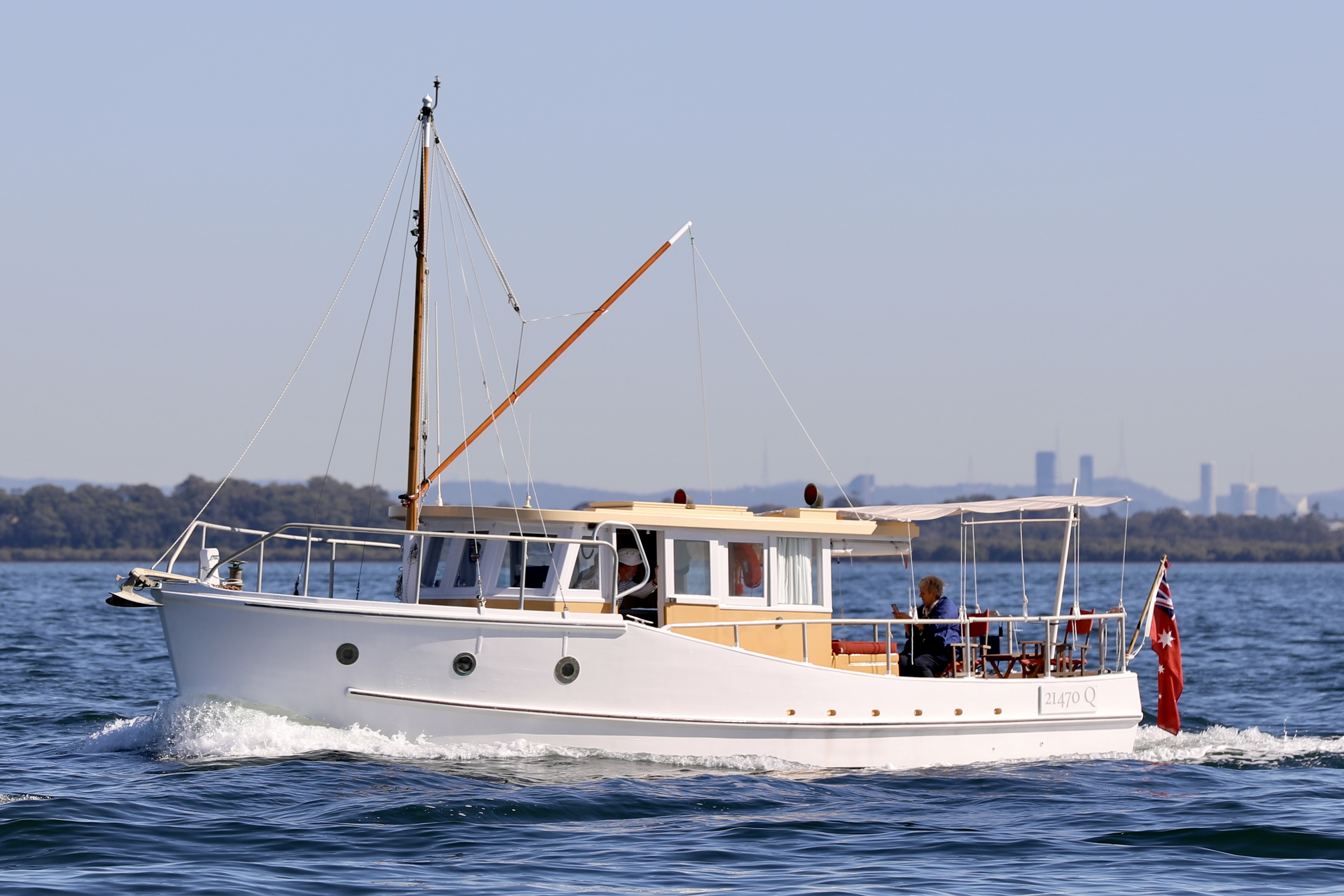
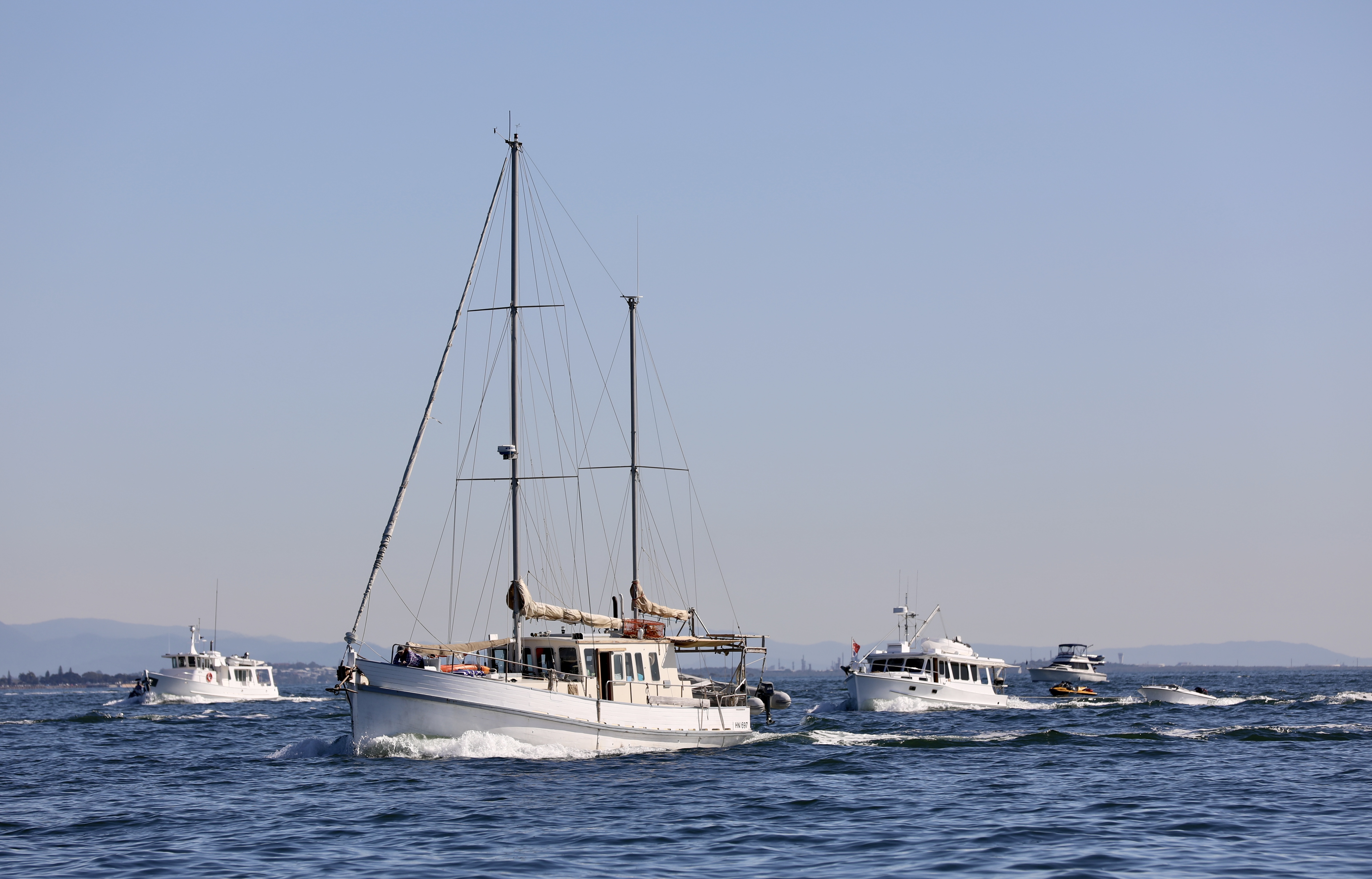
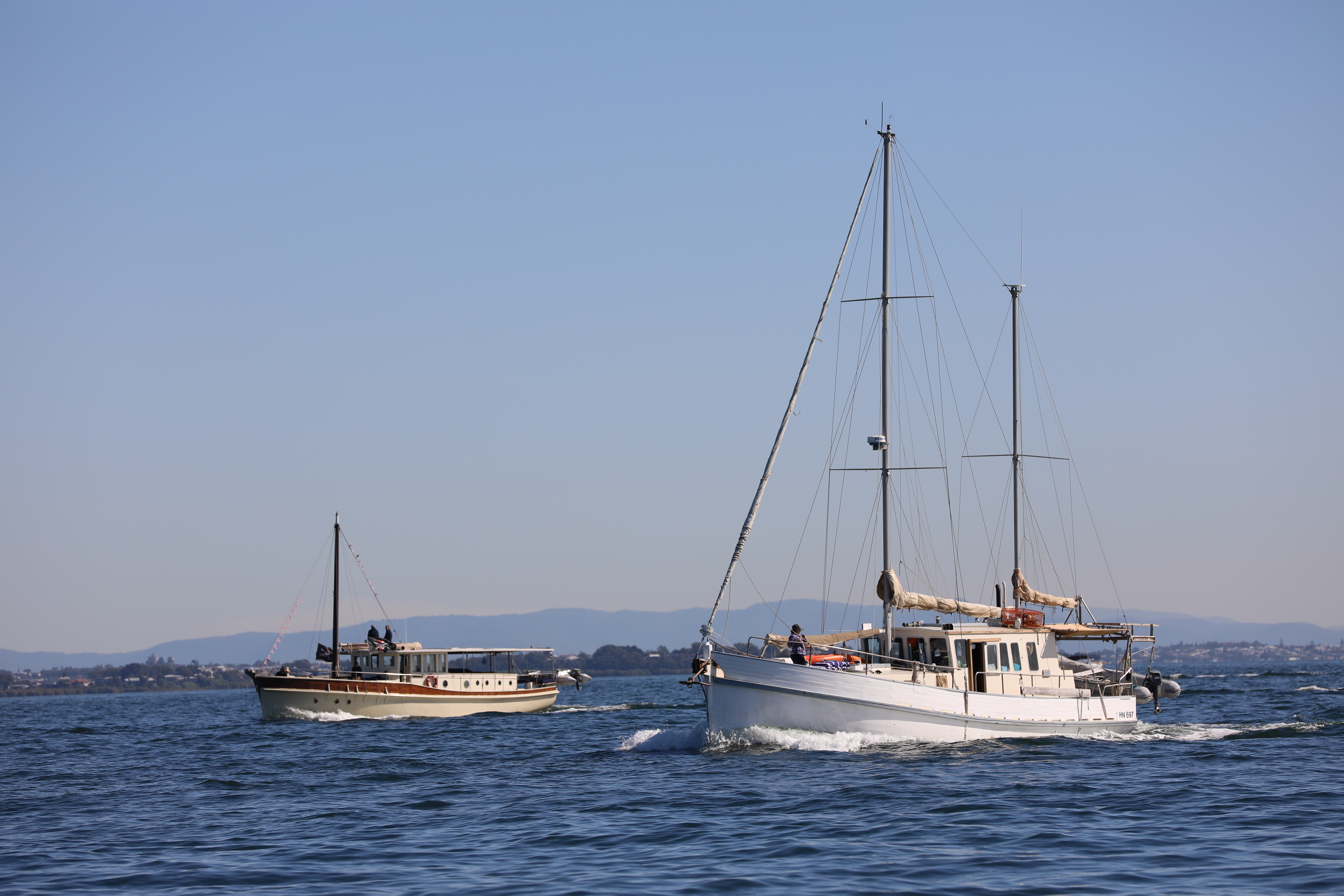
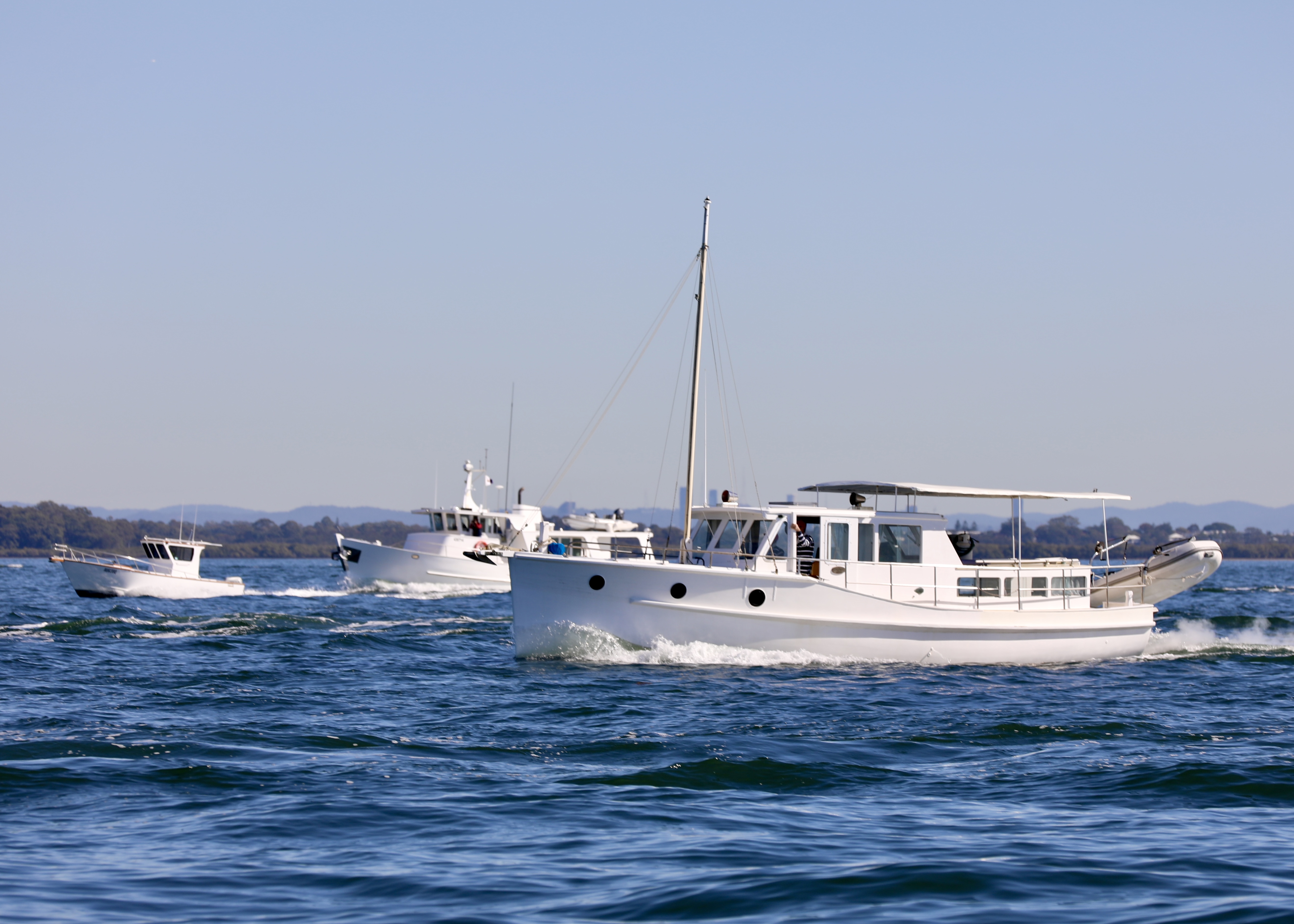
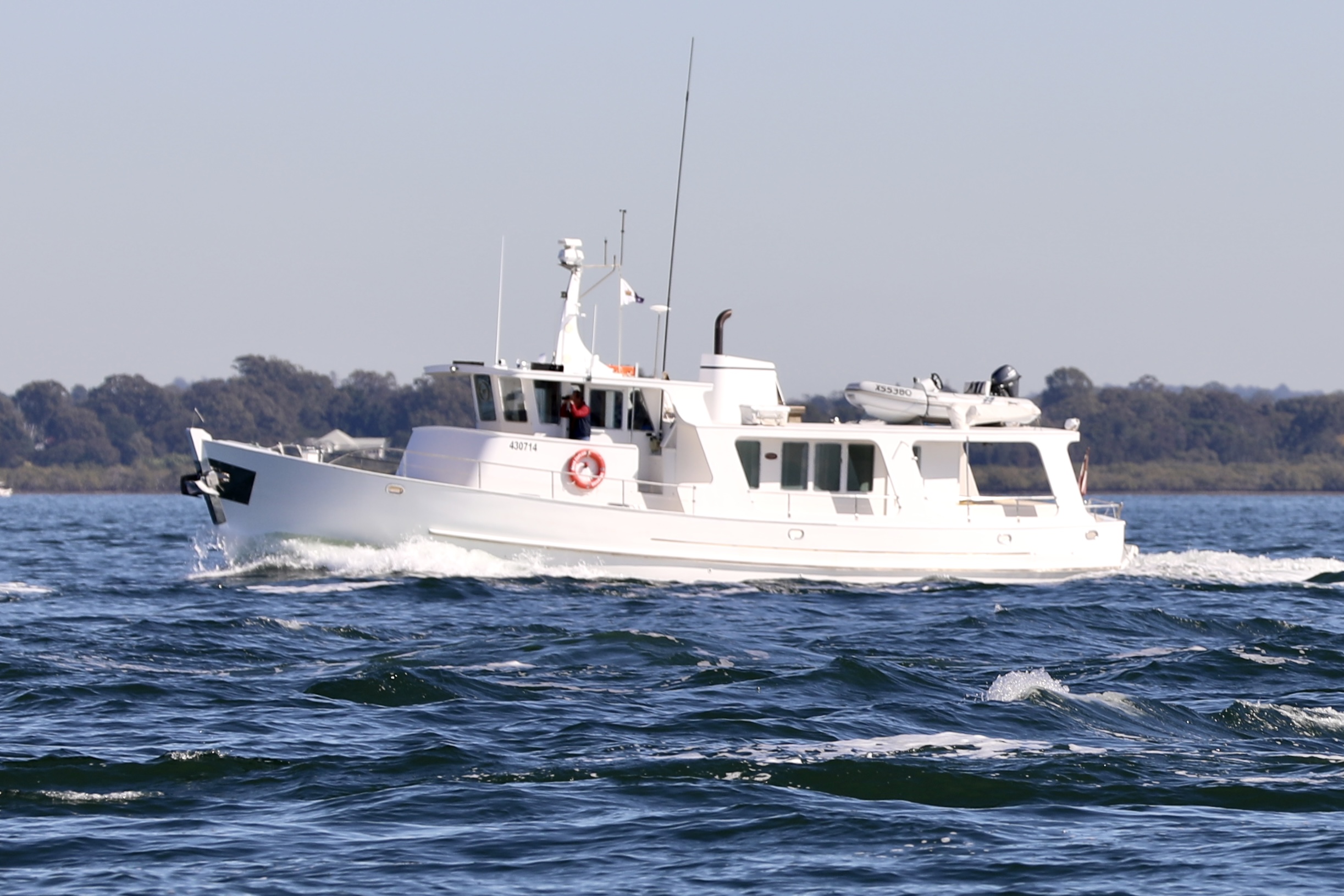
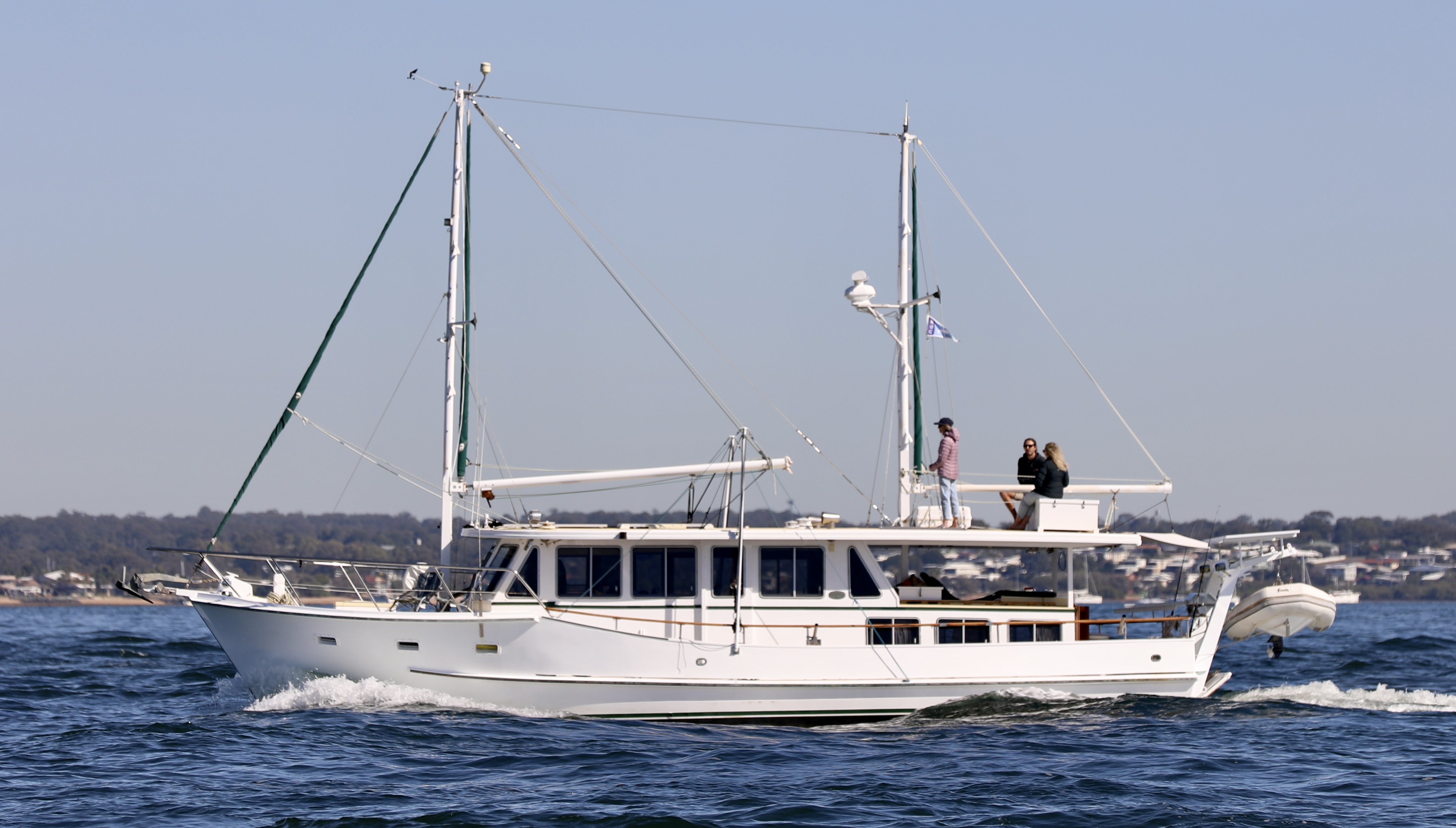
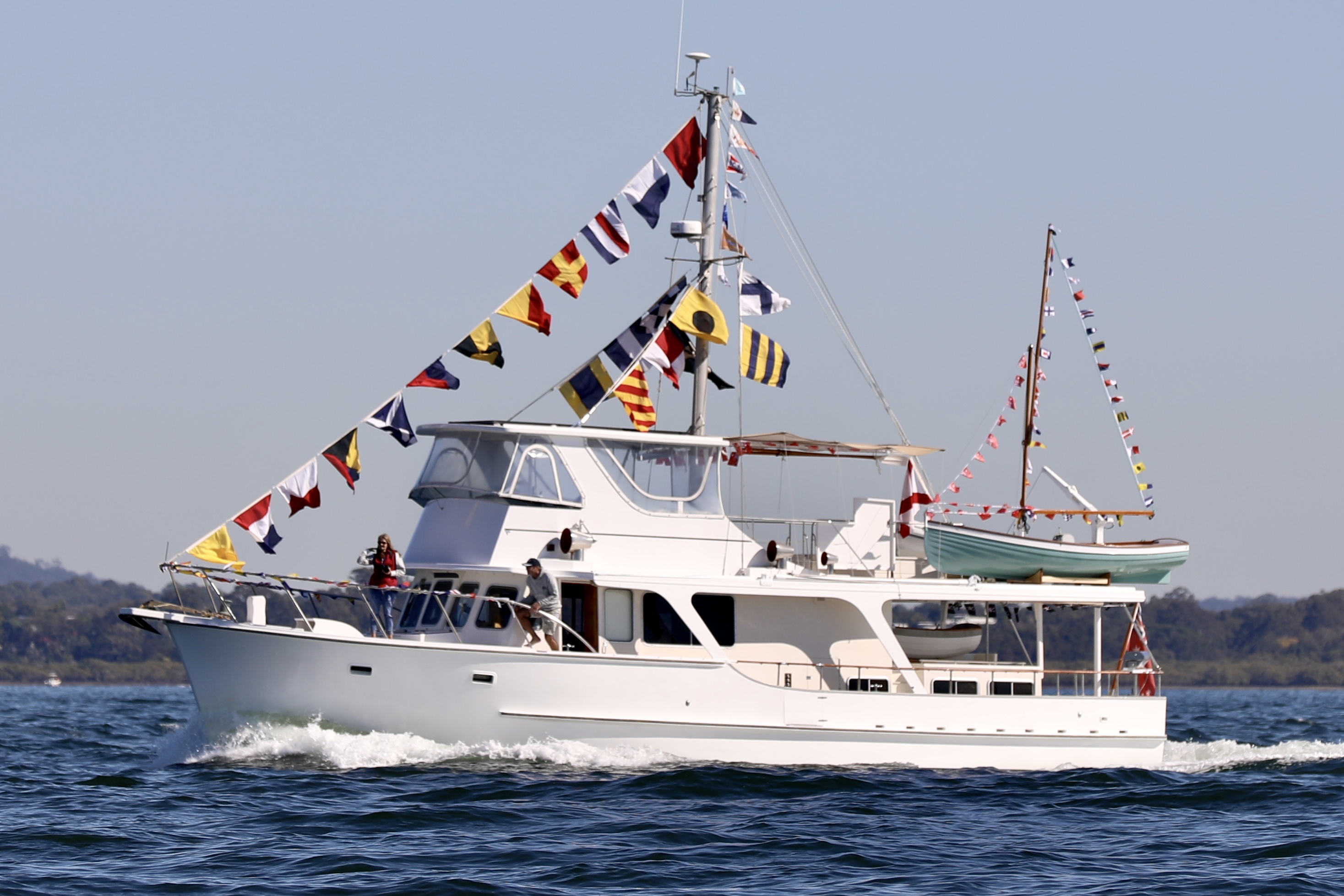
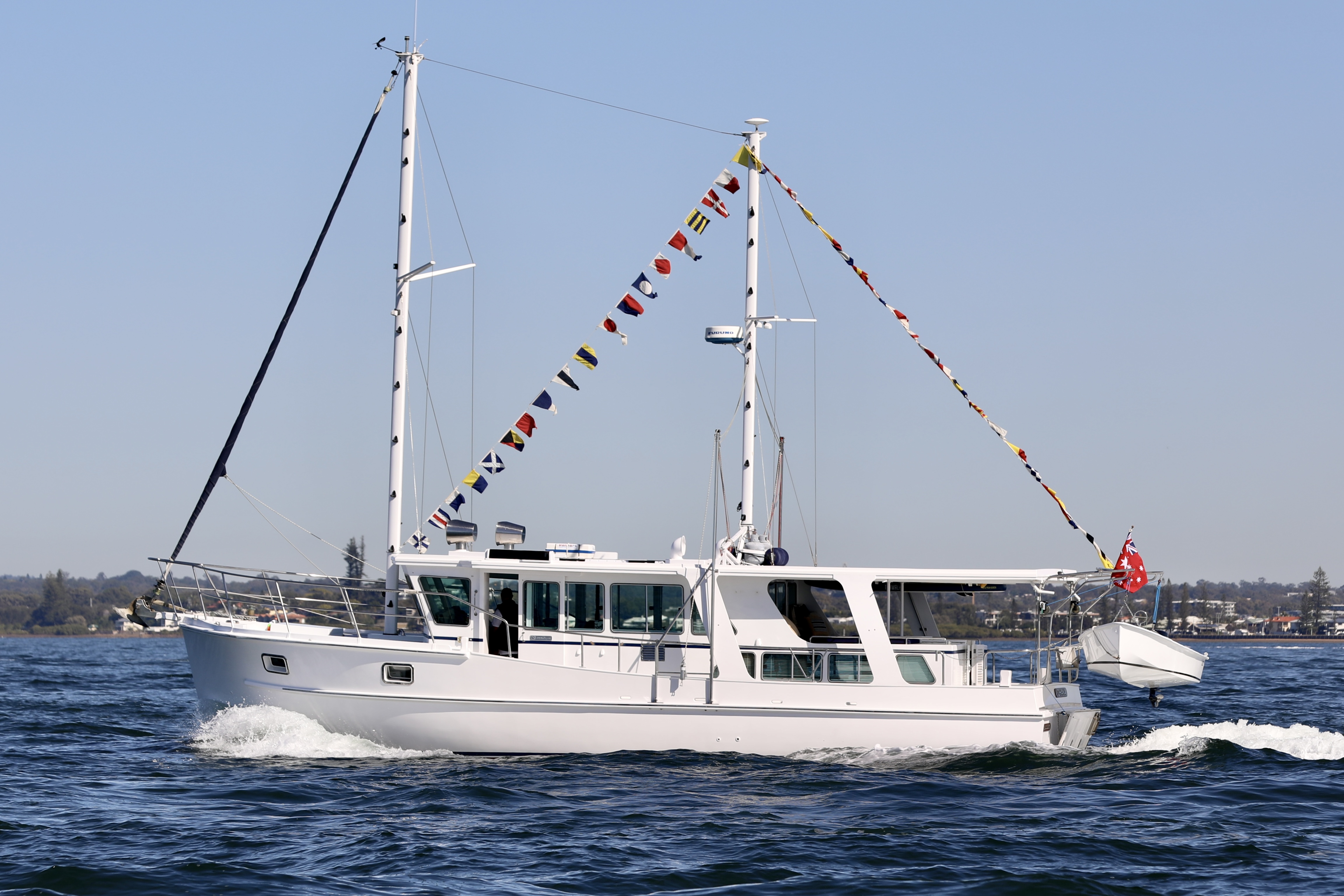
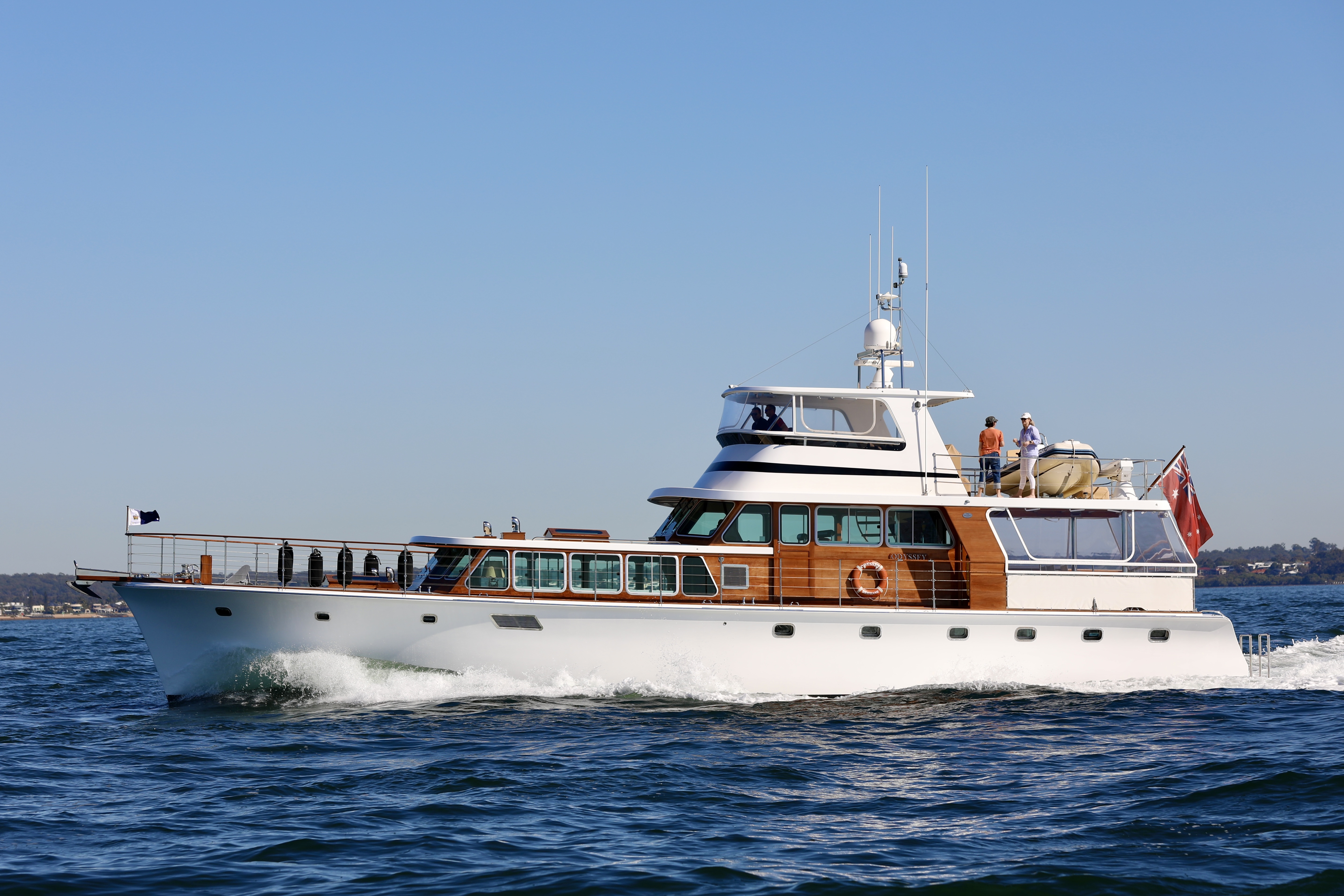
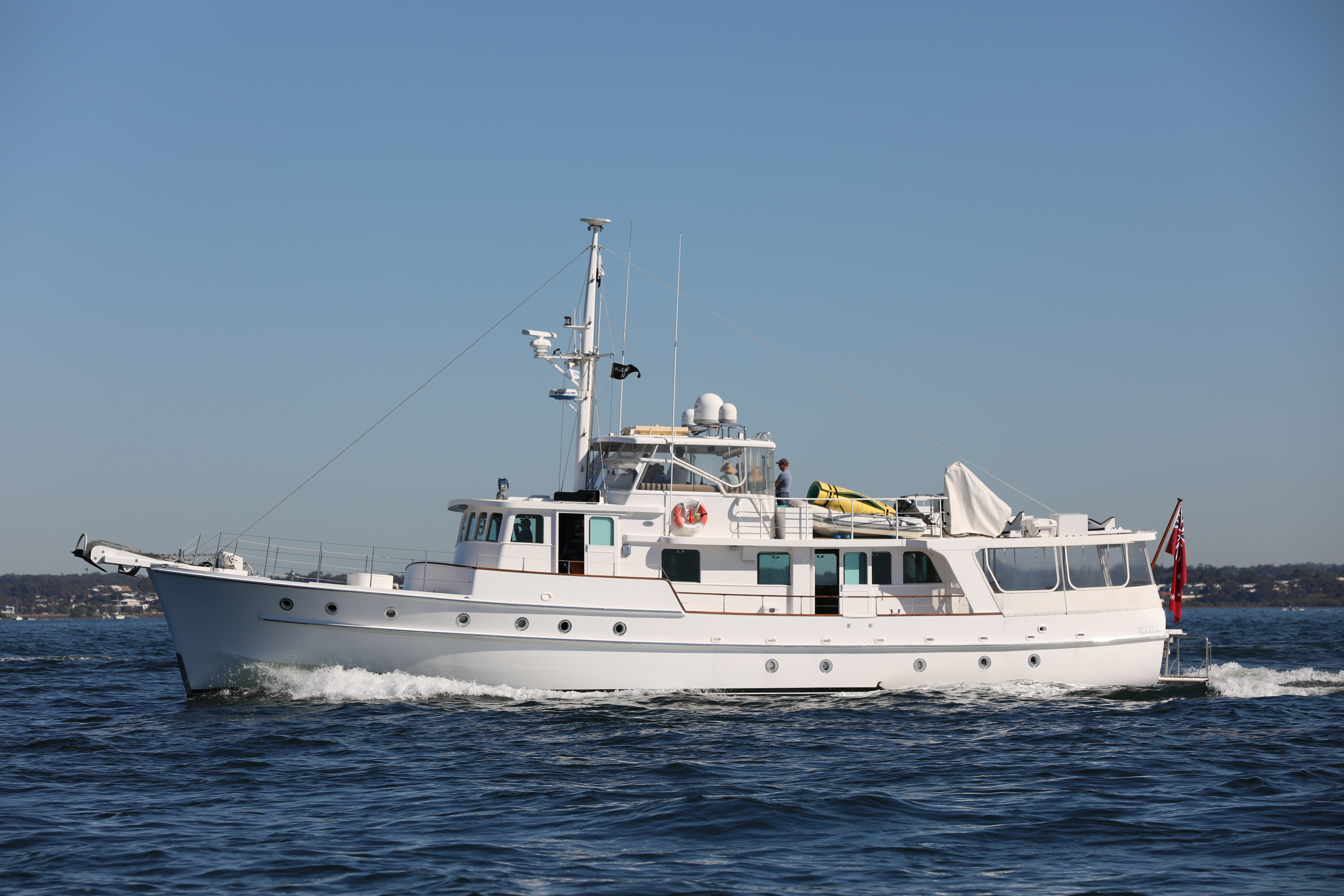
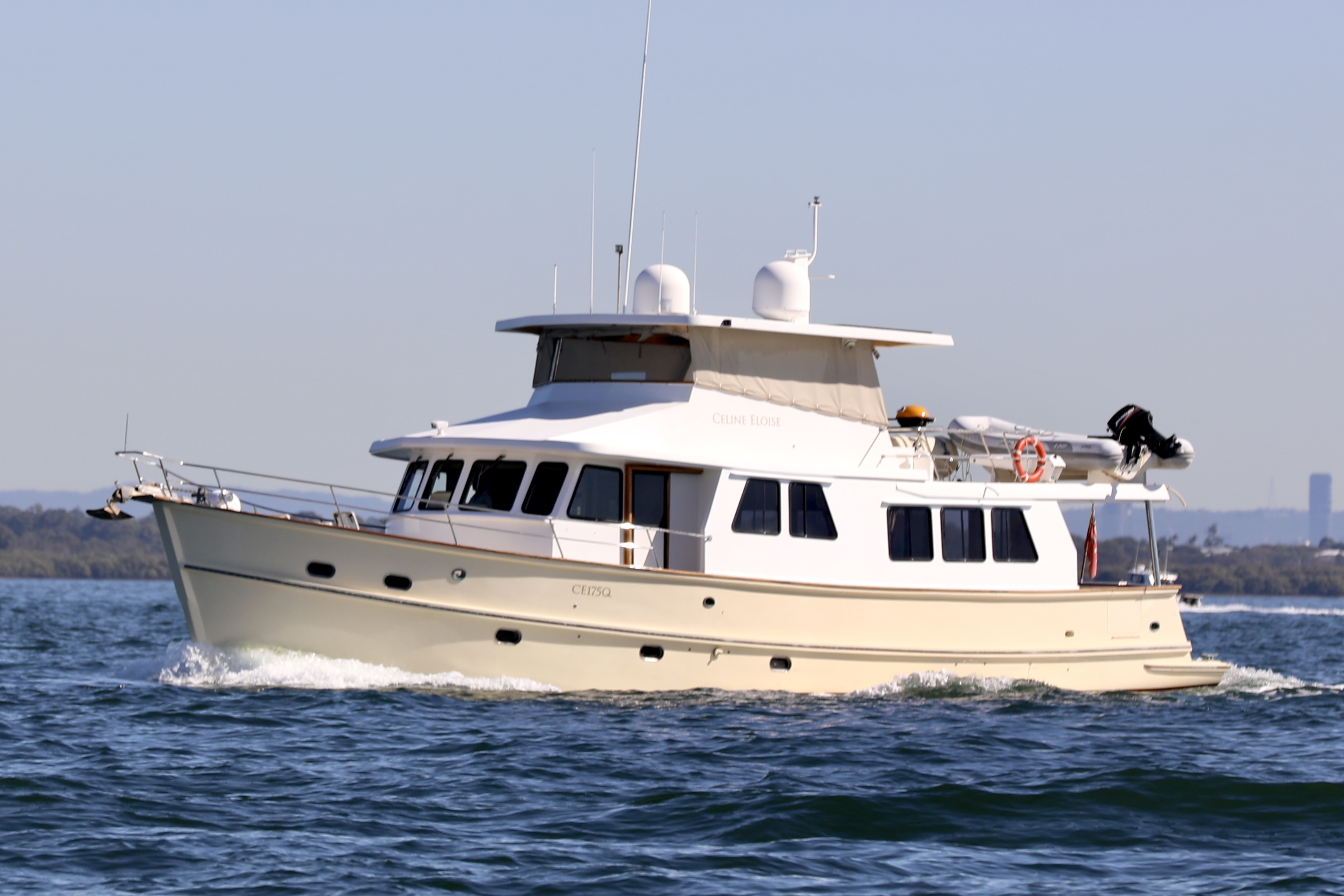
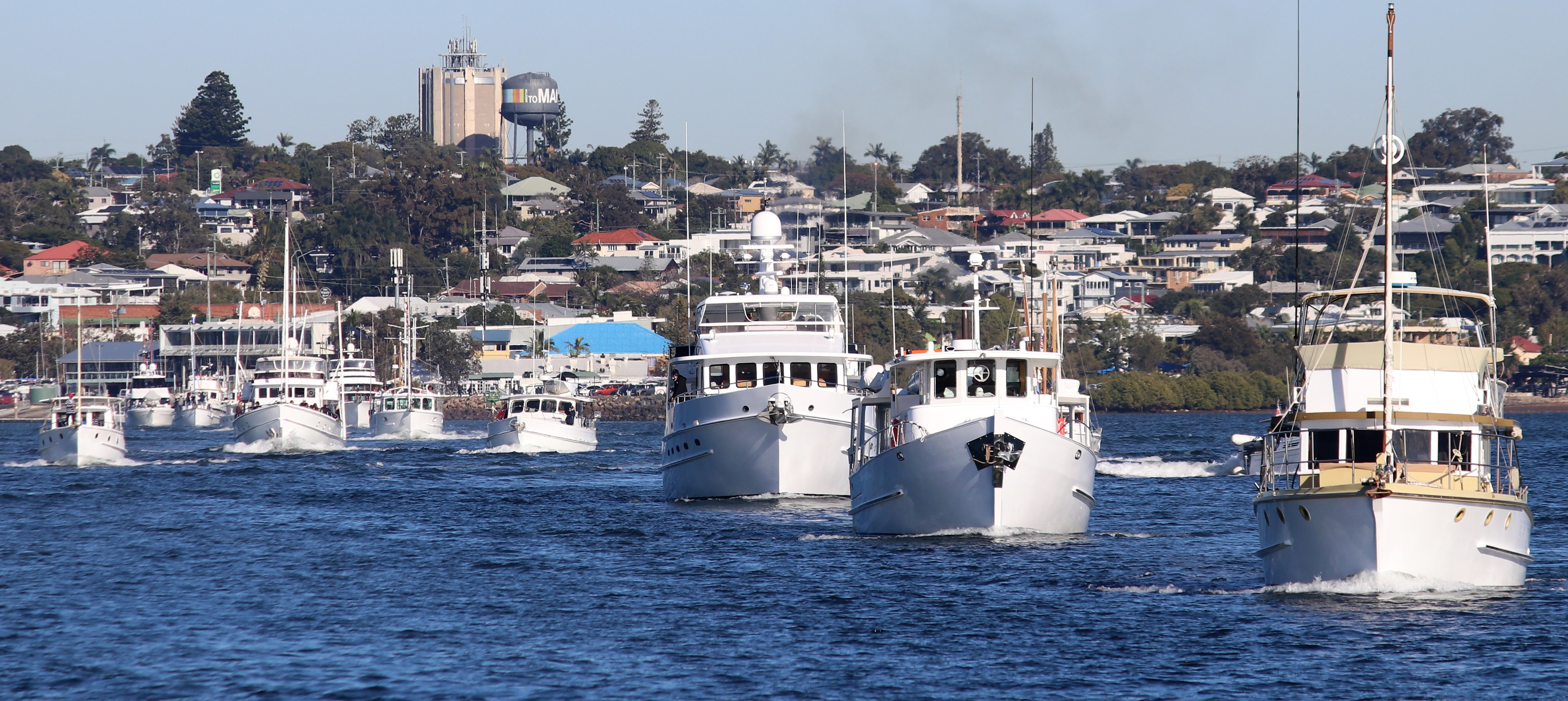
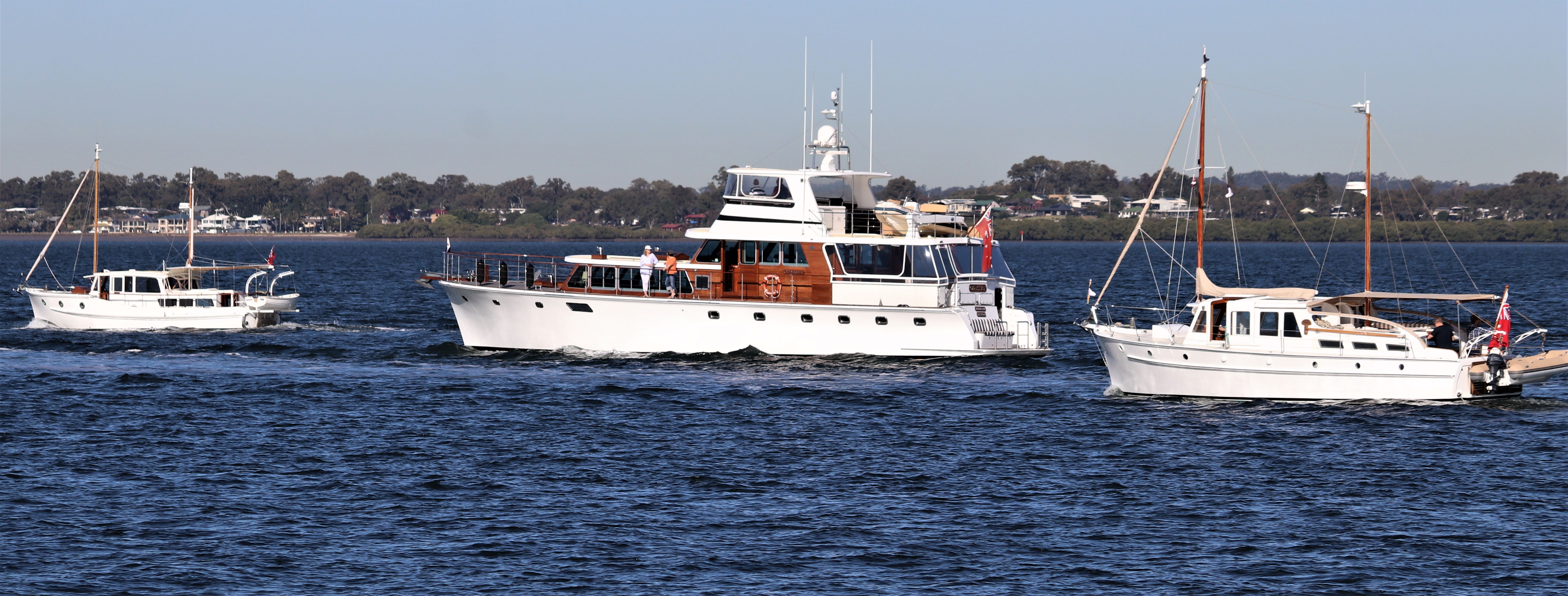
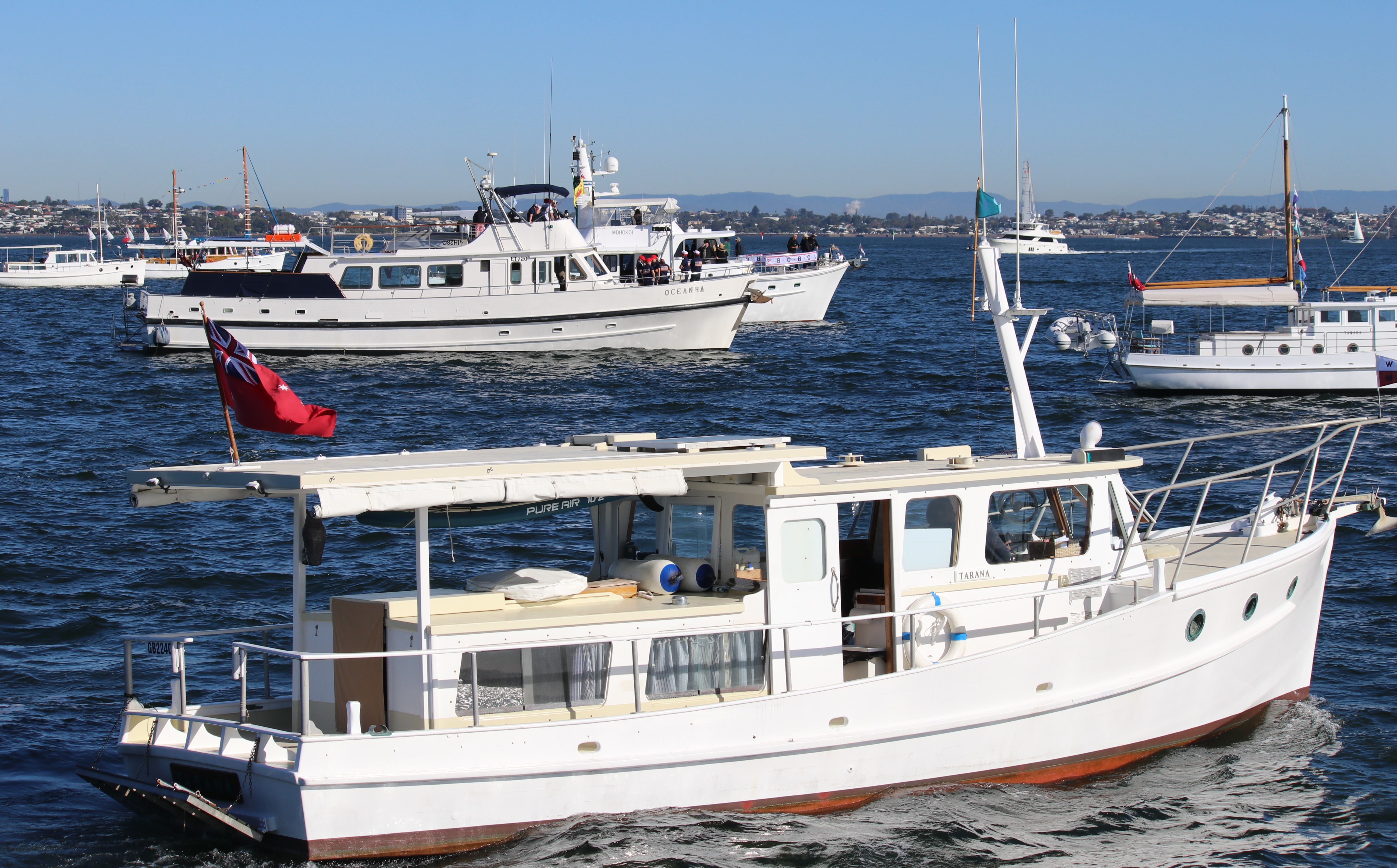
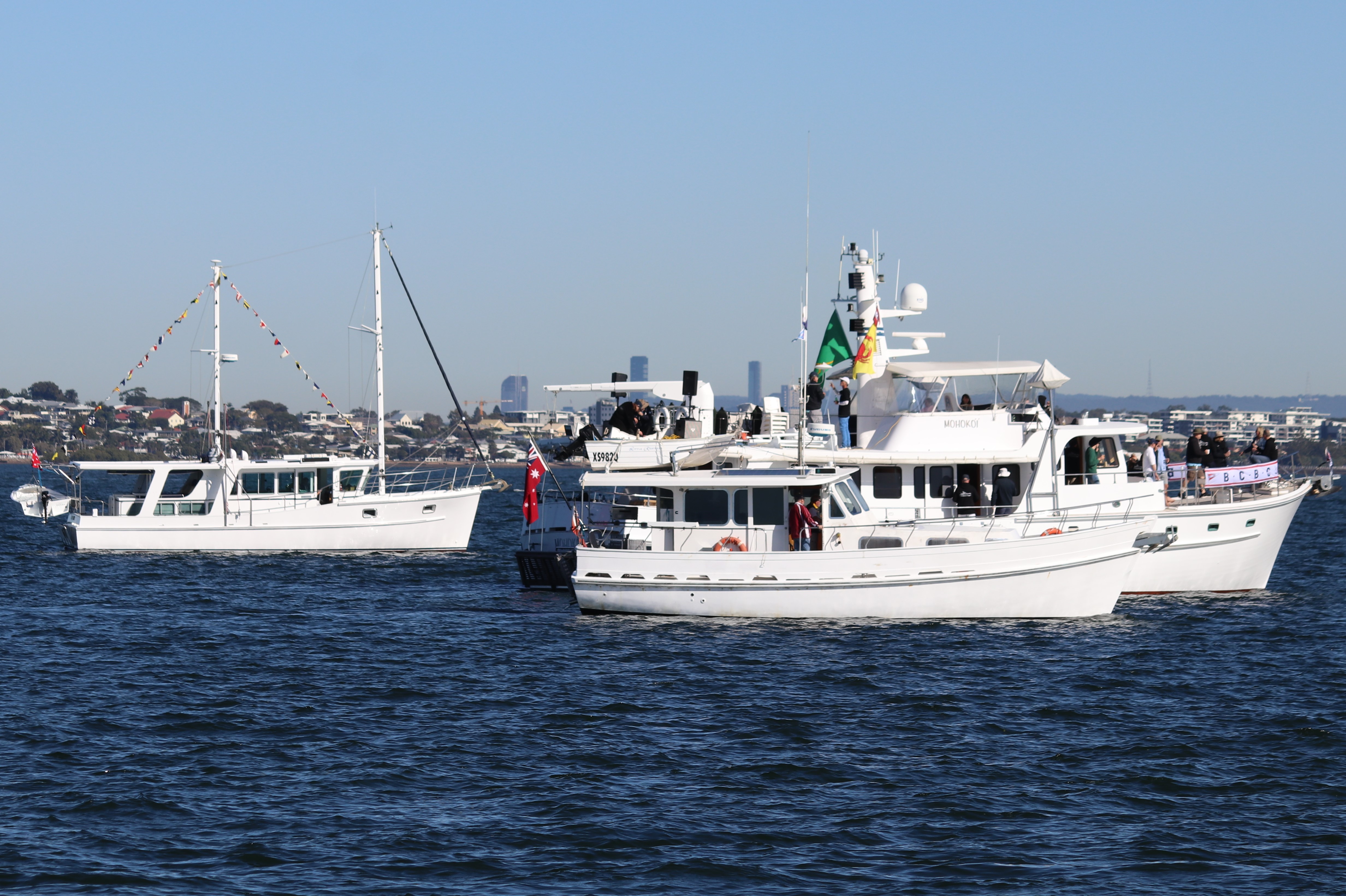
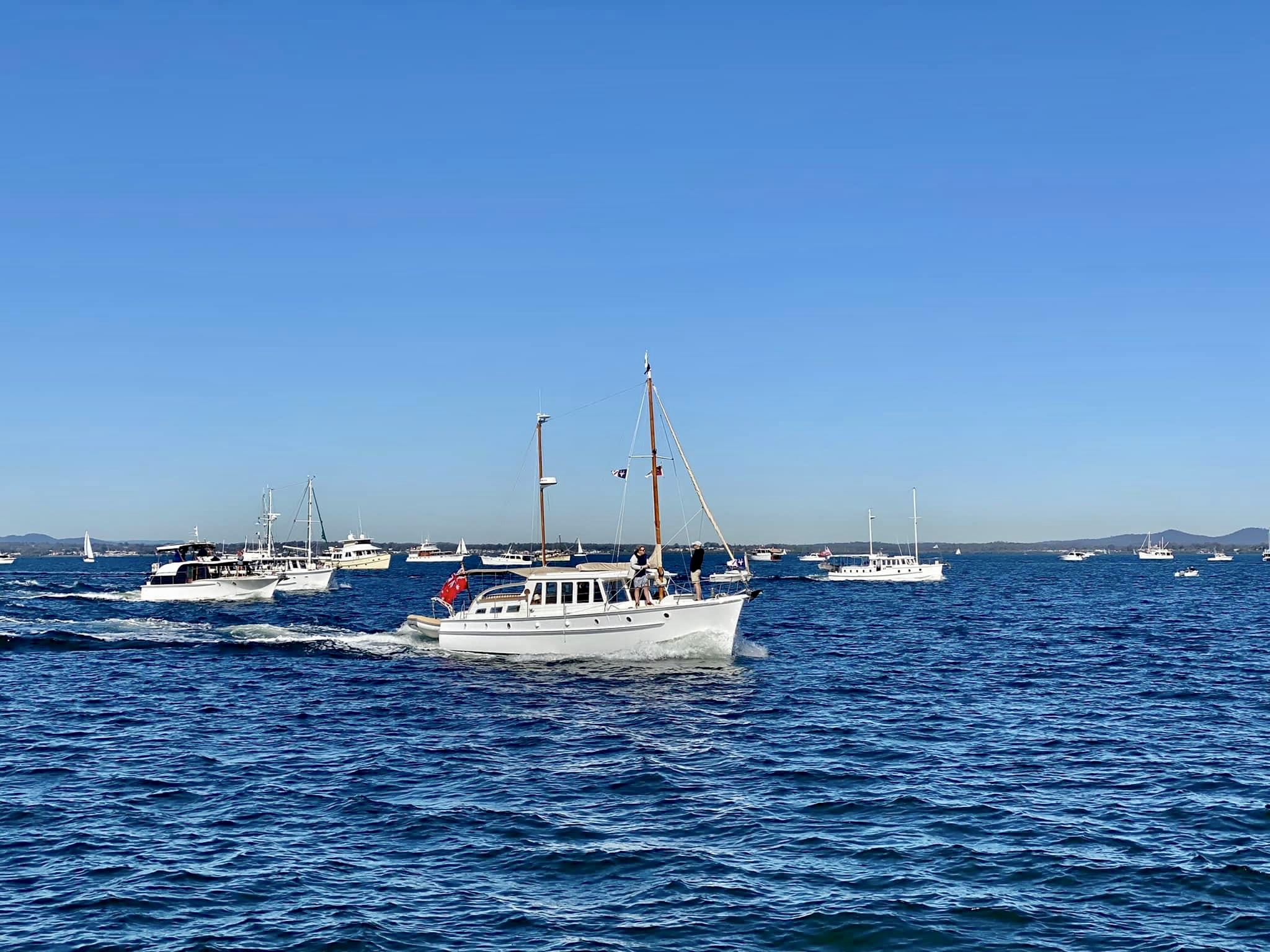
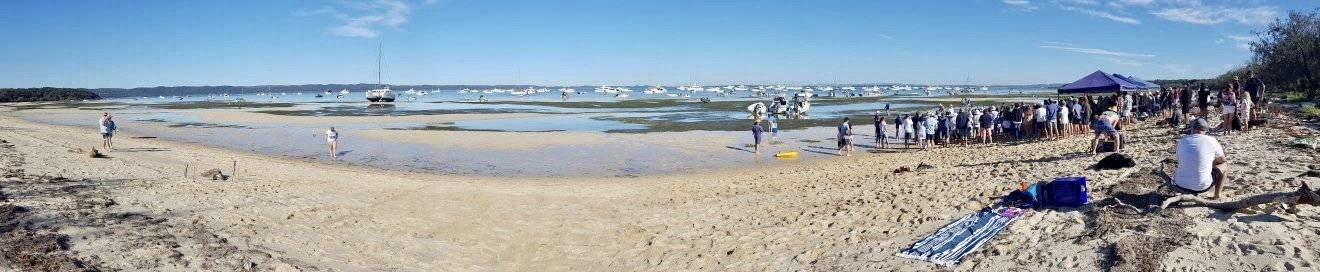
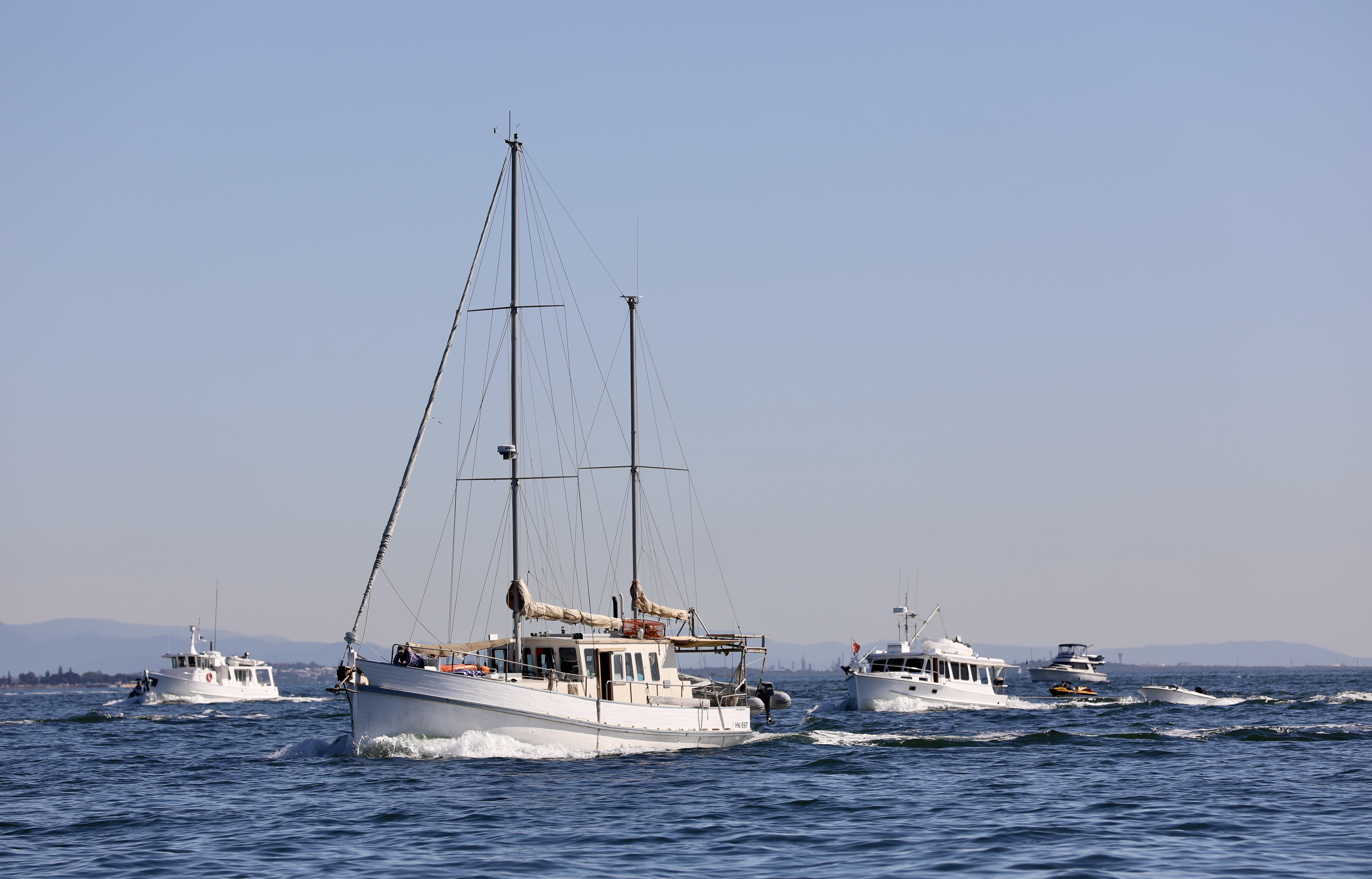
Following on from yesterdays story showcasing the inaugural running of the Moreton Bay Classic – probably the biggest classic one day on-the-water event in Australia, today we get to see the race fleet up close. The last group of photos are from the post race festivities in Horseshoe Bay. If you missed yesterdays story – scroll down to view it or click this link https://waitematawoodys.com/2022/07/04/the-race-social-event-that-stops-the-bay-the-moreton-bay-classic-part-one/
As mention yesterday – the time is long overdue for an event like this on the Waitemata – no drag racers, no show ponies, no big ego’s or bad attitudes and no 24hr marathons – just a good old fashioned woody day out accumulating in a bay for a BBQ. Details soon.
The Race Social Event That Stops The Bay – The Moreton Bay Classic – PART ONE
Todays mega woody story comes to us from Brisbane based woody Andrew Christie, who regularly sends in reports from the woody movement from across the ditch. Todays is a goody, so find a comfy spot and enjoy 🙂 Take it away Andrew –
“For my part I have long looked across the Tasman Sea towards the Waitamata Harbour with envy. The number of classic boats and classic boat events there is the stuff of magic and dreams for a wooden boat tragic.
Here on Moreton Bay in South East Queensland, its own boating paradise, we had nothing to compare until a grudge match between young Jacob Oxlade and Paul Crowther, bubbled to the surface in a throwaway challenge that snowballed in to the largest event for classic wooden boats that Moreton Bay has ever seen last Saturday, 25 June 2022.
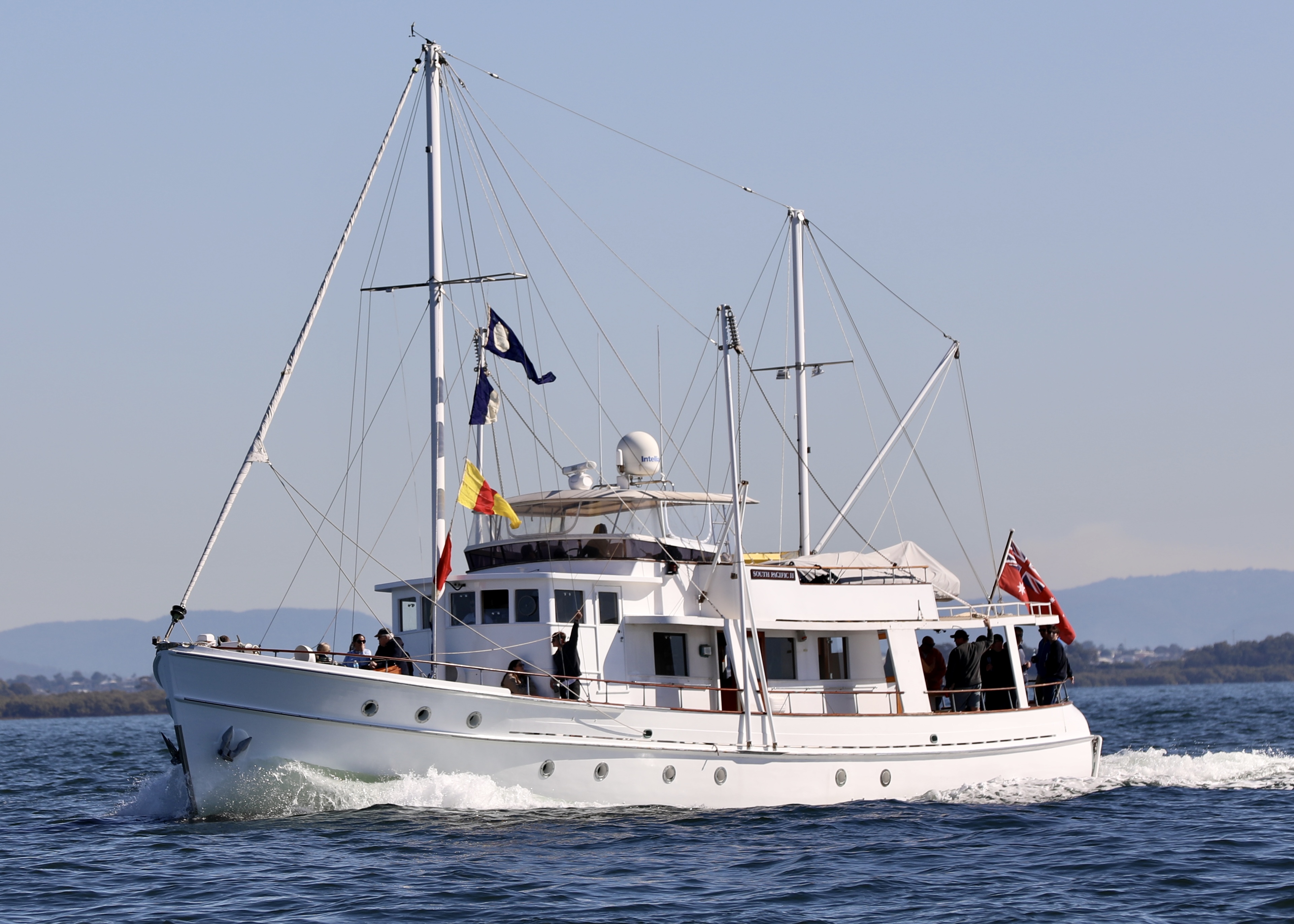
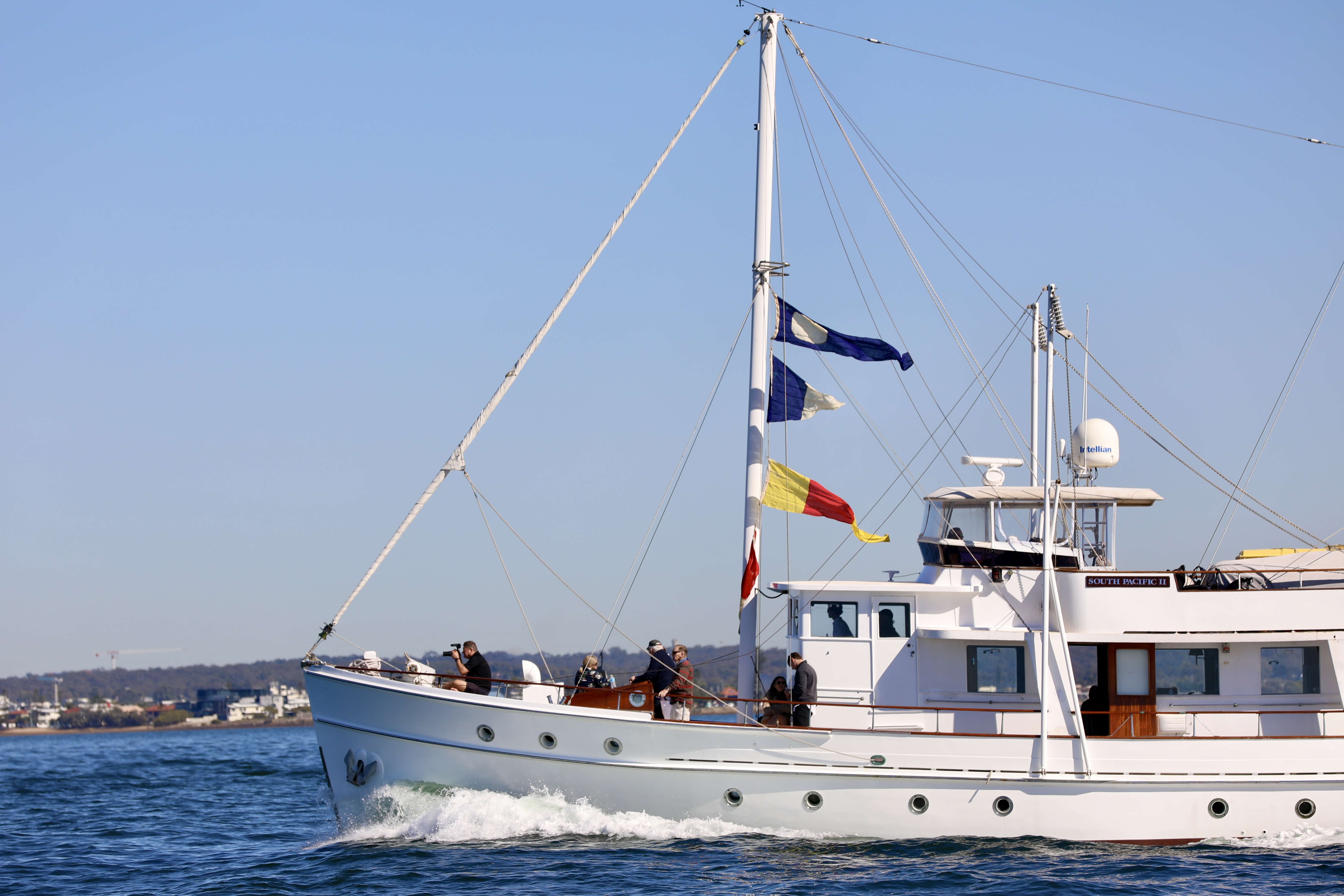
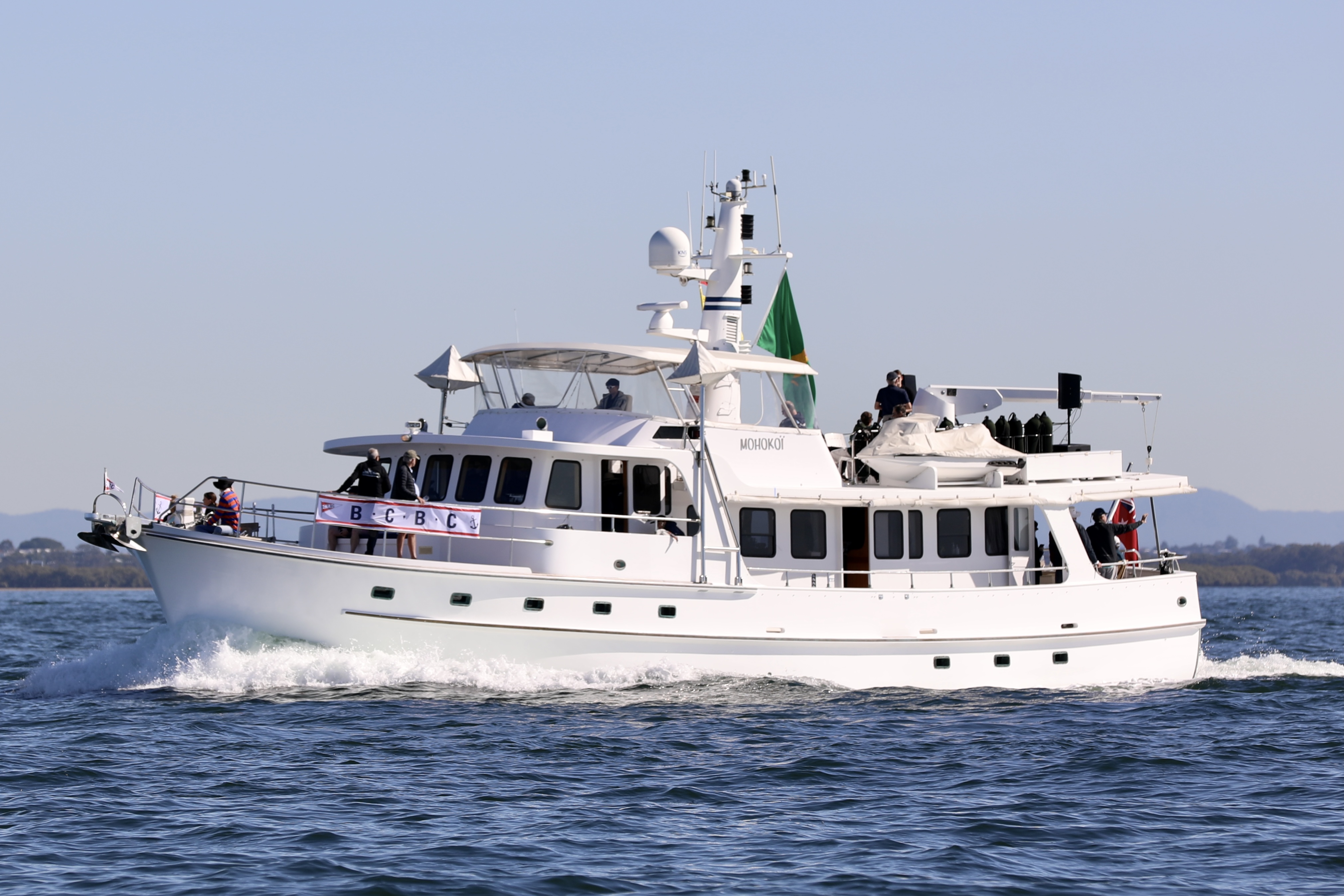
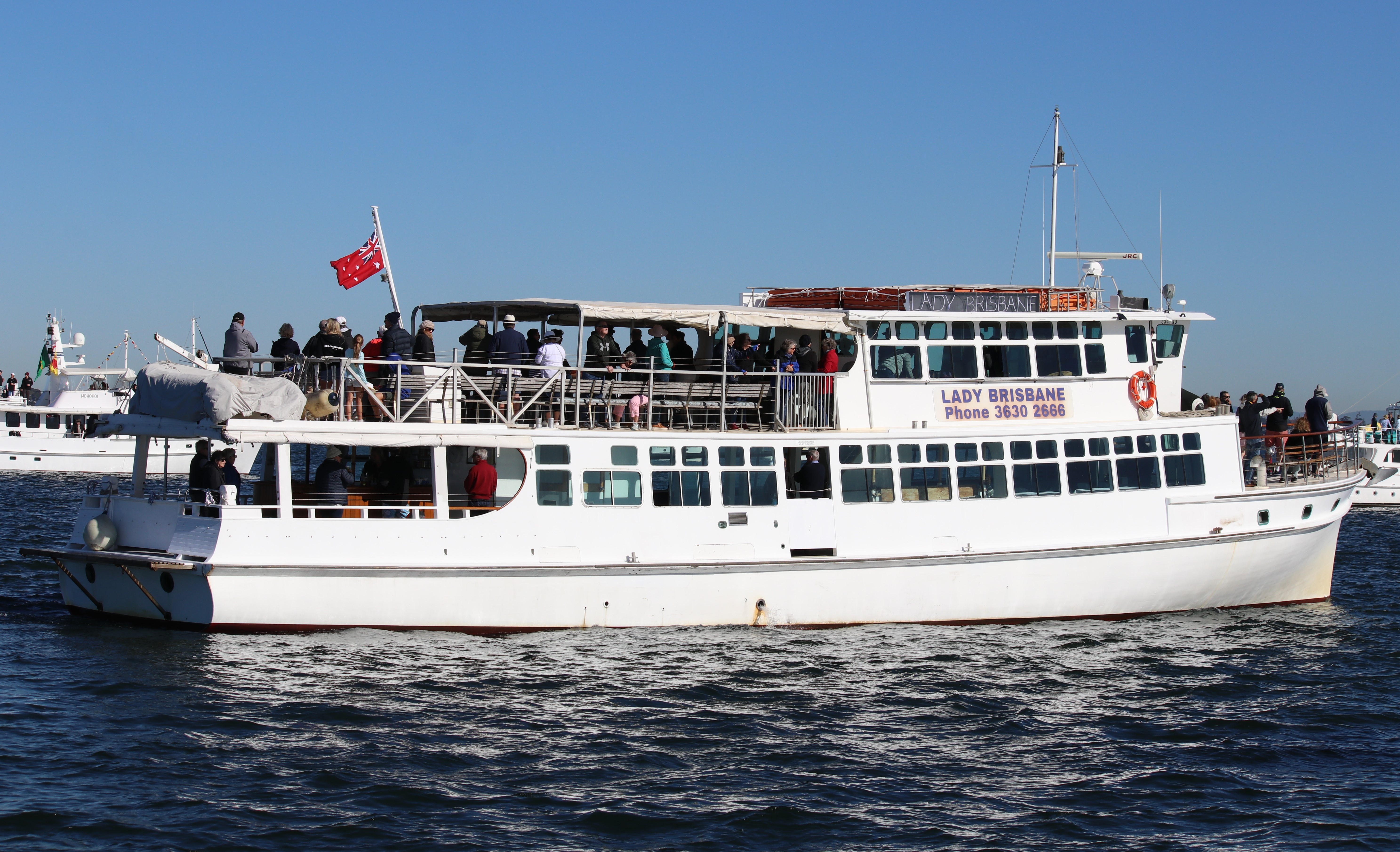
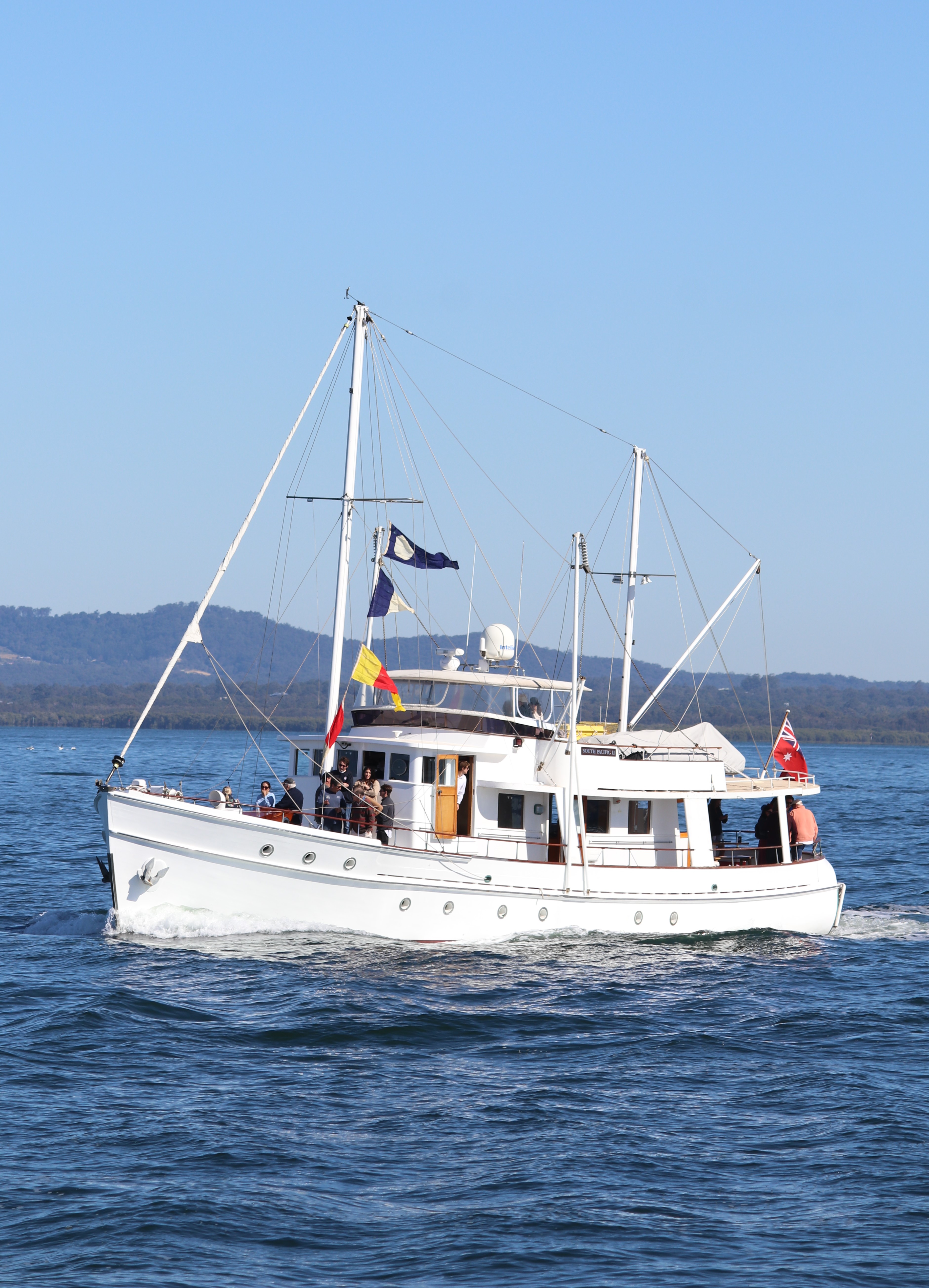
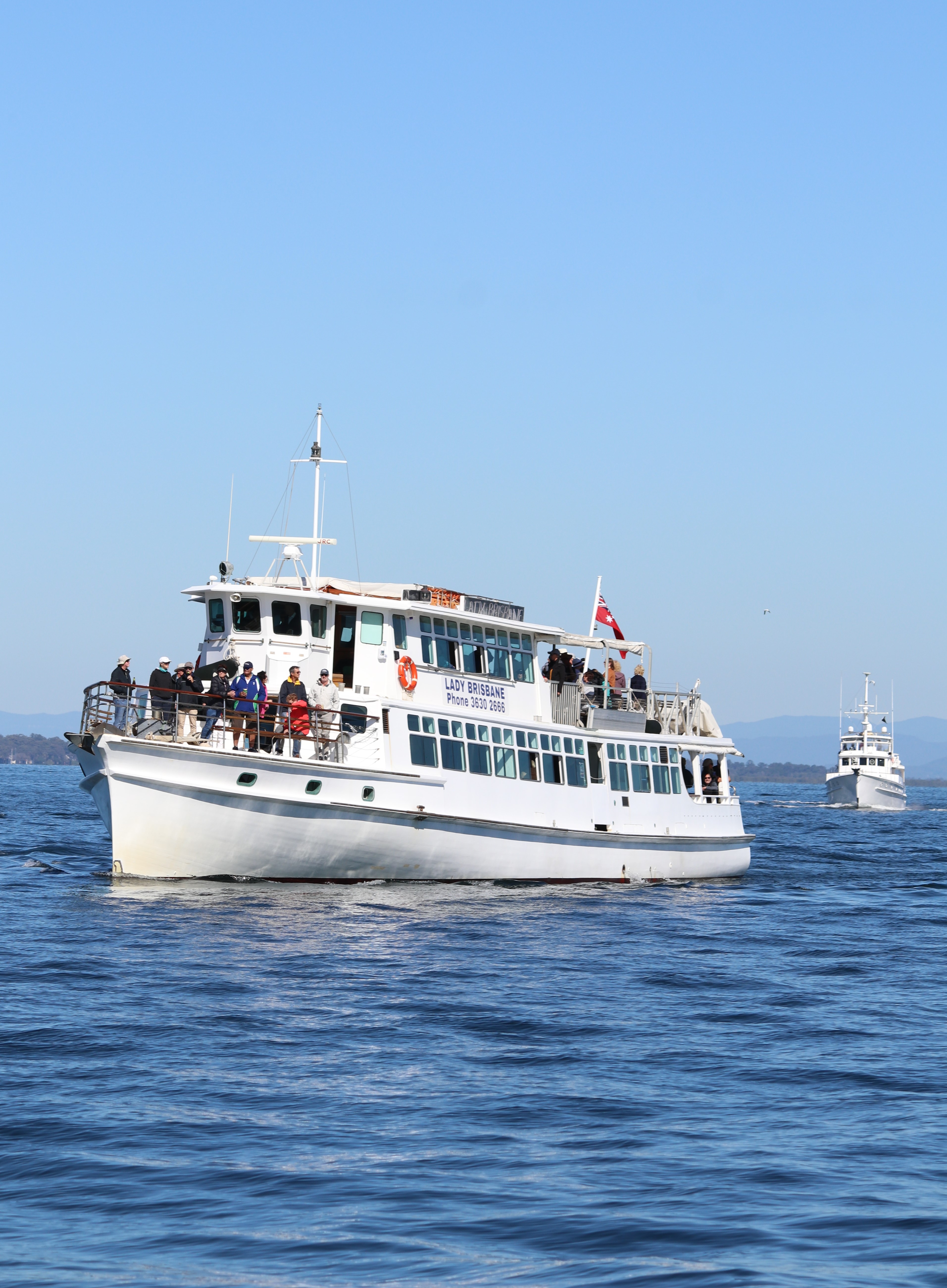
Jacob Oxlade, 24 a qualified Master has the good fortune, skill and presence that has seen him become skipper of the South Pacific 11 a 72 foot vessel designed by Eldridge MGuiness and built by the famous Norman R Wright & Son in 1962. Jacob skippers the South Pacific from Far North Queensland to Tasmania and has formerly skippered other known Moreton Bay Classics, Bali Hai, Mohokoi, Lady Brisbane and others. Paul Crowther is a member of a successful business dynasty who has recently become the proud owner of the Mohokoi a 70 foot vessel built by Wayne Tipper in 1995.
Jacob in South Pacific was escorting Paul to Myora on North Stradbroke Island, an anchorage favoured by salty Classic Moreton Bay Cruisers as Paul got to know the ropes. As it happened, Mohokoi was ahead of the South Pacific and Paul slowed to let Jacob enter the anchorage first. As is the nature of such things, an argument then ensued about who was first and who was fastest. The gauntlet was thrown down by Paul and the challenge accepted by Jacob. It was on. The “Race that Stops the Bay” was suddenly being promoted on local classic boating social media but quickly became the “Event that Stops the Bay” to accommodate fears relating to insurance and other regulatory matters that tie down our modern nanny world.
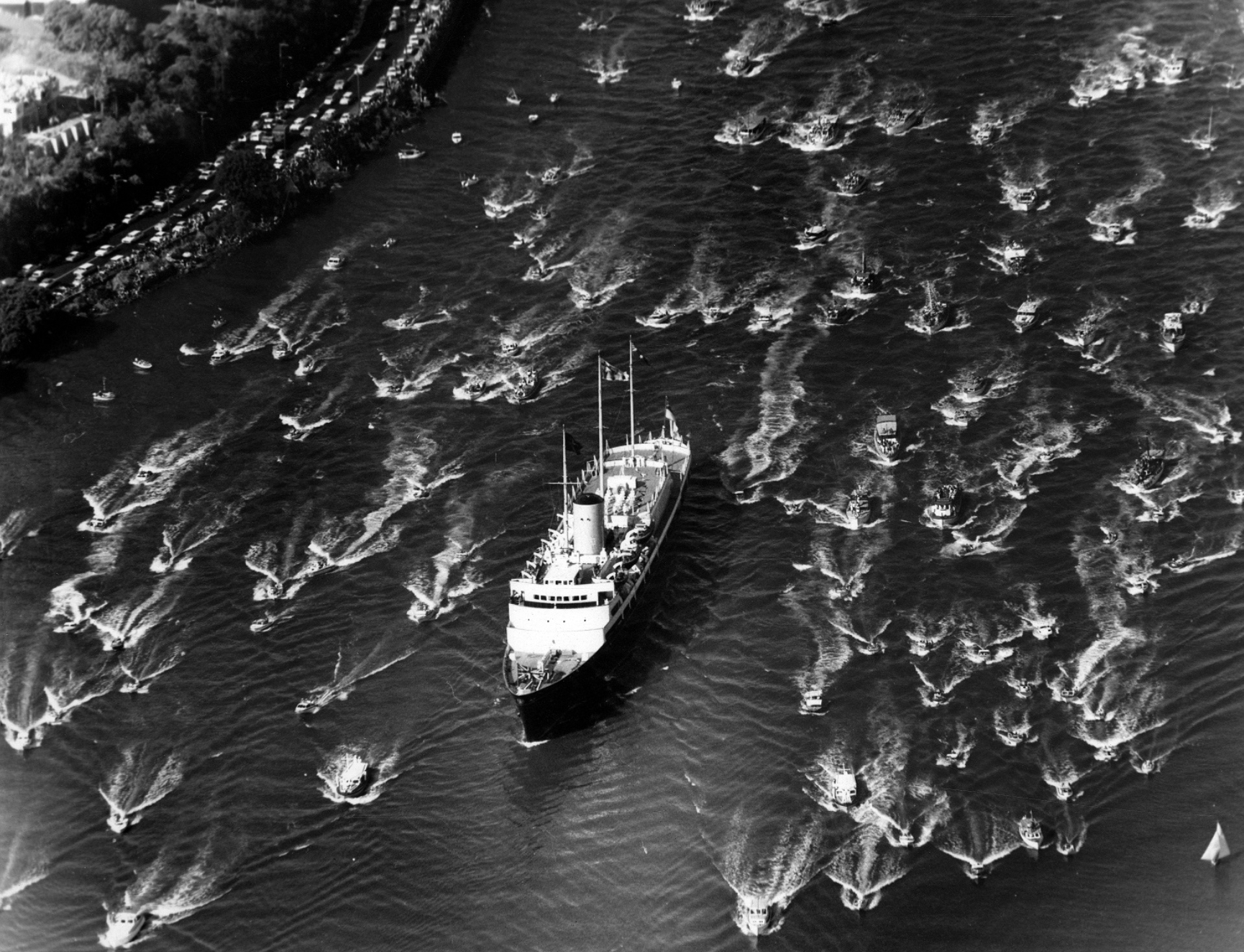
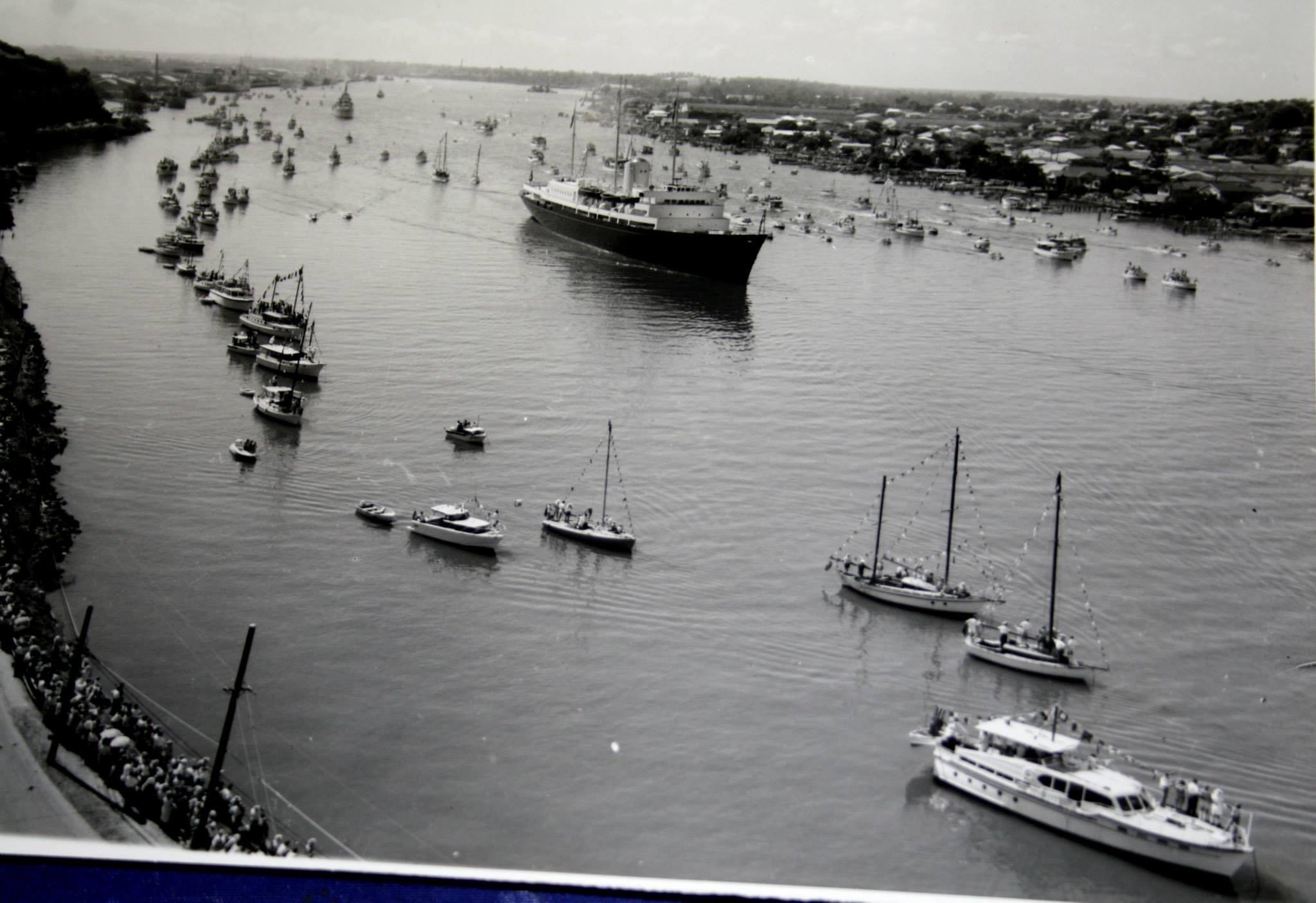
Jacob hoped to attract perhaps eight of the known larger classic vessels and about ten smaller ones for an event he hoped would be reminiscent of old photographs he had seen of the processions of classic boats that escorted the Britannia up the Brisbane River on the Queen and Duke of Edinburgh’s visit to Queensland in the 1970s.
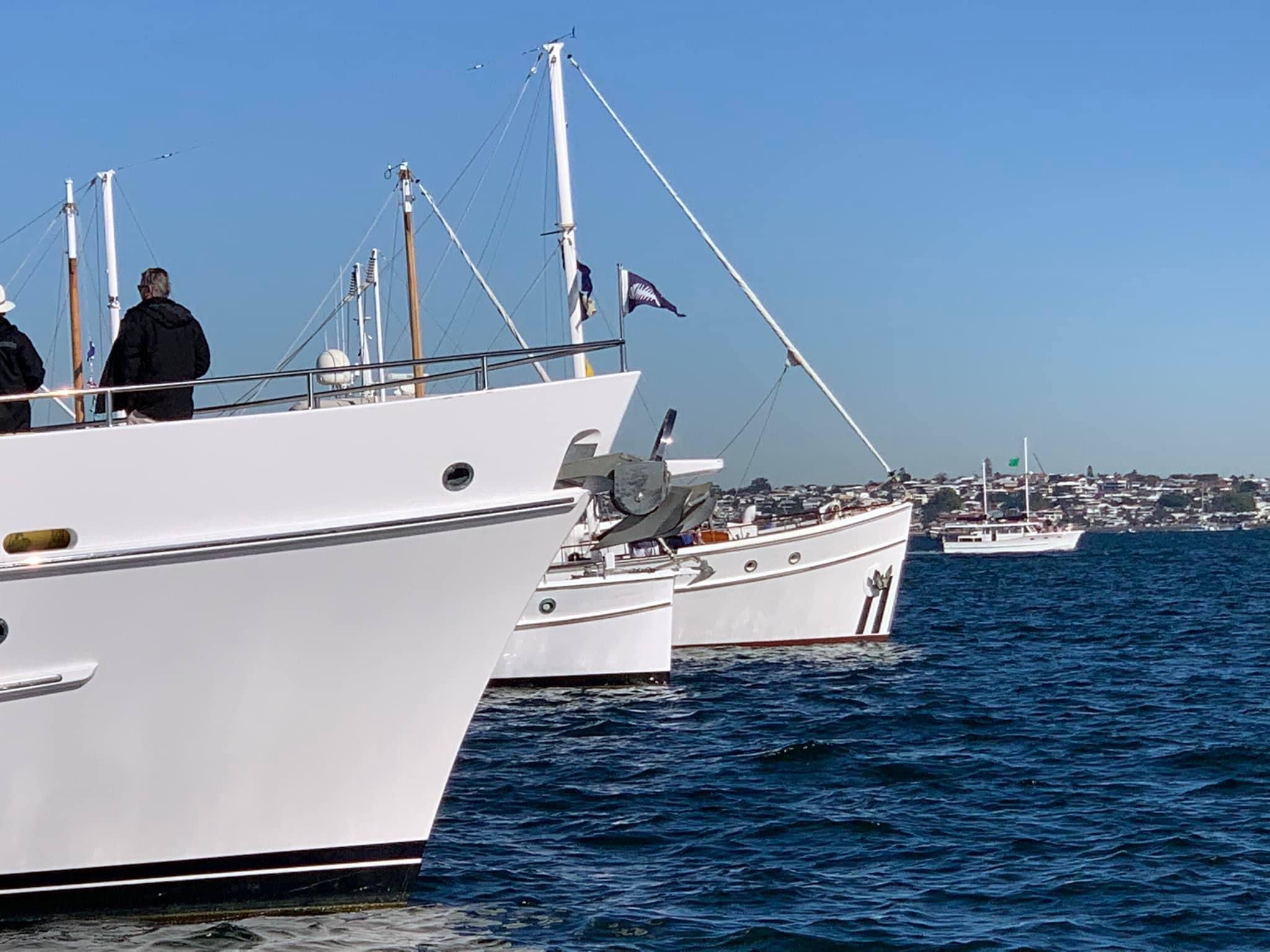
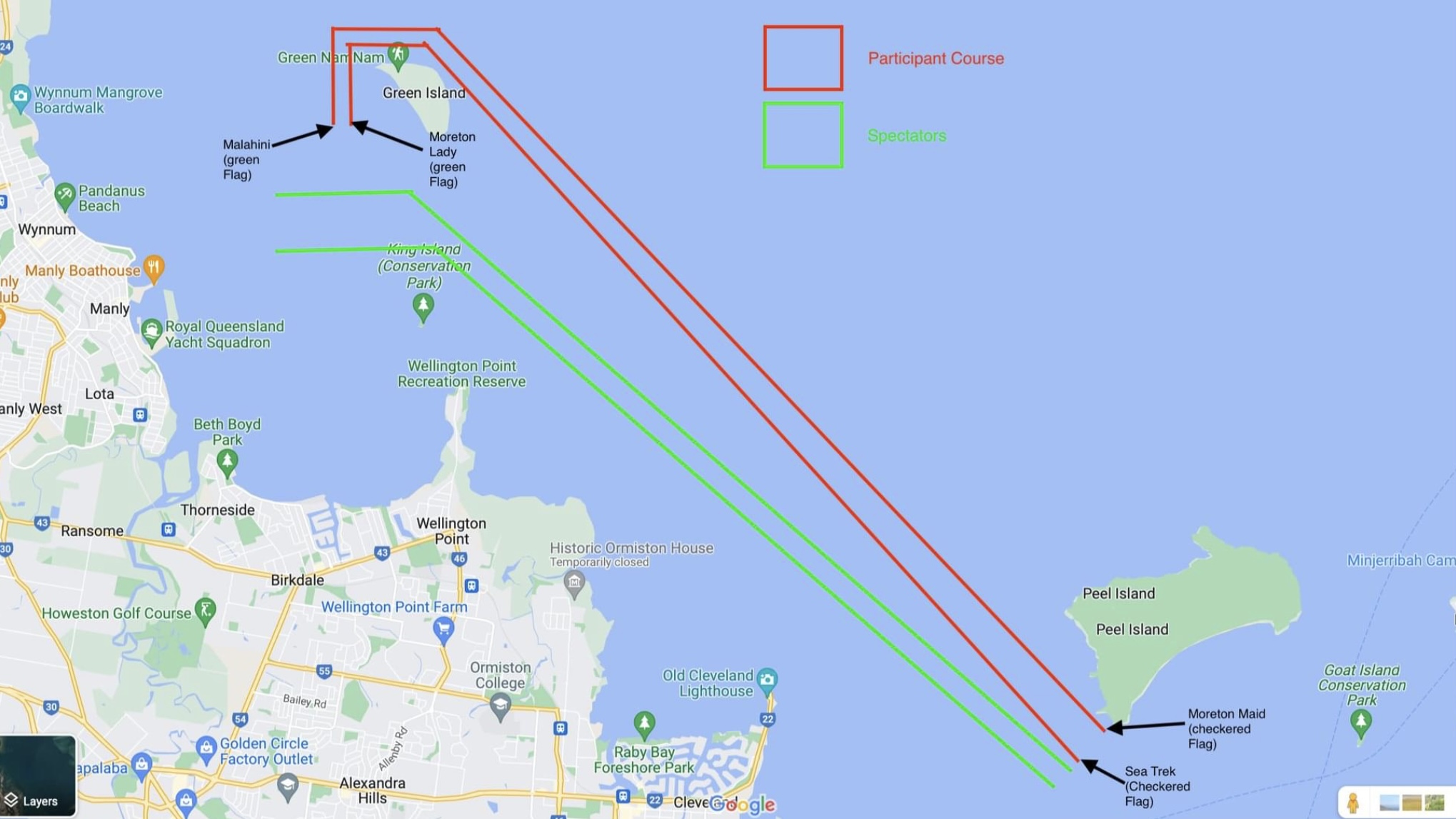
Jacob regrets that the entry form he published was not designed to accommodate the sheer volume of entrants that he had to process. Thirty-One classic vessels registered to actively participate in a race of 10.9 nautical miles from Green Island near Manly Harbour in Moreton Bay to South West Rocks at Peel Island. Seventy-One classic vessels registered as spectators. Jacob counted One Hundred and Twenty Classics in the post-race anchorage of Horseshoe Bay and more again were present close to shore before the starting gun. Entries continued to pour in after close of registration and even on to the day of the event itself.
Jacob is cognisant that each of these classic wooden boats is unique and special. He inherited his love of them from his father Paul Oxlade who would take him boating from a young age, where Paul Oxlade would point out each of the old Queensland woodies, being able to name their owners, builders, build dates and slip ways, a remarkable skill seemingly only shared by the now Skipper of the Lady Brisbane Mark Nielson. Such was his father’s inspiration that Jacob became a Master in his own right who desires to share his love of these classic vessels with his own younger generation. He believes he has come some way to achieving this goal with what is to become a regular event in what is now known as “The Moreton Bay Classic”.
The race format was kept simple with the primary focus being on a day out and participation which had to be both easy and free as an antidote to our post Covid 19 world. It was not a navigation event or log race. It was simply a race from post to post but with a handicap on each boats’ start times set by William Wright, a third generation boatbuilder and naval architect with the Norman R Wright & Sons dynasty who handicapped them according to their waterline length, horsepower and top speed. First across the finish line was the Coral Sea, followed by Floodtide, Lady Mac, Nyala and Tamara. A best and fairest award of a Garmin watch was won by the Skipper of Mohokoi, the decision being made by John Stewart, Commodore of the Breakfast Creek Boat Club. The watch was donated with thanks to Gordon Triplett from Garmin.
Because this year’s event occurred spontaneously and without much notice, a fact belied by the sheer number of participants, it is intended to hold the event once more next year to allow those people who missed out a chance to attend, after which it will become bi-annual, to be held in the winter of each year of the Tasmanian Wooden Boat Festival. The timing is designed to take advantage of the beautiful Winter conditions Moreton Bay experiences and to allow those vessels making their way North for the Winter season both from Tasmania and the South generally to participate. The date has already been set at 24 June 2023 which coincides with the commencement of the Queensland School Holidays and which avoids conflicts with other events listed on the Boating Industry Association’s calendar. In the event of poor weather a contingency plan for celebrations at Royal Queensland Yacht Squadron’s Canaipa campus are in place.
It is Jacob’s intention that next year all of the classic vessels will be entered as participants with any moderns to be registered as spectators as he explained there was confusion in the minds of classic owners unfamiliar with the format of the new event this year with the result many were shy, entering only as spectators.
At the conclusion of the race festivities continued with a presentation that occurred on the beach at Horseshoe Bay, where a feast of seafood, a lamb on a spit, and a pig on a spit was provided free of charge to participants.
Jacob focused specific attention on safety and an avoidance of inconveniencing non participants, the course being designed to avoid conflict with bay ferries or creating wake on local beaches. The event was run in consultation with Maritime Safety Queensland and the Water Police who reported no negative occurrences from the event. Congratulations must go to Jacob and Paul for their thoughtfulness in providing both general refuse and recycling bins at the beach function and for organising a clean-up of the beach the following day such that it was left in better condition than before the presentation.
Thanks must also go to Paul Crowther who paid for the spit roasts and a live band out of his own pocket, Bryant Engineering, the Queensland Gardner specialists who provided the seafood and who operated the rotisseries and set up and pulled down the beach facilities the day before and after the event and to Tony from Tony’s Boats and Marine who paid for bread, onions, napkins and the other bibs and bobs that made the barbeque a success.
The event was filmed by Nick Cornish who runs Game Rod Media so expect a quality documentary about it in the near future. A Facebook group for the Moreton Bay Classic features footage of the vessels and the event and provides updated information future events.
With a view to keeping the event free to participate in, Jacob and Paul are looking for sponsors and are floating the idea of providing a cap or pennant to commemorate each future event which will bear sponsor logos.
And so a new event was born, the fruit of a throwaway challenge, but which highlighted the health of classic wooding boating in Moreton Bay. Make sure you support the Moreton Bay Classic and see you on the waters of Moreton Bay on 24 June 2023, and suffer in your jocks on the Waitemata Harbour as it is warm and dry here in Queensland.”
I think waitematawoodys needs to look into pulling a similar event off on the Waitemata – back to you all ASAP with details 🙂 Alan H
The Race – below is just a tease – come back tomorrow for photos from the course 😉
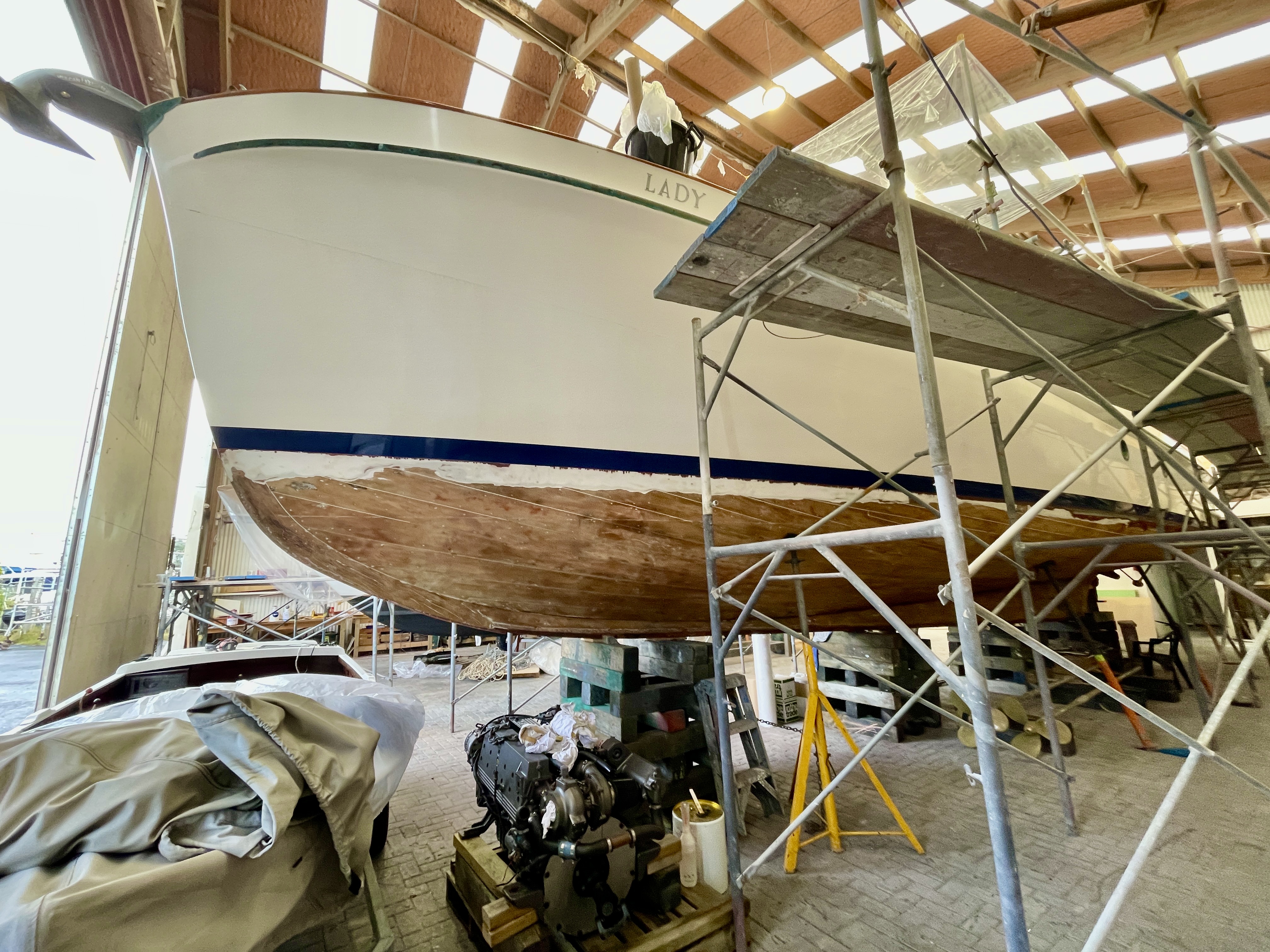
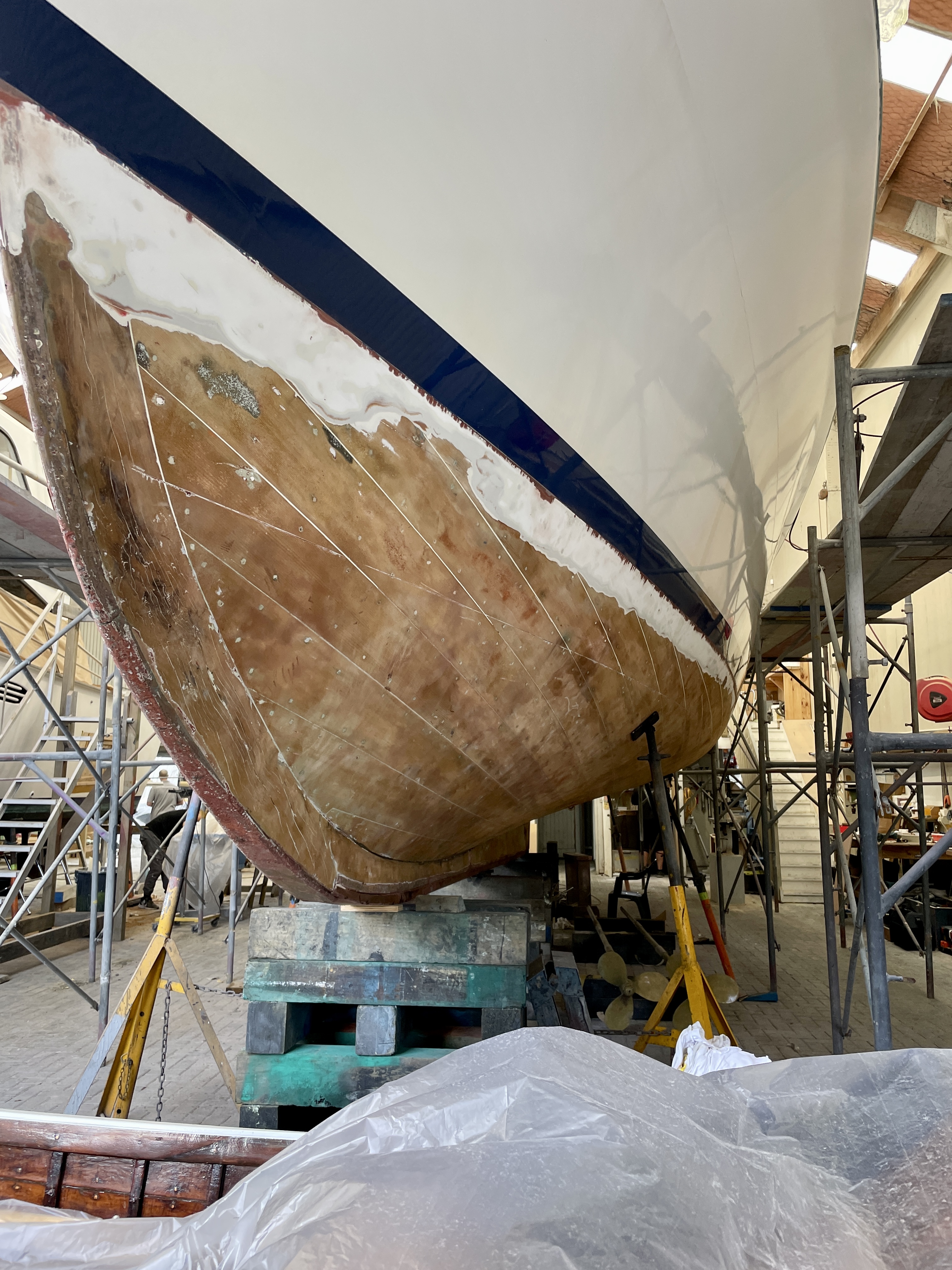
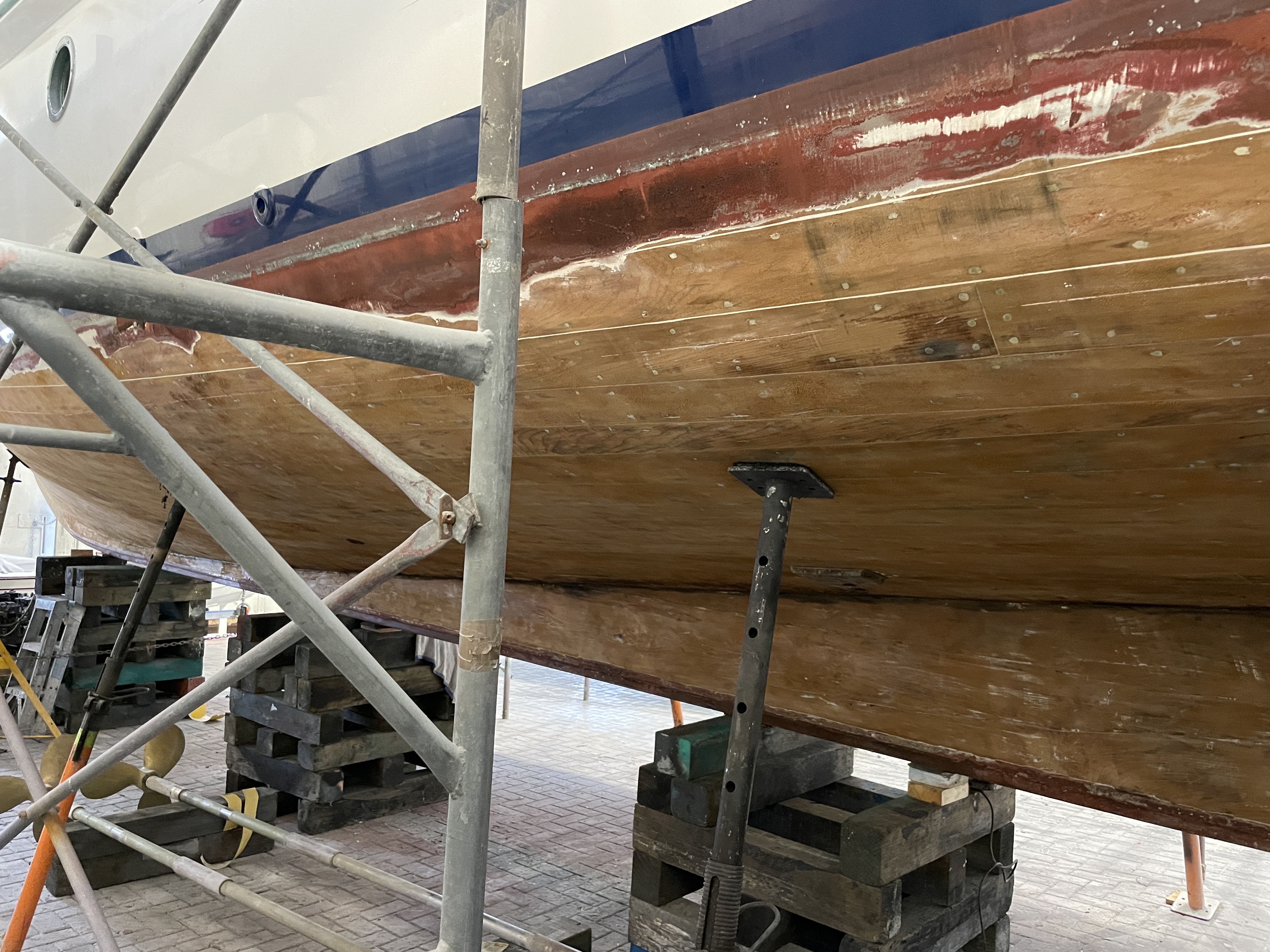
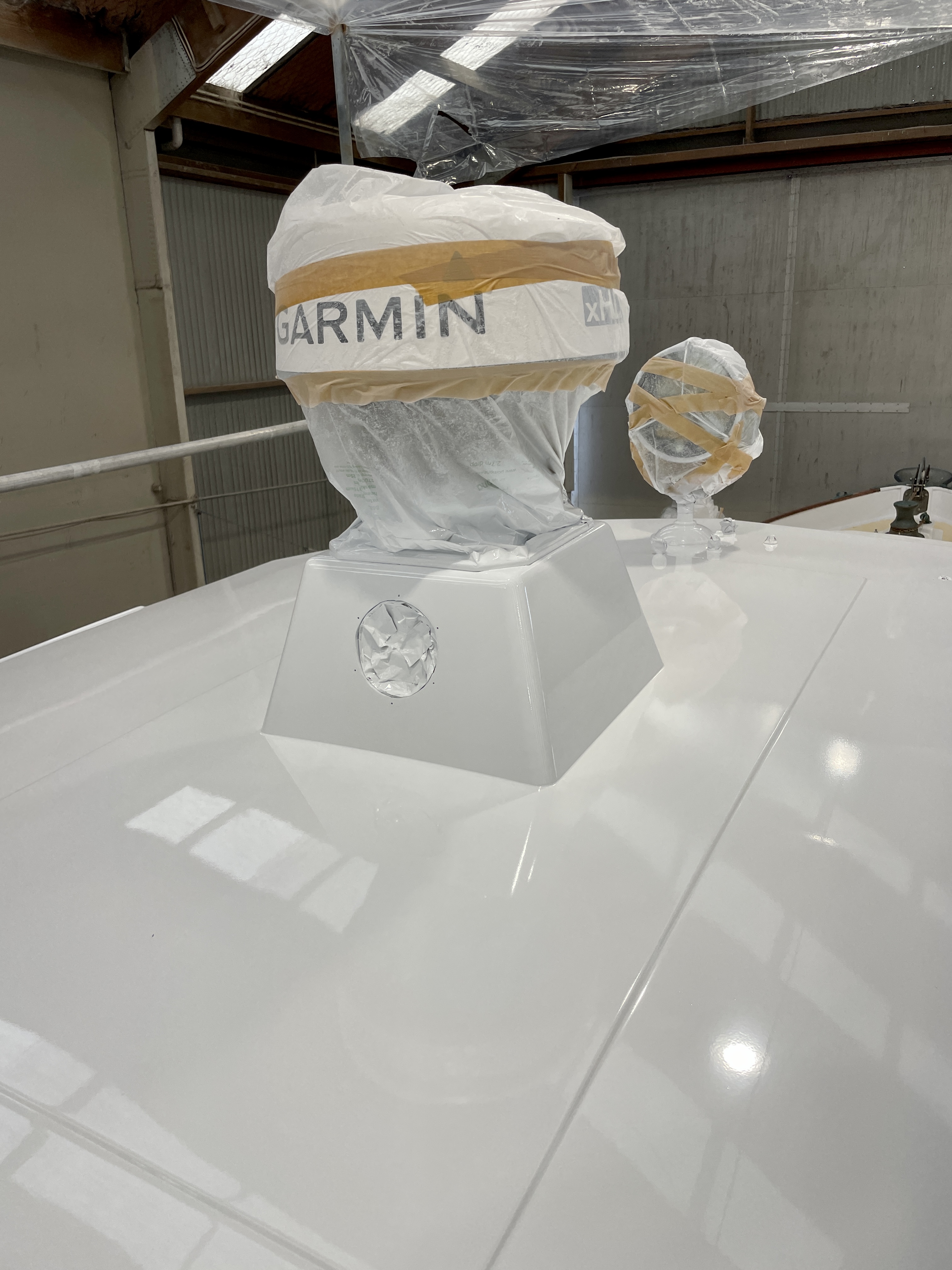
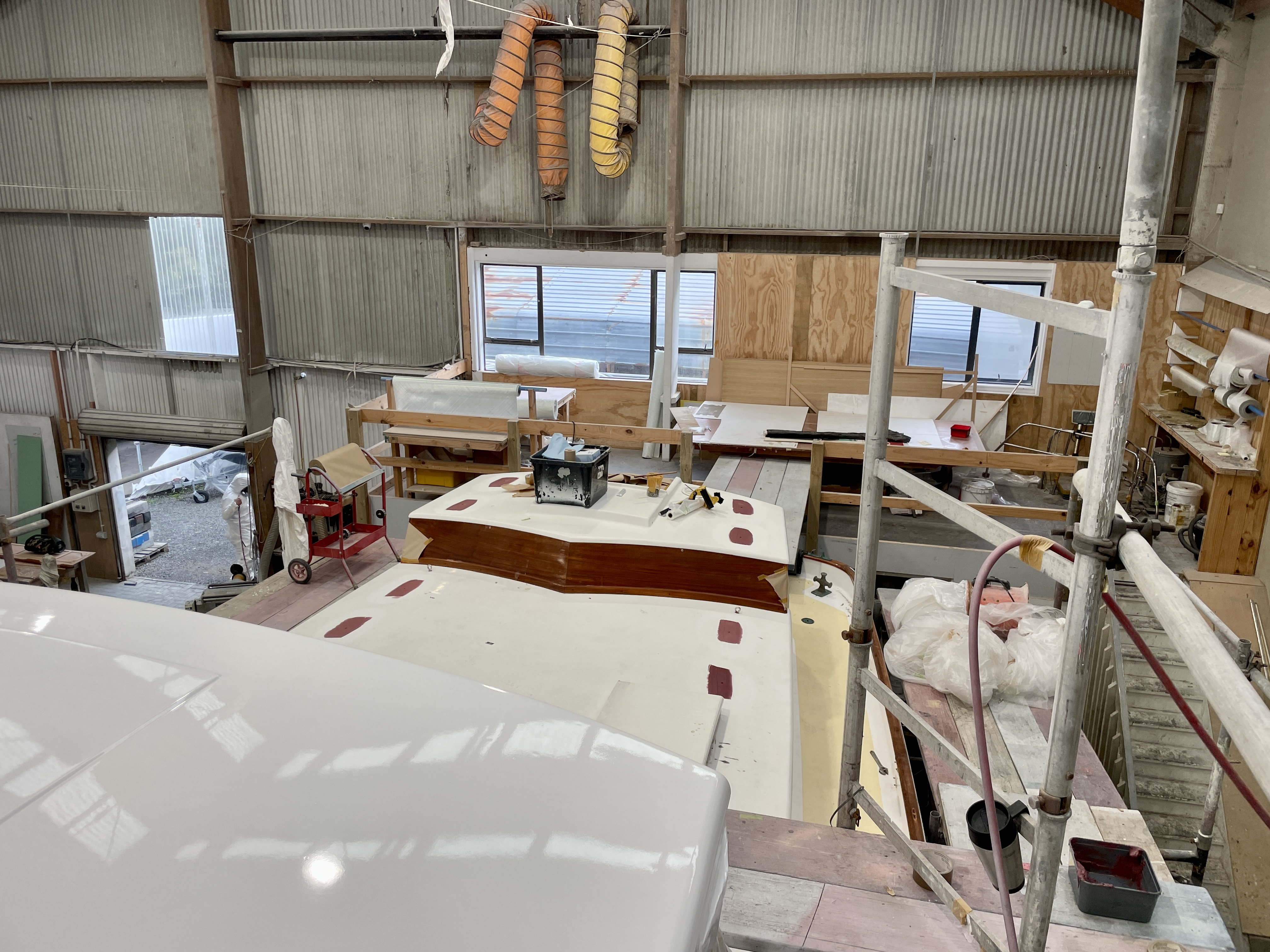
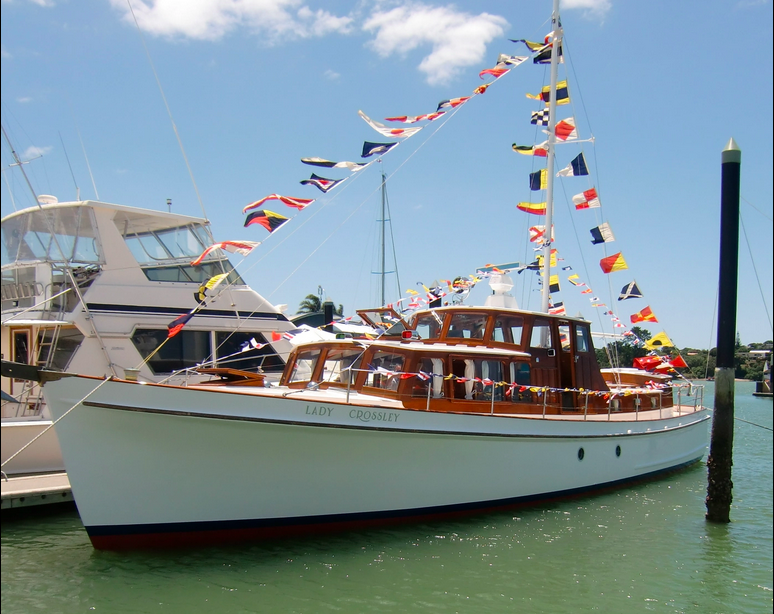
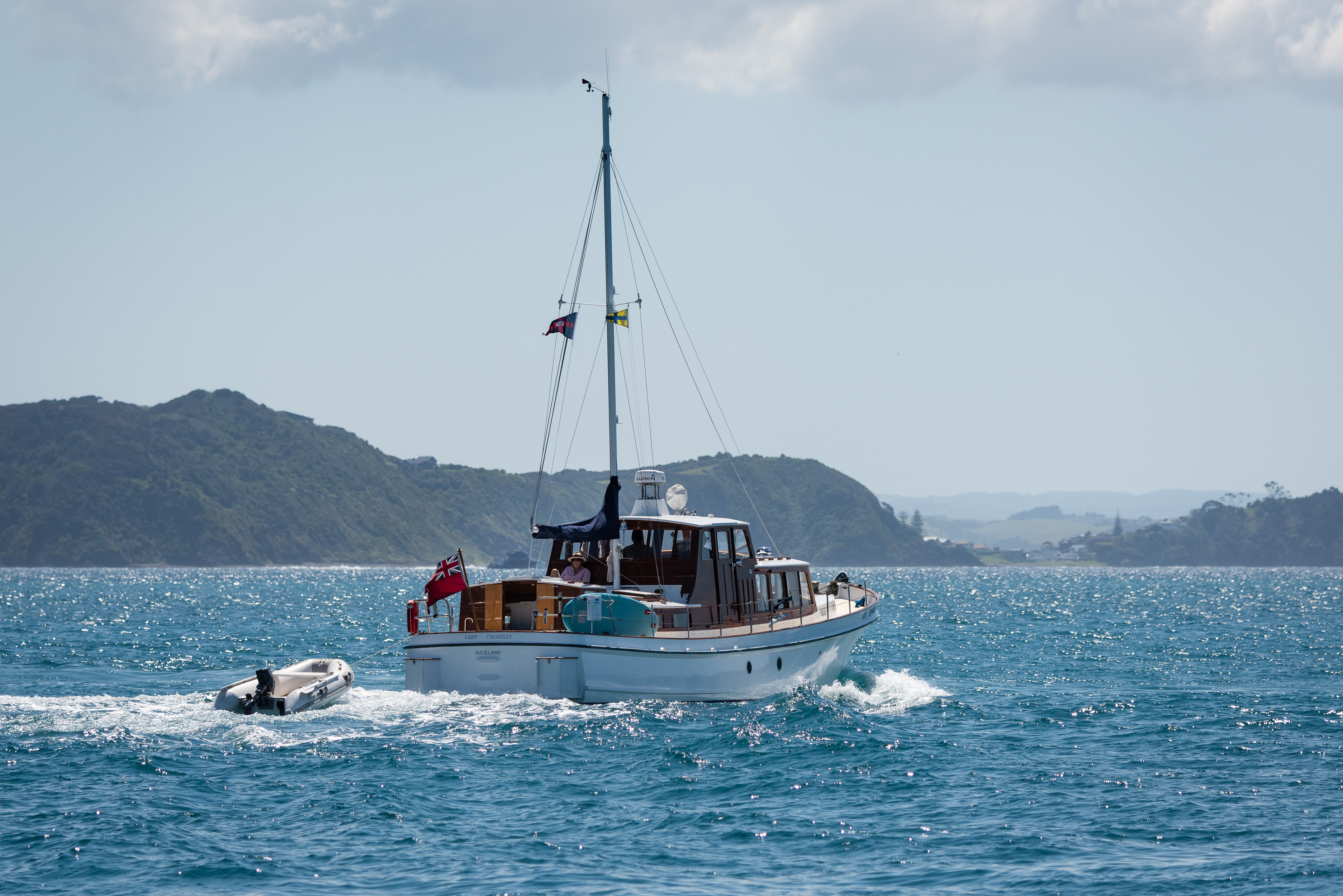
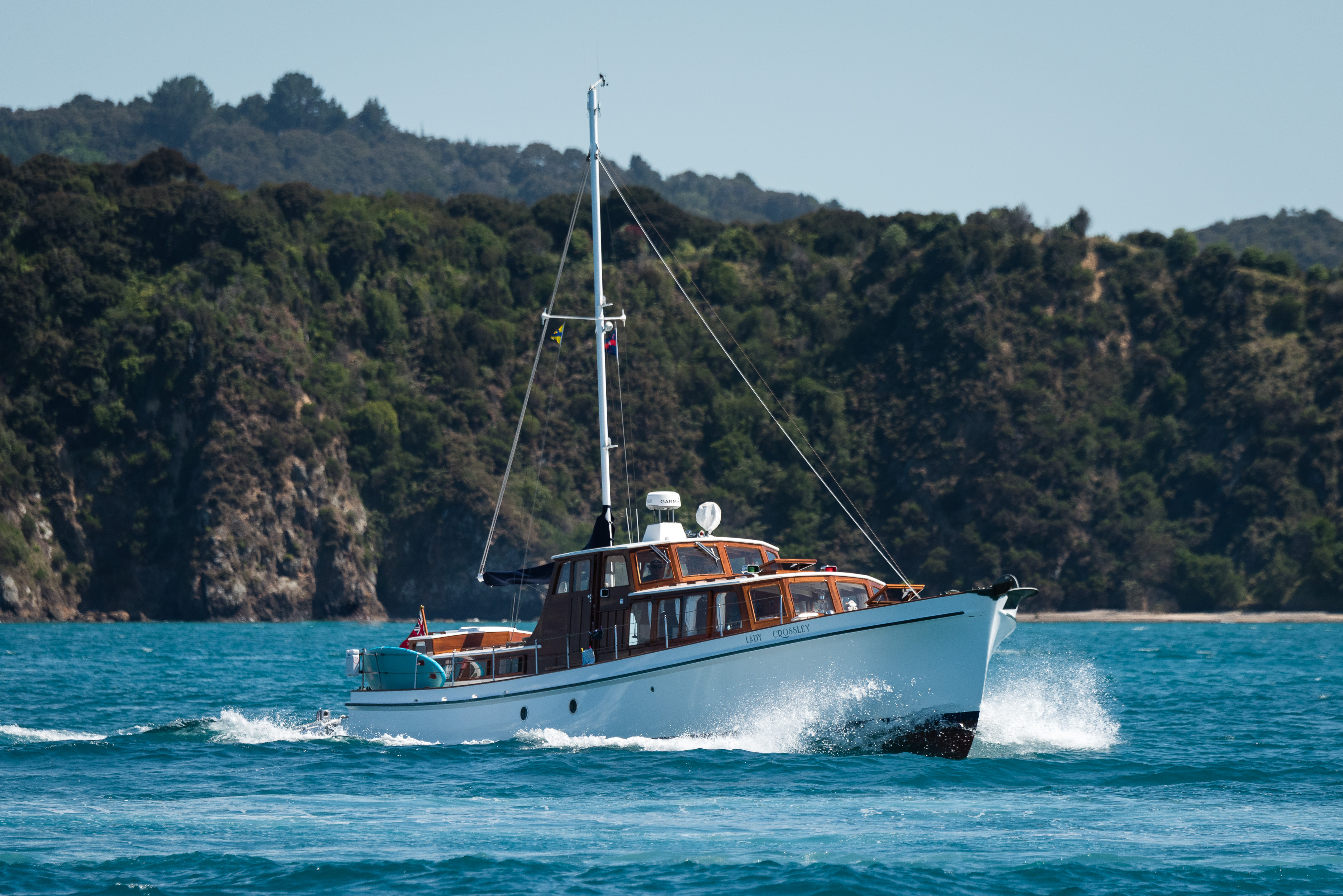
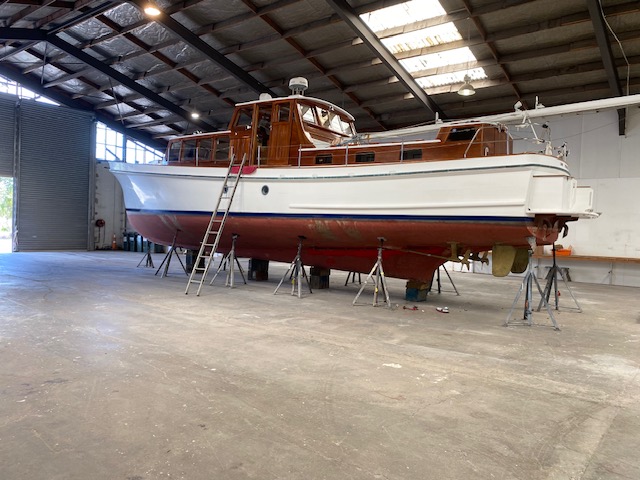
The 1947 Colin Wild designed and built launch – Lady Crossley is currently tucked up in the ‘Nautique Boat Yard’ shed at Hobsonville Marina for some TLC.
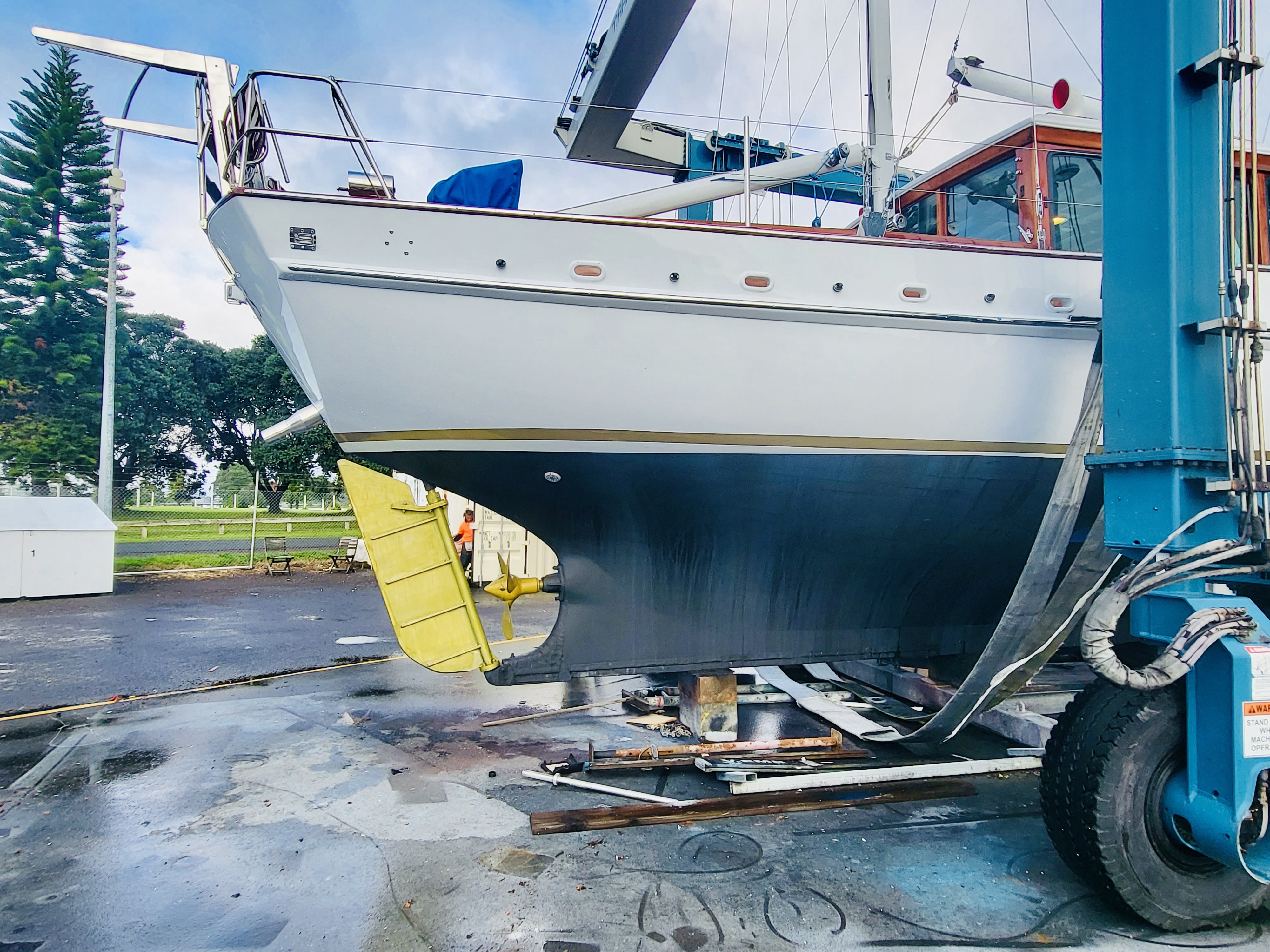
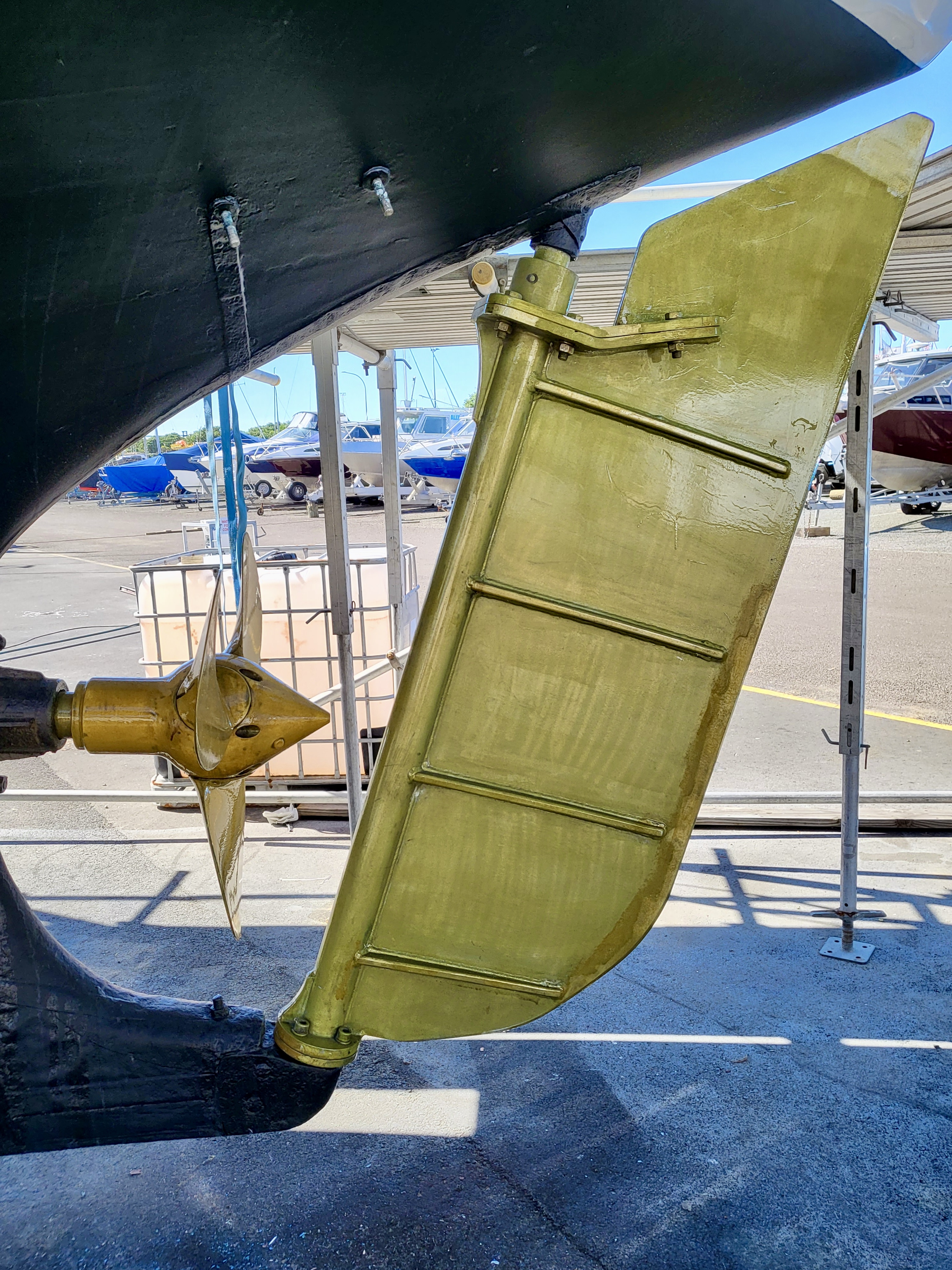
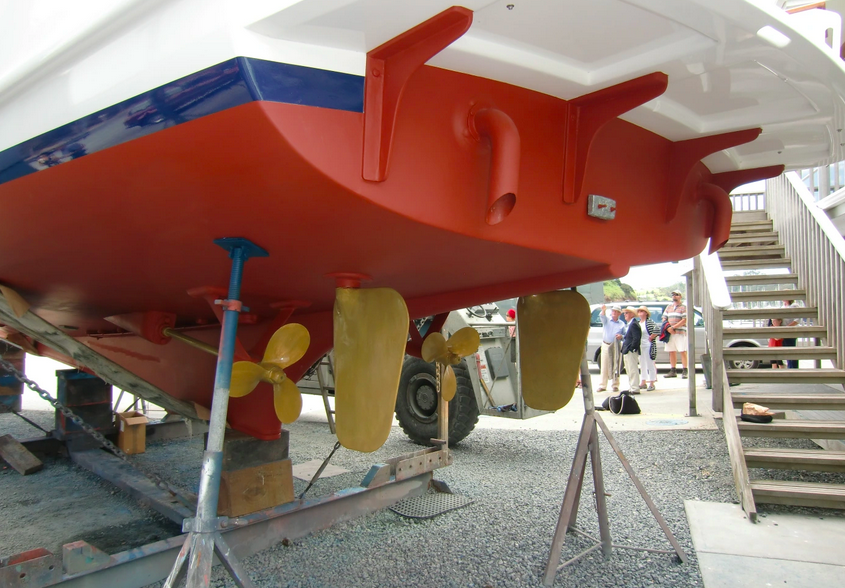
The bottom has been taken back to bare timber, the kauri planking is a work of art. At the same time, the shafts and props have been pulled + the keel cooling tubes – for a refresh.
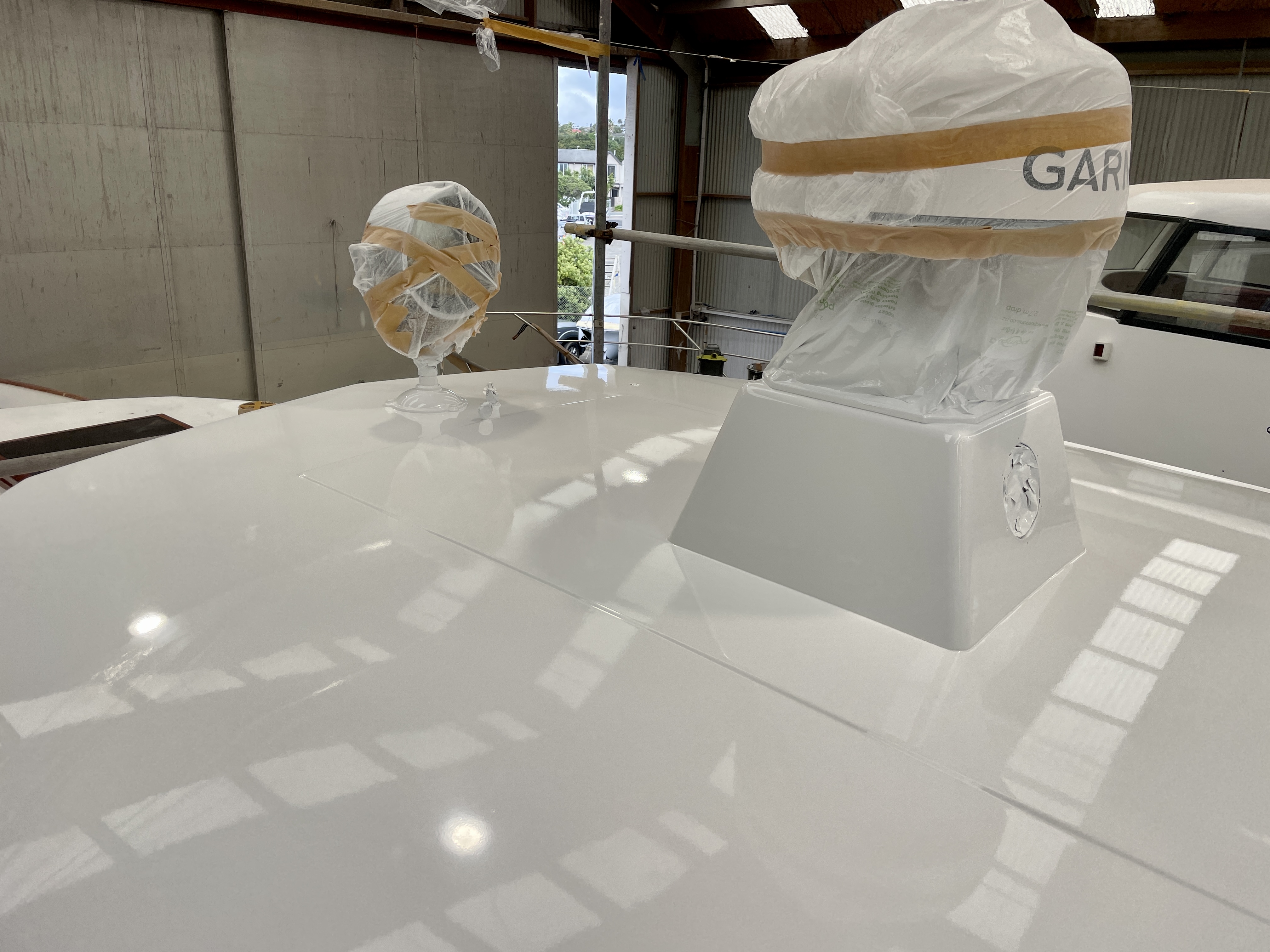
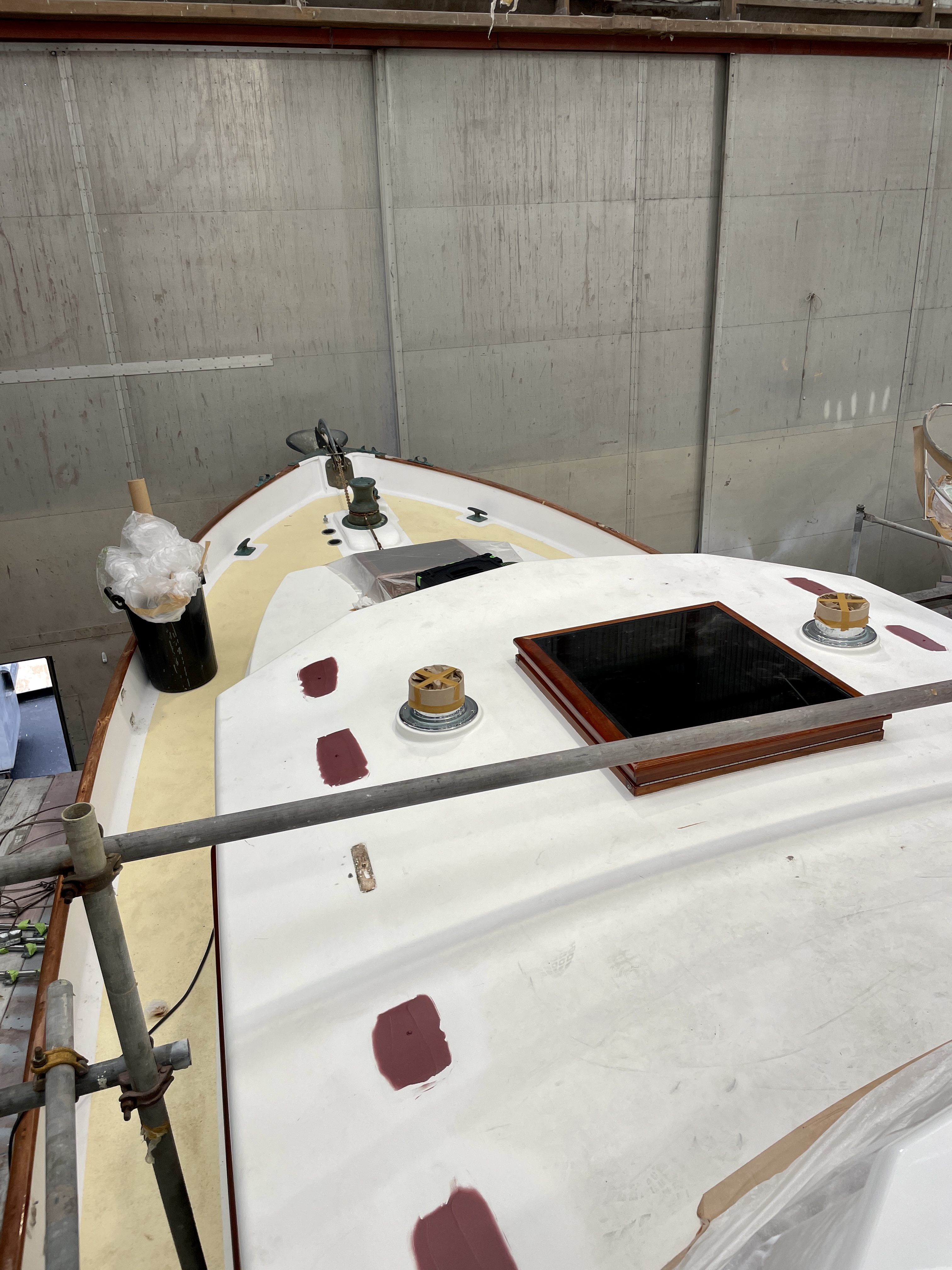
Lots of small maintenance jobs being ticked off + a splash of shinny new paint on the cabin tops.
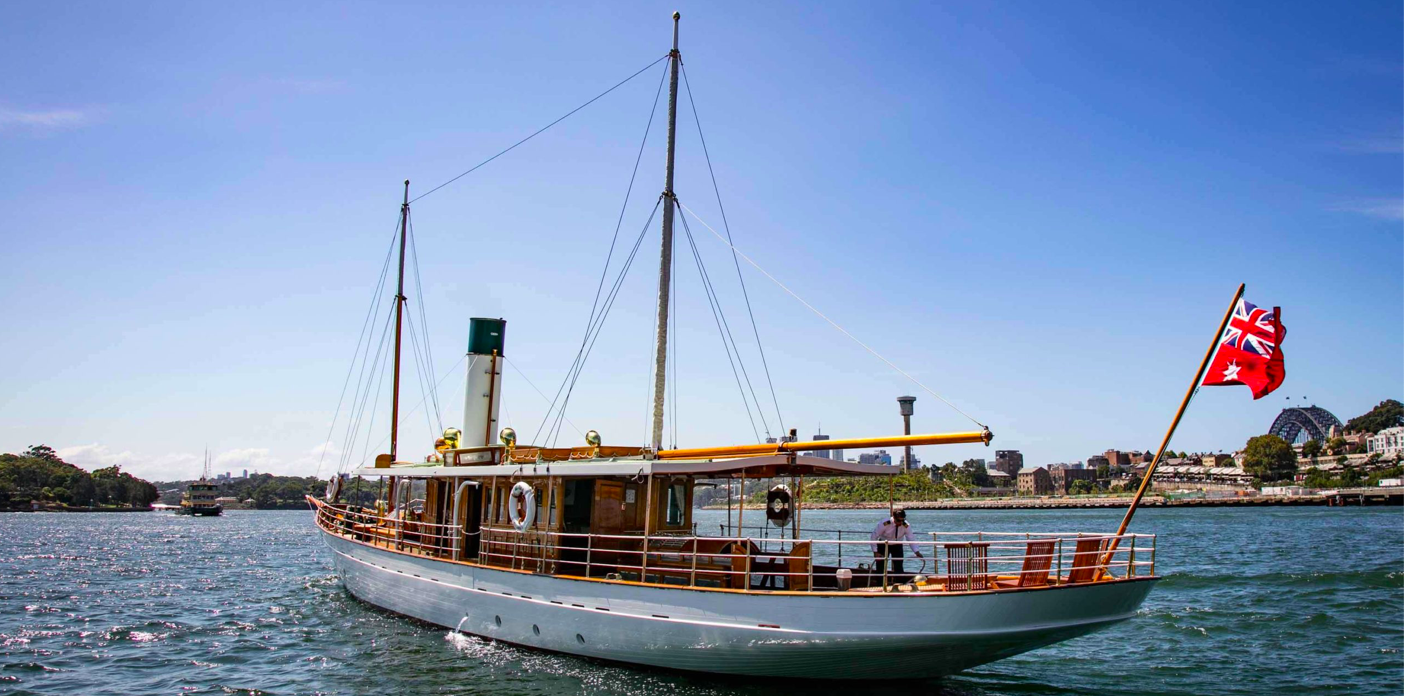
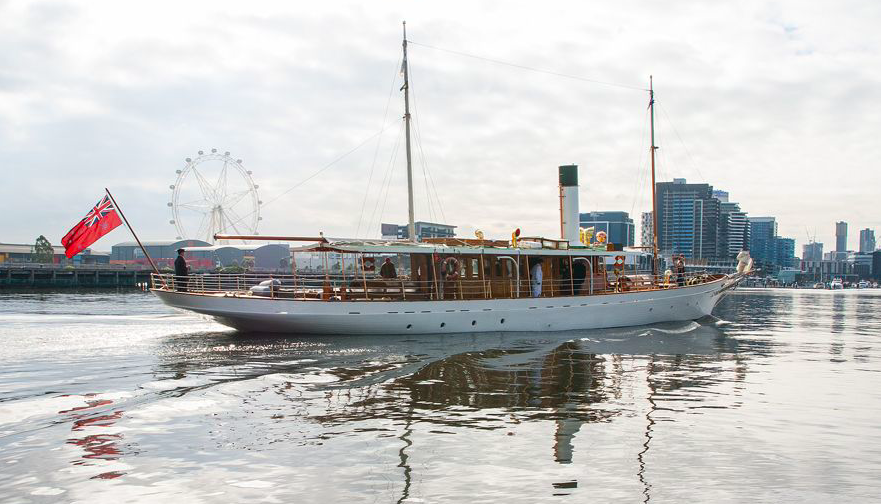
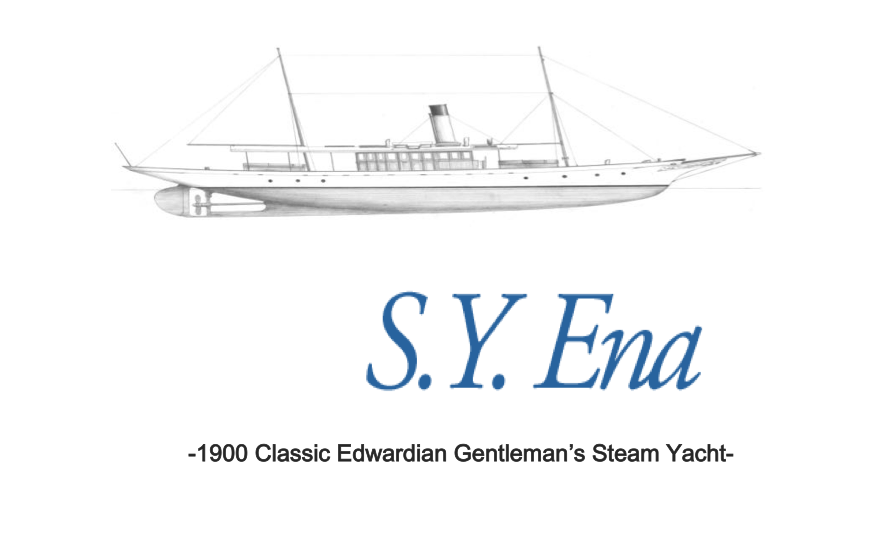
ENA Australia’s Finest Steam Yacht The other day I stumbled across a photo of an amazing classic woodys named – End, I assumed that it was of US / Europe origins but a quick search online and there she is next door eg Australia. Some background
Ena is a 116′ steam yacht that was designed by Sydney naval architect Walter Reeks and built by WM Ford Boatbuilders, Sydney, in 1900 for Thomas Dibbs, the commodore of the Royal Sydney Yacht Squadron. It was used as his private vessel for entertaining guests on Sydney Harbour and Pittwater until the beginning of World War I. In 1917 the yacht was purchased by the Royal Australian Navy and used as the auxiliary patrol vessel HMAS Sleuth in the waters around the Torres Strait and Thursday Island, before later being used as a training ship tender based in Sydney. In early 1920, the navy disposed of the yacht and it returned to private use until later in the early 1930s when it was sold to Tasmania.
Based in Hobart and under different owners SY Ena was used for a number of purposes including transportation of produce and fishing. It was converted to diesel power in the mid-1940s and renamed Aurore. After sinking in the early 1980s, the yacht was re-floated and eventually restored as a steam yacht close to its original configuration.
Ena subsequently circumnavigated Australia, as part of a visit to Western Australia during the 1987 America’s Cup and then served as a private charter vessel. Ena is now owned by the Turner family, one of Australia’s leading maritime families ( they founded the Sydney Maritime Museum) and she is based in Sydney at the Australian National Maritime Museum where it is part of the National Maritime Collection, and is also listed on the Australian Register of Historic Vessels.
Ena considered to be one of the finest examples of an Edwardian period steam yacht in the world.













































 waitematawoodys.com #1 for classic wooden boat stories, info, advice & news - updated daily - 15+ million views