Following on from the weekends story on the Russell Boating Club’s classic wooden launch parade (link below), today thanks to BOI photographer – Dean Wright we get to enjoy some stunning photos from the race.
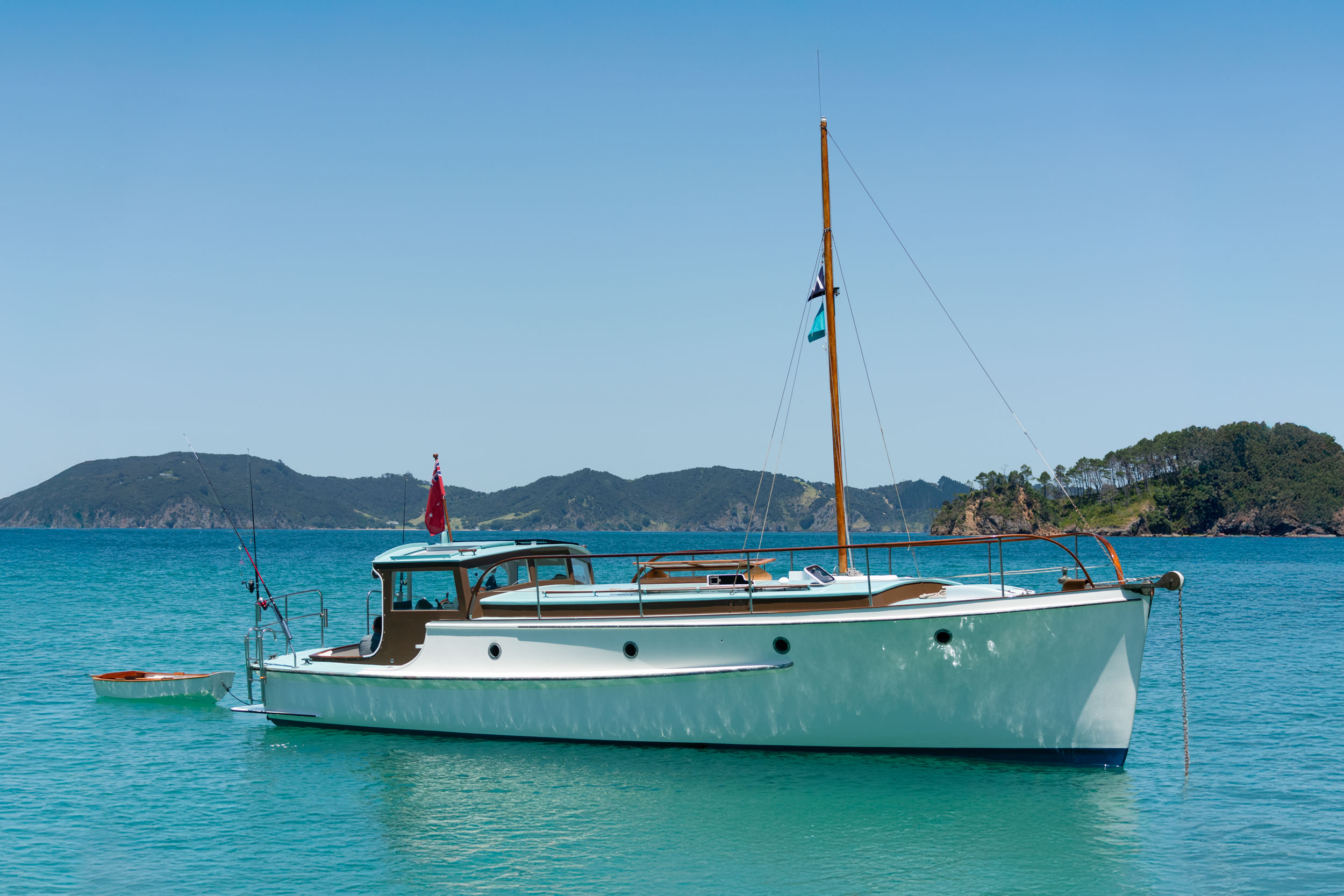
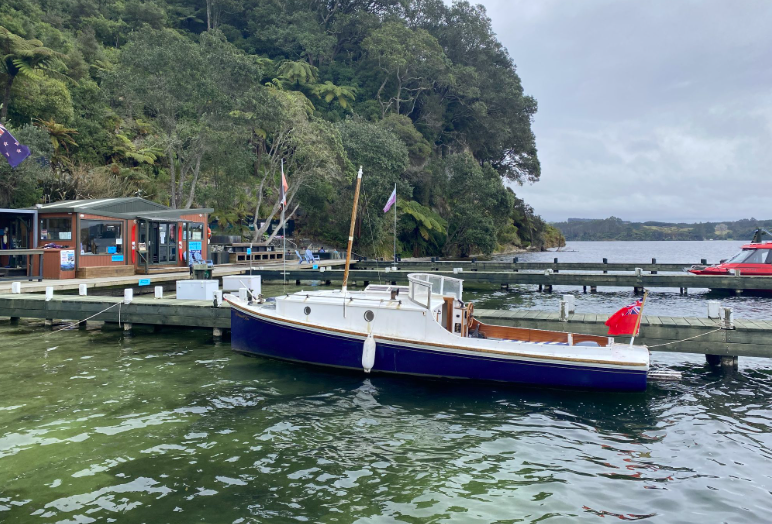
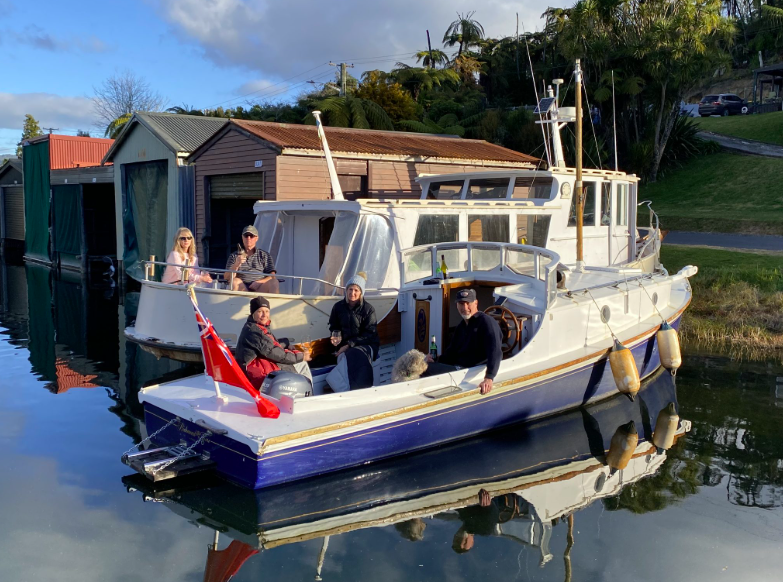
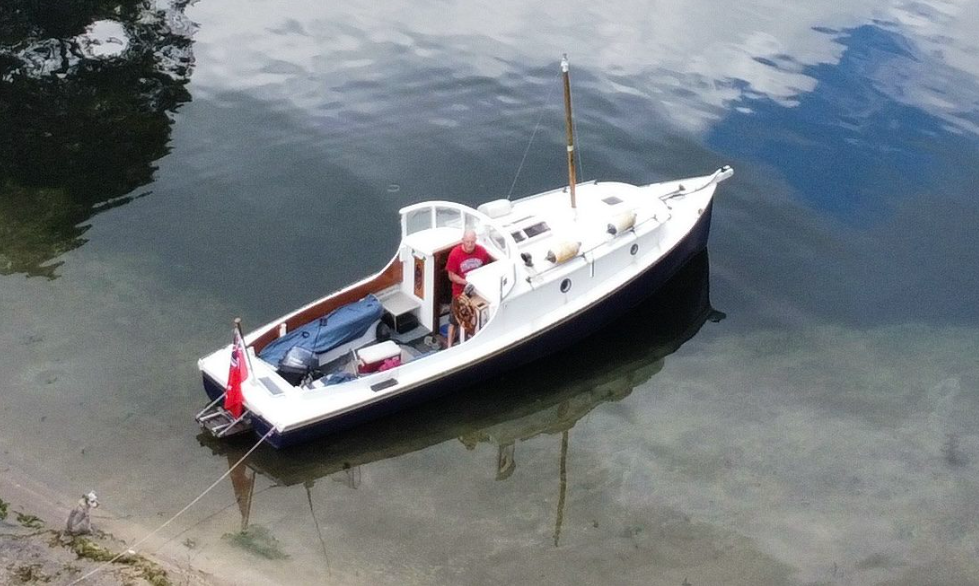
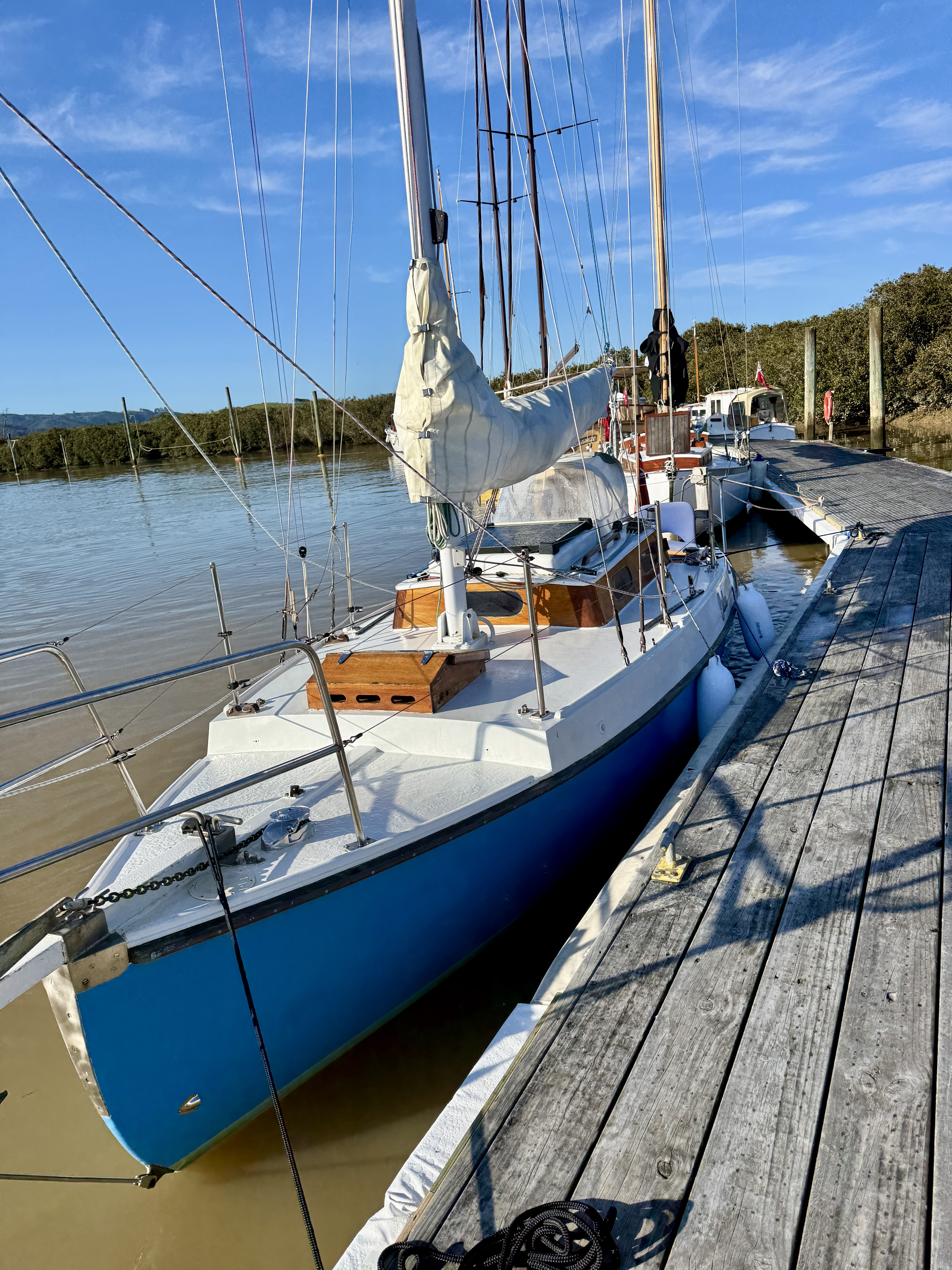
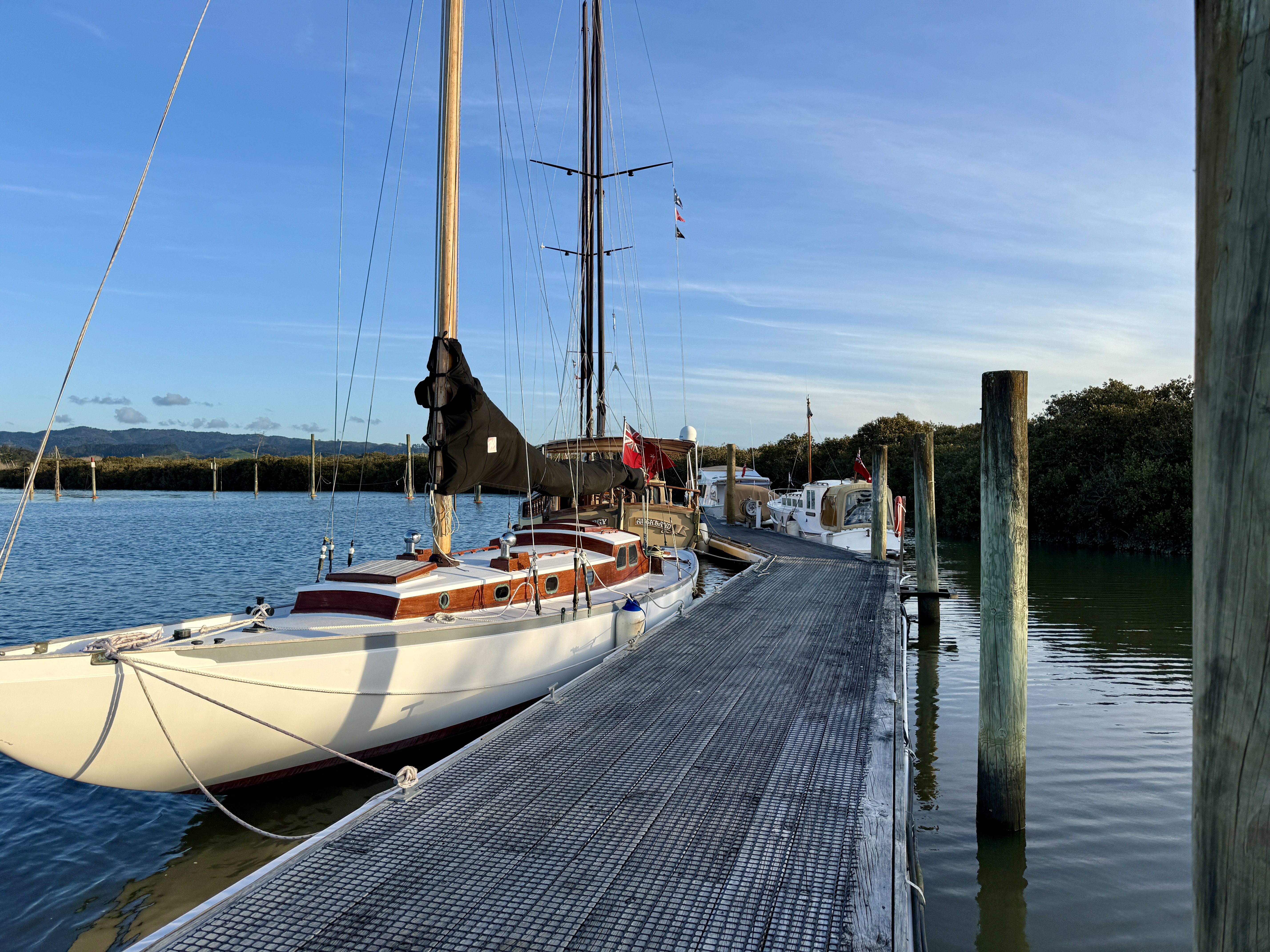
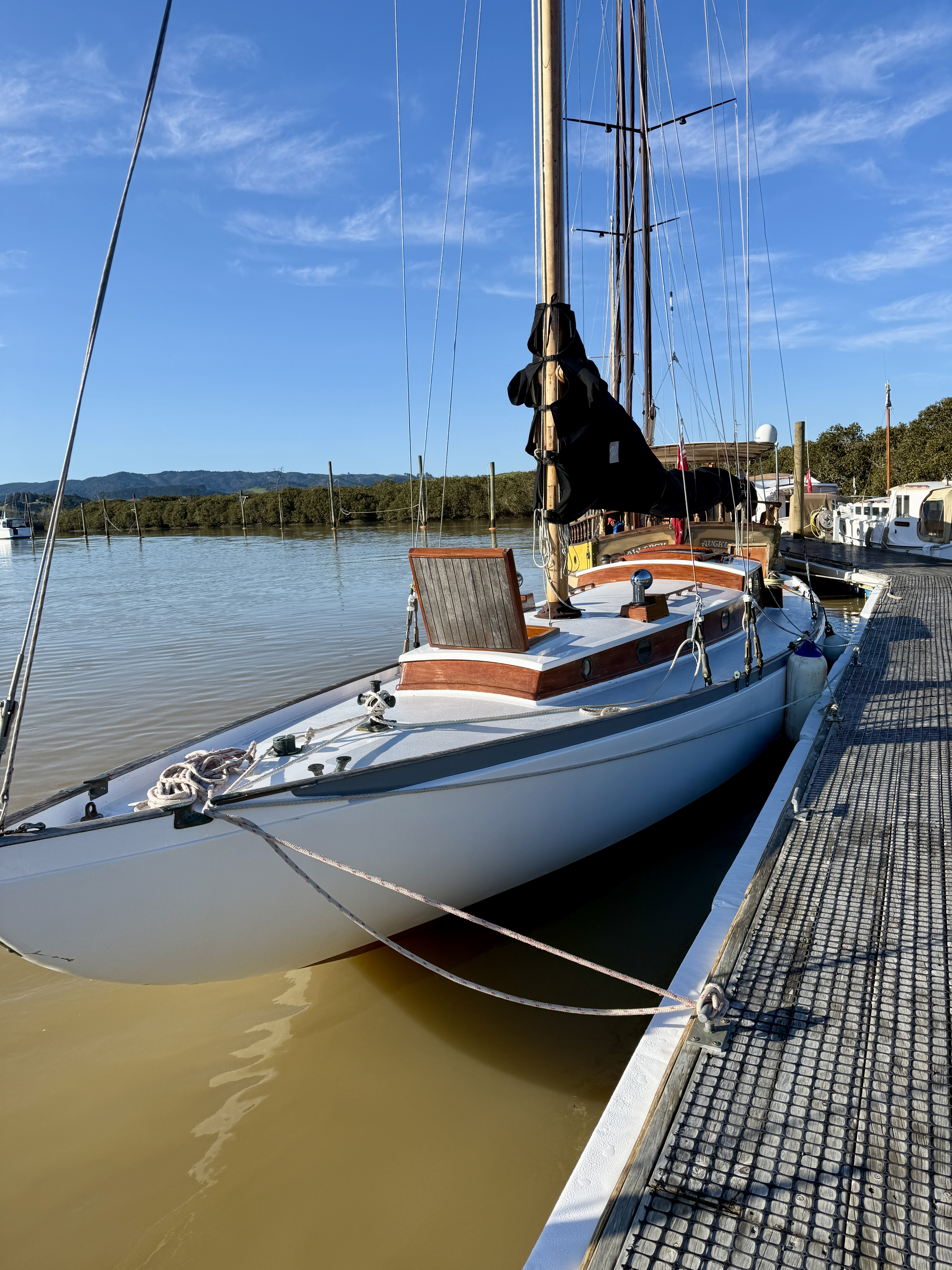
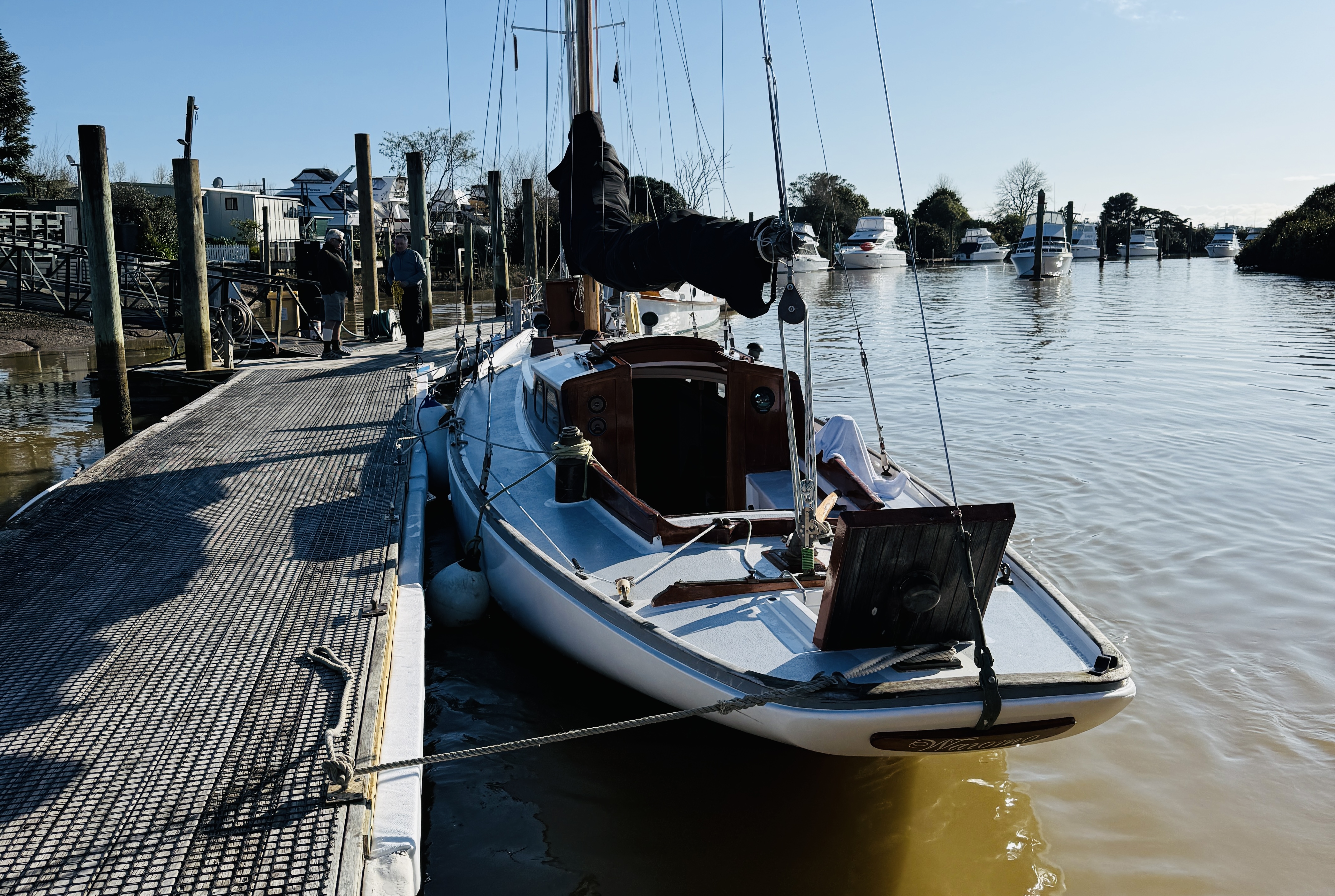
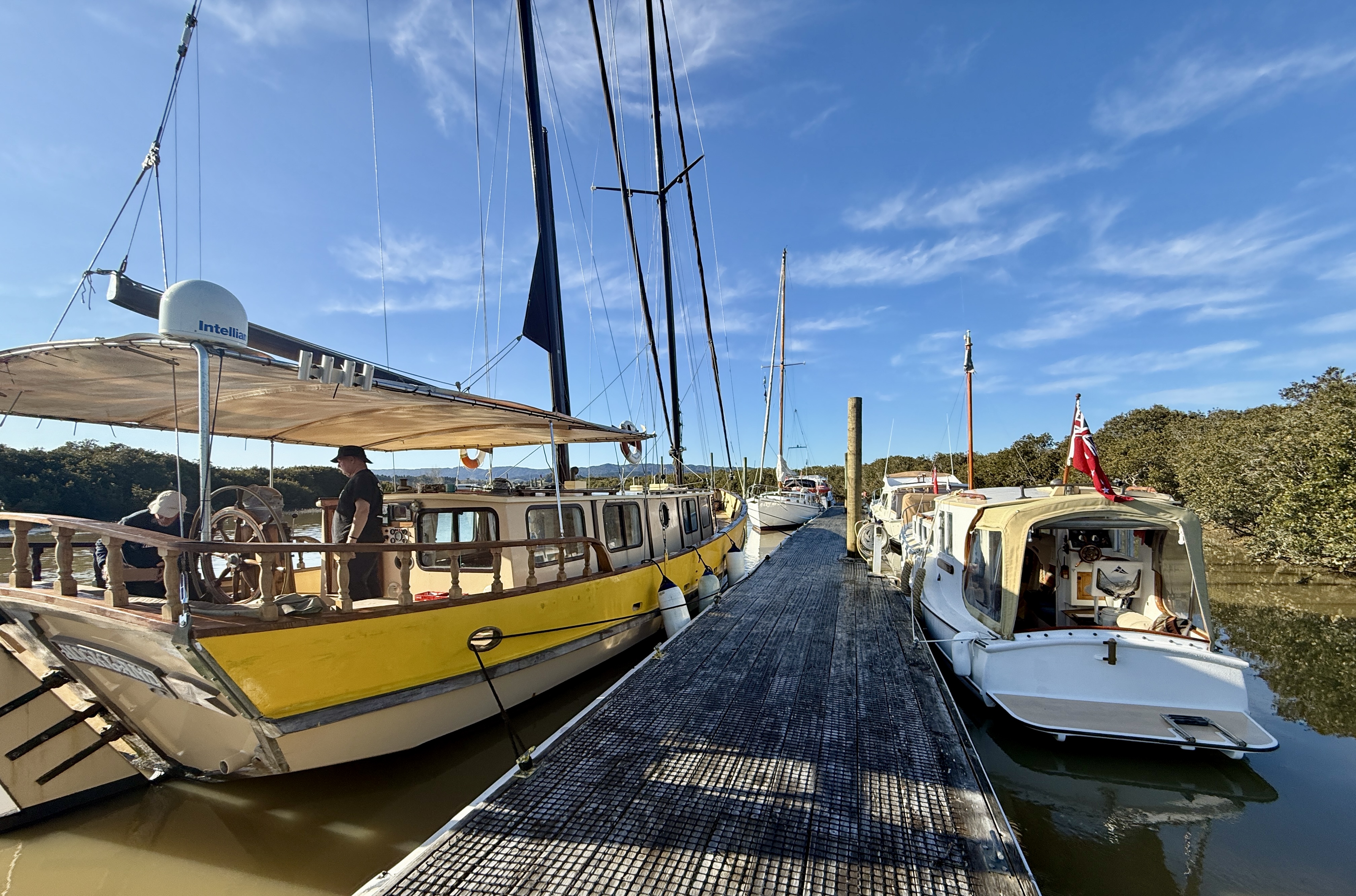
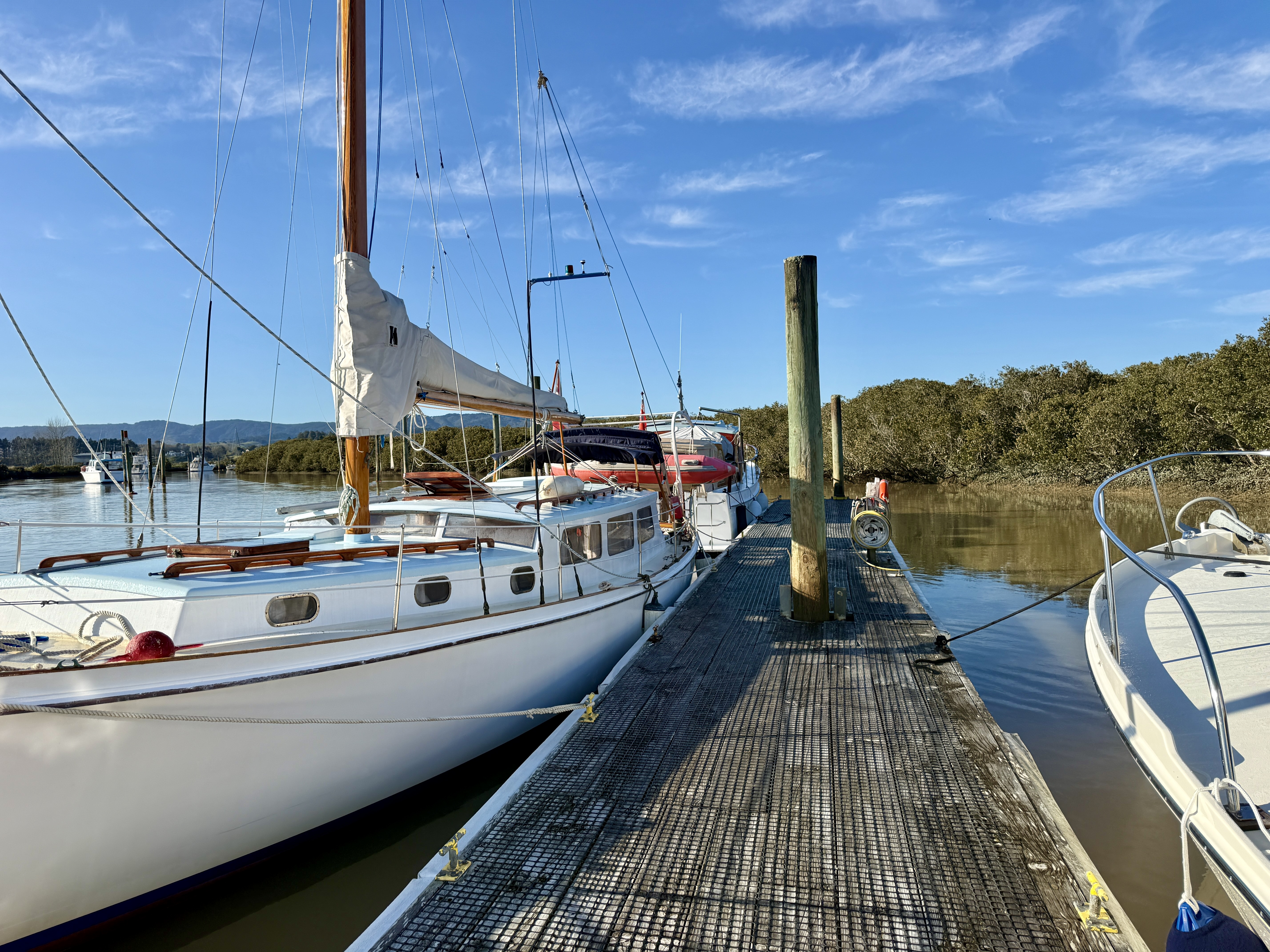
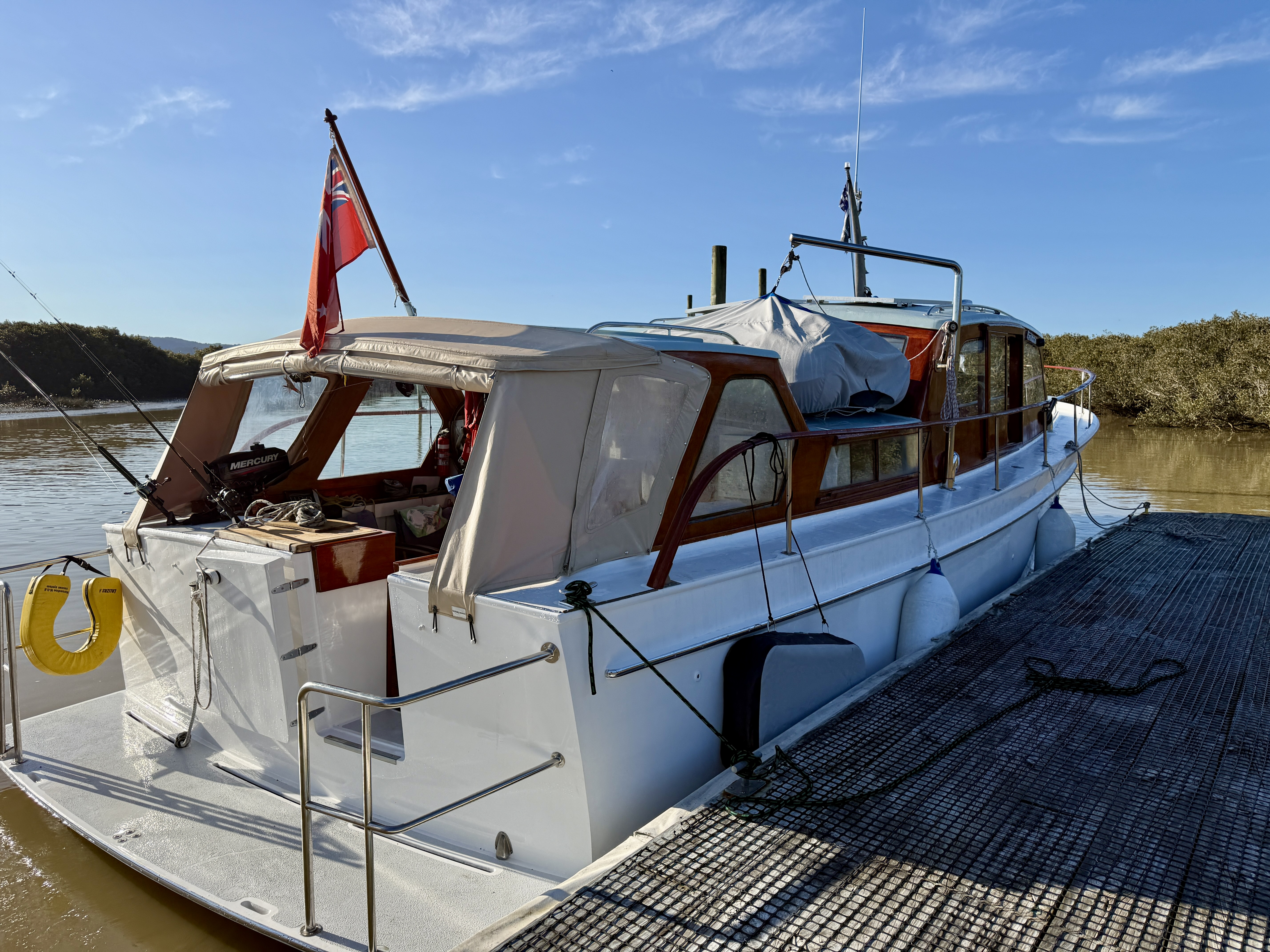
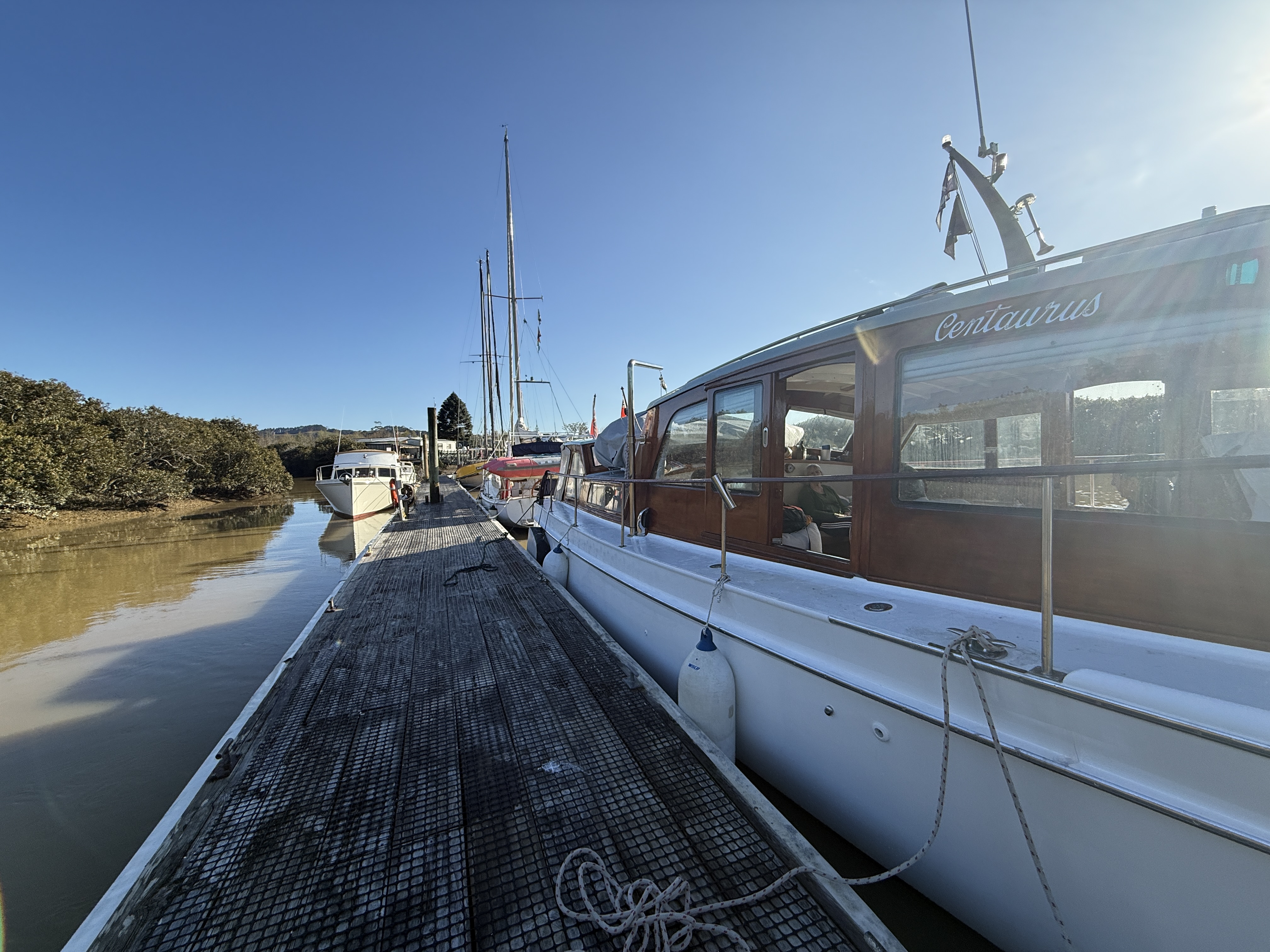
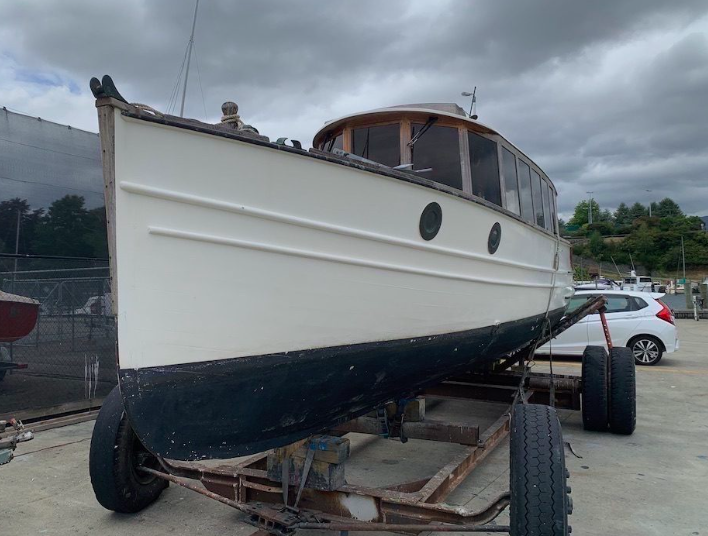
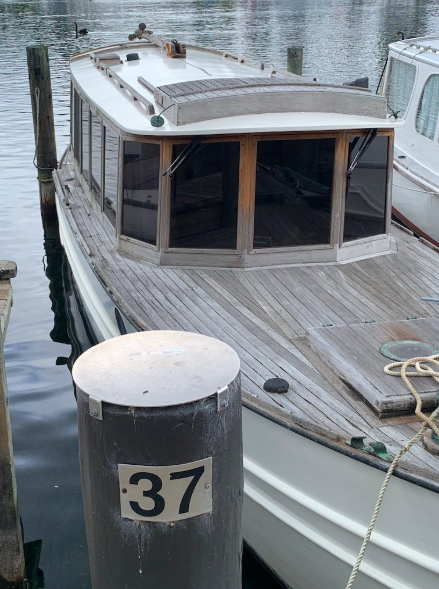
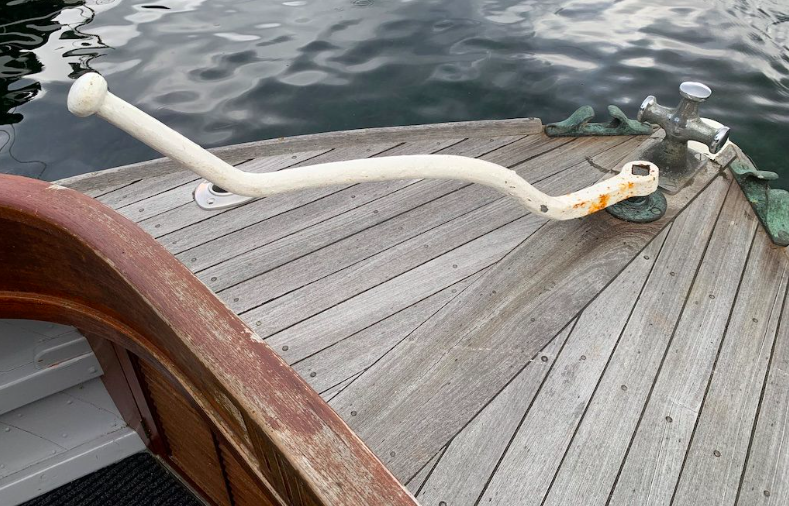
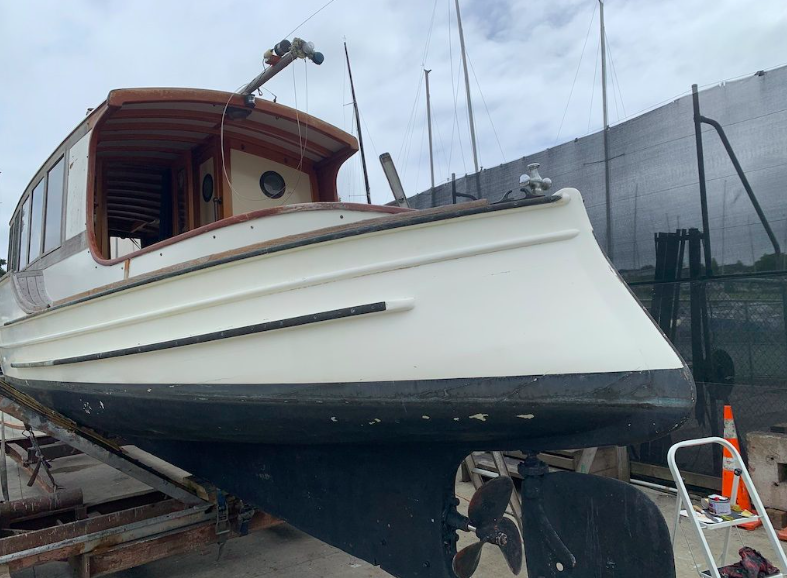
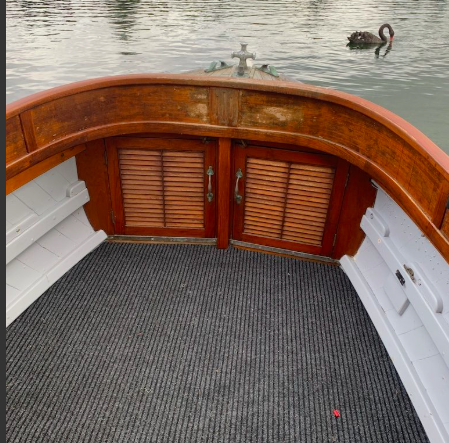
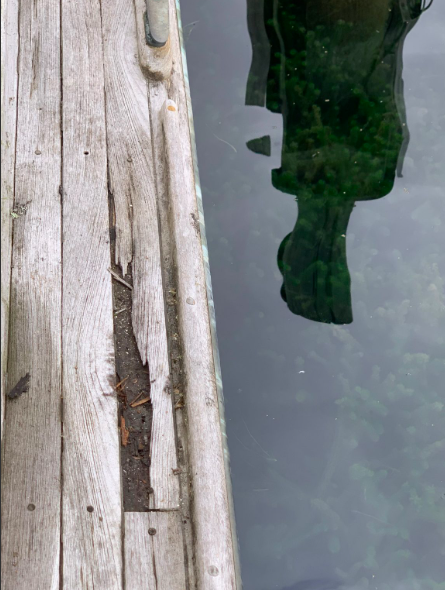
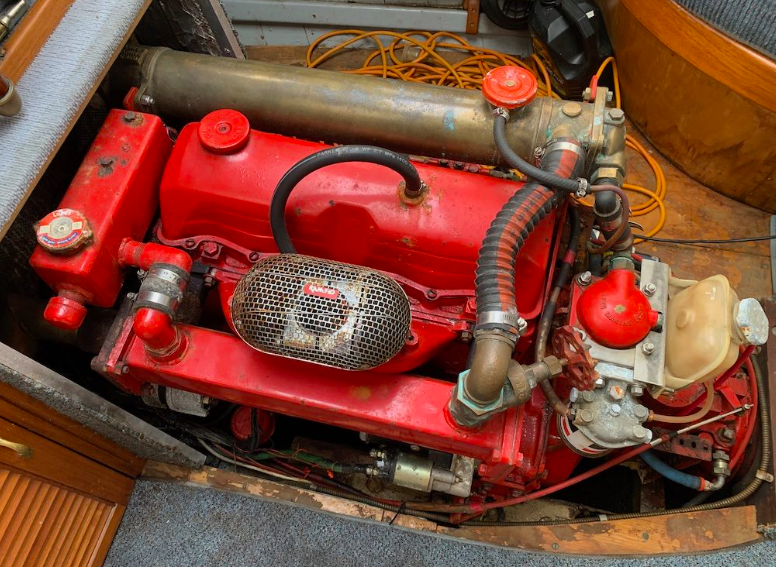
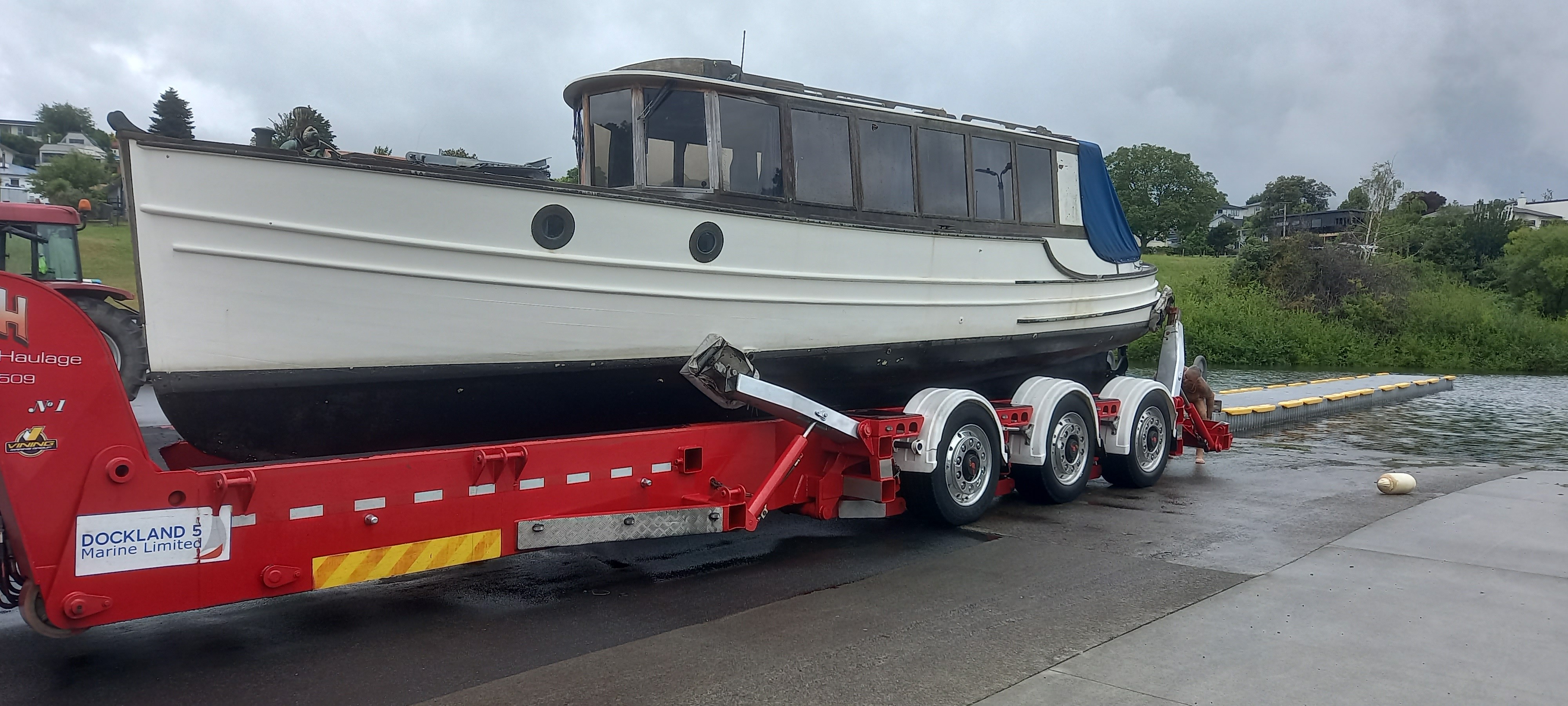
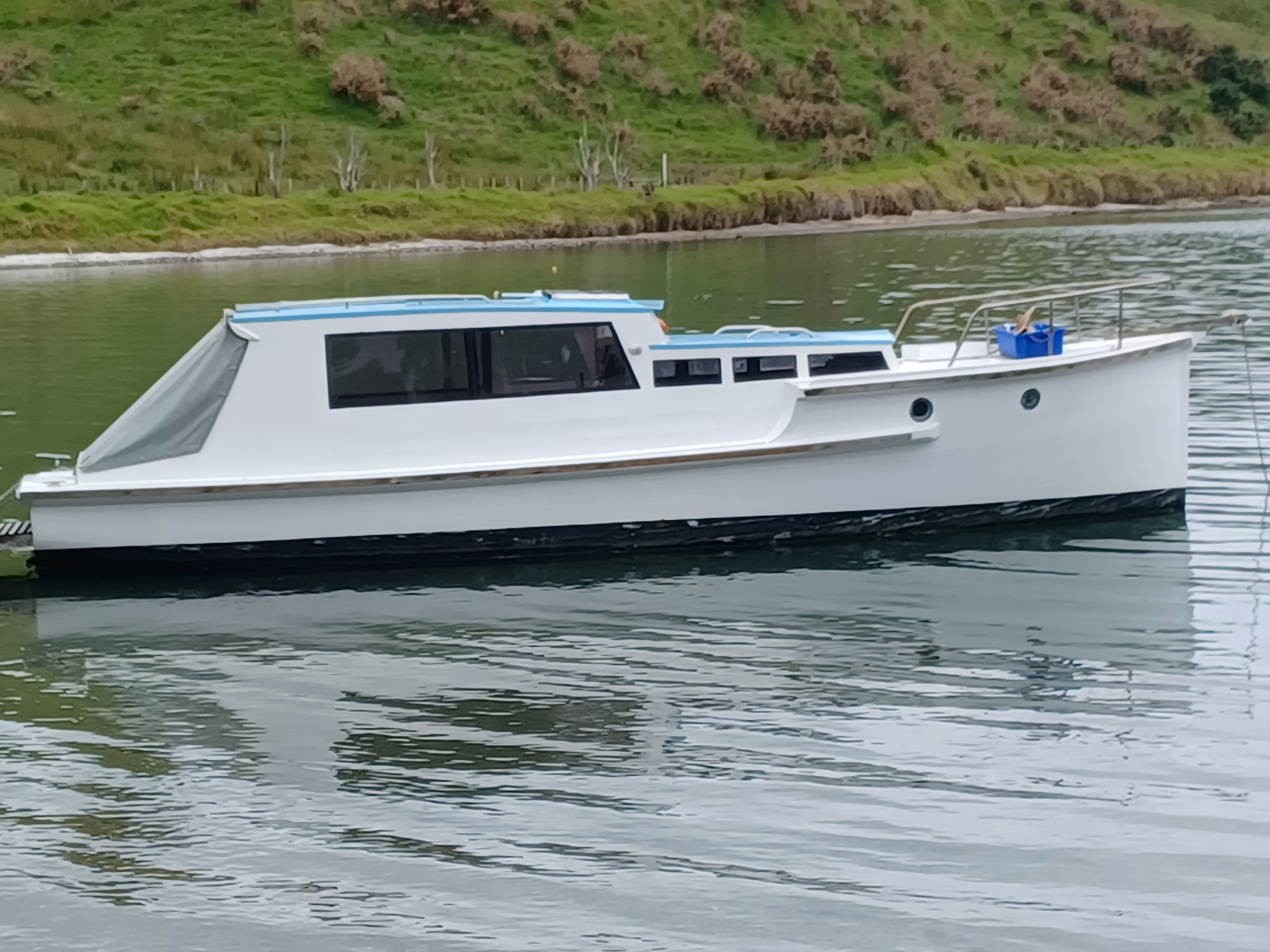
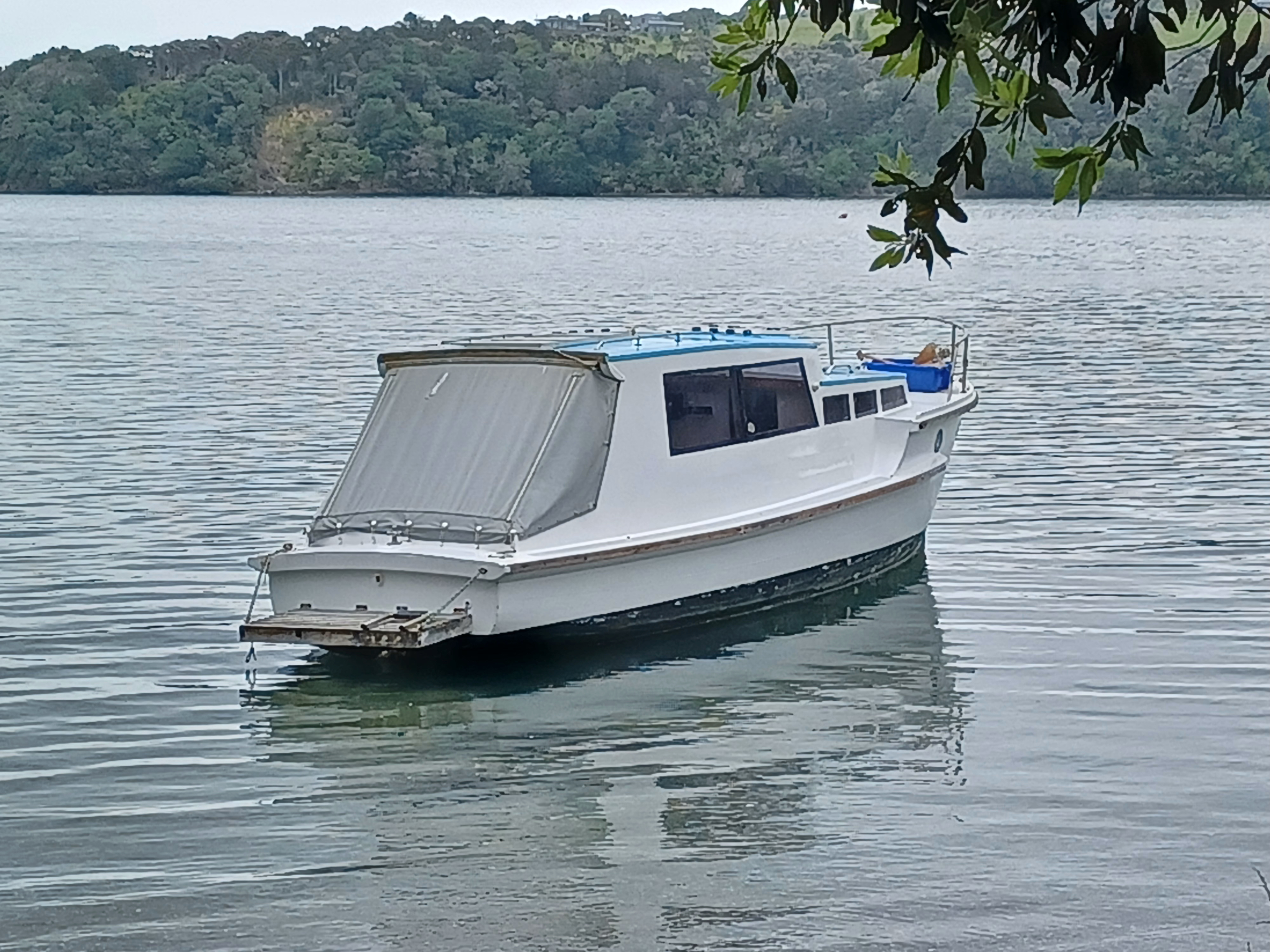
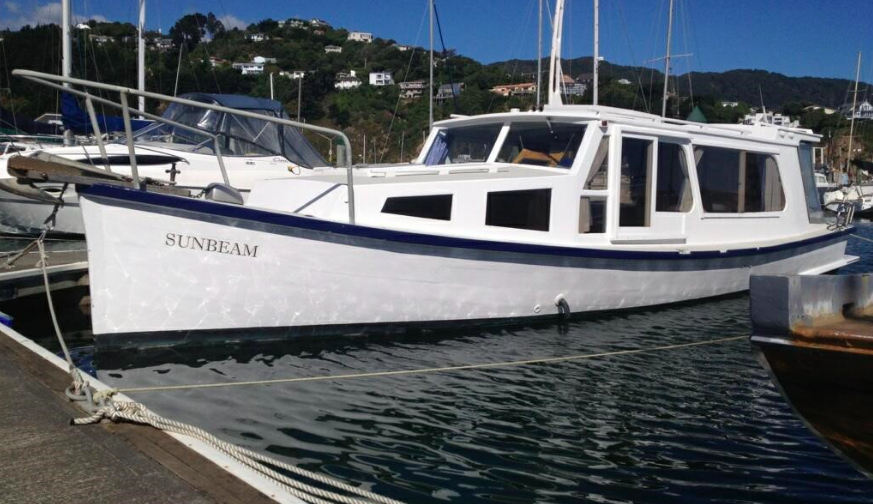
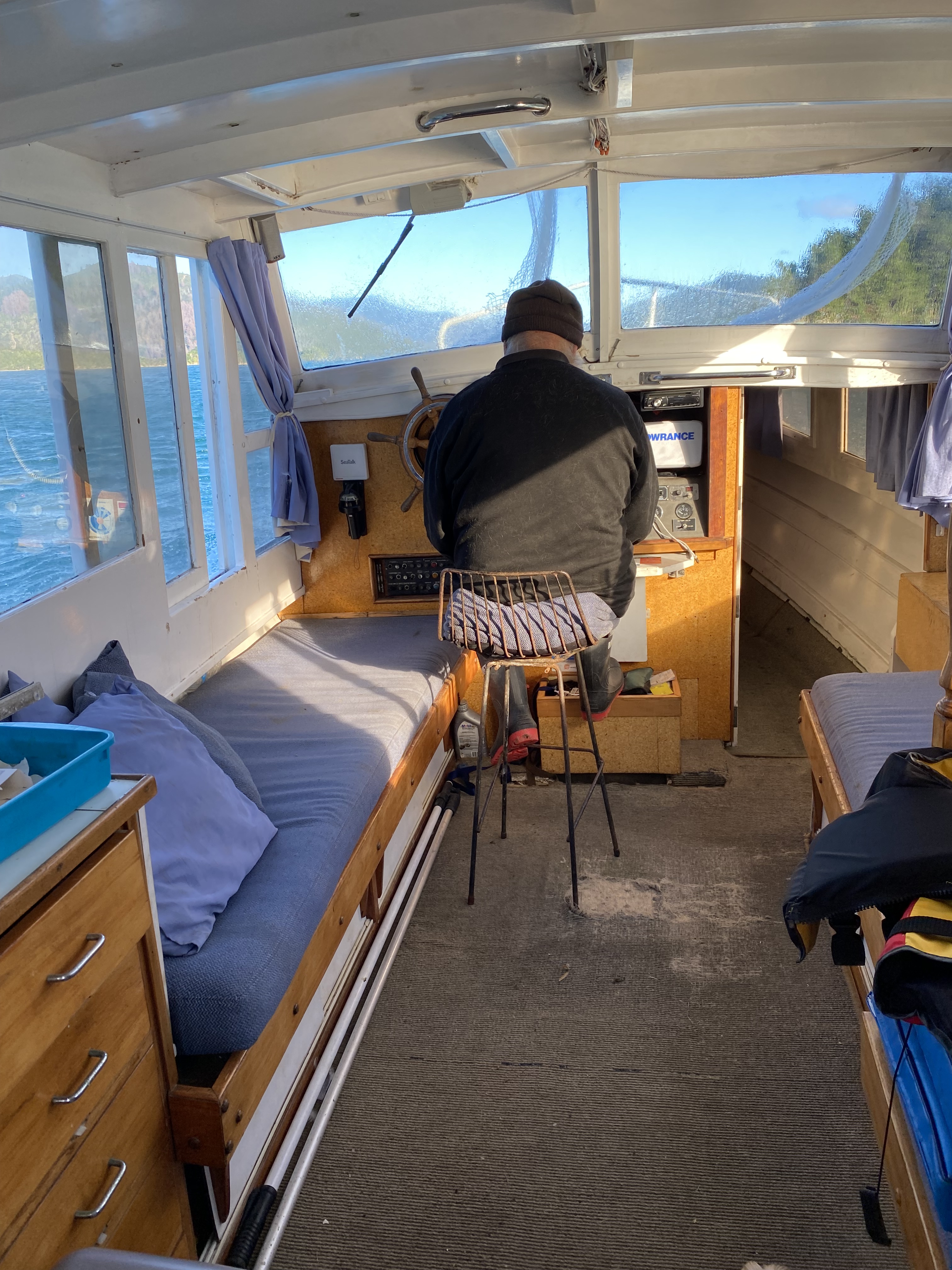
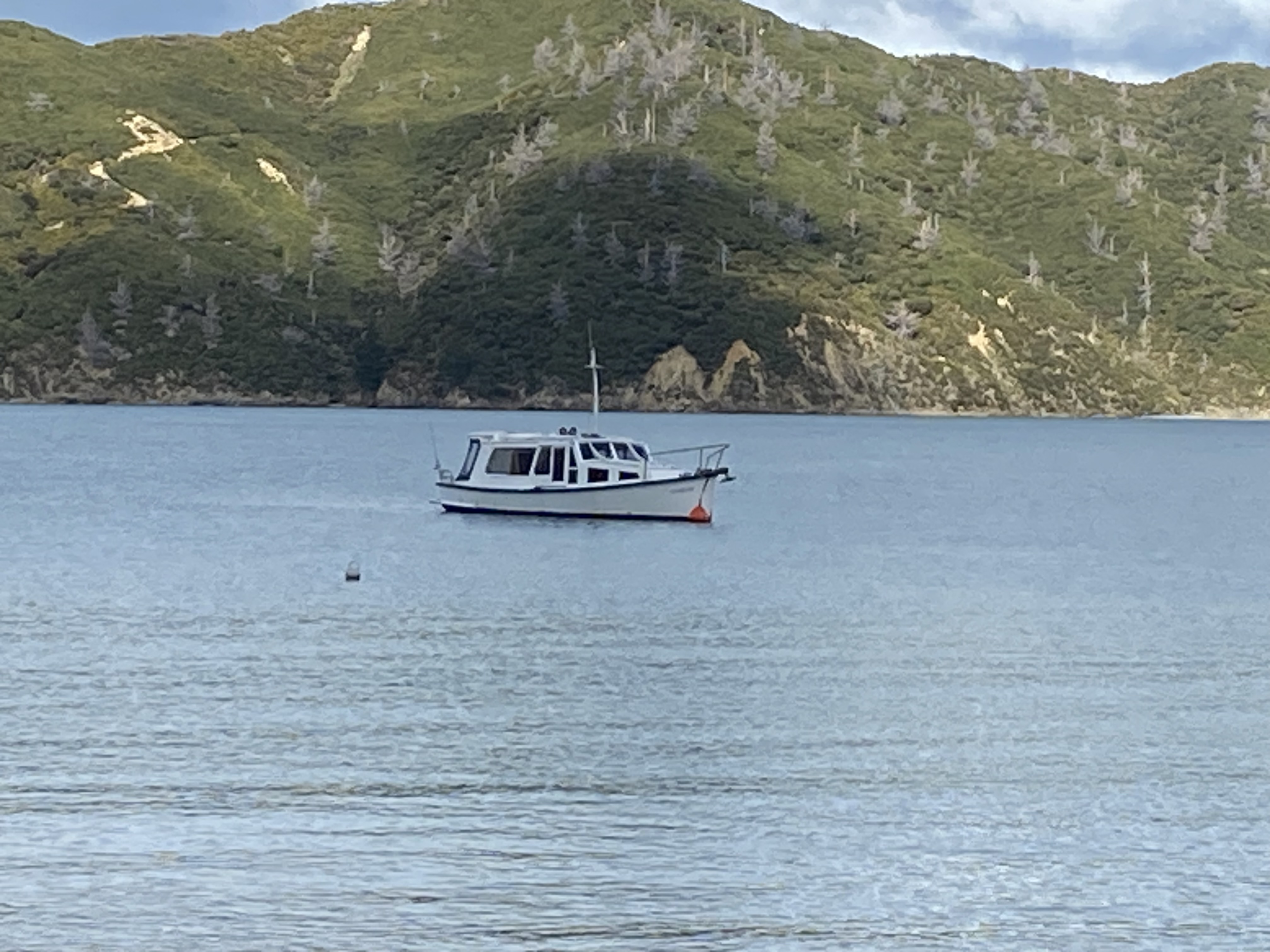
Fast forward to earlier this week and WW was contacted by Garry Quayle who advised he had taken over custodianship on Sunbeam (3/10/2025). Garry sent in todays photos of the progress thus far. And even the tender is getting some TLC.
Garry commented that she is now moored in Portage and is much welcomed with interest by locals, Garry has also upgraded the solar system along with some overdue maintenance.
We understand she is a magnificent sea boat, Garry and crew got caught out in big swells on Big Bay when moving to Kenapuru Sound . There was white water across the bay but she handled it easy much better than her crew did 🙂
OMG – see below, sent in by one of the WW Hauraki Gulf spotters – how can his happen, who designs something like this and more importantly who buys it ………….
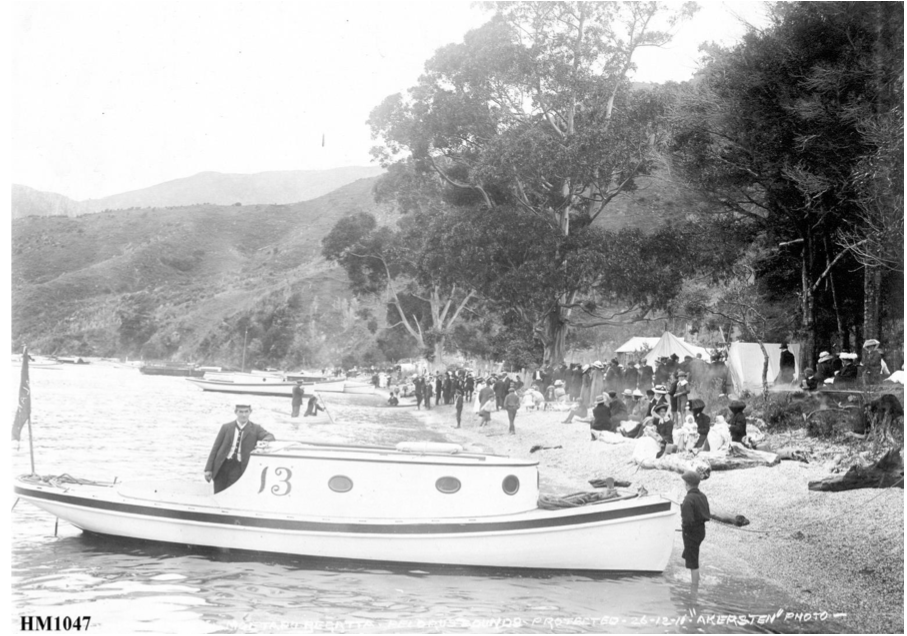
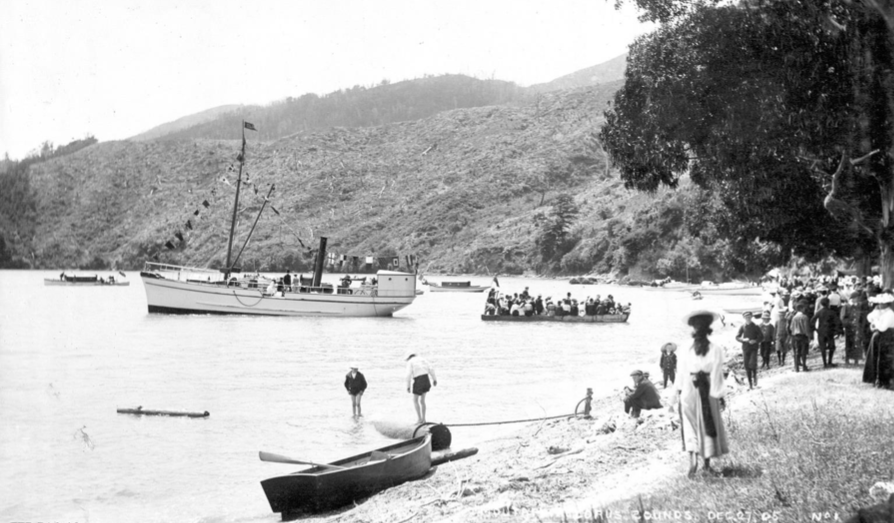
MYSTERY PICTON WOODEN LAUNCH AT THE MOETAPU REGATTA
Regular WW readers will know I’ve got a real soft spot for the good folks at the Picton Clinker & Classic Boat Club. They truly embody everything that’s great about the New Zealand classic boating scene — passion, community spirit, and plenty of character.
One of the highlights in my inbox each month is their club newsletter, DEADWOOD — always packed with stories, snippets, and treasures.
In the latest issue, two photos caught my eye — both shared above.
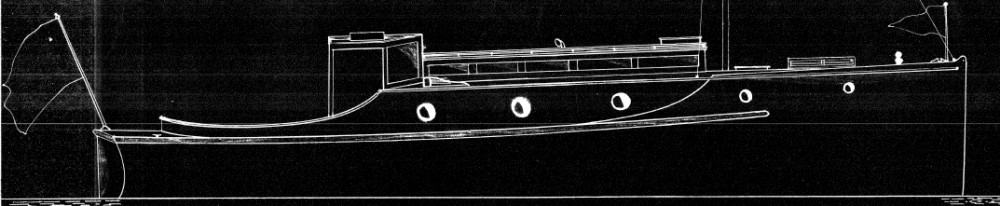
The first shows a rather smart-looking launch, captioned “Moetapu Regatta, Pelorus Sound, 26th December 1911.” Sadly, her identity remains a mystery. Can any woodys help name this launch.
The second photo, taken at the Moetapu Regatta on 27th December 1905, captures a very different scene — a seriously overloaded punt ferrying people to shore. The club newsletter counted at least 45 souls aboard. Clearly, there were no Health & Safety inspectors on duty that day 🙂
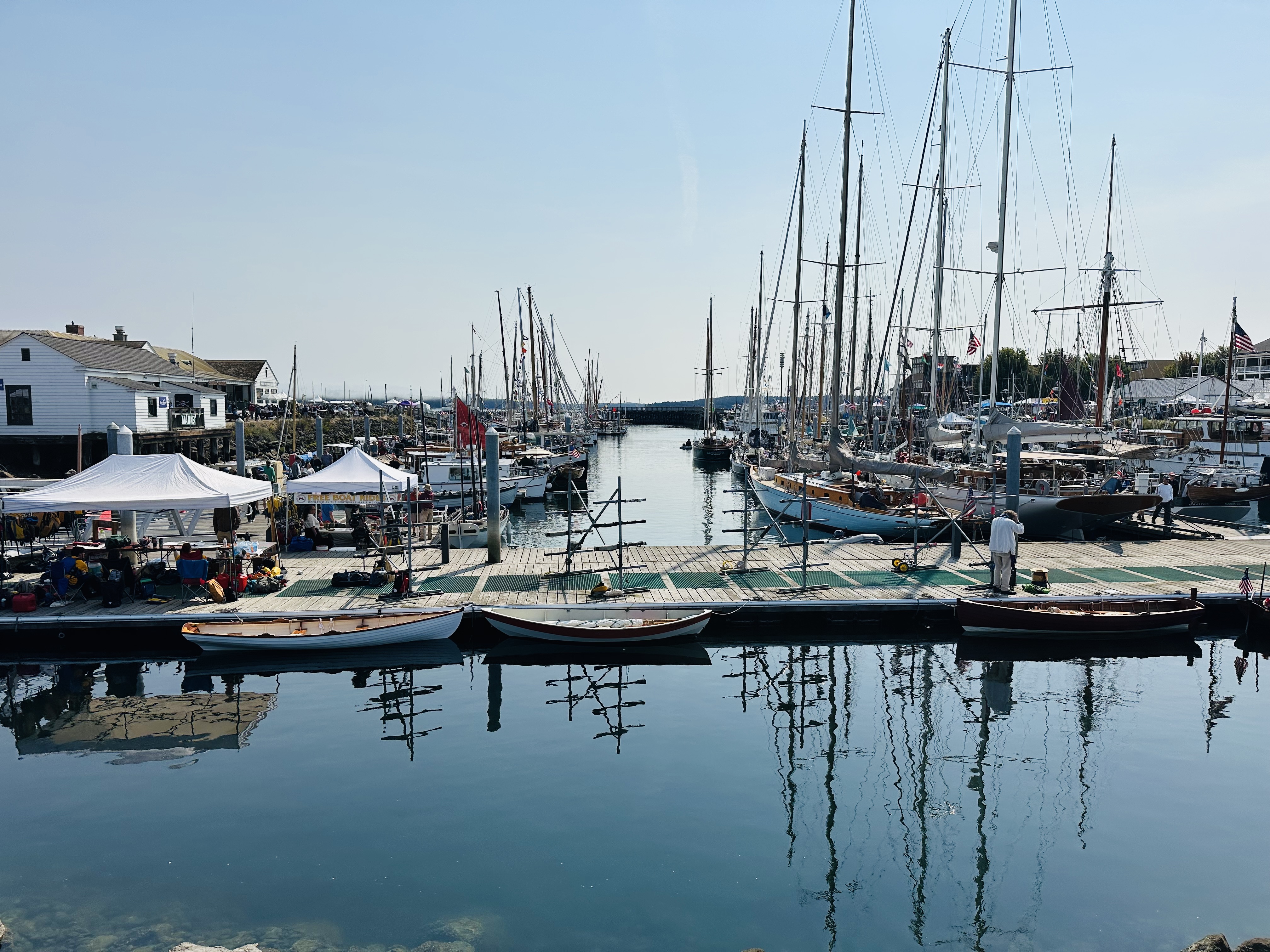
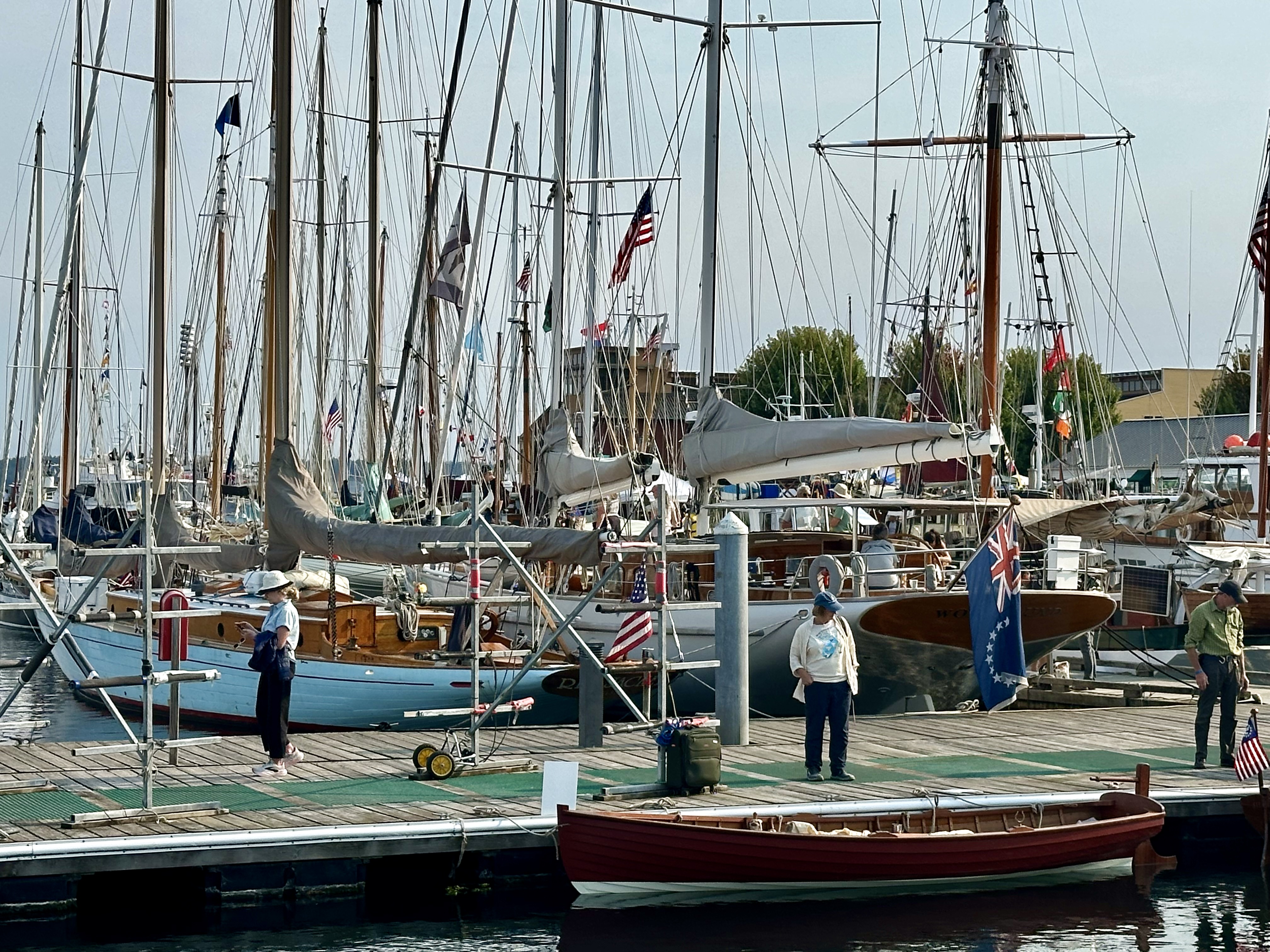
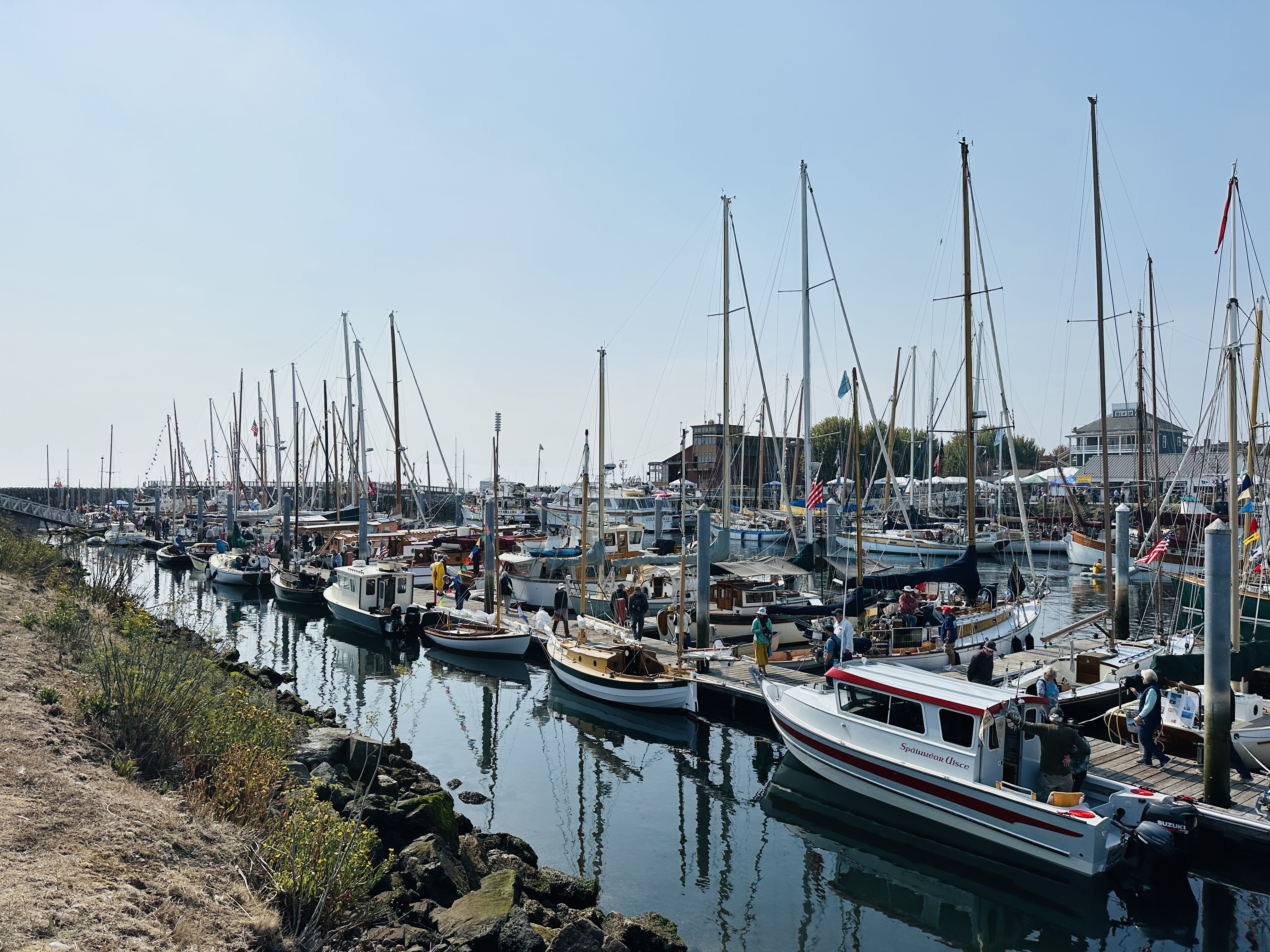
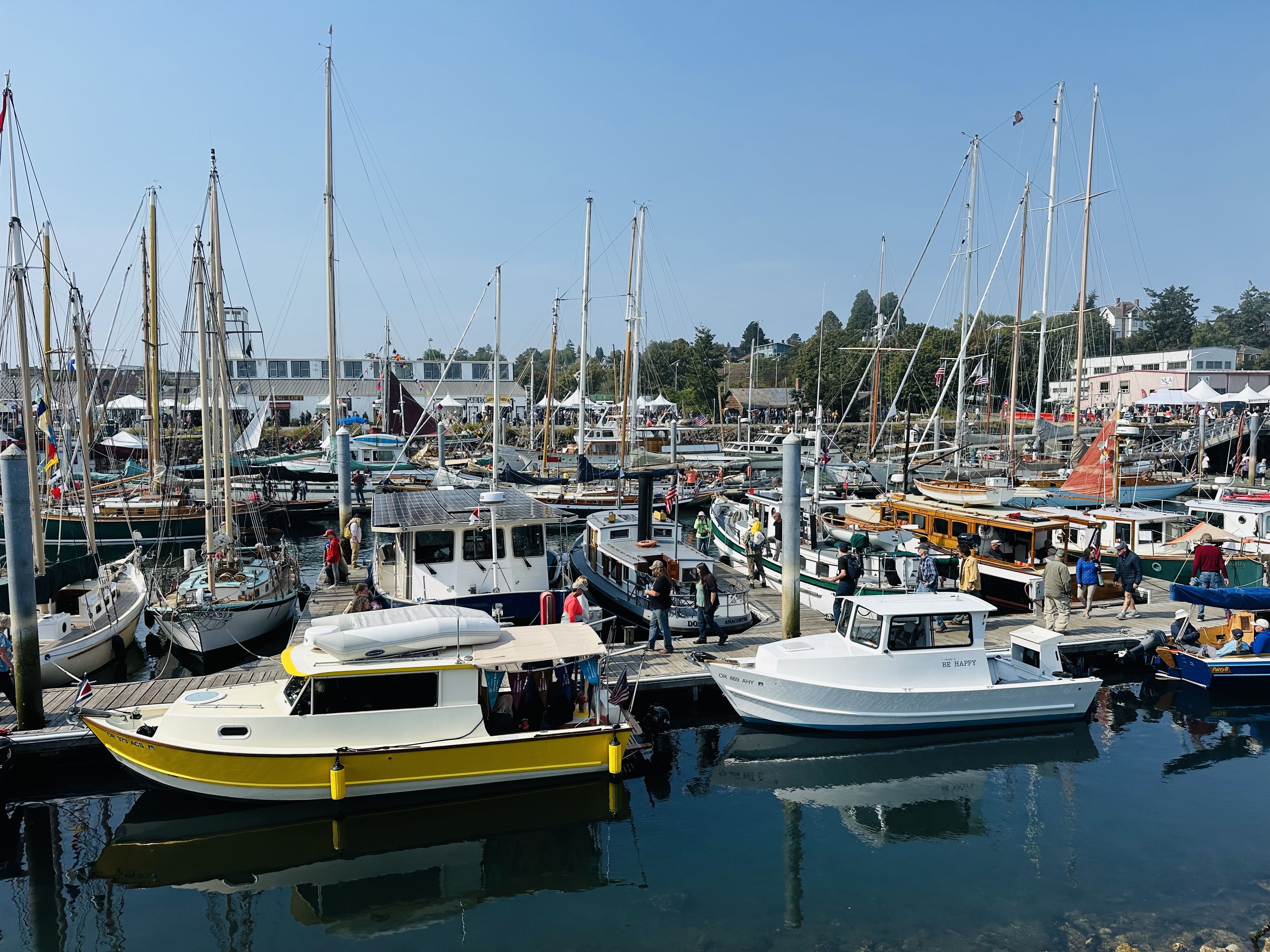
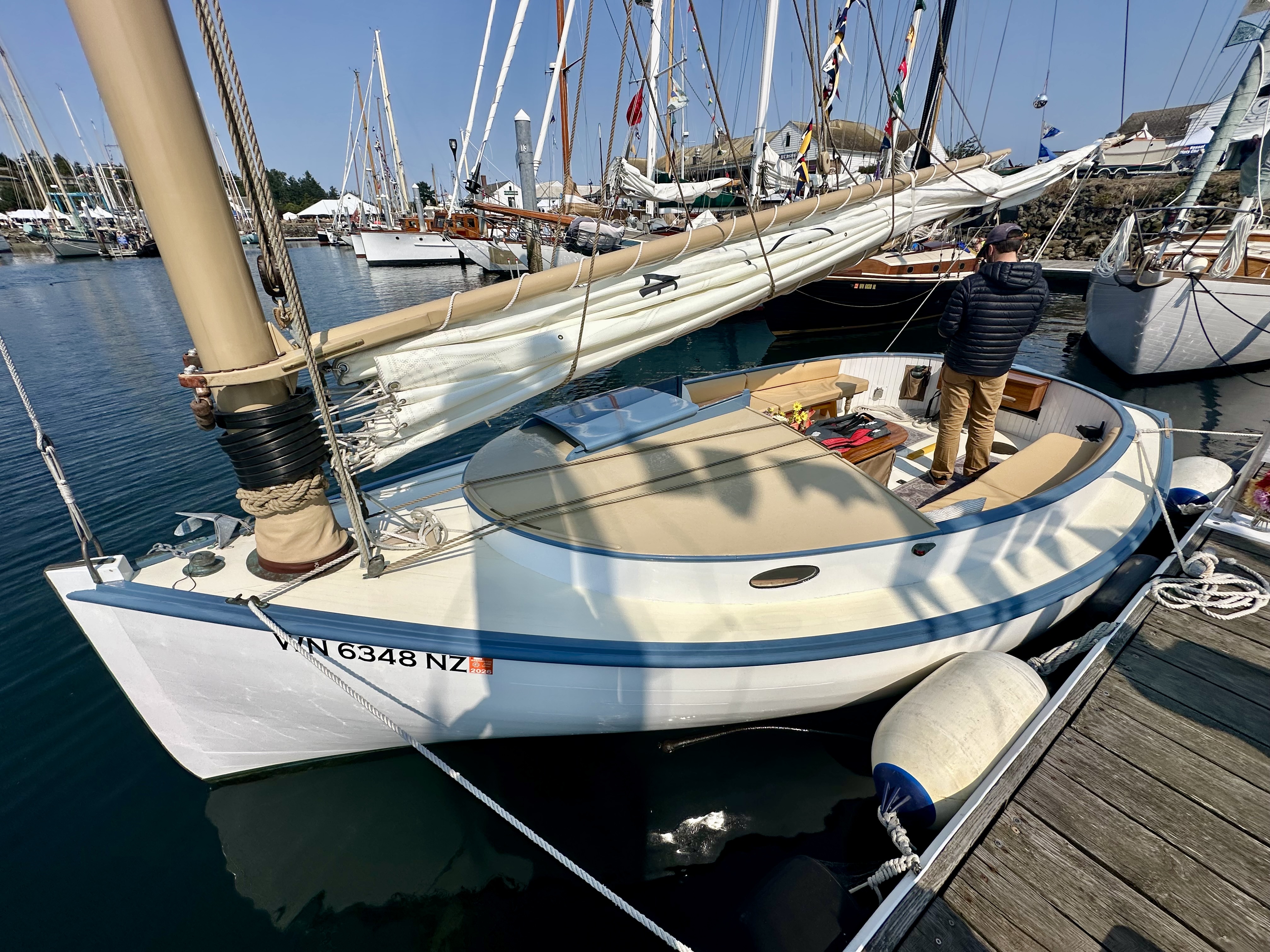
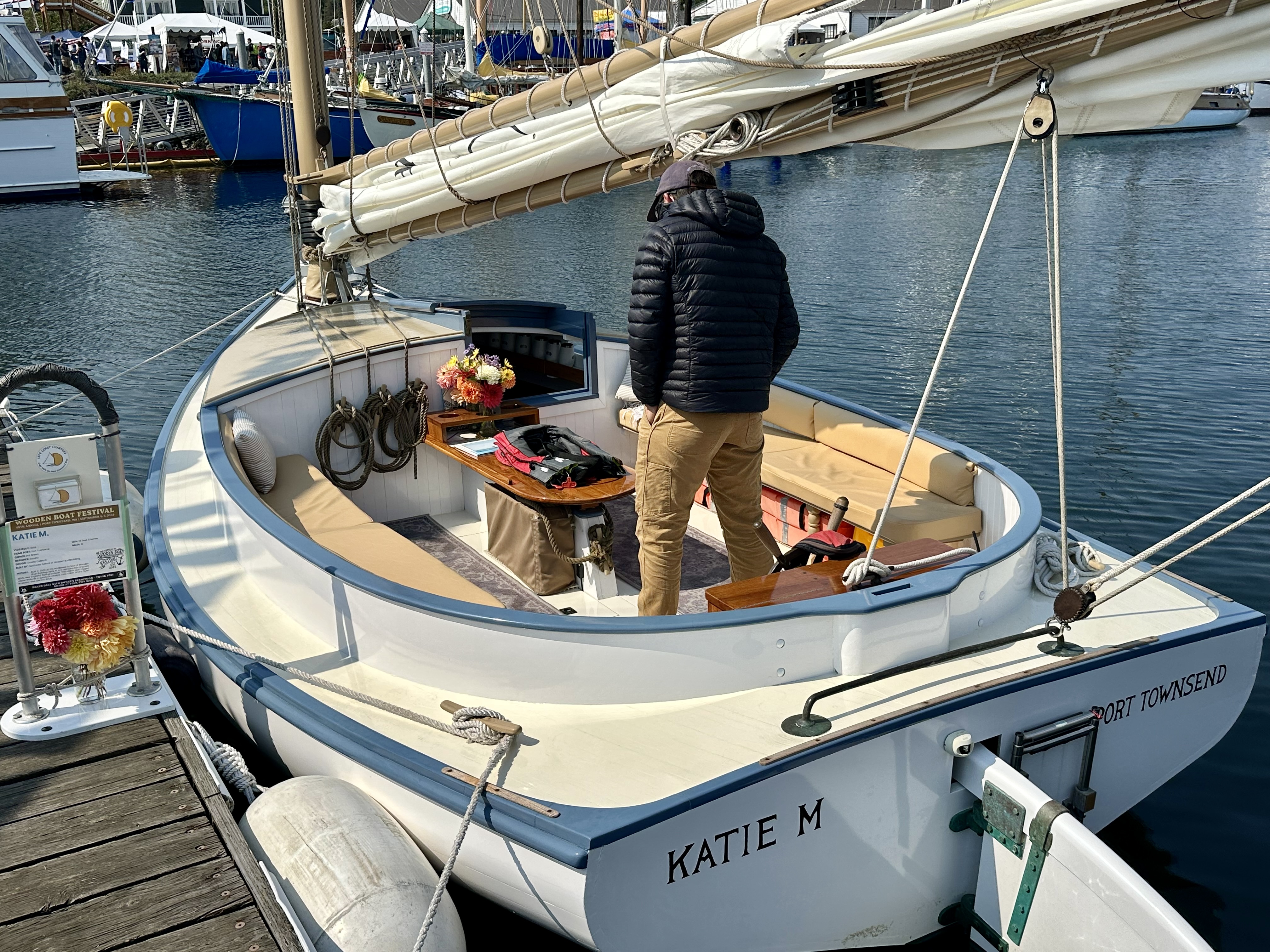
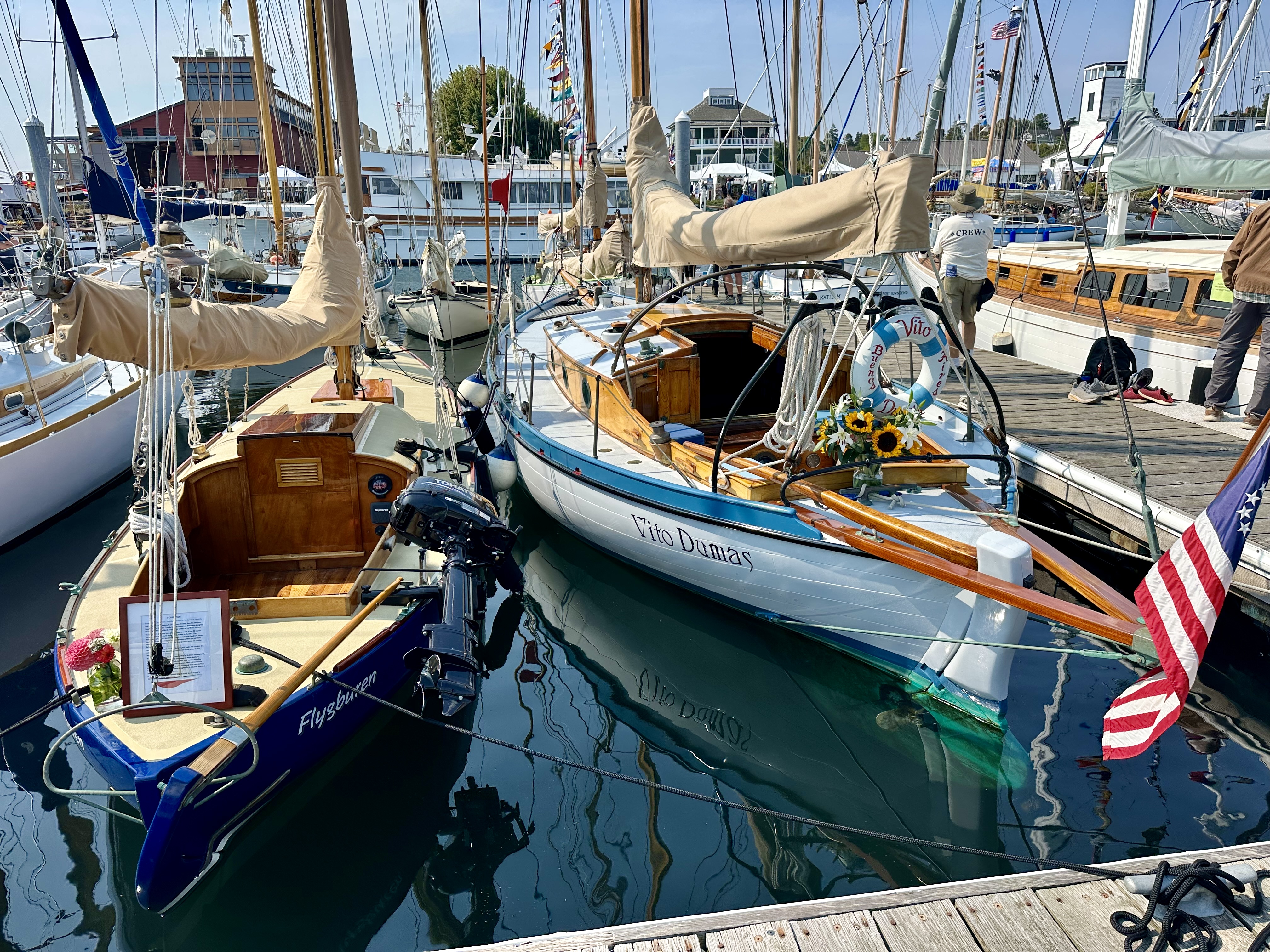
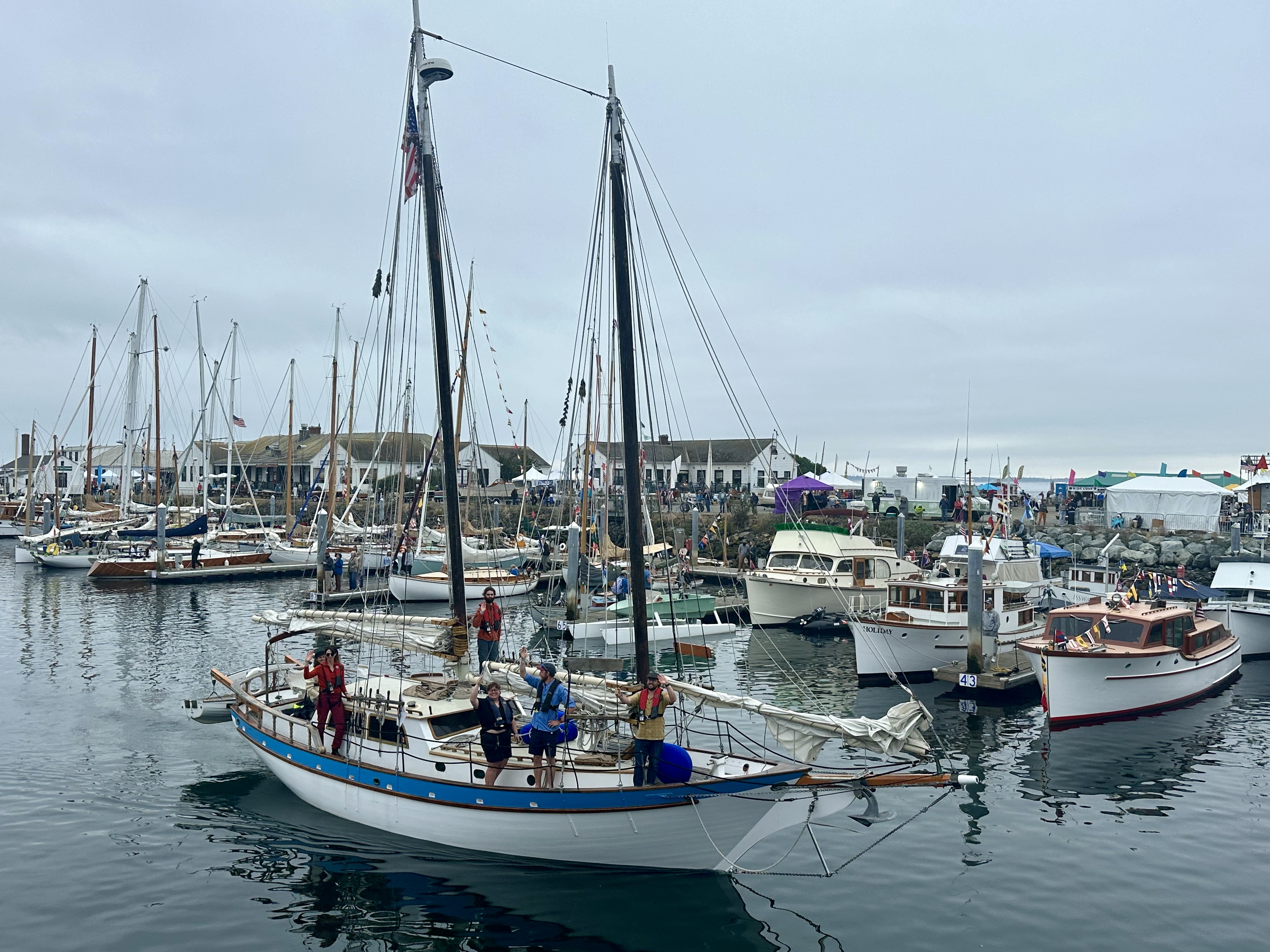
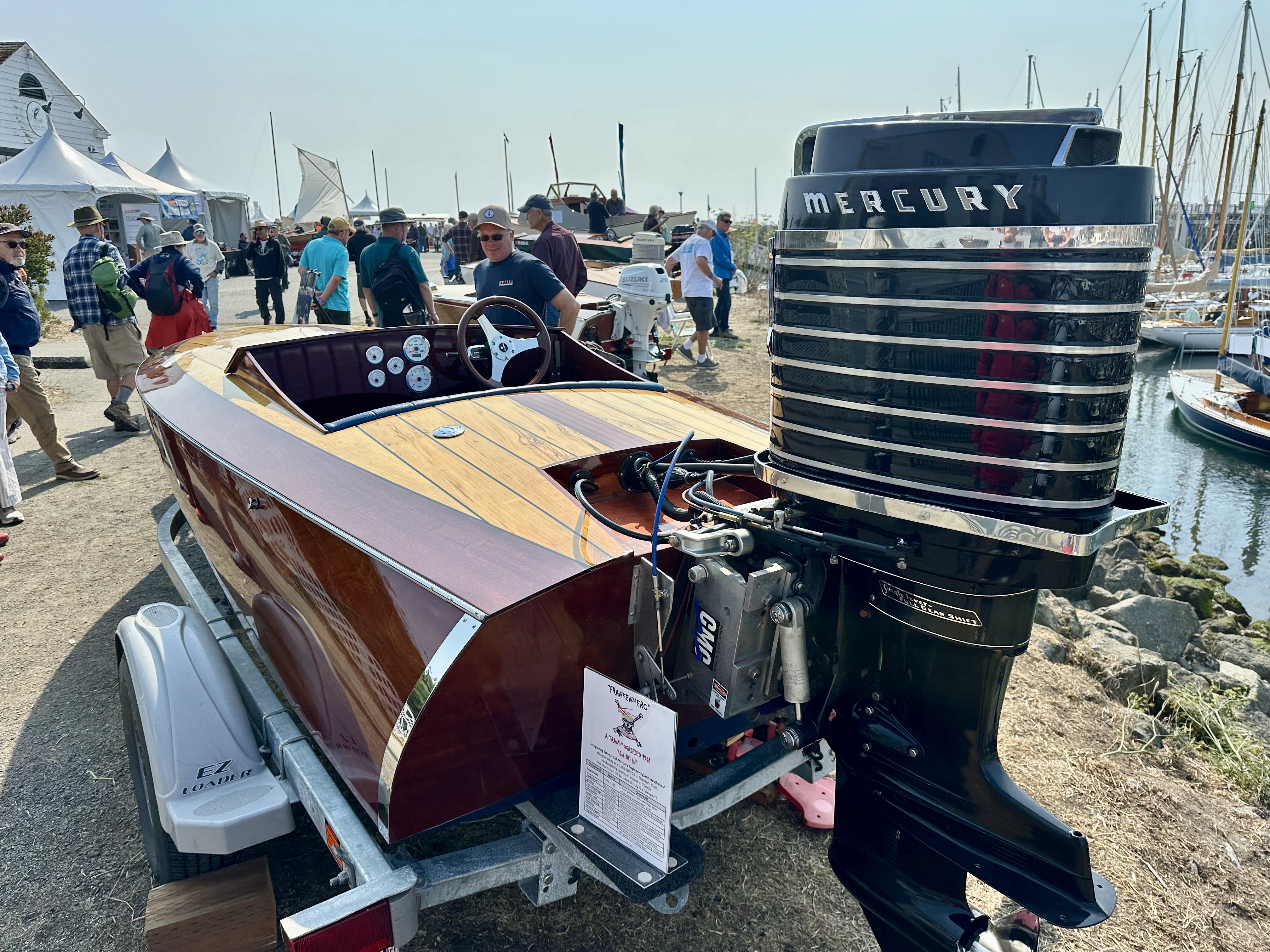
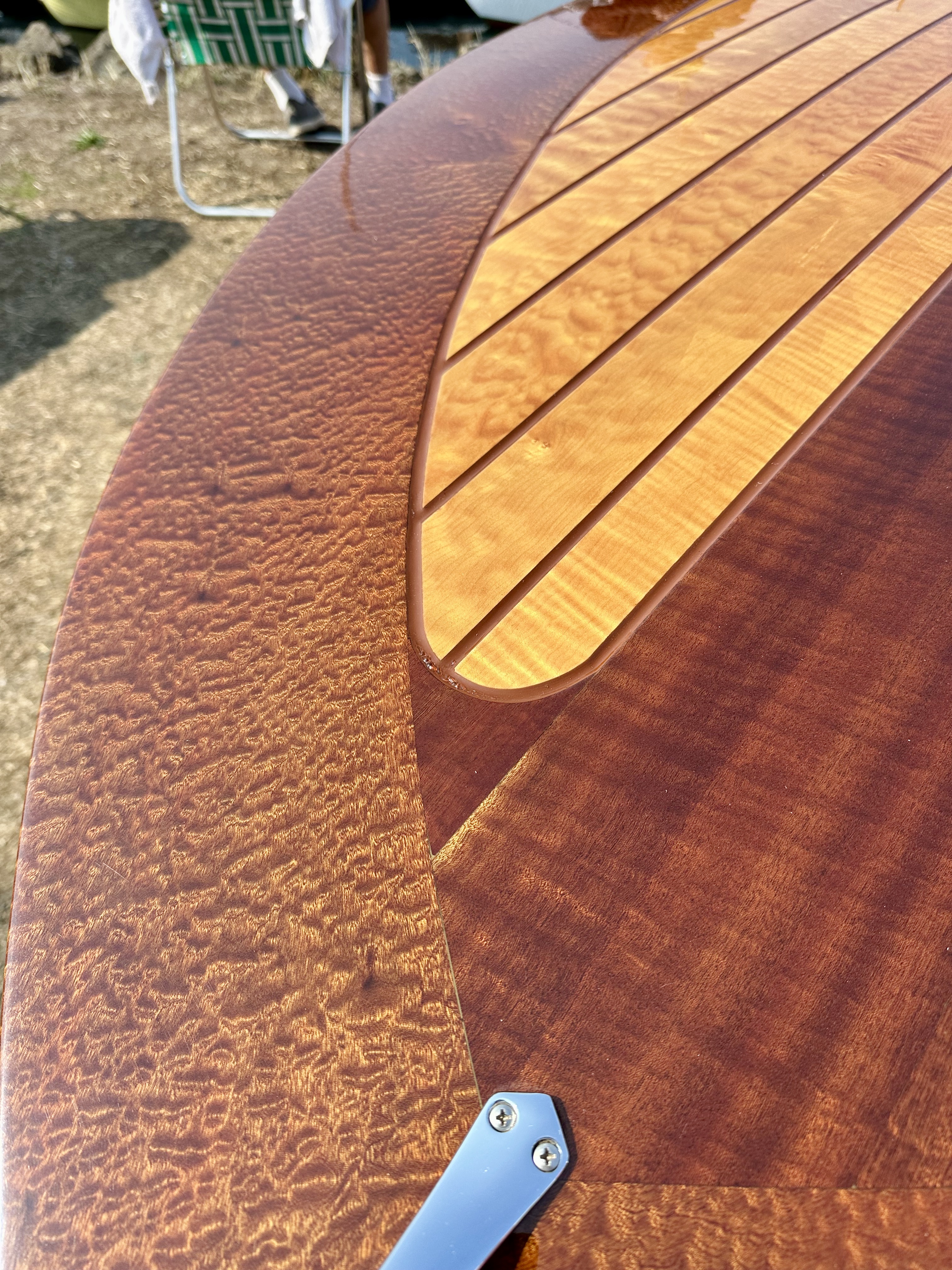
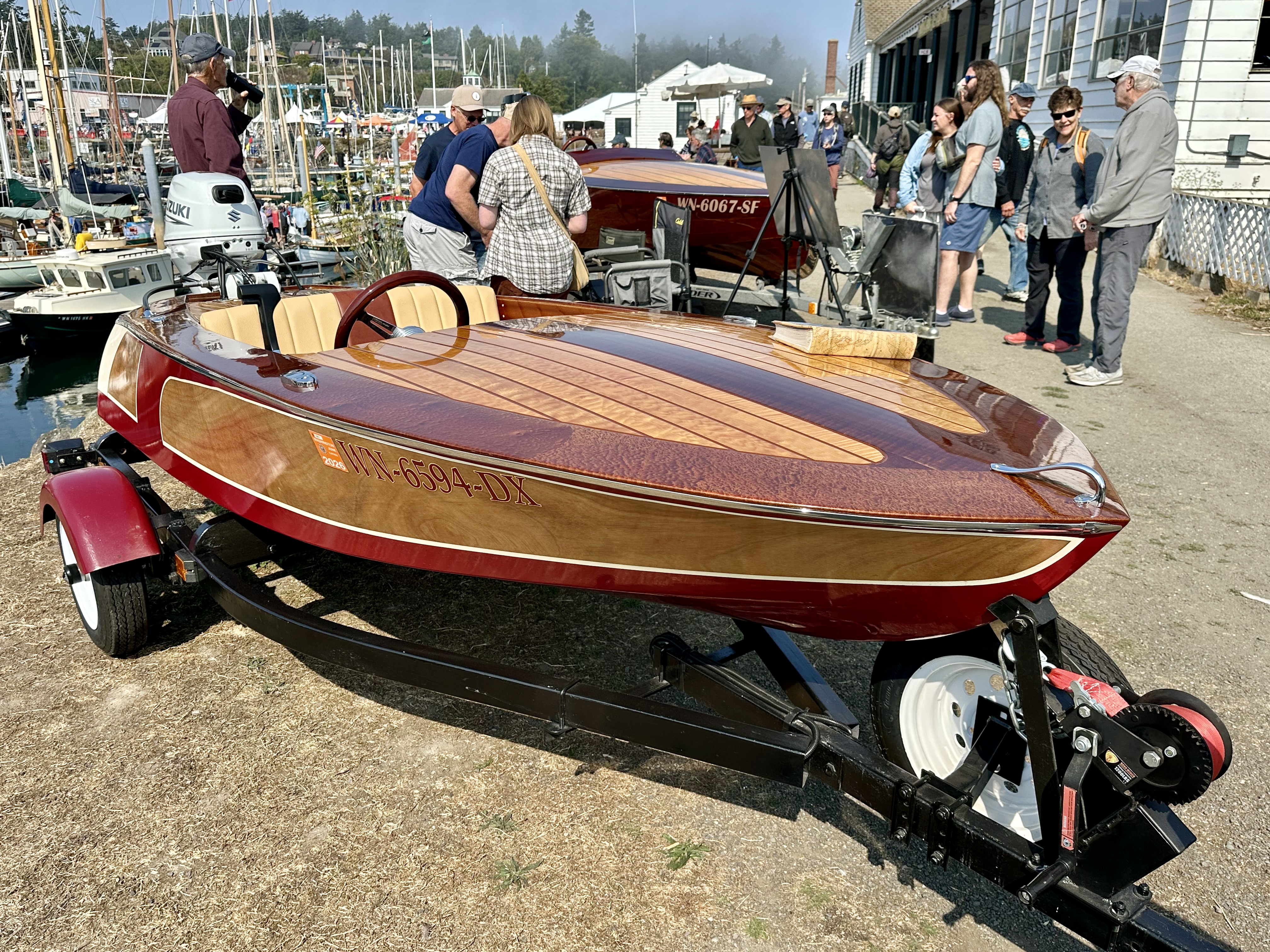
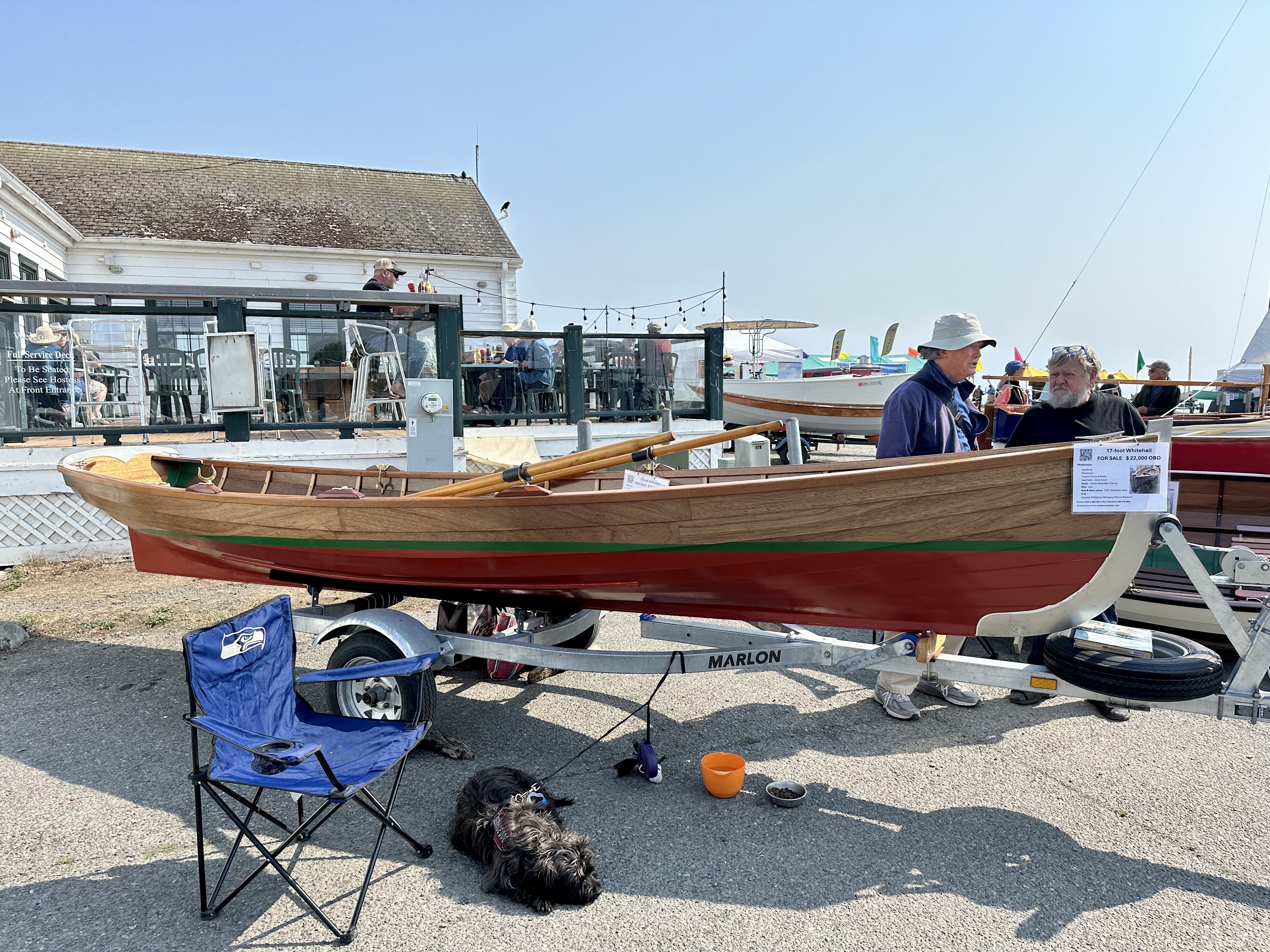
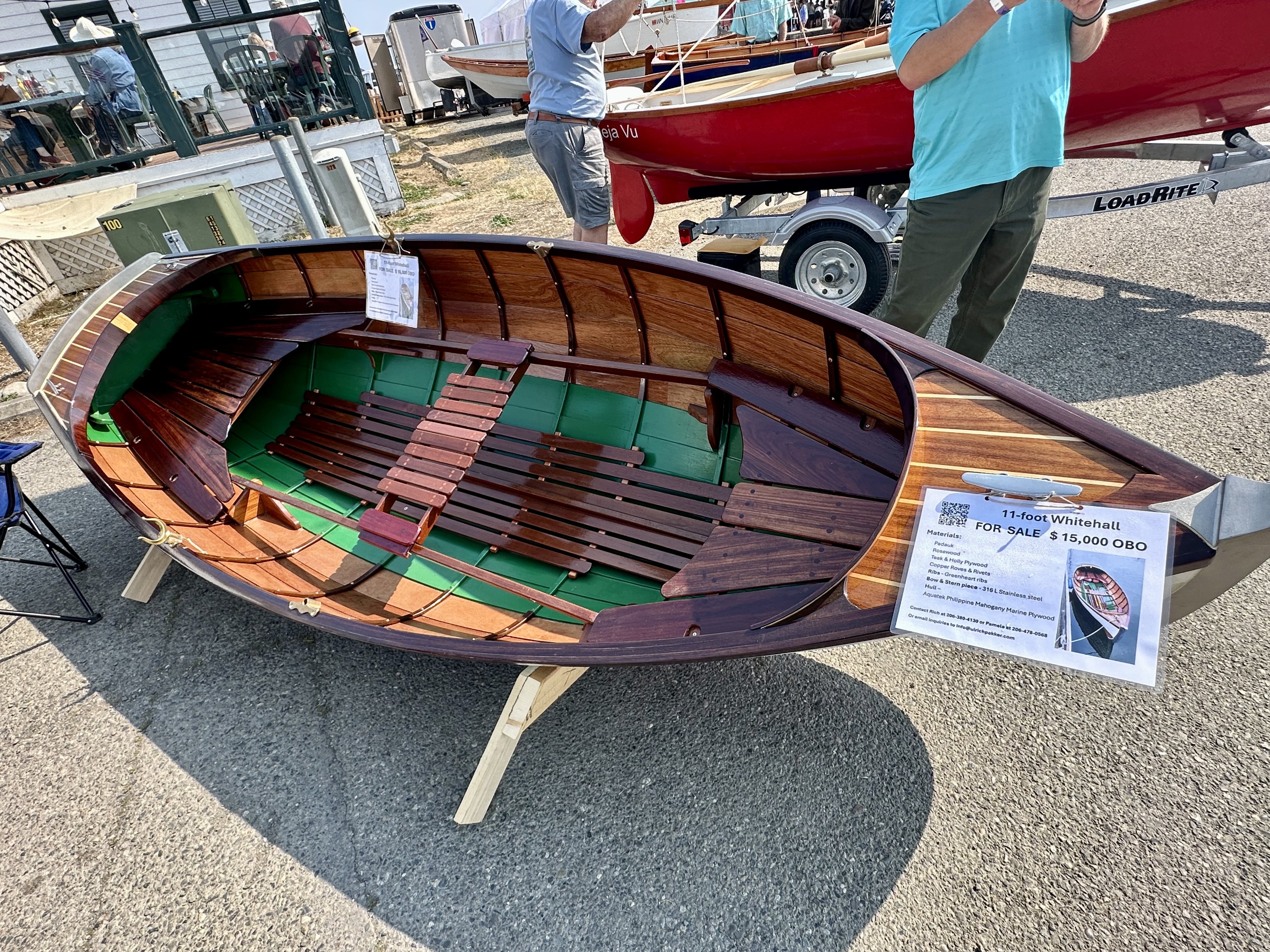
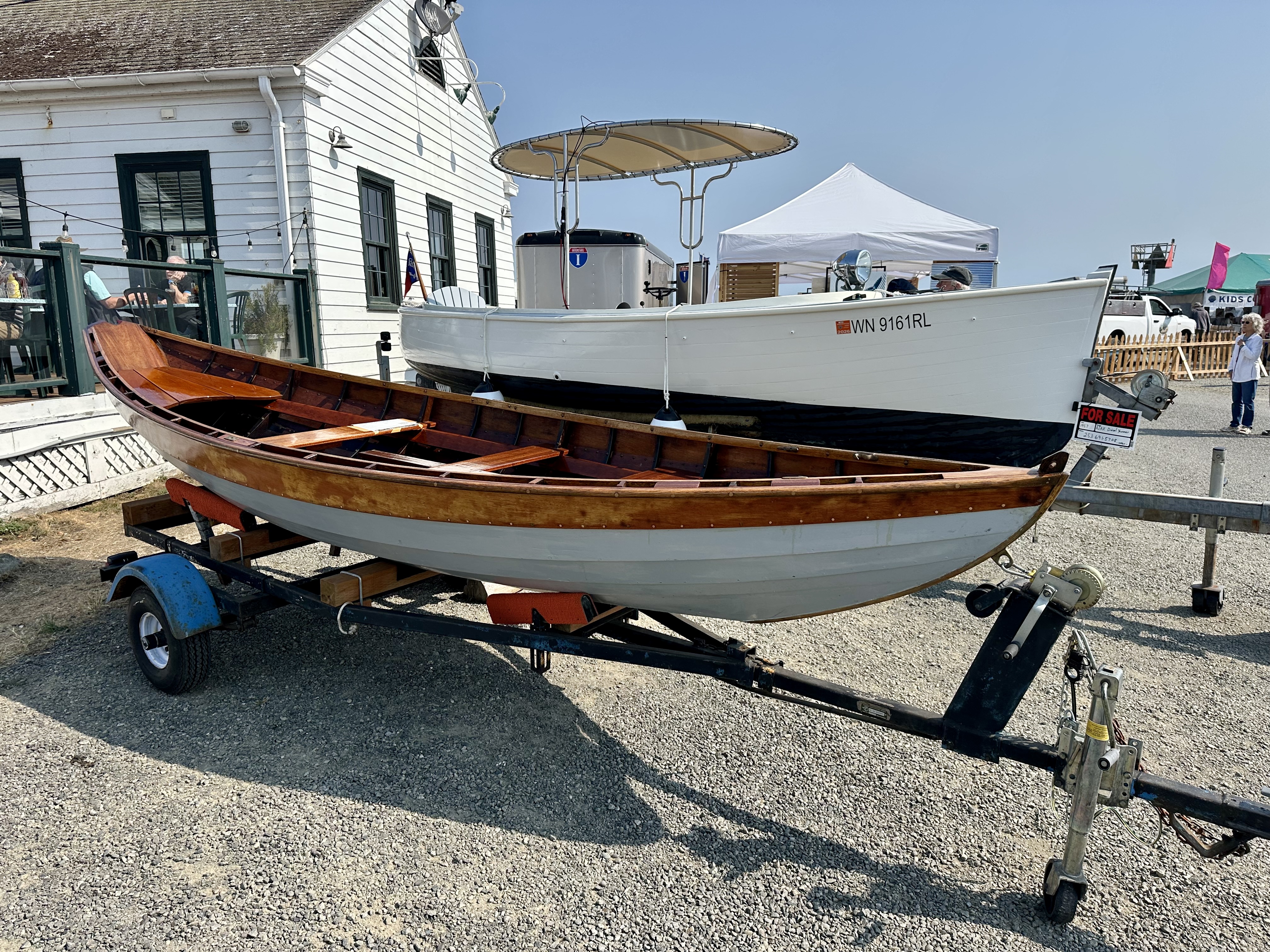
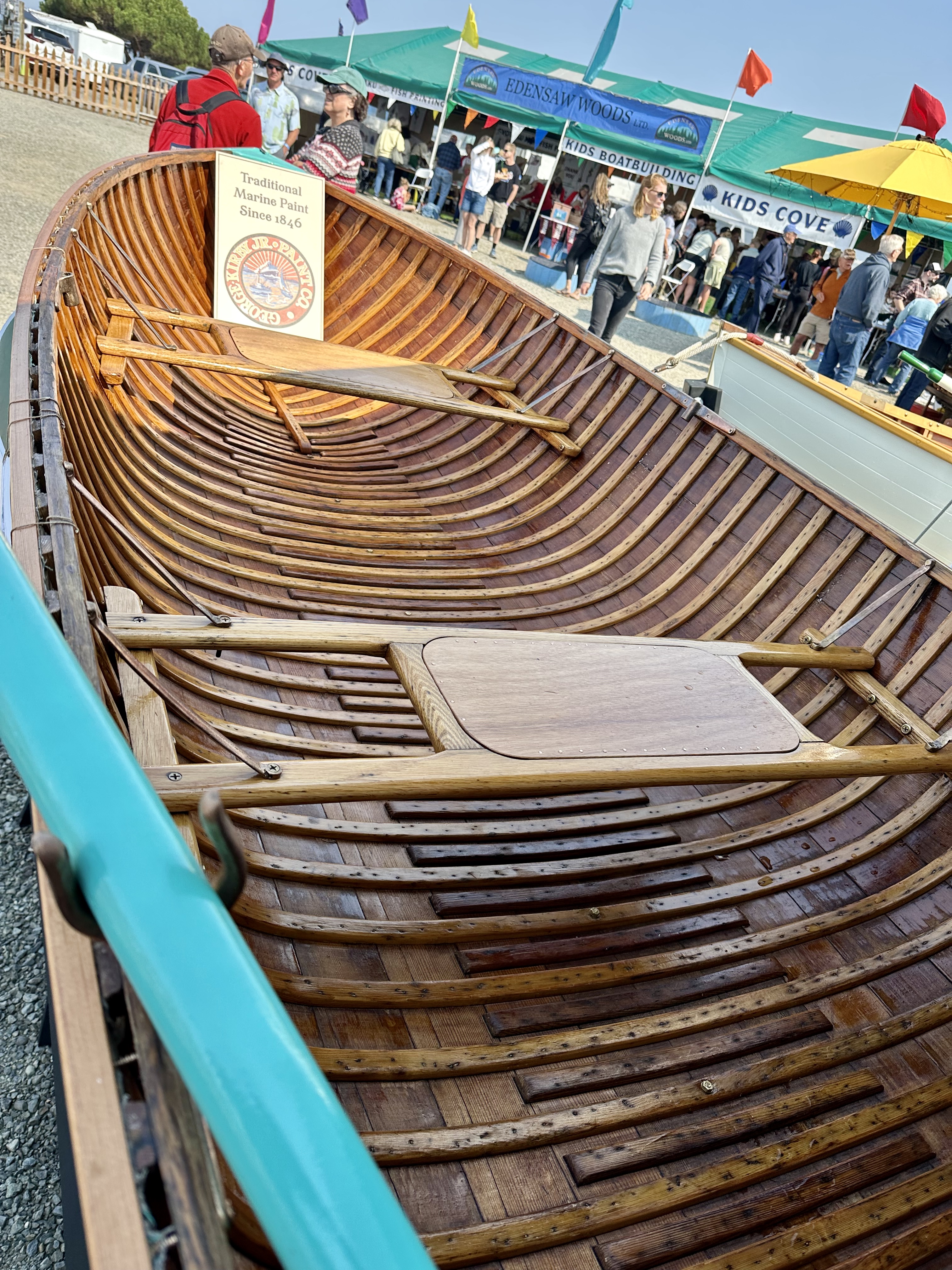
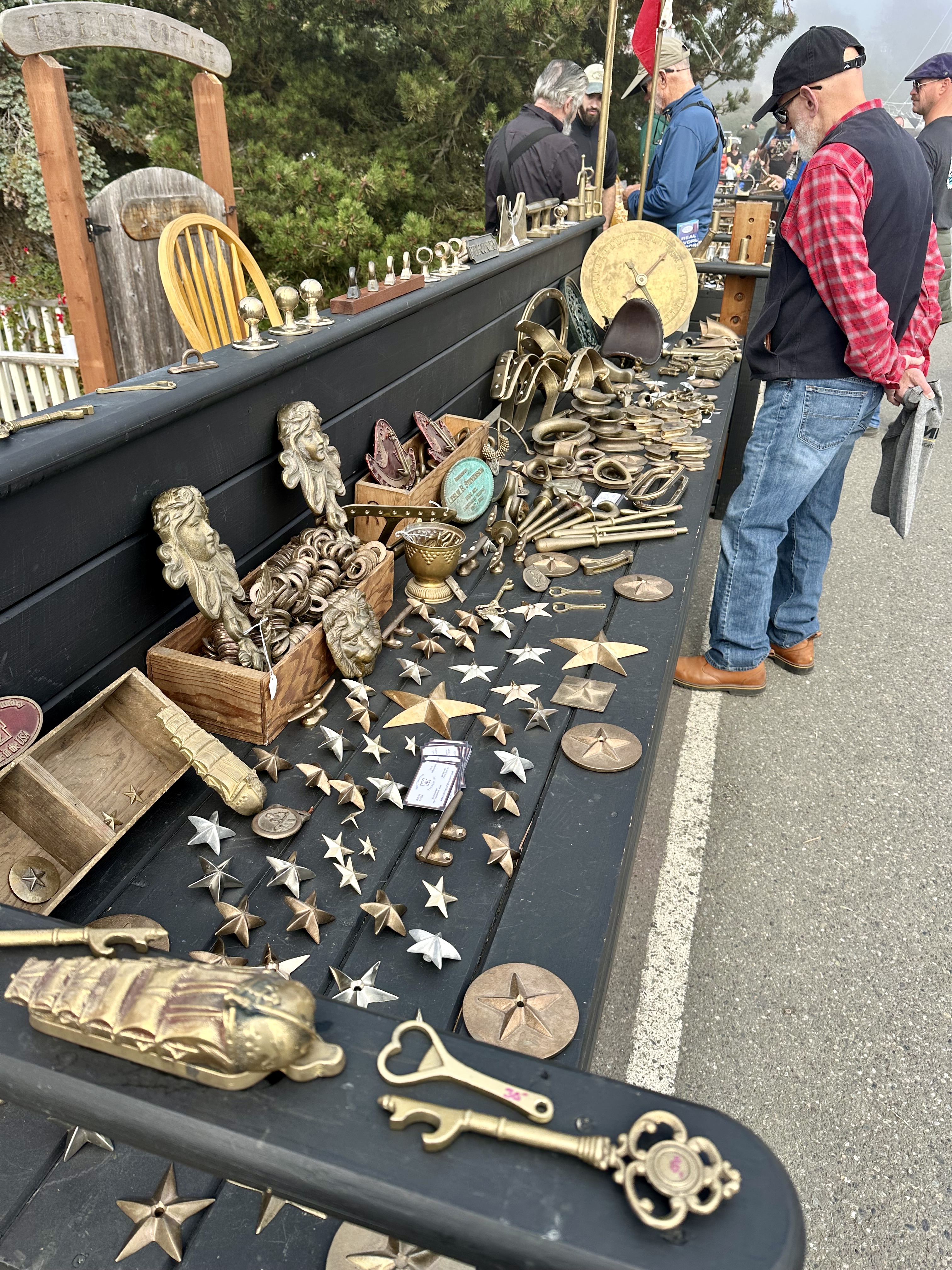
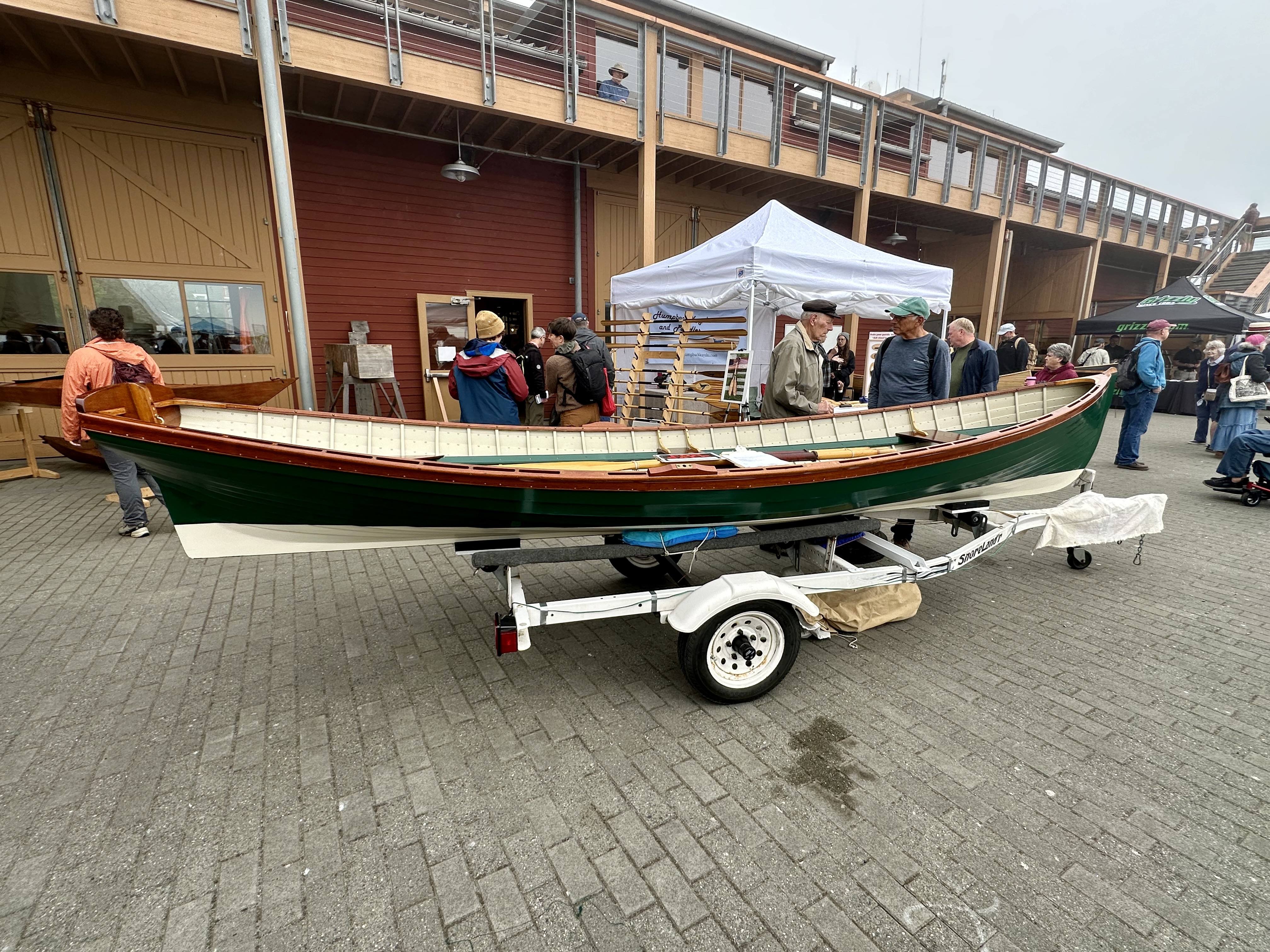
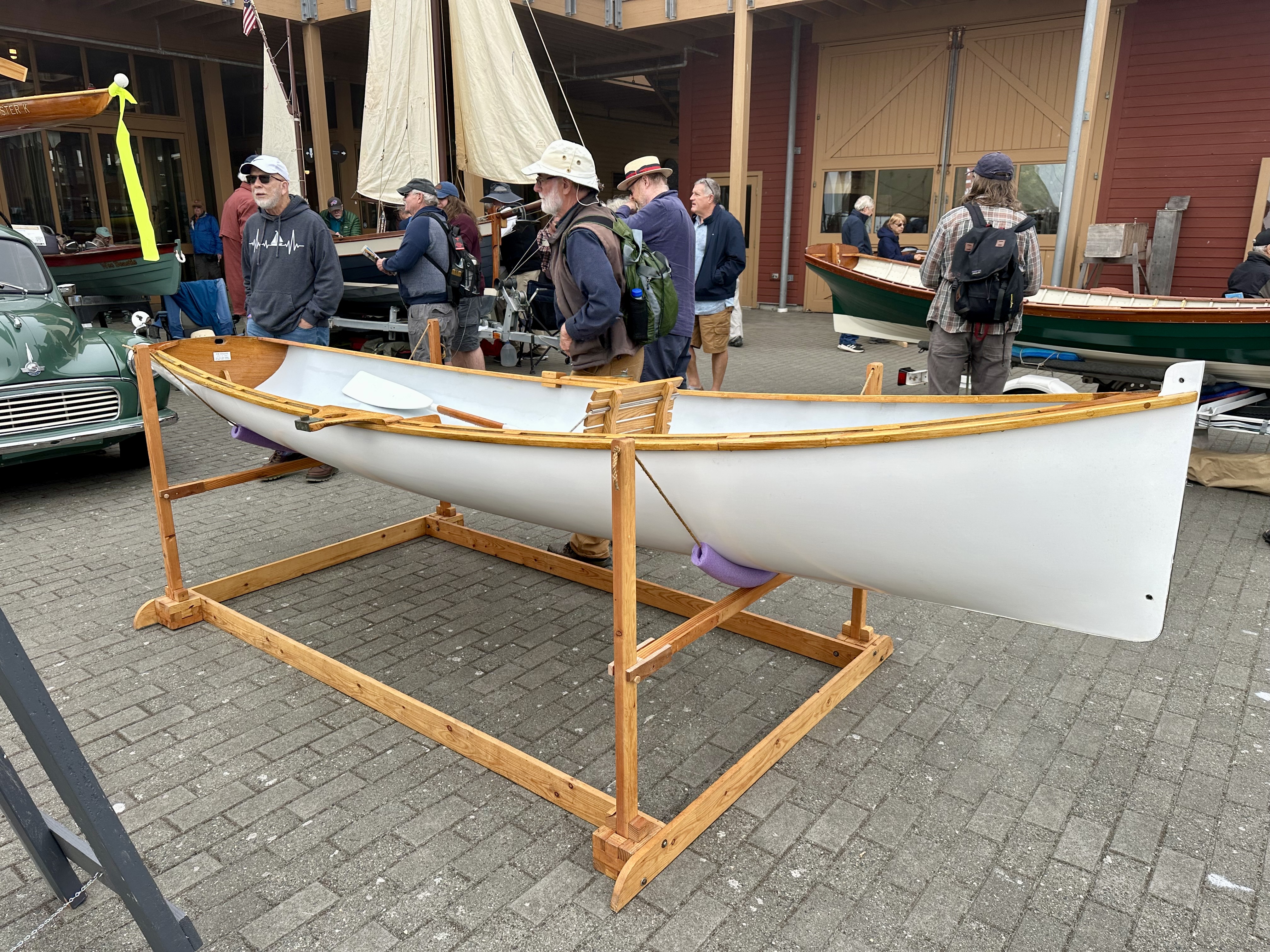
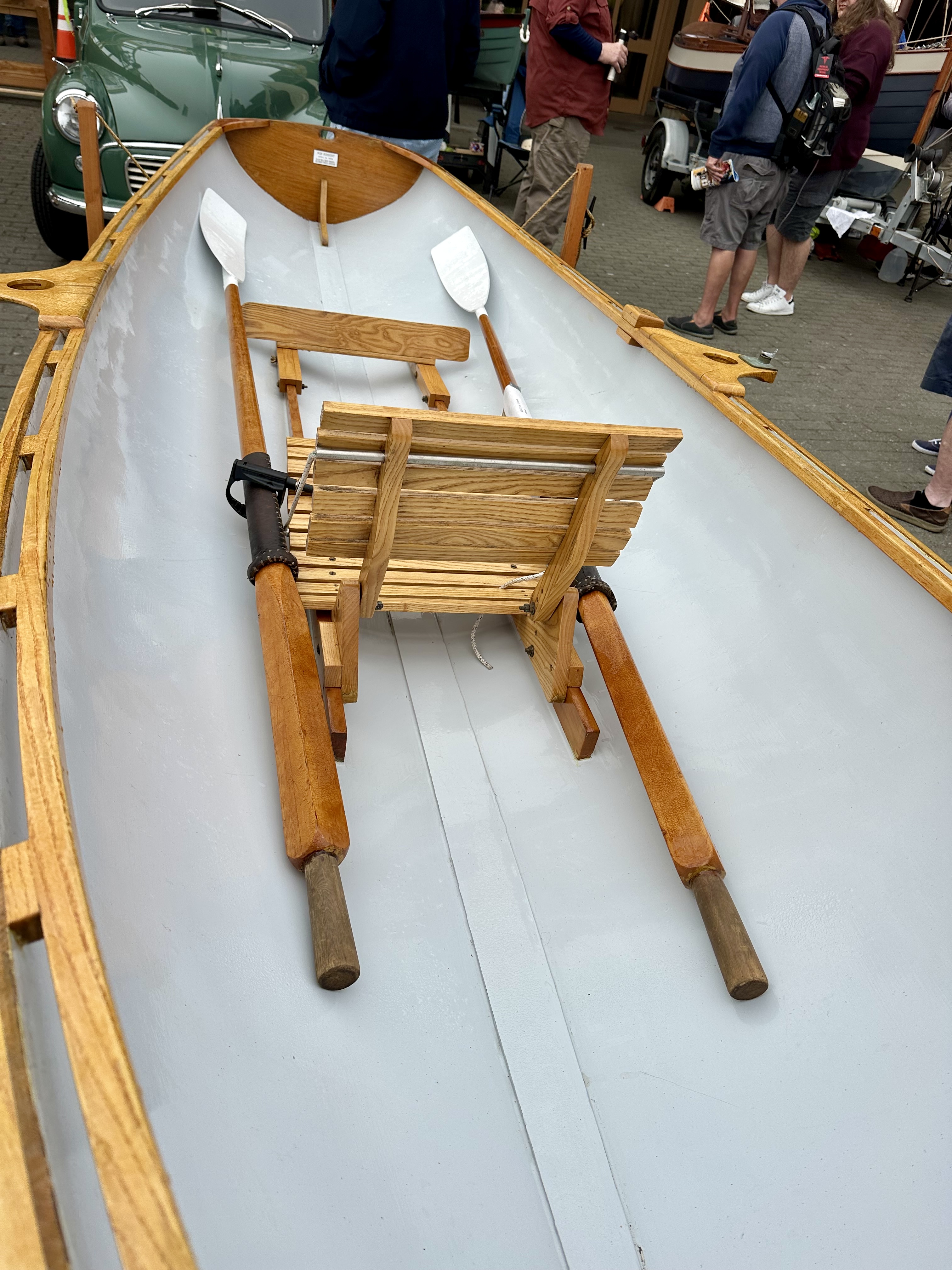
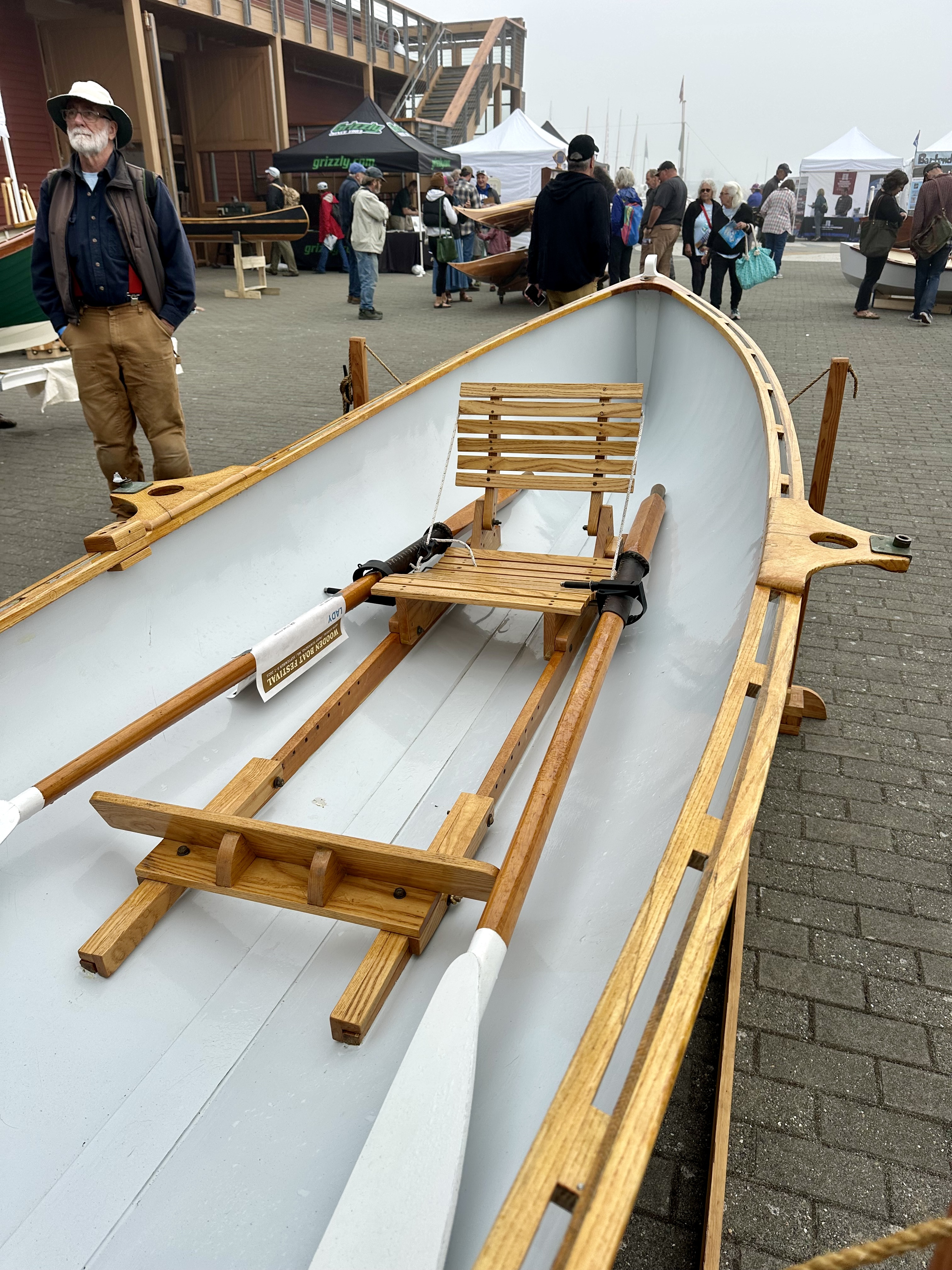
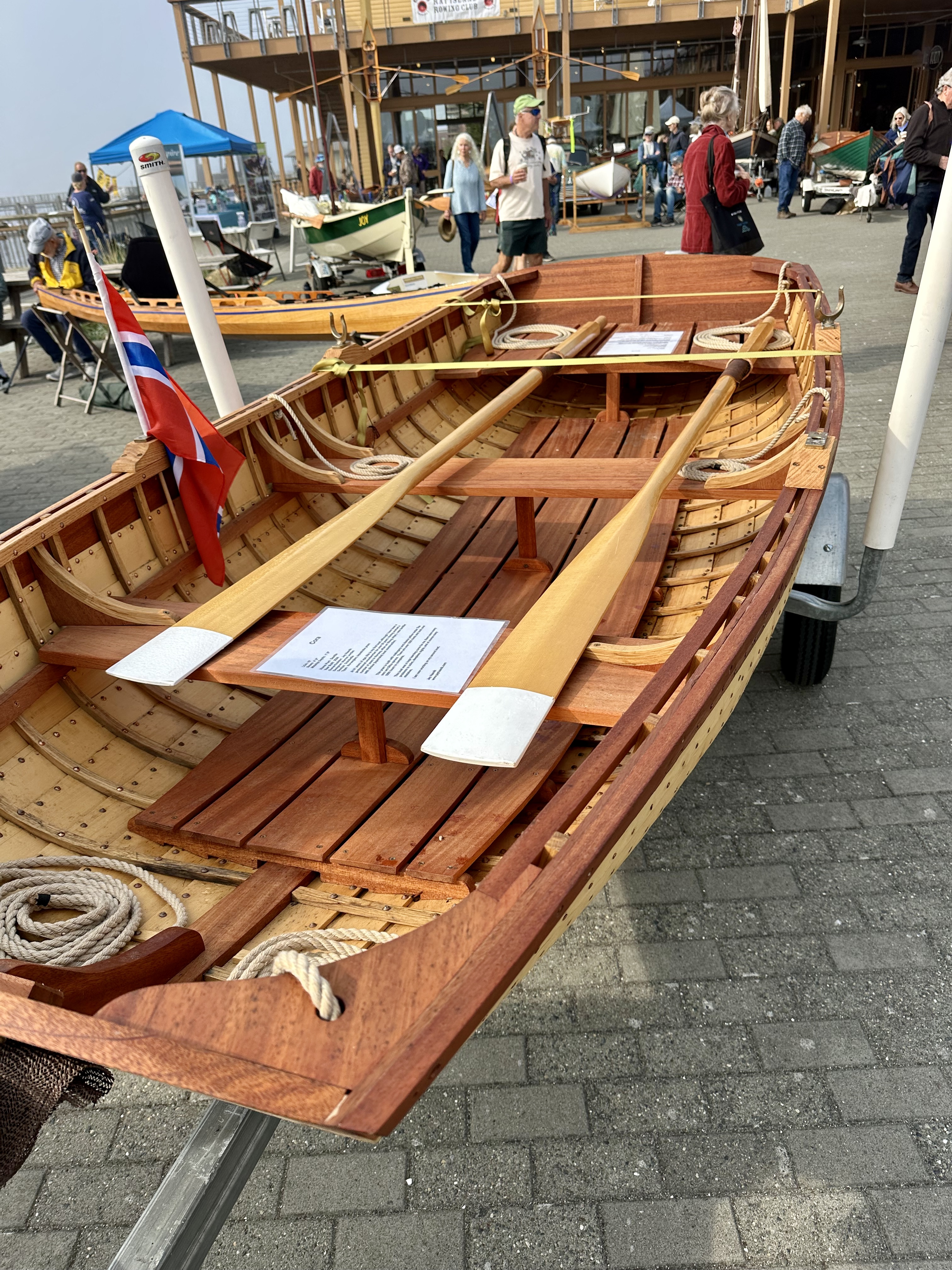
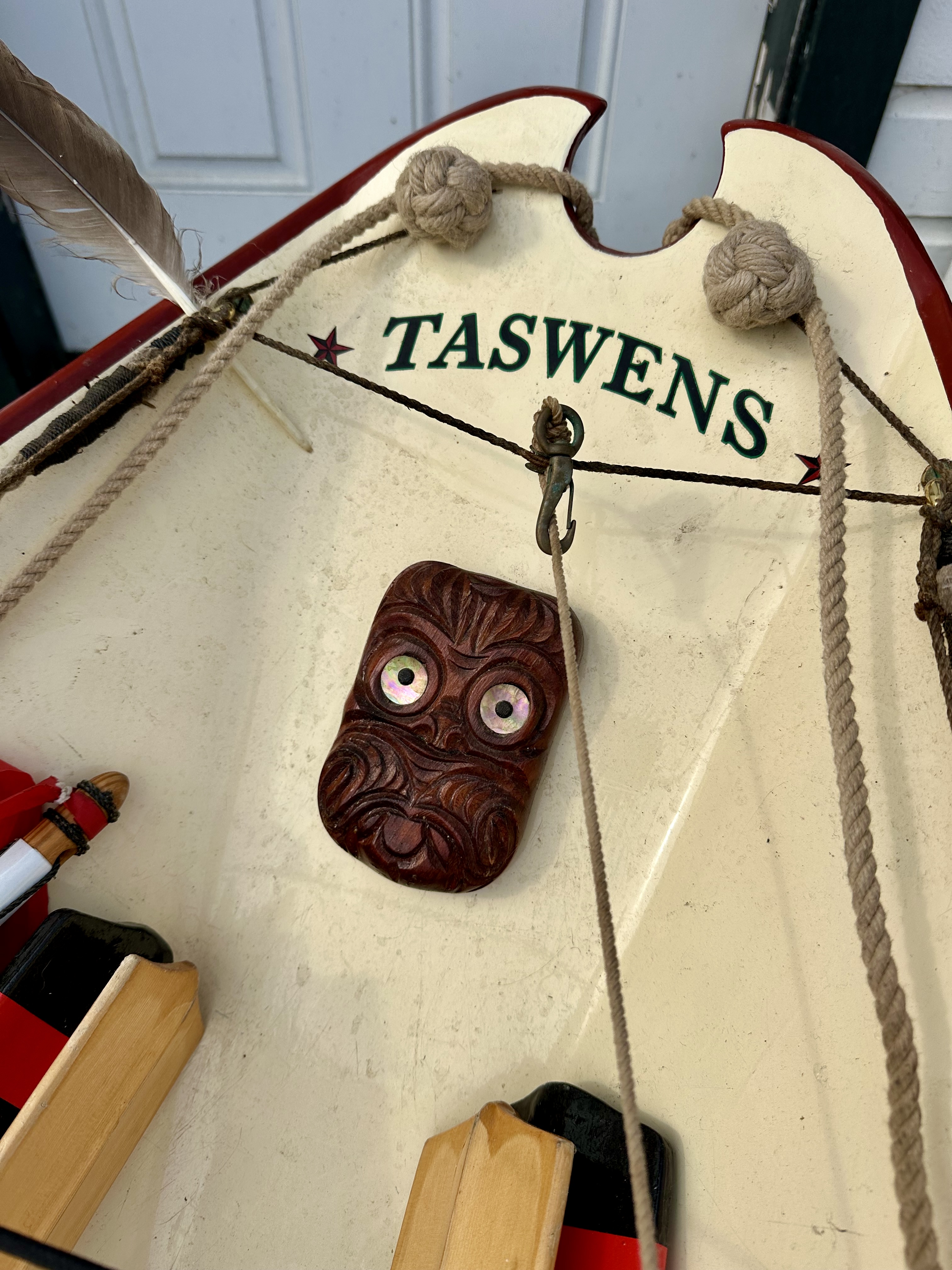
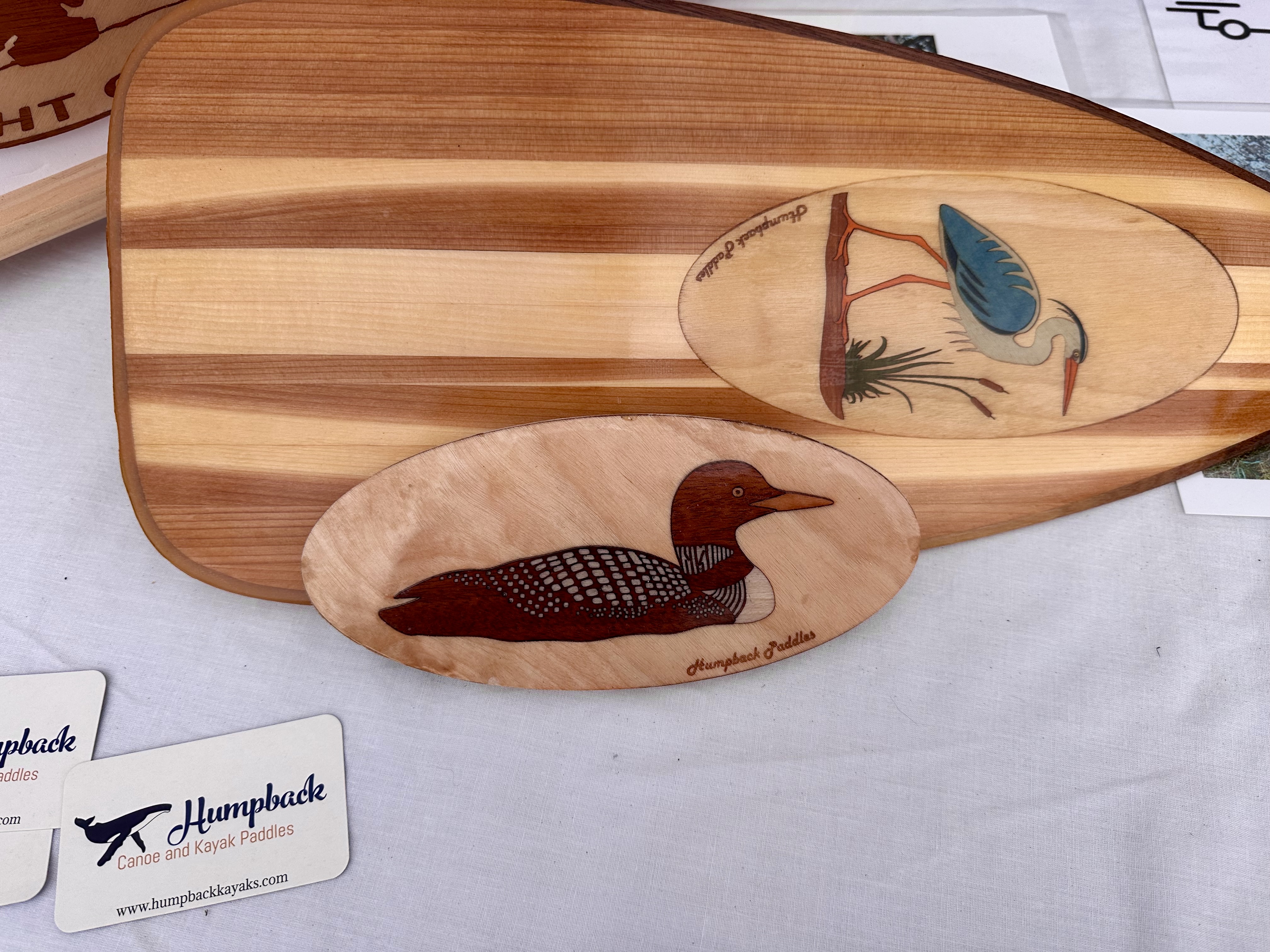
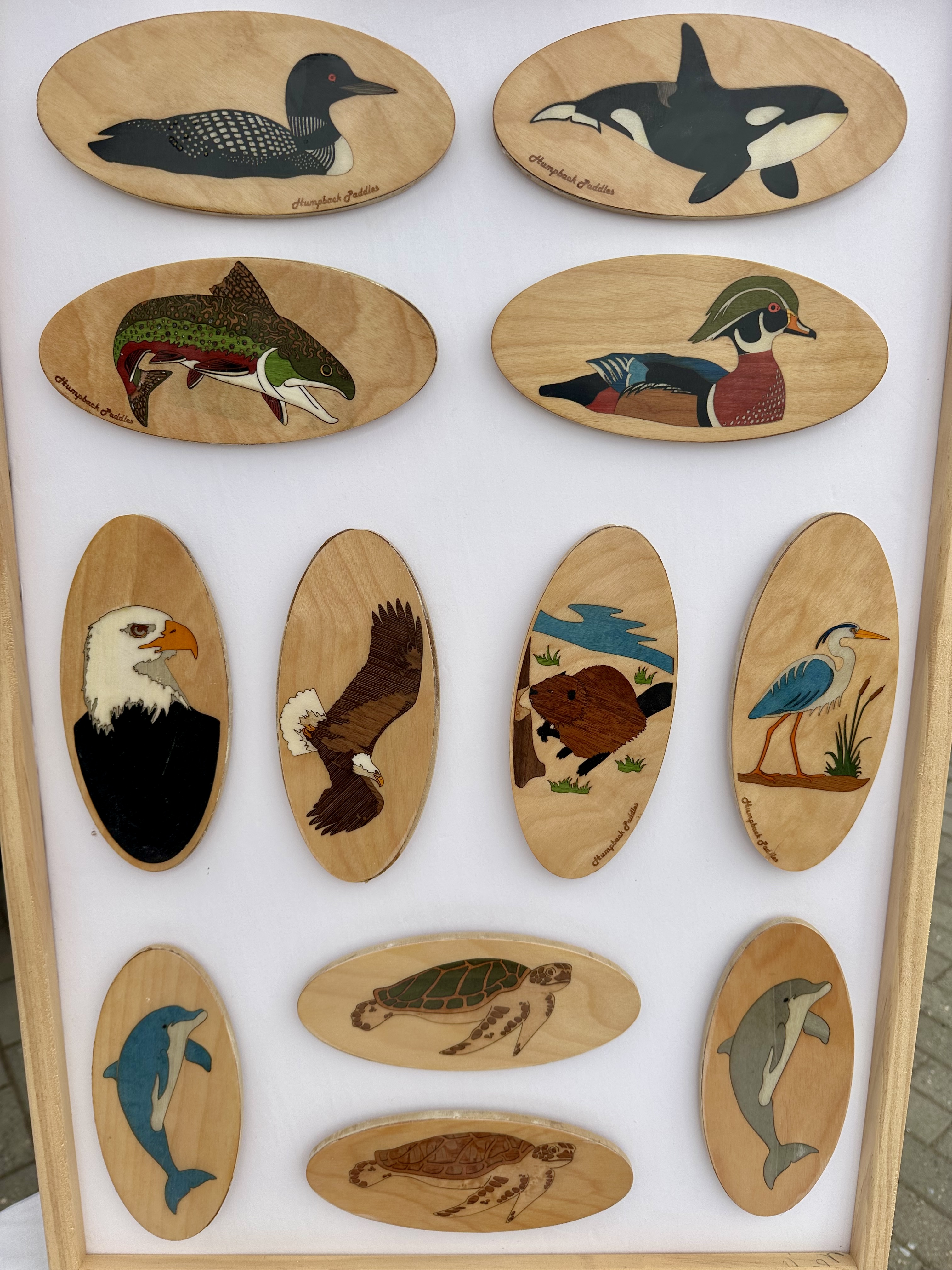
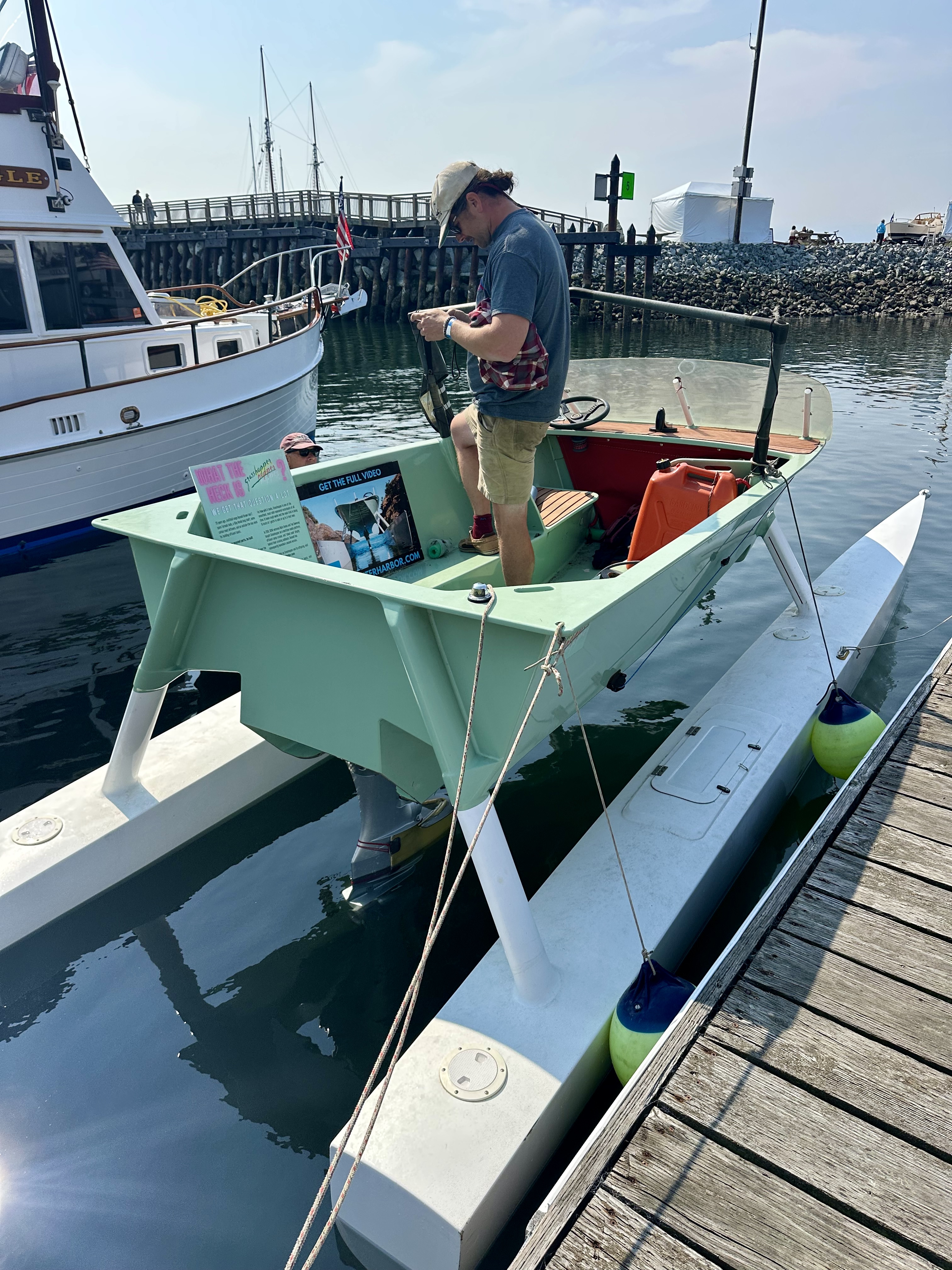
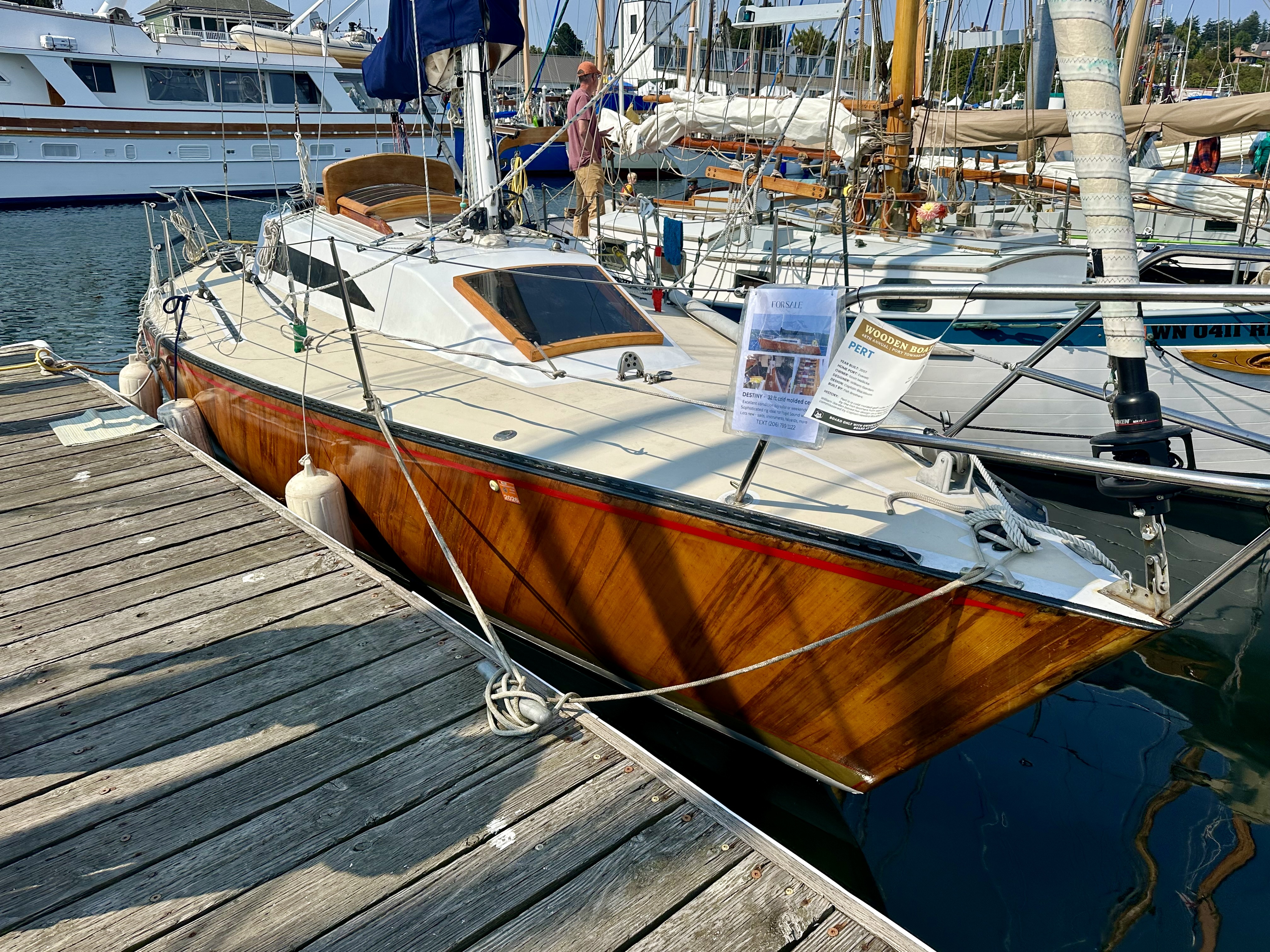
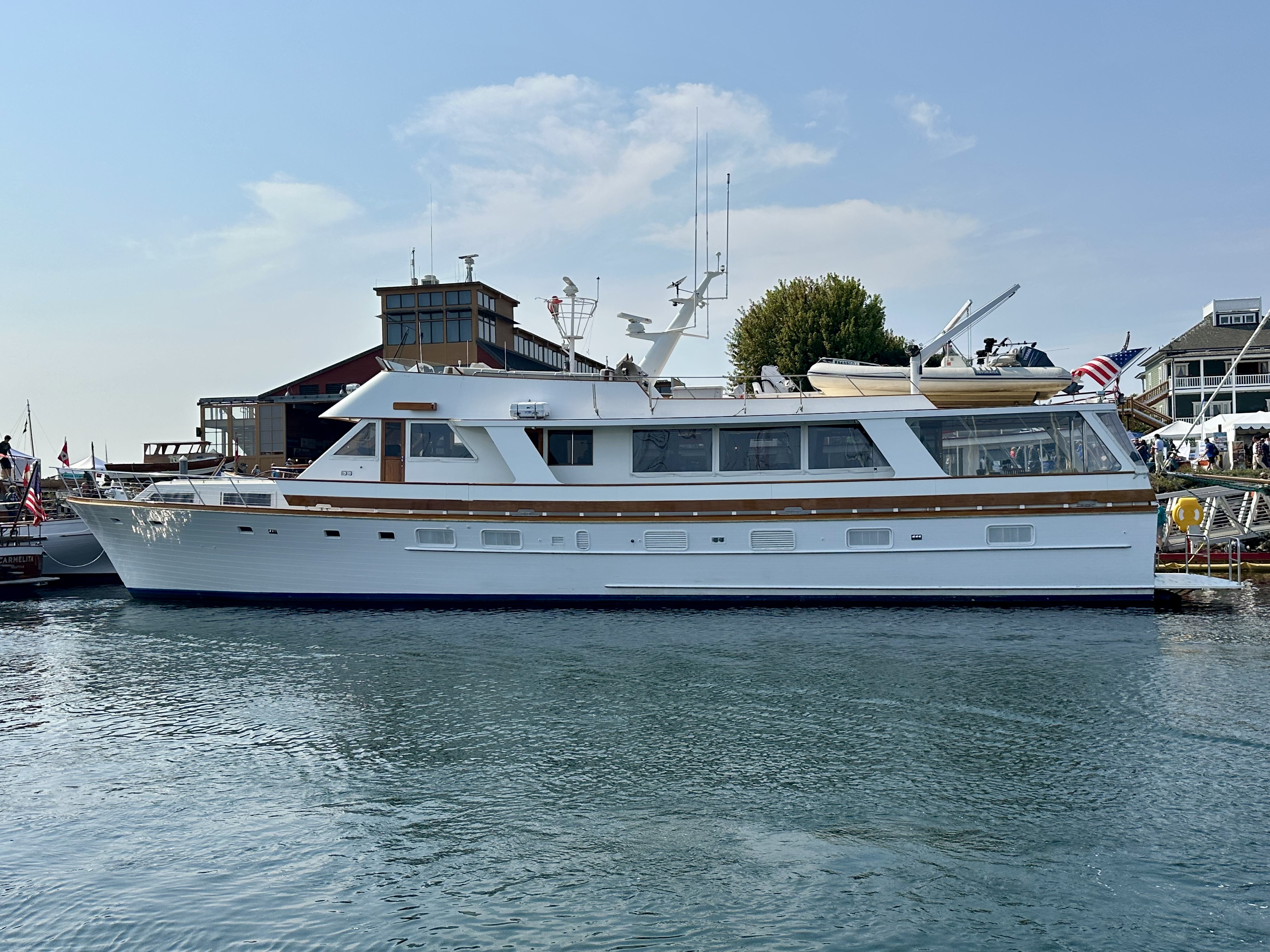
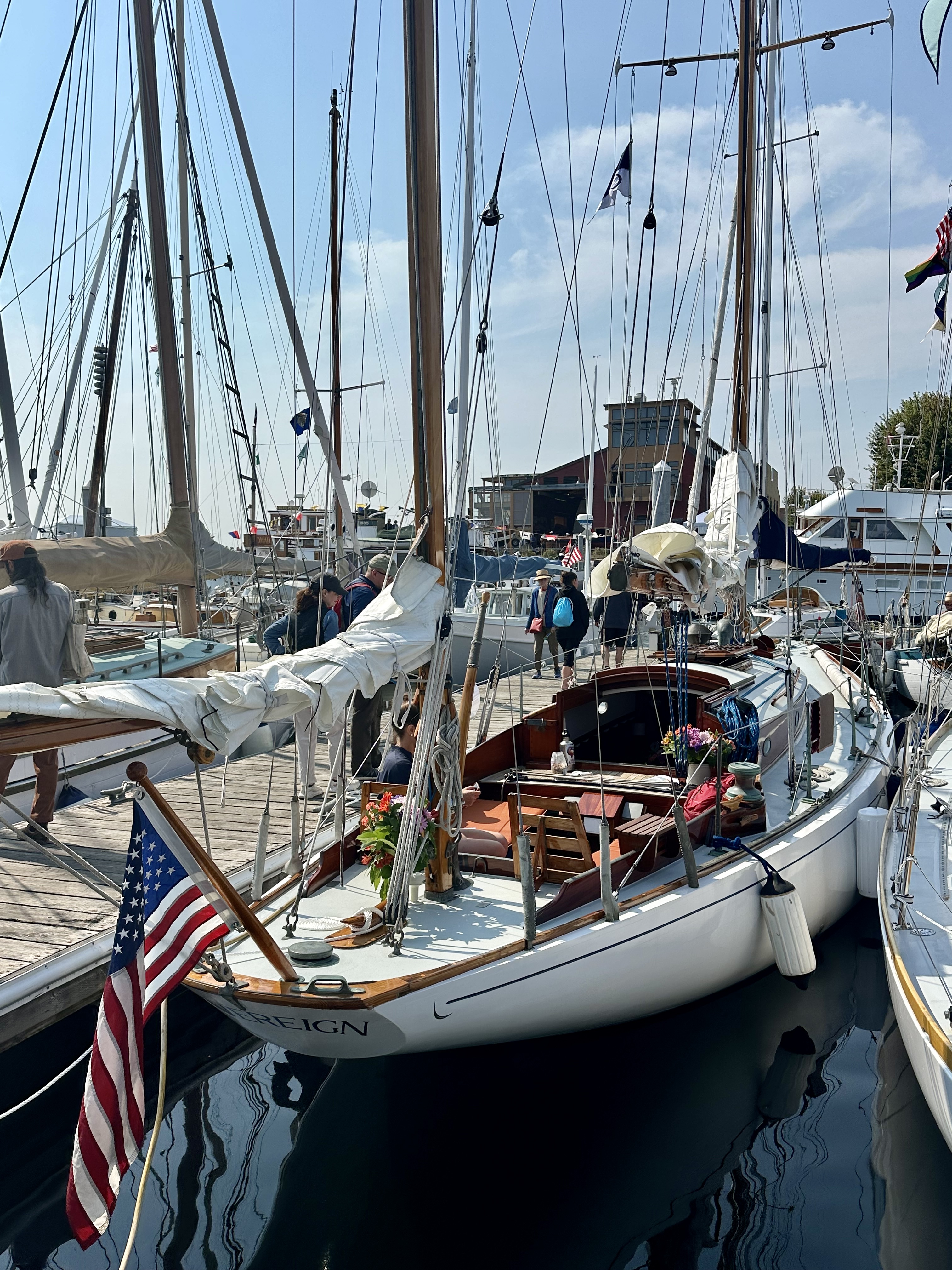
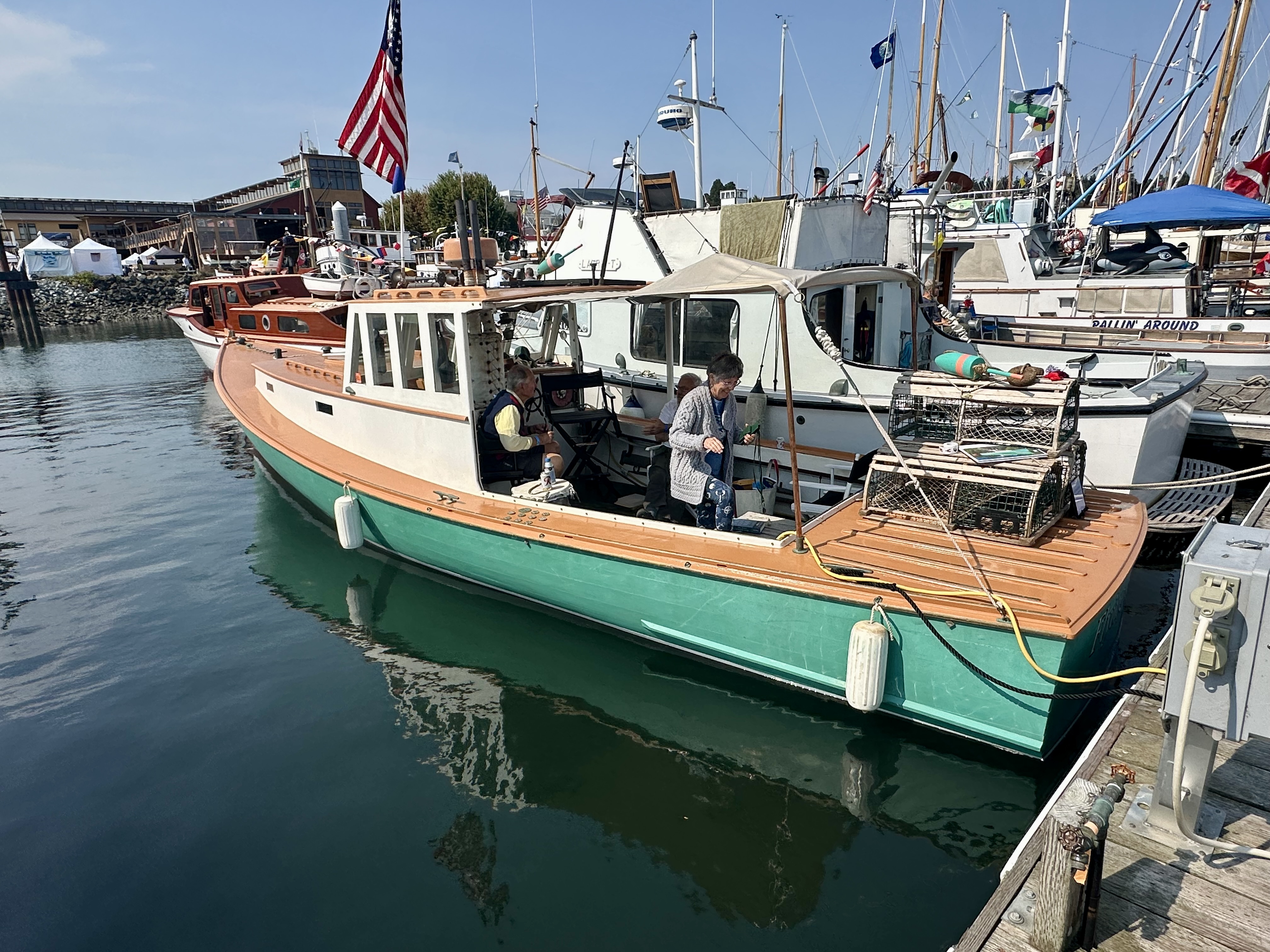
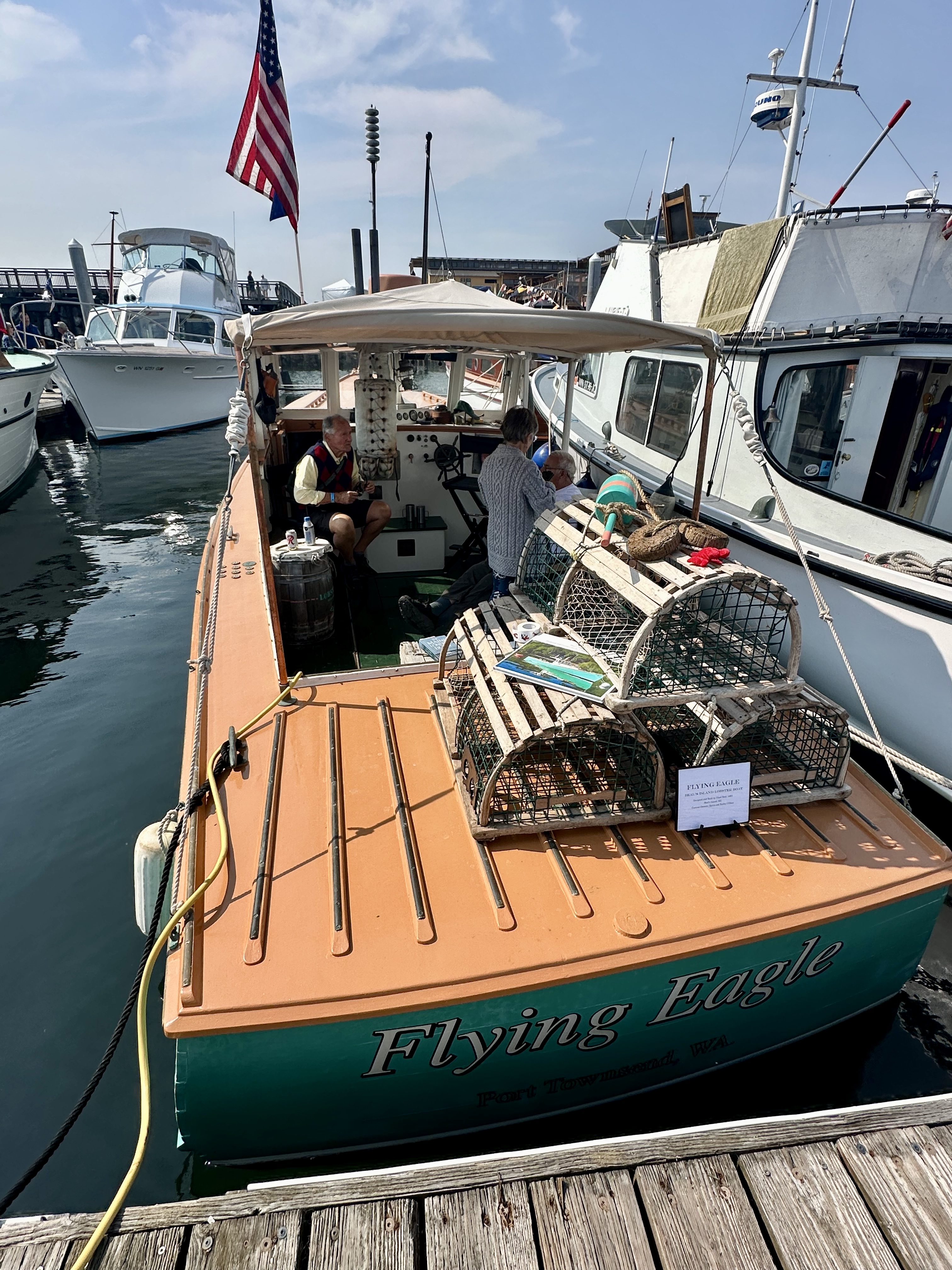
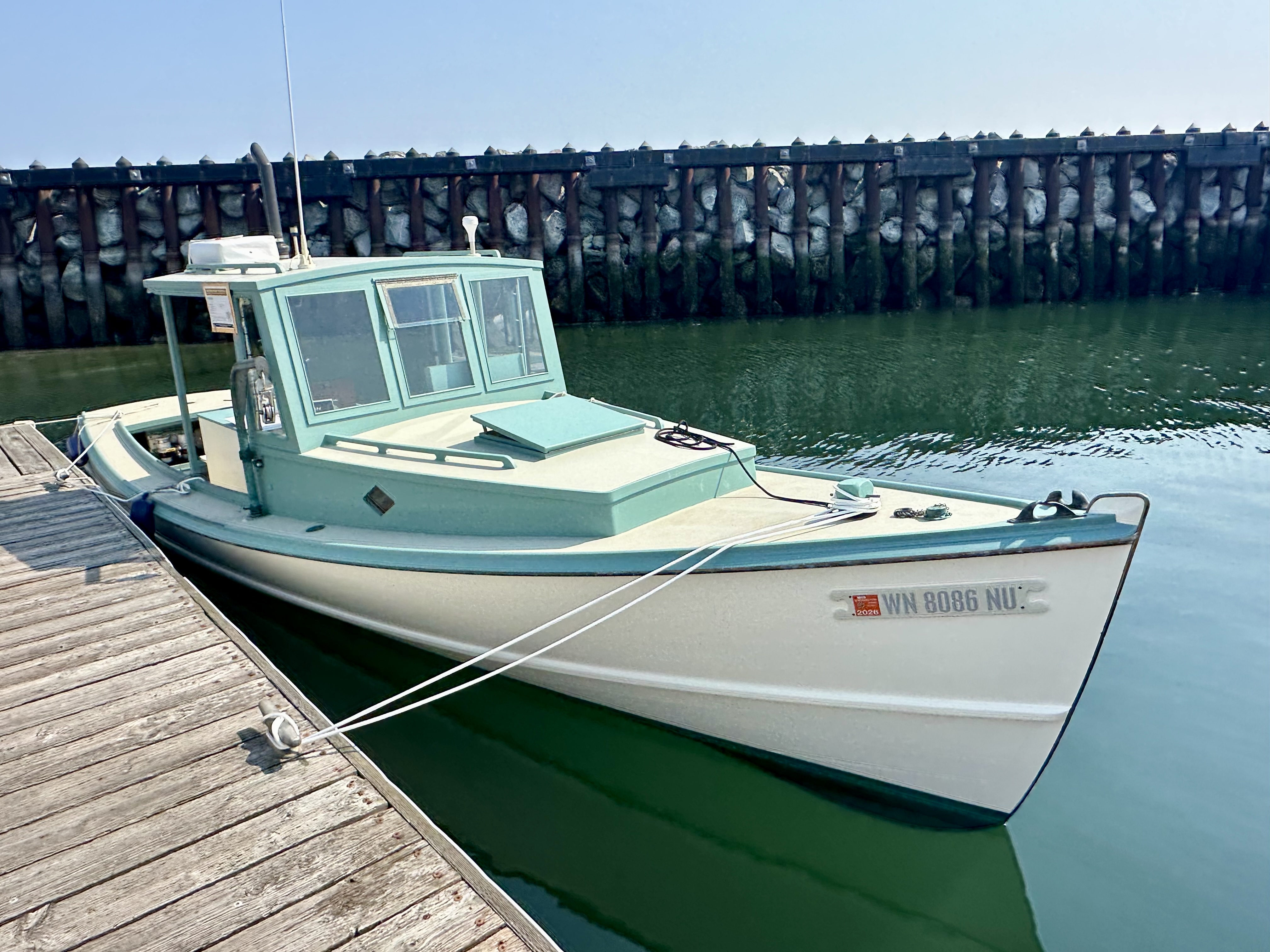
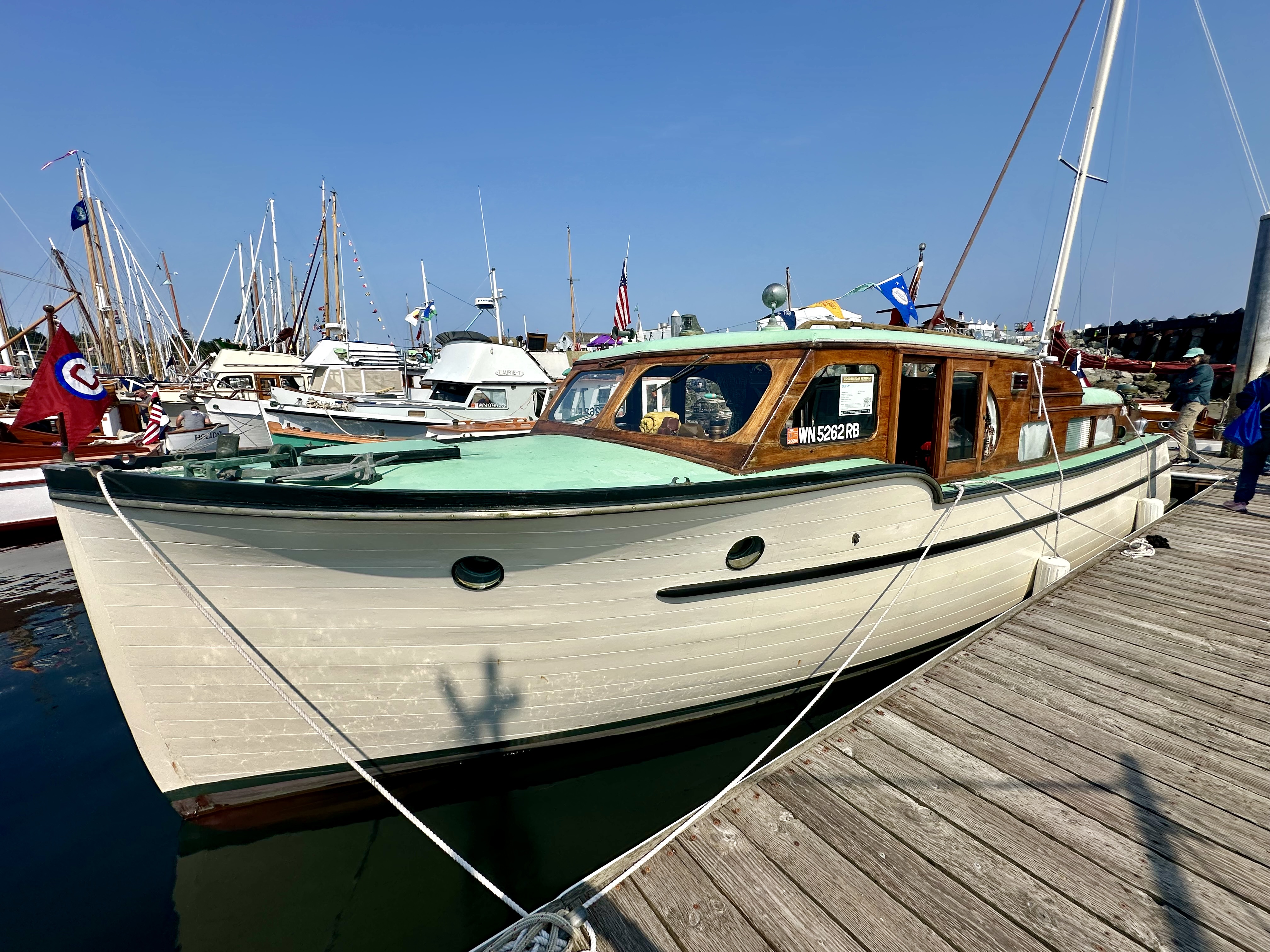
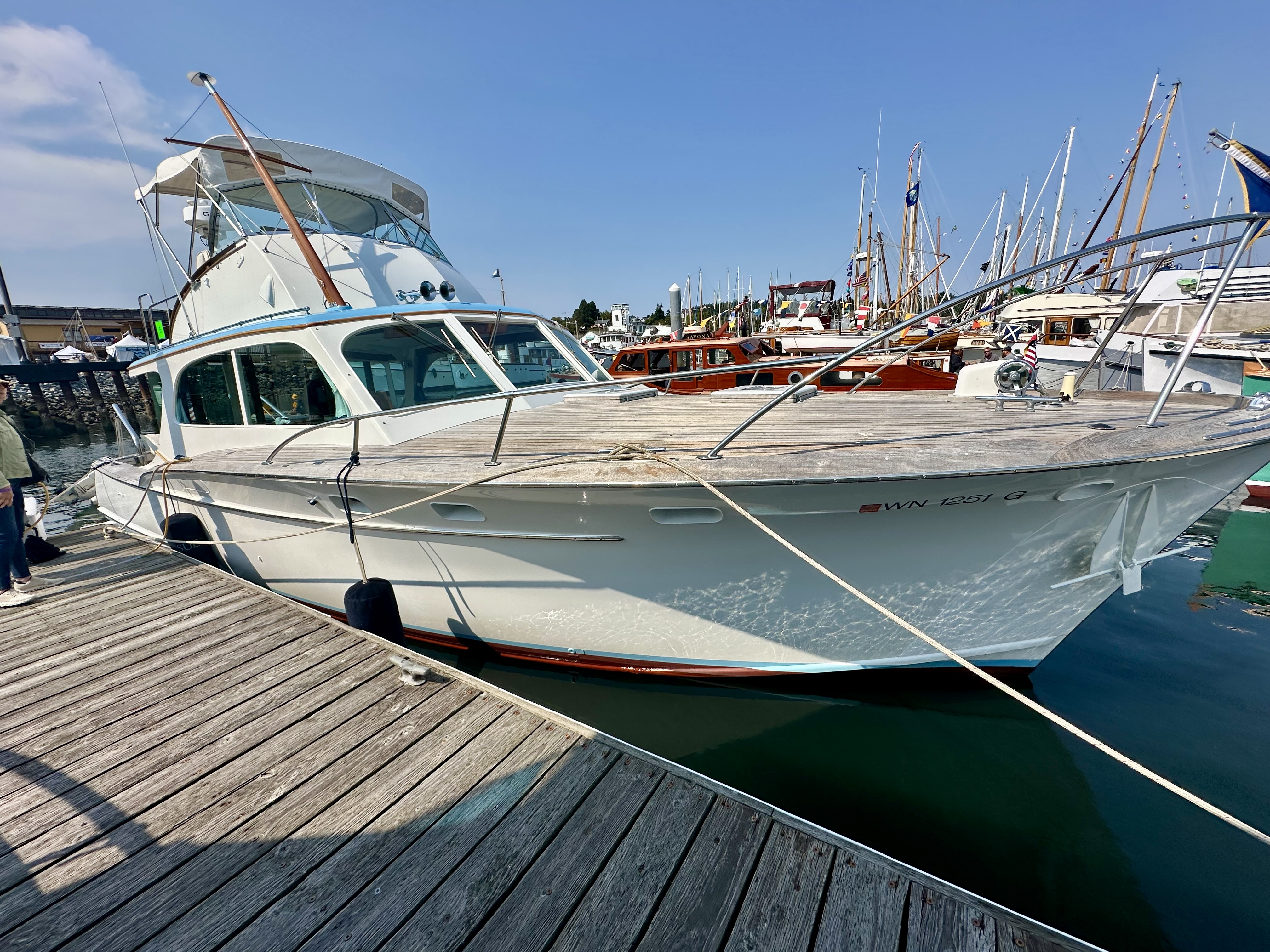
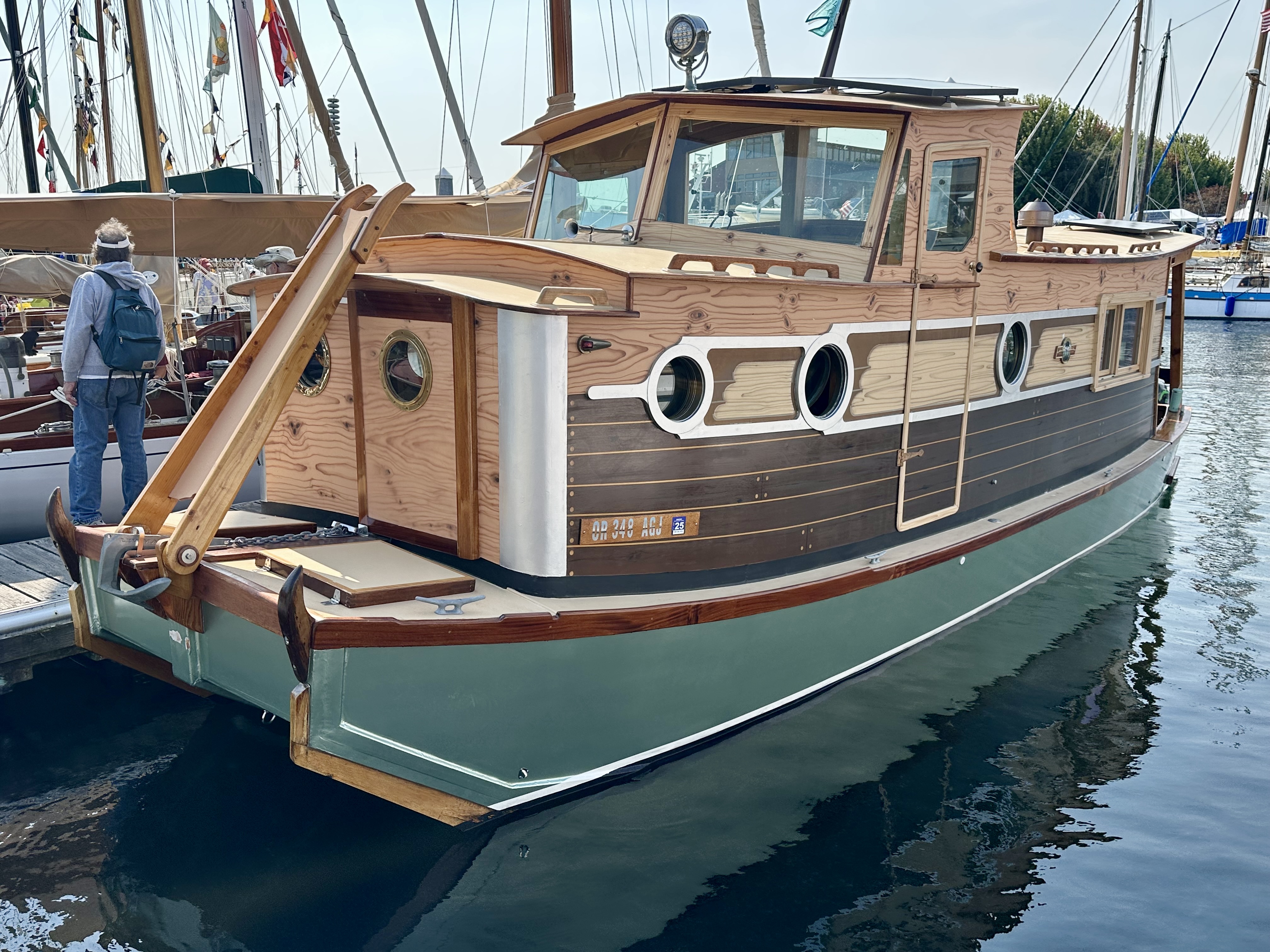
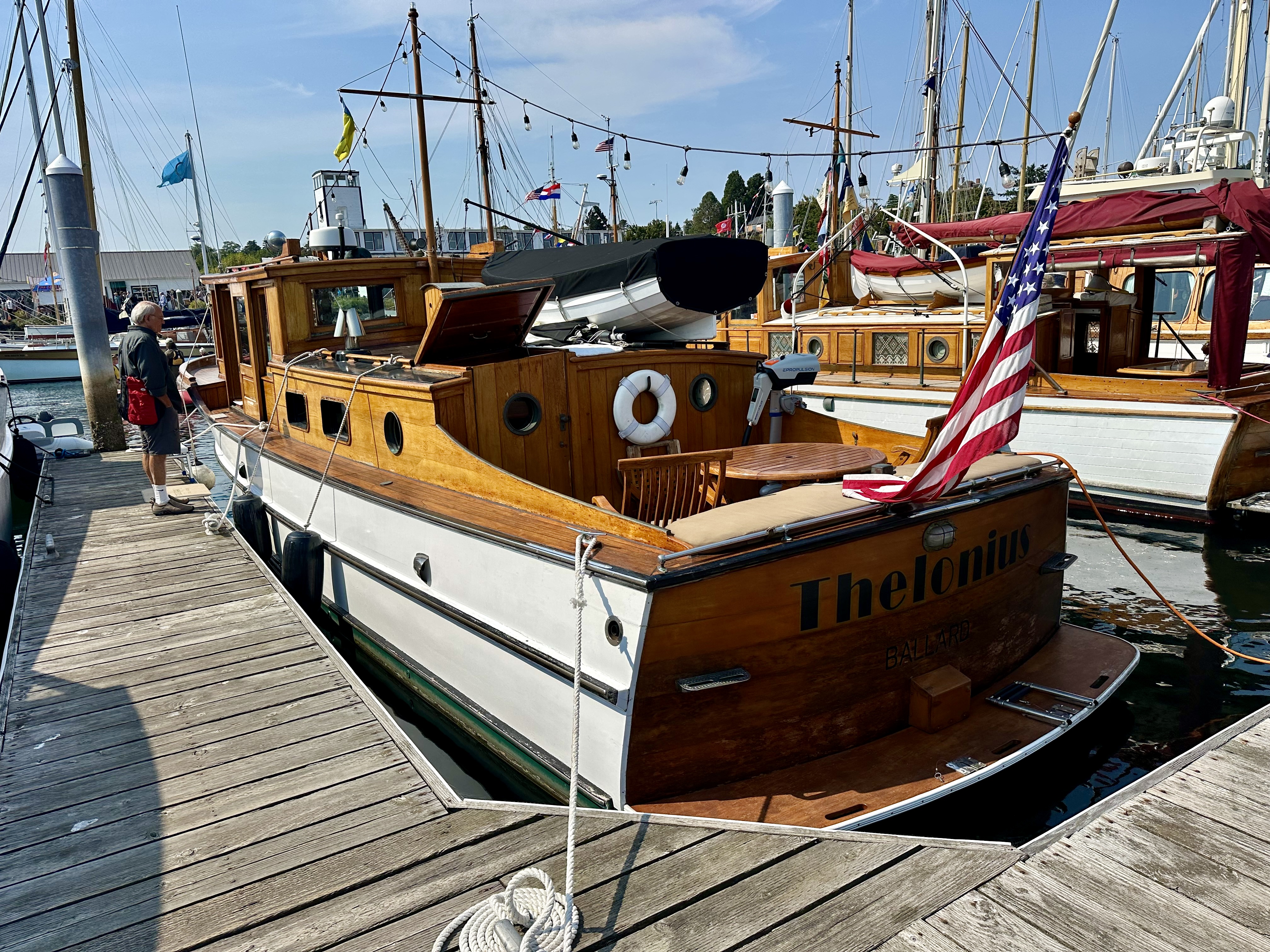
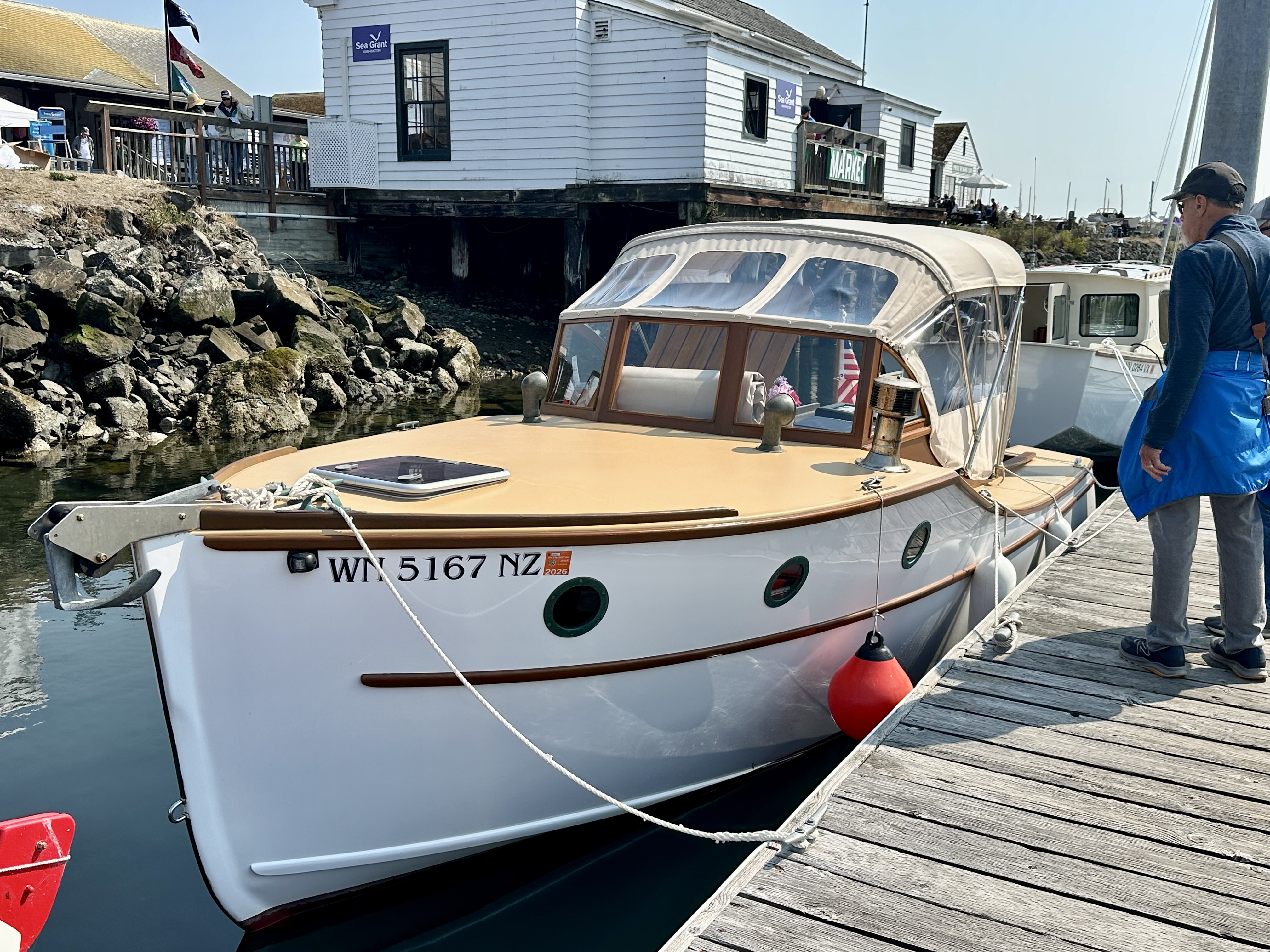
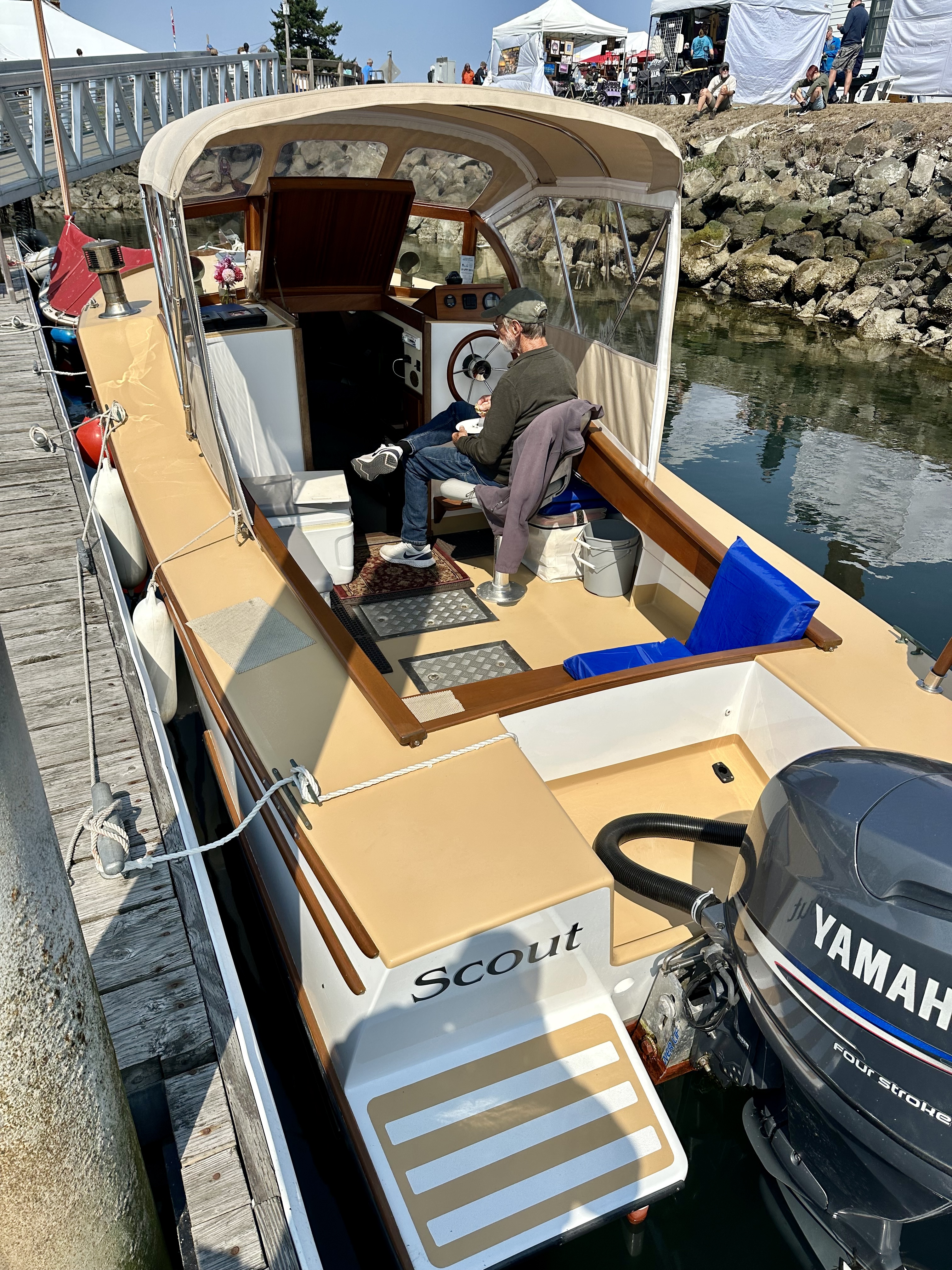
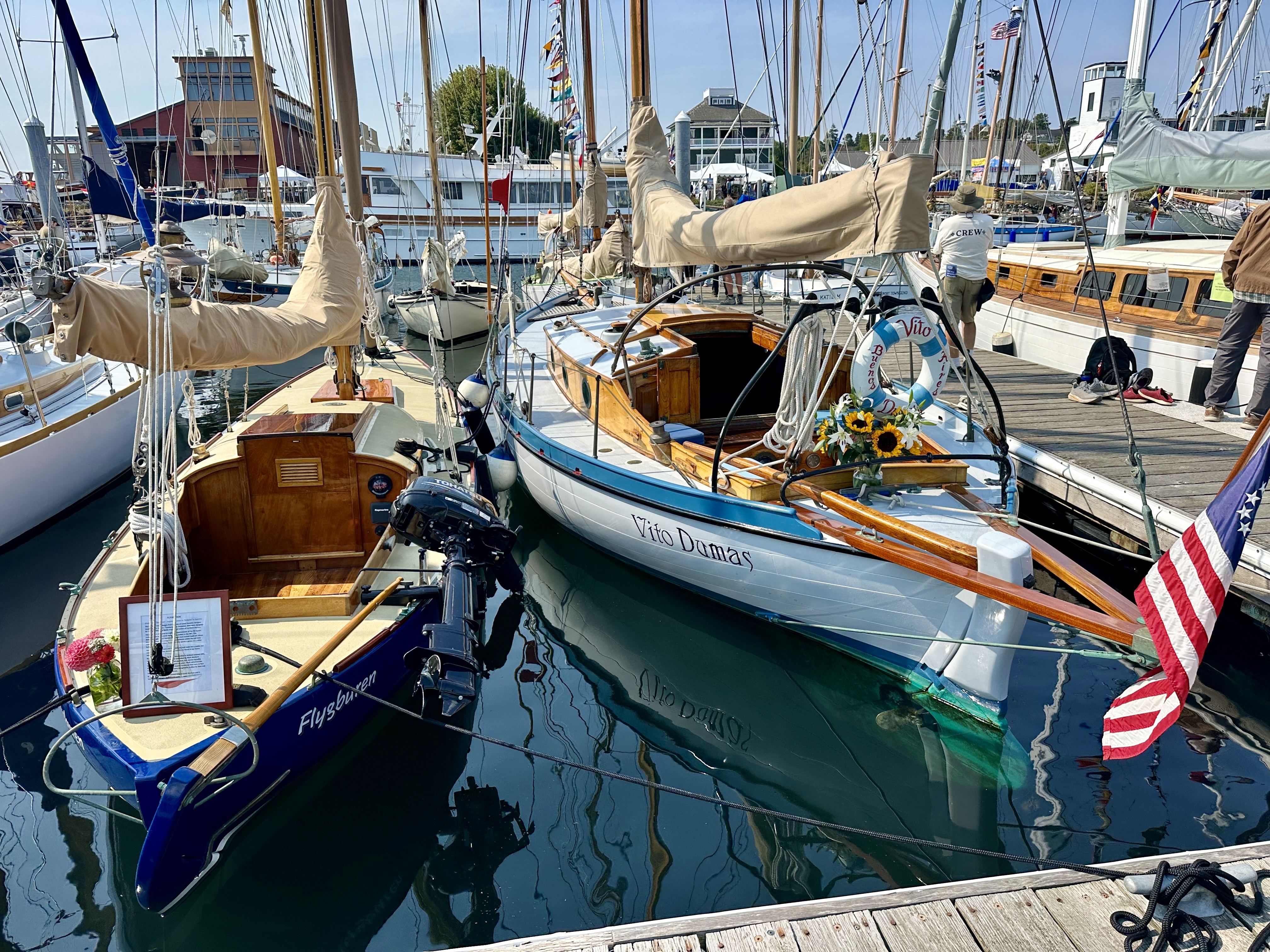
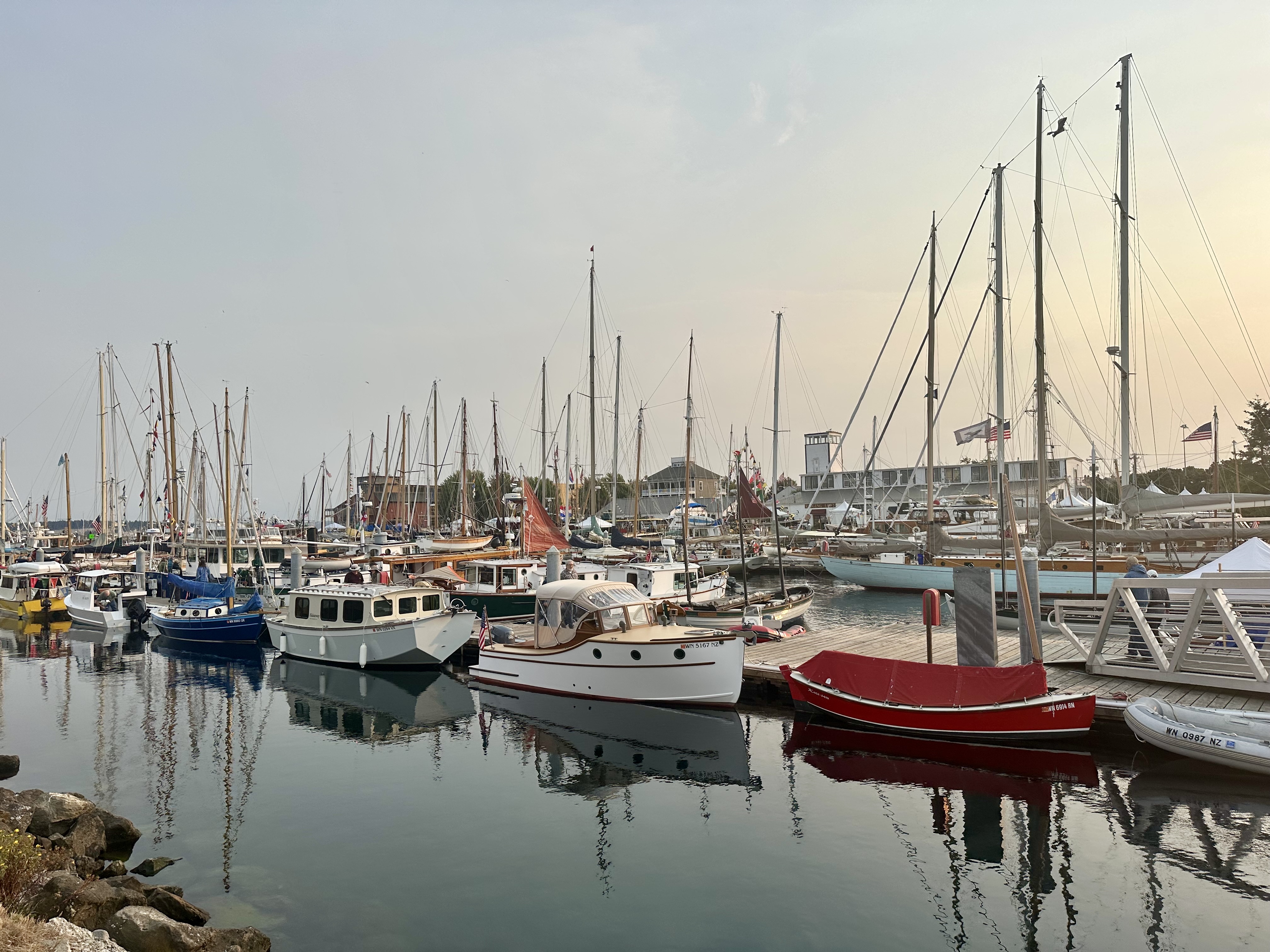
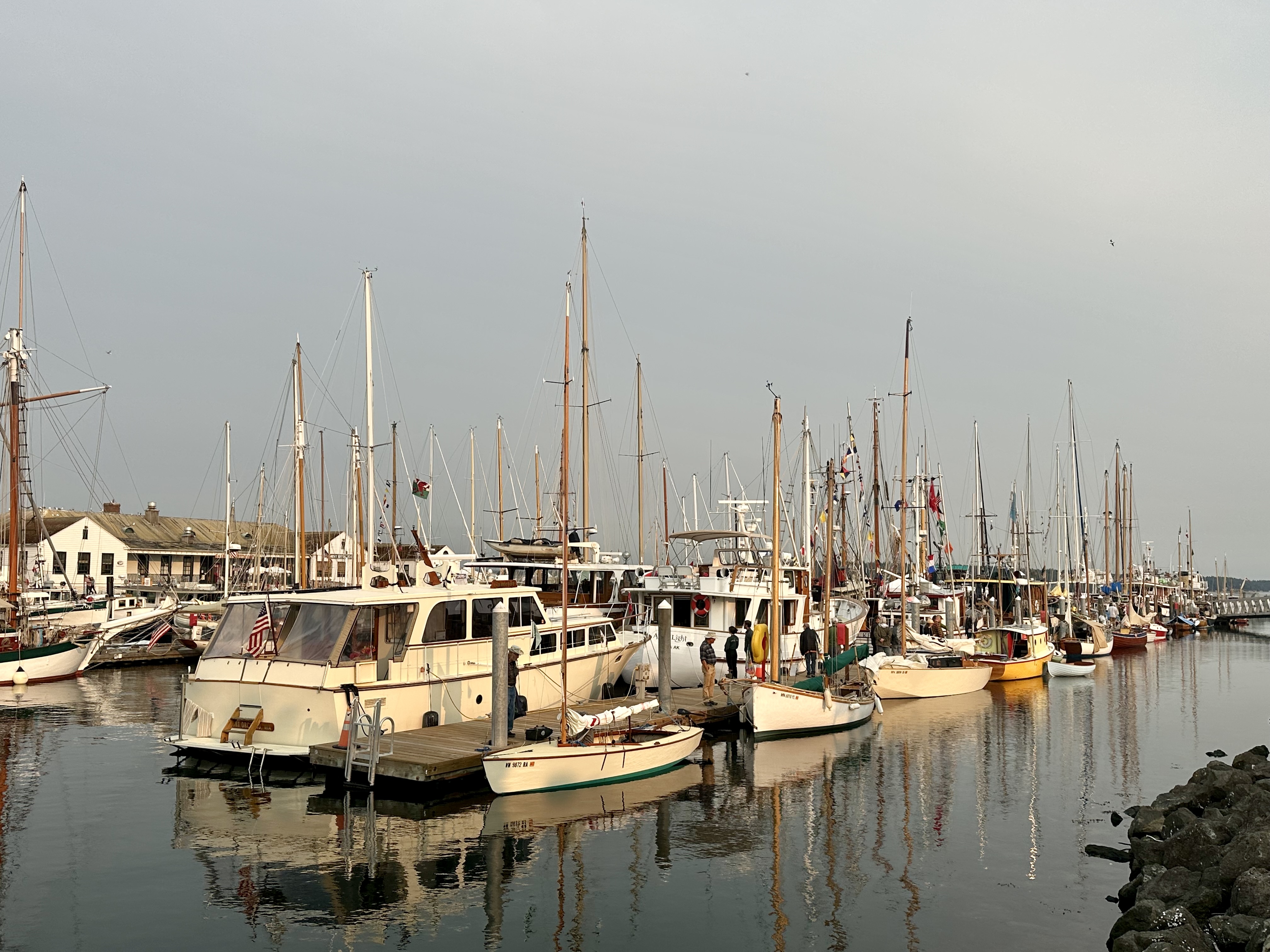
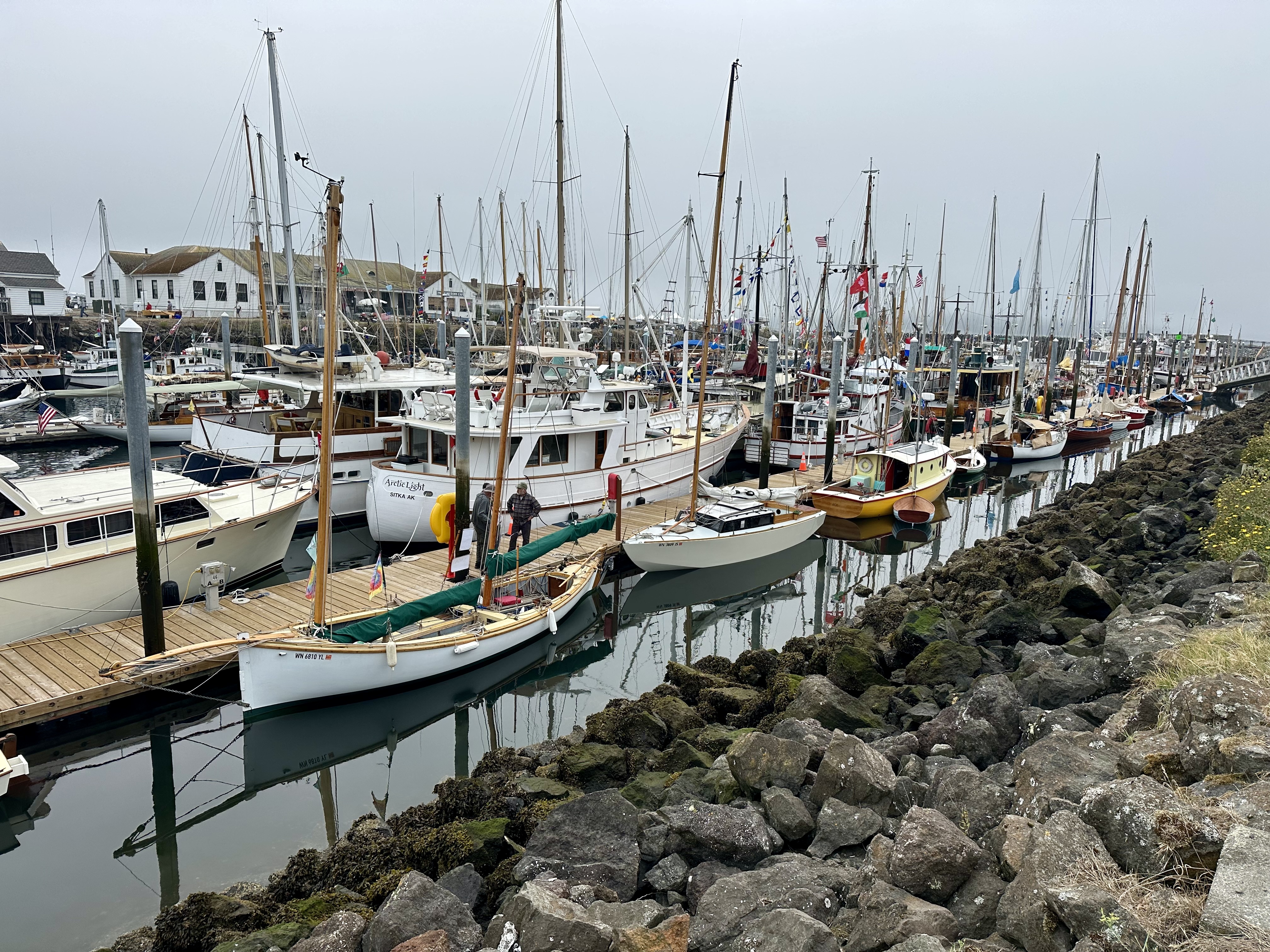
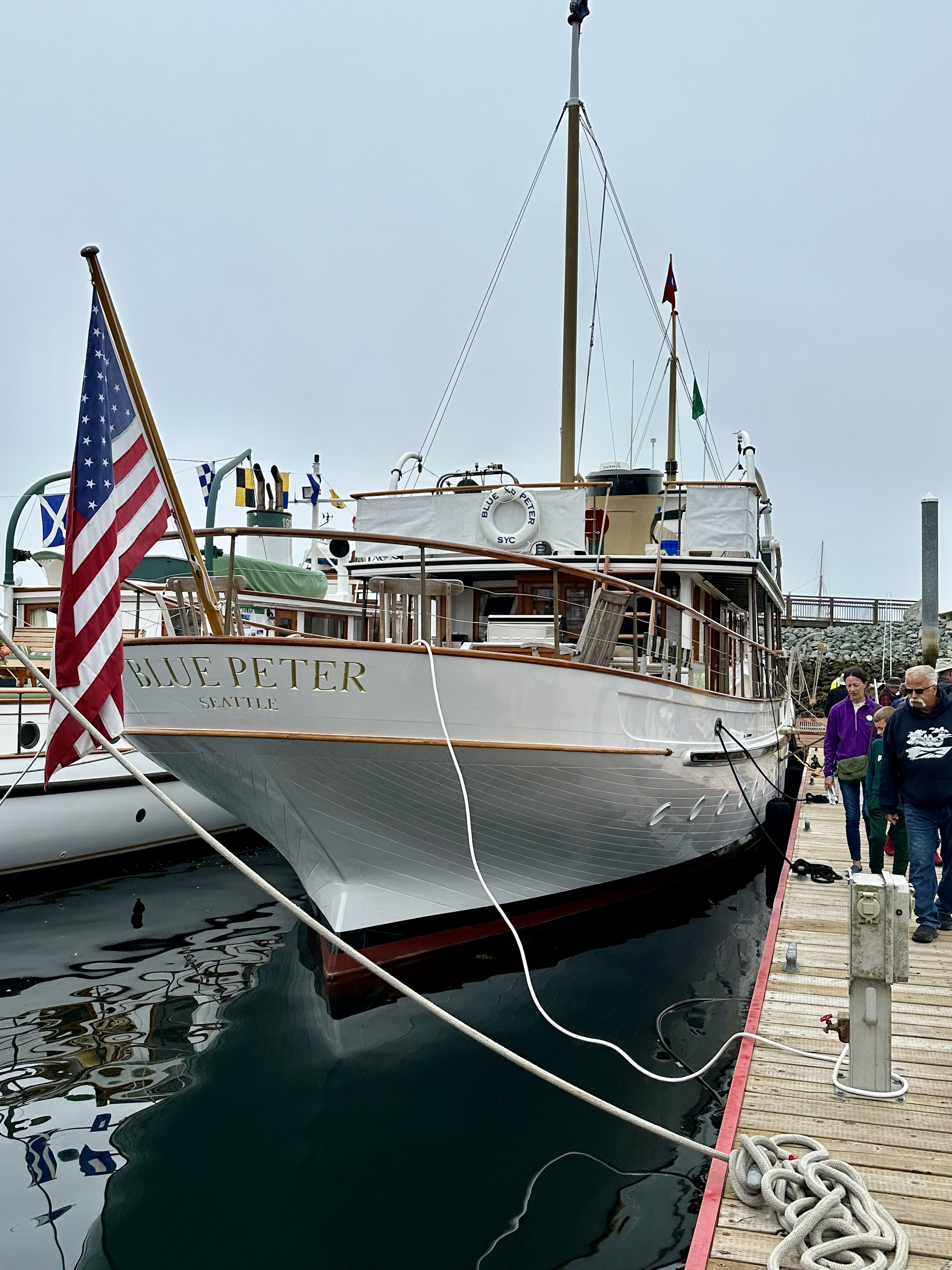
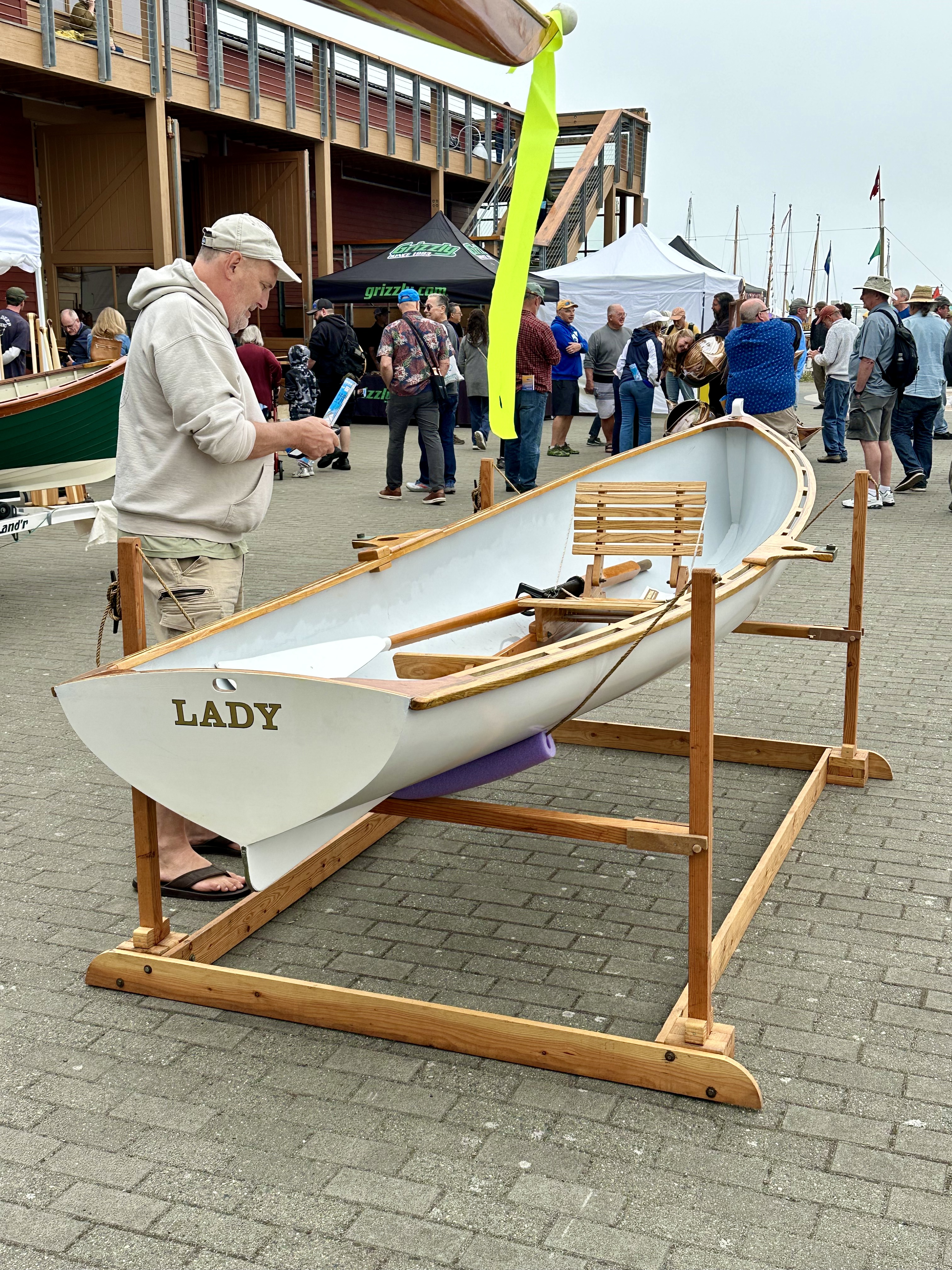
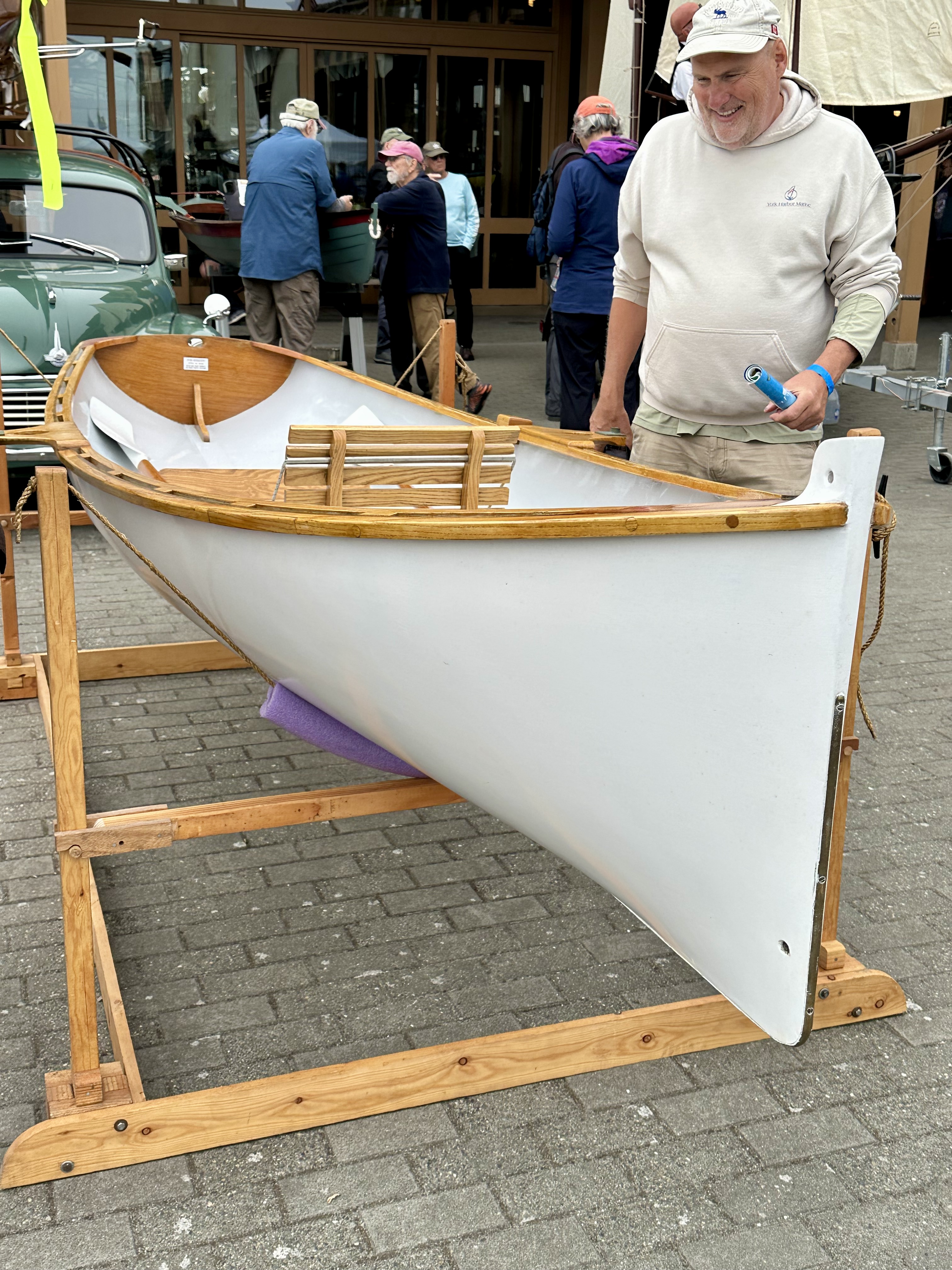
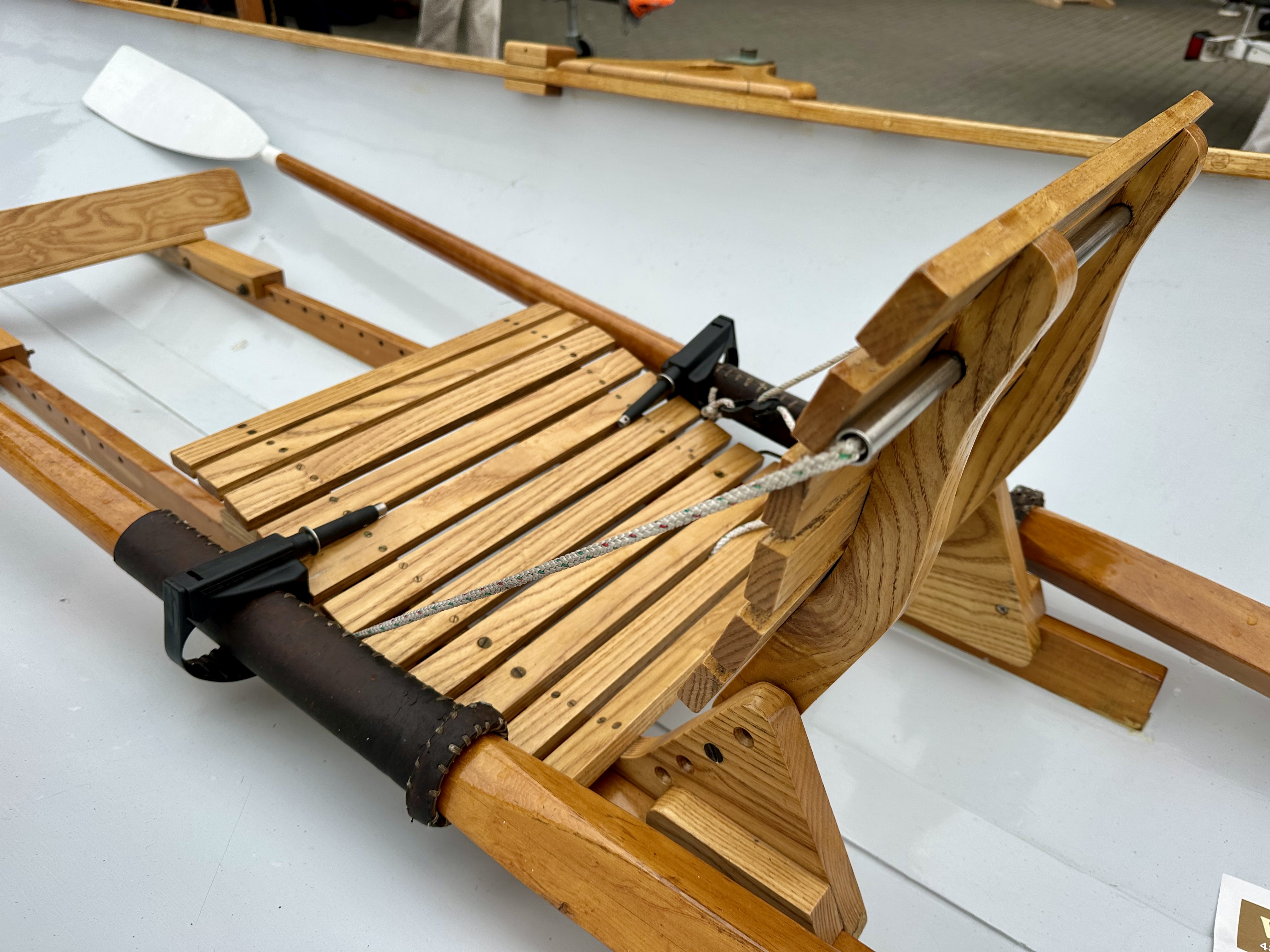
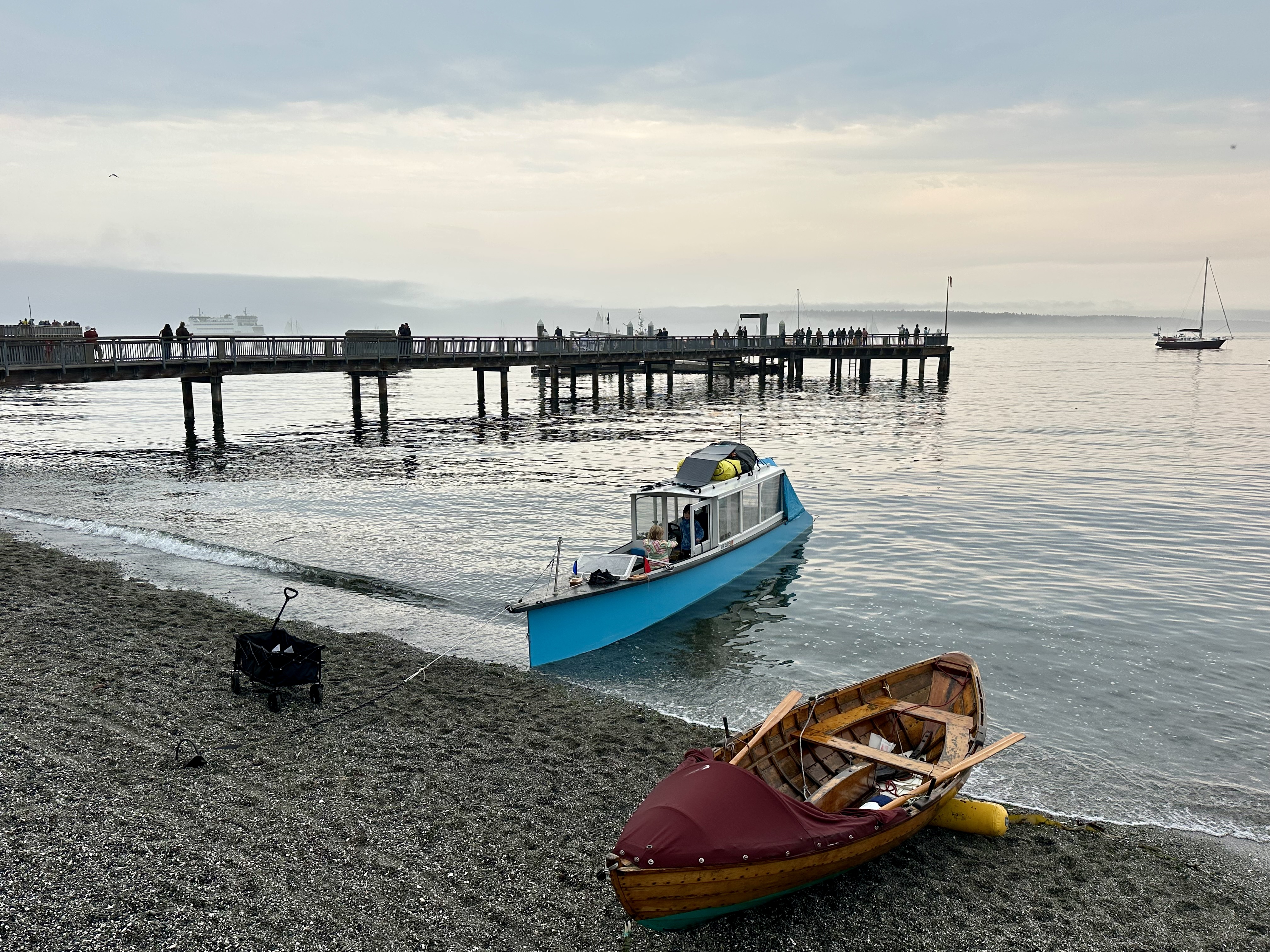
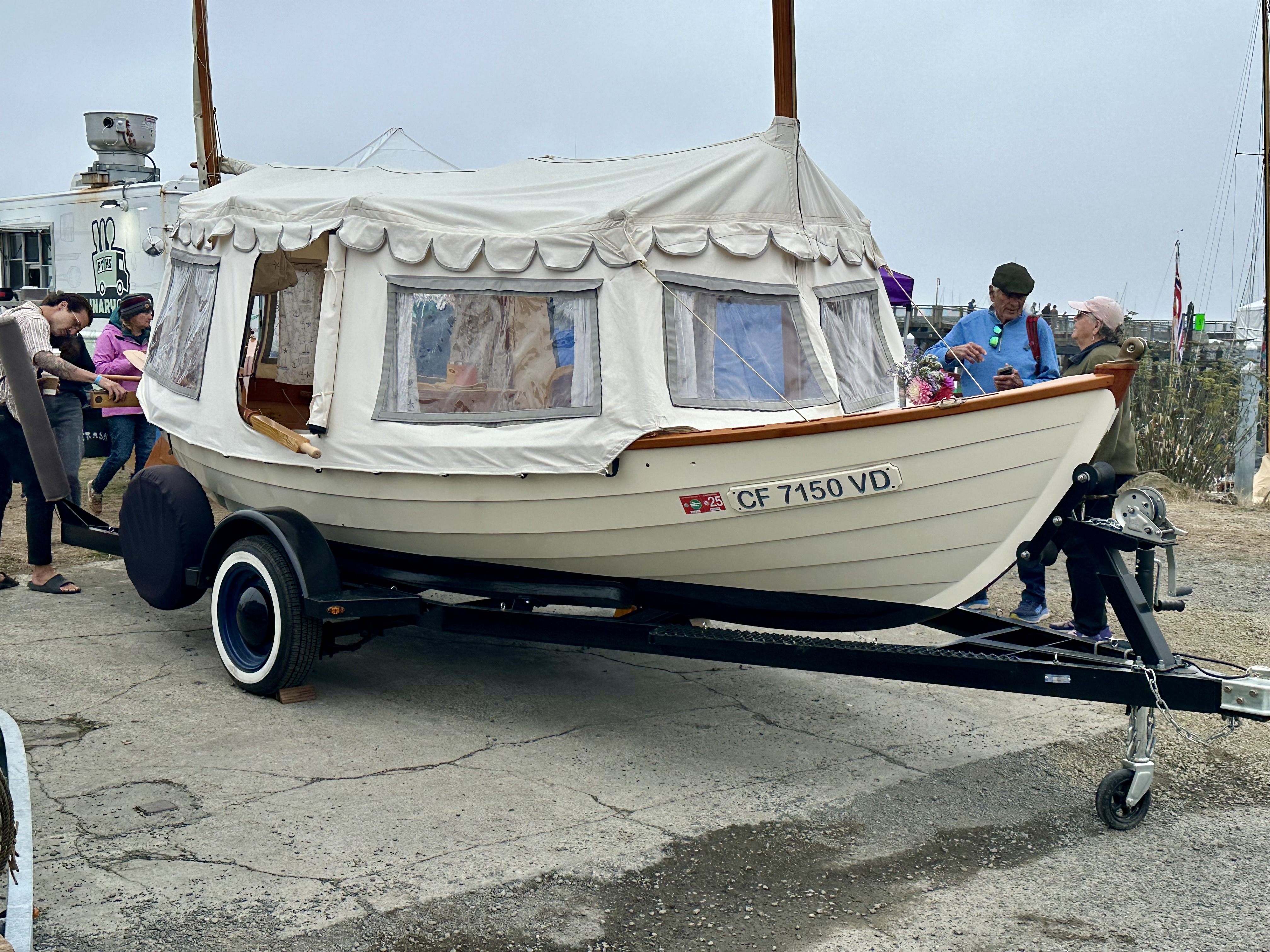
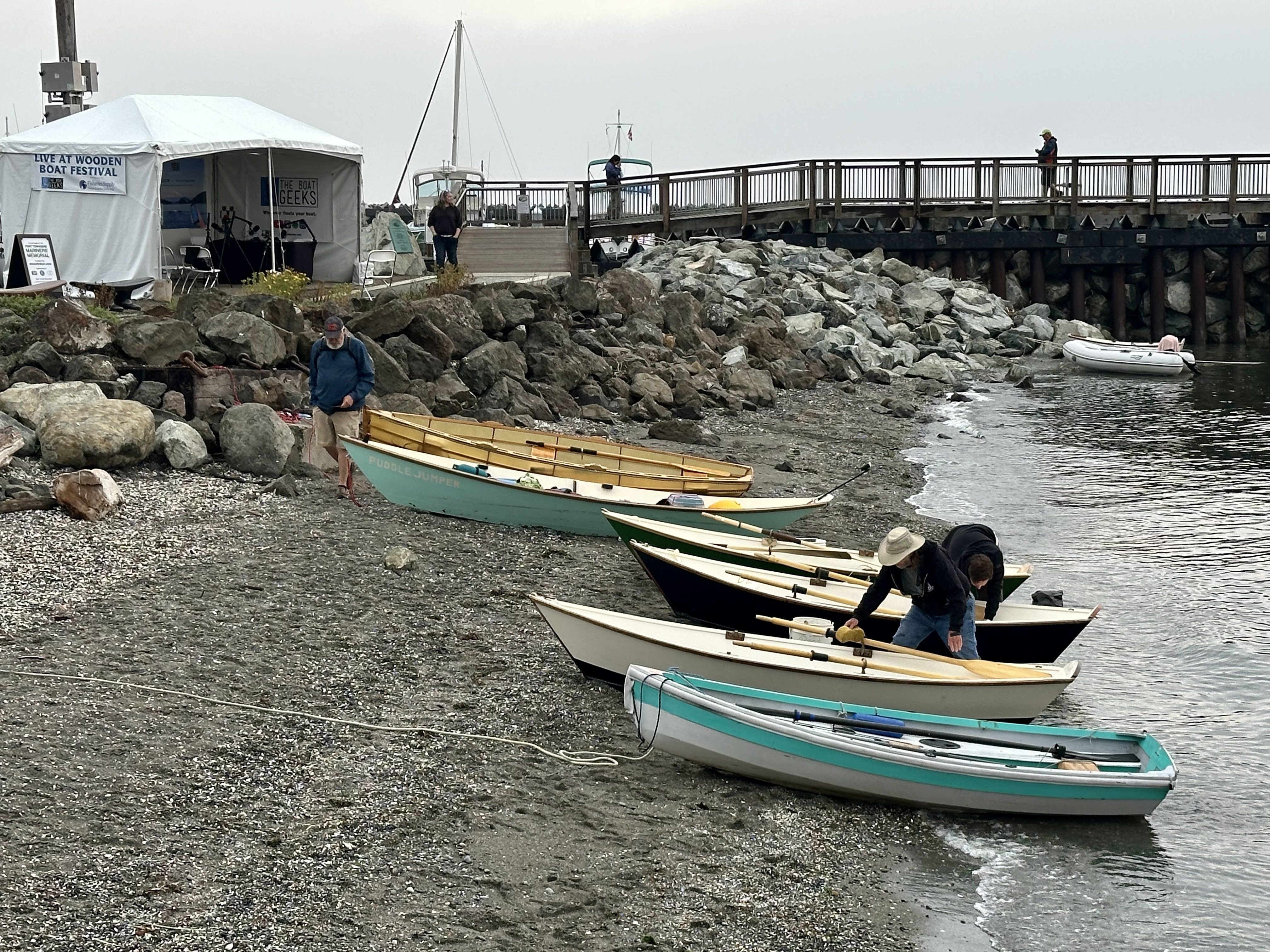
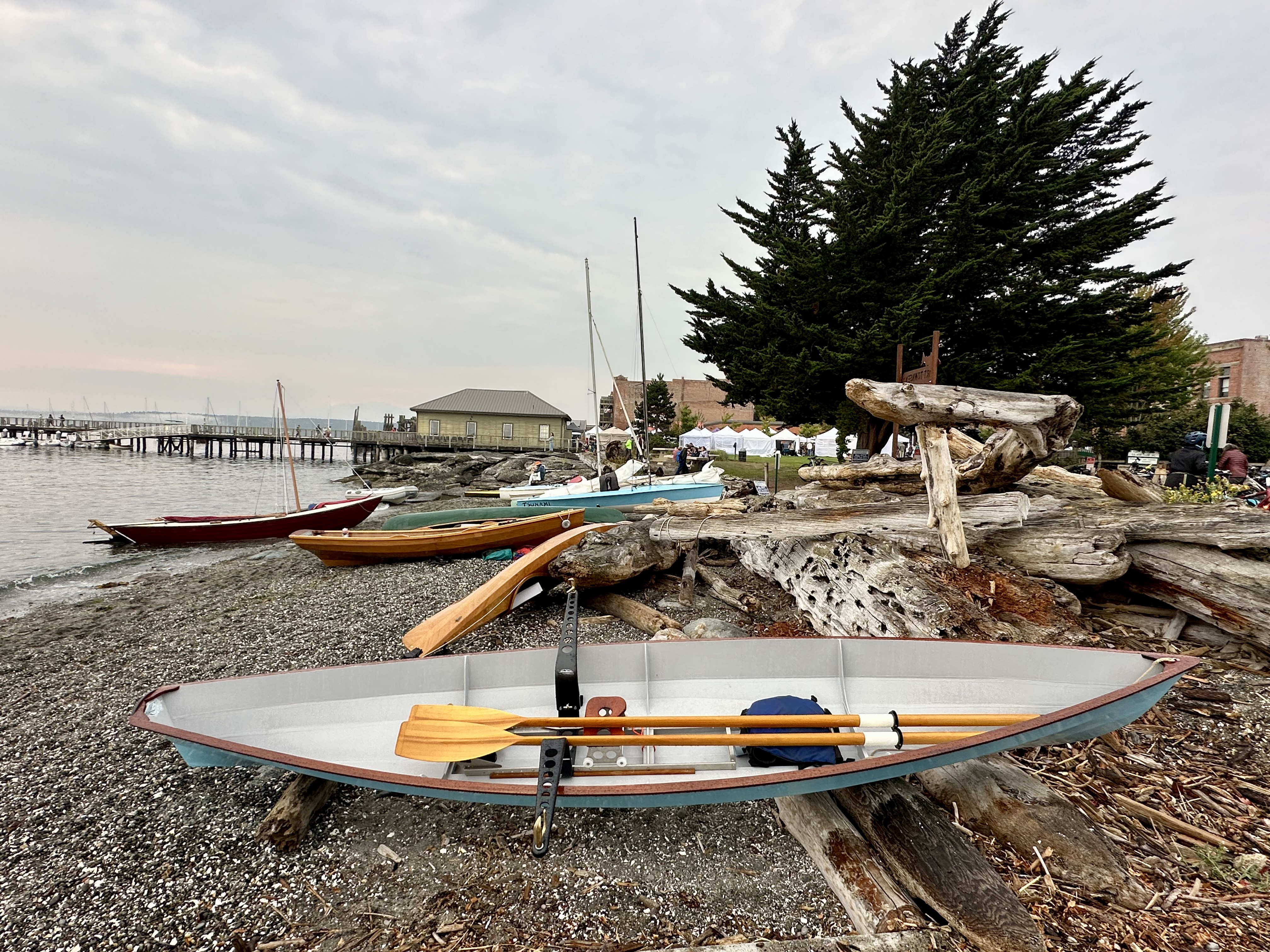
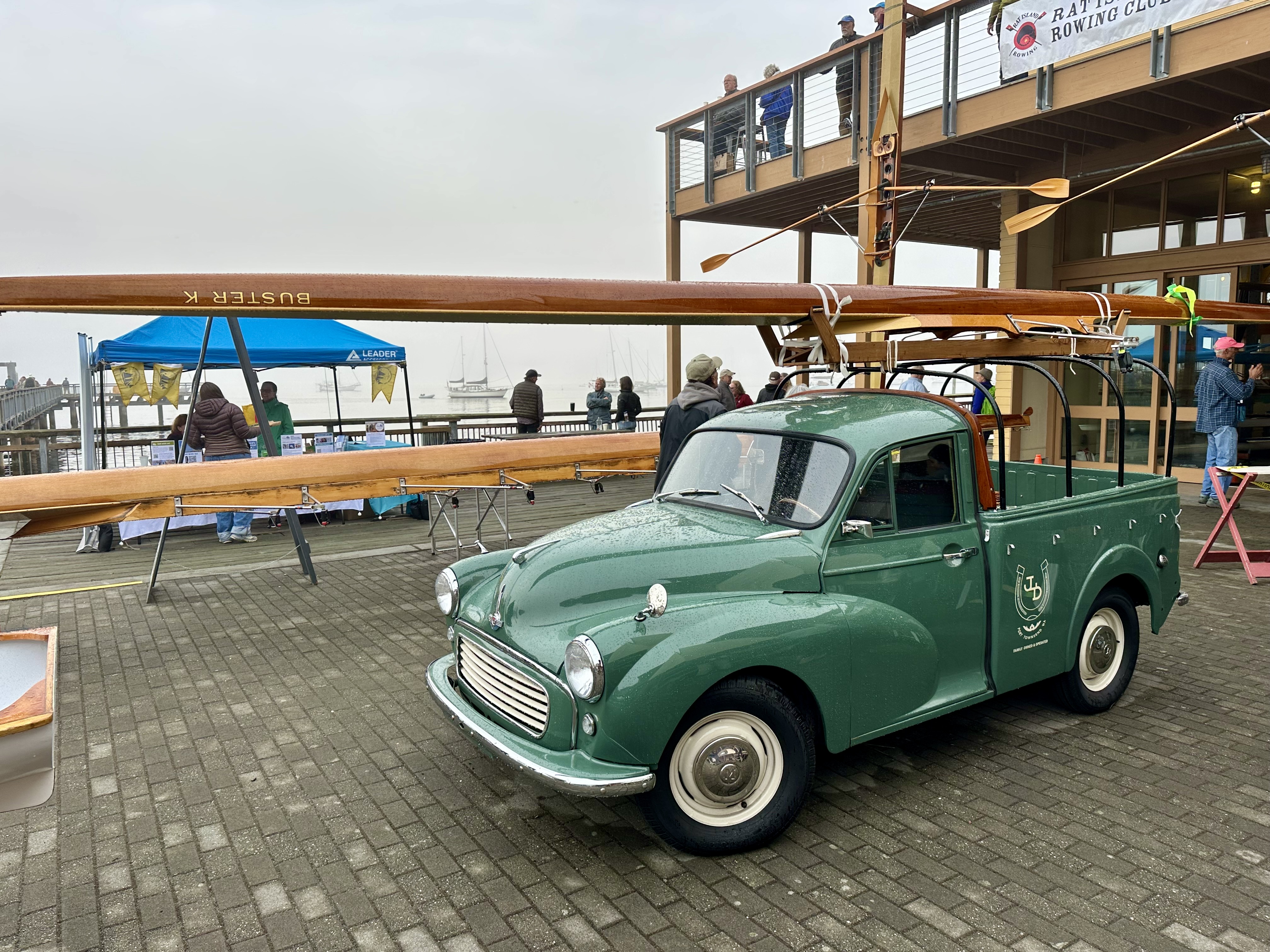
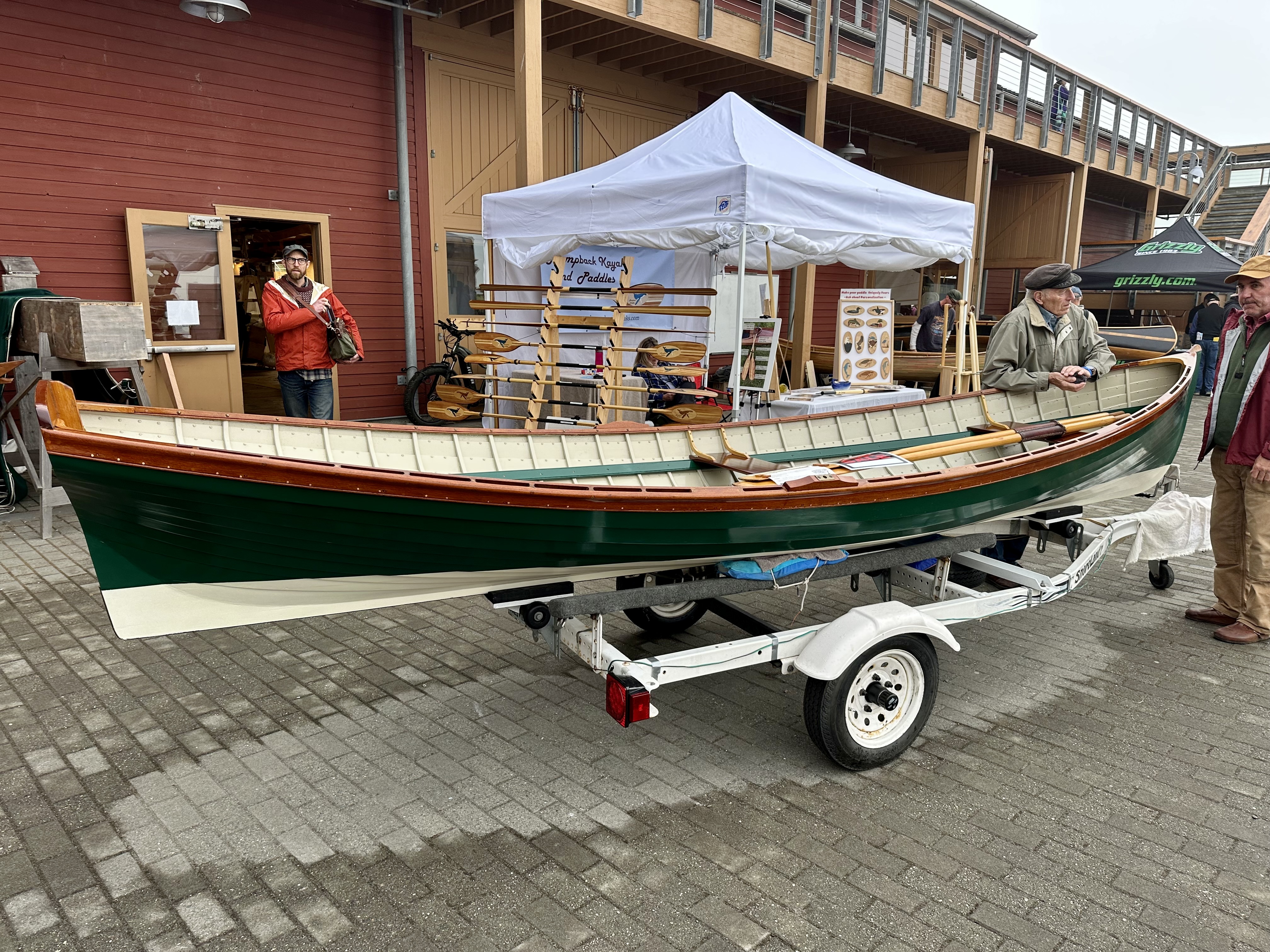
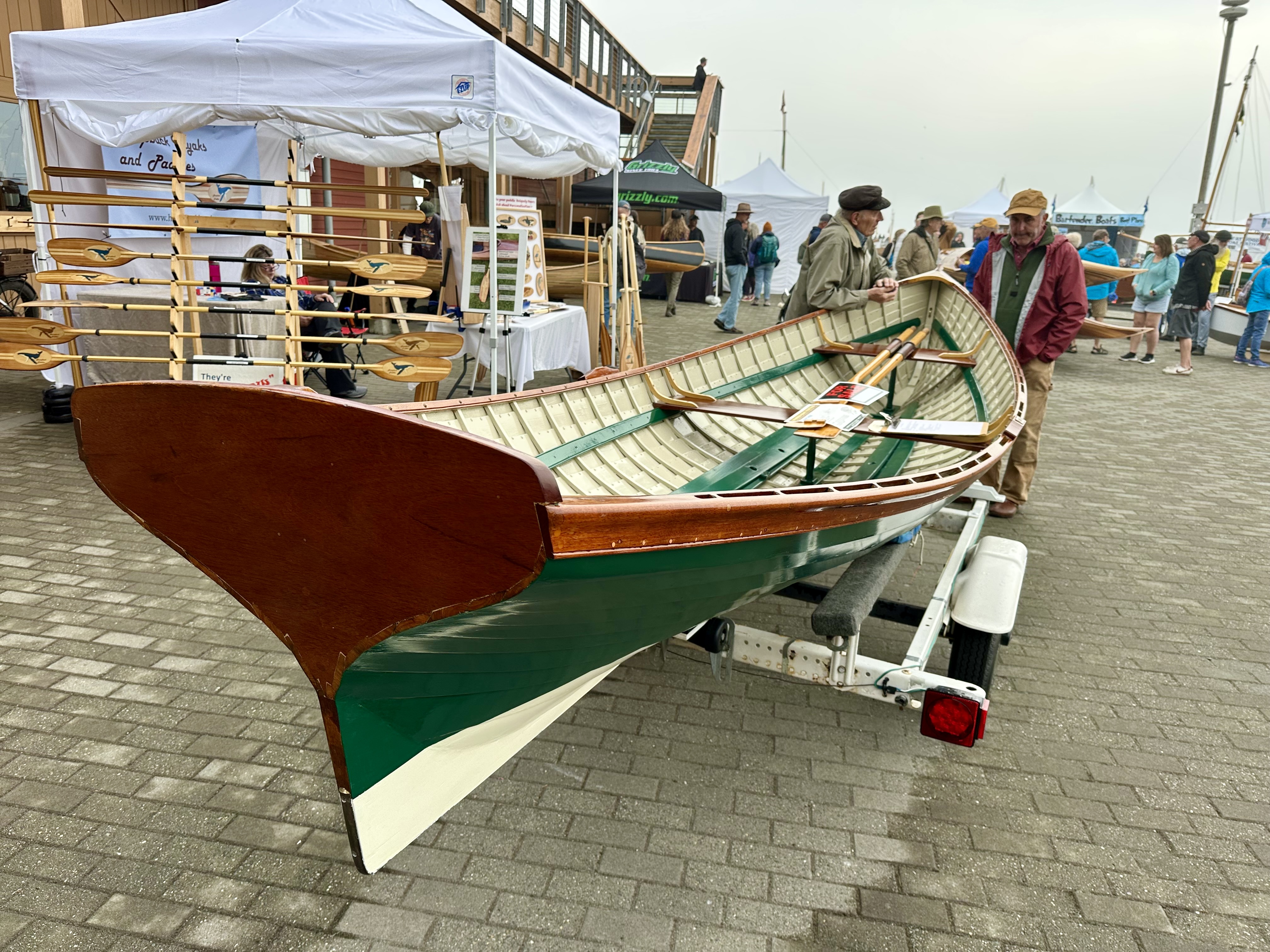
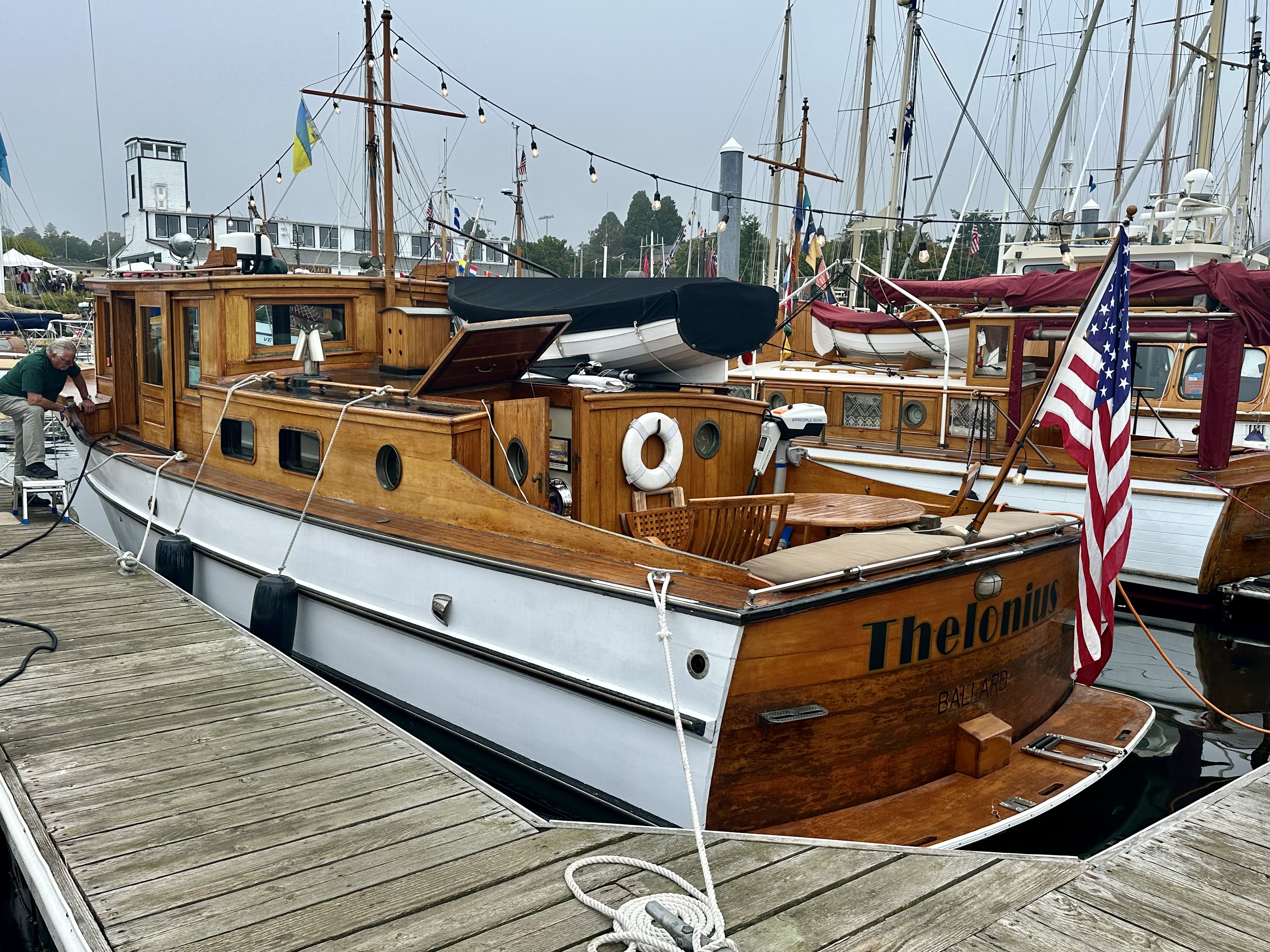
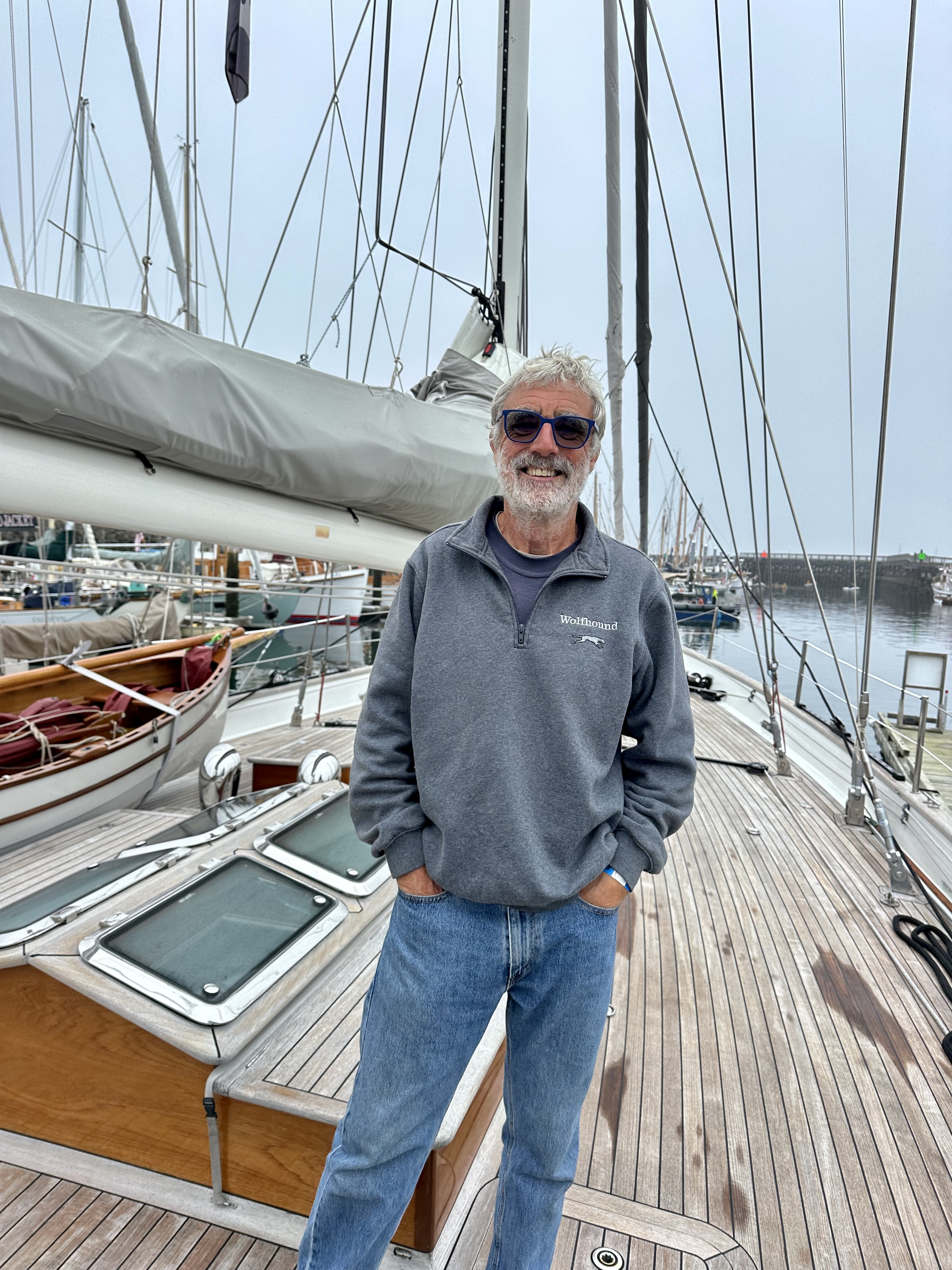
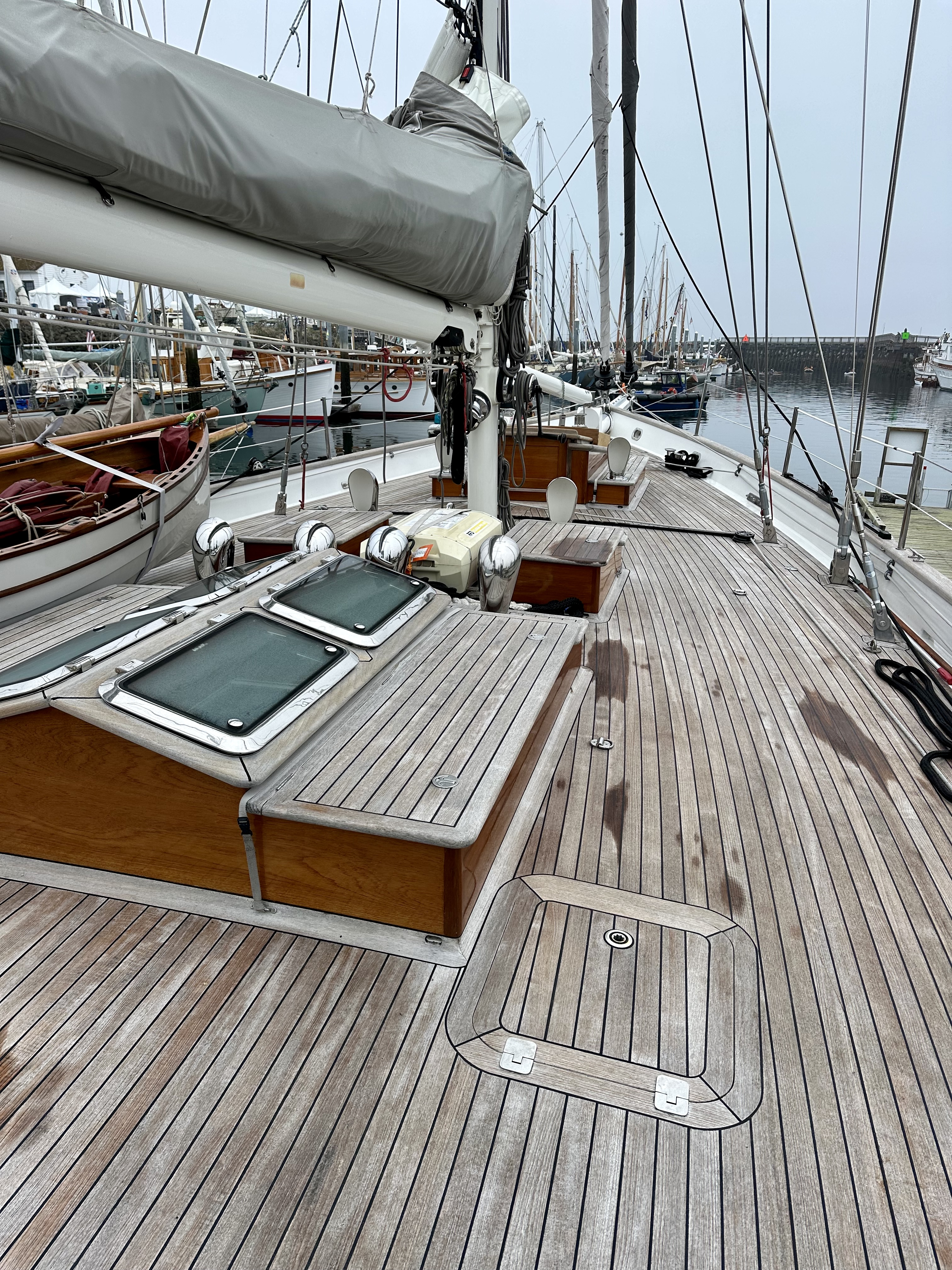
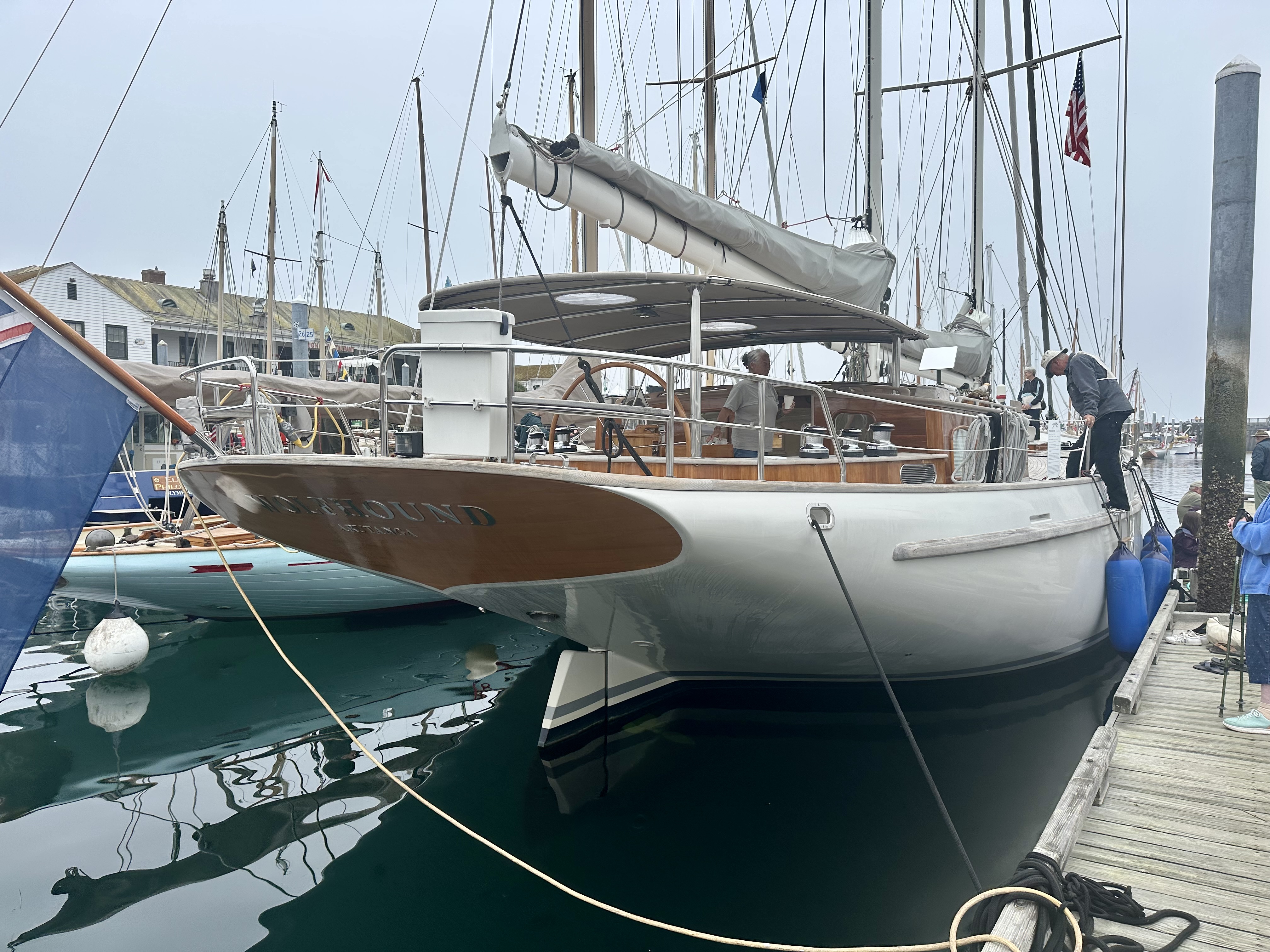
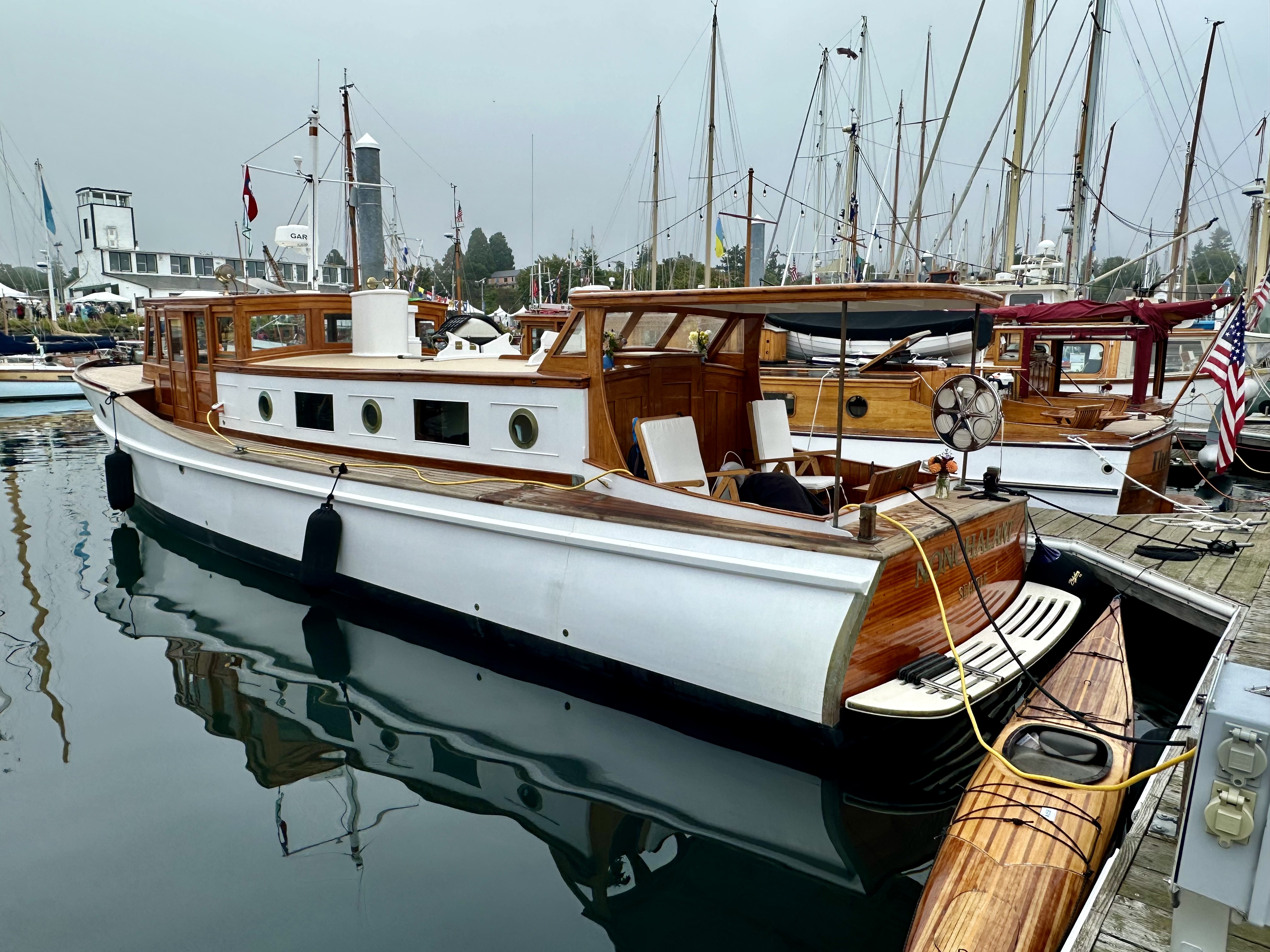
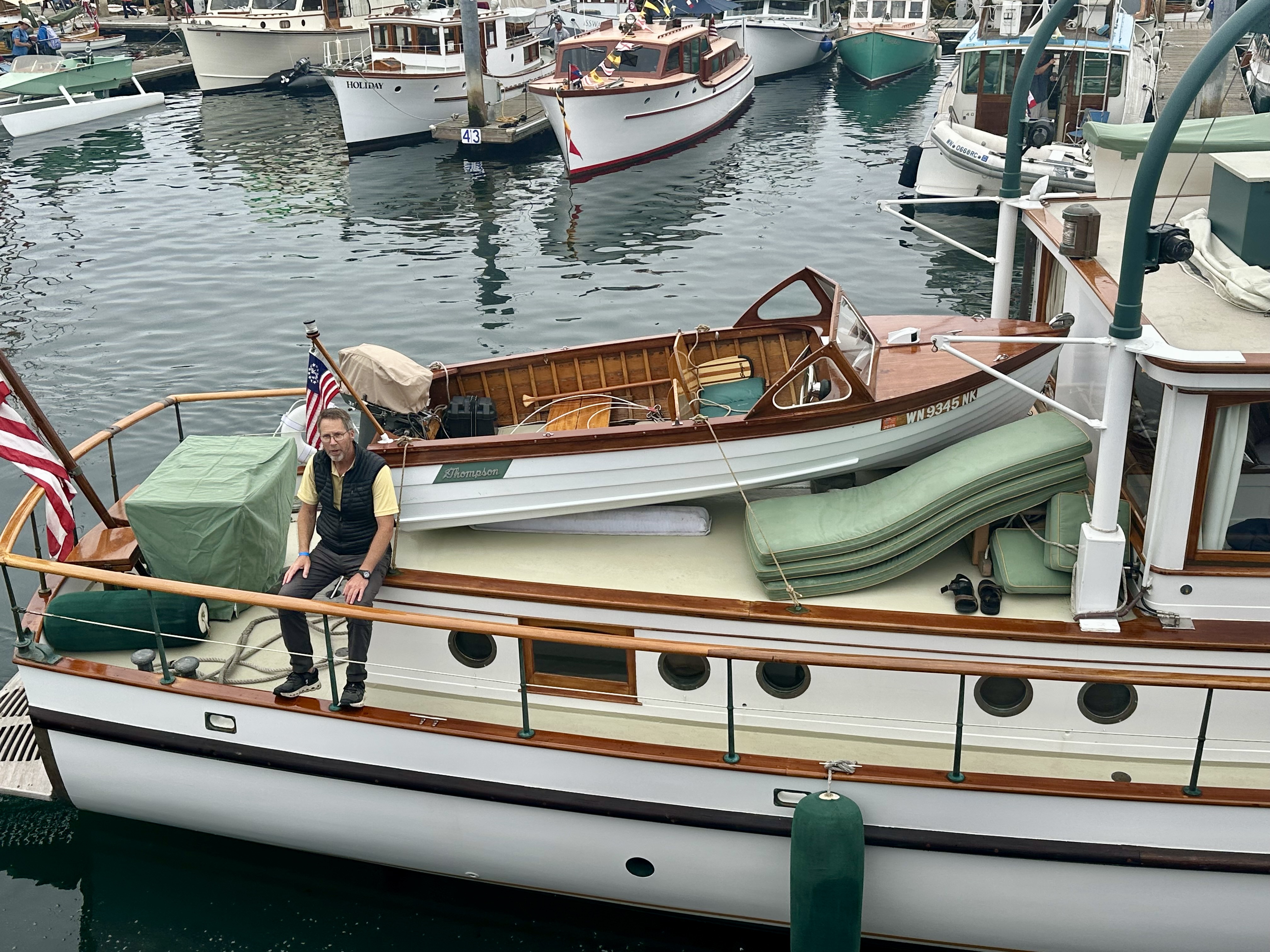
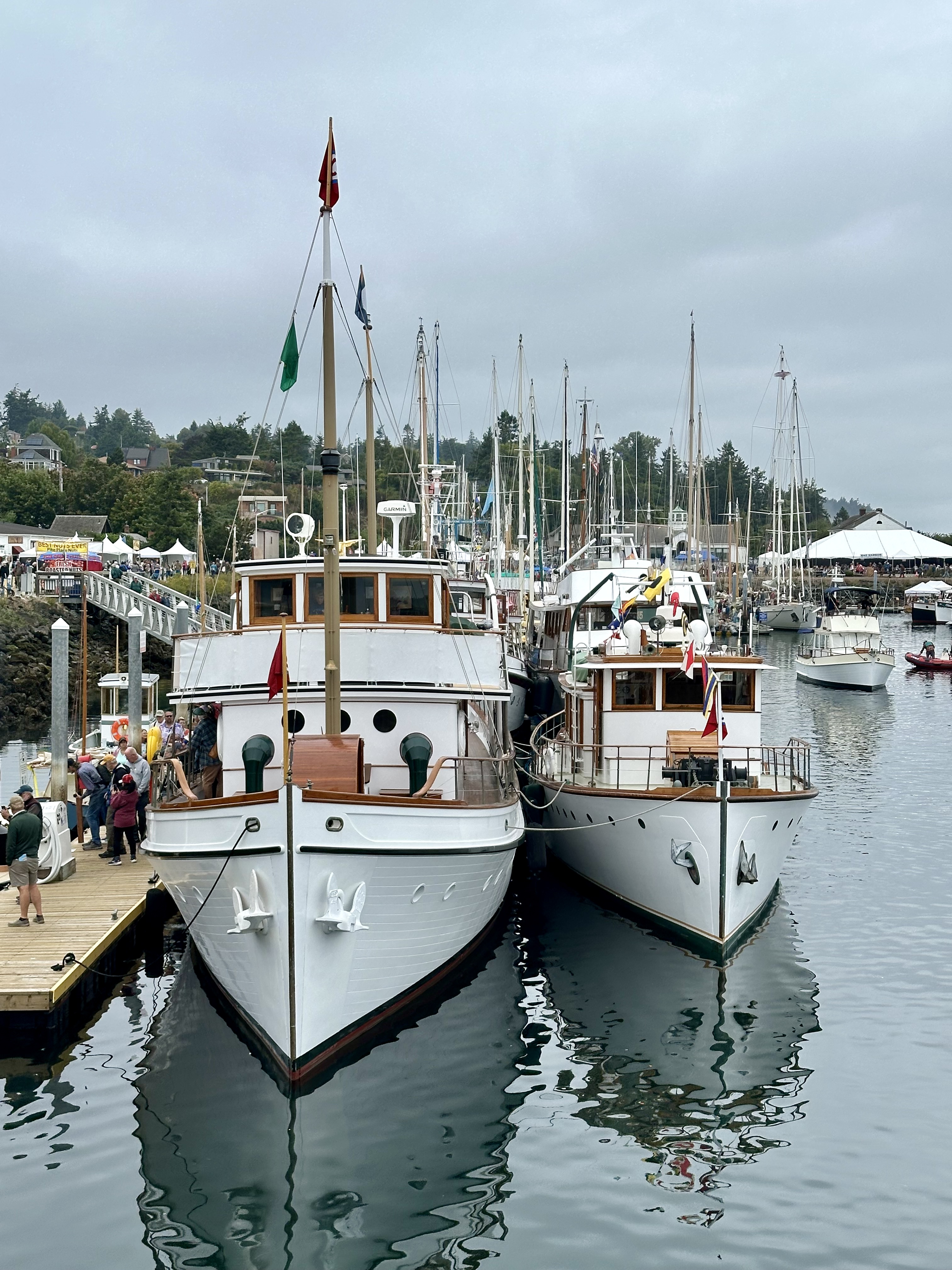
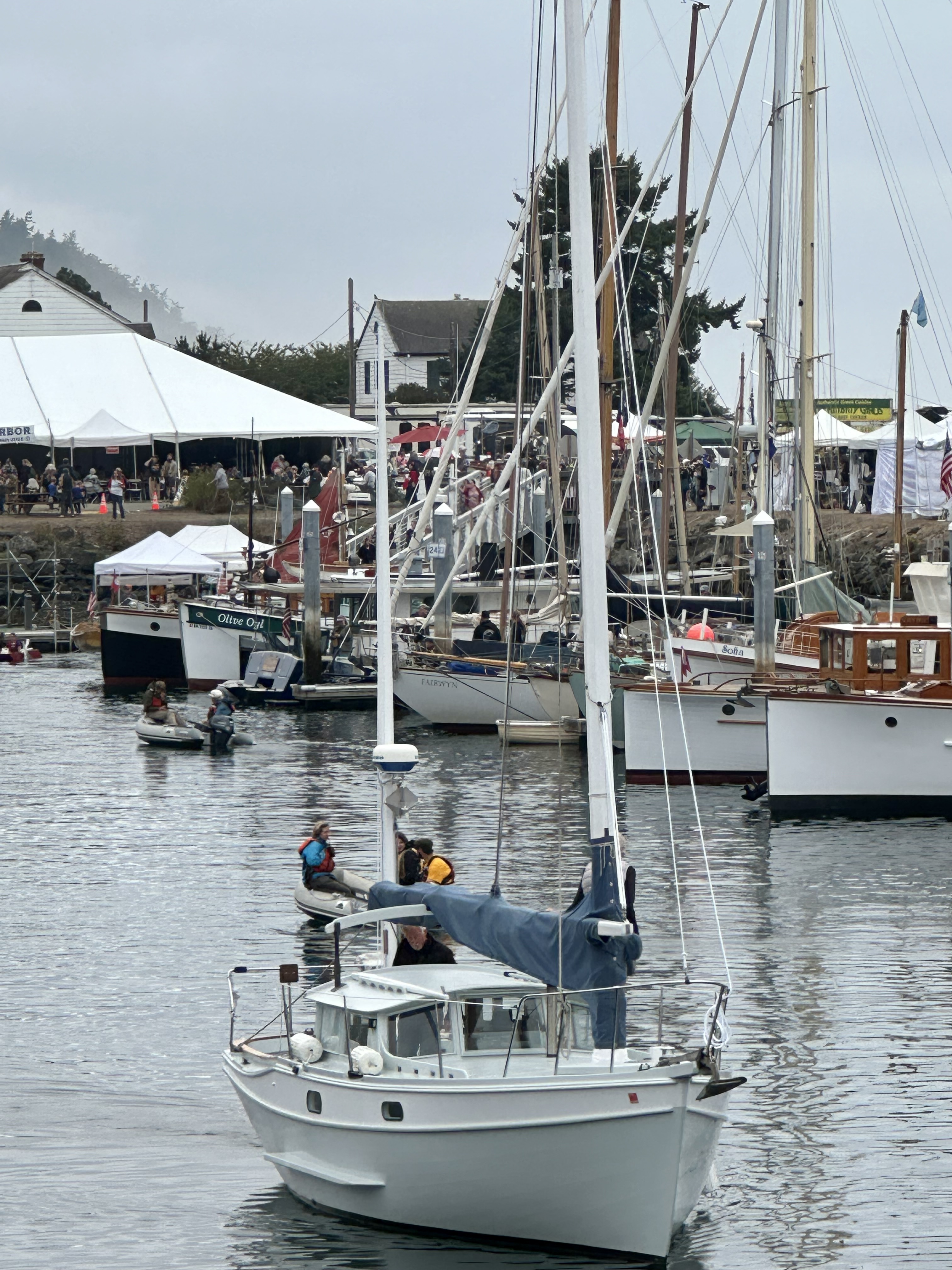
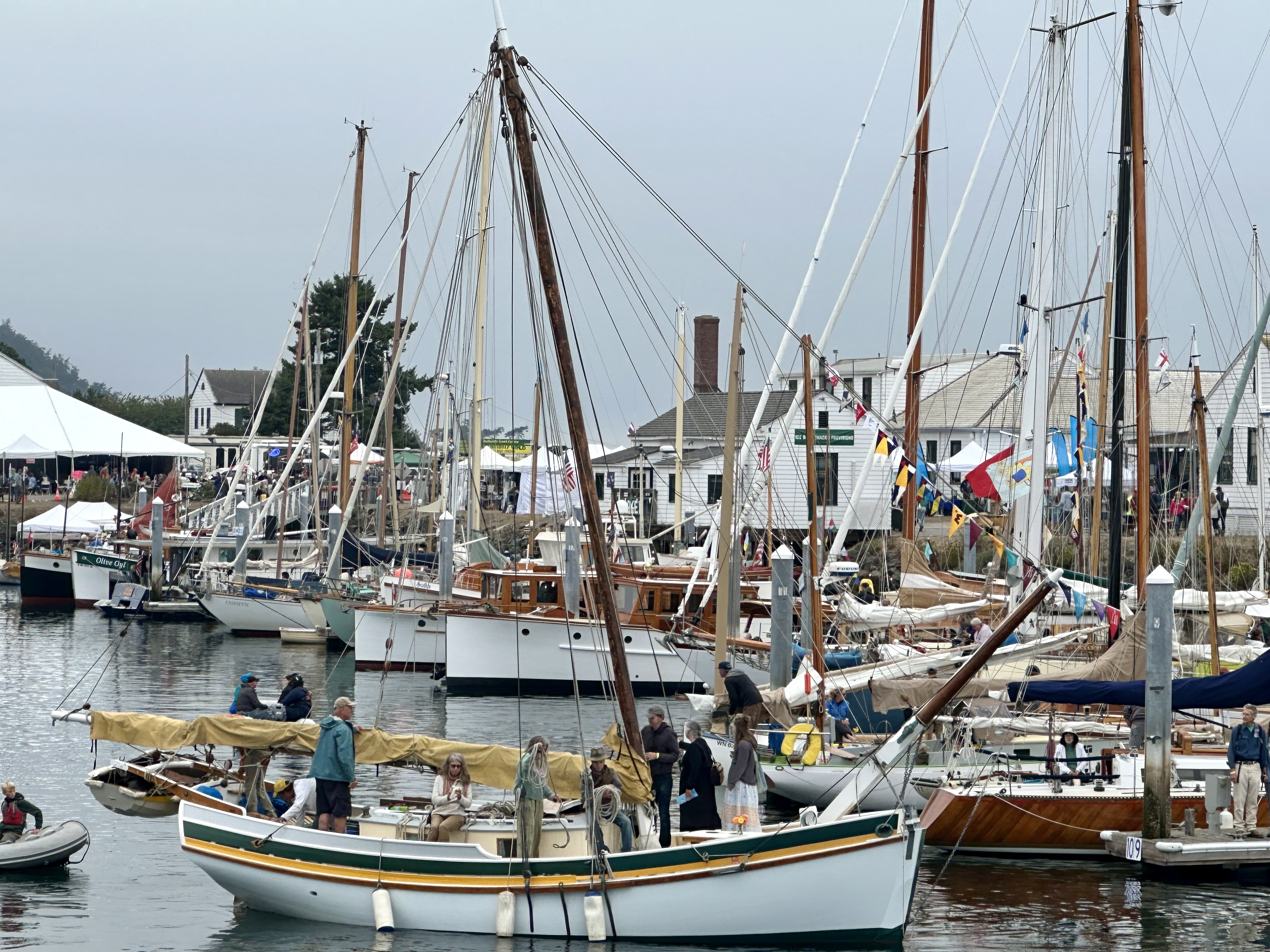
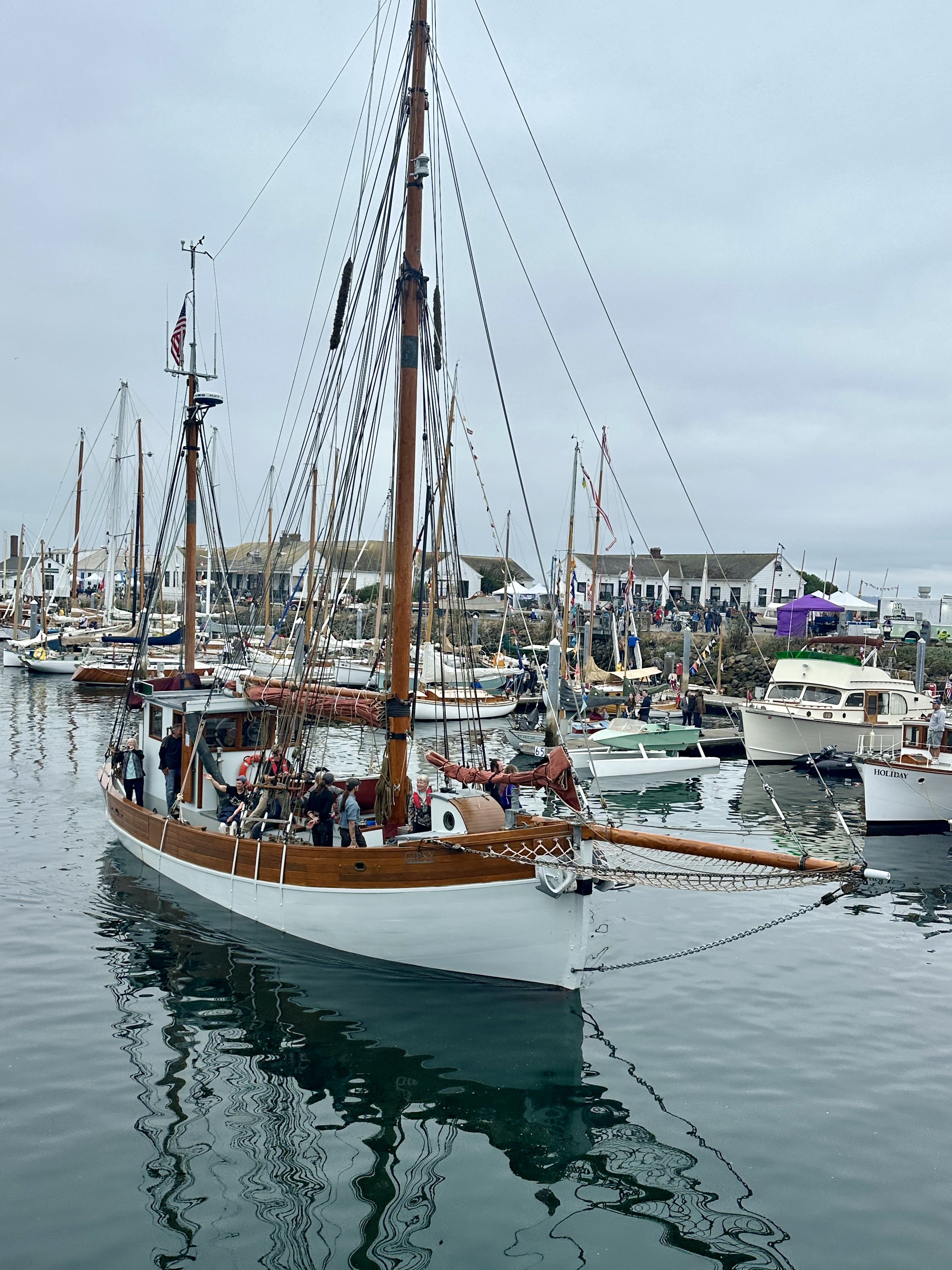
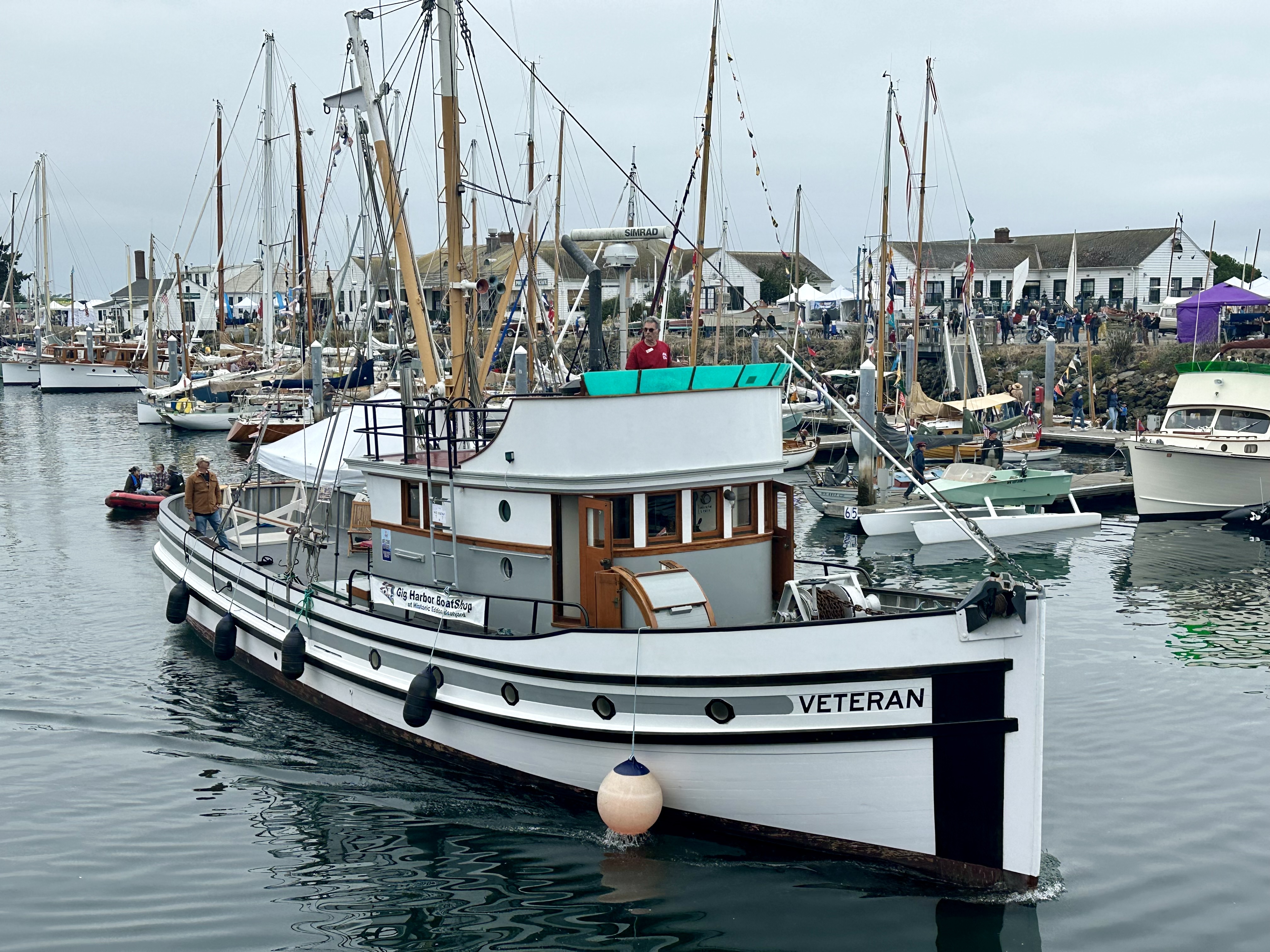
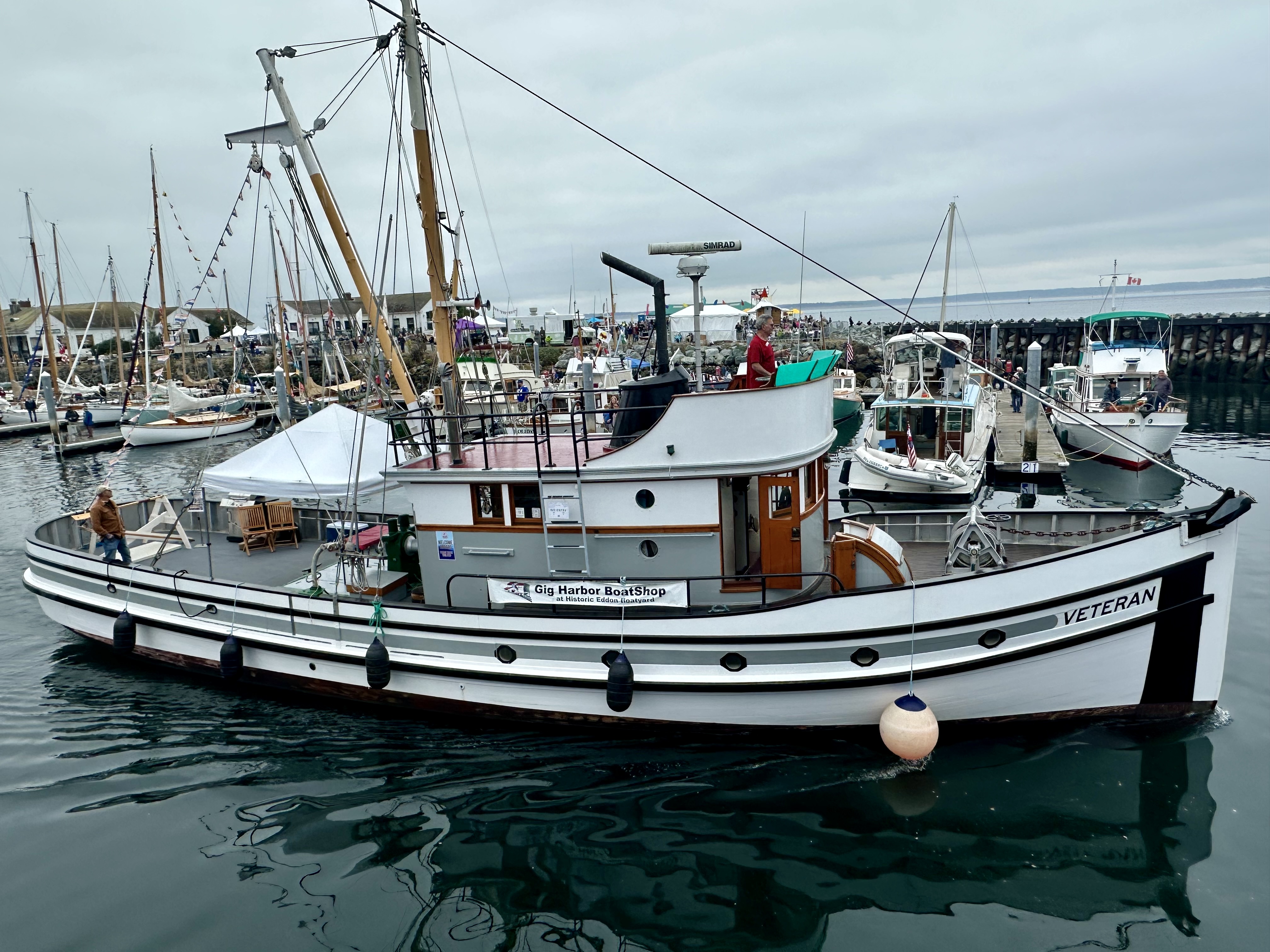
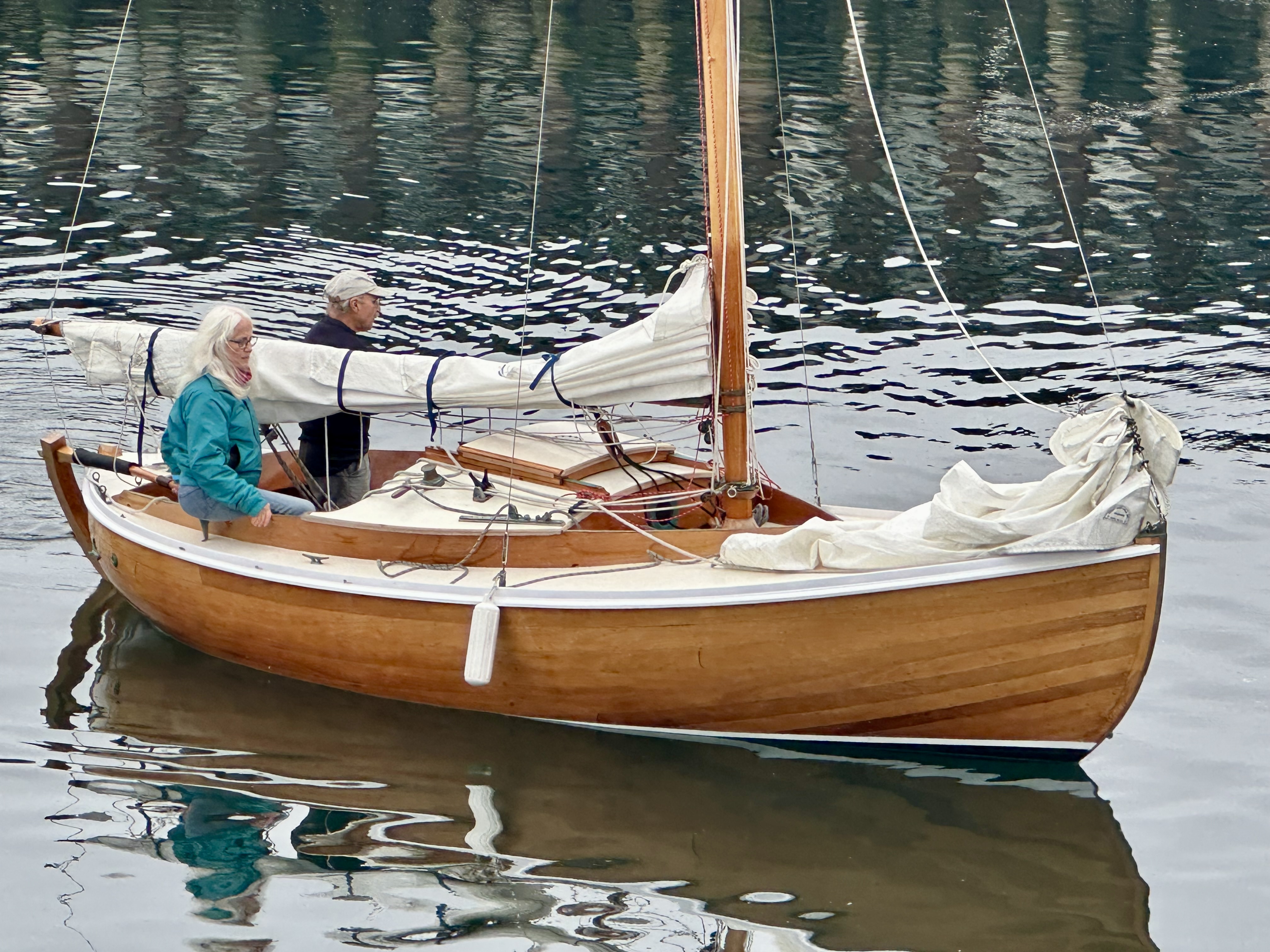
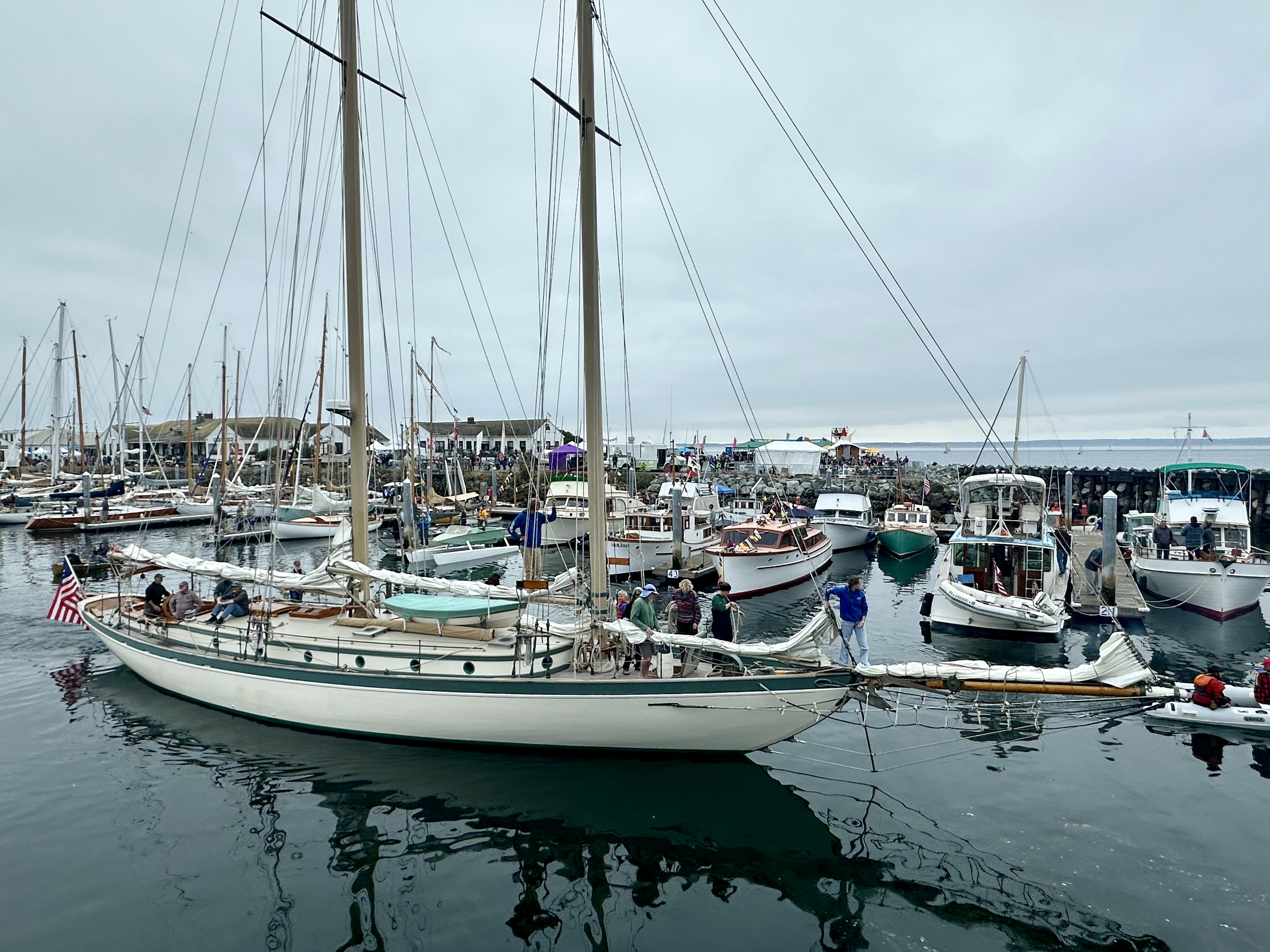
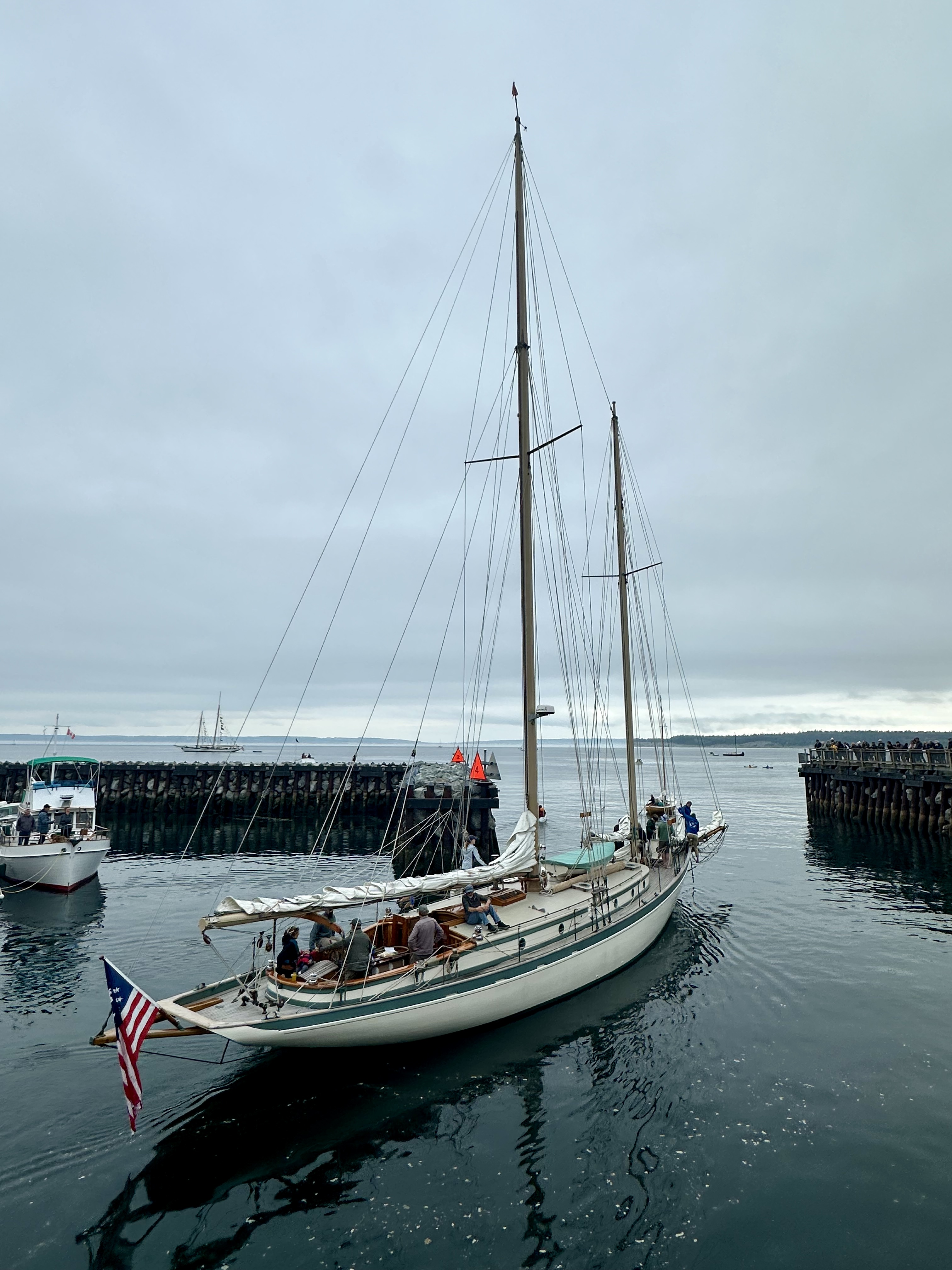
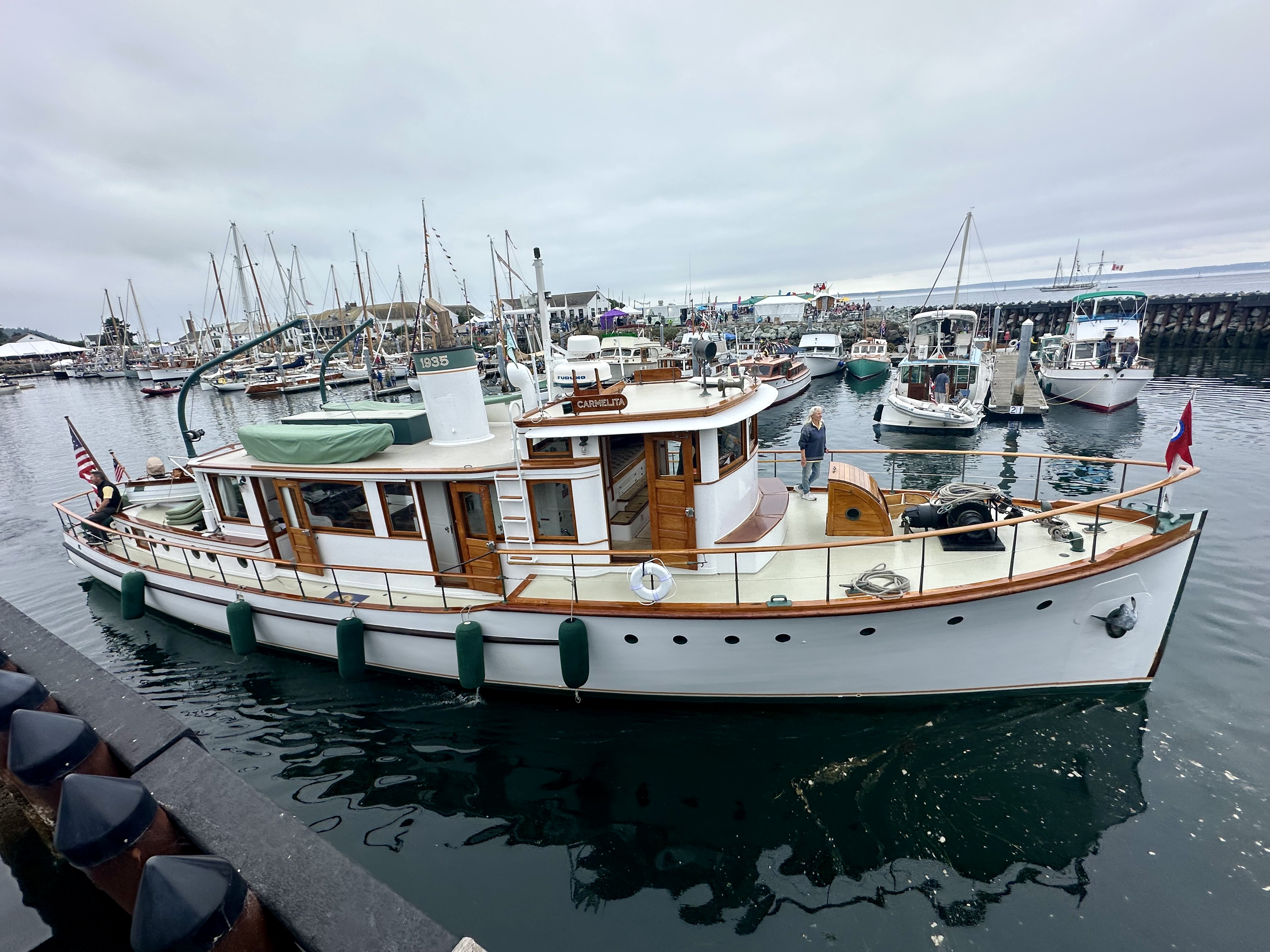
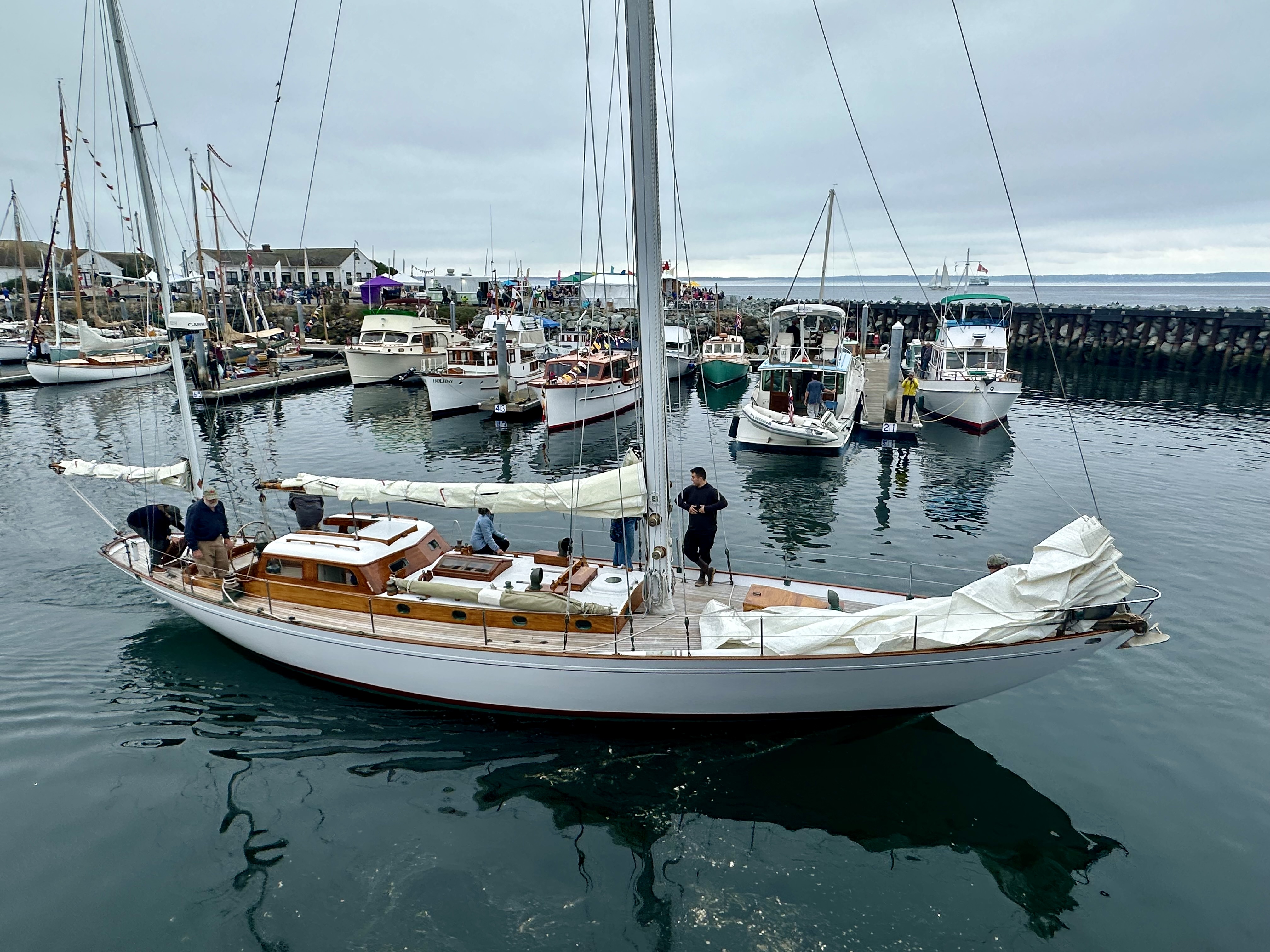
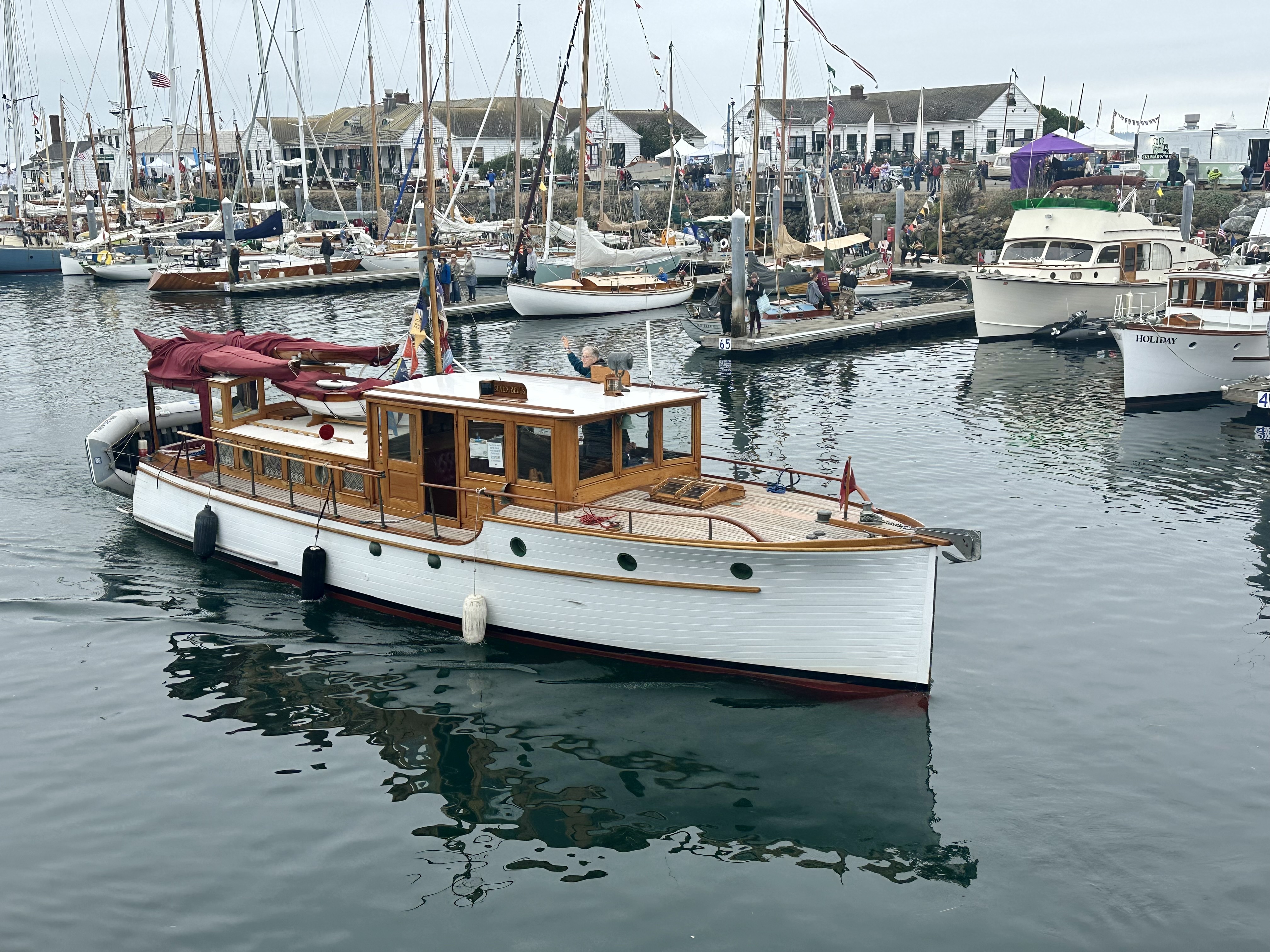
REFLECTIONS ON THE 2025 PORT TOWNSEND WOODEN BOAT FESTIVAL– 80+ Photos / Videos
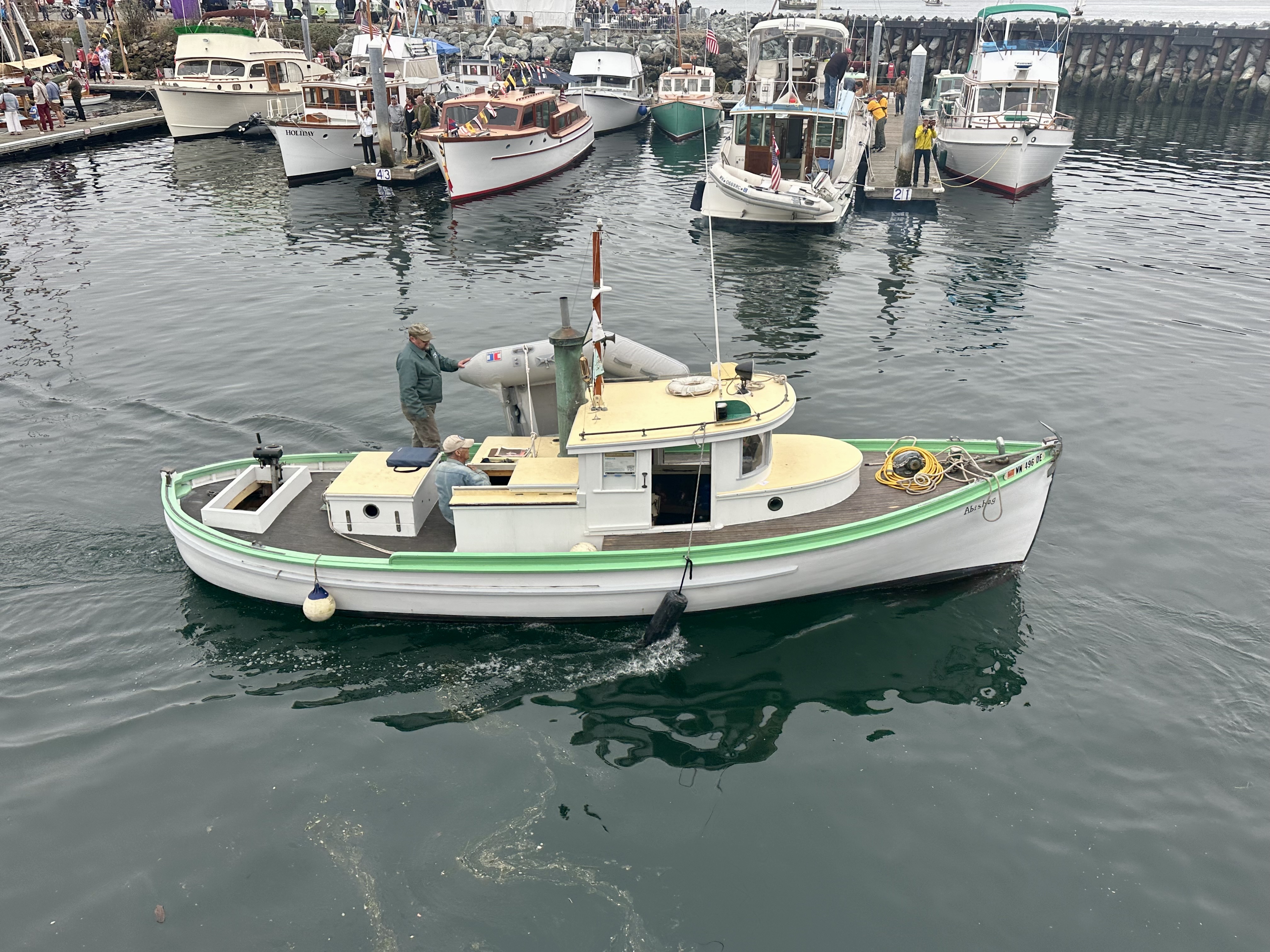
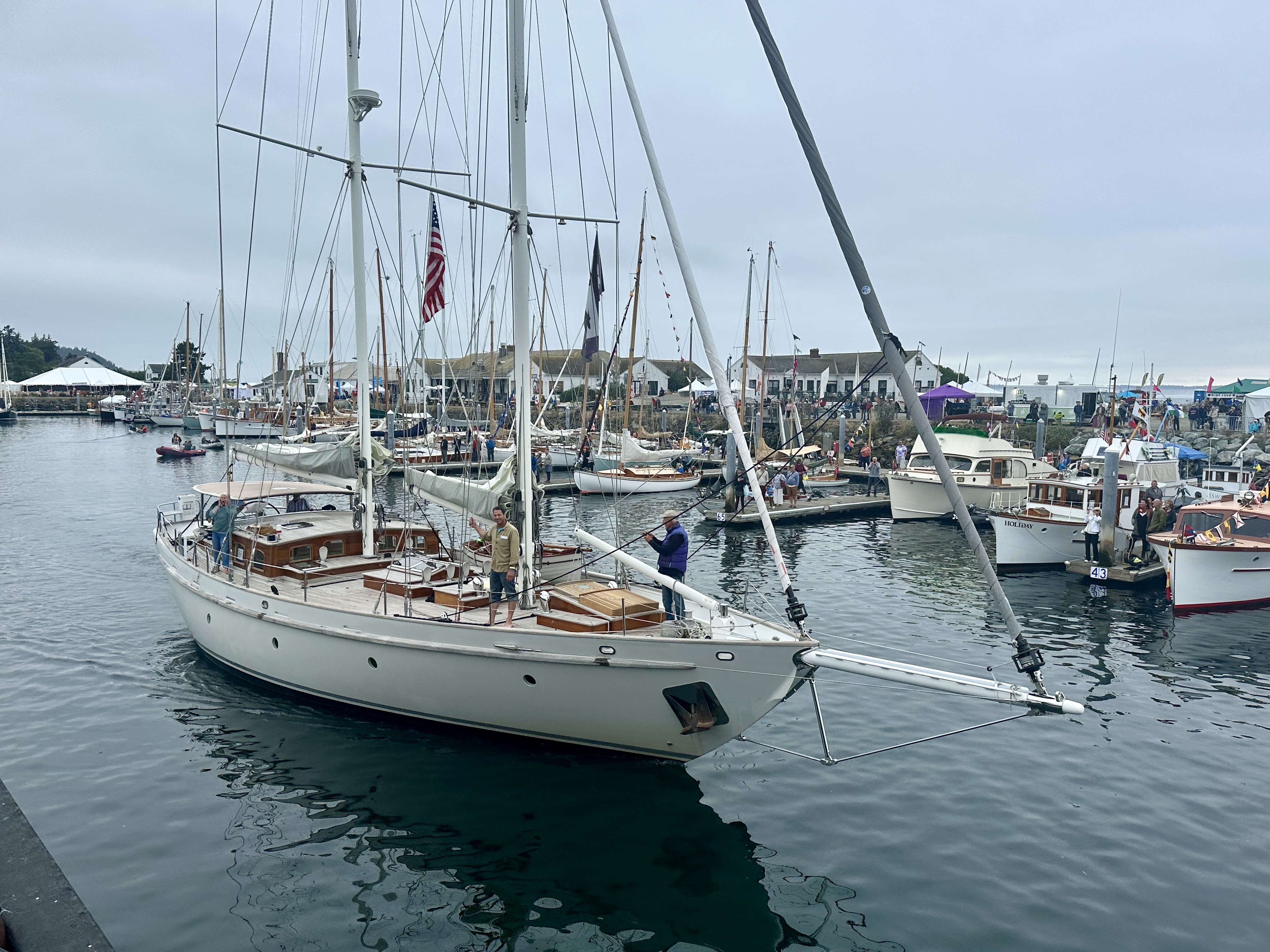
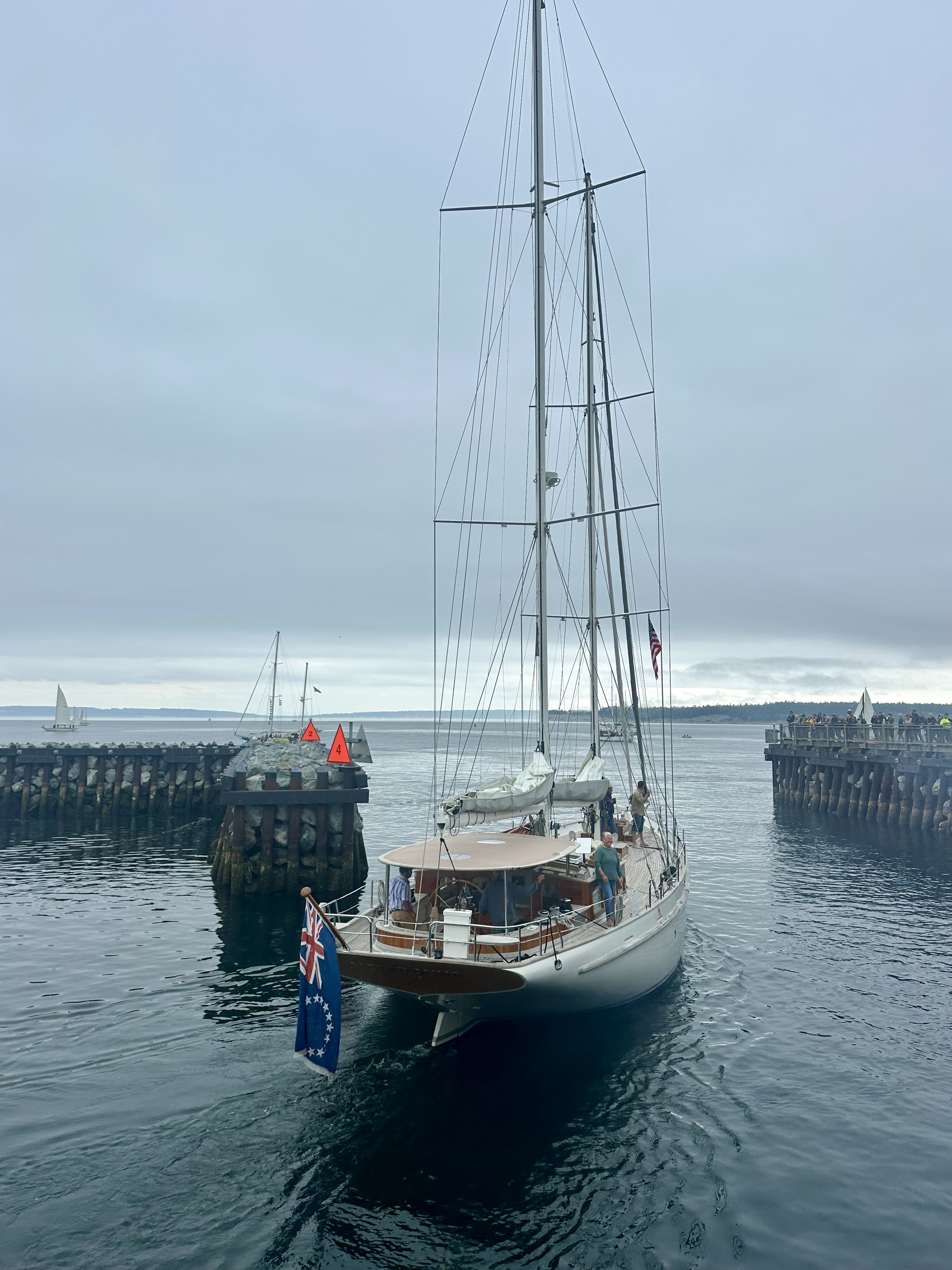
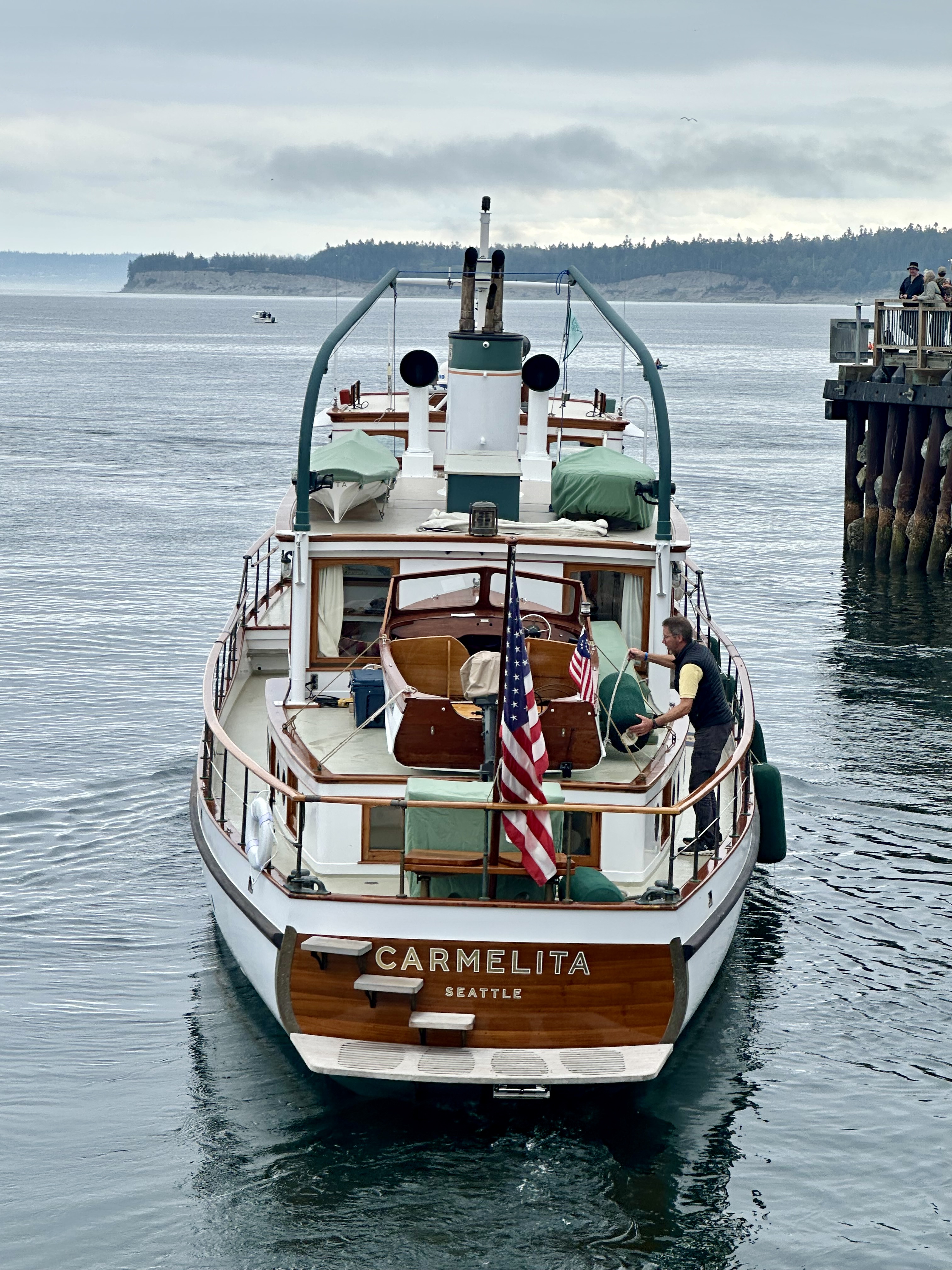
One of the bucket list classic wooden boating events is the annual Port Townsend Wooden Boat Festival. From all reports the 2025 event was outstanding. While its easy to go on-line and find a link to a professional overview, in my eye there is something special about viewing a festival attendees collection of boats – sure the light or camera angle isn’t alway perfect but you get a raw edge, which appeals.
Today thanks to kiwi John Oates we get to share what appealed to John’s eye.
One of the festival features that sets it apart from a lot of events is the ability to go aboard the boats and talk to the owners. There is something for everyone – food & drink, live music, kids activities, movie screening and lots of opportunities to get on the water.
One of this years ket themes was tagged – ‘A Gathering of Maritime Legends: Celebrating Shipwrights’. The festival brought together shipwrights from some of the world’s most iconic maritime institutions—craftspeople who keep the art of wooden boatbuilding alive with skill, heart, and tradition.Via a mix of talks, presentations and hands on gatherings where the public were able to rub up against the legends.
Enjoy the gallery – I did. As always click on photos to enlarge ;-
Ps John has promised another photo report featuring more classic sail boats ✔️
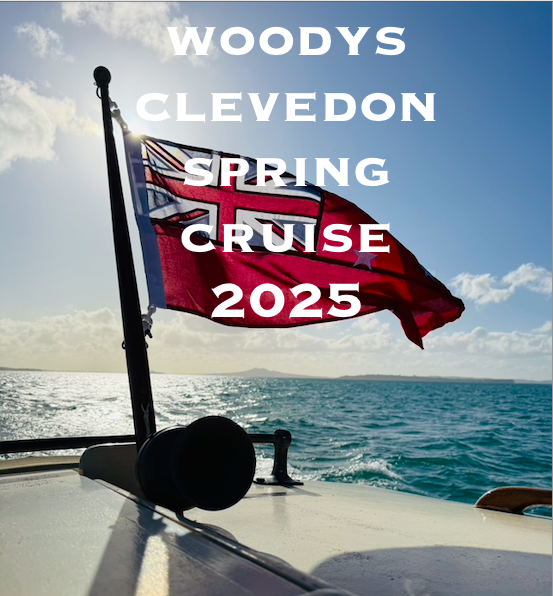
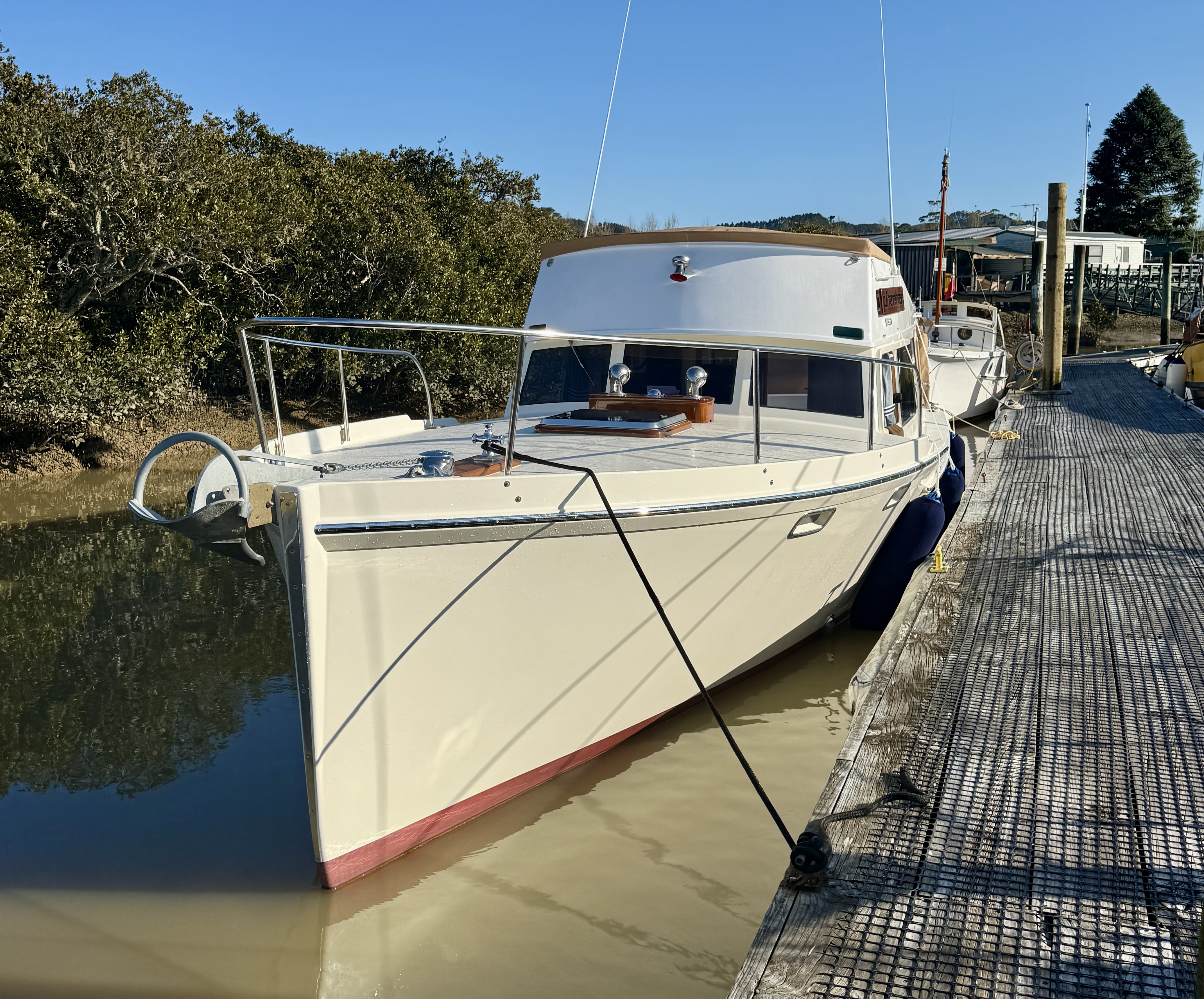
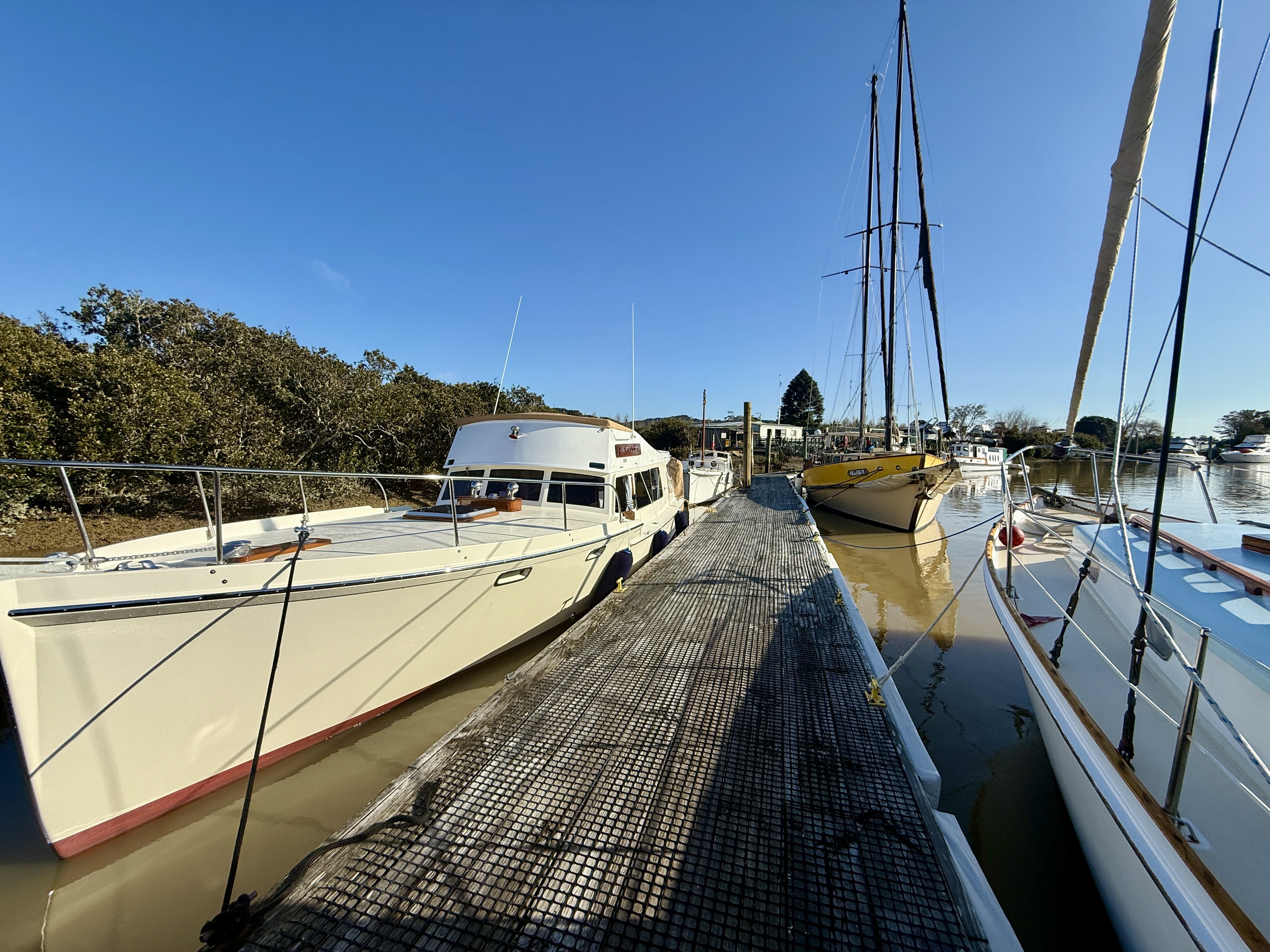
CLASSIC WOODEN BOAT CLEVEDON SPRING CRUISE HIGHLIGHTS
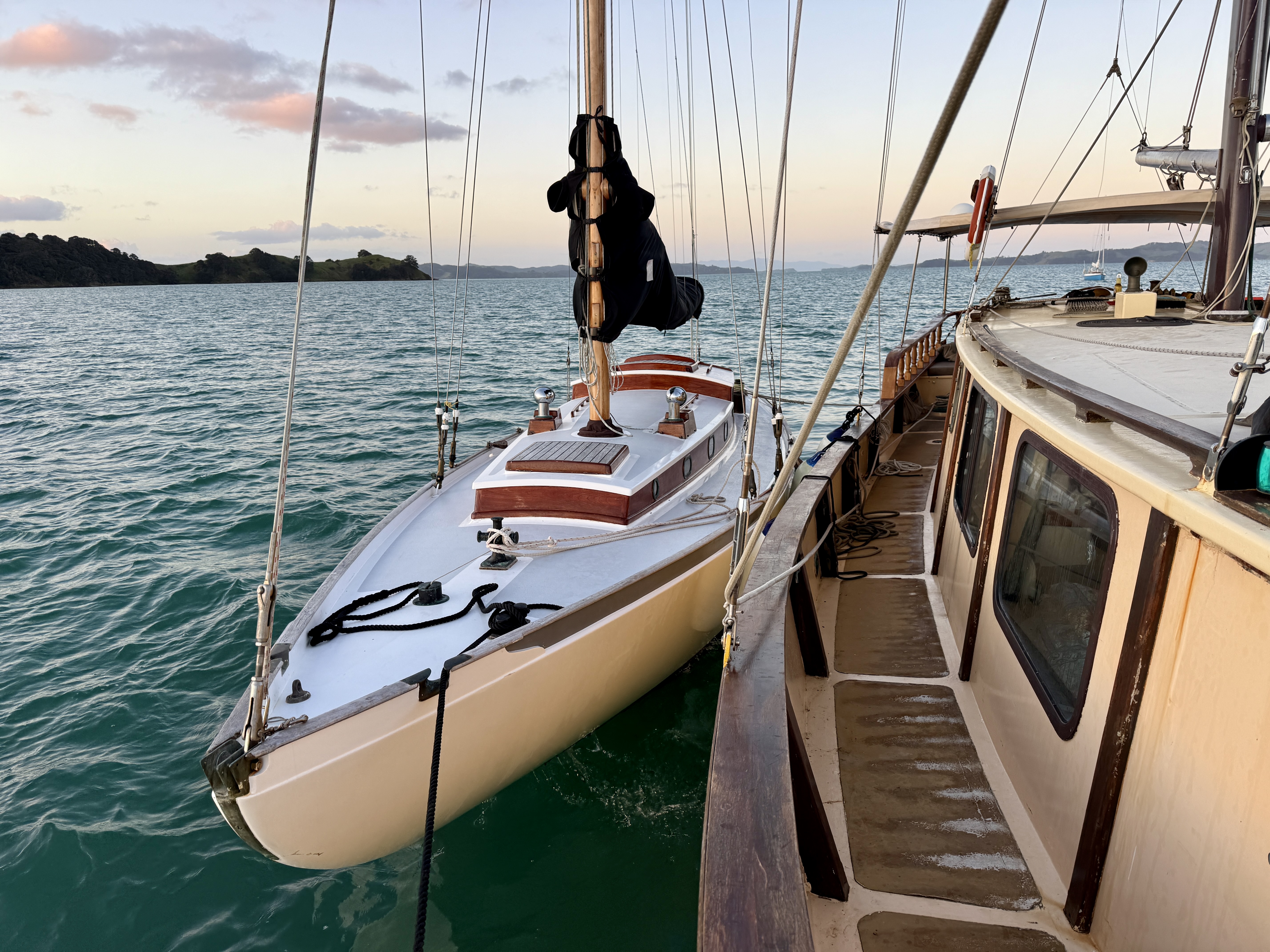
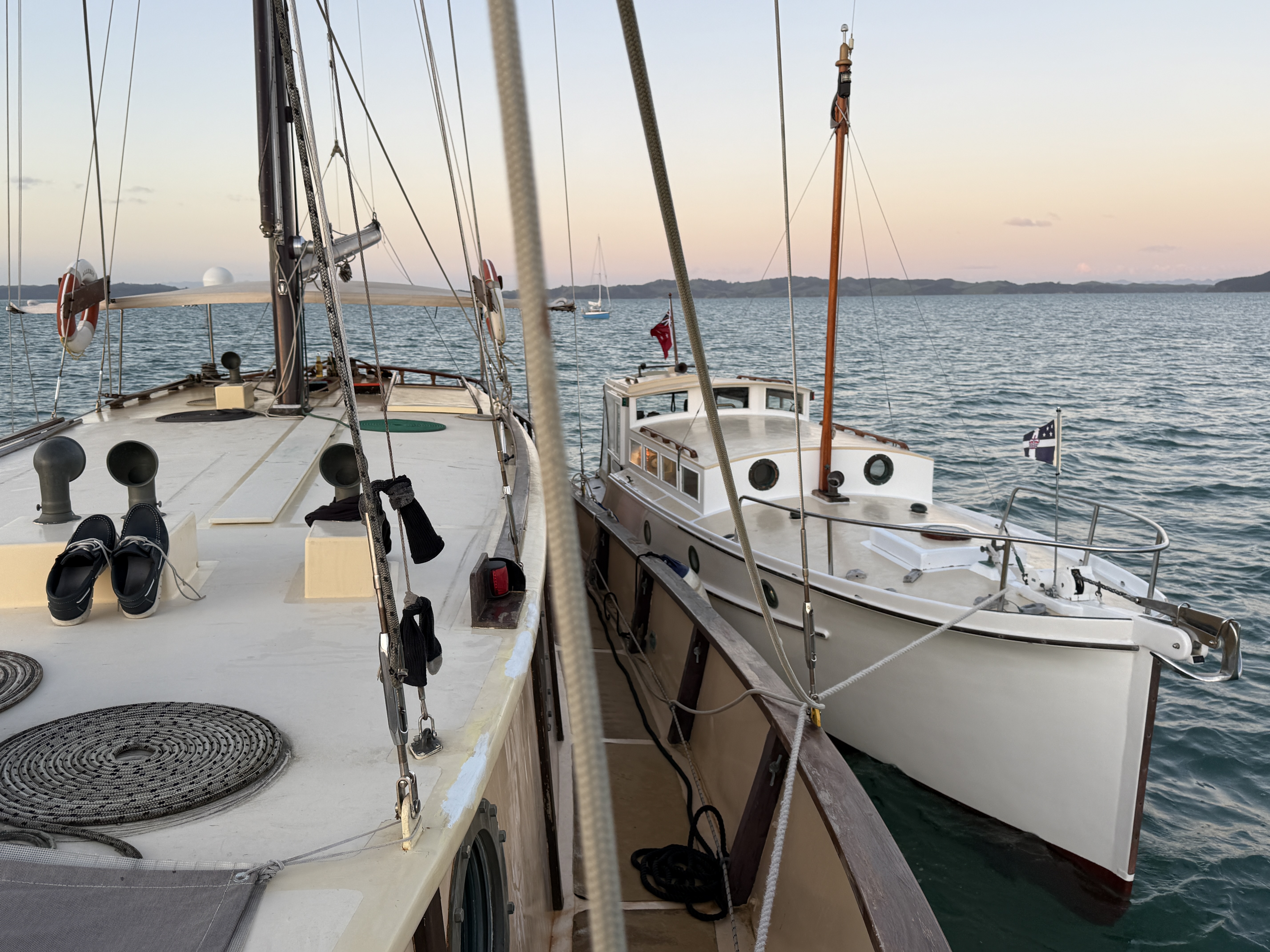
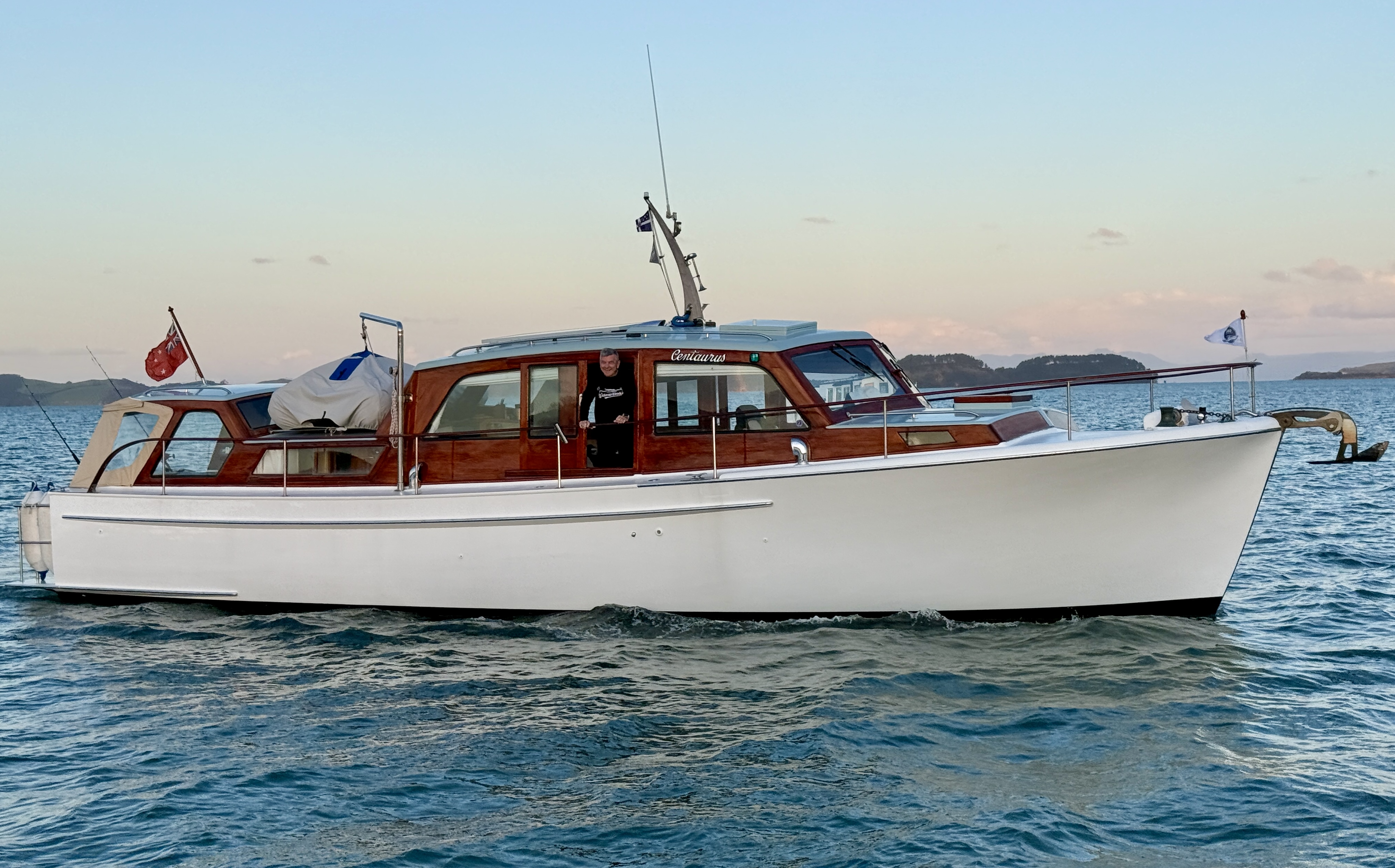
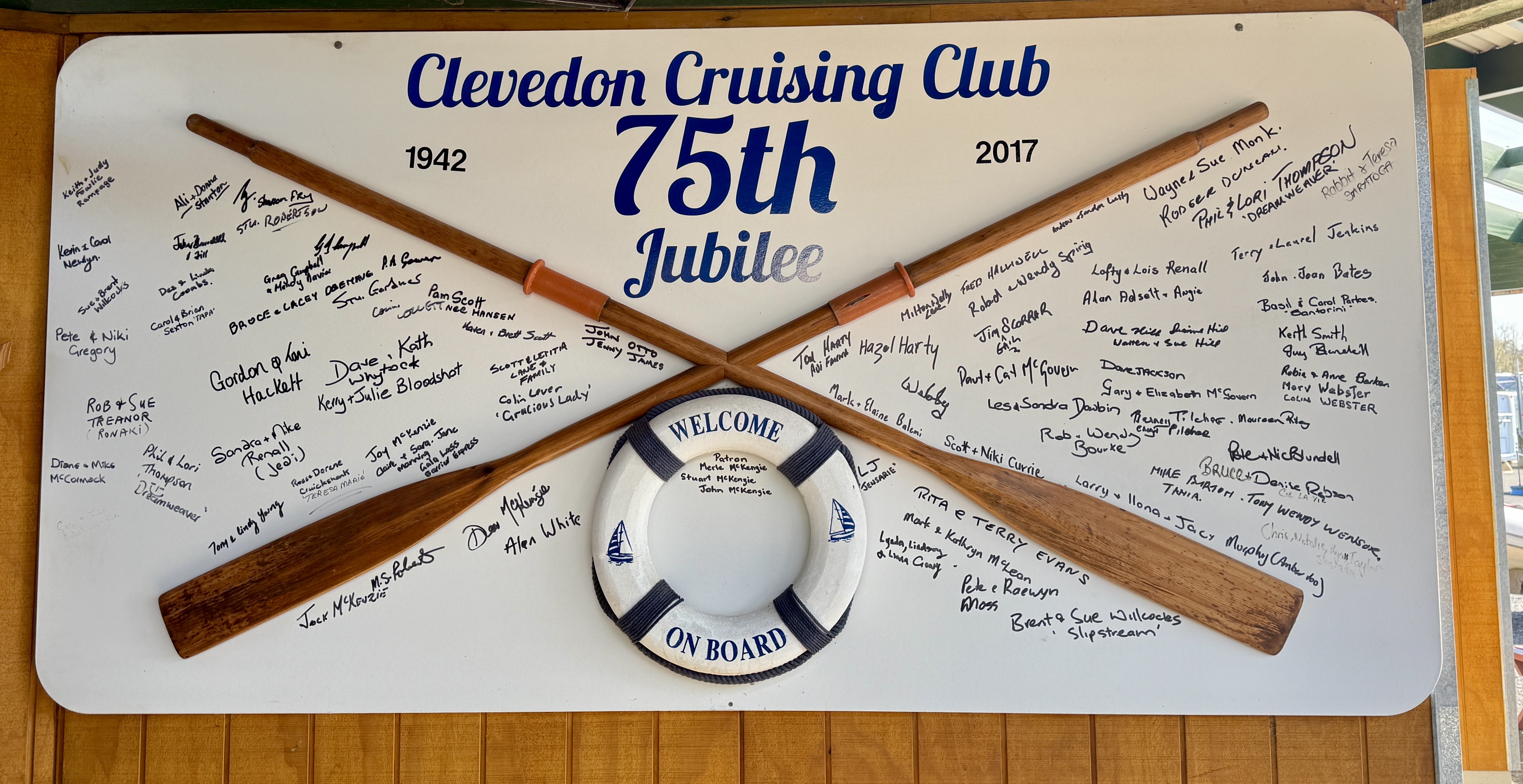
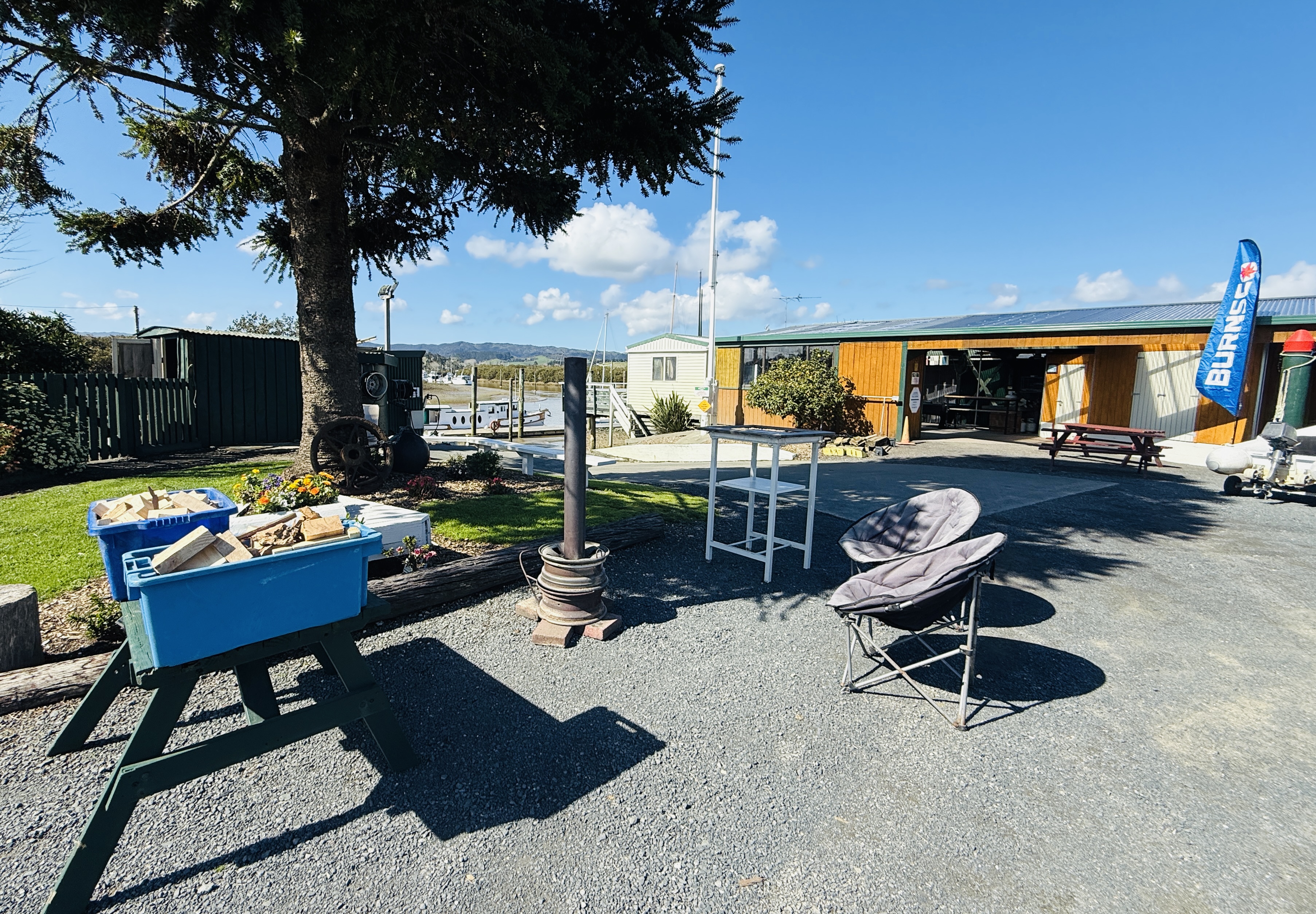
A tad weary writing this story so it will be short and I’ll let the photos tell the story.The weekend just gone saw a fleet of classic wooden craft making the pilgrimage to the CLEVEDON CRUISING CLUB for the annual woodys overnight BBQ.
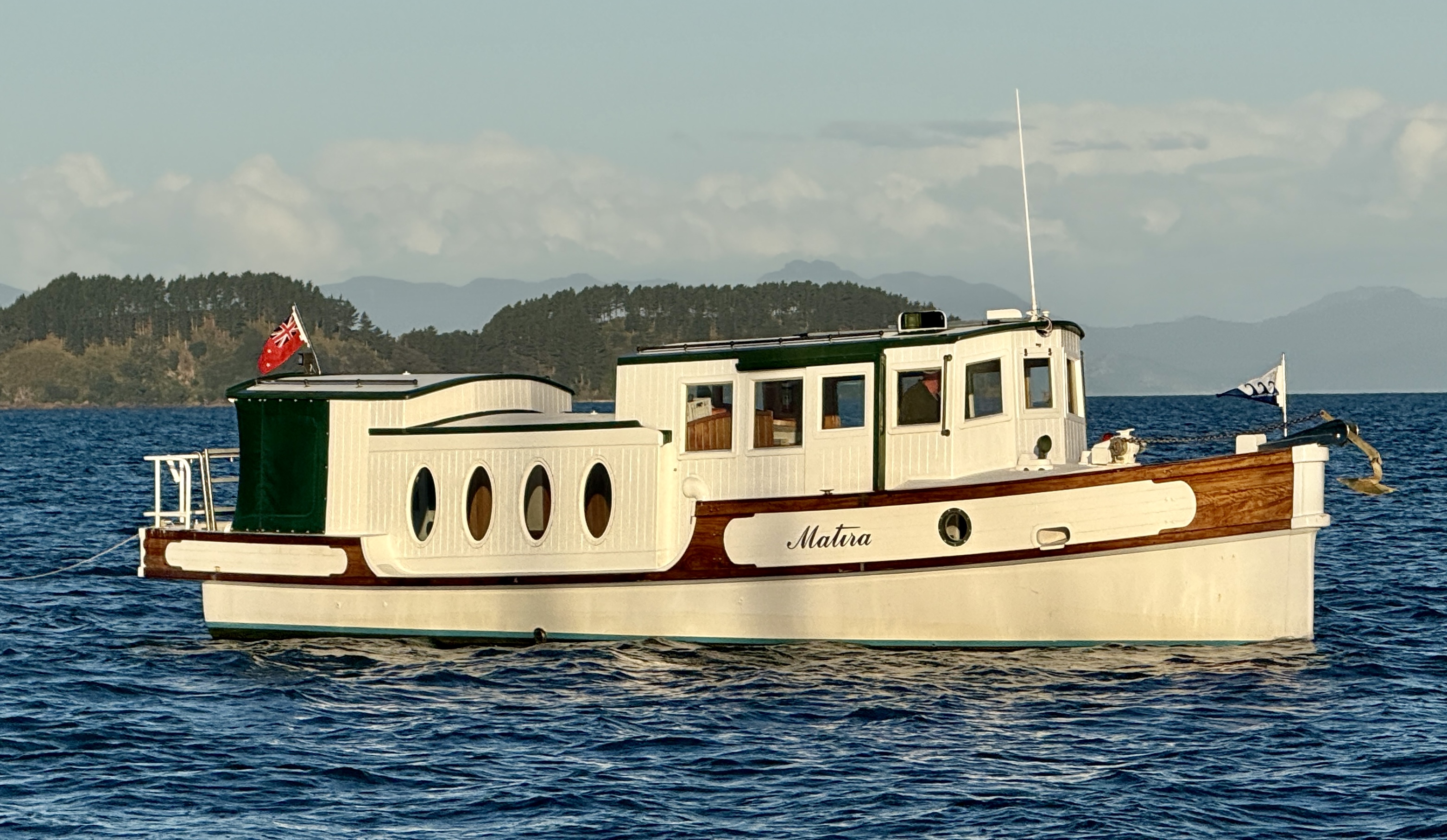
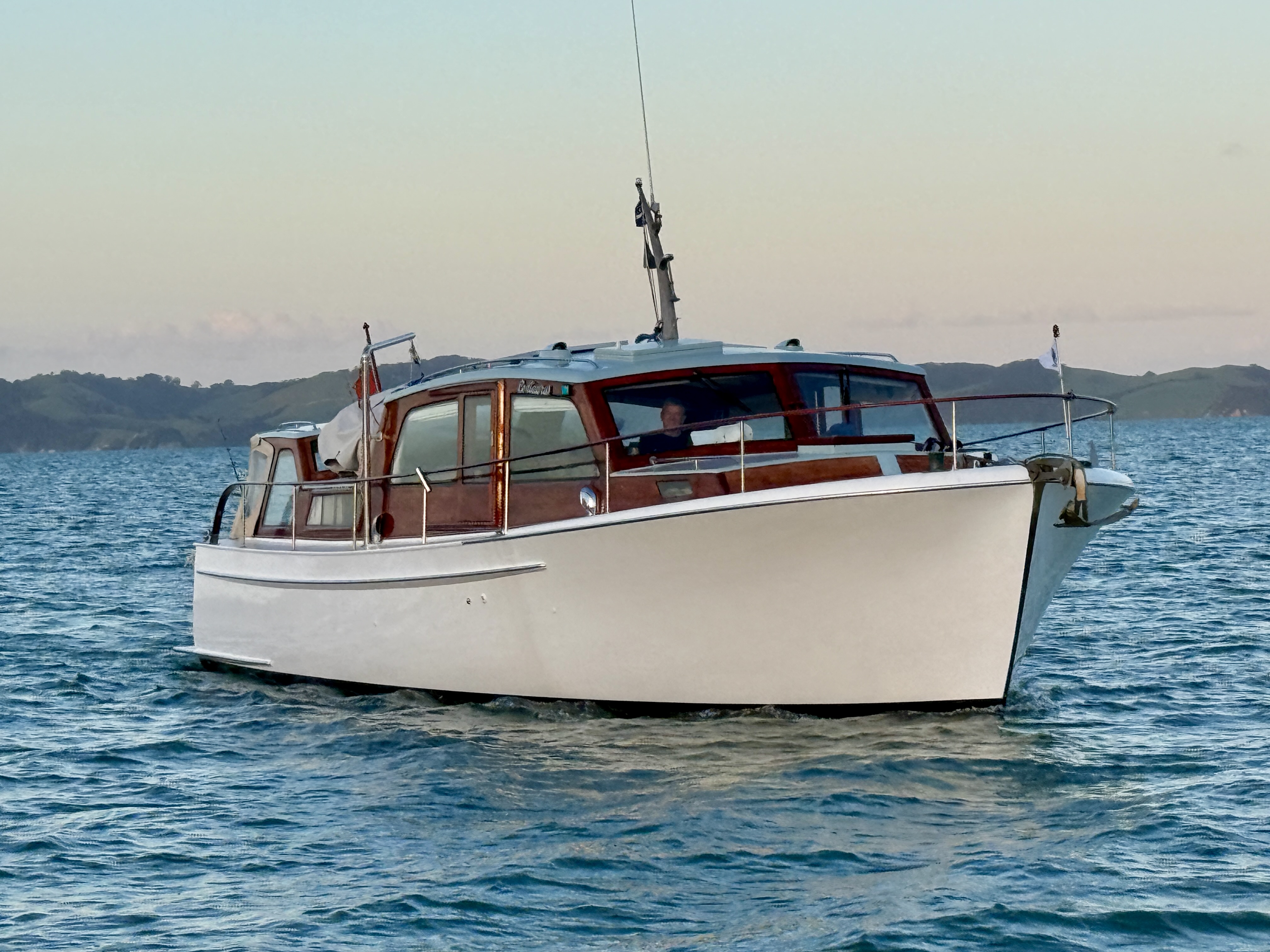
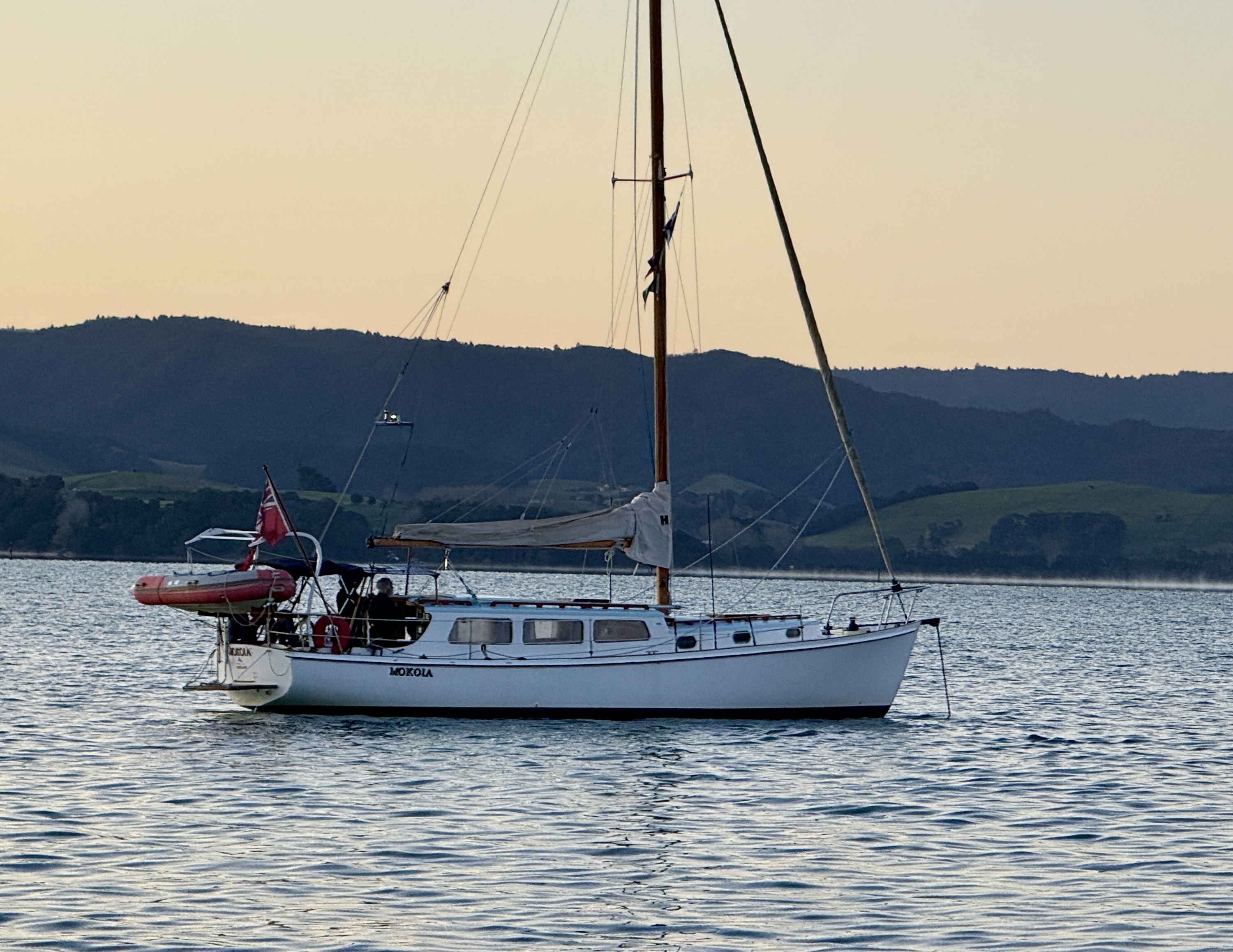
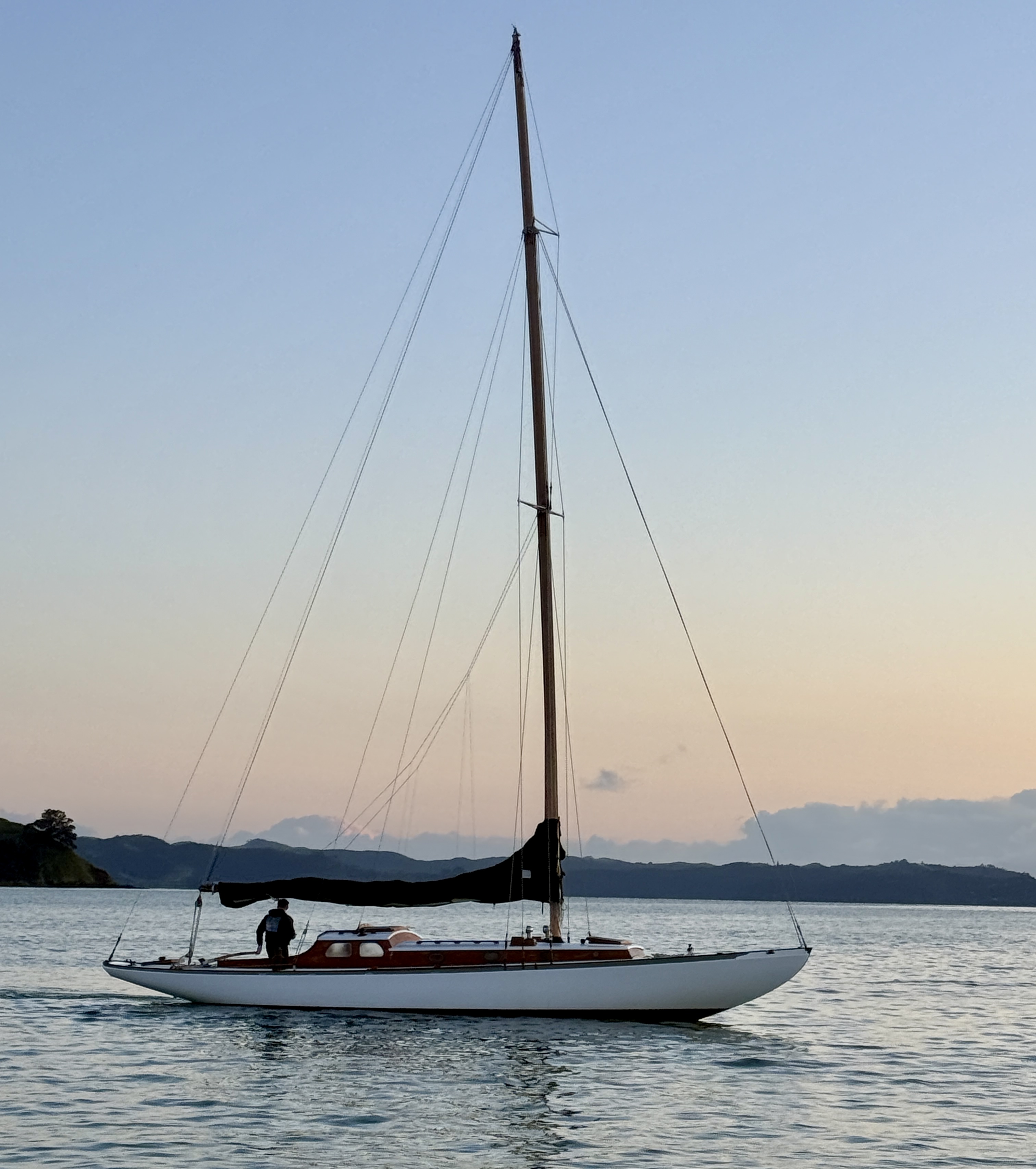
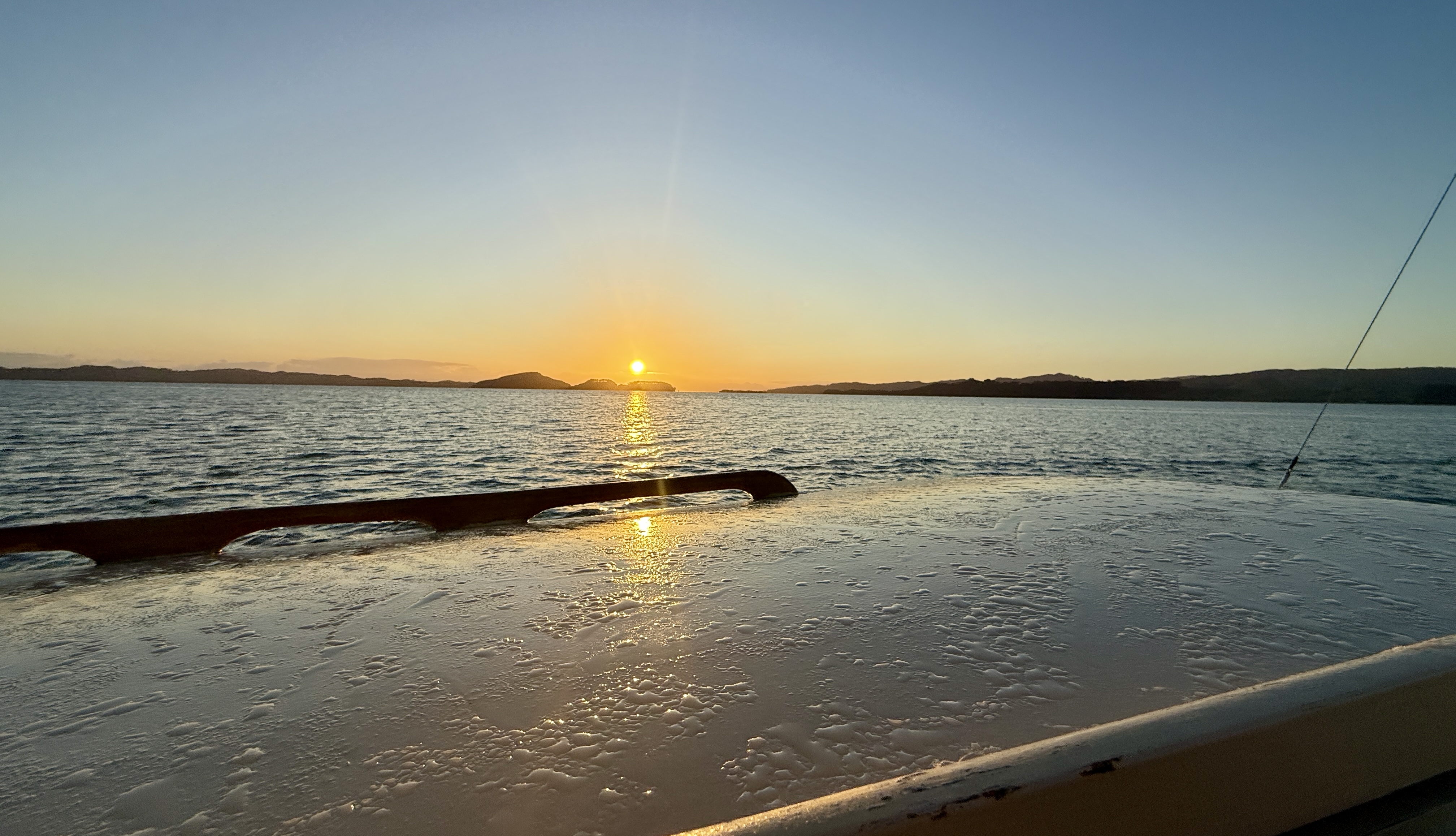
As always the tide wags the dogs tail so we were looking at a very early trip up the Wairoa River, by early try 6.15am. The smart woody skippers travelled down Friday afternoon and anchored overnight at the river mouth. A great sunset delivered some nice photos.
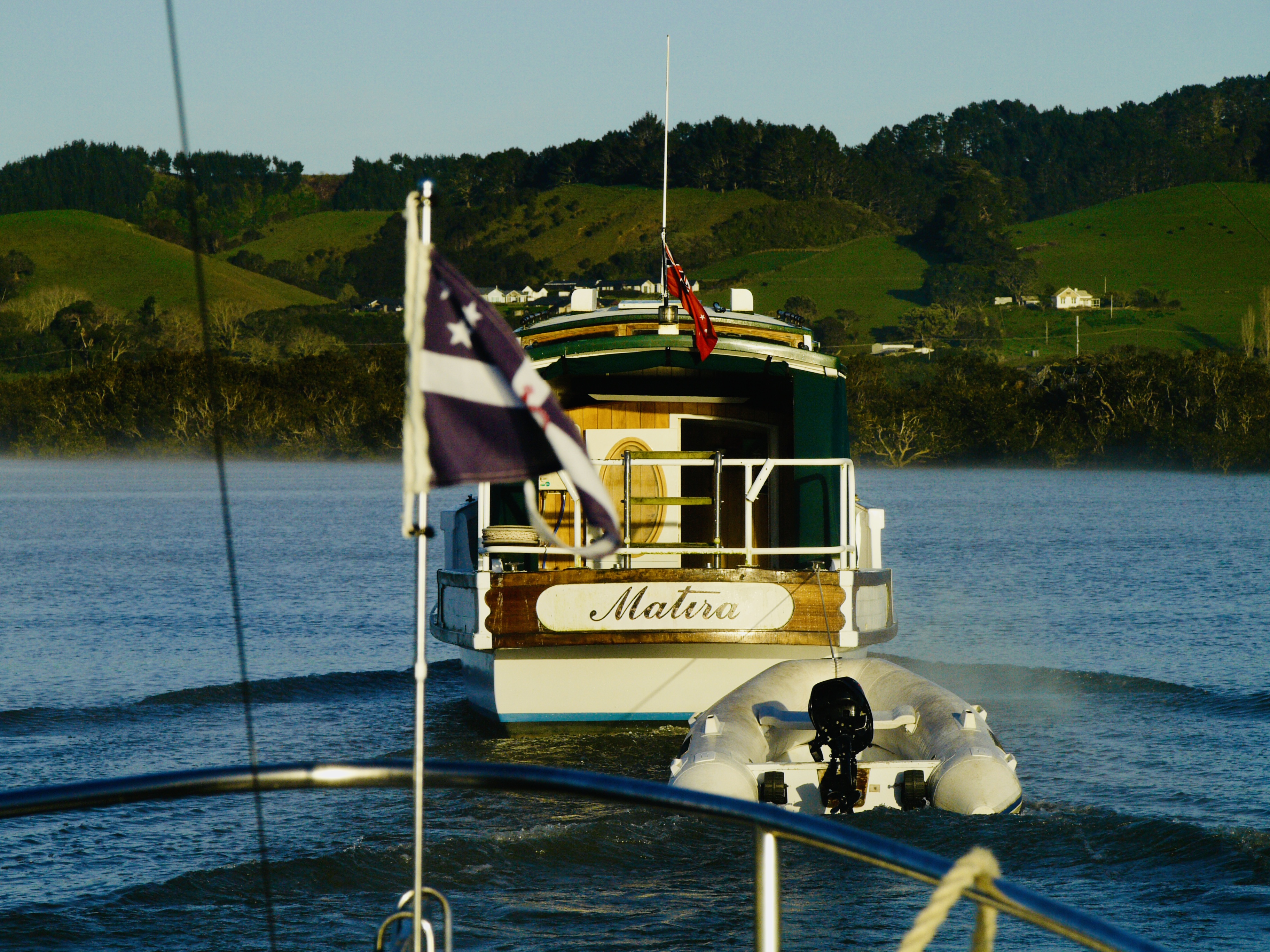
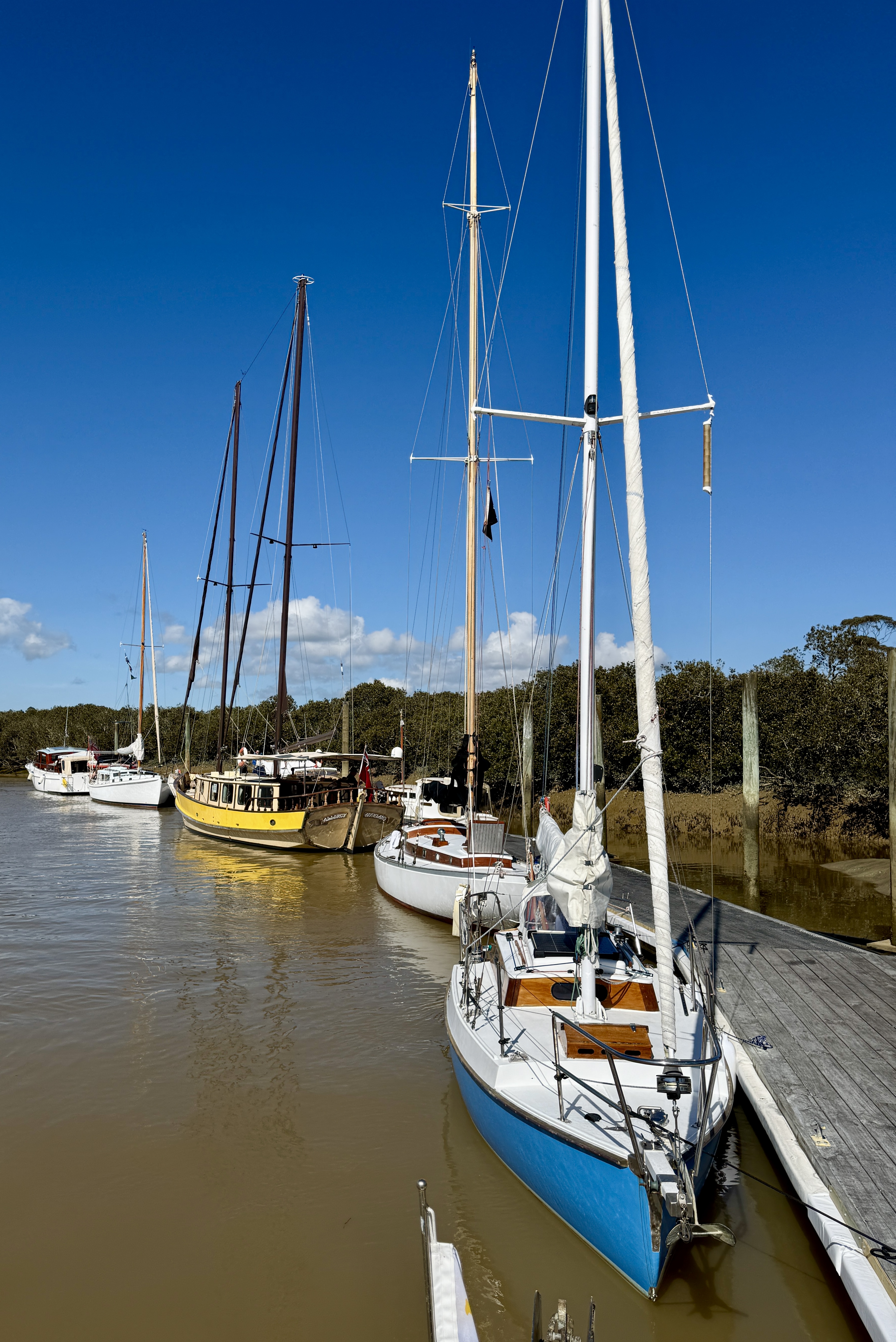
I took photos of the classic woodys moored on route, it is always interesting to view the deterioration of some craft and the new arrivals. Will do a story on the river trip tomorrow.
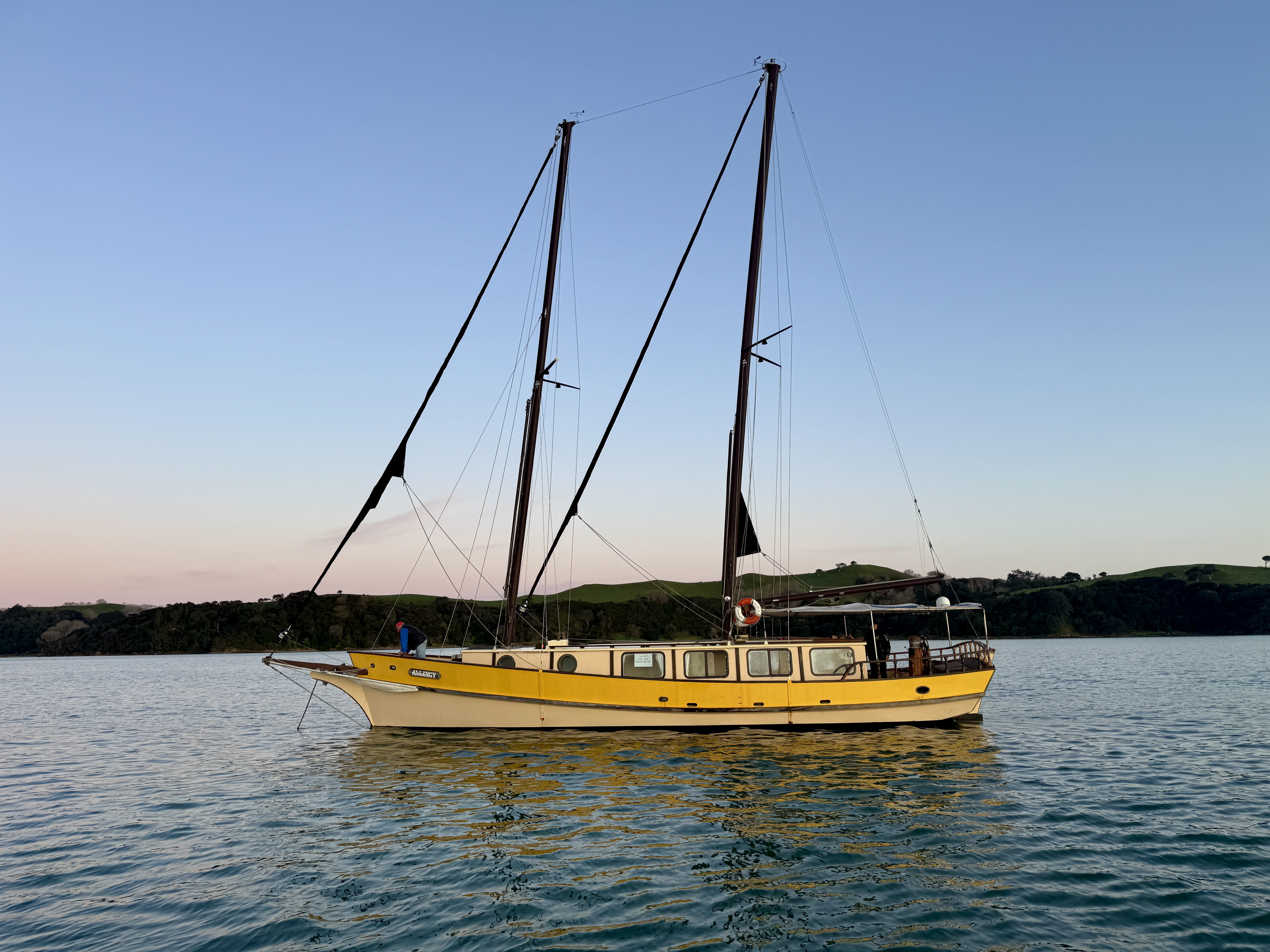
Most of Saturday was spent boat hoping and catching up on dockside gossip. Rest assured if you weren’t there you were talked about.Captain Giddens hosted late afternoon drinks on ALLERGY and then we moved onto the clubrooms for the evening.
If you haven’t been to a Woody gig at the CCC its an all-embracing old school night shindig – bbq’s, outdoor fires, karaoke with a professional singer that could make even the worst shower singer sound ok. There are raffles, which I have to report the woodys skippers did very well at – Captain Giddens collecting 4 prizes. Everything is BYO but the club very generously provide additional food and an impressive dessert table.
Departure home on Sunday was almost as early as Saturday and the forecast wasn’t flash eh N>30 knots. I can’t speak for the others but it wasn’t the very pleasant and if it wasn’t bolted down it ended up on the cabin floor 😦
A big shout out to the classic yachts that joined the flotilla this year, with access to the local knowledge of Barry Abel, the deeper draft yachts had an uneventful passage on the river . Special thanks to all the woodys that attended by car, your company added to the evening.
Enjoy the photos and start thinking about the Spring Splash At Kawau Island on Labour Weekend.
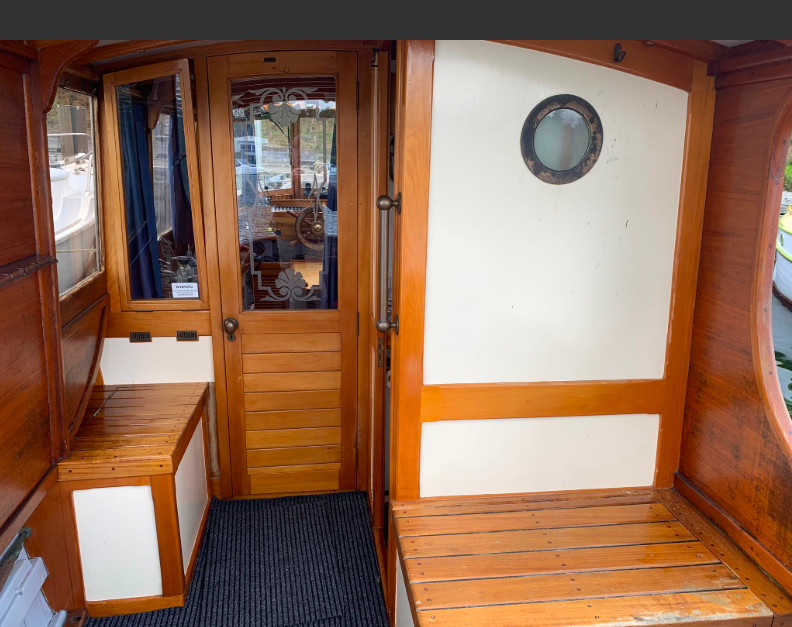
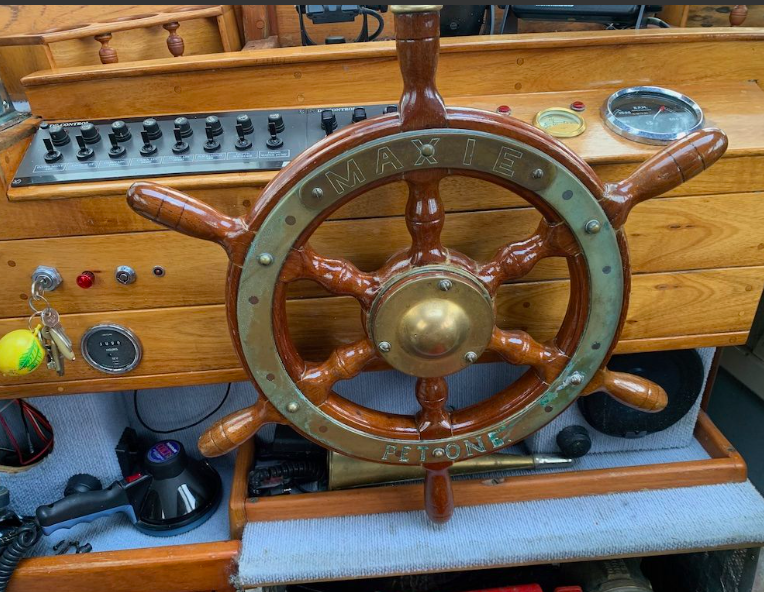
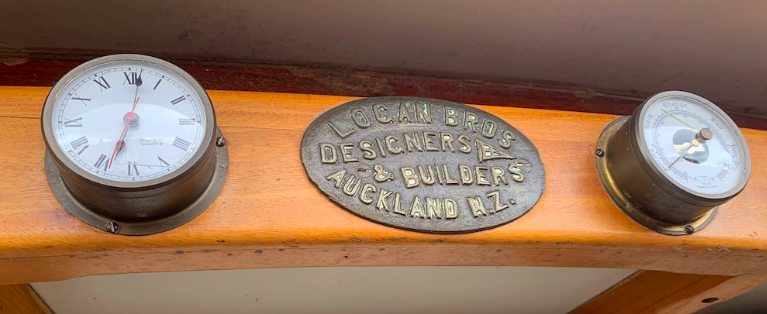
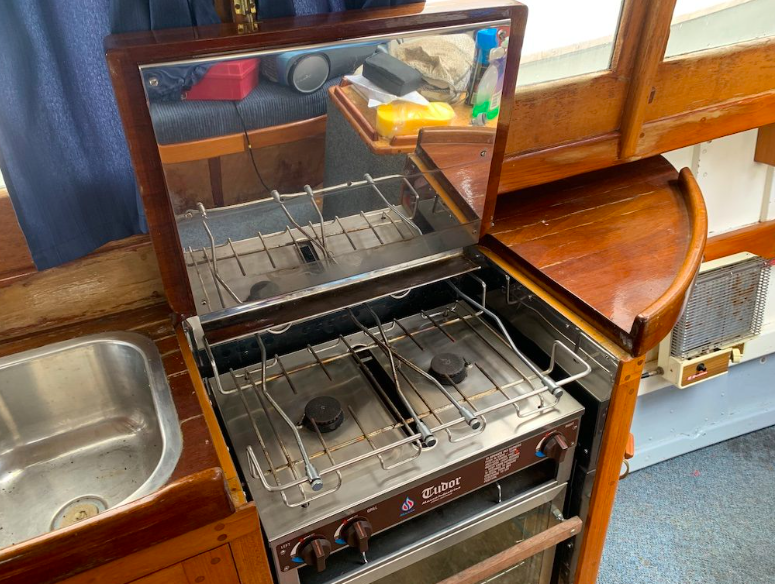
If we believe her tme story, the classic wooden launch – MAXIE, was built in 1903 by Logan Bros in Auckland. That makes her royalty in the NZ classic boating world – with a starting bid of $10k, someone needs to snap her up quick. Home is Lake Taupo.
What we know from tme is she is 32’ in length, and powered by a 75hp Ford 2701E diesel engine.
Back in 1985 she had some serious work done which included a new engine, new deck and new cabin. The hull is double skin kauri and in sound condition as is the cabin structure. The deck as seen in the photos has rot and is leaking and in need of replacement.
So woodys who is going to step up and take over ownership of this blue blood classic Logan launch.
UPDATE – I asked Harold Kidd if MAXIE was the real deal – answer below “Yes it is. She was built as LIGAR for H H Harris of Pelorus but was sold to the Kennys at Picton then on to Wellington in the early 1920s renamed MAXIE. She was there for many years but has been on Taupo recently.She’s in the Logan book as unknown built for Harris in late 1903.”
INPUT ex PAUL DRAKE – Photo below of MAXIE at Paremata Wellington not long after her rebuild and before coming to Taupo – in the 1980’s?
03-02-2026 – INPUT ex PAUL DRAKE – Good news from Taupo. MAXIE (Logan Bros 1903) SOLD and was taken away for some extensive TLC. The intention is that, in time, she will return to Taupo in pristine condition.
FATHERS DAY SORTED FOR ANYONE WITH SALT IN THEIR VEINS
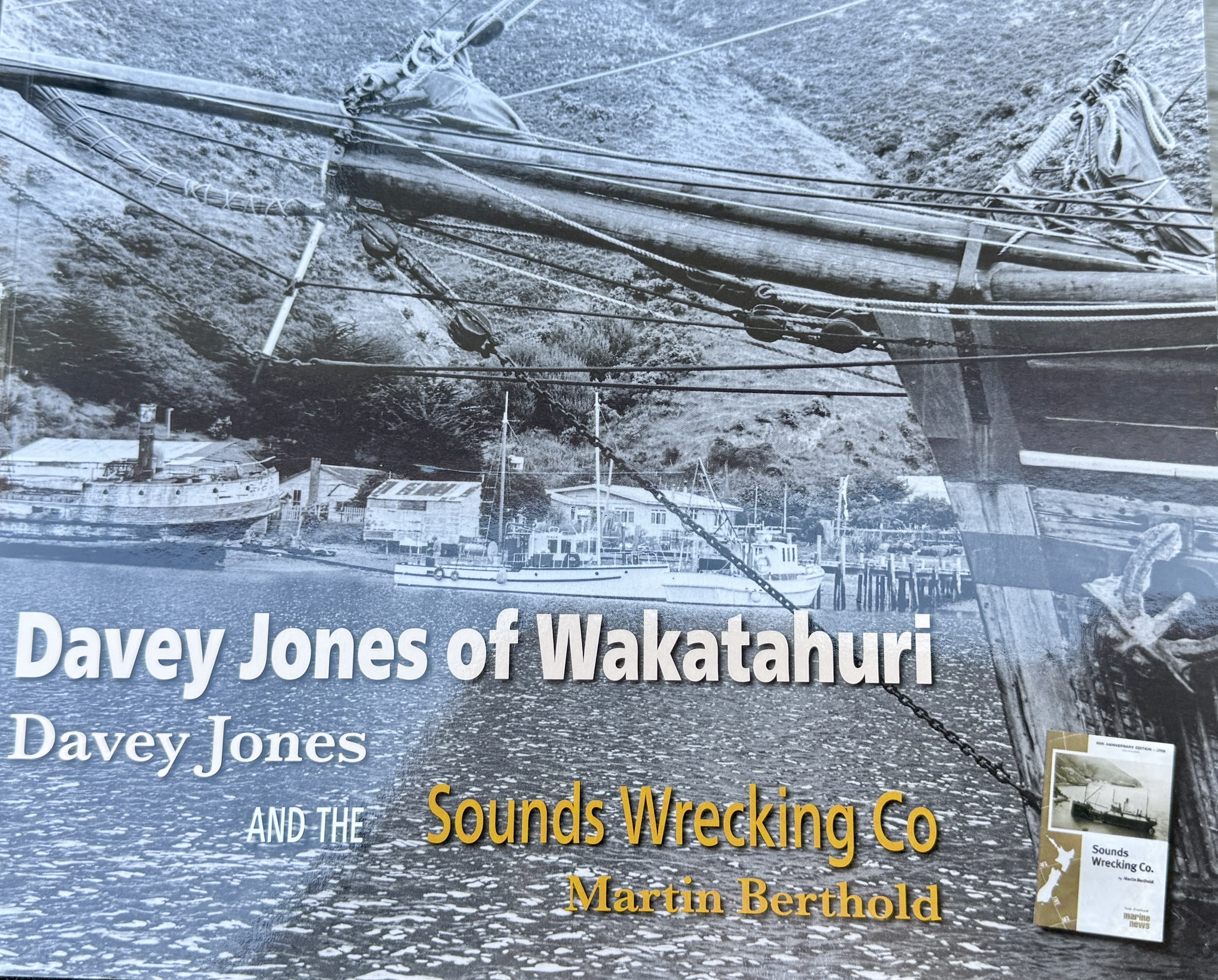
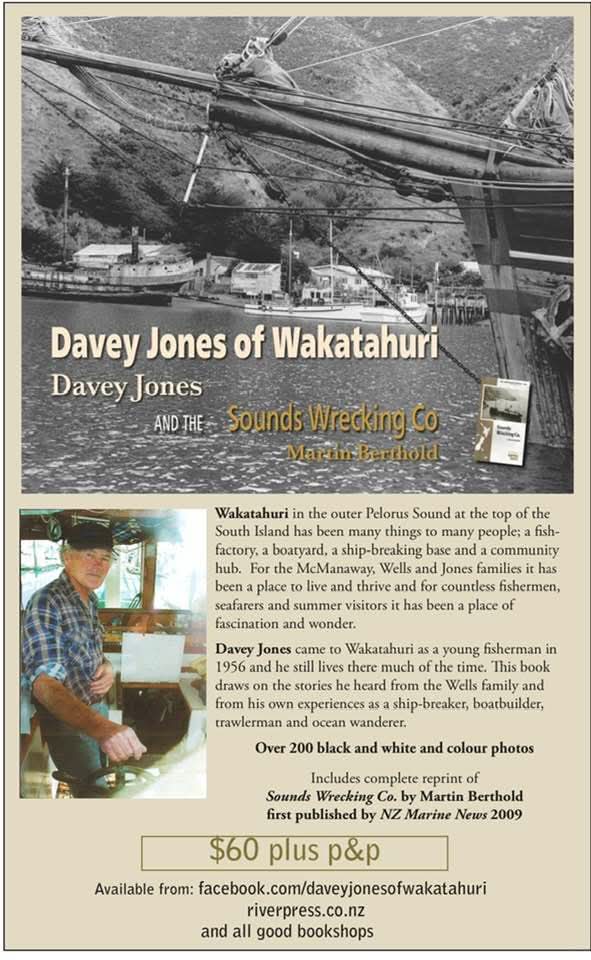
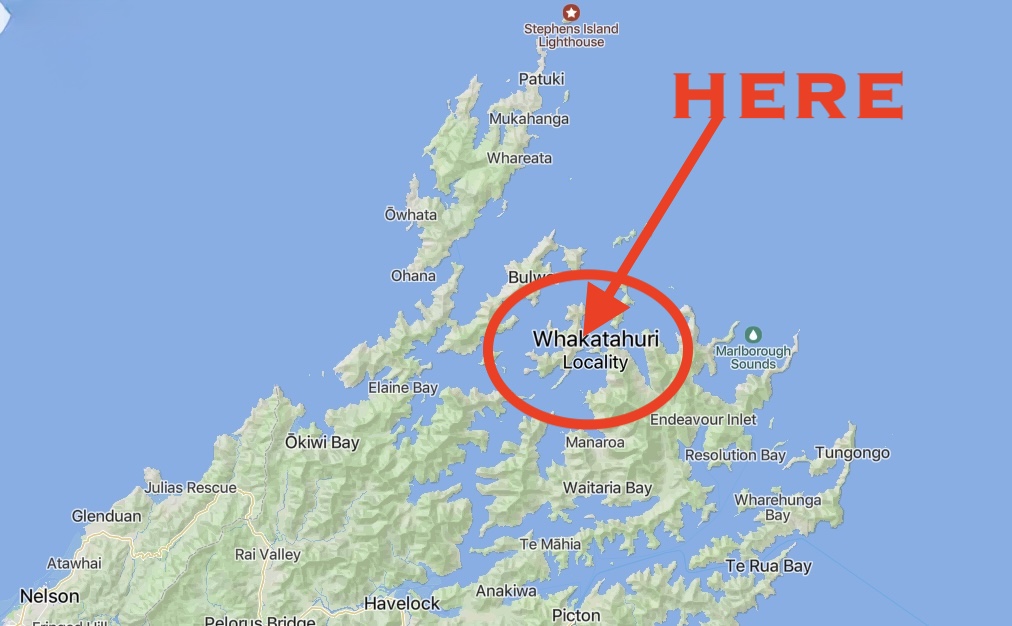
Rarely these days do I pick up a book and can not put it down – well it happened recently. I received an advance copy of Davey Jones just published book – ‘Davey Jones of Wakatahuri’ and its both a cracker read and an amazing account of his boating life and his interaction with the Wakatahuri region. Now I’m sure some of you will be asking yourself ‘ where is that?’ – well its in the outer Pelorus Sound at the top of the South Island, the Marlborough District (refer chart below). The area has been many things to many people – a fish factory, a boatyard, a ship breaking base and a community hub.
Davey Jones arrived at Wakatahuri as a young fisherman in 1956 and still lives there today , on and off when he’s not lapping NZ in his boat.
It’s an additive read that with the help of over 200 photographs will have you hooked.
And as a bonus – included is a reprint of an equally wonderful read -’Sounds Wrecking Co.’ by Martin Burthold.
So woodys drop a hint to the family re what you want for Fathers Day (Sept 7th) or just order one for yourself – $60+ p&p – all enquiries to daveyjonesofwakatahuri@gmail.com
AND I HAVE A COPY TO GIVE AWAY – just answer correctly the name of the vessel Davey Jones has most recently been lapping NZ on. Enter ONLY via email to waitematawoodys@gmail.com all correct entries go in the draw. Closes 6pm 17-08-2023.
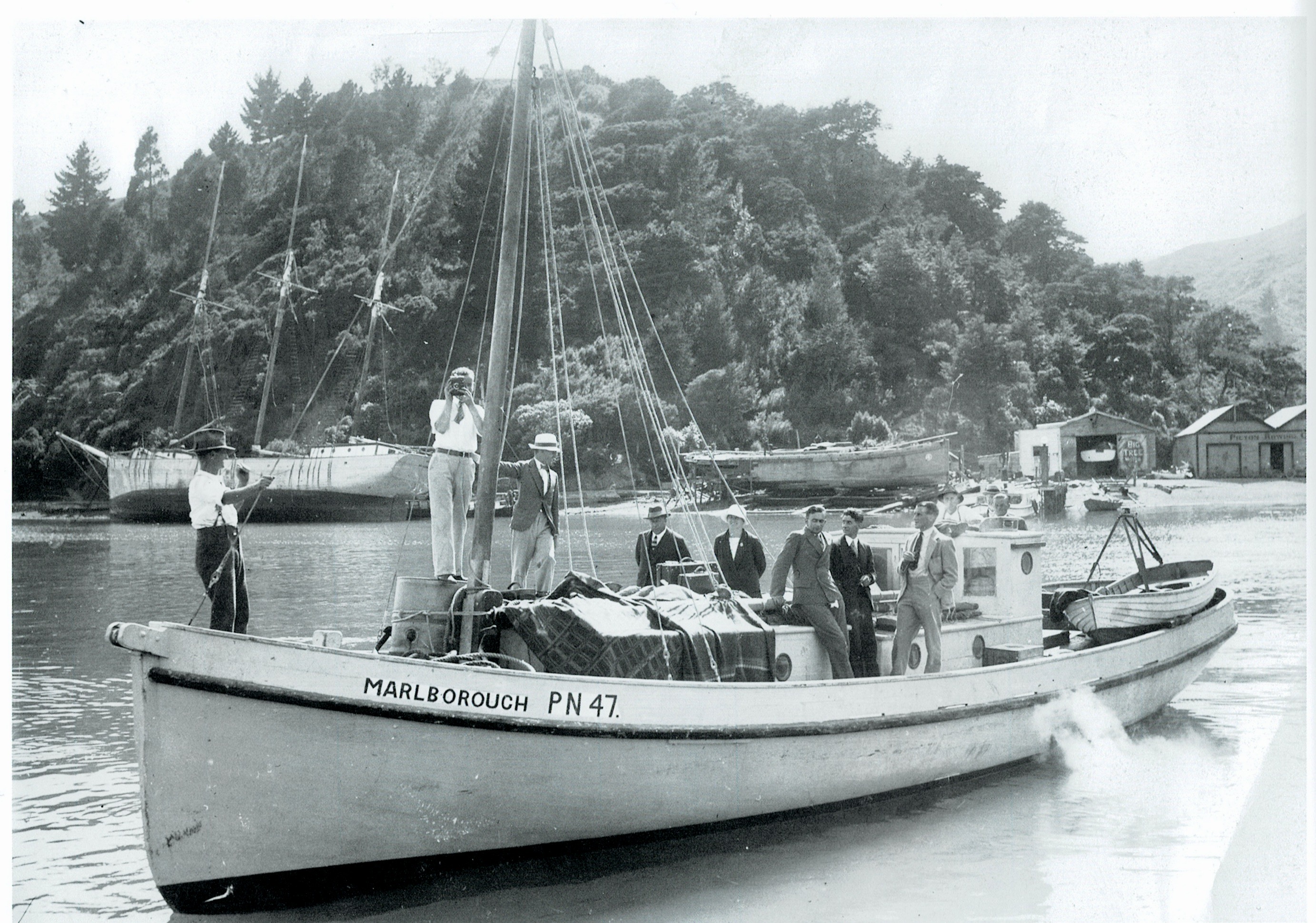
AND THERE ALWAYS HAS TO BE A BOAT PHOTO – this is from Davey’s book and shows the work boat MARLBOROUGH PN47, in Picton Harbour c.1929, built by E R Lane. In the background are VALMARIE, at left, and Ernie Lane’s boat shed, the Picton Rowing Club sheds at right. The vessel under repair at Lane’s yard is a lighter from Port Robinson (Gore Bay)
CLASSIC LAUNCH ARAWA – Can We Learn More About Her
WW was recently sent the above photos of the classic wooden launch – ARAWA by Mike Cowie.
Mike commented that ARAWA is a 28′ Logan settlers launch built / launched in November 1909. When launched she was powered by a 8hp Frisco Standard engine.
Her first owner was named O’Brien, and resided at Putiki Bay, Waiheke Island.
These days ARAWA is moored at Campbell’s Beach, Kawau Bay. And powered by a 50hp BMC diesel , ex London taxi motor.
It appears that several sheets of (hopefully marine) ply have utilised to update her cabin top 🙂
Can we confirm the Logan build claim and learn where she has been the last 116 years.
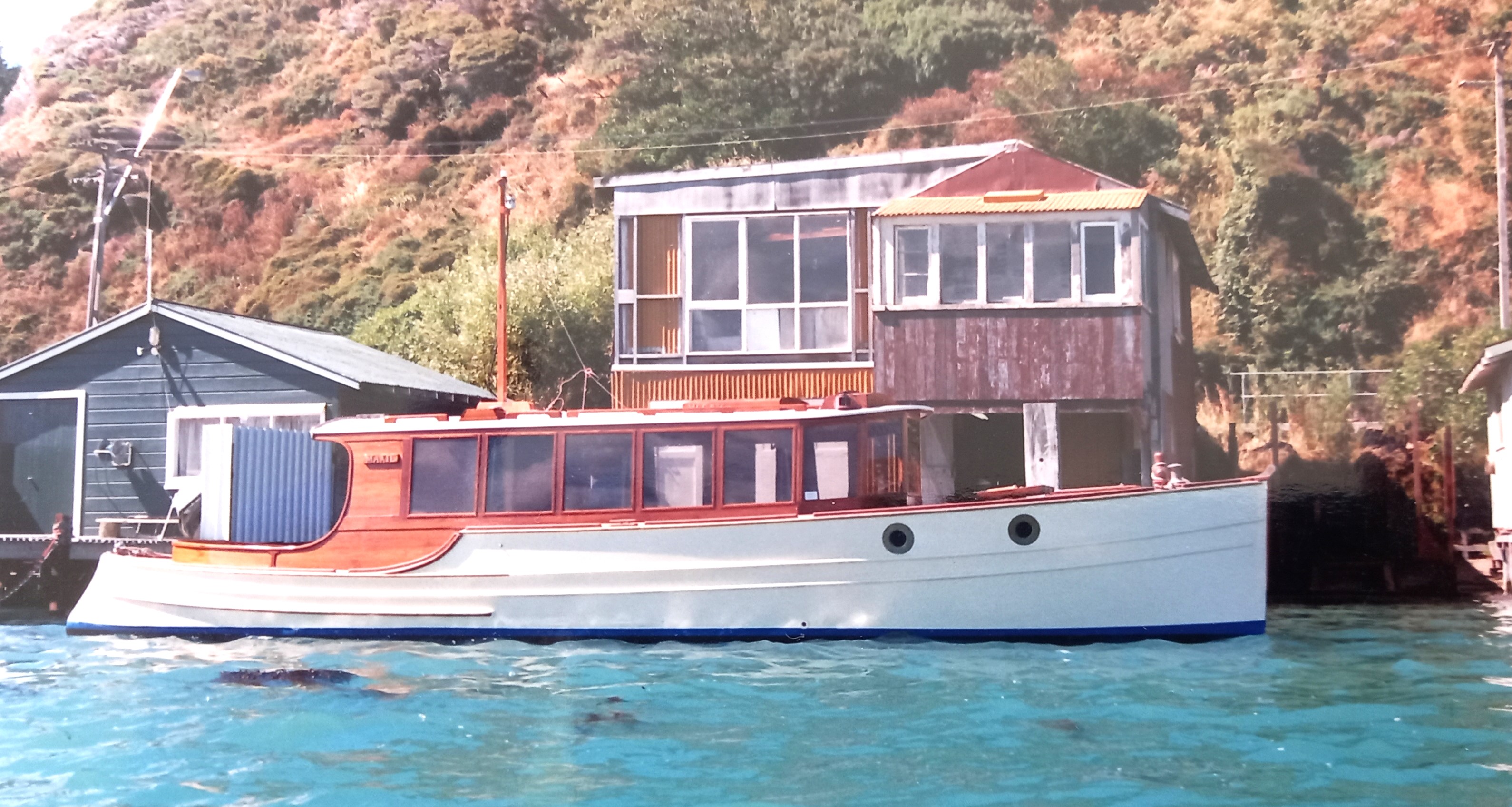
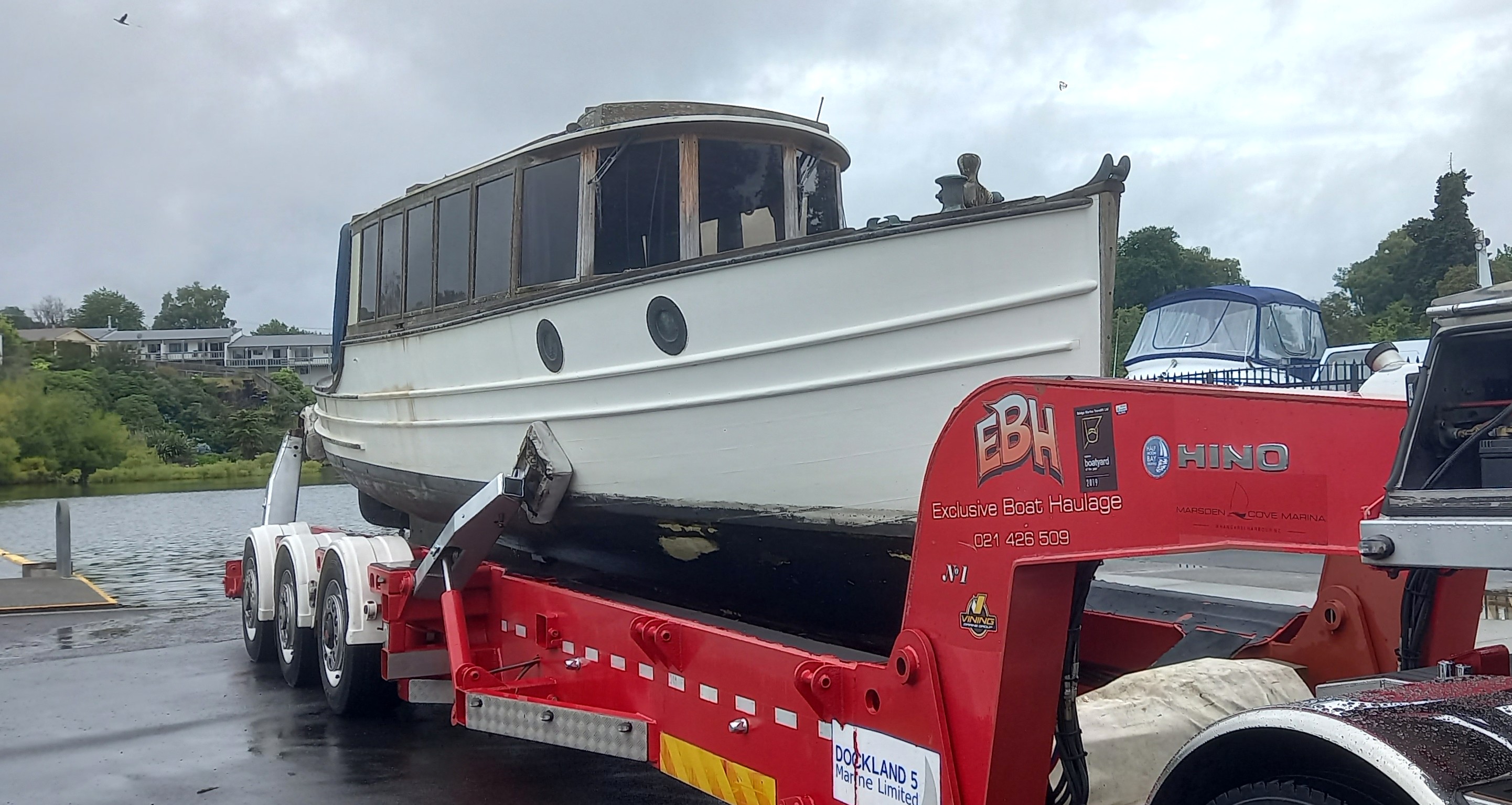
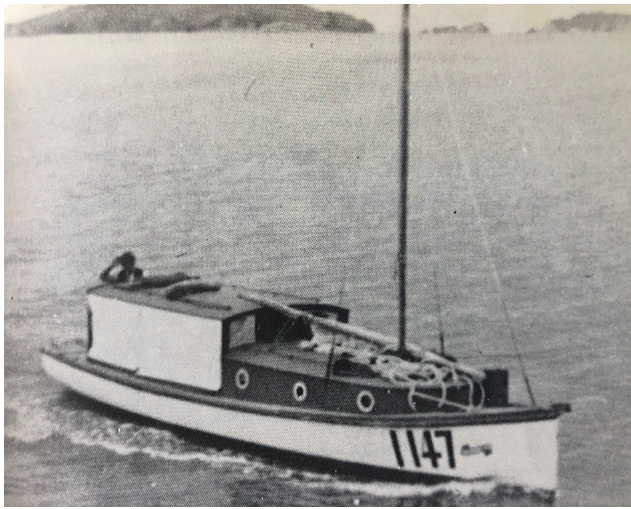
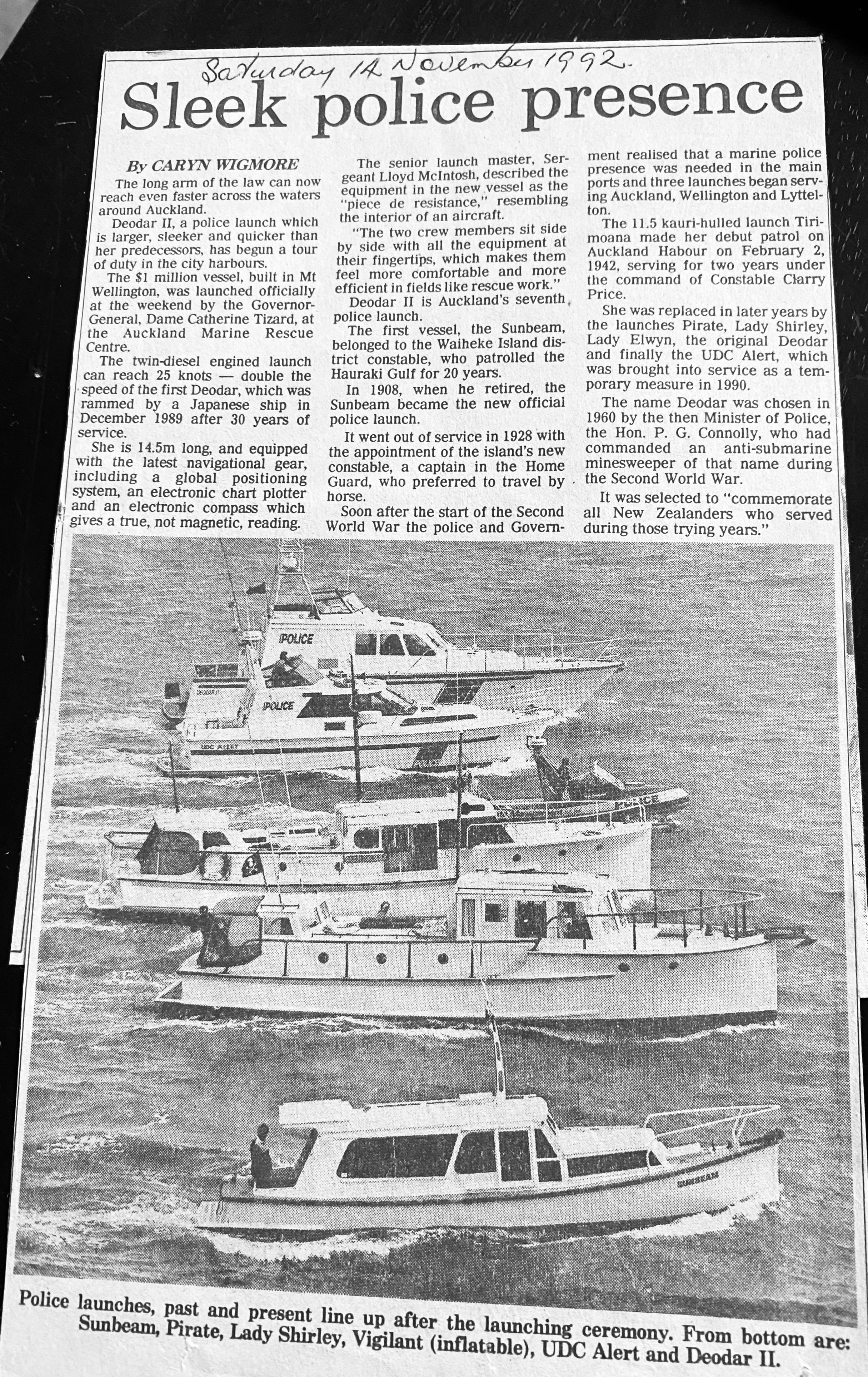
Todays story is two things a look at the 1909 wooden launch SUNBEAM and call from her owner Susan Insley asking for someone to step up and take over the custodianship of SUNBEAM.
Firstly some background – THE 32′ SUNBEAM was built in 1909 by Bailey & Lowe and constructed from kauri carvel planking. Susan’s great grandfather, Harry Insley, was the police officer on Waiheke Island between 1908 and 1928, and used his launch SUNBEAM for work purposes making her the first Police craft in Auckland.. In the b/w press clipping dated 14th Nov 1992 we see SUNBEM lining up with the craft that later replaced her as Auckland Maritime Police vessels.
These days SUNBEAM is moored in the Marlborough Sounds and in good working order, but sadly in recent times just not getting the use she deserves / needs. So Susan has made the tough call to find a new owner and has commented to WW that if someone with the right amount of salt in their veins was to step up, the vessel could be a gift. If that person is you or you know someone – initially contact Susan at sueins@xtra.co.nz










 waitematawoodys.com #1 for classic wooden boat stories, info, advice & news - updated daily - 15+ million views