AN INSIGHT INTO NZ’S UNIQUE MARINE ENGINES – Part Two
Todays WW story follows on from last weeks story – link below to Part One
Part Two is a little different in that while the story has been pulled together by Ken Ricketts, todays story has benefitted from a lot of editing and polishing from Patricia & Ken Ricketts daughter Corinne Pettersen. As always we have endeavoured to be as factual as possible but there will always by matters others will either know more about or be able to correct errors – so woodys do not hold back in commenting.
WILLYS JEEP WWII 4 CYL UNMARINISED FLATHEAD PETROL ENGINE
WILLYS JEEP 4 CYL PETROL ENGINE PREMARINISED
FAYE WITH HER MARINISED 4CYL WILLYS JEEP PETROL ENGINE c1951
It’s interesting to note how World War II surplus engines found new life in various applications beyond military use, particularly in an unknown number small craft and trailer craft in New Zealand. The experiences of individuals like Fred Steele and Des Donovan exemplify this trend, as they repurposed one of these engines to power their own launch – FAYE,, showcasing the innovative spirit of post-war boat builders. Their simultaneous construction highlights a fascinating moment in maritime history, where practicality and personalisation combined in the crafting of vessels that were shaped by both necessity and craftsmanship.
Fred S. successfully installed a Willys Jeep home-converted WWII 4-cylinder flathead engine, which provided reliable performance for several years before being replaced by a 6-cylinder diesel engine. This setup allowed her to achieve a cruising speed of approximately 7.5 knots, and during this time, my family enjoyed many weekend cruises with them, creating lasting memories on the water.
HERCULES DIESEL ENGINES
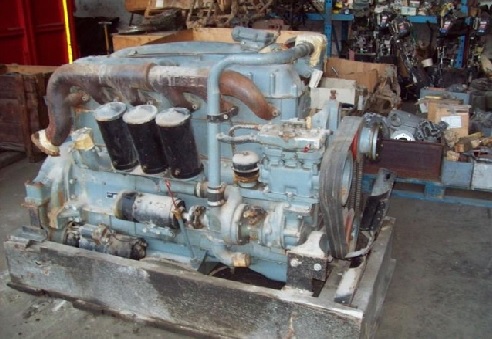
HERCULES 6 CYL. DIESEL ENGINE TO BE HOME MARINISED, c100HP, SIMILAR TO THAT IN FAYE
HERCULES UNMARINISED 275HP DIESEL ENGINE, SIMILAR TO THAT INSTALLED IN THE RAKANOA MARINISED, IN 1947-48.
FAYE WITH HER c100HP HERCULES 6 CYL HOME MARINISED DIESEL ENGINE
RAKANOA WITH HER 275HP HERCULES DIESEL IN NORTH HARBOUR PONUI ISLAND 1948.
Hercules was indeed a significant manufacturer of marine engines, supplying foundational engine units to various companies like Kermath, Chrysler, and others for customization to their specific requirements. While Hercules engines themselves were produced in smaller quantities and considered comparatively small-scale, the widespread use of their core engine designs across multiple brands highlighted the company’s crucial role in the marine engine industry during its era.
FAYE is an interesting vessel with its history of engine replacement, especially from a Willys Jeep petrol engine to a home-marinised C100P 6-cylinder Hercules diesel. This transition not only reflects an upgrade in power and efficiency but also shows the adaptability of boats to modern diesel technology.
RAKANOA, a stunning 56-foot vessel built between 1946-7, originally featured a 165HP GM Detroit engine but was upgraded to a 250HP Hercules diesel after a year in the water, likely due to the engineering expertise of her first owner, Stan Parker & shortcomings he found with the GM Detroit engine. Despite the initial enhancements, there was a persistent starting issues with the Hercules, particularly when hot, leading son Ross to replace it with a Gardner 6L3 diesel in 1981, which remains with the boat to this day.
The decision to replace the original engine with a Hercules engine stemmed from the excessive noise produced by the Rootes blower and the GM Detroit engine, which was particularly problematic due to the loud high-pitched geartrain noise and the inherent loud exhaust of the 2-stroke GM engines, known for their sensitivity to exhaust back pressure unless equipped with specialized mufflers.
GLENIFFER PETROL & DIESEL MARINE ENGINES
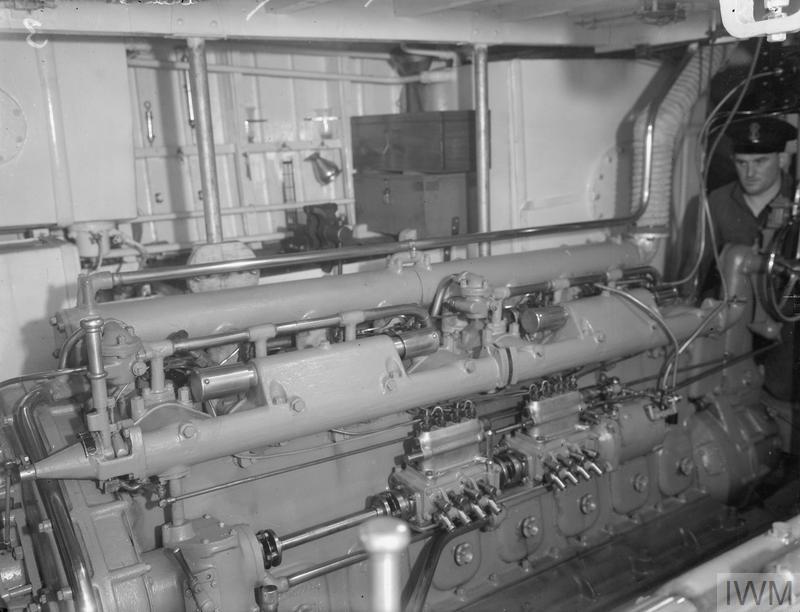
GENIFFER 1940s 8 CYL. INLINE, MARINE DIESEL ENGINE IDENTICAL TO THOSE IN NGAROMA
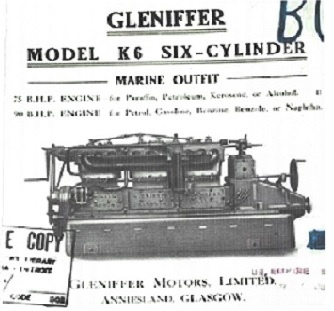
GLENIFFER MARINE 6CYL 1920S 40BHP, (ABOUT 120HP) PETROL ENGINE, SIMILAR TO THAT IN THE LAUNCH – GLENIFFER
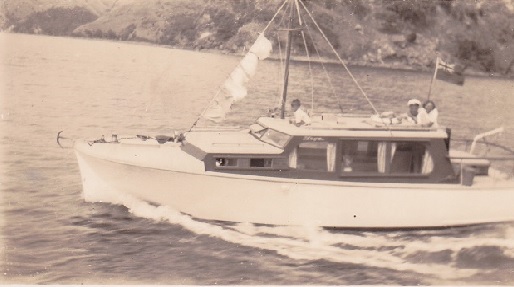
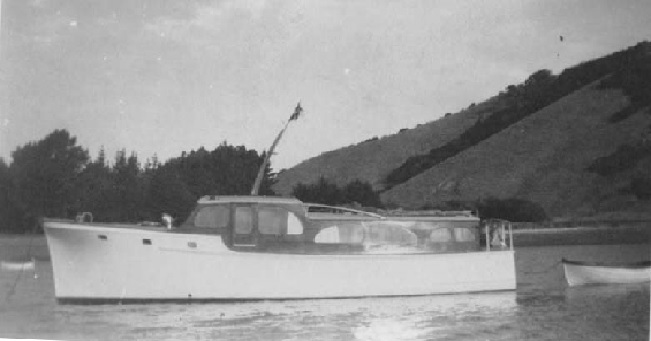
GLENIFFER THE LAUNCH, WITH HER GLENIFFER ENGINE, TAKEN WHEN SHE WAS ALMOST NEW, IN 1932
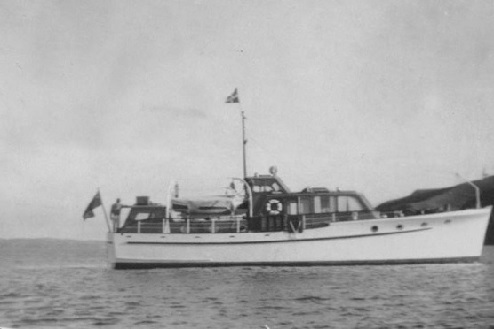
NGAROMA WITH HER 2 X 8 CYL IN LINE GLENIFFER DIESELS, TAKEN, ACTING AS MOTHER SHIP, IN A FIJI YACHT RACE IN THE 1950s
There is a rare type of engine that has a limited presence in New Zealand, with only a known petrol and diesel example known to me.. The mention of potentially more examples from the 1920s and 1930s suggests these engines might have been utilized in vintage boats that are either no longer in operation or have been lost to time. Such rarity adds to their historical significance and appeal among collectors and enthusiasts.
The GLENIFFER, a 40 ft bridge decker constructed by Bailey in 1929, has most recently served as a liveaboard in New Zealand’s South Island, showcasing its enduring appeal and adaptability over the decades.
In the early to mid-1930s Ralph Ricketts was tasked with maintaining a boat for Trevor Davis. The boat had a critical issue where the sea water intake could airlock in rough seas, necessitating someone to lie on the floor under the bridge deck to turn a grease cup on the water pump to resume water flow, a challenging job made more difficult by poor conditions.
The ex-WWII Fairmile boat NGAROMA, formerly owned by Jim Lawler, underwent significant modifications after he acquired her from the Navy. Initially equipped with two Hall Scott Defender 630hp petrol engines, Lawler immediately replaced one with a Gleniffer 160hp diesel engine and later replaced the remaining Hall Scott engine with another Gleniffer diesel engine, both designed to be a matched pair with opposite hand configurations for optimal performance.
BUICK 8 CYLINDER INLINE PETROL ENGINES
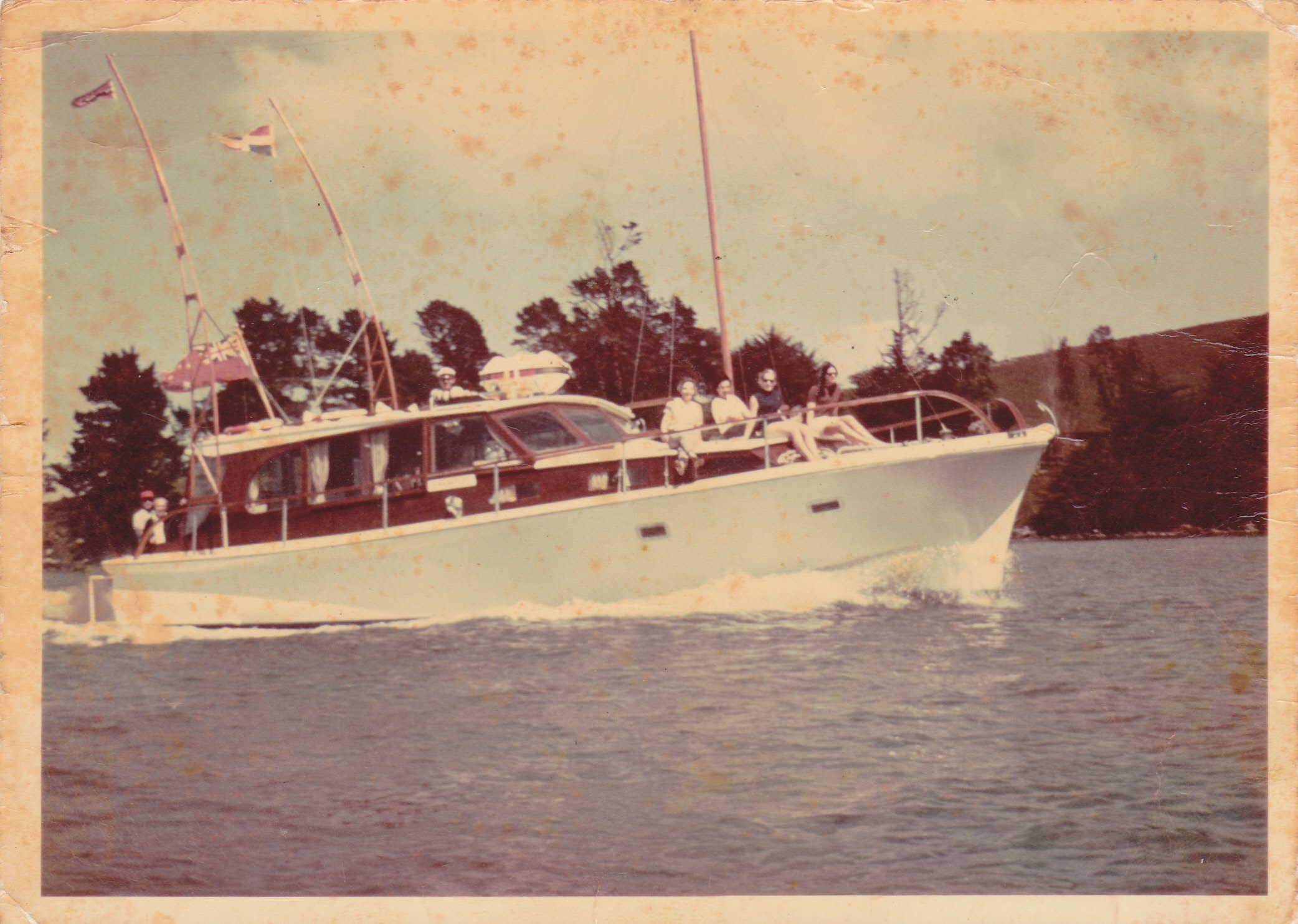
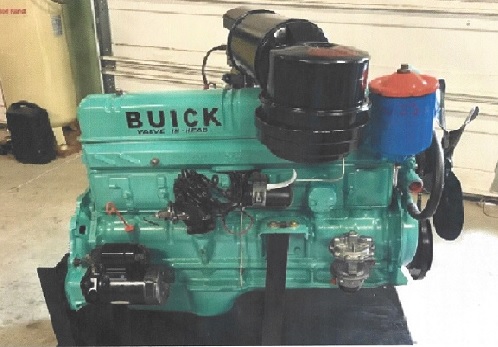
AOMA WITH HER HOME MARINISED BUICK 8 CYL. INLINE PETROL ENGINE AS ORIGINAL WHEN BUILT BY ALAN WILLIAMS
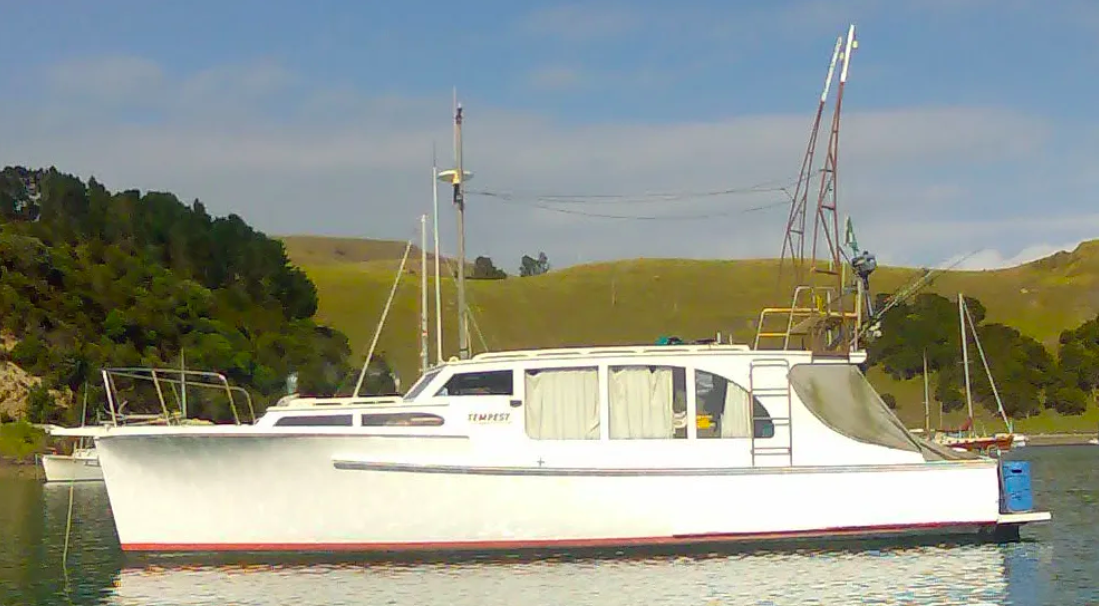
AOMA ON HER MOORINGS AT GT BARRIER ISLAND RECENTLY
AOMA, a 36-foot vessel built by Alan Williams around 1950 in Milford Creek, Auckland, was either commissioned by or later acquired by Len Pepper, a prominent builder from Takapuna. Initially equipped with a home-marinised 8-cylinder in line Buick petrol engine, AOMA reflects the craftsmanship and maritime heritage of its time, showcasing the evolution of boatbuilding in New Zealand.
Observations about the engine’s appearance and the “Buick Detroit Marine” label suggest it could indeed be a locally modified version rather than an official marine model from General Motors. The lack of verifiable references to a marine variant strengthens your hypothesis about it being a custom marinization. Such practices were not uncommon, especially in regions where specific adaptations for marine use were necessary, and the label may have been a marketing choice to lend credibility or appeal to customers.
AOMA’s design is a classic example of form versus function, where the elegant lines that defined her aesthetic have been altered for improved practicality. While enhancing the headroom may provide comfort for passengers, the modification to her coamings appears to have detracted from her original beauty. Such changes often spark debate among enthusiasts and owners about the balance between maintaining a vessel’s traditional design and adapting it for modern usability.
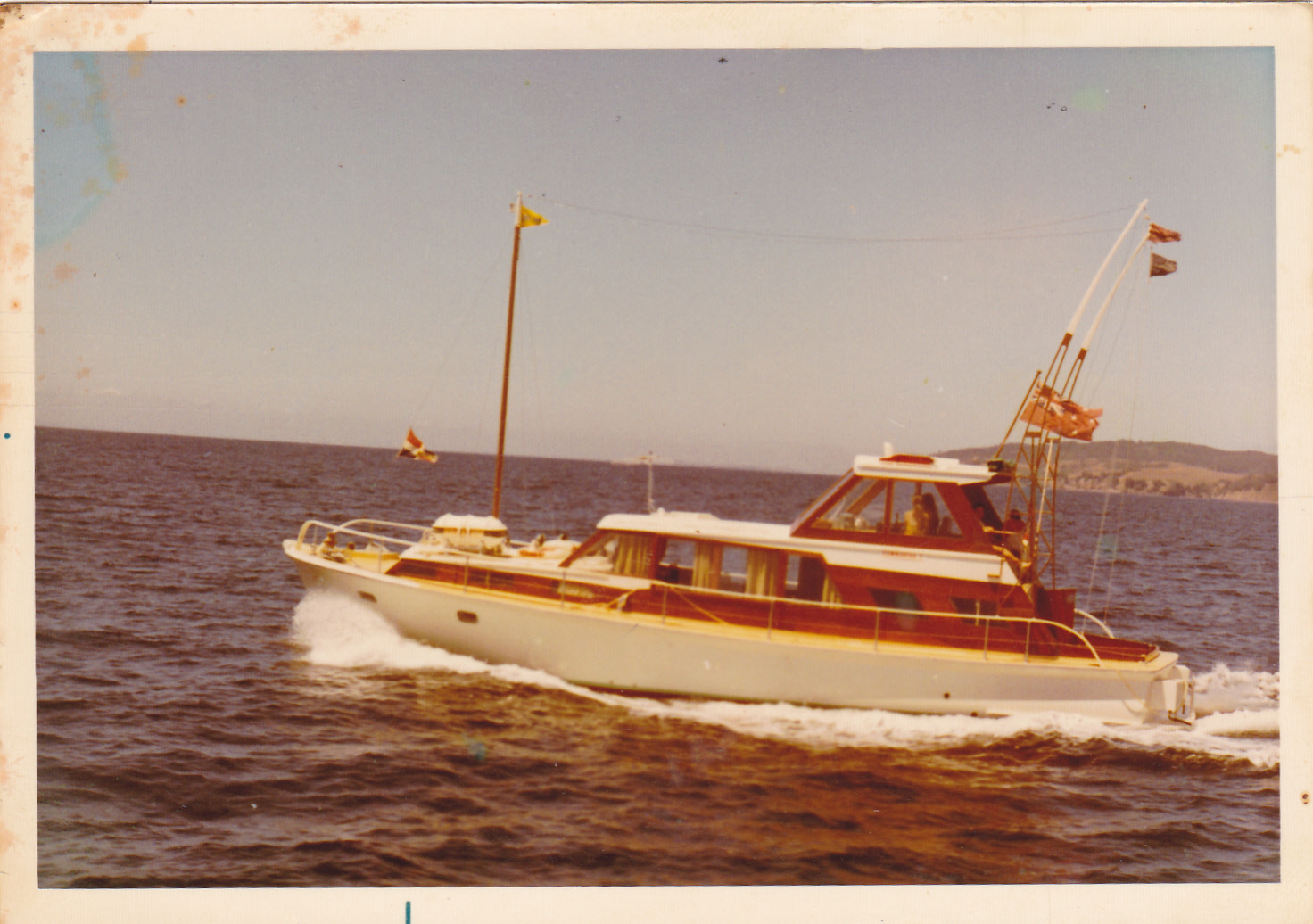
MASON MARINE 42 FOOT MASON CLIPPERS & CHRYSLER V8 MARINE DIESEL ENGINES WITH STERN DRIVES.
Tony Mason crafted a series of impressive boats like the ALIBI, characterised by their striking design and powerful performance, especially with the dual 6-cylinder diesel engines that presumably enhance their speed and efficiency on the water. These boats show cased both his craftsmanship and a commitment to quality, making them stand out in any marine setting. I am trying to find another of these boats, that one day was tied up to Mansion House Bay Wharf, in the early 1970s, when the boat was almost new. She was amazing as ALIBI still is today, but the thing that intrigued me most was her 2 Chrysler V8 diesels, painted red, as with Iveco or Redwing, with her stern drives painted cream. The engines looked the same as Chrysler V8 petrol engines, except they had injectors not spark plugs, they were the only two of these engines I have ever seen.
LINK BELOW TO PART ONE OF THIS SERIES https://waitematawoodys.com/2025/04/04/an-insight-into-nzs-unique-marine-engines-part-one/





















 waitematawoodys.com #1 for classic wooden boat stories, info, advice & news - updated daily - 15+ million views