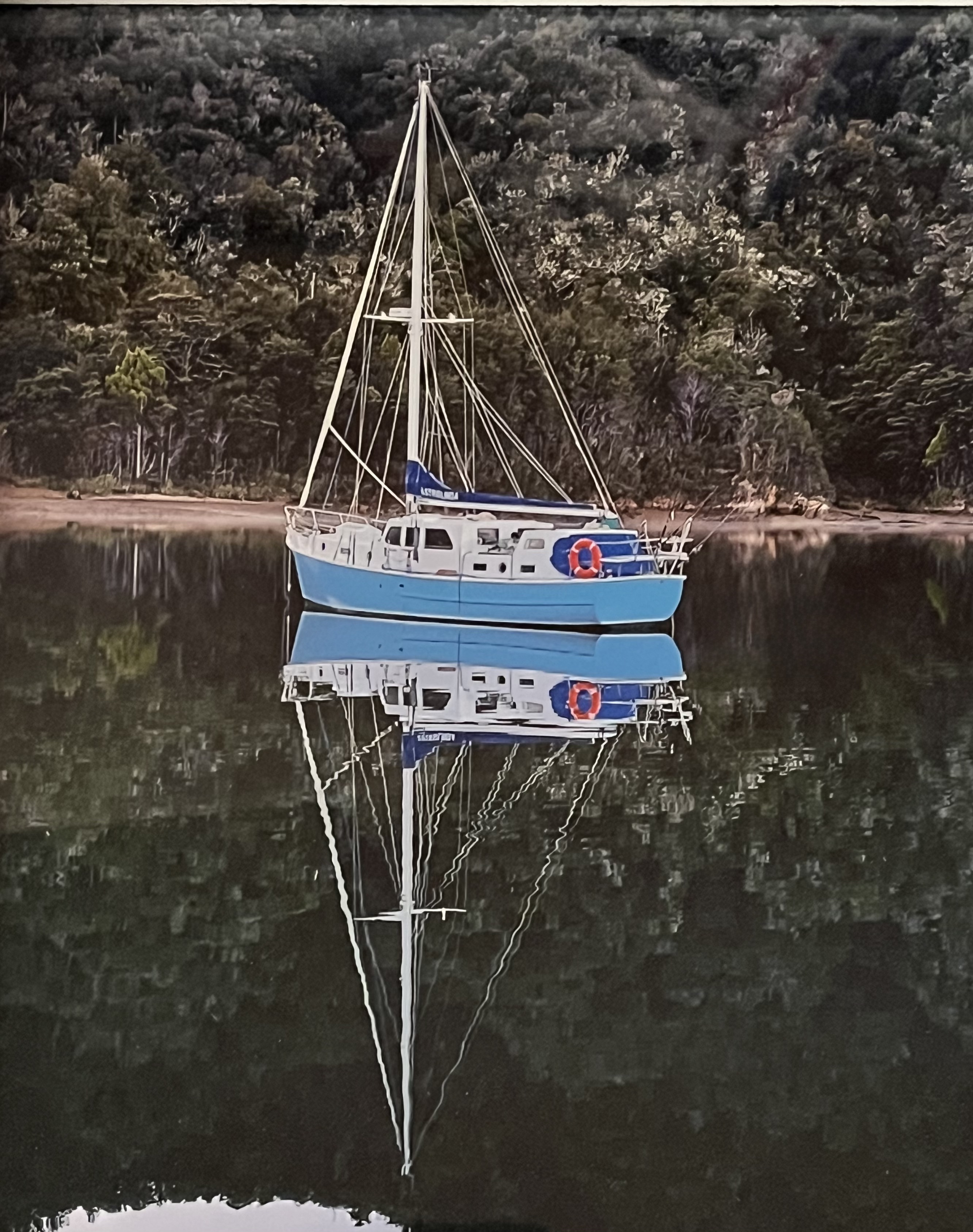
MILFORD CREEK WOODYS FLASHBACK 

2026
c.1980

MILFORD CREEK WOODYS FLASHBACK 

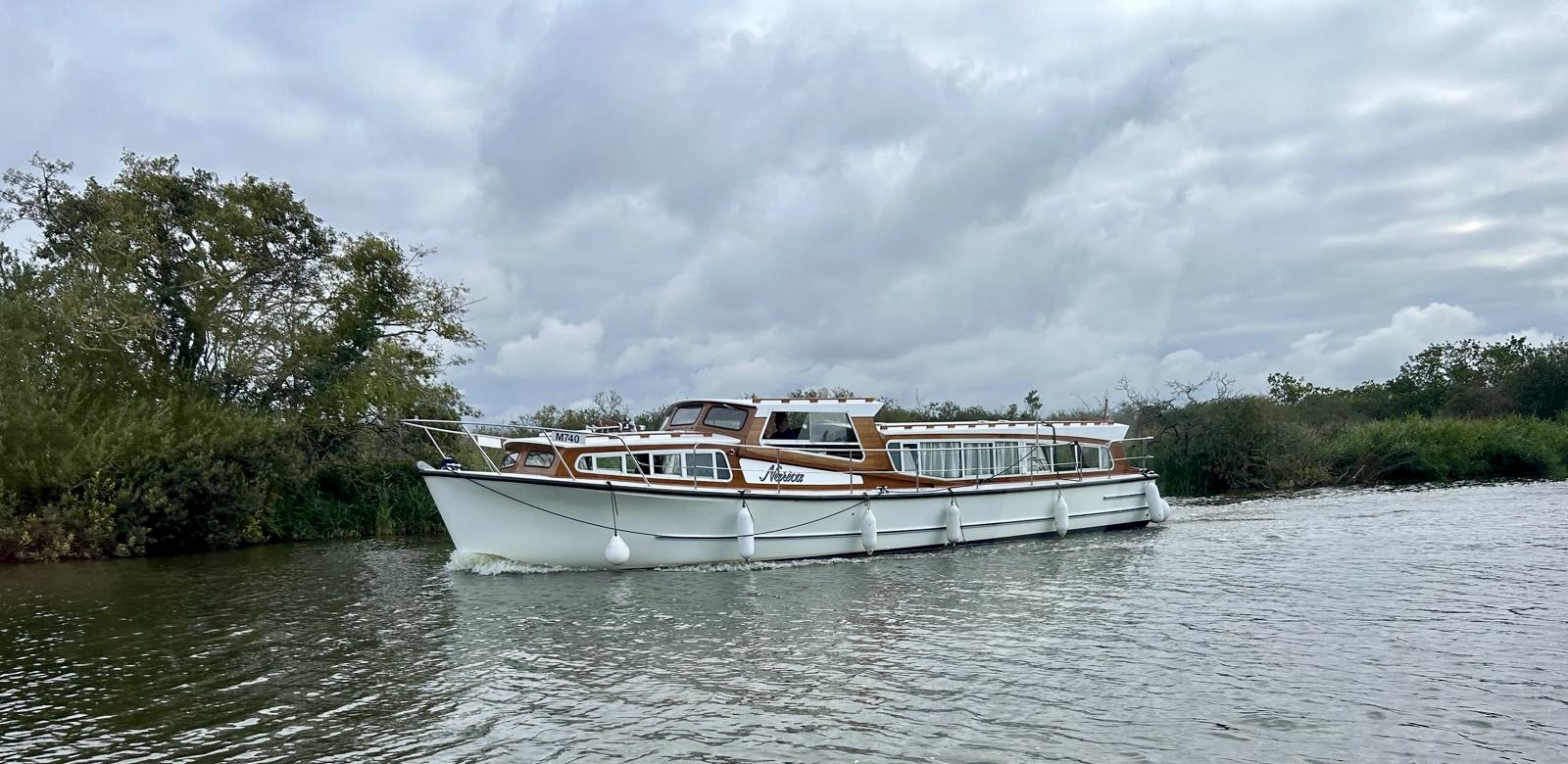
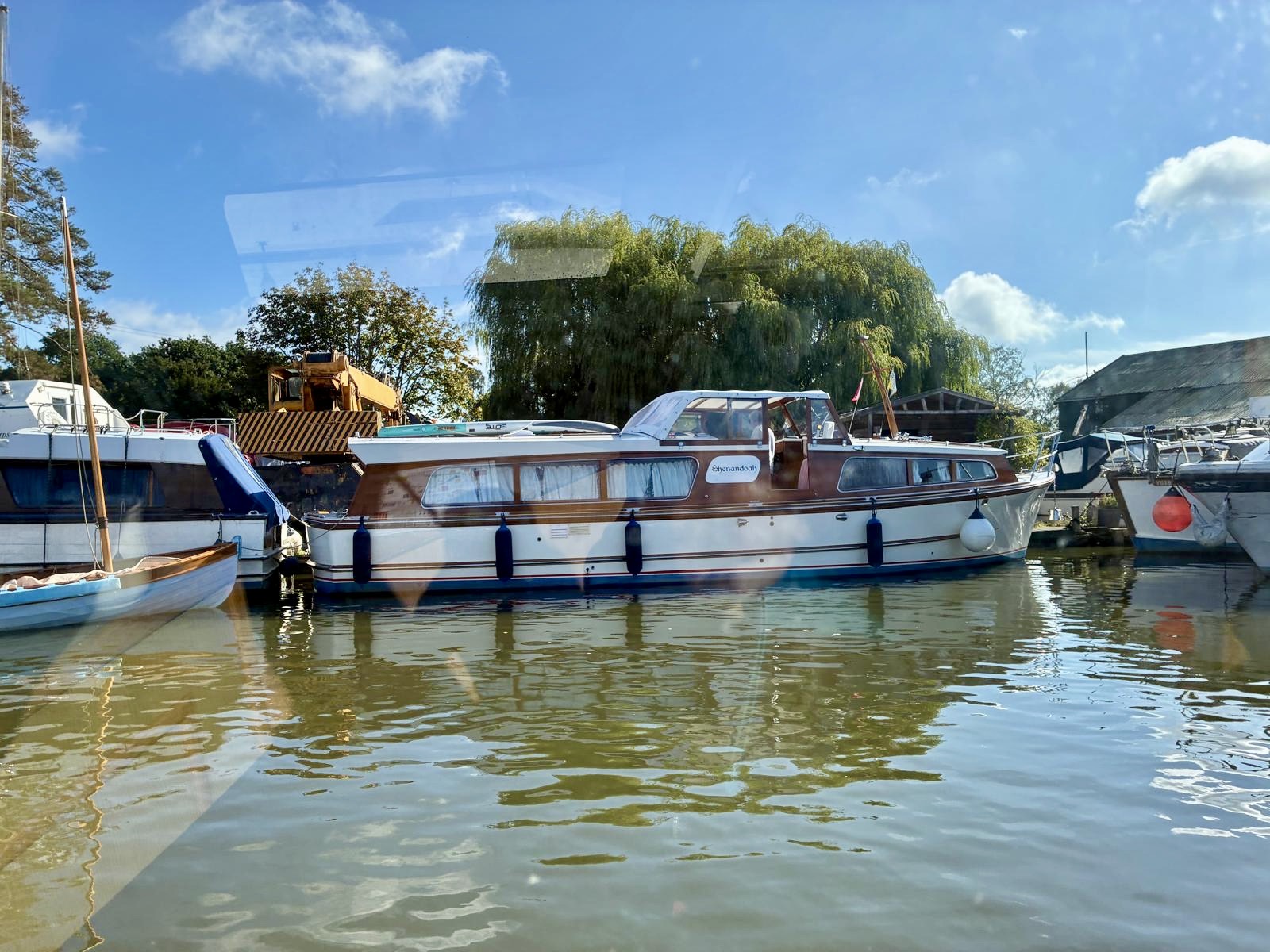
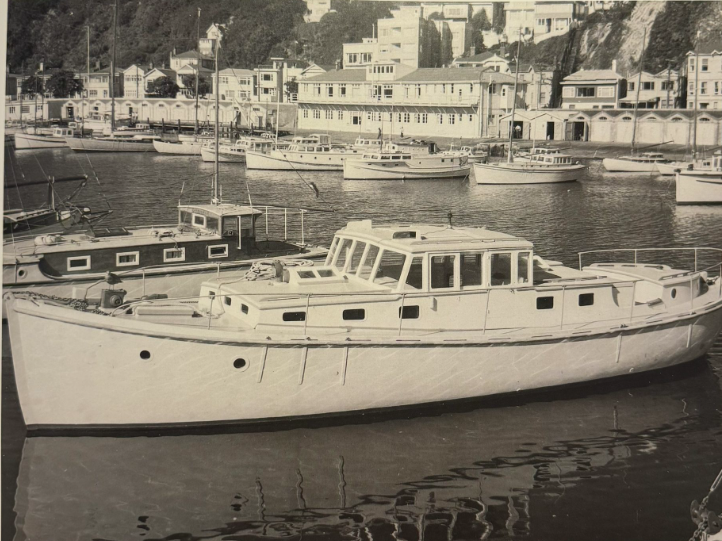
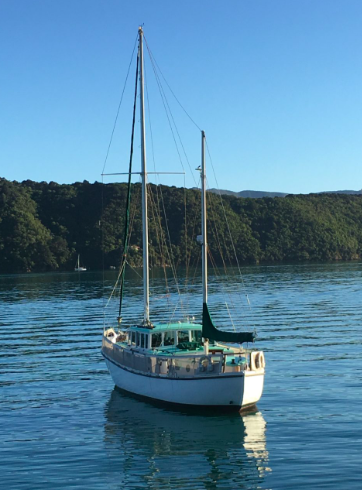
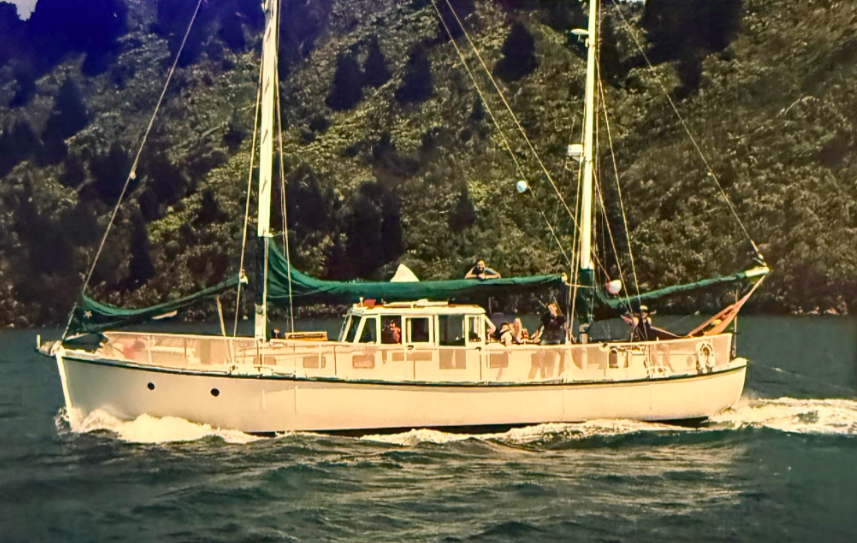
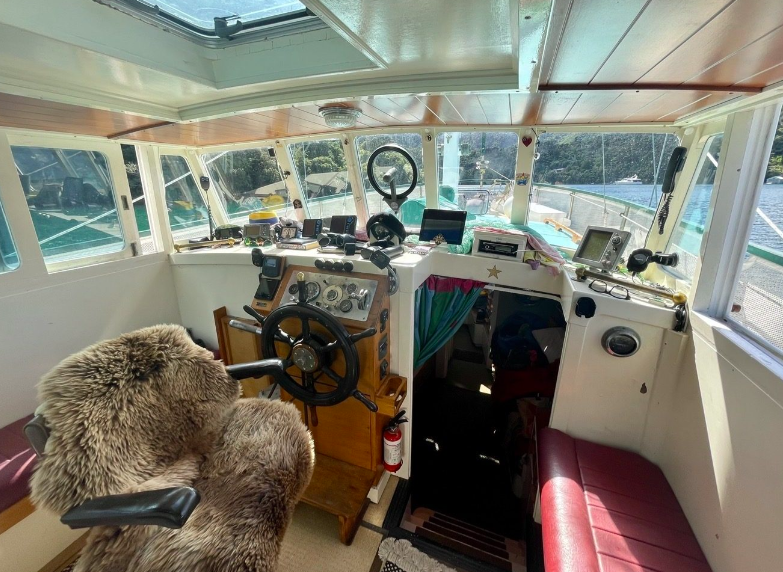
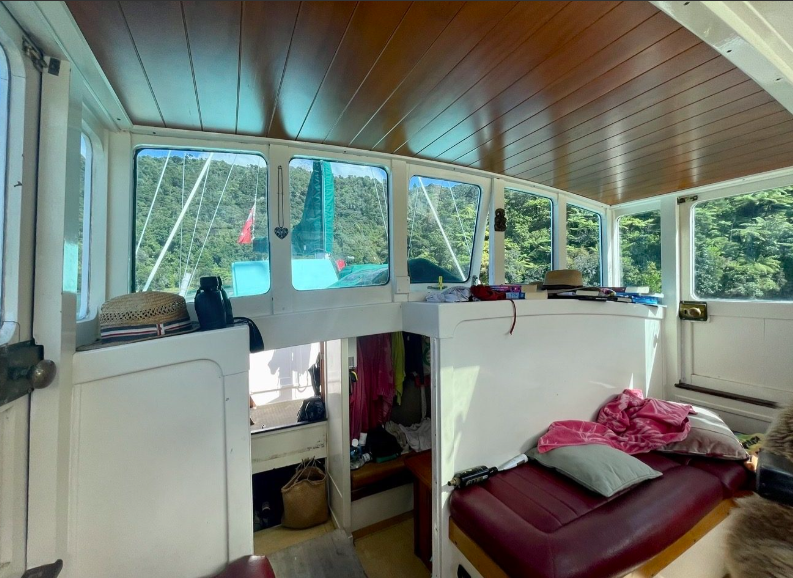
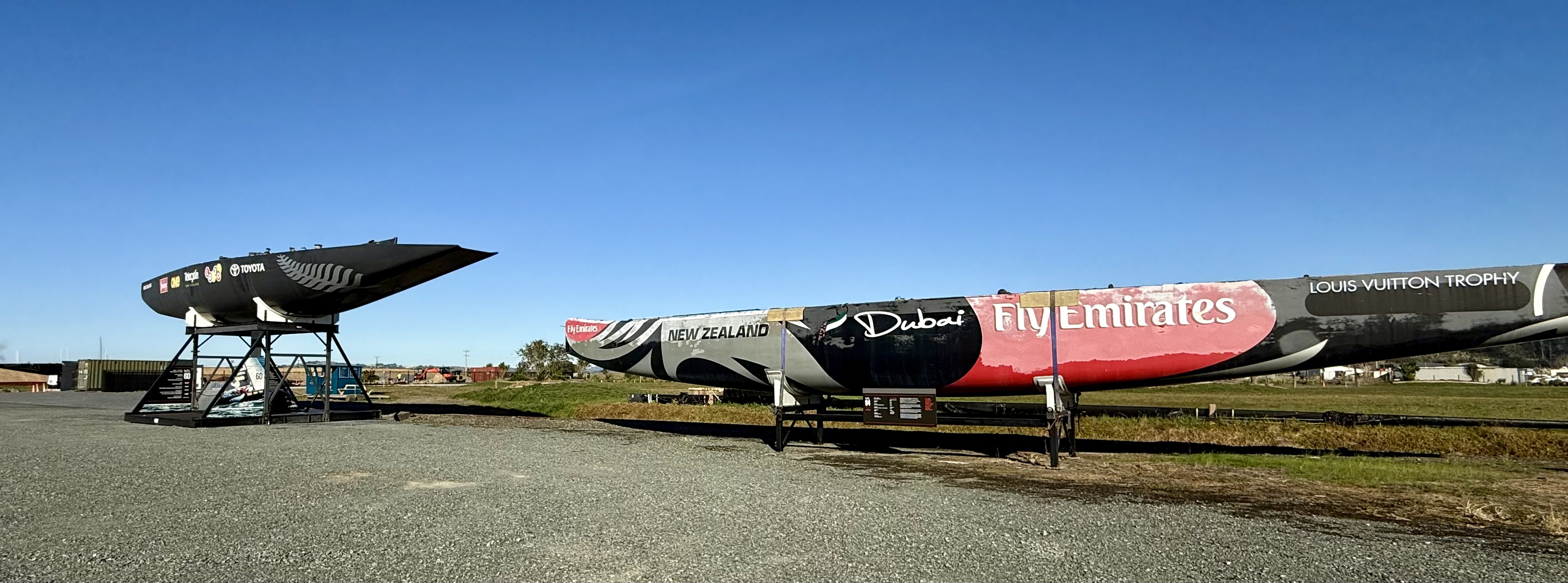
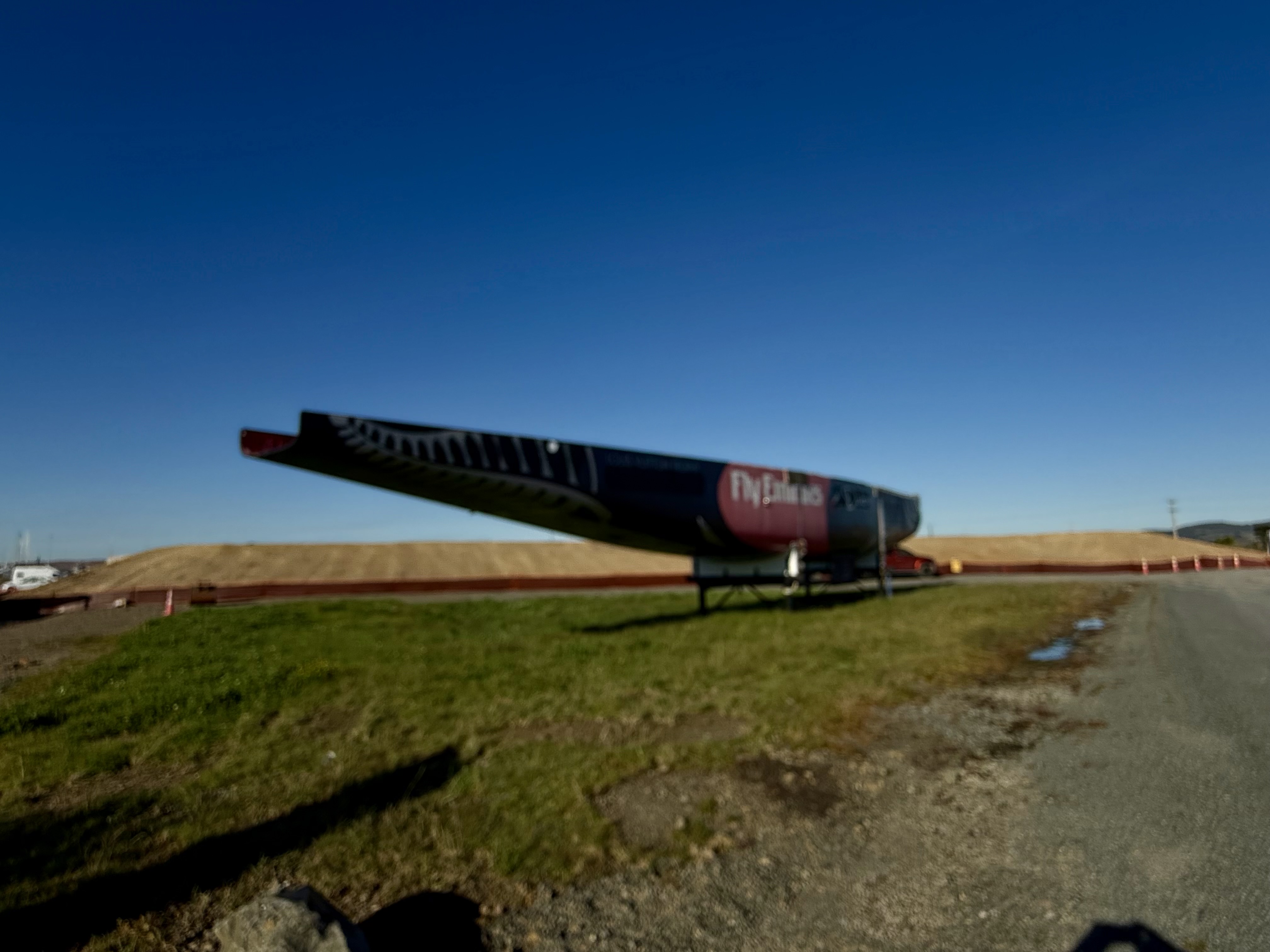
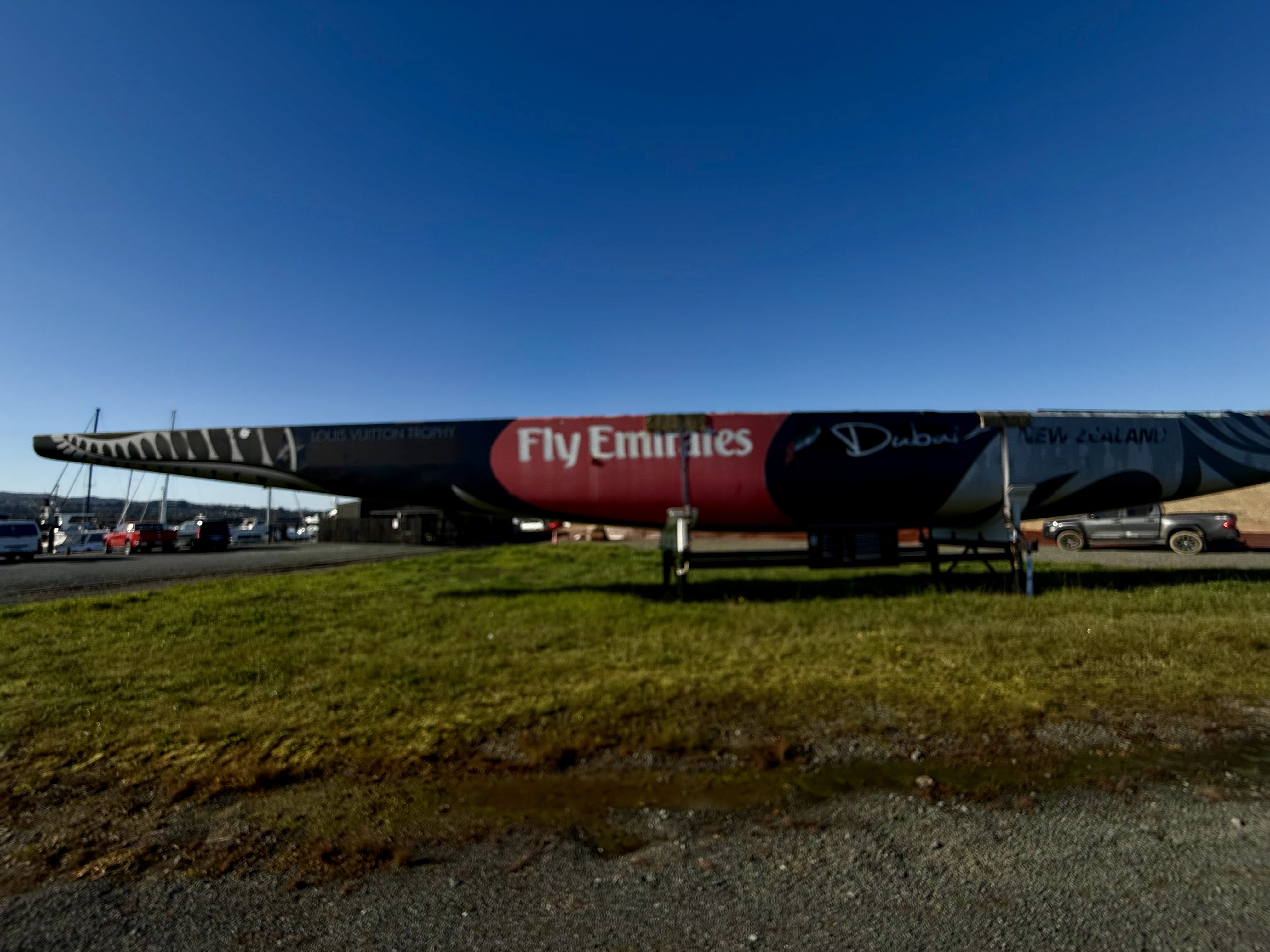
In the last few weeks the WW inbox has been receiving a lot of photos of the Milford Creek aka Wairau Estuary (if you own a plastic boat berthed there) from days gone by. 

The recent upgrades to the marina berths have transformed the area into a very swish place to keep your boat, aside from the draught and tidal access window issues.

As we can see in some of the photos – it really was a mangrove creek once.

(photos come to us from Ian McDonald and Glenn Martin)

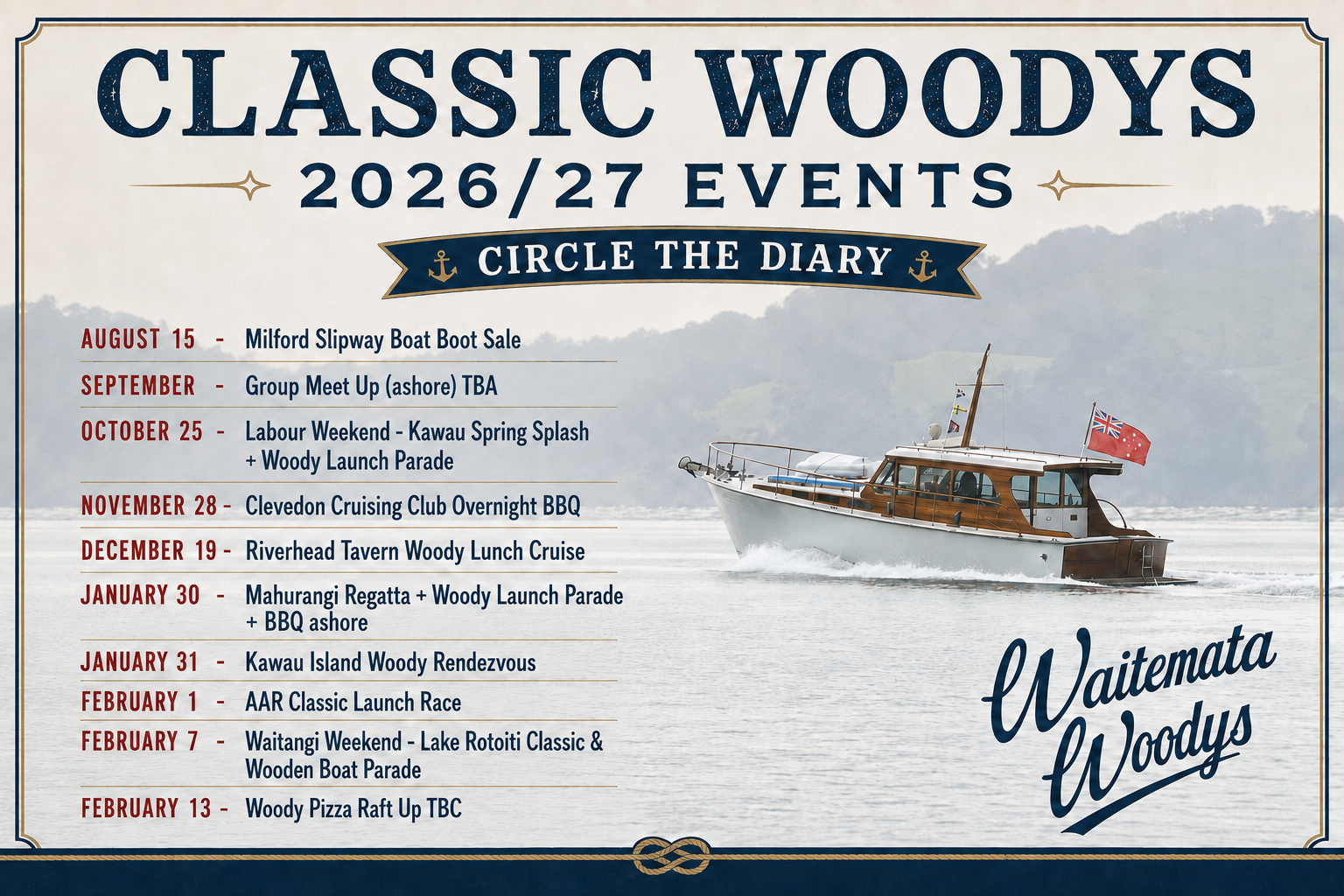
AND HOME THIS WEEKEND TO THE WOODYS BOAT BOOT SALE AT THE SLIPWAY MILFORD – IF YOU’RE WANTING SPACE TO SELL YOUR TREASURE  – BOOK NOW. Email waitematawoodys@gmail.com

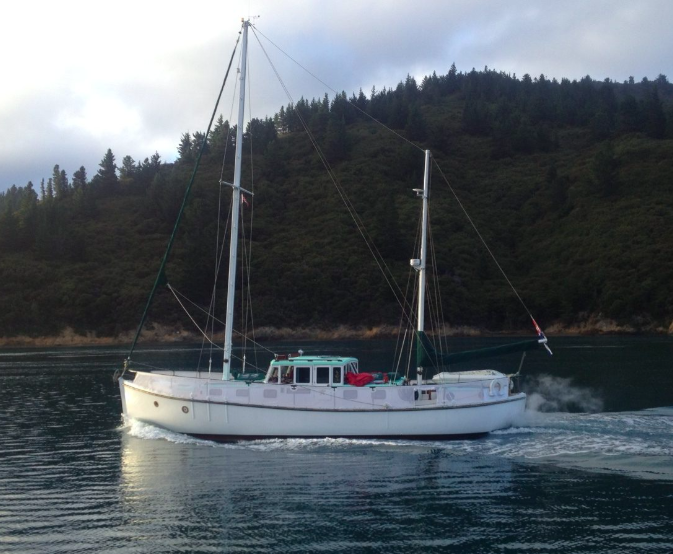
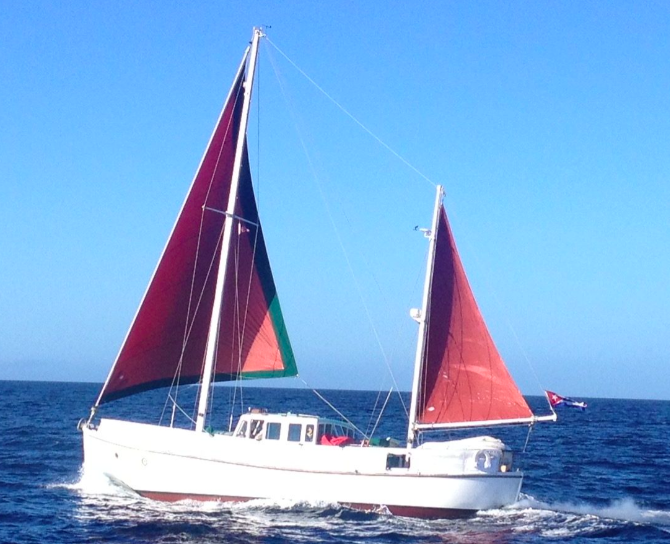
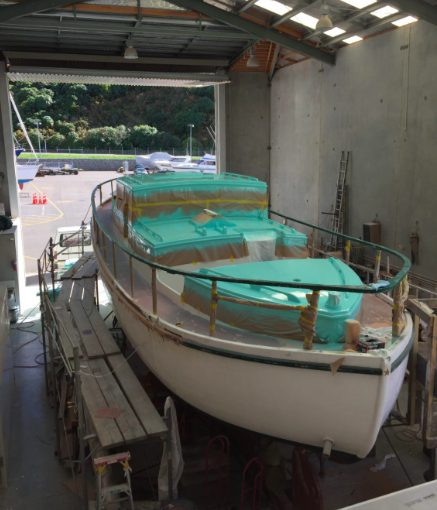
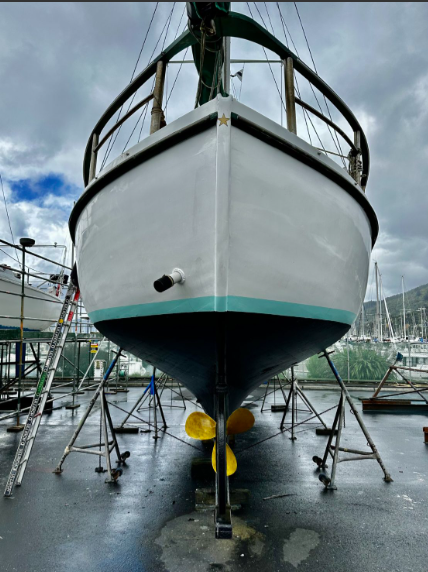
MAHAKI – 1895 LOGAN YACHT SEEKS A NEW CUSTODIAN 

RESTORATION – 1980’s

LAUNCH DAY

2026 SHED PHOTOS 

MAHAKI – 1895 LOGAN YACHT SEEKS A NEW CUSTODIAN 

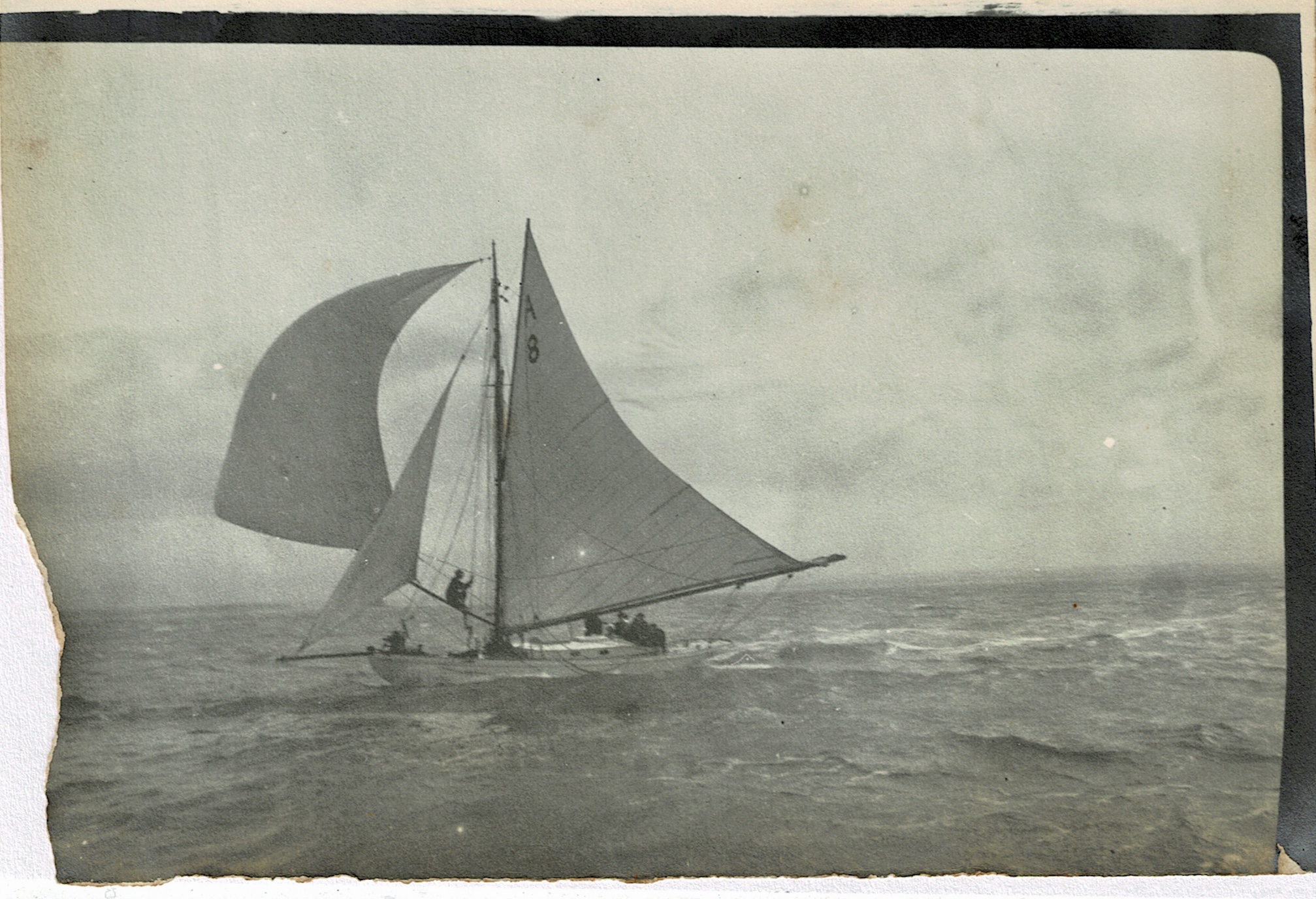
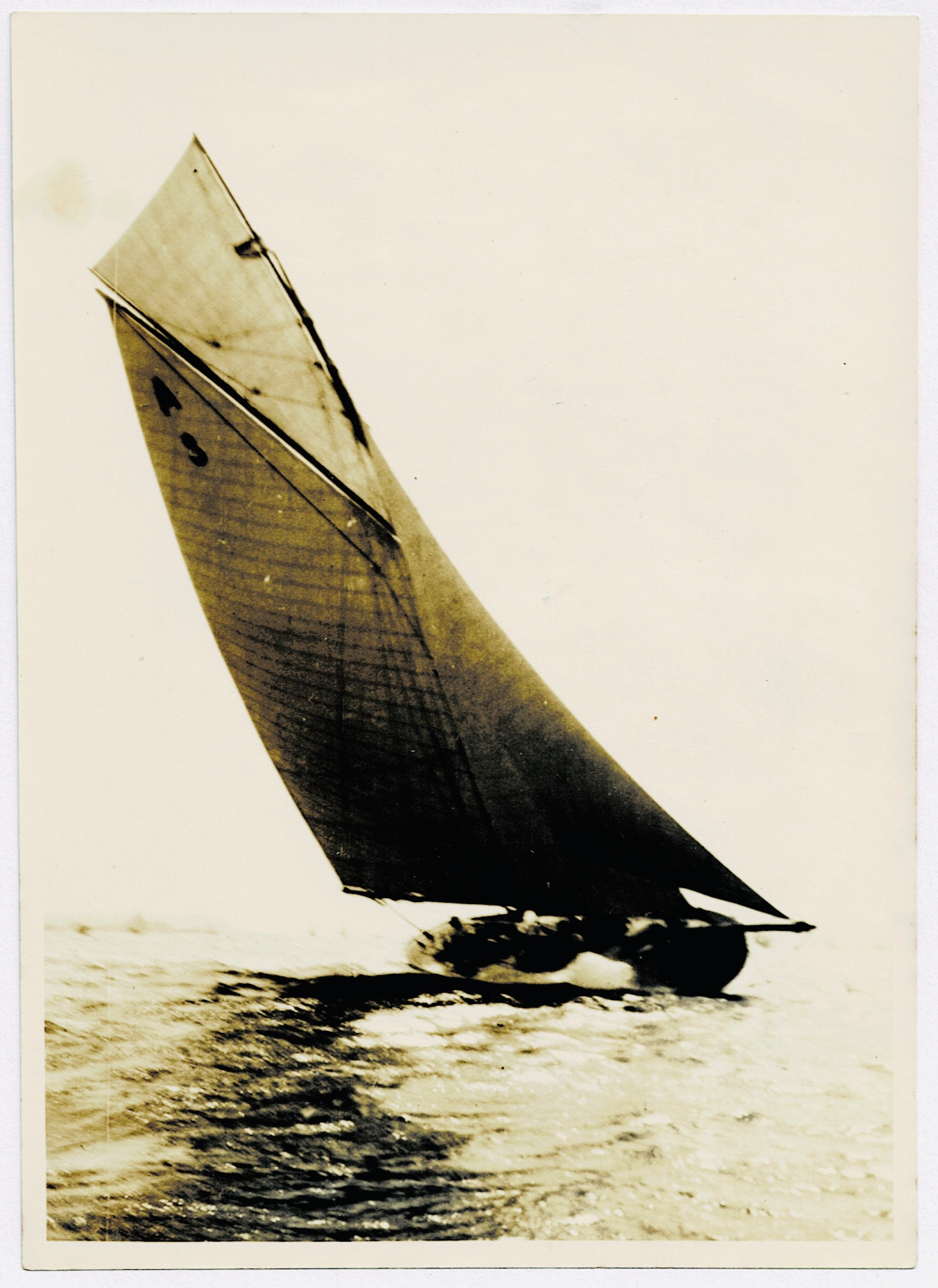
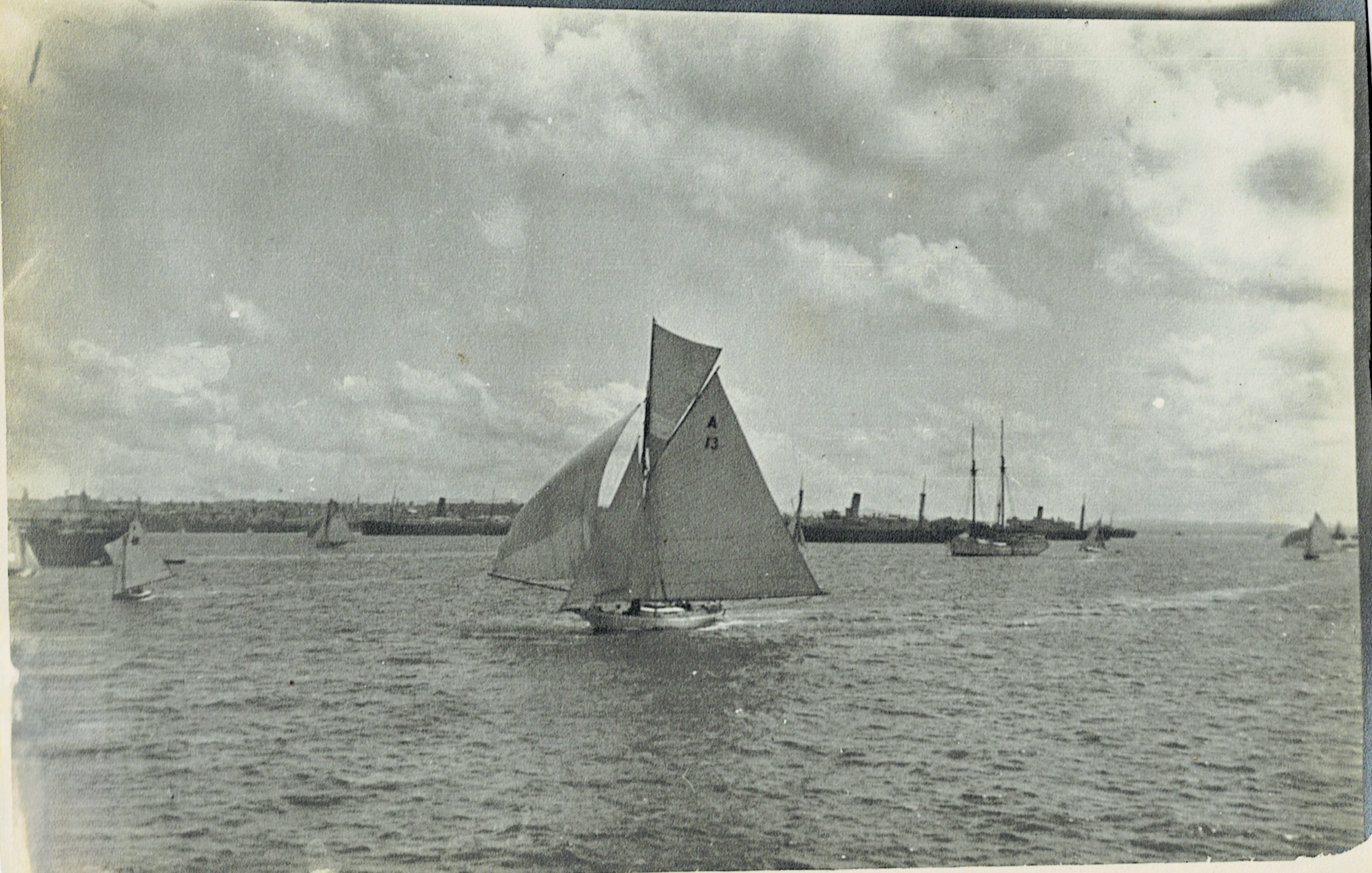
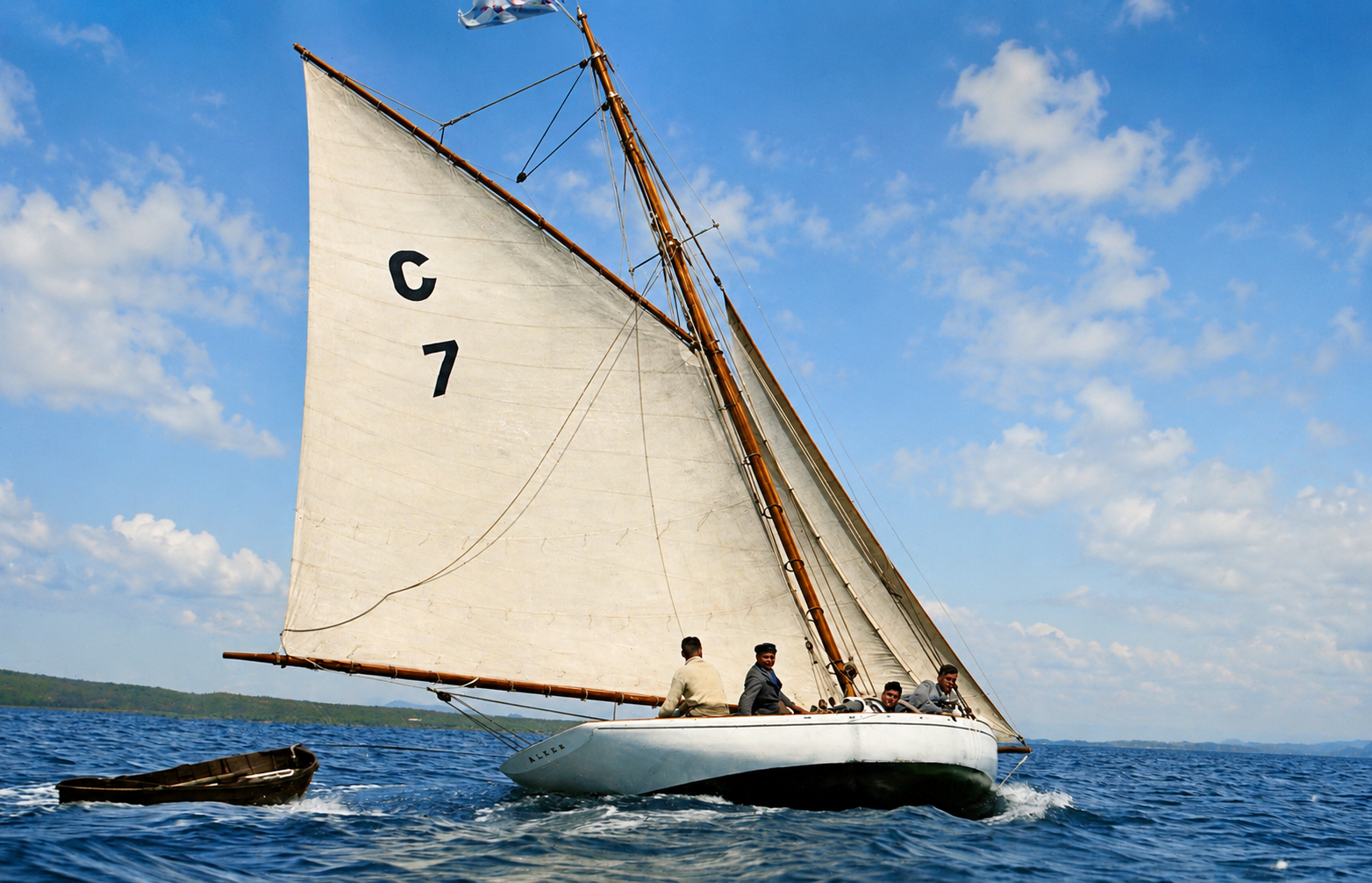
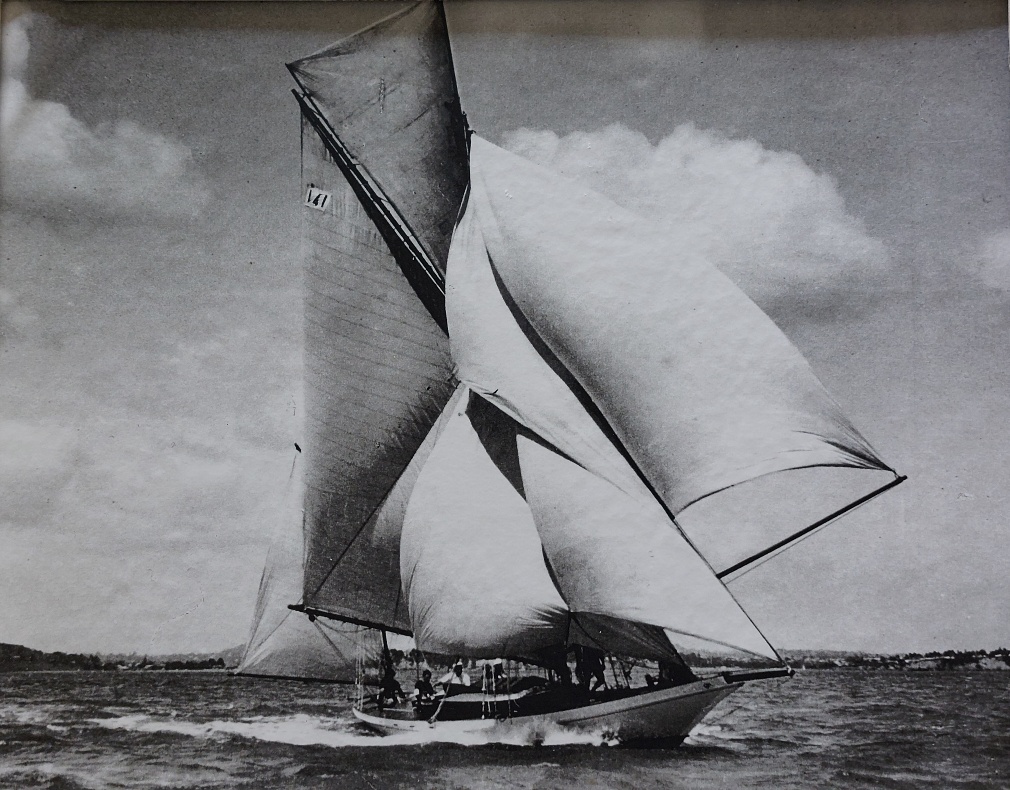
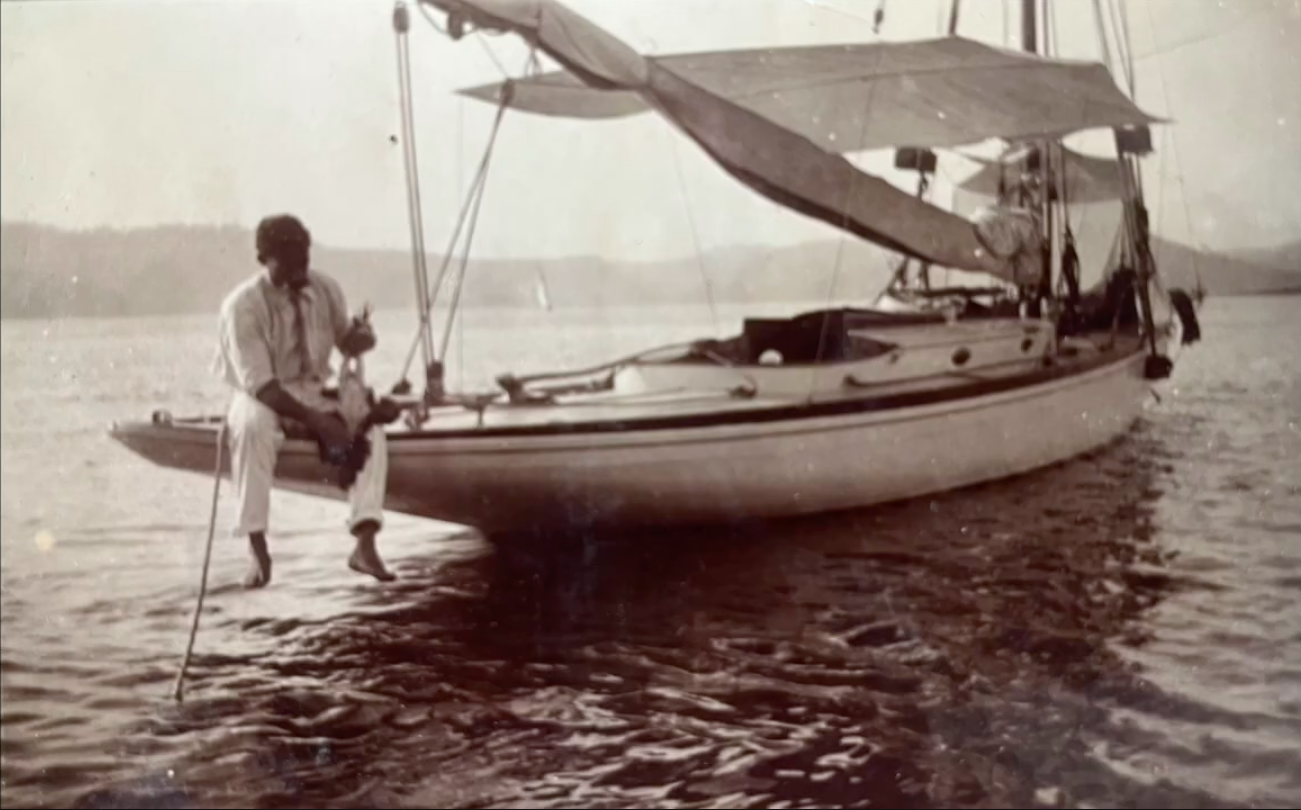
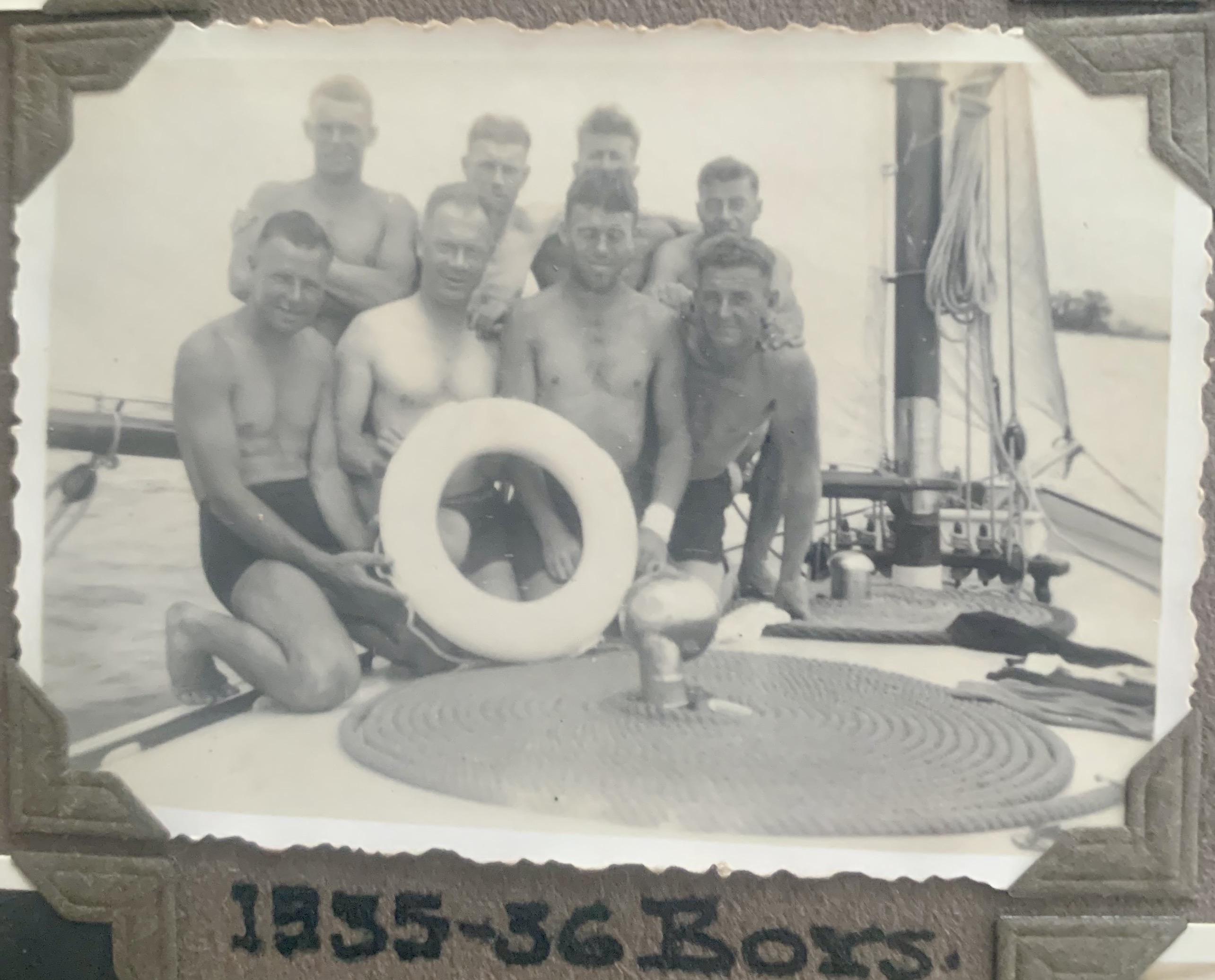
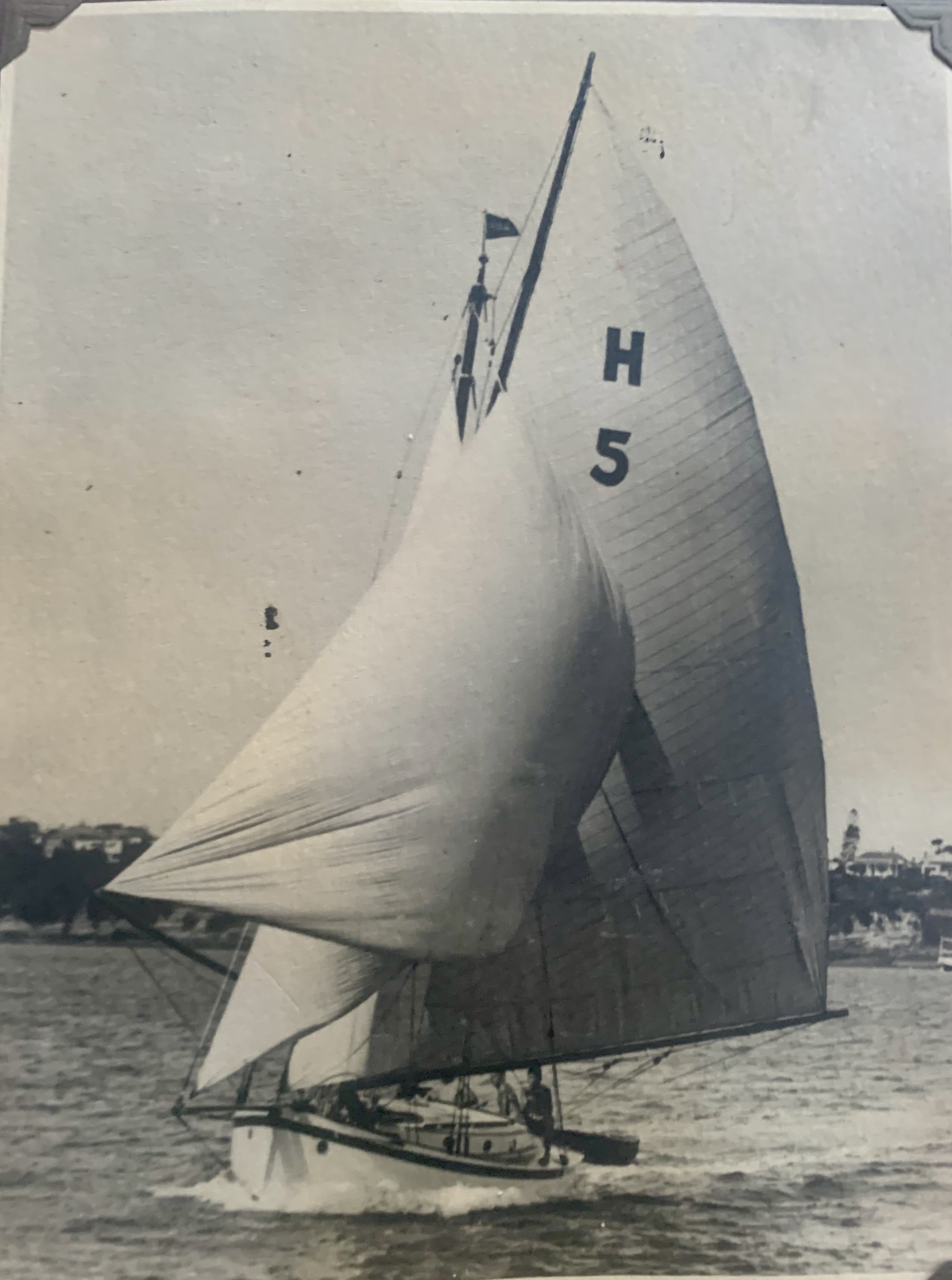
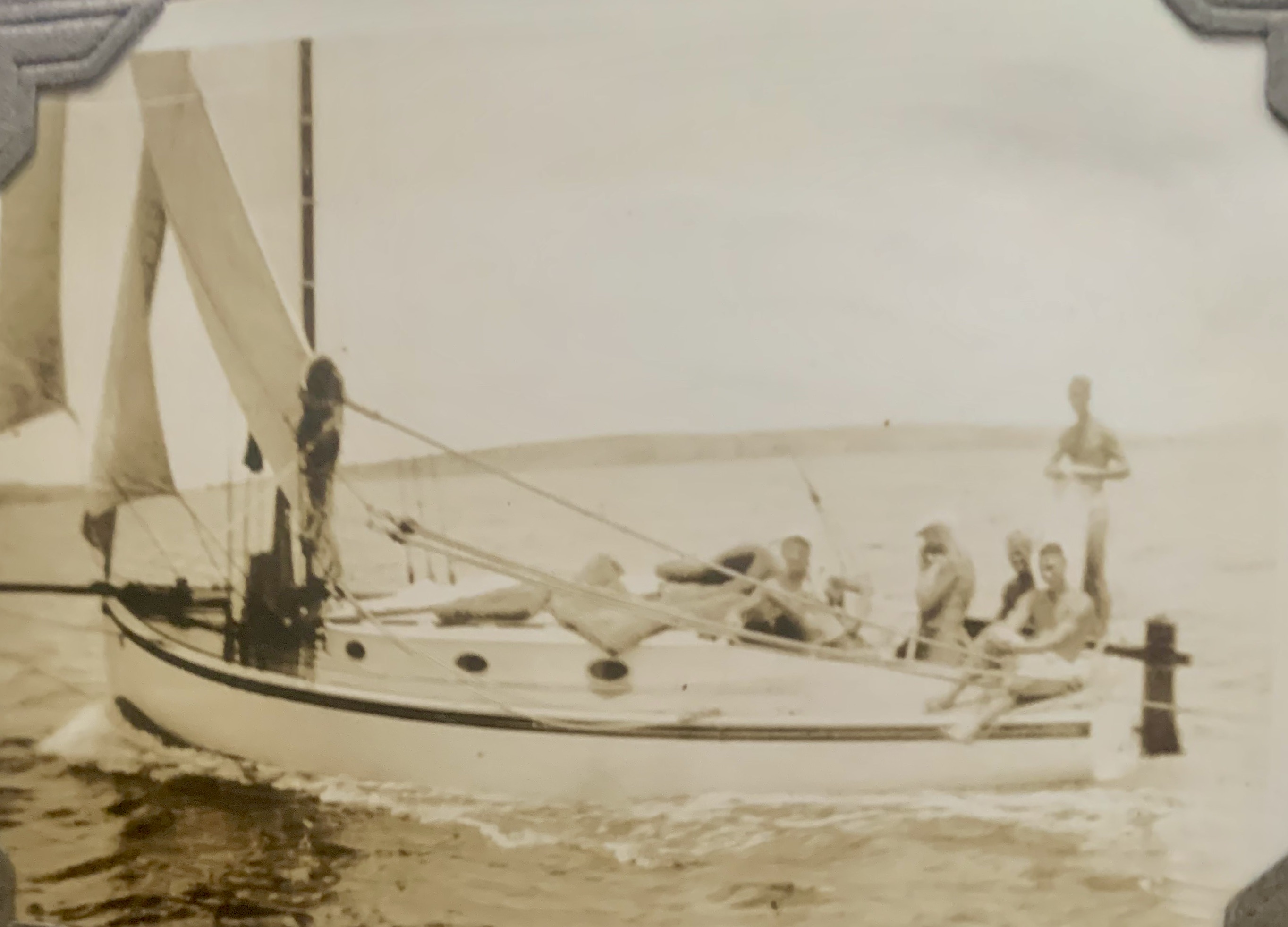
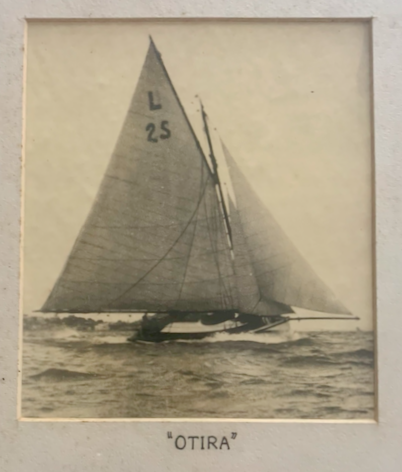
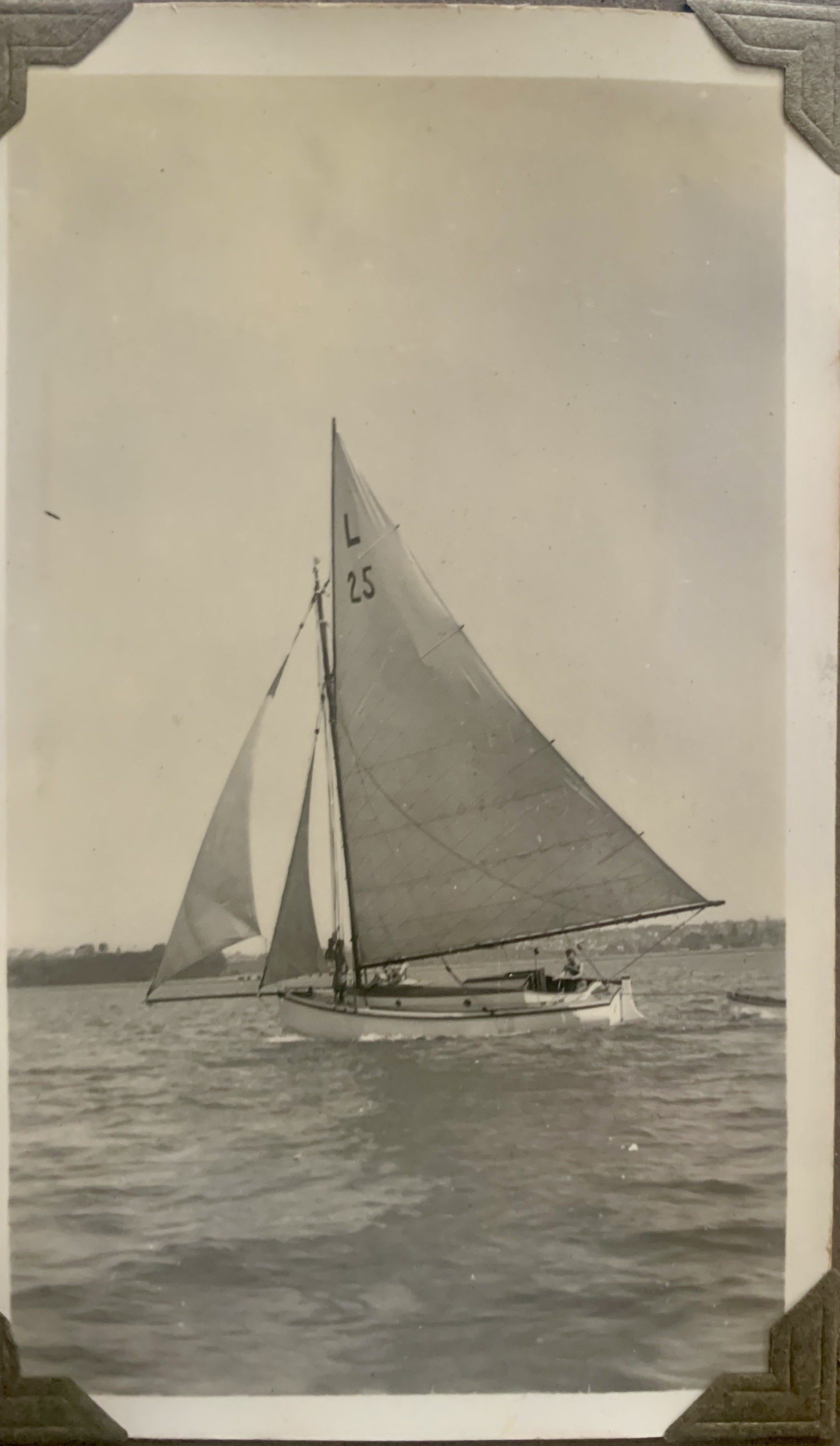
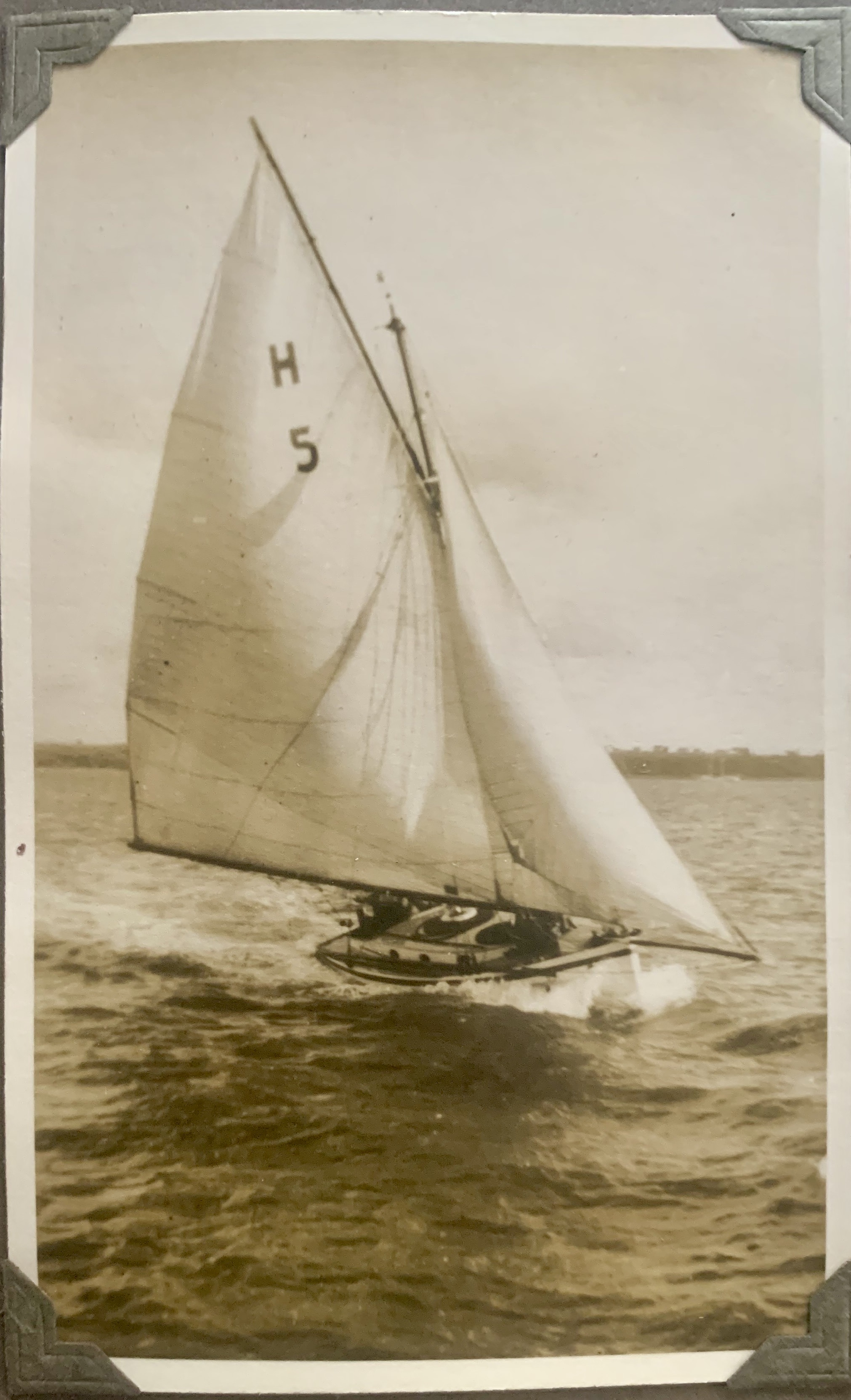
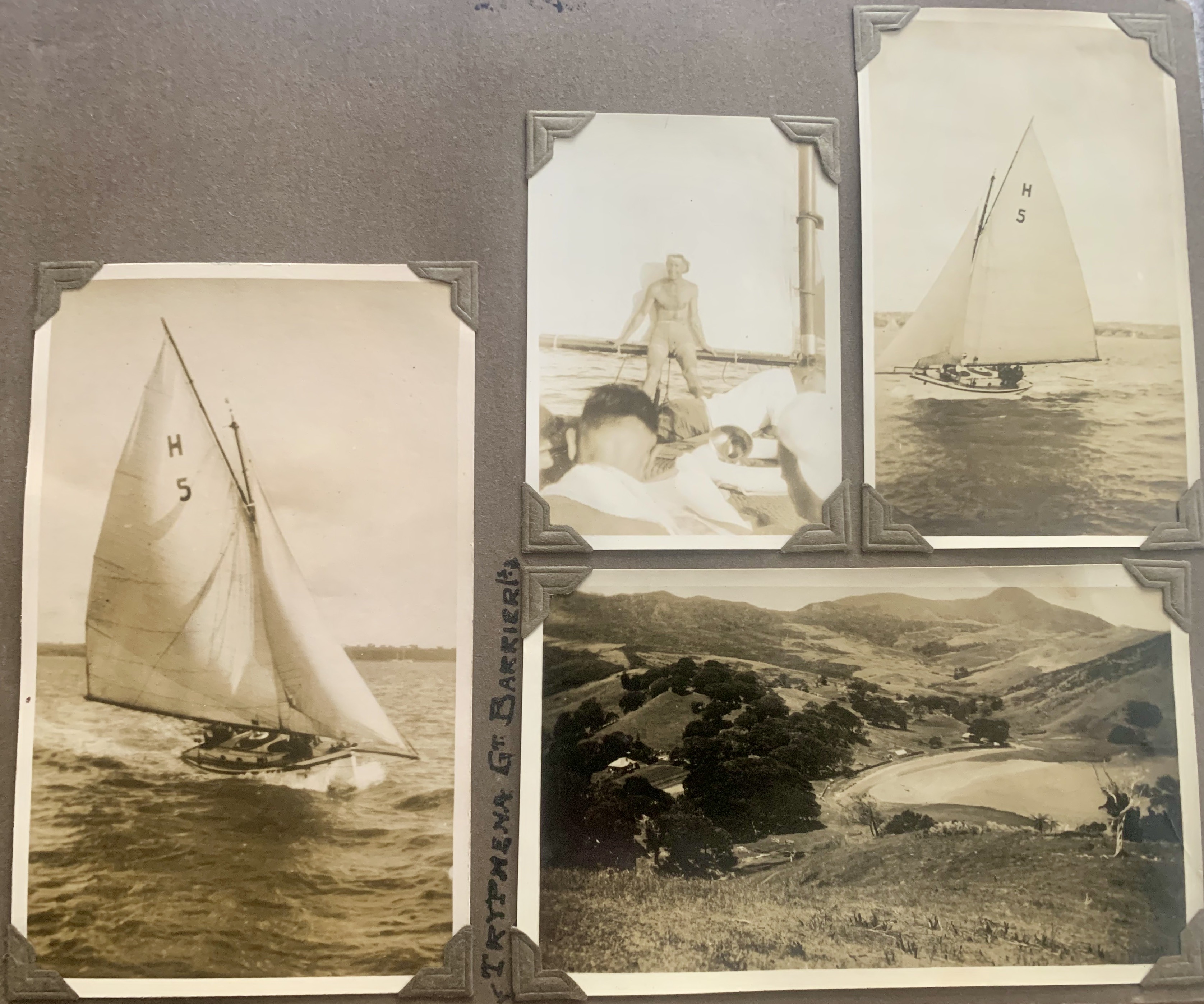
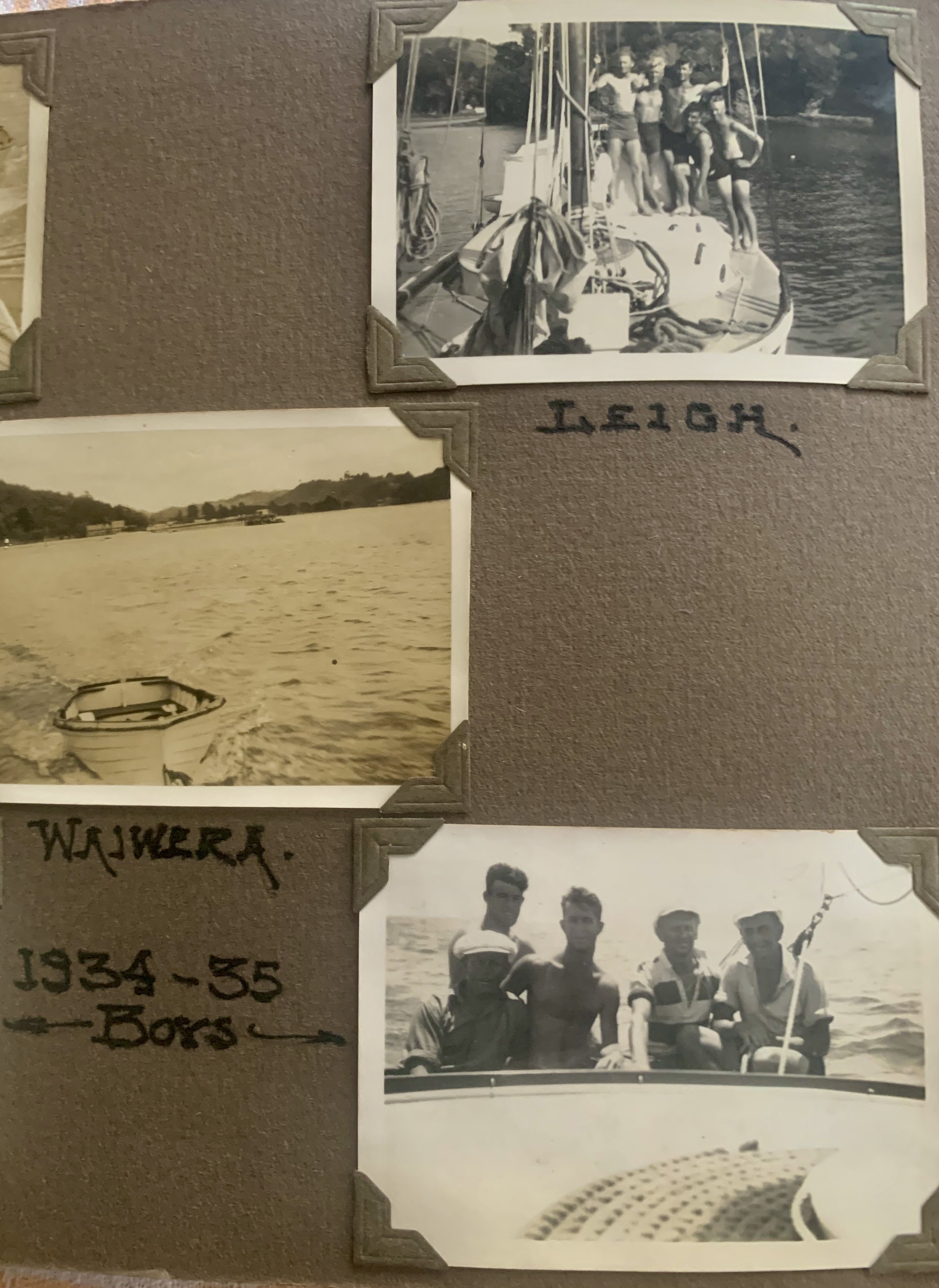
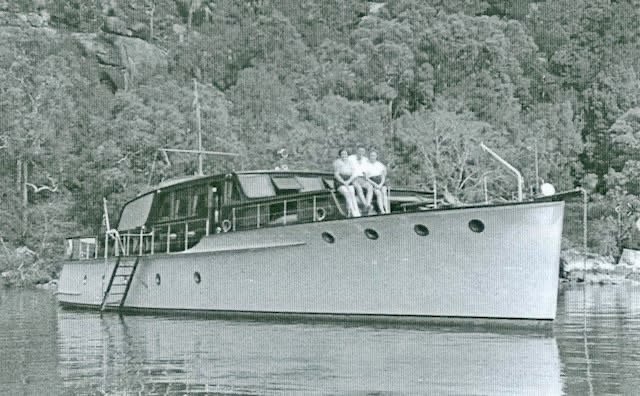
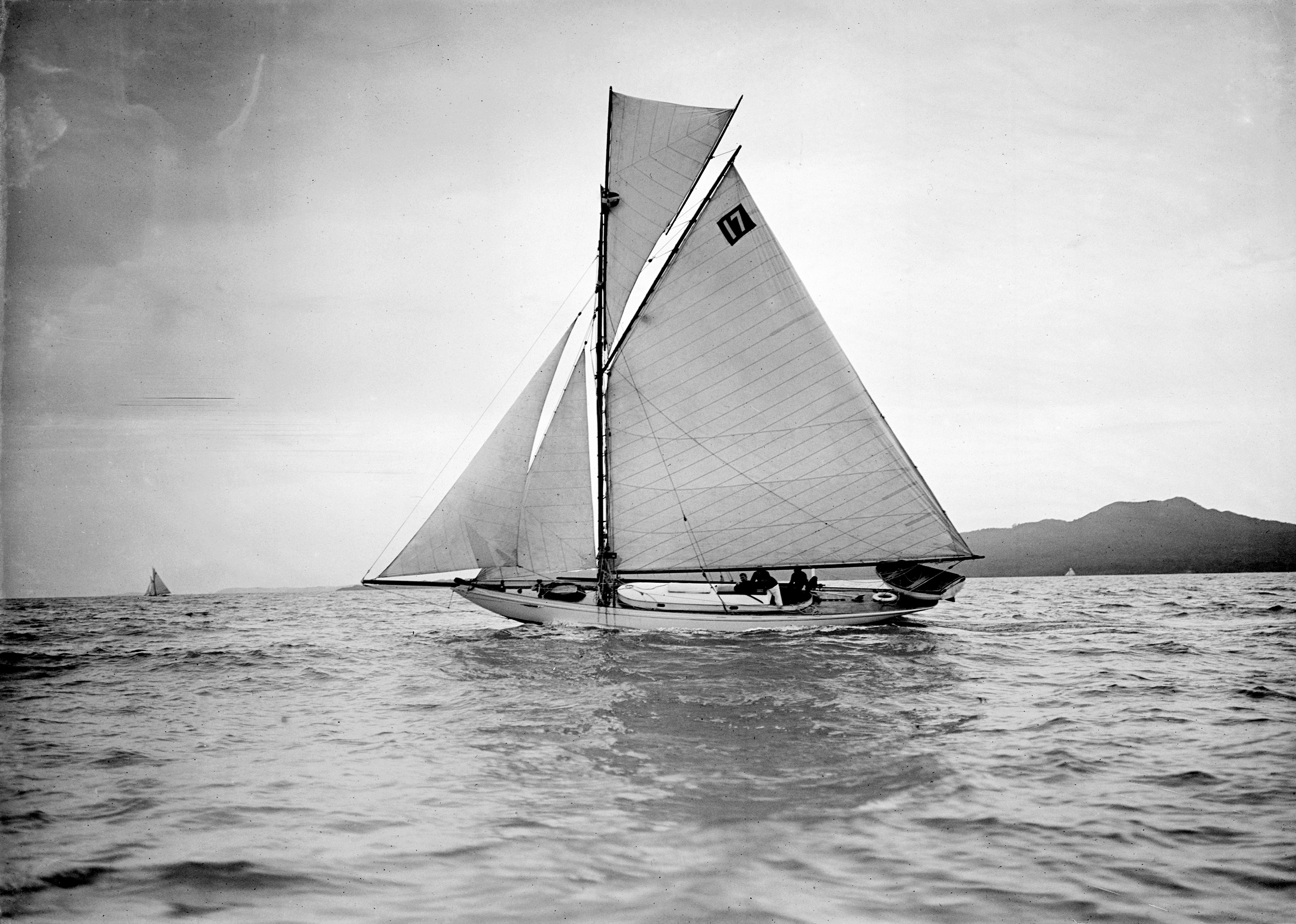
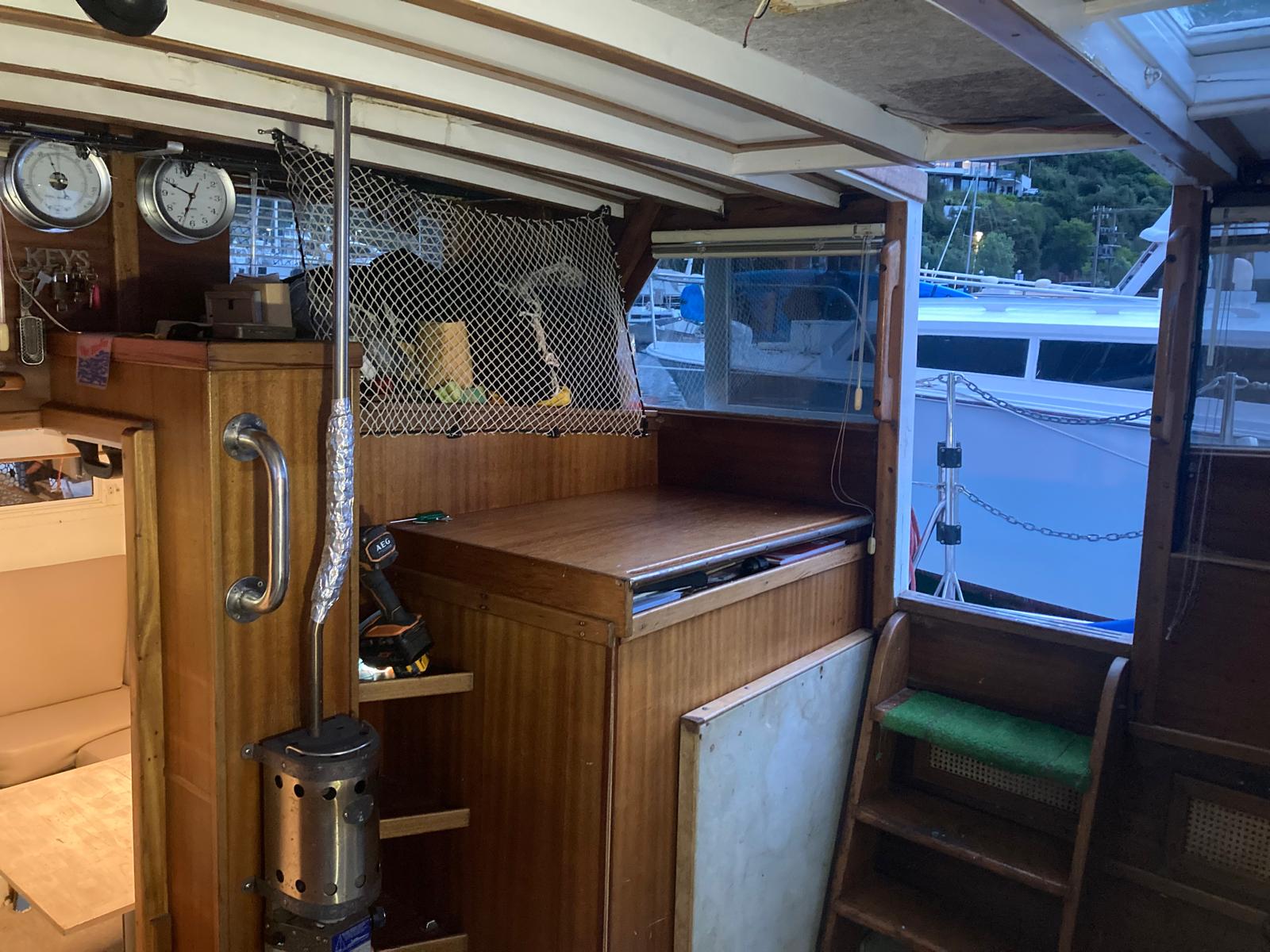
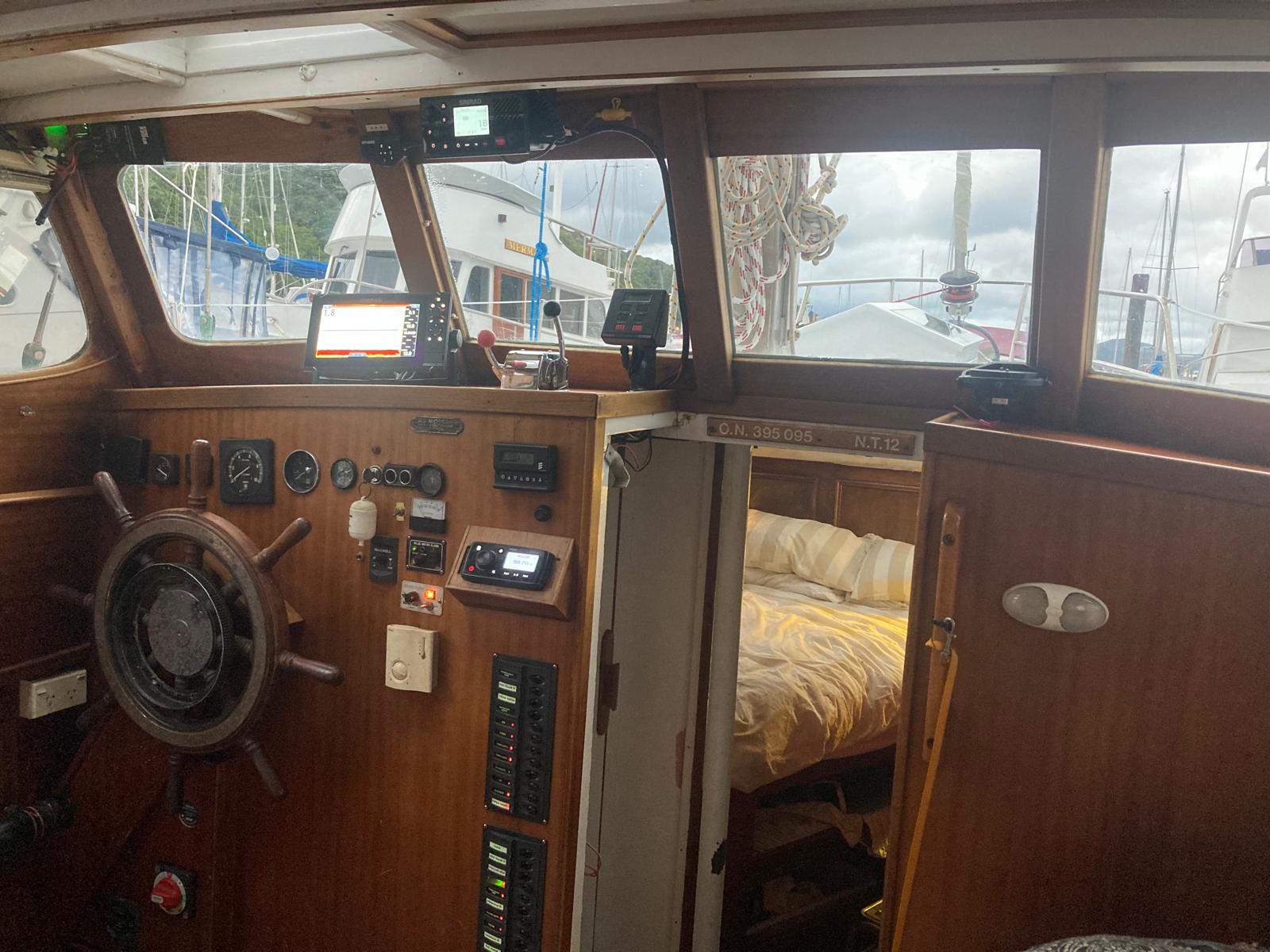
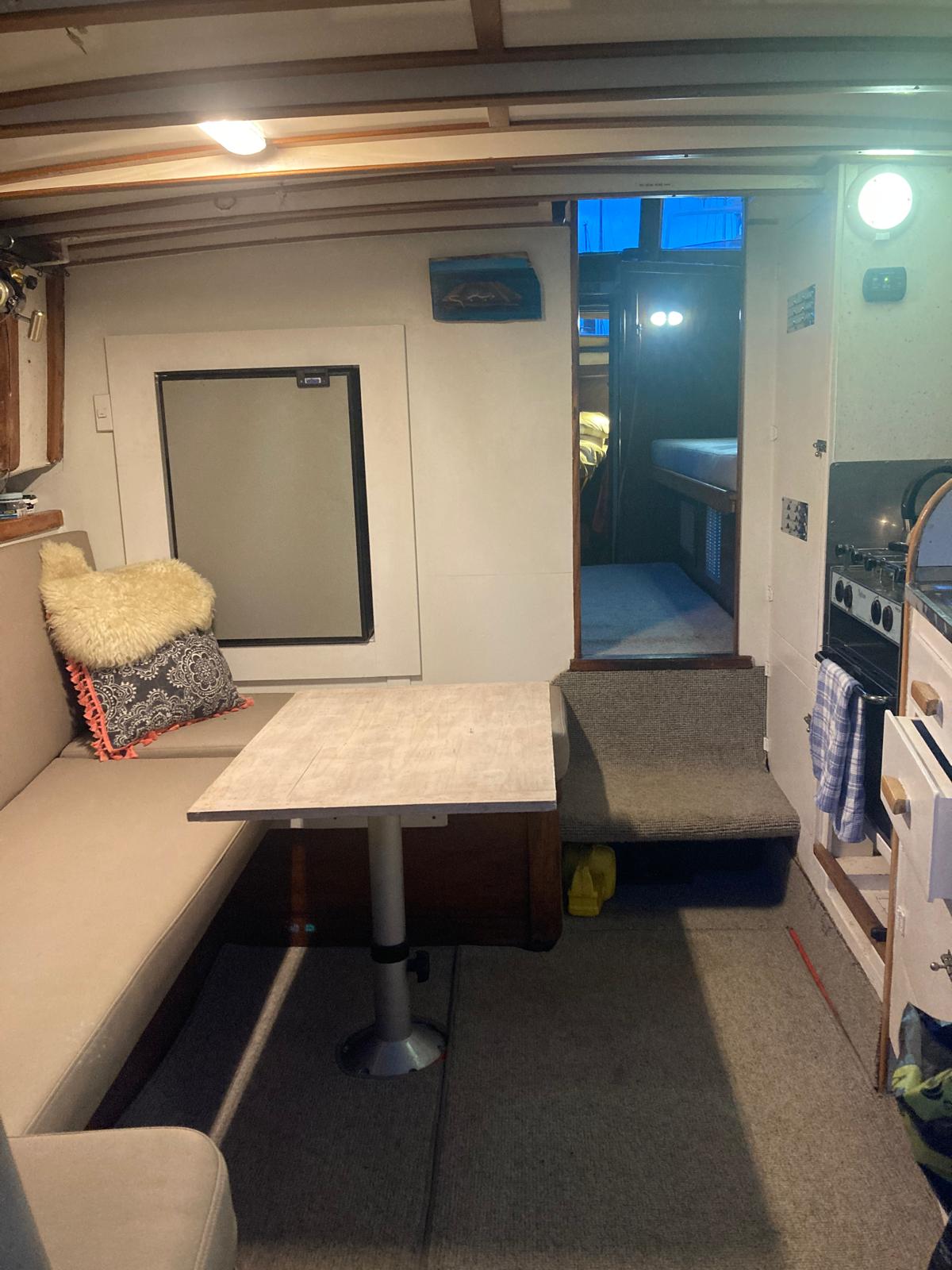
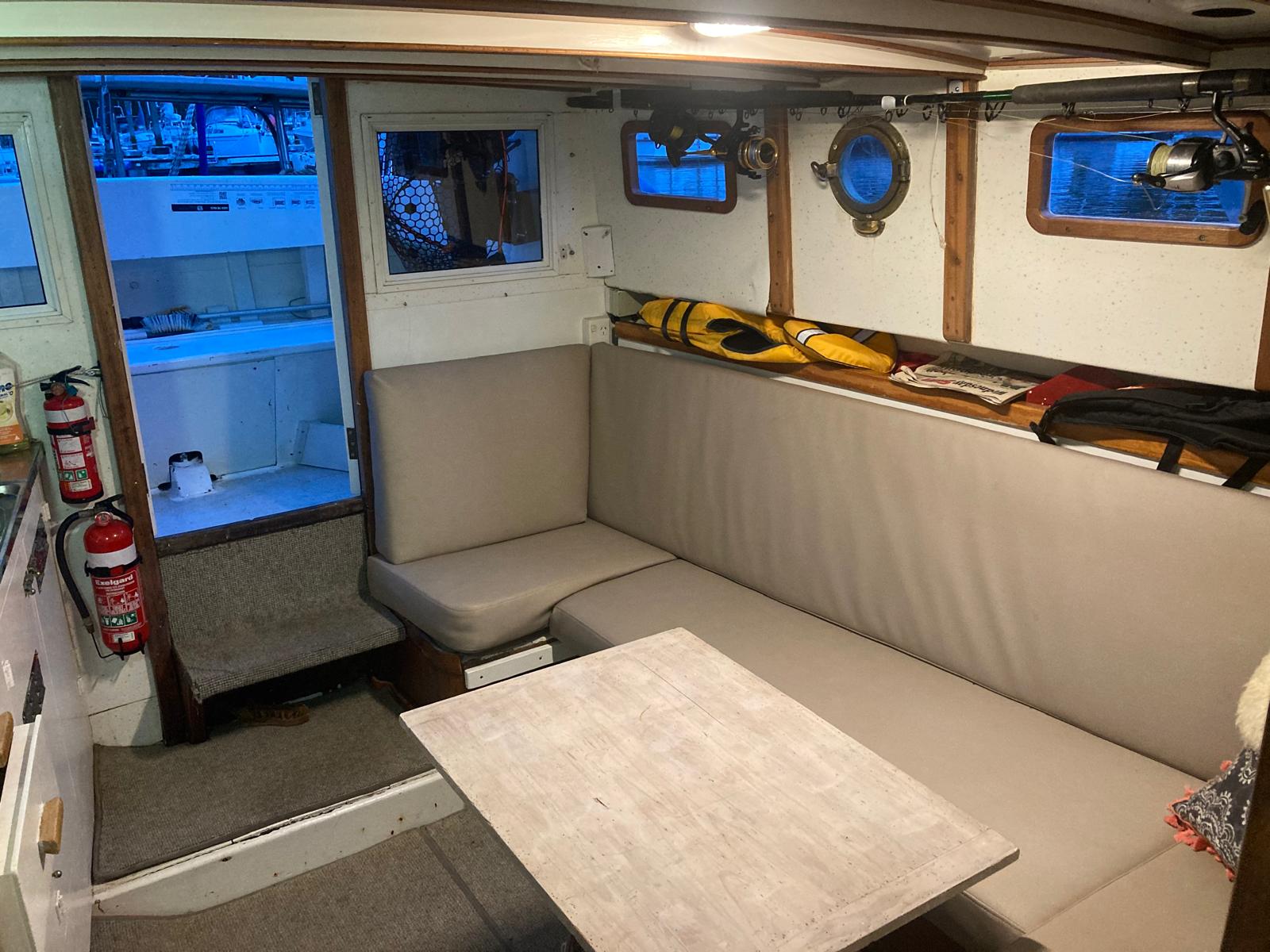
Back in October 2024 the 1895 Jack Logan built yacht – MAHAKI came onto the WW radar via a request from Chris Leech from the Devonport Yacht Club re the yachts current owners. DYC had received a gift of the ‘NZ Yachtsman Cup’ that MAHAKI won in 1910. (below b/w photos from her past)

Some history that we have learned – MAHAKI was owned by Harry Upton, and his friends Geoff Clark and Dick Wilson (later his brother in law) during the 1930s. Owned by Russell Going an Auckland architect in the early/mid 1980’s.

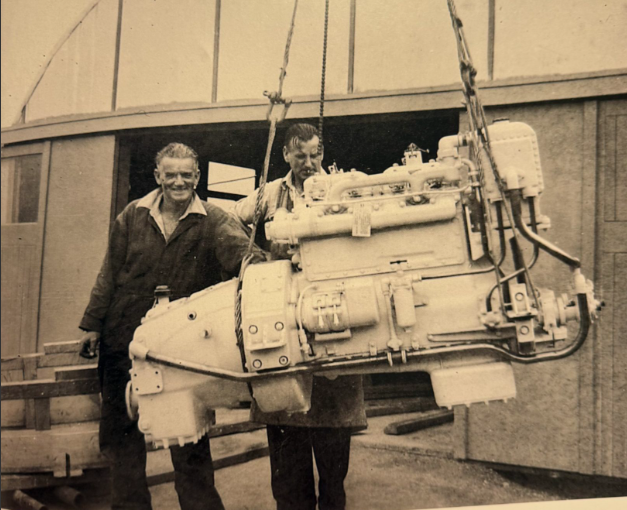
Bought by Eric Wing (McMullan & Wing) in the mid 1980’s. Partially restored by Wing and then on his passing in 1994 was purchased by Peter Blundell who finished the project in Clevedon.

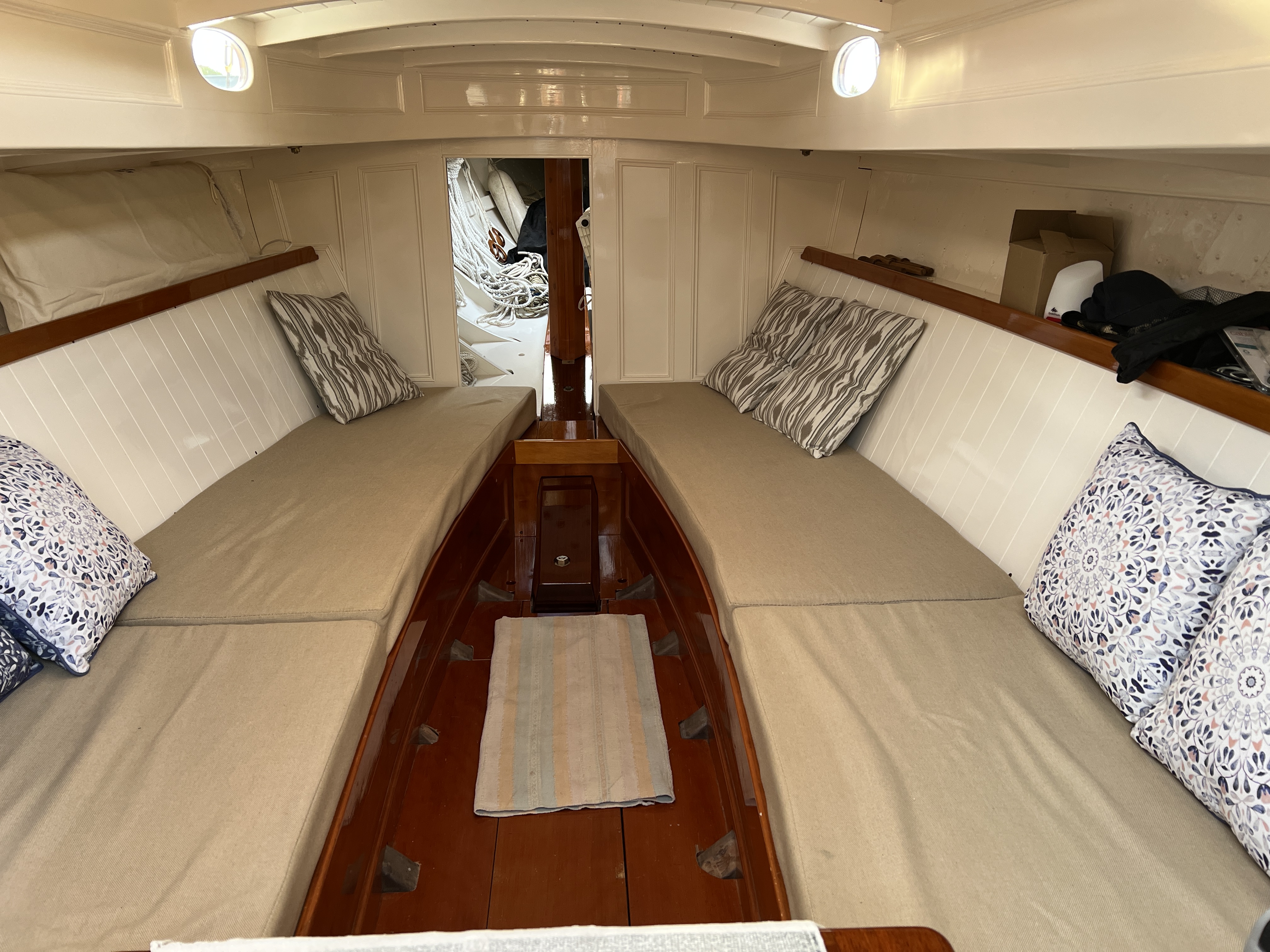
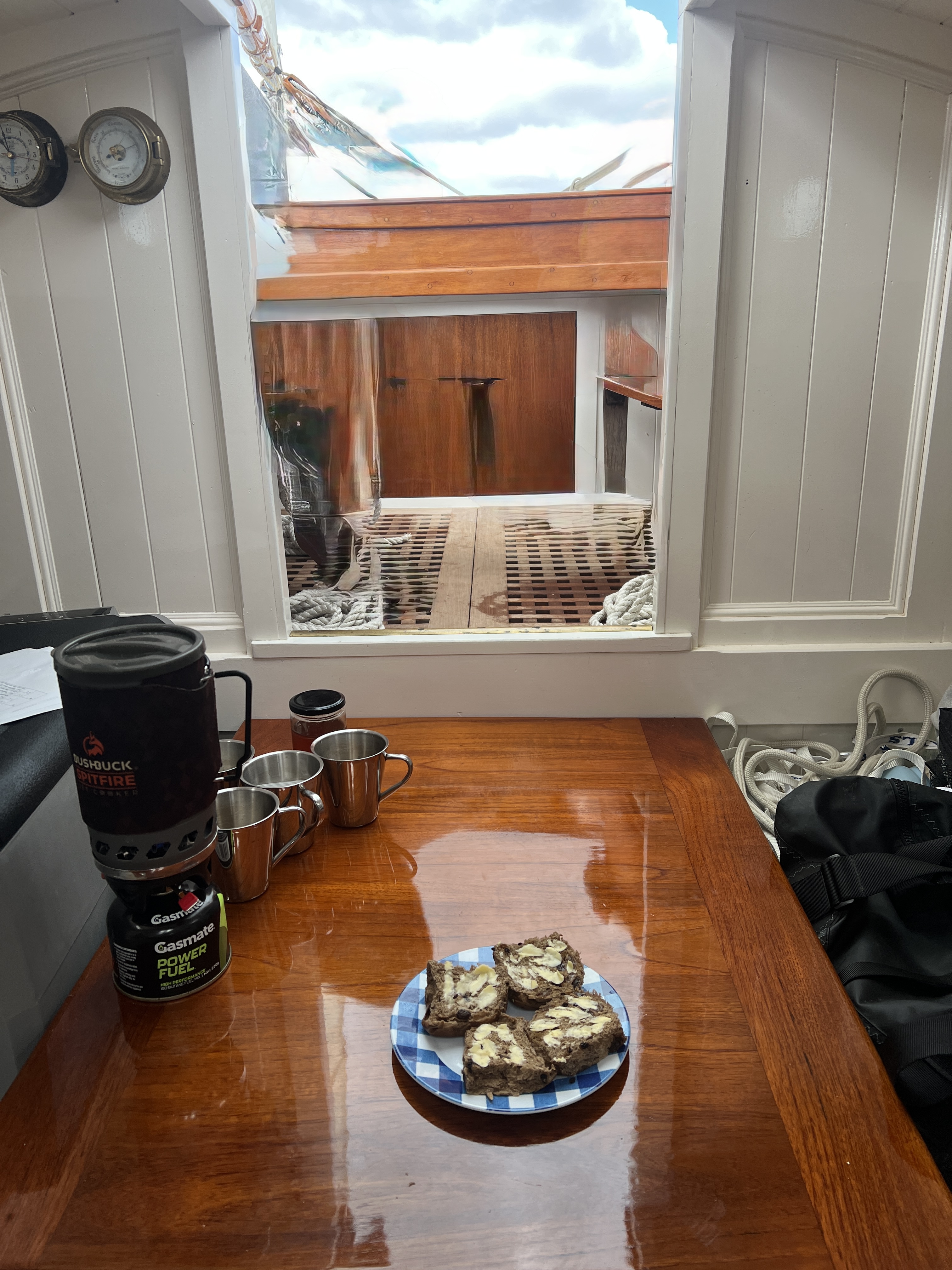
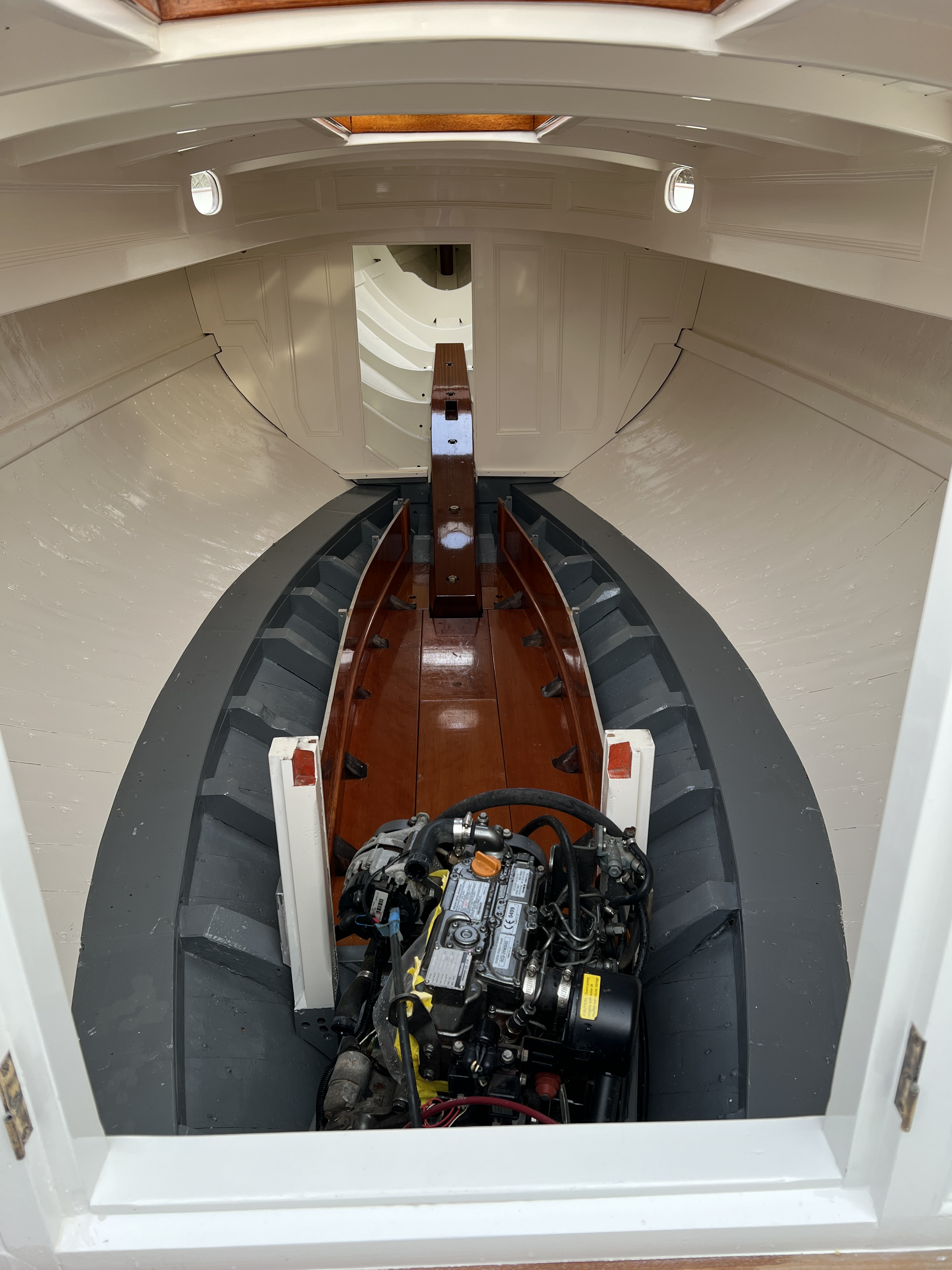
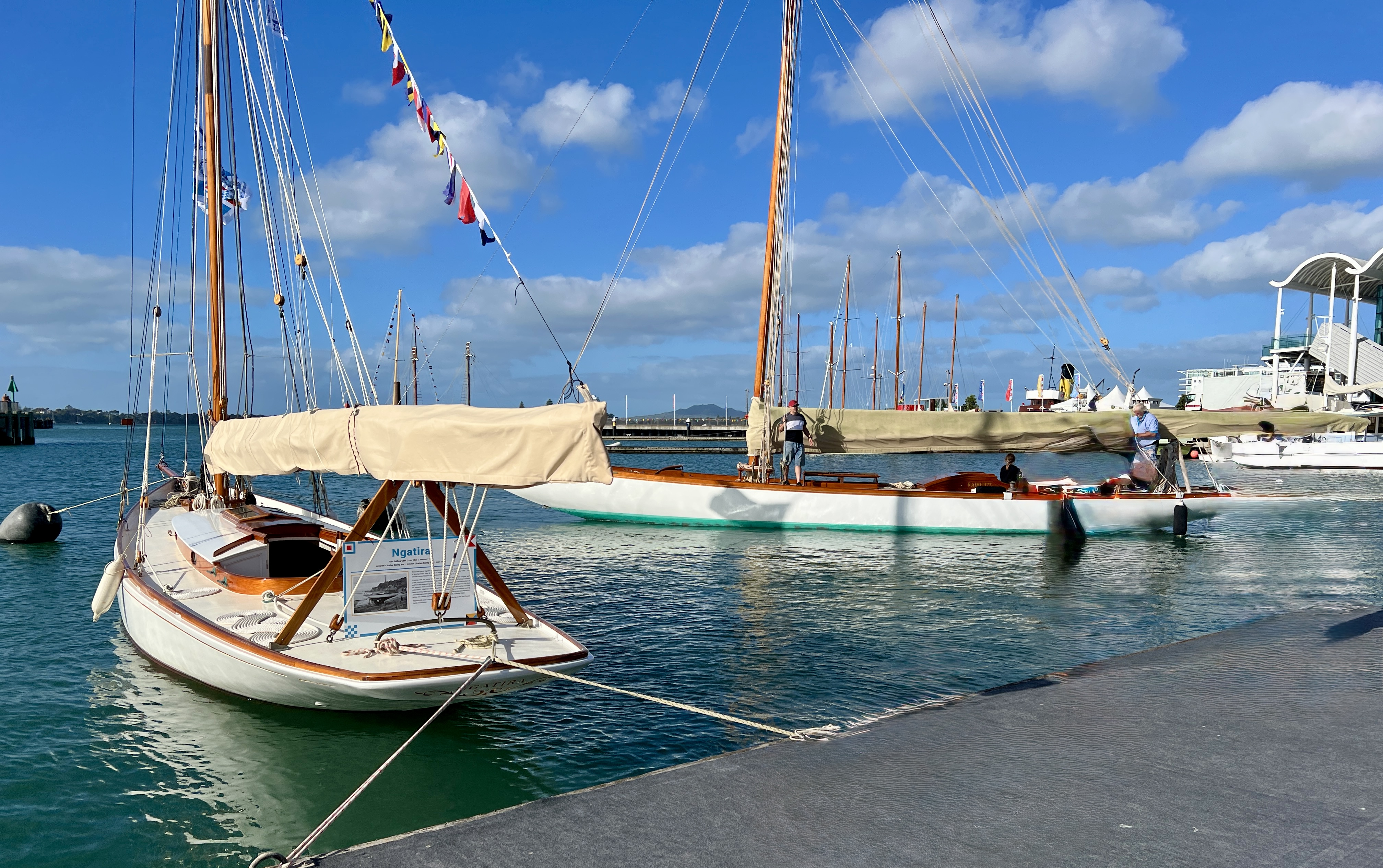
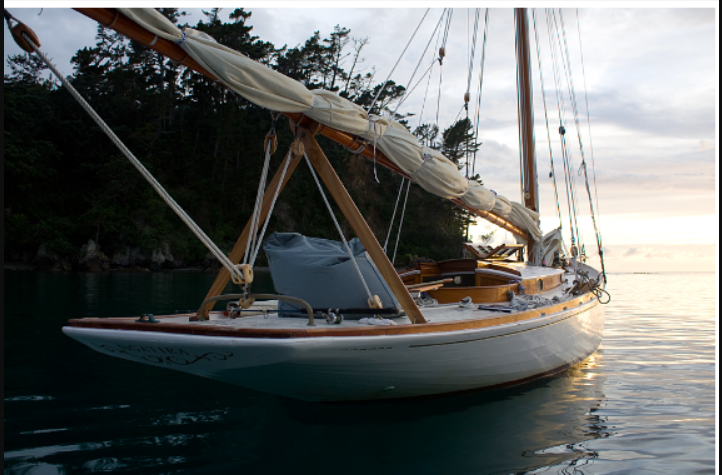
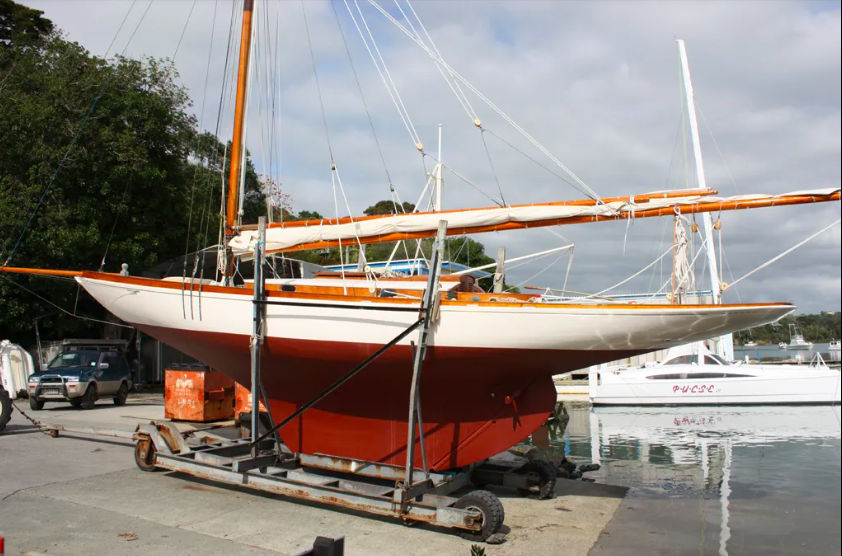
Todays photos are in three parts – firstly photos from the 1980’s restoration, then as seen at her relaunching after Peter completed the restoration project And lastly as MAHAKI is today, back in Peter’s shed part way thru a refresh. 

Aside from showcasing this wonderful 130 year old artefact, the purpose of todays WW story is to help Peter Blundell secure MAHAKI’s next chapter. A very common thread in my conversations with owners is that who the next custodian is and their commitment to the vessel is more important than the sale price. I do not want to scare people off but if you think you or someone you know are fitting of adding their name to the list of people that have rubbed up against MAHAKI, be prepared for a robust ‘interview’

Interested parties to initially contact Peter at pblundell2270@gmail.com

MANSION HOUSE BAY – THERE WAS ALWAYS ROOM FOR ONE MORE

MANSION HOUSE BAY – THERE WAS ALWAYS ROOM FOR ONE MORE

The recent Kawau Island photos on WW have rattled the biscuit tin photo albums and WW has received several duplicates of photos that have already appeared on WW.

Todays photo ex Chris Leech is a newbie to my eyes and shows a great mix of yachts and motor launches at anchor in Mansion House Bay, Kawau Island.

 Always amazes me how they used to fill the bay back then. These days even with vastly superior anchors, most skippers are paranoid about you getting too close. 

CLASSIC WOODEN FROSTBITE UNDER CONSTRUCTION AT THE NZ TRADITIONAL BOATBUILDING SCHOOL 

CLASSIC WOODEN FROSTBITE UNDER CONSTRUCTION AT THE NZ TRADITIONAL BOATBUILDING SCHOOL 

The long term WW followers will be familiar with The New Zealand Traditional Boat Building School, I have attended several courses over the years and it was a sad day when it went into hibernation. After YEARS! of procrastination around getting access to the Vos Shed on Auckland’s waterfront its so good that the school has a permanent home and is up and running again.

Some background, NZTBS is a volunteer run charitable trust started in 2005 that has been providing education, skills development, personal growth, community support, youth development and plays an active part in maintaining New Zealand’s valuable maritime history. Check out the website and learn how you can help this worthy group survive. Money is always nice – https://givealittle.co.nz/org/nztbs  but how about you or a couple of friends enrolling in one of the many hands on courses –https://nztbs.org.nz/

Currently the NZTBS team have been commissioned to build a classic wooden Frostbite sailing dinghy(hull #313) as seen above in todays gallery.

Frostbite History and Design

  • Designed by Jack Brooke in 1937 as a stable, versatile father-and-son boat that could handle general use and fishing.
  • Became the premier class for the Wakatere Boating Club and achieved national status in 1946.
  • Served as the official secondary school sailing trainer in New Zealand from 1951 until 1975.
  • Built with traditional clinker (lapstrake) wooden construction.

WHY CLASSIC WOODEN BOATS BECOME AN OBSESSION

WHY CLASSIC WOODEN BOATS BECOME AN OBSESSION

There have been several magic bullet moments in the history of waitematawoodys, actions that had significant impacts on the readership numbers. The most significant was an international phone call, now I tend to ignore these calls as normally it is some self titled investment guru wanting to share a once in a lifetime investment opportunity with me. For some unknown reason I took the call  and it was a gent named Carl Cramer, who introduced himself as the Publisher of WoodenBoat magazine in the USA, that got my attention pretty quick. 

Carl told me he and the founding publisher / owner of WB – Jon Wilson, had been chatting on the phone, bored senseless after being snowed in for 3 days. As they were talking Jon Wilson was trolling the web looking for sunny wooden boating content – bingo Jon hit on the waitematawoodys site and the story of the day was my coverage of the  3 day Mahurangi Regatta weekend. Over 200 photos and videos, Carl told me Jon suggested he make contact – which led to our telephone call.  Back then WB was print only and a very popular on-line forum, so he was impressed with this new-ish blog format. Carl used to send a short, chatty weekly email out to the WB magazine subscribers, we talking 50,000+ – he asked if he could do a story on waitematawoodys. The story was a cracker and started with being snowed in and getting an infusion of summer boating that cured his cabin fever. He finished by saying.“This website is truely great”
Overnight the WW viewing numbers went into orbit, from around the world and we still retain a high % of them. In fact the USA is number 2 on the readers list.

Sorry for the long lead in to todays WW story. Over the years I have read several features on how Jon Wilson founded the WB  group but over the weekend I stumbled on a YouTube channel named ‘LIFE ON THE WATER’ – one of the featured videos is titled ‘Jon Wilson – The Restorer’s Journey’. In their words it is is a cinematic portrait of the man who took on a monumental task to change the course of wooden boat history. I haven’t come across a better insight, explanation on this bug we all suffer from. Read it, I promise afterwards you’ll feel better about life and your classic wooden boat.

CLASSIC WOODY YACHTS ON THE WAITEMATA -1950’s

CLASSIC WOODY YACHTS ON THE WAITEMATA -1950’s

Following on from yesterdays story on a RNZYS gathering at Mansion House, Kawau Island in 1948. As promised today we have a selection of 1950’s classic sailing photos ex 

Moss Carlin’s wife who found them among her mothers processions. Her father Ray Rhodes was a member of the RNZYS at Westhaven in the 1940’s – 1960’s period.

Some of these magnificent sailing craft I can ID from their sail numbers but there are a lot of unknowns. The rag and stick WW followers will be able to ID the yachts for us.

BOAT BOOT SALE – our annual boat boat sale is only 2 weeks away – perfect opportuniy to grab a bargain or grab a table and sell some of your unneeded items. If you want to secure a selling spot email to waitematawoodys@gmail.com ASAP. More details below

CLASSIC 1948 WOODEN FLEET GATHERED AT KAWAU ISLAND 

CLASSIC 1948 WOODEN FLEET GATHERED AT KAWAU ISLAND 

Recently WW was contacted by Moss Carlin concerning a cache of b/w photos that his wife found among her mothers processions. Her father Ray Rhodes was a member of the RNZYS at Westhaven in the 1940’s – 1960’s period.

Included was todays stunning photo of a squadron gathering at Mansion House, Kawau Island in 1948. WW has previously shared other photos most likely from the same gathering, but none have offered a panorama of this scale, nor been of the photographic quality of todays photo. Reviewing the photo its warming to see so many of these classic wooden craft are still afloat today – 80+ years later. Tomorrow we get to share a gallery of classic sailing craft from the Rhodes family album.

And while on the subject of Kawau Island – sad to get advice during the week that the RNZYS had found a buyer for Lidgard House and surrounding land. The pros & cons of the sell off have been well documented, so I’ll leave the topic alone……….


WHO DESIGNED THIS IMPRESSIVE DINGHY

WW has recently been in discussions concerning the dinghy below and the owners desire to ID the designer / builder. The dinghy has the hallmarks of vacuum bag, multi veneer construction, a technology with origins from the late 1940’s New Zealand boat builders were early adopters and this dinghy is a product of that technology.

Found derelict in an Auckland shed she was carefully restored to its current condition – only used occasionally for classic boating events where its lightness and low resistance hull form saw it win several classic boat races. It remains an immaculate very rare time capsule of mid century boating.

SPECS: Length 8’ 9″, beam 4’ 5” – weight 45kg. Constructed using straight grained Mahogany and resorcinol glue. Her transom is kauri.

SO WOODYS ANYONE ABLE TO ID HER ORIGINS

And woodys its for sale on tme.

MOETAPU REGATTAS 1909 – 1919 – A REMARKABLE CLASSIC BOATING ARCHIVE

Slightly different format today that sees us featuring the Moetapu Regatta’s 1909 > 1914. Moetapu is located in Pelorus Sound, Marlborough. The story was shared with us by Roy Jones from the Picton Clinker & Classic Boat Club. Roy pulls together an amazing newsletter for the club and is one of my must read items each month.
Roy contacted WW last week following up on a WW story I ran, sourced from the clubs newsletter. At the time WW was seeking intel on an old photograph of a launch pictured at the Moetapu Regatta.
Roy commented that from a very distant source, they have determined an identity of the craft, ZEALANDIA.  Roy has cropped together (his words) a story on the Regatta’s for the clubs newsletter. And today we get to share it. Many thanks Roy 🙂

Moetapu Regatta, 26th December 1909 – 1914 – Roy Jones

Some time ago we wondered at the name of a motorised craft featured at the Moetapu Beach picnic 26th Dec 1911.

I was contacted recently by Ms Victoria Gitting, who was sent a series of photographs and albums by a relative, Mr Ian Pinkerton, who is the great great great grandson of Mr William Ross Brownlee, the Havelock timber tycoon who established Blackball.

The albums are cherished by Ian and include a selection of photographs of the early Moetapu Regatta’s from 1910 – 1914

It was delightful to see the boat flotilla’s of so many styles and of the races they ran. The photo has a date of 27th Dec 1909

Considering the date of 1909 it is remarkable the number of motorised craft even then!

Attached is the article from The Pelorus Guardian and Miners Advocate newspaper with race results for the 1911 event.

I wish we knew the race course length to enable their speed to be calculated from the time elapsed in the race.

With the wonderful Glass Plate photos, we can zoom right in close without the modern day pixilation occurring and noting the flag on the stern of the craft below, and the race results, the only craft detailed shows it as Zelandia, the only named craft with ALA in the name.

A considerable crowd attended these regatta’s a scan be seen for the crowded steam boat Pelorus, the hulk of which is still seen on the side of the road at Blackball Harbour a short distance from Havelock on the road to Nelson.

The craft that indicates ALA on the flag at her stern, suggests her name is Zealandia.

This is the Kaituna River which flows into Havelock and is now just a trickle by comparison.

I notice that Mr J.W. Brownlee owns The Weka and is both mentioned as starting badly and only finished one round yet is mentioned as Weka winning easily, maybe there is a Weka and a Waka as both are mentioned. I presume that this is Mr John Brownlee who also commissioned Ernie Lane in Picton to build our Ruru in 1920. Ruru was also was fitted with an oil engine as it motored from Picton to Havelock shortly after being completed. There are some delightful old style photographs of early Marlborough and of how the locals enjoyed their recreation, watching yacht and speedboat races.

Dressed in their finery for the day out no matter how uncomfortable it would have been in frock jackets and formal hats to long dresses & wide hats. Kids too!Very little sign of food hampers.

The steam tug Pelorus, used by the Brownlee Timber mill to tow sailing ships up the Pelorus River to Blackball.

Gosh….   that punt is crowded and not a life jacket to be seen.

The beach Promenade

A fine Club house and starters box, is it the first of the Pelorus Boating Club rooms?

This is the current condition of the steam tug Pelorus, shown earlier in the article, lying alongside the road between Havelock and Nelson. The bank of the stream behind the hull is full of the offcuts from the sawmill that existed on this site at Blackball. One can walk the steam and see the ends of countless flitches discarded from the milling process.

In a more highly populated area than Marlborough, this hulk would be restored by a larger engineering company and be a usable steam tourist attraction.

Pelorus lies about where the bowsprit of Lindstol sits in this photo.

HAROLD KIDD INPUT – There were many launches called ZEALANDIA, usually because they were fitted with a Zealandia marine engine built by Hoiland & Gillett in Auckland. Tom Le Huquet built at least two for Hoiland & Gillett and T M Lane & Sons did another for them in 1910; there was a twin-engined smart launch built at Riwaka by Arthur McNabb in 1912 (not the pictured boat at Moetapu), one in Rotorua by Robinson & McIntosh in 1909, one in Dunedin in 1910 and this one at Pelorus. There were probably others.

RESTORATION OF THE 26’ TERCEL BROS BUILT CLASSIC YACHT – ROXANE

RESTORATION OF THE 26’ TERCEL BROS BUILT CLASSIC YACHT – ROXANE

Recently WW was contacted by Ross Dawson with an update on the restoration of his brother, Keith Dawsons Tercel built 26’ yacht – ROZANE.

Before we start todays story , back in May 2018 we ran a brilliant story on Keith celebrating his 105th birthday and we were also given an insight into the 1937 voyage Keith and his mate Dick Wellington undertook sailing ROXANE from Auckland to Sydney, Australia. Link to the story below. (Keith passed away in Dec 2018)

May 2018 https://waitematawoodys.com/2018/05/13/roxane-a-105th-birthday-party/

Then in September 2024 Ross updated us on the start of the restoration of ROXANE at the hands of Ralph Finch. Link to that story below. Sept 2024 https://waitematawoodys.com/2024/09/15/restoration-of-a-new-zealand-classic-wooden-yacht-in-australia-roxane/

Now fast forward to July 2026 and Ross has shared the above photo and the note below he received from Ralph in Cairns, Australia :-

We’ve now installed a total of 11 sister ribs on the starboard side from beside the engine and moving back towards the stern. I want to get another 2 ribs in if I can, tucked under the rear deck. It’ll be a tight squeeze.

We’ve also started steaming, bending and clamping longer sections of spotted gum to be used, 3 each side, as backing blocks for the chain plates. The original internal backing blocks for the chain plates only extended 3 planks down the sides. The new pieces we’re making will extend down a total of 7 planks thereby spreading the stress and upward pull from the mast and rig over more of the hull. We’ll use copper nails and roves to fix them in place.

I had removed a 3 meter length of the sheer strake (very top plank at deck level) on the starboard side with the intention of replacing that section with Oregon Pine. Removal of the sheer strake revealed the beam shelf, a heavy internal timber running fore-and-aft along the top of the hull which supports the deck beams. Unfortunately, the now exposed beam shelf shows a great deal of dry rot. It has been very time consuming digging out the dry rot back to a solid timber base.

As you can see in the photos, the beam shelf has a great many holes in it. We’re treating the dry rot sections with preserver and then packing west system epoxy mixed with spotted gum wood shavings as filler. If this much dry rot is in just a 3 meter length then I feel I have no choice but to remove the sheer strakes both sides and the full length of the boat. The starboard side may be the worst as this was the side of the boat that had layers and layers of wet leaves sitting for 20 odd years.

Even with the beam shelf repaired, I’m intending to strengthen it further by cutting, shaping and fixing a doubled up layer of ¾ inch thick marine ply (1.5 inch thick total) under the present beam shelf for the whole length of the boat and both port and starboard sides. Yep there’ll be a few scarf joints in all of that!! It’s impossible to remove the existing beam shelf, so all we can do is strengthen and reinforce it.

We’ve also exposed a small section of dry rot in the starboard bilge stringer.

We haven’t really started work on the port side of the boat. This restoration project seems destined to drag out for a little longer.

TRAVEL BACK TO AUSTRALIA’S GOLDEN AGE OF WOODEN BOATS

TRAVEL BACK TO AUSTRALIA’S GOLDEN AGE OF WOODEN BOATS

Today we share a film titled ‘Hard to Windwaed’ from the 1956 Sydney to Hobart yacht race. Filmed nearly 70 years ago the race is still one of Australia’s top sporting events. The manic race start very similar to what we see these days. 

The course is approx. 680 miles and depending on the weather, can be one of the most demanding sailing events on the international calendar.

Lots of pleasure craft to be viewed at the start and some wonderful close ups from on board. The film won numerous International awards for sporting event coverage.

Having visited Hobart several times for the Australian Wooden Boat Festival it was remarkable to see how little the Hobart waterfront has changed – well done Hobart on retaining the bones of such an amazing venue.

(Film comes to use from – State Library & Archives of Tasmania)