

CLASSICO
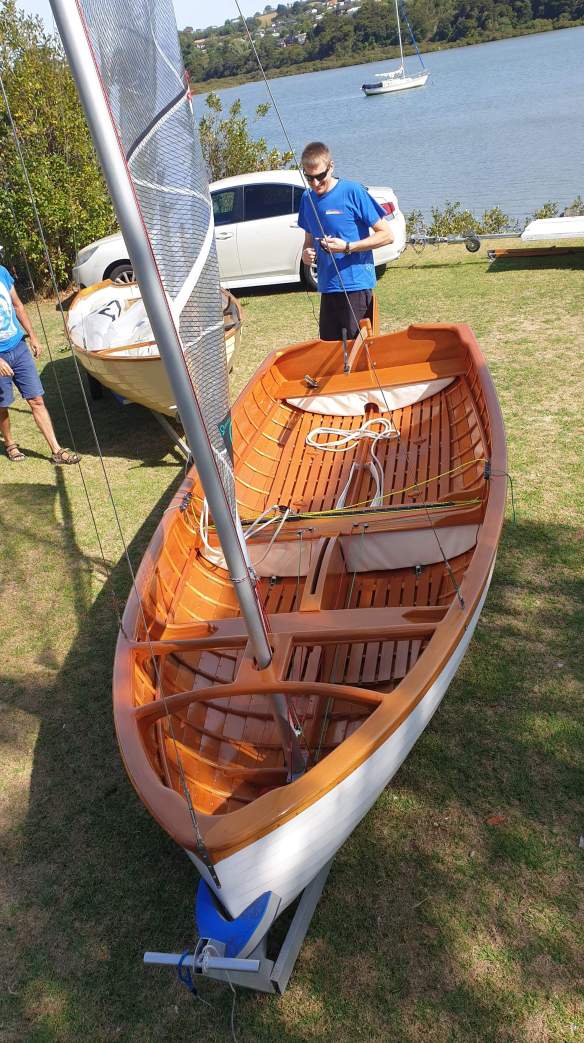
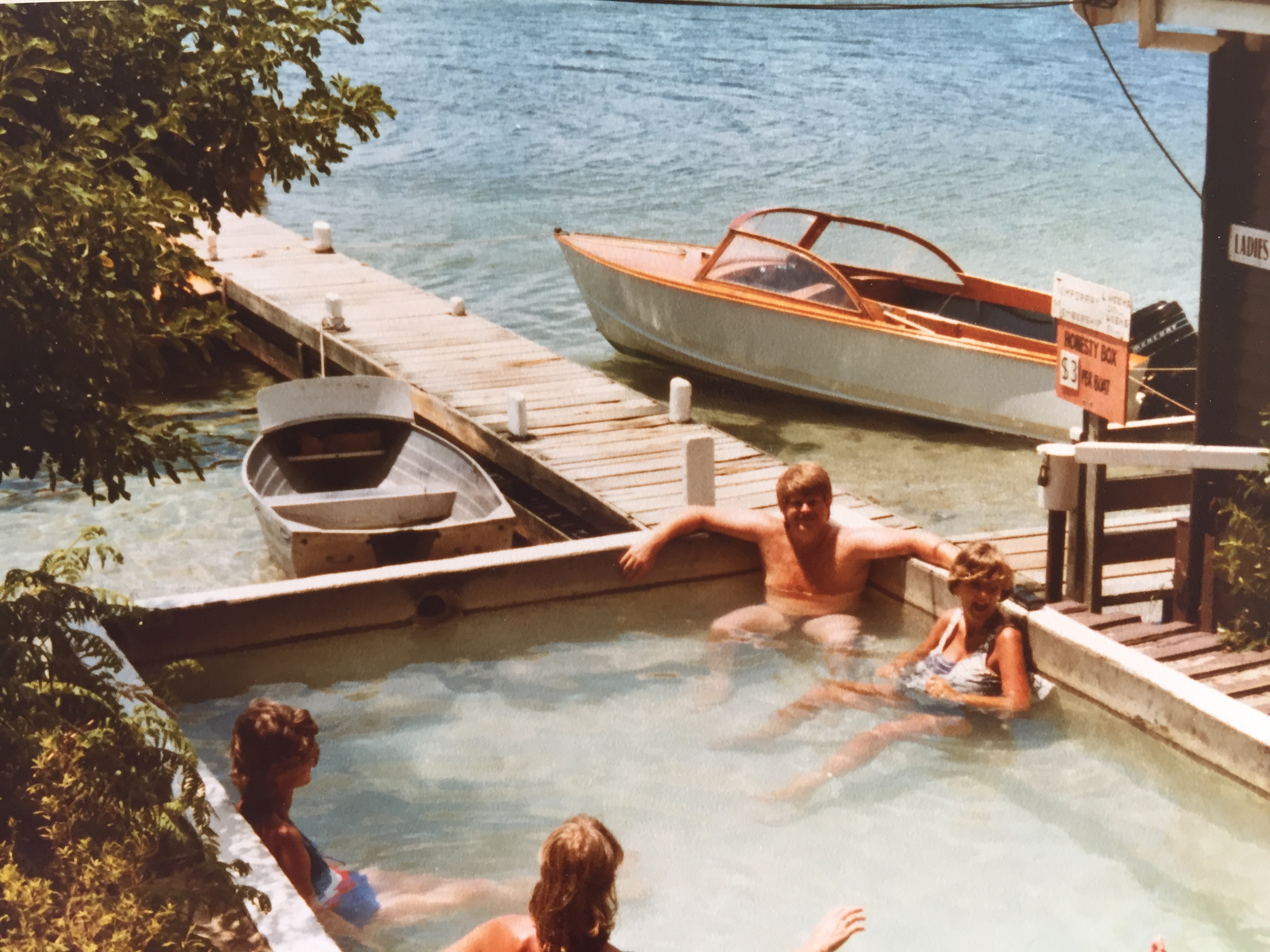
A few weeks ago I was tipped off by Adrian Pawson that one of his buddies – James Ledingham, had ‘acquired’ a very special Frostbite named Classico, one of things that makes her special is that she was built but never launched, so effectively is a new boat. Adrian is the owner of – Kiteroa, the ex Brooke family boat, which Adrian has restored and ’tweaked’ a little, thats her in the photos with the orange hull.
I was onto James quick smart to get more details. But before that I have to say how cool it is to see these ‘young’ sailors getting into the classic wooden dinghy sailing scene. The guys sail out of Taikata Sailing Club in West Auckland (Te Atatu), on a good Sunday there are upwards of 15 Frostbites racing. Both Adrian and James would be too modest to say this – but both work at the very pointy (high tech) end of world sailing, which makes their passion for these woodys even more special 🙂
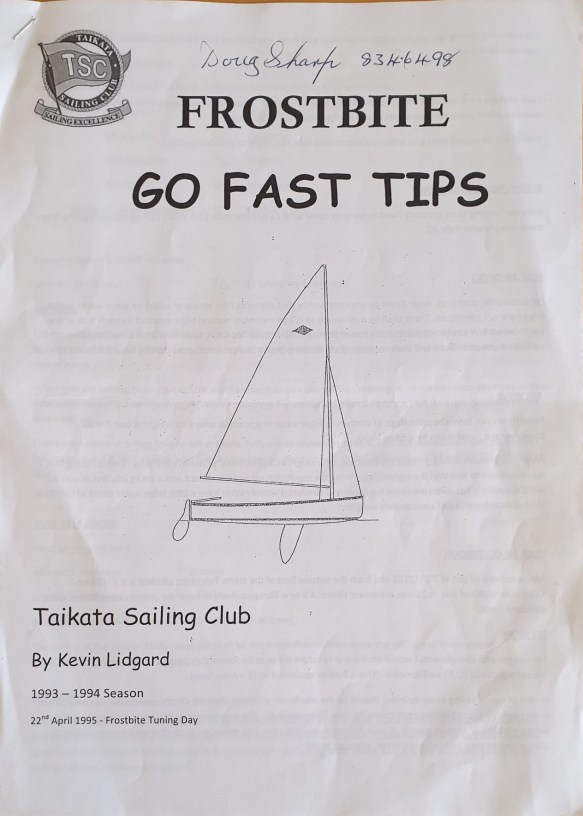
Adrian also supplied for our review (see below) a copy of Doug Sharp’s secret copy of the ‘Frostbite Go Fast Tips’ by Kevin Lidgard.
I’ll let James tell the story –
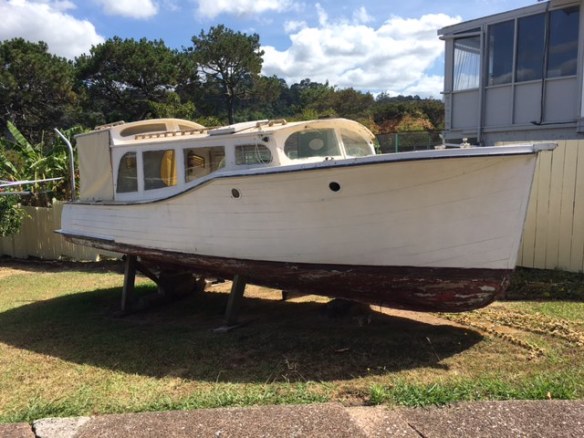
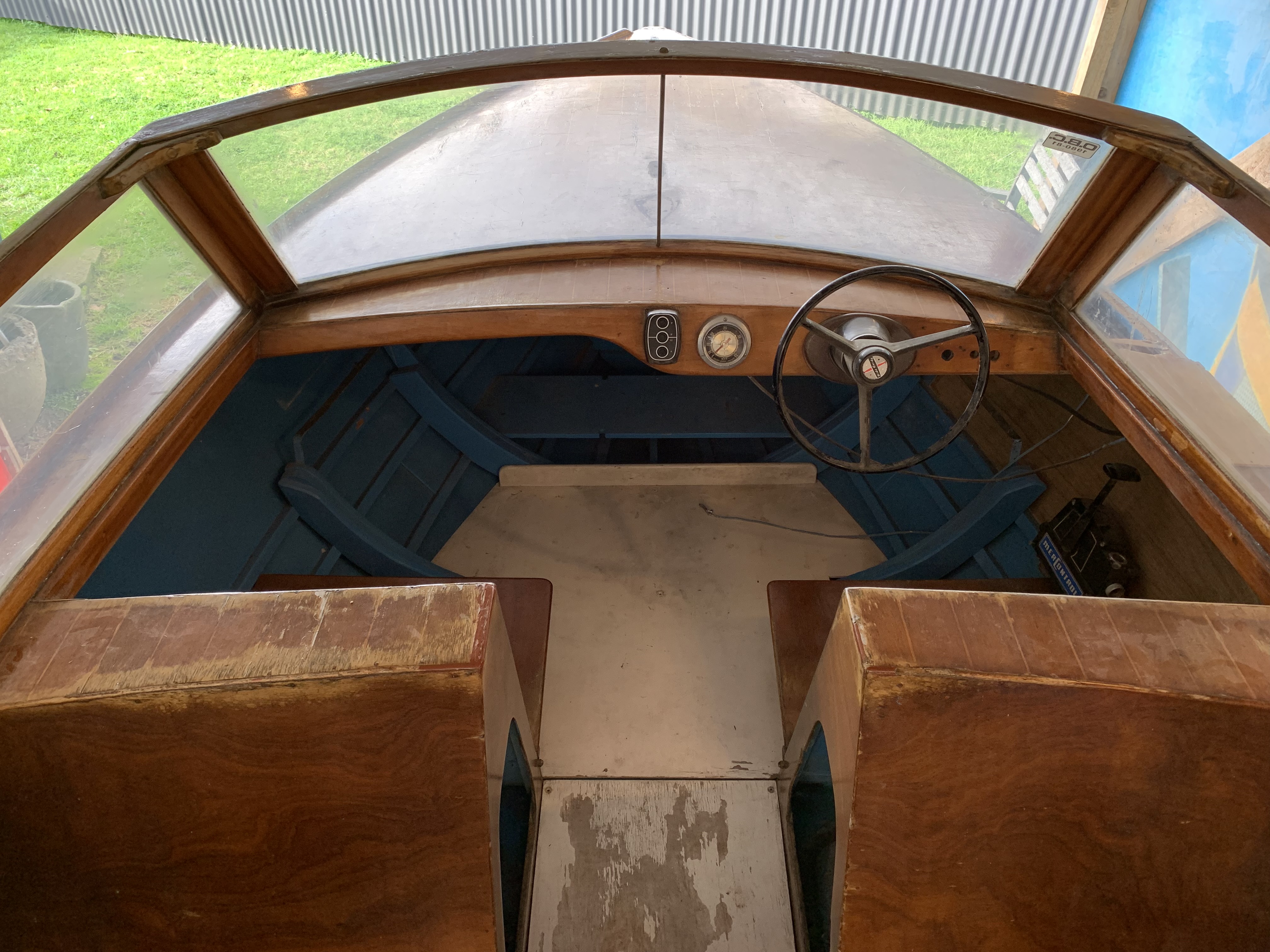
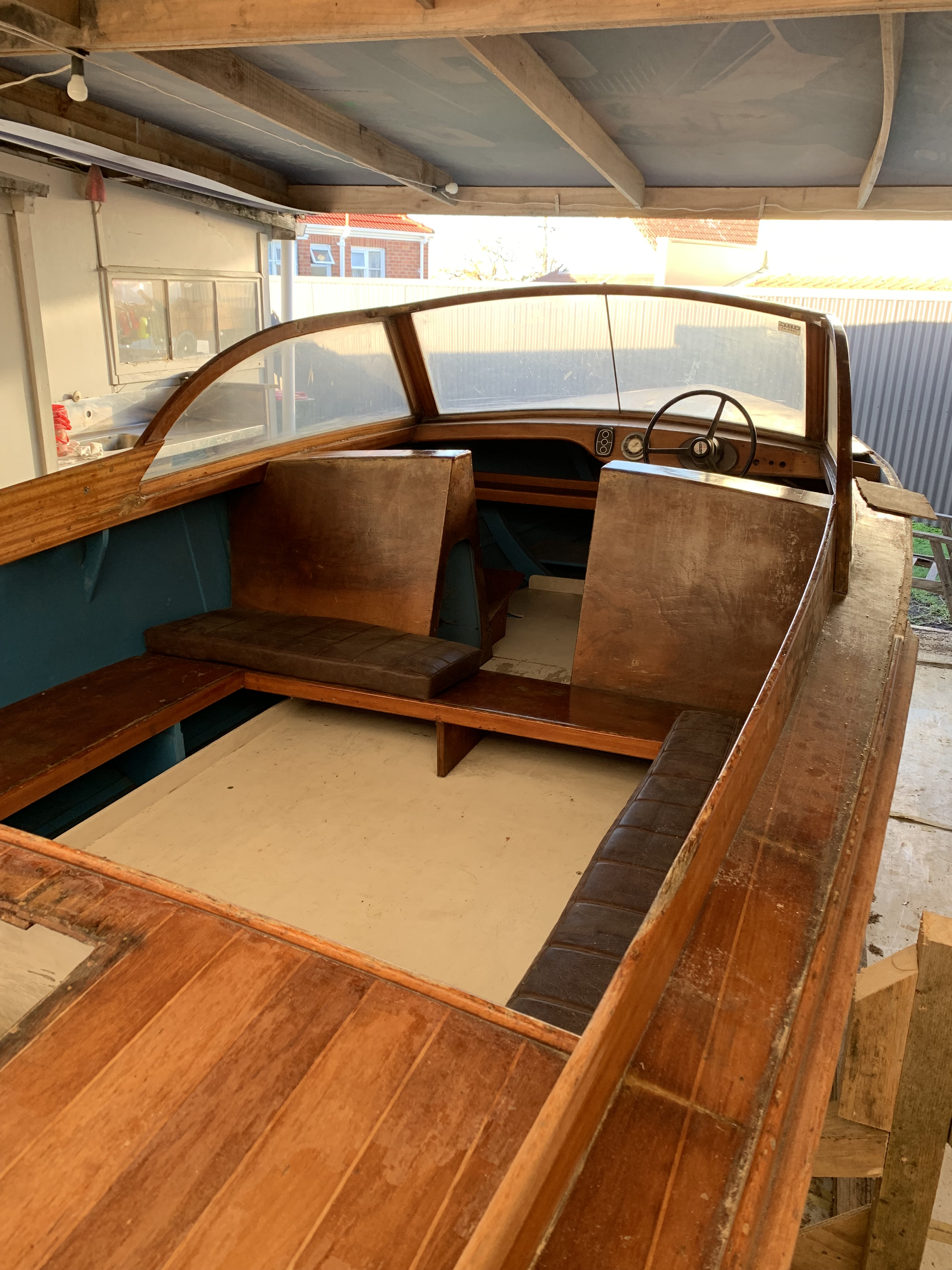
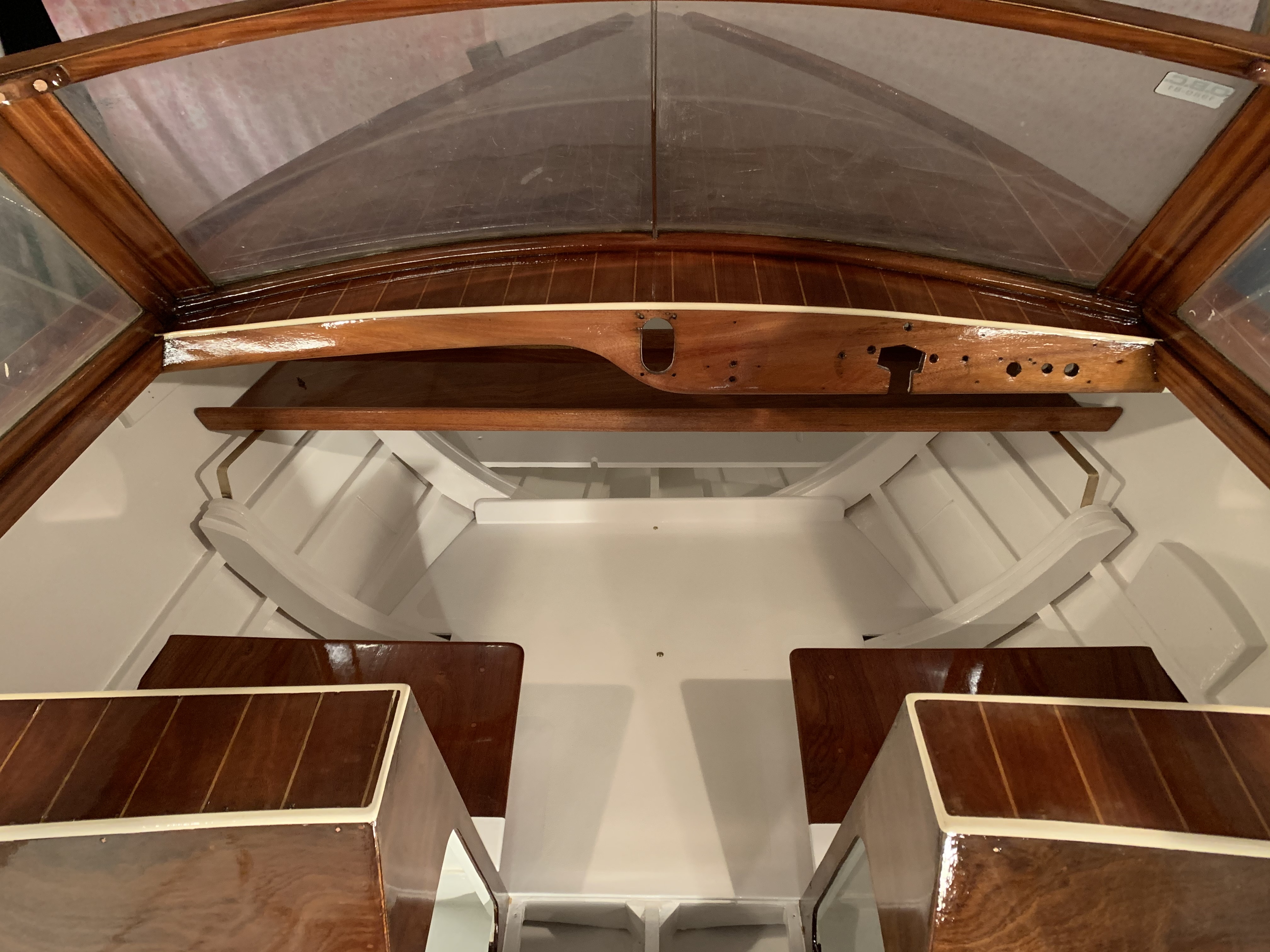
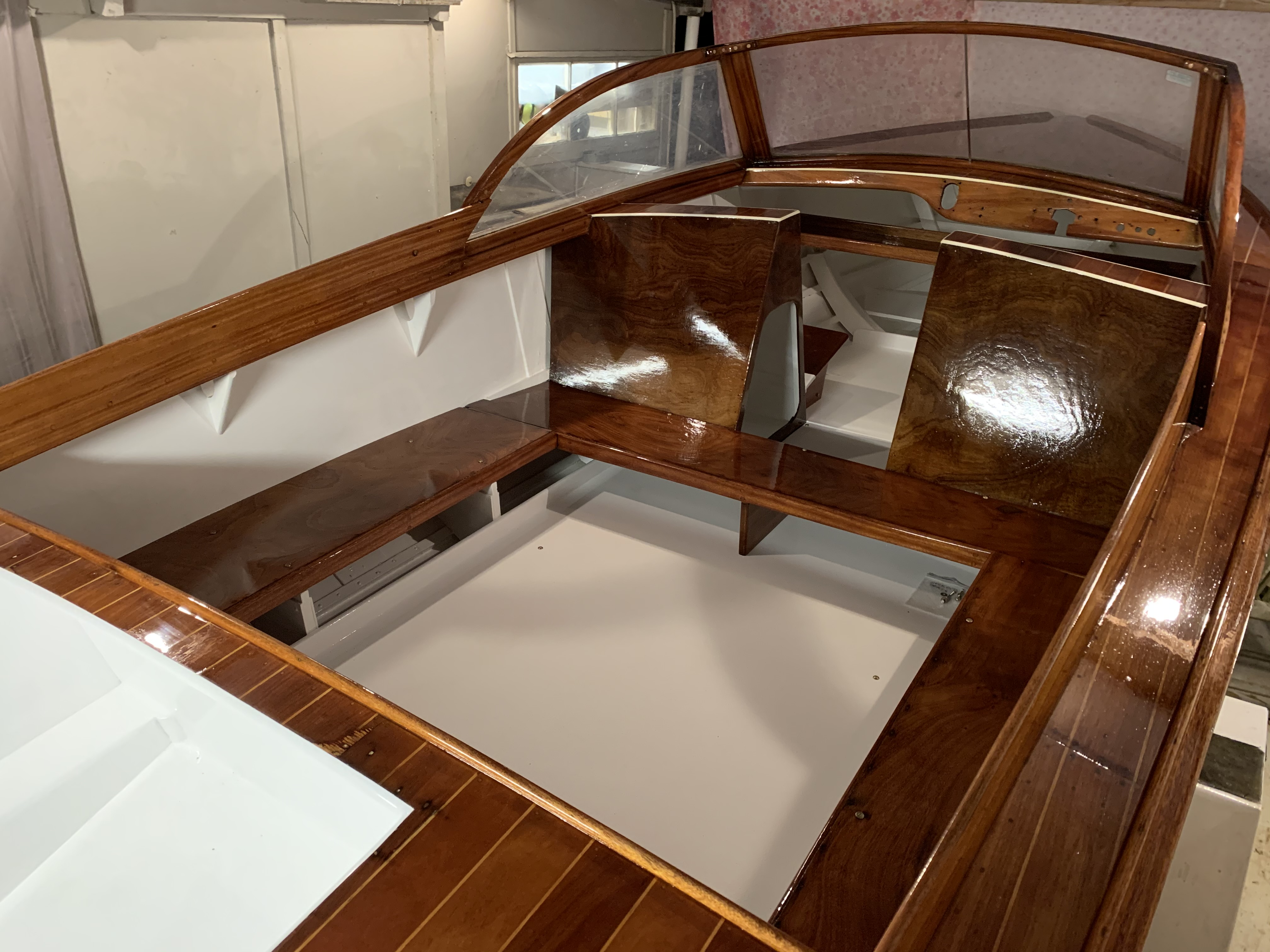
“Recently I was fortunate enough to purchase ‘Classico’ a wooden frostbite dinghy.
What made this boat unique, aside from her immaculate timber detailing, was that she was brand new and had never been sailed. Something of a rarity in the frostbite class these days.
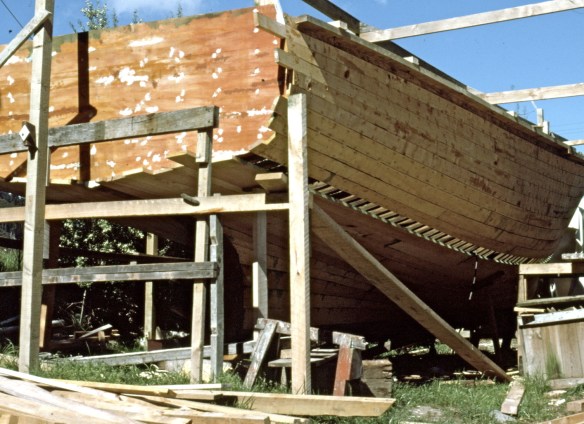
‘Classico’ is the result of a labour of love by her builder and previous owner David Strickett (Brother in law of Rex Maddren – a well-known Frostbite sailor and champion in his day). Looking for a wooden boat project and with a love of the clinker style, the Frostbite dinghy was a natural choice for David to get stuck into. Having picked up his wooden boat building skills at Carrington Tech under the guidance of Robert Brooke (son of Jack Brooke, who designed the original frostbite back in 1937) he was certainly well equipped to tackle such a build. Robert helped him source some temporary frames from Wakatere Boating Club and he got stuck in.
The boat is built in kauri, the majority of which was sourced from a farmer in Mangamuka, just south of Kaitia. The exception was the single piece transom, which came from a kauri slab that David already had in his garage.
Many hands make light work and during the build David sought help with the planking and ribbing from Robin Dew, who had built several wooden Frostbites himself. Whangarei boat builder Nick Rodokal also lent a hand in constructing the gunwhale, having previously built David a Lotus 9.2 (Pursuit).
David kitted the boat out with modern aluminum spars, a Quantum Mylar sail, and the latest Harken deck gear. Adding a touch of performance to the classic kauri hull.
It was a bittersweet moment to launch ‘Classico’ down at Taikata Sailing Club on the first Sunday of March 2020, ahead of the regular afternoon sailing. She would have been equally at home in a museum (or the lounge!) and once wet and raced, unlikely to ever be quite be as immaculate again. However, they are such great boats to sail I was looking forward to getting out and seeing what she could do. She was appropriately blessed by another frostbite legend, Doug Sharp, and champagne was poured. A successful first sail ensued with minimal leaking.
While the quality of the boat couldn’t be faulted her performance was an unknown. However, she certainly seems to be fast (when the skipper sends her in the right direction) so far grabbing a 2nd in the first race of the Taikata Sailing Club winter series held earlier in March.
I plan to race her regularly down at Taikata Sailing Club, where the Frostbite fleet is thriving – with 12+ boats on the start line every fortnight. Wooden boat enthusiasts are welcome to come down to the club and have a yarn. There are a good number of well-kept and restored timber Frostbites amongst the fleet, and no shortage of stories!
The name ‘Classico’ stems from a holiday dinner in Tuscany where David and his wife were enjoying a bottle of traditional Chanti wine – Chianti ‘Classico’.”


Duchess – 1920 Bailey & Lowe – parked off Cowes Bay, Waiheke Island
WOODY WATCH


DEEPSTAR
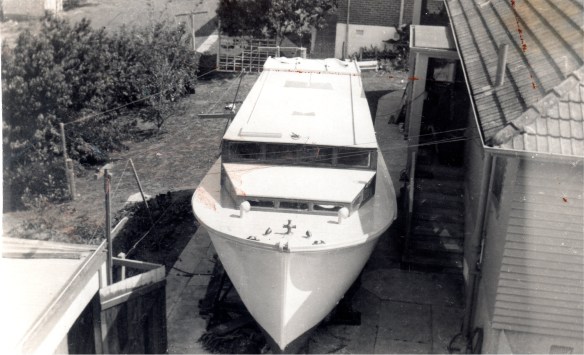
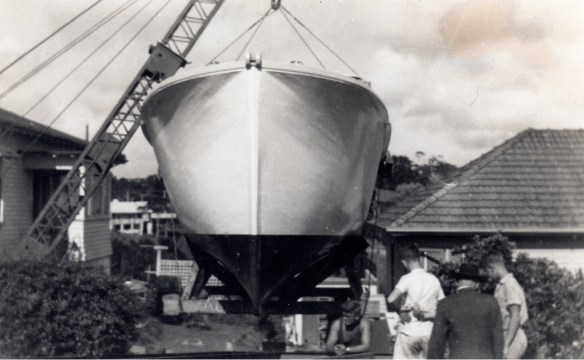
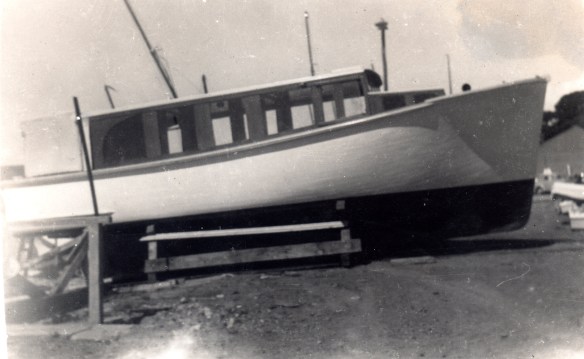
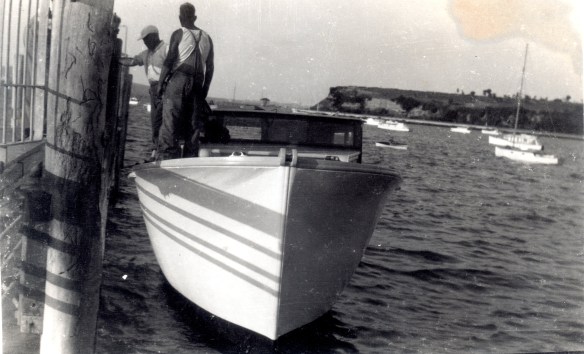
“In the 1970s we were operating our sail yourself charter yachts out of Picton and along with our dive business of “Picton Underwater Centre” we were getting more and more divers chartering. Although wooden boats are very forgiving compared with glass and gelcoat, weight belts and dive tanks in the confines of the deck of motor sailer’s was hard on the paintwork, so we decided to build a boat for dive charters, mooring work and salvage.
I drew “Deepstar” as a purpose built dive boat with accommodation for ten divers plus her skipper. the underwater lines are from a Roger Carey plan with some minor changes. For her layout I chose to build a raised forecastle as I did for “Hinewai” were we found the extra headroom and space very desirable for the sleeping quarters. Aft of the wheelhouse that also doubled as the skippers bunk room, I planned the deck house and furniture to be comfortable for ten divers for mealtimes and relaxing. The wood range proved very popular after a days diving on cool evenings.
Her aft deck has the space for divers to kit up and the hold below is the storage for dive gear. We carried aboard twenty dive tanks and ten weight belts that were part of the ships equipment. To fill the tanks was an onboard Bauer air compressor run by a 4107 Perkins engine, her main engine was a 5L3 Gardner with the original Gardner hydraulic gear change. Divers like hot showers, so her water tanks are of generous capacity. Built into the deck house with an on deck door is the toilet – shower room fitted with regular household models, and as boat owners will understand, this combination proved very suitable for non boat people and was trouble free.
In 1978 I submitting her plans to the Marine department survey office for scrutiny and approval, I had drawn the plans showing the bulwarks rounded on the aft quarters, as we did on the the Carey boats, and terminated at the transom to give access aboard. This caused a problem at the office, passengers were meant to be kept aboard within the confines of the rail’s and not swimming about overboard. I had to submit a lengthy submission explaining the purpose for the vessel and the importance of getting potentially tired divers on to the dive platform and back aboard. The message got through and I think I could just about have cut the transom out if it meant getting divers back aboard were the department thought they belonged.
After lofting and making the moulds, shaping the stem, stern post and horn timber we laid her keel in our yard at Waikawa bay. Fitted stem, stem knee, keelson, stern post and horn timber, and set up the moulds. Next it was cutting the rebates to take the foot of the frames at nine inch (230mm) centres, steaming and fitting ribbands in preparation for fitting the frames (ribs). Her frames are two laminations of Spotted Gum, it steams well and is strong and durable. For her planking I used Kahikatea below the waterline and Macrocarpa ( South Island Kauri ) above the waterline to finish at 1 3/8 inch ( 38mm ) the planking is fastened with bronze screws.
Floor timbers, stringers and gunwhale are Australian Karri as are quarter knees and breast hook, all copper fastened. The deck is two laminations of marine ply covered in heavy glass cloth, wheelhouse and deck house joinery are Fijian Kauri as are the hatch coamings.
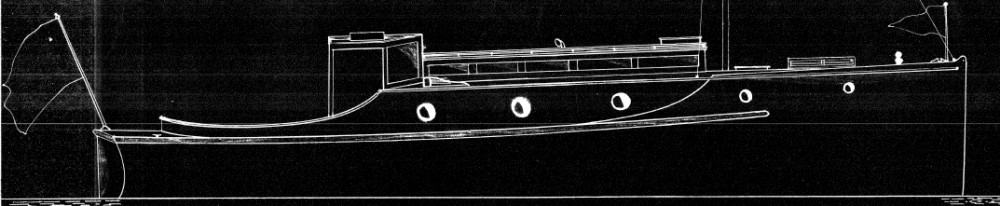
Dimensions : 43’6” (13.2m ) x 13’ (3.9m ) x 5’ (1.52m ) The registered length, fwd side of Rudder post to fwd side of the stem is 39’.6” ( 12.1m ) displacement 28 tons.
After eighteen months of build time we were ready to launch but like most building projects there was still a list of things to do. My two son’s Wayne and Neville were familiar with work at boatyards and slipways and proved to be good boys at anti-fouling, my wife Bev made the appropriate “Deepstar” Picton cake in the shape of a life-bouy a tradition at our launchings, ready for the launching festivities.
On the 2nd of November the trailer was manoeuvred into place and “Deepstar” was ready for the short road trip to the beach on the western side of Waikawa bay for launching at the top of the tide at 0900hrs on the 3rd of November 1979″.


Last month I was contacted by Andrew Hewitt from Ashburton who in December (2019) had jumped the ditch for a trip to Tasmania – I’ll let Andrew tell the story – “This last December, my partner and I made a trip to Tasmania. We built the trip around three key booked experiences, one of which was a bit of a ‘sail’ on the ketch ‘Yukon’ on the Huon River from Franklin. We spent some time in Franklin, visiting the Wooden Boat Centre, and exploring the woodies abundant in the harbour. As old houses and old boats go together, and one thing leads to another… we ended up being introduced to a fellow ‘woody’ enthusiast who’s involved in the Wooden Boat Centre, and invited into his vintage home – lovely and welcoming people. So over a couple of further days we’d finished exploring the greater Huon valley area, and south coast up to Hobart, we travelled across to the West Coast and spent some time there also.
What an amazing place to visit. So much to see. In pretty much every little bay we nosed into, there would be at least two or three classic woodies waiting to be photographed. My own interest aside, I did take quite a few with your website in mind, as I’m sure the readership would enjoy seeing them.
For starters, here’s a selection from what I found in STRAHAN (pronounced ‘strawn’) over on the Macquarie Harbour, West Coast. That green (almost a bridgedecker to look at; lovely counter too) one was quite an attractive boat. And ‘Mayfair’ , appears to be an old passenger launch (see interior pic for detail). I love the fact that these old girls are still all original (in their working clothes) and unmolested, probably by virtue that Strahan is away in the middle of no-where pretty much, and maybe it costs bugger all for the moorings so they’ve just been tied up and left to rest there….. For those restorers amongst us, if only we could get our hands on at least one and bring it home…. “
Update – received the photos below from Ross Mason who is just back from a cruise (big liner). One of the stops was Hobart where Ross came across the pretty woody, she is approx. 60’, hull is Spotted Gum, deck Aust Mahogany. zoom zoom 8 cylinder Gardner. Just back in the water after paint job. Cray pots are Teatree which the owner prefers and only one guy left in Aust who makes them. Works the southern and western coasts. Looked at a similar boat with the same engine done 55000 hours (proper marine engine).

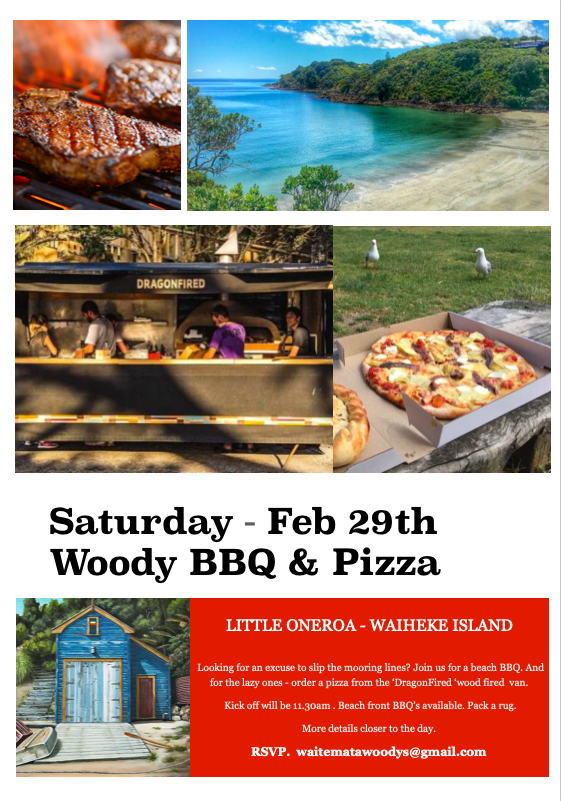
RSVP to: waitematawoodys@gmail.com


Avalon – Sam Ford Launch


Update ex Sam Douglas


We have a special post for those unable to attend – click the link below to view the stunning 5 minute video Roger Mills filmed of last years regatta.