Skipper CJ

p1180965

p1180966

Skipper CJ

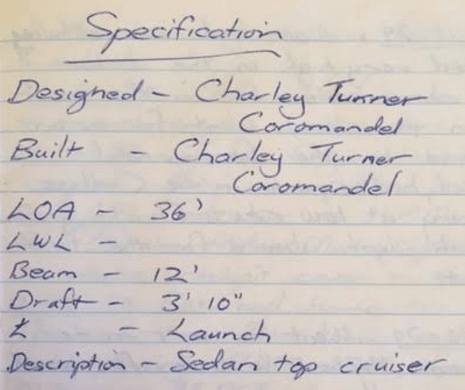
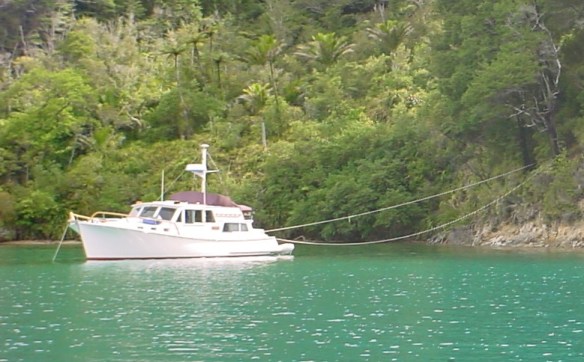
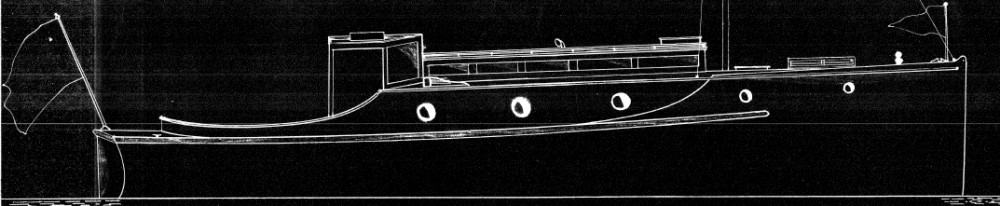
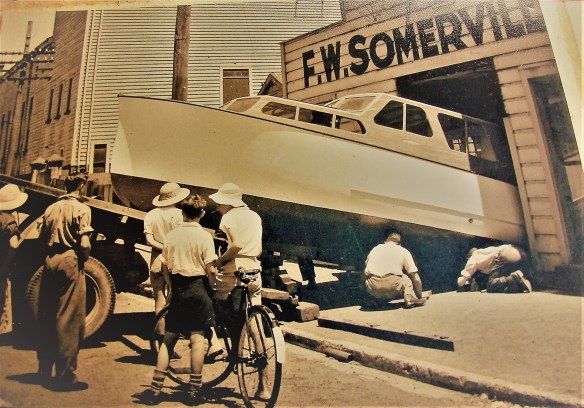
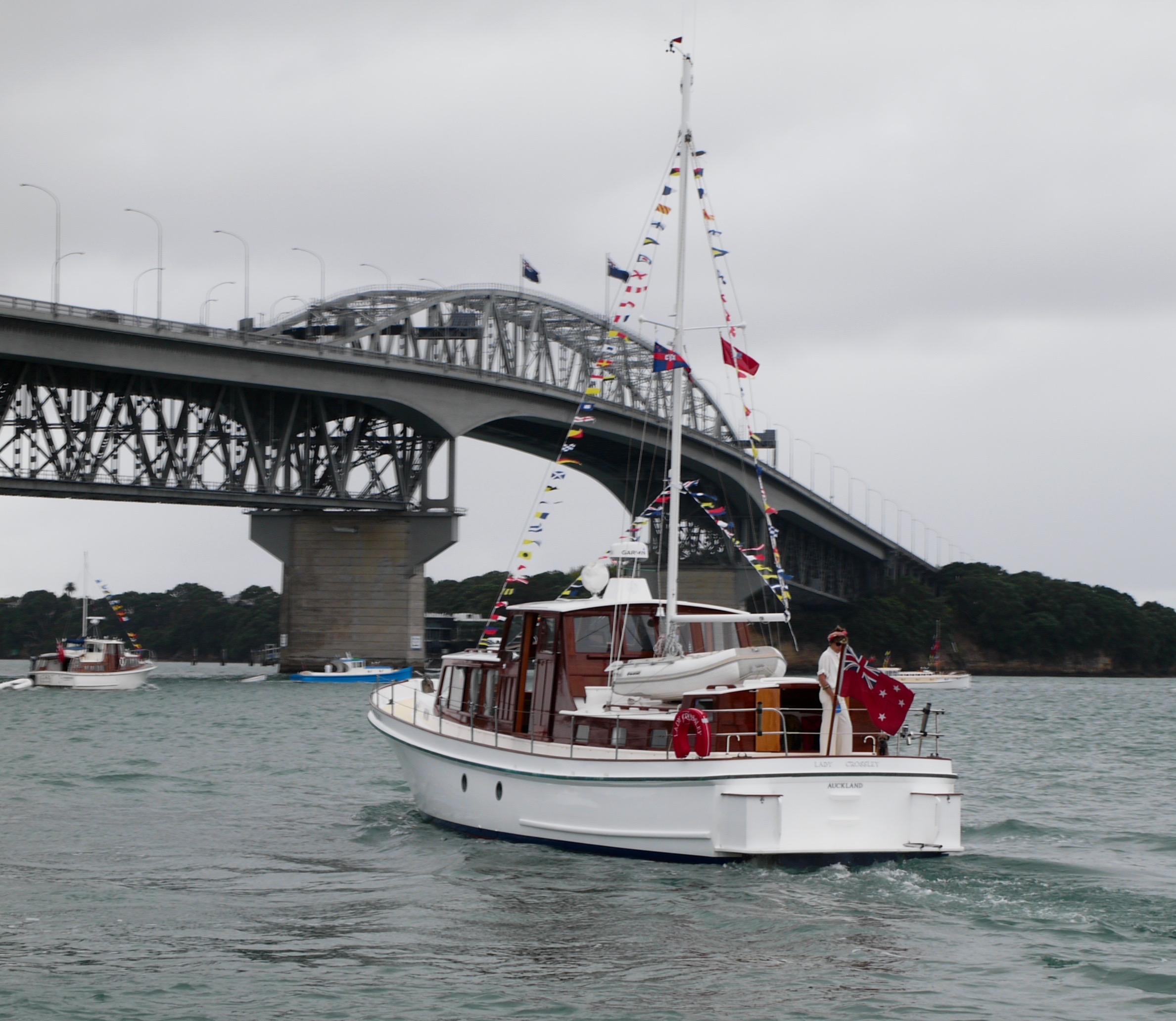
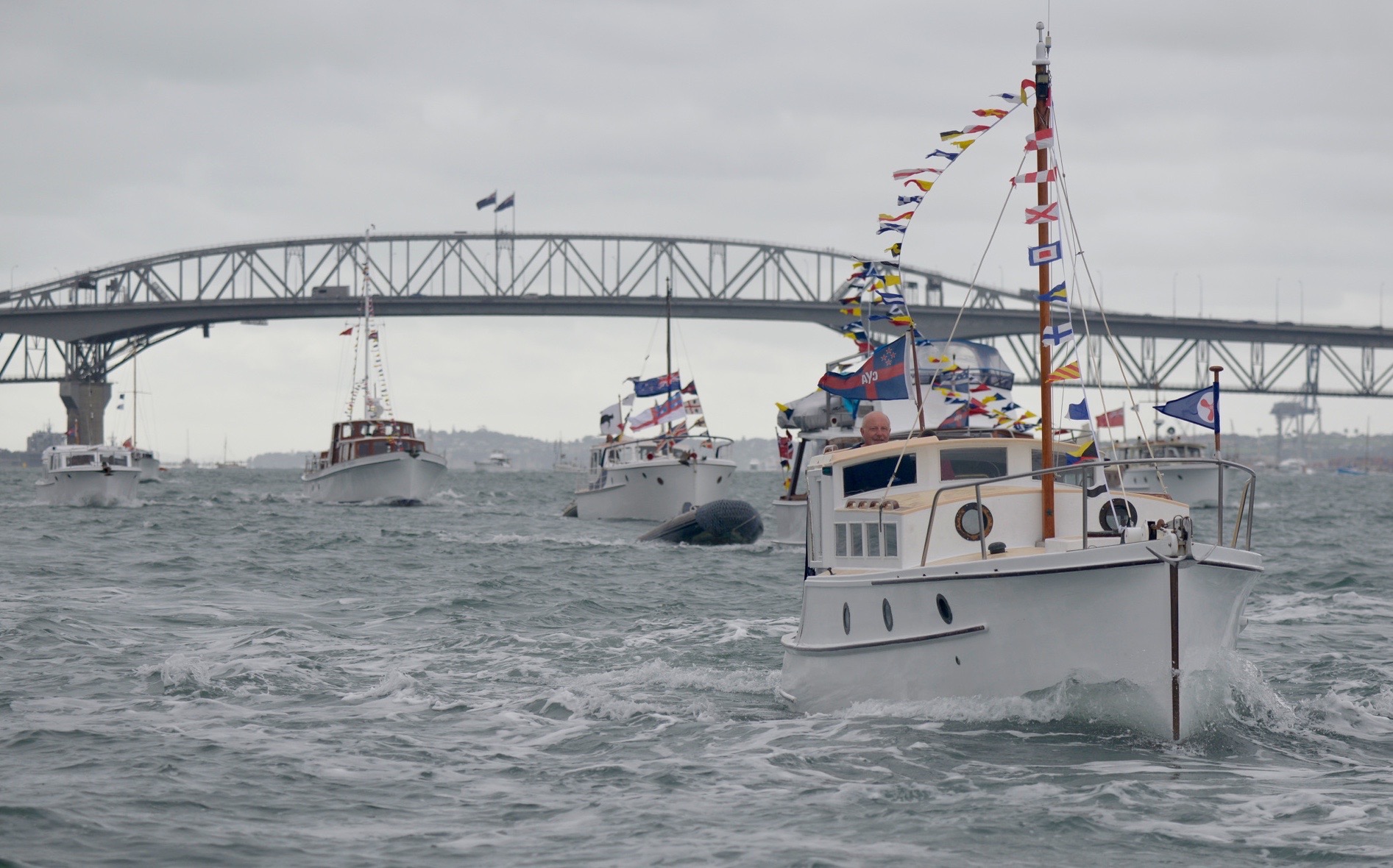
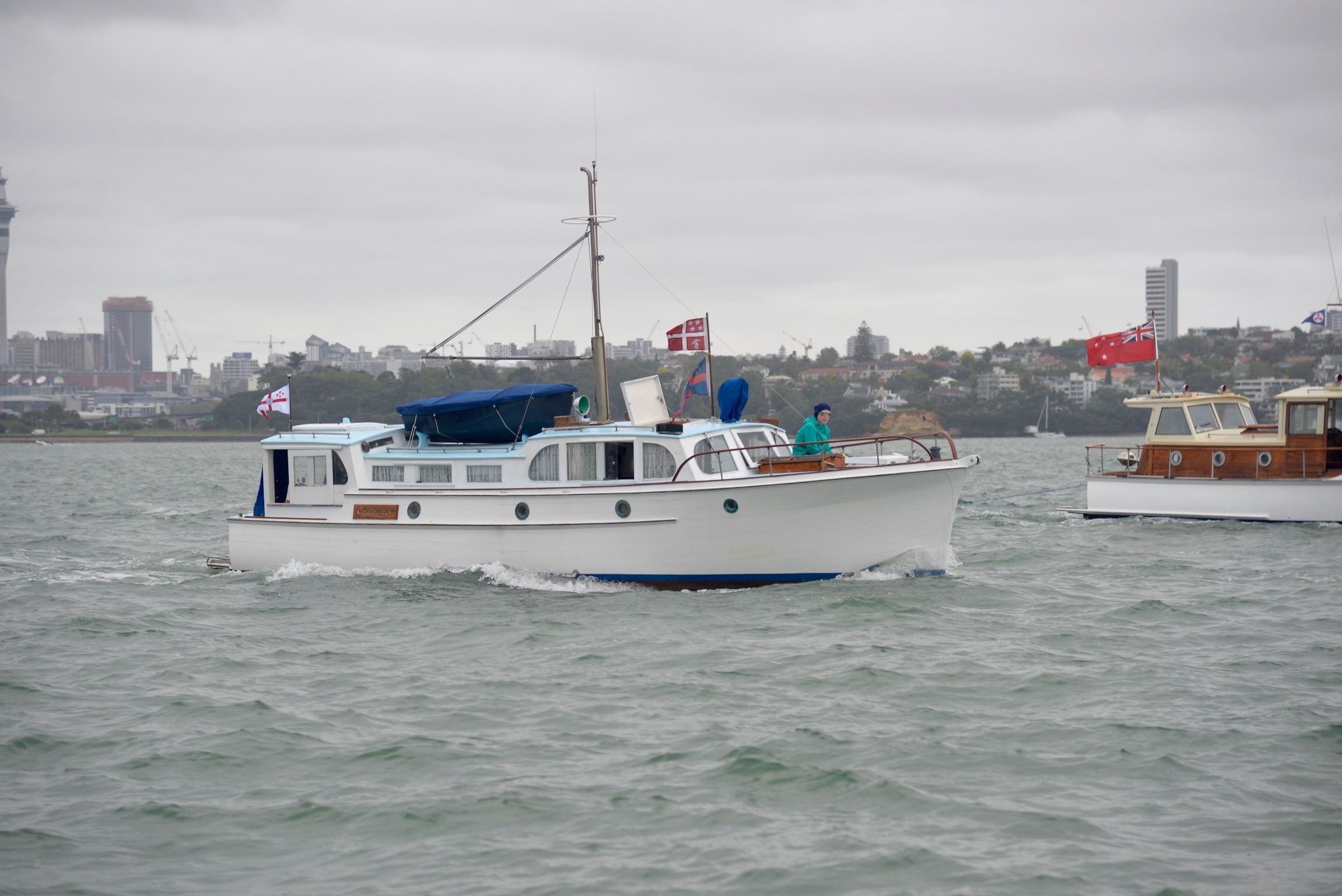
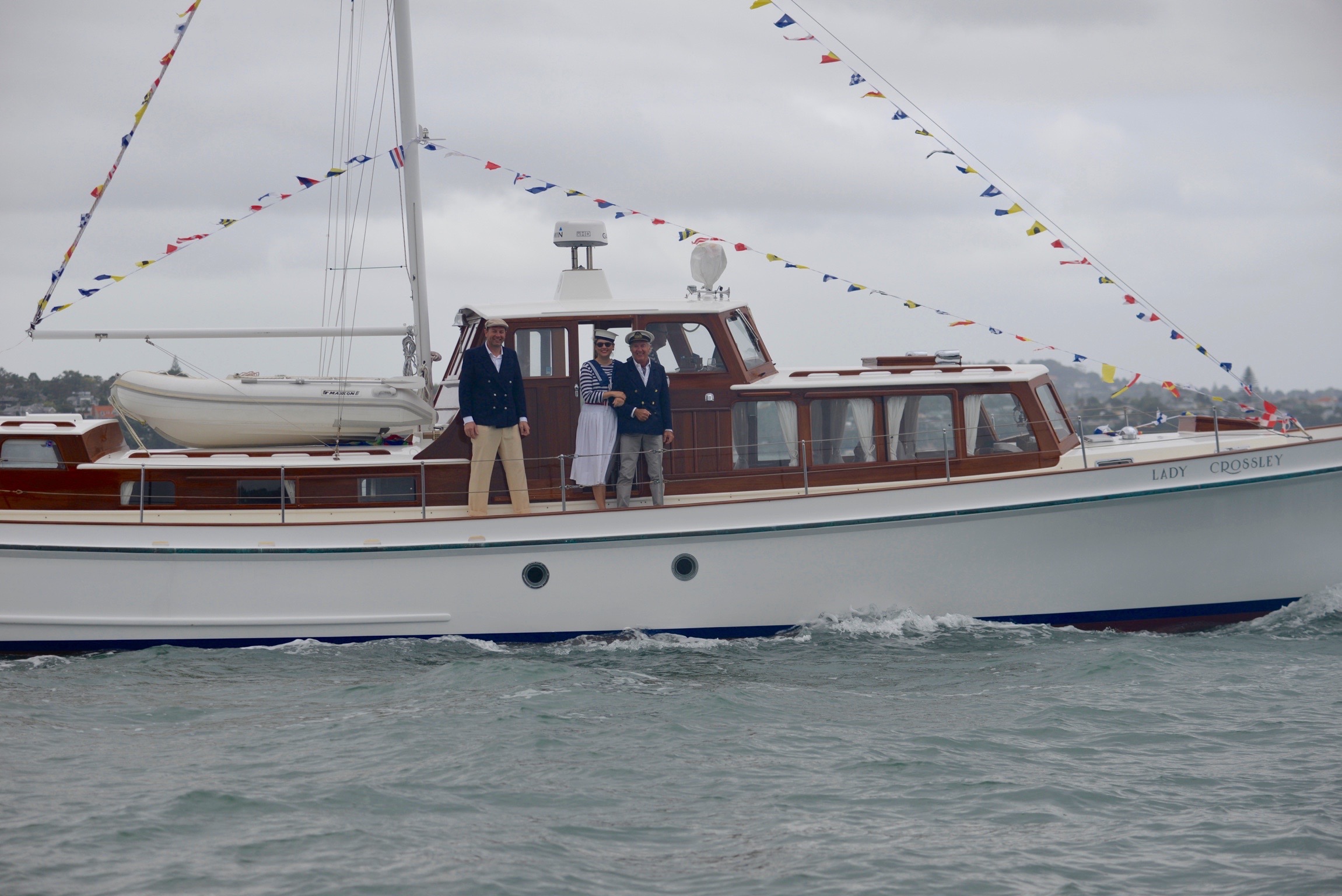
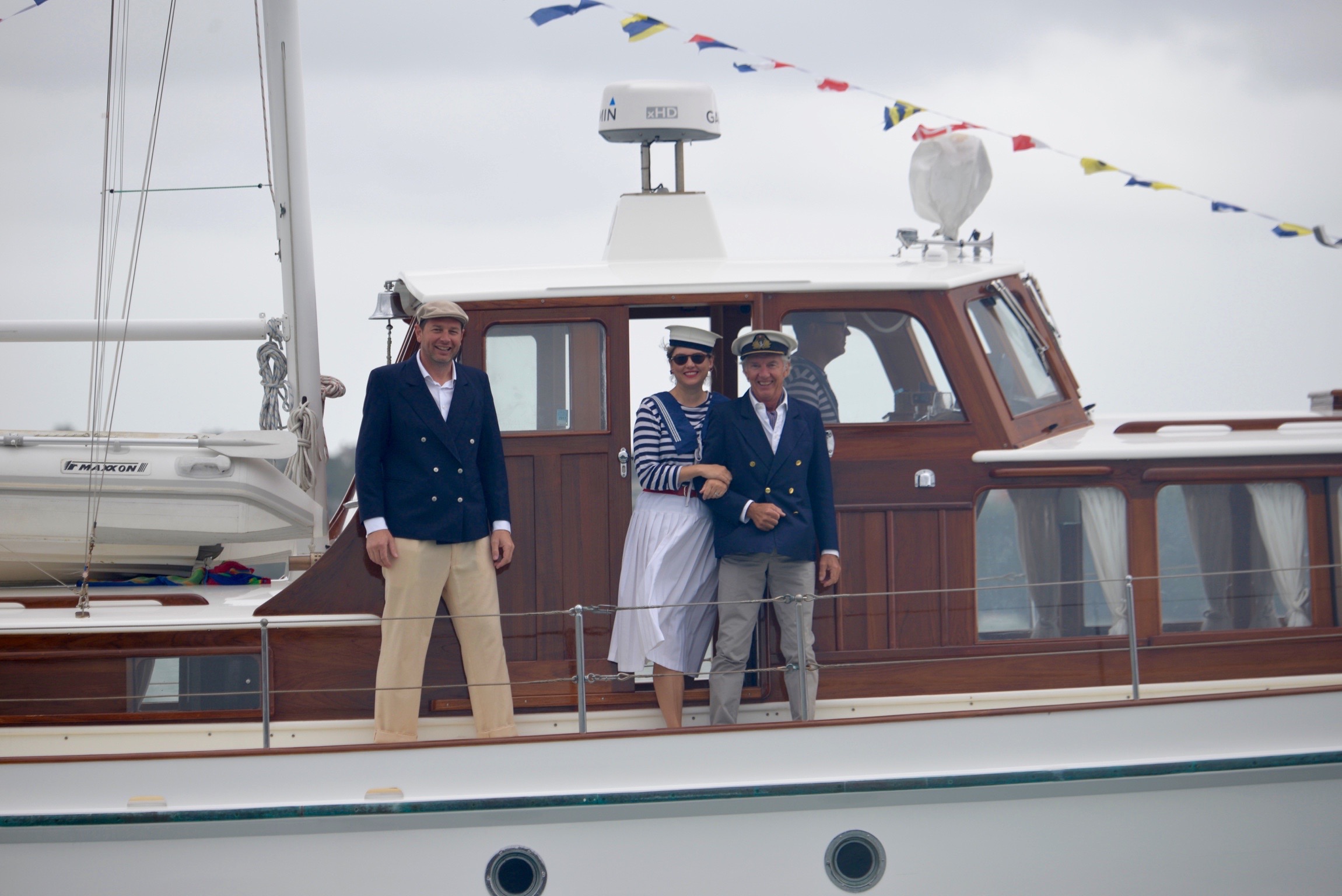
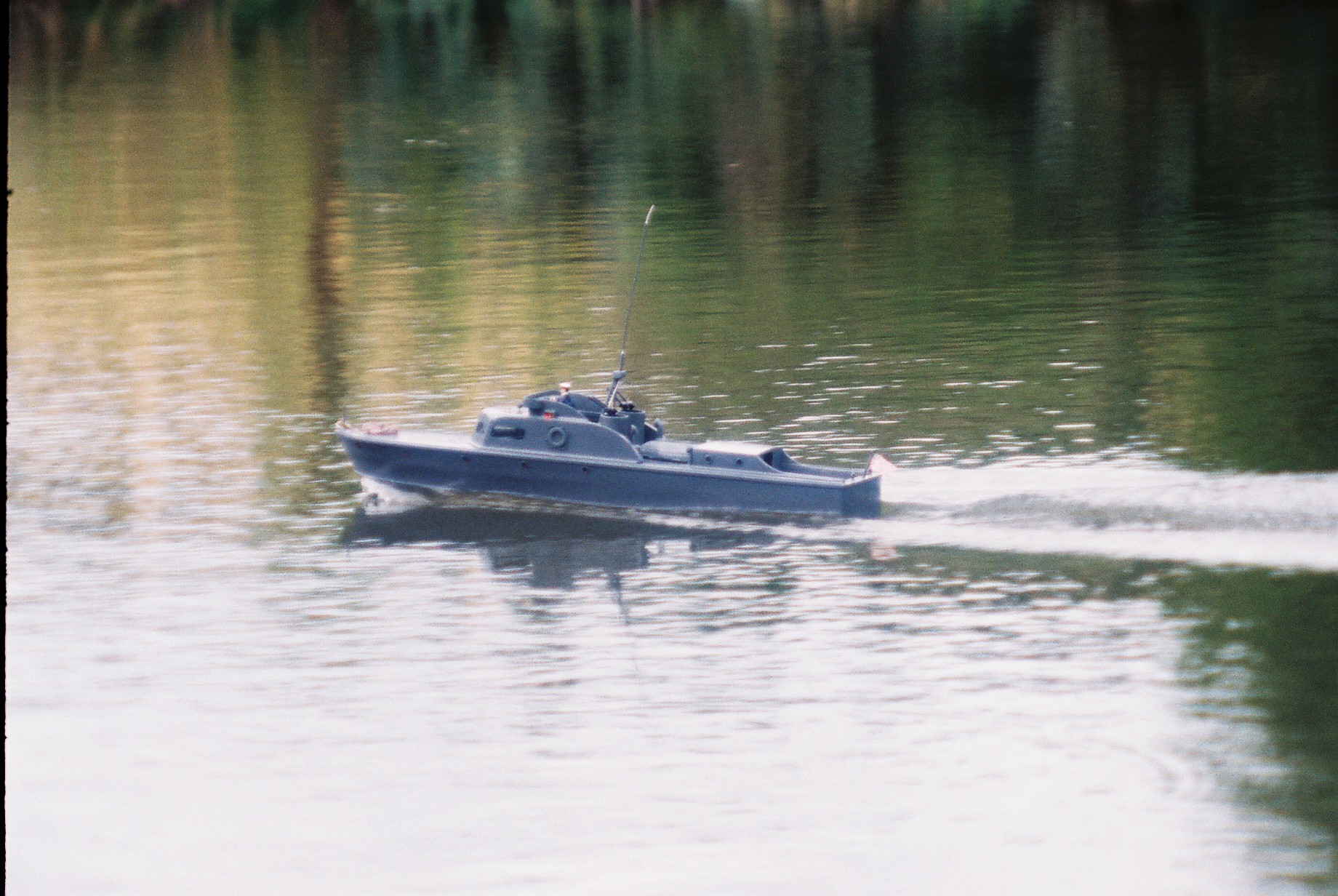
I took the above photos of the Chris Craft launch Skipper CJ anchored in Man O War Bay over the 2015/16 xmas/ny period. Obviously an import but her owner has done the right thing & joined the CYA, in fact we had her with us on the last trip up the creek to the Riverhead Hotel.
There is a lot of boat there for I suspect not a lot of green backs.

Interested to learn more about here & how & when she arrived in NZ. Maybe one of the American ww followers can chip in with some info on the model of the boat.

And while we are having a USA day – if you are looking for some wooden boat reading over the weekend – the link below is to the Sept/Oct issue of the USA Classic Yacht on-line magazine. Now if you think the market for wooden boats in NZ is depressed check out the motorboat ‘Blue Mist’ listed for sale on page 89 (top right side). At US$145k it would appear a steal – but then again …………….

http://www.myvirtualpaper.com/doc/ClassicYacht/classic-yacht-september-october-2016/2016100701/#0

Wairiki – Yes, No, Maybe?

l-e-macqueen

p1210153

Wairiki – Yes, No, Maybe?

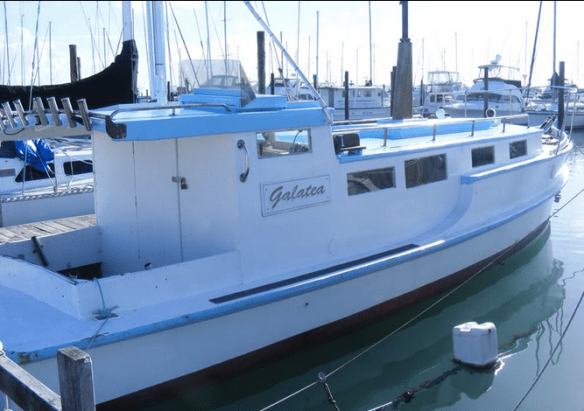
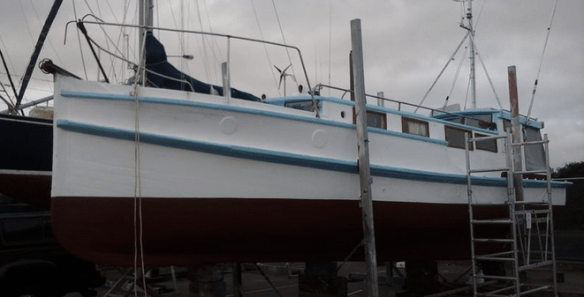
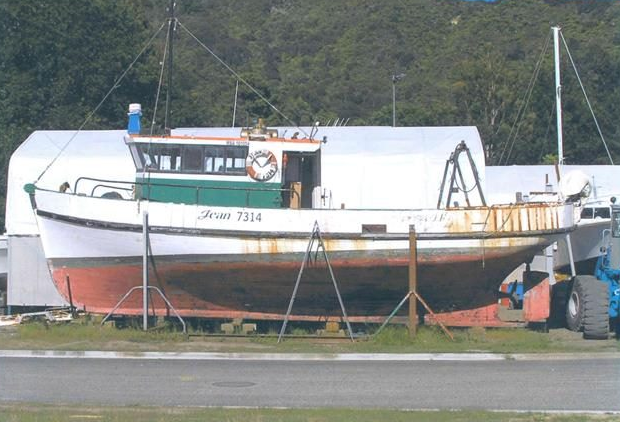
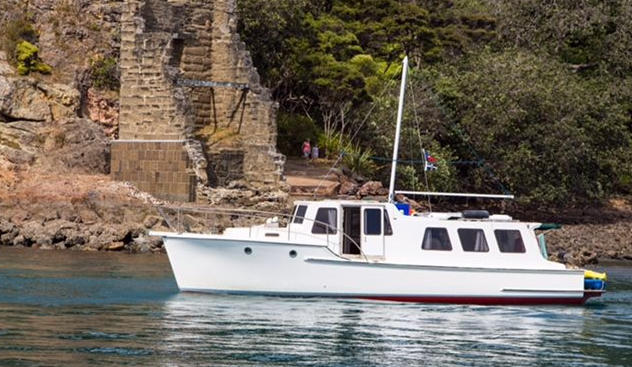
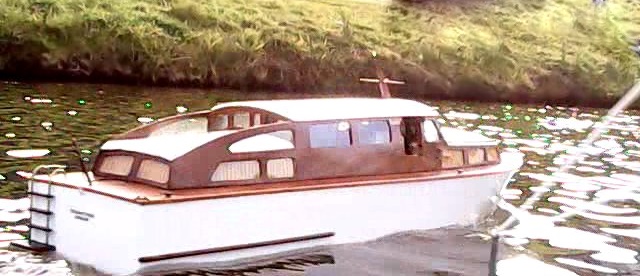
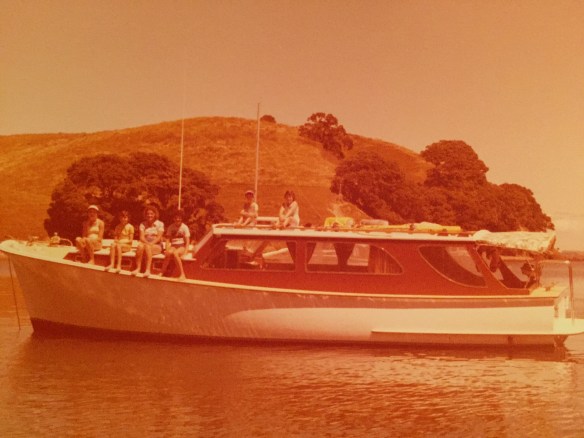
In early January Nathan Herbert was poking around the Te Atatu Boating Club haul out area & spotted the launch Wairiki. It sparked a wee moment of ‘could it be…………’ & Nathan dropped me a note with the 2 photos above – “I won’t put my life on it, but I doubt I’m wrong. Same flare, same forward sheer, same bridge location, same twin for’d portholes. Wairiki as original moved to Wellington I’m told, and I have seen a photo of the modified one in Wellington in say the 1960’s. Without dodger. Add to that the correct name, and far too many coincidences.”
So would what do you think – same boat?

Boyhood memories of the Hauraki Gulf

screen-shot-2016-10-12-at-10-05-41-pm

BOYHOOD MEMORIES OF THE HAURAKI GULF

The story below was sent in by Greg Skinner, written by his late great uncle , B.T. Daniel, in May 1991. To view & read more on the launch Anzac (Freedom) mentioned in the story, click this link https://waitematawoodys.com/2016/04/05/anzac-freedom

The Hauraki Gulf is considered by many, particularly those who live north of Hamilton, to be one of the finest cruising grounds in the Southern Hemisphere. Australians, with their Hawkesbury River and Queensland Barrier Reef, could excusably be critical of this claim. Southern Argentina and Chile possess a vast area of channels, inlets and fjords whose atrocious weather reduces their popularity for cruising. As a boy who grew up cruising in the Gulf, there was no place quite like it, until later in life I discovered the Marlborough Sounds nearly fifty years ago. The Gulf has taken second place since those days.

To return to the Gulf, however, and its scope as a training area in the ways of the sea, this tale about cruising does not deny the wealth of talent that its waters have produced over the last 120 years. These are the ship and boat builders, designers, engineers, seamen and yachtsmen of world renown whose love for these waters has brought fame and fortune to this land.

In 1921 my father, Captain C. Daniel, joined the Fisheries Branch of the Marine Department as an Inspector of Fisheries. His duties covered the Hauraki Gulf which, viewed from its chart, is a large body of water plus many islands and tidal inlets. To cover this ground he was supplied with a launch called ANZAC and a deckhand as a mate. The ANZAC, built about 1915 by a Mr Collins I believe, was a noted “flyer”, her dimensions were 40‘L’x9.5‘B’x3.5‘D’, powered with a four cylinder Doman petrol engine. She had, prior to acquisition by the Department, won a number of races for her class. The reason for her purchase was the speed at which she could apprehend any fishing inside restricted limits. The ANZAC’s appearance on the fishing grounds and her known ability for speed acted as a deterrent on any illegal activities by fishermen – an ability considered justified by modern day patrol boat design, poaching a part of life that has intensified the vigilance to combat these occurrences.

During the summer school holidays our family, Dad, Mum, plus three children, spent a lot of time cruising in ANZAC. My father now had four assistants – his mate taking his annual leave – to help.

The ANZAC had a few alterations made by my father, two masts that spread three sails, more ballast added and a dodger over the open cockpit. The luxury of a toilet was a rarity in those times. A bucket was the usual means of coping with hygiene on a boat when in company with other boats.

One trip I made in ANZAC was to Mokohinau and Cuvier Islands. The Fisheries Branch did the odd servicing of these important lighthouses in the approaches to Auckland Harbour. Mokohinau lies about 15 miles north west of Miner’s Head on Barrier Island, the site of the wreck of the “WAIRARAPA” in 1894 with the loss of 32 lives. Cuvier lighthouse is about 12 miles from Cape Barrier on the southern end of Great Barrier. The occasion for this trip was the return of a keeper’s wife and a new-born infant to Mokohinau, plus stores and mail for both lighthouses, manned in those days by three keepers to each station and their families. We left the old Nelson Street wharf, now reclaimed land occupied by the city produce markets, at 6.30am bound first for Mokohinau about 60 miles from Auckland. The ANZAC could average 10 miles per hour – fast for those times – arriving at Mokohinau, with good weather, around 1pm that day. The mother and babe were ferried ashore followed by mail and stores. The keepers wanted time to reply to some of their mail, but time was pressing. The Captain, anxious to get on his way to Cuvier, was adamant – “twenty minutes and I’m off”. At the expiry of this limit, and hastily written letters, we departed on the second leg. The passage to Cuvier, about 50 miles, was set inside the Barrier in perfect weather with three sails assisting, good time was made, arriving about 6pm and being summer, sufficient daylight to complete landing the mail and stores. Cuvier Island is larger than Mokohinau but surrounded with plenty of reefs and rocks and landing there, difficult enough in good weather, now began to show signs of deteriorating with an increase in the wind. Departure and course set for Auckland. Cape Colville, about 20 miles from Cuvier, was reached around 9.30pm, the wind from W.S.W. increasing near gale, backing to West, “a dead muzzler” for Auckland, our destination. Capt. Daniel decided to head for the southern end of Waiheke Island bringing the seas, quite a bit now, onto the starboard bow quarter easing the motion, helped with the small staysail, the only sail ANZAC could carry.

Two events I actually recall were my father’s instructions to George Migan, his mate, to stay close to that “B” old machine and make sure it kept ticking over. Fortunately the fuel tank had been topped up before leaving Cuvier, benzene engines of this period, whilst rugged enough, could be temperamental brutes at times. This remark describes the conditions we were experiencing now, rain reducing visibility down to zero, at the same time trying to keep to a rough compass course, judging the seas now steep and short, and I quote “Ye Gods, it’s as black as the inside of a pig’s gut”. The motion was so violent sleep was impossible and I spent a miserable time hanging on in the cockpit, our speed down to three knots until we began to get a bit of shelter in the lee of Waiheke where course was altered for North Harbour on Poniu Island, anchoring there at 3am.

ANZAC had steamed about 160 miles in 20/21 hours – the number of times she went up and down in the same hole from Colville to North Harbour on the 25 mile passage another 25 could be added. Between 10am and 11am we turned out of our bunks, had a mighty breakfast, and the Captain, mug of ship coffee and pipe going well, remarked “What the devil happened to Spotty?” (my dog) – “I booted him in the guts when he got under my feet while steering – I must have hefted him overboard.”

The mention of the name “Spotty” produced a quiet little thumping sound and the next we knew out he crawled from the tiller flat! This is where he had gone to sulk and nurse his grievance over the treatment given him by a man he loved as only a dog can love.

Those long gone days, like the actors and the sets of this play, have passed on or disappeared, but the memories of it are retained by the boy fortunate to have played a minor part, forever indebted to the experience gained and to those who gifted it to thousands of boys on the threshold of life.

El Alamein

el-alamein-feb-1956-front-of-photo-ex-basil-adair-gisborne

el-alamein-feb-1956-back-of-photo-ex-basil-adair-gisborne

screen-shot-2016-10-11-at-11-59-23-pm

EL ALAMEIN

The above photos of El Alamein (now named Ranui) show her c.1956 when she was in commercial charter on Lake Taupo. (photos ex Google ex Karen Moren via Ken Ricketts)
Some history below from the Ranui website

Formerly known as El Alamein, the ‘great dame’ of Taupo charter boats started her sailing career on Lake Rotorua after World War II.

Ranui was launched as El Alamein on 29 January 1945 for use by patients of the Rotorua Convalescent Hospital after the Second World War.

Named after that part of the Middle East where New Zealand servicemen distinguished themselves in action, the 32-foot kauri cabin launch was donated to the convalescent depot by the Patriotic Fund: Joint Council of the Red Cross and St John. Specially designed for use on Lake Rotorua and for passage through the Ohau Channel to Rotoiti, she was built by McGeady and was capable of seating up to 40 passengers.

For the first 4 years of her life Ranui was an open boat, with a small cabin and bunk room up forward captained by William J. Pollock. She was a familiar sight, often carrying up to 40 convalescing soldiers, many in wheelchairs, on Lake Rotorua excursions as part of their rehabilitation. She played a big part in easing the soldiers back into civilian life.

Ranui was sold in August 1949 as the numbers of ex-service patients dropped and maintenance costs rose. She was trucked to Lake Taupo on 24 August 1949 and purchased by Ron Martin – the money from the sale was returned to the Patriotic Fund Board.

Two years later one of Taupo’s old-time residents, Noel East, put on a full cabin and was first to have Ranui surveyed.

The next owner was from Hawke’s Bay and used her privately before selling her to one of Taupo’s most familiar commercial boat operators – Jim Storey. He had Ranui surveyed and used her commercially for many years, taking visitors out on Lake Taupo tours for fishing and sightseeing.

In 1980 Ranui was purchased by Graham Twiss and he continued taking visitors out on Lake Taupo tours and fishing for a further 34 years.

Ranui has recently been refurbished by her present owners, Sarah & Jamie Looner & again is operating as a charter boat on Lake Taupo. Click link below to view photos of her today.

El Alamein / Ranui

Lady Pat

wp_000122

wp_000124

wp_000123

LADY PAT

Built by the Lane Motor Boat Co. – Lady Pat measures 30’9”  x 9’ x 2’9”. Older photos & more details can be viewed here: https://waitematawoodys.com/2014/06/27/lady-pat-2/

Her owner Philip Simpson has just finished giving her some TLC at the Mana Marina, Philip had the help  of boat builder Maurice Dickie with the specialist.
Still to be added is the spray dodger.

09-12-2018 Input from – past owner Peter King (Motueka)

“These few words just to add my pennyworth to your historical records of dear old Lady Pat.  I”m 84 now and  miss her terribly still. Her photo along with mine will be on my funeral program.

I Peter King purchased Lady Pat from Tim Reilly in 9/95 and spent many very happy years cruising, fishing and overnight on moorings in Queen Charlott but  mainly  in Pelorous until the boat was sold in 7/2008 because I had lost my crew and also could not afford the overall cost any longer.    I never recorded those 13 years in a log.  However I do have a v ery interesting one written by a man called A.J. Bradshaw who purchased Lady Pat in Whangarei in November 1970 and sailed her down to  Tuna Bay with Abbie King-Turner as crew.  The boat  was later sold when Bradshaw died  in January 1980 .. In 2000  I had a meeting at sea with a man in a small boat who recognised Lady Pat and he turned out to be Bradshaw”s son.  After some later correspondence between us the son sent me his late fathers remaining. boat records but including  only 3/4 photos

Best of luck putting all the historical pieces  together  I would dearly like to see the end result some day…. Kind regards Peter King”

Wairangi

wairangi-a

wairangi-c

wairangi-b

WAIRANGI

I was sent the above photos of the 35′ launch Wairangi by Annette Evans, Wairangi belonged to her late father & Annette is about to undertake a restoration project. Before commencing work Annette is keen to see if ww can shed any light on the boat. They are keen to find out more on her original design, so any help identifying her original design or past owners would be greatly appreciated.

The boat now resides in Marlborough but it originally came from Dunedin and was known to the area as a pleasure launch in the Otago Harbour area before and immediately after World War II.
It’s believed that she was originally built in Auckland in 1932. It was owned in the mid > late 1950’s by a Mr W McCulloch (potentially well known in Otago), then it was transported by rail to Blenheim in aprox 1961, it belonged to a Mr R Foster of Dunedin.

The photos show her being prepped for her 1961 rail journey from Dunedin to Blenheim.

The 2016 Classic Yacht & Launch Exhibition wrapped up yesterday with the legendary beers & bangers 🙂


Over the weekend I read Harold Kidd & Robin Elliott’s booklet – ‘The Mullet Boat -A NZ Yachting Icon’, produced for the exhibition, it really is special. Grab a copy from Boat Books in Westhaven.

COASTAL PATROL DURING WWII

screen-shot-2016-10-07-at-12-35-17-am

CALLING ALL VESSELS COMMANDEERED FOR COASTAL PATROL DURING WWII

On November 19th 2016, the Royal New Zealand Navy are holding the 75th Naval Review & have extended an invitation to the owners of any historic vessels that might be interested in taking part in the Review procession.  Interested owners can check out the Op Neptune website http://nznavy75.co.nz/international-naval-review/ & are asked to make contact with Commander John Butcher via Andrew Watts – the email address is,  ANDREW.WATTS@nzdf.mil.nz , please include details on your vessel & a photo/s.

The 1932 Colin Wild built classic launch ‘Wirihana’ was one of a number of vessels commandeered by the Royal New Zealand Navy during WWII to run supplies and to patrol the coastal waters around the Hauraki Gulf and up to the Bay of Islands. Her identification was Q01, photos above & below. Wirihana took part in the 50th Naval Review along with a number of the other classics that served as patrol boats and will be participating again this year.

A lot of our classic fleet played a very important defence role during WWII, its not well recorded but the Hauraki Gulf was mined. It is NZ Governments best kept secret. The NZ press often quote the closest NZ has come to war was the Rainbow Warrior bombing! This is BS, they just don’t know. A lot of the records make the patrol work sound like a boys own trip but  Wirihana and the other boats were on patrol for two years summer and winter, it would not have been much fun in these small launches.
The crews made their own navigation sketches so they could recognise headlands by their outline in poor visibility. Similar to those in the NZ Pilot. They had no chart plotters or navigation aids (only a compass) and often ran without Navigation lights.

So woodys if you own or know someone that owns one of the launches – get in touch today with the RNZN

wirihana-today

Chris McMullen found the  letter below on board ‘Wirihana’. Chris commented that he would imagine the writer has now passed on. Chris hopes the letter may draw
some history from others with photos and letters hidden away. Photography
was illegal during the war but it certainly did not stop people from
recording their life at the time.
Chris  recalls going to school with a John Rhodes who he thinks lived at Bassett Rd.
Remuera. Maybe the same family?

screen-shot-2016-10-07-at-12-48-04-am

Below is light hearted list of NAPS boats out of Whangarei. Sent to me by Brian Fulton.

screen-shot-2016-10-07-at-5-14-59-pm

08-1-2016 Input From Chris McMullen
A German Raider mined the outer Hauraki Gulf. An account is recorded in the translated from German, a book listed as “The Black Raider”by Kurt Weyher and Hans Jurgen Ehrlich.
Chris’s copy dated 1955. Below are the relevant pages but there is more. This happened June 13th 1940. As a result the SS Niagara was sunk 19th of June 1940.
The Raider Orion sunk many ships off the New Zealand Coast.
mines-in-the-hauraki-gulf-1

mines-in-the-hauraki-gulf-2

mines-in-the-hauraki-gulf-3

Unknown Motorboat & Seaplane + Cool Event Invite

image001

UNKNOWN MOTORBOAT & SEAPLANE

Hello woodys, triple header today – name the motor boat, the seaplane & event / gathering, if there is one? Lots of people lining the breakwater, so possibly a VIP onboard. Photo belongs to the Tudor Collins collection at the Auckland Museum, emailed to me by Ken Ricketts (as is the M-class photo below)

CLASSIC YACHT & LAUNCH EXHIBITION INVITE

screen-shot-2016-10-05-at-1-30-01-pm

Once again the Tino Rawa Trust is hosting the annual Classic Yacht & Launch Exhibition – this years exhibition celebrates the iconic Mullet Boat.
On this Saturday & Sunday 10am > 4pm – Karanga Plaza – Halsey ST, Wynyard Quarter (in front of the ‘old’ Team NZ base)

ENTRY IS FREE – Further details here http://www.tinorawatrust.co.nz

m-class-yacht-1940s-10

I APOLOGIZE
If sometimes I’m a tad slow in answering your emails – that is because I average around a 100 emails a day relating to ww. BUT keep them coming, I love hearing from you all. 🙂
Harold Kidd Input

The PanAm flight was a proving flight in late December 1937. PanAm  had set up an infrastructure at Mechanics Bay for their Sikorsky flying boat SAMOA CLIPPER which Imperial Airways’ Short Empire CENTAURUS also used. Capt Edwin Musick was pilot in command of the Sikorsky. Musick Point was named after him when the SAMOA CLIPPER caught fire and crashed at Samoa while dumping fuel preparatory to landing. The Short arrived just after the Sikorsky, obviously to show that the Brits were up to it as well as the Yanks. The Short’s range made it unable to carry a viable payload across the Tasman however.
As for the runabout/launch, the only reference I can find is that PanAm had a “special launch” at Mechanics Bay. Need to dig deeper.

$1 Reserve

screen-shot-2016-10-04-at-9-20-06-pm

screen-shot-2016-10-04-at-9-21-05-pm

$1 Reserve
This has to be a project for one of the woodys. I was alerted to this cutie on trademe by Scott Taylor.

Currently located in Paeroa (Waikaato) she measures 22’4″ & has no motor. As architects say about good houses – ‘she has great bones’, so woodys – someone must be looking for a project? Would be a cool lake boat – Rod Prosser, up for another lake boat ……….?  🙂

ps check out the motor in the background of one of the photos – wheres the monster going?

Now at the other end of the scale – check out the the youtube movie below. Its records the build of a one-off modern classic wooden boat – amazing to view the amount of time & skill that goes into building a wooden boat these days – enjoy 🙂

Dauntless AK2233

ak2233-02

dauntless-ak2233-05

Dauntless AK2233

The above photos of Dauntless are from the Tudor Collins, Auckland Museum collection, emailed to me by Ken Ricketts.
Can any of the woodys provide more details on Dauntless & also the photo location, if my life depended on it, I would guess Whangaroa, but I have been wrong before 🙂

Interesting the passengers on board, not really looking like a day out fishing, maybe they were heading out to meet / greet a bigger vessel ?

Harold Kidd Input

There have been a lot of launches called DAUNTLESS over the years. This one bears a 4 figure Auckland fishing boat registration number of the type issued in the early 1930s but phased out by about 1935, so the date of the pic is around that period.
This is the DAUNTLESS that was game fishing out of Whitianga and Tauranga between 1927 and 1945 at least, run by Steedman and Chadban. I had always thought that this DAUNTLESS was the one built by Bailey & Lowe in 1911 for E. W. Morrison of Auckland, a standard Bailey & Lowe 35 footer like PRINCESS etc but these pics show a sloping transom that is quite unlike a B&L product. Maybe the stern was extended for gamefishing and maybe this is the DAUNTLESS that finished up at the Maritime Restoration School at Opua with the stern chopped off to a 32 footer?
Maybe it was chopped because the extension failed?
I’ve never been sure where this boat came from or went to, but Baden or Brian Worthington should know.

PS Maybe Charlie Millett did the stern extension? It’s the sort of thing he did during the winters in Tauranga.

05-10-2016 Paul Drake Input

Pics below showing DAUNTLESS at Taupo. She is the moored boat in the foreground in the first photo.

In the second photo, she appears on the extreme left, and the tumblehome is evident.

dsc04123

dsc04124

11-02-2017– Photo below ex Baden Pascoe

dauntless