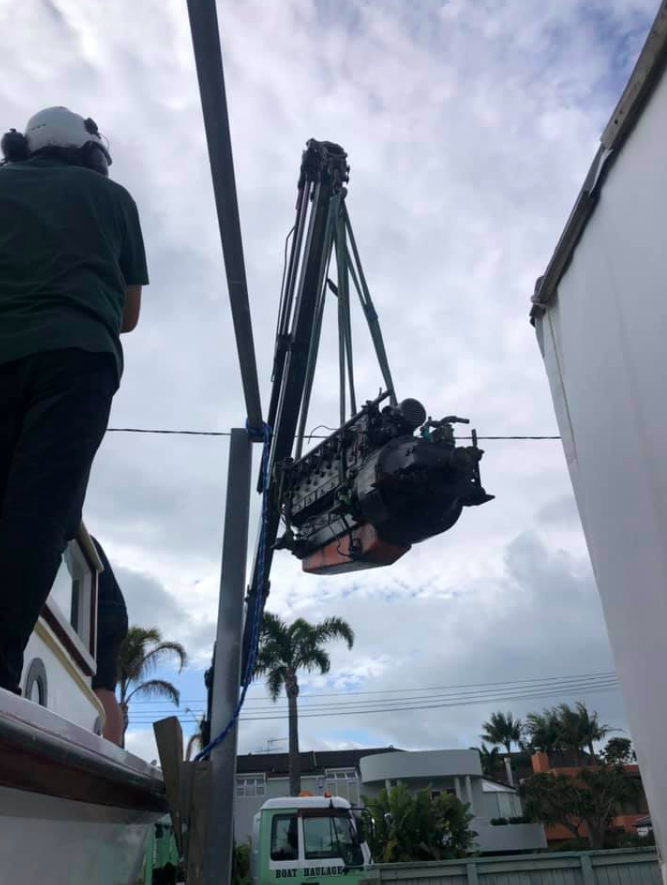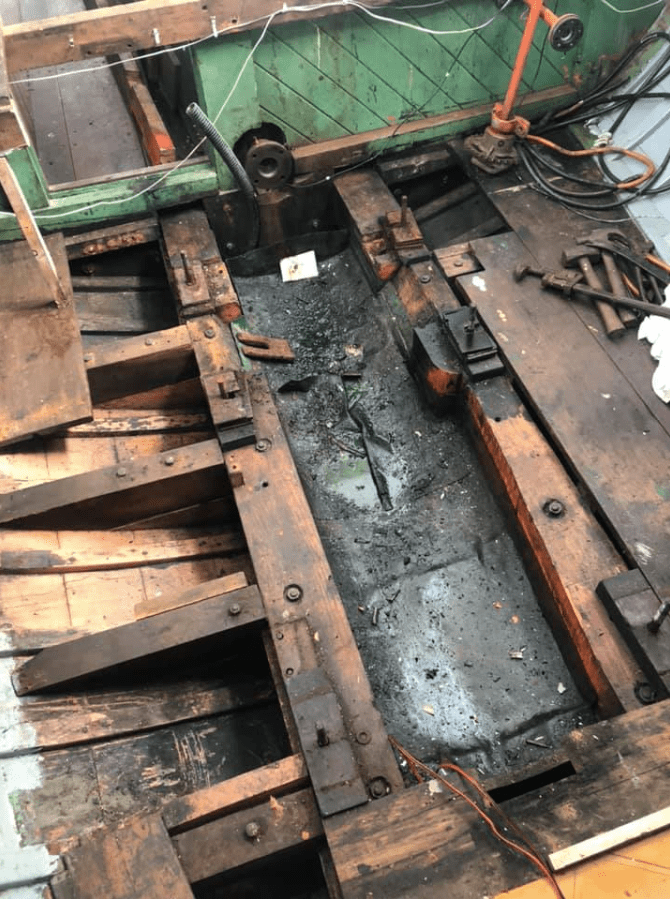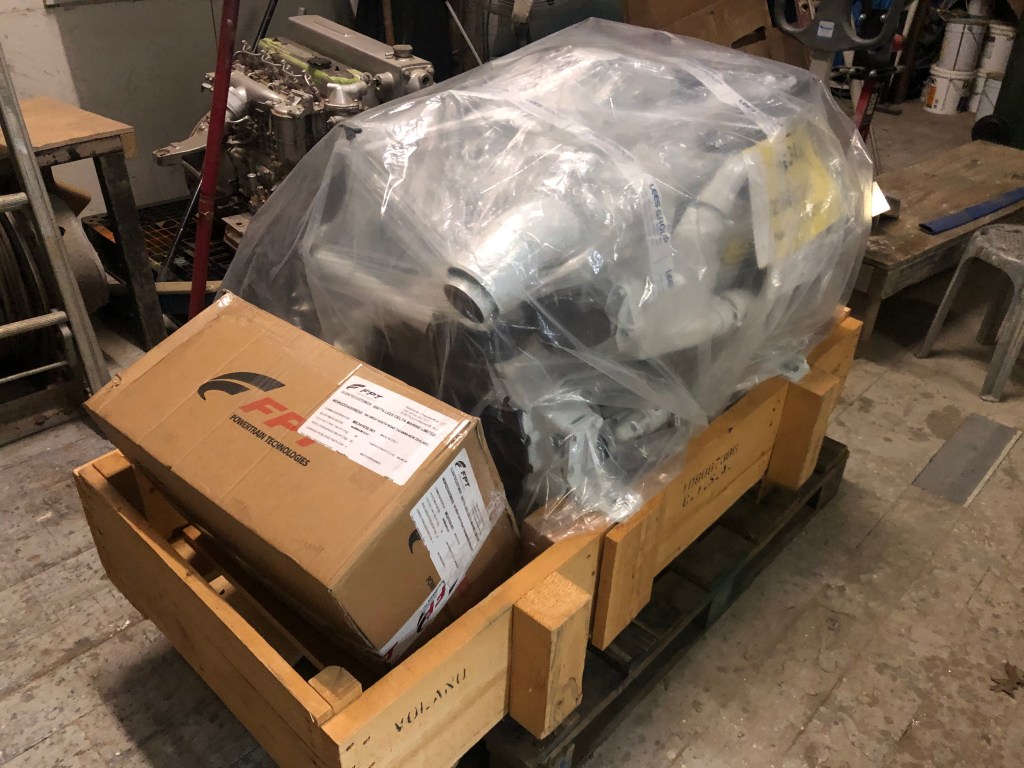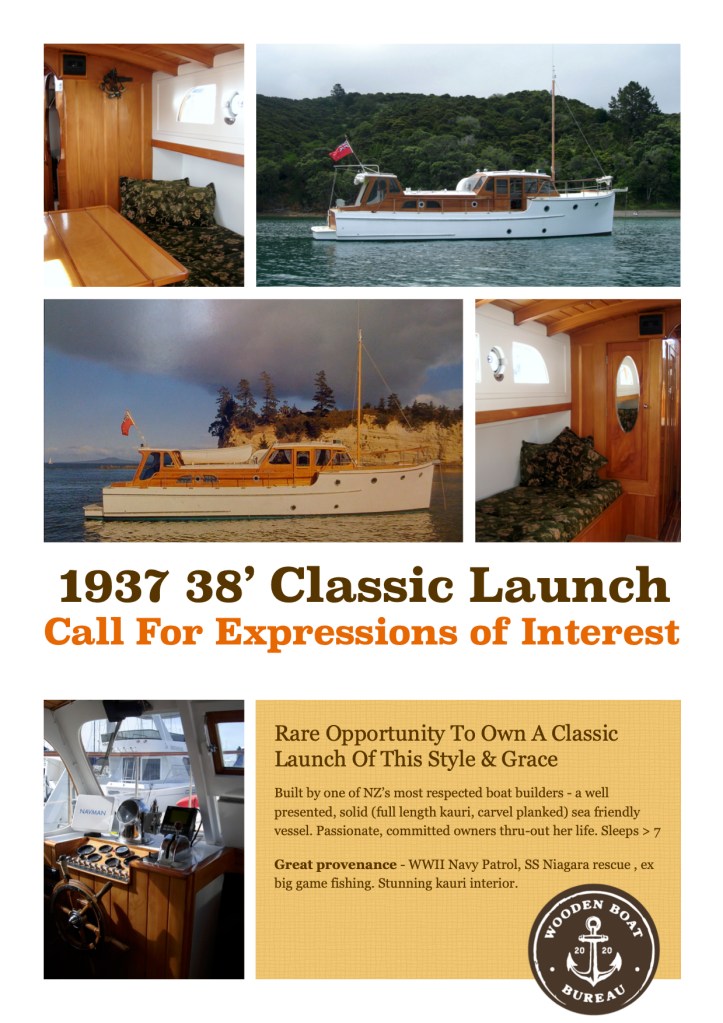
Restoration of classic 1912 launch – Lion

Screen Shot 2020-07-27 at 6.45.59 PM

Screen Shot 2020-07-27 at 6.25.37 PM


Screen Shot 2020-07-27 at 6.45.18 PM

Screen Shot 2020-07-27 at 6.26.39 PM

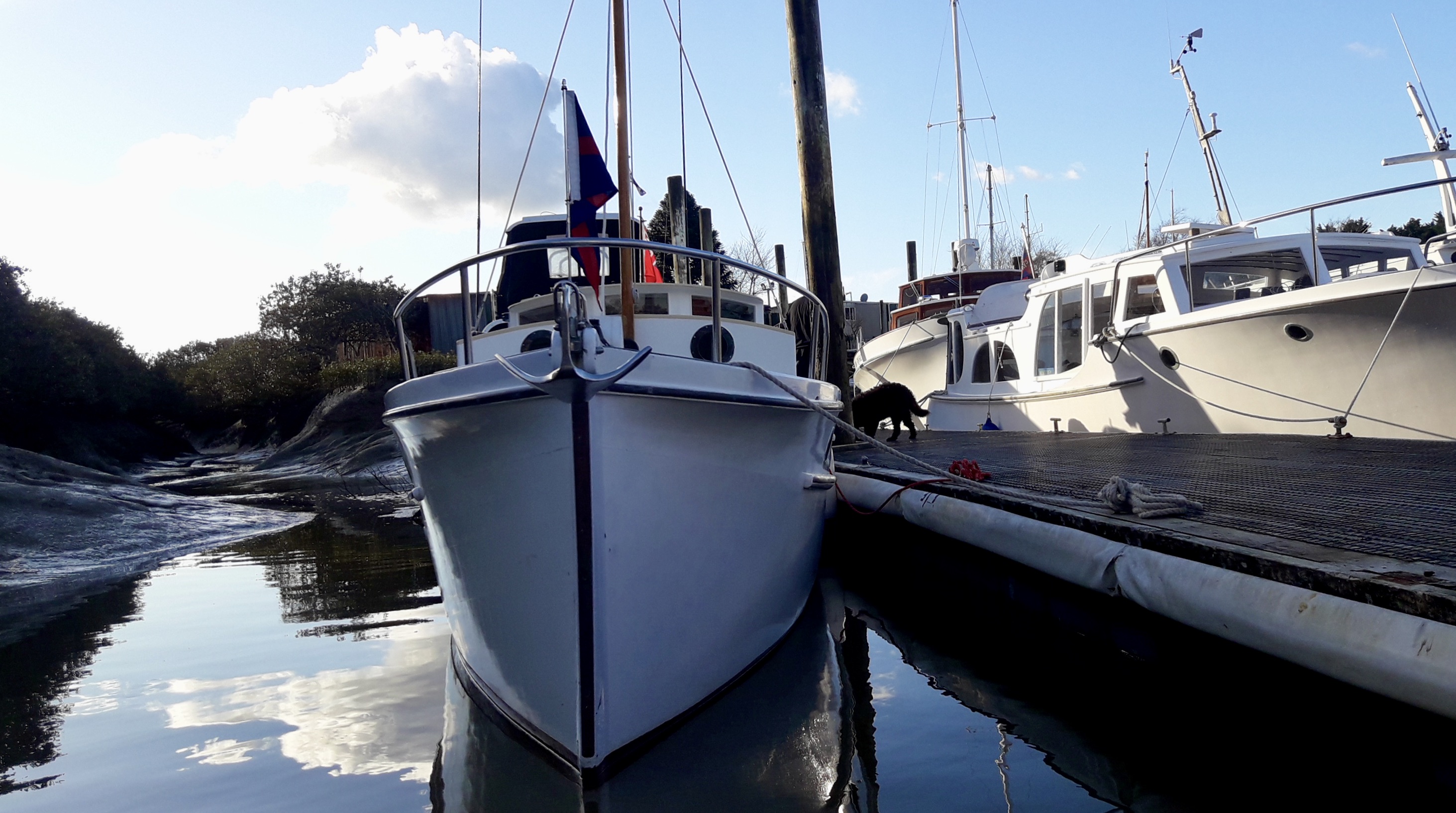
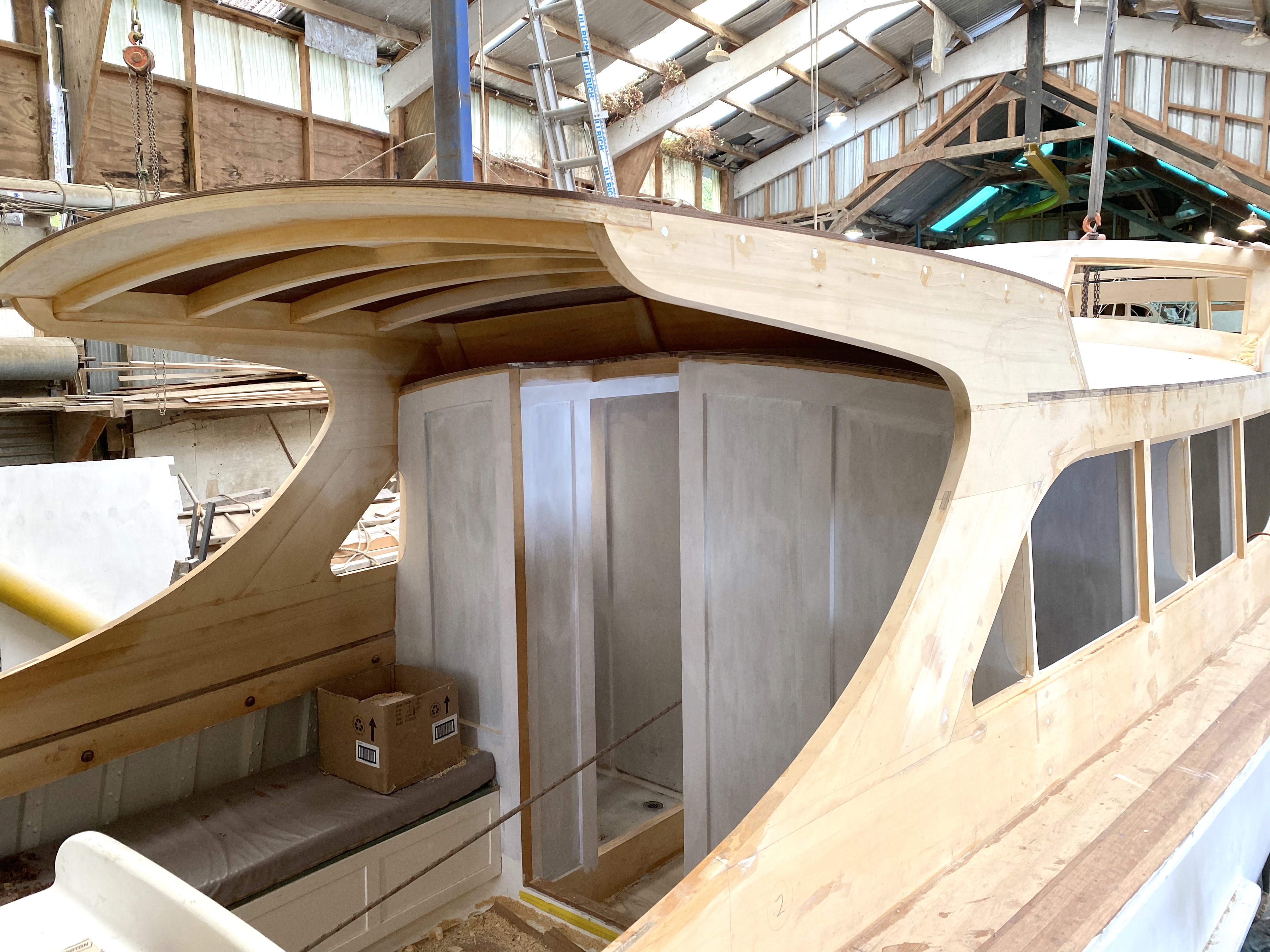
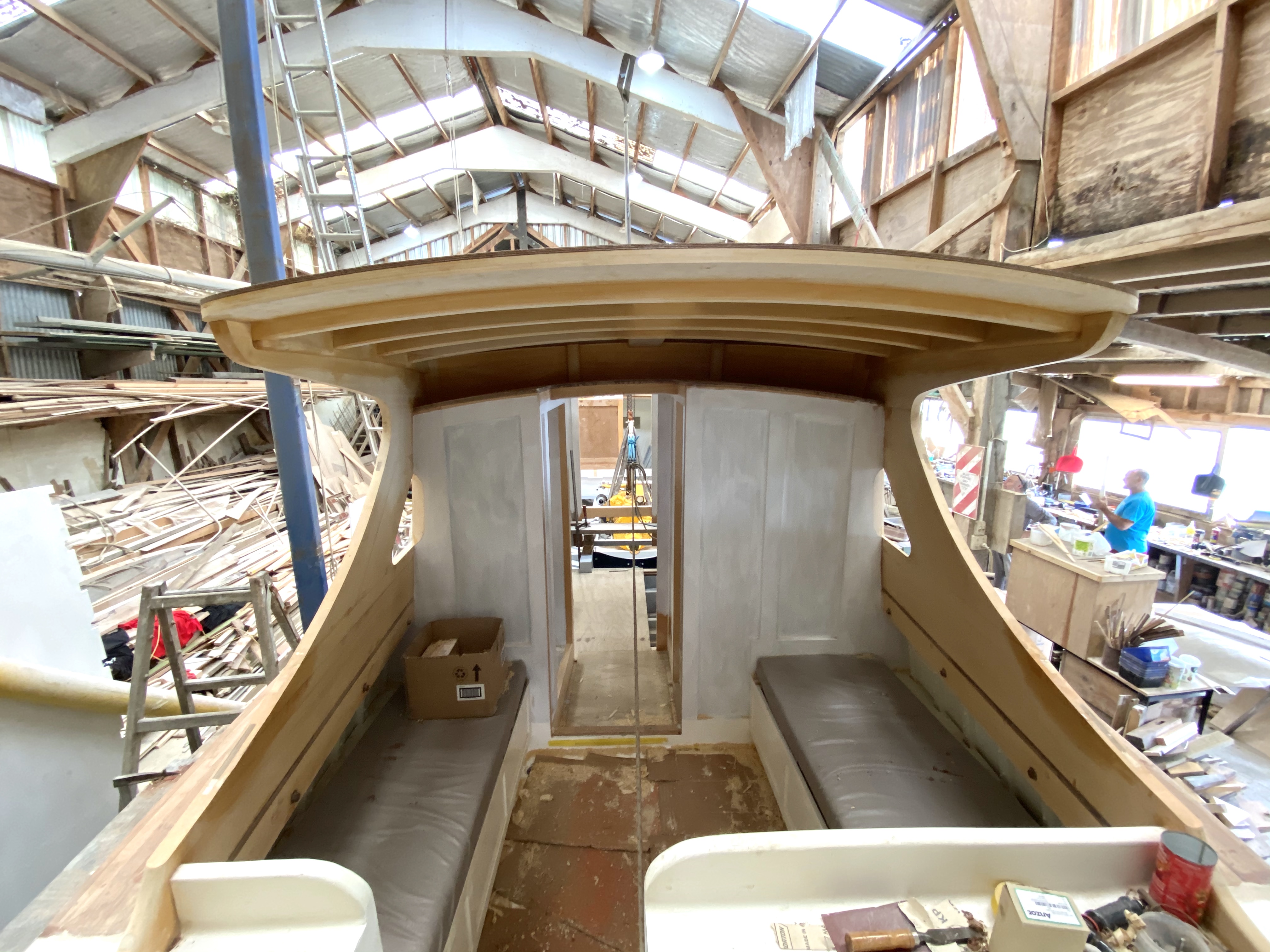
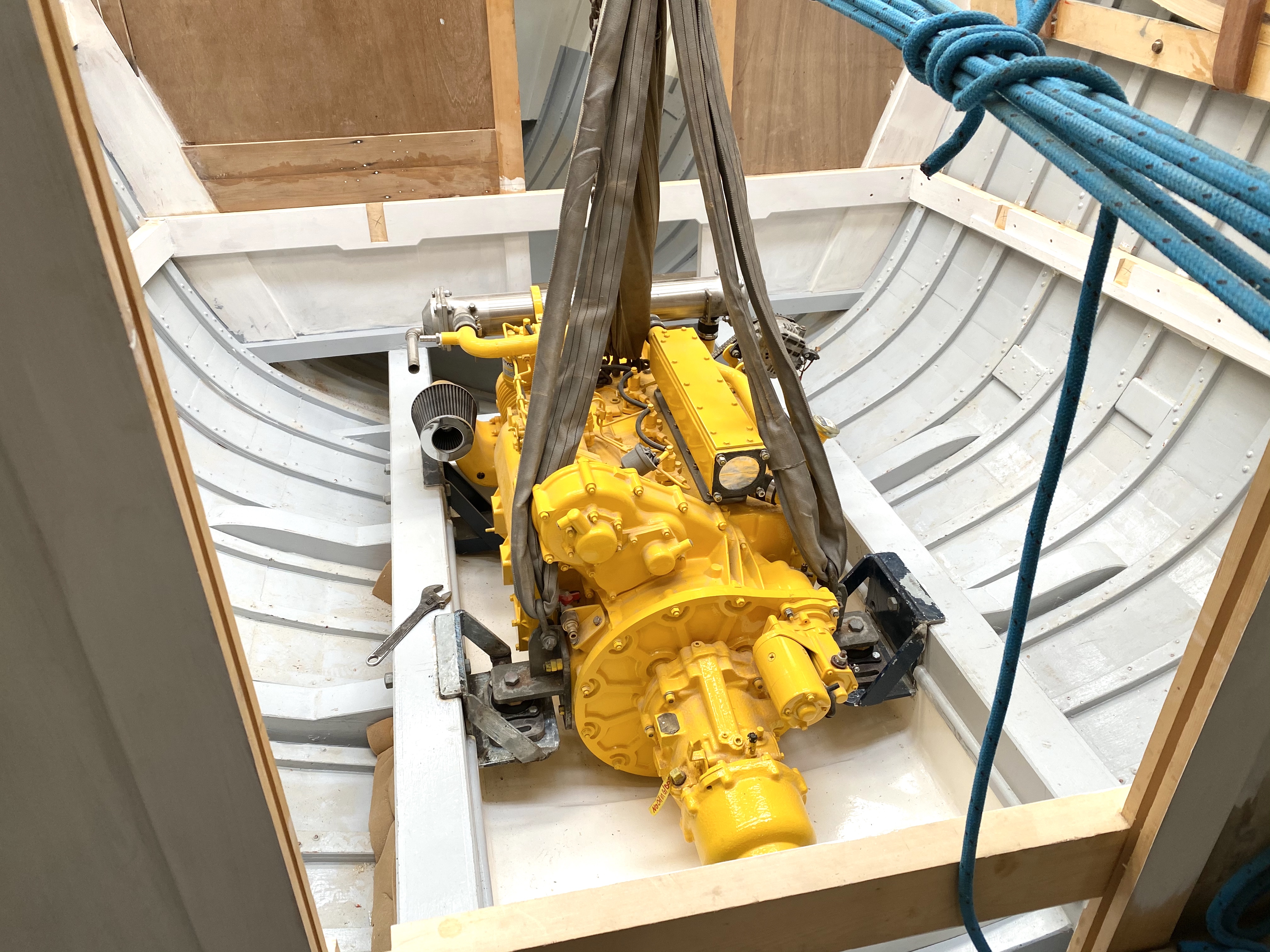
Restoration of MV LION 

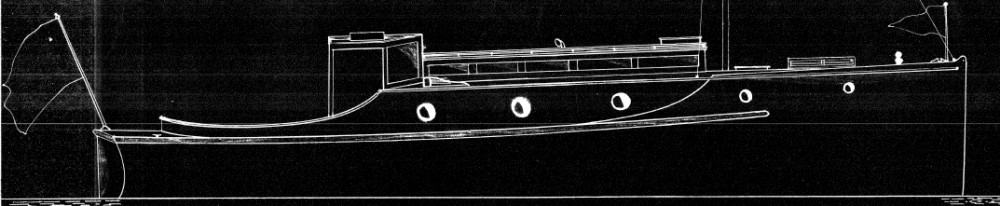
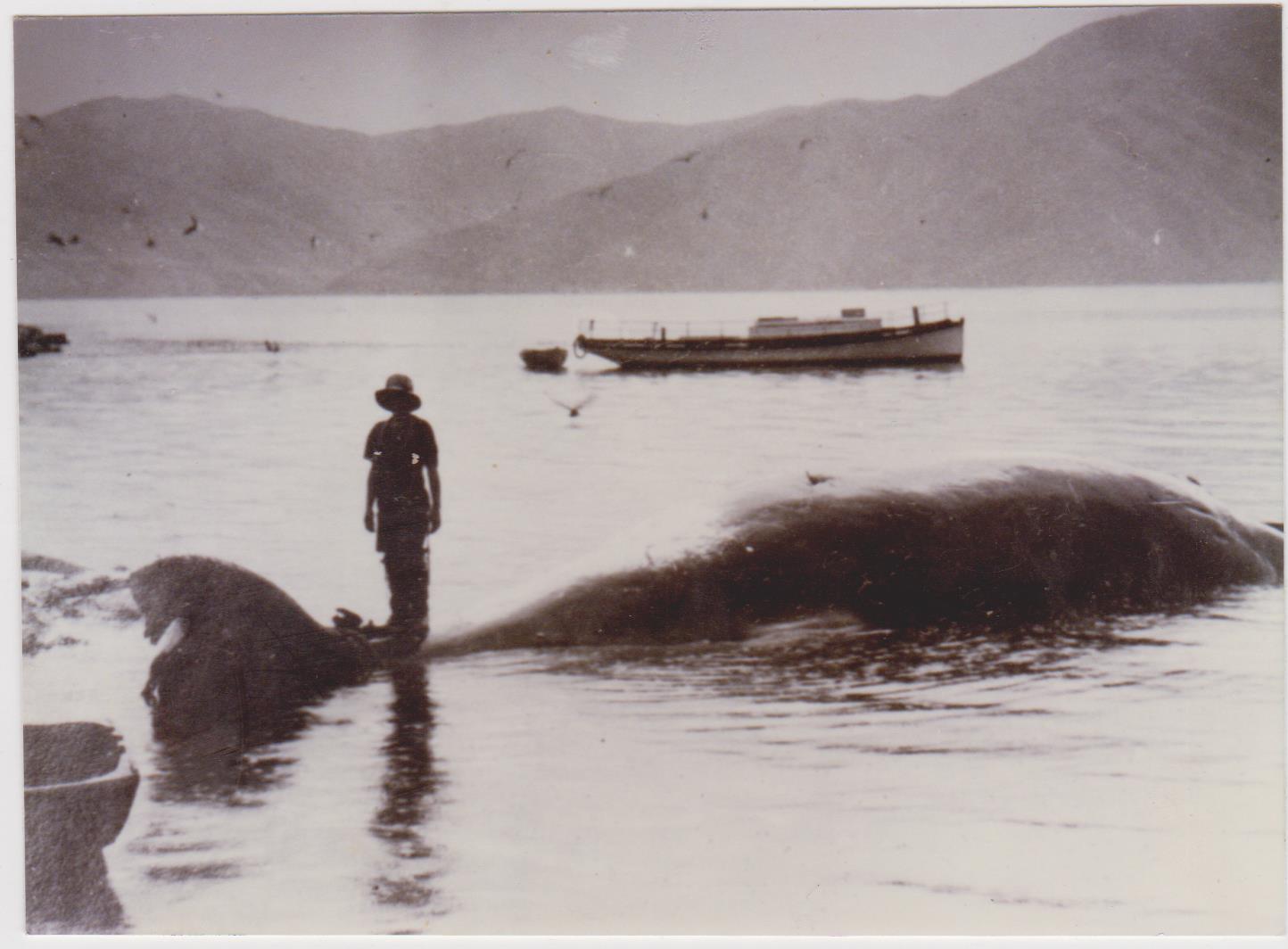
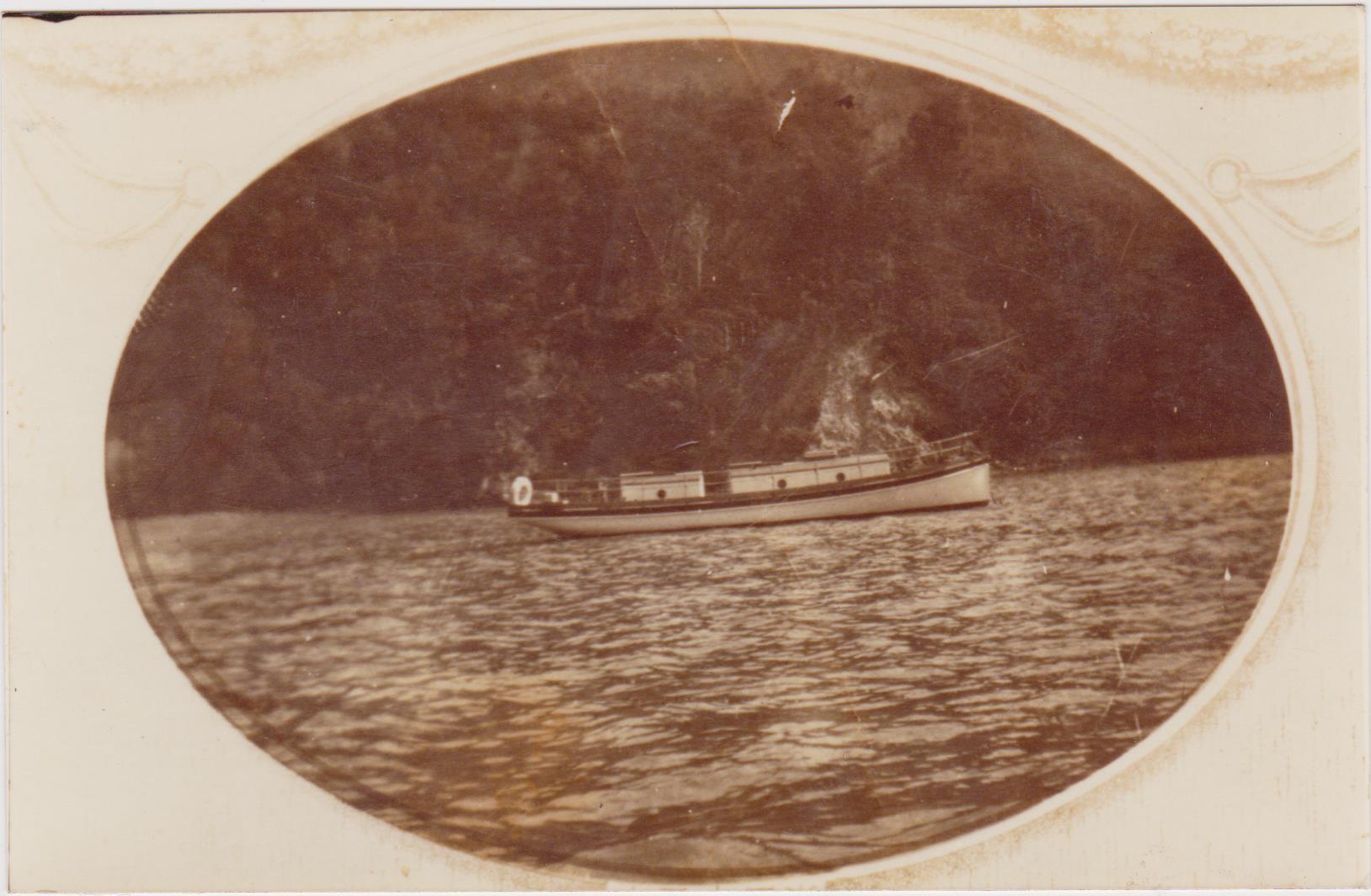
Lion was launched in late 1912 for use on Lake Wakaptipu for Hugh McKenzie of Lake Wakatipu, serving the family and owners of Walter Peak, Fernhill and Mt Nicholas Stations. When launched she was fitted with a 21hp, 3 cylinder Clifton engine.
Constructed from kauri planking to a canoe stern design, to handle the choppy and unpredictable conditions of Lake Wakatipu. Her specs are – Length: 38′,
Beam: 9′, Draft: 3′ & she is powered by a Yanmar 51hp. (Info ex Harold Kidd)
At one stage she operated as a charter vessel on Lake Wakatipu.

Lion has made a previous appearance on WW and can be viewed at the link below
The facebook link below shows Lion arriving at the boat yard prior to commencement of work.
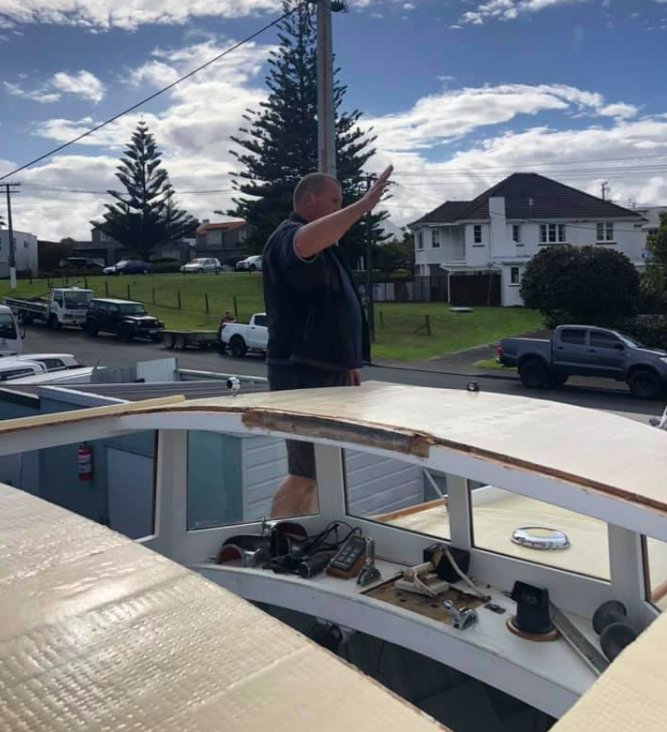
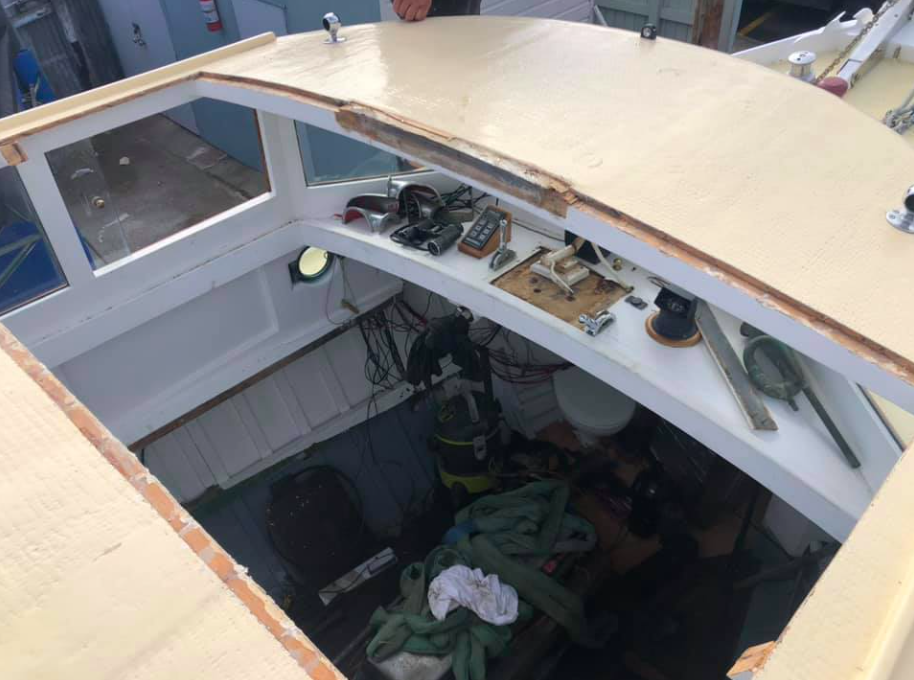
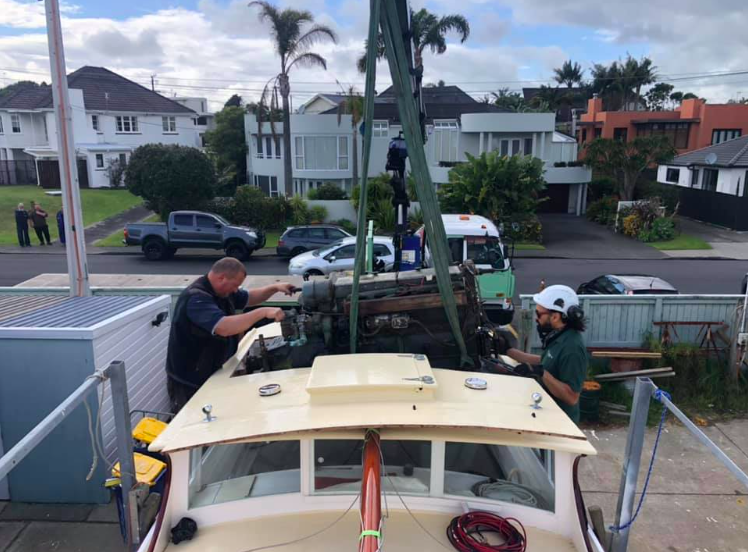
In 2019 Lion changed hands and her new owners commissioned an extensive restoration / refit at the Graham Caird’s ‘Repair My Boat’ yard (formerly Southern Classic Boats) in Invercargill, South Island. All timber used in the project is either kauri or Burmese teak.
I understand that her new owners will be returning her to Queenstown and her new home will be the Frankton marina.
The gallery of photos above showcases the amazing work that some of New Zealand’s most talented shipwrights are doing – living in Auckland sometimes we get a tad myopic 🙂
Photos below – pre-restoration

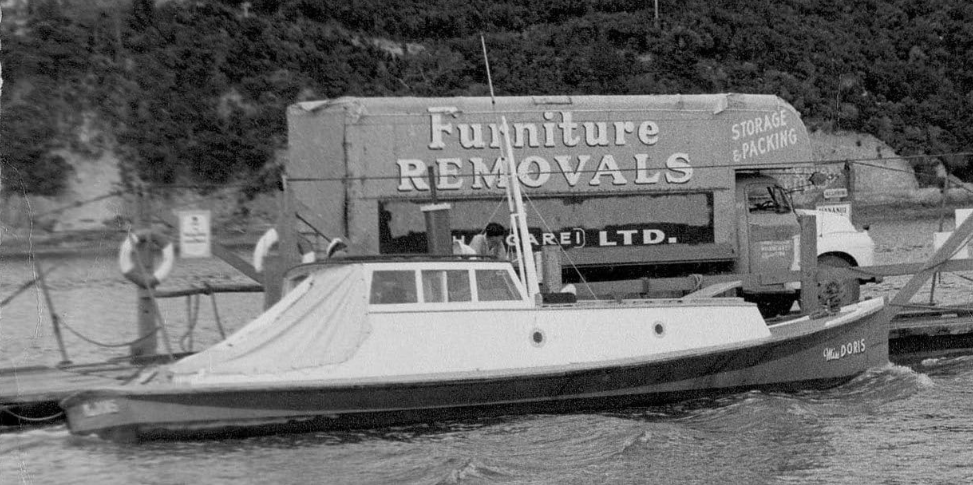
Help Needed Finding Doris / Miss Doris

Doris : Miss Doris

Help Needed Finding Doris / Miss Doris

Greg Philpott has asked for help in tracking down the 1910, A.T. Lane (Auckland) built launch – Doris / Miss Doris. She was launched as Doris but renamed Miss Doris in 1949. Her first owner was Albert Fuller for use in the Bay of Islands.

She was a hard working launch and undertook all manner of work for AE Fullers and Sons but she was eventually sold out of the Fullers fleet in 1969 to Doug Nankervis for use as a fishing boat. She was subsequently sold in 1974 to Ashley Synnott and relocated to Mangawhai. That is where the trail goes cold, and Greg would love to find out what happened to her and where she ended up.

We do know some history of her propulsion :- No intel on what engine was in her when launch but in 1917 it was replaced with a Scripps – then in 1920 a Regal G E Coy – then in 1929 a Studebaker, 1933 saw a Alisa Craig went in – 1954 in went a Ford and lastly some time in the 1960’s a Caterpillar was shoe honed in – rumour has it, it nearly took up 1/2 the cabin 🙂

She has appeared on WW before https://waitematawoodys.com/2014/10/15/9233/

A WOODY QUIZ – Win A WW Bucket Hat

Guess the most searched word on the waitematawoodys site (after waitemata woodys) and you go into the draw to win a WW bucket hat. (model not included). Entries close off at 8pm 29-07-2020. ENTER ONLY VIA EMAIL to waitematawoodys@gmail.com

Magic

ICR-Magic-June2020-252

ICR-Magic-June2020-261s

PRE – RESTORATION

IMG_3961

THE RESTORATION

IMG_1448

IMG_0176

JOB DONE

ICR-Magic-June2020-242s

ICR-Magic-June2020-231s

MAGIC

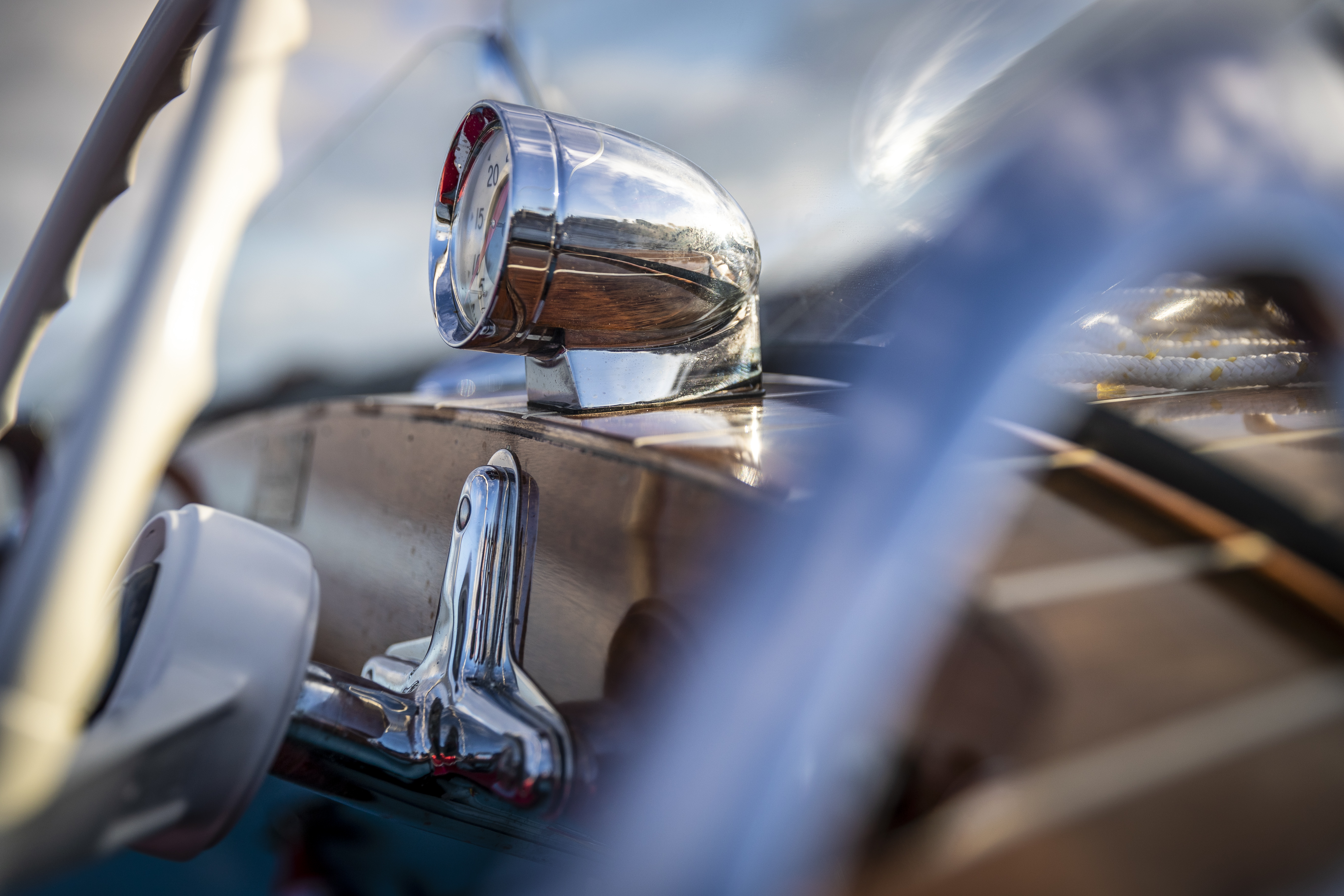
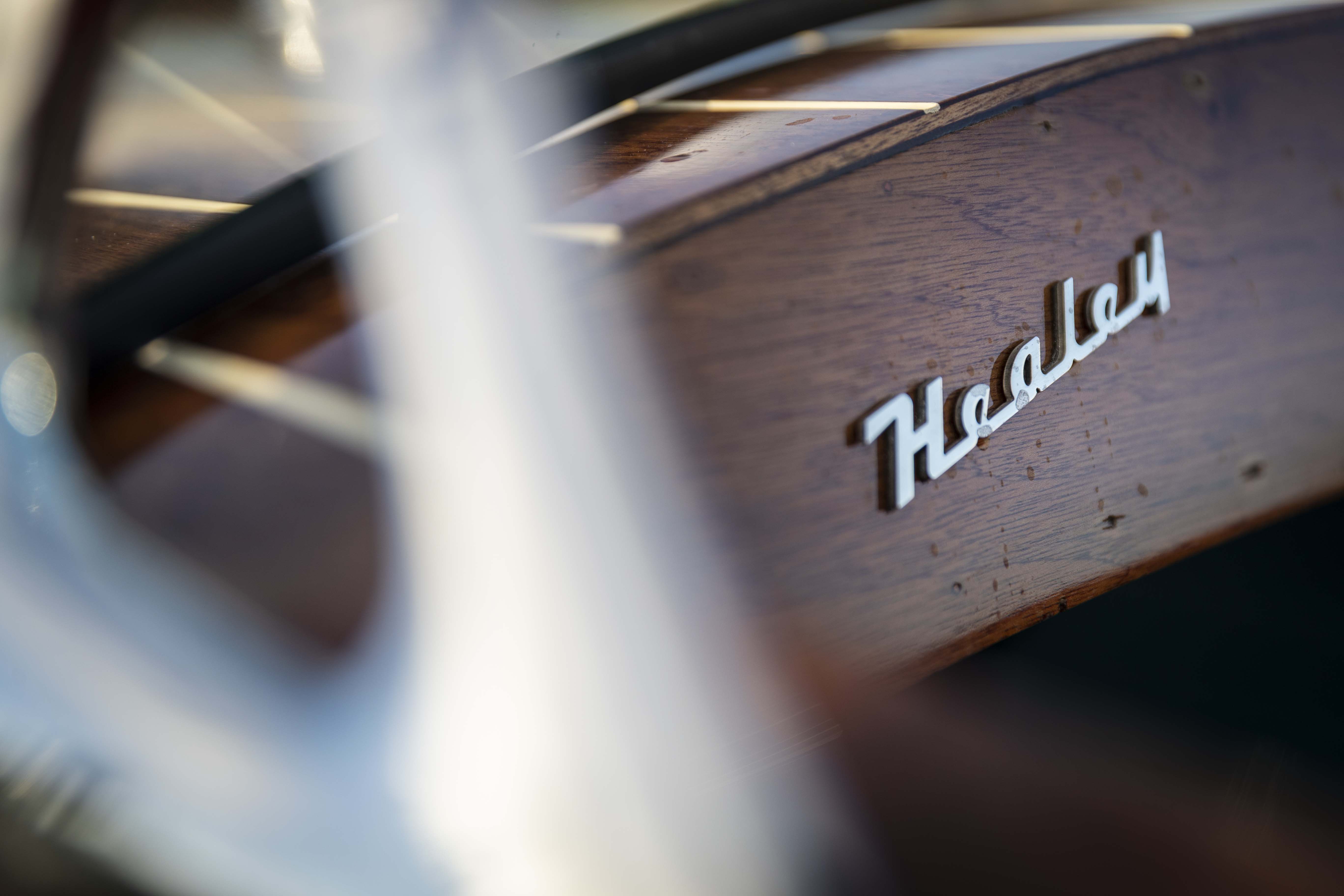
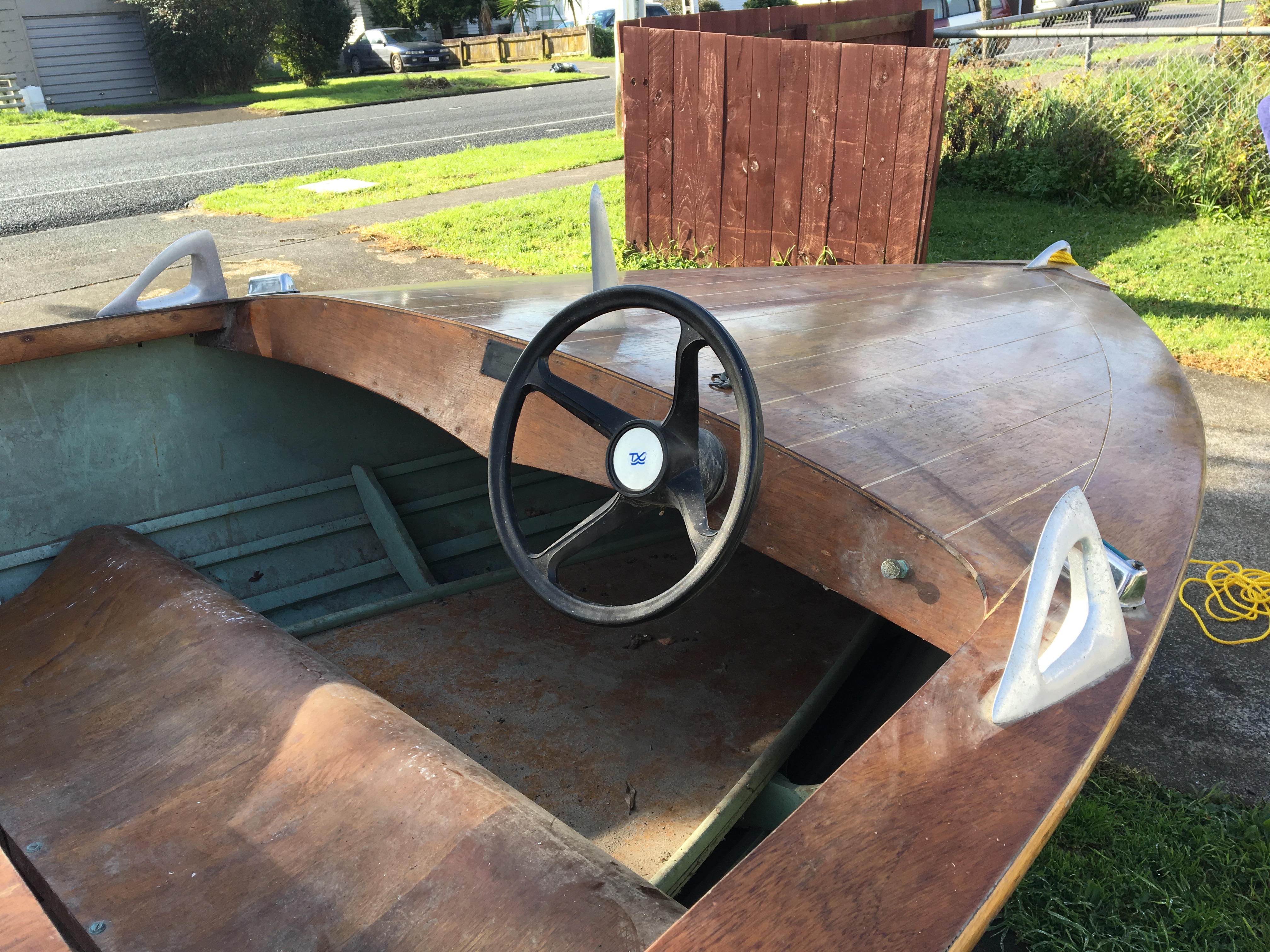
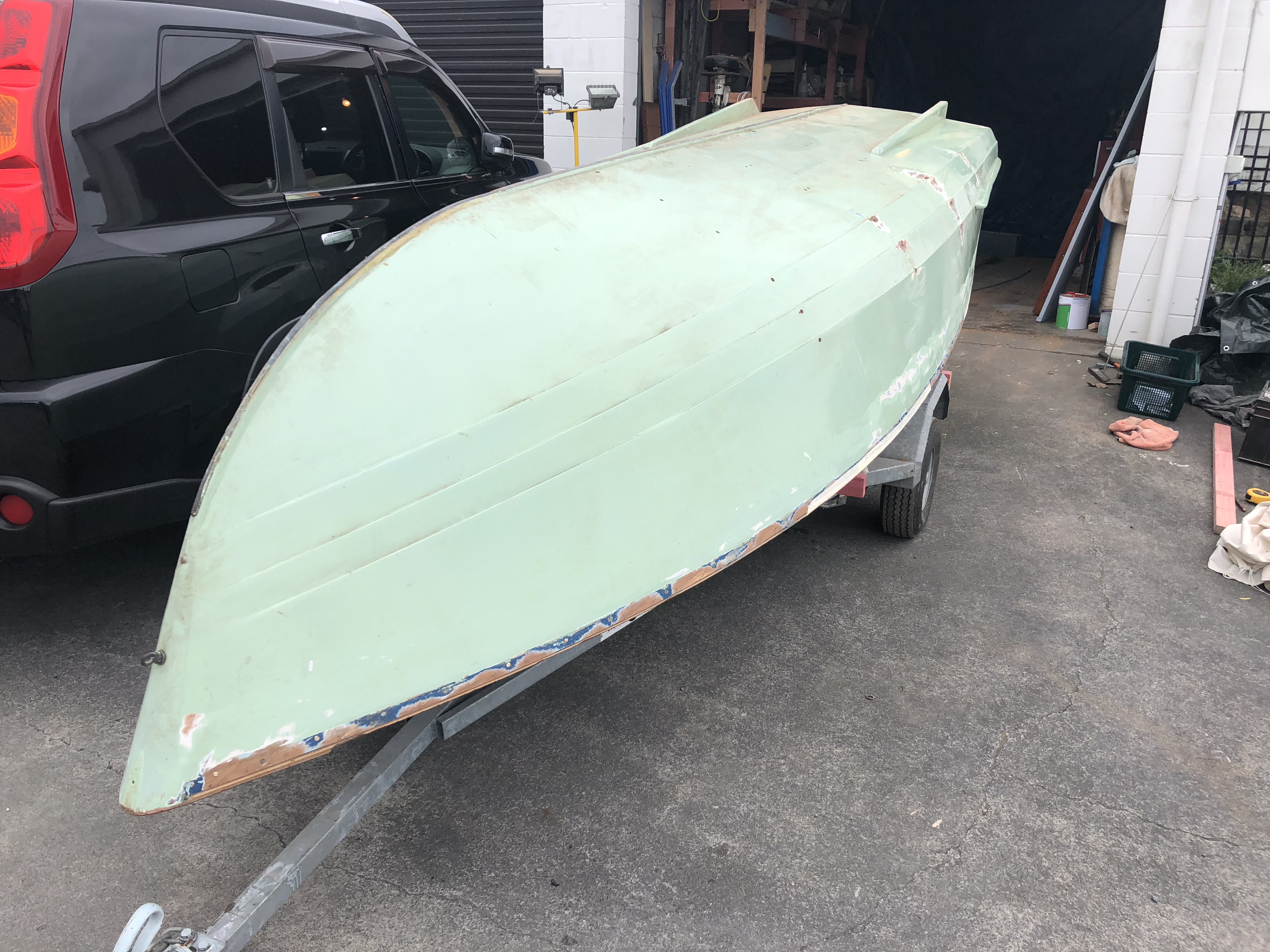
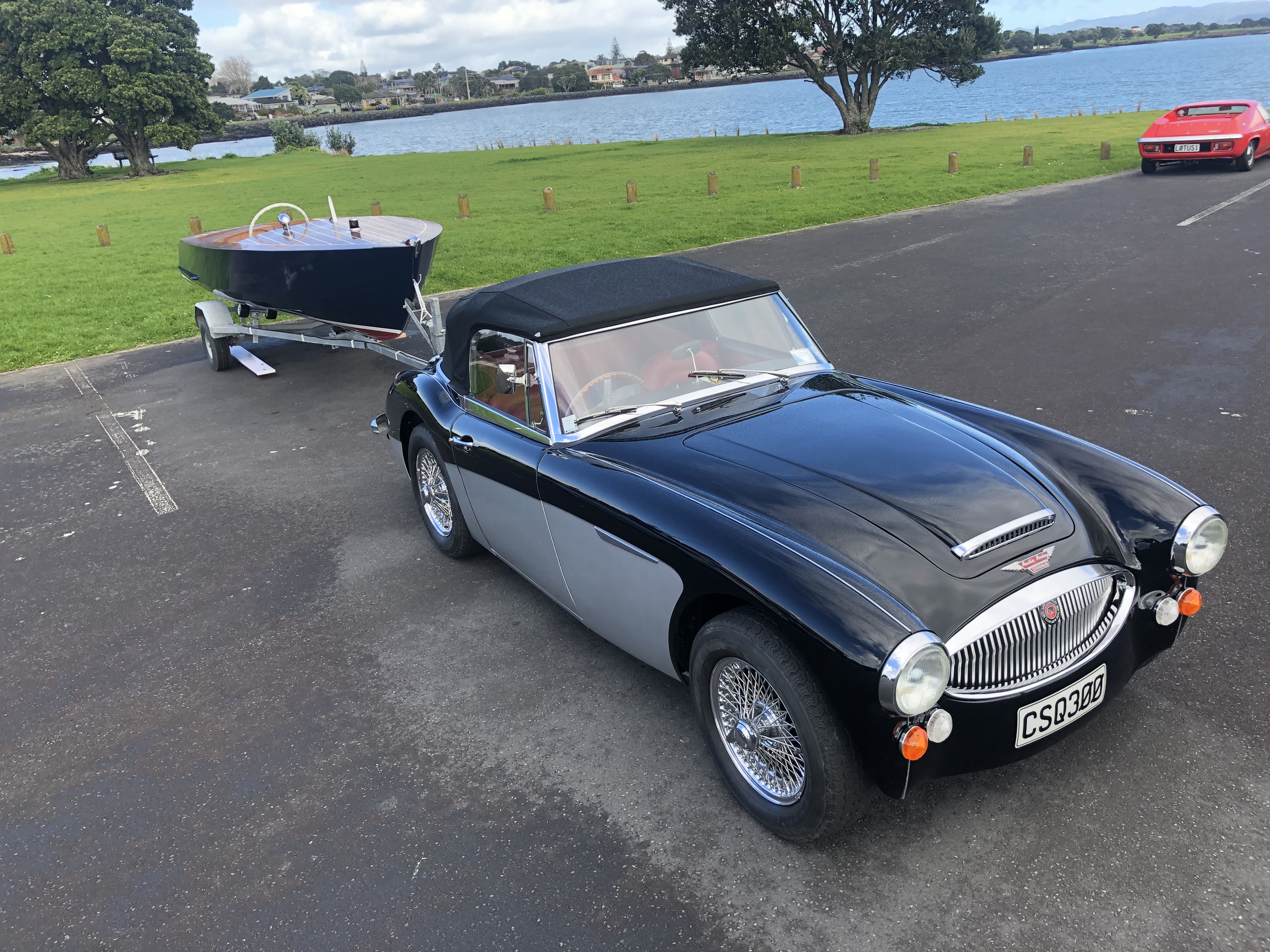
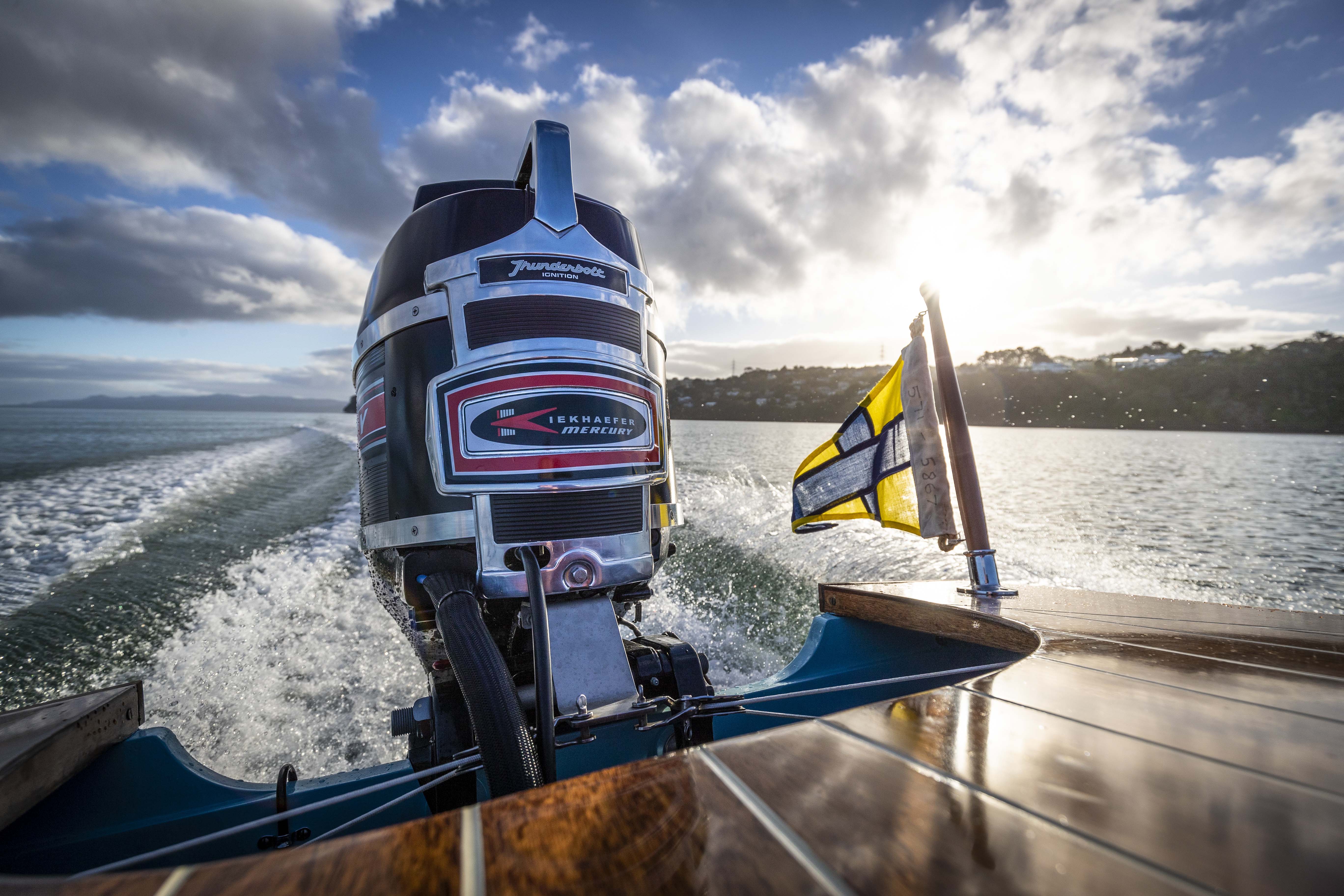
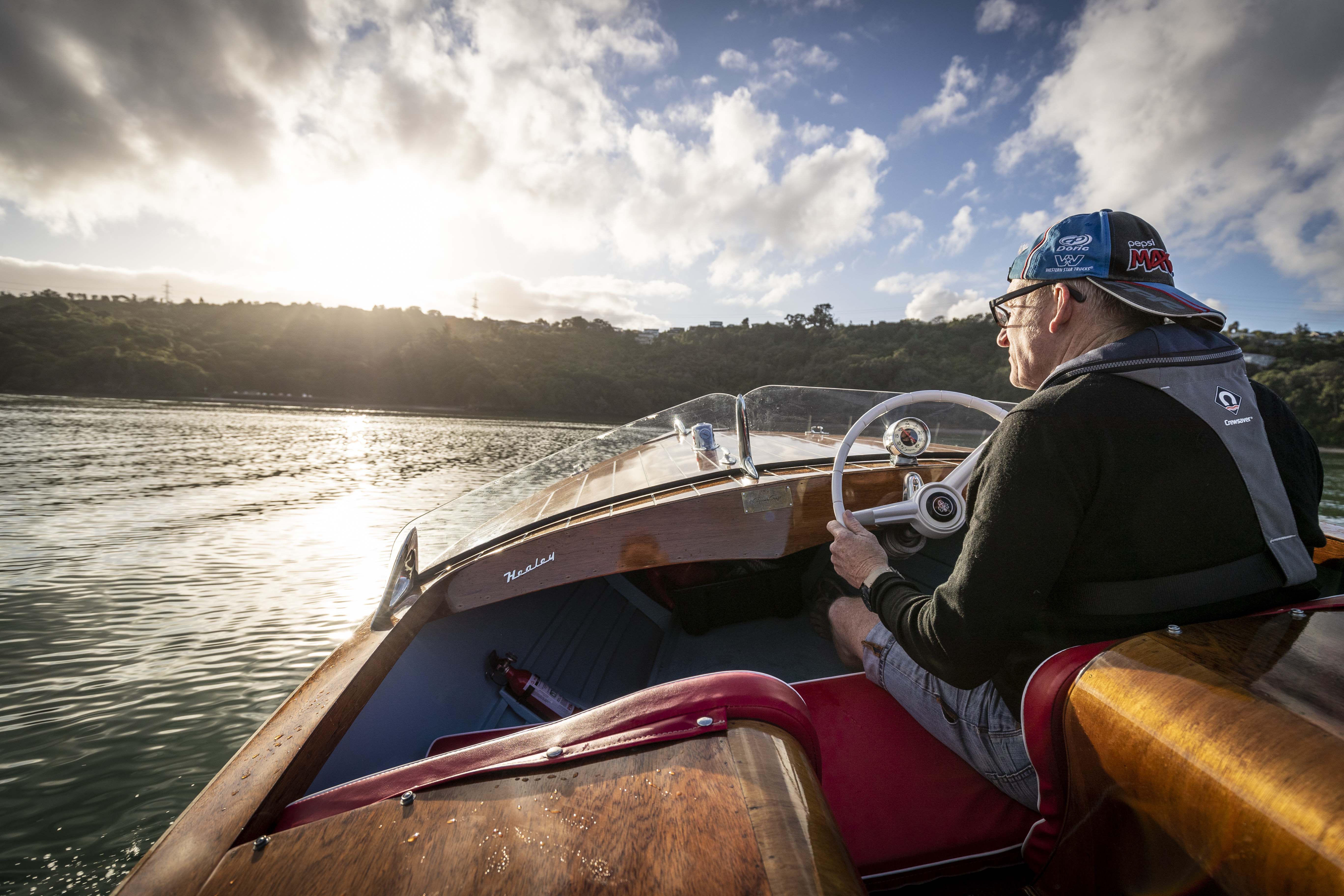
Recently I was contacted by Phil Shaw who has completed an amazing restoration on his Healey speed boat – Magic. Like many I’m sure, I was not aware that the founder of the Austin Healy sports car marque – Donald Healey (British racing car driver and engineering guru), back in 1956 had also founded a subsidiary company – Healey Marine. The company produced approximately 1750 craft, with Phil’s 1956, 14’6″ boat, a Healey Ski-master, being the first model built.
When Phil acquired the boat she was crying out for a restoration and as you can see in the photos above, that she received 🙂
 
These days Magic is pushed along by a 50hp outboard that sees her with a top speed of 30 knots, and that woodys is very fast for a sub 15’ mahogany run-about.
 
My biggest challenge with this story was deciding which photos made the cut – Phil photo documented every step of the project, and has a wonderful photo gallery of the restoration.
 
I will let the photos tell the story. Below is a an article in the April 2002 issue of the Healey Marque Magazine.

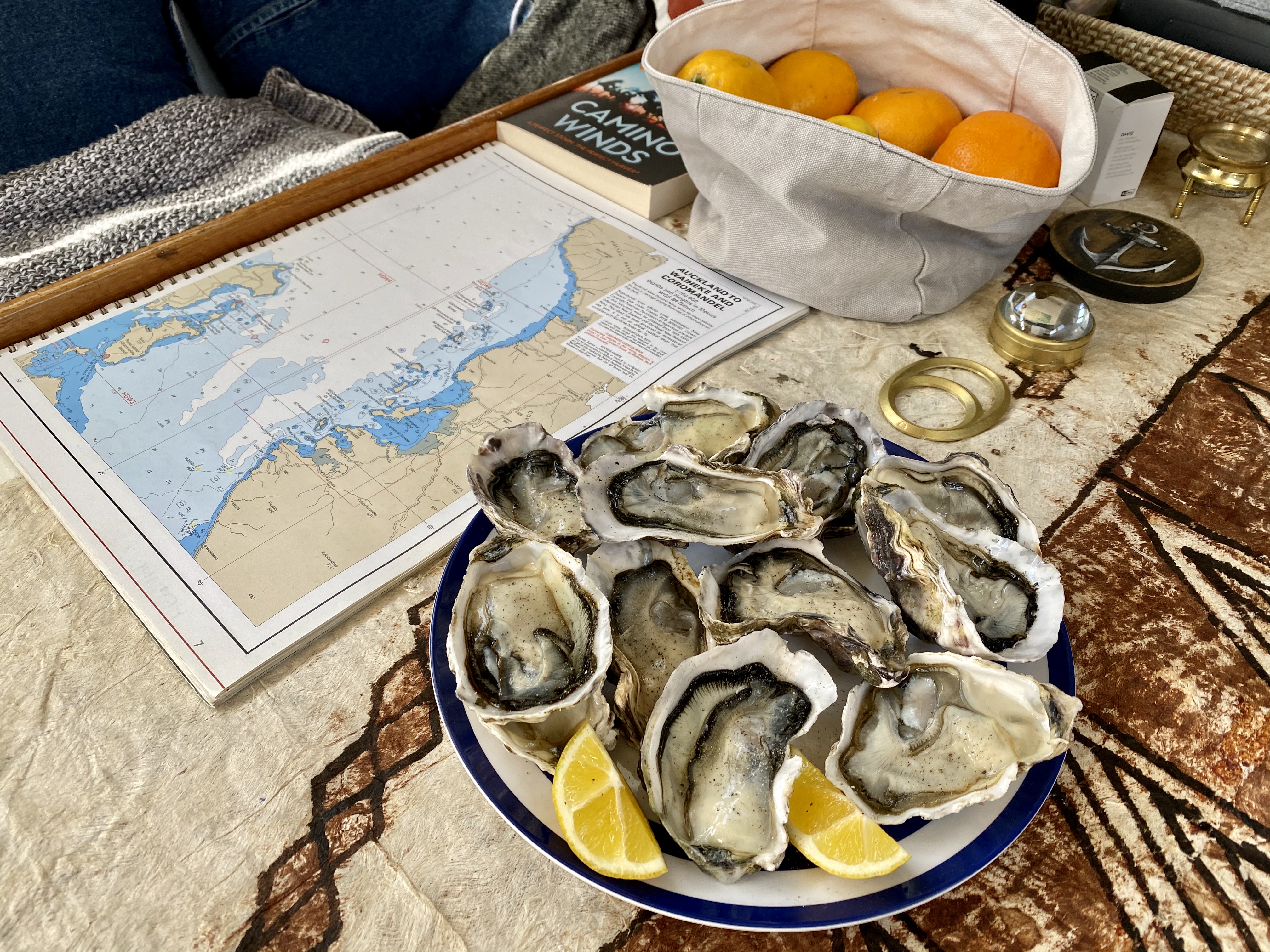
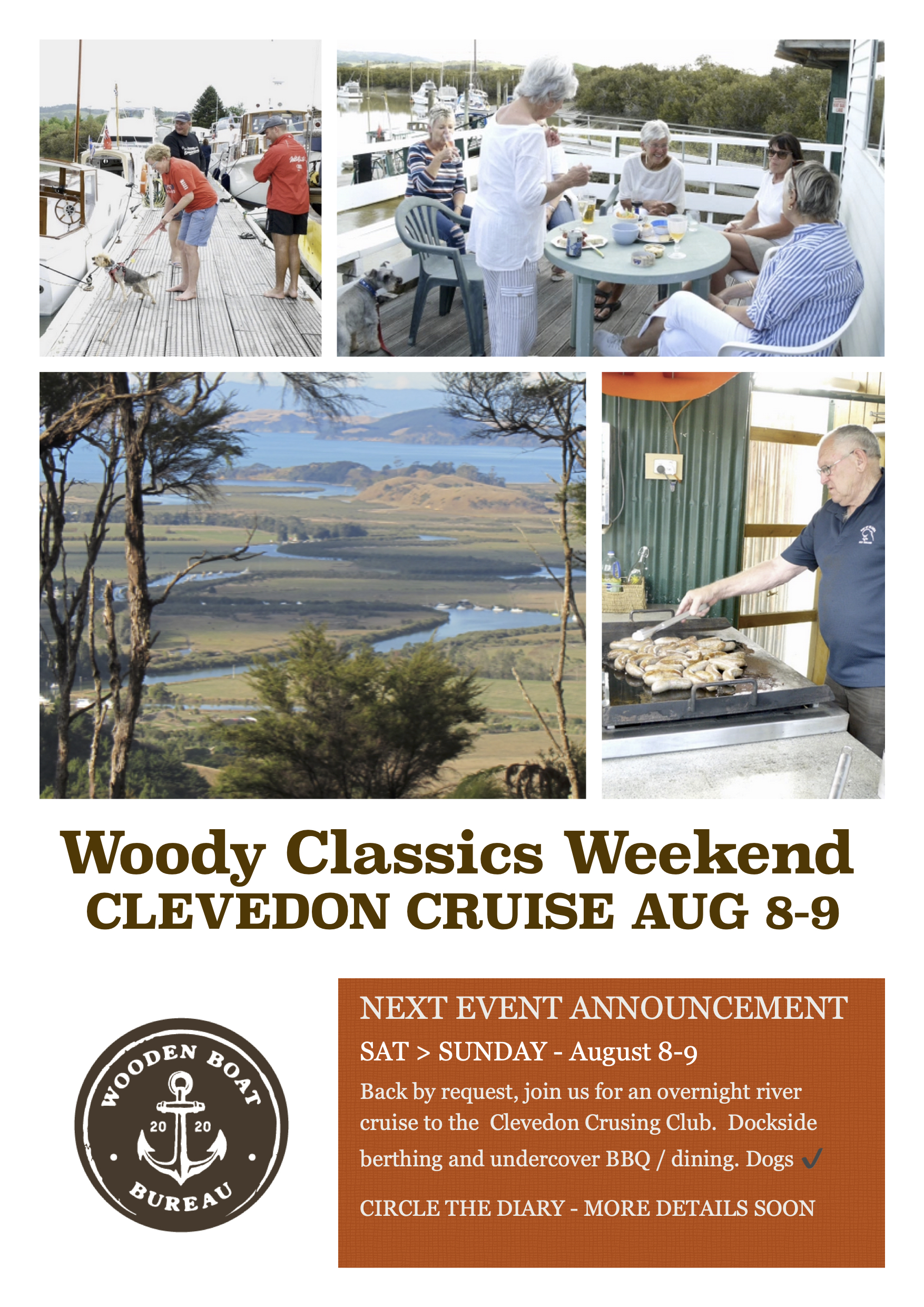
REMEMBER TO RSVP FOR THE WOODY CLEVEDON TRIP – 15 BOATS ALREADY ON THE LIST + FRESH CLEVEDON COAST OYSTERS

RSVP TO   waitematawoodys@gmail.com

Woody Classics Weekend Clevedon #2 copy

Screen Shot 2020-07-12 at 8.56.28 PM

An Epic Tale of Whalers, Fishermen,  Farmers & Commercial Launch Masters

Prima Donna built by Lanes 1911 for Herman & Darcey Baldick 001

Primadonna built by Lanes for Ernie & Darcey Baldick 001

Primadonna and One of Bob Swansons boats 001

IMG_3581

IMG_3580

An Epic Tale of Whalers, Fishermen,  Farmers & Commercial Launch Masters
 

The story below without doubt is the best to appear on WW, author Pete Beech talks at one stage about writing a book – he needs to. Surely there is a funding channel available – what’s the literary equivalent of ‘NZ On Air’?

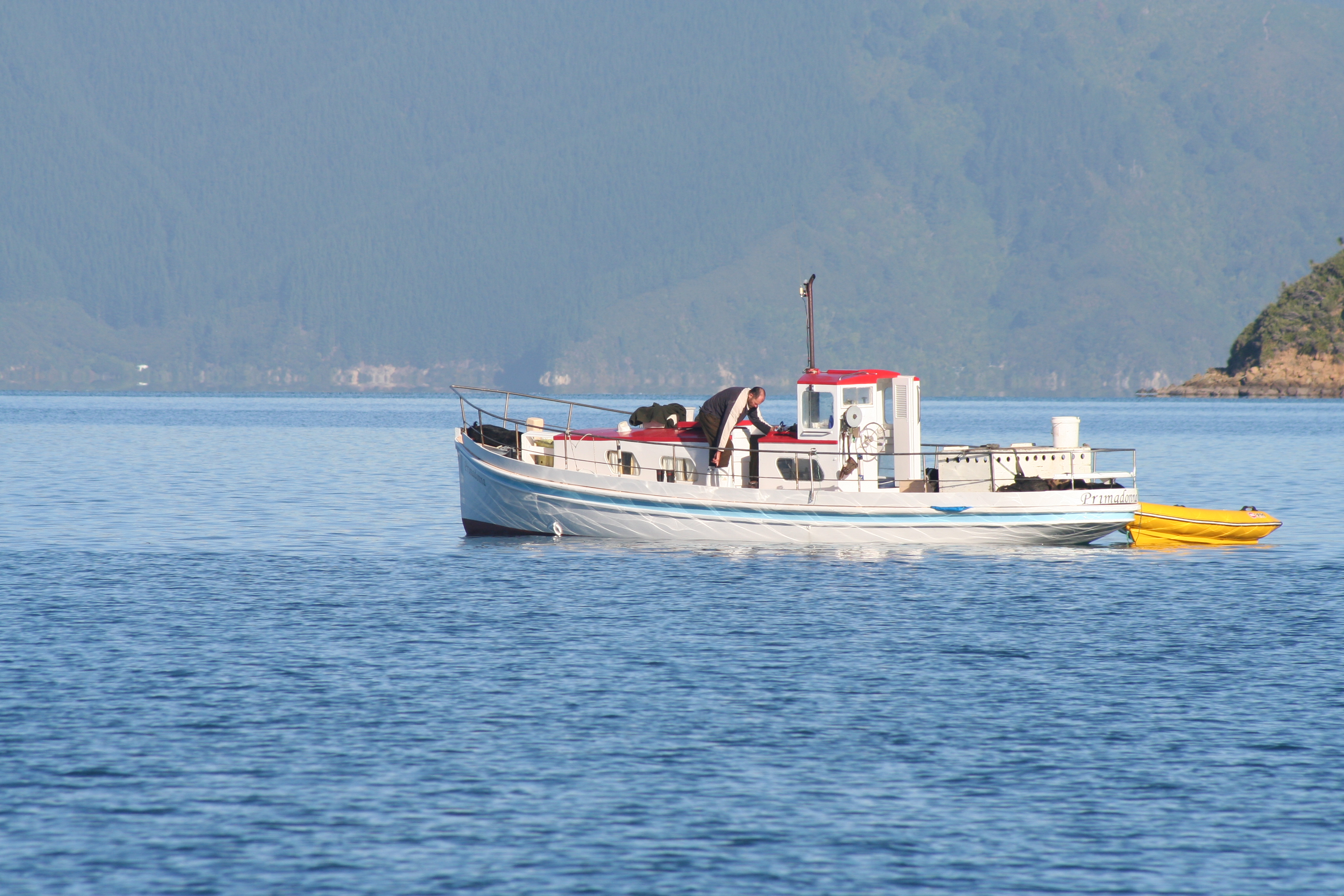
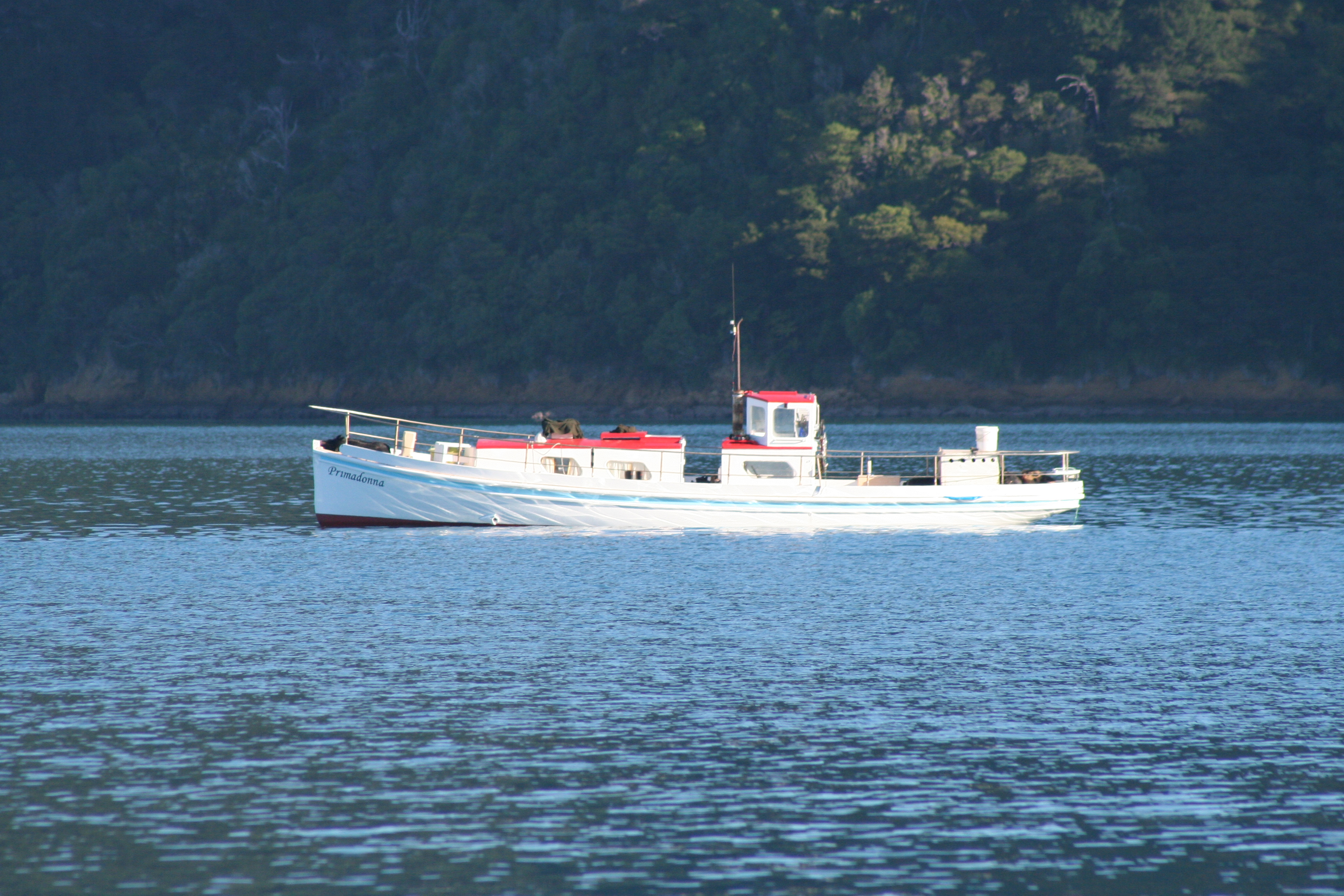
The story came about via the recent WW story on the ex whaler chaser – Primmadona and her relocation from the South to Aucklands Waitemata waters. I will let Pete tell you his story, as he told me – its a cracker – enjoy
 
As an aside I spotted Pete’s ‘work’ boat – Tutanekai, mentioned in the story in Queen Charlotte Sound two years ago, I admired her then, sadly I was too busy pushing bacon and eggs down the gullet at the rather swanky, Bay of Many Coves resort, to say hi – my loss, but I’ll be back. Photos of her at the WW link below:
 
Previous WW Primadonna stories:
PART ONE
Kia Ora Alan,
Thanks for making contact, I was sent a link to your site by my sister who lives on her yacht in an Auckland marina. She thought I’d be interested in your story on our old waka, Primadonna.
You and I obviously have a lot in common, 40 yrs ago there were a lot of old Sounds launches coming to the end of their days, my old dad worked for Ernie Lane as a young man then for Jack Morgan and Rodger Carey.
He and his old mates had been Sounds farmers, whalers , fishermen and commercial launch masters, when ever they got together conversation would always revert to “Boats ! “
We lived in a bay down the Sounds, old pa could identify the older boats by the sound of their exhausts, before they rounded the points and came into view. The old guys would tell you who built them, what year, how much they cost, what they were planked out of, some were sister ships (2 keels cut out of the same log) where the logs were sourced from for the planking, what timber they used for the ribs, what make of engine they used, how much it cost, what horse power they developed and how many GPH they burnt and  what revs  they run at.
They took pride in knowing the whole whakapapa of all the old waka, how many hours the engines did until they were worn out and rebuilt or replaced, in those days after 5/ 10 yrs they would replace with bigger more powerful engines, they would also tell you how the engine was taken out of one boat and put into another and so on.
I grew up hearing all these oral histories and like a couple of your writers mentioned the accuracy of some of these stories was lost in the telling, then my old dad passed on and I got to thinking that if someone doesn’t write down these oral histories within 50 years, they will pass from living memory and be lost to time.
So I went around and interviewed a number of the old timers and collected all the photos I could, so pleased I did because those old boys are all gone now and their kids tossed out their photos.
It was funny, they just loved to talk about their boats, often their wives used to ring me up and say “could you come back and talk to dad again, hes driving me mad ! “
For years I have fostered an ambition to compile a book using this material and feel a bit precious about it, however no one has a monopoly over history and it should be shared, who knows the millennials may have no interested in our nautical treasures .
I have been a mechanic, a marine engineer, a fisherman, a commercial launchmaster a boat builder and for the last 30 years have run an eco tour with our old waka the near 90 yr old Tutanekai. I used to think that the day would come when people would regard the old classics like they do vintage cars and would restore them.
However it hasn’t really happened here and sadly many of our old classics have  been sold out of the area many finding their way to Auckland, I will miss seeing the beautiful counter stern of the old Primmadonna on the Sound, she is so much part of our local history.
I’m so pleased to see the resurgence of traditional boats in Auckland and sure a lot of credit should go to you for the sparking peoples interest in the classic wooden boats.
I remember when she was sold to a feller up on the Foxton River, he eventually put her up for sale but no one wanted her, so he rang me up and said “I’ll sell it to you for bugger all, if you don’t I’m going to cut the side out of her with a chainsaw and turn it into a road side stall. 
I contacted Ian Baldick, nephew of the original owner and said that old girl is your family heritage, you should buy her back, he said OK boy , you’re right, I’ll do it on one condition, that you come with me to bring her back home.
So away we went, made the deal, checked out the old Lister, changed the oil and fuel filters and set off for home, when we got down close to the bar there was a big swell and old Ian said theres something wrong, she’s not lifting to the swell, he said pull her up, he went down into the front cabin, lifted up the bunk swabs and found that the whole forward section was full of river boulders, (this had been done because when you run the old lady on full throttle the stern would suck right down until the water was level with the deck and if you were steering from inside the cabin you couldn’t see over the bow).
We tossed all the boulders overboard and charged out over the bar, there were 3 very big waves, she rode up over the first then put her head down and dove under the second and in what seemed like an eternity finally lifted, rose over the third and burst out into the open sea, old Baldy said if we hadn’t thrown those boulders out she would of gone straight to the bottom !!!
He told me that she had been build too fine with not enough buoyancy in the bow, straight stemmed with no flare, he said that one time they we steaming out around Cape Jackson when they went thru the big rip where the Pacific and the Tasman seas meet there are often half a dozen big waves, he said that she responded the same way a stick does when you throw it into the water. He said you had to shut the throttle off and pull her out of gear,   she went down by the head and kept going down until her buoyancy finally made her shoot back out back wards just like a stick !  He said that on this occasion one of their mates was standing on the foredeck, he said that when this occurred he wrapped himself around the mast and held on for grim death, he said that when she popped out they went forward and couldn’t get their mate to let go of the mast, he said he had squeezed it that hard he ‘d squeezed all the sap out of it and they needed a screw driver to prize his finger nails out of the mast !
I also owned the old Fleetwing at one time, but that’s another story.
The old waka in my shed is a true classic launch, is just the bare hull and is in beautiful condition for its age, has been in my shed for 30 years waiting for attention, I’ll never get around to it , I only rescued it because I knew her history and wanted to see her preserved, she had a 5 HP Frisco Standard in her for years, shes only 6 ft beam, they didn’t start building them with 8ft beam until the twin cyl 8 hp Friscos came out in the 1920’s.
The Baldicks said that they flush decked her for gropher fishing and that when they were steaming around Dieffenbach Point in a strong southerly she would roll over that far that your shoulders would be in the water.!
What I could do is send you the story of her builder Ernest Berg who  was a real character, was bankrupted 3 times but kept reinventing himself, a real conman but he built beautiful boats, back at the turn of the century, 3 of them left that I know of.
That’s enough for now, Keep up your good work mate.
PART TWO
Kia Ora Alan,
My pleasure, always interesting to look at a series of photos taken of a wooden boat that shows how their superstructures  were changed to suit their roles and how their engines got bigger and bigger with advances in technology.
My old waka “Tutanekai originally had an 18 hp twin cyl Regal, that was replaced by a 40 hp 4 cyl sterling, then a 60hp, 6 cyl Hercules, a 110 hp  471 GM during the war, currently has a 120 hp GM and have a 6 cyl 340 hp Yanma  in the shed to replace the GM, ( but it refuses to die.)
My apologies, but I don’t know (or don’t remember )  what the original engines were in the Primadonna,  most of the early launches back in the 1920’s had 5 hp single cylinder Frisco standards when they wore out were replaced by 2 cylinder 8 hp Friscos, they were replaced in the 1940’s with car engines then in the 1950s with truck or tractor diesel engines like 4 cyl Fords or GM’s , (lucky ones had Gardners ! )
When Alf Baldick finished whaling he used the Primmadonna as a farm boat and for transport to and from town, there were no roads in the Sounds.
He sold to a guy McManaway who was a gropher fisherman, he did away with the rear wheel house to give him more deck space and fish hold, he built a pilot house over rear of front cabin. He sold to Rex Baldick, Alfs nephew, he was farming in East Bay and spent a lot of time hunting, you would often see her at the Picton wharf with stern deck covered with carcasses of pigs and deer.
Rex sold to Ken MacArther who fished her out of the Wairau Bar, she caught fire on him, he took the 4 cyl Ford out that Rex had put in and replaced with a three cylinder Lister.
That was the end of her commercial fishing era, she had several owners and more changes to her superstructure, they replaced the rear wheelhouse, when I had it she had a coal scuttle that stuck up above the cabin top so you didn’t have to duck , getting in and out of the cabin. Before Ian Baldick bought her back into family ownership he threw the Lister out and put a reconditioned 4 cly Ford back in her, cut the coal scuttle off and replaced with a sliding hatch, put a new S/S shaft in her and did a great job of tidying her up. When he retired he put a line hauler on her for gropher fishing and spent a lot of time out fishing and deer shooting, when he past on she was sold but a couple of owners latter his son in law bought her back again for running the whanau to and fro to their bach.
Sad that she has been sold out of the Sounds, but who knows some day she may find her way home, it has happened before !
Nga Mihi,
Pete.
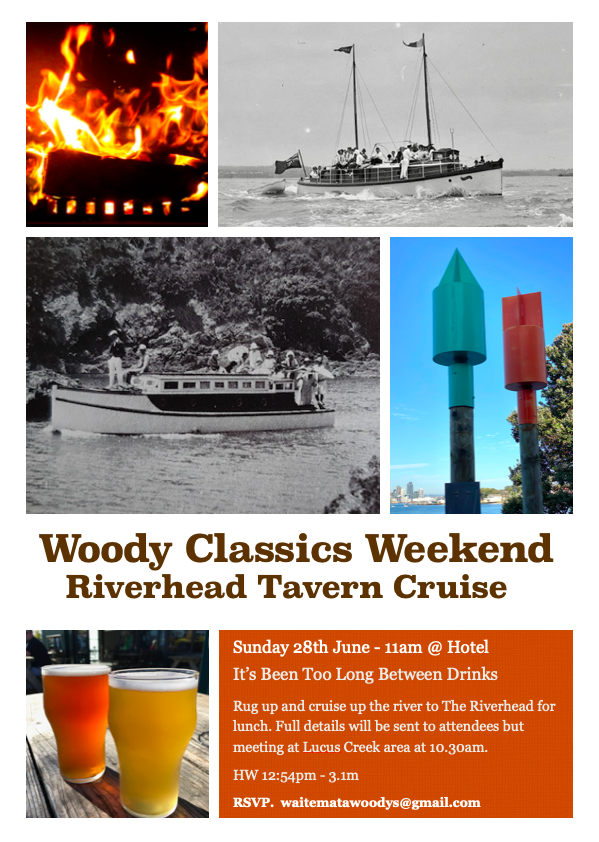
Woody Classics Weekend #5 Riverhead
RSVP waitematawoodys@gmail.com
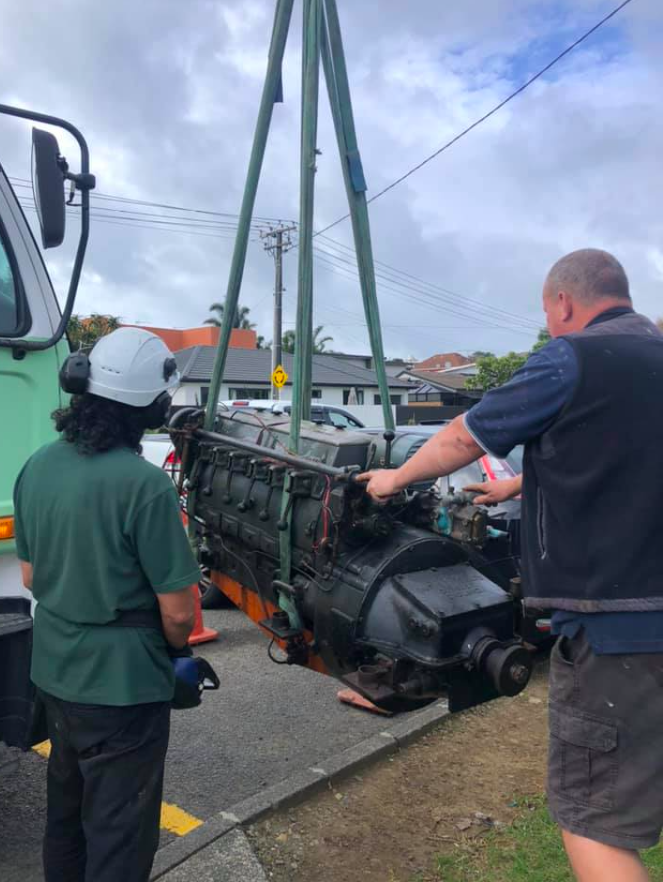
Royal Falcon Restoration – Update June 2020

IMG_5861

IMG_5851

IMG_5852

IMG_5853

Royal Falcon Restoration Update June 2020

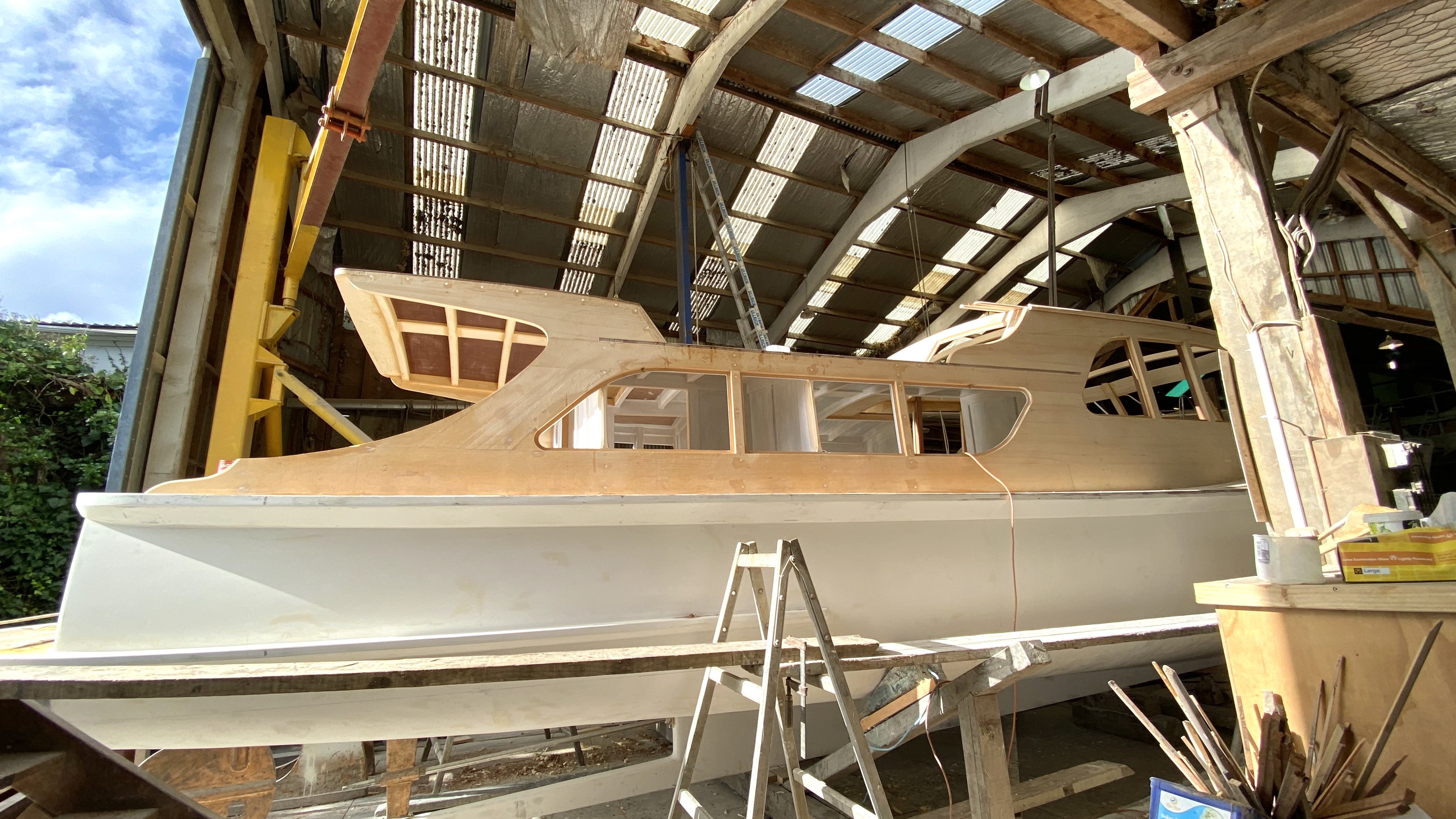
I had a reason to be pointing the car towards what used to be called ‘Nappy Valley’ (Pakuranga) so decided to call into the Panmure River boat shed where Steve & Colette Pople are having the 38’, 1934 Cox & Filmer built bridge-decker – Royal Falcon restored, ‘having’ isn’t the best word because both are actively involved in the project.
As you will see in the above photo gallery, the team are working at an impressive pace. The Commer TS3 engine is back in and looking very shinny. Very impressed to see the team re-purposing as much timber as possible – we like that 🙂
While there I dropped off an age appropriate search light that I had promised Steve, it didn’t suit Raindance so – ‘spread the love’. Thank you Jason Prew who gifted it to me originally 🙂
You can read / view Royal Falocn’s past at the link below + earlier project photos
Below is a video walk by/thru that I did. Have to say it is so cool to see a real, working, waterfront boat shed. Anyone remember something called ‘Heritage Landing’ aka the Vos Shed………….

Aloha Kai

Screen Shot 2020-04-04 at 6.35.42 AM

ALOHA KAI

Today’s woody is the game boat Aloha Kai, seen above in a 1968 photo from Russell in the Bay of Islands.
On Lew Redwood’s fb, Charlie Baker commented that at the time she was owned by John Chibnell and that she was the fastest boat in the bay thanks to a Chev 454 V8 (petrol) engine. Her top speed was 35 knots, a step up from the norm of around 8.5 knots from the rest of the game fleet.
Douglas Burnage also commented that she may have been owned in 1980’s by Vic Otto and operated out of Houhora as a long-liner.
Can anyone tells us more about Aloha Kai eg design / builder and provide an update on what became of her?
Update 24-05-2020 Photo below of Aloha Kai in Raio Creek Houhora – January 1994. Sent in by Craig Ogle.
IMG_0793

Tradition

Tradition @ Mahurangi Regatta 2016

Tradition at the Mahurangi Regatta 2017

Screen Shot 2020-05-16 at 9.18.55 PM

The 'Bar'

The Bar

TRADITION

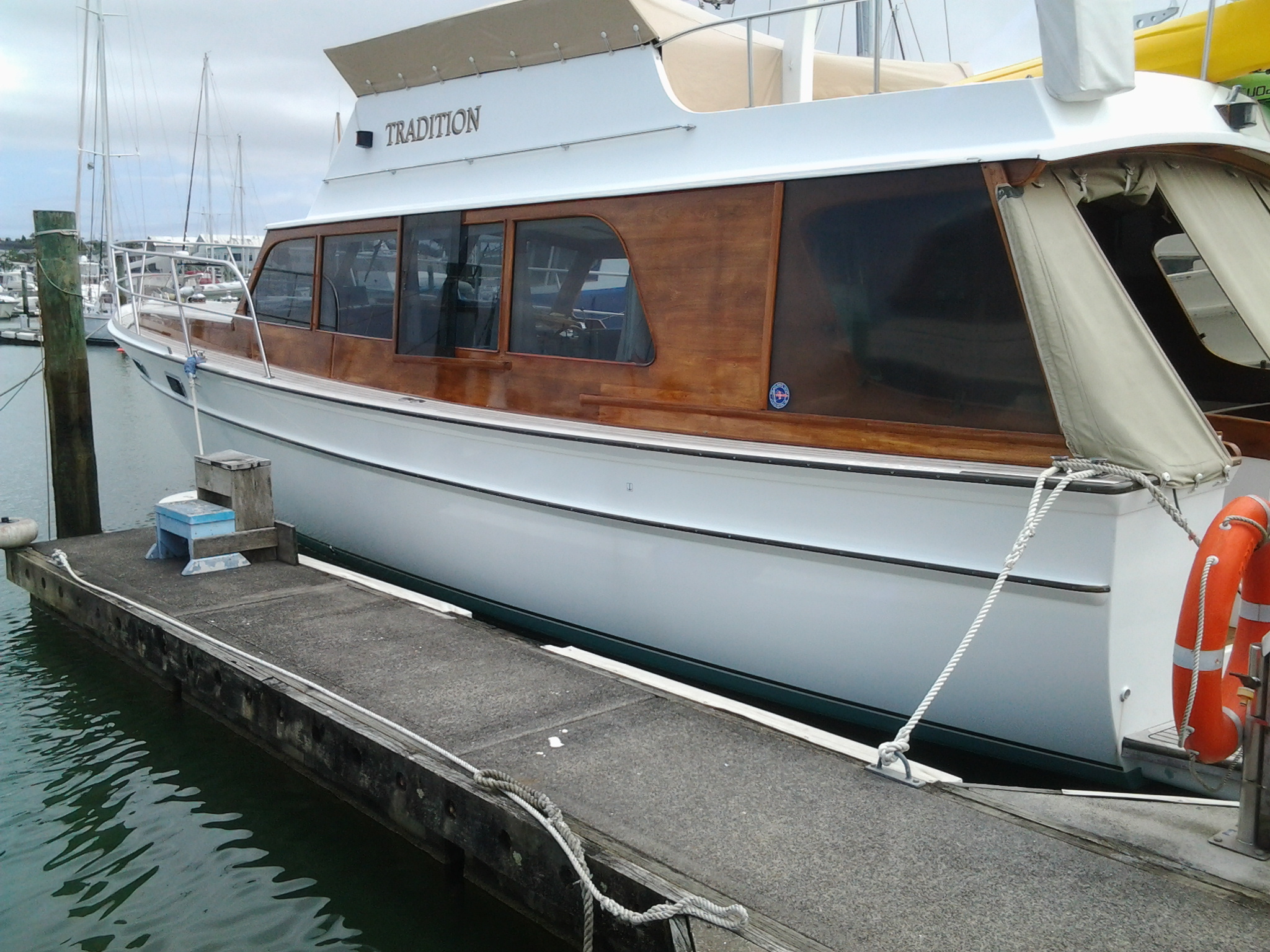
The 44’ launch Tradition slips comfortably into the woody ’Spirit of Tradition’ (excuse the pun) category – designed by Bo Birdsail and built by Geoff Bagnall, she was launched in 1990 for Rhys & Dick Boyd. Today’s WW story is a first for WW in that the format is an interview by Keith Busch (a former owner) with Rhys and Dick. Make yourself a cup of something and find a comfortable chair – its a cracker read and really showcases what a talented boat builder Geoff Bagnall is. Special thanks to Keith for pulling this story together – simply brilliant.  Full specs and ownership summary on the vessel at the end.

Keith : What do ‘Tradition’ and the Auckland pilot boat – Akarana, (designed by A. J. Collings & built by W. G. Lowe in 1960) have in common?*

Dick : I went into the fishing industry in the seventies. By 1985 I had a quota of my own and a purpose built long-liner – Kerama. Then the new owners of the company I worked for (Polar Seafood Co.) wanted me to come ashore and be fleet manager for all their trawlers.

Rhys : Anyway, one day he had just unloaded a catch and we were on our way home to our place near the Tamaki Bridge and he told me just how much he’d got per kilo for the fish he’d landed, and it was astronomical! Then he slipped in that he wanted to build a launch.

 Keith : So what year was this?

Dick : I would say it was 1985.

Rhys: So I said, ‘We’re not building a launch!’, and he said, ‘But I’ve got everything for it’, and I said,  ‘I don’t care, we’re going to buy another fishing boat, with prices like that we’re going to be loaded!’ So next day I go to work and on the way home I thought, ‘Oh that was a bit mean’. So he comes home that night and I said, ‘We need to have a talk’, and he said, ‘I’m going first. I’m building a launch!’, and I said, ‘I was just going to say that!’ So that was the beginning, it was like, ‘Oh I can’t do that to him, he wants it too much’. So we didn’t get rich, but we did get Tradition.

Keith : So where did you start, did you go for a builder or a designer first?

Dick : Well the designer was Bo Birdsall. I went to see John Lidgard first and I asked him to draw me a boat, but after a few sketches I wasn’t getting what I wanted. Then somebody, oh Roy Rimmer, said to me try Birdsall. So we met with Bo and he drew it up. We were real happy with his hull, it was great. But I still had a few questions about his topsides. Anyway, when we got Geoff onboard we thought we could start from Bo’s drawings and go from there, so that was the beginning of it. Bo was a real nice guy and extremely clever. He was good to work with.

Keith : So you were happy with the hull, how’d you end up with that beautiful topside?

Dick : Well what happened was, Bo drew it up and he didn’t include the sedan roof on the fore deck, so it was just the main cabin sitting on the deck. But when Geoff was building the boat the radius that had to go into the forward area to give head room, well it just didn’t work. Anyway Geoff came up with the idea to put a sedan roof on the forward deck and just that small addition balanced out the main cabin nicely. It’s one of those things with a good builder, he just put up some false frames, then let us have a look at it and it worked. He’s got a great eye for those things you know, always looking as he goes.

Rhys : We didn’t get a drawing of it and say, ‘Yes that all works’. All of us looked at her as we went.

Dick : Of course Geoff would have put a little more sheer on it, because that’s just Geoff, but I liked Bo’s idea of the hull. It’s very hard during a build, a lot of the time you don’t know what you’re going to end up with. We had ladders all over the show. You’d be climbing up and down and looking along the boat and trying to imagine what it was going to look like in the water. Later we were down the side of Waiheke and this guy passes and yells out ‘Geez someone made a great job of that!’, so I think it in the end she works.

Keith : So going back a bit, how did you get Geoff Bagnall as your boat builder?

Dick : Well okay, first we started talking with Brin Wilson’s boys Richard and Bob Wilson, because Bo’s wife was related to the Wilson’s. Bo said ‘it would be good if you got the Wilson’s to build it. I’d had nothing to do with them so I got a price from them and I though ‘Well we’ve struck a bit of a wall here!’. So I talked to Bo and he said ‘Okay, then try young Bagnall’. So I contacted him and he was interested at a price we could manage and we went from there.

Keith : ‘Young’ Bagnall! He’s just retired! How old was Geoff at this time?

Dick : Just around forty or something about that, because he had built – Nazareth and the yacht. He’d already built several boats, oh and he’d built the one that hit the bricks going over to Barrier (Onetunga?), oh and Katoa. He would have built about 8 or 9 boats by then and he designed some as well, I think he designed Katoa. His boats are a little hard edged to my eye. More ‘solid’ compared to Bo’s lines I think.

Keith : So where was she built then. Was Geoff off on his own?

Dick :  When he did Tradition he built it in the old Harbour Board timber mill. The Harbour Board had just been privatised and they weren’t using their mill building at Westhaven, so Jack Fagan organised for us to use an area in the mill shed. That was real handy because all the woodworking equipment was in there so we could use it to deal with the timbers. All her timber work was done there in that mill building, except we sent the kauri out to a joker who did timber dressing in Rosedale Road and he did the whole lot. So it went out in flitches and it came back in nice dressed planks ready to go on the boat. The planks for the hull are inch and three-quarter by inch and a quarter heart kauri.

'Tradition' Construction-2

Work on Tradition commences in the Auckland Harbour Board Timber Mill building 1989

Keith : So where did the wood come from?

Dick : It came from Noel Mitchell who was the foreman at the Ports of Auckland slipway. When Akarana*, which was Auckland’s biggest pilot boat in those days, was being built, Noel had decided that a pilot boat could get smashed up real easy, so he bought enough kauri and teak for extensive repairs and put that aside to repair Akarana if she got crunched. There was talk of them selling this timber for houses but Noel said ‘No, it’s for boat building so we’re selling it for that. So that’s where we got the timber. We got all her heart kauri and the teak there.

Keith : So where exactly was the Harbour Board timber mill located?

Dick : Well, to the best of my memory, it was just past where ‘Sailors Corner’ is nowadays. On the left hand side of the road, well that was all Harbour Board land. Its where McMullen and Wing’s haul-out is now. The Harbour Board had three or four slipways there and they used to do all the work for us on the trawlers. They were close by so the company could keep the trawler crews employed by doing all the cleaning and paint-work and chip rust off the boats instead of spending all their time in the pub. So I knew Noel and it worked out pretty well.

Keith : So you got hold of Geoff and he was keen to take it on?

Dick : Oh yes. He had this old mate called Bert who used to sweep the floor and mix the glue and make the tea. Of course Bert has passed away now but he was a hell of a nice old guy and he worked on her as well.

Keith : Who else was involved in the build?

Dick : The wiring was Peter Galley, the painting was Mark Binney, plumbing was Alan Kemp, who was a Harbour Board guy. There was a lot of input from the slipway workers off and on and in their own time. Of course, I supplied them with fish non-stop so it was give and take, a bit of barter. The engineering was, oh well we did most of that stuff ourselves.

Keith : And the Ford engine was from Lees?

Dick : No, the engine was from Don Bernand,  Don is Mr Ford, he’s brilliant. I think we bought the engine in Tradition from Newlove in Whangarei and Don did the marinisation. He served his time with the Lane Motorboat Co. on the Tamaki River and when Lees got out of Ford he bought everything off them, all the patterns, moulds, that sort of stuff and set himself up at home. Don bought the new engine for me. It has a Newage Coventry 2:1 gearbox and the ‘get-home’ kit in it. At the time it was hard to find the gearbox we wanted but Don eventually found it and we fitted it. I can’t think who did the hydraulics, but it was all fitted by us.

Tradition Engine Room

Keith : So you gathered all her bits and pieces together. When did the build start?

Dick : It took me 6 years to put everything together before I got to the point where I could say, okay I’ve got enough to go and do it. During that time I had all the timber stored at home. At my son’s 21st we had the filches on sawhorses under the marquee so all the guests were sitting around on the kauri filches. They hung around for years reminding me to keep collecting stuff. The brass portholes in the cabin doors come from an old fish ‘n chip shop in Howick, while the ship’s bell is from the ill-fated ferro fishing vessel the – Trident.

Rhys : We’ll he’d been collecting things for a long time. He had some things ready to go. He’d probably told me he’d bought stuff for a boat but I hadn’t listened or realised it was enough to build a complete boat.

'Tradition' Construction-1

Boat builder Geoff Bagnall begins work, July 1989

Dick : The photo above is the laying out of the frames internally. You’ve got them all standing up there. That’s Geoff in his younger days. Geez he looks different there doesn’t he!

Keith : So the date on that photo is July 26th 1989, is that about the date she was started?

Dick : Would’ve been pretty close to it. Maybe a month before perhaps.

Rhys : Lucky the cameras had the dates on them in those days.

Keith : So tell us about all the effort of the construction.

Dick : Well we could lay 8 planks per day. So all the frames were stood up and we had the steam box ready for the planks there at the mill.

'Tradition' Construction-3

Original owner Dick Boyd sanding plugs on the hull, 1989

Keith : So you were coming down each day and helping Geoff?

Dick : I used to come in at night after work and do all the plugging. So Bert, cuppa tea maker and floor sweeper, he used to help Geoff during the day. They used to put the timber in the steamer and the following morning they’d come in and put those 8 planks up and then put another 8 in the steam box. So it was pretty slow going. I’d come in after work and do the plugs. But they were always in front of me because you couldn’t work on the planks that they had just put up that day because you’re driving the plugs in, so I was always a bit behind them plugging and sanding.

Rhys : Don’t forget you had to make all those plugs yourself too.

Keith : So how many were there? Did you count?

Rhys : He wouldn’t be brave enough to count, that would have been tear-jerking.

Dick : No, it was slow work. But the reason I plugged it was that sometimes you wake-up in the morning and you’re able to see every bit of bog that’s gone into a boat and you shouldn’t be able to see that with proper plugging.

'Tradition' Construction-4

Geoff Bagnall and assistant Bert working on the hull, 1989

Dick : Roy Rimmer used to pop in to make sure we were doing everything right. There was a lot of interest in the boat, because it was very handy to everybody in the harbour area.

Rhys : A lot of people would pop in after work and see how we were getting on.

Keith : So why did you choose to build her in wood?

Dick : Well you’re right, wooden boats were not being built at the beginning of the 90’s and a lot of people said ‘What are you bloody well building a launch that big in wood for?’ But, you know, it was what we both wanted. If I go back to the days of the old ‘Golden Kiwi’ tickets, my nom-de-plume was always 44’x14’, that’s because I was determined I was going to build a wooden launch that was 44’ long with a beam of 14’. Ha ha, I never won the Golden Kiwi did I! But even way back then I was thinking of her, I suppose it was my dream. And I’d always said I’d love a boat with proper teak coamings, teak decks and a hull of kauri.

Rhys : With a wife to varnish and look after it!

Dick : Yeah, I was lucky I had one of those!

'Tradition' Construction-5

Geoff Bagnall turns the hull, September 1989

Keith : What were some of the comments you got when you were building her.

Dick : Well it was the materials of the build that attracted people. It’s a kauri strip planked boat, but the availability of kauri was getting very tight, even in those days. You just couldn’t go out and buy it. If you did happen to find some stacked up somewhere, it was really expensive. But because we knew the blokes at the Harbour Board and had feed them a lot of fish over the years, we got lucky with the source of the kauri we used. They gave it to us at a reasonable cost and there was also teak there that was meant to repair the old pilot boats, but they were being retired and the new ones were steel.  Colin Clare might know how old the wood itself was. I can’t honestly say, but it was already old when we bought it. I think it was milled on Great Barrier. Anyway, they were happy to see it go to build a boat and not end up in a kitchen cupboard.

'Tradition' Construction-6

‘Bagnall’s work of art’.  Dick’s son Adam finishing the inside of the hull, October 1989

When I took Geoff in to have a look at the timber, there were stacks and stacks of 3’’x 2’’ kauri, but the sap wood was all full of borer. So we set those bits aside and all the stuff we bought were filches of heart kauri. The teak there was all 3’’, so Geoff split them and I think the cabin is inch and three-eights. Anyway, there’s a lot of teak in her topsides and a hell of a lot of kauri in the hull! What else? Well, there’s some totara in the keel, that came from the Salvation Army place down at Rotoroa Island. The guy who ran the ‘Kahino’ was a mate of Geoff’s and he provided that for us. Most of the keel and the engine bearers are Australian brushbox which is quite a hard, heavy, red coloured wood, but you have to watch it because it will get worm, that’s why it’s glassed over.

'Tradition' Construction-8

Topsides taking shape, March 1990

'Tradition' Construction-9

Dick Boyd checking proportions.

Keith : So how long was the build time.

Dick : Well what did we say, from mid1989 and it was launched at the end of 1990.

Keith : So all your mates and friends came and gave you a hand at some stage?

Rhys : Only Mary Smith came to help, the others came to drink! But Jack Fagan did some work on it, he was good.

Dick : It’s amazing how hard helpers are to find. The minute you mention sandpaper, they’re off, outta here! But Jack was one of the supporters of the whole project, he helped make things happen sometimes when we hit a wall.

Rhys : By the time we had the launching we were so exhausted from months and months of work we didn’t want her! We launched it and then everybody got so full of wine and drink that the next morning we had a shocking hang-over. We dragged ourselves out of bed and went round for breakfast at Westhaven and I said to Tich, ‘Do you want the boat’ and he said ‘Na’. Of course we didn’t really mean that, but oh it had just been such a big job and she wasn’t finished by a long shot. We didn’t have a stove or a fridge. We didn’t have squabs. We had a toilet and a shower, that was it! To top it all off we’d run out of money!

Dick : We had to follow Chris and Mary Smith around, because they had a launch called ‘Hukarere’ and they had a nice cooker onboard, so we used to follow them.

'Tradition' Construction-10

‘Looking for the Smiths’ – maiden voyage to Rangitoto, November 1990. Dick and Rhys Boyd on the flybridge.

Rhys : They also had a fridge so we kept our cold stuff in there.

Dick : Paul Nolan had a big Salthouse 53’ ‘Blitzen’ and he had a whole lot of squabs because he was replacing his so I said ‘don’t throw them out, we’ll be round to pick them up’.

Rhys : So we slept on those squabs and wherever Chris and Mary were, we were there. We couldn’t even make a cup of coffee! So they spent their time trying to lose us and we spent our time trying to find them. ‘Would you two like to come over?’ they would say, and we’d already be in the dingy heading towards them. And then after a while it was like, ‘gosh, can we even afford to finish her?’.

Dick : Anyway, over a few years we slowly pieced the rest of her together.

Rhys : Yes, there was still a lot to do. All the sanding inside is mine, every single inch!! You know I was a kindergarten teacher, so every school holidays, for two weeks in May and three weeks in August, and most weekends, we were on the boat doing something. I’d row out, hop on the boat outside our place in the Tamaki River and I’d get going on something. Lots of sanding, lots of varnishing.

Keith : So where did you take her on the first trips.

Dick : Well I liked the bottom end of Waiheke and over at Coromandel, Te Kuma.

Rhys : And we never managed to get to the Bay of Islands because we were working too much.

Dick : Also Waiheke. Oneroa was always popular because the Smiths were there. They still tell us when Tradition is in the bay. We have our spies! And she’s a notable boat anywhere you go, people respond to her and row over to have a yarn. Yeah, Geoff did a great job on her. One of his best.

Rhys & Dick Boyd on Tradition

Original owners – Dick & Rhys Boyd, Mahurangi Regatta, January 2017.

Owners of M.V. Tradition since Dick and Rhys Boyd 

1990-1996 > Dick and Rhys Boyd  – Moored in Tamaki River

1996-?        > Dave ? [clue – owned a pub in Mangere?]

19?? – 1998  > ?? Two guys bought it from Dave via a broker [information from Rod Middleton (Sailors Corner) They wished to take her south by truck to Mana Marina but after talking with Geoff they sailed her down the coast.

1998-2006 > Sold to Peter and Jenny Standish from Wellington and berthed at Mana. Cruised in the Marlborough Sounds.

2006-2007 > Sold to a Picton local. Moved to Waikawa Marina, Picton

2007-2011 > Sold back to Peter and Jenny Standish. Berthed in Waikawa Marina. Had a major refit at Frankins Boat Yard, Waikawa in 2009.

• Varnish stripped inside and two pot urethane used.

• New navigation electronics, TVs, sound system, stove, leather upholstery, carpets, covers and bow thrusters added.

• Bunks in forward V-berth removed, double bed built in.

2011-2019 > Sold to Keith Busch & Wiesje Geldof of Wellington. 3 years berthed at Waikawa Marina. Vessel trucked north to Tauranga from Mana Marina 2013. 3 years berthed at Bridge Marina, Tauranga. Hutchinson’s Boat Yard, Tauranga work :

• Stripped outside varnish and replaced with 16 coats of ‘All-wood’ urethane

• New teak plank deck installed. Boot topping strip repainted in light green.

• Fly-bridge helm station repainted. Holding tank and generator added.

3 years berthed at Hobsonville Marina, Auckland

Accepted into Classic Yacht Association in 2016 as ‘modern classic’.

2020 > Sold to Chris and Rae Collins of the RNZYS

Lower Helm Station

Lower helm station

'Tradition'. BOI 2016

Bay of Islands 2014

Specifications of M.V. Tradition

Type : Saloon Launch

Designer : Bowden ‘Bo’ Birdsall

Builder :Geoff Bagnall, built at Auckland Harbour Board mill building, Westhaven

Launched : November 1990

Commissioned : Dick and Rhys Boyd of Tamaki, Auckland

Dimensions : LOA 44 feet, beam 14’ 3”, draft 4’6”, displacement 11.5 t

Engine : 1990 Ford 145hp ‘Marko’, cruises at 9 kts, max speed 11kts

Gearbox : Newage Coventry 2:1 gearbox

Construction : Kauri planked hull (inch and three-quarter by one inch, glassed-over), strip-teak deck, teak topsides, white hull with light green boot-topping, polished wooden topsides, white fly-deck.

Mechanical : Side-Power bow thrusters, Pugaro diesel generator, anchor winch

Electrical : 12V and 240V systems, auto-helm, radar, Garmin gps chart plotter, TV, stereo system, VHF (x2), 3 x house batteries, 2x start batteries, inverter

Accommodation : 2 cabins, Master (double) and Guest (2 single)

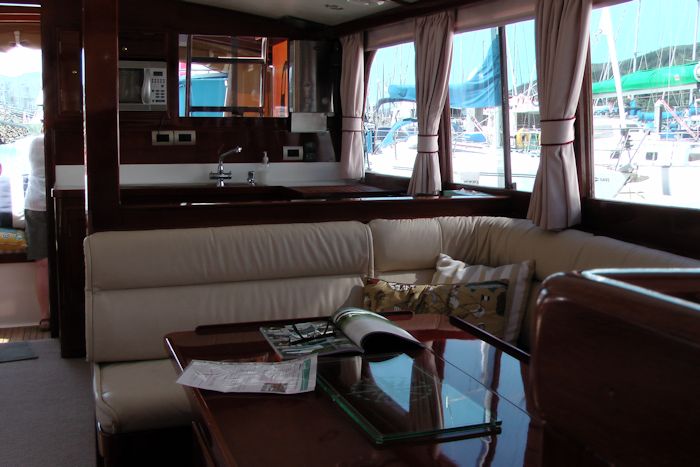
Galley : 4 burner gas stove, microwave, gas hot water system, fridge, freezer

Tanks : Diesel – 1 x 650 litres; water 2x 350 litres (700 litres) both stainless steel. Black water holding tank 300 litres in welded plastic

NOTE: Boat builder Geoff Bagnall is not retired, just no longer has the shed in Milford Creek.


SS Duke of Marlborough

Duke of Marlborough copy

SS DUKE of MARLBOROUGH

I recently stumbled across the above photo of the steam ship – Duke of Marlborough and knowing nothing about her put a call into Russell Ward aka Mr Steam. The man is never embarrassed to speak so – take it away Russell, WW is all yours…..

“Once, 30+ years ago, I built up a steamboat called “Gypsy”. So pull up a chair, warm yourselves by the fire and I’ll tell you a story which isn’t about “Gypsy” at all, it’s about the “James Torrey” which became the “Duke of Marlborough”.

But, through “Gypsy”, I met one Lloyd Lewis of Lake Tarawera. He was an ardent enthusiast for steamy things (who wouldn’t be – living on Lake Tarawera.) Lloyd had made a steamer up out of a hull I had sold him a year or so previously and really had the steamboat bug badly. As the late Pete Culler (he wrote a lot about boats and he was a wise man) said “It’s awful, don’t go near it or you are hooked.” And you can’t argue with facts like that, folks. Suffice to say Lloyd got steam enginitis in a big way.

He had Wellington naval architect Bruce Askew design a hull for a 36’ steam vessel following the style of the early 1900 steam boats The steel hull was built in 1987 by Gordon Clark and Brian Starrock in New Plymouth and shipped to Rotorua for Lloyd to complete. He did a fine aesthetic job. She was launched as “James Torrey” and he used her to take fishing tours on the lake. The lads appreciated the warmth from the boiler at times.

Lloyd built the engine – an English design by A.A. Leake and a dashed good looker it is -a traditional open compound, driving a 28” by 42” propeller giving a service speed of 6 knots. A piston valve is fitted to the high pressure cylinder and a balanced slide valve on the low pressure one. It has cross-head driven twin feed pumps and air pump. Exhaust is through a feed-water heater to a keel condenser. There you feel a lot better for knowing that.

But to sum up, working on salt water, you have to condense the exhaust steam or you run out of feedwater real quick. Besides, condensing gives you a useful addition to the power through the vacuum created which, in essence, sucks the piston while the steam pushes.

The steam is provided by a Kingdon type boiler (1900’s Simpson Strickland design) built by Langley Engineering in the U.K and, since you didn’t really want to know, It is a vertical fire-tube type, 34 inches high by 30 inches diameter over lagging, has 3.4 square feet of grate area and has 84 square feet of heating surface. She burns coal and there is nothing better.

Lloyd had quite job actually getting Ed Langley to dispatch the finished boiler although it had been long since paid for. Ed had had his delivery problems over the years…. Legend has it that, in frustration (remember communication was all letters and phone calls that had to be booked well ahead in those prehistoric times); Lloyd flew over to the UK and turned up at the works just ahead of the receiver. Seeing the likelihood of his investment coming to nothing, he took matters into his own hands and loaded the boiler up himself. Lloyd just wasn’t the sort of man to argue with and got his boiler. It is a very handsome job.

Anyway after a number of years, Lloyd tired of his steamboat and Roger Frazer took her to Picton. He renamed her “Duke of Marlborough” and did a lot of restoration which is a credit to him. He has been taking passengers out of Picton for some time. I’m sure the passengers appreciate the boiler’s warmth even more that the Lake Tarawera types.”

I understand she may be for sale………

WoodenBoat Magazine Interview #3 

This week WB editor Matt Murphy interviews Harold Burnham in a live discussion of how, for nearly three decades, he has been instrumental in revitalizing the shipbuilding and maritime culture of his region by designing, building, and rehabilitating traditional vessels for cultural tourism. Harold is an 11th-generation shipwright, and has, at various times, also been a sawyer, mariner, model maker, and sail maker.

Seriously Cool Steam Boat

Screen Shot 2020-05-07 at 5.42.41 PM

Screen Shot 2020-05-07 at 5.42.52 PM

Seriously Cool Steam Boat

The above steam boat, owned by Hamilton engineer, Chris Cooper recently popped up on a fb post of Geoff Lewis’s.
All I know, but I can hear Russell Ward duping as you read this, is that Chris rebuilt the boat from a wreck. It has a tripe-expansion engine, in my ignorance I hope it is coal or wood fired and not diesel – I would love this as a retirement boat on a lake…………..
Hopefully we will find out more about her.
AND WOODYS WE CAN GO BOATING AGAIN – NO PRIZE FOR GUESSING WHAT I WILL BE DOING THIS AFTERNOON
Screen Shot 2020-05-13 at 5.58.27 PM

HDML Manga > Haimoana

HAIMONA EX MANGA - 1

HDML MANGA > HAIMOANA

In the interests of saving you from getting a sore neck from shaking your head – this boat ended up with a beehive restoration i.e. was put on the bonfire.

The HDML Manga was built by Madden & Lewis in Sausalito, California, USA during WWII and was sold by the NZ Navy in 1980. Her first owner post the Navy was Steve Hansen of Herne Bay, Auckland. When Hansen purchased her she had no engines. During his period of ownership she was kept on the outer side of the Auckland’s Viaduct Basin.
Hansen sold her to his friend Hans Van Duyn of Helensville in the early 1980’s, still with no engines. (Hansen also owned the HDML Black Watch).
Van Duyn stripped the coamings off her whilst she was at the Viaduct Basin and took her bare hull to Helensville on the West Coast, where they spent the next 2+ years rebuilding the vessel – including 16 single berths and 2 staterooms. In the mid 1980’s she was renamed Haimona after the owners late son.
The vessel was fitted with two Ruston Hornsby, 200hp diesel engines, with hydraulic gearboxes. Top speed was claimed to be 18 knots. The engines were ex the A.H.B. tug Manukau. Also fitted with a funnel & dry exhausts with silencers.
Van Duyn used her extensively, from the mid 1980s to c.1999. She was the largest pleasure boat in the Helensville Cruising Club fleet and was frequently mark boat and involved in many regattas and other club activities,  
She fell in to disuse around 1999 when Van Duyn sold his waters edge property, on the Kaipara Harbour. As there was nowhere else on the Kaipara that had a suitable facility to slip her, she deteriorated through lack of ability to maintain her and lack of use. Ultimately, she got  to the point, where her pumps were running 24/7 and despite attempts to provide her with better moorings, the end was near and they brought her ashore, stripped her engines out of her and saved what they could e.g. portholes and other useable fittings. In c.2006 they put a match to her.
Note: during this period Hans Van Duyn also owned HDML Kupara, which is now owned and restored Scott Perry, Whangarei. The story of Kupara has appeared on WW – link here   https://waitematawoodys.com/2018/10/04/hmnzs-kuparu-hdml/
Story assembled by Ken Ricketts with input from Steve Hansen, Rene Van Duyn and Bob Siegel. Edited extensively by Alan H.
Manga Navy Service ex Greg Philpott

HMNZS Manga (Q1185) was one of 16 Harbour Defence Motor Launches (HDML) to be delivered to the RNZN in 1943. She was commissioned on 6 April 1943 and joined the 124th. ML Flotilla at Auckland. She was used in anti-submarine patrols in the port approaches and the Hauraki Gulf northwards to Cape Brett. On 11 October 1945 she paid off in Auckland and was placed in reserve. In early 1946 she was converted for army use, fitted with a towing bitt and transferred ‘on loan’ to the Army. She was renamed Bombardier and used by the RNZ Artillery for target towing and general transport duties for over 10 years. In 1948 she was reclassified as a Seaward Defence Motor Launch (SDML) and renumbered P3567. In November 1959 she was transferred back to the RNZN. In 1960 she was commissioned as HMNZS Manga (call sign ZMBJ) and joined the fishery squadron where she served until 1967. After a refit she was assigned to Wellington RNZNVR until 1973, and then re-joined the fishery squadron briefly, returning to Wellington in 1974. In 1977 Manga was restricted to sheltered waters and returned to Auckland in 1977. During the period from 1977 to 1981 she was attached to HMNZS Ngapona. She was withdrawn from service and sold in 1982 to Takapuna Contractors Ltd., and was later sold again and transported to Helensville for rebuilding.


Great story tomorrow (Monday) – I’ll make good for today’s work-boat / military OTT story 🙂
Don’t Be Embarrassed If You Emailed Yesterday Asking For Chris McMullen’s Berthing Tips – 178 people did 🙂
Something For The Yachties – photo below sent in be Nathan Herbert – looking to ID to the two yachts seen here berthed at Whangarei.
Mystery Yachts Whangrei