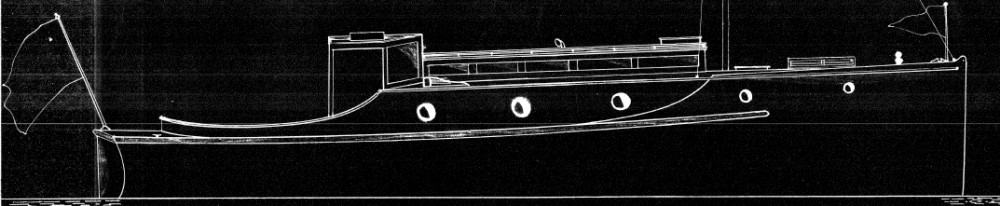
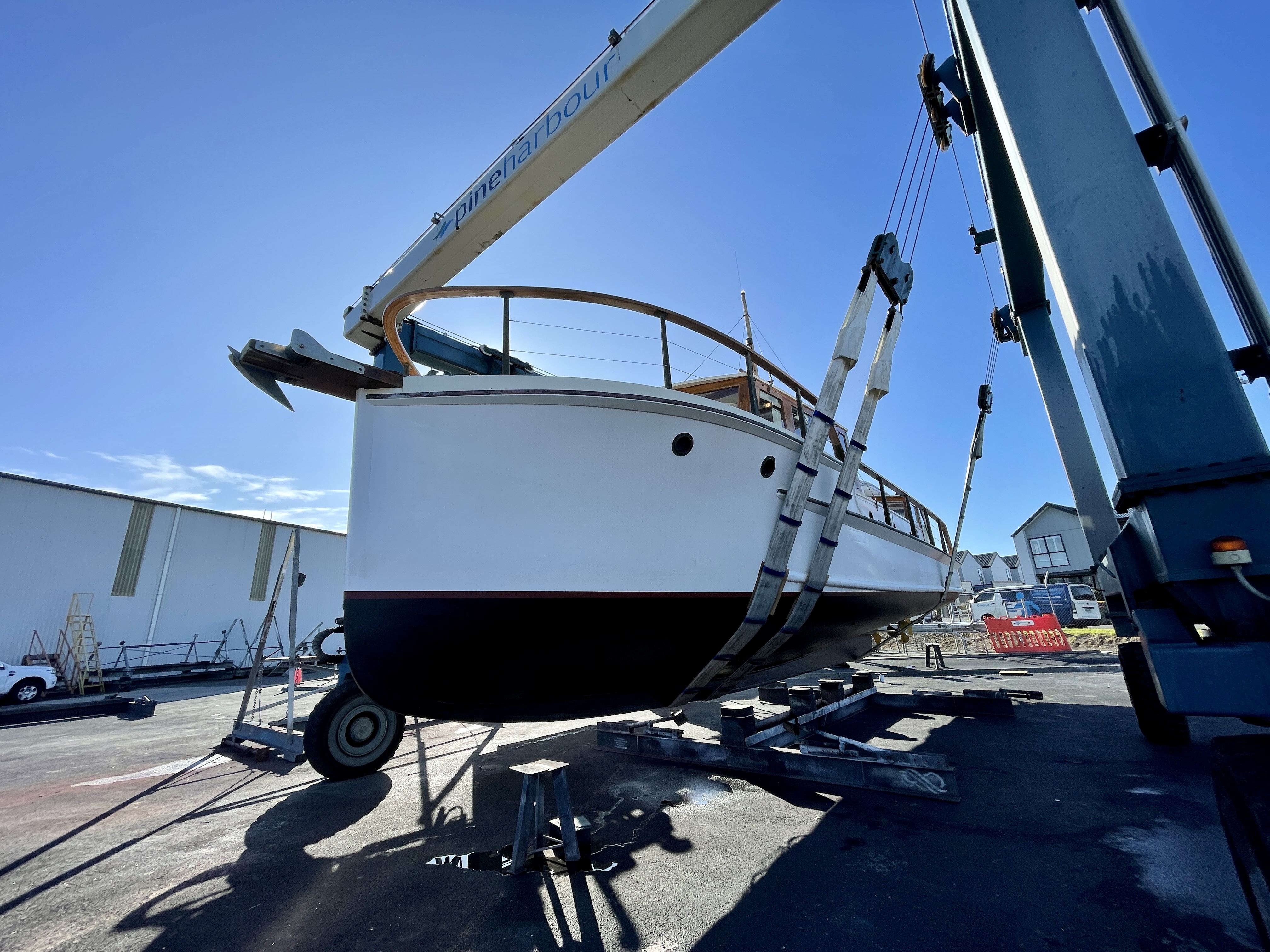
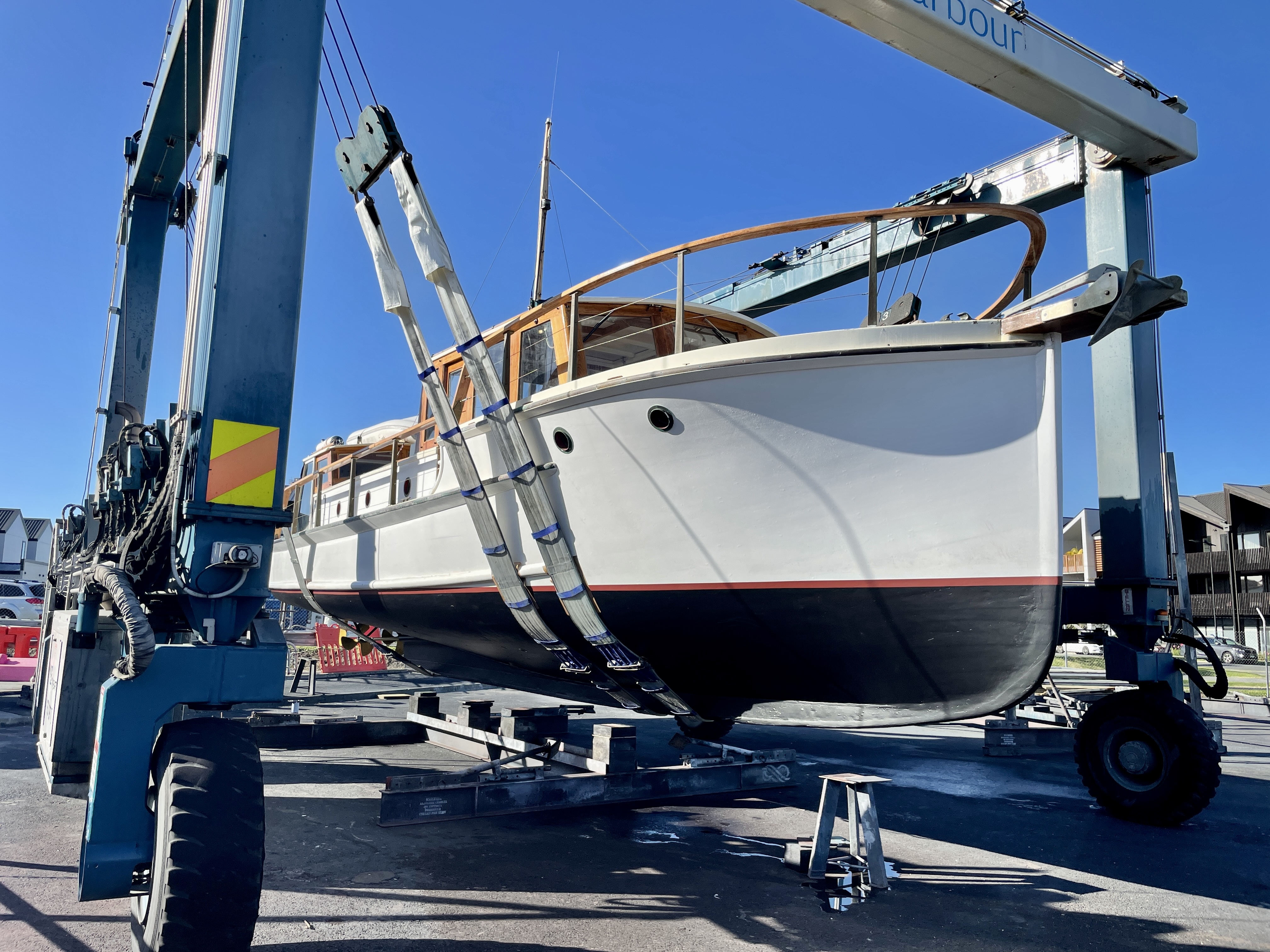
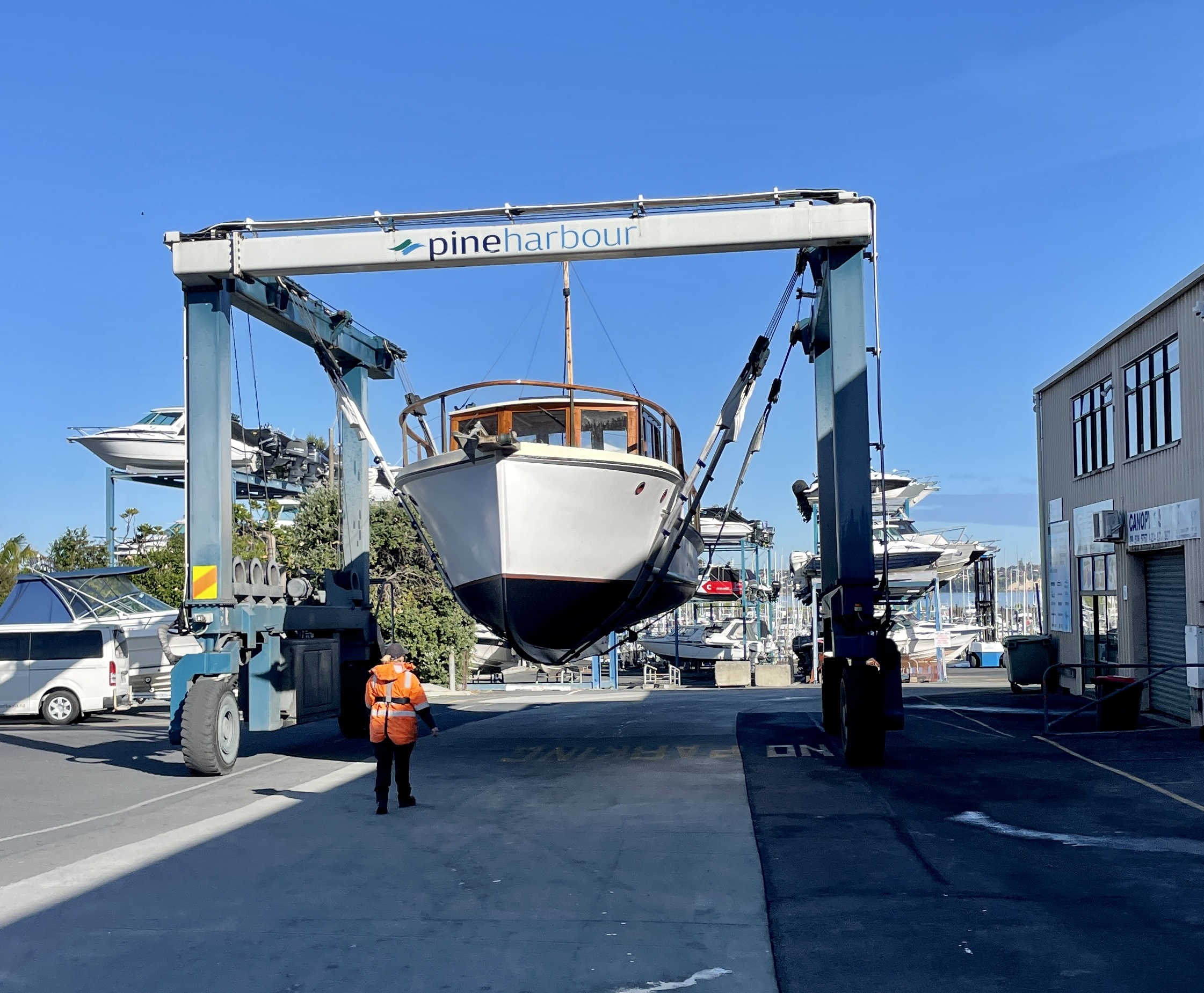
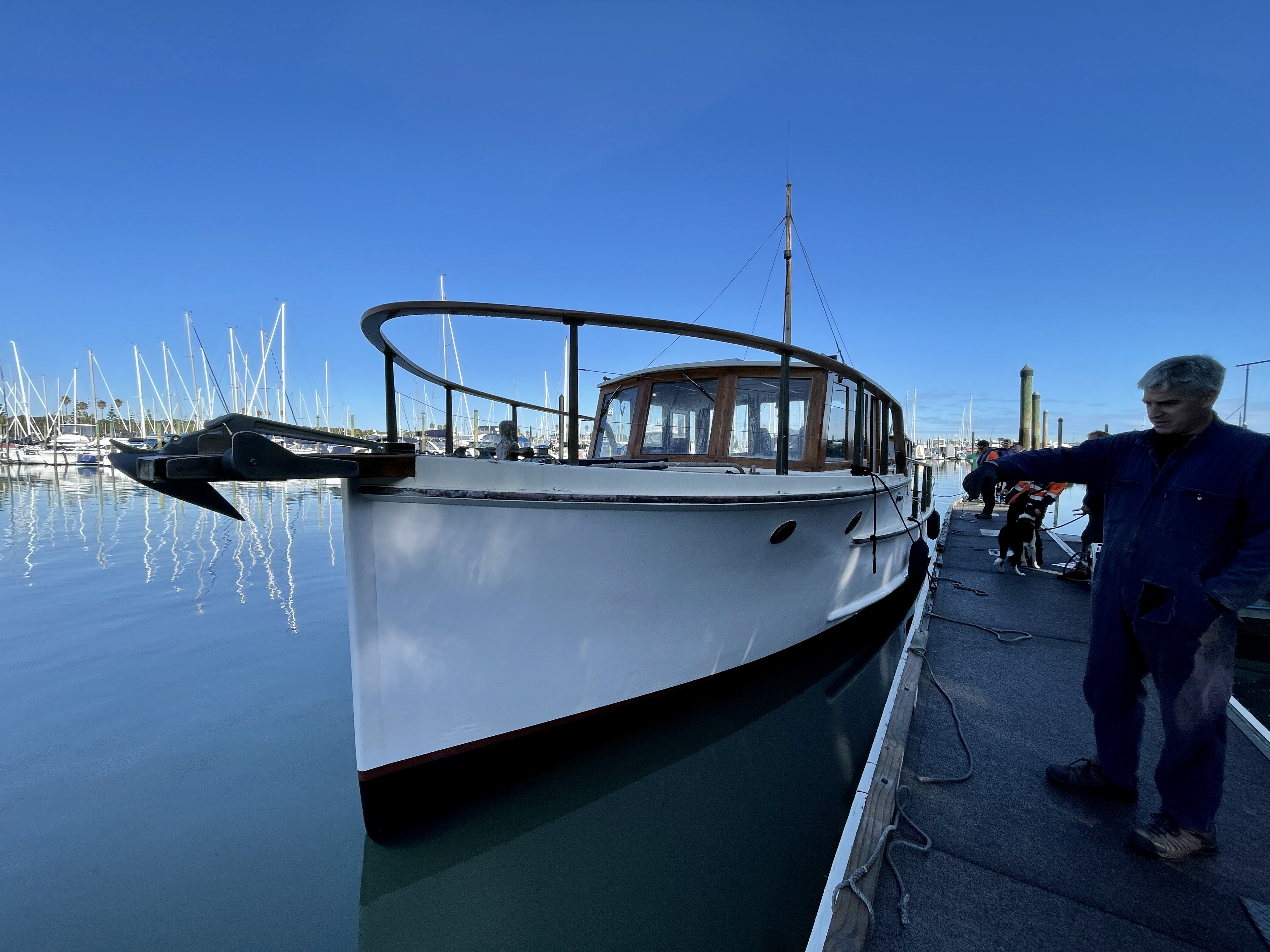
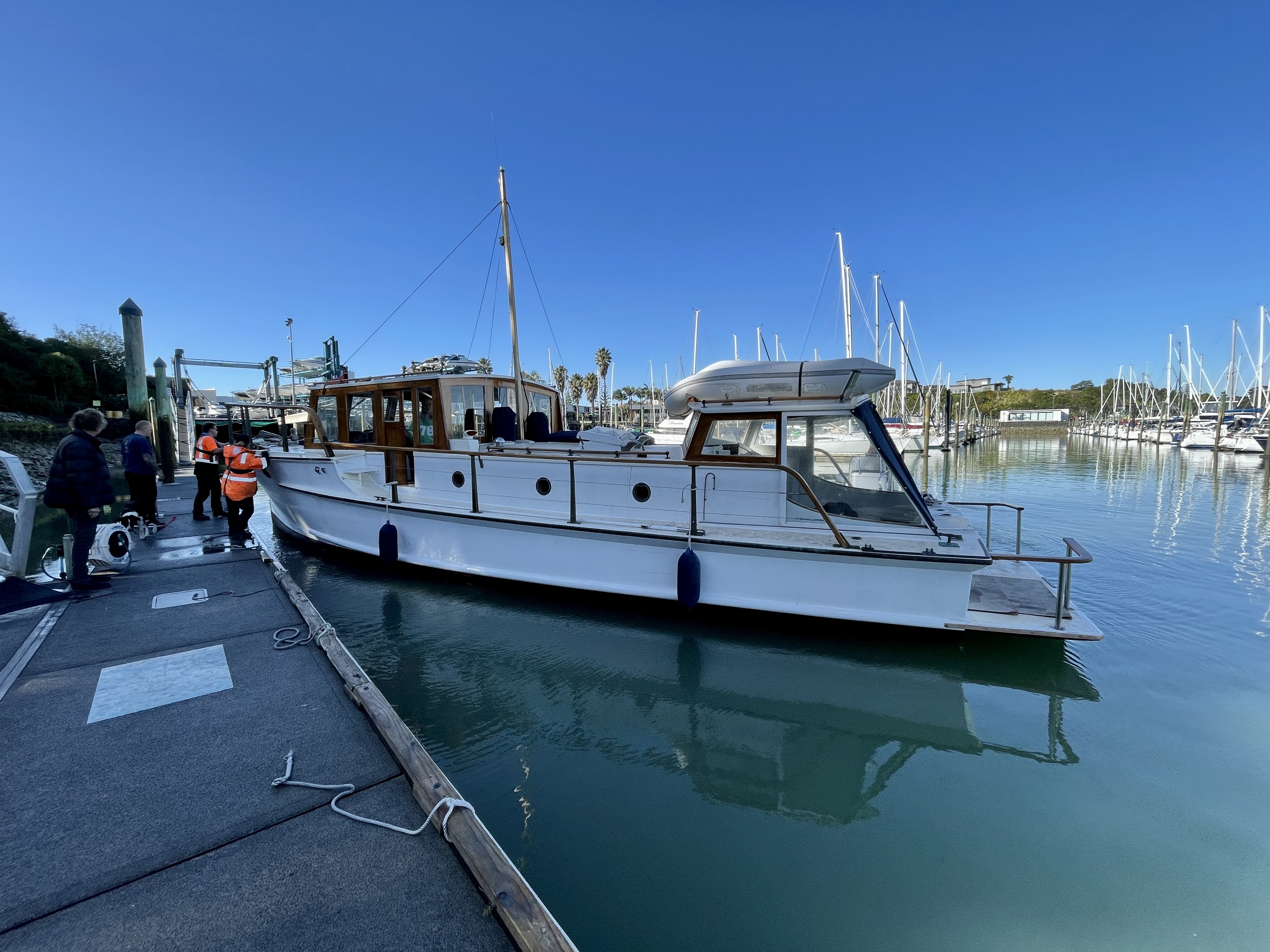
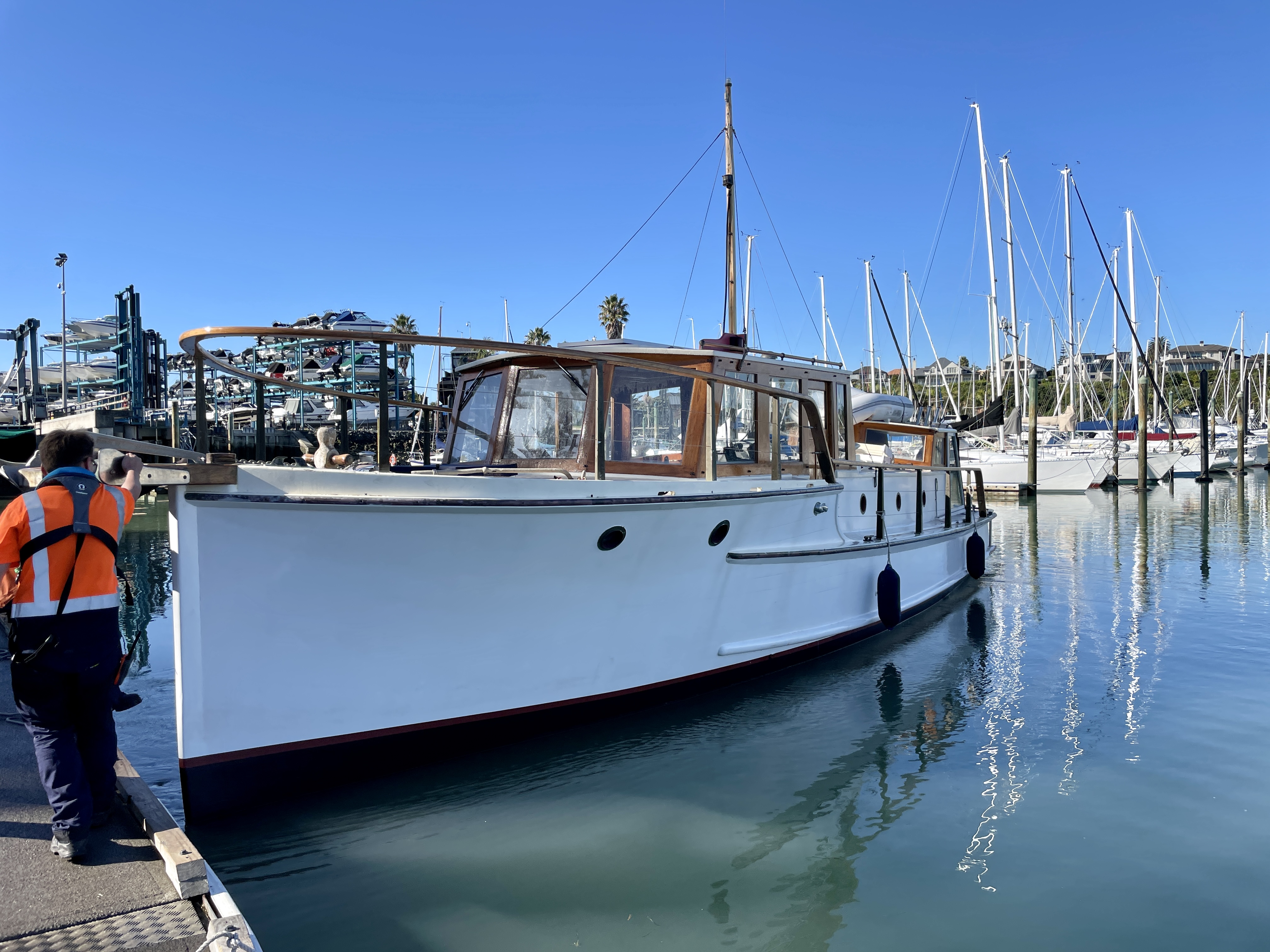
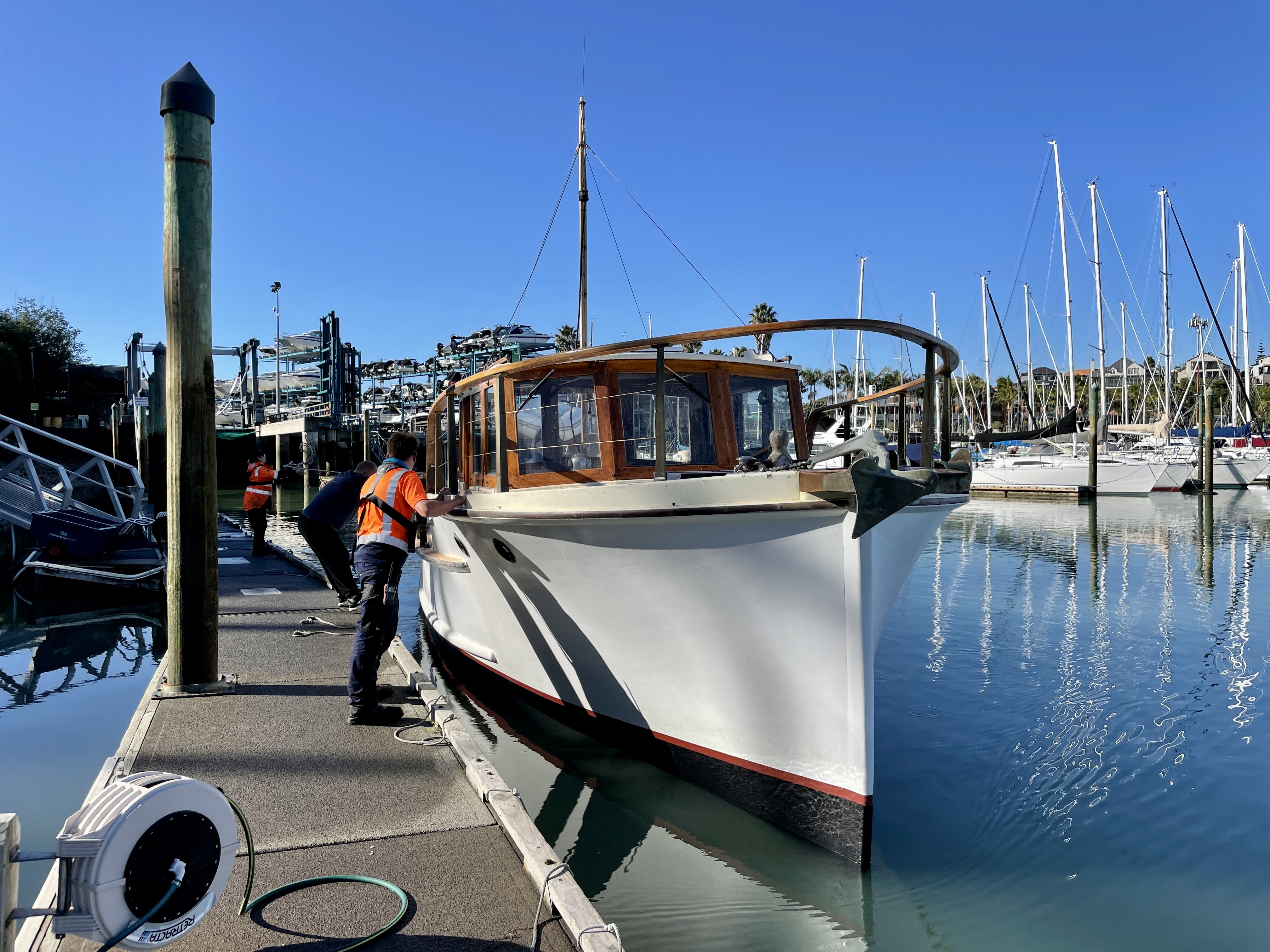
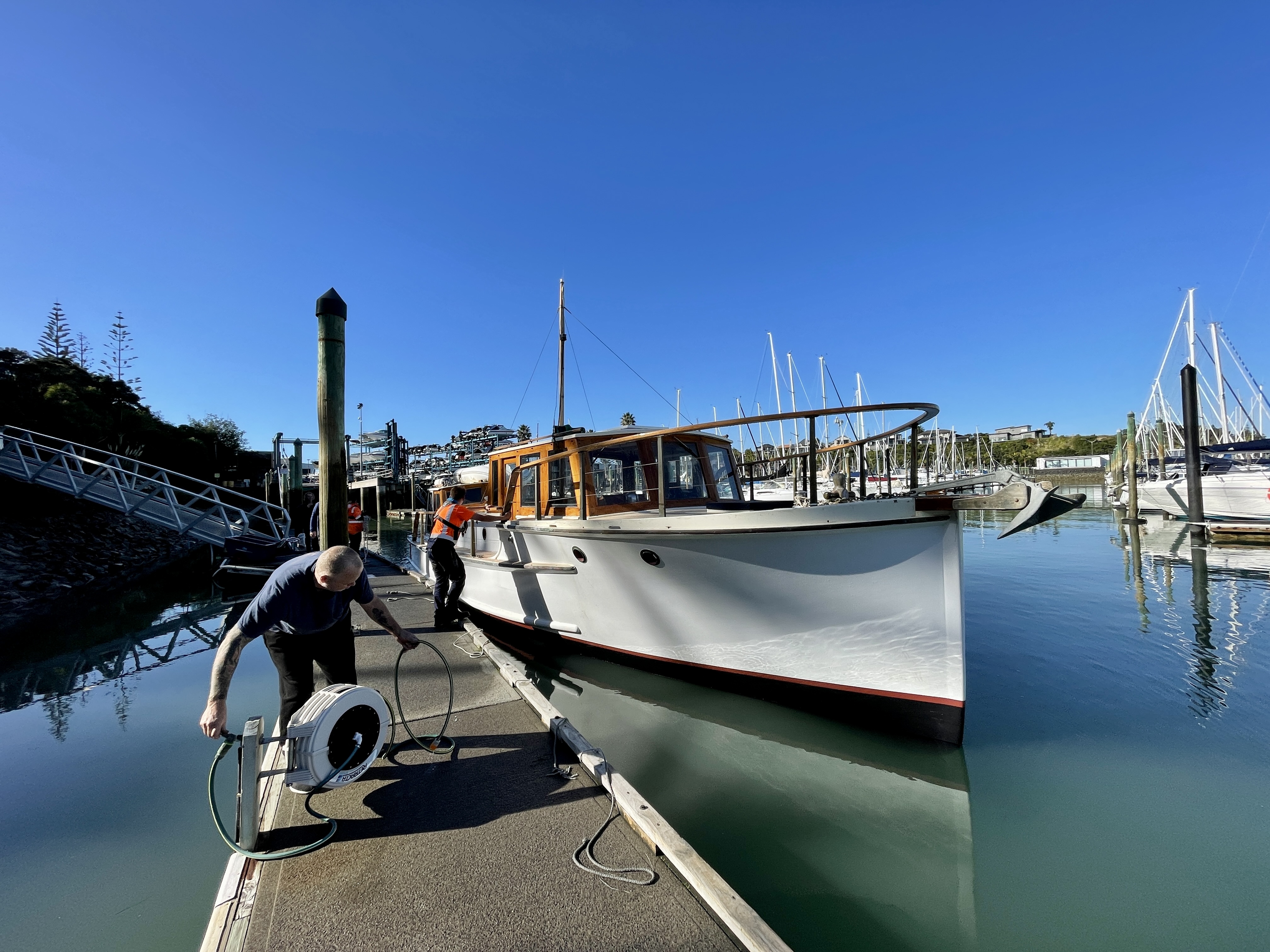
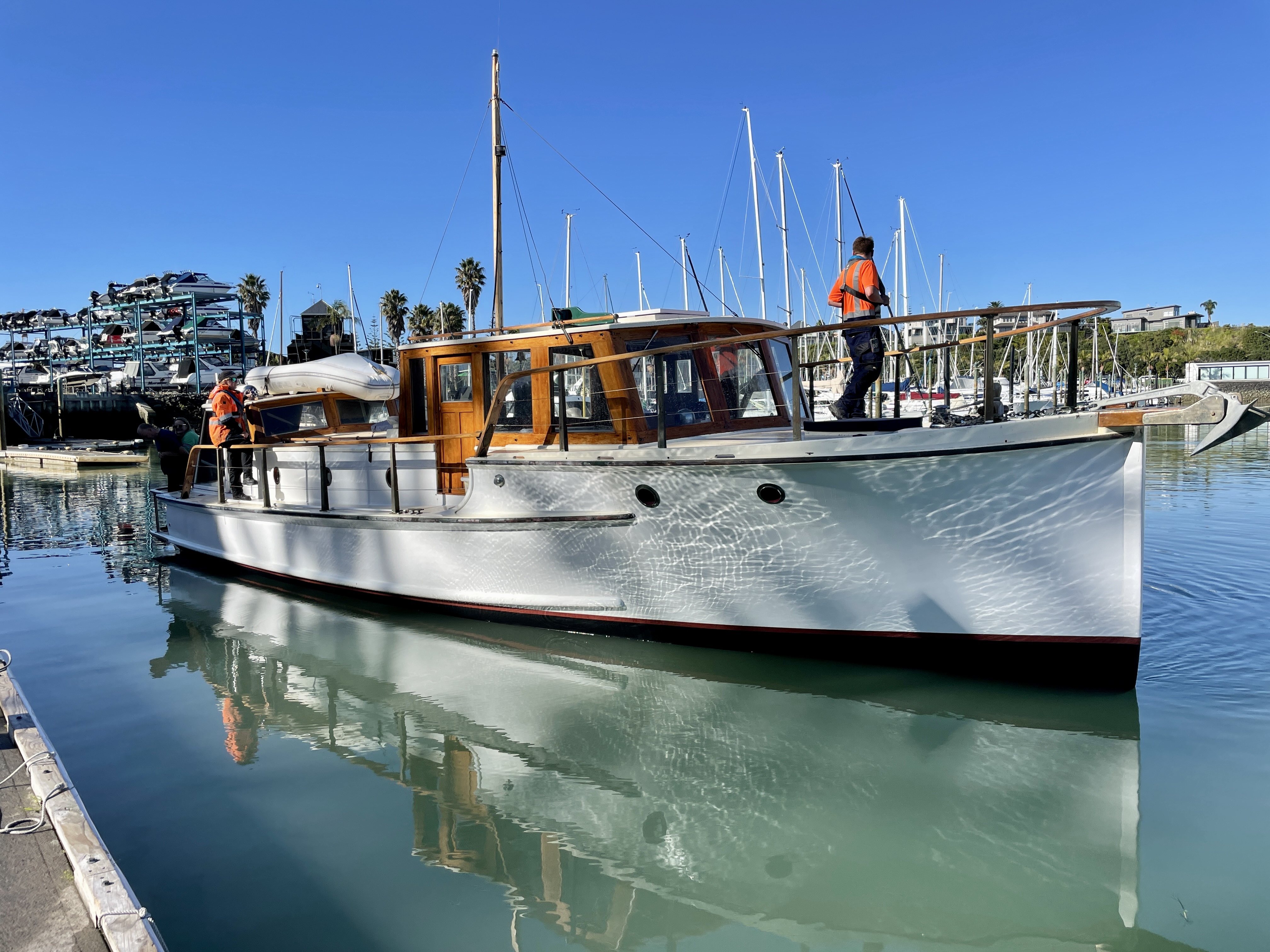
Friday was one of those special woody days – I travelled out to Pine Harbour marina to see the re-launch of Pirate, the Leon Warne 1939 built, 46’ launch.
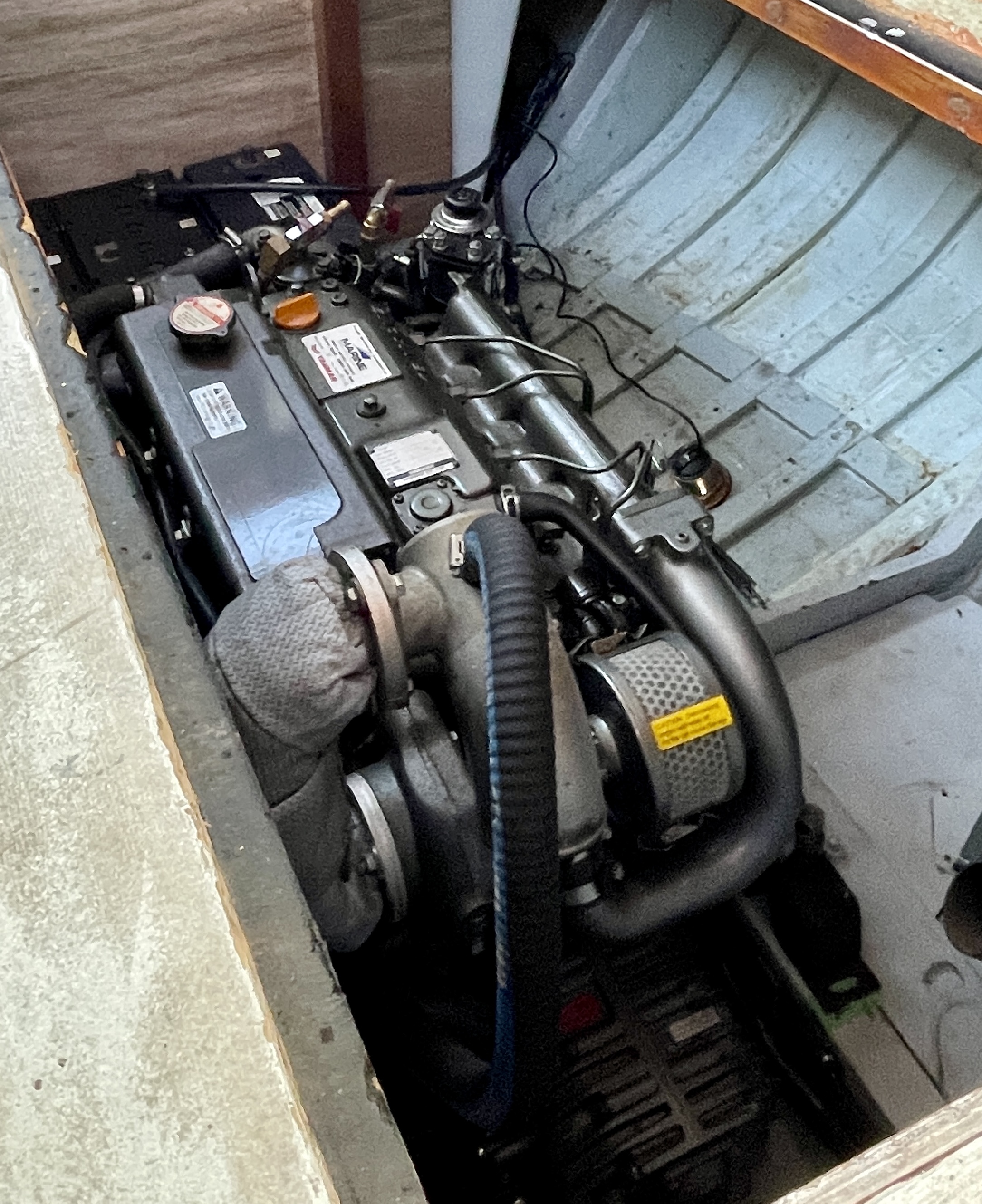
Why was it special? Well back in March the launch Kokoru was ravaged in a dockside fire, just weeks after a total refit / restoration, links below to Kokoru. One of the few salvageable items were the brand new twin Yanmar 75hp engines.
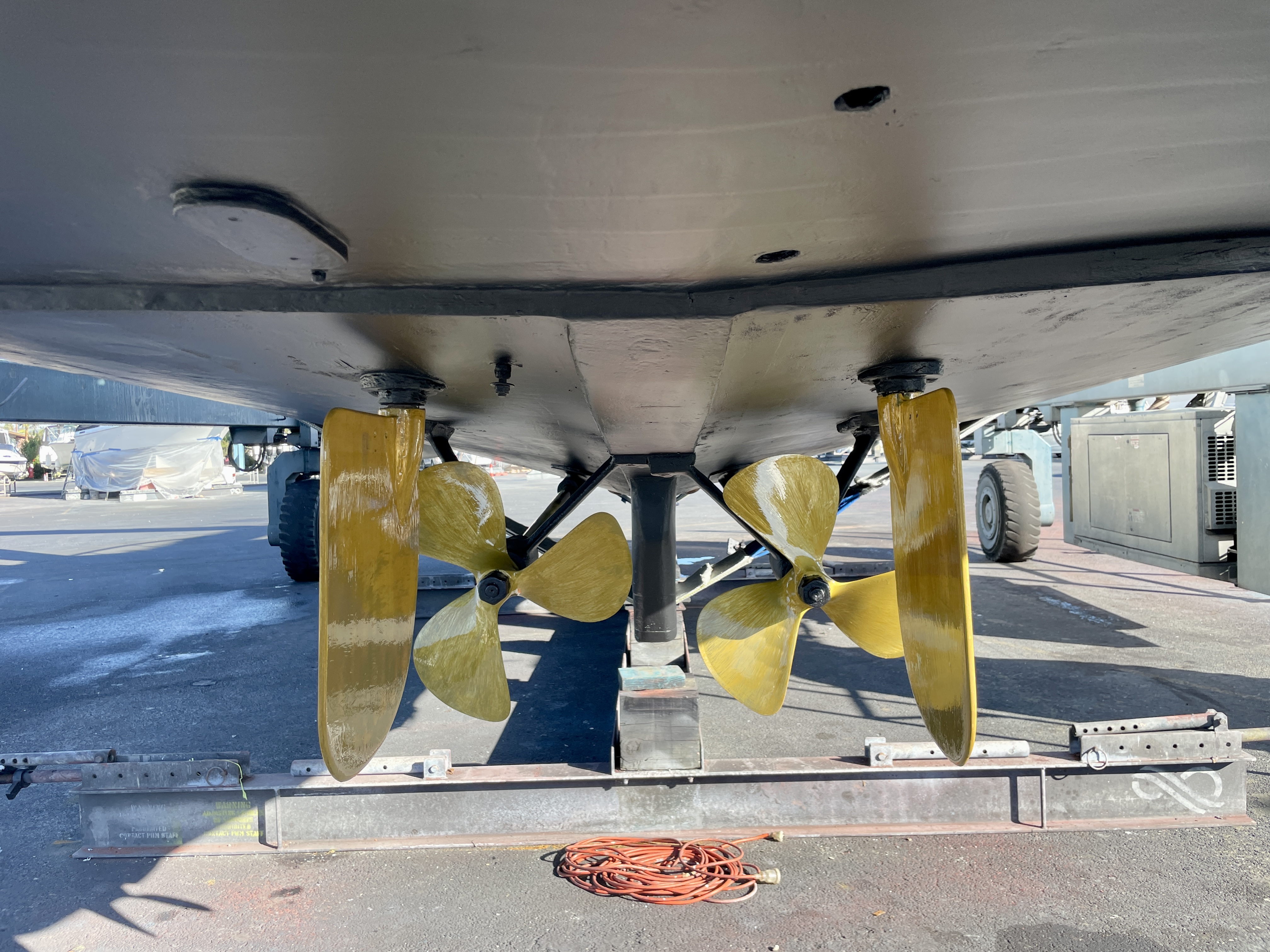
The owners made the tough call and decided to purchase another classic and use Kokoru as a donor. The lucky woody purchased was – Pirate. And she became the recipient of Kokoua’s engines.
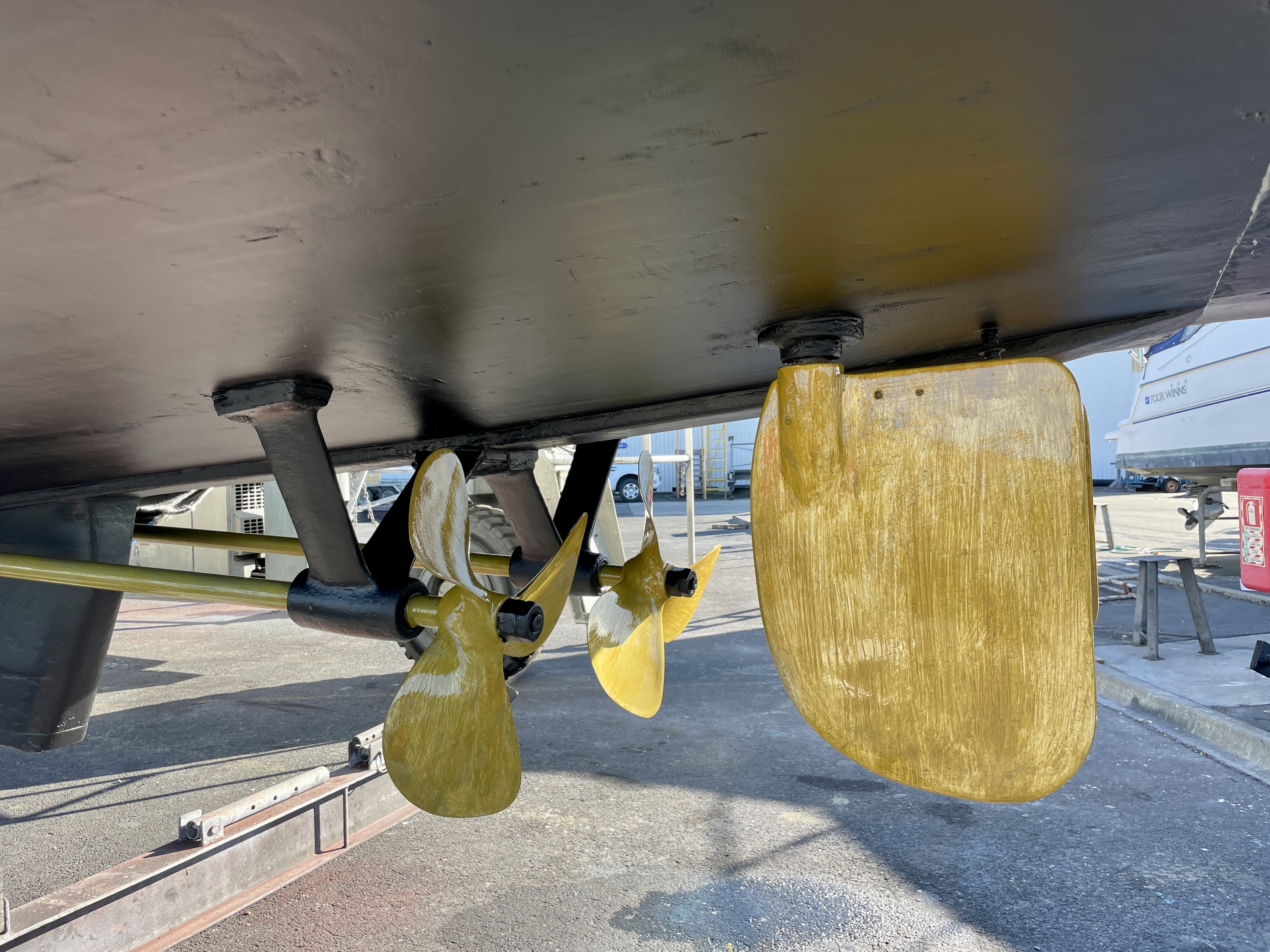
For the last 6 weeks the transplant and associated bits – new shafts, props etc and a lot of work to the tankage – size and location, has been happening.
Still a work in progress but back in the water and ready for the next stage of the project. Amazingly Pirate did not take on any water, probably the result of her owners hosing the hull down twice a day while hauled out.
WW will visit again when Pirate is ship-shape and knowing the owners – sparkling 🙂
A big shout out to the owners – it takes special people to (1) restore a woody (2) recover from seeing her destroyed (3) leaping back in and buy another – well done Tracy and Alan. I read somewhere the other day a quote that “beautiful boats attract beautiful people” – seems to fit this story 🙂
( fyi – Kokoru went to a good home and we understand, overtime will be rebuilt, so a happy ending)
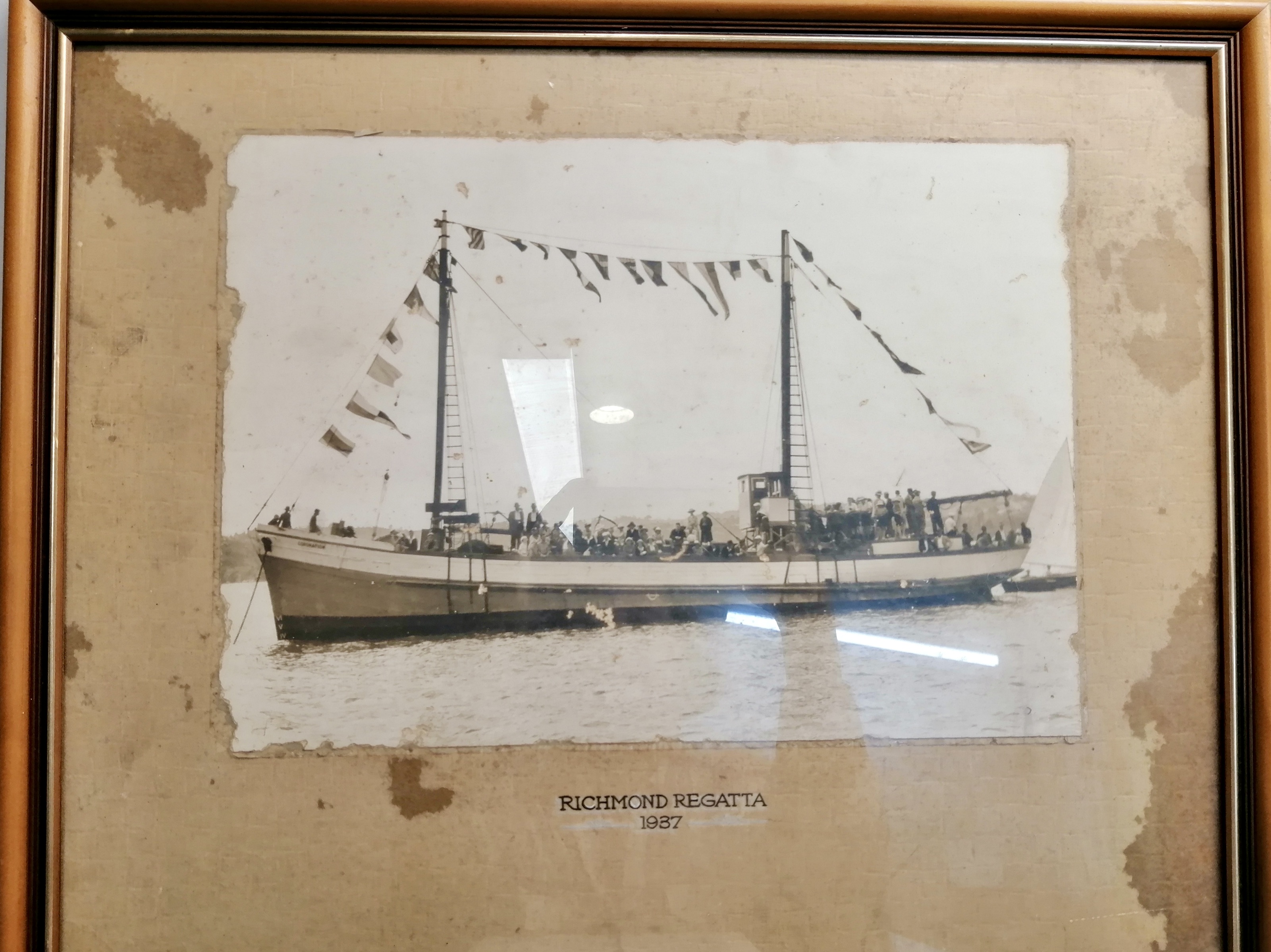
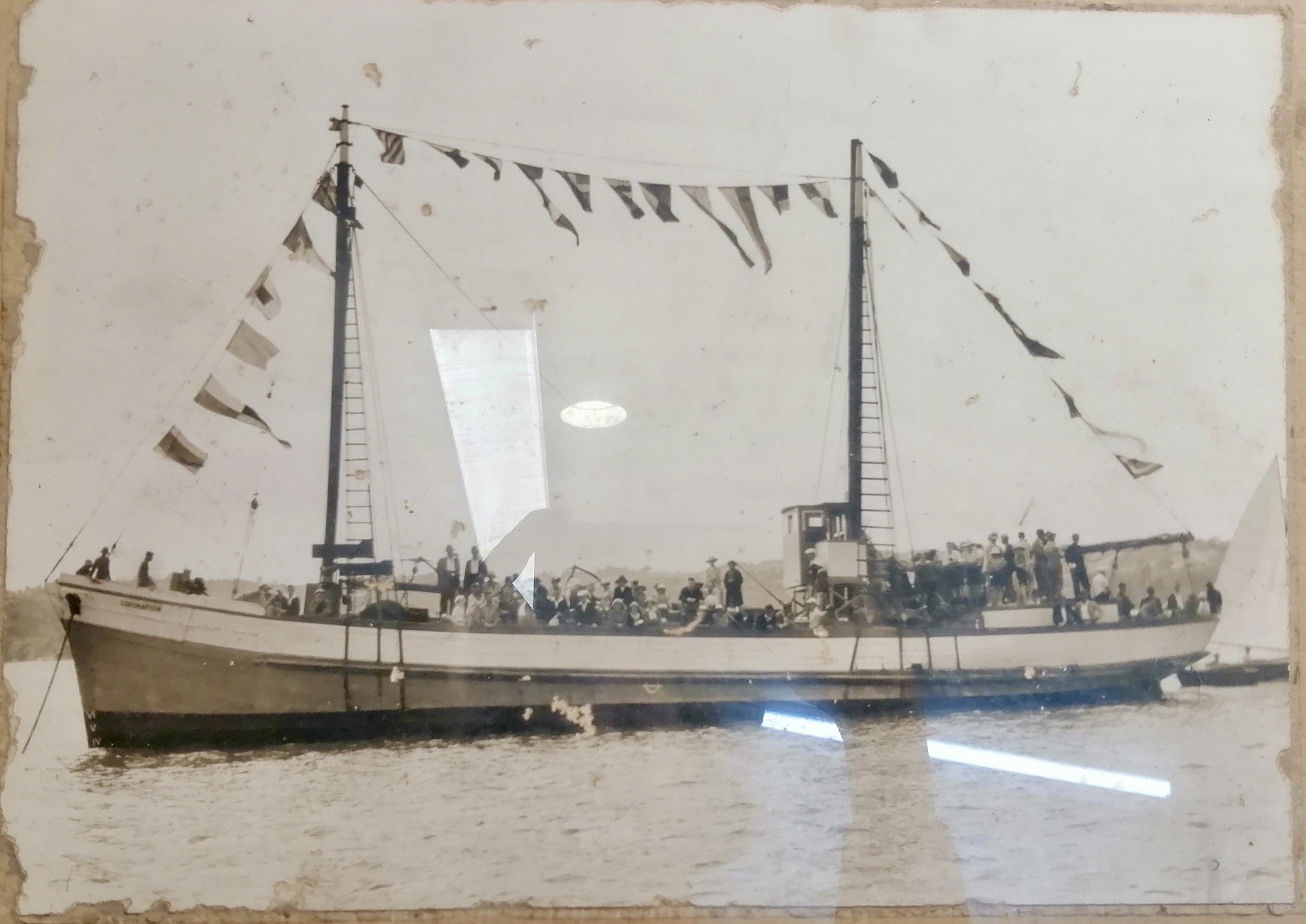
We have been contacted by Tony Evans from the Richmond YC in Auckland concerning the 1937 photograph above that the club have been gifted.There was no family connection from the ‘gifter’, so the club are unsure of its history. Tony commented that the picture is likely taken at the original RYC Herne Bay club house, with Chelsea Bay hills in the background.
So woodys are we able to help the club and share some intel on the significance of the photo eg the name of the boat, was it (probably) performing the rule of racing committee boat and any info on the regatta / event. Or given the crowd onboard just she a spectator boat?
Input From Barry John Davis – This is the A. & G. Frankham coaster Coronation, built 1902 as a ketch in NSW, you can just make out the vestiges of a clipper type bow, dimensions 83.7′ x 22.7′ First registered at Auckland the same year. Still trading out of Auckland up to the early 1960’s when sold and went to Gisborne as a motorised lighter
We last saw the Coulthard built launch – Dawn on WW back in June 2019, link below. In summary she was built in 1936 and is approx. 28’ in length, with a very shallow draft of just over 2’, probably to suit the shallow harbours on Aucklands West Coast, where she was built.
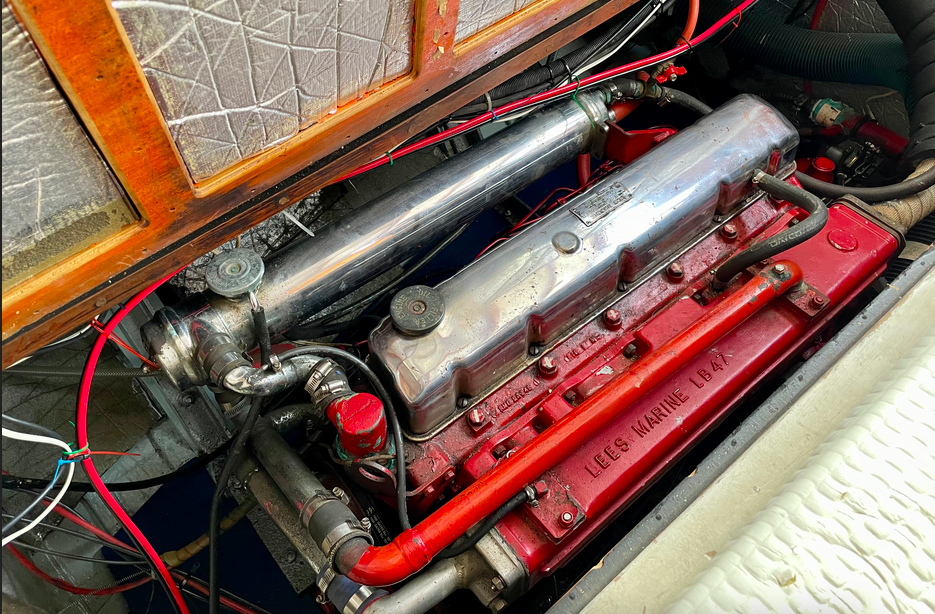
A Ford 80hp Lees 4.2L diesel provides the forward motion. Thanks to a tme listing (c/o Ian MacDonald) we get to have a look down below.
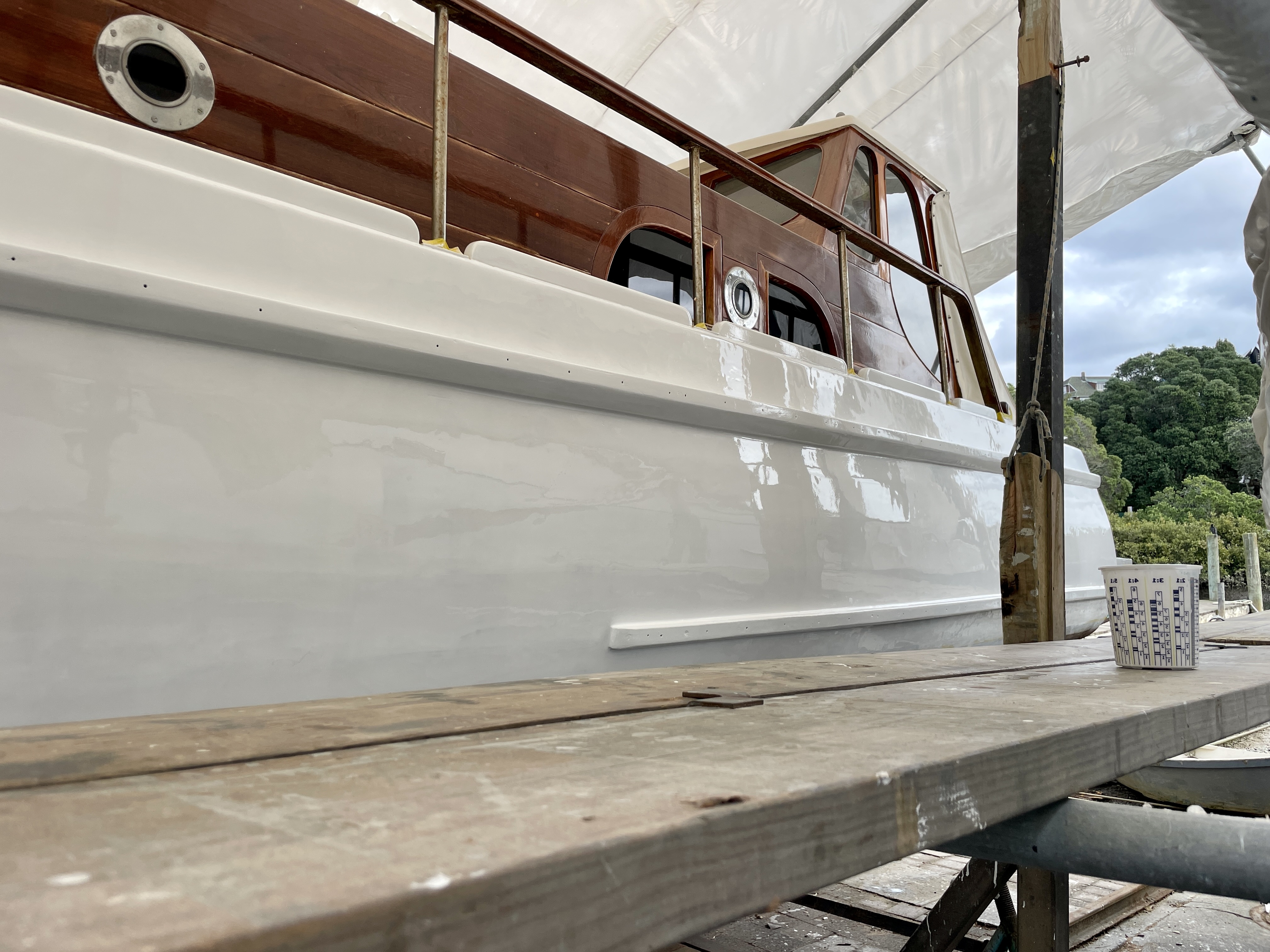
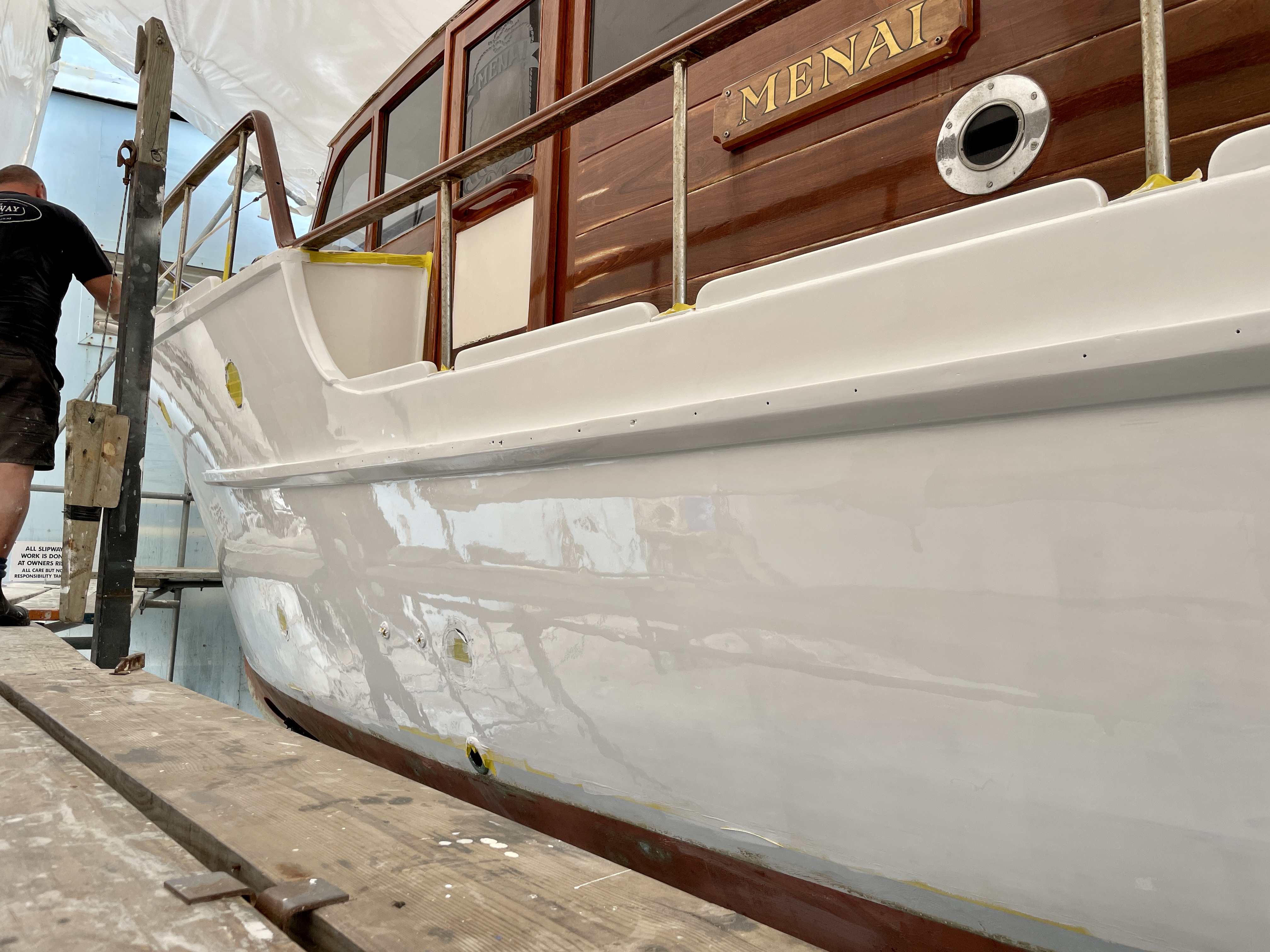
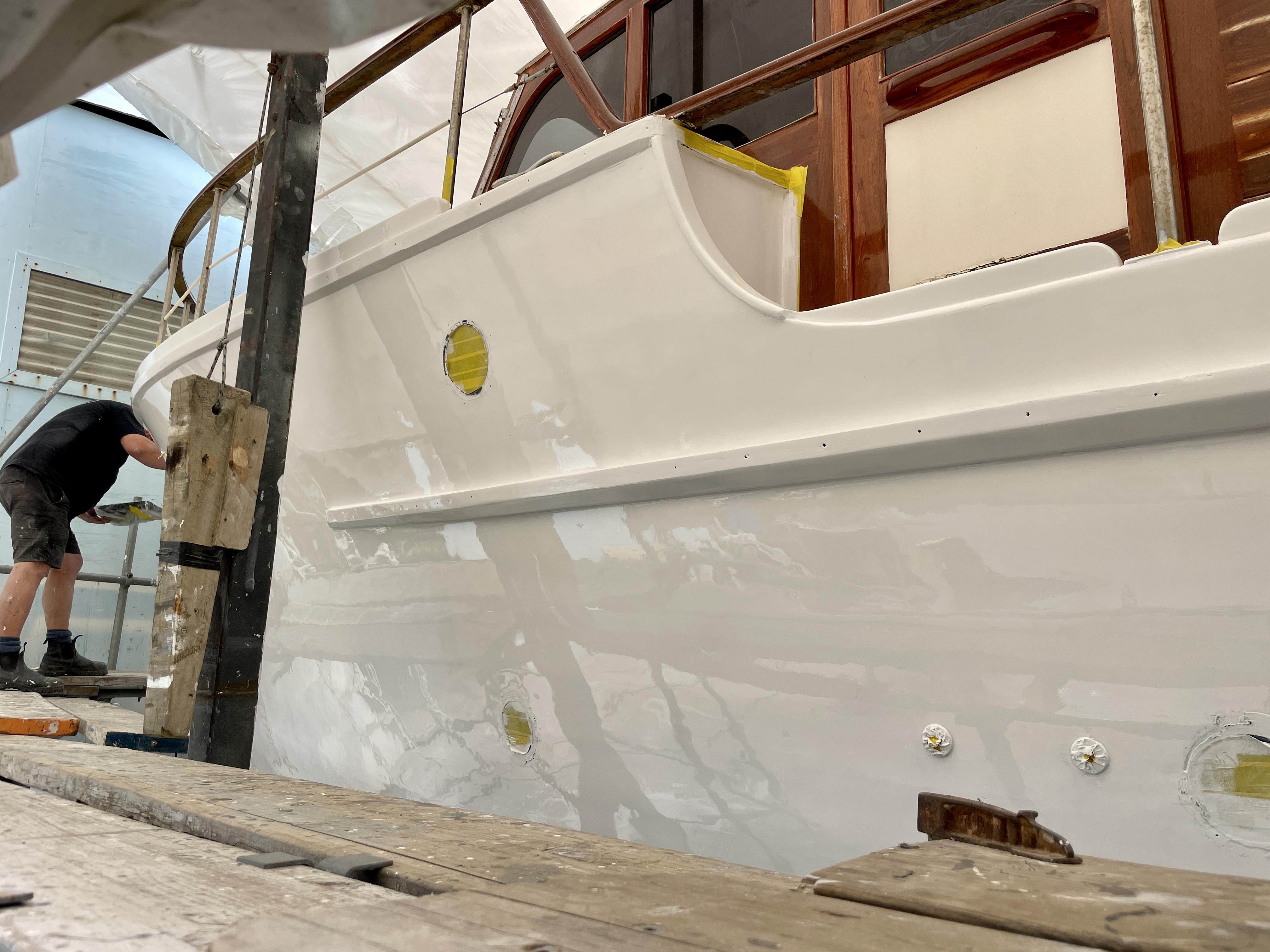
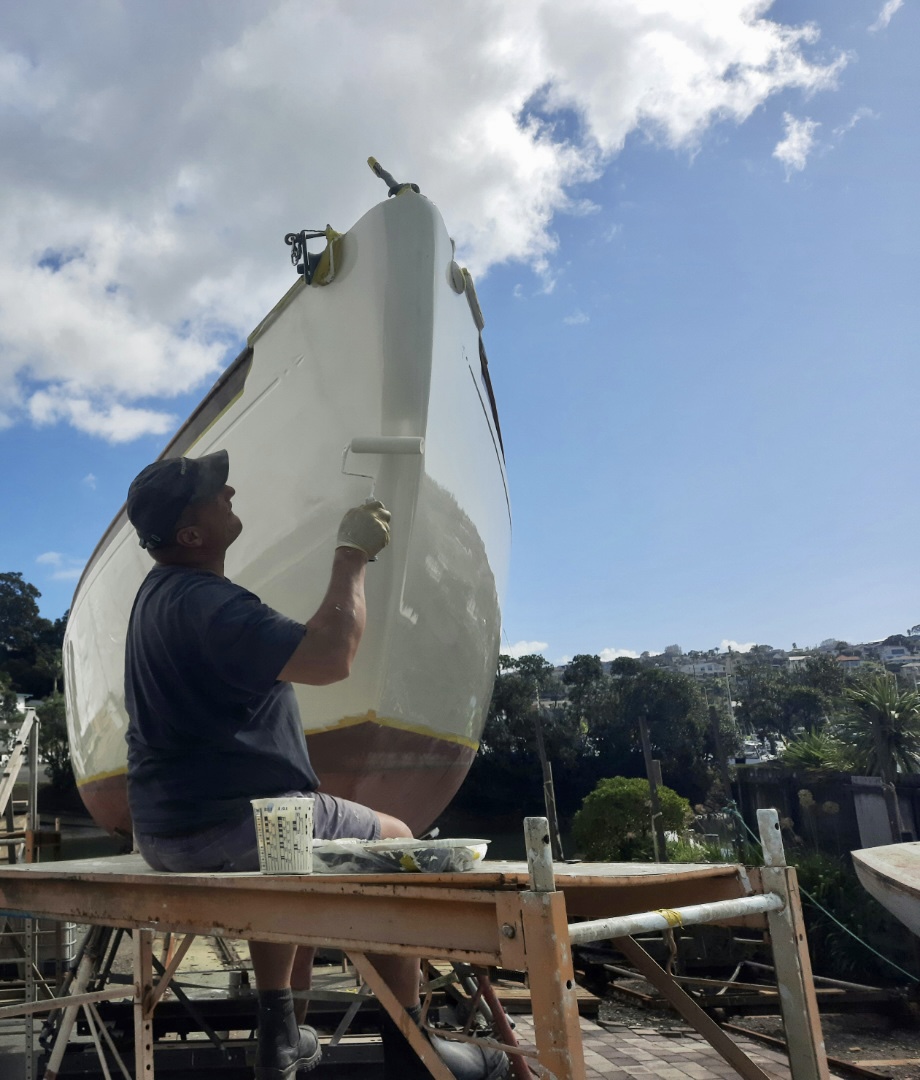
Update 05-07-2022 1st coat of the shinny stuff goes on
Classic Woody Yard Mooching
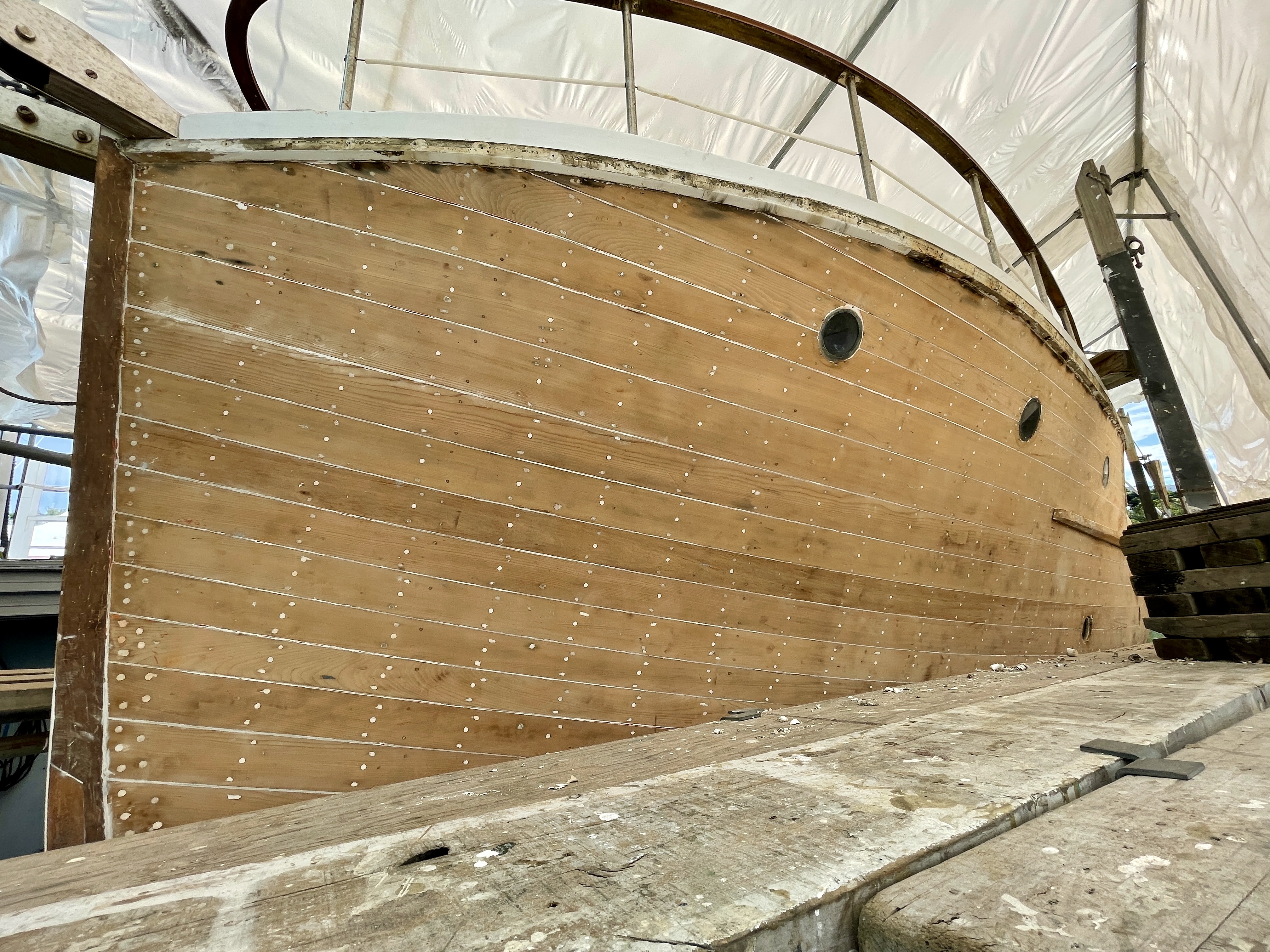
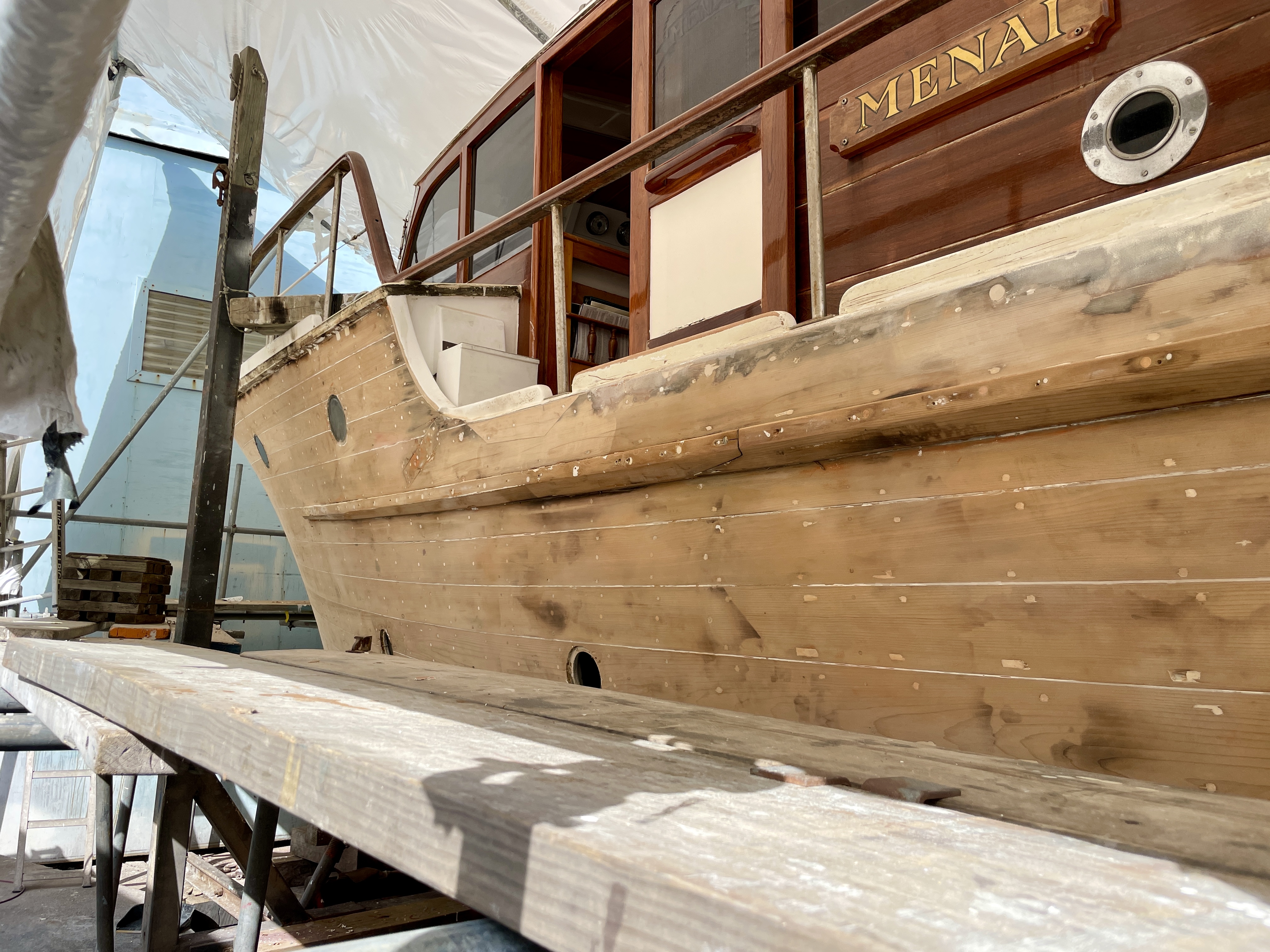
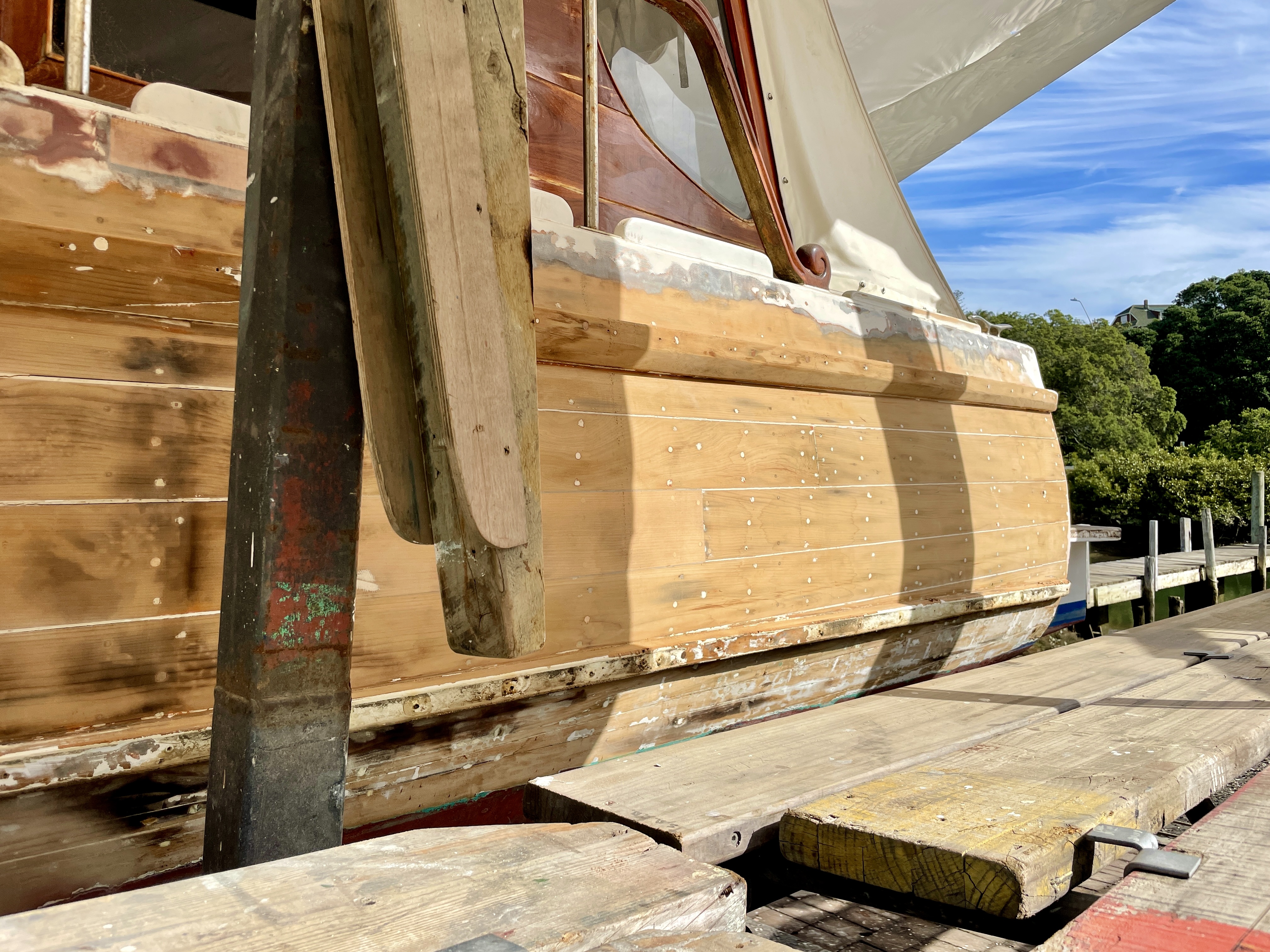
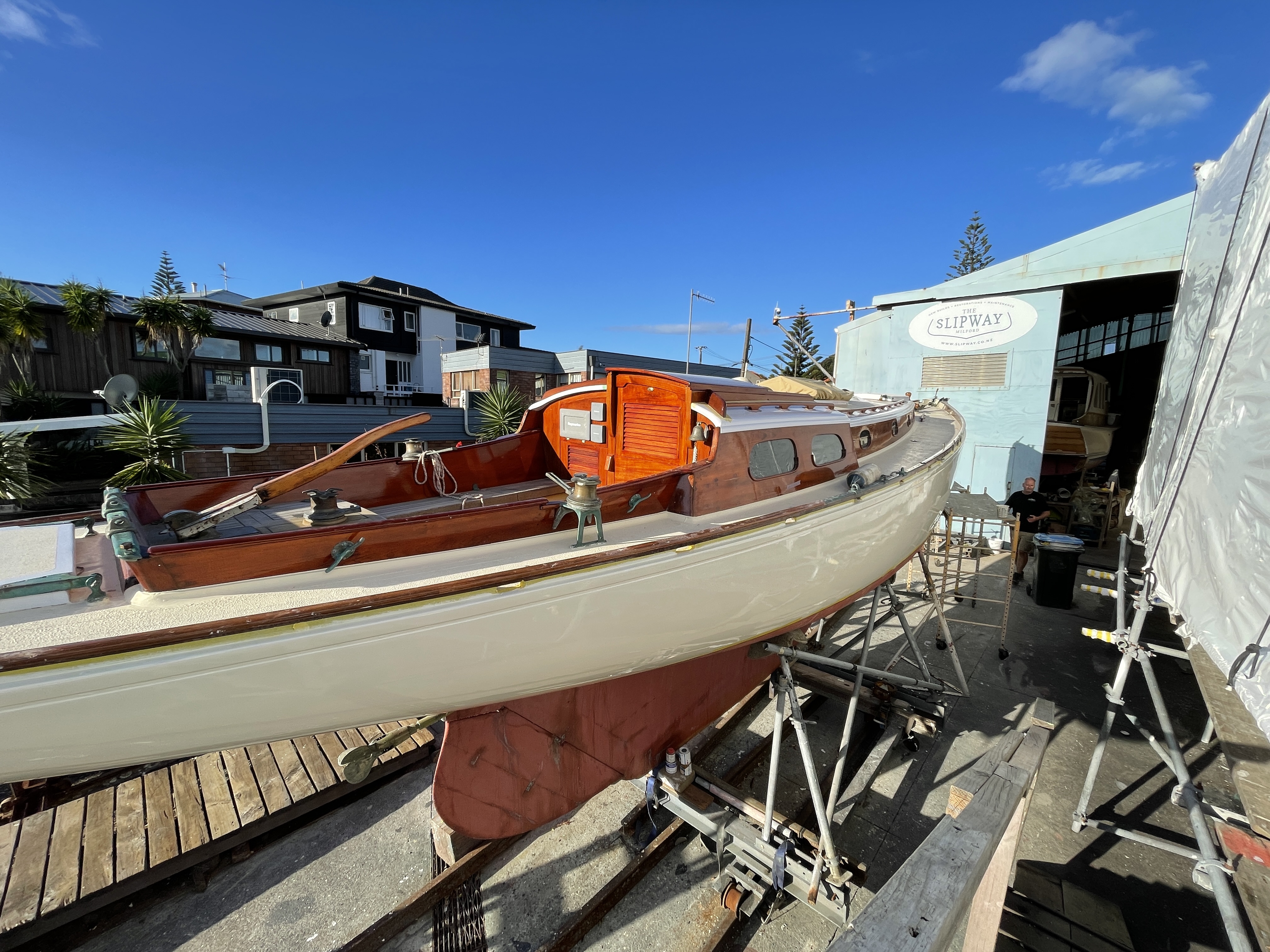
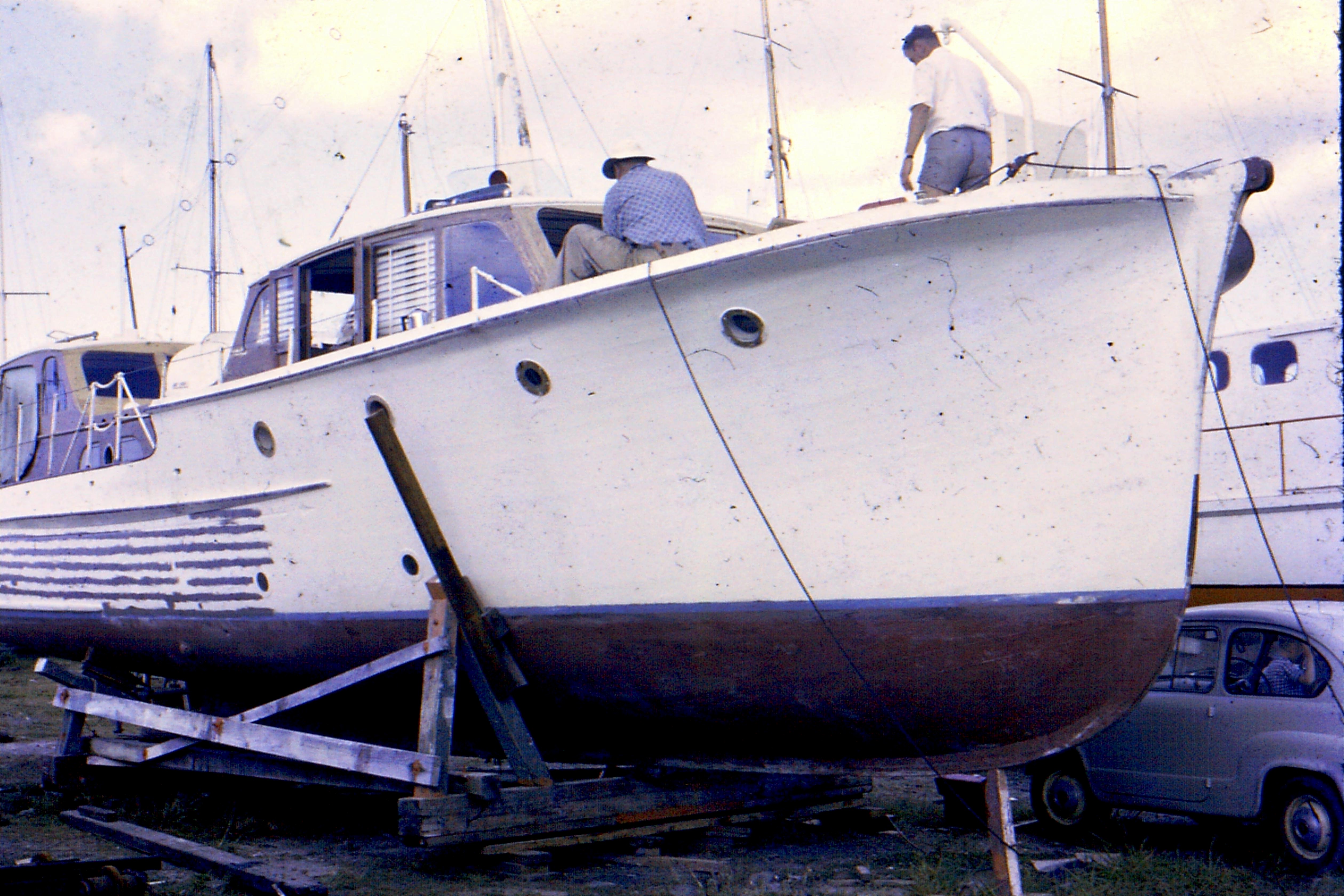
Dropped into The Slipway Milford the other day, very pleased to see the 1937, 38’ Sam Ford built launch – Menai, getting some serious TLC after languishing at the CYA’s Heritage Landing for many years, dockside chat was it was a permanent fixture.
As with most things in life, boat ownership goes in cycles and with new owners she is get the attention she deserves. Always nice to see painting prep well executed i.e. back to bare wood – that kauri looks as good as the day Sam Ford fastened it.
I understand a new engine has been installed so the TCL is serious – we like that 🙂
While there the 1945 K-Class – Jenanne was getting a Jason Prew Paint Job, the photo is coat one of two top coats, already very slick.
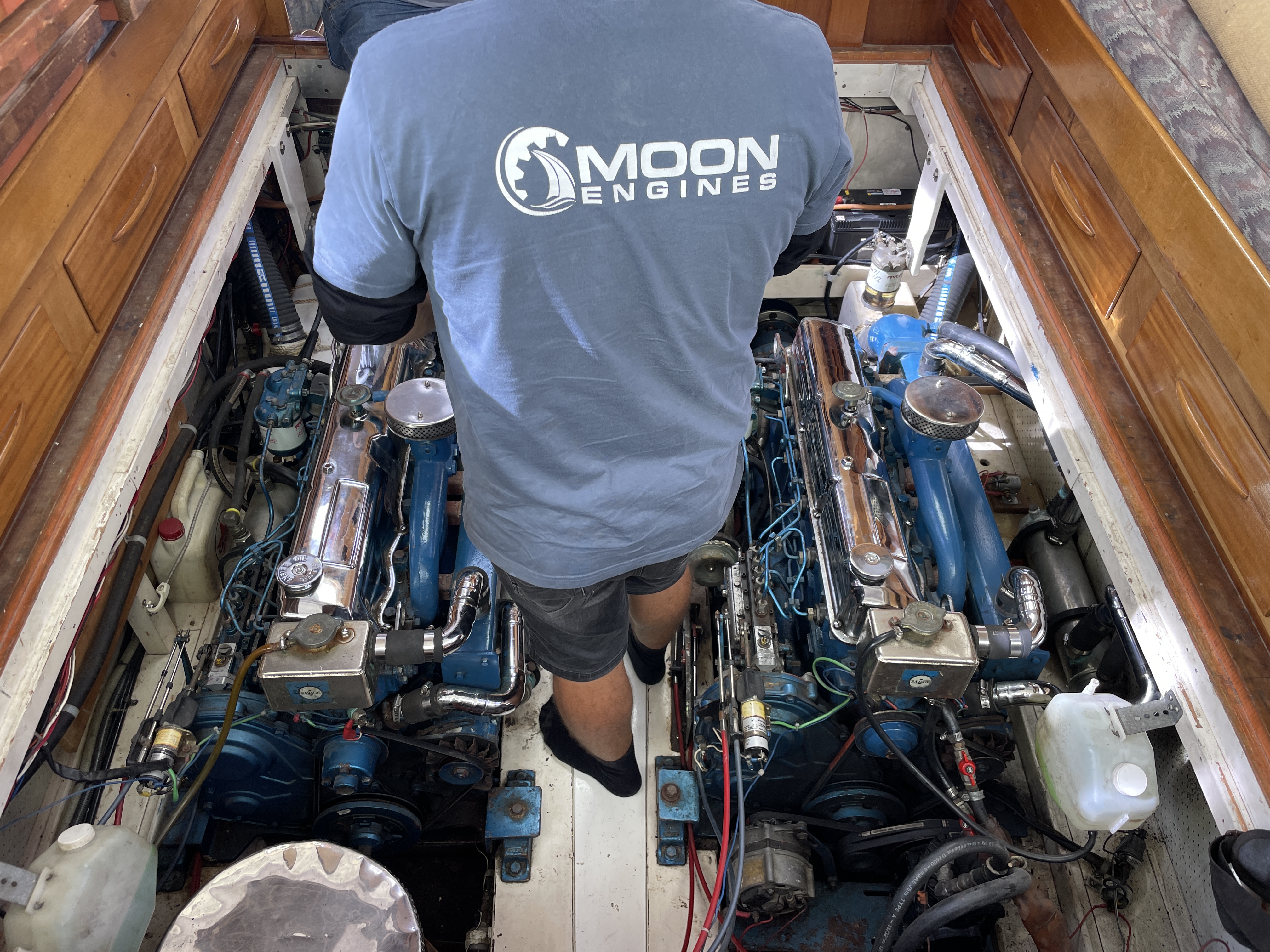
Now a tip on how to get marine engineers to come down to your boat – keep your engine room as ship-shape as the 1965 Owen Woolley built launch – Adonis – the man from the Moon didn’t even have to put his overalls on 🙂
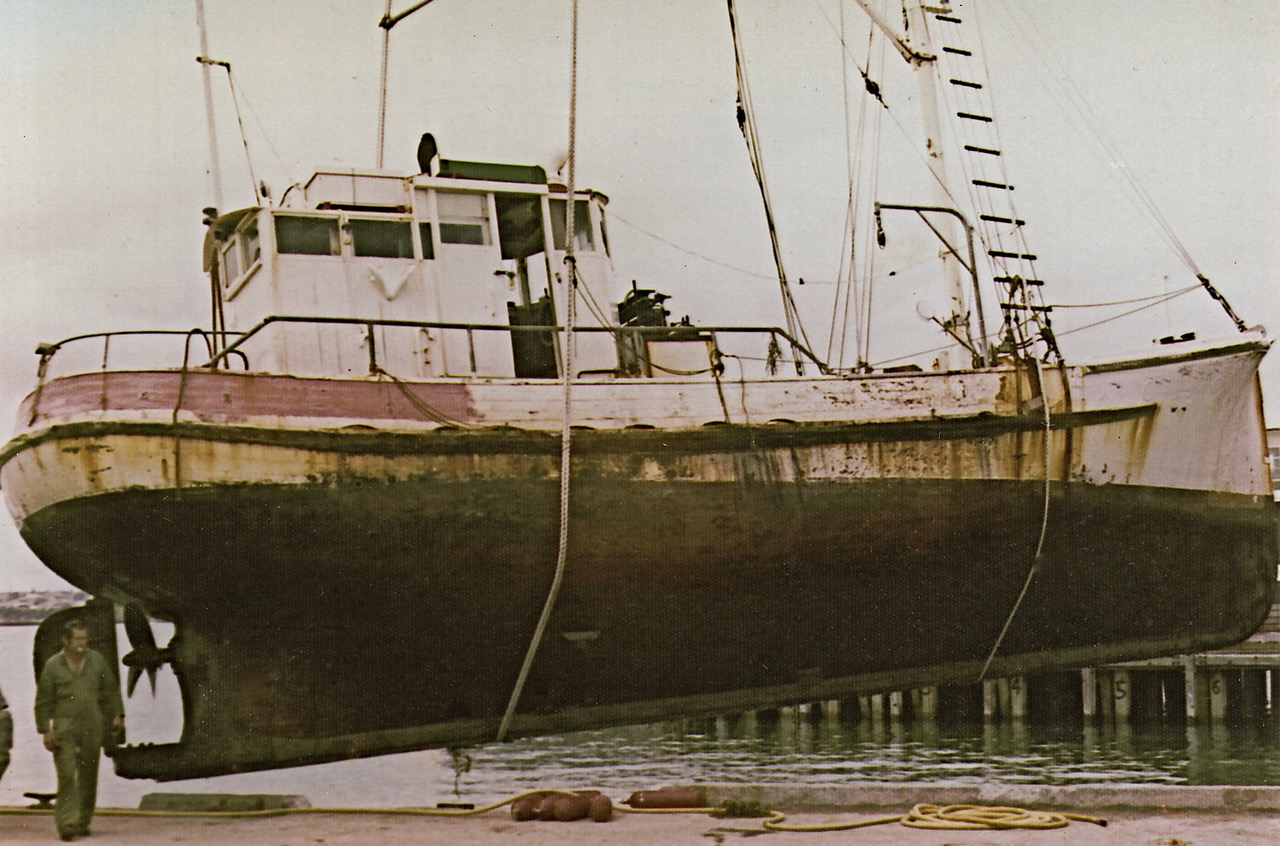
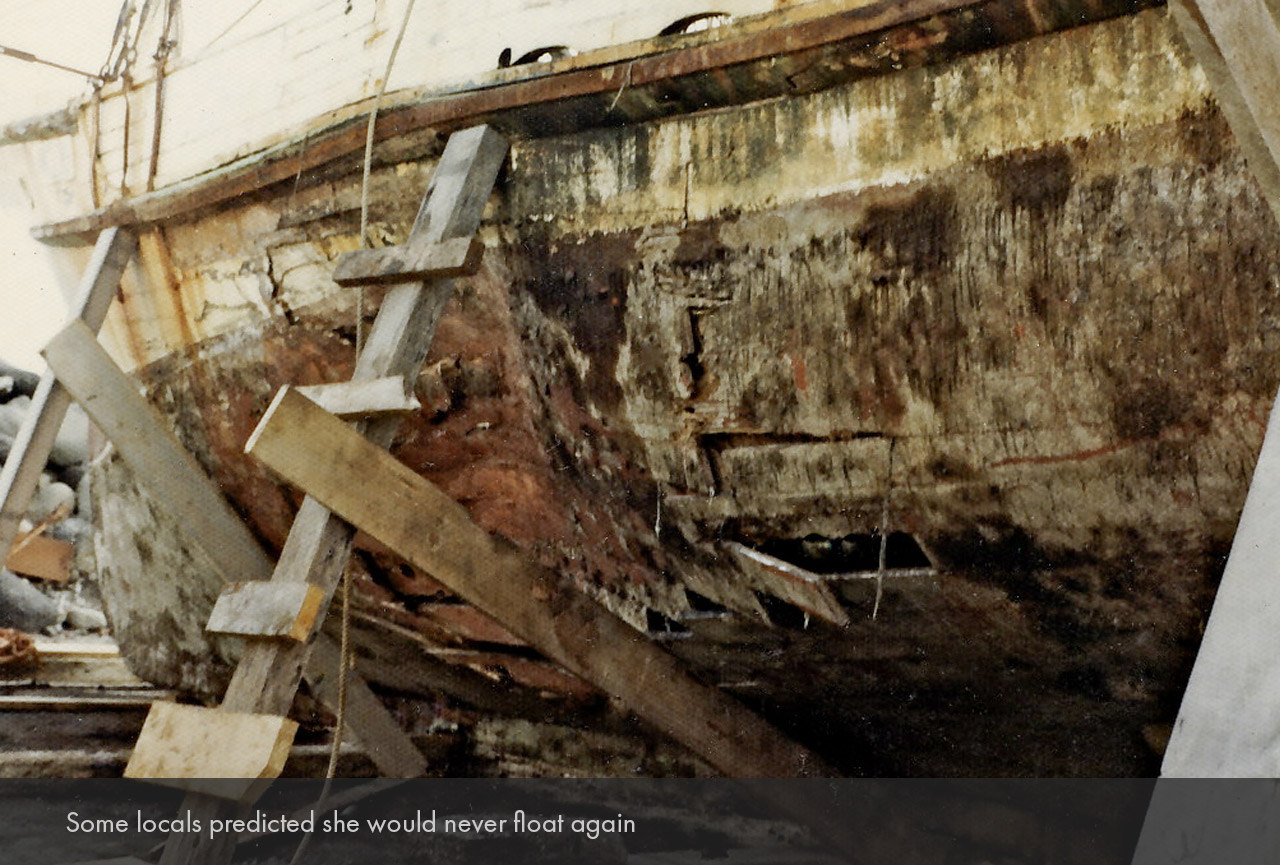
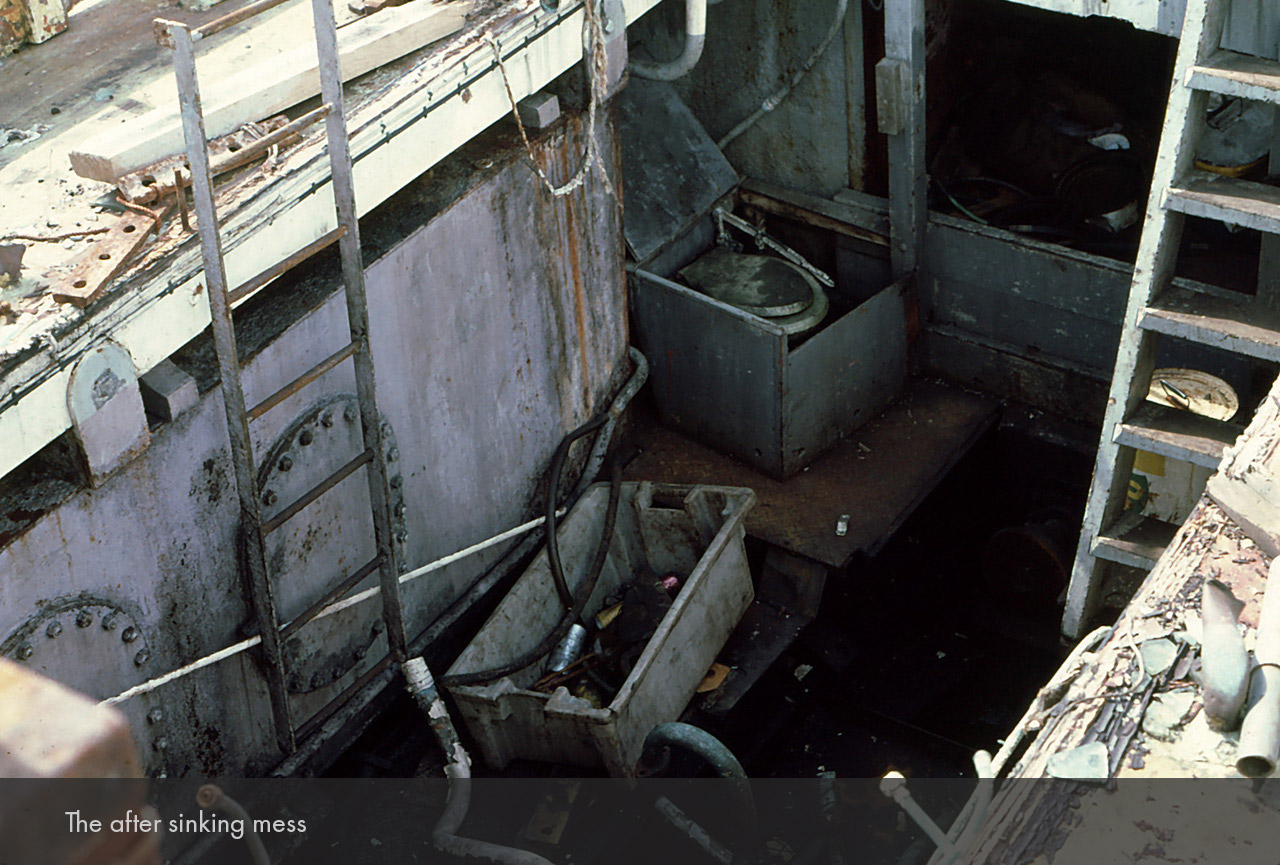
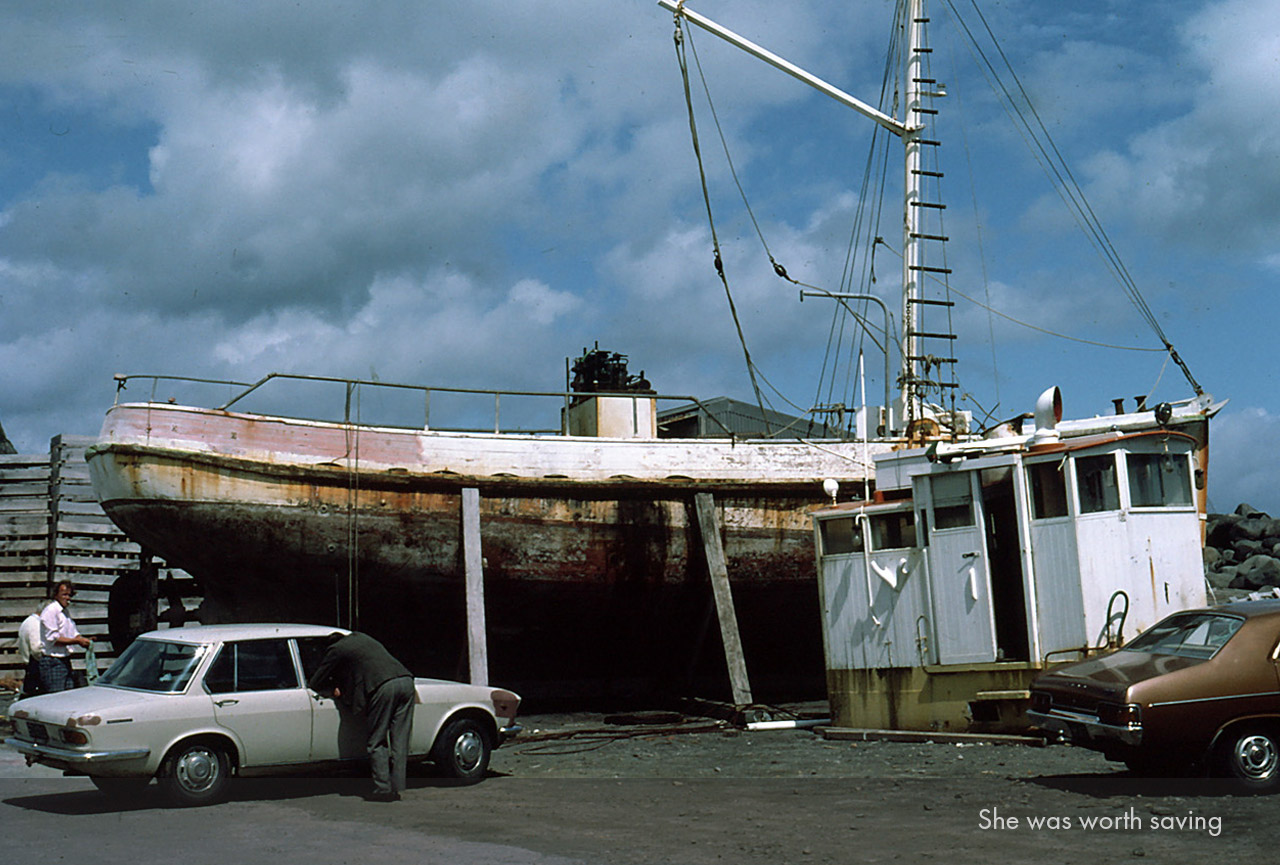
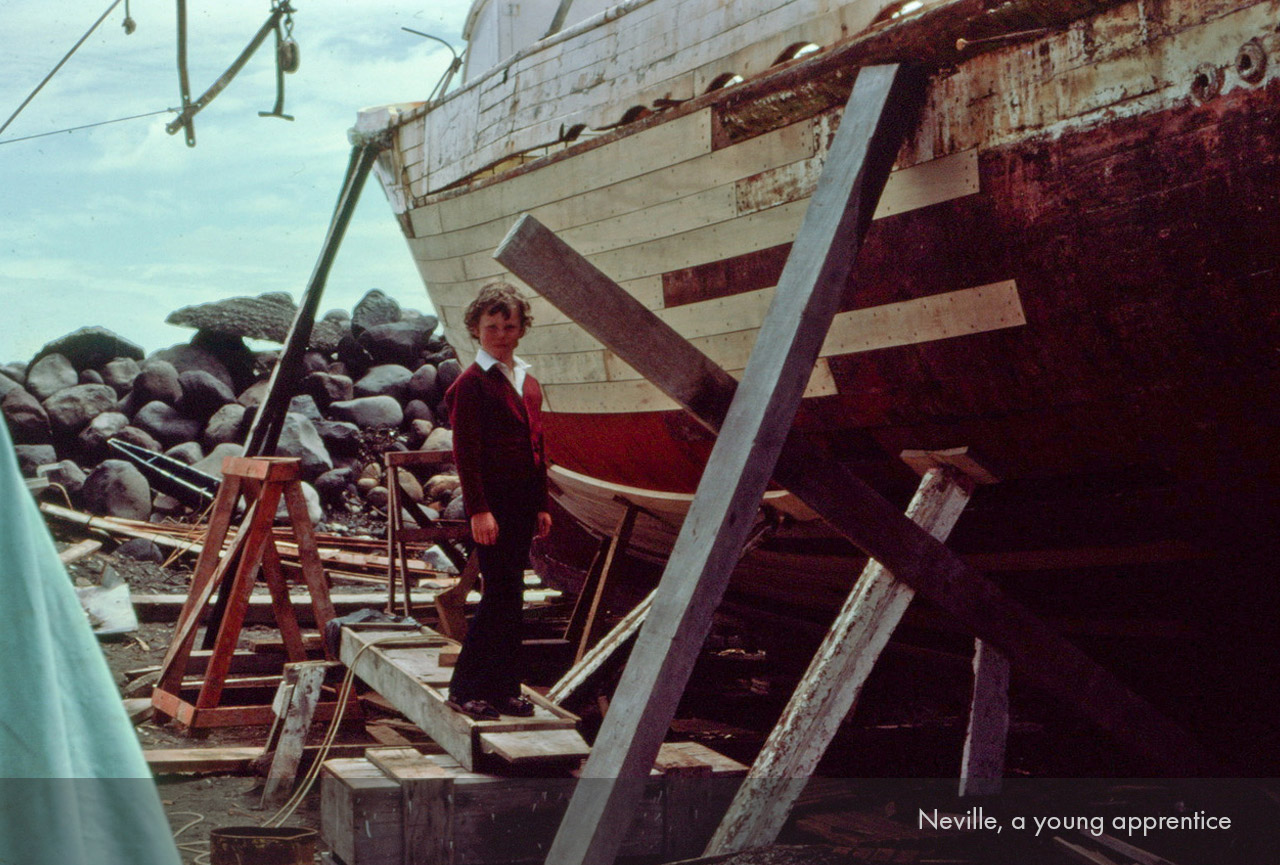
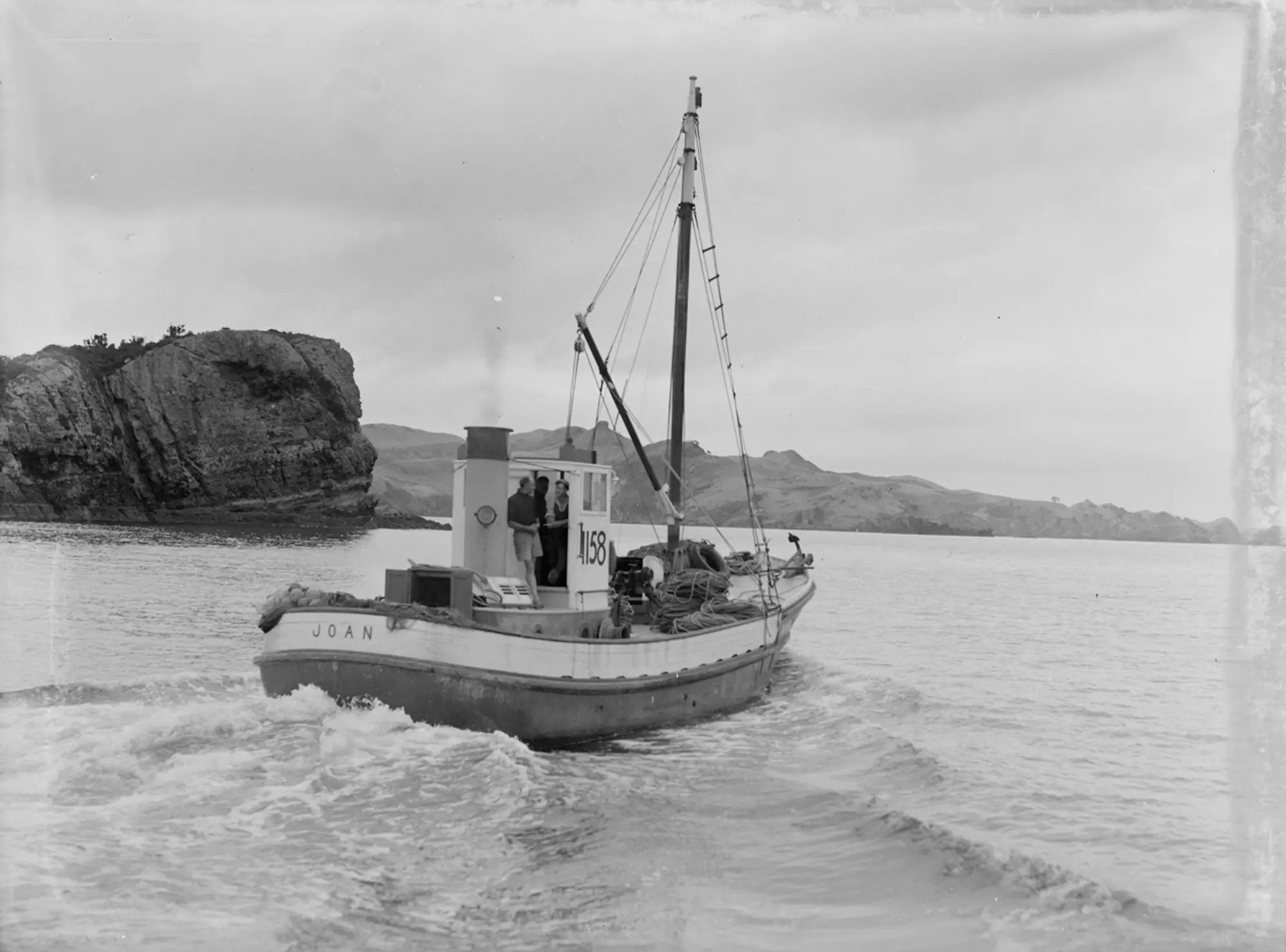
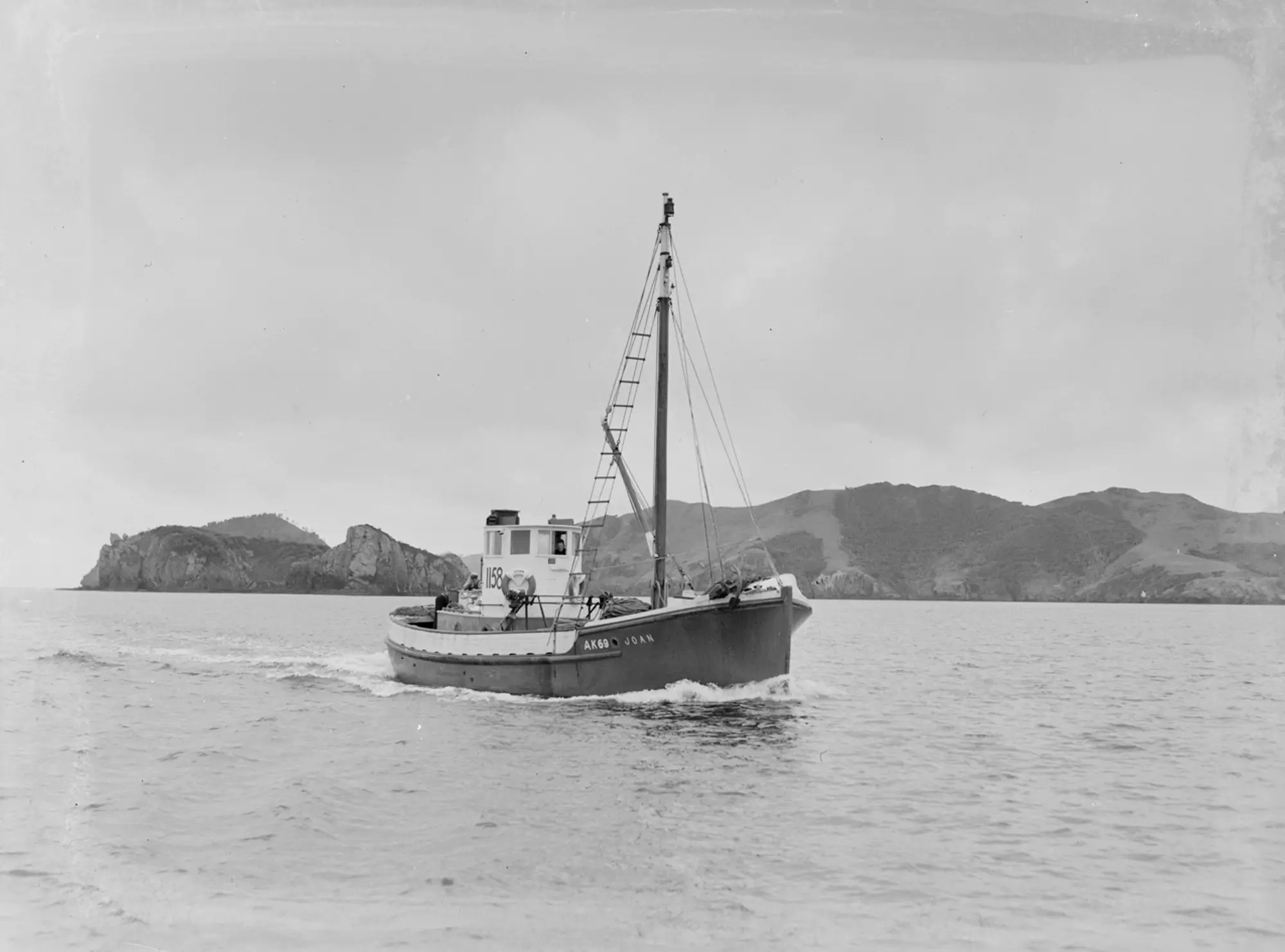
Todays story comes to us from John Gander via Dean Wright. John you may recall designed and built the two stunning double-ender 38’ kauri yachts Whisper and Time (sisters) that have appeared on WW. Today John shares with us the story of himself and Frank Derbyshire saving the 1935 Charles Bailey & Sons built fishing vessel – Joan from becoming firewood – I’ll let John tell us the story: (click on photos to enlarge)
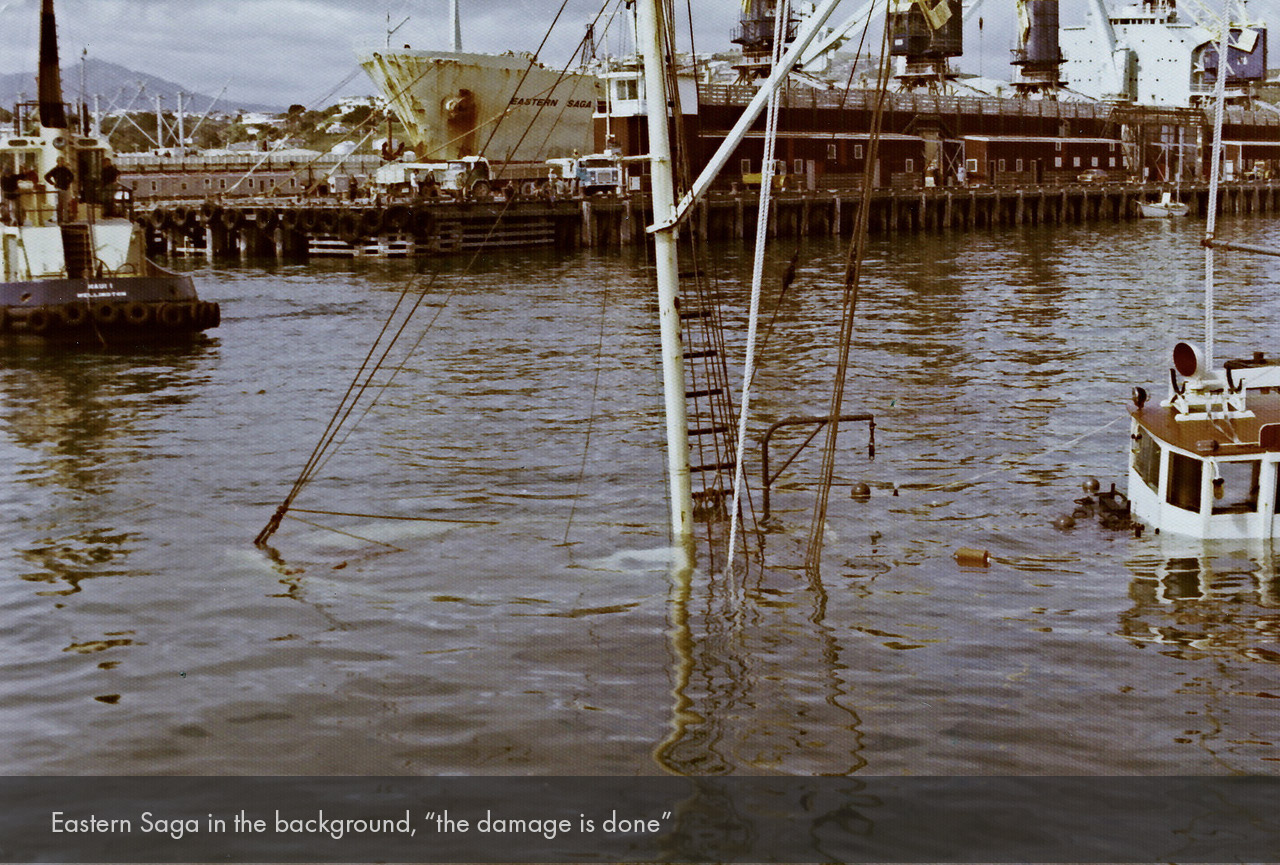
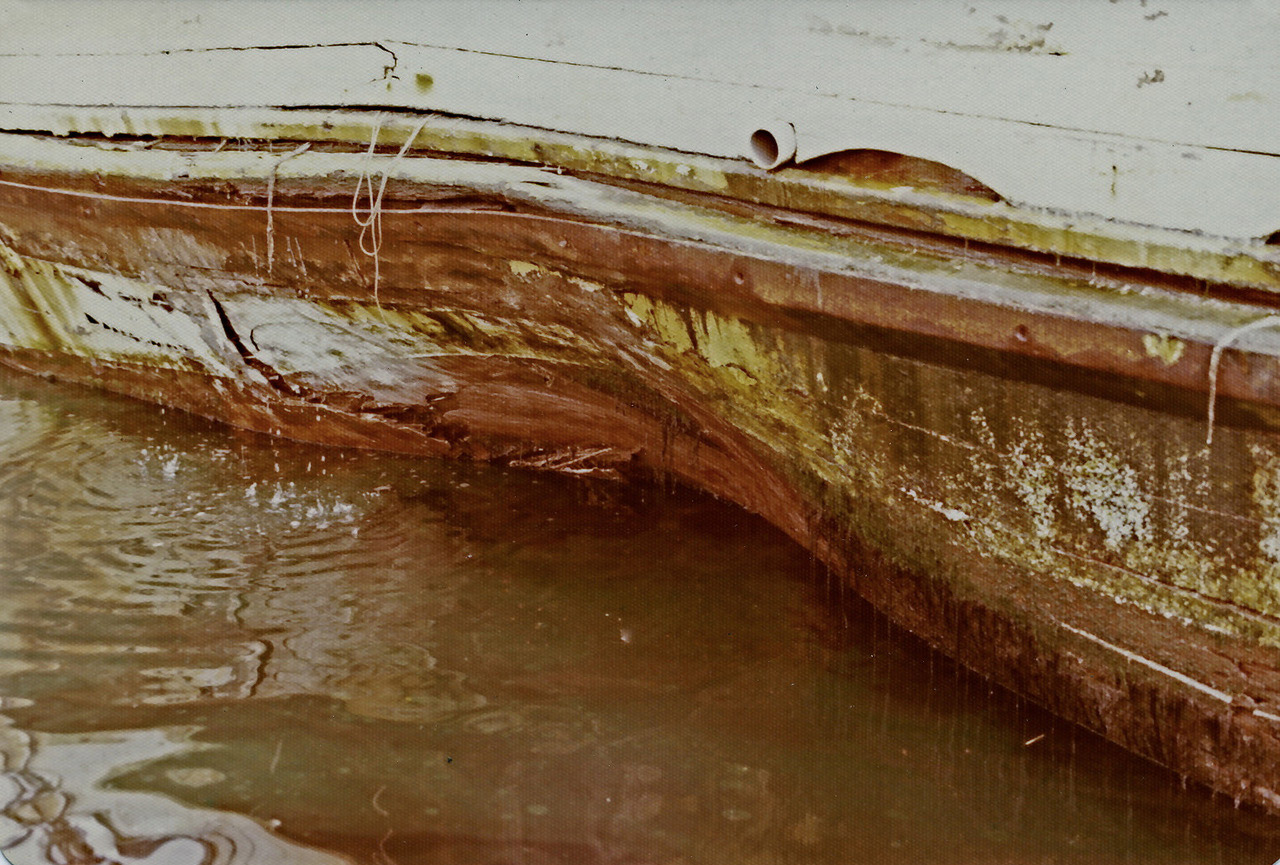
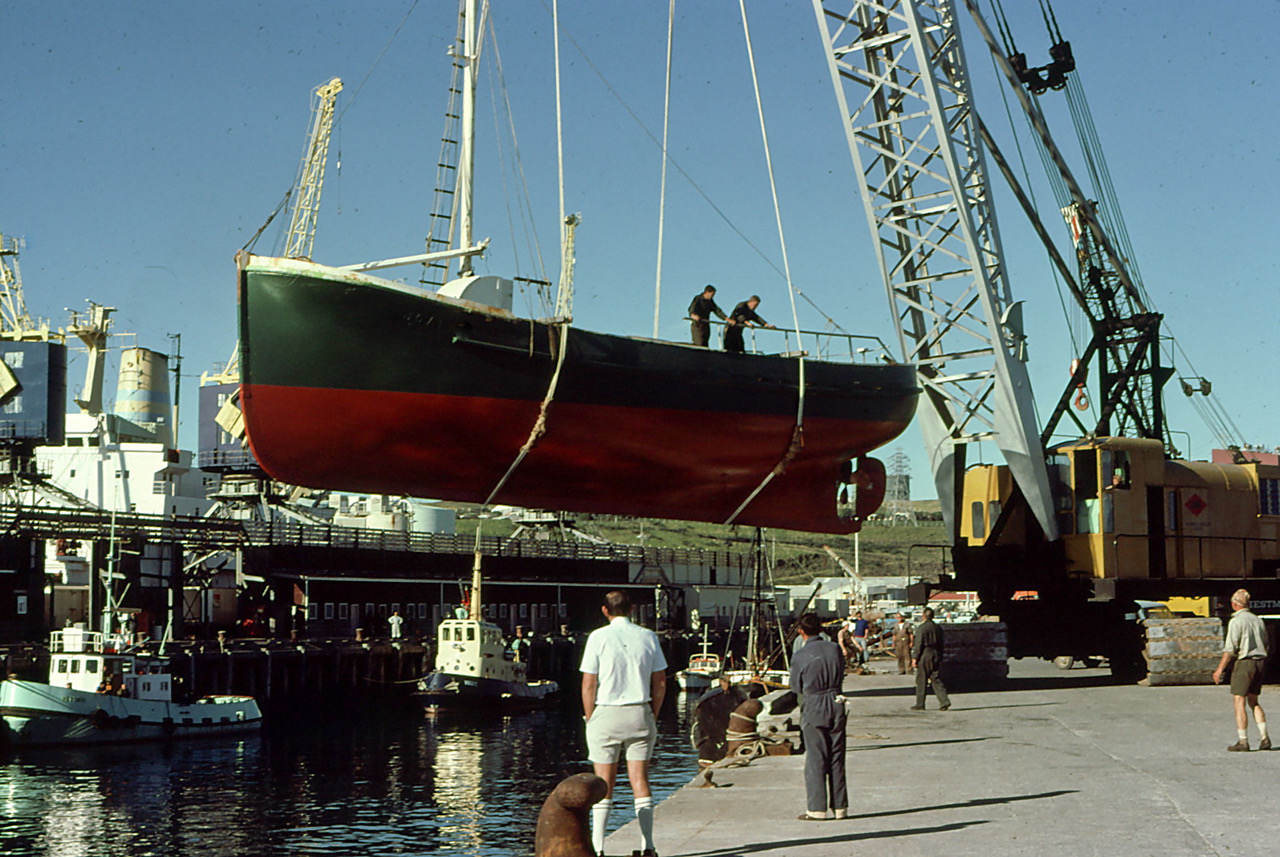
“About November 1975 Frank Derbyshire and I arrived at Port Taranaki from Picton having successfully tendered for the fishing vessel ‘Joan’ and her equipment. ‘Joan’ was moored alongside the wharf when struck by the bulbous bow of the phosphate ship “Eastern Saga” as the ship was being manoeuvred in the harbour. Joan suffered extensive damage and was crushed about amidships.
Prior to our arrival the vessel had been lifted onto the breakwater wharf, her wheelhouse had been removed and her 6L3B Gardner engine was on beds in a wharf workshop having been stripped down, cleaned, reassembled and run.
“Joan” is a triple skin vessel of about 35 tonnes, and thanks to Harold Kidd it is confirmed that she was built by Charles Bailey and Sons and launched on 14th October 1935. We weren’t familiar with New Plymouth but soon learned that if you can see the mountain it is going to rain and if you couldn’t see the mountain it was raining, however we did experience some fine weather.
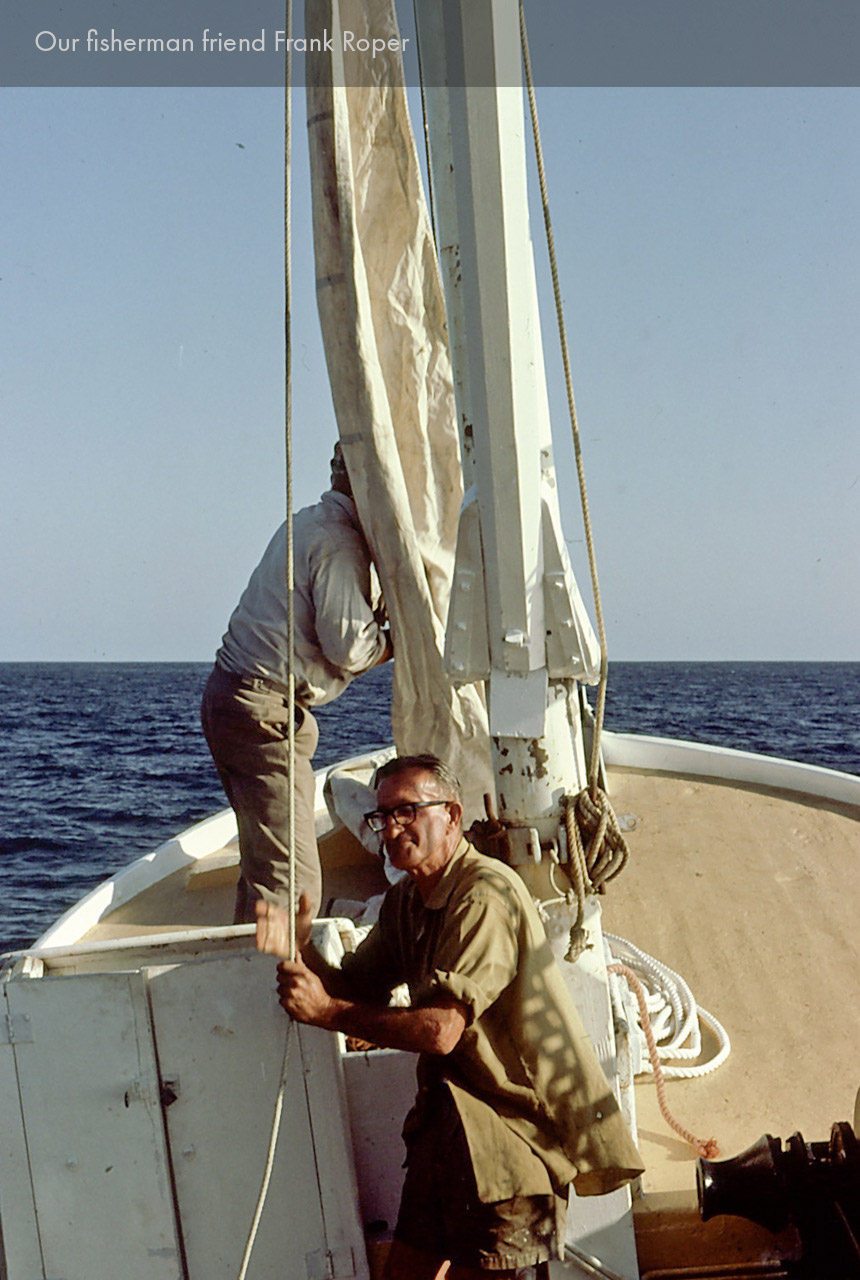
We were advised by a few sceptics to put a match to her, she will never go to sea again, however after a week or so into the repair and it was seen that we knew a bit about wooden boats some of those on local fishing boats and other workers about the wharf became very helpful when it came to advice on where best to procure some items we required during the repair. One person who was especially helpful to us was a retired fisherman Frank Roper. We learned that Frank was held in high regard by the local fishermen and was known to most on the wharf. He approached us saying in his retirement he needed something to do and could he help, and what a help he was.
After lifting the fuel and water tanks out it was Frank who chipped and wire brushed them, and applied a new cement wash to the inside of the water tanks and primed and painted the exterior, and while doing this he also stoked the fire for our steam box, this of course was when it wasn’t a problem to have a fire on the wharf at New Plymouth.
Prior to tendering for the vessel I had flown to New Plymouth for an inspection and made a note of the timber requirements to take to the job. For the inner skins we used Larch that was grown in the upper Awatere Valley Marlborough, and milled at Blenheim. Not such a common timber to use in New Zealand boatbuilding but we had the advice of Peter Jorgensen a Danish boatbuilder who knew Larch, we found it a good timber to work with and it steamed well.
After the initial inspection by the Marine Department wooden boat surveyor Bill Salter we set about clearing away the damaged section, this also entailed removing the freezer compartment and the cork insulation, and cutting scarfs in the stringers and gunwale well forward and aft.
The deck covering board was forced up during the impact but not damaged, we pulled this down into place, repaired the bulwarks, and from memory I think we replaced the outer planking with White Pine ( Kahikatea ) and Australian hardwood for the new belting, Metalex was a good wood preservative we used in those days, and red lead for priming paint.
We did have our share of rain but a bigger problem was salt spray during heavy westerly weather, this was before RCD’s were in vogue and electric tools were mostly metal, when the seas hit the breakwater and the fine salt spray wet the tools, it made one jump around a bit. But looking back on the job now we were lucky imagine asking a Port Company now if you could have a fire for the steam box on the wharf run a few power leads, and spread wheelhouse, tanks, and other ships gear about, and all this without a dozen orange cones and danger notices, yet we survived without mishaps.
With completion of repairs and a new Marine Department survey we left New Plymouth late afternoon bound for the Marlborough Sounds with Frank Roper aboard. Frank had fished the coast south to Cape Egmont and he regaled us with stories of fishing in the days of long lining before depth sounders, when after catching the fish they cleaned and gutted the catch on the way home.”
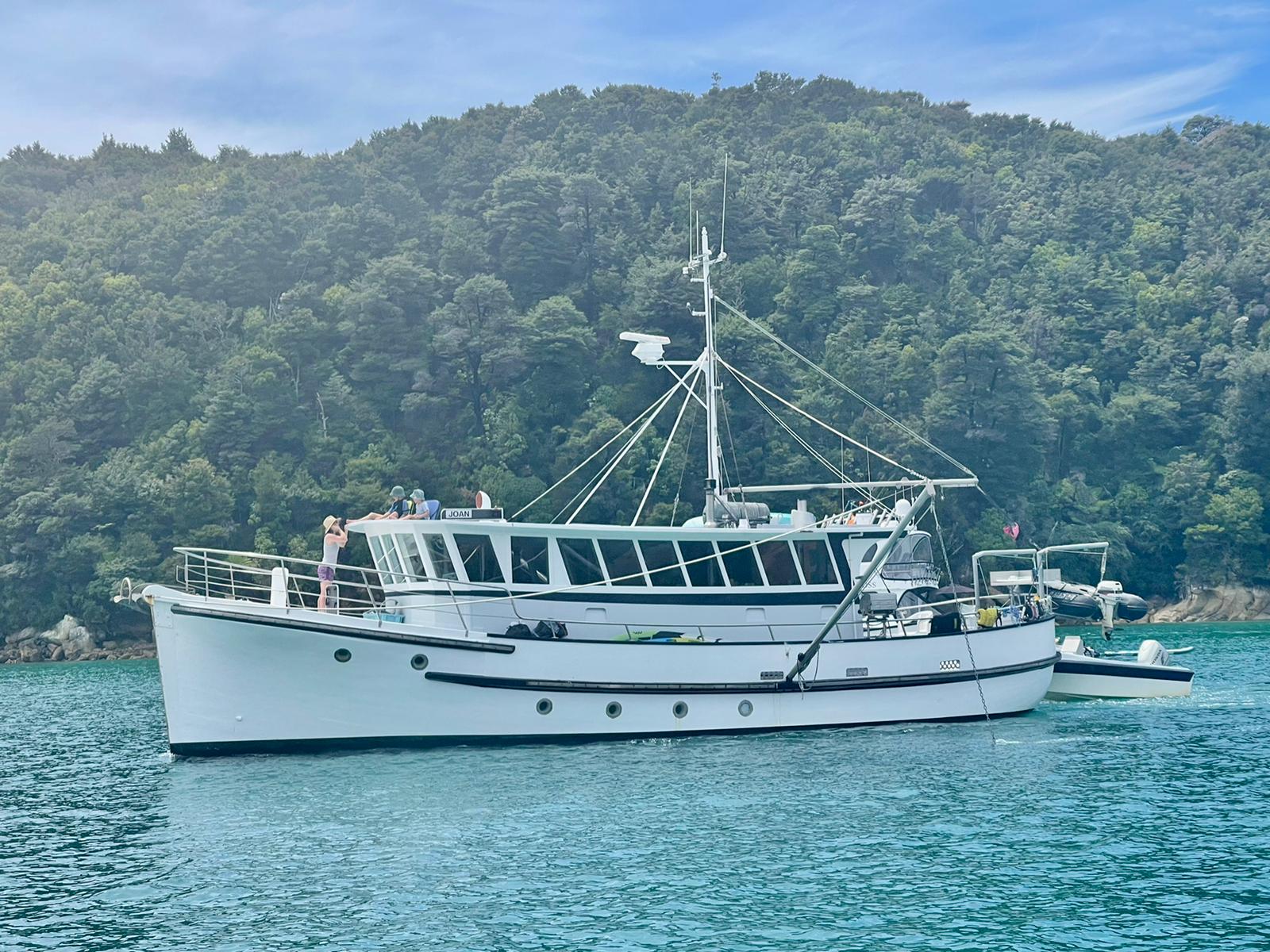
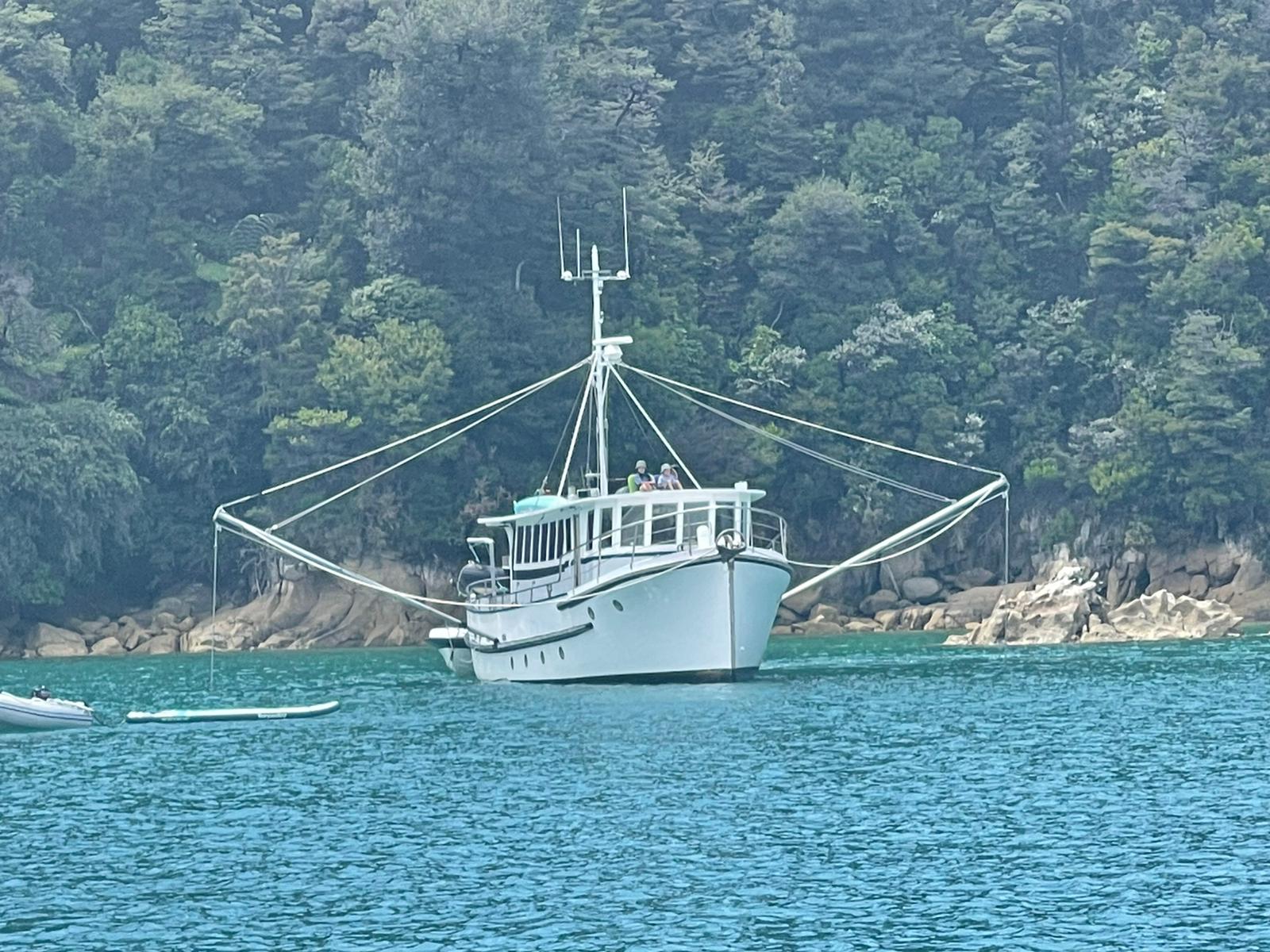
NEW INPUT FROM Chris Waide – We have owned Joan for 8 years now, has a 4/71 Jimmy, the hull is tight and sound, those guys must have done a great job of repairing her back then. Although the mishap on the West Coast was also on the port side, she was repaired at Guards Ship Yard with kahikatea but sat out in the rain for a few years and went rotten. She was then bought by Doug Valk, (a local boat builder) he put her in a paddock and completely rebuilt and converted to pleasure, refer photos below. The port side damage was repaired using Lawson cypress this time and Doug was helped by Andrew Candler who is a traditional shipwright, and is still a commercial vessel surveyor here in Nelson.Joan’s home these days is Motueka.
03-05-2022 Input from Dean Wright – photos below ex Auckland Museum collection
Motuhe – 1960 On the hard Okahu Bay 1961 – Gordon Newman (standing) Bottom of Waiheke – 1963Maraeti – 1963
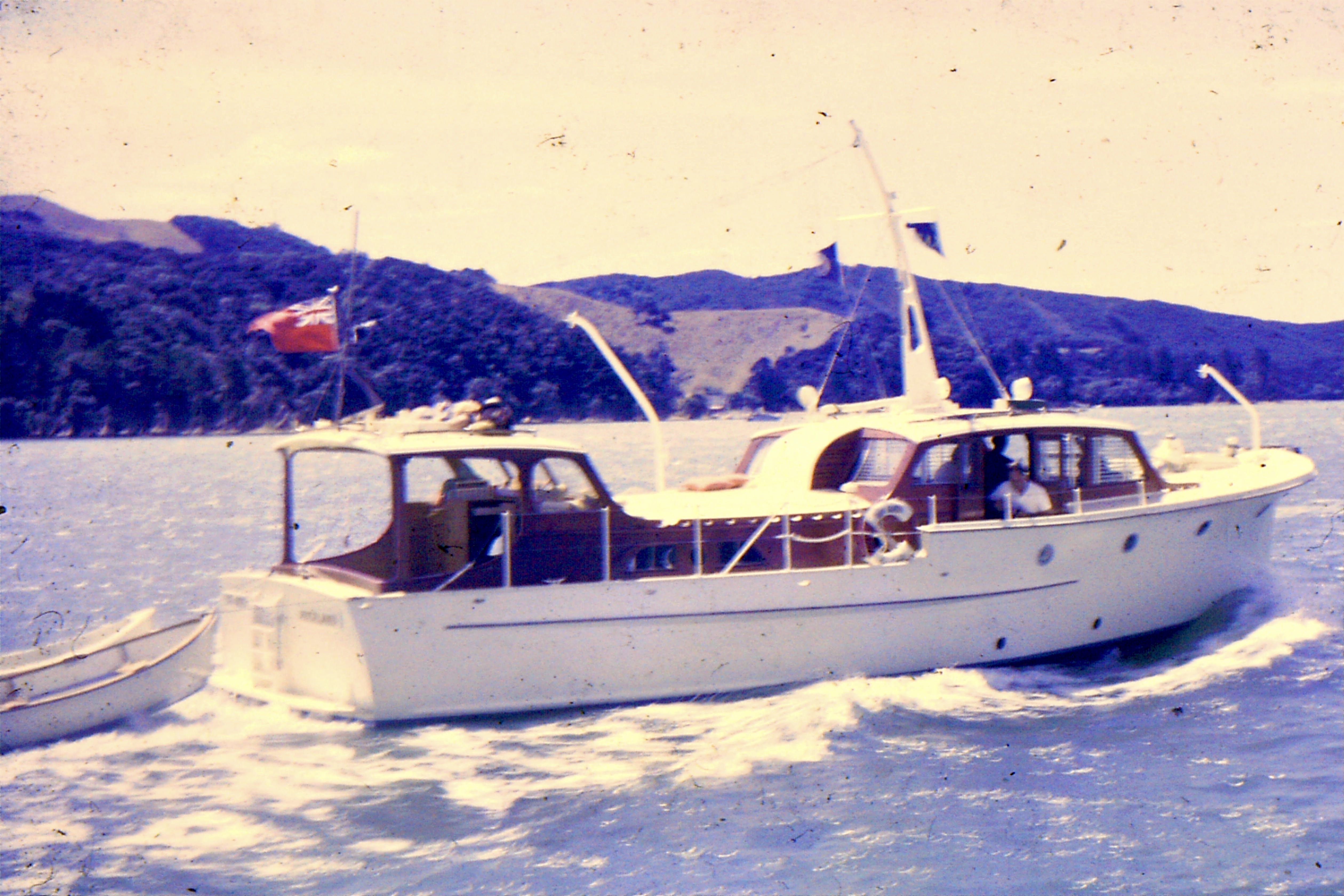
LADY KARITA – 1960’s Flashback Recently I was contacted by Robert Phillips in regard to the 1934 Sam Ford built 43′ classic launch – Lady Karita, Robert’s parents Jack and Zena Phillips owned Lady Karita for 14 year. They purchased her in 1957 in a very run-down state and during their ownership undertook numerous upgrade changes both internally and externally. Robert commented that he thought the WW readers would like some historical photos to continue to build to the current photographic heritage of Lady Karita on Waitemata Woodys.Some of those changes and upgrades, all done personally by Robert’s father, were as follows:-
Removal of the four forward bunks and installation of a slide out double bed and toilet and hand basin. Still there today.
Installation of a fridge in the galley and a stainless bench
Removal of the 105 hp petrol Gray marine engine and installation of a Leyland 75hp Diesel, ex truck engine, marinized and fitted with 2:1 Paragon gearbox plus Onan diesel generator. The exhaust for the diesel engine was unique in that is was routed up through the Bridge deck inside rear left window by the Safe, and across the top of the Bridge deck and up through the leading edge of a steel fabricated, galvanised and white painted mast on top of the Bridge deck, replacing the original wooden mast Since all replaced when upgrade later, by subsequent owner Jim Ratcliffe, who installed a 130hp 6 cylinder diesel Ford. The exhaust system and the Leyland diesel were extremely quiet and totally fume free at idle and when under way versus the transom exhaust of the original petrol engine. The power output was not high , but she still cruised happily at 8 knots and timed measured mile max of 10 knots. Various props, 3 blade and 4 blade, were experimented with, and I think the 4 blade was settled on. Average fuel consumption over 9 years for the Leyland was 1.75 gallons/hour versus 4.5 gallons per hour for the Gray marine petrol engine.
Installation of a freezer in the rear right hand seat box in the Bridge deck. It was almost too effective. On the 31/2 hour run to Kawau from Westhaven the freezer would totally freeze beer and lemonade bottles sometimes blowing them apart.
A unique galvanised steel bow (removed by later owners) seamlessly overlaid and attached to the original wooden bow stem to give a forward angle in side profile versus an almost rearward dreadnought look of the original bow stem. You can see it in some of the photos above.
Installation of an ex-war assets auto pilot and Furuno depth finder. The auto pilot worked well but found it a little hard in a following sea to keep up.
Attachment of the rear transom duck board/landing platform and removable step ladder for swimming from the platform that went down into the water.
Removal of a rear auxiliary steering column and engine control in the left side of the cockpit shelf, used for game fishing in the 1950s.
Robert apologised for some of the photo’s lack of sharpness but some them are 60+ years old. He also asked that I commend all subsequent owners for the sympathetic and well thought out, further upgrades over time. She always was a lovely looking boat and looks even better now. Robert has undertaken to send in more photos soon, so fingers crossed 🙂
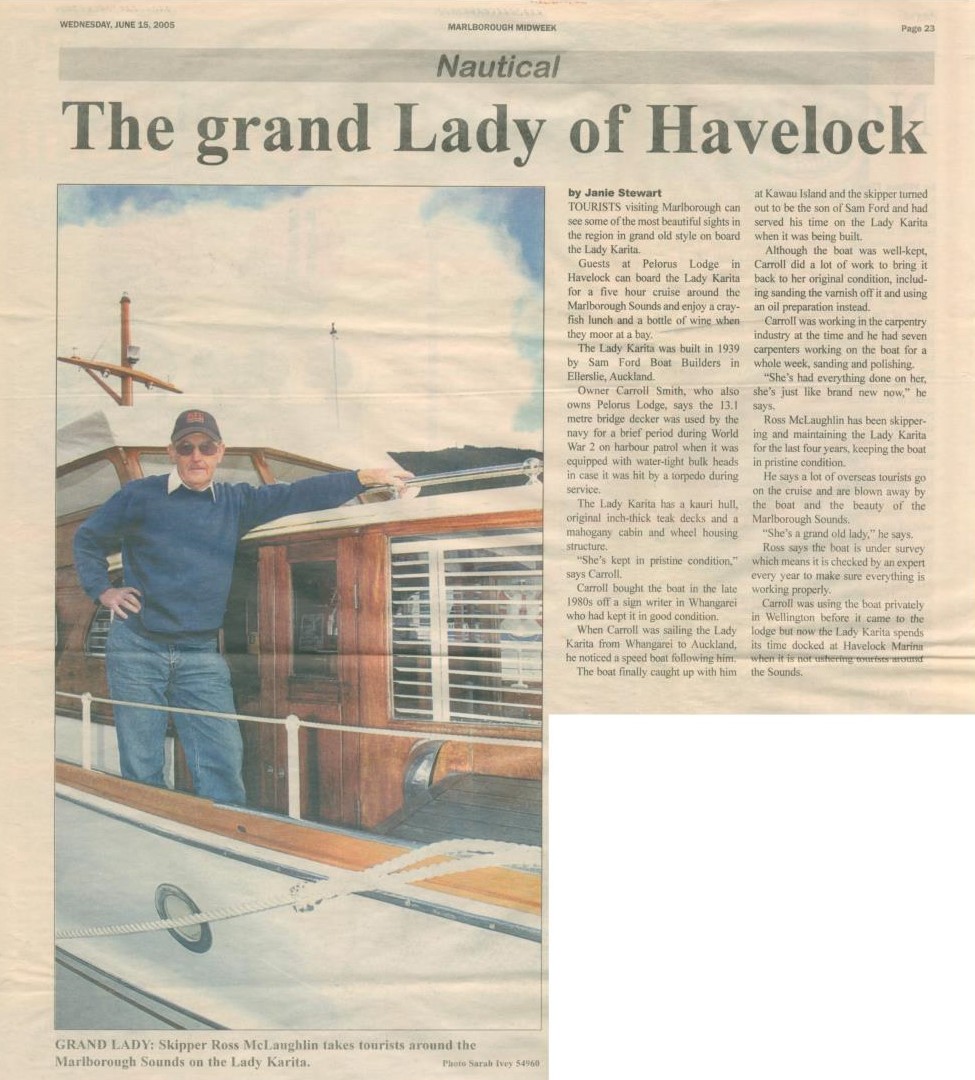
27-04-2022 NEW INPUT – from Mark McLauglin (as told by Mark)
“The attached Marlborough Express newspaper feature contains a few factual errors in it (i.e Harold Kidd confirmed years ago that Lady K had ID numbers during WWII, as did most launches at the time, but she was never commandeered in the NAPS as incorrectly stated here, and I have never seen any evidence of watertight torpedo-proof bulkheads in her either! I also doubt the teak decks (now sensibly replaced by new owner Murray Shaw) were original. Otherwise the article might be of some interest as it records a significant period in Lady K’s life for the 30 plus years since she left the Auckland/Northland region in the late 1980’s.
Sadly my father passed away last year but he was caretaker and skipper of Lady Karita in Havelock from 2001 until she was sold to current owner, Murray Shaw in 2016. The owner during this period was Dad’s cousin, Carroll Smith, who operated the Pelorus Lodge in Havelock. Guests at the exclusive lodge were treated to a complimentary picnic cruise on Lady Karita, usually to Chance Bay in the Pelorus Sound, but occasionally up the Kenepuru Sound as well. I crewed on her quite often with Dad and took some of the other photos of her featured elsewhere on WW during this time – she is certainly a spectacular classic vessel and a fine example of Sam Ford’s work. A number of prominent overseas guests cruised on Lady Karita during this period, including ex-pat Havelock old boy Sir William Pickering, who was a well-known figure in the space race with NASA in the 1960’s. Sir William enjoyed a great day out on Lady K during his final visit back to NZ.”
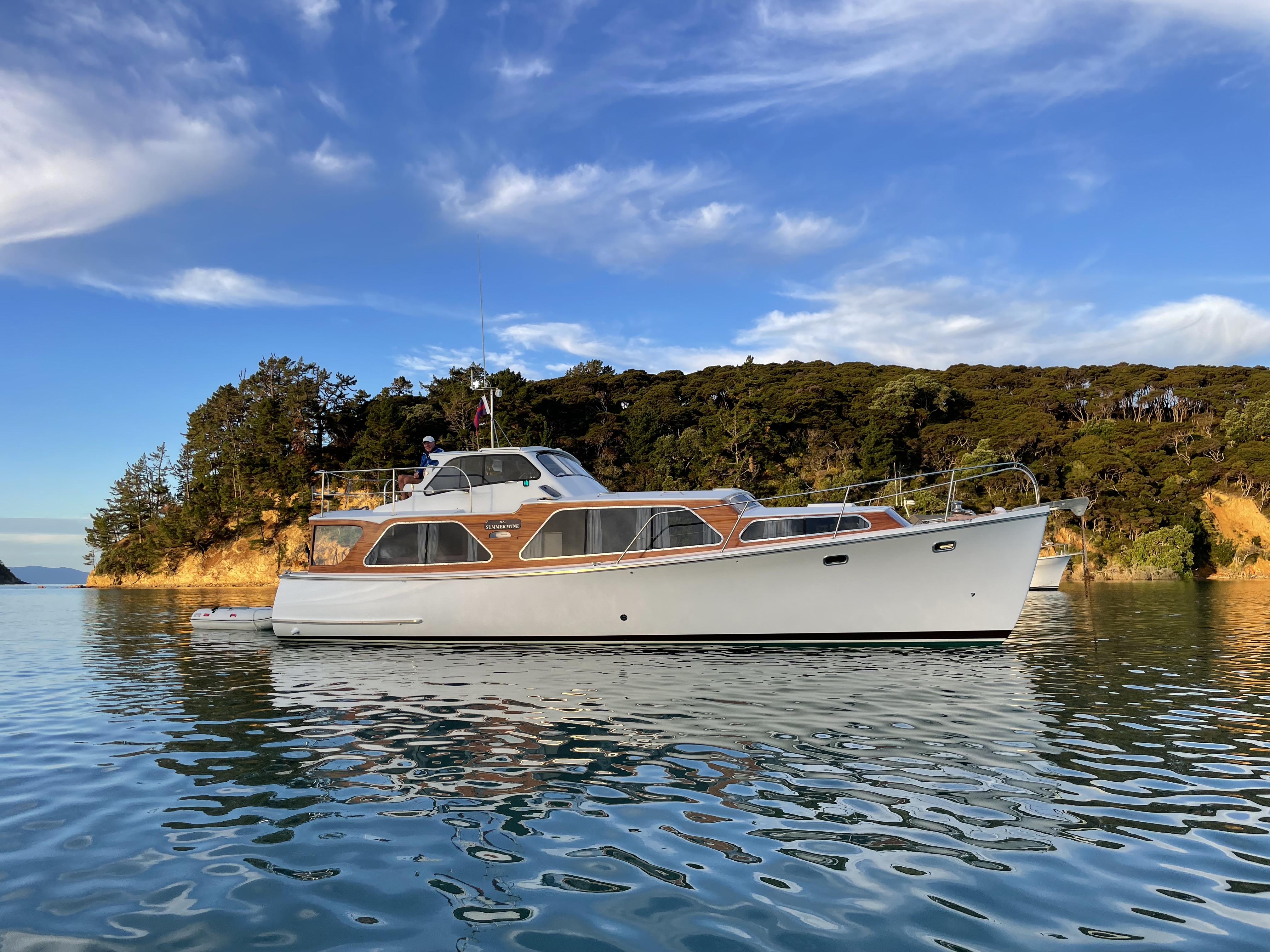
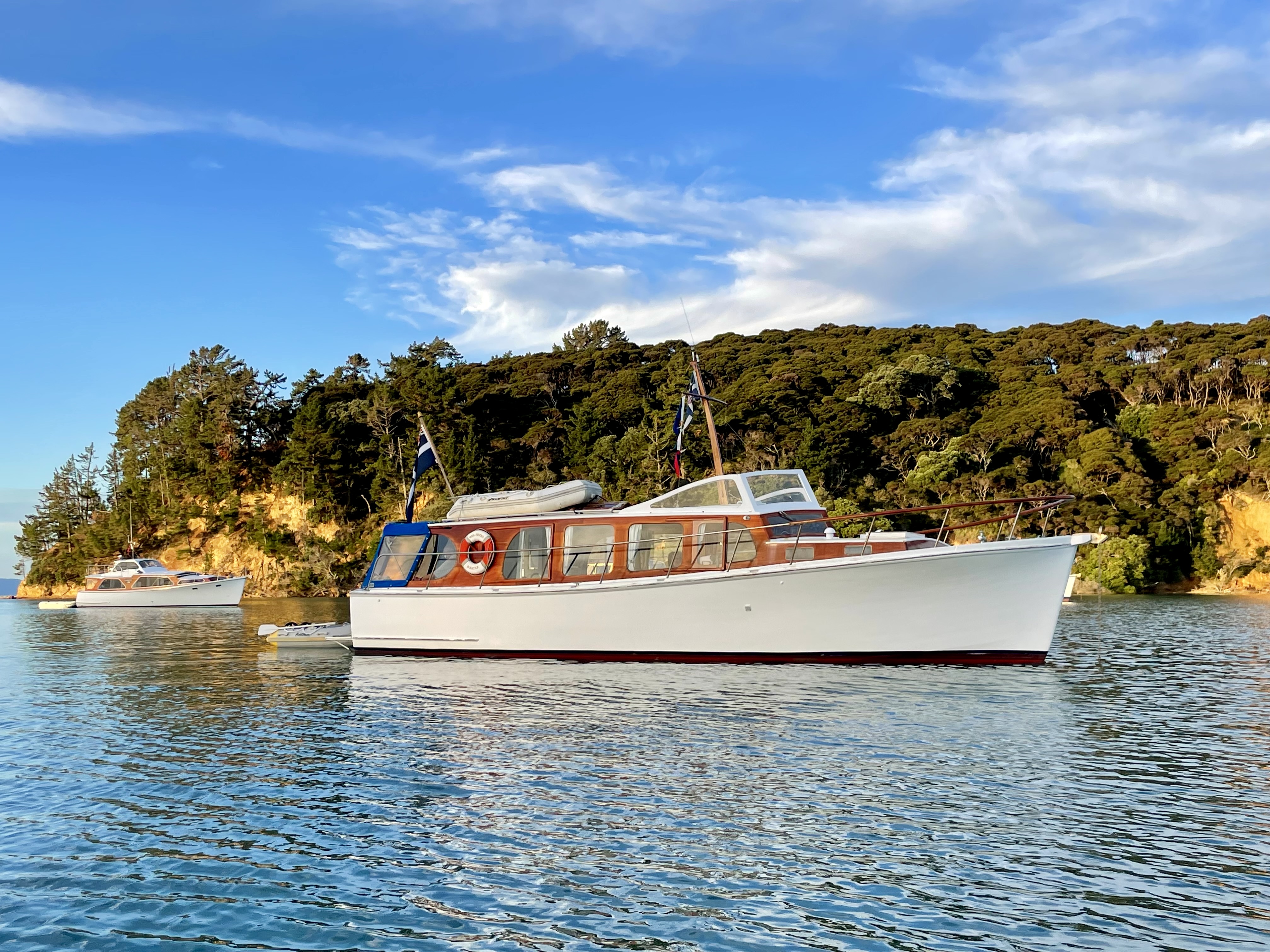
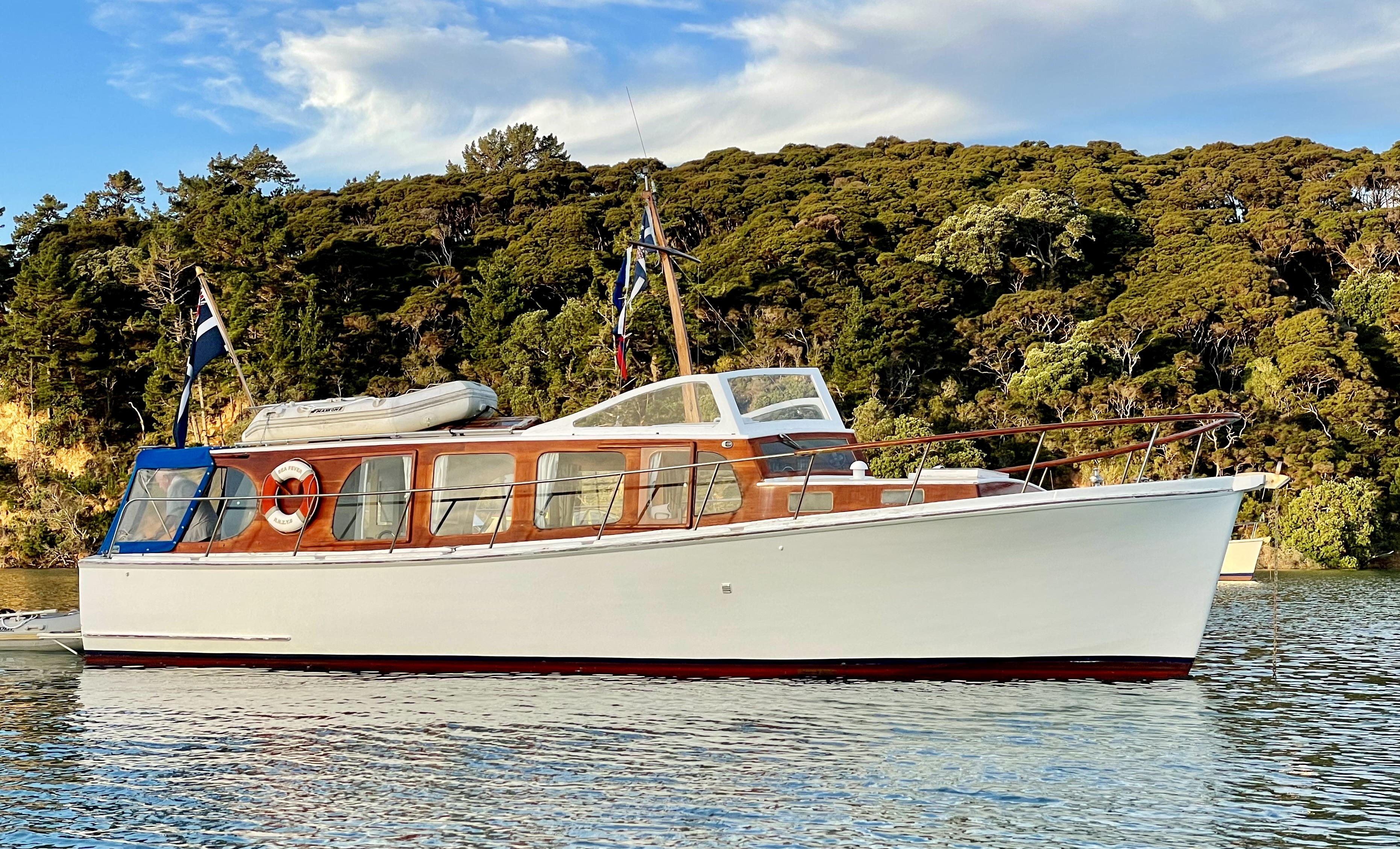
Bottom end of Waiheke Island Chamberlains BaySummer WineSea Fever
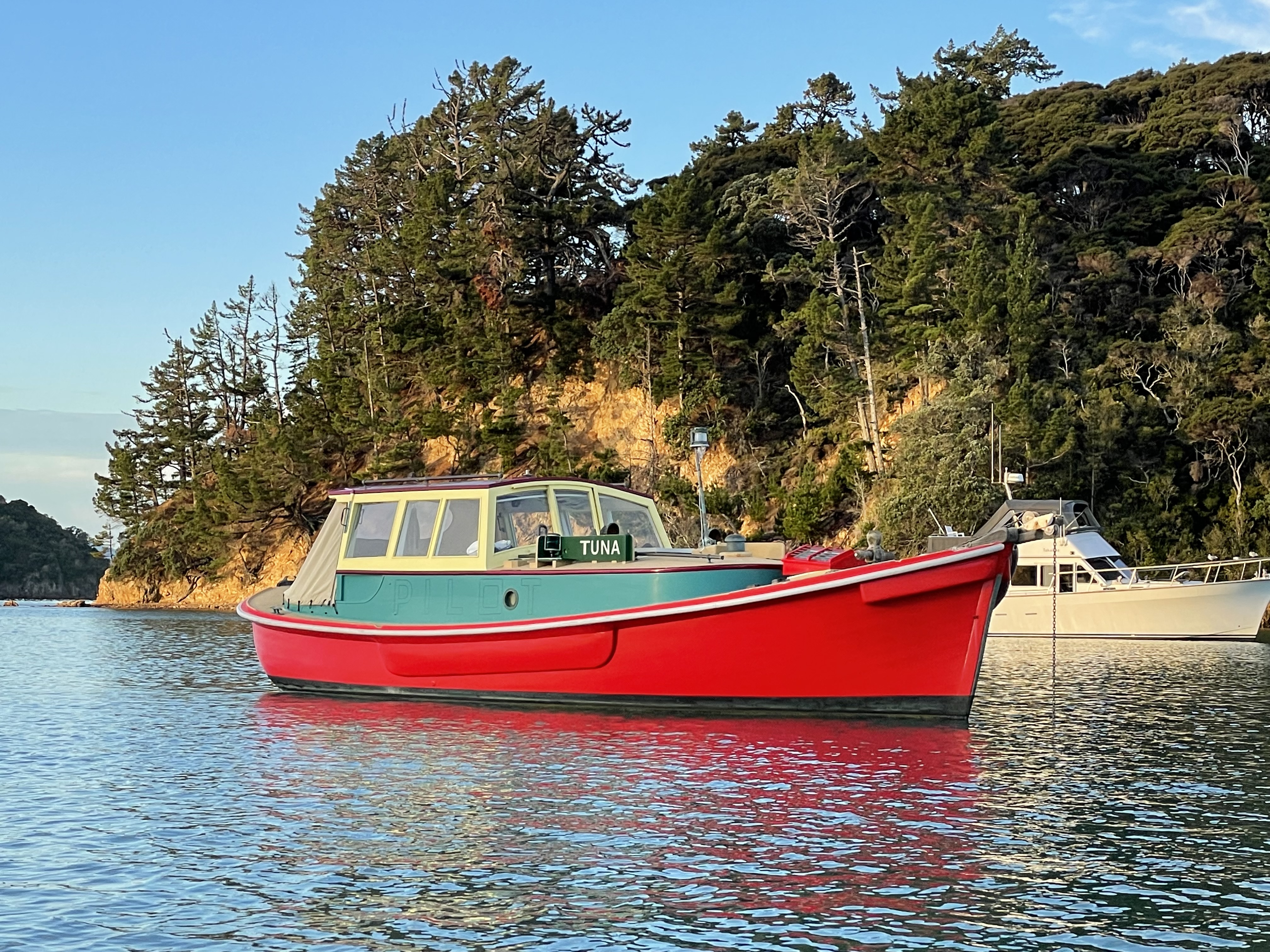
Tuna
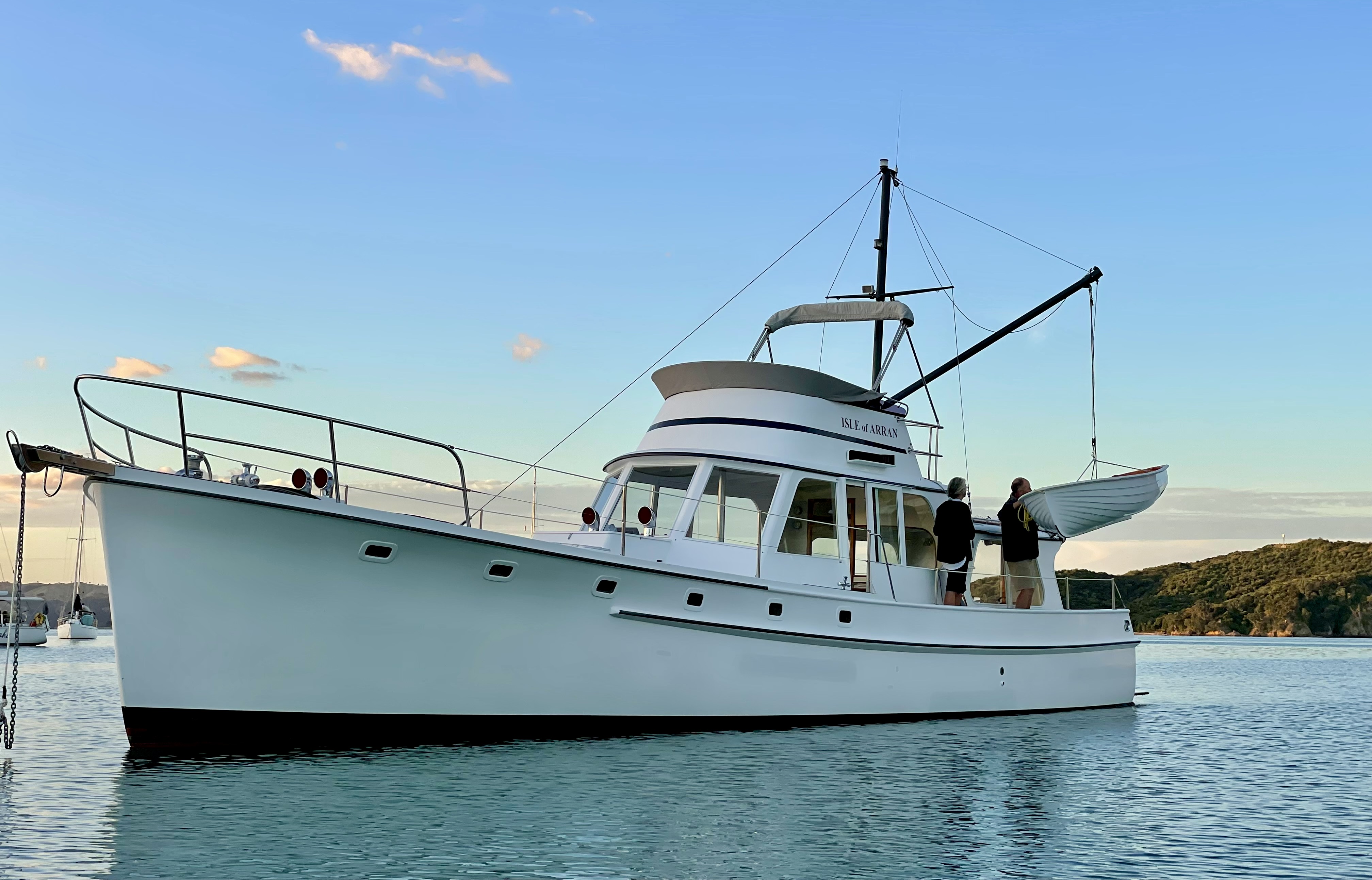
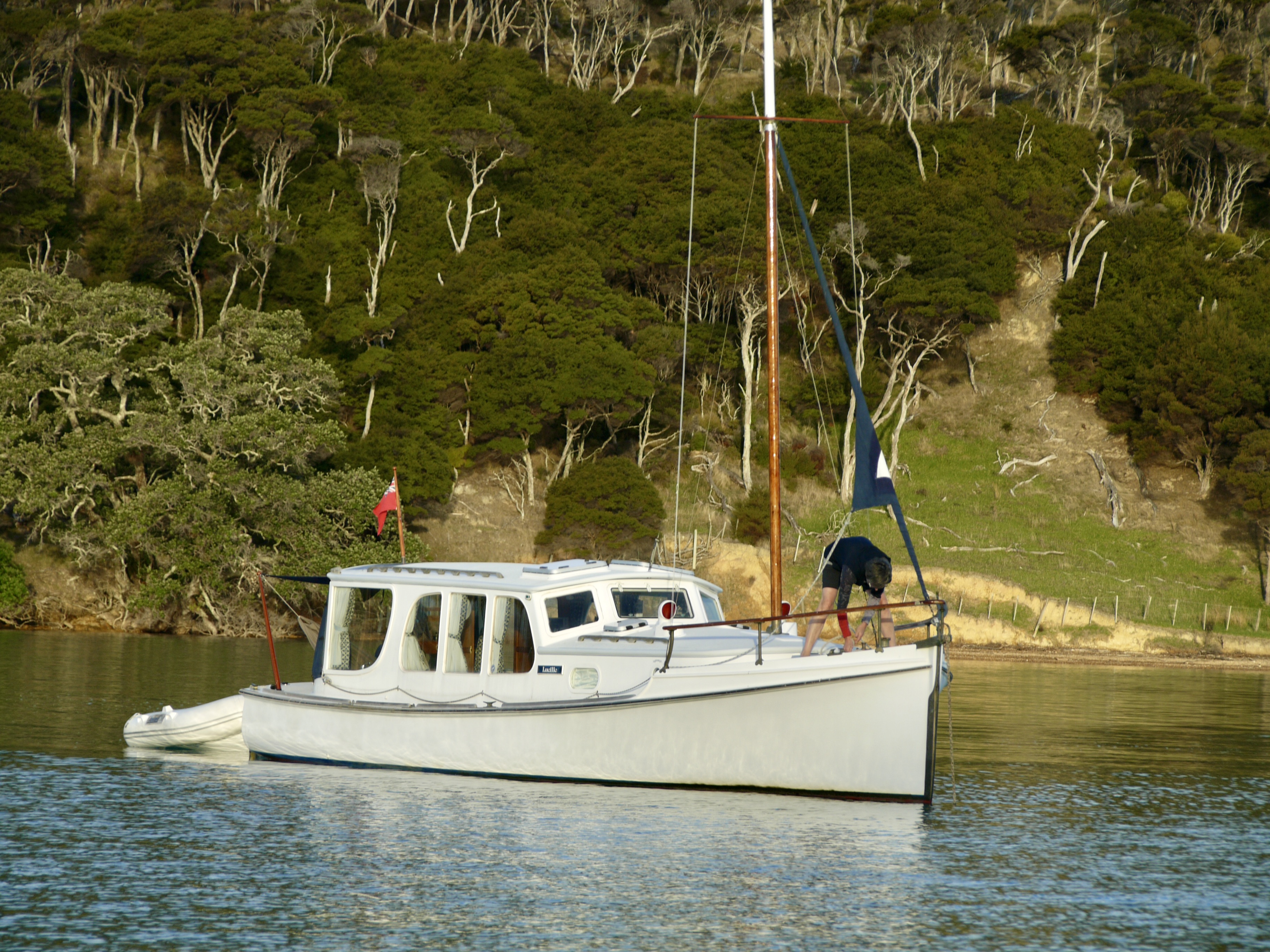
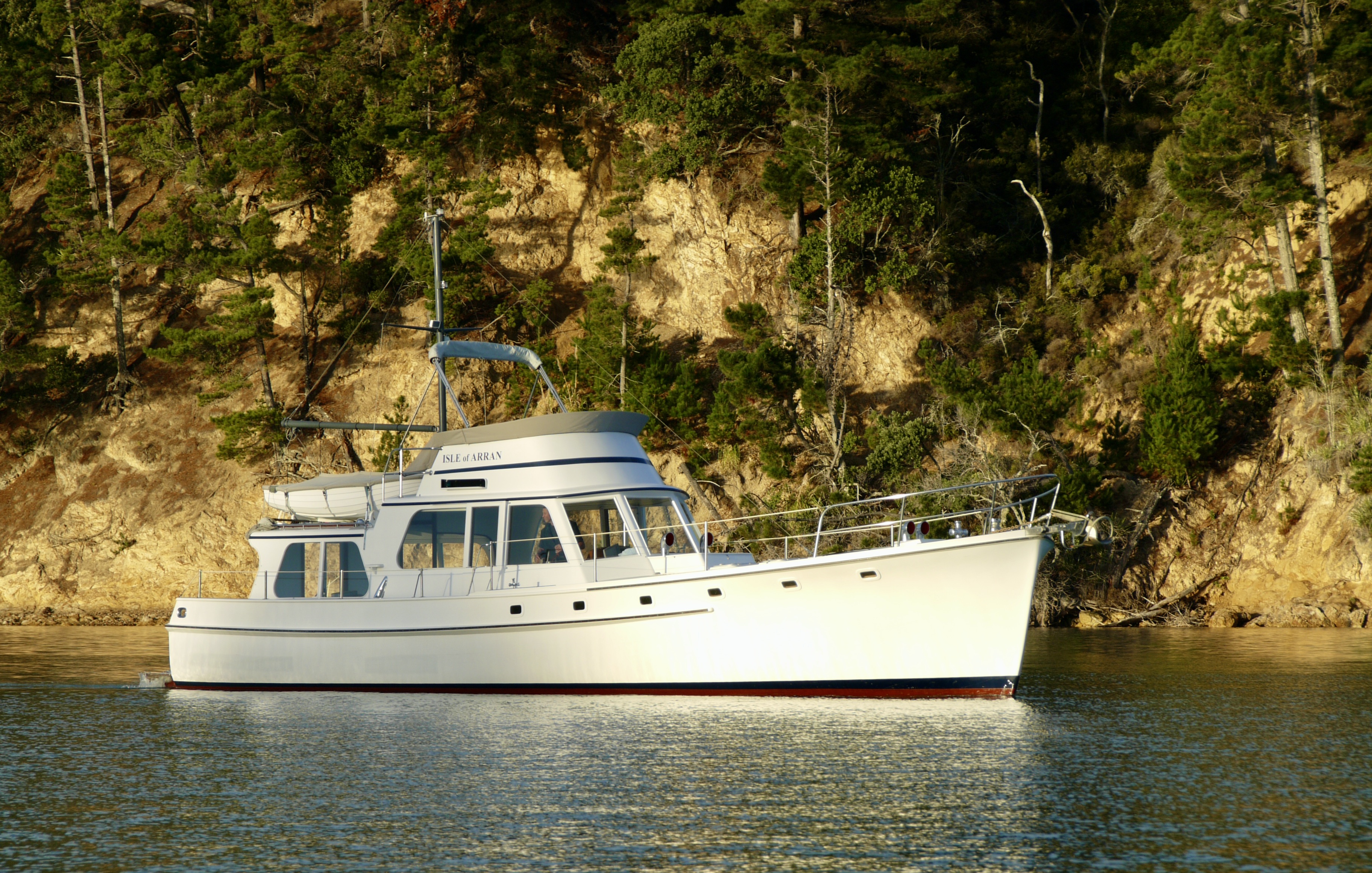
Isle of ArranAwarikiLucille
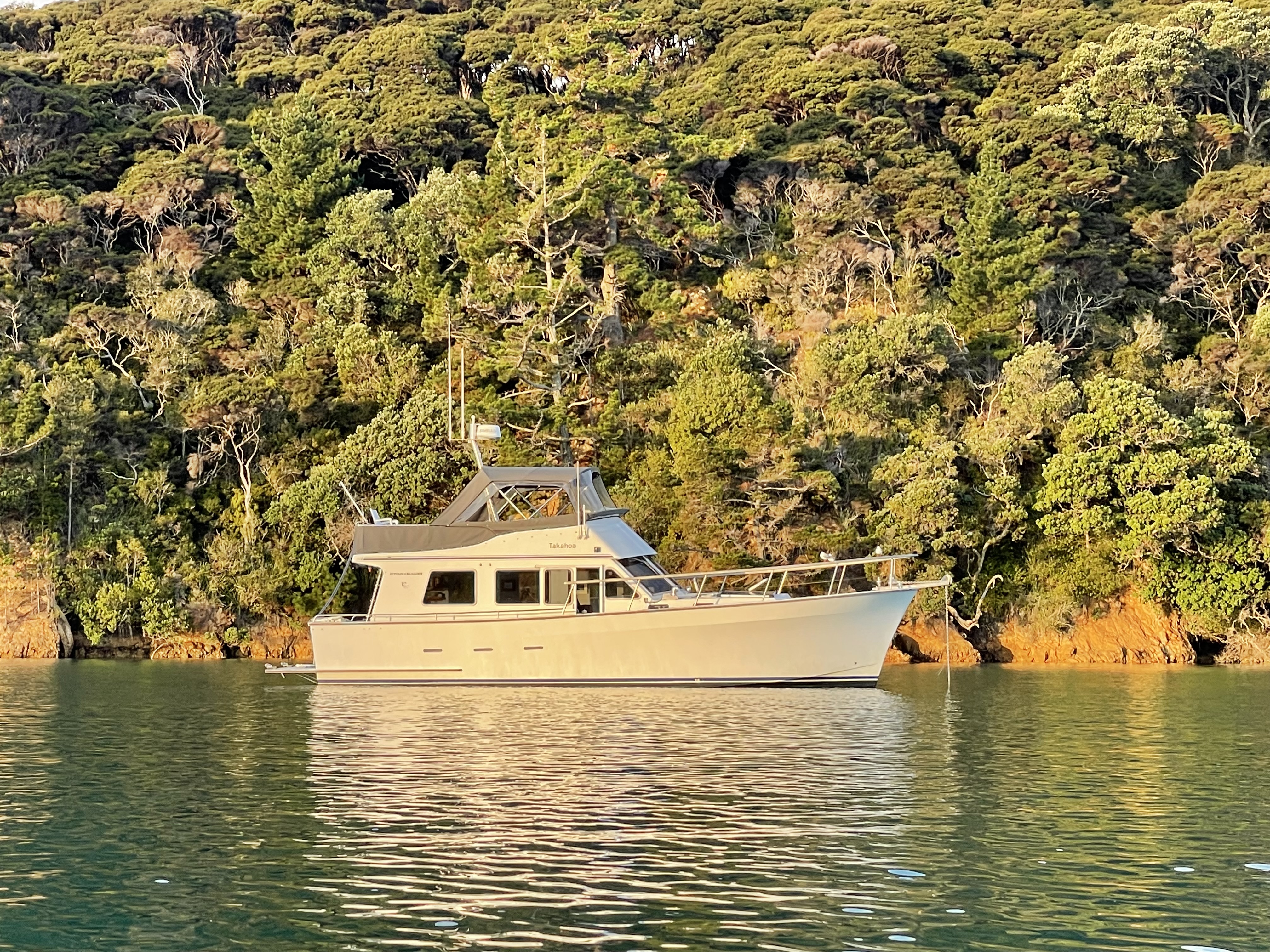
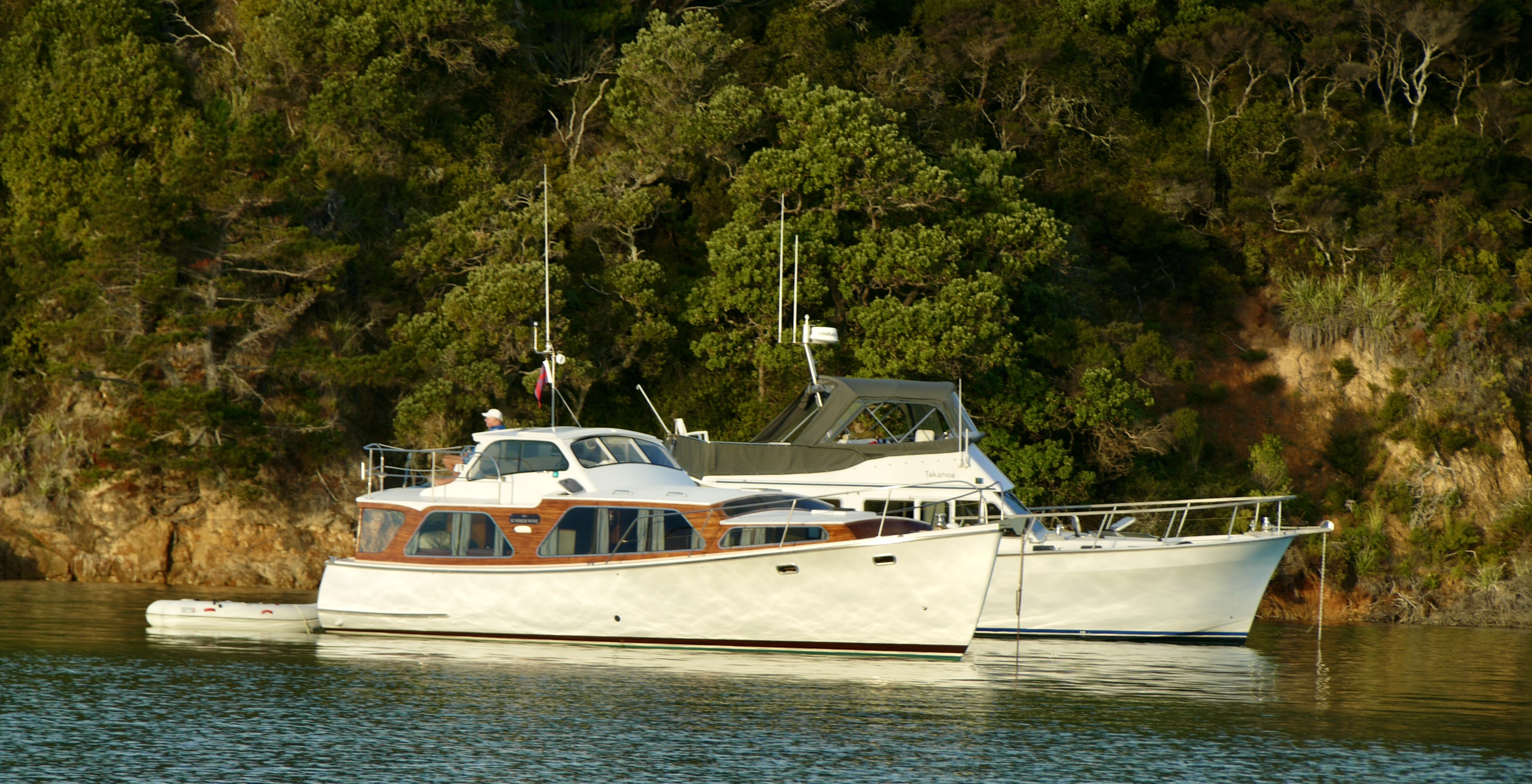
Summer Wine & Takahoa
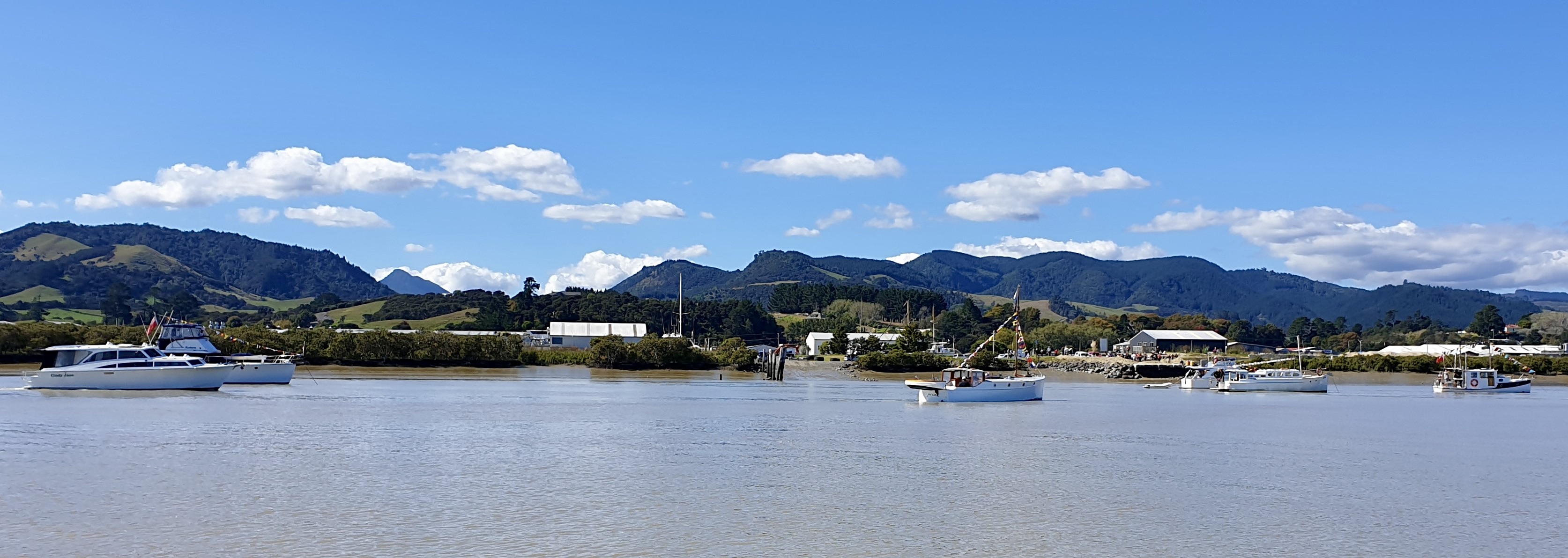
Chamberlains Bay Classic Launches – Golden Hour
The truely talented boating photographers talk about the ‘golden hour’, the period just before sunset and just after dawn. Rarely in a bay is it an hour, sometimes it is 10>15 minutes before the sun disappears behind the hills or clouds.
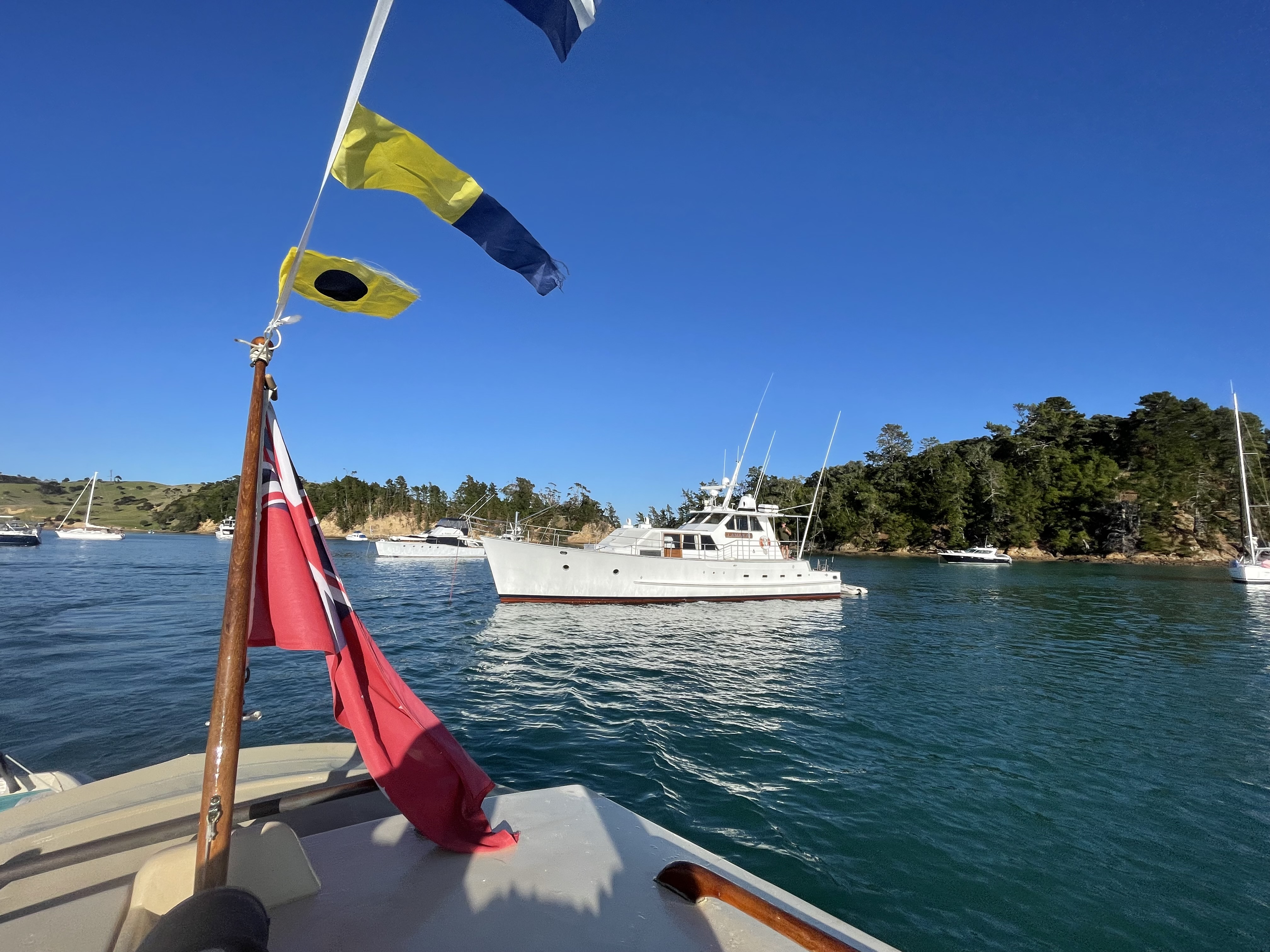
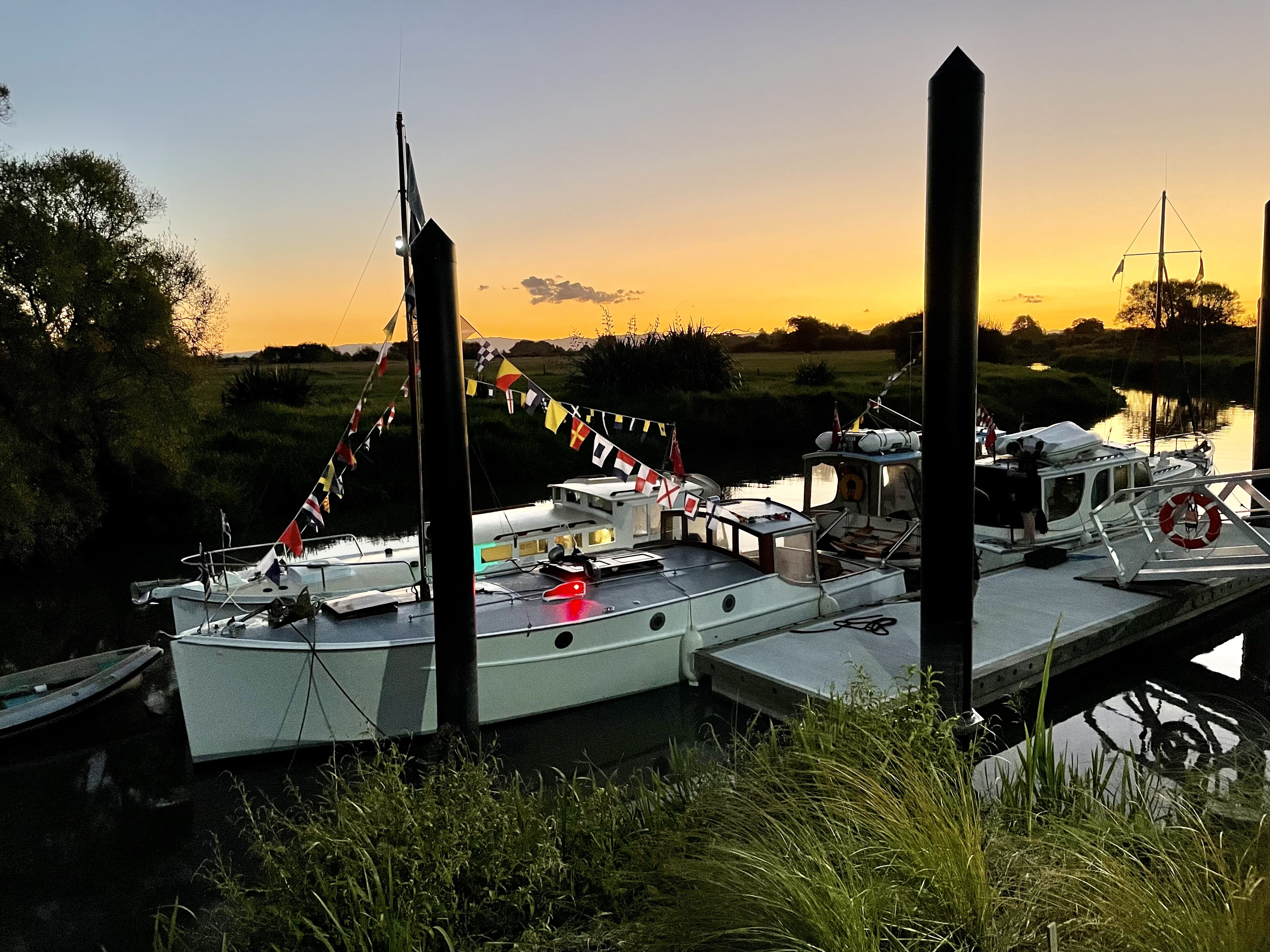
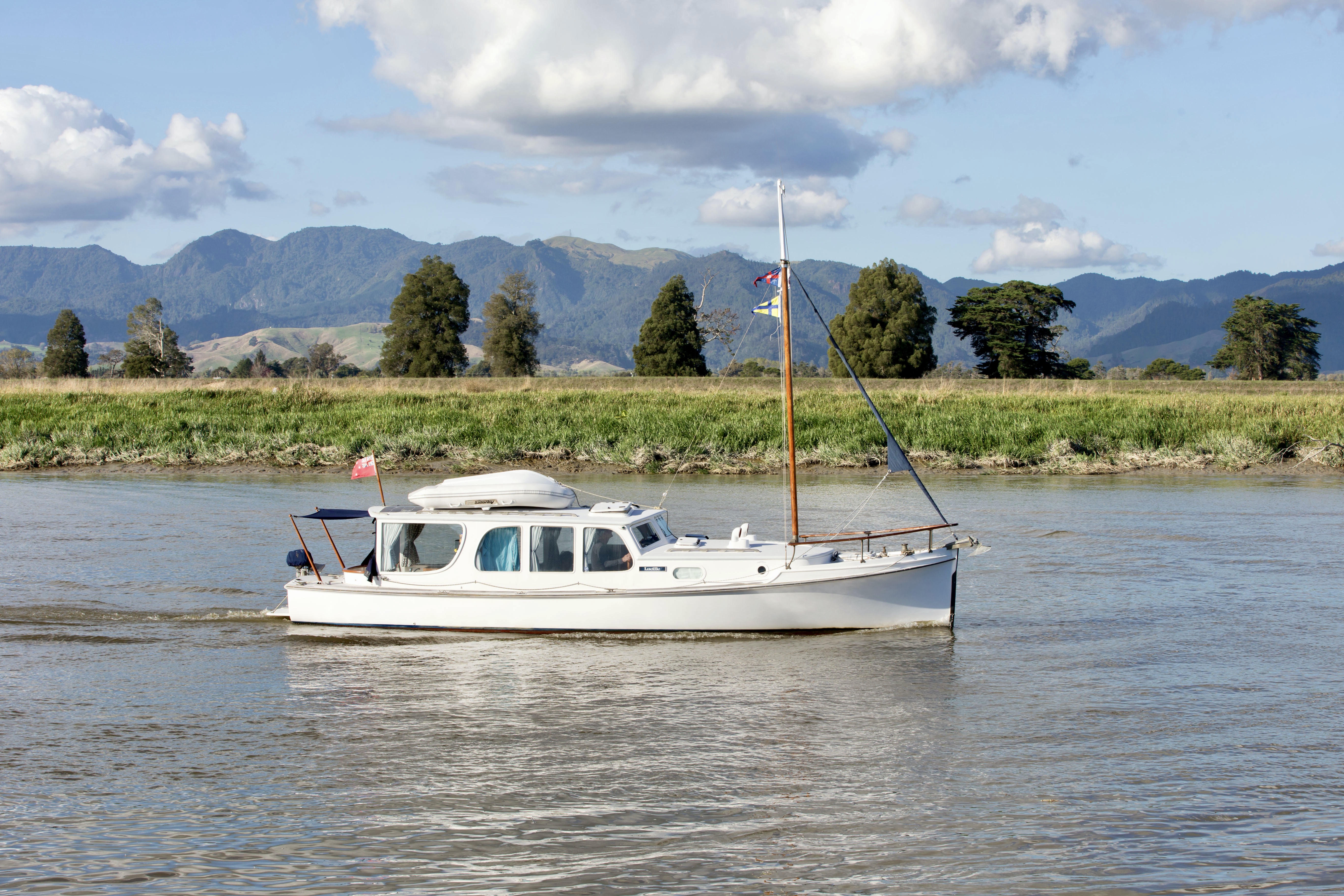
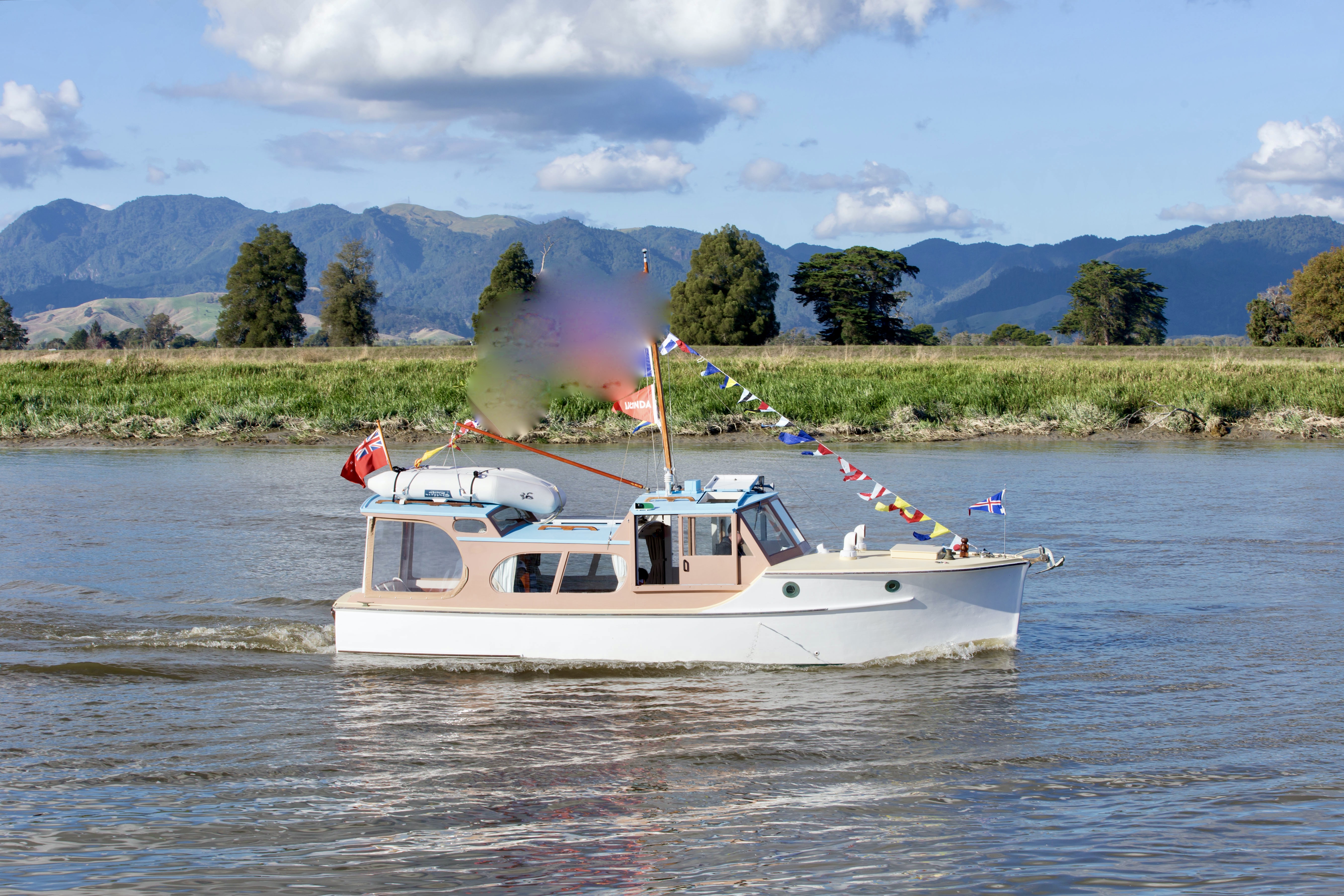
On the Thursday before Easter, this average photographer (me) arrived in Chamberlains Bay, Ponui Island at just the right time and captured some special photos of the woody launches gathering for the Woody Classics Weekend cruise the next day up the Waihou River to Paeroa.
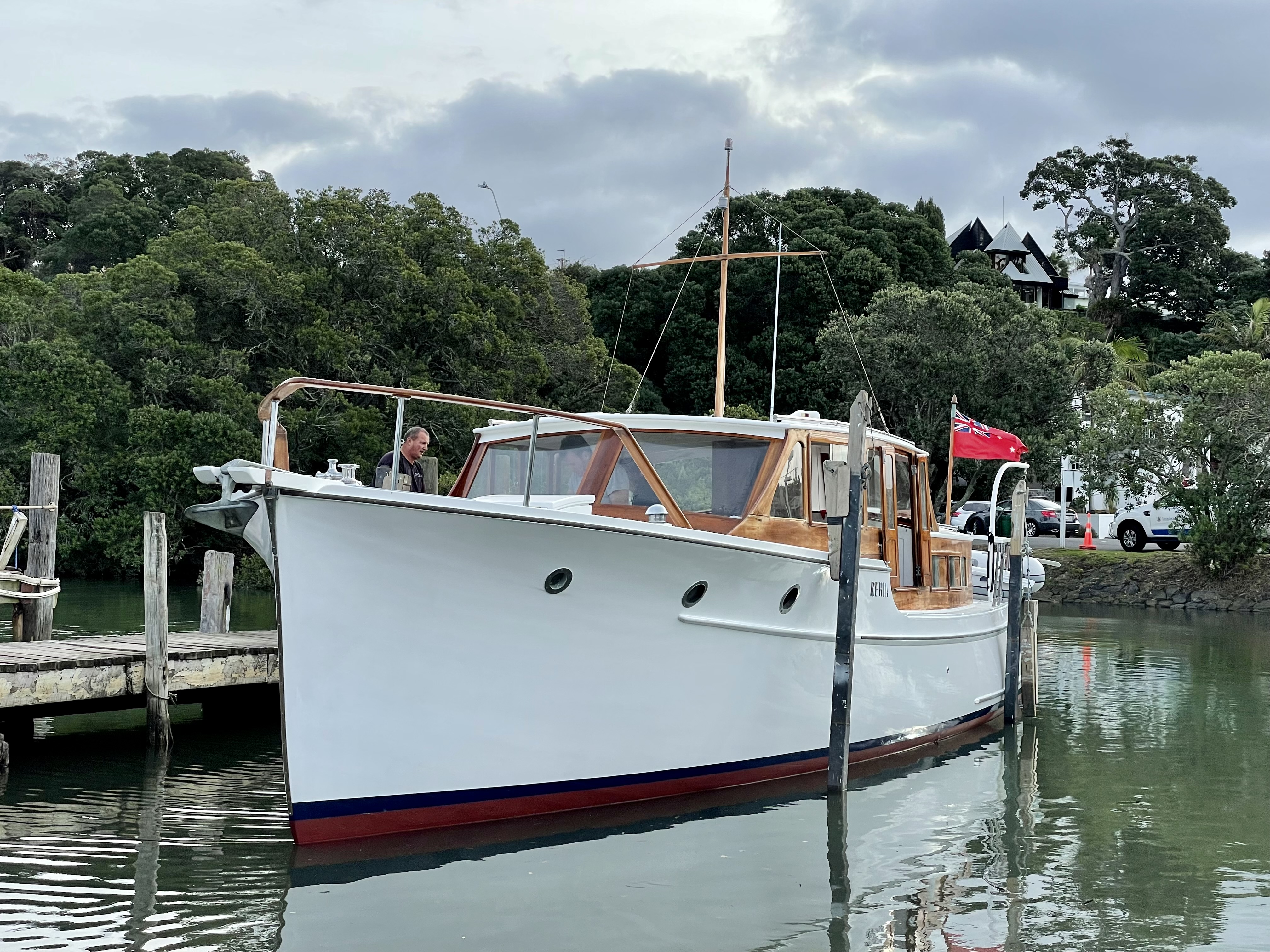
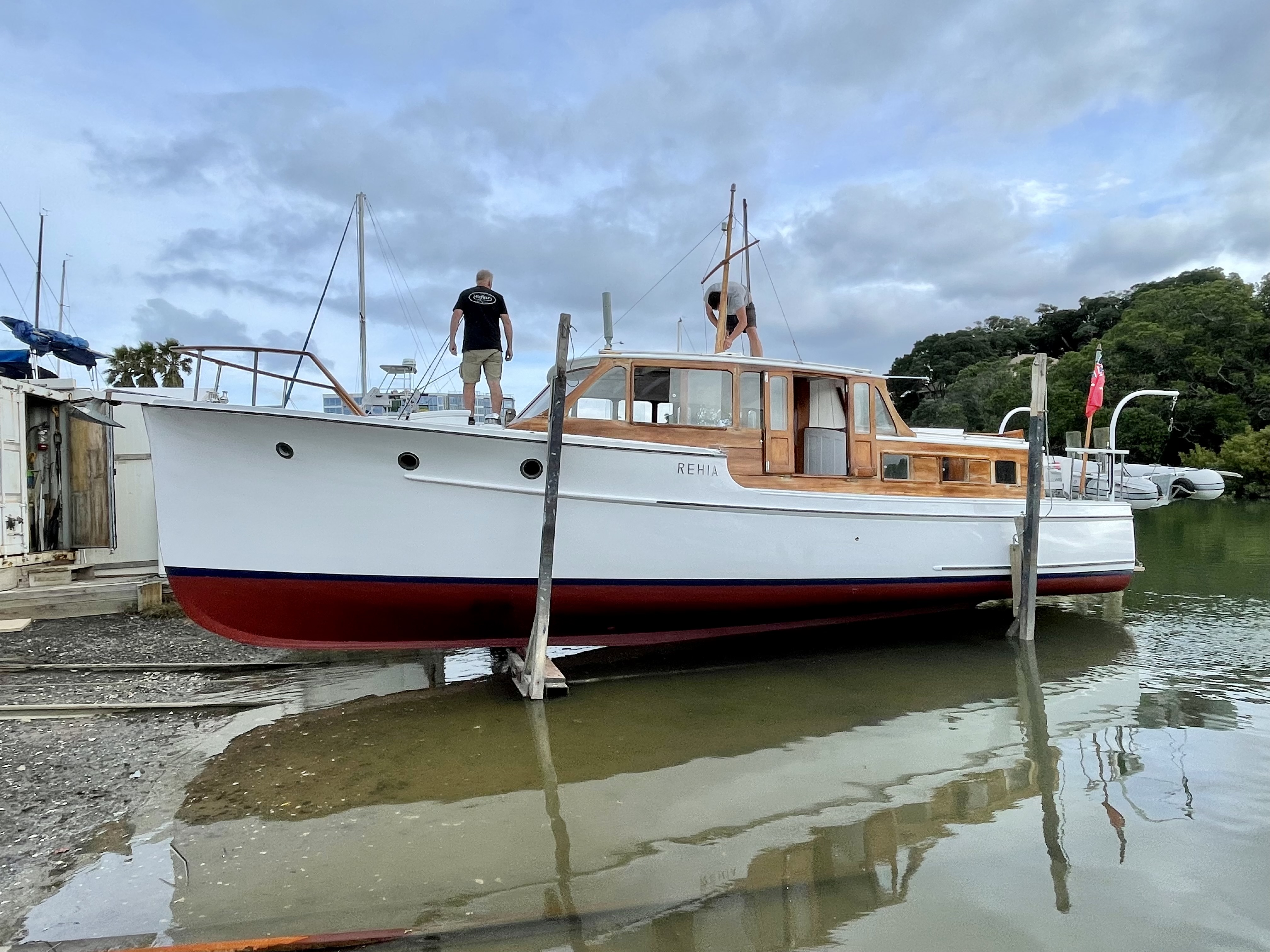
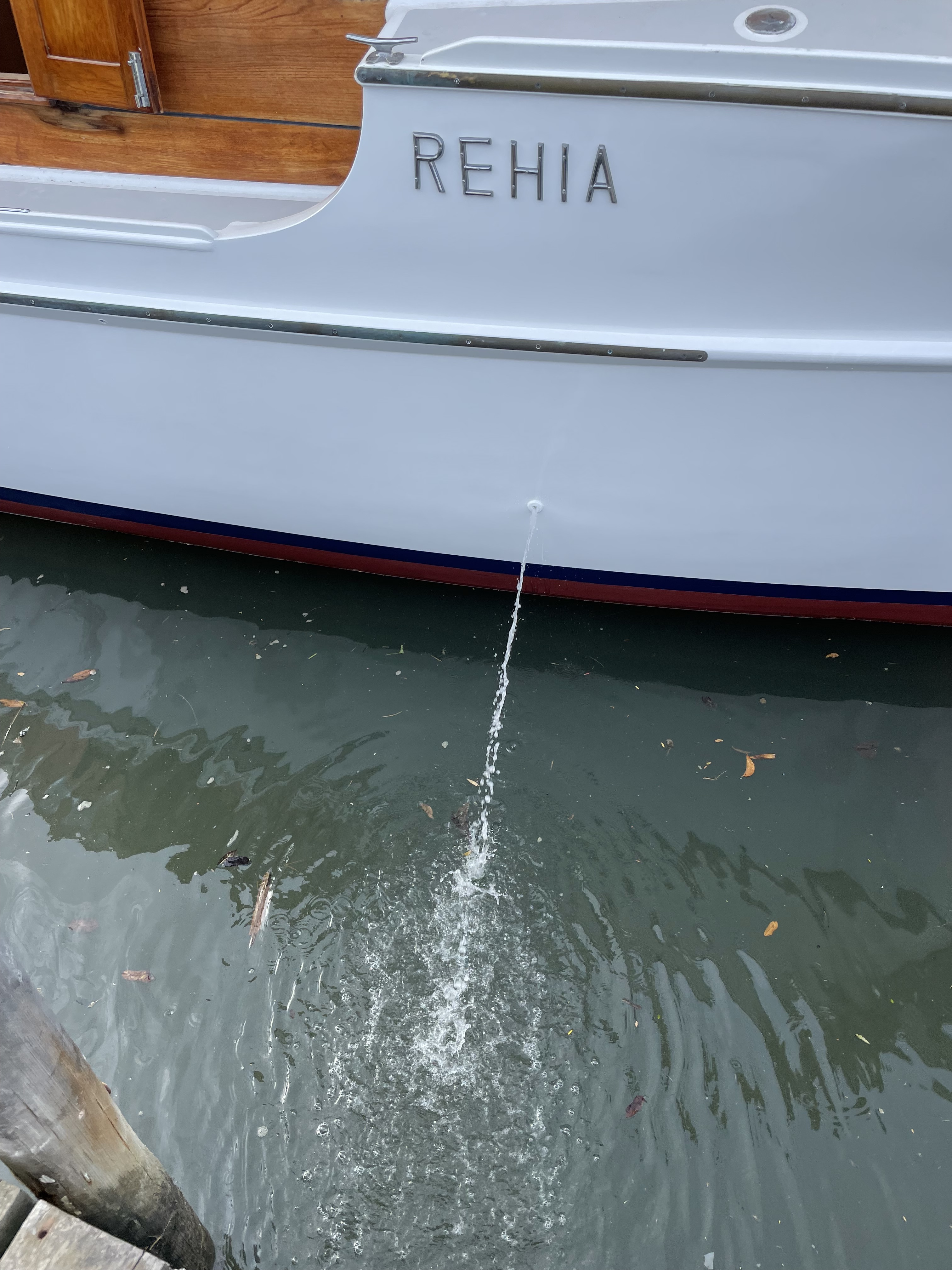
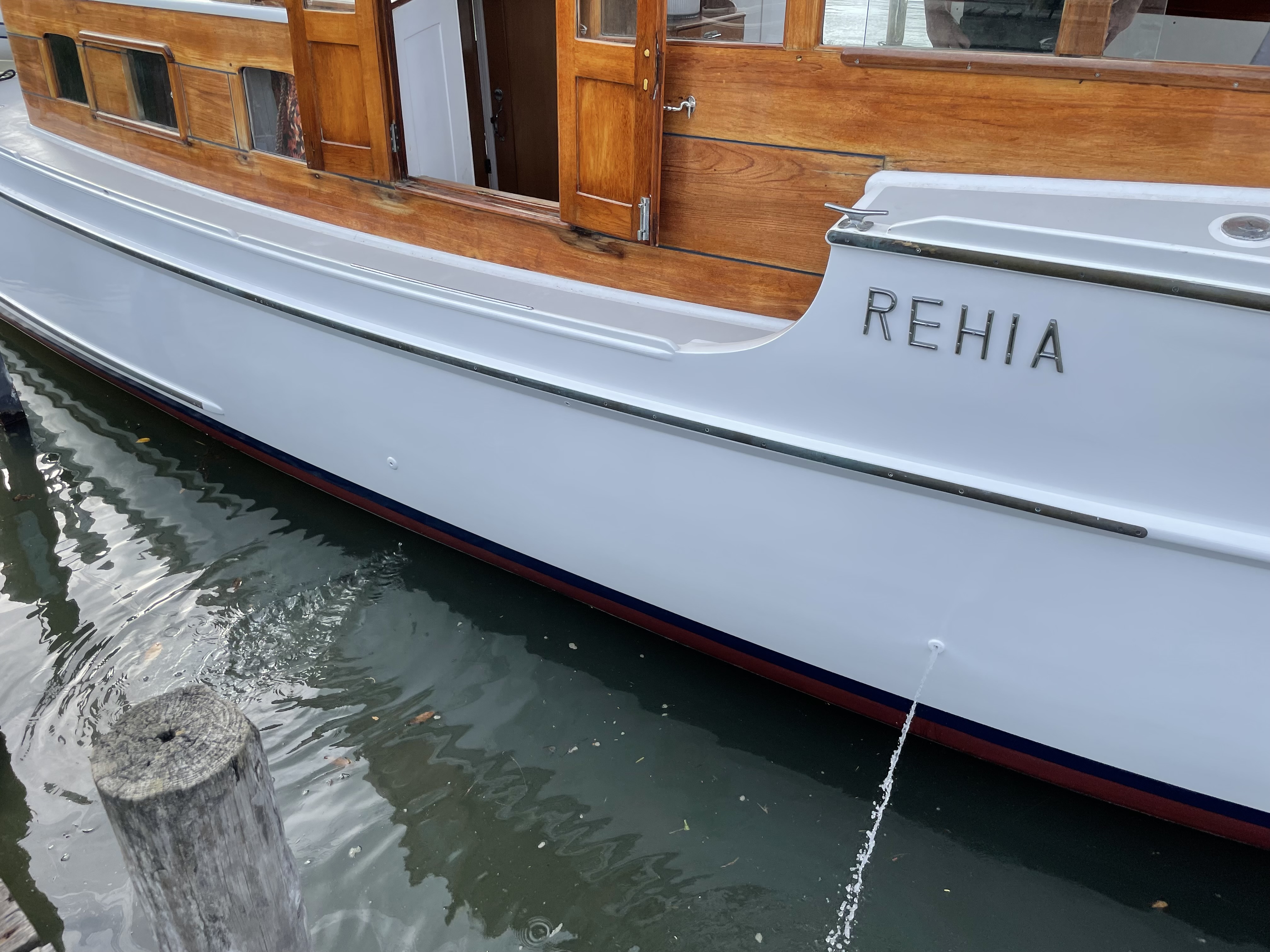
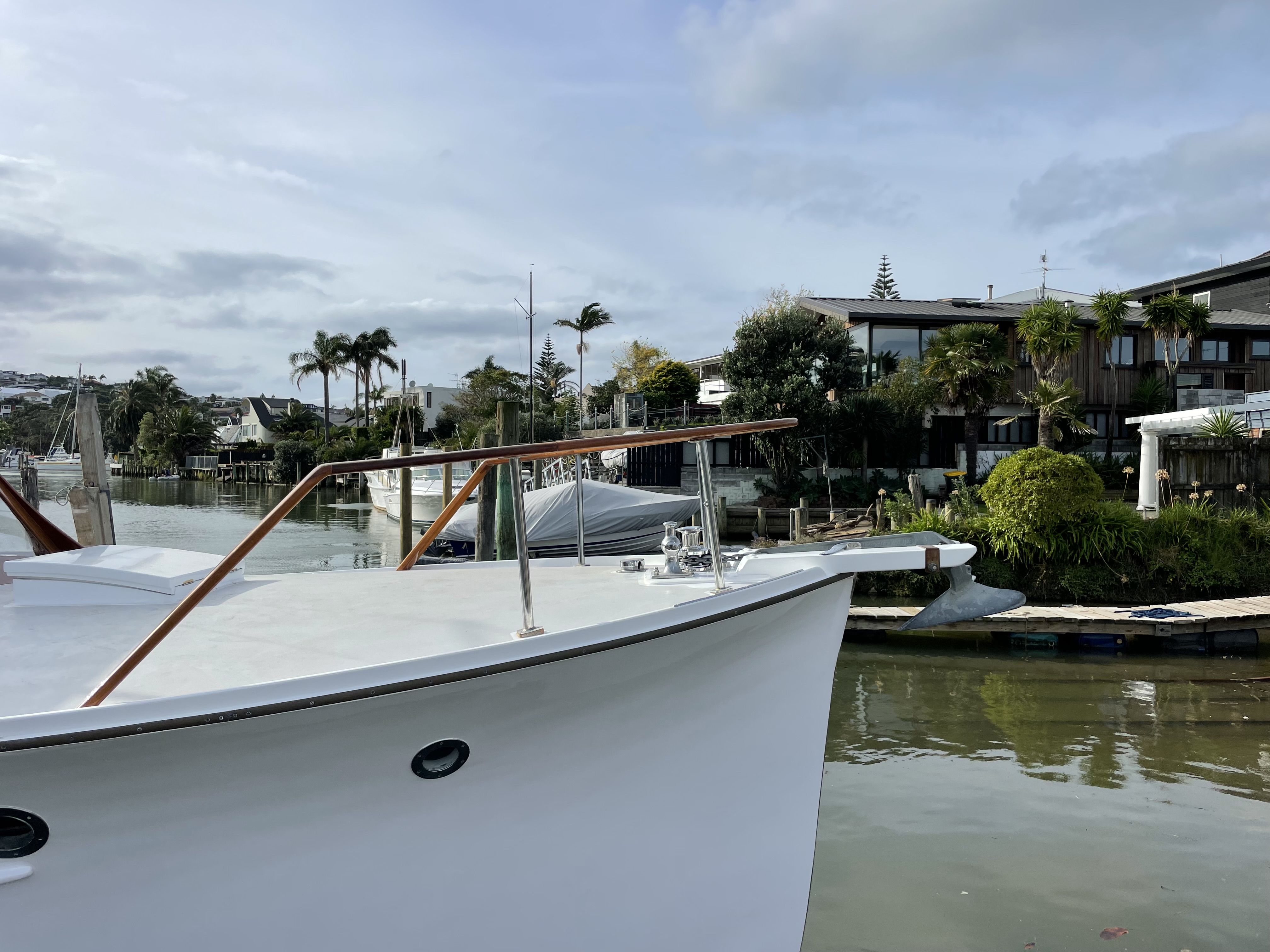
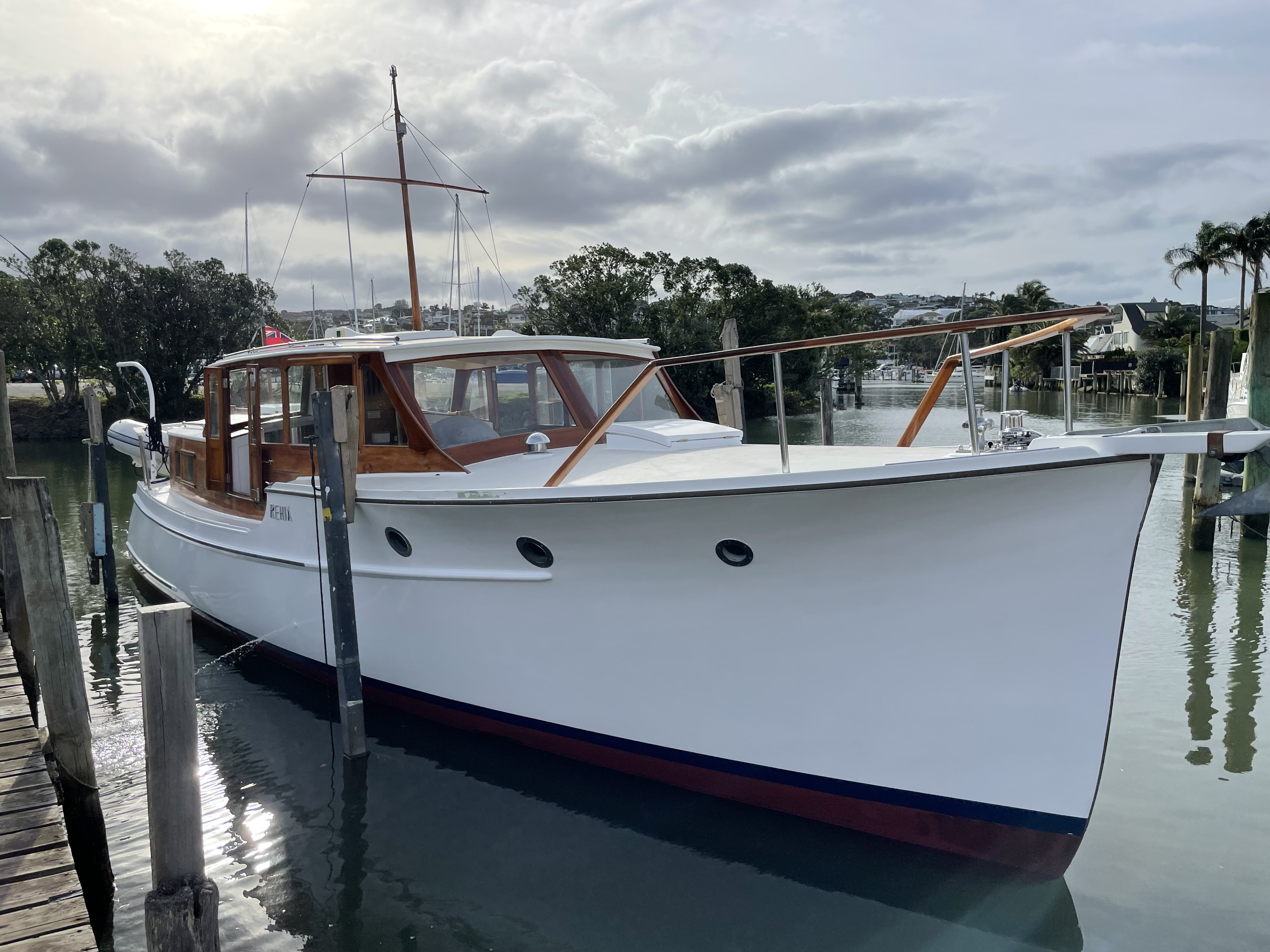
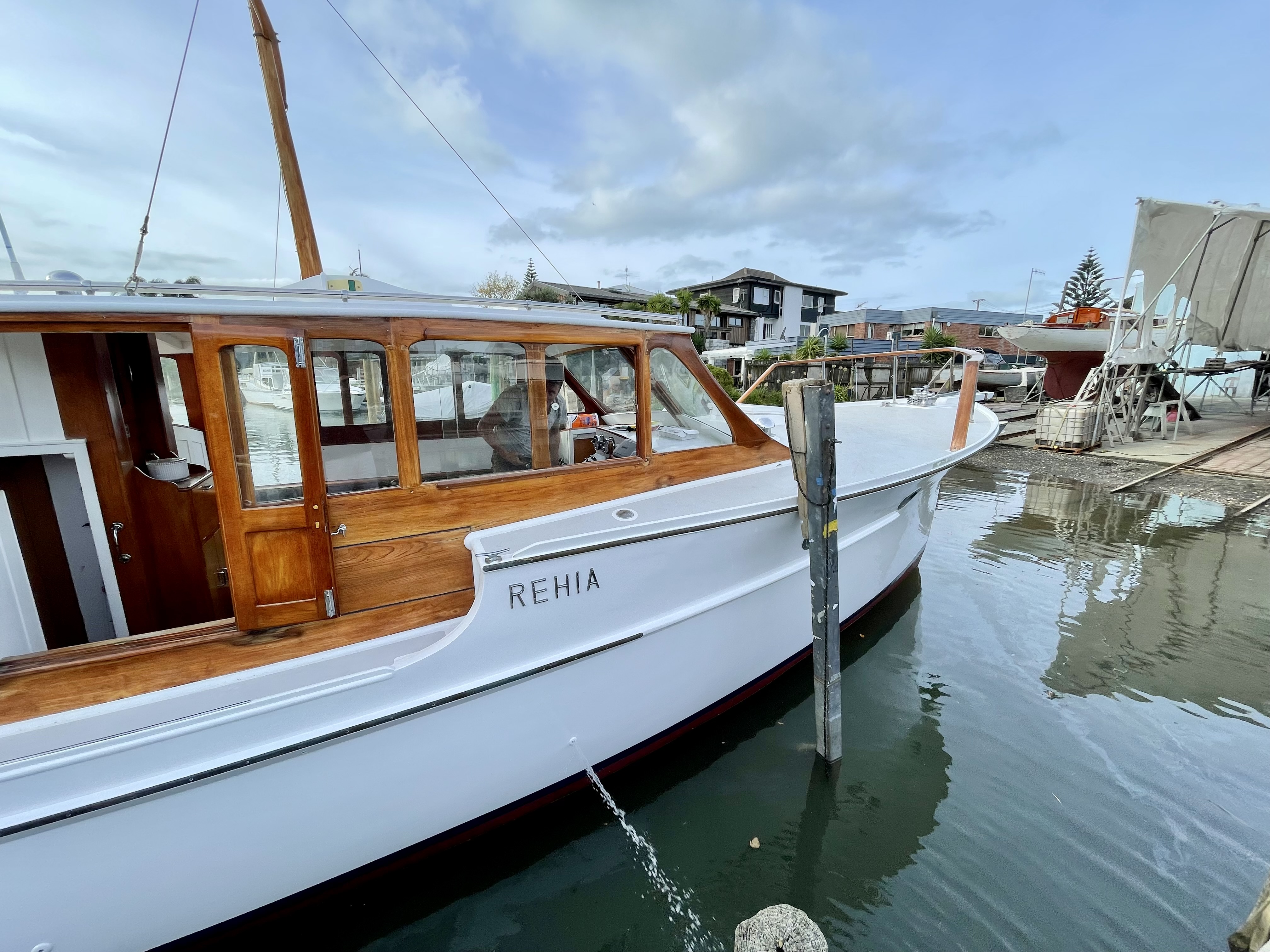
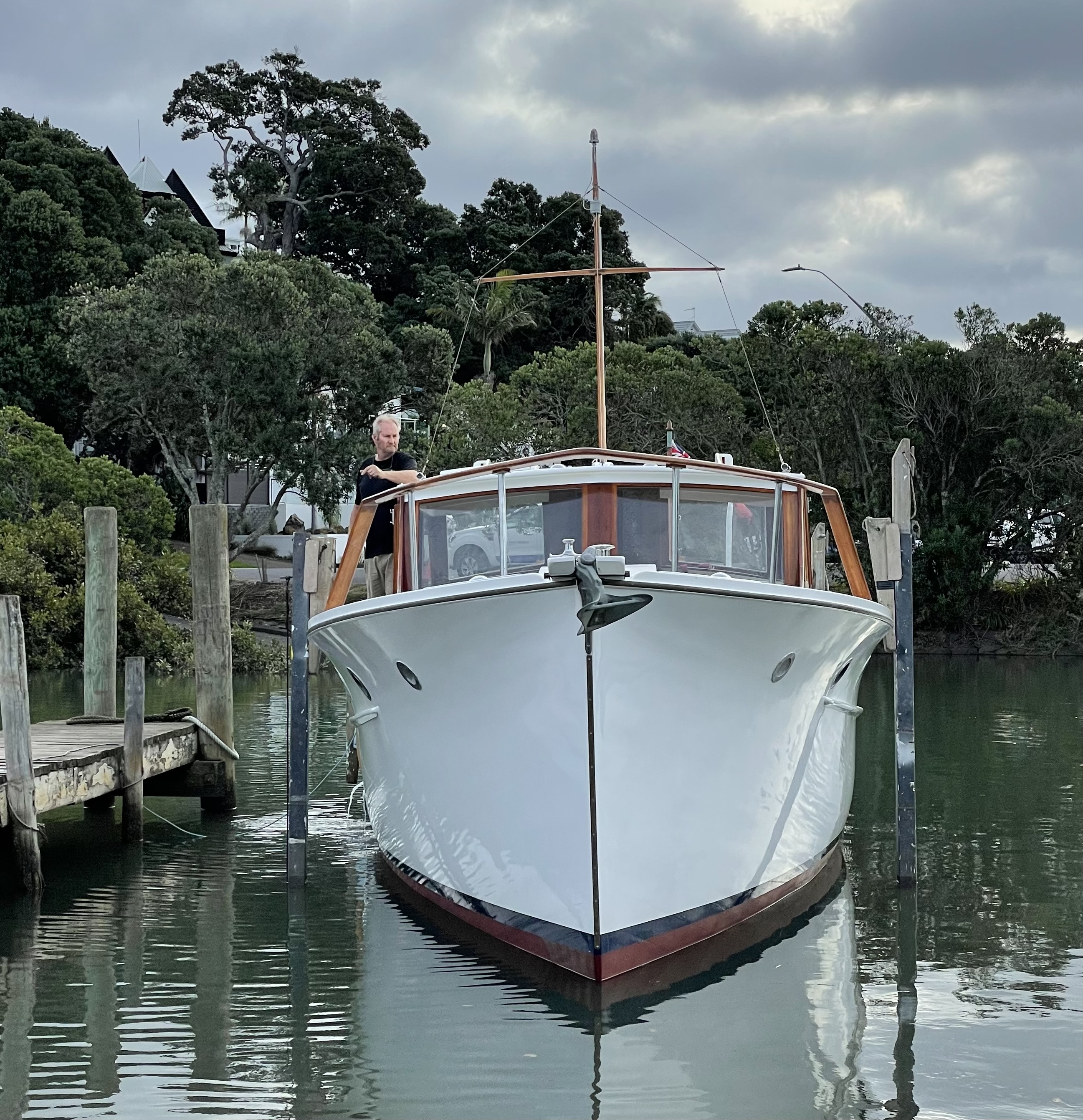
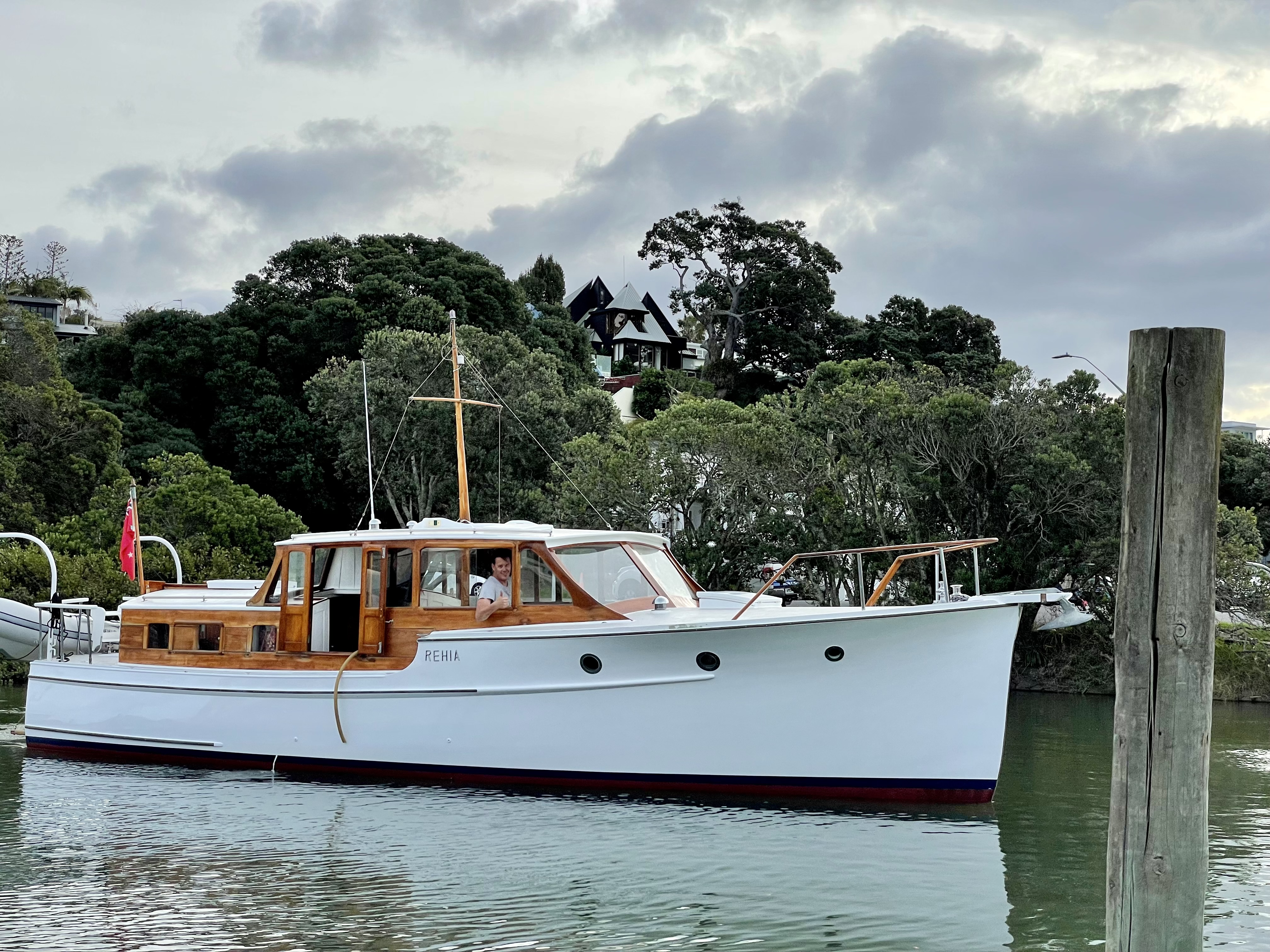
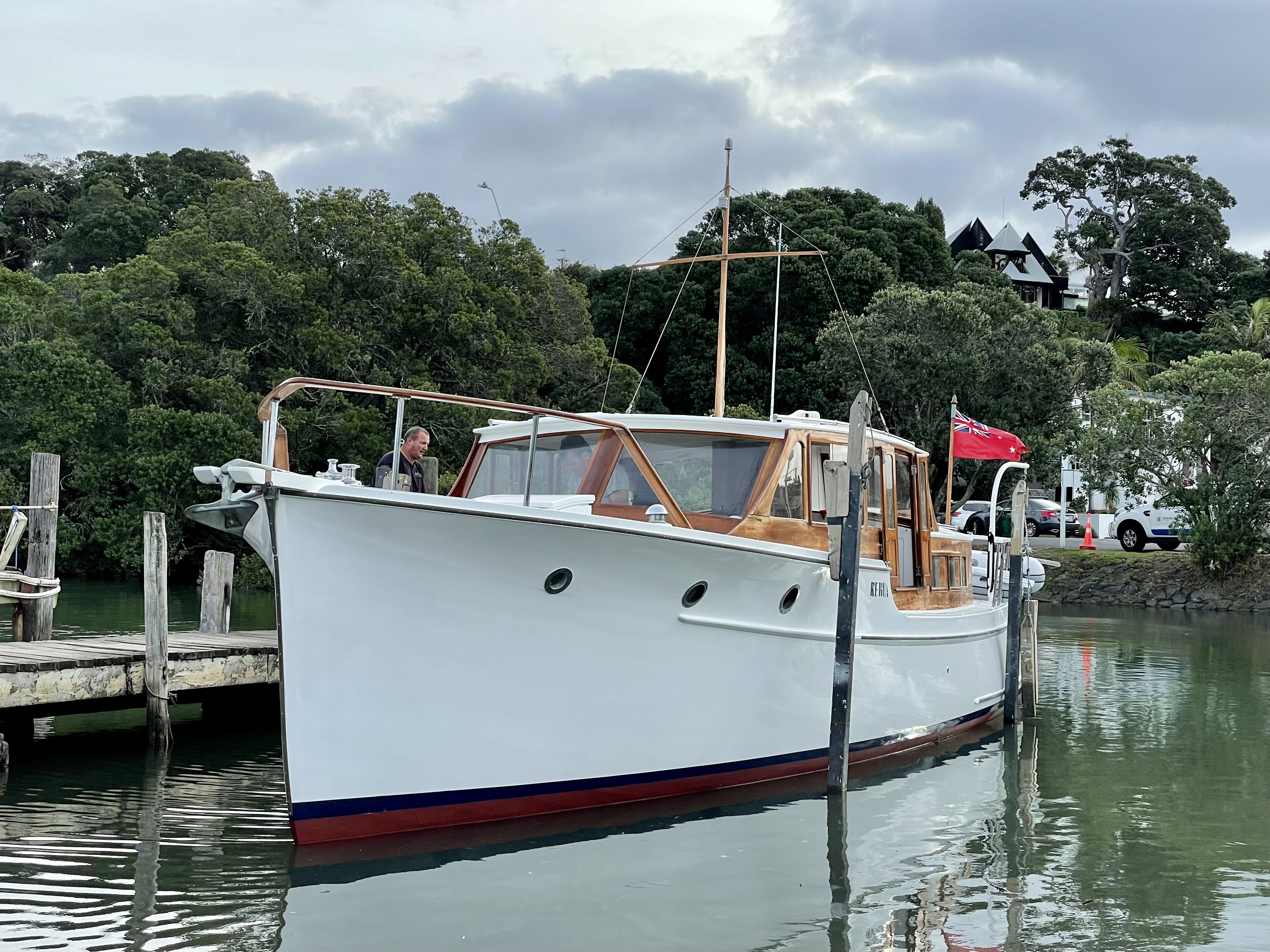
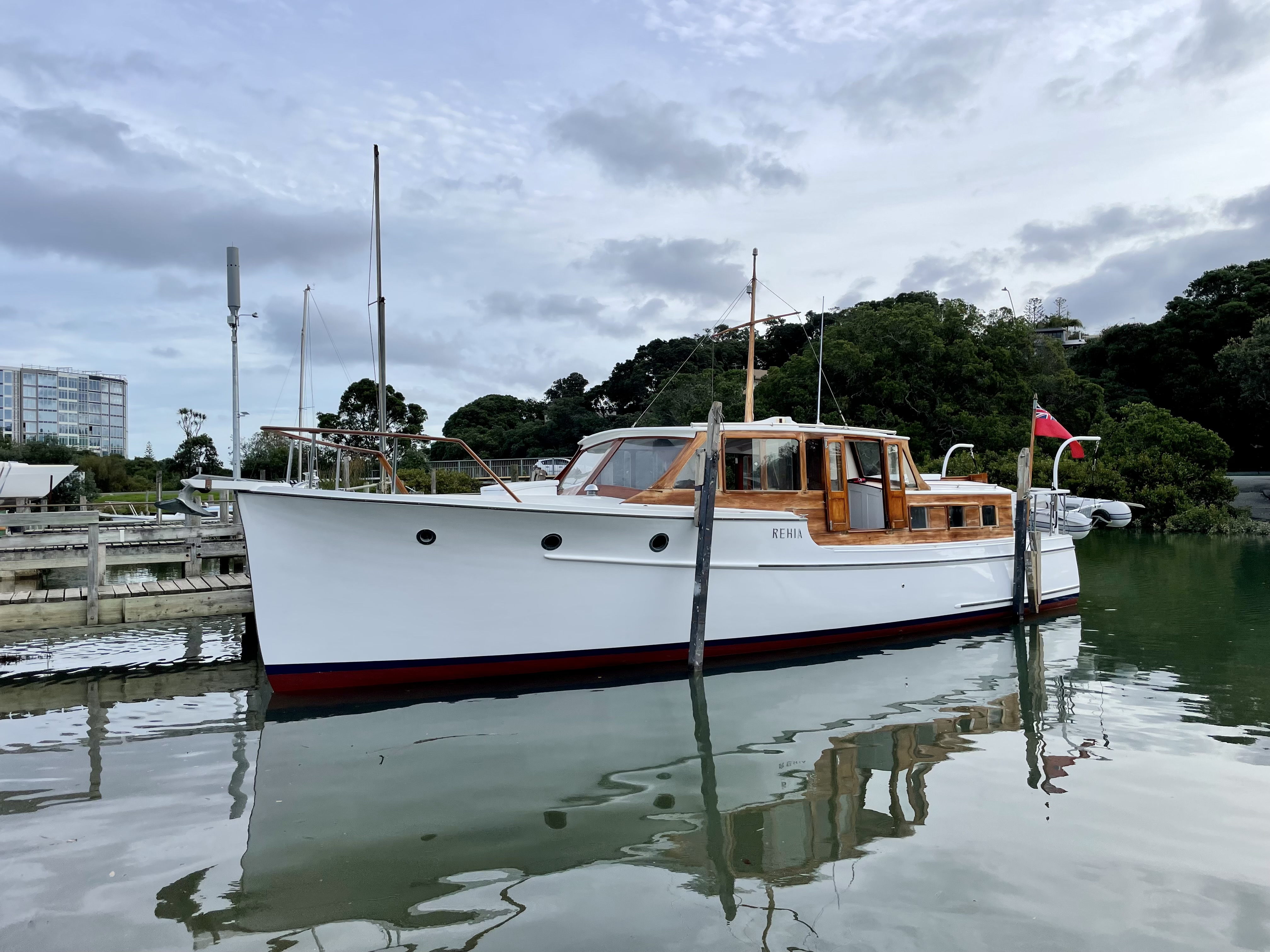
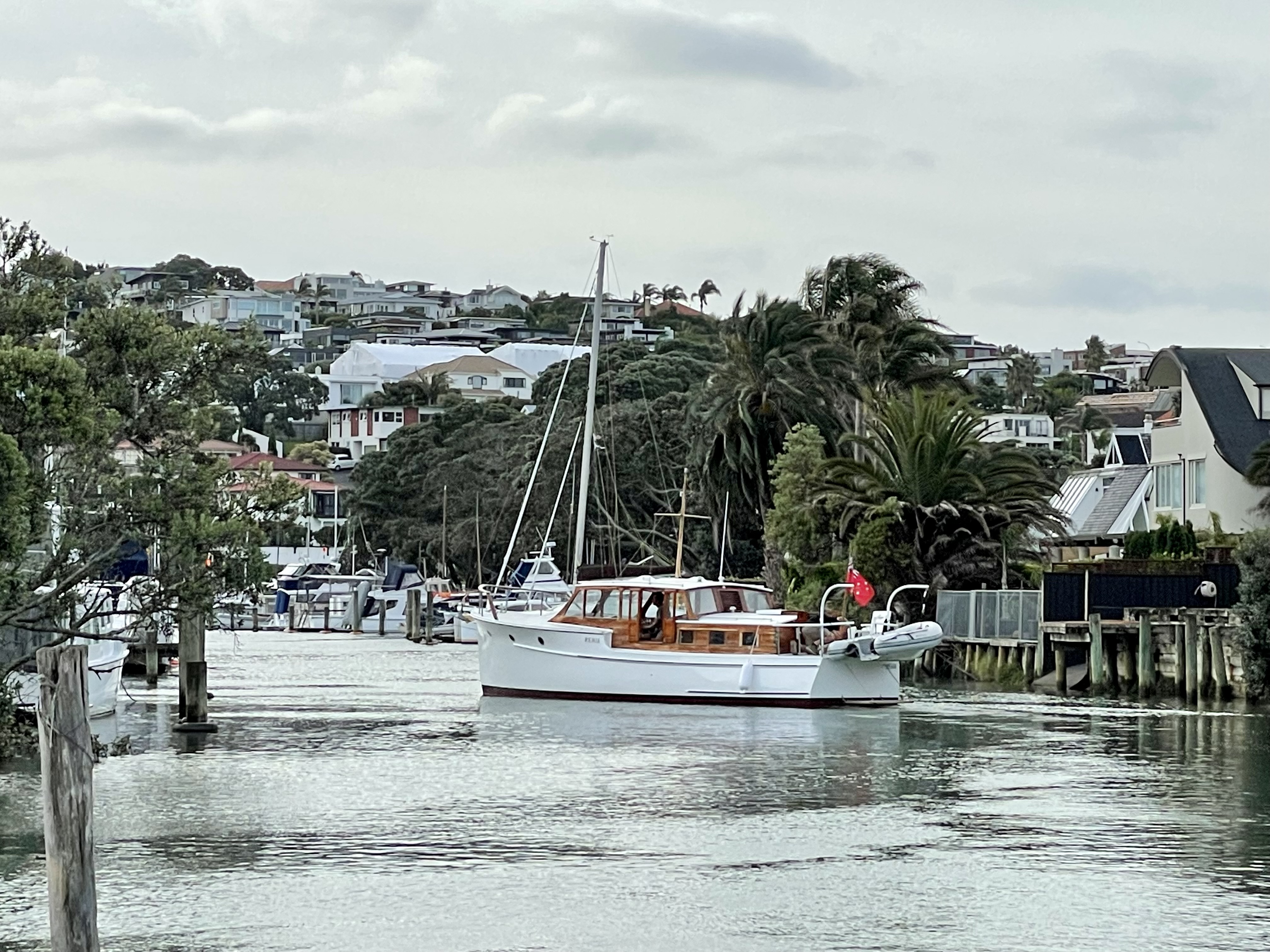
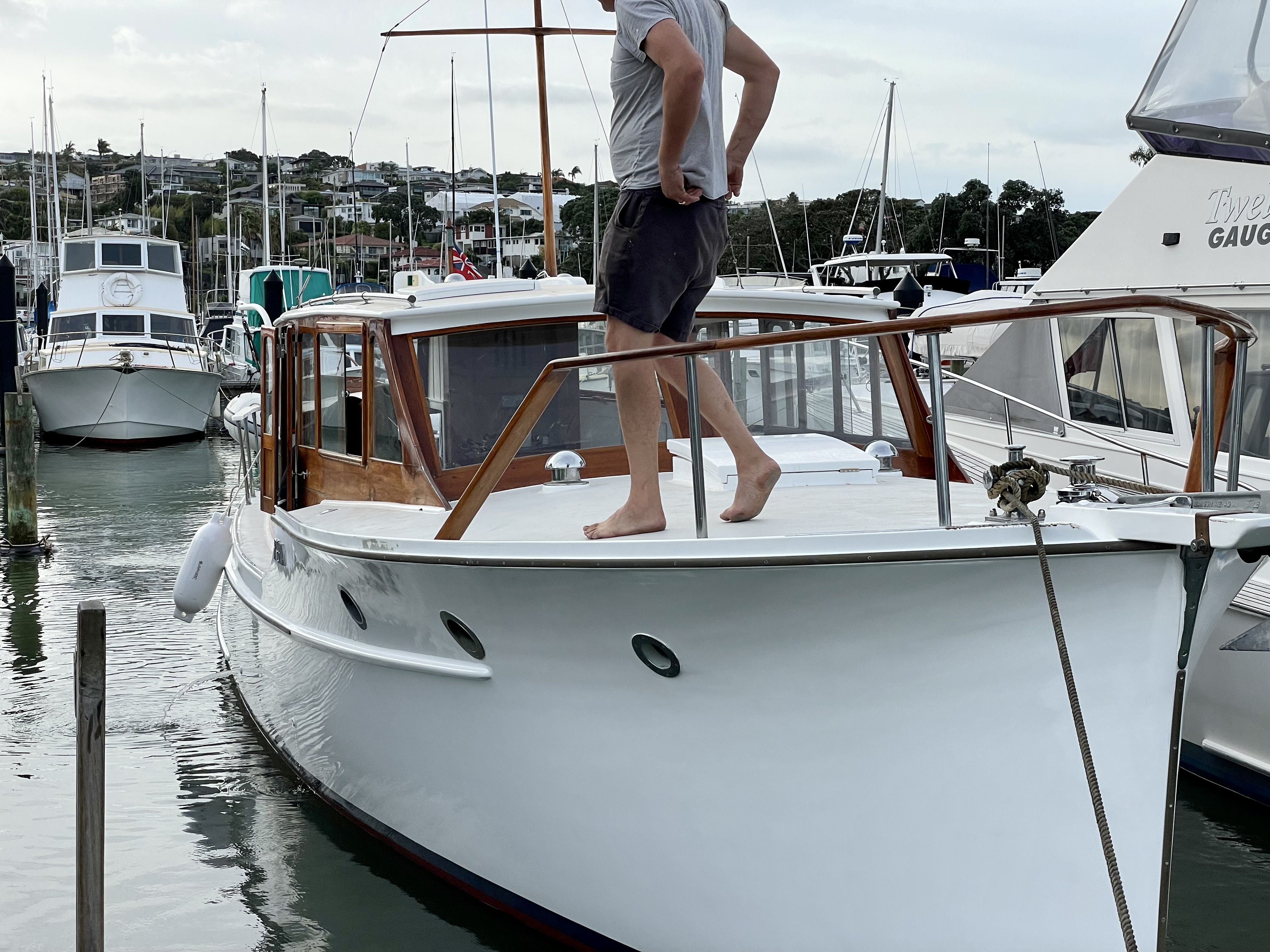
Back in Dec 2021 we advised that the 1939 Colin Wild launch – Rehia had a new owner and that she was hauled out at the Slipway Milford for some pressing systems work before her summer cruise. Link here to that story. https://waitematawoodys.com/2021/12/18/rehia-finds-a-new-home/
In the last month Rehia has been out again for a Jason Prew Paint Job (JPPJ) at the Slipway Milford, at the same time the ‘rolling’ maintenance programme continued – lots of bits added and removed to make family boating easier and more enjoyable.
When she slipped back in, she had quite a thirst and the mobile big sucker pump had to be brought on-board. Owner Joe spent a restless first night aboard, but the old girl settled down in the next 24 hours.
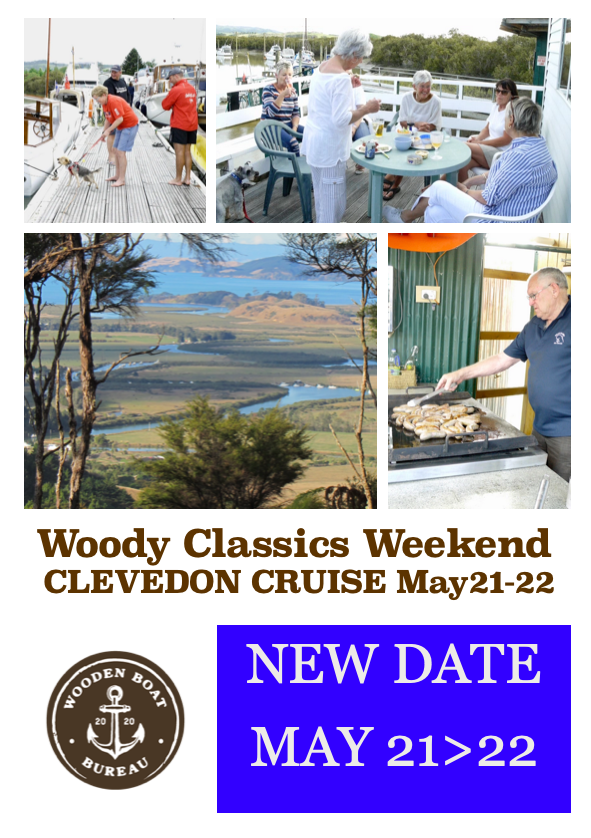
Woodys Classic Launch Easter River Cruise To Paeroa
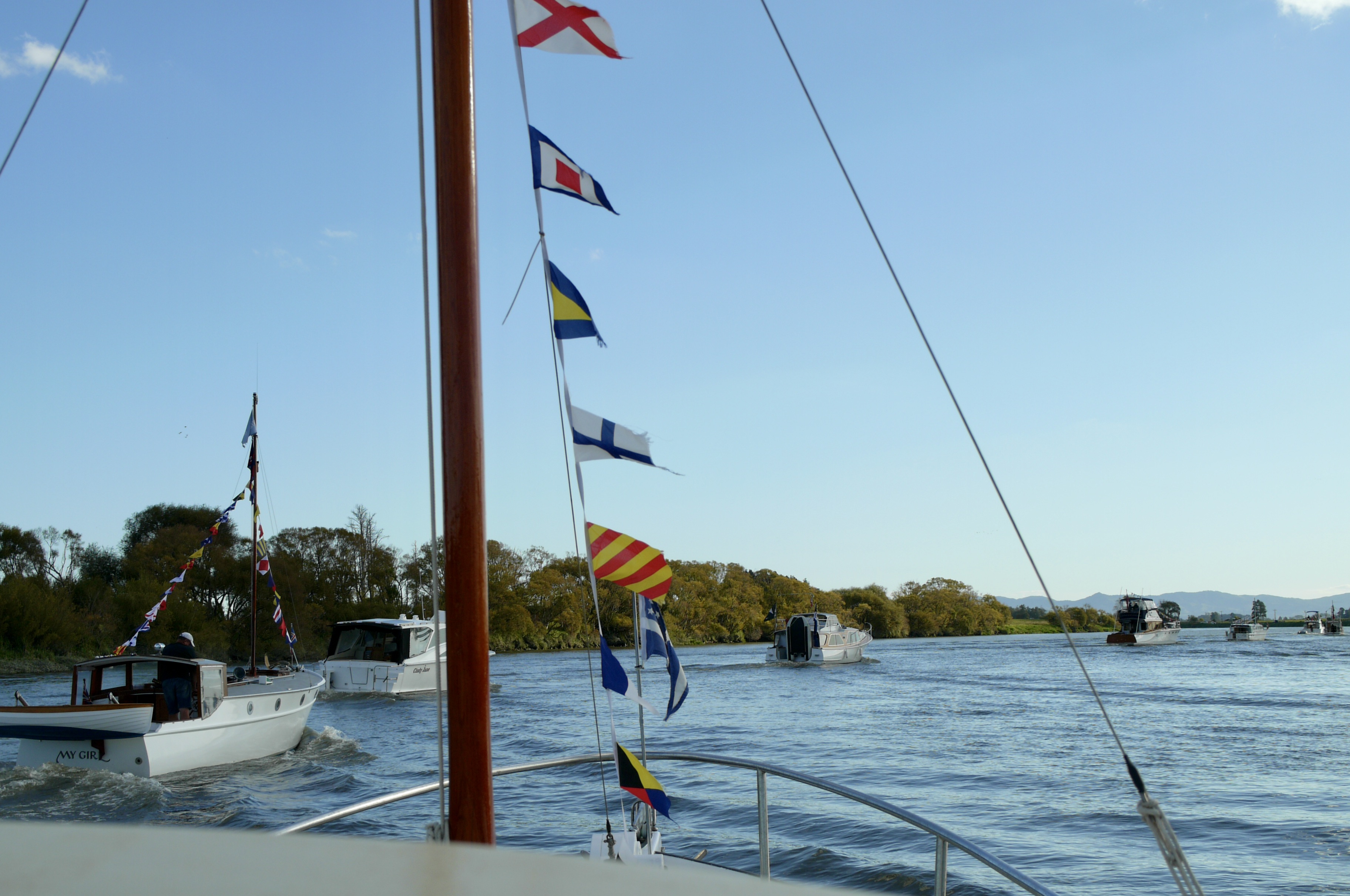
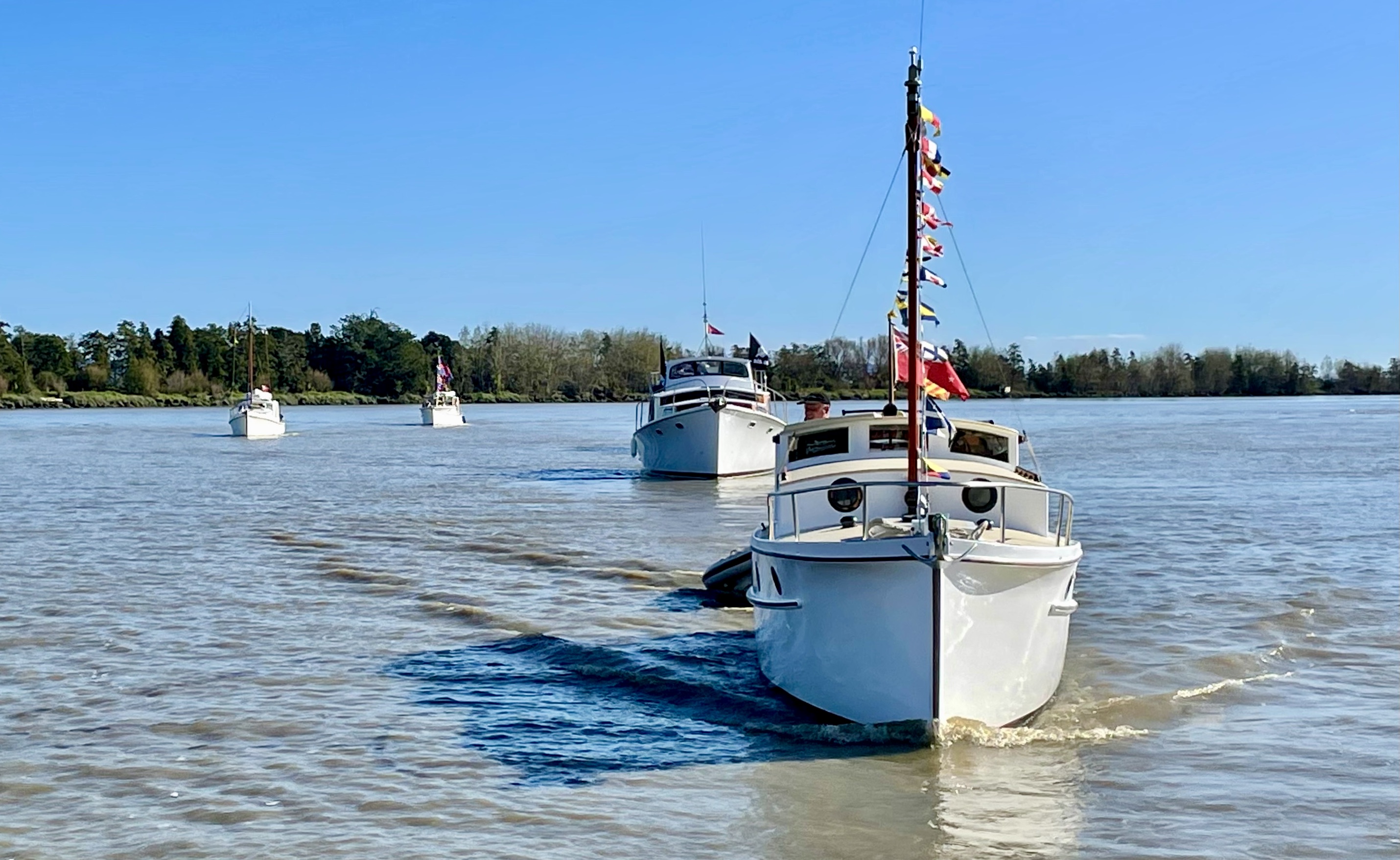
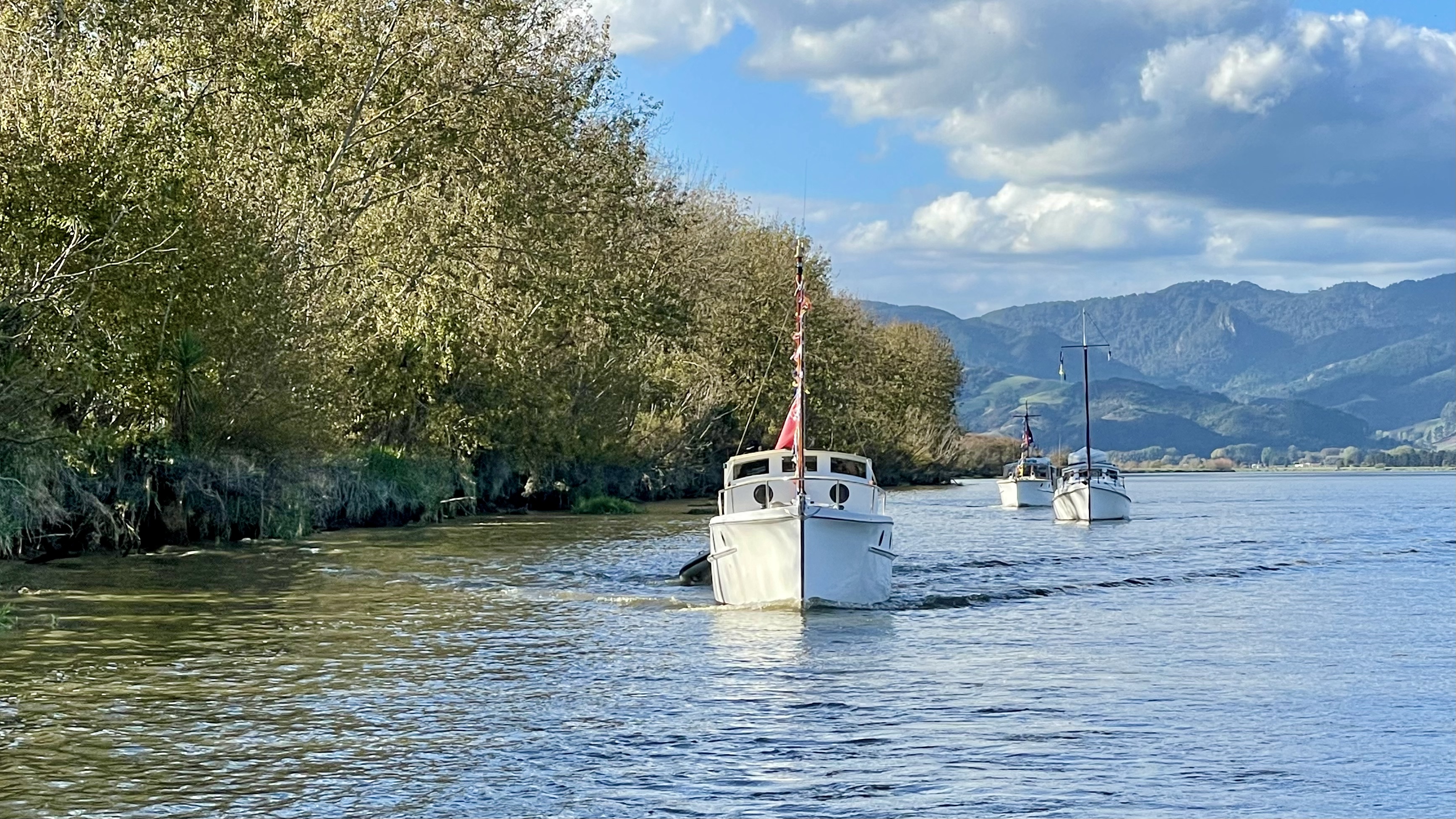
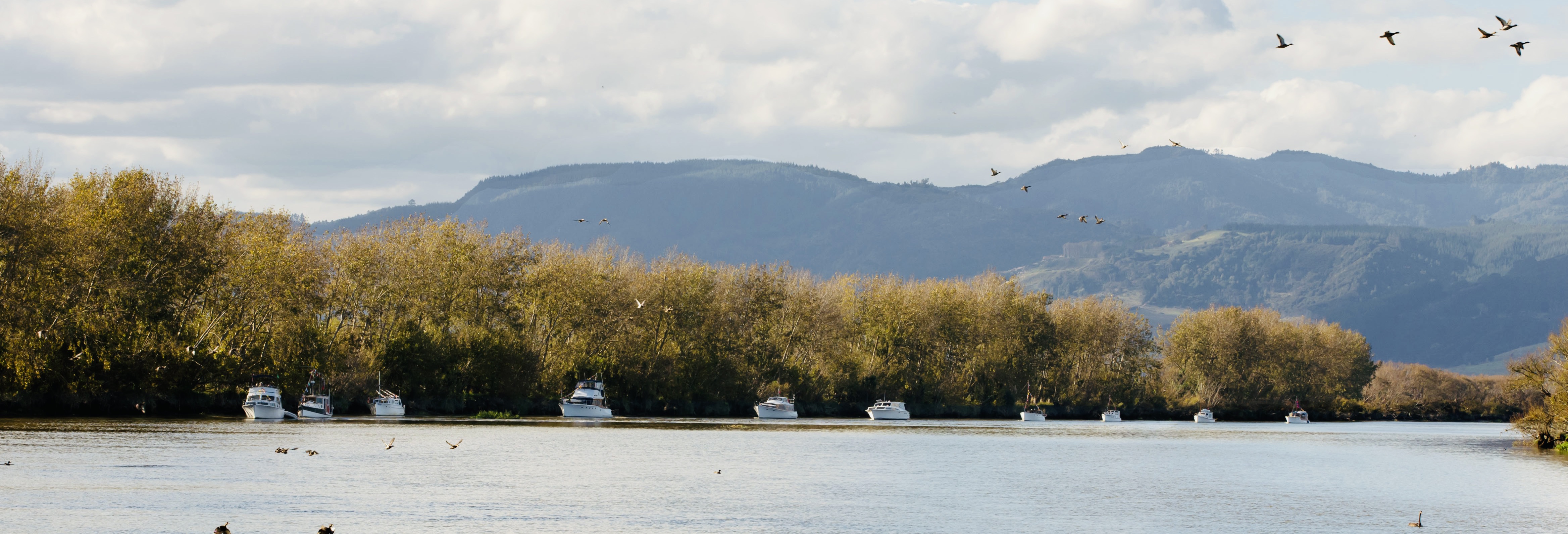
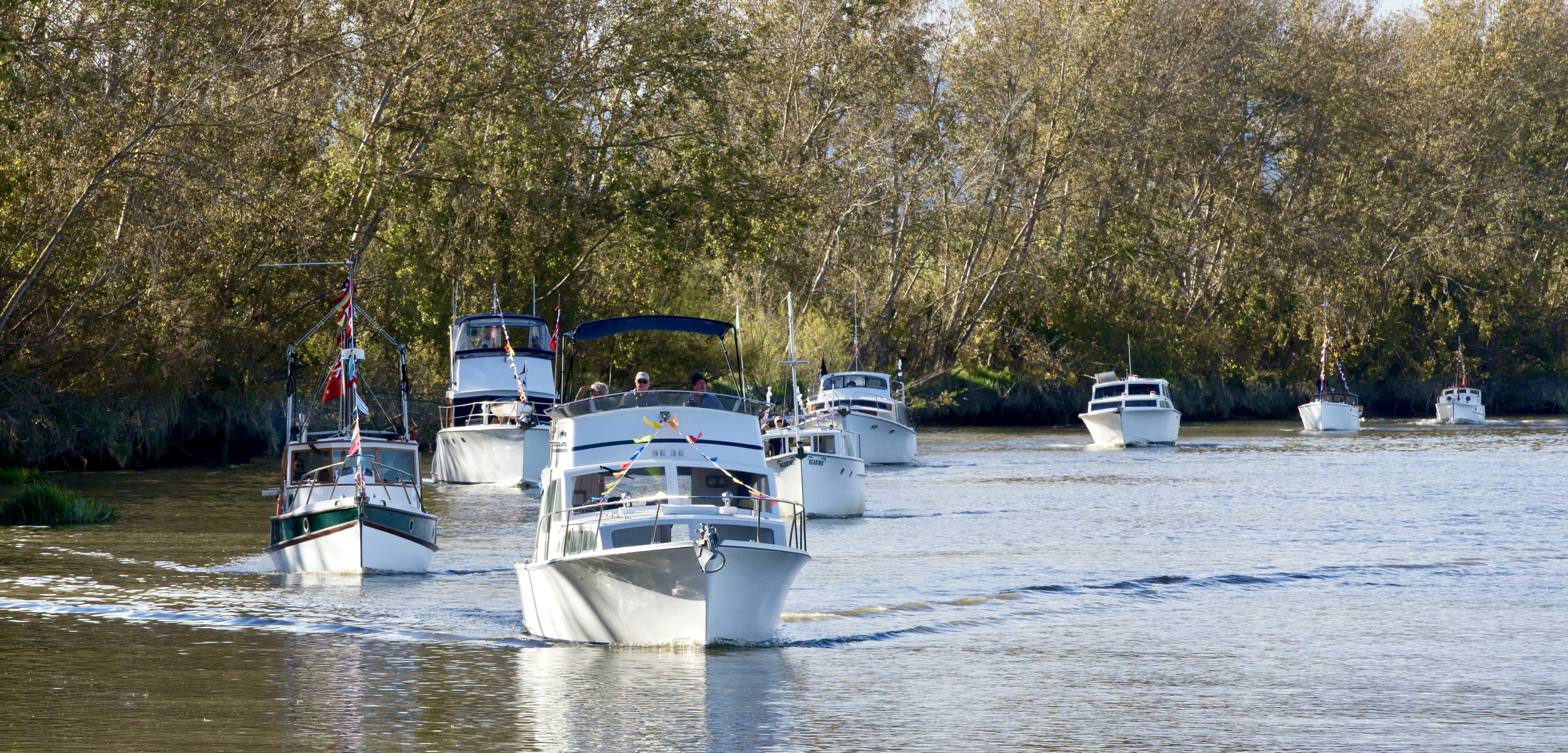
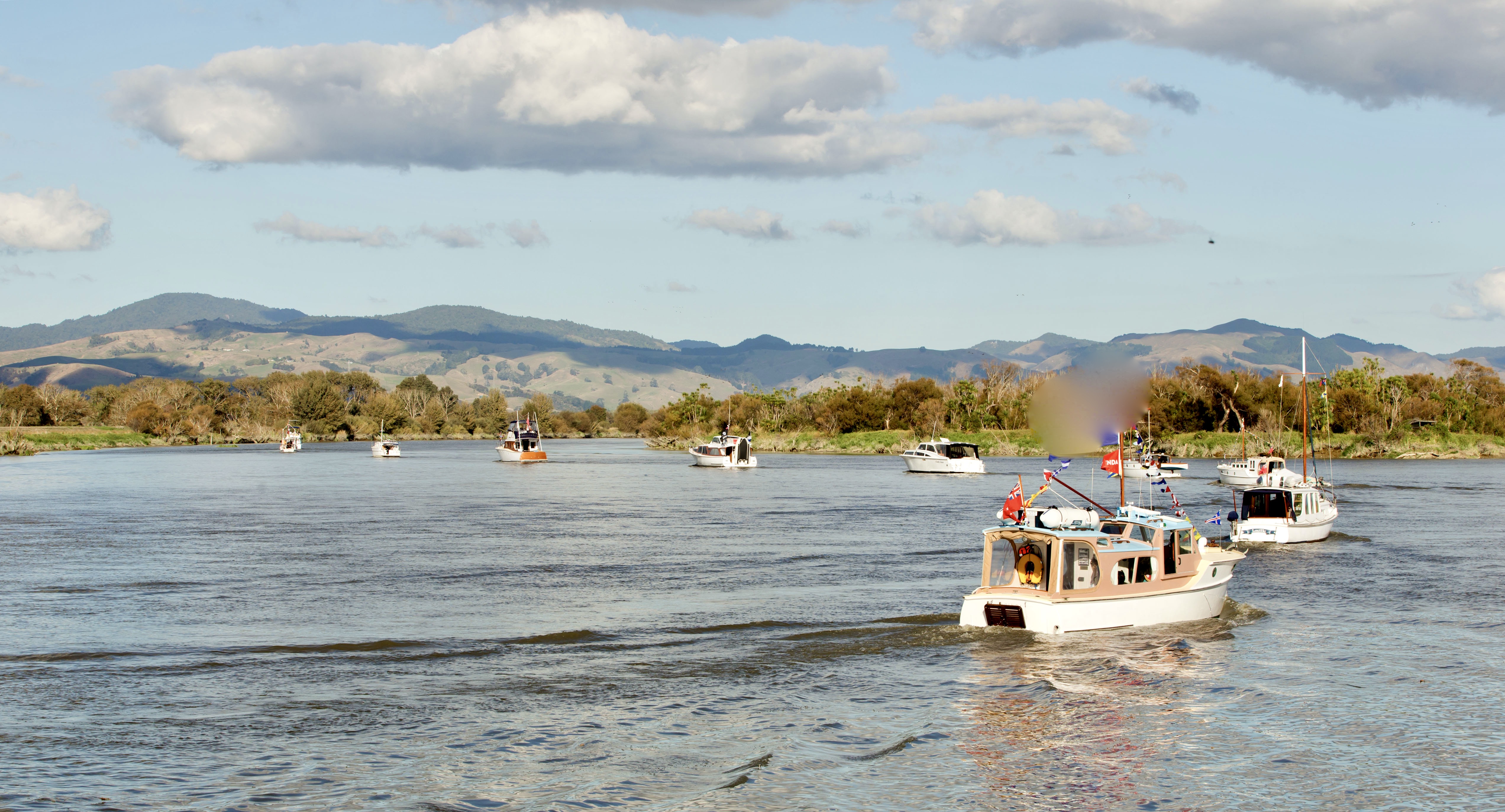
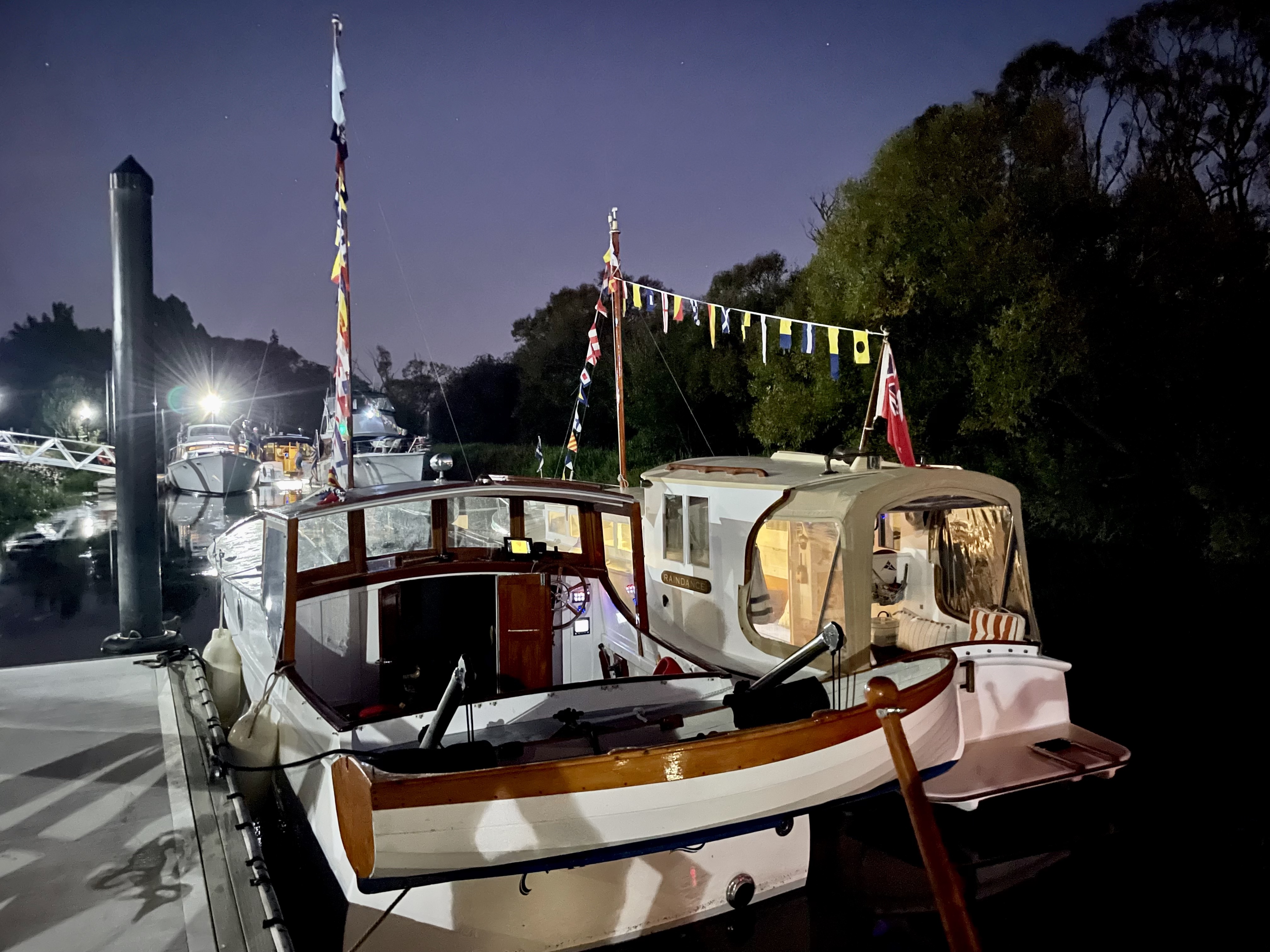
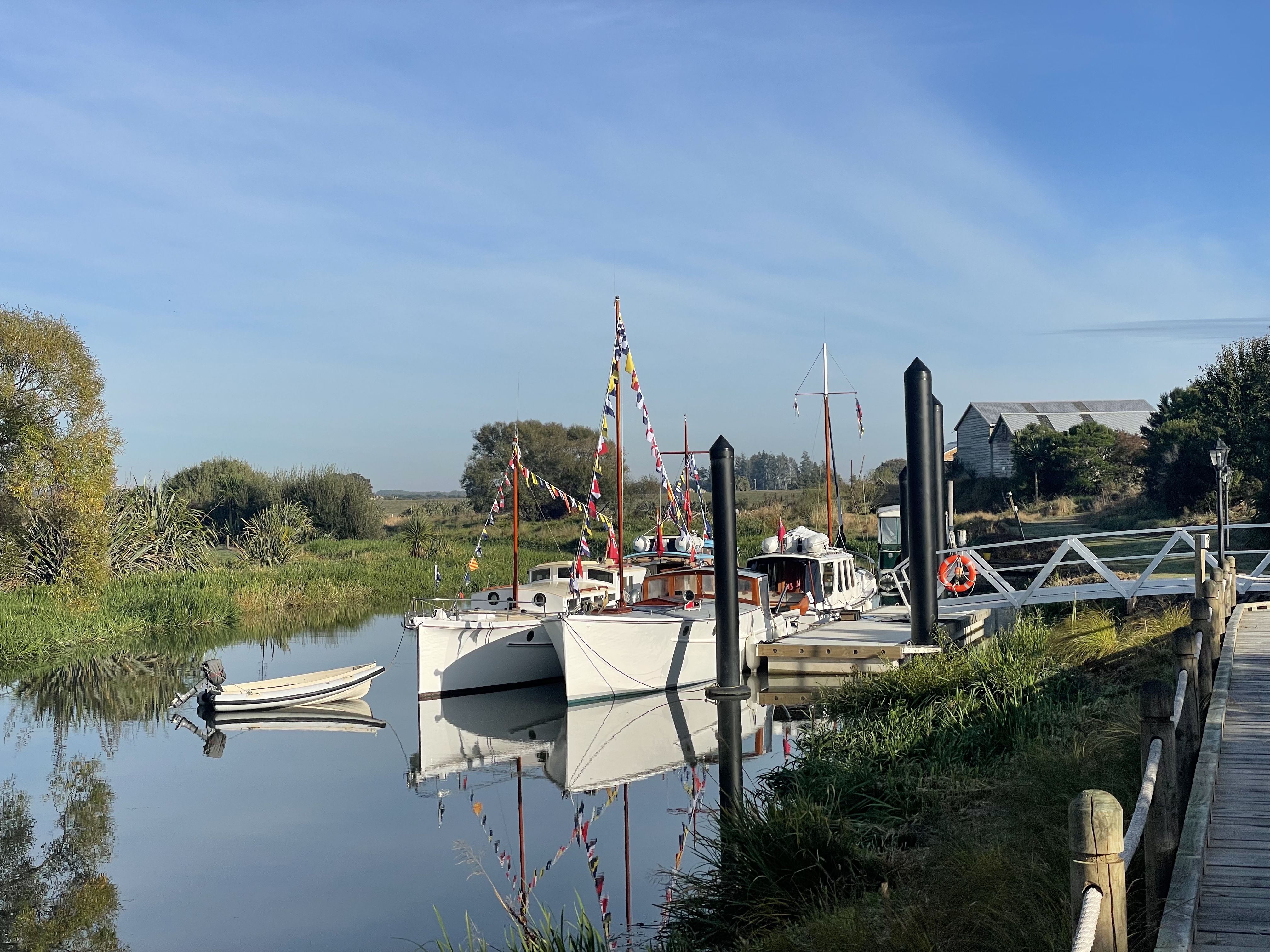
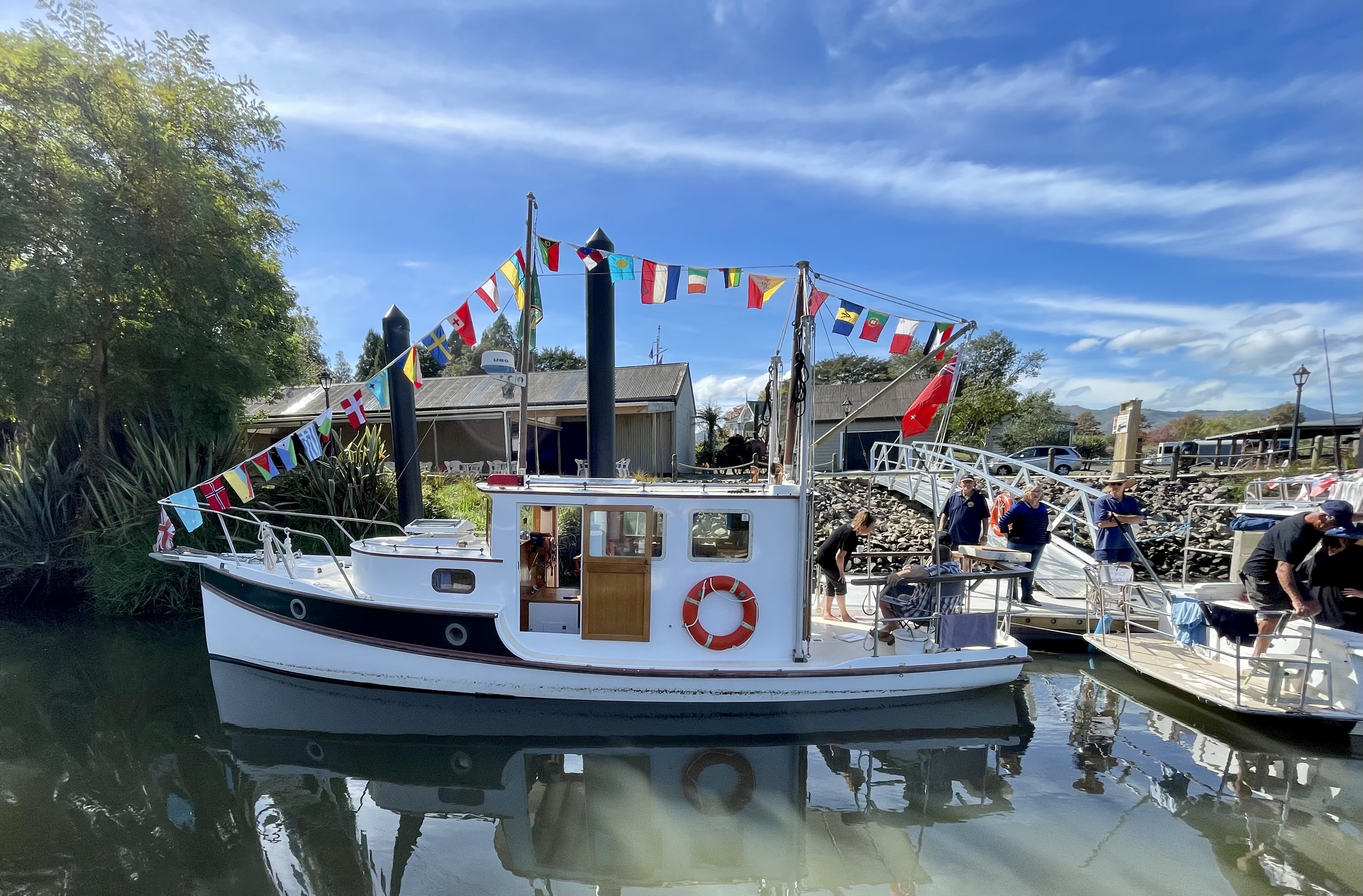
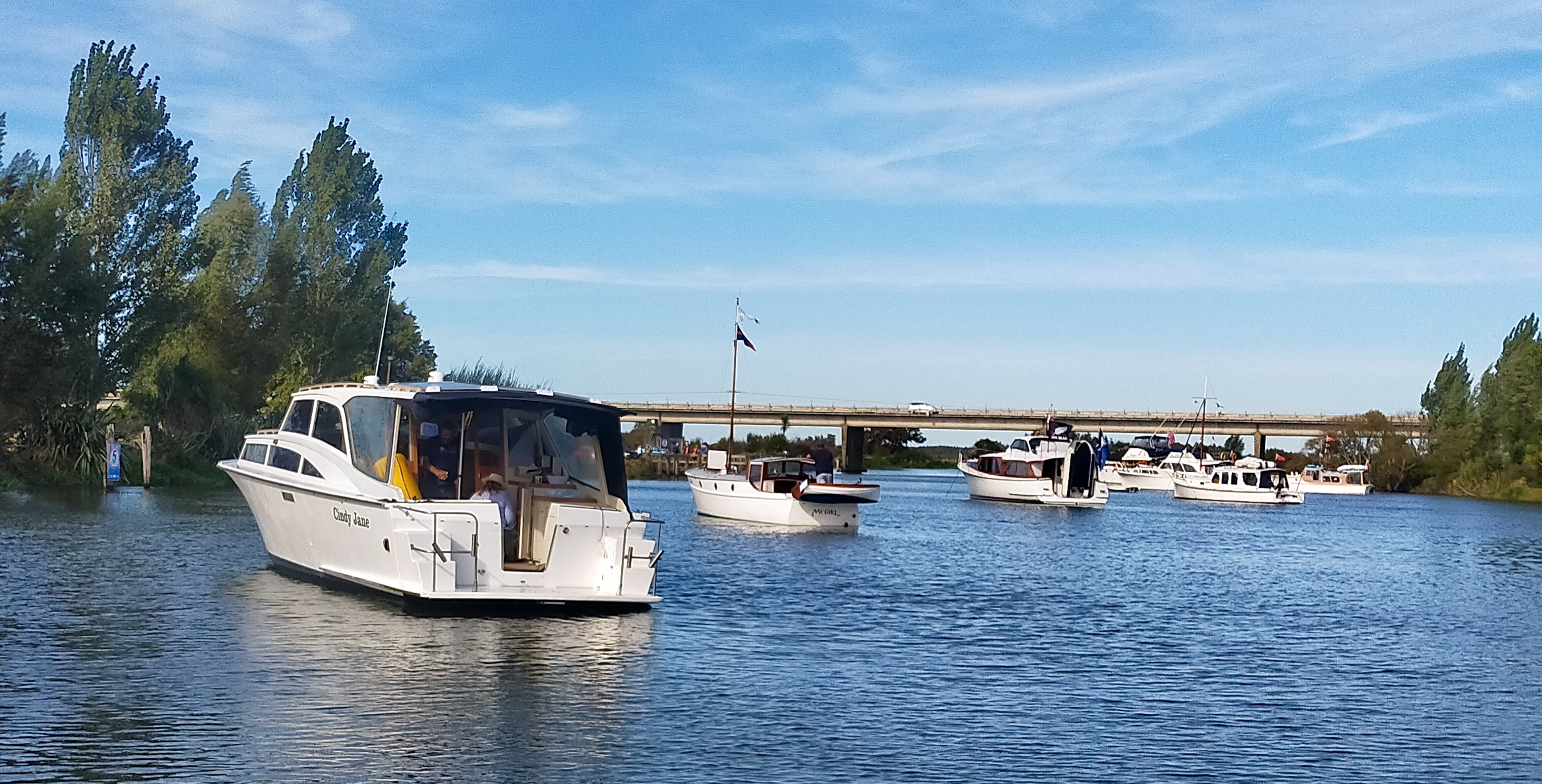
The Easter weekend cruise was always going to be a biggie – with most launches having to travel upwards of 10 hours to reach the final destination – the ‘waterfront’ Historical Maritime Museum & Park in Paeroa. Most of the woody fleet gathered Thursday evening in Chamberlain Bay, Ponui Island in anticipation of an early start across the Firth of Thames, to rendezvous with the launches arriving from Thames and to collect our guide / navigator for the trip up the Waihou River. I’d have to say that the straight line trip across the Firth of Thames was 4 hours of my life I’ll never get back 🙂
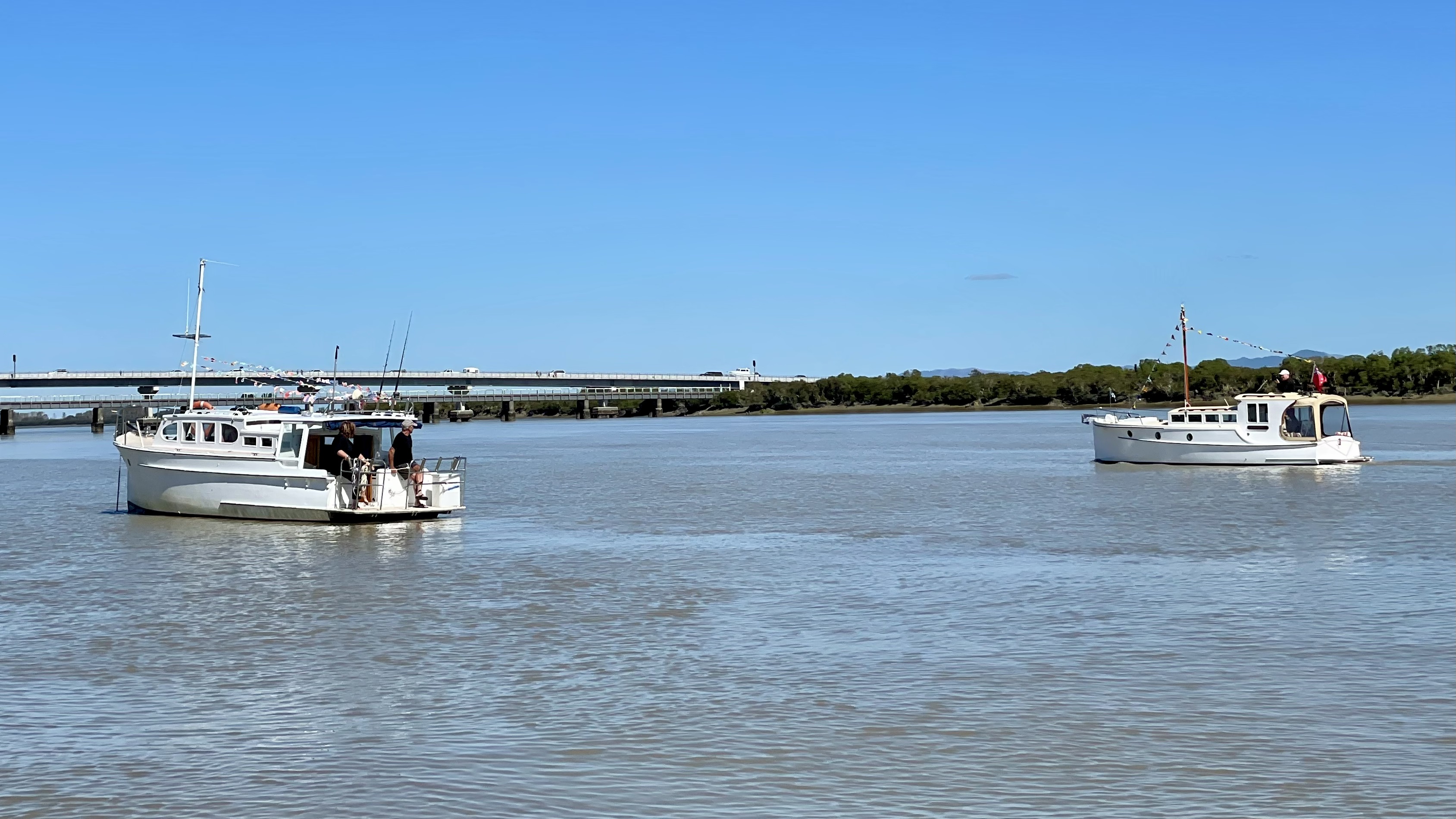
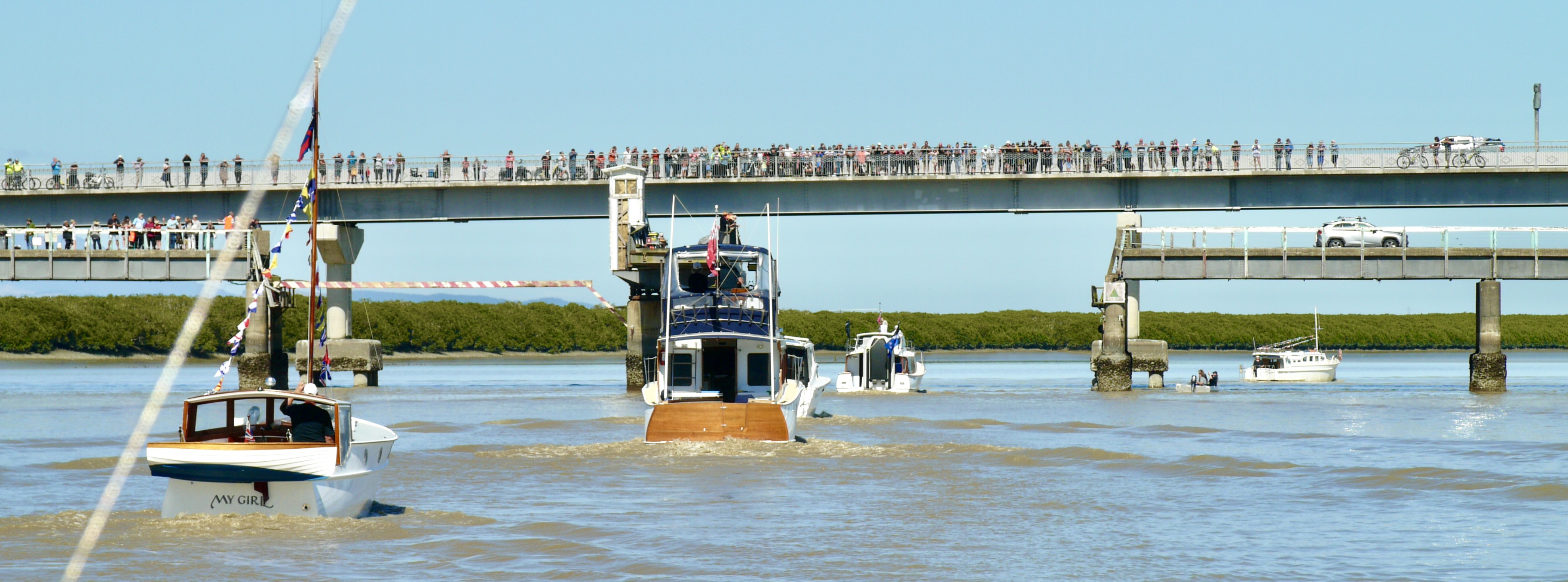
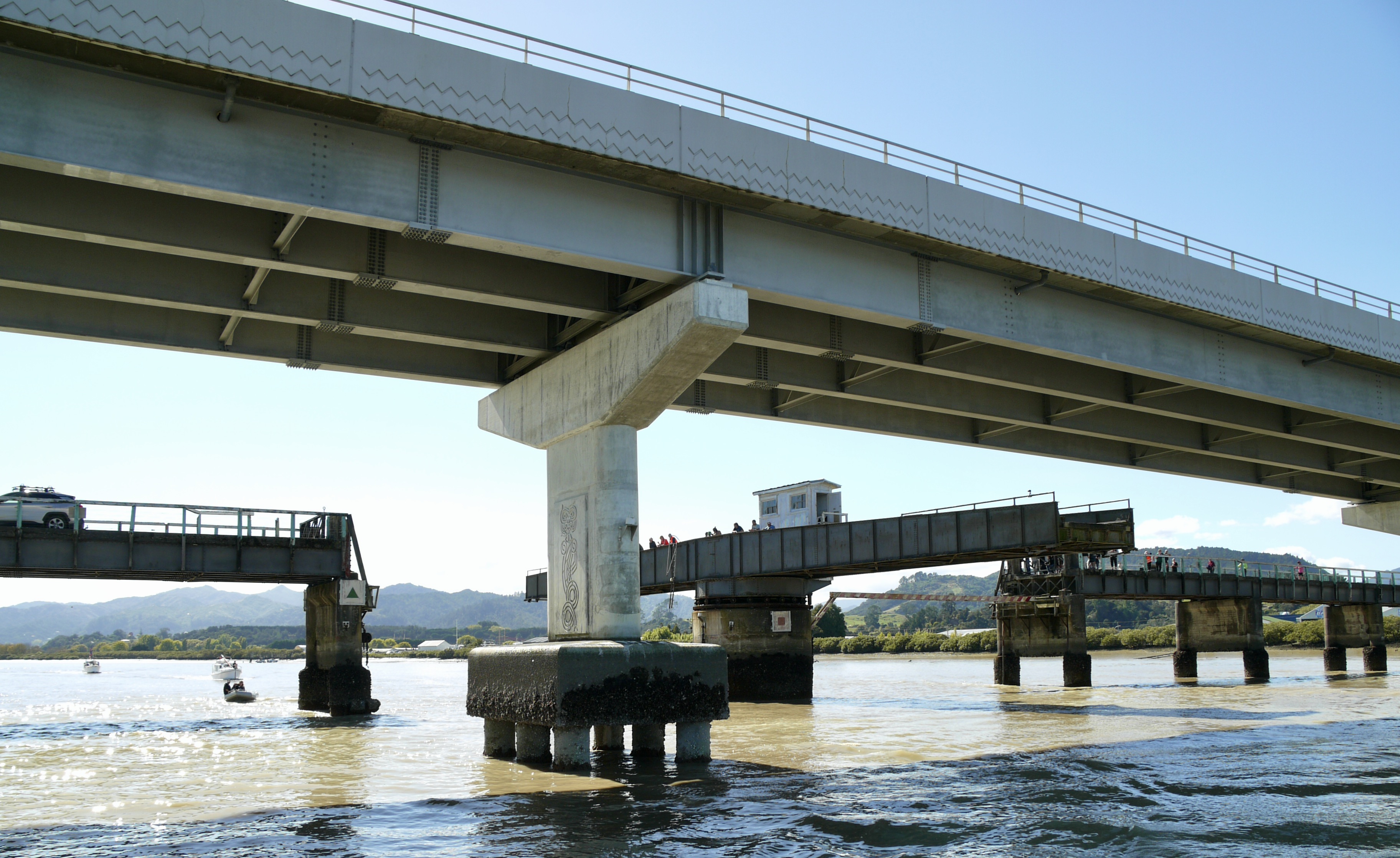
We meet just off the old Kopu Swing Bridge which was opened specially for us to pass thru – and the welcome / turn out on the old bridge was outstanding. Must have been a quiet day in Thames, maybe it was that it was Good Friday and most things (pubs etc) were closed 😉
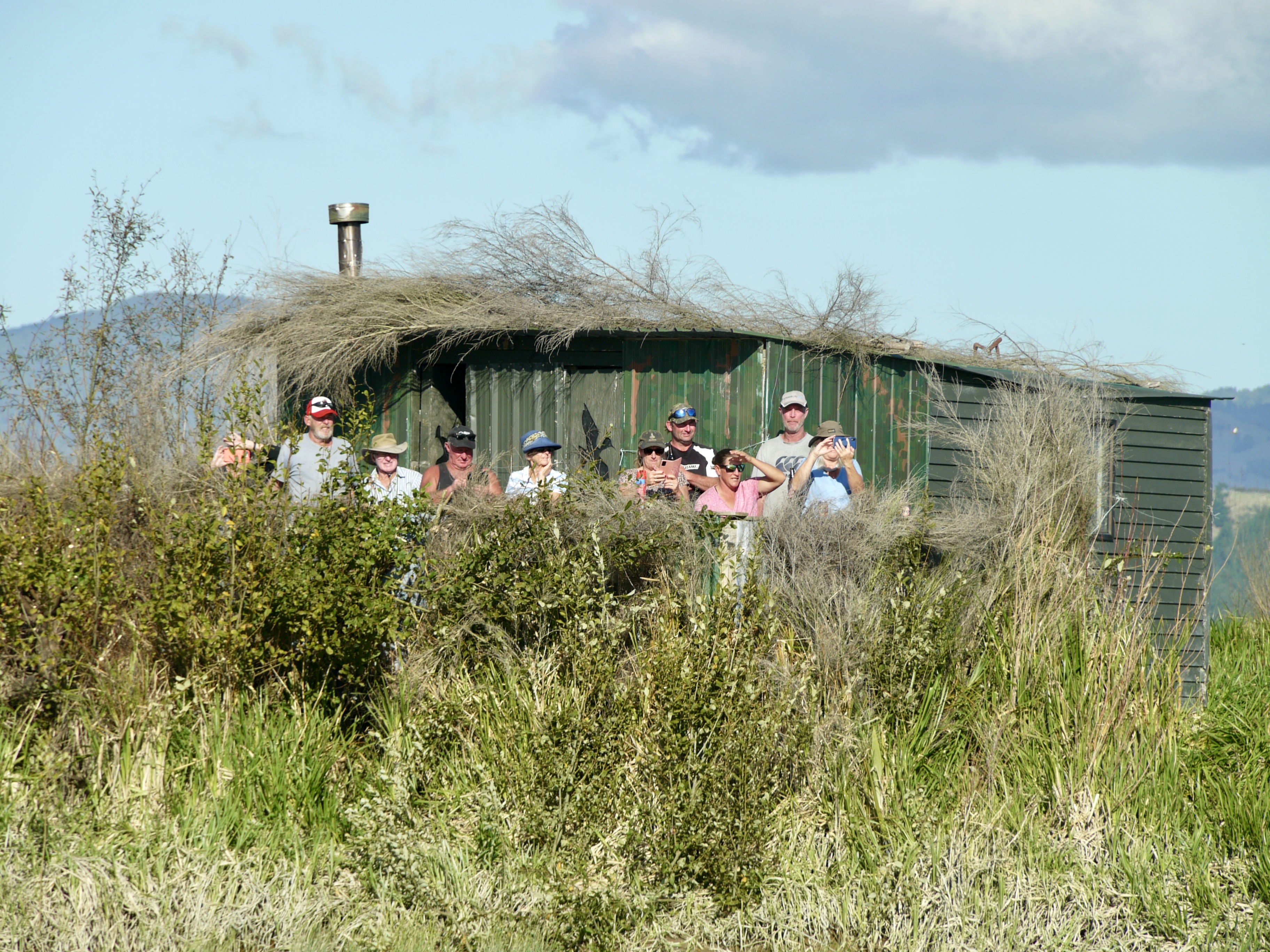
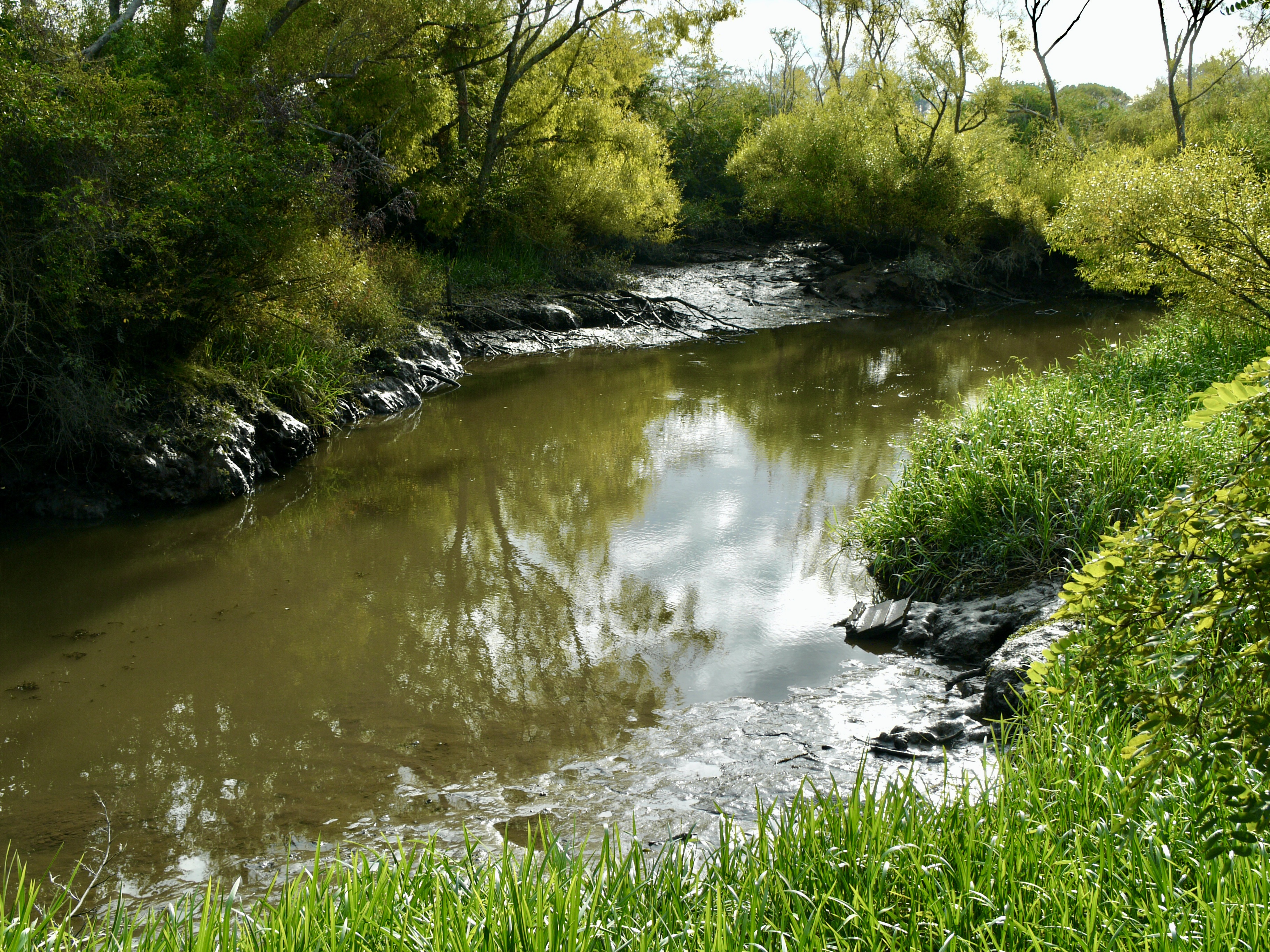
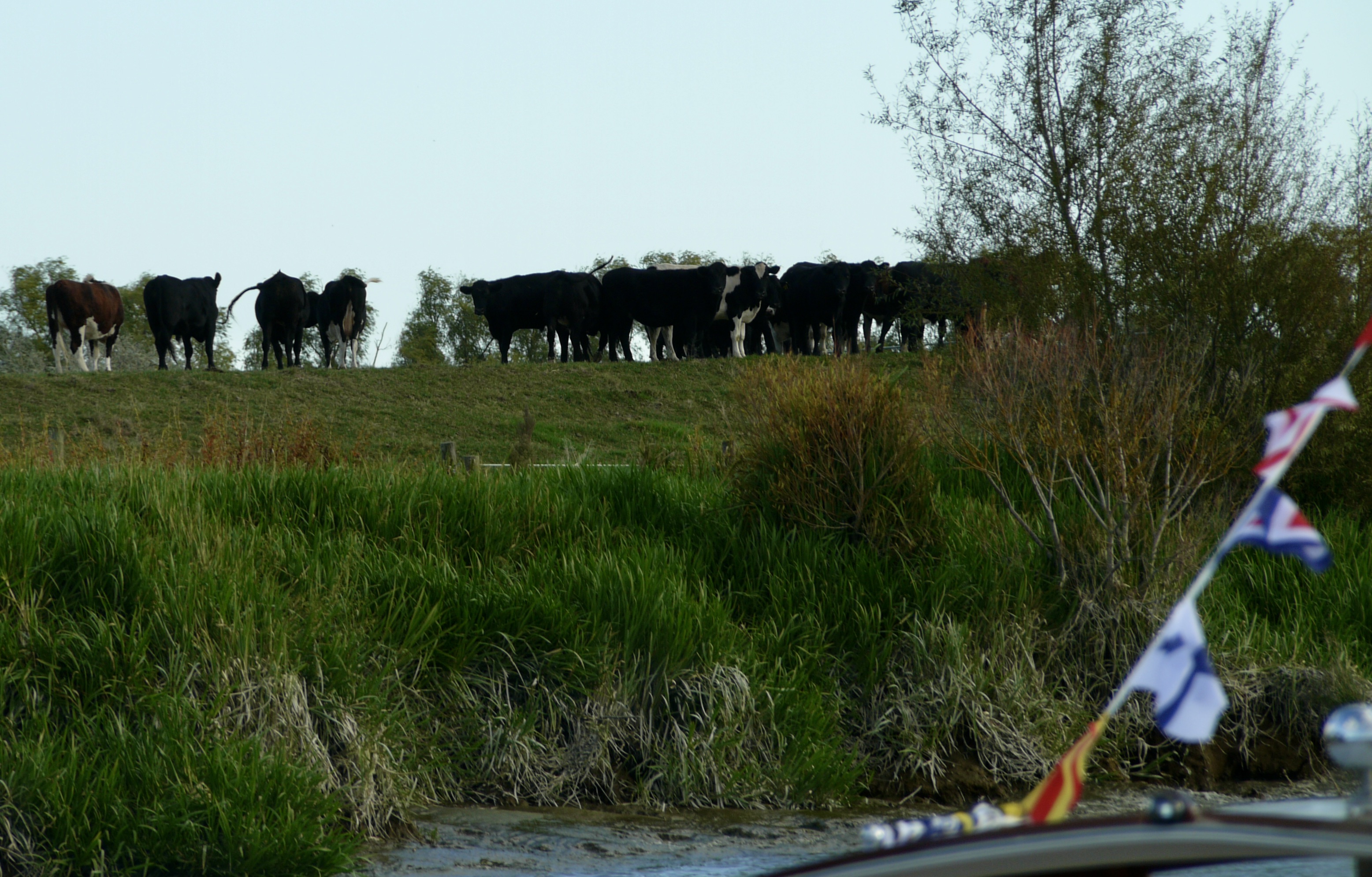
We shot thru the gap and 10 minutes later our lead boat, with navigator on board, found a mud bank and were ‘stationary’ for over an hour. Once moving again the remainder of the 4+ hour journey was fun to travel together in close proximity, but the scenery got very repetitive and at 5 knots max – the going was slow. The skippers were kept awake by lots of locals who had gathered at wharfs and in paddocks to wave as we went past. The dodging of the occasional ‘grassberg’ (floating mid-stream) also kept skippers on their toes.
The final short leg from the main river to the Museum dock again saw the lead boat aground and a wait for more tide.
We sneaked in just before dusk, a very long 10 hour day.
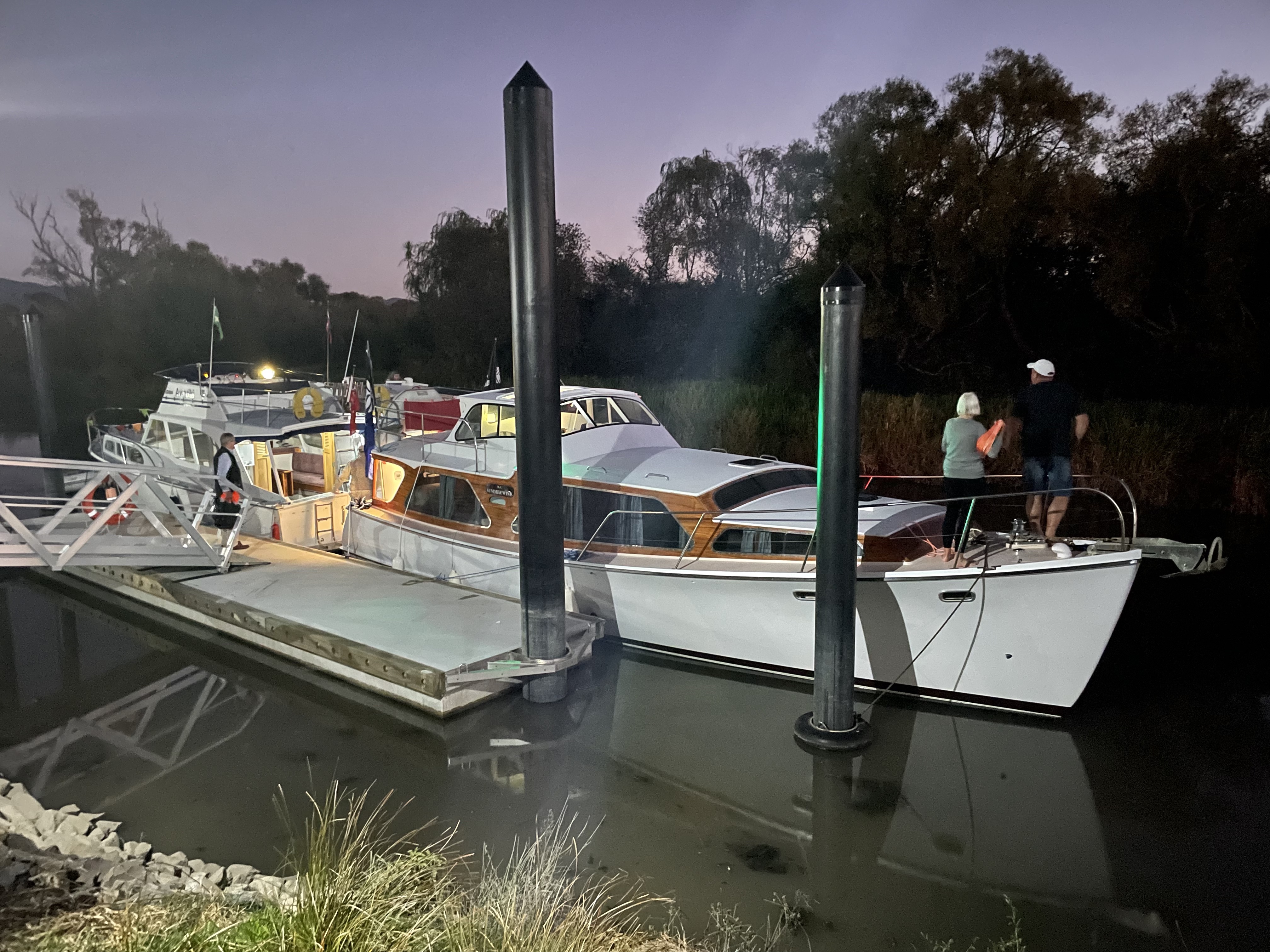
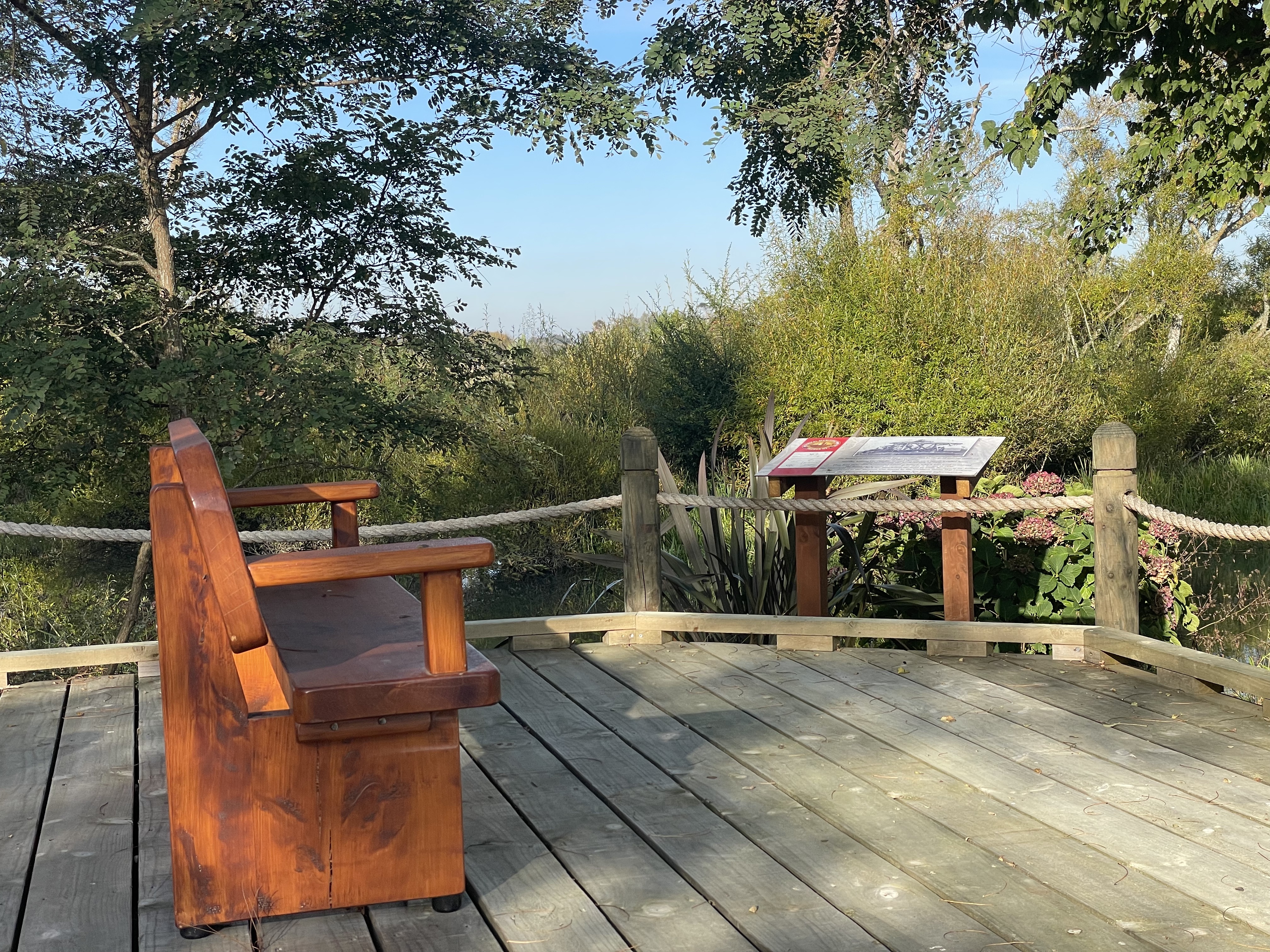
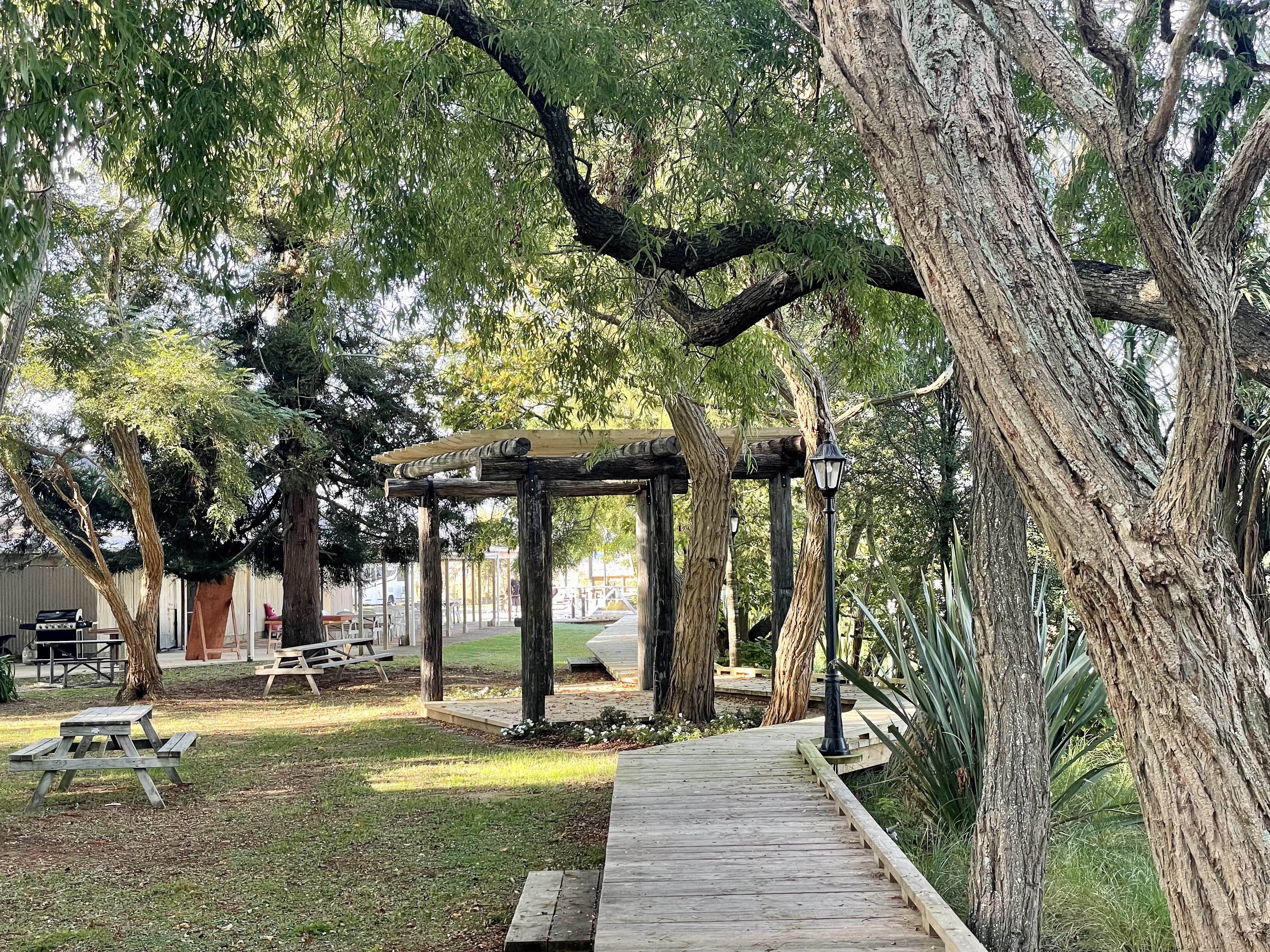
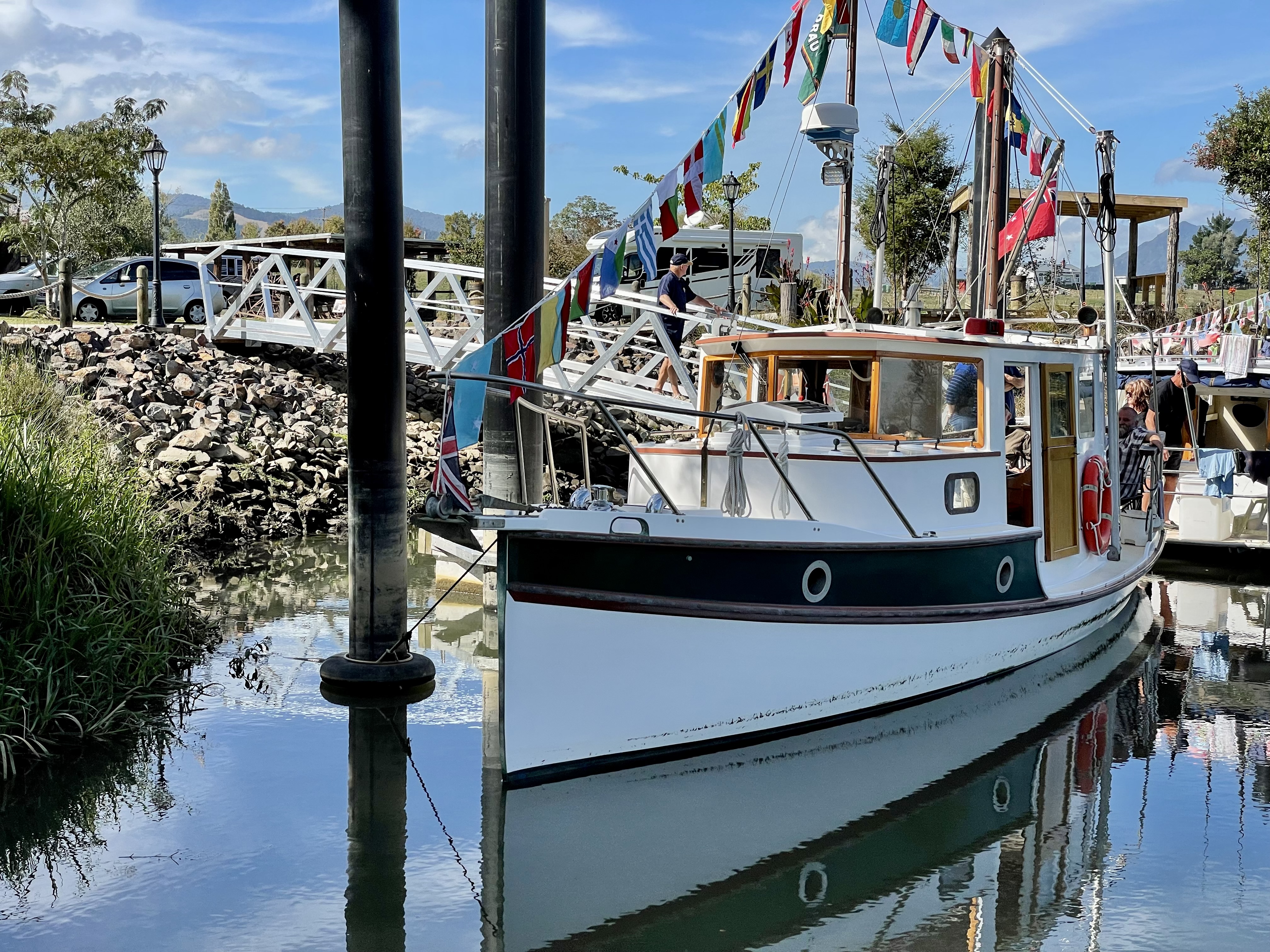
Jason Prew and Peter Vandersloot oversaw the shoehorning of the 10 woodys into the docking area. Then it was ashore to stretch the legs and a BBQ dinner/ catch up. The Museum had set up an impressive and most appreciated dining / BBQ area for the crews to enjoy. Post dinner most returned to the boats for an early night.
Observation- it’s bloody cold up a creek in the middle of the Waikato, thank god for hot water bottles.
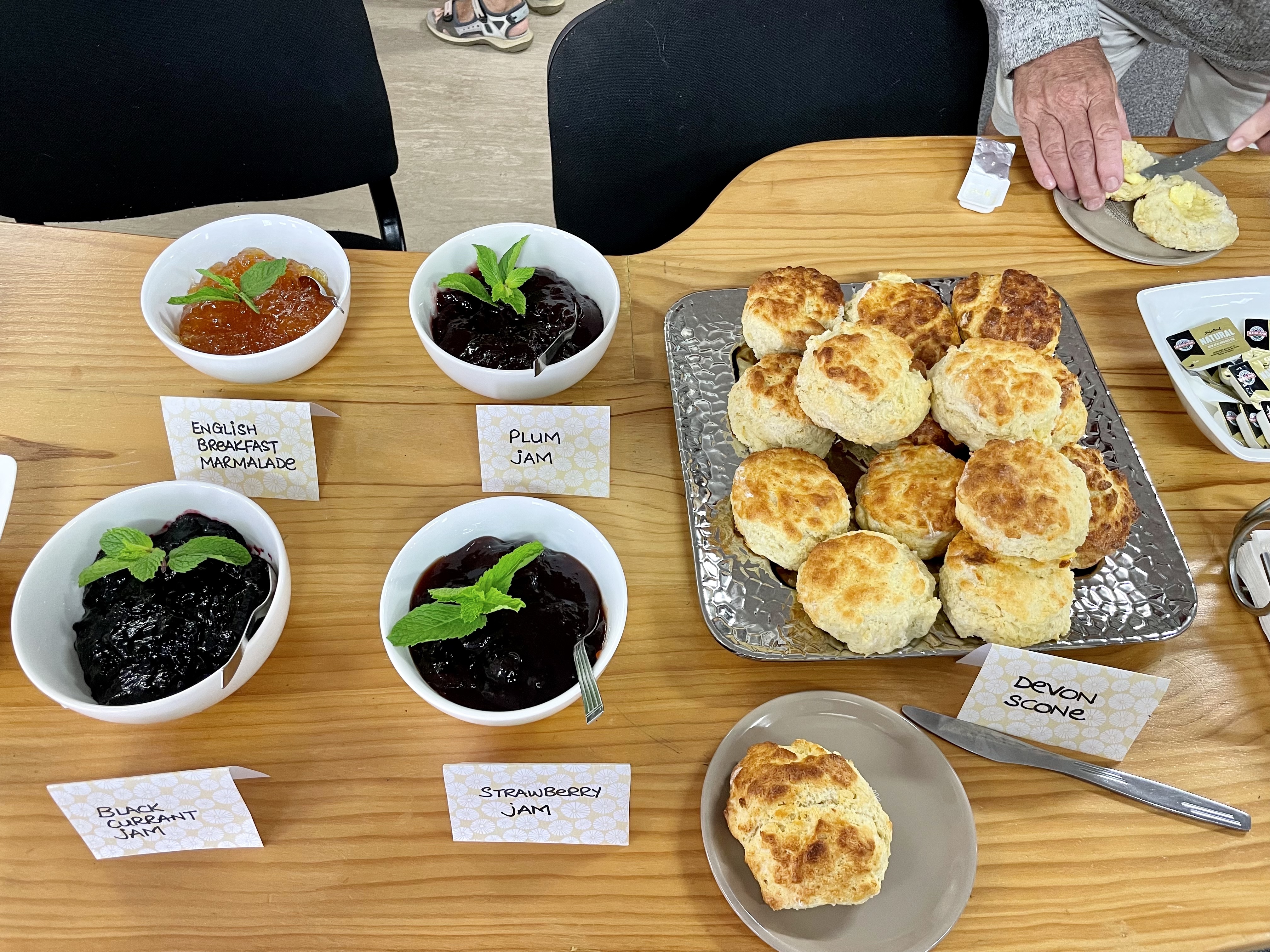
Saturday was another cracker autumn day. The crews enjoyed a trip on the classic launch – Ariana (skippered by Peter Vandersloot) to the Paeroa township for morning tea at the local RSA – hot scones and pastries – always a winner. To balance out the catering, the river trip was split in two – with 1/2 the crew travelling by bus and boating back and same same in reverse for the other 1/2.
The day saw a great turn-out of locals visiting the Museum and walking the docks. I would encourage you to search the following words Kopu Bridge / Waihou River / Maritime Museum & Park on Facebook – the weekend was covered by so many people – lots more photos and videos to see.
Special mention must be made to Peter Vandersloot who masterminded the weekend and was on hand to provide so many insights into the heritage of the area, vessels and personalities. The Museum’s Chairperson Colin James and partner Gloria (a trustee) who were everywhere when needed and helped the weekend run smoothly.
Lastly none of this would have happened without woodys Jason Prew from The Slipway Milford, and Kerry Lilley for pulling everything together – well done guys.
The return trip back down the river had its challenges, very complicated tide table – but to the best of my knowledge no one is still there 🙂
The Museum and their boat trips are a must do if you are passing thru or around Paeroa. And big ups to the local council and business association – Paeroa is a healthy, well presented town, and a credit to everyone living there.
Over the next week I’ll do additional WW stories on the Museum, the river trip to Paeroa on board Ariana and a few of the launches that made the trip.
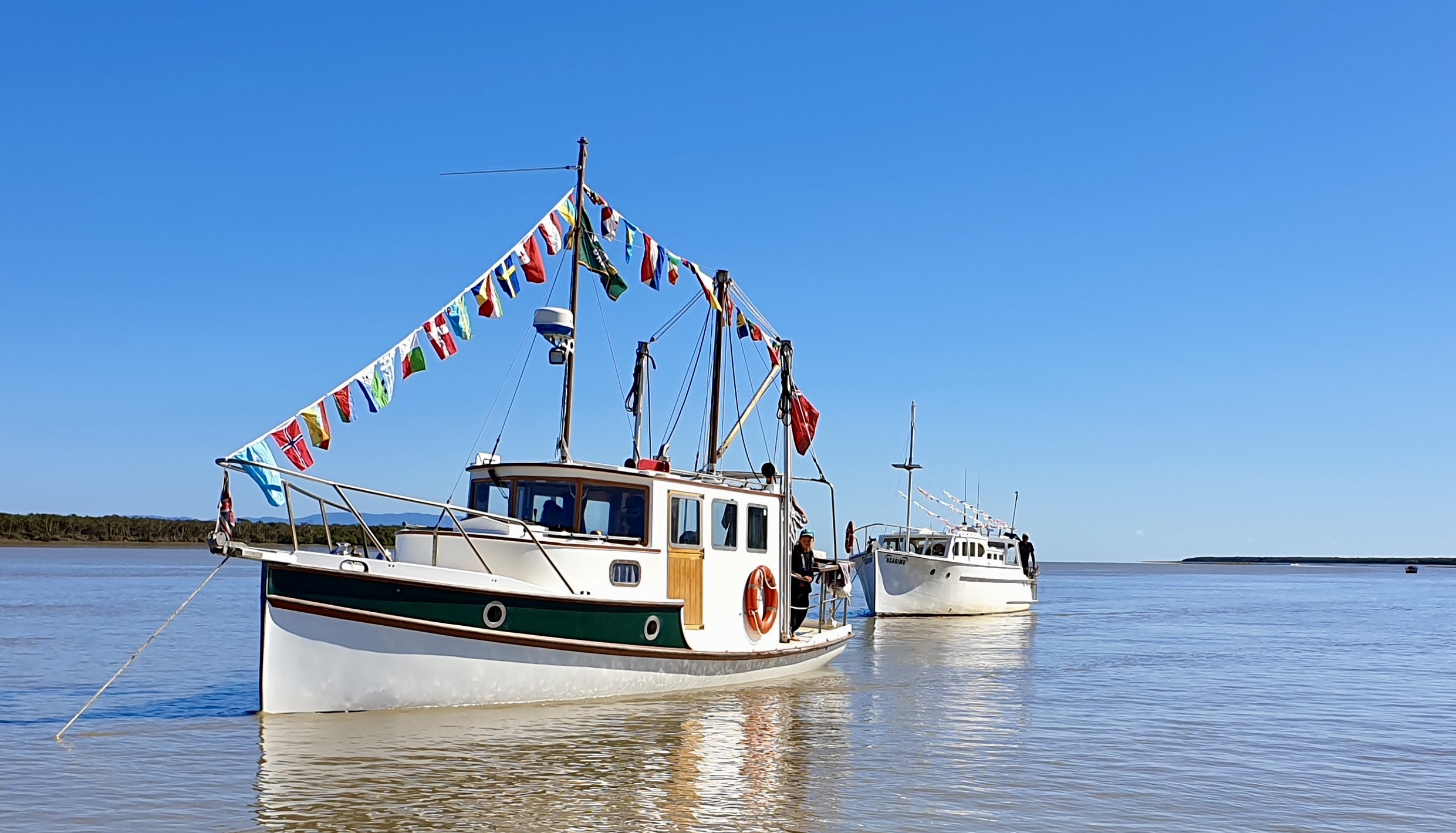
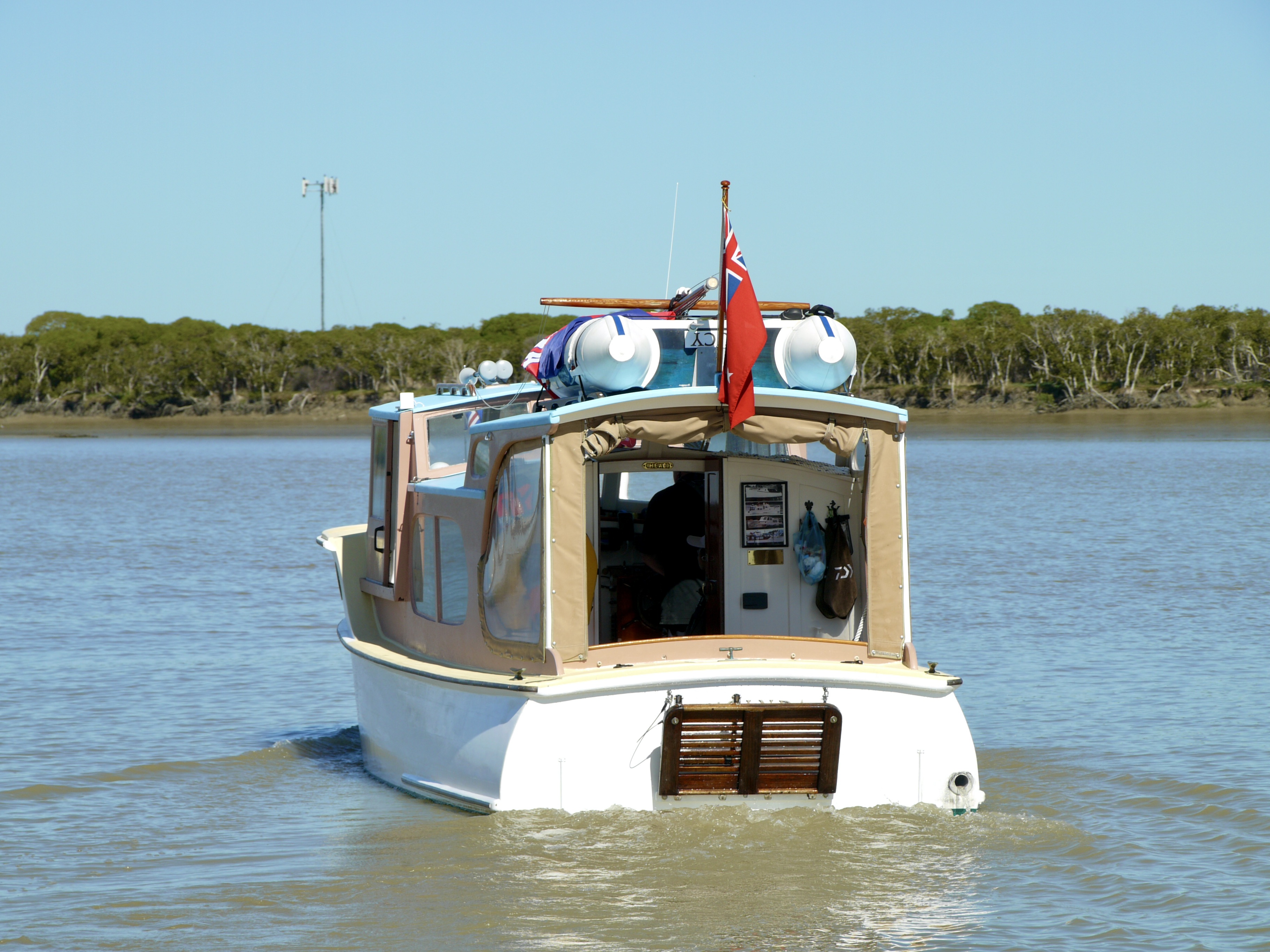
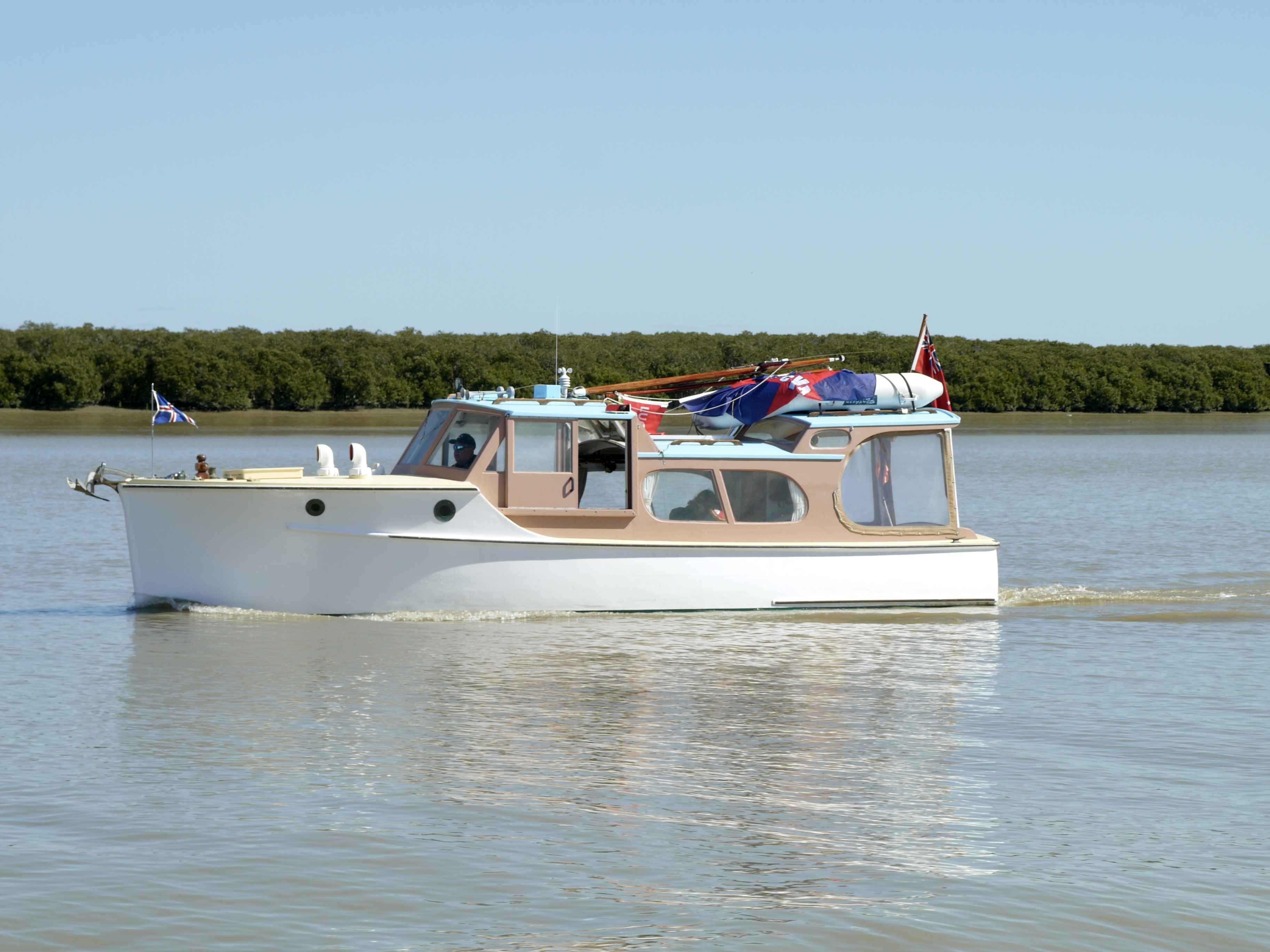
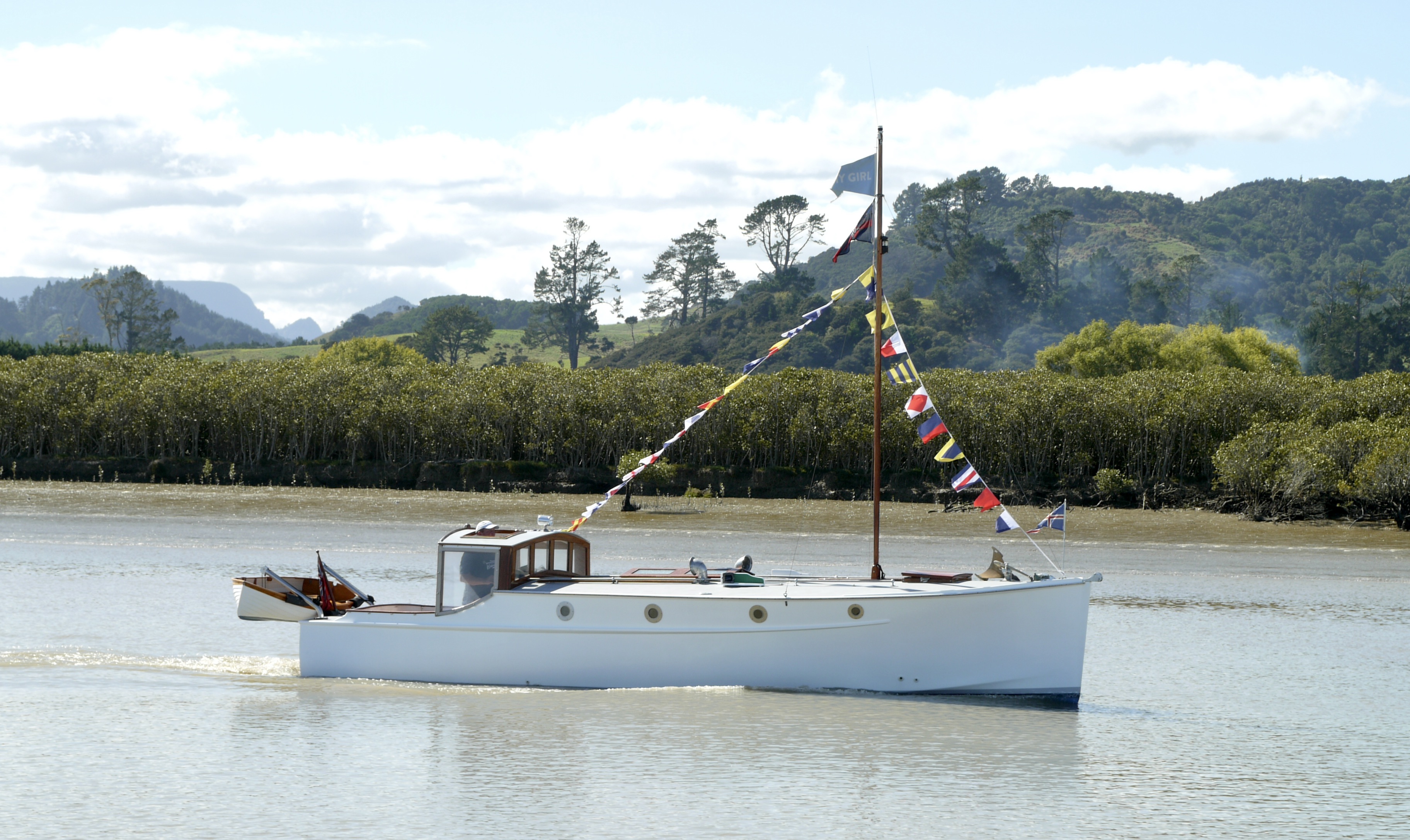
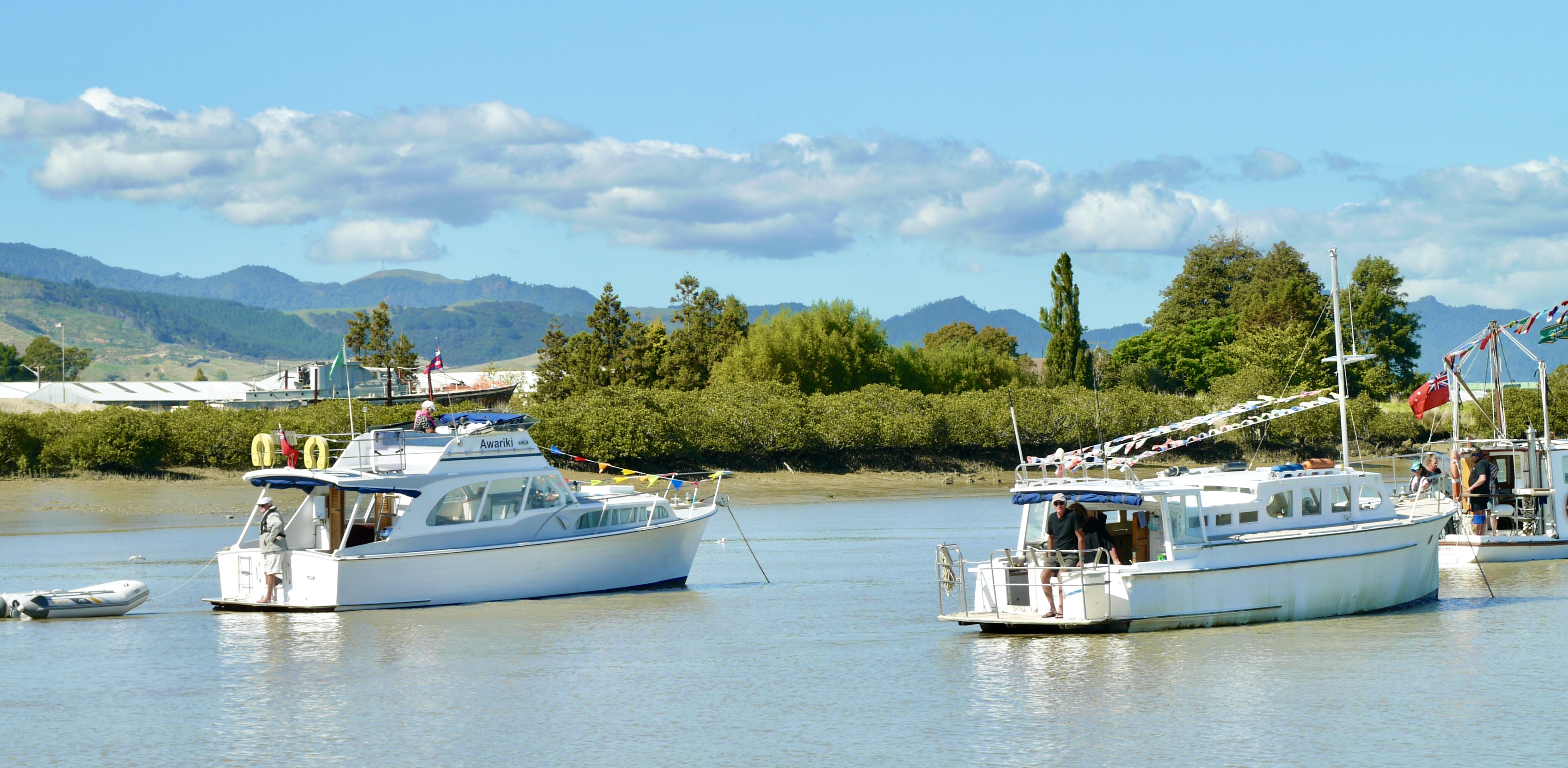
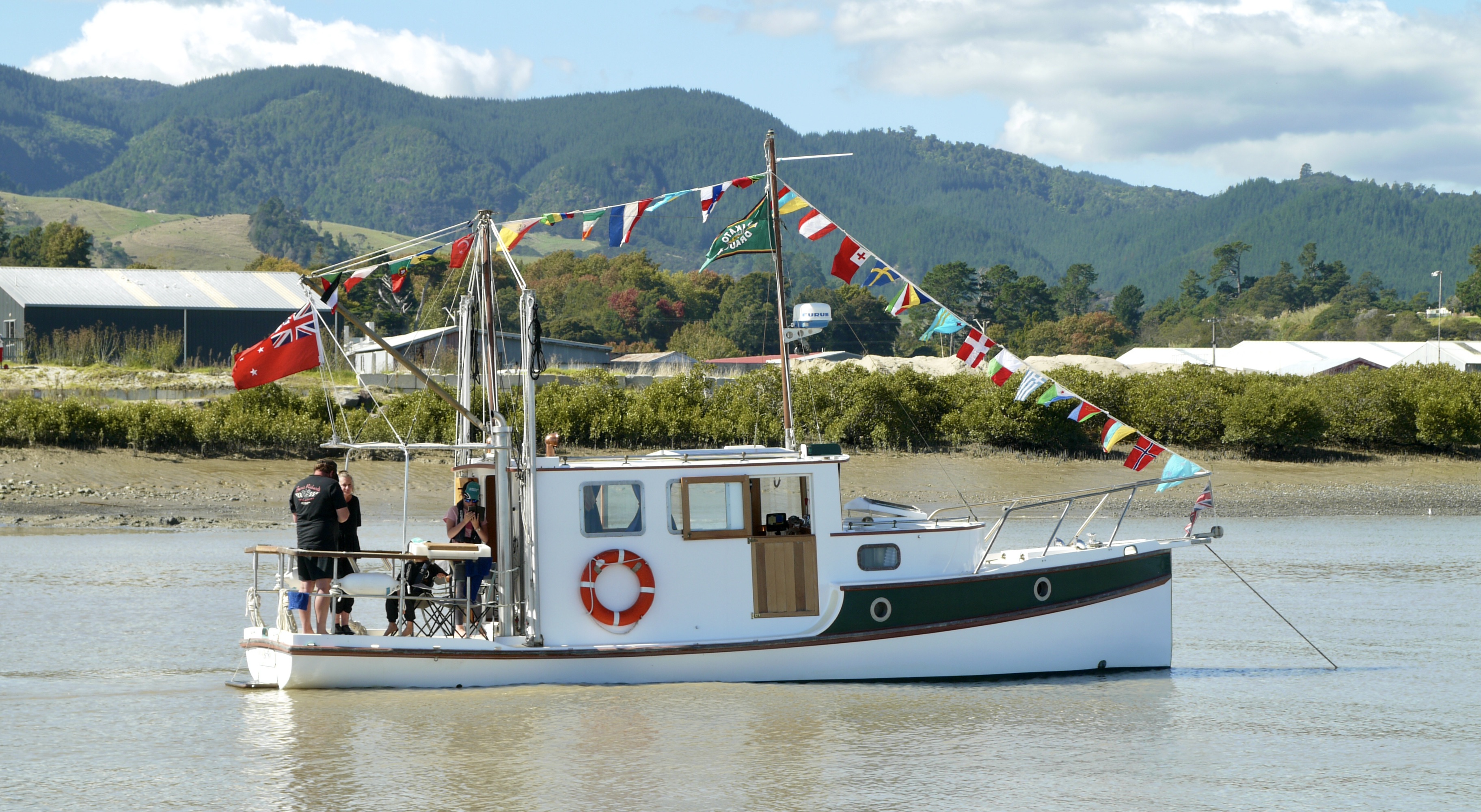
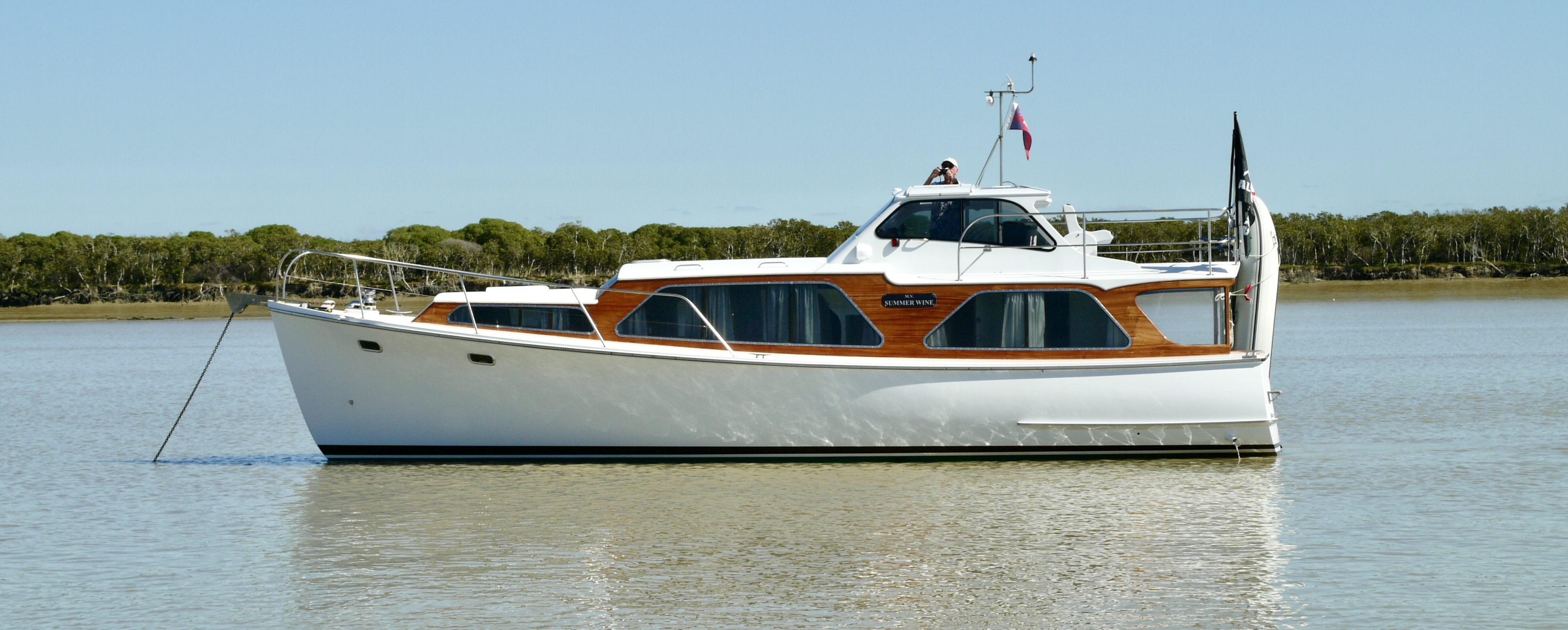
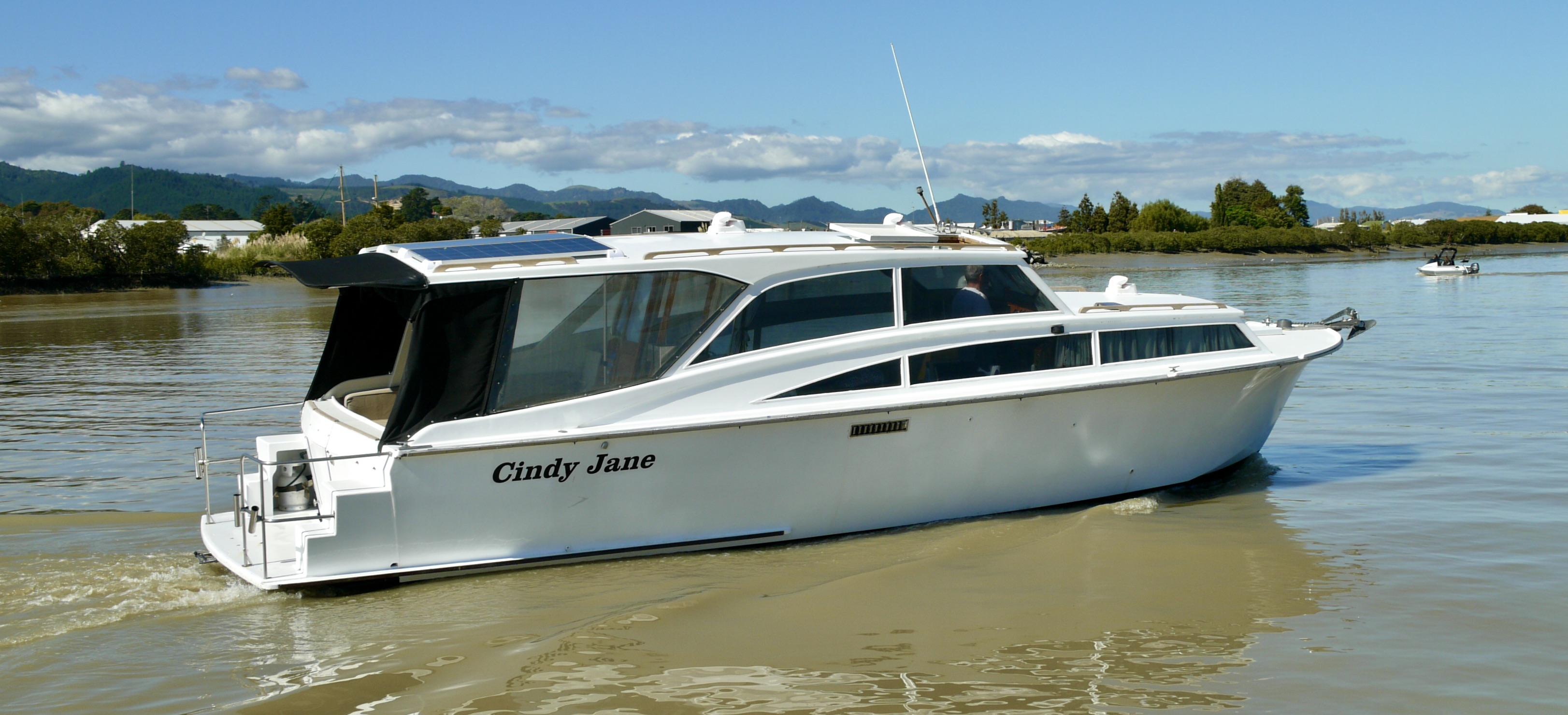
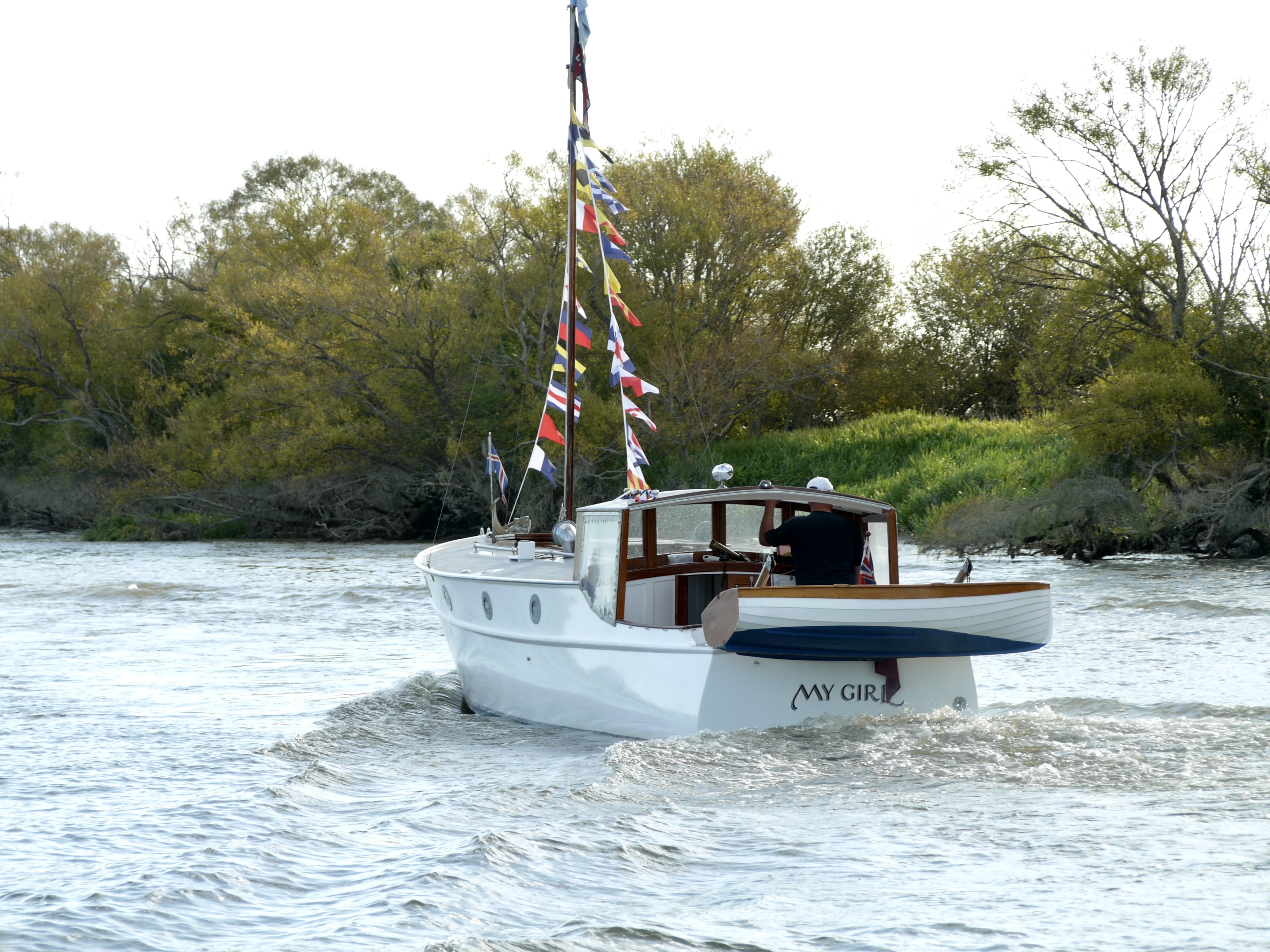
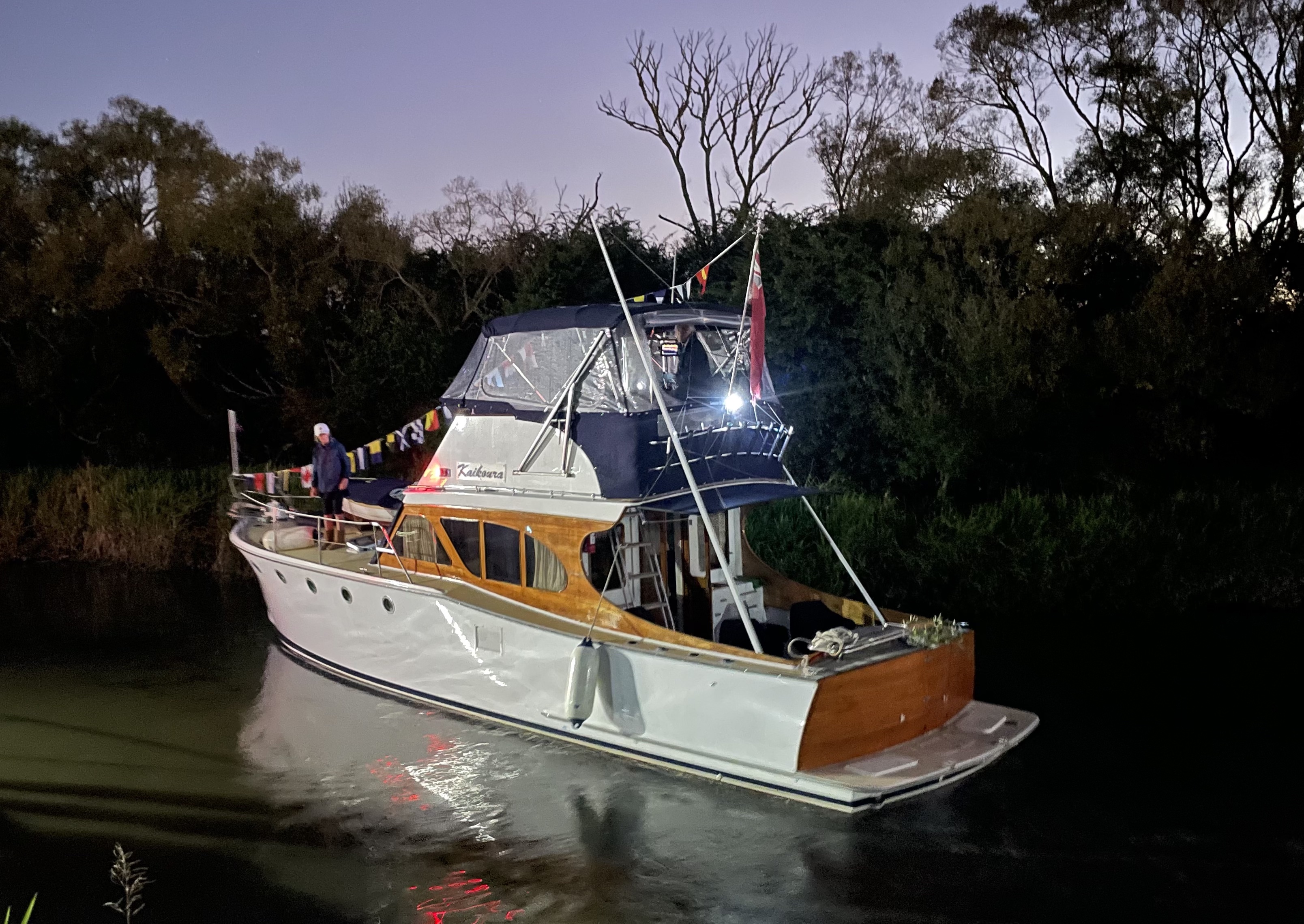
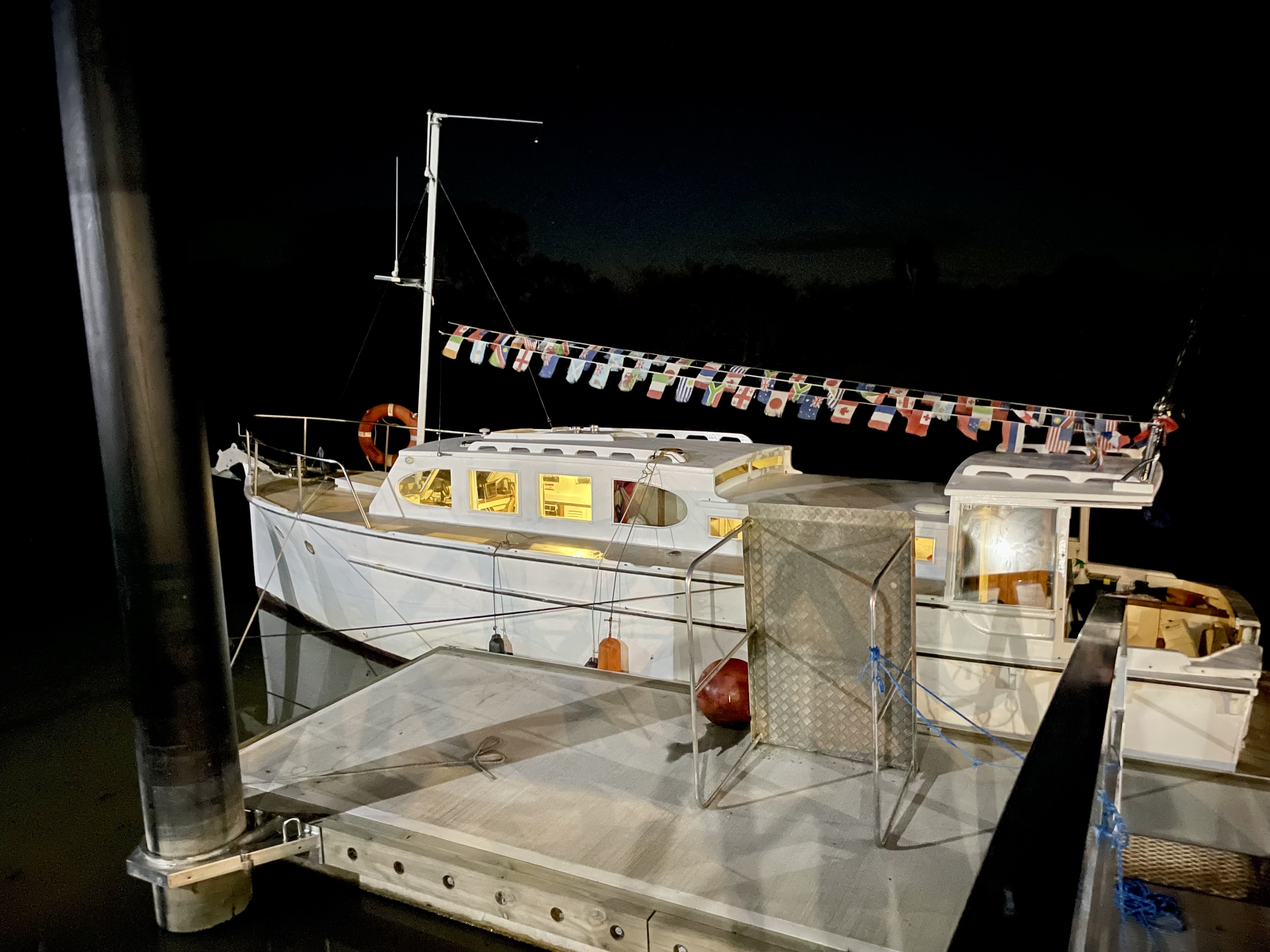
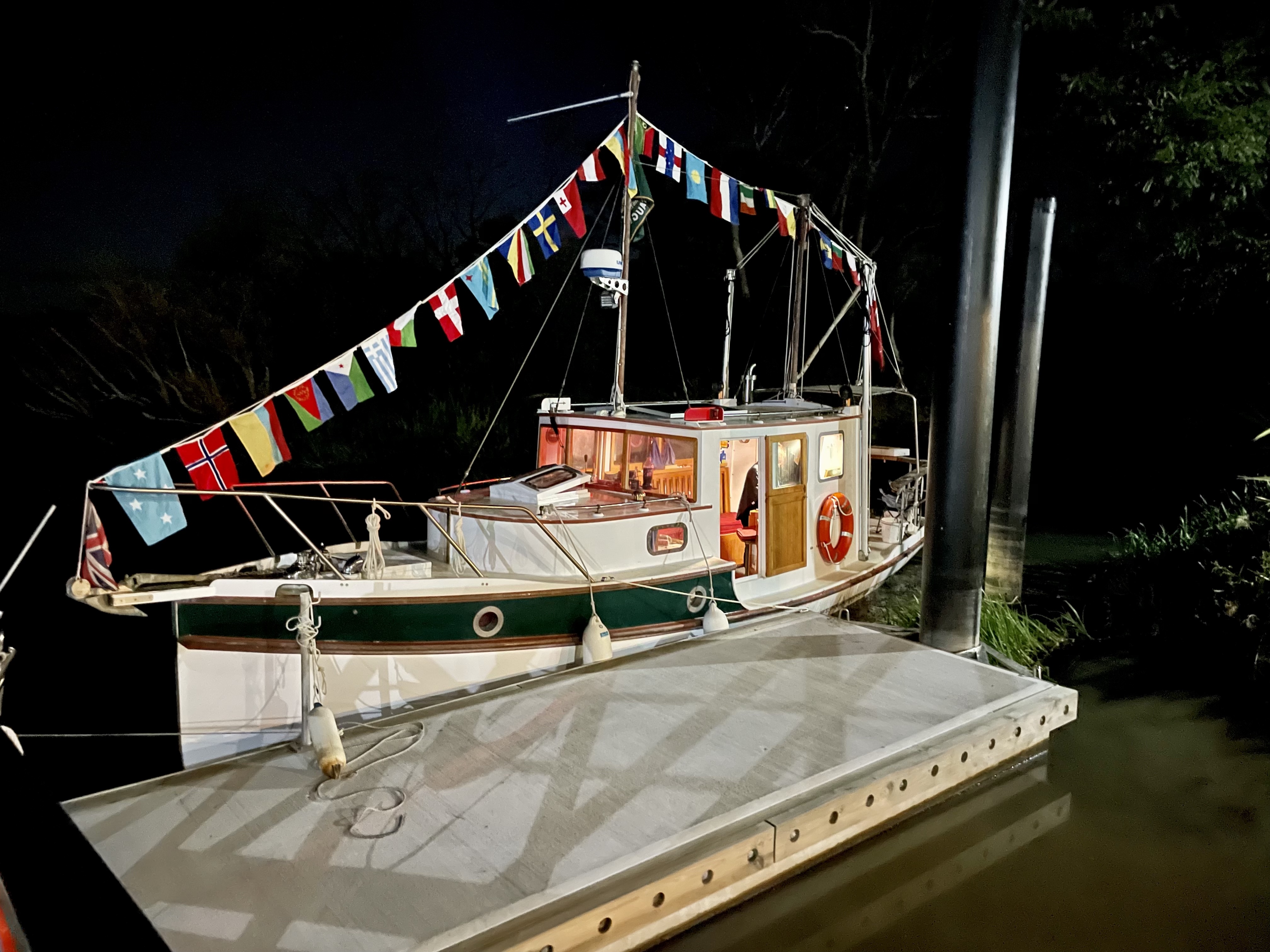
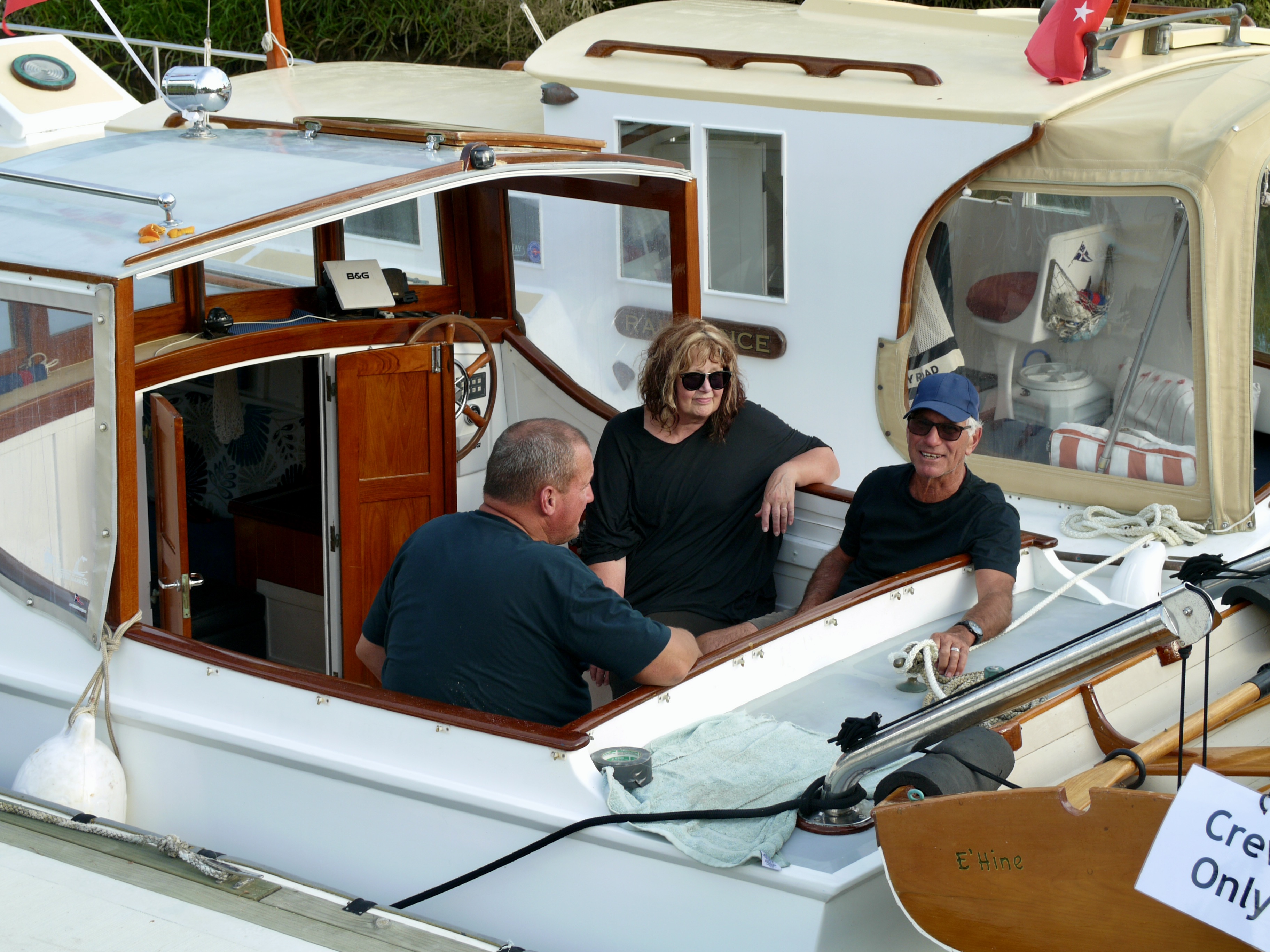
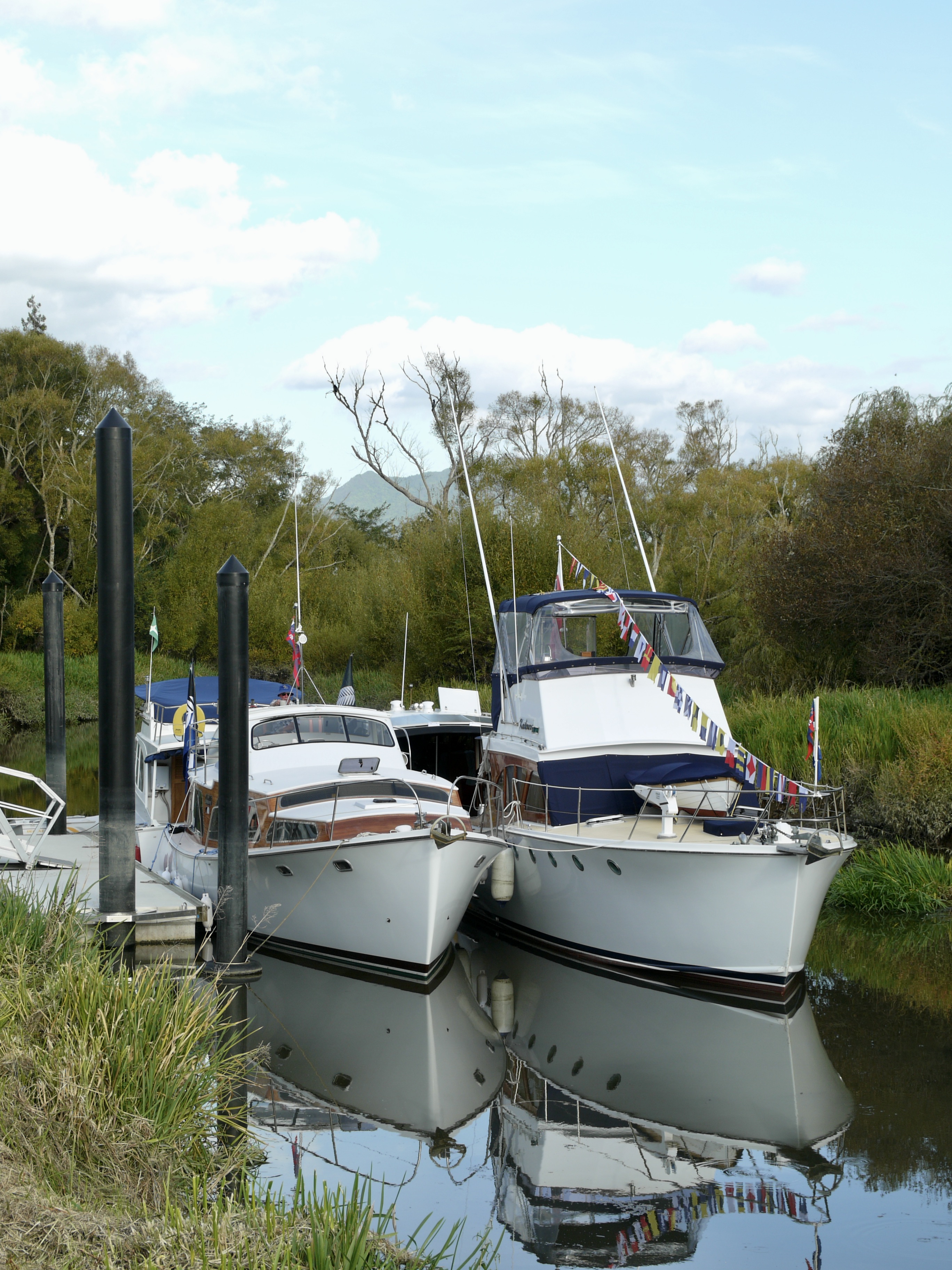
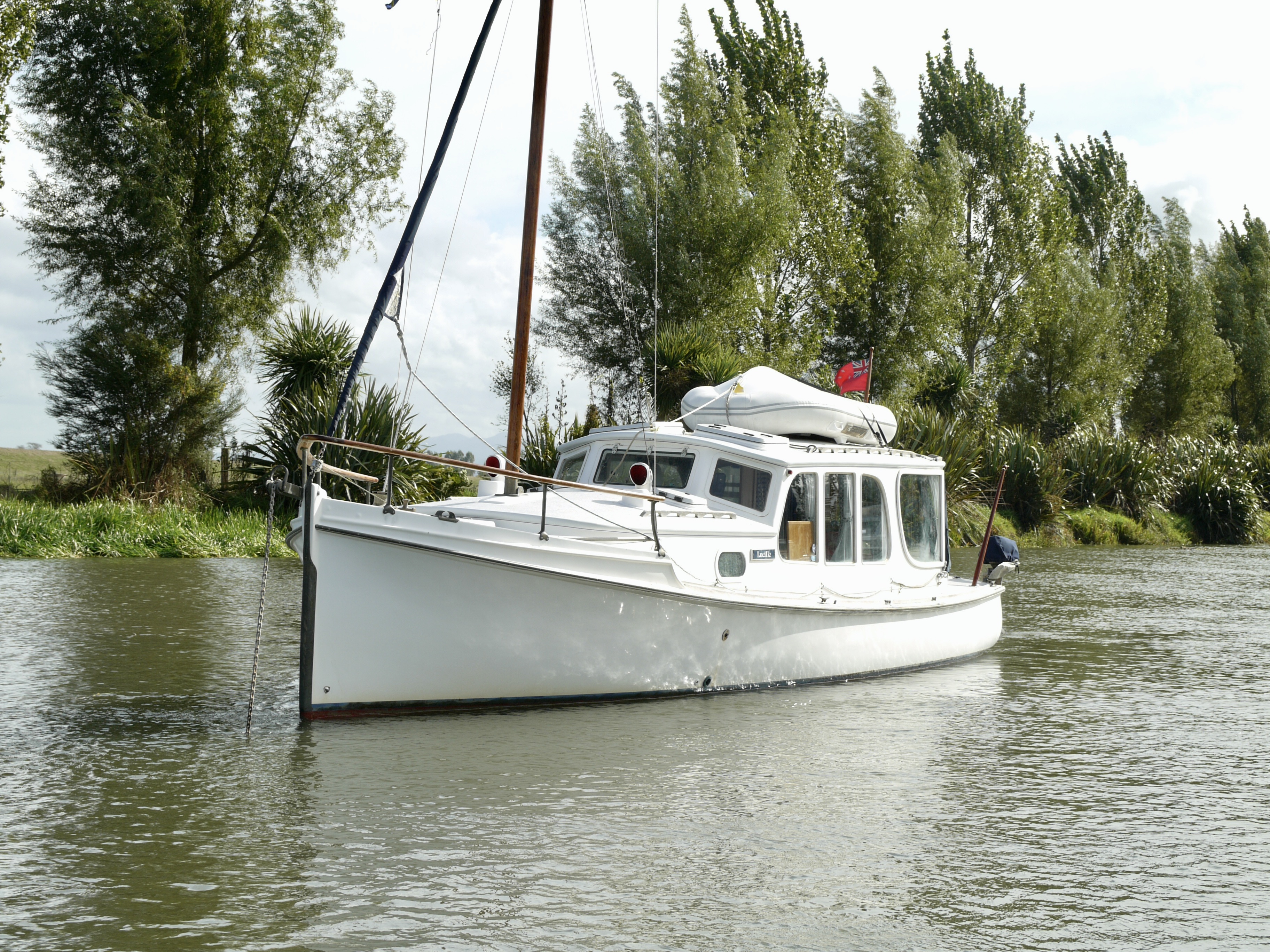
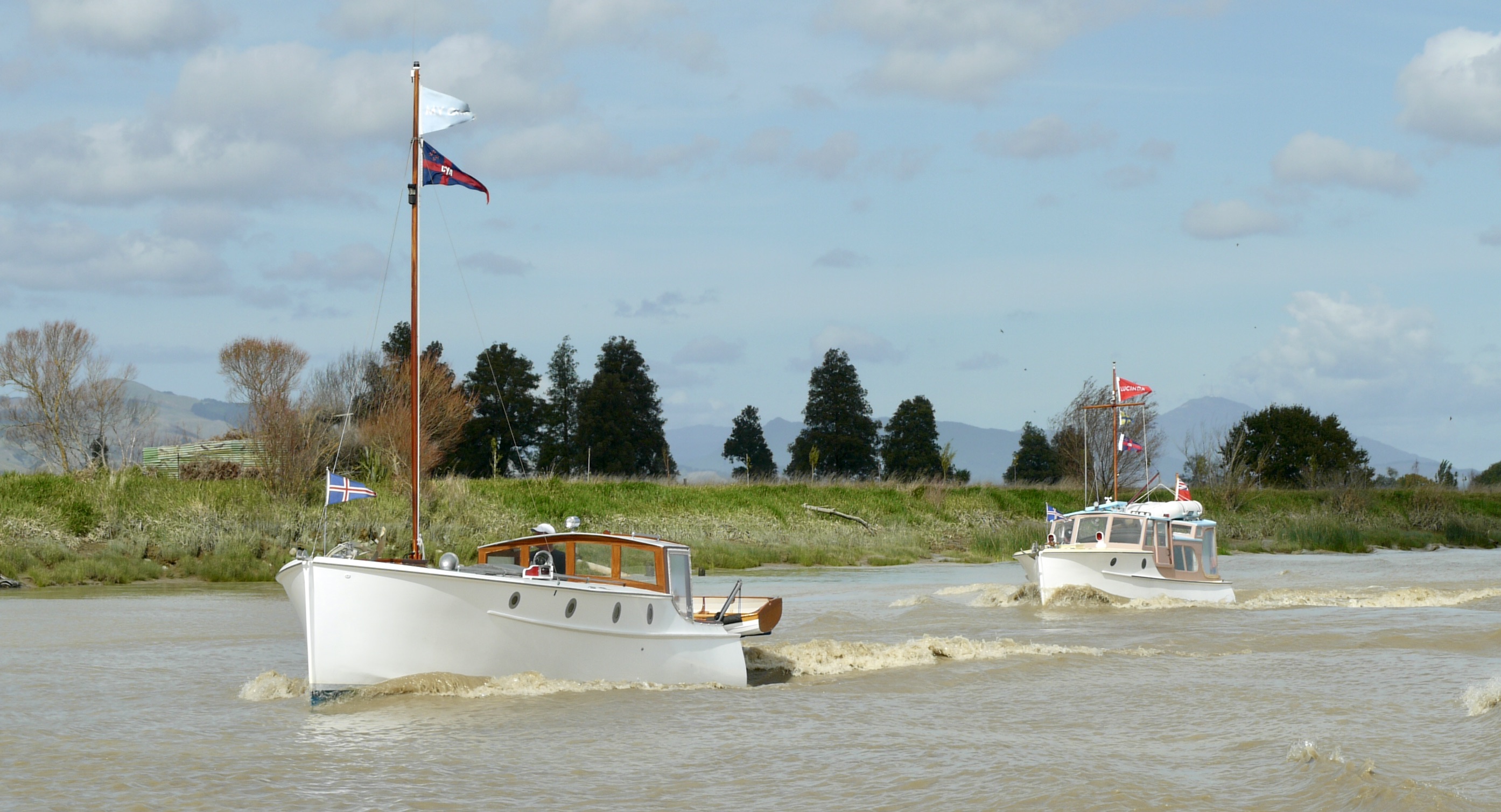
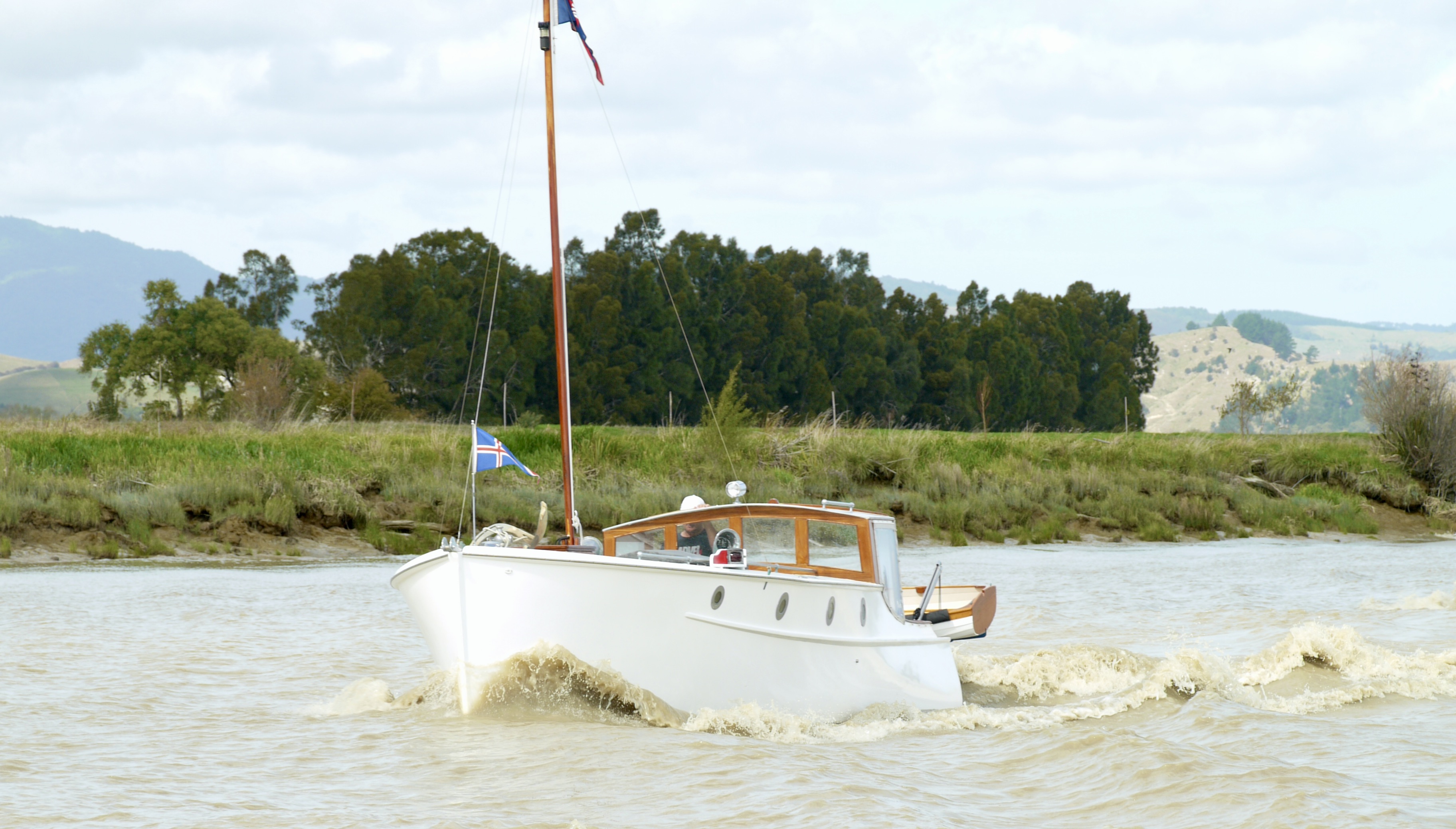
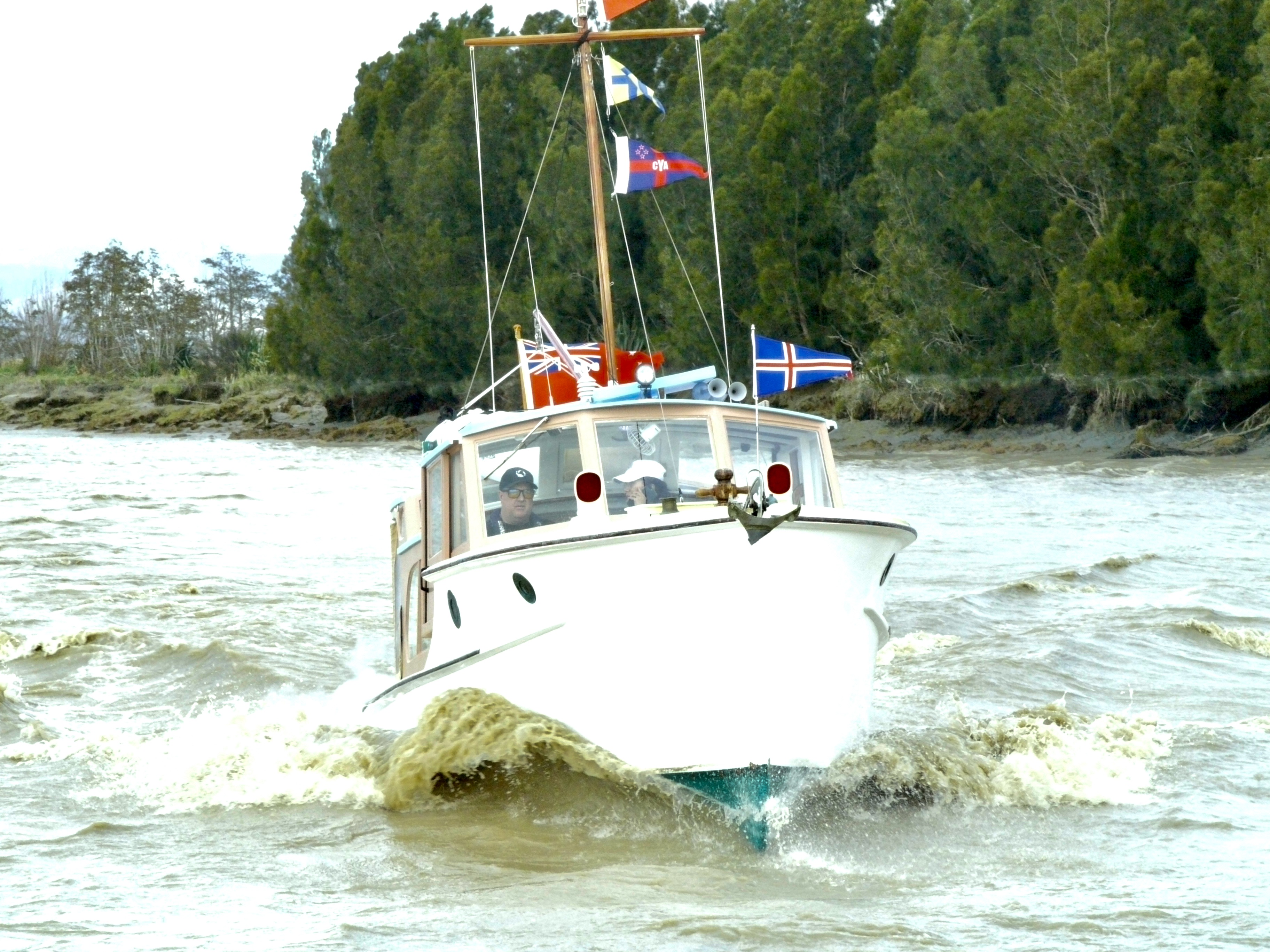
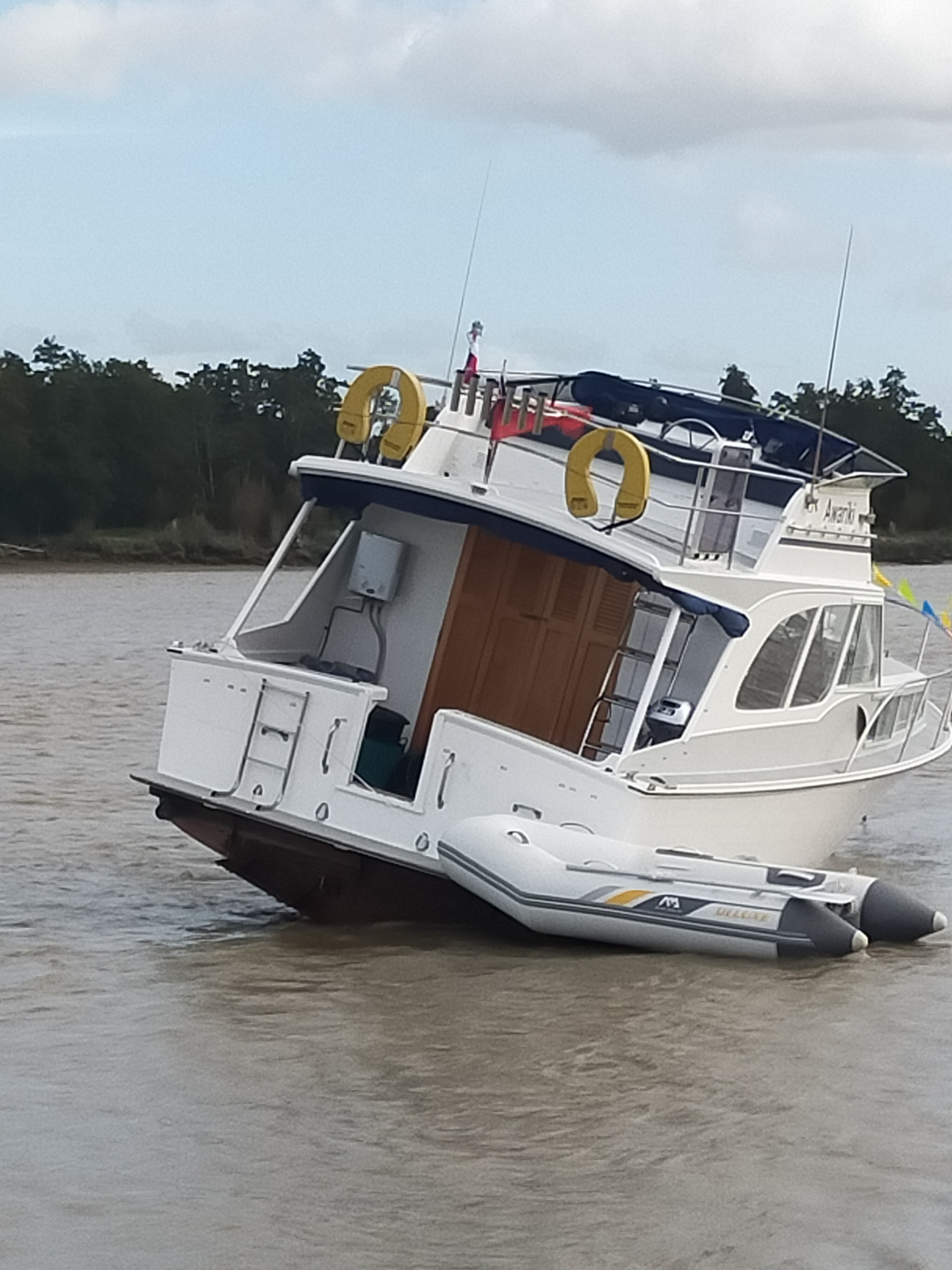
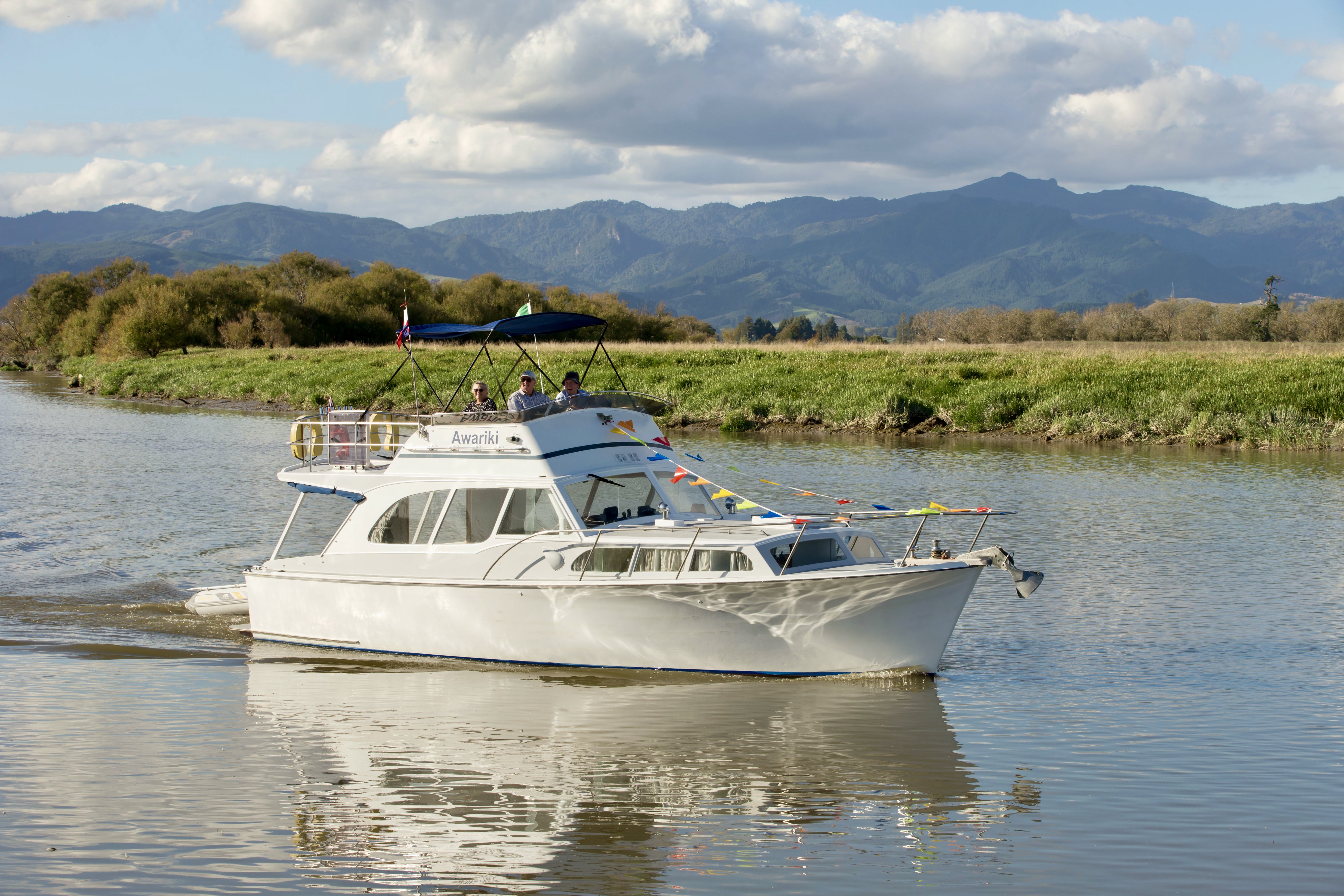
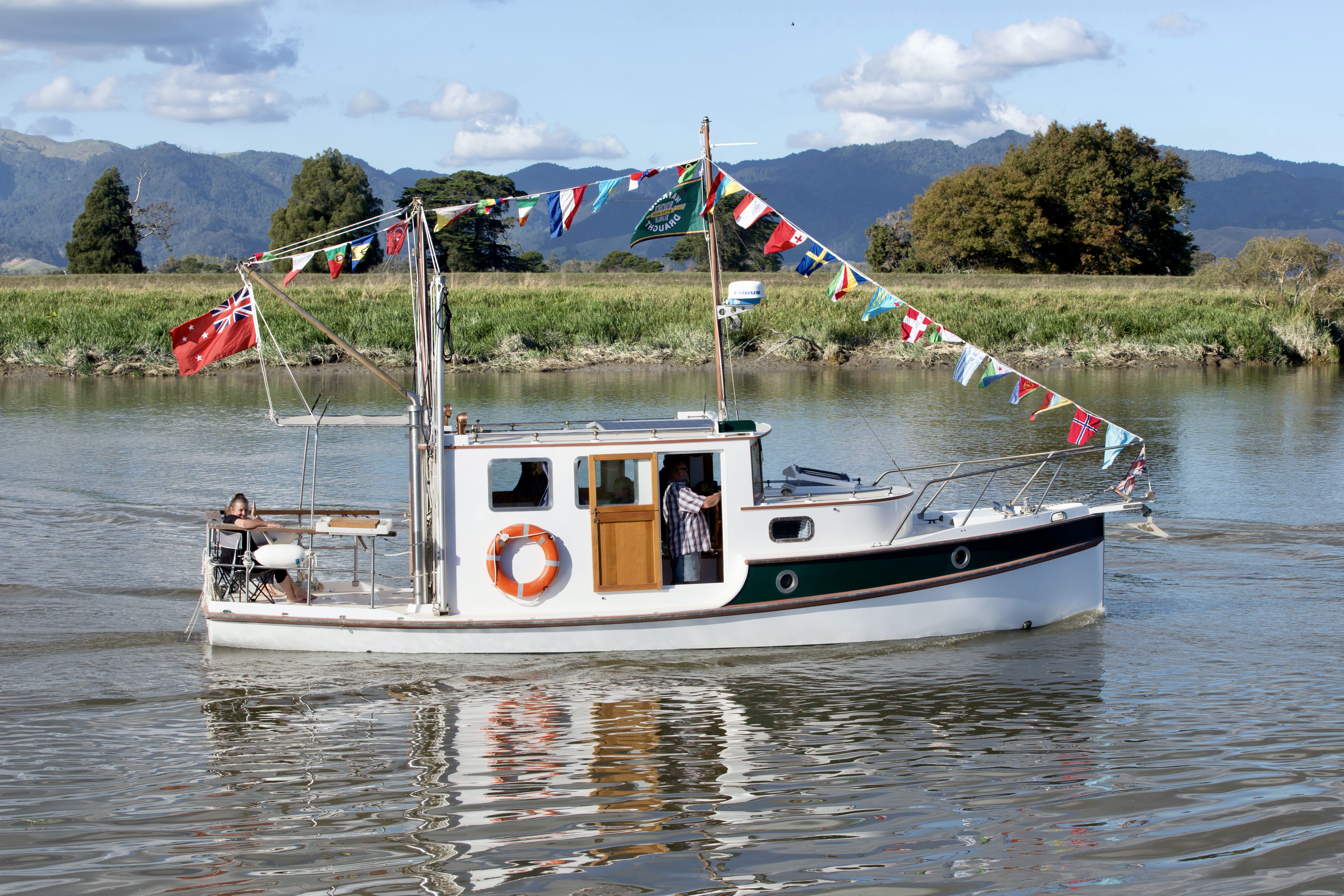
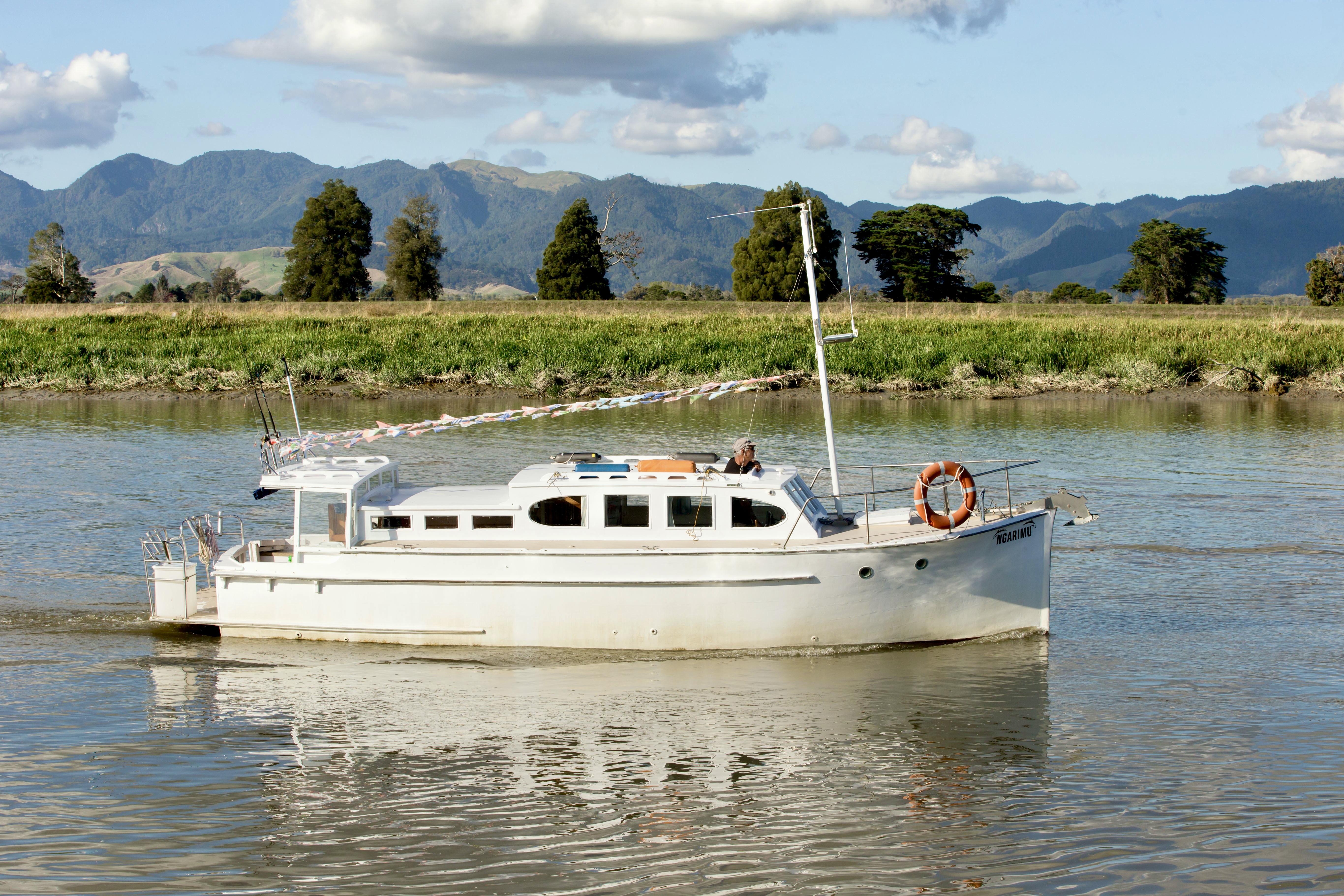
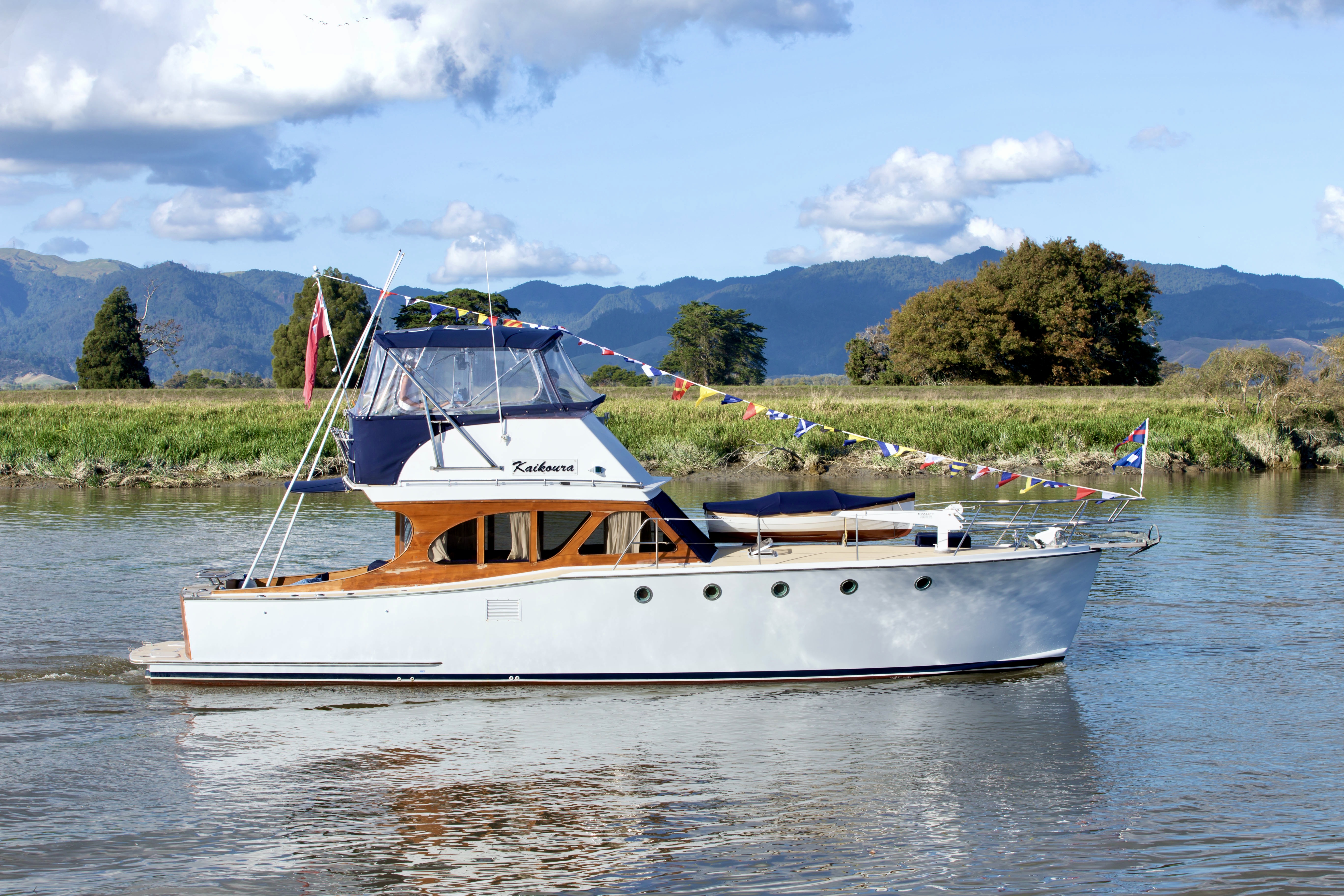
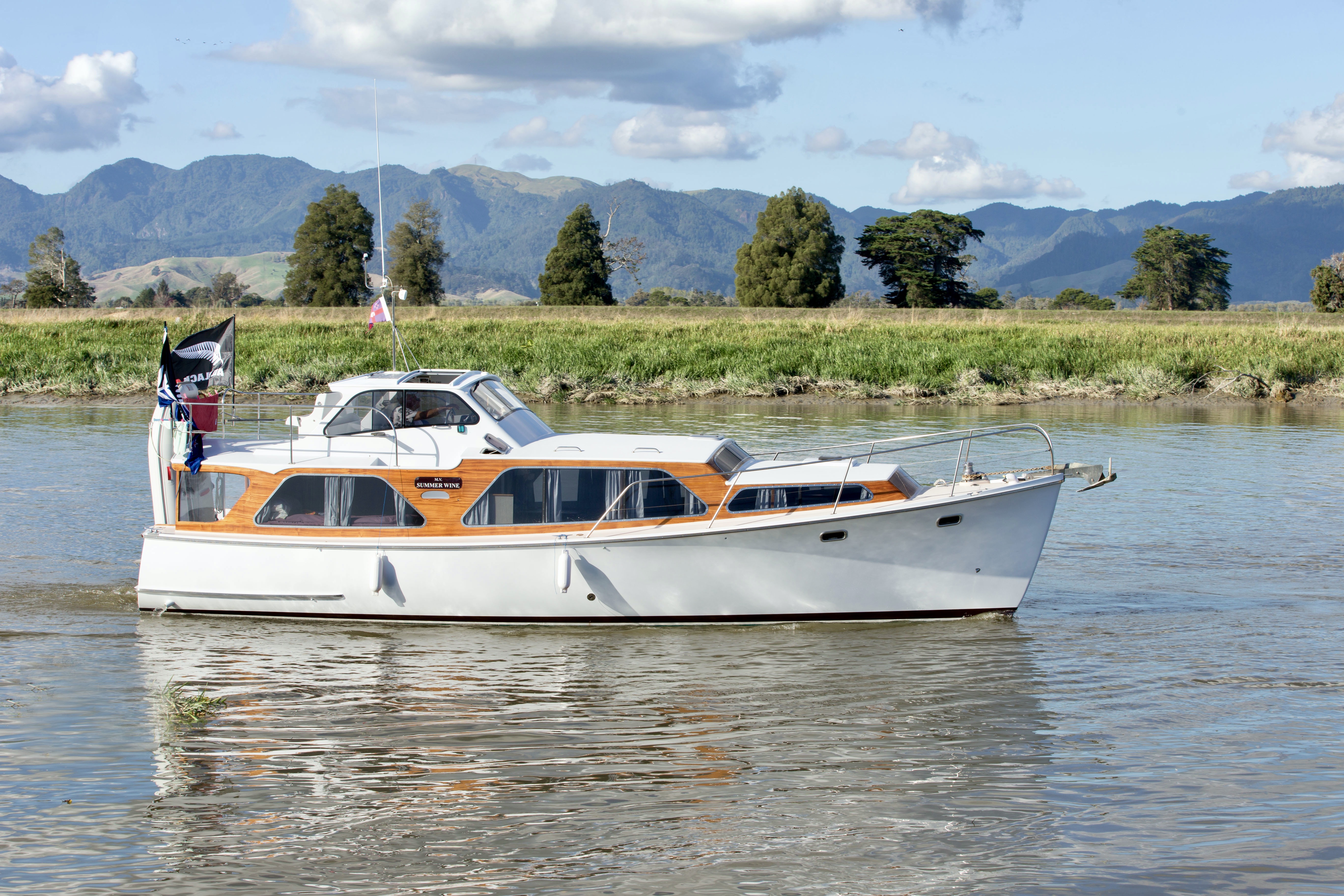
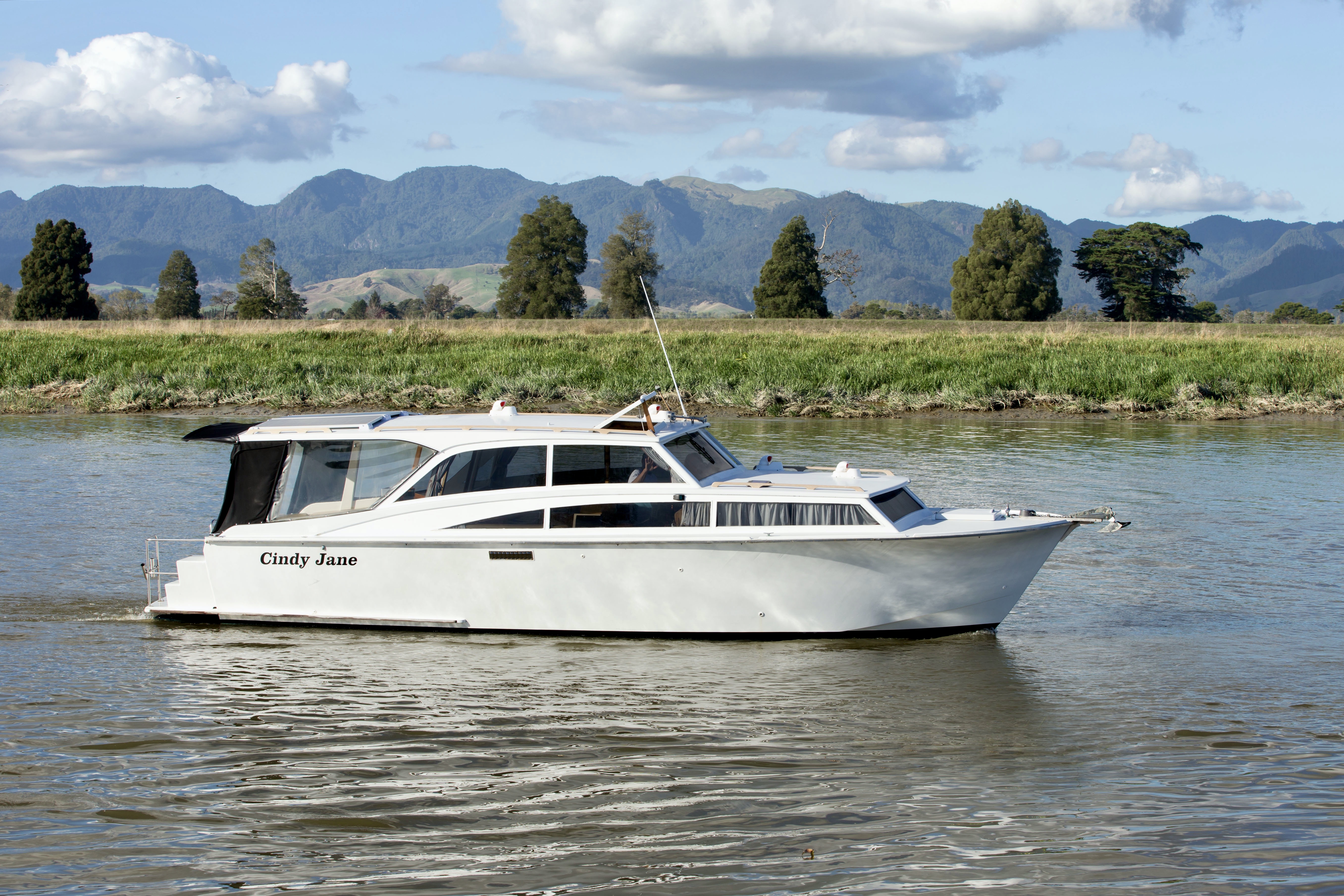
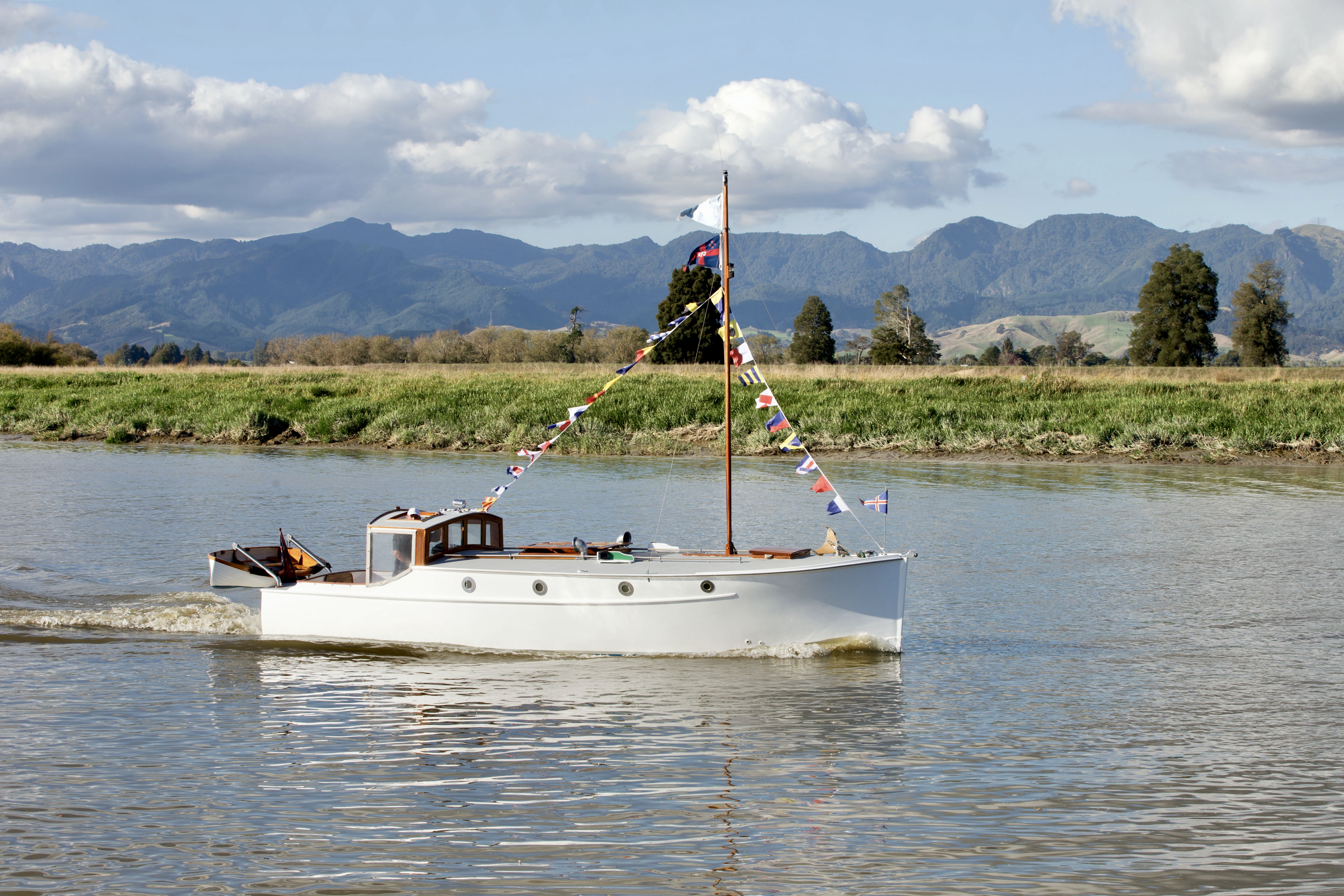
(Woodys who attended – My Girl, Raindance, Awariki, Lucille, Summer Wine, Ngarimu, Lucinda, Maroro, Cindy Jane, Kaikoura, and guest appearance by Ariana – refer photos below)
(Photo credits to – Jason Prew, Linus Fleming, Andre Thomas, Andrew & Mechaela Dobbs and yours truly)
THE FLEET
AWARIKI – 1967 – Owen WoolleyMARORO – c.1905 – tbaNGARIMU – 1945 – Fred GoldboroKAIKOURA – 1951 – Percy VosSUMMER WINE- Noel May – 1992CINDY JANE – 1975 – Pelin EmpressMY GIRL – 1925- W H Hand JrRAINDANCE – 1928 – Lane Motor Boat CompanyLUCILLE – Logan 33LUCINDA – 1930 – L Coulthard
In the early days of WW the 1930, 38′ Lane Motorboat Co. launch – Falcon was all over the WW site. Her then owner James Mobberley (Moon Engines) hardly ever let the engine cool down.
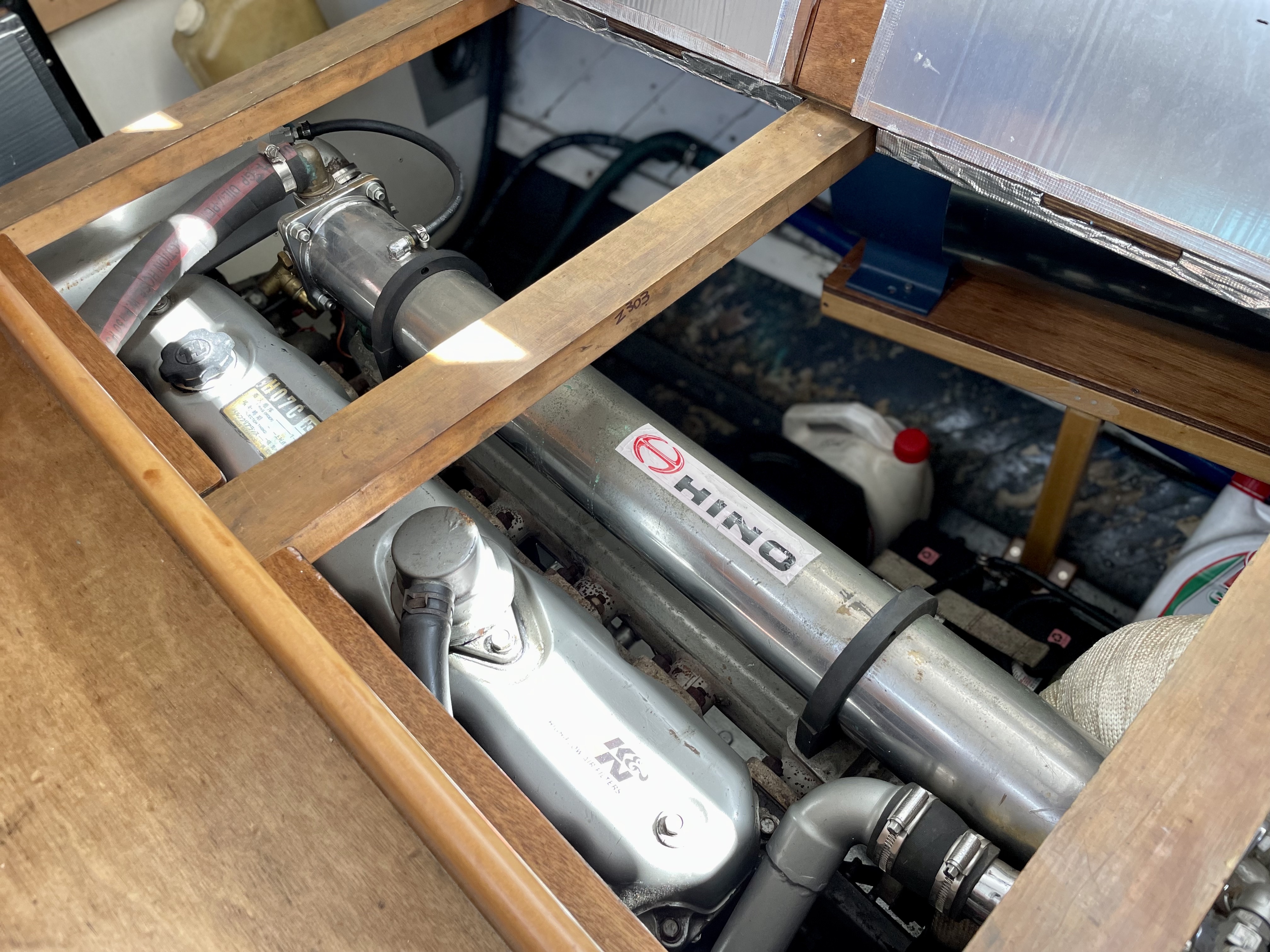
Always a fast boat, James transplanted a 180hp Hino engine into her and she was probably the fastest in the classic fleet e.g. >18 knots.
When you have small children a fast narrowish classic woody is not that practical, so sadly James and family moved on to a big white plastic boat – but he will be back, that I’m confident about.
Falcon passed thru several owners and was starting to show her age on a swing mooring in Whangarei Basin.
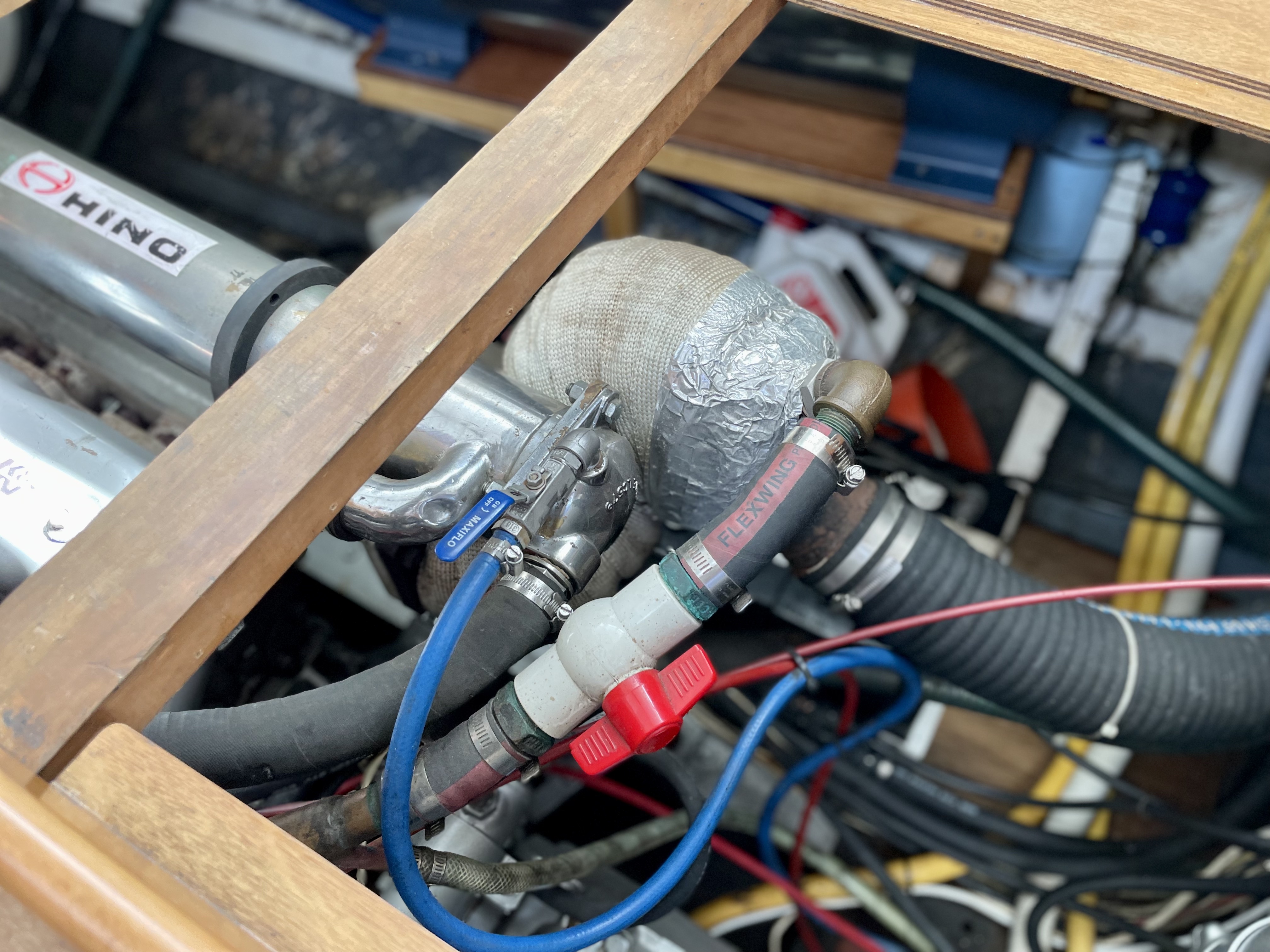
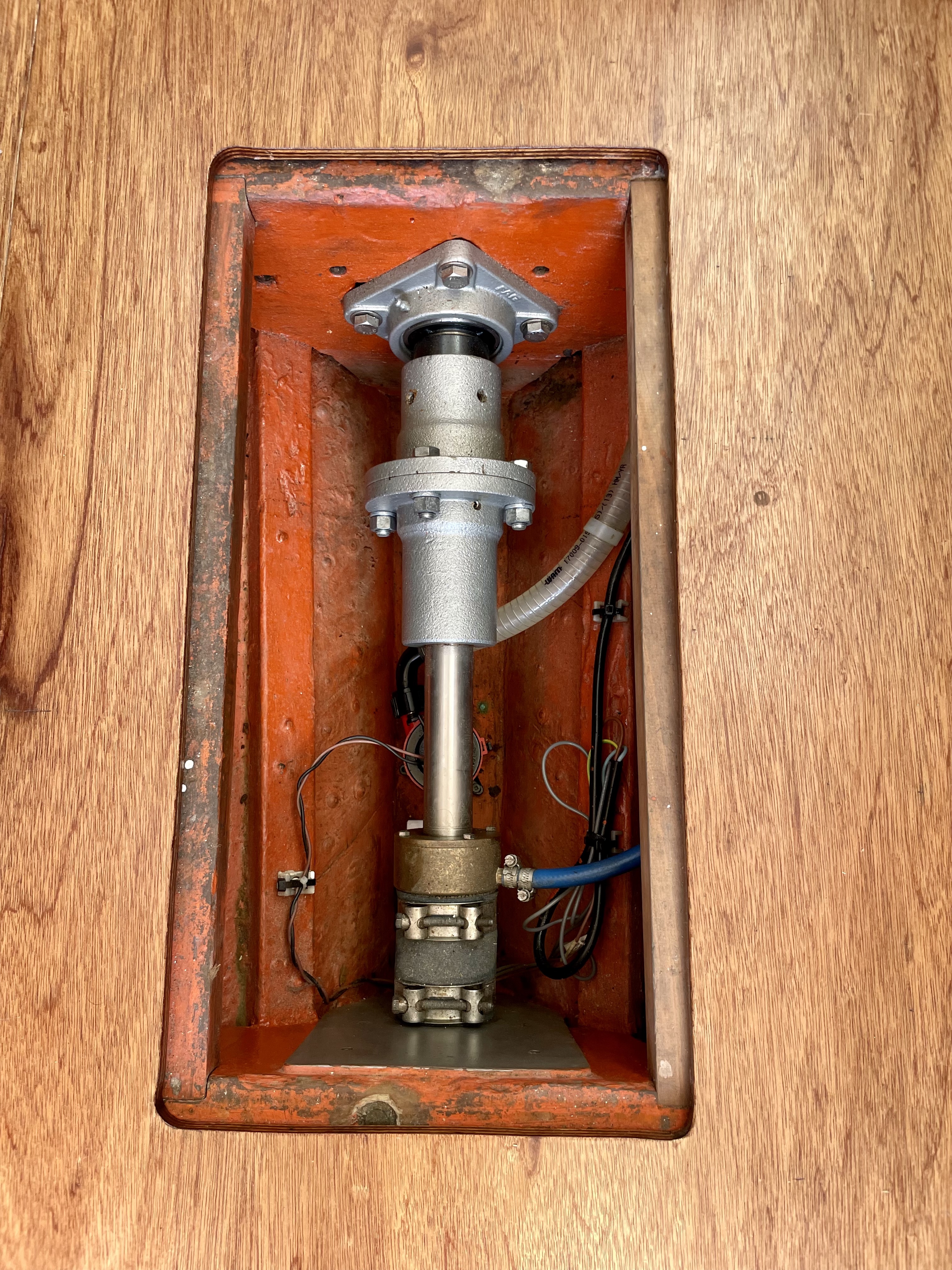
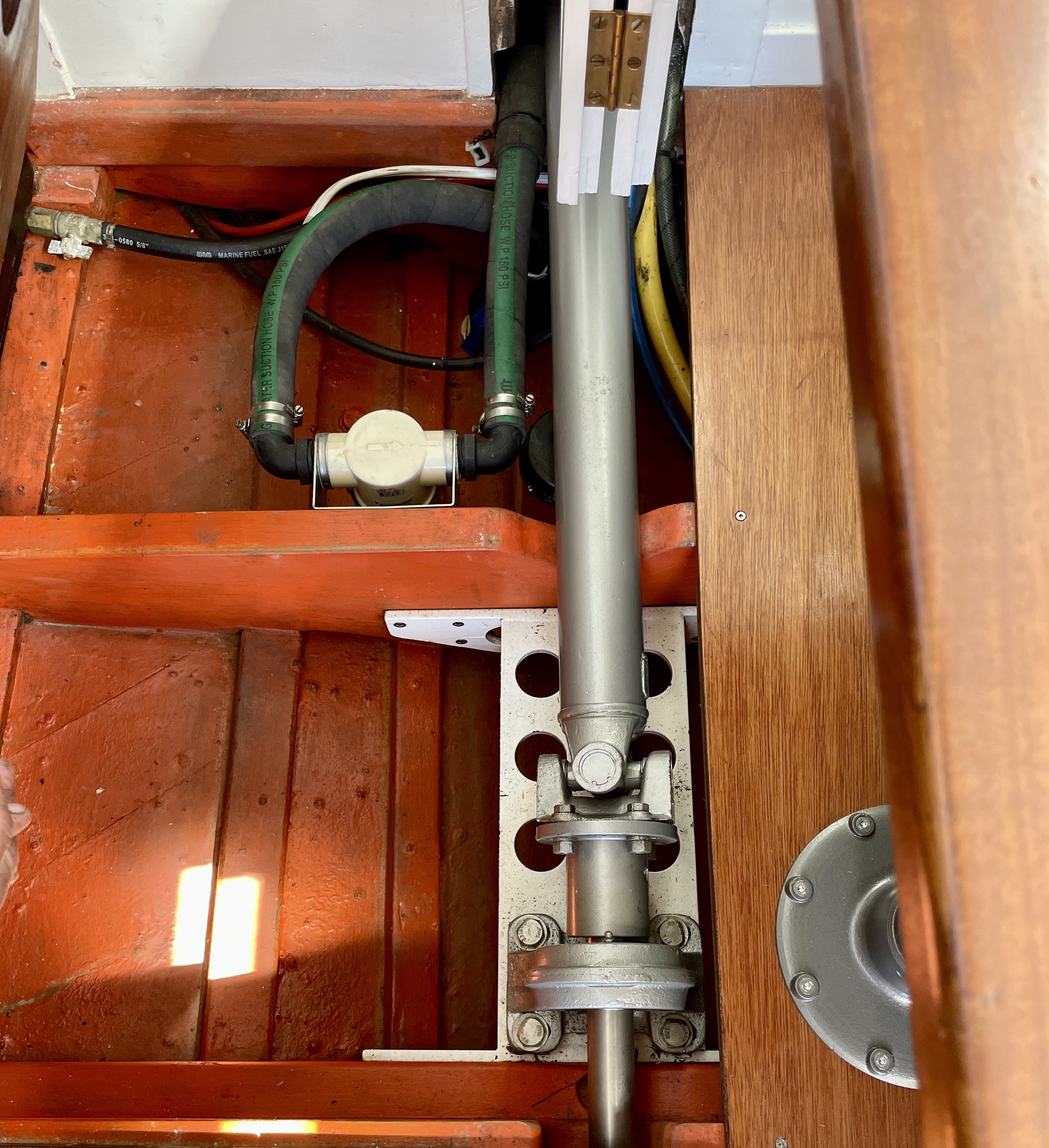
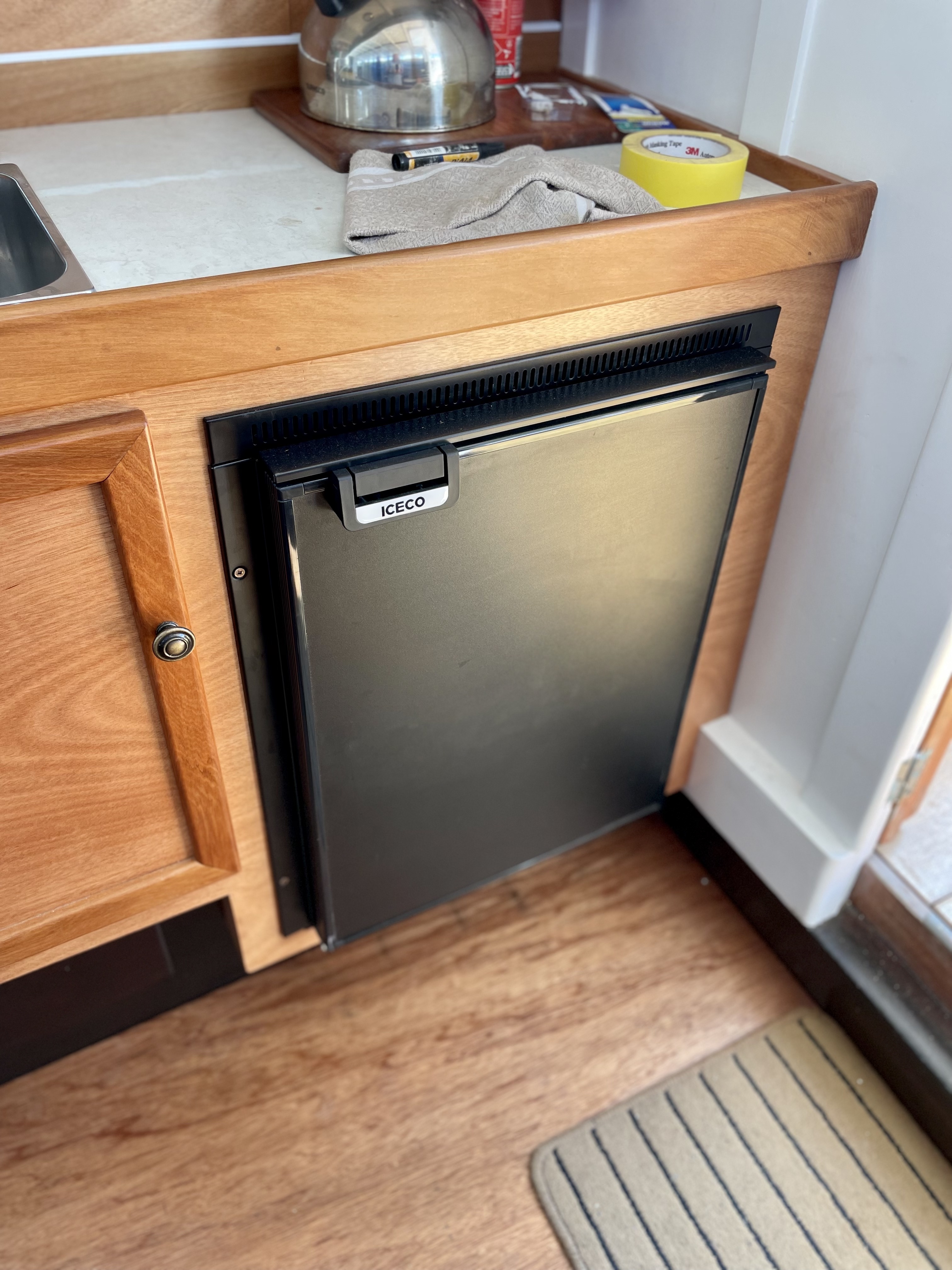
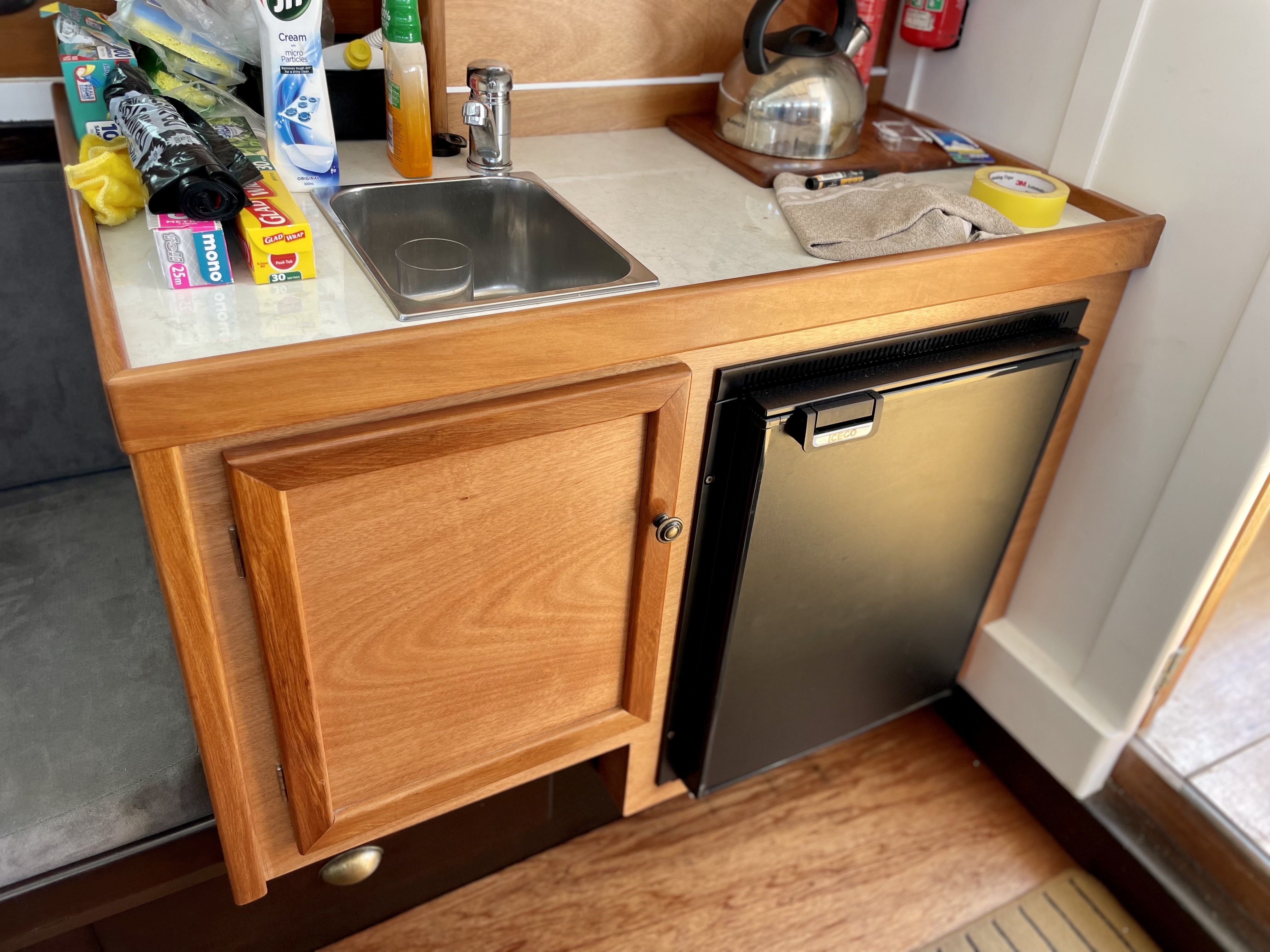
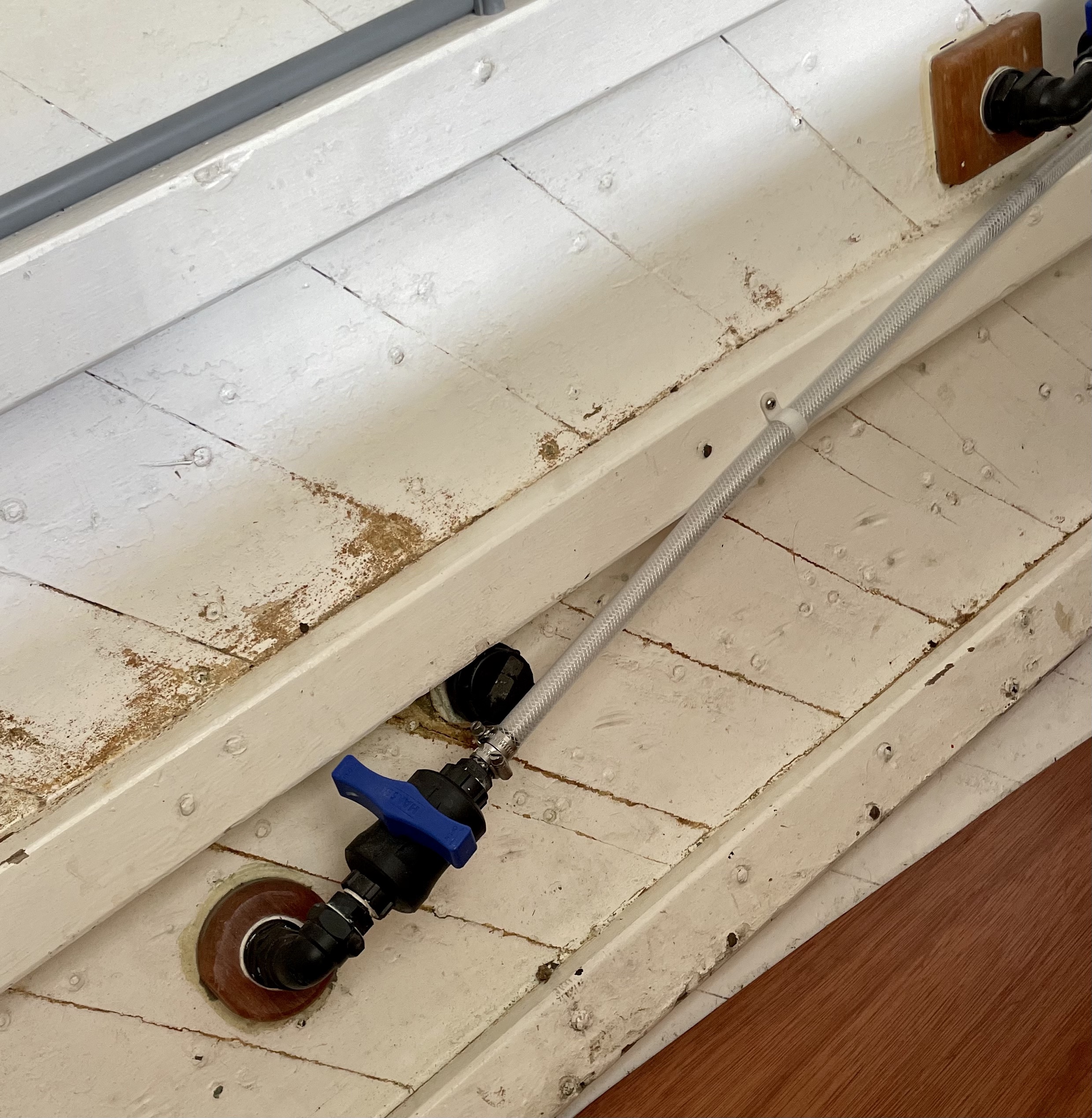
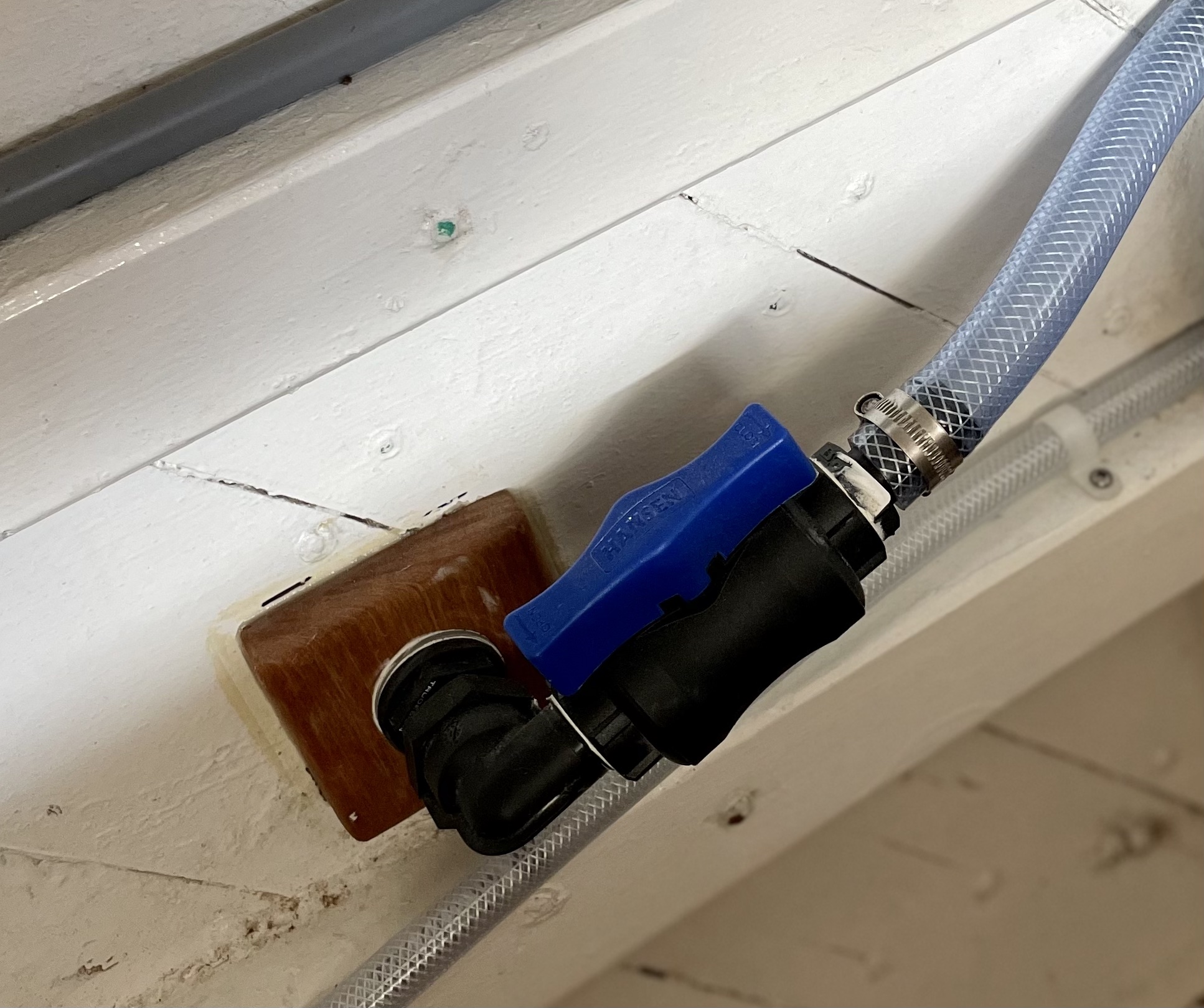
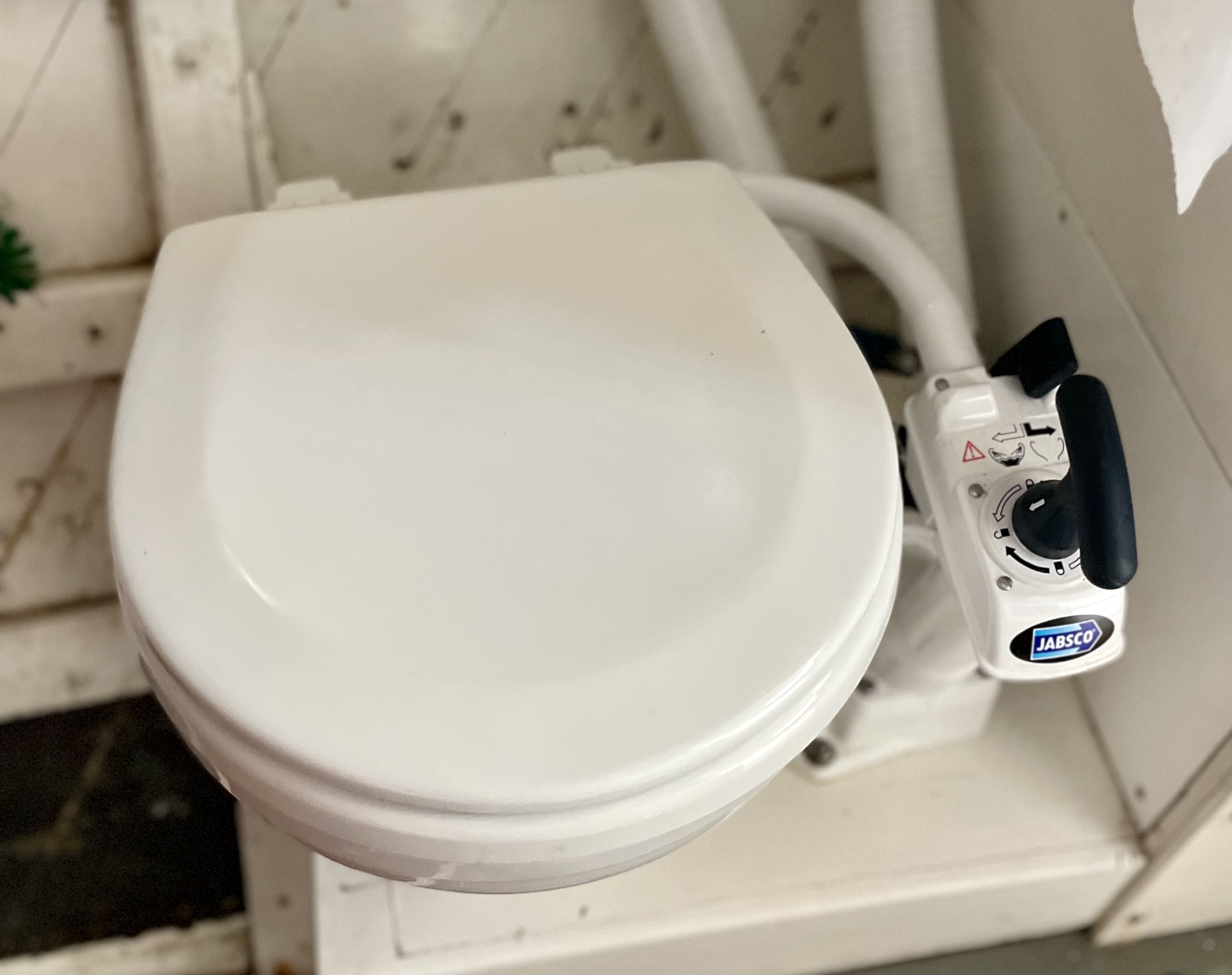
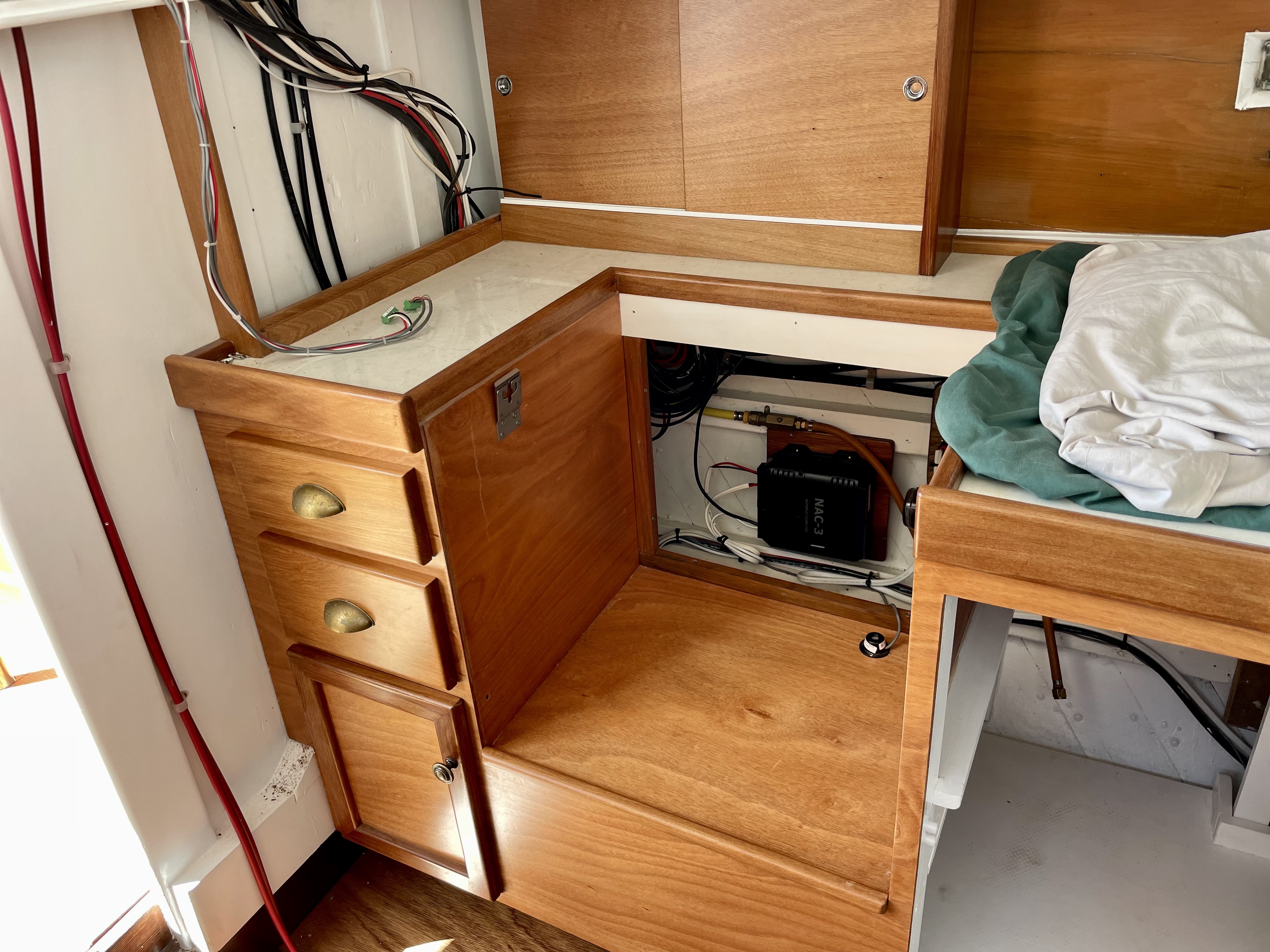
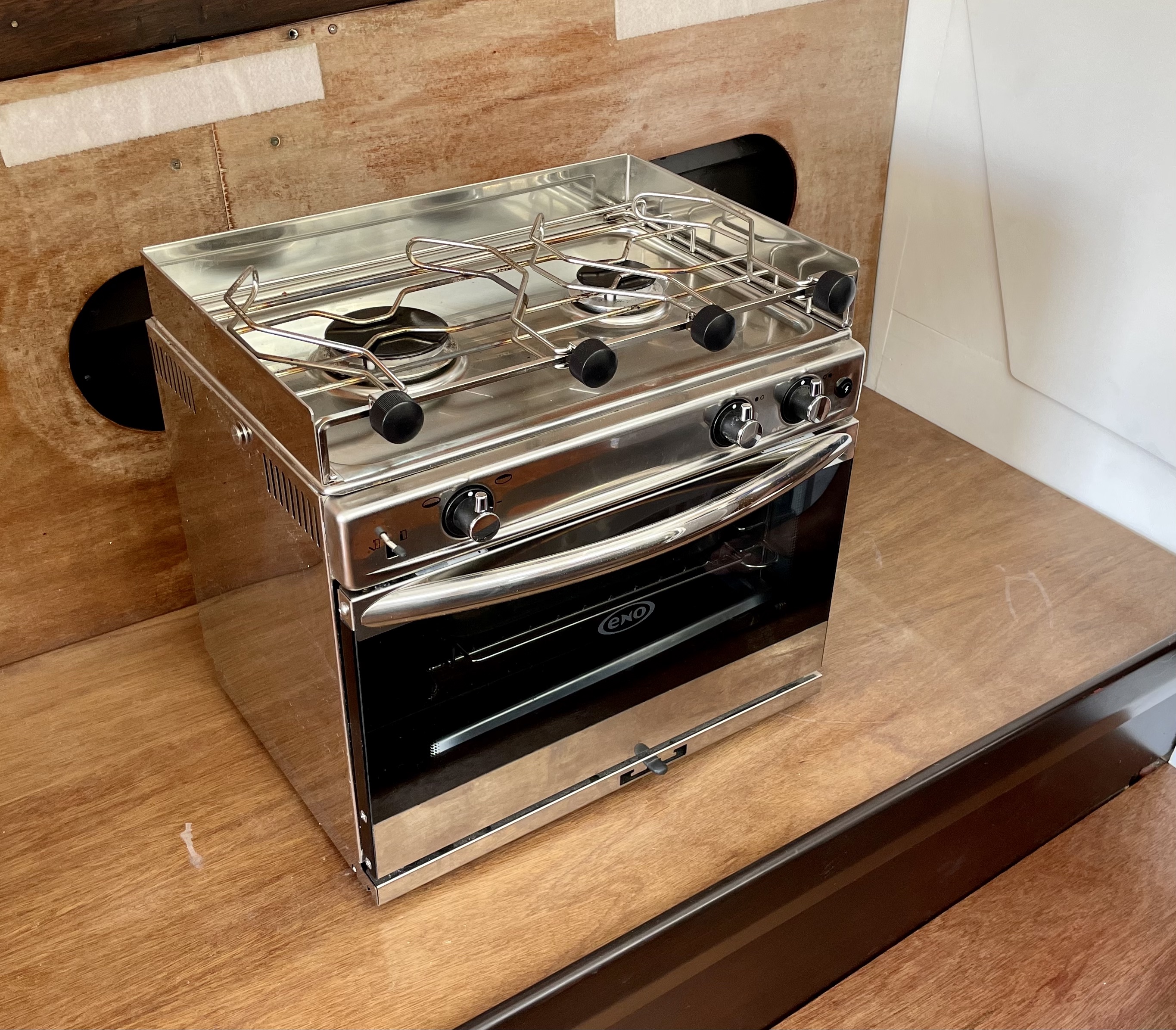
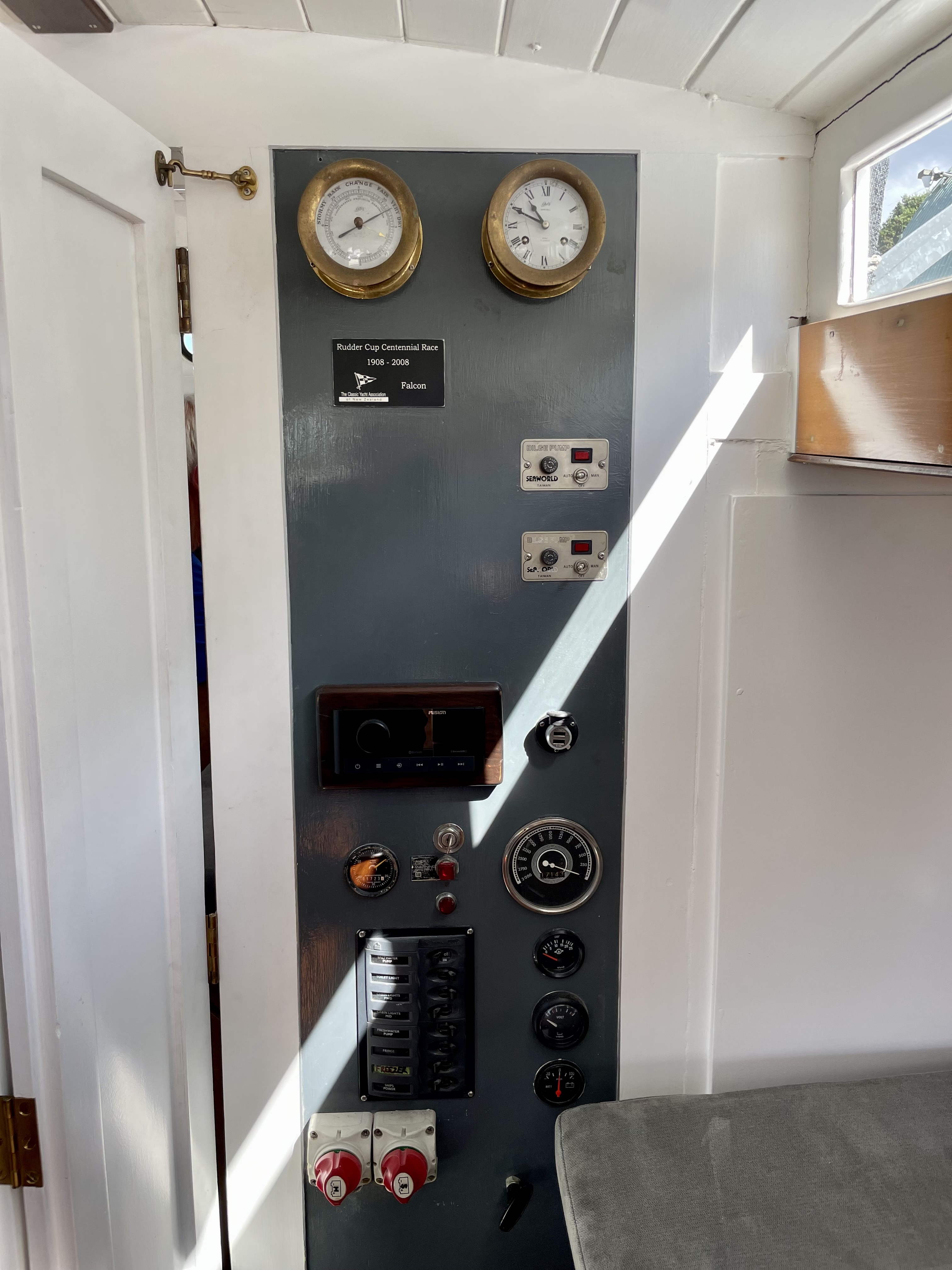
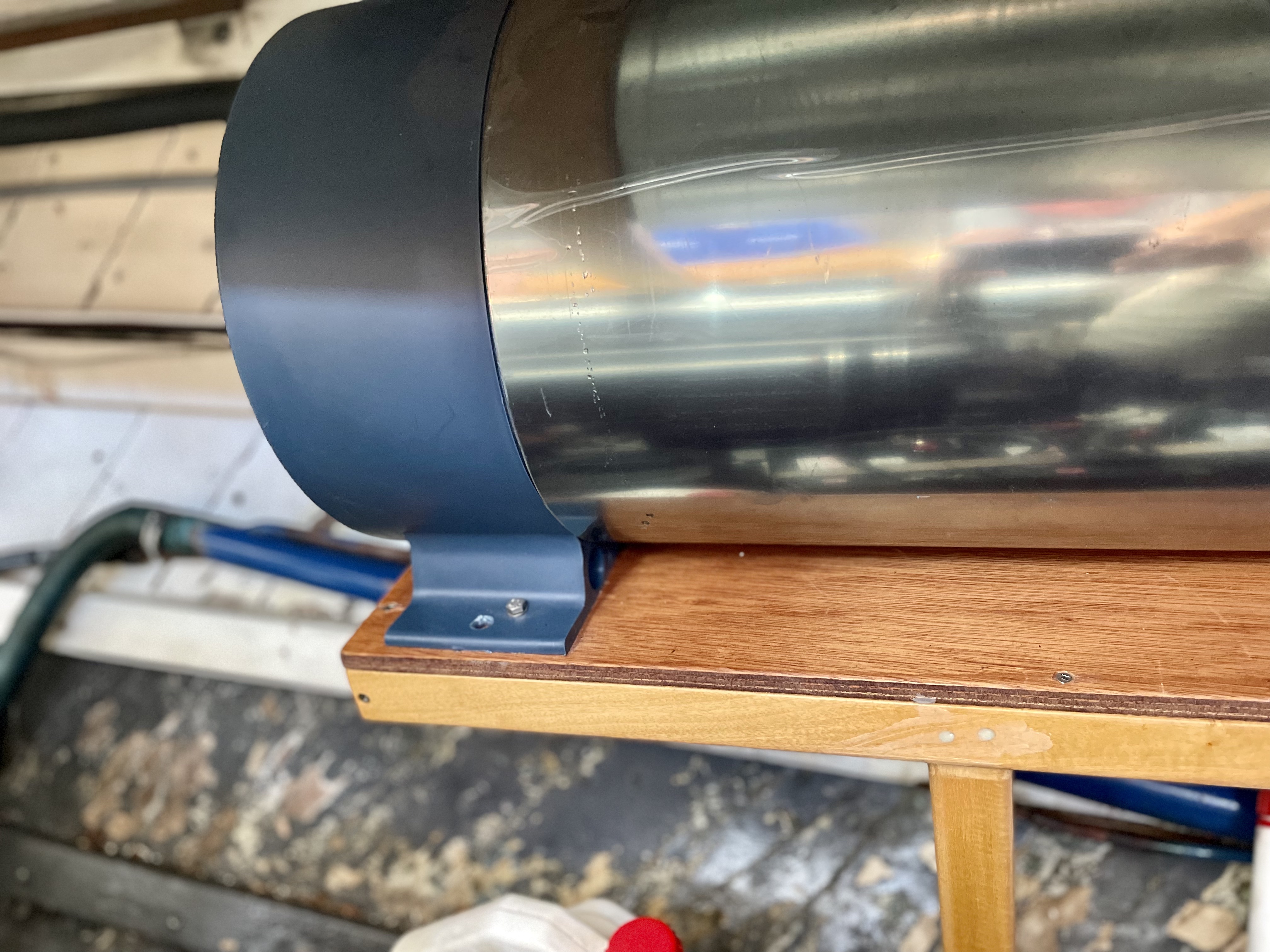
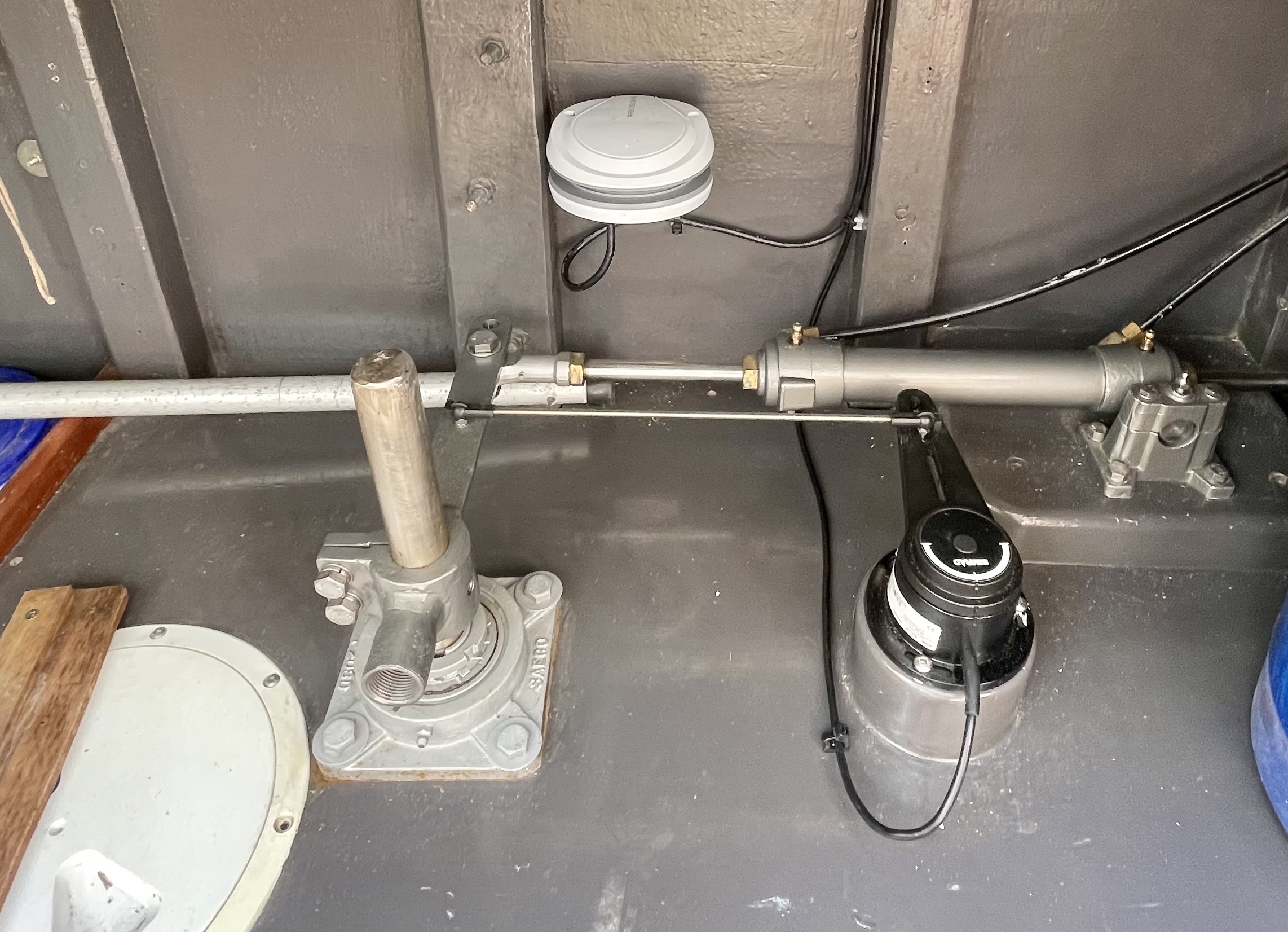
Then a good thing happened – one of Moon Engines talented engineers bought Falcon and relocated her back to Auckland. The next year was spent giving Falcon a makeover in terms of her running gear, systems and home comforts – the above photos give us a peek into how things should be done on a boat – still a little bit of tidying up, but a perfect opportunity to view the installation work.
Remember to click on the photos to enlarge 😉
WOODYS PAEROA RIVER RAID
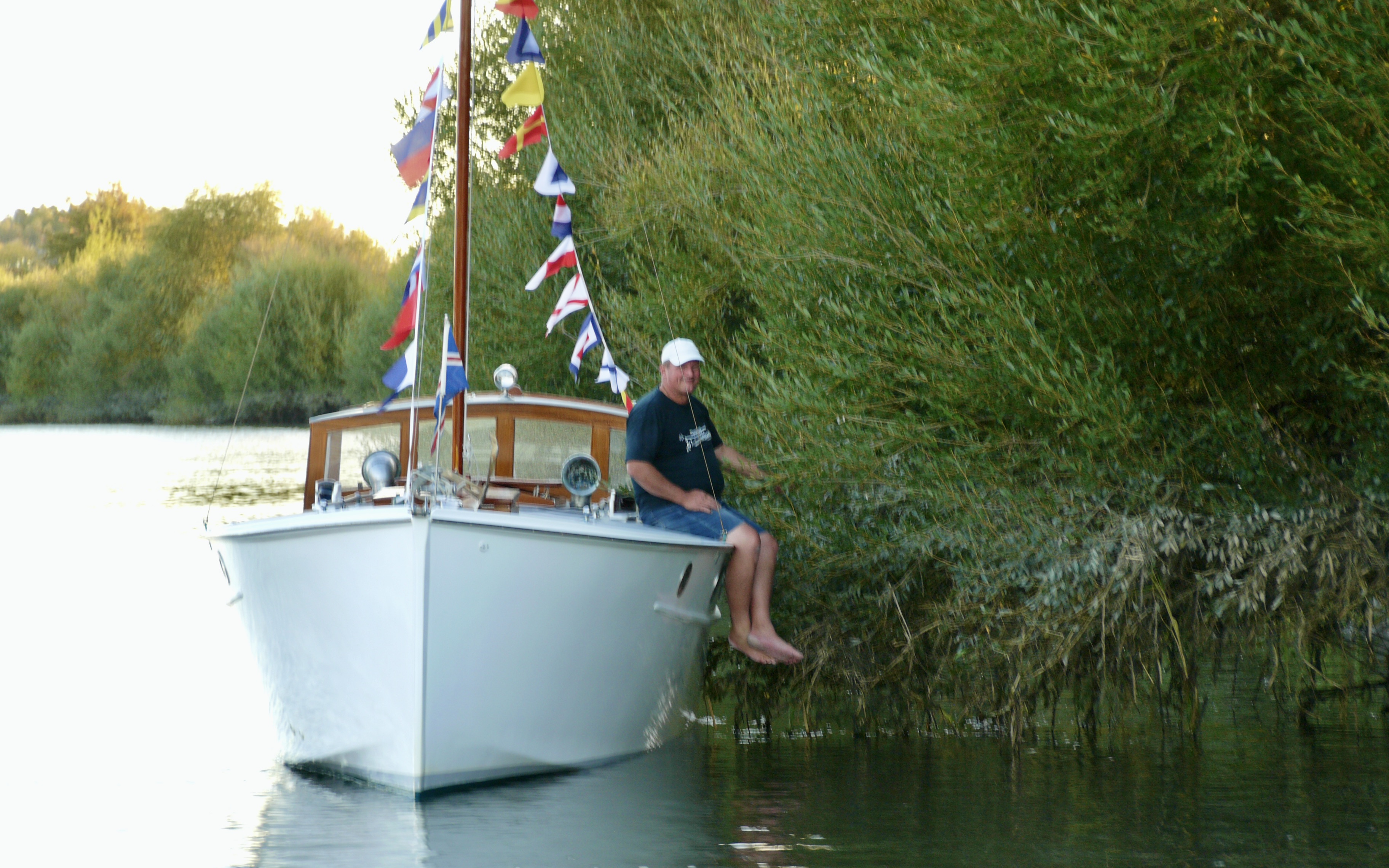
One shows us how its done and another how it comes undone 😉

















































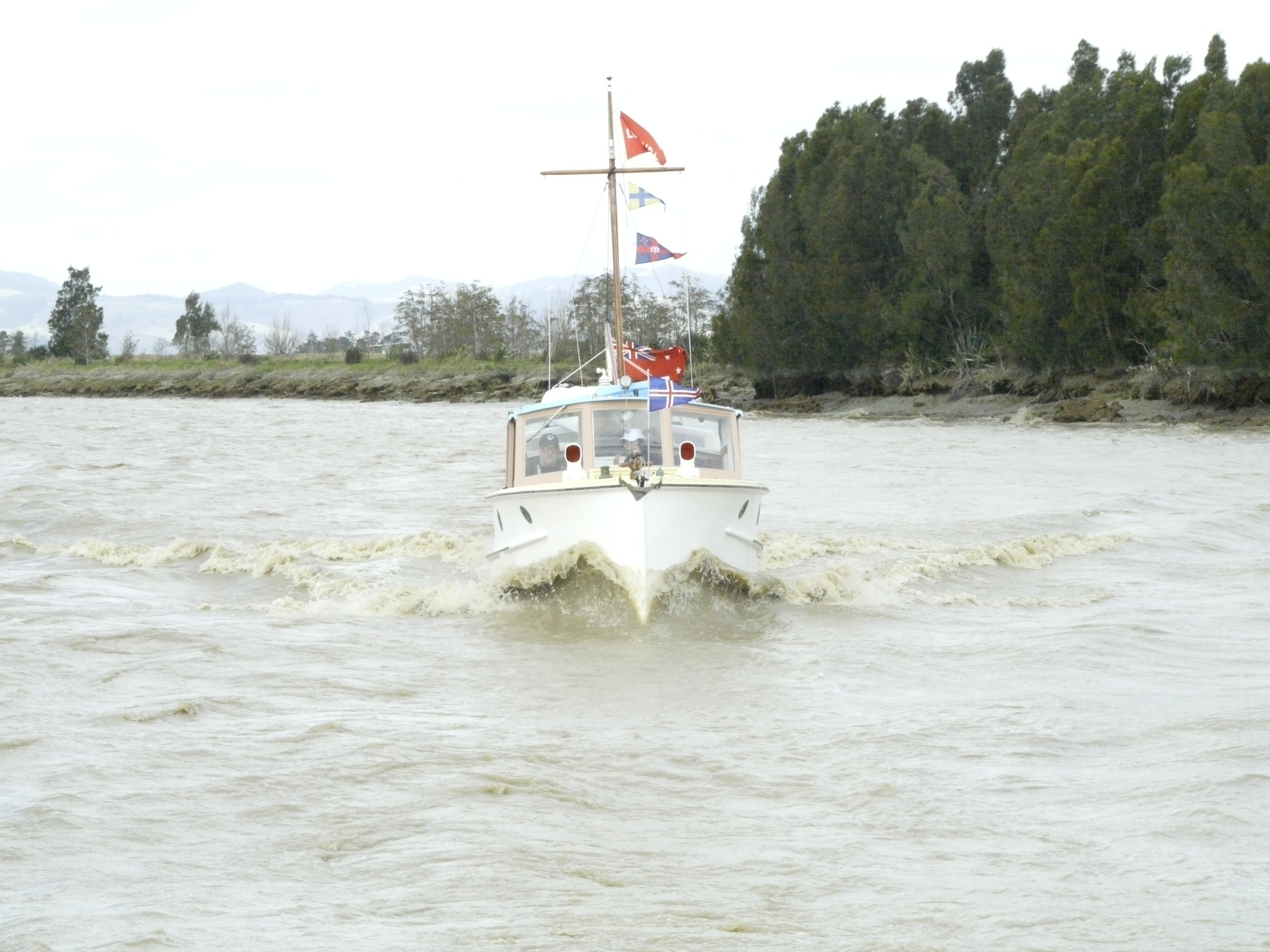
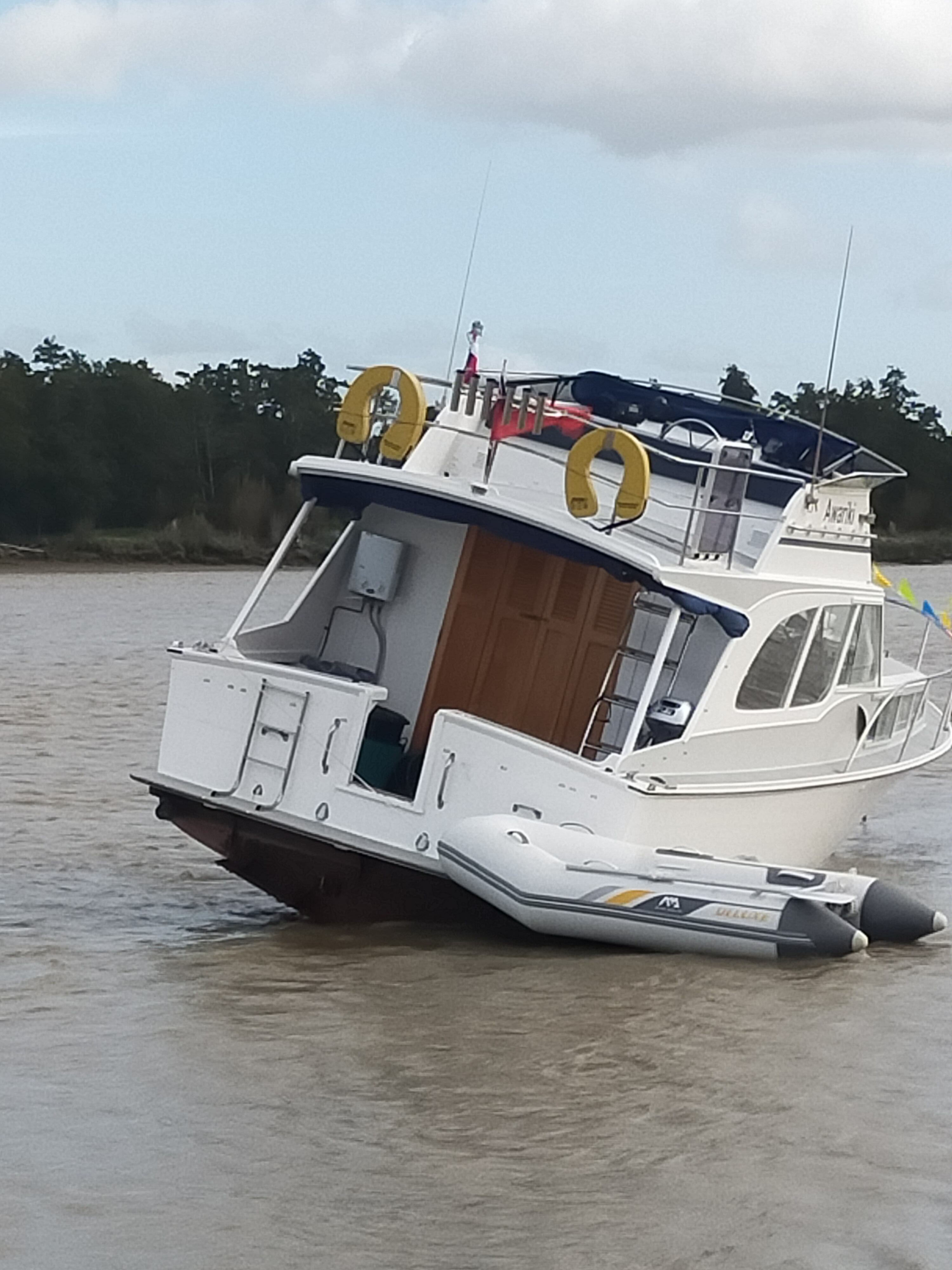
 waitematawoodys.com #1 for classic wooden boat stories, info, advice & news - updated daily - 15+ million views