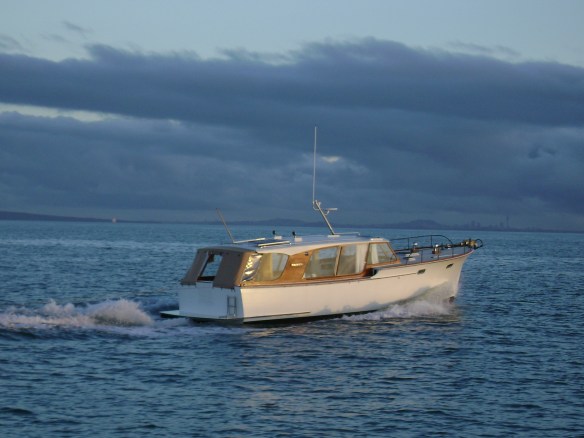
One of the most admired classics on the harbour + the one I get the most “if it comes up for sale, let me know” emails 🙂
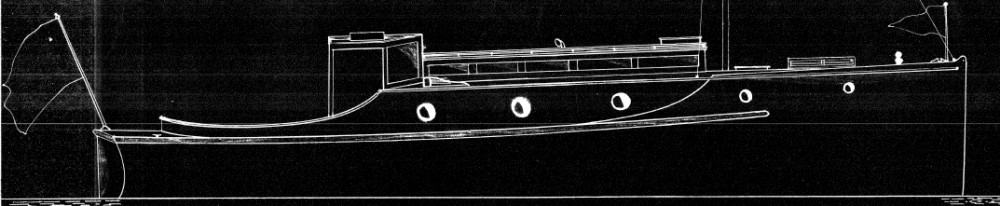

One of the most admired classics on the harbour + the one I get the most “if it comes up for sale, let me know” emails 🙂
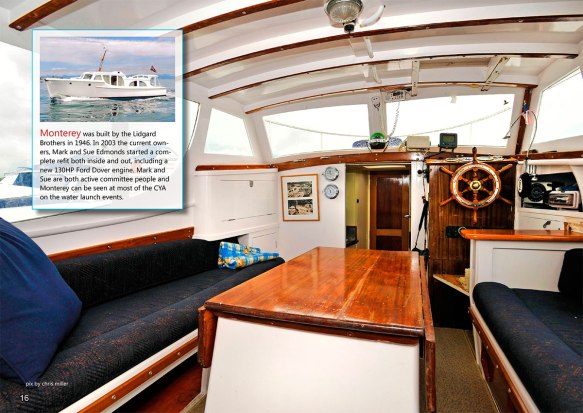
Photo by Chris Miller
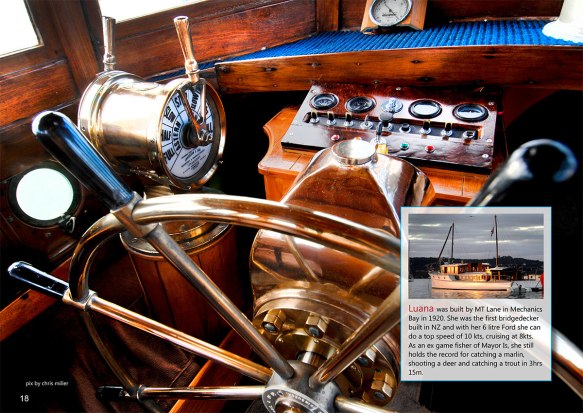
Photo by Chris Miller

Little Jim – designed by Arch Logan in 1934, built by Arnold (Bill) Couldrey
Photo by Chris Millar
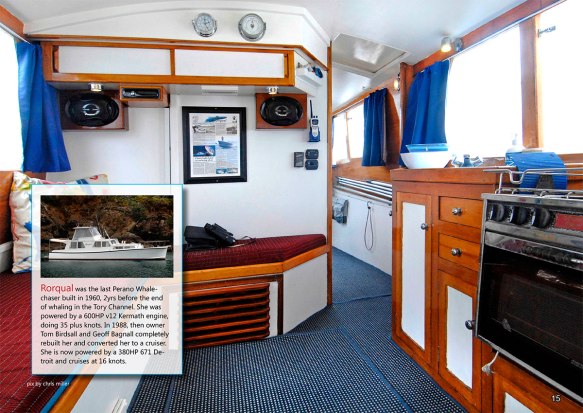
Photo by Chris Miller
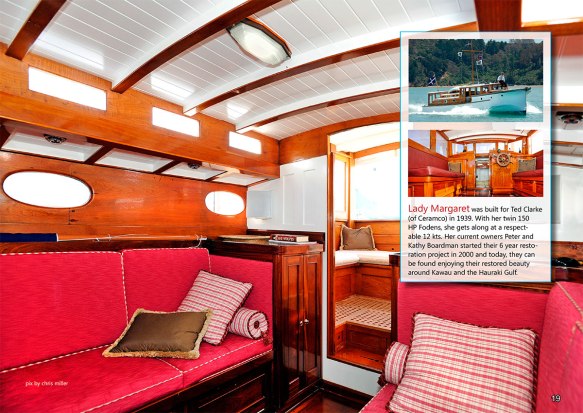
Photo by Chris Miller
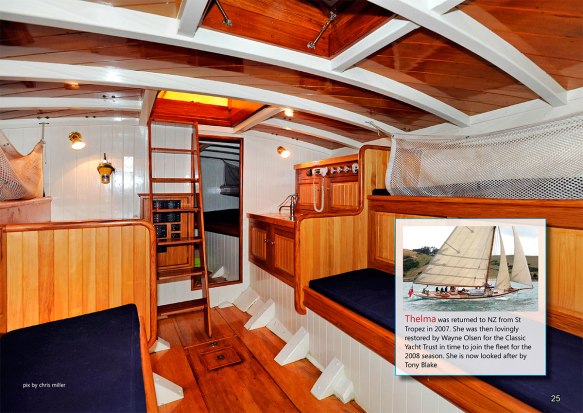
Thelma – designed by Arch Logan 1897, built by Logan Bros.
Photo by Chris Miller
Photo by Chris Miller
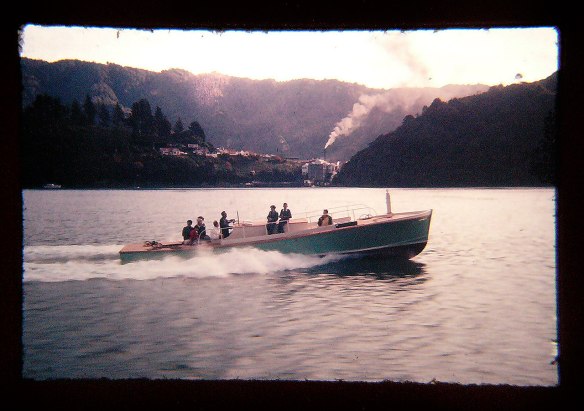
Below is a tale about the launching of the whale chaser Rorqual, told by Graham Scott who rubbed up against her in her early days & whose father worked on the engine. Read on & enjoy 🙂
The Rorqual was built at Morgans Boatyard, Picton (now long gone) and launched in 1960. Gil Perano’s daughter Vivien christened the Rorqual, which proved to be a disaster, like when they lit the engine up after launching, with all the bullshit that went with it, they couldn’t get any oil pressure. This was followed by a “delaunching”, much to the embarrassment suffered by the hob knobs in attendance. The Rorqual was the first chaser to be painted light green, all the others having been painted dark green, the same as the Union Steamship boats. It was a bloody stupid colour to use, as the darker paint would blister like crazy. I suggested to Gil heaps of times, that it would pay to lighten the colour but I doubt whether a low life boatyard worker would have influenced the eventual and obvious decision. Of more concern was the reason why (supposedly) the brand new 600HP Kermath Sea Raider petrol engine proved to be faulty. There were 2 Kermaths imported at the same time, 1 a second-hand one, the other new and unfortunately Peranos’ got the wrong one. There was a hellava stink about it at the time, but seemingly nothing could be done about it. Subsequently there were extensive attempts at fixing the problem by all the so-called experts, including Cuddens in Blenheim, all to of no avail. The engine ended up on blocks down at Whenenui, destined to become a boat mooring. They pulled a motor out of one of the older boats, so the Rorqual could operate, which it did so for 4 years, until 1964 when whaling ended.
In the meantime and when Dad had some spare time, he asked Gil if he could have a go at fixing the Kermath. Gil told him it was a waste of time, as all the experts had declared it wasn’t fixable. In no time at all, Dad started the engine (with no silencing it made a hellava noise) and much to Gil’s horror up the hill, Dad didn’t shut it down as he “officially” should have done. Evidently Gil drove down the hill like a maniac, ready to give Dad a real bollicking. Dad told me he just said nothing, instead pointing to the oil pressure guage, which
showed it as normal. The Kermath was put back into the Rorqual, replacing the “temporary” one that had been installed..
Dad had an incredible talent at fixing engines, but he never told me how he fixed the Kermath. I do know however that he was deeply hurt when he was rewarded with diddily squat. After whaling finished, Gil had the Roqual modified from virtually no superstructure to a cabin etc and the installation of a diesel engine. So far as I know, Gil used it until he died in 1981, aged 72. That’s a bit scary – that’s my present age!!!!
Seems the name derives from Norwegian for Blue Whale which as an uneducated idiot from Nelson College I never knew. In fact most of the chasers were named after breeds of whales, including the Cachalot, Orca, Rorqual, Narwhal and Balaena.
Graham Scott

Maggie – designed and built by Roy Parris in 1992,originally she had a large hatch in the foredeck and a doghouse aft-end. A very pretty looking workboat , and exceptionally well balanced hull , the completed boat sat on its keel in the shed rocking gently from side to side between 2 wedges for well over 1/2 hour until Roy Parris stopped it whereupon it sat and it stood completely unsupported on its keel only. After an early life transporting supplies to & from Kawau Island she was refurbished in 2004 & is now best described as a small clinker built day boat, being 18ft 6″ overall. Her stem and keels are heart totara with a hull built of rewa rewa ribs and kauri planks. Her comfortable cruising speed is 7 knots at 2100 rpm. Maggie is a good little sea boat, and is permanently berthed in the Viaduct Harbour Basin.
 waitematawoodys.com #1 for classic wooden boat stories, info, advice & news - updated daily - 15+ million views