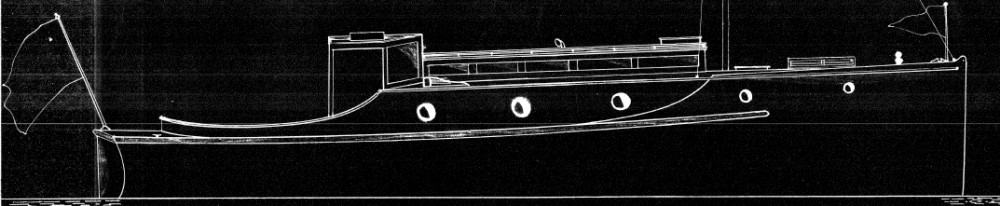
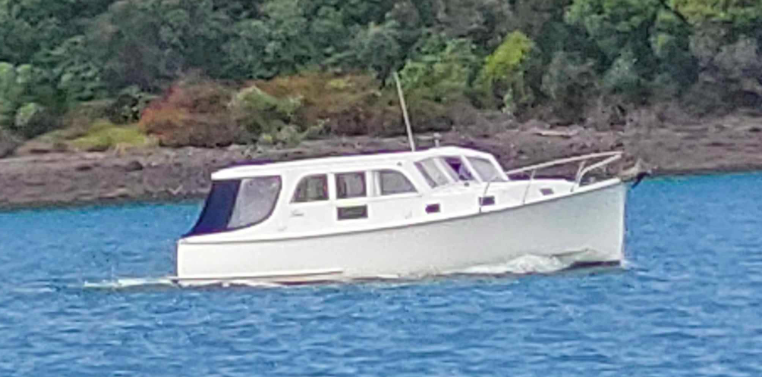
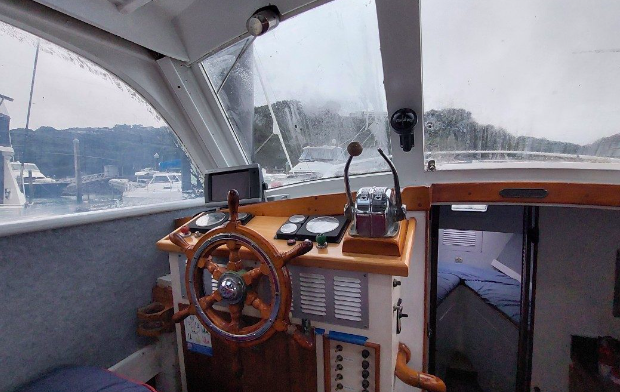
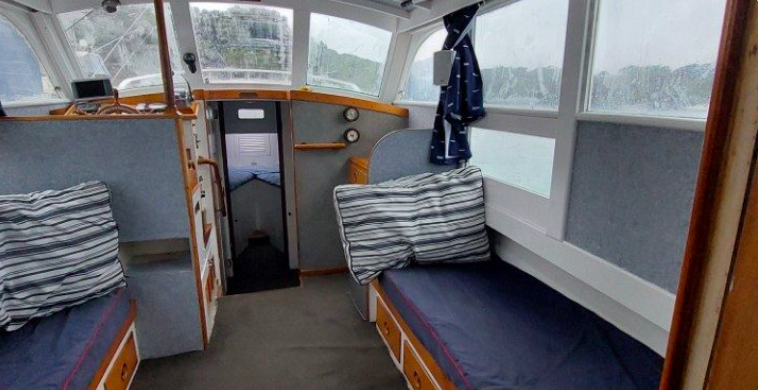
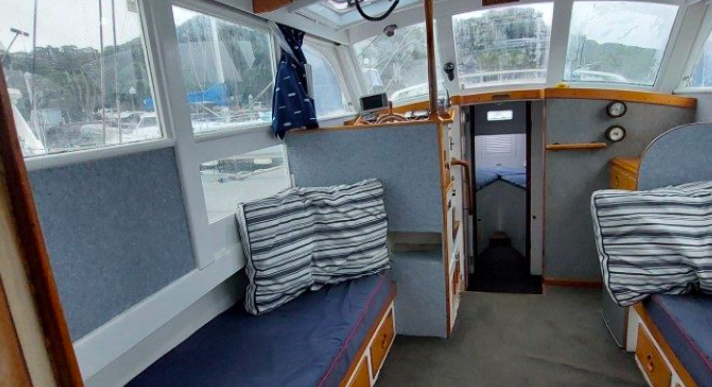
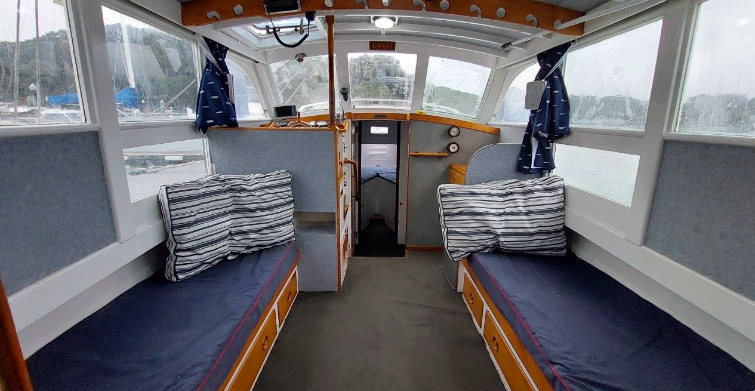
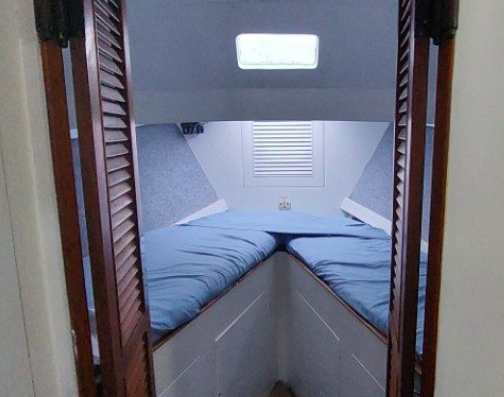
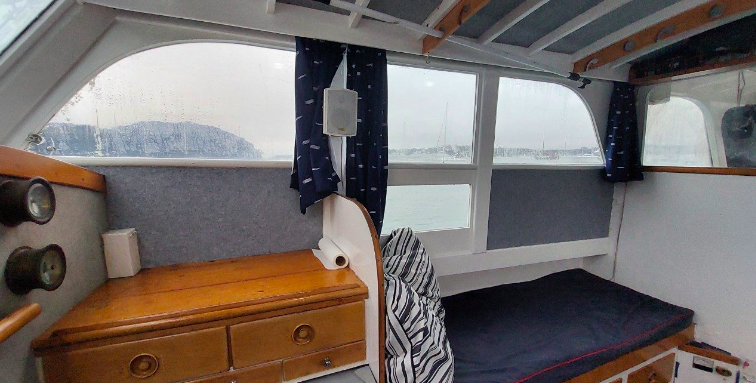
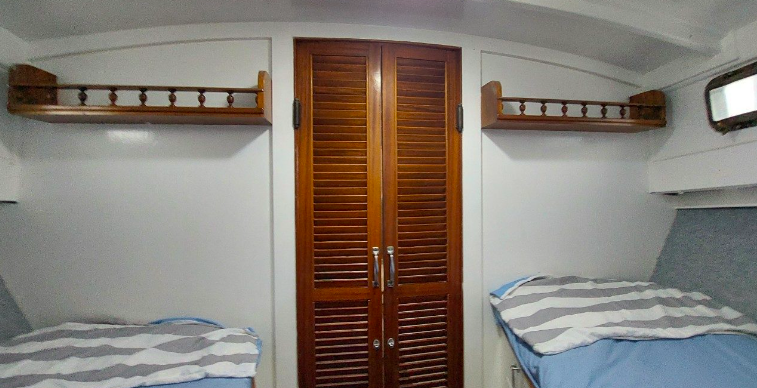
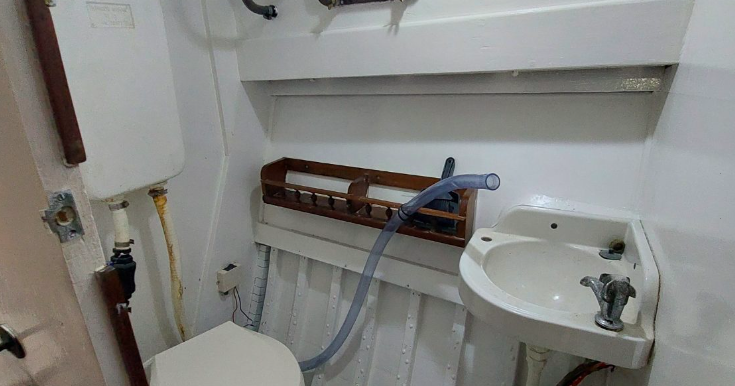
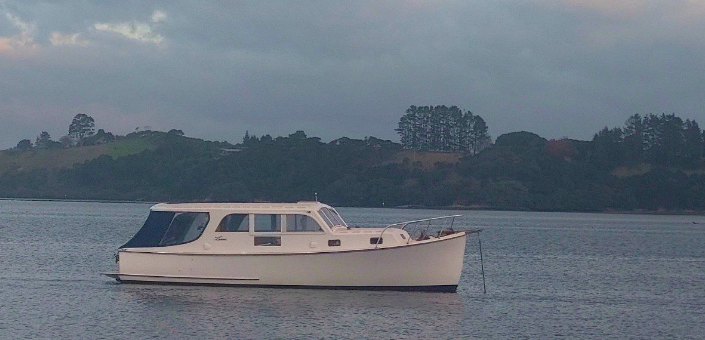
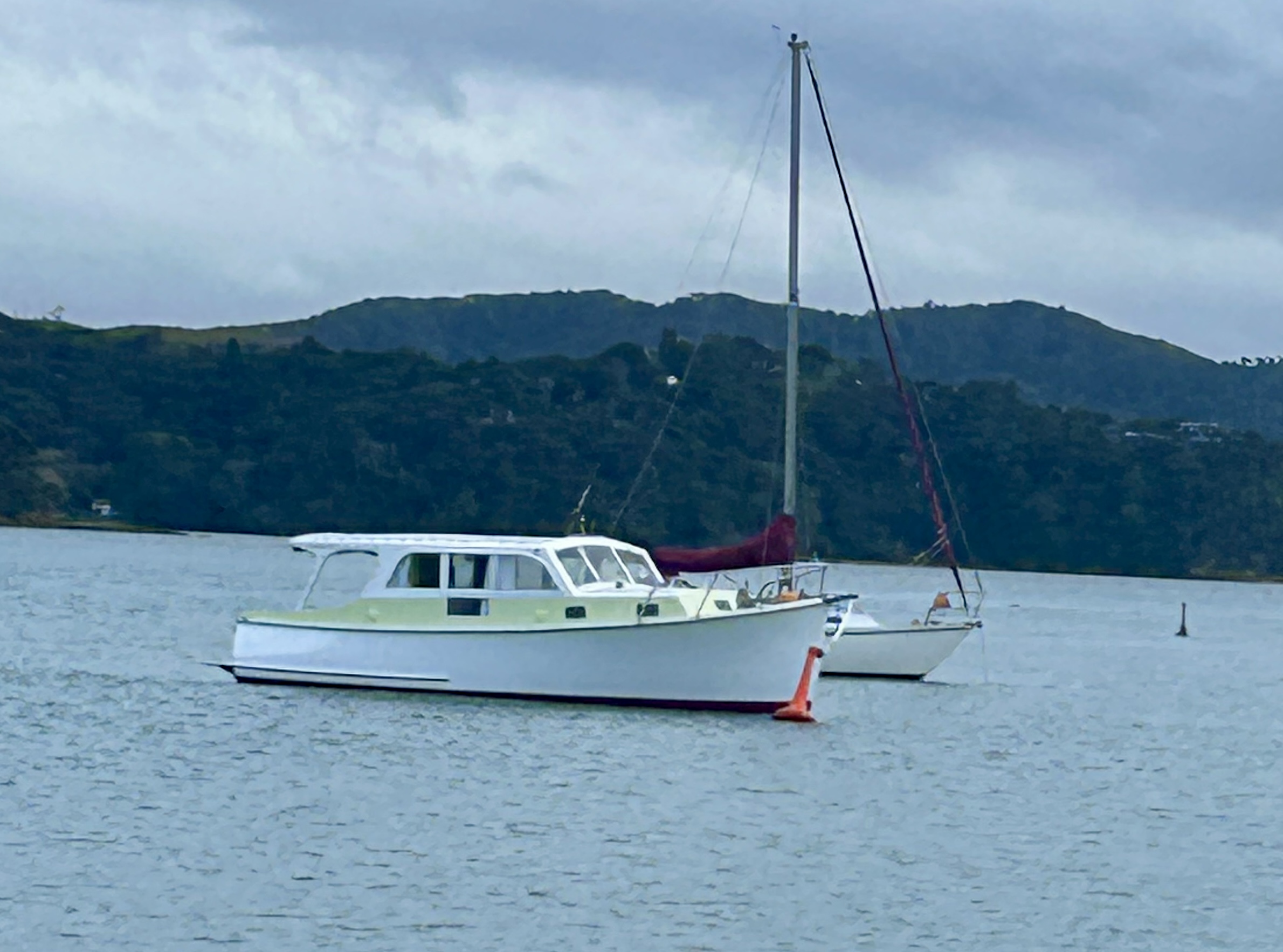
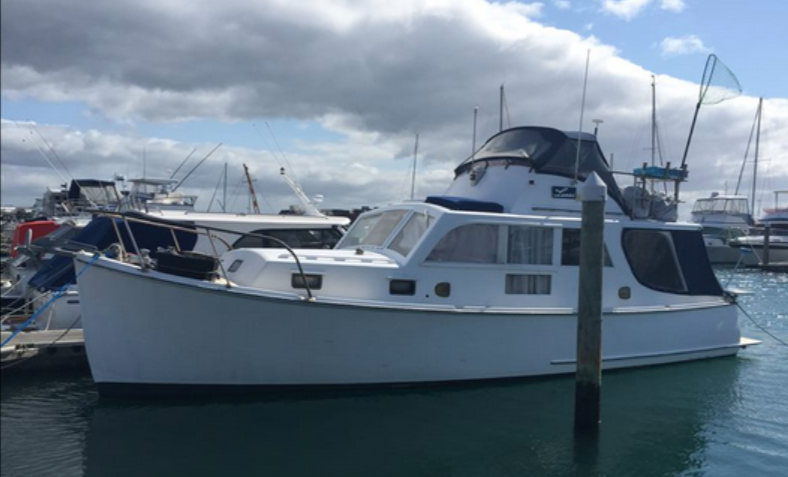
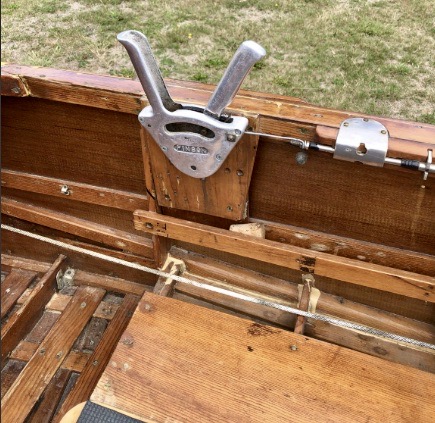
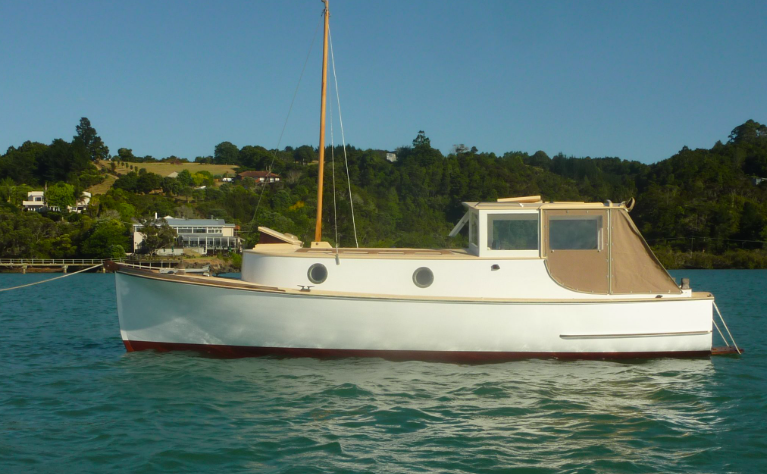
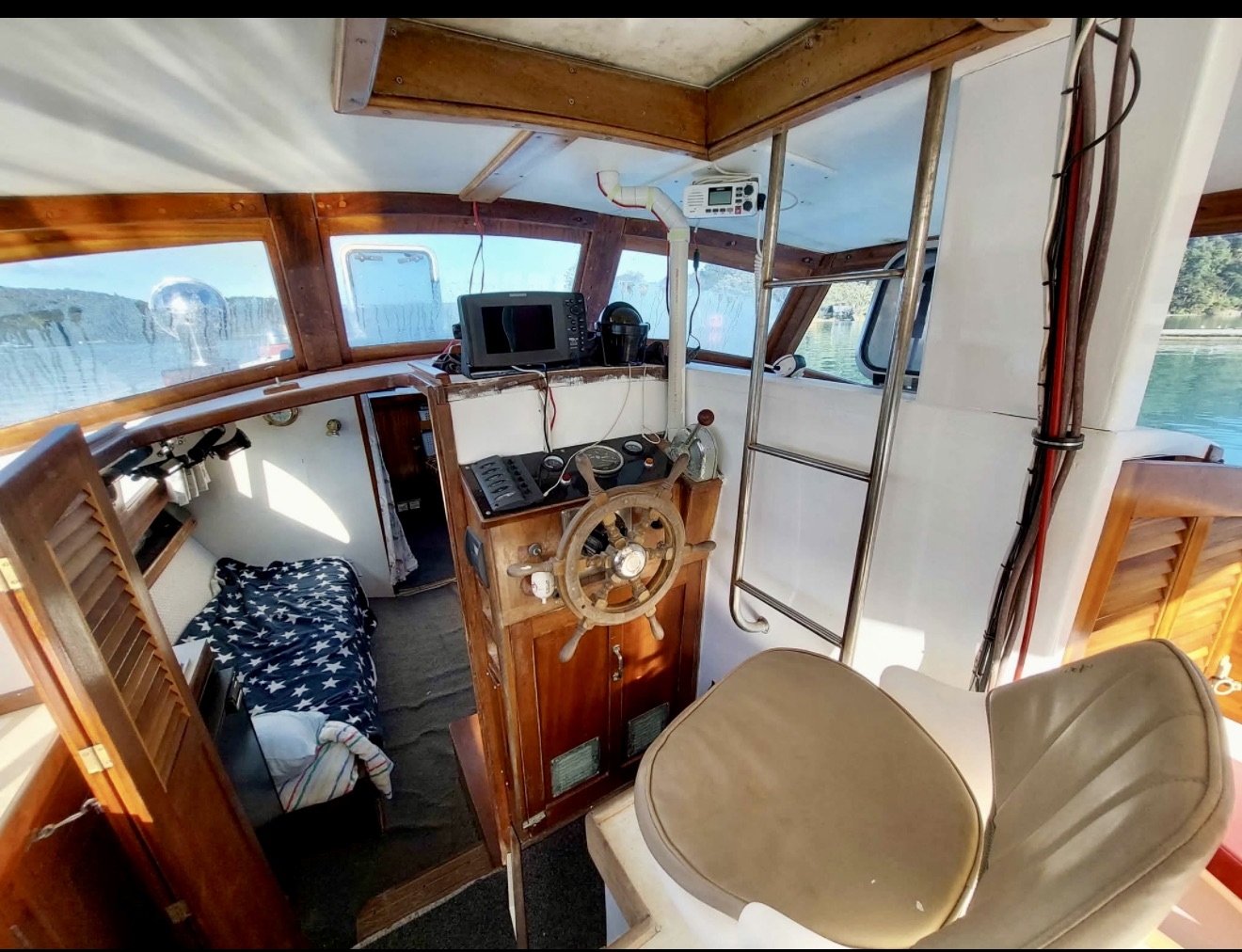
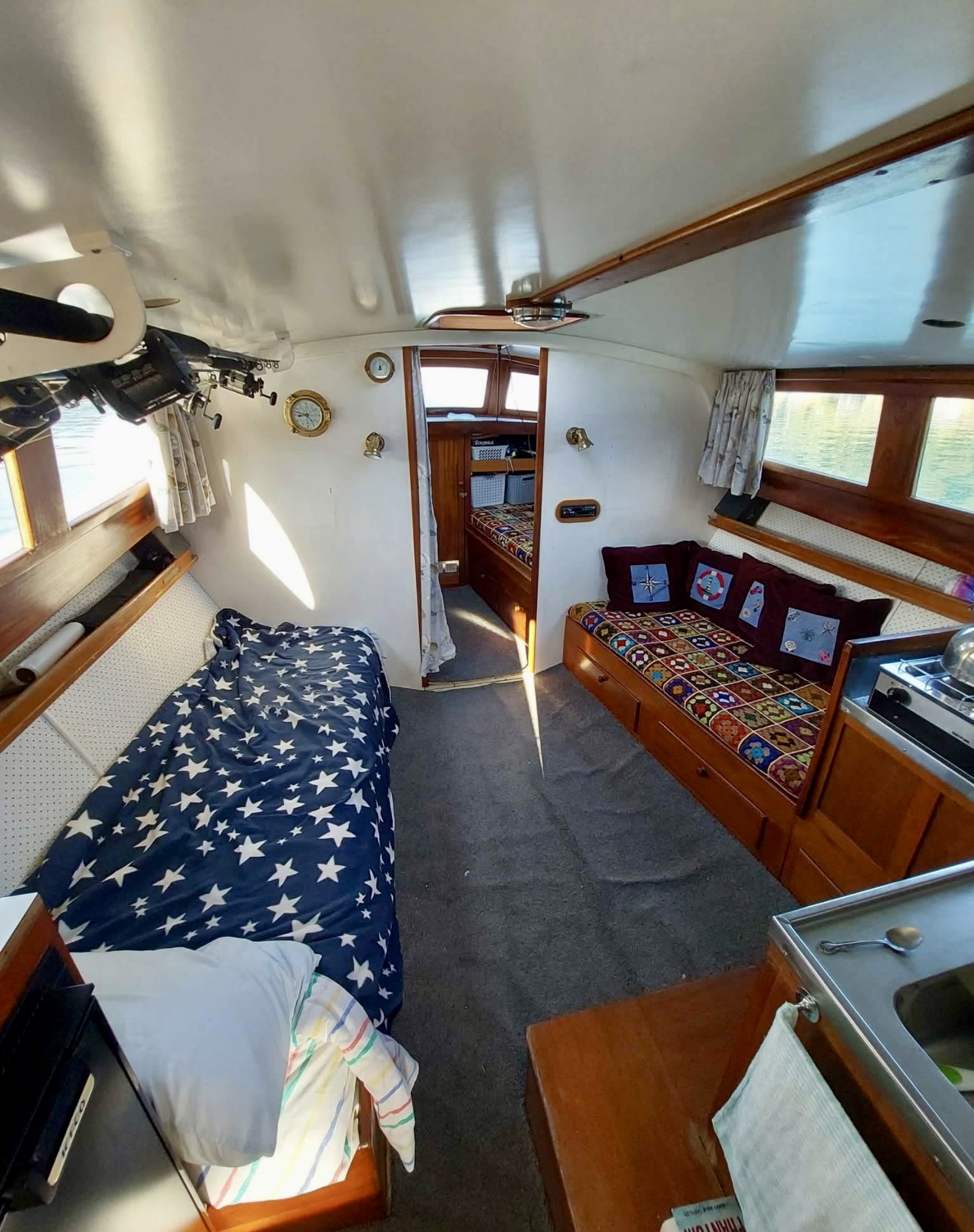
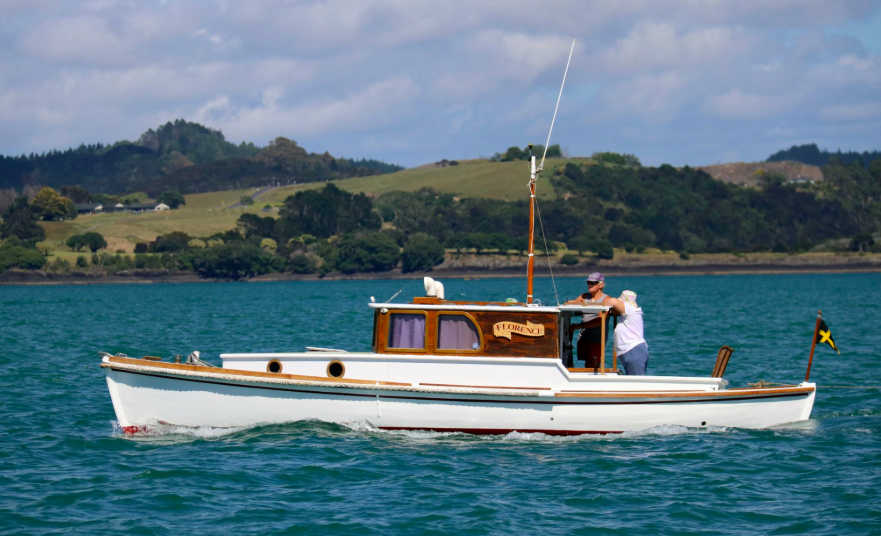
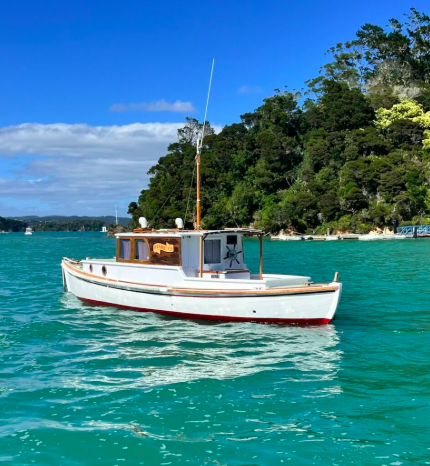
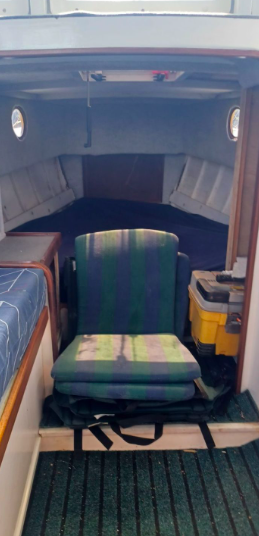
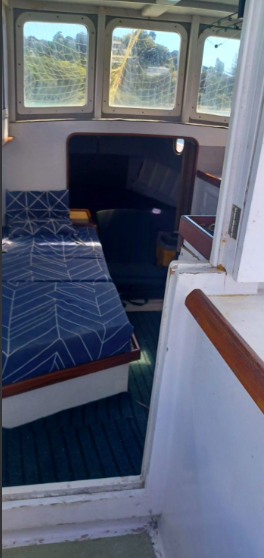
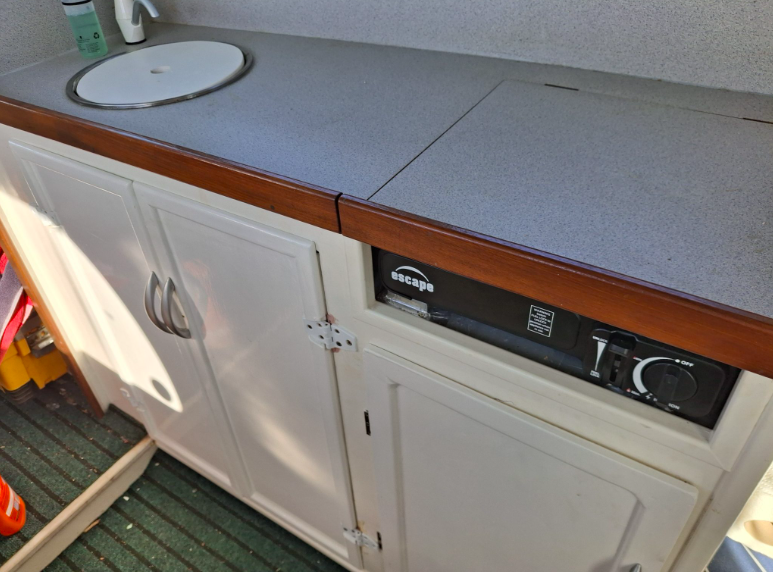
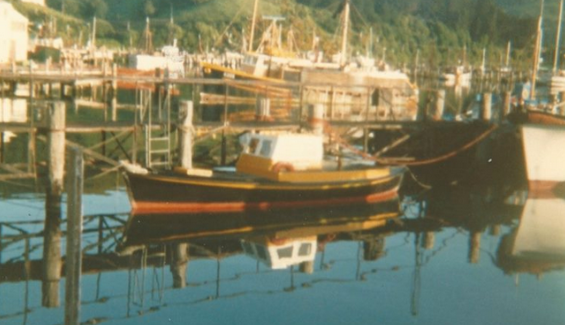
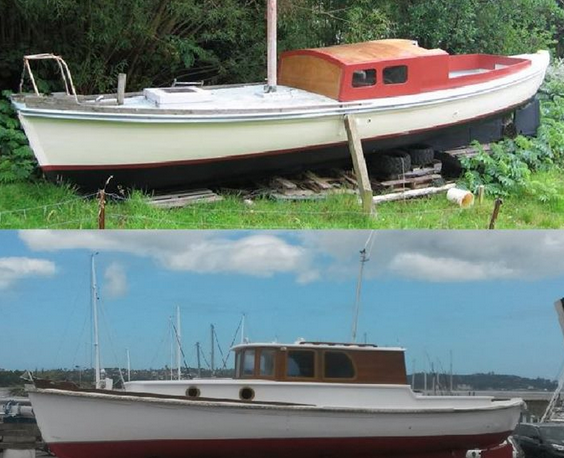
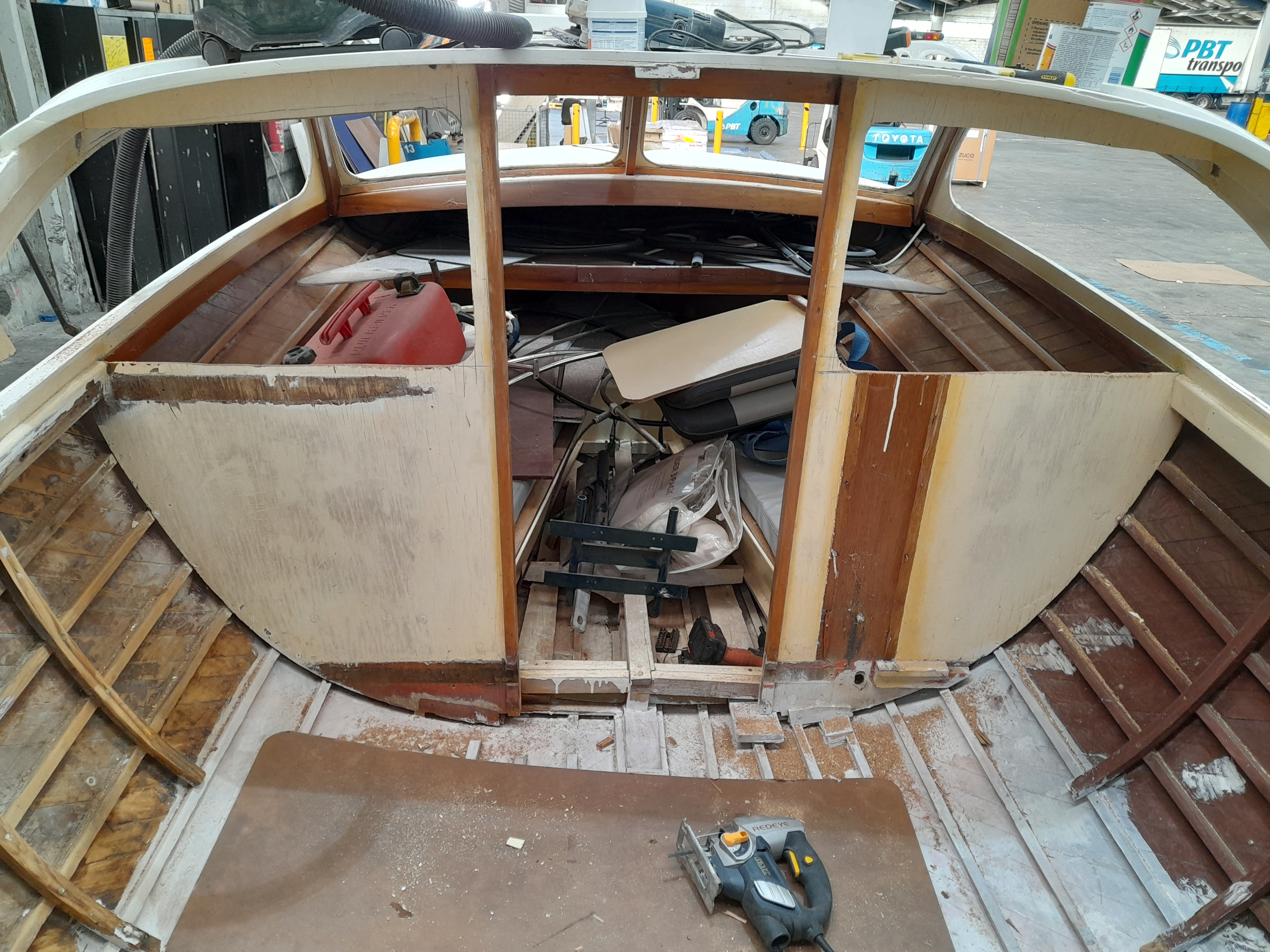
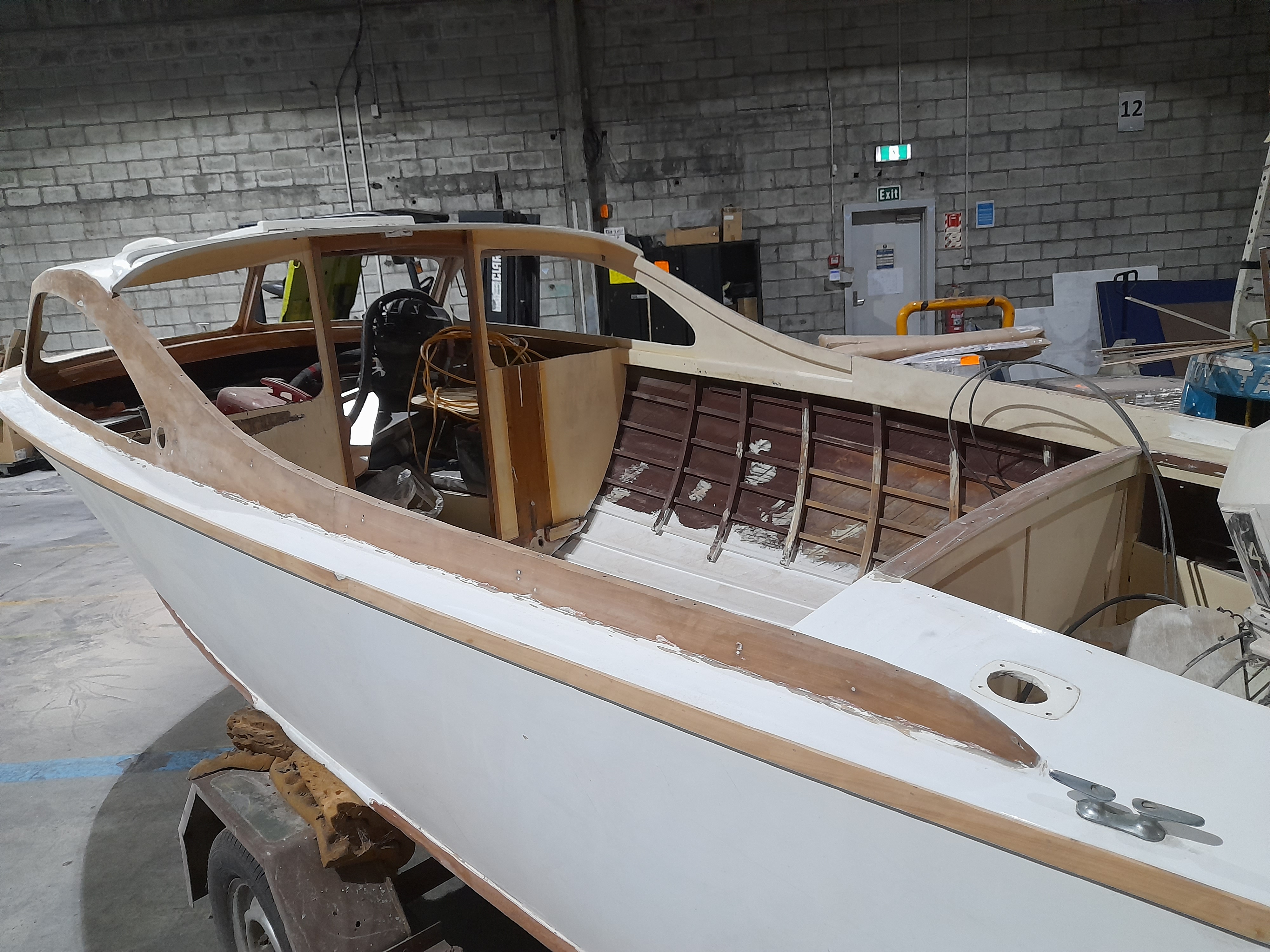
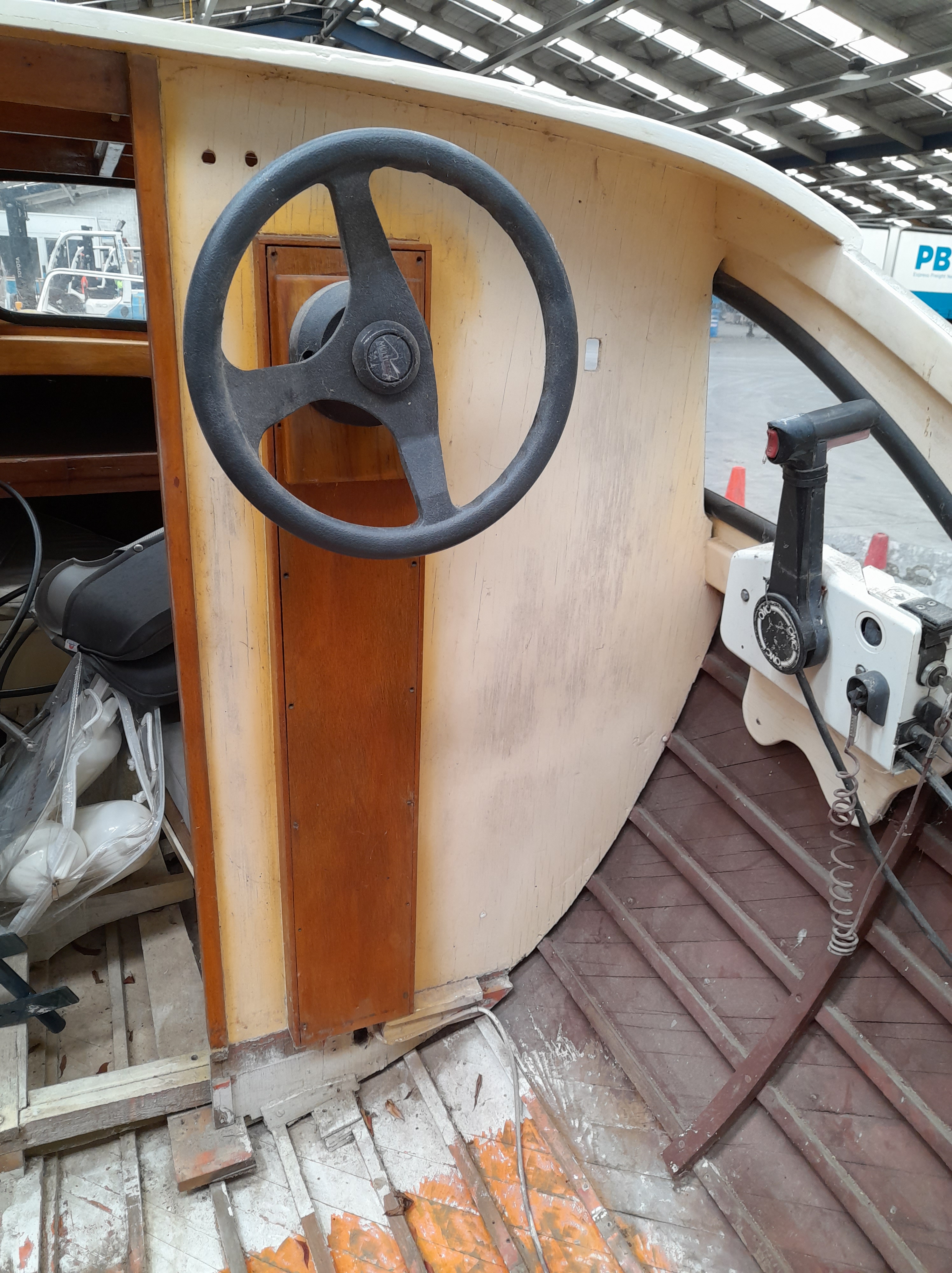
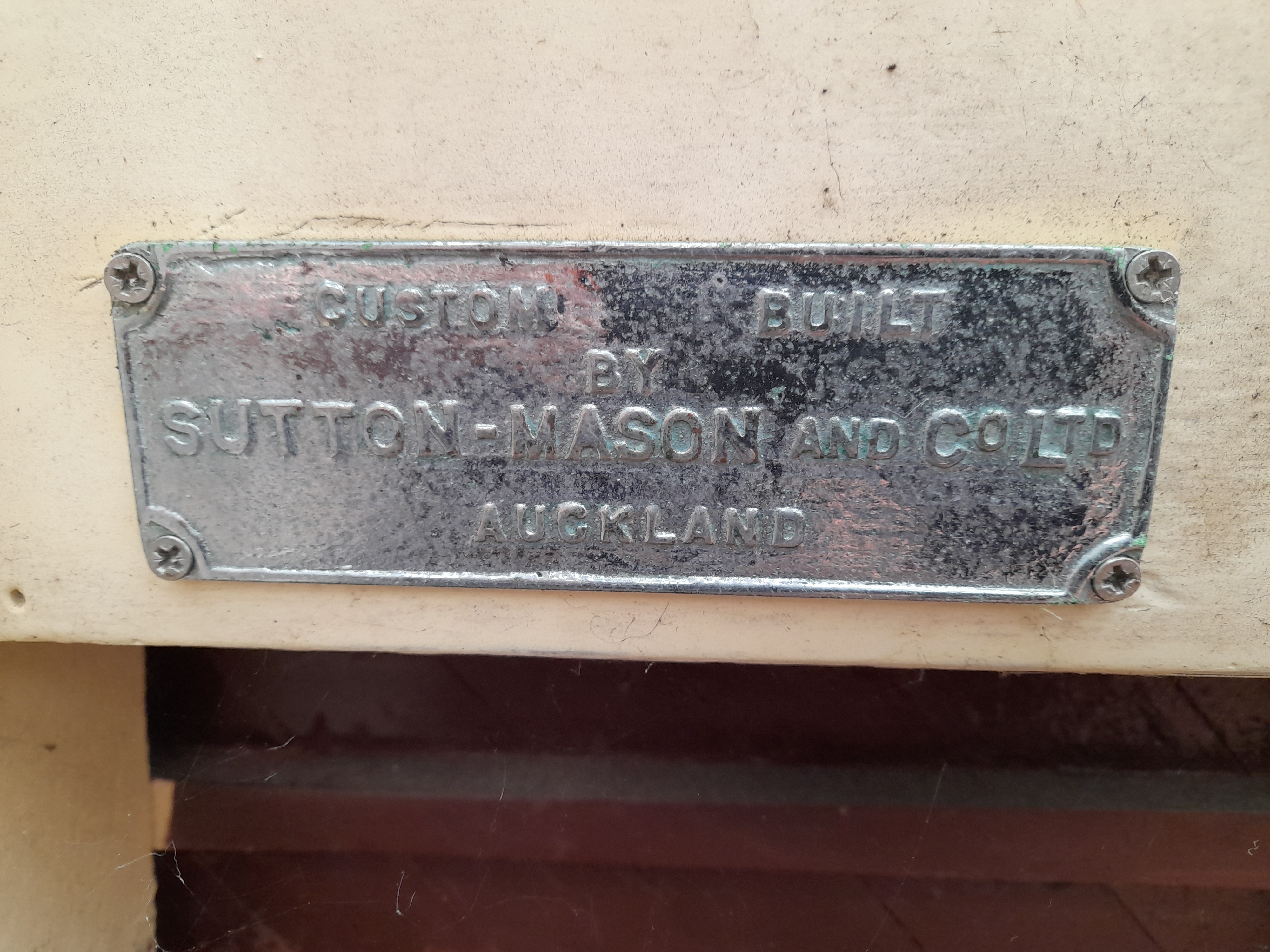
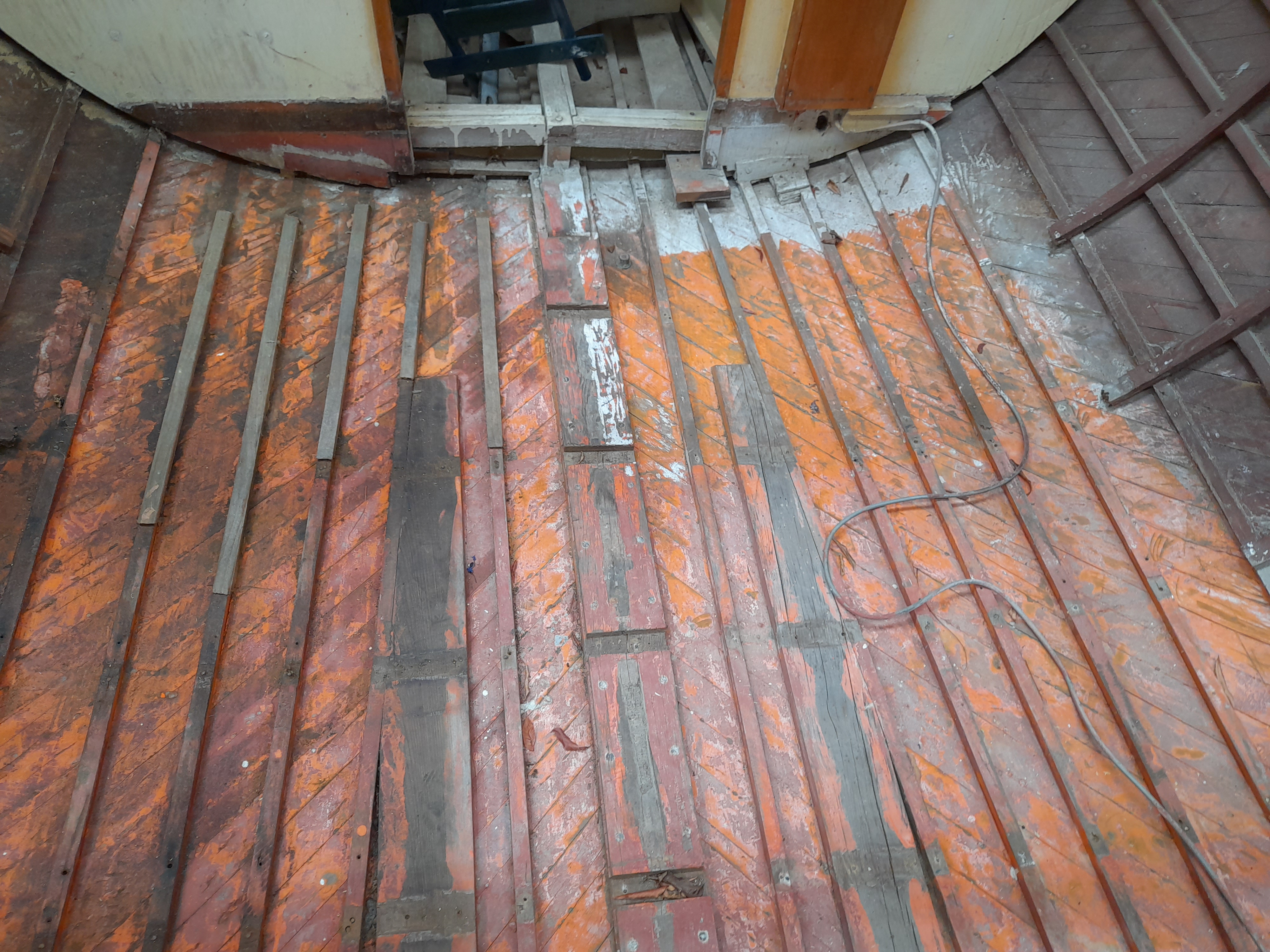
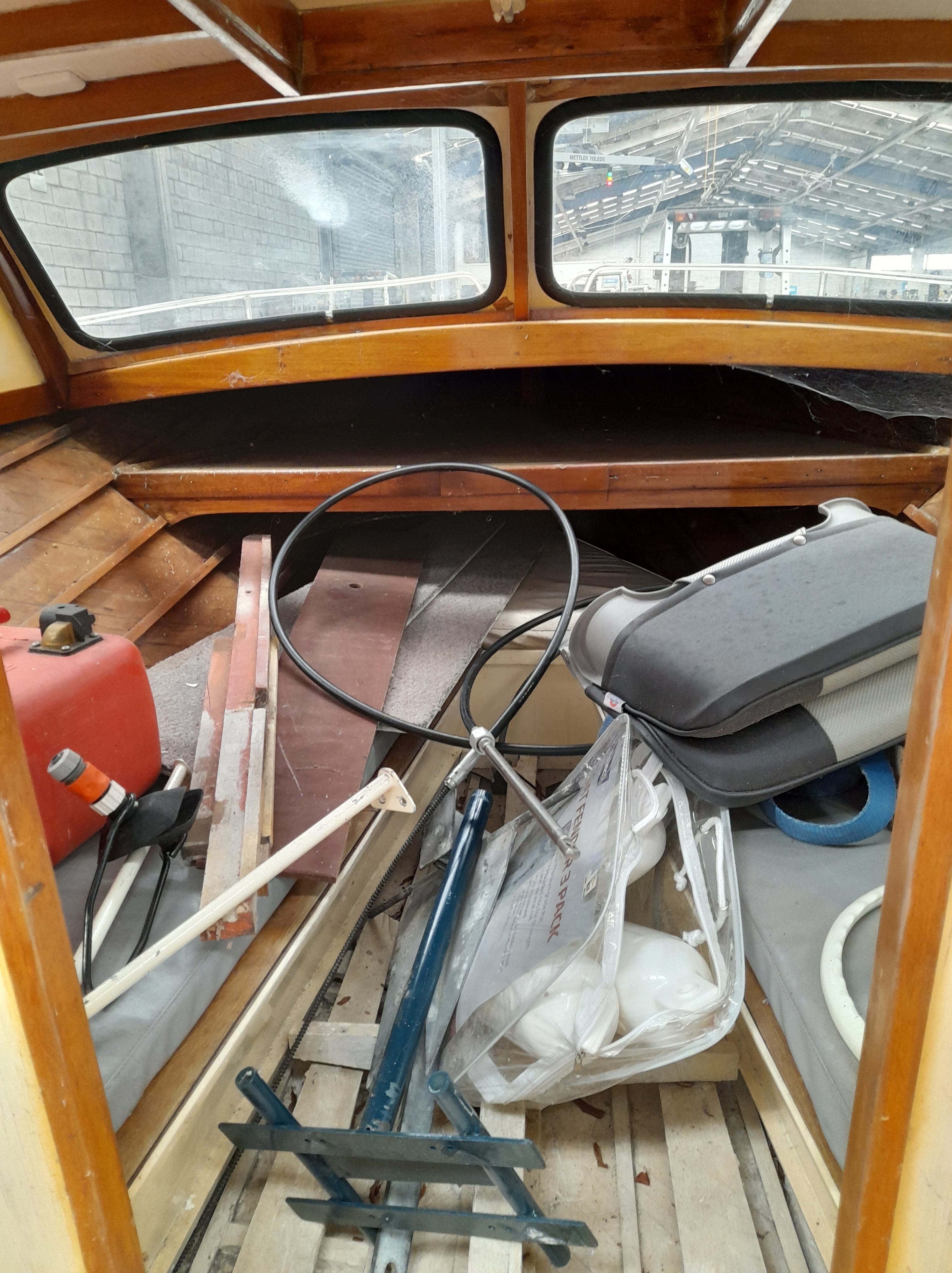
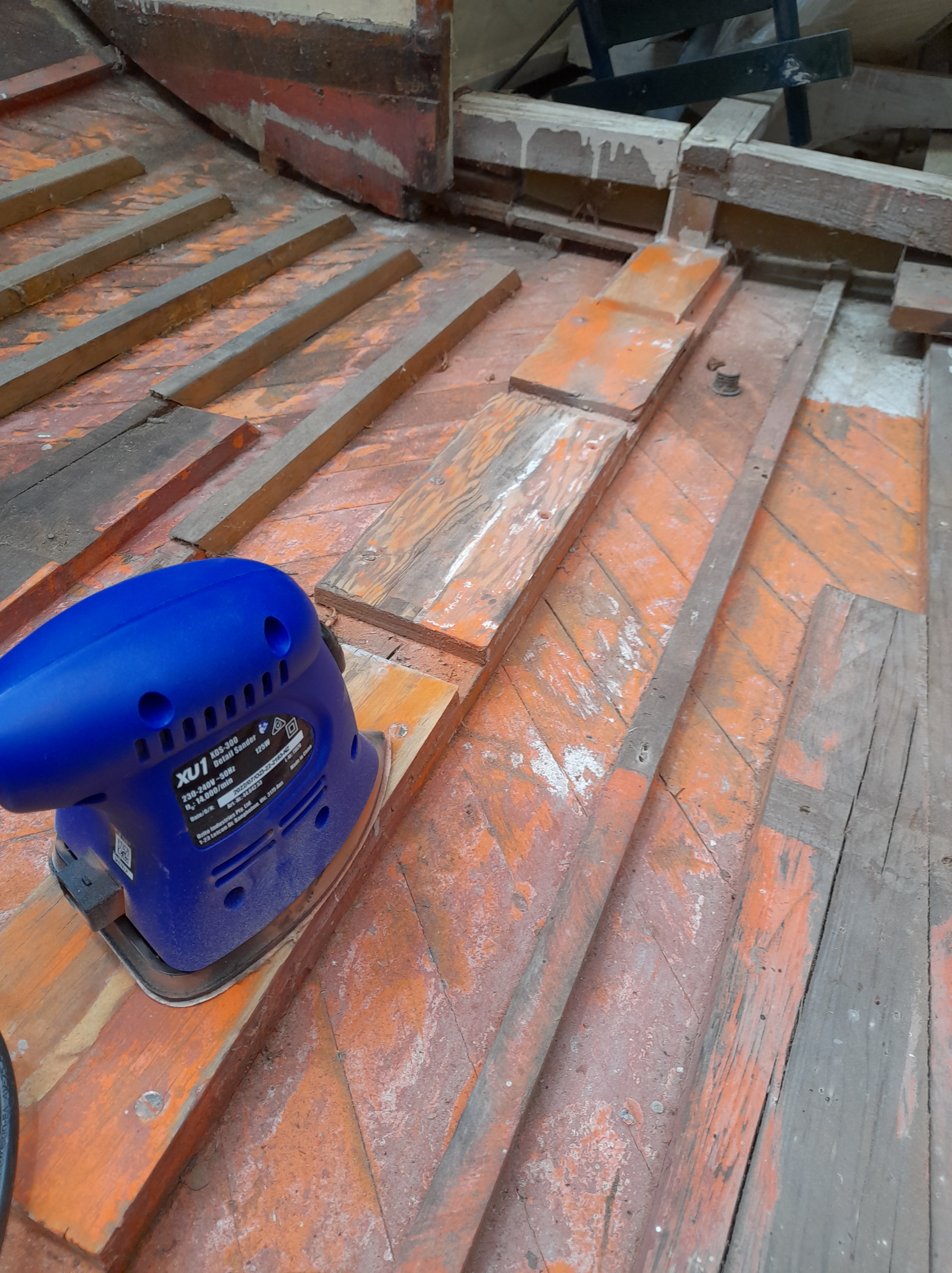
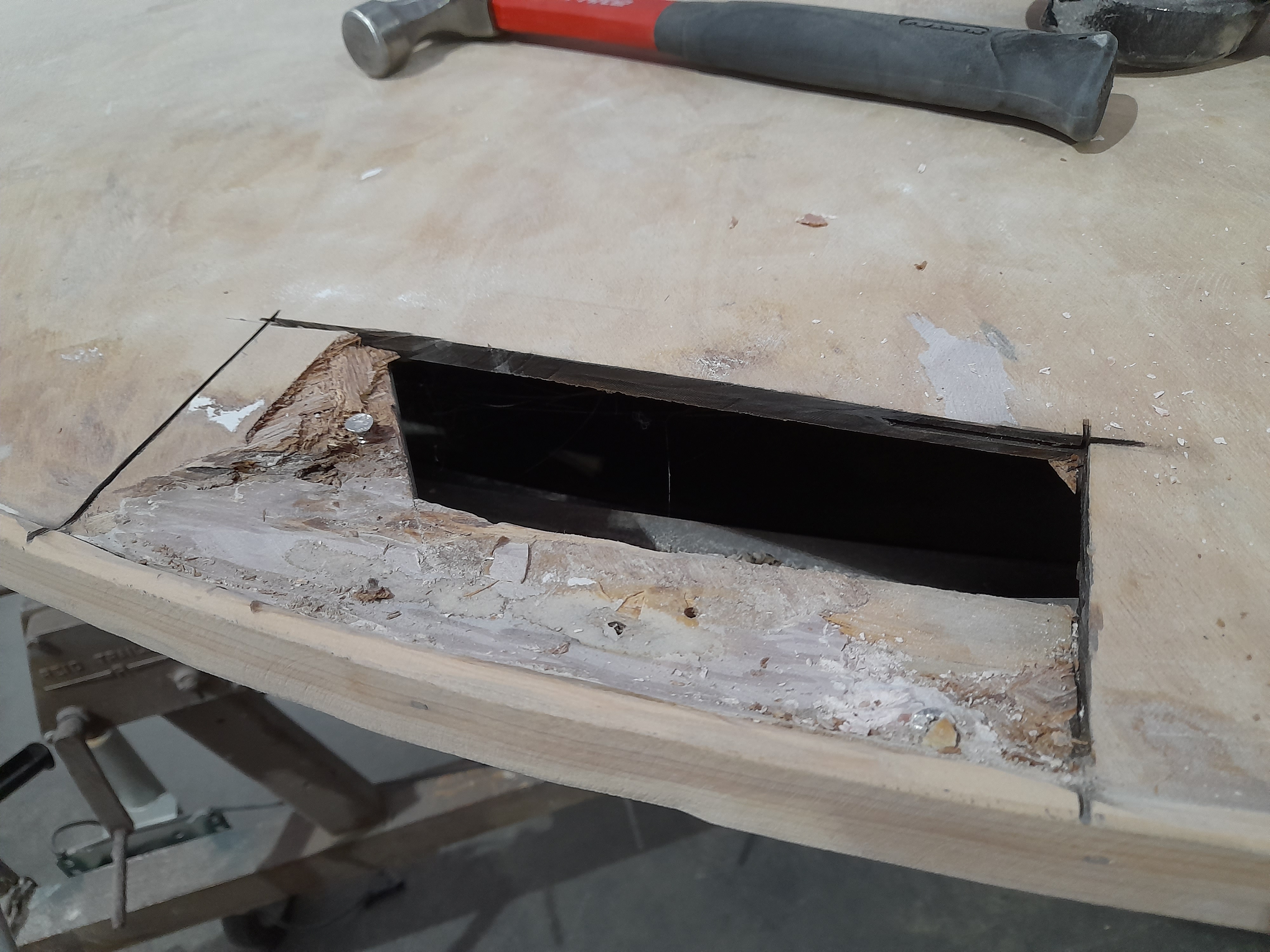
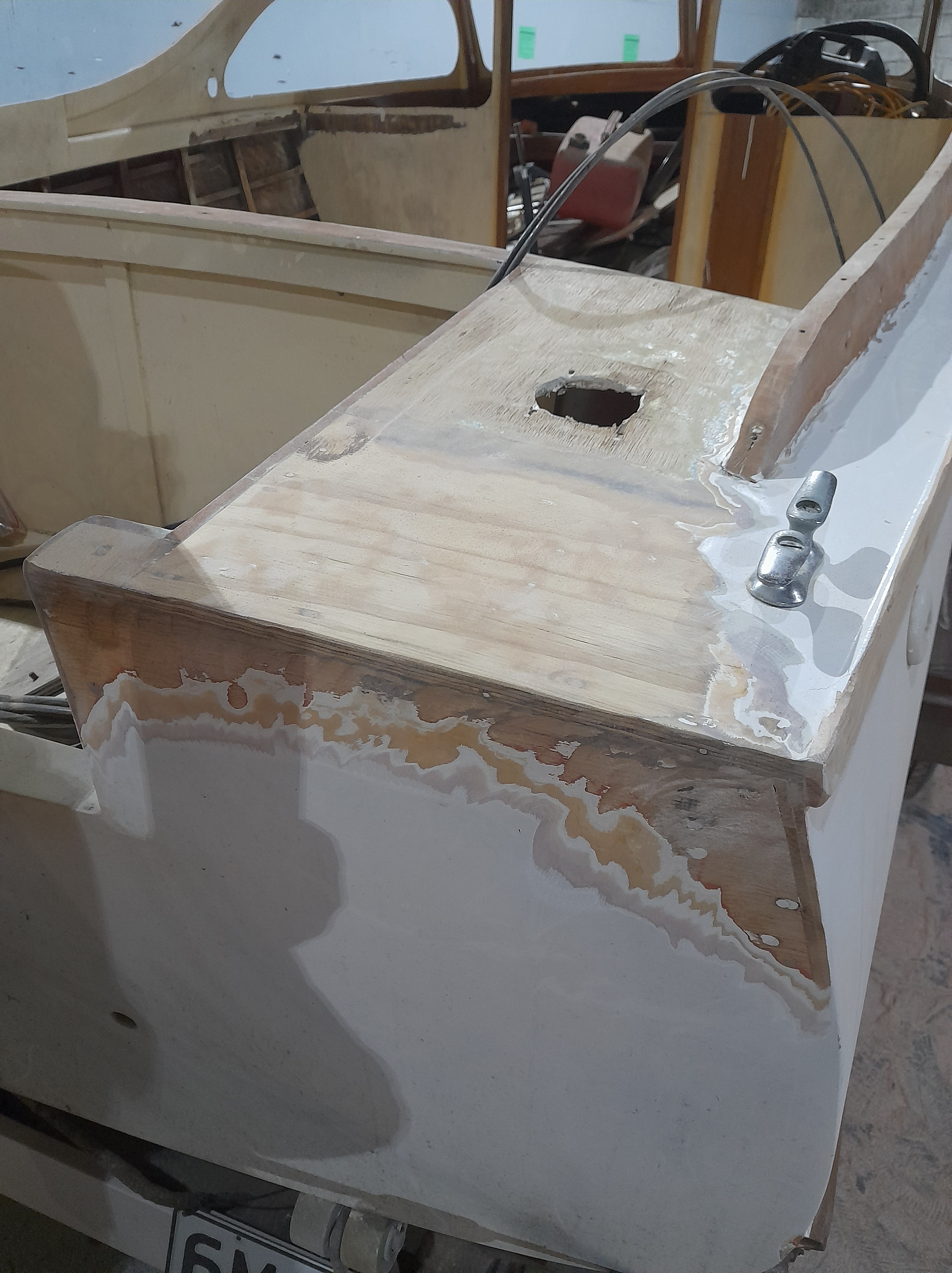
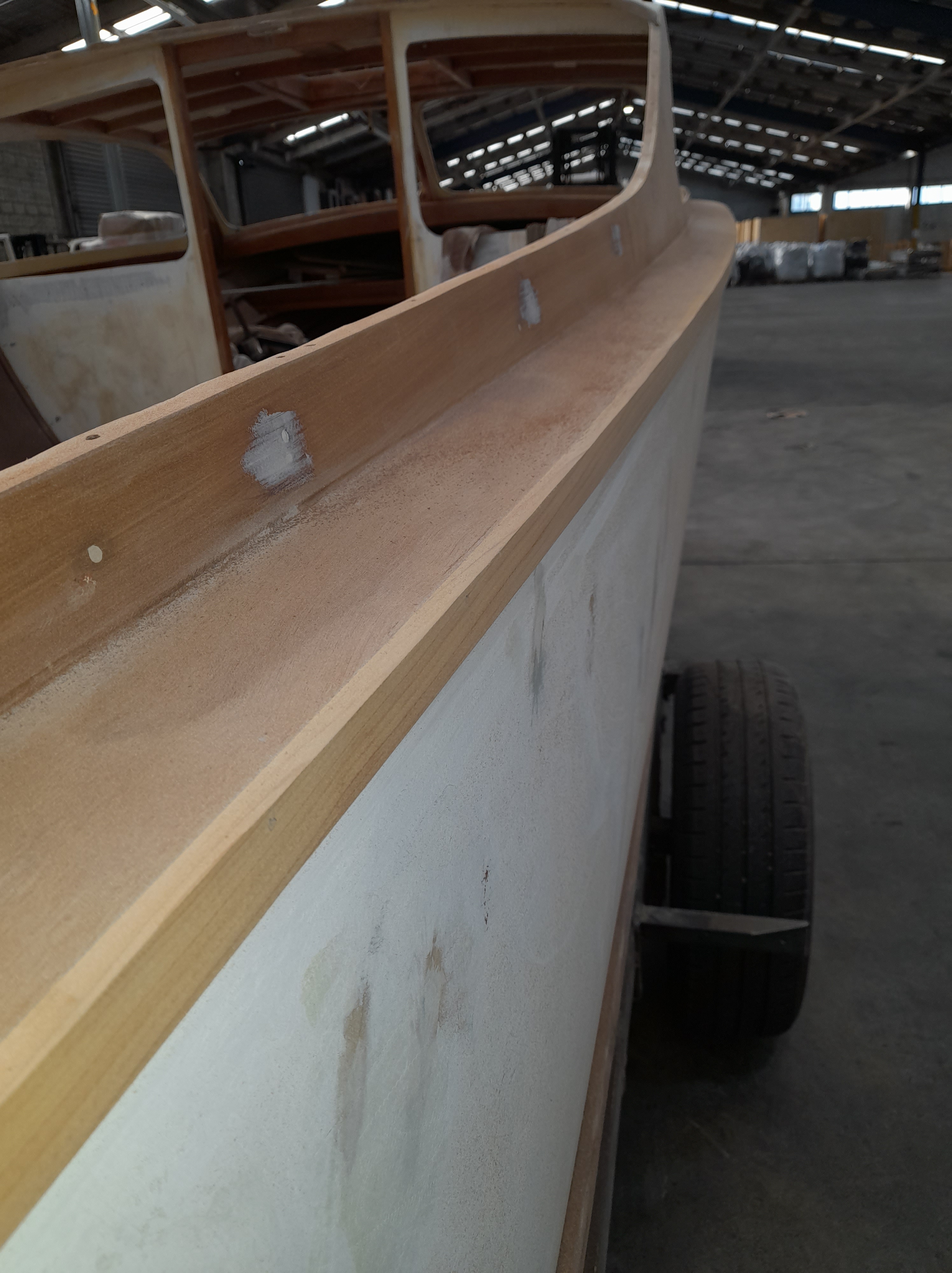
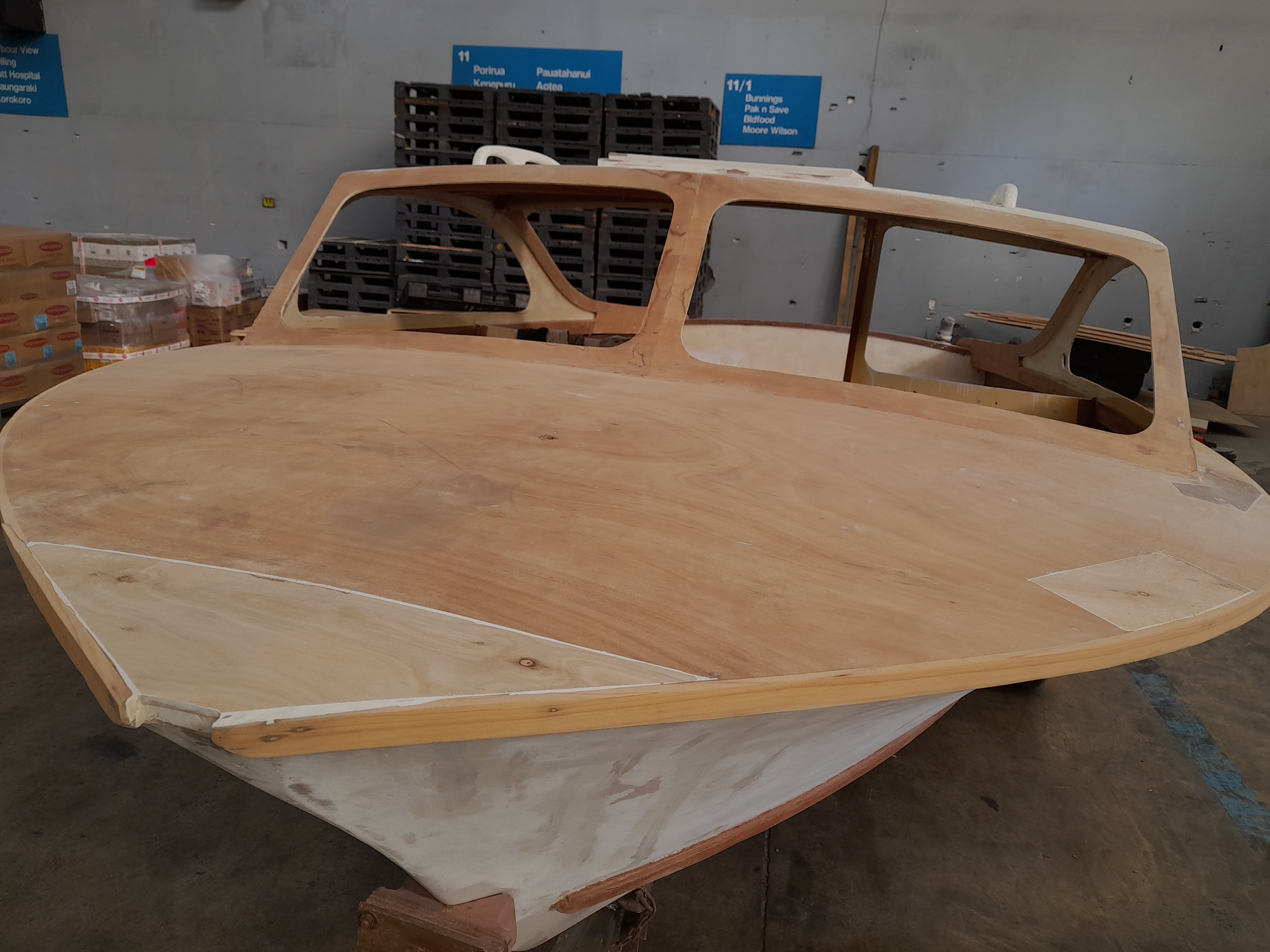
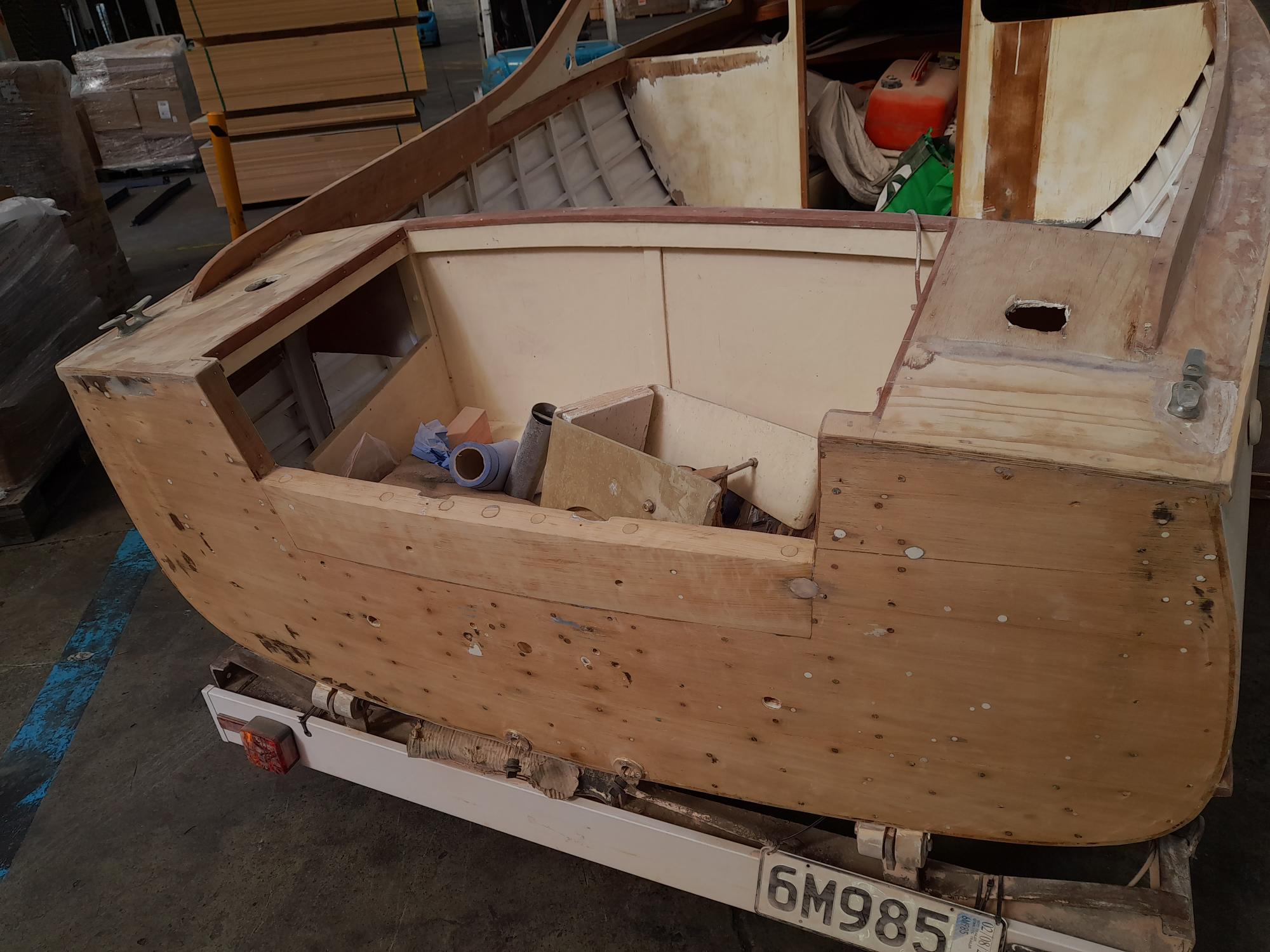
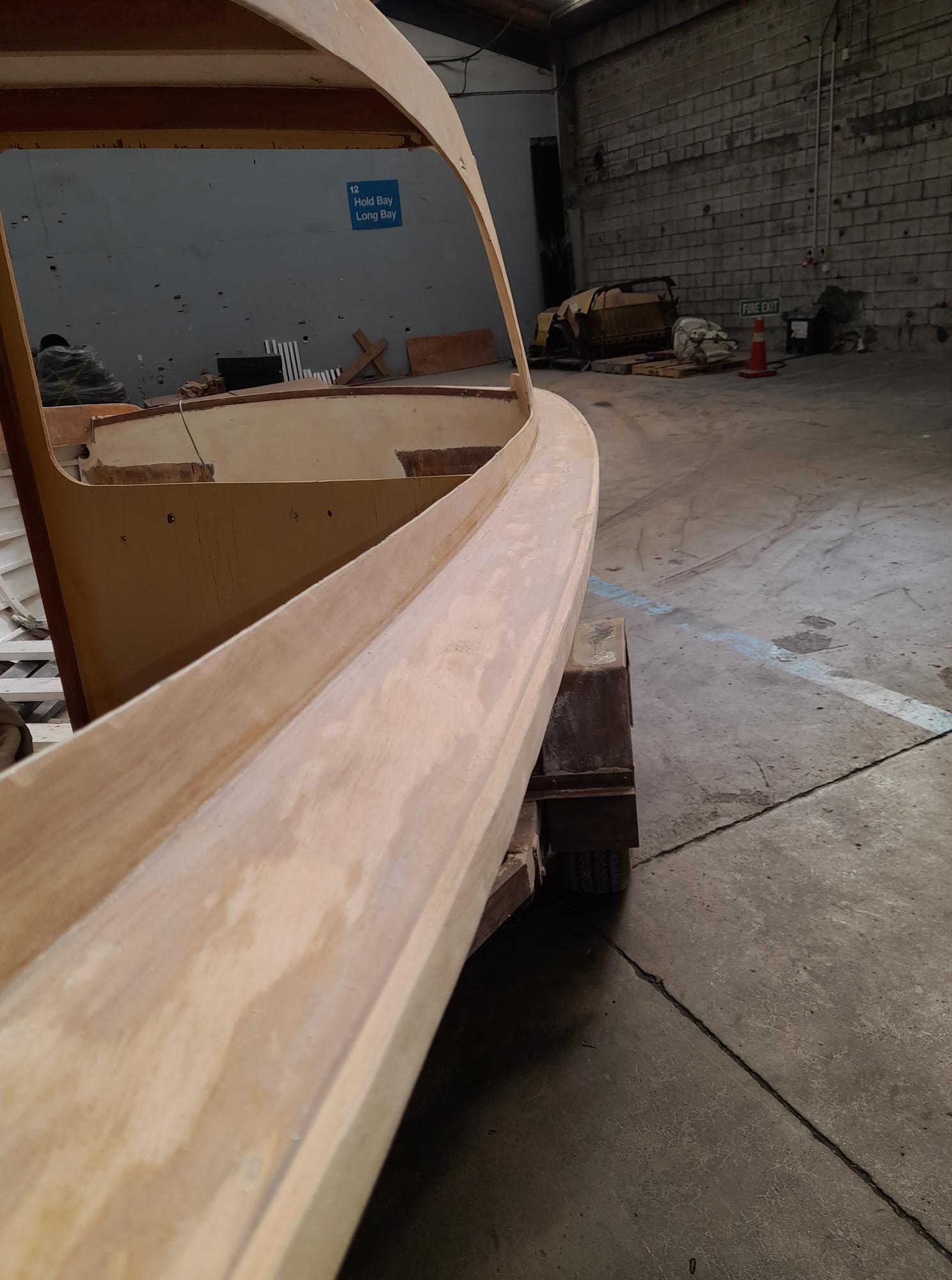
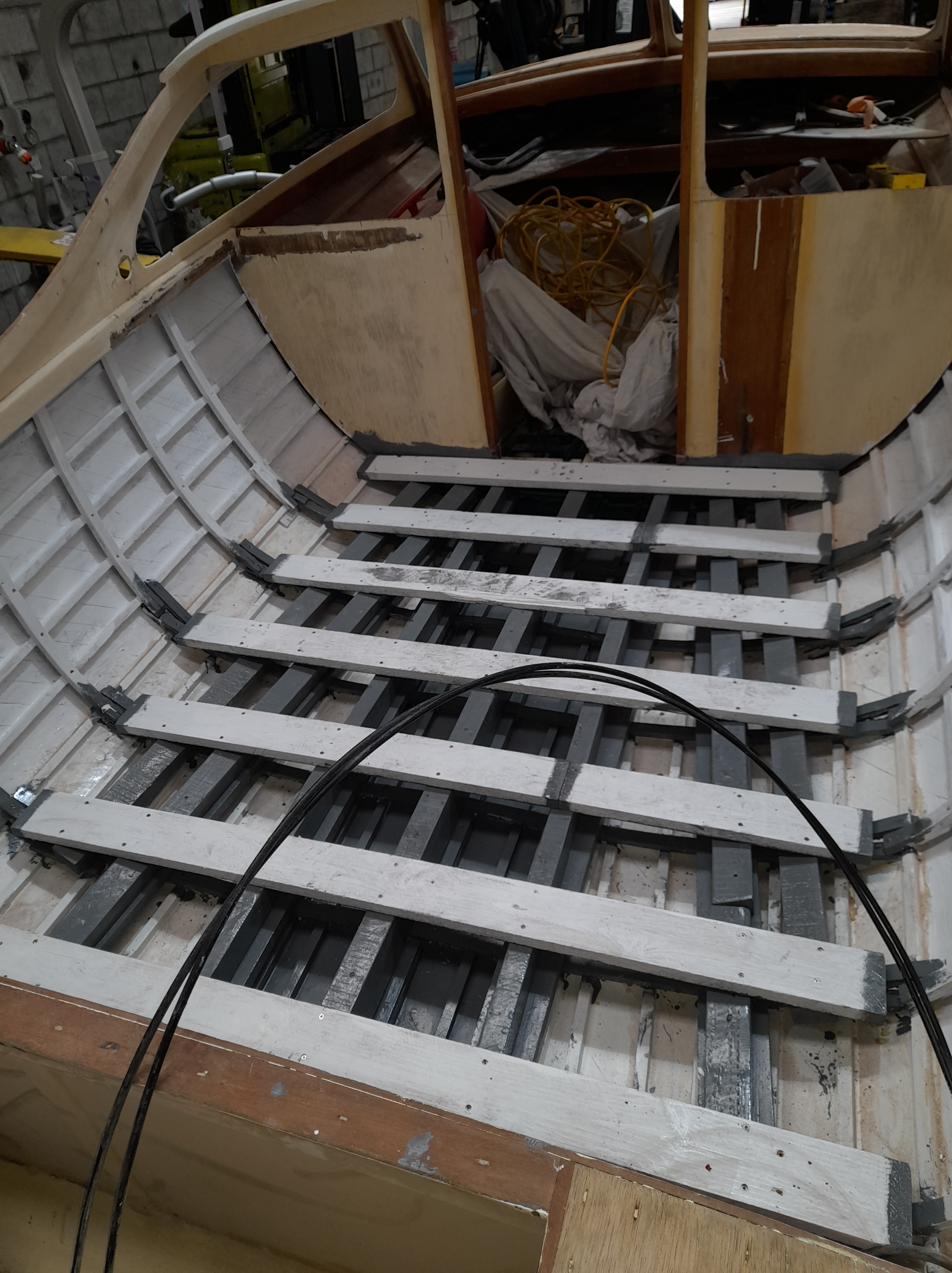
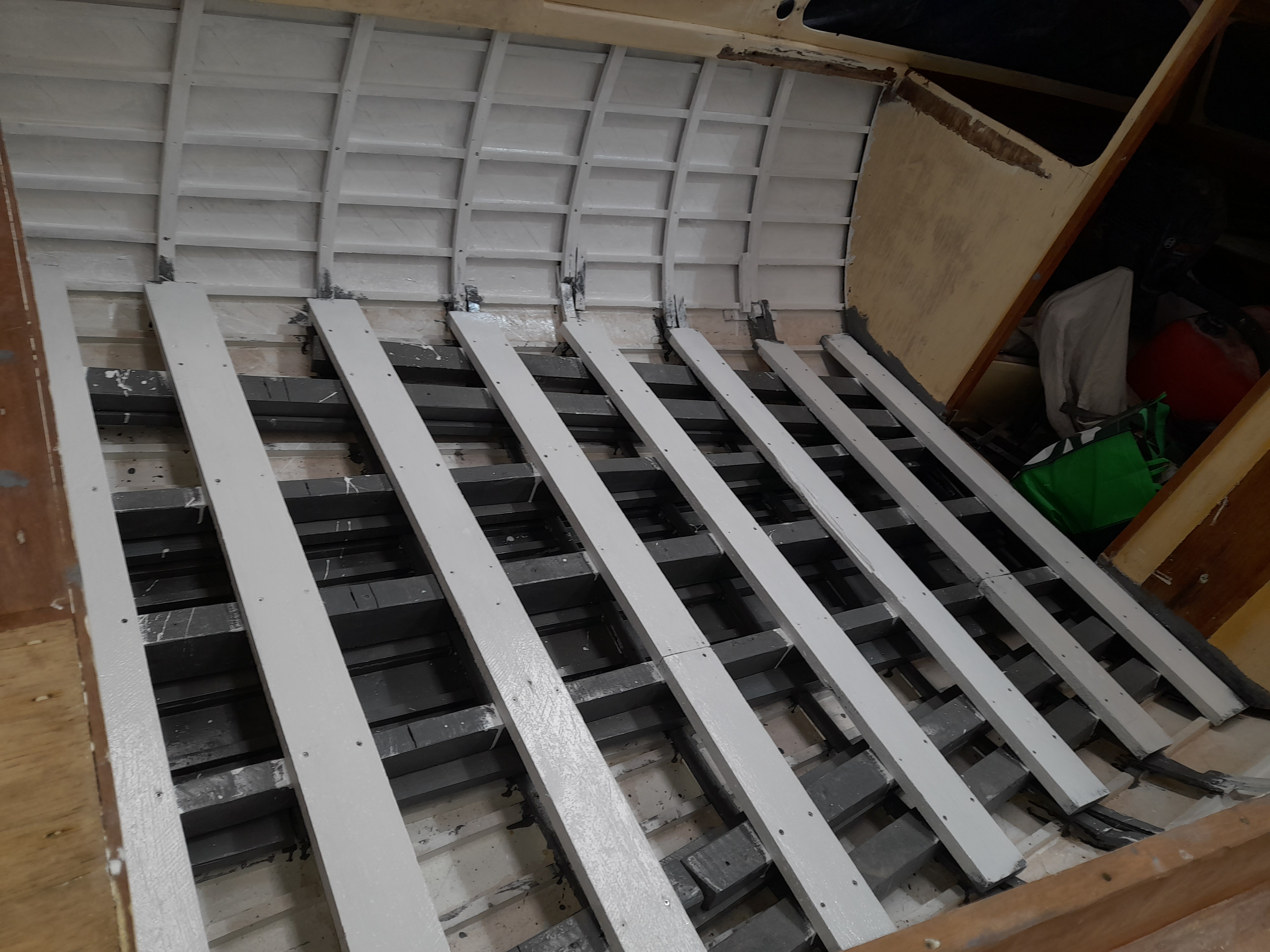
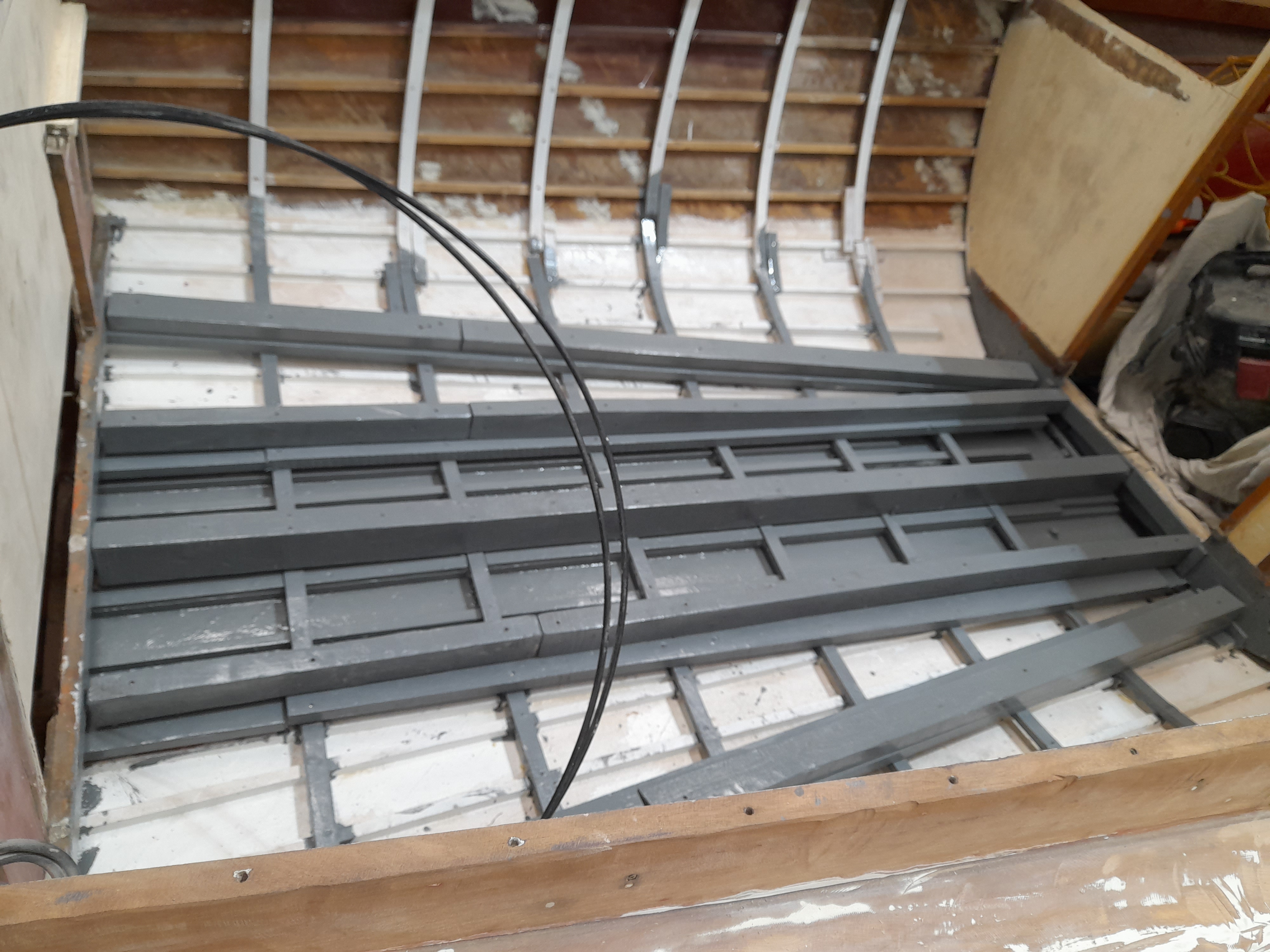
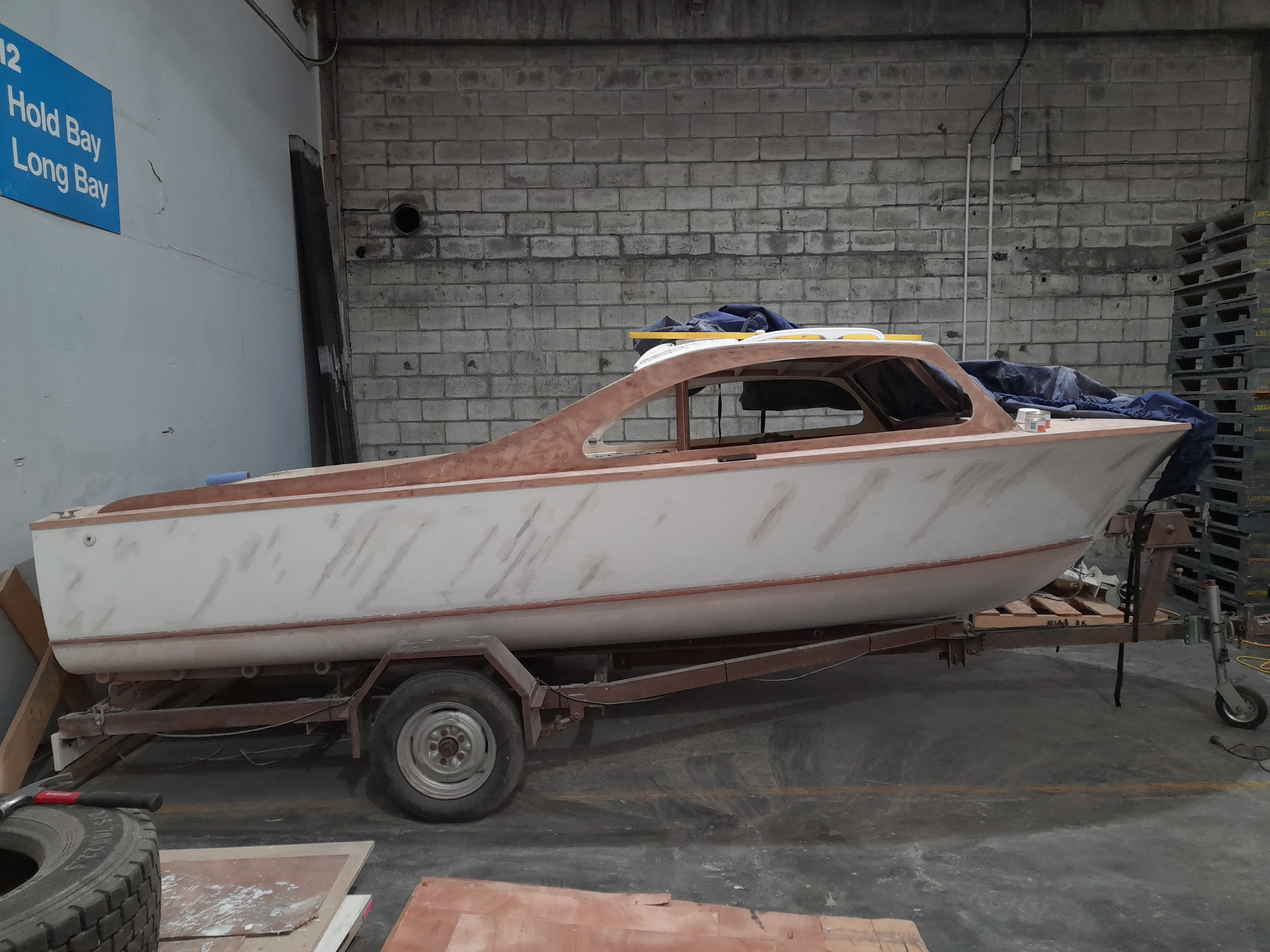
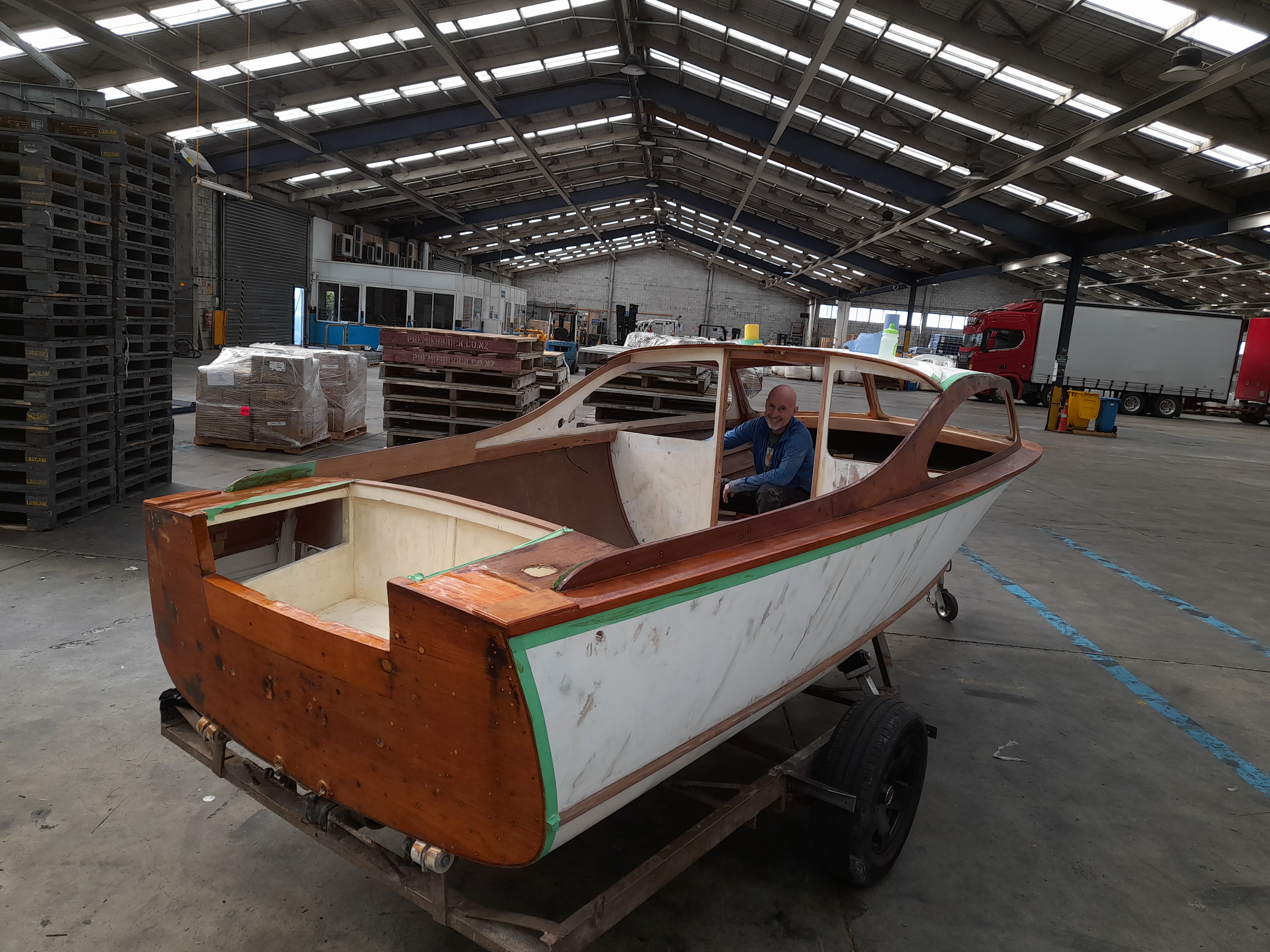
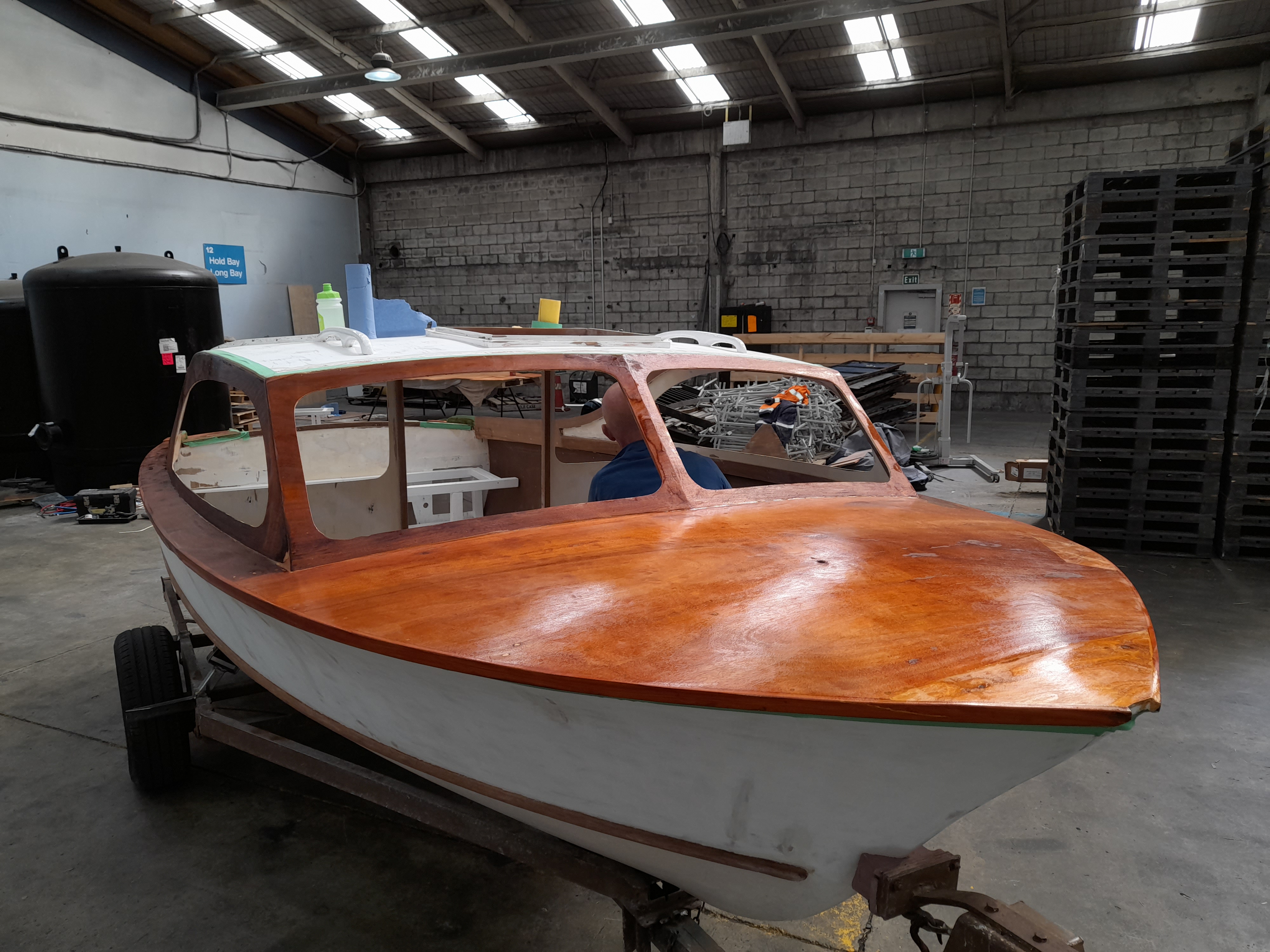
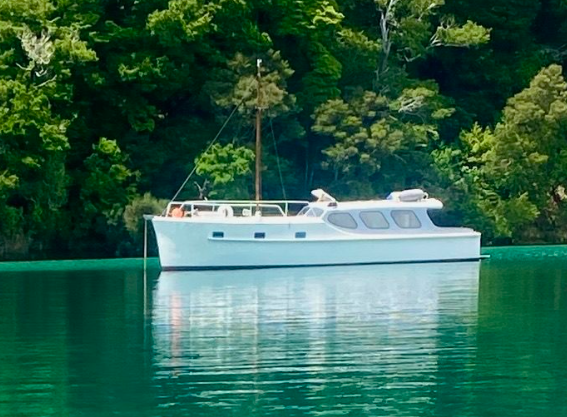
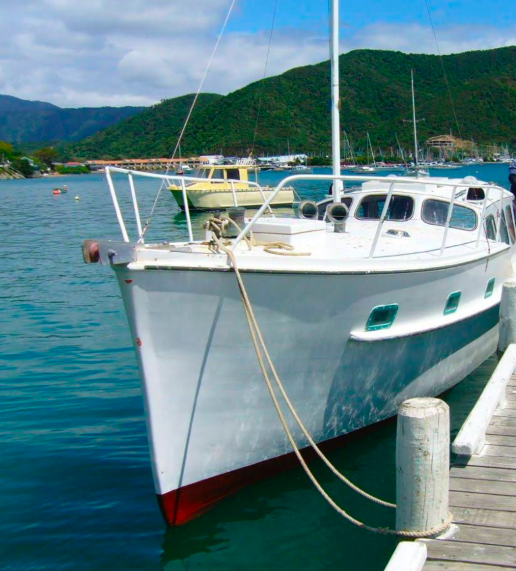
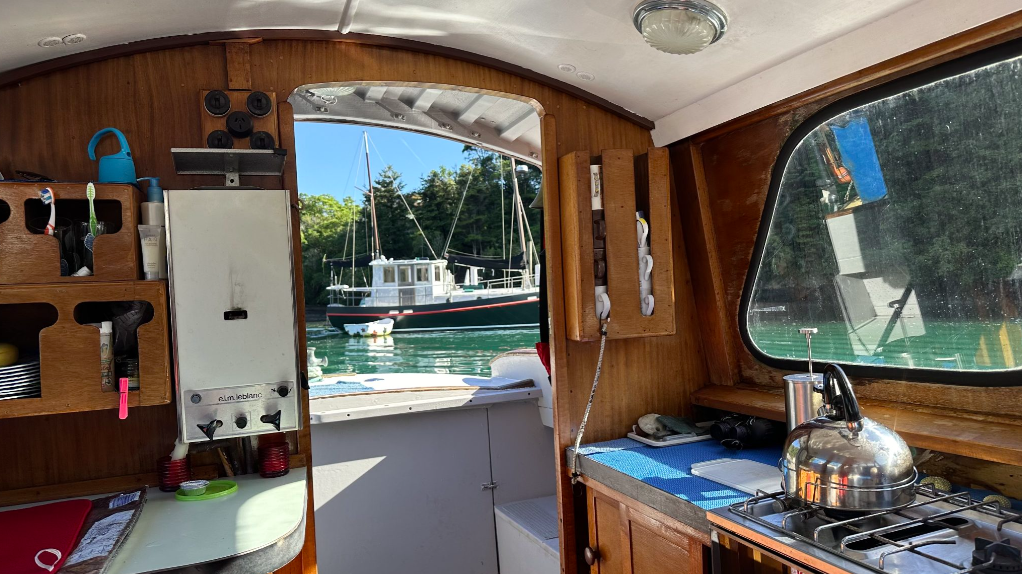
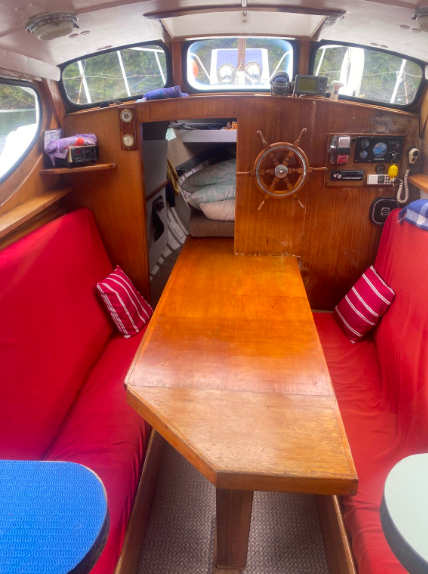
Todays woody – LANAI was built in 1949 by Lanes. Carvel kauri construction.
She has made several appearances on WW, links below. Its nice to see that her current owner has given her a hair cut and the fly bridge has gone.
There is lots of chat and intel in the past posts but a quick overview below.
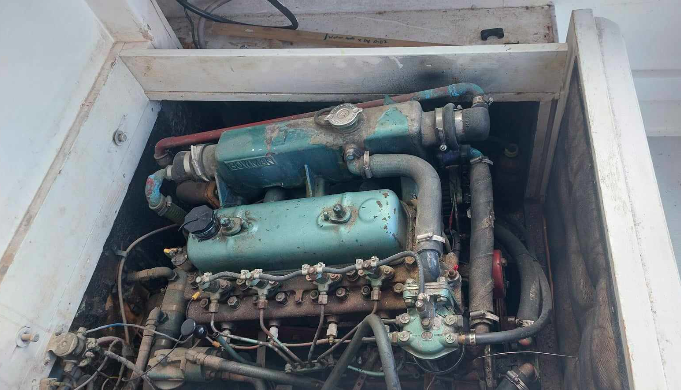
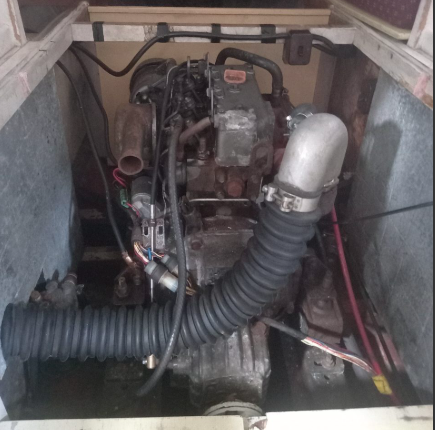
32’ x 10’6” x 2’9”, powered by twin Thornycroft 54hp engines, that sees her cruise at a comfortable 7.5 knots, max 10 knots. WW July 2014https://waitematawoodys.com/2014/07/04/lanai/
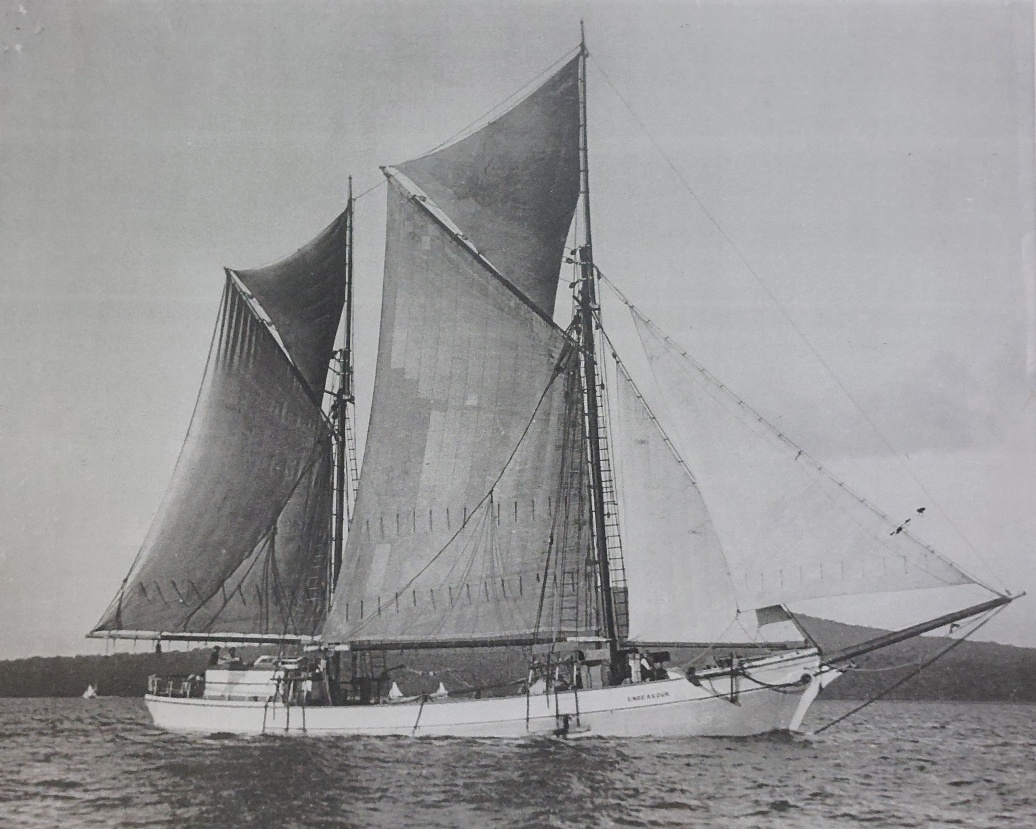
During the week Owen Aspden sent in the above phot of the 1904 schooner – ENDEAVOUR.
Owen commented that she was once a familiar sight around the New Zealand coast. Bought by the Aspden Shipping Co. in the 1930s then sold to the NZ Navy for service on the NZ coast in 1943 and bought back again by the Aspden Shipping Co. after the end of the war.
In April 1940 enroute from Auckland to Portland at night she encountered a small yacht upside down 3 miles off Tiritiri Island. The yacht was hoisted onboard and later by phone from Portland to Auckland it was established that three young Naval Reservists had been on the yacht and had drowned.
Again in June 1940 at the time of the Niagara sinking she was leaving Portland for Auckland with a load of cement when the call came through that the Niagara had sunk off Whangarei Heads. She proceeded to the site but there was only oil to be seen on the surface.
In in her later life it was used on Stewart Island to service salmon farms and from there sailed across the Pacific as a floating circus, unconfirmed. Do we know what became of ENDEAVOUR.
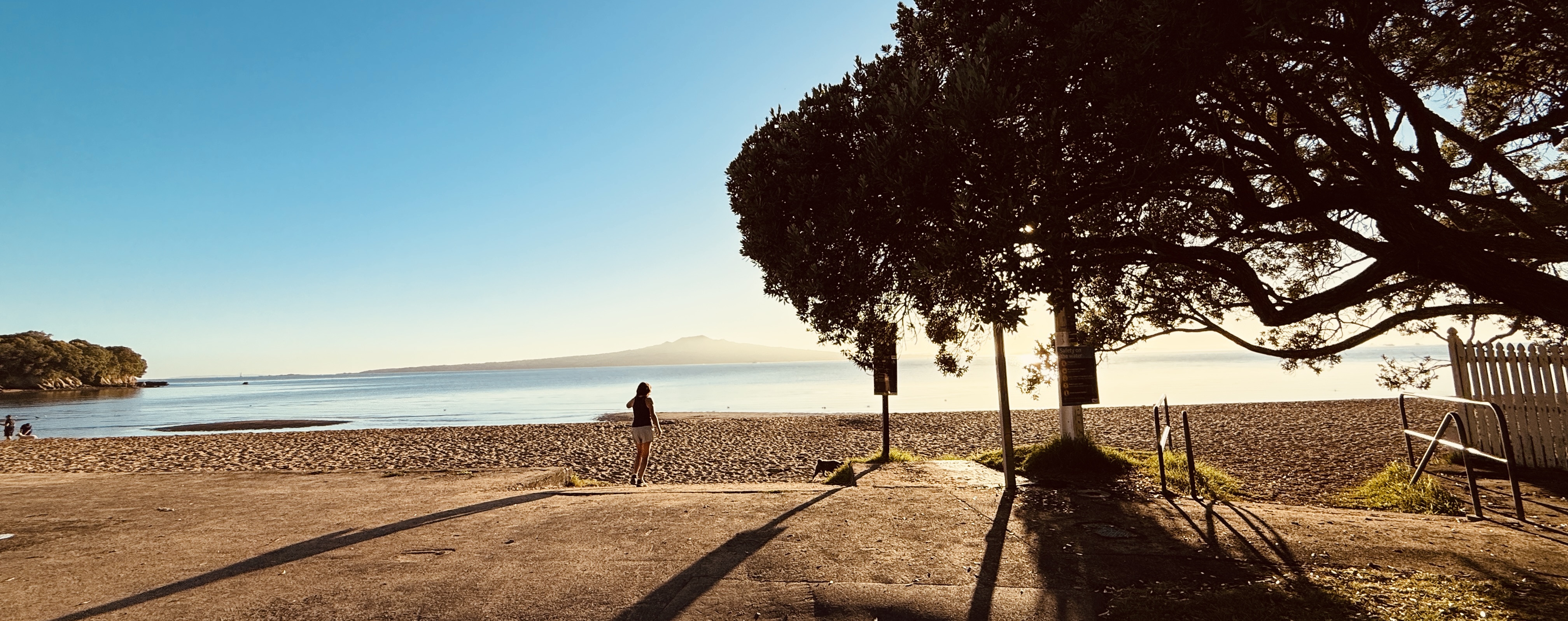
When your morning dog walk looks like this
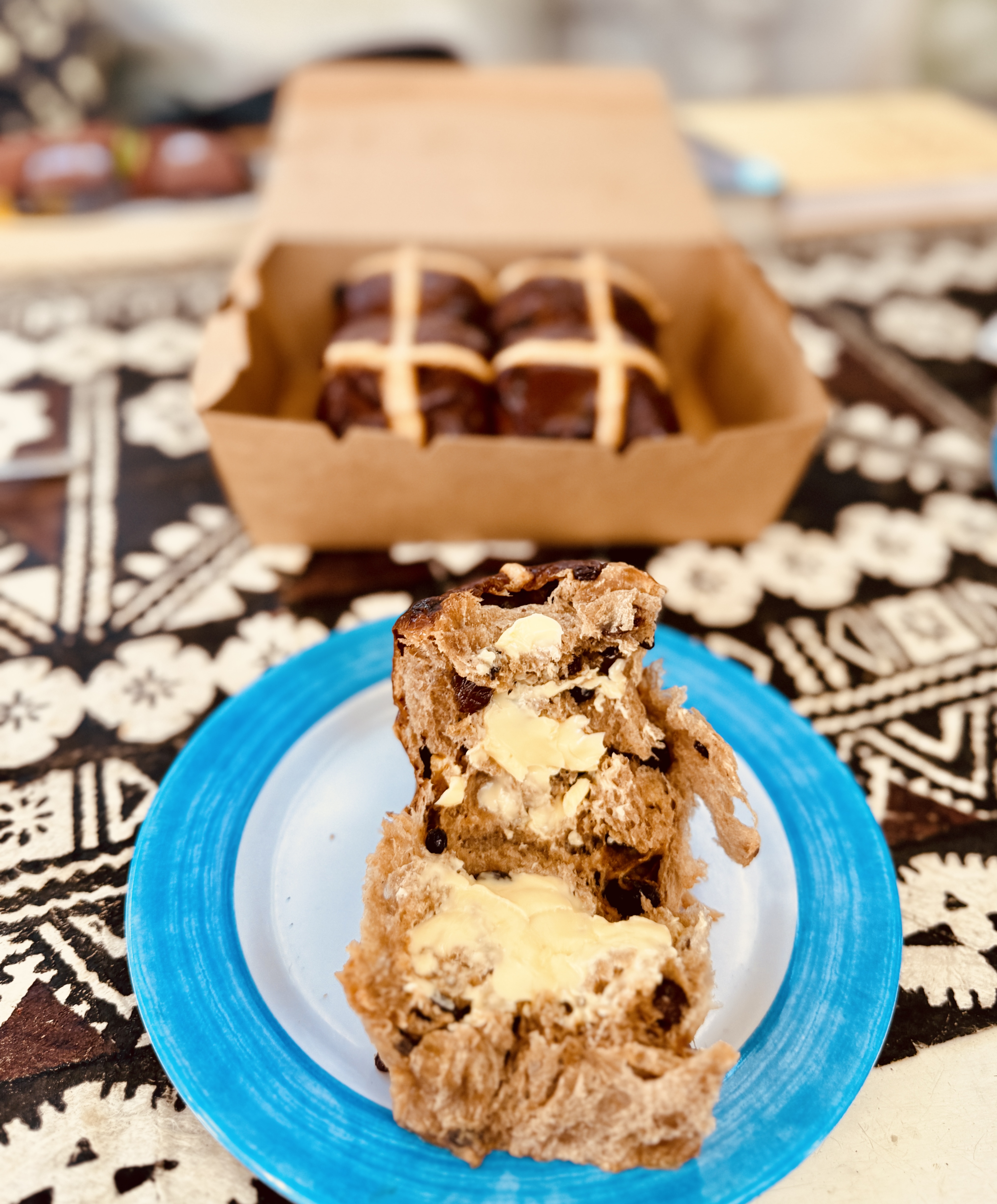
You do this 🙂
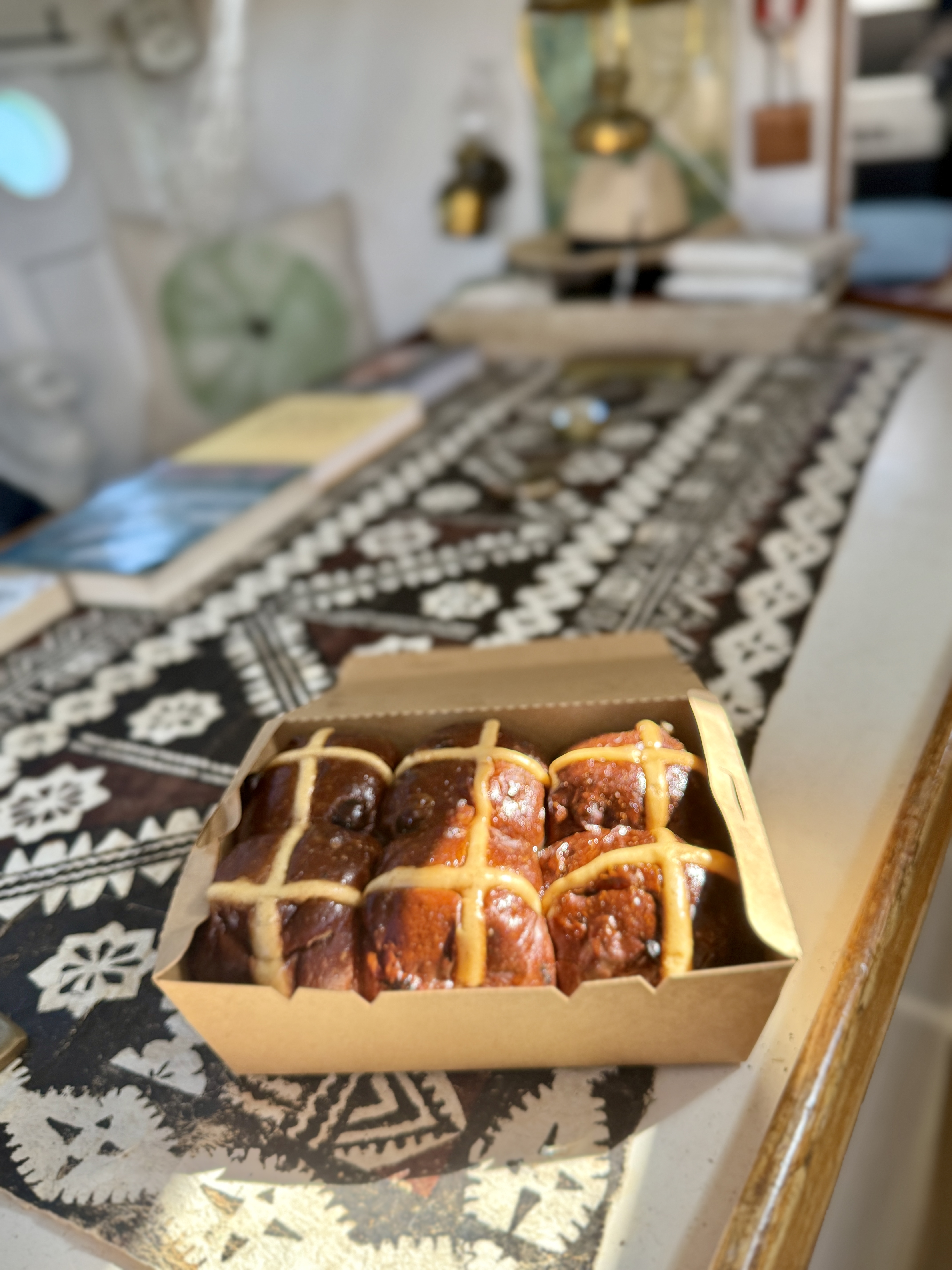
We are enjoying a stunning late summer in Auckland, made even better by the arrival of hot cross buns from Beabaes Bakery in Westmere, voted best in Auckland. But you better get there early Dave Giddens (ALLERGY) lives down the road and is a ‘seasoned’ regular 🙂
INPUT ex DENIS O’CALLAHAN – The round bottom coastal trading vessels, like the ones built by Meikeljon at Omaha, were always called schooners, irrespective of the rig.
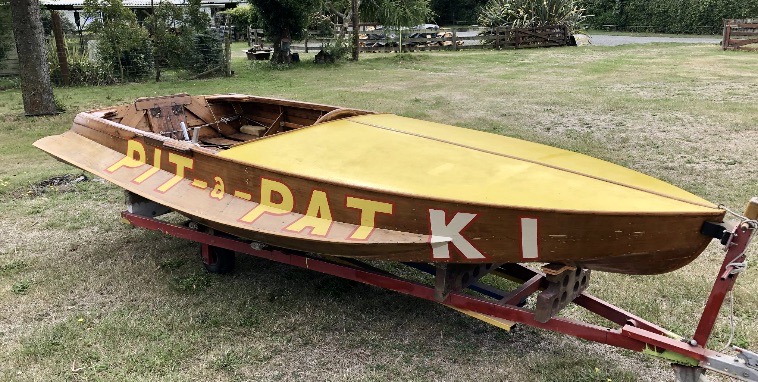
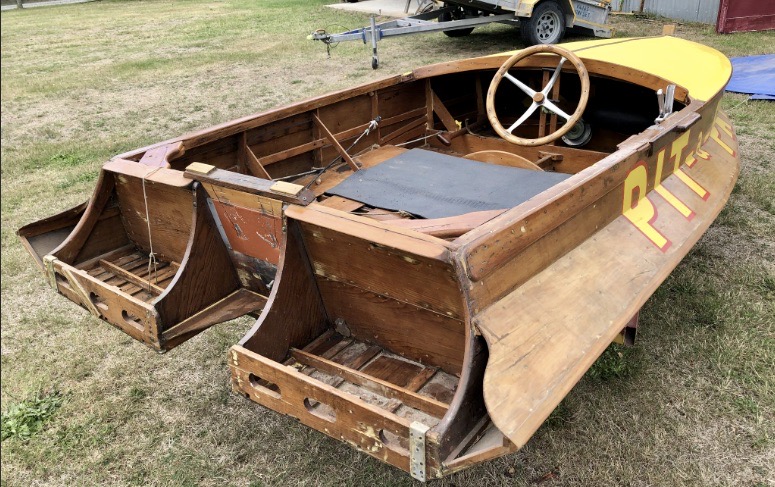
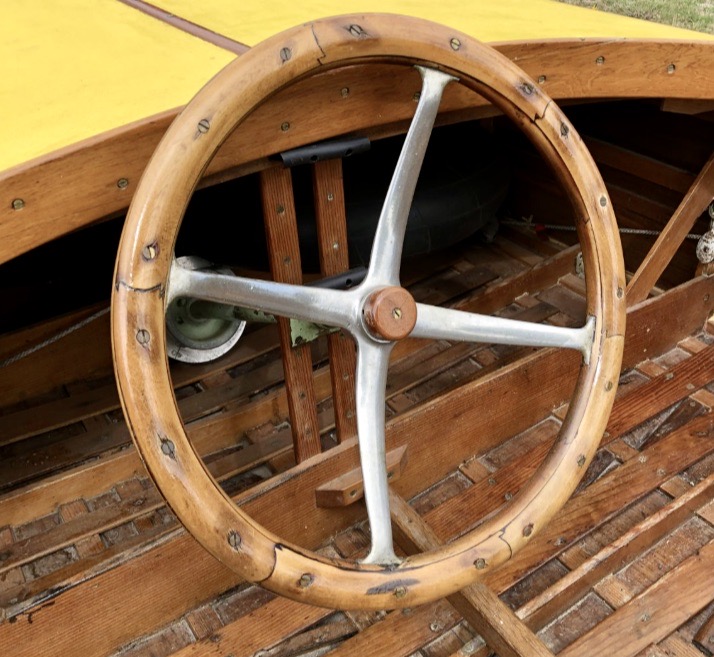
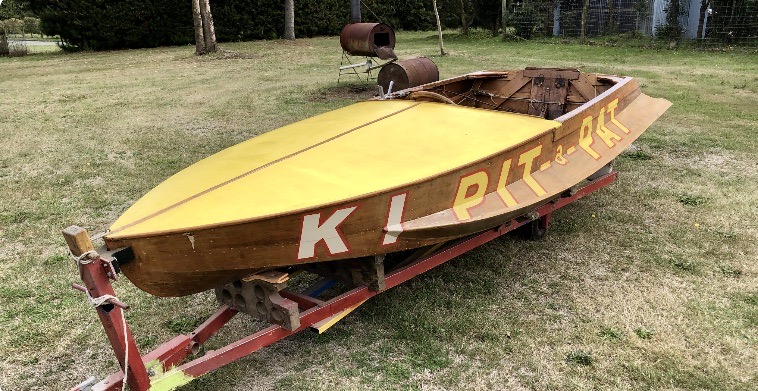
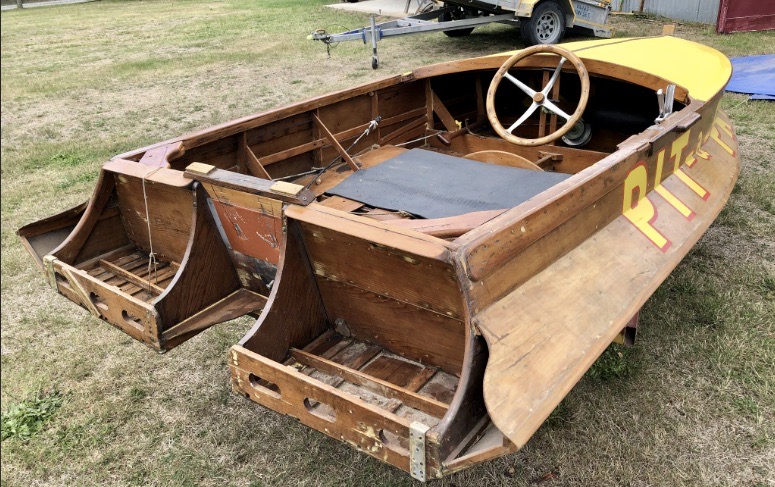
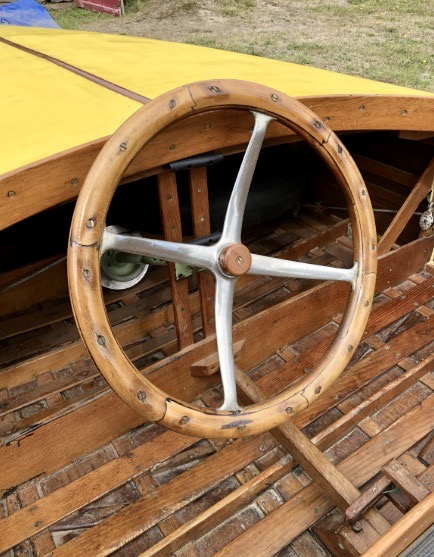
Todays woody would normally struggle to make the cut for a WW story – but there is one huge item that gets her over the line – her helm wheel – OMG – I want it……
Now putting aside my Model T Ford wheel fixation – what we know about PIT-a-PAT is she was built in 1928 by J.N. Robinson and is described as a ’single step vintage racing hull’. Built from spruce with kaikawaka gunnels. She won numerous races in the 1929 > 1934 period including the Teichelmann Cup in 1932, 33, and 34. The cup remains with the boat today and will be passed onto her next owner. (thanks Ian McDonald for the tme heads up)
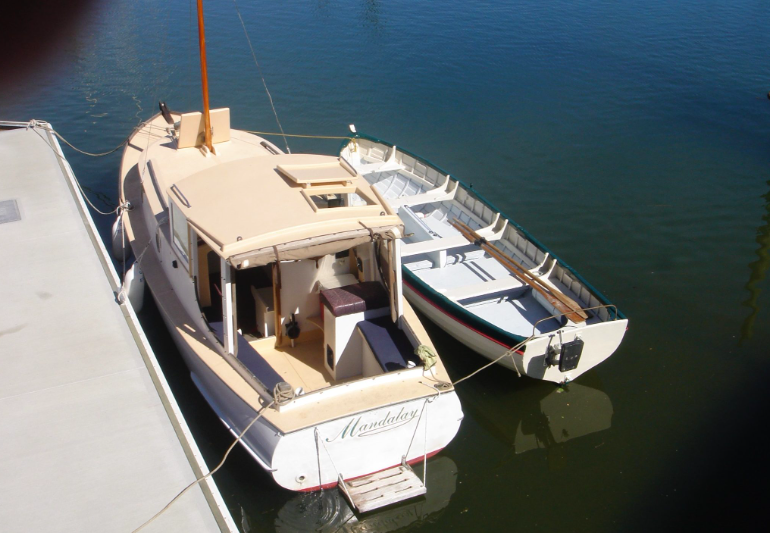
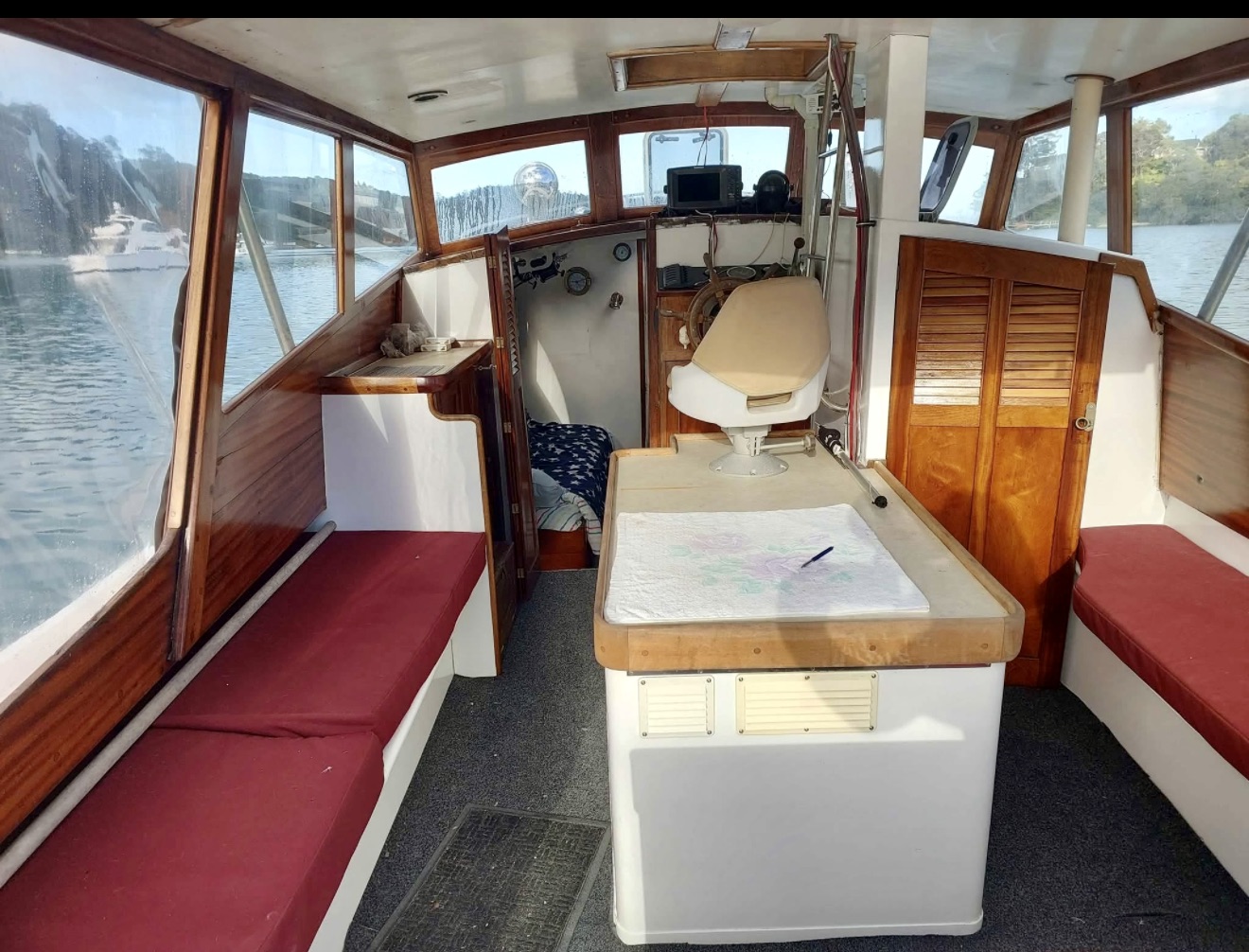
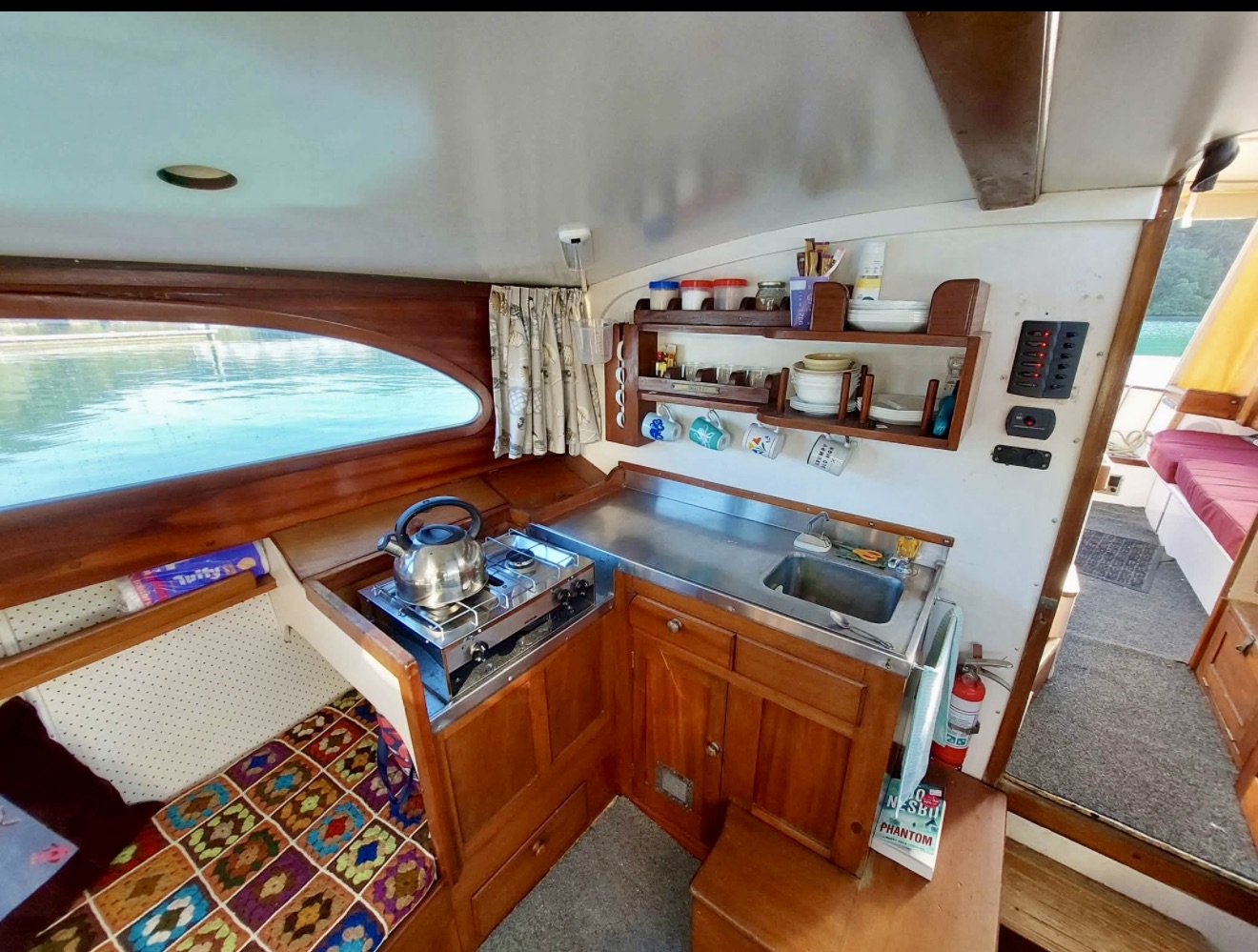
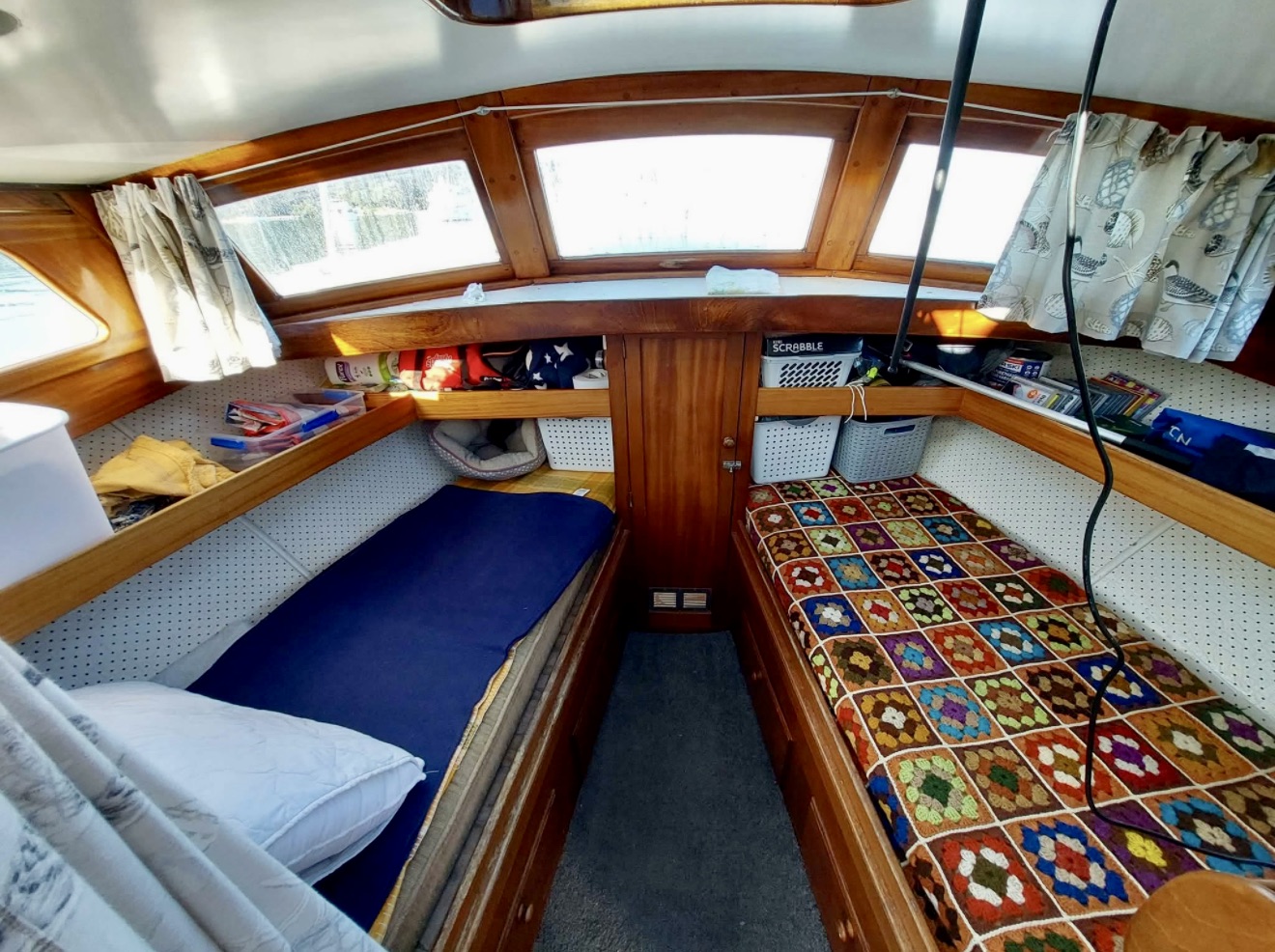
Todays woody the 23’ MANDALAY just ticks so many boxes – Its built of full length kauri carvel planks in 1932 – Kauri backbone – copper fastened on steam bent ribs – it has a modern engine >Yammer 3GMD 23 hp – 4 berths – standing headroom in the wheelhouse – easily driven by an auxiliary outboard. AND – the real bonus – it comes with a purpose built legal road trailer that allows her to be easily taken ashore for routine upkeep and changing cruising location.
With todays spiralling marina costs these smaller, transportable woodys will be the future, or at least what keeps a lot of people in the classic wooden boating game.
Thanks to Ian McDonald for the tme heads up. She has appeared on WW before where we learnt from Harold Kidd that she was built by Ralph Shepherd in Auckland. – link below https://waitematawoodys.com/2015/11/13/mandalay-2/
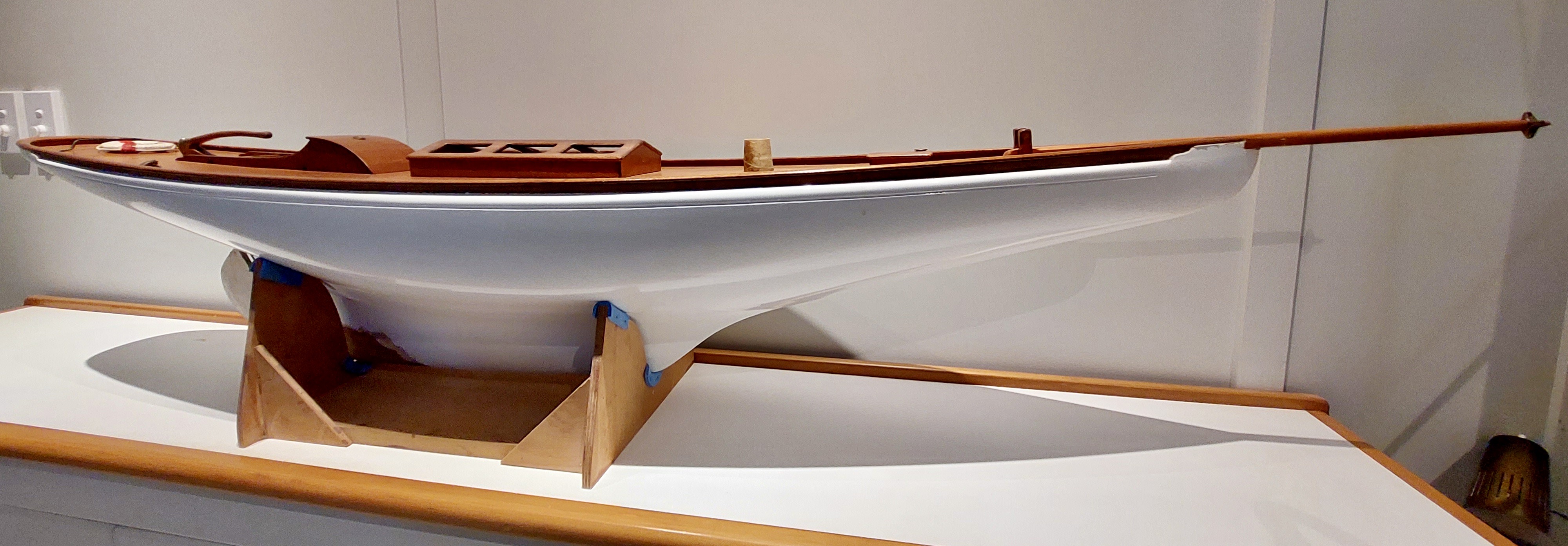
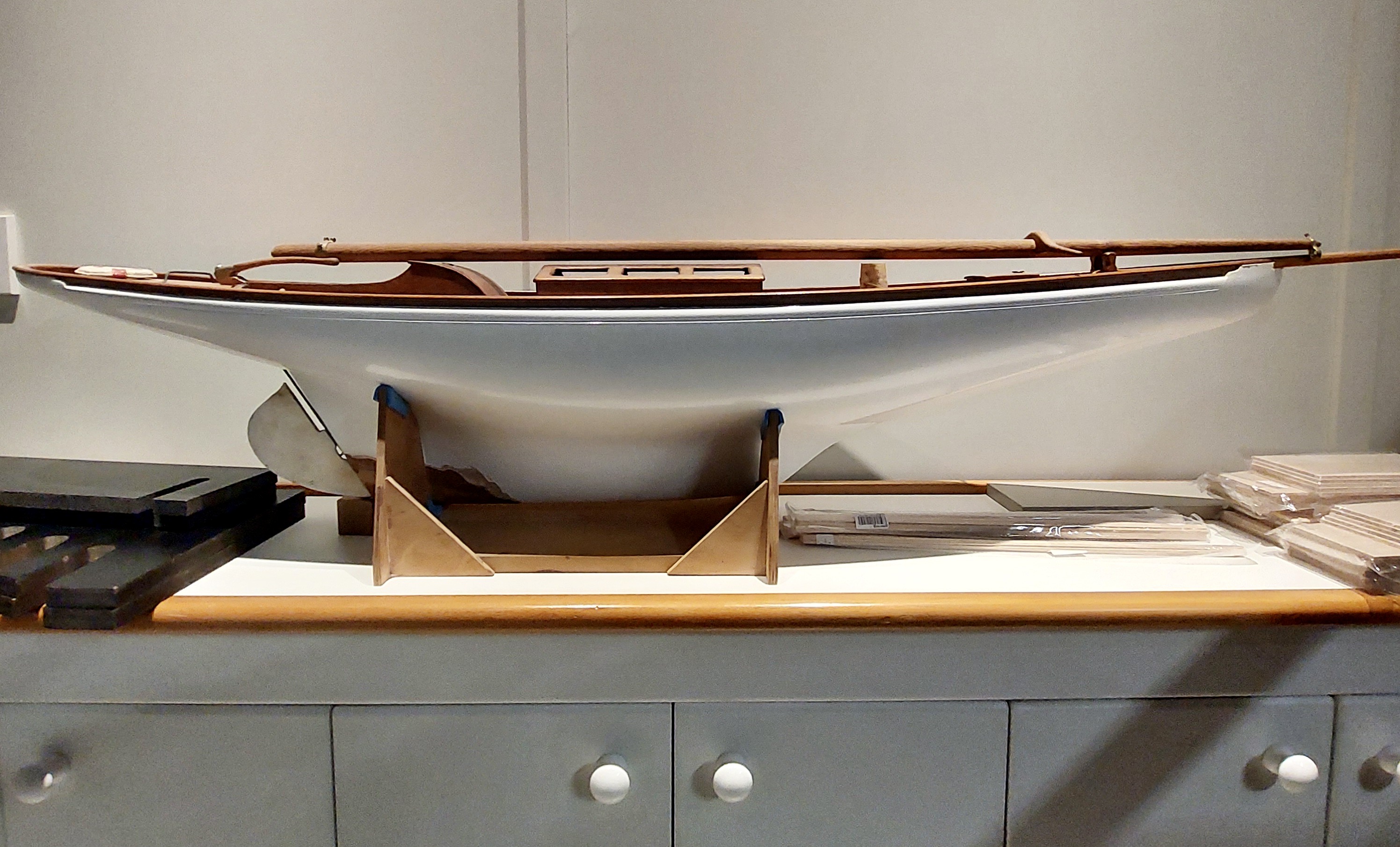
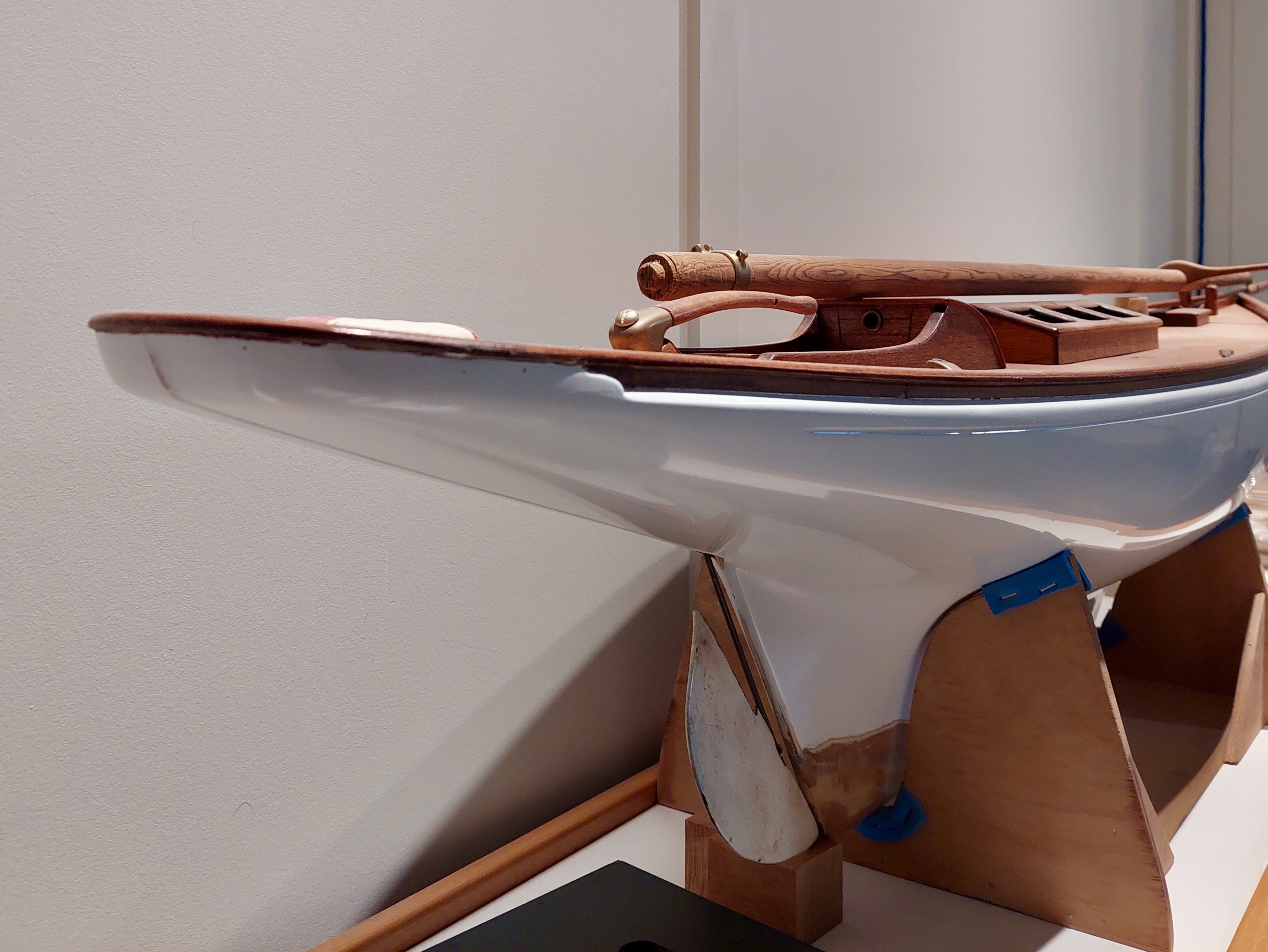
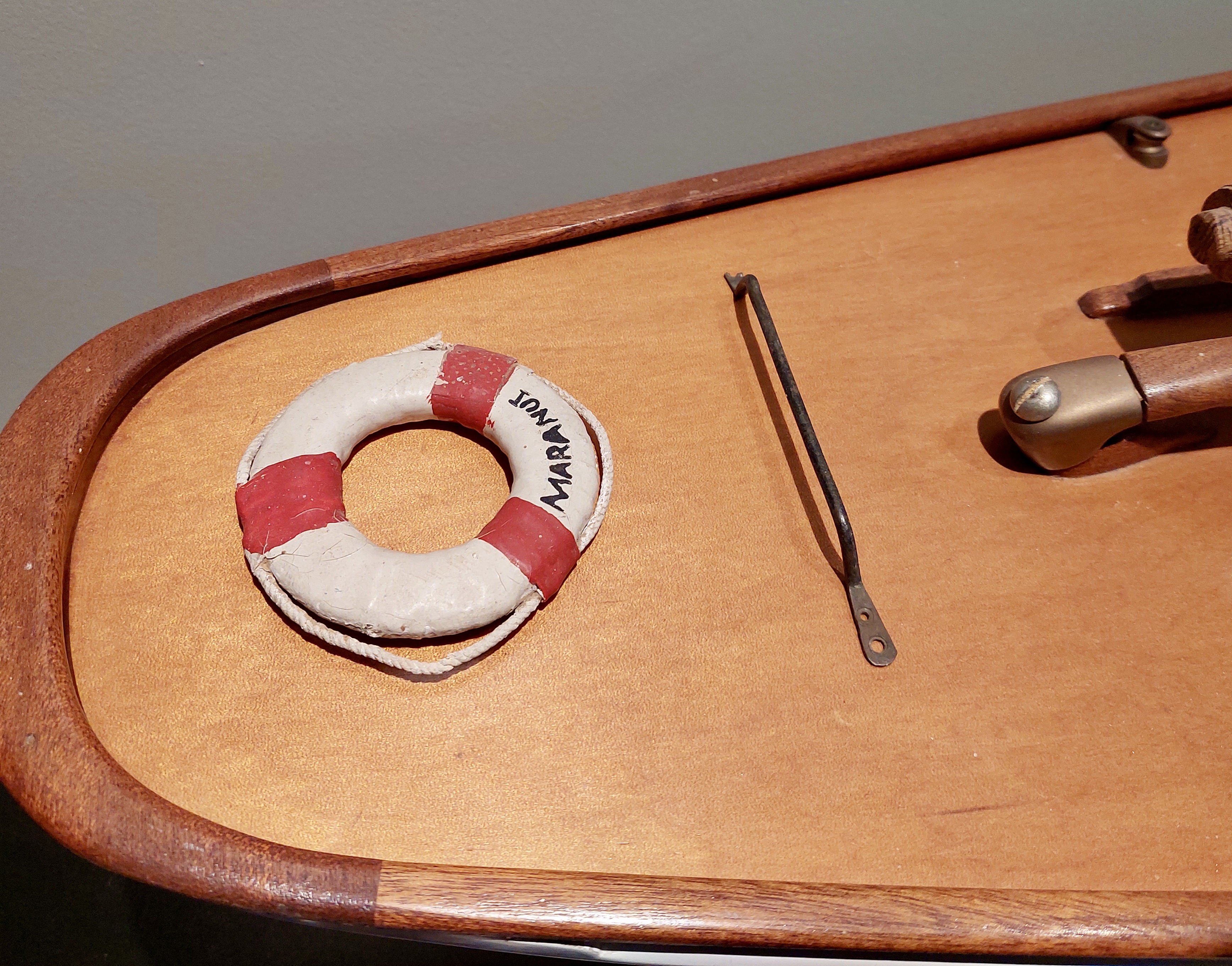
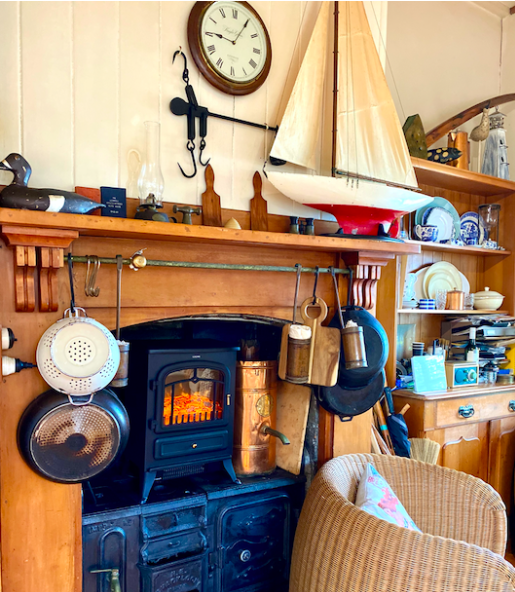
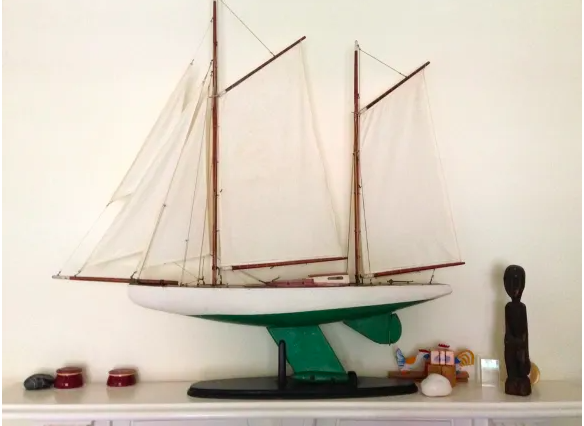
Its no secret that I have a soft spot for classic pond yachts (a couple below) so when Chris Brummel contacted me regarding the pond yacht – MARANUI he had a captive audience.
MARANUI was built by Chris’s late father, Roy when he was a boy, In the late 1920’s early 1930’s.Roy lived on Shelley Beach Rd, Herne Bay, Auckland and would walk down to Shelly beach to sail MARANUI. This was in the days before Westhaven Marina was built. MARANUI is made from horizontal layers of kauri, carved out, rib and then riveted. She is gaff rigged with a topsail, Chris still have the original linen sails, that his grandmother mother made for the boat.
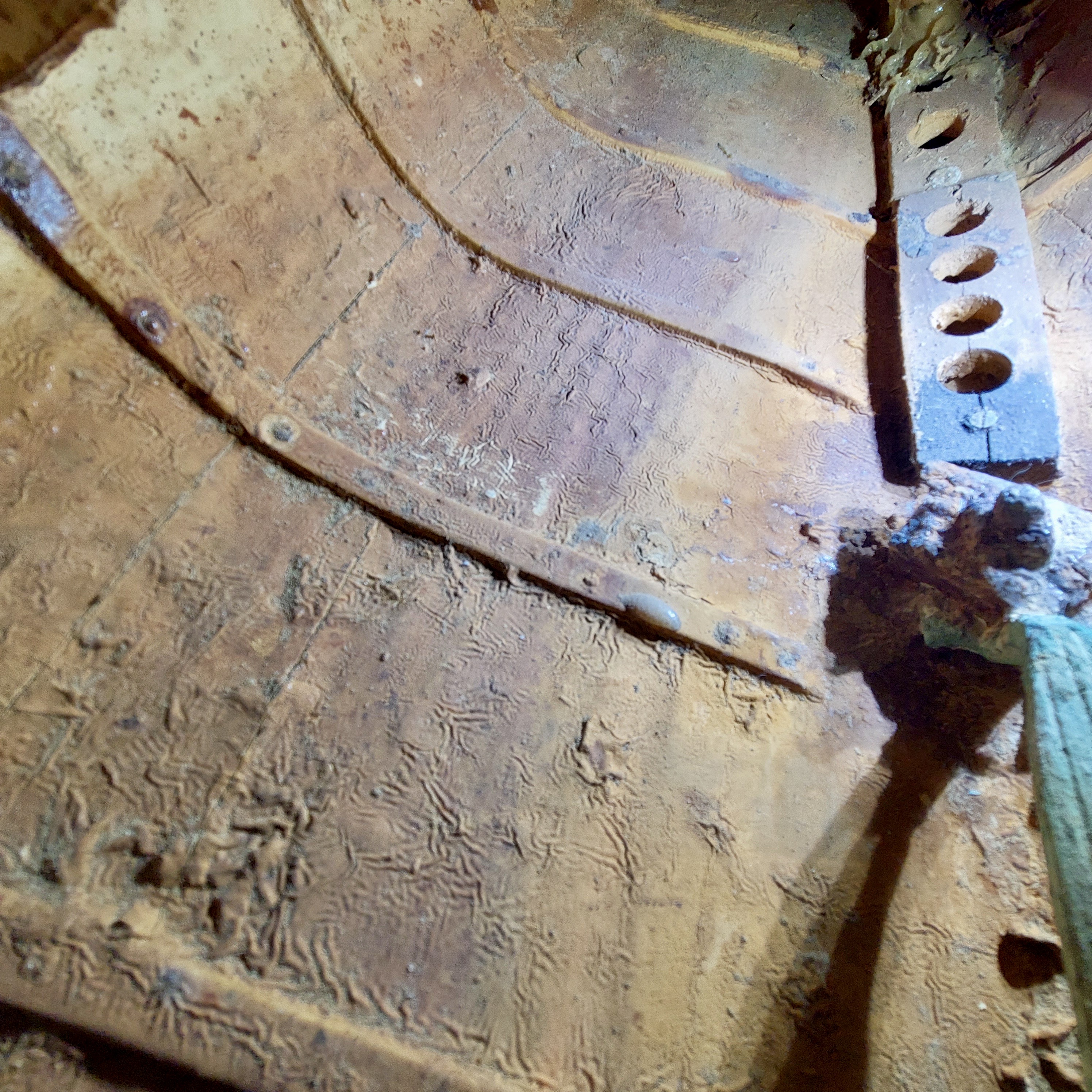
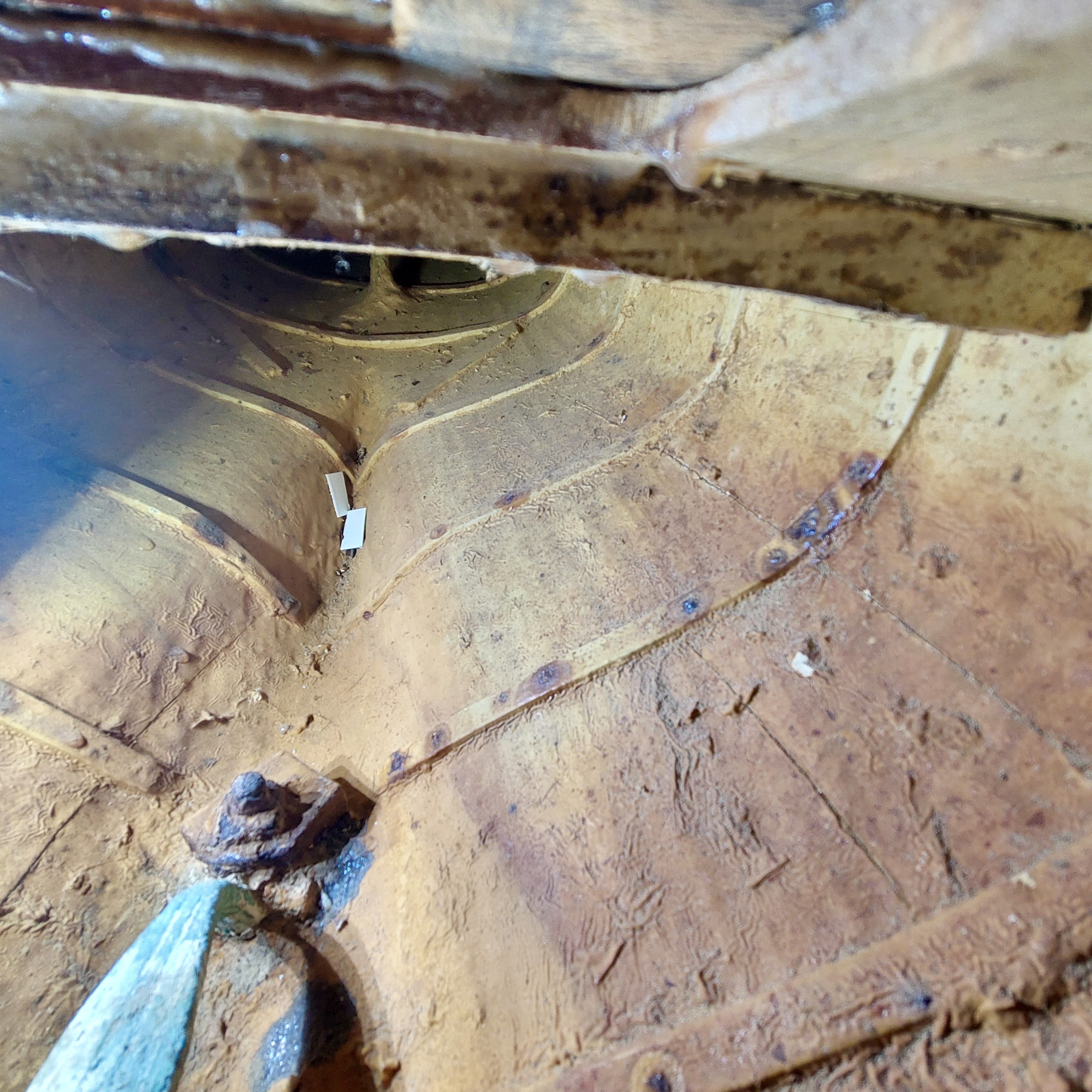
She was open decked and still has the carry handle inside screwed to the lead keel. The last two photos are of the inside looking forward and aft. Chris commented that he started restoring her when he started his boatbuilding apprenticeship in the 1970,s, but only built in her current configuration is Chris’s interpretation back then of what she might look like. Now semi retired, Chris would like to put her back to what she should look like.
So woodys the question of the day is – would anyone be able to help Chris discover the origins of MARANUI.
The obvious questions are • was she built from an existing design of the time or not • does anyone have any info that might help in restoring her correctly.
From my experience the more original , unrestored a model is the greater the monitory value – but with MARANUI its all about the family connection.
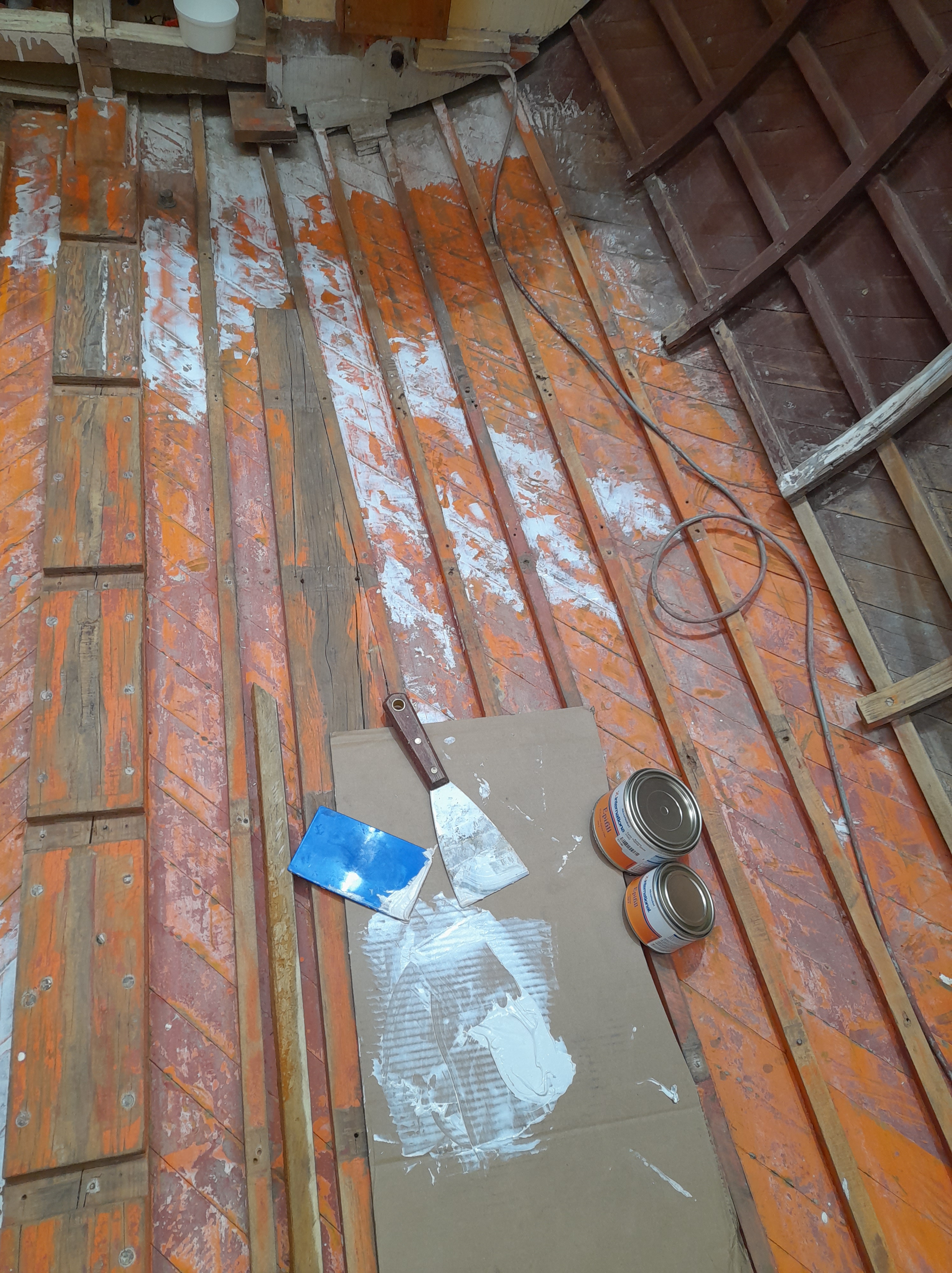
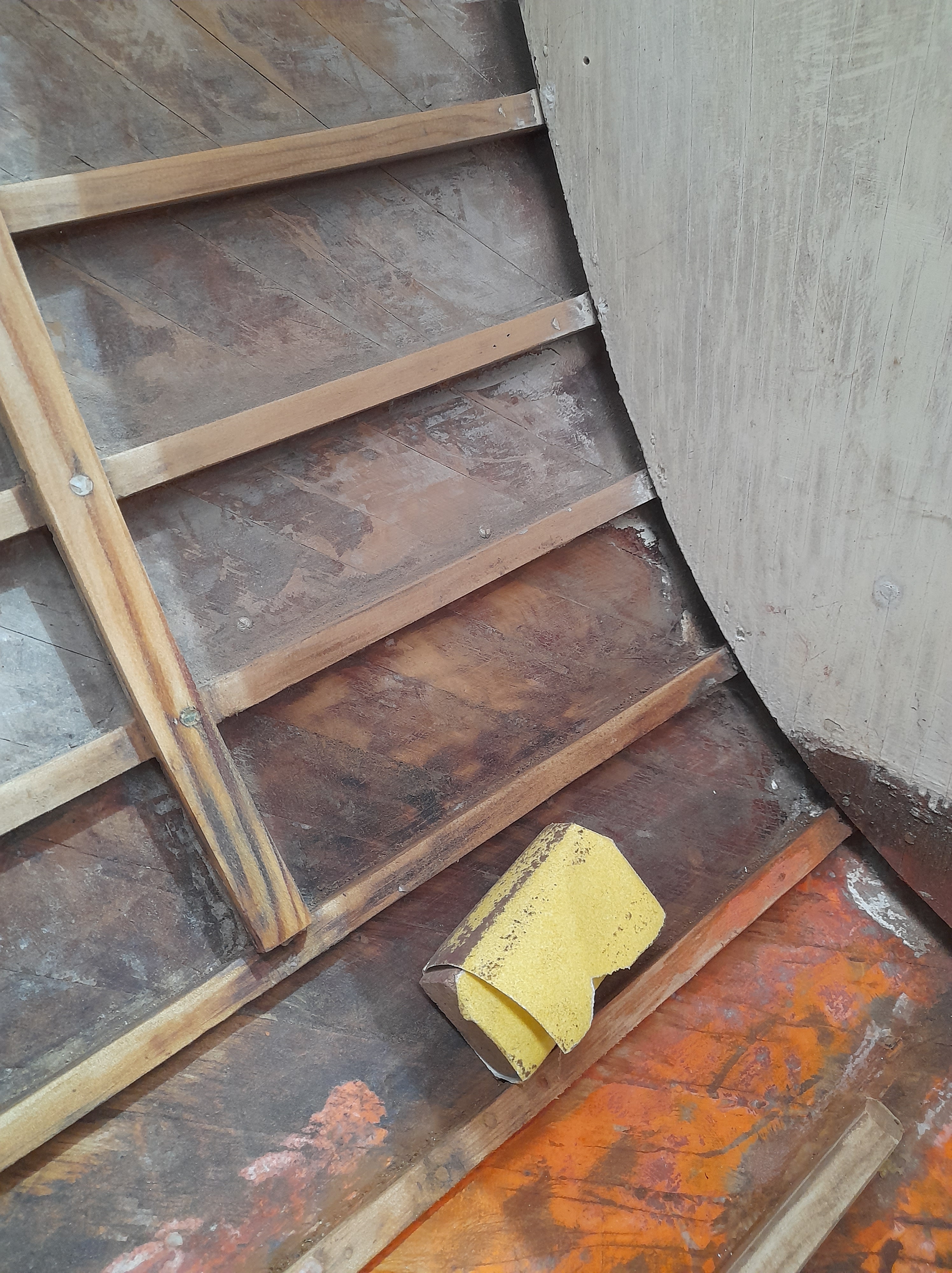
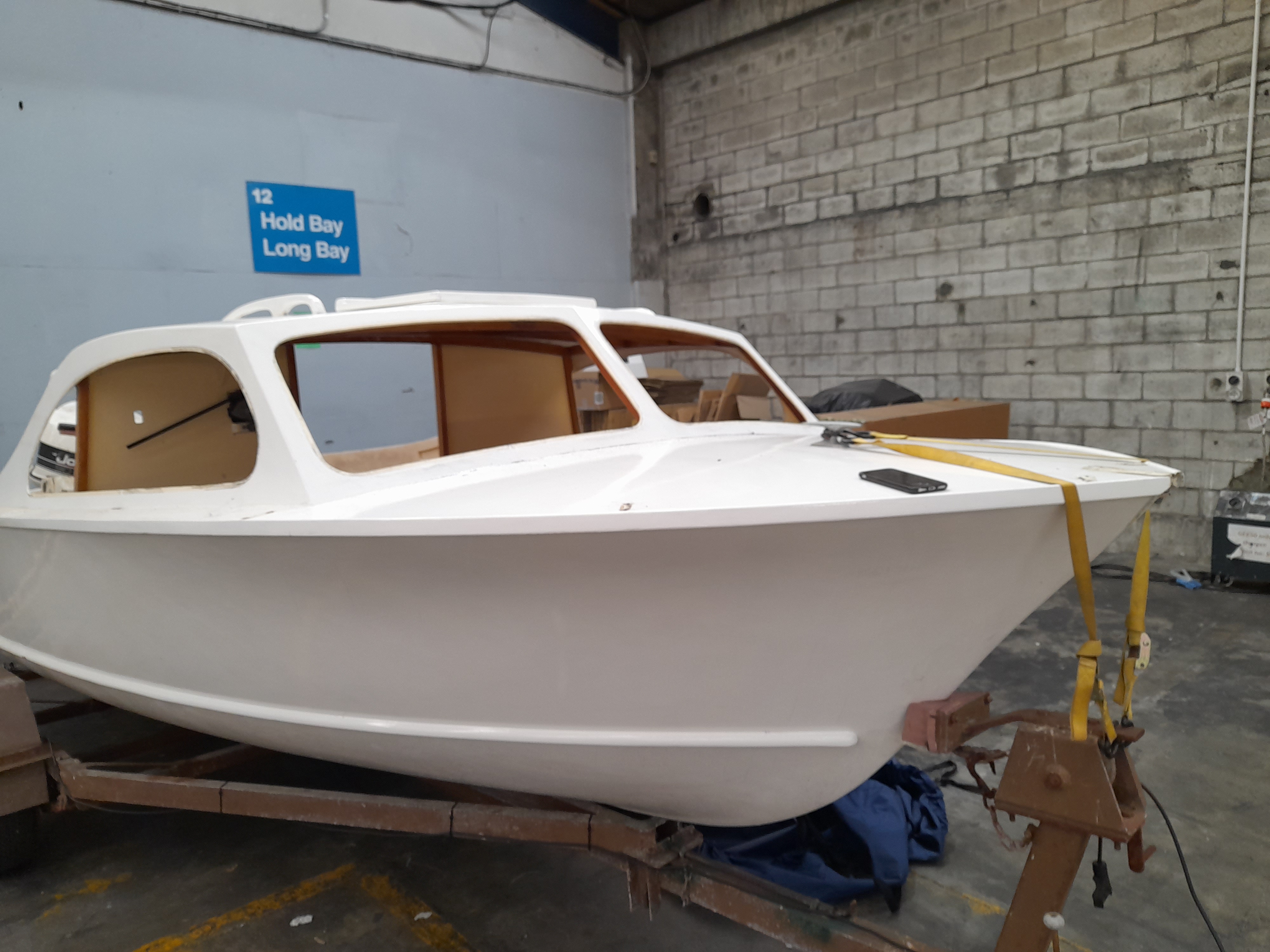
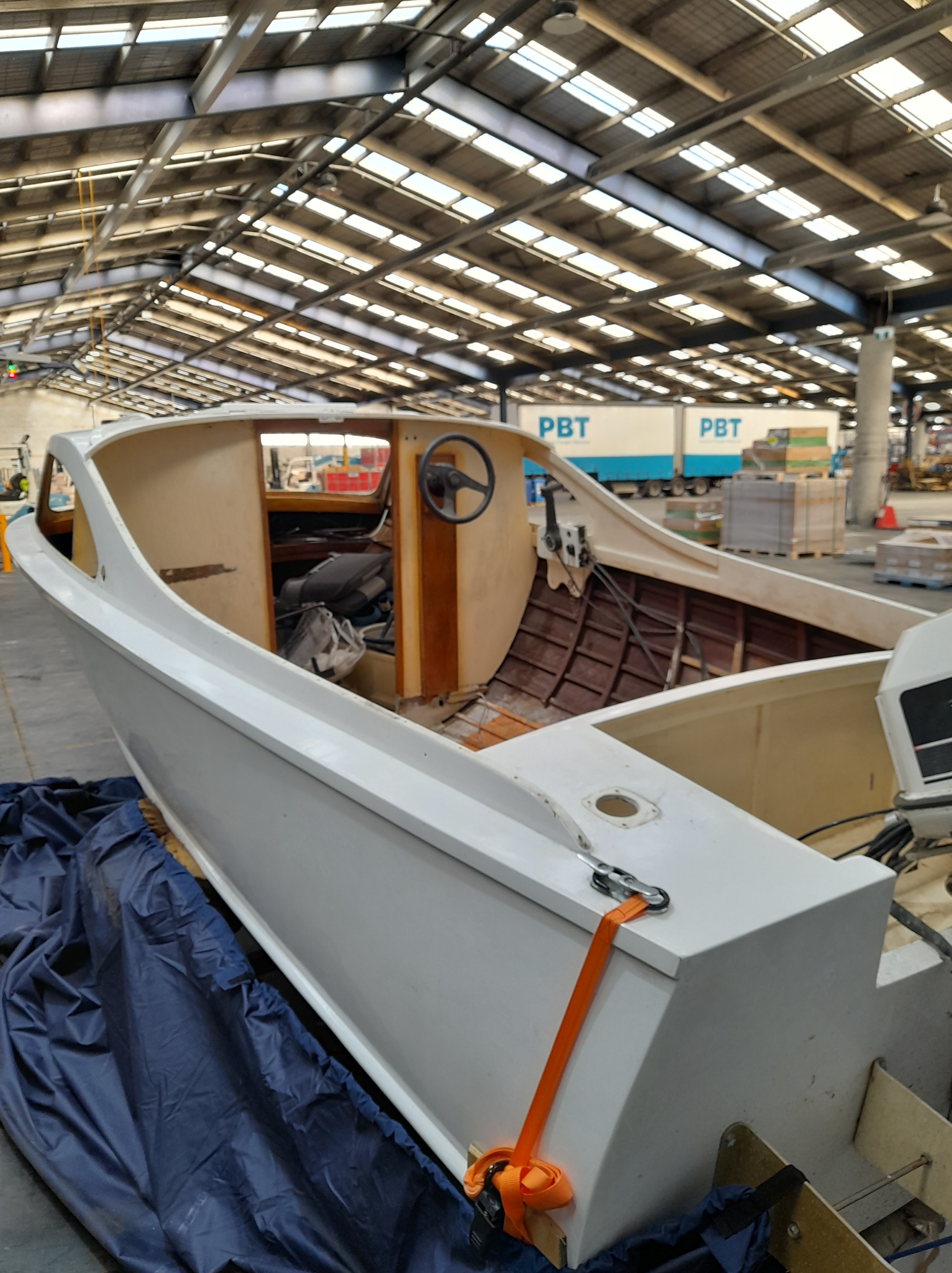
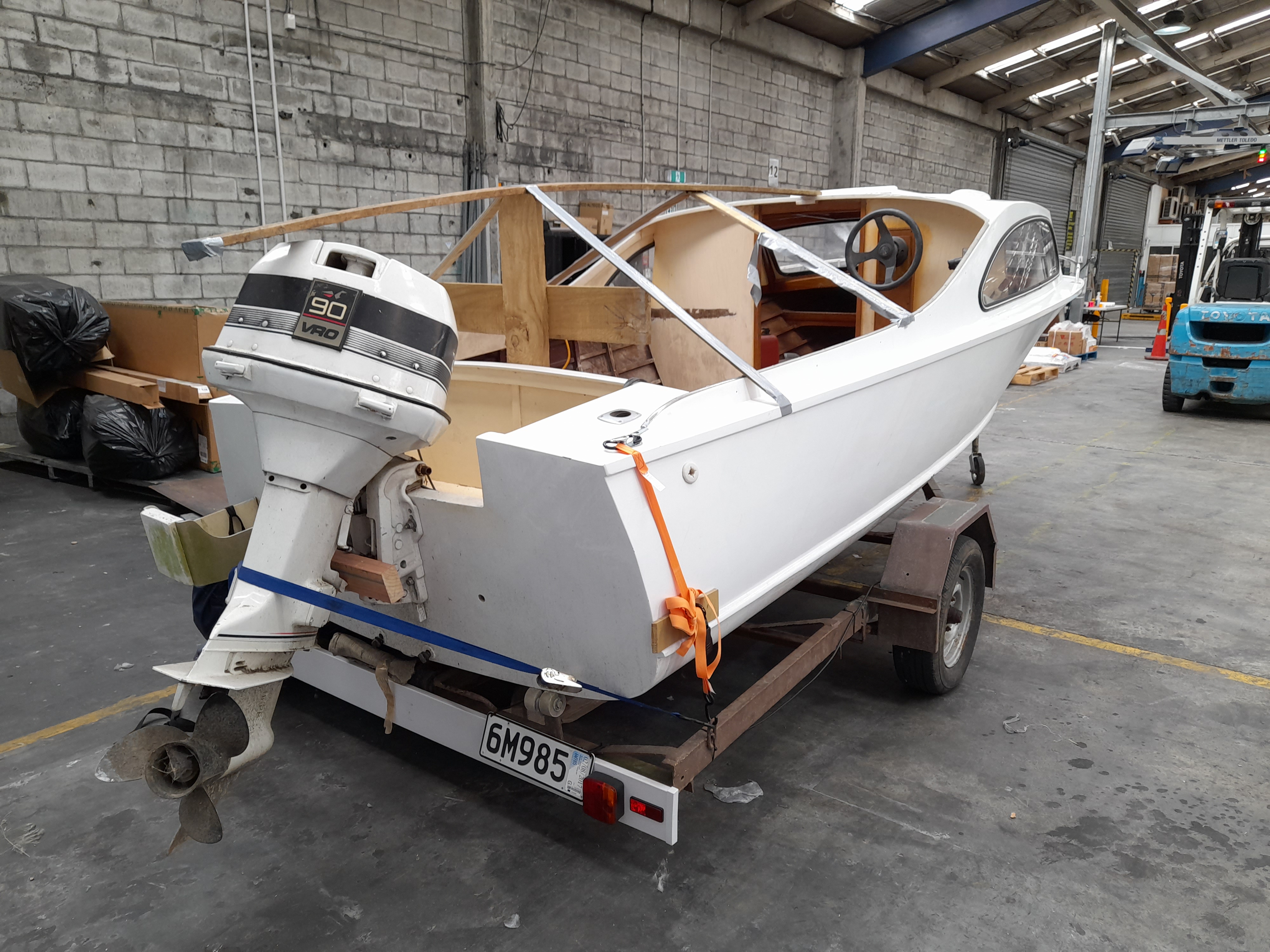
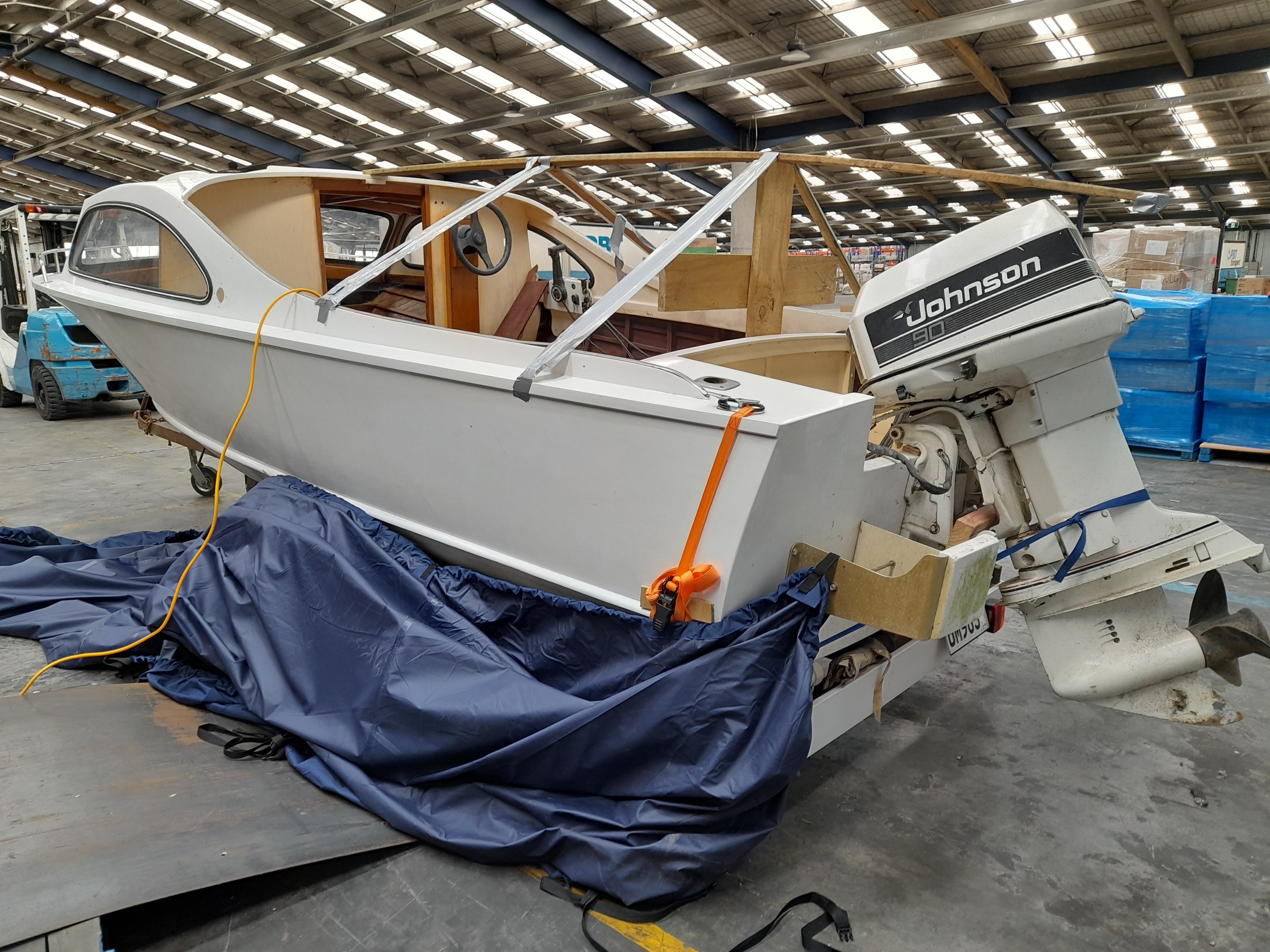
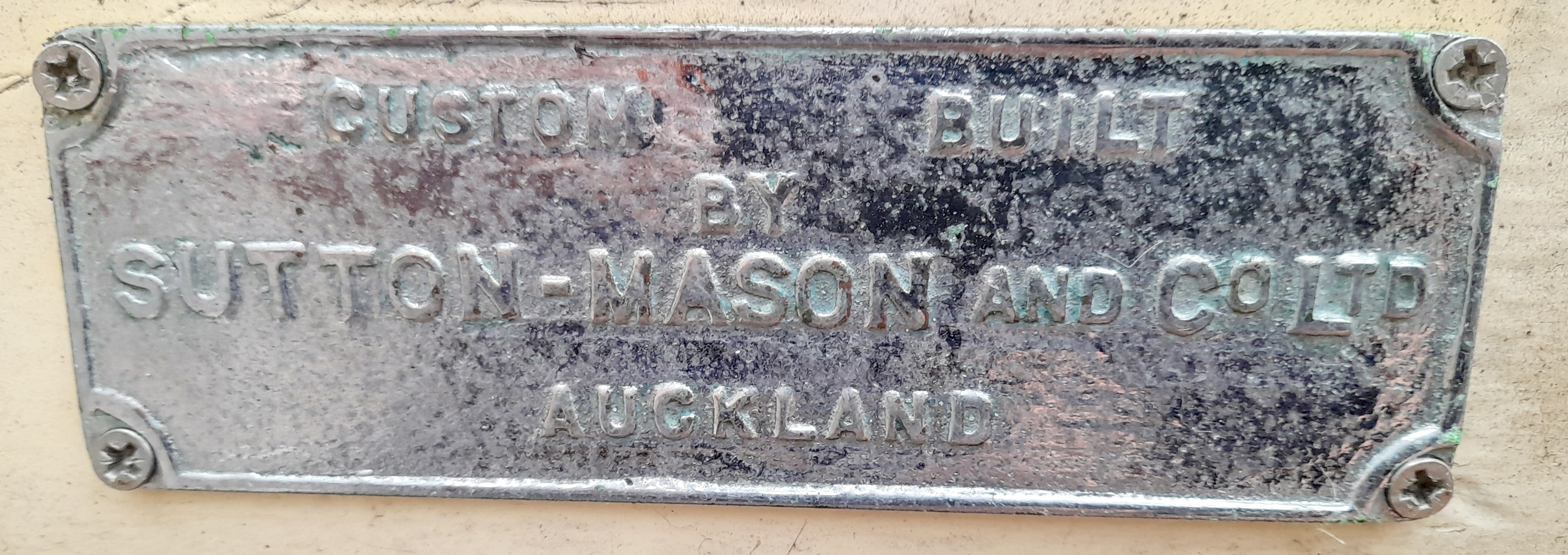
Back inlet Dec 2024 James McConnell won one of the WW quiz’s and in correspondence commented that he owned a 1955 17’ Mason Marlin, named LITTLE HONEY (not her original name).
He also mentioned that he was restoring her for the 2nd time in 12mths, now that pricked my ears up, there had to be a good (or sad) story there – so woodys it goes like this, told by James –
“I’ll send a link to some pics of ‘Little Honey’. No indication of her original name. I believe. I bought the runabout in secret as a surprise for my wife and family in Feb 2024 and had put hundreds of hours into a functional referb to make her a family run about for delivery at Christmas.
It’s not a boat builder quality job but a labour of love with a hard timeline and a fantastic learning curve assisted by the professional English and American wooden boat builders on youtube. It’s all International Yacht Paint products, 5 coats of colour on the hull and roof + 1 coat of varnish and every other varnished surface has 8 coats of Gold Spar original. At some stage in her past life she was converted to outboard power.
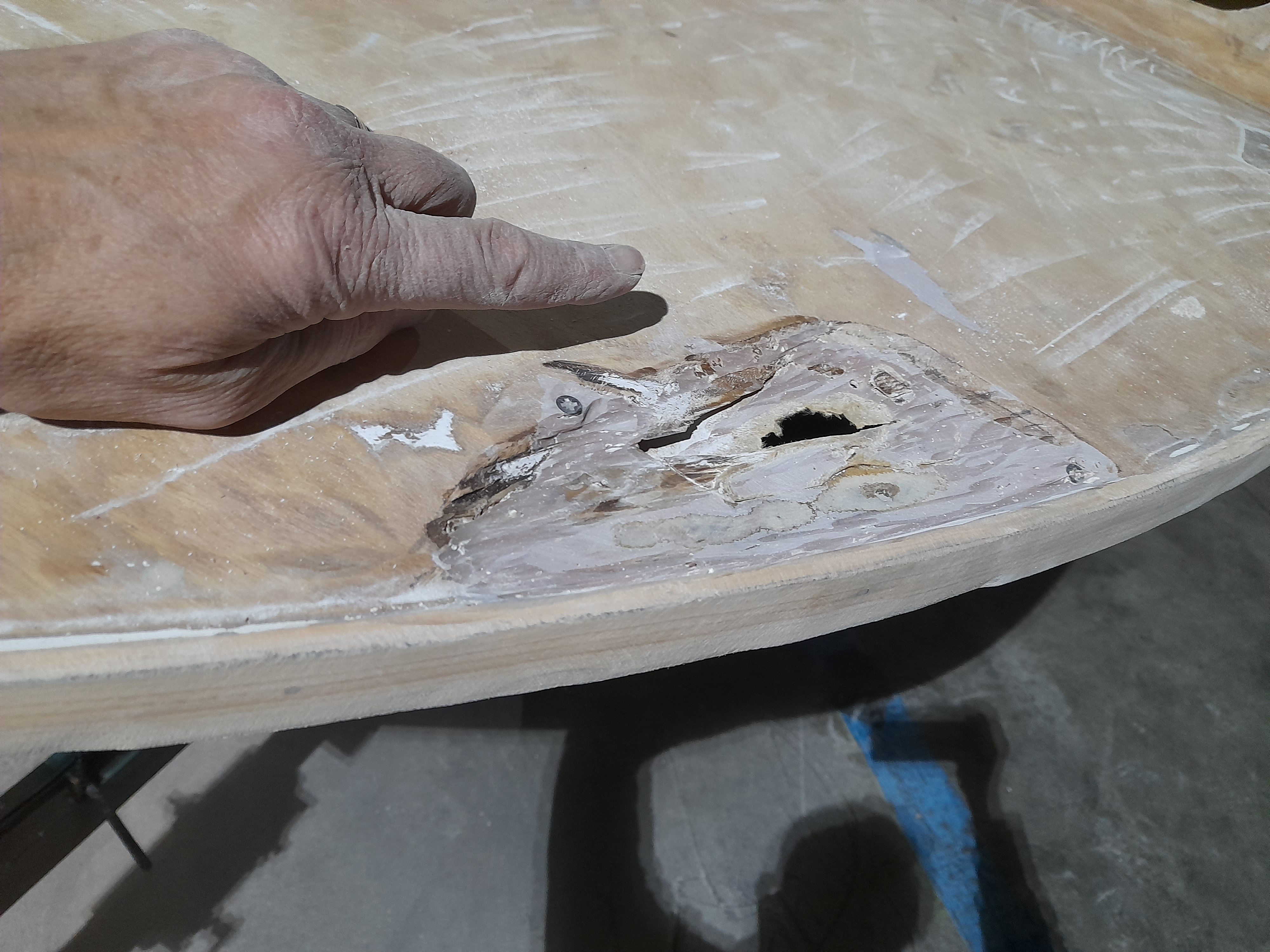
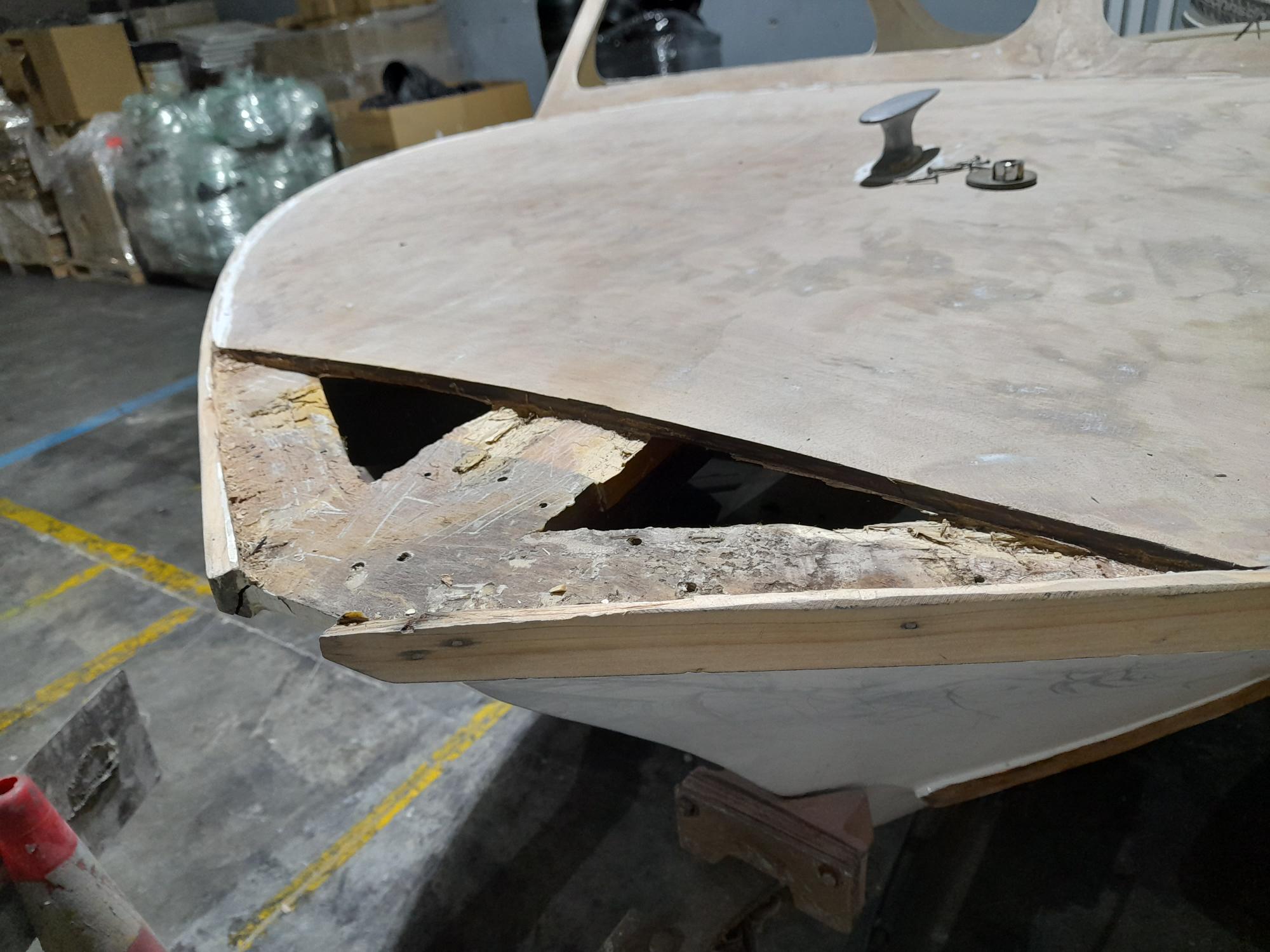
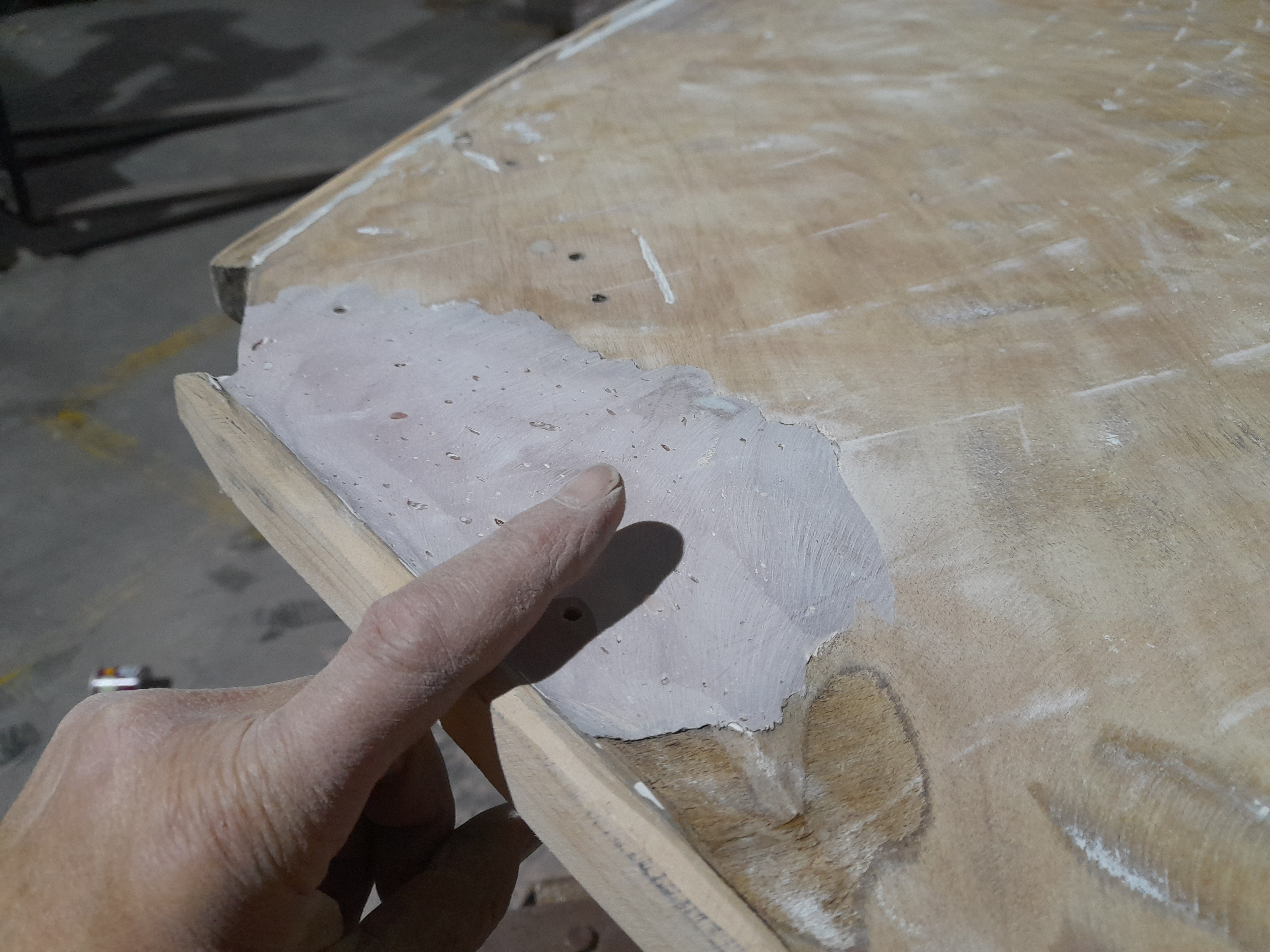
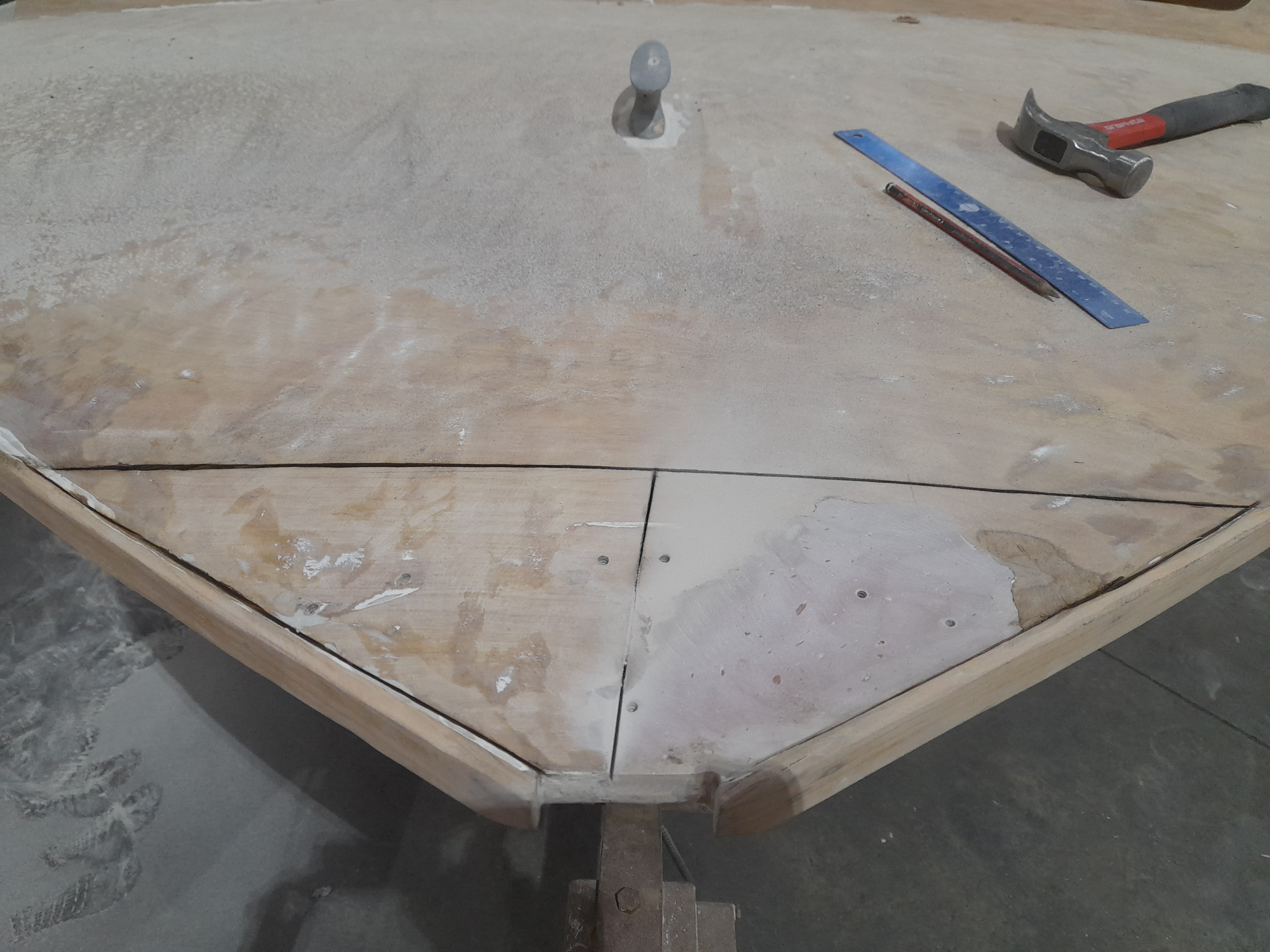
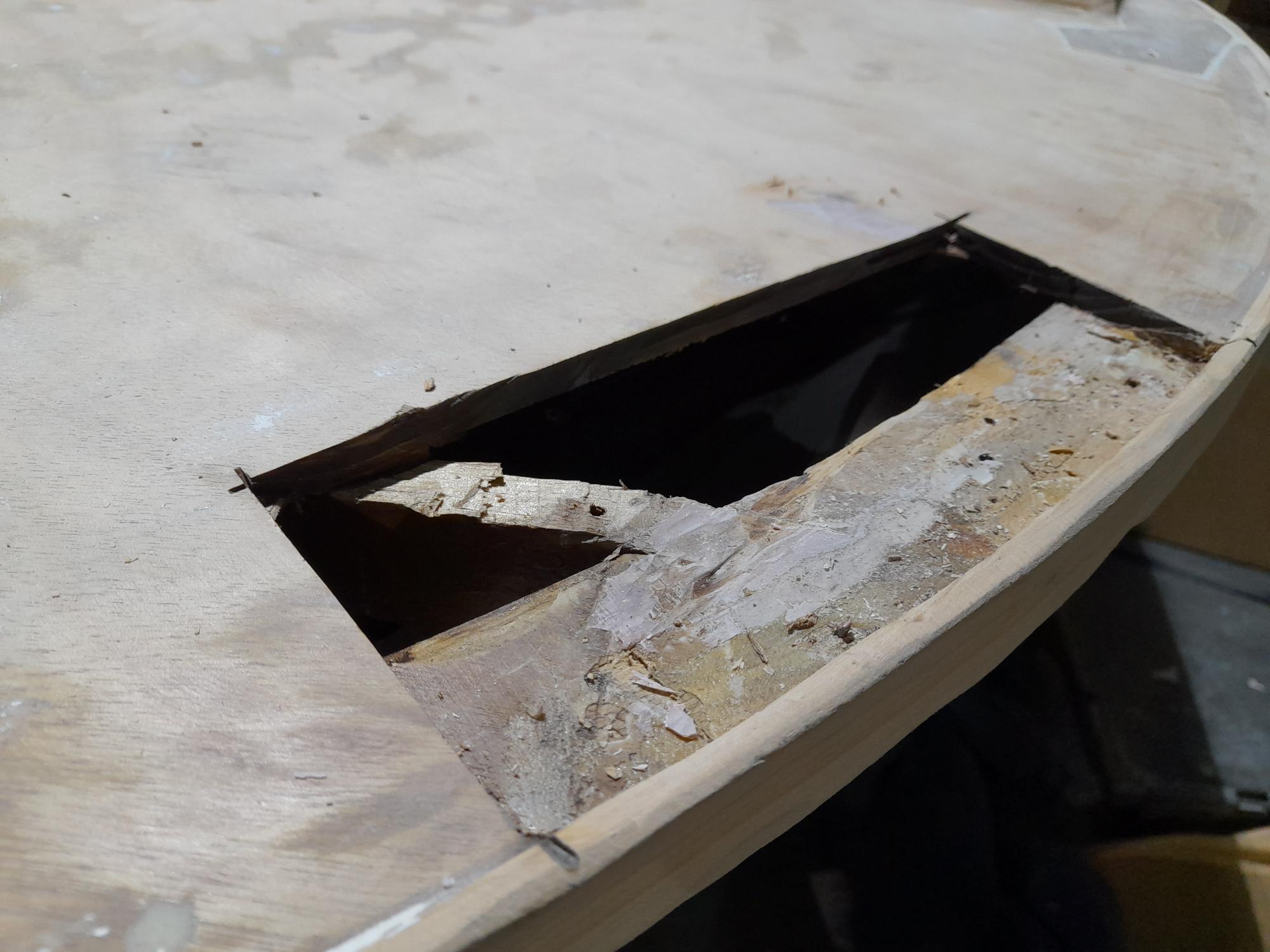
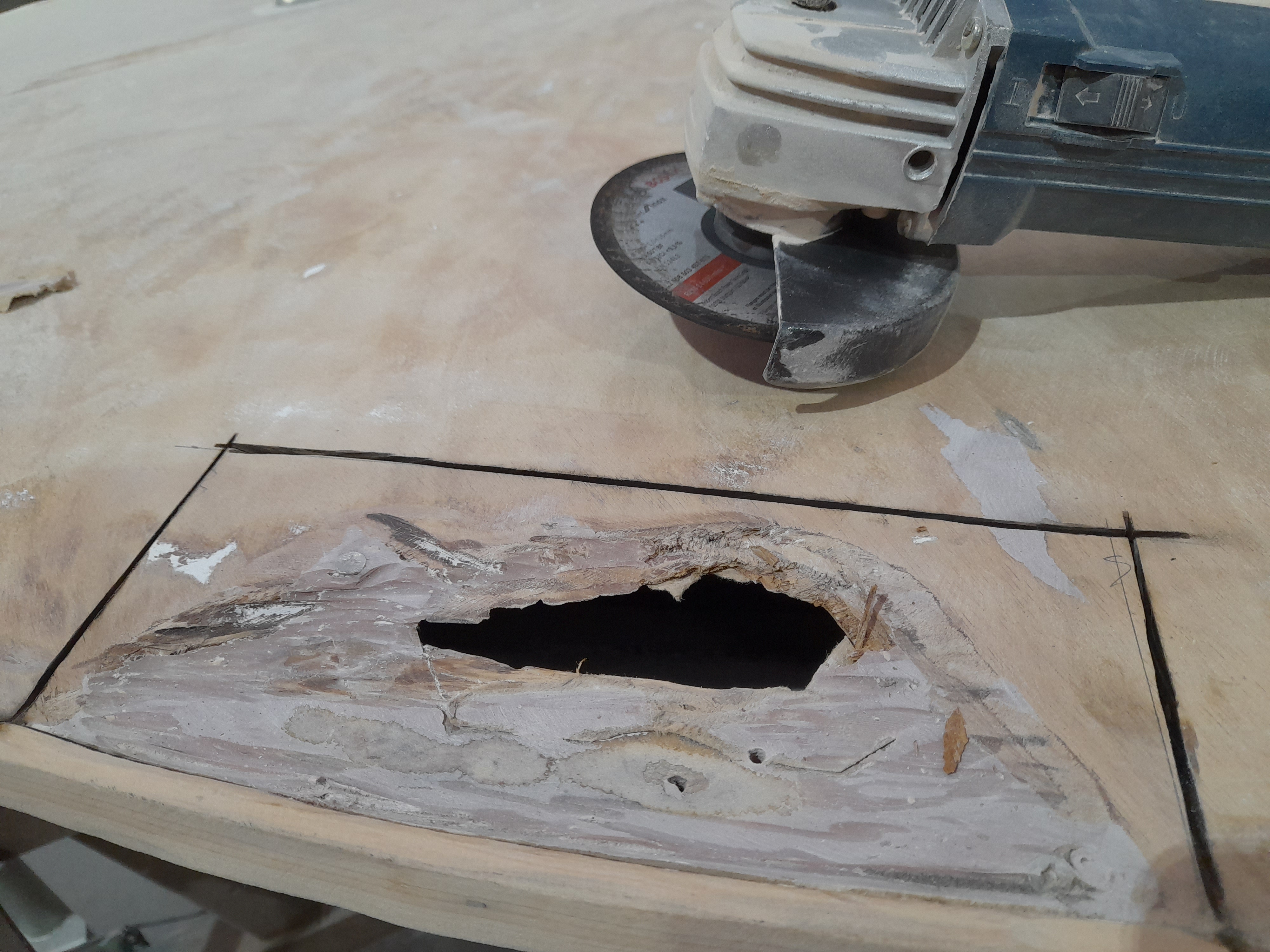
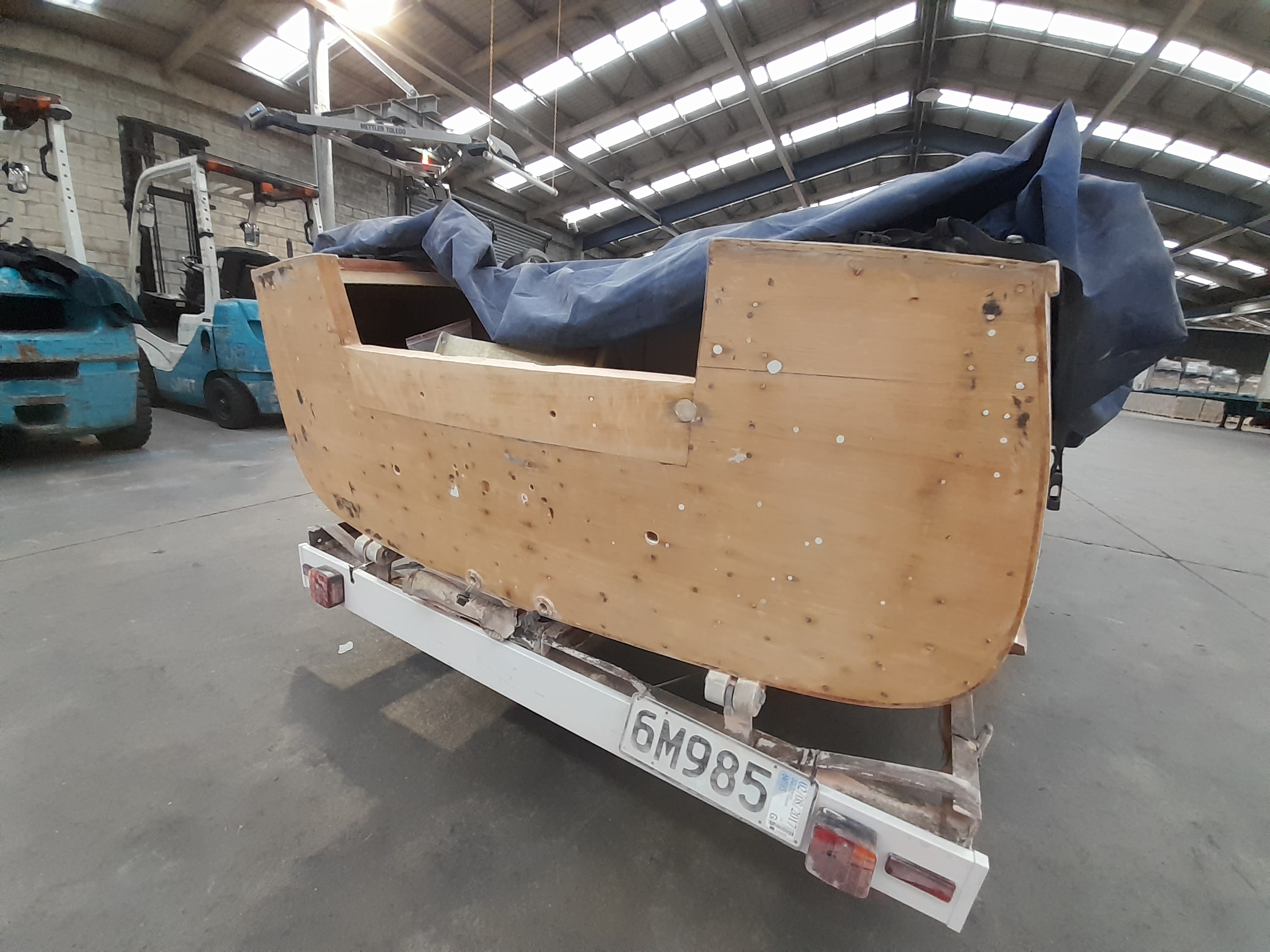
All was going well until on her 2nd voyage on the Rangataiki River I hit a submerged log and dislodged the transom. Good news is I get to tinker for longer and can now engage my 3 boys in the task.
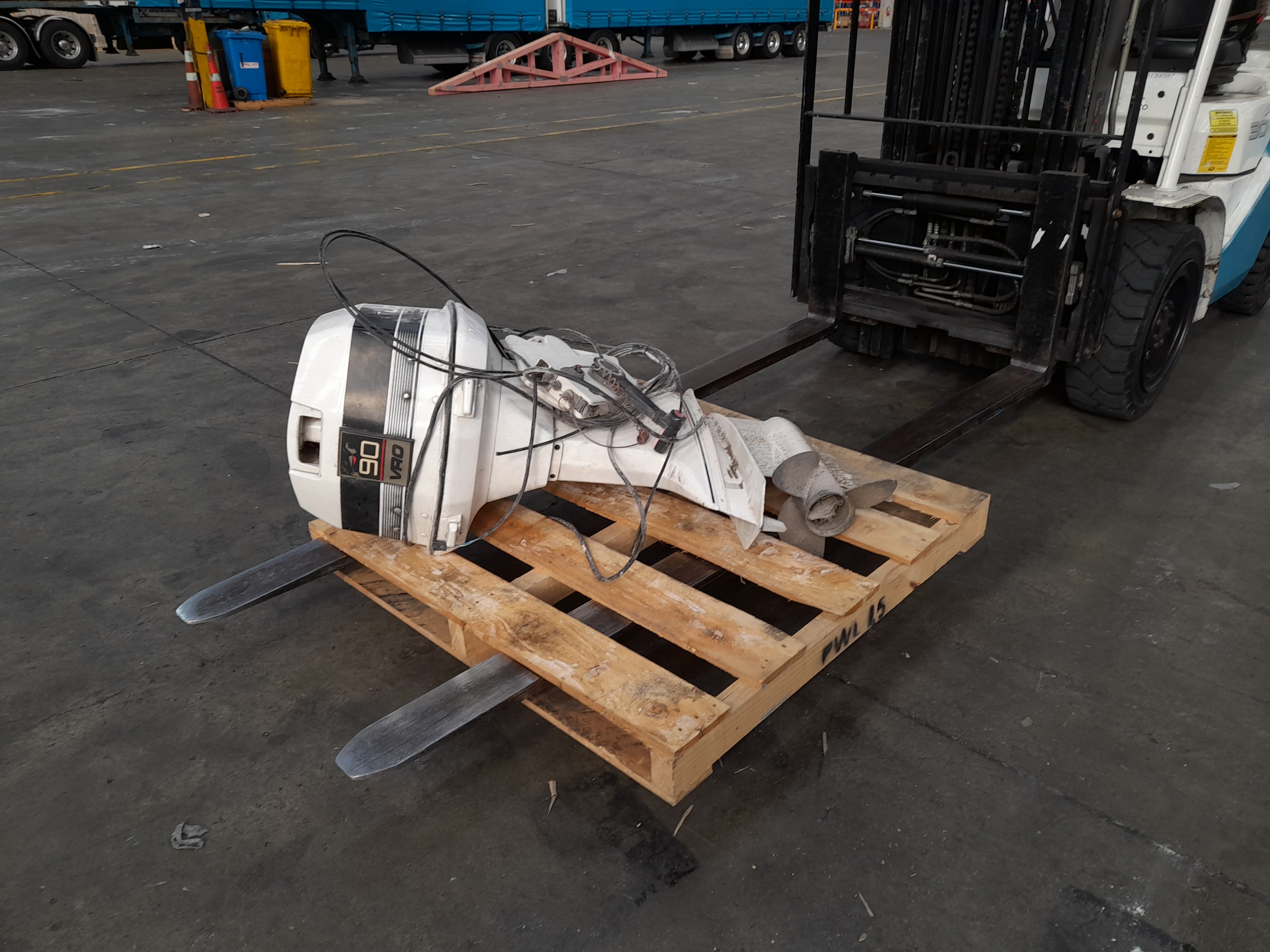
We’ll refresh the engine (Johnson 90 V4 2 stroke), glass the hull and repaint now that I can flip it over and work in daylight and change the prop to suit her better.”
We look forward to seeing photos of the repaired woody.
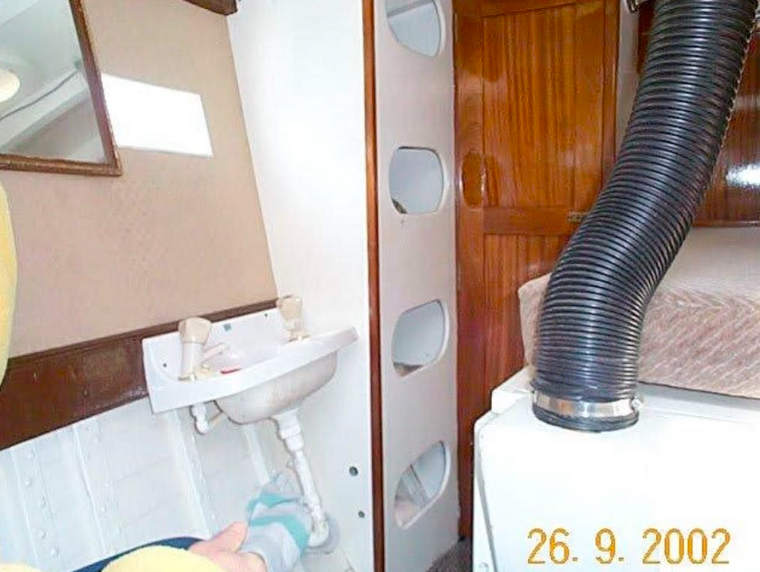
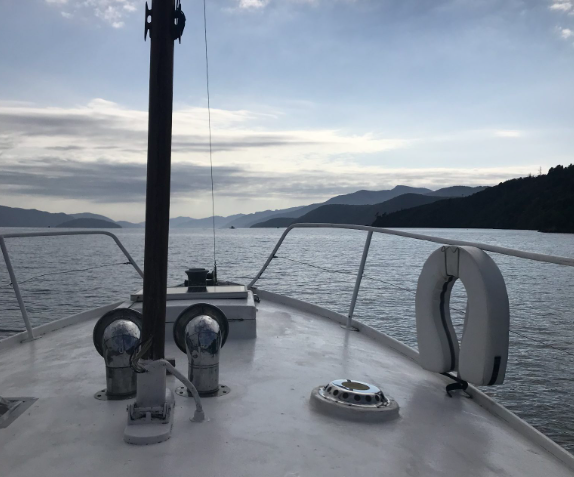
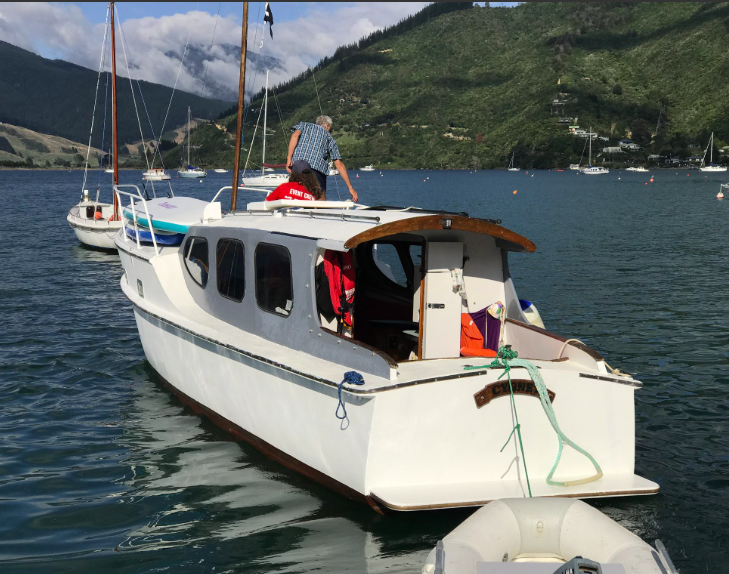
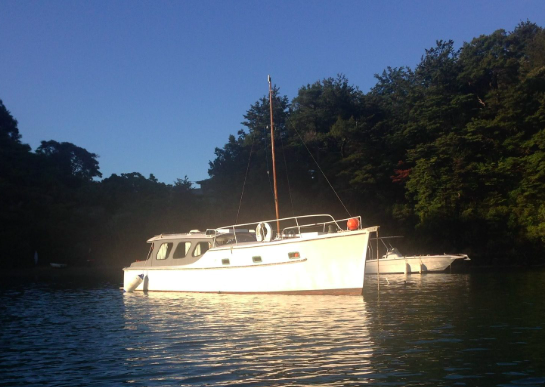
The 32’ classic wooden launch – CYGNET recently popped up on tme (thanks Ian McDonald). A Sam Ford design built in 1931, but not sure is also built be Sam Ford. As per most Marlborough Sounds craft she is very well spec’ed and was re-powered in 2006 with a new 53hp Yammer 4JH5E engine that gives her an 8 knot cruising speed.
Can we learn more about CYGNET (if thats her correct name) and where she has been most of her life.