WOODEN BOATS AND YOUTUBE

WOODEN BOATS AND YOUTUBE

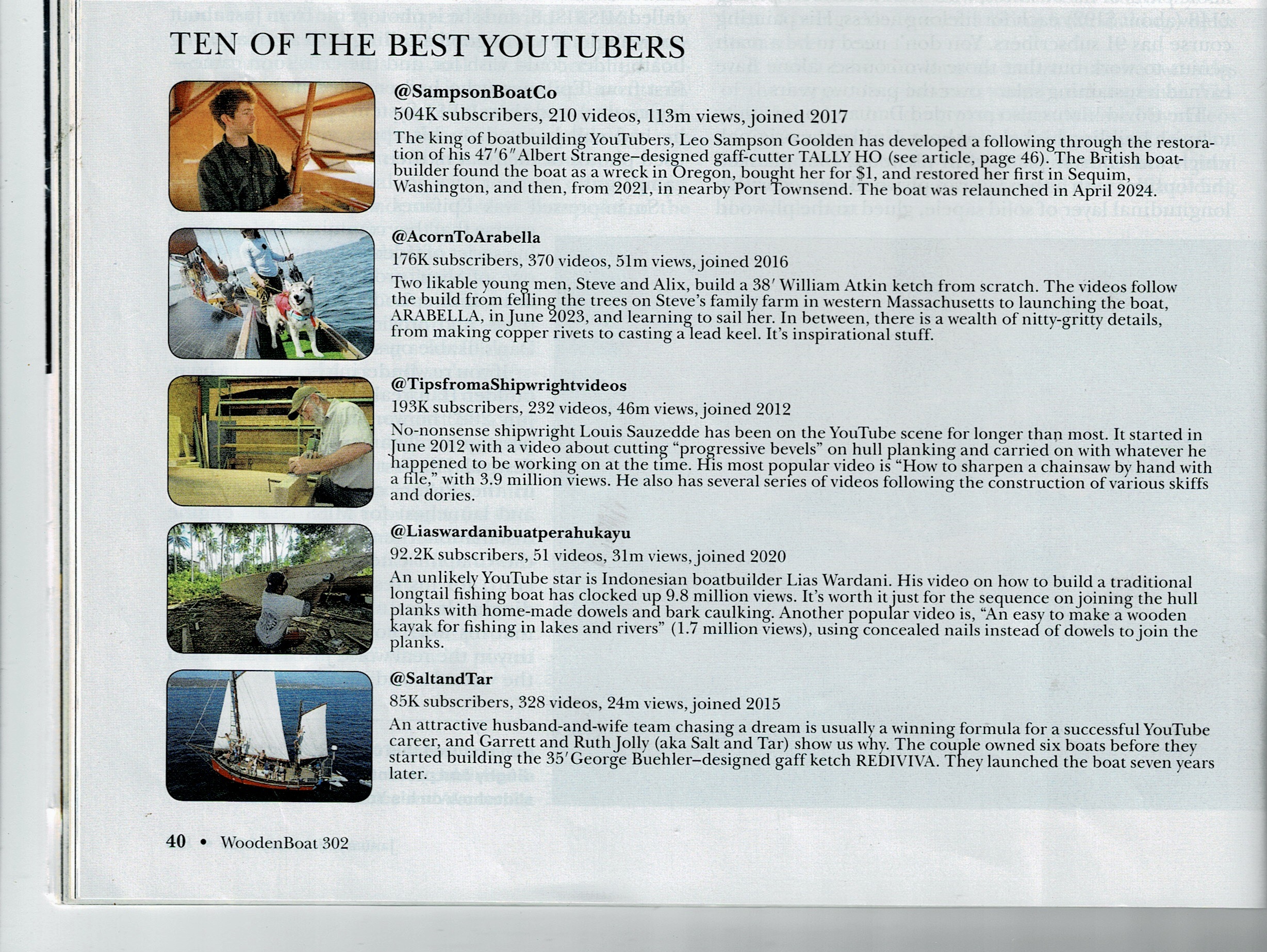
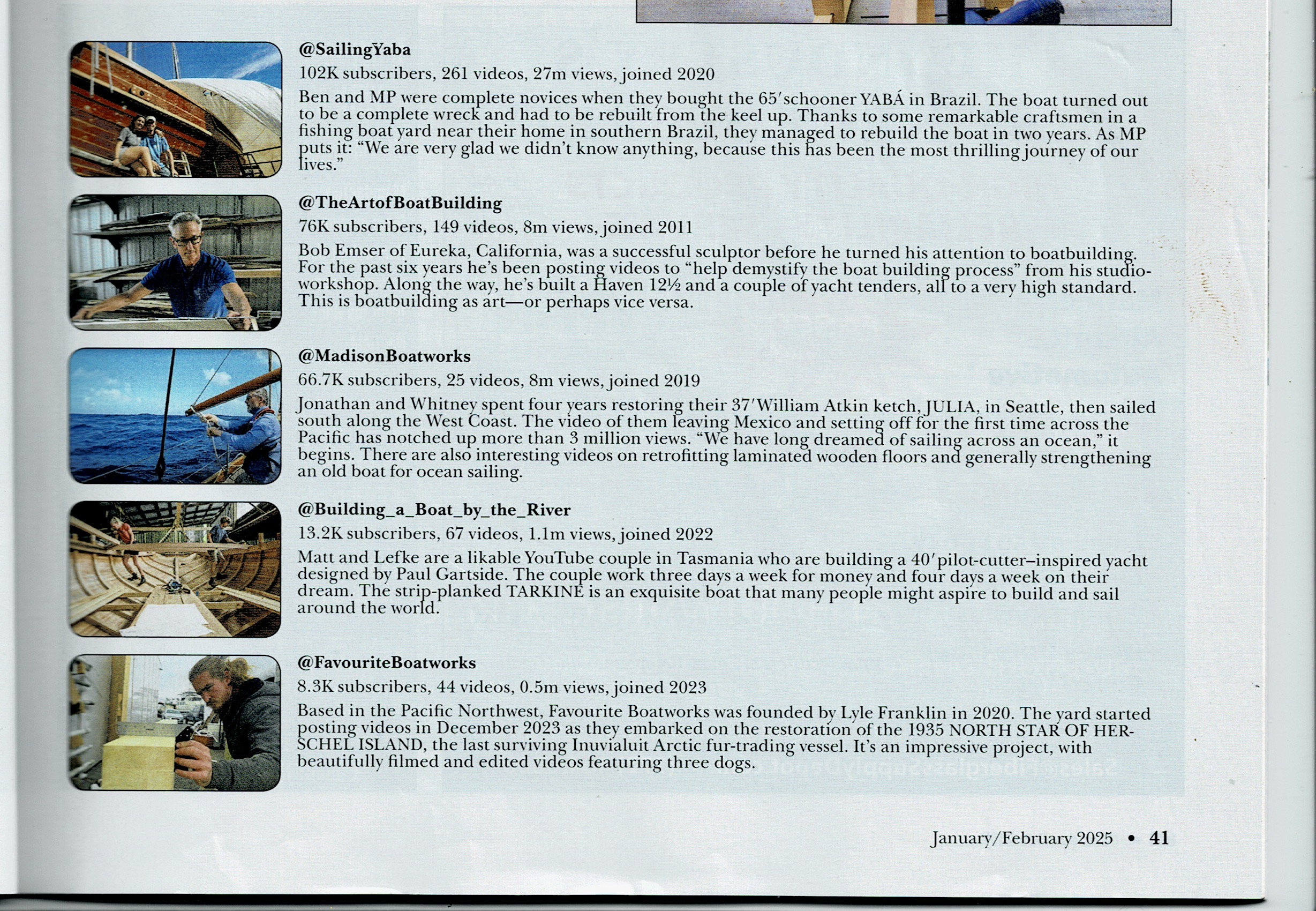
In the Jan/Feb issue of the USA magazine WoodenBoat they ran a small feature on some of the best Youtube channels that focus on wooden boating. Most of them are on my watch / rotate list but I thought some of the WW readers might appreciate knowing where to look. I hope the links below work, if not given the weather forecast to have plenty of time to manually search 🙂

My favourites are – TALLY HO, Building a boat by the river, Travels with Geordie and Madison Boatworks. 

Also in the magazine is a great article on the re-building of TALLY HO by Leo Goolden, worth the cost of the mag just for this. As an aside Leo’s YouTube site has had over 113 million views and has been an amazing funding stream for the project.

@SampsonBoatCo

@TravelsWithGeordie

@AcornToArabella

@Building_a_Boat_by_the_River

@MadisonBoatworks

@SailingYaba

@TipsfromaShipwrightvideos

Also keen on these ones

@SailingMagicCarpet

@SmallSailboatCruising

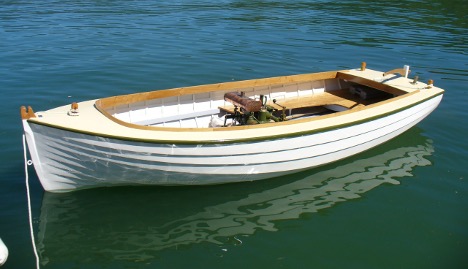
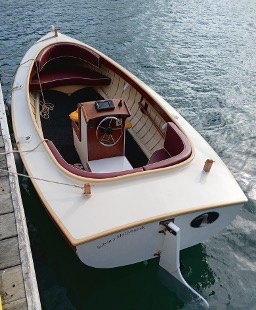
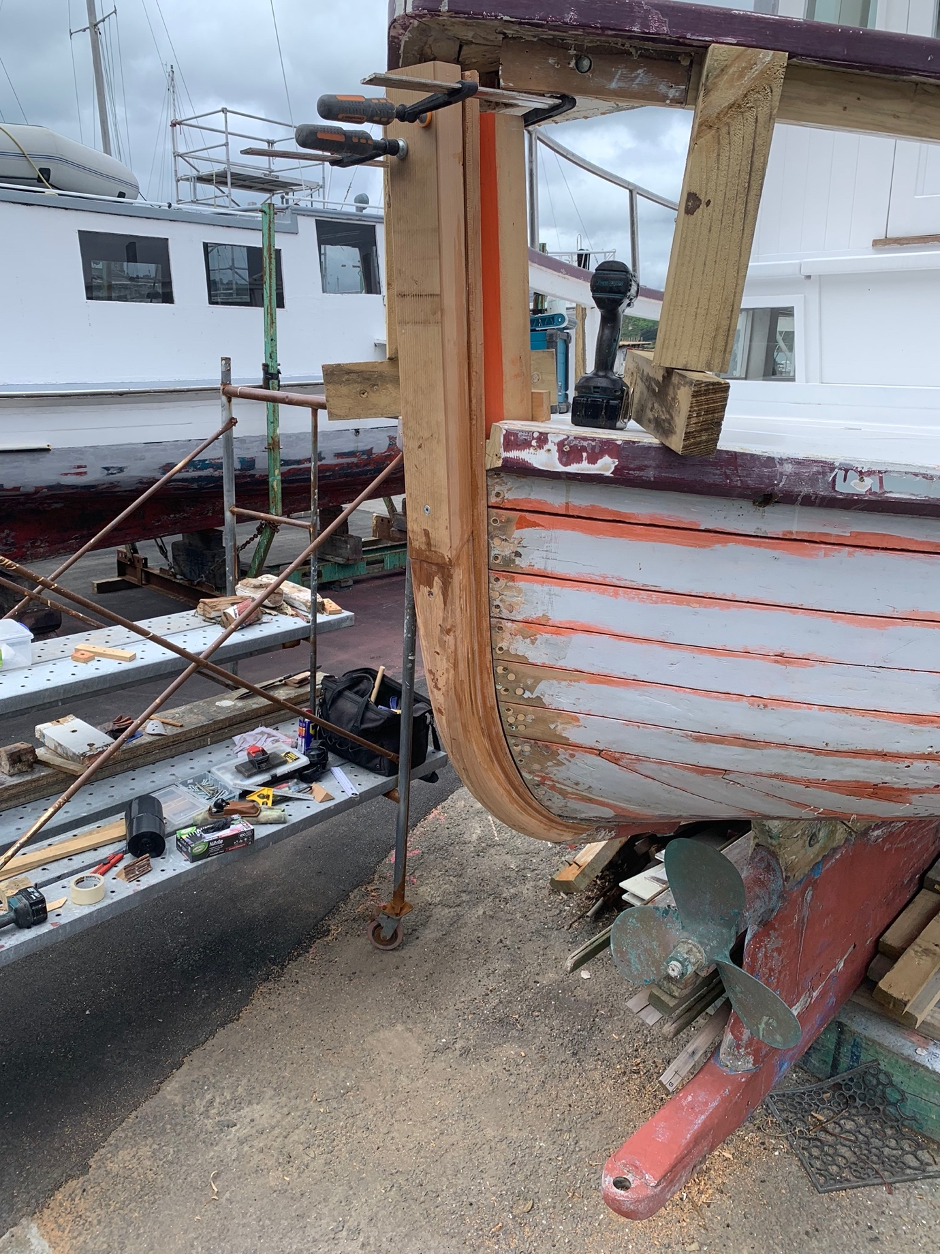
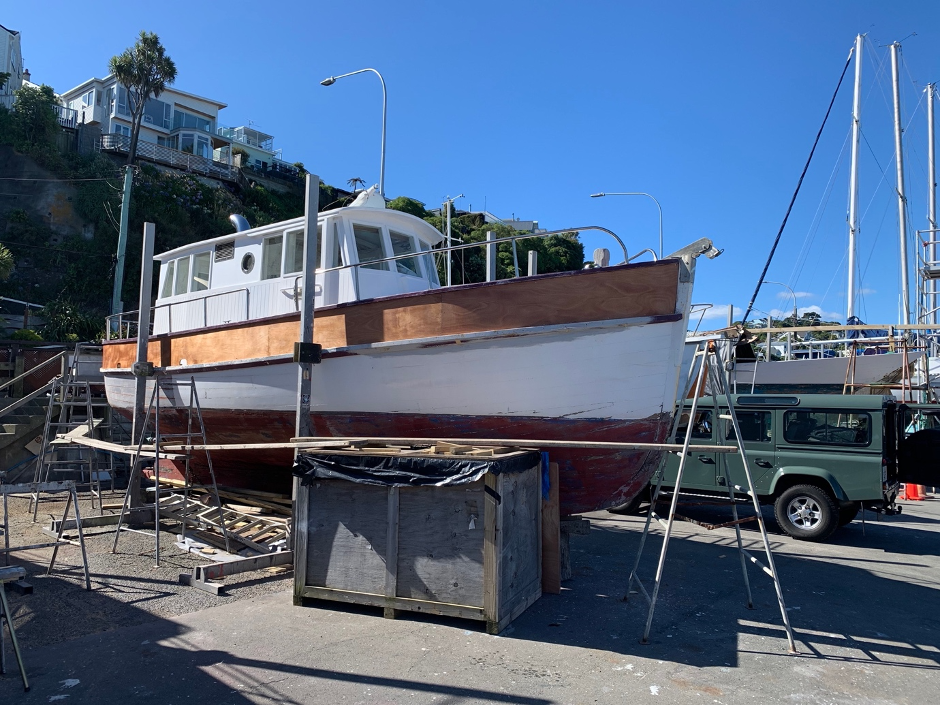
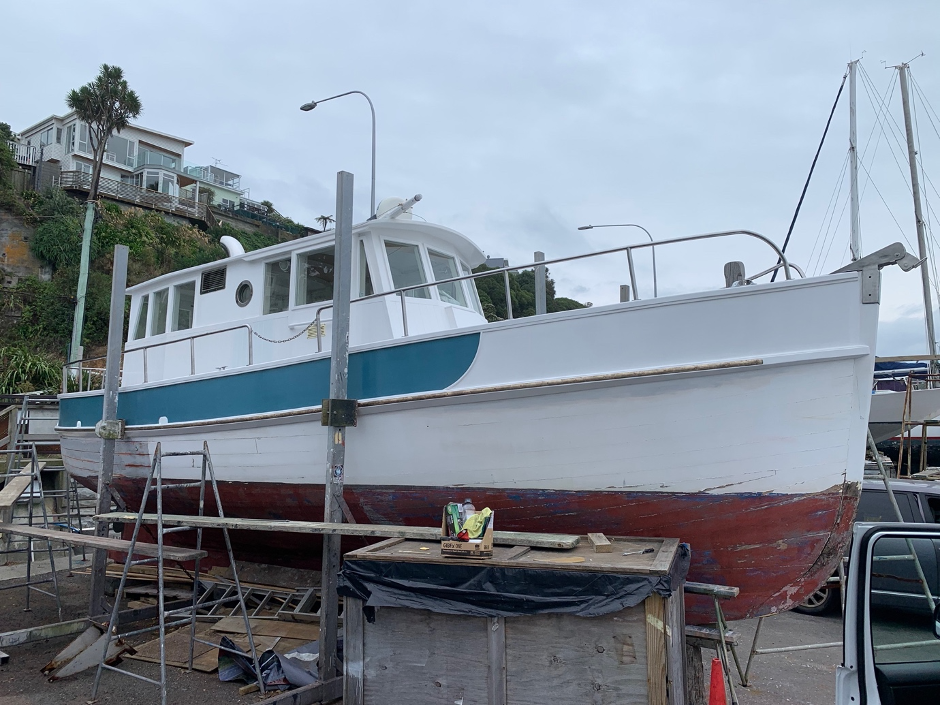
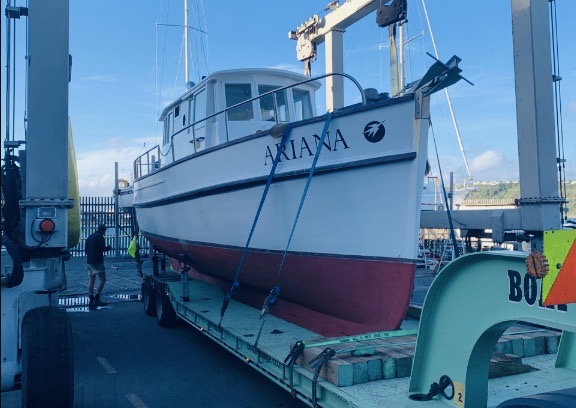
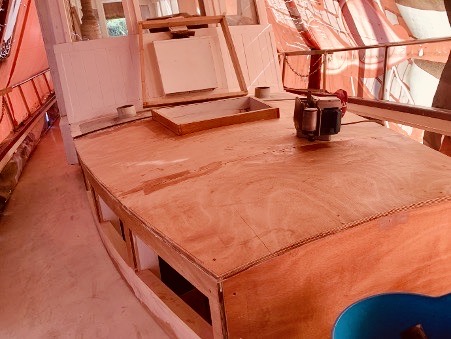
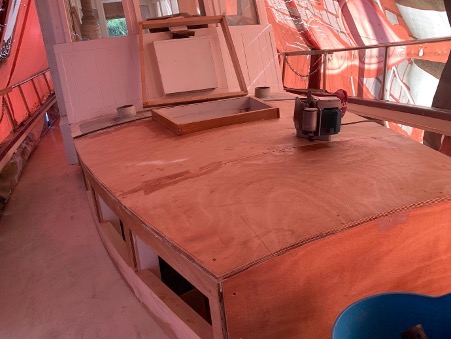
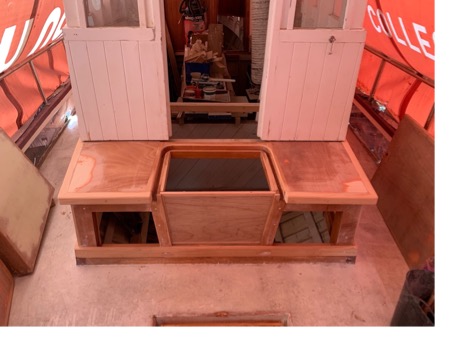
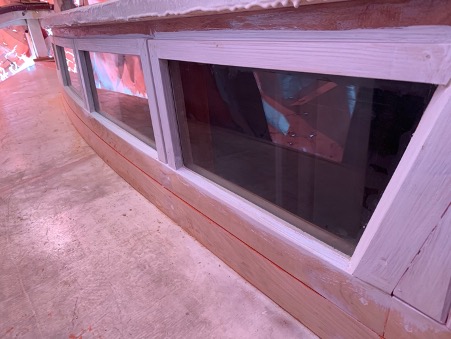
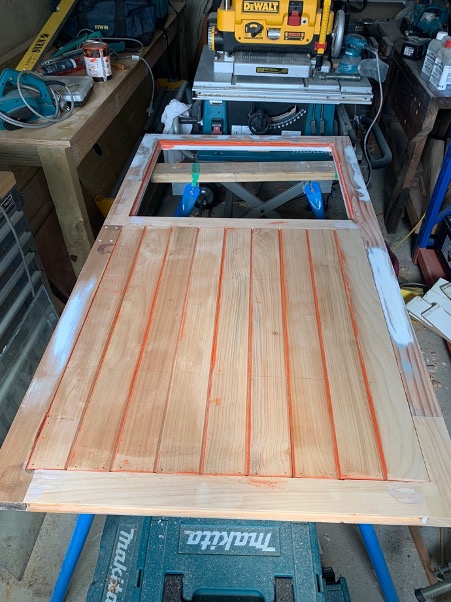
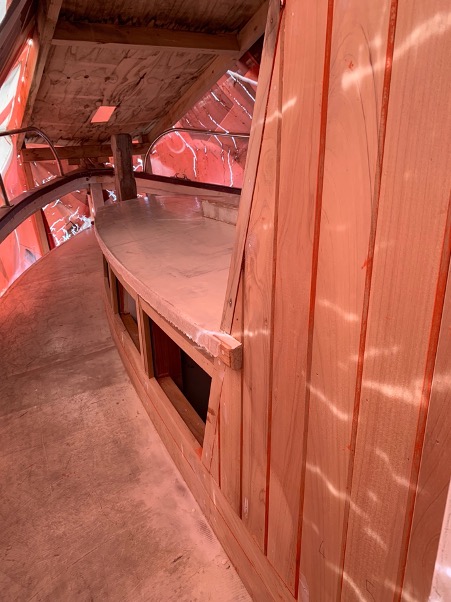
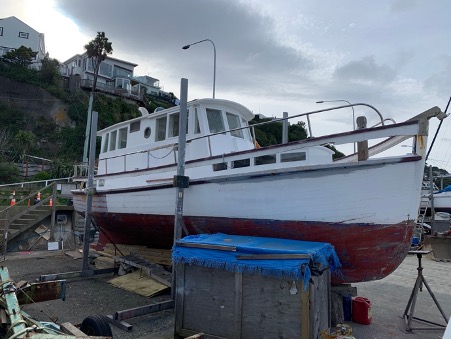
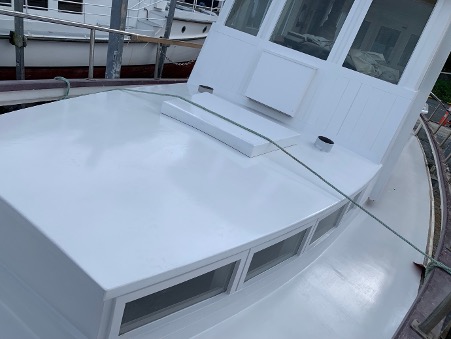
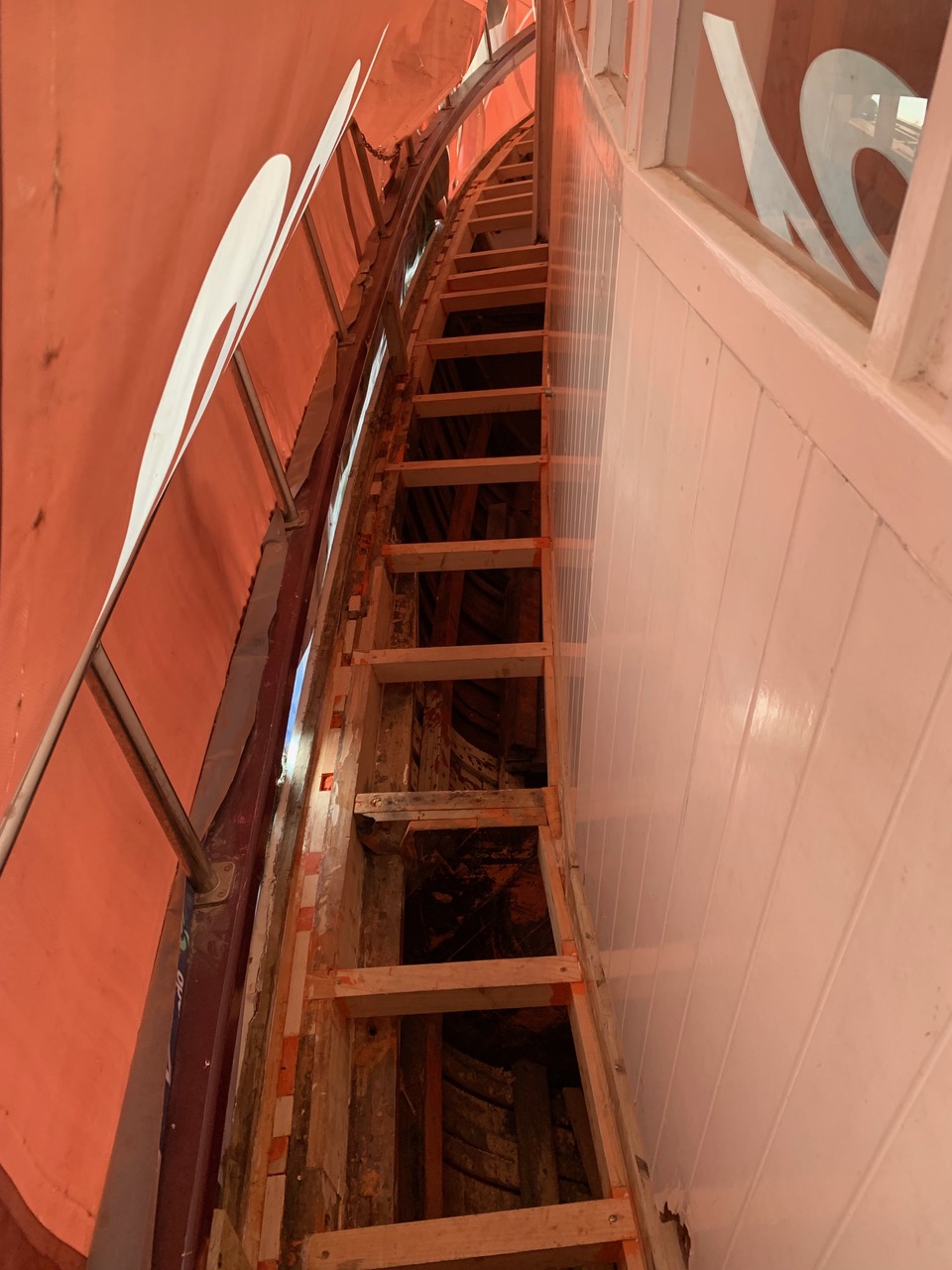
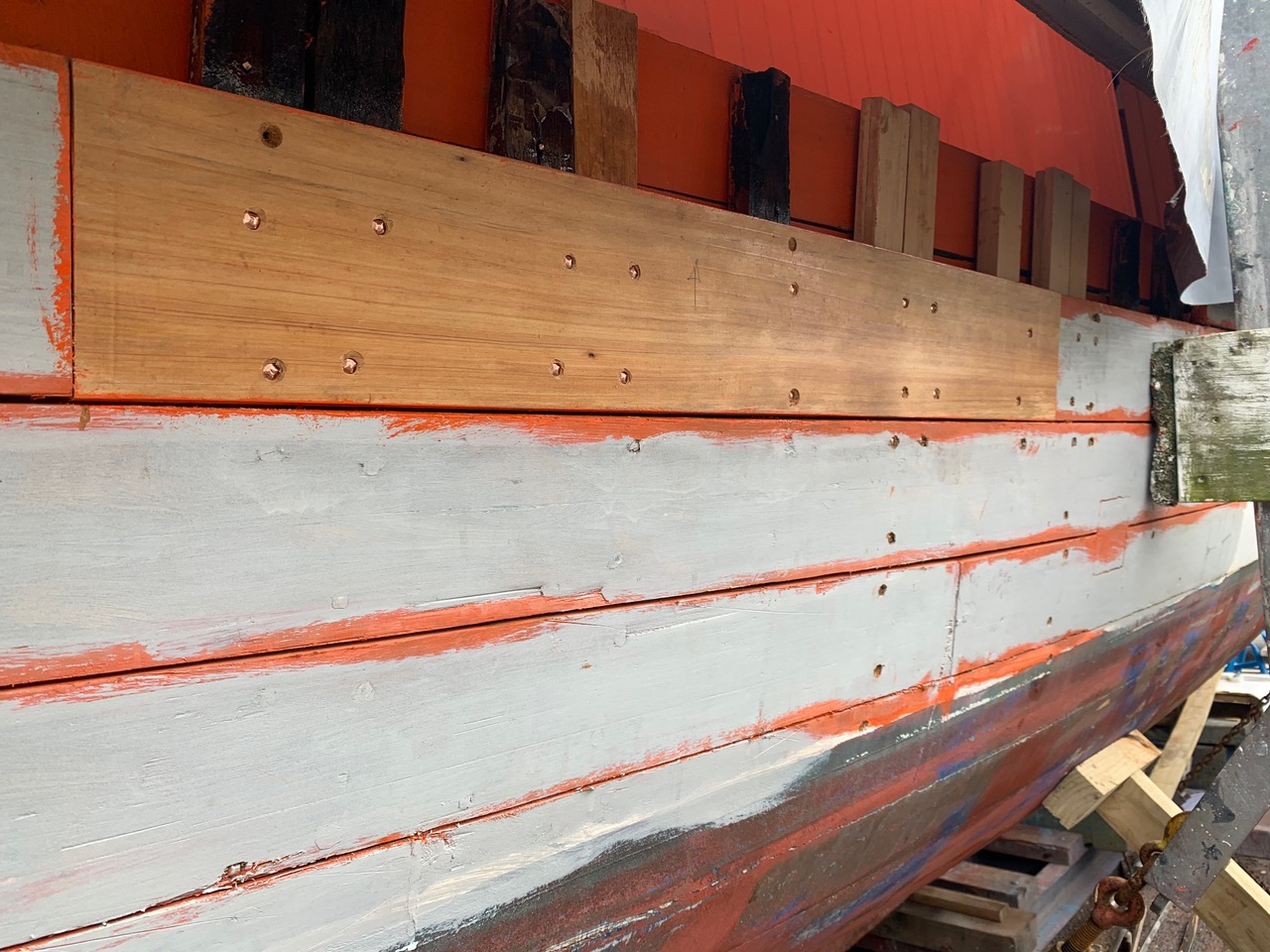
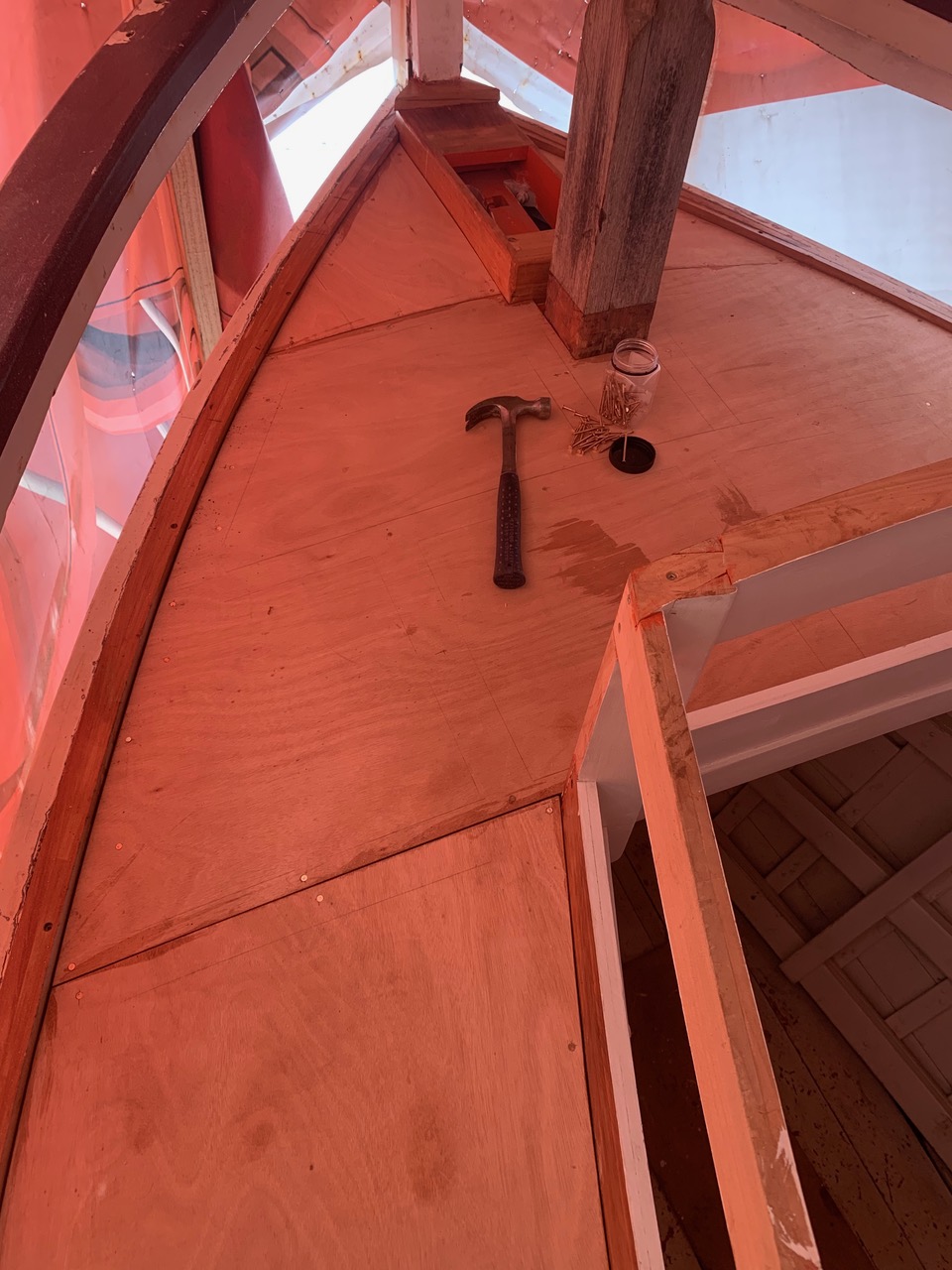
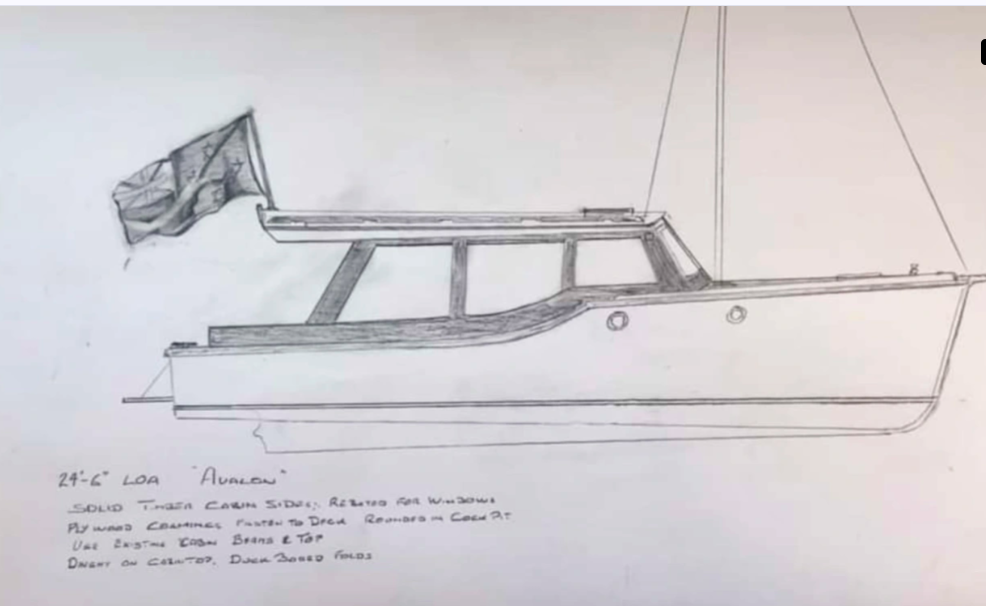
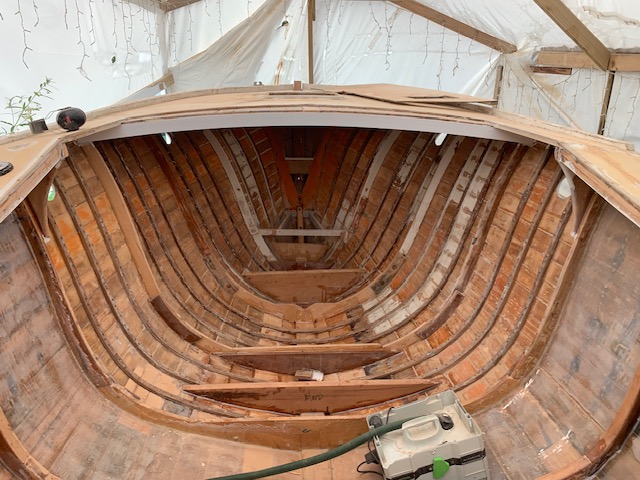
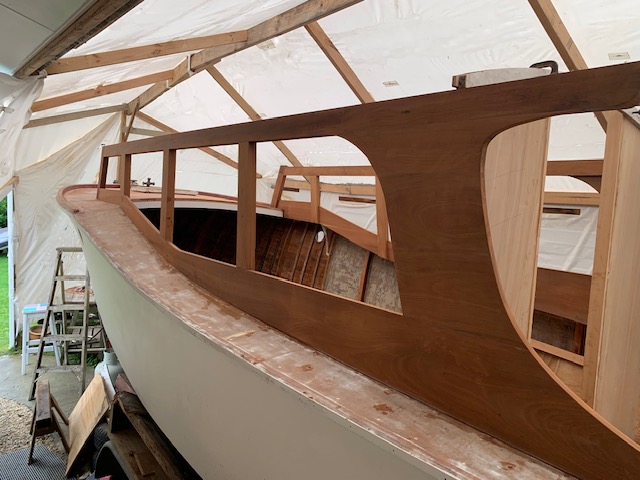
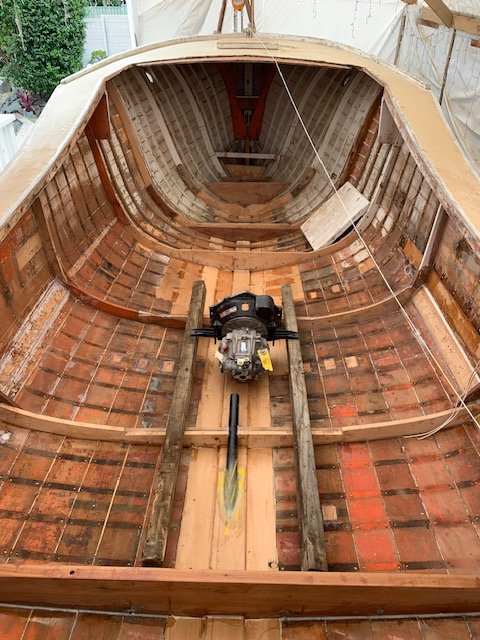
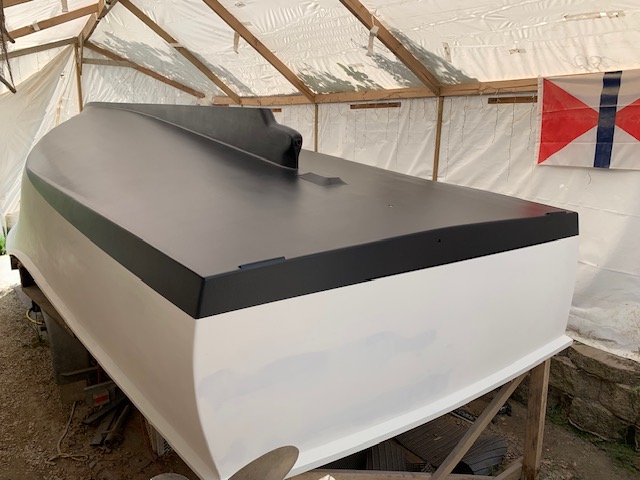
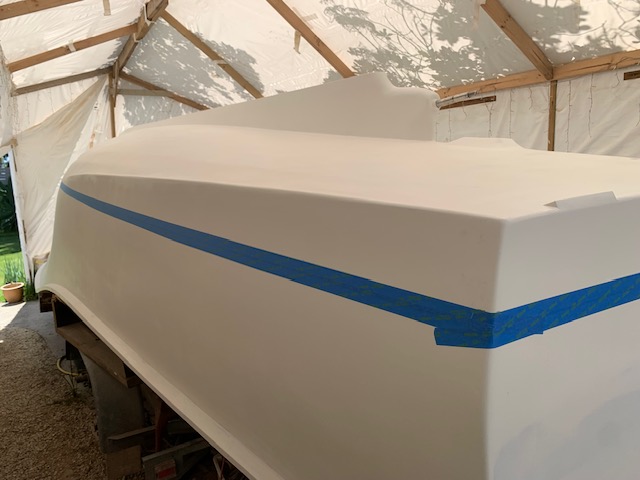
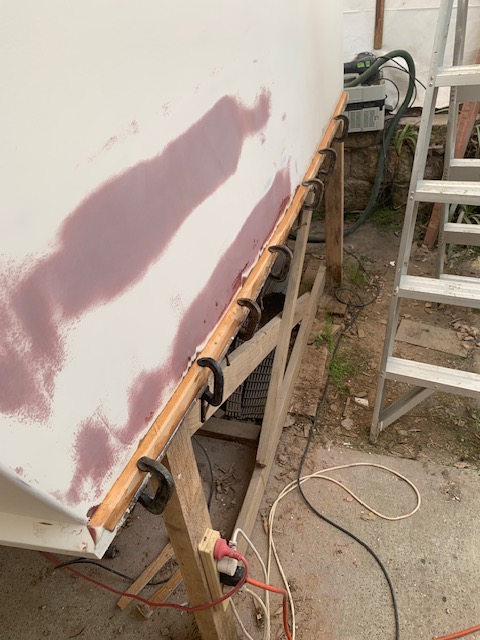
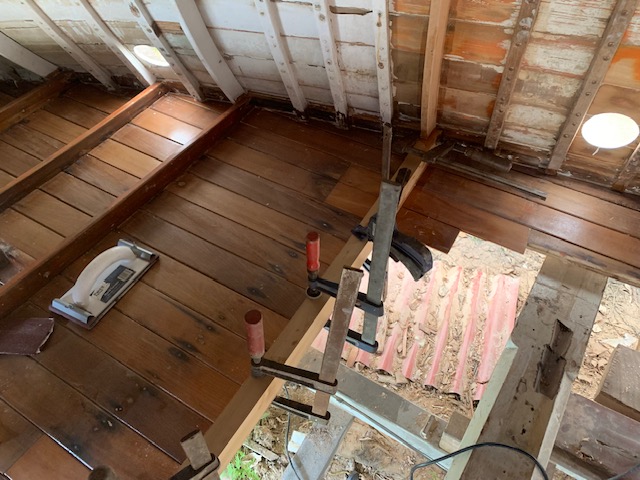
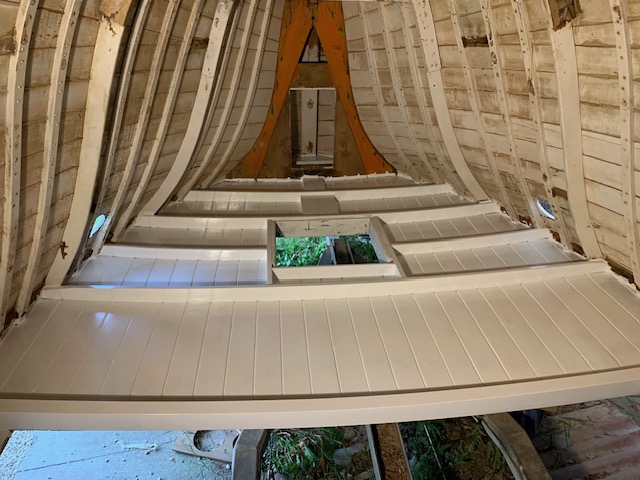
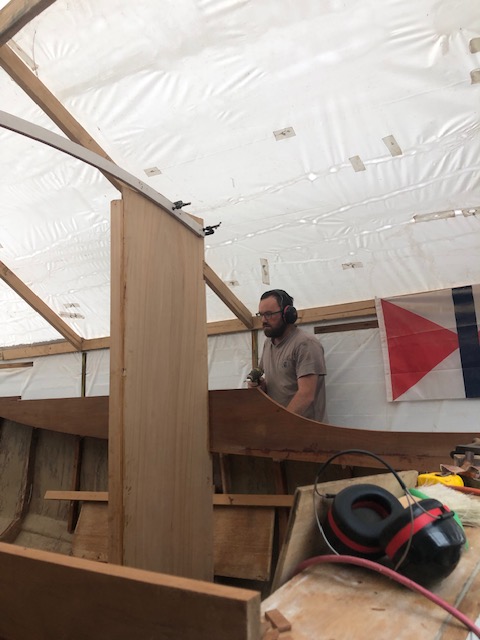
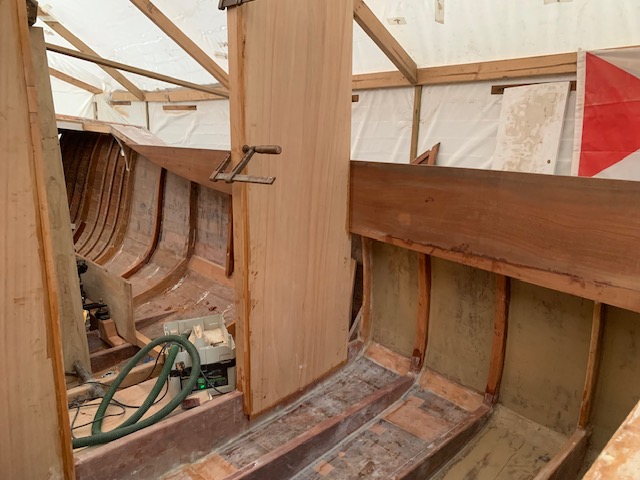
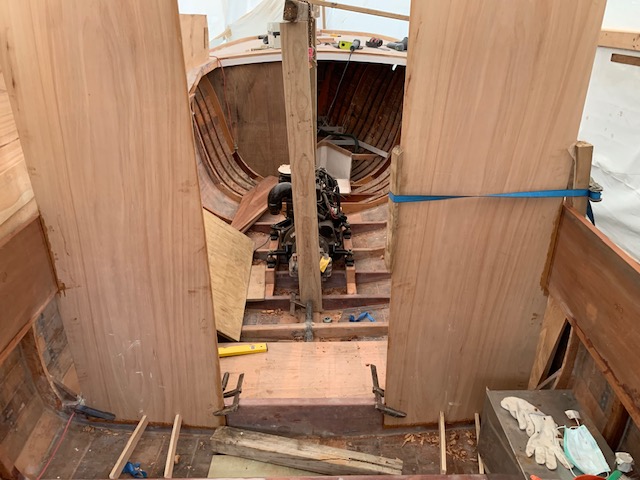
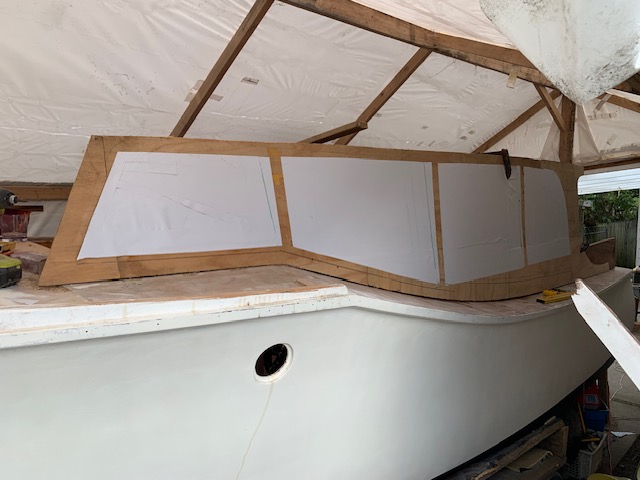
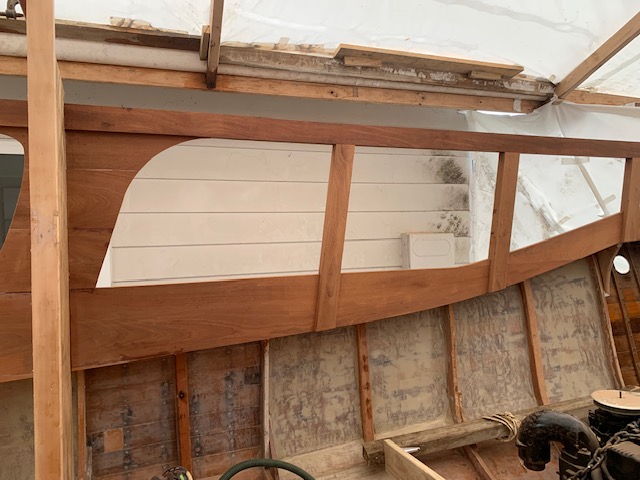
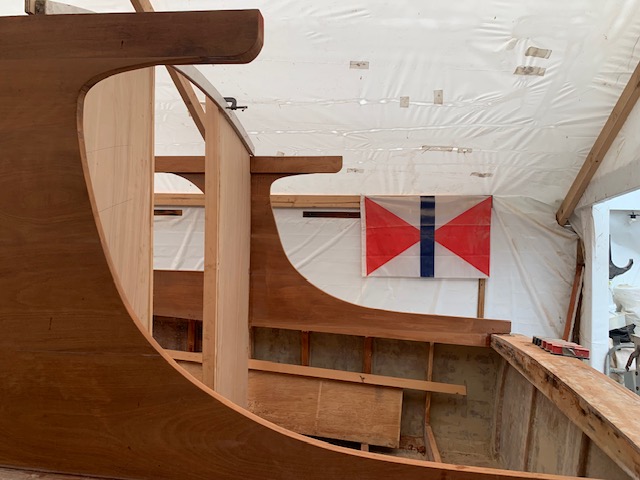
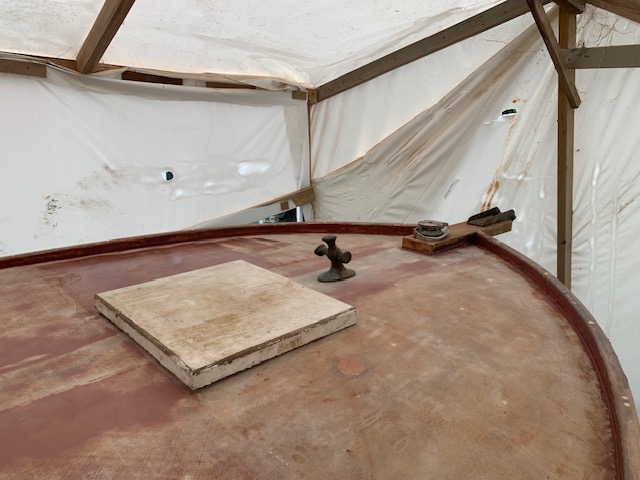
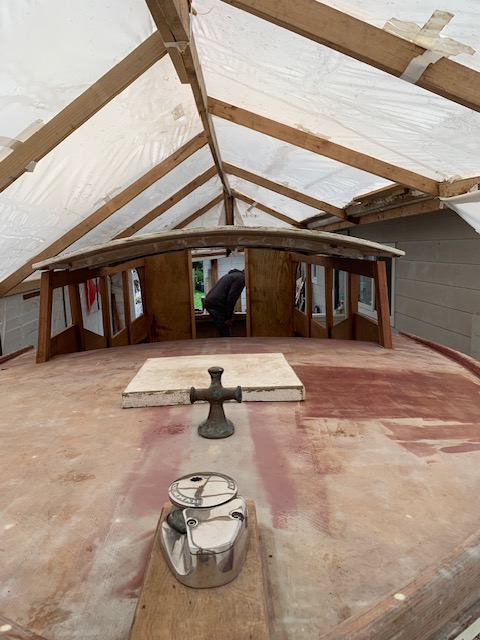
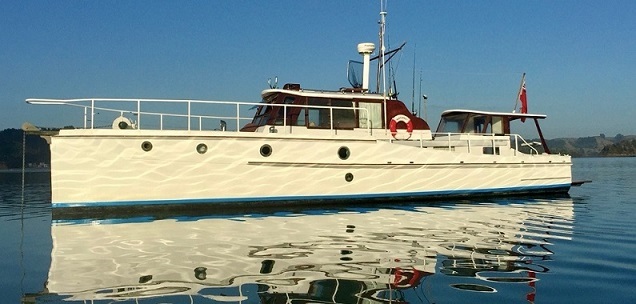
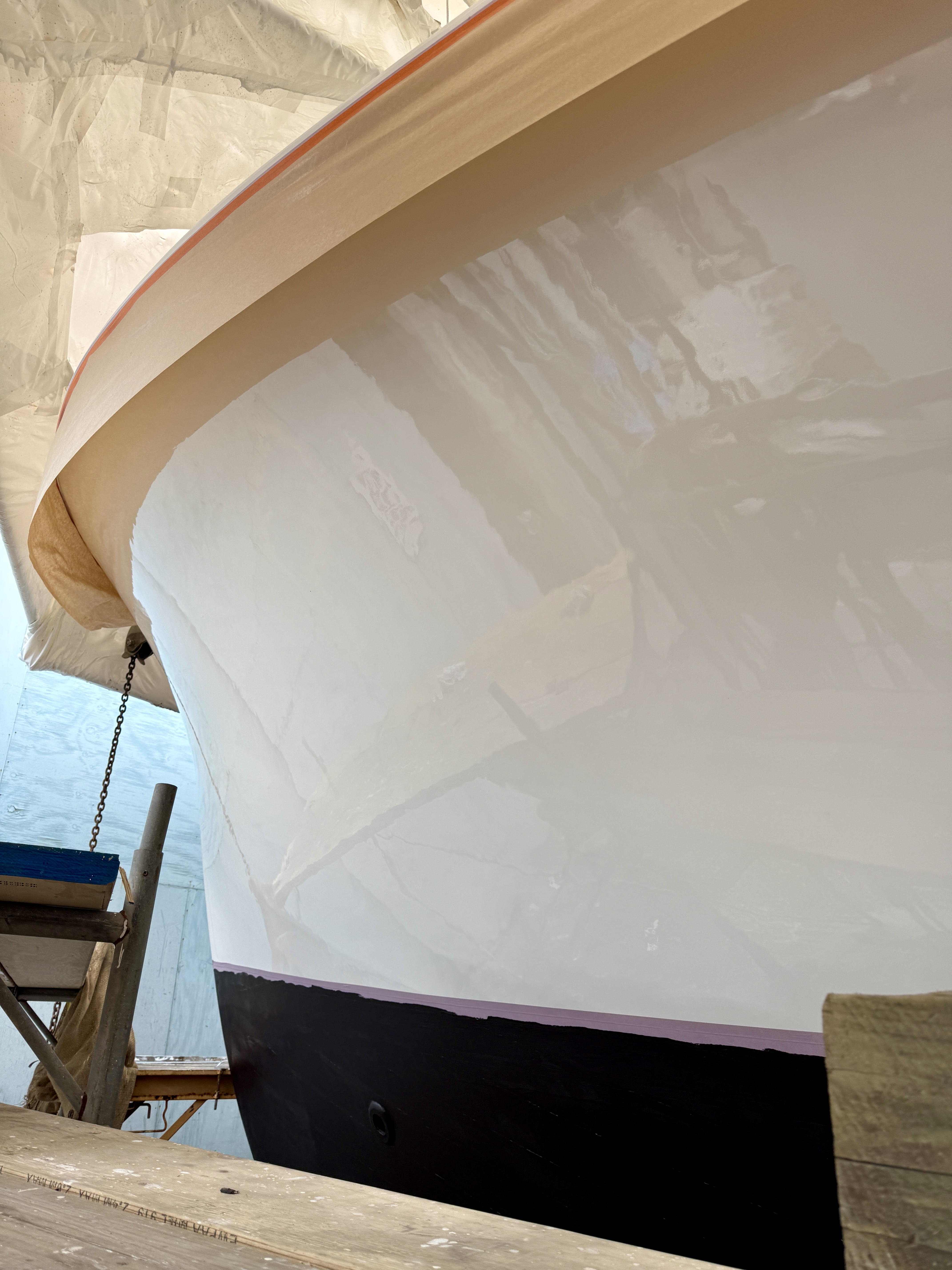
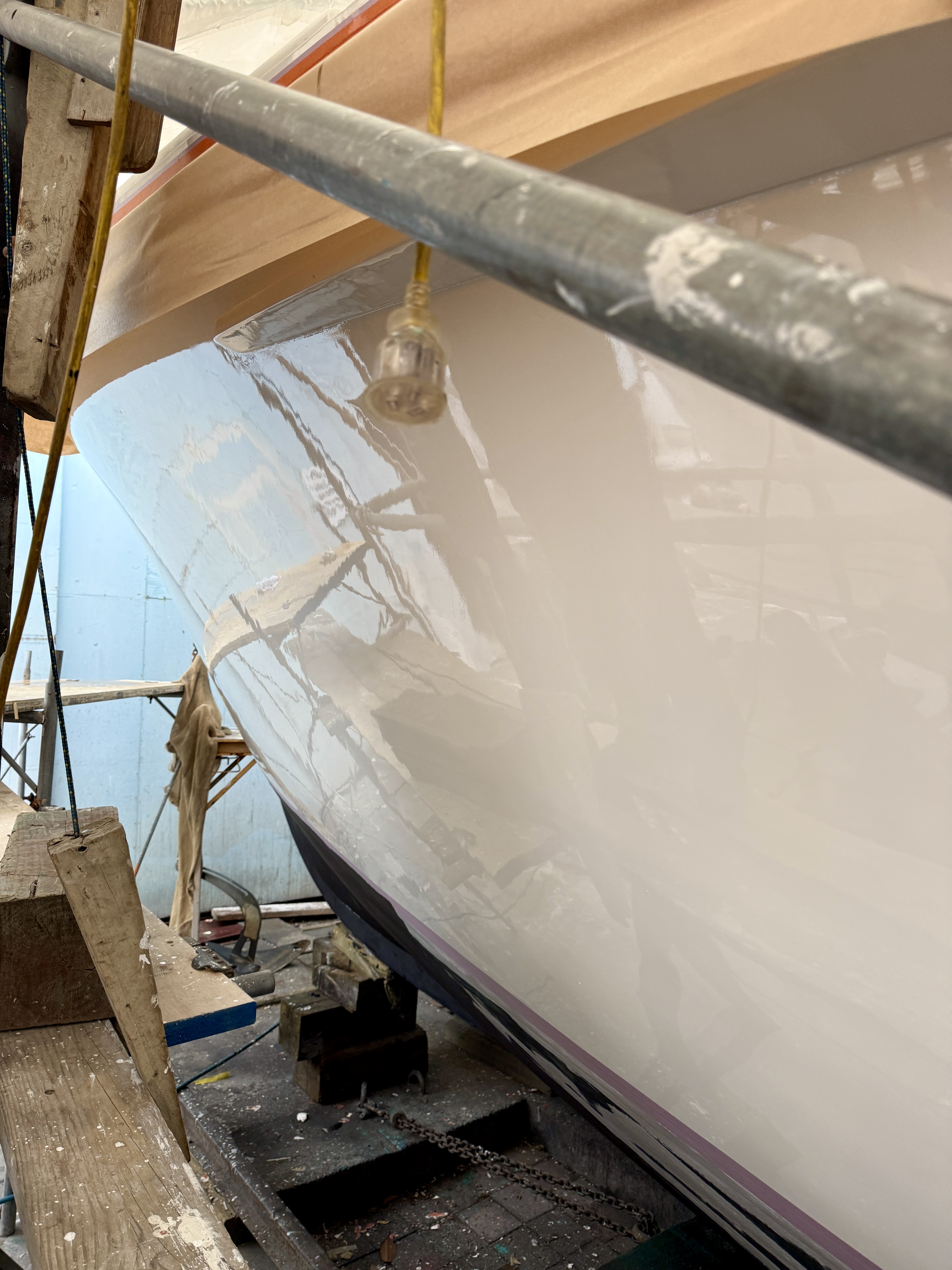
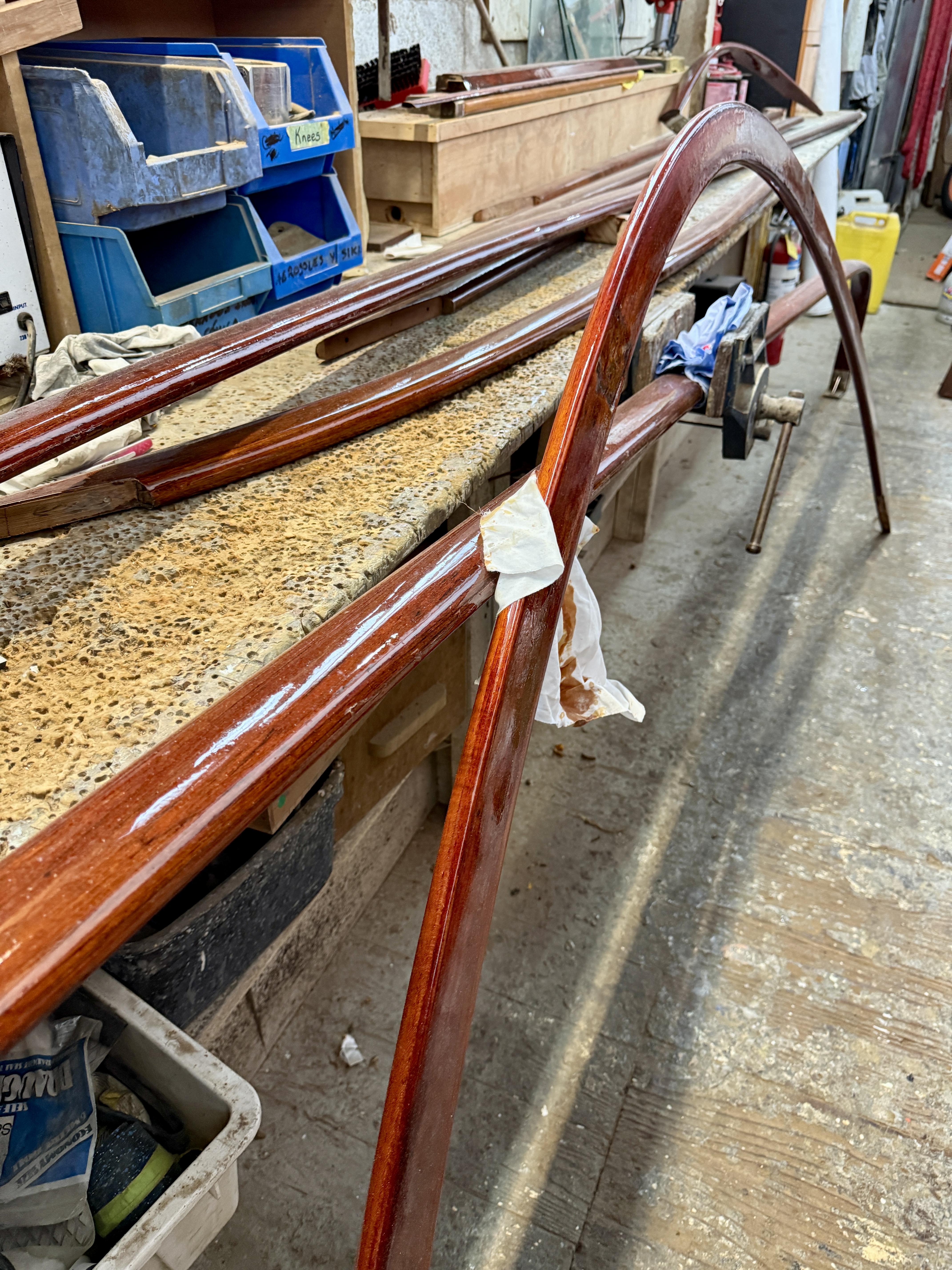
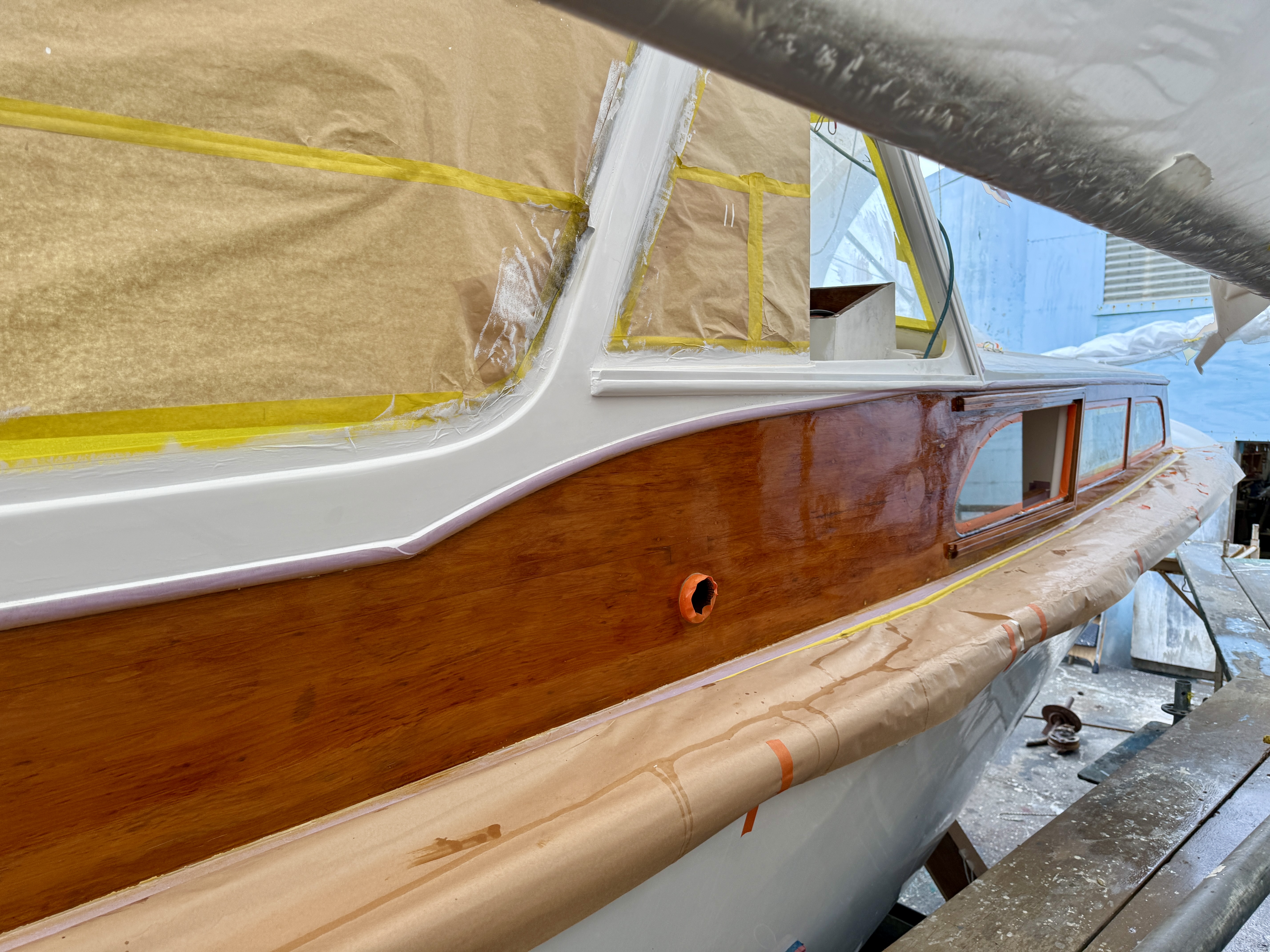
And of course there has to be a boat photo – on Thursday I was at The Slipway Milford and both CENTAURUS  and AWARIKI are looking stunning. CENTAURUS has the final coat on her topsides and owner Angus has been leaving away on some of the brightwork. The varnishing work has also just started on AKARIKI’s coamings.

AWARIKI

AN INSIGHT INTO NZ’S UNIQUE MARINE ENGINES – Part Three

AN INSIGHT INTO NZ’S UNIQUE MARINE ENGINES – Part Three

Todays WW story follows on from earlier stories – link below to Part One and Two 
As per pervious stories in the series the content has been pulled together by Ken Ricketts and ‘polished’ byPatrica and Ken’s daughter Corinne Pettersen. As always we have endeavoured to be as factual as possible but there will always by matters others will either know more about or be able to correct errors – so woodys do not hold back on commenting.

PART ONE – https://waitematawoodys.com/2025/04/04/an-insight-into-nzs-unique-marine-engines-part-one/

PART TWO https://waitematawoodys.com/2025/04/12/an-insight-into-nzs-unique-marine-engines-part-two/

ROLLS ROYCE MARINE DIESEL ENGINES

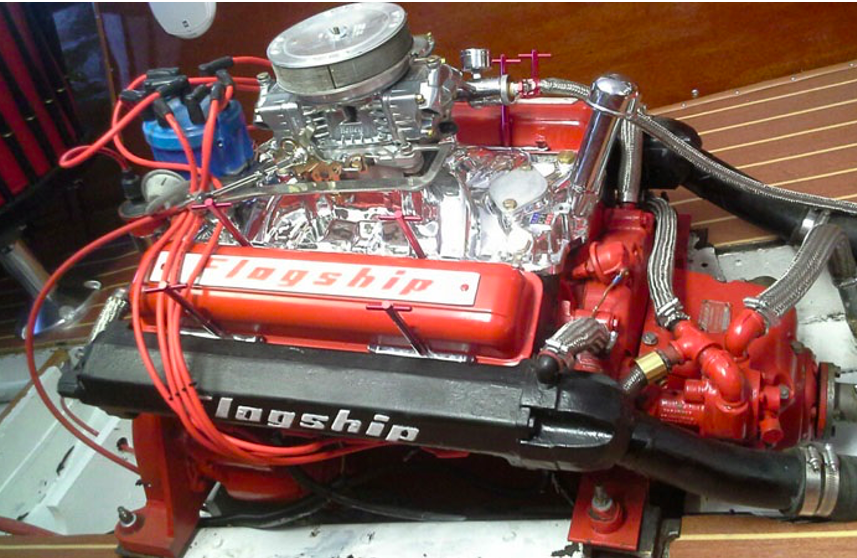
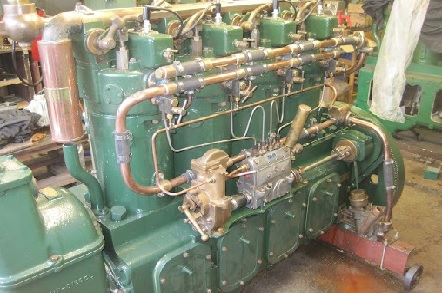
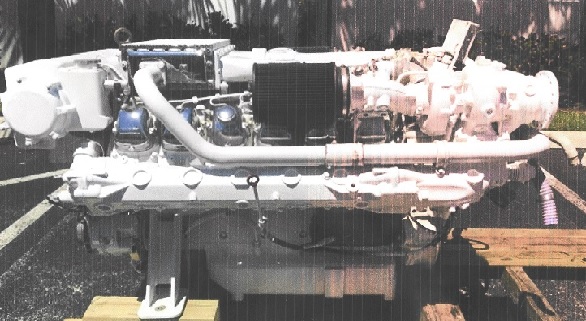
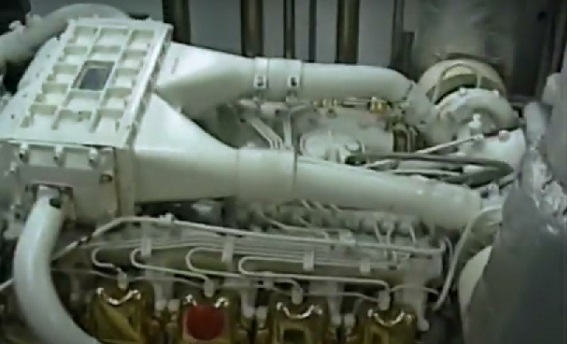
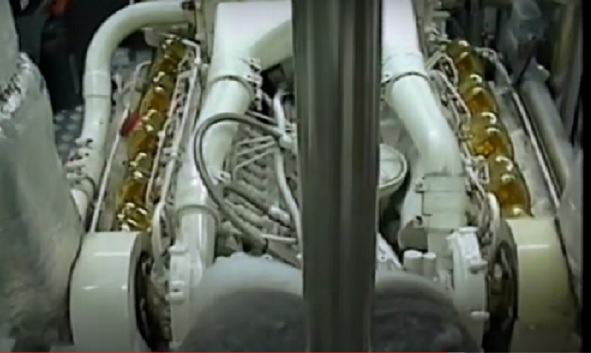
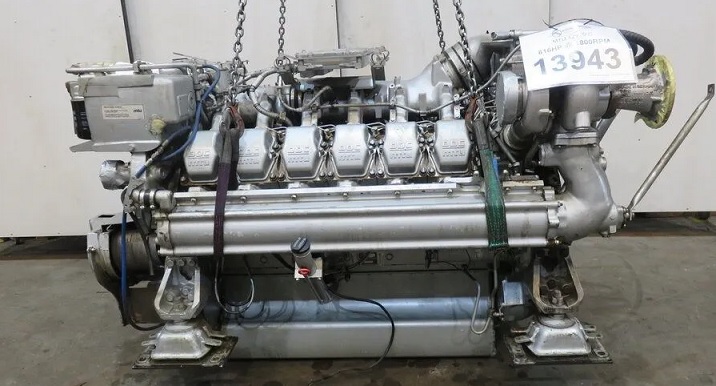
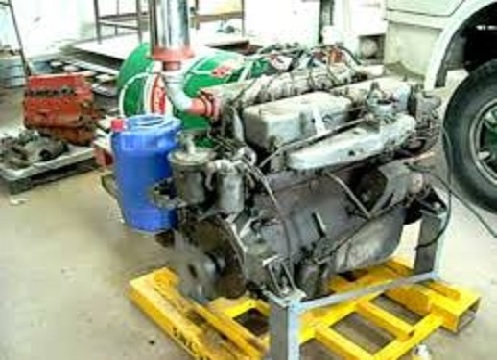
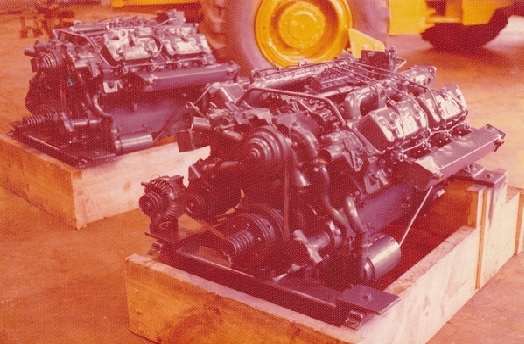
ROLLS ROYCE 275 HP MARINE DIESEL ENGINE

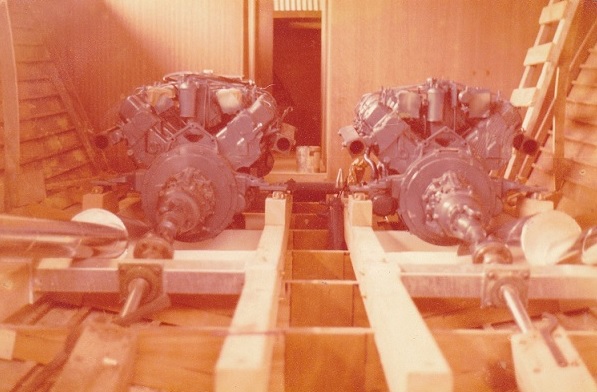
ONE OF THE 2 ROLLS ROYCES THE ORIGINAL ENGINES IN OHORERE

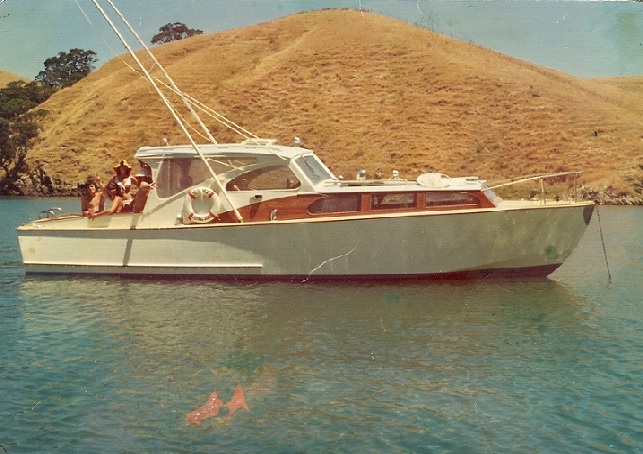
KUDU WITH HER 137 HP ROLLS ROYCE ENGINES IN 1966

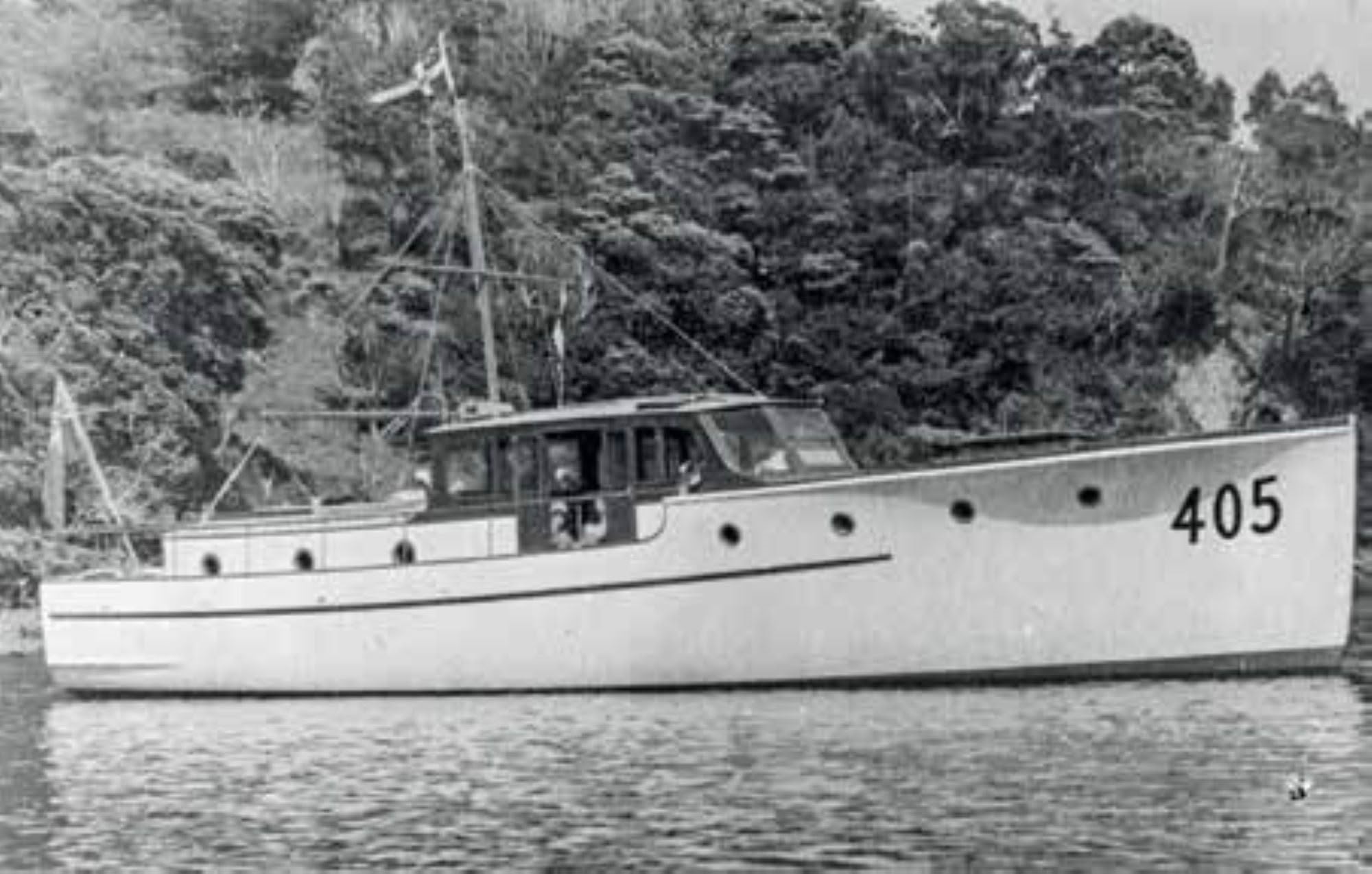
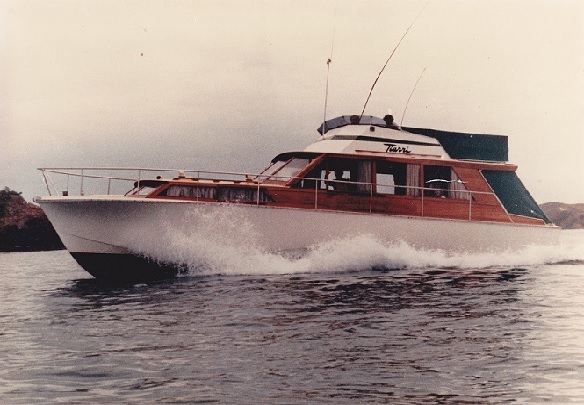
OHORERE WHEN NEW, WITH HER 2 X ROLLS ROYCE 6CYL. 275 HP DIESEL ENGINES

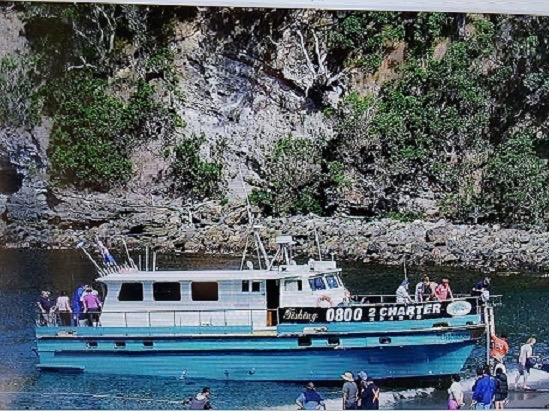
OHORERE AS AT 2025 WITH HER 2 X 770 HP MTU MARINISED MERCEDES BENZ DIESELS

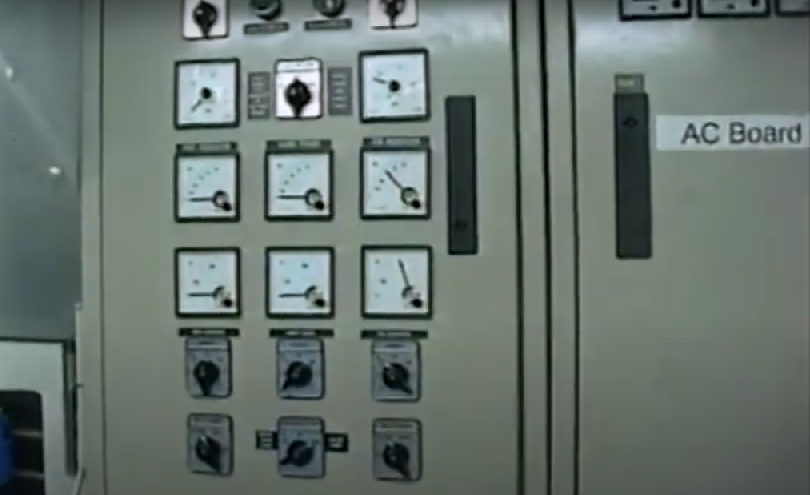
MANAIA, WITH HER 2 X 6 CYL. 275 HP ROLLS ROYCE ENGINES

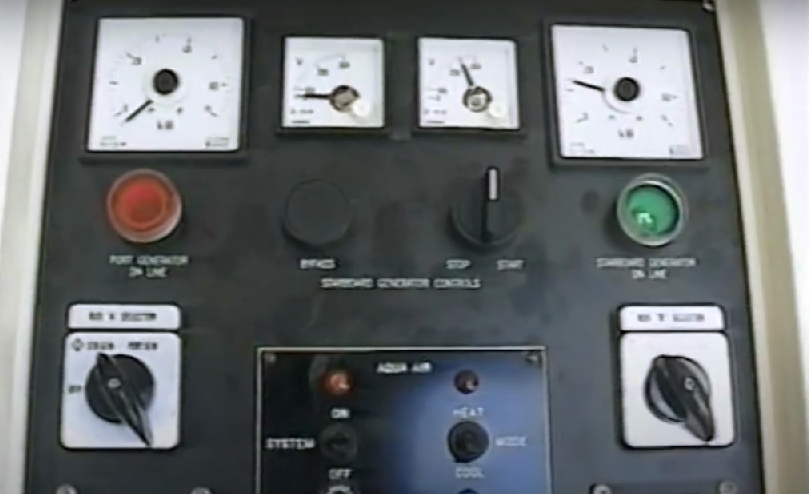
MANAIA INSTRUMENT PANEL

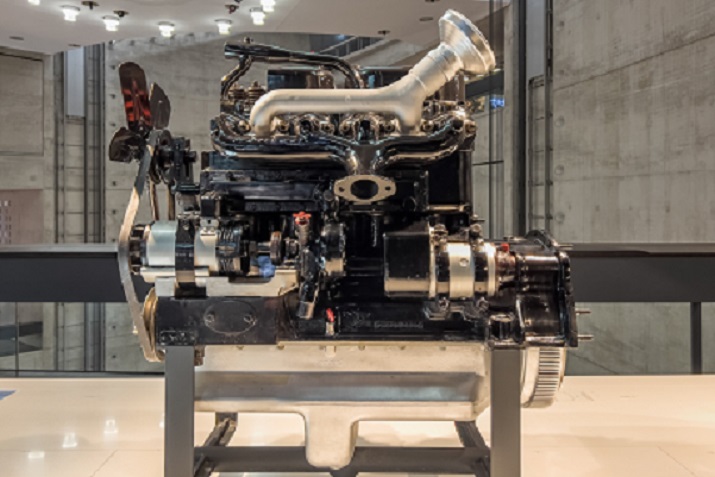
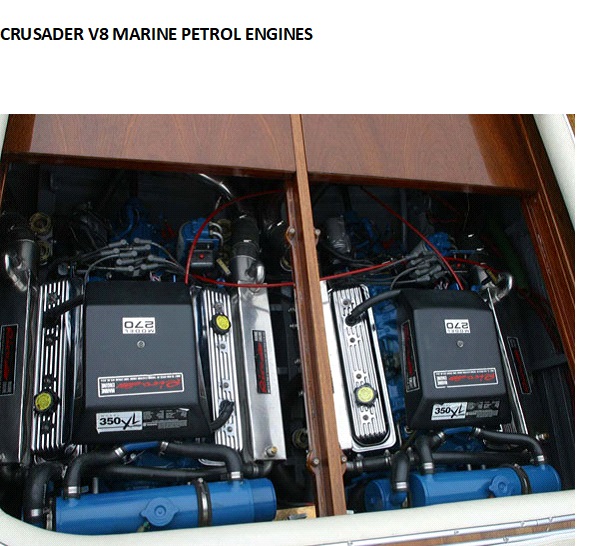
These are, as one would expect, a brand of engine that is quite rare, resulting from the cost of the engines to buy and the cost, equally, of parts for all maintenance. Also, while Rolls Royce has the name synonymous with perfection in all respects, it is my view that, in fact, Gardner engines are far superior in every respect, including noise, smooth running, longevity, maintenance necessity, and costs thereof. However, there are a few that are in the boats of today and yesterday. I personally know only three.

There is the KUDU, a large launch that, at one time, in mid to late 1966 to perhaps somewhere around the 1980s, belonged to the late Harry Julian. She is 63 feet long and powered by 2 x 137hp Rolls Royce 6-cylinder diesel engines. She was designed and built under Lloyd’s supervision in the UK in 1964 and sailed out to NZ as the end of a 20,000 km journey. However, the last time I saw her was on a visit to the Gold Coast in Australia, anchored in the middle of the center of Sanctuary Cove Marina.

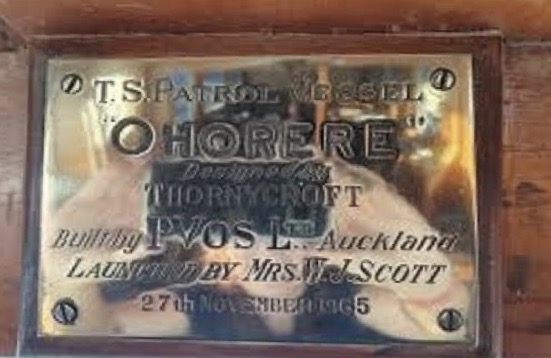
Another of the RR-powered boats is the OHORERE, built by Percy Vos in Auckland for the government of the day to be a high-speed fisheries patrol craft, and designed by Thornycroft in the UK. However, she never reached anything close to her anticipated speed projections as required in the order from the government to the designers and builders. Large sums of money were spent collectively by the designers, Rolls Royce, and the builders to give her better performance, but they failed miserably, and she was ultimately sold to private ownership, where she has been used for many years now for fishing charters in Tauranga. As of now, Rolls Royce’s were replaced about two years ago with 2 x 770hp MTU marinized Mercedes Benz diesels and is capable of around 30 knots.

There is one more pleasure craft, an ex-Whangarei pilot boat and that is the MANAIA, which has had from new, 2 x Rolls Royce 8-cylinder inline 16-litre diesels. 

UNIVERSAL BLUE JACKET 6 FLAT HEAD PETROL ENGINES.

THE UNIVERSAL RANGE OF 4 & 6 CYL BLUE JACKET RANGE OF MARINE ENGINES

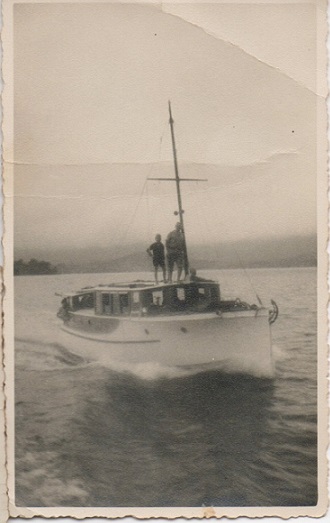
OTAZEL WITH HER UNIVERSAL BLUE JACKET 6 PETROL MARINE ENGINE. MANSION HOUSE BAY, KAWAU ISLAND c.1951

I am aware of one of these in New Zealand, which was in the OTAZEL, owned by Arch Tucket, in the late 1940s to the 1960s. He was the head of the patrol craft section for T.E.A.L. at that time in Mechanics Bay, and he fitted it to her on the hardstand at Okahu Bay in the winter of 1950.

G.M. ALLISON 1450HP, HOME MARINE CONVERTED, V12 AIRCRAFT PETROL ENGINE.

GM ALLISON V12 AIRCAFT ENGINE

REDHEAD, IN THE SOUTHWARD TRUST VEHICLE  MUSEUM IN PARAPARAUMU, AS SHE WAS LIFTED FROM THE SEABED IN WELLINGTON HARBOUR, AFTER HER  PROPELLER LOSING A BLADE, WHILST RACING & SINKING AS A RESULT.  

REDHEAD RACING A FLYNG BOAT ON WELLINGTON HARBOUR

The only boat I’m aware of that had one of these was Sir Len Southard’s champion racing boat, REDHEAD, which won, at one time or another, most of the cups and awards, as well as a huge number of races in her time. She was a real champion, designed, built, and raced by the late Sir Len Southward of Wellington, a brilliant engineer and philanthropist. John Bullivant tells has advised there was a second high-speed hydroplane racing boat built with a marine-converted V12 GM Allison petrol engine in the same era.

STERLING MARINE PETROL ENGINES

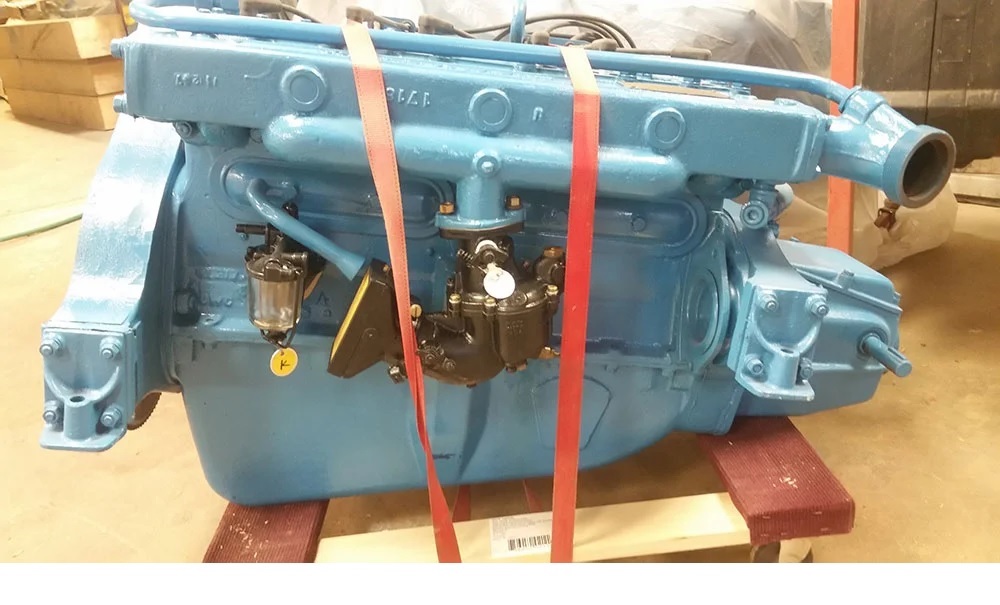
STERLING 6 CYL 1920 MARINE PETROL ENGINE PROBABLY SIMILAR TO THAT 

IN LADY STIRLING

STERLING 115 HP U.S. NAVY WWII FLAT HAD PETROL ENGINE

KERMATH 1928  225 HP SEA WOLF ENGINE IDENTICAL TO THAT IN THE TASMAN IN 1947

LADY STERLING IN QUEESNTOWN

TASMAN IN 1948 IN SCHOOLHOUSE BAY KAWAU ISLAND  

STERLING BUILT IN 1926 BY ERNIE LANE IN PICTON

LADY STERLING

The 52-foot, 105-year-old Bailey & Lowe-built ocean-going yacht, built in 1920 is named LADY STERLING. This yacht had one of these engines originally, and there were other boats that had them in the earlyish 1900s. 

LADY STERLING has, in recent times, been in the Queenstown area, but she has traveled many thousands of sea miles, with numerous crossings of the Pacific Ocean in her long life. 

Around the end of WWII, she belonged to Stan Waters. She passed shortly after to Lloyd McIvor, a dentist, who sailed her several times a year to Fiji and other Pacific islands to attend to the islanders’ dental issues.

TASMAN WITH A STERLING 6CYL DUAL IGNITION 115HP WWII U.S. NAVY PETROL ENGINE.

A reference in part 1 of this series was made in the comments section by Denis O’Callahan, related to the TASMAN having had a WWII ex-US Navy 6-cylinder flathead Sterling petrol engine at some stage, pre-1975. I have researched this engine and found the following information and images related to it, which I am confident may well be the engine he was referring to.

A quote from Tom Ball in 2016: “I have acquired this engine recently. It is a six-cylinder marine engine with dual ignition. It is 115 HP with a water-cooled exhaust. These Sterling petrol engines were made in Buffalo, New York. The engine supposedly was in a naval ship of some sort and may have come from the naval yard there.” – unquote

As I also said in part 1, I was aboard TASMAN, Christmas 1947 with my father one day & owner, Jack Brooke, lifted the bridgedeck floor & showed us her huge bottle green 225 hp overhead valve Kermath Sea Wolf  petrol engine, identical to that in the above image.

I could see by its size & overall concept, it was a fairly old engine, & perhaps the original, & in the circumstances, I have taken what to me, is a logical view, that this engine was probably replaced around 1960ish by the Sterling, due to old age , &/or perhaps maintenance issues, as well as huge quantities of petrol it must have consumed. Also, it was usually pushed at high speed most of the time by Jack B who was a speed fiend, when it came to his boat, which must have given the engine a hard life.  

19-04-2025 INPUT ex RUSSELL WARD“I have a little input into Tasman when she had the Stirling engine in the early -mid ’60s. We used to describe it as a “Sterling Dolphin” in the day. My mother had a business connection with her then owner Dr Jim Sprott and I had the chance to see over Tasman and especially to view her engine. It was a four cylinder T head type engine -two blocks of two and quite tall. Certainly painted green with lots of brass -It ran delightfully smoothly and the owner averred that it was not too thirsty if throttled back. His suggestion was that the Americans installed the engine during the war to get more speed out of her. It certainly was a very old vintage- looking engine and had none of the looks of the more modern engines.
Dr Sprott later decided to replace it because of the petrol it used and maintenance. It was offered to MoTat who refused and my father wouldn’t allow me to have it and the word was that it was scrapped. RIP.”

26-04-2025 INPUT ex DENIS O’CALLAHAN – below further information regarding the Sterling engine in the launch – TASMAN

In 1970, TASMAN was purchased from Dr.Jim Sprott by my friend Allan Tyler and his dad Eric.

She had a Sterling 6 cylinder petrol engine with dual ignition and we were told that the original engine may have been a Kermath.

We had many adventures with this engine. One time at Tryphena she would not start and we found the Bendix Spring was broken. To our relief we found several spare springs in the locker so it must have happened before.

The Sterling was replaced in 1976 with a Lees Marine 6 cylinder Ford diesel. New stainless steel fuel tanks amidships replaced the old copper tanks under the aft deck which became the water tanks. The old Sterling engine went to scrap but we retained the name plates which were passed on to the new owner of TASMAN, Stephen Cashmore.

Photographs of these plates are below and the following is my interpretation:

Silver badge “Sterling”. THE ENGINE OF REFINEMENT FOR THE FINEST BOATS THAT FLOAT.

Small Plate. US NAVY. BU. ENG. NO. (Bureau of Engines Number) –  11725

Large Plate. STERLING ENGINE CO.

                        BUFFALO NY USA

            BUILDERS OF MARINE ENGINES

                       SERIAL NUMBER

                            US L61678

           ROTATION AT FLYWHEEL C.C. (Counter clockwise)

         C.W. HAND SCREW PROPELLER

                 HORSE POWER 220

                RPM MAXIMUM 2200

        WITH PROPELLER LOAD AND

            FULL OPEN THROTTLE

     ENGINE REVOLUTIONS MUST

     EQUAL OR EXCEED 1900 RPM

               FIRING ORDER

                 1 4 2 6 3 5

          TAPPET CLEARANCE

           INLET 020 THOUSANDTHS

    EXHAUST 025 THOUSANDTHS

In 2019 I visited Buffalo New York on a cruise through the Erie Canal and Great Lakes and looked for the old Sterling works.

I found that Sterling had been taken over by Phillips Petroleum in the late 1950s and the assets moved to Kansas.

The Sterling Company dates back to about 1903 and many speed records were held by boats with Sterling engines.

STERLING TEE HEAD 4 CYL PETROL MARINE ENGINE SIMILAR TO THAT AS DESCRIBED BY RUSSELL WARD ABOVE THAT HE COMMENTS WAS INSTALLED IN TASMAN IN THE 1960’S AFTER HER ORIGINAL KERMATH SEAWOLF

THE LAUNCH STERLING

I have researched extensively but have been unable to source an image of the 3-cylinder, 27 HP Sterling engine, as referred to below by Harold Kidd and in the launch STERLING as pictured above.  

Input from Harold Kidd: This STERLING was built by Ernie Lane in Picton in 1925 for L.J. Steele as a passenger vessel to carry 60 passengers and had a 1924-built, 3-cylinder, 27 HP (rated) Sterling marine engine with a bore of 4.5″ and a stroke of 5.5″. Dimensions are 34′ x 9′ x 3’9″.

HALL SCOTT DEFENDER V12 PETROL 630HP MARINE ENGINES

NGAROMA WITH HER 1 HALL SCOTT DEFENDER V12 PETROL ENGINE, & 1 GLENIFFER 8 CYL INLINE DIESEL ENGINE, WHEN OWNED BY JIM LAWLER

These Hall Scott Defender petrol engines were used in all Fairmiles during WWII wartime service. When sold into private ownership after the war, all were immediately replaced by diesel engines of various types, brands, and sizes, except for one privately owned Fairmile called the NGAROMA, owned at that time by Jim Lawler. This vessel retained one Hall Scott engine for around two years before replacing it with a second, opposite-handed, 8-cylinder inline Gleniffer Diesel to match the existing Gleniffer 8-cylinder engine he fitted when he purchased the NGAROMA, creating a matched handed pair.

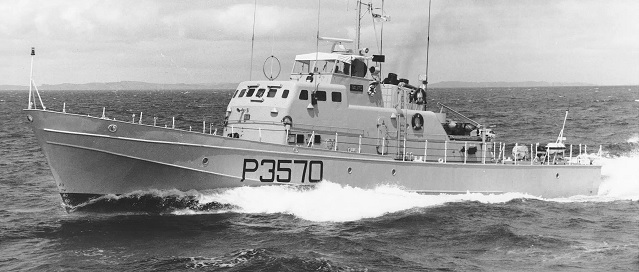
There were also two RNZAF MIAMI CLASS American patrol craft bought by the RNZAF around 1948. One, W275, was sent to Lauthala Bay, Fiji, by the RNZAF, while the other, W276, remained here. W276 had two Hall Scott Defenders mounted in the stern and vee driven.

W276 WITH HER 2 HALL SCOTT DEFENDER V12 PETROL MARINE ENGINES  

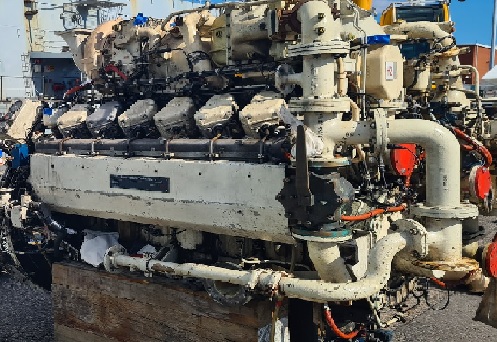
JUNKERS GERMAN DIESEL AIRCRAFT ENGINE TO BE HOME CONVERTED FOR MARINE USE 

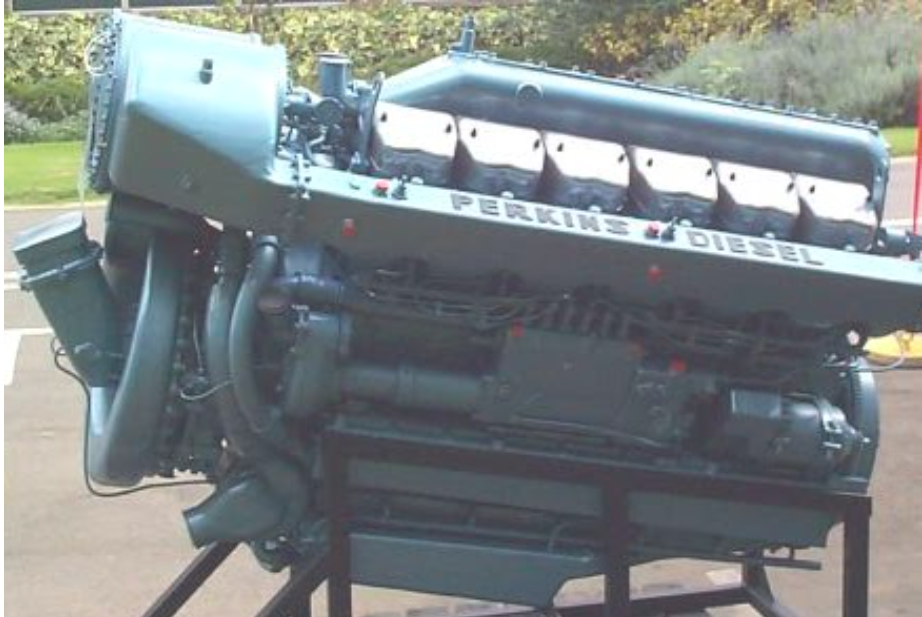
JUNKERS DOUBLE ACTING DUAL PISTON 6 CYL estimated at c.1000HP GERMAN AIRCRAFT ENGINE.

This boat (W276) as featured above, was sold in the 1960s to a Mr. Canavan, a retired senior Air Force officer. He employed two marine engineers to convert two German two-stroke Junkers aircraft diesel engines (probably the same or like those in the image above), which, as far as I can interpret, seem to have been around 1,000 hp each. He acquired and converted them for marine use, replacing the two Hall Scotts with these engines. 

This was a long and very expensive task for Mr. Canavan. During this process, she was moored adjacent to the up-harbour end of the Naval Base and was still painted air force grey. During the installation she acquired four very large exhaust pipe holes near the deck line at the stern.

These engines, like the engine in the hydrofoil MANU-WAI, required hot engine oil to be pumped through them for 20 minutes before cold starts. The two engineers, as mentioned above, eventually finished the project and went off to find Mr. Canavan so he could be present for their first start. While they were away looking for him, he turned up, went out to the boat, saw that they were ready to go, and pushed the buttons. They started but immediately seized up as they had not had the hot oil process completed first.

When the two engineers came back, they were naturally furious that after all their hard work, it had all come to this. So, as one would expect, they just picked up their tools and walked off the job. Eventually, Canavan got two more engineers to rebuild the engines, and while they were in the process of this, one day, when they were brazing with bottled gas, the stern end of the boat caught fire, and the aft 20 feet or thereabouts was destroyed. 

The insurance company sold her “as is, where is,” and someone bought her, chopped off the burnt-out back end, and fitted her, in her now shortened form, with two 6/71 GM Detroit diesels, added new pleasure craft-type coamings, and called her the LADY SOMETHING? or SOMETHING LADY?. This work was all done on the hardstand at Half Moon Bay Marina.
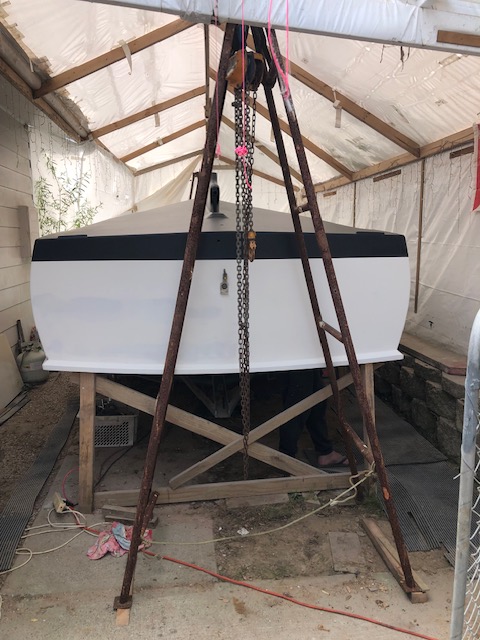
With her back end chopped off and her new coamings fitted, she looked very short and fat.

WAUKESHA HESSELMAN, LOW COMPRESSION, SPARK IGNITED DIESEL ENGINES.

WAUKESHA HESSLEMAN, SPARK IGNITED, 6 CYL DIESEL ENGINE.

WAUKESHA HESSELMAN SPARK IGNITED  LOW COMPRESSION DIAGRAMATIC VEW OF ENGINE DESIGN.

AWARUA WITH HER 6CYL WAUKESHA HESSELMAN DIESEL ENGINE.

LADY RAE, STANDING IN, FOR IDENTICAL SISTERSHIP, GALA LASS.

There were only two boats fitted with the 6-cylinder version of these engines, which had around 100+ hp. 

They were Ted Cooper’s built and owned AWARUA, which for the first couple of years had a Redwing petrol engine. He later replaced this with a Waukesha Hesselman 6-cylinder diesel, which she had for the remainder of his stewardship. A later owner, replaced it with a Ford diesel.

The other boat was the GALA LASS, which had an identical sister ship, the LADY RAE. 

GALA LASS had a Waukesha Hesselman diesel from new for the entire time of ownership by the original owner, Tony Hurt.  The LADY RAE had both one and two engines at different times, both with petrol or diesel, as was appropriate during her early years. I have not been able to locate an image of GALA LASS. I have substituted an image of LADY RAE in place of GALA LASS. 

MARANUI – CLASSIC 100 YEAR OLD POND YACHT

MARANUI – CLASSIC 100 YEAR OLD POND YACHT

Its no secret that I have a soft spot for classic pond yachts (a couple below) so when Chris Brummel contacted me regarding the pond yacht – MARANUI he had a captive audience.

MARANUI was built by Chris’s late father, Roy  when he was a boy, In the late 1920’s early 1930’s.Roy lived on Shelley Beach Rd, Herne Bay, Auckland and would walk down to Shelly beach  to sail MARANUI. This was in the days before Westhaven Marina was built.
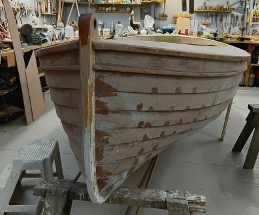
MARANUI is made from horizontal layers of kauri, carved out, rib and then riveted. She is gaff rigged with a topsail, Chris still have the original linen sails, that his grandmother mother made for the boat.

She was open decked and still has the carry handle inside screwed to the lead keel.
The last two photos are of the inside looking forward and aft. Chris commented that he started restoring her when he started his boatbuilding apprenticeship in the 1970,s, but only built in her current configuration is Chris’s interpretation back then of what she might look like. Now semi retired, Chris would like to put her back to what she should look like.

So woodys the question of the day is  – would anyone be able to help Chris discover the origins of MARANUI. 

The obvious questions are • was she built from an existing design of the time or not •  does anyone have any info that might help in restoring her correctly.

From my experience the more original , unrestored a model is the greater the monitory value – but with MARANUI its all about the family connection. 

CLASSIC WORKBOAT – L’AVENIR TO GET A 2ND LIFE

As launched – photo coloured by Dean Wright
March 2025 Dove Bay
Conceptual Rendering ex Dean Wright

CLASSIC WORKBOAT – L’AVENIR TO GET A 2ND LIFE

Over the weekend I received a repot from Dean Wright (owner of MV ARETHUSA) that he had spotted the fishing boat – L’AVENIR moored in Doves Bay for a few days.

L”AVENIR was designed and built by Roger Carey and launched in 1958. Her spec’s are 50’ with a 14’ beam.

Dean had a quick chat to the new owner Dan, who advised they were on route to her new home port in Whangaroa. 

Dan has plans is to take the fishing gear off her. Now Dean Wright is a very clever chap so he did a before and after shot of what she might look like for Dan.

Dean also ‘coloured’ an old photo of her when she was new. 

Fingers crossed that Dan follows Dean’s suggestions and we end up with another stunning workboat conversion.

Anyone of the workboat group able to tell us more about L’AVENIR.

Observation – workboats are probably the most active sales category in the classic wooden boat movement at the moment – seems everyone wants something they can live aboard and have the ability to do laps of NZ.

CLASSIC WOODEN LAUNCH AWARIKI GETS A TOP CHOP

Illustration Only

CLASSIC WOODEN LAUNCH AWARIKI GETS A TOP CHOP

Stories like todays make me very happy – its no surprise to regular readers that I’m not a fan of fly-bridges on classic wooden craft, particularly ones that have been added post the original launch date.

Last year when the Wooden Boat Bureau sold the 1967 Owen Wooley designed and built 32’ launch – AWARIKI there was a discussion with the new owners re the fly-bridge and I gave my standard line – “take it off now, otherwise you will get used to it and it will stay” 🙂

Fast forward to Monday night when I get an email asking about my thoughts on removing it. The launch was hauled out at the Slipway Milford and the crew there had been not so subtly suggesting to the owners to give the green light on removing it.  The hardest working crew member at the yard – Maddie Malcom did some photo-shopping to a photo I took of AWARIKI in Chamberlain Bay (2nd one above) and the owners were sold 🙂

So flybridge gone, bow rail removed, coamings to be returned to vanish, new upholstery and some differed maintenance righted and she will be a ’new’ boat.

The photos above show Jason Prew in his happy place – top-chop is his middle name.

More to come as work continues ……. 🙂

INPUT ex KERRY LILLEY – previous owner and also worked on the build of the launch whilst doing his apprenticeship at Owen Wooley’s yard. The photos below were given to Kerry by previous owners.. She originally had a mast (mast step still there). Kerry commented  ‘Nothing stays the same I built and installed that flybridge  30 plus years ago’ 

UPDATE 21-02-2025 – Work continues

BUILDING THE CLASSIC LAUNCH – GAY MERILYN (Tee Gee > Stokin) – Part Two

Working On The Plan
First Frame In Place
Ribs On Over Frames
What To Do Next
First Skin On
Doing The F/Glass Coating
F/Glass Painted
Turning The Hull
Coming Out
Tight Fit
Ready To Launch
In The Tide At Last
Off To Her Mooring
Looking Very Smart

BUILDING THE CLASSIC LAUNCH – GAY MERILYN (Tee Gee > Stokin) – Part Two

Following on from yesterdays story on the launch – GAY MERILYN, today thanks to more input from Gwenyth Frear we get an insight into the building of the launch – we hand over to Gwenyth to tell the story – Enjoy (photo ex 35mm slides)

“We had always had boats of one sort or another, and owned the launch LORNA DOONE at this time, but that’s another story! Keith decided he would build another one more to his liking….

Keith thought he would like to build  launch about eleven and half metres long, so when we went to Auckland in late 1969, we went to one of the large bookshops to see if we could find some plans. But as we were starting to look at design books, there didn’t seem to be anything he wanted. Someone overheard us discussing plans and the pros and cons of the matter, and tapped Keith on the shoulder. “You should get in touch with John Lidgard  he’s the man who can  help you”, he  said. So,  no  sooner  said  than done!

We found out where he was and went to see him in his workshop and came home with a set of plans, a bandsaw, an abundance of enthusiasm, and not much else. In the course of our looking around, we made the acquaintance of one of the workmen working for John. He said he came up to Cooper’s Beach each year for his holidays, and that he would look us up and see how Keith was getting on. No doubt he was fascinated by the idea of a raw farmer tackling a tradesman’s job with no know-how, and no equipment!!

Keith mentioned to the manager of Northland Motors in Kaitaia, that he was thinking of building a boat, and the next thing we got notice that there was a motor sitting in the shop waiting for us!! Now we were well committed to the job!! So  Keith and Barry (my brother) got down on the floor at home  and started  drawing out the plans from the instructions Keith had been given.

The Big Building Project

The first thing to do was to order the timber from Lane and Sons’ timber mill at Totara North. Keith was able to get timber from the last of the kauri trees that were milled there before the restrictions came in  that no more kauri was to be cut down.

We were milking a sizeable herd of cows at this time (two people in a walk through cowshed) , and there was all the usual farm work to be done as usual, so we knew it would be a slow job.

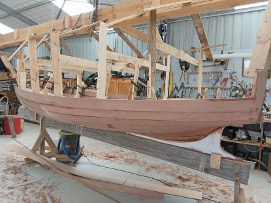
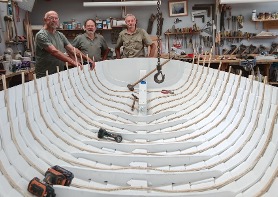
The question was where to build it? That was no problem….there was the round barn next to the cowshed. So it was cleaned out and the work began. The first job was to put the building frames in place, starting at the bow of the boat, and placed in order the full length of the boat. Once this was done, then the stringers went on, all screwed and glued into place. The four skins of the kauri went on, one by one, placed diagonally a different way each time. This was the most tedious job of the lot. For a whole twelve months, nothing was done after the first skin went on, until an older man took pity on him and came to give a hand now and then. After that was done, then the fibre-glassing was done….the first coat of  resin was put on over fibre-glass cloth, sanded down, and then another coat of resin before the final coat of white fibre-glass paint.

In May of 1973, the hull was ready to be turned over. The keel was in place with the hole for the rudder bar already done. The day for turning it over came, and was a matter of great curiosity for the neighbours. It proved to be a very long job even with some of their help. An endless chain was used for this, and it went up inch by inch, finally making it after eight or nine long hours.

The dairy cows were sold that year, with beef cattle replacing them. So Keith was able to work full time on the boat after that. The motor went in (Ford 110 hp) and the work continued uninterrupted until it was completed by September 1974. 

Then getting her out of the shed was the big question on everyone’s mind! How could it possibly be done? The gap between the barn and the cowshed wasn’t as long as the boat, so what was Keith going to do about it? But it was done slowly with the tractor, and  the help of grease on large pieces of plywood, and the trailer being jacked around bit by bit on that.

She waited on the trailer until early the next morning, when she was towed down the road to the ramp at Totara North before the traffic began. Then it was just a matter of waiting for the tide to come in to launch her. By this time there were quite a few onlookers, all asking the same question….will she float straight?

The tractor backed into the water, and she slid into the tide with a waiting fishing boat ready to take her to her mooring. She floated perfectly, right on the water line, as she was meant to.

 At Christmas time that year, when the man from Auckland came up, we gave him and his family a trip down the Whangaroa Harbour. He looked it all over from a tradesman’s point of view, and said, ‘Well, if anyone had told me that a farmer with no boat building experience, and no tools apart from a band-saw and hammer could produce something like this, I would never have believed them’

We felt that this was high praise indeed.”

WORLDWIDE CLASSIC BOAT SHOW- FREE ACCESS TICKET

WORLDWIDE CLASSIC BOAT SHOW- FREE ACCESS TICKET FOR WW READERS

As you read this I’ll be winging my way to Hobart for the 2025 Australian Wooden Boat Festival. There will be daily posts of the best thats on display so check in each day.

Readers of WW will be familiar with my addiction to the USA based v-blog OFF CENTER HARBOR, one of the super cool gigs these guys pull together is the annual WORLDWIDE CLASS BOAT SHOW, which waitematawoodys is co-sponsoring this year. The online show kicks off on February 14th – and as a WW reader you get a Free Ticket to the Worldwide Classic Boat Show

See over 1,200 of the world’s best wooden boats at the show. The show is 100% online/virtual, February 14 to March 2nd, so you’ll get free access to everything from your favorite lounge chair at home.
You can CLICK HERE TO GET YOUR FREE TICKET/PASS.

WHAT’S AT THE SHOW? 

  • World Map – Everything related to classic boats on one interactive world map
  • Boats – Beautiful photos and details of 1,200+ of the world’s best classic boats
  • Organizations – Explore festivals, boatbuilders, clubs, museums, schools, etc.
  • Live Presentations – Inspiring presentations featuring experts on a variety of topics
  • People – Connect with other attendees anywhere in the world (right on the map)

Your free ticket will get you into all of these presentations:

  • Arctic Solo Sailor Veronica Skotnes
  • Yacht Restoration w/ Dave Snediker
  • Indigenous and African Maritime Legacies w/ Akeia de Barros Gomes
  • Why Are These the Best Boat Festivals? w/ Port Townsend, France, and Australia
  • Two-Tim Race to Alaska Winner Jeanne Goussev
  • Marine Systems w/ Kevin Ritz from NWSWB
  • Small Boat Design w/ John Welsford, Clint Chase, and Ross Lillistone

+ SUBMIT YOUR OWN BOAT:
They’re still accepting boat submissions too, so you can CLICK HERE to submit your own boat to be in the show.
Enjoy the show

HOW TO MAKE ONE OF THE BEST LOOKING CLASSIC WOODEN LAUNCHES LOOK BETTER

HOW TO MAKE ONE OF THE BEST LOOKING CLASSIC WOODEN LAUNCHES LOOK BETTER

In a Dec 21st story we did a fly-by of the last minute, year end work happening at the Slipway Milford. I mentioned that the 36’1921 Arch Logan built launch – NGAIO was hauled out to have a set of davits fitted to accomodate the recently refurbished clinker (f/glass) tender. Fast forward to this week and the Slipway team, which included owner Jan Barraclough, are putting the final touched to the new set-up and the sinks got a ’sea-trial’ in the creek.

Well done to everyone – a stunning executed project.

CLASSIC WOODEN LAUNCH-  LADY CAROLE – A Peek At Stage II

CLASSIC WOODEN LAUNCH-  LADY CAROLE – A Peek At Stage II
Over the last few months we have been following the restoration the classic launch – LADY CAROLE and as seen in Wednesdays WW story LC is now back in the water.Whilst the exterior work has almost been completed and we will not be getting any updates for a while, we asked o-owner Patrick Crawshaw to share with us what’s inshore for Phase II (interior). Patrick commented that she originally had a beautiful kauri trimmed interior and the original configuration will be restored along with the fine timber work she once had.  A few modern additions will bring her into the 21st century, but these will be hidden, or discreetly placed.
The thinking / plans are shown in the drawings below  
Forward Cabin with four berth bunks. Toilet through the mirror in the bow. 

FORWARD CABIN – with 4 berths/bunks – toilet thru the mirror/door > bow

BOW TOILET

COCKPIT

MAIN CABIN – STARBOARD

CLASSIC WOODEN FROSTBITE GETS SOME SERIOUS TLC

CHARISMA

CLASSIC WOODEN FROSTBITE GETS SOME SERIOUS TLC

The two photos above are of Colin Pawson’s Frostbite sailing dinghy – CHARISMA which Colin is currently giving a birthday. Interesting observation – the new ribs aren’t steam bent, but laminated with the aim to be much stronger and lighter. As we have come to expect from Mr Pawson over the years attention to detail is 10/10.

Owning a Frostbite is a Pawson family thing – son Adrian owns – KITEROA, (photos below) and both sail out of the Taikata Sailing Club in West Auckland which on a good day has 15+ Frostbites racing.

KITEROA

CYA YACHTS PLAYING CRASH & BASH AGAIN

The woody spies report that the classic yacht skippers haven’t learnt from the past – first race of the season yesterday and we have a collision in the inner harbour – details are unconfirmed but it appears WAITANGI and KATRINA ‘came together’ and Katrina lost her mast – I’m not getting into specifics but if I was a betting man I know which skipper I’d be pointing the finger at 😉 Hopefully no injuries and insurance sorts out the damage.

UPDATE – Both boats reaching down the harbour. Some how they came together so it will be a ‘windward boat keep clear’ or ‘overtaking boat keep clear’.You have to ask how two classics came together on a very nice afternoon, easy sailing on the harbour.Too much testosterone ……………