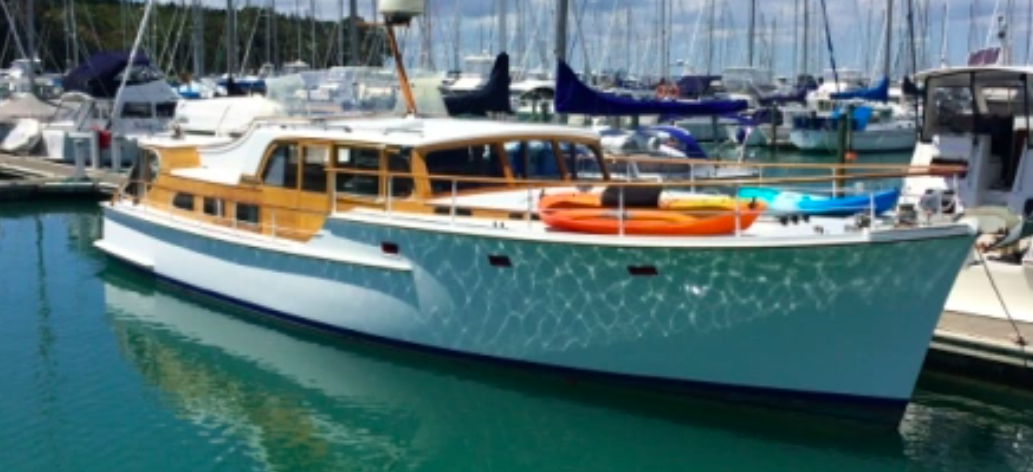
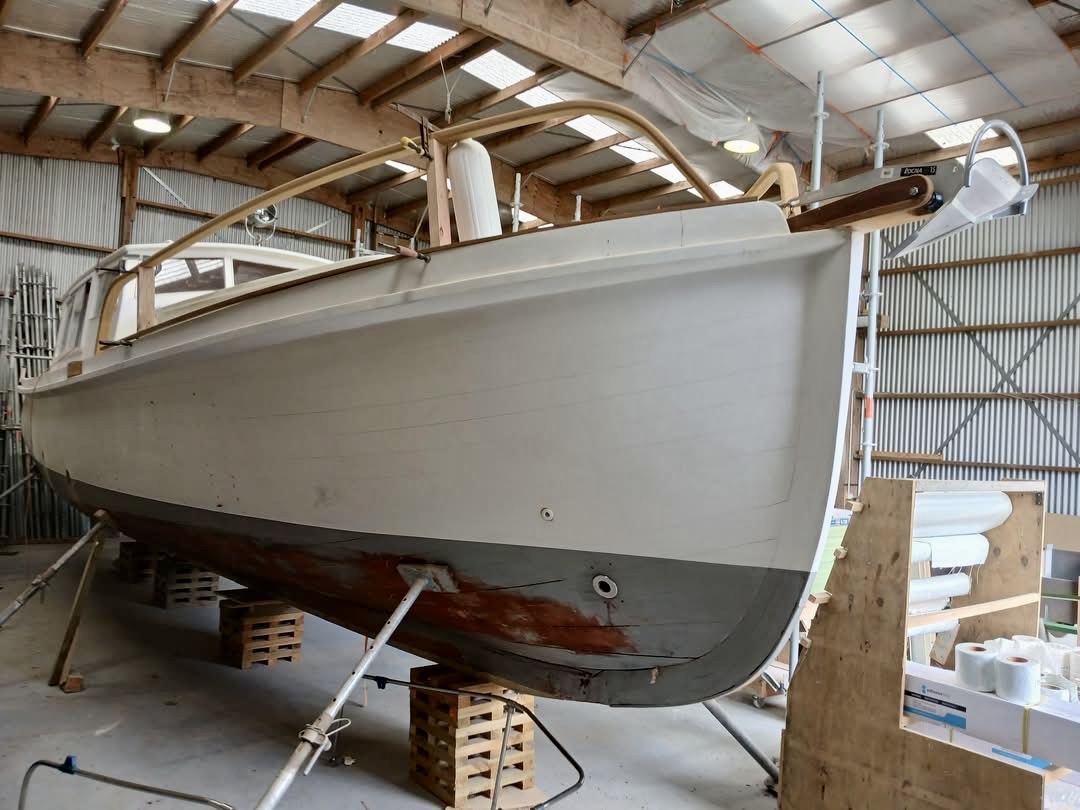
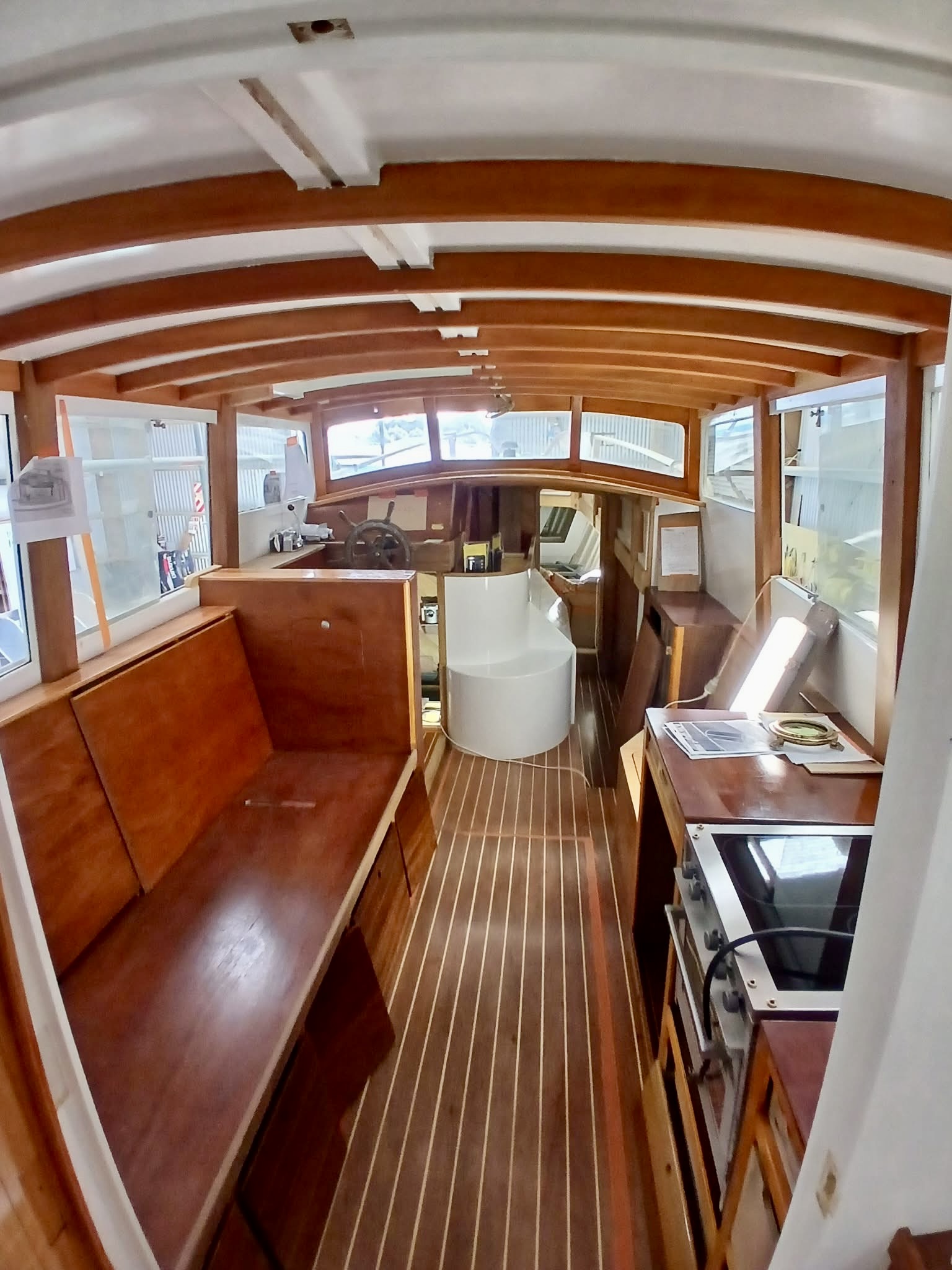
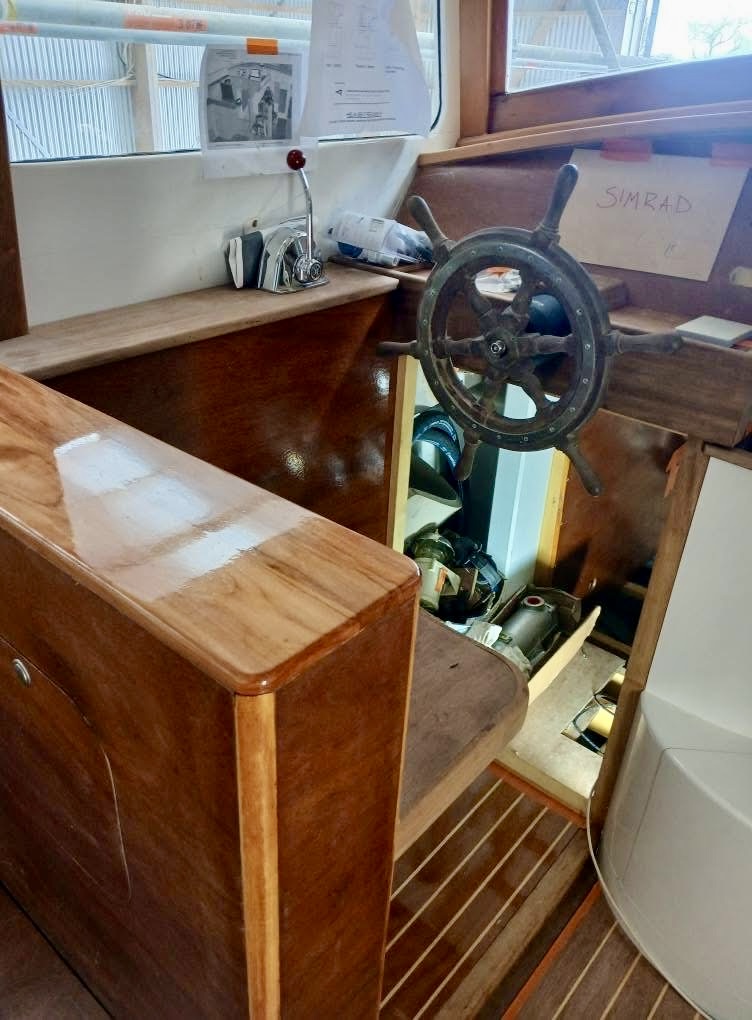
CLASSIC BOATERS GATHER FOR A SUNNY DAY OF SWAPS AND STORIES

CLASSIC BOATERS GATHER FOR A SUNNY DAY OF SWAPS AND STORIES

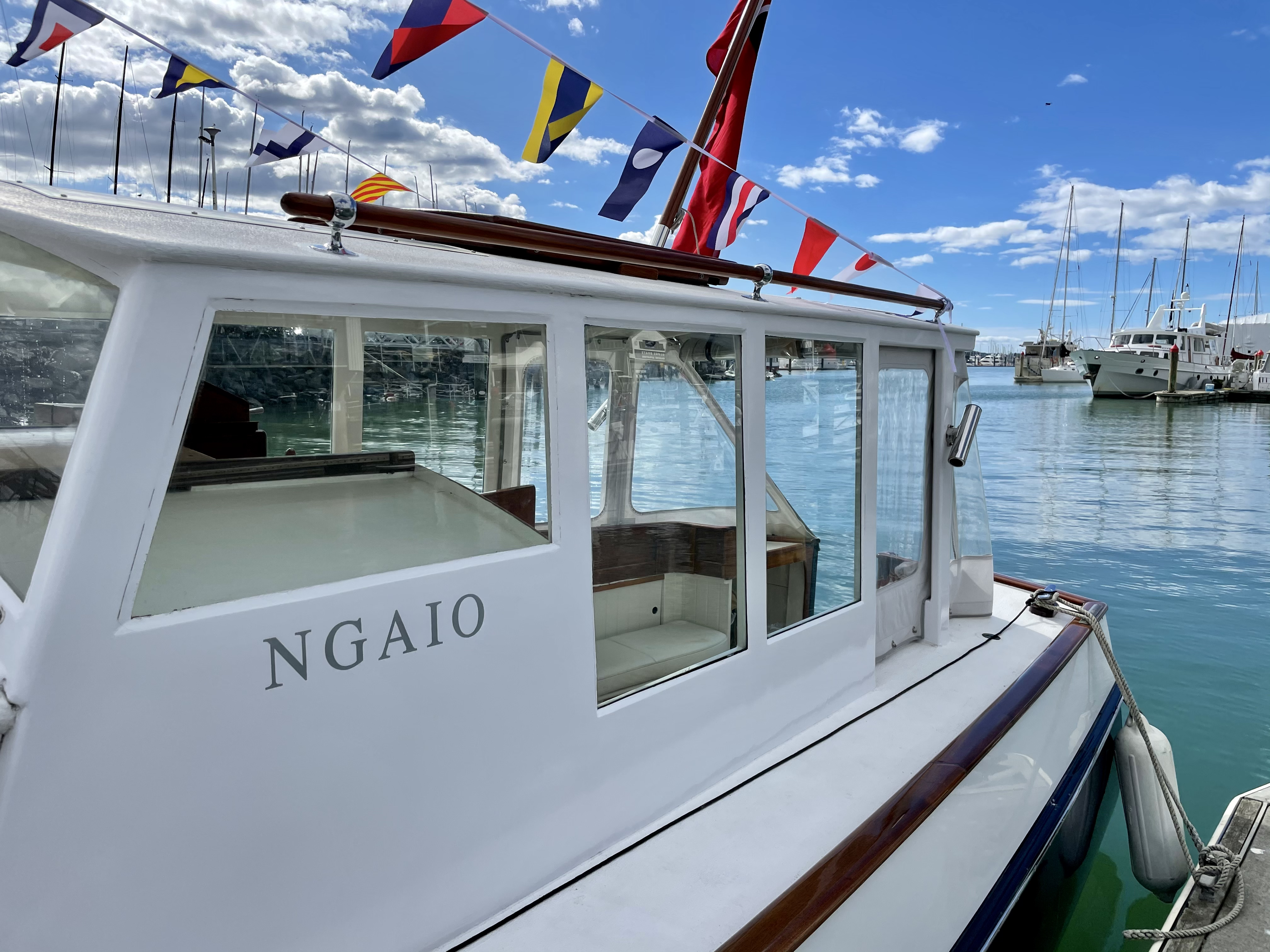
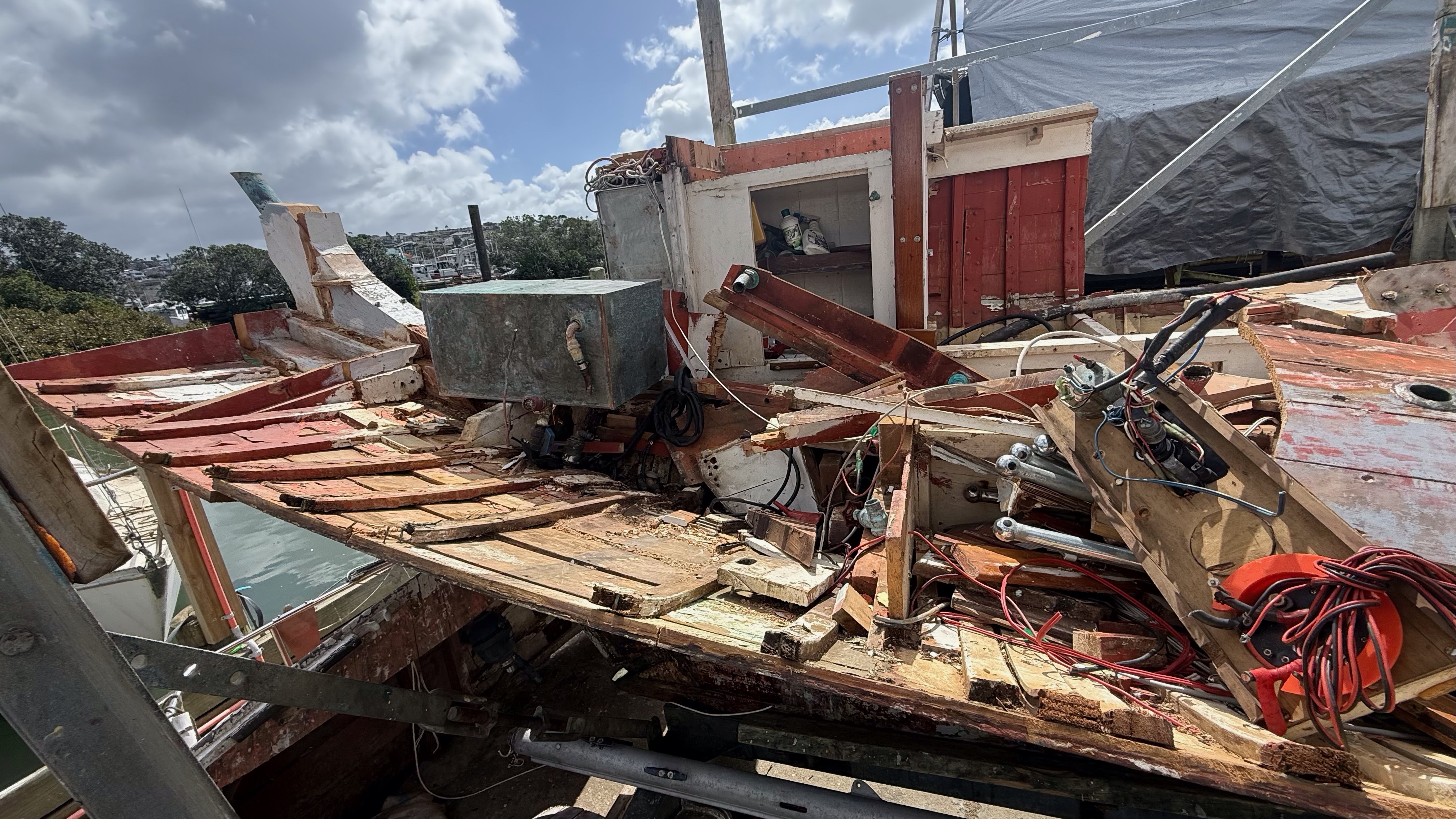
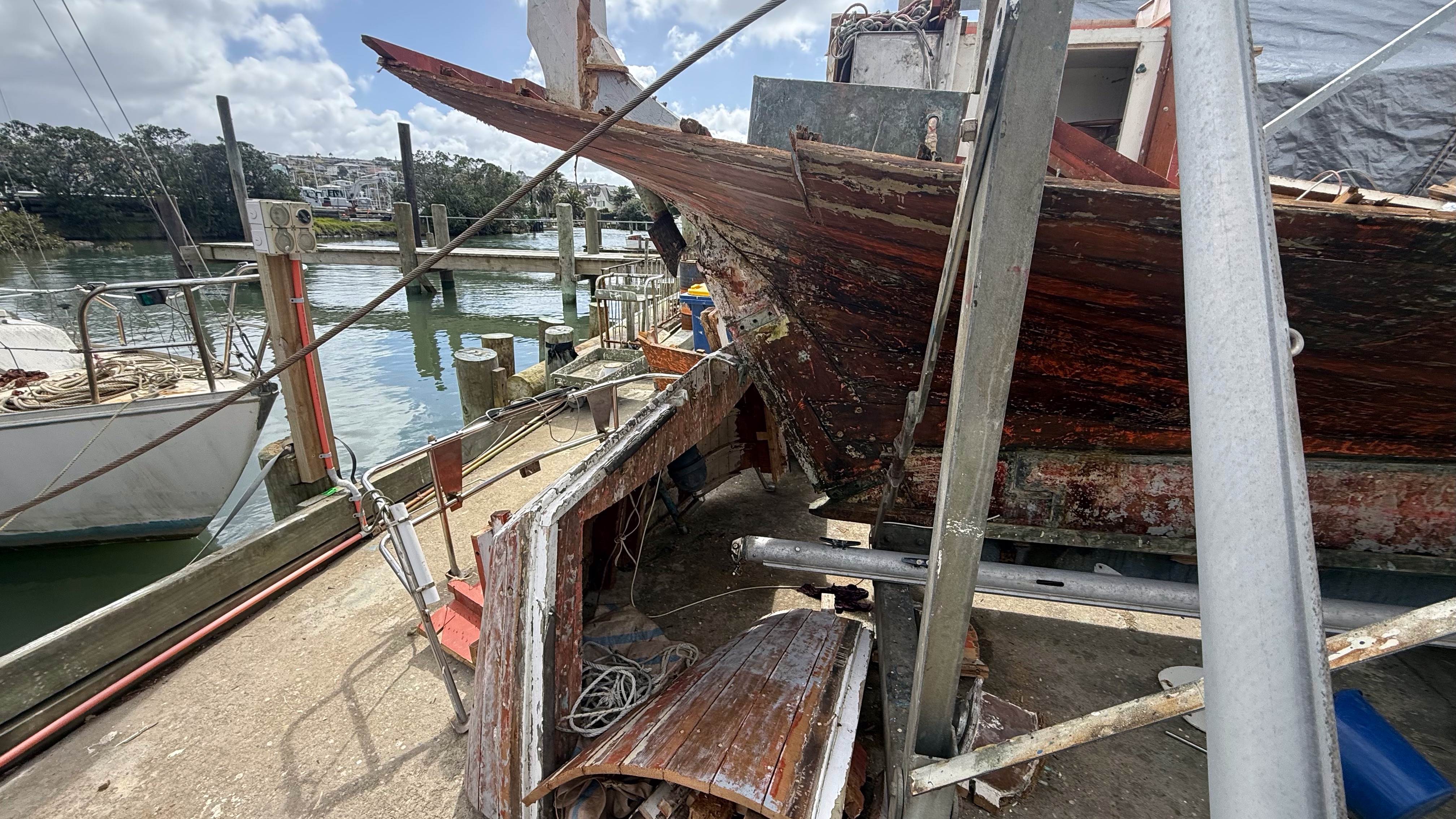
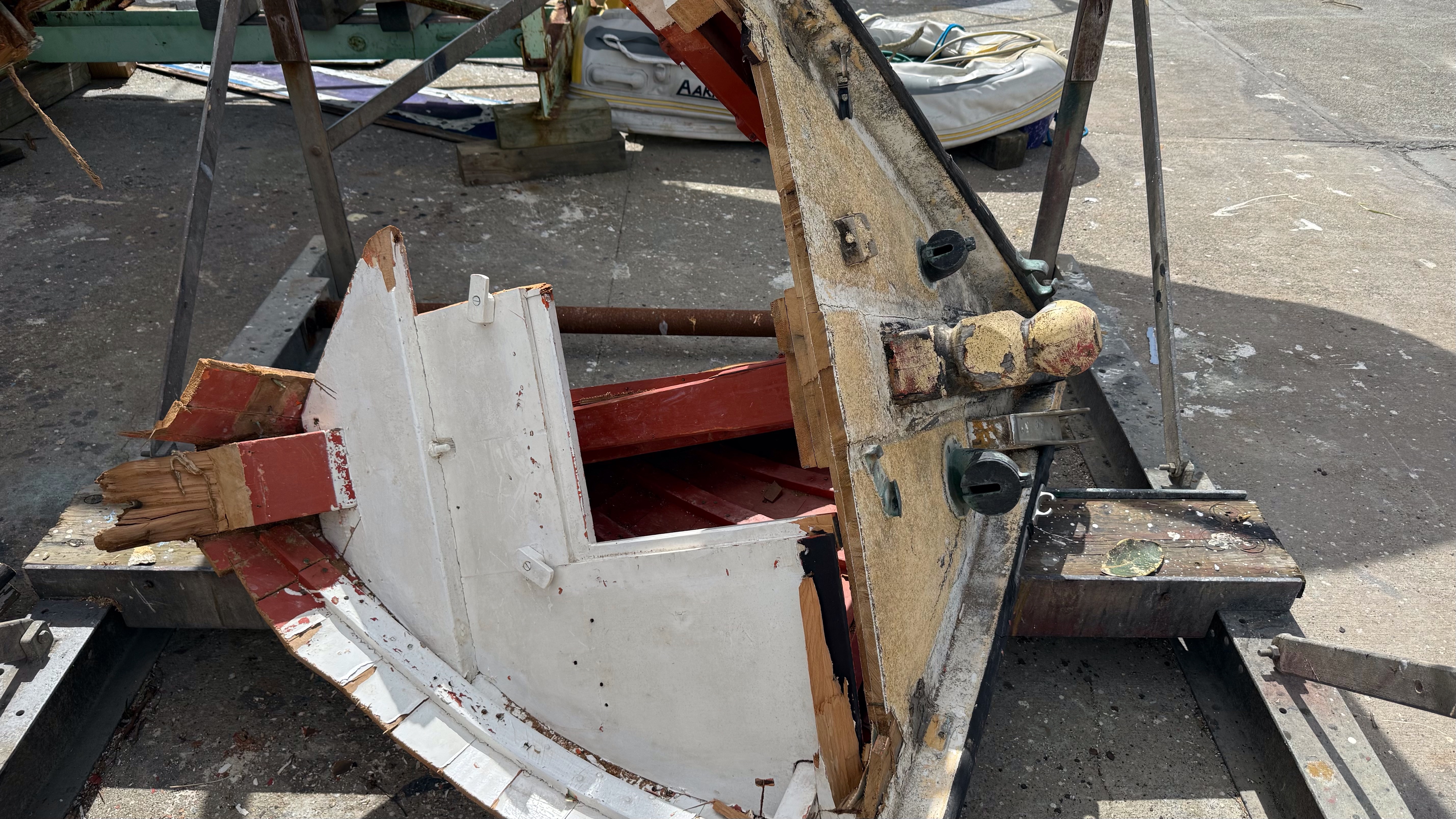
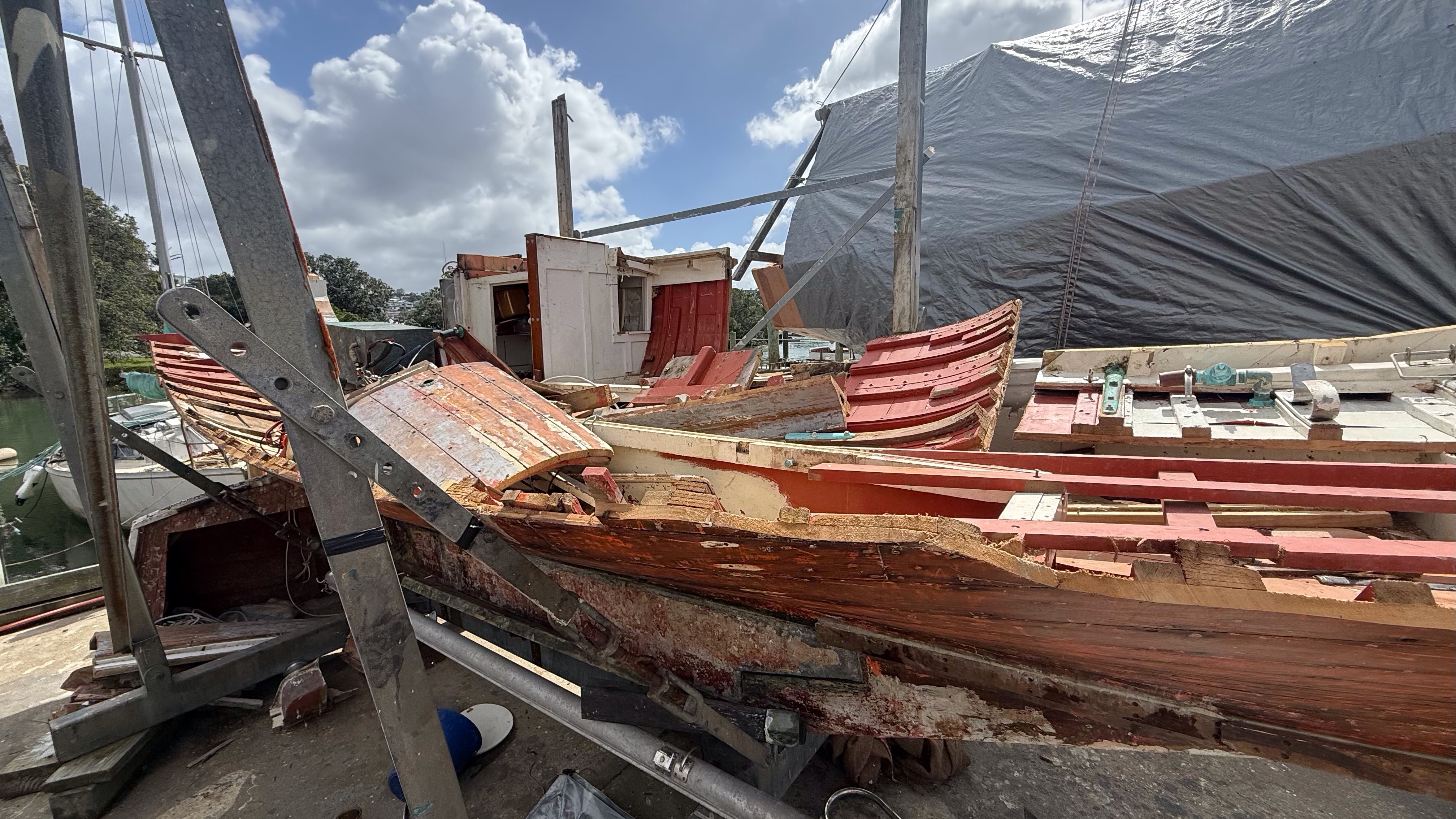
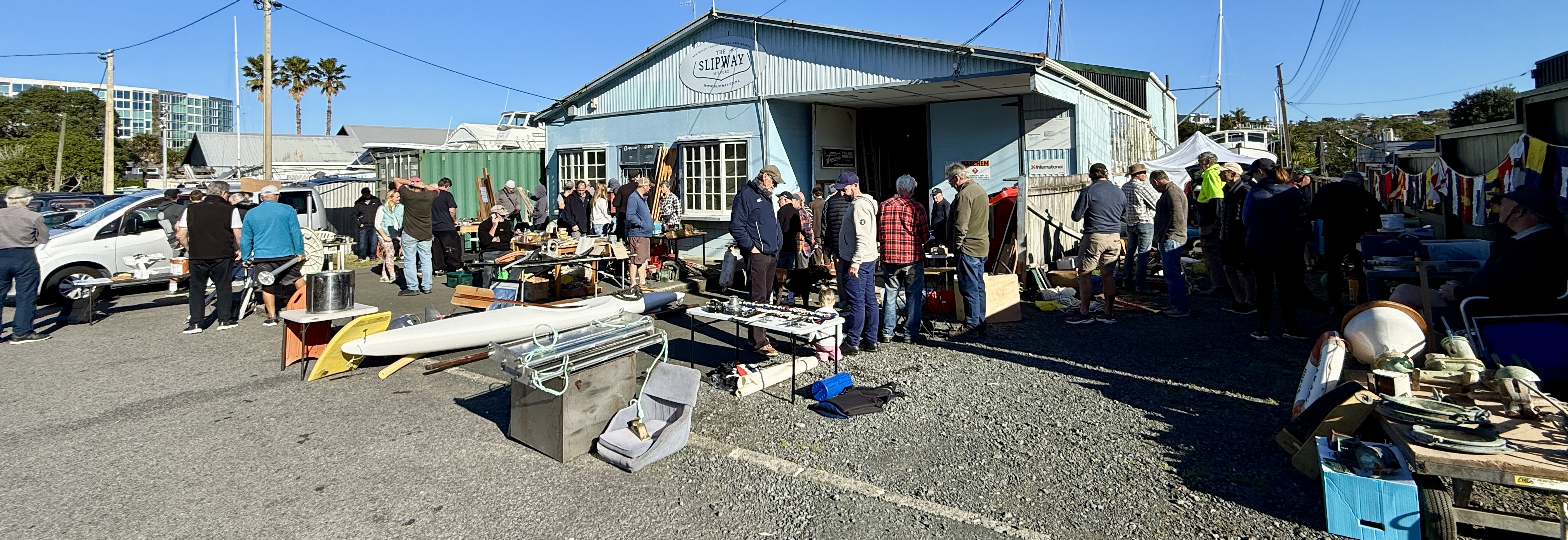
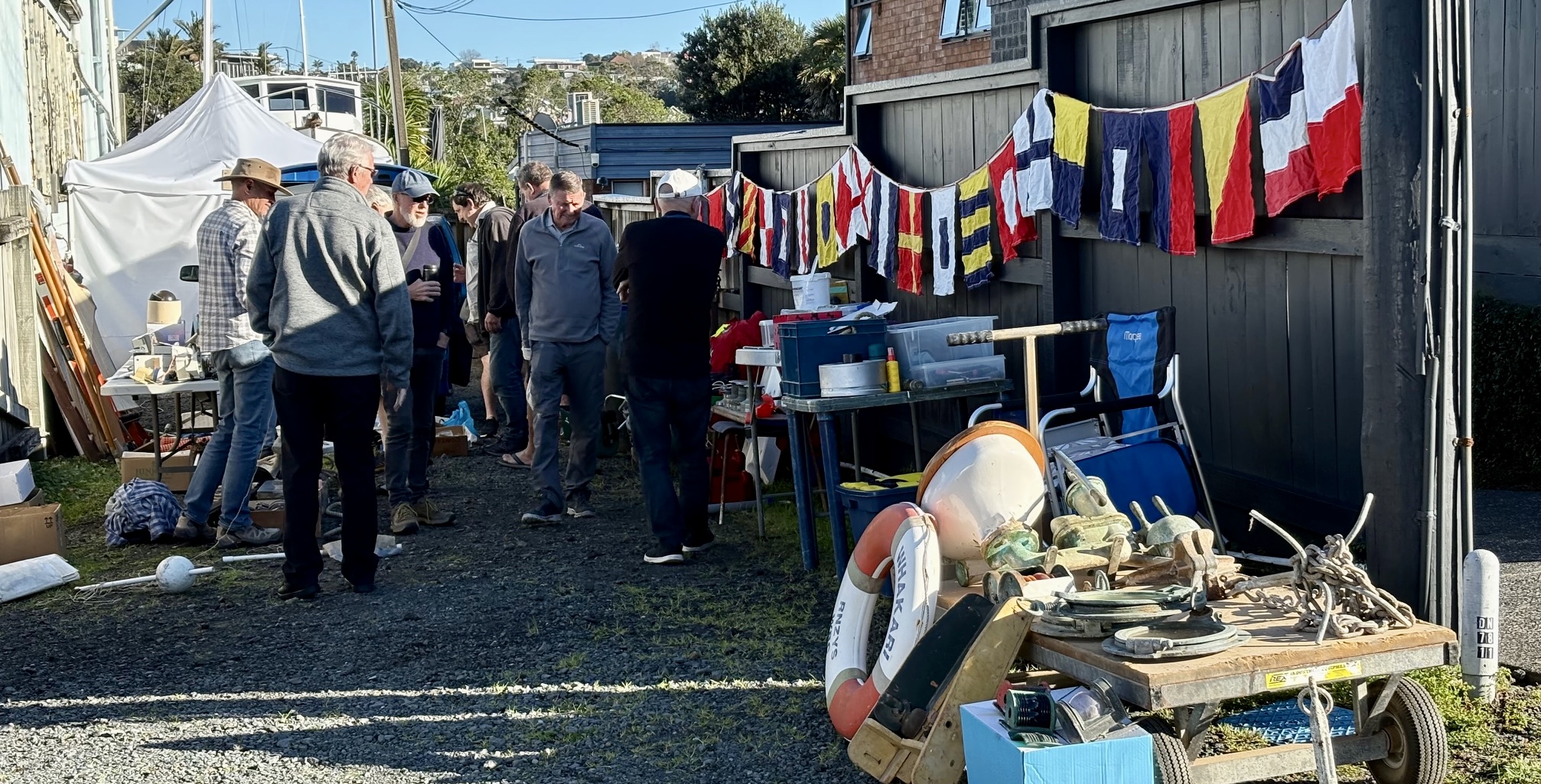
Saturday delivered a cracker of a day in Auckland – crisp early on, but soon warming into blue skies and sunshine. Ideal conditions for a classic wooden boat gathering, even if this time we stayed firmly on dry land.

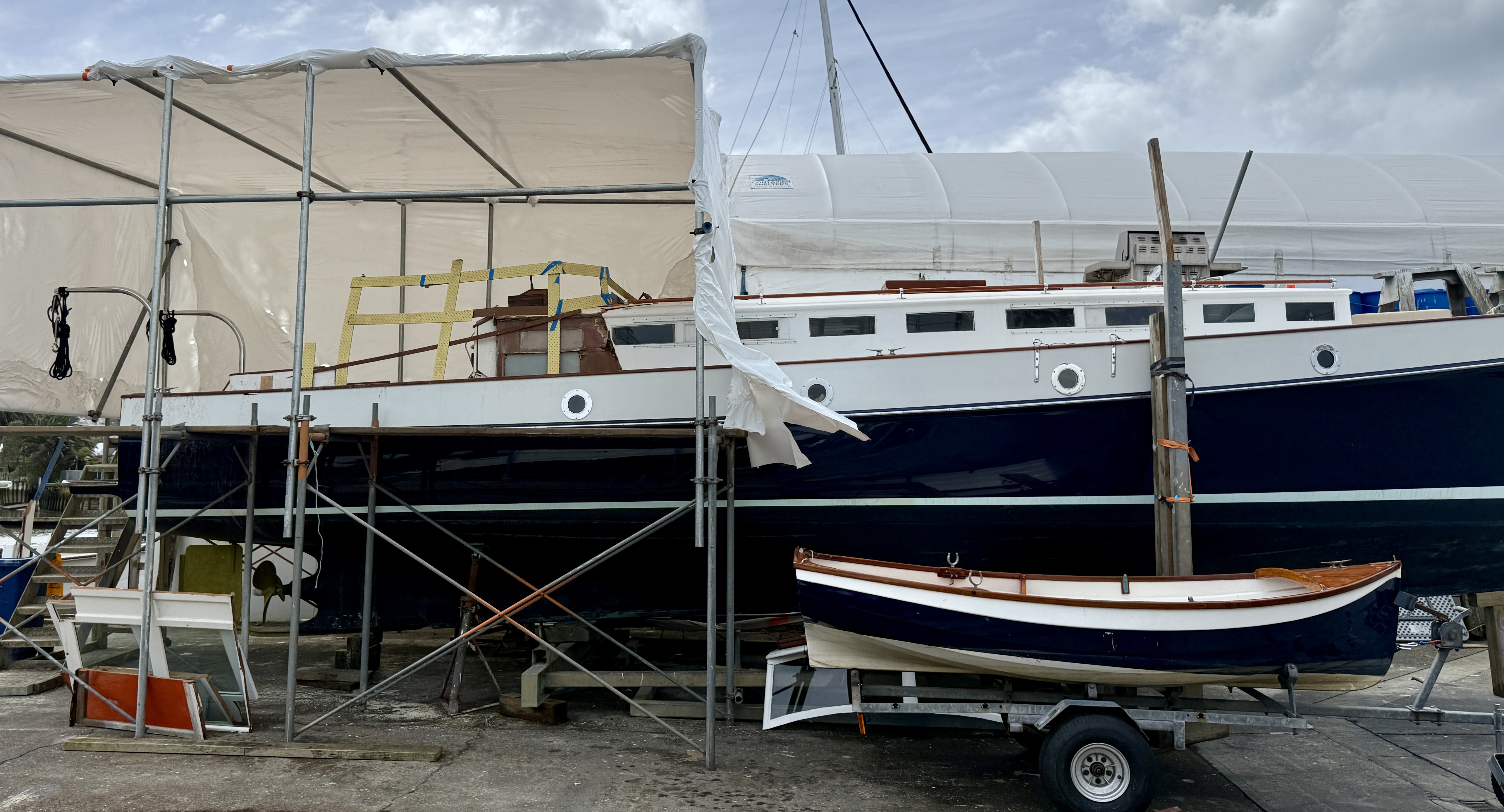
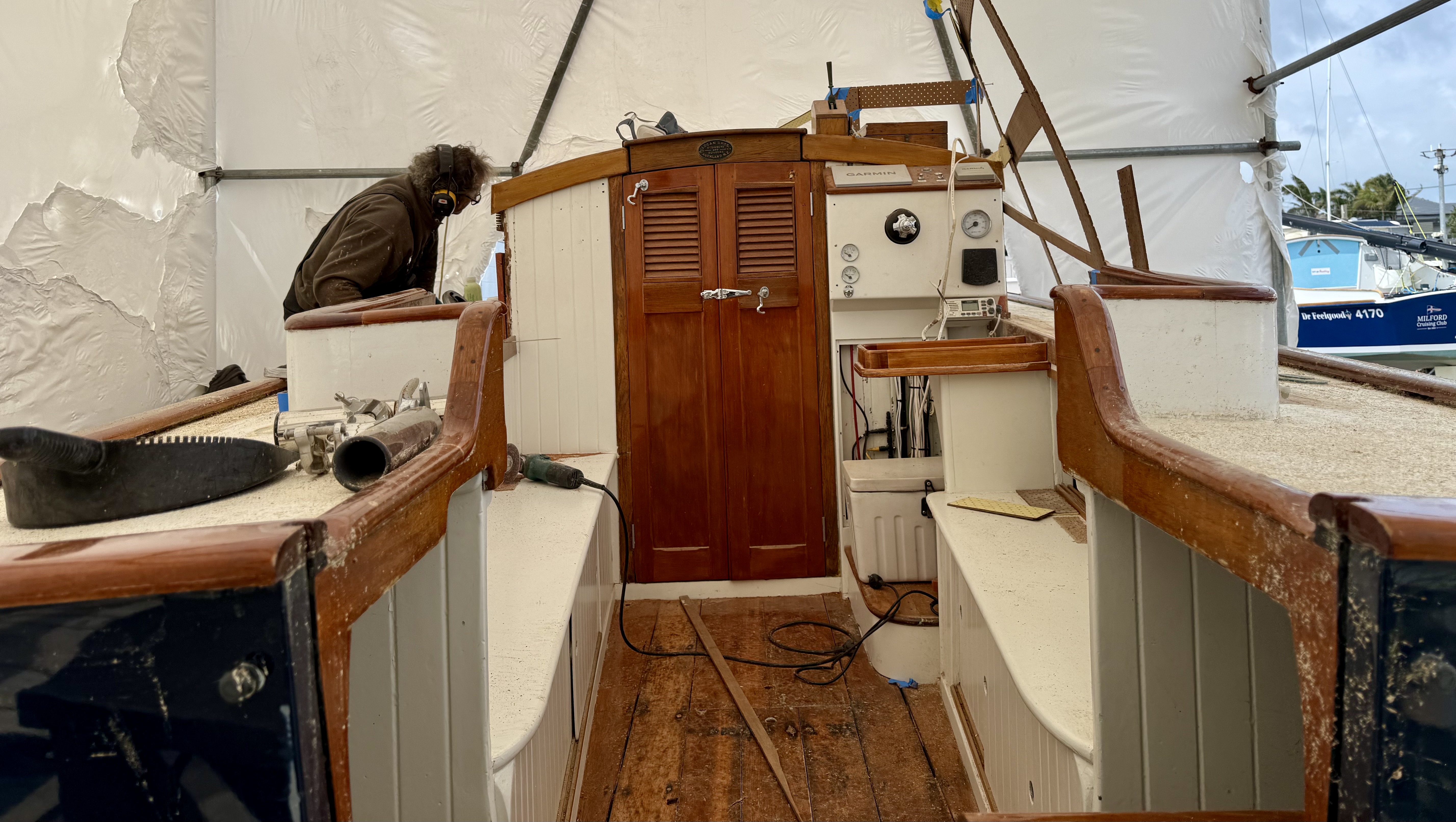
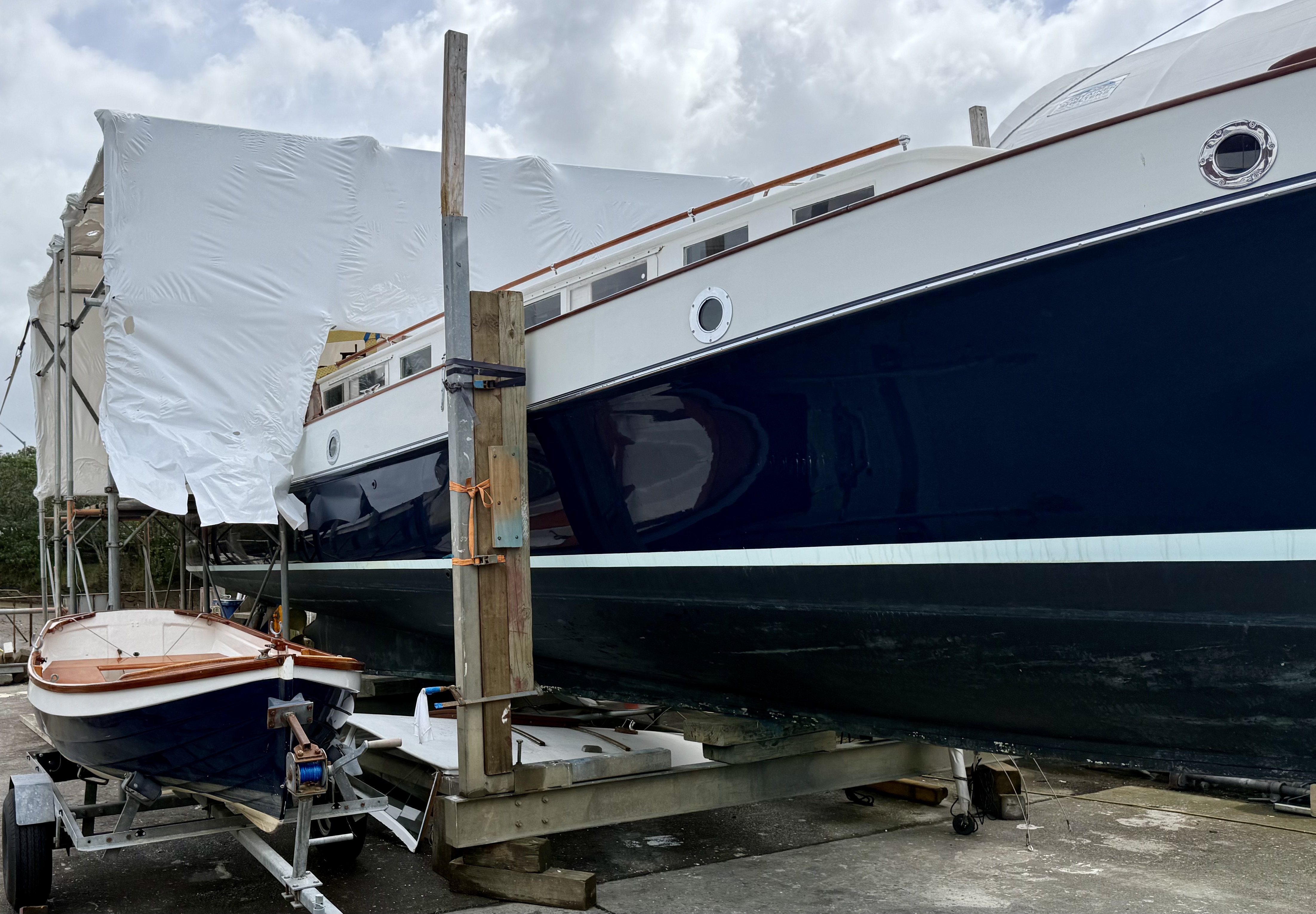
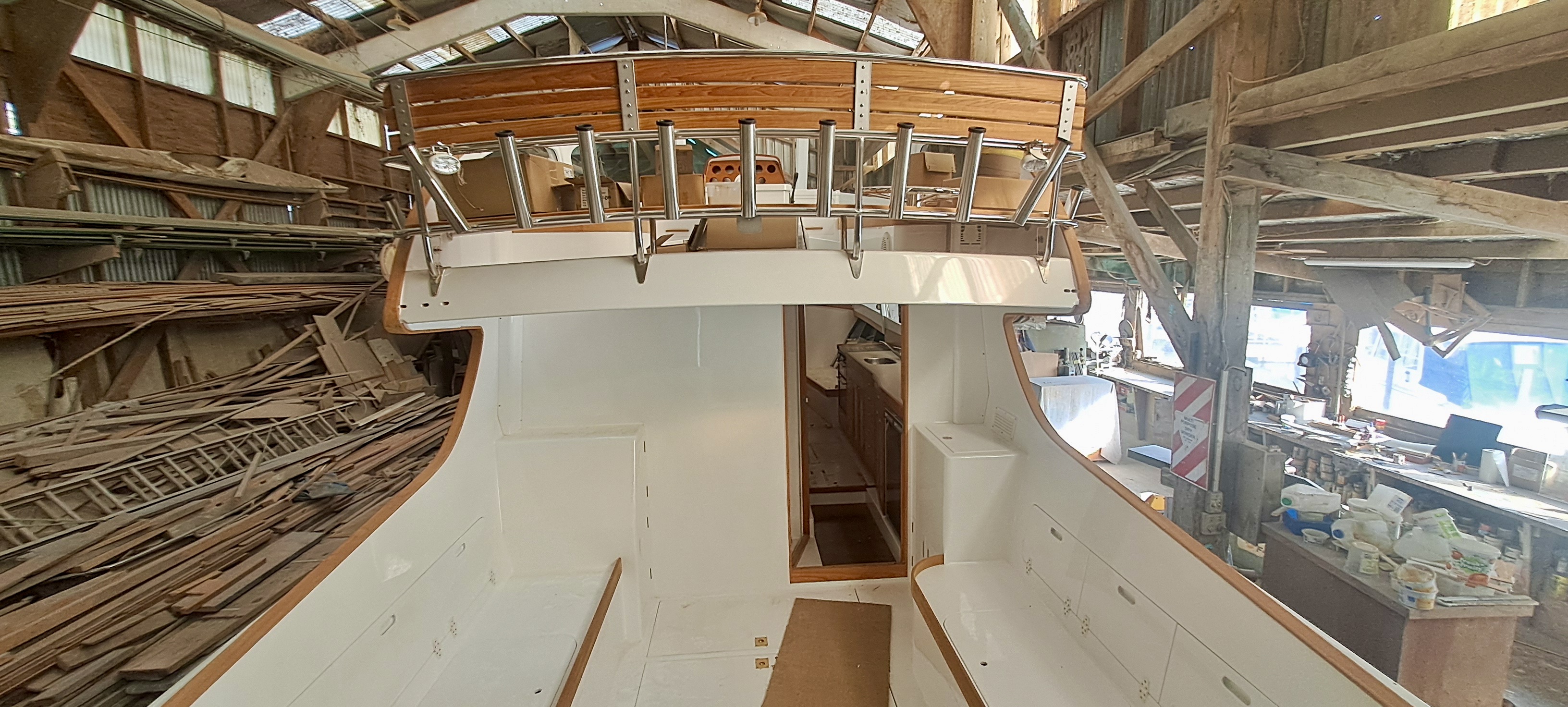
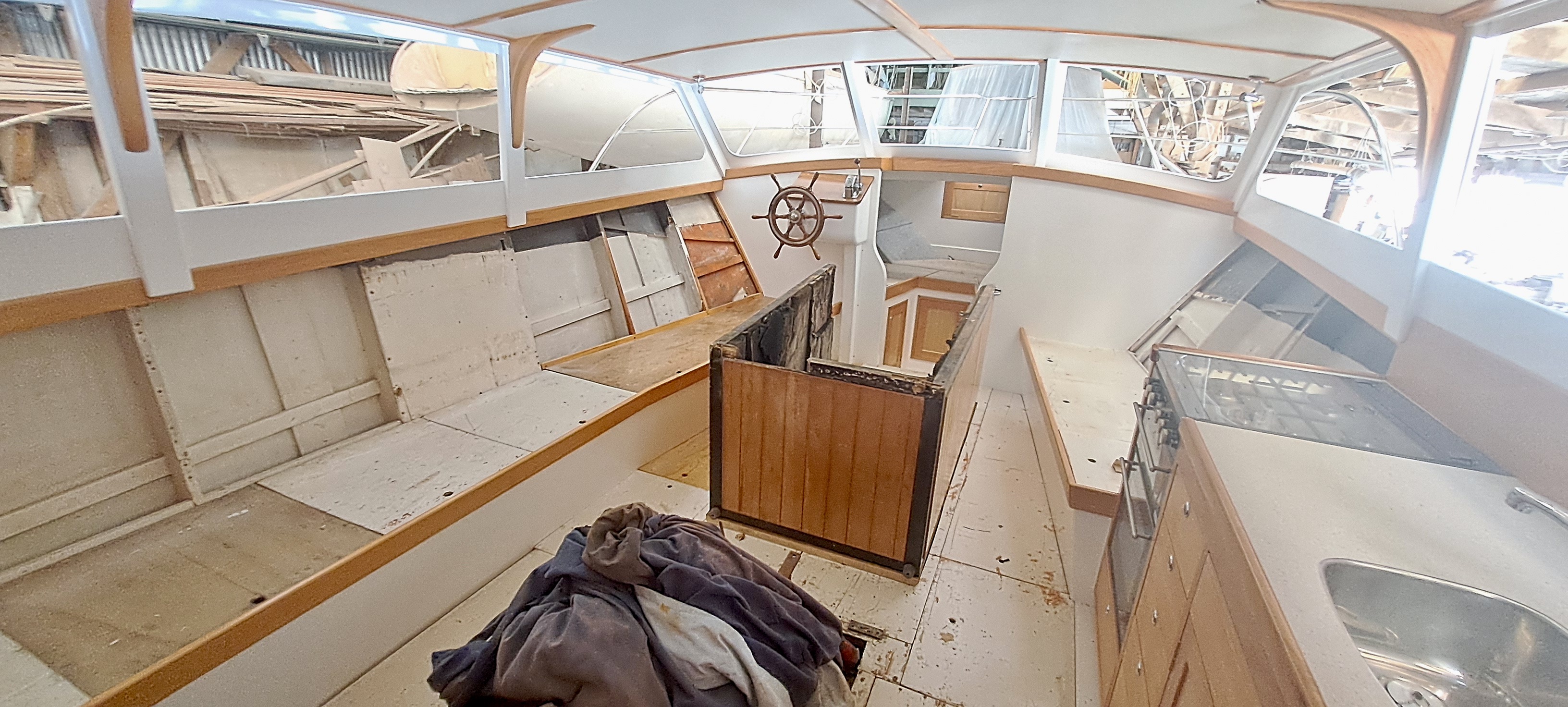
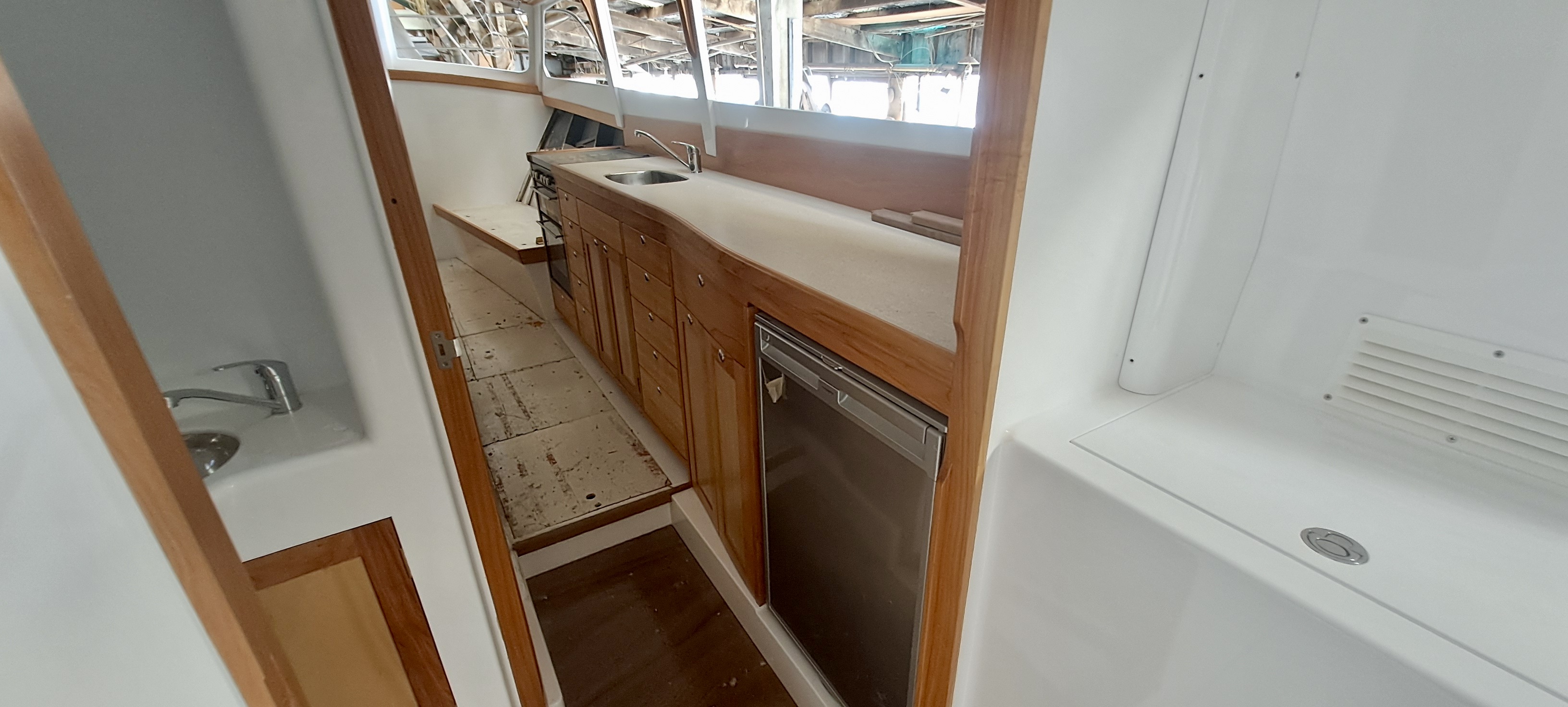
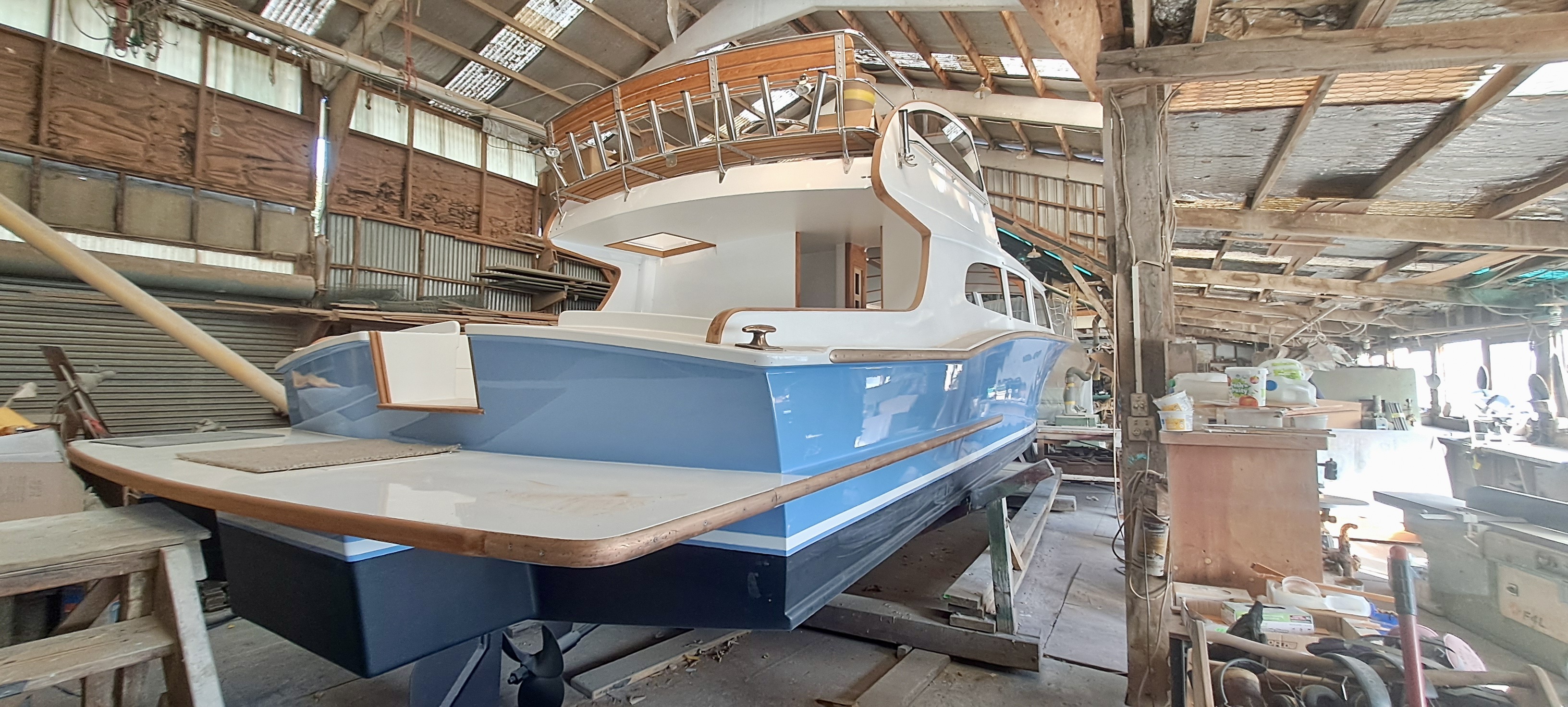
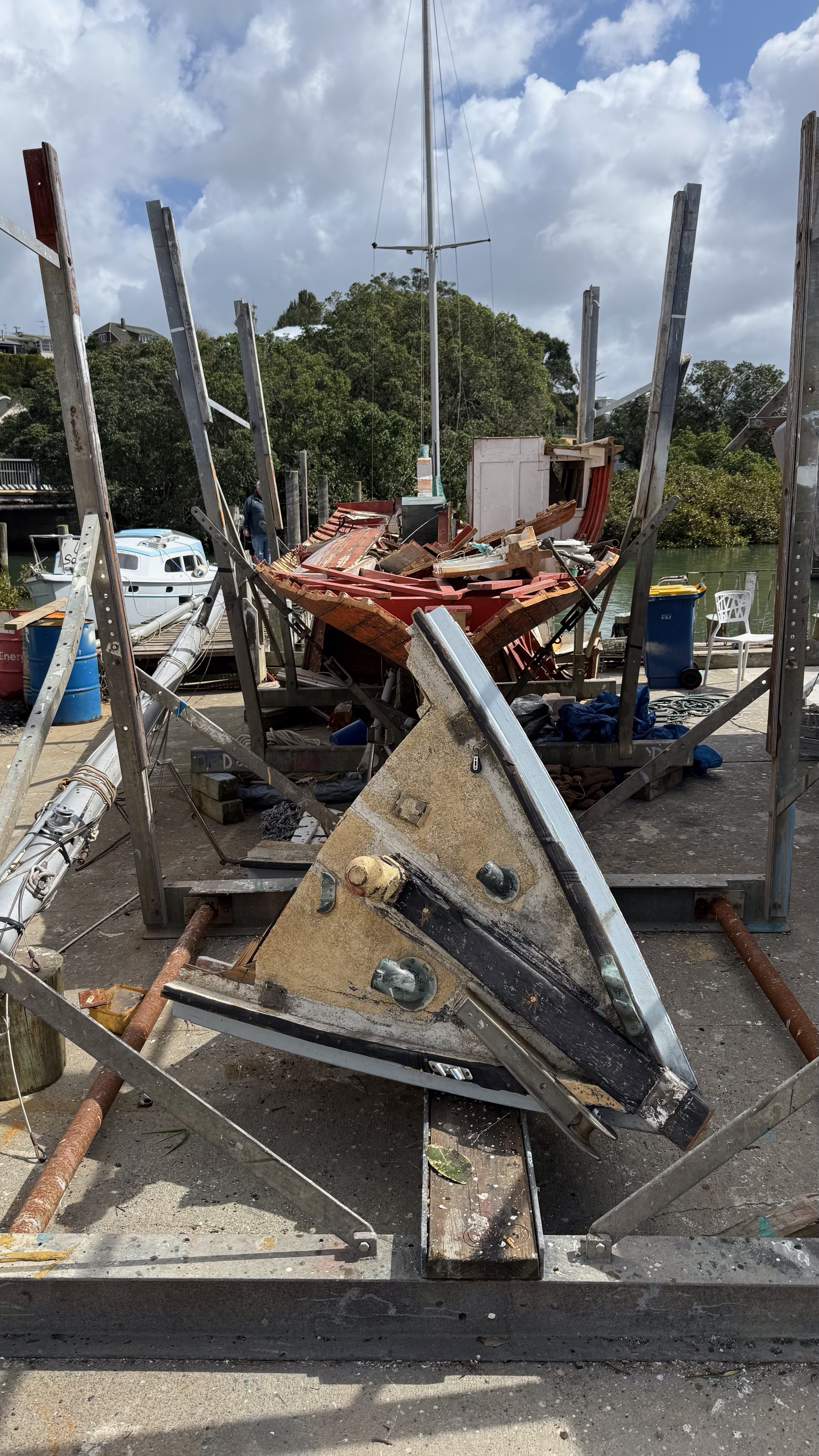
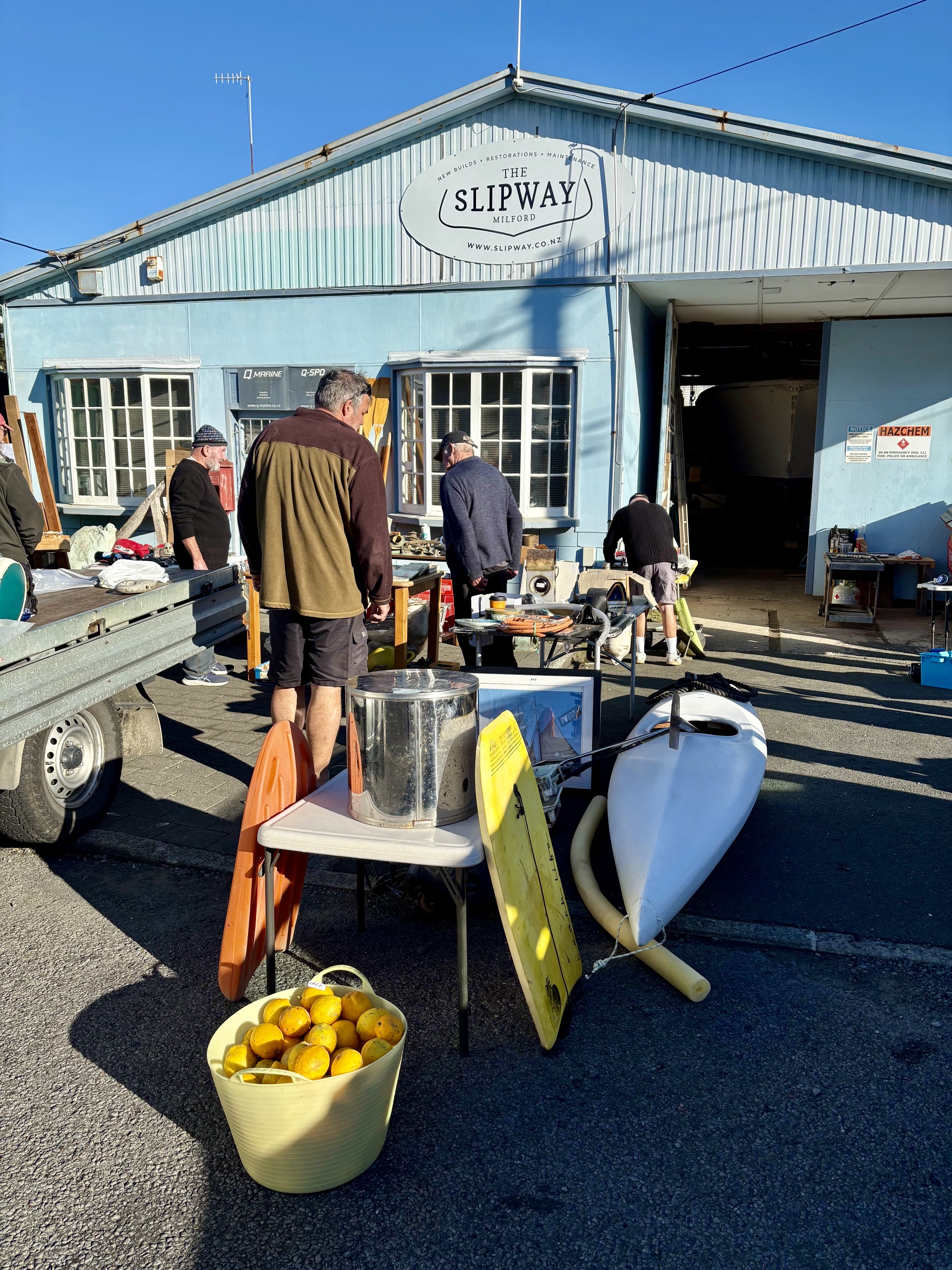
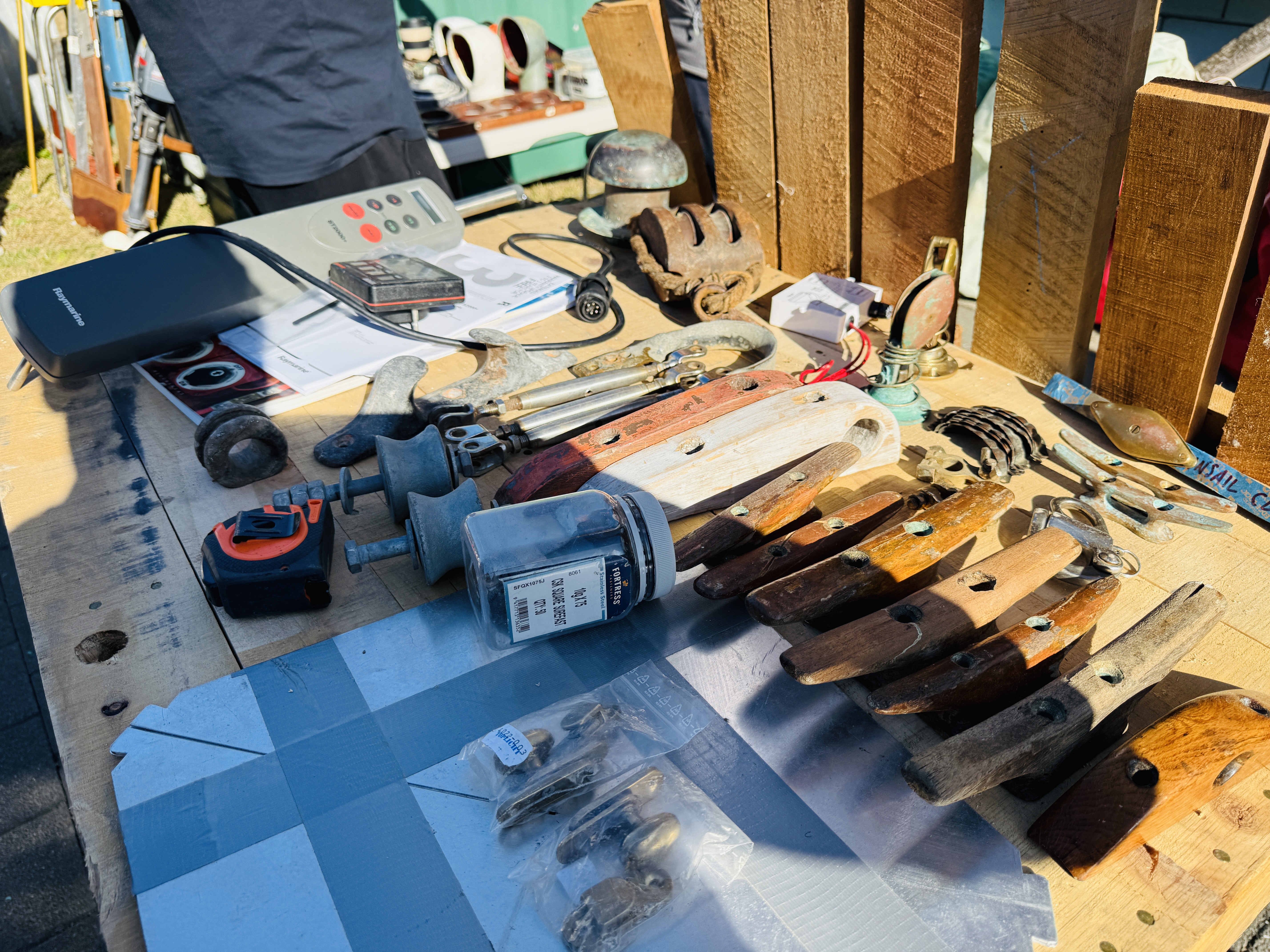
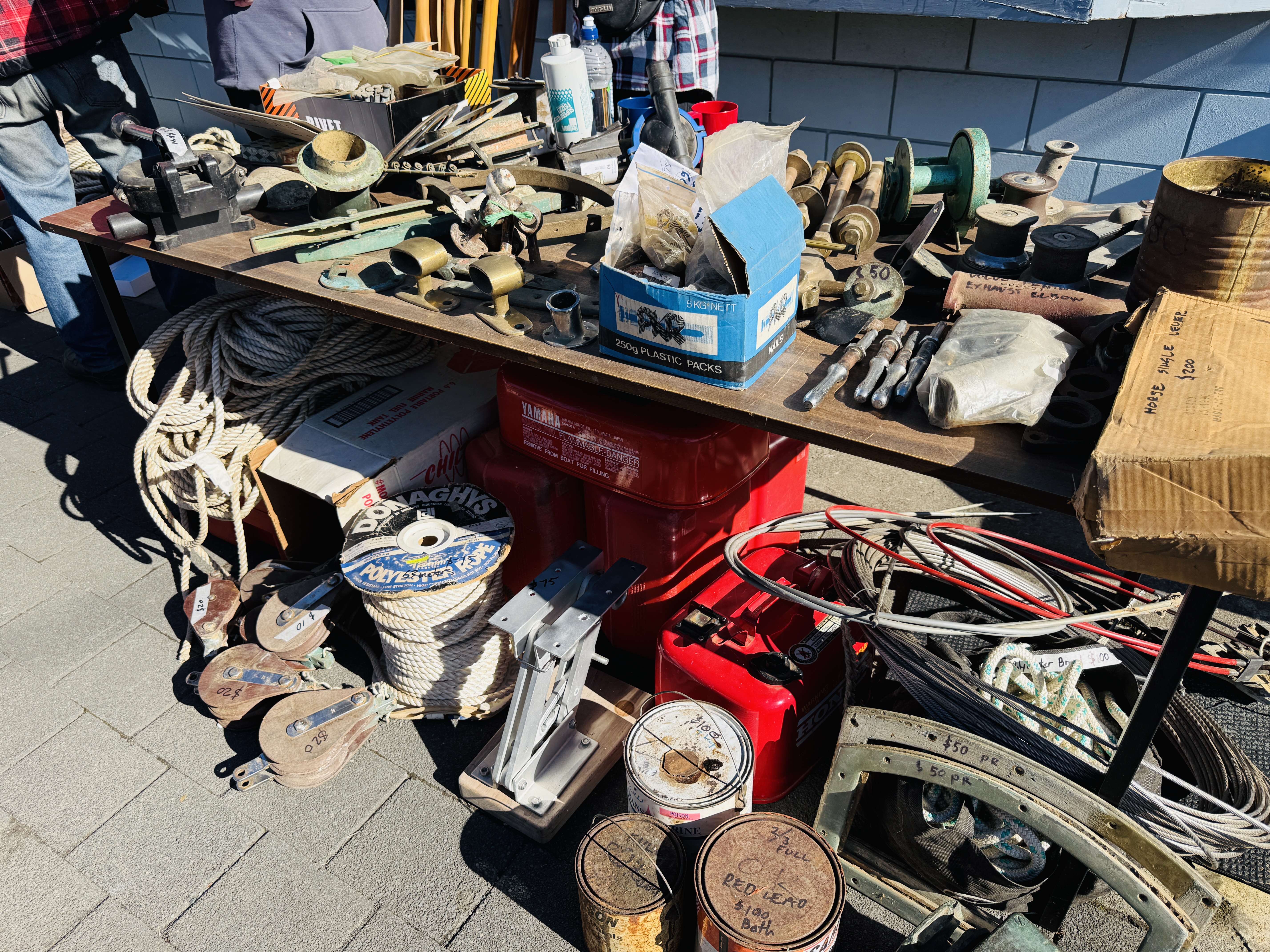
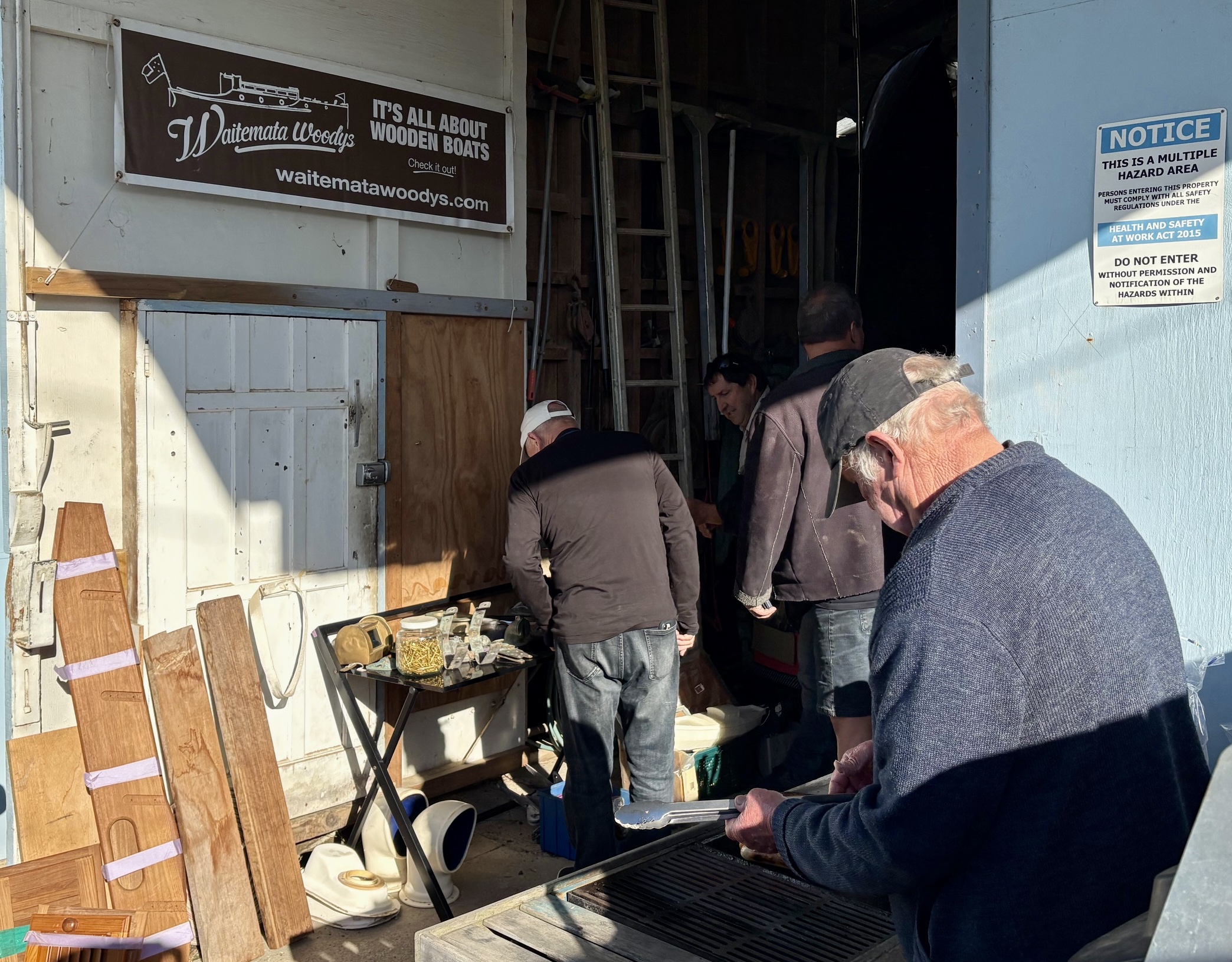
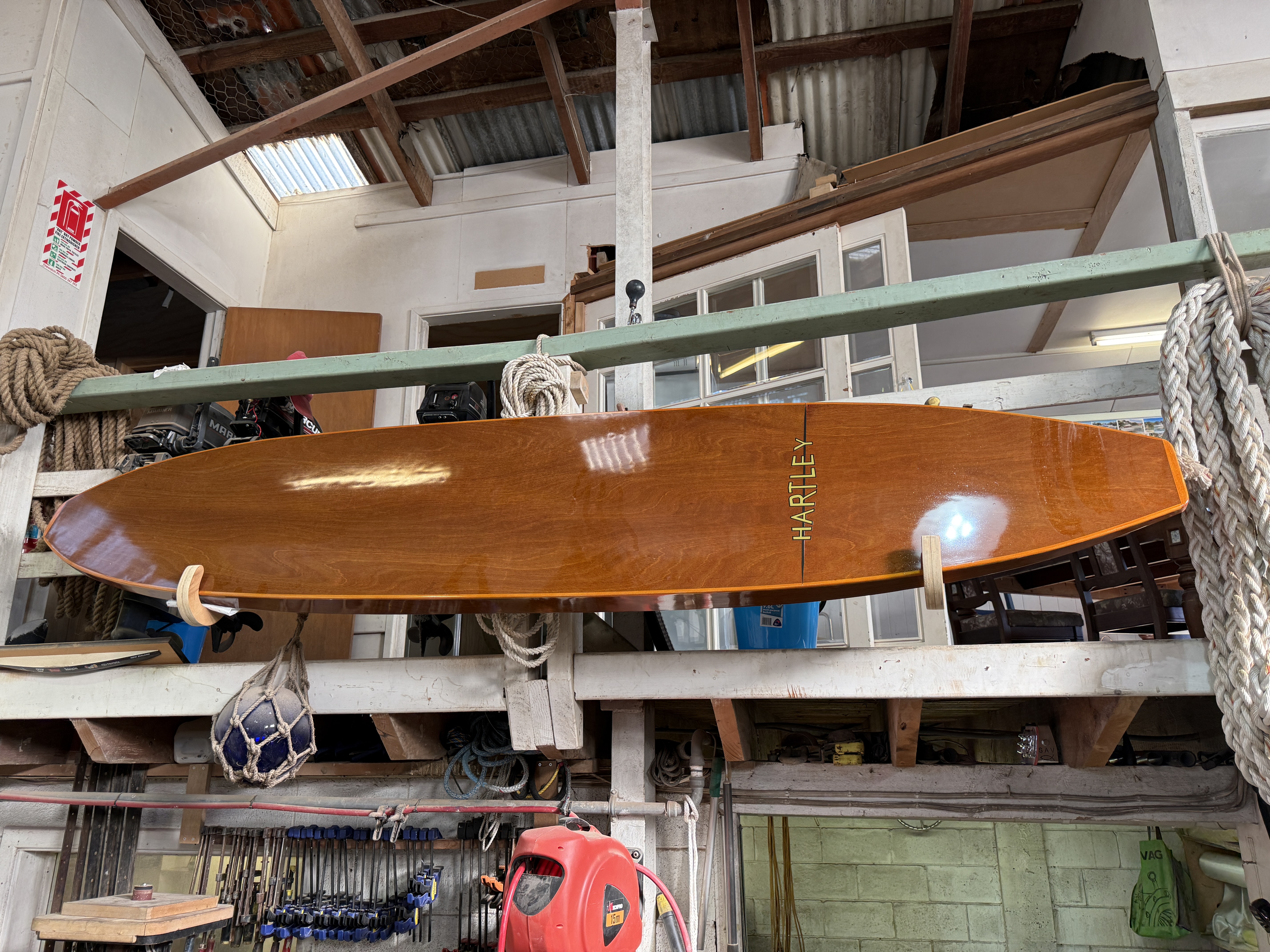
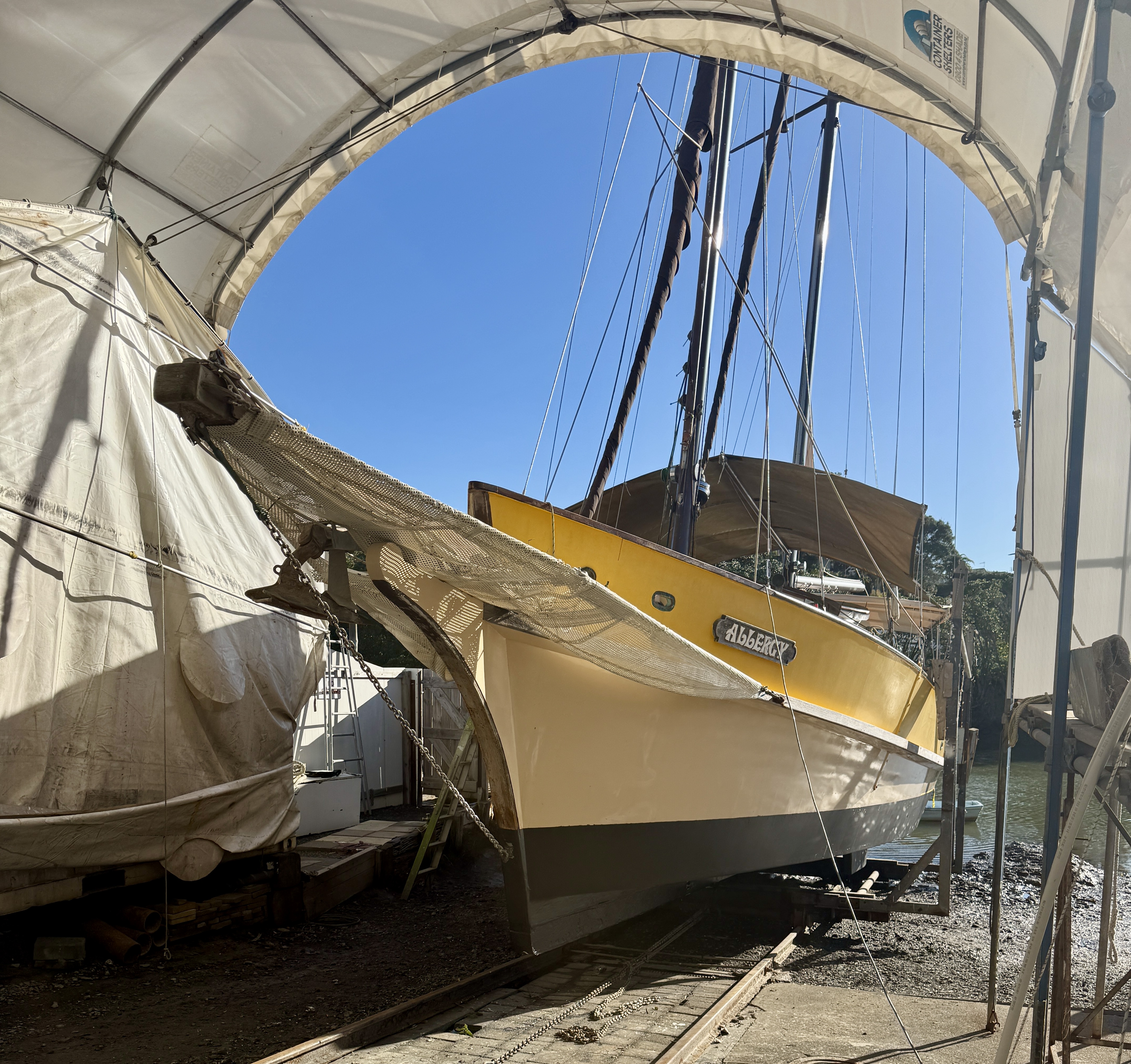
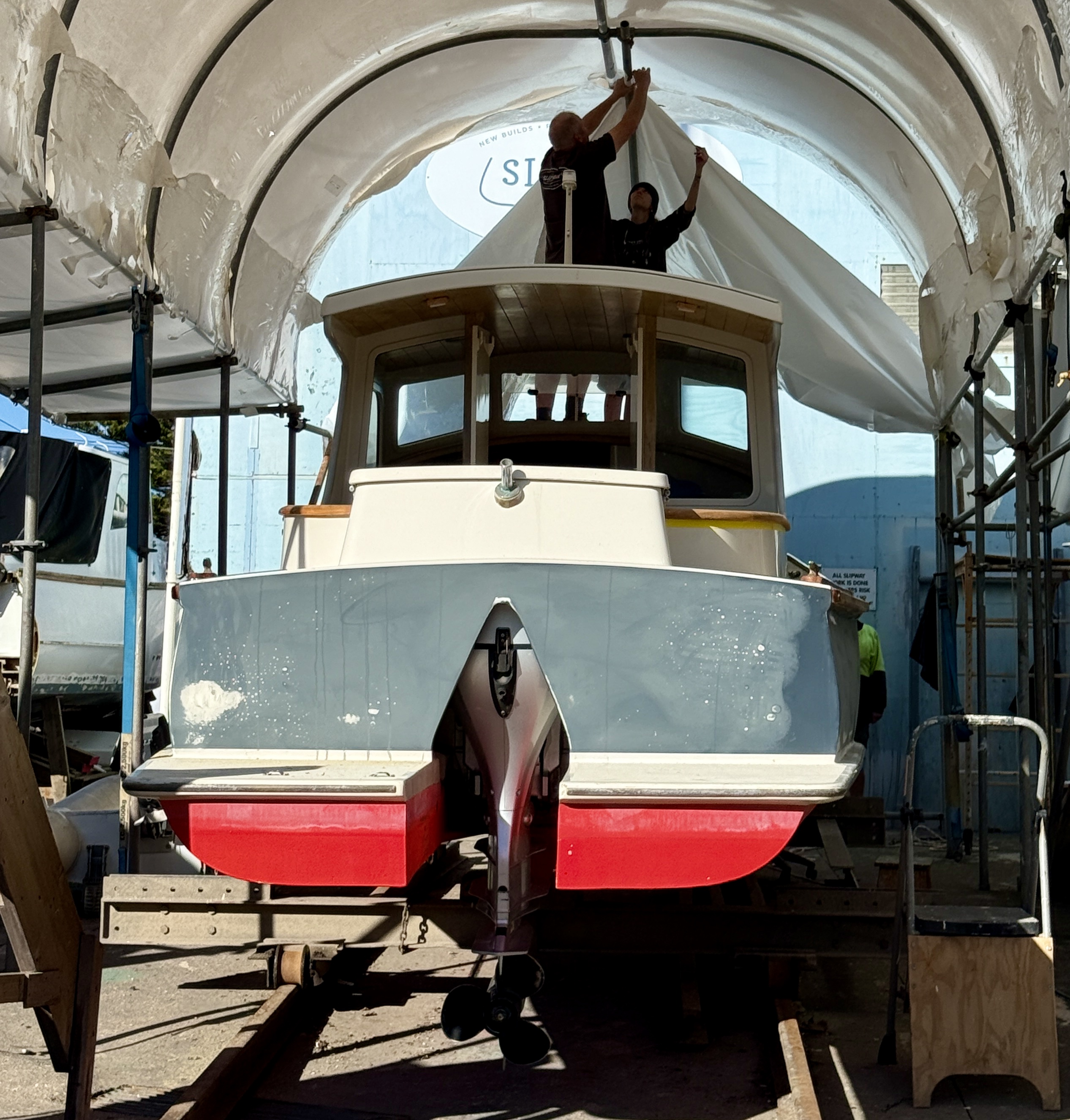
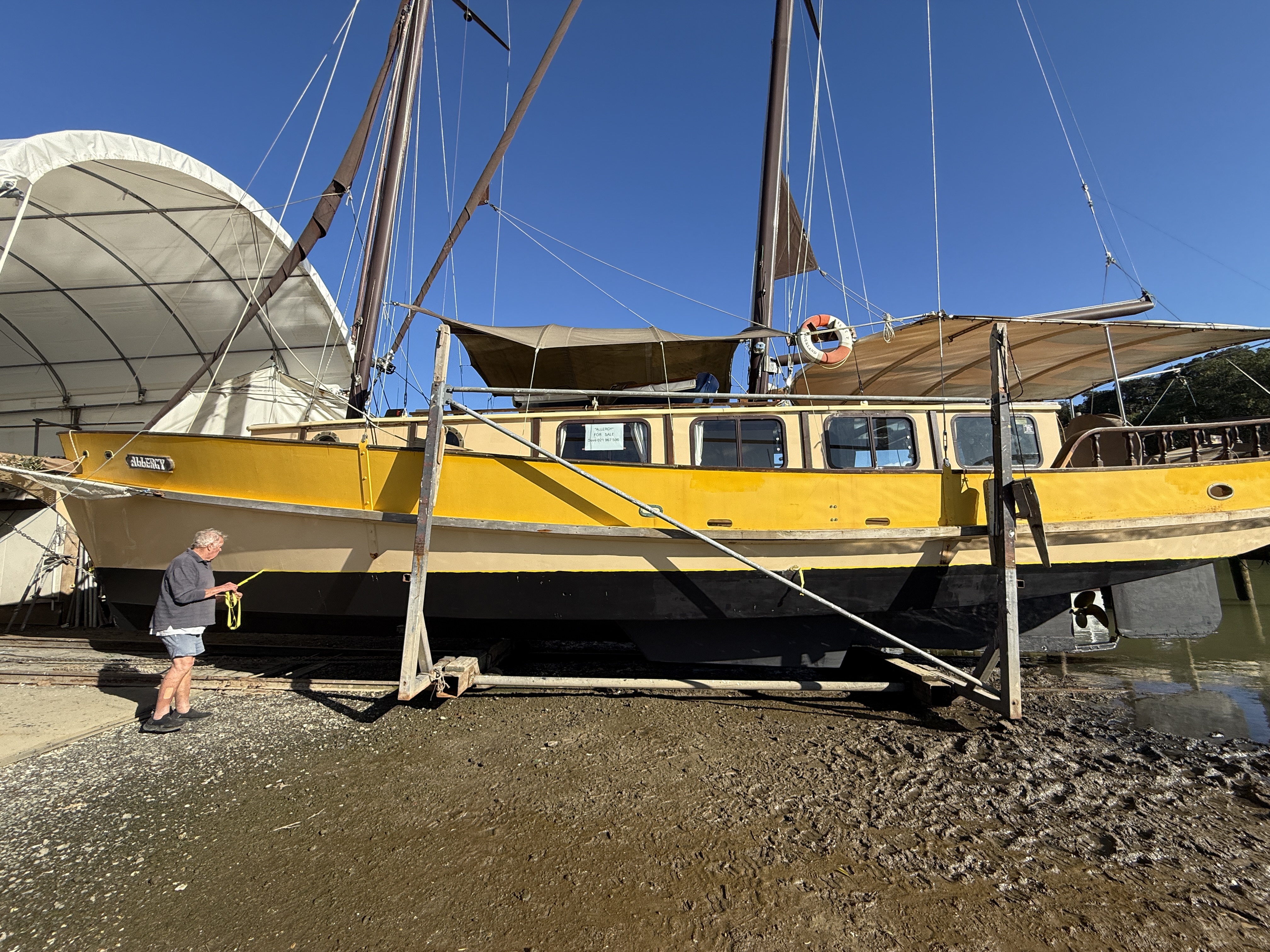
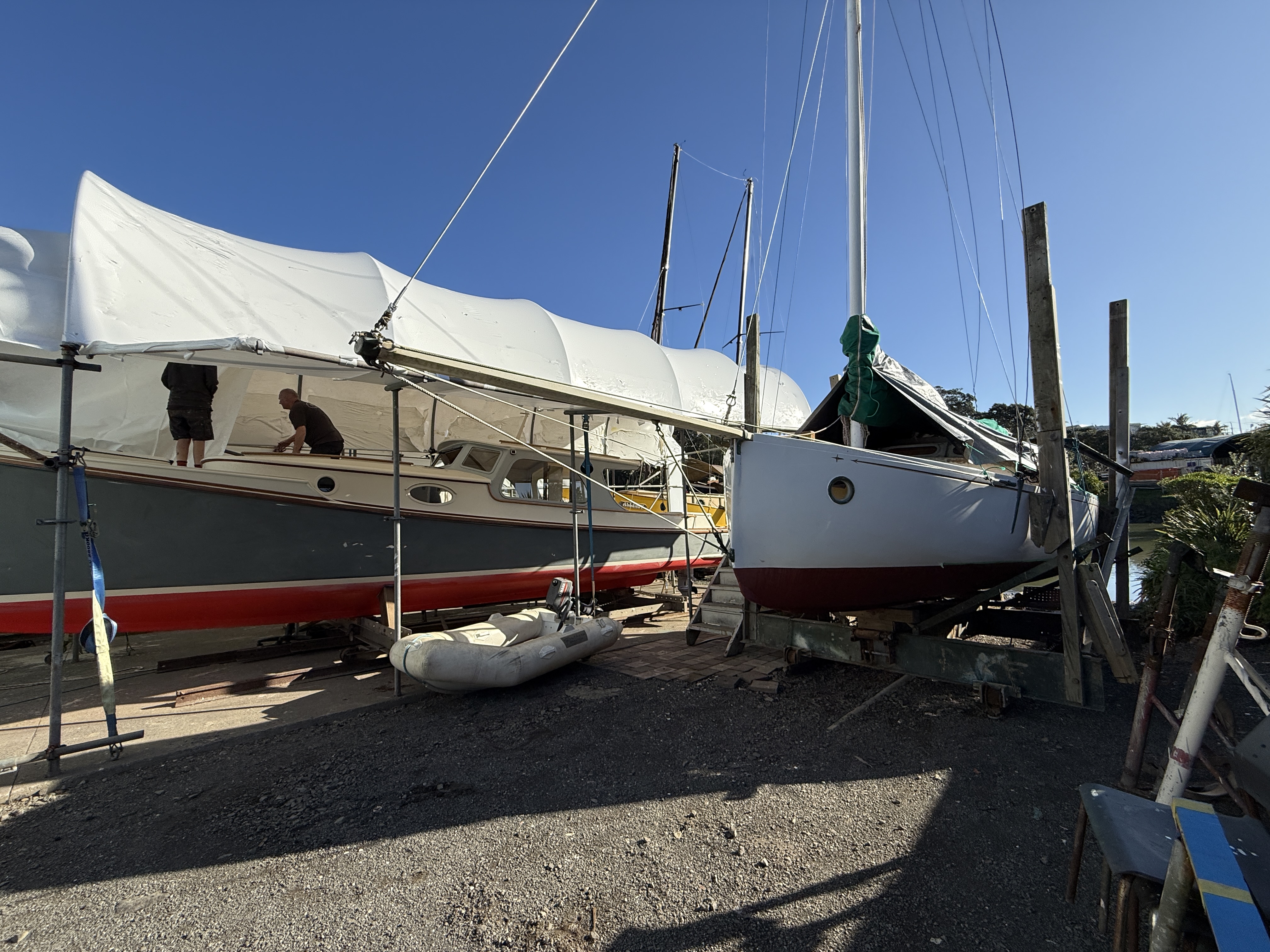
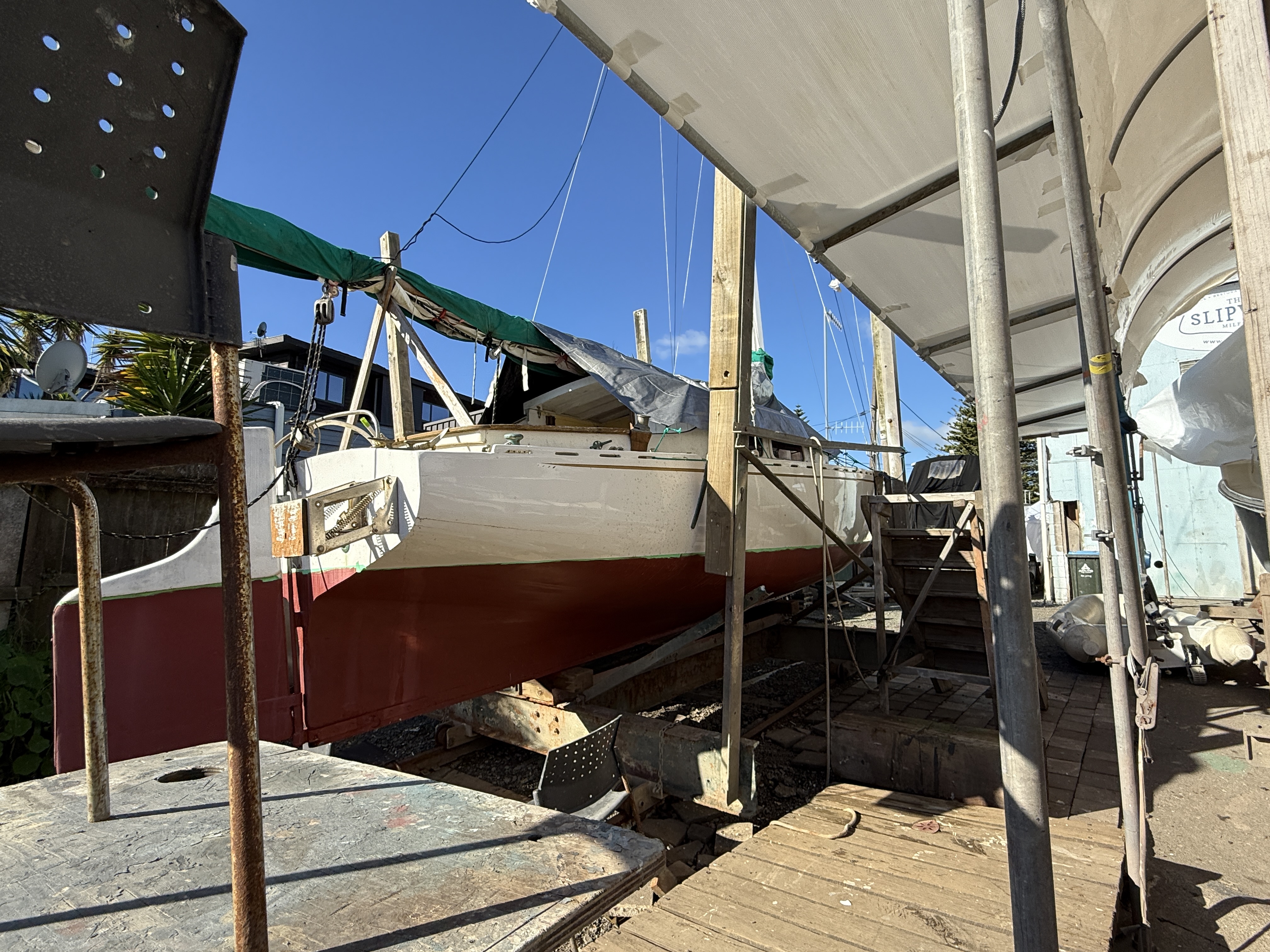
The occasion was the (almost annual) Woody Boat Boot Sale held at The Slipway, Milford – and frankly, you’d struggle to find a better venue. A special thanks to Cam Malcolm and Jason Prew for hosting us and for hauling out a few beautiful craft for close-up inspection. It added a real bonus for those who came for more than just shopping.

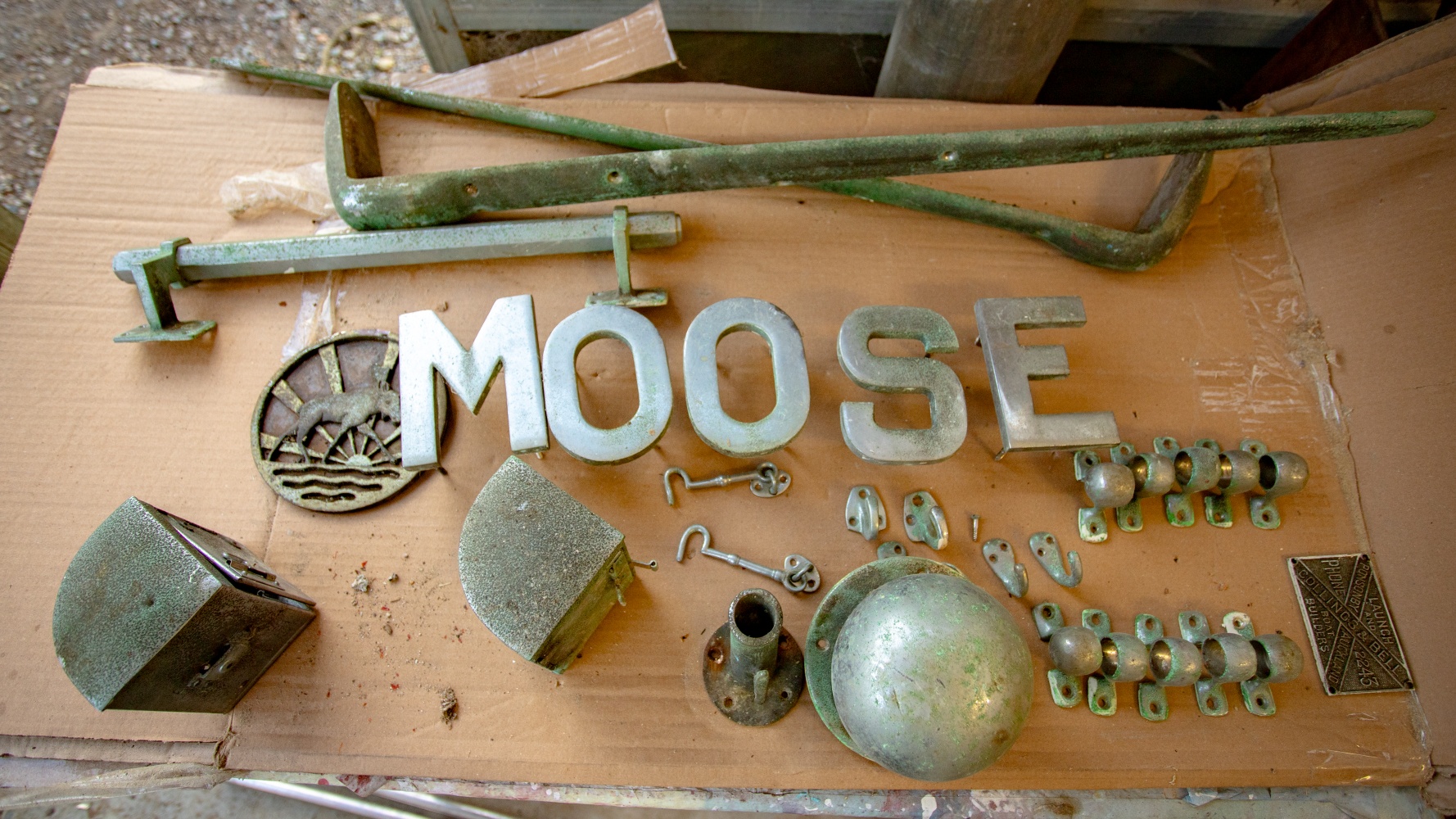
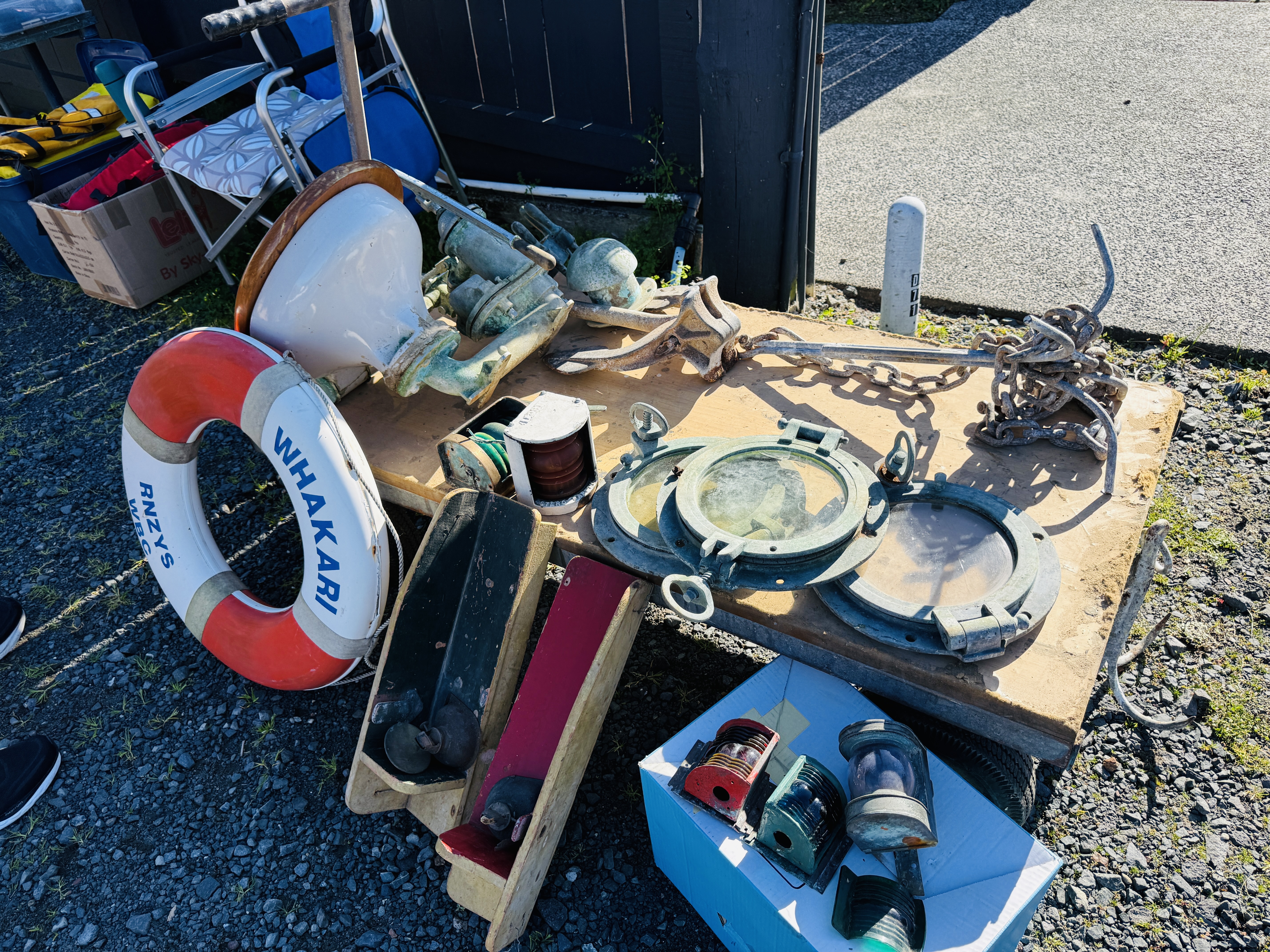
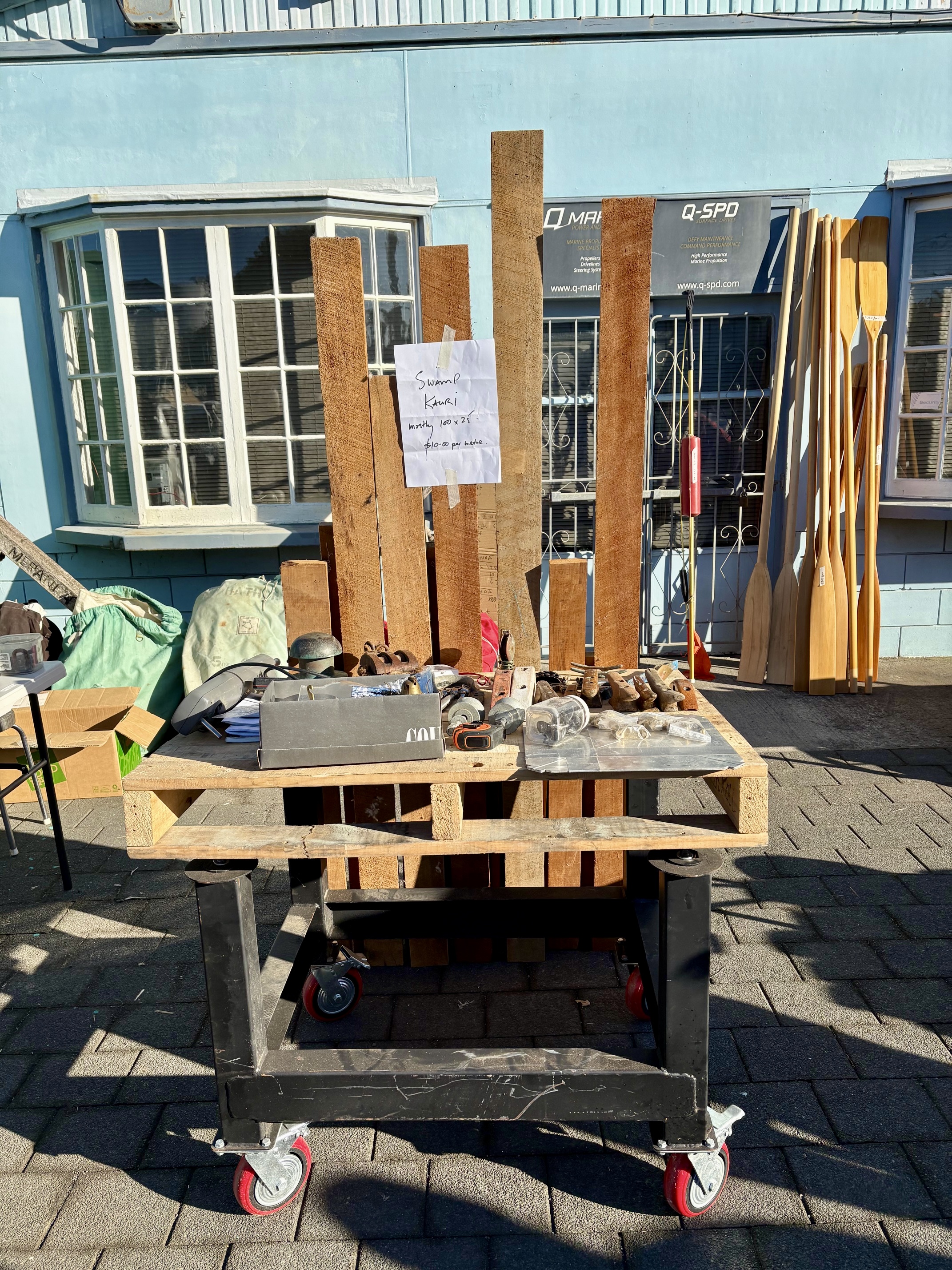
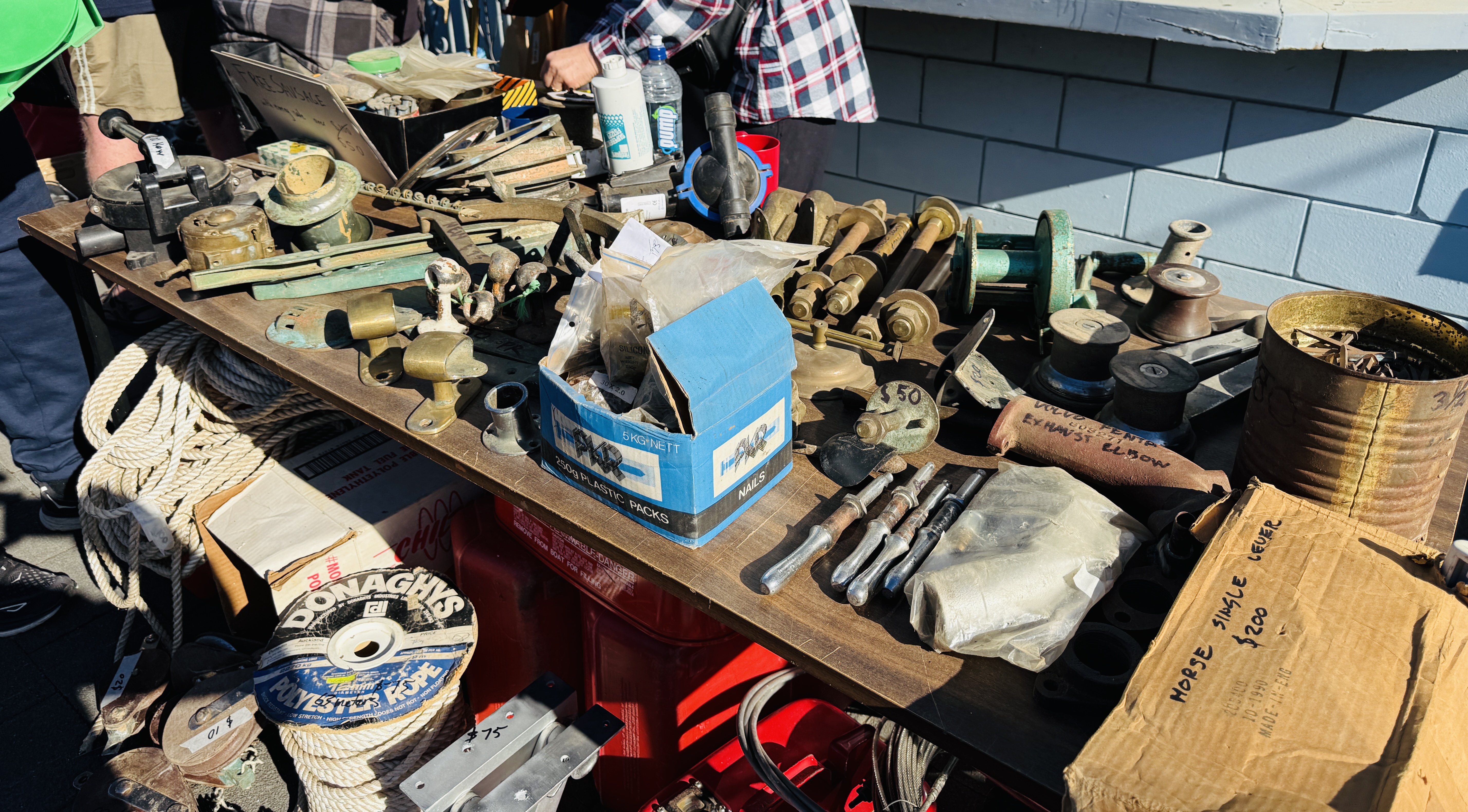
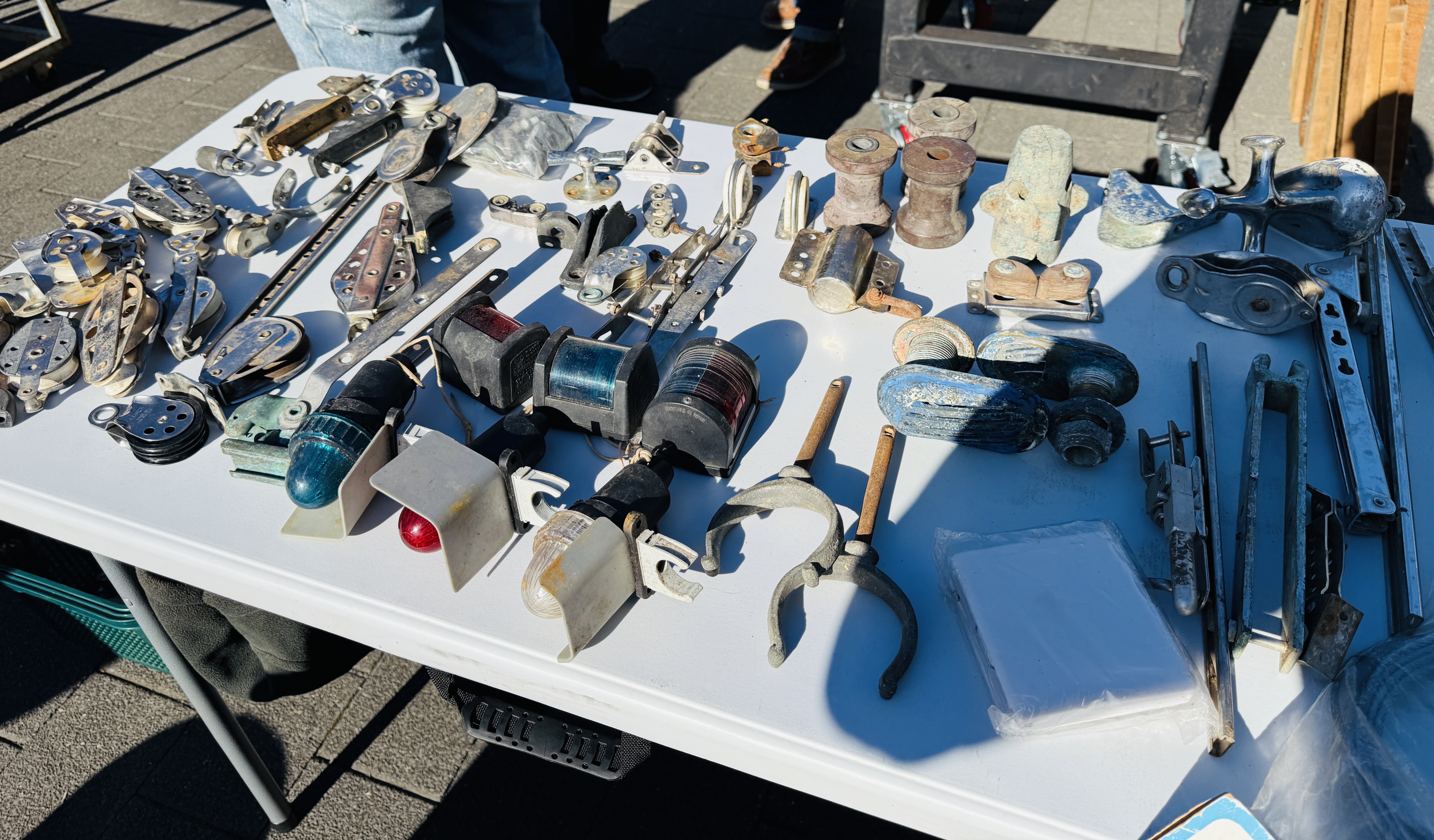
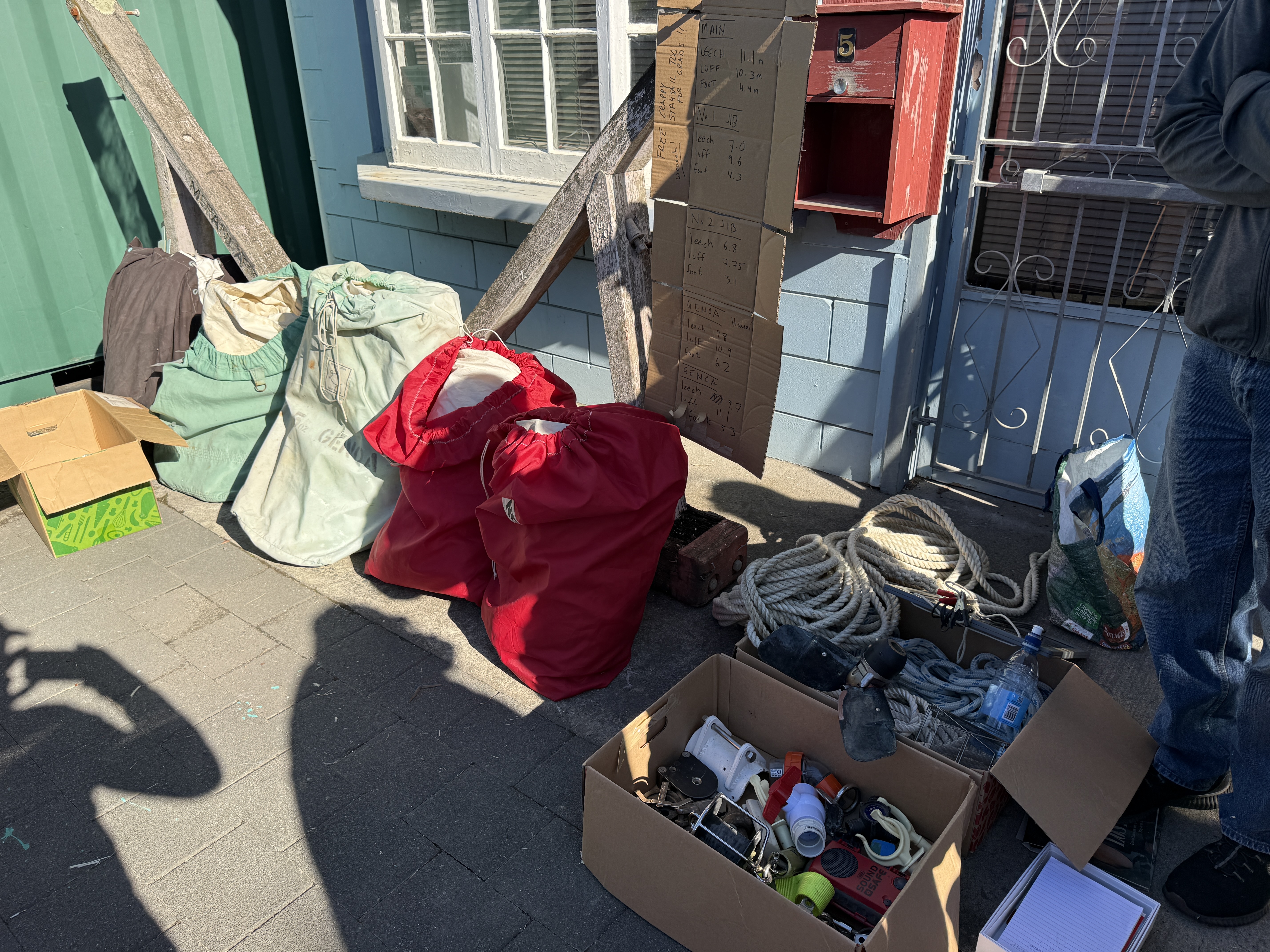
We had over 18 vendors on site, offering up a treasure trove of marine goods – everything from tiny cleats and chain plates to sails, bronze winches, stoves, and more. From what we saw, plenty of deals were done and everyone left with something – if not in hand, at least with a smile on their face.

It was also great to see so many familiar faces from the classic boating community. Events like this are about more than gear swapping – they’re about connection, community, and strengthening the bonds that keep the wooden boat movement alive and thriving. (photos yours truely & Geoff Fiebig)

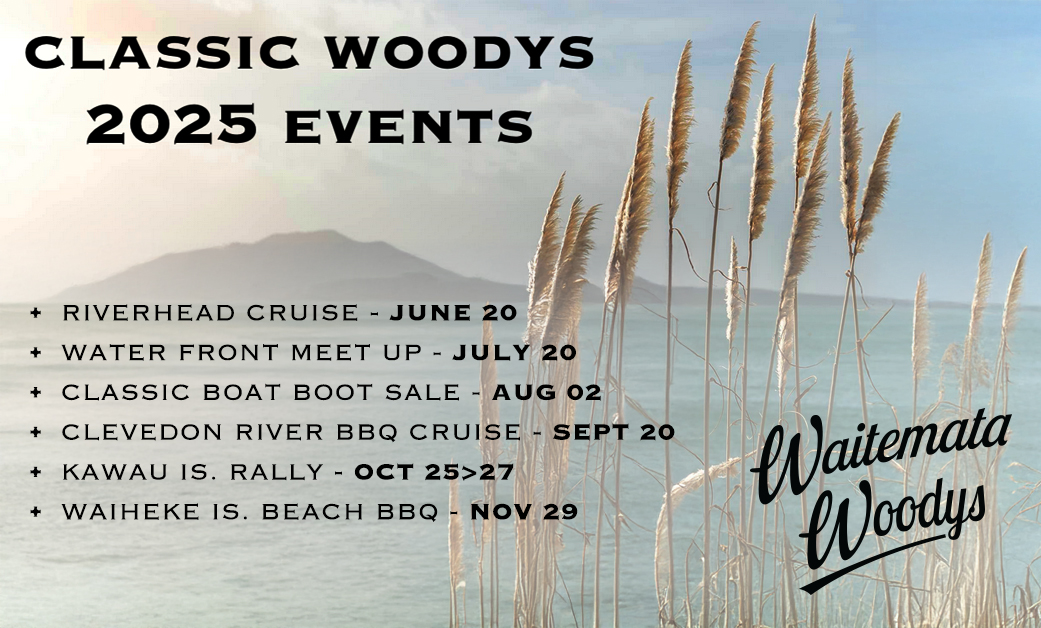
Next Up: Mark Your Calendar – September 20th > 21st

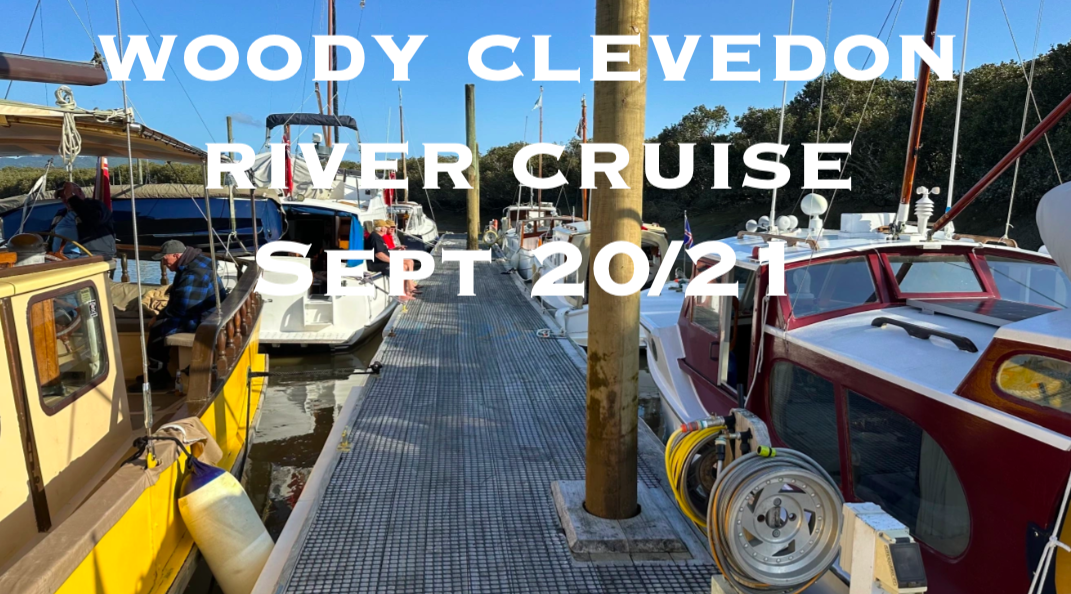
Our next gathering is set for September 20th, and this time we’re heading back on the water – cruising up the Wairoa River to the Clevedon Cruising Club for an overnight dockside shindig. Expect a BBQ, live music, and the usual top-notch company. It’s always a highlight – more details to come soon, but lock the date in now.
A REPLICA ERNIE LANE CLASSIC 1920 CLINKER

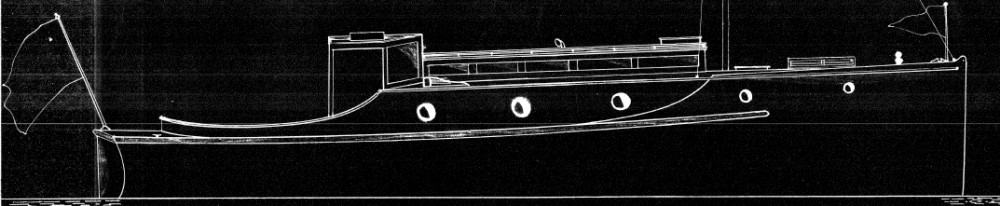
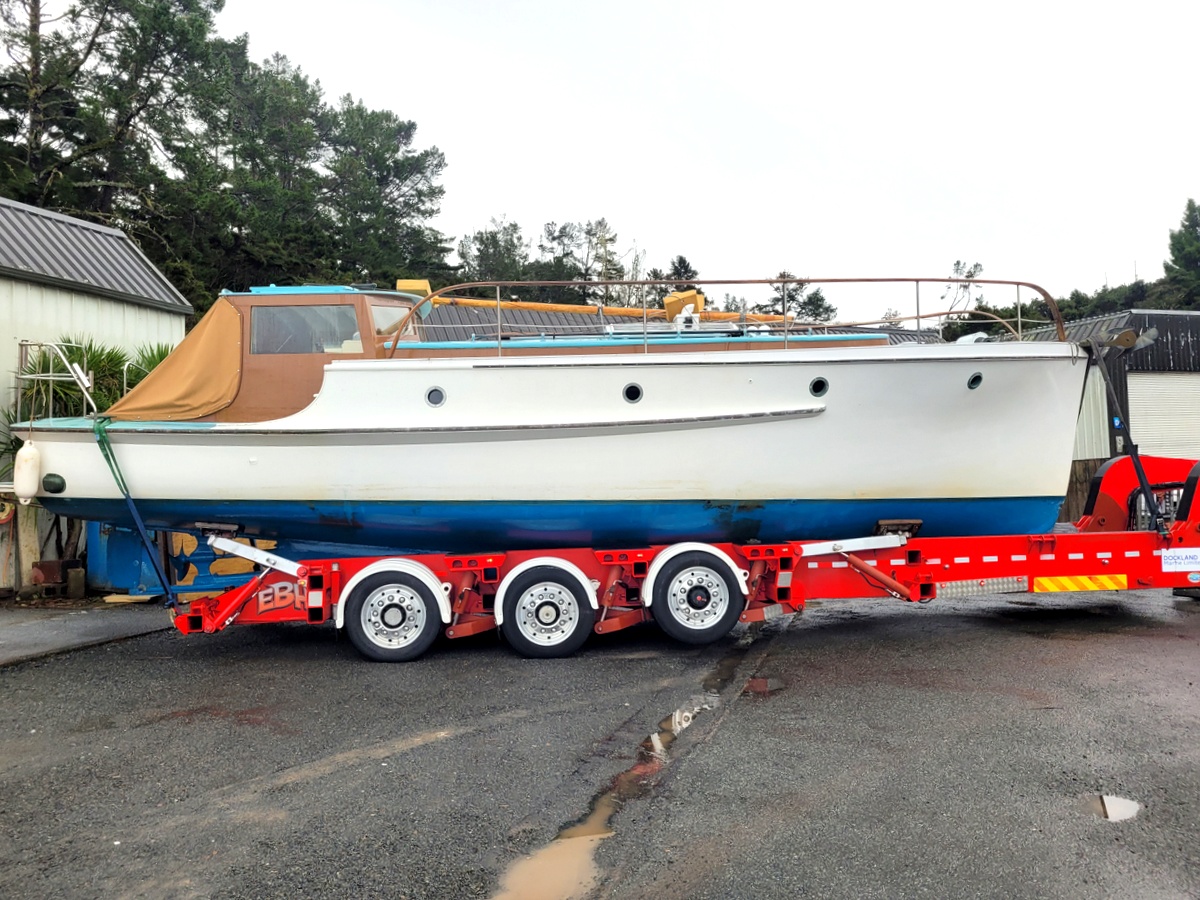
A REPLICA ERNIE LANE CLASSIC 1920 CLINKER

I’m a big fan of the Picton Clinker & Classic Boat Club, they seem to have the mix right when it comes the wooden boating community. Recently I was chatting to Roy Jones (Roysie) who among other things pulls together the clubs newsletter. Roysie mentioned a project he had been working on and promised a story – and today woodys we get the enjoy that story – I’ll hand over to Roysie to tell it.

“Fifteen years ago The Picton Clinker & Classic Boat Club was gifted a 14ft clinker hulk which came with a remarkable provenance. Built by Ernie Lane in 1920 for Mr John Brownlee, son of the timber tycoon, William Brownlee of Havelock, the boat was in a sorry state and owned by Club Member, Noel Johnson.

Noel’s initial attraction towards Ruru was that, when he lived in Havelock as a child in the mid 40’s, he can vividly remember Ruru resting in the creek near the present causeway, whilst owned by the Havelock butcher, Mr Johnny Buncombe. Playing in Ruru, he would often be chased off and Noel miraculously relocated the boat again in 2003 on the Holdaway farm near Blenheim.

The Holdaway’s had purchased Ruru in 1948, from Johnny Buncombe for 100 Pounds, and who himself, had bought her from the Brownlee’s in 1933. 

Now in a very sorry state, Barry Holdaway gave the hulk to Noel who intended to restore her. Aged 80, he realised it was beyond him, and Noel wisely gifted the craft to the Picton Clinker & Classic Boat Club in an effort to preserve her,  and it worked.

Ruru as restored in Jan 2010

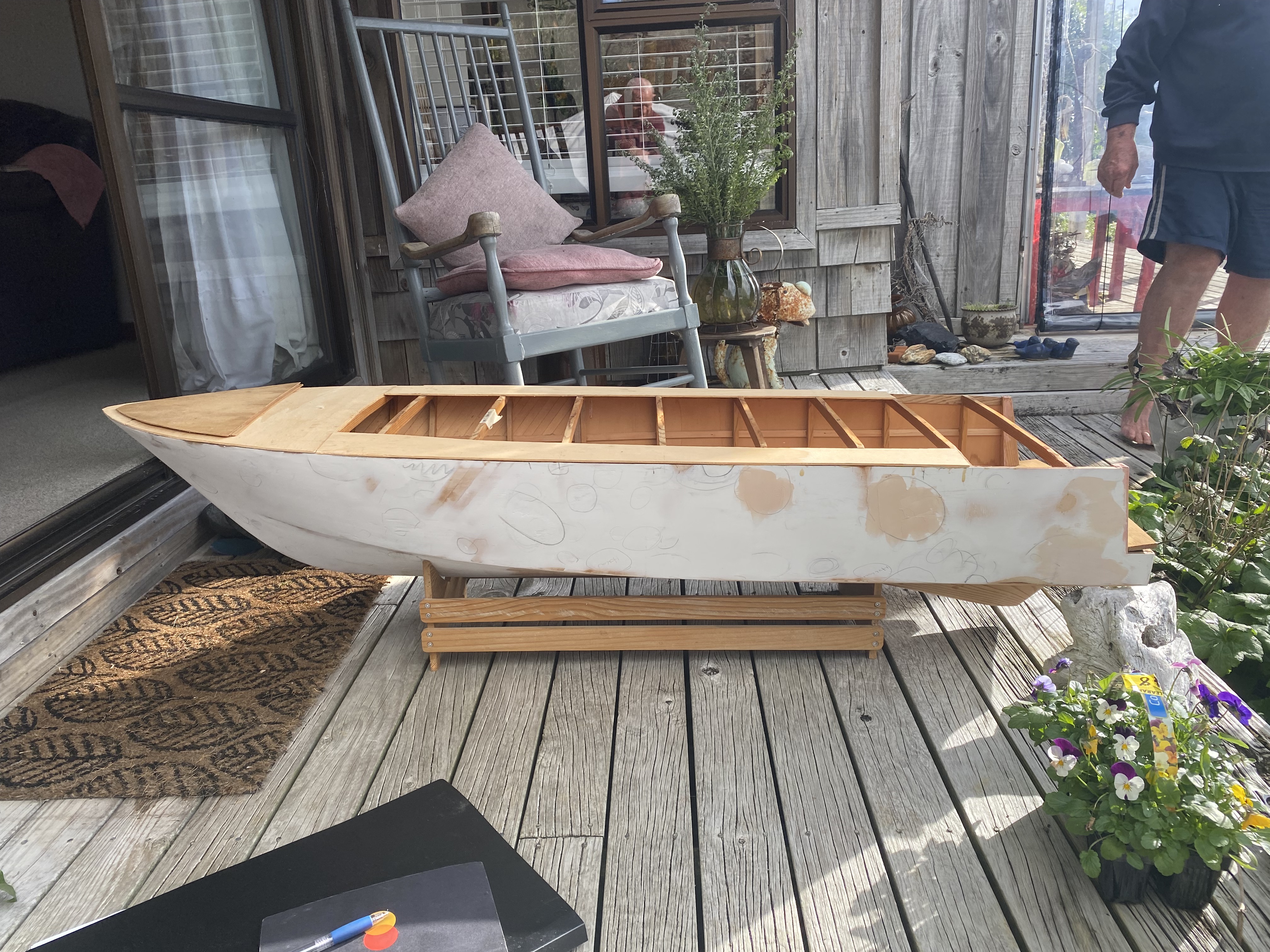
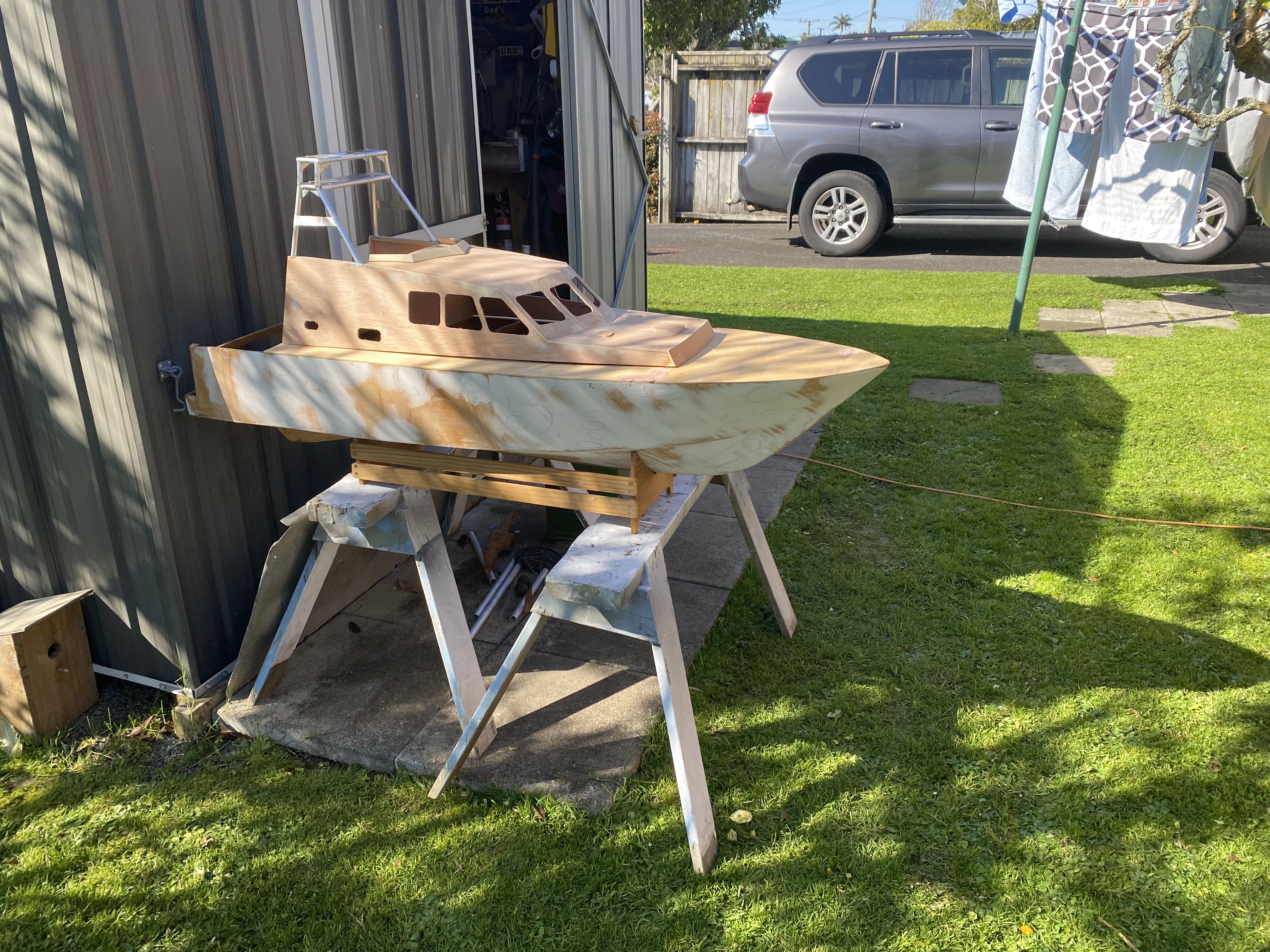
Ruru is the Club’s flagship and is utilised on all the club runs as such. Roy had a little to do with the restoration and always admired her lines as created by Ernie,  she was now available for all to view and admire. So last Christmas he borrowed Ruru for a week and after setting her up,  took her lines off and drew them up on the computer. From these he created a table of offsets and after lofting out, began construction early in the New Year.

Ernie created a built-down style of deadwood almost a bustle, presumably to ensure the engine could be low as possible and with a fairly level prop-shaft, but this was difficult to recreate. 

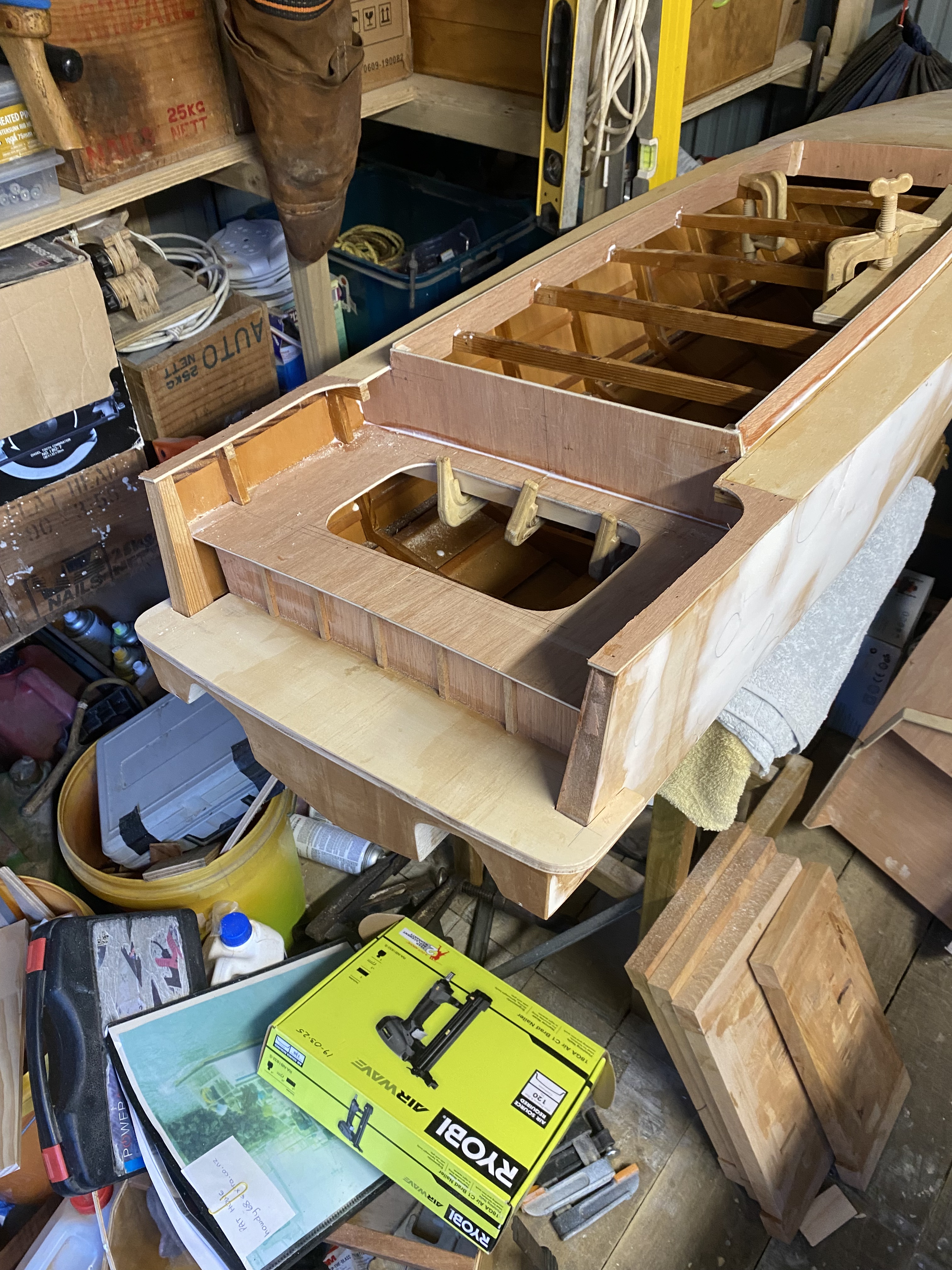
He must have steamed the kauri planks tightly to achieve the curvature around the stern deadwood rebate. Roy elected to use Meranti 9 mm marine ply rather than timber purely due to supply constraints. While gluing the lands removed the need for nailed and roved laps, it still required steamed American Oak ribs. This was the only job Roy required assistance with and co-opted a couple of retired members in the club to assist with the morning’s task. Peter Baker & Keith Henson willingly helped out and this is the norm amongst the Clinker Club members, advice and assistance is most often always freely available.

Propulsion System We originally installed a Stuart Turner P66 twin cyl. 10 hp engine in Ruru, but this was overpowered, so we swapped it for a P55 5 hp which  proved more appropriate, however, the Stuart Turner became  problematic for the numerous skippers in the Club. We have since settled upon a Lifan Chinese 6 hp and this has run well for 10 years, but is quite noisy. Roy considered this and, after speaking with new member, Tim Barton about his neat little electric 12ft’r, Billy O Tea, decided to also install an electric system in the Ruru clone.

With Tim’s advice on where to go for the Chinese supplier, Roy ordered a 4kw, 1000 rpm 48v dc motor and controller, which duly arrived about 4 weeks later without problem. At around $3,500 landed, he considered it reasonably economical.

Subsequent to that major decision, he continued construction, framing the deck and glassing same. Unlike Ruru, he made the top strake varnished with a sub belting along the bottom edge in a more traditional style. Lacking more traditional hardwoods for the beltings, standard Quila timber decking was utilised and machined to suit; merely because it is readily available and reasonably economical.

The dc motor is considerable, weighs about 30kg developing 39 N.M. 

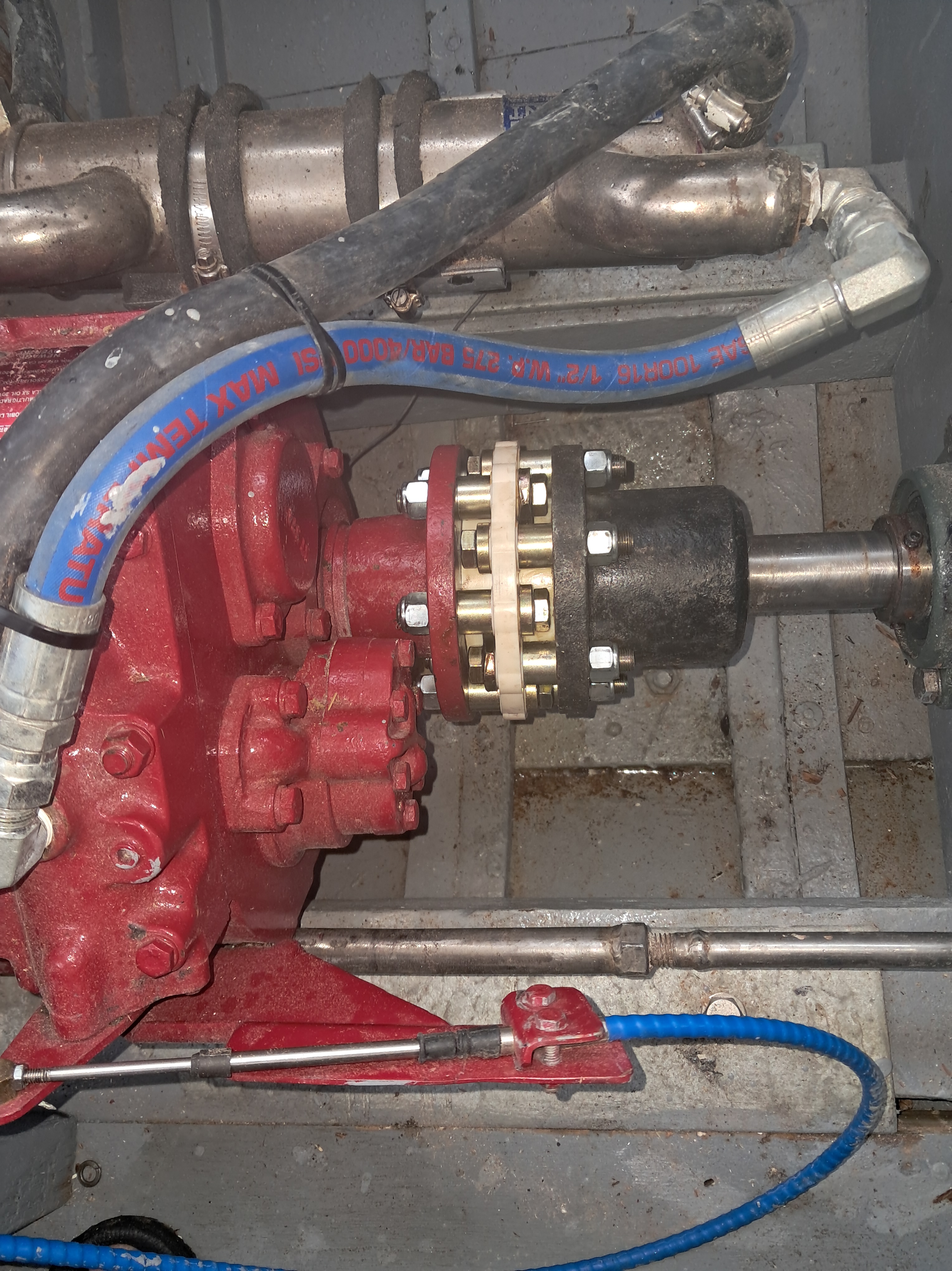
The universal is a CV joint from a wreckers, and the thrust bearing just aft. The motor output shaft is 35mm!

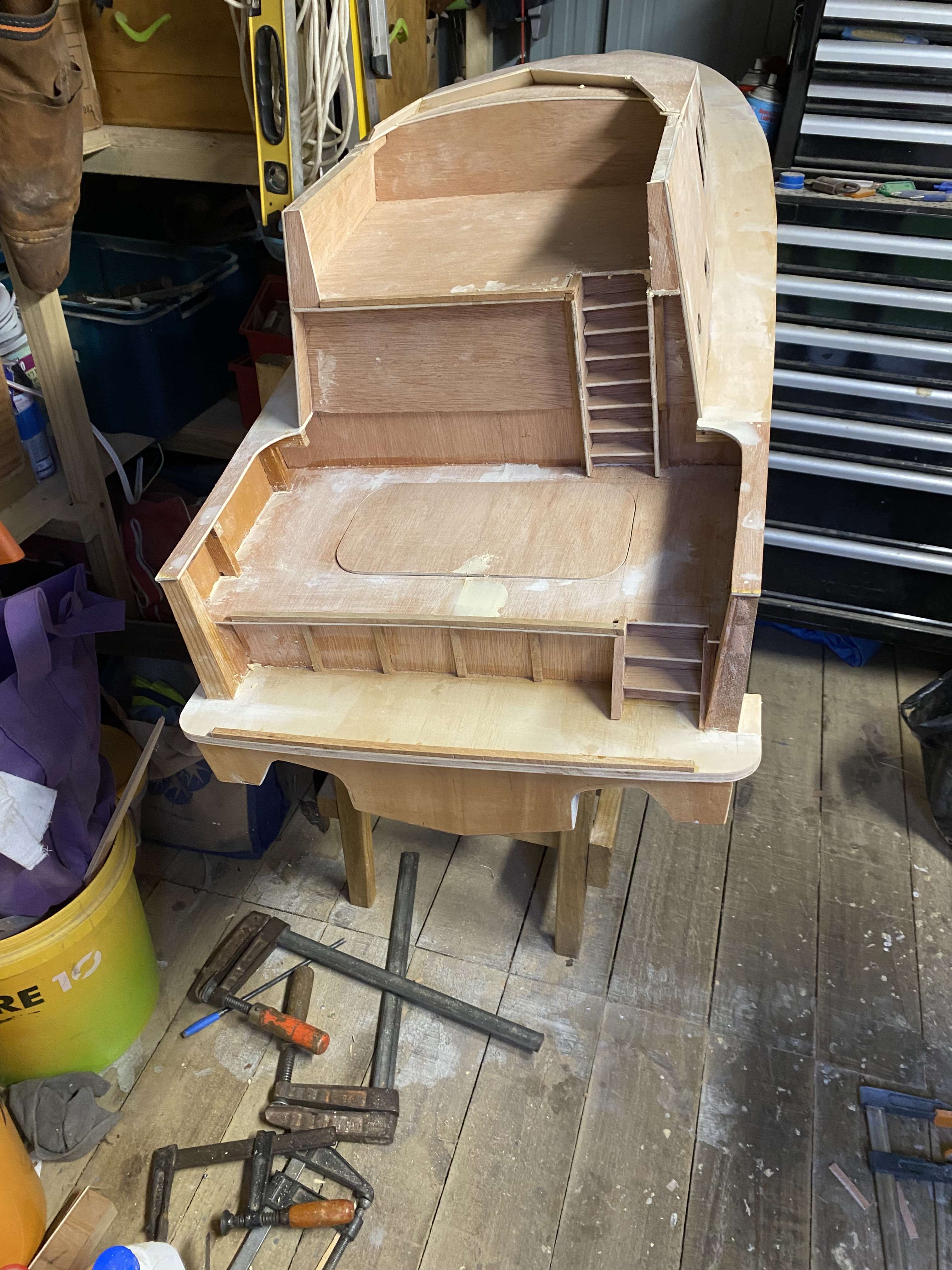
Having decided upon electric propulsion, Roy decided to throw the cat another goldfish and fitted hydraulic steering to enable comfortable curved seating in the stern without a the tiller interfering with guests seated there. 

Once again, Roy went online and researched hydraulic steering systems. Having been quoted over $2000 locally, it cost less than $500 for a full set imported and landed at the door in 3 weeks.

The short S.S. rudder tiller penetrates the transom quite unobtrusively, to the ram below deck and can be disconnected from the rudder when removing for trailing.

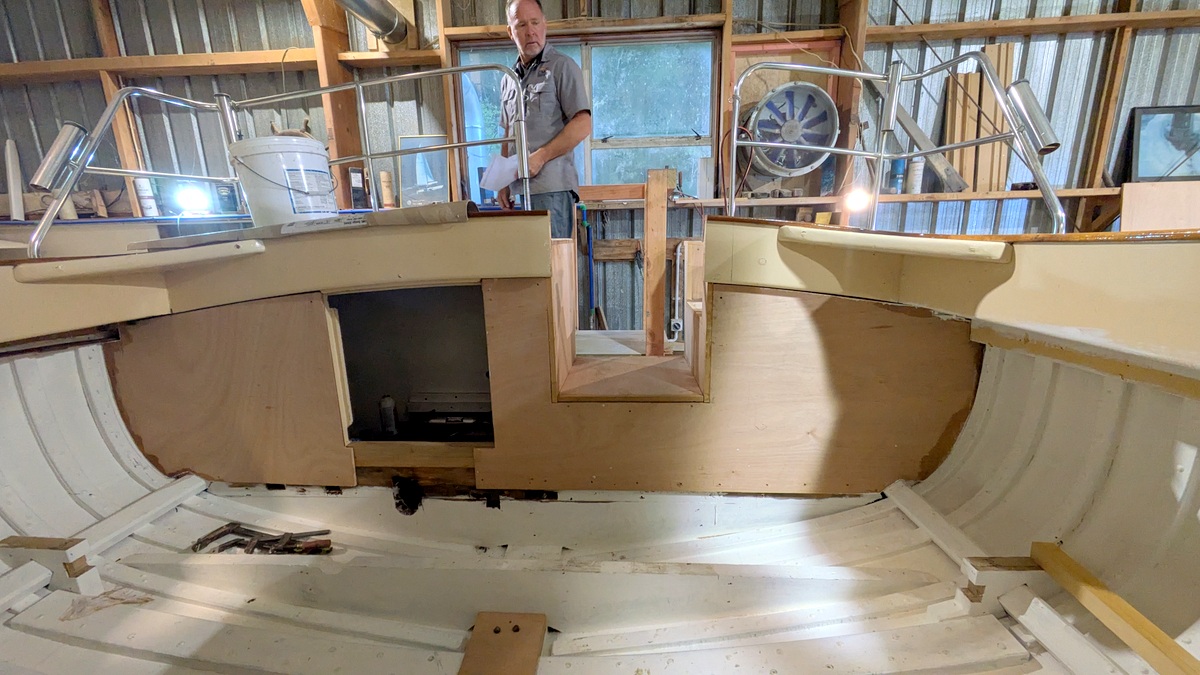
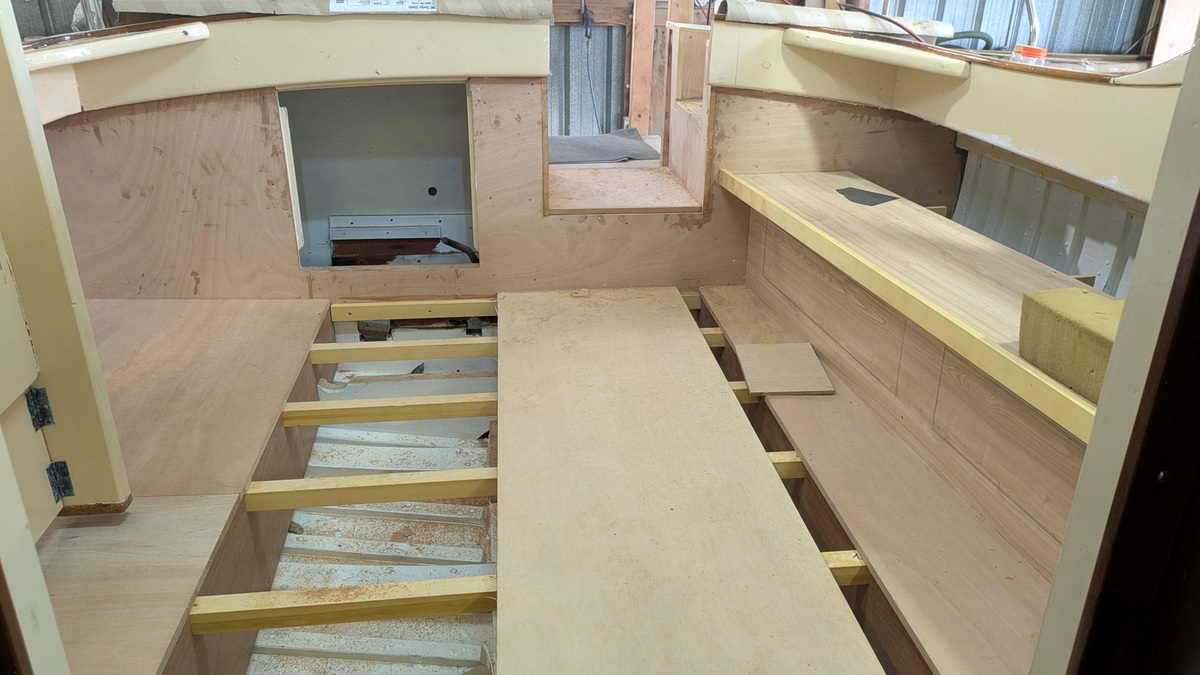
The Electric system enabled a centre console with motor and battery installed beneath, leaving a huge area amidships, where an engine is usually placed. A forward curved seat fits neatly behind the curved foredeck coamings. The large 48v lithium battery required is situated under the front seat of the console, while the motor and drive train is beneath the foot level lid below the helm.

The 48v 100 amp hr lithium battery is the blue item & takes up the full width of the compartment. The silver item is the motor speed controller that came with the motor. The yellow lead is for connecting to the 48v  HD charger.

Roy purchased the 48v 100 amp hour Lithium Ion Battery from Auckland along with the new trailer, driving up and back being cheaper than freighting both down to Marlborough.

He also installed a GPS Plotter & Sounder plus a Victron battery management system from Burnsco. This is a magic device providing a shunt in the neutral supply and thus determines the present battery voltage, the currently used amps & watts, plus provides a range in hours and minutes left in the battery. It is supplied with a 50mm gauge but the best method of readout is by Bluetooth to a cell phone enabling all the readings on one screen.

The greatest dilemma with electric boat propulsion systems is range anxiety, knowing how long you can actually cruise for, at the present power usage. Well, the Victron system diminishes this to a normal fuel level concern, if you run at full power then your fuel range will be minimal, but with sensible throttle use many hours are available. Roy intends to calibrate the range from GPS speed, Shaft rpm & amps drawn. These are shown further on.

Tim provided his figures, and for example at 3.3 knots Billy O Tea draws 5.2 amps, at 5 kts she draws 22 amps but at 5.4 kts, draws 50 amps indicating her best hull speed is just below 5 kts. i.e. 100 amp hour battery at 22 amps =  5 hrs motoring, and you can always slow down!

We used GPS speeds & digital tacho rpm figures with the Victron gauge providing the current drawn. Roy will do similar with Toroa EV,   (her new name now she is completed.) Toroa means Salvins Mollymauk (and the EV is electric vessel!).                                                                          

Ruru like most clinker hulls is a very seaworthy craft and it is on record that when Ernie Lane completed her, she was motored around from Picton to Havelock by a Mr Doug Pickering. This is a daunting trip for a 14ft Clinker, even today, and he is reported to have had fuel trouble near Cape Jackson, Doug simply tied Ruru to some kelp while he cleaned out the fuel line of shavings!  Ruru was fitted with a Scottish Kelvin of about 5 hp from new and to have motored the 60 odd miles around the Cape was an impressive feat 105 years ago!

When one considers that she was built shortly after the First World War, it is remarkable that it was obviously intended she would have an engine from new.   It wasn’t a retrofitted engine installation as is usually the case with this vintage. Perhaps this would indicate the wealth of the original purchaser, Mr John Brownlee?

With the helmsman and passenger sitting in the stern sheets. Toroa EV rides high in the bow but with passenger forward she sits nicely to the waterline.

Roy advised that Toroa EV took 5 months to construct at old farts pace… i.e. 5 hr per day knocking off at rum o’clock. He takes great delight in creating clinker craft, believing if the boat is pretty, it will become a 100 year boat. (only pretty boats last 100 years because their owners love them!)

The Picton Clinker Club members own many small clinker & classic style boats and are committed to salvaging and restoring these wonderful small craft, often saving them from various scrap heaps or bonfires.

Toroa EV Performance

Revs                                   Speed                                Amps


350                              2.1kts                                 2.4

450                              2.6kts                                 3.5

650                              3.4kts                                 6.6

800                              4.1kts                                 11.7

970                              5.3 kts                                16

1070                                   5.4 kts                                21

1250                                   5.9 kts                                39


As you can see, any attempt to exceed 5 knots hull speed causes the amps load to dramatically increase, up to about 4.5kt is very economical indeed but a little more and range diminishes dramatically. Exactly the same of a combustion engine I guess.”

THE RESTORATION OF THE CLASSIC WOODEN EX WORKBOAT – ARIANA (TE KAWAU) – PART THREE

THE RESTORATION OF THE CLASSIC WOODEN EX WORKBOAT – ARIANA (TE KAWAU) – PART THREE

Following on from Mondays story on Sven Wiig’s classic wooden vessel – ARIANA, previously named GLENROWAN and TE KAWAU. Sven has just sent in Part Three. 

Todays story takes us up to current and woodys we will have to wait for the final part for a little while, but rest assured there will be one 😉

And as highlighted in Part One Sven is looking for any intel on her past , and is very grateful for those that commented last week.

Link to Part One : https://waitematawoodys.com/2025/07/07/the-restoration-of-the-classic-wooden-ex-workboat-ariana-te-kawau-part-one/

Link to Part Two: https://waitematawoodys.com/2025/07/14/the-restoration-of-the-classic-wooden-ex-workboat-ariana-te-kawau-part-two/

Handing over to Sven:

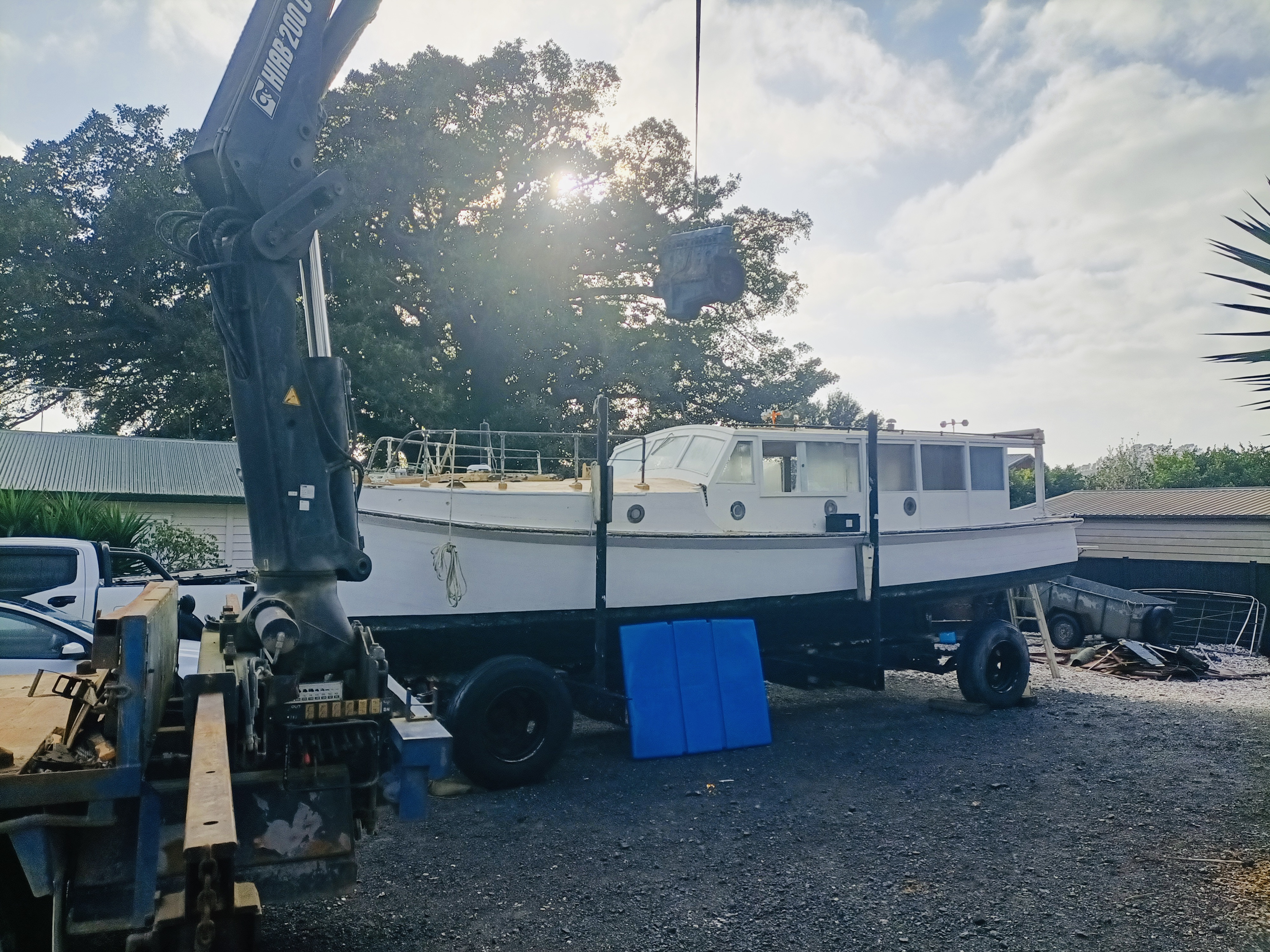
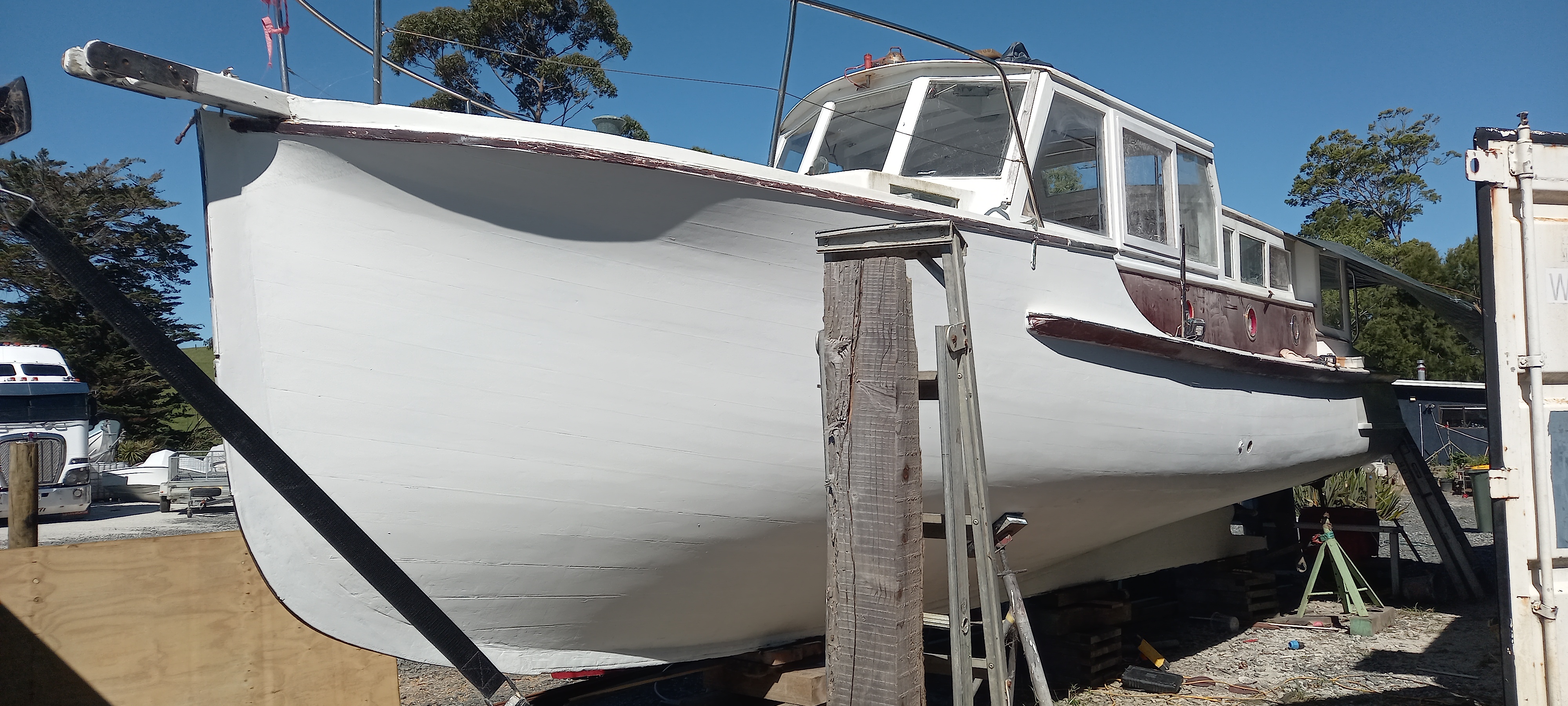
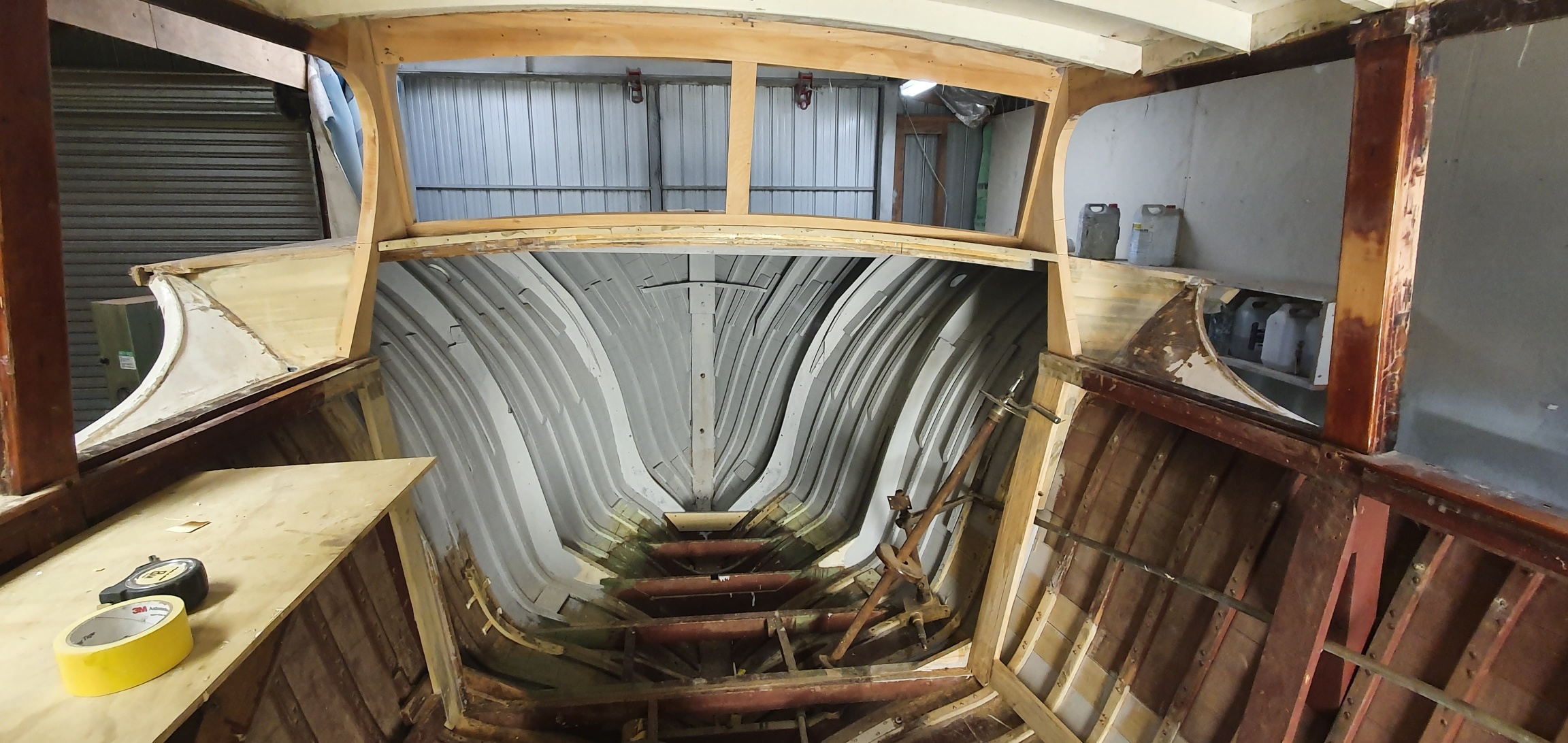
“Now I just had to make a new one and put it all back together. Hummm. My fellow boat owners all came to check out progress and I got the distinct impression that they thought I had killed her. If I am honest I was wondering this myself…. I was going to need lots more kauri. Fortunately Solomon came up with the goods, a couple of large beams that had once been part of a bridge (thanks Mate). One of these was sawn up to make a new inner. I sourced some beautiful bronze screws and fitted the inner back into the boat. I was most relived to see that the stern was now back in shape. All the seams had closed up and she had a nice round bum again. I clearly had done something right. Next up was to make up the new outer. Grown hardwood wasn’t an option so I decided that I was going to laminate one. I made a former and laminated up the new outer. 


New Inner being fitted up. 

Outer laminated and roughed into shape 

New outer stem being fitted.
The inner and outer where then bolted with bronze rod to new horizontal knees inside the stern and at the top of the bulwarks. Whew.

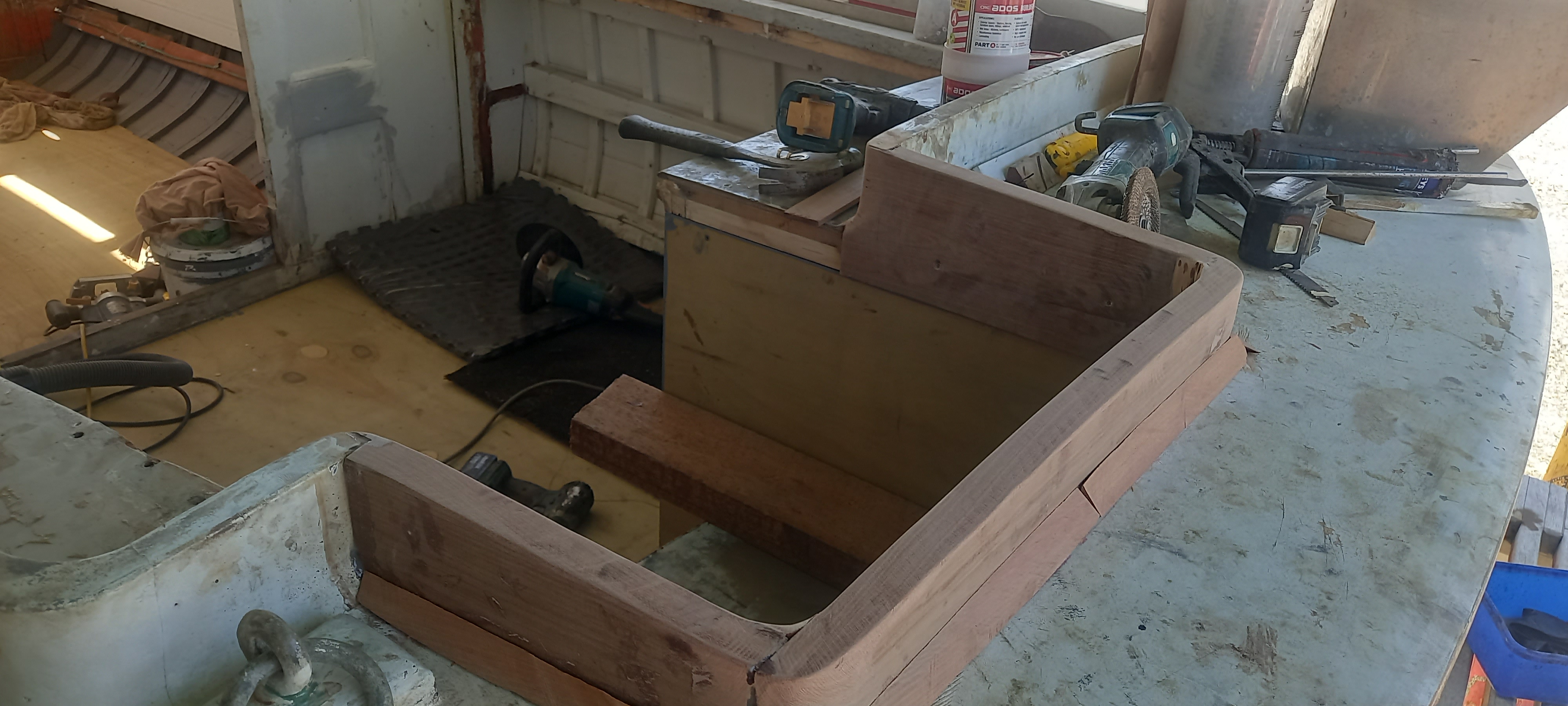
 Now where were we. Bulwarks. I finished prepping for the bulwarks. Fortunately Olaf was back in the country for a Summer break. What better way to relax than giving his brother a hand fitting the new plywood? A couple of exhausting days later and we had the first layer on.  

A second layer was added at both ends for added strength and a certain amount of flare. 

Olaf went home to England and I finished the Bulwarks off with some trim and paint. The bronze rubbing strips were replaced and another milestone reached. The whole top half of the boat was now complete, well almost.

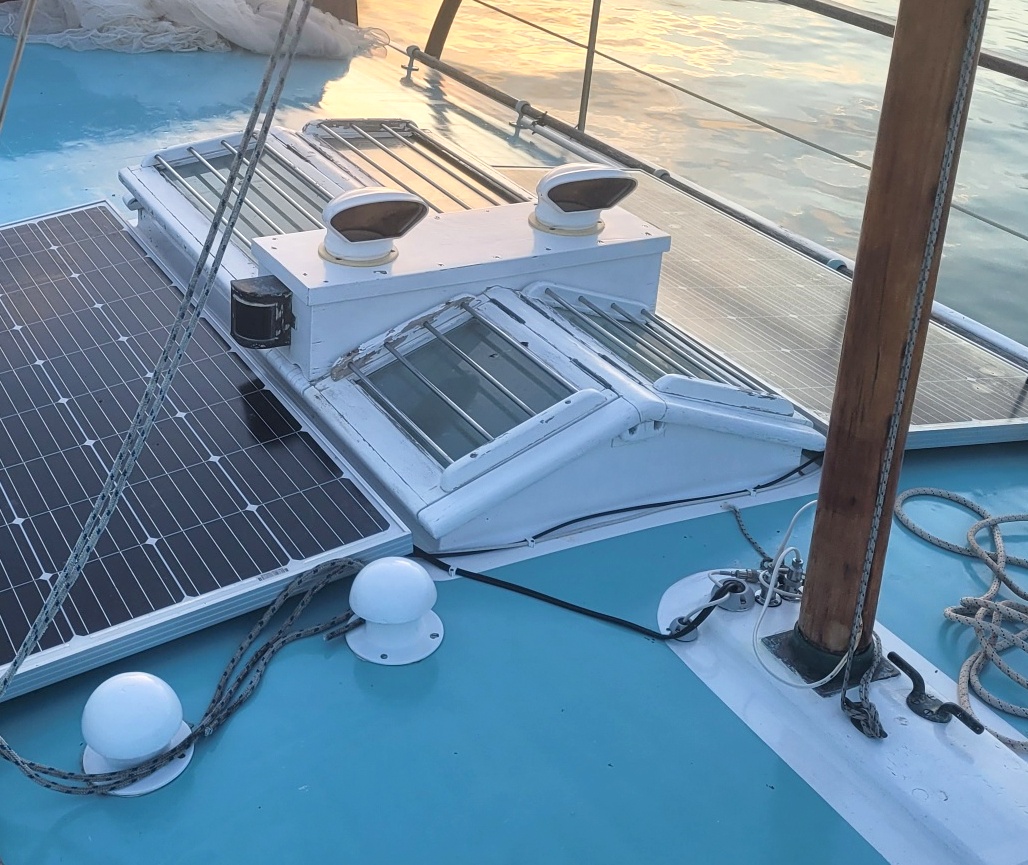
To celebrate I made some bling for her. New nav light and dorade boxes. 


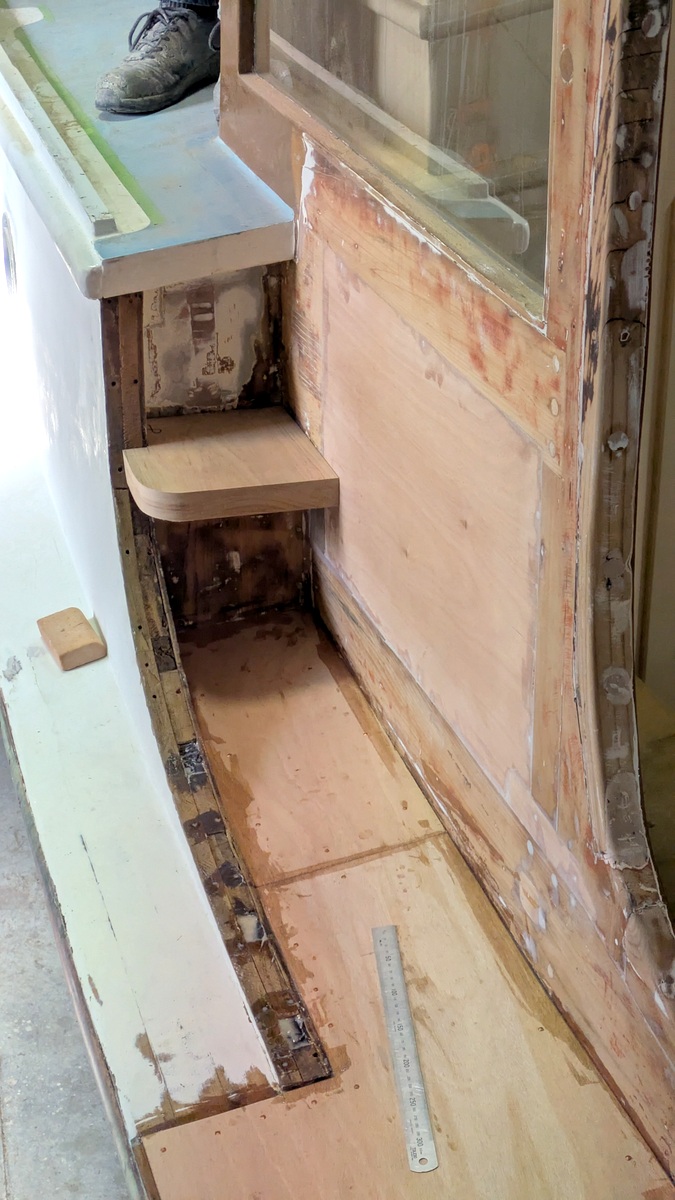
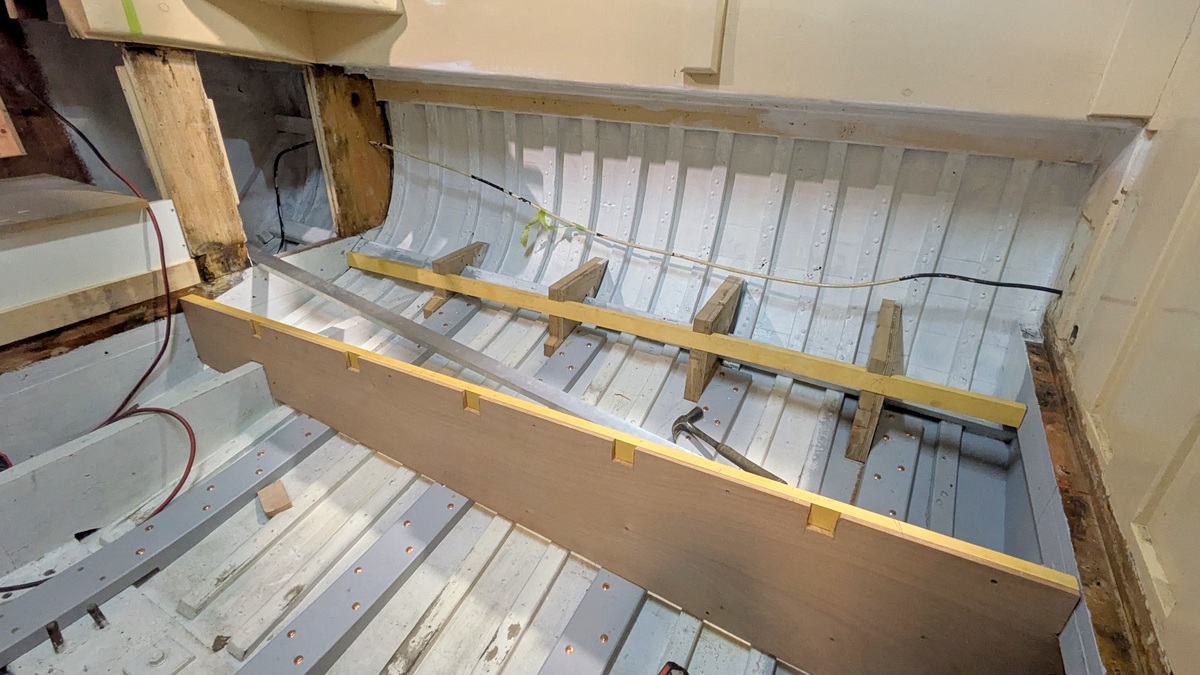
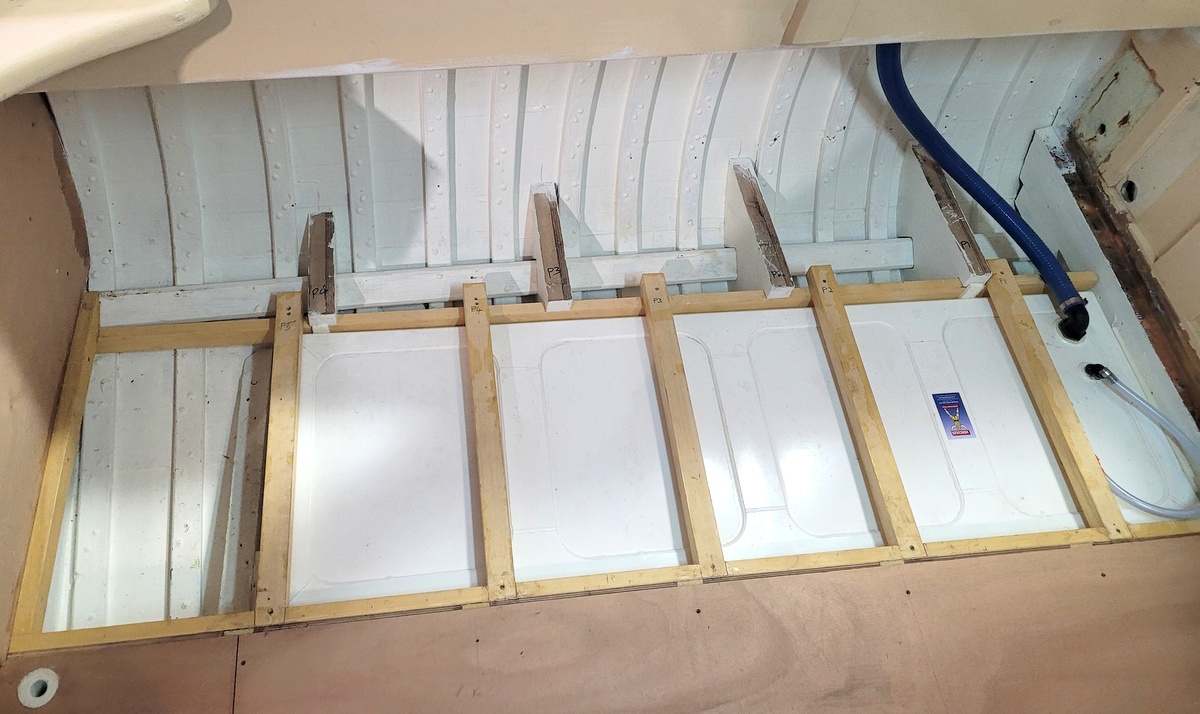
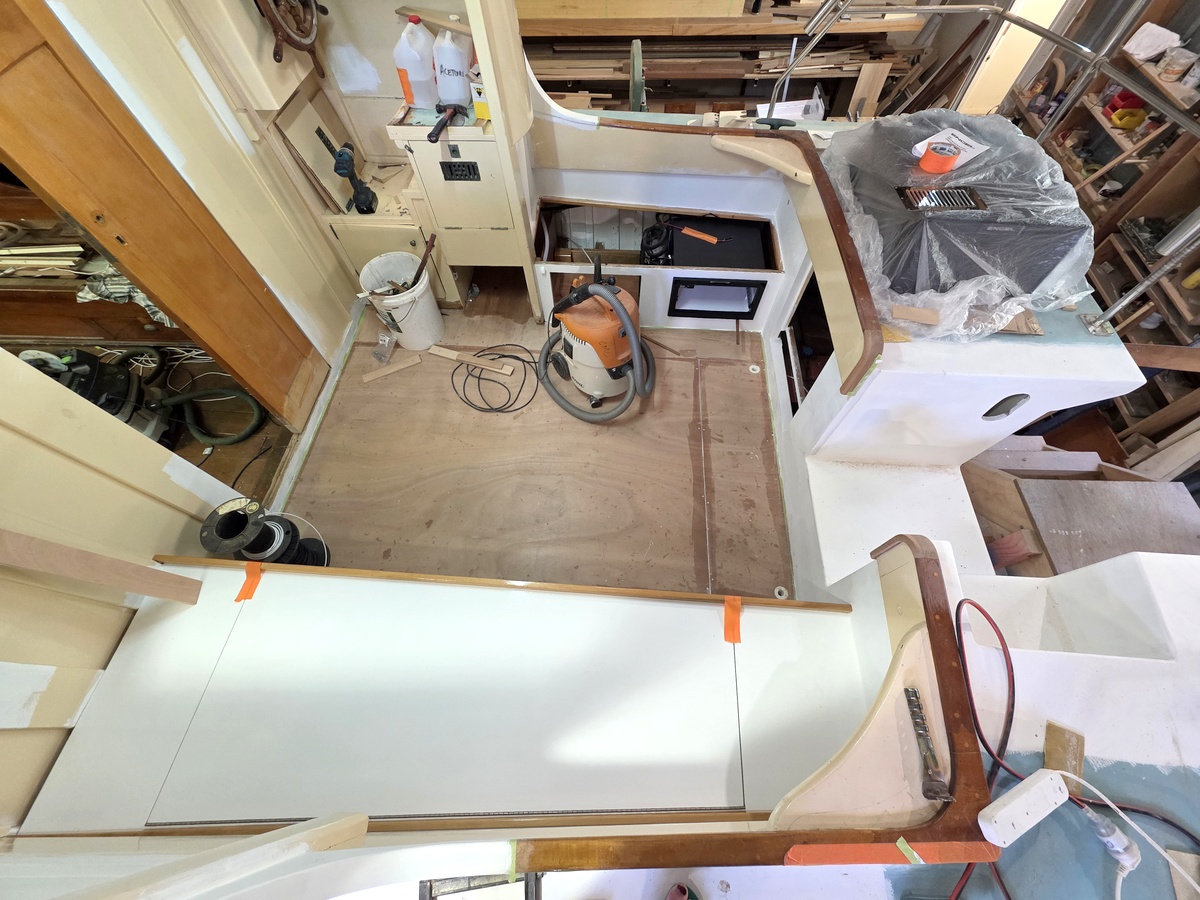
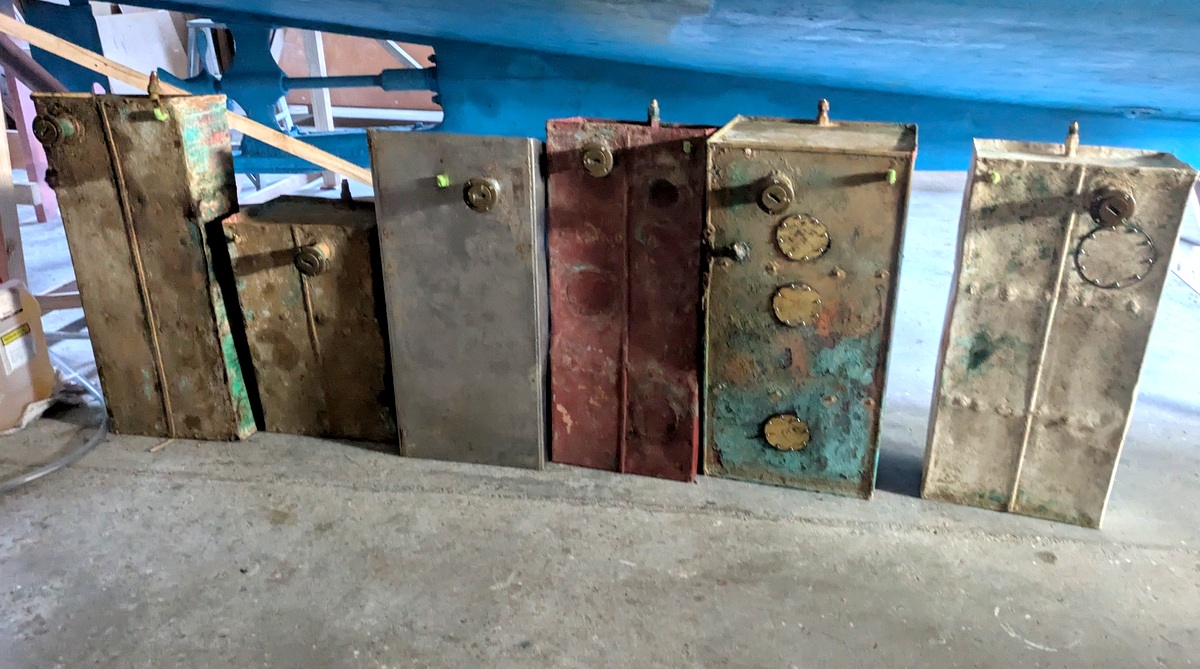
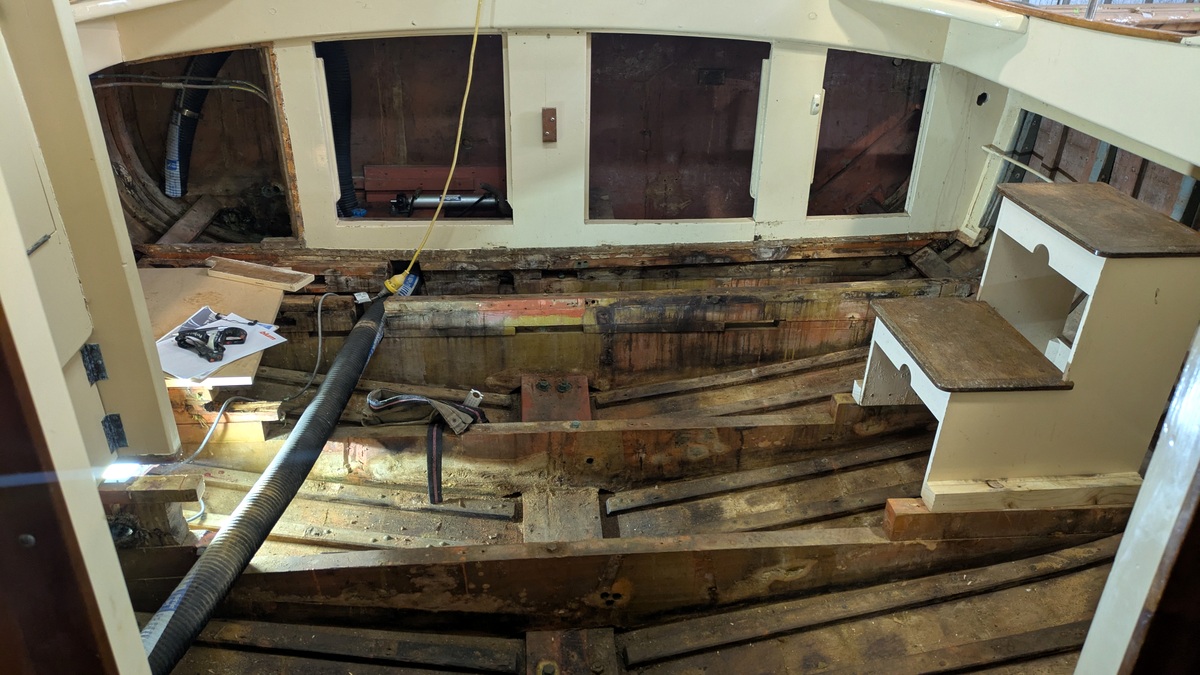
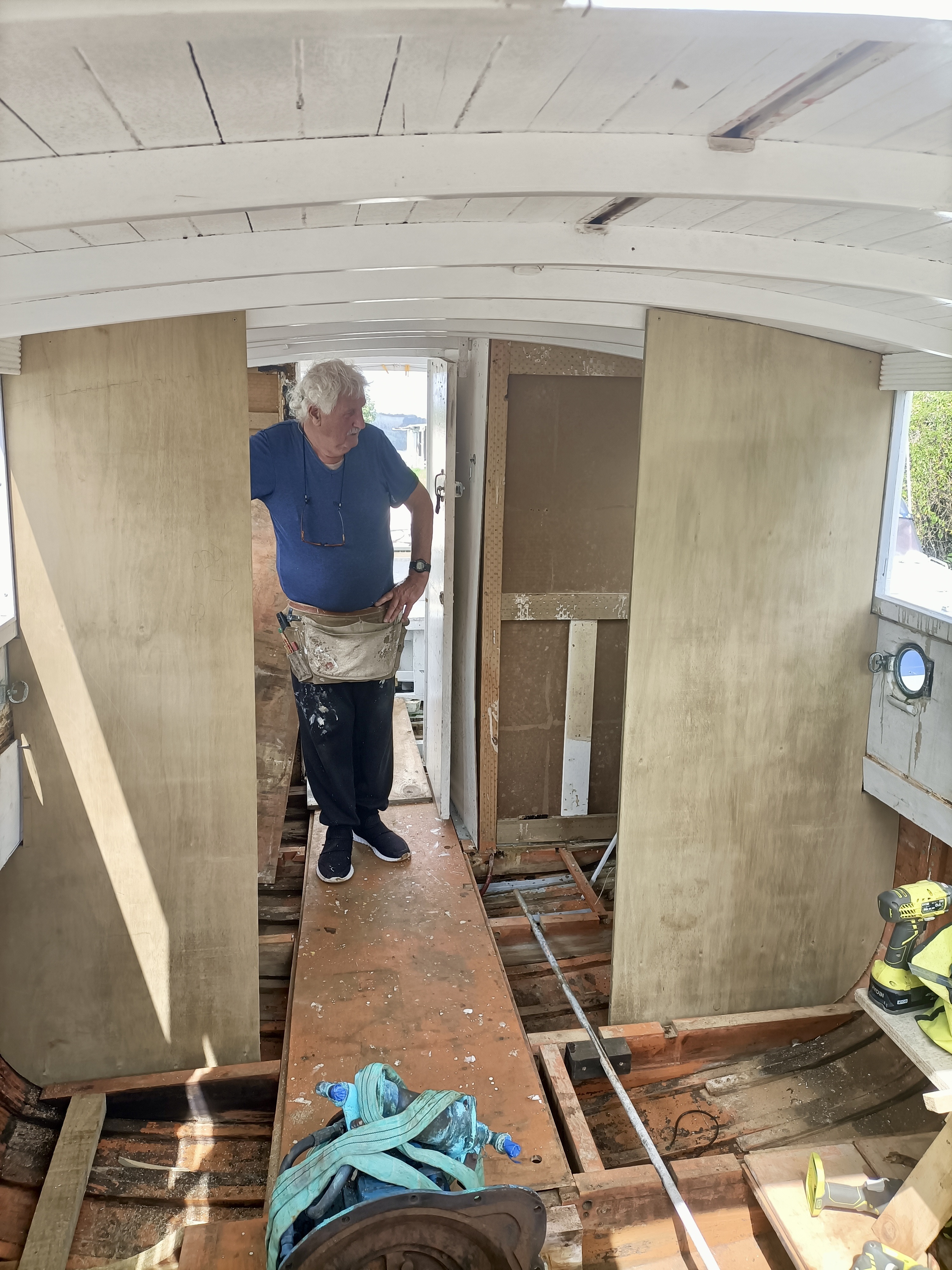
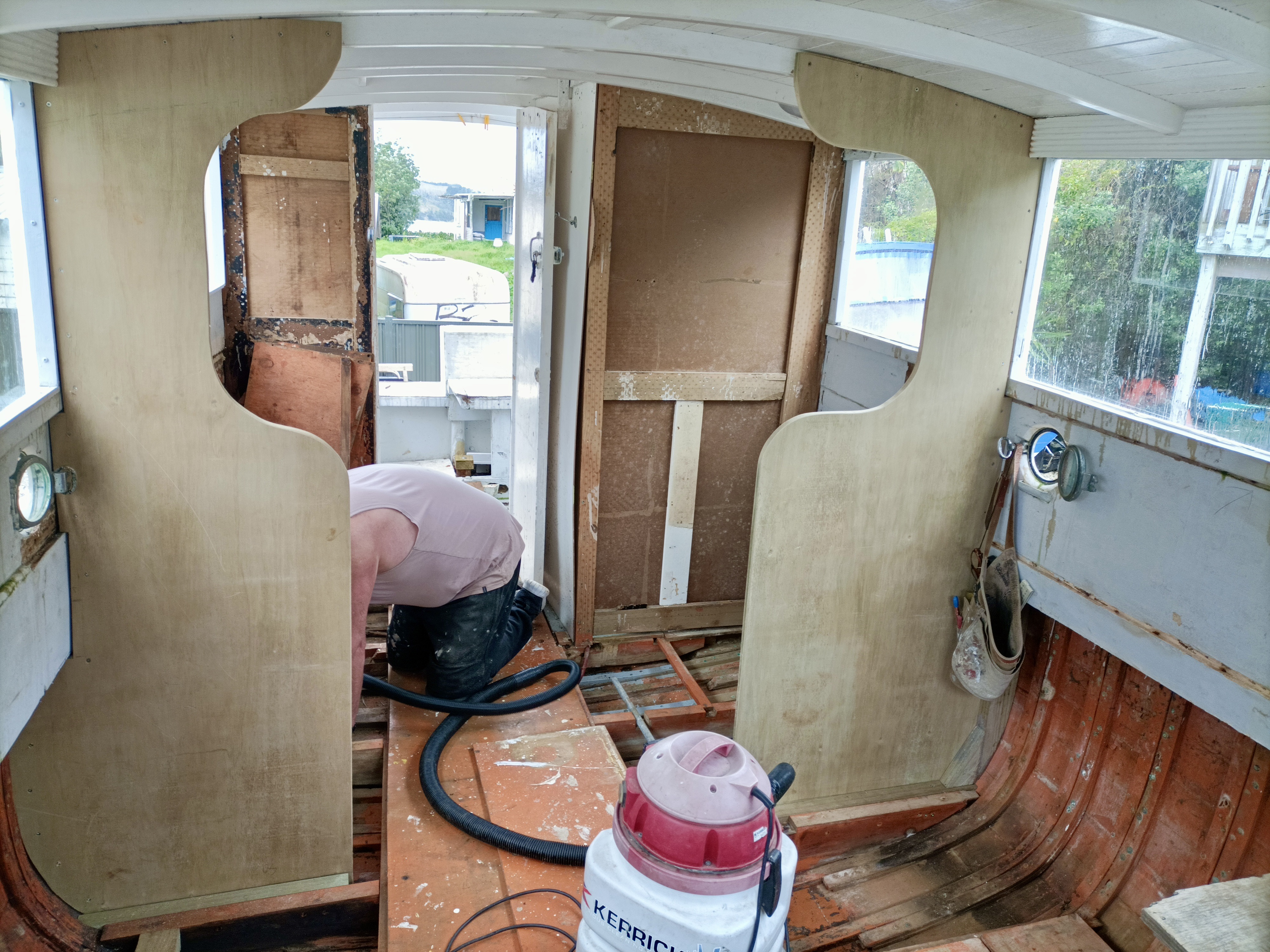
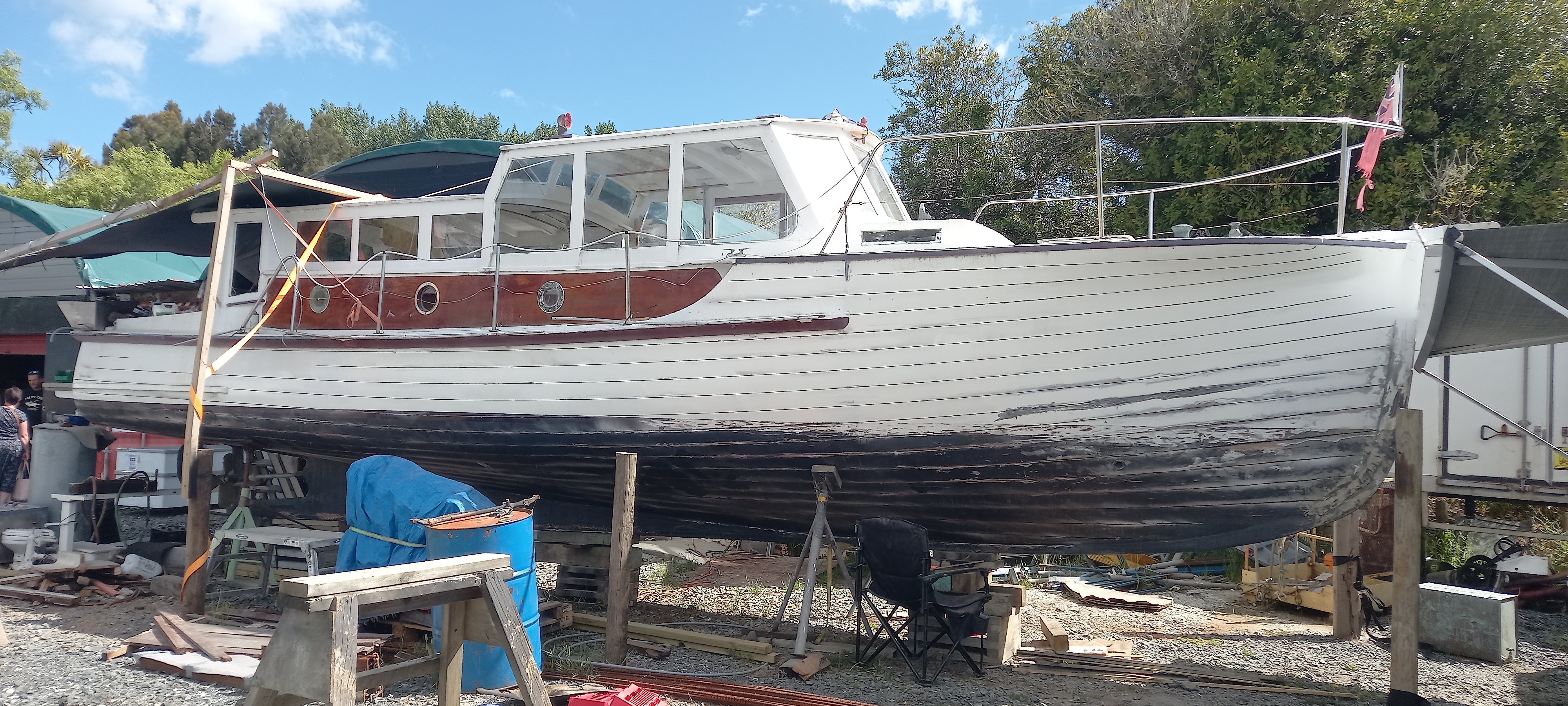
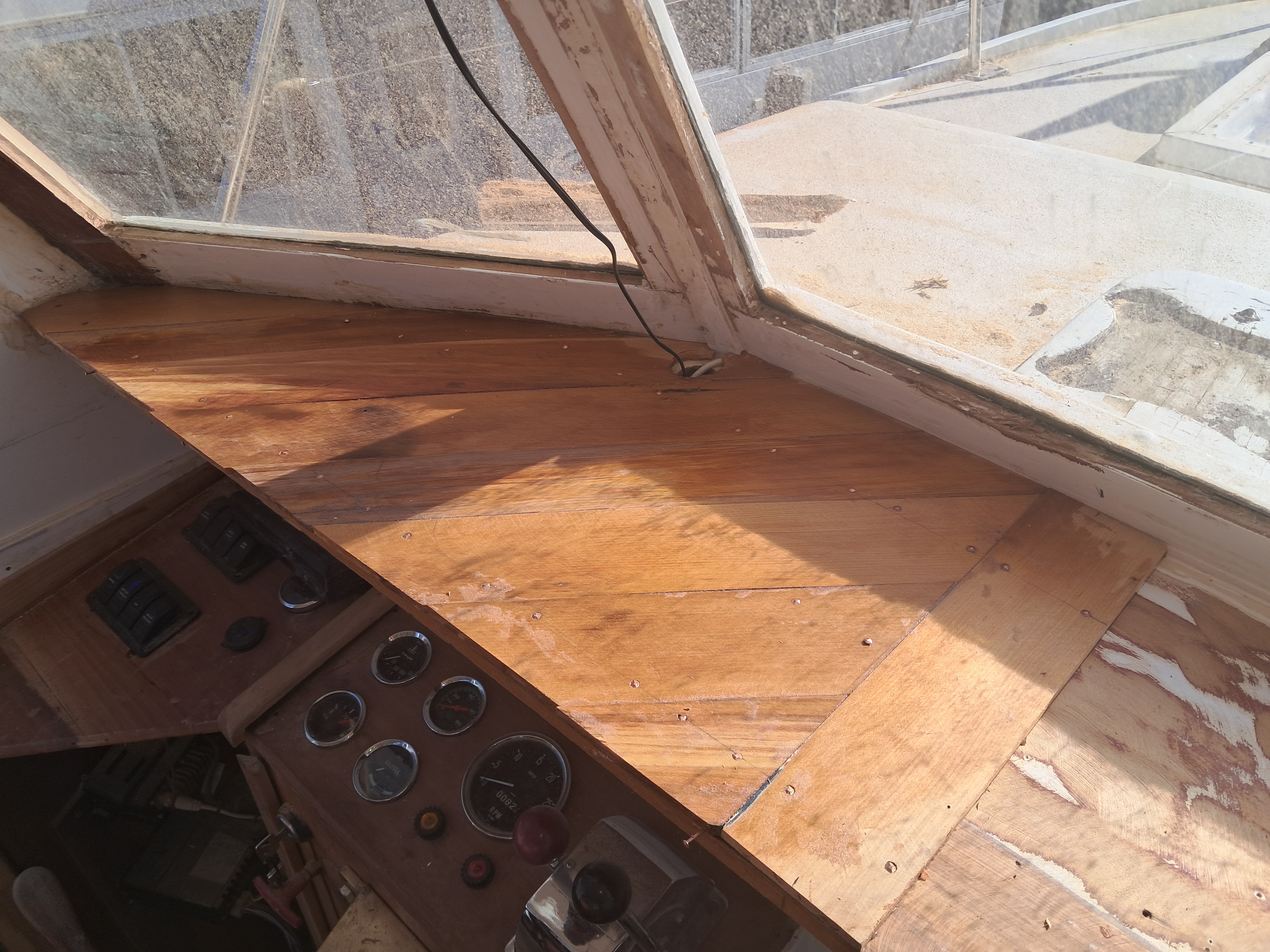
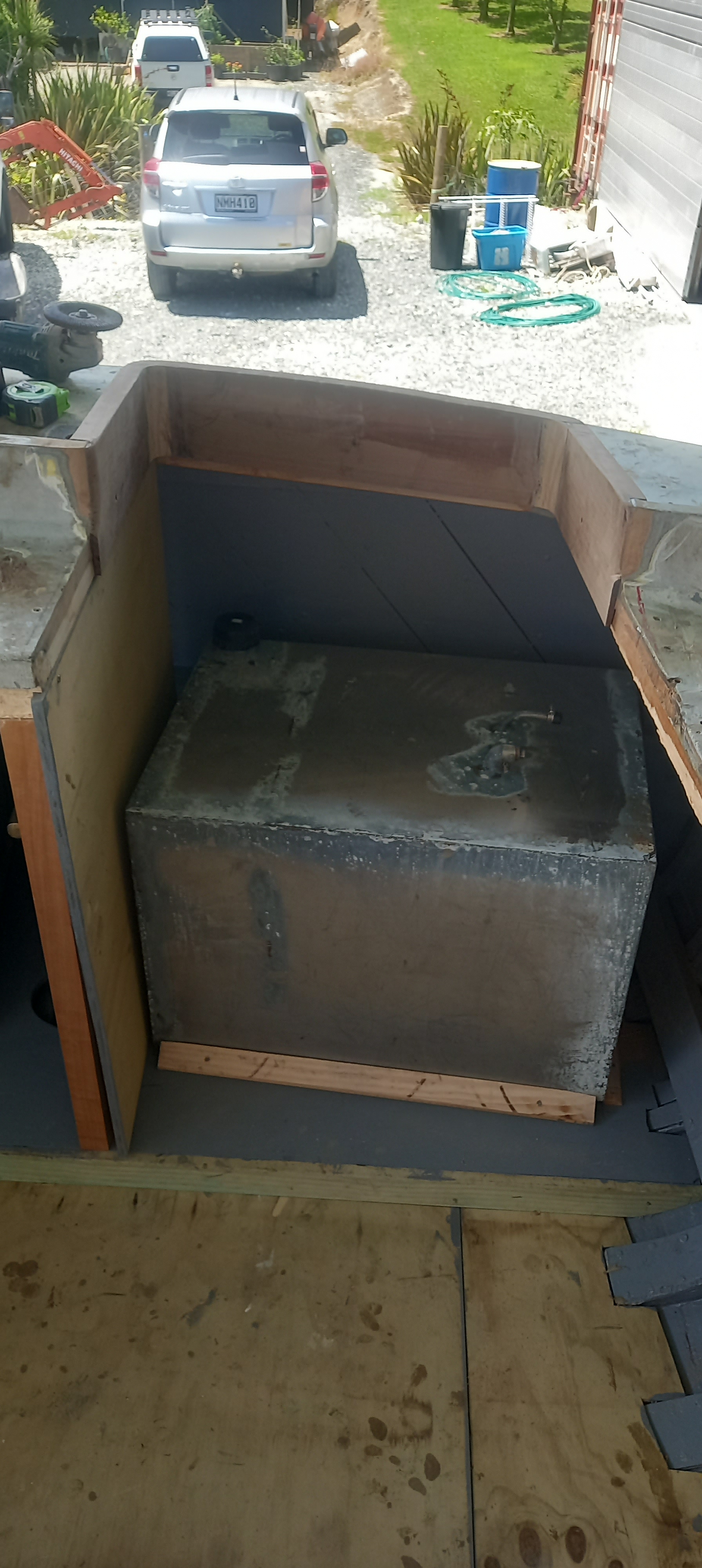
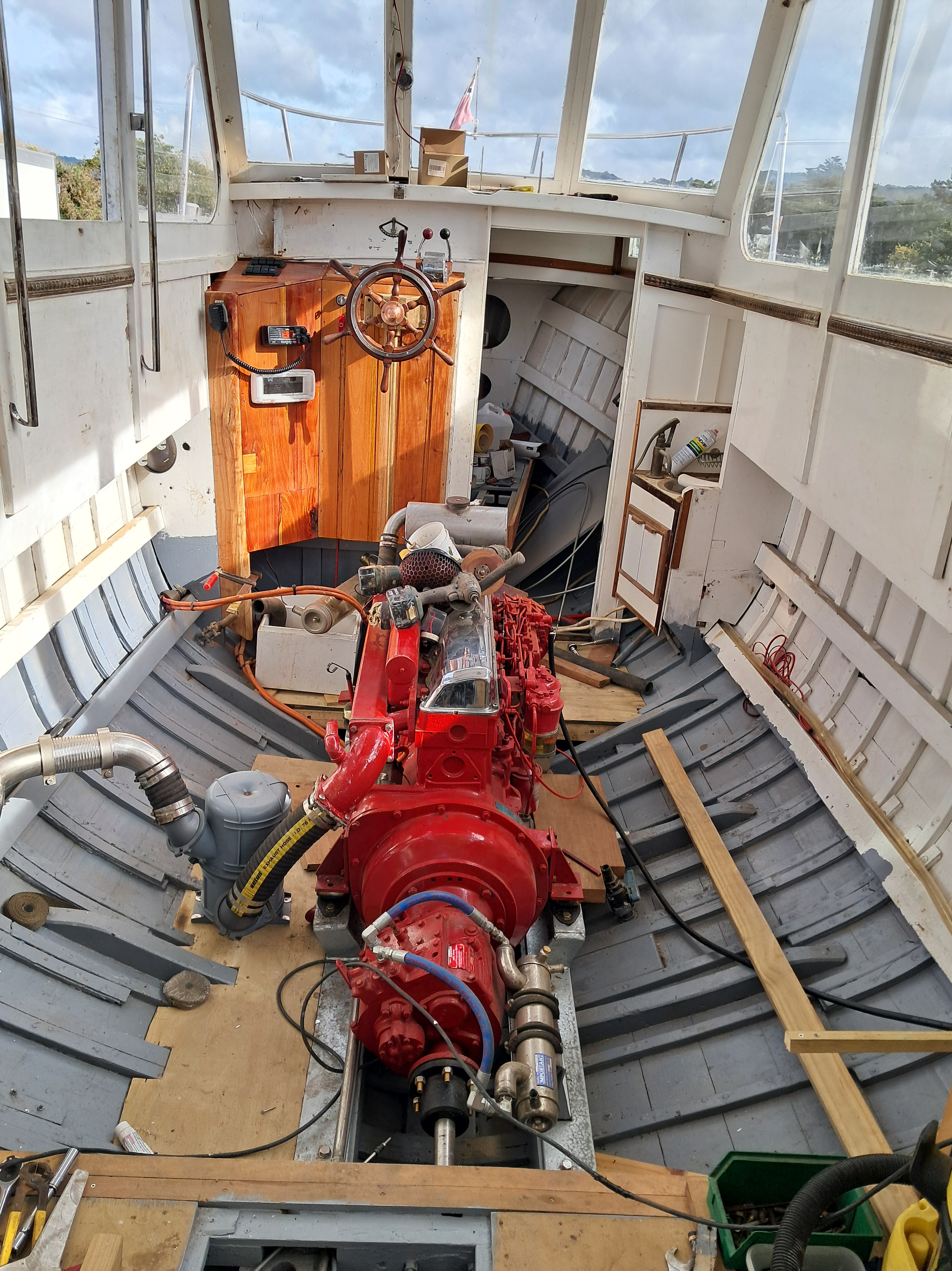
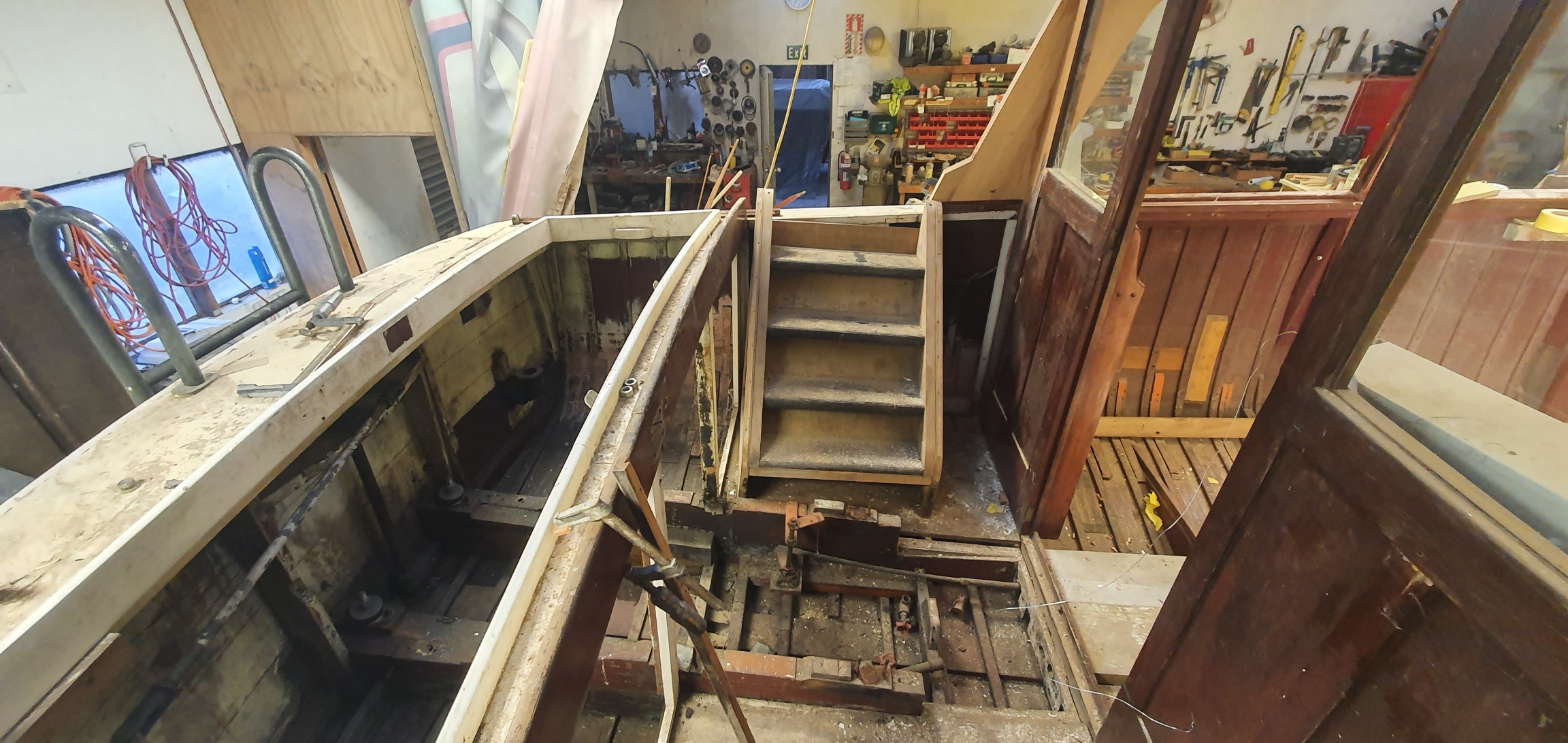
Recently I passed another milestone. Four years on the hard. Every year I tell myself that this summer she will be back in the water. I have only a few more months now if that dream is going to be achieved. We will see. I have moved onto getting the inside back together. New tank cradles have been built and today I installed her new diesel and water tanks. Next up will be building a new sole for the wheel house and replacing the cabinetry that John the previous owner had made from trees felled on his farm. I am looking forward to that. Will let you know how I get on.”

To be continued….  

THE RESTORATION OF THE CLASSIC WOODEN EX WORKBOAT – ARIANA (TE KAWAU) – PART TWO

THE RESTORATION OF THE CLASSIC WOODEN EX WORKBOAT – ARIANA (TE KAWAU) – PART TWO

Following on from last Mondays story on Sven Wiig’s classic wooden vessel – ARIANA, previously named GLENROWAN and TE KAWAU. Sven has just sent in Part Two. 

Todays story takes us up to last week  and we will run Part Three on Wednesday and then woodys we will have to wait for the final part for a little while, but rest assured there will be one 😉

And as highlighted in Part One Sven is looking for any intel on her past , and is very grateful for those that commented last week.

Link to Part One : https://waitematawoodys.com/2025/07/07/the-restoration-of-the-classic-wooden-ex-workboat-ariana-te-kawau-part-one/

Handing over to Sven

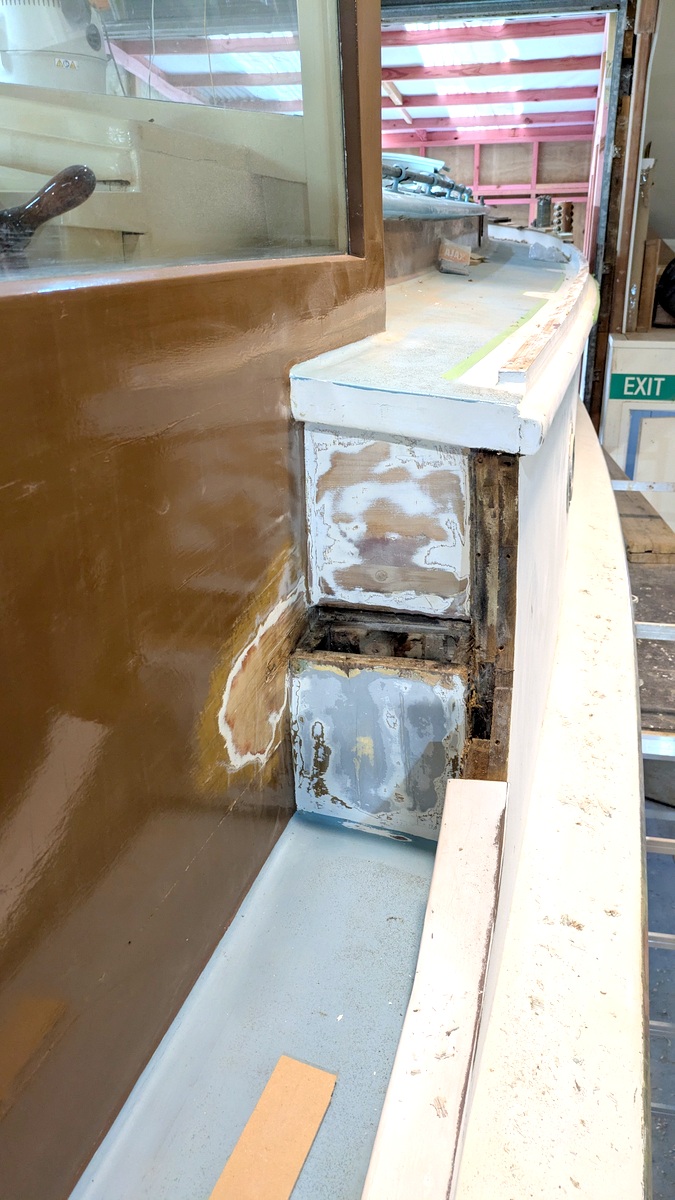
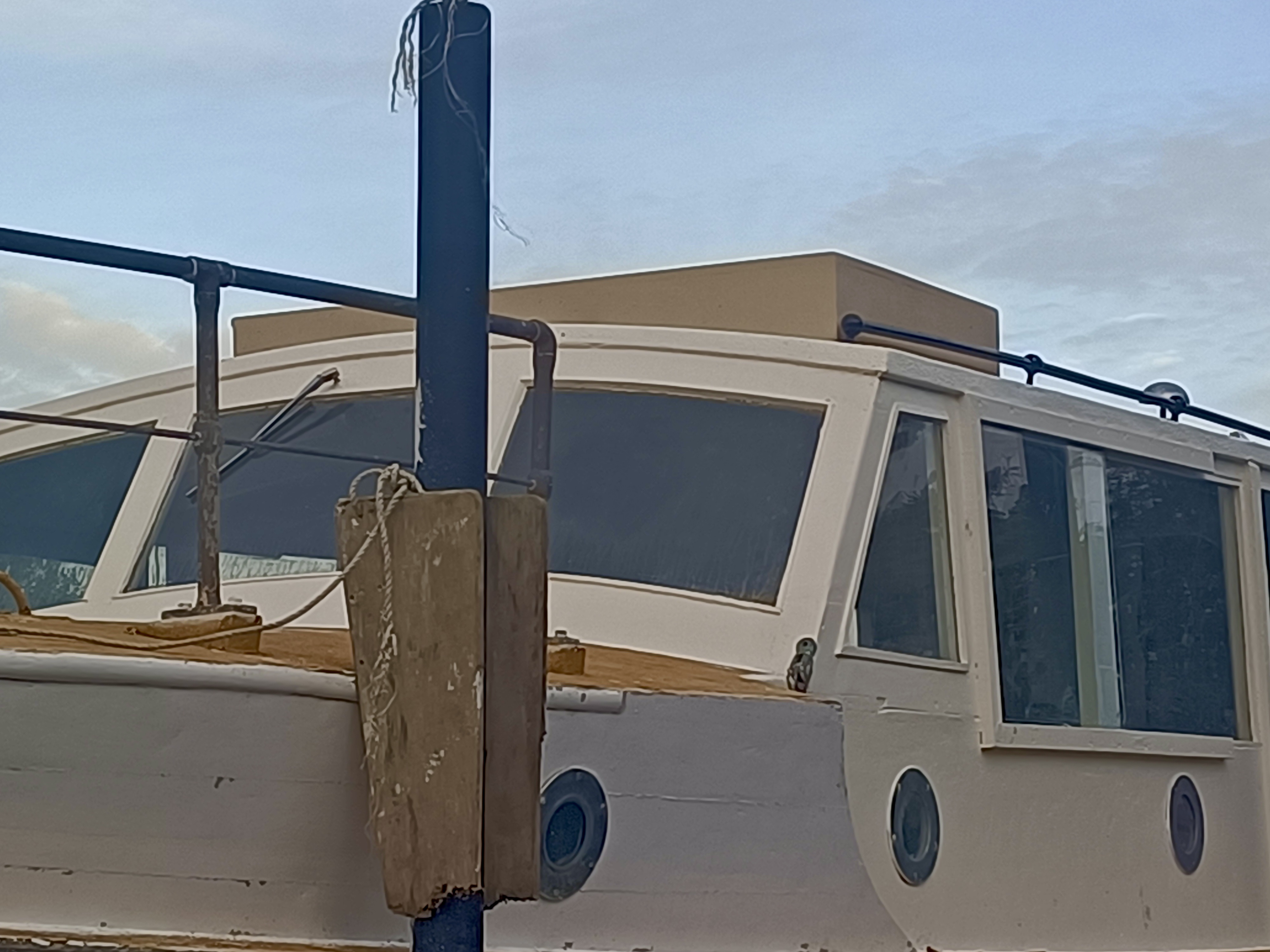
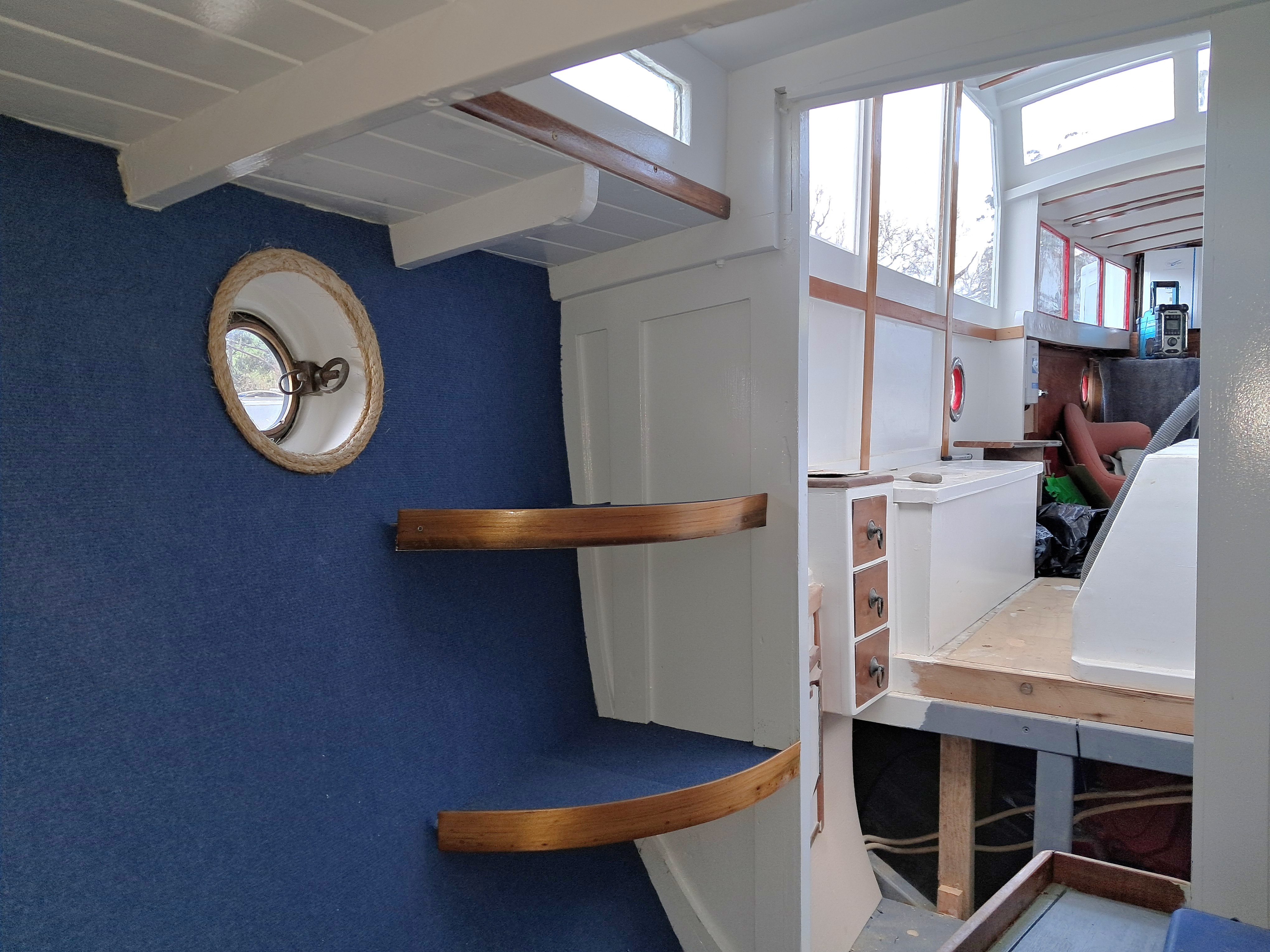
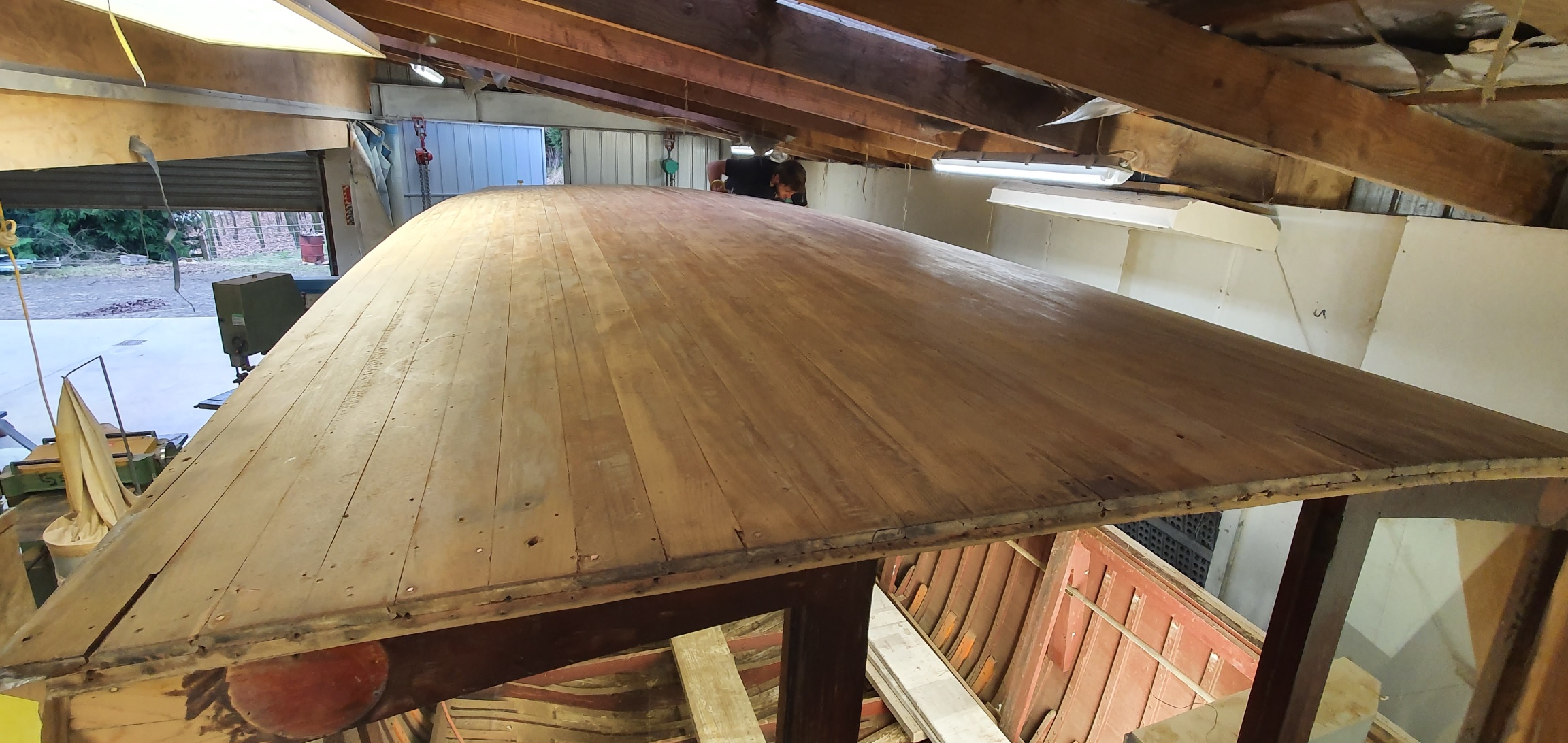
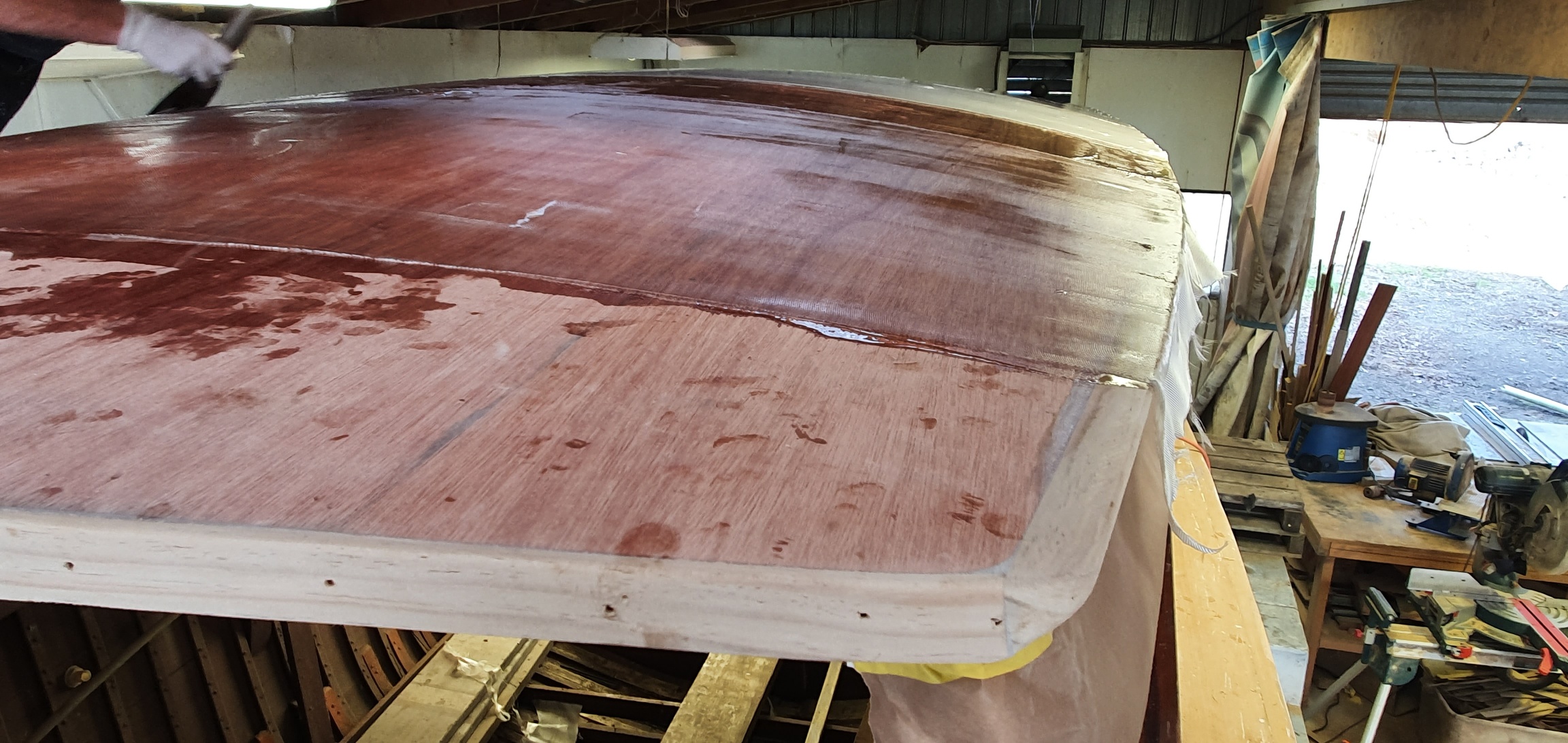
“Once the decks were fibreglassed the next mission was to get the coamings and cabin tops rebuilt. Cabin tops were given two layers of ply and clashed in solid. 


The little doghouse extension got the same treatment.


I had hoped to find bronze portholes for the coamings but couldn’t find any in the right sizes and quantity. I decided to copy the detailing that existed in the wheelhouse windows. 


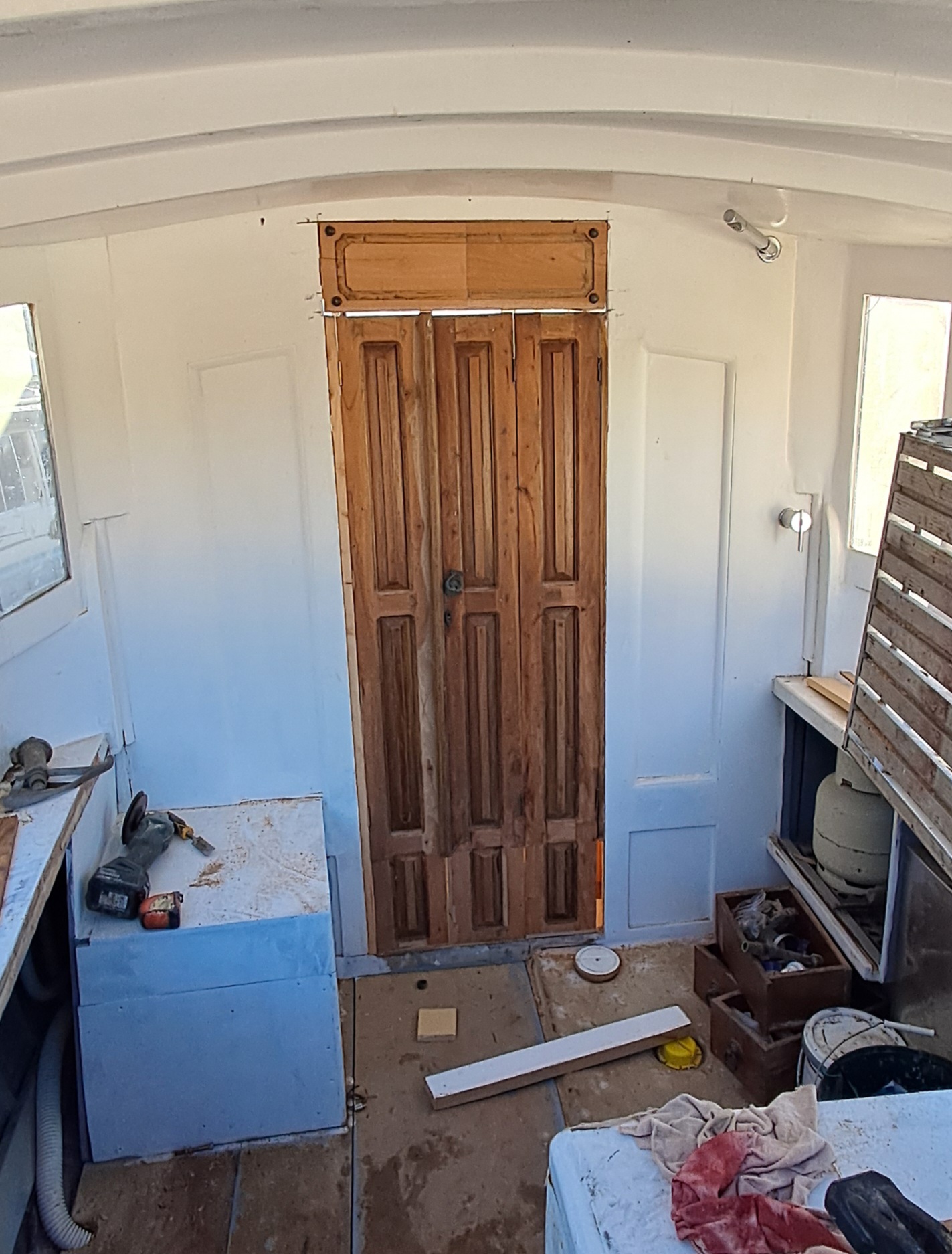
Next were the doors which I repaired and modified.


The wheelhouse sides were repaired with new tongue and groove.

Once all this had been sanded and given a couple of coats of paint the cover could be removed and I could finally stand back and check out my work. I was a bit nervous that I wouldn’t like my design choices once I could view them from a distance, but overall I was pretty happy with her. 

Cover off after three years. 

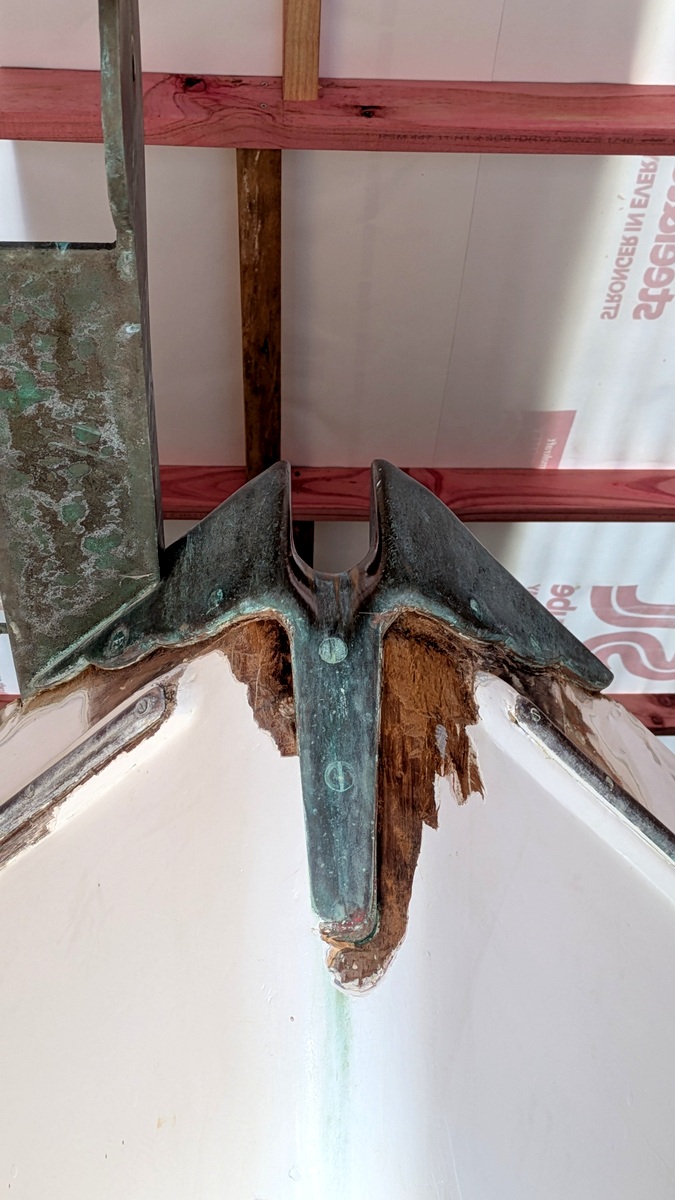
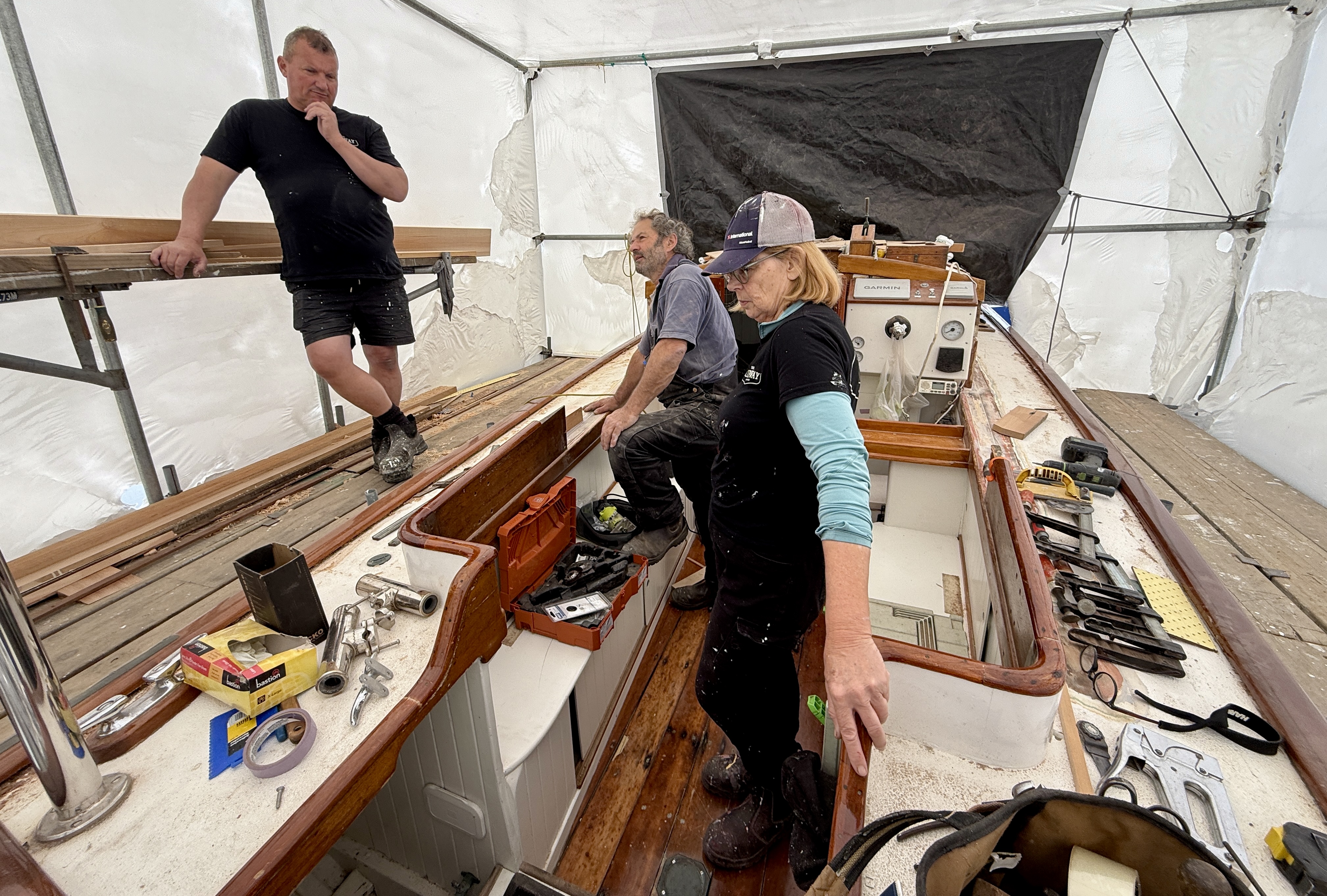
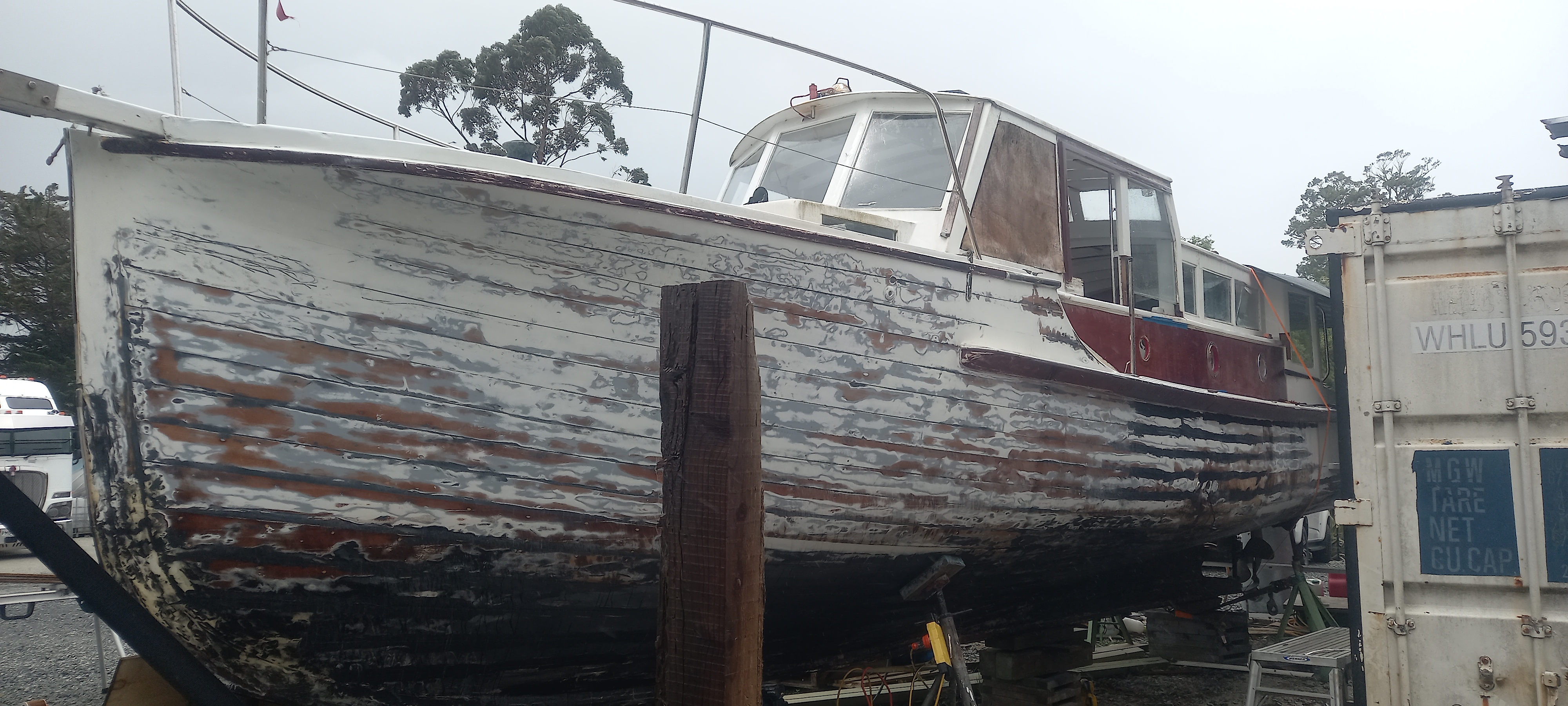
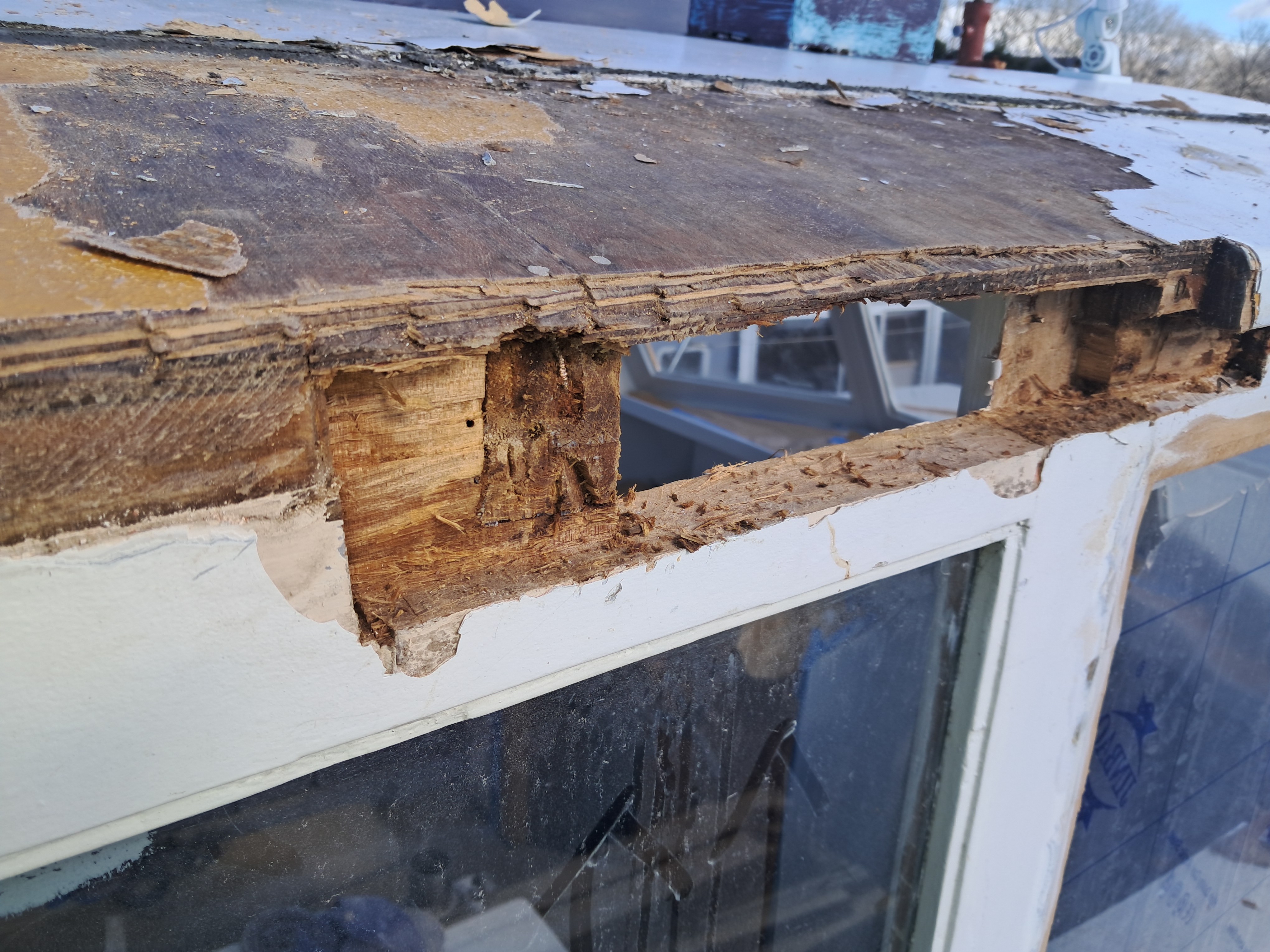
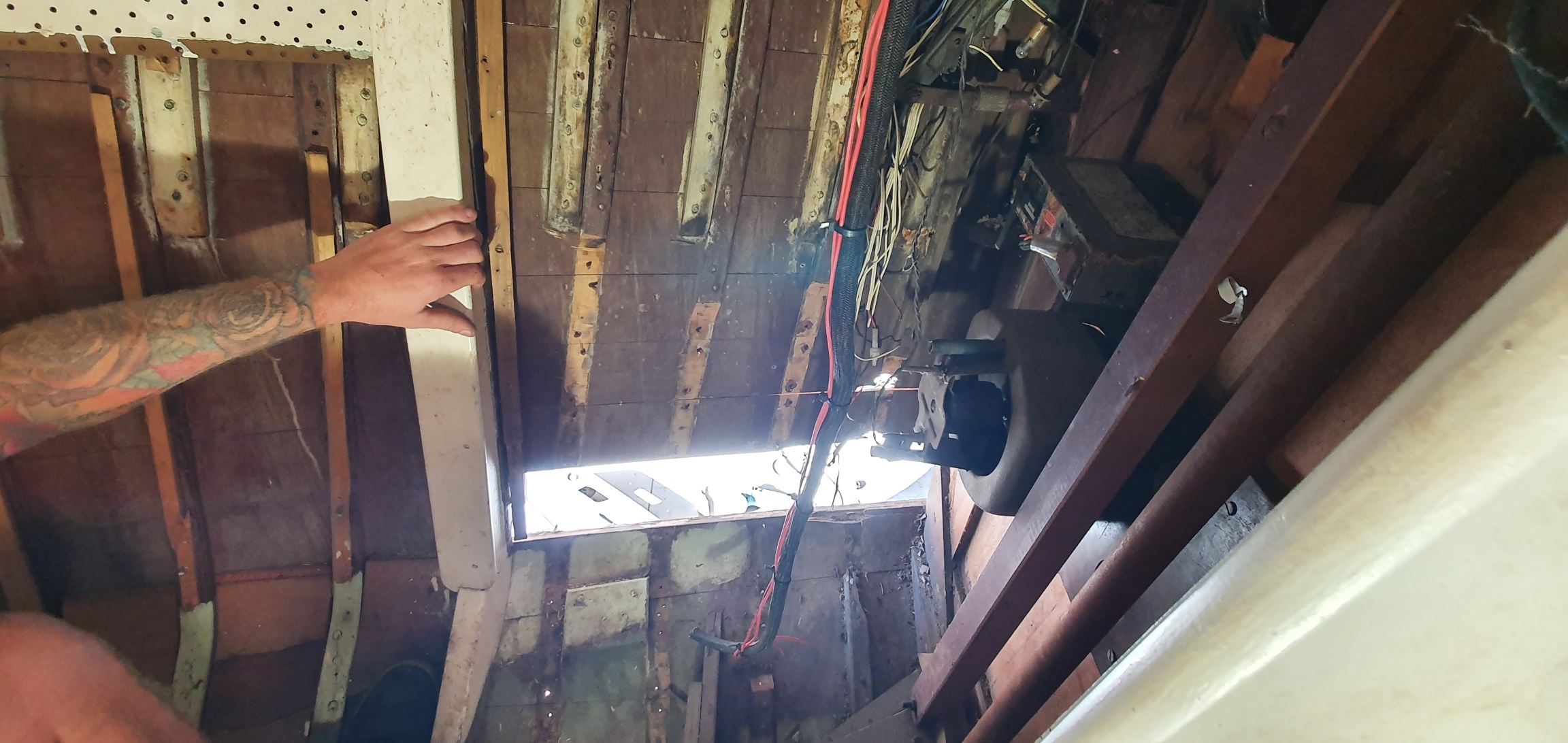
It had been more than three years now since she had come out of the water. Progress was frustratingly slow but with the cover now off it finally felt like I was getting there. Next up was to rebuild the Bulwarks. These had been cut away to gain access to the deck. I started cleaning off the old plywood getting ready to rebuild them. When I got around to the stern post I made a horrific discovery. I had always thought her stern wasn’t quite right I now discovered why. I dug out a large chunk of sikaflex and could see that her stem was cracked almost in two. All the screws holding her planks went straight into the crack. It appears that at some time in her past she suffered a trauma. Maybe she was crushed between another boat and a wharf, or hit from behind? Crikey what to do? All the others in the yard came and checked it out. There was lots of tut tuts and sucking through the teeth. A local boatbuilder suggested I cut the whole back off and put a transom on her. Humm… maybe not. It was not going to be an easy fix hence why it had never been fixed properly. Over the years more and more cotton had been jammed it there, more screws added then the sikaflex. This was why all the seams back there were large and the planks uneven, There was nothing for it in my mind I had to pull it all apart and repair it properly. I spent a good day just looking and trying to work out if I was biting off more than I could chew. Was there an easier way. Nope just had to go for it. 

Dug out the putty and sikaflex to reveal the crack…

I cut off the outer stem which appeared to be a grown hardwood. Maybe pohutukawa? This revealed the full horror of the situation. Yep I was committed now. 
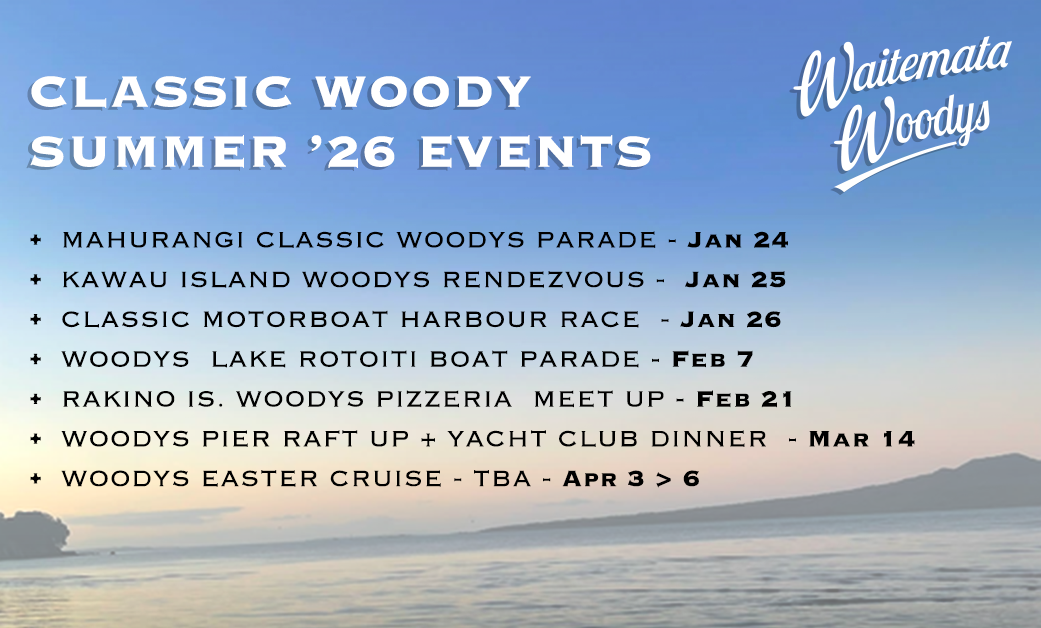
I then carefully removed all the old screws from the planks, removed a knee on the inside and pulled the inner stem out. All that makes it sound easy. In reality it was several painful days where I questioned my life choices. 

The inner stem removed from the boat. The crack when right though all the screws going into the cracked timber. 
To be continued in Part Three – on Wednesday.

MYSTERY WOODEN CRAFT – KERIKERI FLOOD + COOL DOCKSIDE EVENT

MYSTERY WOODEN CRAFT – KERIKERI FLOOD + COOL DOCKSIDE EVENT

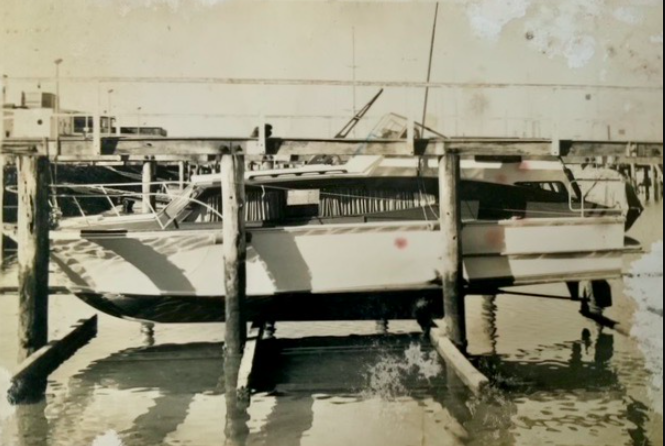
Todays woody photo comes to us from the Far North District Library collection via Dean Wright. The photographer being Gary Strongman (Northern Advocate).

The location is Kerikeri and is dated March 1981 and is tagged ‘post Kerikeri Flood’.

In the photo we see  ‘modernist’ launch coming to the aid of what appears to be a partially submerged boat. Both craft have reg numbers visible so probably workboats – the launch # could be ND 2524 and the submerged at a guess AK ?756 0r ?758.

Can we ID the boats.

INPUT EX GARY MATHESON– Hi, the vessels in the photo of the Keri Keri flood are the Chante and the Zita. Both were commercial fishing at the time. The Zita was a 28ft mullety and the Chante was owned by the Strongmans.

LOOKING FOR SOMETHING TO DO NEXT SUNDAY (20-07-2025)

Come along to the OPEN DAY at OBC marina – details below.

Things to see, do, eat and drink:

  • Classic Boats – On berths and trailers, including visiting vessels from Waitemata Woodys.
  • Marama – Kohimarama Yacht Club’s beautifully restored, solar-powered committee boat.
  • Amphibious Action – See Haines Hunter’s Overlander boat in action on our ramps.
  • Special Cars & Motorbikes – A unique display of vintage and specialty vehicles.
  • Clubhouse Open – Explore our clubrooms and learn about fascinating Motuihe Island.
  • Kai Ika and Auckland Council’s Marine Biosecurity trailer.
  • Meet Biosecurity sniffer dogs (if they haven’t been called out to a job).
  • Delicious eats – Grab a bite from the Mexican food truck and ice creams. The bar will be open and there will be a coffee cart.
  • Fun for kids – Bouncy castle and children’s activities.
  • Self-Guided Treasure Hunt – Take a walk around . Get a great prize at the end (includes 5L dry bag, 200 to be won).

THE RESTORATION OF THE CLASSIC WOODEN EX WORKBOAT – ARIANA (TE KAWAU) – PART ONE 

THE RESTORATION OF THE CLASSIC WOODEN EX WORKBOAT – ARIANA (TE KAWAU) – PART ONE 

Last week we ran a story from Sven Wiig on his wooden vessel – ARIANA, previously named GLENROWAN and TE KAWAU. Sven was looking for any intel on her past , as he undertook a rather epic restoration project. As I always do I asked for some regular updates and photos – well on Saturday the email inbox started to groan when Sven’s email arrived. Slightly different format today, but it suits the story – as told by the man himself.

THE NEW DECK

In May 2020 we bought ‘Ariana’. We knew she needed some work, there were obviously rotten bits here and there and the deck seemed a bit spongy in places but looking inside all seemed pretty sound and she had a brand new engine. How can we go wrong? The owner made me an offer I couldn’t refuse as he said he thought I was the right person to take her on and he wanted me to have her. So we bought her and had her transported down to Wellington and the same truck then took our old boat ‘Primadonna’ up to our good friends in Auckland. 

Ariana arrives in Wellington

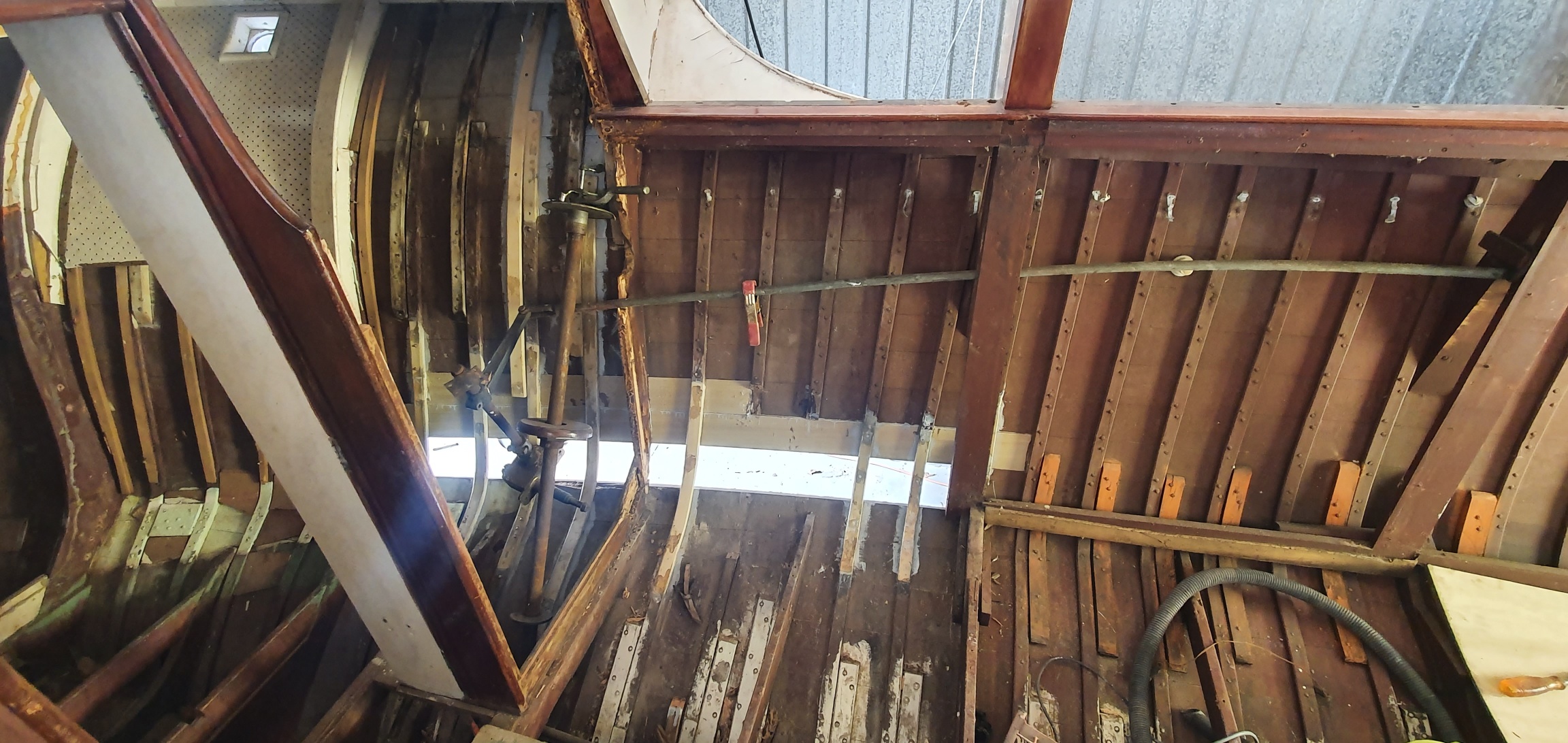
We enjoyed Ariana for a year just cruising the harbour and taking friends and family out for picnics. A year later I had a break in work and decided now is the time. Ariana was hauled out at Evans Bay I had six weeks before the next job and I was going to have the boat back in the water before I had to leave town. No problem pull the old ply up put some new ply down, easy. That didn’t go to plan. Pulling up the old ply revealed, compost. A bodged previous repair had been letting in fresh water for many years. I enlisted a friend to give me a hand and we kept digging. We discovered the entire deck structure, sheer clamp, carlins, cabin coamings and bulwarks were all rotten. At this point I made a panicked call to my brother Olaf who is a qualified boatbuilder and asked for advise. ‘No worries, you got this, one piece of timber at a time.’ My partner was less encouraging advising me that the only way forward involved a chainsaw and a skip bin. She was right. I seriously considered this option. Couldn’t do it, I had been entrusted with Ariana and I was going to save her. To encourage my madness Olaf came down from Auckland and gave me a hand to start laminating up the first section of sheer clamp. I continued demolishing pieces of the boat. In between I made new bits to try and keep spirts up. I pulled out the old fish hold, still under the rear deck, to discover ballast in the form of river stones and rusty railway iron. The pile of debris grew, less and less of Ariana remained.

My friend Bede discovering the extent of the rot.

Rotten wood and ballast.

Six weeks passed and I had to go back to work. I had some shear clamp and carlins in place and I had a destroyed boat. Several months passed while I was away working and I returned with new energy. Realising I was never going to get it done alone I convinced two clever friends to give me a hand. Pete, Marc and I started replacing deck structure, framed up and new front cabin and replaced  planking where the rot extended into the top planks. Broken ribs were sistered with laminated white oak and riveted in place. We were making some good progress…

Front cabin framing underway.

Fiddly time consuming work.

New deck beams installed. 

Then the budget ran out and work ground to a halt. Months passed with me only finding the odd weekend here and there to move the project forward. Slowly I finished the deck structure and created a small dog box extension to the wheelhouse, above the old fish hold. One day this will be a cabin for my son. A year had past and finally I could start laying some plywood for the new deck. A job I had optimistically thought I would be doing nine months earlier.

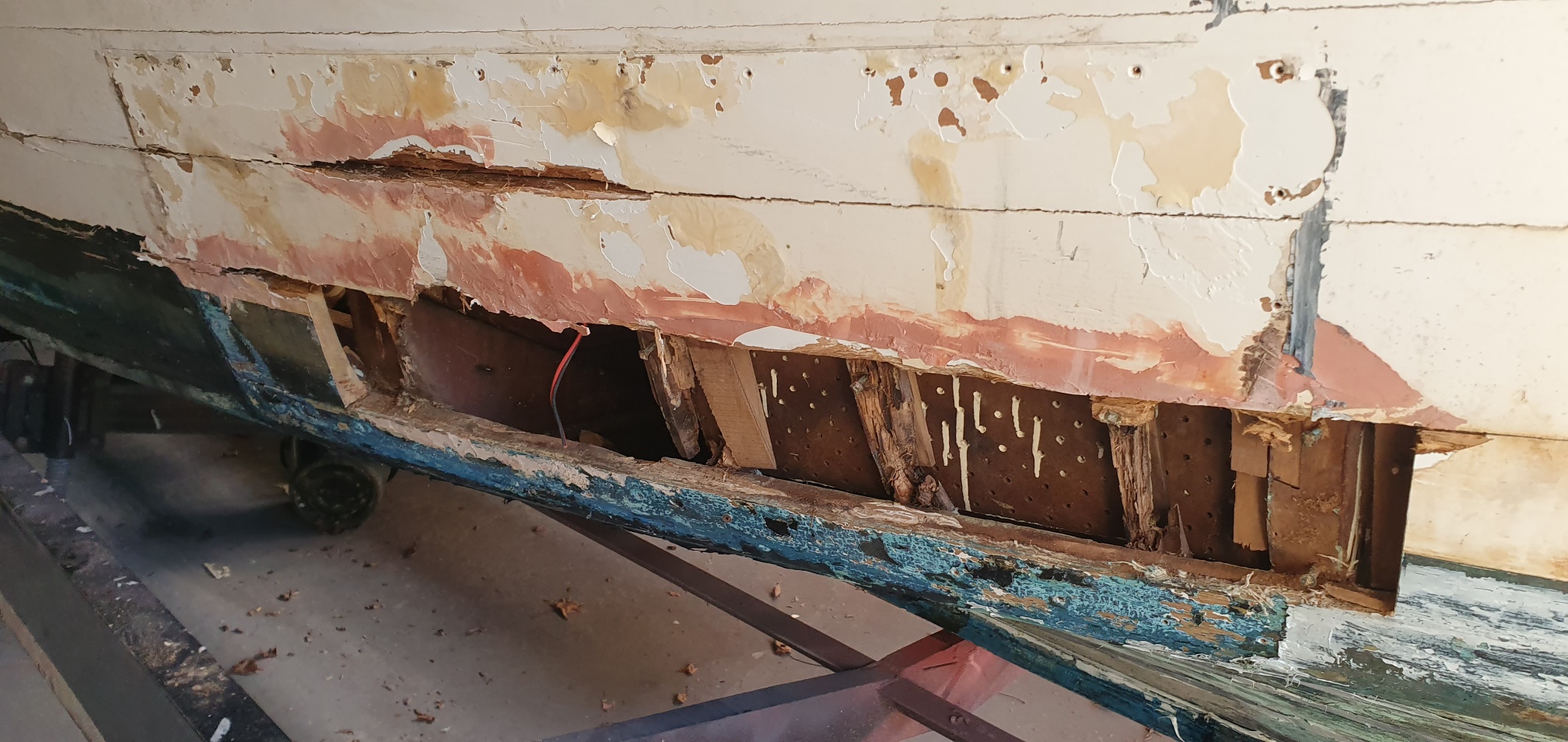
However before I could lay the ply at the stern I decided I had better investigate the lazarette hold. Something wasn’t right back there. I wasn’t to find the full extent of the un-rightness of this area for some time, more of that later. First was to chip out all the concrete that had been poured into the bilge. Several days of extremely unpleasant work later I had removed the concrete to reveal and section of keel or deadwood near the cutlass bearing that was all punky. Degraded by electrolysis. The anodes and bonding wires had taken a toll. I cut back the punky wood until I found good solid timber. Sealed it with epoxy and went looking for some more Kauri. Some large Kauri beams were sourced and a section of keel patched in with new floors. 

Last of the concrete.

Keel patch coming together.

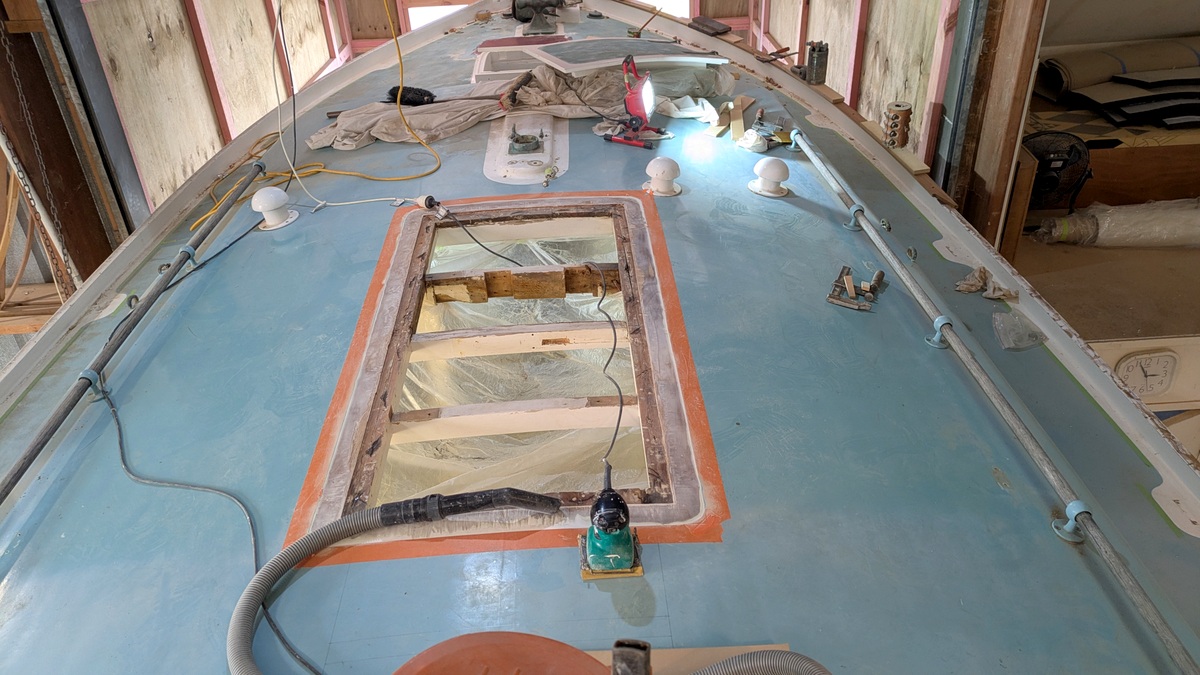
Moving on I built a hatch for the lazurette and laid the last of the plywood. Fibreglass was laid. She finally had a deck again and another year had passed. Two years into a six week project and I was maybe half way finished.

To Be Continued………

THE WINNER OF YESTERDAYS DES TOWNSON QUIZ RE NUMBER OF INDIVIDUAL DESIGNS – IS KEN MULGREW WITH THE ANSWER 74. As recorded in the Brian Peet book – Des Townson A Sailing Legacy.

CLASSIC WOODEN LAUNCH – AVALON RESTORATION UPDATE #1

Launch Day 1954
2021

CLASSIC WOODEN LAUNCH – AVALON RESTORATION UPDATE #1

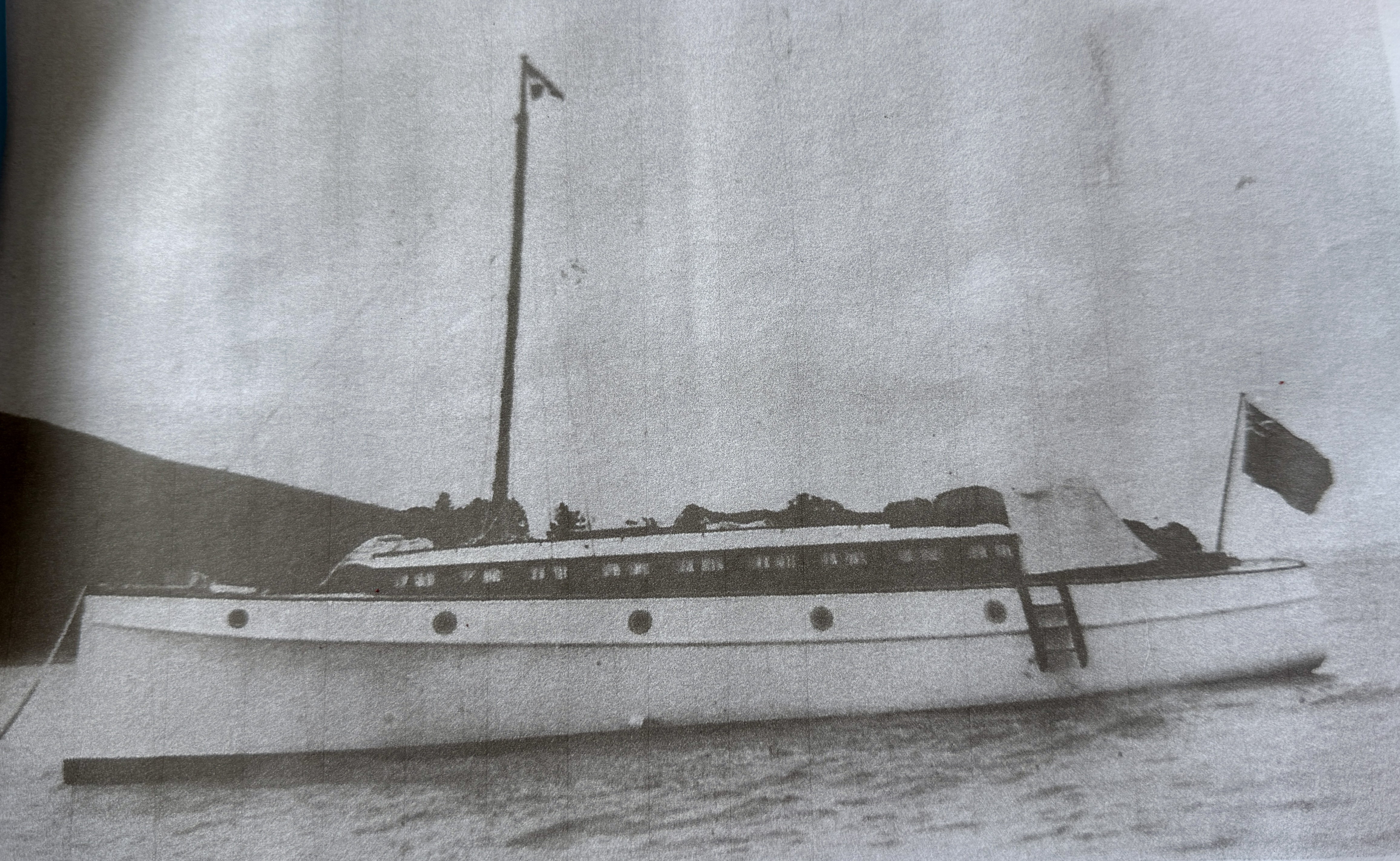
Back in Feb 2020 one of the WW spies spotted the launch – AVALON ‘parked’ on a lawn in Auckland’s north shore. From the subsequent WW story , linked below, we learnt that the 24’ AVALON was built be Sam Ford and launched in 1954 . AVALON has enjoyed one extended family ownership since new and at the time Tobias Forsyth (MV Callisto) was planning to give the launch a birthday. The top photo (launch day) above was sent in by Cameron Pollard Feb 2020 https://waitematawoodys.com/2020/02/17/mystery-sam-ford-launch/

Fast forward to Nov 2021 and Tobias gave us an update, link below, which included a wonderful collection of historical AVALON photos over the years. He also shared a design sketch of the thinking re the ’new’ look (4th photo above). Nov 2021 https://waitematawoodys.com/2021/11/29/resurrection-of-avalon/

Then last Friday the gallery of work-in-progress photos above landed in the WW inbox. The Forsyth family, including father Ian (MV MEOLA) are very talented chaps as you will see from the work underway.
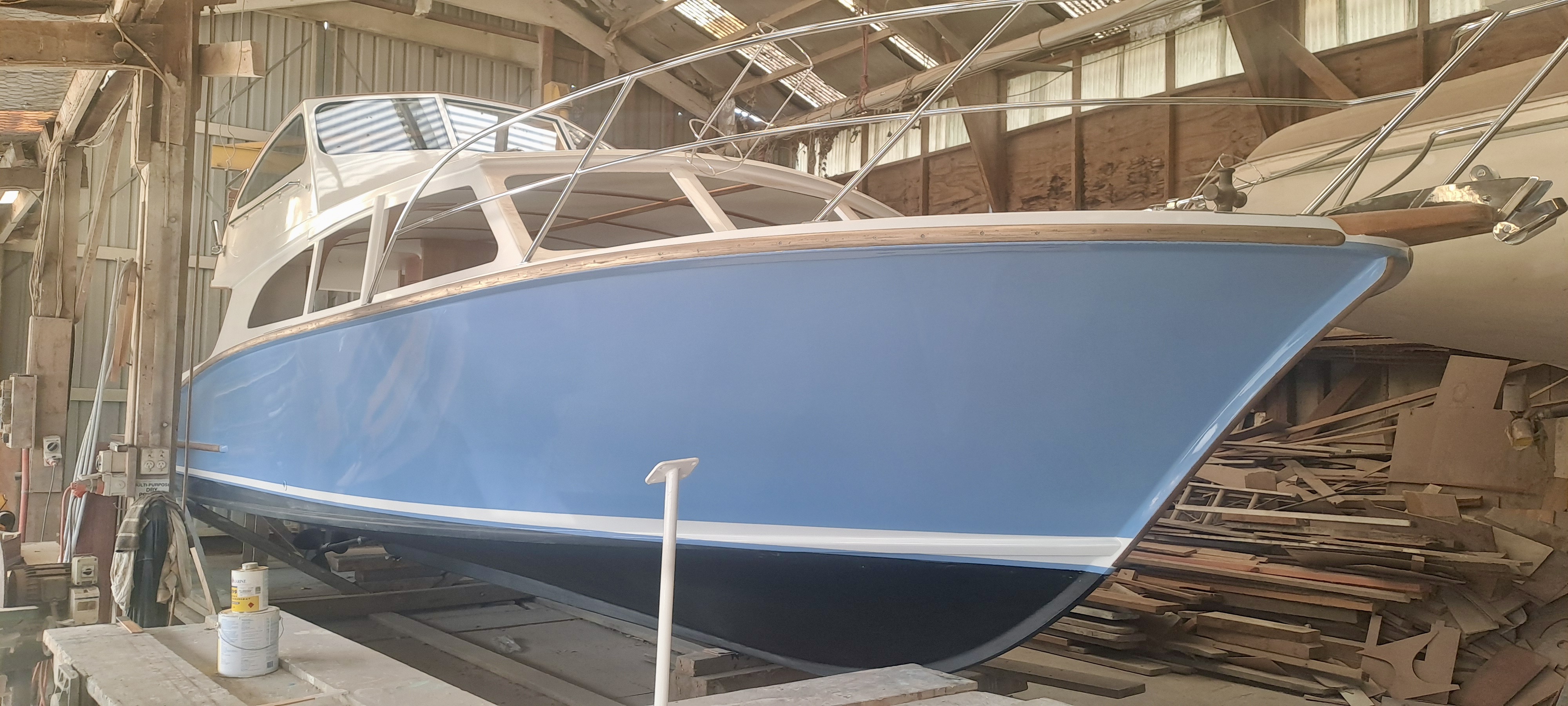
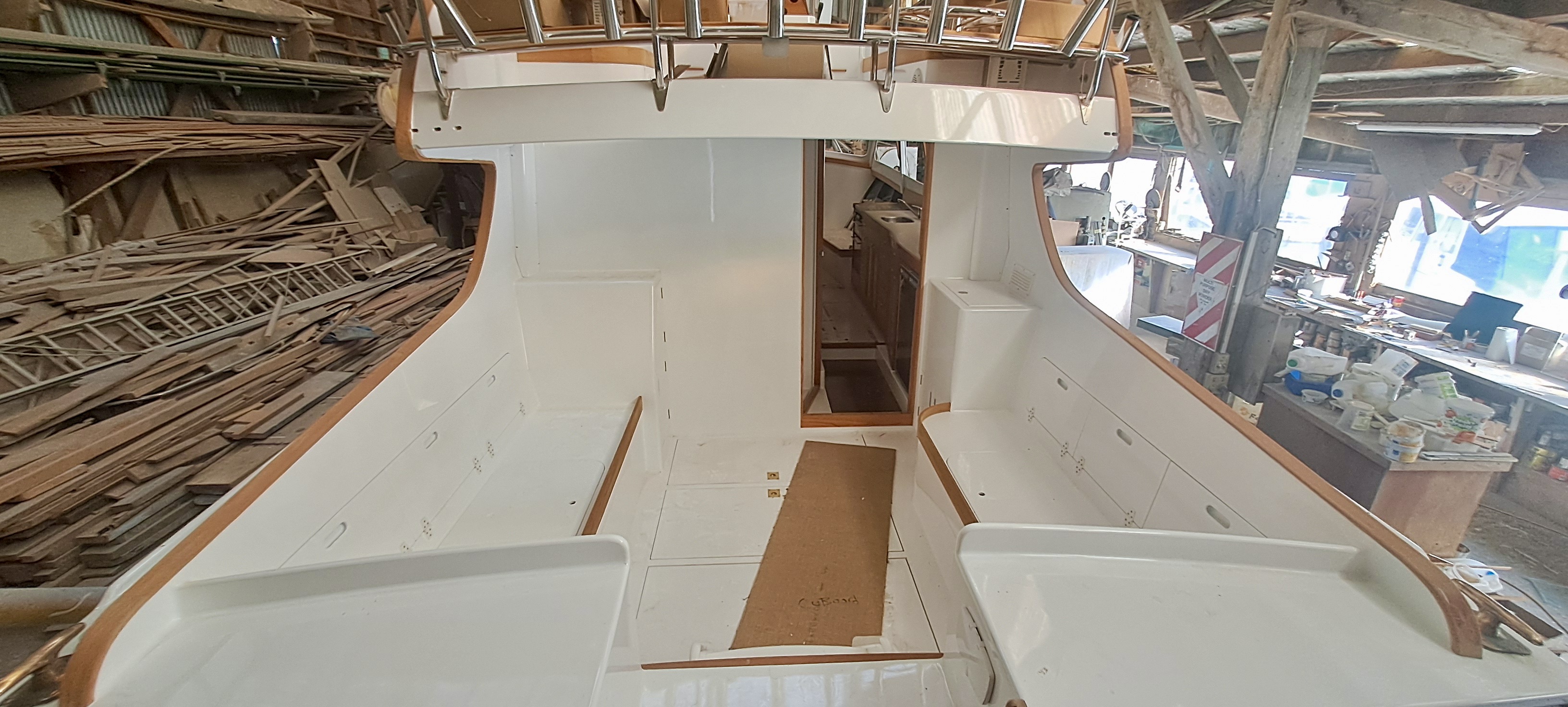
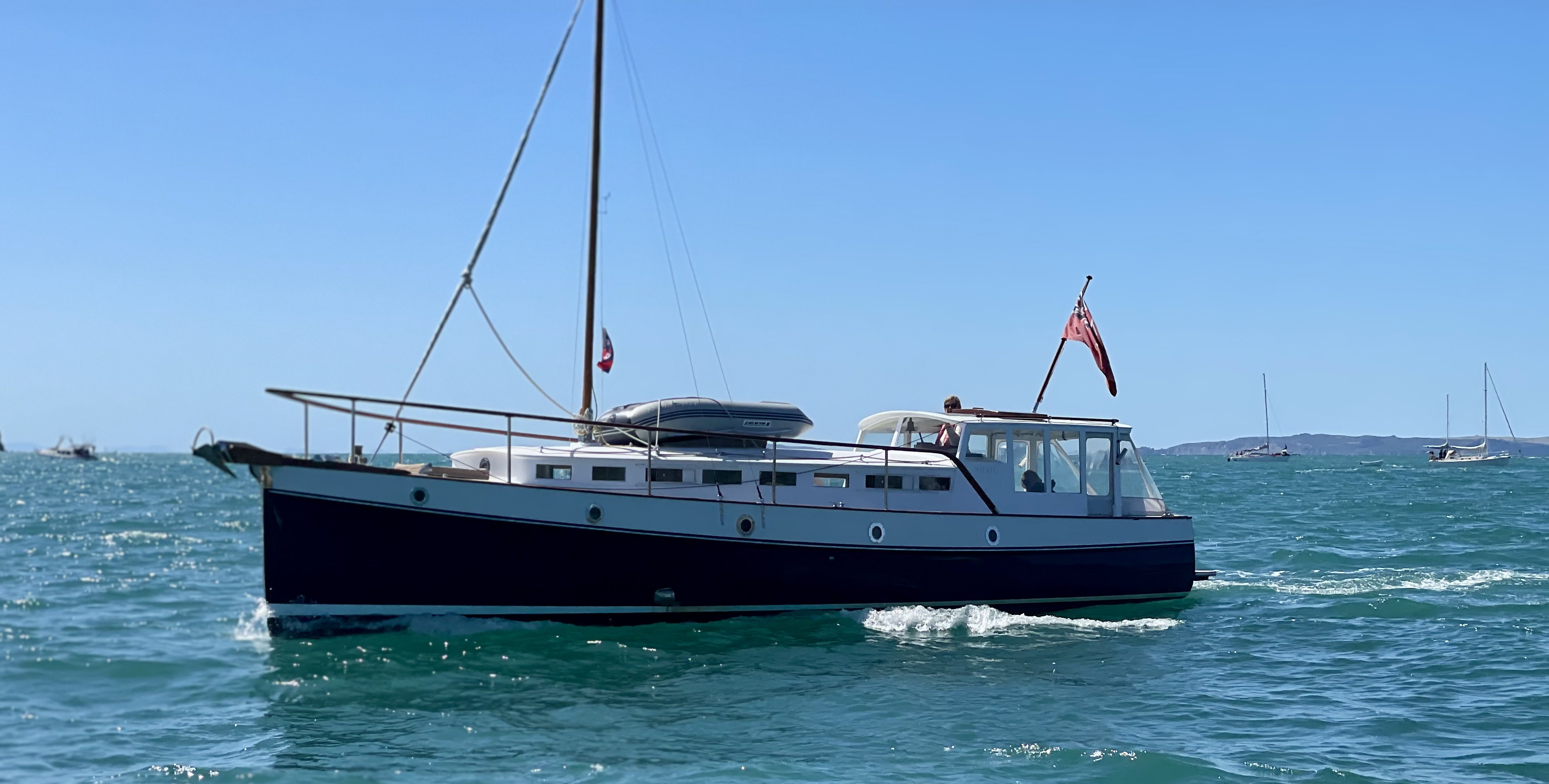
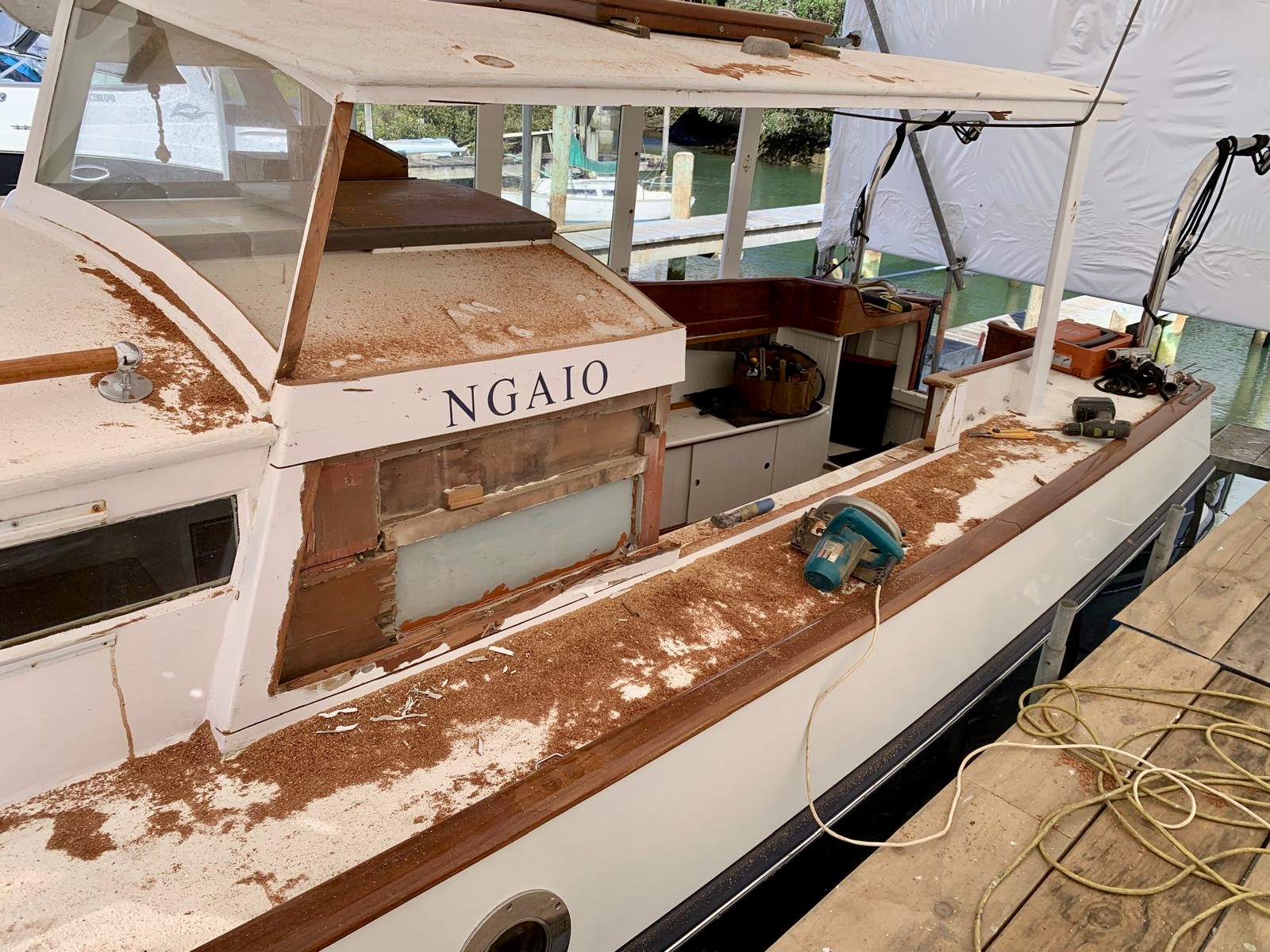
Tobias commented that it had “been a busy few weeks with some big milestones but plenty of work has gone on since she was installed outside my kitchen window. Getting onto the shiny bits new with new solid Honduran mahogany cabin sides with a slight more sleek take on Avalons original design, engine is in and things are progressing well. Hopefully she can be in the water for summer 2026 in a rough and ready mode.”

As always – click on photos to enlarge 😉

UPDATE ex TOBIAS FORSYTH – AVALON will be re-powered  new Mercruiser 3.0 petrol engine with new hydraulic transmission. 

The old engine (Morris Naviigator) was too far gone and finding parts made it uneconomical. Its still sitting in my garage if someone looking for parts as there’s all sorts there and spares too including the Paragon box with 2:1 reduction. Would make a good static museum piece as it’s quite neat with the hand crank start etc. it seems too good to take to the scrap dealers. 

The new engine is half the weight, 8 x more HP , narrower and shorter, so gives me much more internal room. And it should be nice and quiet inside the cabin when running. Plus she may boogie a little faster now.
I intend to tow her around the country and visit a lot of the lakes and hard to reach spots right down south in the future so she will be a full trailer boat now. Plus the anniversary races etc.

Tobias also commented that he is the second owner of Avalon, his grandparents had her hull and cabin sides built by Sam Ford in early 50’s and grandfather transported her home on the truck and finished her outside their kitchen window over a period of about 6 months with what ever he could find that would do the job, tounge and groove and canvas cabin tops. They then kept her at their wharf in Helliers Creek that Avalon help build as she towed the logs to Riverhead to be pressure treated and milled before towing/carrying them back rather overloaded at times.  Tobias’s Grandma used her regularly well into her 80’s before she ended up on the lawn . Tobias’s  mum Carol is the baby in Granddads arms on launching day. 

AVALON is a genuine one family owned vessel since new. 
THE LIFE OF BOATBUILDER JACK GUARD

THE LIFE OF BOATBUILDER JACK GUARD

Earlier in the week, Rob Watt drew my attention to a YouTube video by Darren Guard on the life of his grandfather Jack Guard, one of New Zealand’s great boat builders. 
Pour yourself a coffee and sit back and enjoy the video,  lots of wonderful historical photos and footage. 

Make sure you hang in there to the end – there is a terrific poem titled – ‘Making It Back’ penned by poet Sam Hunt, a Jack Guard boat owner.

AN INSIGHT INTO NZ’S UNIQUE MARINE ENGINES – Part Six

Screenshot

AN INSIGHT INTO NZ’S UNIQUE MARINE ENGINES – Part Six
Todays WW story follows on from earlier stories – link below to Part One, Two, Three, Four and Five 
As per pervious stories in the series the content has been pulled together by Ken Ricketts and ‘polished’ byPatrica and Ken’s daughter Corinne Pettersen. As always we have endeavoured to be as factual as possible but there will always by matters others will either know more about or be able to correct errors – so woodys do not hold back in commenting.

PART ONE – https://waitematawoodys.com/2025/04/04/an-insight-into-nzs-unique-marine-engines-part-one/

PART TWO – https://waitematawoodys.com/2025/04/12/an-insight-into-nzs-unique-marine-engines-part-two/

PART THREE – https://waitematawoodys.com/2025/04/18/an-insight-into-nzs-unique-marine-engines-part-three/

PART FOUR – https://waitematawoodys.com/2025/04/26/an-insight-into-nzs-unique-marine-engines-part-four/

PART FIVE – https://waitematawoodys.com/2025/05/03/an-insight-into-nzs-unique-marine-engines-part-five/

BENZ DIESEL ENGINE – BENZ OM59 55HP 4CYL DIESEL ENGINE PROBABLY SIMILAR TO THAT IN THE MANUNUI

MANUNUI WITH HER 55HP 6 CYL BENZ DIESEL ENGINE DURING WWII

MANUNUI AS BUILT AT SPEED WITH HER BENZ DIESEL ENGINE 

The MANUNUI was built for Percy Colebrook in 1939 by Bill Couldrey and had a medium / slow revving 6 cylinder 55 hp Benz Diesel engine fitted when built, which she retained until 1963 when it was replaced by a 100 hp Perkins Diesel. 

CRUSADER V8 MARINE PETROL ENGINES

TWIN CRUSADER ORIGINAL V8 PETROL ENGINES HAVING SERVICING, FROM THE RIVA TRITONE “LOLA,” WHICH ARE STILL IN HER TODAY. 

Crusader engines, while major marine engine suppliers in America and other countries, have only made a cameo appearance in New Zealand, with only a handful of these lovely engines in use here, as far as I can ascertain.

Overview: The only craft I personally know of for certain is the stunning 1962 Italian-built Riva Tritone, LOLA.

However, WINSOME II may have had one, back around the 1950s when owned by Andy Donovan. I know her previous Chrysler 8-cylinder inline engine was replaced around that time by a V8, that was either a Crusader, Chris-Craft, or Flagship. However, the memory banks have failed me, making it impossible to determine which of the three it is, so come on, you WINSOME II experts, help me out here!

In the 1960s, Crusader Marine Engines was a prominent brand worldwide, providing inboard power for many boats, particularly cruisers and sport fishermen. They were known for their premium quality and reliability, used by leading boat manufacturers like Chris-Craft. 

Crusader engines were based on standard automotive engines, but were marinized for marine use, with many of them based on Ford engines, and later with Hercules and Chrysler base units.

LOLA WITH HER 2 X CRUSADER 270HP PETROL ENGINES 

LOLA, the 1962 Italian-built Riva Tritone Aperto, has a LOA of 27 ft and is one of only 15 in the world. 

It is believed to be the only original Riva in New Zealand and a stunning example of boat restoration, all completed in NZ. Only 3,000 Rivas were built between 1950 and 1966, and she still has her original engines. She lives, or did live, in her own, purpose built, fully air conditioned boat shed, on the banks of the Marlborough Sounds.

WINSOME II – MAY HAVE HAD A CRUSADER V8 PETROL ENGINE IN THE 1950s /60s ERA – POSSIBLE ALTERNATIVES ARE FLAGSHIP & CHRIS CRAFT 

CHRIS CRAFT PETROL ENGINES.

CHRIS CRAFT 1950s 6 CYL FLATHEAD PETROL 135hp ENGINE SIMILAR TO THAT IN THE GLENIFFER IN THE 1950s

These are another brand of engine that is sold in huge numbers worldwide, particularly in America, where all genuine Chris-Craft boats are built. However, they have only made a cameo appearance in New Zealand, with most of them coming here in imported Chris-Craft boats.

There are a few New Zealand-built boats that have or have had them. I have only ever seen a petrol version, although naturally, they do produce diesel engines in their lineup. All the engines they produce are based on other major engine manufacturers’ base engine blocks and are marinized by them. Hercules is a major engine block supplier to them.

GLENIFFER WITH HER CHRISCRAFT 6 CYL FLAT HEAD PETROL ENGINE RUNNING ON KEROSENE IN THE 1950s – OWNER PERCY JENNINGS IS AT THE HELM.

Input copied from previous post, ex Harold Kidd.  – “Trevor Davis sold GLENIFER to P J Jennings of Paeroa in 1937 and he sold her to George Manktelow of Paeroa in about 1959. The Gleniffer was replaced by a 6-cyl Chris Craft (Hercules block) during the 50s, converted to run on power kerosene with a Model A Ford Zenith carb.”

FLAGSHIP MARINE ENGINES

FLAGSHIP 1958 250HP V8 PETROL MARINE ENGINE – BASED ON A CHEV BLOCK

There were a number of these engines that found their way to NZ in the 1950s/60s era and this is one of the possibilities for the V8 engine that was installed in the WINSOME II in that era by Andy Donovan who may also have had an agency for them, around that time.

AN INSIGHT INTO NZ’S UNIQUE MARINE ENGINES – Part Four

AN INSIGHT INTO NZ’S UNIQUE MARINE ENGINES – Part Four

Todays WW story follows on from earlier stories – link below to Part One,Two and Three 
As per pervious stories in the series the content has been pulled together by Ken Ricketts and ‘polished’ by Patrica and Ken’s daughter Corinne Pettersen. As always we have endeavoured to be as factual as possible but there will always by matters others will either know more about or be able to correct errors – so woodys do not hold back on commenting.

PART ONE – https://waitematawoodys.com/2025/04/04/an-insight-into-nzs-unique-marine-engines-part-one/

PART TWO – https://waitematawoodys.com/2025/04/12/an-insight-into-nzs-unique-marine-engines-part-two/

PART THREE – https://waitematawoodys.com/2025/04/18/an-insight-into-nzs-unique-marine-engines-part-three/

PAXMAN V12 VALENTA RP200 – 3030HP MARINE DIESEL ENGINES

PAXMAN RP200 3033hp V12 MARINE DIESEL ENGINE AS IN THE RNZNs 4 COASTAL PATROL CRAFT FROM 1975-1990

 RNZN COASTAL PATROL VESSEL TAUPO, in 1975

 I’m only aware of four boats that used PAXMAN MARINE DIESEL ENGINES. They were all replacement vessels for the WWII HDML and Fairmiles, with the first, the Taupo, going into service on 29th July 1975. The second, the Hawea, arrived shortly afterwards, followed by the last two, the Rotoiti and Pukaki, which came a little after that. They remained in service until 1990 when they were sold off.

 KELVIN OLD MODEL MARINE DIESEL ENGINES

 KELVIN 4 CYL. OLD MODEL DIESEL ENGINE, SIMILAR TO THAT FITTED AT ONE TIME, IN THE MATAROA.

KELVIN 4 CYL MARINE DIESEL ENGINE SIMILAR TO THAT IN THE FERRY MAIRE

KAWAU FERRY MAIRE, WITH HER 4 CYL KELVIN DIESEL c 1950s 

MATAROA POST HER KELVIN DIESEL ERA 

Kelvin diesels are slow-revving, high-torque engines used mostly in commercial fishing and tugboats. The MATANUI is the only pleasure craft I am aware of that has, or has had, one of these beautiful engines, which run like a well-oiled sewing machine with an absolutely silent exhaust out the stern, well above the waterline. In the case of the MATANUI, even at cruising speed, all one heard was a very gentle hissing sound. The engine was painted a bottle green.

I went aboard her during the Joe Kissin era in 1946/47 and she had it then, having had it for a good number of years, notwithstanding that she had several engines in her long lifetime of over 100 years now. 
One unusual thing to note was that her Kelvin started on petrol and then switched to diesel after starting, which is unusual in pleasure craft.
KAWAU ISLAND TO SANDSPIT FERRY, MAIRE. 

The Sandspit to Mansion House Bay Kawau ferry – MAIRE, was built by Roy Lidgard in his boat building shed at Smelting House Bay, Kawau, in the late 1940s for Allan Horsfall, owner of the Mansion House Guest House/Hotel. She was fitted with a 4-cylinder Kelvin Marine Diesel engine and was part of the ferry services to the island right up until the property was sold to the Historic Places Trust around 1977. 

I am personally only aware of two specific installations, I know that quite a number of these engines were fitted to some of the fleet of classic trawlers built from around the 1930s to the 1960s by boatbuilders such as P. Vos, R. Lidgard, Shipbuilders, and others. Some examples , which may or may not have had KELVIN engines include boats such as Eddy Mansfield’s WAIWERA, the Owens brothers’ (Gordon and Jim) KAIWAKA, WAIMANA, FOX II, DALMACIA, and COBRA, among others. I believe the two main engine brands of choice by the owners of those lovely classics were Gardner and Kelvin. Any knowledge of vessels fitted with KELVIN engines, would be appreciated.

The company that produced the KELVIN diesel engines was founded in the UK in 1904 and has undergone a succession of ownership changes over the last 120 years. It is presently owned by British Polar Ltd. However, notwithstanding all the various ownership changes, the name KELVIN has been retained up to the present day.

DOOSAN 6 CYL 200 HP MARNE DIESEL ENGINES

DOOSAN 6 CYL 200 HP MARINE DIESEL ENGINE AS IN THE NGARANUI

NGARANUI WITH HER DOOSAN 200 HP 6 CYL MARINE DIESEL ENGINE, which replaced a Detroit 6-71 marine diesel engine

NGARANUI SHOWING HER AUXILLARY PROP  

NGARUNUI was built in 1955 by Jim Young and started life, with a 1942 GM Detroit Marine Diesel engine (ex-war assets). It has now been fitted with a late model 200hp DOOSAN Diesel and has a Yanmar 20hp diesel auxiliary engine, with the prop for that engine mounted immediately above the main propeller. 

MERCEDES BENZ MARINE DIESEL ENGINES & M.A.N.& M.T.U.  MARINSATION VERSIONS OF THESE ENGINES.

MERCEDES BENZ MODEL OM321 6 CYL c100HP DIESEL ENGINE WITH 2 FITTED TO THE R LIDGARD BUILT, FLYING SCUD IN 1971, BY KEN RICKETTS

MAN MERCEDES BENZ V12 DIESEL ENGINE SIMILAR TO THOSE FITTED BY LEN SOWERBY TO THE NGAROMA IN THE 1960S/70S 

M.A.N. MERCEDES BENZ 600HP V10 MARINE ENGINES FITTED TO PACIFIC MERMAID WHEN BUILT. 

FLYING SCUD WITH HER 2 OM321 100HP 6 CYL MERCEDS BENZ MARINISED DIESEL ENGINES IN BIG STATION BAY, MOTUAPU ISLAND, IN 1972.

NGAROMA WITH 2 X V12 770HP M.A.N.MERCEDES BENZ MARINE DIESEL ENGINES – IN THE 1970S 

PACIFIC MERMAID WITH HER 2 X V10 600HP MAN MERCEDES BENZ MARINE DIESEL ENGINES.

Mercedes Benz, as the world knows, is a huge conglomerate with many divisions under various names and entities.

In the case of marine diesel engines, they are marinized under their own name and by various other marine engine companies, which have marinized them under their own company names. There is also a huge range of engine sizes and horsepower options. In New Zealand, we have had many installed in new craft built here for offshore owners. Most of these offshore exports, would have been under the M.A.N. or M.T.U. brands, as these brands of engines are typically of the larger horsepower ranges.

Regarding engines used in New Zealand, Im aware  of only five boats however, there are undoubtedly others. Nevertheless the total number of such engines remains quite small. So, if anyone knows of other craft in this group, please add them to the list.

The boats known to me include the PACIFIC MERMAID, a 105-foot super luxury motor yacht, fitted with two 10-cylinder 600HP., intercooled, artificially aspirated engines, with twin exhaust-driven turbines, marinised by M.A.N. She was built entirely in Auckland by Ken Winter and his family in South Auckland, with the build completed in 1989. He owned her until his recent passing, in Auckland. 

Ken W. usually ran her engines at a modest 1400 RPM, achieving a hull speed of about 10 knots.

PACIFICA MERMAID’s galley  distribution & control switchboard – starboard alternator in use. She has 2 x John Deer turbo 6 cyl. diesels driving 2 X 230/400volt alternators to supply her 230volt single phase 400volt 3 phase power supply, when away from her berth, which supply enough electricity for about 12 houses each

‘OHORERE AS AT 2025 WITH HER 2 X 770 HP MTU MARINISED MERCEDES BENZ DIESELS.

MTU MERECEDES BENZ DIESEL ENGINE – POSSIBLY SIMILAR TO THOSE IN THE OHORERE

OHORERE, was built by Percy Vos in Auckland, for the government of the day, to be a high-speed fisheries patrol craft, and designed by Thornycroft in the UK. However, she never reached anything close to her anticipated speed projections, as required in the order from the government, to the designers, and builders. Large sums of money were spent collectively, by the designers, Rolls Royce, who supplied her original engines, and the builders, to give her better performance, but they failed miserably, and she was ultimately sold to private ownership, where she has been used for many years now, I am told, for fishing charters in Tauranga. 

The 2 x 8 cyl. Rolls Royce’s were replaced about two years ago, with 2 x 770hp MTU marinized Mercedes Benz diesels, and is now capable of around 30 knots.

The engine in the image is used, which because of the huge cost of them new I feel it would be most likely & also most practical to install used engines.

The only other boat I know personally, is my own 1953 Roy Lidgard-built, 31-foot FLYING SCUD, which I bought in 1970, with her original twin Austin Skipper 100 marine petrol engines. 

I replaced them almost immediately with two OM321 100 HP Mercedes Benz 6-cylinder diesels. I sold her six years later, when I started building my 40-foot Vindex, TIARRI, and a later owner replaced FLYING SCUD’s Mercedes Benz engines with two Bedford diesels.

PERKINS DIESELS MODELS “S6” 6YL & 510 C.I. V8 MODELS ONLY 

 PERKINS MODEL S6 MARINE DIESEL ENGINE

TIARRI’S TWIN V8 PERKINS 510 CUBIC INCH DIESEL ENGINES  

TIARRI’S 510C.I. 165 HP PERKINS V8 DIESEL ENGINES IN PLACE

TIARRI AT SPEED OFF RAKINO ISLAND 1982 WHEN OWNED AND NEWLY BUILT FOR KEN RICKETTS BY BARRY JONES & REX COLLINGS OF MATAKANA & WHANGATEAU 

KAIKOURA WIH HER TWIN PERKINS V8 MARINE DIESELS IN BON ACCORD HARBOUR, KAWAU ISLAND c1984

MOANA LUA WITH HER PERKINS V8 DIESEL ENGINE

LADY KIWI (EROS), POST HER PERKNS 510 C.I. V8 MARINE DIESEL ENGINE ERA

VALRAY WITH HER 2 X S6 PERKINS 6CYL MARINE DIESEL ENGINES

Whilst there are many thousands of Perkins engines in use in NZ of various types, the two referred to above are rare. The S6 engine was developed for the military in the UK during WWII, and Ray Hamilton, the harbour master for the Sandspit area at Warkworth, managed to import two of them a few years after the war. He kept them in a big, beautiful shed on his Warkworth farm for a good number of years until he eventually built his dream boat, the VALRAY, in that shed in the 1960s.

The 510 cubic inch, 165 hp V8 Perkins diesel engines are in only four boats that I know of. The Eros (Lady Kiwi) had two fitted when new, the Moana Lua had one fitted around the 1990s, I believe. I had two of them put in my own boat, TIARRI, a modified 40-foot Vindex, (we added an extra 18 inches of beam) when she was being built for me, and launched in October 1979. There is also the P Vos built KAIKOURA, which had her original two 165 hp Kermath Seamate Special petrol engines replaced by the Bridgeford family of Mission Bay, owners at that time, in the 1960s-70s. She has had two Perkins 510 c.i. V8s ever since. 

FOOTNOTE: I have not written about or included very small, very old engines and boats from the very early days of the 1800s to the early 1900s, where engines seemed to me to be mostly New Zealand-made, of one-, two-, and three-cylinder types. I have read some excellent, very knowledgeable writings from Harold Kidd, on these, and as he is an expert in this very specialized field.

INPUT ex ALAN SEXTON – Another great read from Ken and as usual a few comments following Ken’s sequence

Another relatively rare installation in NZ was the Cummins VT-370M, 785 cu.in turbo diesel. These were fitted to John Wiles Salthouse Giovanni II (since replaced with a Volvo), the Pelin Shikaree “Neureus”, owned by Haines Hunter’s Denis Kendall and twins were installed in the Wellington Police boat Lady Elizabeth II (the one that sank). This model engine was superseded by the Cummins VT-903M, approx 450hp, with a pair installed in ~55′ Pelin Eclipse “Trident” in the 80’s

Kelvin diesels – I believe there was a bit of a “Holden vs Ford” mindset between commercial fishermen when comparing Kelvin and Gardner diesels, I remember an ex fisho I worked for many years ago being a strong Kelvin man and very “dismissive” of Gardners

Doosans, Lees were selling these for a while. Another notable installation (a 320hp) was Conrad Robertson’s sedan launch Rampage , originally built for himself. I understand she has since been re-engined (Cummins?) and cockpit has been extended

The MAN V10’s from the 80’s mentioned were derived from a JV between Merecedes and MAN, https://www.curbsideclassic.com/blog/truck-history-the-man-18-3-liter-v10-the-last-on-highway-turbodiesel-behemoth-in-europe/ so are considered genuine MAN’s. Other notable installations include the Ted Ewbank designed “Kiwi Challenge” support boat for the 87 cup challenge and Neville Crighton’s Alan Warwick design Countach, both I believe 750’s. By the way Pacific Mermaid is advertised as being built by Salthouses.

The Perkins S6 was developed in the 1930’s for heavy trucks and was an enlarged version of the P series. https://archive.commercialmotor.com/article/21st-october-1939/26/perkins-ii-ices-new I believe the first installation in NZ was in Alan H’s “favorite” launch, the original Vindex. Wasn’t there for very long, replaced by the lighter and more powerful T6.354 in the mid 60’s

There was another launch written up in Sea Spray in the late 60’s which had a 160hp Perkins 504, cannot remember her name

Moana Lua has had quite a few engines in her life, I believe the current engine is a John Deere. When she was owned by Ken Burrowes from the late 60’s to early 80’s I understand she was originally equipped with twin petrol engines and then Ken replaced them with a “Torpedo” brand diesel engine (I thought he was pulling my leg when he first told me this), which i assume was from this factory https://tractors.fandom.com/wiki/Torpedo_(Rijeka)

Another quite common installation was the petrol Chrysler Crown, a marinised flat head Dodge. Eastern Star, Shipbuilders 32 previously featured here was built with one. This was replaced with a 75hp Ford in the early 80’s.

09-05-2025 INPUT ex JIM LOTT on Kelvin engines – Around 1981 I removed a Kelvin diesel from a yacht and replaced it with a Yanmar 2 cyl. The Kelvin had a crank start fitted and I don’t think there was an electric start at all. I am pretty sure it was 2 cyl. It was fitted in the 34ft Ladybird design (Bert Woolacott) named “Aorangi”. 

Aorangi was built by Ron Evans who lived at Bucklands Beach and Ron was a commodore at BBYC and later on manager at John Burns and Sailors corner. He built Aorangi late sixties or early 70s using full length kauri planks. The owner of Aorangi who I worked for was AAH Schulte, known as Hubert. The bottle green Kelvin was tucked under the cockpit driving through the quarter.

I was more interested in the new Yanmar I had to fit so I did not take too much notice of the Kelvin but I recall Hubert telling me he had given it to a transport museum. The Yanmar worked out fine and I moved the shaft to the centreline.

INPUT 04-08-2025 Perkins T12: A Wartime V‑12 Diesel Prototype

Purpose & Origin – Designed just before WWII, the Perkins T12 was intended for naval craft (motor launches, gunboats, torpedo boats) to replace petrol engines and free up Rolls‑Royce Merlins for aircraft use  .

Design & Specs A 55° V‑12 (two inline‑6 banks on a single crankshaft) with 6″ bore and stroke, giving roughly 33.3 L capacity. Each bank had independent systems (water, oil, fuel injection), enabling one half to run if the other failed  . Featured an unusual centrifugal supercharger driven from the crankshaft. Only 5–6 prototypes were built, with two installed in a Royal Navy launch (ML 570) from late 1942 through WWII  .

Performance & Fate It achieved the target ~1,000 bhp, but production never followed due to the availability of cheap American petrol engines  . After the war, one engine served as a stand‑by generator at the Peterborough factory into the 1980s  .

🔗 Links with Rolls‑Royce

Direct Association: The design was meant to replace Rolls‑Royce Merlin petrol engines in marine craft—similar size and layout for direct substitution  .

Personnel Connection: Perkins was founded by Frank Perkins and Charles Chapman—the latter previously worked closely with Rolls‑Royce founding engineer Henry Royce  . Chapman’s expertise evidently carried influence from aero‑engine principles into the T12 design.

Summary The Perkins T12 was an ambitious, Rolls‑Royce‑inspired diesel V‑12 project to militarize petrol-dominant craft space. Built quickly (~14 months) under Charles Chapman’s leadership, it showcased clever redundancy and performance—but never reached mass production, sidelined by US petrol engines. There does not appear to be any direct Rolls‑Royce technical design partnership—rather, the association comes from the T12’s role as a diesel counterpart to the Rolls‑Royce Merlin, not from a joint development.