CLASSIC WOODEN LAUNCH – MONTEREY Gets some TLC + Updated Labour Weekend Woody Activity At Kawau Island
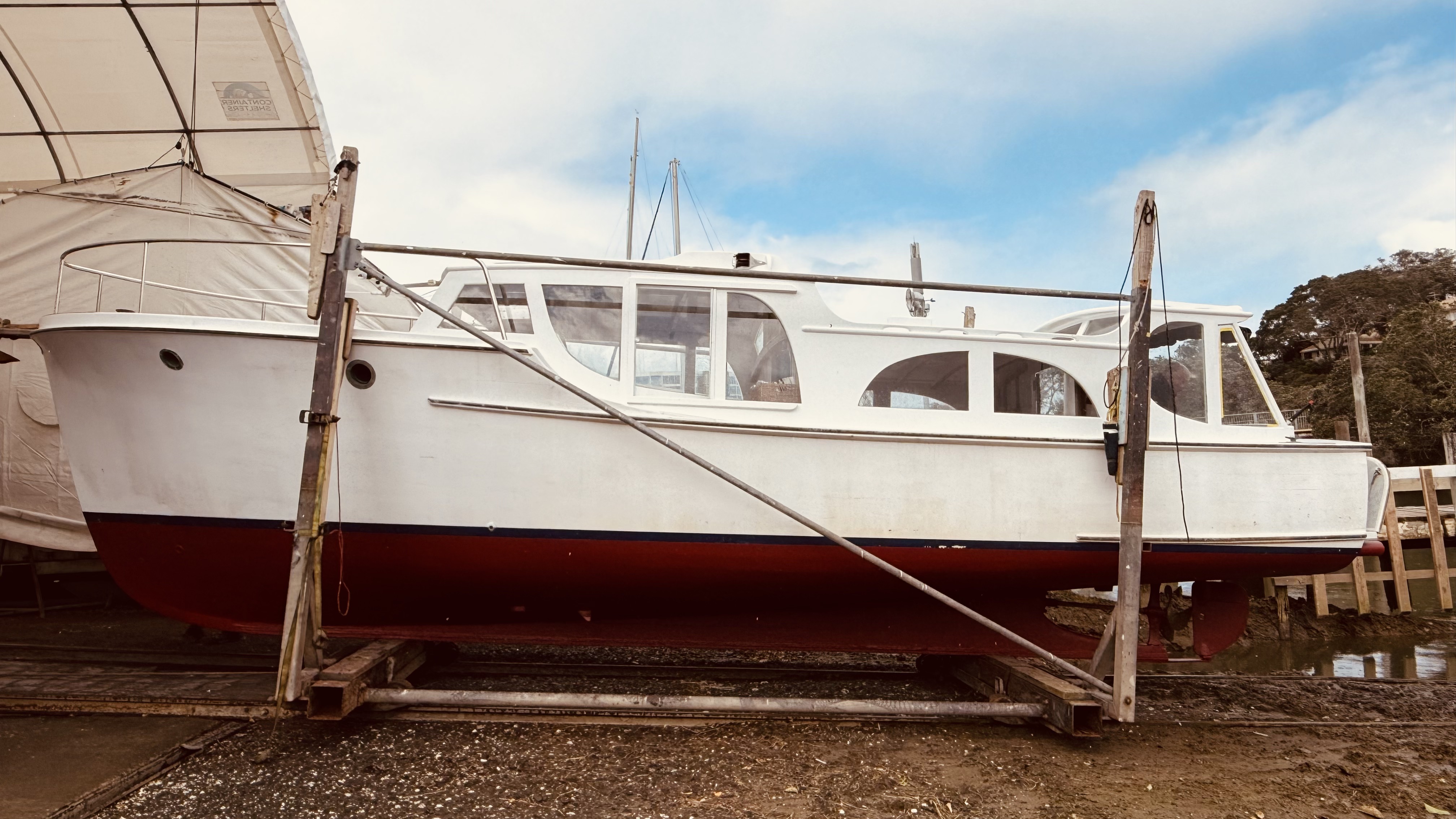
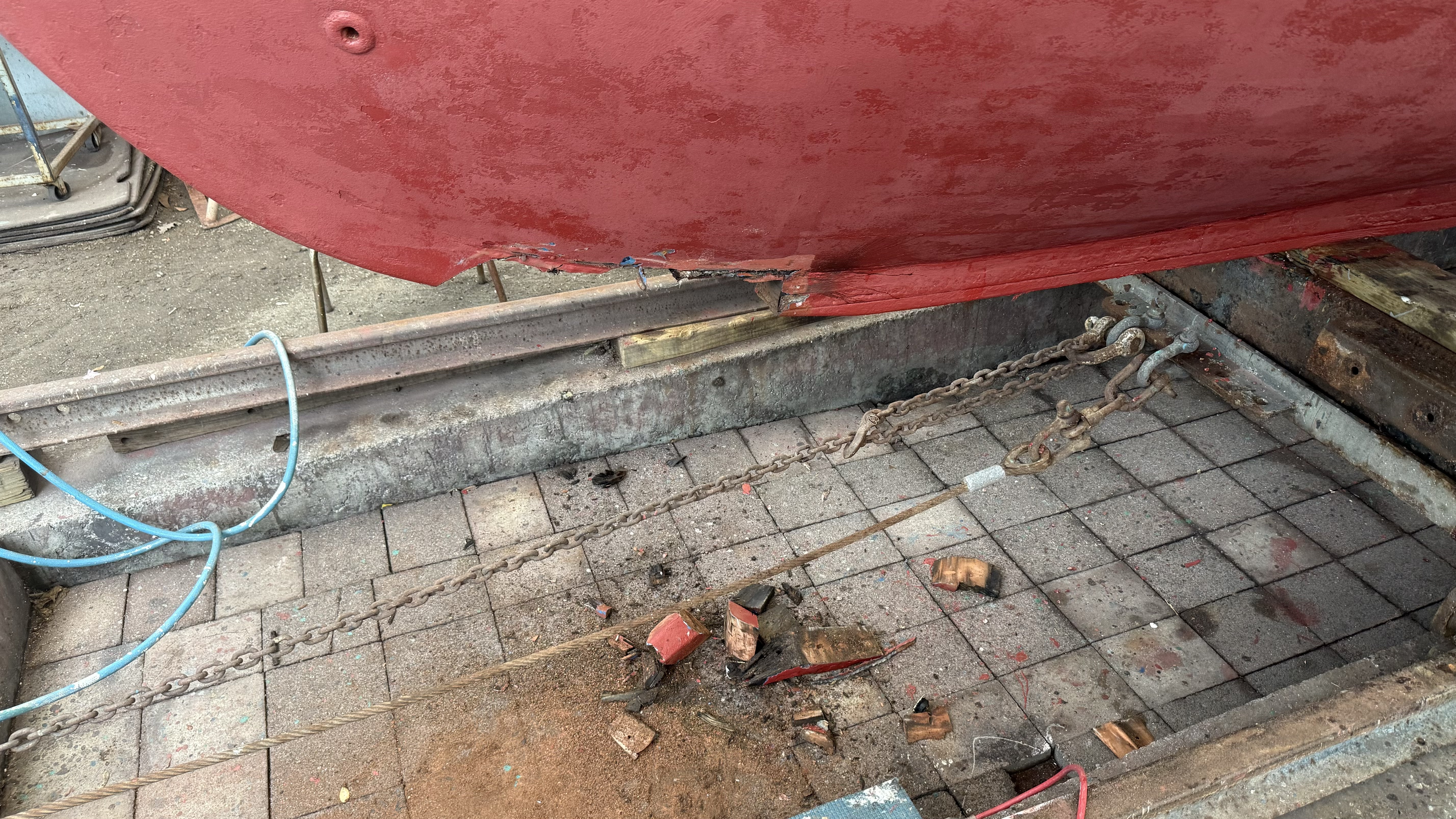
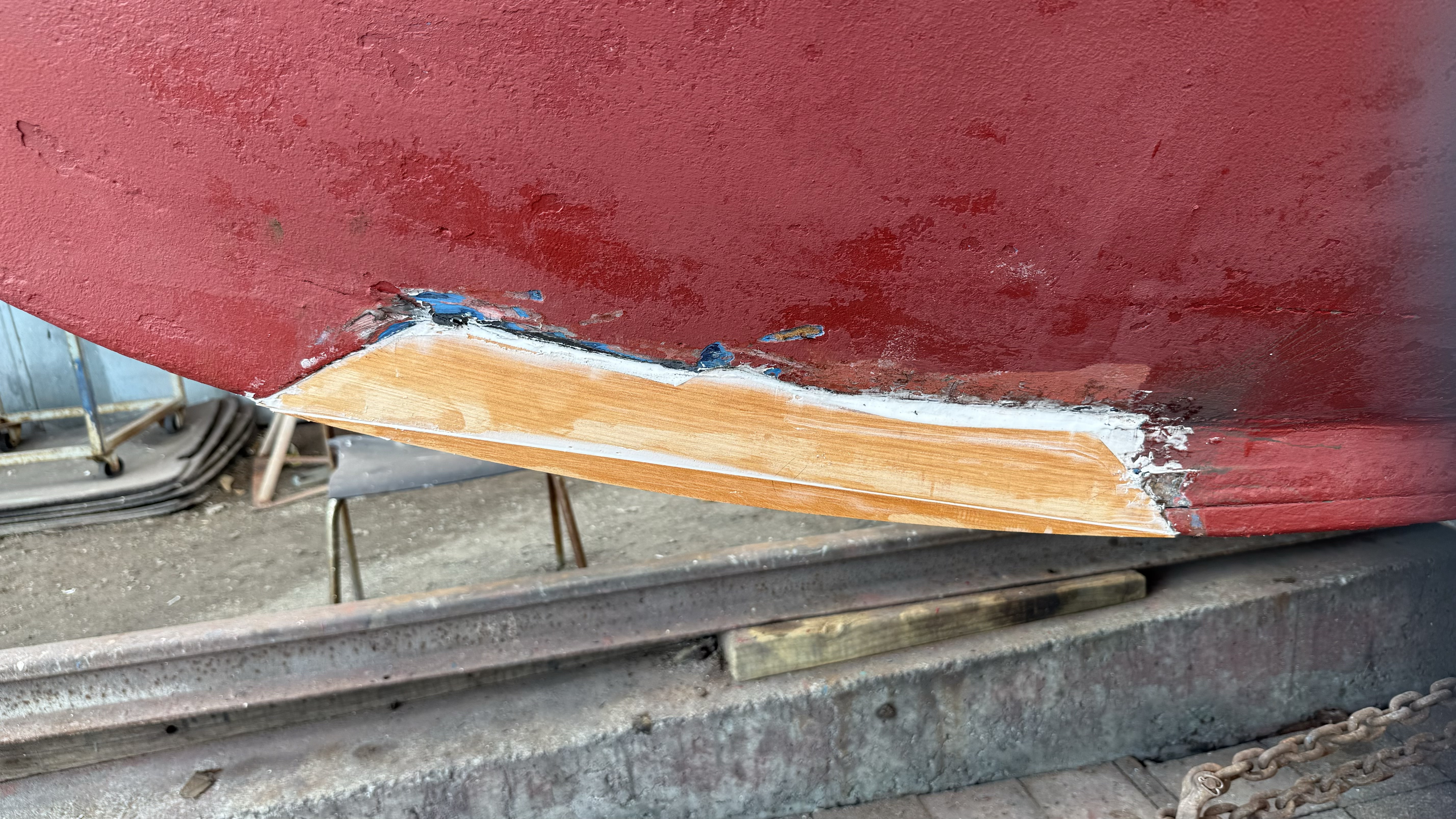
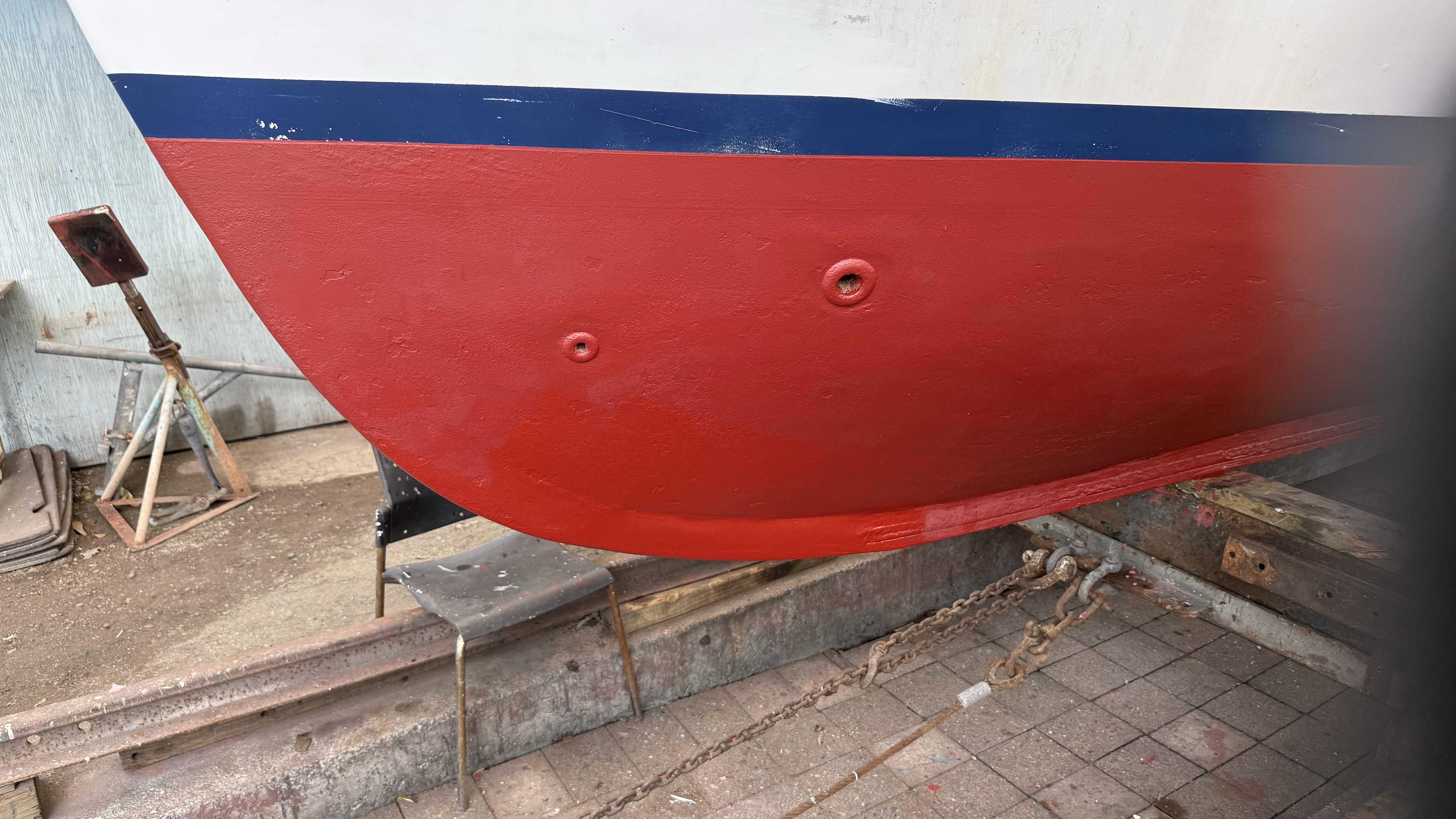
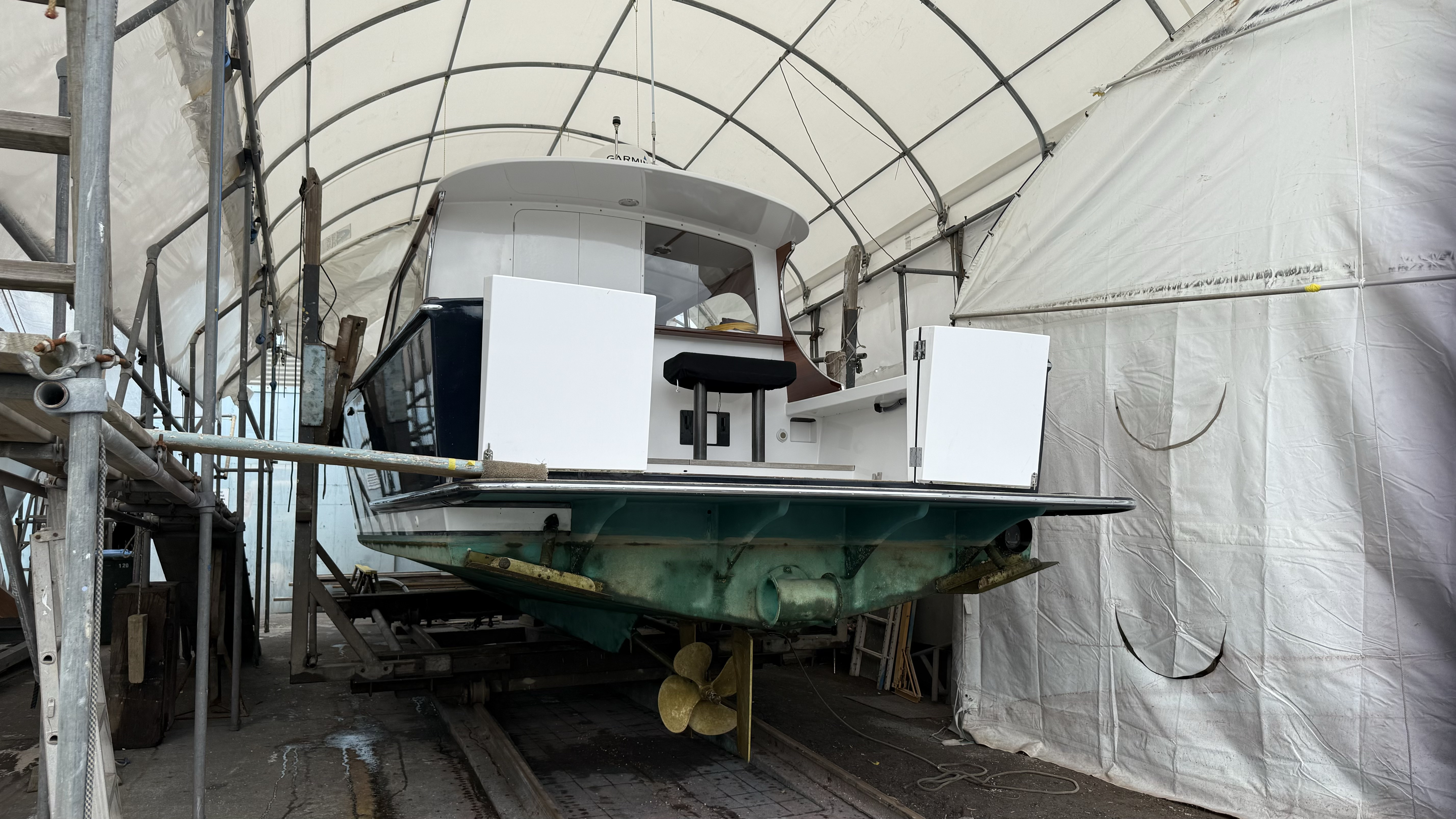
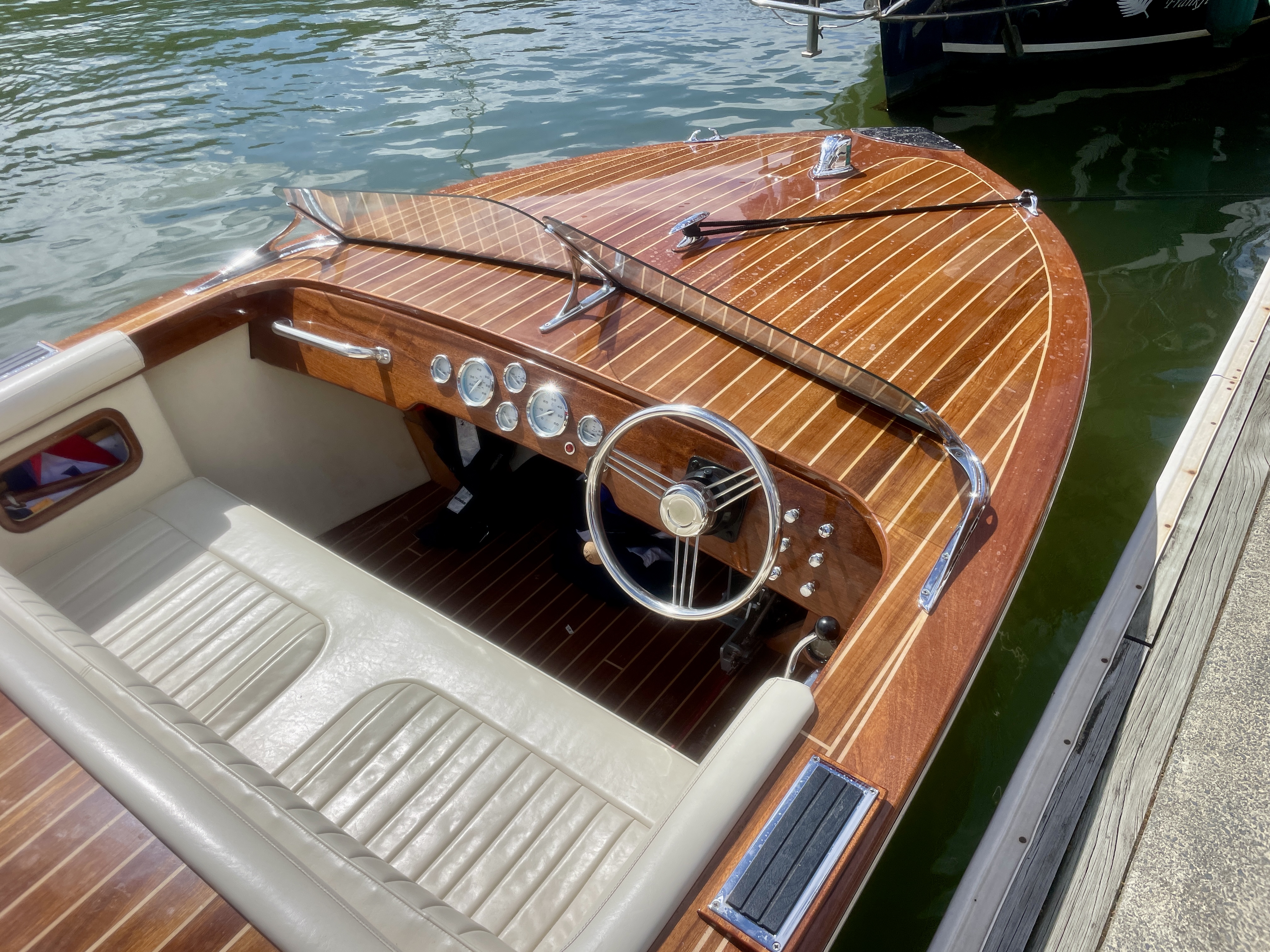
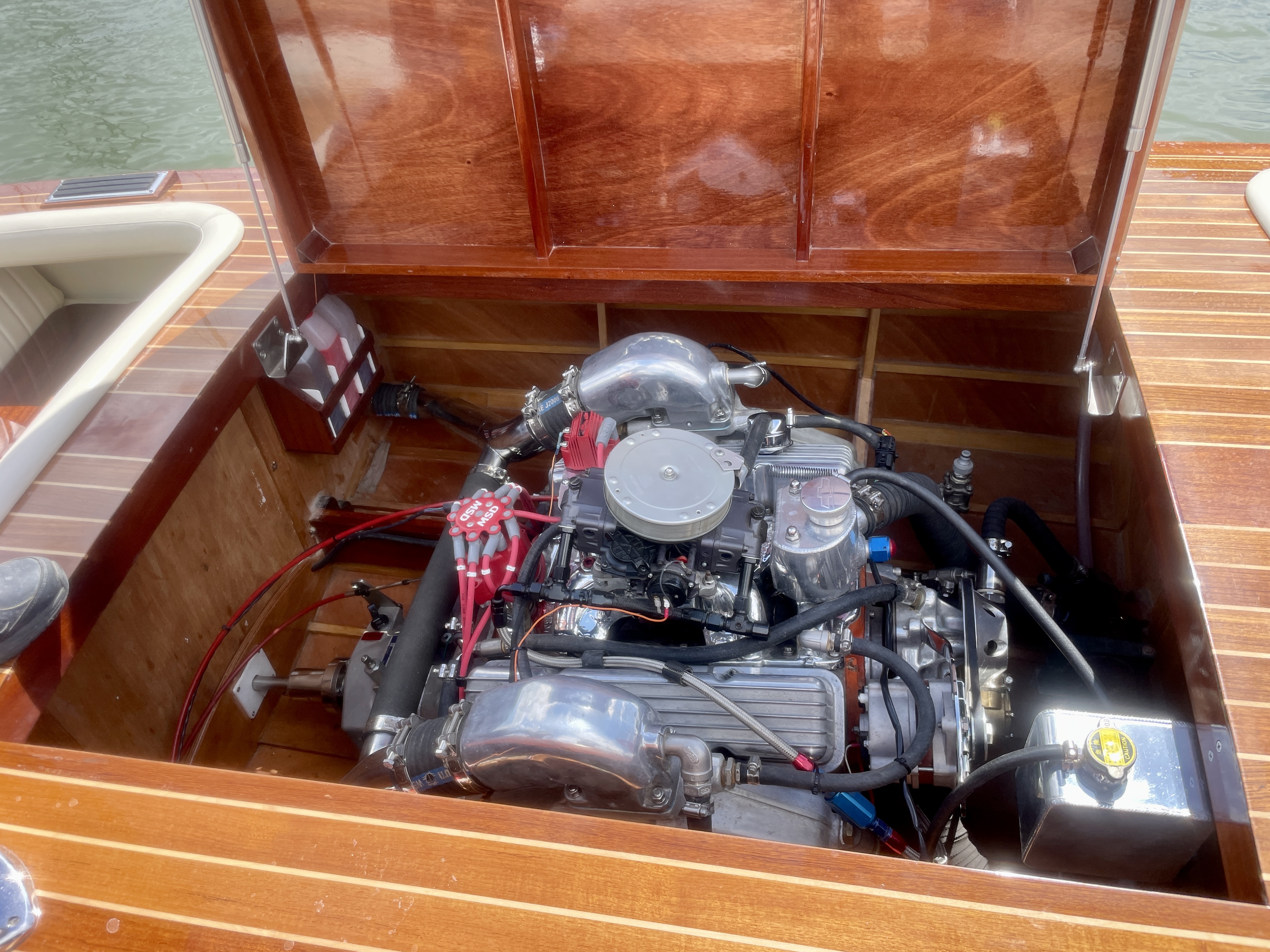
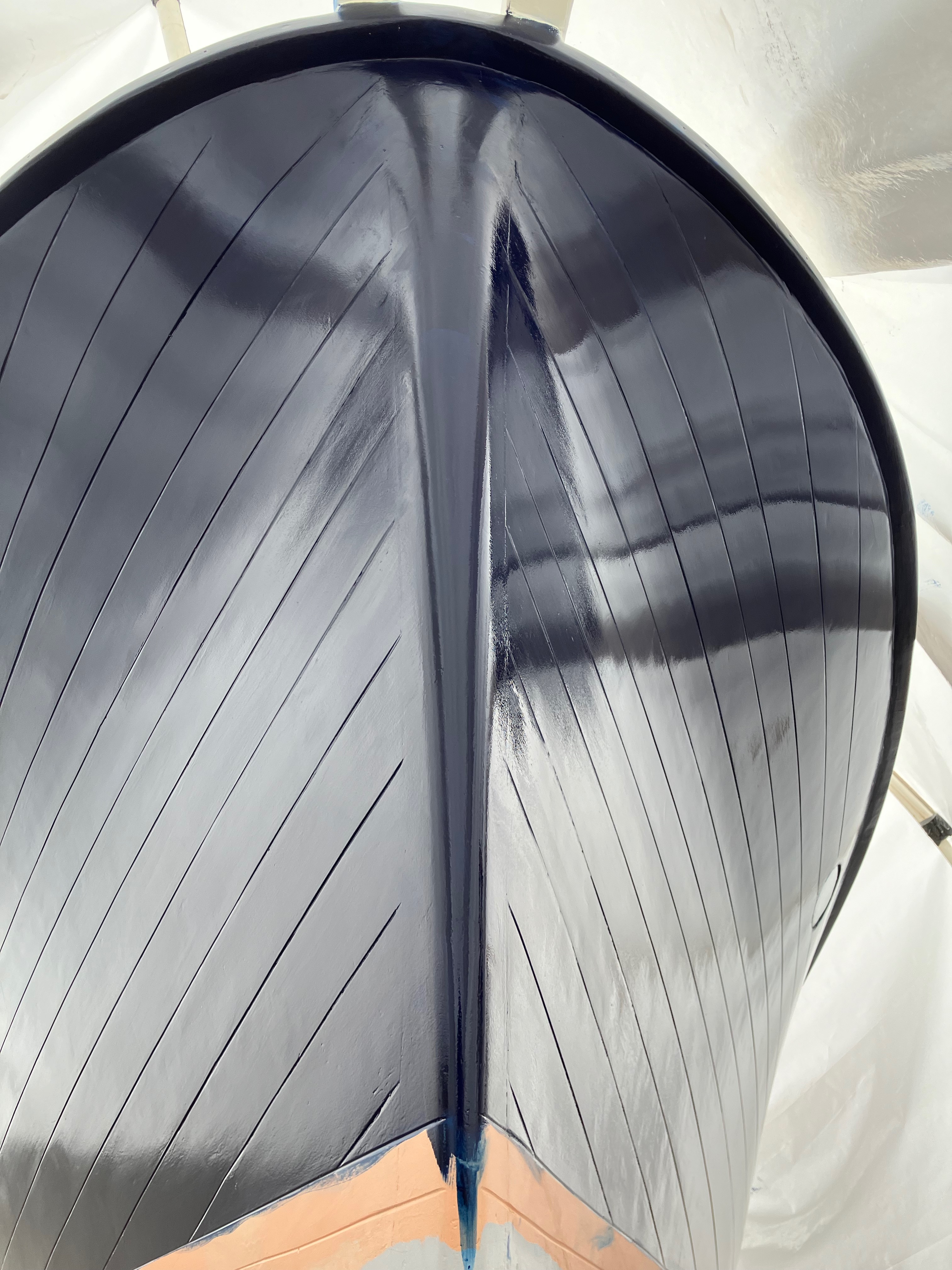
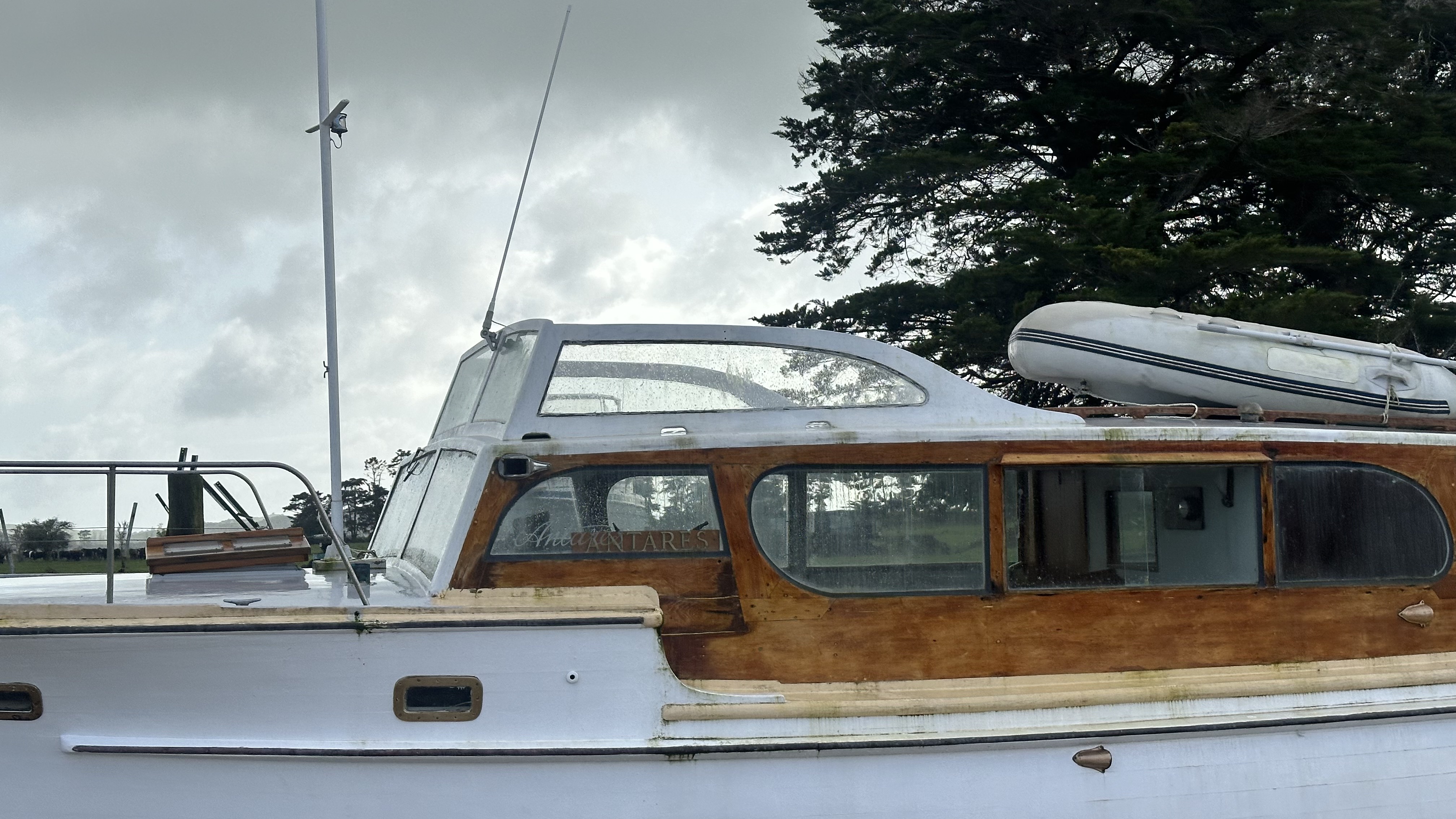
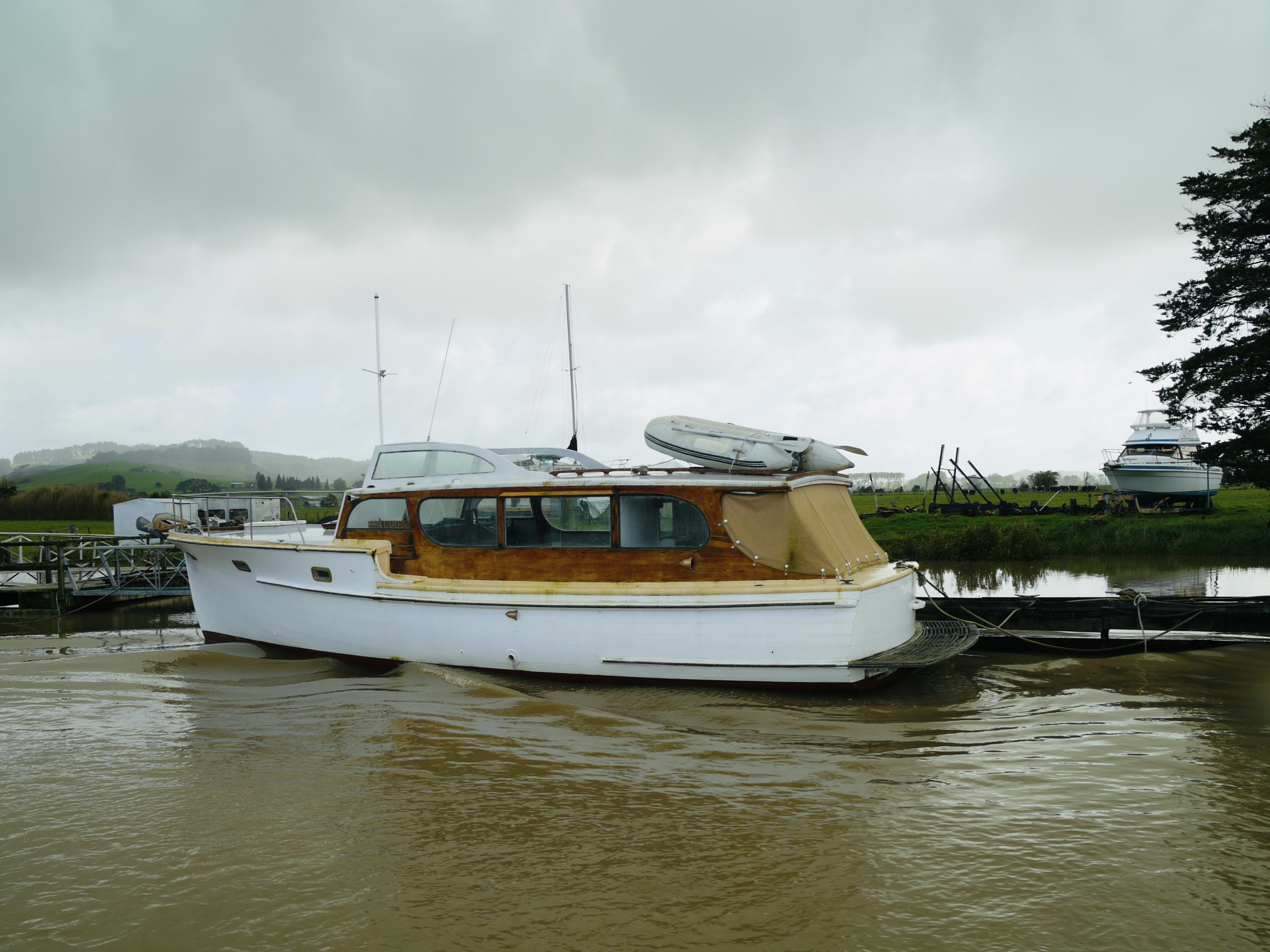
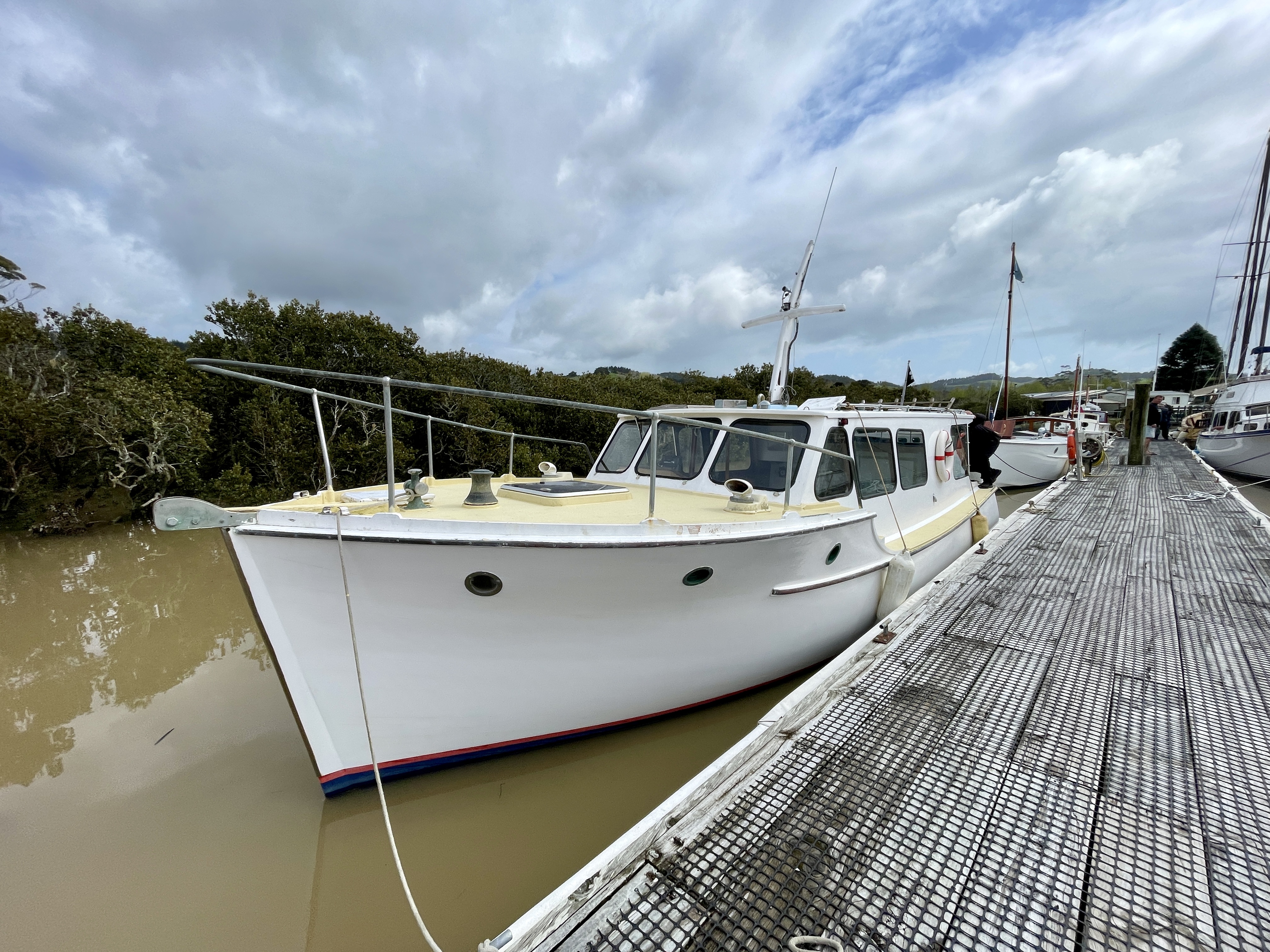
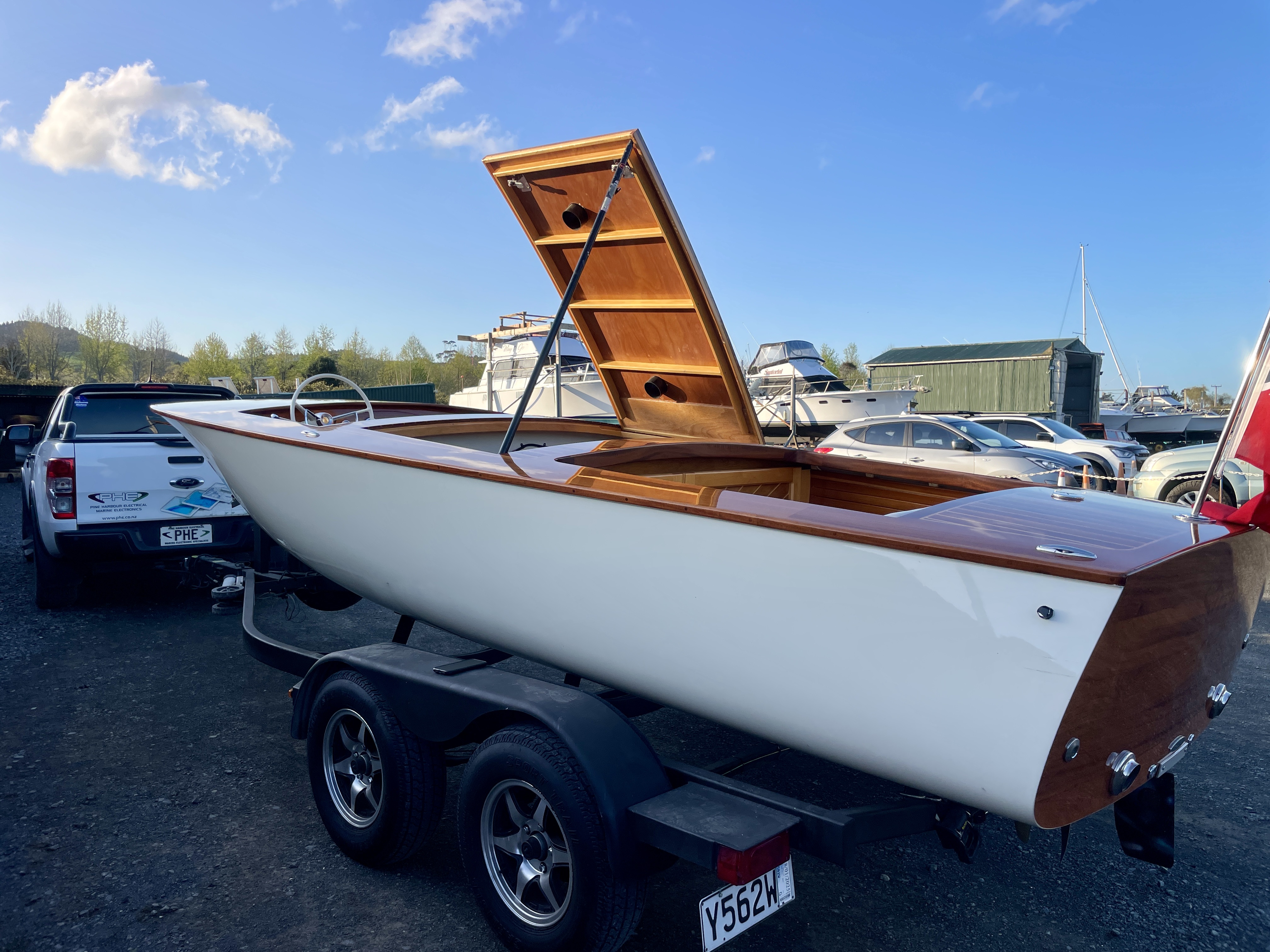
Last week I did the right thing and helped a wounded friend deliver his classic woody – MONTEREY to the Slipway Milford for some TLC, while there a quick inspection showed up some dodgy previous work that needed sorting out. Worm damage to the stem/keelson that had been ‘bogged up’ and when the cabin sides were fibreglassed the f/g was taken over the beading, right up to the glass – perfect trap for moisture > rot. Was impressed with the low level of growth on the hull after 2+ years in OBC. If that was Bayswater you would have needed a spade.
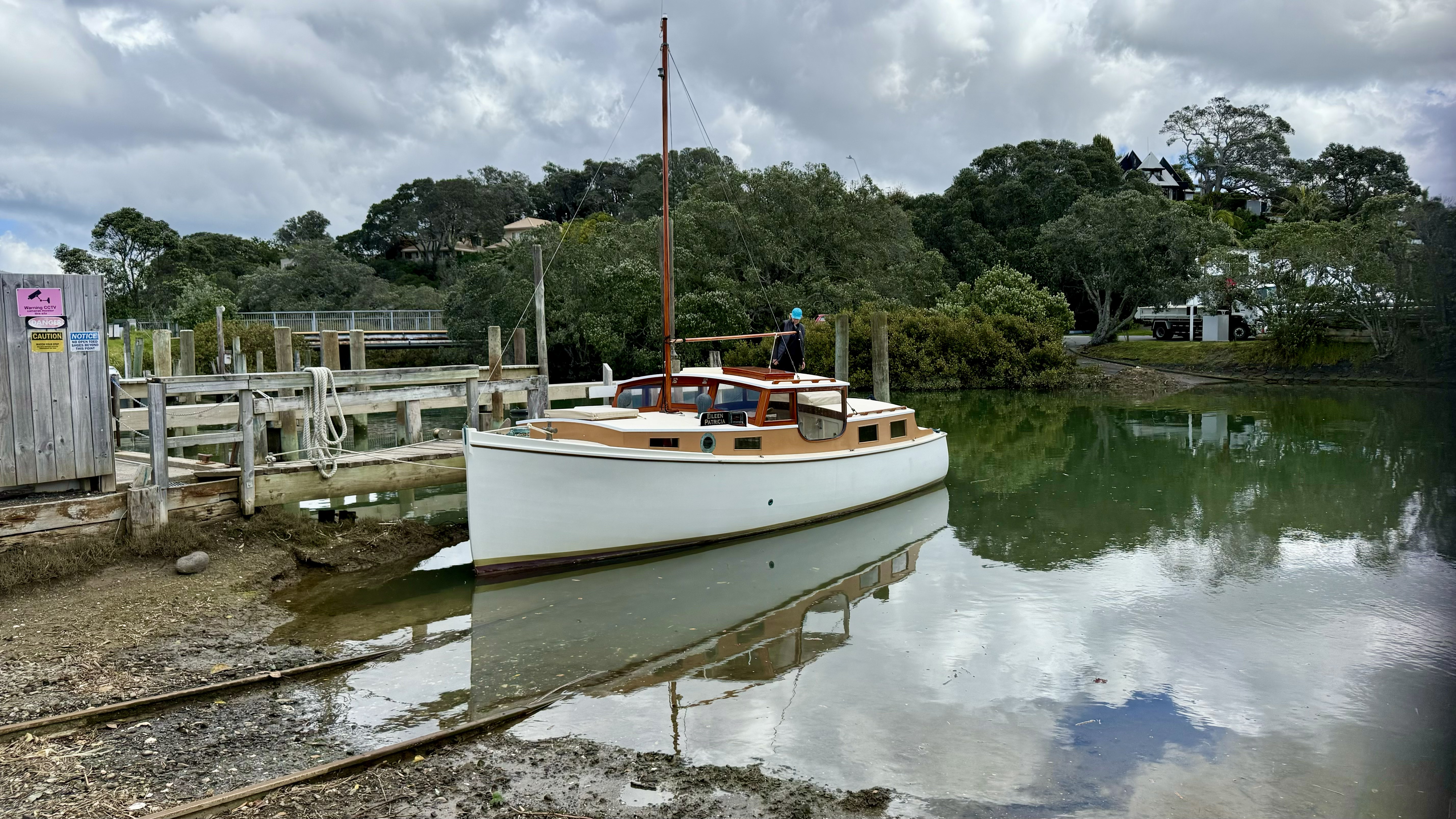
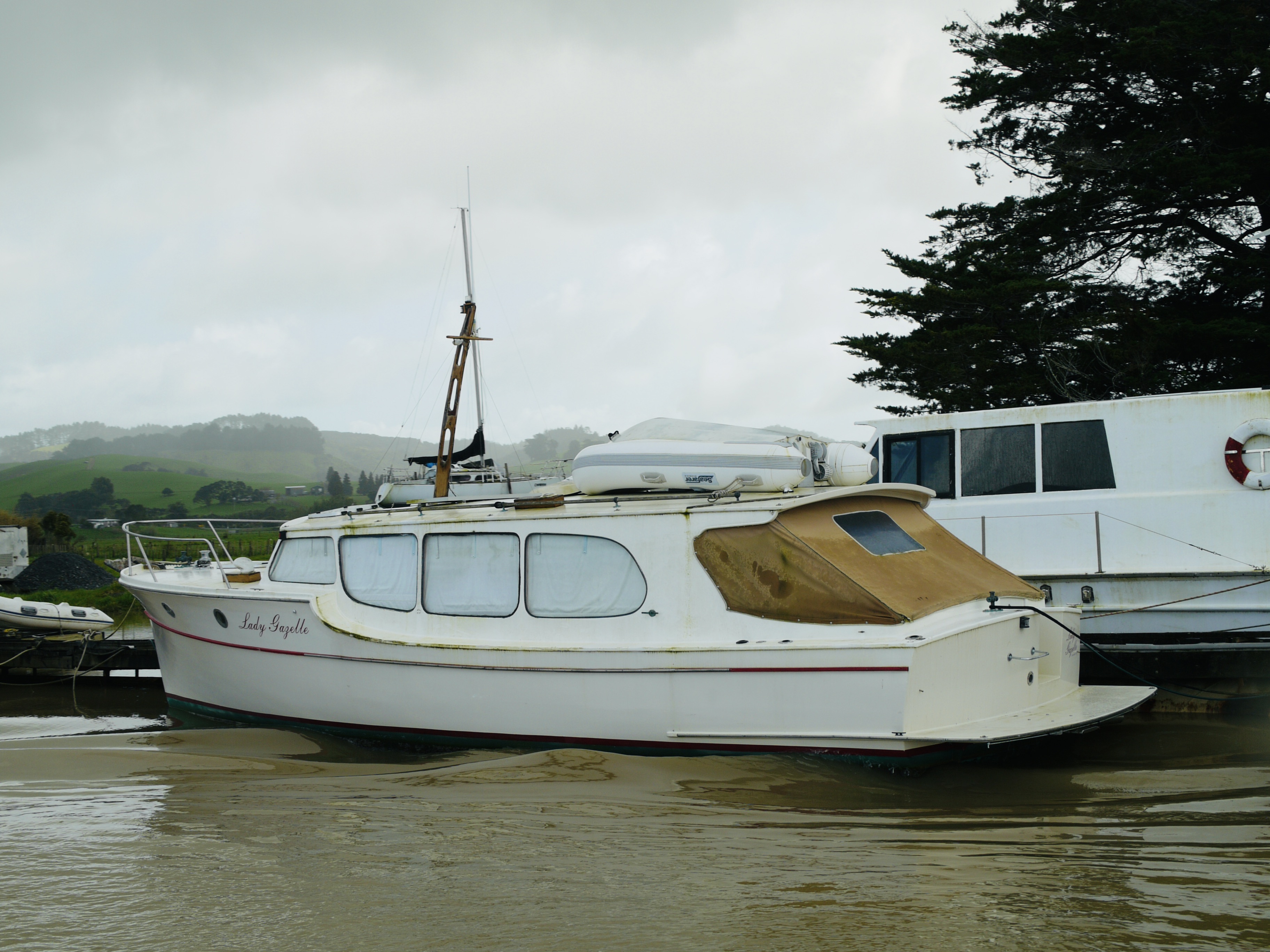
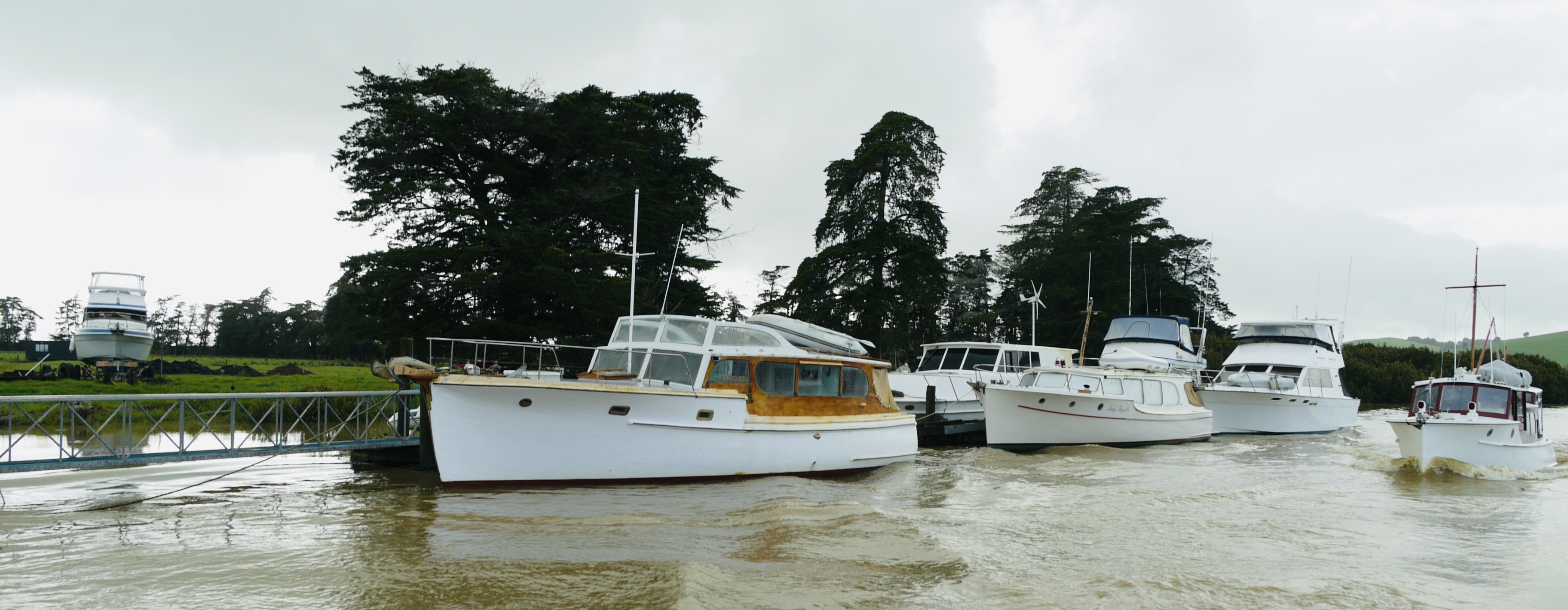
Also out or waiting their turn was EILEEN PATRICIA, IONA II, and the Salthouse Southern Star 37 – CAPTAIN TOM.
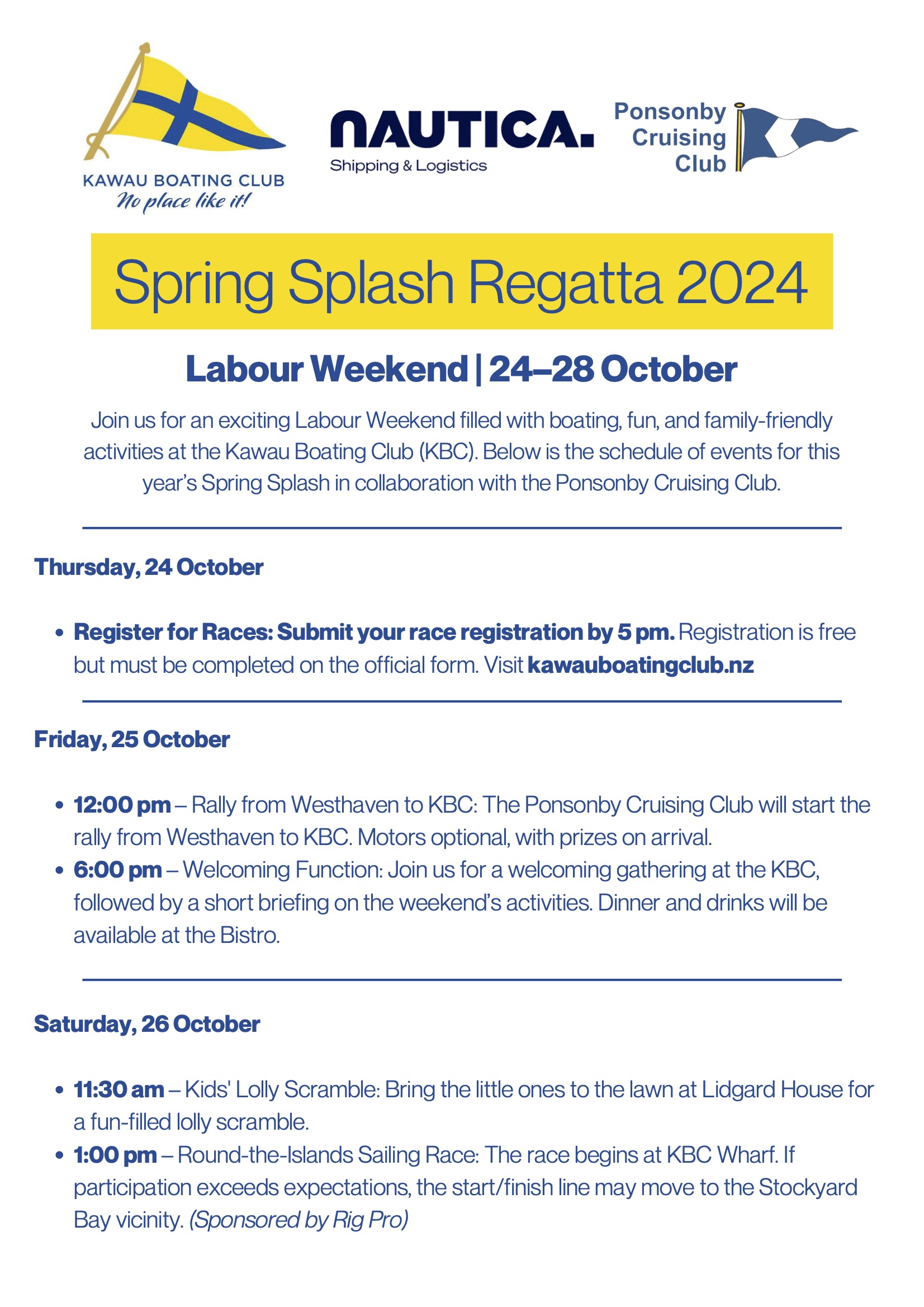
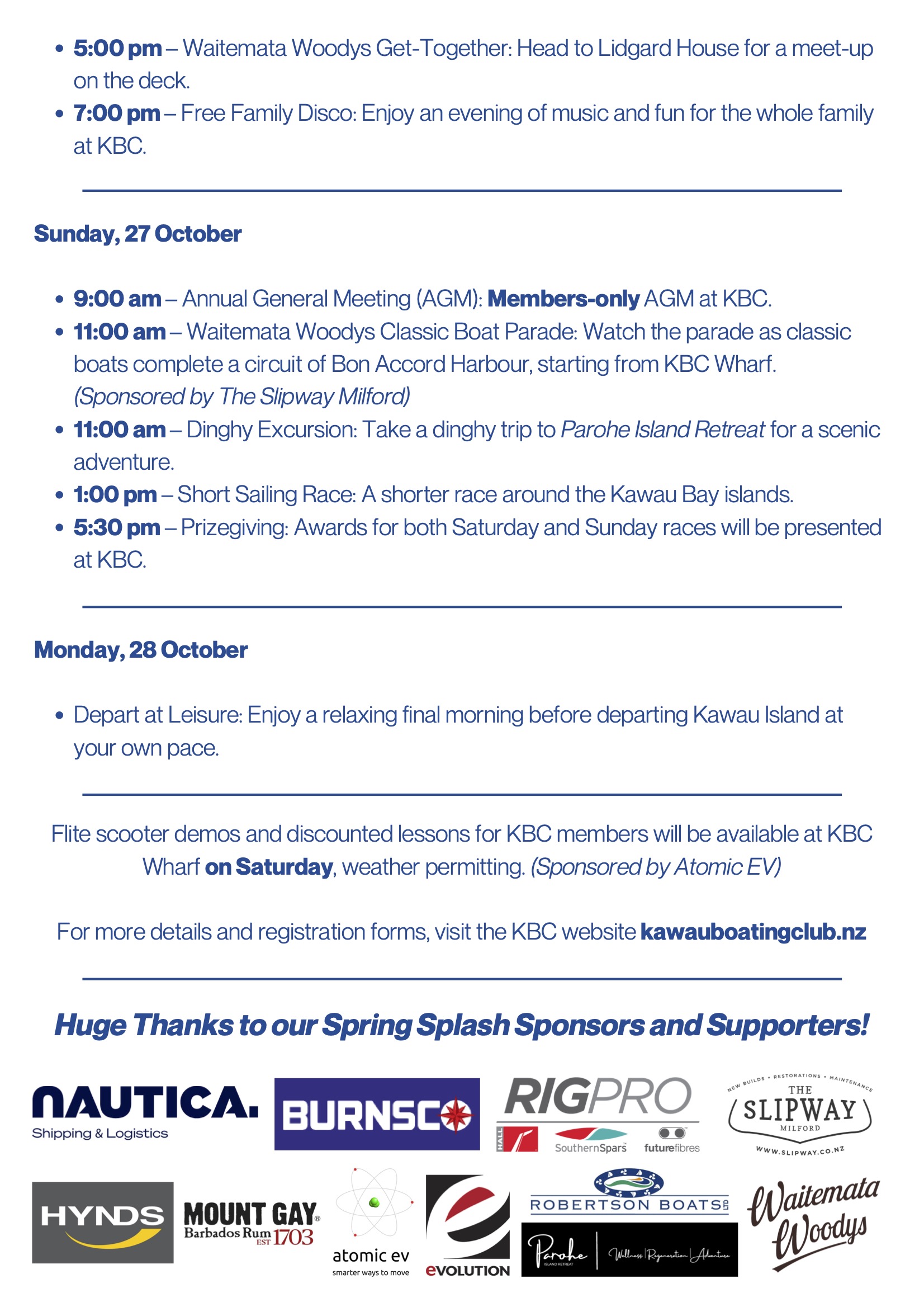
UPDATE INFO ON THE LABOUR WEEKEND KAWAU SPRING SLASH REGATTA
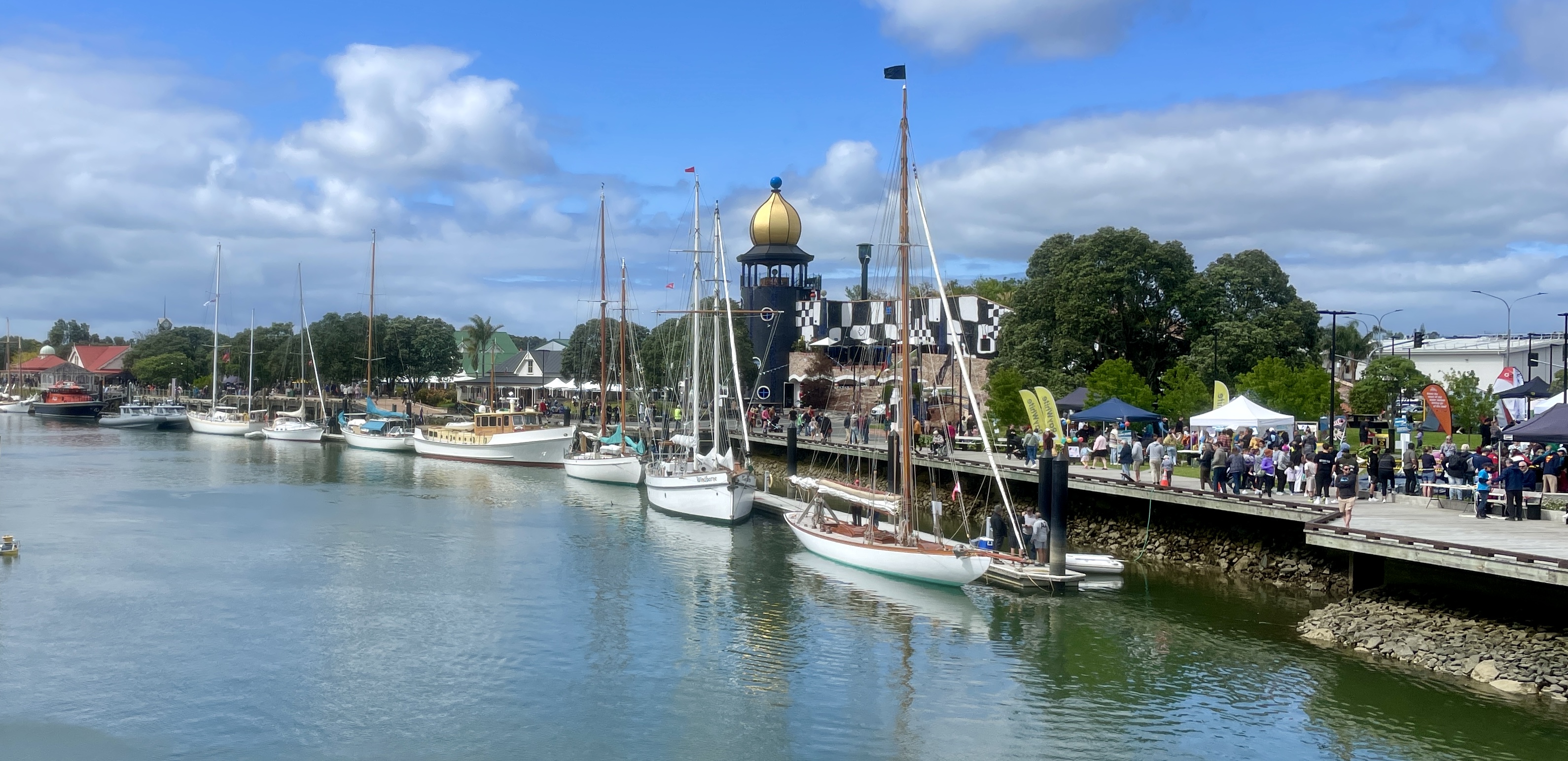
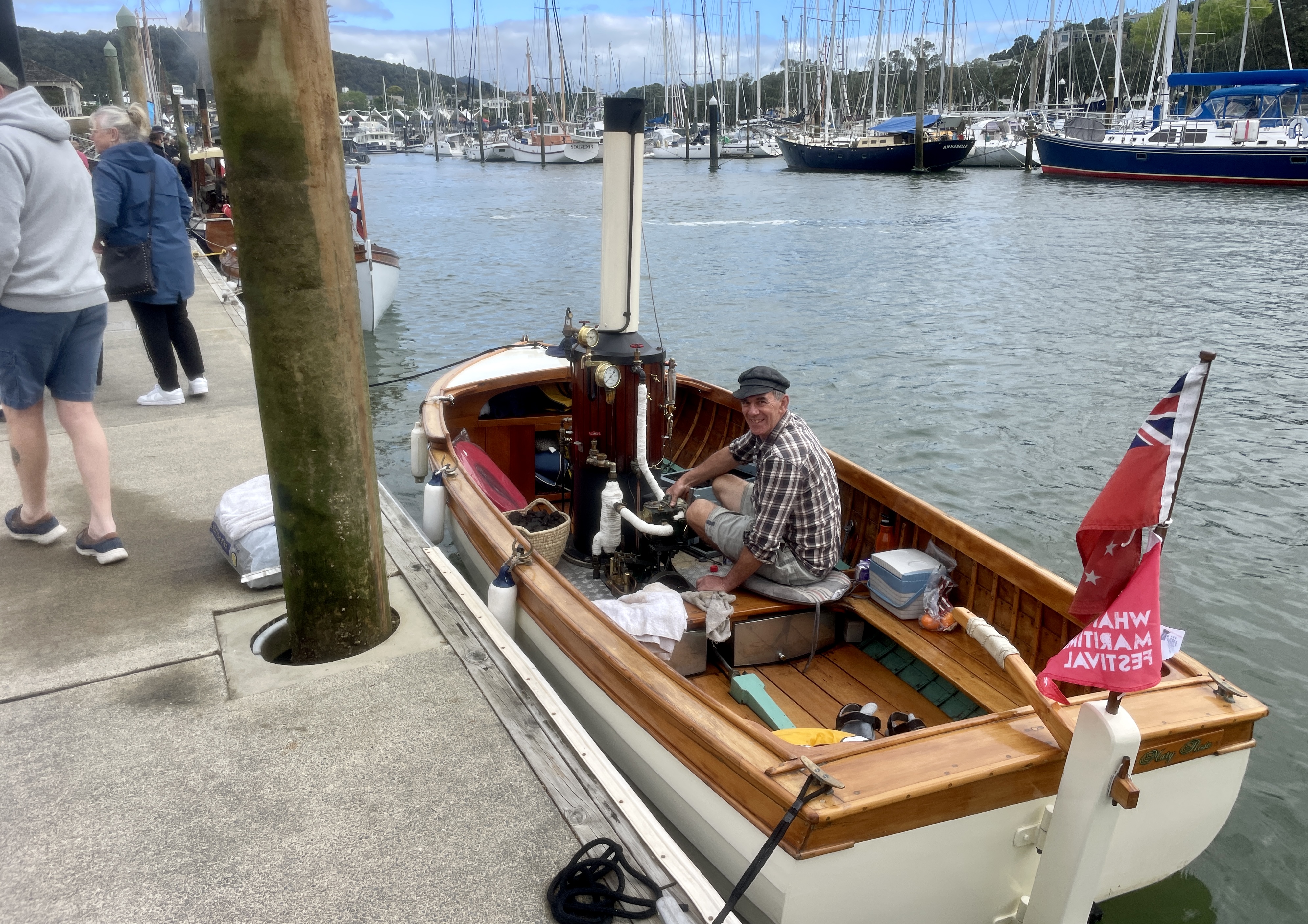
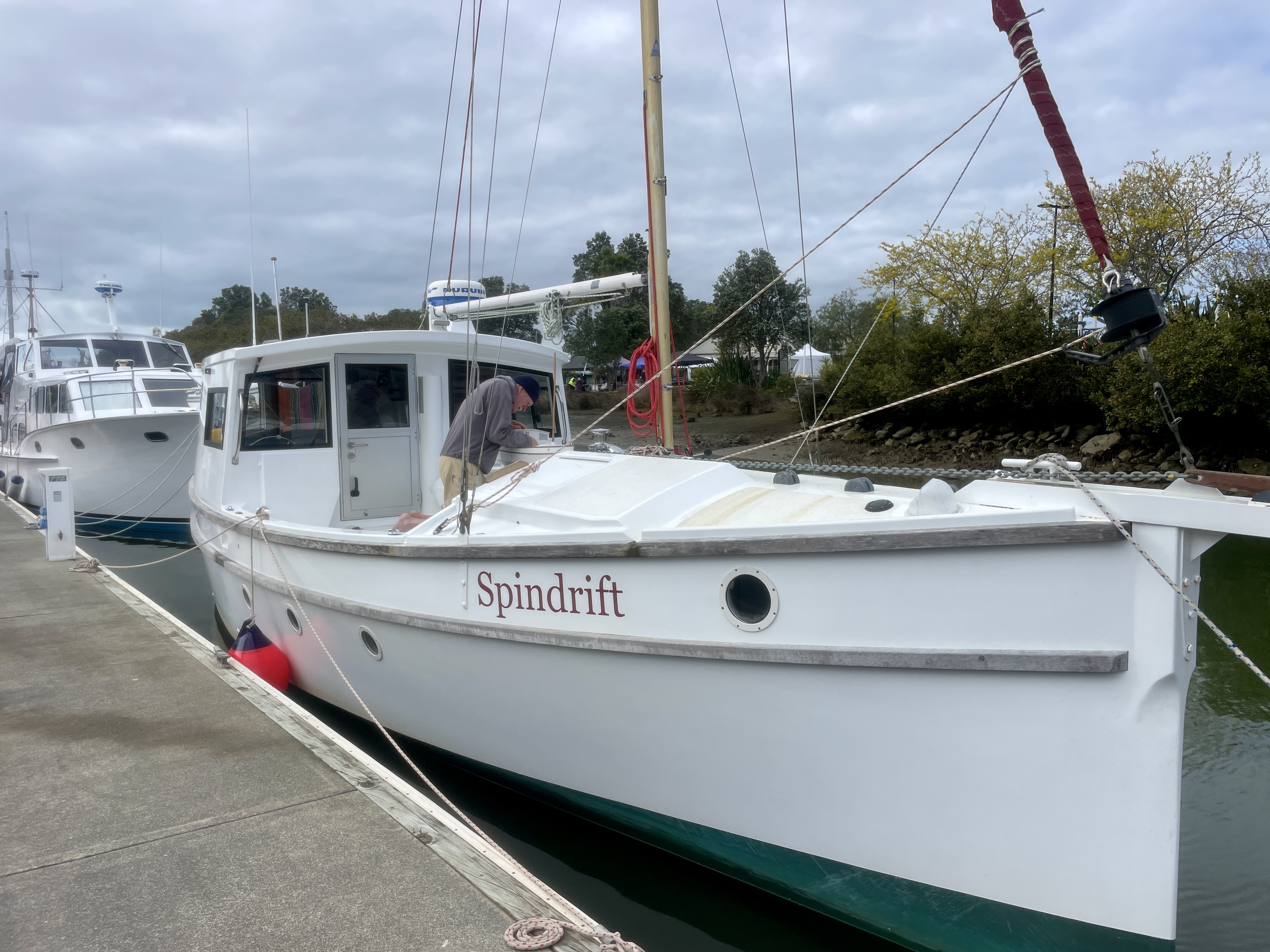
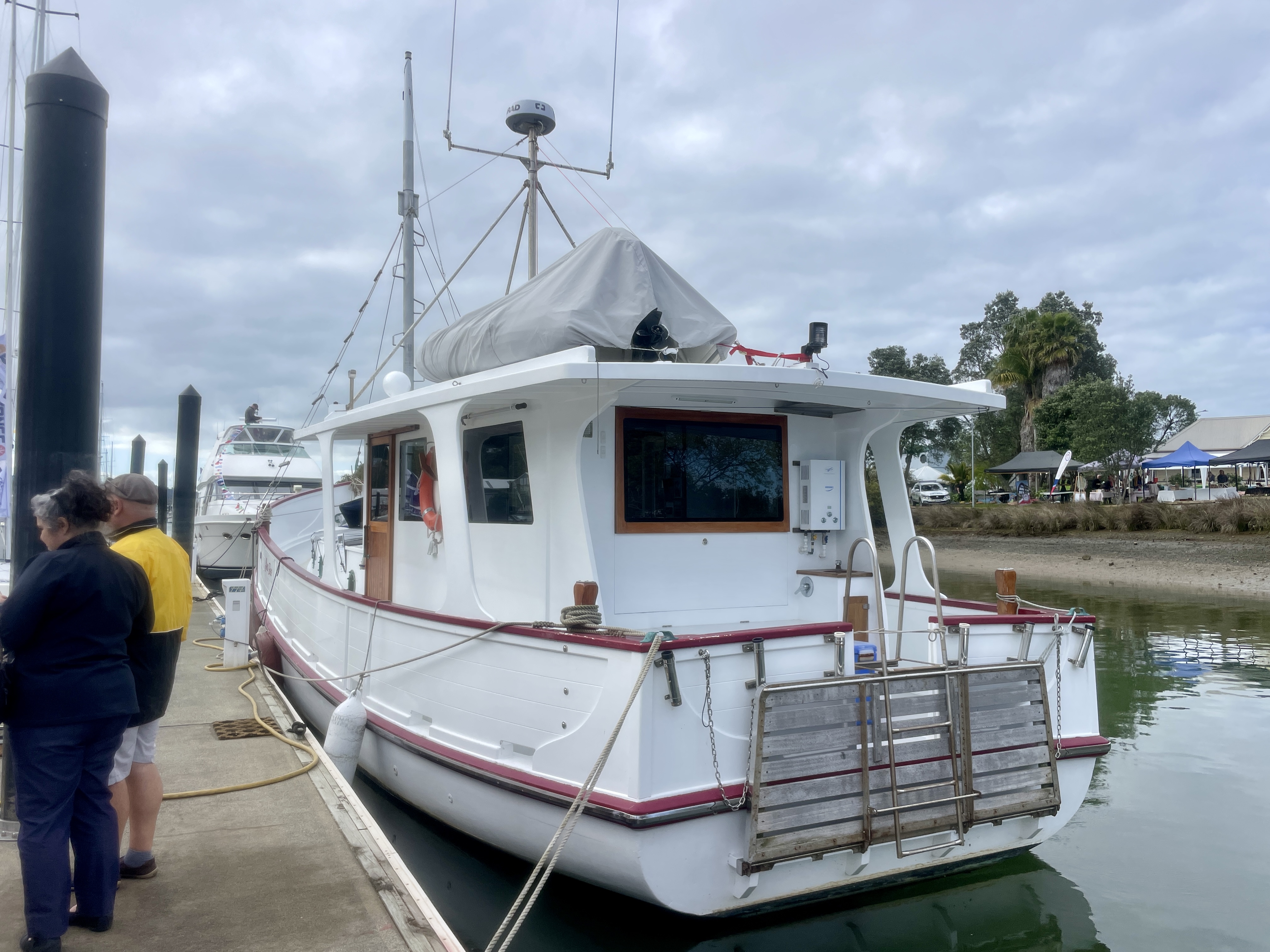
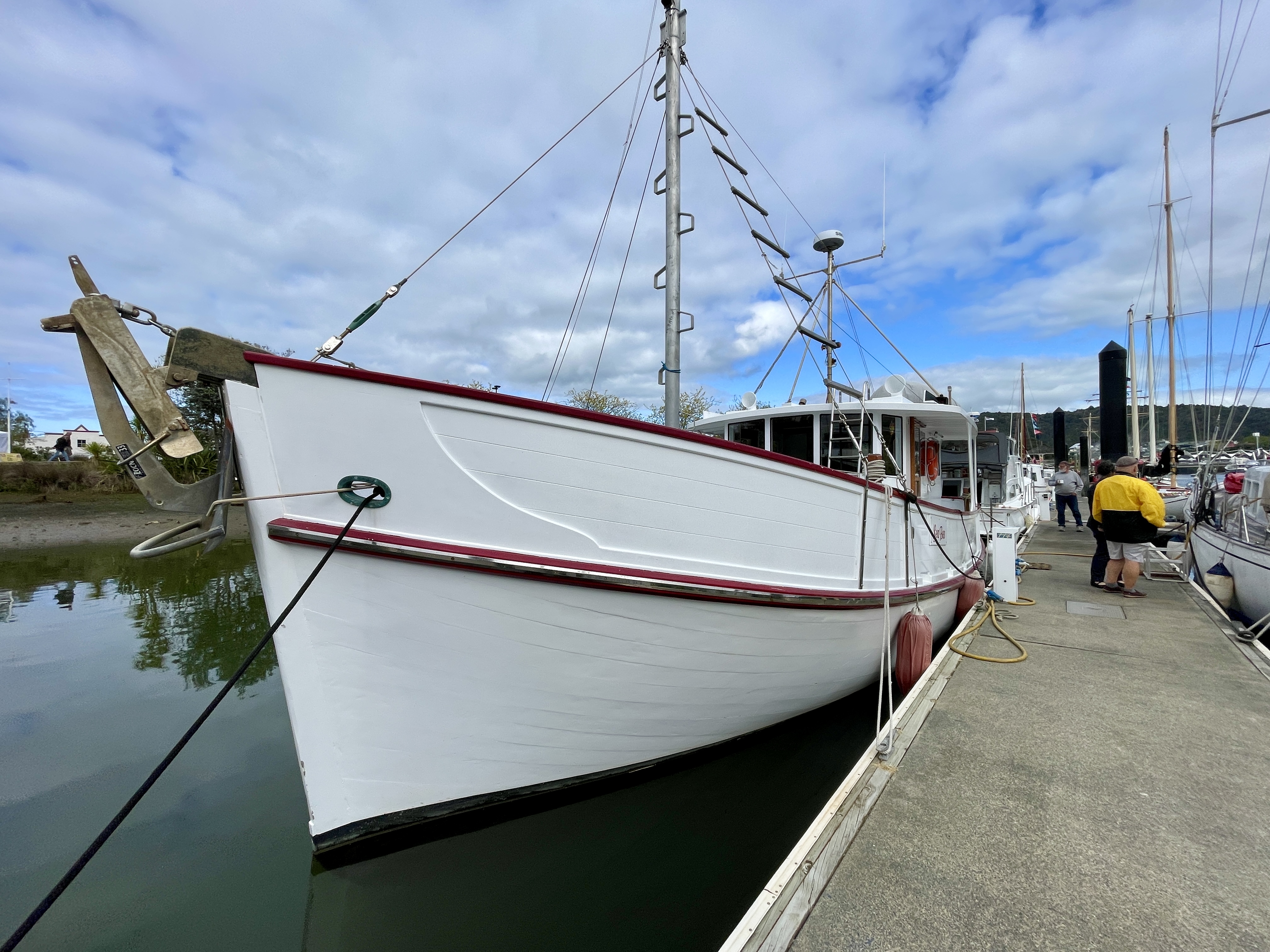
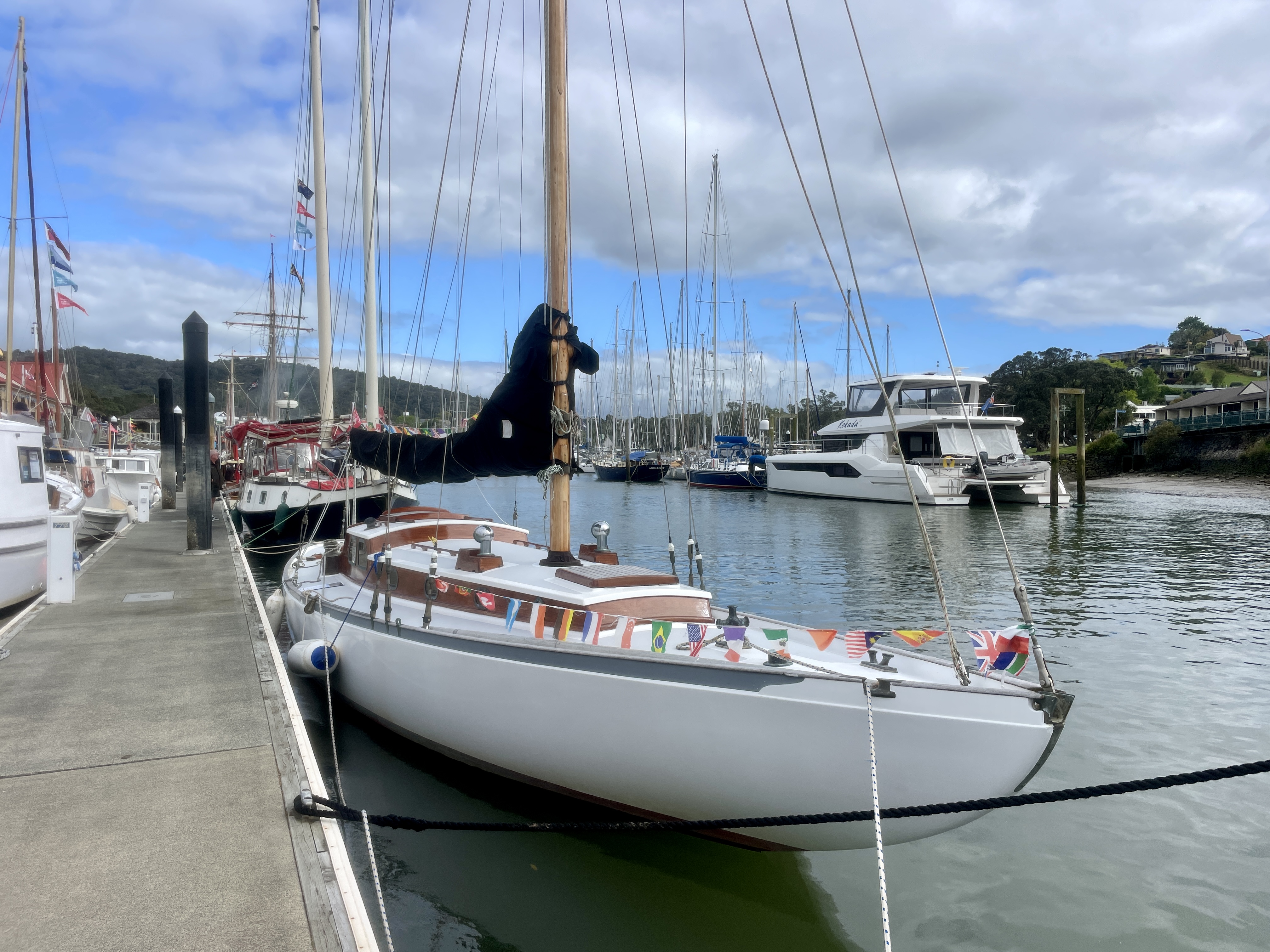
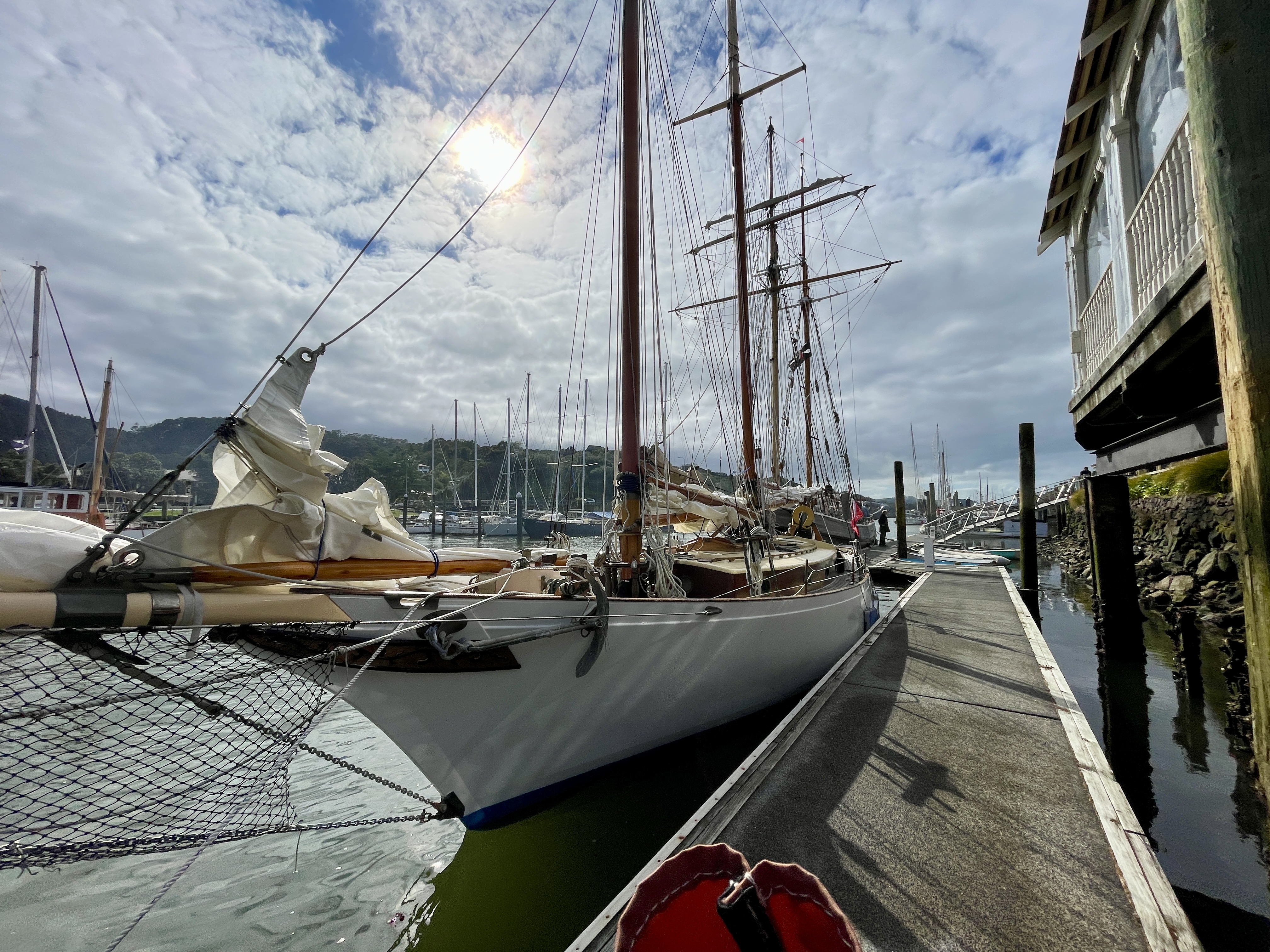
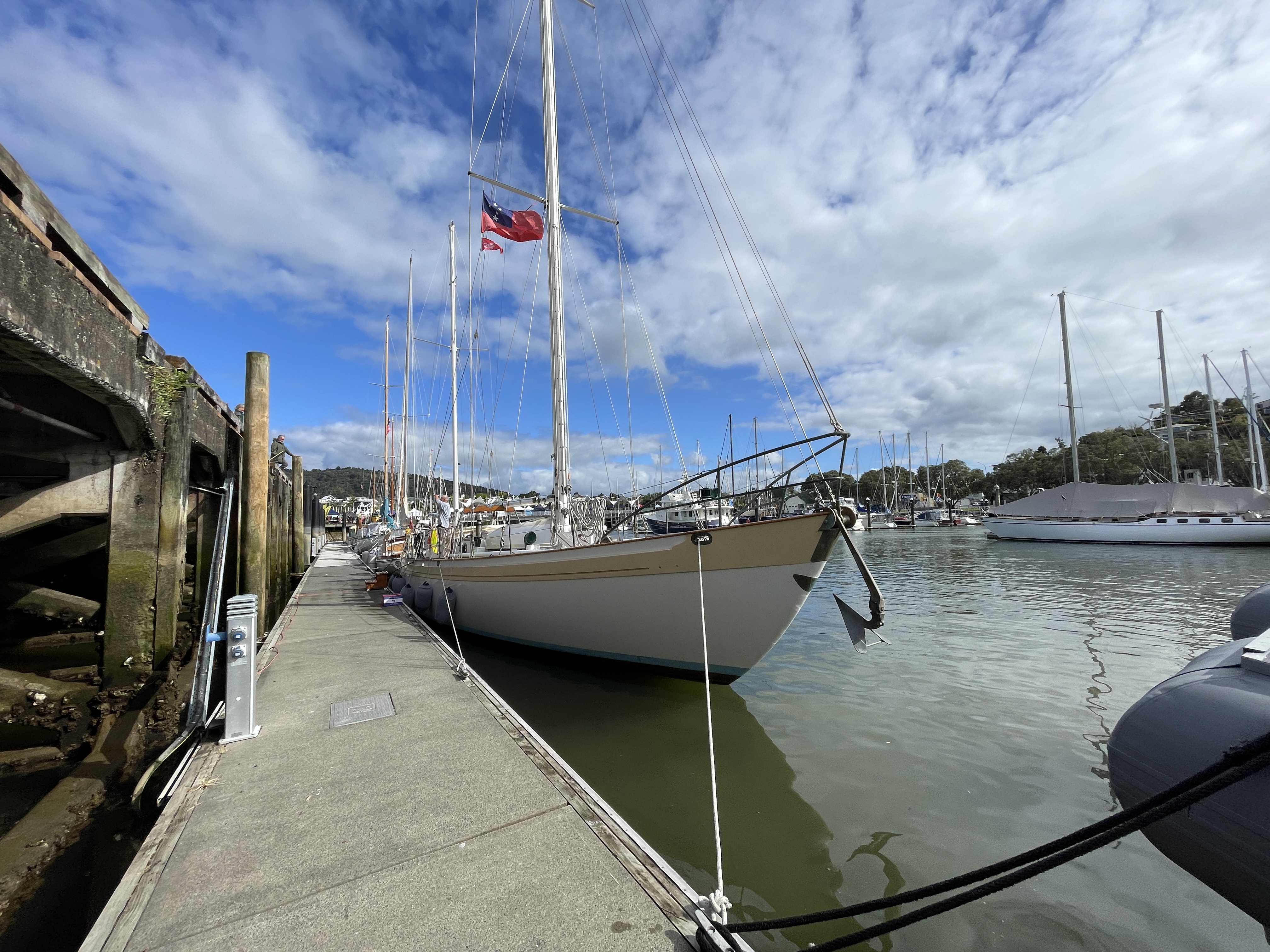
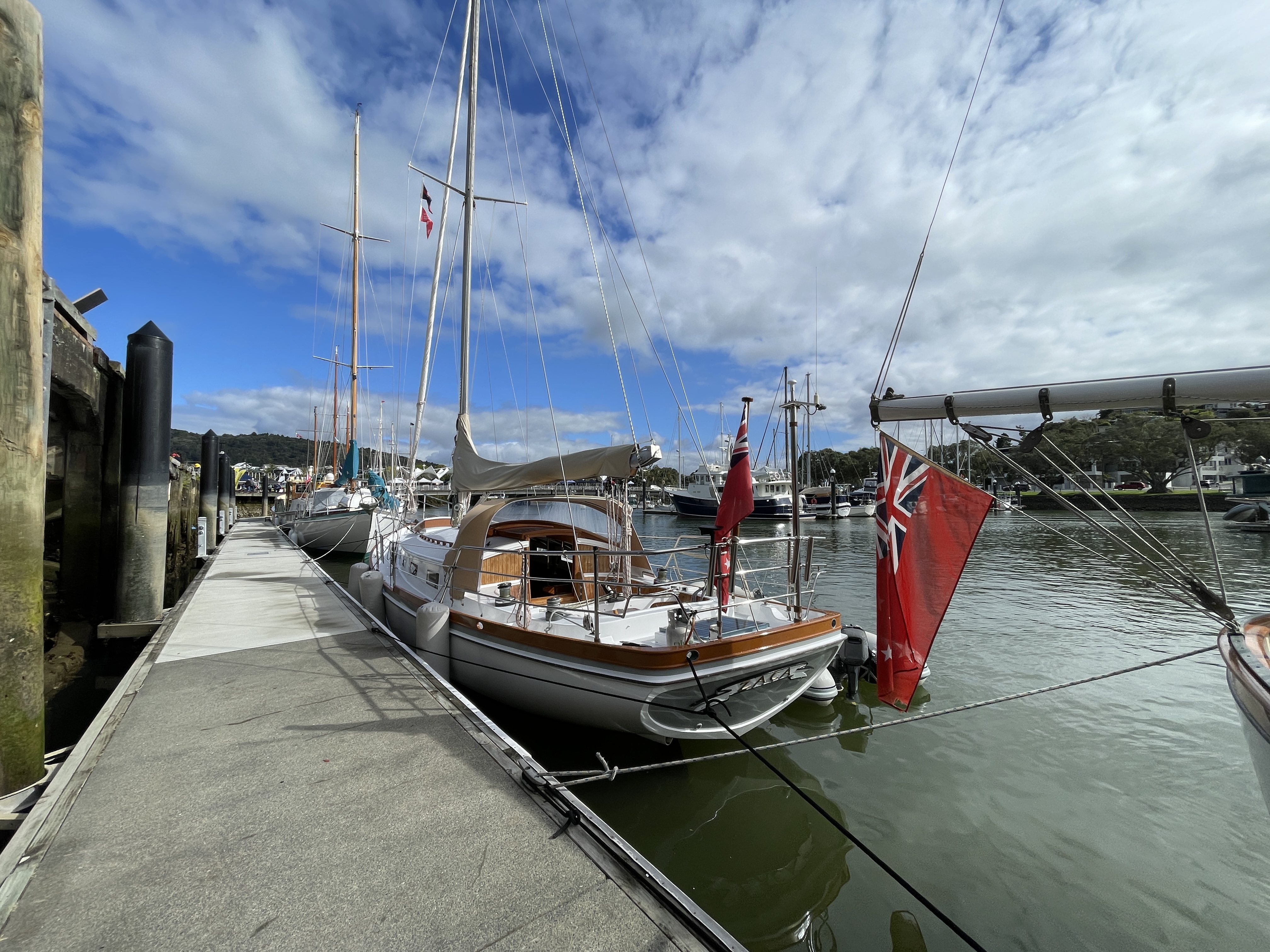
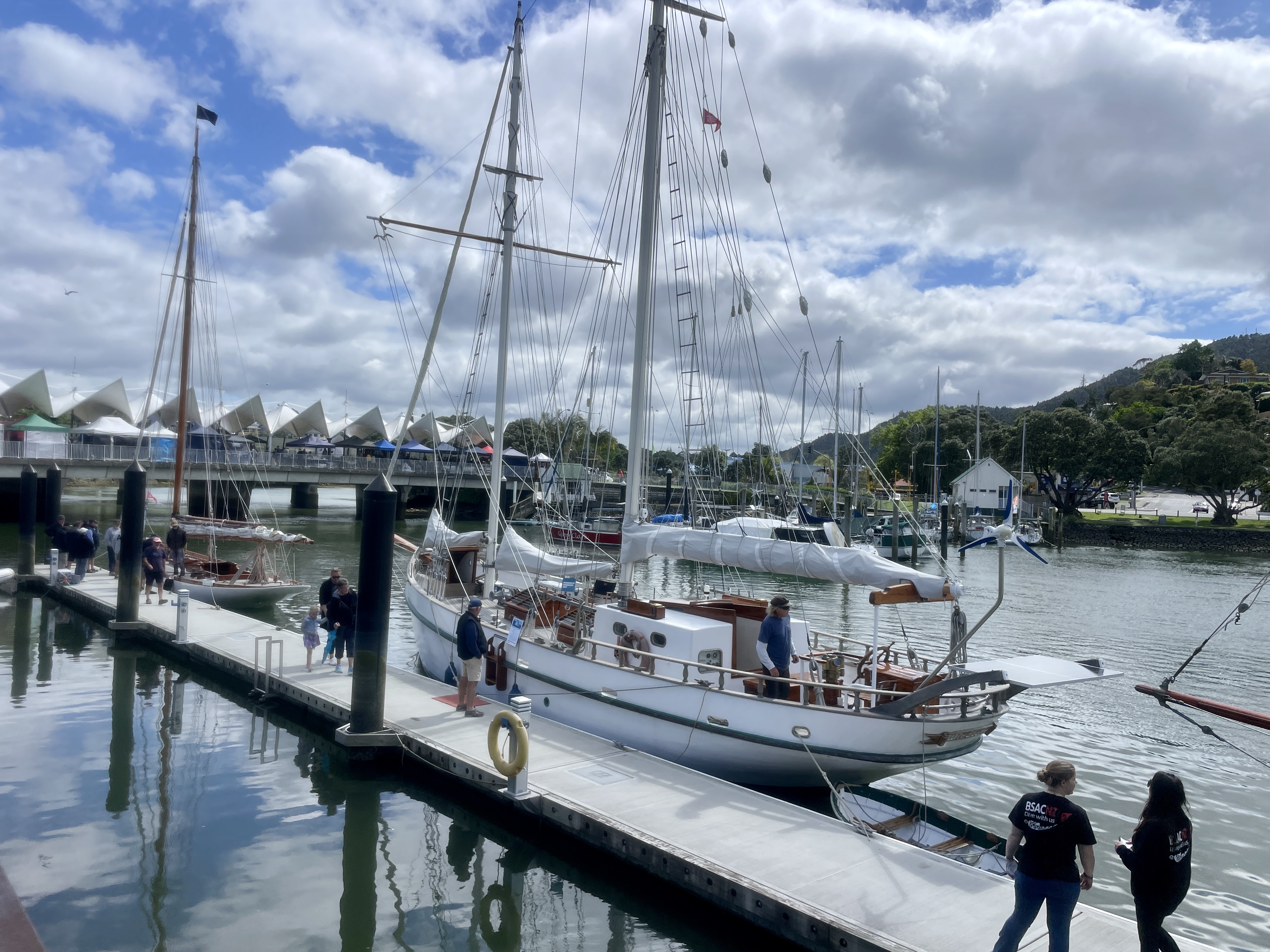
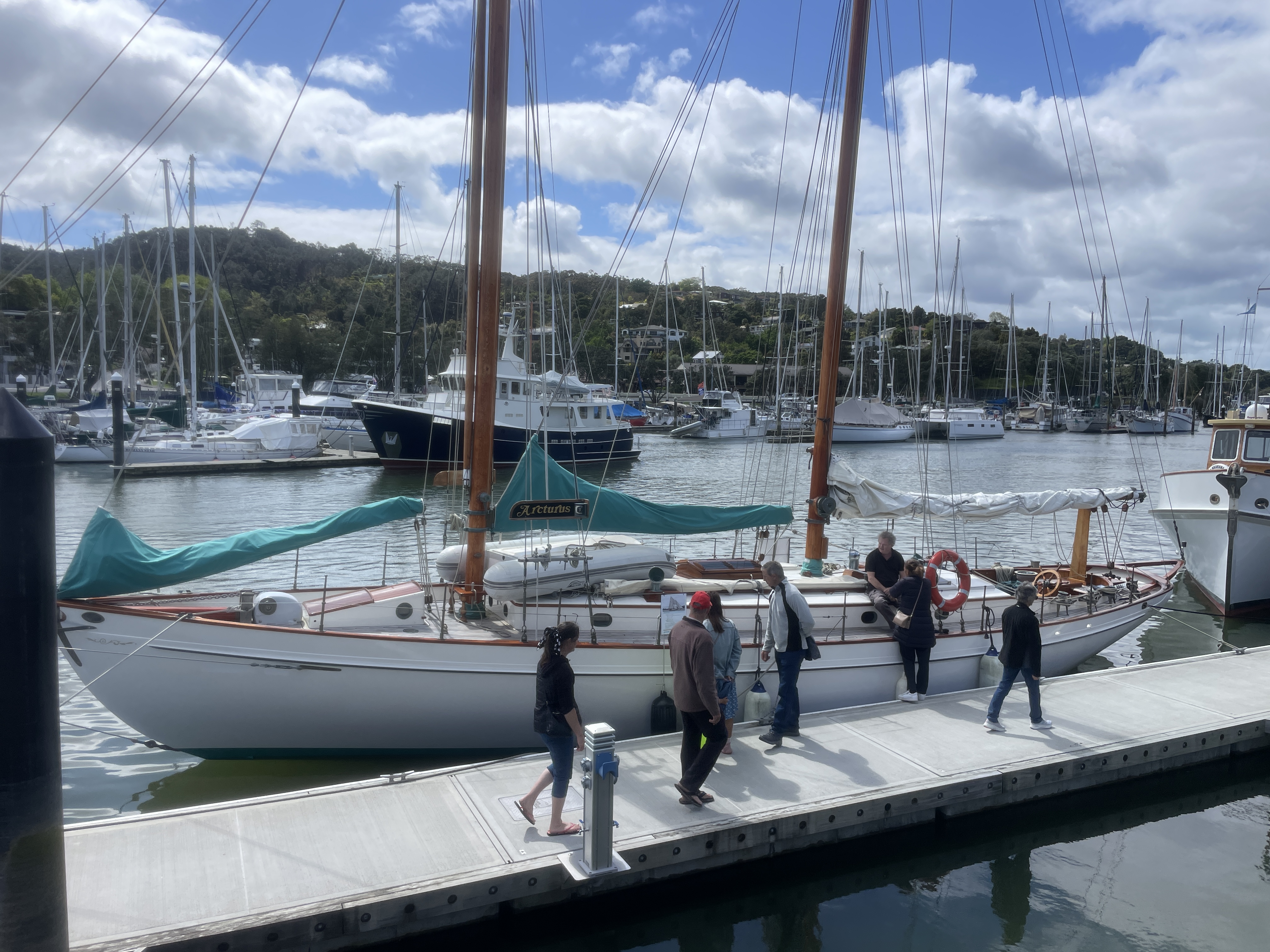
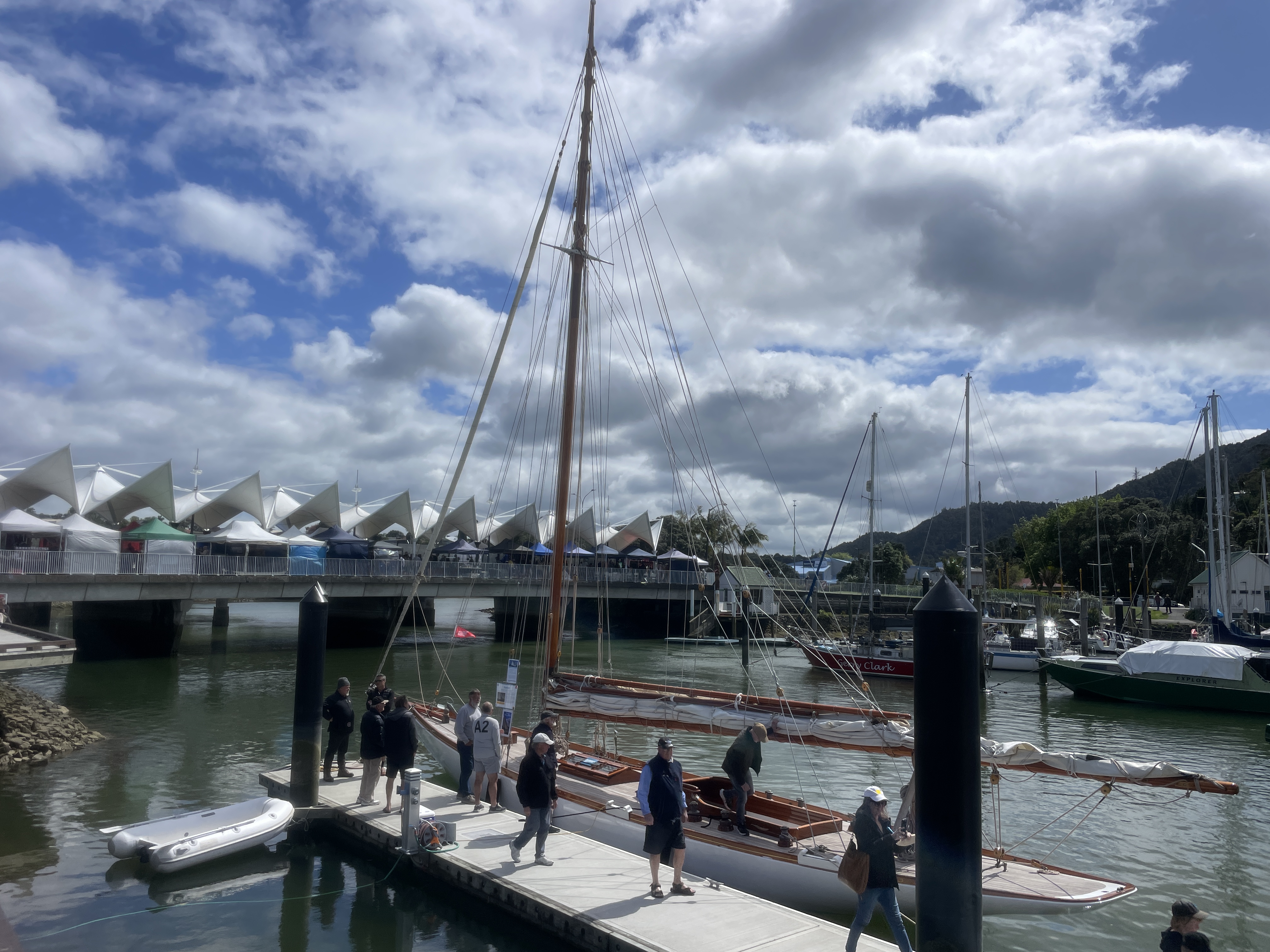
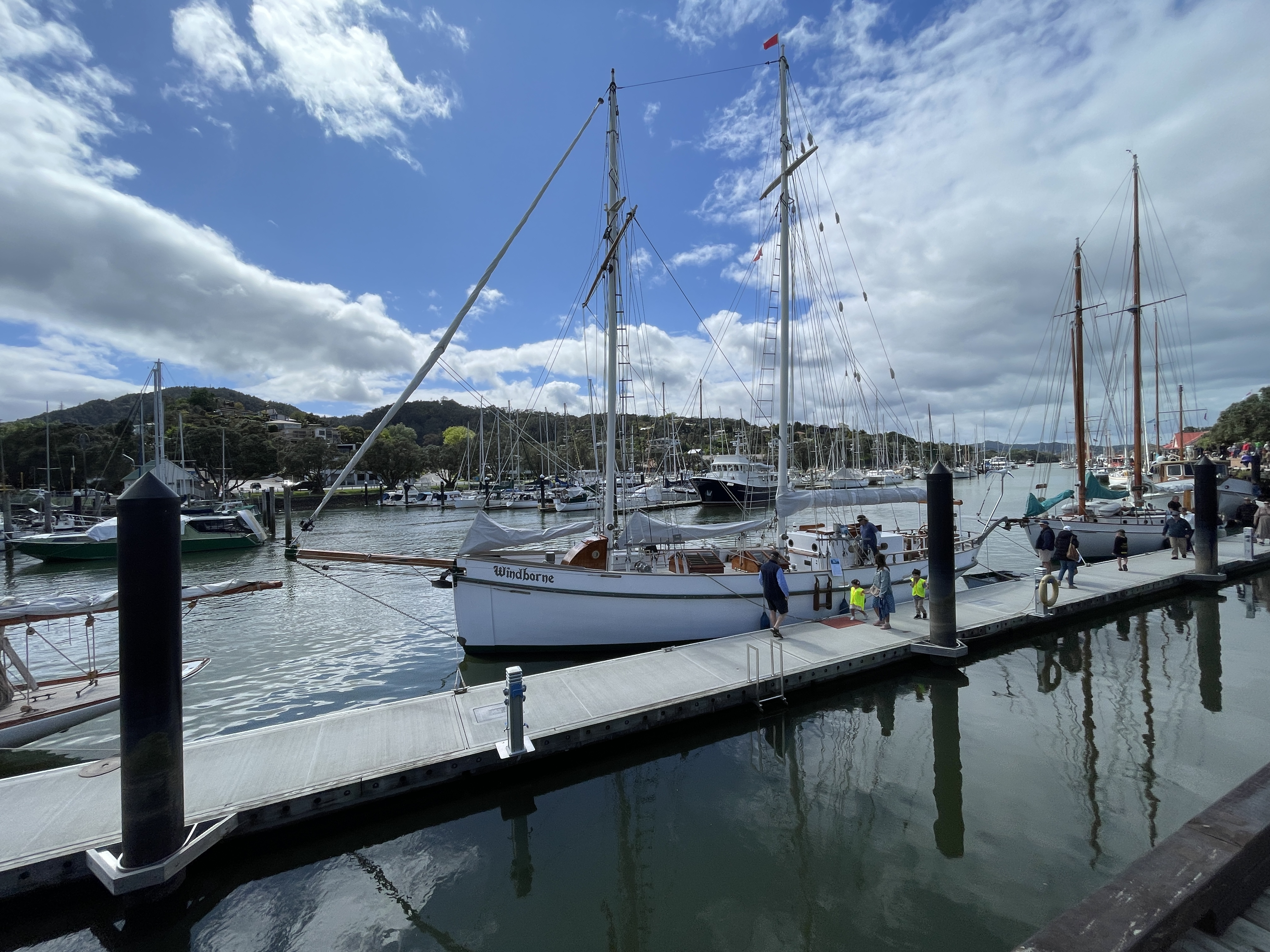
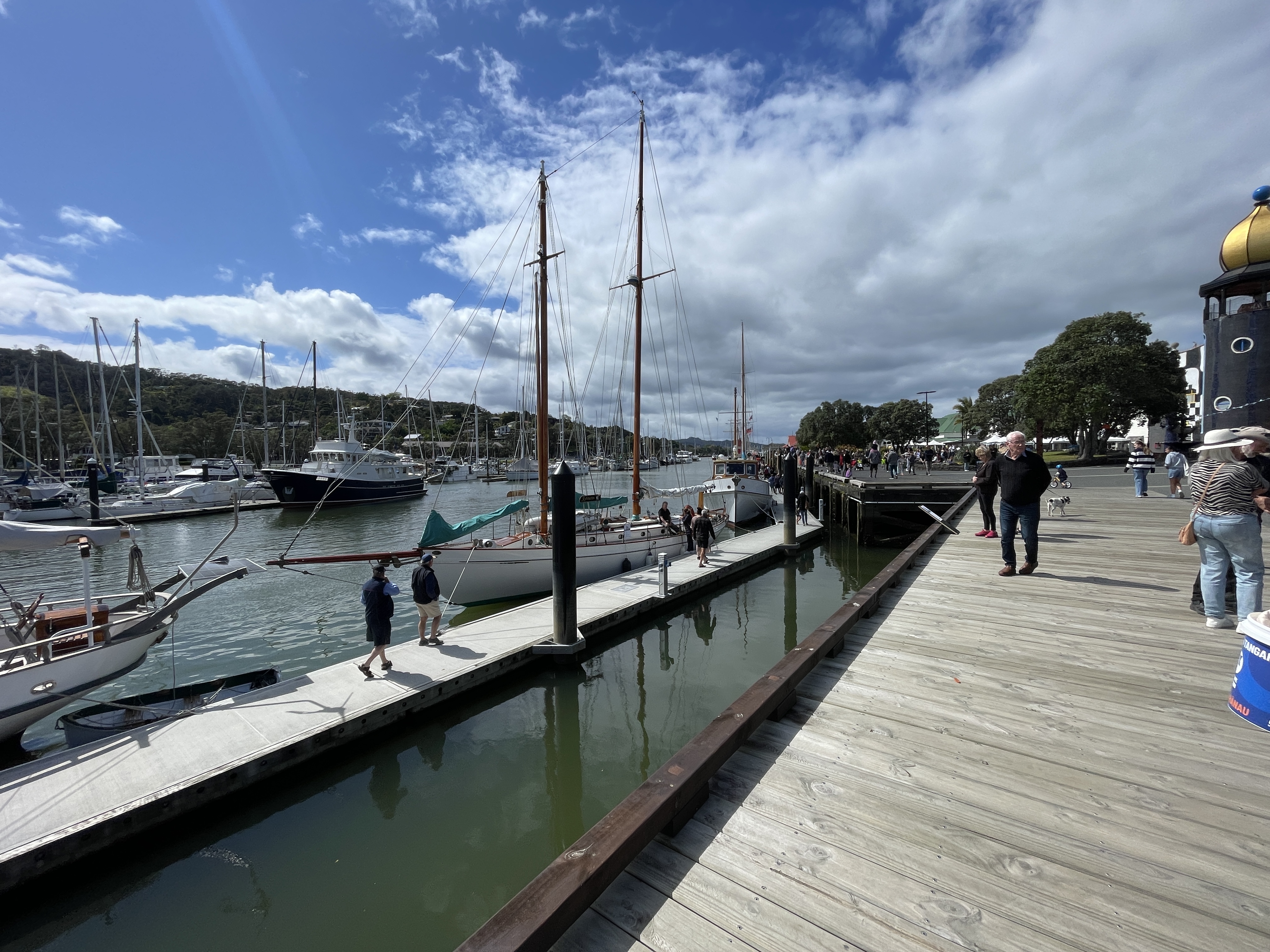
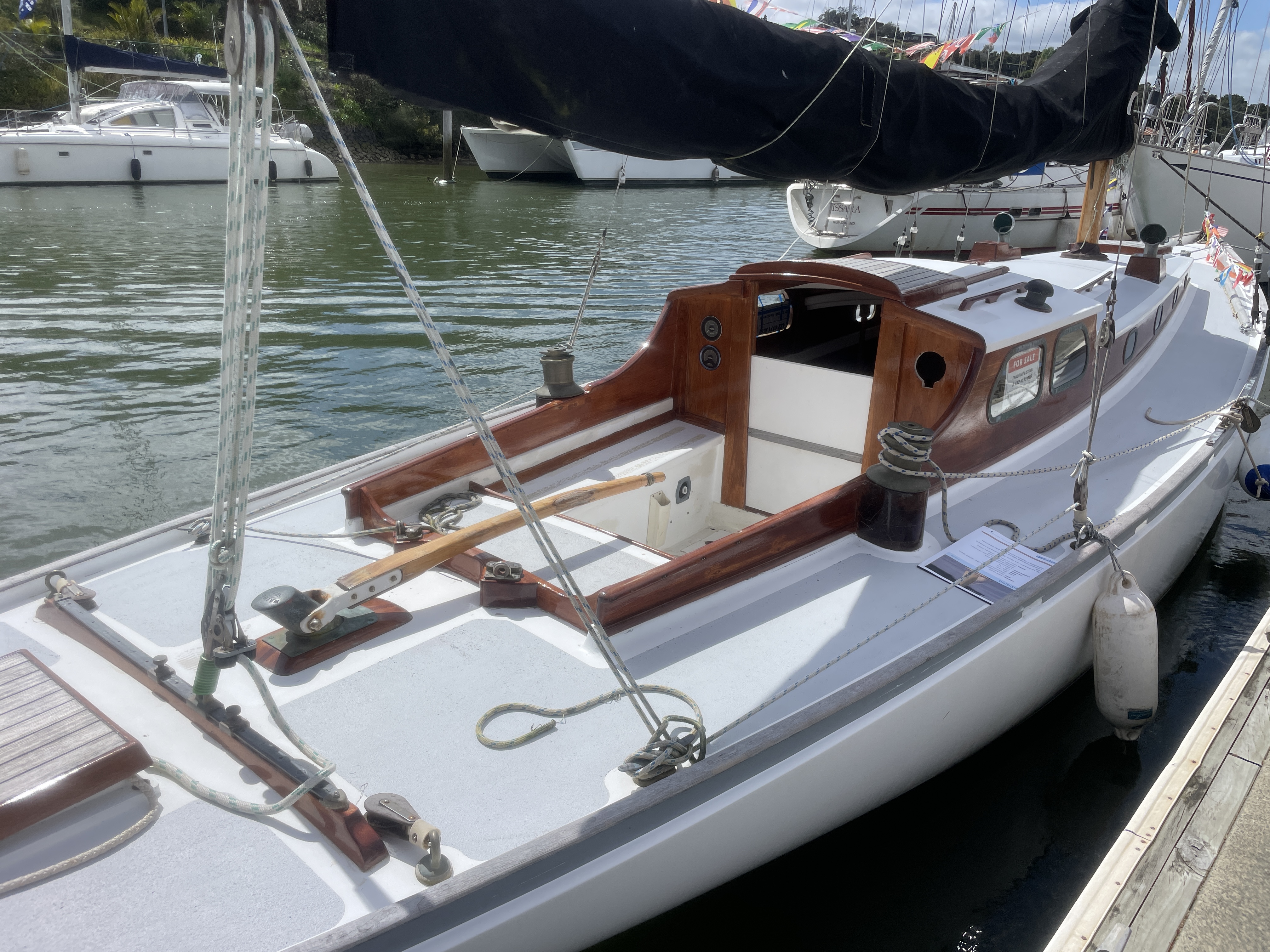
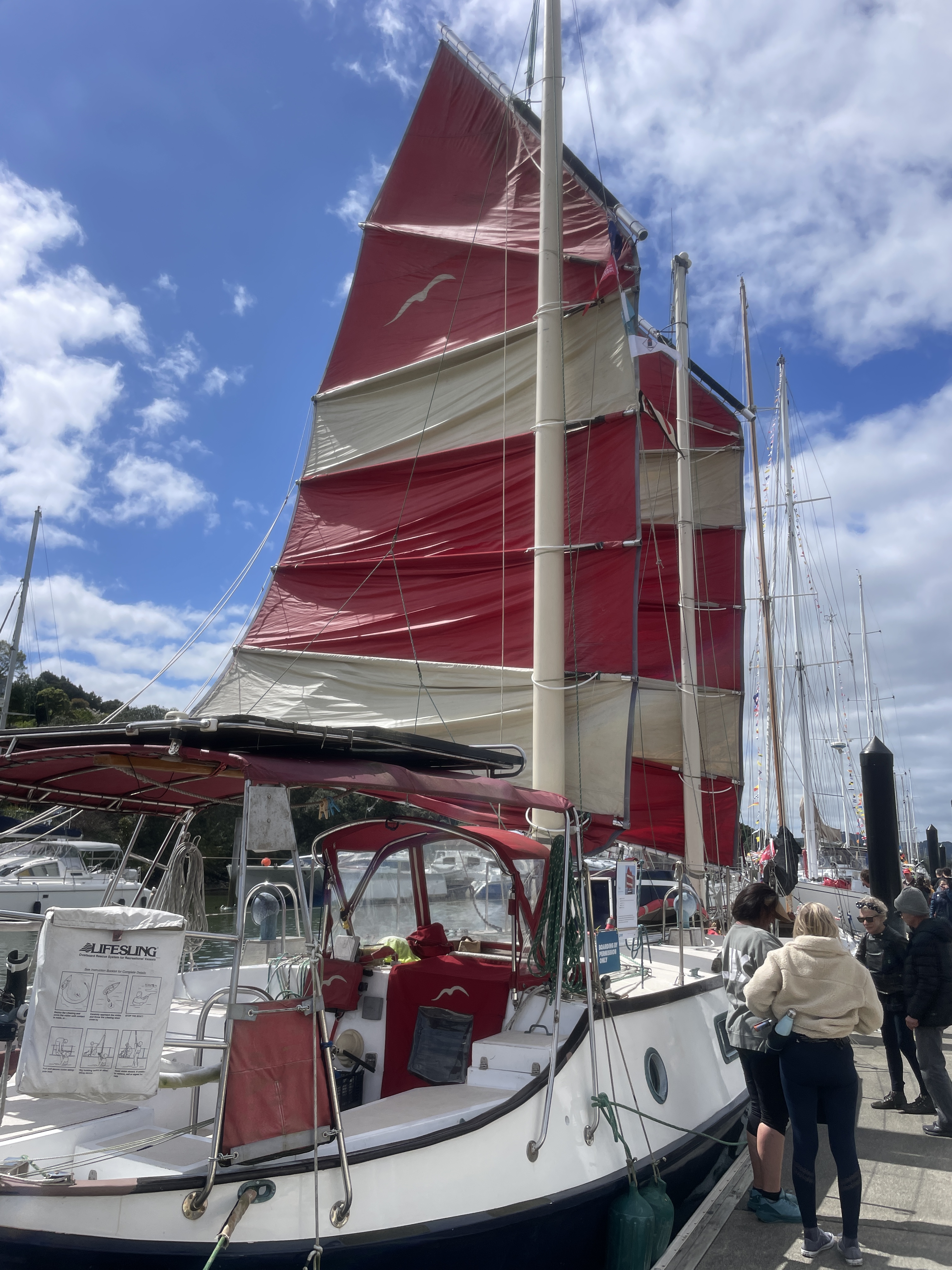
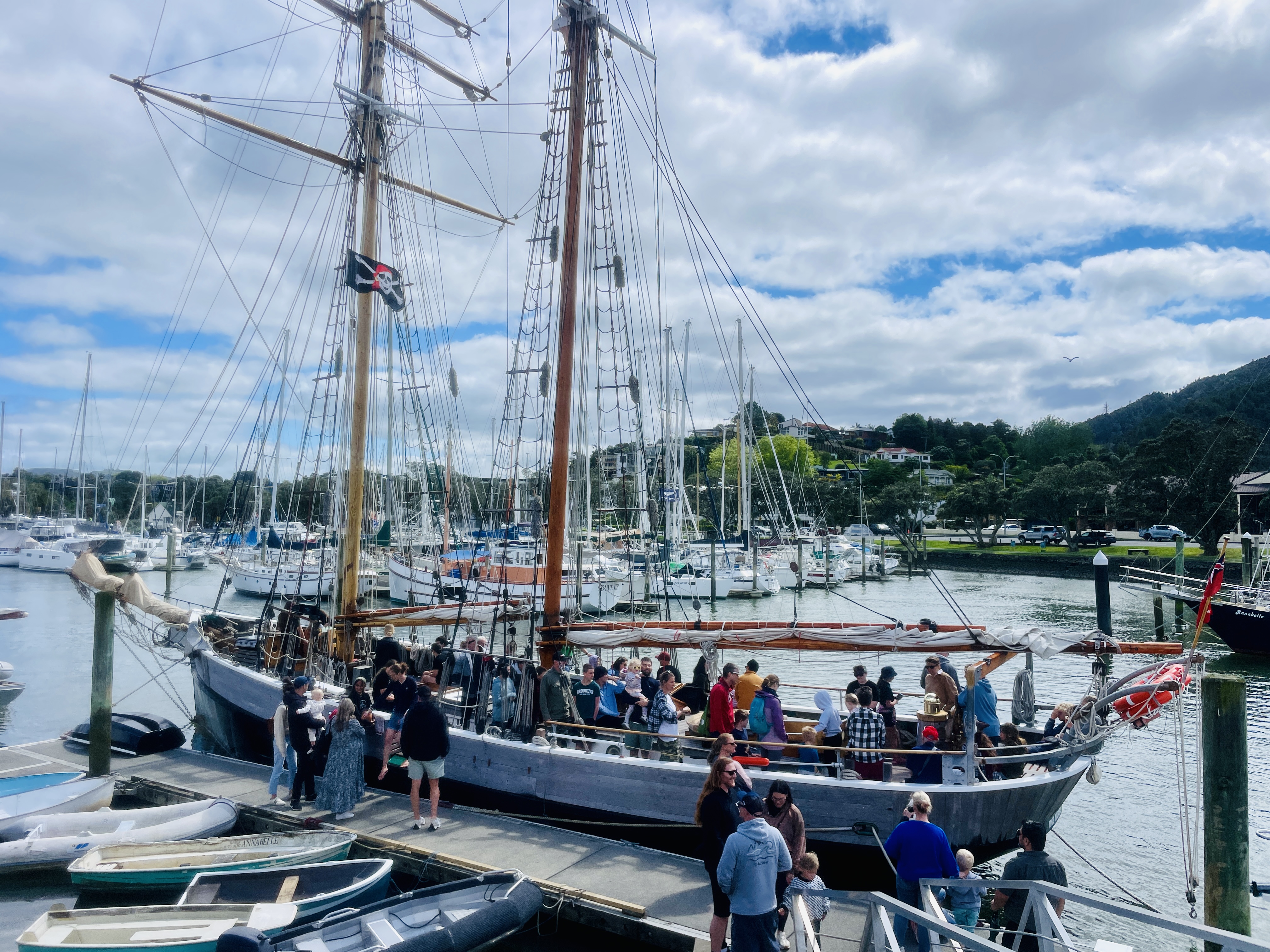
CLASSIC WOODY BOAT FESTIVAL AT THE WHANGAREI TOWN BASIN – 48 Photos & Videos
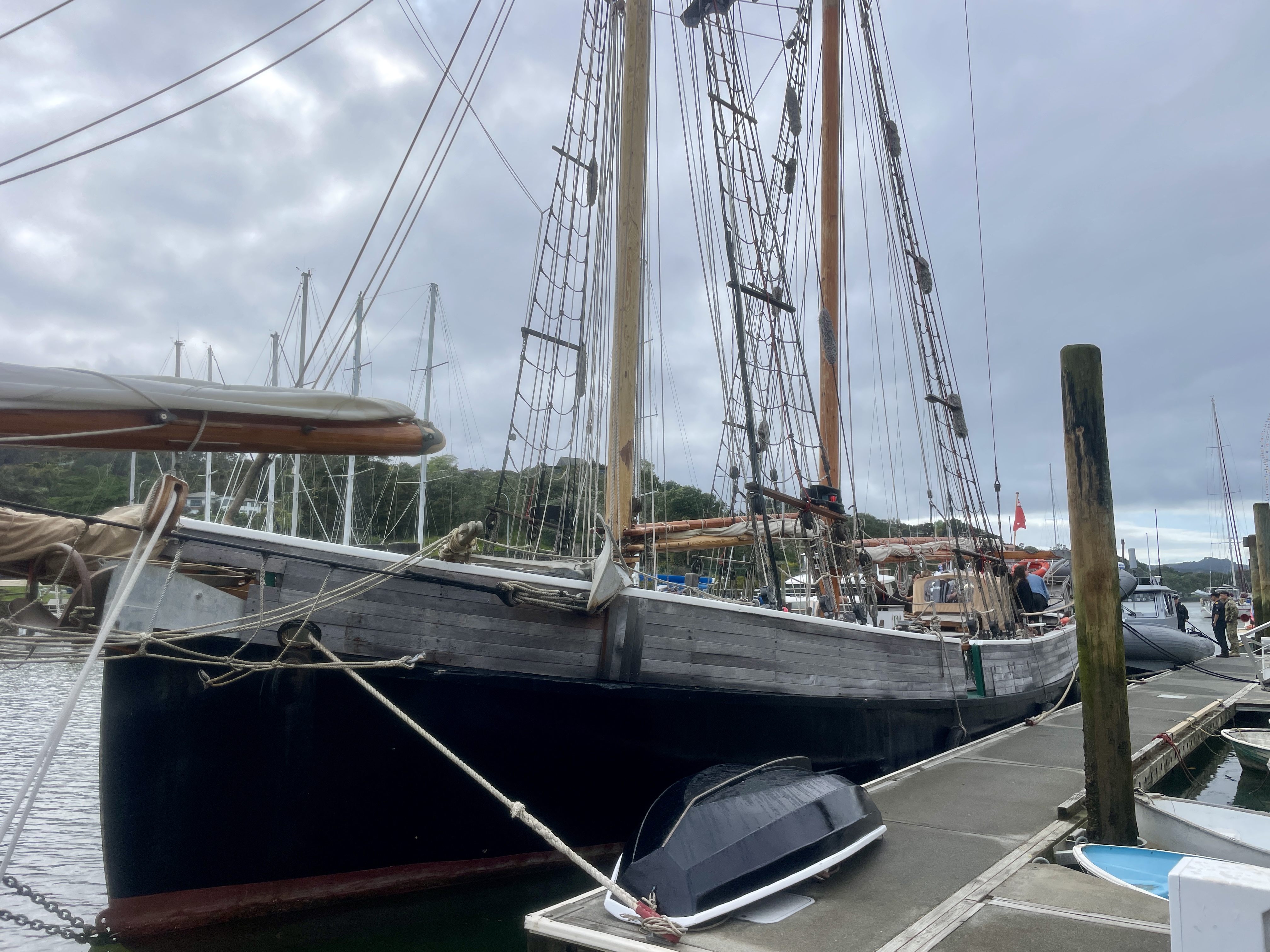
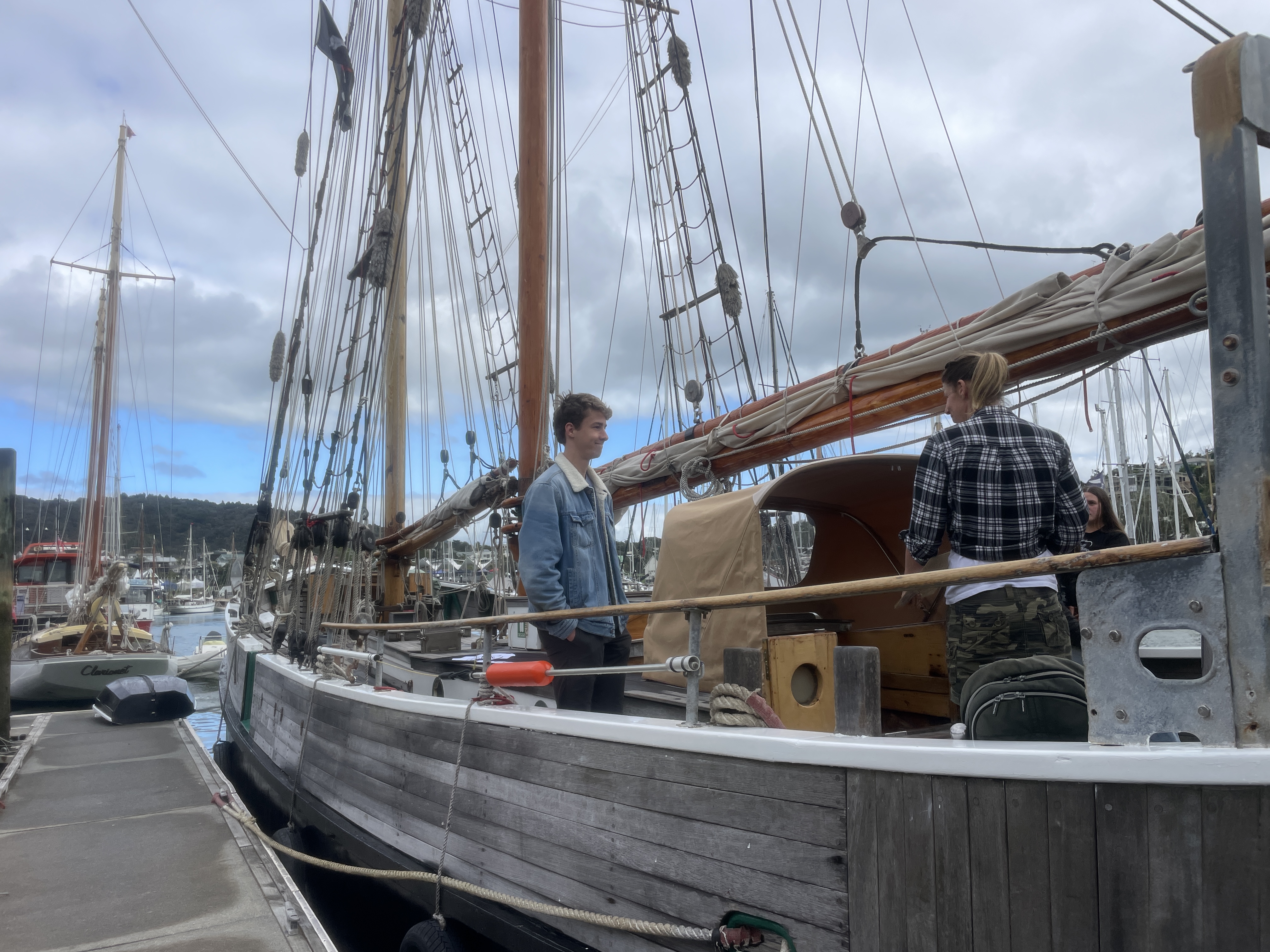
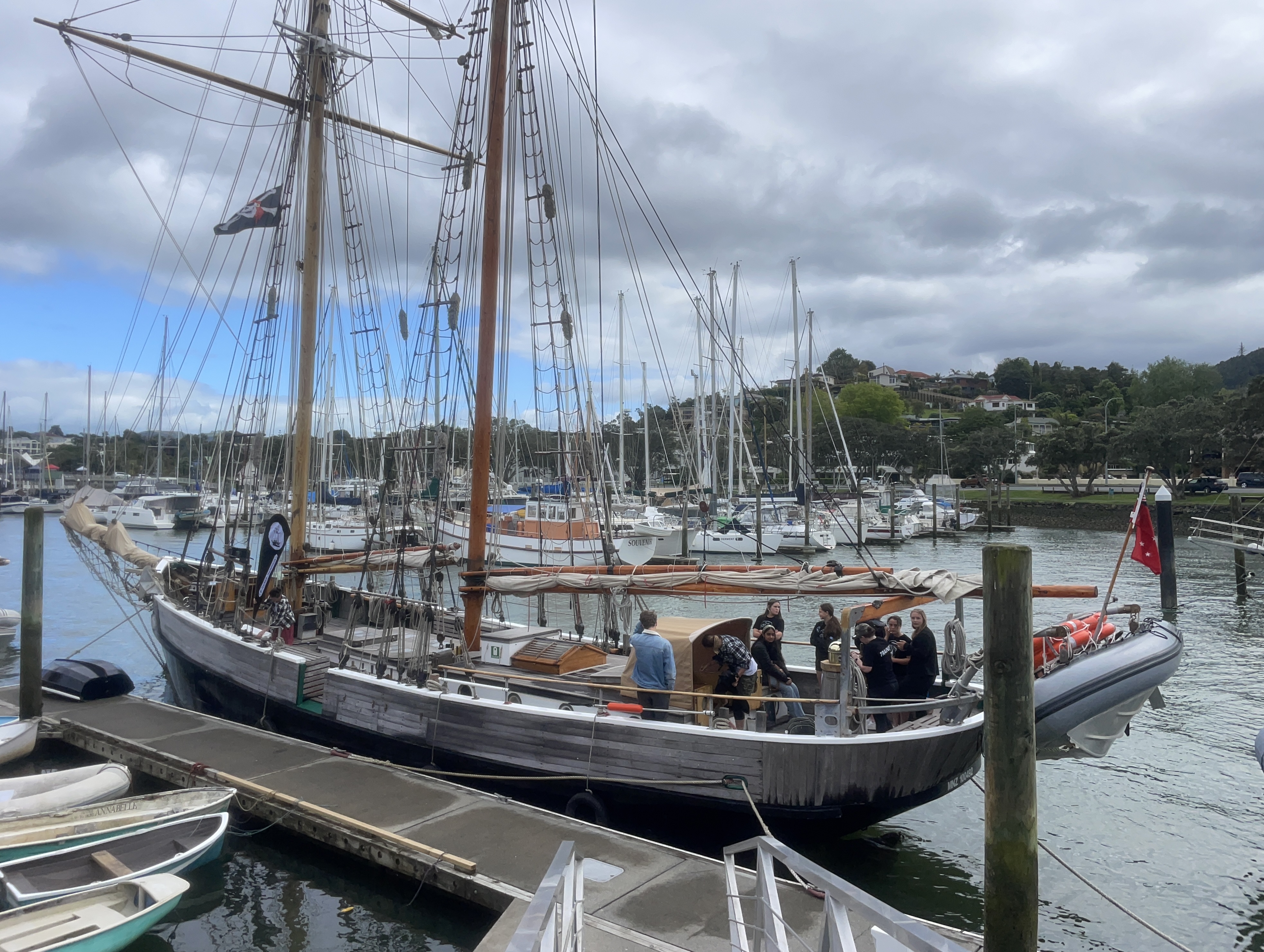
The weekends weather in Auckland certainly wasn’t conducive to boating so on early Saturday morning I pointed the car north and headed to Whangarei for the 2024 Maritime Festival at the Town Basin.
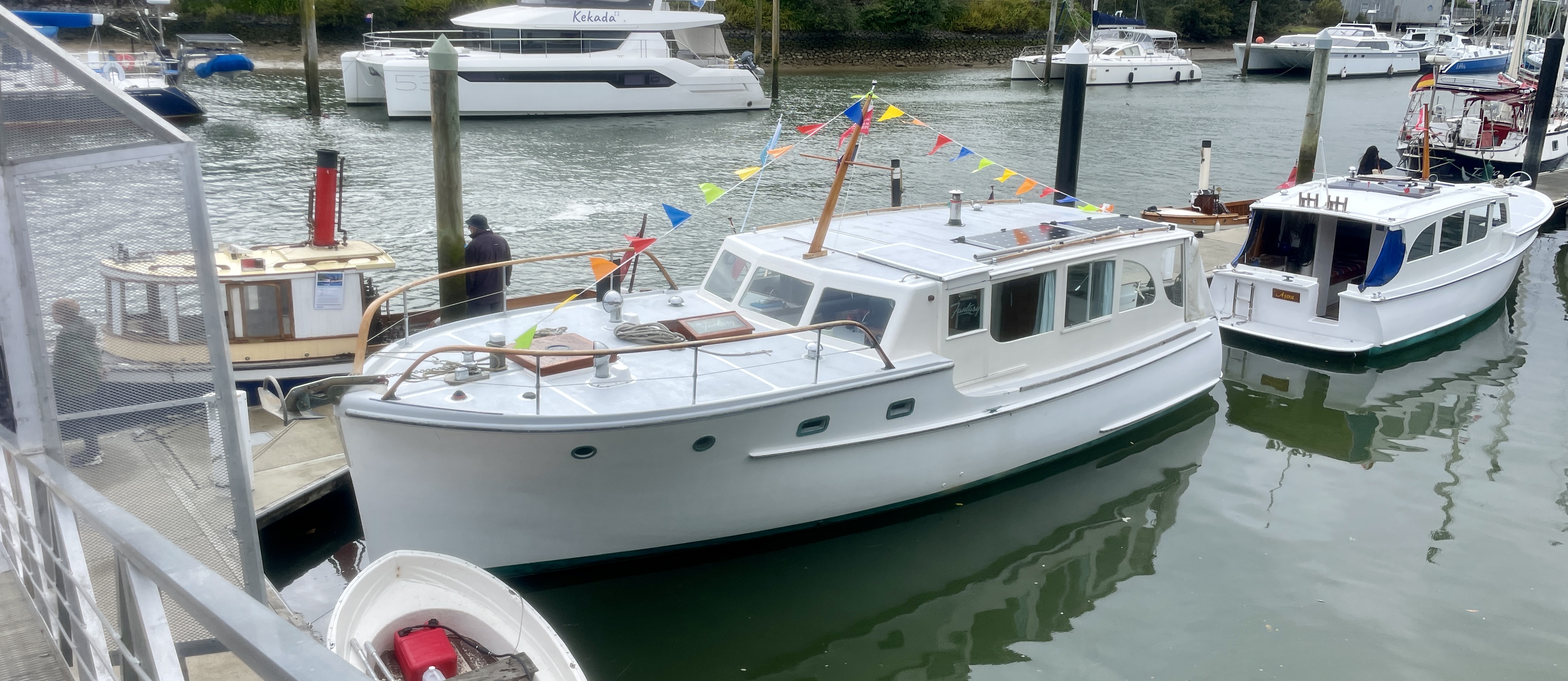
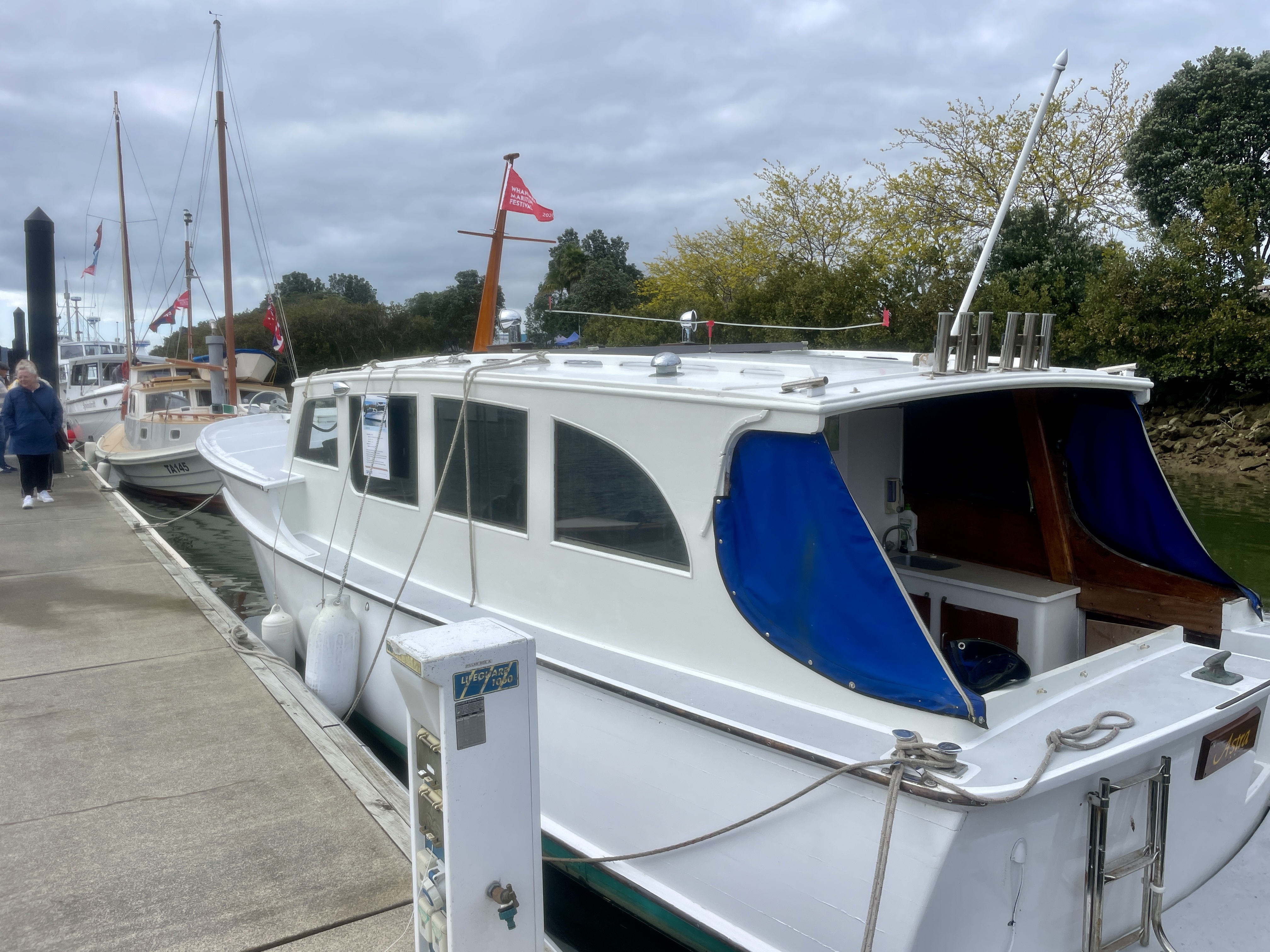
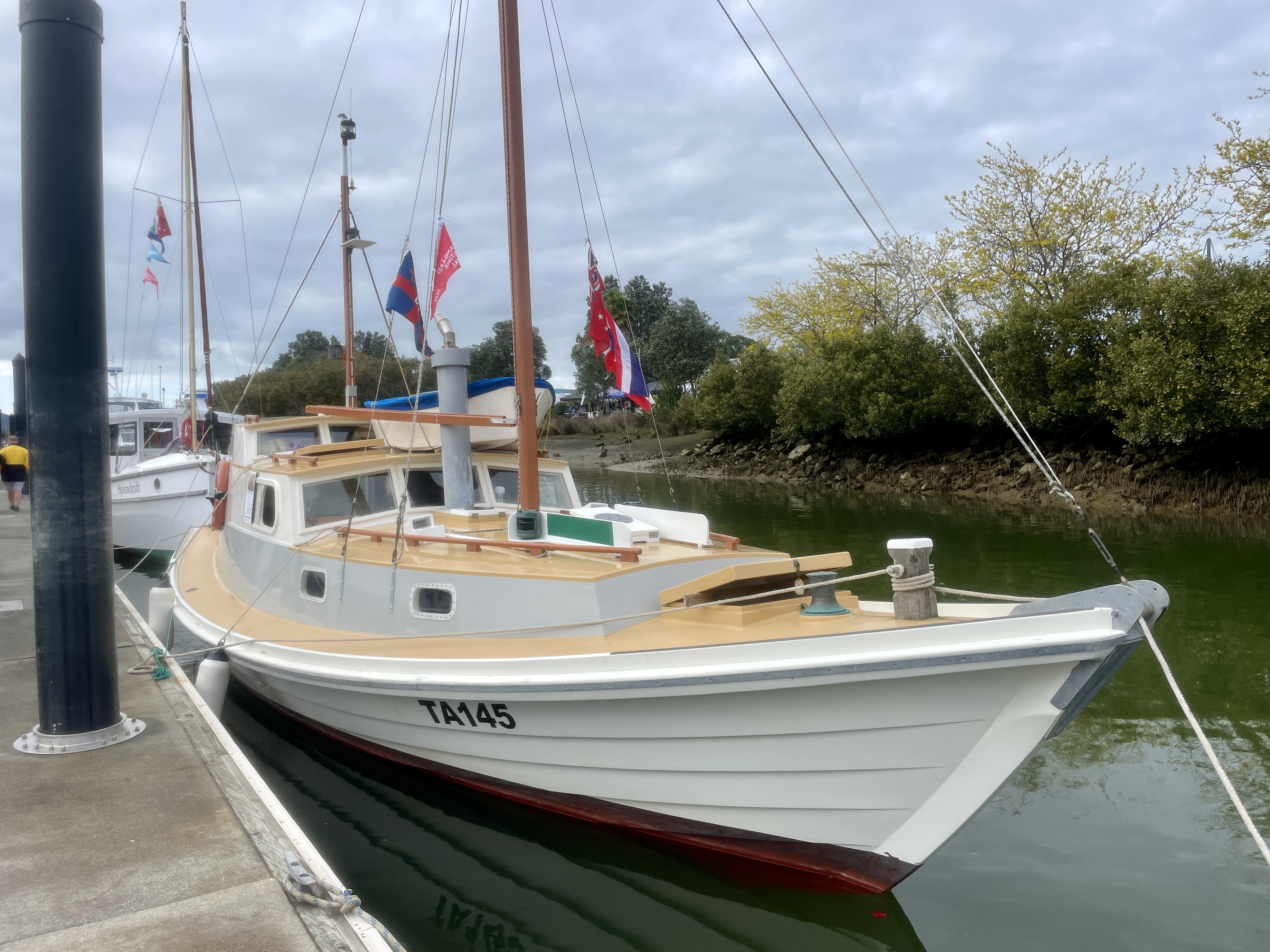
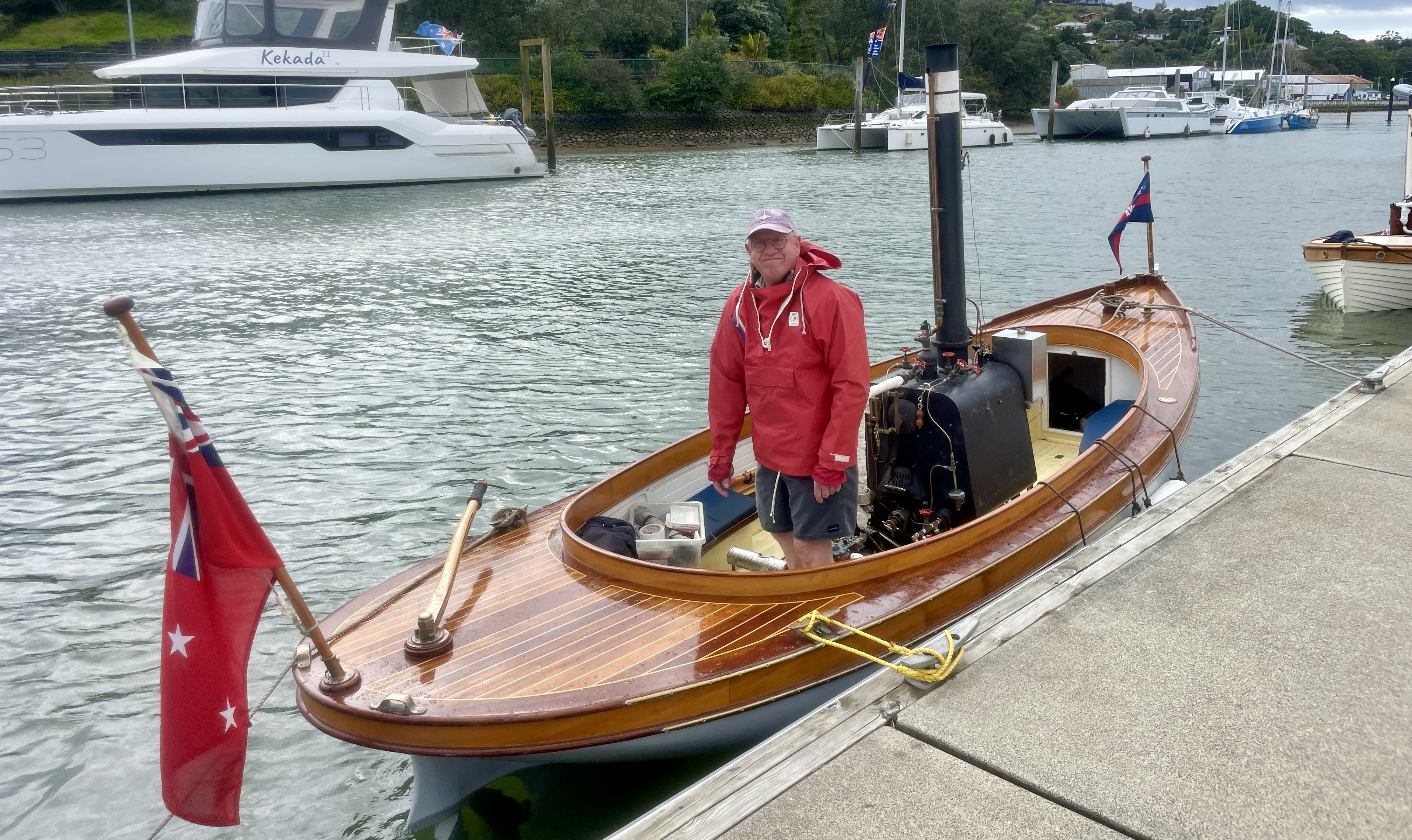
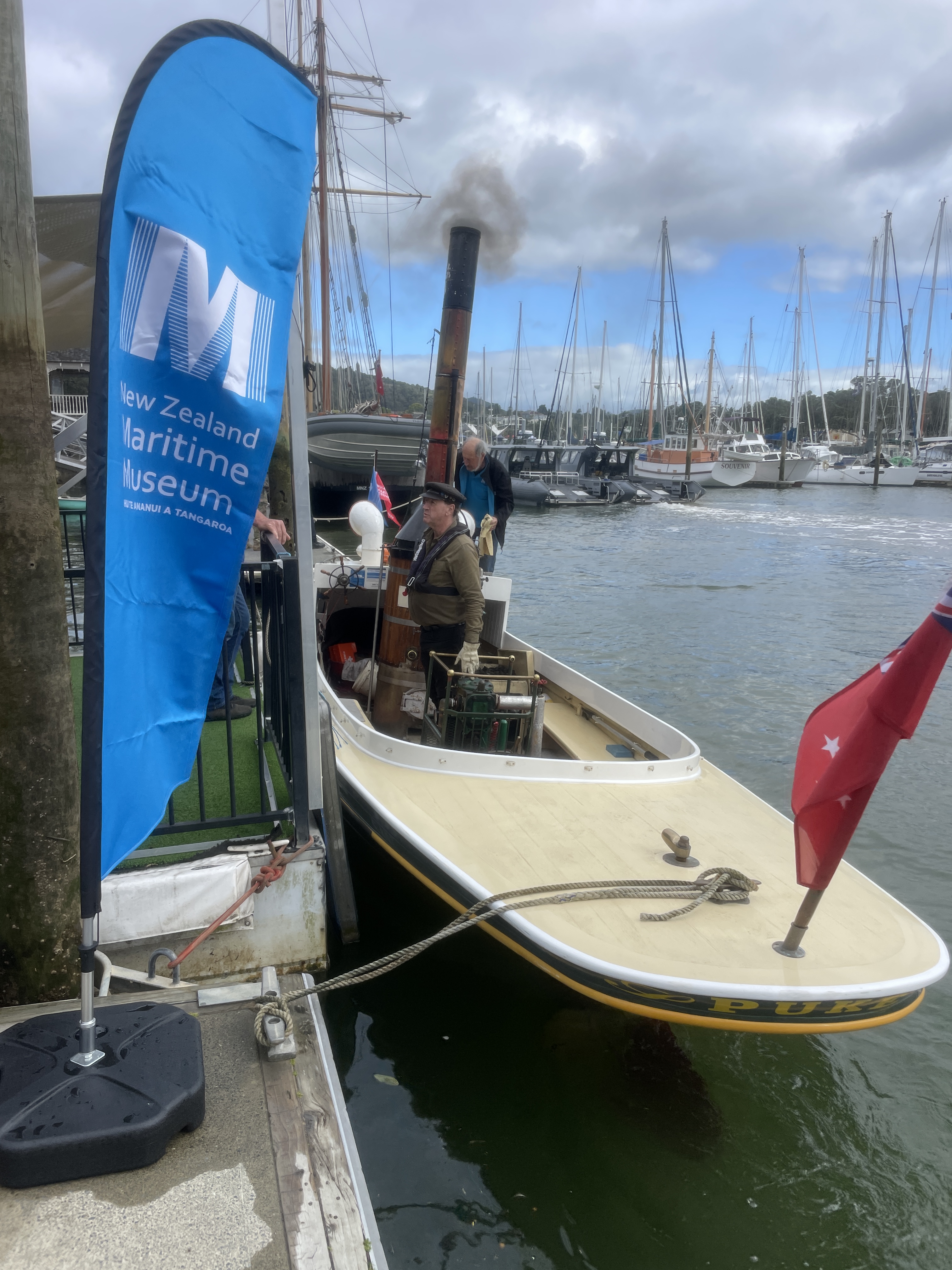
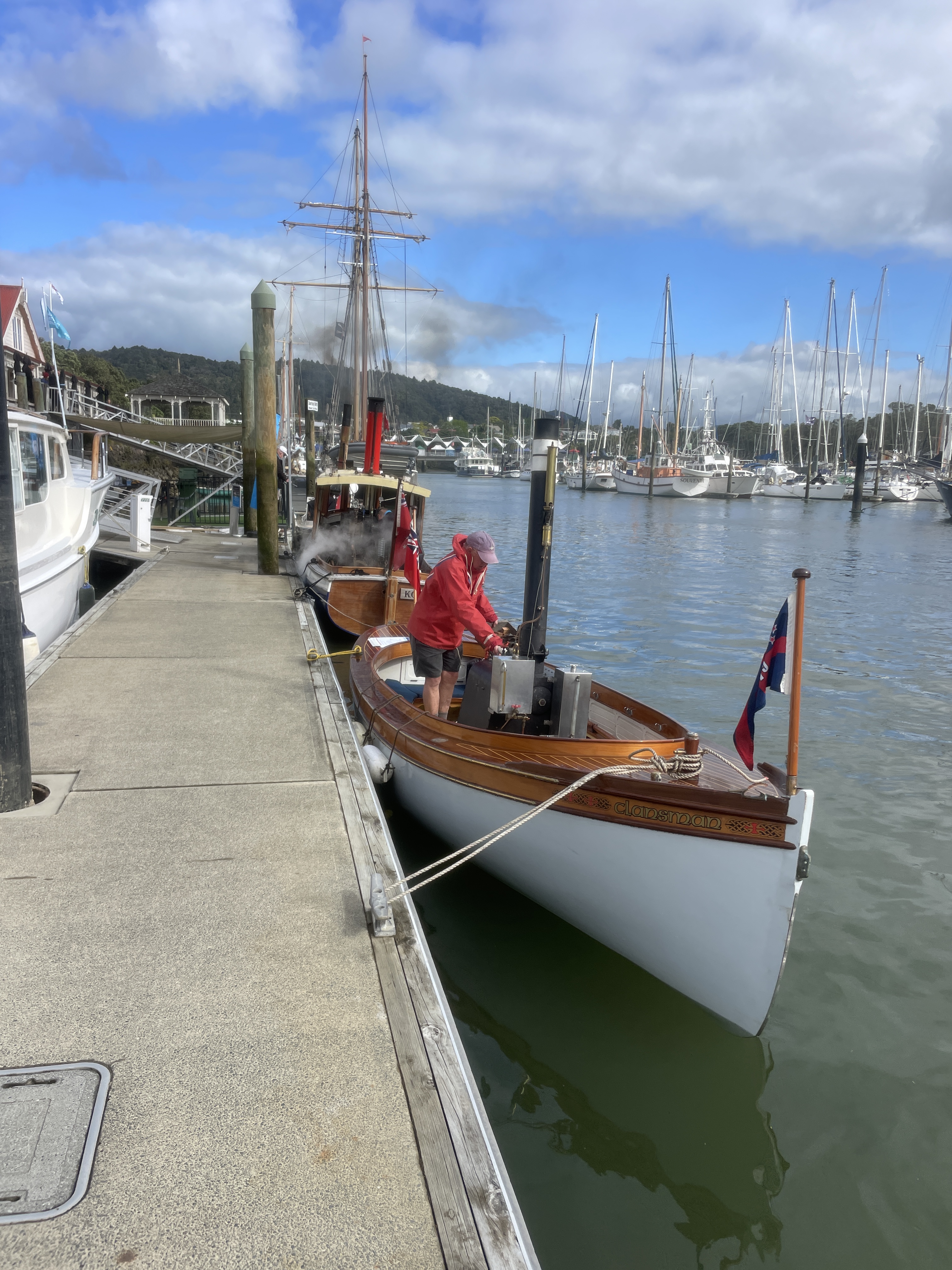
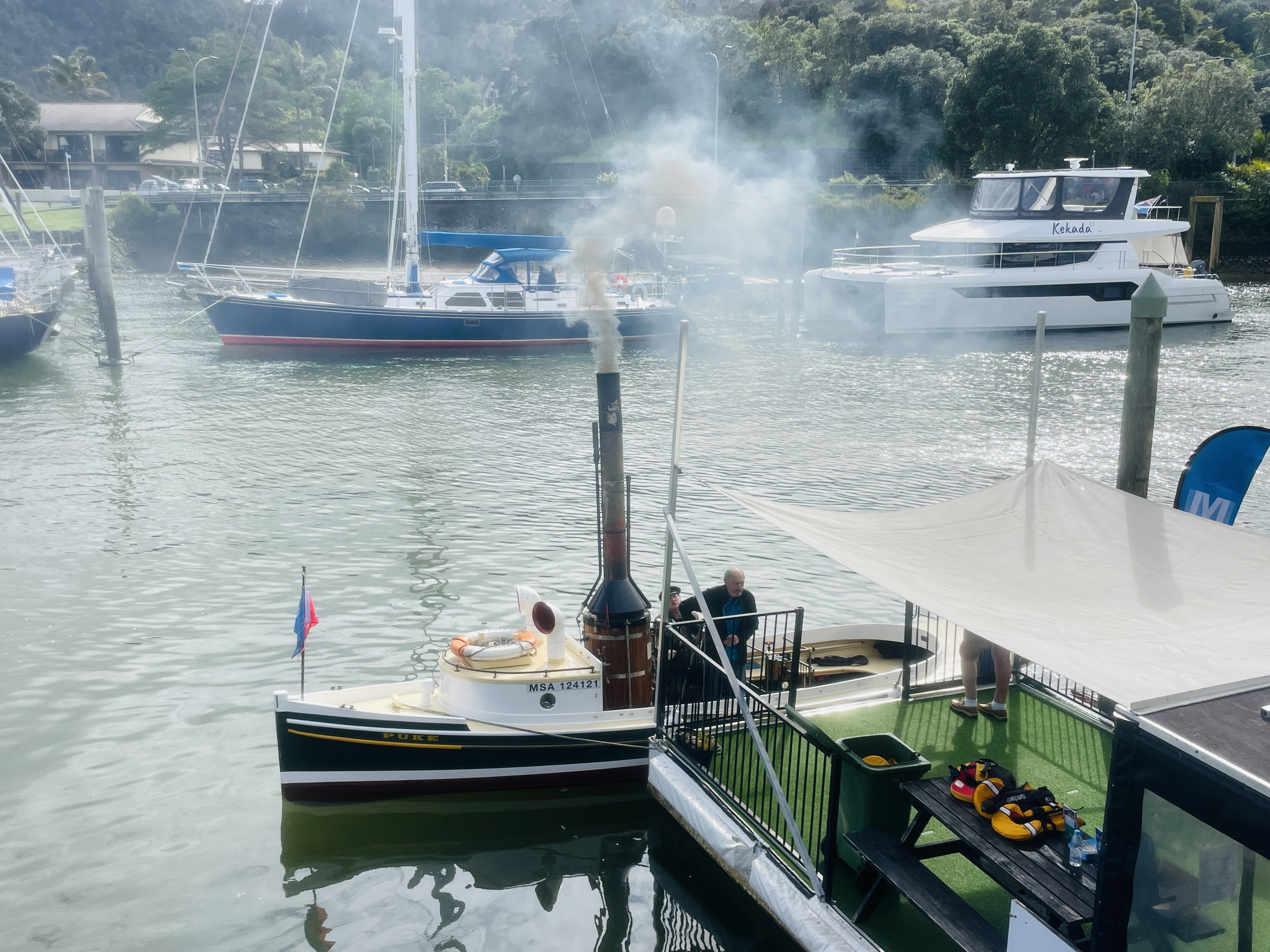
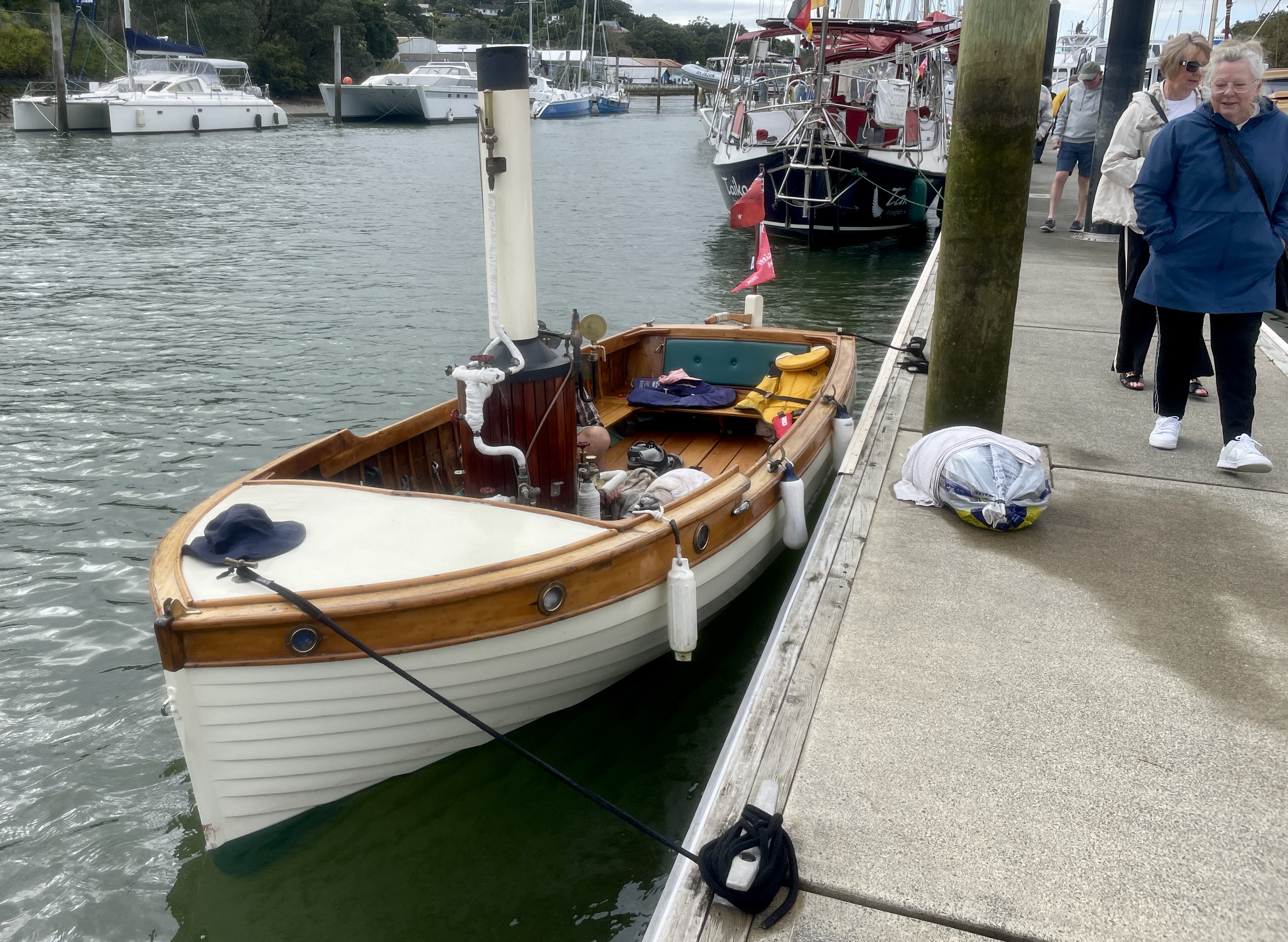
Year two and a quick overview, – more tie-dyed tee shirt vendors and food trucks, a lot more general public – less launches, more large cruising yachts. Steam boat rides were the most popular offering – long queues of kids that probably walked away with a life time memory – well done to all the steam boat skippers and crew.
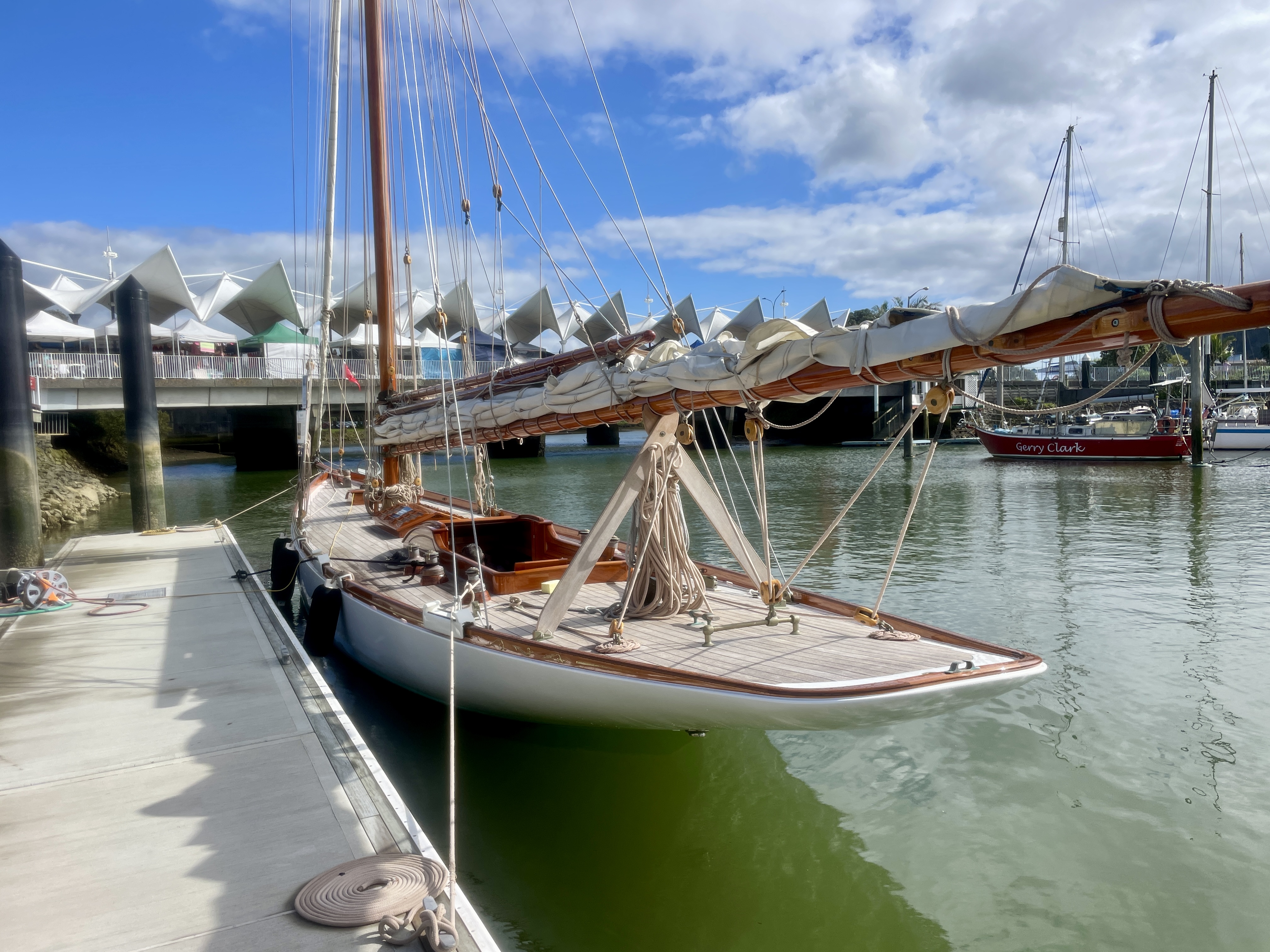
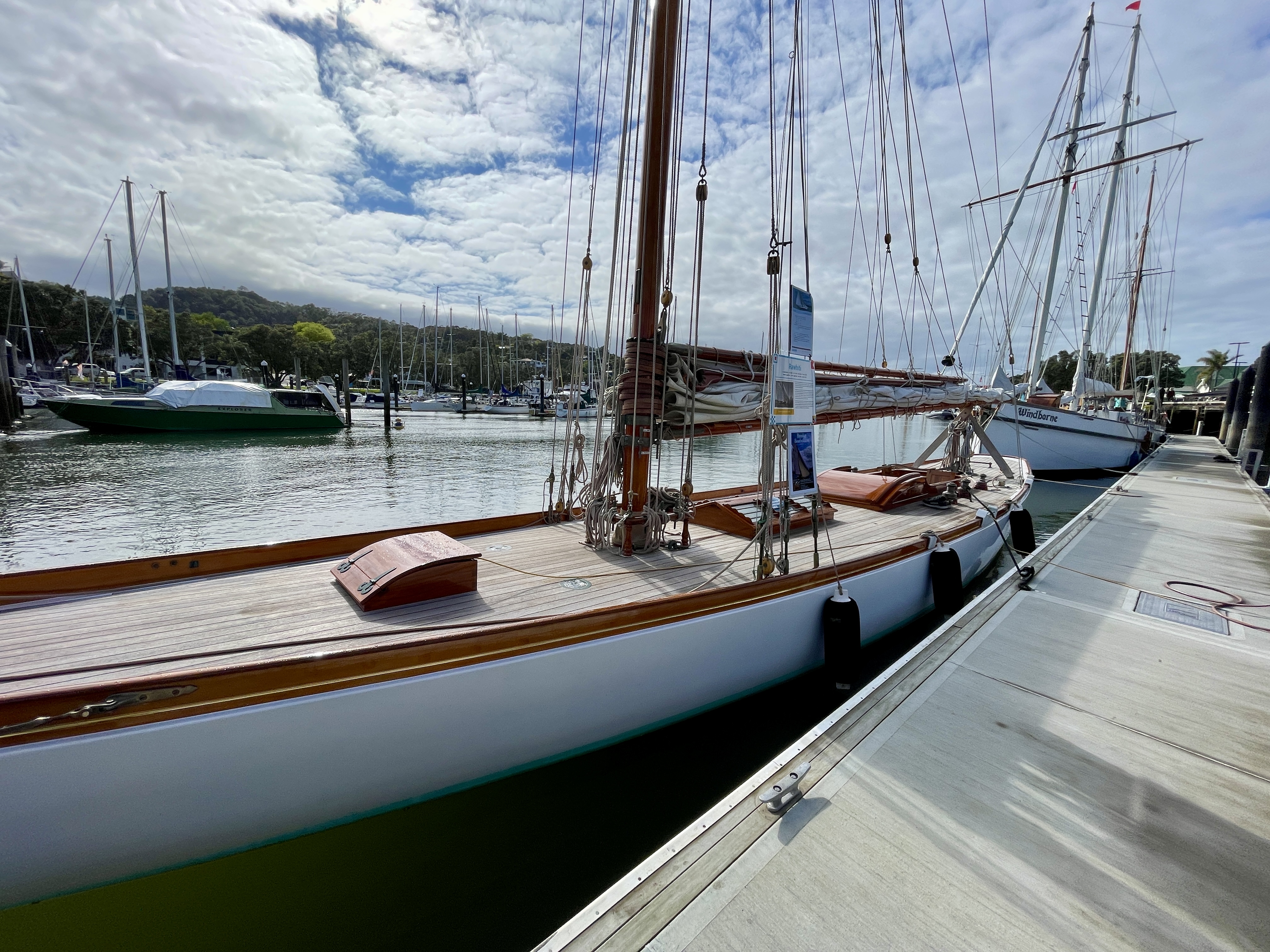
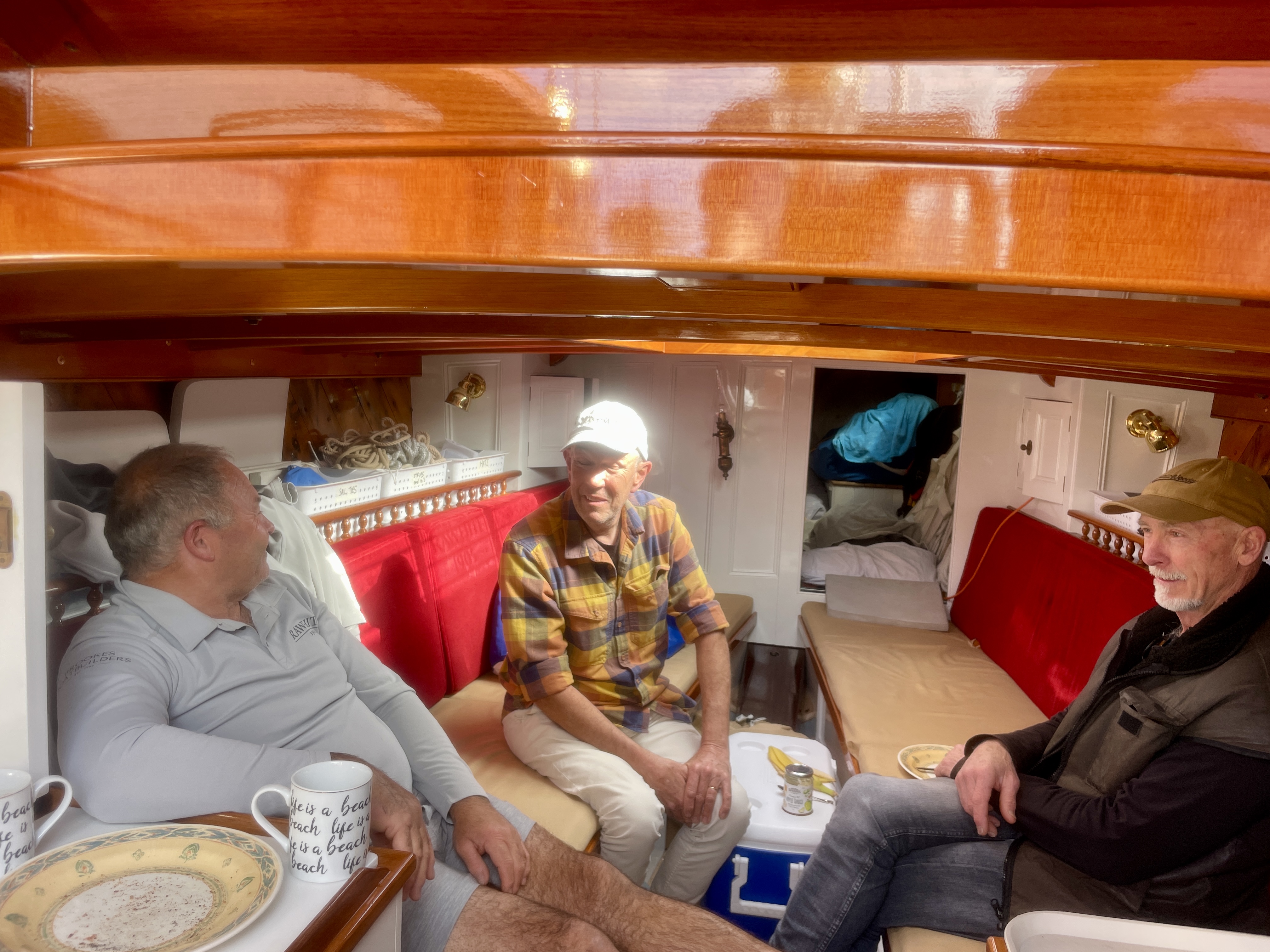
Nice to see a couple of woodys from the Waitemata make the trip north – RAWHITI and JOHN DORY.
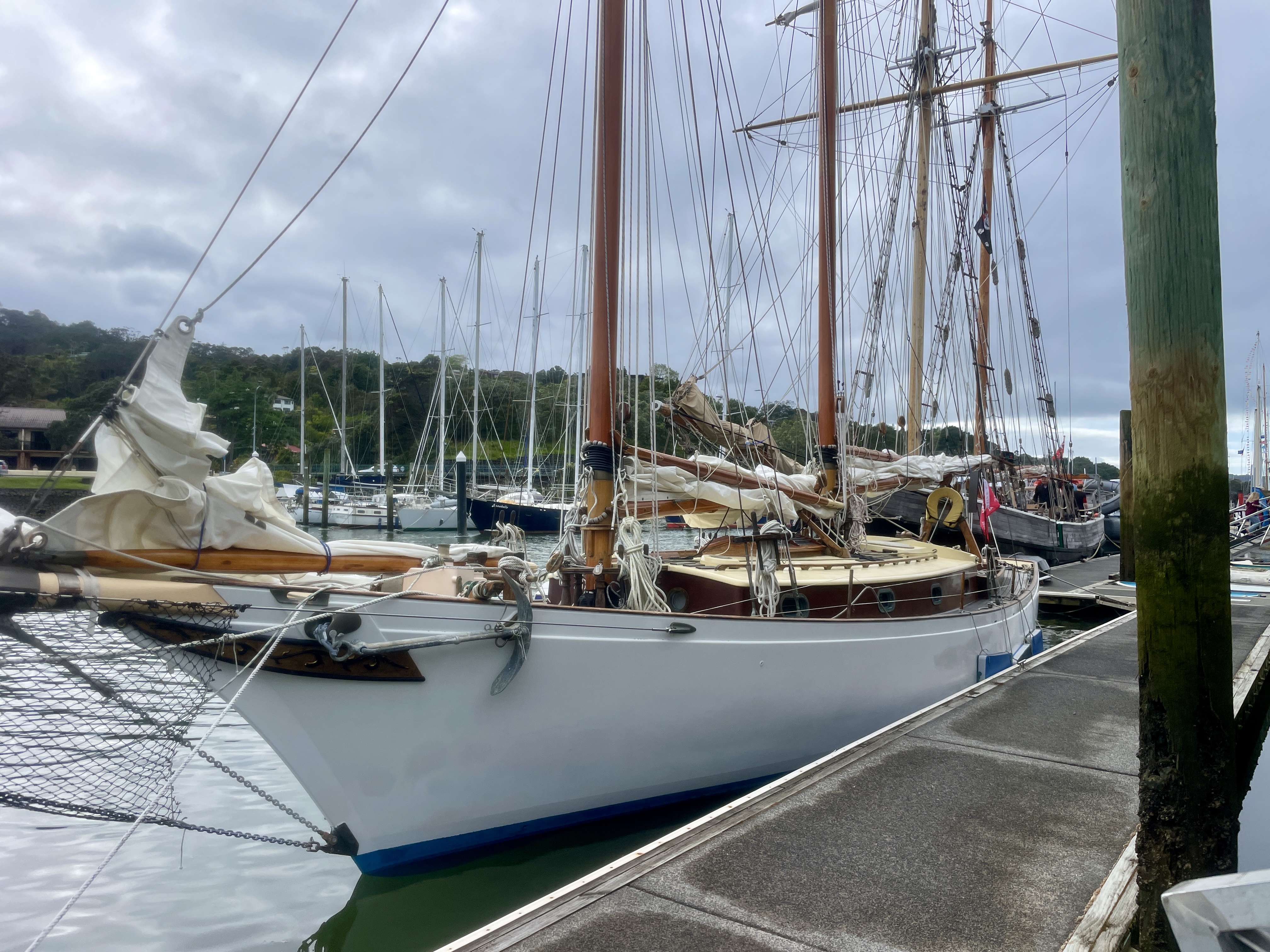
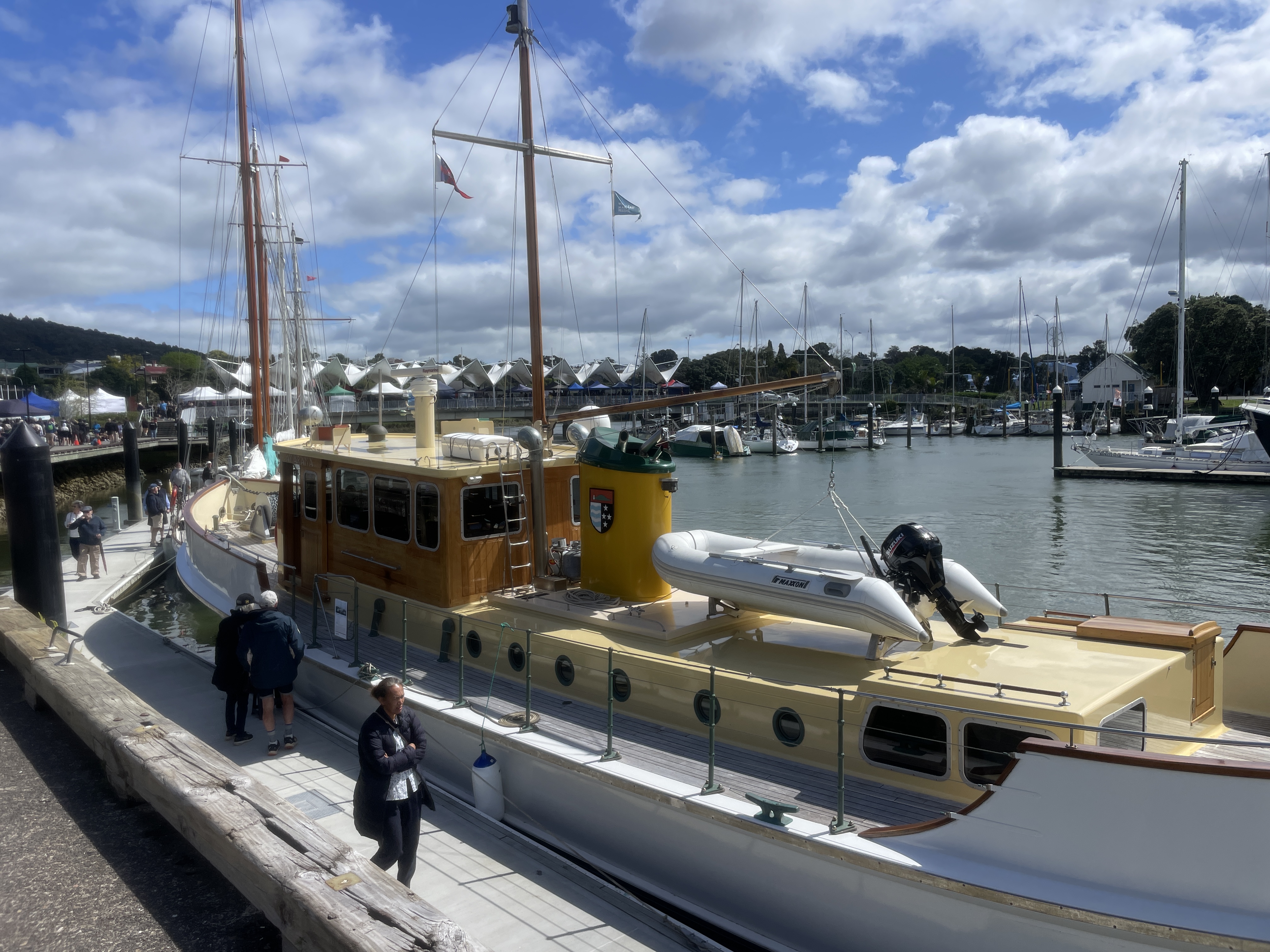
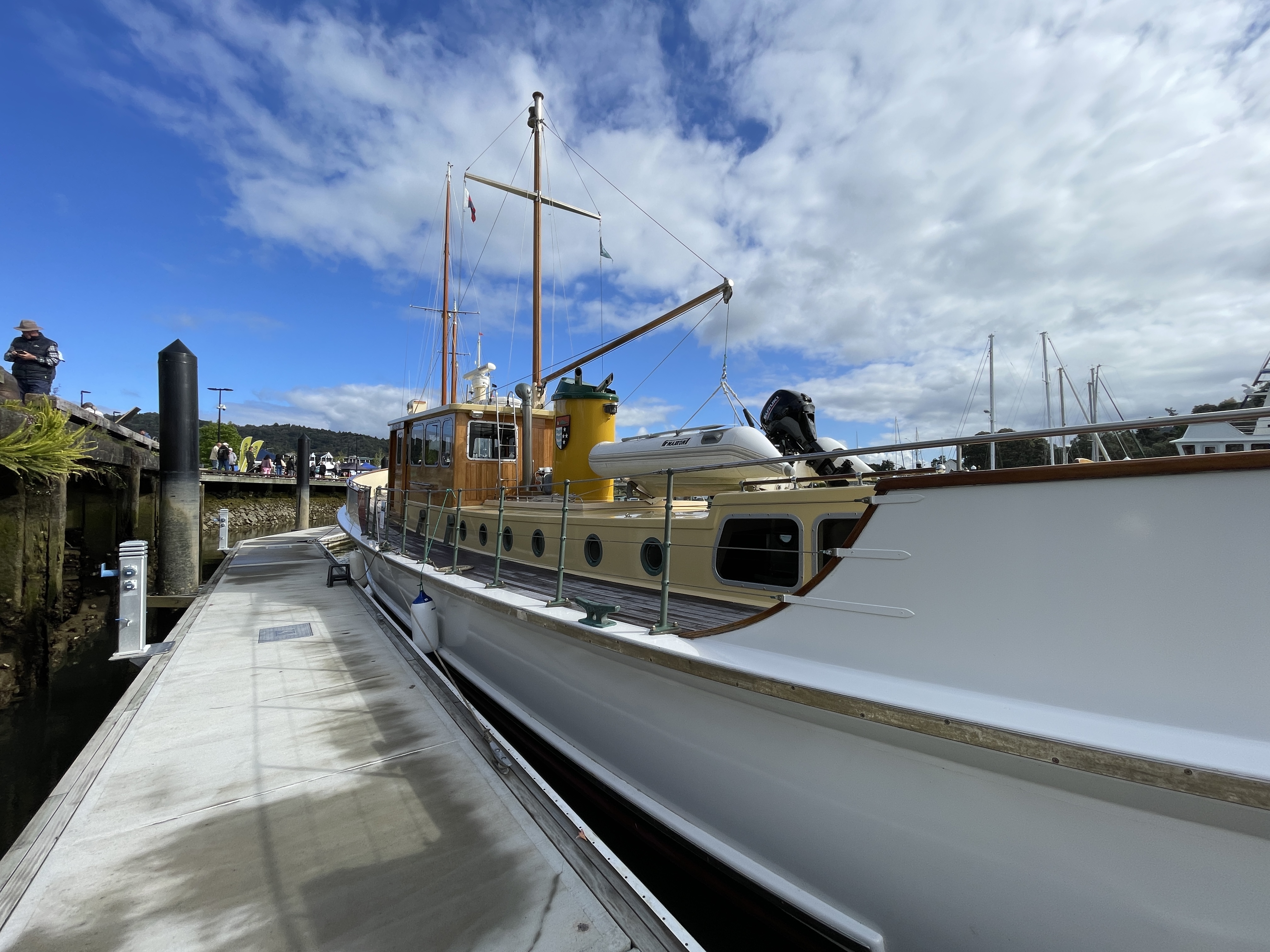
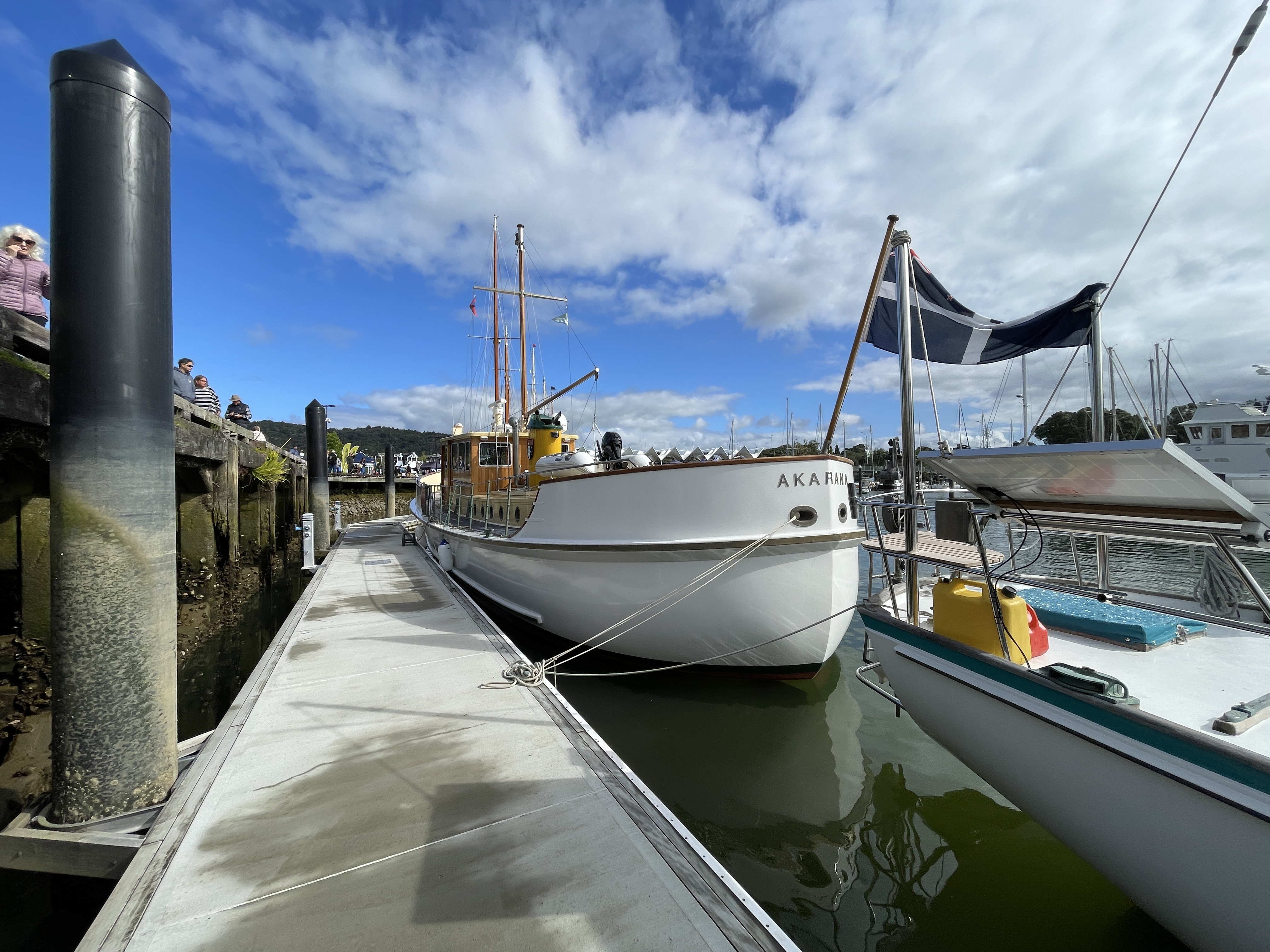
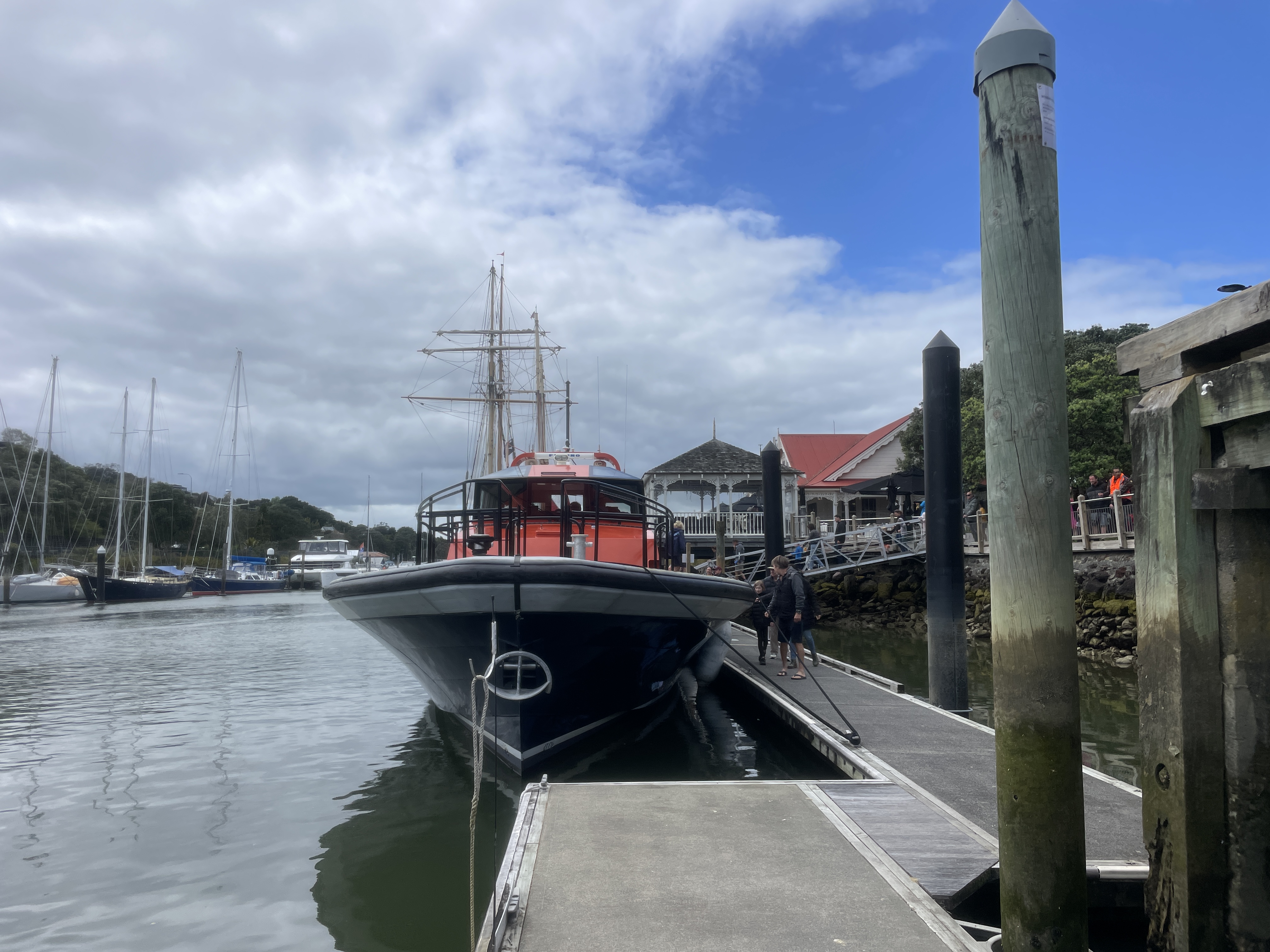
As always when she makes an appearance anywhere Dick and Colleen Fisher’s ex pilot boat – AKARANA was the start of the show.
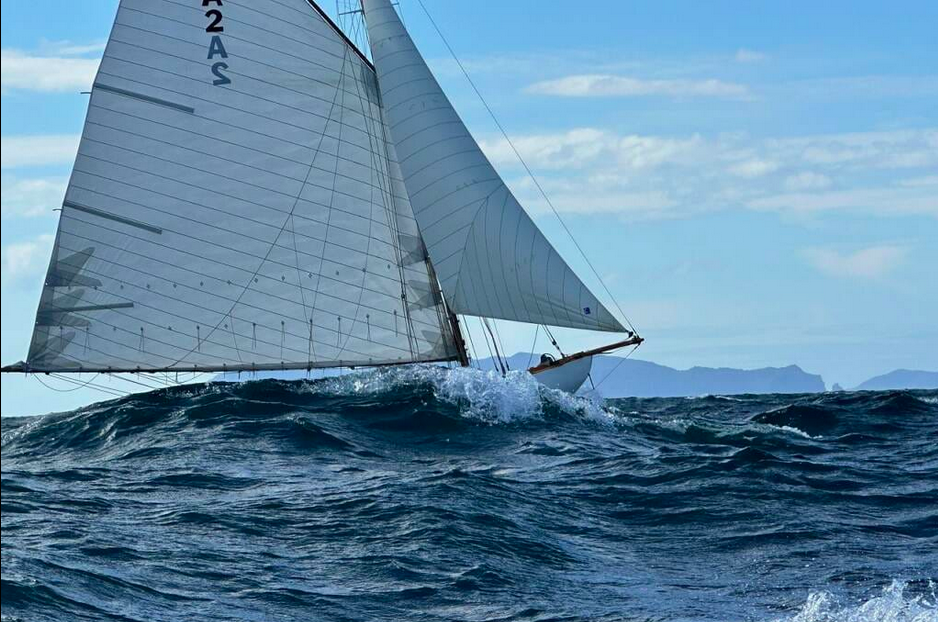
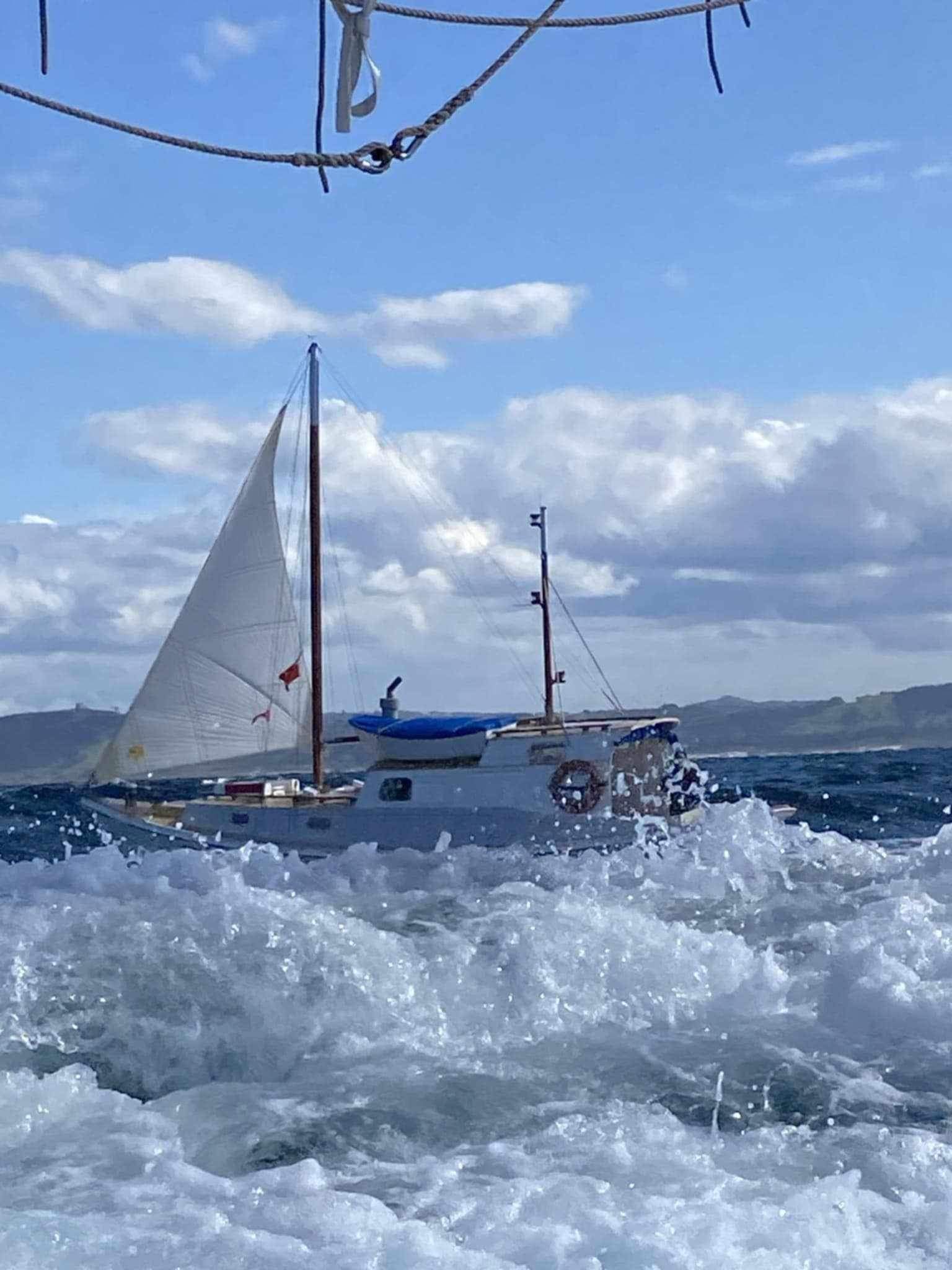
THE AUCKLAND WOODYS HAD AN INTERESTING TRIP HOME ON SUNDAY AFTERNOON 🙂
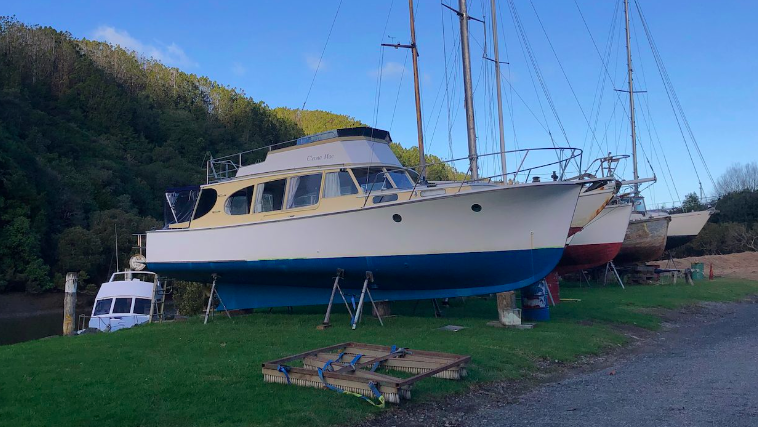
In the 2017 story thanks to a previous owner – Nigel Drake, we received a wonderful insight into the vessels past.
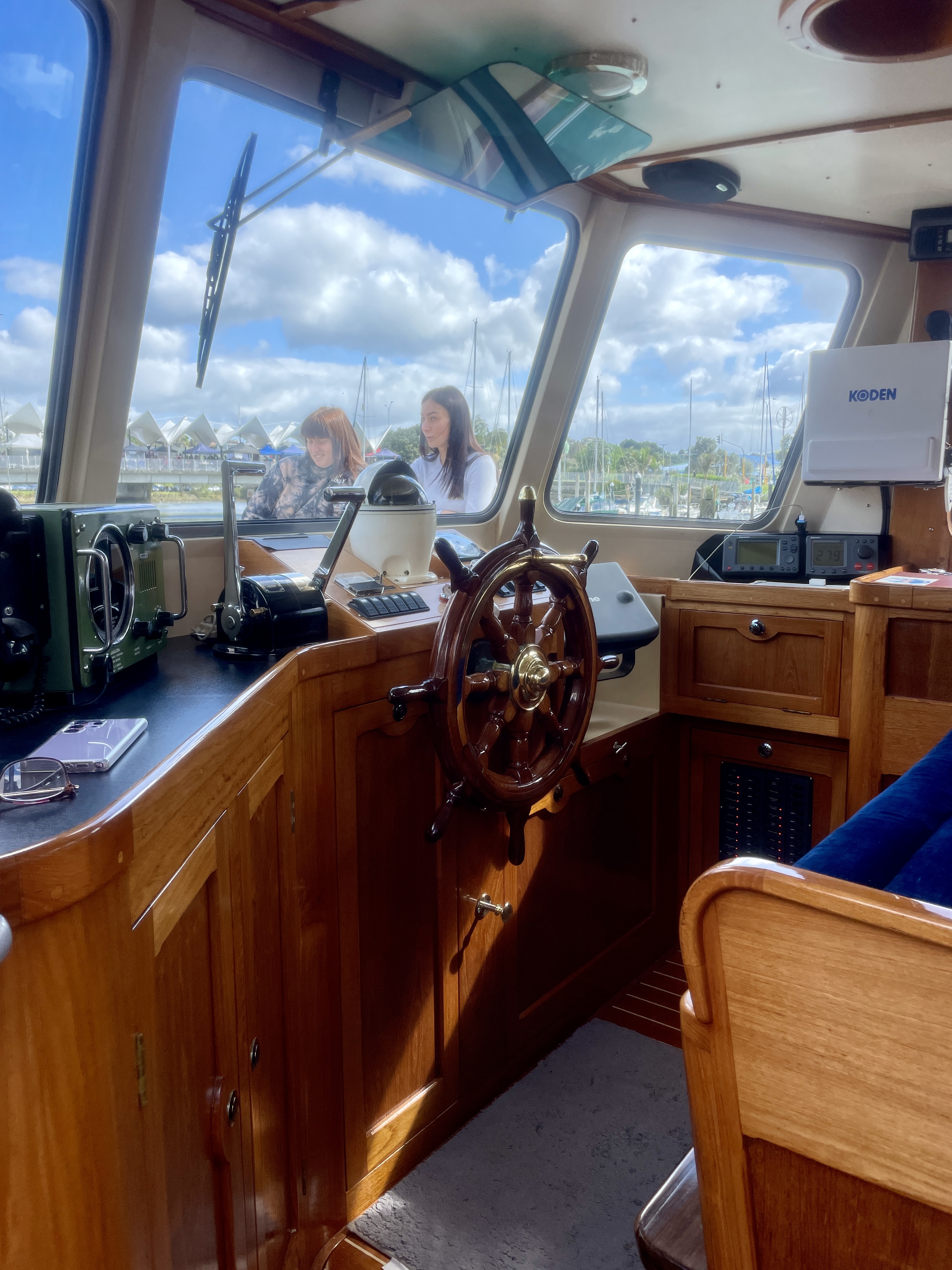
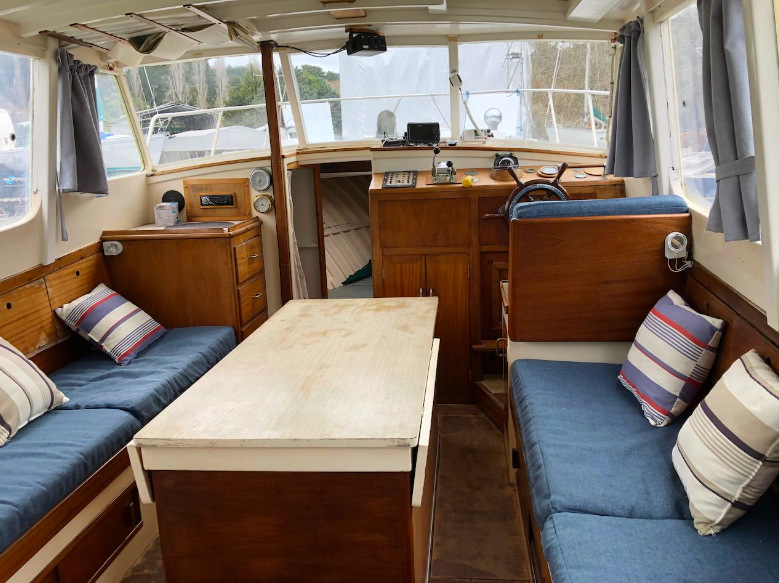
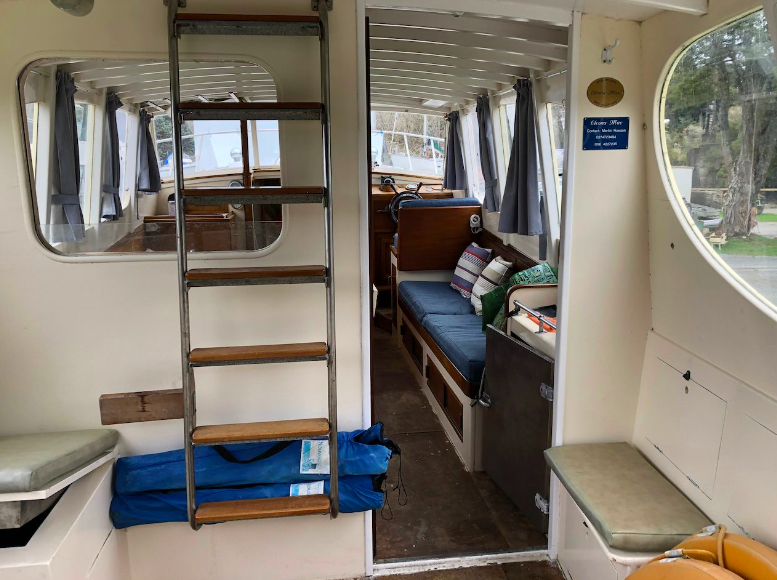
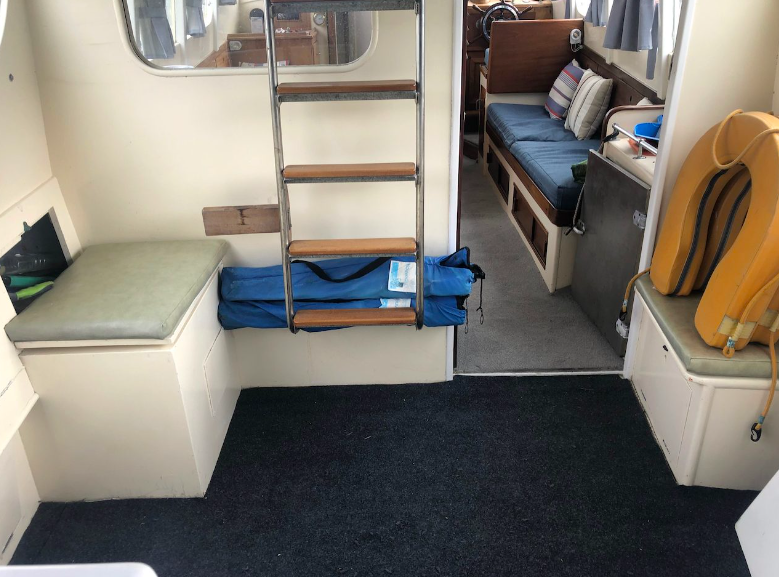
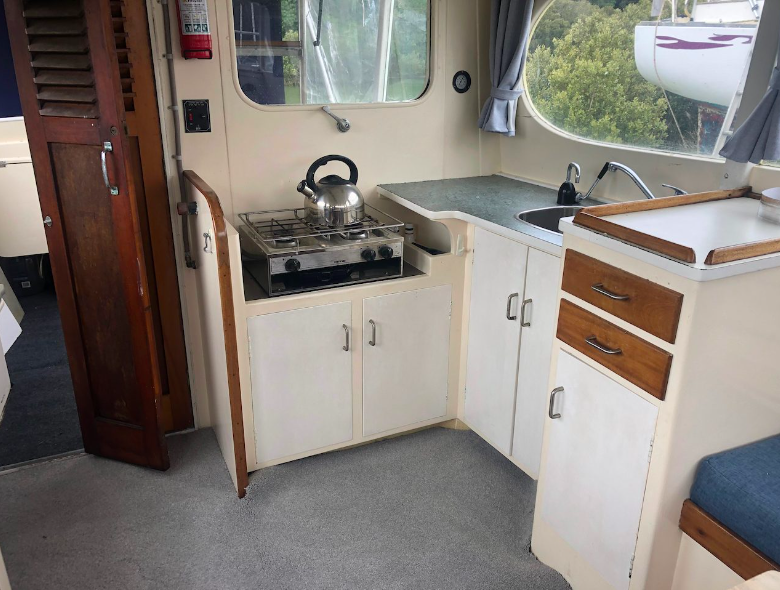
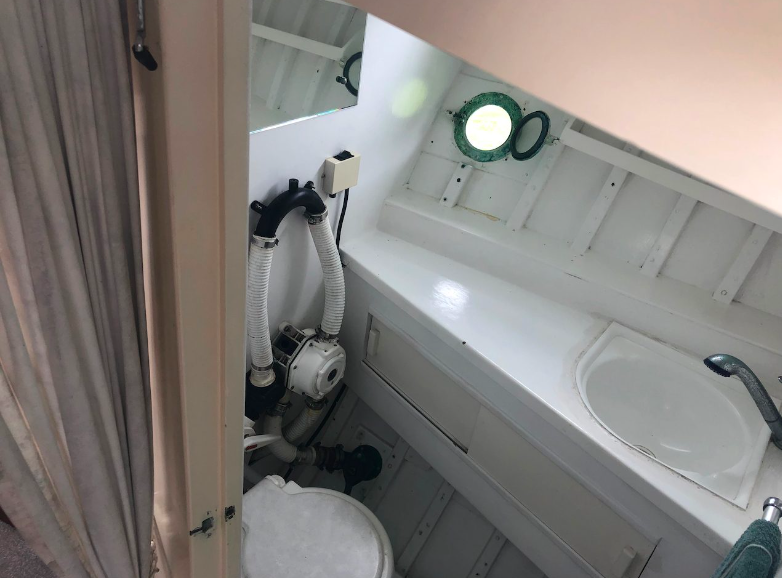
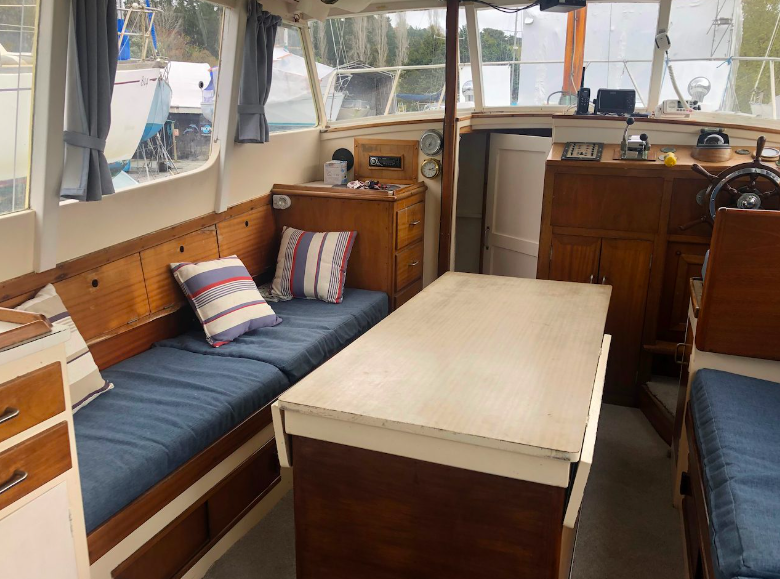
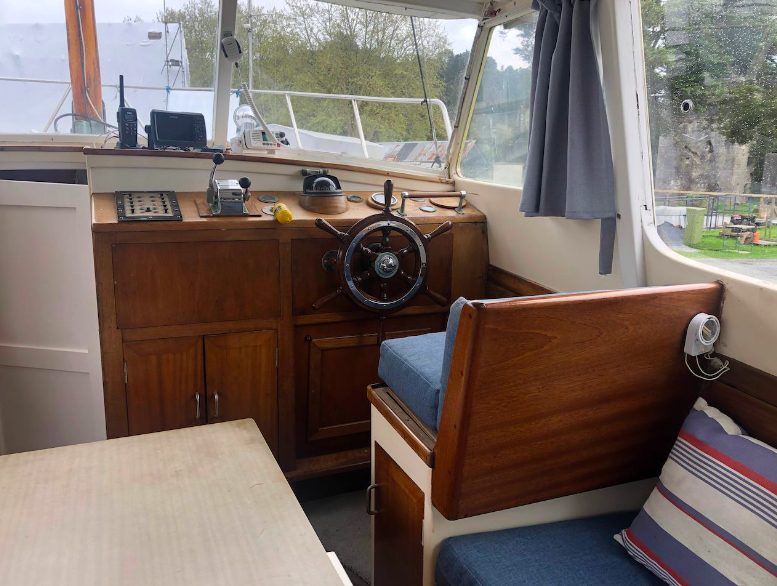
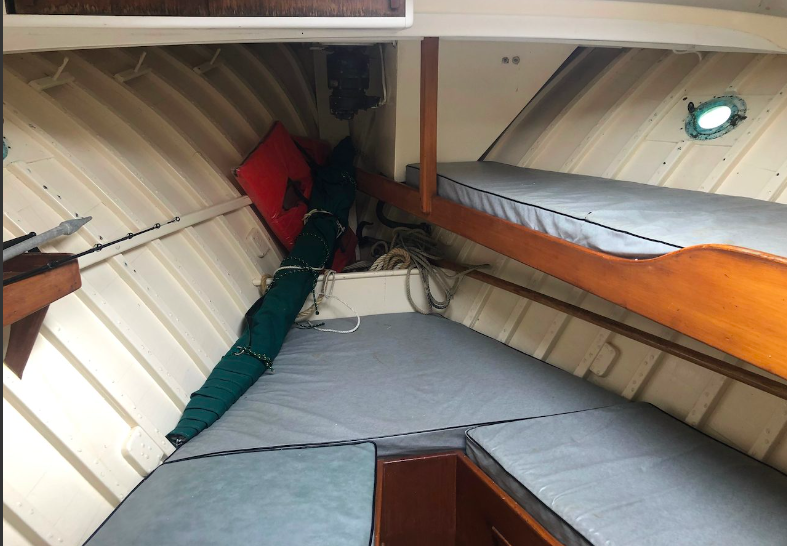
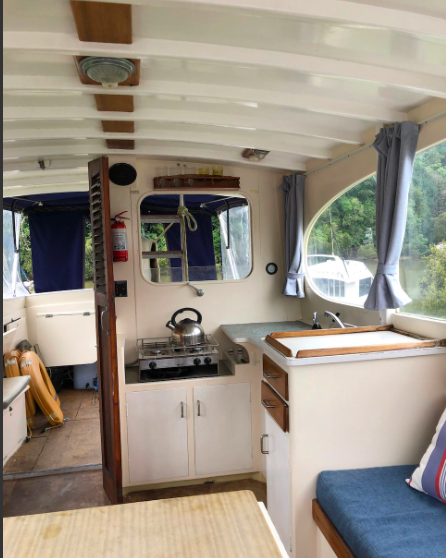
Today thanks to a Ian McDonal and tme we get to have gander below decks.
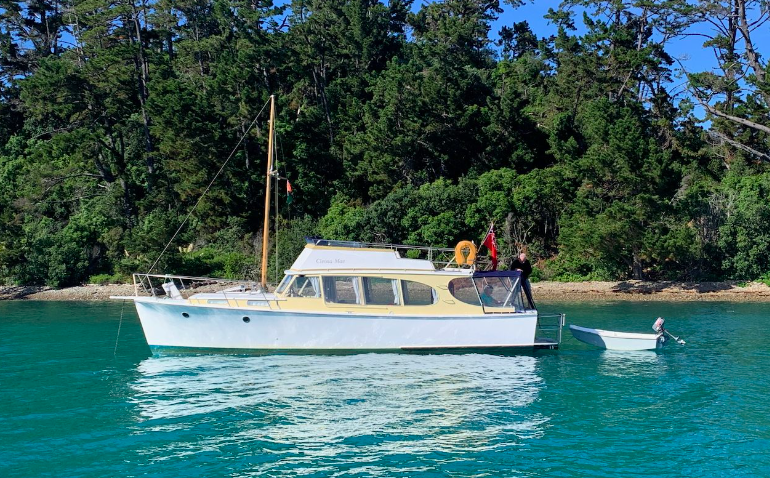
Some intel – designed and built in 1962 by Brin Wilson, 39’ in length, built from kauri, carvel construction. Forward motion is by the ever popular Ford 120hp, 6 cyl, diesel engine.
CAN ME PUT A NAME TO THIS CLASSIC WOODEN LAUNCH – WENNA
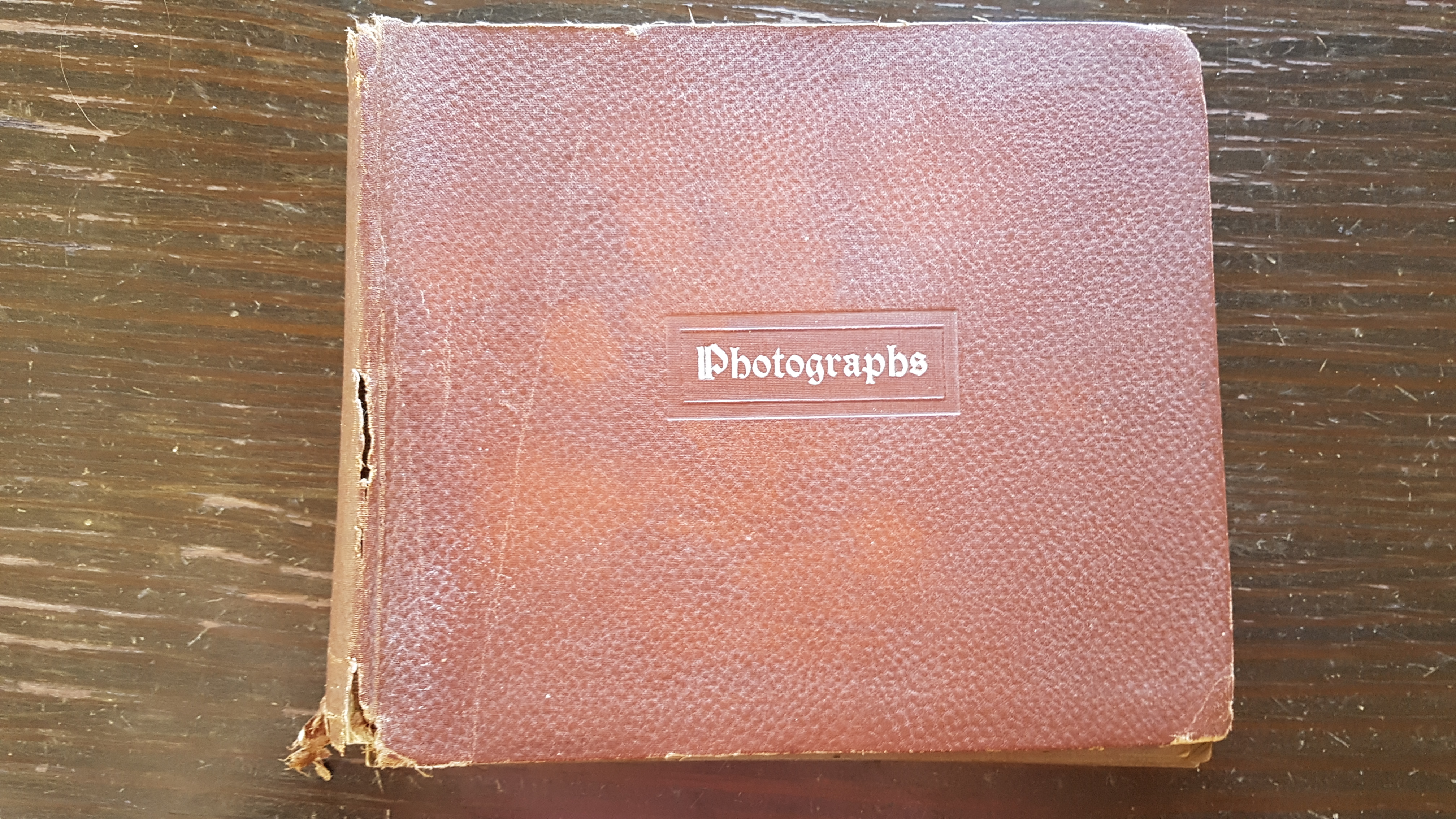
Trolling thru the WW archives recently I came across a folder from back in 2017, from memory one of the WW readers found an old photo album (below) that had been discarded and sent in a collection of random scans taken from the album. Sorry but I have not recorded the senders name.
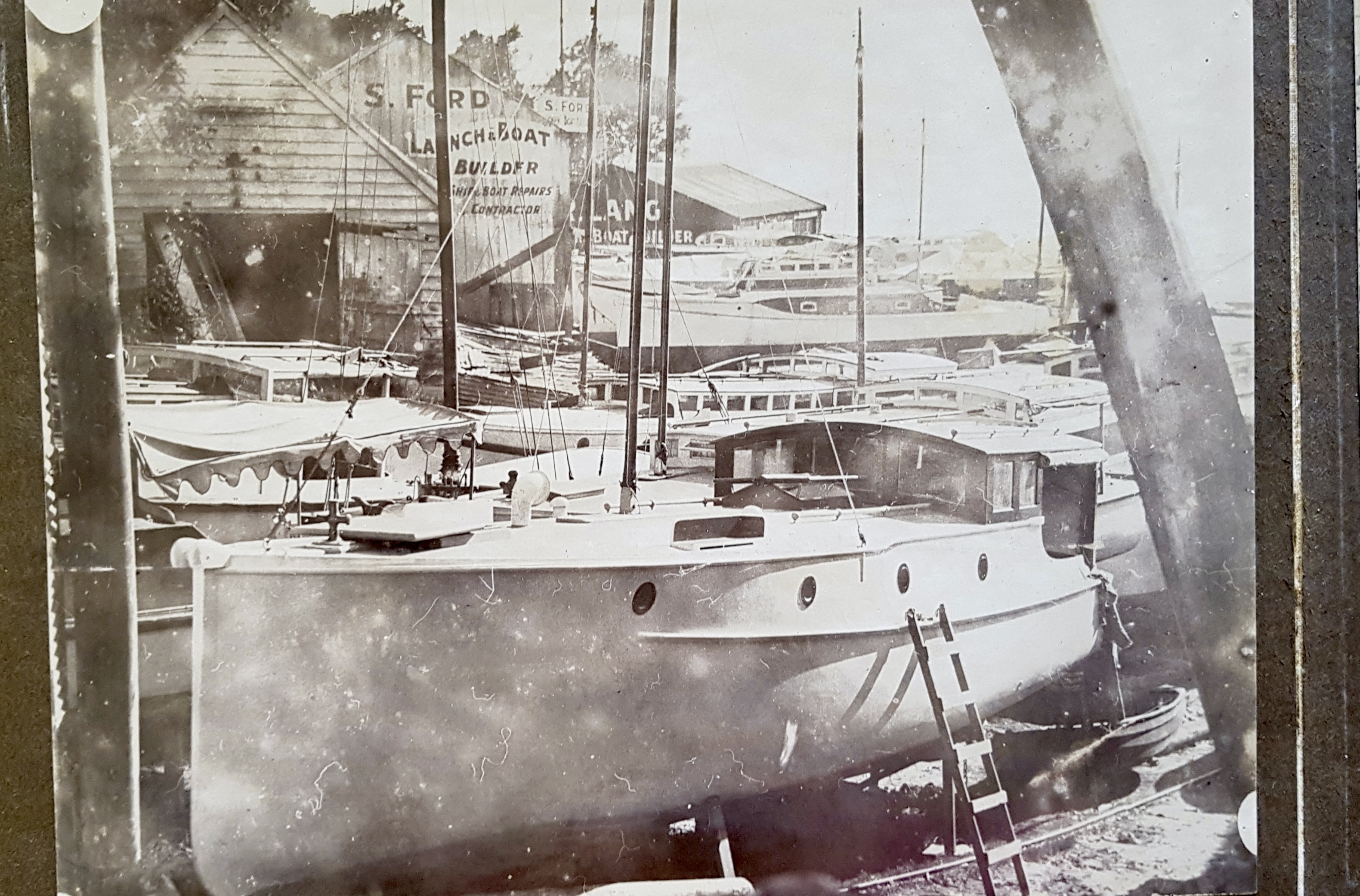
A lot of the photos were damaged but several were in good shape. Todays woody story features a launch hauled out near Sam Ford’s yard.
INPUT ex HAROLD KIDD – She was built as WENNA for Eric O’Neill of Ponsonby in 1925, probably by Collings & Bell in whose yard she is shown hauled out. In 2014 she was RANGATIRA, owned by George Emtage and Pam Cundy at Whangateau. They reverted to the name WENNA.
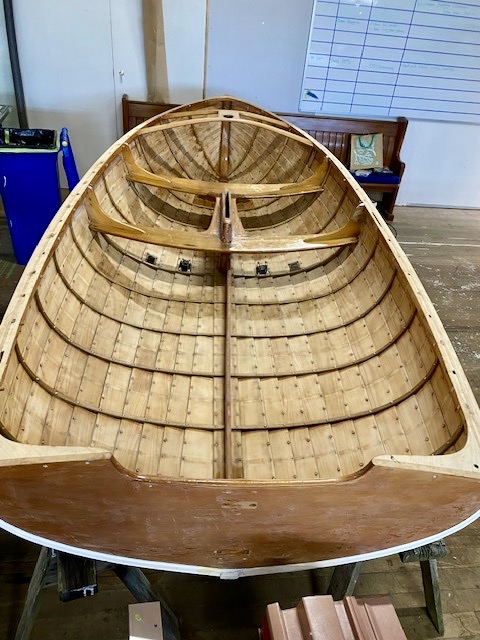
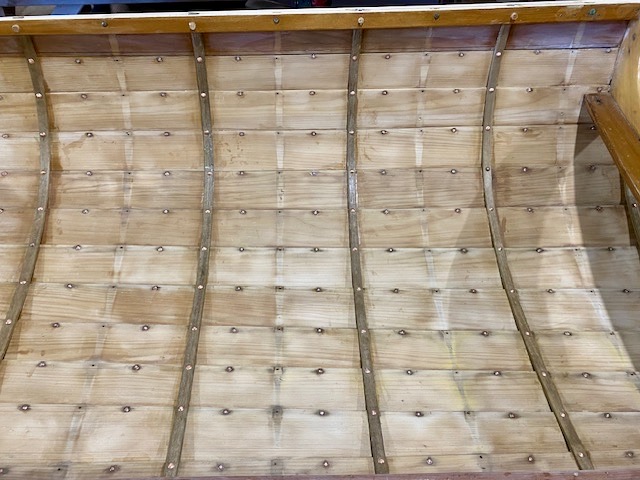
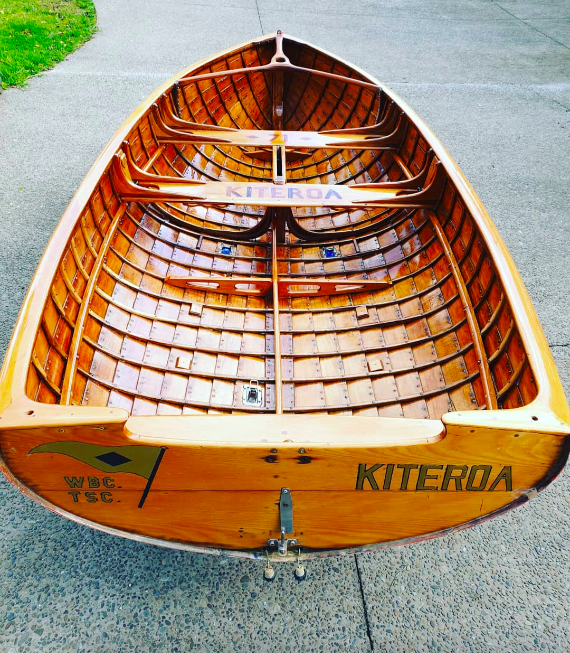
The two photos above are of Colin Pawson’s Frostbite sailing dinghy – CHARISMA which Colin is currently giving a birthday. Interesting observation – the new ribs aren’t steam bent, but laminated with the aim to be much stronger and lighter. As we have come to expect from Mr Pawson over the years attention to detail is 10/10.
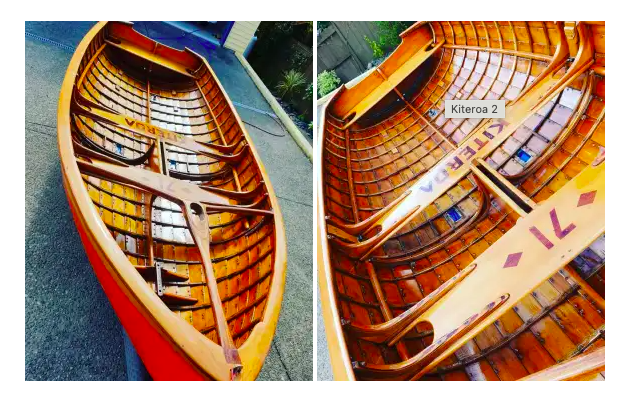
Owning a Frostbite is a Pawson family thing – son Adrian owns – KITEROA, (photos below) and both sail out of the Taikata Sailing Club in West Auckland which on a good day has 15+ Frostbites racing.
KITEROA
CYA YACHTS PLAYING CRASH & BASH AGAIN
The woody spies report that the classic yacht skippers haven’t learnt from the past – first race of the season yesterday and we have a collision in the inner harbour – details are unconfirmed but it appears WAITANGI and KATRINA ‘came together’ and Katrina lost her mast – I’m not getting into specifics but if I was a betting man I know which skipper I’d be pointing the finger at 😉 Hopefully no injuries and insurance sorts out the damage.
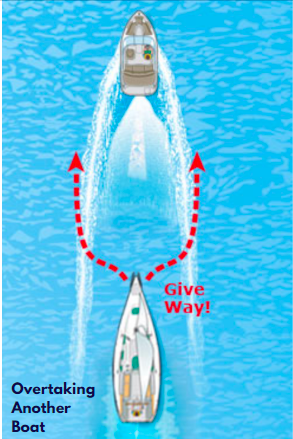
UPDATE – Both boats reaching down the harbour. Some how they came together so it will be a ‘windward boat keep clear’ or ‘overtaking boat keep clear’.You have to ask how two classics came together on a very nice afternoon, easy sailing on the harbour.Too much testosterone ……………
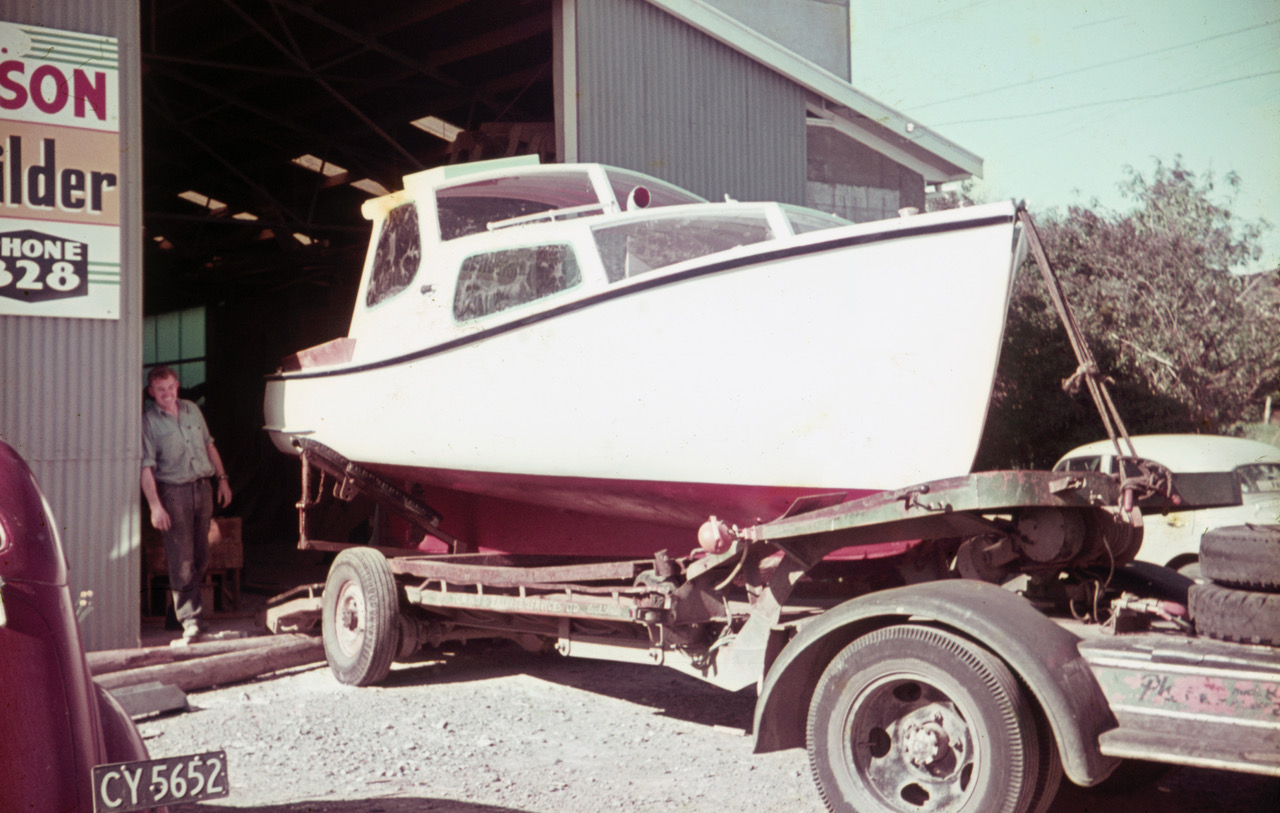
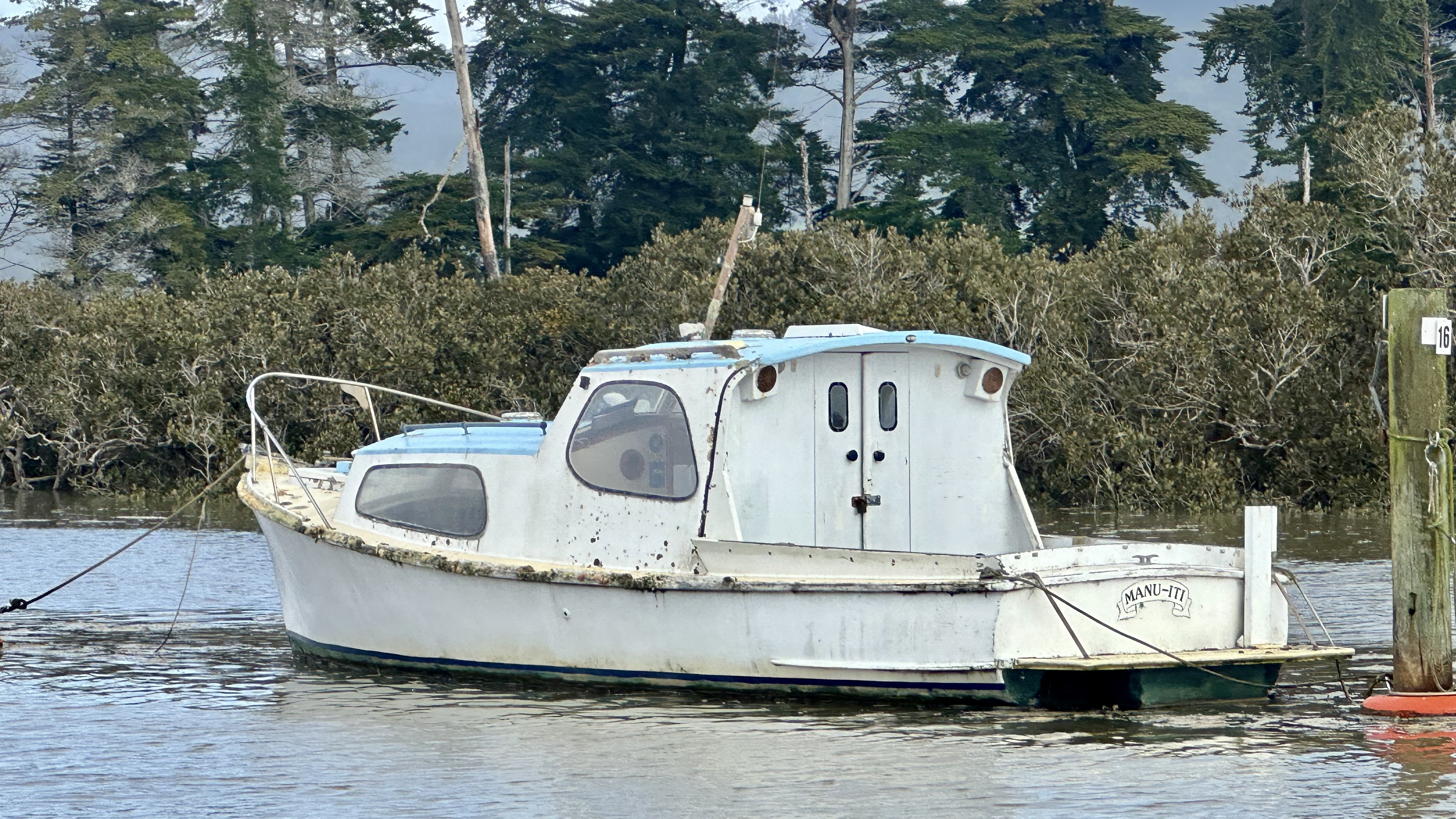
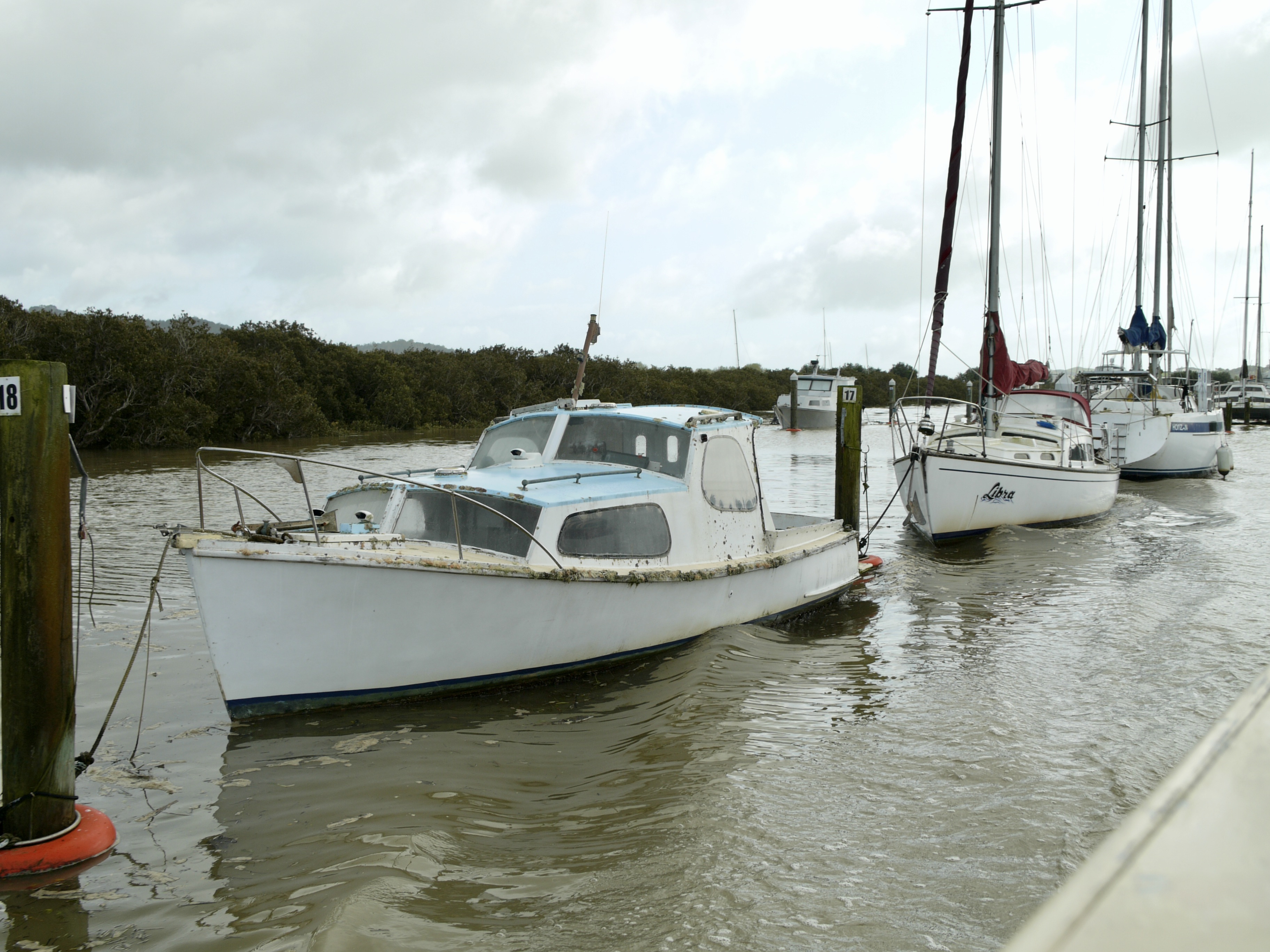
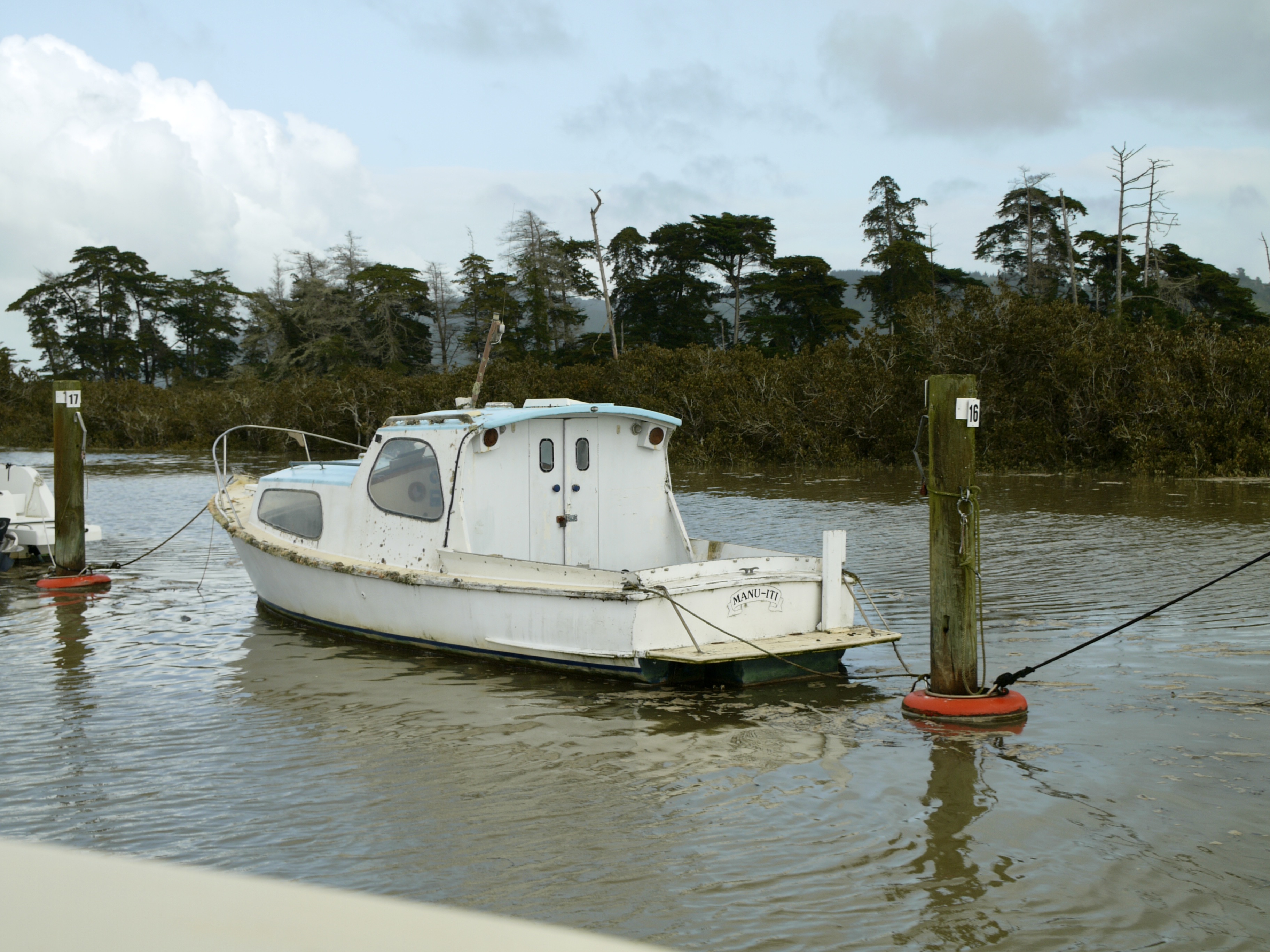
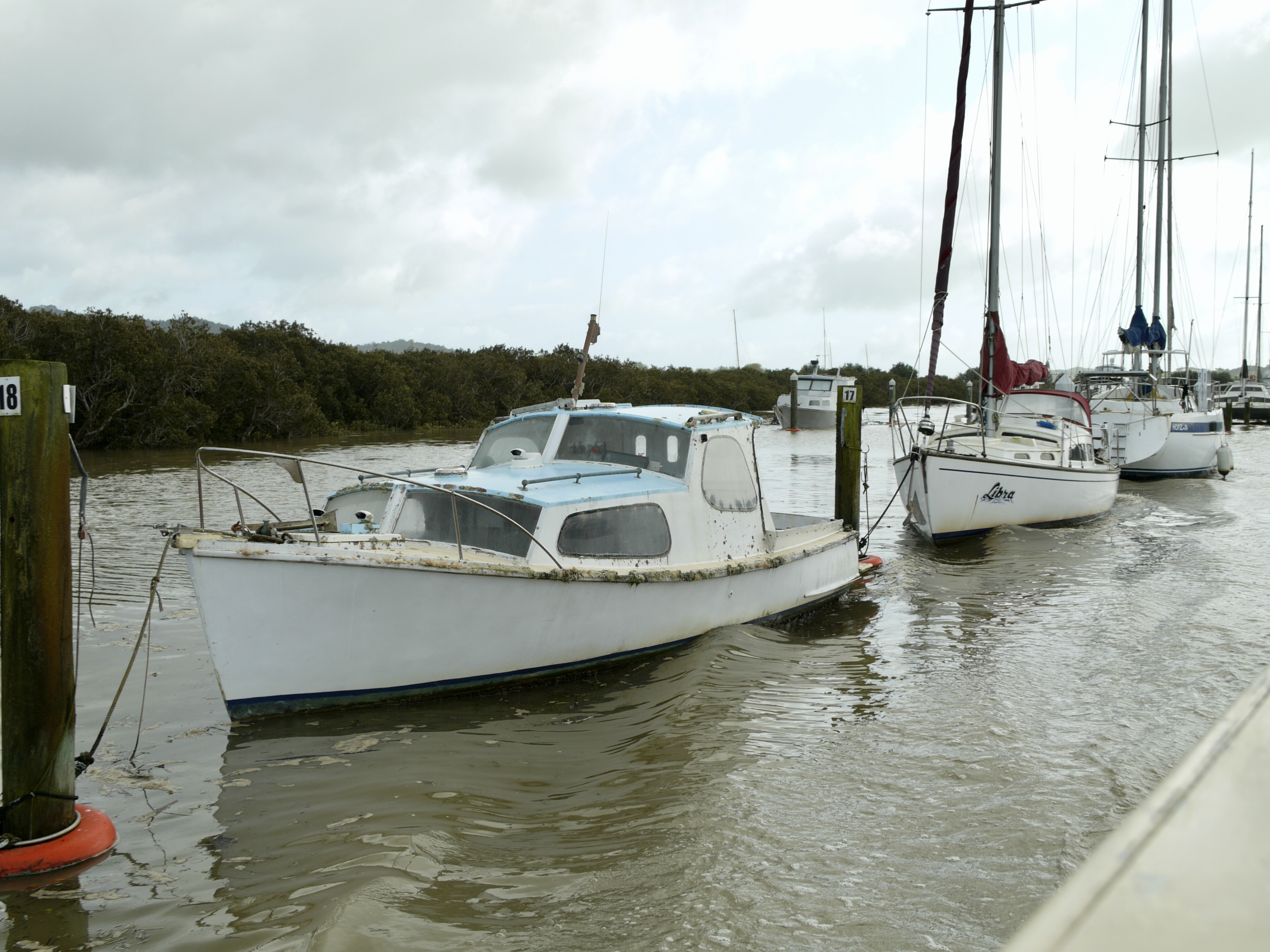
COULD THIS BE THE CLASSIC WOODEN LAUNCH – MANU-ITI
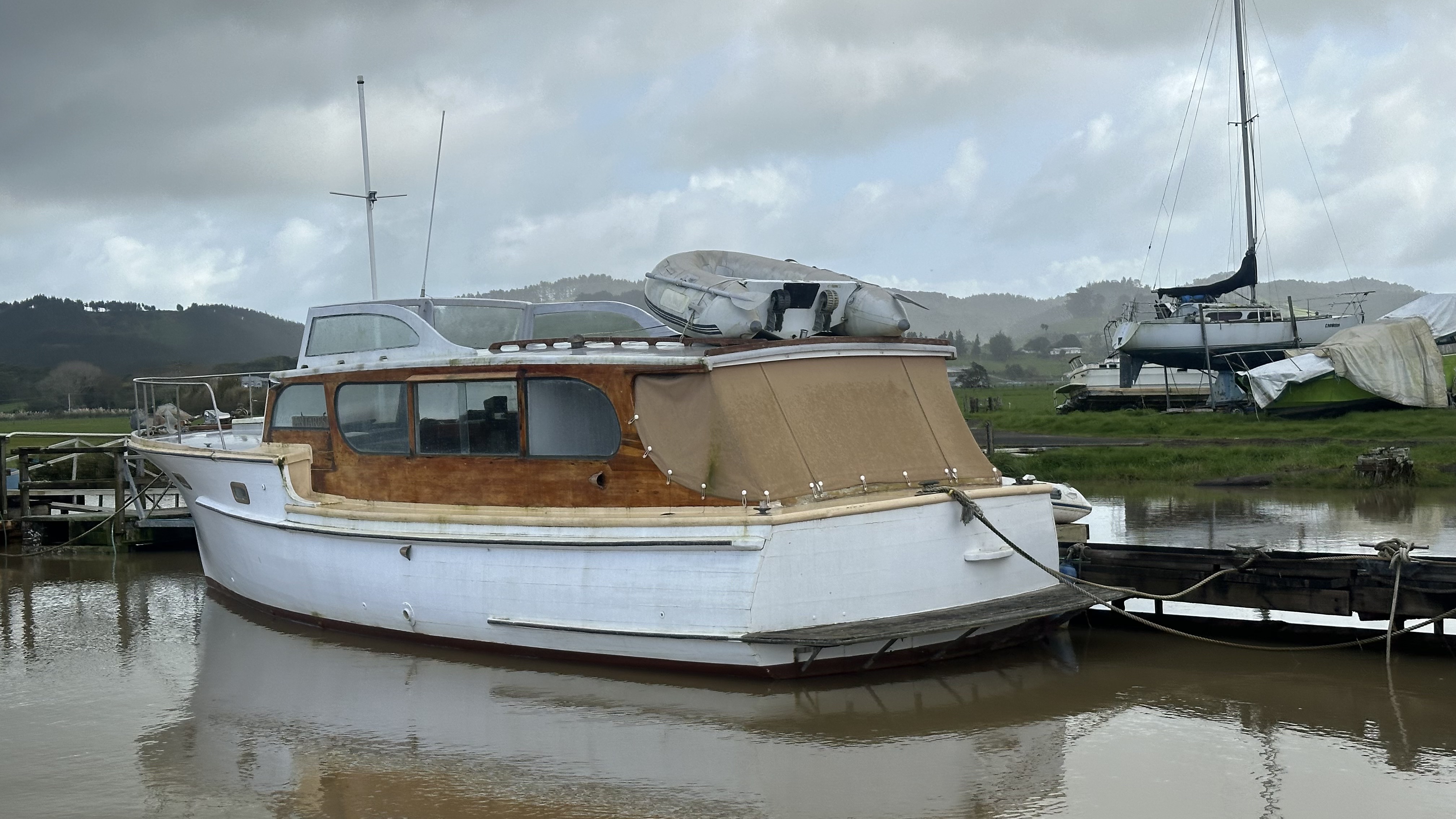
Last weekend one of the woodys that we past on the Wairoa River was the launch – MANU-ITI, a rather striking small classic launch that was crying out for some TLC.
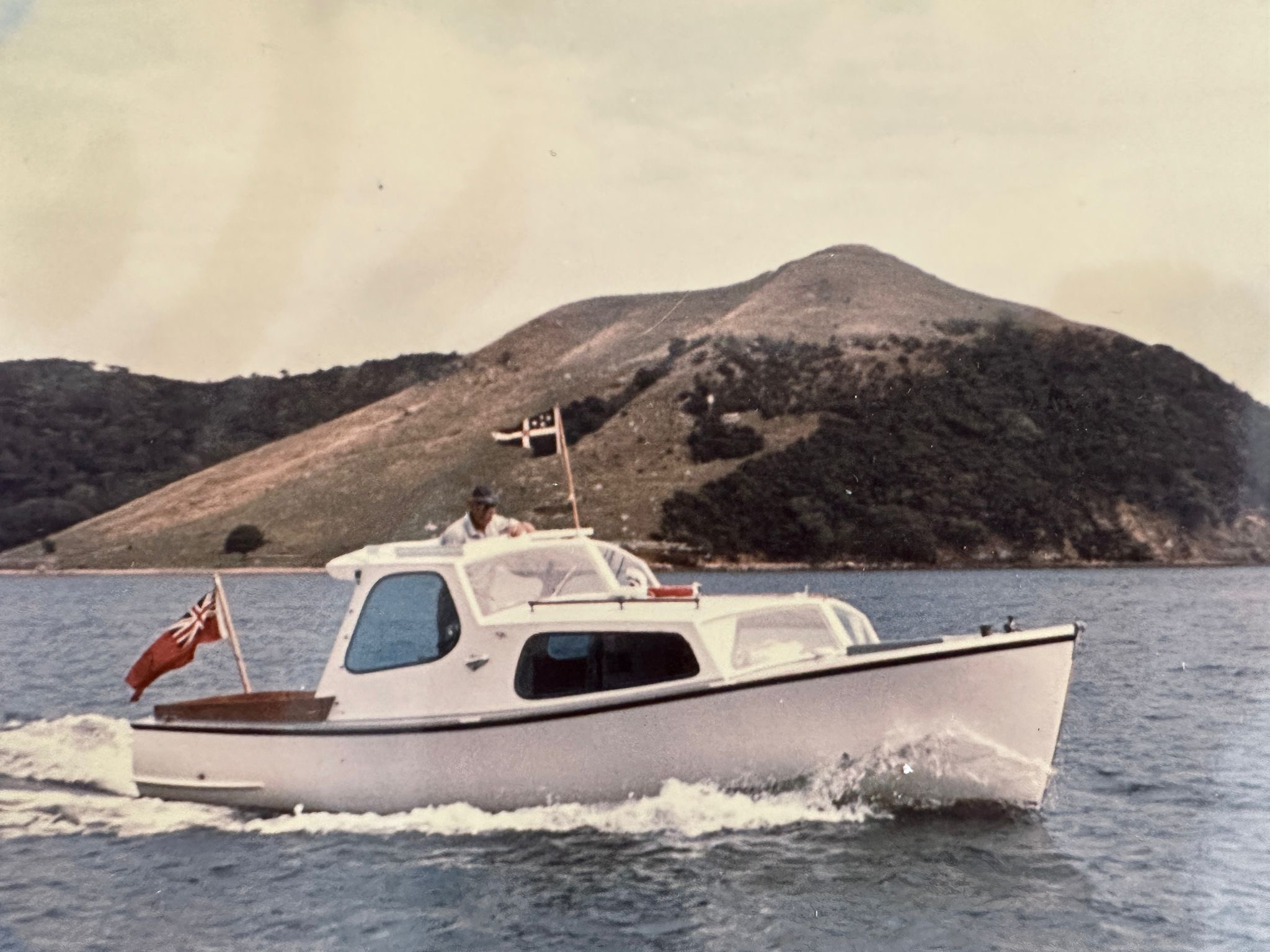
During the week WW was contacted by Kerry Alexander who posed the question – could the launch seen in the top photo above be MANU-ITI ?
Kerry commented that he I did not remember the build name but i think it may have been for Mr Yates sen , of the seed company. The builder Keith Atkinson is seen in the doorway.
A possible date for the photo is c.1965 and the boat maybe a Bill Couldrey design.
So woodys can anyone comment / added to this mystery boat in the shed photo.
INOUT ex NATHAN HERBERT – yes, designed 1964 for Yates and one for Birkenhead and Northcote Yacht Club. Only the Yates boat built.
02-10-2024 UPDATE ex Chloe Salthouse – photo below of Manu-iti crossing Parekura Bay up in the Bay of Islands, with Norman Yates at the helm. Date probably not long after her launch in 1965.
Today we have the latest update on the restoration of LADY CAROLE, as previously co-owner Patrick Crawshaw will walk us thru it – Patrick commented that there were a few things still to do like put the non skid on the decks and the mast and some more fittings. But LC is days away from touching the water – hopefully tomorrow ✔️
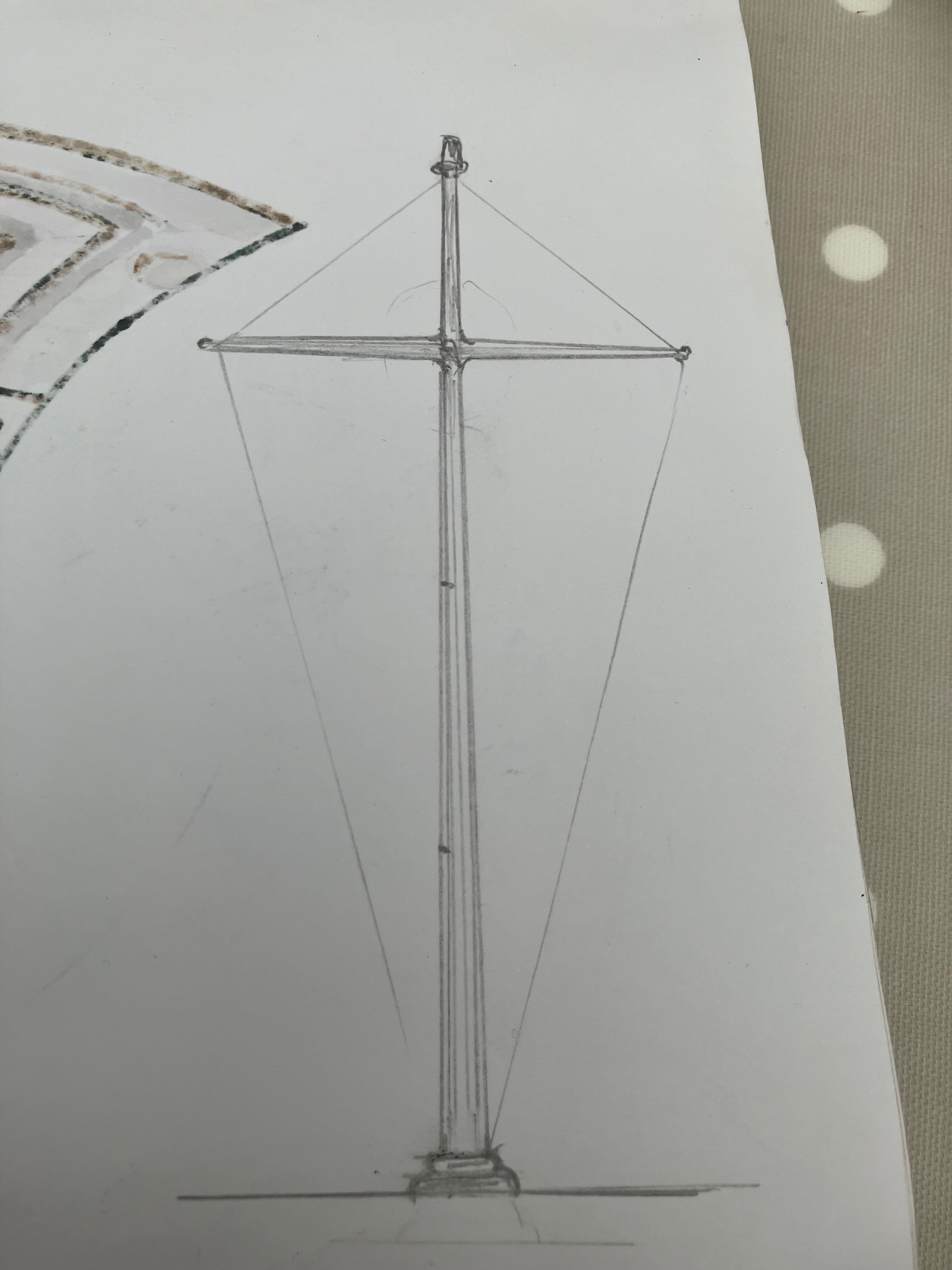
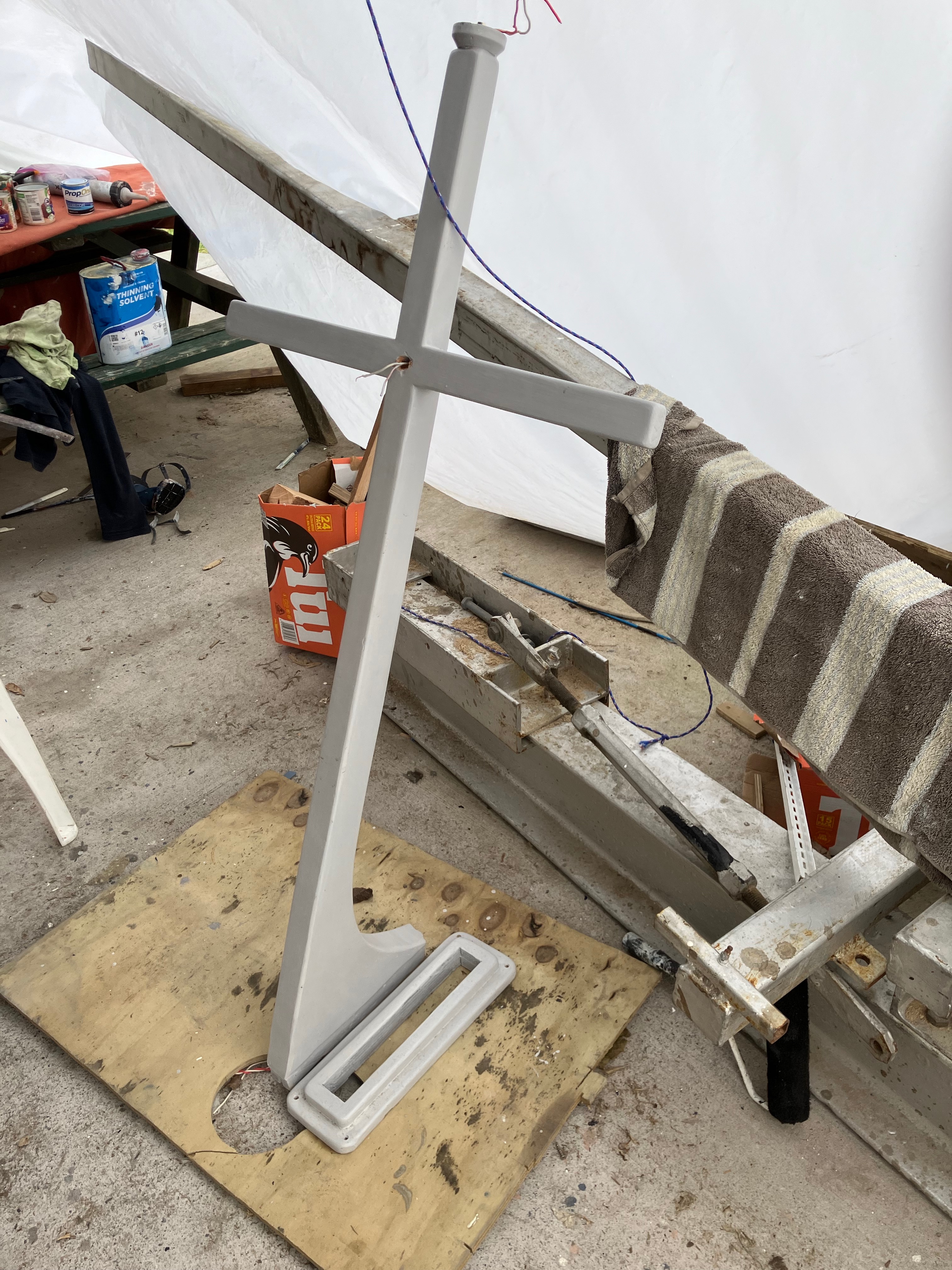
The last couple of weeks has been spent finishing the painting, getting the mast made, and trims fabricated for the aft deck curve. Next year the rub rails will be changed to stainless steel, but we used the existing ones for now. Most of the chrome fittings are on. Hull with anti-foul, prop speed, etc.
Starting to come together with the chrome going on.
Spring Equinox – The cover gets removed and we see her for the first time from a distance.
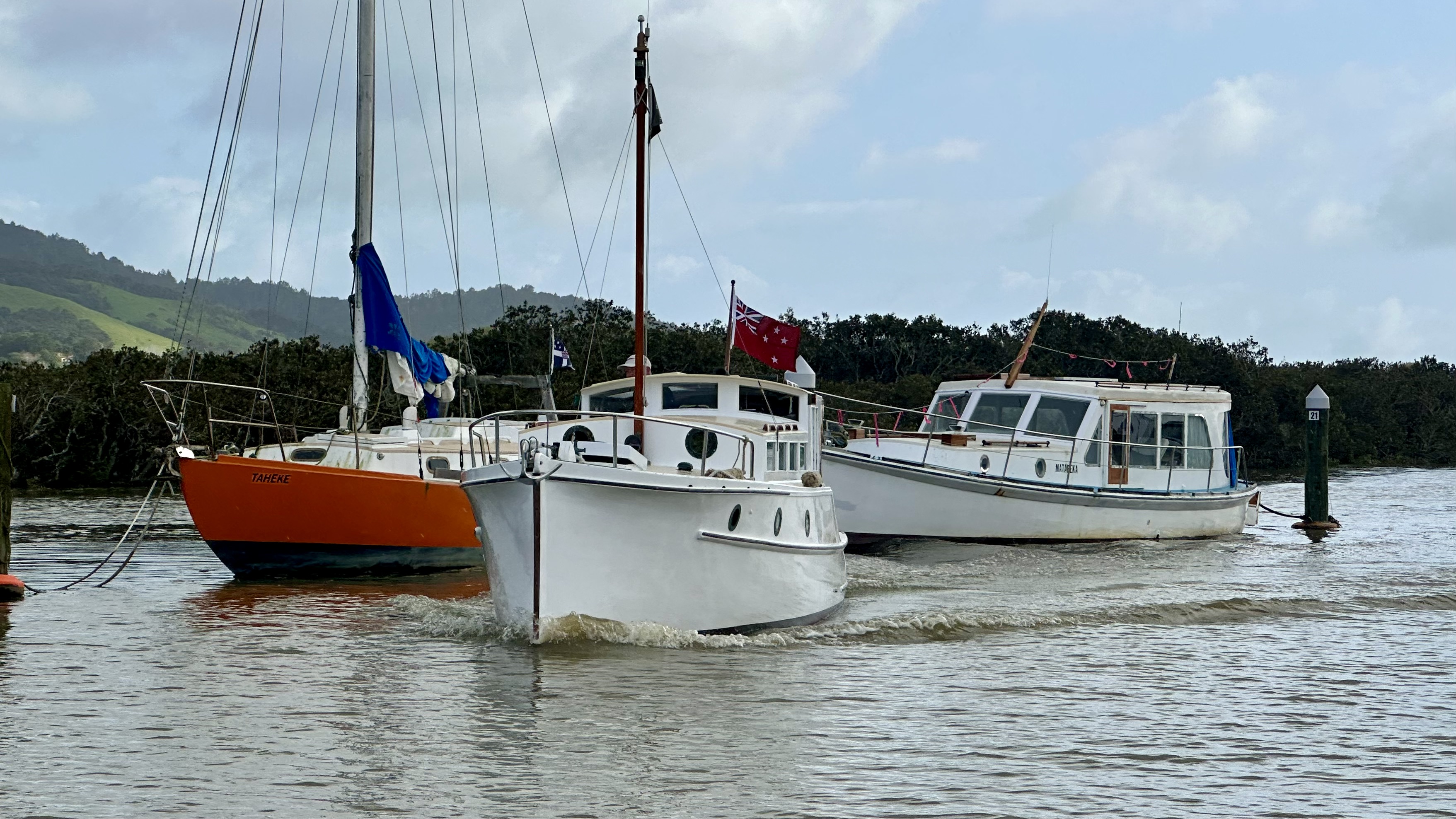
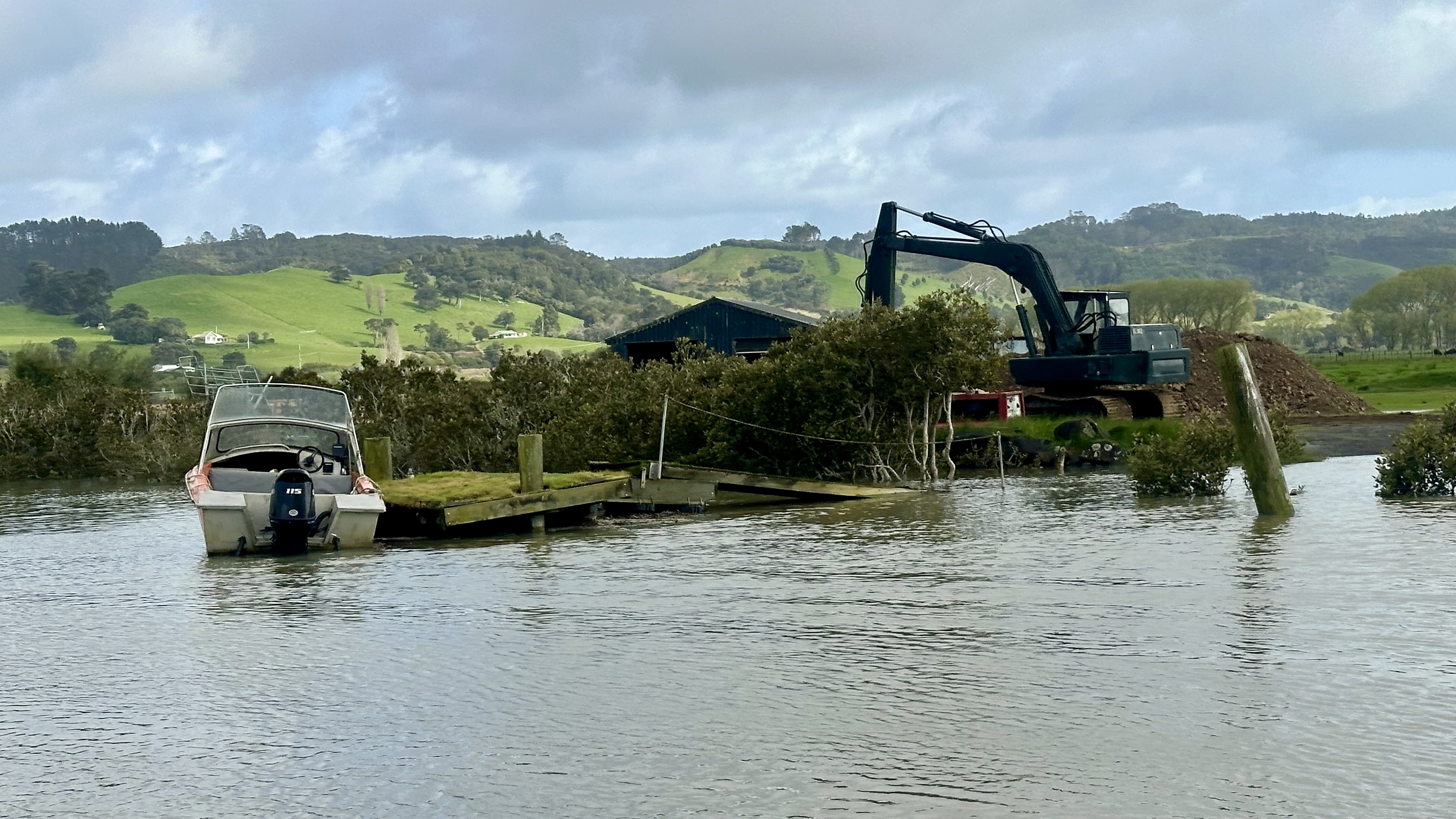
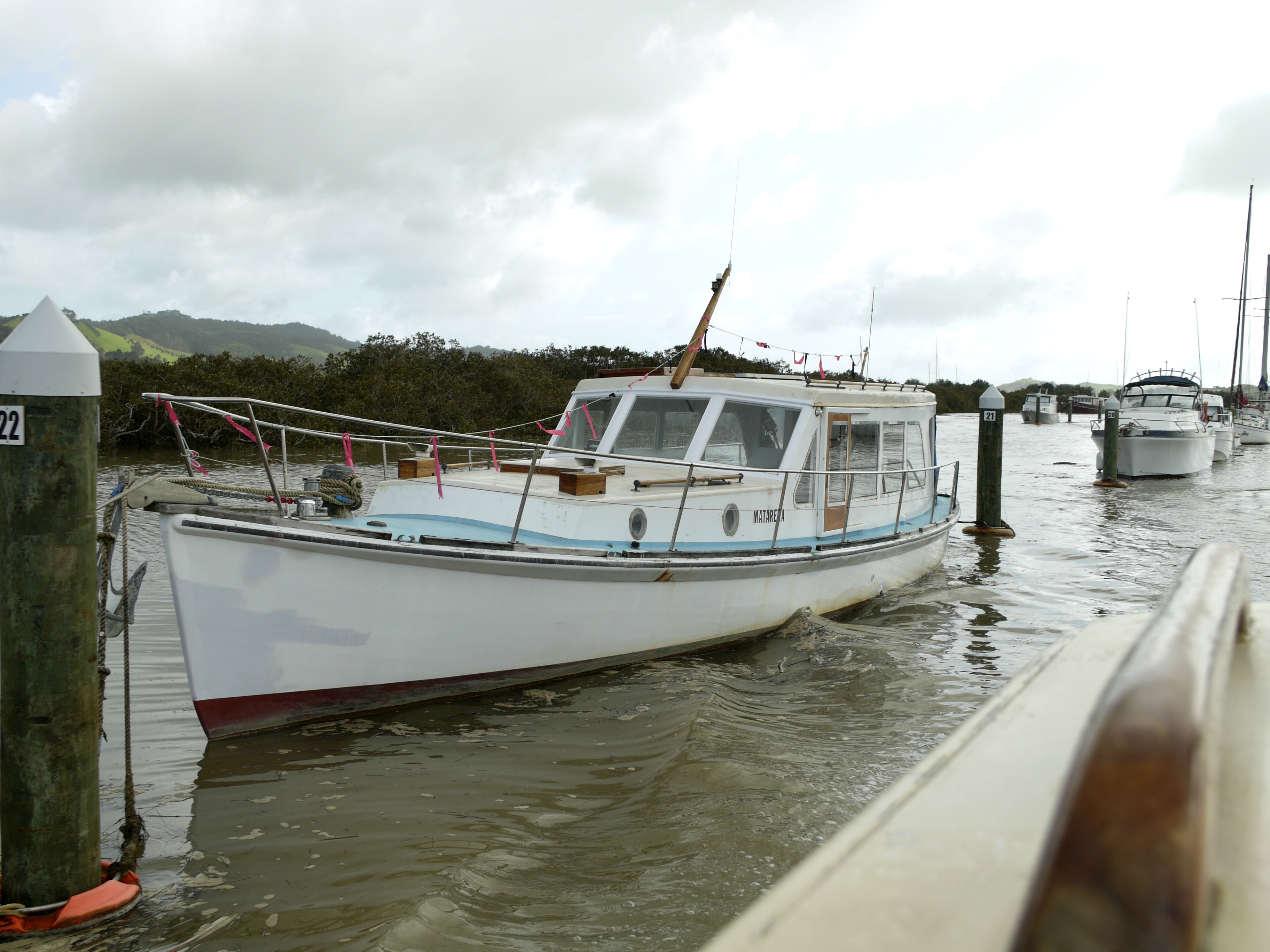
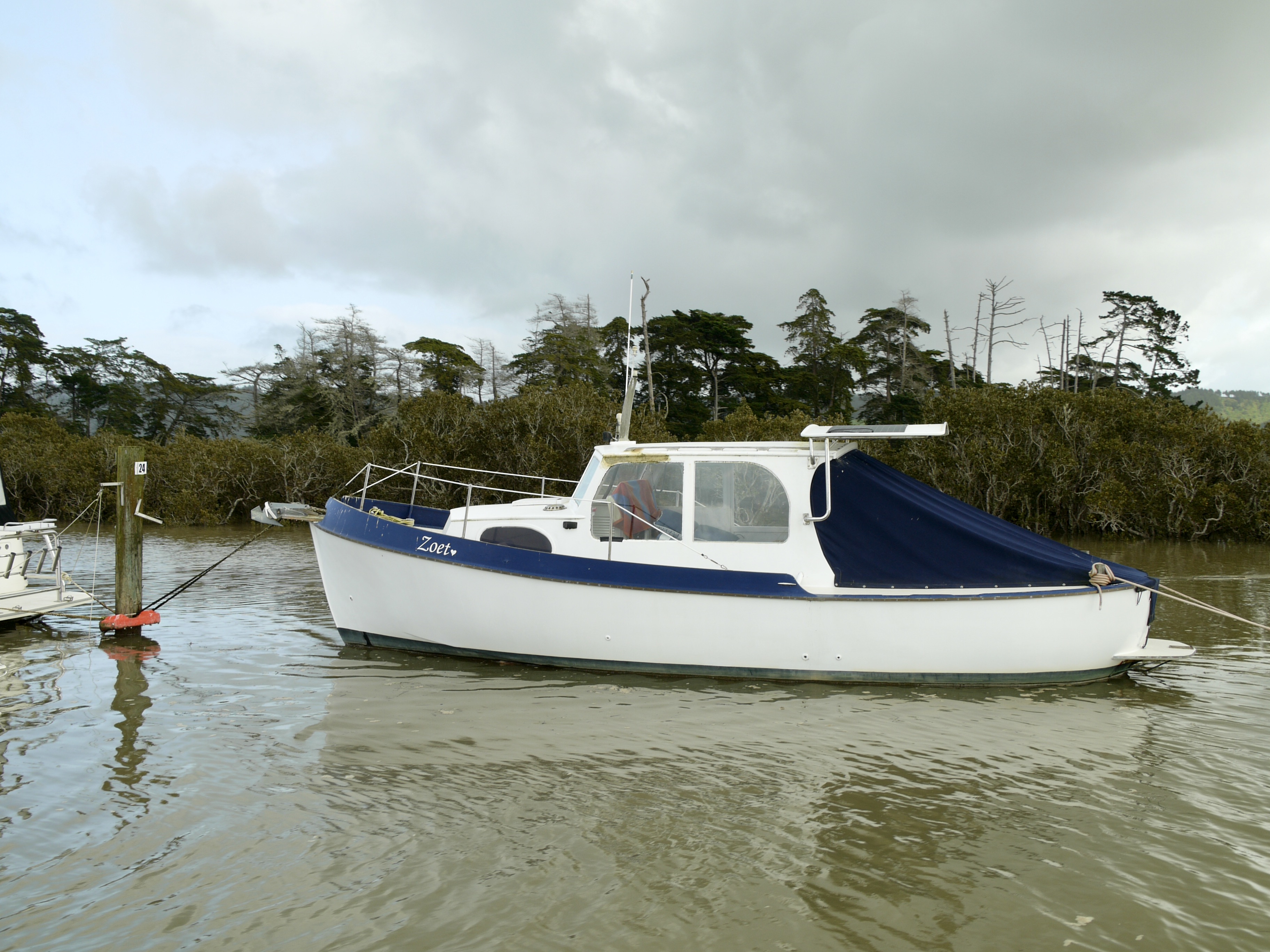
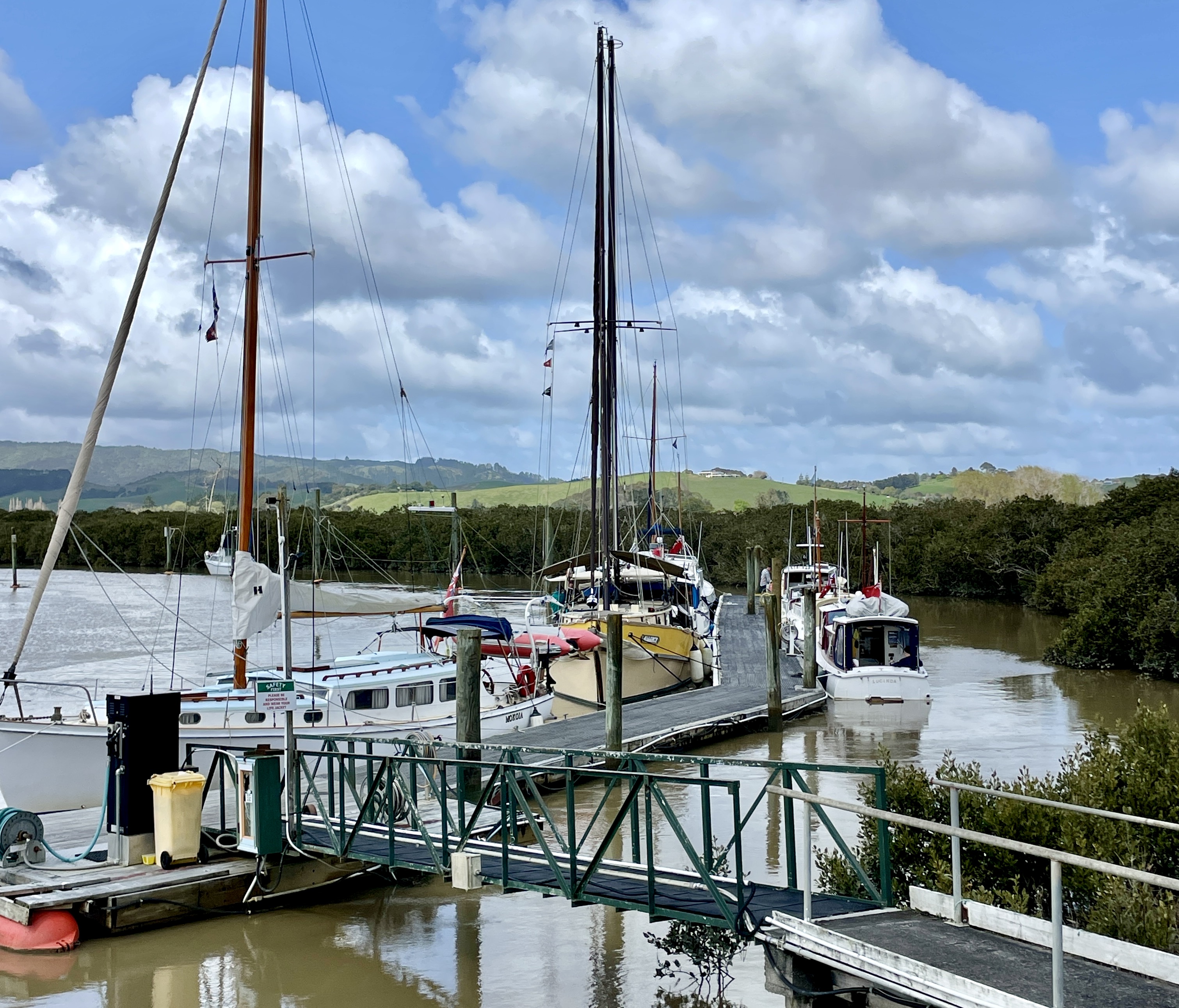
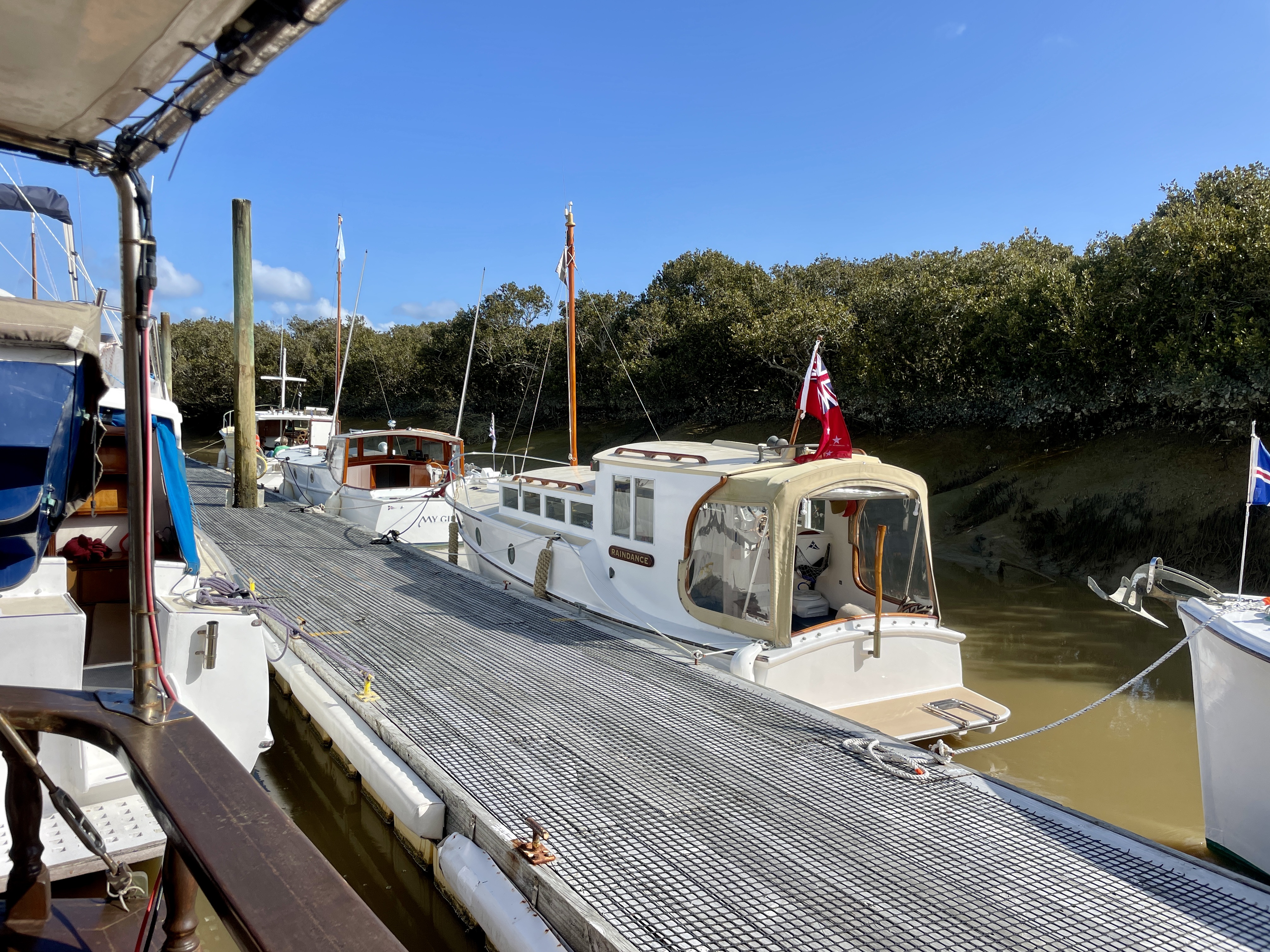
Following on from yesterdays (scroll down to view) story on the woodys cruise up the Wairoa River to the Clevedon Cruising Club, today we have a gallery of craft that both Jason Prew and myself photographed on-route, some old favourites there, most looking a little worse for the lack of TLC over winter, but a few newbies.
Enjoy the journey – we did 🙂 (remember to click photos to enlarge)
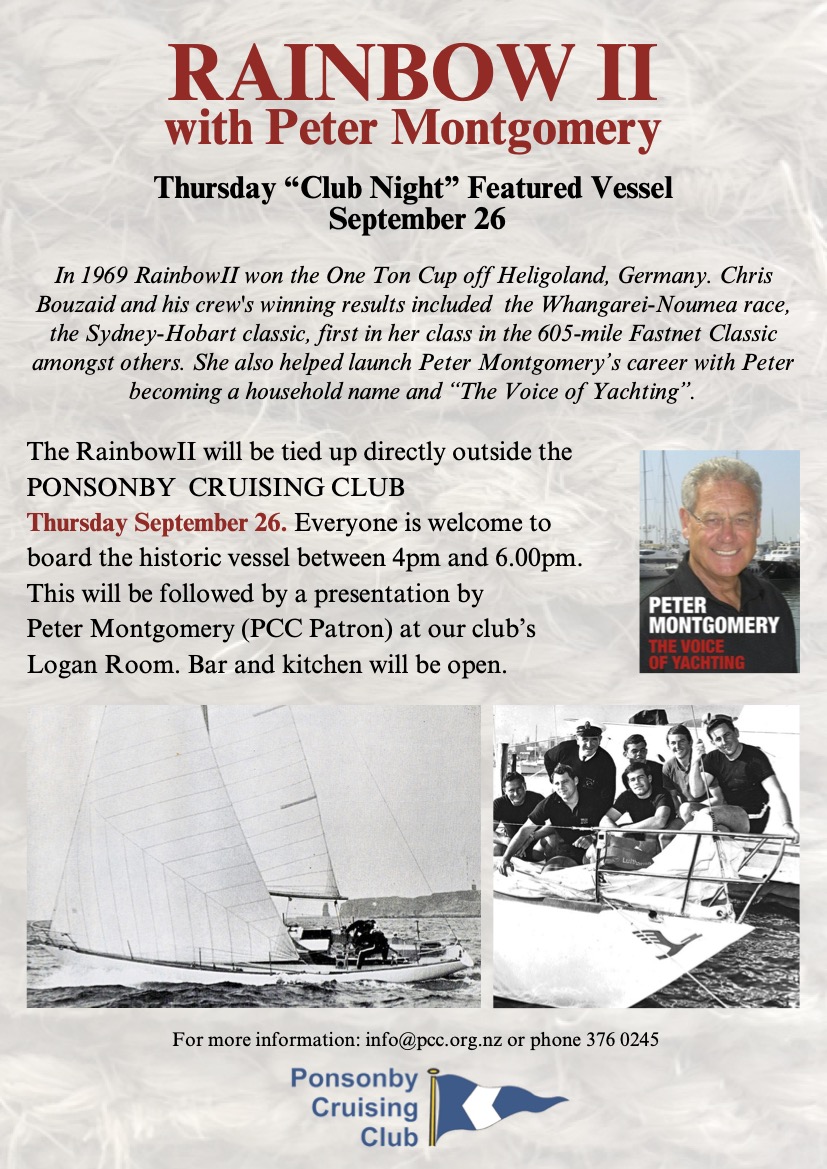
#3 PONSONBY CC CLUB NIGHT – FEATURED VESSEL – Rainbow II
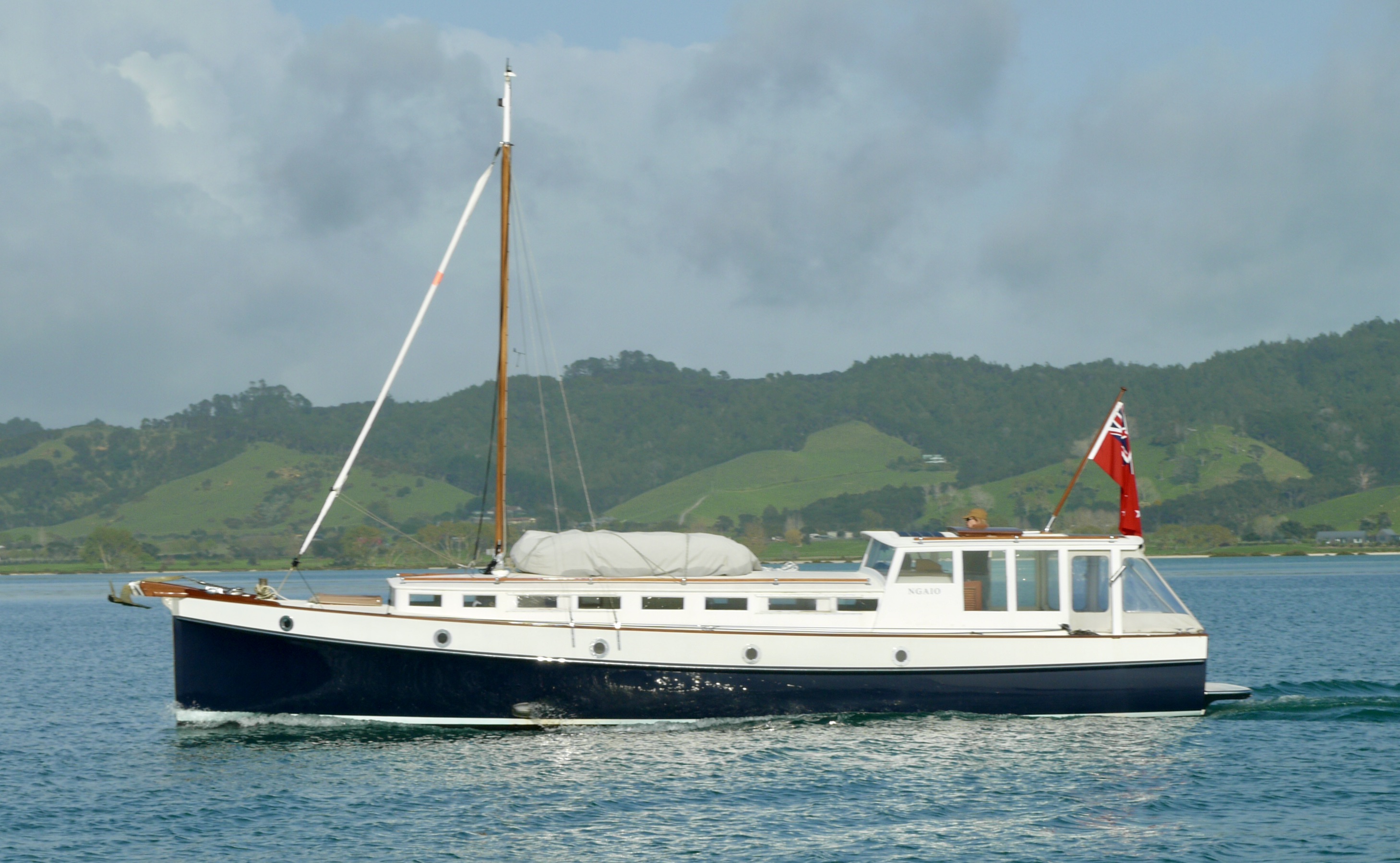
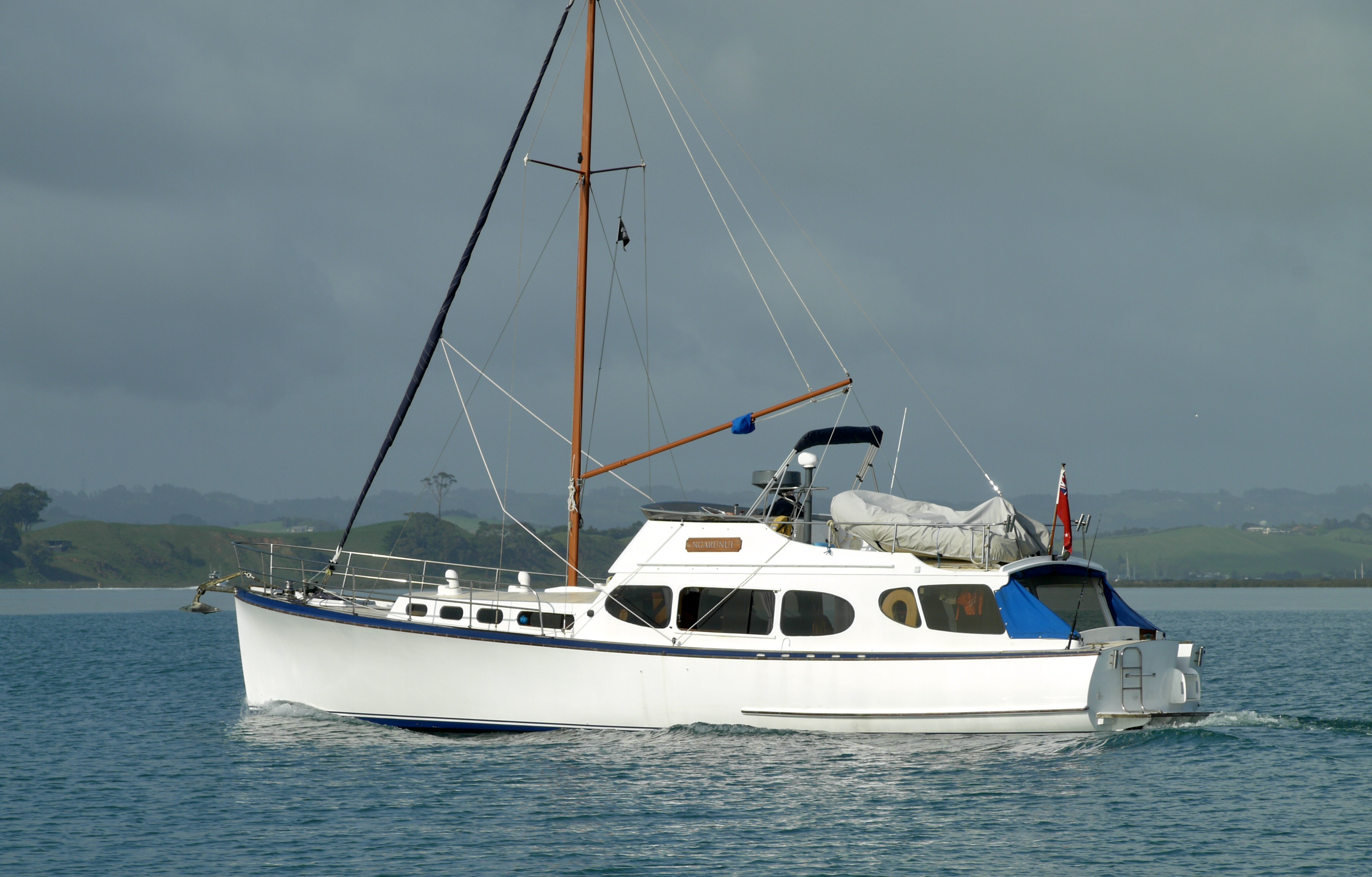
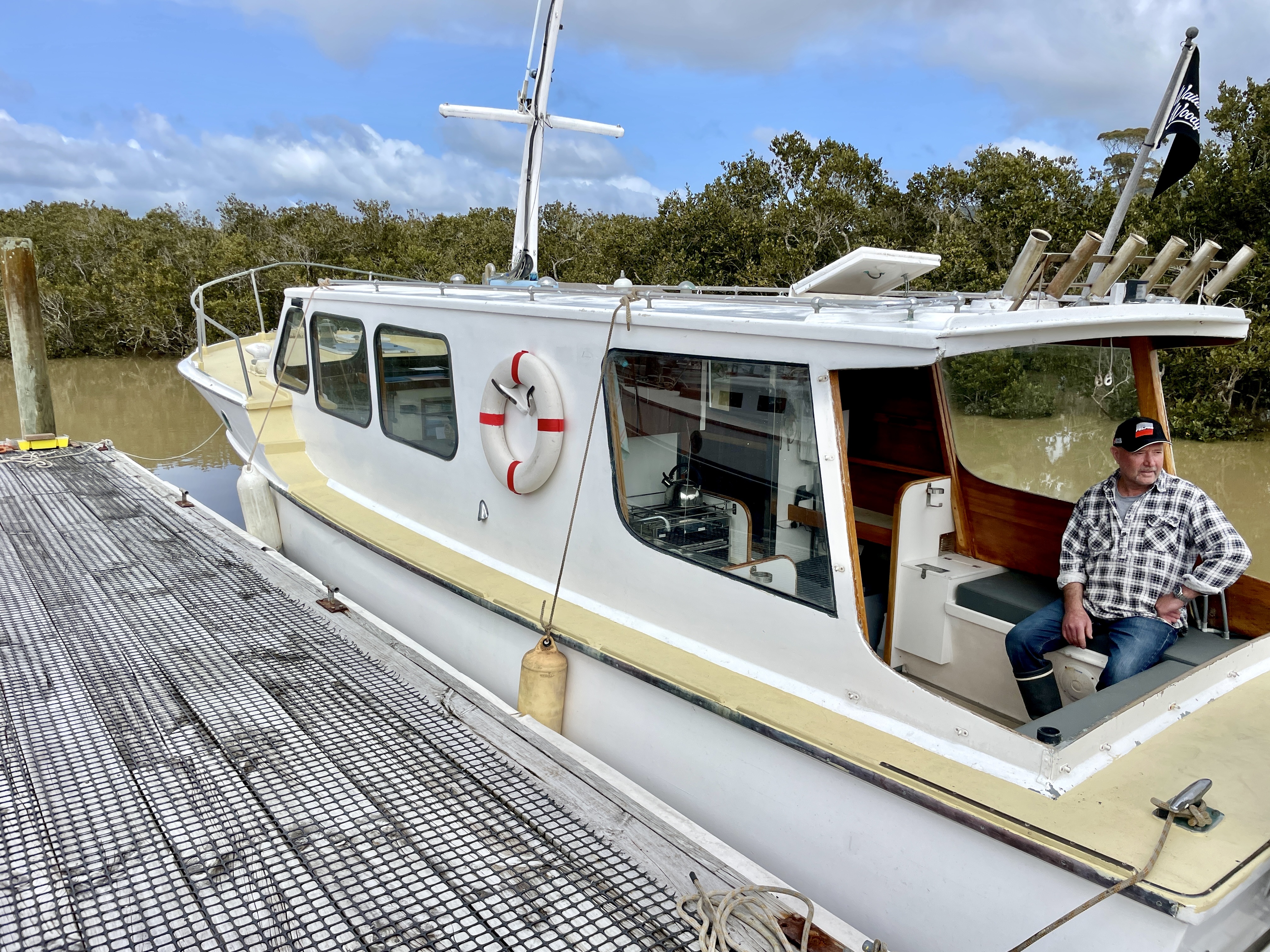
NGARUNUI + LUCINDA ON-ROUTE TO CLEVEDON CRUISING CLUB
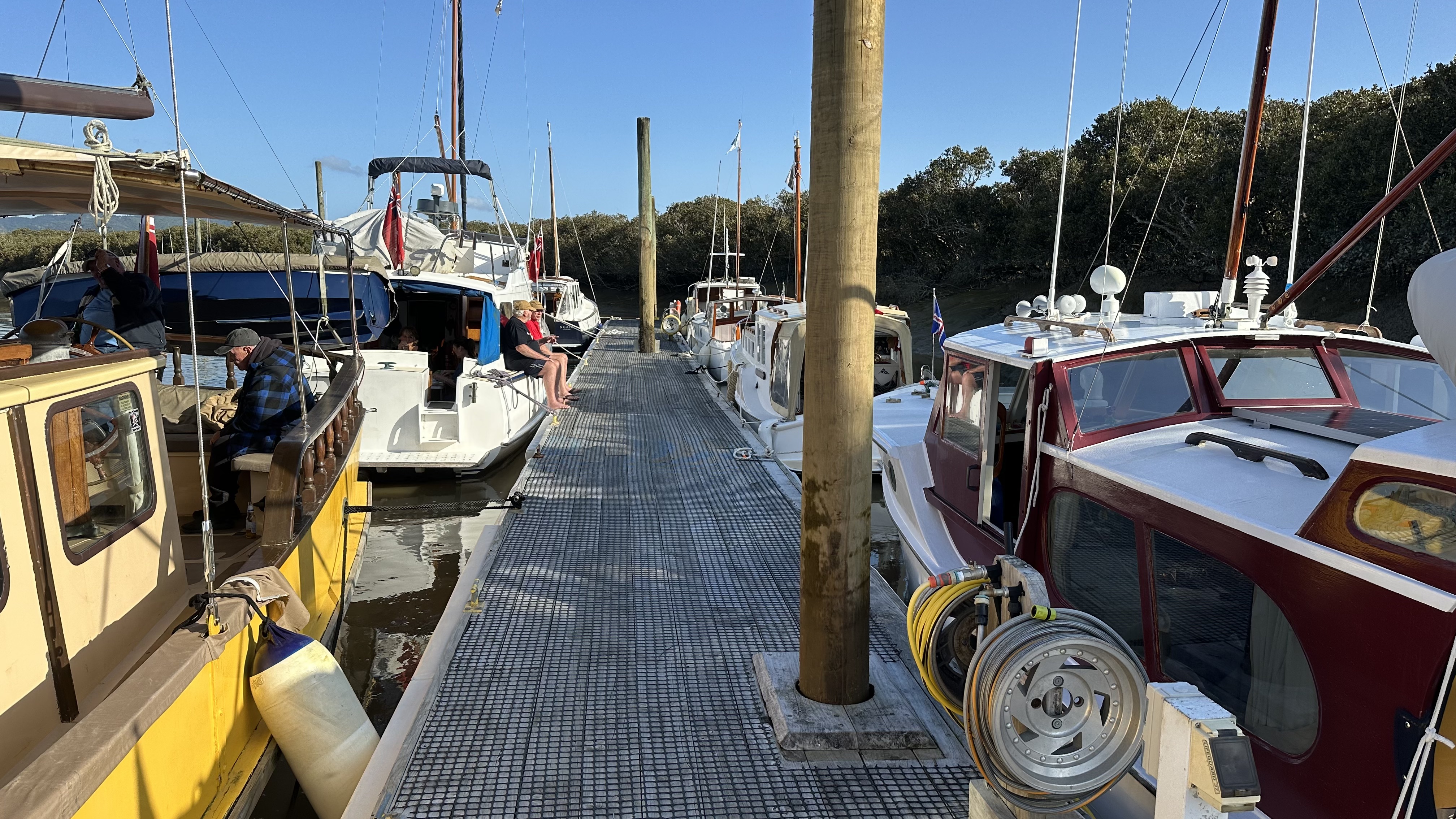
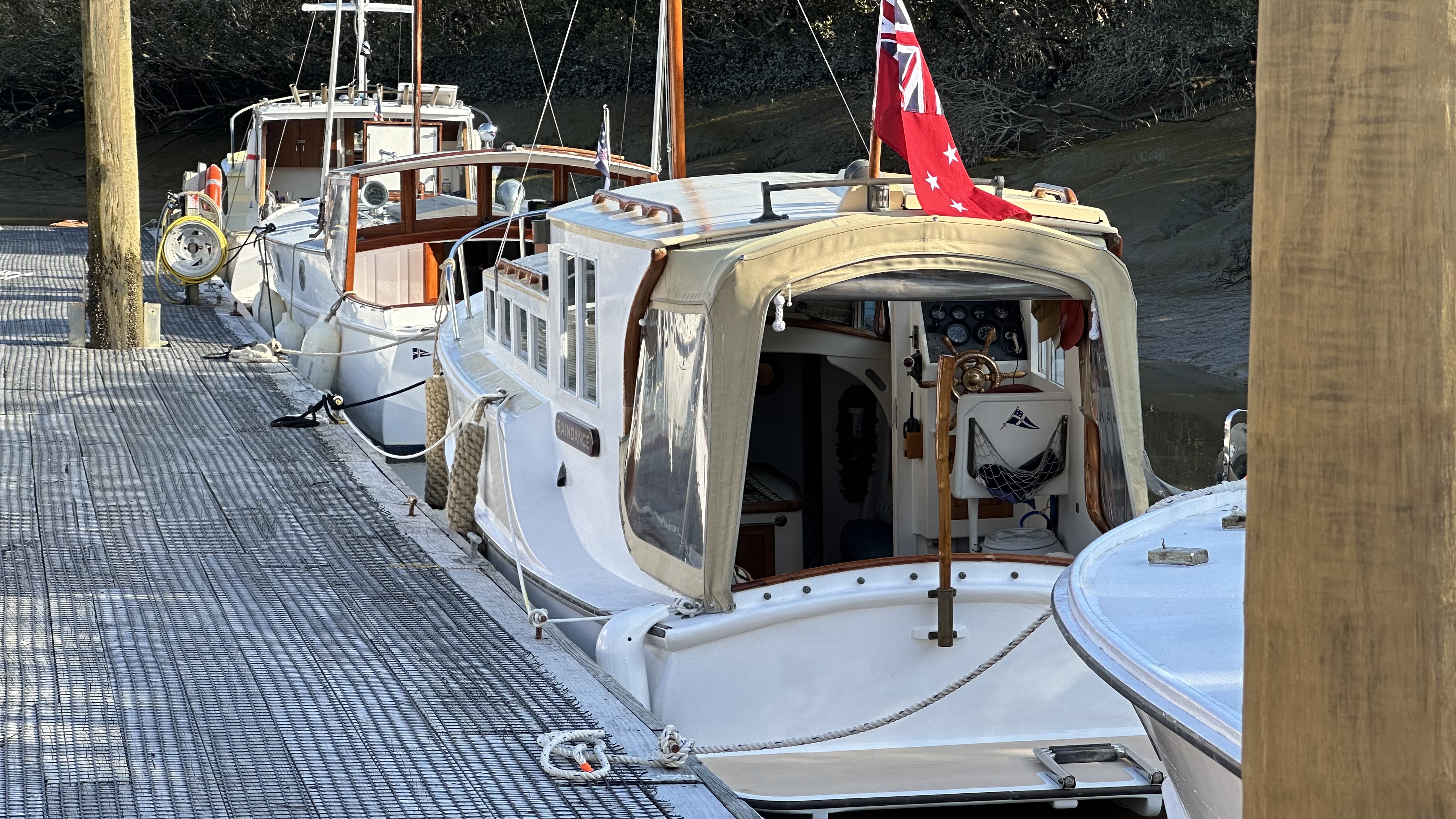
DOCKSIDE STROLL
Classic Wooden Craft Overnight Trip Up The Wairoa River
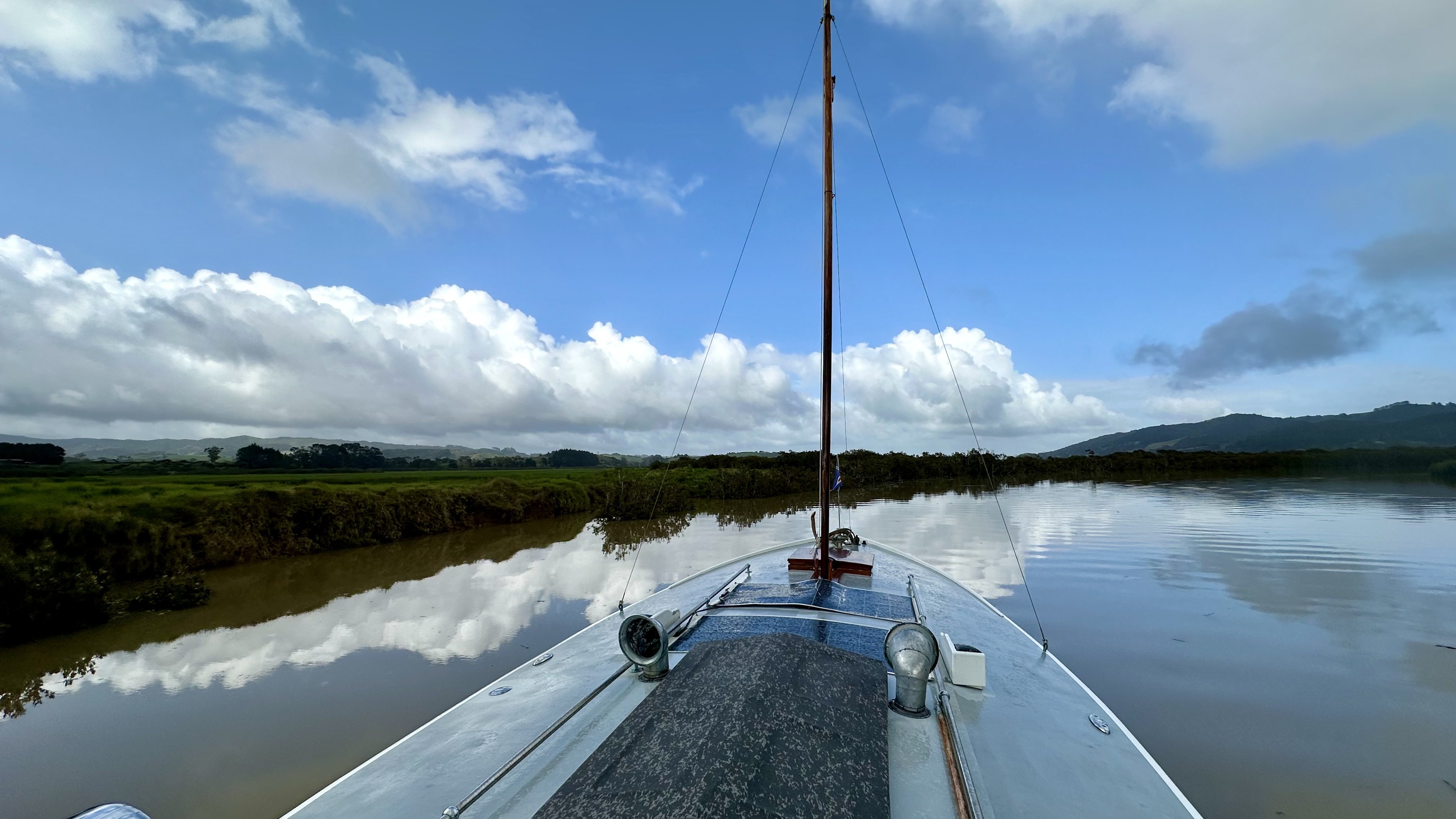
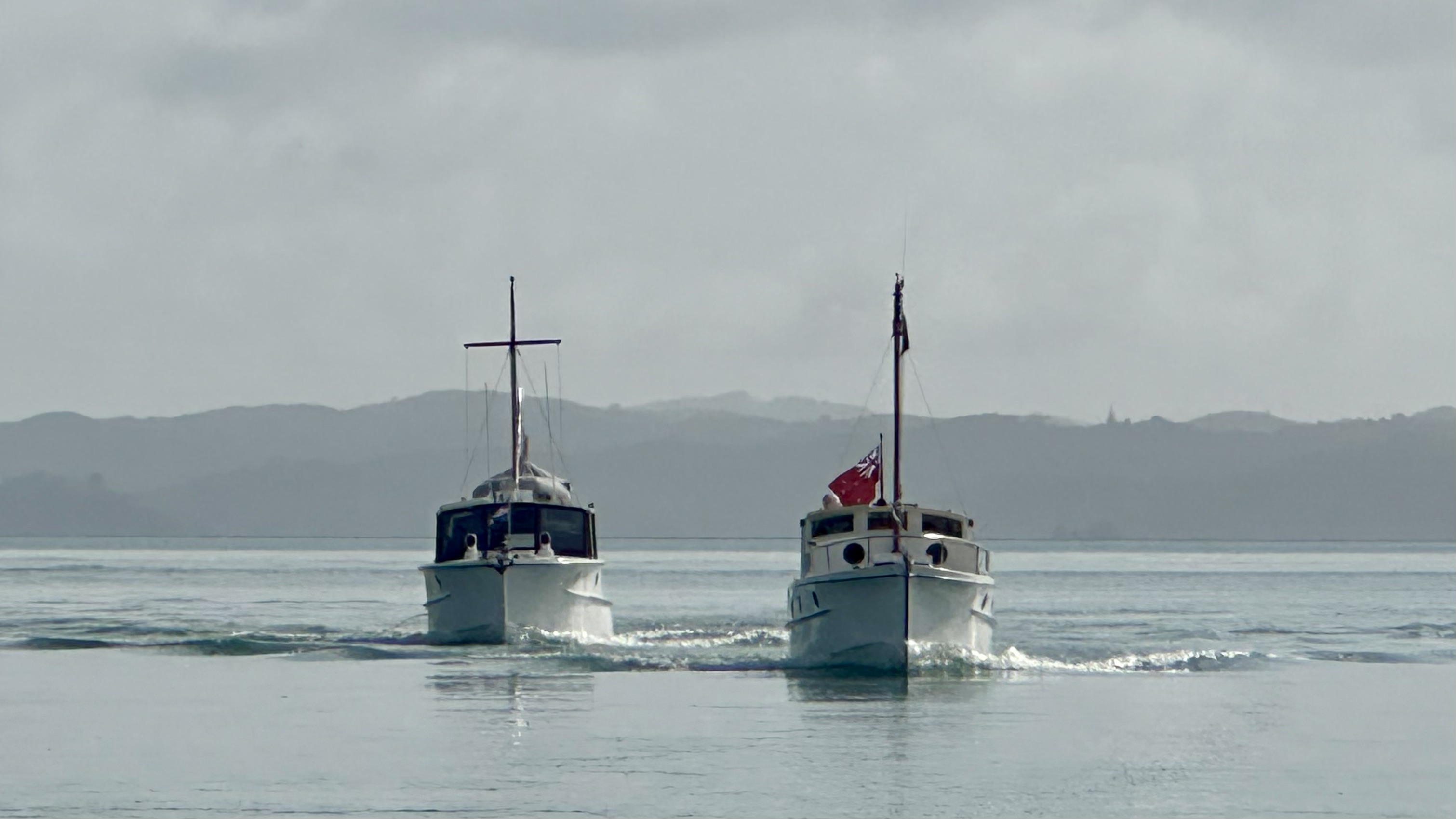
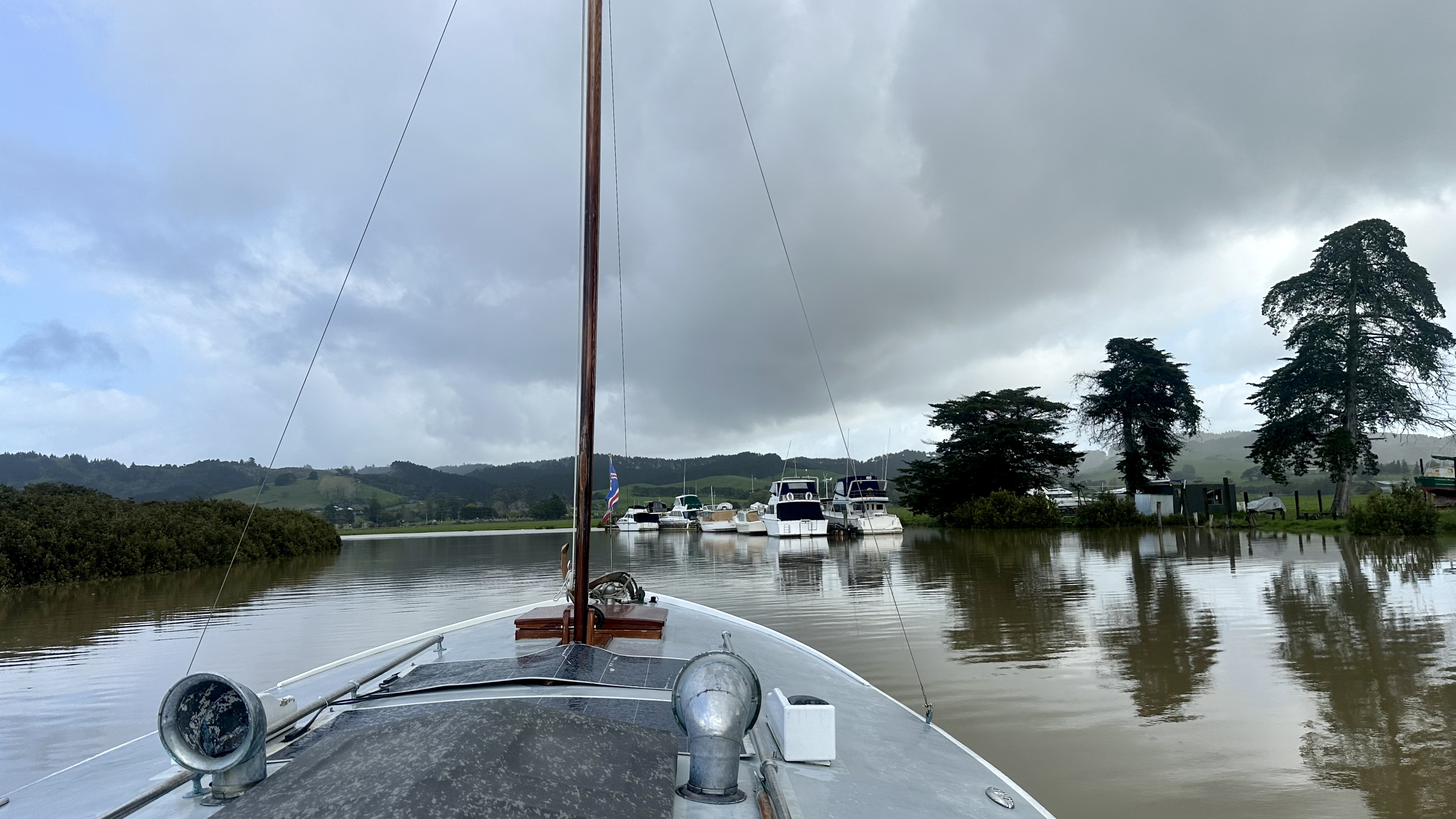
Over the weekend we had our first woodys event for the classic boating summer season – a cruise up the Wairoa River to overnight at the Clevedon Cruising Club. Due to lock downs and weather bombs we had skipped a couple of years so the weekend was long overdue.
Given tidal access restrictions the weekend always starts with an early departure to the mouth of the Wairoa River, the smart ones leave on the Friday.
The weather early (<5am) Saturday morning was raining cats & dogs, but as if prearranged at 5.30am it stopped and we enjoyed a very pleasant dawn passage. The group gathered at 8.45am and journeyed up the river, always a tad anxious but it was a 3.6m tide so all good.
I snapped a gallery of photos of the woodys that are moored on-route – separate WW story tomorrow.
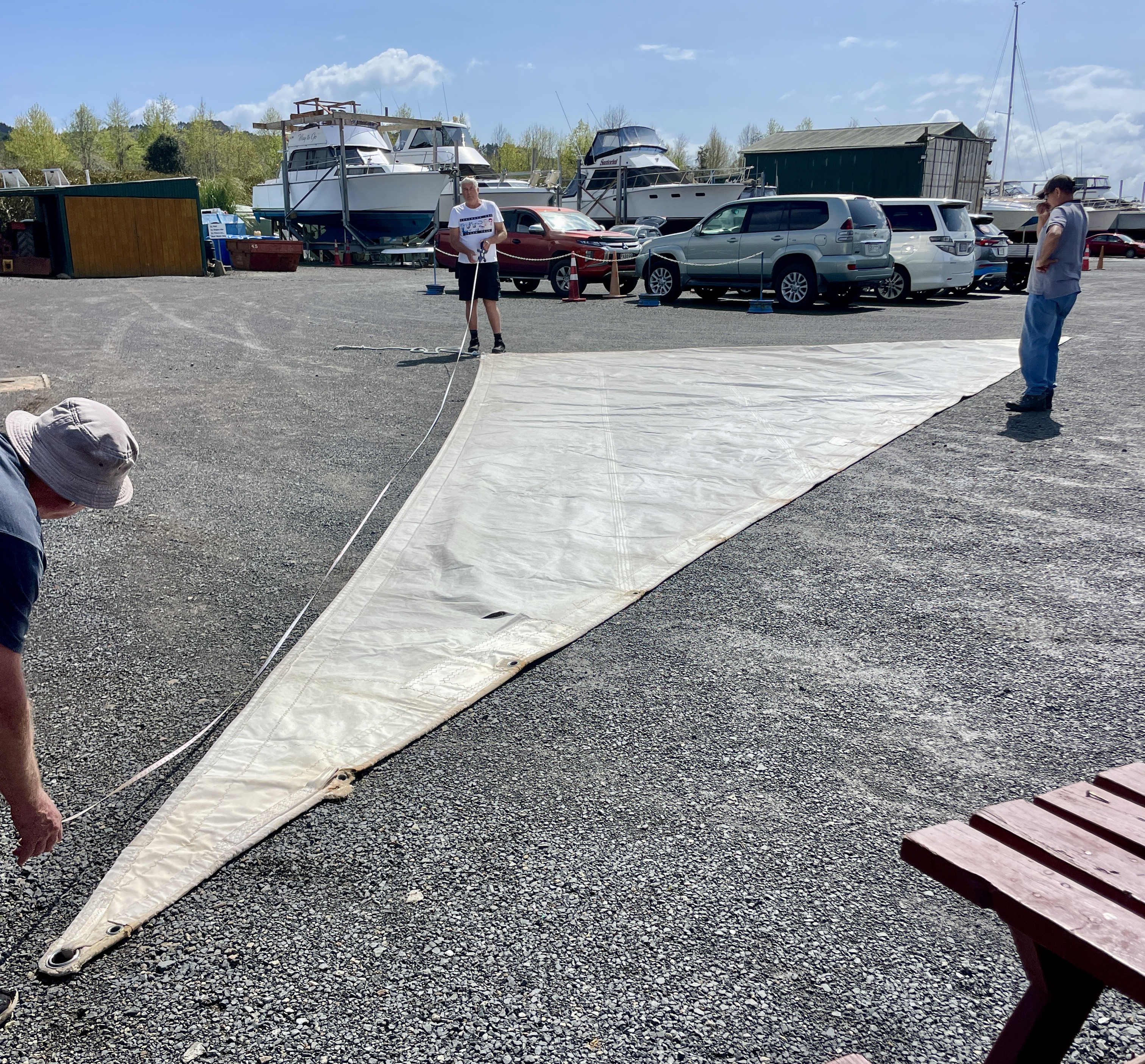
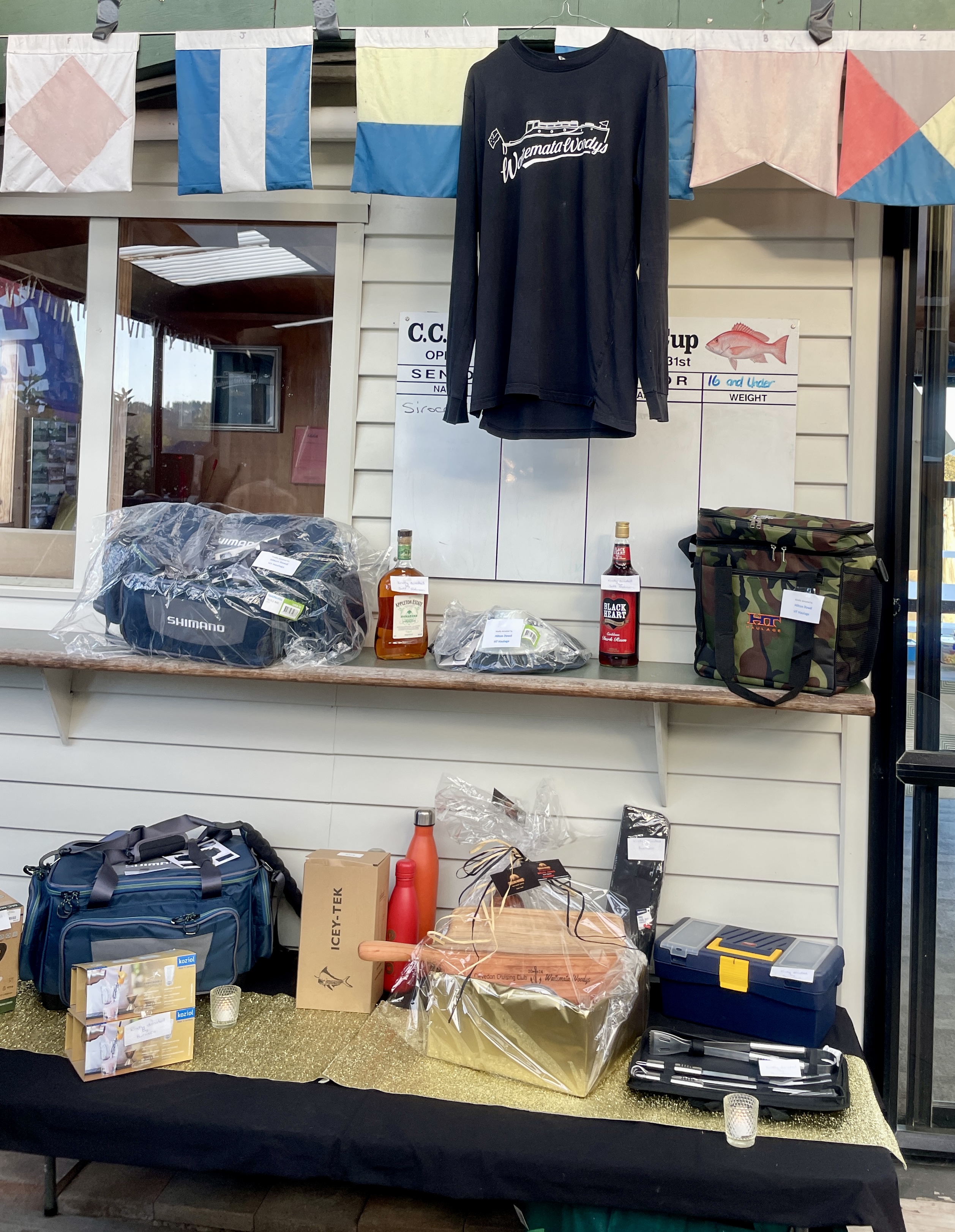
Our hosts , lead by Commodore Alister (Al) excelled themselves from the RIB on-hand to assist with docking to the world famous (on the river) Saturday night BBQ. The evening included raffles, outdoor fires, a singer and karaoke and even dessert provided. I can report no-one in the woodys group stepped up to karaoke the mike 🙂 Woody Dave Giddens donated several ‘old’ sails to the club which will be repurposed as shade sails around the clubhouse.
If you have never been on one of the trips you need to – the club facilities and hospitality is so traditional / old school but in a cool way.
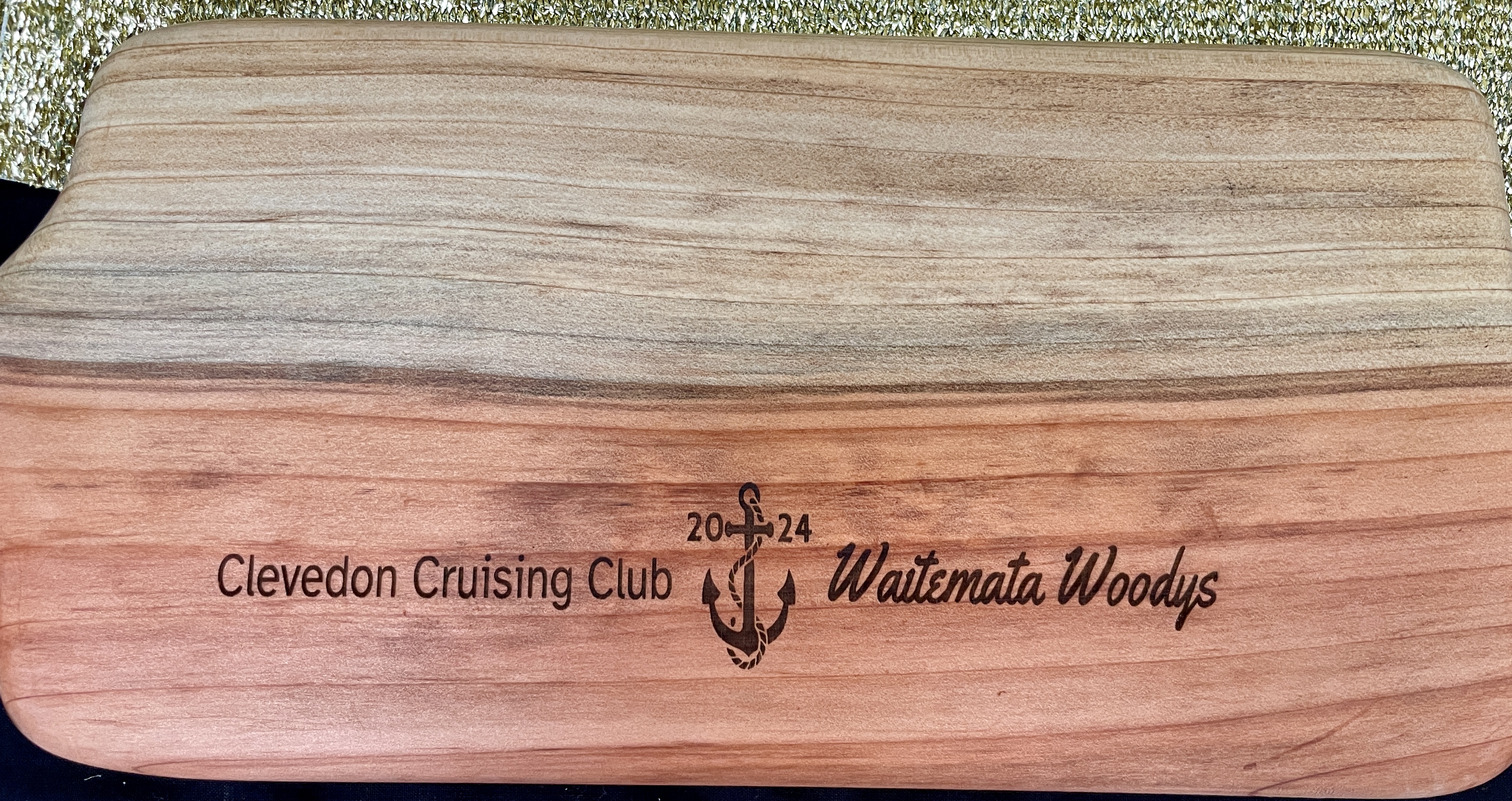
Included in the raffle prizes was a WW chopping board… I’ll need to talk to my copyright lawyer 🙂
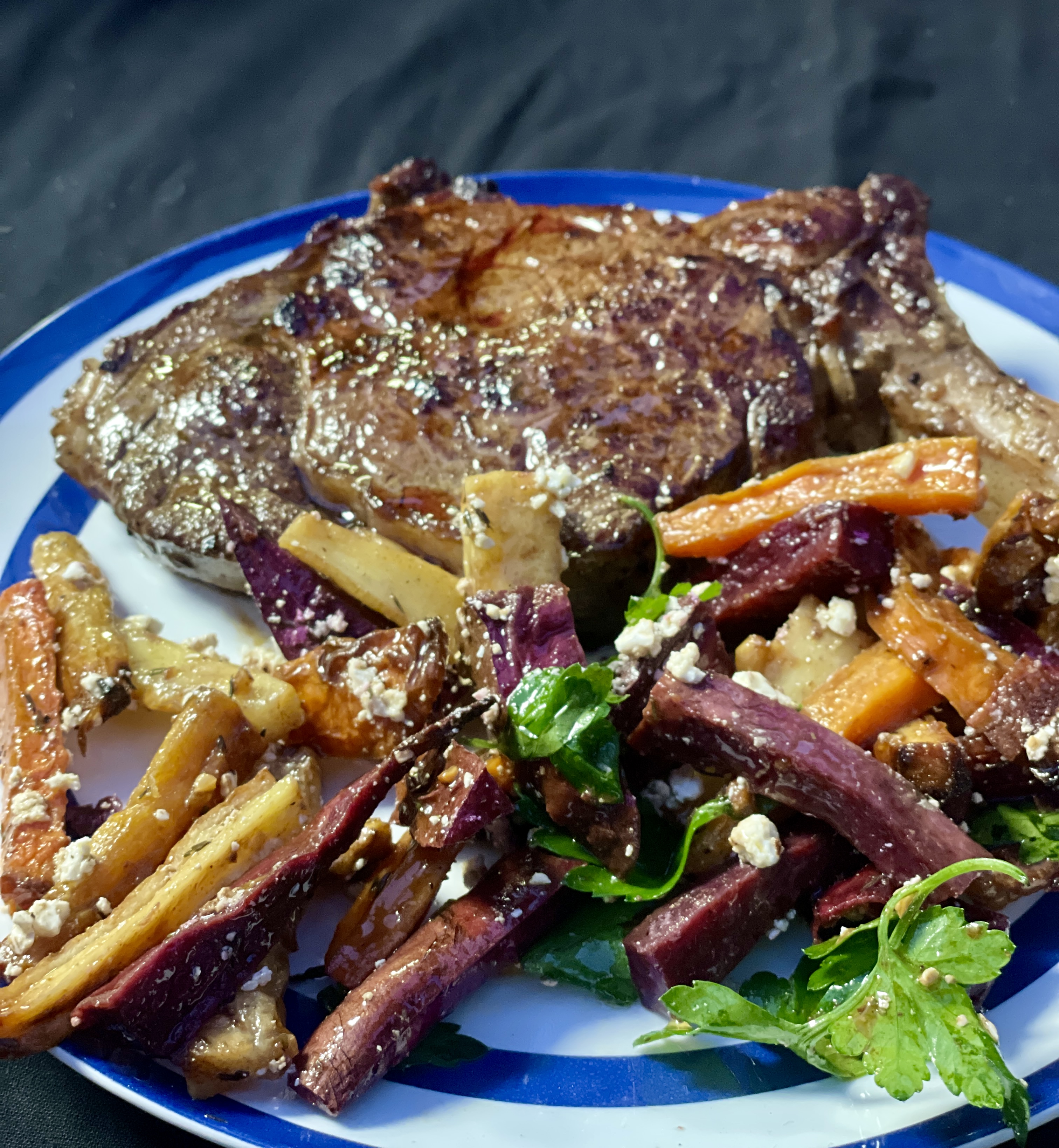
We eat very well – sorry about the food pix but thats what you have to put up with 🙂
If you think that classic wooden craft are all sub 7 knotters check out the videos below of a couple of the voom-voomers.
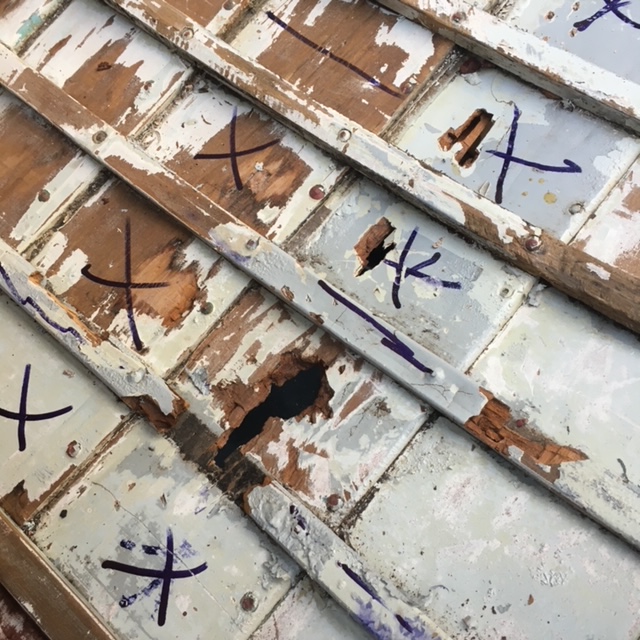
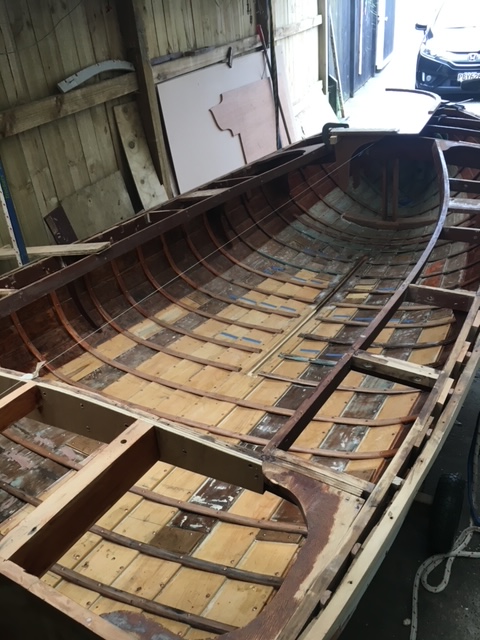
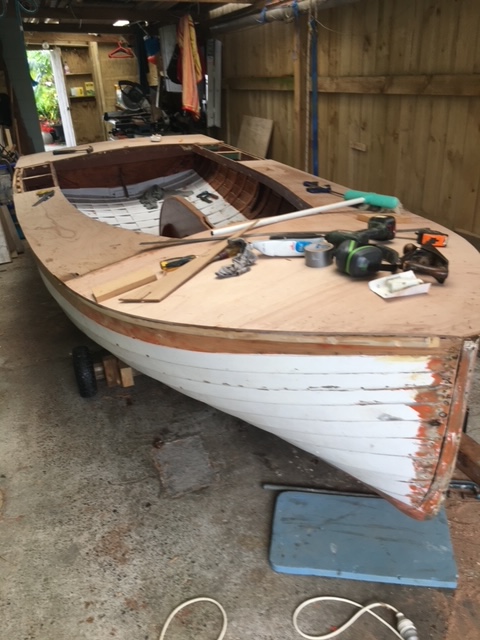
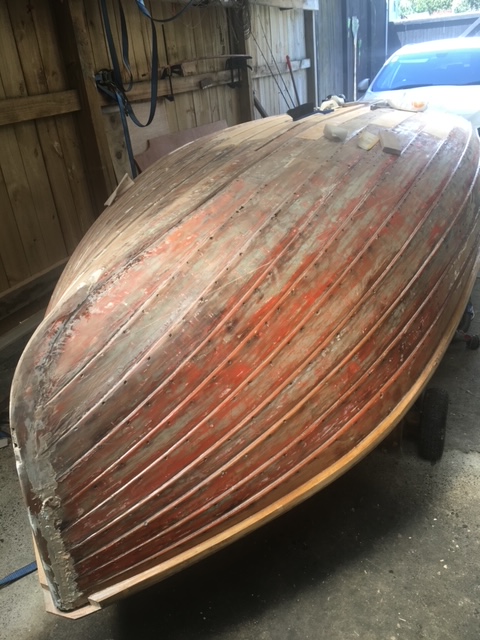
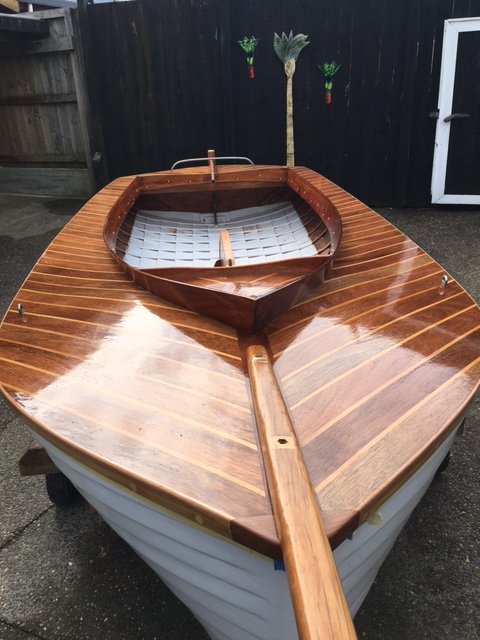
At one of the waitematawoodys / Slipway Milford – Boat Boot Sales I was talking to Michael May and he casually mentioned he was restoring an X-Class yacht named – SONYA. As I do I asked for details and last week Mike advised he had completed the project. So I’ll hand over to Mike to tell the story – “Restoration of X48, SONYA According to Harrold Kidd, SONYA was built by Trot Willetts, in 1946, for the Elliot brothers. Greg Elliott says the B /W photo from the Auckland Star, shows his father, Mervyn, at the helm of SONYA in a race off ST Mary’s Bay. I took possession of SONYA two years ago. She had been sitting on a trailer under canvas for the last thirty odd years. Under all the dirt and leaves the hull looked reasonably sound, but the deck was rotten, and she has a sloop rig off a trailer sailer. Looking for something to keep me amused, I decided it was worth a shot at restoring her. First I removed the ply deck, and waterblasted the inside to remove all grime. I then started to scrape off all the old paint inside, and that’s when the rot started to appear. It was either a chainsaw, or persevre. I eventually replace about 20% of the planking, and 60% of the ribs. Also the stern half of the king plank. The centrecase and knees were very agricultural, so I decided to rebuild that too.. I used Yellow Cedar for the planks, and American Oak for the ribs. With the help of Youtube and others I leant the art of using roves, and steam bending timber. I made my own bolts with Silica Bronze rod. [Fosters were a big help] Interestingly, the whole boat was built with no glue, all screws, bolts, roves A sign of the times I suppose. Some of the deck knees and framing are plywood, and still in good condition. Against a lot of advice I glued and filled every plank to plank join inside and out, after removing all the old red lead putty. My theory being that modern glues, Wests, would hold the wood and stop any water egress and swelling. I didnt want to have to go through the “Let it leak and swell” every time I launch the boat. After doing all the inside, fitting new centrecase, deck, Everdure, and painting, I turned the hull over and started on the outside. Strip paint, dig out all putty in seams and nail holes, fill old and new nail holes, glue/fill seams, everdure, and paint. Then the right way up again, and finish the inside and the new “Bling” deck. Not traditional I know, but I had the mahogany veneer from years ago, and always imagined using it on some sort of boat one day.. [I have some left over if any one can use you’re welcolme to it] I managed to buy four spars from Bob Van Pierce in Kerikeri. All different timbers and build methods, but each one worked well with what I needed. The gooseneck was a major stumbling block. Very kindly, Herbert Krumm-Gartner, also Kerikeri, lent me a set of blanks he had made for his classic yacht. I made all the wooden blocks using pohutukawa from timber off the trees in our garden. I have gone modern with the running rigging and used dyneema for main halyards, and backstays. Brent Gillies, BG Sails, has made a fantastic set of sails, using traditional methods. I have only sailed SONYA once, in very light breeze to check everything out. Especially any leaks!!! Nothing of note. Now need some better conditions to get her flying again.”














 waitematawoodys.com #1 for classic wooden boat stories, info, advice & news - updated daily - 15+ million views