INSIDE THE CLASSIC WOODEN LAUNCH WIRIHANA – What Powers Her

INSIDE THE CLASSIC WOODEN LAUNCH WIRIHANA – What Powers Her

In the New Zealand classic wooden boating  world there is one designer / builder whose name that no matter who you speak to, is in their top three craftsmen – and that gent is Colin Wild. A quick search of his name in the WW Search Panel will result in a visual show case of NZ’s most striking classic craft.

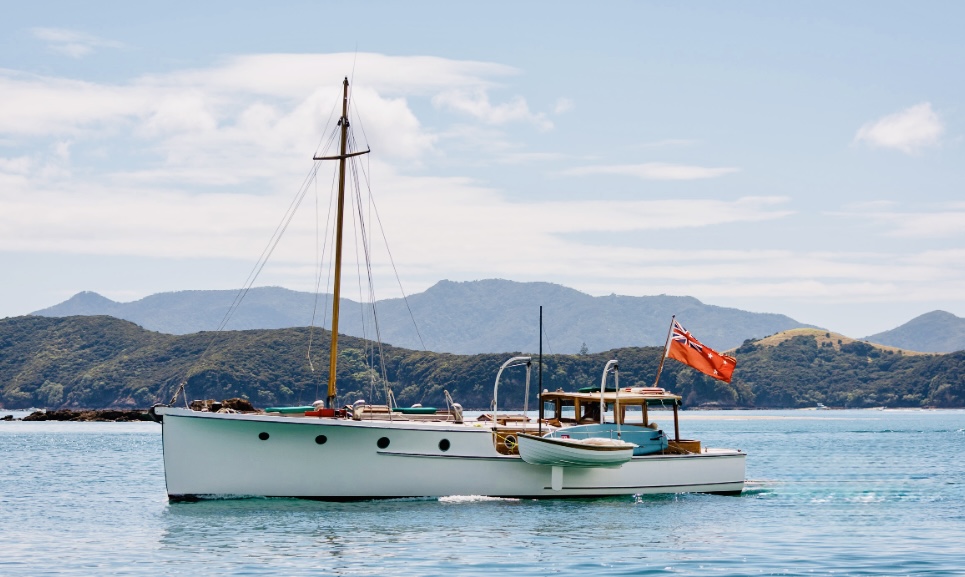
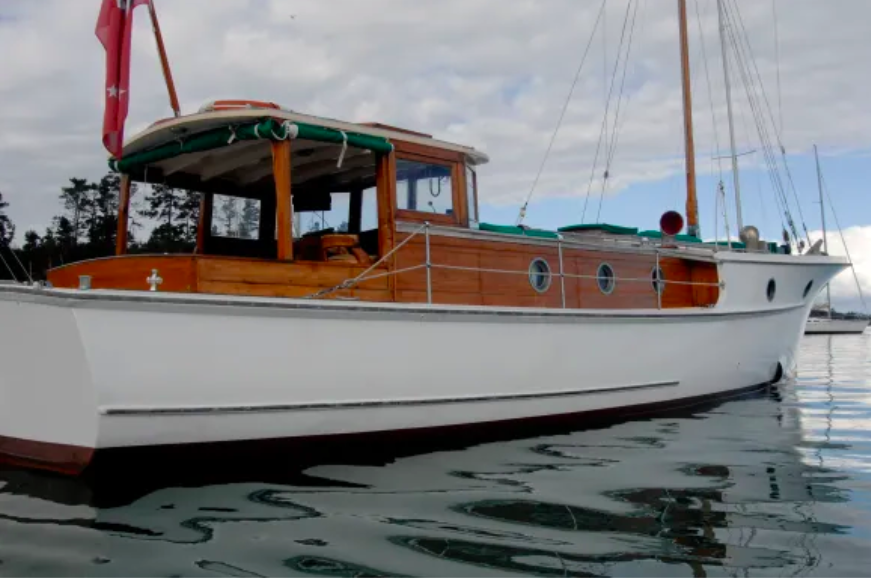
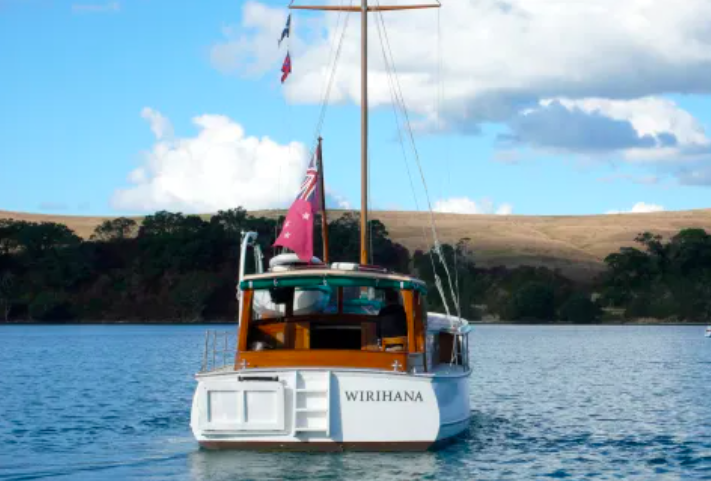
One of Wild’s finest builds is the 1933 launch – WIRIHANA, a woody that has featured numerous times on WW in the last 10 years. Where ever she goes, I get sent photos from people seduced by her looks.

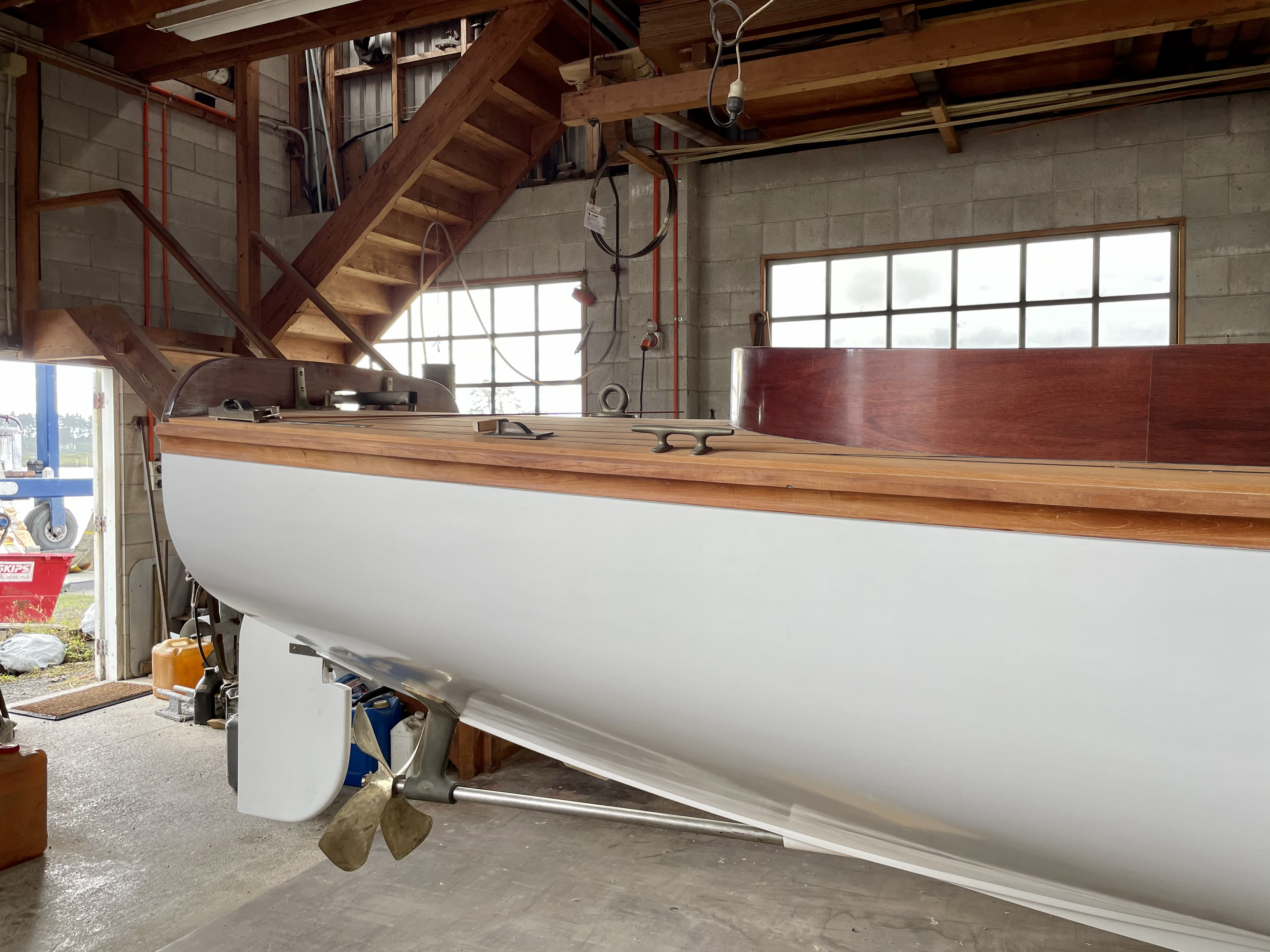
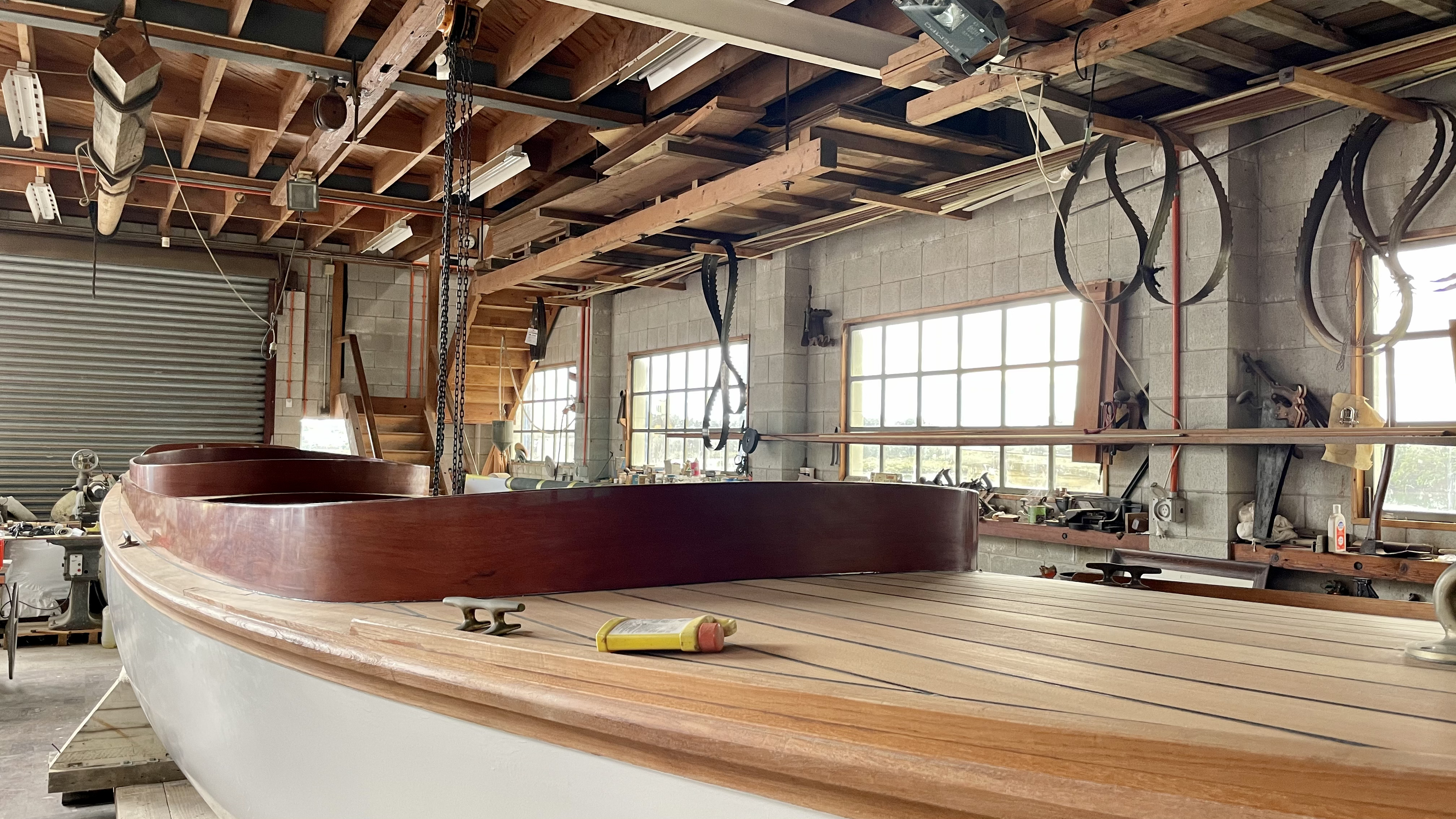
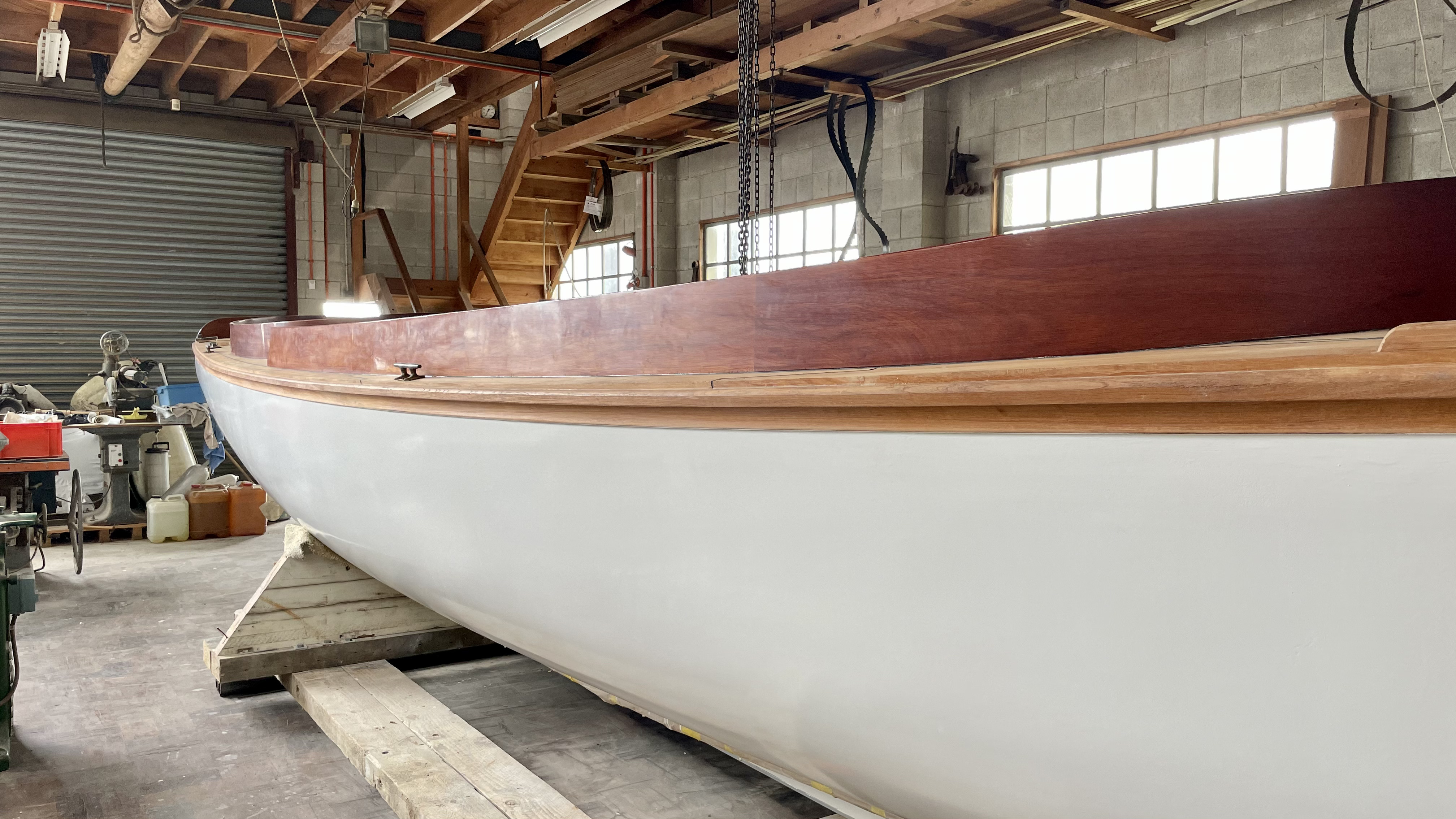
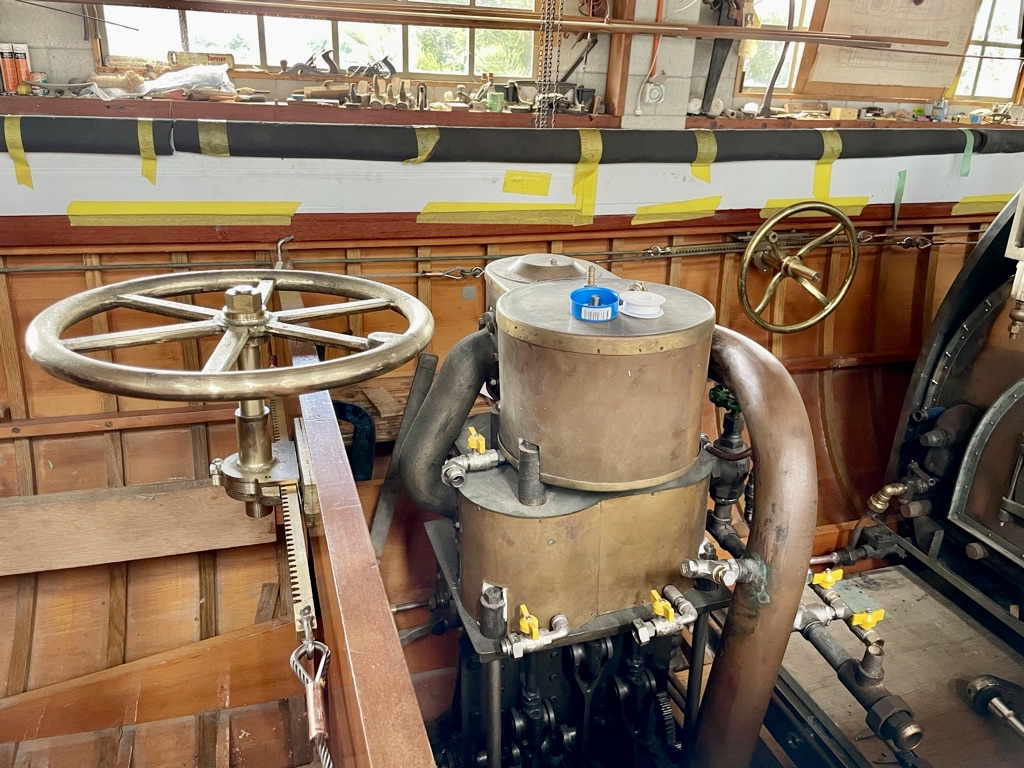
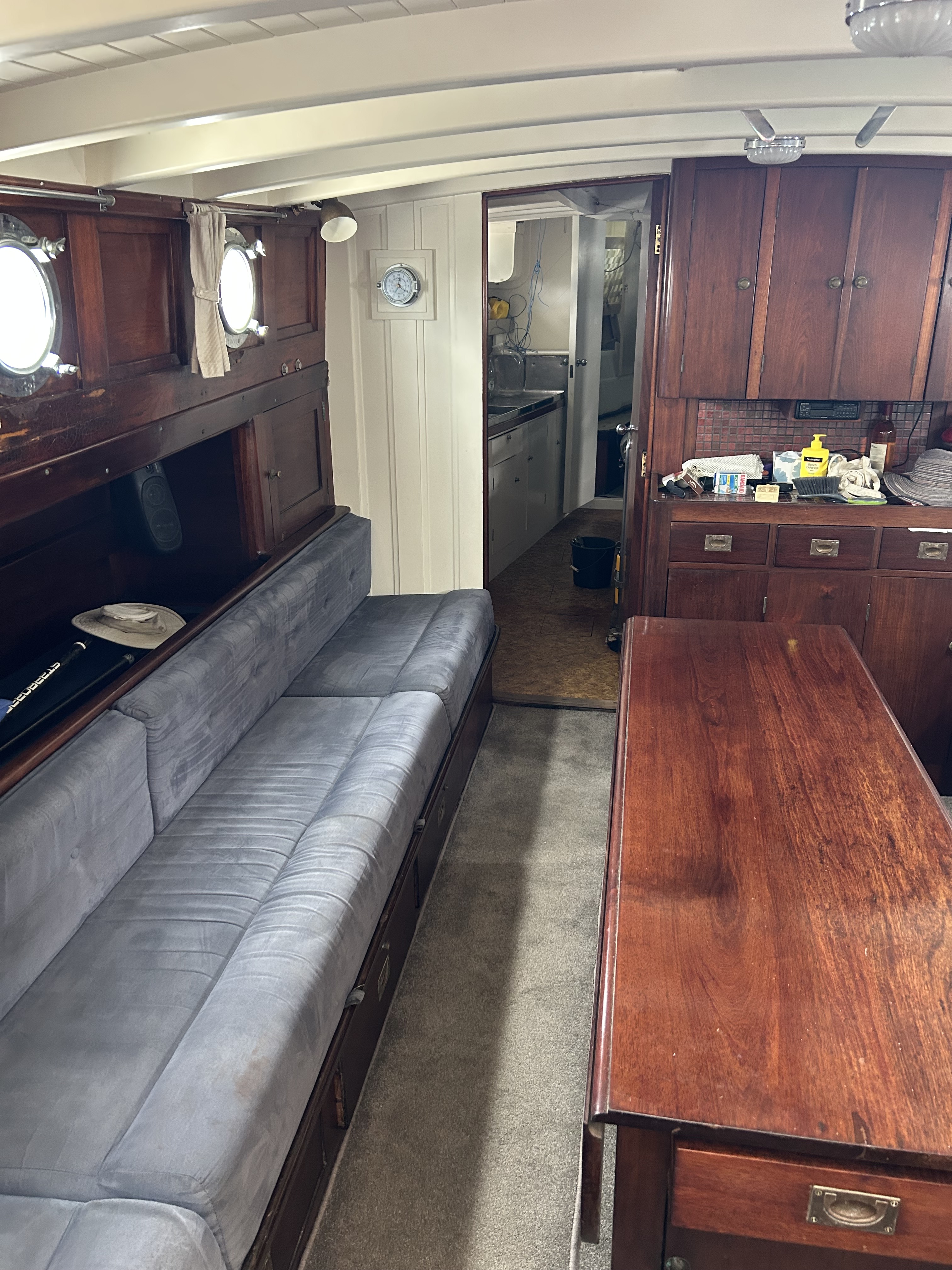
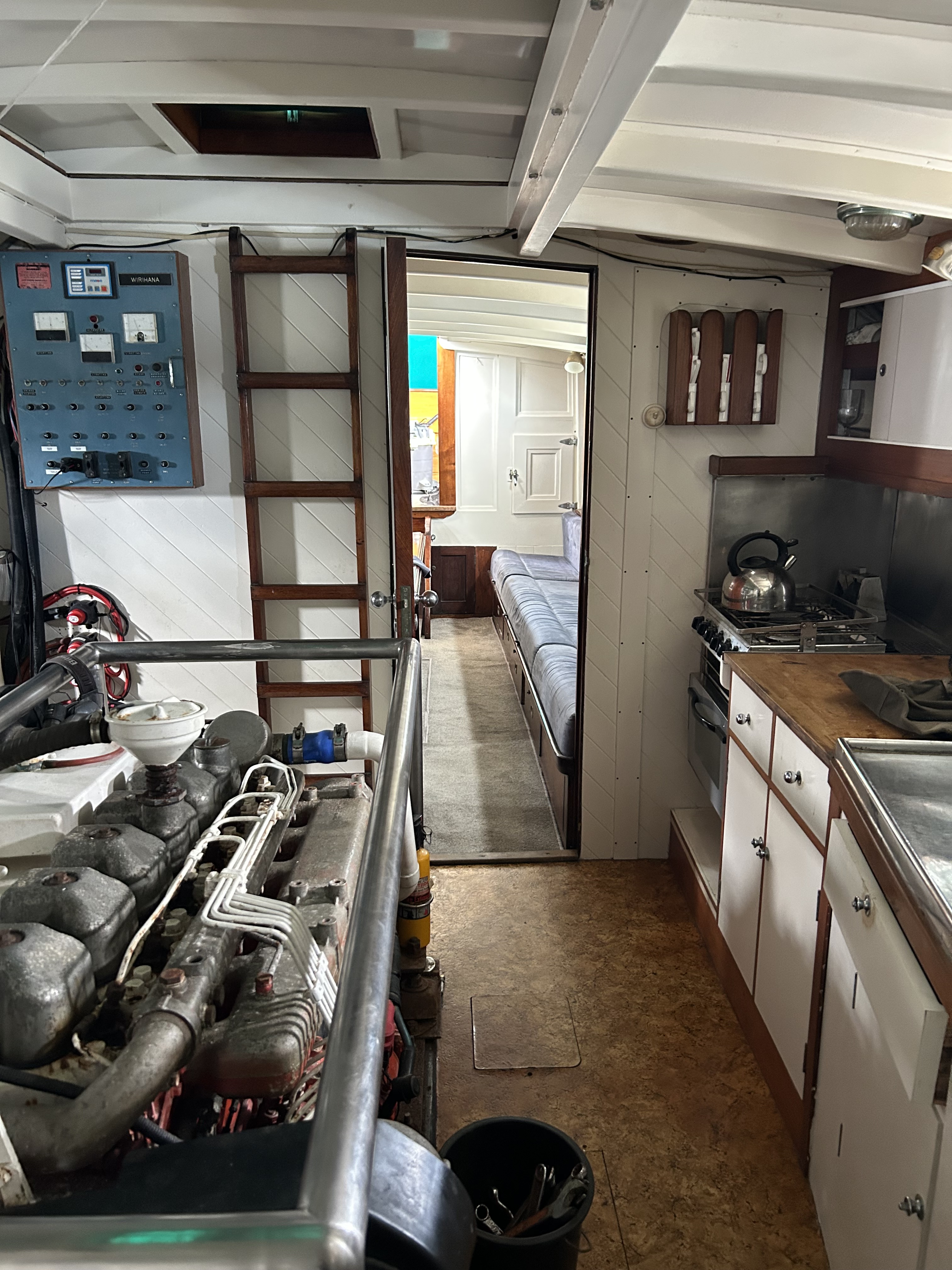
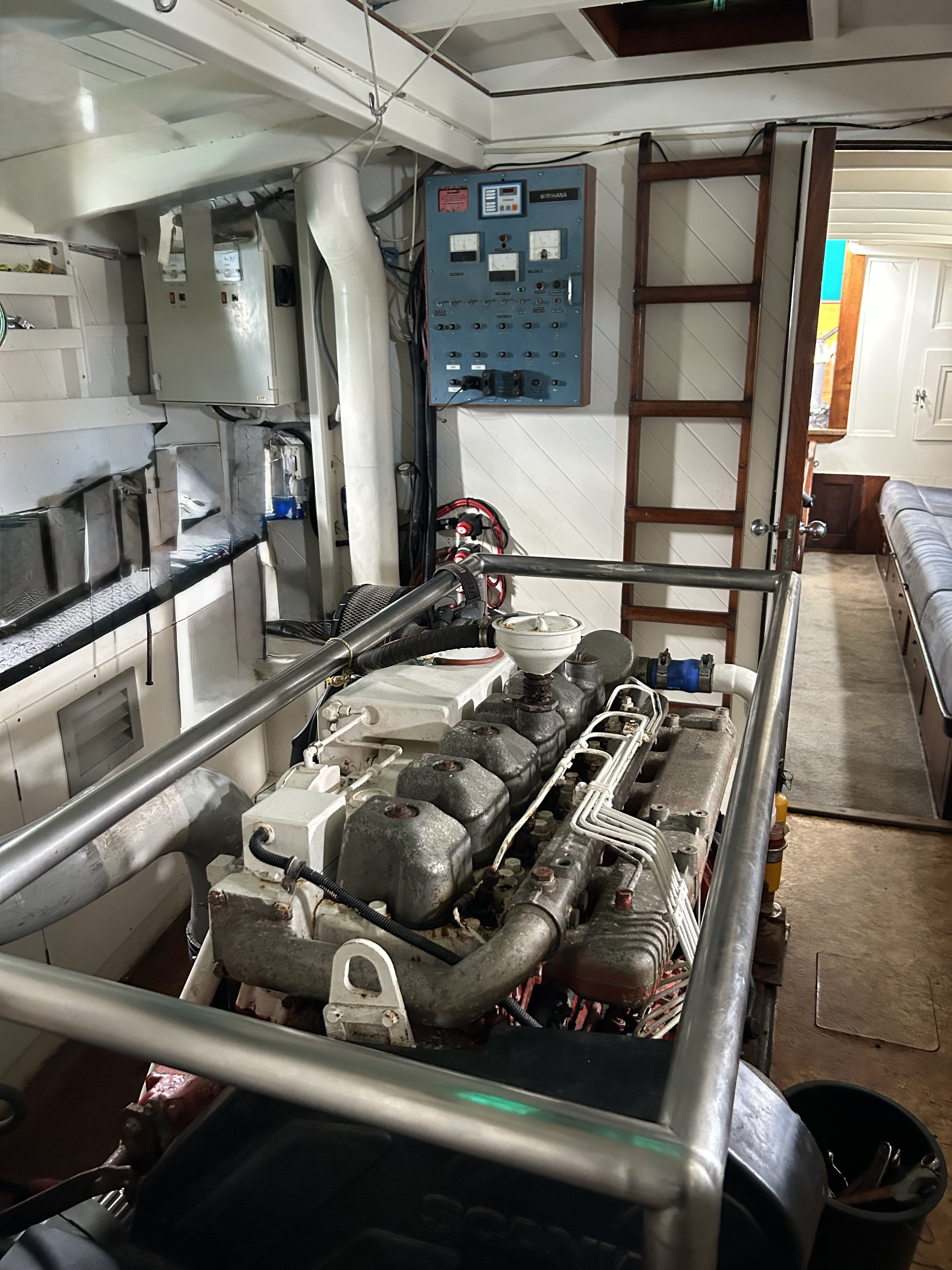
Aside from her wow factor, WIRIHANA is rather unique in that she is still owned by the third generation of the original owners – the Gould family. The family have had the wisdom to engage retired master boatbuilding icon Chris McMullen to maintain, skipper and use WIRIHANA for 18+ years. Today thanks to Natasha Gould, Chris McMullen and Ken Ricketts we get to uncover a side of WIRIHANA’s past not covered on WW previously – the engine room.

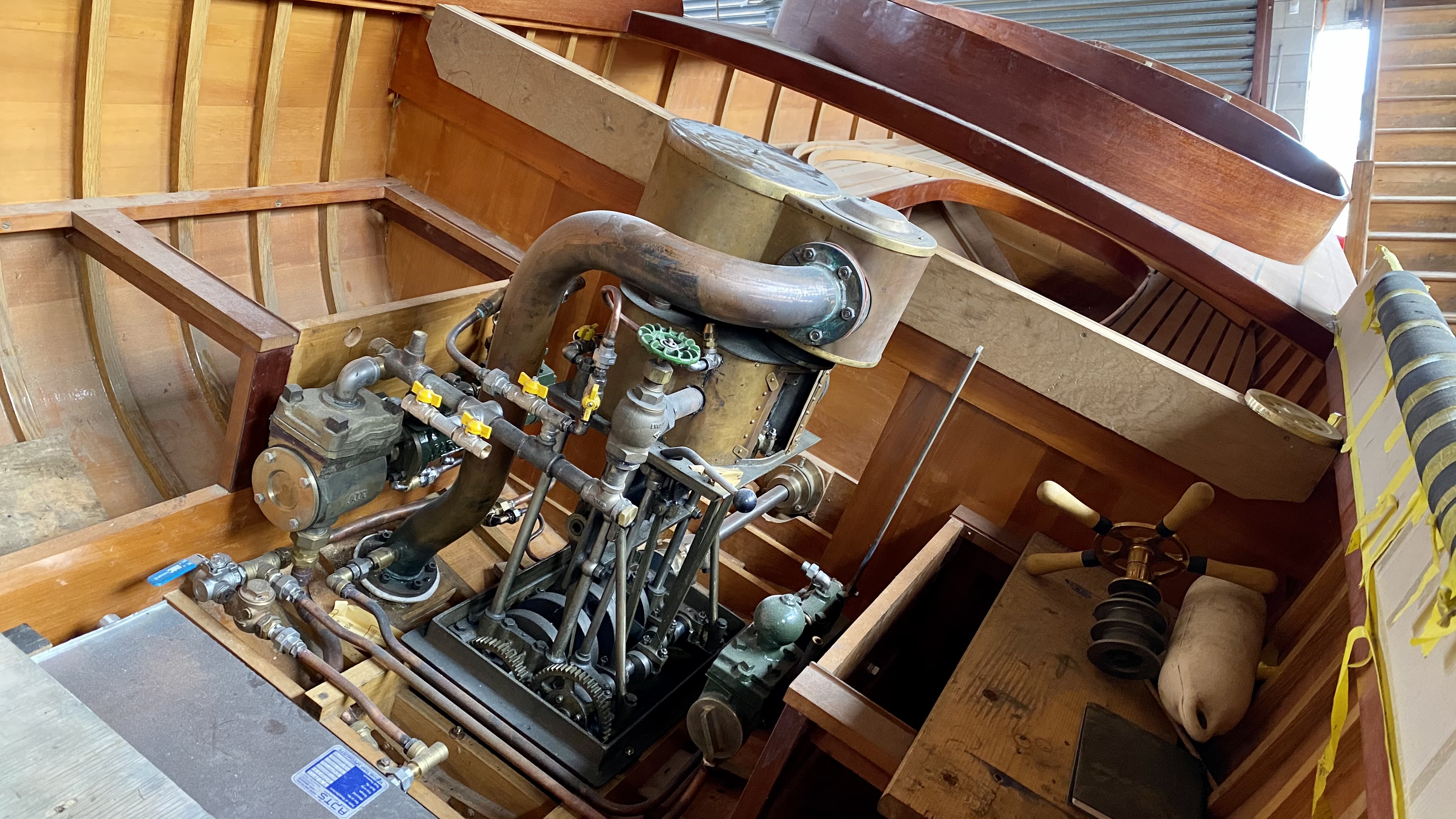
Her original engine was a slow running 4 cyl Kelvin with no reduction gear and  a petrol start. This engine also had a ‘day diesel tank’ fitted to the engine room wall with a gravity feed to the engine with the main diesel tanks aft, from which diesel had to be pumped daily, into the day tank, manually.

Chris McMullen has commented that all the  original associated equipment and day tank, associated with the Kelvin, is still in her today, although not in use, and has the Kelvin name on it.  

As covered on WW previously WIRIHANA was commandeered by the NZ Navy during WWII and when returned to Jack Gould (Natasha Gould’s grandfather) at the end of the war, Jack insisted that the NZ Navy replace the engine, because of the rigours of naval service.  Another reason for the replacement shared by Chris McMullen is probably the fact that reverse gear on the Kelvin had to be inconveniently operated by crew in the engine room. 

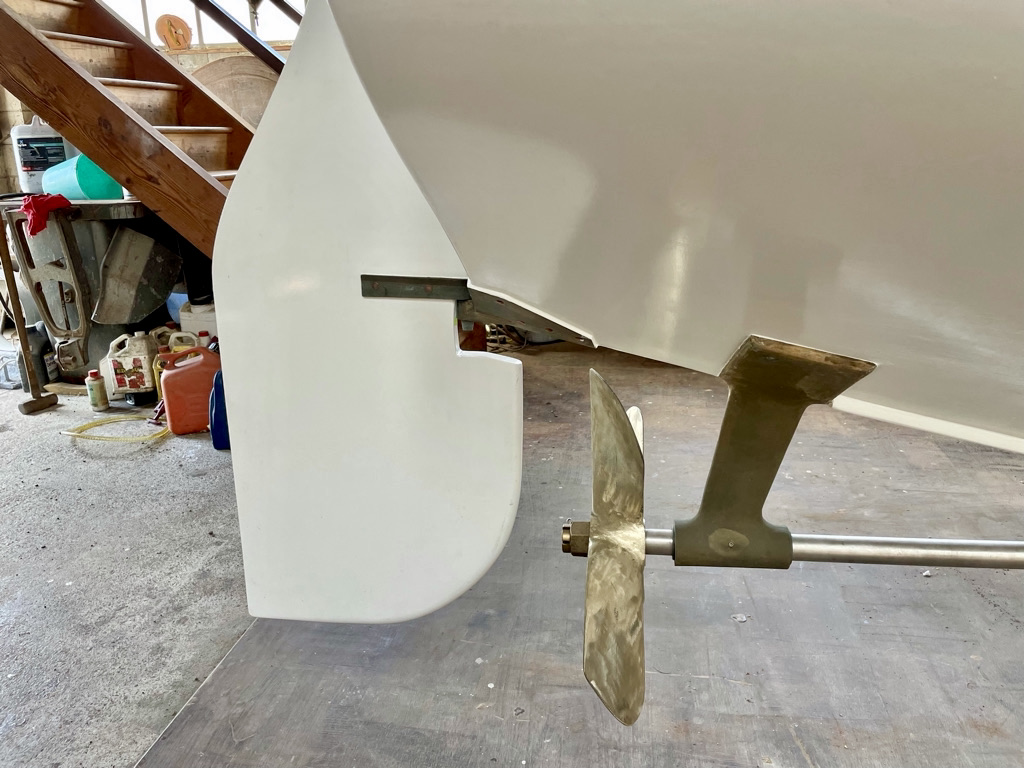
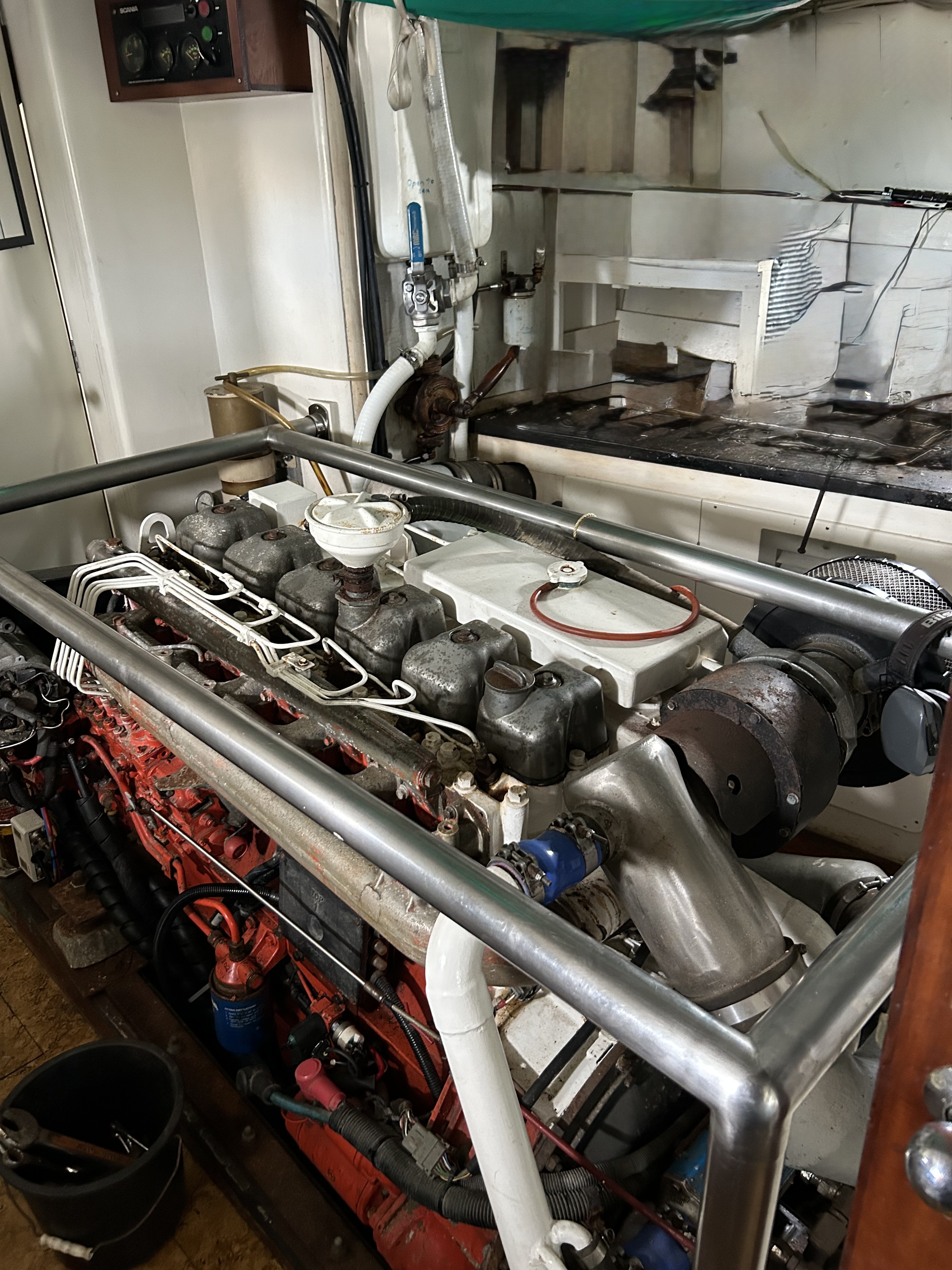
End result was the NZ Navy fitted a 6/71 165HP GM Detroit 2 stroke diesel, that had a hydraulic gear box that could be operated by cable. WIRIHANA retained this engine for a great many years and was eventually replaced in the early 2000’s by Rusty Gould (Jack Gould’s son), with a 180hp artificially aspirated 6 cyl. Scania diesel, which she still has today.  

One unusual feature of WIRIHANA’s engine room is the absence of an engine box / sound installation – Chris McMullen told me once , you get used to the noise and its a perfect place for drying towels 🙂

(photo credit – Natasha Gould, Dean Wright, Alan H)

How Do I Stop The Roll

HOW DO I STOP THE ROLL
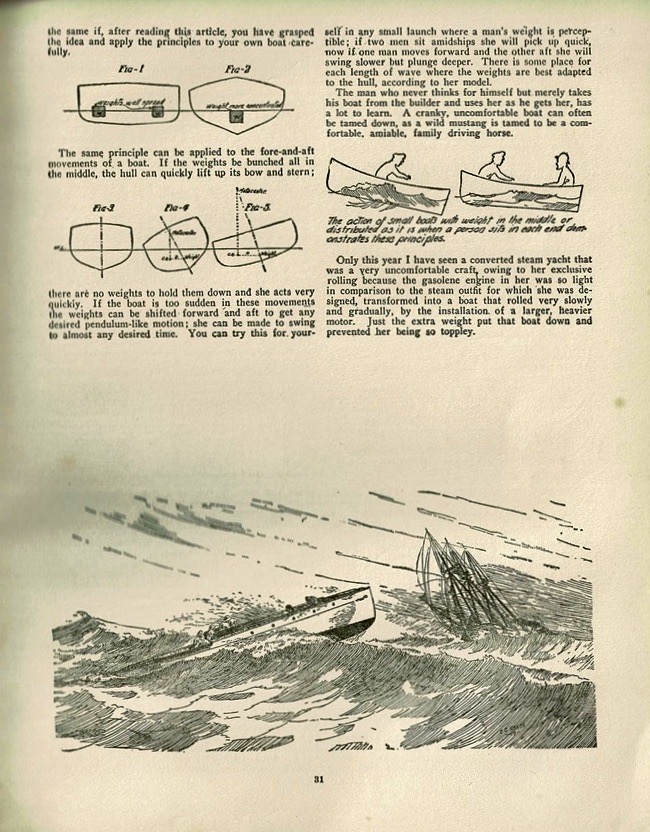
Well woodys you can’t – all boats roll but you can minimise it – read on.

I was recently included in an email exchange where a classic launch owner was asking Chris McMullen why they should replace the mast (rot issue) on their launch given that there was no plan to make use of a sail. Chris shared with us both a copy of a 1909 extract titled ‘Ballasting of Motor Boats’ from an article by Charles G Davis in the book – ‘Motor Boat Handbook vol. 1’. The article provides all the information required for displacement launches. If the above images are too hard to read – below are links to downloading the articles.
WOODY + VINTAGE MOTORBIKE STILLWATER WATERFRONT PICNIC – OCT 7TH – RSVP NOW waitematawoodys@gmail.com

HERRESHOFF STEAM LAUNCH – Sea Trial

HERRESHOFF STEAM LAUNCH – Sea Trial

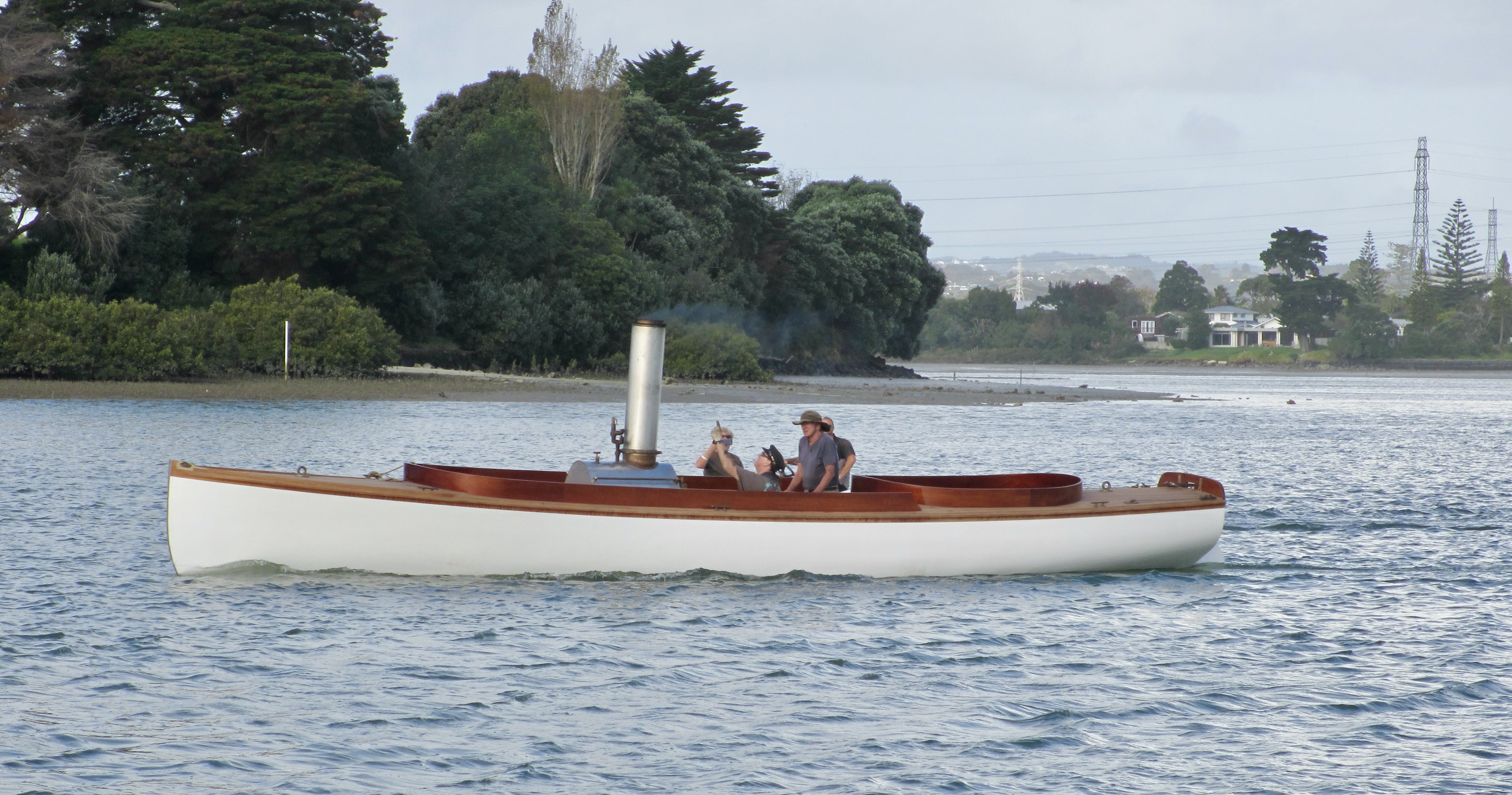
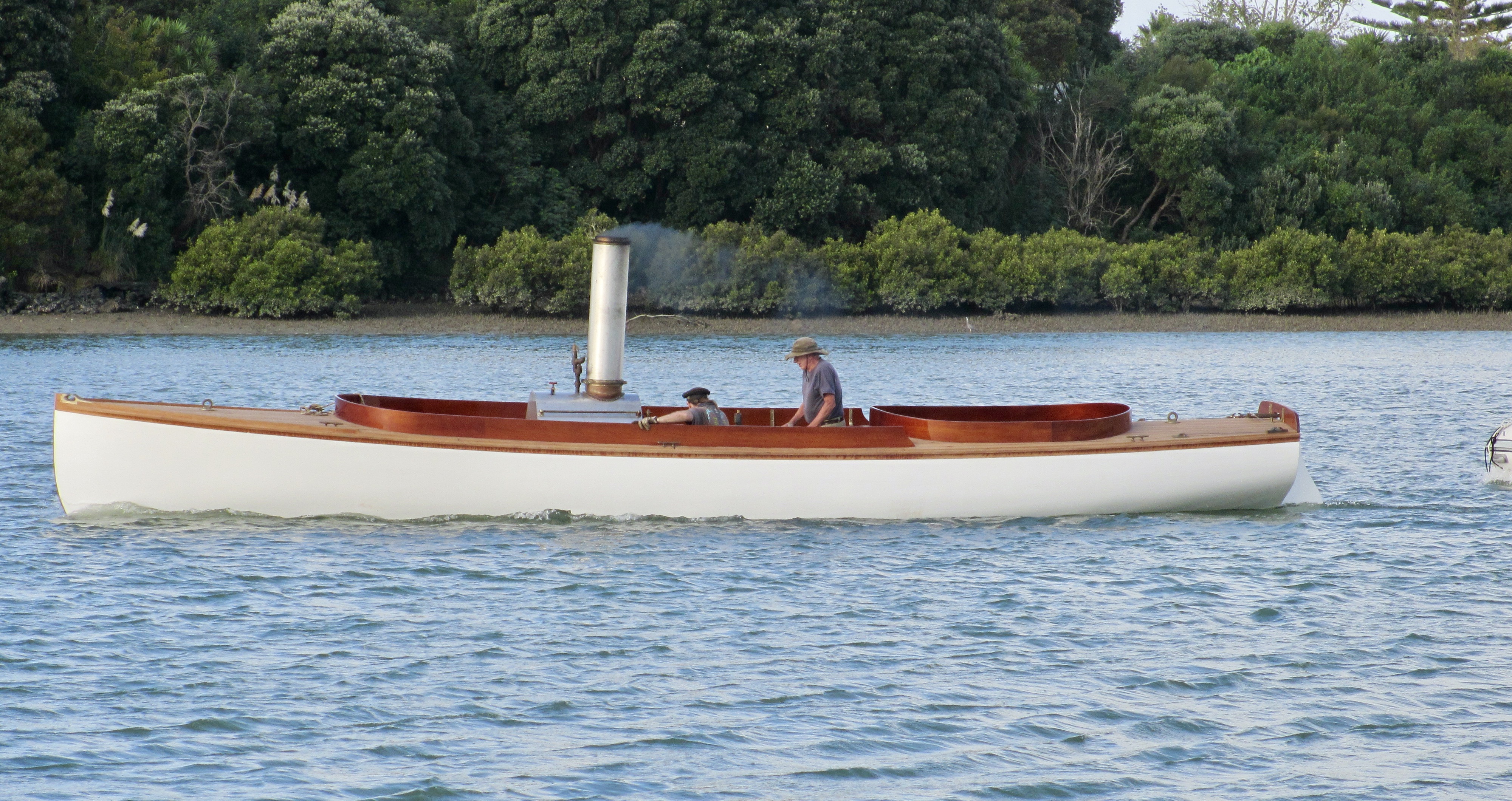
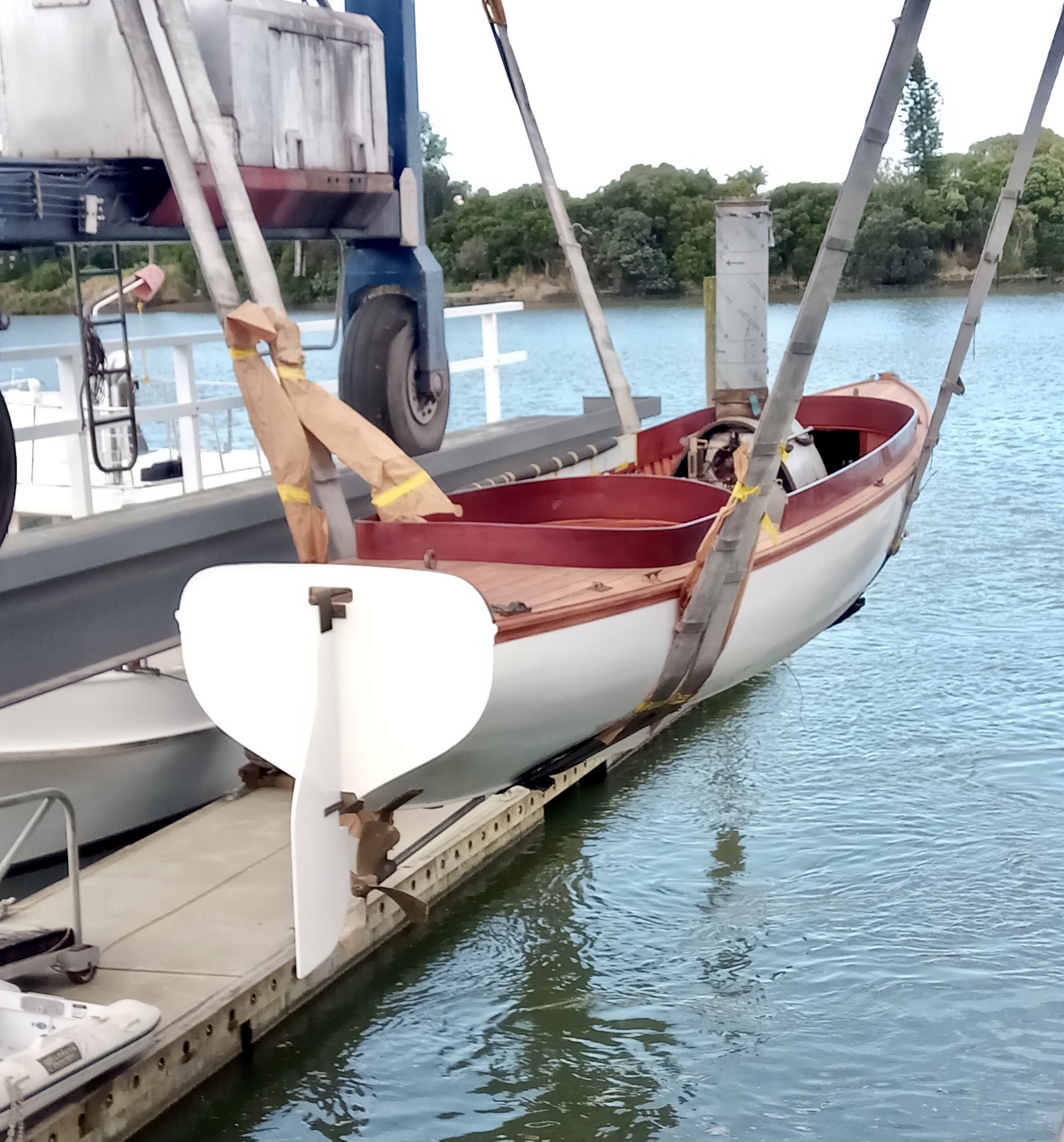
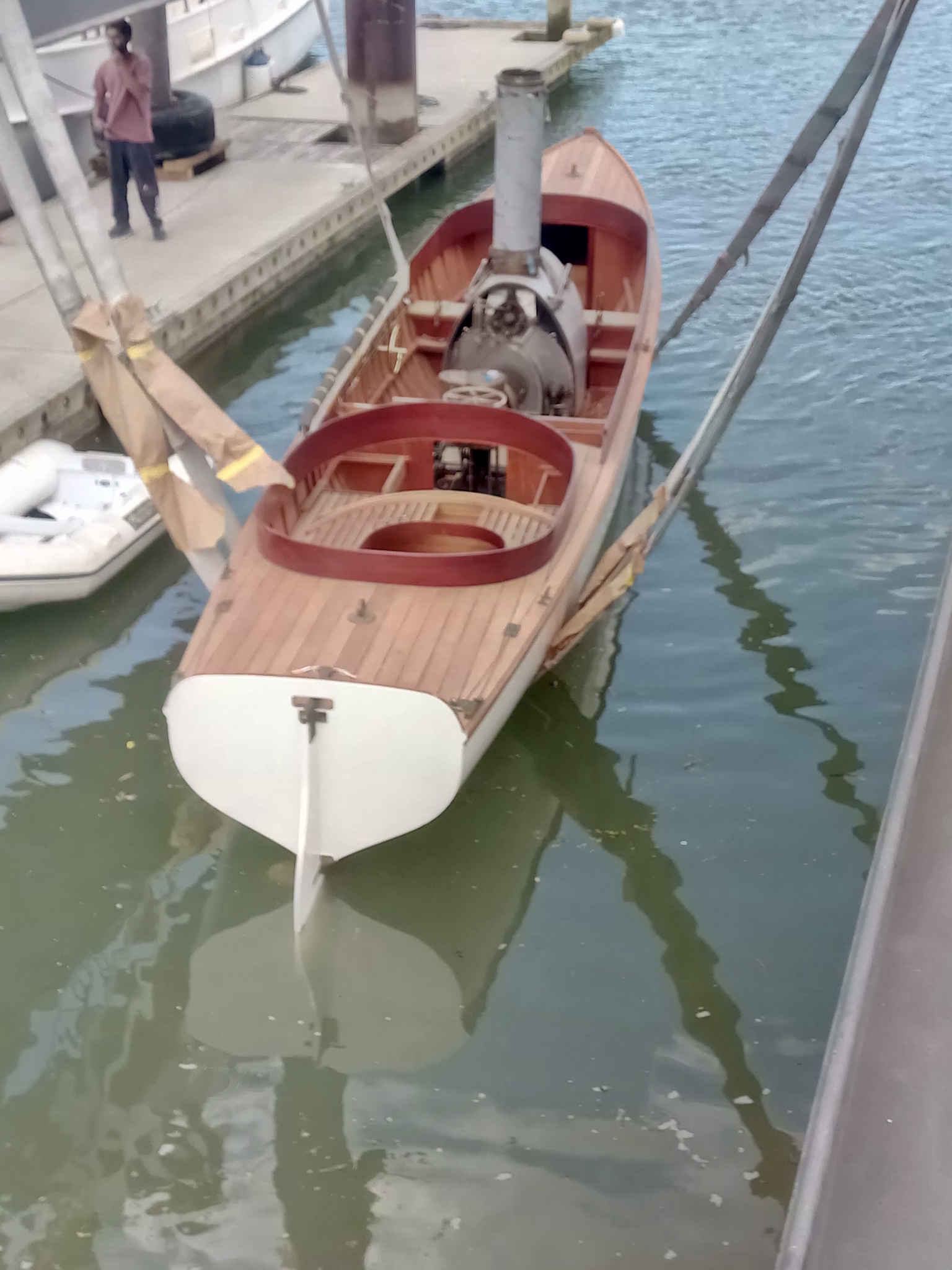
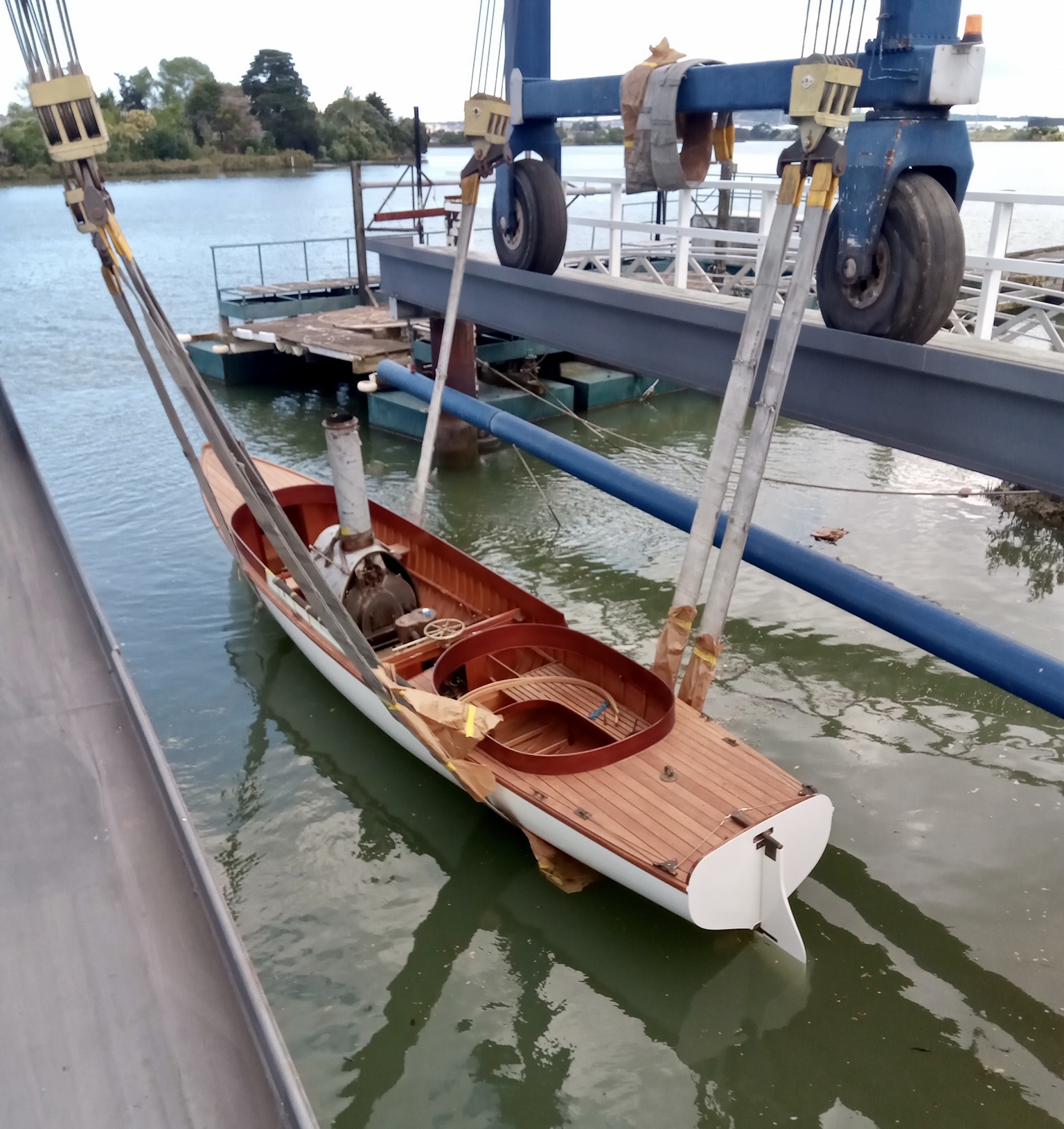
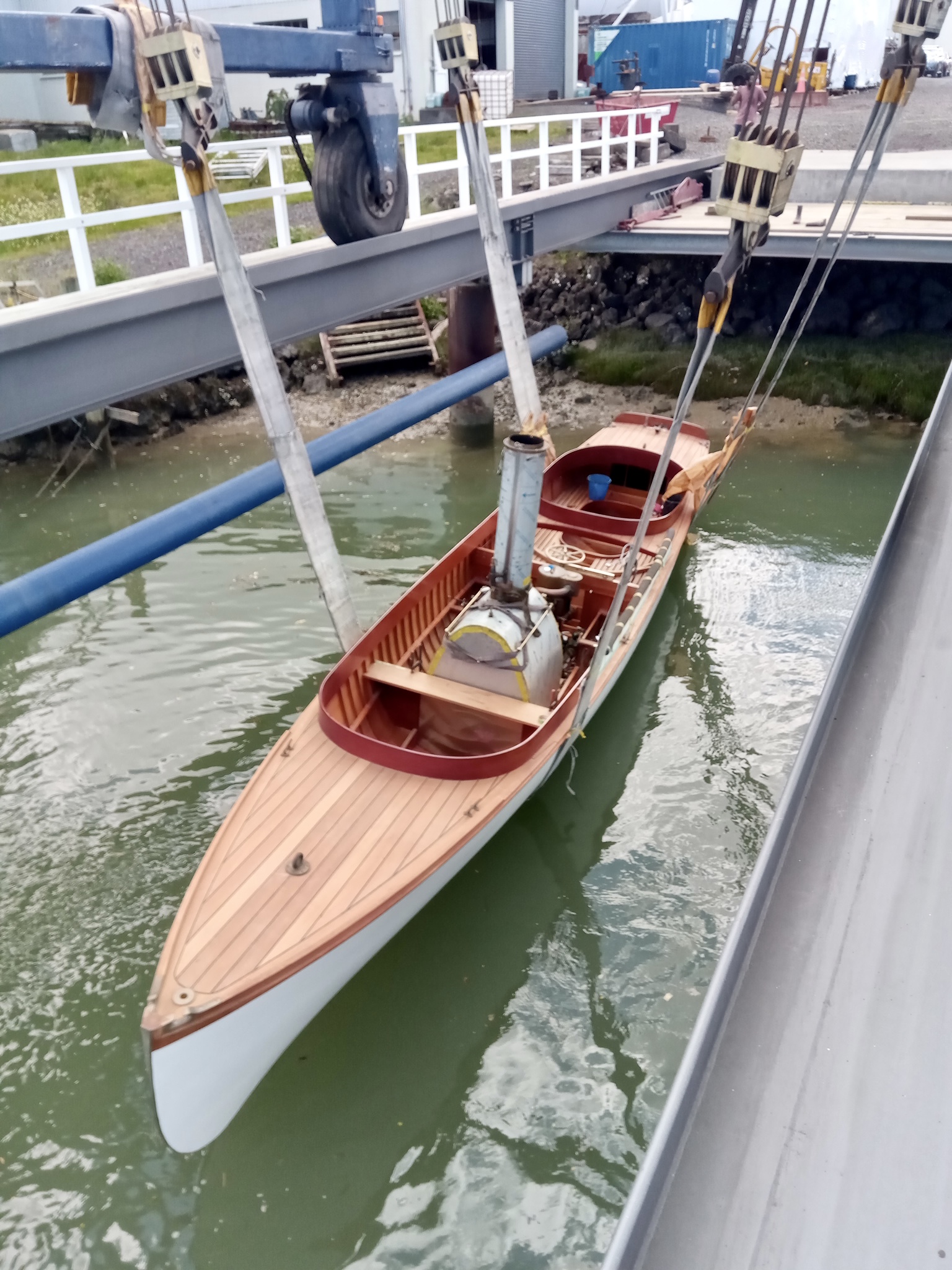
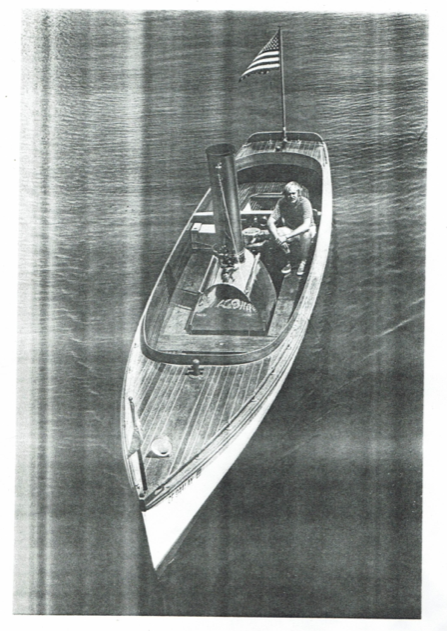
On Friday Chris McMullen dropped me a note to say the 34′ steam launch was now running and had just completed its first sea trial. Chris commented the boat is doing hull speed at about 150 PSI but the boiler should produce 250 PSI, but needs some adjustment as the smoke is as a result of the burner not working properly. The hull floats as per the design and the machinery is all working as it should.

I have included below links to past WW stories on the project. If you are time poor, the 2021 will give you an insight into the project.

WW July 7 – 2014 https://waitematawoodys.com/2014/07/07/chris-mcmullens-herreshoff-steam-launch/
WW July 11 – 2014 https://waitematawoodys.com/2014/07/11/chris-mcmullen-herreshoff-steam-launch-part-2-the-engine/
WW April – 2021 https://waitematawoodys.com/2021/04/26/chris-mcmullens-herreshoff-steam-launch-2/

LOVING YOUR BOAT TO DEATH – Electro-chemical Destruction / Underwater Rot

LOVING YOUR BOAT TO DEATH – Electro-chemical Destruction / Underwater Rot

The subject of electrochemical destruction and wooden boats has been covered extensively on WW – in fact the Chris McMullen articles are the most referenced stories on the site. At the end of todays story I have listed links to these stories.

Today thanks to Chris McMullen and Baden Pascoe we get to share an article they penned for the 2023 Mahurangi Cruising Club Year Book*, this article succinctly backgrounds the topic and suggests what as a wooden boat owner you should be looking out for and what to do to protect your wooden boat. READ IT. But if you are lazy – let me spell stout for you – DO NOT FIT ANODES or BOND YOUR WOODEN BOAT.

Note: PDF version below for easier viewing for the visually challenged – i.e. most of us 🙂

(*Article reproduction with the permission of the Mahurangi Cruising Club©️)

LINKS TO PREVIOUS WW STORIES

https://waitematawoodys.com/2018/11/20/what-does-electrochemical-deterioration-in-a-wooden-boat-look-like/

https://waitematawoodys.com/2017/12/30/electro-chemical-damage-in-wooden-boats-update-revisited/

https://waitematawoodys.com/2017/03/28/the-most-referenced-viewed-story-on-waitematawoodys/

https://waitematawoodys.com/2016/11/08/want-to-see-what-in-a-wooden-boat-looks-like/

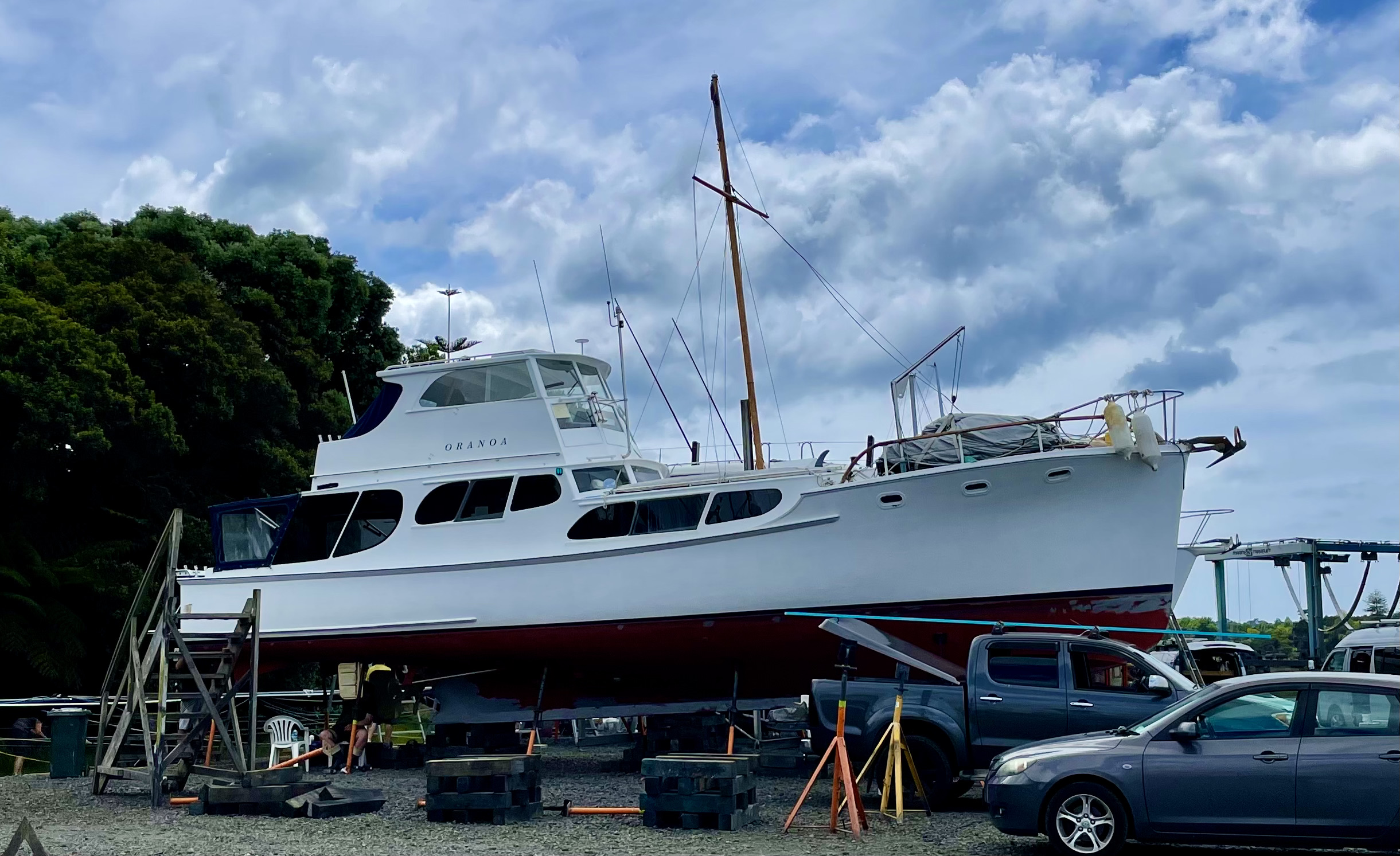
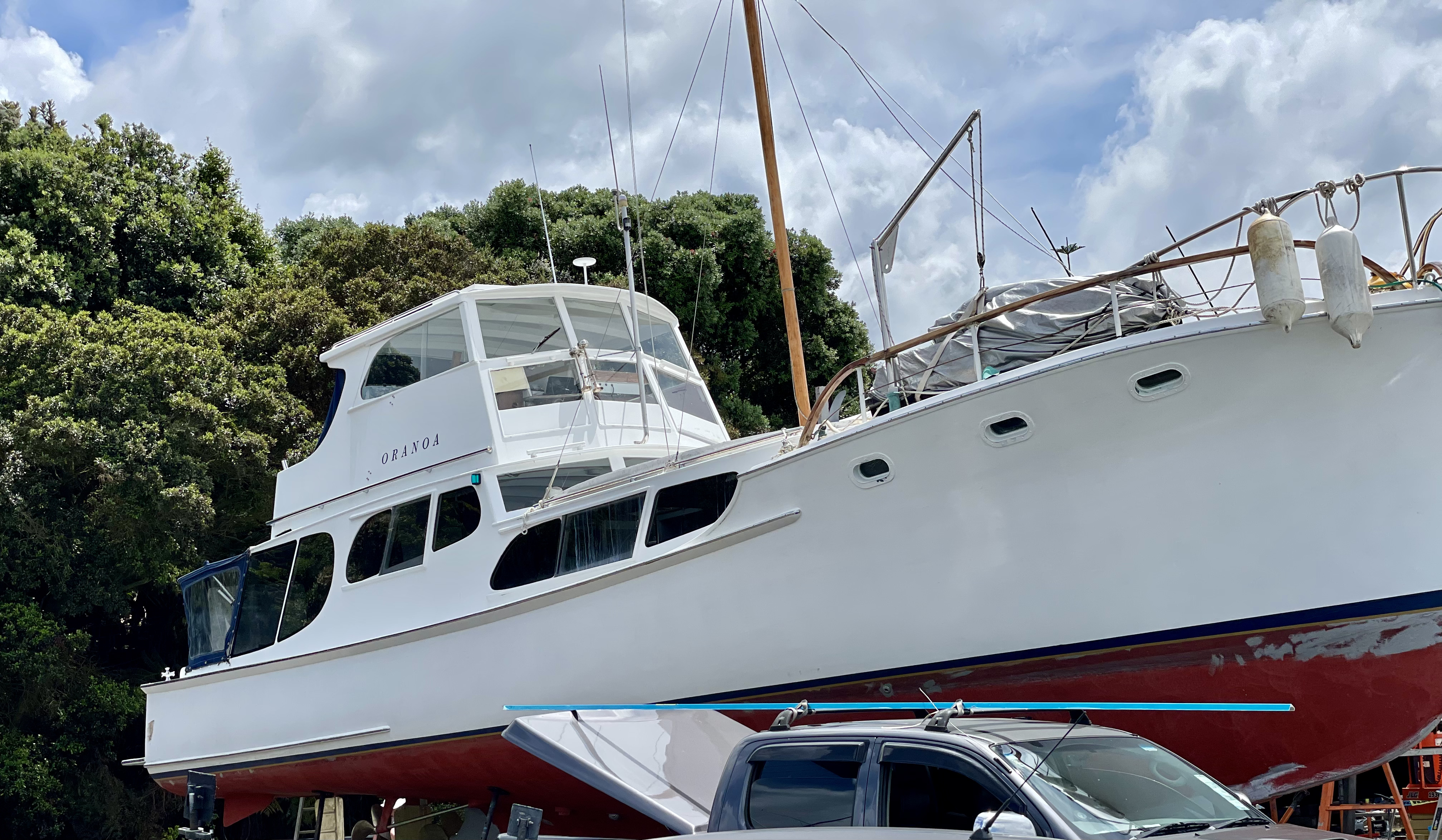
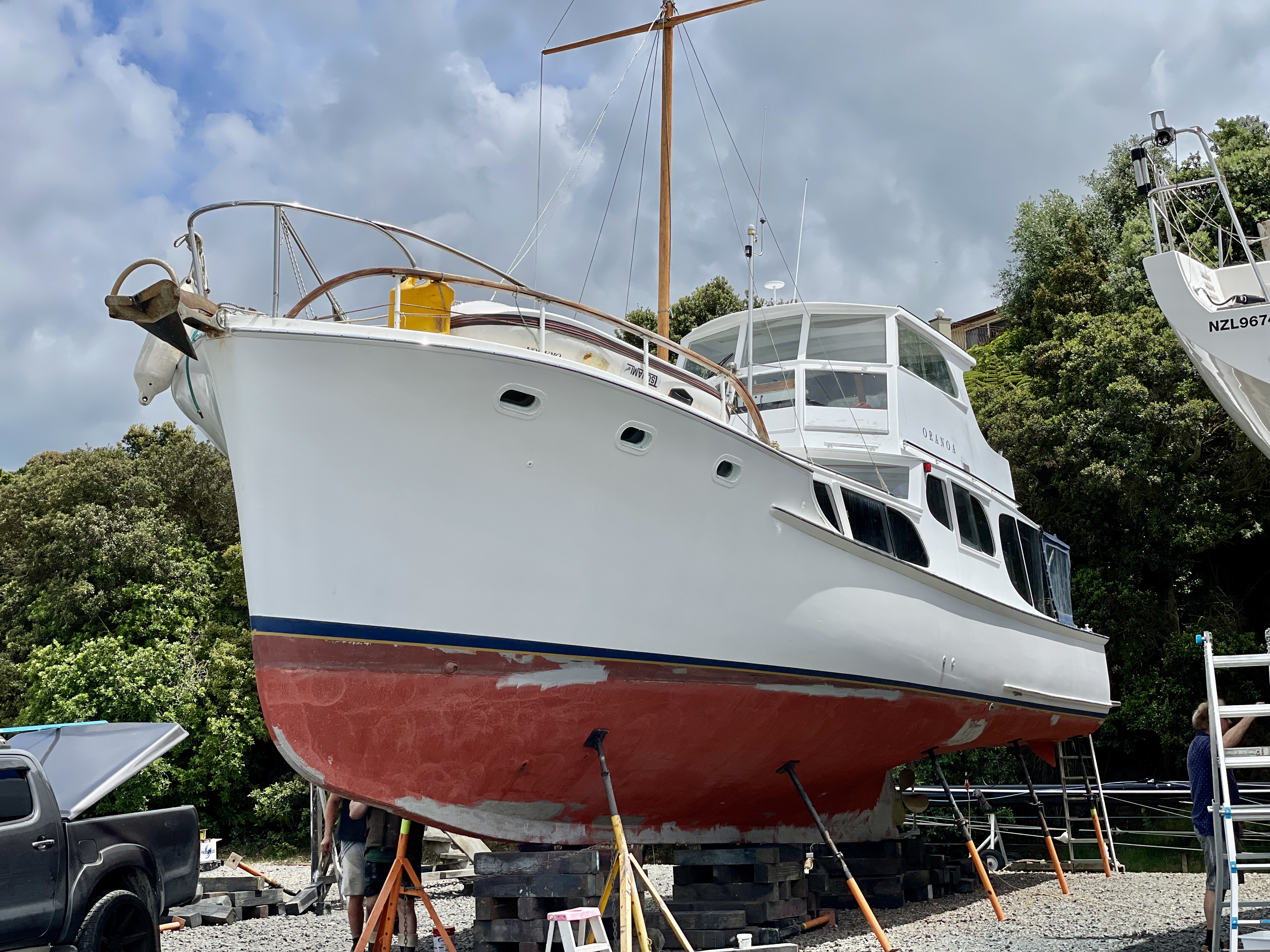
Oranoa

ORANOA

While mooching around the yard at Hobsonville Marina today I spotted the launch – Oranoa out for some TLC. We do not see her out and about much and WW only knows a little from her very early days.

Chris McMullen commented on a previous WW story that during the first few years of this apprenticeship to boat builder Morrie Palmer at 15 Clarence St Devonport, he worked under Morrie and Cal Crooks. As Chris said back then boat building was a competitive cut throat business. At the Devonport yard at least five major builds took place Cara Mia, Lady Ethel, Venture, Oranoa and the Stewart 34 Phoenician. All that, along with repair and insurance work all done, by three people (average) in just over two and a half years. Most owners finished their boat off but Oranoa was the exception and largely complete and later launched from Devonport wharf c.1962/63.

Oranoa was built for the Lineham family and as of 2015, was still owned by the family.
Can you learn a little more at Oranoa eg length, propulsion etc.

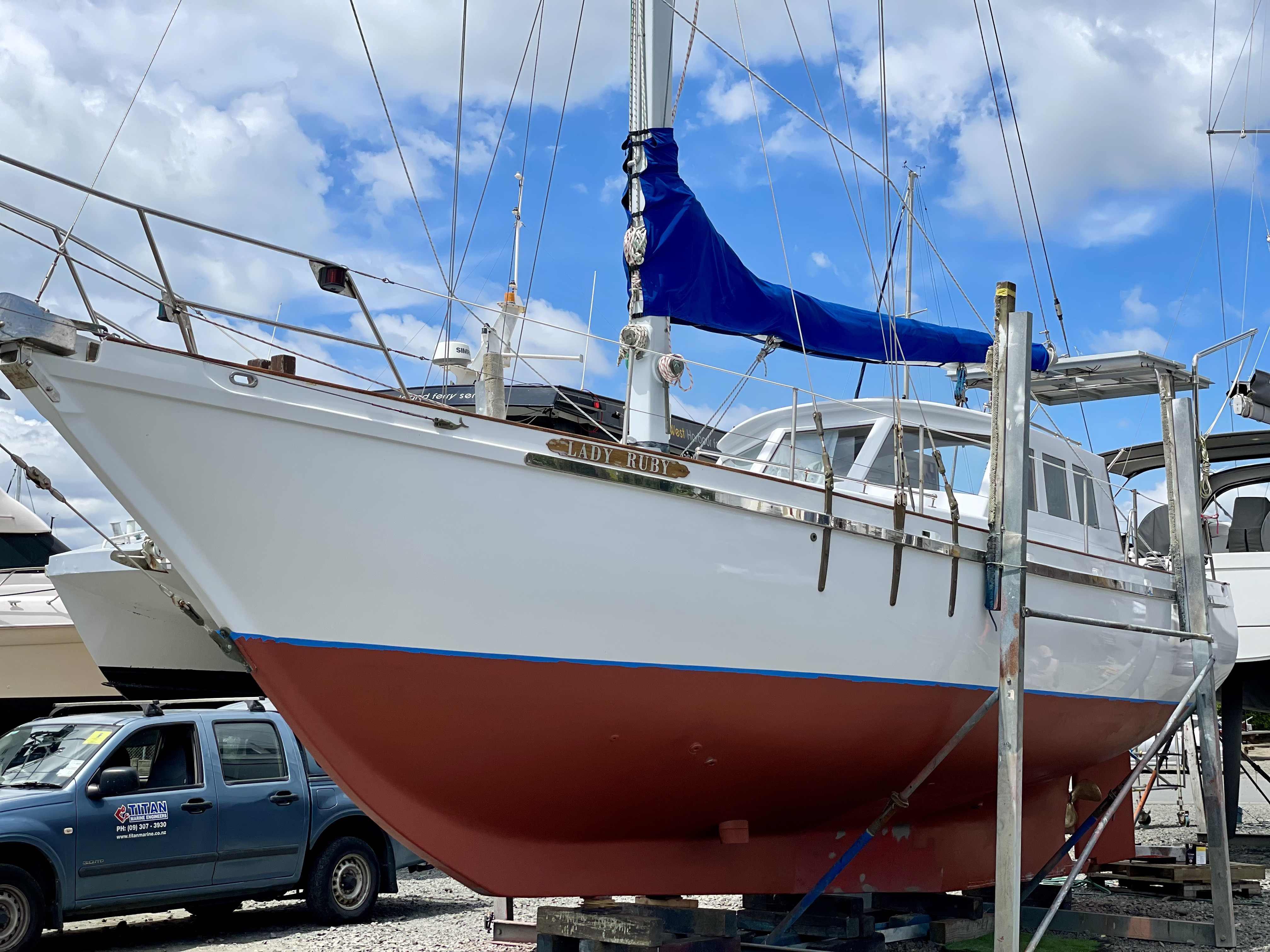
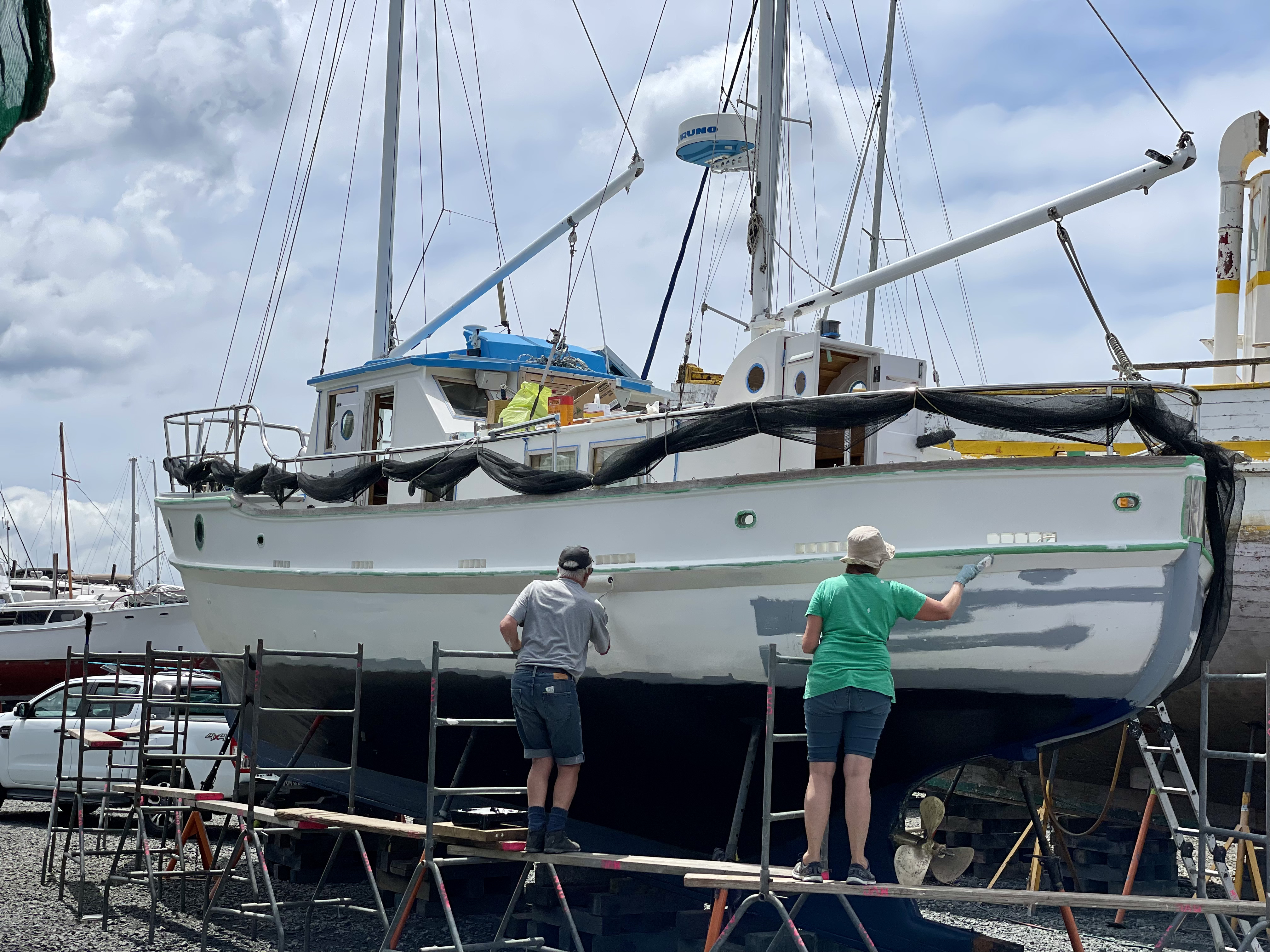
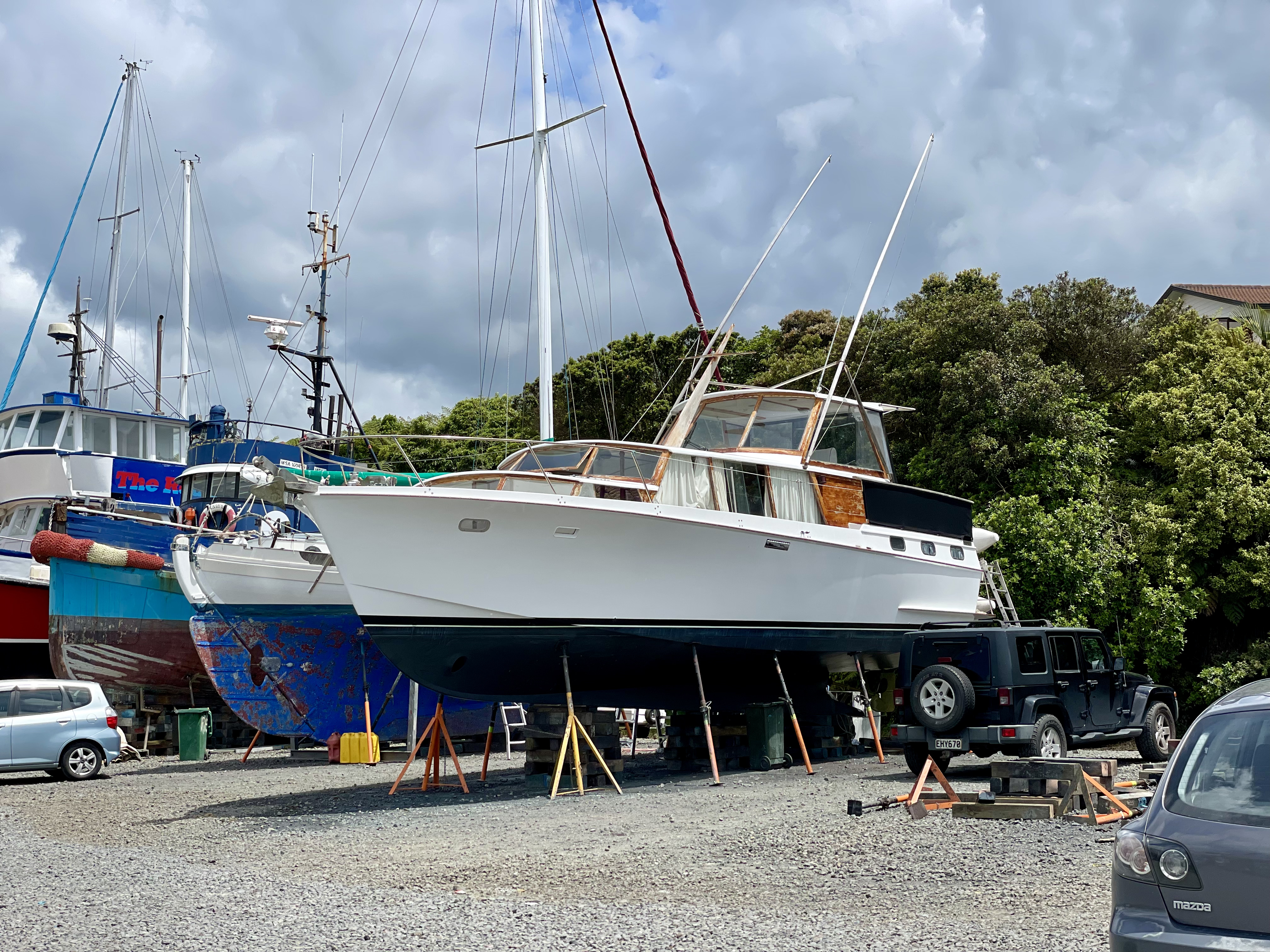
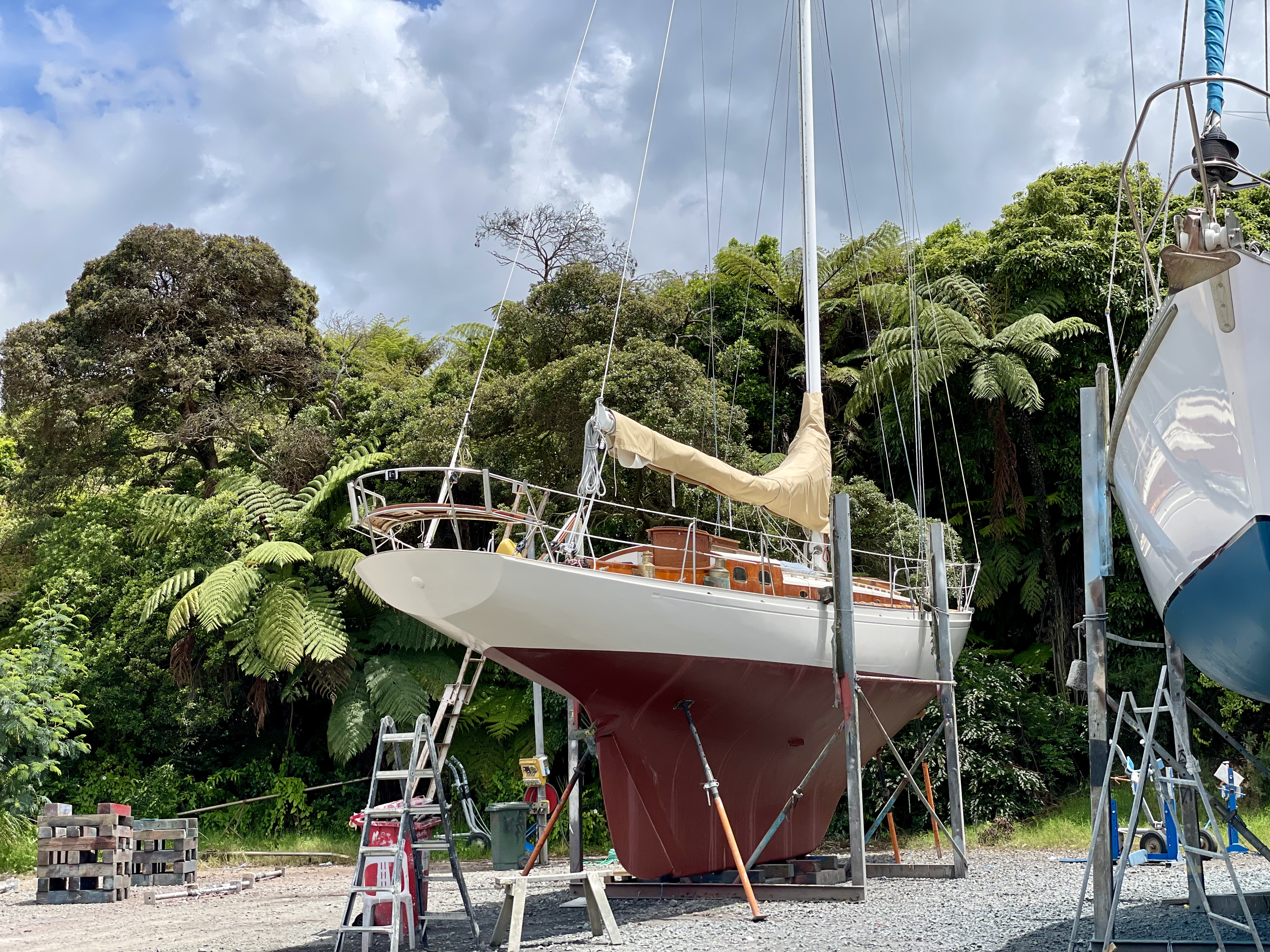
Also hauled was a nice selection of other woodys – see below.  Lady Ruby is a very salty looking motorsailer, the double-ender launch I think hails from Bayswater and has grazed WW before but her name alludes me. The sedan / flybridge launch I suspect has a few too many sheets of plywood for my eyes. The classic yacht waiting her turn to be relaunched ? – very pretty.

Saturdays Quiz – ID The Launch – No winners. And we still do not know the boat.

Chris McMullen’s Herreshoff Steam Launch

CHRIS MCMULLEN’S REPLICA HERRESHOFF STEAM LAUNCH 


Back in 2014 we did a great story on the 34’ replica Herreshoff steam launch that Chris McMullen is building in his spare time, back then it had been 30 years in the making and now its approx 37 years, but when I called in last week, there had been some significant progress. Have a read of the 2014 WW stories to take in the magnitude of the project – everything , including the steam engine built by hand. When Chris started the project he didn’t have the benefit of the internet or google to help but in recent years he has uncovered numerous old photos that have helped with the project.

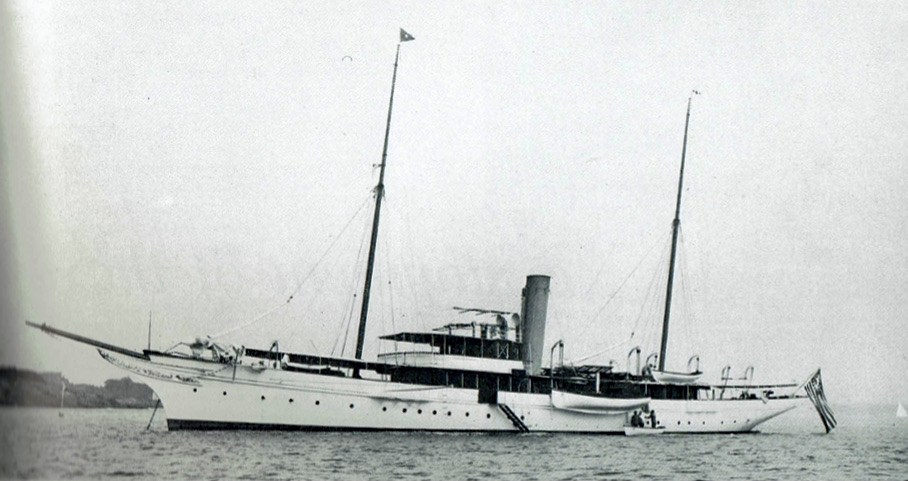
Some Background: Herreshoff Manufacturing Co build # 263 was a steam launch called “Cassandra Junior” and Chris believes that is the steam launch shown astern of beautiful 287′ S.Y. “Cassandra” in the photo below, she was stowed on the port side launch of the yacht. The Herreshoff Manufacturing Co built approximately twenty of this type of steam launch in the 27f’ > 34′. The H.M.C build # 227 – Vapor, refer photo below, was 30′ and built for the Steam Yacht “Yacoma” but Chris understands she was never used on that ship. A model of “Yacoma” at Mystic Sea Port Museum shows a steam launch but Chris assumes the ship had a more convenient modern motor boat.  

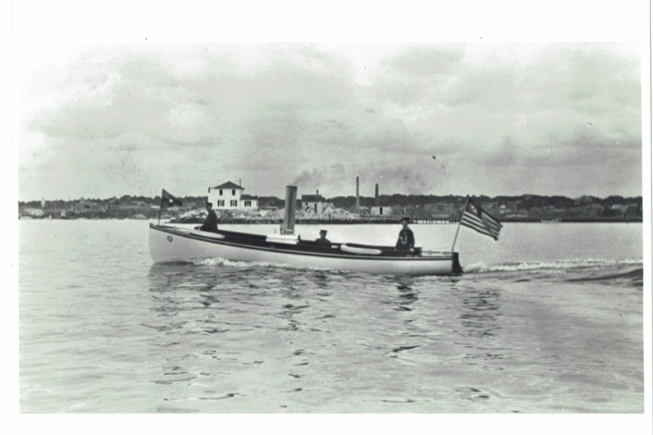
The last b/w photo below is the tender for the steam yacht ‘Wanderer’  (photo below) called ‘Wanderer Junior’. She was Herreshoff build # 270, she is American and measures 27′ 11″. Built 1909. In the back ground of the photo is the ‘Ida Lewis Yacht Club’.

The engine on Chris’s launch has been run and currently getting a tidy up before being re-installed.
The main reason for the visit was to get an update on the restoration of Haunui, the 1948 Colin Wild launch – happening nearby – check in one Wednesday for that story. I took Jamie Hudson, skipper of Lady Crossley , an almost sister ship, built one year apart, fascinating to get Jamie’s view on the two boats.

WW LINKS TO PREVIOUS STORIES
https://waitematawoodys.com/2014/07/07/chris-mcmullens-herreshoff-steam-launch/
https://waitematawoodys.com/2014/07/11/chris-mcmullen-herreshoff-steam-launch-part-2-the-engine/

H.M.C work shop – unidentified steam launch. 
Cassandra, with Cassandra Junior astern
Vapor with her late owner Jon Martin. Taken late 1960’s
Wanderer
Wanderer Junior – built 1909

IT FLOATS – On 11-11-2021, on the upper reaches of the Tamaki River, Chris McMullen ticked off a rather large item on his to-do list. He launched his N G Herreshoff design Steam Launch. Chris commented that it was just a floatation trial, and that the design floated absolutely level. In the photos below we see her with all her machinery but with no fuel or water. Chris commented that for years he has had the greatest respect for the late Nathanial  Herreshoff and devoted over thirty years (on and off) of his life to the project and is as keen as ever to get it under steam power. You can see, at the link below, the only image Chris has found of the original “Cassandra Junior” see https://www.agefotostock.com/age/en/details-photo/the-steam-yacht-cassandra-1913-creator-kirk-and-sons-of-cowes/HEZ-2696001

UPDATE 04-01-2022 – The below photos were from a shed visit in early Dec 2021, post the above water line test 🙂 click to enlarge

The Best of Colin Wild + Herreshoff Steam Launch

The Best of Colin Wild + Herreshoff Steam Launch
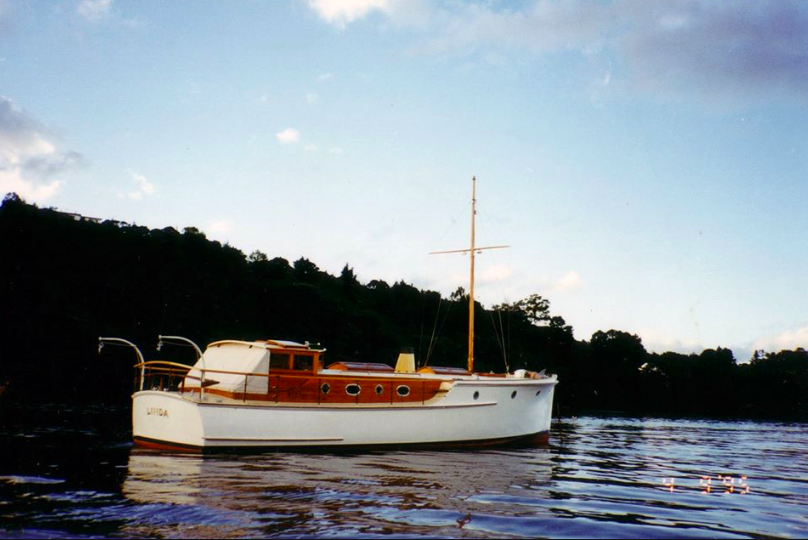
The top two photos of the Brooke families 1927 Colin Wild launch – Linda comes to us via Mitchell Hutchings fb ex the Williamson Family Collection. Linda at the time was moored at Herald Island.

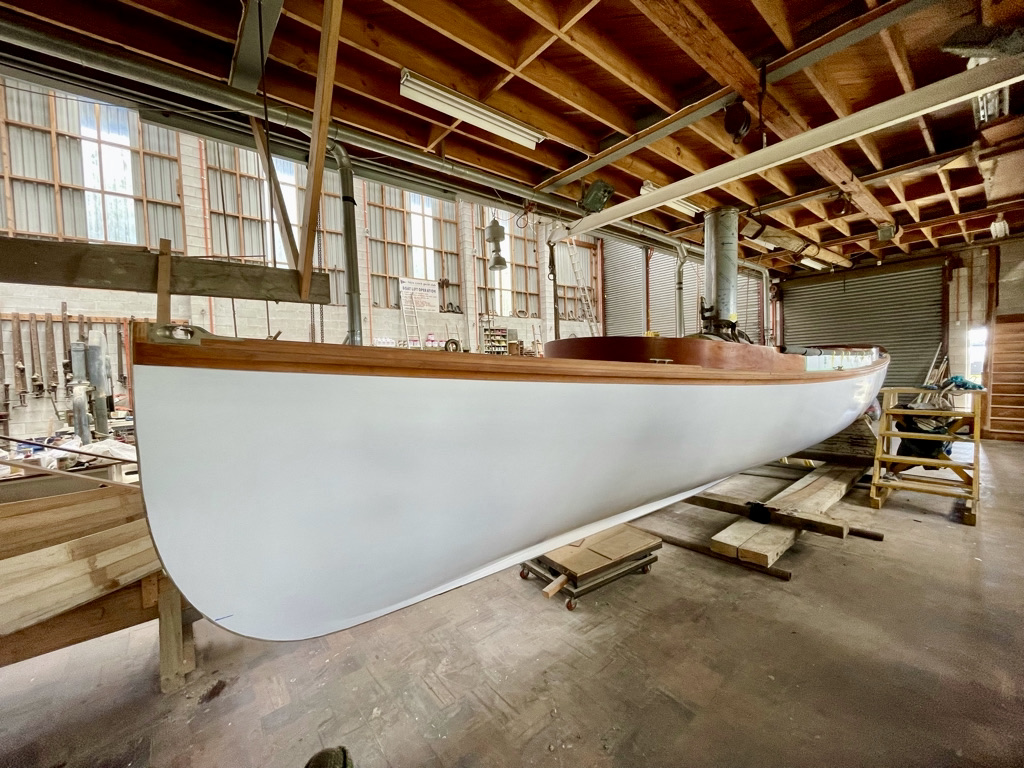
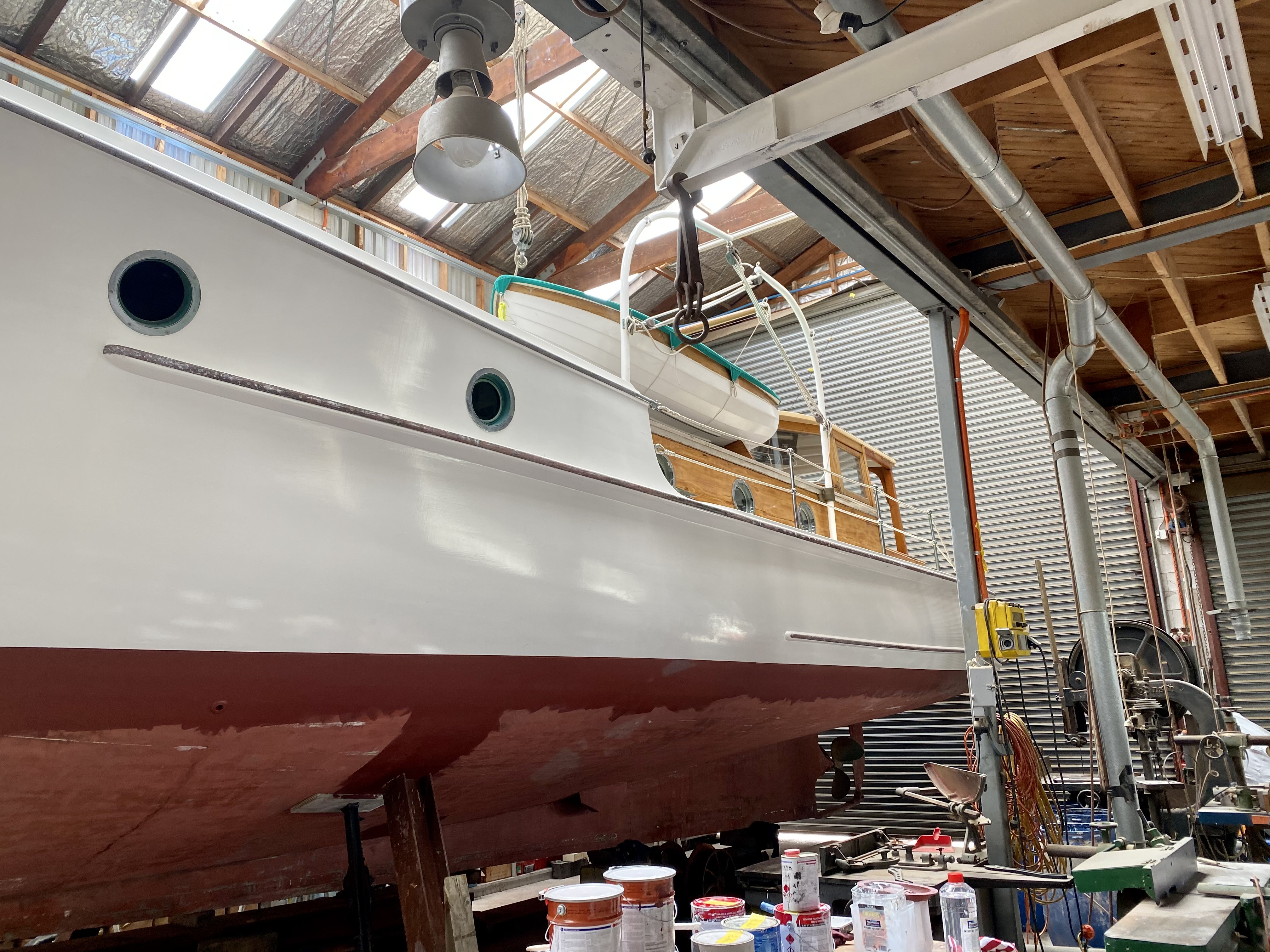
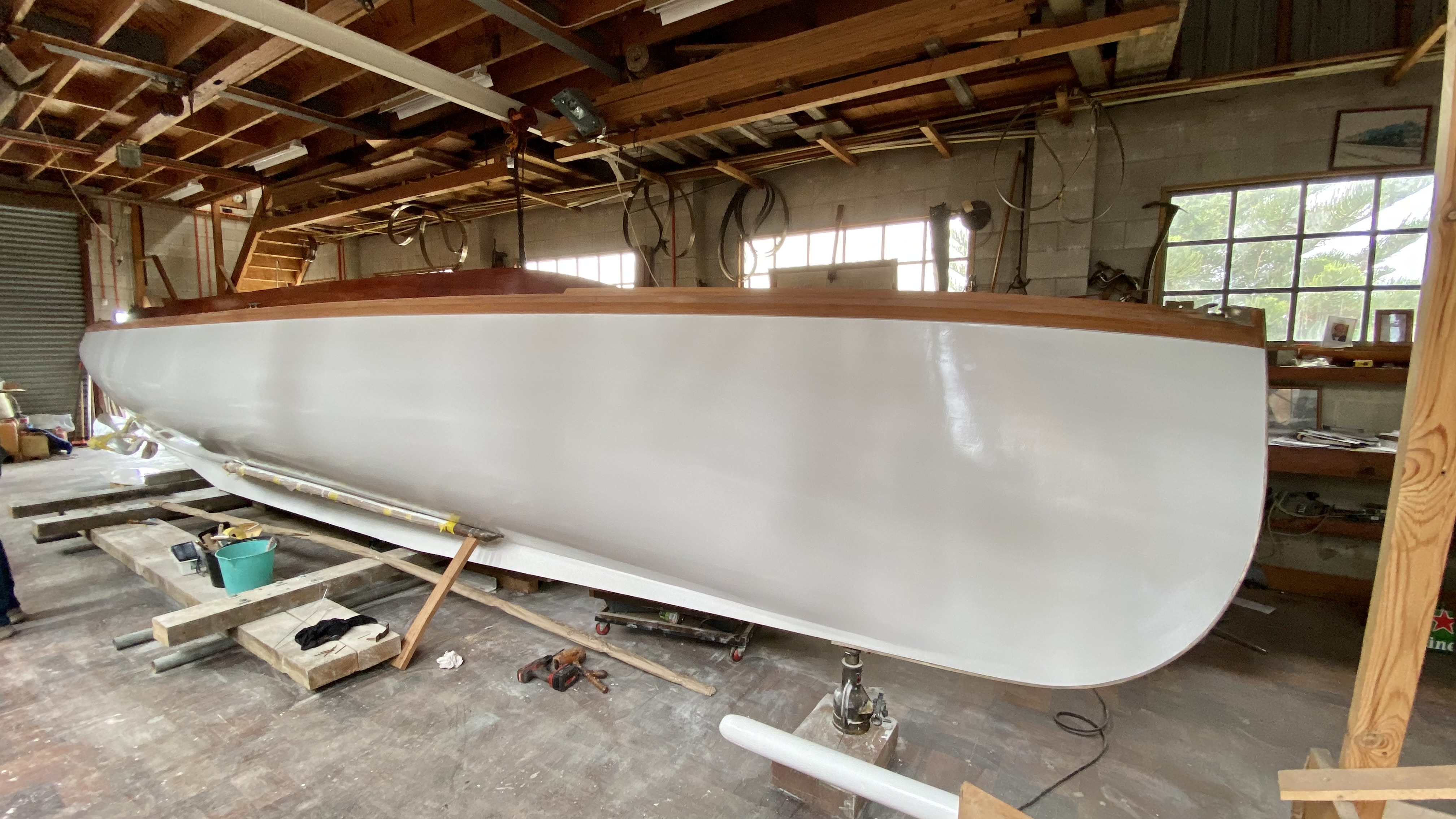
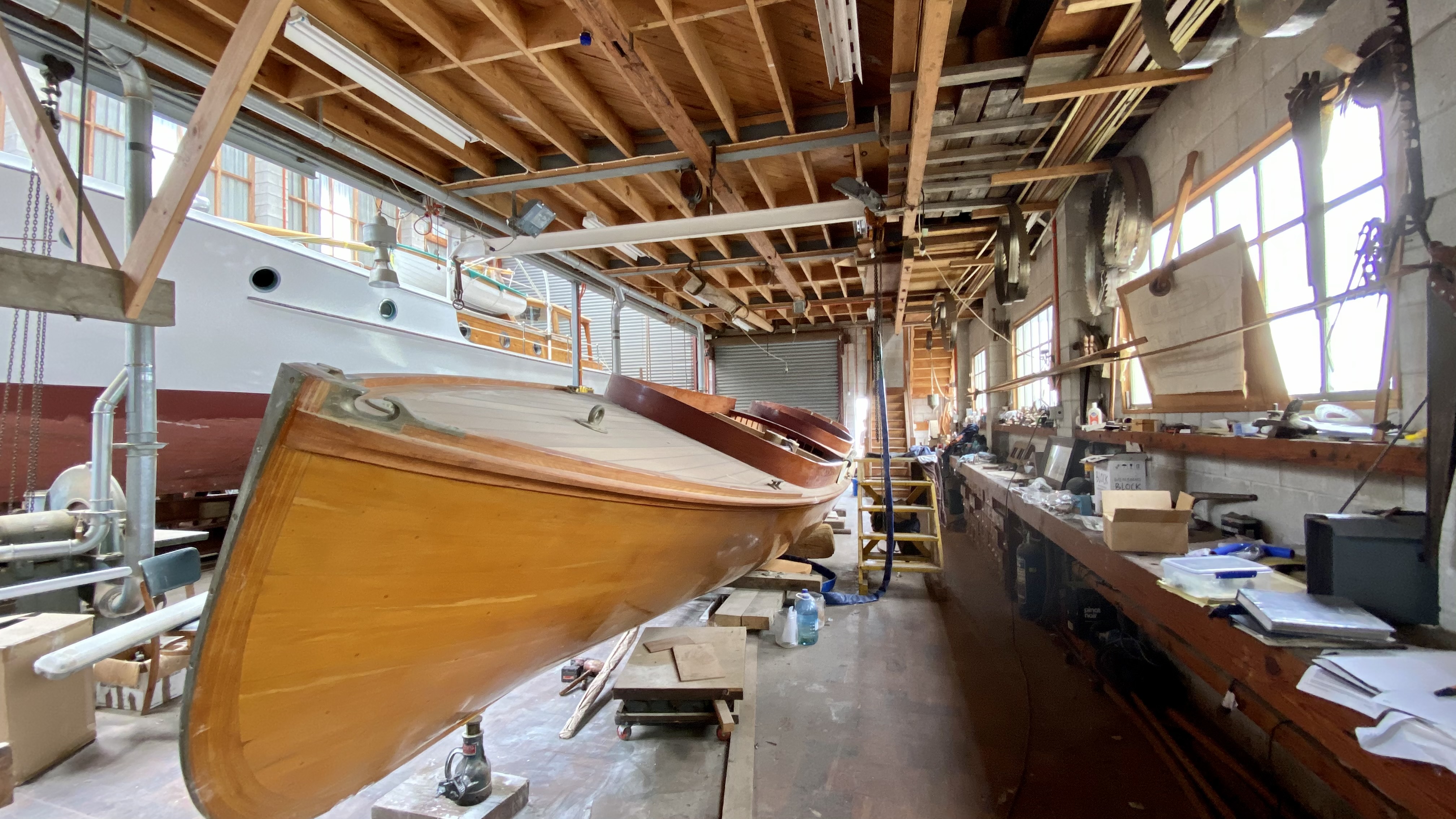
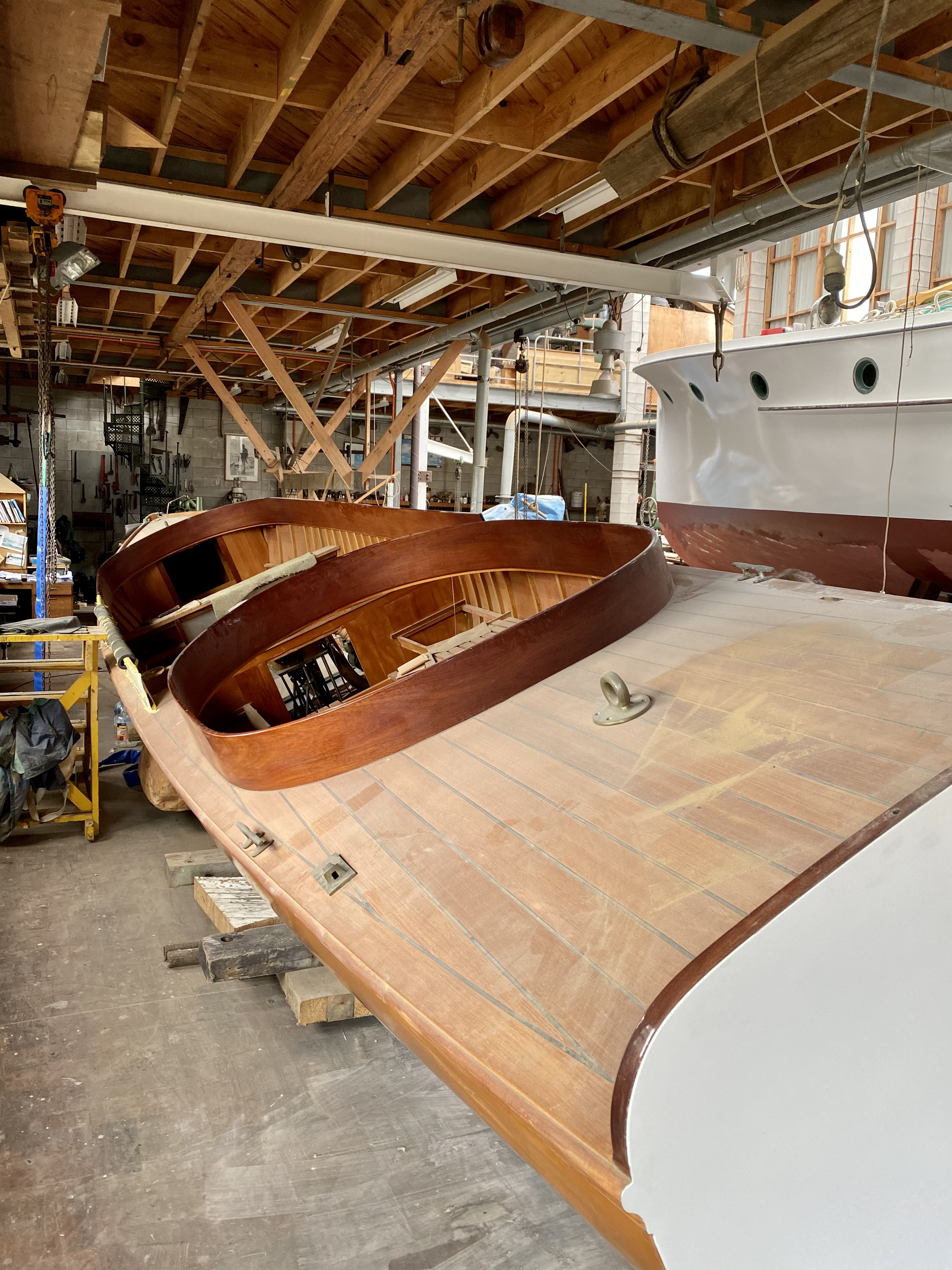
The bottom photo I took today of Wirihana tucked up in Chris McMullen’s shed for her winter TLC. Wirihana is another of Wild’s big motorboats, built in 1933.


It was great to see that CMcM’s Herreshoff steam launch (below) is coming along – engine installed 🙂

Fritha

Screen Shot 2019-02-23 at 5.08.01 PM

Screen Shot 2019-02-23 at 5.12.32 PM

FRITHA

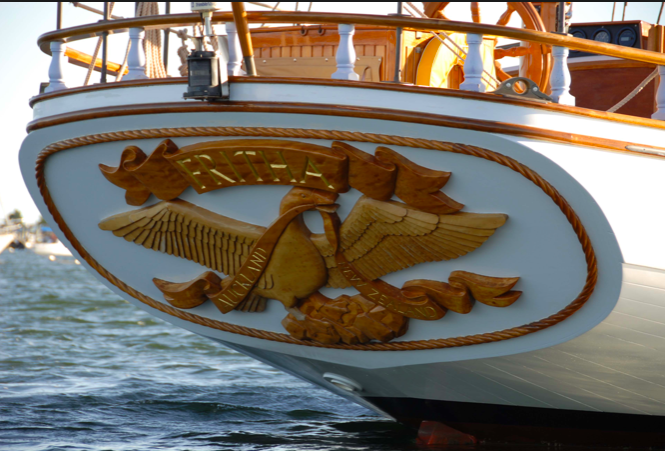
Chatting with Chris McMullen and he mentioned that he had been recently contacted by Morgan Dawicki, the captain of the 74’ Brigantine – Fritha that Chris built back in 1986 for Jack R Butland. Chris commented that Jack Butland came to him with a modern design of what some one imagined a old time sailing vessel should look like. Chris was horrified and found him a nice design depicted in a 1940’s Rudder Magazine he had. They tracked down the designers son and bought the plans. The result  was ‘The Fritha’ and a very happy owner. Chris said he owed a great deal to the Butland family. McMullen and Wing built them three significant wooden boats. The first order placed was when Chris was under thirty years old.

These days Fritha is owned by the Northeast Maritime Institute, USA, who have recently dedicated a room to Jack Butland at the Institute, check out the opening here:

https://www.youtube.com/watch?v=i5L13LucfDQ

Her captain – Morgan told Chris that they are doing their best to share the lovely lady with our Kiwi friends and to share in her memories. His words were “She truly is the most beautiful boat on the water (in my opinion!) The craftsmanship is impeccable and it is nice to make the acquaintance of one of her builders”.

As of late, she has been spending the winters in North Carolina and summers in Buzzards Bay as a sail training ship for local high school age students. We mostly sail around Nantucket and Martha’s Vineyard.

The Butland’s are a very old New Zealand boating family and their name has been alongside some of our best  examples of NZ boat building e.g.

J R Butland • an H28 then a Sailar 40 then the Fritha.

Ken Butland • Triton then Sirdar.

J M Butland • Thetis built by Lane Motor Boat Co. Panmure.

• Dufesne built by Max Carter.

• Durville built by Steel Yachts and Launches (McMullen and Wing)

• Inverness built by McMullen and Wing

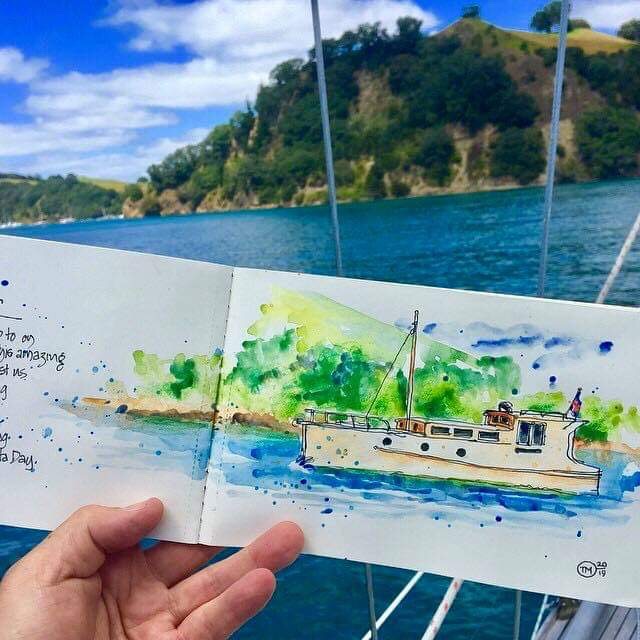
Pleasant Surprise – while mooching around Mahurangi during the recent regatta weekend, a gent by the name of Tony McNeight unbeknown to me did a sketch of my Raindance, and it popped up on facebook. If you ever want a sketch / drawing of your boat, give Tony a call  021 925 031

IMG_0641

What Does Electrochemical Deterioration In a Wooden Boat Look Like

20181103_142047
What Does Electrochemical Deterioration In a Wooden Boat Look Like
 
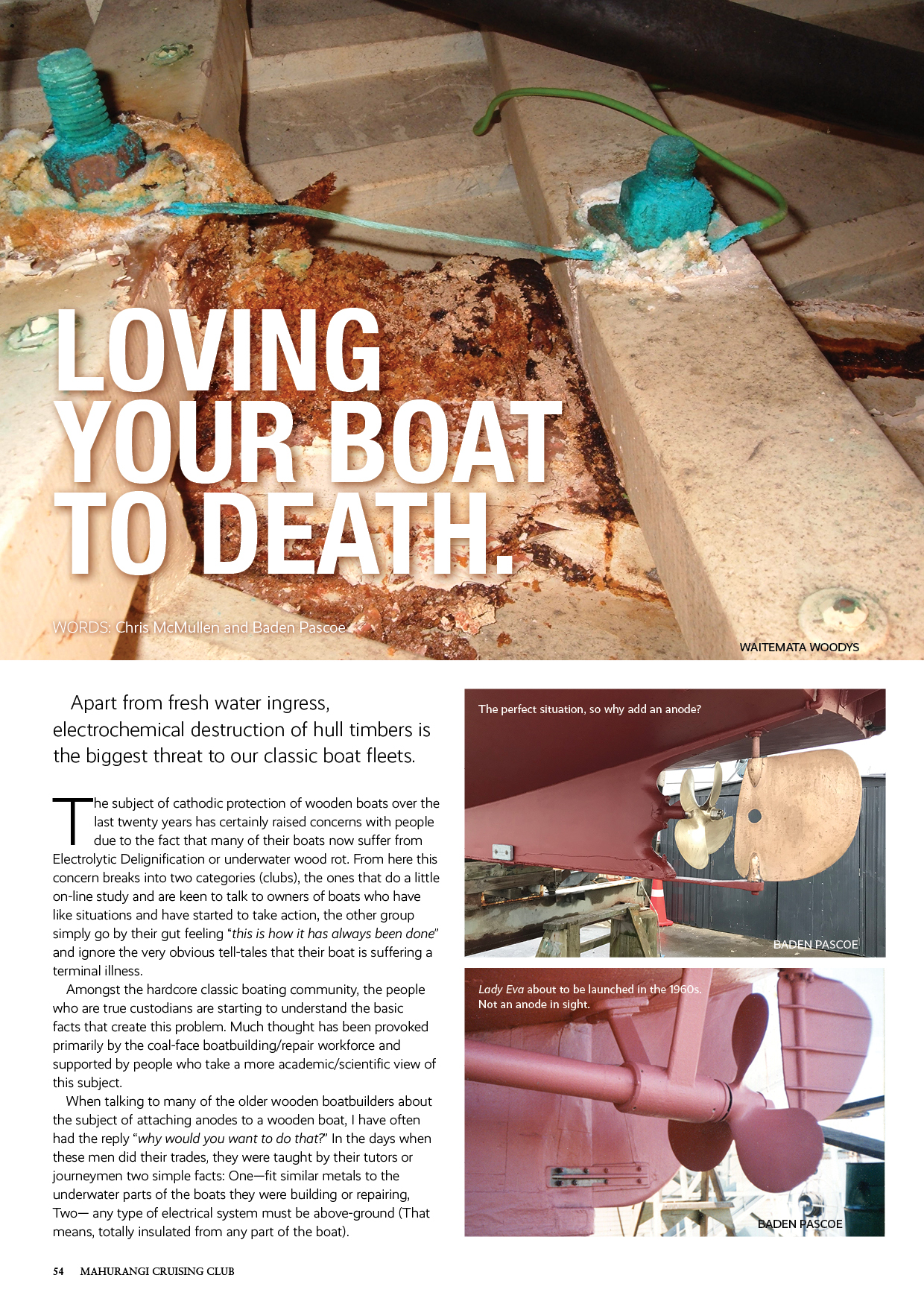
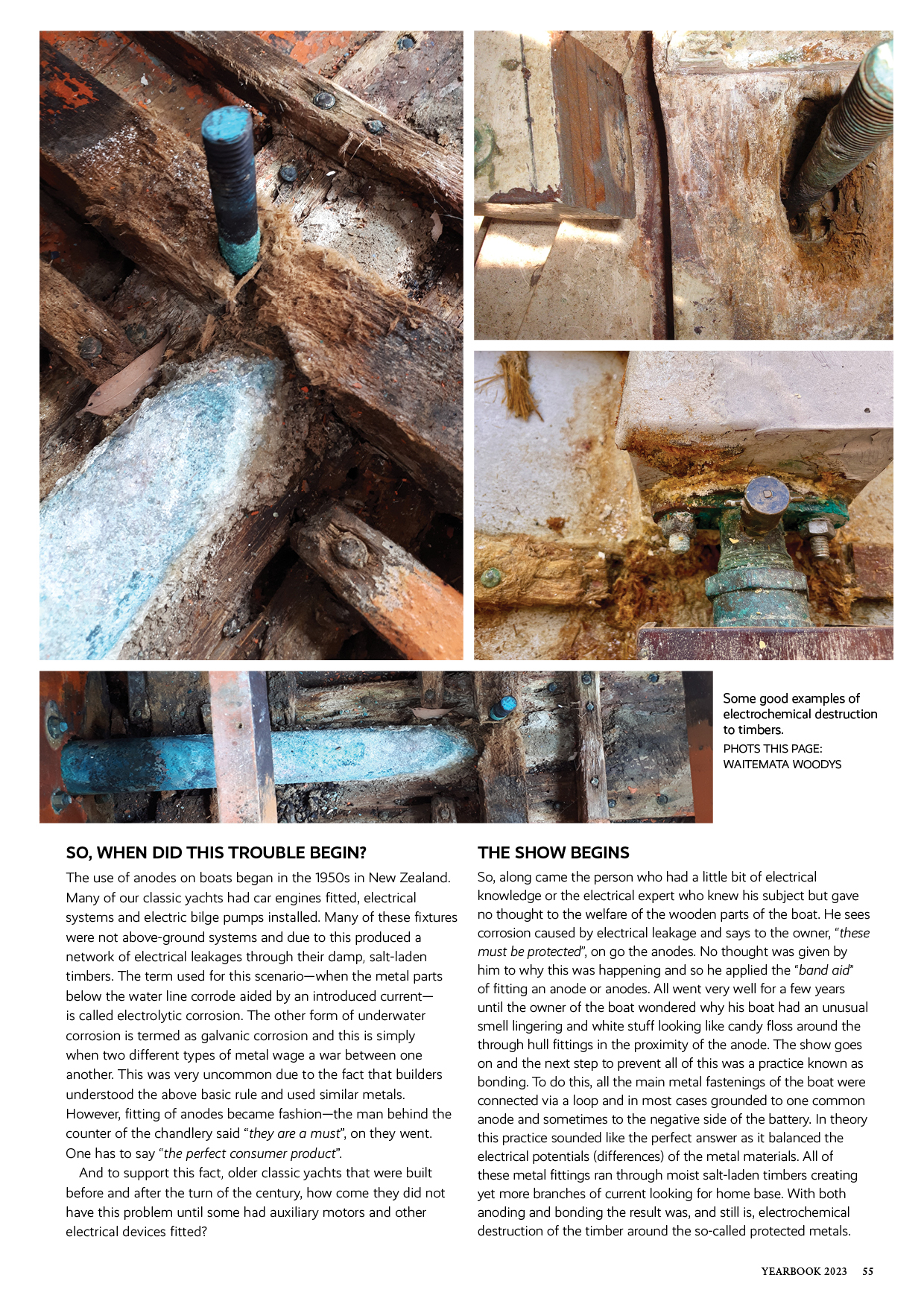
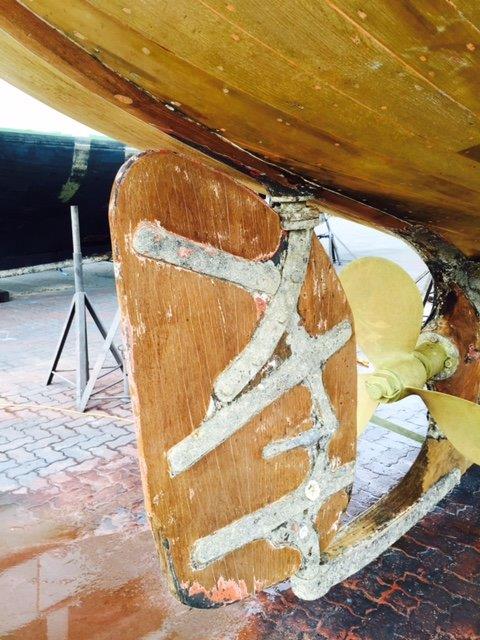
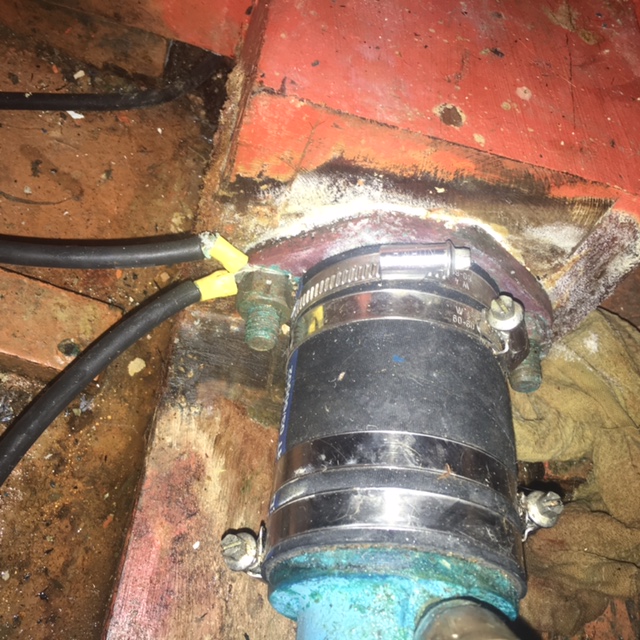
Todays story is in two parts – firstly the photos above were sent in by a concerned woody that viewed this boat, with purchase in mind. I share to highlight what electrochemical deterioration in a wooden boat looks like. This decay is the result of ignorance.  The builders of this launch would have used the best kauri and proper Aluminium bronze for the stern gear. Marine bronze does not require an anode but you can see where one has been mounted (rusty mounting) You can see the copper strap used to connect all the metals to the anode. A perfect example of what you should not do on a wooden boat. After about two years you will see discolouration of the wood around the so called protected metal , in ten years the wood will be soft and in twenty years uneconomical to repair. So woodys – read below an abridged version of Chris’s WW article. I do encourage you to take the time to review the long version as it appears on WW – link below    https://waitematawoodys.com/2016/04/28/electro-chemical-damage-in-wooden-boats/
 
 
Firstly I should point out that Chris repeatedly points out he is not a consultant and does not have a degree in chemistry. But his views are the result almost 60 years of working in boatyards. 
 
“If you connect a positive and negative metal in any electrolyte (sea water)  you will make a battery and create an anode and a cathode. The positive anode gives off Oxygen and Chlorine gas. The negative (protected) metal is the Cathode and this gives off Hydrogen gas.  That is why battery compartments have to be ventilated. Back to the Cathode. In sea water the Hydrogen from the protected Cathode mixes with the salt water and the by product is Sodium Hydroxide or Caustic Soda. Caustic Soda is used as paint remover and to pulp wood in the paper industry. Want that on your boat?
While a lot of boats may have no bonding, they do have anodes on the shaft. The shaft is in affect the bonding wire between the (+) Anode and (via the white metal bearing) the (-)bronze stuffing gland.  Zinc is at the bottom of the galvanic scale and bronze and copper could not be more dissimilar.  So there is your battery, the salt water is the electrolyte.
The Sodium Hydroxide is washed off the outside of the hull so you don’t see it but the chemical is trapped under huge pressure round the stuffing gland and slowly forces it’s way out. That is the white powder you see. Unfortunately, even if you remove the Anode the chemical will remain in the shaft log and soften the wood. 
A proper fix is to remove the gland and soak the wood in vinegar.
Cathodic protection is necessary on a steel hull but should never be used on a wooden boat. Marine surveyors round the world are now awake to this after seeing some ruined wooden boats.  Wooden Boat Magazine, Professional Boatbuilder Magazine and Classic Boat Magazine have all written on this subject. Some of the articles are thirty years ago, but few people in New Zealand seem to read this technical stuff and they fork out $ for anodes every year i.e. Loving their boat to death. Refer below re these articles”
 
For the people who doubt what I say about anodes and bonding. Please check out this article in the “ Professional Boat Builder” Magazine.  # 64 page 38 – 51 Here is the direct link https://pbbackissues.advanced-pub.com/?issueID=65&pageID=44  For any one with a wooden boat it is essential reading.
 
 
On a wooden boat it is extremely difficult to recommended bonding of any sort, due to the extreme problems created for any wooden structures in proximity to the noble fittings. Consider the following: In the galvanic couple created by bonding, the protected fittings are the cathodes and the remotely placed sacrificial zincs are the anodes. The water-soaked wood below the waterline is electrically conductive. In the area around each of the noble metal fittings (the cathodes) highly alkaline sodium hydroxide is formed, and the wood is destroyed. A white fluff is formed that looks like small ice crystals or snow, and is very caustic. The lignin is stripped out of the cellular matrix of the wood leaving only soft spongy cellulose behind. Sodium hydroxide, where found, can on the surface be neutralized with vinegar, but the problem is not cured. On a wooden boat, the system put aboard to protect the underwater metals eats the boat instead! 
 
Cathodically Protected Metal The formation of alkaline conditions at the cathode and the resulting wood degradation describe the phenomenon that occurs in wooden vessels around embedded metal that is being protected cathodically against sea water corrosion. It is common to protect the immersed metal on ships from corroding by cathodic protection. This is accomplished by attaching zinc or magnesium anodes to the vessel, and connecting these either directly or by a conducting wire to the immersed metal. The anode is a sacrificial metal, and it corrodes preferentially to the immersed metal. For a wooden vessel, the metal to be protected is purposely made the cathode. However, it is often overlooked that the alkaline reaction product at the cathode, in time, can result in loss of strength of the adjacent wood. The end result is that, although the metal does not corrode, the wood surrounding the fastener may fail. The vessel can literally “stew in its own juices.” It probably requires more than 10 years to produce conditions that can cause some loss in strength to the wood, and severe strength loss has been noted in wood vessels after 20 years’ service. Figure 2 shows some planking removed from a 20-year-old vessel. The wet hull planking was fastened to internal silicon bronze structural straps that were protected cathodically. Salts with a pH of 11 were found in the wood in contact with the bronze where the wood deteriorated. 
 
 
“You may be wondering why I say not to bond and others say to bond. Why should you believe me? It turns out my boat is very old. The things I am saying have been tested in real conditions on my boat for 50 years. For example, last year I replaced two bronze through hull fittings just because they were over 50 years old and happened to be the last two old fittings, the others having been replaced or removed for other reasons. As I said, bronze has a shelf life in salt water of about 100 years so I was giving myself a 2:1 safety factor. These through hulls had never been bonded in over 50 years. They have been in salt water the entire time and near the shaft and other metals I might add. We cut them in half in the process of getting them out. They were pristine. I could have left them in there another 50 years.”

Electro-Chemical Damage In Wooden Boats Update – Revisited

rudder electrochemical damage


ELECTRO-CHEMICAL DAMAGE IN WOODEN BOATS UPDATE
A Special Post By Chris McMullen

Recently I received a note from Chris where he questioned if the story we posted last year on ww about electro-chemical damage to wood  was a little too long & were people reading it. Well I can tell you that the post is the single most visited story on ww, ever, & gets read by people all over the world. Its frequently referred to on the hugely popular WoodenBoat Forum in the USA. The link below takes you to the original story.

Electrochemical Damage To Wood – the marine version of ‘leaky homes’

For the impatient ones out there 🙂 Chris has done a ‘Readers Digest’ version & refers to a vessel that recently featured on ww.
I encourage all of you to read today’s story & if you own a classic wooden boat – read both versions – the problem is the biggest risk to the life of our classic boats.

In Chris’s words:
“I received the above disturbing images of another woody being destroyed by an owner who I believe is unintentionally loving his boat to death.

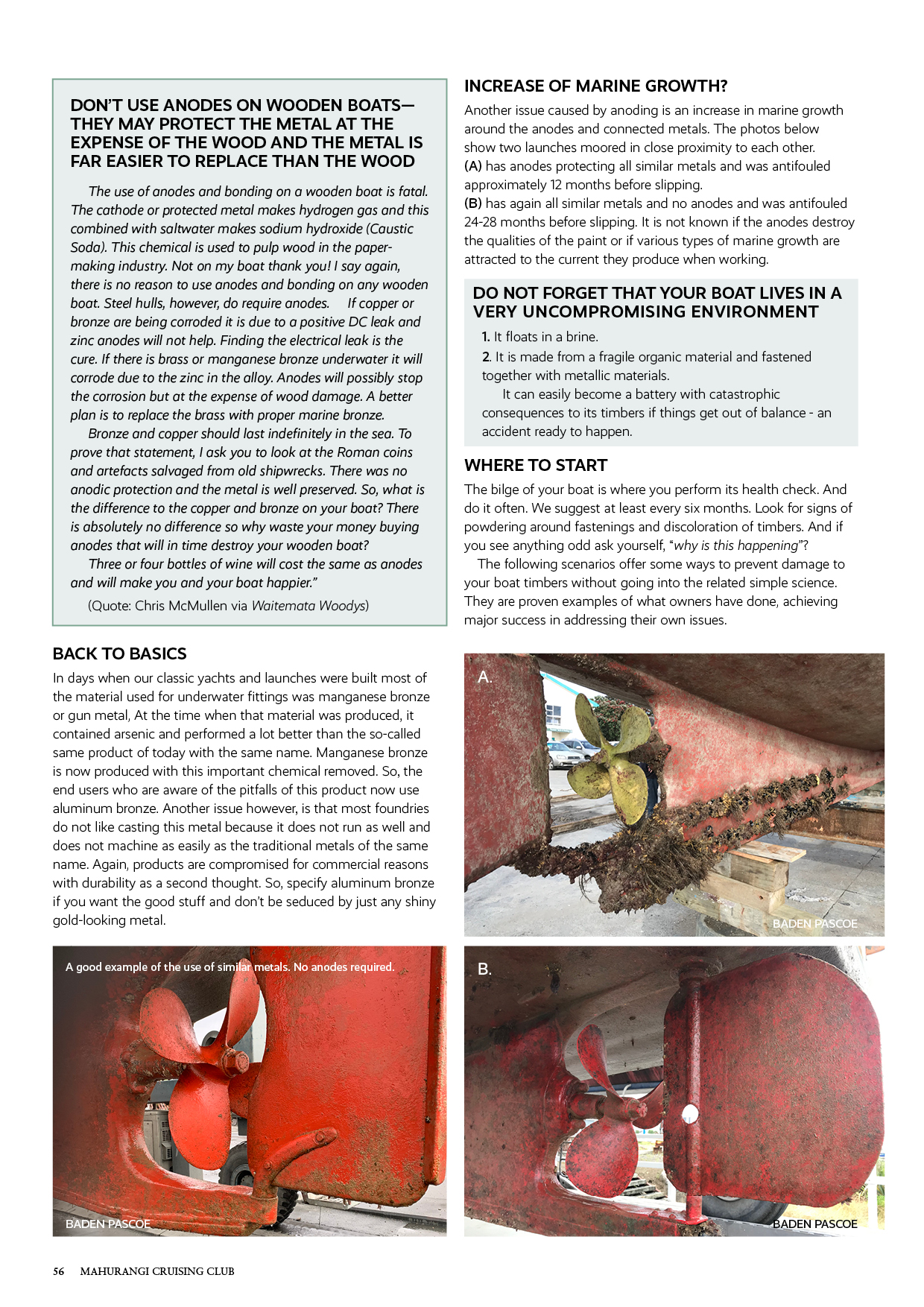
The use of anodes and bonding on a wooden boat is fatal. The cathode or protected metal makes hydrogen gas and this combined with saltwater makes Sodium Hydroxide (Caustic Soda). This chemical is used to pulp wood in the paper making industry. Not on my boat thank you! I say again, there is no reason to use anodes and bonding on any boat. The only exception, steel hulls require anodes. If copper or bronze are being corroded it is due to a positive DC leak and Zinc anodes will not help. Find the electrical leak is the cure. If there is brass or manganese bronze underwater it will corrode due to the
zinc in the alloy. Anodes will possibly stop the corrosion but at the expense of wood damage. A better plan is to replace the brass with proper marine bronze.

Bronze and copper should last indefinitely in the sea. To prove that statement, I ask you to look at the Roman coins and artifacts salvaged from ships wrecked in the fourteenth century. There was no anodic protection and the metal is well preserved. So what is the difference to the copper and bronze on your boat? There is absolutely no difference so why waste your money buying anodes that will in time destroy
your wooden boat.

Three or four bottles of wine will cost the same as anodes and will make you and your boat happier.”

Note: ww is read all around the world, if there is water & boats, there are people reading ww. So a little about the man for non kiwi’s  – Chris is one of NZ’s most respected boat builders (retired) and at one time was the Lloyds (Honorary) Wood Boat Surveyor in Auckland. Chris’s (the original company) ‘McMullen & Wing’ built and repaired wood, steel and marine aluminium vessels. They built the first welded aluminum vessels in NZ. Chris is the current holder of the Classic Yacht Association of New Zealand ‘Outstanding Achievement Trophy’ for services to classic boating.

14-05-2016 Photo Update
Gavin Gault sent in the below photos of a Nova skeg floor that he believes were probably damaged due to engine – anode bonding failure. Pretty graphic !!


10-07-2016 Reply from Chris McMullen

“Wow. Thank you Gavin Gault for sharing your very graphic images. Very sad, small consolation but yours will not be the only wooden boat affected by this scourge.
Maybe, at last some of the Flat Earth Society will start to believe what I have been saying. The worst detractors are some in the Marine Industry who have been preaching the Anode, Bonding party line for years.  Now there is no where to run for cover,  they continue to conjure up excuses and it seems, refuse to accept a simple scientific fact.
“If you have a positive and negative electrode in salt water, the negative cathode or protected metal makes hydrogen gas and this combined with salt water makes Sodium hydroxide.”
This chemical is also known as caustic soda and removes paint and destroys wood.  There is no doubt about this fact. You do require a power source and bonded dissimilar metals ( zinc and copper) provide sufficient current to do the damage, but slowly.
If there is a negative DC leak (to the sea)on a bonded boat the process is accelerated. If there is a positive leak any metal becomes an anode and will waste away. It is important to isolate the DC power from contact with the sea. Again bonding is just asking for trouble. Please remove Anodes and Bonding from your wooden boat now!
Chris McMullen”

06-09-2106 In case you were not to sure what to look out for – the below photo should be a wake-up call to a few woodys 😉

IMG_1120