MYSTERY CLASSIC LAUNCH AT WESTHAVEN IN 1967 + BOOK REVIEW
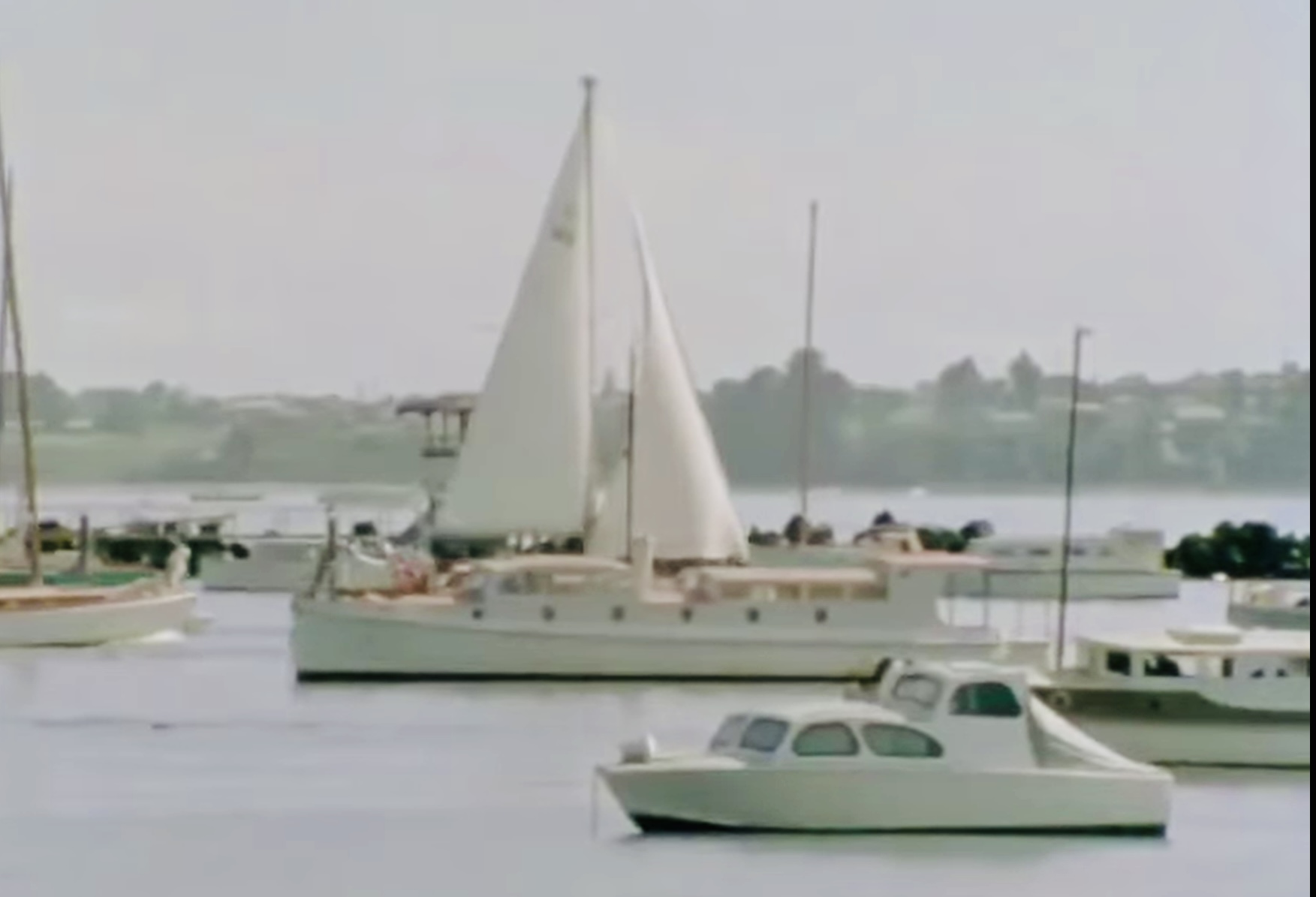
Earlier in the week I was sent by.John Burland a link to a fb video that featured the 1967 visit to NZ by ‘Miss Wool USA – 1966’.
I won’t bore you with the link, but it shows her touring NZ, of interest WW is that in the video there is a very brief shot of Westhaven marina, Auckland.
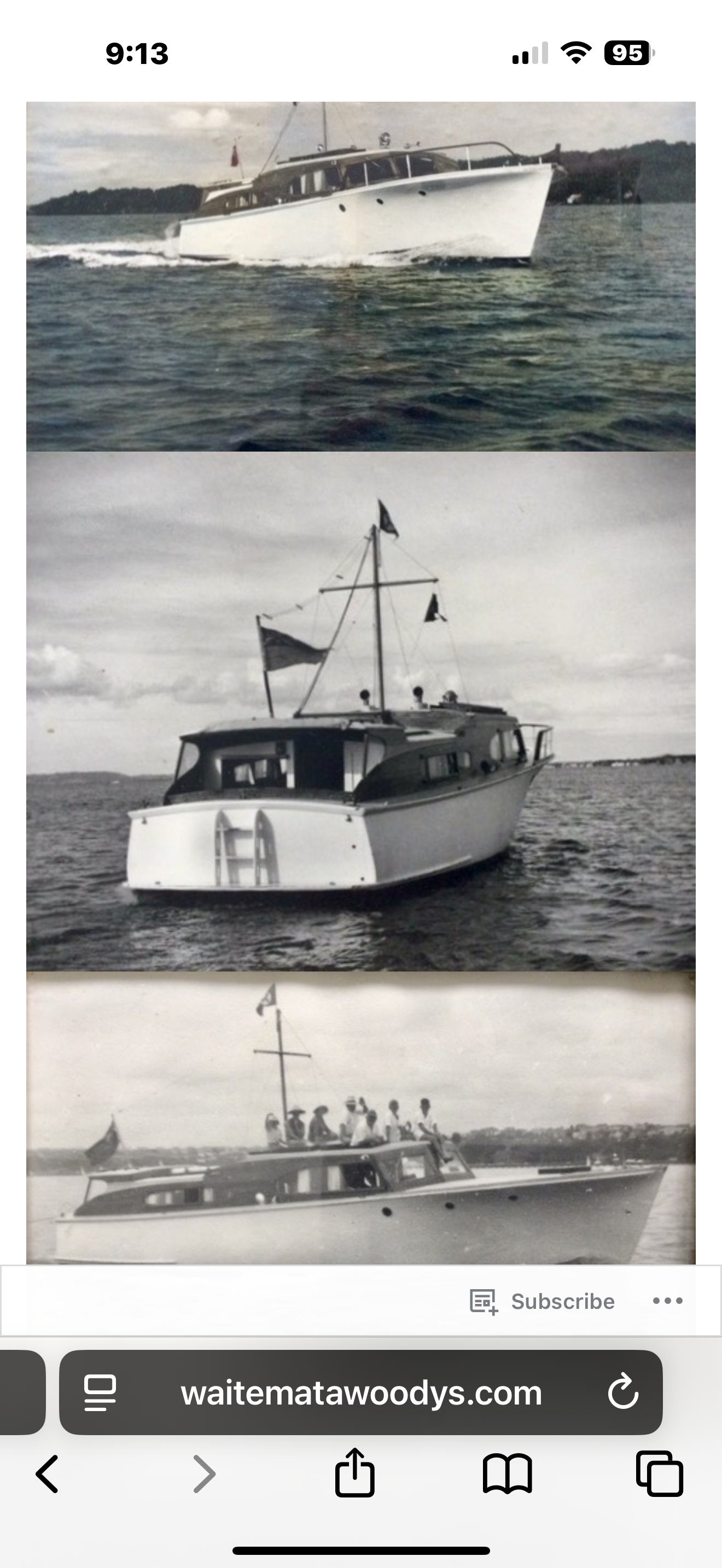
I have taken a screen grab that show a rather large wooden launch, an interesting mix of styles – bridge-decker, tram top + dog house.
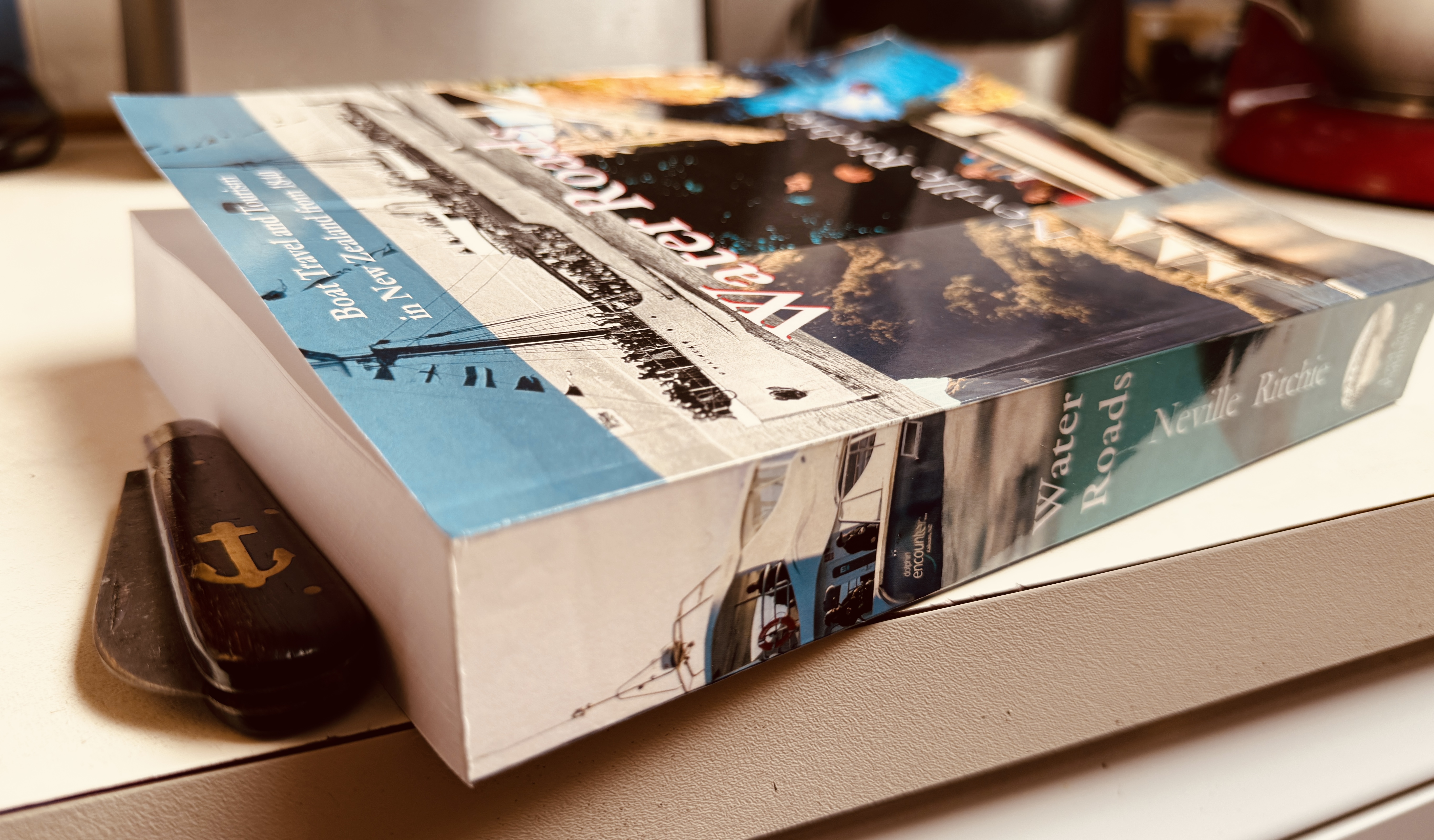
BOOK REVIEW – ‘WATER ROADS – Boat Travel and Tourism in New Zealand from 1840’
Recently a copy the above 530 page book appeared in the WW letterbox, I was amazed the letterbox didn’t collapse under the weight 🙂 The last time it would have carried the books weight would have been when NZ Post was still printing telephone books.
The author is Neville Ritchie and to quote Neville – “the book tells the story of water-based tourism in NZ” and focuses on the small boat operations established to take visitors to tourist attractions on overnight cruises. It also takes the reader on a history tour od boating building in NZ. The story starts at the top of the North Island and finishes off at Stewart Island.
As an indication of the extent of the content we start off c.1840 with maori in ex whaleboats and end with the electric foiling ferries on Auckland’s Waitemata Harbour.
As indicated above its a monster of a read, I can see myself consuming it in bite size chunks over an extended period of time.
If your a serious marine historian your bookcase will be lacking if you do not have copy.
WIN A COPY – Answer the question below correctly and you will go into the draw for a copy of the book. Entry By Email only to > waitematawoodys@gmail.com.
Entries Close 6pm Friday 18-07-2025.
QUESTION: In the early 1900’s what were the words commonly used to describe (small) motorboats?
THE RESTORATION OF THE CLASSIC WOODEN EX WORKBOAT – ARIANA (TE KAWAU) – PART THREE
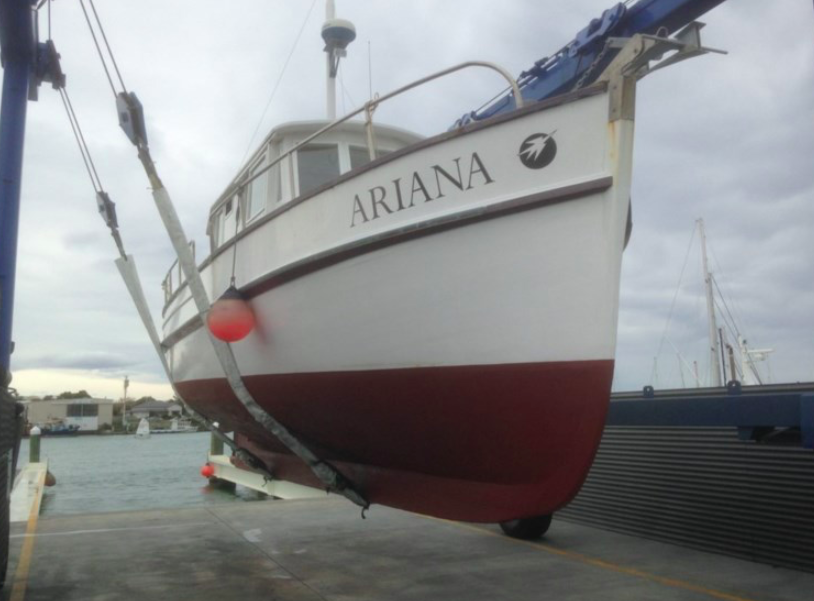
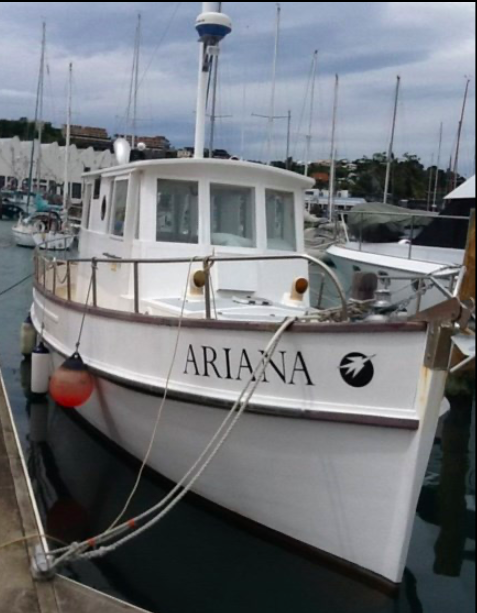
Following on from Mondays story on Sven Wiig’s classic wooden vessel – ARIANA, previously named GLENROWAN and TE KAWAU. Sven has just sent in Part Three.
Todays story takes us up to current and woodys we will have to wait for the final part for a little while, but rest assured there will be one 😉
And as highlighted in Part One Sven is looking for any intel on her past , and is very grateful for those that commented last week.
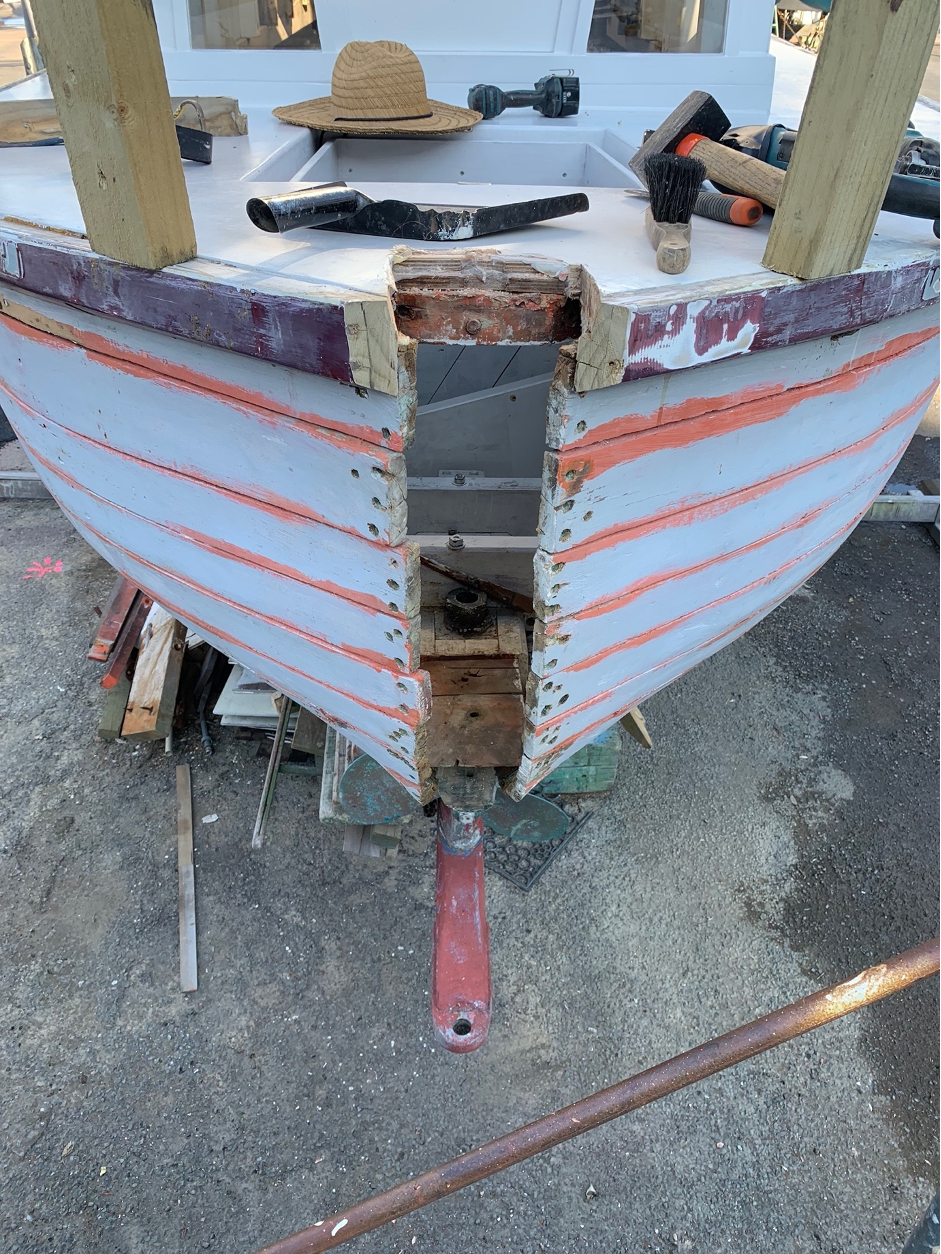
“Now I just had to make a new one and put it all back together. Hummm. My fellow boat owners all came to check out progress and I got the distinct impression that they thought I had killed her. If I am honest I was wondering this myself…. I was going to need lots more kauri. Fortunately Solomon came up with the goods, a couple of large beams that had once been part of a bridge (thanks Mate). One of these was sawn up to make a new inner. I sourced some beautiful bronze screws and fitted the inner back into the boat. I was most relived to see that the stern was now back in shape. All the seams had closed up and she had a nice round bum again. I clearly had done something right. Next up was to make up the new outer. Grown hardwood wasn’t an option so I decided that I was going to laminate one. I made a former and laminated up the new outer.
New Inner being fitted up.
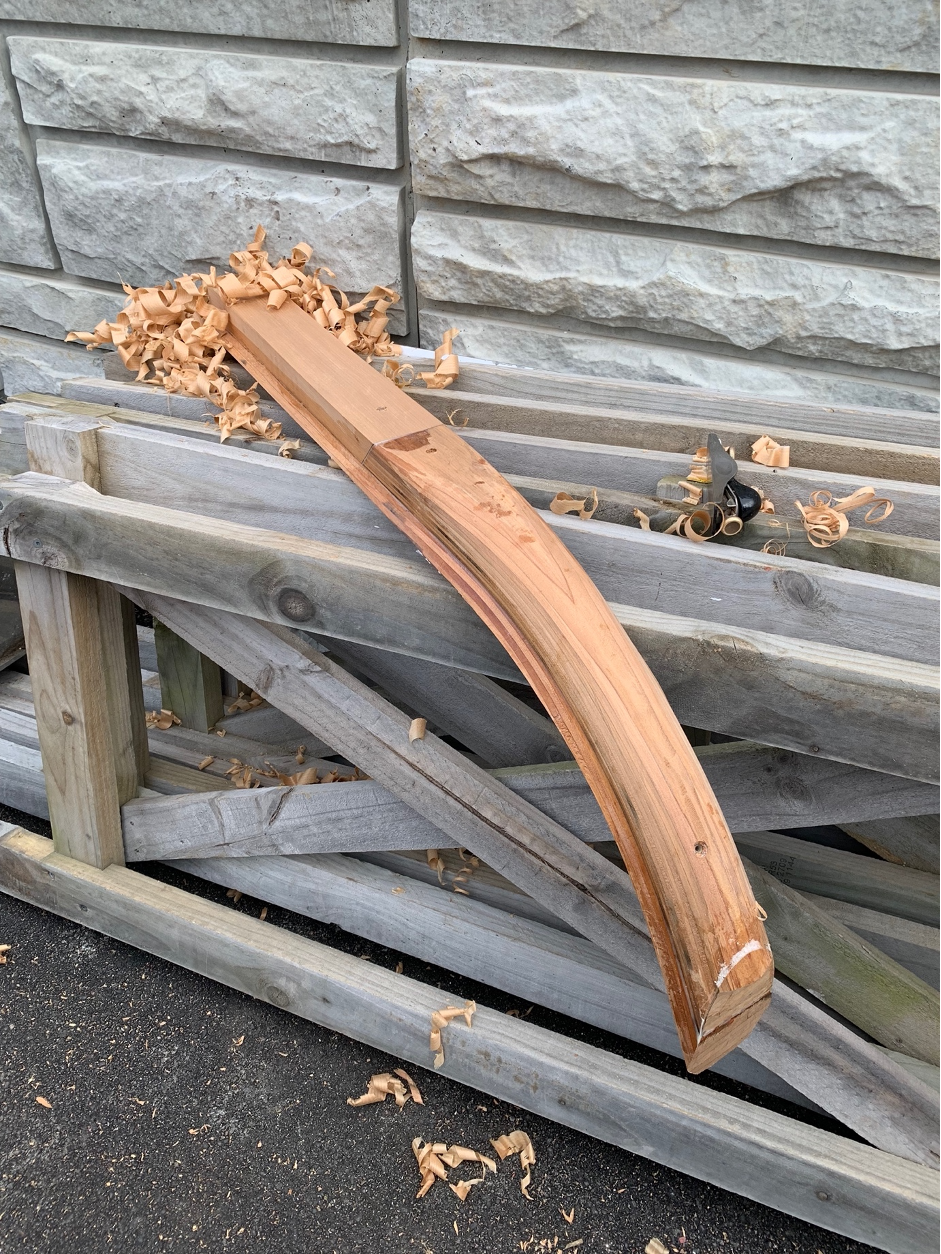
Outer laminated and roughed into shape
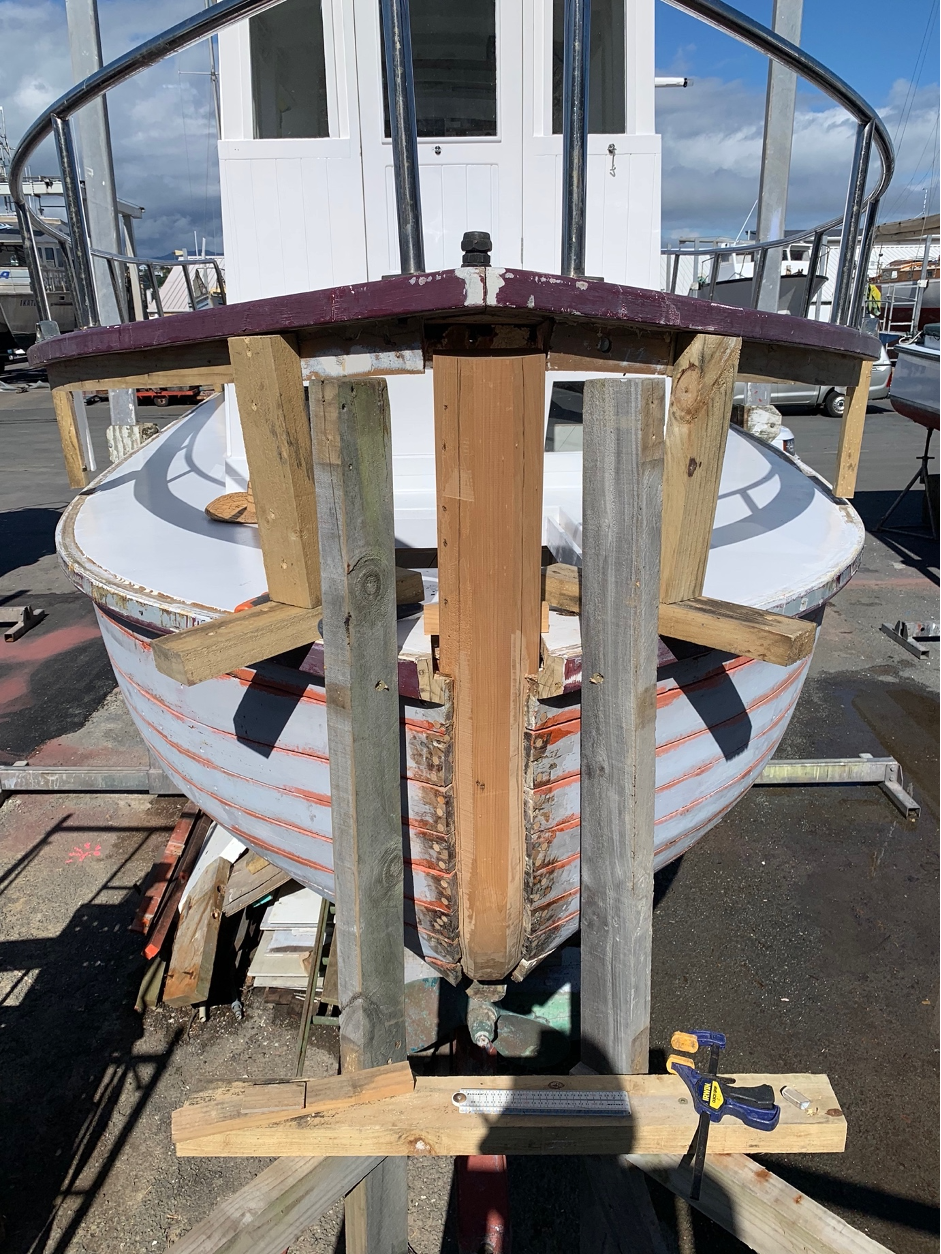
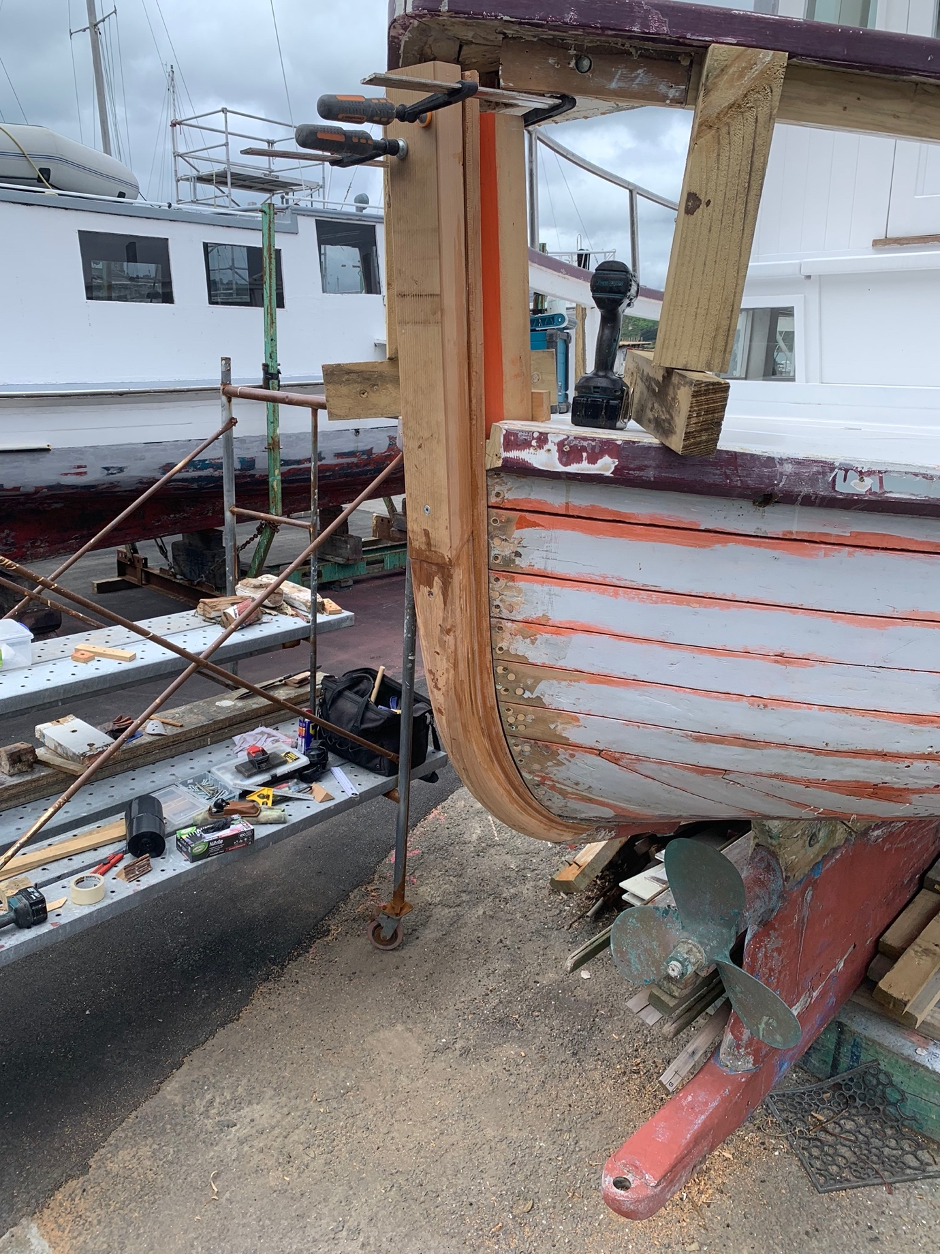
New outer stem being fitted. The inner and outer where then bolted with bronze rod to new horizontal knees inside the stern and at the top of the bulwarks. Whew.
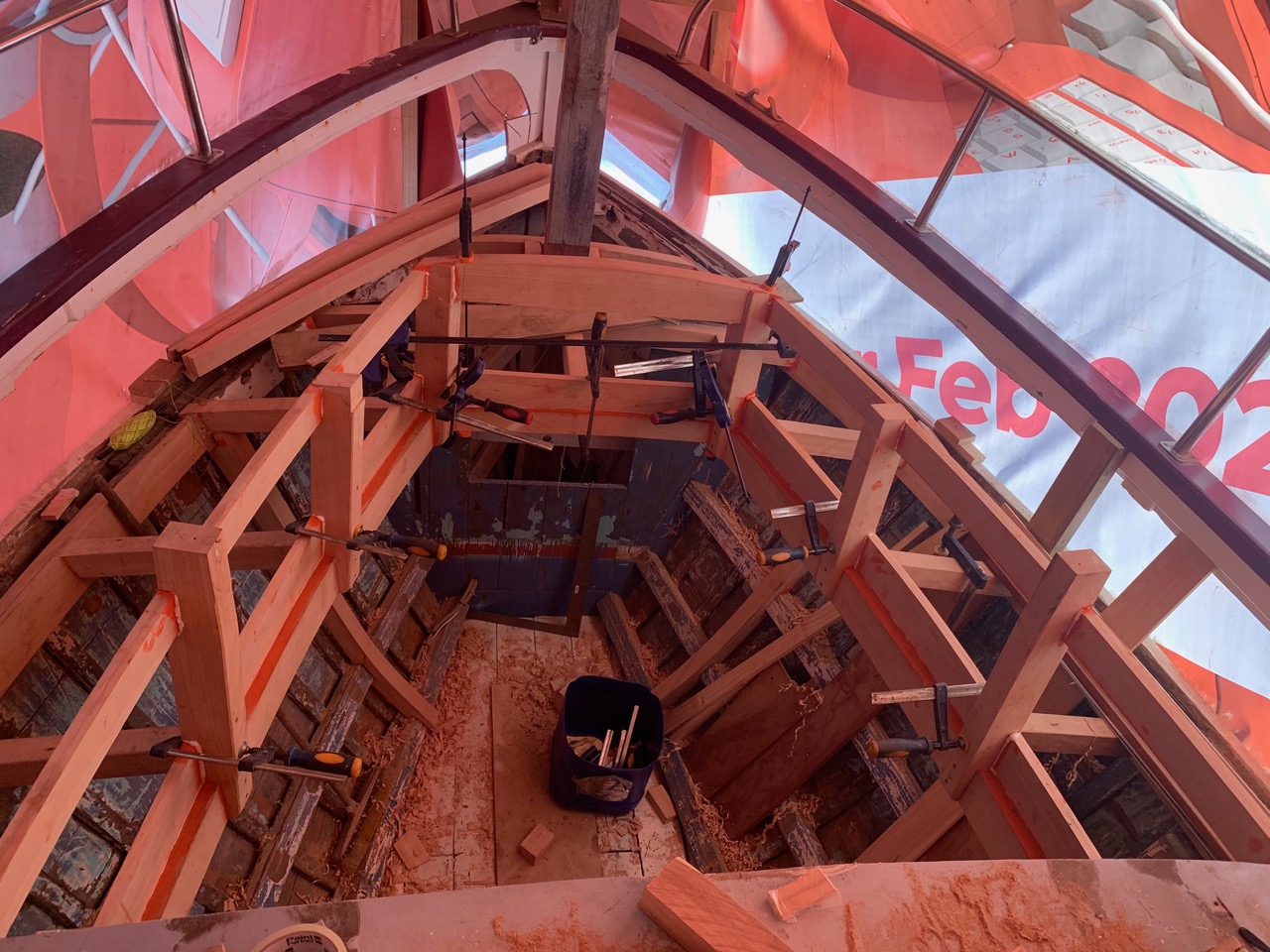
Now where were we. Bulwarks. I finished prepping for the bulwarks. Fortunately Olaf was back in the country for a Summer break. What better way to relax than giving his brother a hand fitting the new plywood? A couple of exhausting days later and we had the first layer on.
A second layer was added at both ends for added strength and a certain amount of flare.
Olaf went home to England and I finished the Bulwarks off with some trim and paint. The bronze rubbing strips were replaced and another milestone reached. The whole top half of the boat was now complete, well almost.
To celebrate I made some bling for her. New nav light and dorade boxes.
Recently I passed another milestone. Four years on the hard. Every year I tell myself that this summer she will be back in the water. I have only a few more months now if that dream is going to be achieved. We will see. I have moved onto getting the inside back together. New tank cradles have been built and today I installed her new diesel and water tanks. Next up will be building a new sole for the wheel house and replacing the cabinetry that John the previous owner had made from trees felled on his farm. I am looking forward to that. Will let you know how I get on.”
CLASSIC WOODY HOKIANGA TRIP REPORT + AUCKLAND’s OKAHU BAY HAUL OUT UPDATE
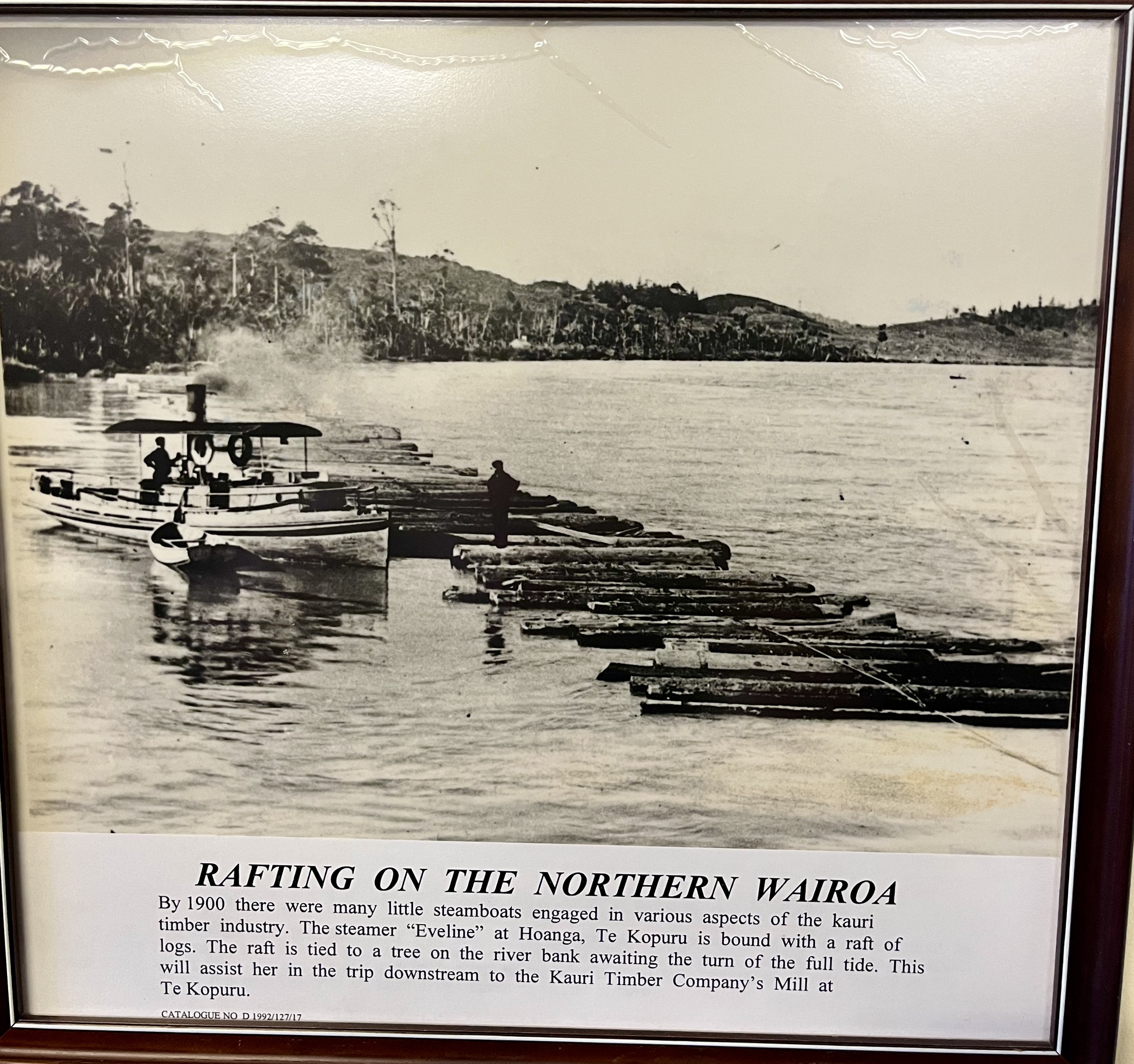
Recent Barrie Abel pointed his car north and checked out the Hokianga area. Highlight was a visit to the Kauri Museum, as seen in the above photos.
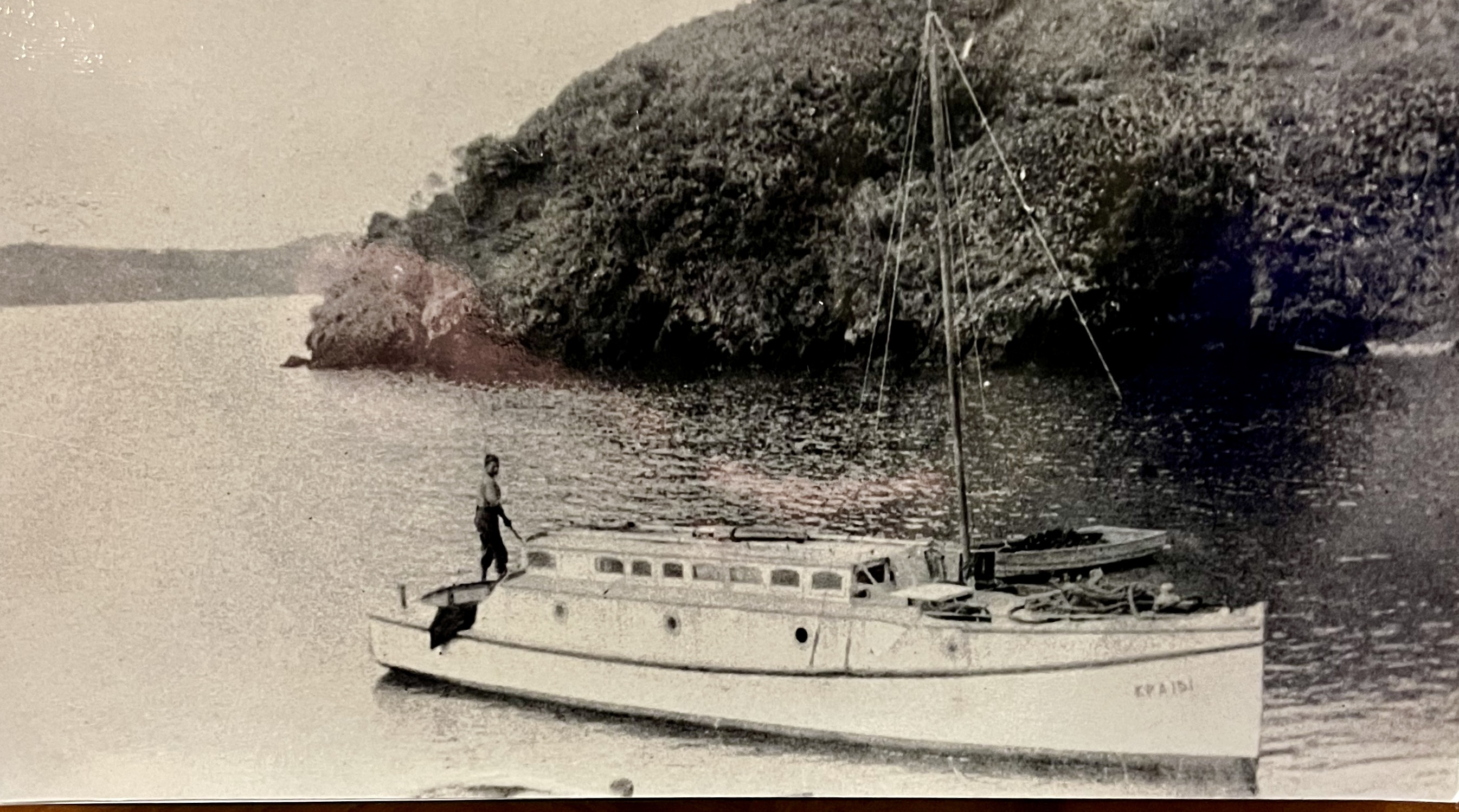
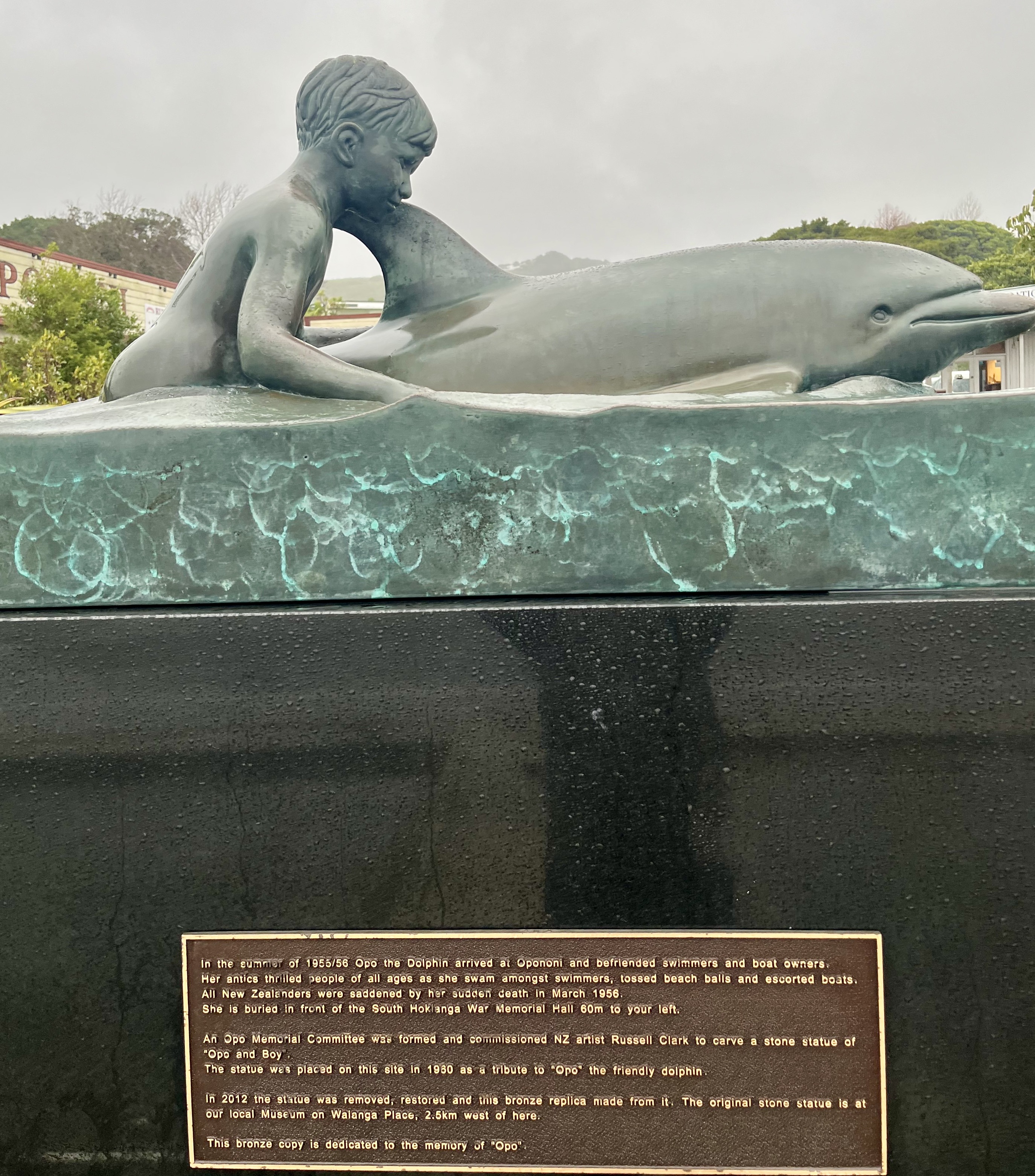
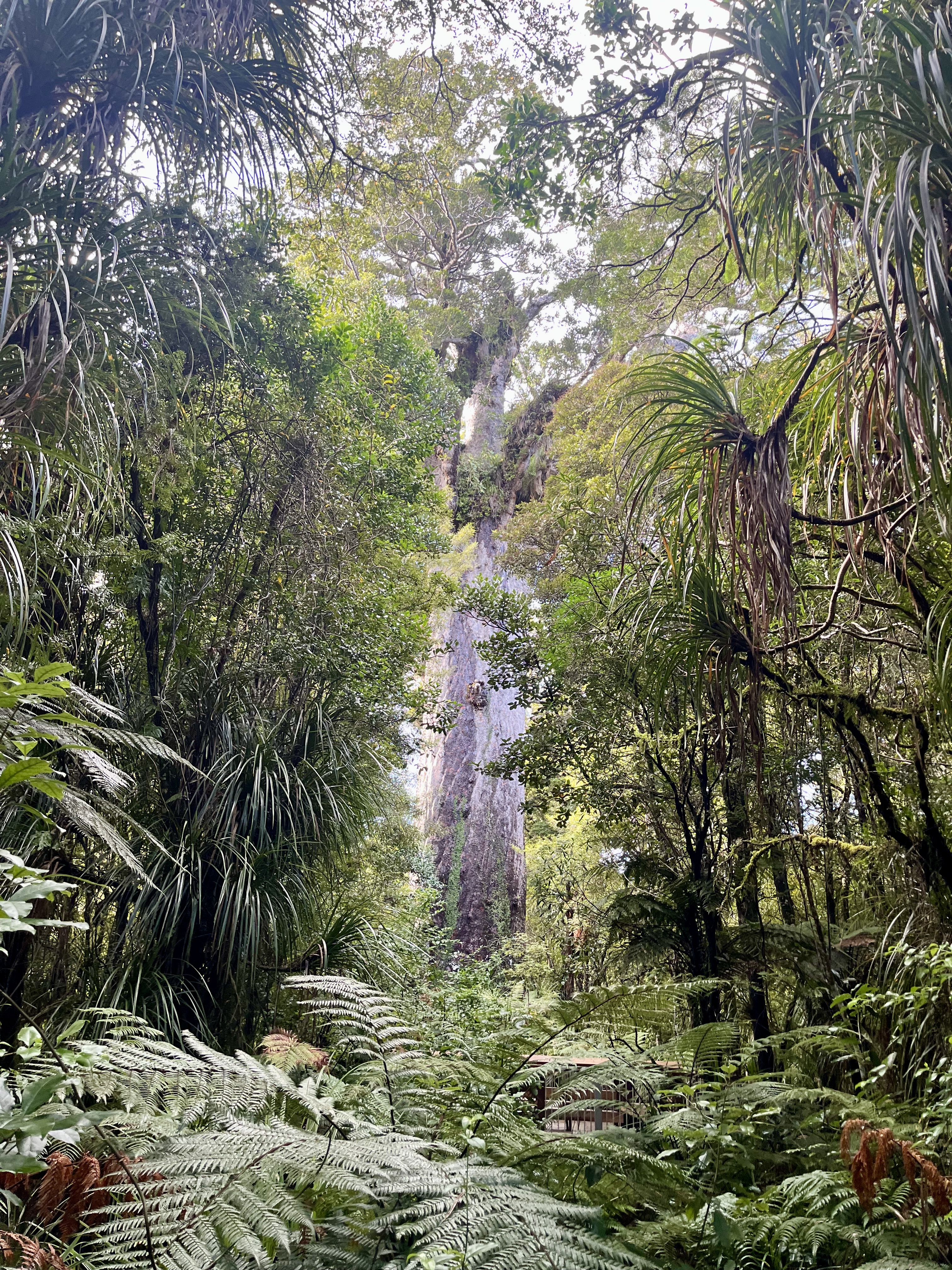
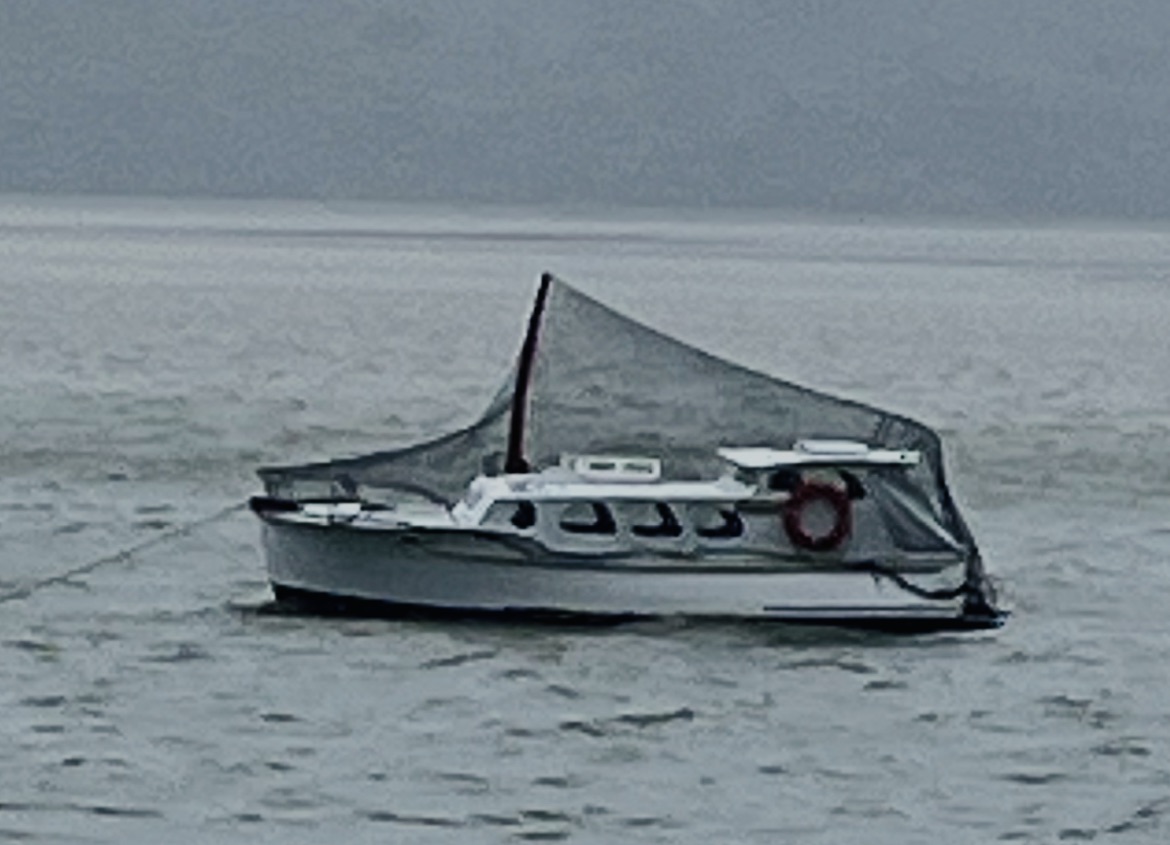
Barrie also spotted a mystery launch (last above) moored right up the head of the Hokianga Harbour, distance prevented being able to put a name to her but Barrie was told it was a locally owned craft.The ‘bush’ photo features the renowned kauri tree named Tane Mahuta. Also seen is a bronze casting of the dolphin OPO, that entertain beach going at Opononi in the 1955/56 period.
OKAHU HAUL OUT / HARD STAND UPDATE
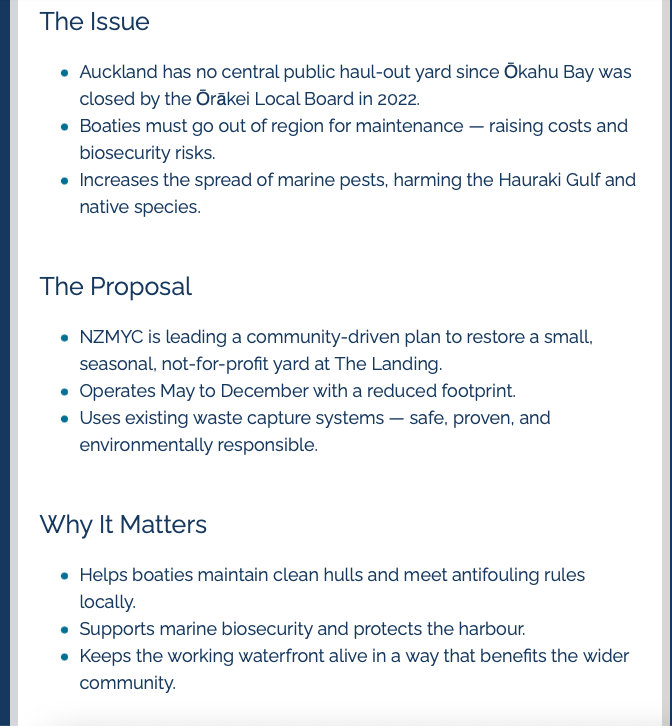
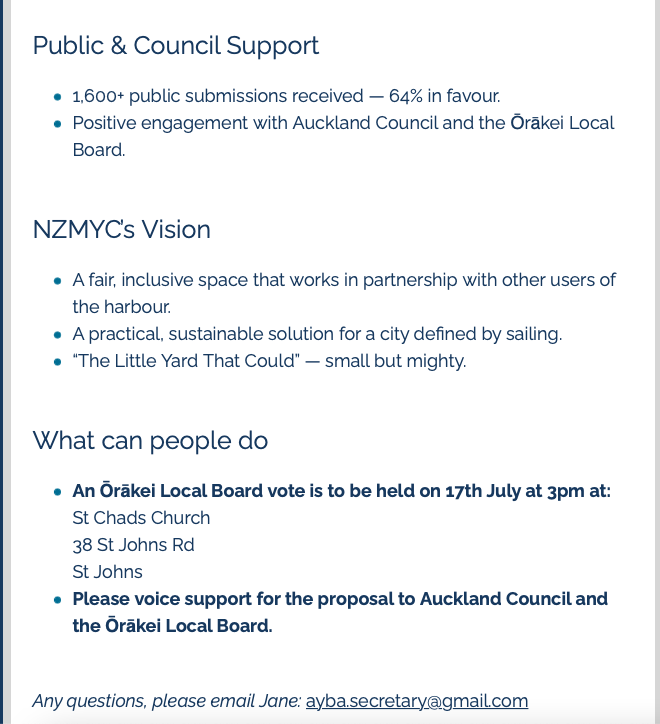
Thanks to the tireless efforts of numerous concerned citizens and the Auckland Yacht & Boating Association, we have the opportunity to influence the final decision of whether or not Auckland boaties get to retain some access to this prime waterfront boat maintenance area. Links here to view the newsletter https://mailchi.mp/3cc024ff5cfe/press-release-okahu-bay?e=d030fd704b And link here to view a copy of the full press release.
THE RESTORATION OF THE CLASSIC WOODEN EX WORKBOAT – ARIANA (TE KAWAU) – PART ONE
Last week we ran a story from Sven Wiig on his wooden vessel – ARIANA, previously named GLENROWAN and TE KAWAU. Sven was looking for any intel on her past , as he undertook a rather epic restoration project. As I always do I asked for some regular updates and photos – well on Saturday the email inbox started to groan when Sven’s email arrived. Slightly different format today, but it suits the story – as told by the man himself.
THE NEW DECK
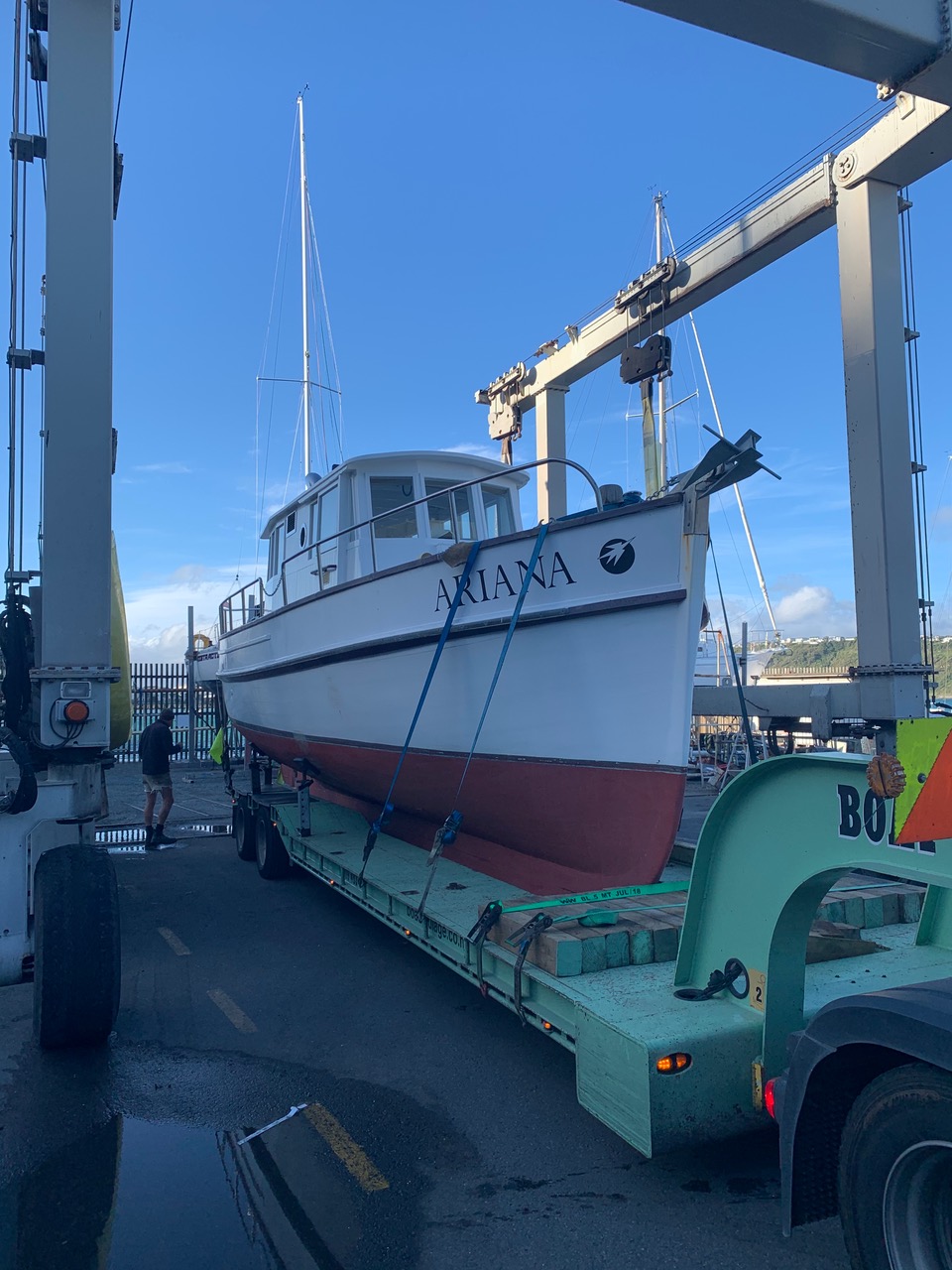
In May 2020 we bought ‘Ariana’. We knew she needed some work, there were obviously rotten bits here and there and the deck seemed a bit spongy in places but looking inside all seemed pretty sound and she had a brand new engine. How can we go wrong? The owner made me an offer I couldn’t refuse as he said he thought I was the right person to take her on and he wanted me to have her. So we bought her and had her transported down to Wellington and the same truck then took our old boat ‘Primadonna’ up to our good friends in Auckland.
Ariana arrives in Wellington
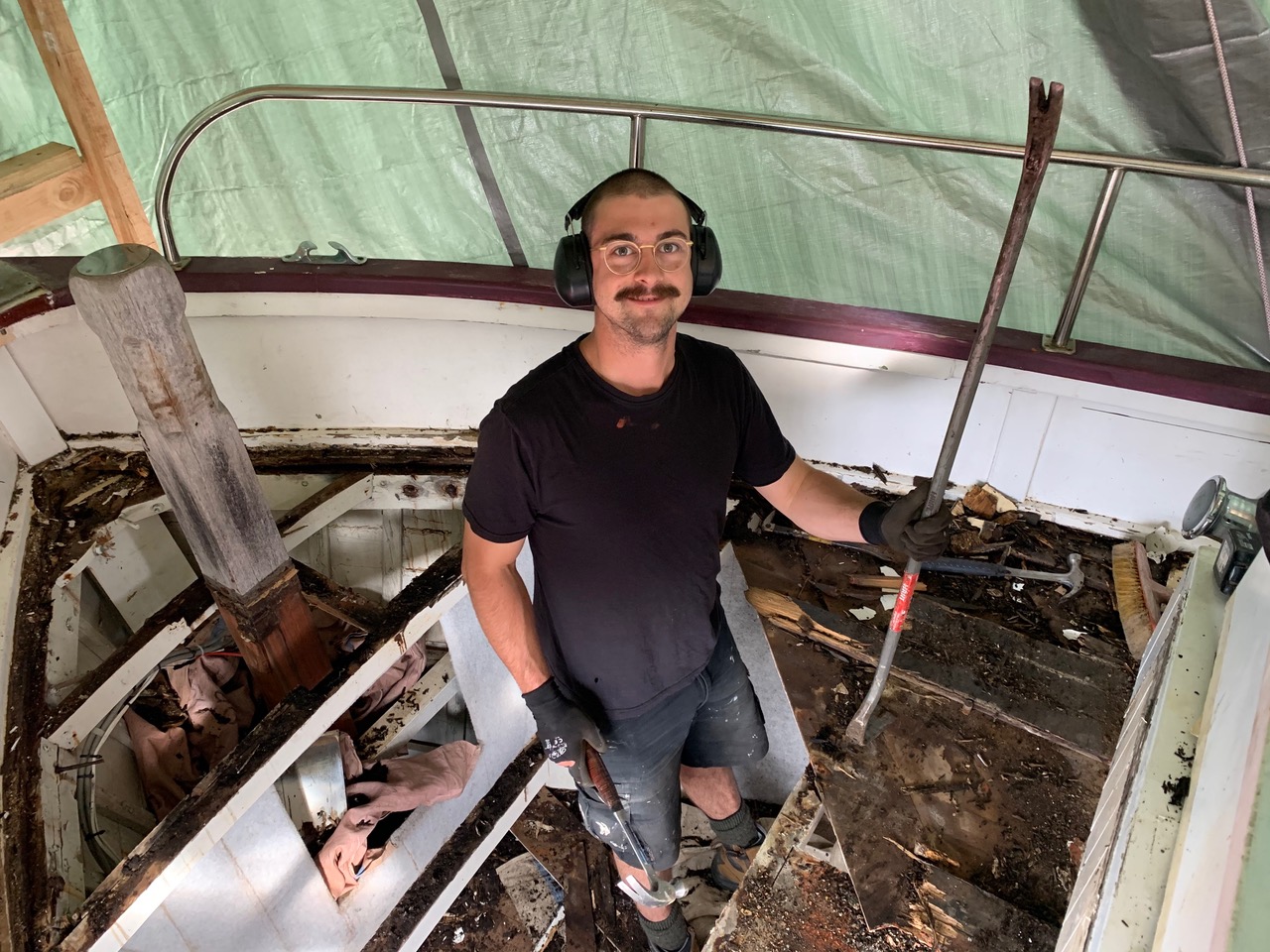
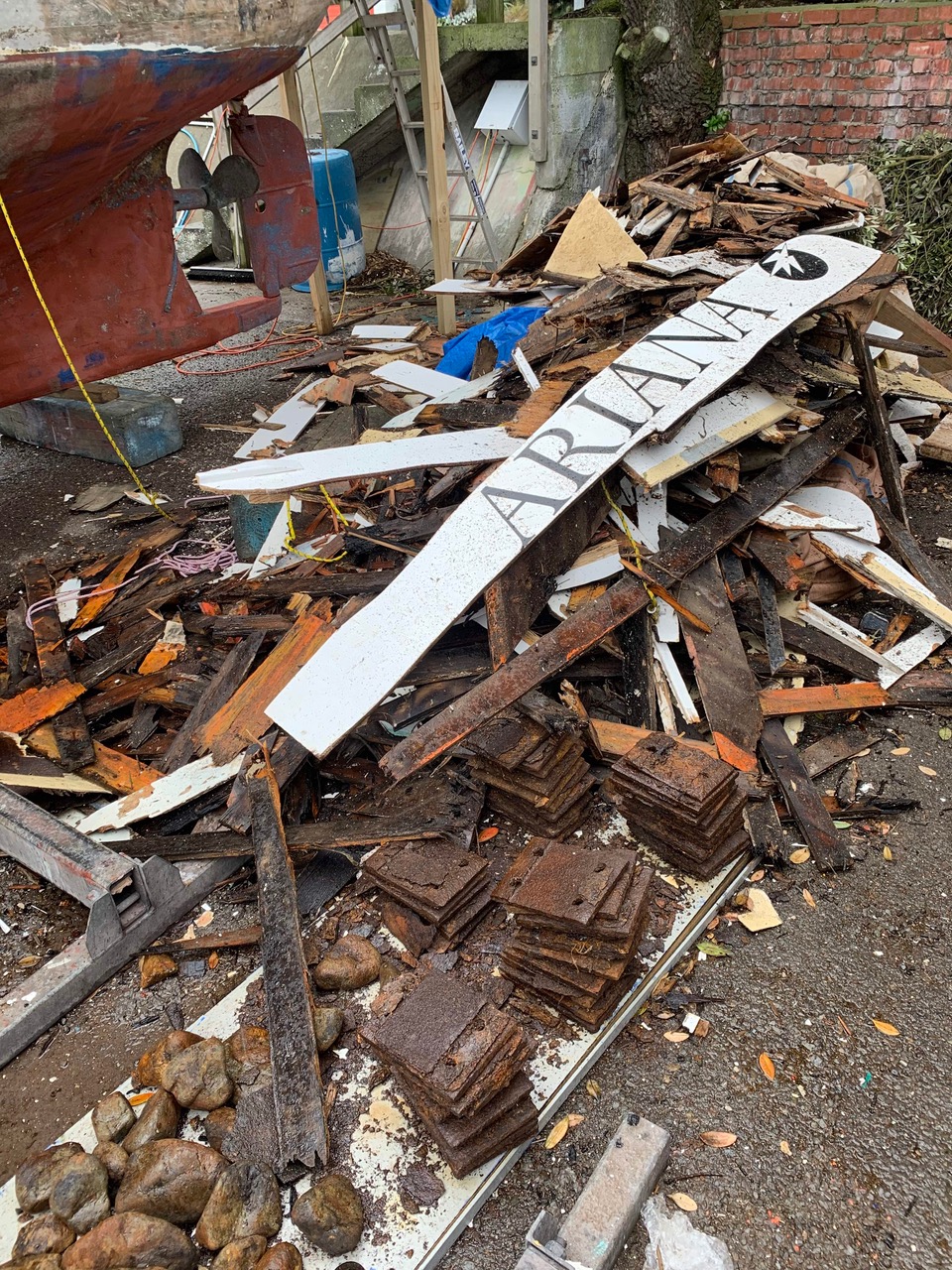
We enjoyed Ariana for a year just cruising the harbour and taking friends and family out for picnics. A year later I had a break in work and decided now is the time. Ariana was hauled out at Evans Bay I had six weeks before the next job and I was going to have the boat back in the water before I had to leave town. No problem pull the old ply up put some new ply down, easy. That didn’t go to plan. Pulling up the old ply revealed, compost. A bodged previous repair had been letting in fresh water for many years. I enlisted a friend to give me a hand and we kept digging. We discovered the entire deck structure, sheer clamp, carlins, cabin coamings and bulwarks were all rotten. At this point I made a panicked call to my brother Olaf who is a qualified boatbuilder and asked for advise. ‘No worries, you got this, one piece of timber at a time.’ My partner was less encouraging advising me that the only way forward involved a chainsaw and a skip bin. She was right. I seriously considered this option. Couldn’t do it, I had been entrusted with Ariana and I was going to save her. To encourage my madness Olaf came down from Auckland and gave me a hand to start laminating up the first section of sheer clamp. I continued demolishing pieces of the boat. In between I made new bits to try and keep spirts up. I pulled out the old fish hold, still under the rear deck, to discover ballast in the form of river stones and rusty railway iron. The pile of debris grew, less and less of Ariana remained.
My friend Bede discovering the extent of the rot.
Rotten wood and ballast.
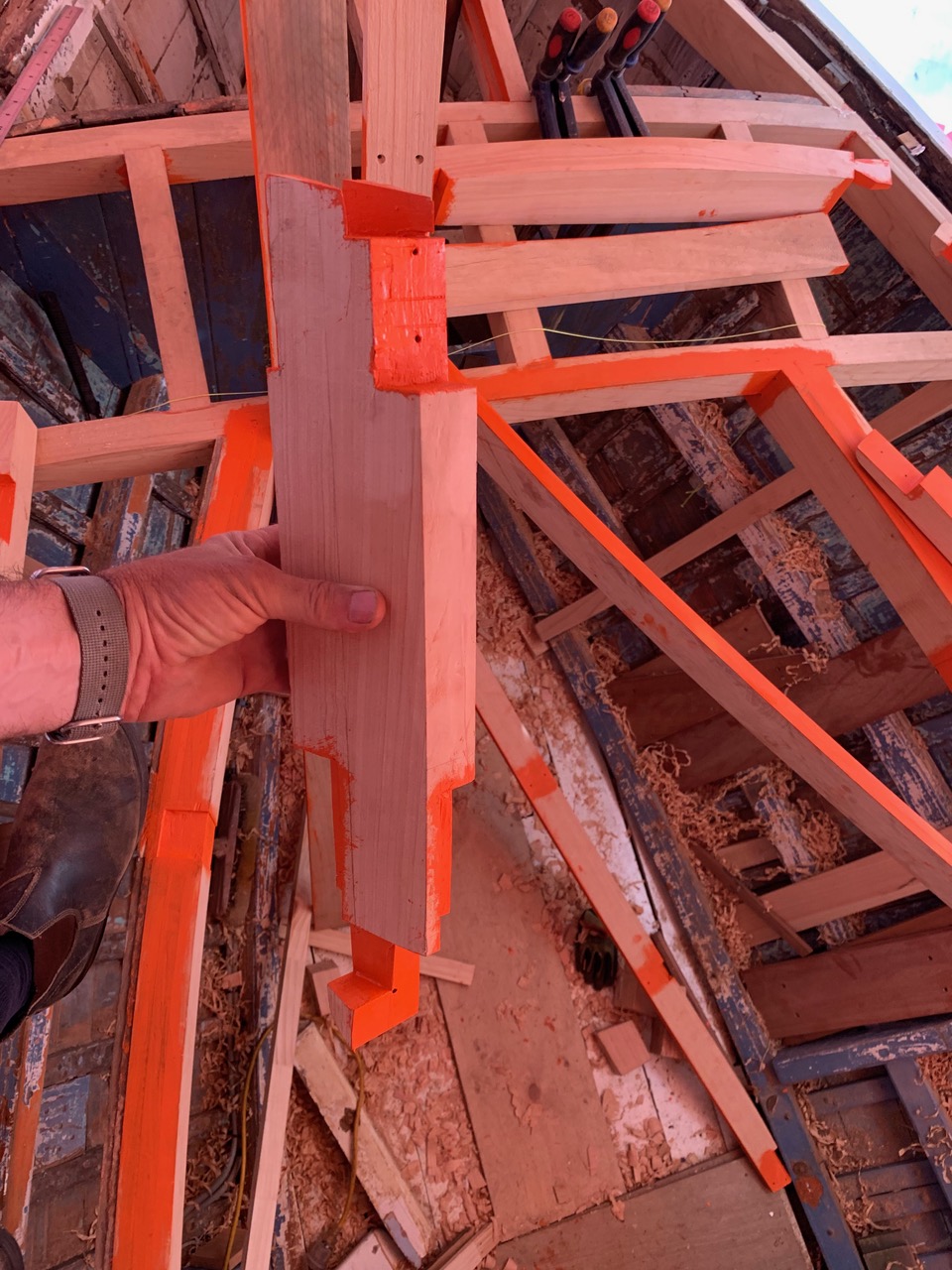
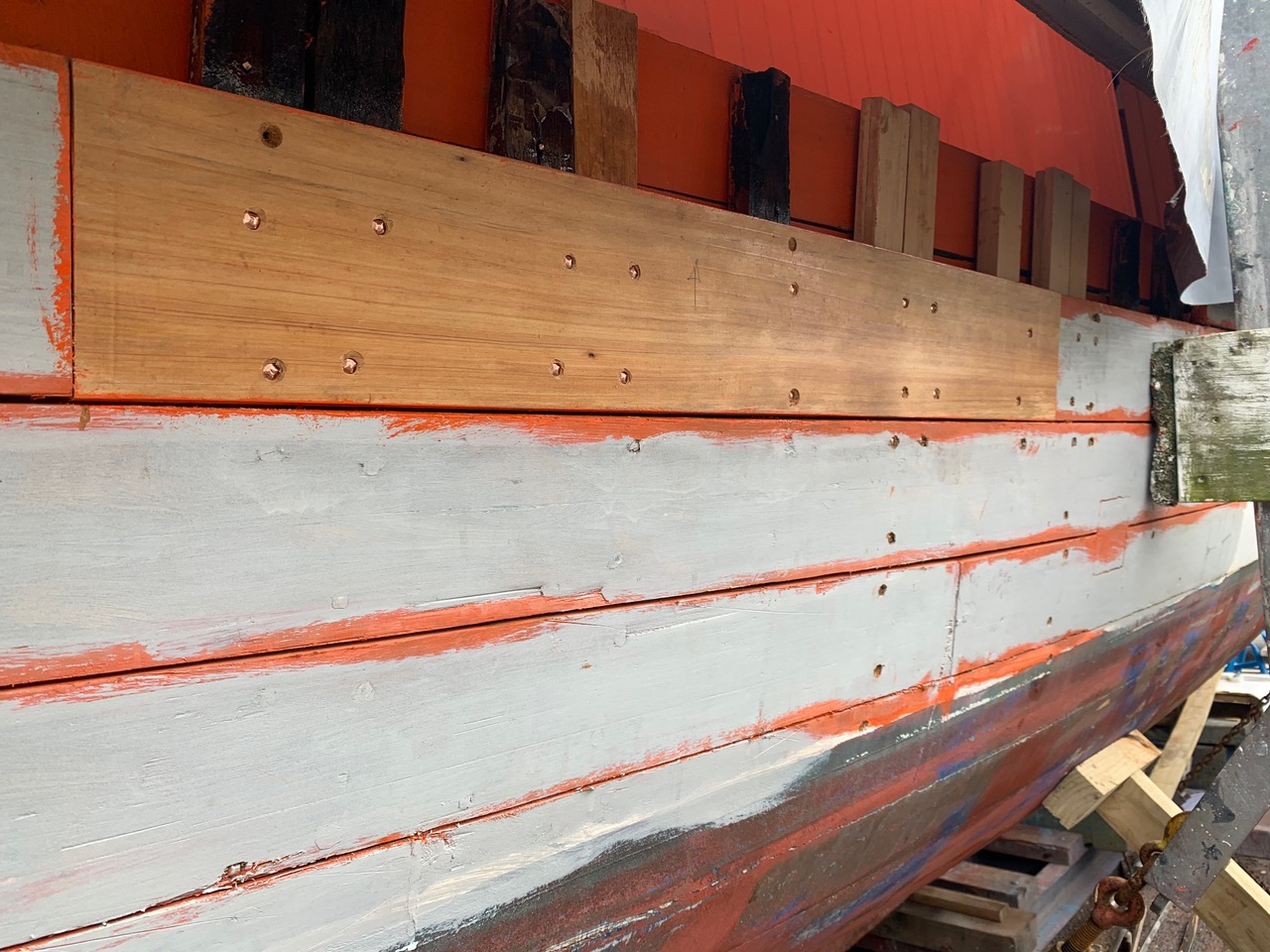
Six weeks passed and I had to go back to work. I had some shear clamp and carlins in place and I had a destroyed boat. Several months passed while I was away working and I returned with new energy. Realising I was never going to get it done alone I convinced two clever friends to give me a hand. Pete, Marc and I started replacing deck structure, framed up and new front cabin and replaced planking where the rot extended into the top planks. Broken ribs were sistered with laminated white oak and riveted in place. We were making some good progress…
Front cabin framing underway.
Fiddly time consuming work.
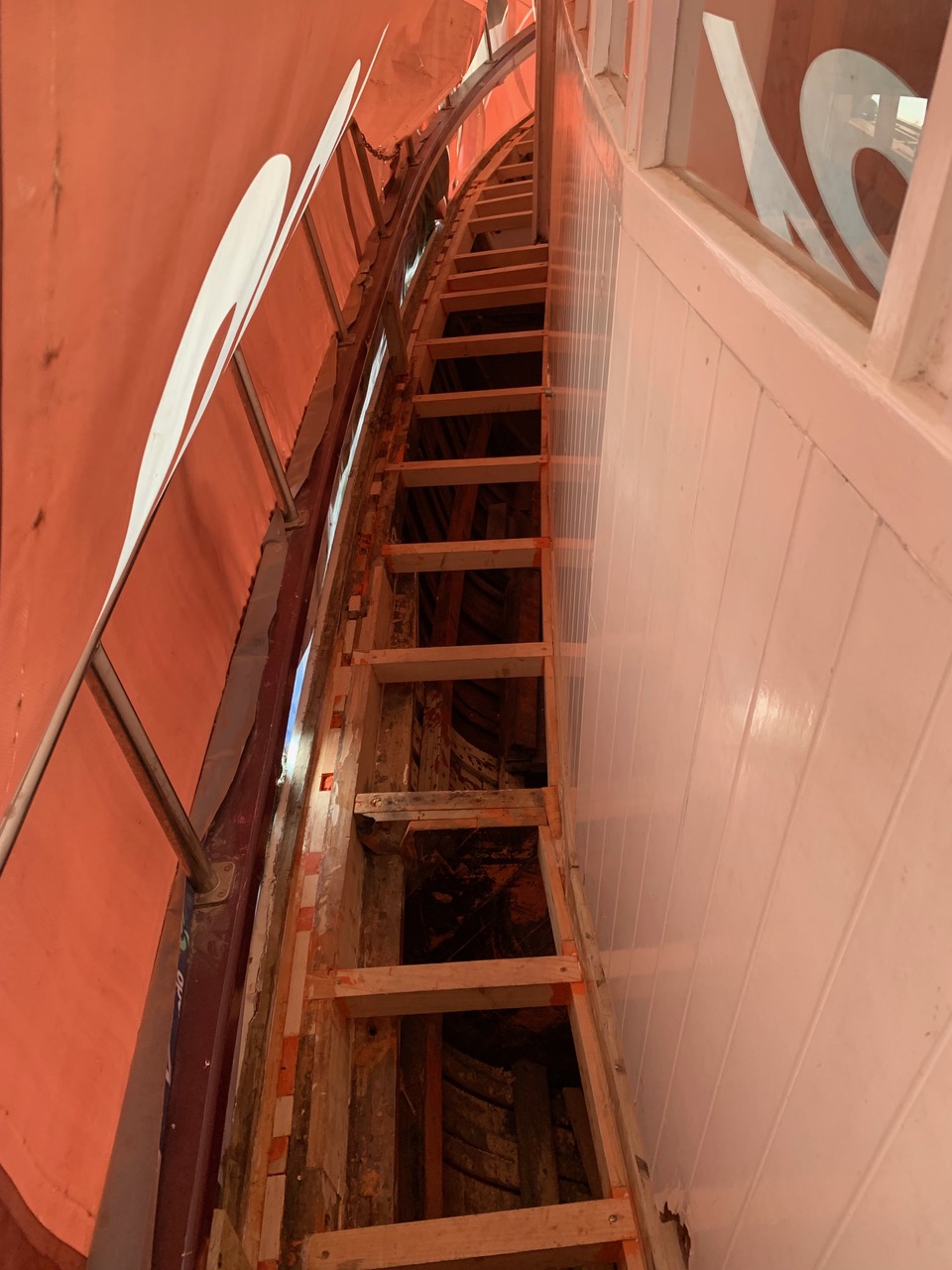
New deck beams installed.
Then the budget ran out and work ground to a halt. Months passed with me only finding the odd weekend here and there to move the project forward. Slowly I finished the deck structure and created a small dog box extension to the wheelhouse, above the old fish hold. One day this will be a cabin for my son. A year had past and finally I could start laying some plywood for the new deck. A job I had optimistically thought I would be doing nine months earlier.
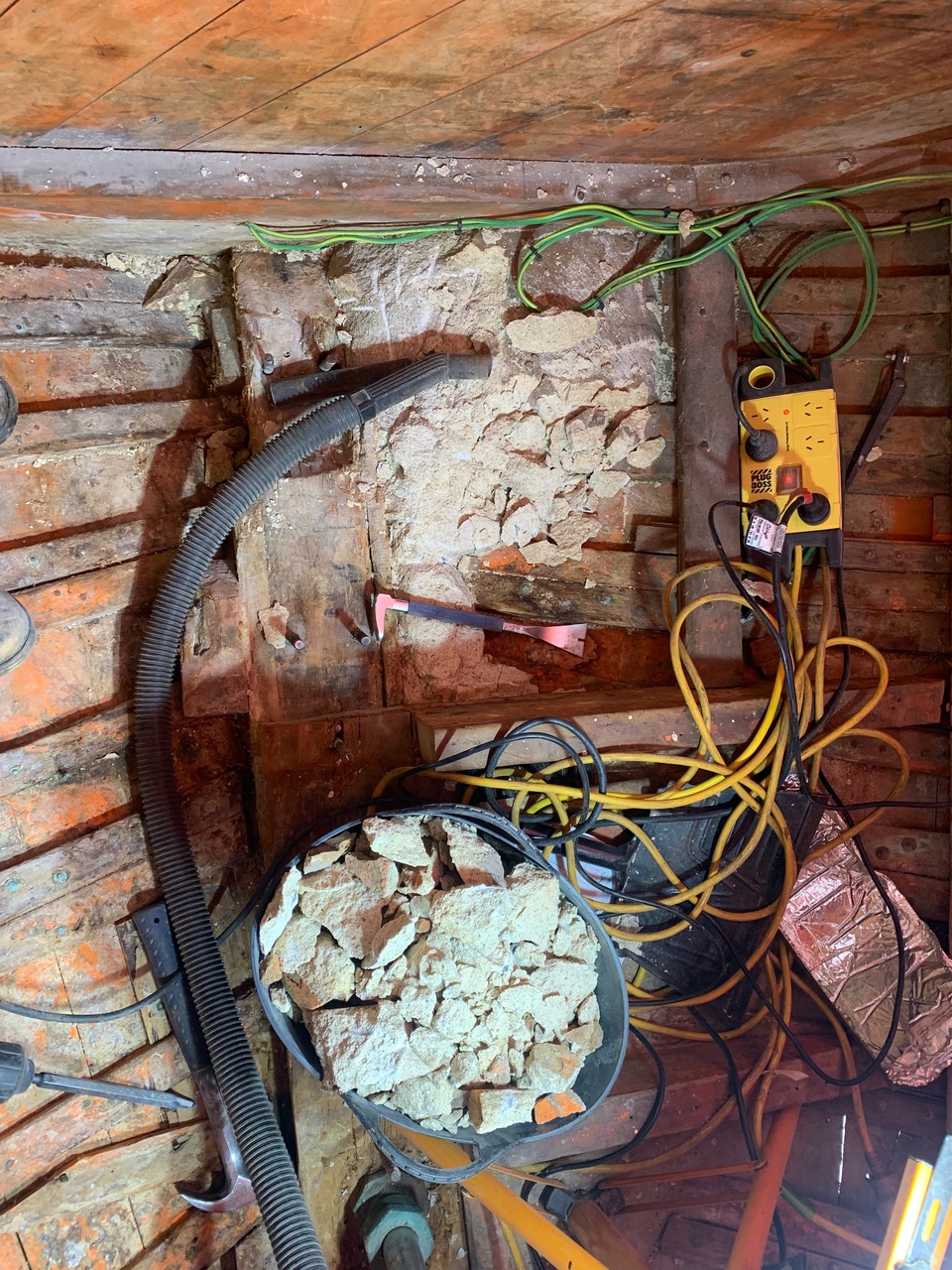
However before I could lay the ply at the stern I decided I had better investigate the lazarette hold. Something wasn’t right back there. I wasn’t to find the full extent of the un-rightness of this area for some time, more of that later. First was to chip out all the concrete that had been poured into the bilge. Several days of extremely unpleasant work later I had removed the concrete to reveal and section of keel or deadwood near the cutlass bearing that was all punky. Degraded by electrolysis. The anodes and bonding wires had taken a toll. I cut back the punky wood until I found good solid timber. Sealed it with epoxy and went looking for some more Kauri. Some large Kauri beams were sourced and a section of keel patched in with new floors.
Last of the concrete.
Keel patch coming together.
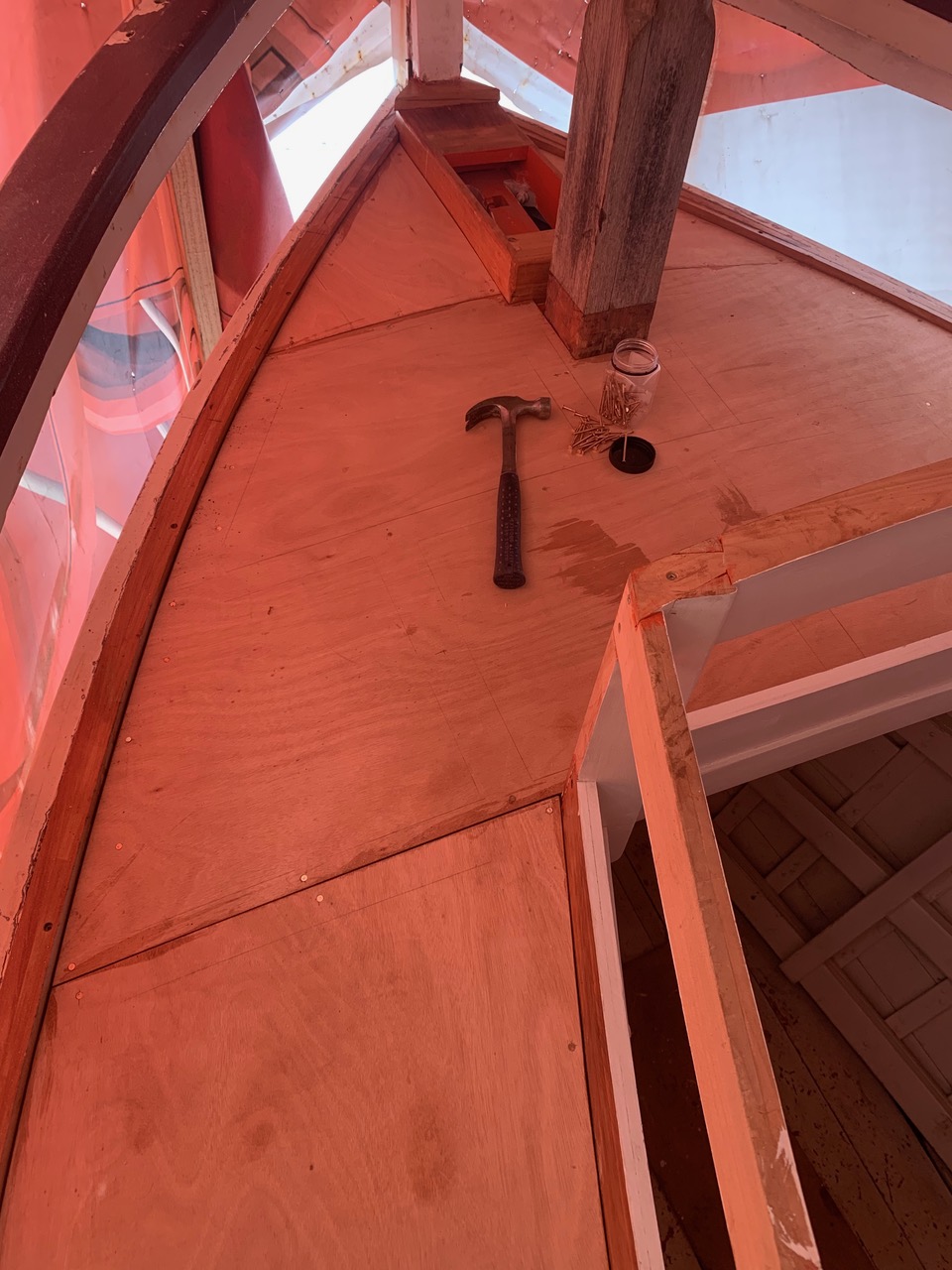
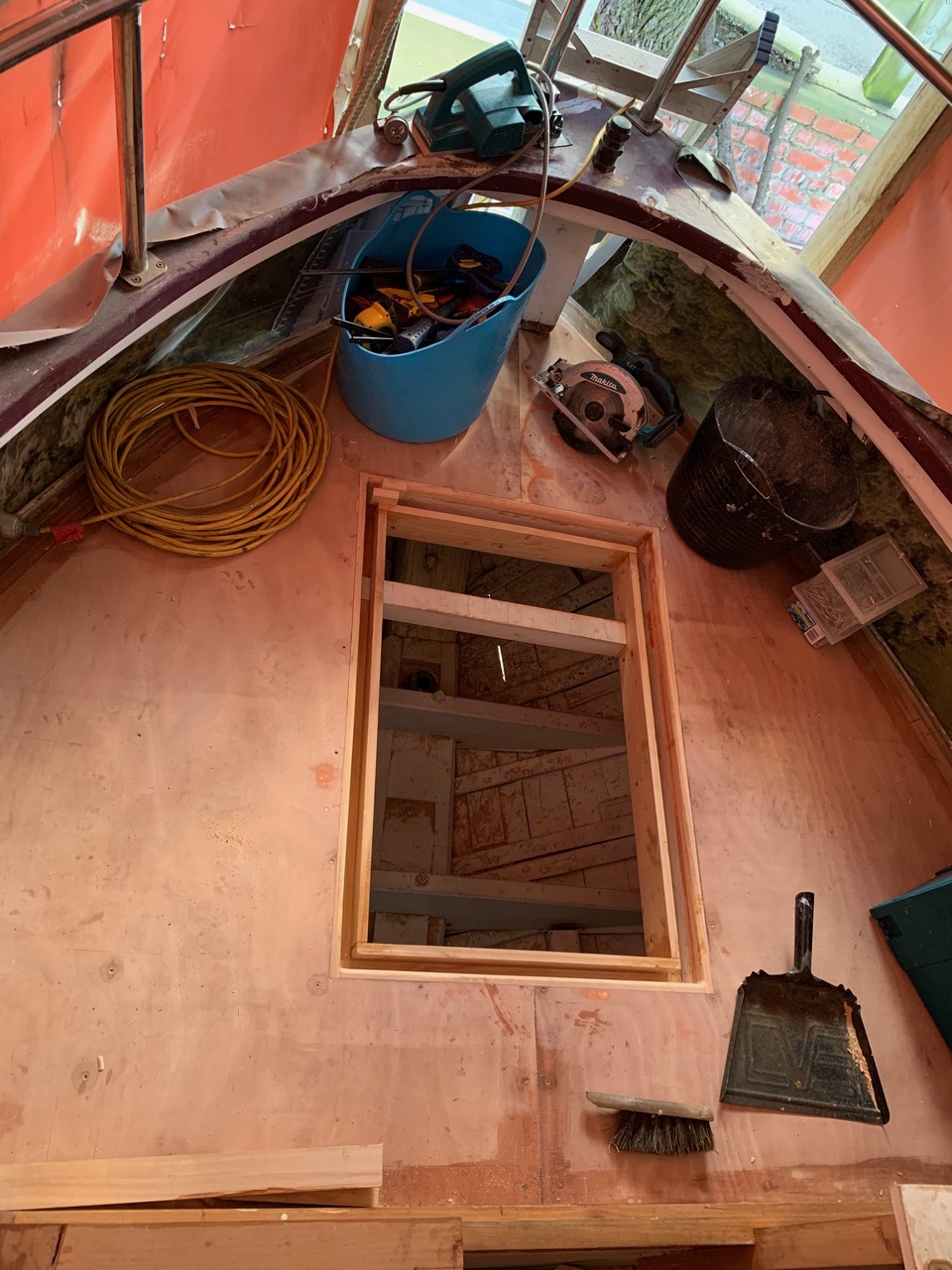
Moving on I built a hatch for the lazurette and laid the last of the plywood. Fibreglass was laid. She finally had a deck again and another year had passed. Two years into a six week project and I was maybe half way finished.
To Be Continued………
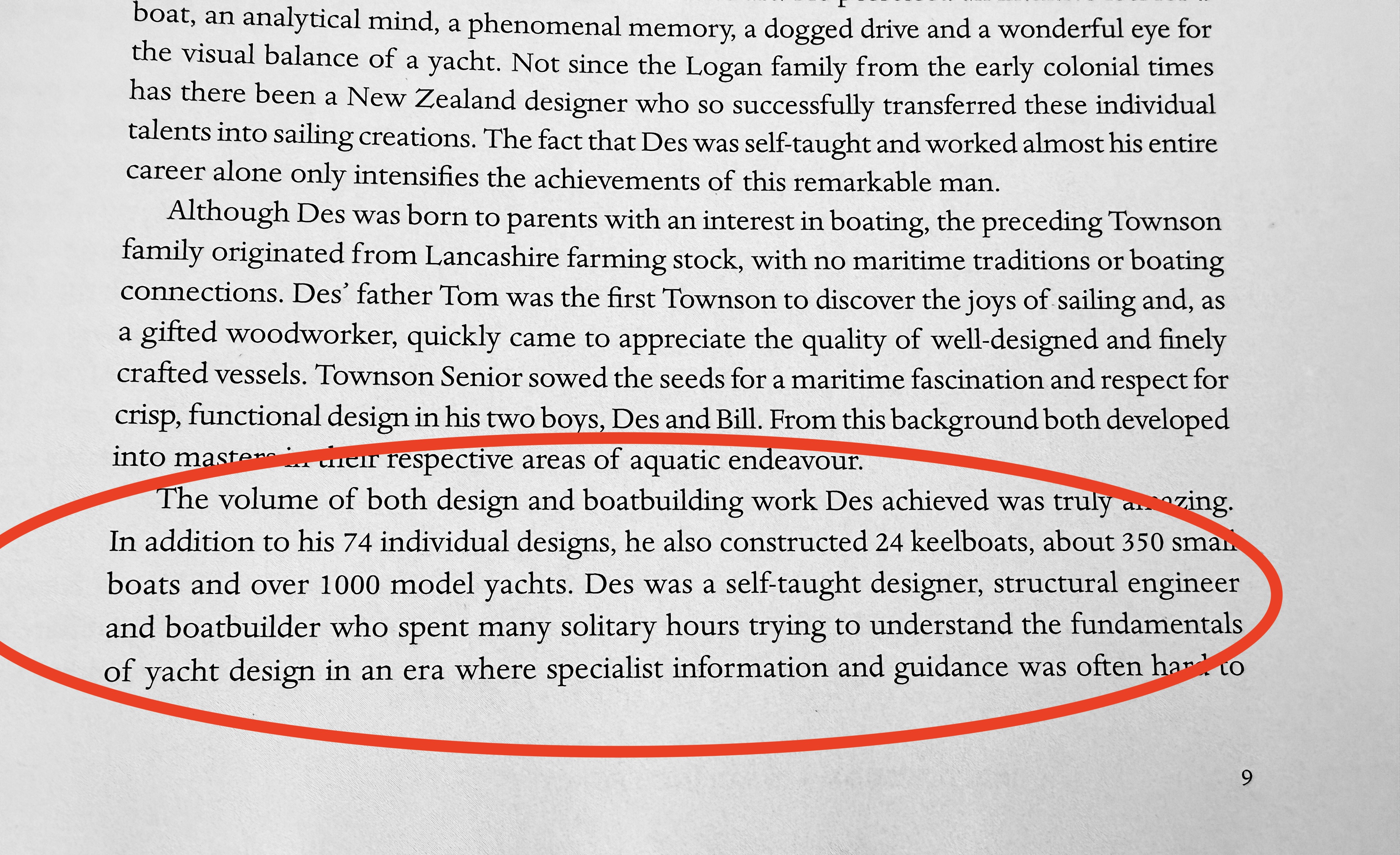
THE WINNER OF YESTERDAYS DES TOWNSON QUIZ RE NUMBER OF INDIVIDUAL DESIGNS – IS KEN MULGREW WITH THE ANSWER 74. As recorded in the Brian Peet book – Des Townson A Sailing Legacy.
CLASSIC WOODEN EX WORKBOAT – ARIANA / GLENROWAN / TE KAWAU
Earlier in the week WW was contacted by Sven Wiig the owner of the classic wooden ex workboat – ARIANA. ARIANA made an appearance on WW back in Oct 2020 – link here https://waitematawoodys.com/2020/01/10/ariana/
I’ll hand over to Sven to tell the story –
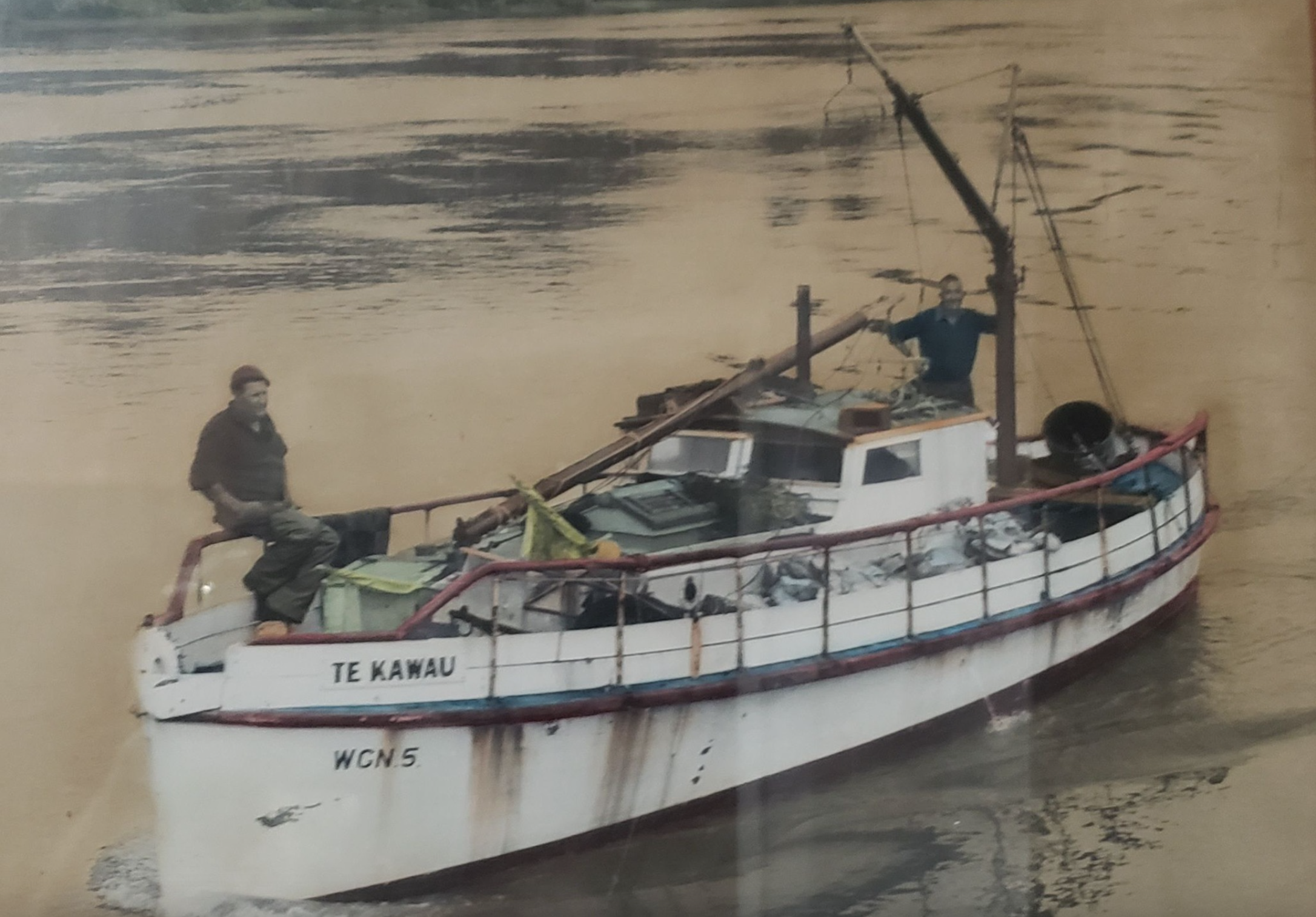
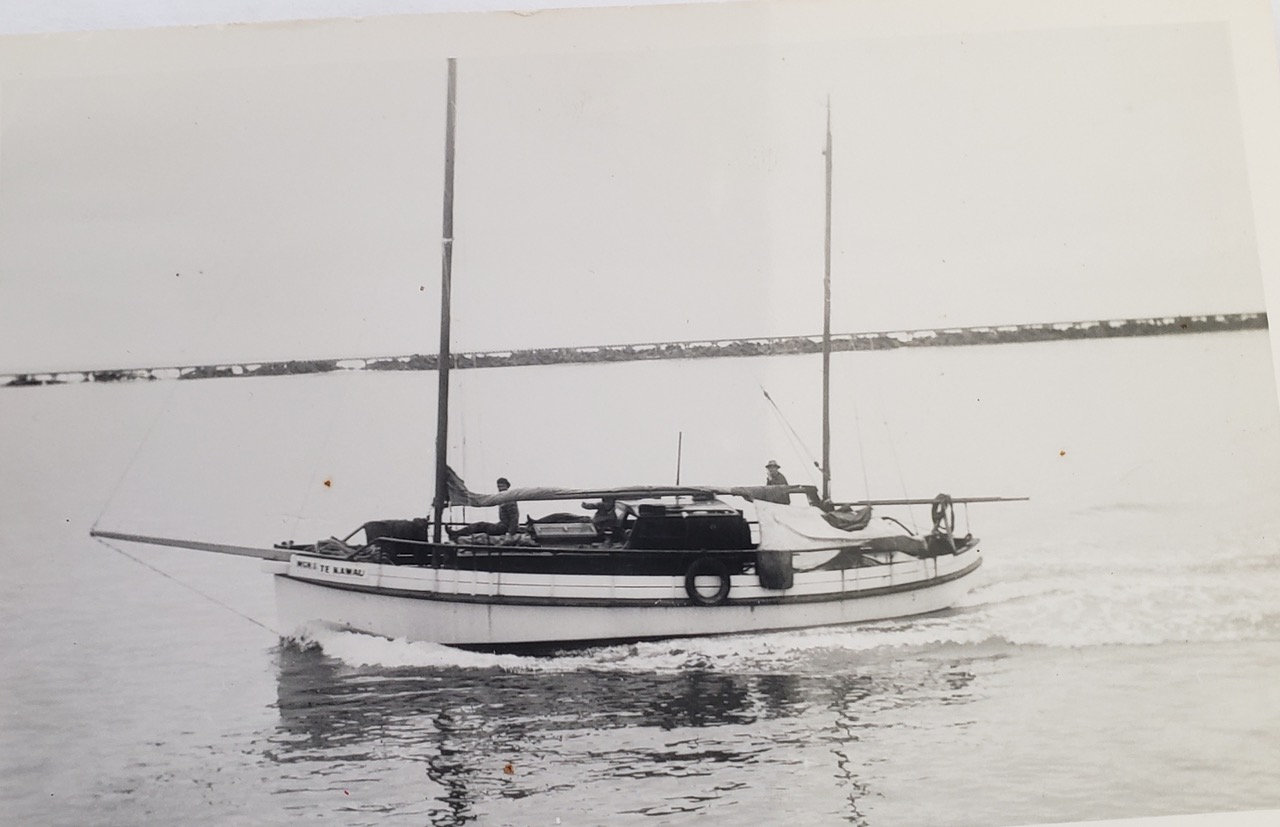
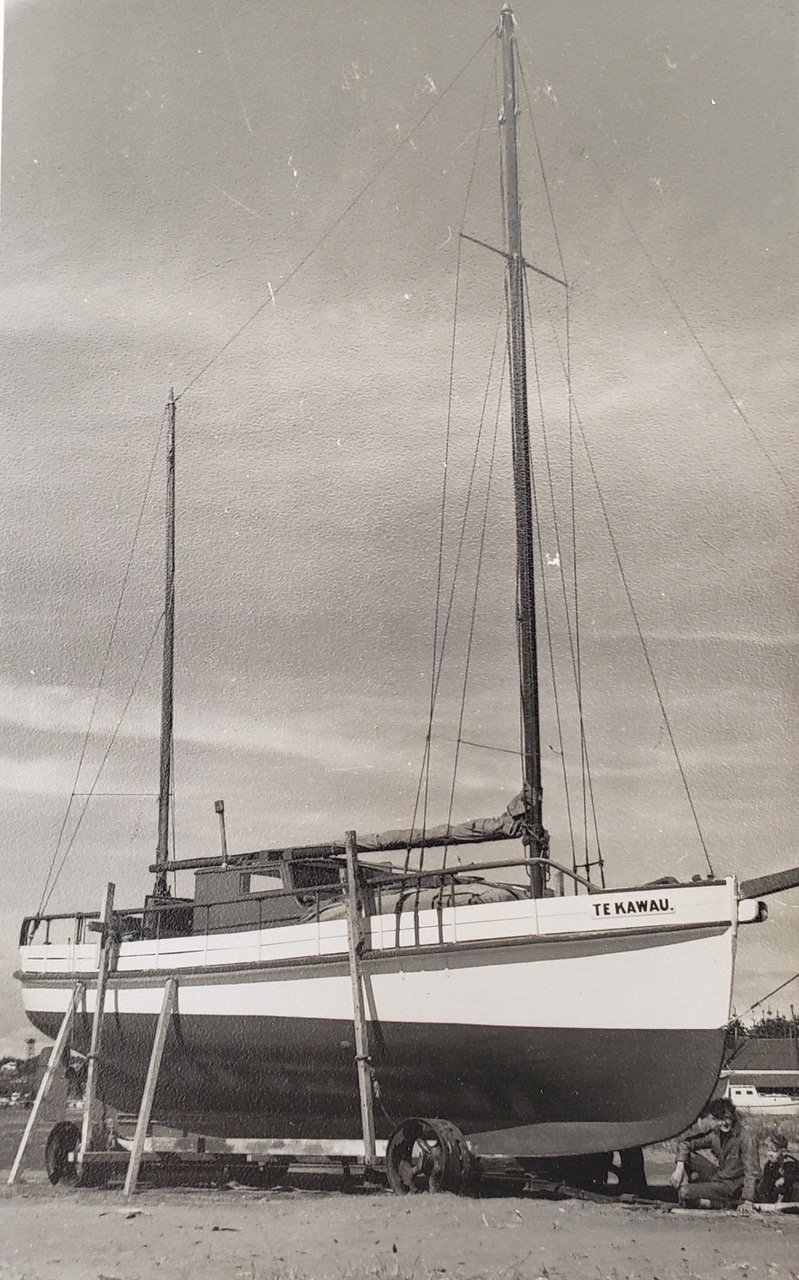
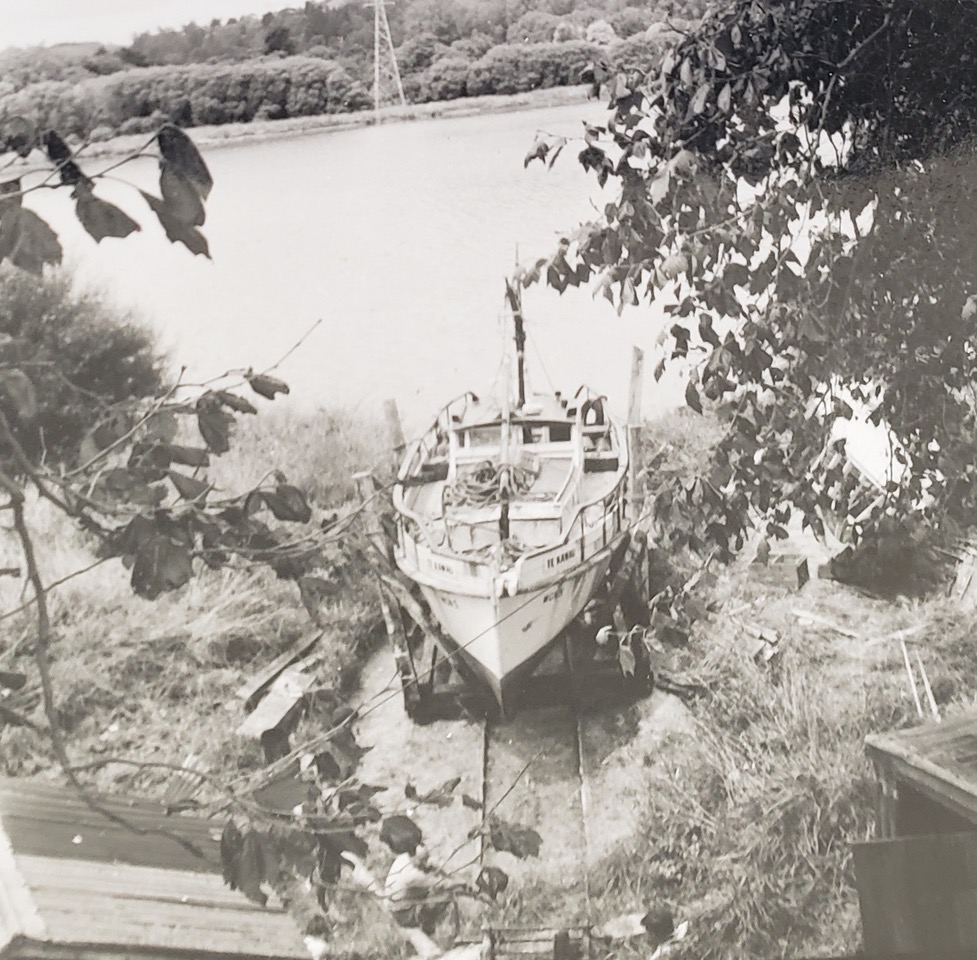
“Today I had a bit of a breakthrough researching my boats history. You may remember I bought ARIANA in about 2020 and have been searching for more information ever since. A while back I discovered that before she was named ARIANA and before GLENROWAN she was named TE KAWAU as shown in the top photo above which I had just discovered.
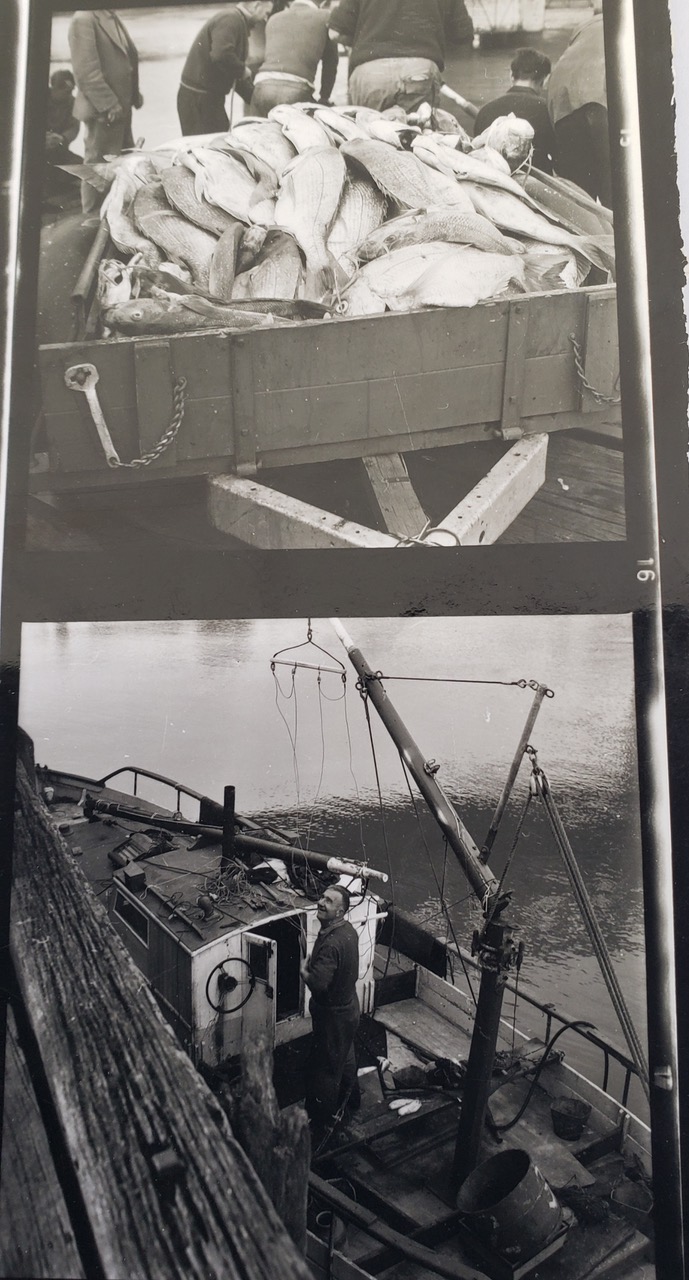
The other photos are also from the 1950’s. She was then owned by Bill Ryland and fished out of Wanganui. Bill owned her until 1974 when she was sold to the Turner family and moved to Nelson where John Turner ran her. Sometime in the 1980’s she changed hands again and was renamed GLENROWAN then to the John Stewart who had her converted then I bought her.
So I’m hoping someone knows who owned her before Bill? The Turner family knew of the boat in the 1940’s as old man Turner fished on her then, possibly out of Picton. My best guess is that she was built by Lanes of Picton but searching the records does not come up with her name. I have been told that she may have been built in Lyttleton so maybe Millar Bros? She is similar to other boats built by Lanes and Millar and Tunnage so who knows?
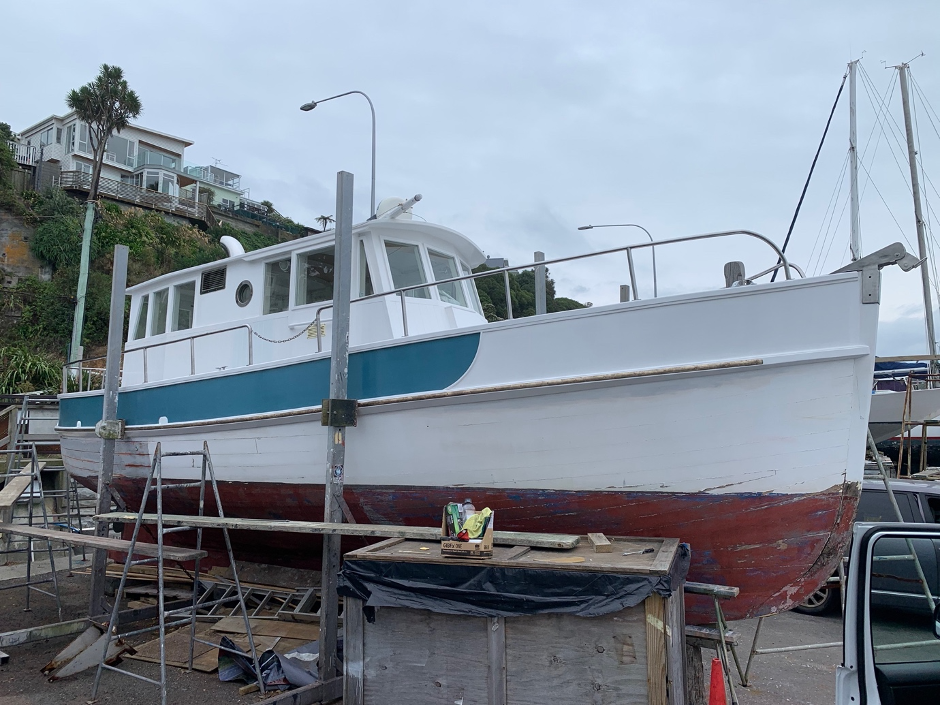
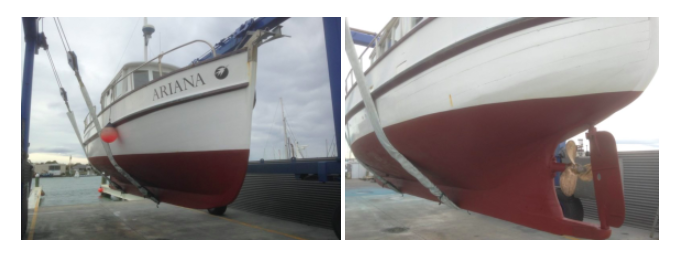
ARIANA / TE KAWAU is currently still on the hard where I have been undertaking a major rebuild / restoration of her.”
WW has asked to be kept updated on the project, so fingers crossed for more stories. In the mean time can we learn more about this classic woody.
Check out the size of the snapper on the trailer in the b/w photos
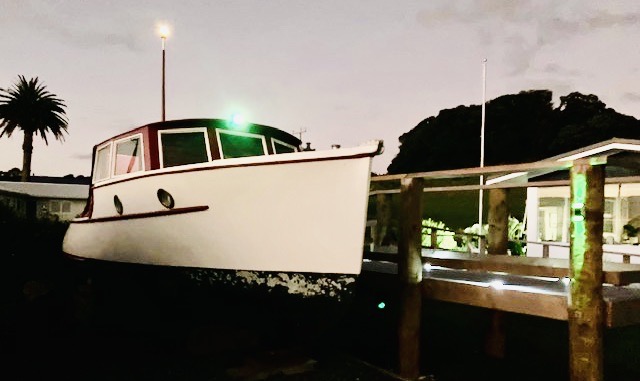
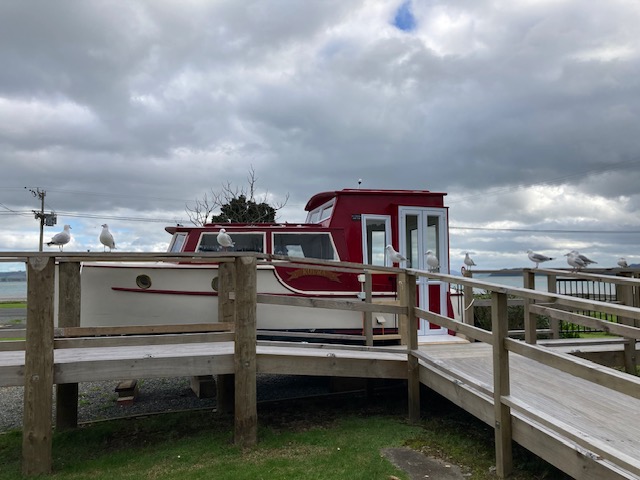
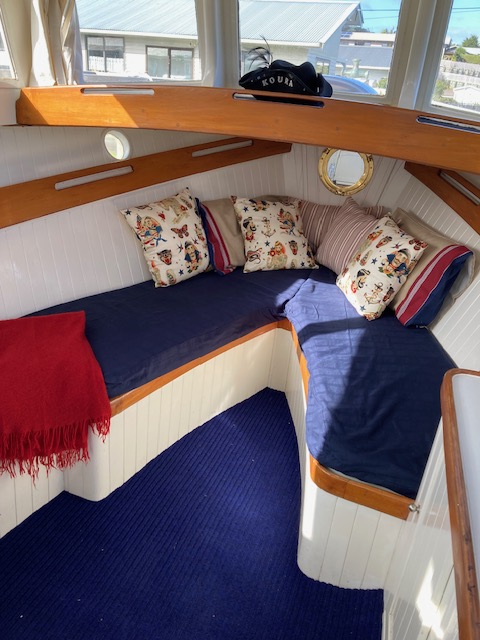
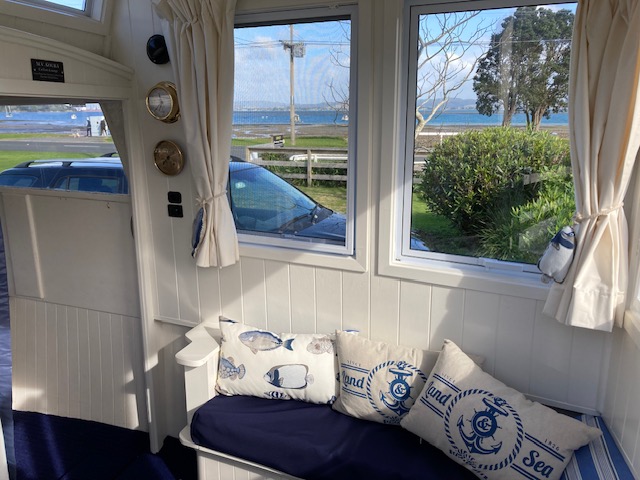
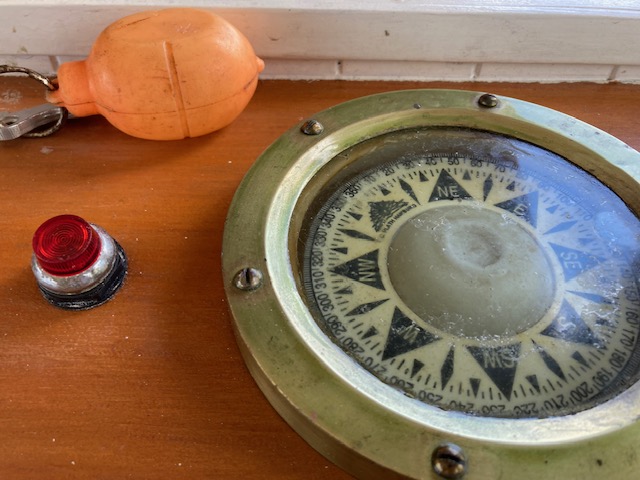
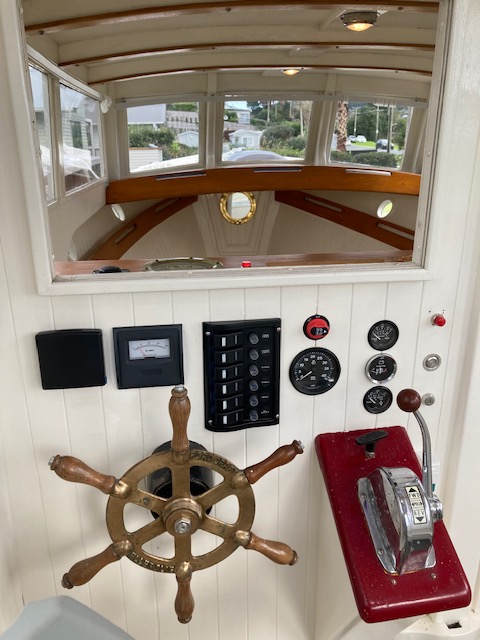
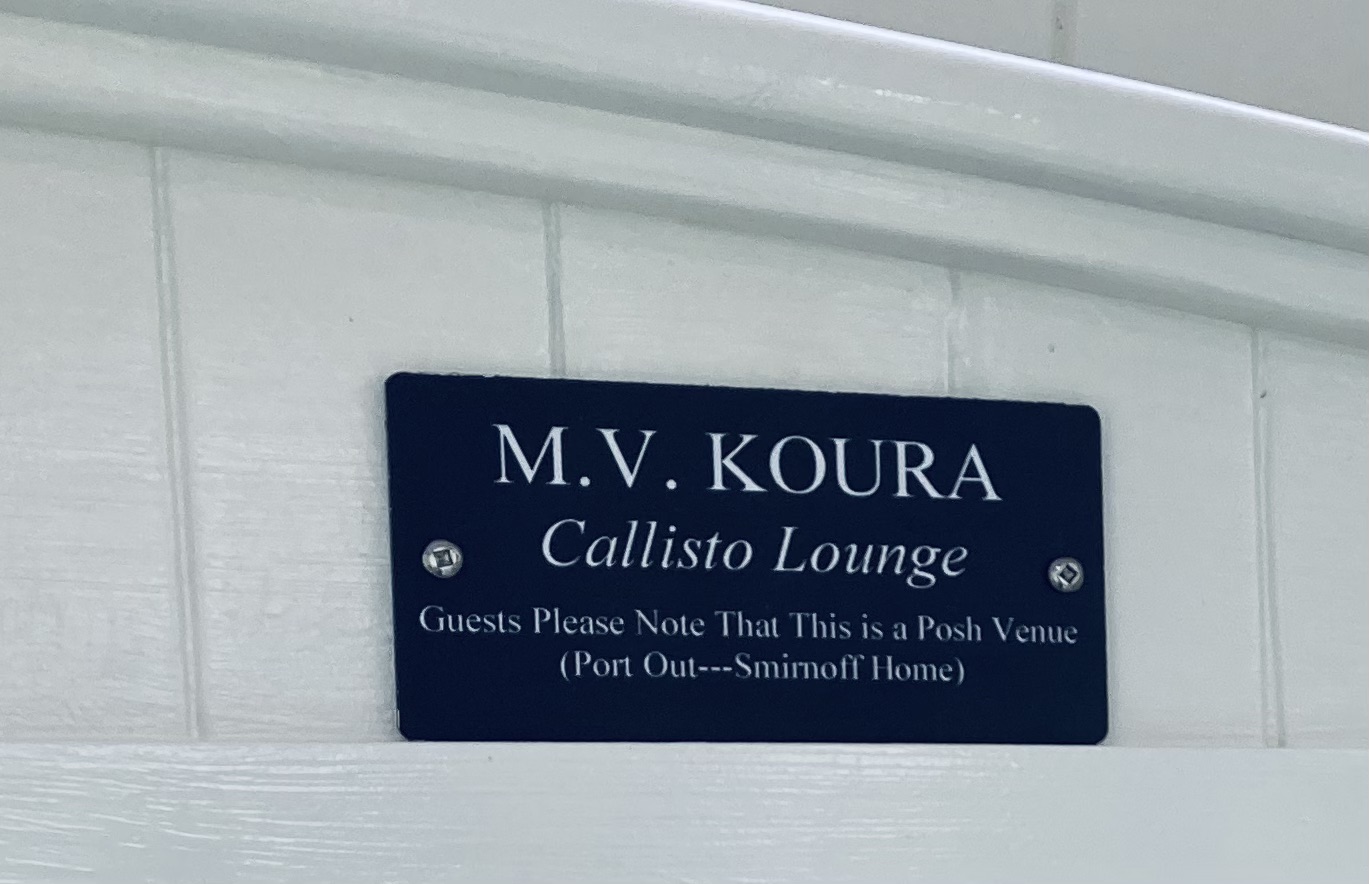
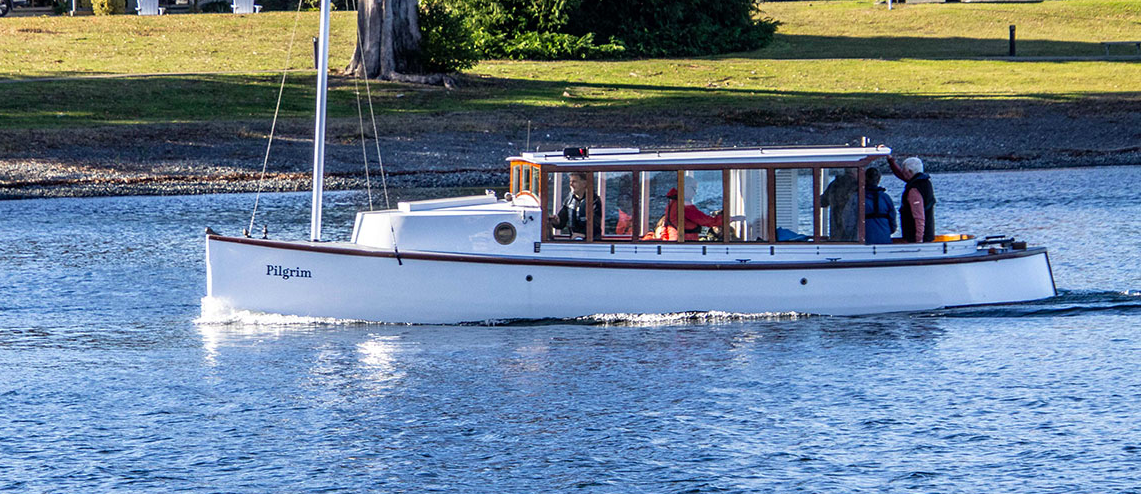
Todays woody story has a twist to it – while the launch KOURA is a genuine classic wooden boat her days afloat are over. Not by neglect or mishap – read on to hear her story and hopefully one of you might be the next custodian.
At the time she had been transformed into a land based ‘man-cave’. Her new ownershad bought Koura to enable Chris Devereaux – a passionate boatie – to enjoy owning a vessel again despite being confined to a wheelchair. The family had many happy cocktail hours aboard her and their grand children had fun sleeping aboard and playing captains and pirates in the holidays. Restoring and creating the KOURA as she is today gave Chris a purpose and much joy.
Sadly Chris succumbed to his auto immune disease in late May and now partner Barbara Harris is selling their Whangarei property and KOURA needs a new home.
So woodys – if any of you are interested in buying her and continuing her story Barbara would love to chat. Whilst KOURA would be very cool as a ‘man cave’ , there must be a grandad out there with some spare land that he could install KOURA on. Me thinks that overnight you would become #1 grand parent.
If you or someone you know has room in their life for KOURA – initially contact Barbara at Bjaneharris1@gmail.com
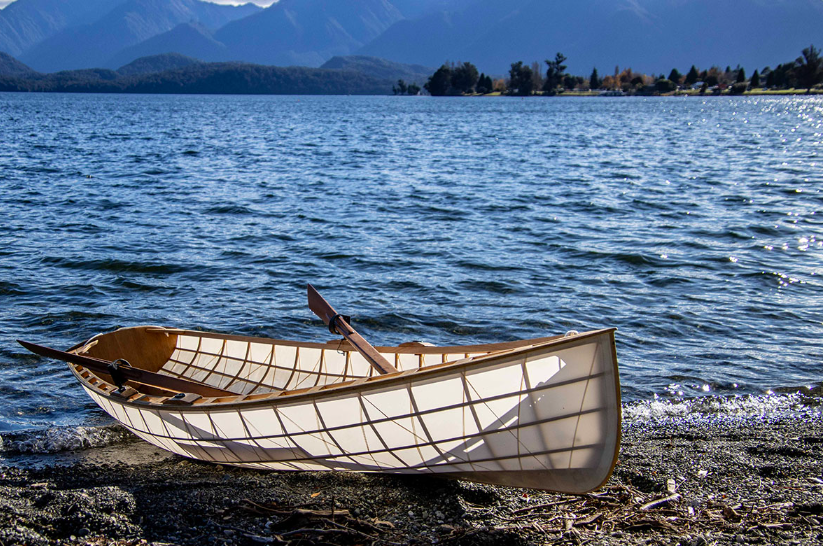
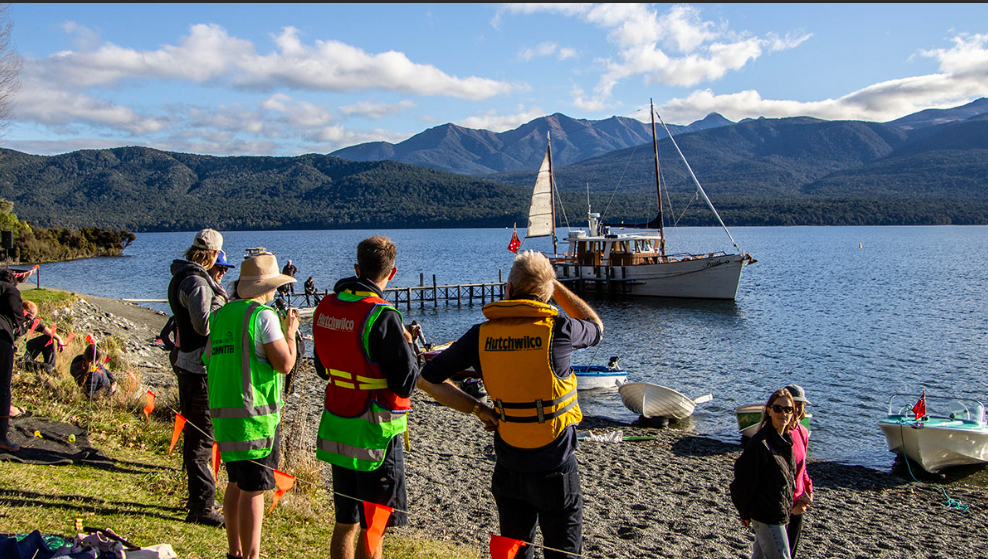
One of the many publications WW receives is ‘DEADWOOD’, the newsletter of The Picton Clinker & Classic Boat Club. They are an amazing club and so proactive. Each month reading the newsletter makes me feel very positive about the NZ classic wooden boat community, we need more clubs like the PC&CB thru out NZ.
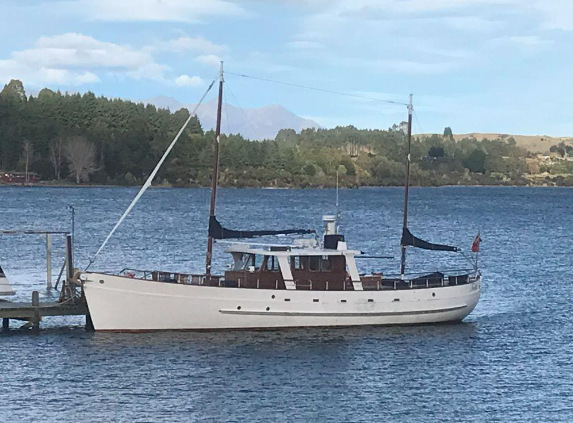
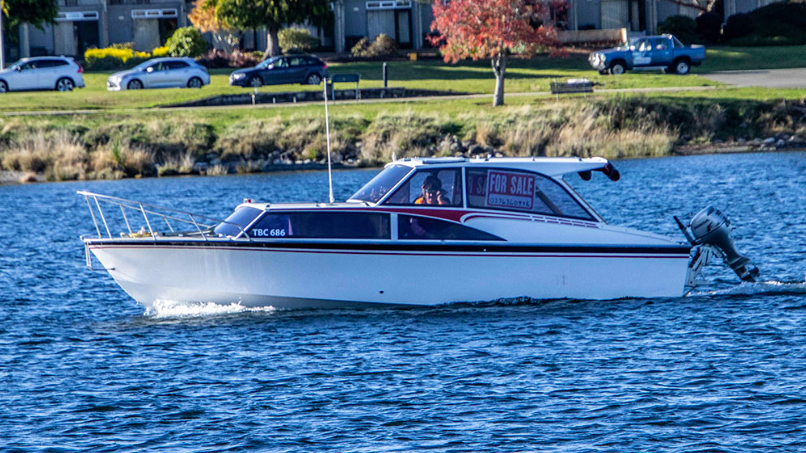
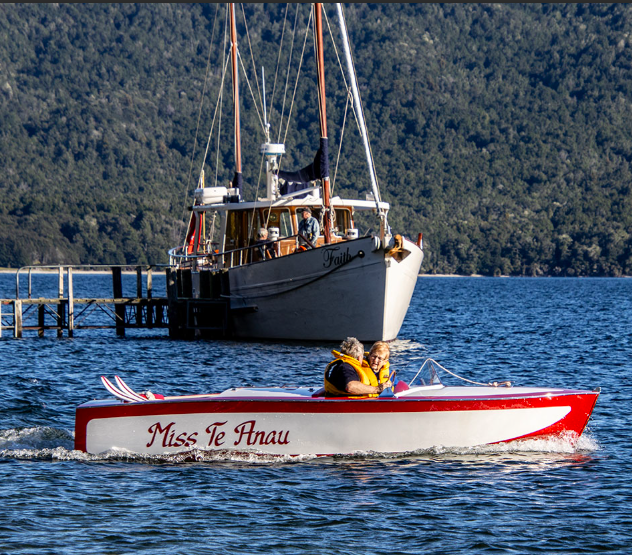
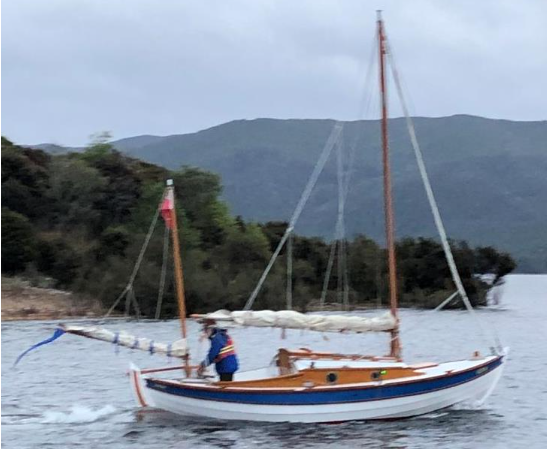
The latest issue of DEADWOOD featured what I believe was the inaugural Fiordland Classic Boat Festival, held on the weekend of May 23>25 2025. I have included a few photos above and enclosed a PDF copy (below) of the newsletter for those wanting to read more.
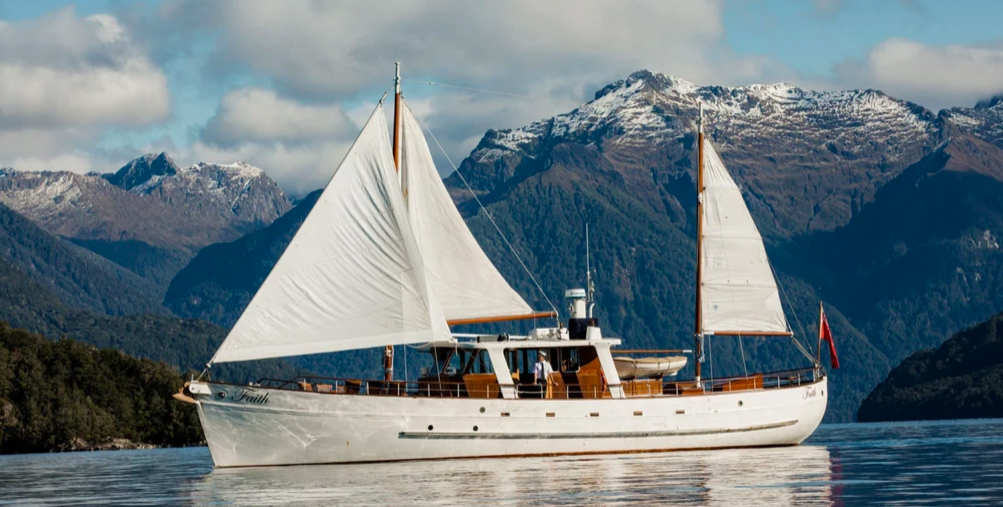
The event also celebrated the tourist boat FAITH’s 90th birthday, a truely stunning woody operated as a charter boat by Fiordland Heritage Cruises – photo below https://fiordlandhistoriccruises.co.nz Which reminds me I must do a WW story on FAITH’s provenience.
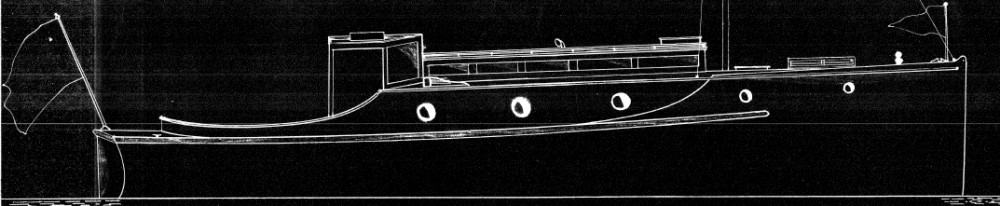
YESTERDAY MYSTERY LAUNCH UPDATE – the mystery remains but I can tell you its not ARIES. Could go into a lot of details but simplest answer is only 2 pots holes – ARIES had three and they were round, not oblong – refer below photo. A tip use the WW search box before casting your vote 😉
LOOKING FOR INFORMATION ON – CLASSIC LAUNCH – COLUMBIA
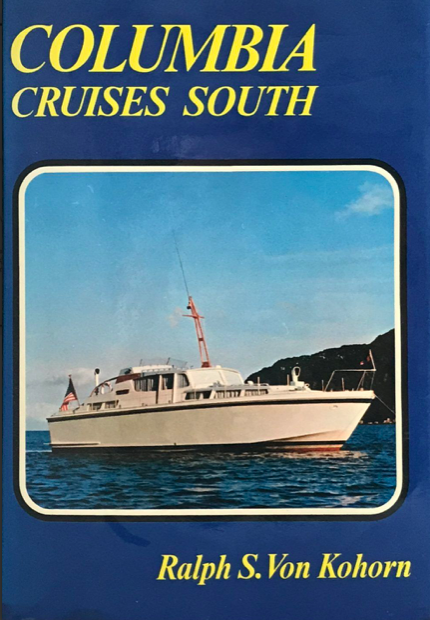
Recently WW was contacted by Richard Erdman who had just finished re-reading 2 books penned by Ralph S Von Kohorn that document Ralph’s circumnavigation of the South and North Islands of New Zealand in the early 1970’s aboard his motor vessel COLUMBA. Richard commented that COLUMBA was designed in 1967, 45′ loa, and powered by a single Detroit GM 283, 8 cylinder engine, that gave her a top speed of 15 knots but she cruised at 9 knots. No mention was made of the vessels designer or builder.
The books were published : South Island cruise – Jan 1977 and North Island cruise – Jan 1979
In 1977 Ralph was commodore of the Mana cruising club in Wellington.
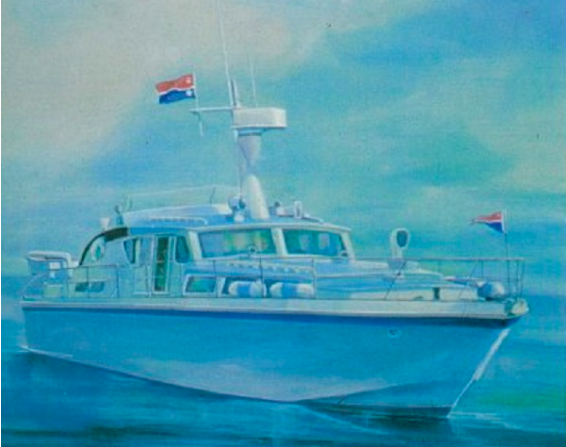
The artist painting of COLUMBA on the North Island book has been very generous in their rendering i.e. she looks better than in real life (South Island cover) 🙂
So woodys todays question is what became of COLUMBA and can we earn more of her back story.
INPUT EX ALAN SEXTON – A very detailed description of Columbia is provided in Appendix II in “Columbia Cruises North”. Quick summary, designed by Jim Cole (California), built by Lidgards, 2 skin kauri , powered by Detroit 8V53, launched 1967. Baron Ralph Steven von Kohorn died in early 2011 aged 91, his wife Jill died some months later aged 67.
INPUT EX JEFF GIDDEN – Used to be moored under the bridges at Paremata many years ago.
INPUT EX BOB SPEARMAN – Columbia is in Havelock, Pelorus Sounds
26-06-2025 INPUT EX SANDRA GIBSON – The Columbia has been restored by Stanford boatbuilders, as she had been gutted. She is now powered by a V8 cat and she is 2 meters longer. Cruises at 14 knots. Modernized inside and very comfortable
Yesterday was the coldest day of the year (so far), 5 degrees when I left the house at 6.30am for the morning coffee fix. Temperature aside once the fog cleared it was a stunning day. Returning homeI top of the email inbox was a note from a mate, Tim Evill who along with his better half Pauline, are currently swanning around Spain and sent in a ‘Woodys On Tour’ report from Galicia (depending on who you believe NZ has been inhabited for around 500>700 years, Galicia is 12,000+ years). Tim Is a great story teller so best if he tells if I hand over to him 🙂 – see below:
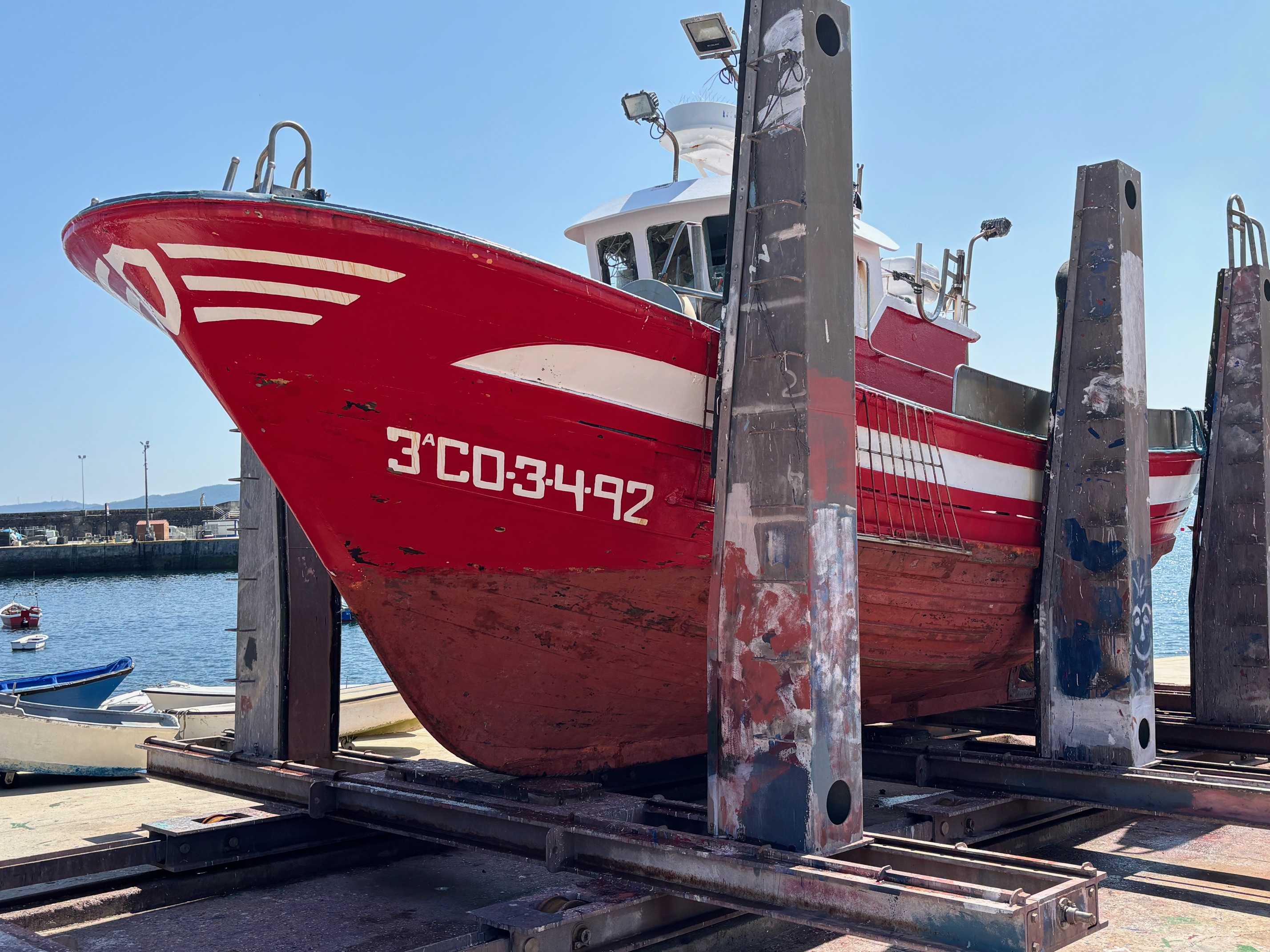
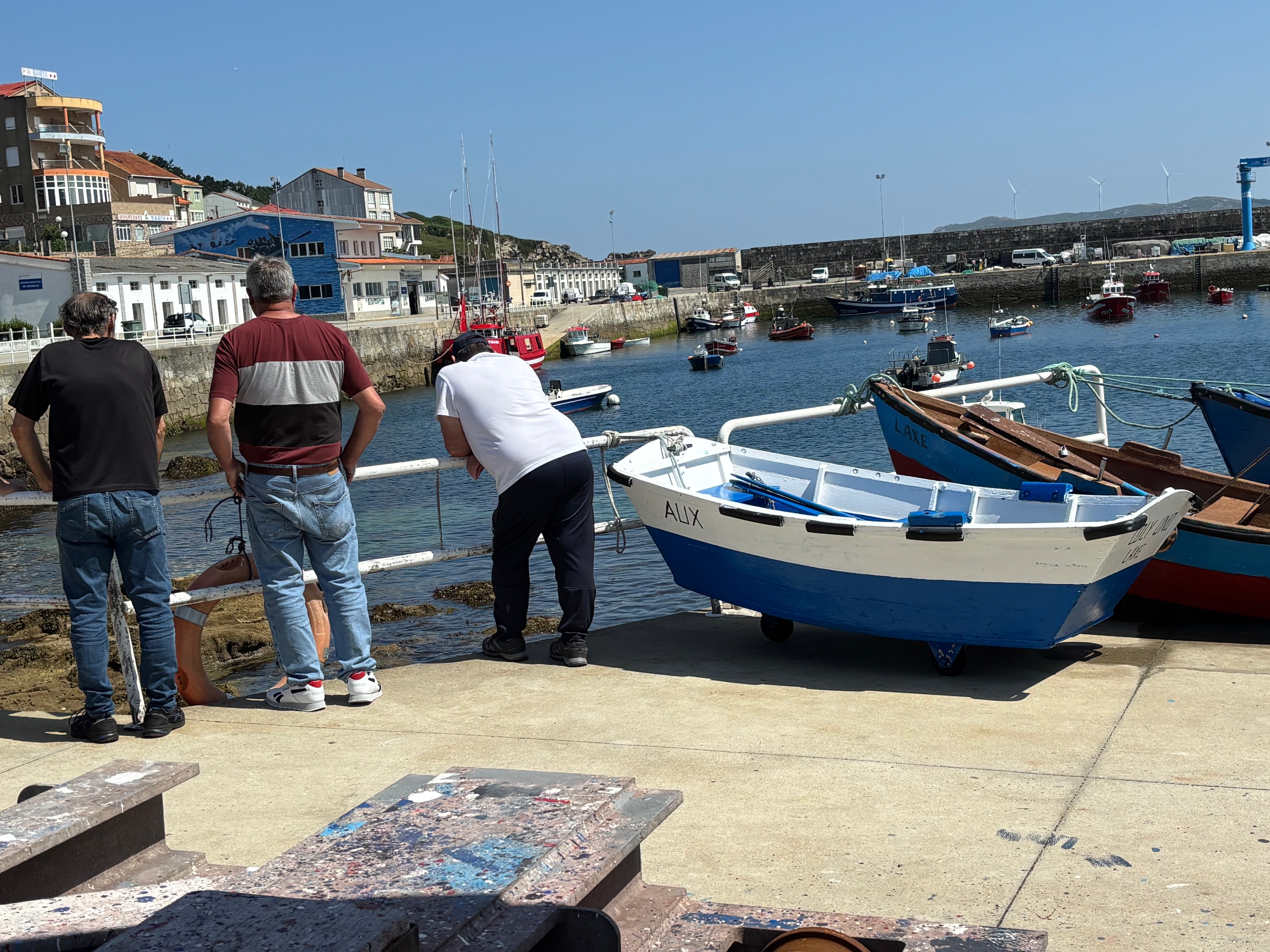
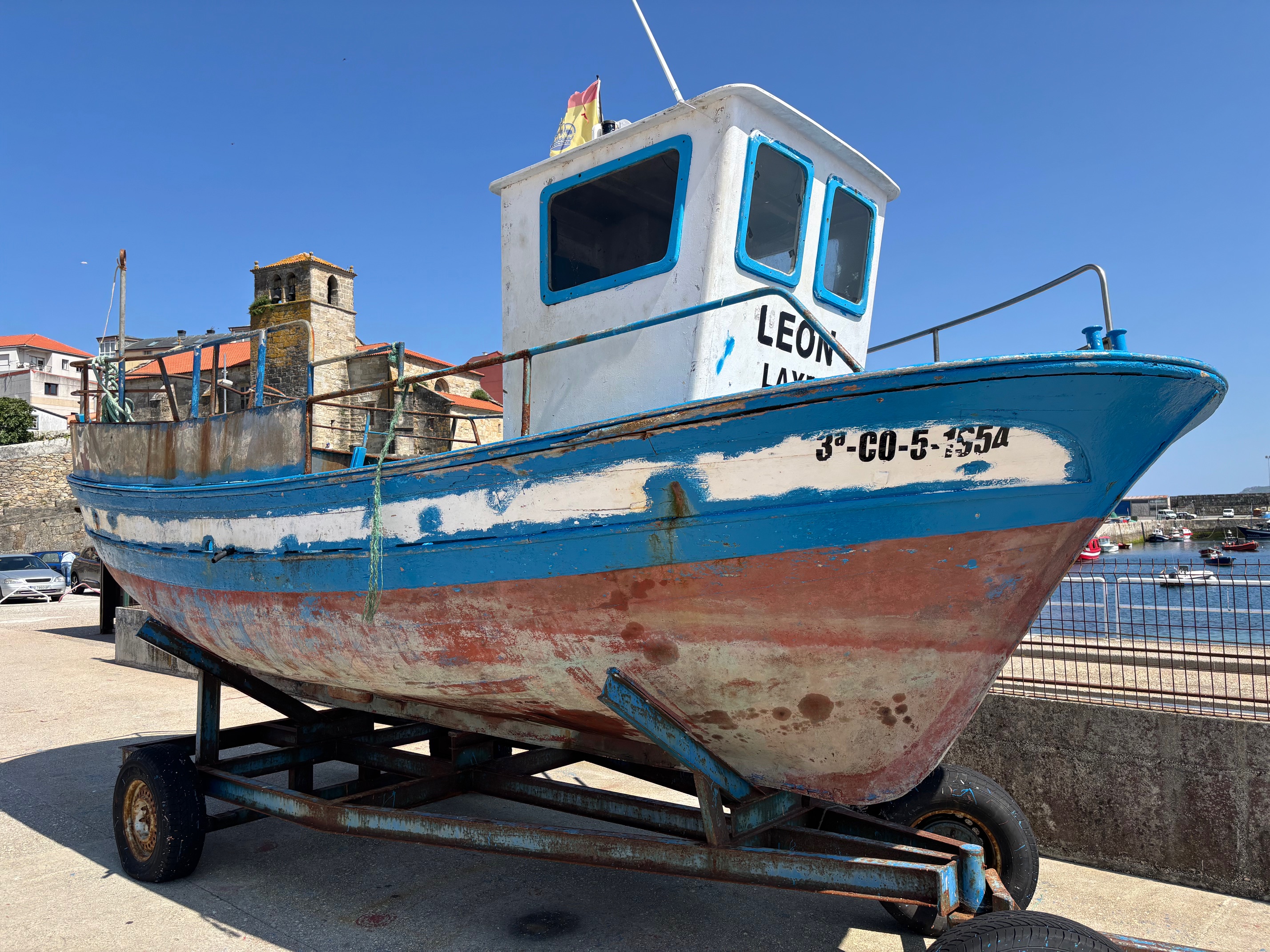
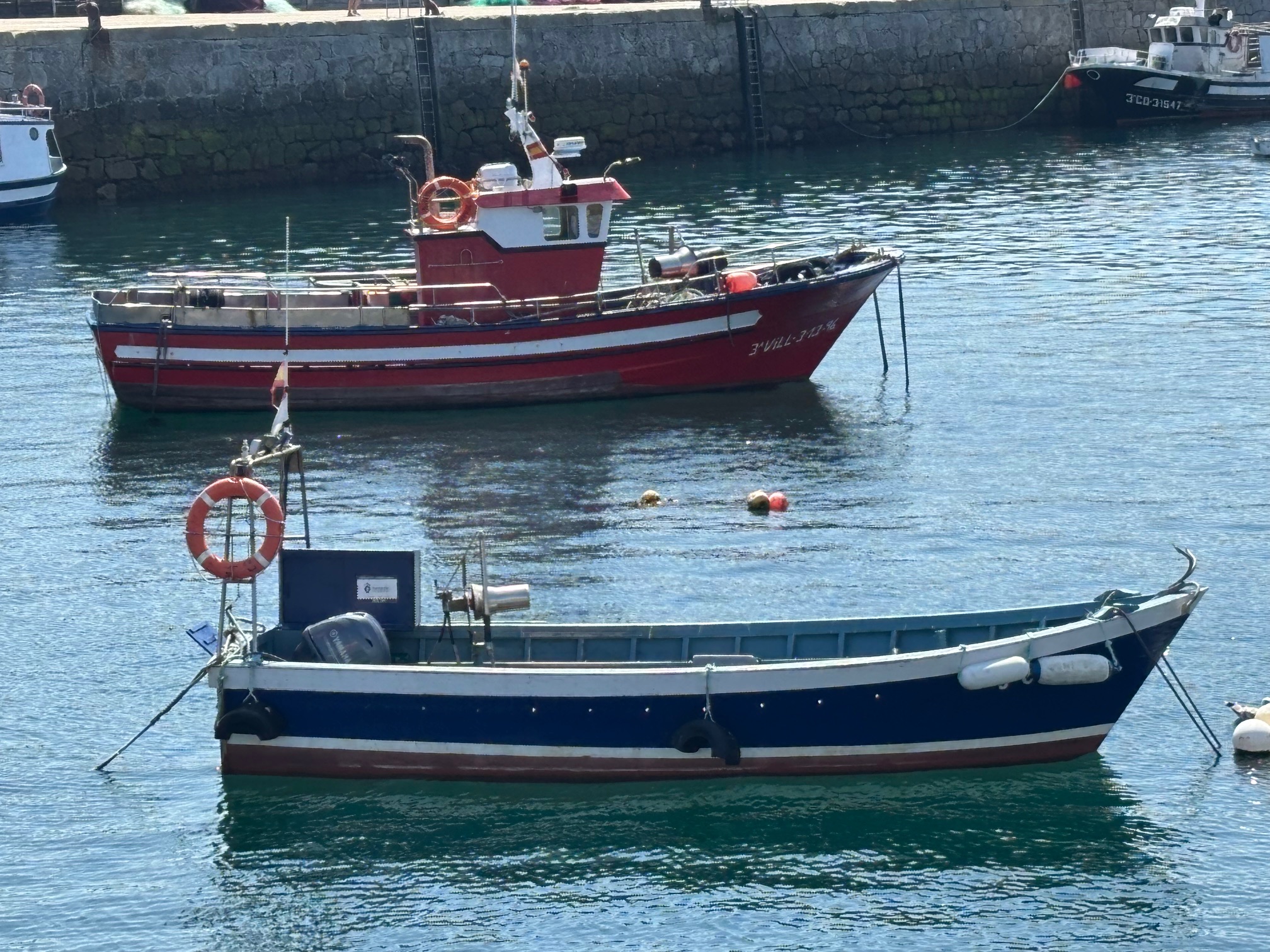
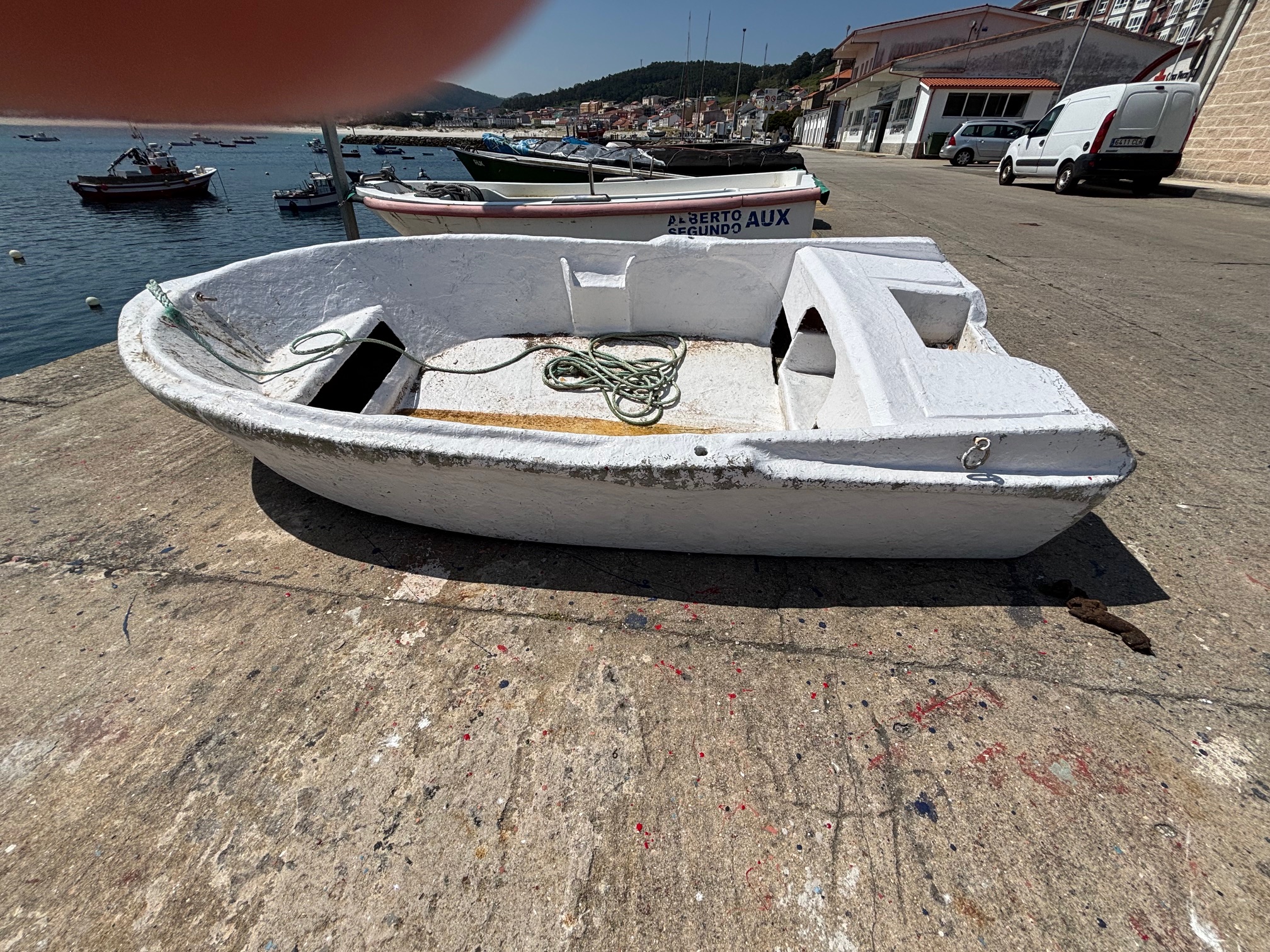
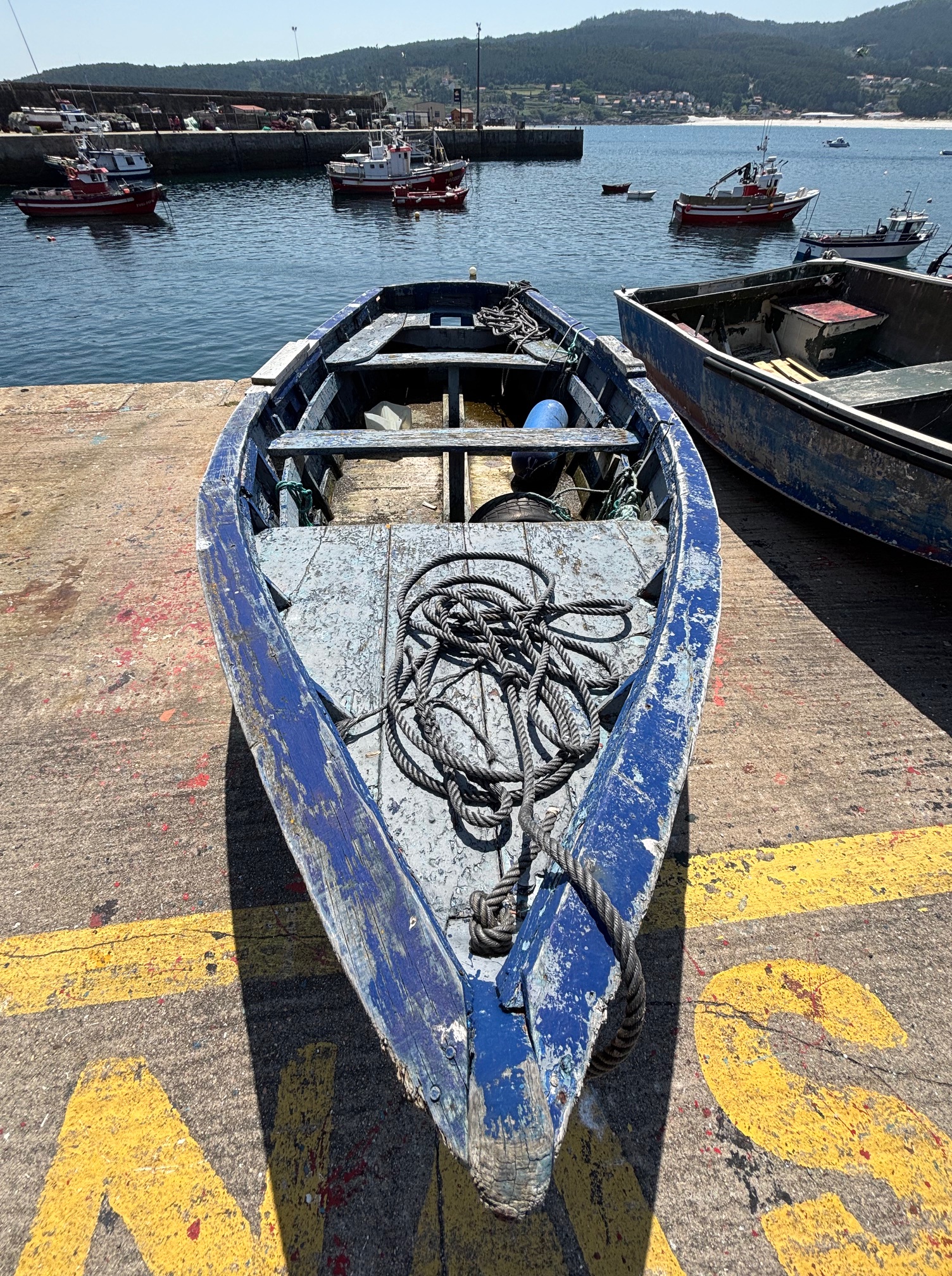
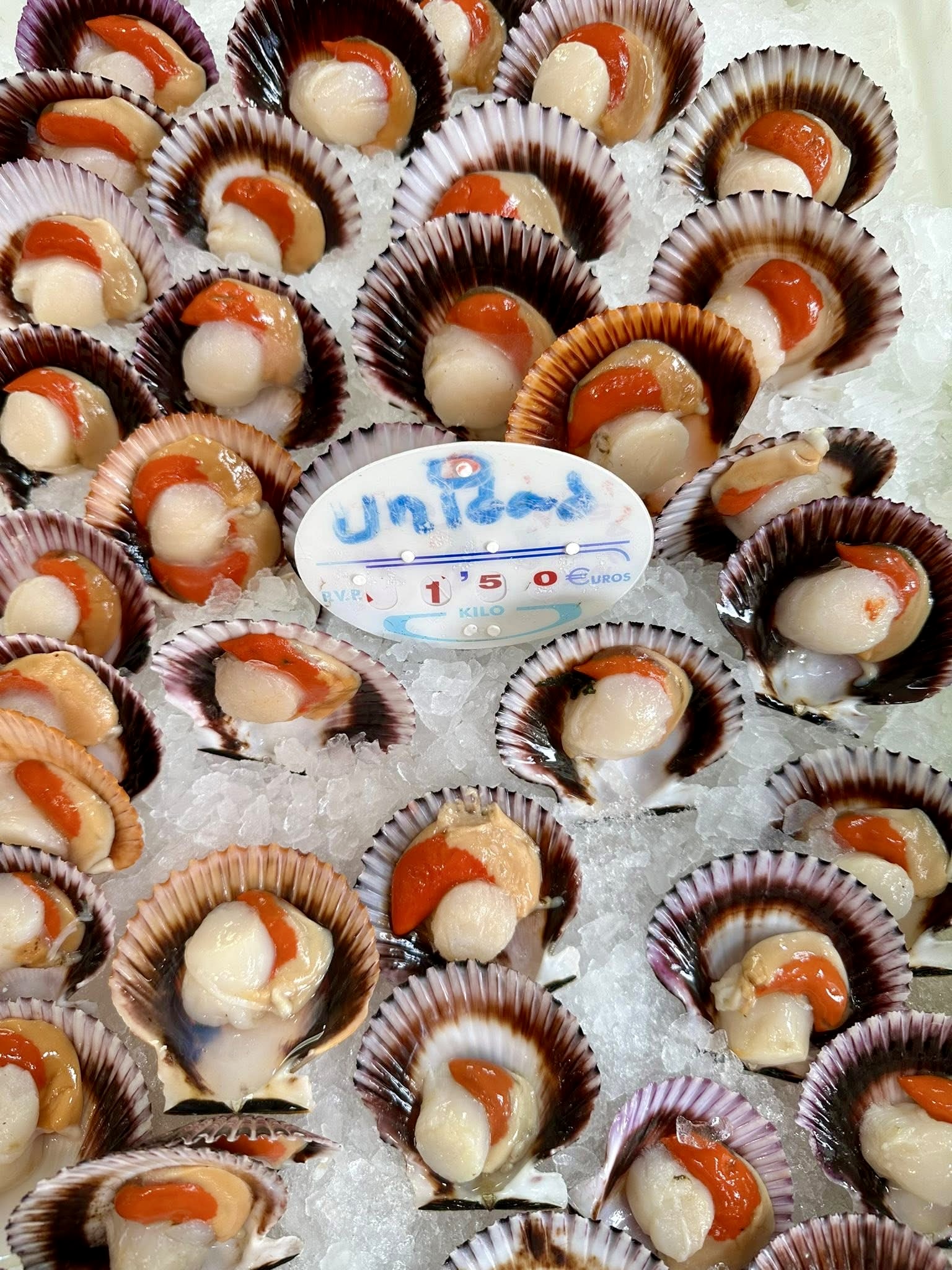
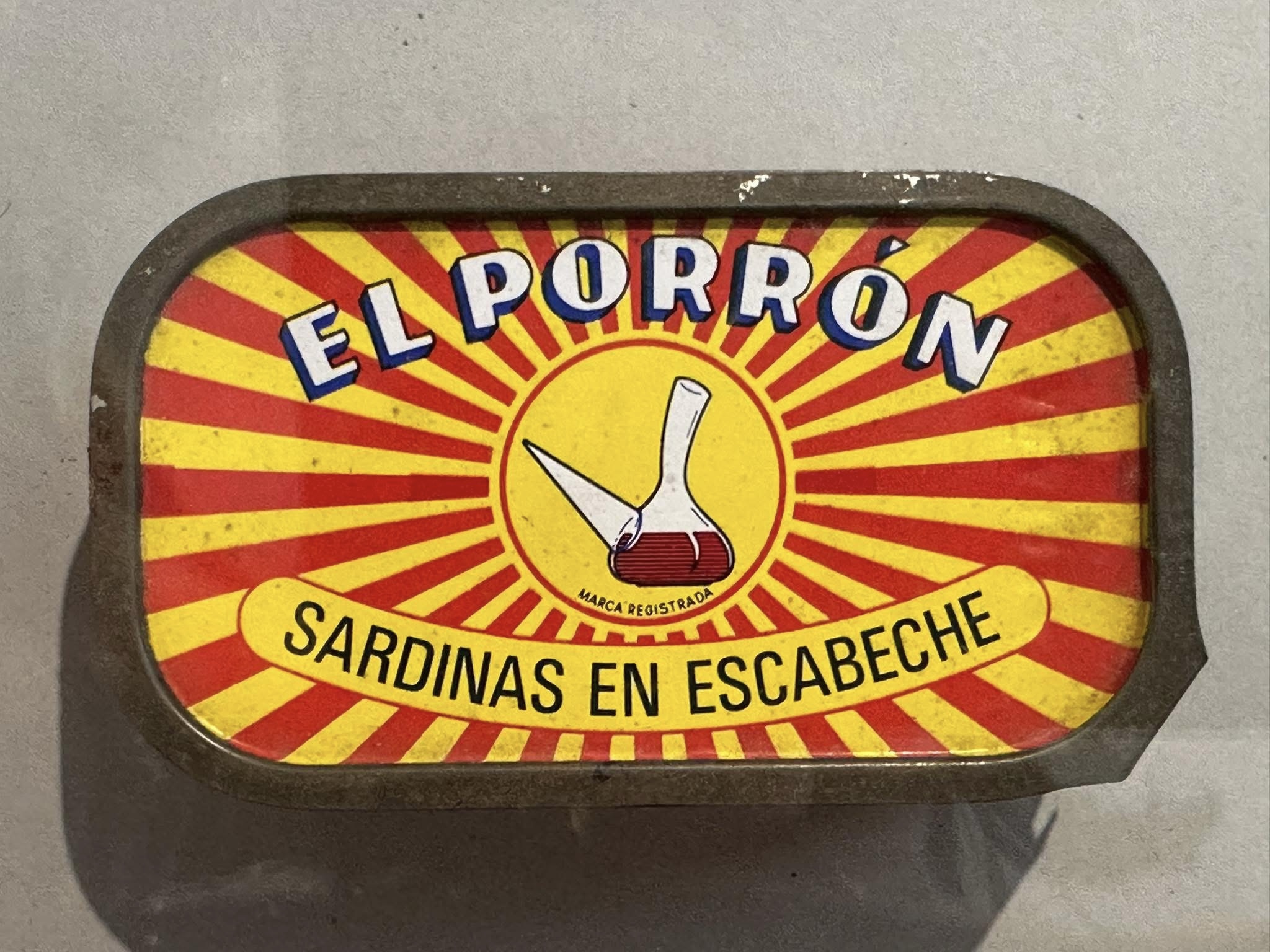
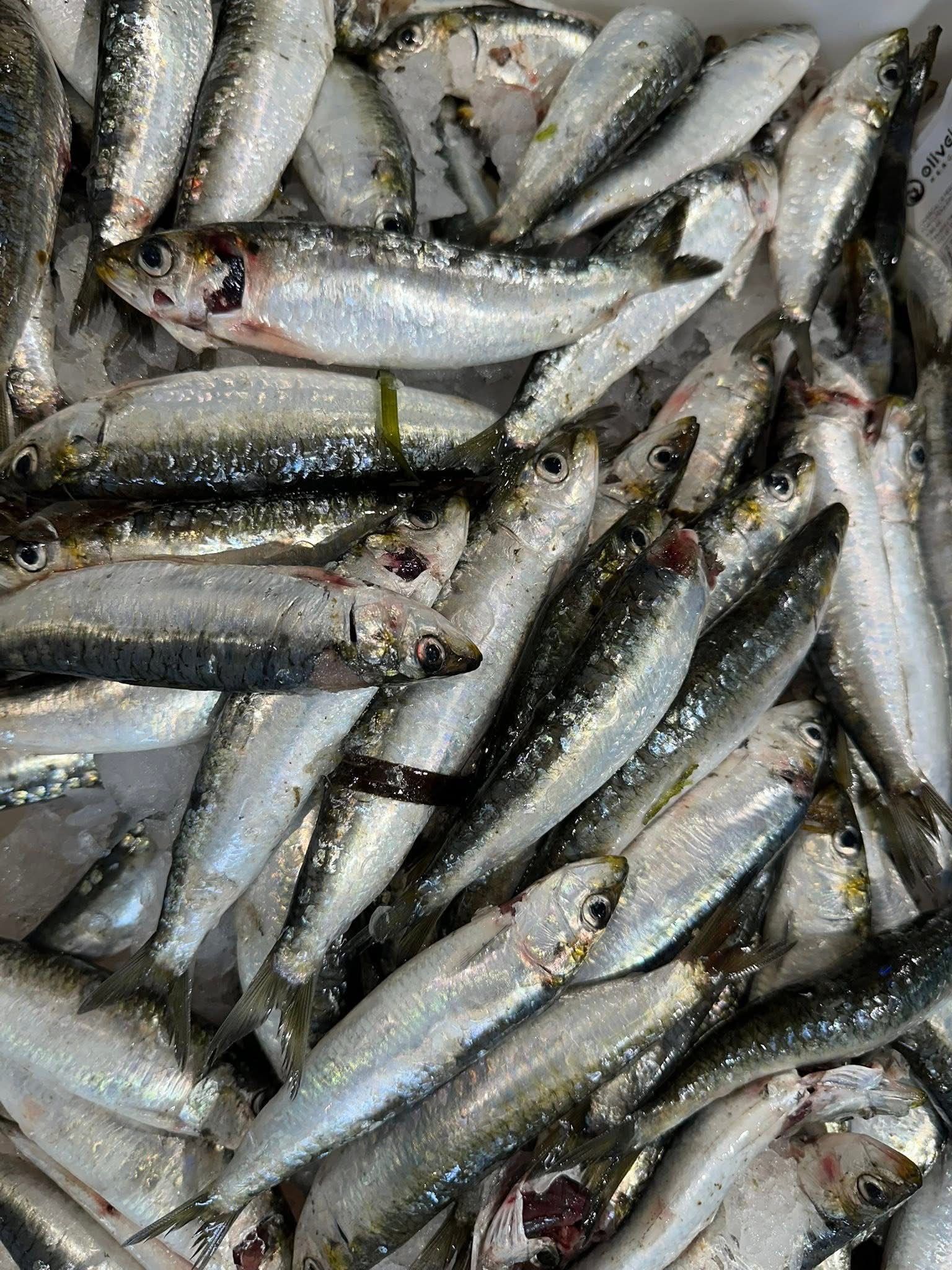
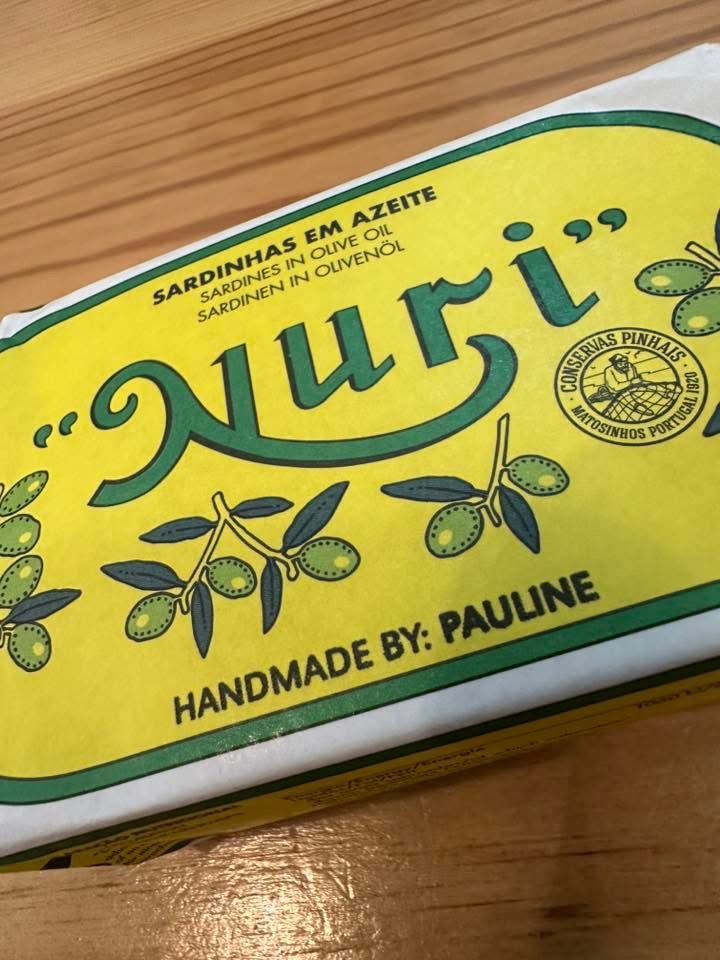
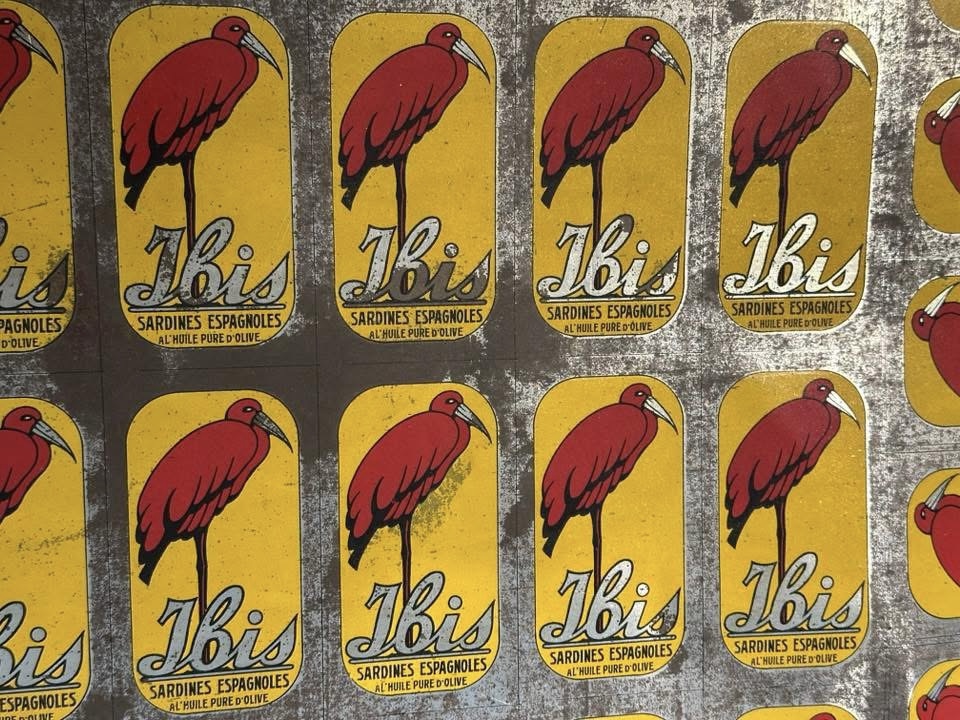
‘We are in Galicia which has a very rugged Atlantic coast known as A Costa da Morte, or the coast of death, due to the large number of shipwrecks that occured over the years and the thousands of drowned souls lost to Davy Jones. In 1596 Twenty ships of the Spanish Armada fleet sank in a violent storm at the entrance to the Corcubión estuary, this disaster alone claimed 1,706 lives. In the fishing port in Laxe, it was good to see that most of the trawlers were tough old woodys that look to have battled a good few storms in their long careers. The tenders were feisty little characters too, though one cute woody had succumbed to the fiberglass fairy a little too keenly! As in any rustic port, the old salts prop up the seawall and put the world to rights whilst the womenfolk cook lunch back at the casa and relish a moment’s peace. Each night the inshore fishing fleet heads out from Laxe to fish the Galicia Bank Seamount not so far offshore, returning with their catches which are then auctioned in the fish market: turbots, soles, skate, seabass, and octopus. This is ancient land and the whole Galician coast has been inhabited for well over 12,000 years. There are many stone circles and burial chambers, similar to Stonehenge though not quite as grand, that have been left standing by the early neolithic farmers. Over 5000 of these stone edifices have been recorded thus far in the area, the most renowned being the Dombate dolmen considered a “cathedral of megalithism” no less, and worth a detour.The port of Laxe is one of many ancient ports dotted in picturesque coves all around Galicia that are still active, if less so than in the past. Galicia had a thriving fish canning industry from 1880 when it produced 8000 tonnes of canned fish in a year. By 1906 it was churning out 45,000 tonnes annually. Not surprisingly as with most famous canning coasts, stocks dwindled and where there were once 400 canneries now only two remain.
The scenery is stunning as is the fresh seafood which can be washed down with a bottle of very excellent local wine, without breaking the bank.
Galicia is of course awash with Camino ‘pilgrims’ rattling their scallop shells and waving their hiking stick as they traverse the trail all feeling very pleased with themselves, as indeed they should.
It’s a truly beautiful part of the world with vastly less tourists than the rest of Spain and no protesters with water pistols to pee on your paella. It is well worth a visit.”
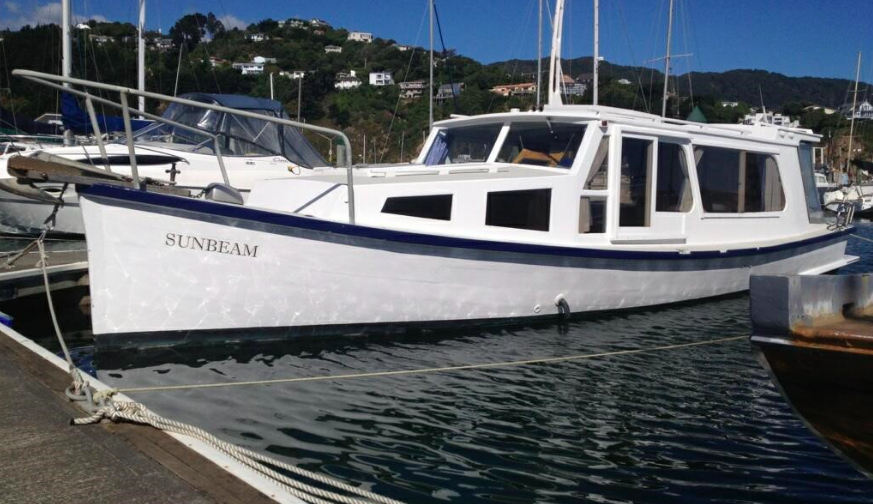
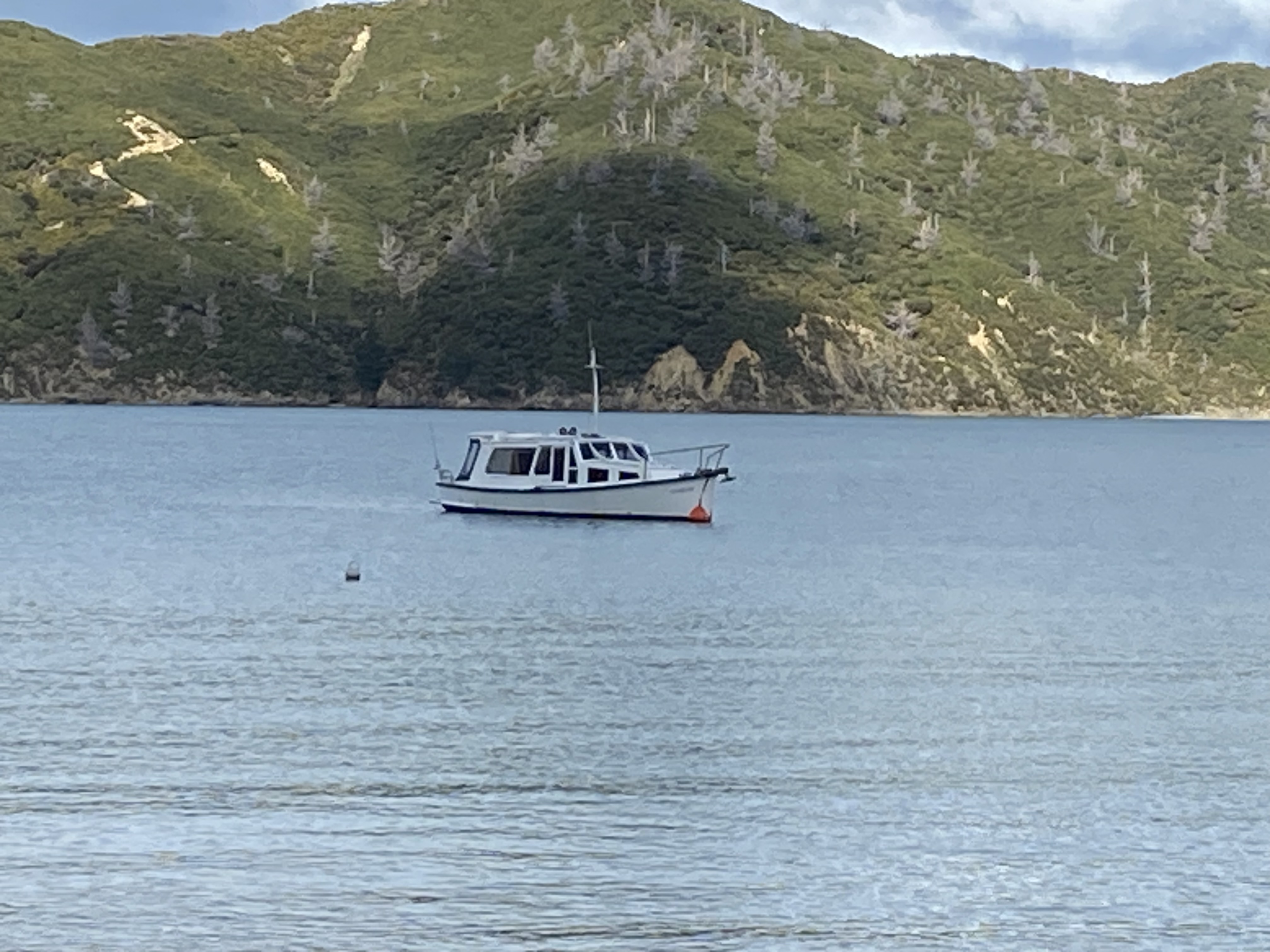
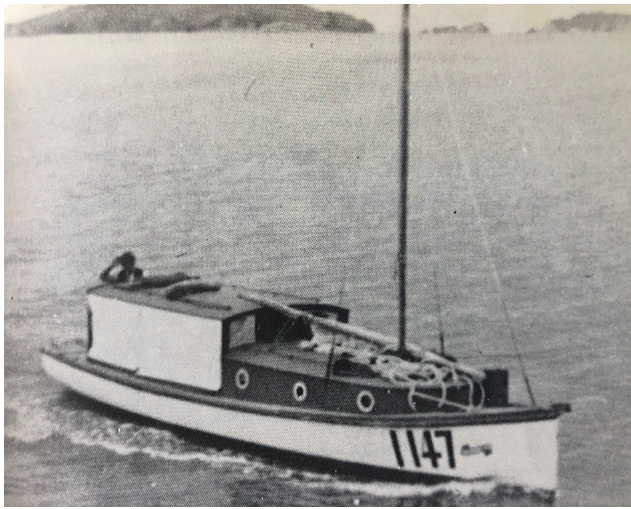
Todays story is two things a look at the 1909 wooden launch SUNBEAM and call from her owner Susan Insley asking for someone to step up and take over the custodianship of SUNBEAM.
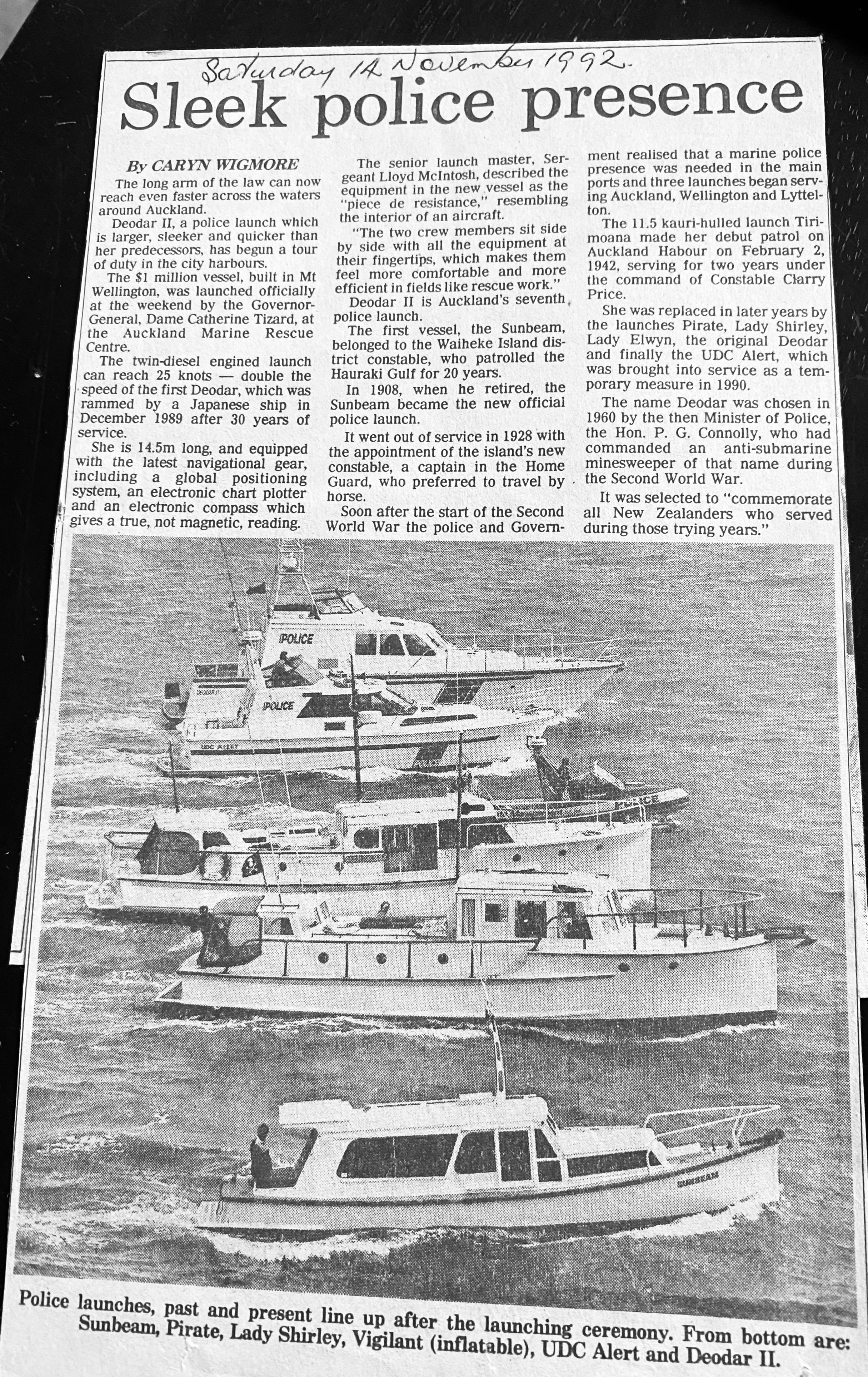
Firstly some background – THE 32′ SUNBEAM was built in 1909 by Bailey & Lowe and constructed from kauri carvel planking. Susan’s great grandfather, Harry Insley, was the police officer on Waiheke Island between 1908 and 1928, and used his launch SUNBEAM for work purposes making her the first Police craft in Auckland.. In the b/w press clipping dated 14th Nov 1992 we see SUNBEM lining up with the craft that later replaced her as Auckland Maritime Police vessels.
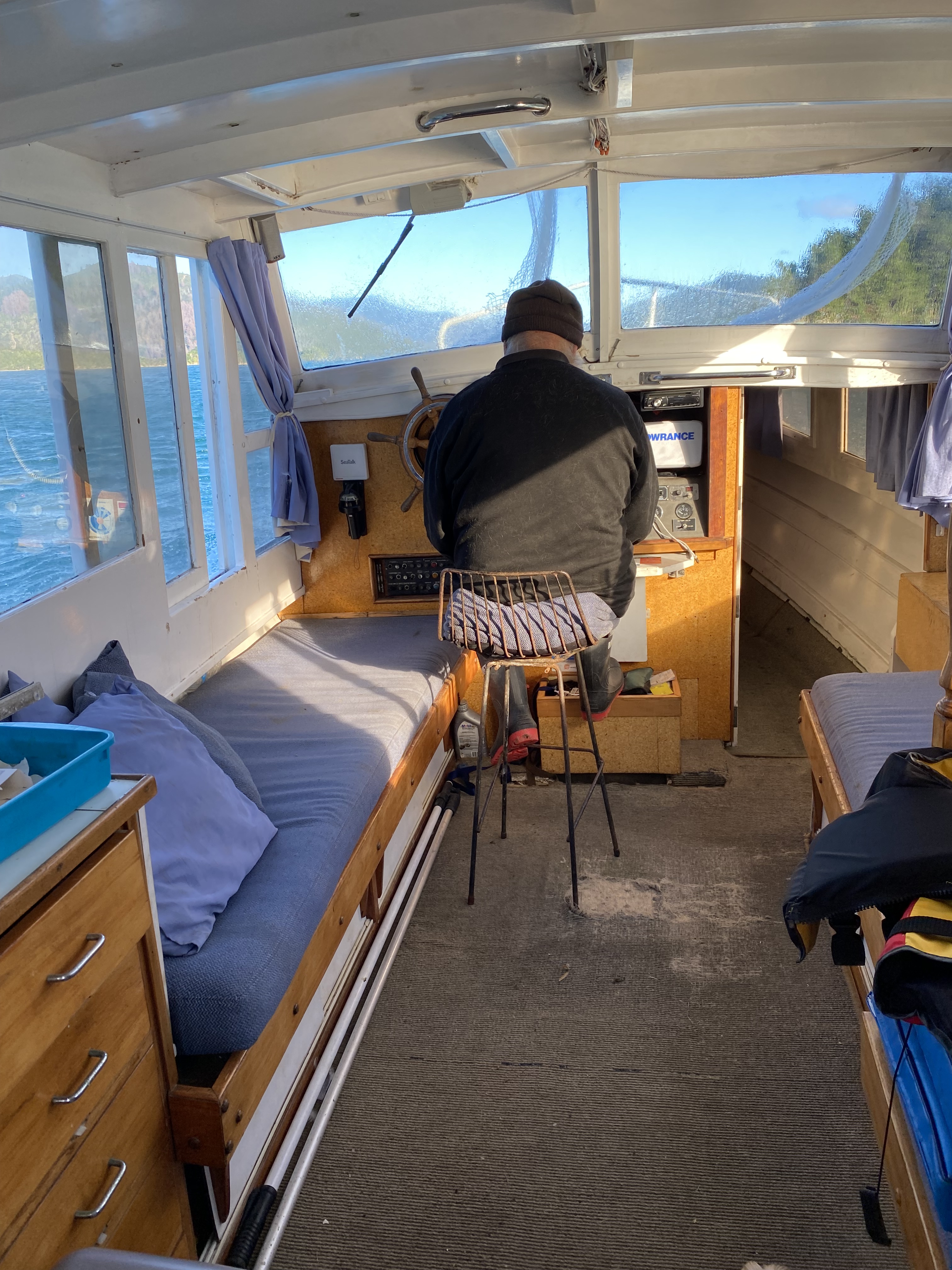
These days SUNBEAM is moored in the Marlborough Sounds and in good working order, but sadly in recent times just not getting the use she deserves / needs. So Susan has made the tough call to find a new owner and has commented to WW that if someone with the right amount of salt in their veins was to step up, the vessel could be a gift. If that person is you or you know someone – initially contact Susan at sueins@xtra.co.nz




















 waitematawoodys.com #1 for classic wooden boat stories, info, advice & news - updated daily - 15+ million views