MYSTERY CLASSIC MOTOR-SAILER – YVALDA

MYSTERY CLASSIC MOTOR-SAILER- YVALDA

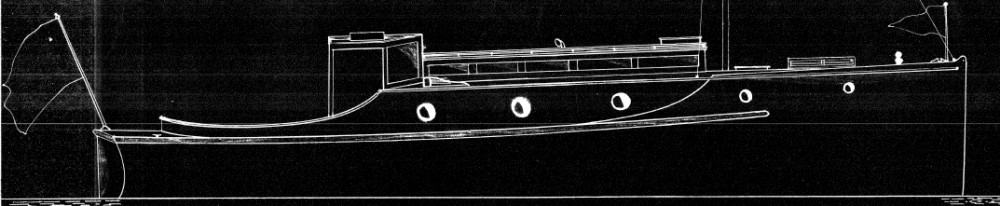
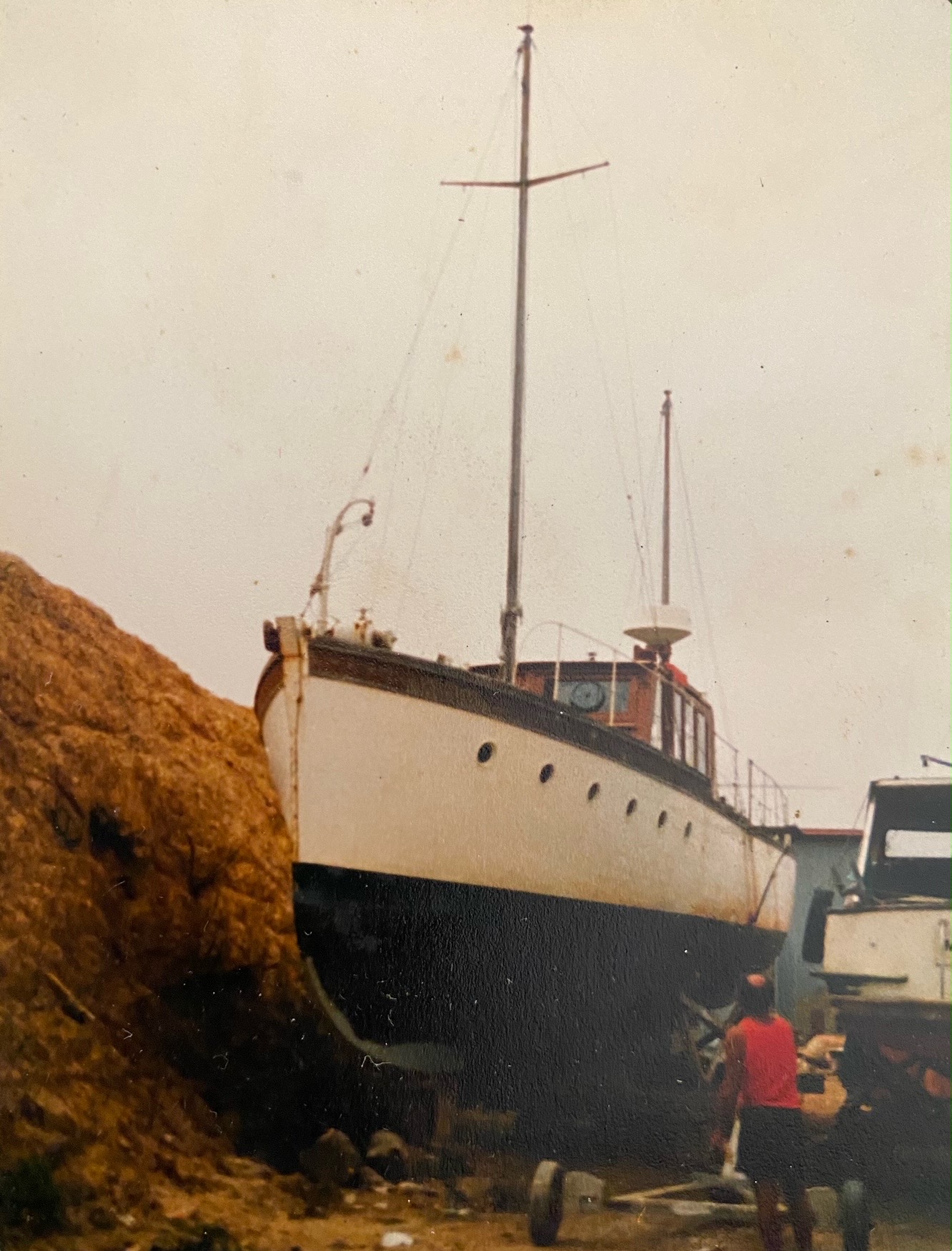
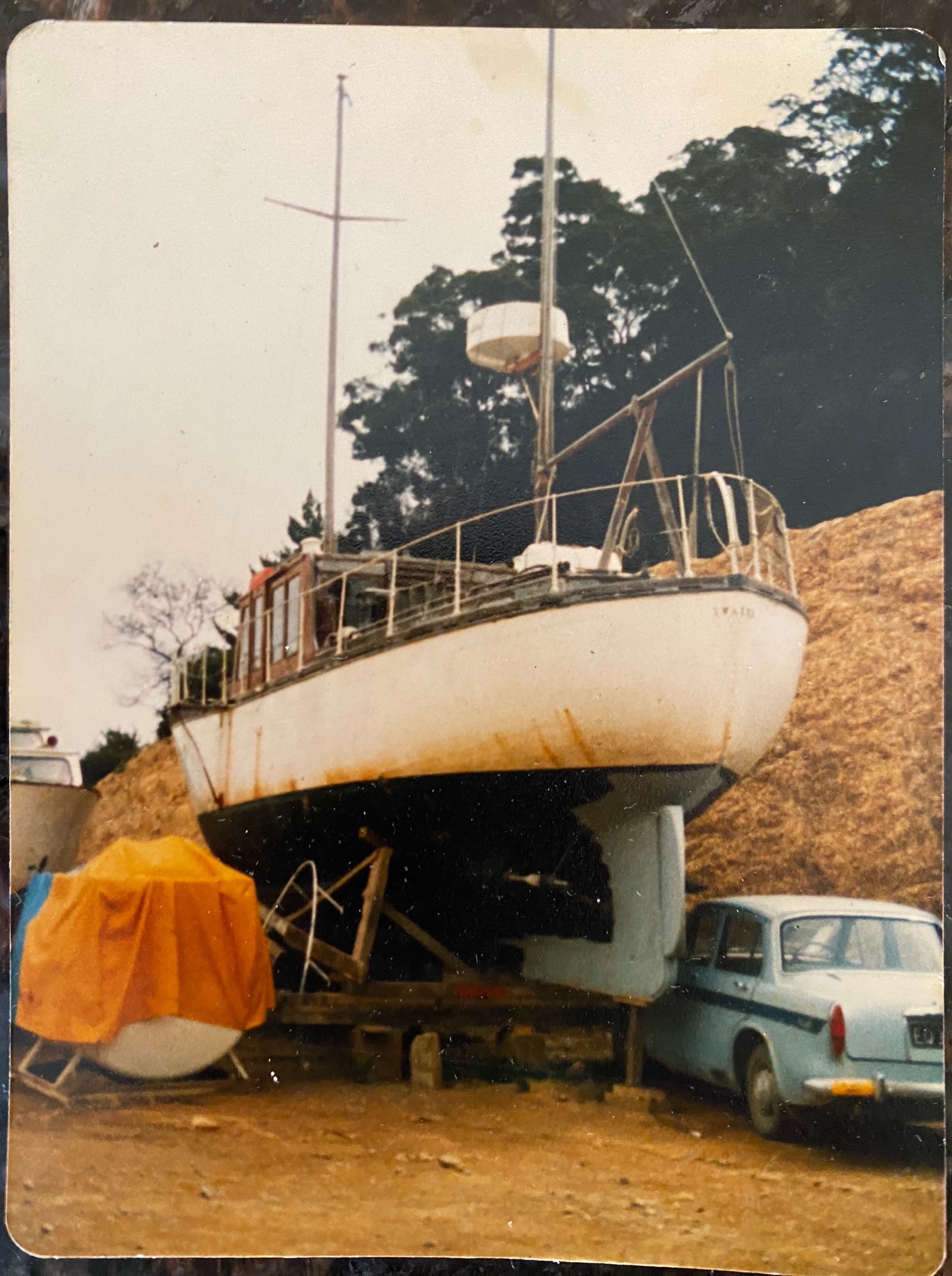
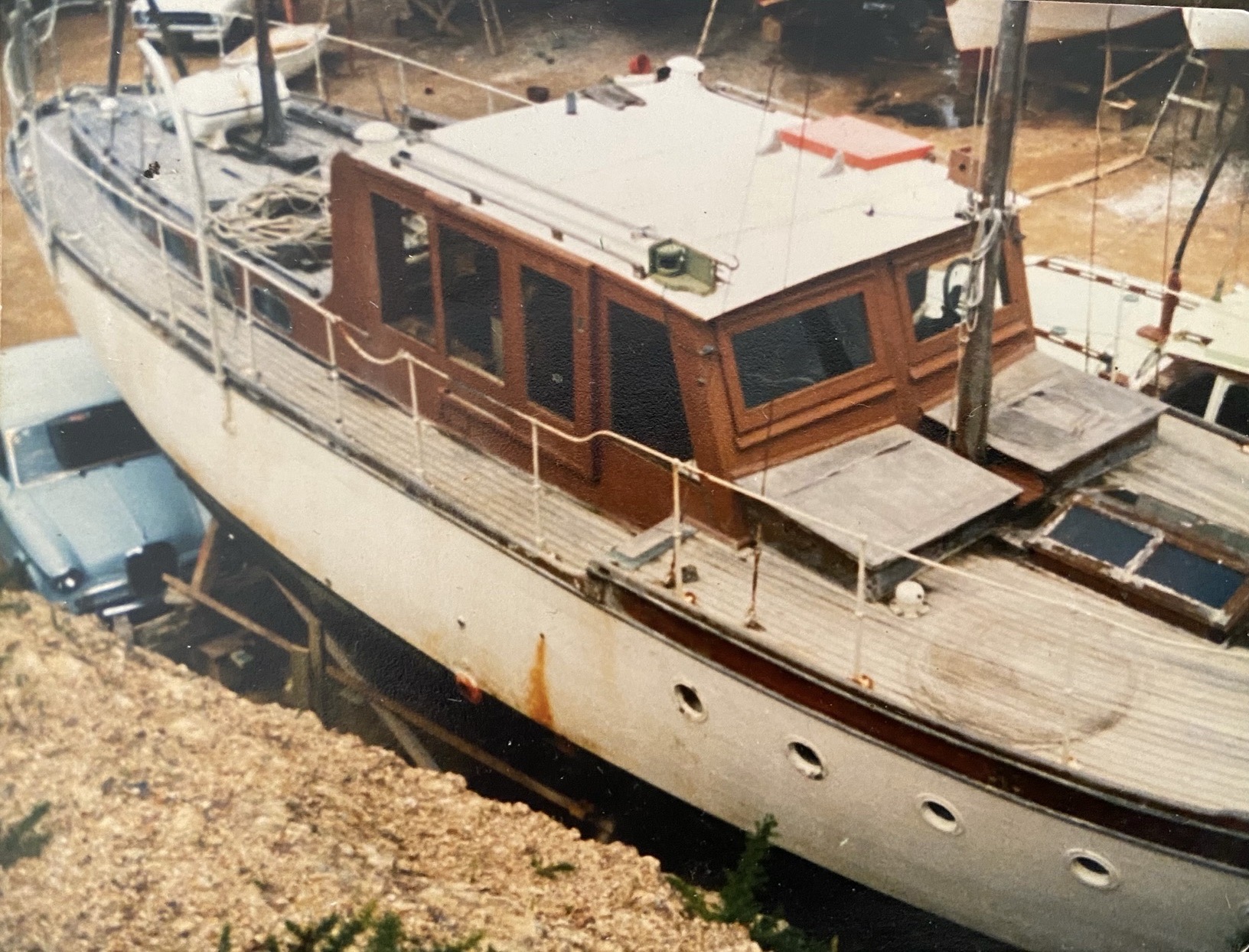
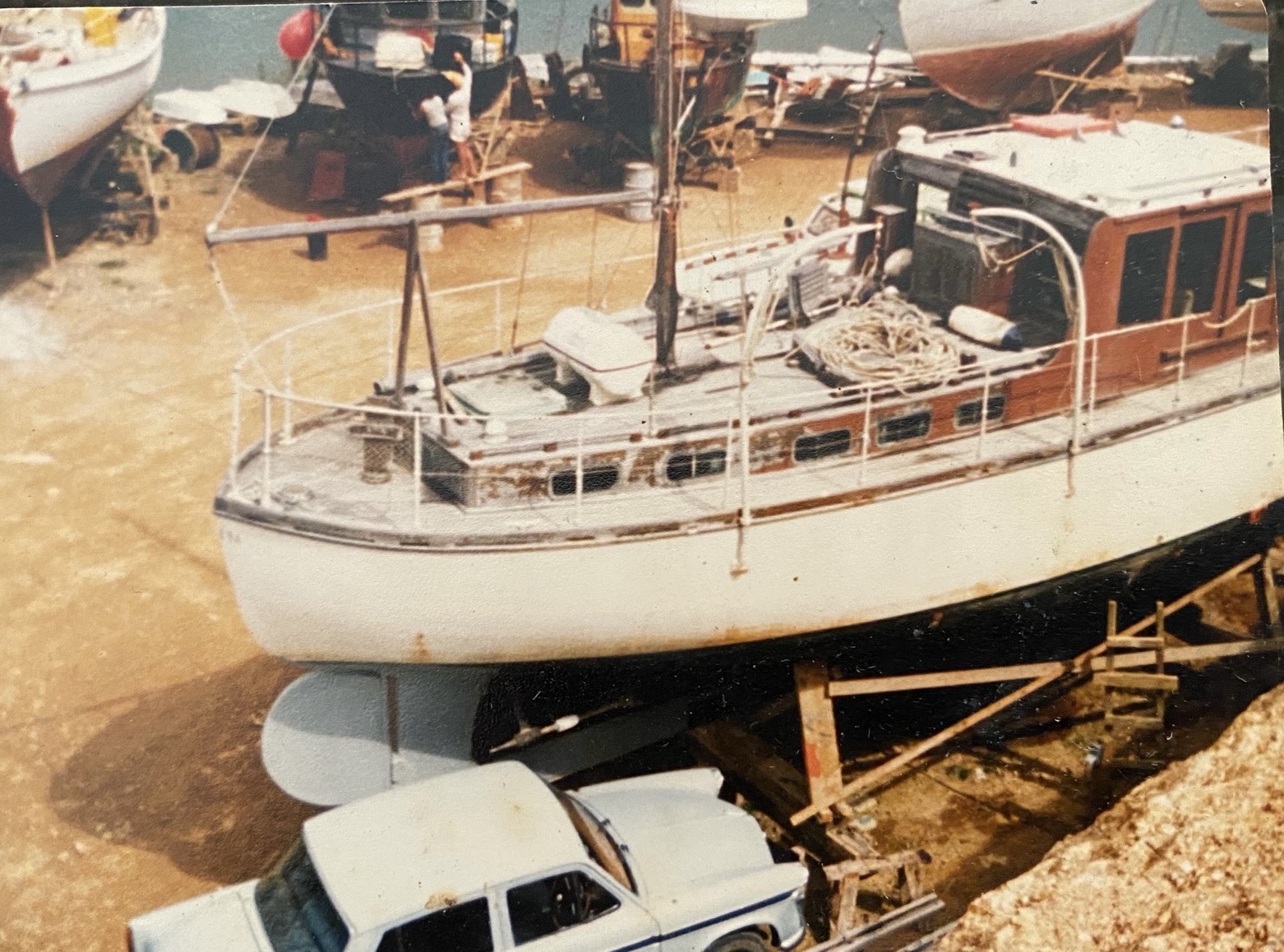
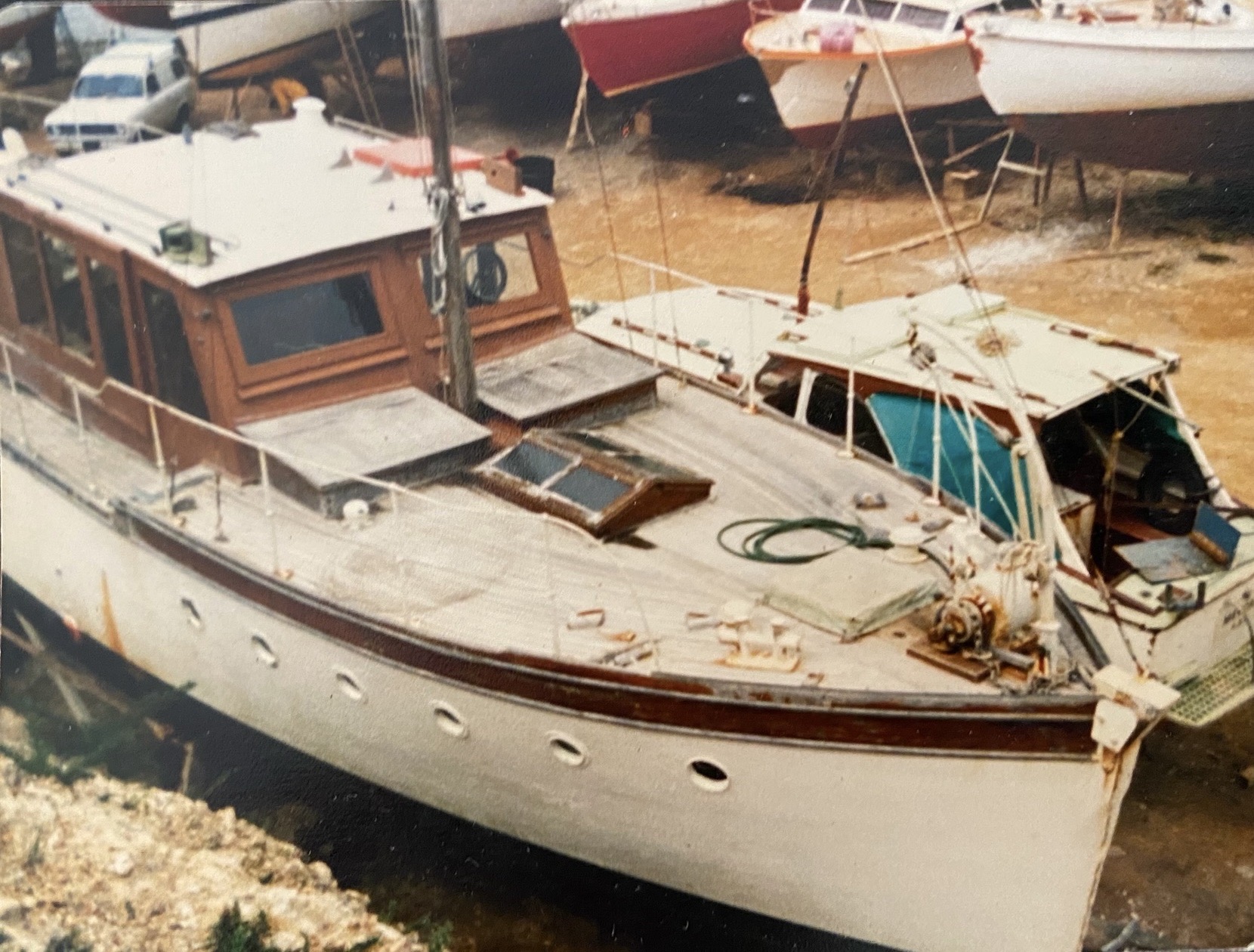
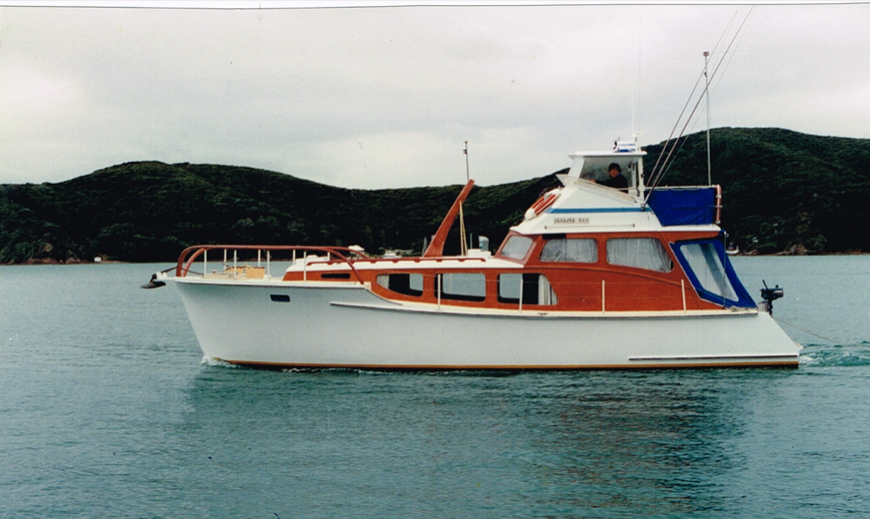
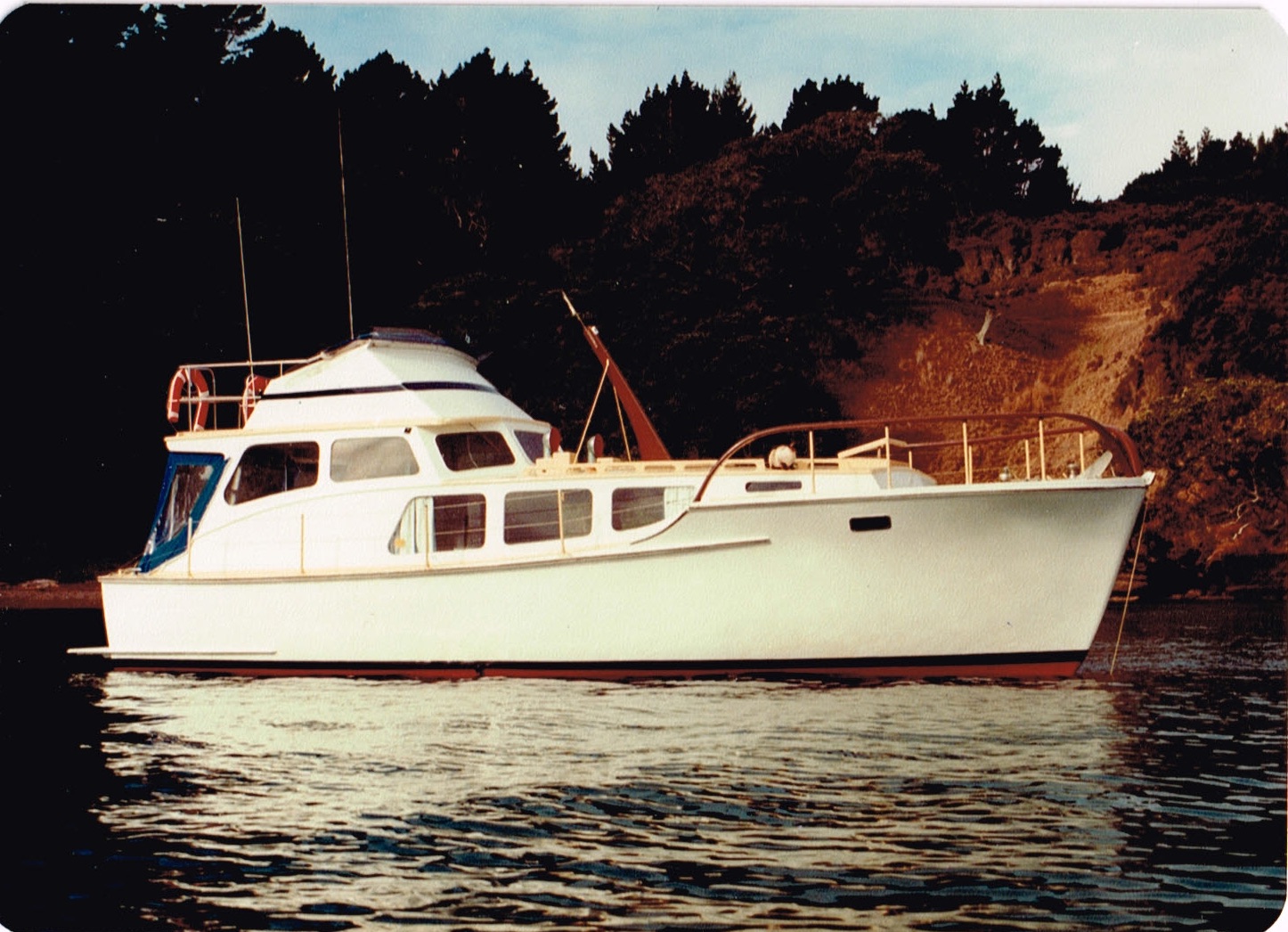
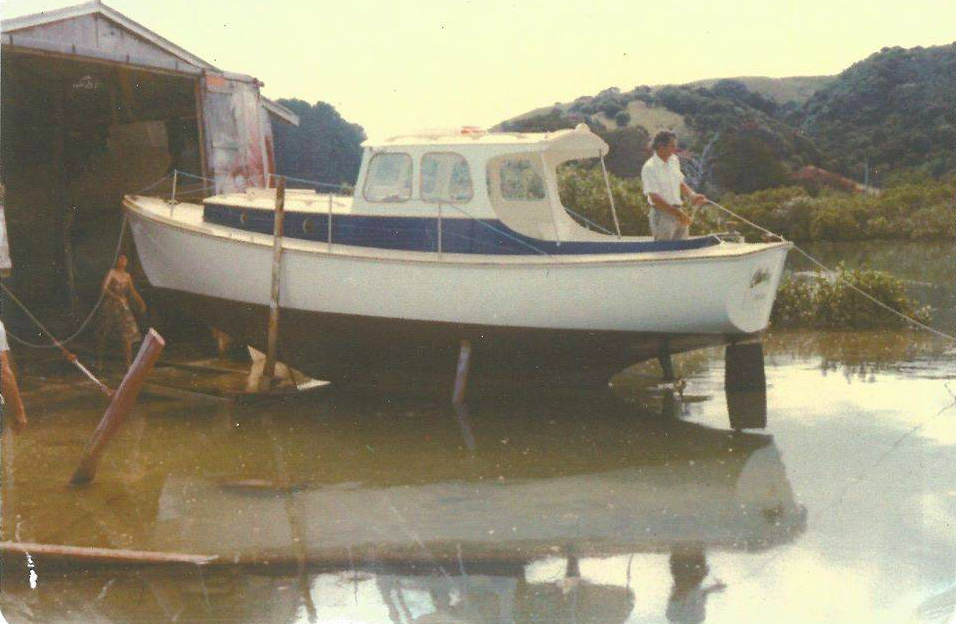
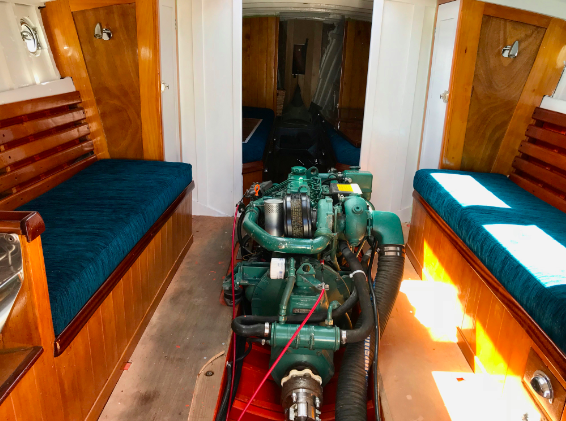
Recently Alistair McRae sent in todays photos that a friend of his uncovered – unfortunately neither the friend or Alistair know anything about the boat,  and he wondered if any of the WW readers might recognise it and or the location. There is a name on the stern but I can’t make it out – maybe something like IWATO or IWATU.

Alistair commented that looking at the vehicle in the photos the date could be from the early 1960s’.

INPUT ex GREG LEES –

She is the Yvalda. Came to NZ in the 70’s from Scotland and spent some time in Sandspit at our yard. Yes now on Lake Wakatipu.

RESTORATION OF A NEW ZEALAND CLASSIC WOODEN YACHT IN AUSTRALIA – ROXANE 

RESTORATION OF A NEW ZEALAND CLASSIC WOODEN YACHT IN AUSTRALIA – ROXANE 

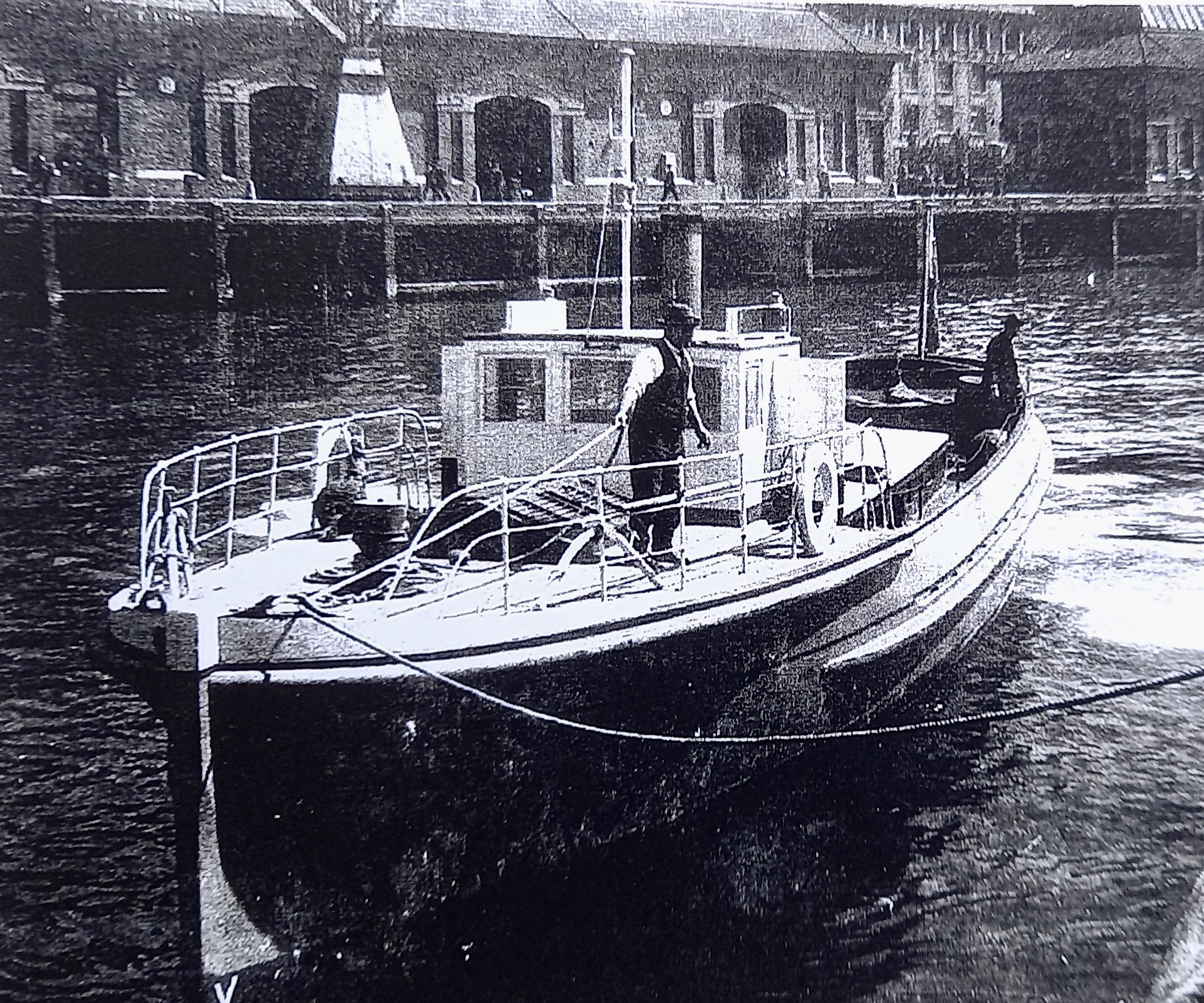
Back in May 2018 we ran a great story about a gent named Keith Dawson that was celebrating his 105th birthday and we learnt of Keith sailing to Australia back in 1937 onboard the Tercel brother built 26’ yacht – ROXANE. Link here to that story below –https://waitematawoodys.com/2018/05/13/roxane-a-105th-birthday-party/ make sure you read the comments section – lots of chat there.


Now fast forward to early Sept and WW is contacted by Ralph Finch from Queensland in Australia – a summary of Ralphs notes to me below –
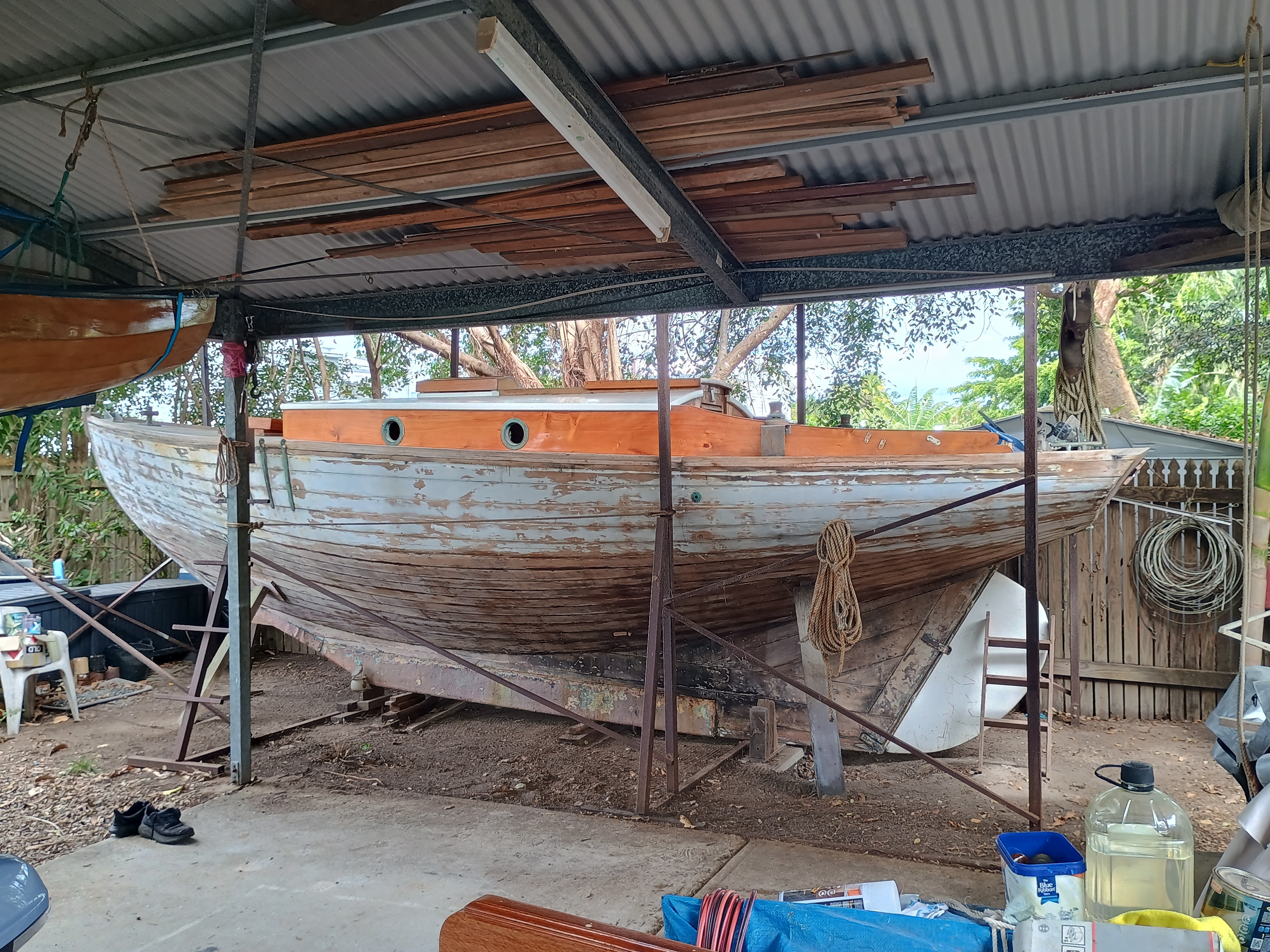
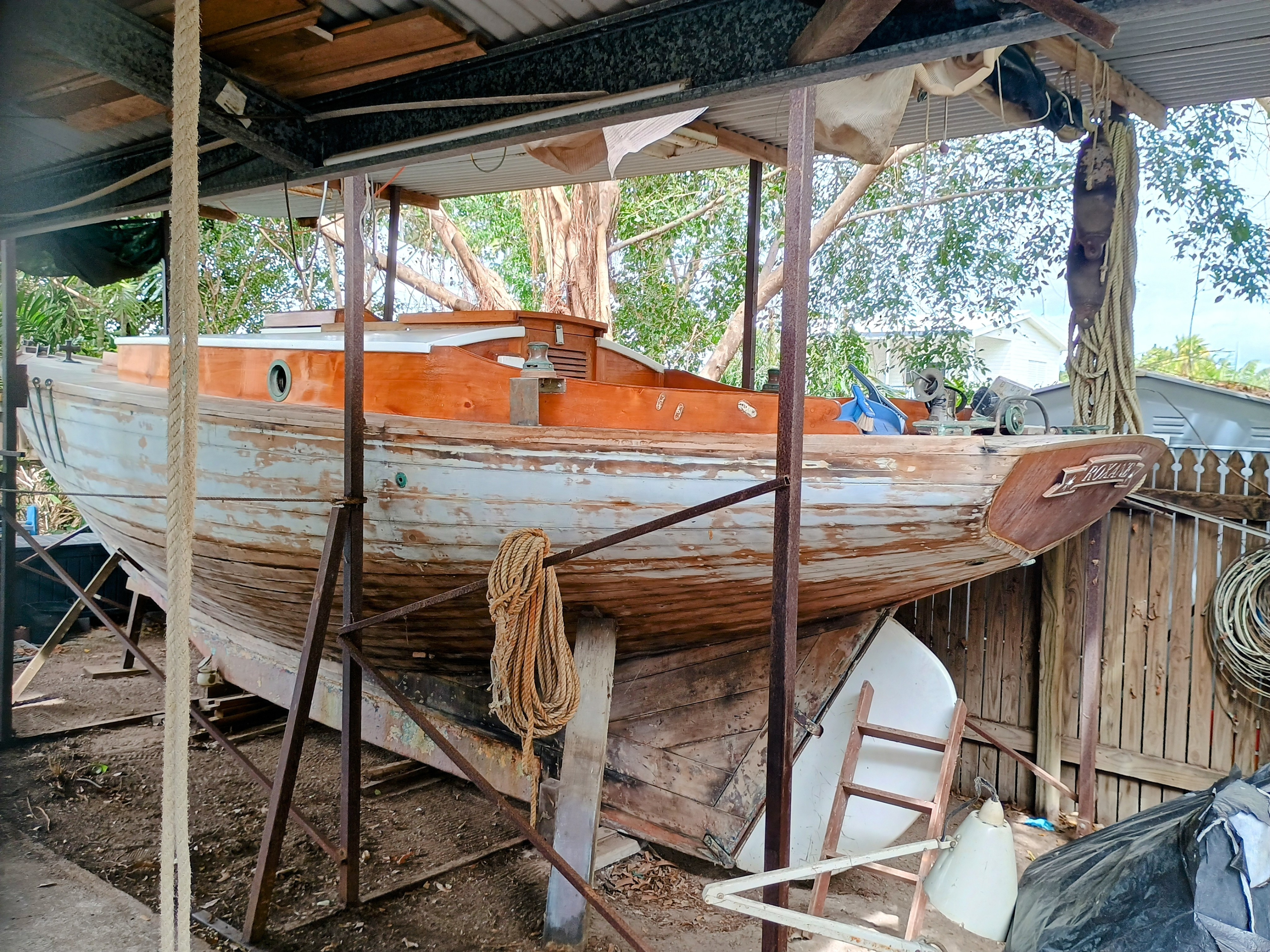
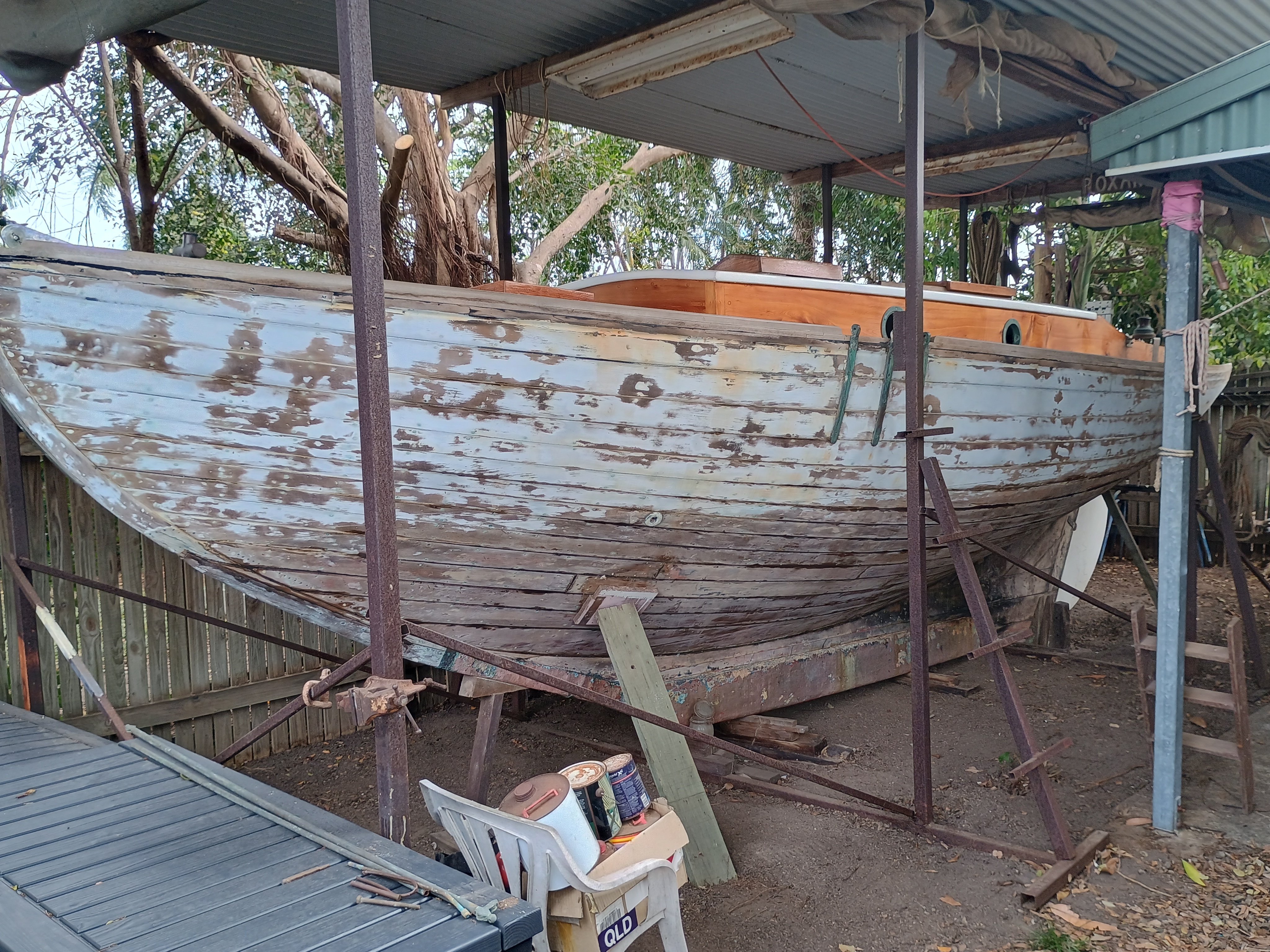
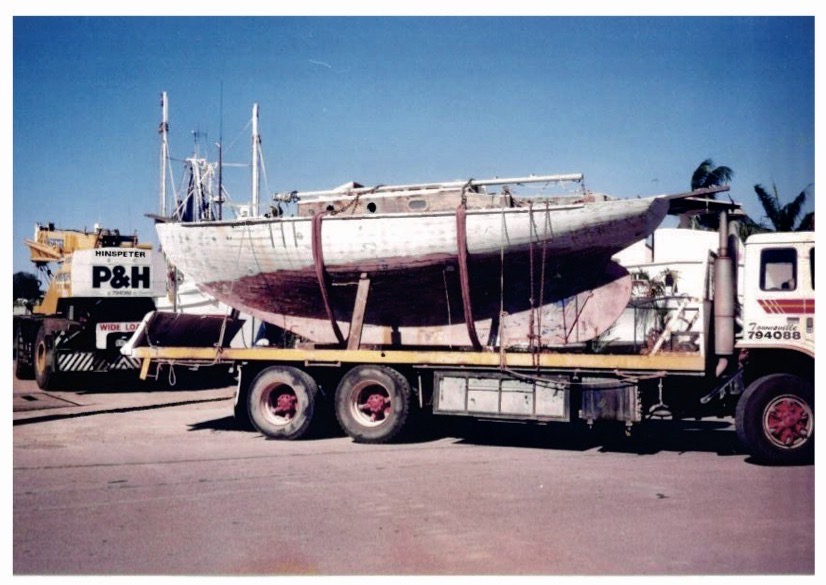
“I’m in the process of purchasing the little boat called Roxane that you have on the WW site.  Roxane has sat in a back yard in Townsville for last 25 years partially restored. I’m beginning the process of completing the restoration.I’ve read snippets about her history and would love to fully document the history and contact past owners and descendants and anyone previously connected. Roxane is now 90 years old and my intention is to eventually get her back in the water and sailing again.The centenary would be an exciting maritime event for both New Zealand and Australia I think.”

“I have already begun cleaning up and restoration work. The photo of her on the transporter was taken about 20’ish years ago as she was removed from the Townsville Slip Ways to go to the owner’s house where she sits till this day. I am very excited to take this project on and eventually build a website dedicated to her with as much history as I can find. It’s important to me to trace and document all those connected to her. If you know any of those people or descendants, could you please let them know that Roxane is still alive.
She does have a brand new deck, cabin and cockpit. The cabin has been extended to just in front of the mast. The  owner has also built a new timber mast and boom.
I completed clearing away 20 odd years of rubbish from on, and around Roxane yesterday and took some clear photos.”

WW will follow this project and Ralph has promised to keep us updated. In the mean time as mentioned above he would love to hear from anyone with links to the yacht.  

CLASSIC WOODEN WORK BOAT – ARAHINA

 Arriving from Auckland on 31 October 1925
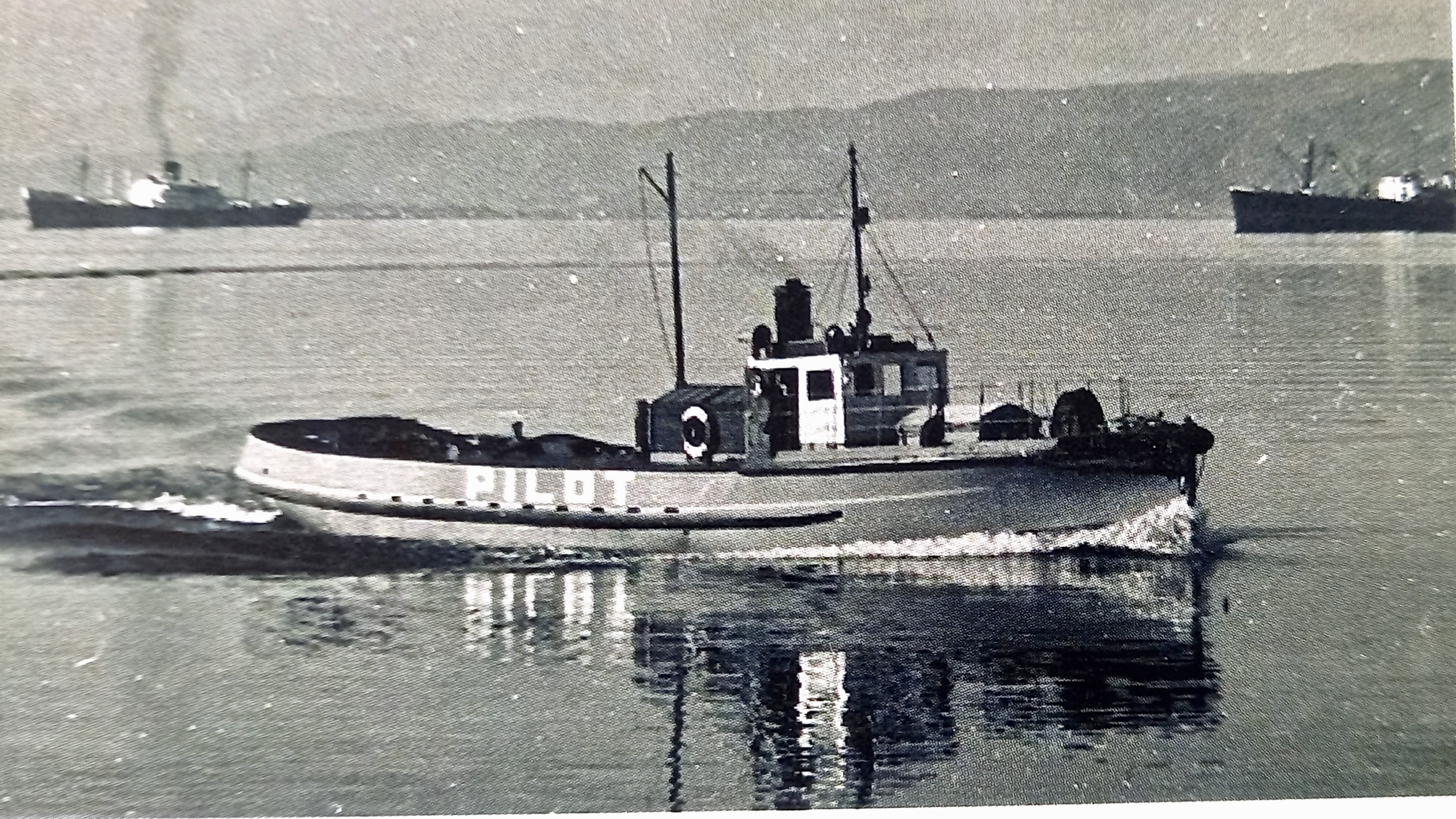
Going about her business on a calm Wellington Harbour
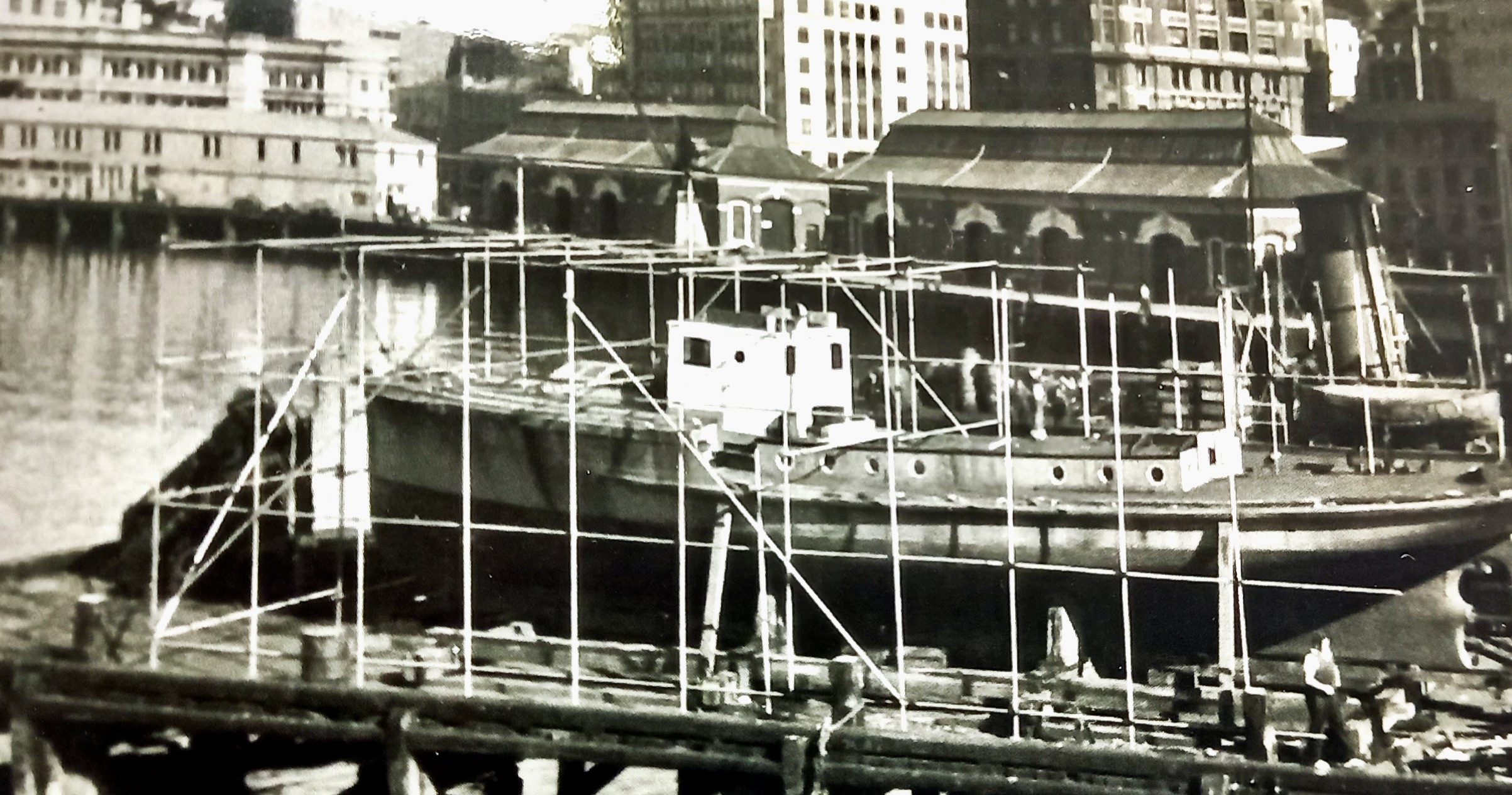
1954 at the start of her 18,000 pound refit, which included a new wheelhouse

Classic Wooden Work Boat – ARAHINA 

Back on August 24th WW draw attention to the Wellington ex Pilot Boat – ARAHINA and how she was desperately in need of a new custodian – At the time Paul Drake commented as below, then sent in the above photos from the past.

ARAHINA arrived in Wellington from Bailey and Lowe’s yard in Auckland on 31st October 1925. On trials she achieved 10 knots with her 100HP Fairbanks Morse engine. In 1954/55, ARAHINA had major work done on her structure and a new wheelhouse added. This was done by Wellington Harbour Board shipwrights, at a cost of 18,000 pounds. In 1979, she went to Jorgensen’s in Picton for another refit, and on her return (under tow) she had the 193HP Kelvin engine fitted. She was sold into private ownership at the end of 1987 and relocated to Picton.She is remembered by one Wellington pilot who knew her well as “a narrow gutted single screw vessel.

She was a seaworthy vessel but tended to broach severely in a following sea, as was often experienced off Pencarrow in a southerly”. On one such occasion when she picked up speed on the face of a large sea astern, her stern picked up and over she went, throwing her Launchmaster into the corner of the wheelhouse as he tried but failed to keep her on course. The pilot and engineer eyed each other as they made for the open wheelhouse door. But ARAHINA recovered herself and all was well enough.
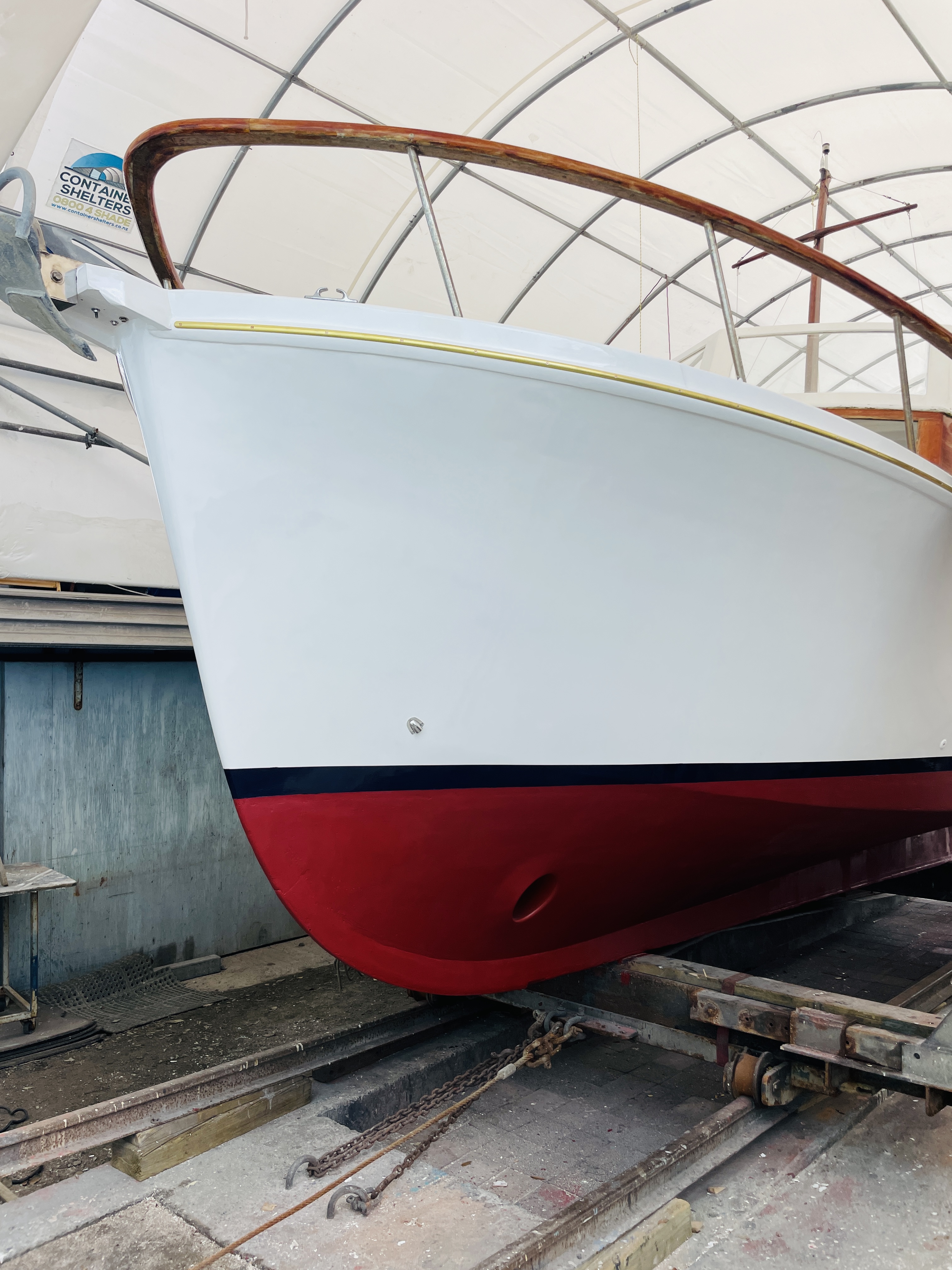
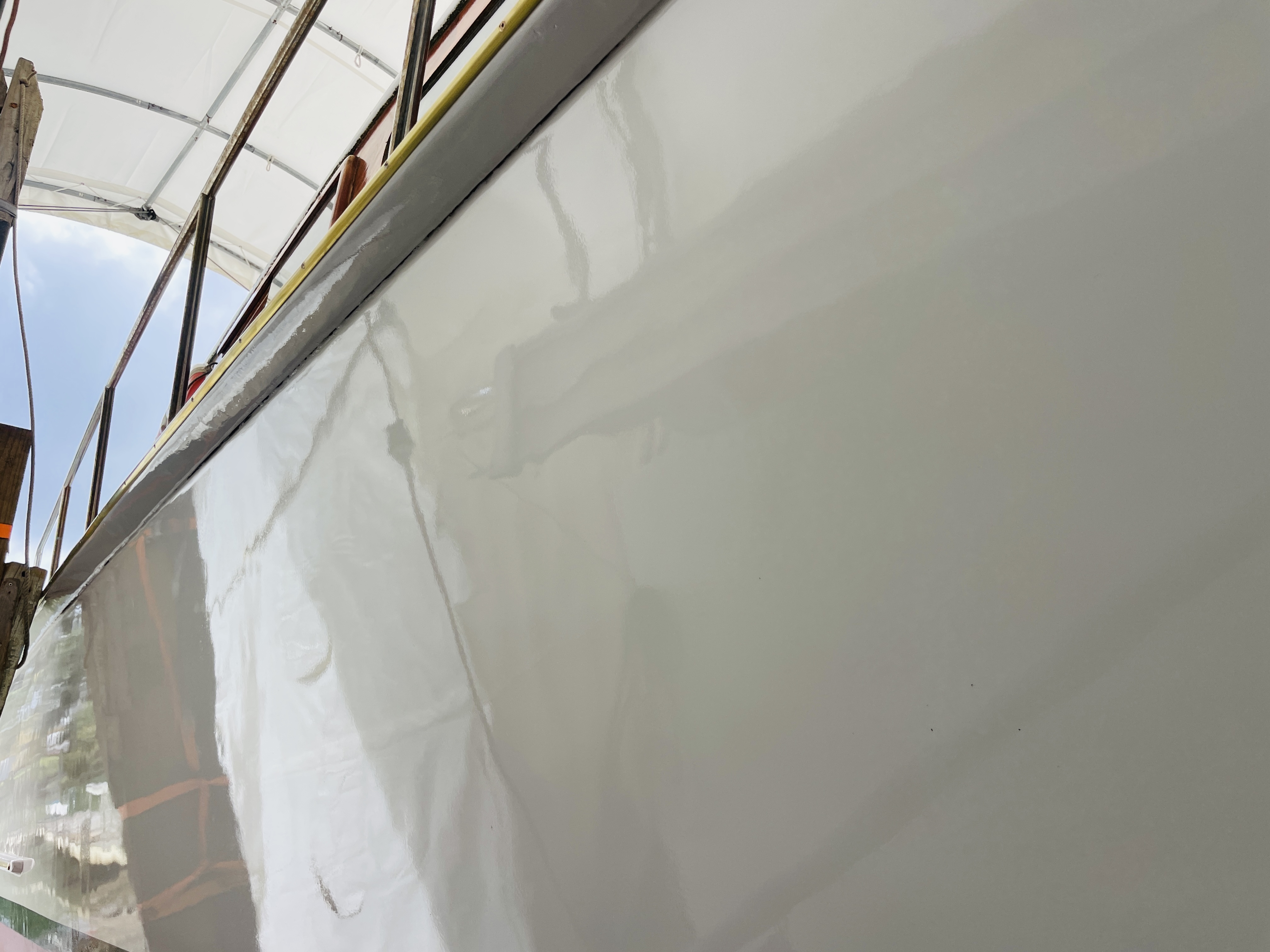
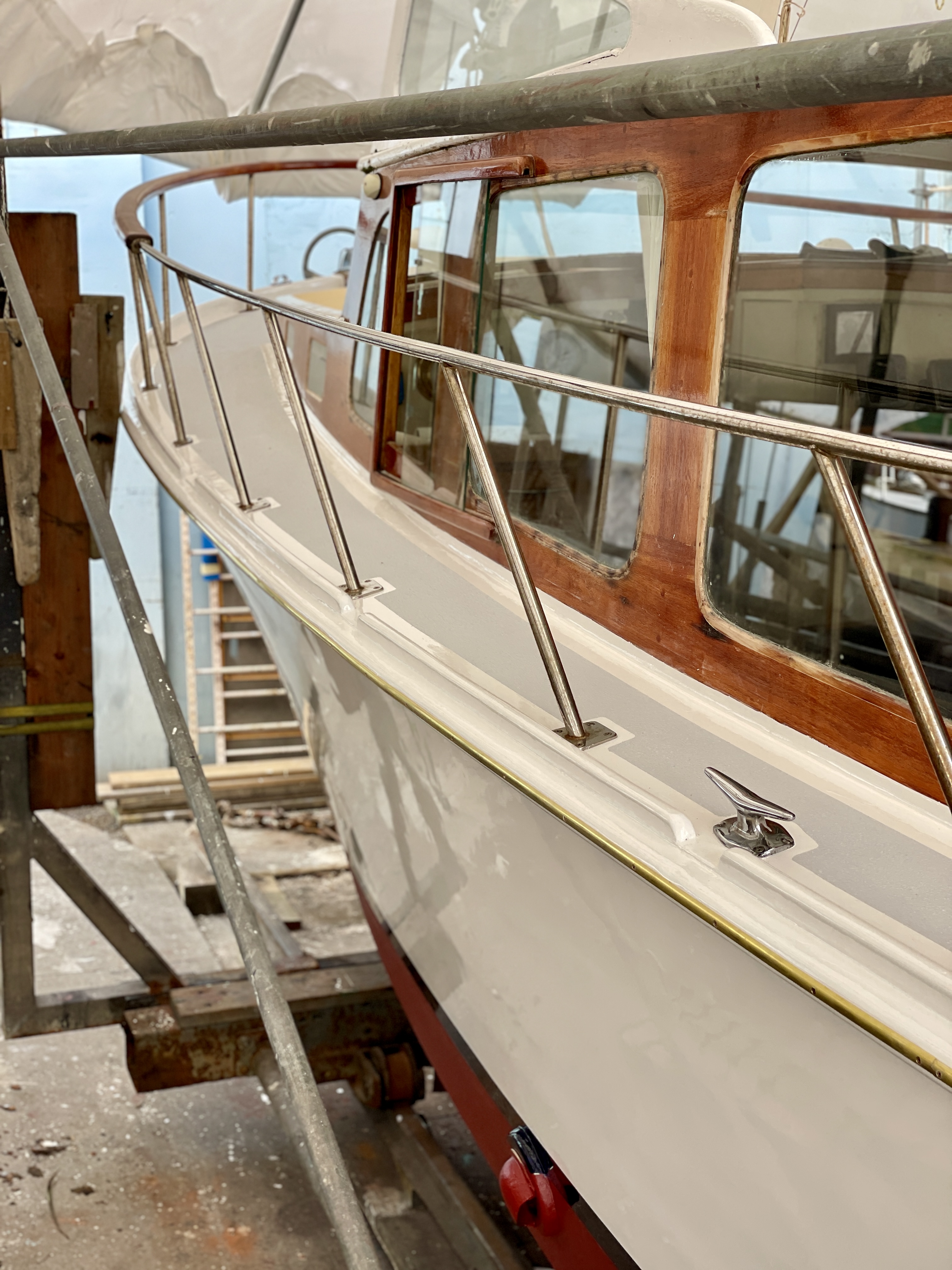
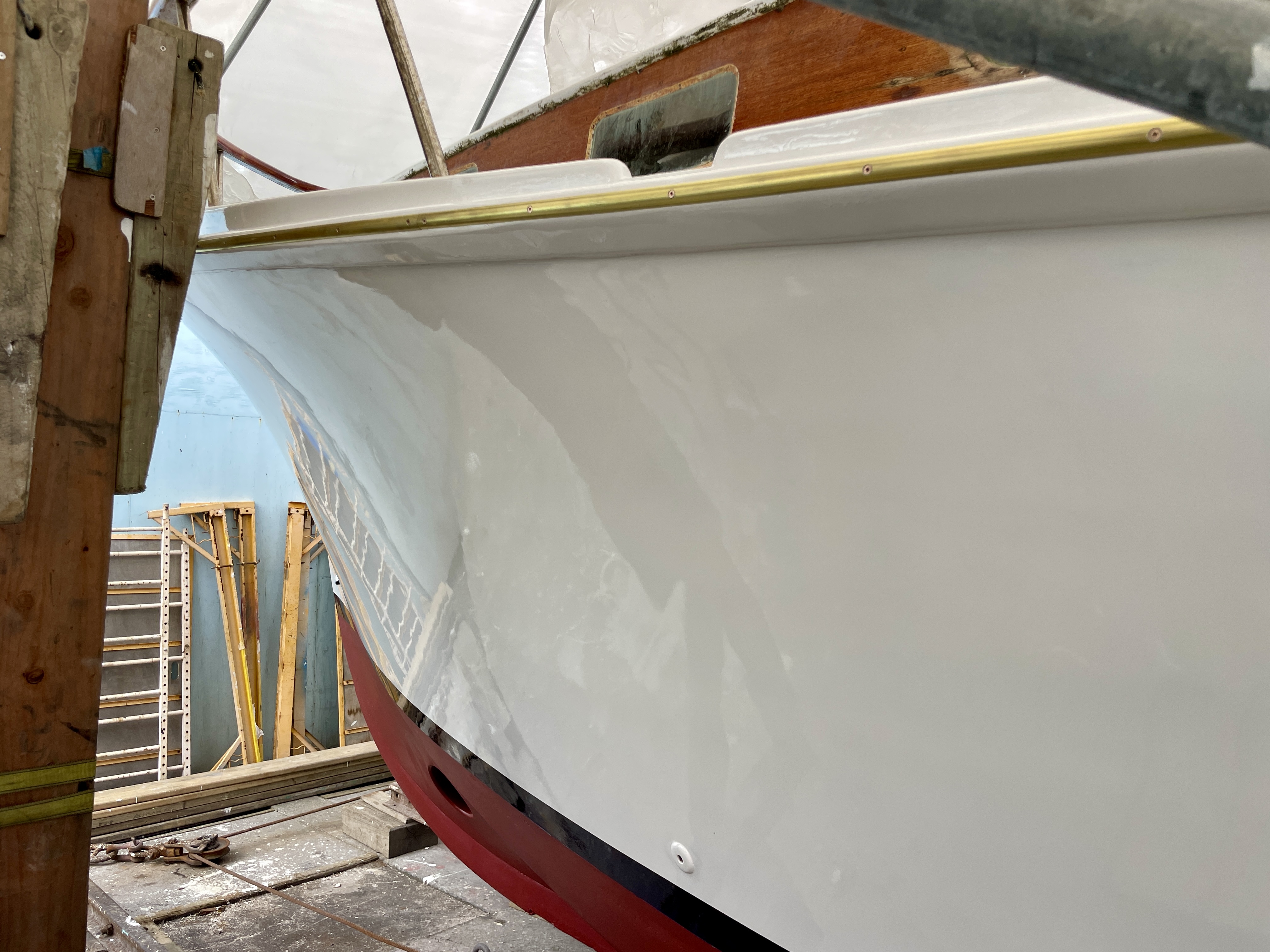
LADY CAROLE RESTORATION – UPDATE #6

LADY CAROLE RESTORATION – UPDATE #6

Today we have the latest update on the restoration of LADY CAROLE, as previously co-owner Patrick Crawshaw will walk us thru it – certainly on the home straight 🙂

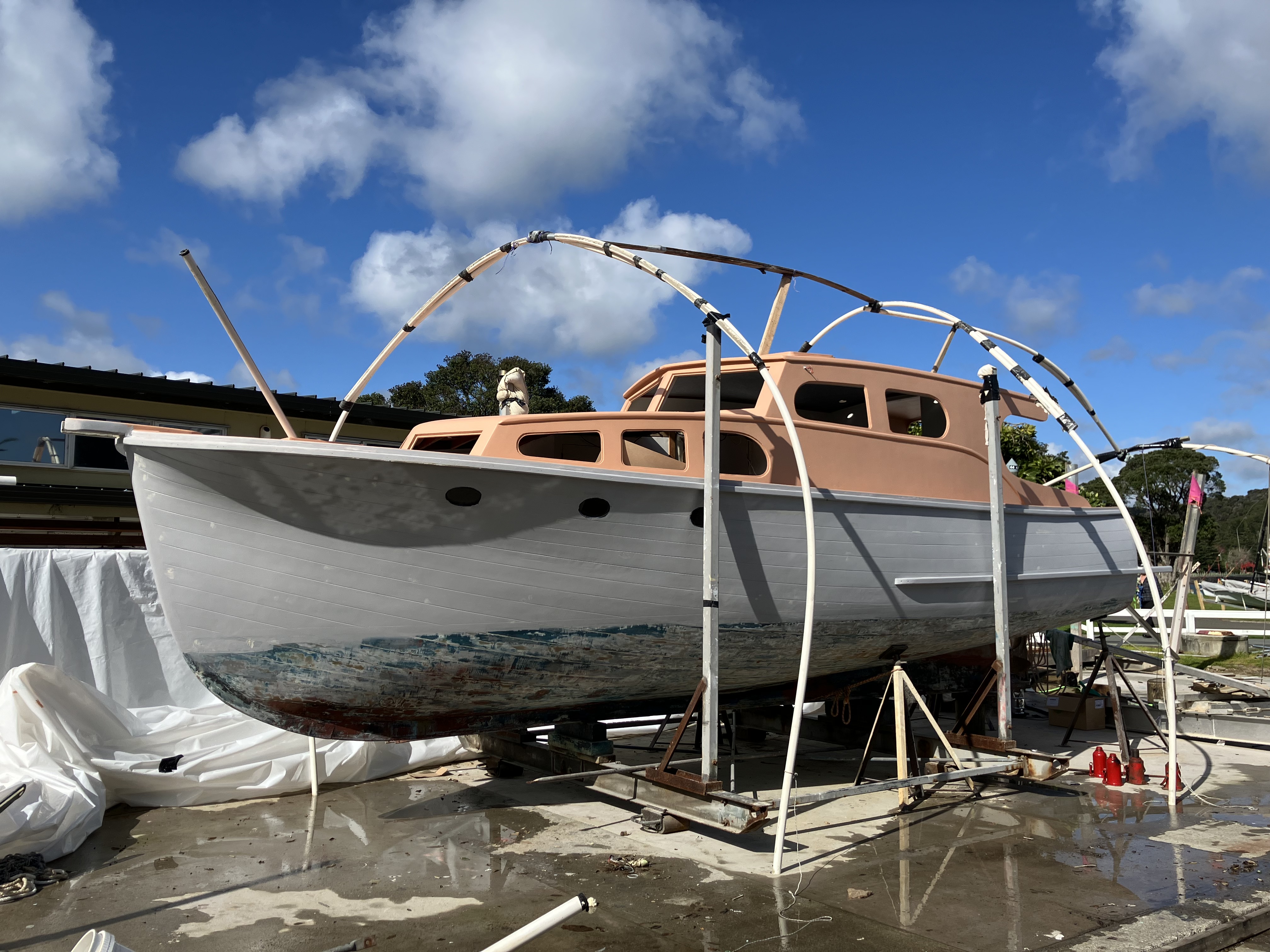
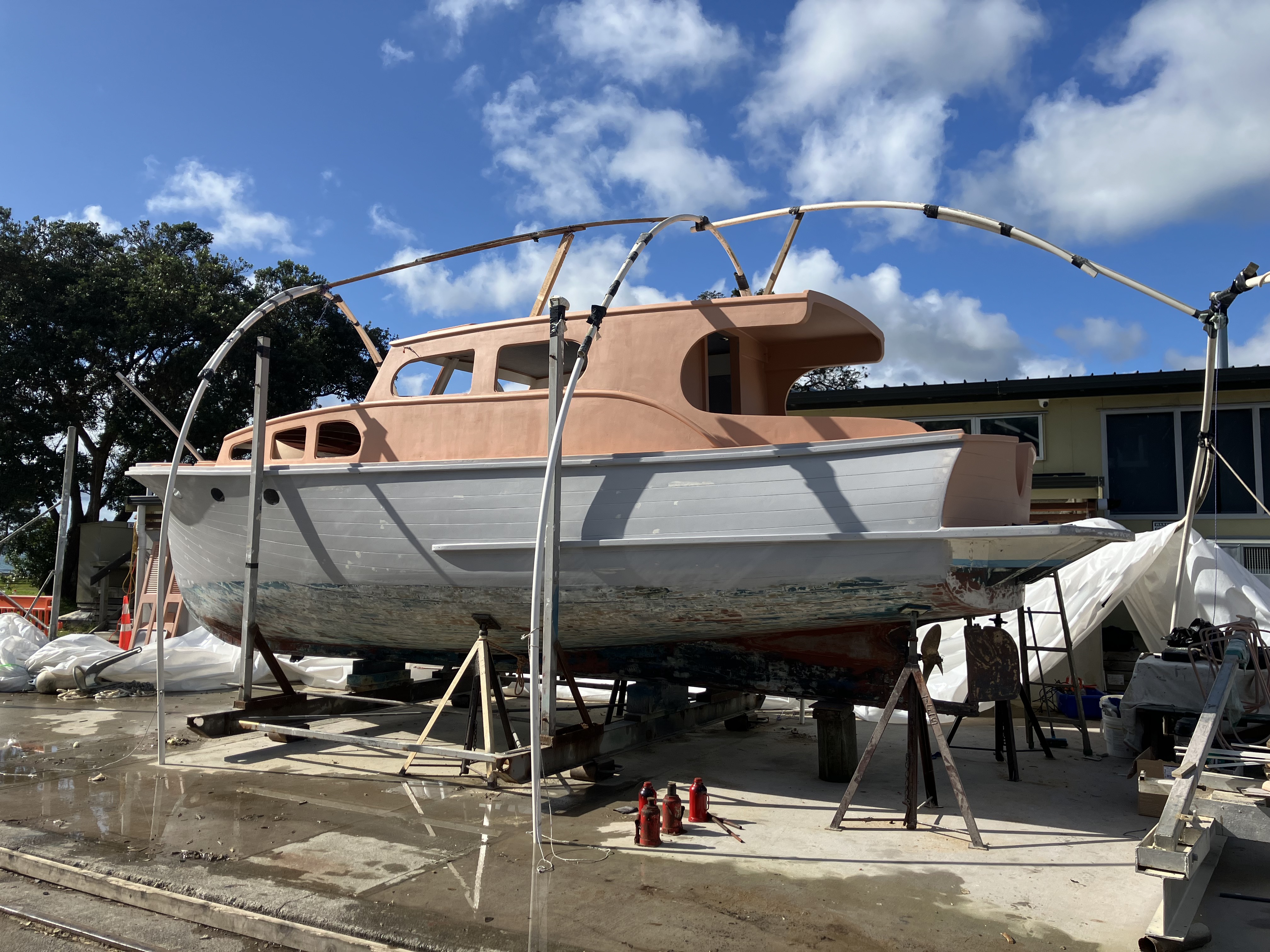
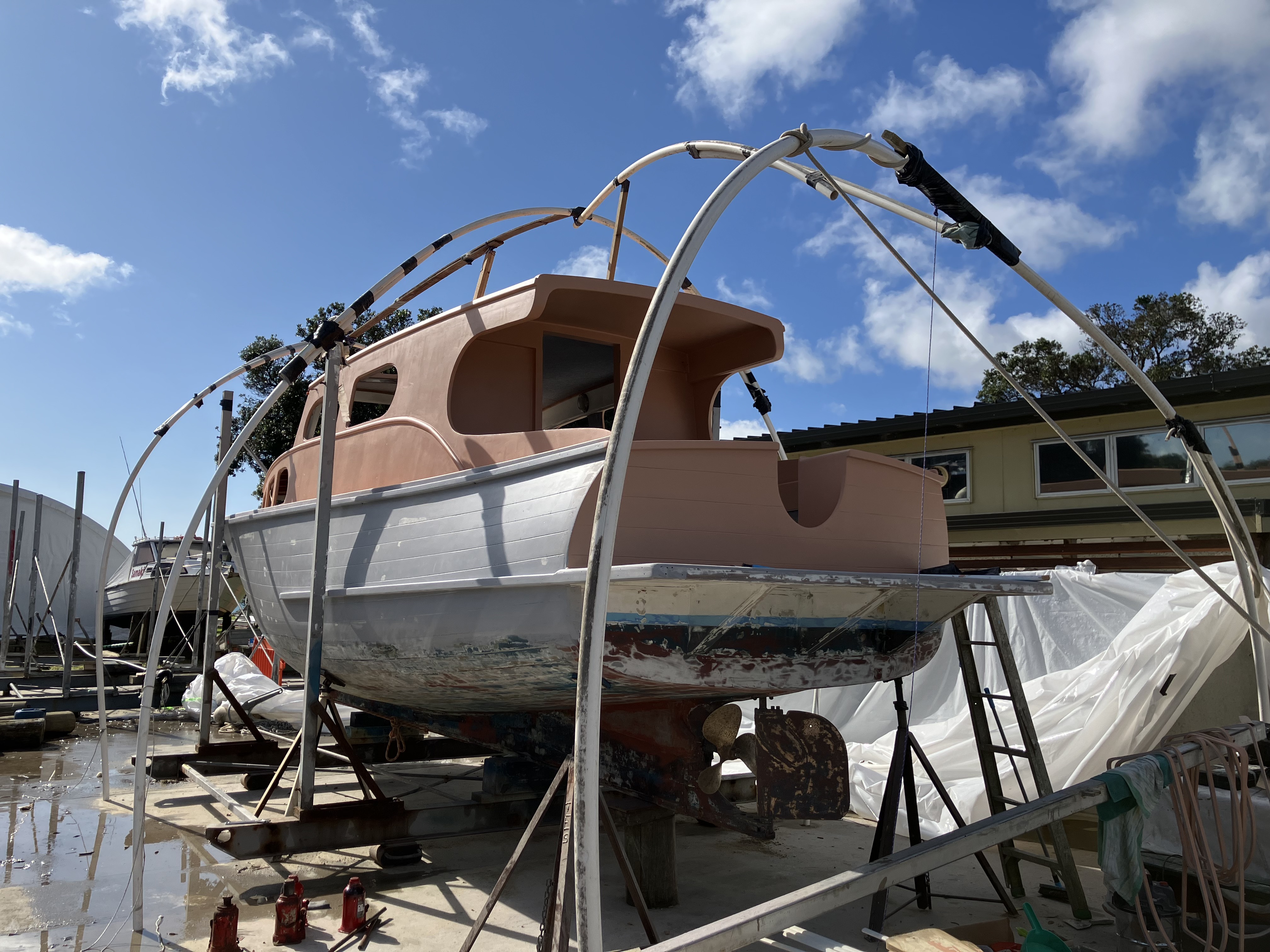
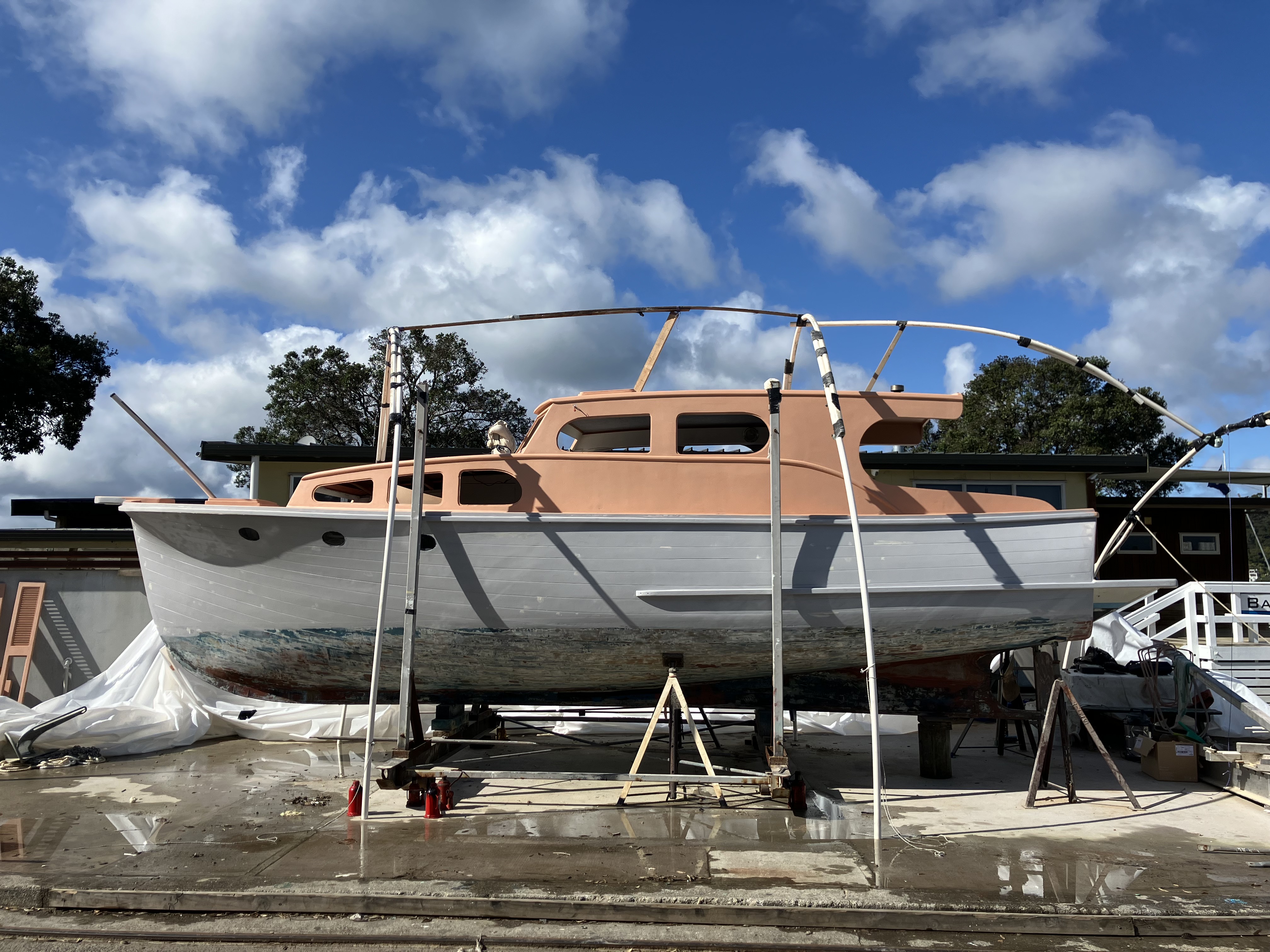
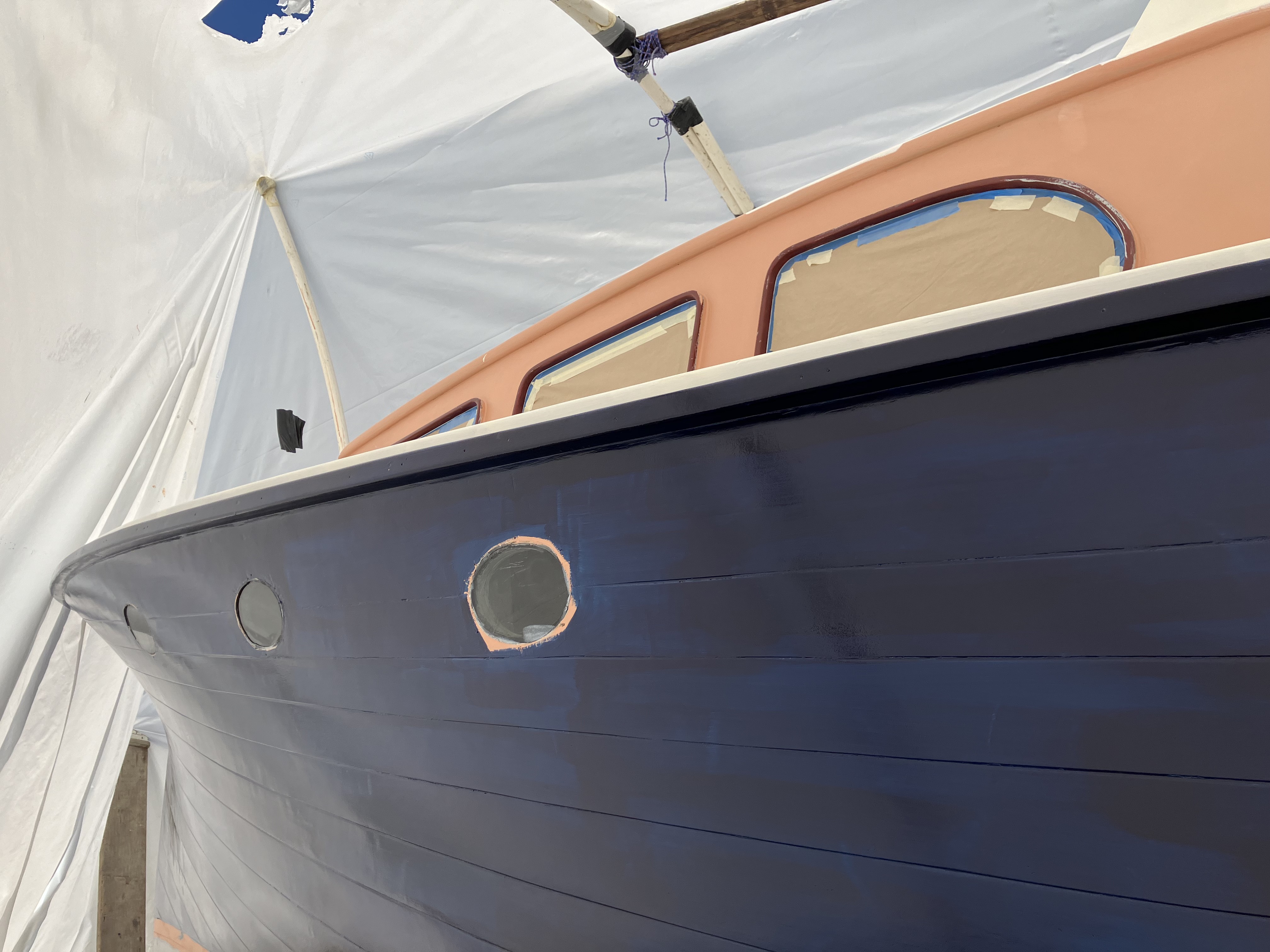
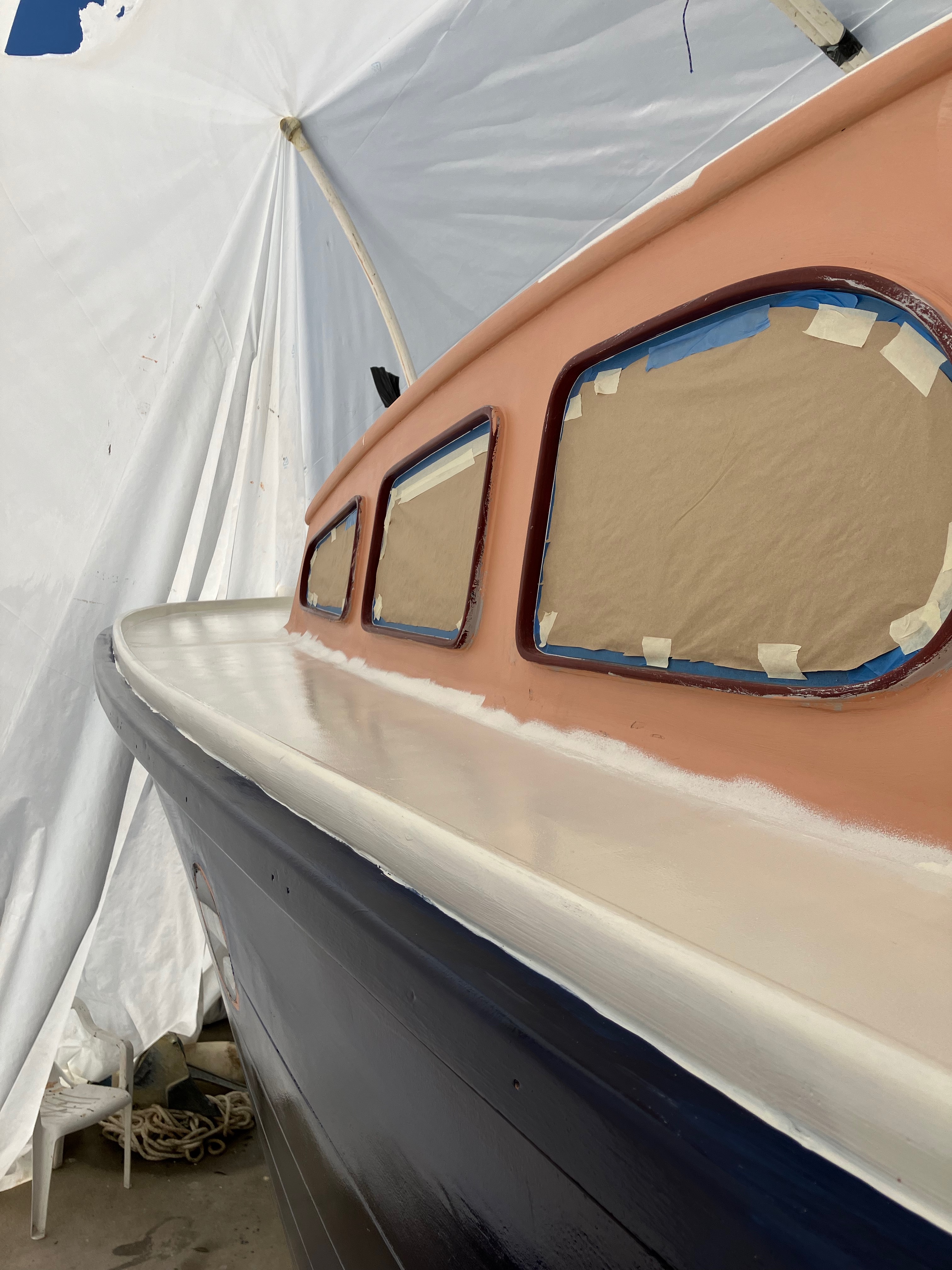
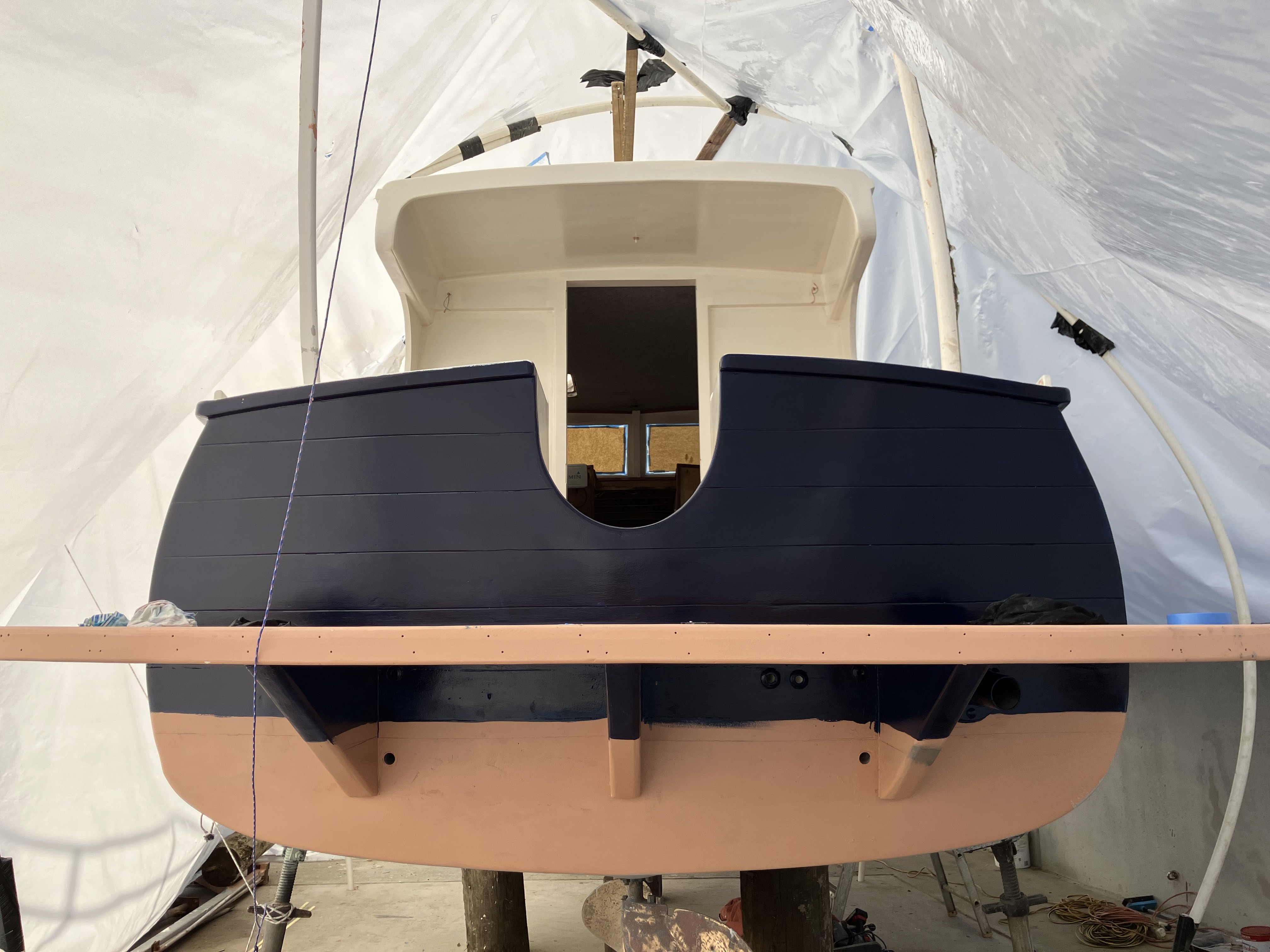
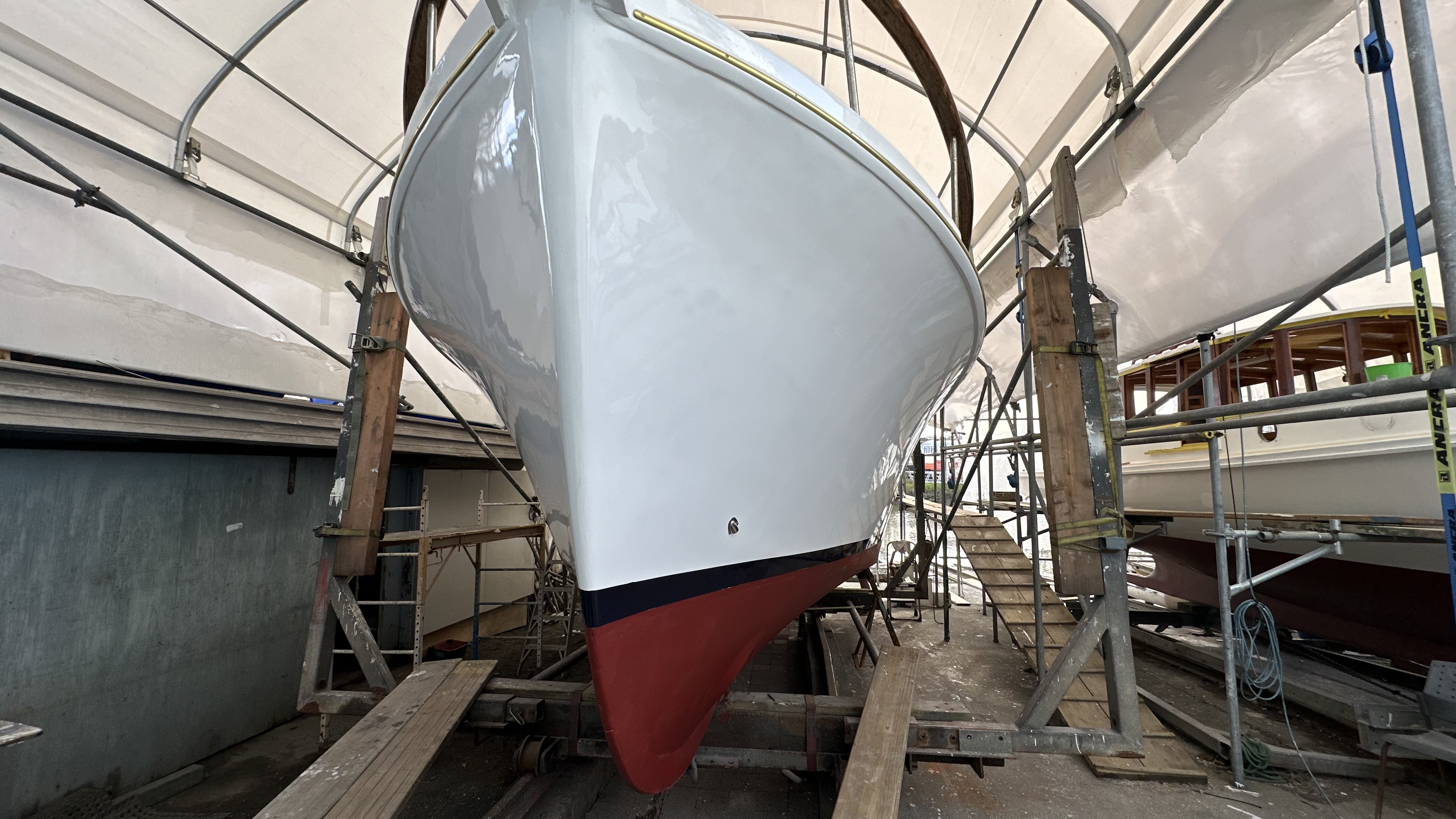
“A couple of weeks ago the cradle had to be removed for another boat, and so the cover had to come off. After all this time under the plastic, we were able to see Lady Carole for the first time after all the work we had done. Later that day, the cover was pulled back over and she went back into hiding for the home stretch of work to be done – finish line in sight! 
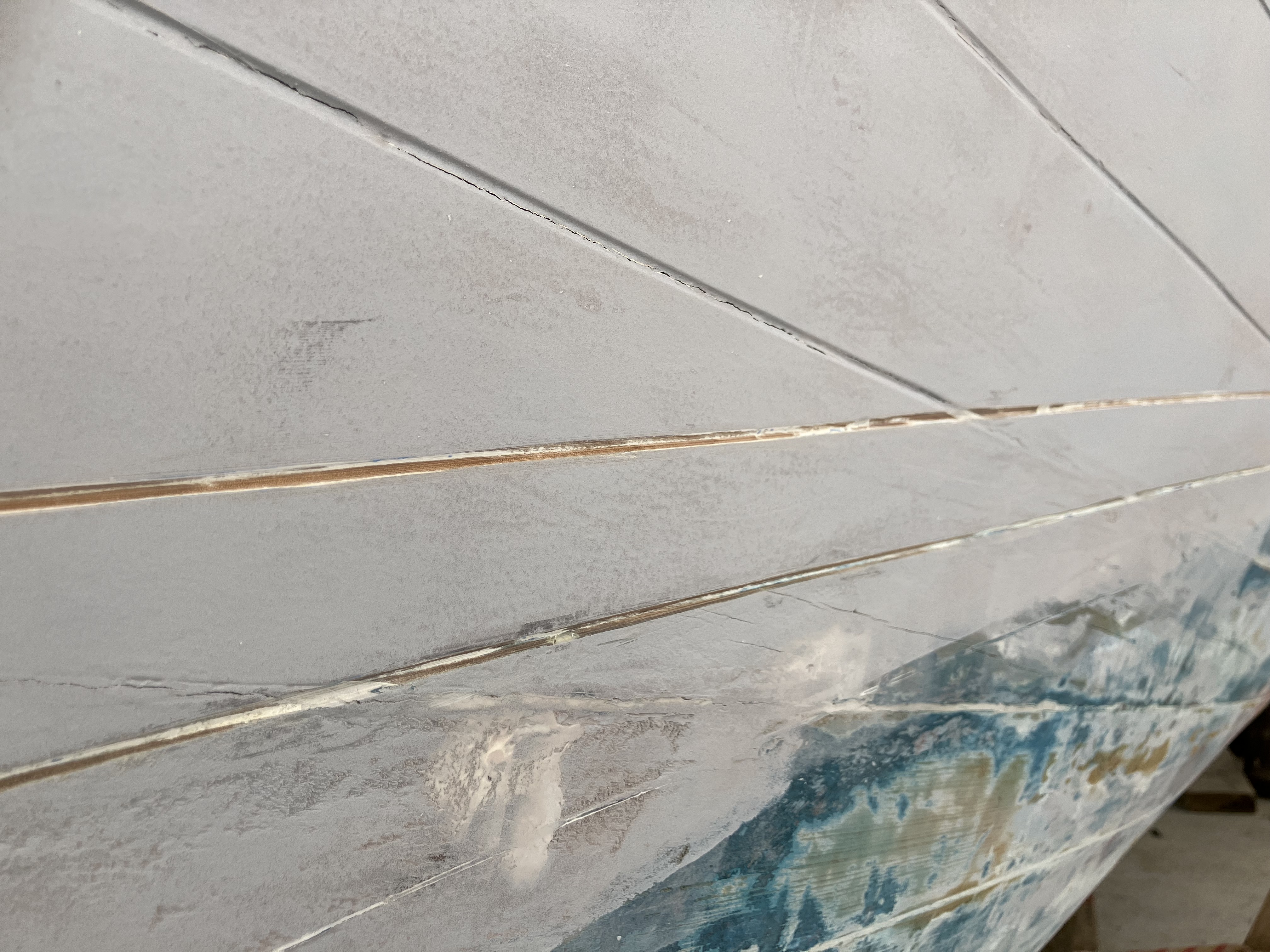
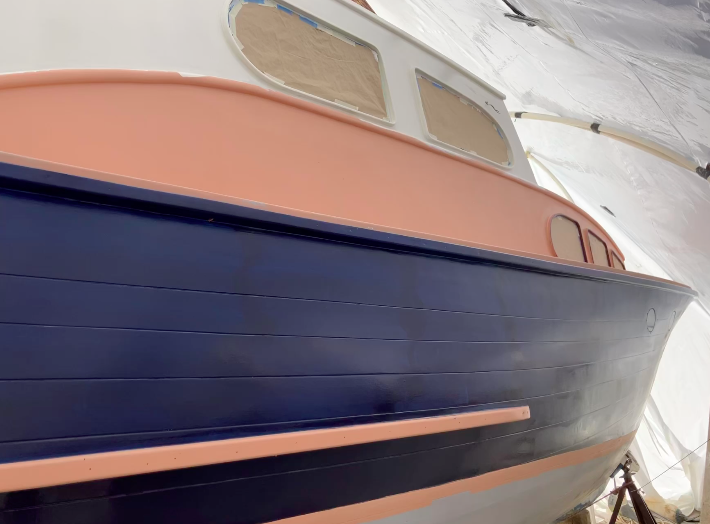
The original waterline, which was grooved into the planks, was reinstated.

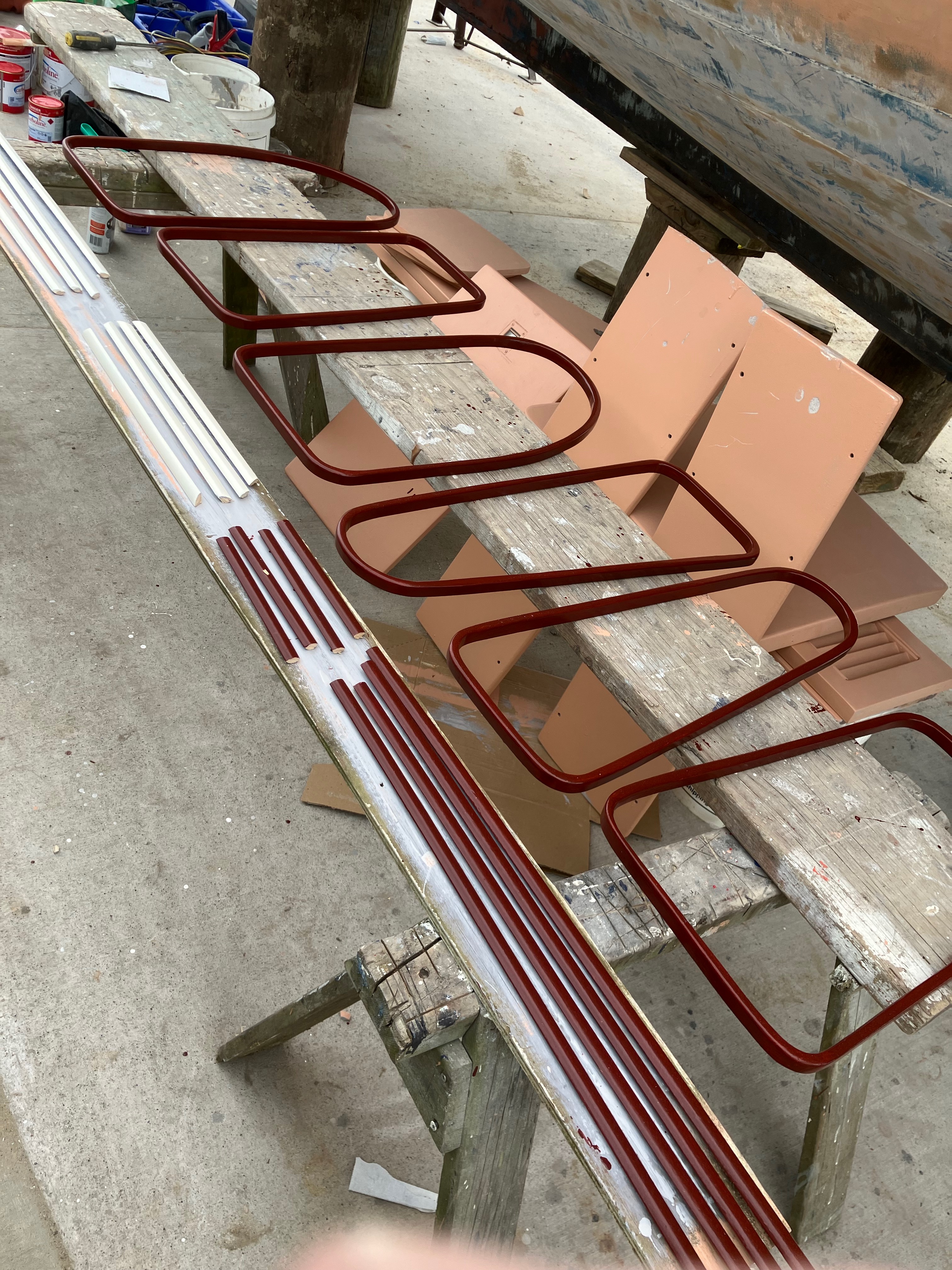
Window trims with top coats

The glass for the windows arrived and were fitted along with the trims. 

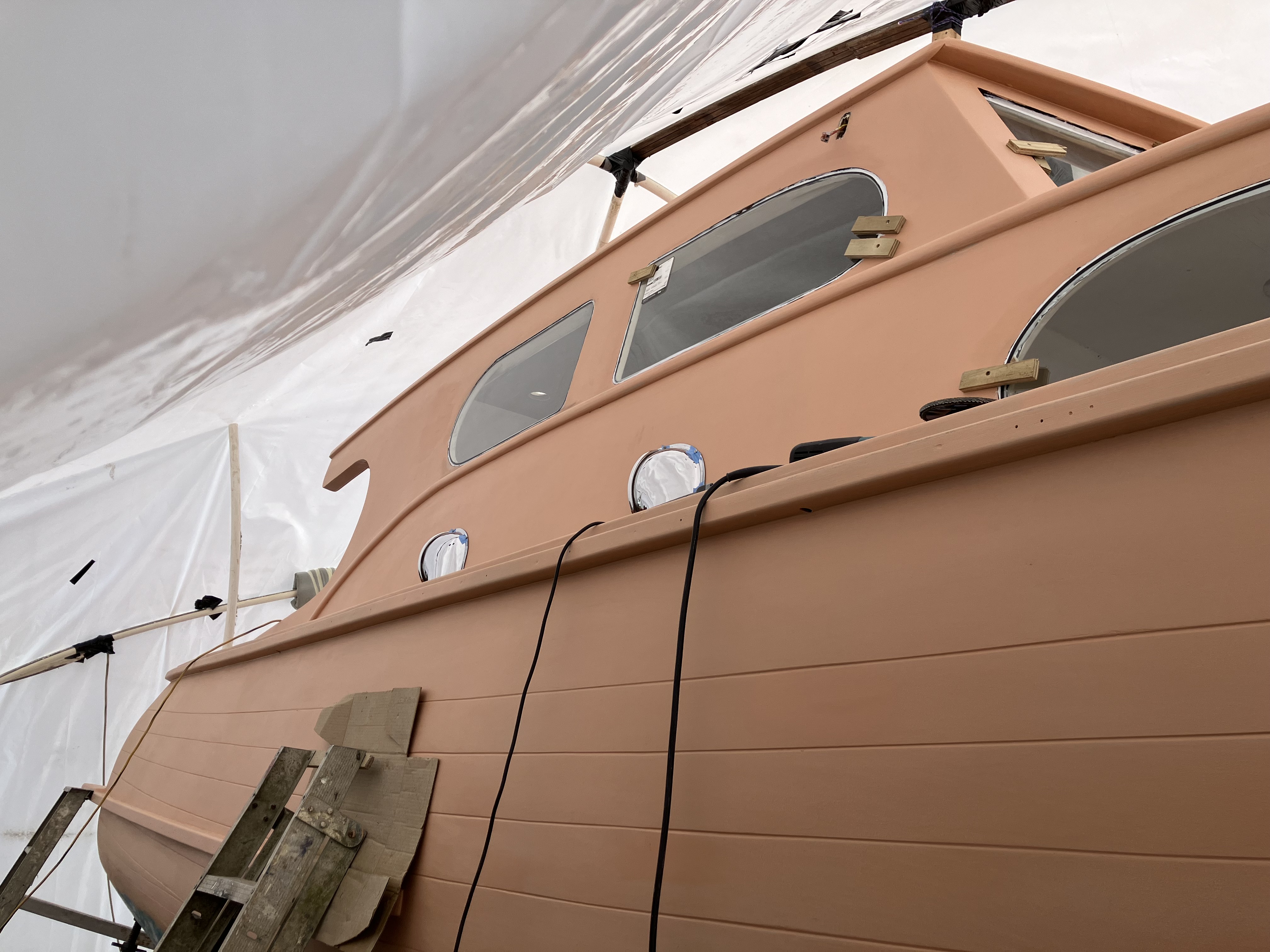
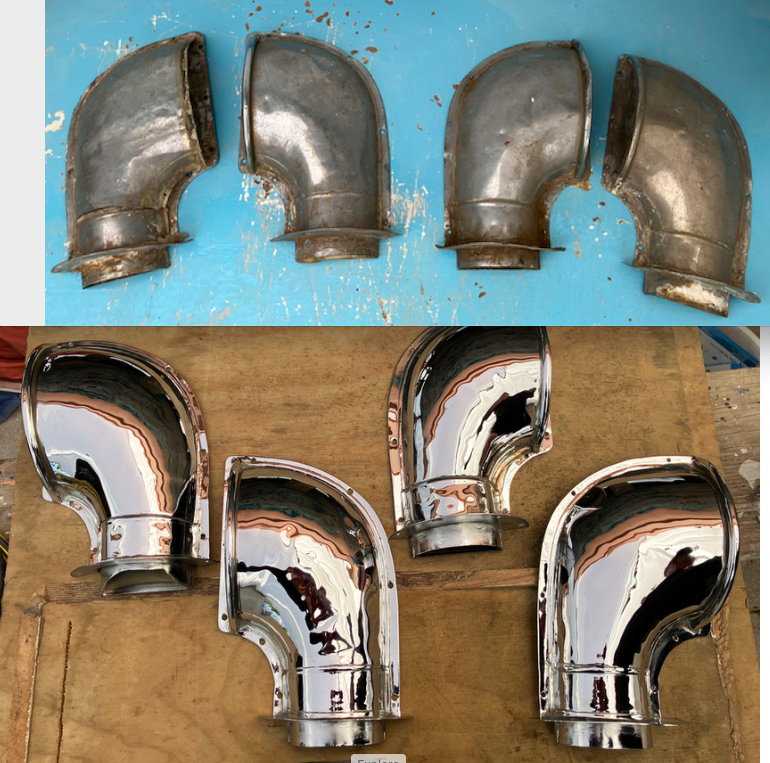
Chrome half cowl vents were collected from the fabricators who had to repair them and then they went to the Chromers. Both companies did an incredible job at restoring them. 

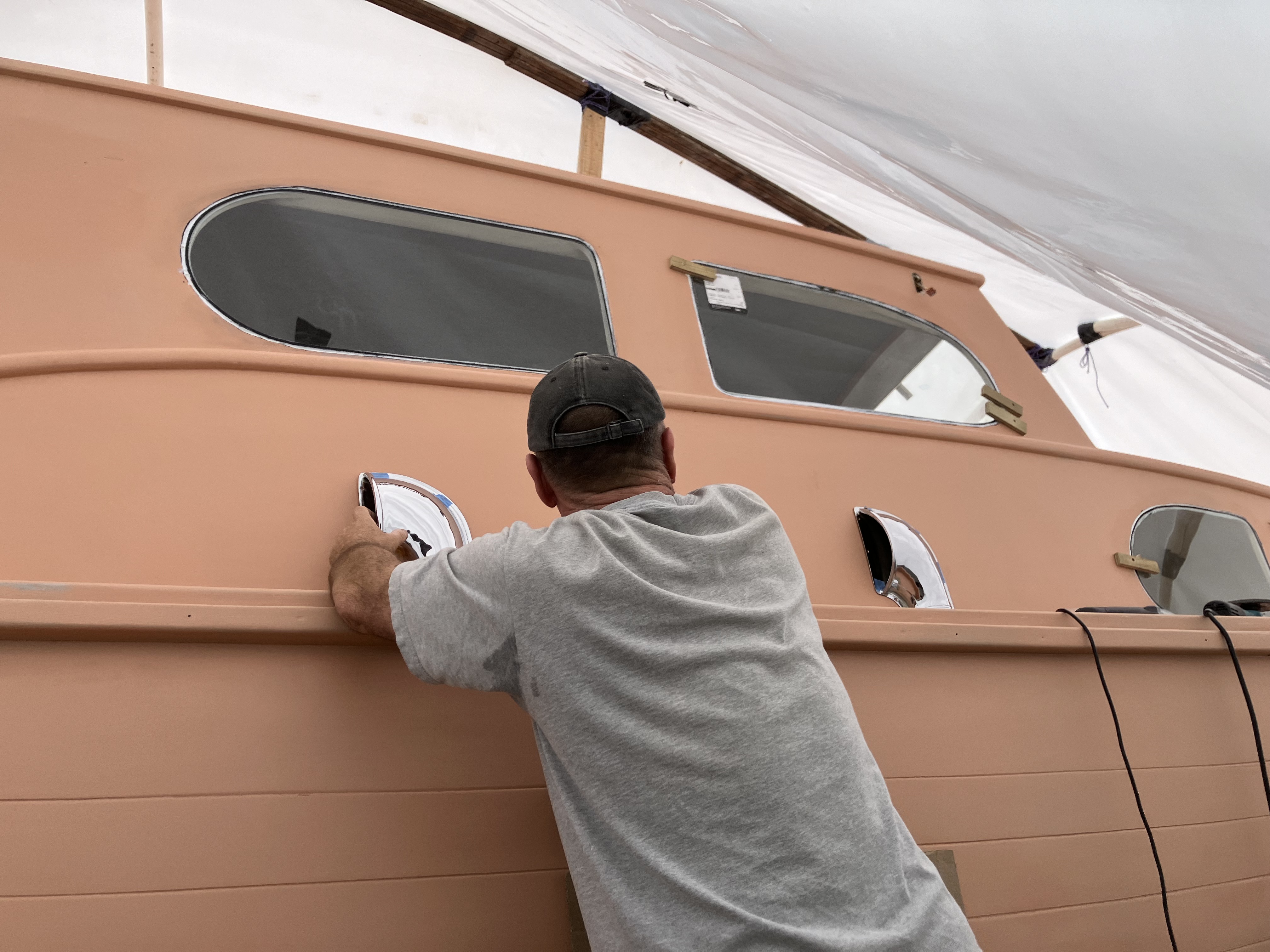
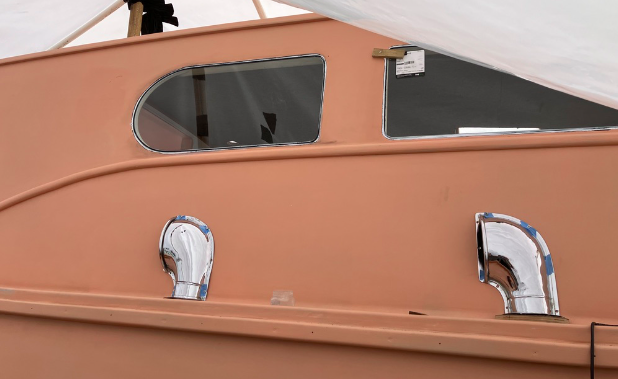
Plinths had to be made for them to sit on. This is them being pre-fitted to the boat so we could get the plinths right as they angle back and in. 

And finally the colours are going on and we can see the colour scheme a bit better. All two-pot rolled on and then tipped off with a brush. 

Second coat white, then it will be masked for the blue to form a sharp line. 

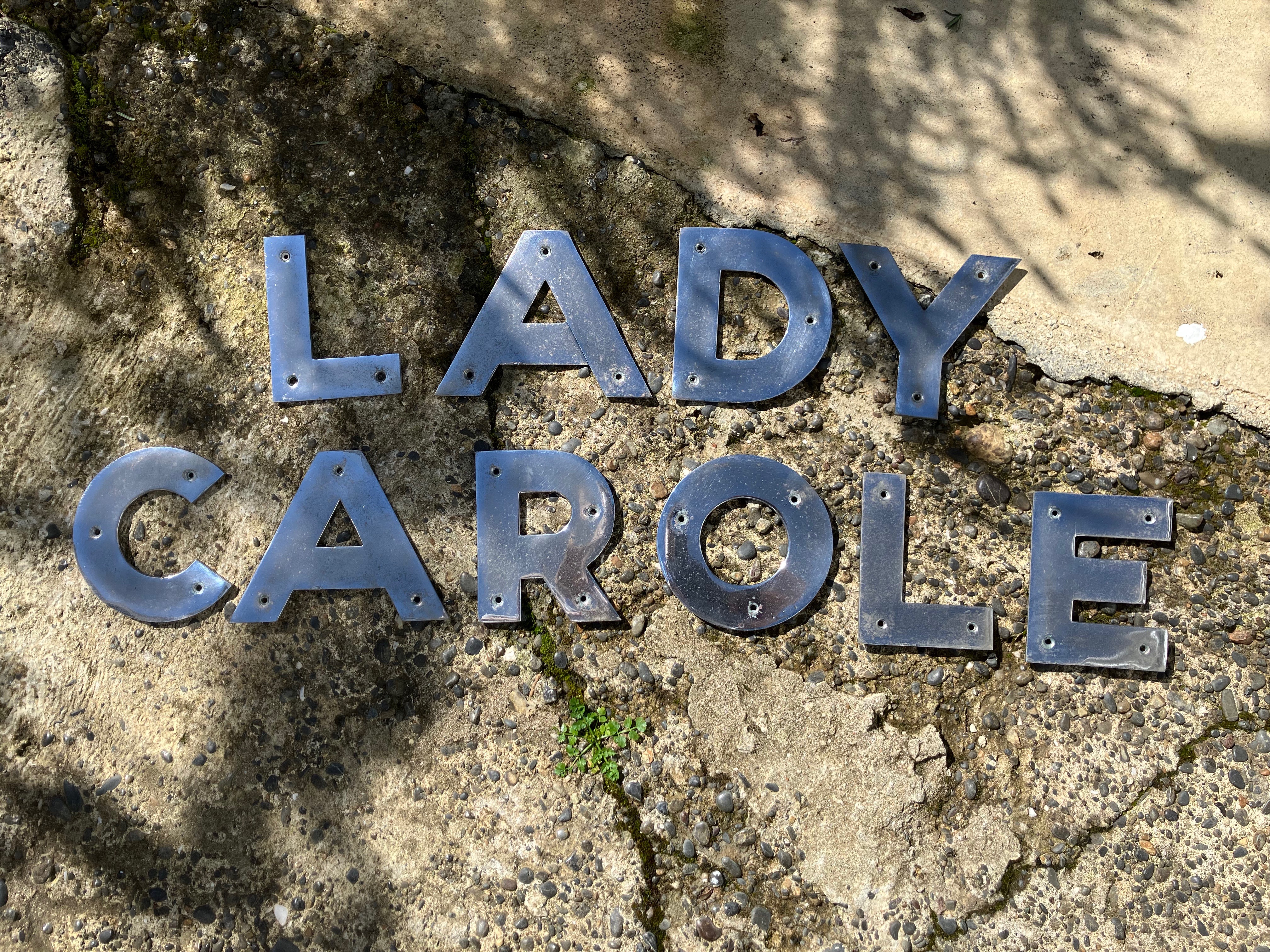
Lady Carole letters will go evenly spaced just below the walk through instead of either side as they were before. 

Mid section is going to be browny red and this goes on tomorrow, so more photos to come once this is done. Rub rail will be white to break up the blue a bit. Waterline will also be white.” 

MYSTERY LIDGARD WOODEN LAUNCH – LE ANNE > SALACIA TOO > EMMZEE

MYSTERY LIDGARD WOODEN LAUNCH – LE ANNE > SALACIA TOO > EMMZEE

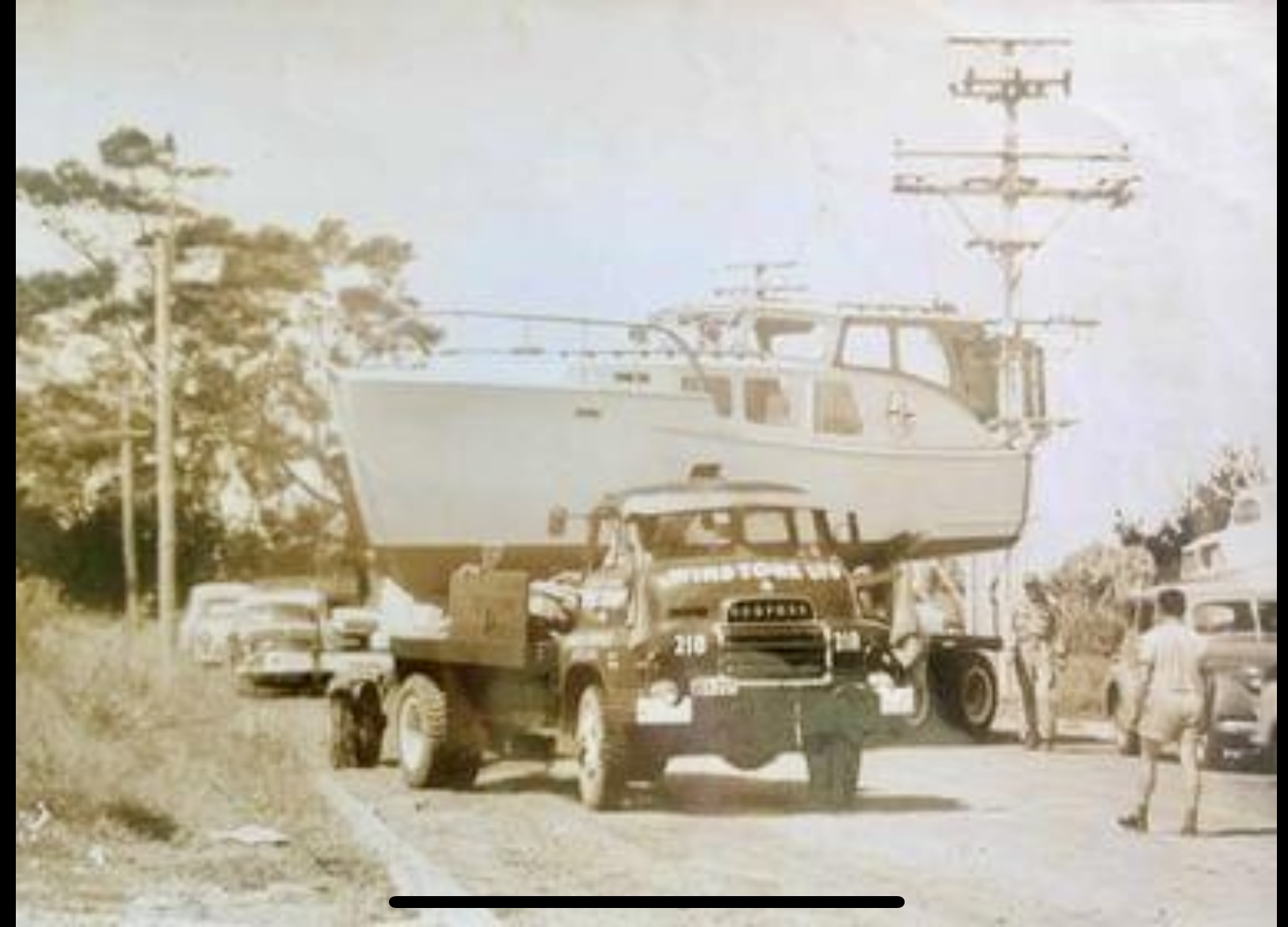
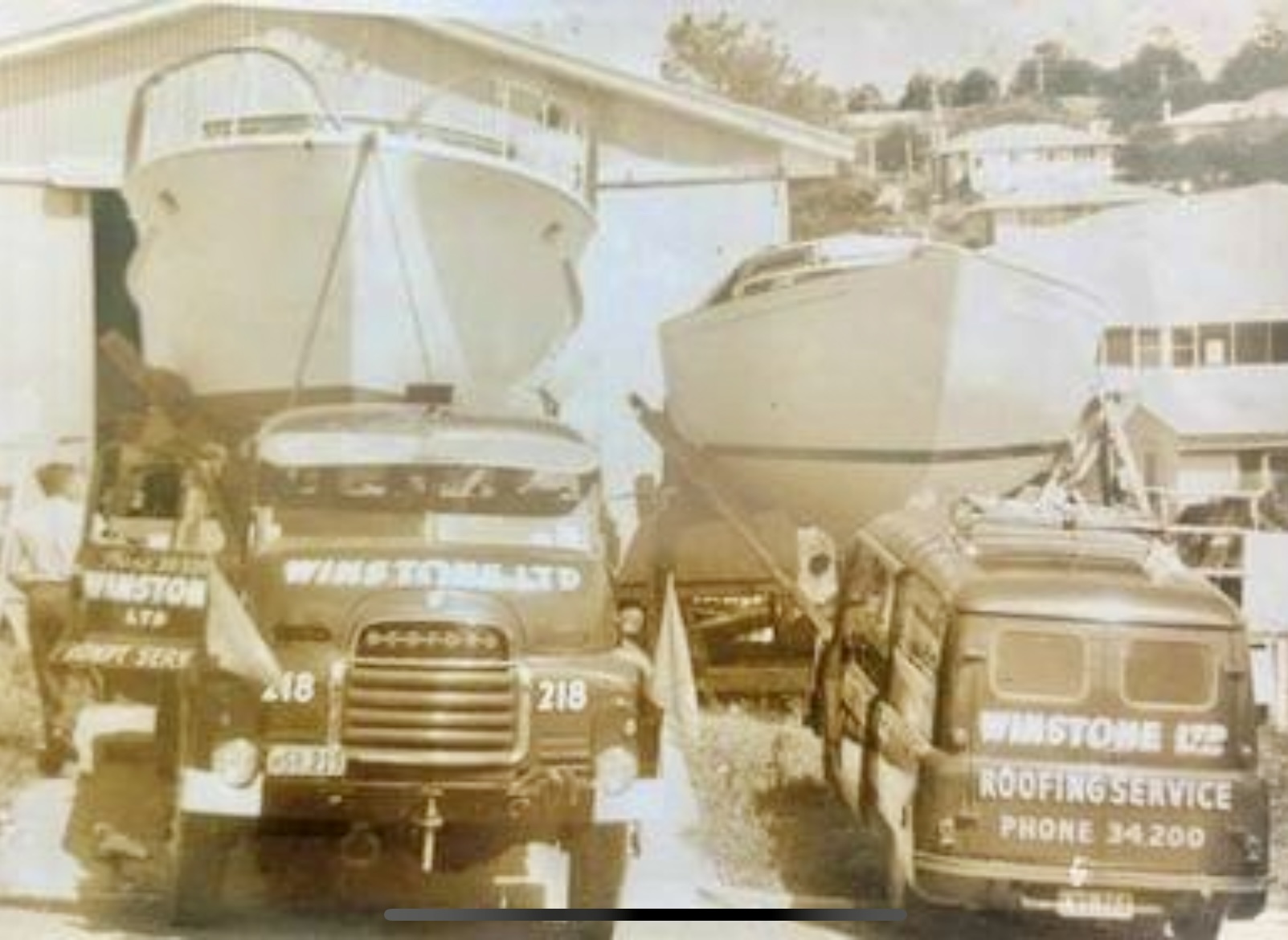
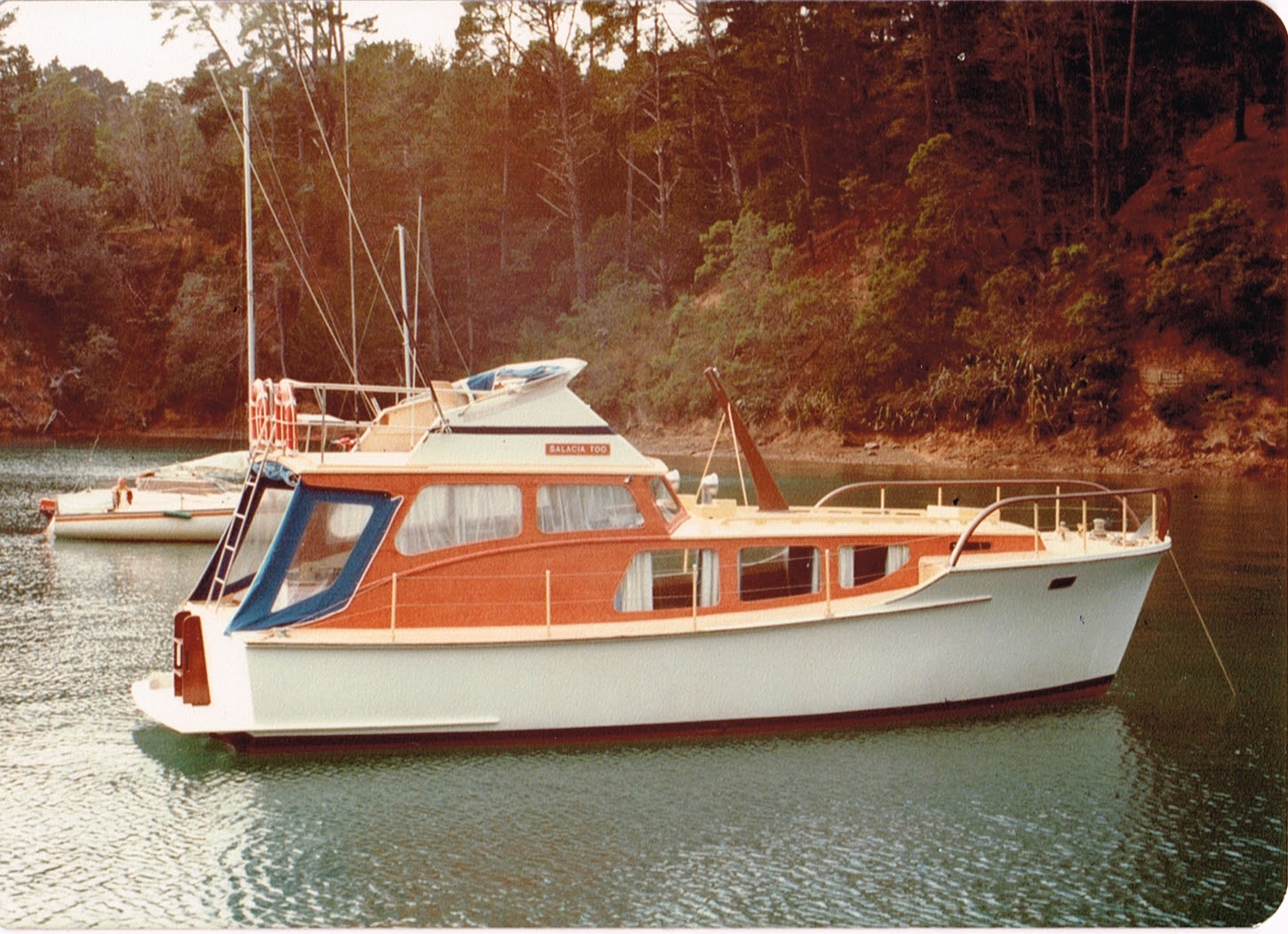
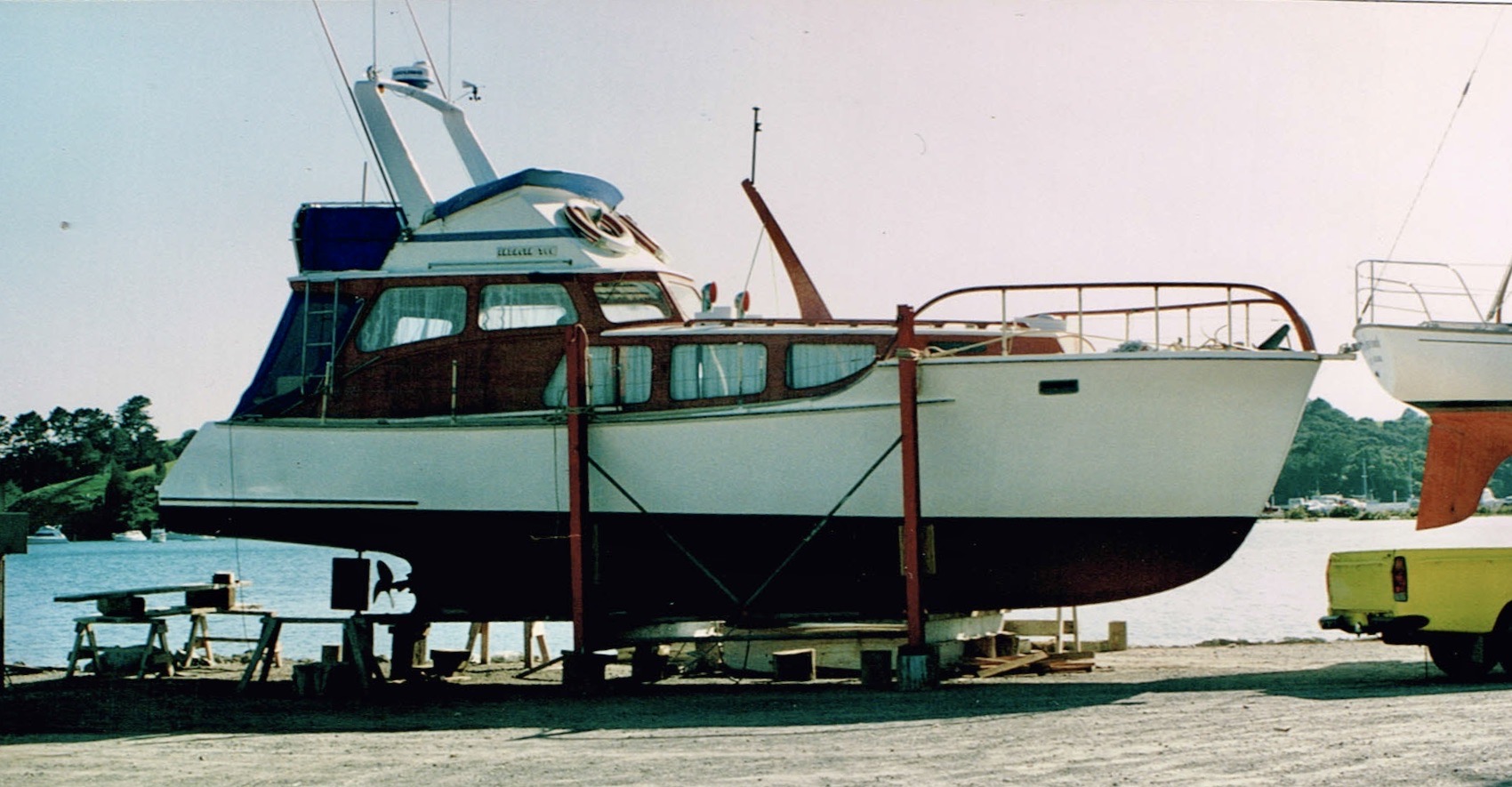
John Dawson wrote in earlier in the week that while sniffing around fb he came across the above photos. In them we see a c.1960’s launch built by John Lidgard at this West Auckland yard on a Winstone Ltd transporter on route to launching.

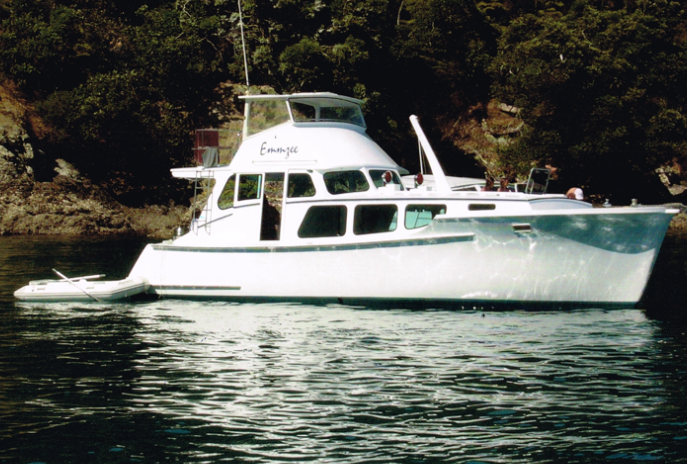
Can we ID the boat and learn more about what became of her.. Update – was originally named LE ANNE and now named EMMZEE.

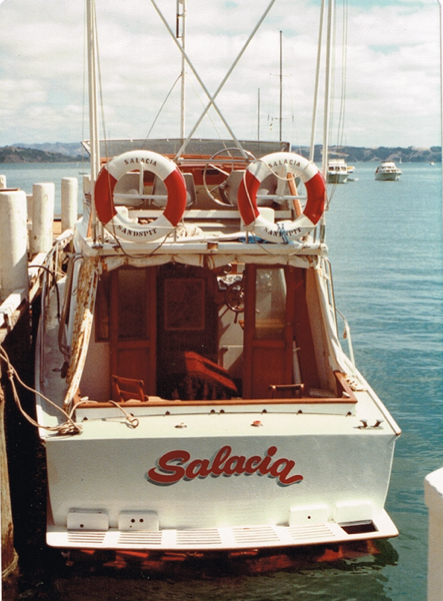
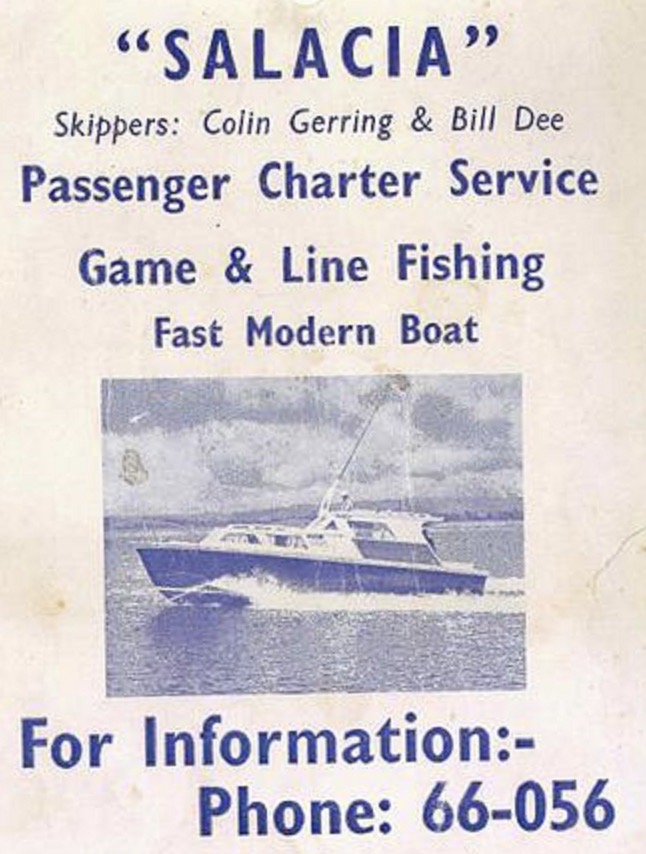
INPUT ex KEN RICKETTS – The boat is the SALACIA TOO. She lied at the Sandspit for many years & was named as she is, (or was originally), by the early owners as their first boat was called SALACIA. Photos of SALACIA TOO below (last three relate to – SALACIA)

Now named EMMZEE – photo below

CLASSIC WOODEN LAUNCHES AT SANDSPIT YACHT CLUB

CLASSIC WOODEN LAUNCHES AT SANDSPIT YACHT CLUB

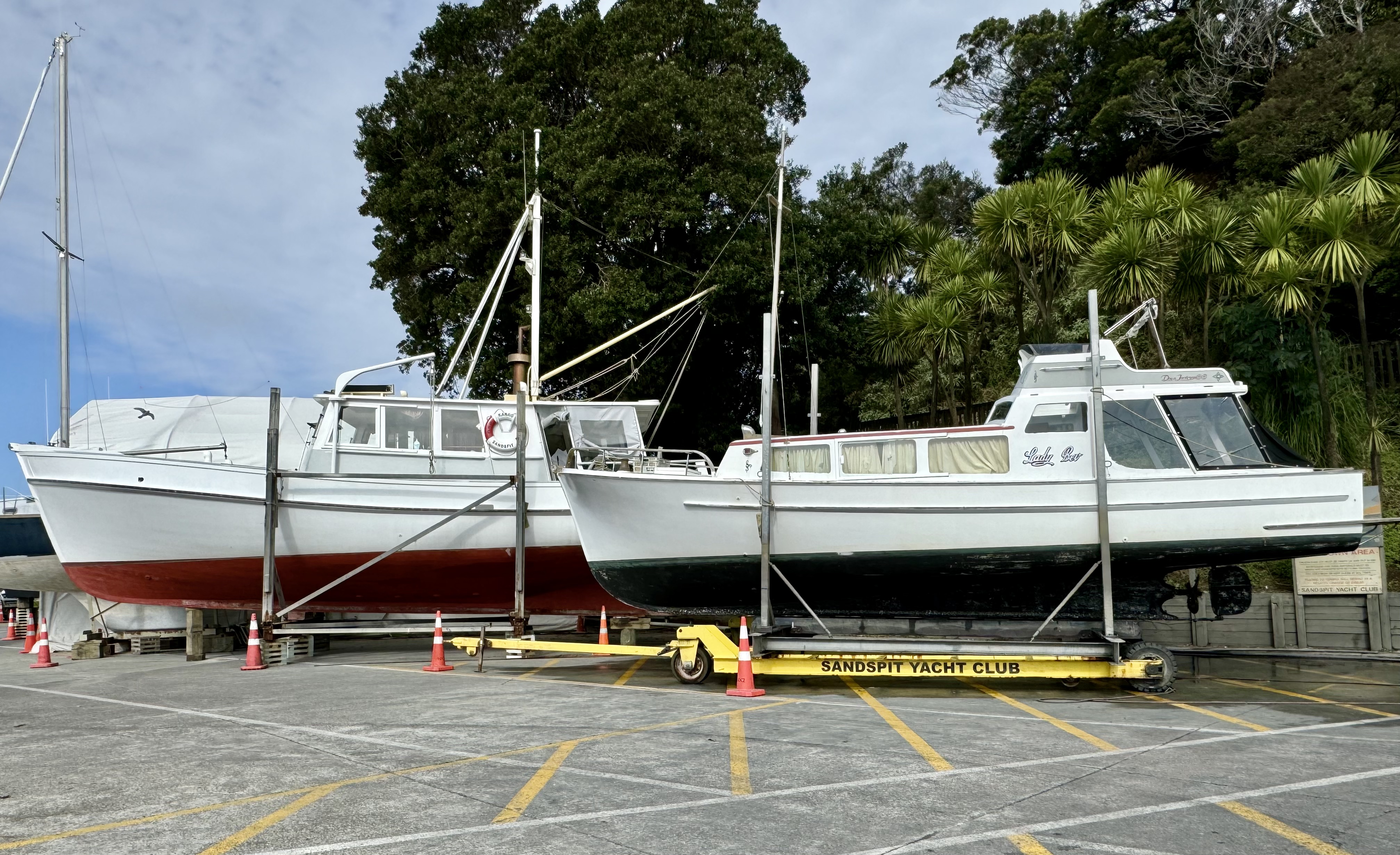
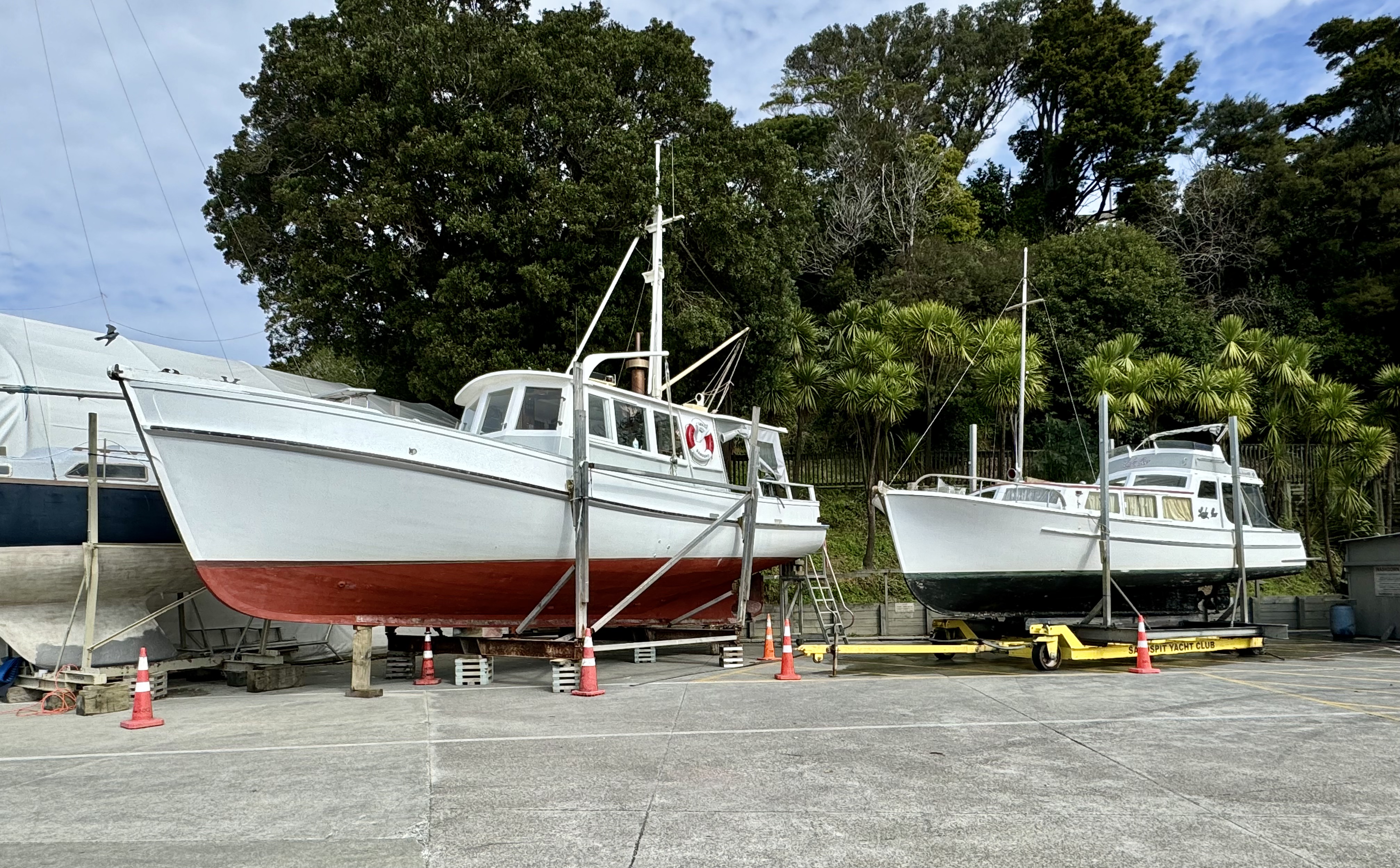
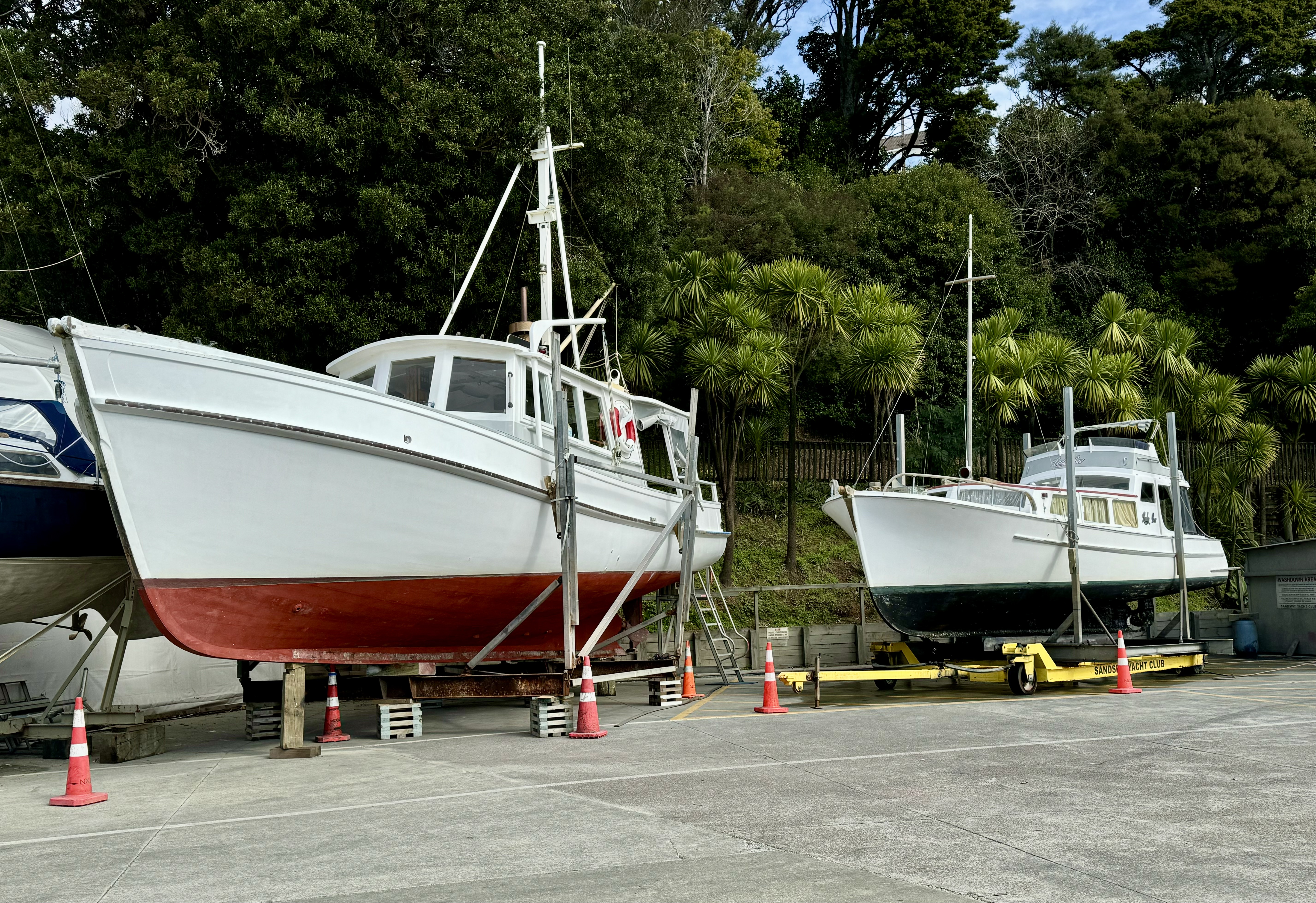
Its’ not often we see two Dave Jackson boats together, hauled out side by side. Gregs Lees sent in the above photos from the yard at the Sandspit Yacht Club.

On the left is the launch – KARROS, Dave’s own boat, built in 1974 and on the right LADY BEV, the first boat of his own design, which he built in 1957 for his father. 

Photo of KARROS afloat in this WW story from Oct 2013 https://waitematawoodys.com/2013/10/03/karros/

We get a better look at LADY BEV in this link from a WW story back in July 2022 https://waitematawoodys.com/2022/07/30/lady-bev-cya-heritage-basin-marina-poll-results-revisited/

And a peek down below on LADY BEV in a WW April 2024 story https://waitematawoodys.com/2024/04/13/lady-b-bee/

SALTY LOOKING WOODEN LAUNCH – GREY TEAL

SALTY LOOKING WOODEN LAUNCH – GREY TEAL

Woody John Dawson sent in the above photo of a very salty looking launch / maybe motorsailer named – GREY TEAL.  A friend of an ex work colleague of Johns owned her in Wellington but other than the photo and the boats name, thats all he knows. With those hills in the background, maybe on the Wairoa River (Clevedon).

So woodys can we learn more about GREY TEAL.

INPUT ex HUGH GLADWELL – She was built by Howard Greenwood at Whangateau. The first owner John Murray is standing in the cockpit on the launching day. She had a sloop rig and John used her for long lining out of Leigh
INPUT ex RUSSELL WARD – Location is Whangateau Traditional Boatyard.

MARINE YARD SALE @ TE ATAATU BOATING CLUB

SEA FEVER – 1958 CLASSIC WOODEN LAUNCH RELAUNCHED

SEA FEVER – 1958 CLASSIC WOODEN LAUNCH RELAUNCHED

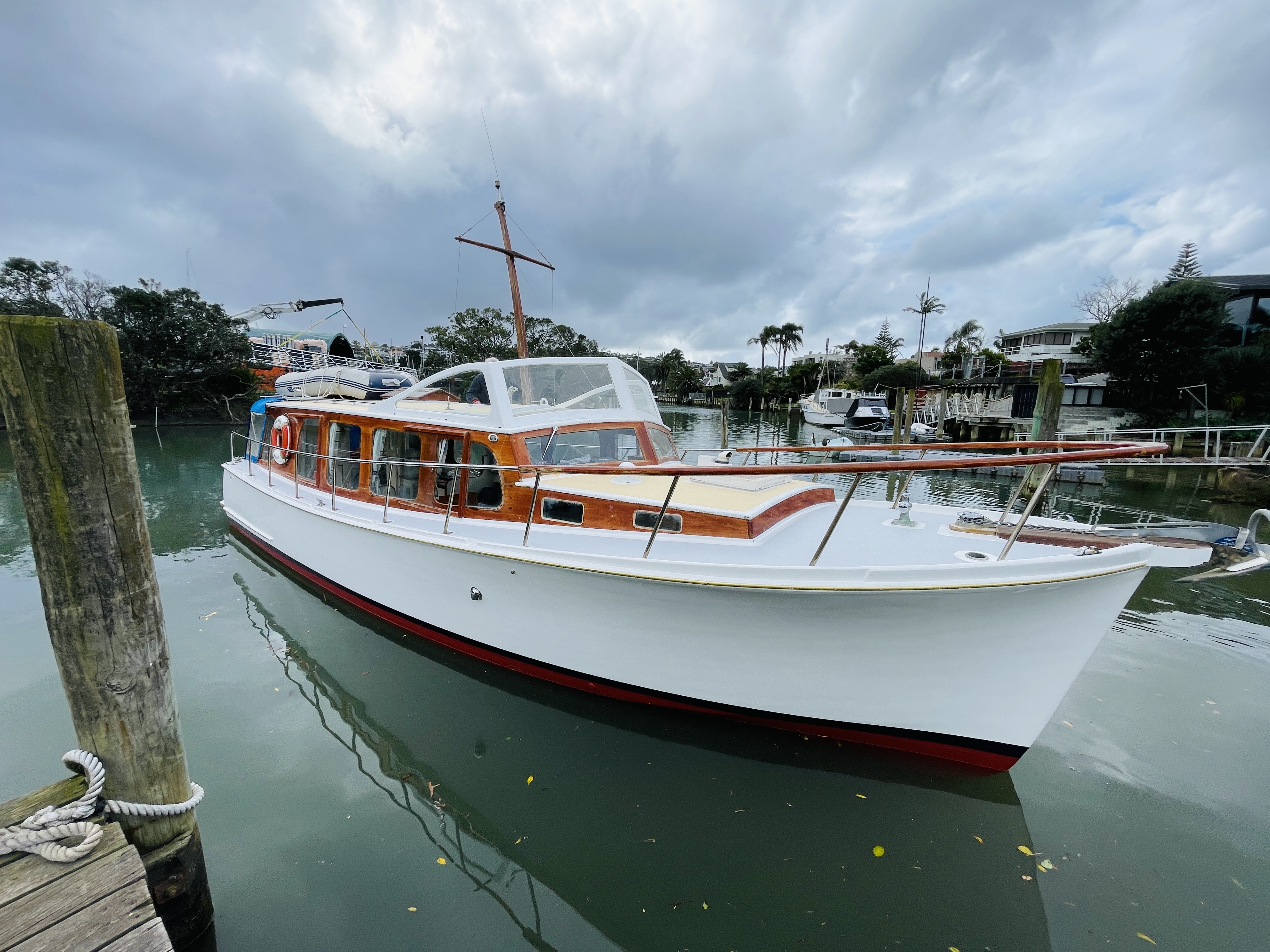
Earlier in the month we reported that the 34’ John Salthouse built classic wooden launch – SEA FEVER was hauled out at the Slipway Milford for some TLC.

Yesterday afternoon she slipped down the railway into the Milford creek looking very grand.

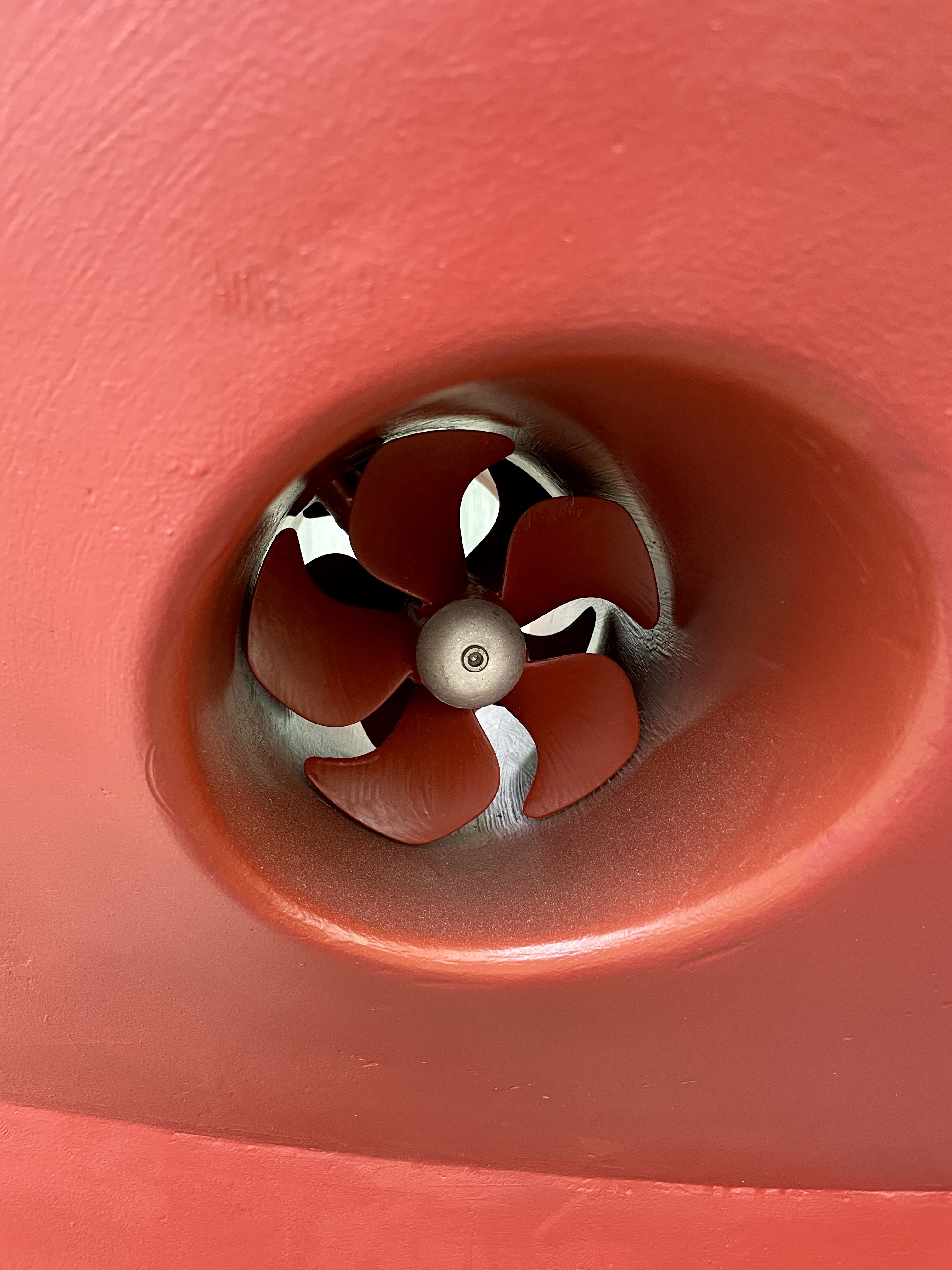
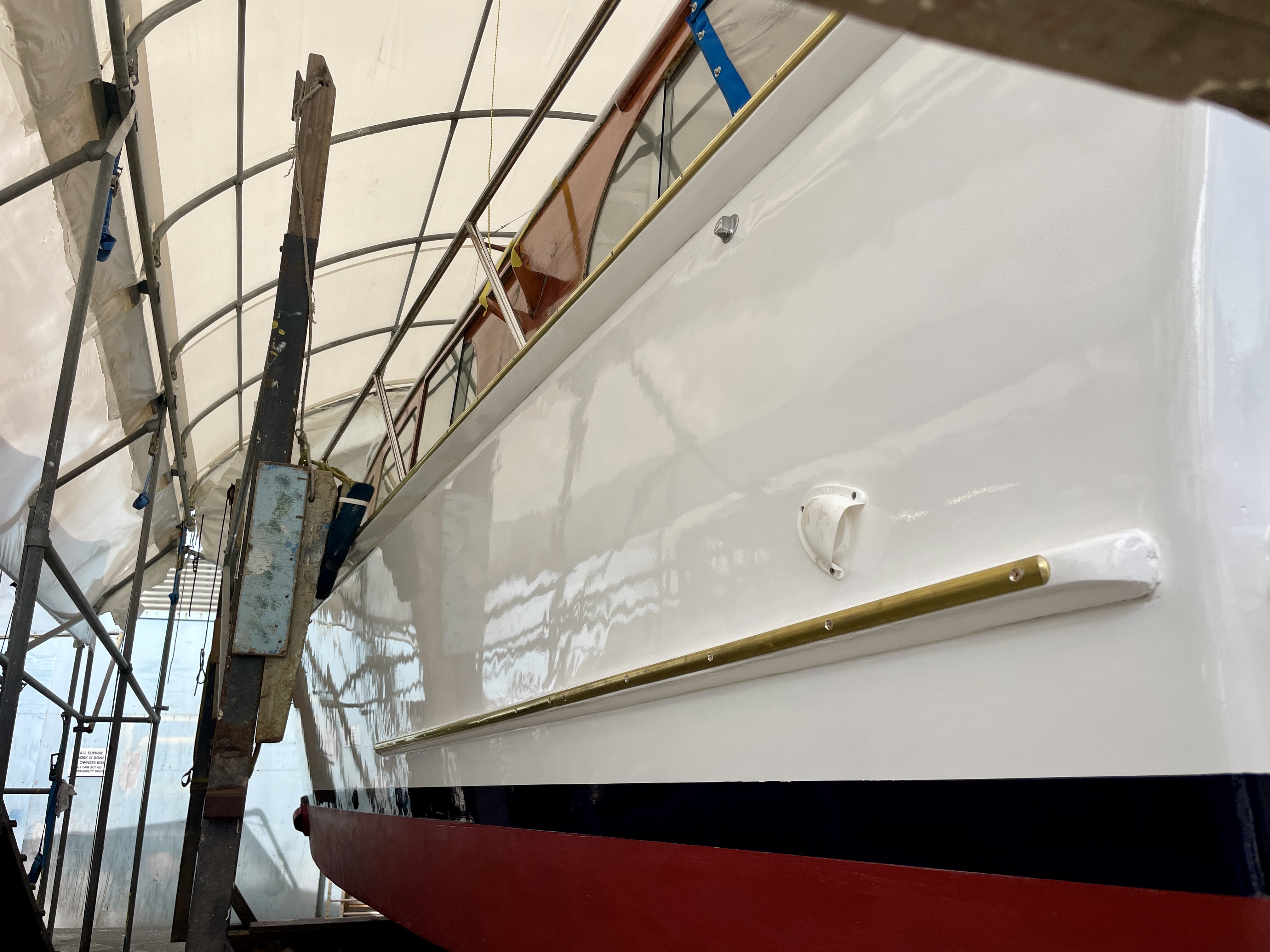
#1 job was a Jason Prew Paint Job but her newish owners also upgraded some systems, repainted the decks, converted the old compressor driven freezer to 12V and removed / replaced a few spots of boat cancer. She was also fitted with a bow thruster to protect the new paint job 😉

As per most owners the project is a rolling restoration and next winter the cabin coaming bright work will get a birthday.

SEA FEVER is one of John Salthouse’s best sedan designs and enjoys a light and airy saloon with large windows that makes for a very comfortable vessel both on route, at anchor or in the marina.

Full Sea Fever Review Here https://waitematawoodys.com/2023/08/25/sea-fever-a-peek-down-below-4sale/

And if you are ever in doubt as to the best way to haul out > launch your classic woody – check out the video below – railways rock ✔️ your boat will repay you for the kid gloves.

THE CLASSIC WOODEN LAUNCH TAINUI RELOCATES NORTH

THE CLASSIC WOODEN LAUNCH TAINUI RELOCATES NORTH

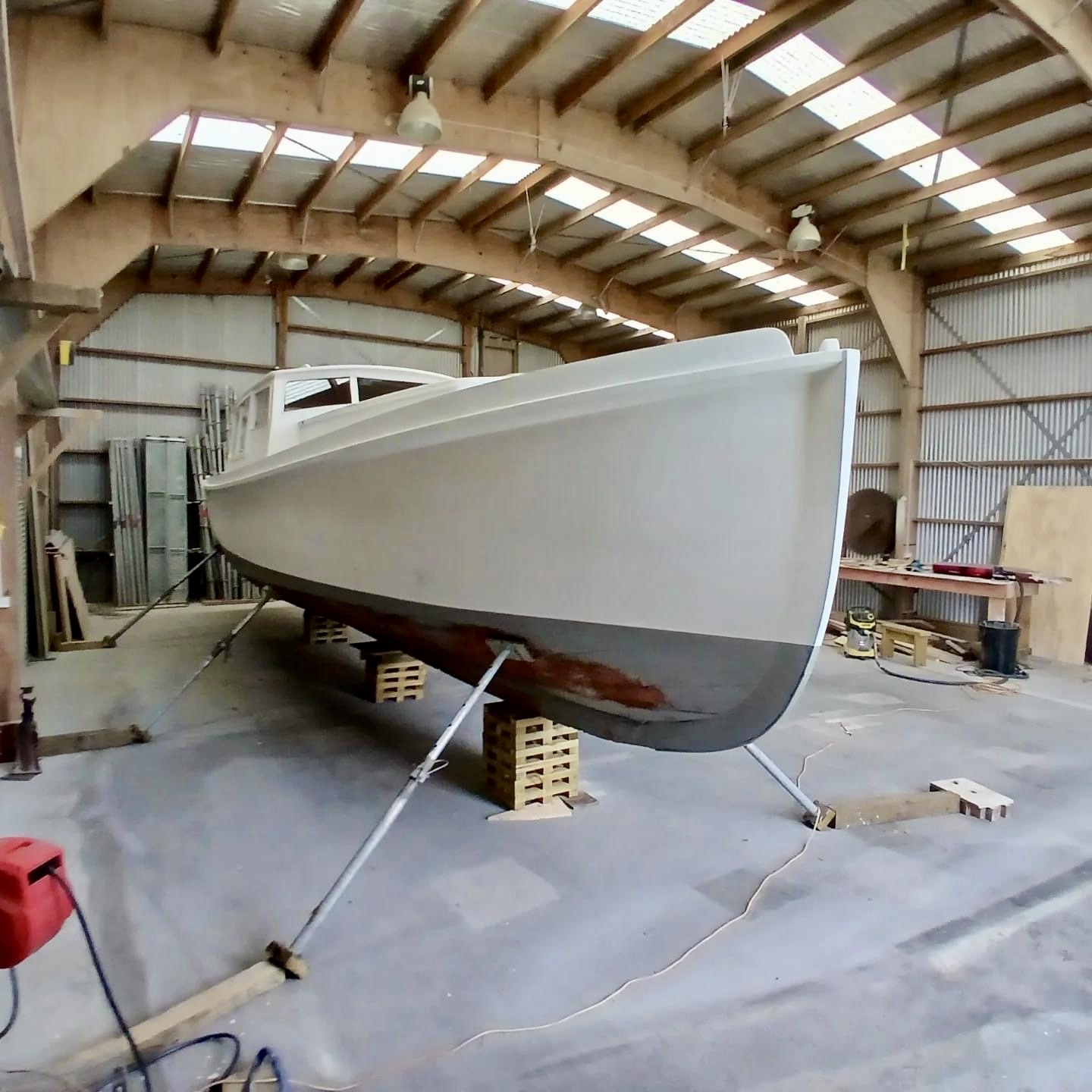
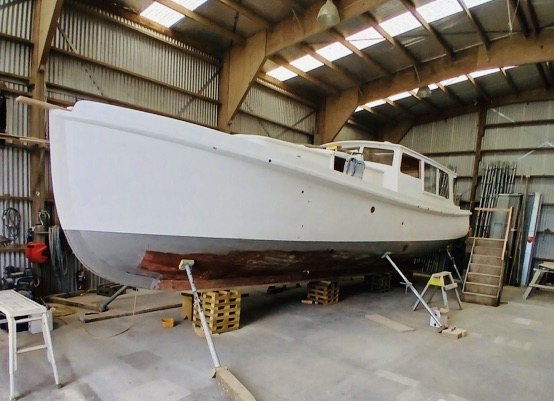
As reported last week the 38’ 1968 ex work boat – TAINUI was heading north to Blair Boats in Kerikeri to bring to fruition owner John Sloane’s dream.

In the photos above we see TAINUI leaving the Whangateau traditional boat shed via the beach and then heading north to Kerikeri .

Third photo sees her resting on the lawn at the Blair yard, waiting her turn in the shed. 

Last photo is of the Gardner 5LW installed. John commented previously that there is no intention to have an engine box – the mighty Gardner will be centre stage – as per MY GIRL, photo below – we like that 🙂

15-11-2024 UPDATE – to quote owner John Sloane ’The journey begins’ at Blair Boats

18-01-2025 UPDATE – work underway in the Blair Boats shed – we like that 🙂

Screenshot

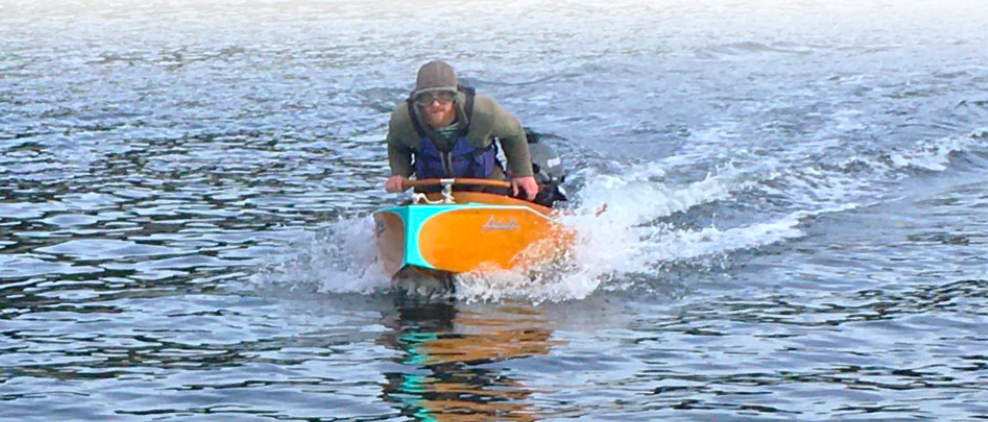
AVANTI – A Lot Of Boat From One Sheet Of Plywood

AVANTI – A Lot Of Boat From One Sheet Of Plywood

Now I know its not a NZ story and the boats made of plywood but when I read this story in the May 2021 issue of Small Boats Monthly it just made me smile – so today I share it with WW readers. Enjoy

Riley Hall was born and raised in Gig Harbor, Washington, a quiet town nestled around a narrow, mile-long inlet that shares the town’s name. The shoreline is bristling with piers and the water is dotted with boats at anchor. Surrounded by boats, it was only natural that Riley began building and working on them at a young age. He kept at it through high school and began restoring a 1940s-vintage canvas-covered cedar-strip rowing boat at home. For his senior-year project, he chose to work at the Gig Harbor BoatShop, documenting and disassembling hull #2 of the Ben Seaborn – designed Thunderbird.

After graduating, his interest in the restoration of old boats led him to move across the country to Rhode Island to study at Newport’s International Yacht Restoration School (IYRS). While enrolled there, he spent winter evenings and weekends restoring a 1963 Snipe. After graduating from IYRS in 2012 he got a job maintaining and restoring mostly classic racing yachts at Baltic Boatworks in nearby Bristol.

During the time he had been on his career path—restoring large yachts and working boats—Riley had been toying with the concept of small boats built from a single sheet of plywood. He designed and built his first one-sheet rowing skiff  while home for Christmas in 2014. He had brought the paper patterns for the skiff with him to Rhode Island and shared them with Don Betts, a local boatbuilder who had built a 31’ six-oared Cornish gig, and the one-sheet skiff Don built  led to two more, built with the help of a group of Sea Scouts.

After about six years at Baltic, Riley moved back to Gig Harbor in 2018 to take a job with Harbor History Museum. There, as a restoration/preservation specialist, he was put in charge of the volunteers restoring the 65′ purse seiner SHENANDOAH, which was built in Gig Harbor in 1925. The SHENANDOAH project kept Riley busy during his working hours but left him with some free time and a creative impulse to design and build something new.

Working in the studio above his parents’ garage, he built three more one-sheet rowing skiffs, trying new iterations of the concept each time.  The 2.5-hp four-stroke Yamaha outboard he had for his 16’ Calendar Island Yawl set him to wondering what kind of speed it could produce with a boat made of a single sheet of plywood.

Cocktail Class Racers naturally came to mind.  Developed in 1939, they’re outboard-powered racing skiffs with a length of 8′ and a beam of 4′, just like a sheet of plywood, and limited to 6-hp motors—8 hp for racers who weigh over 200 lbs. They top out at 26 mph, far beyond the potential of Riley’s 2.5, so, with racing off the table, he was free to lavish attention on aesthetics and let visual elements from racing kayak, vintage bicycles, Beetle Cats, and ’50s nostalgia work their way into his design process.

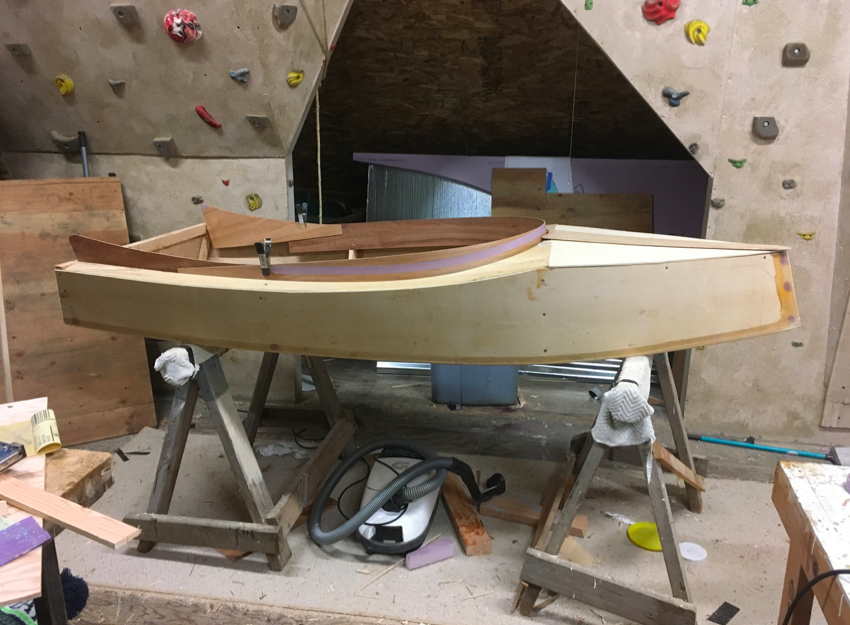
He started with a wedge shape for the hull: a plumb stem to part waves and a flat run for planing. As he explored the shape with a model of stiff paper, the sides came together in a way that suggested a raised foredeck and stem with a reverse rake. The foredeck required a break in the sheer to sweep down to the stern, which, as Riley put it, “revealed a slightly strange shape, like little ears, between the side and foredeck standing out as rather odd and unconventional. I decided it was similar to what you see on racing kayaks, which look cool and go fast, so why not?”

Riley started construction in a workshop space over his parents’ garage. With the shape established by the model, Riley could take the pieces apart from each other to “expand” their shapes and scale them up on onto a piece of plywood. After cutting the full-sized panels from plywood and fairing the panels, he temporarily assembled them with Gorilla tape, fine-tuned the shape, and used the plywood “skin” of the hull to take measurements for the boat’s two frames.

After Riley had installed the foredeck and a Beetle Cat–inspired coaming, he invited his father, Curtiss, an art teacher at the high school Riley graduated from, for a consult on aesthetics. As soon as he laid eyes on the boat, Curtiss said, “It looks like a Studebaker Avanti.” The iconic Avanti, a high-performance car with a distinctive “reverse rake” on the front end of its side panels, was Studebaker’s swan song, released in 1962 as the company was closing down.

Curtiss’s comparison set the boat’s name, AVANTI, Italian for forward, and pointed to an automotive aesthetic direction for the rest of the project. Riley had been looking to Herreshoff’s boats for a suitable shape for the aft ends of the coaming, but nothing looked quite right on AVANTI. While the Studebaker coupe didn’t have fins, it was produced in the final years of the fin craze, and the combination seemed to work for the boat.

For steering, Riley opted for handlebars instead of a wheel. Cocktail Class Racers require that the drivers lean far forward to keep their bows down and they’re forced to wrap their stomachs around the wheels. Riley found a bow fitting at a marine thrift store that could have easily been a classic-car hood ornament; the nameplate his dad made, replicating the one Studebaker put on the Avanti, was the finishing touch.