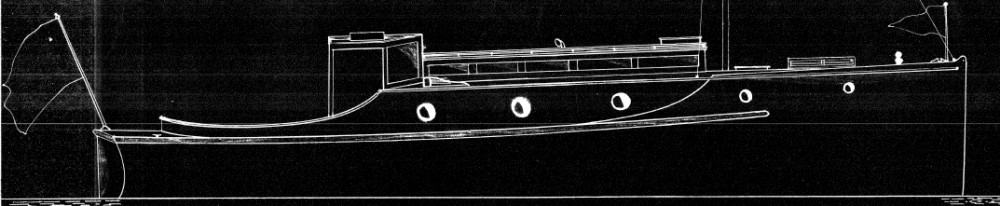
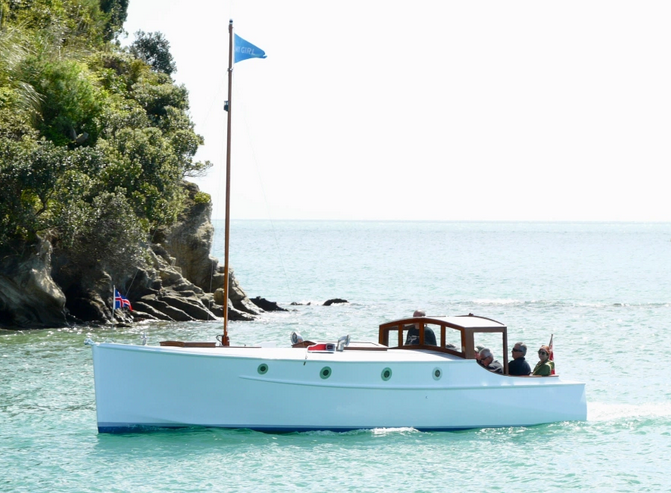
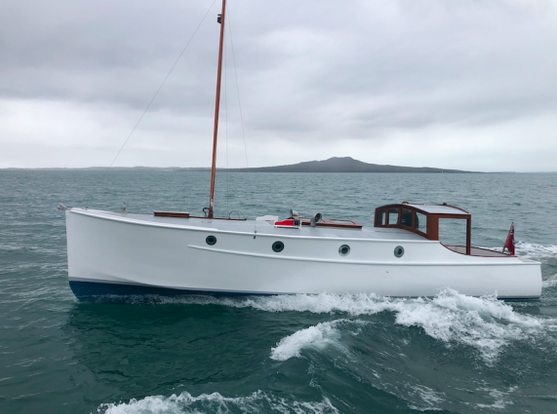
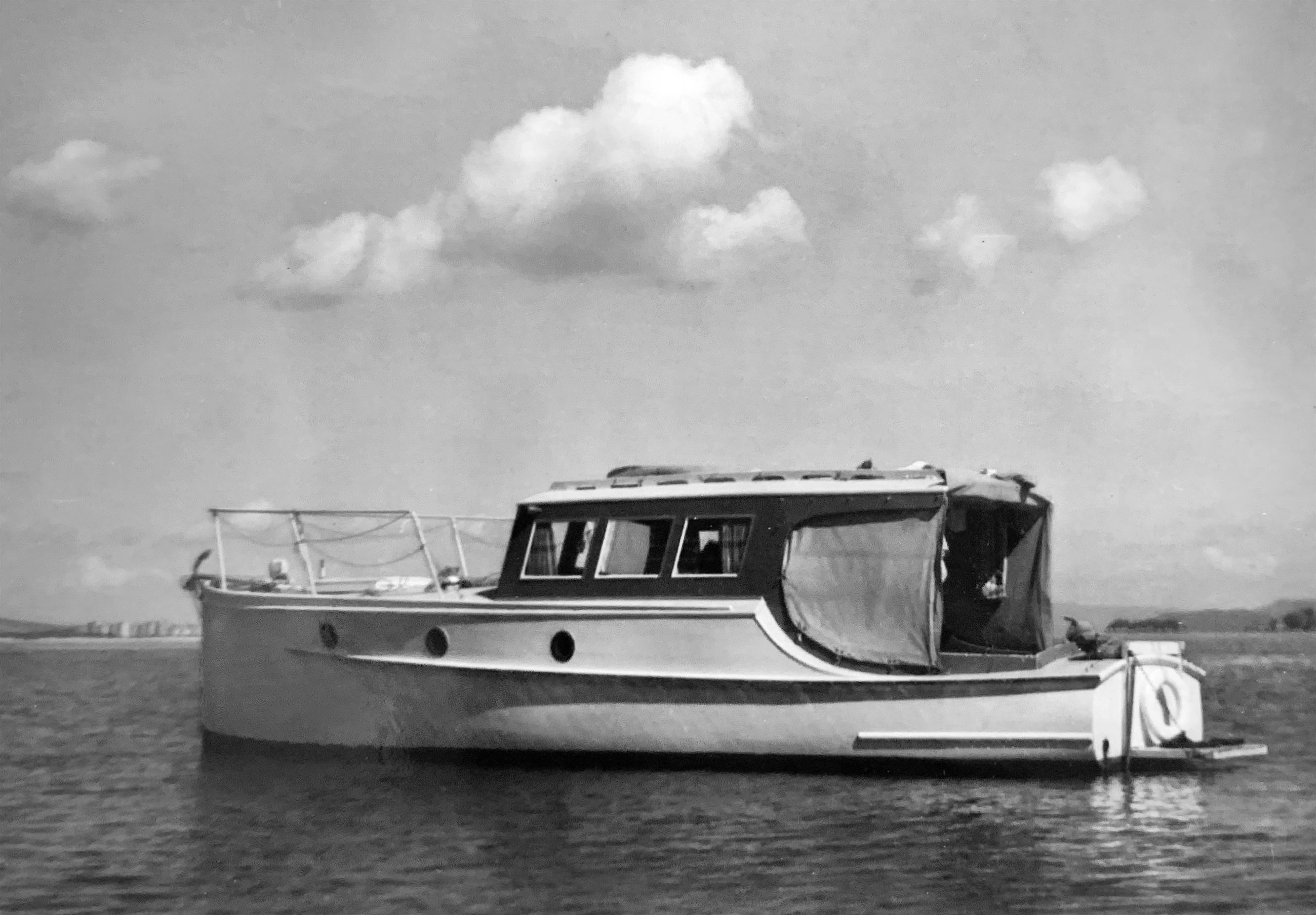
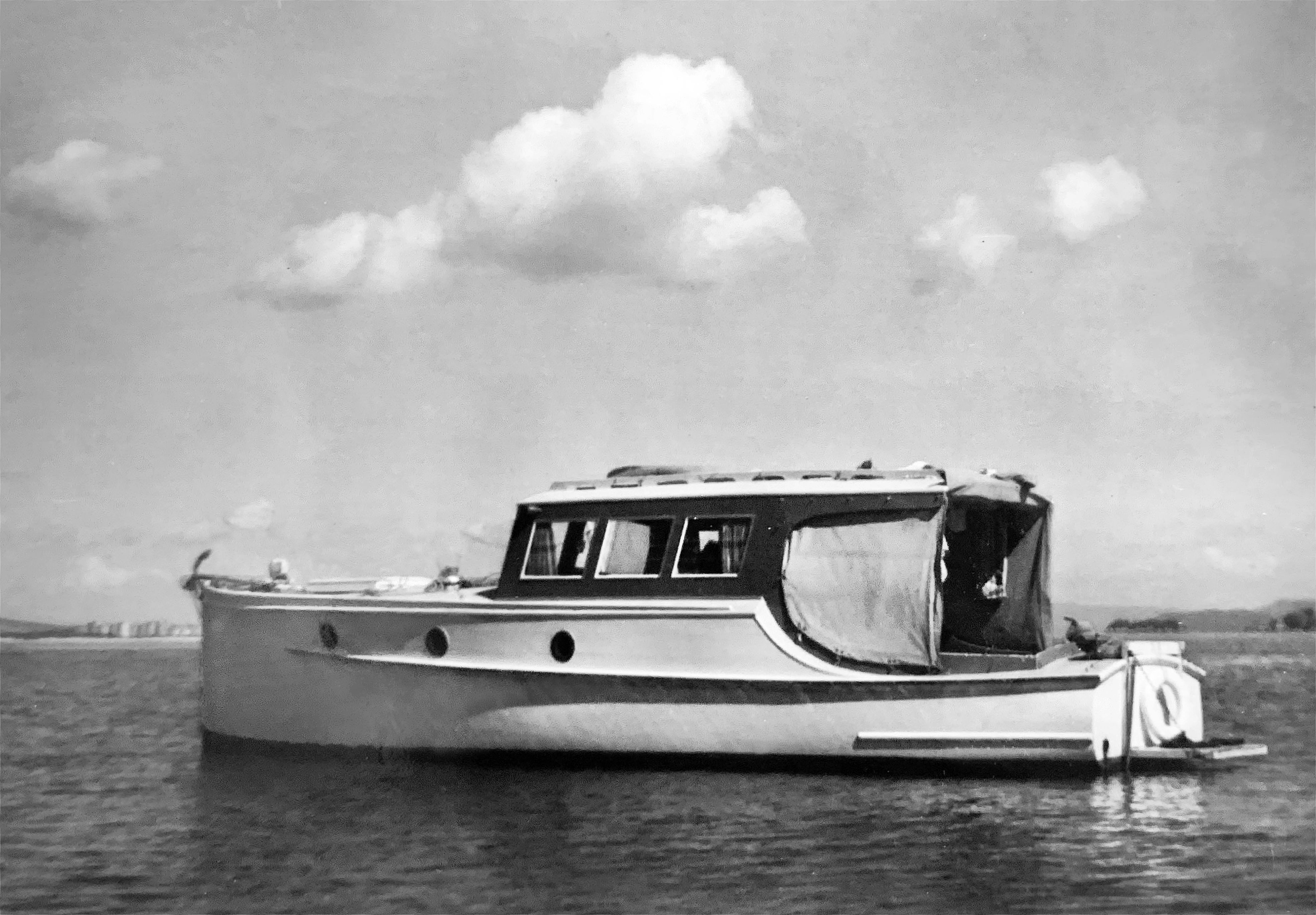
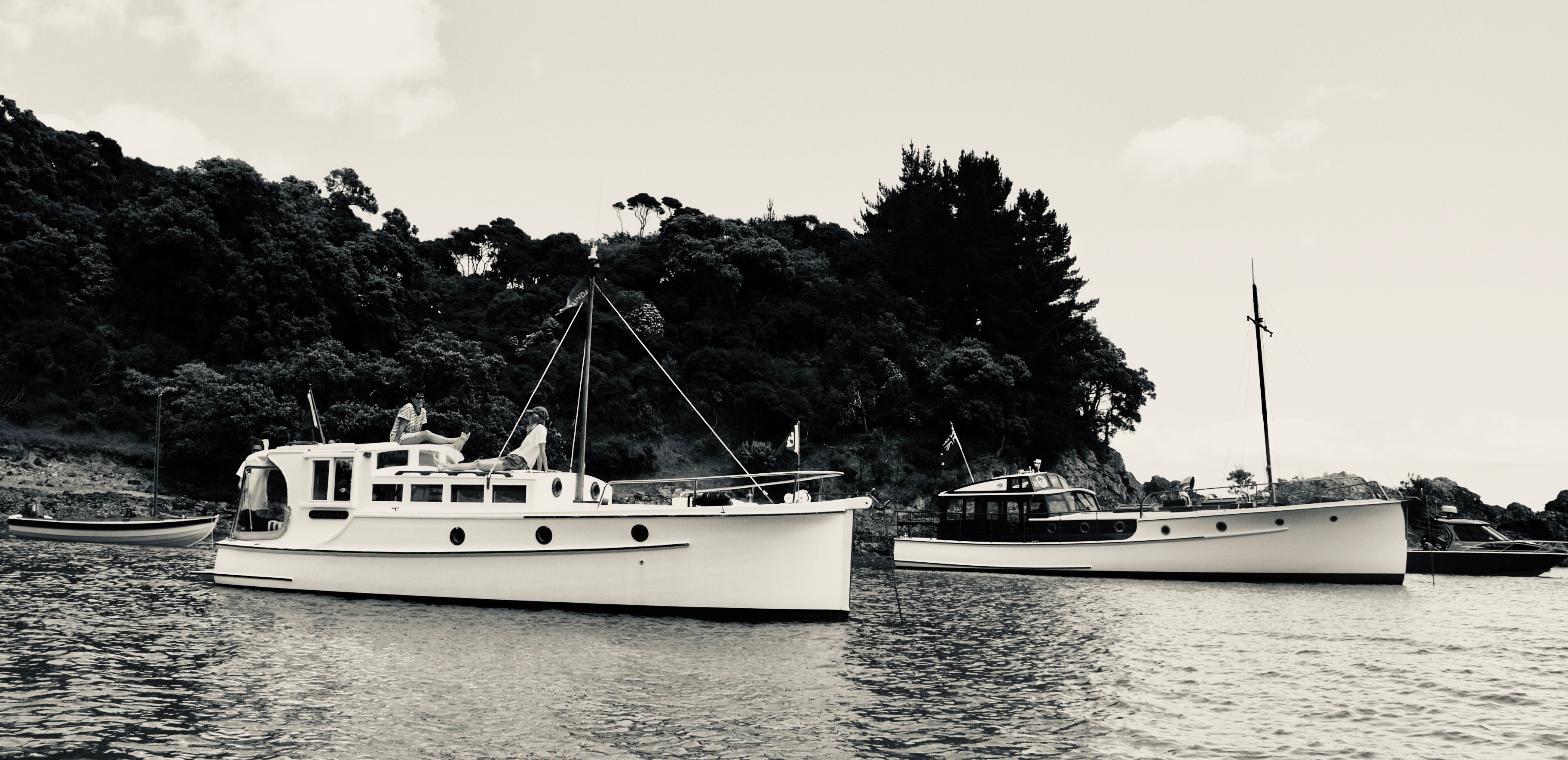
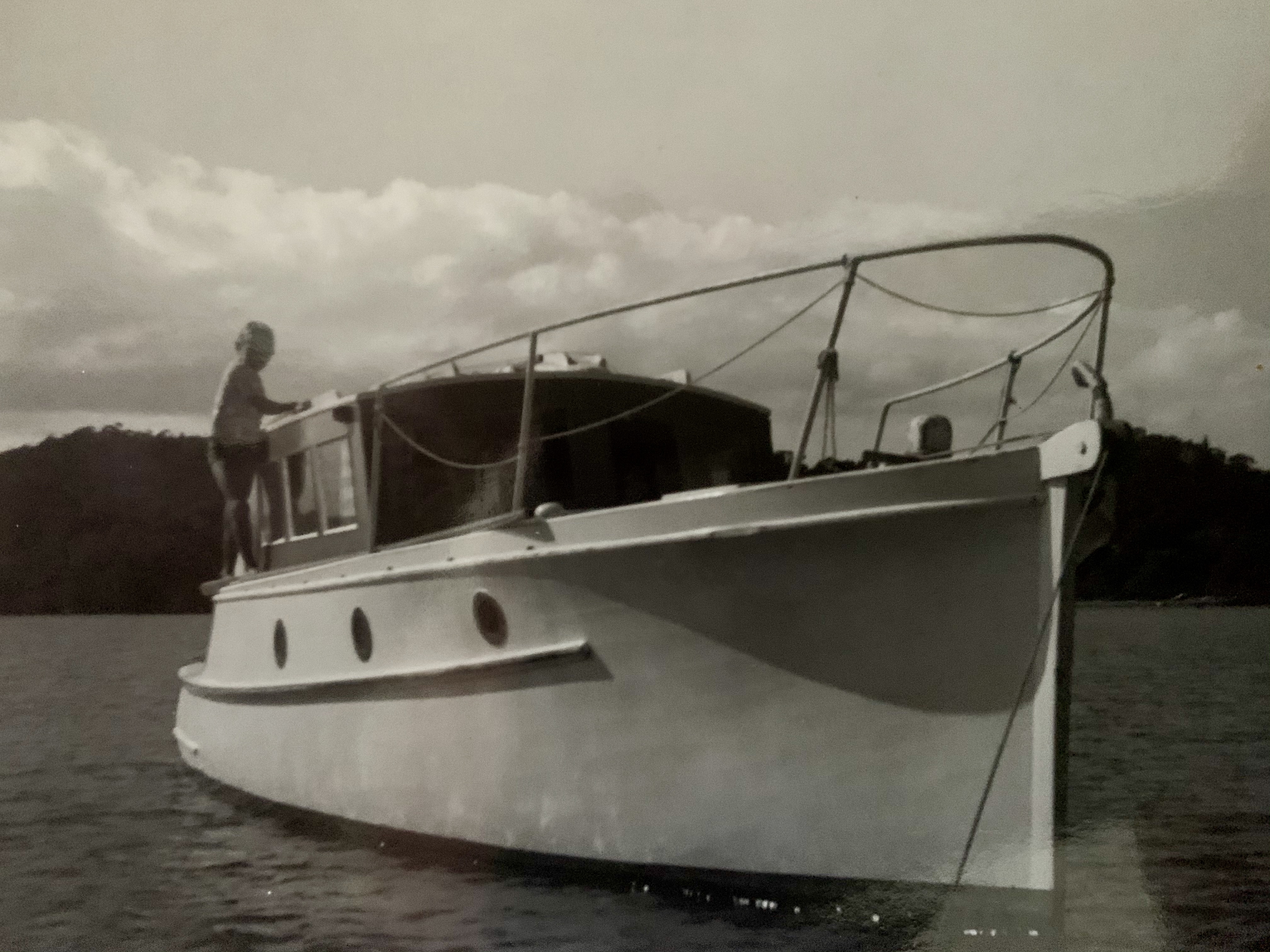
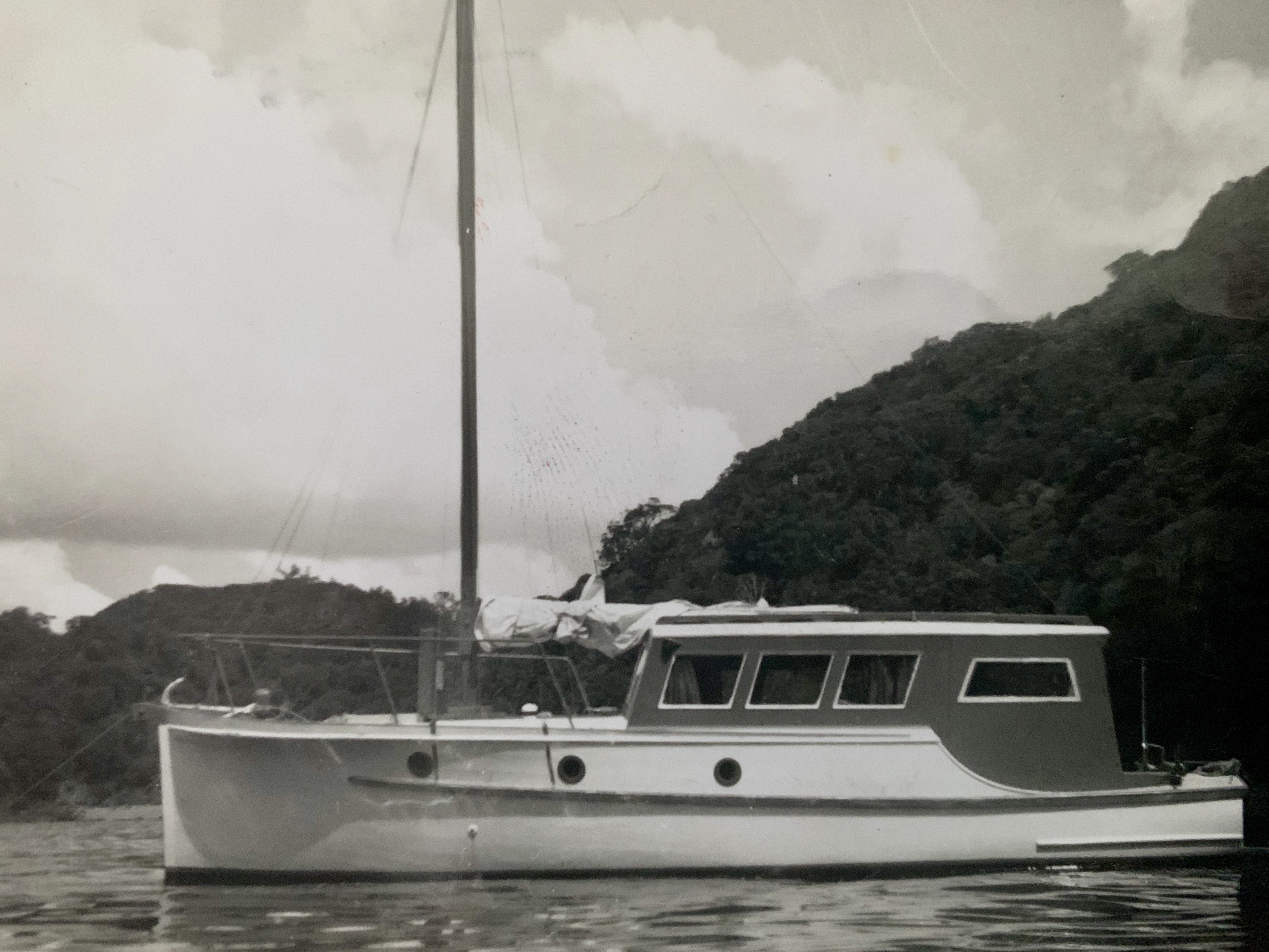
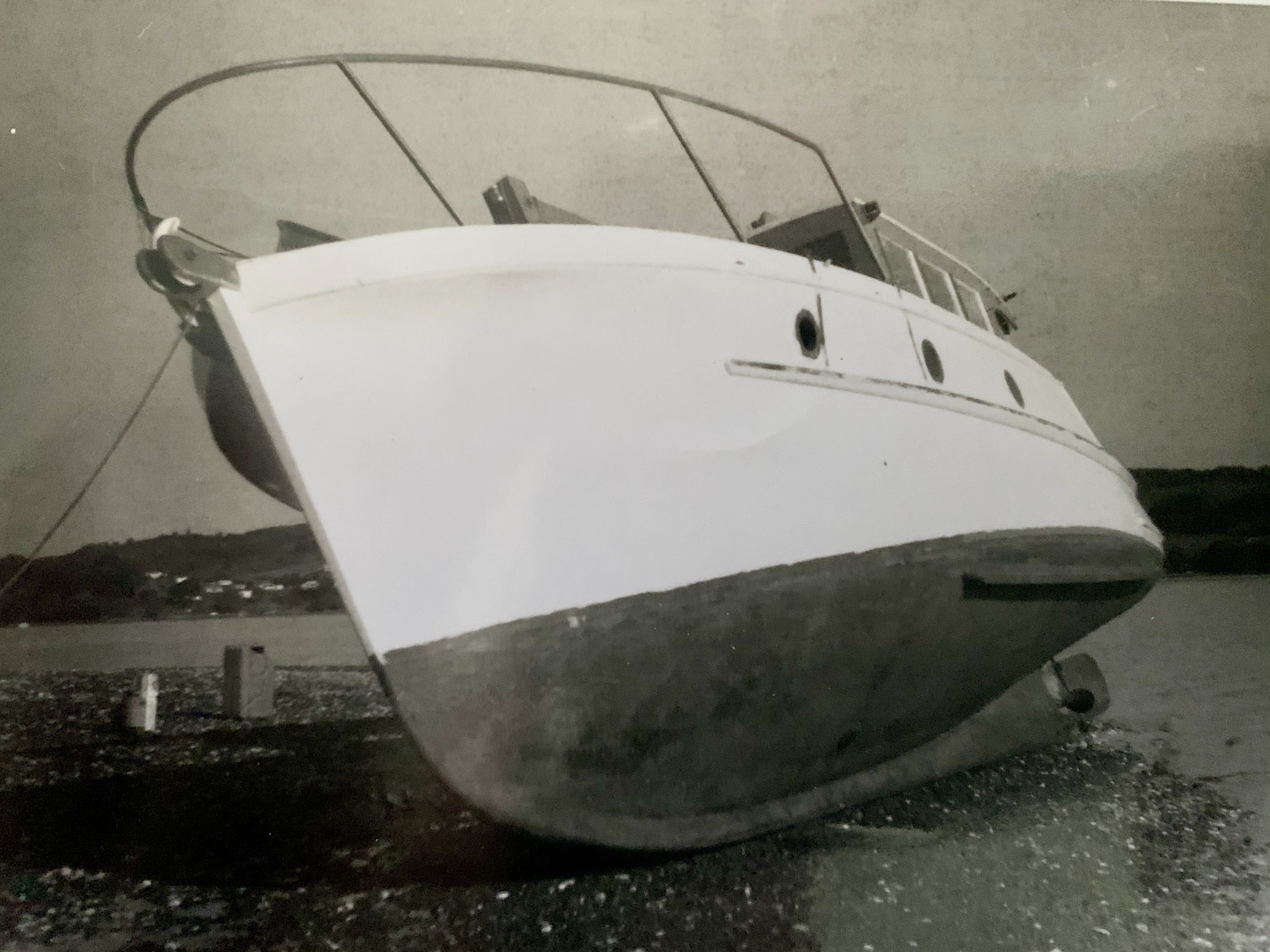
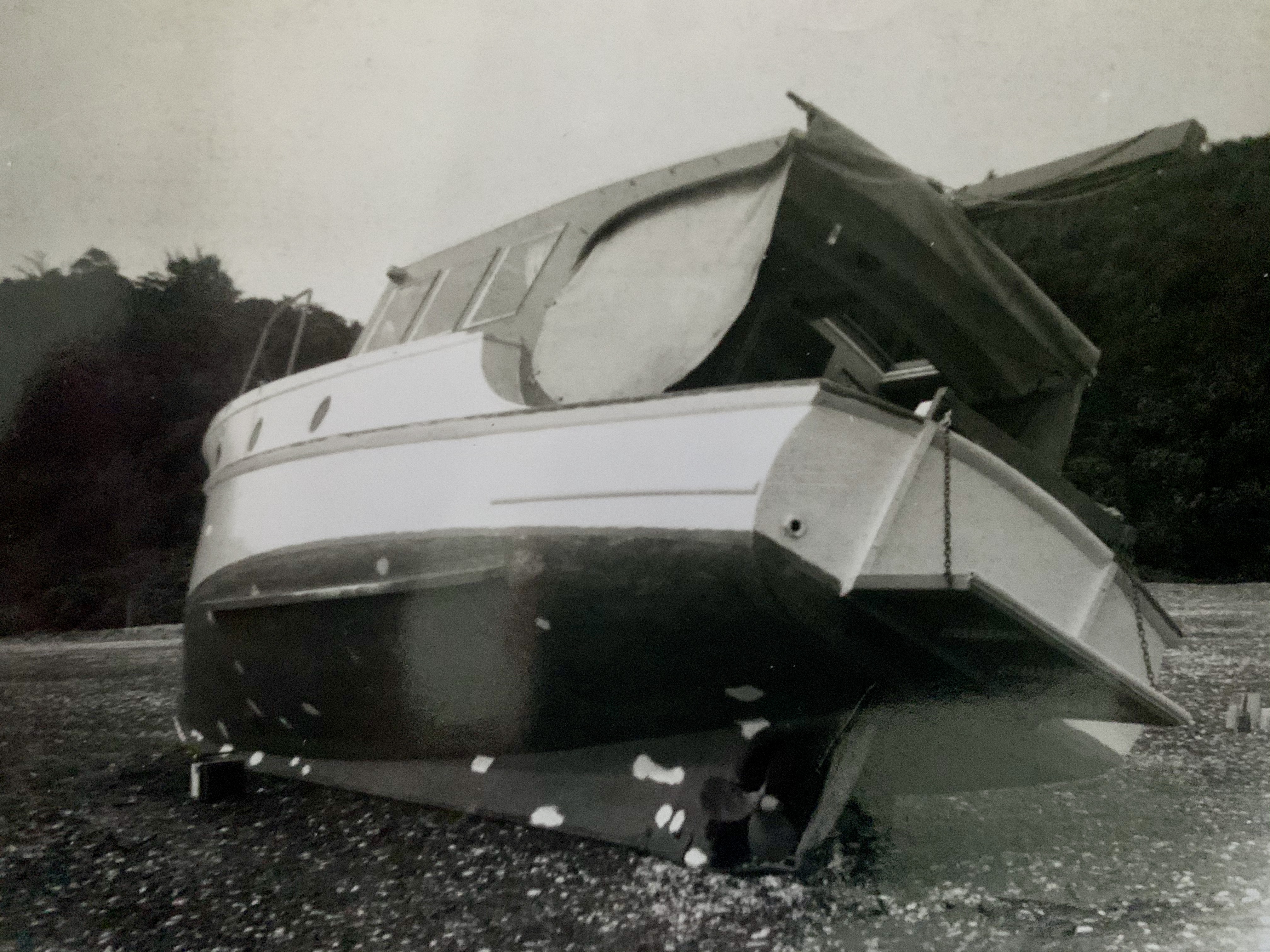
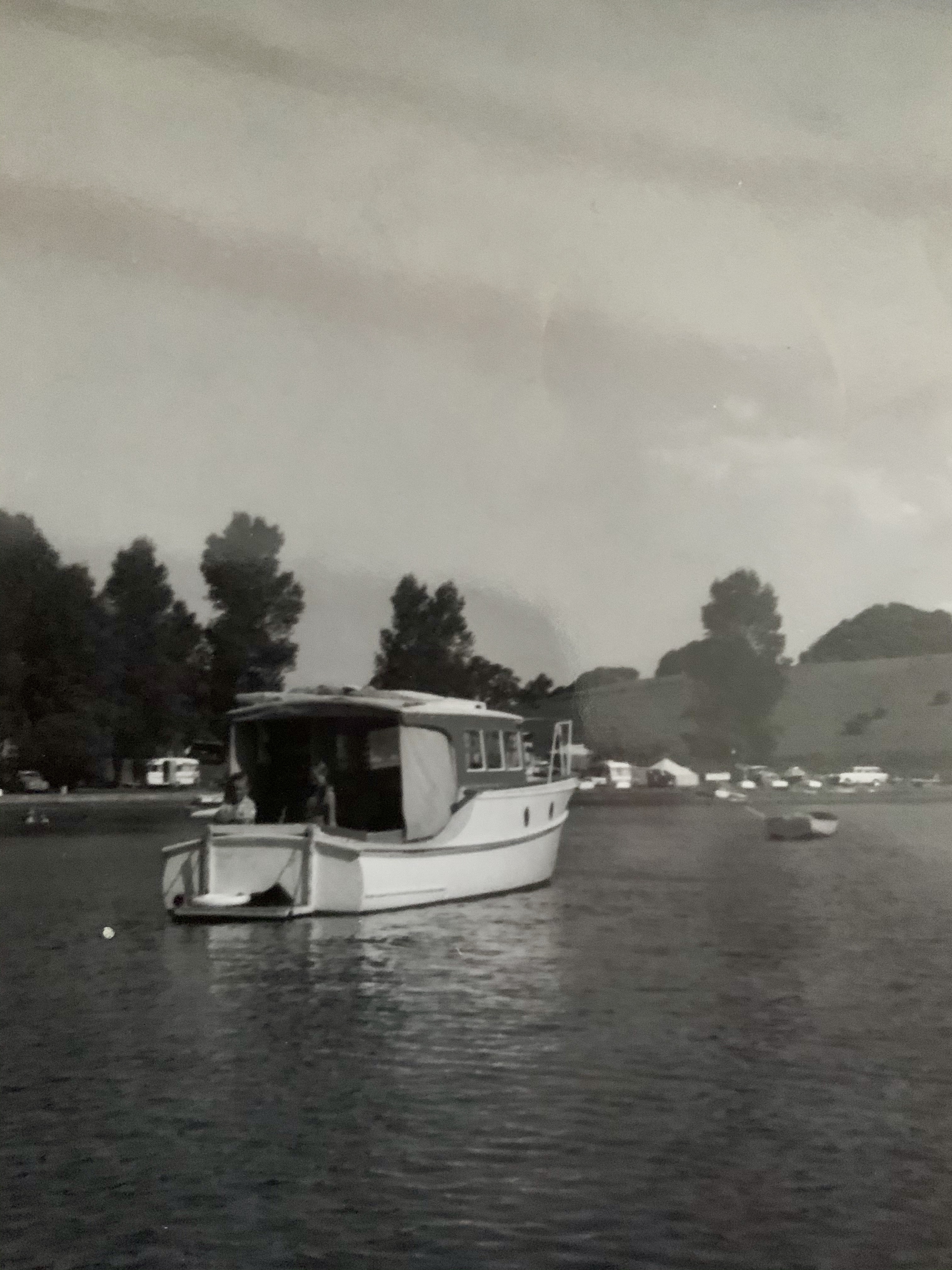
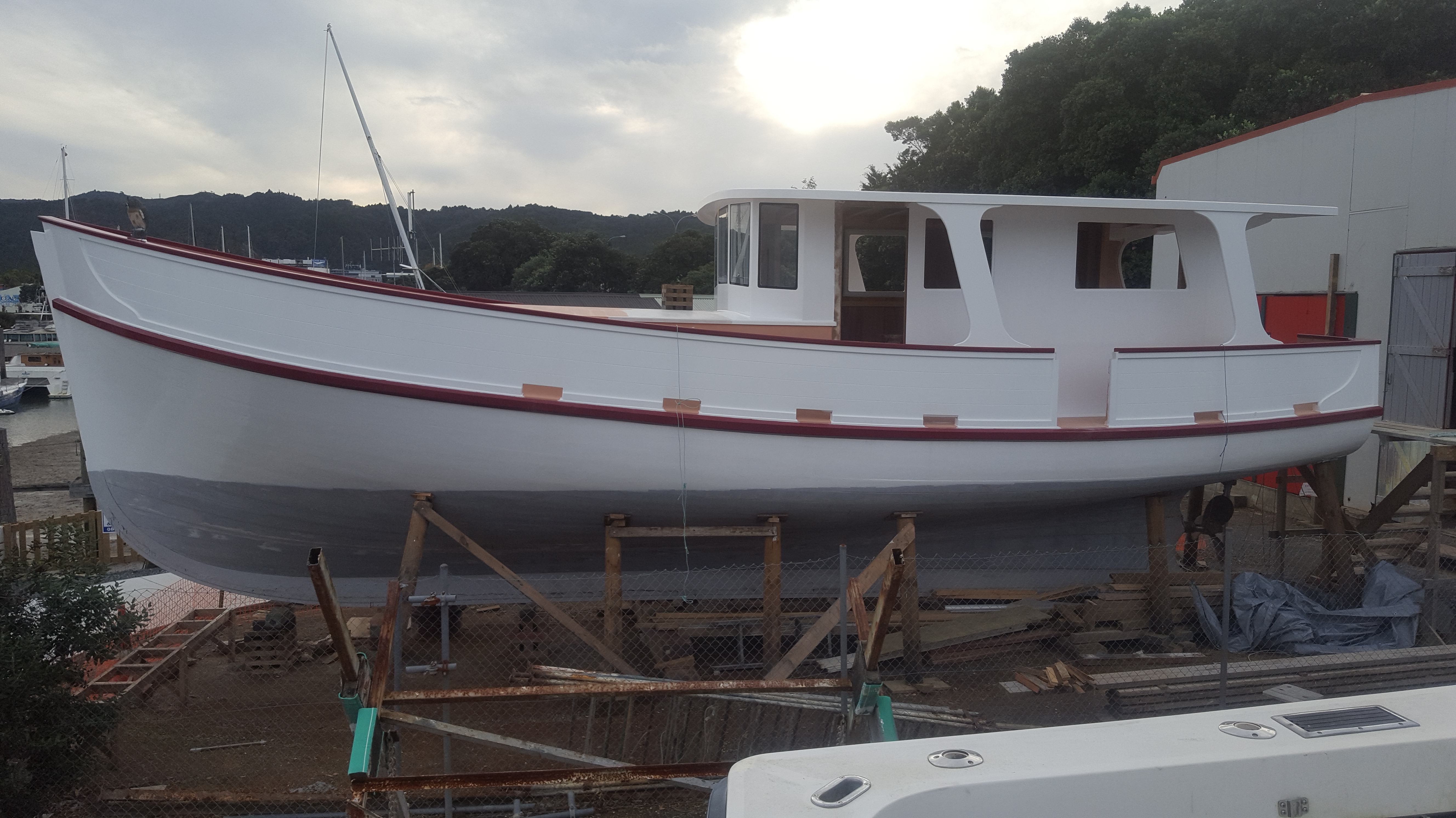
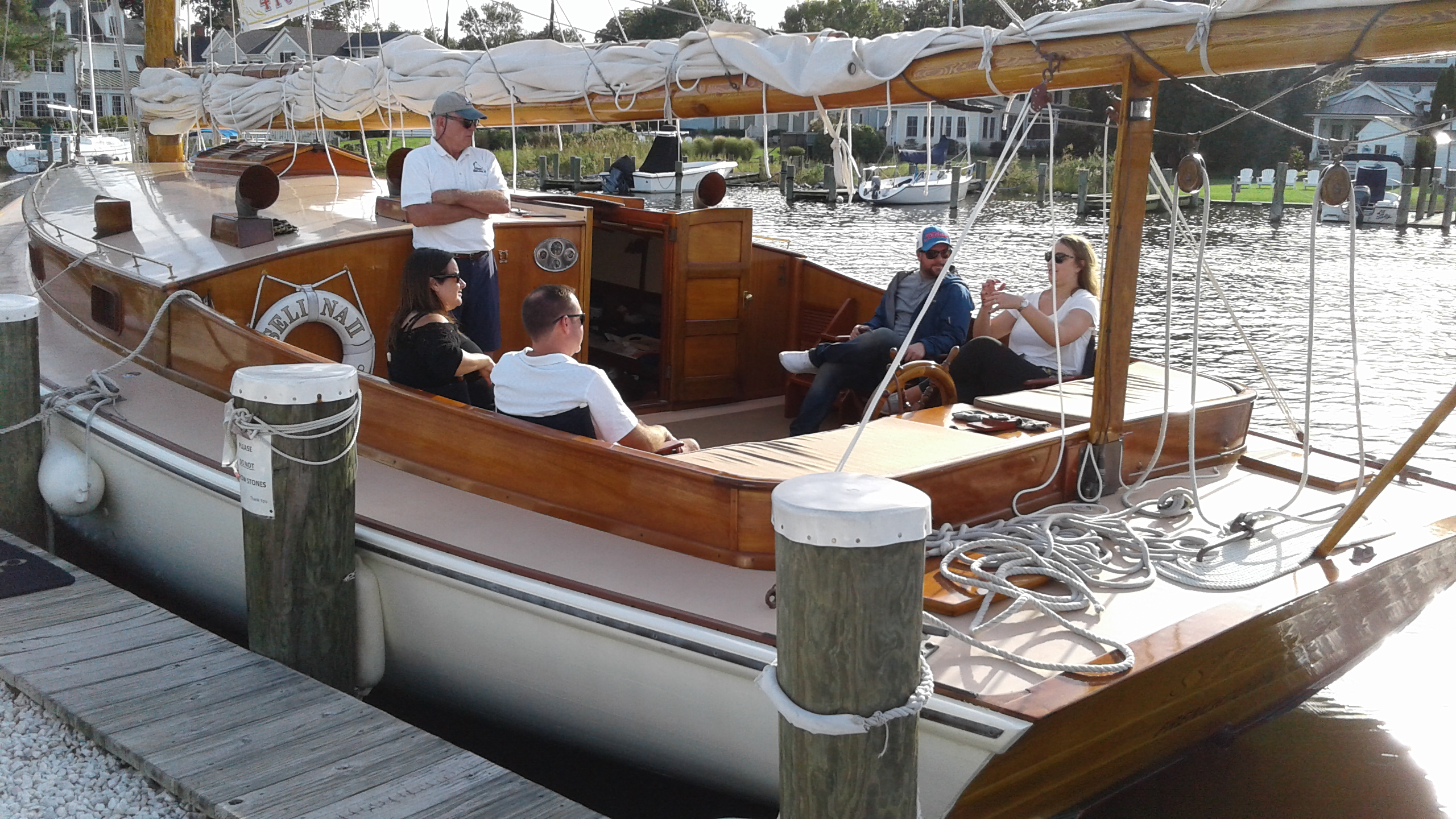
Back in May 2017, WW helped two woodys uncover some of the history on a launch that they were about to start a restoration on. The vessel was the 1949, Shipbuilders built launch Tangmere.
Read the comments section – lots of chat. The boat changed hands several times in the period 2018 > early 2019 and I can now report she is back with its original owners family, the Endean’s – we like that 🙂
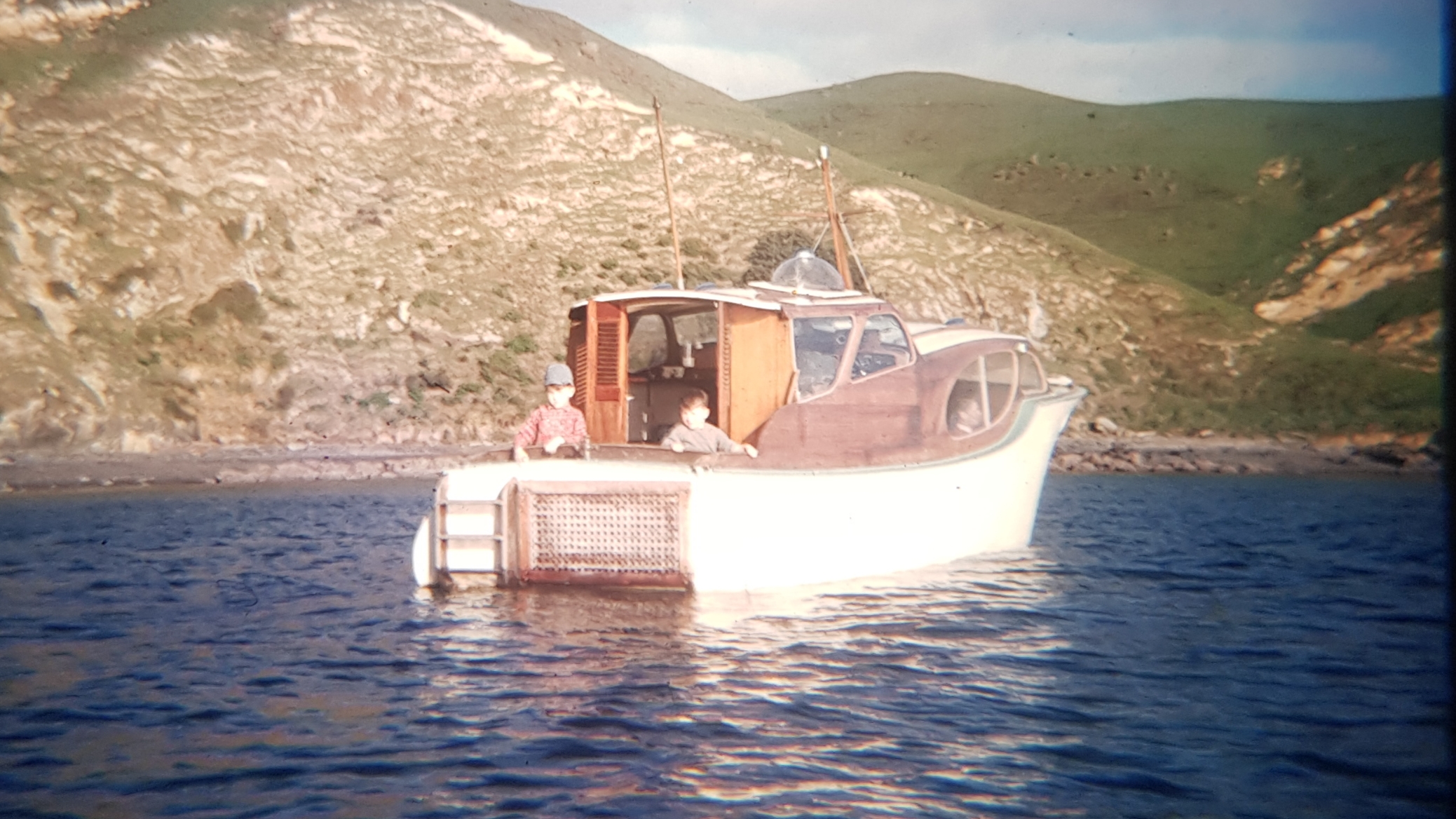
Today’Cs story is another that comes to us as a result of the lock-down we have all been in for the last 6 weeks. Via Harold Kidd I received a note from Bill Endean advising that his brother Richard had used the lock-down for good purpose and uncovered the above photos of Tangmere. Chatting with Bill he commented that the hull of Tangmere now sits at their farm shed in Warkworth, about to be restored.
Bill is a past commodore of the RNZYS with a lot of salt in his veins from sailing, so its especially good to welcome another yachtie to the bright-side (launches) 😉 Brother Richard was also Commodore at the RNZYS.
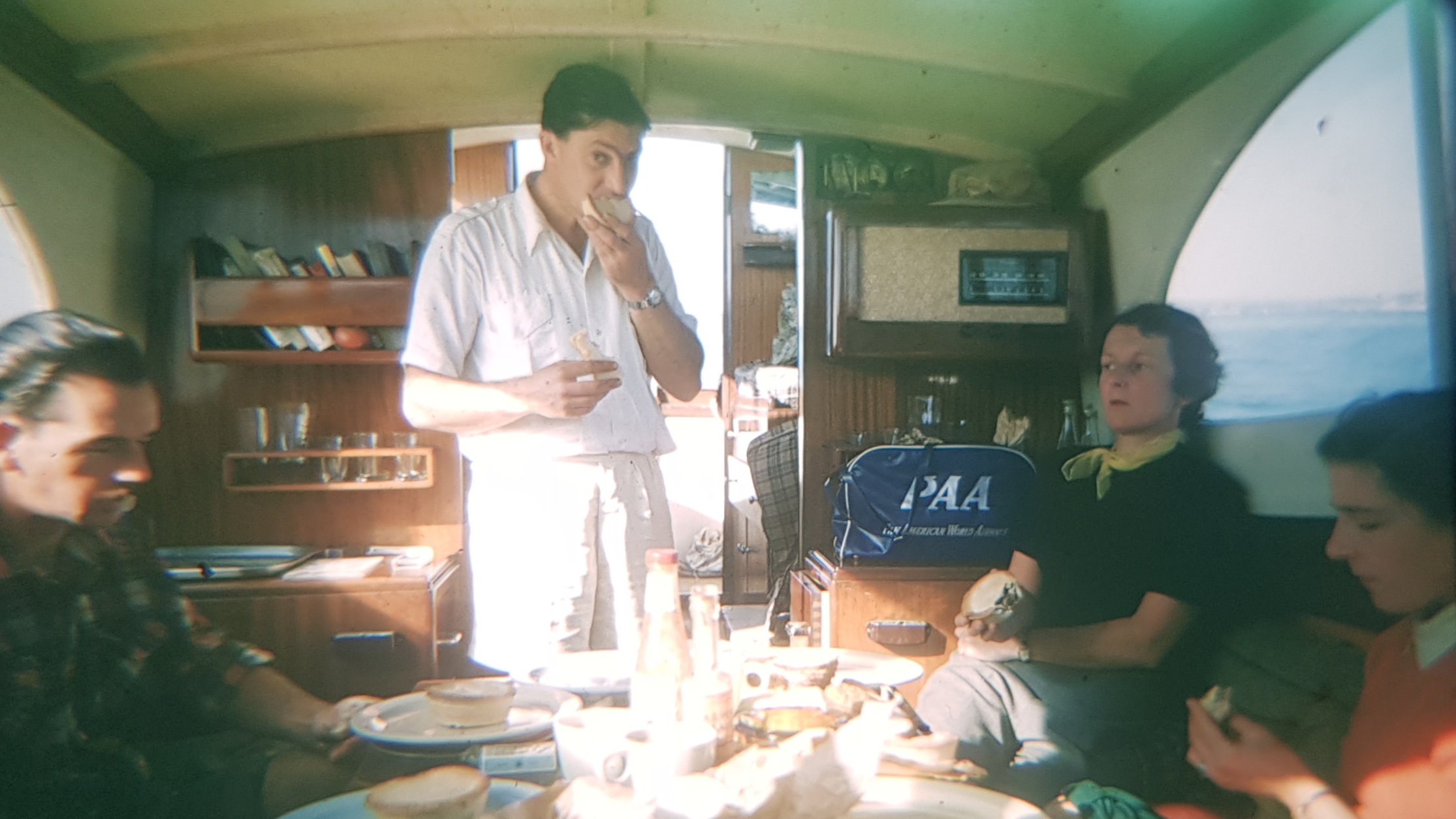
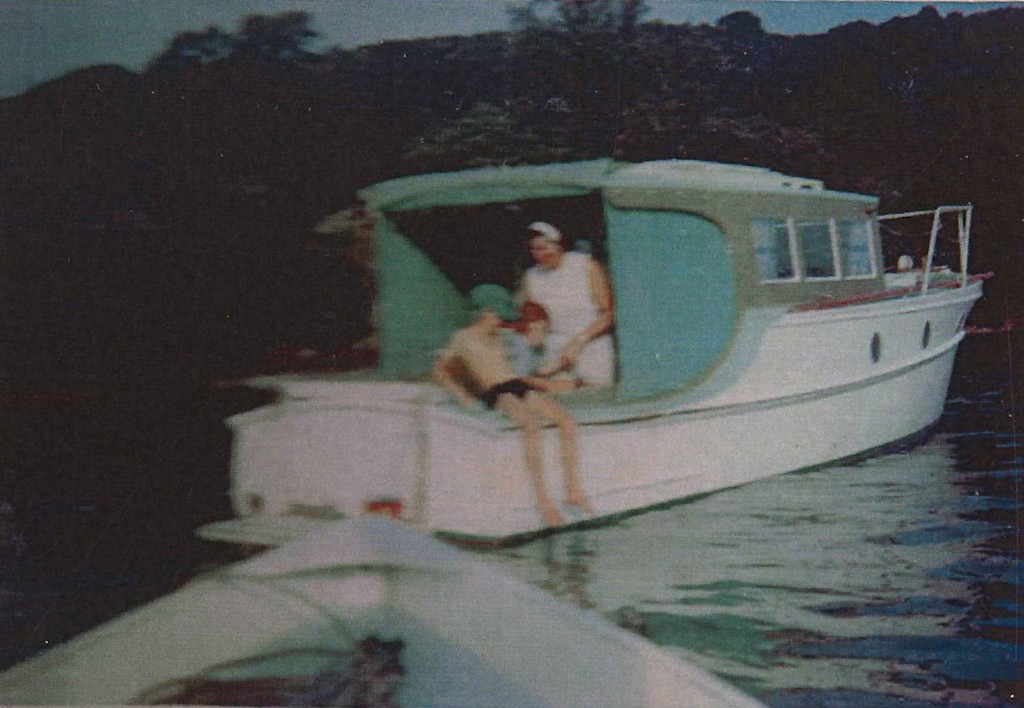
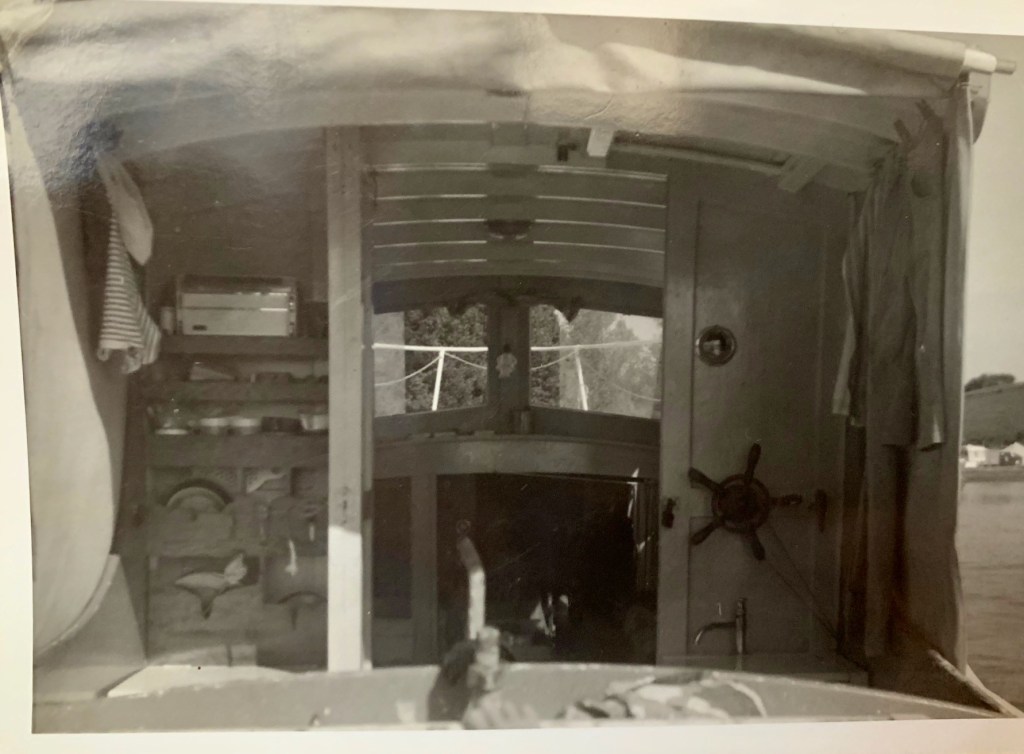
The photo taken inside the cabin shows Bill’s father standing, eating a pie (as are his mother nearest camera and friend Jean Foster), that woodys was fine dinning afloat back then – no salad in sight. Bill is not sure who the fourth person is. Bill suspects the photo was taken by fathers best friend, Owen Foster, an accountant who spent most of his career as right hand man to Sir Robert Kerridge
Bill commented that his dad returned from the war to discover his father has decided to sell his yacht “Prize” … it seems he decided to go power boating instead. Endean snr. was very able with his hands and established a furniture manufacturing business, hence the high level of finish. Not very PC these days but note the ash trays fitted to cabinetry. He loved gadgets and “Hi Fi”, reflected in the impressive radiogram fixed to main bulkhead.
The Perspex dome harks back to his familiarity with same as a Lancaster bomber pilot during WW2.
The photo taken of her stern looks like anchored at Home Bay, Motutapu or nearby, the 2 boys in the cockpit are Bill and older brother Richard.
We will follow this project with interest, Bill has promised to keep WW updated.
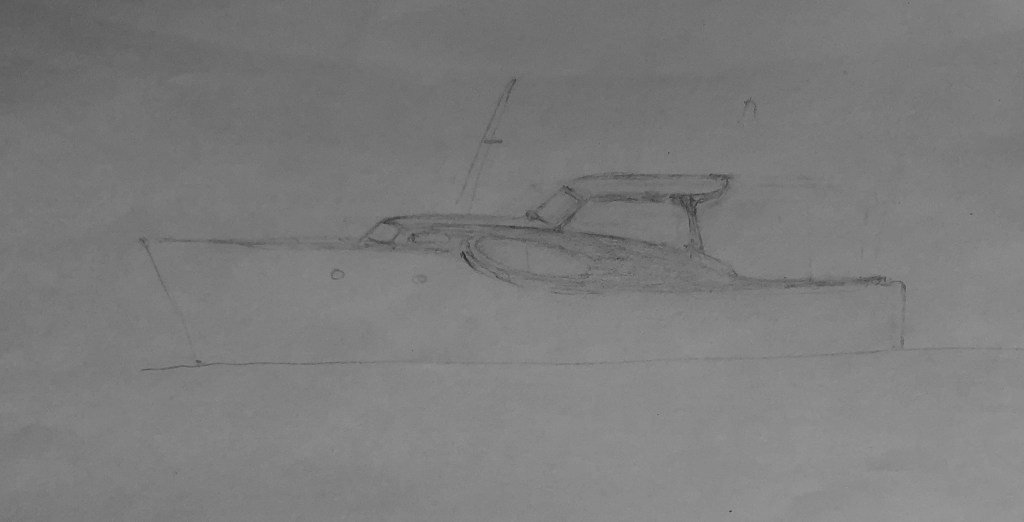
23-08-2020 Update: Bill Endean sent me the sketch below of this thinking around the restoration – close to the as launched – we like that 🙂
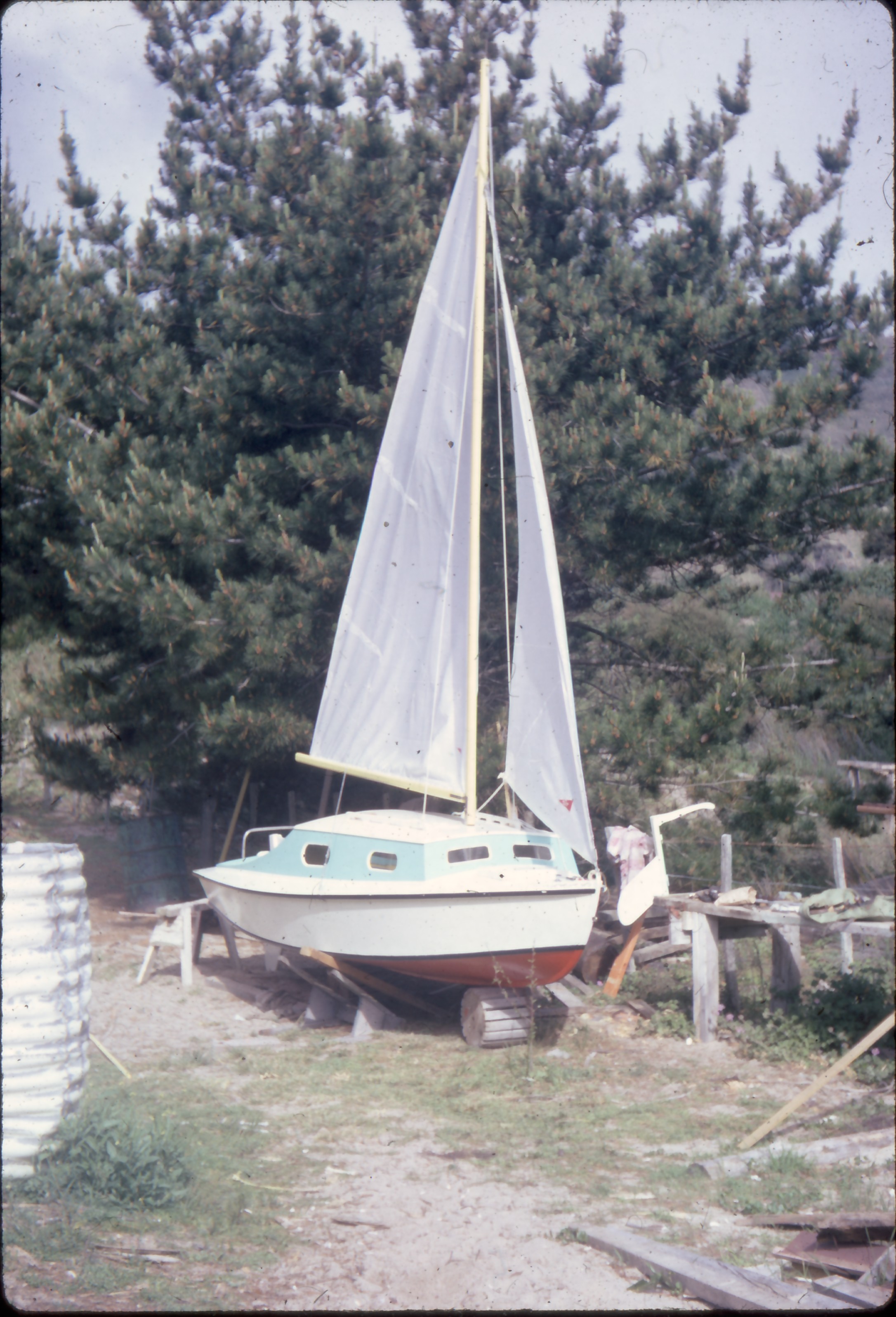
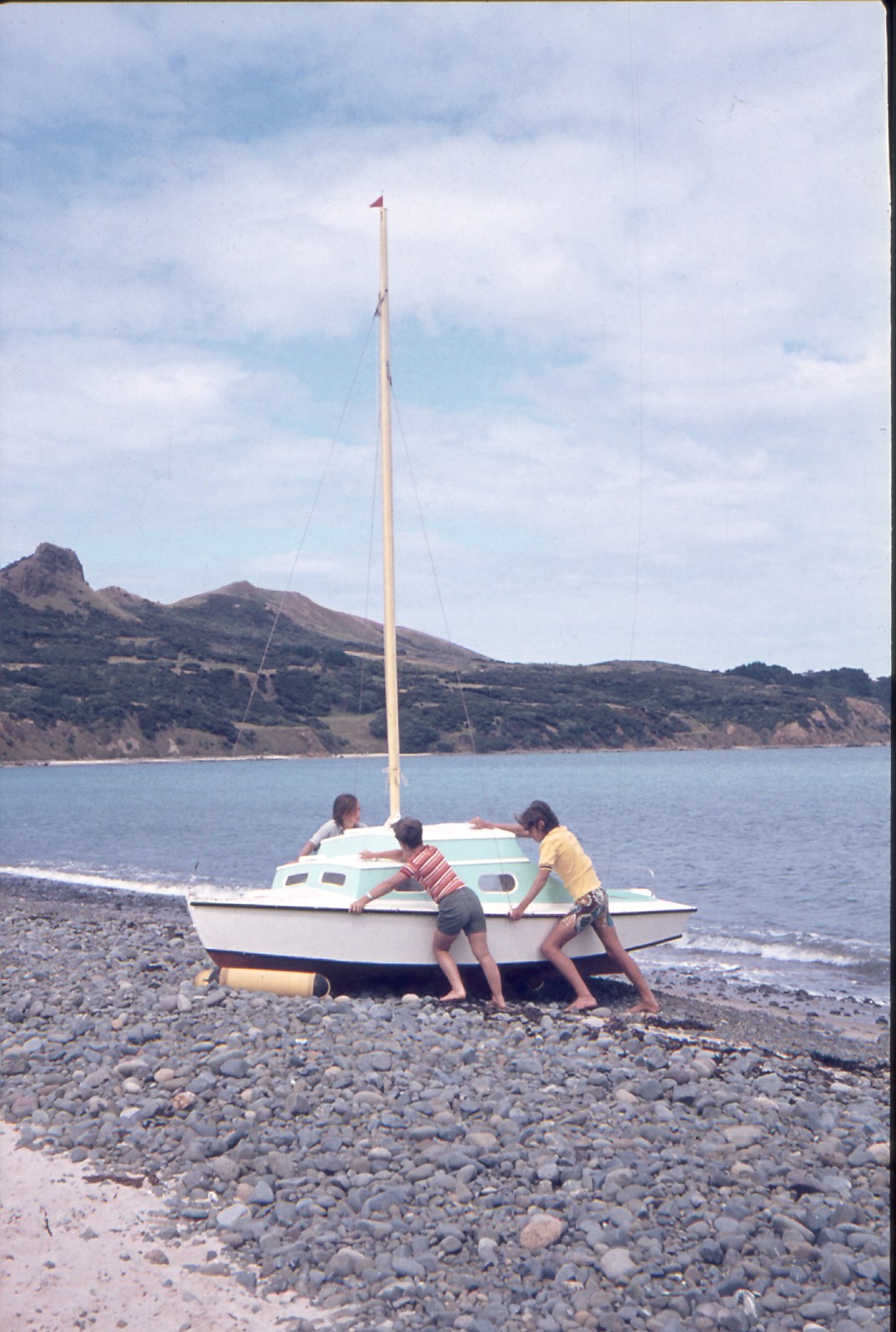
Recently I was sent the above gallery of photos of the small yacht – Herald, from kiwi Fred Lomas, who lives/works in Australia. The photos are from an album given to him by his ex (deceased) Omapere (near Opononi, Northland) neighbour – Aubrey Bracey. Aubrey was a farmer / carpenter who built a couple of small boats, Herald being one of them.
How lucky were these kids to have a boat of their own at their age, these days we are just too PC.
I love the combination of paint colours – a perfect example of the old principle of only using 3 colours max on a boat. Also looks like as the kids got taller, they raised the cabin top 🙂
Devonport Yacht Club – Duder Cup – On The World Stage
Check out the link below to read / view a great story by Rob Peake, editor of the ‘Classic Boat’ magazine in the UK, on this years running of the Duder Cup race.
After a full restoration and a Covid19 lock down delay, the 1895 Chas Bailey designed and built by C&W Bailey, Ida finally left Horizon Boats shed on the 1st May 2020 and headed to the water (Stillwater) to be rigged. Yesterday she was lowered into the water with all sails and equipment on board so that the team could determine her water line ready for anti-fouling. At 7050kg and with her slender lines she is going to be a slippery challenge for the rest of Auckland’s A class fleet. Check out the gaff collar – talk about bling 🙂
Next steps: anti-foul coating > final rigging detail > a tidy up ready for a formal launch celebration. Bring It On!!
Well done to the whole team behind getting Ida back from Australia and restoring her – an amazing feat given Ida arrived back in New Zealand in December 2018. It goes without saying that none of this would have happened without John Street, the classic wooden boating movement owes so much to this man.
WW will have more on Ida post the official launch.
(details & photos ex The Classic Yacht Charitable Trust)
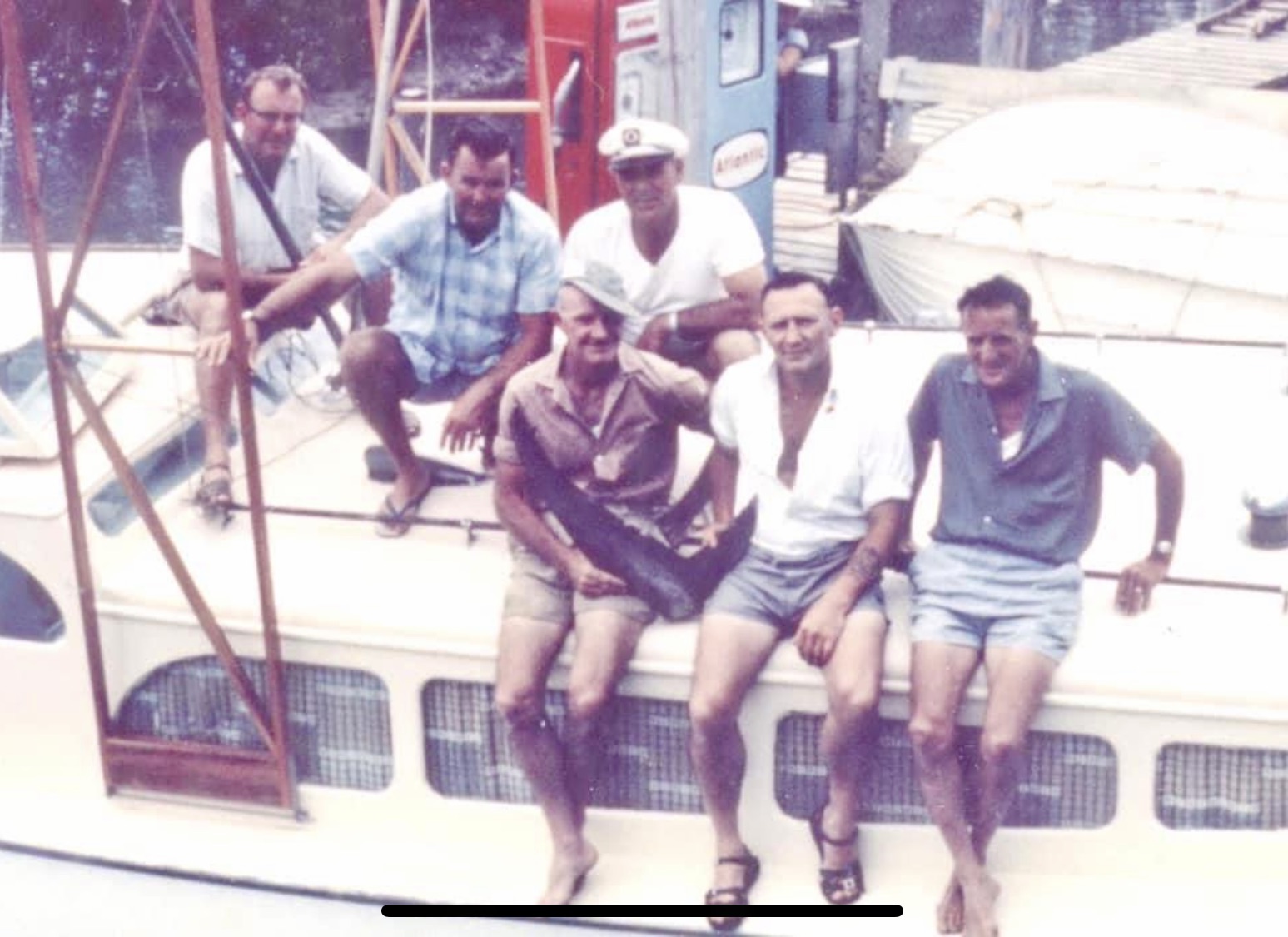
In the top photo we see Waitanguru in the Milford Creek, just off the AW Williams boatyard* in Omana Road, Milford. Waitanguru was a ‘Banshee’ design built by Williams. At the time of the photo the launch was owned by Gerry Dawson, he purchased her off Peter Peterson.
The November 1965 photos come to us from Lew Redwood’s fb and were taken by Dawn Heathwaite.. In the 2nd photo the kids on the jetty are Bill and Ian Heathwaite. Bill Heathwaite has commented that the photos were taken post a successful game fishing trip to Great Barrier Island. Bill’s father is holding the tail of a record breaking yellow-fin tuna he had caught. From recalls it was 135lb on a 30lb line.
The crew are L>R – skipper Gerry Dawson, Roy Heathwaite, Scotty, Alan Odell, Jim and Bruce Woods.
Do we know what became of Waitanguru?
* yard later became Geoff Bagnall’s and is now The Slipway – Milford. Interesting to view the area on the right of the shed that would be developed at the Milford Crusing Club haul-out yard.
CORRECTION : The yard is John Gladdens yard, the Allan Williams original yard was against the road and slip by the bridge. (thanks readers)
DOUBLE CORRECTION: Thanks to Nathan Herbert we learn the the spelling was wrong, the boat is Waitanguru and has featured on WW b4, link below
FYI – the WW section box only works on perfect spelling, so we did not pick this up 😉
My Girl was moored opposite white on road (top right of photo), Walter had a shed there
Trevor Bowman steering with Walter on anchor – Waitangi
Days fishing – Gordon and Syd Brown
My Girl leaving Milford
Elva and Trevor Bowman
Milford Cruising Club Yard
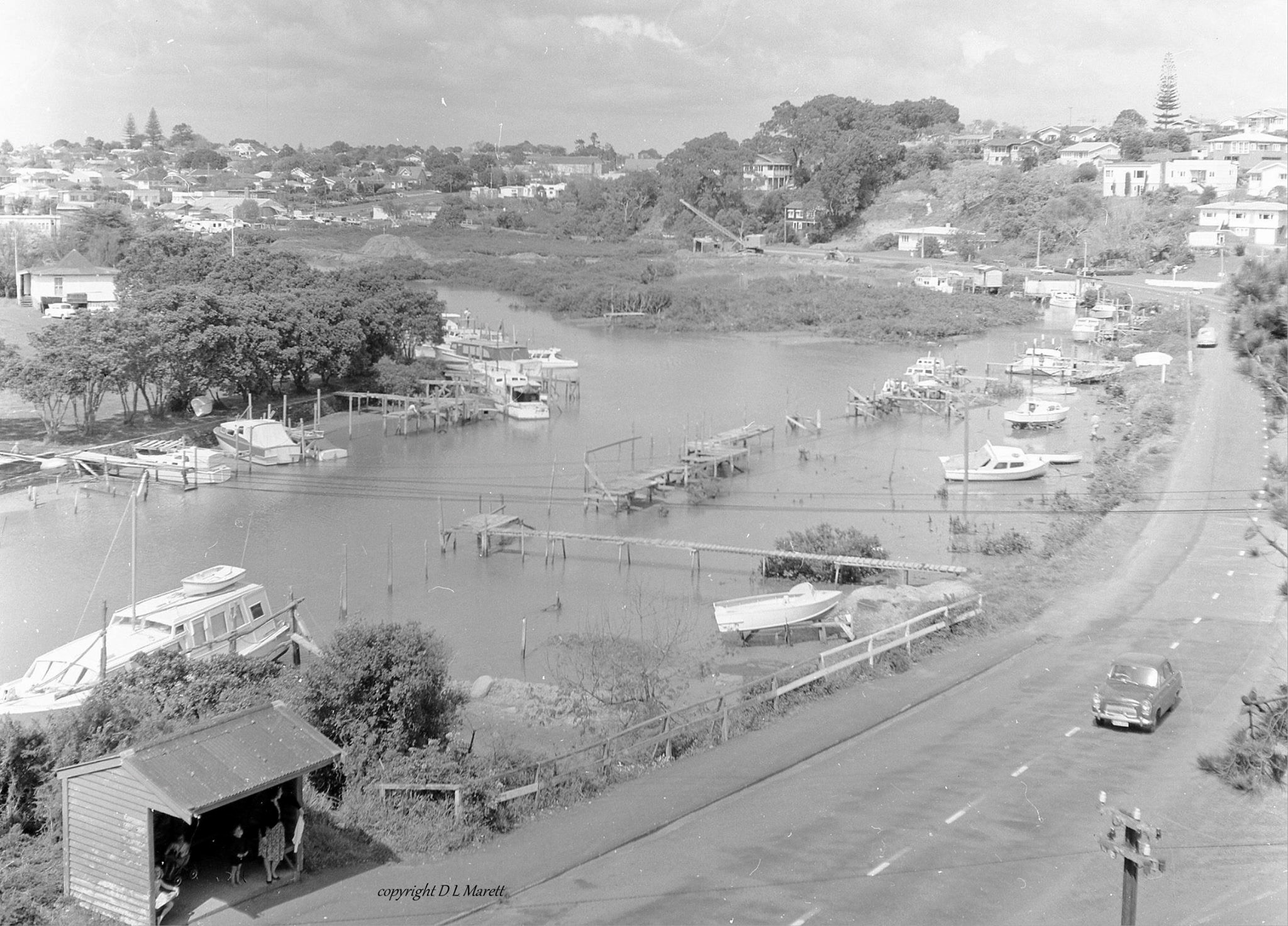
MY GIRL’S OLD HOME – MILFORD CREEK IN THE LATE 1940’s> EARLY 1950’s
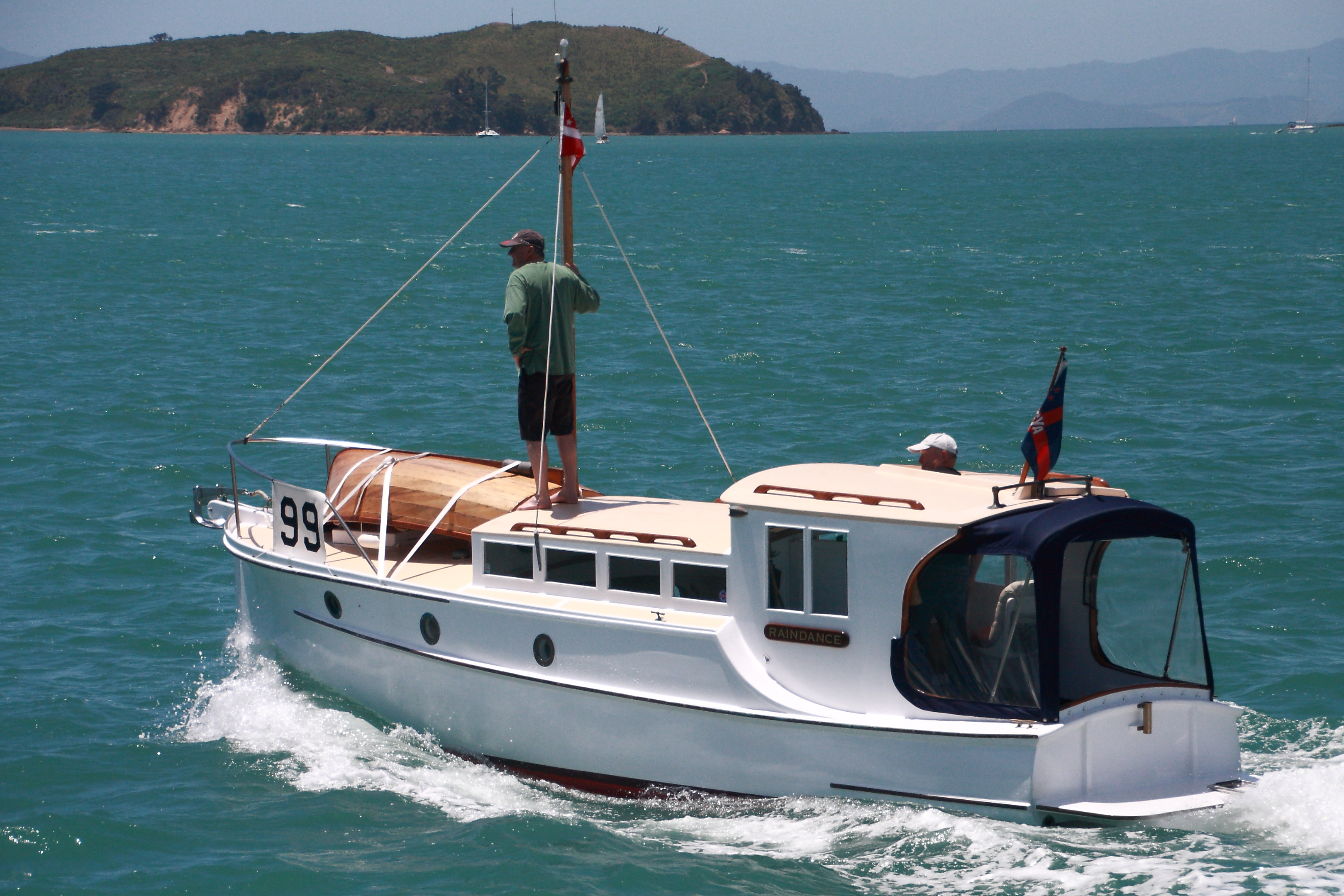
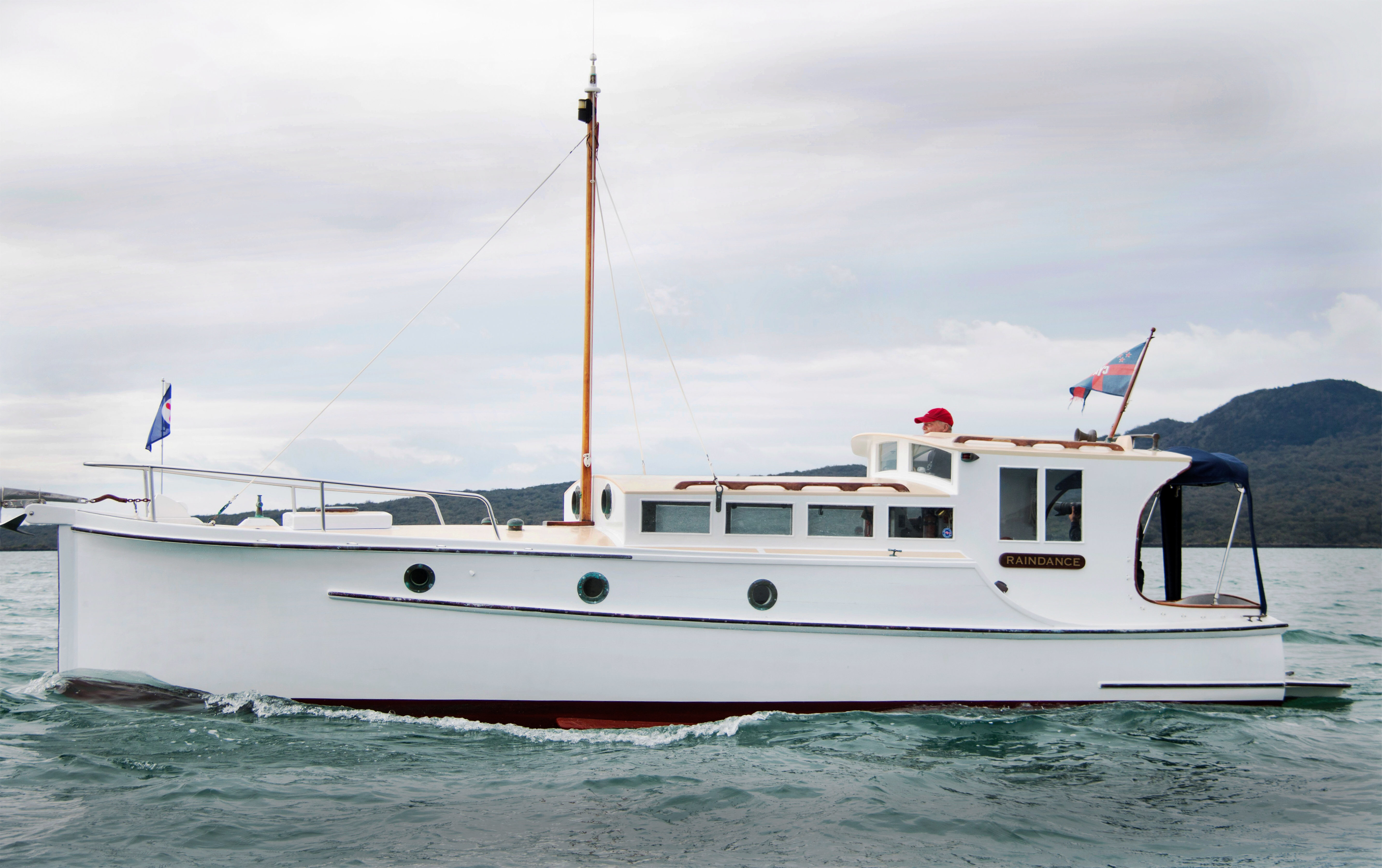
As I touched on the other day in relation to my own woody – RainDance, its very special when out of the blue you are contacted by someone with details and photos on your boat. It was woody Jason Prew’s turn recently to get the call regarding his 1925, Dick Lang built launch – My Girl.
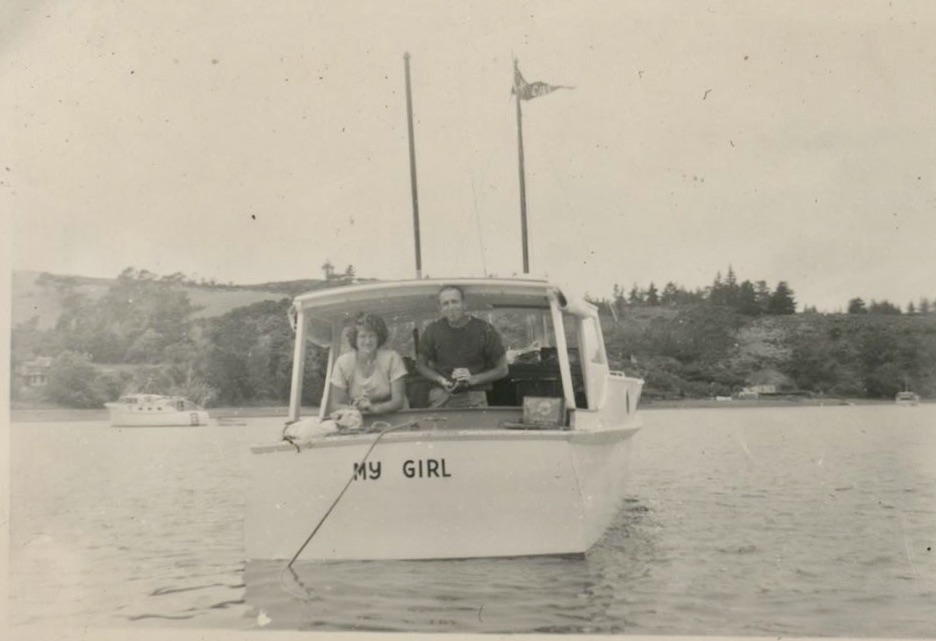
As I’m sure you are aware WW has rather extensively followed the restoration > launch > cruising log of My Girl so all the exposure has rattled a few memories – this time from Greg Bowman whose grandfather, Walter Brunton used to own My Girl at end of the 1940’s to 1960.
Walter Brunton lived in Castor Bay, Auckland and moved to Russell, in the Bay of Islands in 1950, after Greg’s mother, Elva, married his Dad Trevor Bowman. Like all good relationships in those days – they meet on the water.
When Walter moved north he turned My Girl into a fishing boat (now I know where that smell is from – just kidding Jason). Walter sold fish to the open market and to feed guests in his guesthouse in Russell, named – Arcade Lodge.
Back in those days My Girl had a Gray marine engine, and most years she won the New Year launch race out of Russell.
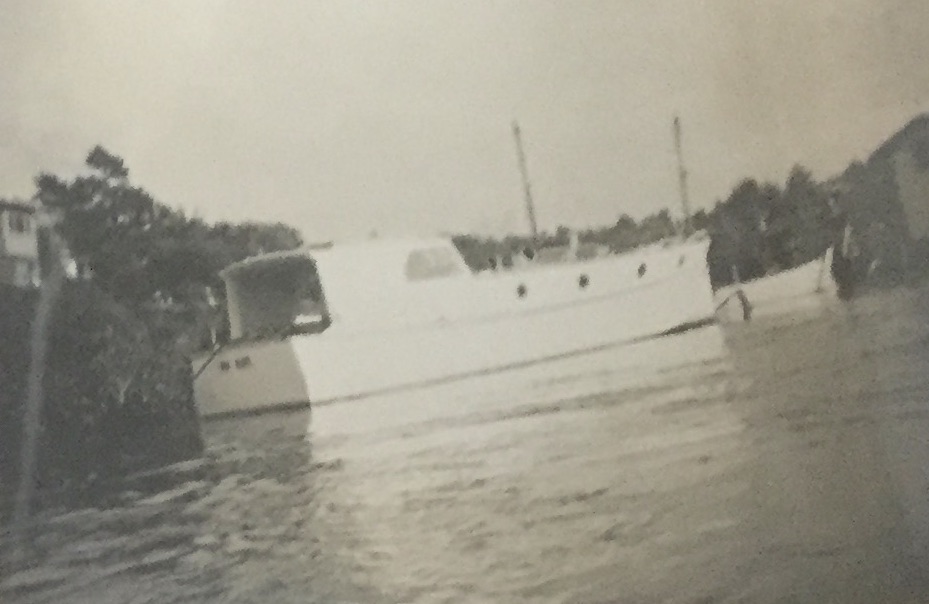
Greg sent Jason the collection of b/w photos above of My Girl and the Milford Creek, where she was kept in the late 1940’s. The top photo gives you an idea of the amount of dredging required to accommodate the marina that exists today.
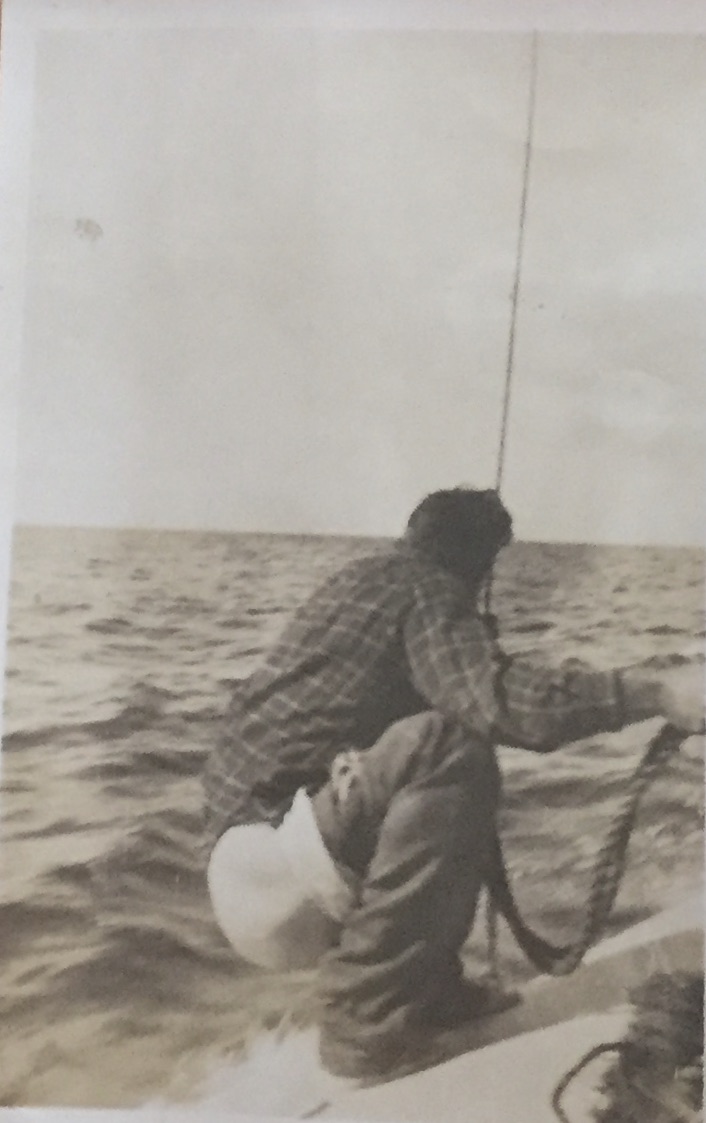
It’s a bit cheeky (excuse the pun) but the photo below shows the on-board sanitation methods on My Girl, before inbuilt heads. I know the bucket and chuck it was around but the old rope did the trick – off course helped by the lack of duckboards back then 🙂
WW link below to show the journey My Girl has been on in terms of apperance and the extent of Jason’s restoration. And a photo of her post re-launch heading into Milford Creek or as some of the MCC woodys call it – Wairau Cove 😉
I spend a large chunk of my leisure time, pulling together the waitematawoodys stories that you all get to enjoy each day. One of the coolest parts is connecting people and boats, more often than not – it’s a grandchild looking for grandads old wooden classic or someone who used to crew on a boat and wants to contact with the long lost woodys they boated with. There have been some amazing link-ups, some taking years to surface, a common situation is someone sends in an old photo of a boat, it appears on WW, we generate some intel on the boat, then the story goes into hibernation for a while, sometimes years. Then someone does a google search on an old boats name and bang – up pops the WW story and we are away, they supply more details + photos and then that generates more – its called self populating. With over 5,500,000 views the WW site rates very well with google, also people tend to spend a lot of time on the site so that tells google the site is valued by people, so the boffins at google ‘assist’ the search functionality.
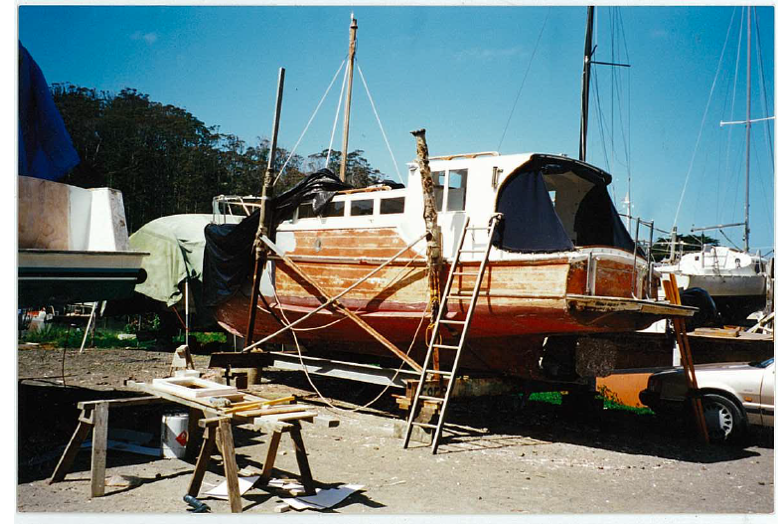
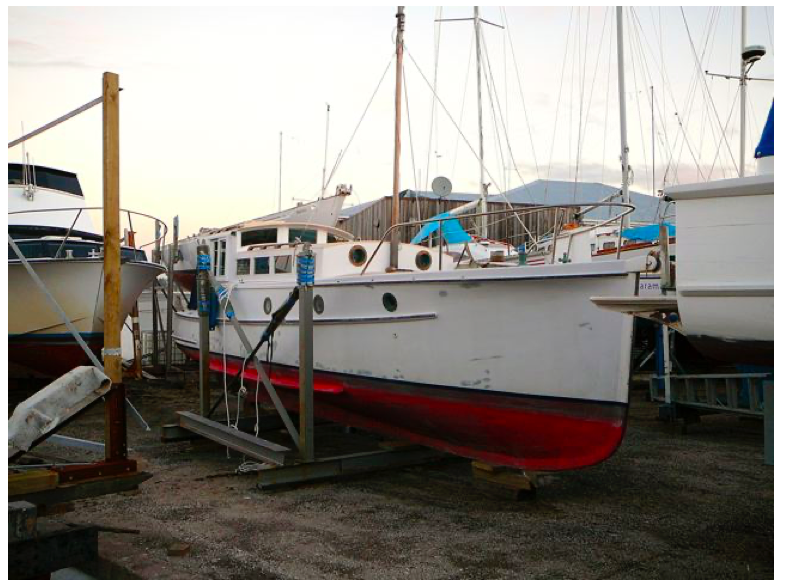
Anyway starting to get boring – yesterday was my day, my turn to be wowed by waitematawoodys. I received an email that stopped the clock. After 13 years of looking for more intel on my boat – Raindance, a gent named William Brown reached out to WW asking for assistance in tracking down a launch named Lady Gay that his father owned in the late 1960’s. Bill’s parents were Correen and James Brown and were lifetime boaties with a flotilla of craft over the years – James was also a former Commodore of the Onerahi Yacht Club and a member of the Whangarei Cruising Club.
One glance at Bill’s photos told me it was Raindance. Bill’s email is below
“It’s been fun during the lockdown to still have the consistency of your regular Waitemata Woodys posts. Thanks for that.
Back at the beginning of March, I won one of your Waitemata Woody T shirts on the Townson 28 quiz and I have been proudly wearing it around my neighbourhood during lockdown. I’ll send a picture in at some stage with perhaps a different story/email to today’s one.
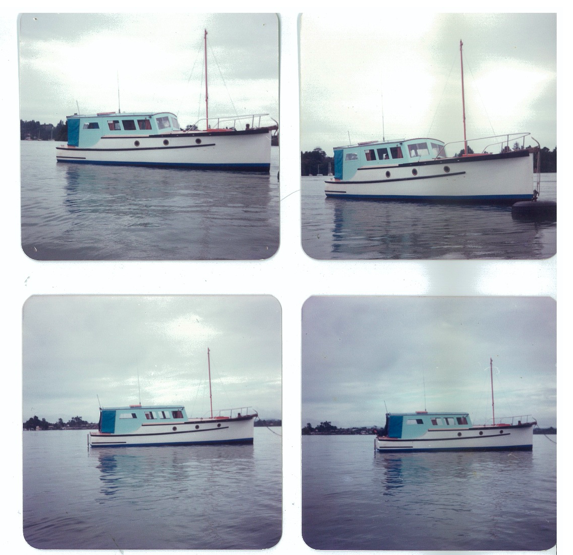
Ok, so I was I digging into my old photos recently and uncovered a couple of pictures (sorry about the quality), of our family’s launch that we owned for about 5 or 6 years in the late 1960s. We knew her then as Lady Gay, but as a youngster I never knew much about her provenance. I am not actually sure my dad knew much of her design or year built either. We used her extensively in the Whangarei harbour for family holidays and fishing trips. The coloured picture has me on the stern, while anchored at Tamaterau and the black and white photo is outside the old quarry in the top of McLeods Bay. I did see her once on the hard at Orakei, so believe she was in Auckland in the 1980s at some stage. She was about 27′ long, narrow and rolled around a bit. Dad fitted stabilizing chocks to her, closed in the canvas in the cockpit and added a decent sized mast, so we could run a stabilizing sail on her. She had a big old Ruston diesel if I remember right, which was incredibly reliable and economical. Those big saloon windows were pretty recognizable, functional, but ugly!
I would be most interested to find out more of the history of this “Lady Gay” ( i realize there are other more famous Lady Gay’s around and not even sure if she was originally given this name or indeed kept it after our ownership. I wonder if she is still going strong today and if so where she is based? Some good family memories were had on her for sure!”
Post lock-down Bill will be visiting his mother (lives in Northland still) and hopefully will obtain more details and photos.
As a result of Bill’s email I have filled in some of the missing pieces of the jigsaw puzzle – but I would love to uncover details from her launch date (c.1928) to the early 1960’s. Hopefully the above photos and details on her owner might jog some memories.
Below I have reproduced what I had previously been able to piece together on the boats past – if I’ve got my wires crossed, please let me know:-)
Lady Gay > Lady Gai > Nona C > Raindance (as at June 2015)
When I purchased the boat in August 2007 she was named ‘Nona C’, after the then owners (Craig Colven, a Auckland Harbour Board pilot boat skipper) daughter. He told me the boat was previously called ‘Lady Gay’. I did not like the name Nona C so was in the process of reverting back to Lady Gay when I was advised of another launch called Lady Gay (owned by Graham Wilson of the Wilson & Horton publishing family), not wanting to confuse things & on the advice of several marine historians I decided to chose a new name & went with ‘RainDance’. Interestingly Graham Wilson was prepared to add II (2) to his launches name.
I was not aware that ‘Gay’ had been changed to the Irish spelling ‘Gai’ until when I was given a copy of the Dunsford Marine Surveyors Ltd pre-purchase survey commissioned in March 2003 by a Dr. Rex Ferris. Had I known about the Gai/Gay I would have retained the Lady Gai name. I obtained Rex Ferris’s address from the survey & did a Google search which resulted in an Auckland District Health Board employment link & I contacted Rex Ferris. Like myself he knew little about her past, there are still huge gaps e.g. the 1930’s > early 1980’s but below is some history I have gained.
I have also spoke in Jan 2010 to Blair Cole (boat builder) refer below.
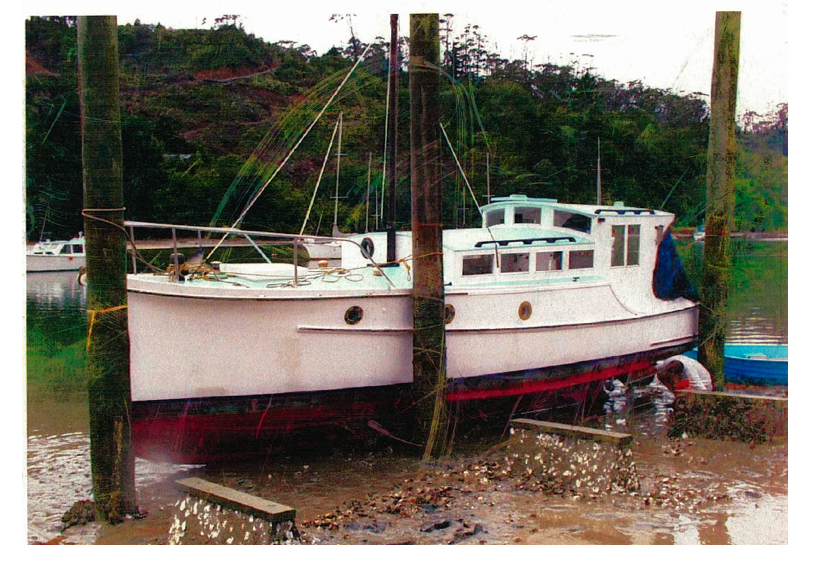
Peter & Ann Gill, the motoring journalist, bought the boat in c.1987 & at the time had a waterfront property in the Upper Harbour (near Paremoremo wharf) with a mooring put down. He saw the boat advertised in ‘Boat Trader’, she was moored in the Tamaki Estuary & he purchased her for about $7,000. He can’t remember the name of the owner but was told the boat was built by Lane Motor Boats in 1928, there is however some discussion that she may have been built by ‘Collings & Bell’. She had a single cylinder Bukh diesel engine, which was started via a decompression lever & hand cranking. The owner told Peter that she had been based at Great Barrier Island as a ‘long-liner’ fishing boat for many years prior to him buying her. When she was moored off Peters house, she took on quite a bit of water, and it was necessary for him to go out as often as twice a week and operate the manual bilge pump. He hired a tradesman who specialized in old boats and he decided that it was the stern gland that was the problem. Peter her hauled out and they filled the stern gland with tallow. It was not a one hundred percent fix & she continued to take on water. Peter was never very comfortable with the boat & to use his words ‘we never went far in her’. She was not a pretty boat in those days with a cabin top that looked like it had been made from a ply-wood car case. (Photos below)
I have spoken to Peter several times & while he is very friendly & chatty about the boat he is very elusive about when & to whom he sold her. The reason for this is that either Peter or the next owner (?) let her sink on her mooring in the upper harbour & she remain submerged for several weeks. Given the swallow, sheltered tidal nature of the mooring this had no major negative effect on the boat.
The next chapter is amusing – the mast only of the boat was visible from the Salthouse Boat Builders yard at Greenhite & the tradesman there were running a sweep-stake as to how long she would remain submerged before the owner rescued her. During this period two of the Salthouse apprentices – Blair Cole & Kelly Archer (who both went on to become well respected boat builders in their own right) hatched a plan to buy the boat. They tracked down the owner & both approached him independently, Kelly advised it would cost $3,000 to re-float the boat. Blair then approached the owner & offered an as-is-where-is price of $2,000. The owner accepted Blair’s offer. The boat was hauled out at Salthouse’s yard, she later moved to Blair’s house where he undertook a major restoration (John Salthouse told me at a CYA function once that he had a ‘guiding’ hand in the process).
Between 1988>89 Blair spent in excess of 1800 hours on the restoration – the work involved replacing the ply wood box cabin top with a more sympathetic tram top & doghouse. The two bronze port holes were added to the front of the cabin, along with the bronze mushroom deck vents, new twin plastic fuel tanks, a reconditioned 58hp Ford engine, new shaft, new 2 blade prop, new hydraulic steering (since replaced), anchor winch (since replaced). Extensive new ribs & sister ribs where fitted & her seams were re-caulked. All windows where replaced & new bunks fitted. He also removed her alloy mast & built & fitted the current oregon pine mast. The duck-board was also added. The s/s rod holders on her stern (since removed) came off the old Salvation Army launch.
Blair & his wife cruised the Gulf extensively in the boat in the 1990’s. Blair is a little hazy on whom & when he sold the boat to but thinks it was to someone who lived in Kumeu & they only keep the boat for less than 2 years. They probably sold it Dr. Rex & Sharron Ferris.
In 2003 Rex Ferris purchased her post the Dunstan marine survey (photo below during survey) but it appears he did not address any of the ‘faults’ identified in the survey. Rex Ferris spoke to Blair Cole (Cole Marine Services) in June 2003 & Blair confirmed the restoration work he undertook. Blair also confirmed that she was named Lady Gai.
(Unknown ownership / date photos)
In 2005 the boat was for sale on the hard at Bayswater Marina, I looked at her but she would have been too much of a burden for me at the time. The boat was purchased by Craig Colven who undertook hull work (replaced some planking, caulking, ribs, floors & keel bolts, as identified in the 2003 survey) & installed a new 45hp 4-cylinder Daidong diesel motor & replacement of all major machinery, electrics and plumbing. Including a freezer, new 3-blade prop, shaft bearings, bilge pumps. Devonport craftsmen’s Robbie Robertson (deceased) & Charlie Webley undertook the work.
Craig, over a 2 year period commissioned this work but never completed her, his wife did not share his passion for the sea & I purchased her in August 2007 for what I considered a bargain given what Craig Colven had spent on her in time & money. (Photo below when I purchased her)
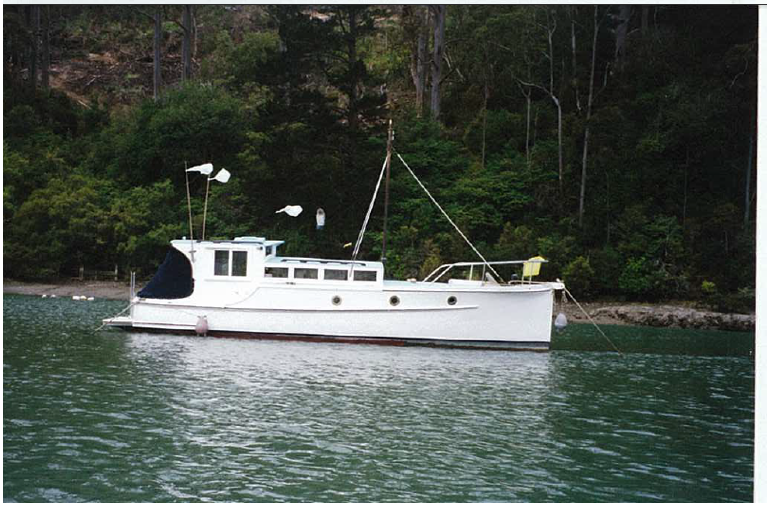
I then undertook over the next few years what is called a rolling restoration i.e. I used the boat each summer but hauled her out in winter & continued the project. I retained the services of then Milford based wooden boat builder Geoff Bagnall for the big stuff, there were several areas (stem, cockpit decks, doghouse windows) of rot that needed to be removed plus we made her more ‘comfortable’ in terms of helm seat, doghouse hatch layout etc. New auto anchor winch & bow launcher were installed along with forward hatch porthole to improve light in forward cabin. I rolled my sleeves up on the rest.
I’m thankful for the care bestowed on the boat over the years – everyone that has rubbed up to her has helped get her thru the last 92 years.
(Recent – AH ownership photos)
And one of the two Lady Gay’s 🙂
29-09-2020 UPDATE
Photos below ex Bill Brown from when his parents owned Lady Gay / Raindance in the late 1960’s > early 1970’s.
One is in Parua Bay at a little anchorage called Peach point,(dated 1971), where they regularly careened Lady Gay. The others are at Peach Cove, a beautiful little cove out towards Bream Head, and the last two are in the Nook, Parua Bay. And one stern on showing her then cockpit layout.
A few years ago, woodys Jim and Karin Lott were ‘parked up’ with the masts on deck in their kauri ketch – Victoria, on the Hudson River. More specifically in the middle of New York State in a city called Albany. The Lott’s waited there for three weeks for the Erie Canal to open. Jim commented that Albany definitely does not feature on anyone’s ‘place to go’ list. They were not alone as Wellington old salt Richard Watt and his wife Enid anchored alongside them in their launch (photo below of both boats), as well as dozens of other impatient US and Canadian sailors.
To while away the time they hired a car and headed to Lake George to look at woodies at Halls Boatyard, one of the many inland homes of wooden boats in New York. Jim commented that floating boat garages are common in North America and they spent several hours admiring a sea of varnished ash, cedar, spruce and mahogany. There was a slipway and boatyard all under cover inside the shed complex. The yard specialises in rebuilding and restoring classic motor-launches but a few yachts were getting the same TLC.
After the long wait, the canal stayed closed so they had to forgo the Great Lakes and continued up the Hudson. Eventually they locked into Lake Champlain and down the Richelieu River to the St Lawrence near Montreal in Canada.
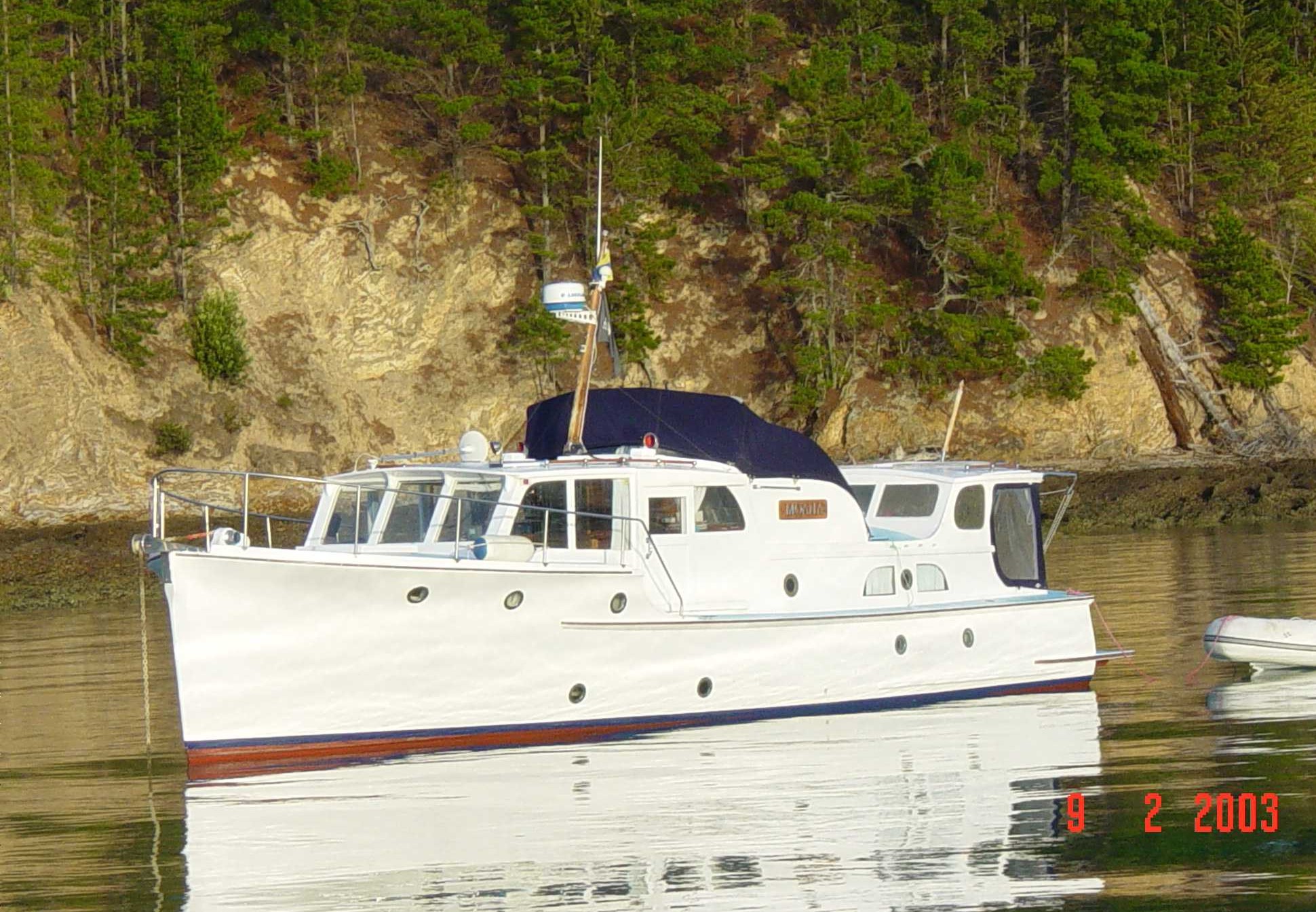
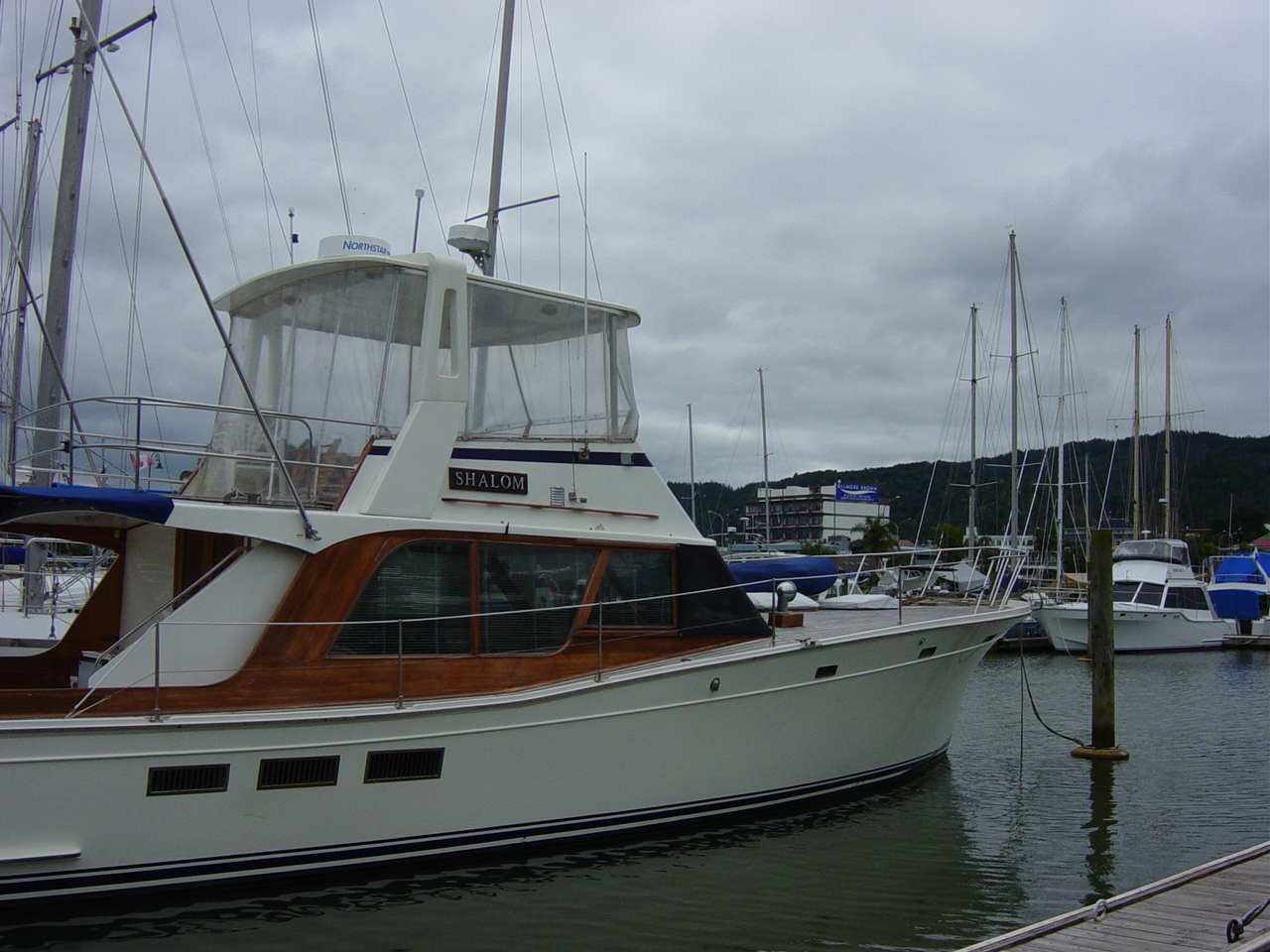
The selection of woody photos above was sent in by Bryce Strong, details and links to previous WW stories below. I hate Digital dates on photos but it is a very simple way to record when the photo was taken – two are dated 2013, interesting to see how the vessels have faired in the last 13 years.
The top photo of the steamboat – Duke of Marlborough, is a newbie to me. I’m looking forward to Russell Ward chipping in with her history 😉
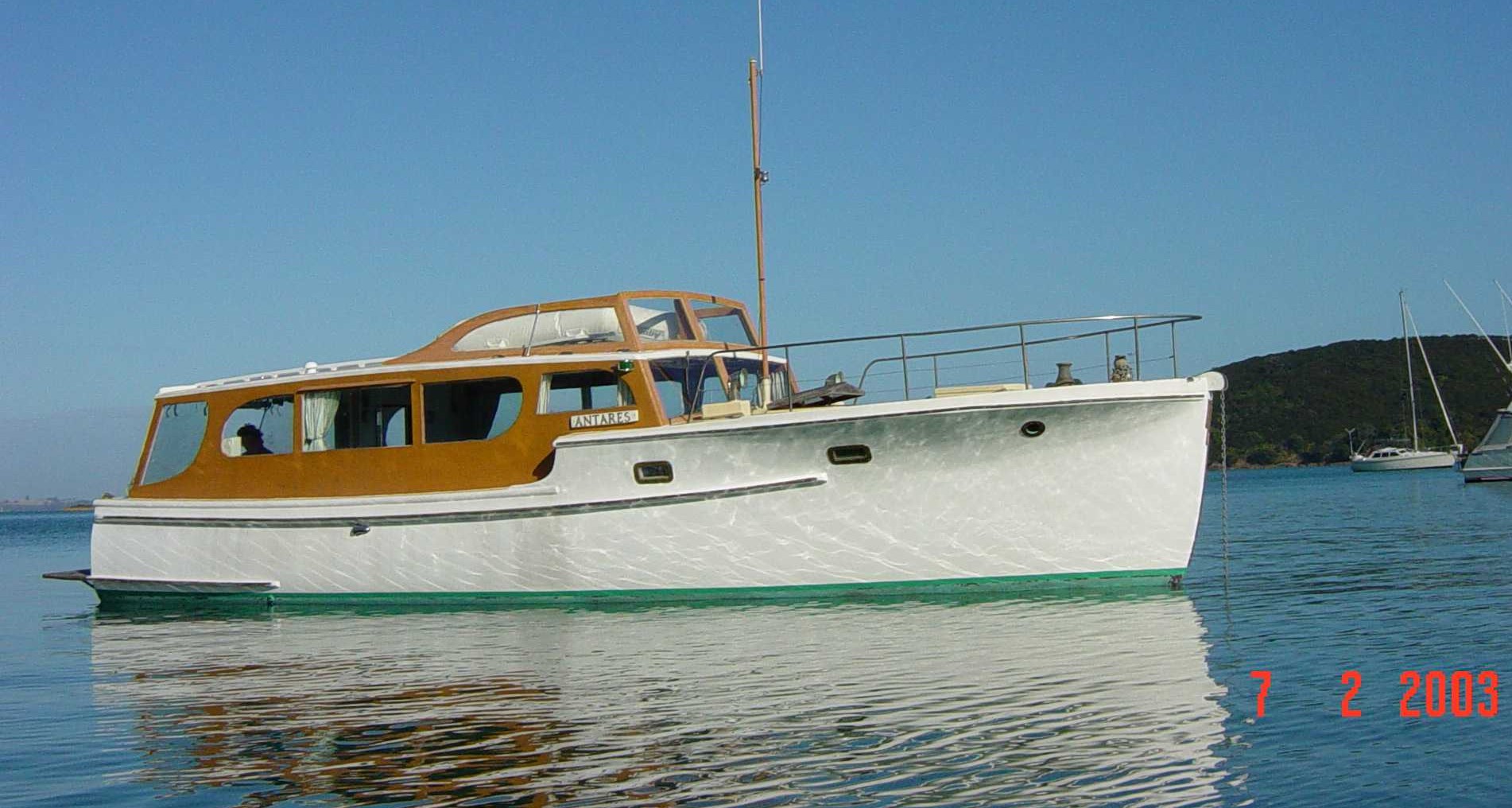
Antares – built in the 1950’s by Supreme Craft. At the time the above photo was taken she was owned by Bryce’s brother-in-law, Ron Phillips
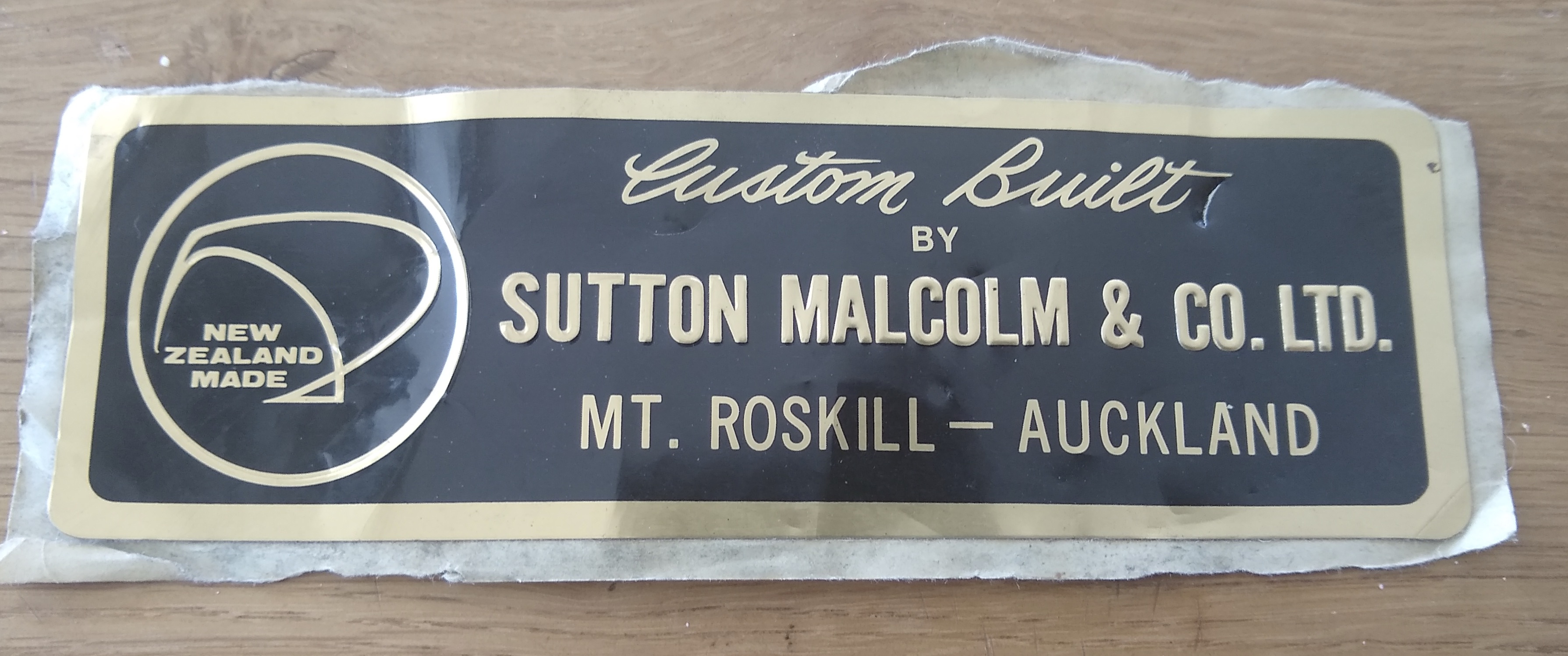
I have been contacted by Richard Winthrop looking for information on a boat builder named Sutton Malcolm & Co. Ltd of Mt Roskill, Auckland. Many years ago Richard had a Mason Clipper that had the sticker below on it.
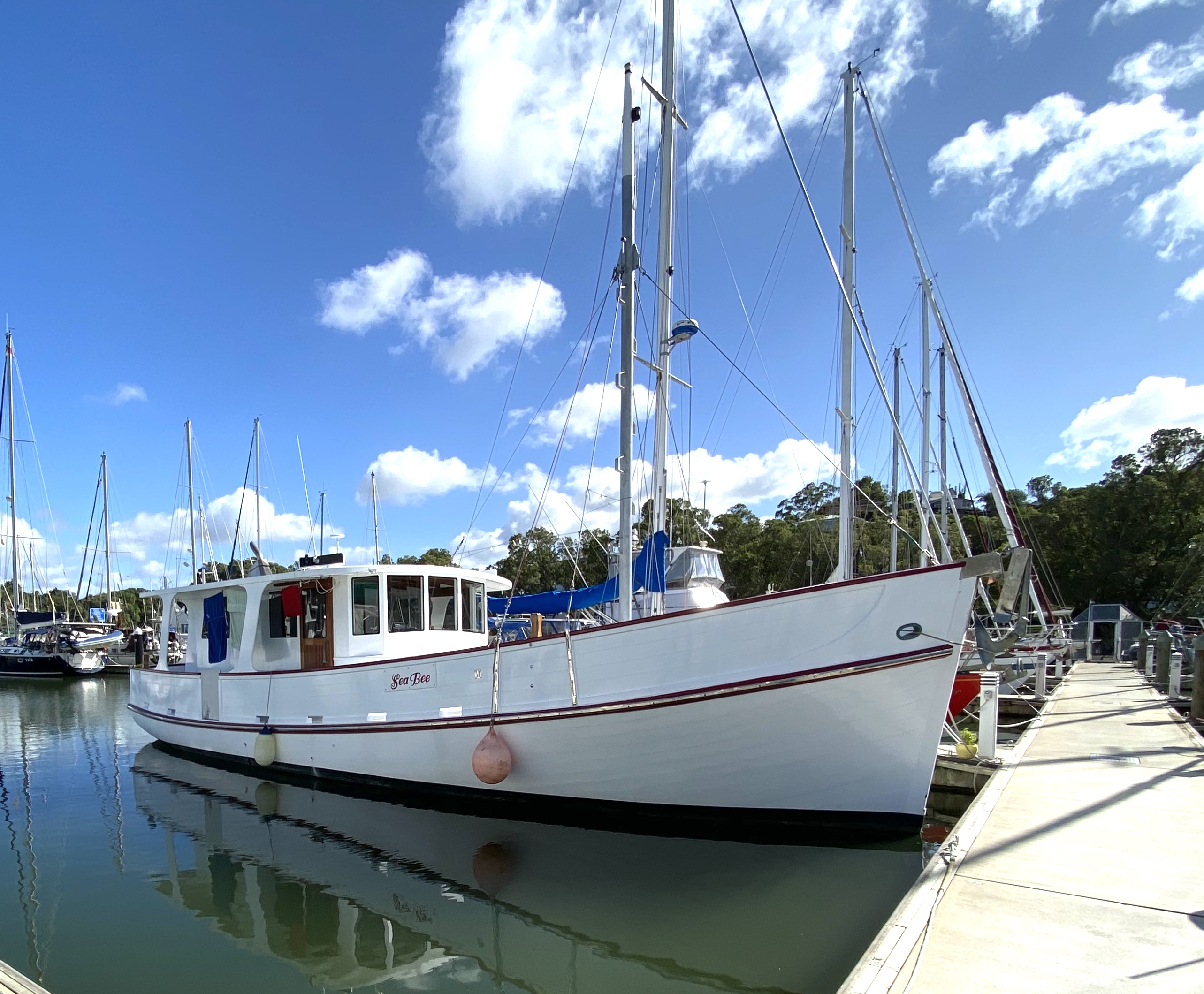
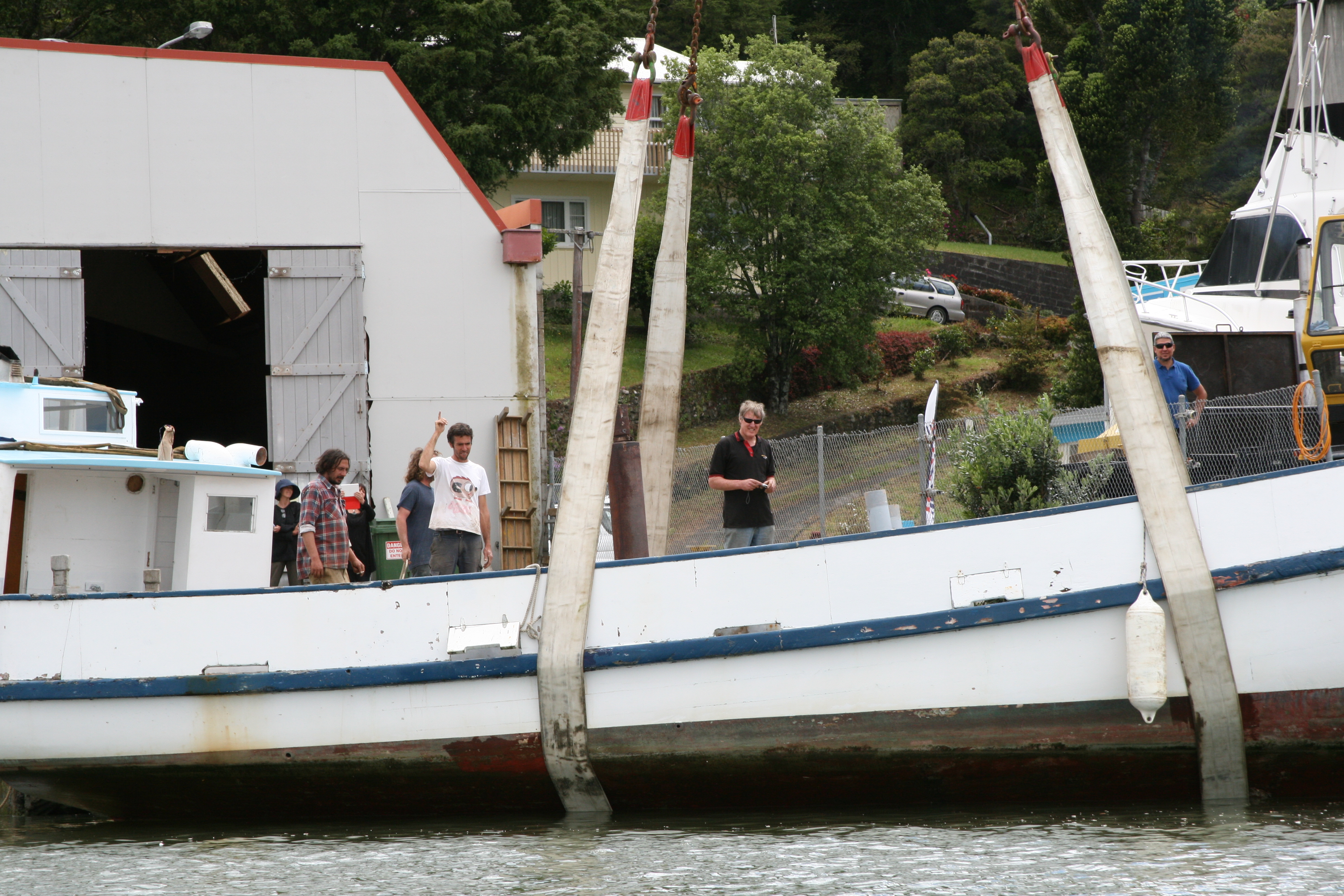
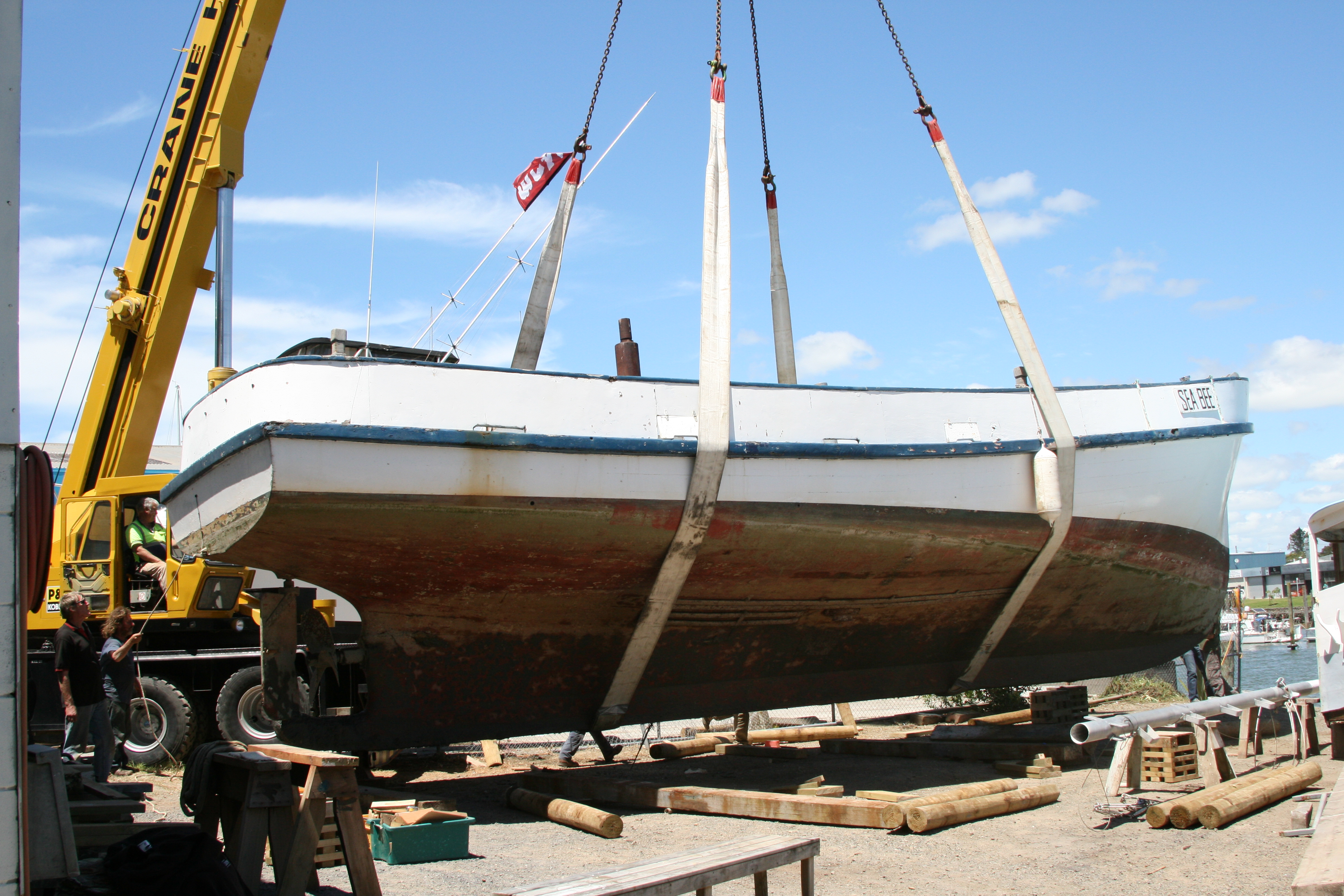
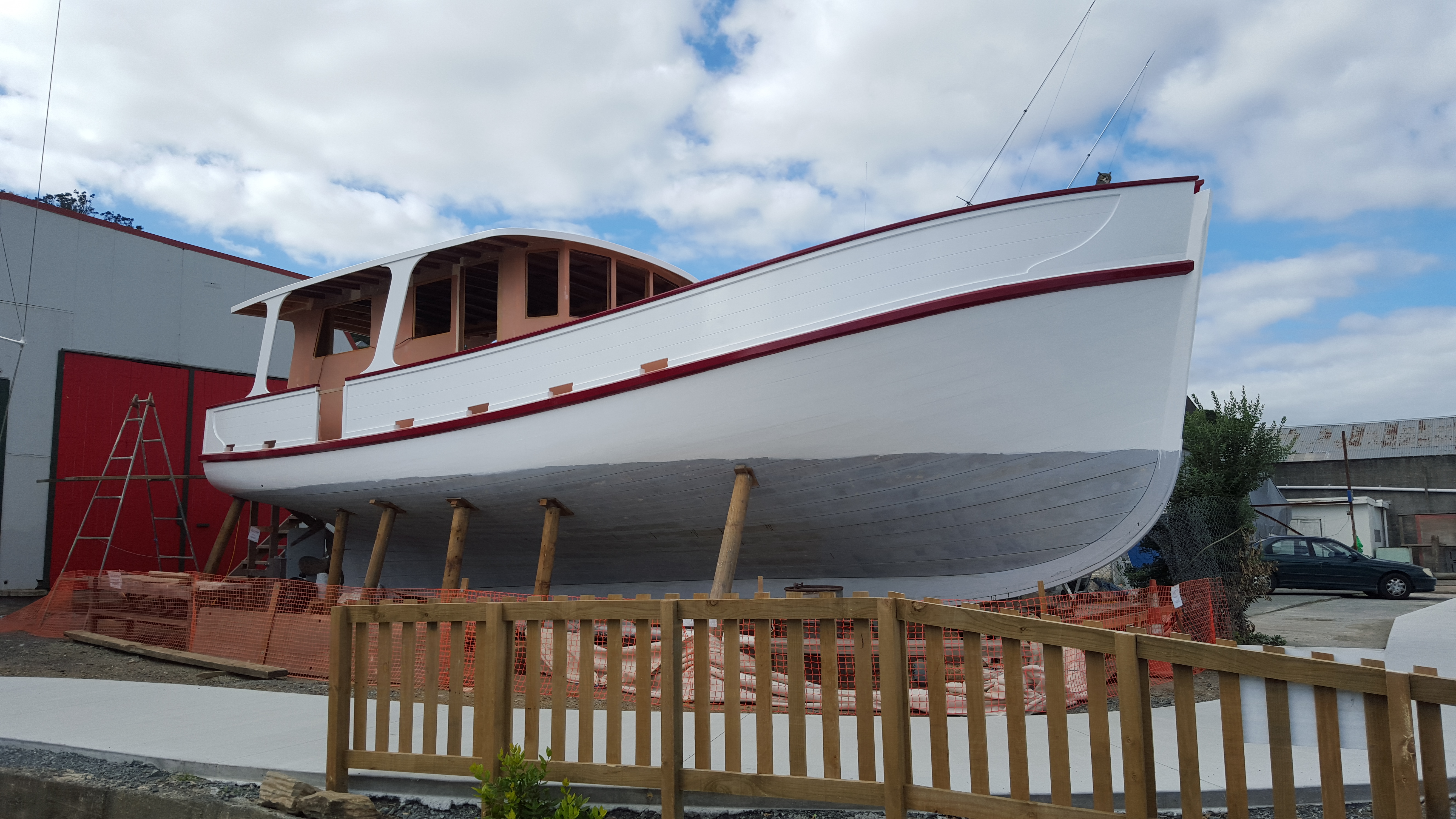
In early March 2020 I ventured north with David Cooke to sniff out woodys that we never see in or around the Waitemata. One of the most impressive we came across in the Whangarei Town Basin was the 1965 ex workboat – Sea Bee, designed and built by Harold Sanders. When launched she was named CB (after her 1 st owners George Cornwall and Dave Baker). Now converted for pleasure use by Brett and Linda Stanaway. I featured her on WW – see link, great historical photos
Chatting with Brett he promised to send in photos of the rebuild, which we get to view today. Brett and Linda live aboard Sea Bee and are currently isolating so when they get to better internet coverage there will be more photos (i.e. Part 3). I’ll let Brett tell us more about the project:-
“The rebuild was a massive undertaking in time, money and hard work – the budget blowout was huge but we have no regrets Linda and I both love the boat, we live aboard full time and go out on her every chance we get . We’ve still got lots to do but Seabee is what we wanted a comfortable live aboard cruiser. If you or anyone else in WW is interested you’re welcome to come aboard and have a look around and if anyone else is contemplating converting a fishing boat we would be happy to talk about our experiences with them. Hope you’re well and getting through the lock-down okay”
Antique & Wooden Boat Festival – Contact Less Home Delivery of 70 photos 🙂
Today woodys you get to go to a antique & wooden boat festival without leaving your couch.
In 2019 Alan Sexton visited the Chesapeake Bay Maritime Museum in St Michaels, Maryland and has shared his photo collection from the trip.
Enjoy.
You can see / read more on the museum here. http://cbmm.org
Interesting input below from a woody in regard to the BOI woody that was intercepted by the boys in blue rowing the 100 yards to check on his boat.
“Security is listed as an essential service. There seems to be no restrictions on who can undertake the service, and the ‘premises’ being provided with security services do not have to be part of an essential activity.
Question is – can a boat be considered to be a premise?
Checking the mooring strop, flapping halyards, bilge pumps etc is part of normal boat security, particularly when grumpy weather is forecast or has just been.”