AN INSIGHT INTO NZ’S UNIQUE MARINE ENGINES – Part One

NZ’S UNIQUE MARINE ENGINES – Part One

Todays WW story is a little (or maybe a lot) out of the normal WW story style i.e. we are focussing on marine propulsion > engines not craft.

The story has been pulled together by Ken Ricketts, who comments while he has endeavoured to be as factual as possible there will always by matters others will either know more about or be able to correct errors – so woodys do not hold back in commenting.

There are many sections to the story and the intention is to publish one part a week. 

WW are very conscious that most readers have limited interest in engines, h.p., gearbox ratios, prop sizes etc – BUT a very high % of the WW site visitation is research based, so the thinking is this data needs to be recorded for future recall. HOWEVER if the viewing numbers show low interest, an option is to just load the data up in one go.

So woodys over to you have a review / look and lets see the interest factor.

As per any Ken Ricketts item it will be riddled with typos and mistakes, but as stated the primary intention is to get the data in a location for future access. Over time we will ‘fine tune’ it.

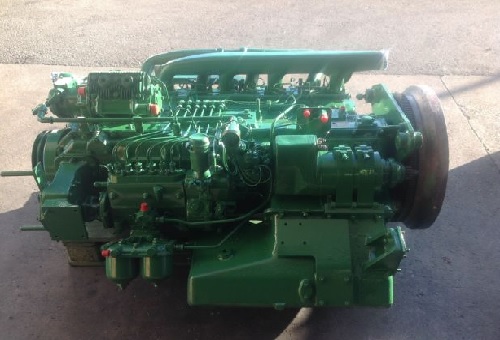
NAPIER LION PETROL W12 (3 BANKS OF 4 CYLINDERS) PETROL AIRCRAFT ENGINES – CONVERTED TO MARINE USE BY POWER MARINE UK
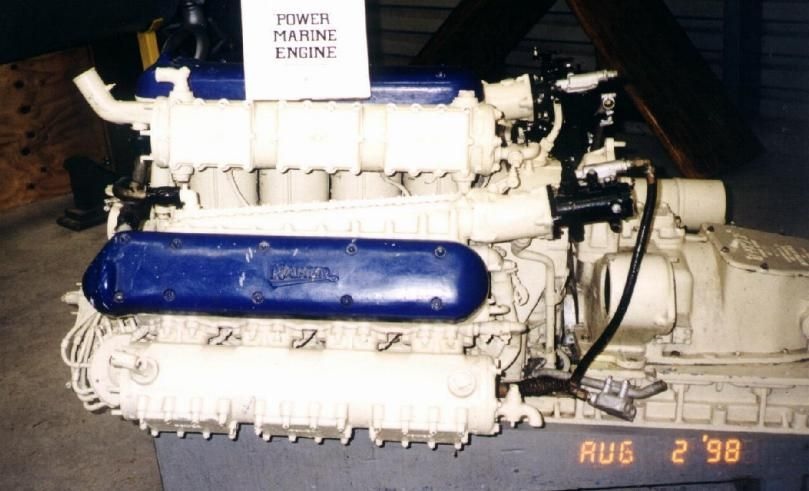
A NAPIER LION MARINSED 500HP W12 PETROL AICRAFT ENGINE BY POWER MARINE UK, as used in RNZAF PATROL VESSEL W1, DURING WWII
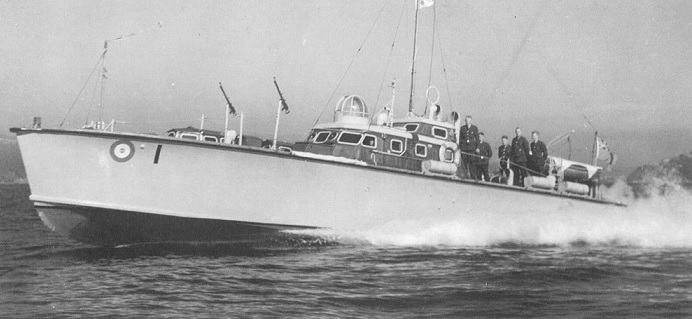
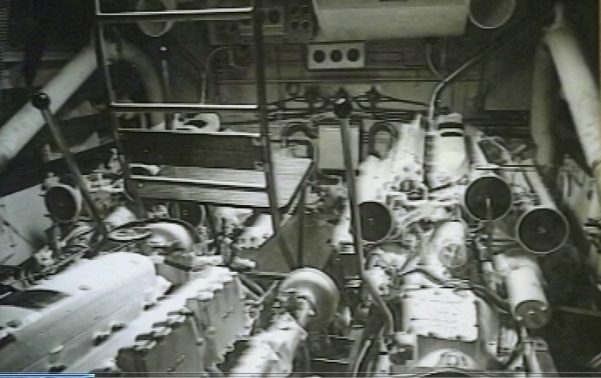
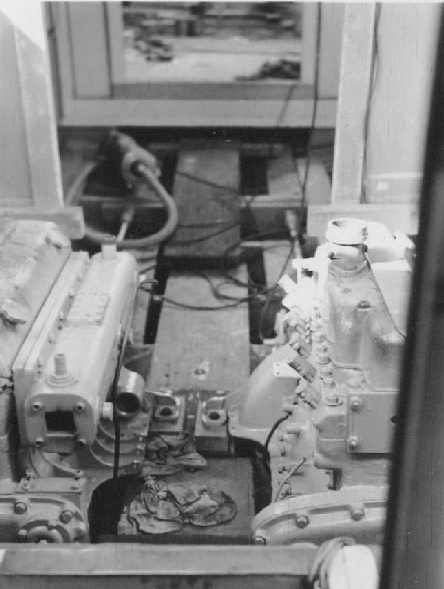
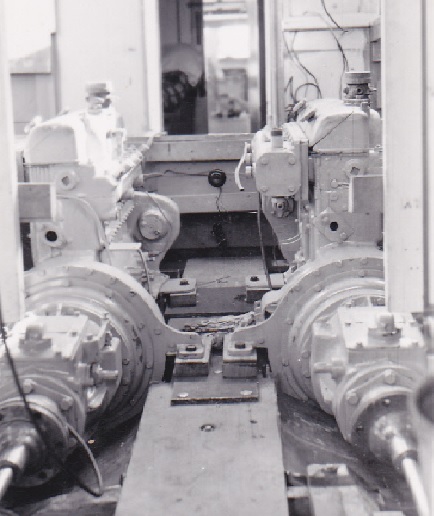
ENGINE ROOM AS ORIGINAL IN W1 DURING WWII with 3 x PETROL NAPIER LION 500 HP AIRCRAFT PETROL ENGINES, AS ORIGINAL. — NOTE THE 3 GEAR LEVERS & ENGINEERS CHAIR 
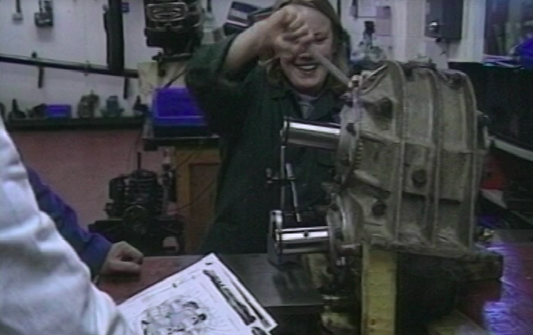
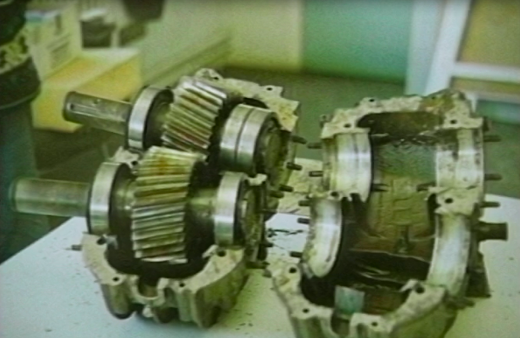
ABOVE 2 IMAGES ARE OF THE CENTRE ENGINE VEE DRIVE GEARBOX/REDUCTION GEAR FITTED AS ORIGINAL, TO THE FORWARD-FACING CENTRE NAPIER LION W12 ENGINE, IN W1
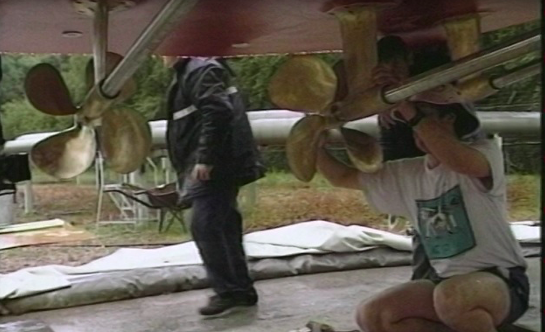
THE 3 ORIGINAL PROPELLERS DRIVEN BY THE 3 NAPIER LION 500HP MARINISED PETROL AIRCRAFT ENGINES, AS FITTED TO W1. 
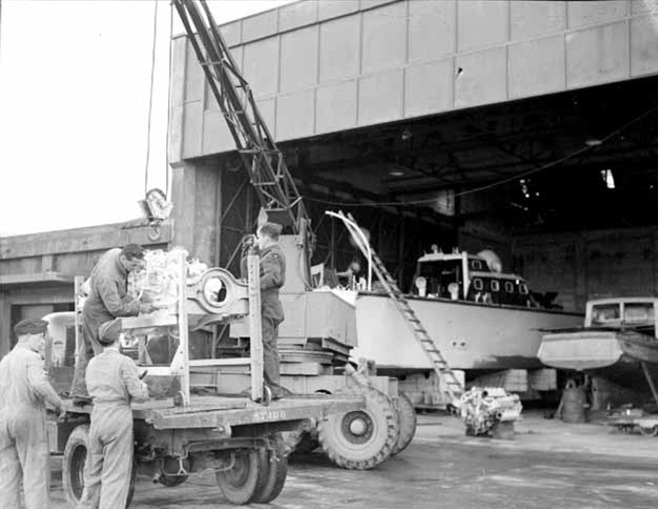
REPLACING A W12 NAPIER LION MARINISED 500HP AIRCRAFT ENGINE IN W1 DURING WW II.  

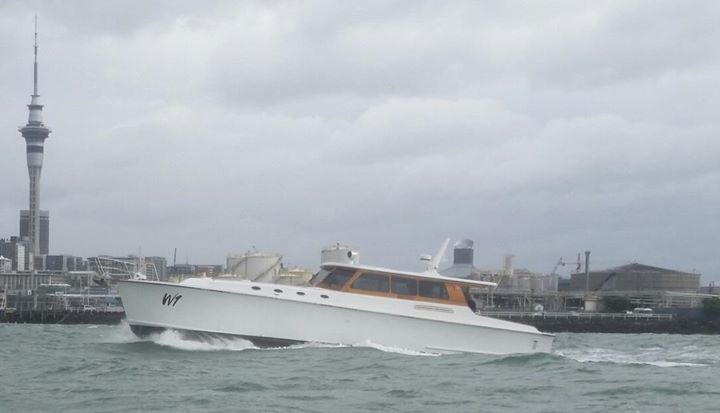
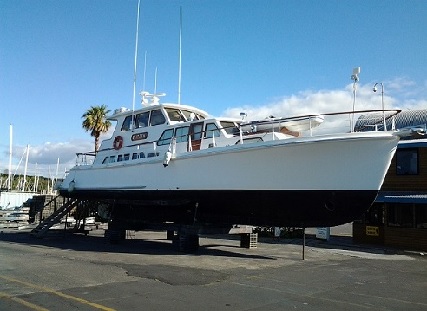
NOW BELOW, W1 AS A FULLY AIR CONDITIONED LUXURY PLEASURE CRAFT, AS AT 2025
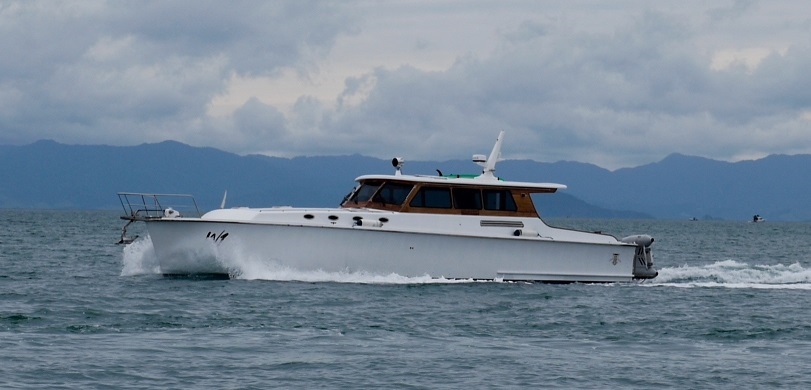
W1 – WITH HER BEATUTIFUL GENTLE FLAT WAKE AT 22 KNOTs c2020 
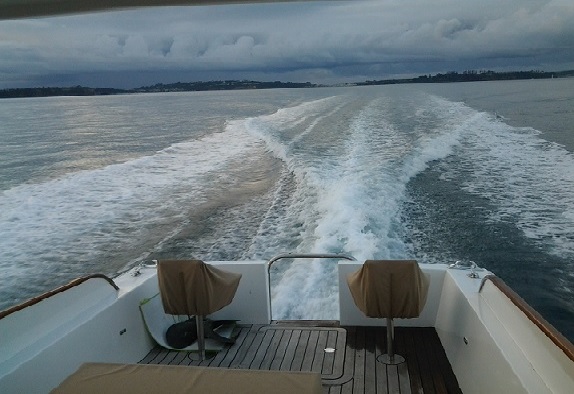
W1 – HER ENGINE STORY. 

All RNZAF craft, have a permanent identification number, allocated  to them upon entering RNZAF service, & whilst only the number is ever actually sign-written on the boat, in all paperwork, & in the spoken & written word, they are all prefixed with a letter, & in the case of this craft it is a “W,” thus the craft referred to herein, was IDed as “W1” when it arrived in NZ & was therefore known  as “W1”, which has now  been given this title, as the boats official name, along with the special marine RT call sign of ZMWI.

She was originally imported new from UK by the RNZAF c.1940, & after her RNZAF service ended in c.1951, her designation & name of W1, was changed to CARROMA in the 1950s, by the Alright family, of Panmure, who did the first & second pleasure craft conversions to her, to become a pleasure craft, & now it has been reverted back to W1 by Francis Uren, the present owner who has created a 3rd new super luxury set of coamings & fully airconditioned fitout. 

She had 3 of these 500hp W12 cyl engines which were in 3 banks of 4 cylinders, as per the above image, as original , with the 2 outer engines facing aft, with conventional mechanical gearboxes, & the centre engine facing forward, driving a vee drive/reduction gear unit, so all 3 propellers, where in a  perfect line across, at the stern, (refer above image), as original, when ordered by the RNZAF in early WWII.

During her WWII service, she had to have a fulltime engineer, sitting in a padded chair, with soundproof earmuffs, in the engineroom, when the engines were running, & when she was at sea, controlling the gearbox reverse leavers on instructions from the bridge, & supervising the engines. 

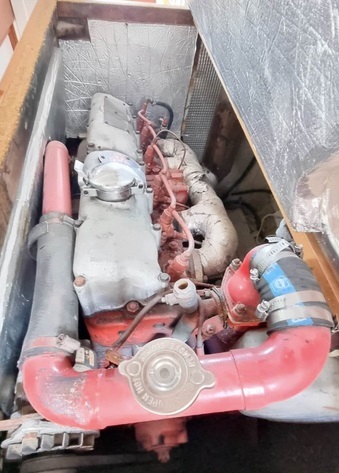
The original engines were replaced initially, in the early 1950s by twin 6/71 GM Detroit diesels, by the Alrights, & later by one 600HP 8V/92-TI Detroit by current owner Francis Uren. post 2010 which she still has today.

HUDSON HOME MARINISED 6 CYL PETROL CAR ENGINE.
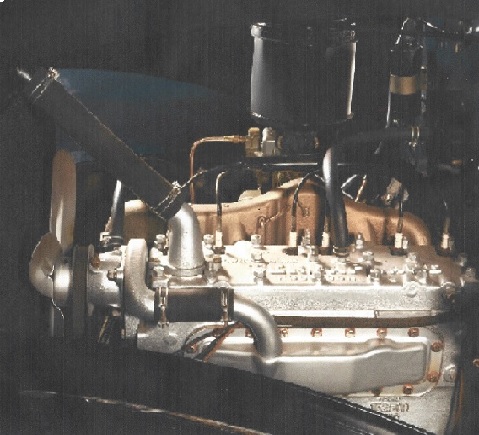
HUDSON 6 CYL PETROL CAR ENGINE as used in the yacht SUNDOWNER. (image unavailable)

Only one yacht/motor sailer called SUNDOWNER had this 1930s vintage engine, which in the later 1940s, had an issue with one cylinder & piston, so in the typical NZ No. 8 wire fashion, the owner of the day, simply removed the offending piston, & made it into a 5 Cyl Hudson home marinised marine engine. —It ran well enough, it but sounded funny in the exhaust.  

STUDEBAKER 1930s HOME MARINISED FLAT HEAD 6CYL TRUCK ENGINE
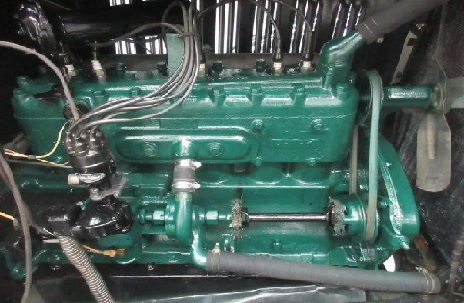
This was a very quiet, smooth running, reliable, low revving engine, originally fitted to the ROYAL FALCON, in the 1930s, & was replaced in the later 1940s, with a factory built marine petrol engine, & the Studebaker was sold to  Bill Waters, who installed it as original, in the 34ft GAY DAWN, in the early 1950s,  as she was being built by him & his son Brian. 

Ralph Ricketts, bought GAY DAWN in 1956, with that engine, & replaced it in 1958, with twin diesels, – (refer later engine listing.) RR sold it.
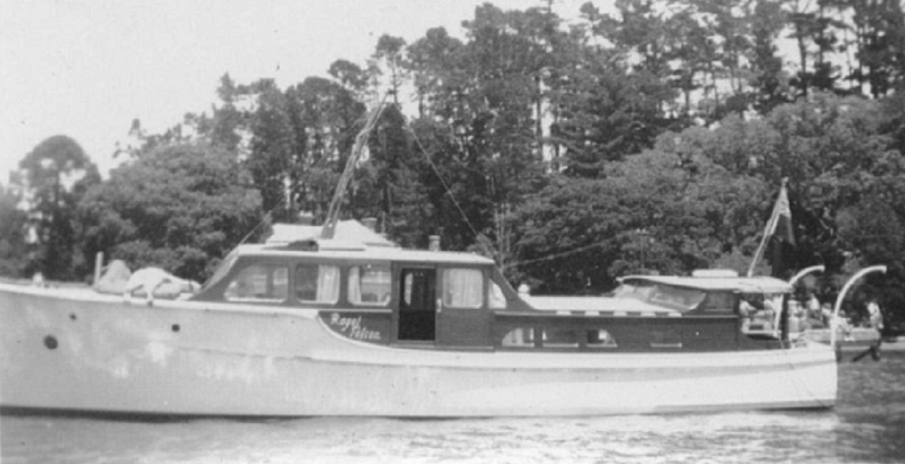
ROYAL FALCON IN HER STUDEBAKER ERA
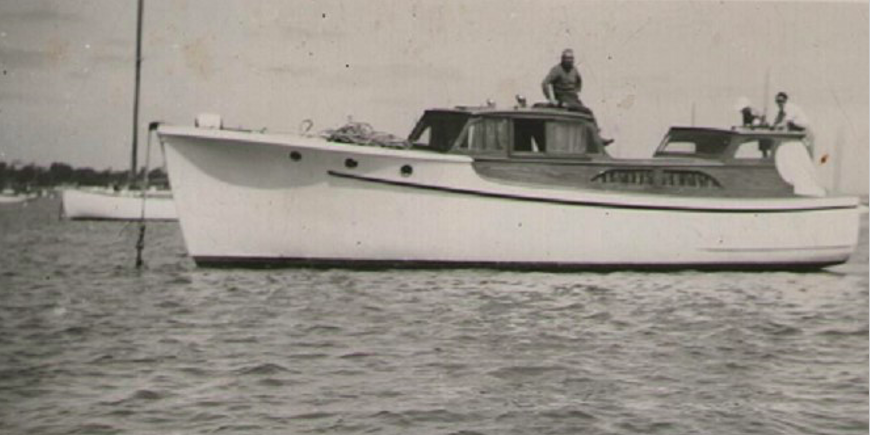
GAY DAWN ON LAUNCHING DAY SEPT 1953 WITH HER STUDEBAKER PETROL ENGINE

CROSSLEY MARINE DIESEL ENGINES 
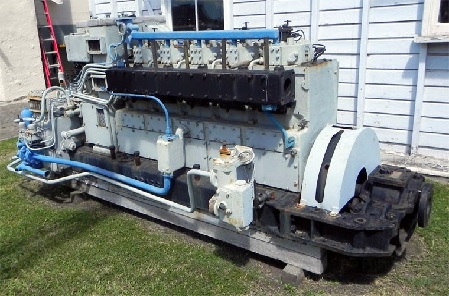
A TYPICAL SMALLISH CROSSLEY ENGINE, PERHAPS SIMILAR TO THAT IN THE LADY CROSSLEY
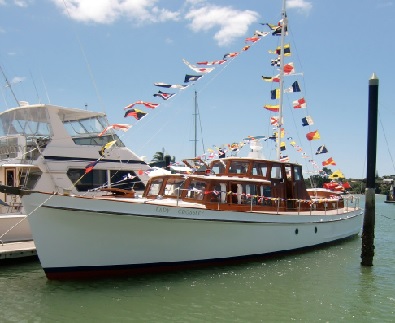
LADY CROSSLEY POST 2020 

There is the only example known to me, of these engines, in NZ pleasure craft, & that was in her namesake boat, the beautiful LADY CROSSLEY, built for Seager Bros. Ltd Auckland, who were the agents at that time, as a demo boat for these engines. 

However, they were 2 cycle direct reversing, — (as are all or most direct reversing engines), — which meant that one had to stop the engine, & restart it, running the opposite direction to go in reverse, which of course had to be done in the engine room, on directions from the helmsman, up in the bridgedeck. this was highly unsatisfactory, & quite dangerous in this type of use, & after only a very short time, they were replaced by twin Gardner 6LW diesels which she had for many years & may still have.

FAIRBANKS MORSE MARINE DIESEL ENGINES    
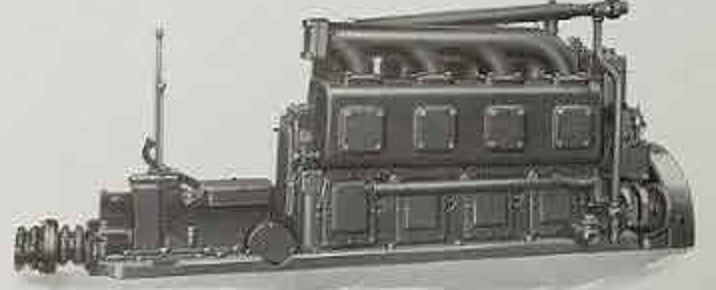
FAIRBANKS MORSE 4 CYL 1930s DIESEL PERHAPS SIMILAR TO THAT IN LADY MARGARET 
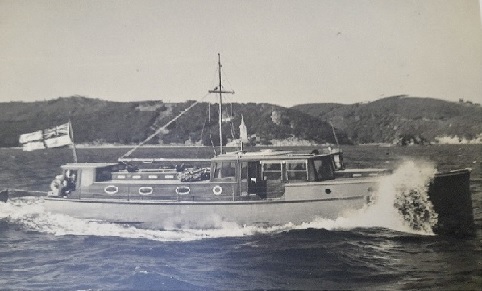
LADY MARGARET BY DICK LANG. WITH FAIRBANKS MORSE DIESEL ENGINES – THEY HAD SIDE EXHAUSTS- SEE STEAM – WWII-  LATER ENGINES IN LADY MARGARET DID NOT HAVE THESE, – THEY WENT OUT THE COCKPIT CABIN TOP IN SHORT STACKS
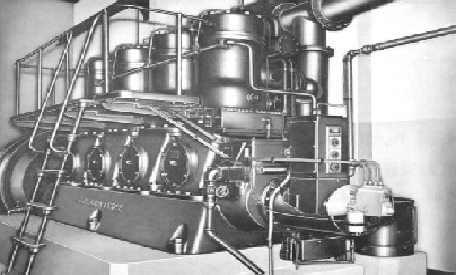
FAIRBANKS MORSE DIRECT REVRSING 2 STROKE DIESEL ENGNES, AS USED IN AUCK. PASSENGER & VEHICULAR FERRIES PRE 1958 – 
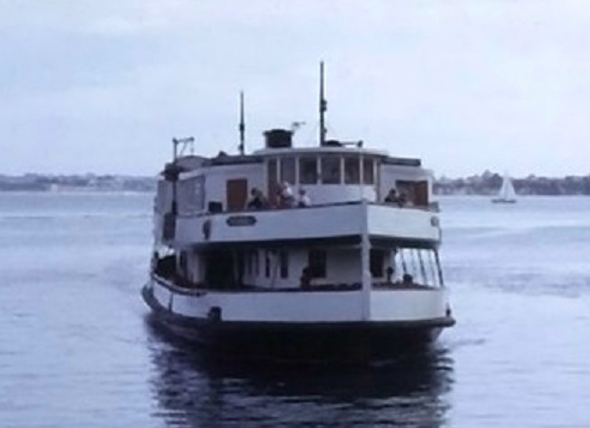
AUCKLAND HARBOUR PASSENGER FERRY, WITH FAIRBANKS MORSE DIESEL ENGINE c1950s

THE LADY MARGARET ENGINE STORY 

Whilst these are mostly used in very large versions in ocean going ships, & large craft, they did or do make smaller engines & there was at least  one example of these in Auckland, I am aware of, & there may be others,  & that is in the 1939 Dick Lang built, LADY MARGARET, for Ted Clark, who installed 2 of them, when she was built, which were ultimately replaced by 2 x  6 cyl Fodens, in the mid/later 1950s. (no image available of  Fairbanks engine)

AUCKLAND HARBOUR PASSENGER & VEHICULAR FERRIES 

These engines were also used for many years, in Auckland Harbour vehicular & passenger ferries, in a very slow revving, 4 cylinder direct reversing, —  (must be stopped & restarted, to run the other way for reverse), — 2 cycle version, with 2 engines, with one engine facing a propeller at each  end of the boat, up until the Harbour Bridge opened in 1958, except for one or 2 passenger ferries, that had one single 8 cyl version, & I think a few passenger versions may have been  kept in use, for a year or 2 after 1958.

NORDBERG PETROL MARINE ENGINES 
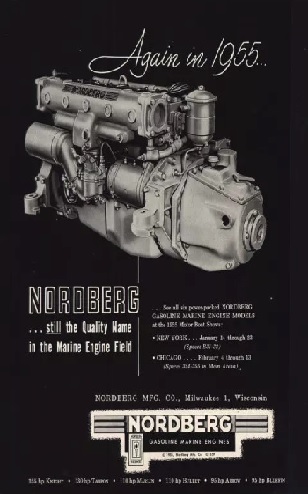
NORDBERG 100+hp petrol engine, similar to those fitted as replacements for original engines, to LADY DIANA & MAKURA
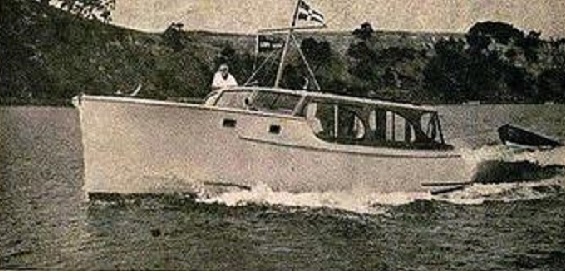
LADY DIANA. AS SHE LOOKED. WITH HER NORDBERG PETROL ENGINE. – EX B WORTHINGTON.
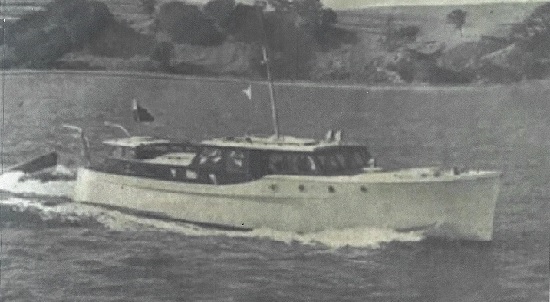
MAKURA IN HER EALRY DAYS – THE NORDBERG ERA

NZ agents for these, were Seabrook Fowlds Ltd Auckland, in the 1950s, & the M.D. Phil Seabrook, had one fitted to his LADY DIANA, replacing her original Austin Skipper 100, in the later 1950s, for which his company also held the agency, at that time. 

A second engine was fitted to his brother-in-law, Cranston Leighton’s MAKURA, after he sold her to brother in law Phil Seabrook, in the later 1950s. 

Both of these engines have long since been replaced with diesels, & they are the only 2 examples that I am aware of, ever in pleasure craft, but of course, there may be well others, & look forward to any input from other boaties or engineers to confirm this, but these engines never became really popular & a big seller.   

RUSSELL NEWBERRY DIESEL ENGINES.
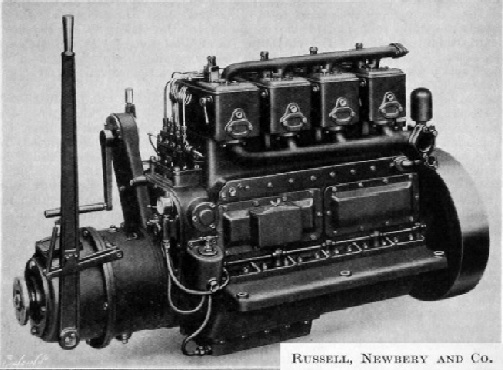
MOVARIE WTH HER 2 RUSSELL NEWBERY 40HP MARINE DIESEL ENGINES. c. LATER 1940s. 

These are made by the RN Diesel Engine Company Ltd., which was founded in UK in 1909, & is still manufacturing engines today in UK, & there is only one example in NZ, that is the 1938 built MOVARIE. 

These were 2 x slow revving 4 cyl., 4 cycle engines & were 40 H.P. Russell Newberys, as original, which were eventually replaced by 2 x Ford Diesels in 1960.

BMW MARINE DIESEL ENGINES & STERN LEGS.
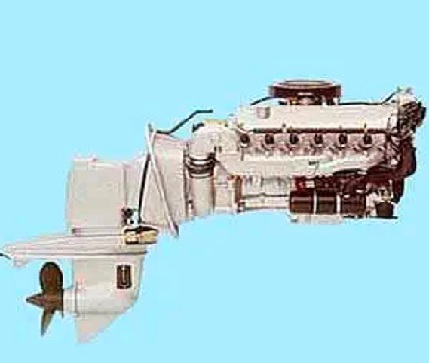
BMW 6CYL MARINE DIESEL ENGINES WITH STERN DRIVES 

While made in fairly substantial numbers by BMW, only 1 pleasure craft in NZ  had them, which was a standard designed Formula 4000 Vindex & it had 3 of them with stern drives. 

LEYLAND MARINE & MARINISED DIESEL ENGINES.
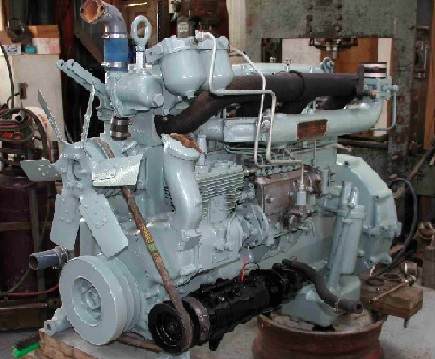
LEYLAND BEAVER PRE MARINISED 6CYL DIESEL ENGINE.
LEYLAND PRE MARINISED 6CYL DIESEL TRAIN ENGINE SIMILAR TO THAT IN THE SHENANDOAH   
TWIN LEYLAND CUB  6CYL HOME MARINISED 95HP DIESEL ENGINES BEING INSTALLED IN THE GAY DAWN 1958-59
ISLE OF ARAN with LEYLAND COMET 6 CYL DIESEL 
BLITZEN WITH HER 2 X LEYLAND BEAVER DIESEL ENGINES
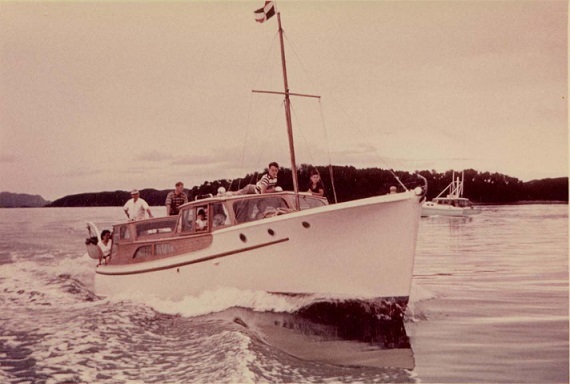
GAY DAWN WITH HER 2 NEWLY INSTAALLED LEYLAND CUB DIESELS AT THE B.O.I. 1960 
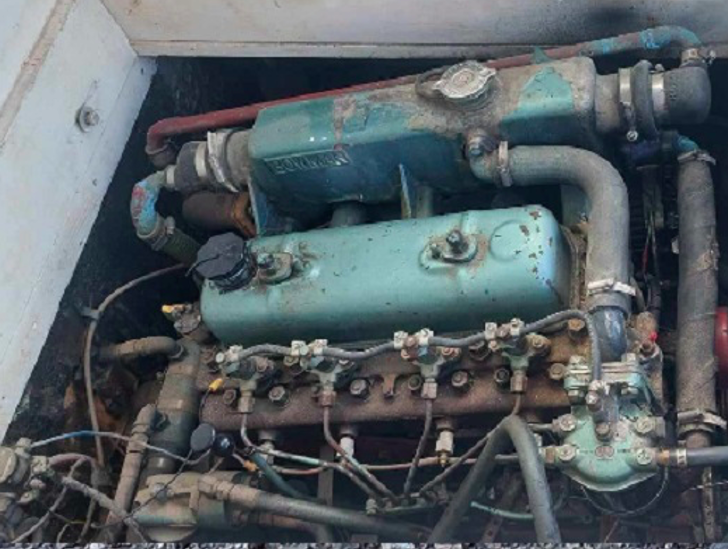
LEYLAND 4 CYL DIESEL ENGINE – ONE OF 2 AS FITTED TO THE LANAI 
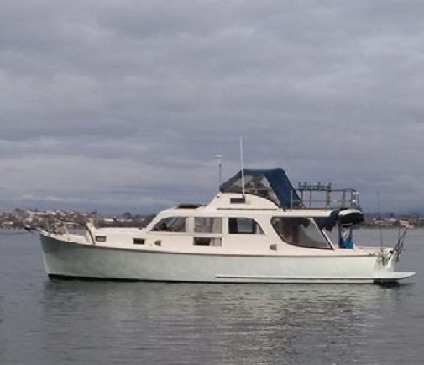
LANAI WITH HER 2 X 4 CYL LEYLAND DIESELS 
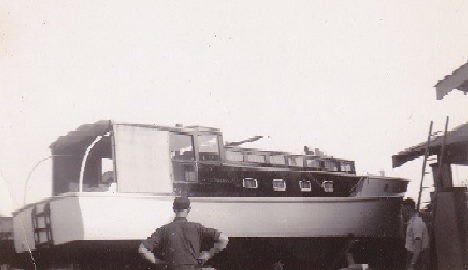
JULIANA READY TO LEAVE HOME FOR THE WATER, WITH HER JUST FITTED LEYLAND CUB DIESEL 1947 
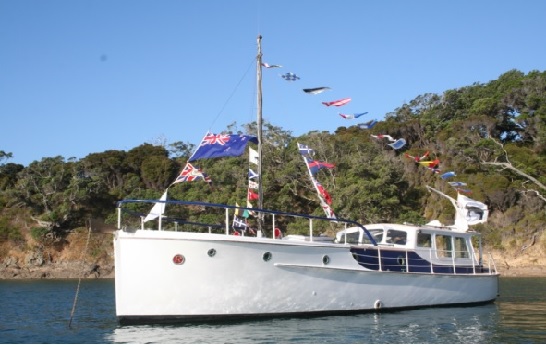
RAIONA POST LEYLND COMET ERA.
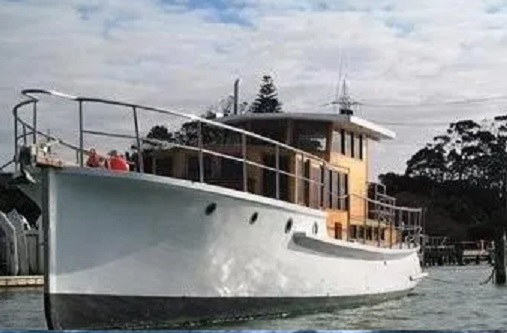
SHENANDOAH WITH HER LEYLAND TRAIN ENGINE

There are a very few Leyland engines that were ever fitted to pleasure craft, & are all 6 cyl., except for the LANAI. which has or had, 2 x 4 cyl. Leylands. 

Other craft included the RAIONA, with a Leyland Comet, fitted by the Alf Secombe, in place of a previous petrol engine. Also, there was the Guthrie’s Leyland Comet, the original engine, in the ISLE OF ARRAN. 

The SHENANDOAH also had a Leyland 6cyl. home marinised train engine which was fitted around the 1990s. 

Ralph Ricketts fitted 2 x Leyland Cub Diesels to the GAY DAWN in 1958-59 in place of its previous single Studebaker truck engine, later removed & replaced by a single Ford Diesel, by a later owner.

The only other pleasure craft was a Leyland Cub installed in the 30 foot SAGA, by owner/builder, Kings College master, Mr Val Maxwell. 

The beautiful big bridgedecker BLITZEN, is/was also powered by 2 x Leyland Beaver, locally marinised diesels.  

Ralph Ricketts fitted 1 Leyland Cub to the JULIANA in 1947, which he removed in 1956 & replaced with a 4 cyl Buda Diesel, he bought from John Warren who had removed it from his ARCTURUS, that had been built for him by McGeady a few years earlier, & he replaced the Buda with a 6 cyl diesel. This was replaced in the JULIANA, with a 6 cyl Ford Diesel, by the owners of the day, the Algie Brothers, of Algies Bay, Mahurangi, about 20 years later.

RR fitted the Buda to the JULIANA in place of the Leyland because he had another brand-new complete engine, & he fitted the 2 of them in the GAY DAWN in 1958-59

Two Leylands were fitted to the iconic passenger ferry BAROONA, replacing her previous single engine, around the later 1950s/60s.    

THORNYCROFT MARINE PETROL ENGINES.
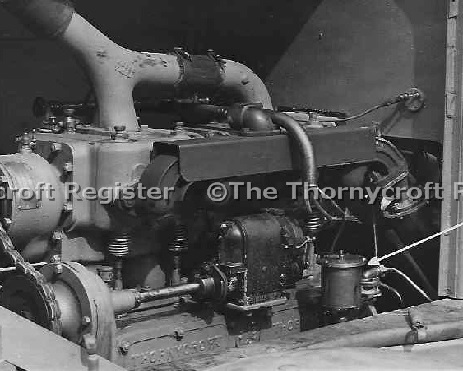
THORNYCROFT 4 CYL TEE HEAD PETROL ENGINE, identical to that which was marinised & installed in the JULIANA, while she was being built in 1930 by Sam Ford. 

THORNYFROFT 6 CYL PETROL MARINE ENGINES WITH ONE SIDE VALVE & 1 OVERHEAD VALVE  (no images available) 
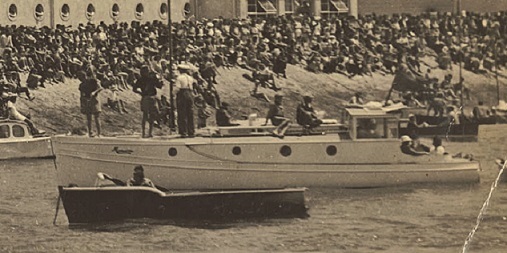
MANOWAI in her THORNYCROFT ERA
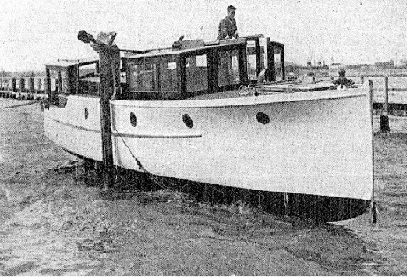
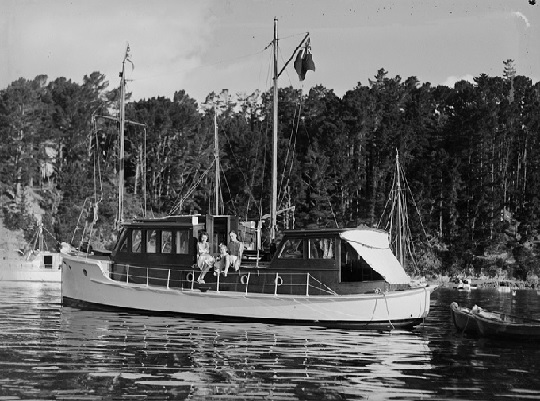
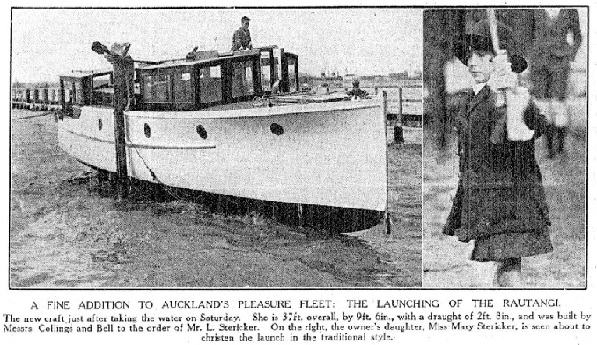
RAUTANGI with her THORNYCROFT 6 CYL petrol engine.
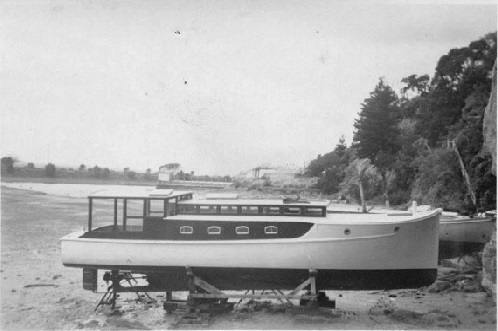
JULIANA on her relaunching day in 1946 after her THORNYCROFT TEE HEAD 4 CYL PETROL ENGINE, SEE ABOVE had just been totally rebuilt by owner Ralph Ricketts.

Thornycroft engines had always been produced in substantial numbers in UK, however only a tiny number, in pleasure craft in NZ.

The tram topper MANOWAI had one, in the Claude Atherton era of the 1930s & up to the later 40s, which had 1x overhead valve & 1side valve, as many Thornycrofts, did for many years. He replaced that engine with a twin cyl. Ruston Diesel for use, after that time, as a longline fishing boat. The second & third Thornycroft’s were in the RAUTANGI, & both fitted by or for, Les Sterriker, of Sterriker Engineering, in Kyber Pass Newmarket, one after the other, the last being larger with more HP., than the first one, it was eventually replaced by a Ford Diesel by a later owner. 

There is or was also, around the 1970s/80s era, a UK custom purpose-built rescue craft here, painted orange & blue, fitted with 2 x Thornycrofts, which was moored at Matiatia at one time. 

RQLPH RECKITTS  purchased the JULIANA in 1946, & she had a 1920s vintage Thornycroft Tee head 4 cyl petrol truck engine home marinised, running on salt water, which was her original engine, when she was built by Sam Ford, In 1930, which was absolutely identical, to that shown in the image attached, which was not in very good health, when RR bought her, so he  immediately totally rebuilt it in 1946 himself, not knowing at that time, he would be removing it in 1947, to fit a Leyland Cub diesel in its place, he had later acquired, & he fitted an additional distributor ignition system, as part of the rebuild, of the Thornycroft, as well as retaining the existing magneto, giving her dual ignition. 
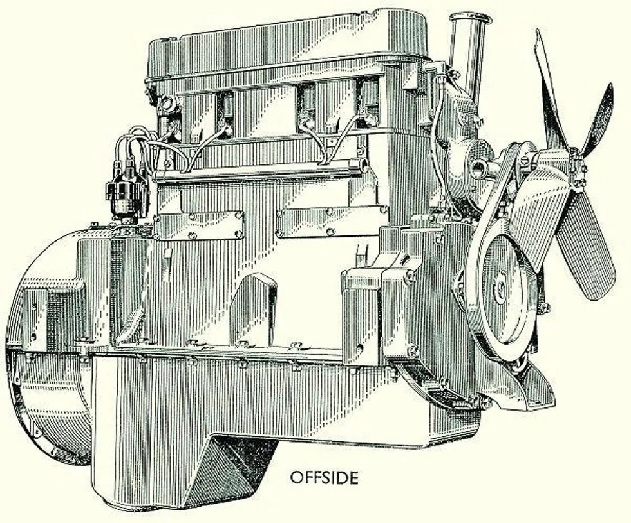
MEADOWS 4 CYL PETROL ENGINE AS FITTED TO THE LEAH by Dick Daniels in 1946
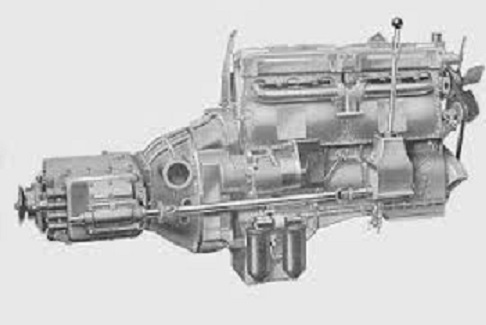
MEADOWS 6 CYL PETROL ENGINE as fitted to TEAL & RNZAF flyingboat harbour patrol craft in the1940
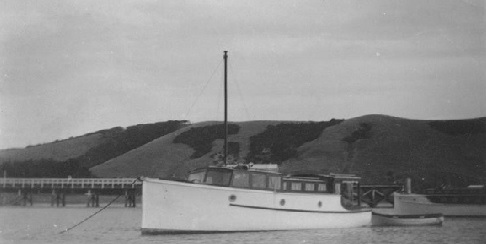
LEAH with the newly installed MEADOWS 4 CYL, with her newly home marinised MEADOWS 4 CYL PETROL ENGINE – 
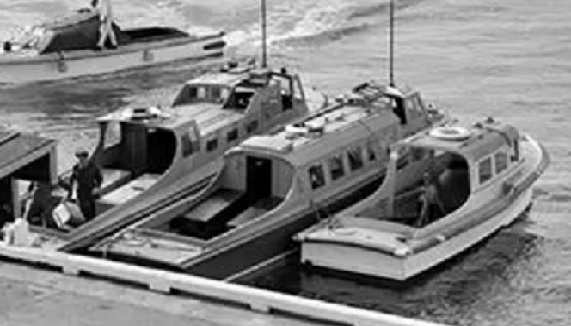
MEADOWS 2 x 6 CYL PETROL ENGINES fitted to TEAL flyingboat harbour patrol craft c1950s

Only 1 of these engines used in pleasure craft, it was a 4cyl version painted bottle green, as they all seemed to be, (as were all the Thornycrofts as well), in the 30ft bridgedecker LEAH, for Dick Daniels in the mid1940s. 

TEAL had 2 of them in some harbour patrol craft for flying boat patrols fitted with twin 6 cyl versions of the engines) the RNZAF.also used them in a number of their patrol craft, in the 1940s to around 1960. 

AEC DIESEL ENGINES
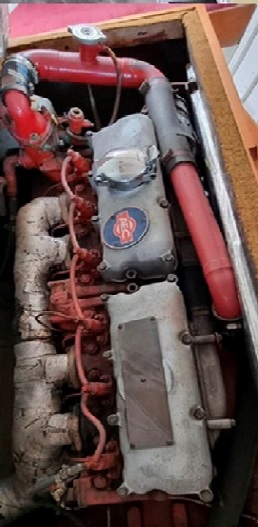
AEC 6CYL DIESEL ENGINE, home marinised, as fitted to the INEAWA
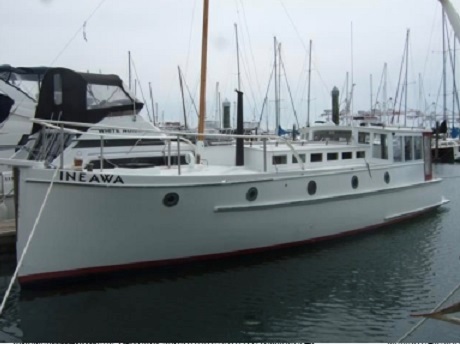
INEAWA WITH HER AEC  6 CYL home marinised, DIESEL ENGINE

Only a handful of these beautiful smooth quiet running UK built diesel engines, in pleasure craft in NZ, which are now no longer made. The AEC company was bought by Leyland many years ago, & production eventually ceased. They can be compared very favourably to an 8L3 Gardner, with their sound, & smooth quiet running. 

There is at least one large bridgedecker similar to the BLITZEN that has 2 of them & also at least 1 other single engine, smaller boat.
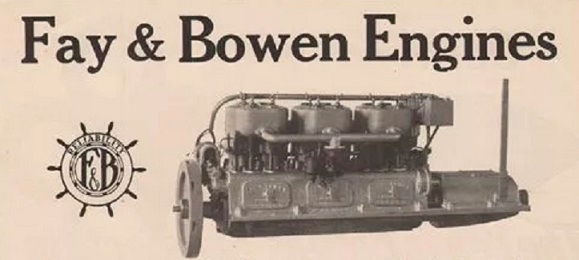
FAY & BOWEN PETROL ENGINES

FAY & BOWEN 6 CYL 1920s PETROL ENGINE as fitted to the MARGARET S
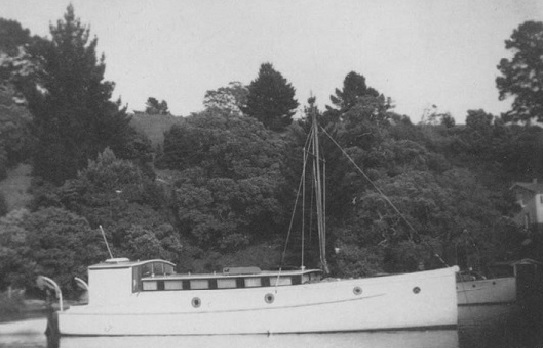
MAGARET S with her FAY & BOWEN 6 CYL MARINE ENGINE

There has only ever been one boat with one of these engines, & that is the MARGARET “S,” which had one from 1923, until after 1967, now almost certainly replaced by a diesel, as most boats are, these days.

LOEW VICTOR (KNIGHT’S PATENTS), 4 CYCLE PETROL ENGINES
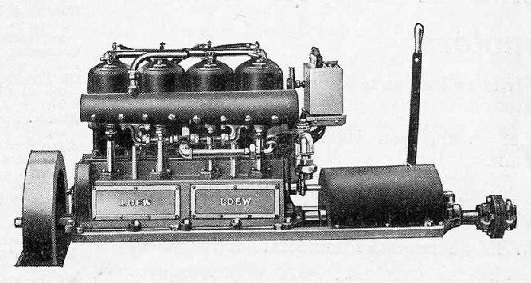
LOEW VICTOR 4CYL PETROL 1913 MARINE ENGINE
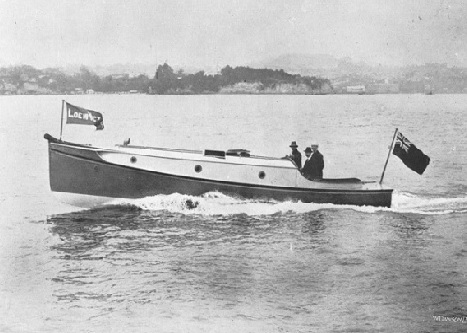
LOEW VICTOR 4CYL PETROL 1913 MARINE ENGINE in the boat of the same name in c1913s

A 32ft launch was built by Bailey in 1913, with a 25H.P. engine of the same name, showing a good turn of speed in the images, however she appears to be one of just a small number of craft with these engines.

BUDA PETROL & DIESEL MARINE ENGINES. 
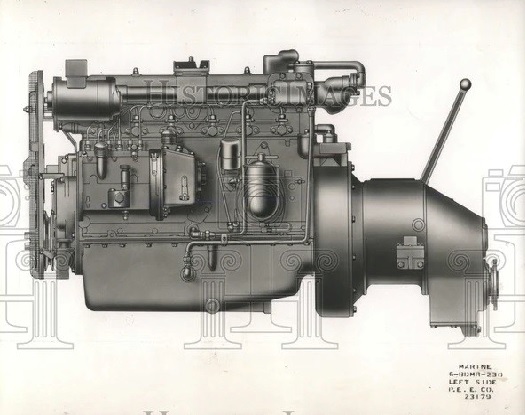
BUDA 1940s 6 CYL MARINE DIESEL ENGINE, SIMILAR TO THOSE IN AMAKURA IN THE 1940S, & THE MAHARATIA WHEN BUILT c1949
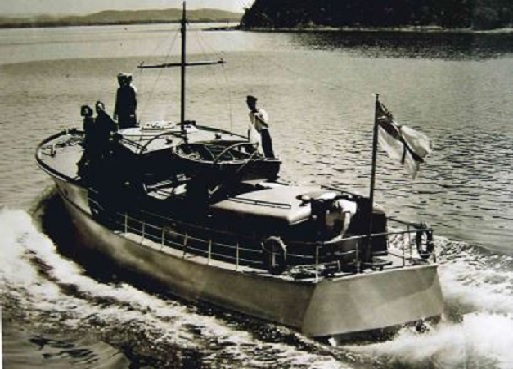
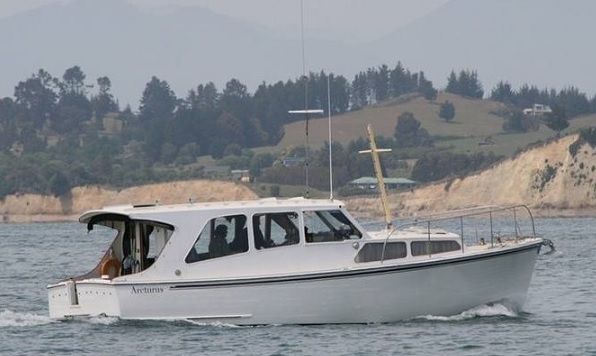
ARCTURUS – HER ORIGINAL ENGINE WAS A 4 CYL BUDA DIESEL  (no image)
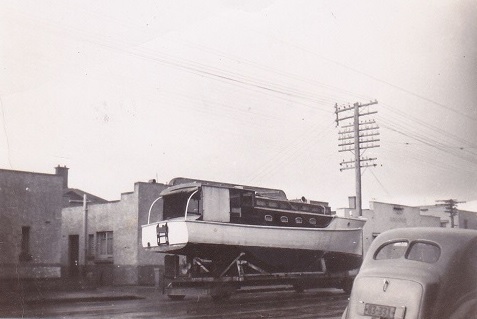
JULIANA PASSING THROUGH PARNELL ON HER WAY TO THE WATER WTH HER NEWLY FITTED 4 CYL BUDA DIESEL EX ARCTURAS 
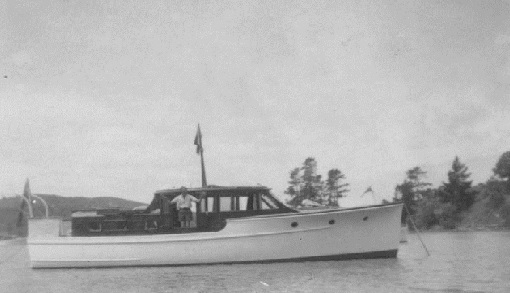
REHIA WTH HER c100HP BUDA FLAT HEAD 6 CYL. PETROL ENGINE, WHICH HAD DUAL IGNITION, WITH 12 SPARK PLUGS, FED FROM A SINGLE 12 POSITION DITSRIBUTOR CAP, & A BENDIX REVERSE CONTROL SYSTEM, & THROTTLE, WTH 2 LITTLE 6 INCH LEVERS, IN A DUAL SMALL CONTROL UNIT. – VERY RARE IN THOSE DAYS.THIS WAS HER ORIGINAL ENGINE FROM NEW, WHICH SHE HAD FOR A GREAT MANY YEARS, & OWNER, BILL RYAN, IS STANDING IN THE DOORWA.
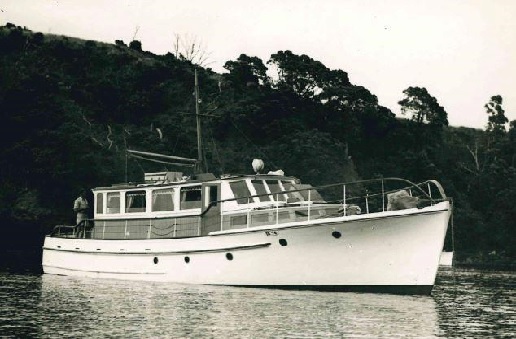
MAHARATIA IN EARLY YEARS, WITH HER TWIN BUDA 6 CYL DIESELS.

Only a comparatively small number of these in NZ, because the company was bought by Allis Chalmers in 1953, & manufacturing finished that year.

There were however 5 in total, fitted with 2 to the AMAKURA, during WWII, by the navy, which were removed & replaced by 2 x Graymarine petrol engines, by the owner of the day, a Mr Widderspoon in1947-48, as they were belching huge amounts of black smoke out both sides, as she had side exhausts by then. She was moored at that time, at Hobson Bay, just by the Judges Bay bridge, under the other side. There was also the ARCTURUS, that had a 4cyl Buda Diesel installed during construction.  

The MAHARATIA also had 2 x 6 cyl Buda diesels as original, when built by Roy Lidgard, & at his Kawau Island property in 1947 & towed to his Auckland shed to have her engines fitted Auckland shed, which were a number of years later replaced by 2 x 6LW Gardner Diesels.

The 32 ft ARCTURUS was fitted with a 4 cyl Buda Diesel new, by boatbuilder Mac McGeady, (Supreme Craft Ltd) for John Warren, of Mission Bay, with installation by Tracy Nelson, which John W., later sold to Ralph Ricketts, & which was then installed in the JULIANA, for many years. Ultimately removed by the Algie Brothers of Algies Bay, Mahurangi, & replaced with a 6cyl Ford Diesel around the 1990s.   

DAIMLER BENZ V12 DIESEL ENGINES
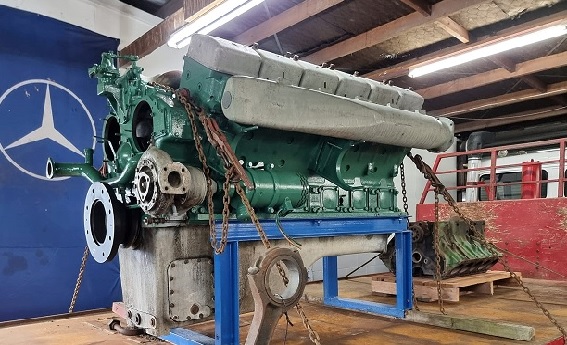
DAIMLER BENZ 1350HP DIESEL ENGINE REMOVED FROM THE HYDROFOIL MANU-WAI FOR OVERHAUL
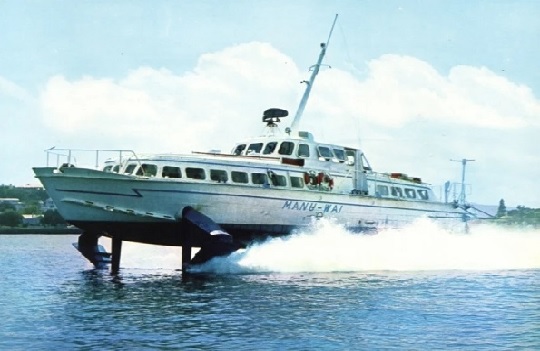
HYDROFOIL MANU – WAI, WITH HER V12 DAIMLER BENZ 1350HP DIESEL ENGINE

Only ever been one craft in NZ that had one of these engines. They ran at comparatively low revs (under 1500 RPM) & had to have hot engine oil pumped through the engine for 20 minutes before starting when cold.

This craft was the Auckland based passenger ferry MANU-WAI, which provided the first high speed passenger services to Matiatia Bay at Waiheke Island, & also to Pakatoa Island, in the Hauraki Gulf. The engine was based on a marinised aircraft engine of around 1400HP., with engine revs governed to around 900rpm

VM DIESEL MARINE ENGINES
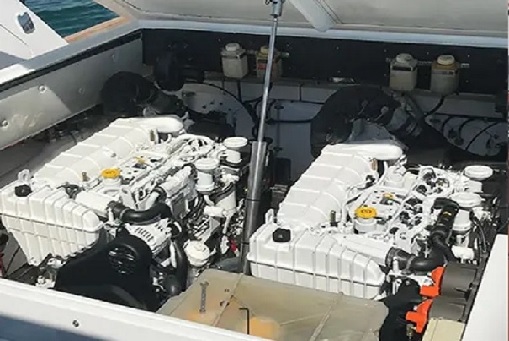
TWIN VM DIESEL ENGINES 
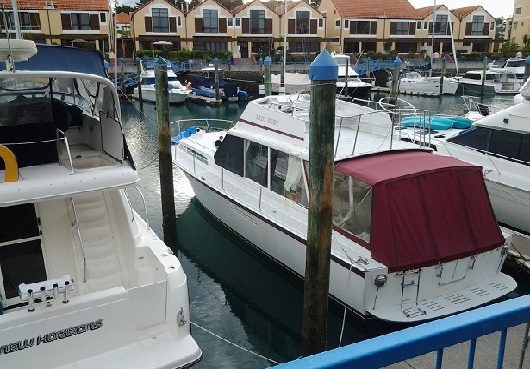
LADY KIWI (EROS) WITH HER TWIN VM DIESEL ENGINES

These engines are still made by VM Motori Ltd in Italy which started life as a standalone company, in 1947, however it has had a checkered career, of various part owners, & has ended up today fully owned by Stellantis or Fiat. 

The only boat with these engines, is the first 40 ft Vindex to be built, designed by Jim Young, & built by Orams, of 2 skins of Kauri, in Whangarei, in 1972.

She is the EROS, built for Auckland bed manufacturer Alf Broadhead, sold when he died, & is now renamed LADY KIWI, & her original engines were replaced probably around 15 years ago now, by the above 330 HP versions of the VMs.

STEARNS MARINE PETROL ENGINES WITH ONE SIMILAR TO ONE OF THOSE ABOVE, FITTEDTO THE COLIN WILD BUILT LADY MARGARET, AS ORIGINAL  
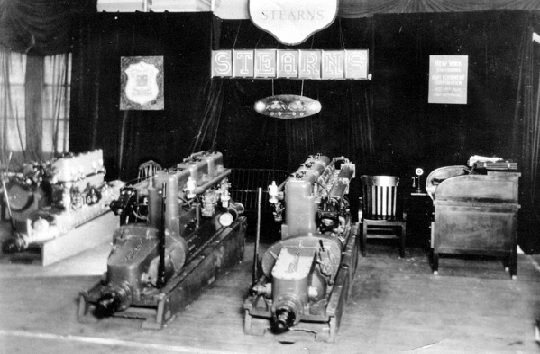
STEARNS PETROL MARINE ENGINES c1926 
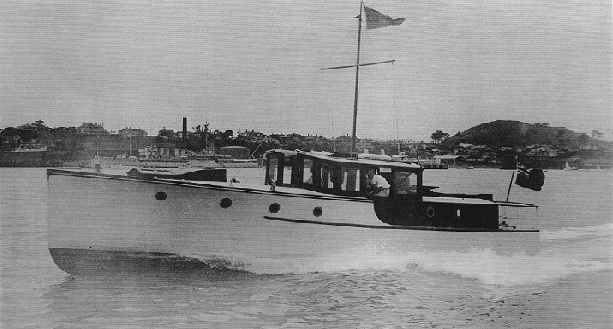
LADY MARGAARET (BUILT BY C. WILD) WITH HER STEARNS 165 HP PETROL MARINE ENGNE c1929 

F B Stearns was born into a wealthy family, & by his teen years, had developed a passion for cars & engines, so his father “indulged” him, with the creation of F B Stearns & Company, being established, in the late 1800s, & by 1907 the it was producing its first production run of vehicles, with a side valve engine he had built.

In 1911 he developed an association with the Willys (Overland) organisation, which had already developed a beautifully quiet smooth running “Sleave valve,” engine & his company from then on produced all sleave valve engines & their cars were from then on, known as “Stearns Knight.” 

They also manufactured marine engines. Steans retired from the company actively in 1919, & it was sold to Willys (Willys Overland), in 1925, & the company was wound up in 1929, so Stearns marine engines were only ever produced for a very few years.

Auckland businessman H. O. Wiles acquired the NZ agency for Stearns marine engines, sometime around the 1920s & fitted a 165HP Stearns engine to the beautiful 42 ft LADY MARGARET, that Coiln Wild built for him in 1927.

She was very fast for her day & he entered her in various competitive events successfully. 

She is one of our all time great classics of NZ, & these days, sports an artificially aspirated 6 Cyl Ford diesel.   

NOTE – MORE INFORMATION TO VIEW EX READERS IN THE REPLIES SECTION – click below

READ PART #2 OF THE SERIES HEREhttps://waitematawoodys.com/2025/04/12/an-insight-into-nzs-unique-marine-engines-part-two/
The Evolution of Pleasure Craft Communication

Screen Shot 2020-06-10 at 6.02.30 AM

THE EVOLUTION OF PLEASURE CRAFT COMMUNICATION

Next time you pick up a mobile phone to chat to another boat or log a trip report via the Coastguard APP, spare a thought for the boats of days gone by that had only one option (other than flags) for communications at sea. As a child I was fascinated by all these strange random words Zulu Mike Bravo Lima etc – my father being an ex-army comms man, morse was his thing. On holidays, myself and brothers were ‘made’ to listen to ships at sea and try to record the message, the winner i.e. most accurate, would win a chocolate.

WW follower Ken Ricketts is of an age that he has seen and experienced the evolution of New Zealand maritime radio communications and recently he wrote a comprehensive chronicle on the subject, which you will find below. It is worth a read to either educate or refresh yourself on the huge advances that have been made in the field. The story is peppered with a few tales directly relating some of our woody fleet (scroll over photos to ID the woodys) so hopefully that will keep those of you with a short attention span –  awake 🙂 Enjoy

Maritime radio-telephony in Auckland pleasure craft, had its first & humble beginnings in 1946, at which time, Ken’s father, Ralph Ricketts, entered the fray, with the second ever such installation, in Auckland, (the original first one was on the REHIA owned by Bill & Phyl Ryan at that time — who told RR about it) RR immediately bought, (as ultimately almost everyone did, once they knew about them ), an ex WW II war assets double side band, (DSB),  ZC1 MK II R.T., for  20 pounds, & fitted it to the Rickett’s launch – JULIANA, after which RR had a visit from a Govt radio inspector, who took diagrams of aerial format & layout, made various notes on his file of the installation, checked RR’s ability to use the set, made a test call himself, to “ZLD Auckland Radio,” sited  at Musik Point at that time, on the entrance to the Tamaki Estuary, & made sure RR had a “Restricted Radio Operators License,” which was required in those days, by all radiotelephone operators, on all pleasure craft, – now long since discontinued, & he allocated JULIANA the call sign of ZMYP.

REHIA 1948

JULIANA & AOMA c1953

Originally, there was only one call frequency, & that was 2012Kh, in 1946, used for all purposes, but not too long after that, 2012  was reallocated exclusively for harbour control use, to the Auckland Harbour Board, & pleasure boaties were allocated 2182, the international distress frequency for initial calling to government shore stations, & 2162 for ship to shore working, & 2456 & 2638 for ship to ship gossiping. 

The 2162 working frequency, was later changed to a duplex frequency, with 2162 for listening to ZLD, & them receiving on 2207. 

The frequency of 2045, was allocated around 1950, for use for transmission between privately owned shore stations & boats, such has Port Charles Radio, (the legendary Jim Smith owner/operator ), Gt. Barrier radio , Awaroa Radio etc. 

These shore stations were used extensively, for many years, from around 1950, by many commercial fishing boats, working throughout the Gulf, many of whom, reported in daily their positions, usually around 6 pm. There were also many pleasure craft which used the service, & RR was one of them. He joined the Port Charles association for most of his boating life with legendary Jim Smith the owner/operator. RR or Ken would call Jim every evening at around 6pm & report in our position at that time. 

You paid a small annual fee usually, to join their non profit associations, to cover their running costs & they kept records of your locations, times of calls, assisted in any way they could, with any problems you may have had, etc., & these associations usually operated, for several set times, of about 15 to 30 minutes, each day. Ken thinks some may still exist on the VHF channels, possibly there is one on Gt. Barrier Island.  

Auckland Coastguard was also allocated the frequency of 2128, (from recall), for ship to Coastguard use. 

By the early 1950s ZLD had introduced a radio telegram service to land based recipients who had a telephone number available, as the address & the telegrams would be sent by ZLD to any entity via that phone number ( & later delivered in hard copy via normal post to the address of the phone number), & if a reply was quested, or anticipated, they would telephone it through immediately, whilst the ship waited on standby, & ZLD would call back with the reply ASAP. 

The cost, was fairly expensive for the era, & on a cost per word basis & the costs were charged to the landline phone number. This service stayed in place as far as Ken knows right through in to the VHF era.

Land based parties, could also send radio telegrams to boaties, with the address, via the P & T telegram phone number, which must include the call sign & was as follows; (as a example) Mr. Smith Vessel ZMYP JULIANA C/- ZLD AUCKLAND RADIO. 

ZLD at the end of its 3 or 4 hourly daily weather forecasts & shipping information, would give a list of all telegraphic traffic held for all vessels including of course, & very importantly, their call signs, & most would listen to these broadcasts, as often as possible, & advise friends on other boats, if they were near at the time, that  ZLD had a message for them.

By about 1983 this communication with the outside world was taken a step further, &  ZLD introduced a VHF radio telephone service, which many mature old time boaties may recall, where a ship could call ZLD, on channels 22 & 23, in the  Auckland region, give them a landline number, which they would dial & then patch your call to ZLD through, to enable you to talk direct, to the subscriber, which whilst it was a good service, it had its shortcomings & limitations, shall we say, as any boatie who by chance or otherwise, dialled into ch. 22 or 23 on his boat, would inevitably be privy to what were sometimes surprising, & very private conversations, also necessarily, only one party at a time in the conversation could speak, & the other had to listen, & one had to say “over,” at the end of each segment of conversation, to enable the other party to know when to respond, 

Calls to boaties from landlines could also be booked with ZLD & ZLD would call them back, when they were able to make contact the vessel, the land based party wished to contact.

There was one other form of radio communication which evolved & inevitably found its way in to the boating world for a period in the 1970s/80s & that was  Citizen Band (CB) radio transmitting communication equipment, for short distance communication, unrestricted in it use, & it could be used by any person, at any place for any lawful purpose, but it was restricted, to a very low aerial output power in all sets, which could be bought & licensed extremely cheaply, much more so, than proper marine  purpose built equipment, & this medium became popular for a period, in the  1970/80s, with some  boaties, mostly in the smaller cheaper craft range, where cost was a really important issue for some, but whilst it was cheap, it had many shortcomings, including its very short transmission range, & as there was no structured organisation of any type, either private or govt., monitoring it, one simply in event of distress, had to rely on someone within the range for your set, hearing your call, & helping as best they could, one way or another. So whist it was so very limited in its rescue value, nevertheless it was better than having no communication at all, if in need of help. 

These sets had a good number of preset channels  & operated on the HF 26.500 Mh band in NZ., which was a different frequency range to many other countries, including Australia, which used 27.500Mh), & call signs were allocated to owners on a regional basis, depending on where you lived.

Ken installed one on his 40′ launch TIARRI, when launched in 1979, in order to have maximum possibility of assisting boats, in times of distress or breakdown. TIARRI’S main call sign was ZM3199, which, along with the radio, Ken took from his first boat, FLYING SCUD, which was issued to F.S. in December 1953, when she was built & launched by Roy Lidgard, just after the advent of the letter number era – only 1100 numbers in to the new system.  

TIARRI

FLYING SCUD 1975

There were the very odd exceptions, to the above early days policy, & call signs, mostly around the 1940s era, almost all of which, were for boats, where they were owned by the owners of private islands, in the Hauraki Gulf & Northland, & perhaps the Sounds, where they had a licensed, private, island based set, on their island, & a special boat call sign allocated to their boats, for keeping in touch with their home bases, usually where these boats were their sole means of access, to the outside world, & these sometimes, were of a number letter combination, with just one or two numbers usually, & had just one specific frequency, to operate with.  

All transmitting in DSB & SSB sets was technically very accurately totally controlled, often by a plug in type internal “Chrystal Control unit,” or similar, for each frequency,& fitted to all sets for all transmitting frequencies. 

There were later several lower end of the High Frequency, (HF) band, frequencies added in the 3, 4, & 6, Mh bands, mostly used by off shore boats, out at sea. 

This cumbersome, & red tape process, of registration, continued for a good number of years, right through the initial era of “ Double side Band “ transmission, & in to the upgrading of that era, to “single side band” (SSB) transmission, circa 1970s

After single side band transmissions became compulsory, around the 1970s this required the purchase of a new set, & the only double side band frequency which was still legally usable, was the international distress frequency of 2182 Kh,  & this could only be used for calls to govt shore stations (ZLD for Auck)  or ZLW for Wellington, as examples),  for emergencies only, & craft which did not wish to outlay for a new SSB set, or alternatively still keep a 2182 set after they bought a VHF set after they were introduced, could modify & keep their old set, & were then reallocated a compulsory special “ZMX” based call sign, starting at ZMX2001.

These days ZLD has left Musik Point, & the government’s ZLD & ZLW (& ZLB in the South Island,) which all later came under the umbrella of Telecom, being the replacement that took over from the old P & T., which in turn, has now become a totally new entity, as “Maritime Radio,” & under the umbrella through various subsidiaries, to “Maritime NZ.,” being another different Govt Dept, with the  transfer becoming effective from midnight, & starting on the 1st October 1993 & the operators of which, are now all based in the Old Radio NZ Avalon building, in Avalon, Lower Hutt, Wellington, with transmission facilities, in Wellington & Taupo, plus a network of repeaters, scattered around the country monitoring the whole country, which is now all controlled from this one location.

In the later 1970s early 80s Very High Frequency, (VHF) maritime radio was introduced, which gave many benefits, with all its ongoing ever increasing refinements, & installation of shore based repeaters, on high ground, throughout the country, which  has now ultimately totally replaced the old Medium Frequency DSB & SSB sets, with many advantages to all users, for all local NZ & inshore boating, along with the discontinuation of licensing of individual operators, & inspections by govt inspectors, of all boats so fitted, with RT equipment. 

Also, Radio Spectrum Management, the govt department which these days controls allocates & administers all radio & TV transmissions, call signs & frequencies, has vested in NZ Coastguard, the authority to issue calls signs on its behalf, of a mixed letter number type, such as, (possible examples only), ZMQ 2947, ZMW4526, ZMR 2937, & so on, as a result of the huge demand for these, these days, & the time consuming process it used to be, for R.S.M.

Originally in 1946, this was all under the umbrella of the Post & Telegraph Department to later become Telecom, & remained so for many years, until 1987, when it all started to change & we have ended up, for a good number of years now, with RSM, as the entity in control.

The pleasure craft call sign evolution, & changes to it, are as follows;

As above, all craft up until c1953, were all 4 letters alone.

As they were beginning to run out of call signs, around 1953, the Govt. wrote to all pleasure craft owners, requesting they approve the replacement of their existing all letter call signs with a letter number combination, starting originally, with the first reissued call sign of ZM2001. 

It is important to note that the Govt., could not insist on this by law, & only request it, & if the owners did not consent to the allocation of a new call sign, the original then remained with the boat, & there are a few of boats that still have their original all letter call signs even today. 

Neither Ken’s father nor the owner/builder of GAY DAWN, Bill Waters, who RR bought the boat off in 1956, surrendered their original all letter call signs, for their respective boats, —  (see image above of GAY DAWN taken c1965, showing clearly, a typical DSB aerial set up as used for many of the DSB, SSB, medium frequency sets of that era), —  RR sold JULIANA in 1956 with ZMYP, (which was somewhere along the way, later either abandoned, or replaced, with letter number combo call sign), & now, as referred to below, is reinstated to her for life. RR bought in 1956 & sold in 1970, GAY DAWN, with ZMIV in place, which however, also later along the way, was replaced by persons unknown, with a letter number combo, at least once, note: ZMIV has now been reallocated to the Rickett’s family and used on the vessel ROSEANNE, which is owned by Ken’s daughter.

GAY DAWN C.1965

Such was the ever increasing size of the “snowball,” of pleasure craft sets, that it was not all that long, before the original issue of the ZM2001 to ZM9999 were all allocated, & we then saw the issue of  ZMA2001 to ZMA9999, followed by the final issue to the SSB era, which was ZMY2001 to ZMY9999. 

It is important to note, that all call sign issues right from ZM 4 letter, ZM+, ZMA, ZMY, & ZMX, & all Coastguard issued call signs are approved & provide for use of all VHF sets.    

All letter only call signs, which are all just 4 letters alone, must still be issued by R.S.M. direct, & are mostly reserved for all Govt vessels,(eg., all the Police DEODAR launches were & still are, all allocated ZMIH, during their term of service to the Police), also some very large off shore fishing vessels, & some NZ based pleasure boats, that cruise off shore, or are capable of cruising offshore have these call signs allocated as well. 

Other pleasure craft, that have some classic, historical, or other special significance, are also issued these, at the discretion of RSM.    

Ken has enjoyed a close & good relationship with RSM, for many years, & there are some interesting background stories relating to the issue of some of these special allocations of all letter call signs, which Ken has been associated with, & some of these are as follows. There are a tiny number of pleasure craft that were built prior to about 1953, where the owners did not approve replacing their original call sign, which the dept. would have requested, but could not insist upon in c1953. 

Two examples of this are as follows; 

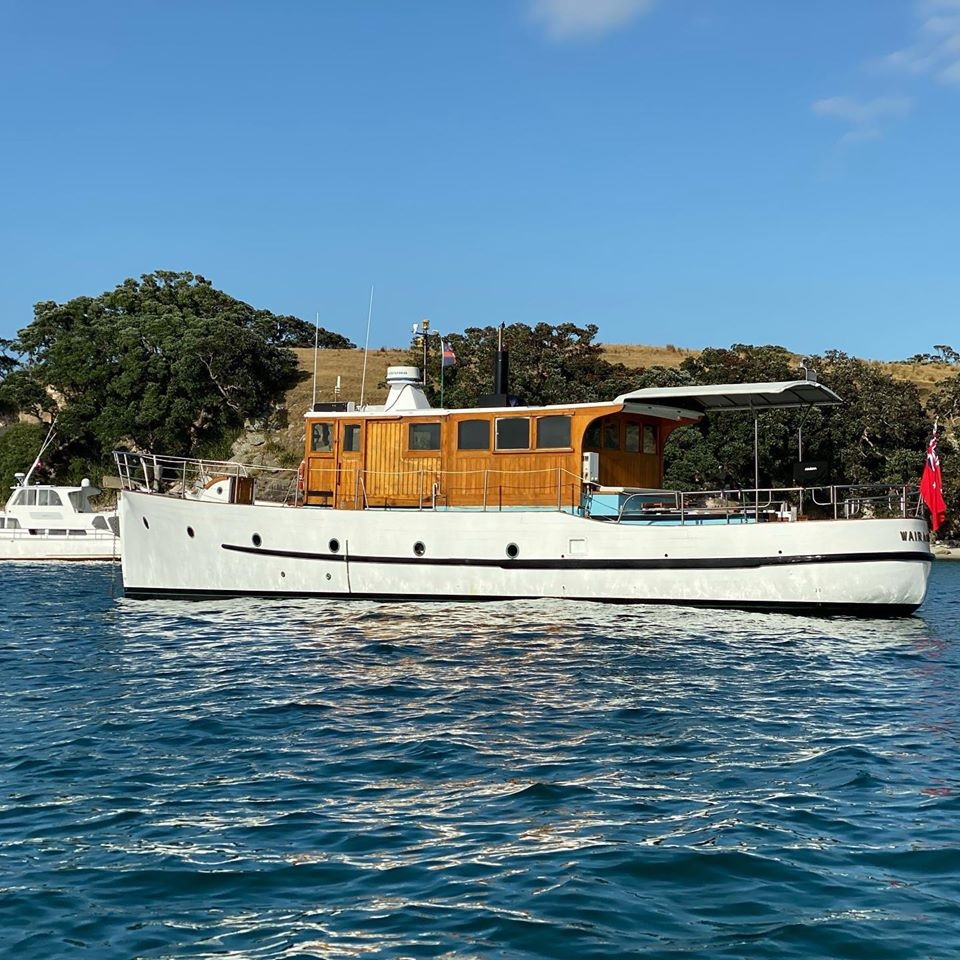
One with its original 1946 issued call sign is RAKANOA, which still has her original call sign ZMTF as issued when new, & the other, is Owen Foster’s WAIRANGI, also with her original call sign of ZMTM.

RAKANOA c1948

WAIRANGI 2020

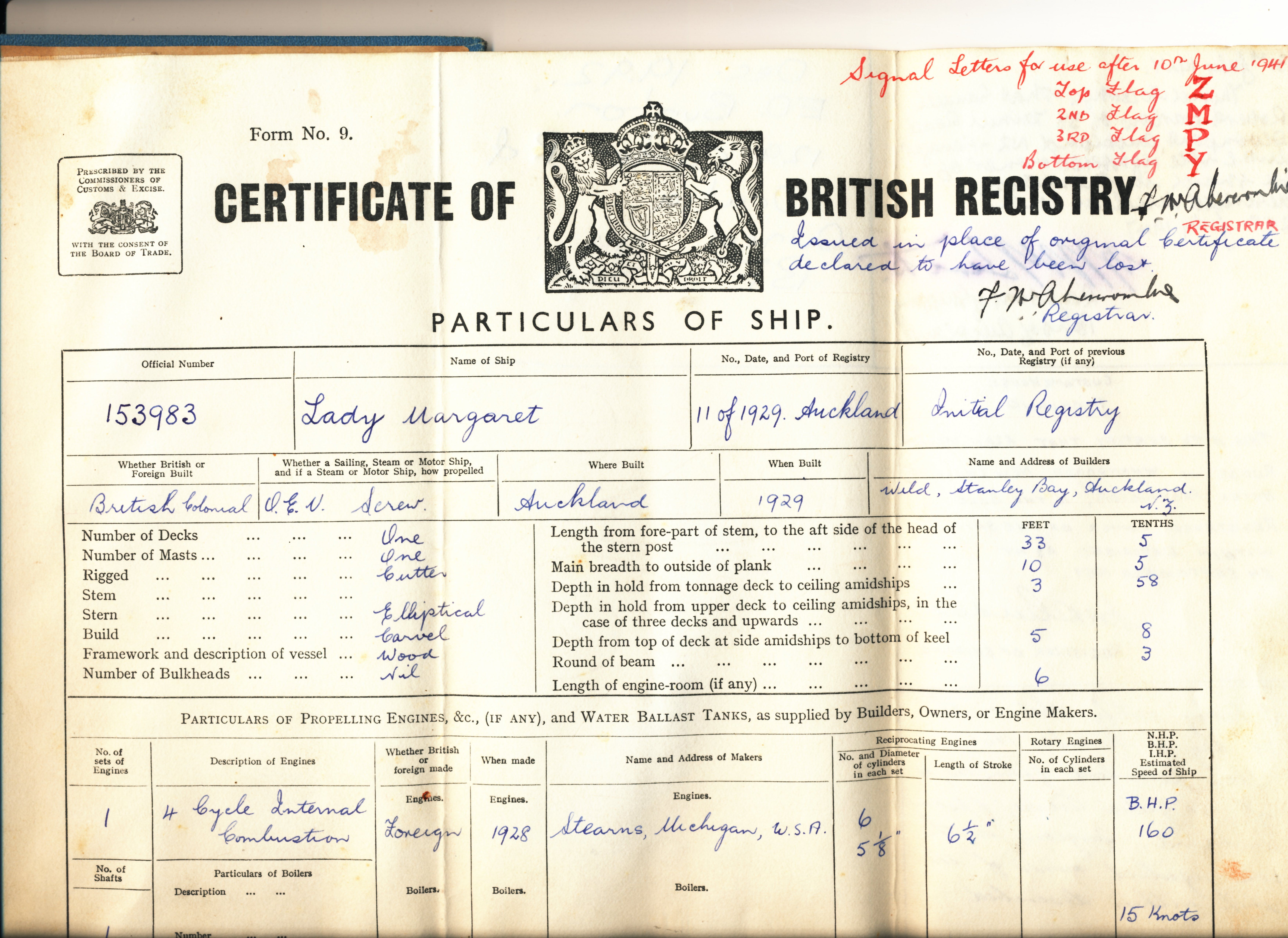
A fairly recent approval exception, is the issue of ZMPY, to Peter Loughlin’s Colin Wild built LADY MARGARET, which was first issued to her, in 1941, by the Navy, & is recorded as such on her British Ship registration, (see below), & as a classic craft, with this history of her call sign, Ken assisted Peter, to secure this for her for life, when he bought her.

LADY MARGARET

LADY MARGARET Registration certificate P1 (TOP) jpg

Likewise Francis Uren’s “W1”, was issued with ZMWI in 2014, which is another detective story. W1 was originally brought to NZ by the Royal New Zealand Air force in 1941, as their extremely fast, & prize patrol craft, & given in the circumstances, the logical Air force number of “W1”, which has now been reinstated to her, as her name, by present owner Francis, after a long period of being known as CARROMA.  

W1 c.1942

As she is now W1 again, Ken approached RSM, gave them her history, & they in turn, approached their counterparts in the military, to see if they could uncover her original WWII call sign, but unfortunately all those records have been lost, so as an alternative, RSM offered Francis the call sign ZMWI. – They could not offer ZMW1 as international radio spectrum law, prohibits that type of call sign, worldwide, so she now has ZMWI for life, free of charge.  

W1 2014 - 1

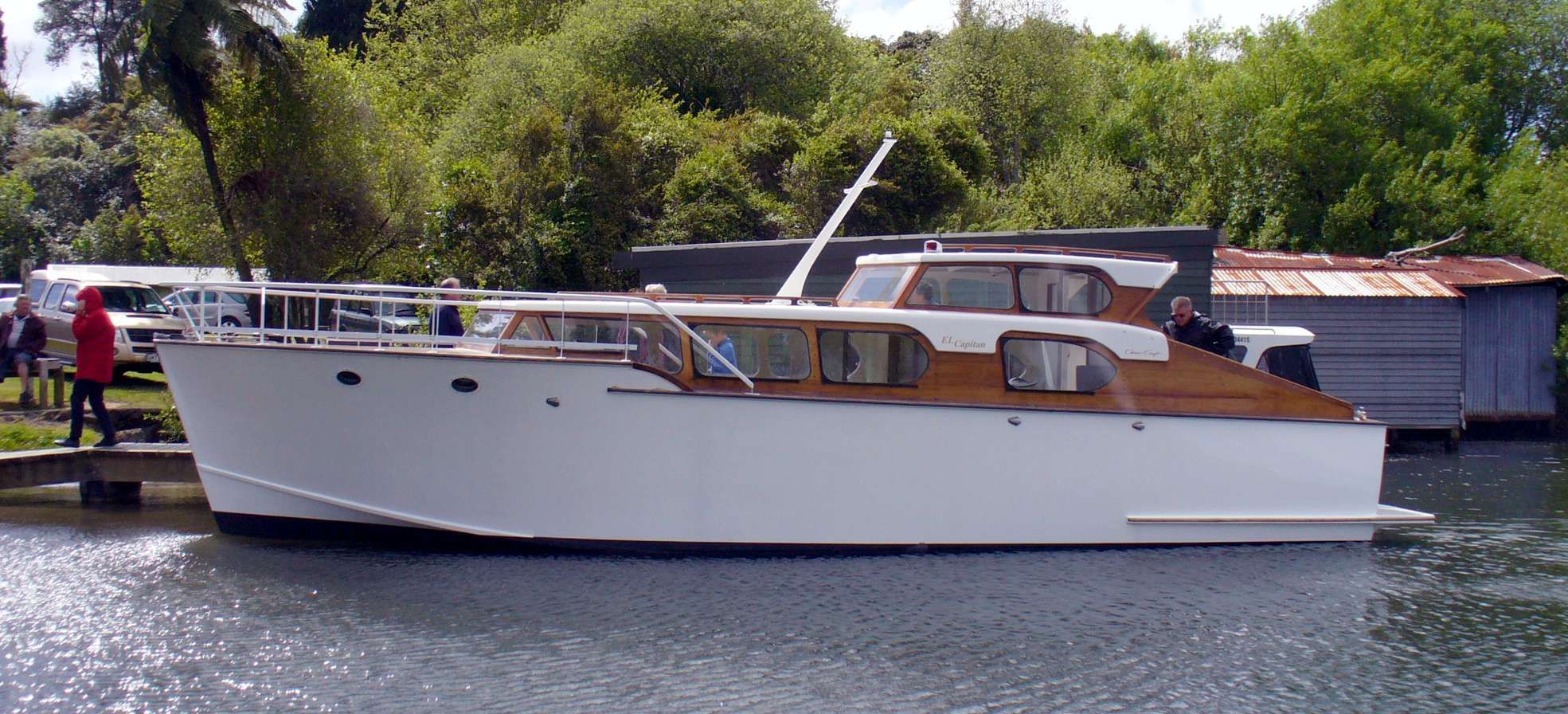
El Capitan is another interesting story, as she now has ZMEC. It goes like this; She was built c1961, by a farmer, in a shed on his farm, to a Chris Craft design, in Ohakea, & he carted her around on a big trailer, & used her at Taupo, & the Sounds, until 1976,  after which time, she sat in a shed on his farm, never to move again, until bought by Tony Mitchell, of Lake Rotoiti, off his estate, post 2000. When Tony bought her, she had a Coden 2+ Mh multi channel, medium frequency, marine RT,  which would have been fitted almost certainly, when she was new, which has now been replaced with a VHF, but for which, there had never been a marine call sign issued, as the original owner, was also a radio ham, with a “ZL#### ham radio licence & call sign, which automatically allowed him to use this call sign for his boat. Ken provided on Tony’s behalf, all relevant info to RSM, & requested, & they approved, ZMEC (El Capitan), which she also has for life.

EL CAPITAN 2012

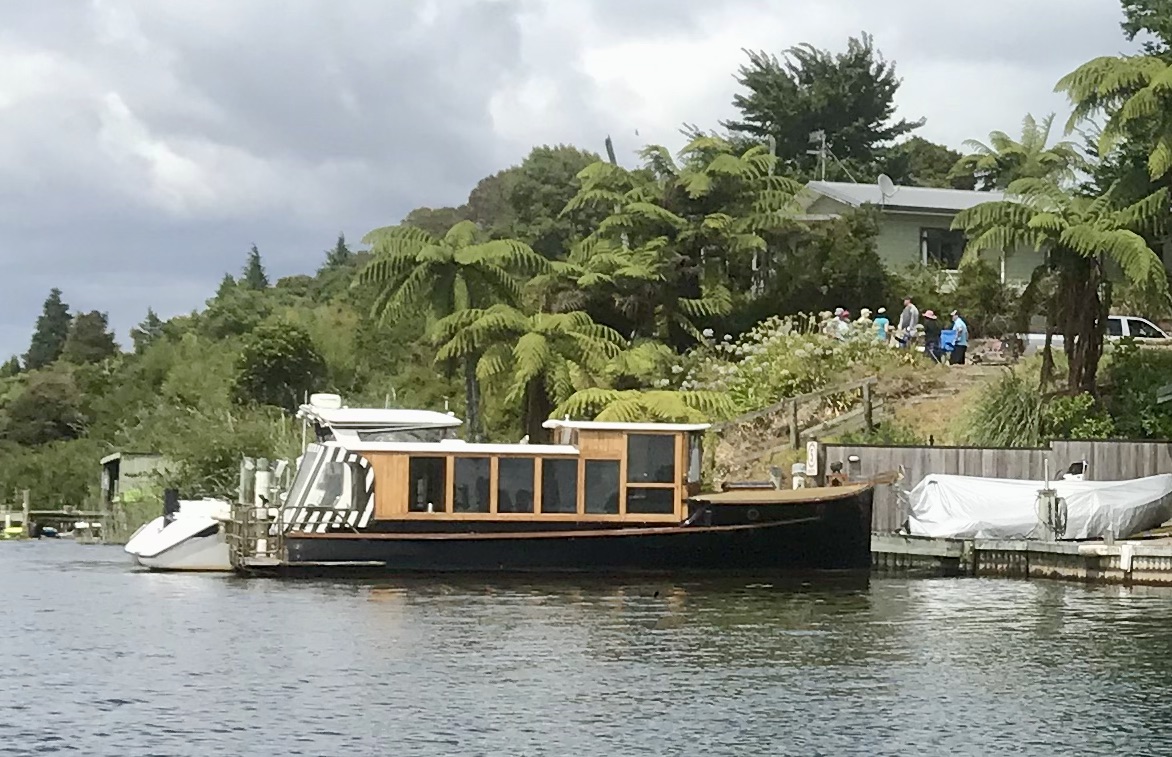
Ralph Rickett’s JULIANA, now renamed MARJORIE ROSA, now also of Lake Rotoiti, has been reallocated for her life, her original call sign ZMYP, as issued to RR in 1946. Ken told RSM of her history, as the second ever pleasure craft in Auck., to have marine RT, in 1946, & they have approved the reissue to her of her original ZMYP, to Fraser Wilson, her present owner, for her life. 

Marjorie Rosa : Juliana 2019

Marjorie Rosa : Juliana 2018

Story told by Ken Ricketts, edited by Alan H.

Marjorie Rosa

Juliana.2

Juliana.1

Marjorie Rosa

Marjorie Rosa these days is owned by a friend of mine, Fraser Wilson & lives on Lake Rotoiti (Nth Is.) She is a very different looking vessel from when she was launched by Sam Ford in 1930. You can view/read more about her past at the link below.

Juliana > Marjorie Rosa

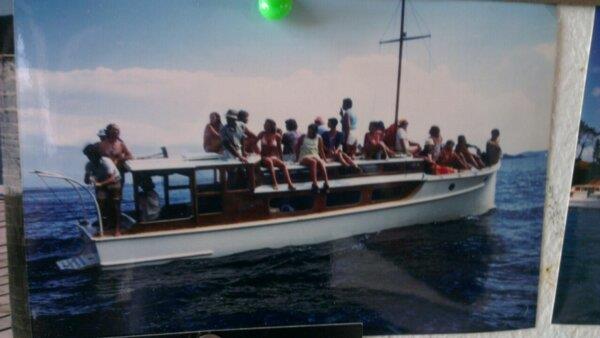
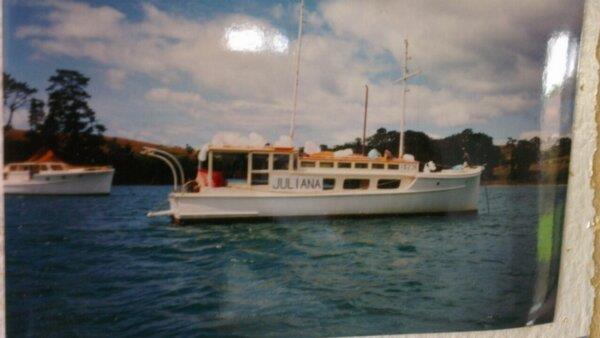
I was sent the photos above of her, when she was named Juliana, from Lindsay Thatcher, whose family owned it before the Algies. The top photo was taken when she was used to take people on picnics to Kawau Island from the boarding house and the other is when used from Algies as a commercial fishing boat.
At my count there are 20 people aboard in the top photo & I assume they were fare paying passengers – I would predict that there wouldn’t have been a life jacket aboard, not even for the skipper 🙂

Most of the classics still afloat today have lived thru numerous lives & owners & it’s wonderful to see so many in recent times being restored to as new condition. The ownership & restoration of classic wooden motor boats is at an all time high & will remain so. The sad /good thing is that the re-sale market is so depressed – BUT that means it’s a great time to buy 😉


Juliana @ the 2014 Lake Rotoiti Classic & Wooden Boat Weekend

Juliana @ the 2014 Lake Rotoiti Classic & Wooden Boat Weekend

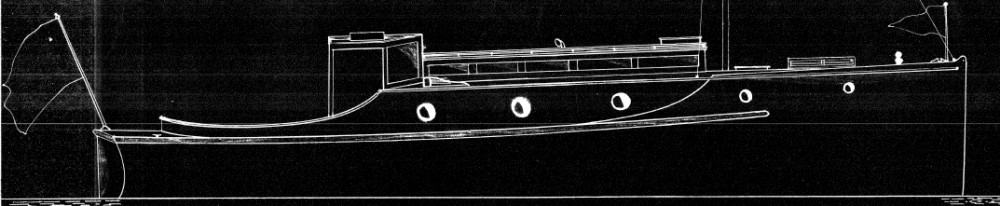
Juliana was built in 1930 by Sam Ford & now resides on Lake Rotoiti, the pride flag ship of Lake Rotoiti commodore Fraser Wilson. Fraser bought her as a bare neglected hull, with no bulkheads, engine, underwater gear, mast or anything else & undertook a major 3 year restoration /rebuild at the hands of Lake Rotoiti boatbuilder Tony Mitchell. The attention to detail & standard of workmanship is second to none. I was fortunate to go on board & on Friday night & see her up close – stunning.

The are numerous posts on ww about Juliana & her past, so to read & see more, enter Juliana in the search box.

I will post more on the weekend on Monday, but yesterday I had two magic boating experiences that were VERY wow & made the trip even more special 🙂

Juliana > Marjorie Rosa

JULIANA > MARJORIE

photos & details ex Ken Ricketts. Edited by AH

Juliana was built in 1930 by Sam Ford & owned by Ralph & Wyn Ricketts from 1946 to 1956. She went to Whangarei for a few years when sold & then to the Algie family at Algies Bay from about 1972 to 1995. She was sold to a fisherman in New Plymouth for several years & ended up back at Tamaki River about 2006 as a bare hull absolutely nothing in her.

Bought by present owner Fraser Wilson as a bare neglected hull, with no bulkheads, engine, underwater gear, mast or anything else. Wilson has just undertaken a major 3 year restoration /rebuild on her by boatbuilder Tony Mitchell in his shed at Lake Rotoiti where she will now reside. Ken’s comment was ‘while unrecognizable as Juliana, in my view stunning in her own right’.

Propulsion History

1930 (Original) — 4cyl Thornycroft “T” head converted petrol truck engine c1925

1948 — 6 cyl Leyland “Cub” Diesel 90 HP (29.4 B.H.P. RAC rating), installed by owner Ralph Ricketts

1956 — 4 cyl Buda Marine Diesel (ex Arcturas — Built by Mc Geady c1952 for John Warren & replaced by Warren with 6 cyl Ford) installed by owner Ralph Ricketts

c1978 — 6 cyl 100 hp Ford Diesel fitted by owner Brian Algie

2013 (October) 3 cyl  brand new Lombardini Diesel approx 60hp installed for Fraser Wilson by Tony Mitchell boat builder

Photos

1. The black & white photo of her hauled out was taken in Judges Bay by the Parnell Baths in 1947, by Ken Ricketts.

2. The sepia photo shows Ken Ricketts on board Juliana c.1947

3. The ‘all white’ photo is the bare hulk prior to the current rebuild.

4. Colour photos are from her relaunch as Marjorie Rosa

AH comment – she is very stunning & will be the belle of the lake, but if was me I would have followed Sam Fords original design a little more closely. But beauty is, as they say ‘in the eyes of the beholder’ 

Juliana

JULIANA; Built 1930 by Sam Ford owned by Ralph & Wyn Ricketts from 1946 to 1956. She originally had a 4cyl “T” head Thornycroft petrol engine circa 1920s, this was replaced by Ralph in 1947 with a 6 cyl Leyland Cub Diesel, & again in 1956  with 4 cyl Buda Diesel. She went to Whangarei for a few years when sold & then to the Algie family at Algies Bay from about 1972 to 1995 — they replaced the Buda with a 6 cyl Ford. She was sold to a fisherman in New Plymouth for several years & ended up back at Tamaki River about 2006 as a bare hull absolutely nothing in her. Bought by present owner Fraser Wilson who is in the final stages of major restoration /rebuild on her with an unbelievable transformation. One pic of her is taken in Judges Bay by the Parnell baths in 1947, by Ken Ricketts, a few months after his parents bought her & had given her a fairly major refurb at that time & the other is of her a few months ago during her restoration, in the boatbuilders, Tony Mitchell’s shed at Lake Rotoiti where she will live, when back in the water.
photos & copy by Ken Ricketts