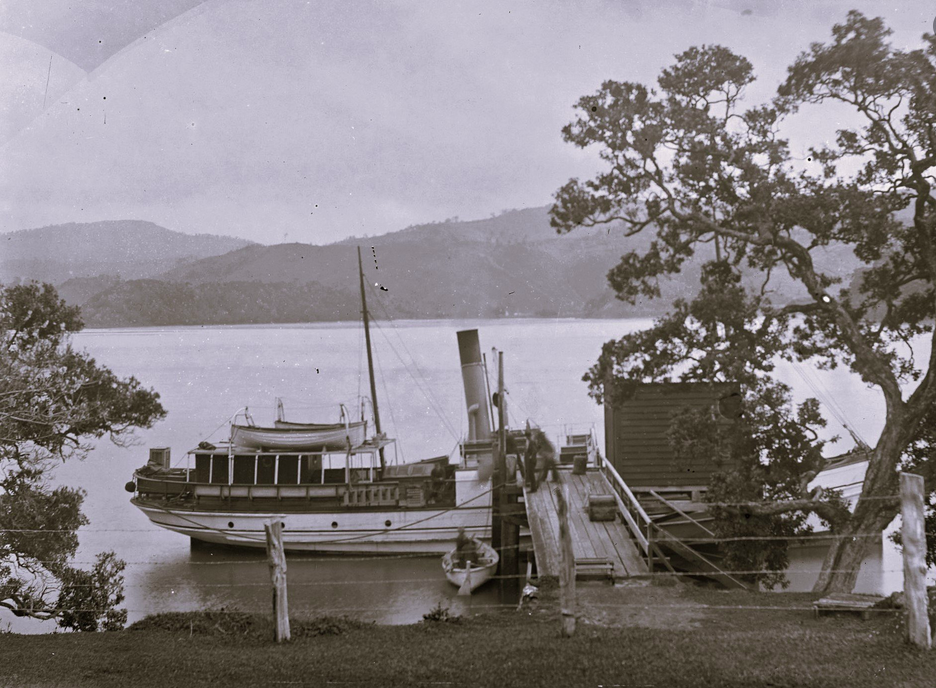
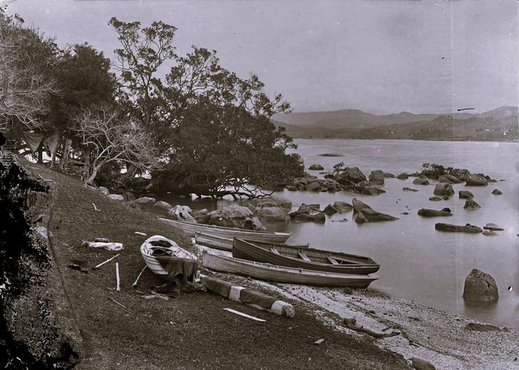
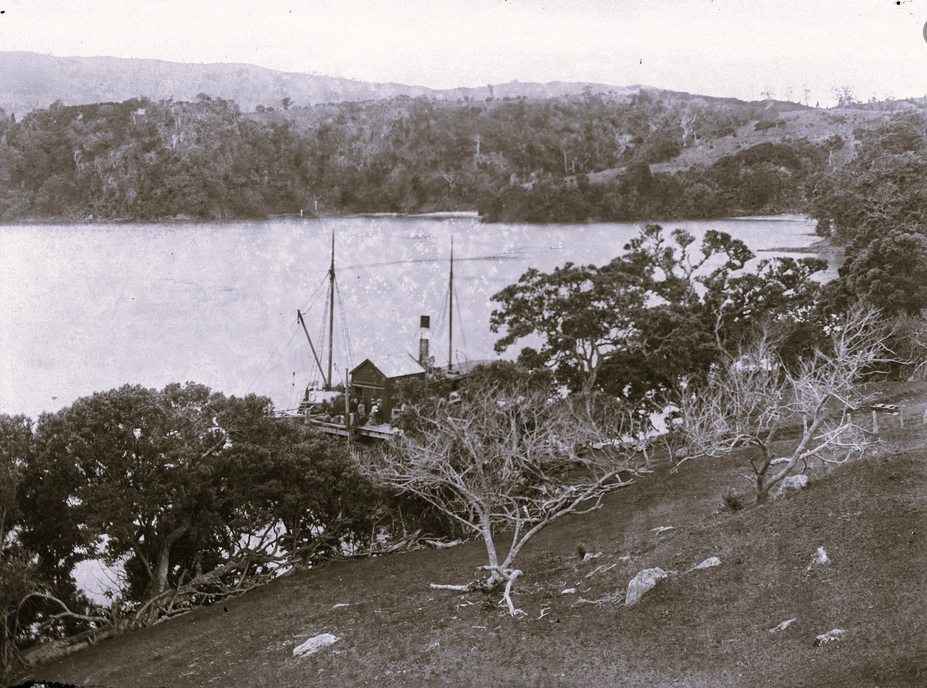
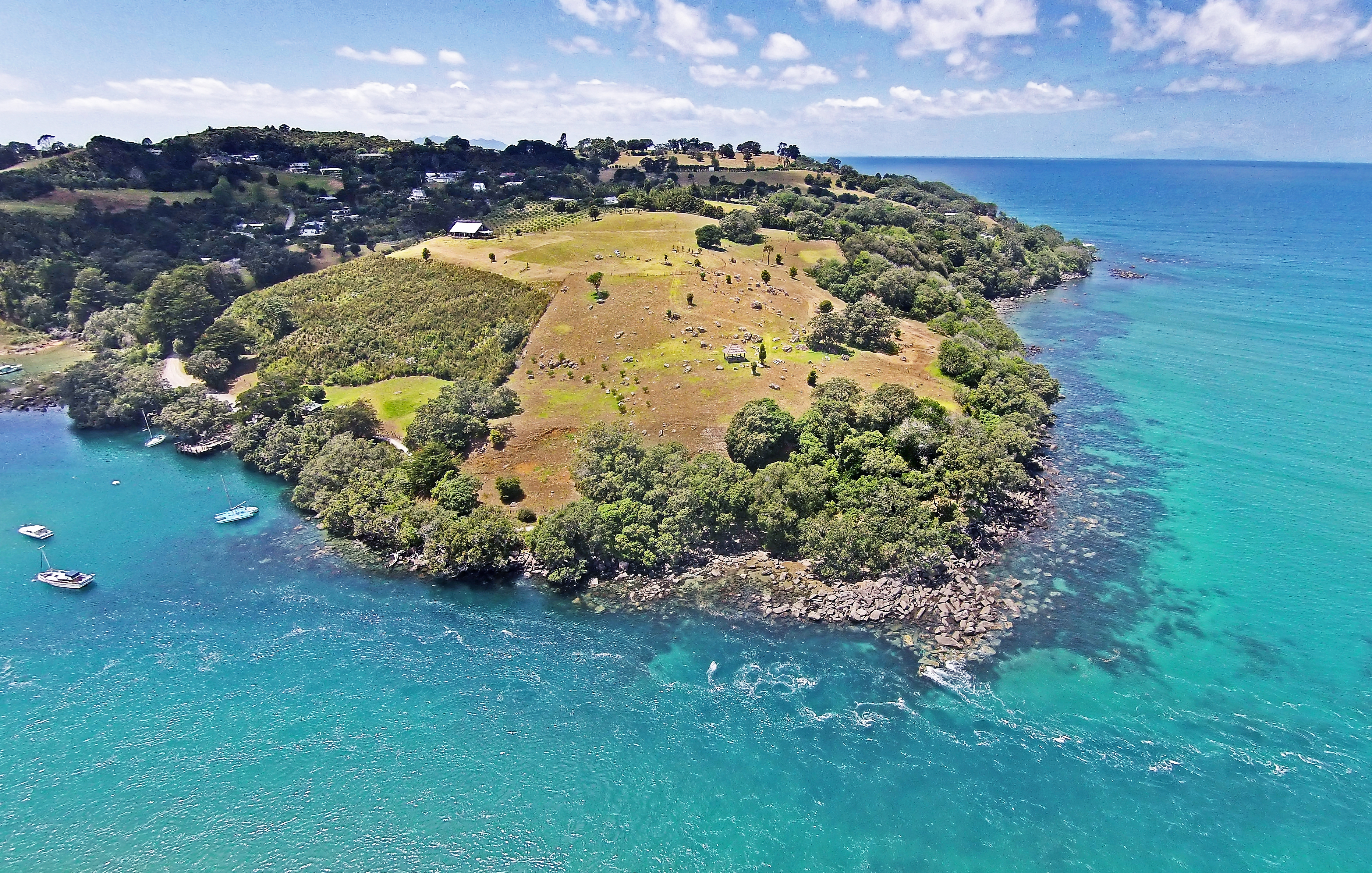
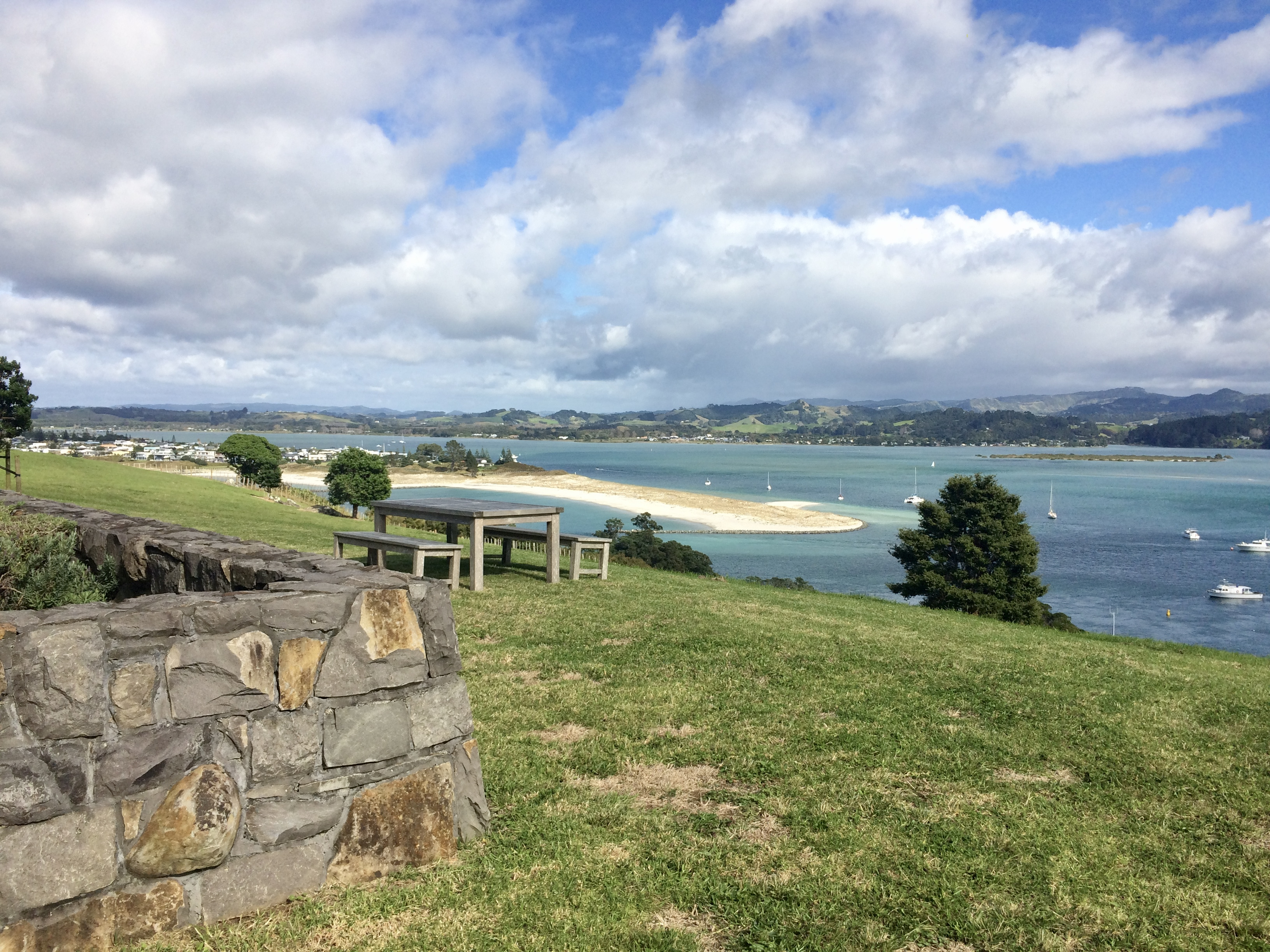
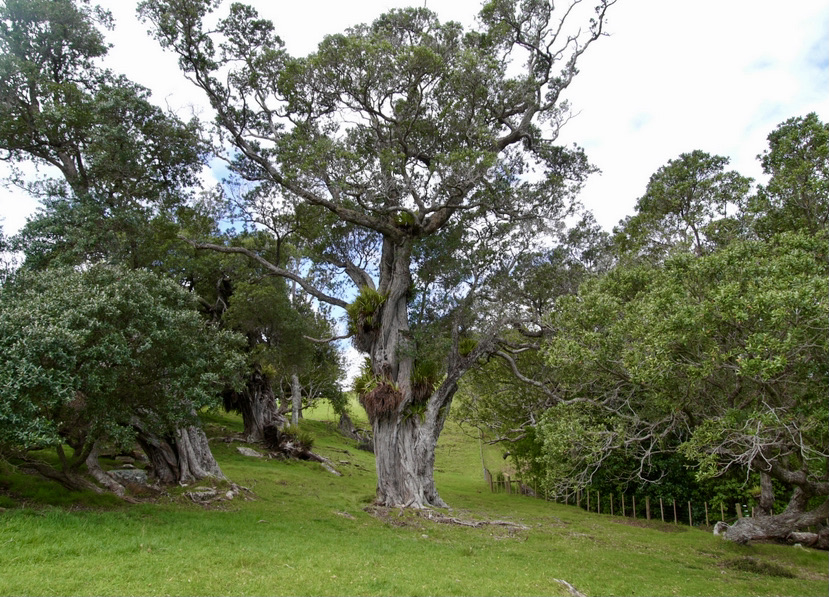
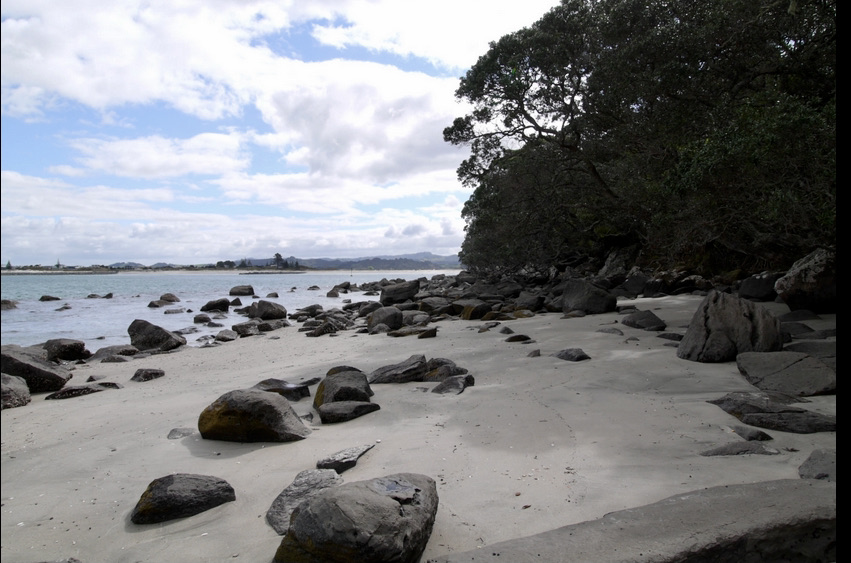
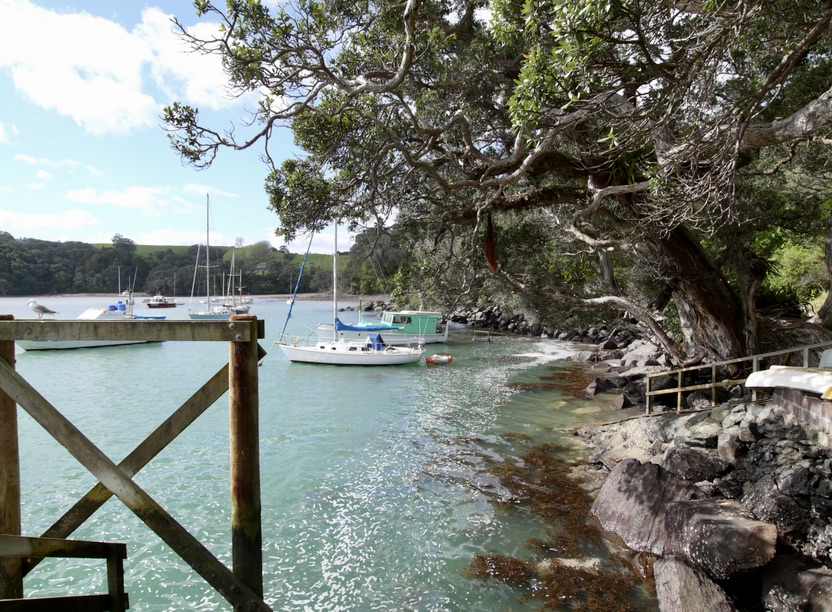
A good friend owns the land we see in the above photos and came across the photos (Hamilton Library, strange location but it happens) while researching the original site / location of the Ti Point Wharf.
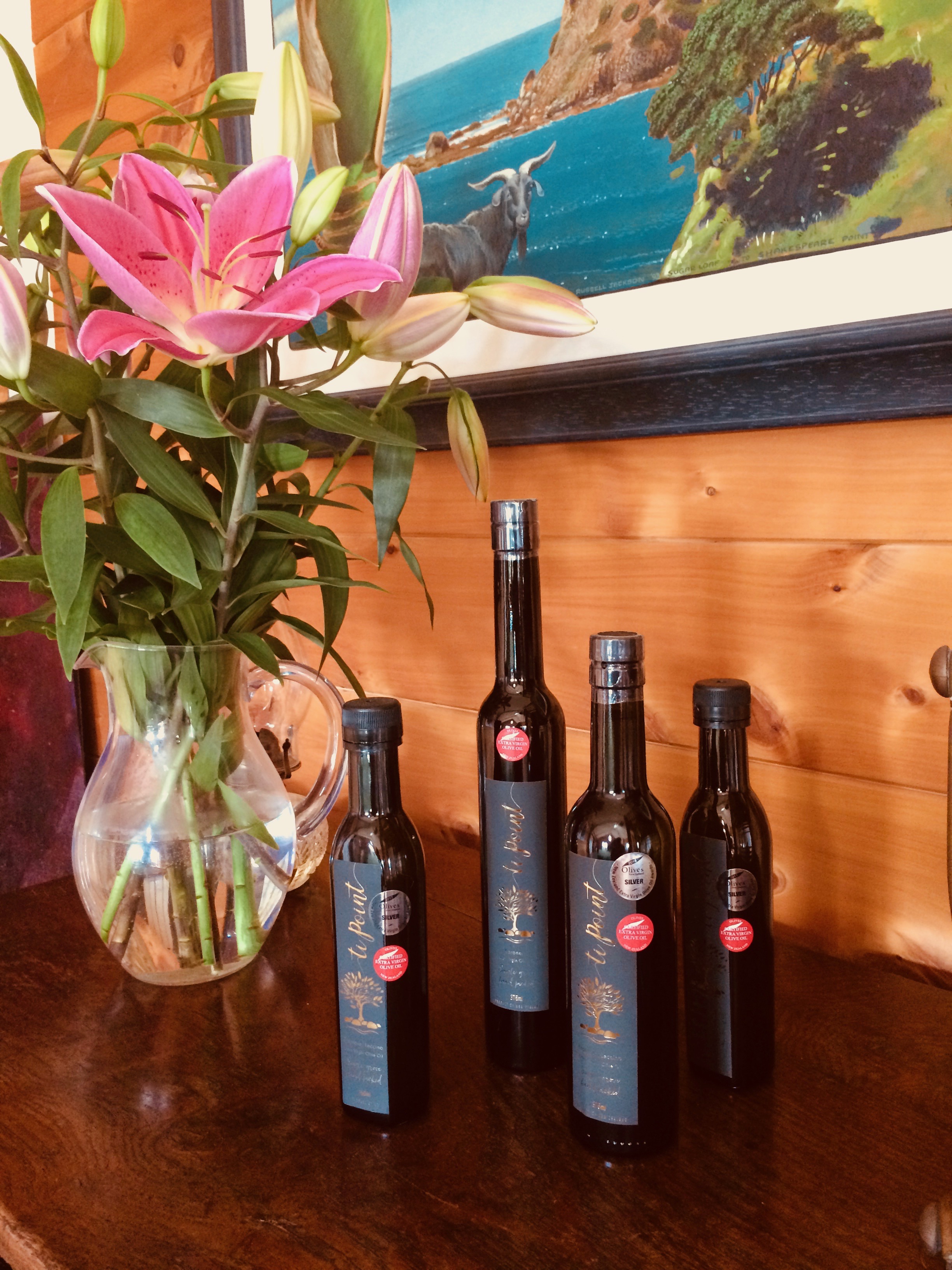
A stunning piece of coastline then and today – see photos below. Also home to award winning Ti Point Olive oil.
If you have behaved during the year, Santa will be sliding down your chimney tonight – I have high hopes my hints have been picked up on 😉
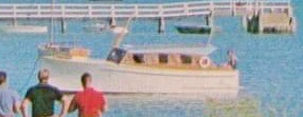
Todays photo comes to us via Lew Redwood’s fb and the quiz is – name the launch in the middle of bay, out from the Hotel Waitangi.
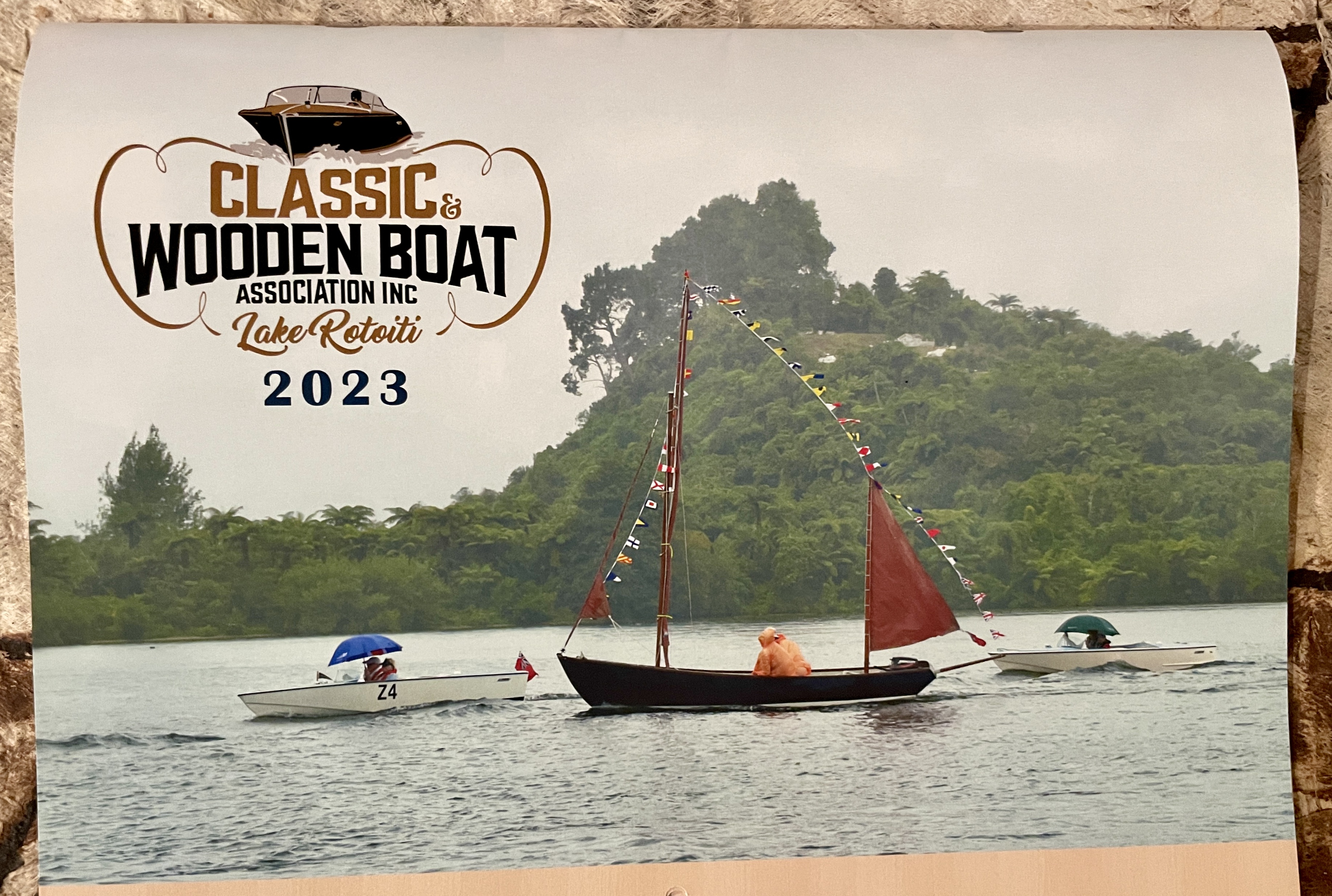
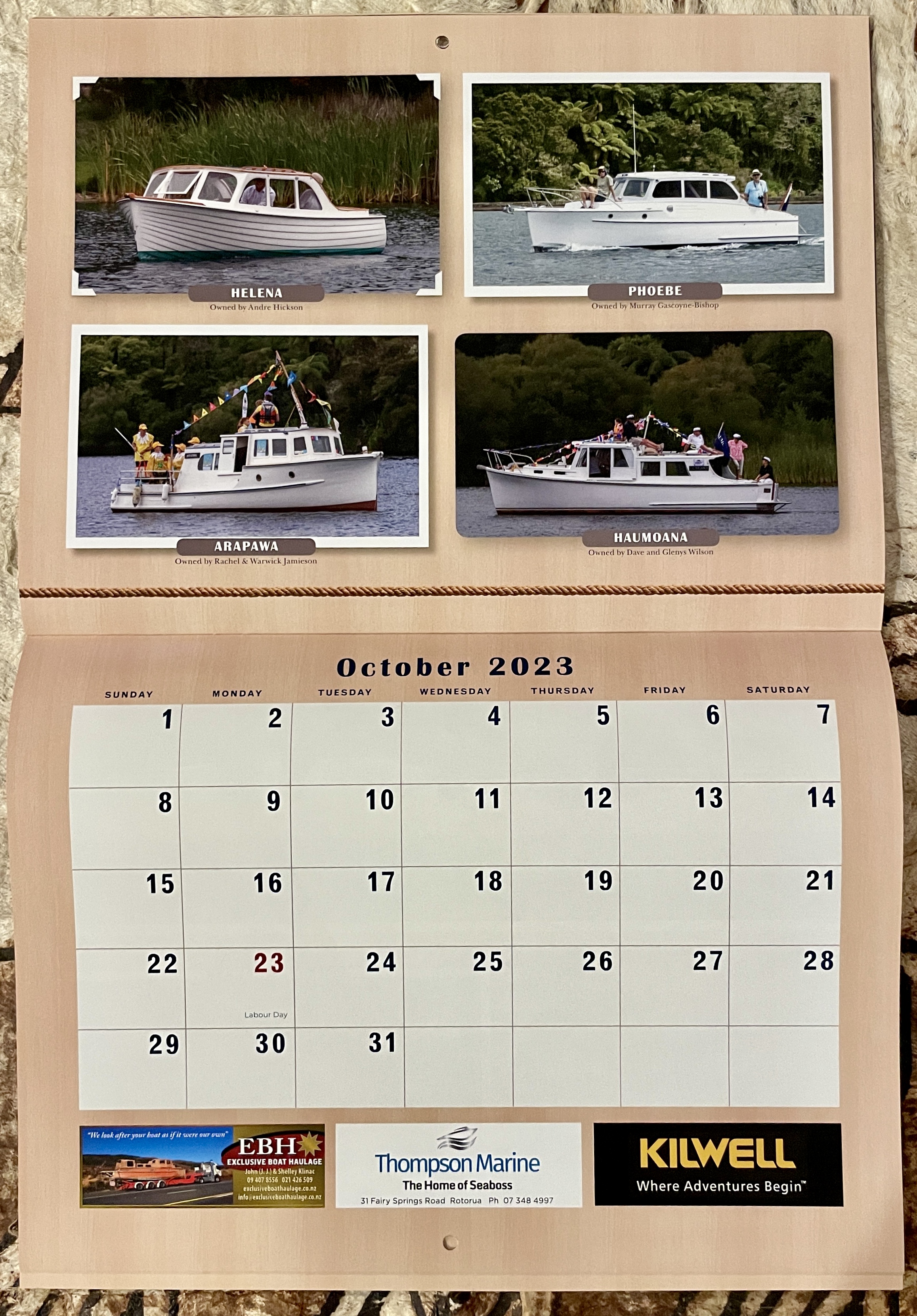
All answers to waitematawoodys@gmail.com closes 6pm today (23-12-2022) All correct answer go into the draw – PRIZE is a 2023 Lake Rotoiti Classic & Wooden Boat Calendar.
Sometimes its faith based, sometimes its via loved ones and other times its from friends – what ever activated the aha moment, let’s just be grateful it happened.
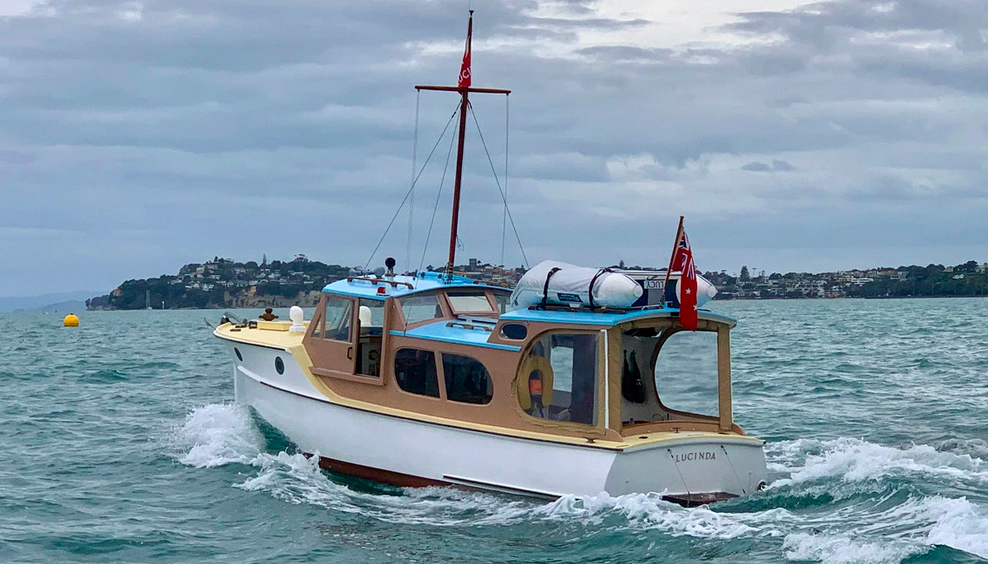
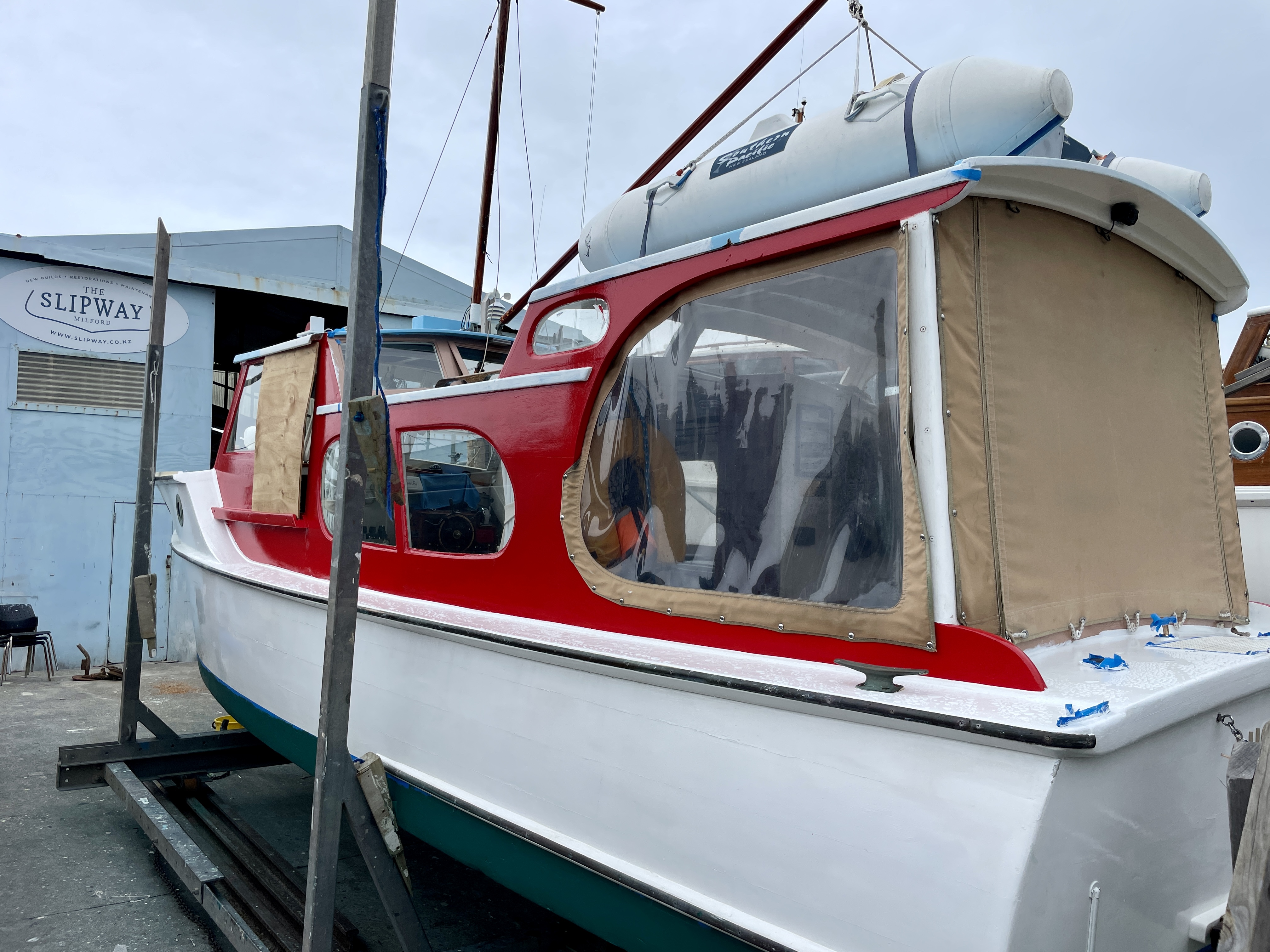
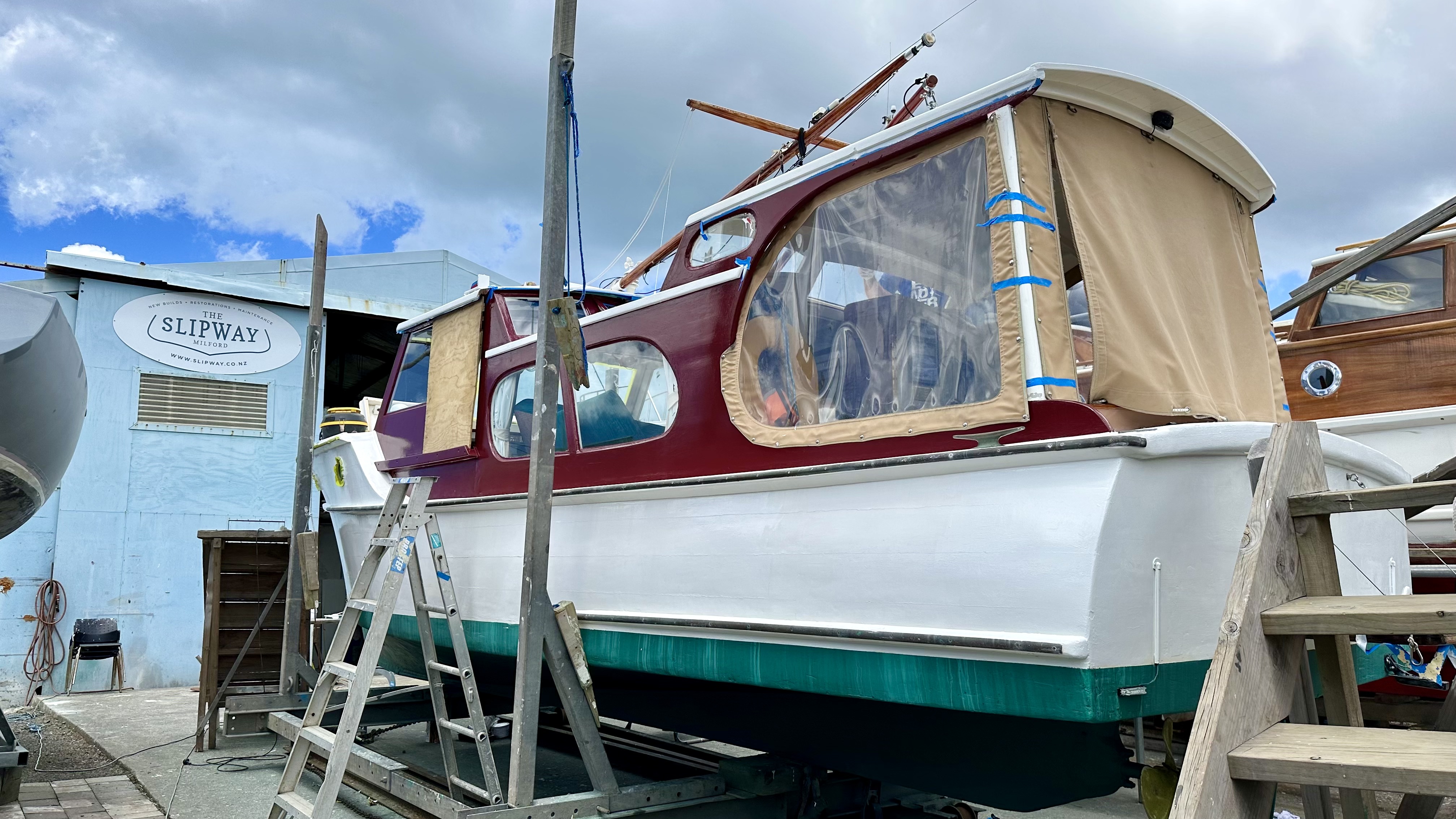
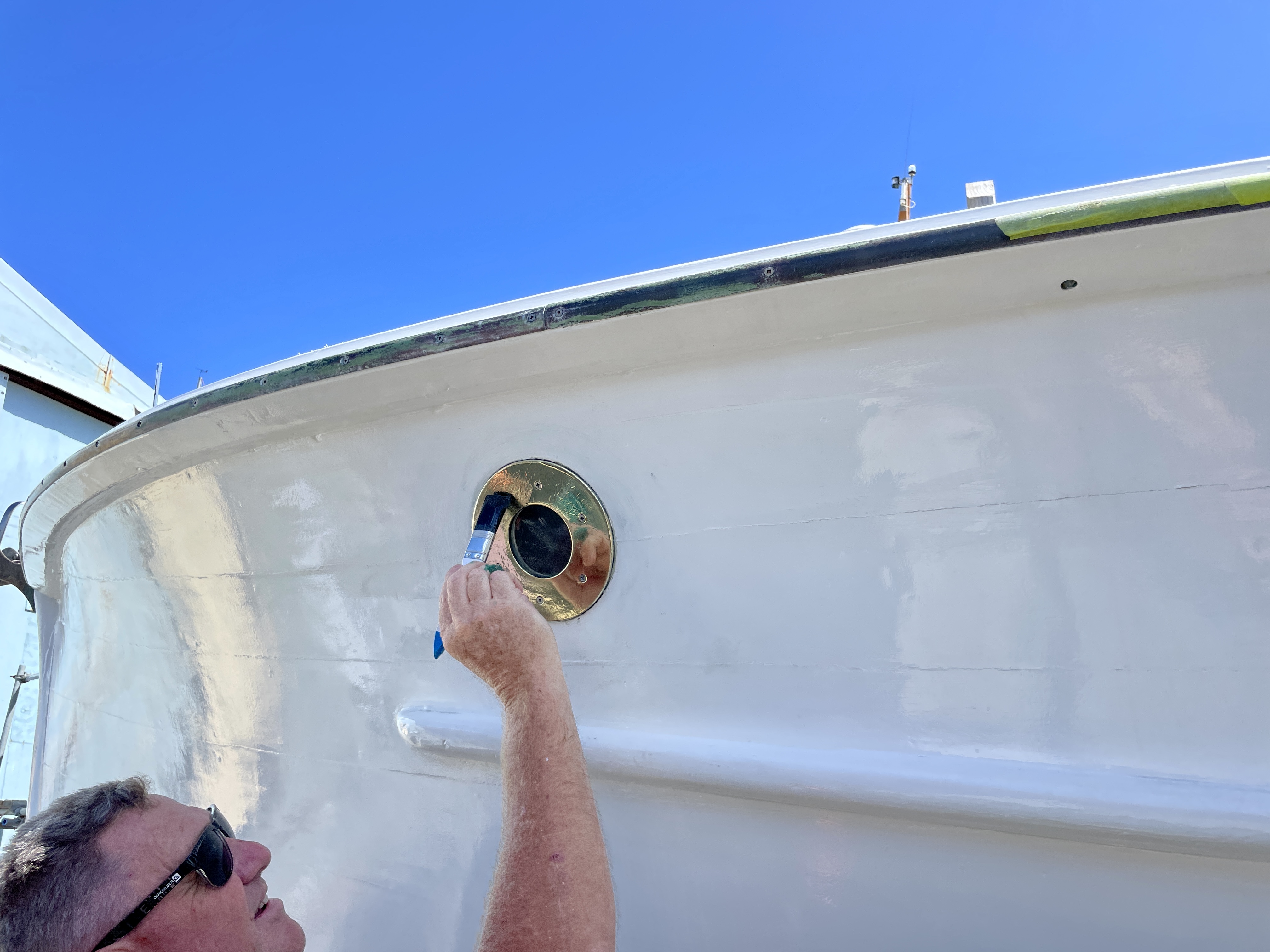
The 1930, LC Coulthard built launch Lucinda was recently hauled out at the Slipway Milford for some annual TLC, which included a new paint colour for the coamings. I was asked by the owner last week for my view of the colour – I was honest and polite and relied
1. It’s your boat, paint it what ever colour you want
2. Its only paint, change it next time if you go off it
3. Are you prepared to be that boat e.g. when someone asks another boatie where in the bay they are moored , the answer will always be ‘ to the left of that red boat and 2 back’.
Well there was an intervention and we have another colour scheme – each to their own opinion but it gets my tick 😉
Well done Jason D for making the decision to order more paint 🙂
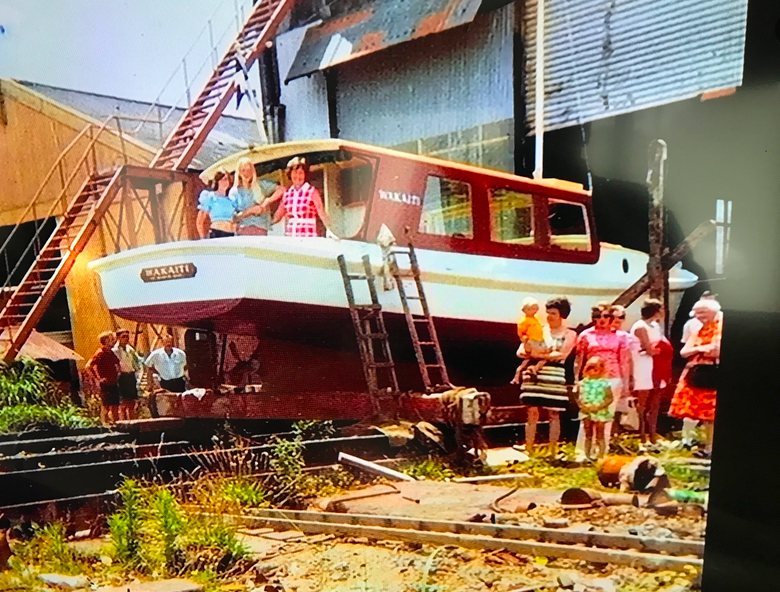
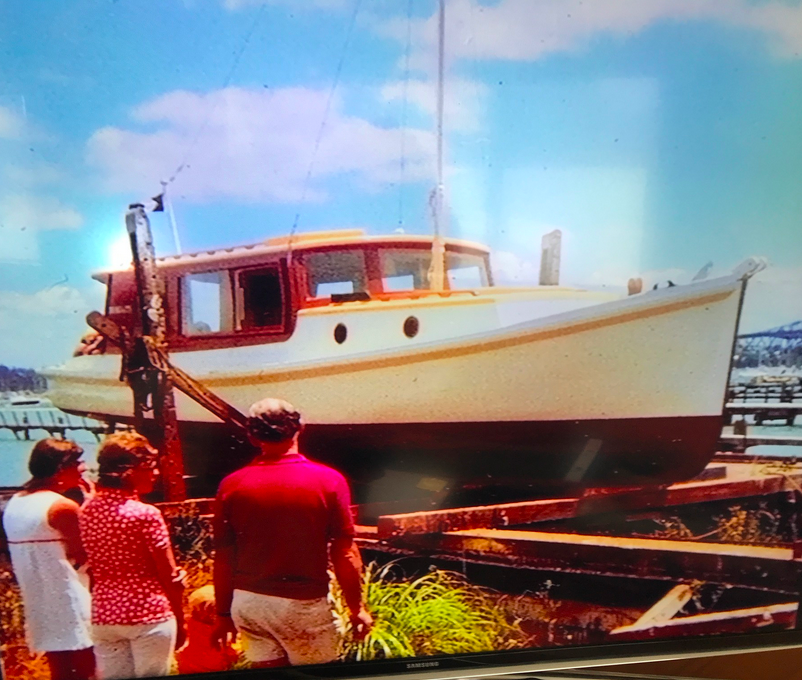
Woody John Dawson recently saw the launch – Wakaiti advertised on tme and she popped on a search on fb and John sent in the above photos.John commented that he believes she was built c.1922 by Dick Lang. The look of her hull supports this, but in the photos above ex Mark Powell we see her being relaunched post a rebuild at the Chas Bailey & Son yard in Auckland. The work was done for Mark’s father Bill Powell.
Rumour has it she may have started life as a work boat in the Mahurangi area, would like confirmation of this and if anyone can add to her life story that would be great.
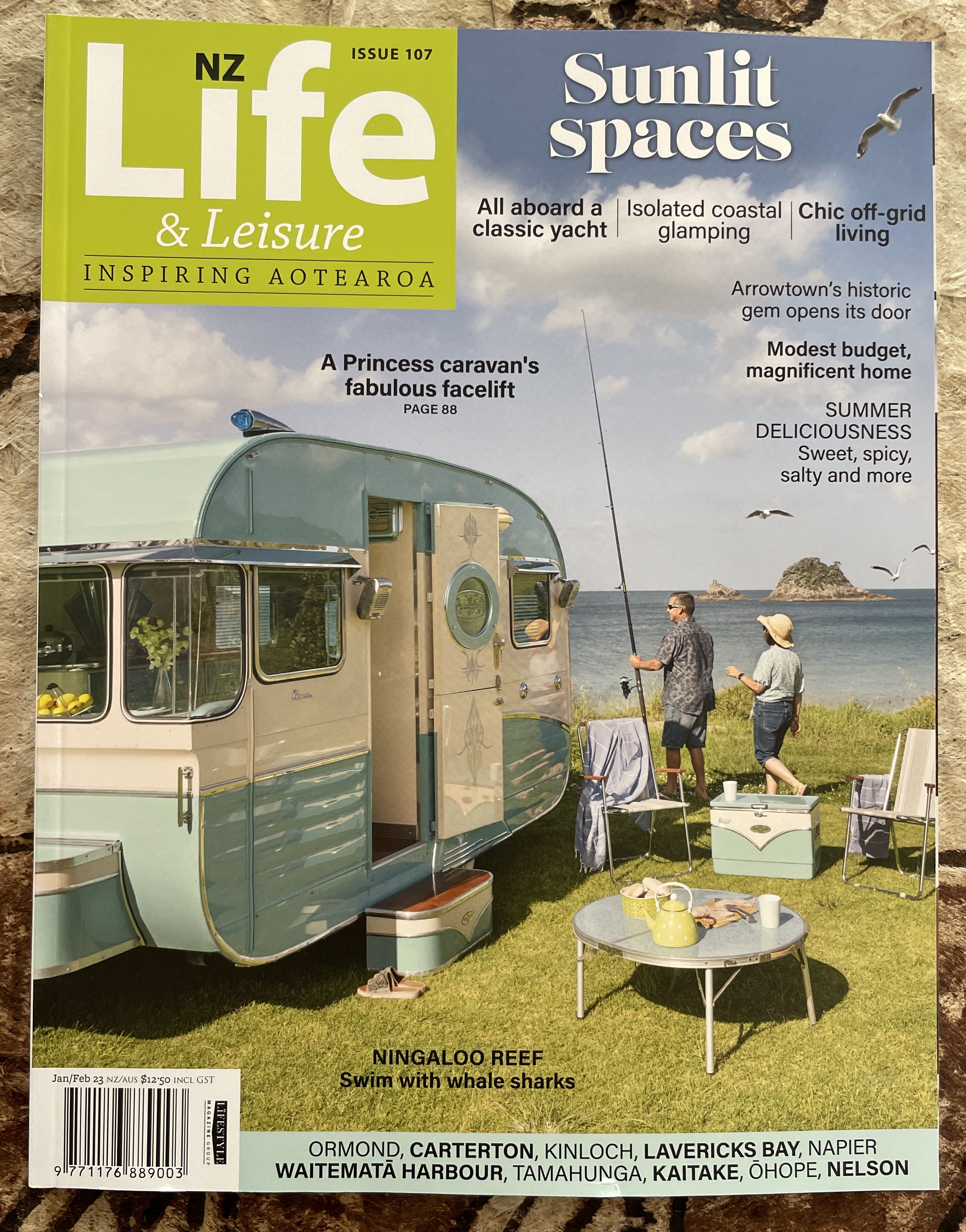
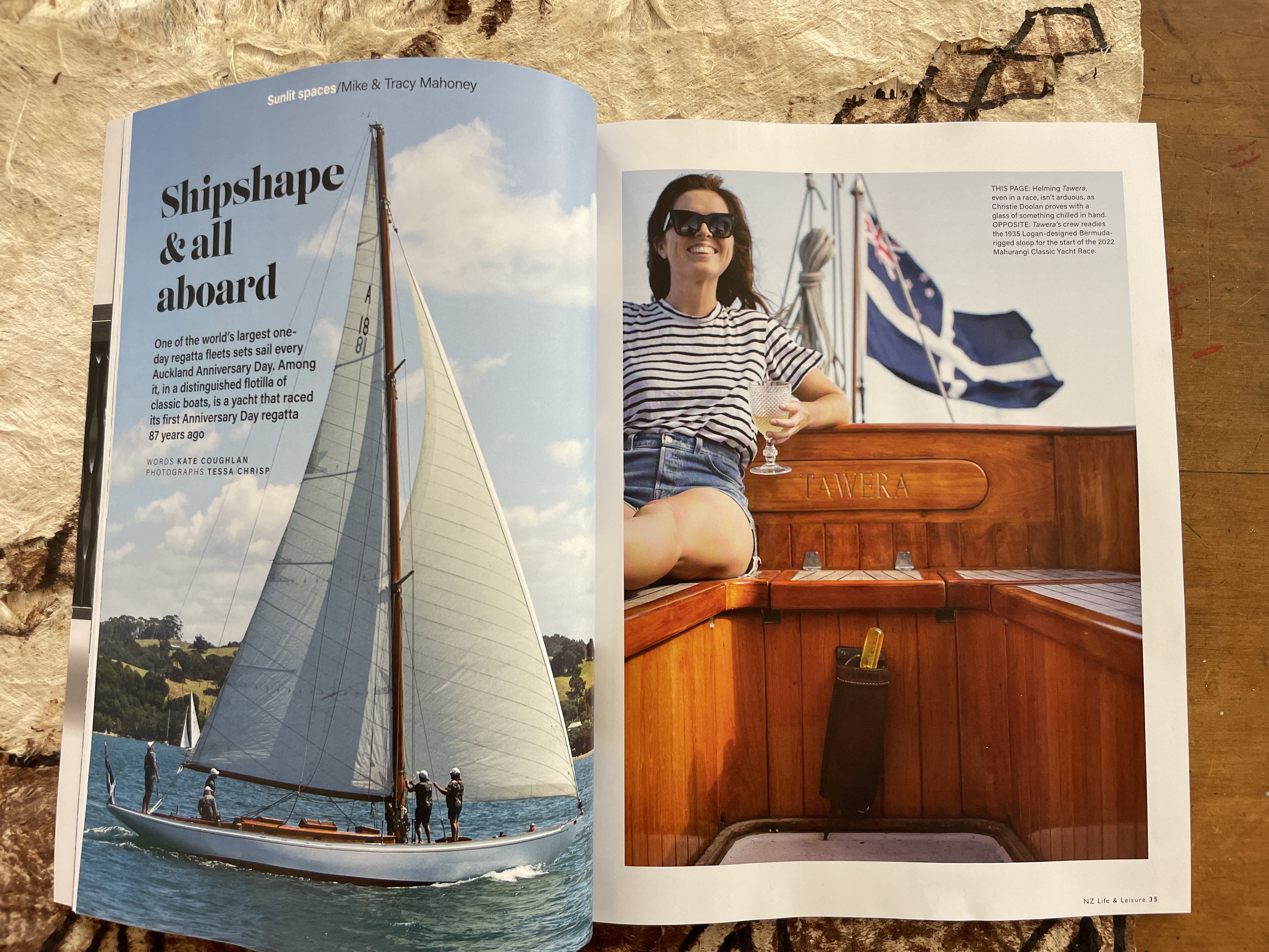
Make Sure You Grab A Copy Of NZ Life & Leisure magazine (Jan/Feb issue) Impressive 8 page article on the 1935, Arch Logan / Colin Wild built classic yacht – TAWERA.
Stunning photos and stellar words from Mike Mahoney e.g. ’There’s a joy and purity in sailing these boats that is hard to explain. Perhaps it is being at one with nature , on the water, driven just by the wind.’ At $12.50 it will be the most inexpensive, feel good moment you have this summer 🙂
Todays woody comes to us from the camera of Dean Wright, taken on his recent southern jaunt.
Can we learn more about Seaway?
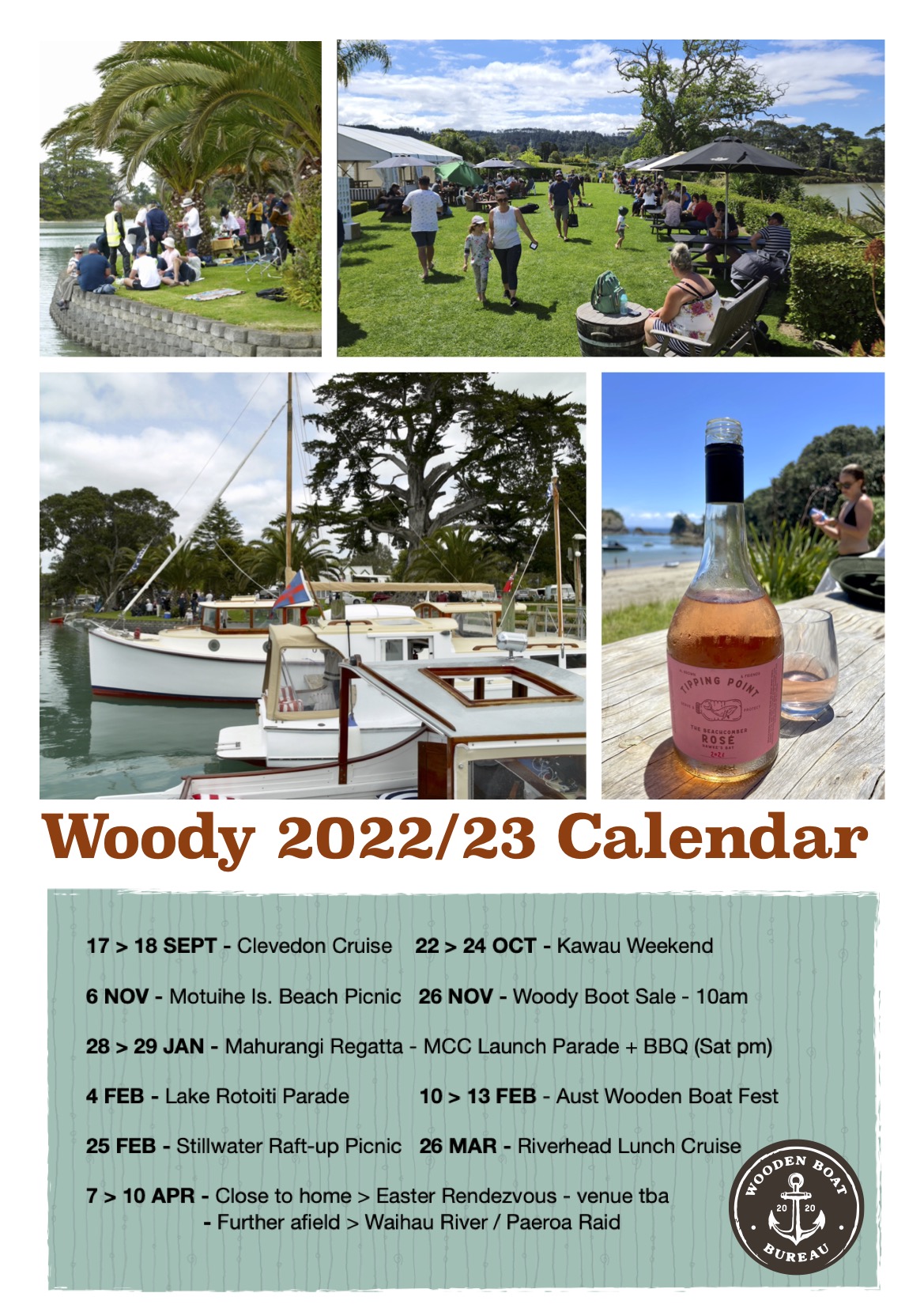
WOODY 2023 CALENDARS
The nice folks at Lake Rotoiti Classic & Wooden Boat have produced another impressive calendar, limited print run so order today. See link below to order a copy – $15 or three for $40 https://form.jotform.com/221770838085866
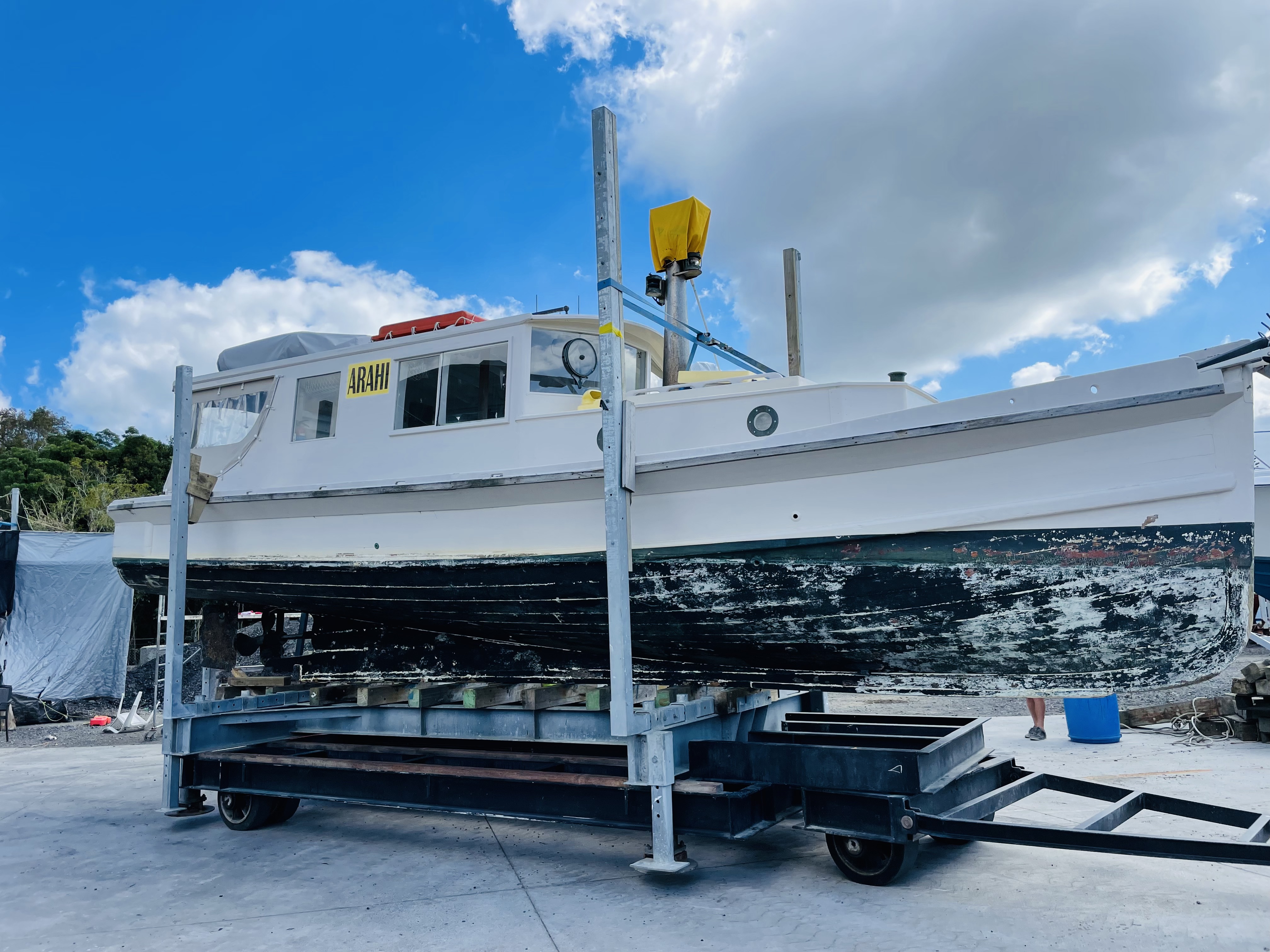
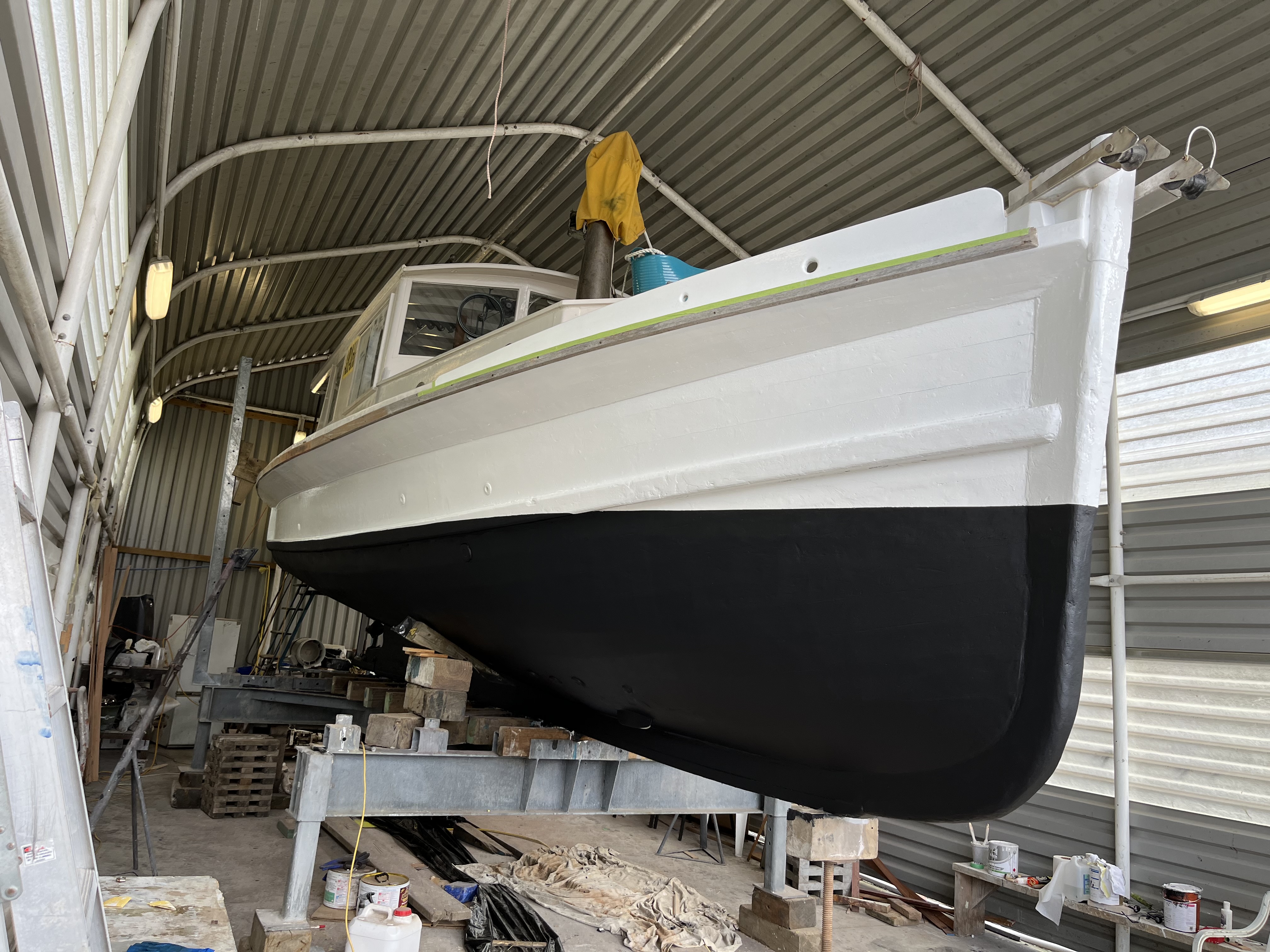
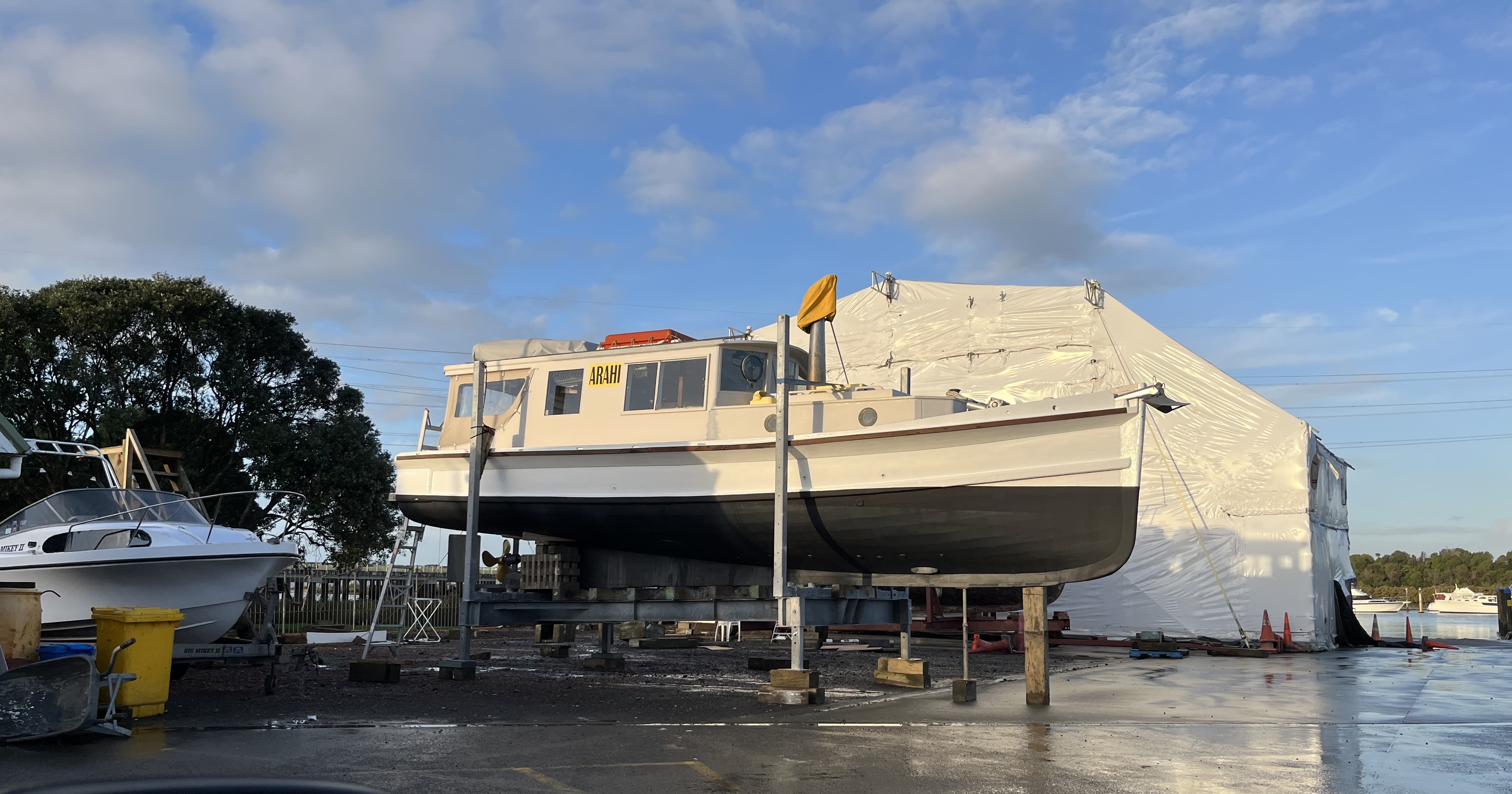
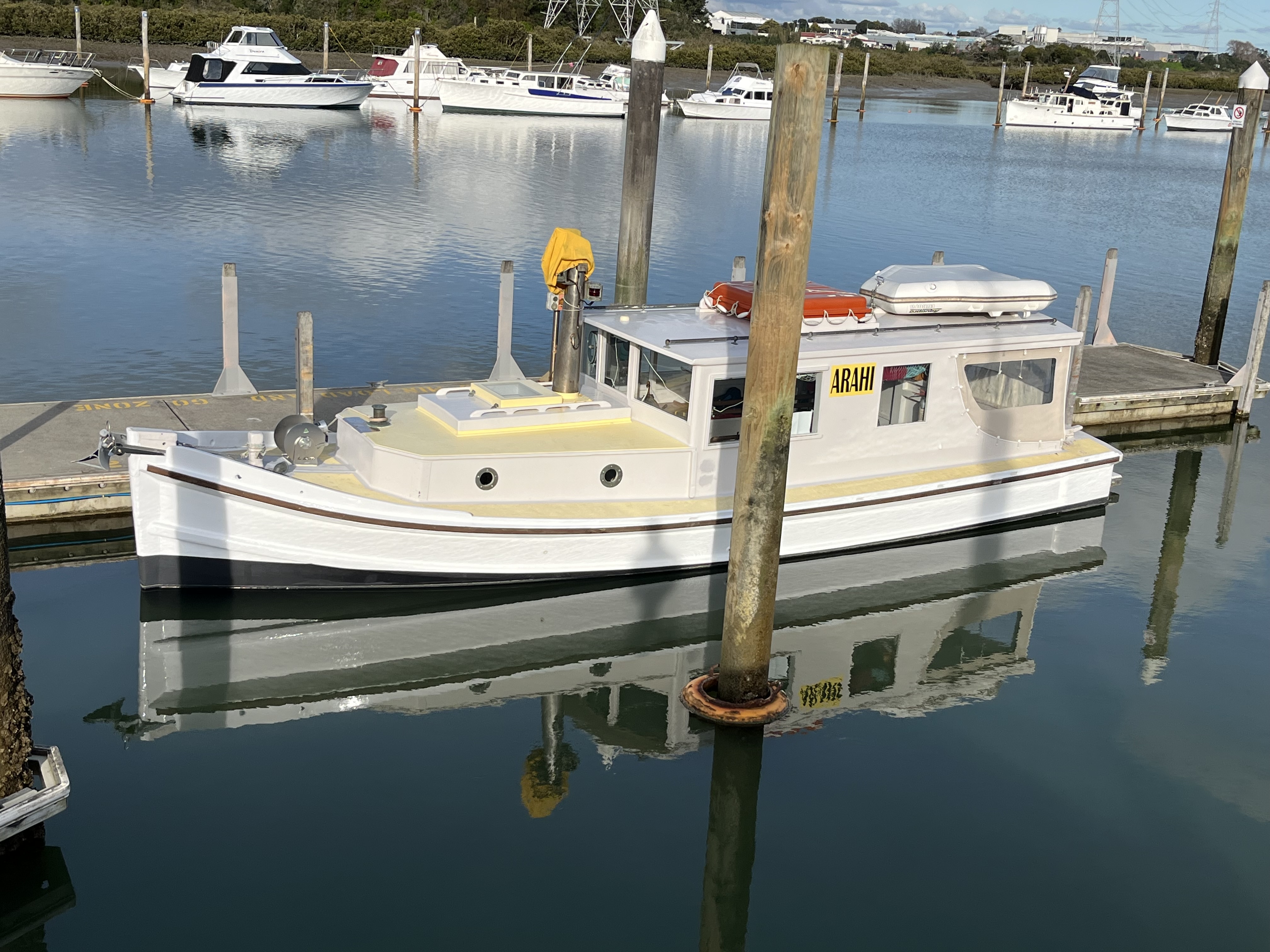
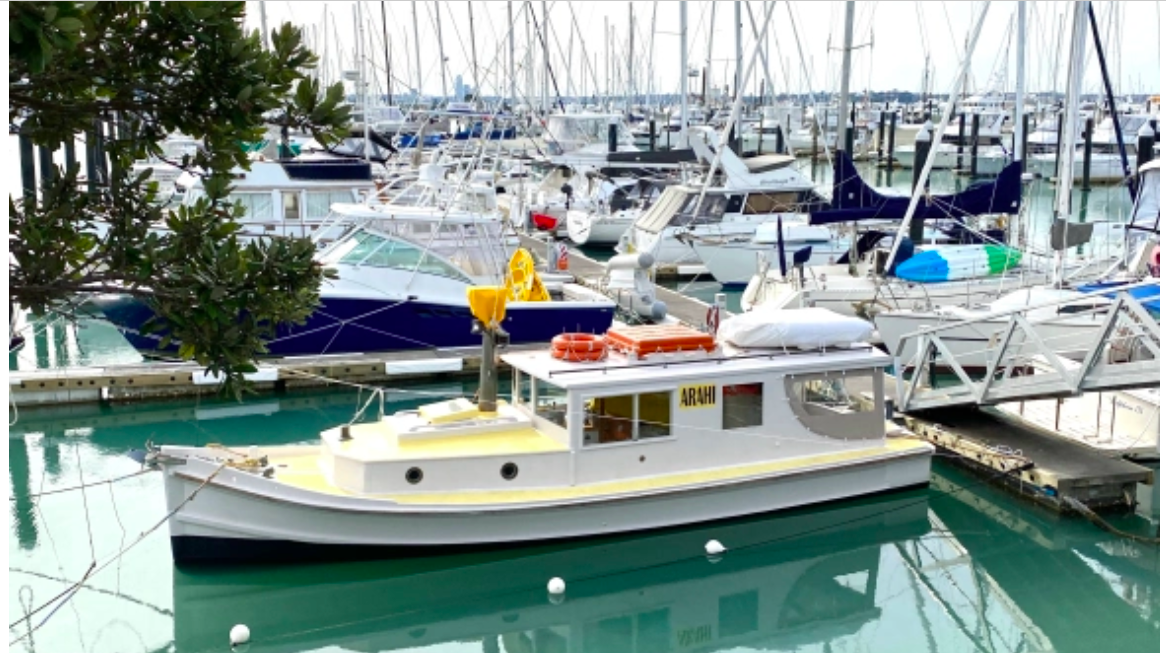
Recently the owner of Arahi, Gordon Lane, dropped me a note and when Gordon said he had been doing some research on her provenance, he wasn’t joking – of course I replied – ‘email it to me’, turns out to be quite a tome 🙂
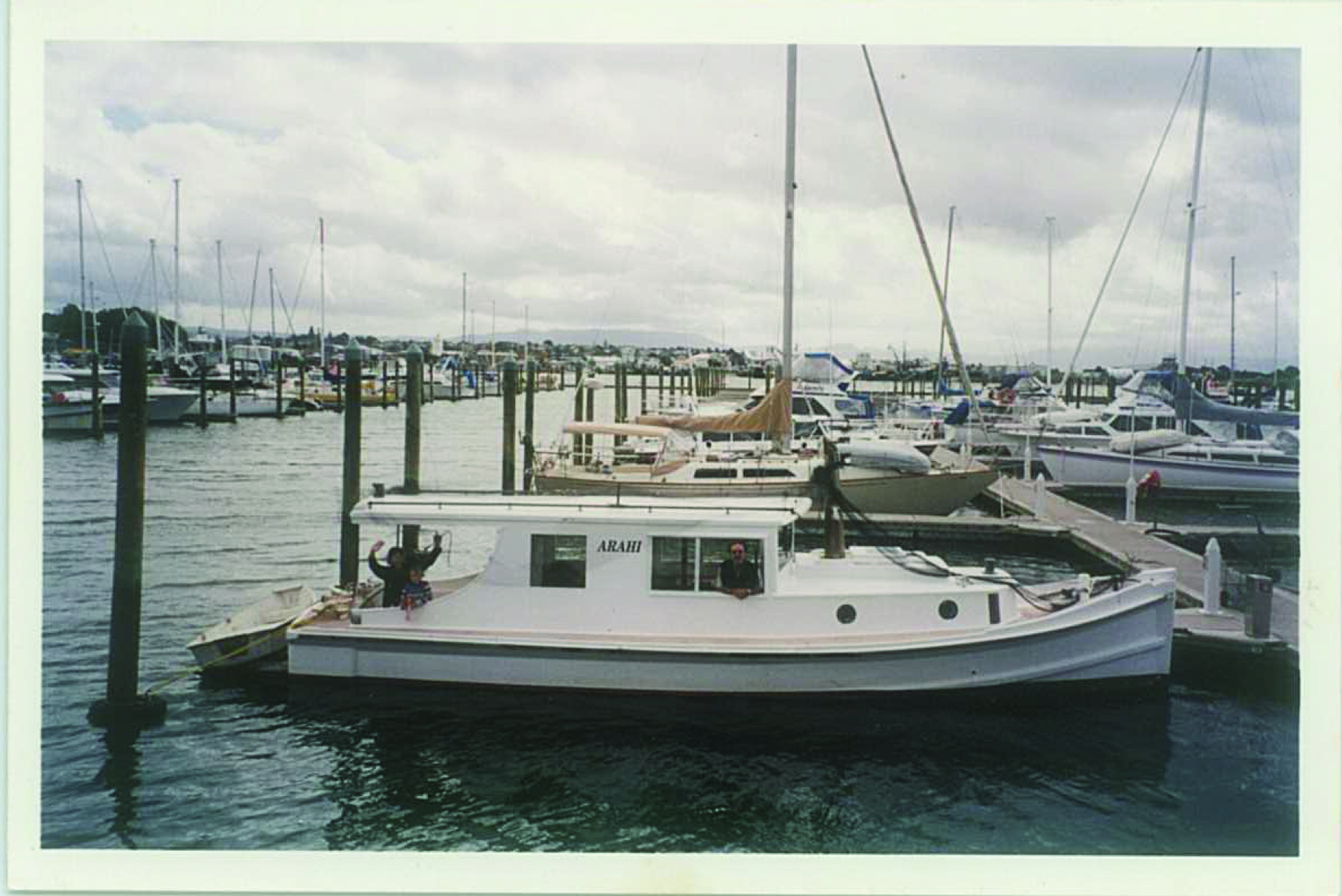
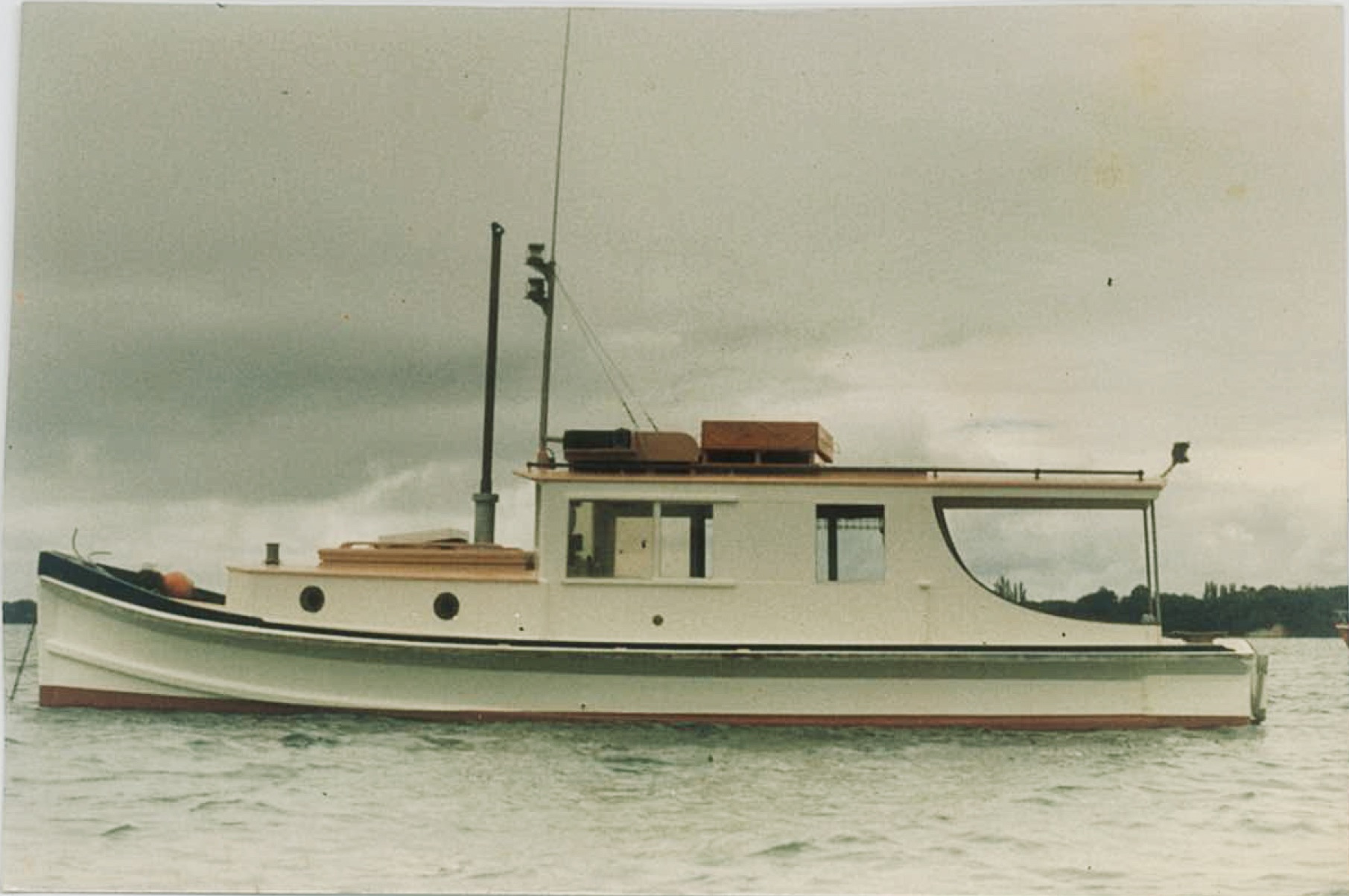
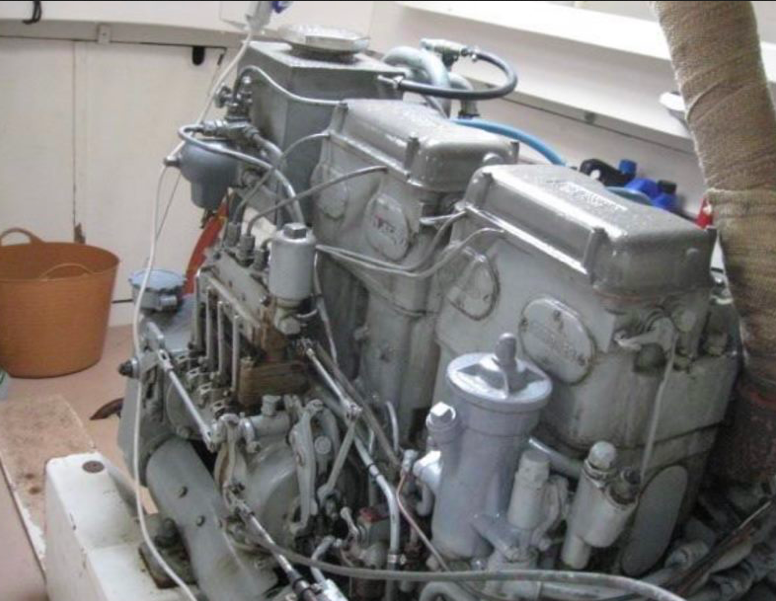
So I‘ll hand over to Gordon to tell you about Arahi – the 32’ 10’6” beam, 4’ draft ex work boat, powdered by a 4LW Gardner with a Gardner 2UC Gearbox.
Links below to previous WW stories, lots of details, chat and photos.
MV Arahi’s recorded history starts with her purchase by the then Auckland Harbour Board in 1940.
While it has been suggested that, from her design, she is older than 1940 I can find no record of a previous life or a builder. In any event, she was built very ruggedly, as a workboat, if not with finesse.
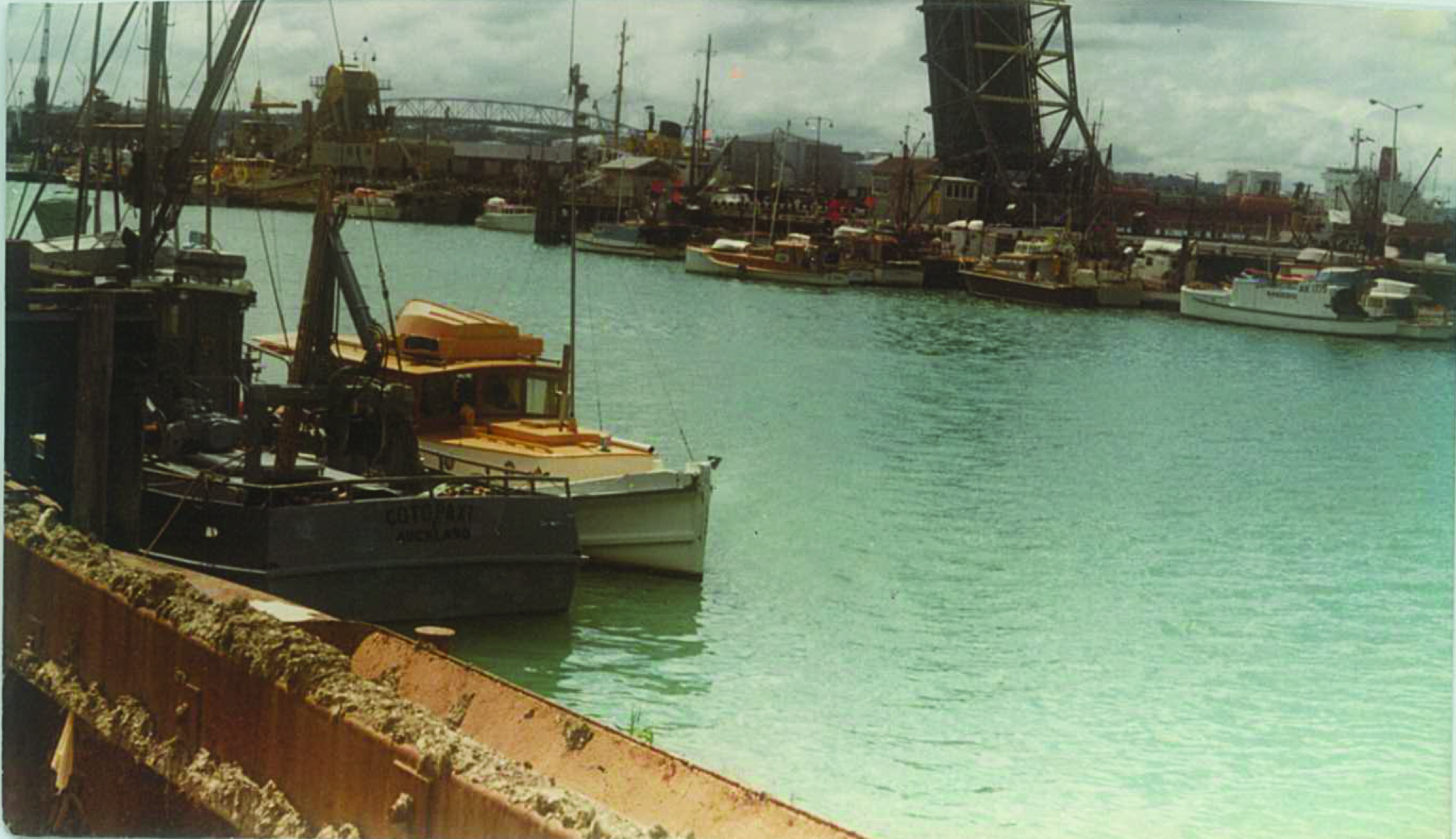
She was “strengthened” by the Board and had massive echo sounding equipment fitted. She was then employed as a hydrographic vessel for the next thirty-eight years. She carried out extensive shallow water survey work throughout the Waitemata Harbour as well as on the Manukau Harbour and its bar which needed regular surveys. It is probable that she had various other duties as well. The large transducer equipment installed is still in place today and I am too nervous to attempt its removal!
In the early 1950’s she provided hydrographic information necessary prior to and during the construction of the Auckland Harbour Bridge.
In the New Zealand Herald of 29/06/1971 an article appears regarding a near miss she had while working, nearly being run down by a fishing boat whose whole crew were down aft filleting the catch. Although she had the right of way, flying a keep clear flag, she was forced to take action to avoid being run down.
She was under the command of Lieutenant Commander John Reith in a civilian capacity as the AHB hydrographer.
A Mr Colin Tubbs is recorded as his assistant and Mr Alan Hammond also formed part of the crew at that time. It is probable that she had at least one additional crew member when doing hydrographic work.
This was during a period in the early 1970’s when the Auckland Harbour Board was investigating the possibility of port development in the upper Waitemata Harbour in that area between the Point Chevalier peninsula and Te Atatu. To establish the position and type of wharf structures, and the dredging required, the extent of the soft marine deposits between the seabed and a depth of 25 metres had to be determined over the whole area. To do this equipment capable of “seeing” through layers of mud and soft rock strata was required.
She was fitted with a state-of-the-art Precision Depth Recorder (PDR), 10 kilowatt transceiver and a towed transducer assembly (the “fish”). Much of this work could only be done on a rising tide often in water less than 2m deep requiring the “fish” to be tied alongside the port quarter to keep it off the seabed.
Clearly the science precluded the practicality of the development, as we know it never happened.
An engine logbook exists covering the period 27/04/1967 up until her sale by tender 04/05/1978.
This gives her run hours, rpm, bunkering, operating temperatures and pressures.
During the period April 1967 to November 1968, from the logbook, work included Soundings, Yard Work, Manukau Harbour, Manukau Bar, Bridge Barge, Pilot Duties, Tug for the moorings punt, docking the Daldy and Hikinui, as well as picnic trips on Anniversary Day.
After November 1968 the skippers rarely recorded duties in this log and kept to fuel and oil usage etc..
Maintenance history prior to April 1967 is unknown but it seems probable that sometime between 1955 and 1967 the engine was changed to the current Gardner 4LW (Engine No. 103459 – 1955). (The writer would like to know what engine predated the Gardner)
Following Harbour Board protocol regular servicing, slipping and routine repairs were carried out throughout the period.
To Private Ownership:
Arahi was put up for tender in early 1978 and when tenders closed and she had a new owner on 4th May 1978.
She was immediately slipped at Baileys yard on 26th June for belting repairs and extensive new fitout and maintenance was carried out at the time. Of special note was the comment that a hull inspection found it to be “First Class – Very Sound”!
At this time her name was changed to Te Rama-Roa.
She was intended for fishing by the new owner and much work was carried out to this end including a “1000lb winch and 60A Alternator”.
However, for unknown reasons she never went fishing and was sold to a Mr Ken Morris of Tauranga and later Tryphena. (Ken, a knowledgeable engineer, has been of great assistance to me putting these notes together.)
She sailed from Auckland to Tauranga on 30th November 1978 to start her new life.
Ken Morris’s Boat:
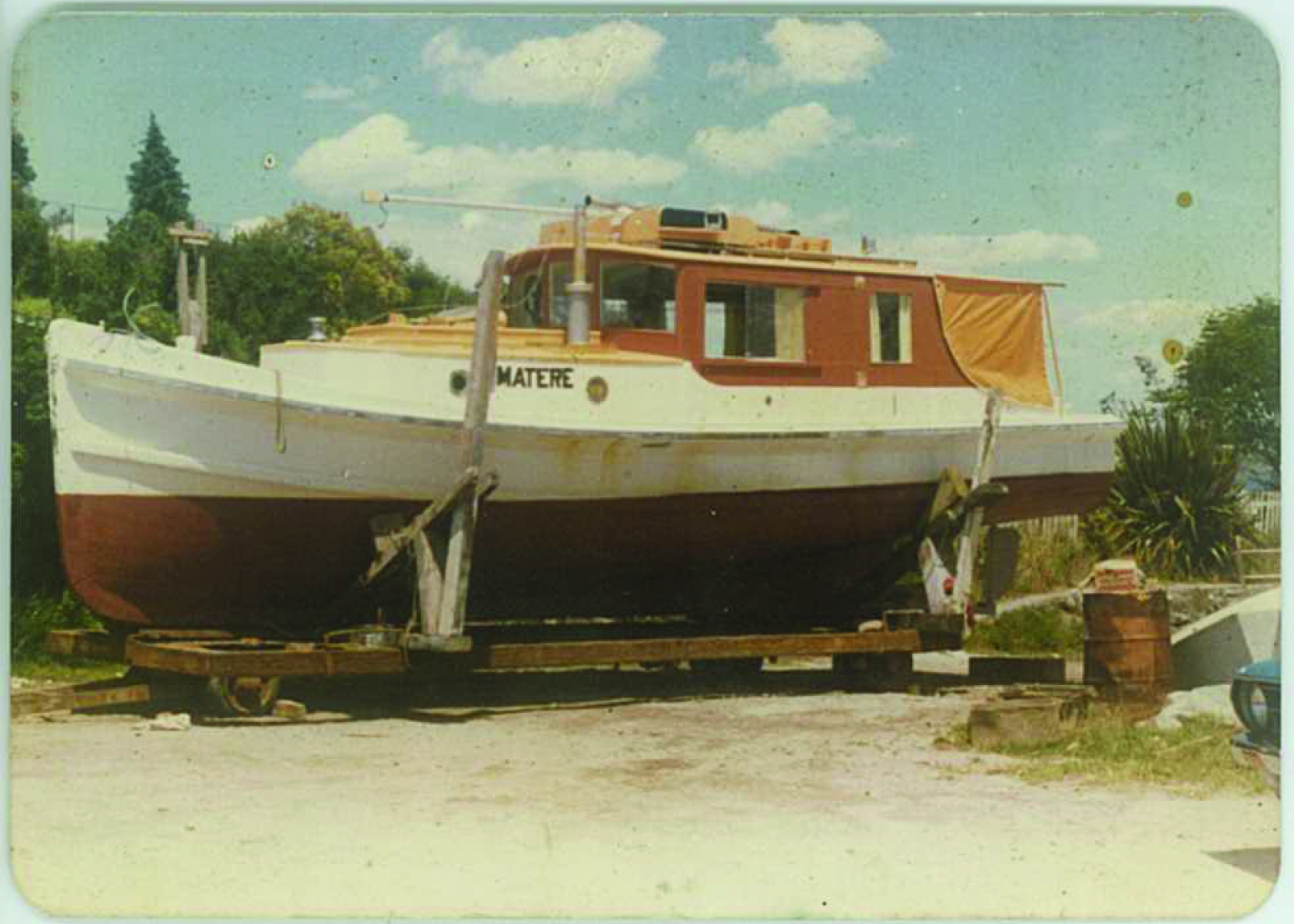
Ken promptly renamed her Omatere after an earlier launch he’d owned but later decided to change her name back to the original Arahi.
He did many fishing and pleasure trips from Tauranga to Mayor Island, White Island etc. but Arahi’s working days were by no means over!
Ken had decided to move to Tryphena and build himself a house and to do this substantial materials and house structures had to be shipped from Tauranga and Auckland to the island.
Ken acquired a 40ft wooden barge and Arahi, a harbour hydrographic boat, commenced a new career as a coastal tug. She made many trips backward and forward between Tauranga, Auckland and Tryphena before the project was finished.
Her last trip as a tug was a “grand finale” towing a 50ft steel barge with a village hall on board from Tauranga to Tryphena.
Notwithstanding when the serious work was finished, Arahi was still both the Auckland shopping transport and family launch making several hundred Colville Channel crossings to Auckland.
Notwithstanding when the serious work was finished, Arahi was still both the Auckland shopping transport and family launch making several hundred Colville Channel crossings to Auckland.
Over the years Ken did much work updating and improving on Arahi’s equipment and accommodation most of which is still in place today. Notably major works were carried out over two months ending in March 1981.
These included re-siting the dry exhaust as you hit your head on the muffler every time you entered the engine room. Ken placed it centrally and later made a very special stainless steel funnel with a Gardner approved venturi exhaust system.
Other works were extending the cockpit roof and glassing the fore cabin roof.
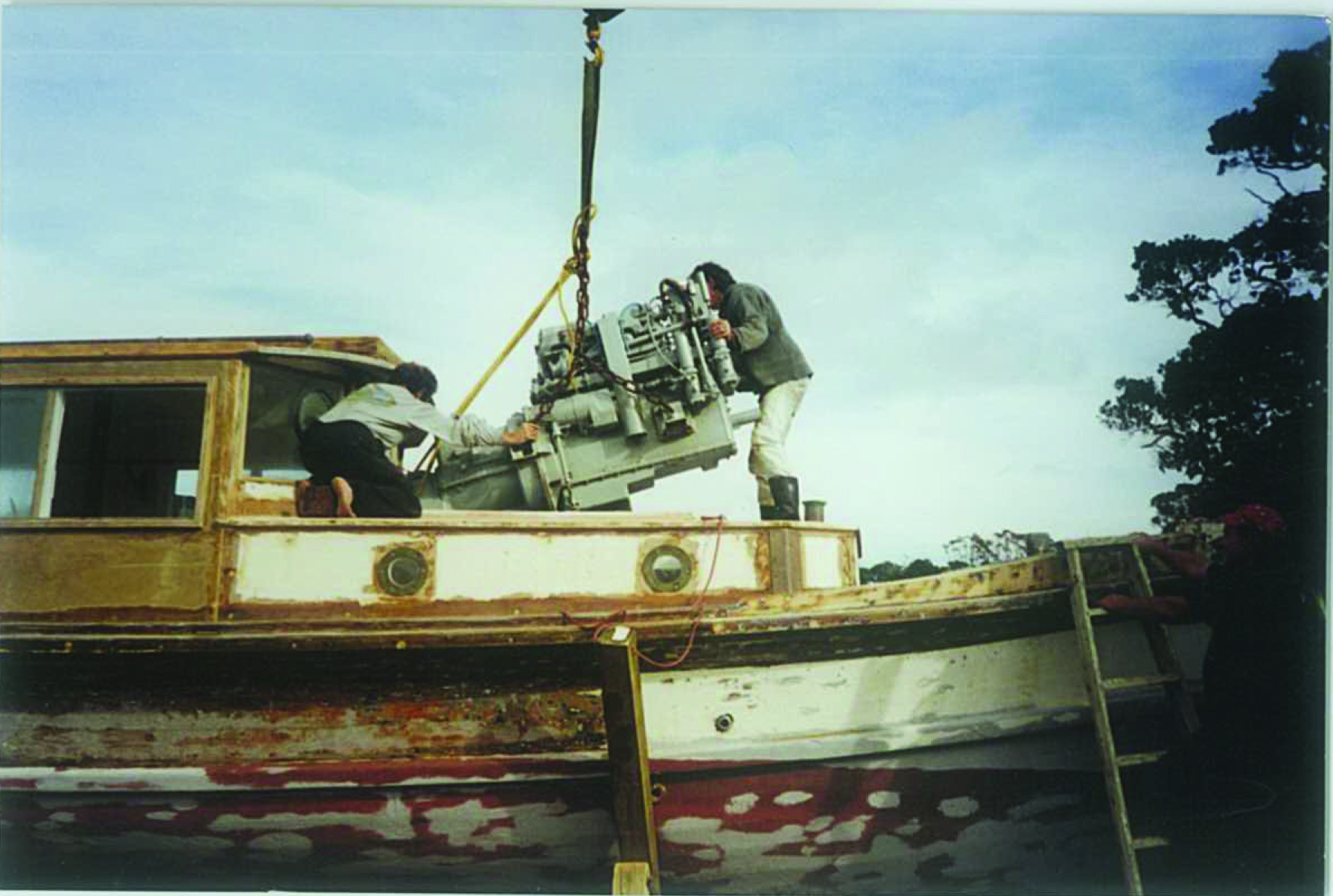
During another refit the cabin sides were completely replaced with ply as the island kauri with which they were originally built developed extensive rot. At that time the Gardner was removed from the boat and given a top end rebuild, the bottom end according to Ken just didn’t need anything. (The Gardner had completed its first 10,000 hours in January 1975 and its second during Kens time and is sitting on 3,648 today and still running like a clock).
The years rolled by until Ken decided his boating days were over and it was time to move Arahi on.
So, in 2019, after 41 years a tired Arahi, in need of some worm repair work in the stem and general TLC was given to Merv Young of Auckland.
Arahi to Auckland and Wanganui:
She left Tryphena in 2019 and was assisted back to Auckland by Alistair Reynolds beautiful charter launch Felicitare.
She was taken up the Tamaki River and then trucked to Merv’s Otahuhu premisses for a seven month clean and tidy up.
After relaunch and a short time at Westhaven, Merv sold her on to a young chap from Wanganui and she was trucked down in late 2019.
She received plenty of attention on her arrival as the new boat on the river but unfortunately, she wasn’t to remain a river boat for long. Her owner, with changed circumstances, decided to sell her and this writer purchased her in February 2022 and trucked her back to Auckland and his Gulf Harbour marina berth.
After her time tied to the riverbank in Wanganui, she needed a thorough boatyard session and to this end she was placed in a shed at Te Atatu Boat Club from April to July 2022.
Back in Auckland:
Boatbuilder Mr Wayne Deacon together with shipwright Mr Terry King worked on her repairs, with me getting in their way.
Arahi is exceptionally strongly built; her scantlings may be considered considerably more than those expected in a vessel of this size.
Stripping and inspection showed all the heart kauri 1 ¼” planking was in exceptional condition.
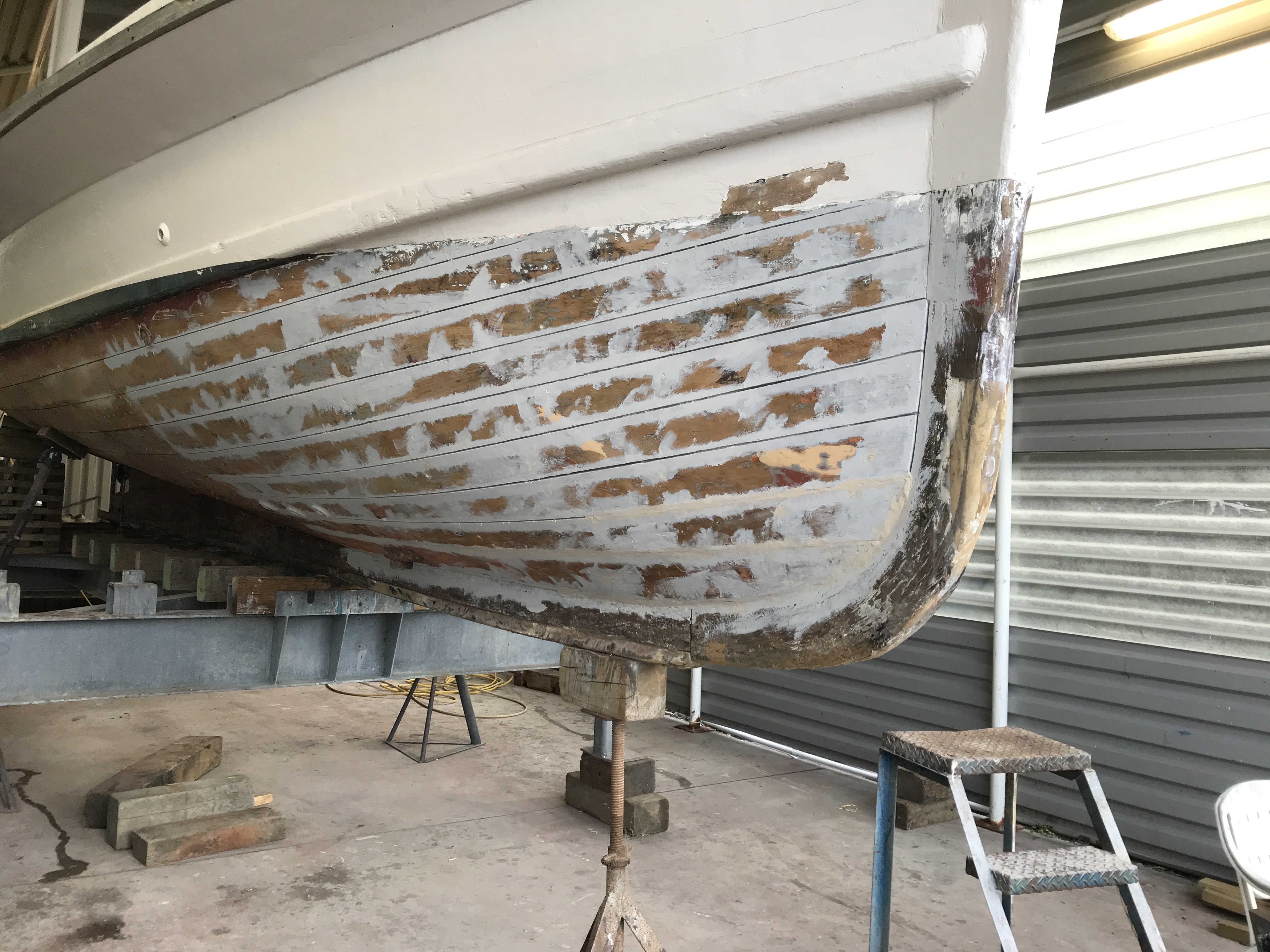
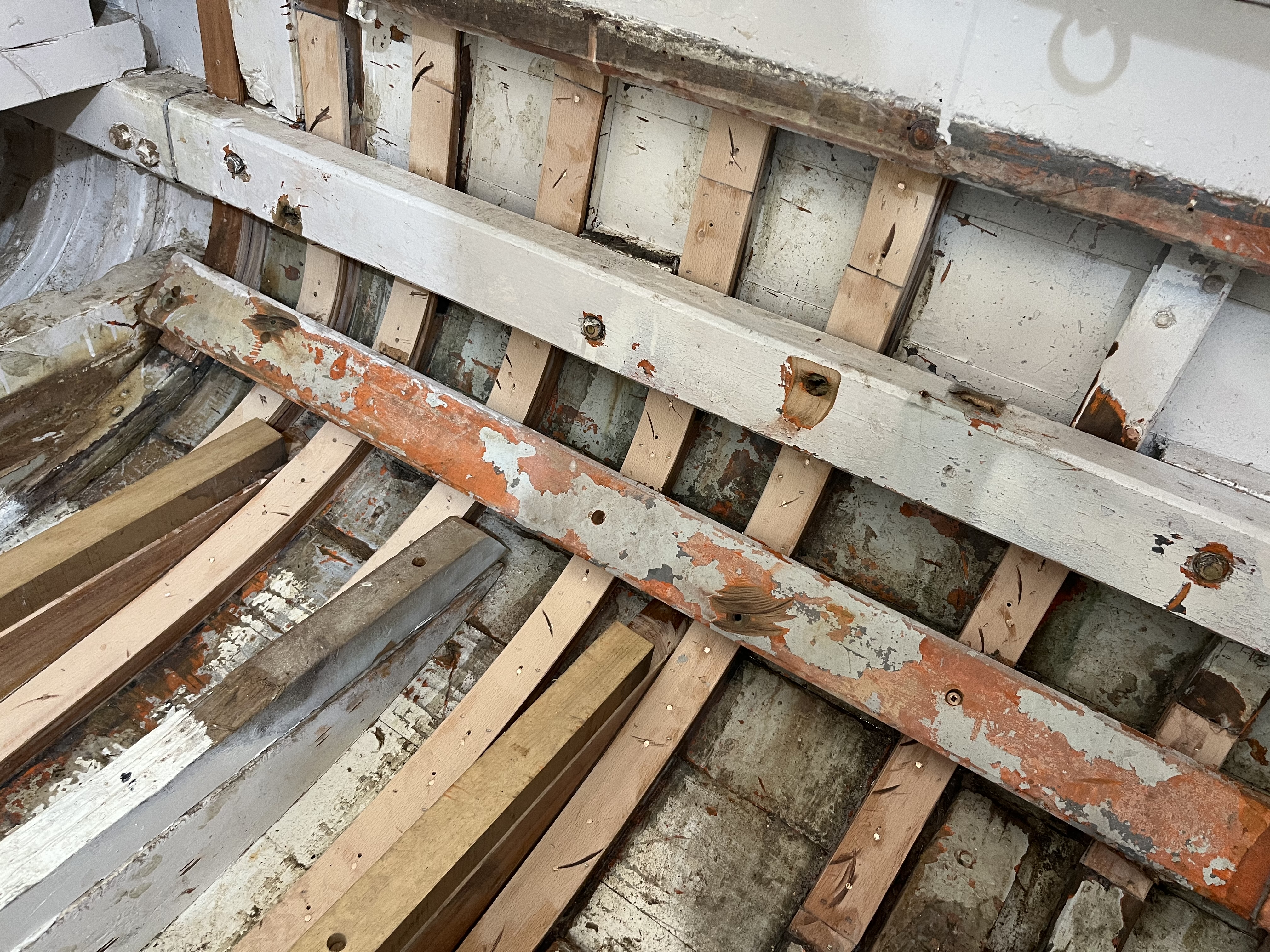
However, six full athwartship ribs and four half ribs plus two floors in the cockpit area needed replacement. It is thought that entry of fresh water over many years and the tight turn of the bilge in this area were responsible. These ribs were removed and replaced with epoxy laminated hardwood ribs spot glued and fastened with 3” silicon bronze screws in the same frequency as the original copper nails. This work provided a very strong construction, truing up the quarters planking, and in keeping with the rest of the vessel.
The exterior underwater hull was stripped to the timber, old putty removed, additional caulking carried out where required, puttying, priming and antifouling.
There are no below waterline skin fittings in use except the engine keel cooling. Where older through hull fittings existed, they were plugged on the outside and capped internally.
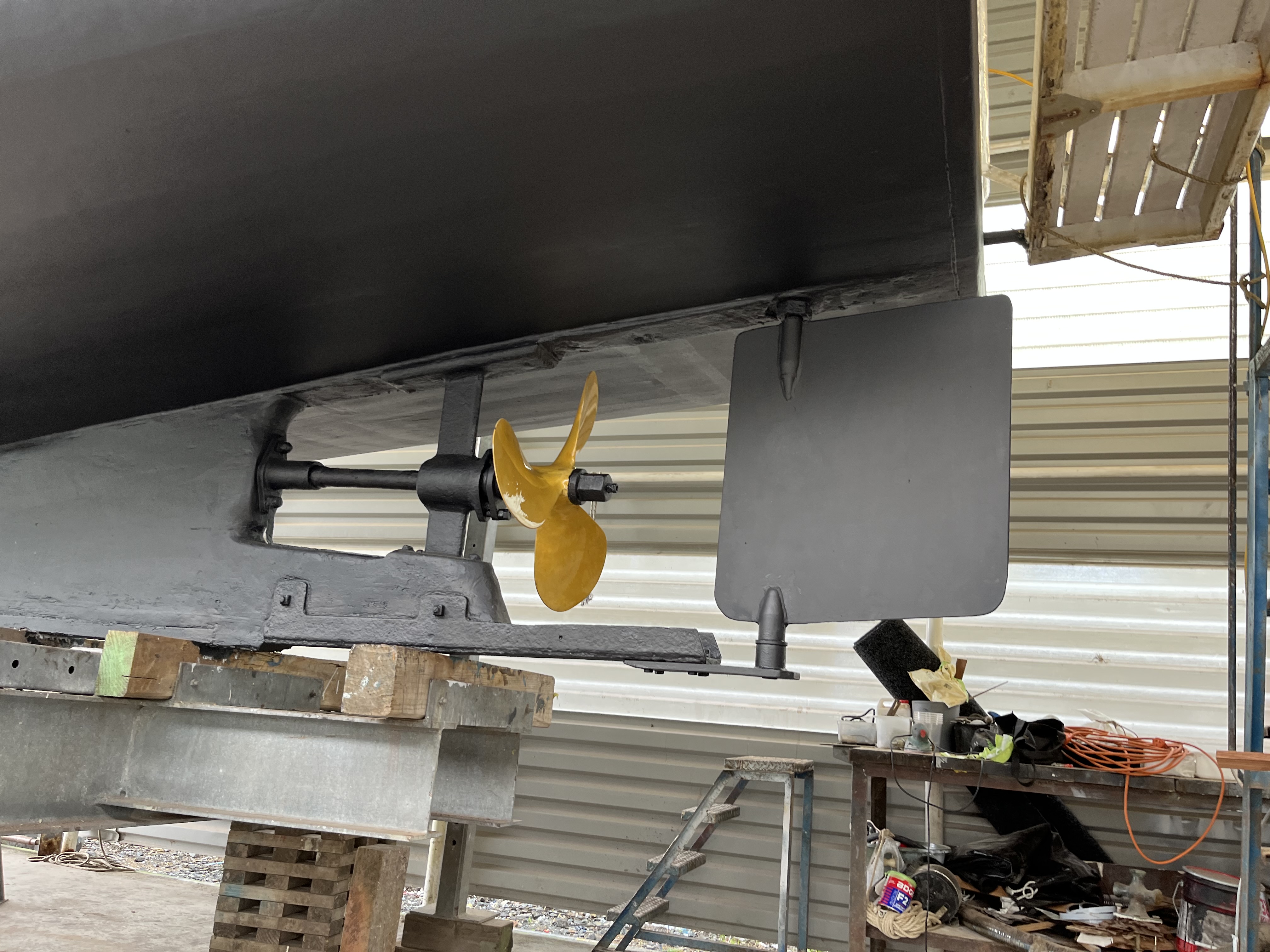
The rudder including stock and bearings were replaced with a new replica of the original.
The propellor has been replaced with a new one.
The original strut white-metal bearing has been replaced with a modern cutlass bearing in the same housing.
Topsides required some timber replacement around the port bow sponson and re-glassing. A small strip of the cabin roof was also re-glassed. Otherwise decks and cabin were a sound and waterproof.
A new anchor winch has been fitted on the foredeck to allow remote anchor operation in due course.
Inspection of the engine, a Gardner Diesel 4LW with a Gardner 2UC gearbox, situated in its own engine room forward of the helm station was satisfactory. Preventative maintenance was carried out on the engine “ram” type coolant pump and the identical bilge pump by Mr Dave Shaw of Shaw Diesels, New Zealand Gardner agents.
A new 70A alternator is fitted to replace the c. 20A dynamo as a first step toward a full electrical upgrade.
Bilge pumps, fuel systems and instruments have all been replaced.
As at the date of writing (December 2022) she is back at her new home at Gulf Harbour, and I am working hard to complete a full rewire prior to some summer cruising.
Footnote:
If anybody can add factual information to the Arahi story I would really appreciate hearing from them, please feel free to contact me on either 0274 316 196 or laneg@xtra.co.nz
The 1929 Chas Bailey & Son built motor launch – Shenandoah has made several appearances on WW and we have seen her – as launched, in her war fatigues, restored and sadly neglected – way too many mentions on WW to list the links, just type her name in the WW search box to view.
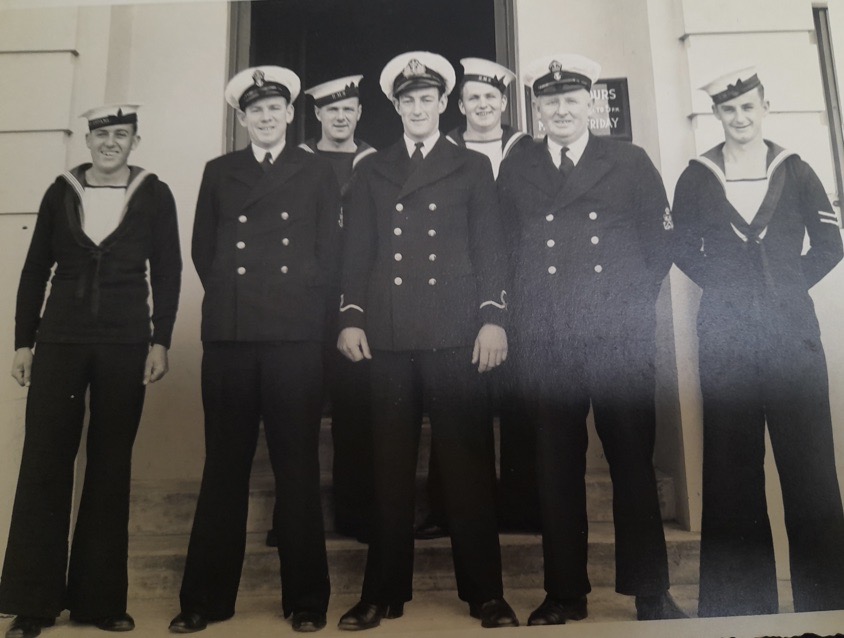
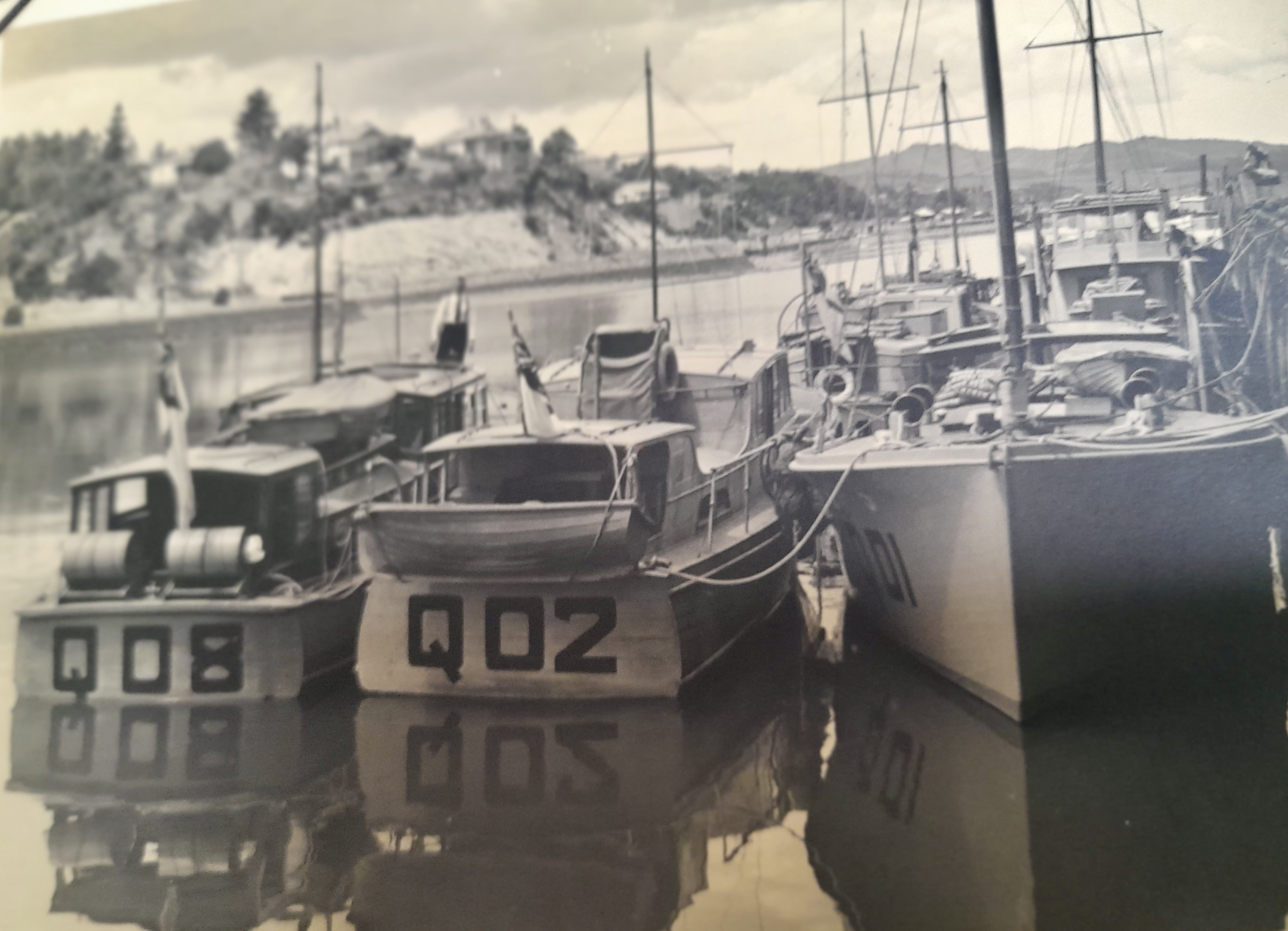
Today thanks to Bruce Papworth we get a look at Shenandoah at sea and her crew war crew ashore – in the 2nd photo we get a rare sighting of the photographer – Tudor Collins, that is him second from right. He would have been on board Shenandoah in his role as photographer. Bruce P commented that he believed Hick Goodfellow was the captain. In the third photo, showing the Whangarei Town Basin there is a great collection of craft that had been commandeered by the NZ Navy for war service – that I can identify- we have:
Q03 – Shenandoah, Q08 – Lady Margaret, Q01 – Wirihana, Q02 – Maristella, Q12 – Lady Shirley and Z38 – Ranoni. In the last photo we have L>R Lady Margaret, Maristella and Wirihana. For more background on these craft, click on this link https://waitematawoodys.com/2019/11/23/whangarei-town-basin-1943/
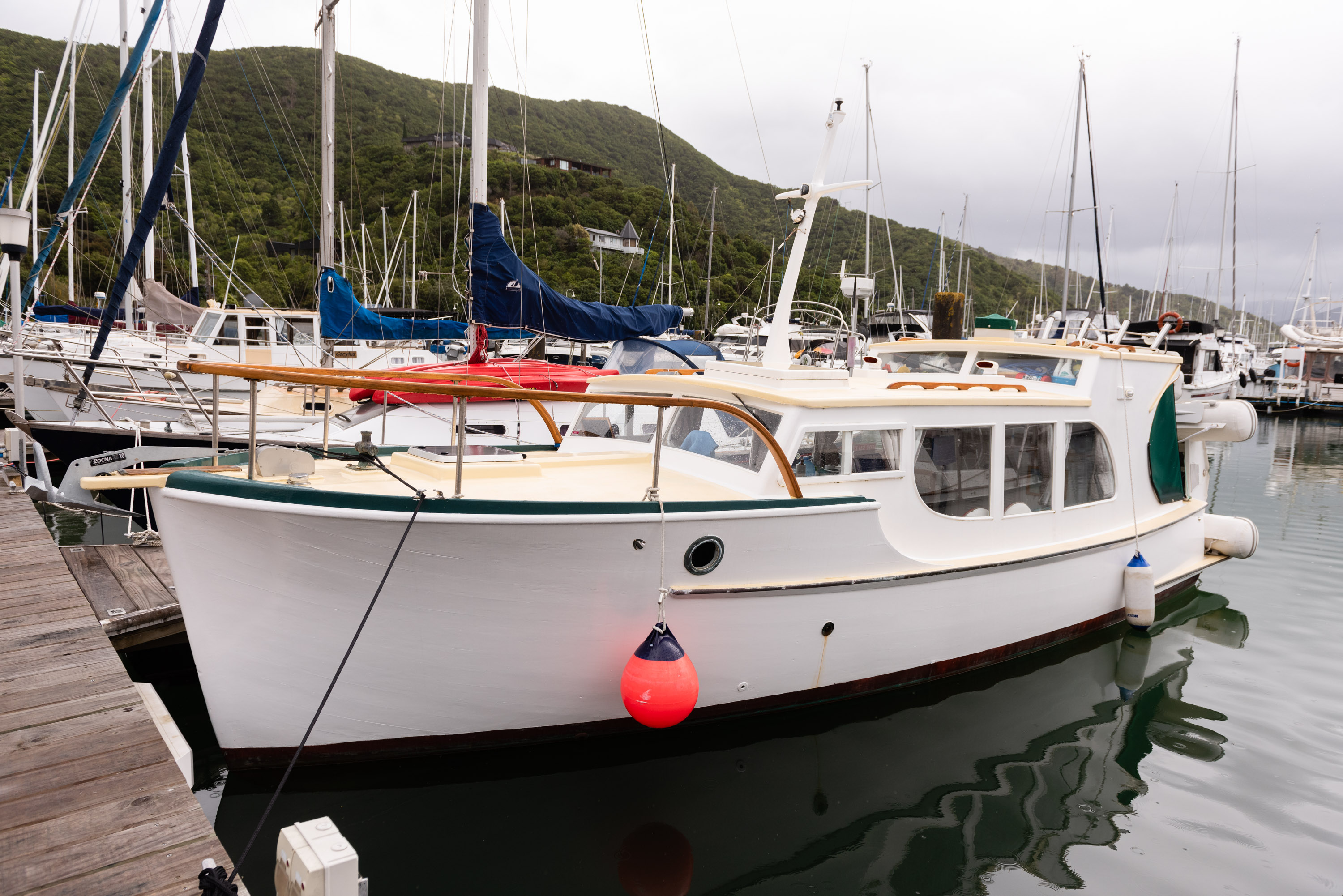
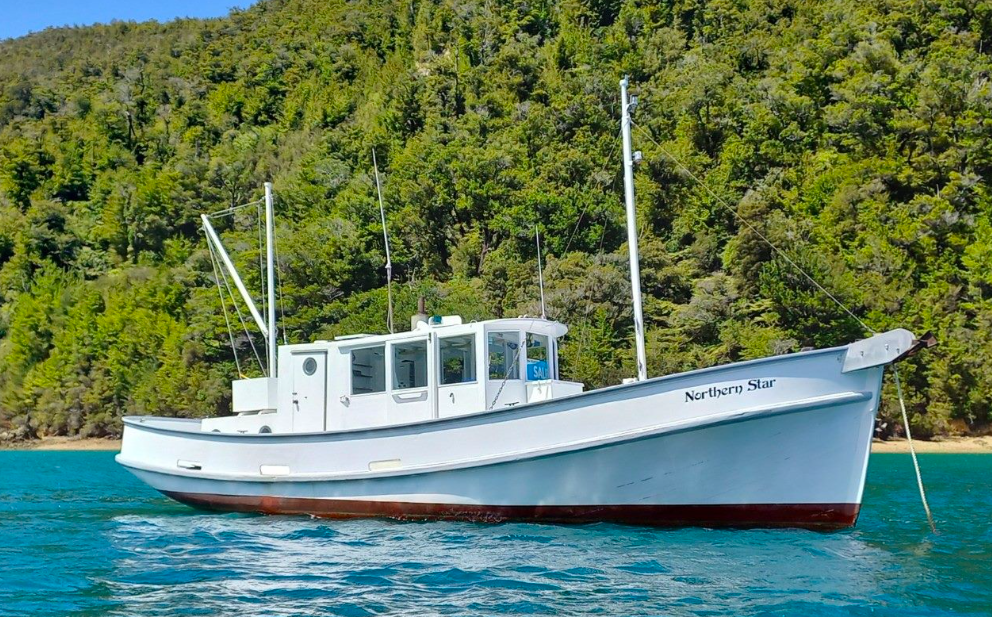
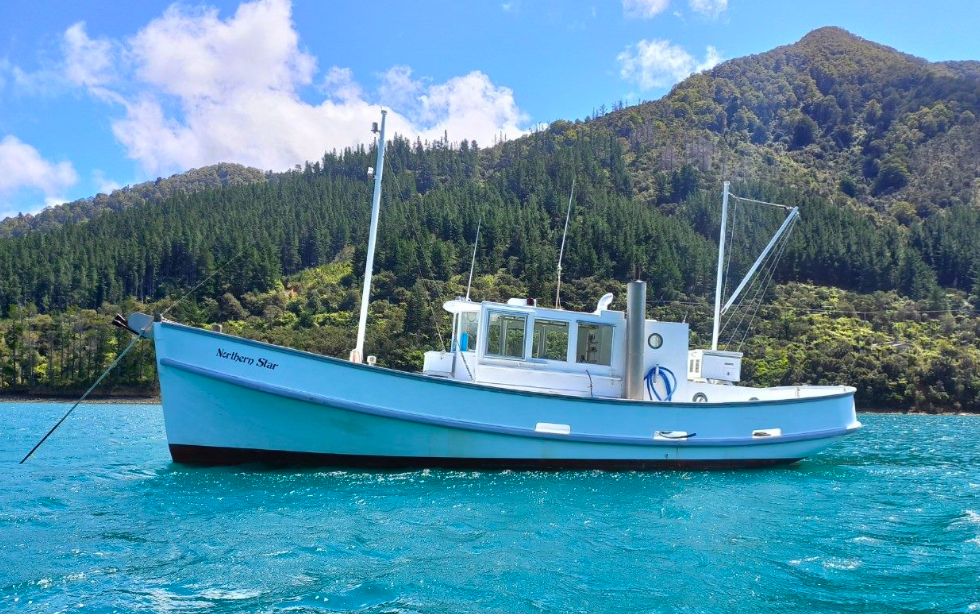
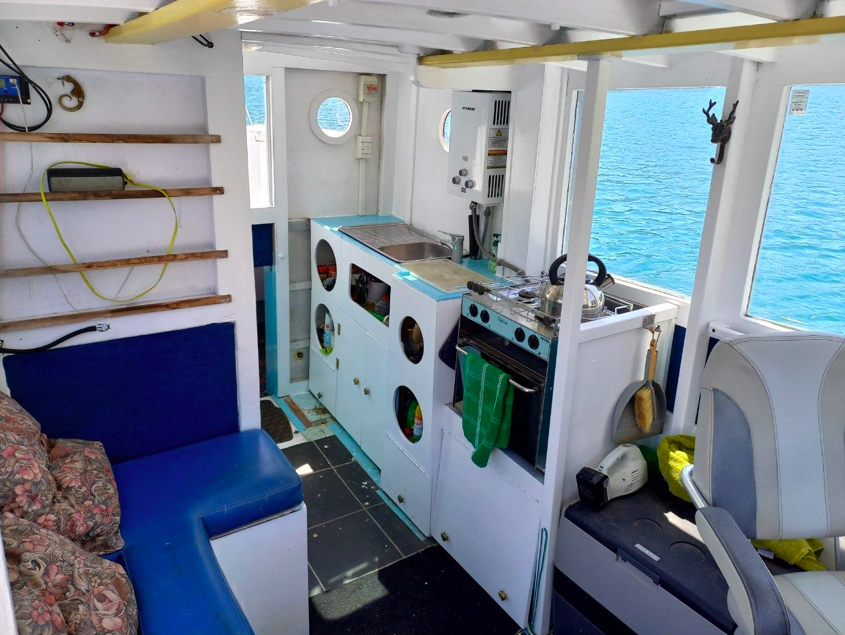
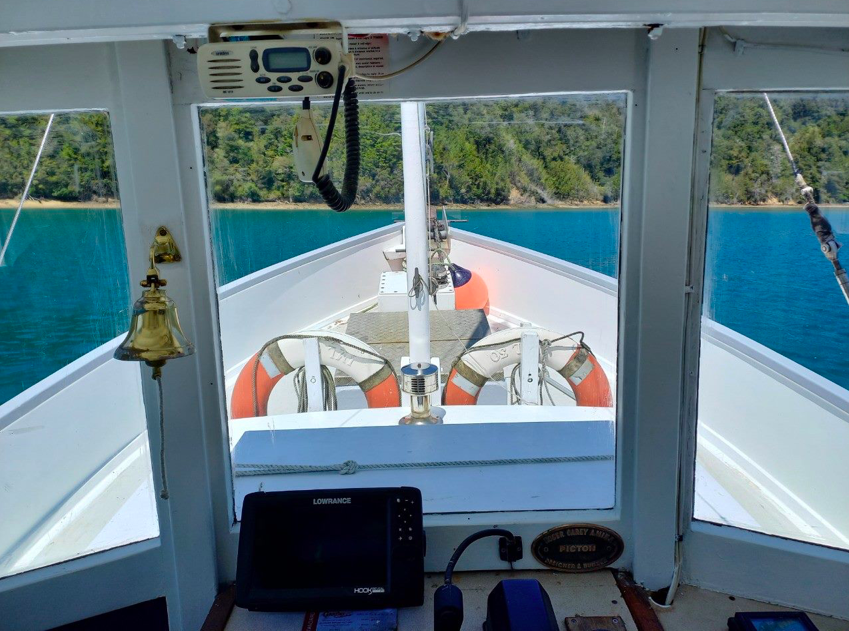
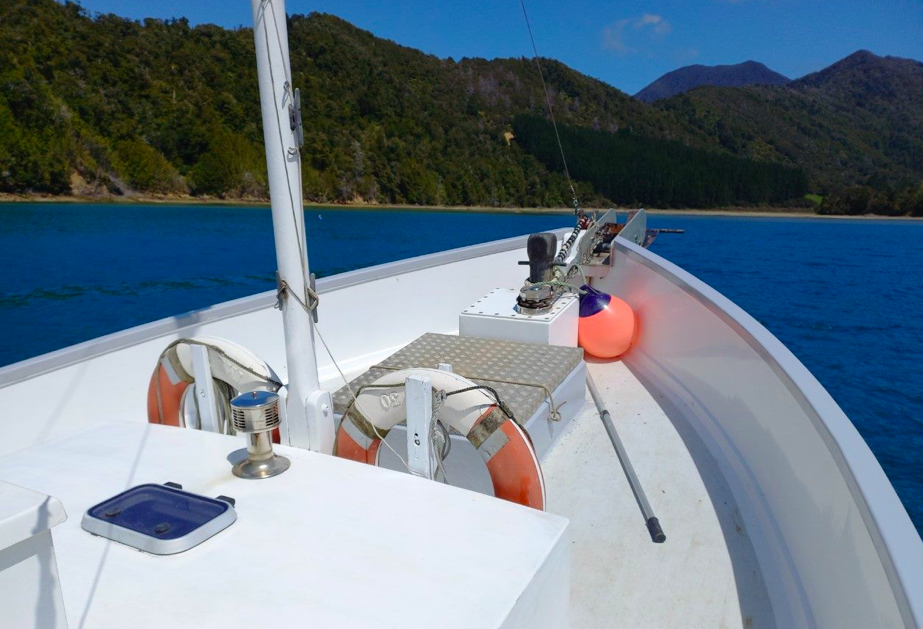
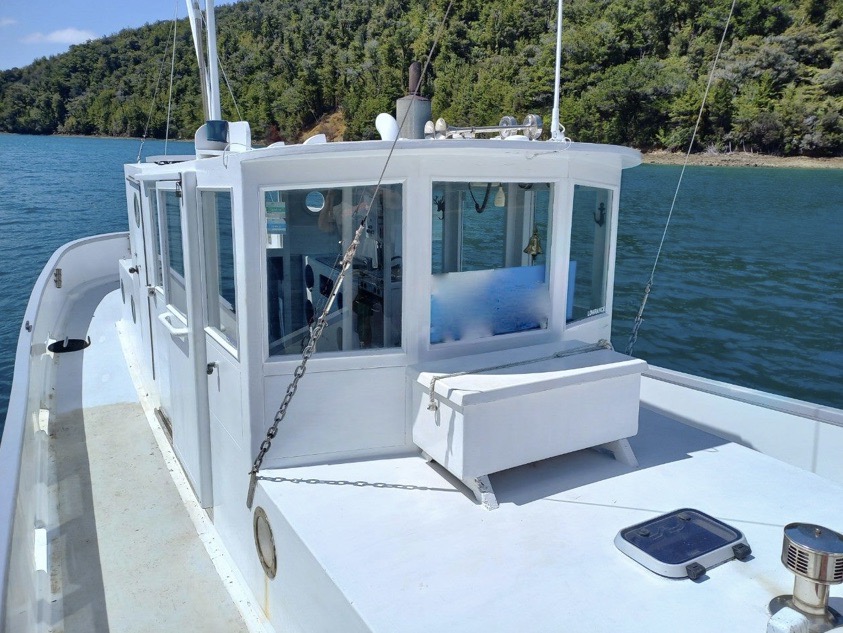
The 40’ ex workboat Northern Star was built c.late 196o’s by Roger Carey in Picton, then c.2009 she was converted to a trawler cruiser / live aboard.
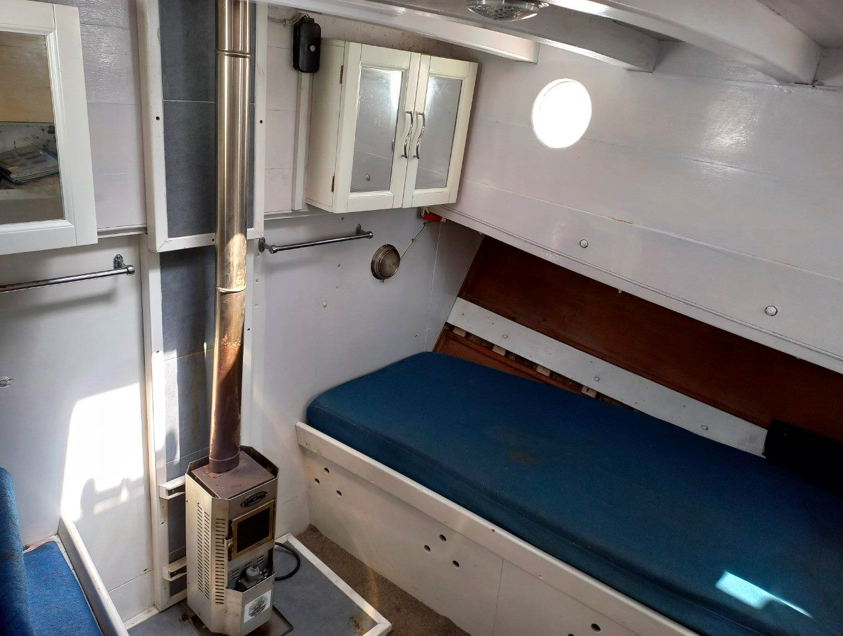
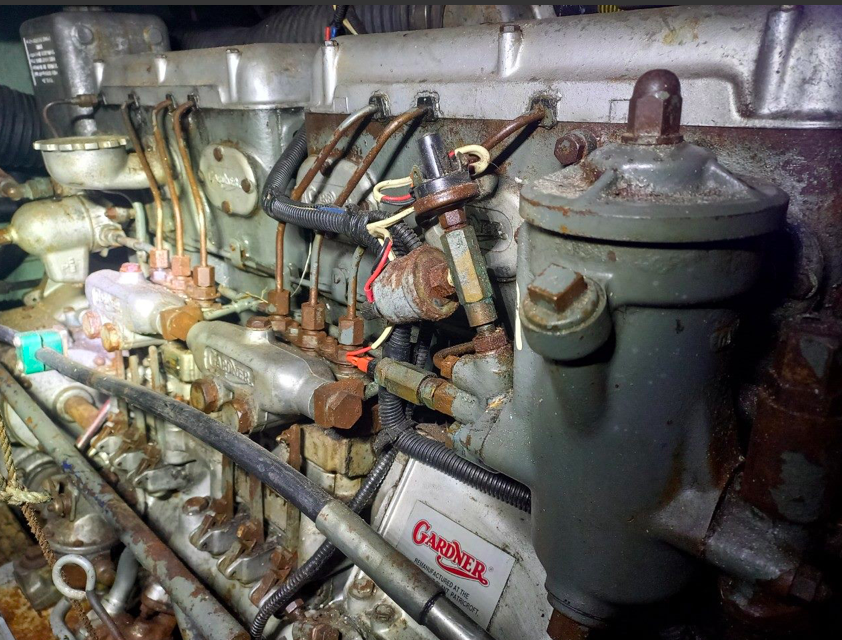
Forward motion is via a rebuilt 6LX Gardner that is keel cooled. Like all good southerns woodys there is a diesel heater to keep toastie below.
From her tme listing (thanks Ian McDonald) we see that she is very well fitted out for extended cruising.
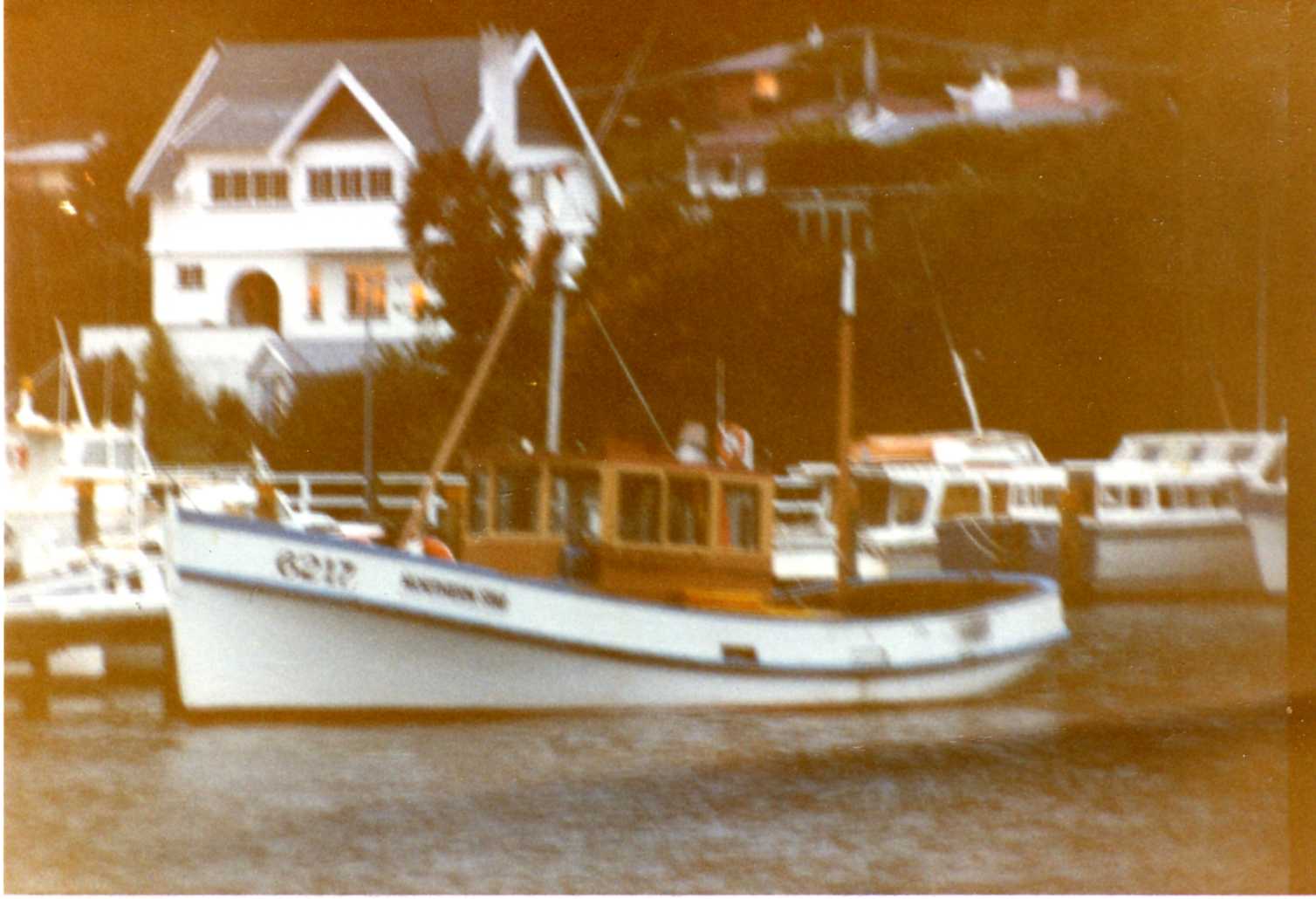
INPUT ex Russell Ward – photo below taken 20+ years back, in Picton marina. Russell commented that they all looked so much better in working colours than in the stark white that present owners use.
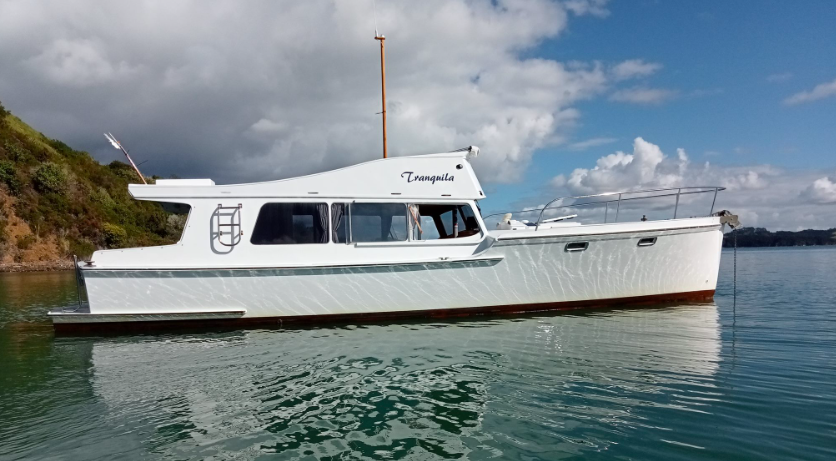
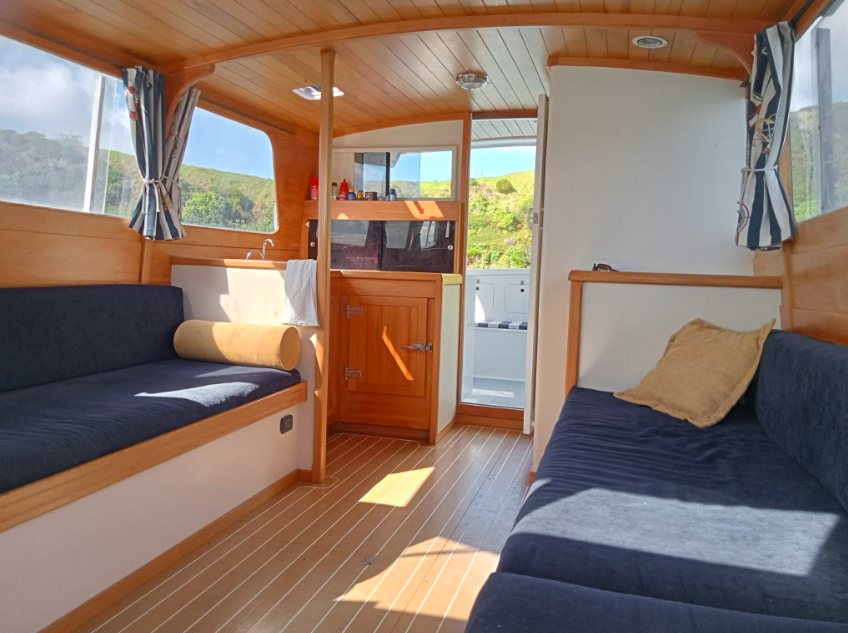
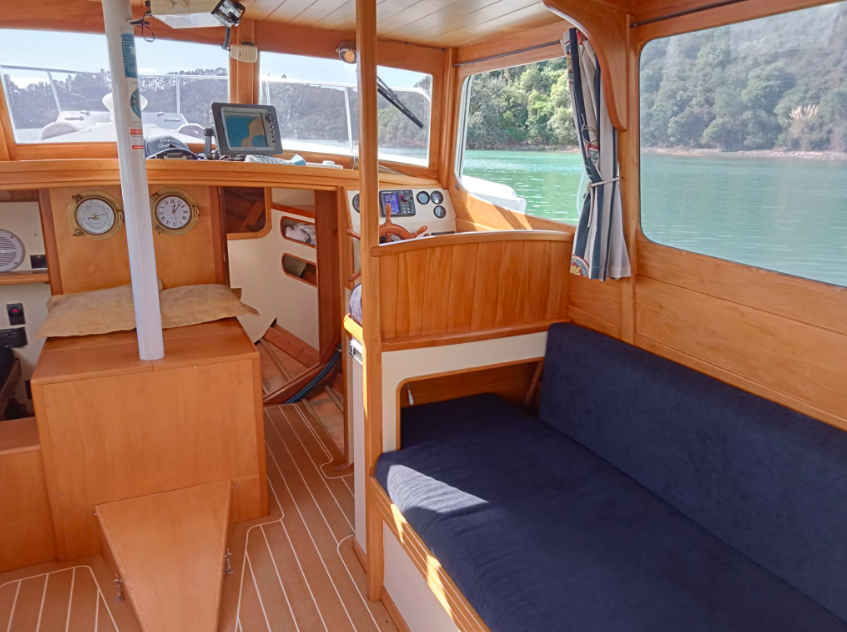
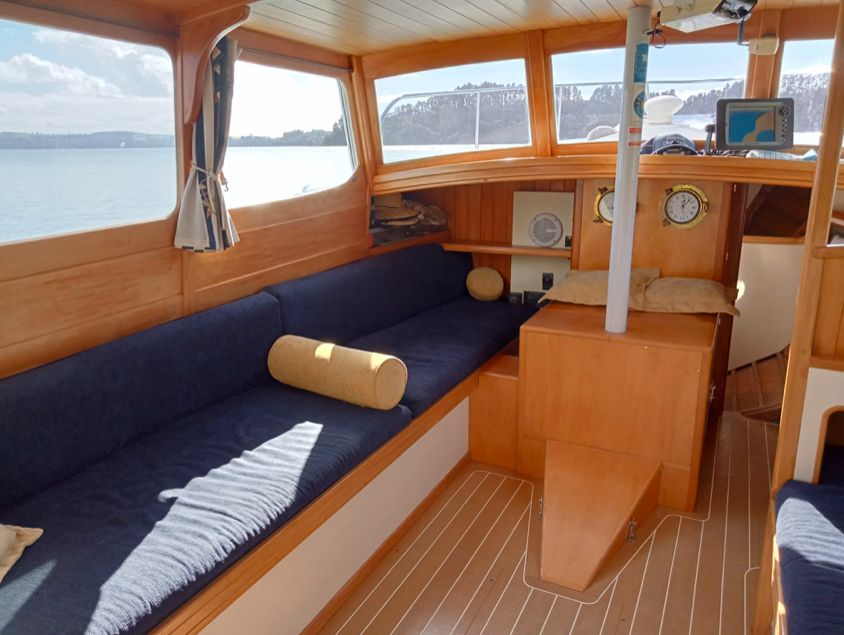
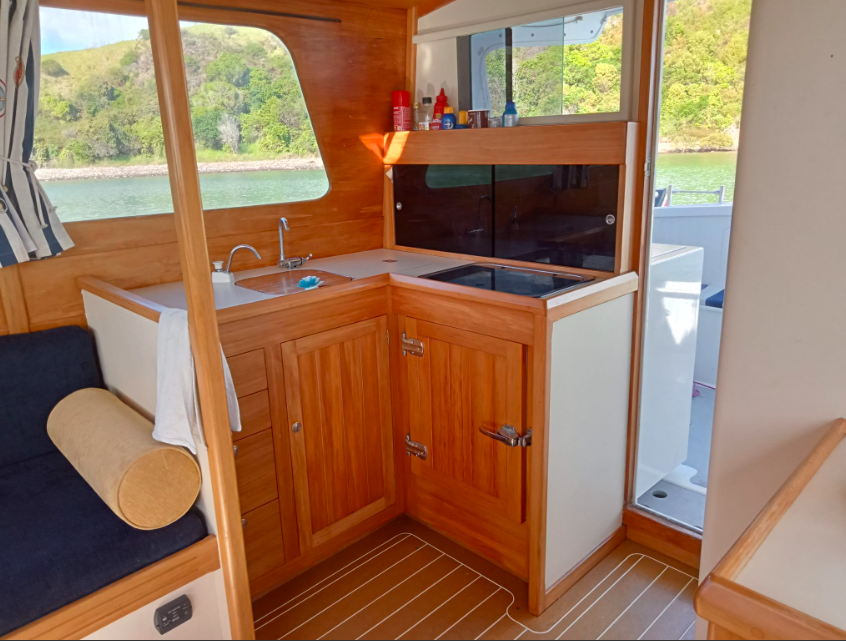
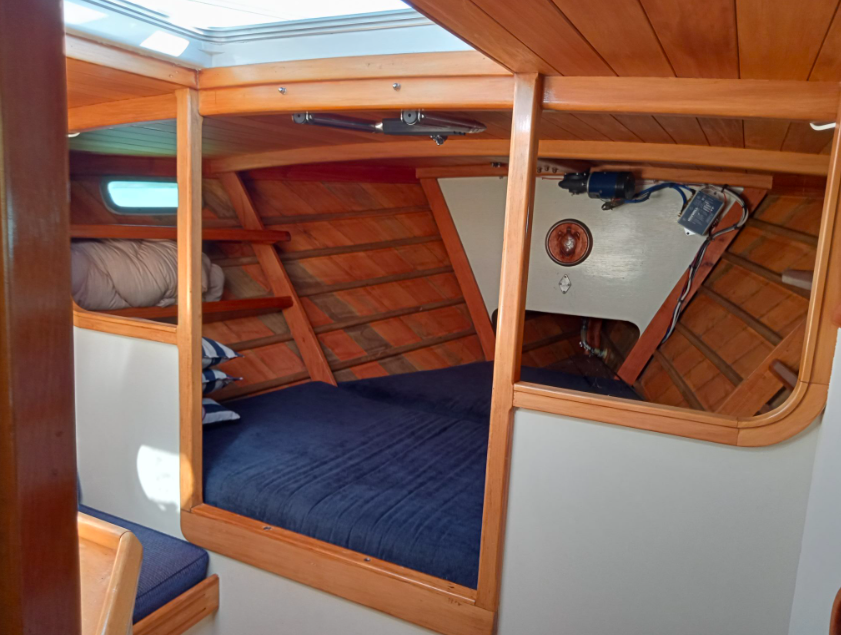
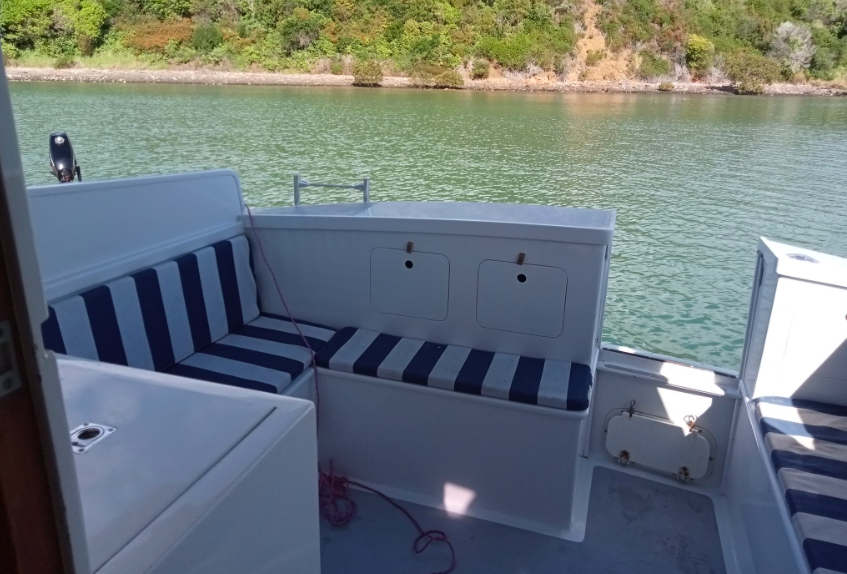
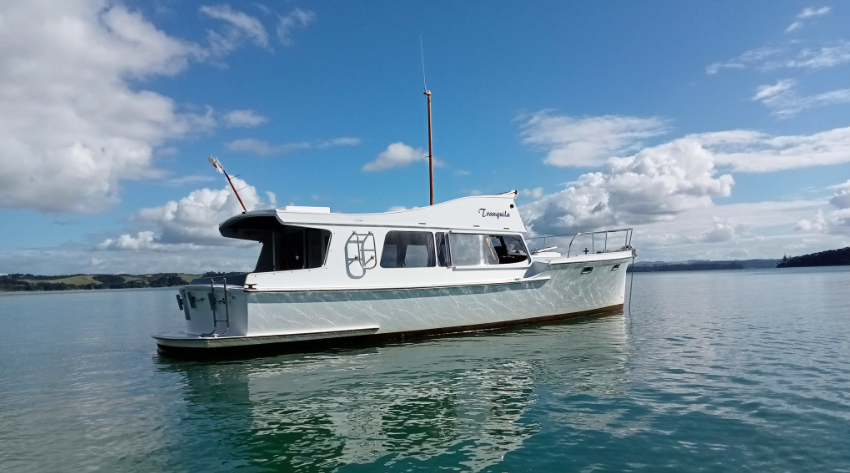
Twice this year the Don Brooke designed 37’ launch – Tranquila, previously named Dundonald, has made a cameo appearances on WW. Now thanks to Ian McDonald spotting her on tme we get a better look. (fyi – recently sold)
Specs are – built in 1986 from double diagonal kauri (f/glassed) and powered by a Ford 120hp 6.2L 6 cyl. diesel.
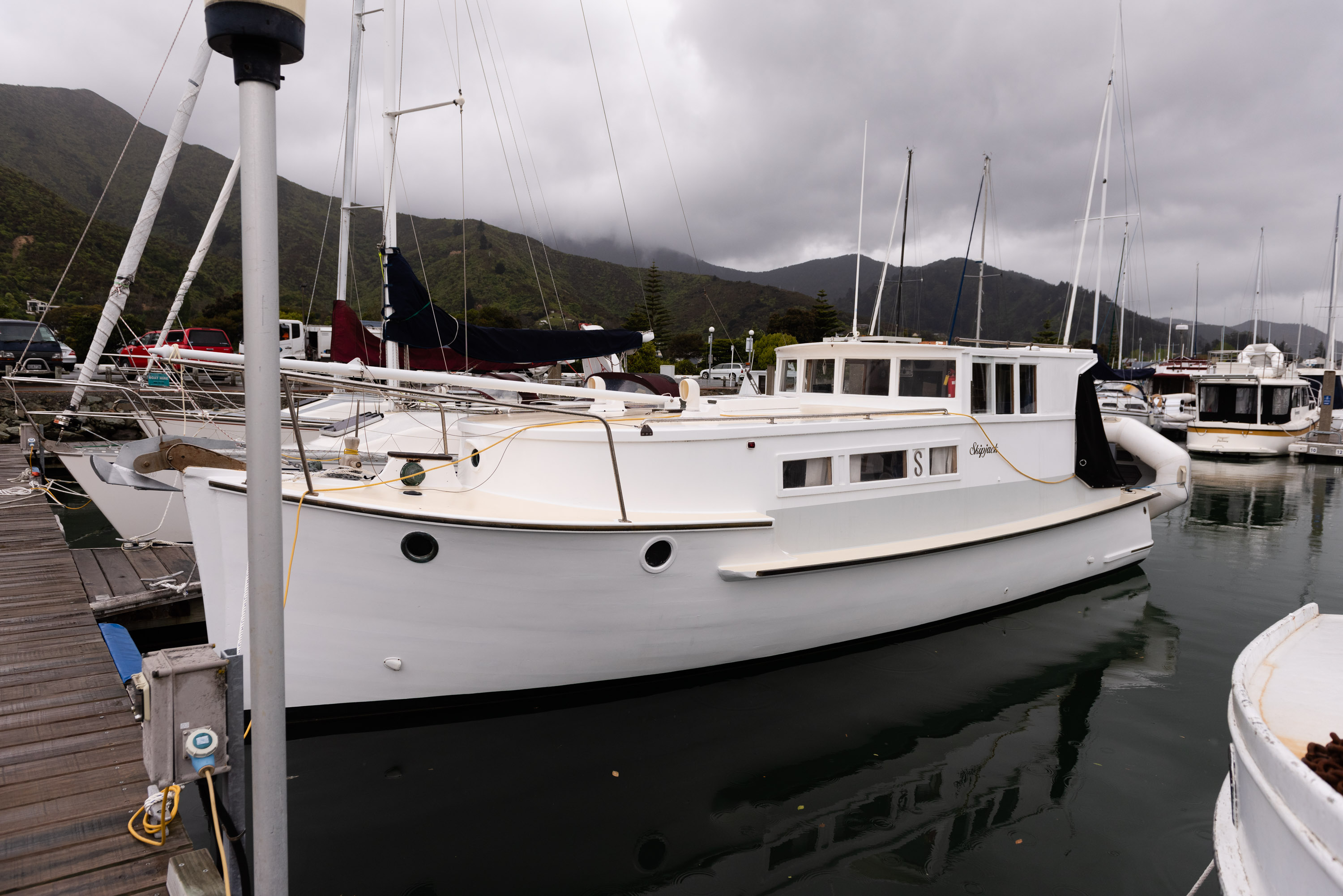
Following up on Mondays story based on Dean Wrights photo gallery for Waikawa Bay marina, I was contacted by Greg Billington in regard to a photograph featured of his boat – the 33’ Baily built ‘Skipjack’. I’ll let Greg tell the story –
“You will see in the photo (number two above) that the mast is down, it is hinged because I formerly kept her in the Okahu Lagoon, which meant going under the Tamaki bridge. It is a new alloy mast, by the way, and considerably shorter than the former very heavy timber mast. On the occasion, some years ago that I laid it on its side in a beam sea crossing Bream Bay, I decided the timber mast was too much deadweight to bring back up! However, that the mast is hinged is convenient for a rather unexpected reason. I discovered that in winds around 20 knots, the new mast would vibrate. My first thought was to adjust the stays, but it made no difference. Then I learned about ‘vortex shedding.’ You may know that this can occur around any cylinder and in fact has caused the failure of even very large structures. At certain wind speeds, vortices form on the downwind side and create vibration. As it happens, it is easily remedied by doing a couple of turns of a rope or stay around the mast. In the marina I just lower the mast to the bow rail.
I’ve had Skipjack in Waikawa for 3 years now. Assuming that many Auckland boaties may not know too much about the Sounds, I thought some comparisons might be of interest. The Sounds comprise nearly 20 per cent of our total coastline – so lots of scope for exploring. However, it contrasts with the Gulf in several ways. First, it is adjacent to Cook Strait. Need I say more? On one occasion I spent three days in a bay because I couldn’t leave. It was not possible to see the other side of the Sound through the williwas. Another time I was alarmed by a crash and found my inflatable had been picked up by the wind and hurled into the stern. The slack painter was promptly severed by the prop and I watched with incredulity as the dinghy took off and literally flew for about 50 metres.
Then there’s the tides. It is a strange spectacle seeing enormous surface turbulence above depths of 50 plus metres, and for a Gulf boatie, being above 140m depth less than half a click offshore seems most peculiar. Then there’s the challenge of anchoring. Most boaties here rely on the network of club moorings because the magnificent hills of the Sounds, tend to go straight down. The Gulf is blessed with great bottom for anchoring. The Sounds are not! And finally, the water temperature…where I habitually dropped the pick in one of many bays in the Gulf islands and dived over for a decent swim, here, on a blistering hot day in mid-summer, one plunges in – and out! But the low temperature probably explains why good antifouling can go a couple of years and need nothing more than a soft waterblast. There are no goddamn barnacles!
But lest you think this is not a great place to boat, I include a pic of Skipjack anchored in Mistletoe Bay“.








 waitematawoodys.com #1 for classic wooden boat stories, info, advice & news - updated daily - 15+ million views