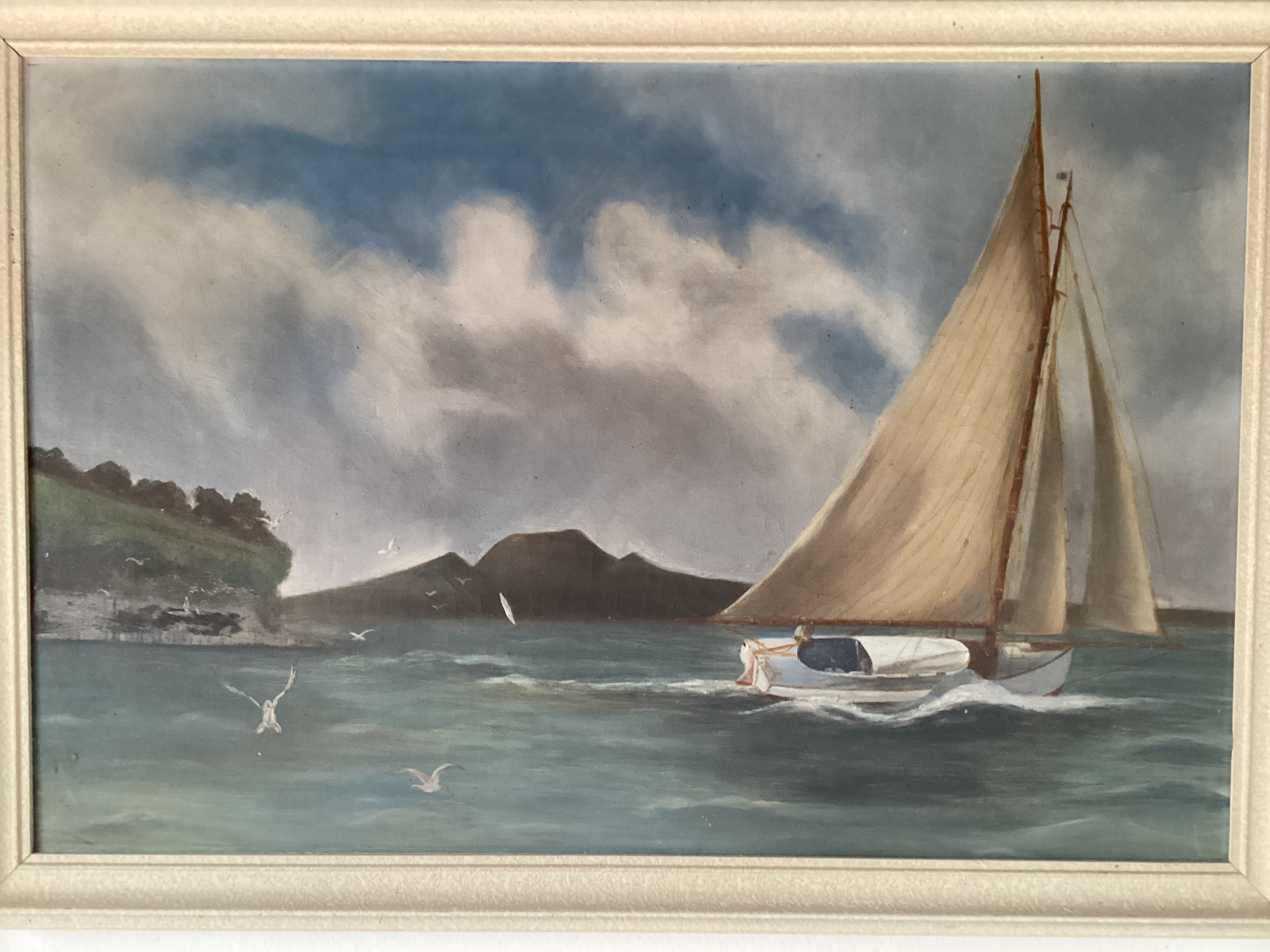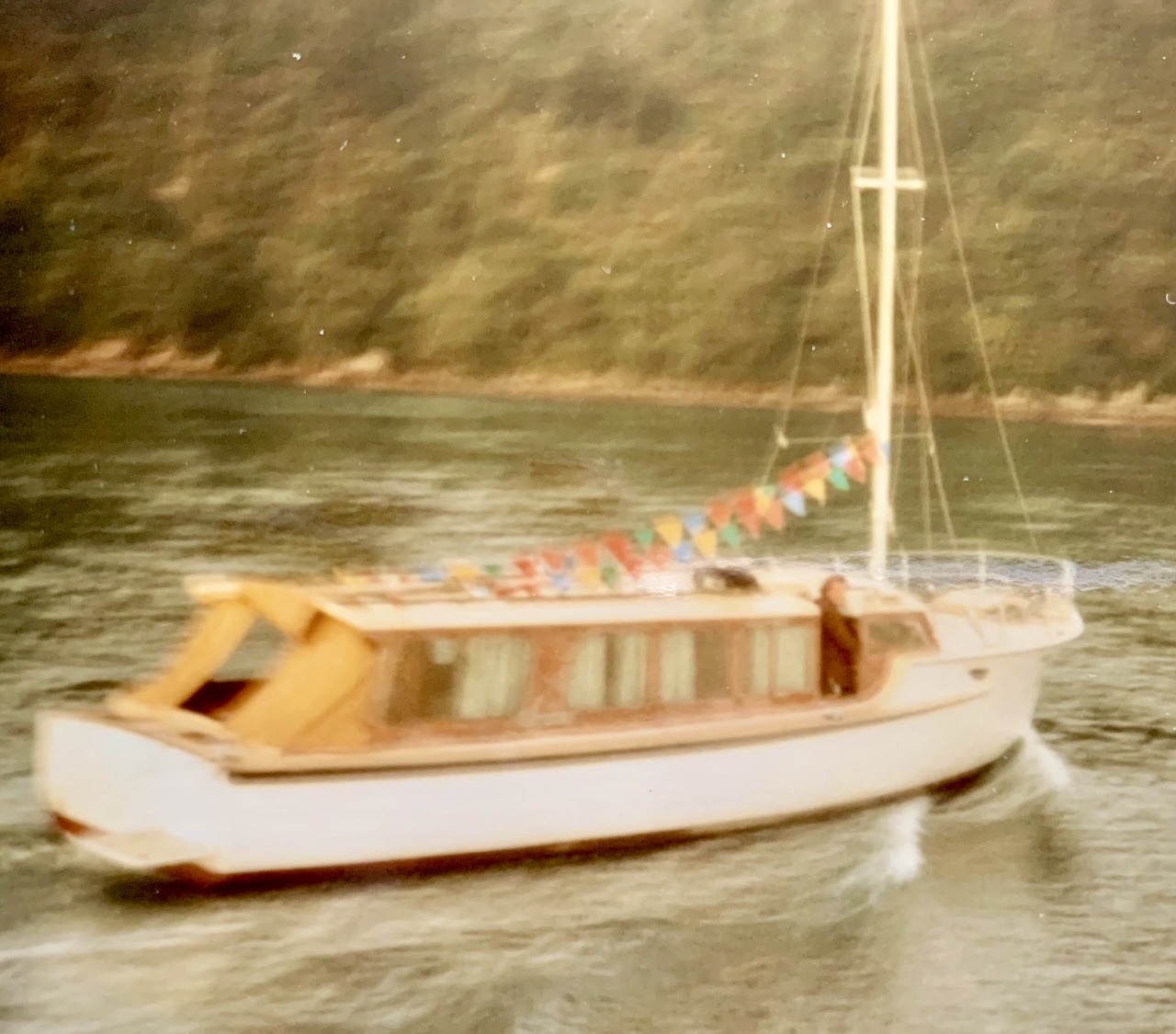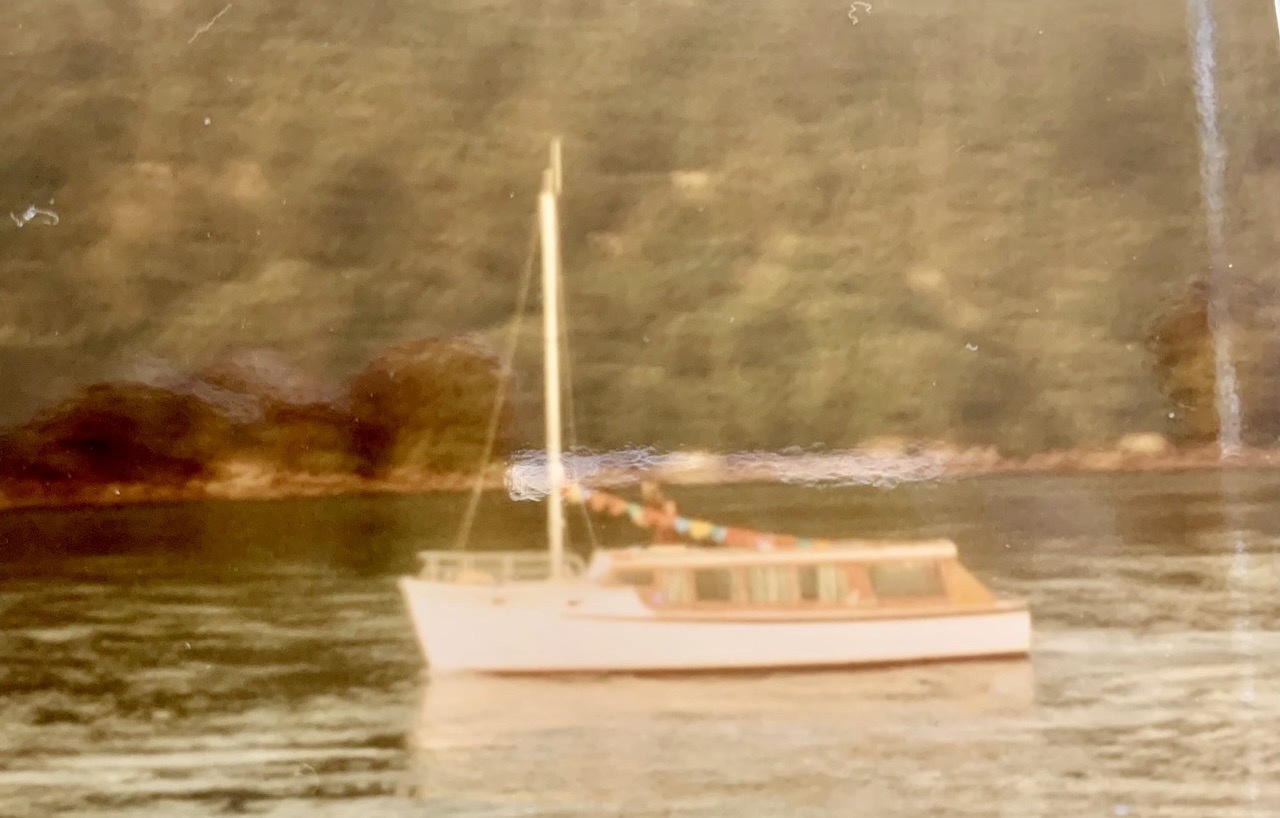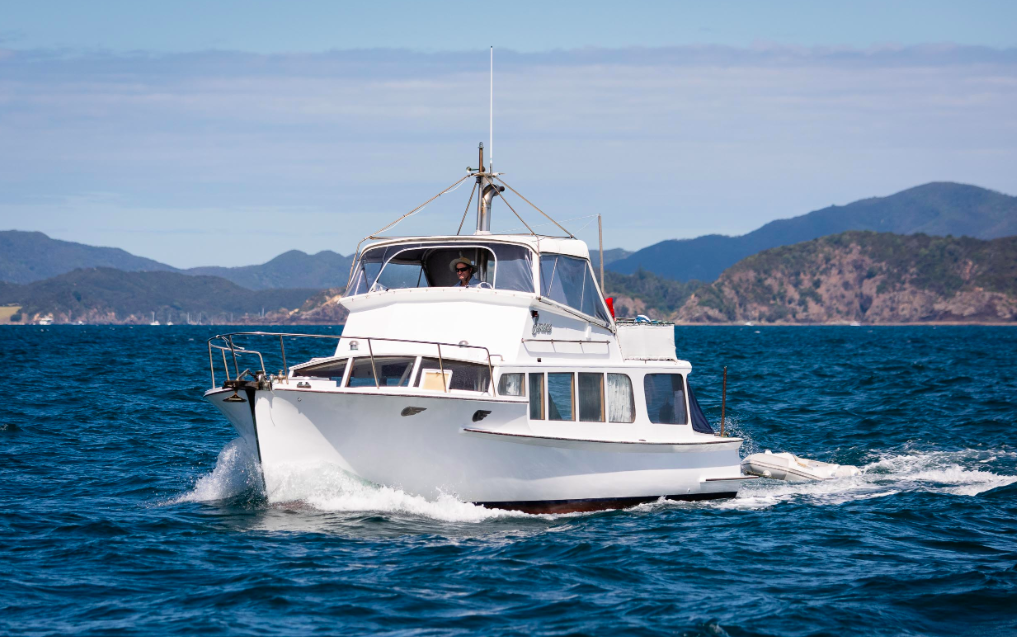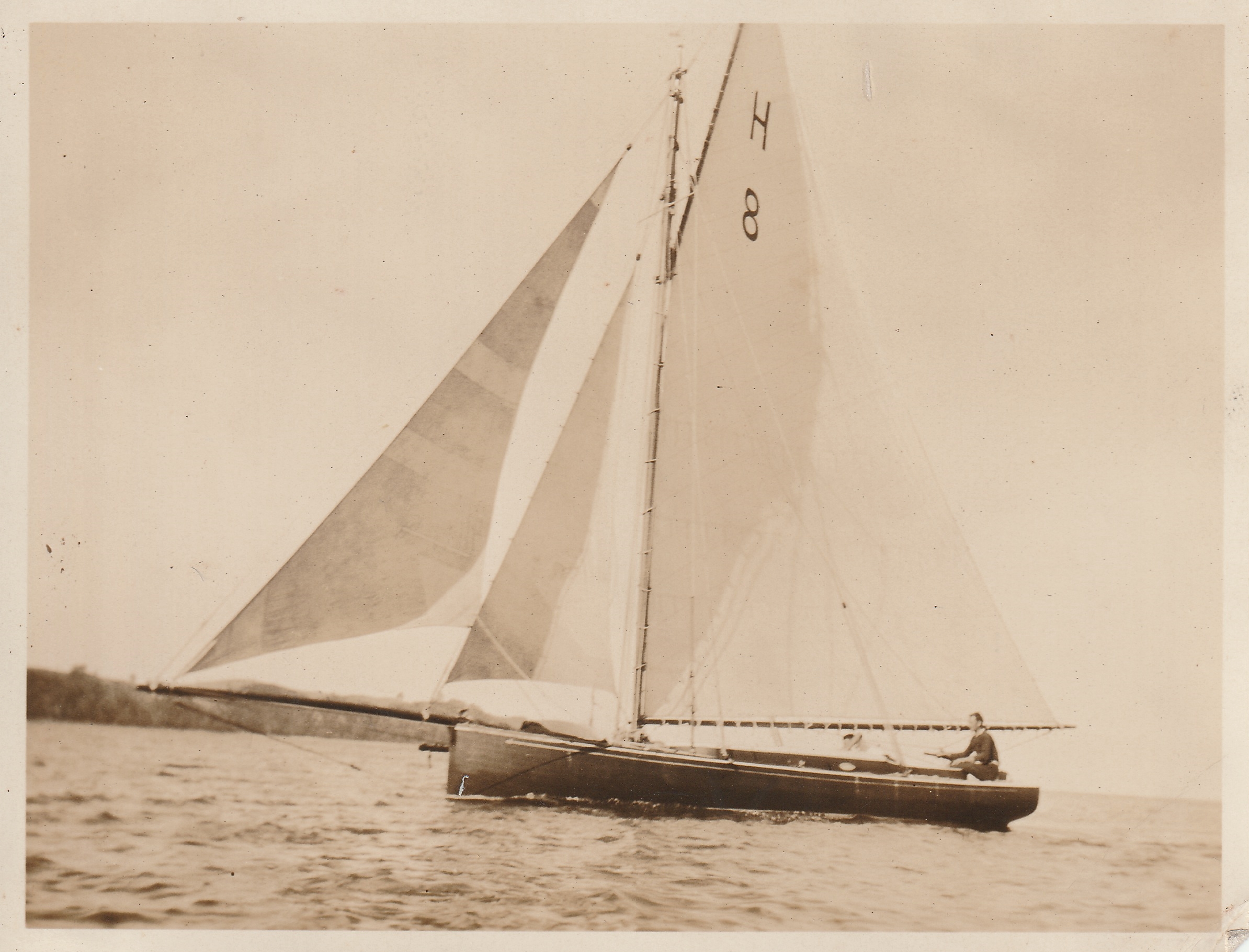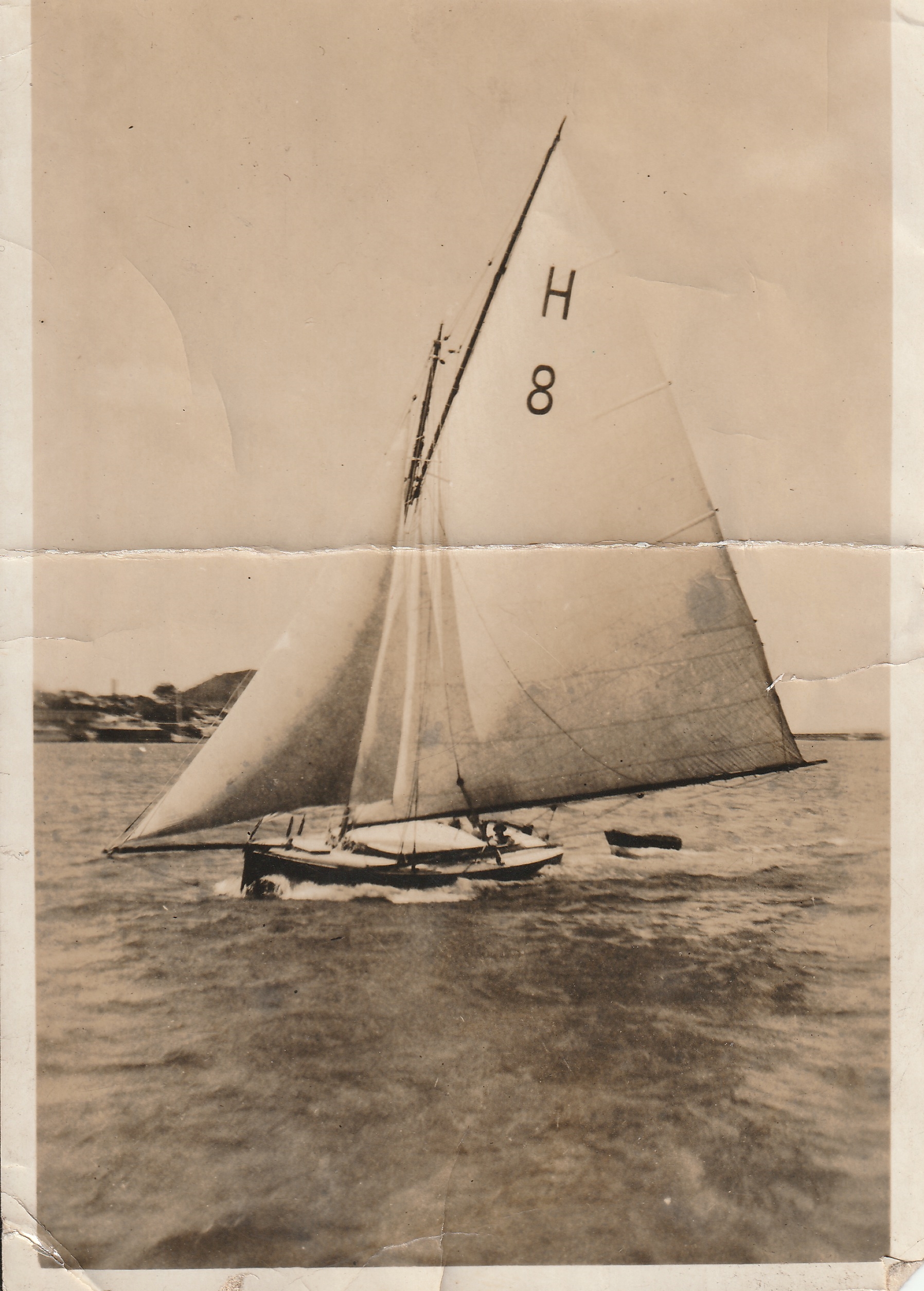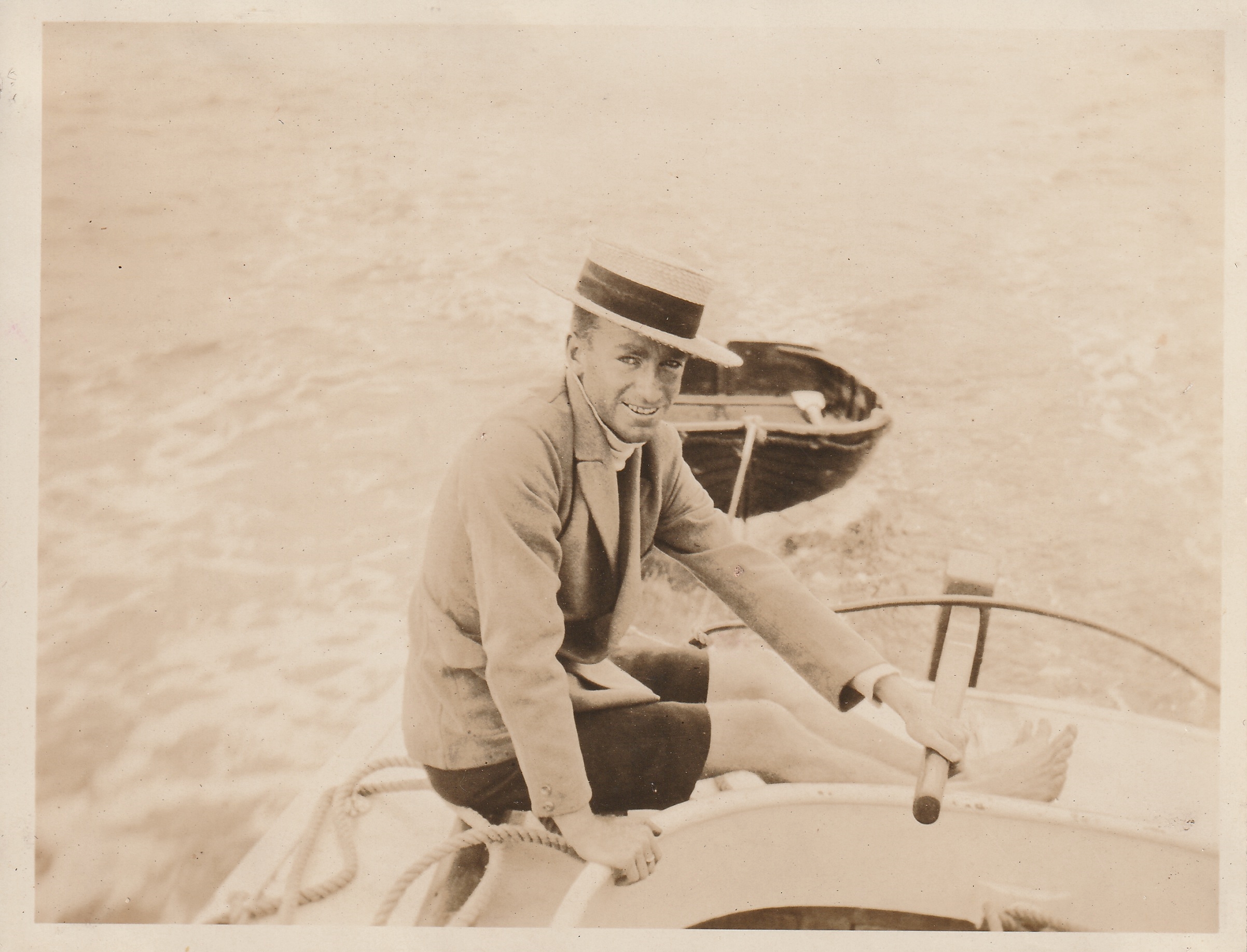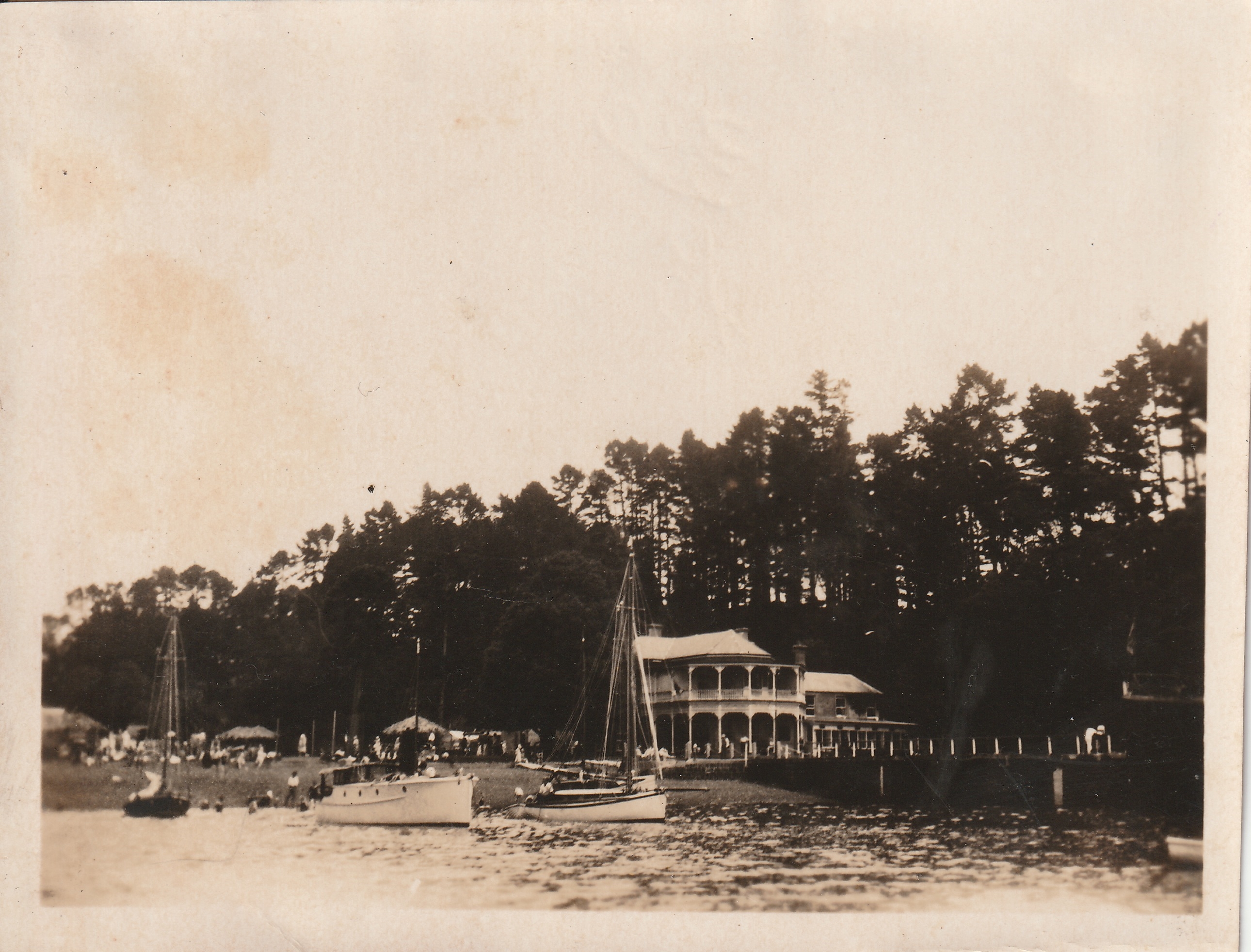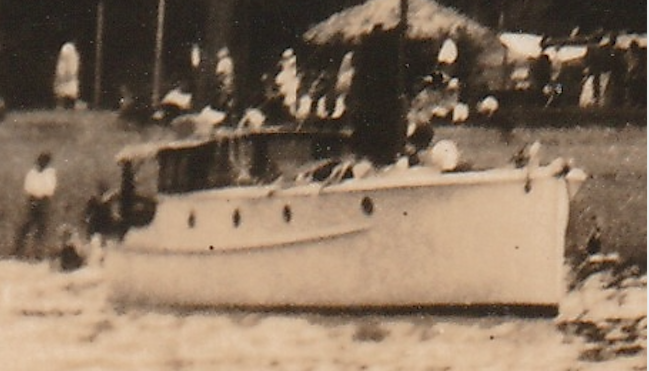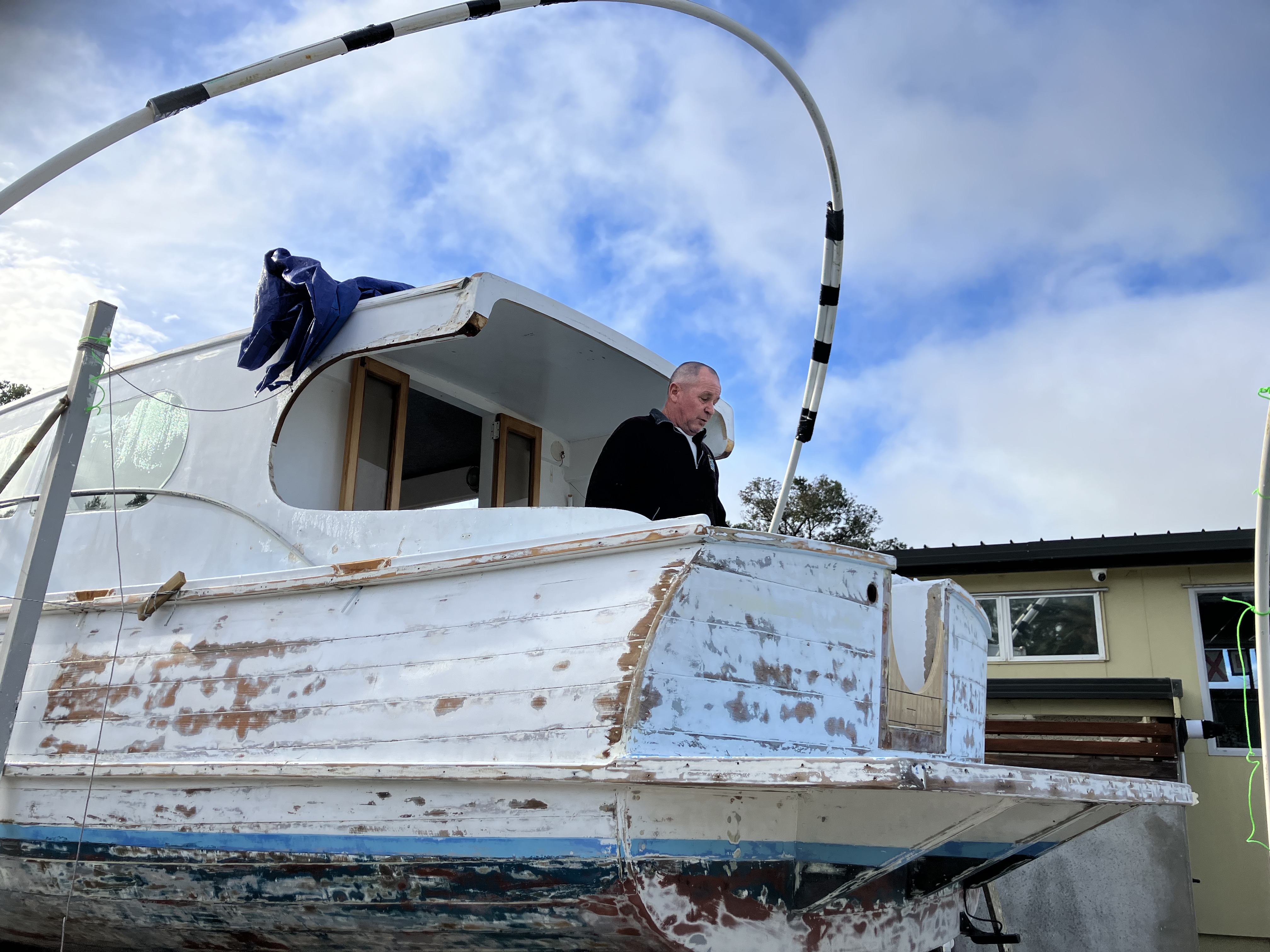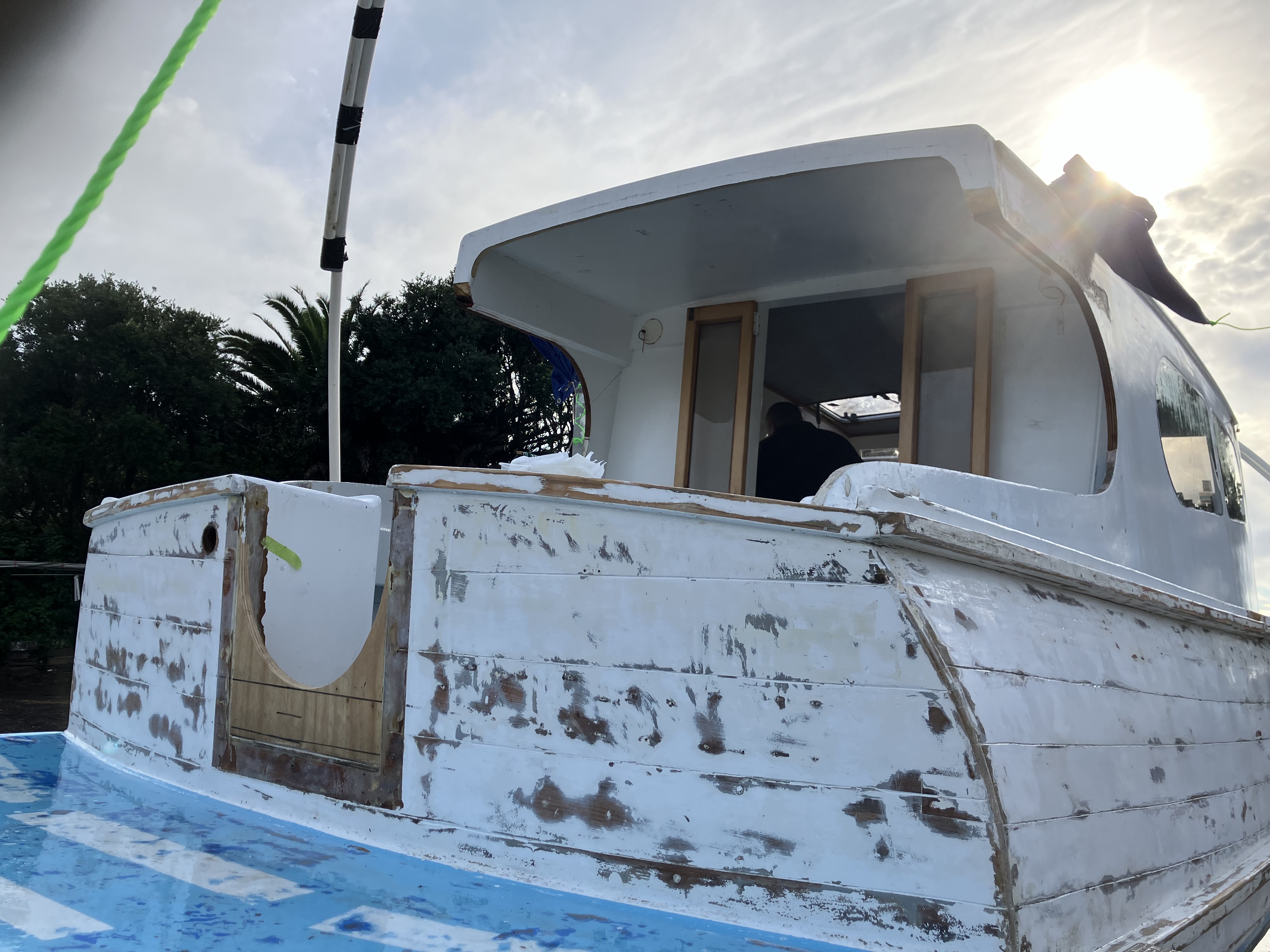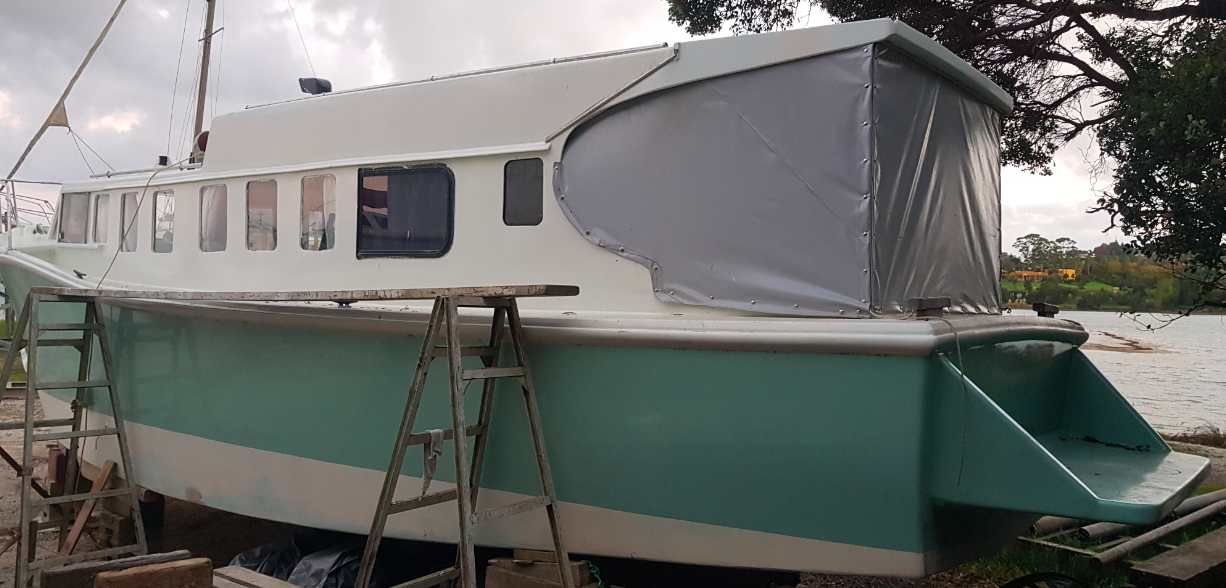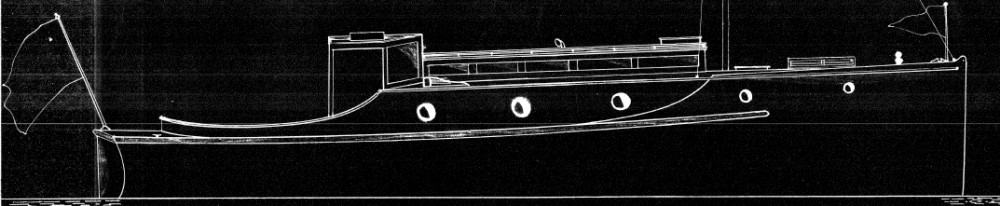
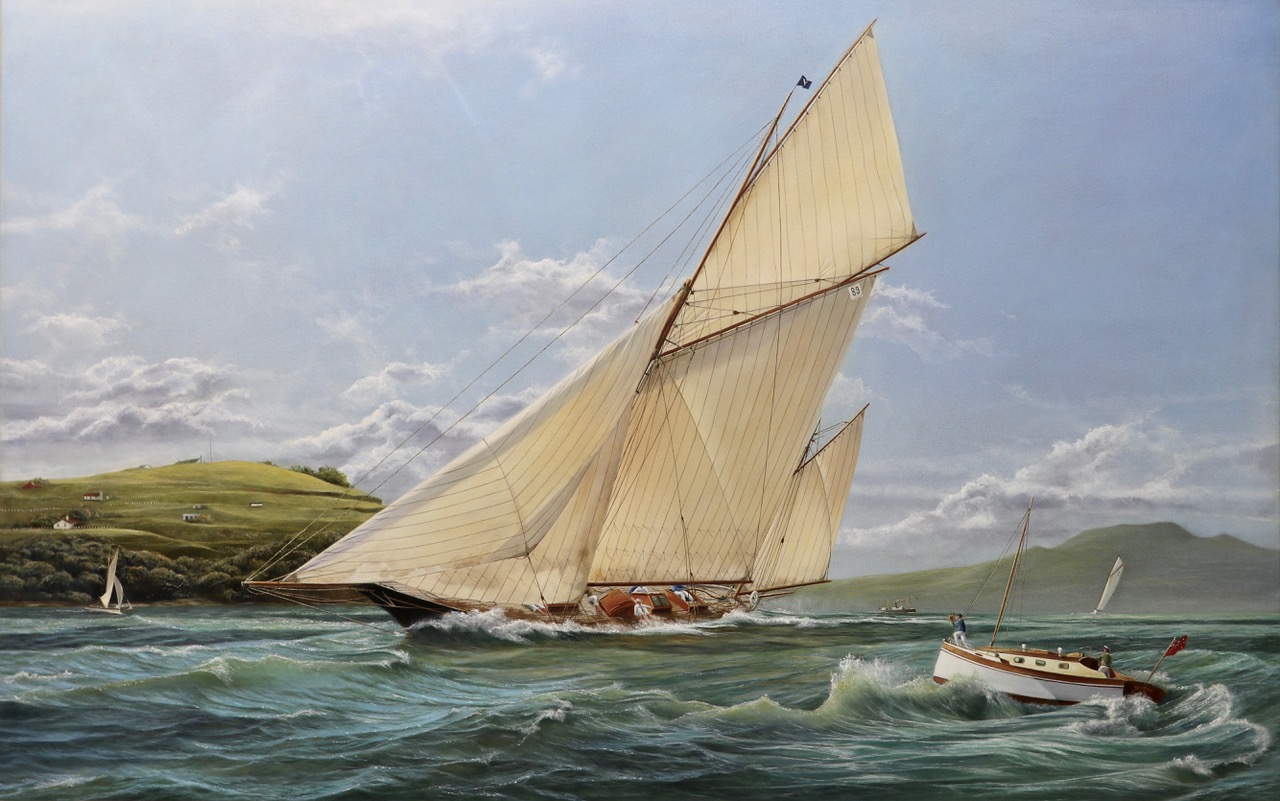
During the week WW was contacted by Peter Pickett in regard to a classic launch named – ARANUI, built c.1920>30. I’ll let Peter tell the story.
“Don’t know if you can help us but several of the families descended from our Grandfather, Jim Ross of Cambridge (in those days a co-owner of Cambridge Transport) are trying to locate his beloved ARANUI a former and possibly current waitematawoody, in a new guise. Grandpa Ross also crewed on the legendary ARIKI
We believe ARANUI was built around 1920 to 1930 but we are not sure of the original builder or owner. The Yates family (of seed fame) owned her up until around 1950 when Grandpa JW Ross purchased her. He kept her on a double mooring at Westhaven. ARANUI was originally powered by a 6 cylinder Ailsa Craig petrol engine, but in the late 50’s Grandpa re-powered her with a 4 cylinder Fordson diesel. Our fathers were regular crew but few of the remaining grandchildren ever got to go on board as our grandfather passed away in 1961. We were mainly a little on the young side to be of much use prior to 1960 but most of us are life-long boating enthusiasts and own boats of varying descriptions.
We believe a Mr Fisher may have purchased her in the early 60’s and taken ARANUI to Whitianga, where she was possibly moored up the river somewhere. We have heard that the Yates family may have re-purchased her at some stage before or since and may even own her still, but the latter aspects are unconfirmed.
We are extremely keen to track her down again and dependent on various factors, may even consider purchasing/restoring / displaying her. Condition is not necessarily an issue as she could become a display in a Museum created by one branch of the family, that being the Ross Bros Muscle Car (and heaps of other stuff) Museum in Cambridge. Its mighty spectacular and there is an ARANUI space if that is the best remaining option.
We would greatly appreciate any help you can offer in this search, and look forward to hearing from you. Cheers, Peter R Pickett, on behalf of the Ross, Peake and Pickett families.”
So woodys can we solve the mystery of what became of ARANUI
01-07-2024 INPUT ex MITCH PASCOE (via Baden Pascoe)- Yes it used to moored in back bay, Whitianga. Owner by a guy called Des Fisher ,a block layer ,who lived up by Coghill Street . He had a Mk1 Vanguard car made into a Ute .
Used to go out and stray line big snapper , they were always in washing machine bowls stewing in their own juice with no ice in the sun . I think it had a Ford in with exhaust out the side ..
01-07-2024 INPUT ex HAROLD KIDD – She was owned around 1920 in Coromandel then by W.H. Stevens of Tauranga in the late1920s until 1937. It’s possible that she was rebuilt from the hull of a large auxiliary mullet boat ARANUI built 1912-3 by David Reid.
MYSTERY YACHT AGROUND WINNER – Hugh Gladwell with the correct name – NGATIRA. Amazingly 95% of people said LITTLE JIM and gave the location as Rangitoto Island. NGATIRA’s owner STEVE HORSLEY supplied the photo, Steve was given the photo from Ian Littler, his father owned NGATIRA from 1916-1919. Photo is thought to be the aftermath of the 1917 storm off Devonport somewhere. Burgee in the letterbox tomorrow Hugh 🙂
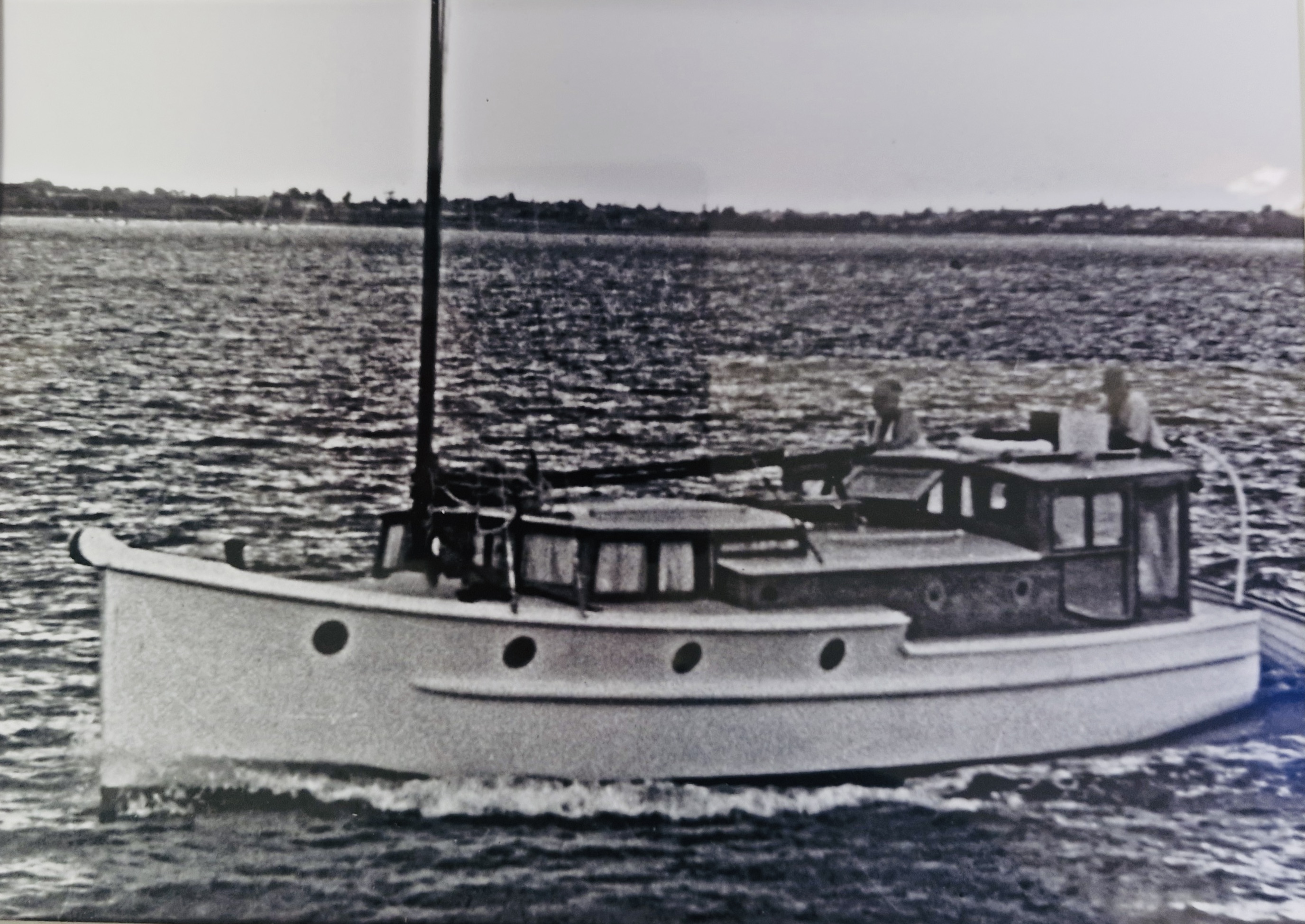
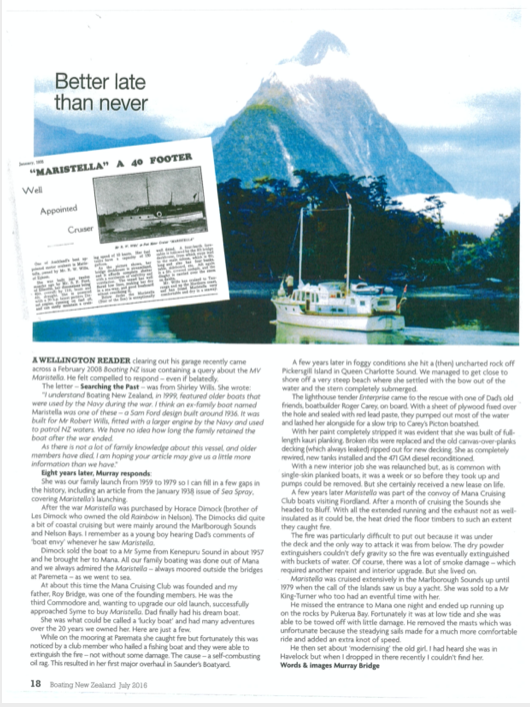
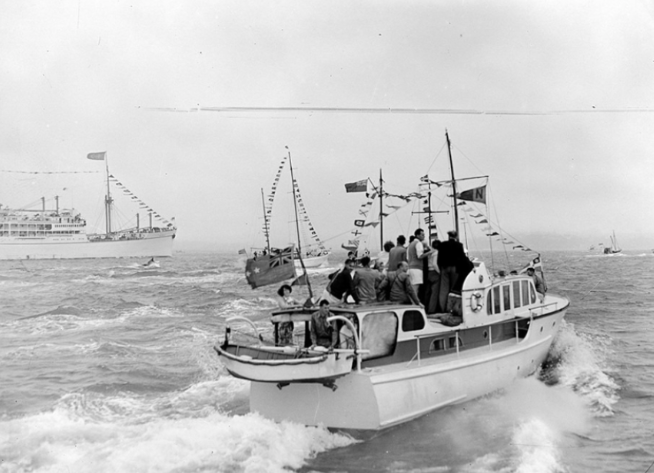
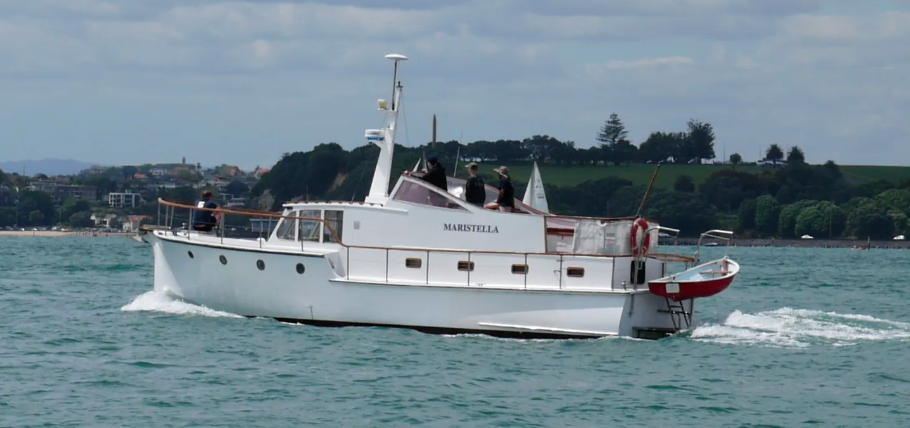
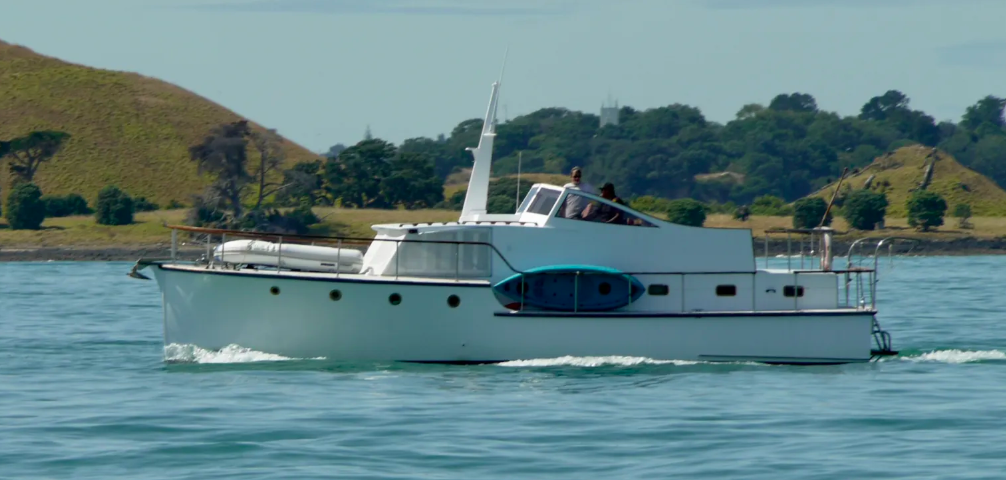
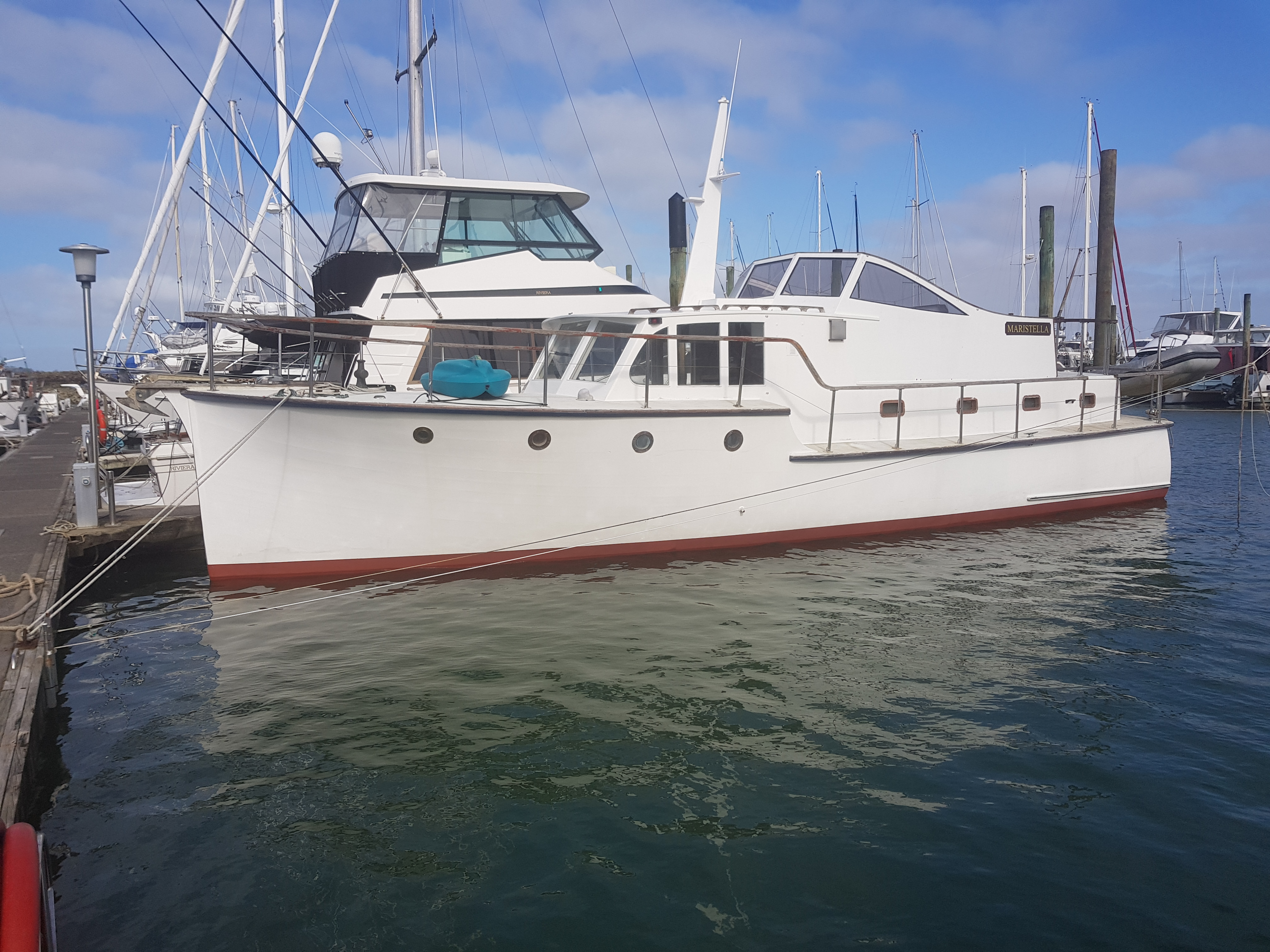
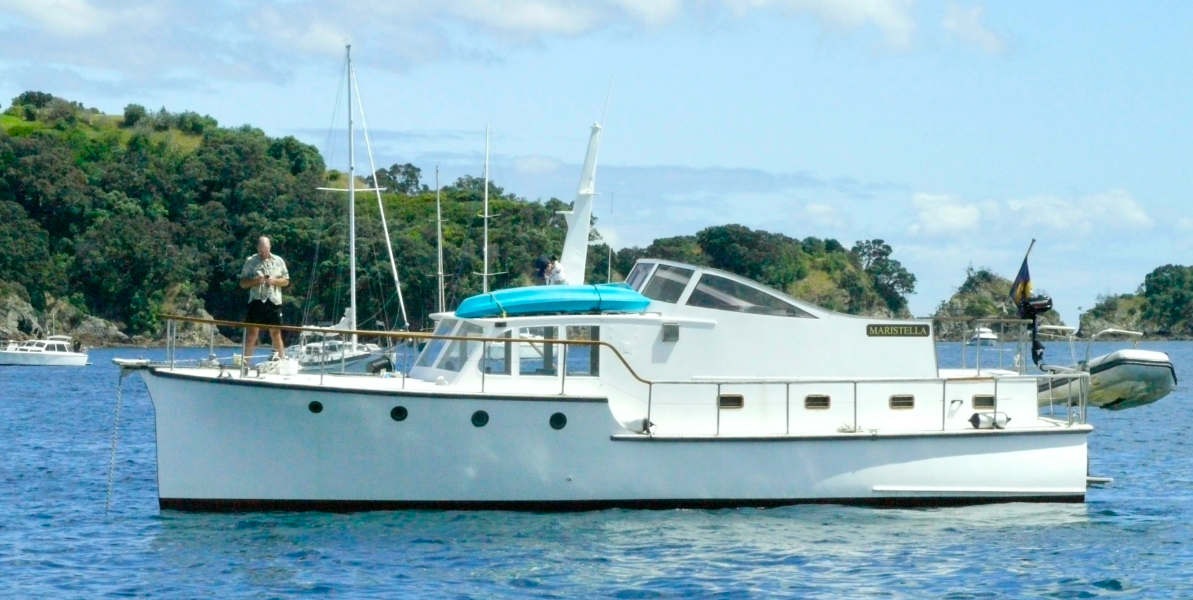
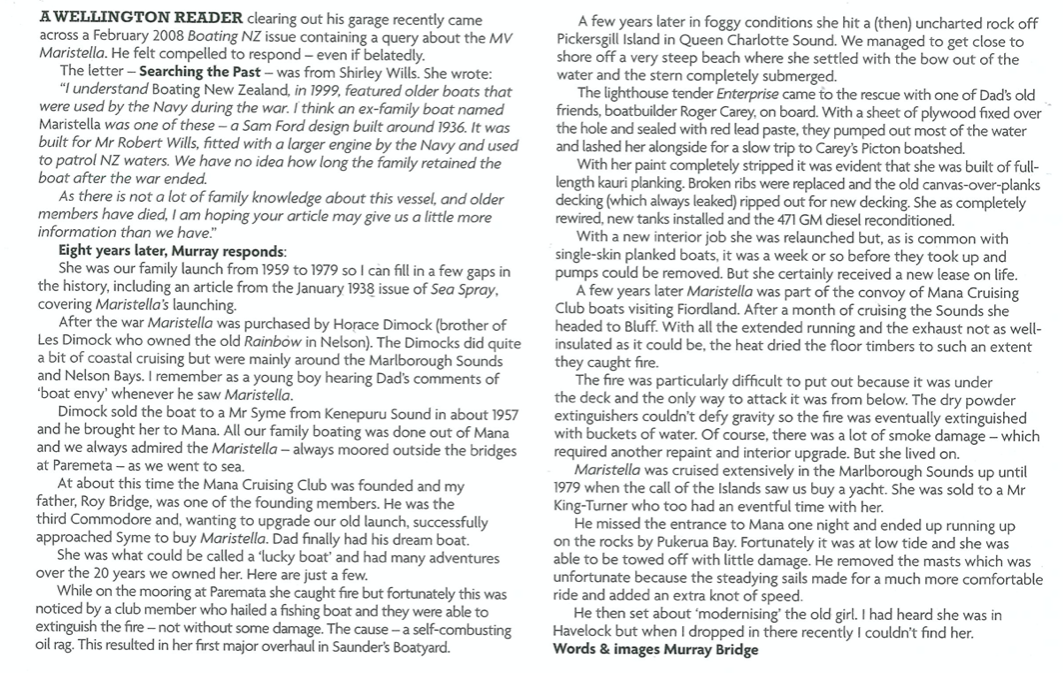
Chatting to Nathan Herbert yesterday prompted me to do a deep dive in the WW files and jackpot I came across some correspondence from Murray Bridge back in Jan 2020. Murray’s family owned the boat for approx. 20 years (1959>1999) and he sent me a clipping of an article from Boating NZ. Reading the article it appears that MARISTELLA has been a very lucky boat, if she was a cat she would have used up a lot of her nine lives 🙂
In her past life she joined the sub-mariner club when she hit a uncharted submerged rock in Queen Charlotte Sound, was successfully re-floated and refitted. Then on another trip caught fire in Bluff, again repaired. And later ran aground on rocks near Mana in Wellington. I have included an enlarged section of the BNZ article below – click image to enlarge.
The good news is she survived all those oops and is still with us today as seen in the above photos. The real reason for the story today is her newish owner is in Nathan’s words ‘rejuvenating’ the boat and needs a pair of opening portholes (approx. size = 8.5”), so we are doing a shout out asking if anyone has some gathering dust. FYI – when we ask for help locating fittings its for woody folk deserving a helping hand, not owners that are doing $100k+ work at professional yards. WW points them to https://www.toplicht.de/en/
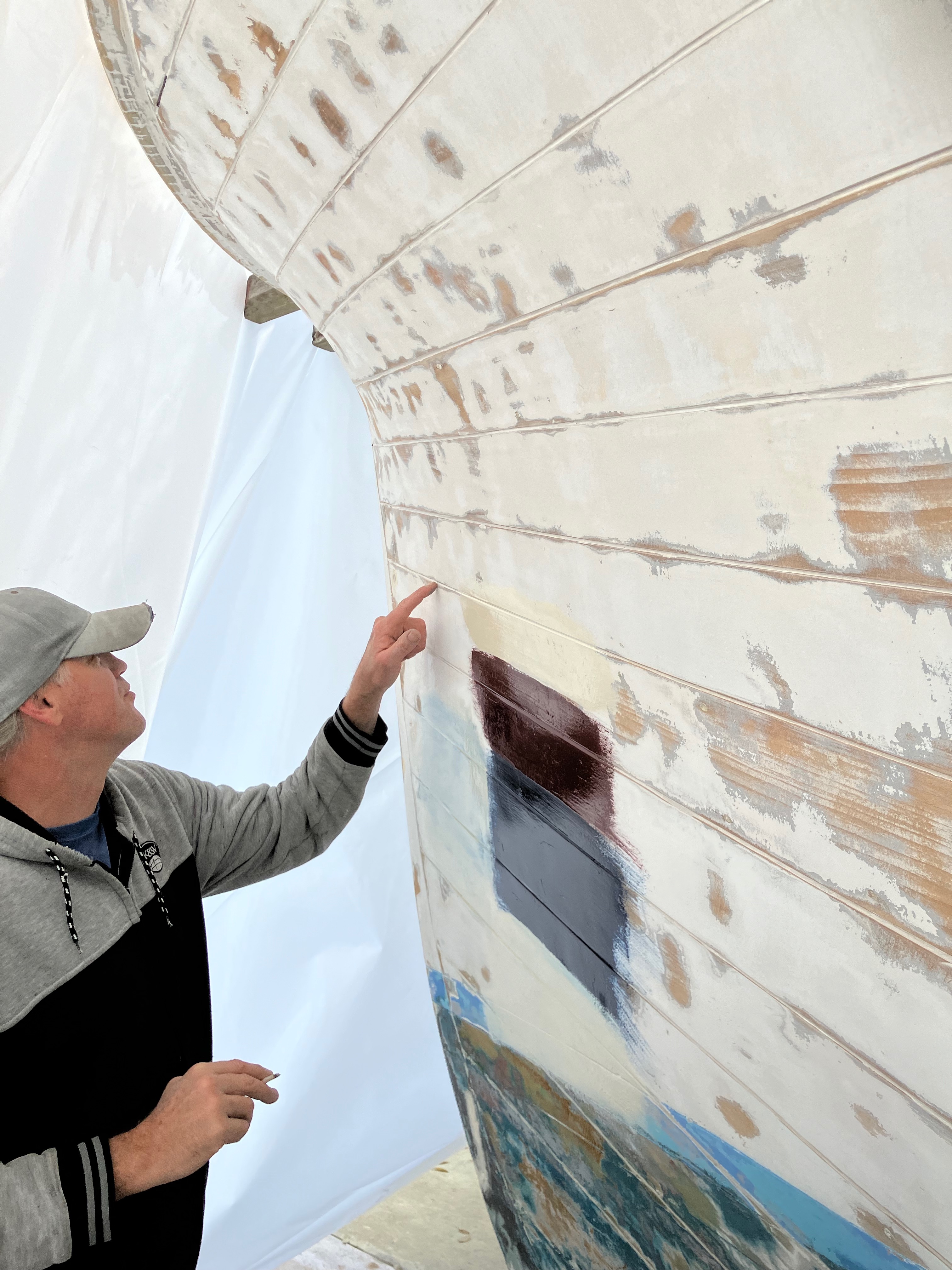
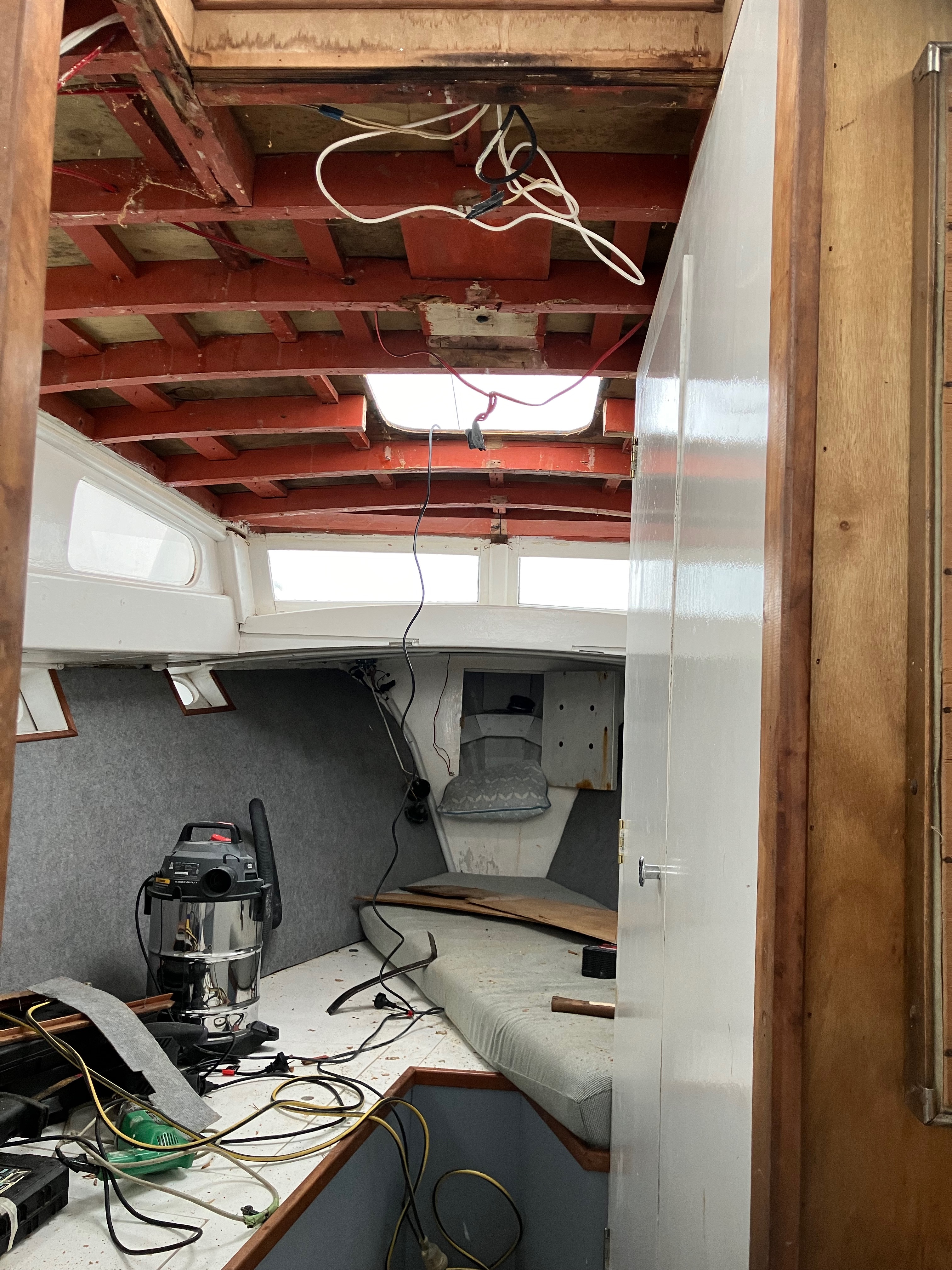
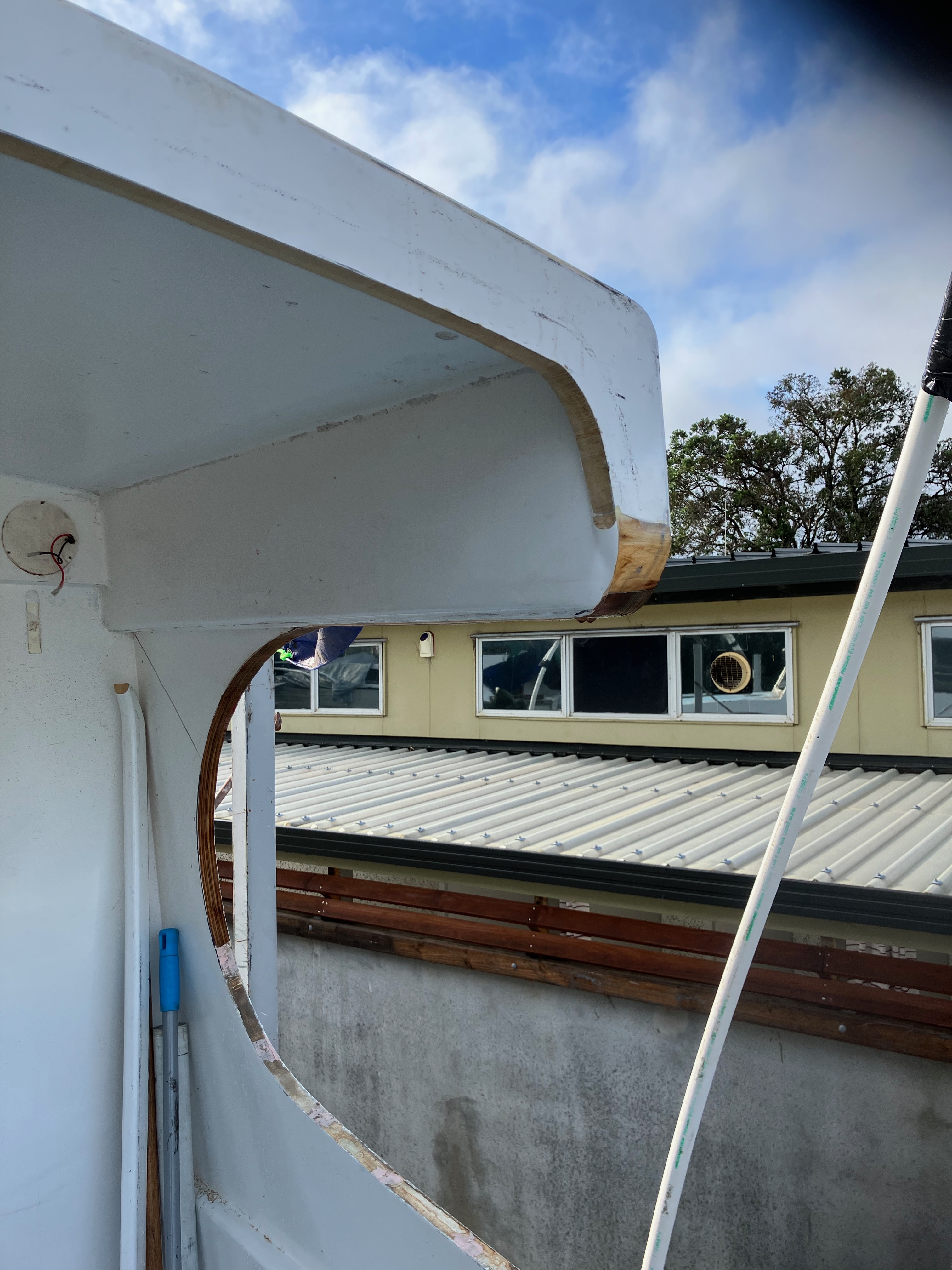
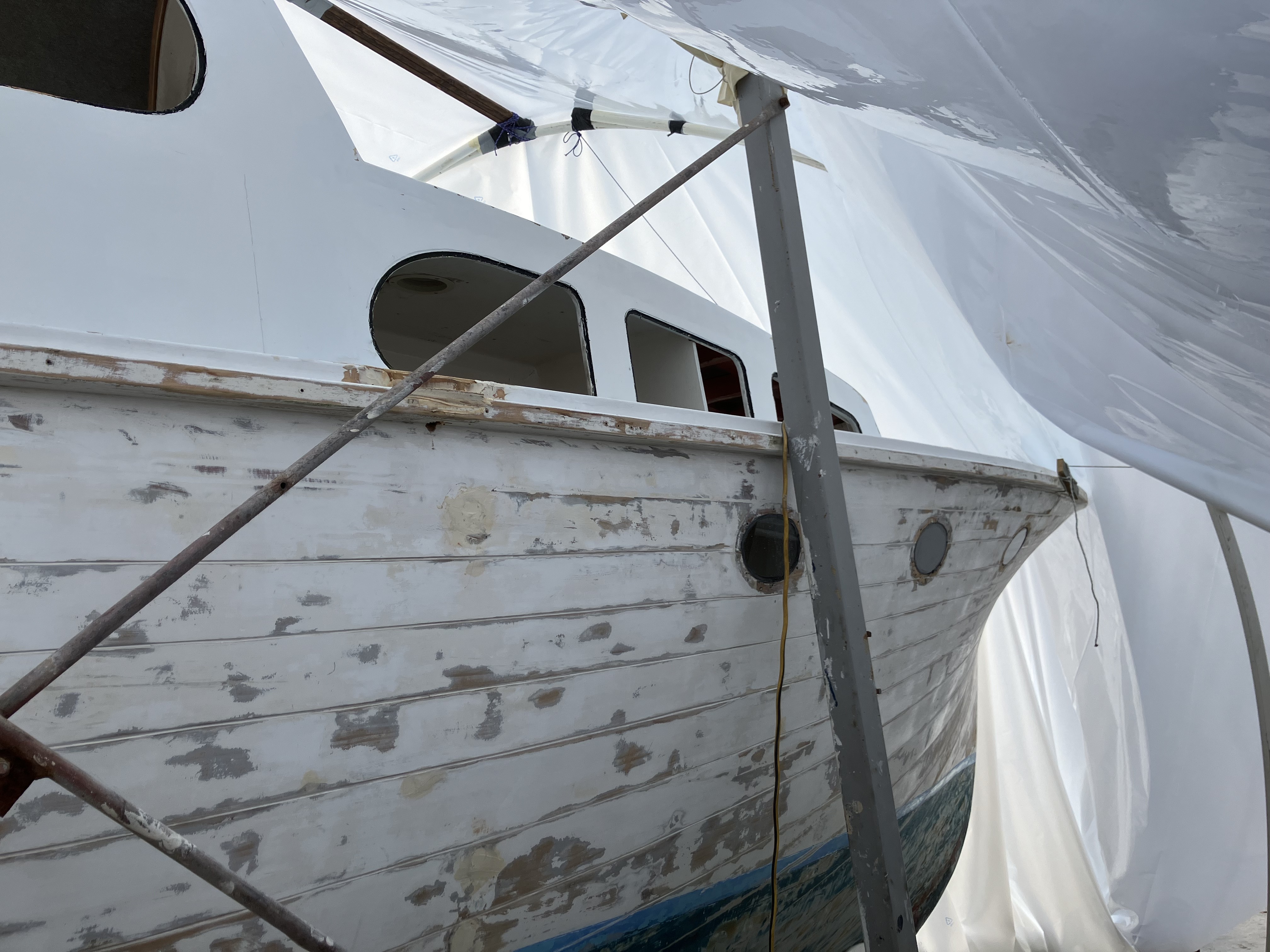
CLASSIC LAUNCH – LADY CAROLE RESTORATION – UPDATE #3
Again co-owner Patrick Crawshaw walks us thru the latest work
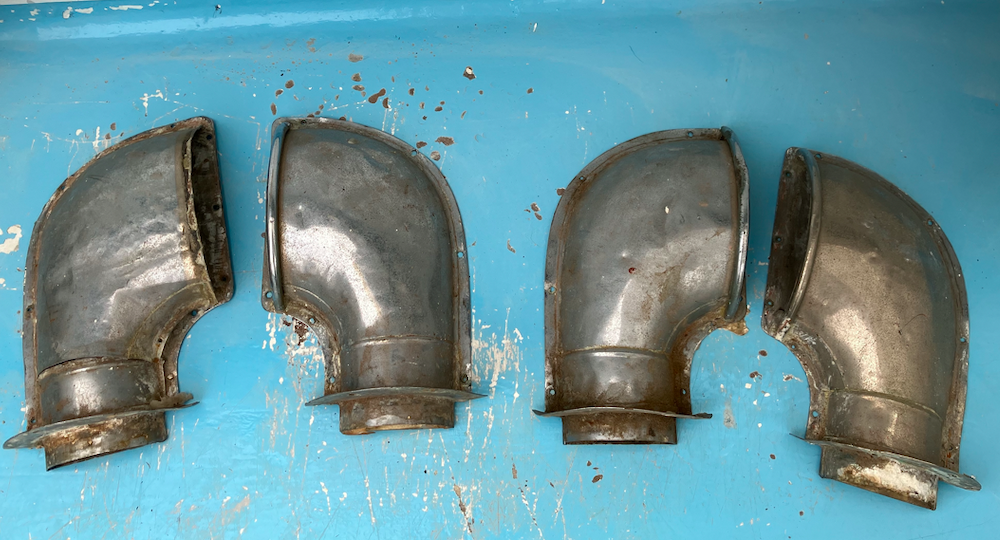
“First thing, I would like to say a massive thank you to Ron Trotter who after last week’s post got in contact with waitematawoodys to say he had the original cowl vents. He posted them up to the Bay of Islands and I had them on Tuesday. This website is incredible for putting the right people together and after spending literally hours and hours searching the world online for these things, I was very happy that I have the original ones back. One closer inspection when they arrived, I could see they were made back in the day by hand, hence the reason I could not find them and even more of a deal that we had the original ones to go back on LADY CAROLE. They will get panel beaten and tidied up and then have to go to be re-chromed.
This week has been a little more challenging, not in what LADY CAROLE has thrown us, but more in what mother nature has.
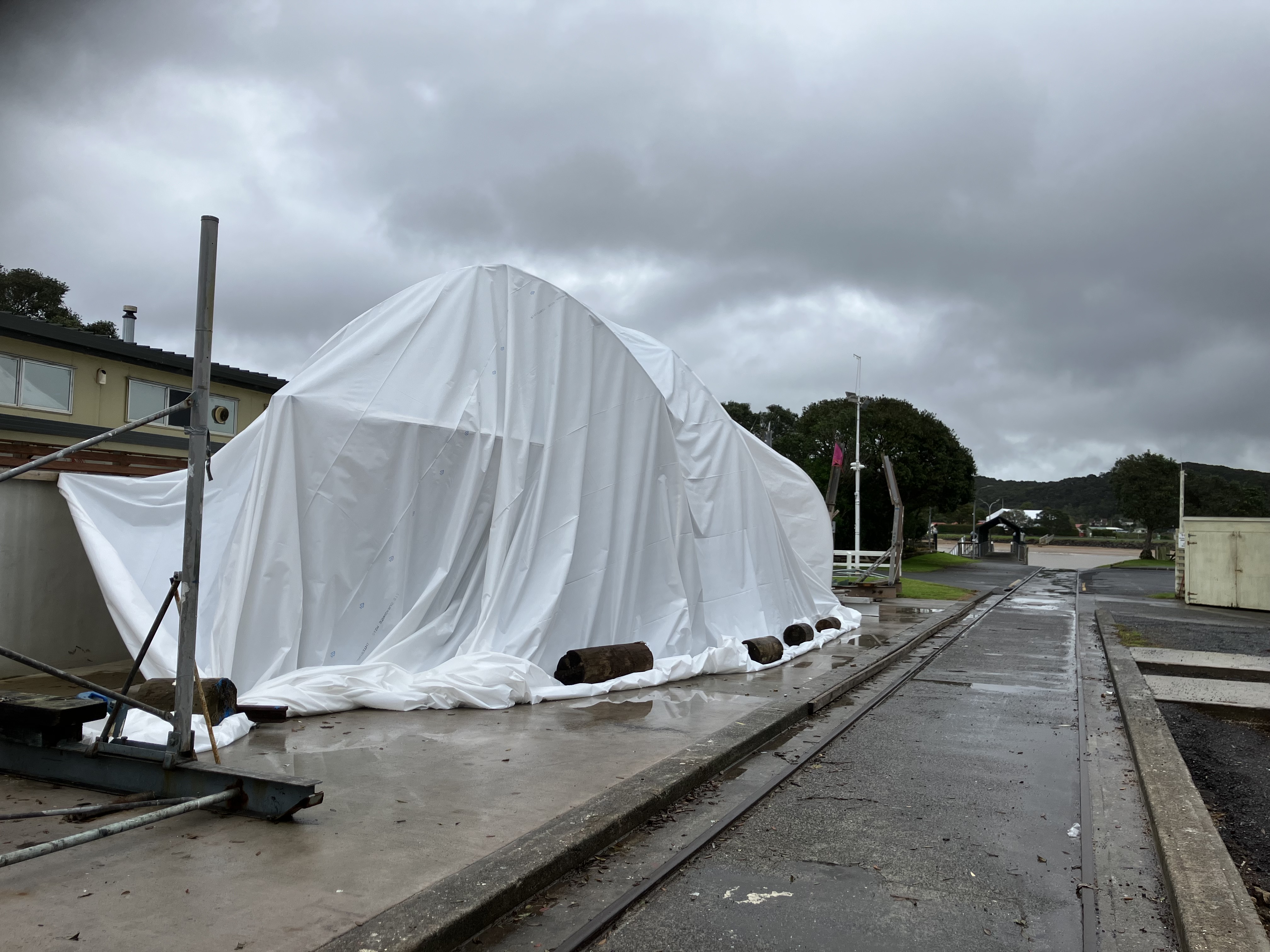
We are working through the Winter and have a limited time frame at the yard. The slipway closes during the Summer season because of the cruise ship passengers, which tender to the wharf there. So, we ordered a large – very large – piece of plastic, the type of which is used for tunnel houses, to cover the boat and then we waited on a certain freight company who shall remain nameless, and we waited….
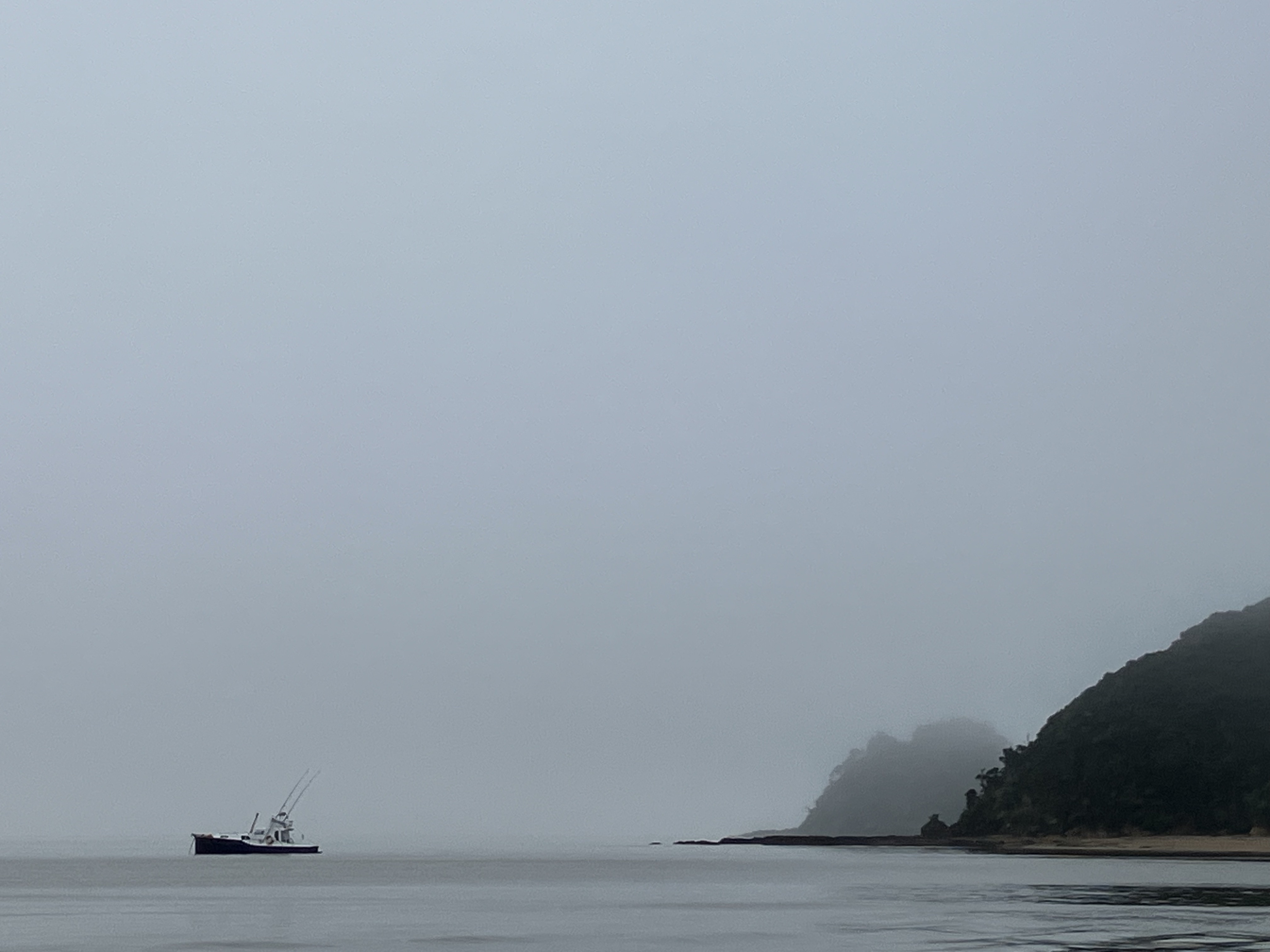
On Monday the weather delivered very low lying persistent fog, which hung around for most of the day. The boat was so wet, no sanding could take place, then on Tuesday and eight days later the plastic arrived. We tented the boat just in the nick of time and the heaven’s opened – it hasn’t stopped raining since then. Then the power went out…., but luckily we could press on…
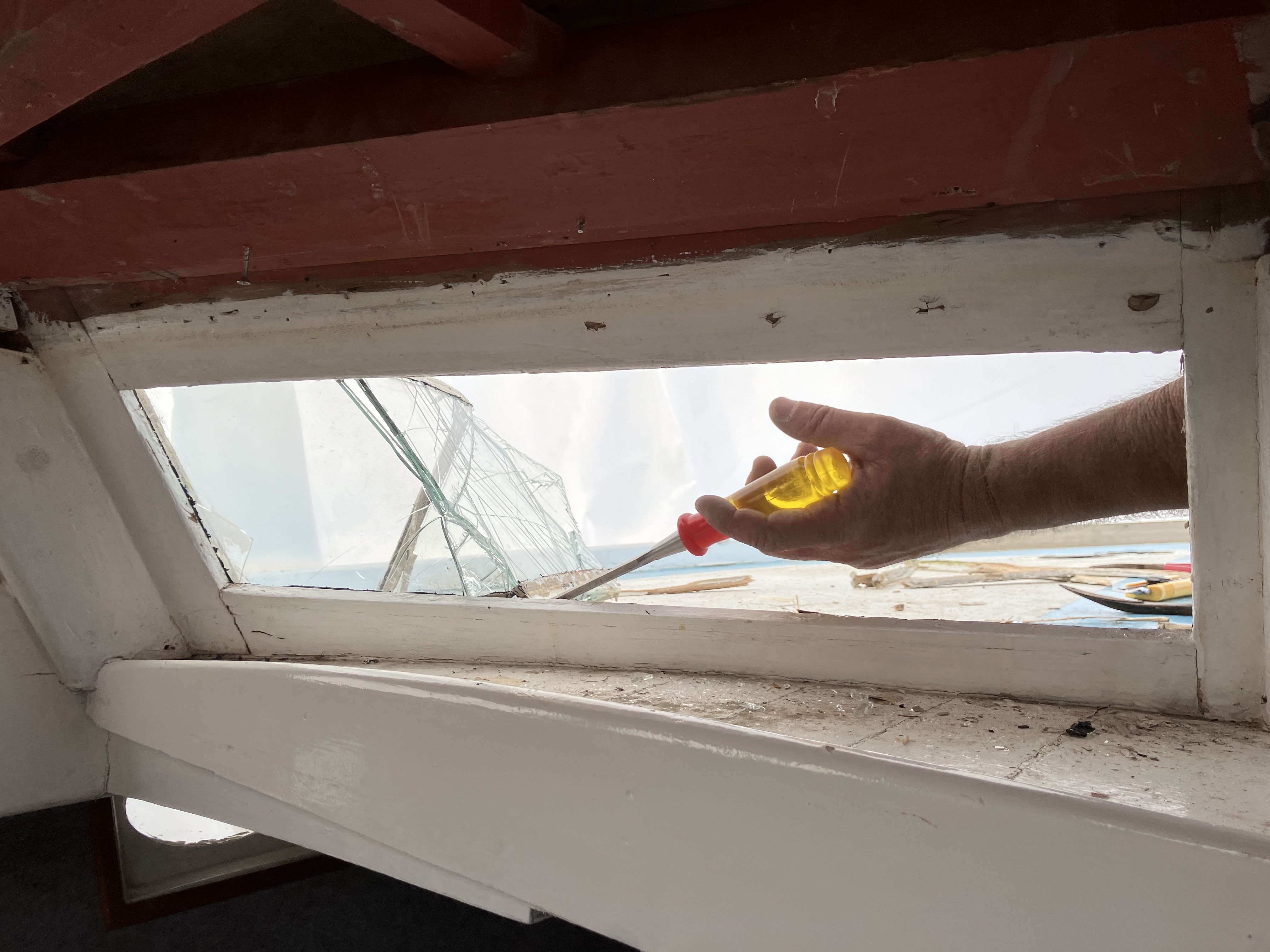
Now she is tented, we can remove things like steel/glass hatches (wooden ones need to go back) and the windows, which was done yesterday.
The windows were a tricky one as I am trying to keep as many of the original elements of the boat as possible and did not want to remove them, but we discovered over the years that they had been replaced as they broke, or as they were changed. The boat had a complete mix of different tints and types of glass and most were leaking, so they all had to come out. I decided after much deliberation to go for clear glass. The objective of this restoration is to try and get LADY CAROLE back to her launching look, and she would have had clear when launched, so that’s what we are going for, but in safety glass of course.
Sam, the Wynn Fraser rep has been helping with the colour scheme, which was posted previously. The inspiration behind the colour scheme is the reddy brown she had in the 70’s on the side section, with the added addition of a deep blue hull with white pinstripes to break up the blue and make her lines pop even more. It’s crucial that the blue works well with the reddy brown and that the white is not a bright white, more subdued almost like a mellow antique white. The finish will be low sheen, not gloss as I think that belongs to the modern boats with their perfectly finished hulls. The low sheen will give her more forgiveness. The whole boat is getting a flexible two pot system for strength and durability. Sam supplied the paint cards and test pots shown below to make sure they work on the boat and in the outdoor light. The test pots were glossy, so the finished look will be more subdued than the photograph.
The ceiling in the forward cabin had to come down to sort a hatch that had been put in the wrong place. When the boat was reconfigured a past owner put a hatch in the centre of the forward cabin (to let light in I think) and then covered over the forward hatch. They then moved the mast to the top instead of the centre of the forward hardtop. So, in order to correct this back, we had to remove the ceiling as one of the ribs had been cut to allow for the hatch and this was compromising the integrity of the roof. The new ceiling will have insulation and show the ribs to give a little more height.
Meanwhile a lot of sanding has been taking place and we are almost there – well, first sand anyway.”
The 36′ launch OMOKOROA has made several appearances on WW. Each story (links below) has told us more about her and her colourful past. The most recent story was in April where we saw she was nearing the end of another restoration. The name Lyndon Chambers is a common element in most of the stories and today Lyndon has shared with us a gem of a photo from the Western Bay of Plenty District Libraries collection dated c.1950’s. This b/w photo was supplied by Claudia Hume.
In the corresponding text we learnt so much more about her provenance and the many names that have graced her transom. Reproduced below”
“The Kotuku was originally the Phenella, built by Sam Middlebrook as a houseboat in around 1920 on the banks of the Uretara, helped by William Mulgrew and Noble Johnston. Sam lived in her until 1938, when he moved to Waihī. It was sold to Norm Blomquist who renamed her the Wanganella. Claude Hume bought a share in her, and took her over when Norm died in 1949. He engaged a boat bulder to rebuild her superstructure, then renmed her Kotuku. He kept her for 20 years until 1971 when H. G. Lomas of Waihī Beach bought her. She is said to have been taken to Tauranga in the late 1980s for repairs, and there has been no further record of her. The story of the Phenella/Kotuku is on pp 220 & 221 of Max Avery’s book “Maritime Tauranga”.
Thanks also to input from Gavin Pascoe we learnt that the 22’6” NOMAD was built in 1914 by Edwin Bailey in Wellington.
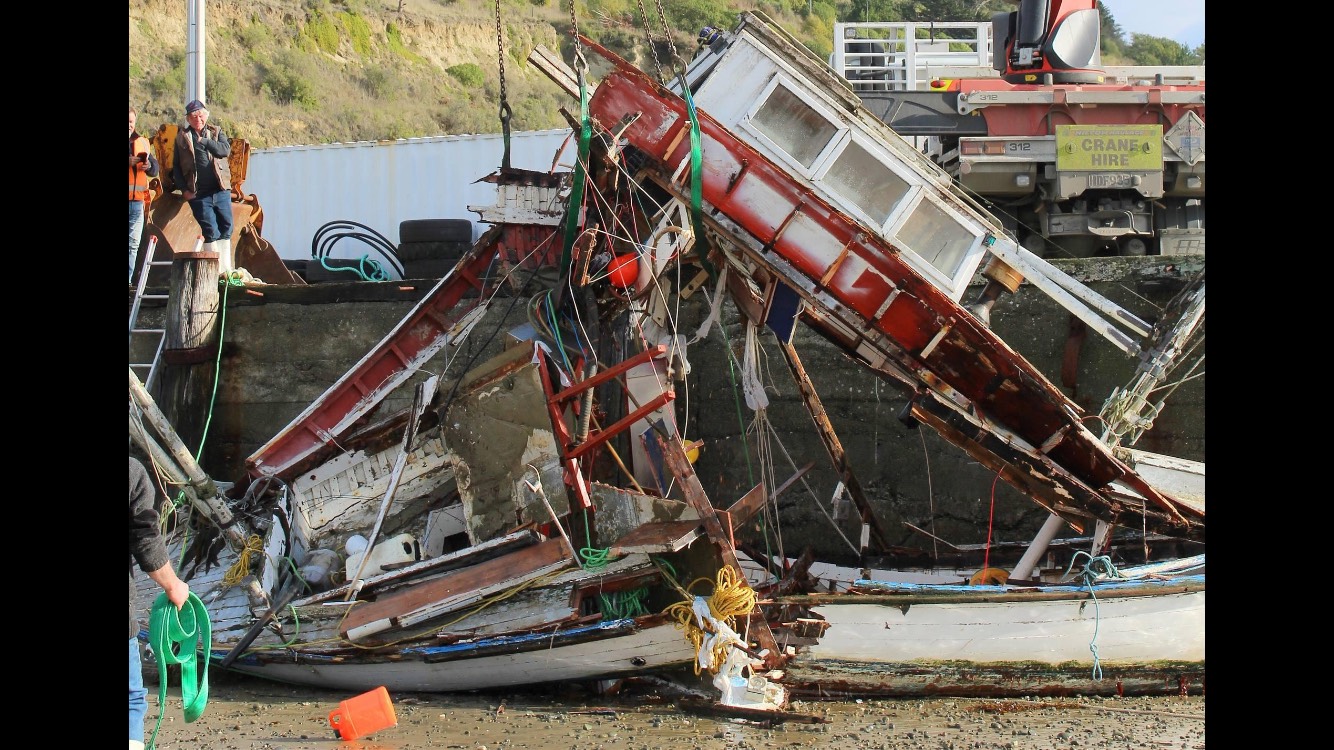
Hopefully she wasn’t too baby damaged and can be repaired.
(Photos supplied by John Dawson via the Mapua Community Group ex Angelika Gebhard)
UPDATE 21-06-2024 ex TOM FAHEY – “Hi I was gobsmacked yesterday to read about Nomad on fire in Nelson very sad. My Dad owned Nomad from about 1970 to circa 1995 l am 71 now and the dates are rough. I would have been 15 or 16 when my brother and i would go down to the boat sheds in Evan’s bay with dad. There we would crawl all over Nomad and talk to all the old salts from the other sheds while dad helped a man called Jock Arthur refasten the little ship. Jock worked with Dad at McEwans Machinery in Wellington and he was a builder (not a boat builder). Hard to remember timing but Jock got cancer not long after relaunching and offered the boat to Dad. Dad have admired Nomad since he was 15 or so him self, as she lived in the Hutt river mouth with some others and some small fishing boats and of course boat sheds. We used to put her on the slip there until we got the lowery bay yacht club up and running. Prior to Jock getting Nomad and old guy who had her would cross Cook straight in the most appalling weather but I can assure you that half as wide as she was long she was like a cork. We would have crossed the straight may be 25 times but as my brother and got a bit older Nomad seemed to get slower 😜. We had amazing holidays in The sounds mainly in Ruakākā Bay, for many years. Nomad never had a thing out of place or a paint chip all that time she was all ways in show room condition. Three quarters of her way through life with us I remember helping re-engine her . Pretty sure we took out a Navigator petrol and replaced it with a Nissan diesel that made my Dad real happy. When our parents retired to Picton Nomad went with them and lived out side their unit in the Picton marina. Their unit was a footpath width from the water what a spot up in under the coathanger. Finally the day came to let her go as looking after her was a tough job. It was not to long after that when my bro and I caught up with Nomad we could see the love was no longer as before. I do hope a rebuild happens but you would be a special person/ team to take it from here. We still have the big wooden boat hook with a bronze fitting all in as new restored condition I did it for Pip a couple of years ago for his launch in Whaitanga, it was so good it never got on the boat it is hanging in is garage. May be they could be reunited if she ever gets restored.
OLLIE IRENE- with covers removed, catches her breath in Port Macquarie for a couple of years
Splined hull and repaired bow …and installed 5 new laminated ring frames to secure shape
Repaired garboard and glassed under waterline rolling the glass into a rebate and glued a “spline” into it secure the transition at water line.
Installed self draining front cocktail cockpit through front hatch carlings, including provision for ice bucket to chill the “ bubbles Also allowing safer working space for anchoring. Storage for 3 piece hard deck cover when cockpit not in use and spare anchor in locker under seat…
Fabricate and fit keel extension for rudder and install new prop shaft tube
New rudder
After removal of a number of previous era bearers New engine bearers install to take 80HP Vetus, new prop shaft and drip less seal
The tank!…..out, modified to fit and be removable in future increased baffling, water sump and inspection plate which now sits below the cockpit engine hatch…Cockpit sole and structure remained in tact
Engine pan fabricated and installed
Engine in position for installation
Front engine cover/ companion way with storage bins in each step for oils , spare belts, filters etc
About this time I decided to put Ollie out in my back paddock
OLLIE IRENE
Over the past couple of weeks I have been chatting online with woody from over the ditch – Keith Glover is well known to some of us in the classic wooden boat community having competed in several Auckland classic yachting regattas as crew on Auckland classics. Unlike most Keith has even gone as far as to sail his 1949/50 Alden ketch ‘WRAITH OF ODIN’ (photo below) from Brisbane to Auckland to compete in the 2010/11 regatta.
Todays WW story is based on Keith’s launch – OLLIE IRENE, that Keith has been restoring/rebuilding//recommissioning/rebirthing (multi-choice) for the last few years as he says “out in the back paddock’Probably best if I let Keith tell us about OLLIE IRENE:
* LOA 32’x Beam 9.3″‘x Draft est 3’ x Displacement est 5.5 Ton
* Original Iron bark keel, Spotted gum frames and hull planking, new sheathed ply deck, house, and laid teak cockpit sole
* Little is known of history or providence (long story of how it finished in my hands) other than to say it was a completely stripped-out mildly hogged hull, with a rebuilt deck, and bare house structure. No engine, gearbox, drive train, prop or rudder, although you could see from remaining engine beds it would appear at least 3 different power plants had made an appearance over time! However there was a fuel tank of unknown age or condition totally built-in positioned aft between floor plates and captured by custom deck beams prior to the teak cockpit sole being laid BONUS!!….it was sport but suffice to say it turned out to be new SS which now has better baffles, removable and the cockpit structure remains intact!
* De hogged (adjustable steel cradle) and Splined hull, installed a 80HP motor with hydraulic box ,bow thruster pressure hot water, head etc etc etc
*The complete fit-out has been built, dry fitted, finish coated including upholstery ,basic electrical systems and switchboard etc etc and are in storage awaiting installation whilst we finish painting stuff.
* Limited research suggests Ollie was built in Brisbane during the 1920s as a spec (launched as Irene) built by a yard long since gone and appears to have a close design reference to Blanchard Lake Union Dream Boats of the 1920s from the NW coast USA.
Along the way, I have managed to repurpose many orphan genuine classic bronze bibs and bobs boat bits including some from my original restoration of Wraith of Odin, and targeting a Wooden Boat show in Pittwater November this year.
The purpose of Ollie is to explore some Australian East Coast river systems for which Wraith is unsuitable.
During the week WW was contacted Kevin Uptown regard to the Mullet Boat MATARIKI N10.Kevin’s brother John had discovered reference to the boat in a Oct 2020 WW story (linked here) https://waitematawoodys.com/2020/10/02/classic-wooden-boats-bin-diving/ The yacht featured in a NZ Herald photo from Dec 1931, the photo is below.
I’ll let Kevin tell the story: “My brother John Upton recently sent me a link to this web site and I noticed the Mullet Boat Matariki. (NZ Herald 1931) Our Dad Murray Upton bought Matariki in Tauranga in the early 60’s and sailed her to Gisborne I think in about 1963/64. At that time the Harbour basin was being dredged so Dad had no mooring. Being the type of boat she was, it had to stay in the water. Anyway long story, short we striped her down an took her Lake Waikaremoana and used her as a house boat for many years. Matariki is still on the lake at Waikaremoana I must say she is looking a bit tired. I have attached some photos which may be of interest to you.”
Earlier in the week we were contacted by Roy Jones from the Picton Clinker & Classic Boat Club. Roy advised that he had come across a photo of the 1906 Robert Shakespear built launch – INDIA on WW.
INDIA these days is a very active member of the PC&CBC fleet so Roy undertook to pull together an article on INDIA that has appeared in the June 2024 club newsletter.
The PC&CBC is a very active club and meets regularly both on and off the water. This year they celebrate the 25th Anniversary of the club – well done.
If you are time poor fast forward to page 3 and get a wonderful insight into this amazing classic woody.
Back in Oct 2016 Frits Schouten send in a photo of the – SOUNDS RANGER at anchor in the Bay of Islands, over the next few years we uncovered some intel on her history and movements.
An ex owner Tim Whelan advised that she was originally named – ENTERPRIZE but her name was changed to SOUNDS RANGER when she was acquired to ba a ranger boat to serve the lighthouses in the Marlborough Sounds. In Jan 2017 Davey Jones supplied some great intel on her past in the Comments Section, advising that his recollection was that she was built c.1932 by ER Lane, Picton. Link here to that story https://waitematawoodys.com/2016/10/19/sounds-ranger/
In March 2021 Penny Krone let us know that the vessel was sighted in Pahi on the northern Kaipara Harbour (west coast of NZ). Then in Feb 2022 Dave Stanaway sent in photos of her hauled out at Dargaville.
Then yesterday WW was contacted by Norm Judd an ex Havelock based ranger. In the WW Comments Section Norma posted the equivalent of ‘War & Peace’ – it was just too long for a comment and to good to be hidden away there.
So today woodys thanks to Norm we get to get a peek back in time and share some correspondence from the Chief Ranger (Marlborough Sounds Maritime Park) – Kerry Johnson to Norm regarding how to access and start the – SOUNDS RANGER. I have reproduced it in full below as supplied by Norm. Enjoy, I did 🙂
The following description by Kerry Johnson of the “Sounds Ranger.” is from the unpublished NZ NATIONAL PARKS AND RESERVES RANGERS’ ARCHIVE – a collection of written and taped memoirs of Lands and Survey rangers between 1952 and 1987. Kerry was Chief Ranger of the Marlborough Sounds Maritime Park from the 1968 to the 80s.
“Reading my note to Norm Judd, Havelock based ranger, re starting the Sounds Ranger brought back memories about those early days when I took over, among other things, the care and operation of the vessel. I wasn’t impressed with its overall condition. There was need to bring the launch up to Marine Department standards as soon as possible. The problems included batteries not set up properly to provide backup if one set went flat, the stern tube the tail shaft went through contained a heavy oil for lubrication but would not function properly and no matter how much advice and effort I could muster this thick oil would ooze into the bilge. A few months down the track while cleaning the accumulation of grime from a circulating pump it literally fell apart. Thank goodness the boat was safely in her berth in Picton then! Many improvements were eventually made but there was one incident that occurred one night when I think I was away. Late one rough, wet evening my wife received a call from the Harbour Board patrol to say the Sounds Ranger’s engine was chugging away in her berth with no sign of anyone on board and the doors securely locked! Now there has to be a logical explanation as to how this happened but I was never able to clearly identify the cause and that’s probably why the battery leads had been removed as mentioned in my note to Norm. I’m not superstitious and while I learned later the same thing had happened once before, you can’t help thinking that there must have been some free spirit lurking about that stormy night and was about to take the “old girl” for a cruise in the gloom! “Stranger things have happened at sea.” Thank you Norm for holding on to a note many (including myself) would have discarded long ago. As a friend commented recently when talking about recording family history, “even the milking cow’s name is important”. Here’s the note “Now a few directions in case you should be asked to take out the Sounds Ranger. Batteries have been disconnected – under seat on starboard side, crescent spanner in tool box near batteries. Before starting engine remove bucket from top of funnel – open hatch to engine room, light switch is on a beam just inside the hatch opening, that is if you stand on the engine room floor looking forward, the switch is on your right hand side on the back of the beam that forms the front section of the hatch opening. Move under the exhaust pipe along to the front port side of the motor. If you look around the actual front of the engine you will see a small wheel with finger grips around the outside (about 3” or 4” diam.) This is the wheel that engages the bilge pump by simply screwing or rotating the wheel clockwise or in towards the engine. It should be in this position now, so to disengage the pump, just screw the wheel very slowly out. Do not on any account force the wheel too far out, or for that matter too hard in, otherwise it will stick hard. The pump has to be primed before it will start, this done on the starboard side of the engine. There is another light there with the switch by the light bulb, you will find an old kettle with water in it. You will see towards the front, a tap with an opening for the water to be poured in on the top. With the engine at low idling speed, turn the wing tap to vertical – pour water in slowly. I hold my thumb near the hole and when the pump looks like starting I block the hole with my thumb then turn the wing tap to horizontal. To start the engine use the starter button on a beam in front of the light on the Port side of the motor, but you should only have to use this one when the engine is cold. It also pays to use the overload button on the fuel pump (when the machine is cold only) the button is on the front of the fuel pump.” (Here there was a small diagram that showed the location of the overload button on the fuel pump.) “Button should be pushed up, at the same time pull back the rack. Push the starter button until the engine starts. Be sure to turn both lights out, on leaving the engine room. To stop the motor just pull a string that hangs on a nail beside the top of the steps that lead into the forward cabin. Normal starting can be done by using the starter button by the compass. (This for some reason has given trouble in which case I have used the engine room button.) Push throttle lever up to 1100RPM after about 20 minutes. I doubt whether it will be necessary for you to use the boat, and if you do, I don’t think the bilge will have to be pumped out. There is a hand pump in the engine room, the valve is on the side is off. If you have to use this rather that the pump on the motor please be sure to turn the wheel mentioned earlier to off position. Remember that the motor is only 60 HP and will not pull up as quickly as the PR (Pelorus Ranger – Havelock based vessel) in other words take her quietly and don’t get into shallow water or you will get into trouble. Hope this makes sense?” “P.S. Key to door lock is under bucket by gas cylinder rear of wheelhouse.”
(All of this made sense but just being up with the detail didn’t necessarily mean I was any less concerned with the implementation! – Norm. My recollection is that SR drew about 6 feet and was 45 feet at the waterline.)
01-06-2024 -INPUT ex LINDSAY WRIGHT
Hello – I delivered Sounds Ranger from Picton to Tauranga many years ago so she could be taken further north to work for a box netting outfit somewhere in Northland.
She was powered by, I thought, a 5L3 Gardner, but my memory is a bit fuzzy these days and it could have been a 6LW. I believed, at the time, that she’d been used to service a Christian camp in Queen Charlotte Sound.
The dockside dawdlers in Picton cautioned me that she had rolled over while servicing the Brothers Island lighthouse while called Enterprise. All her fuel was in a big steel tank on the port side of the engine room, so, with the tank full, she had a residual port list. I took down the hefty wooden derrick and lashed it along the starboard bulwarks and put a 200 litre drum full of water on the starboard side too. That fixed the list.
We had a good run – with her fine forward sections she punched into a sea beautifully. The wheelhouse was spacious and comfy. I’d planned on going into Gisborne for fuel but in the event, when I sounded the tank, she’d hardly used any, so I kept on going.
In Tauranga I checked all the fluid levels in the Gardner and topped them up, closed the seacocks and left a note to that effect on the dashboard so the new owner would know when he picked her up in a couple of days time. And flew home to Picton.
A few days later the broker rang and said the new owner had rung to say that I’d run the engine out of oil. It made a ticking noise when he started it and there was clean oil in the sump.
But he didn’t know Gardners – they often make a ticking noise on starting and the clean oil was what I had added before I left her.
I suggested to the broker that he tell the new owner all this – and that he tell him to take a running leap off the stern….and wondered about such a good boat going to an unappreciative owner.
A few days the broker rang back and said the new wowner had been in touch to apologise. Perhaps she had gone to good people after all.
Retired boatbuilder Kerry Lilley sent in the photos above of the 52’ workboat – TE KAUIA, which he built in 1978 in Panmure. Kerry built TE KUIA for Harbour Transport, Tauranga which at the time was part New Zealand Forest Products. Her role involved ferrying workers to and from Matakana Island, towing log barges, and other duties and the occasional fishing charter.
TE KUIA was later sold to Hugh Ensor in 1989, who then operated her as a charter fishing boat based at Tauranga. Later Jack Elliot converted TE KUIA to a passenger ferry. At the time the cabin roof was extended.The vessel is powered by a GM 6/71 Detroit diesel engine.
In 2023, the Bay of Islands ferry – WAITERE was involved in collision off Russell and.suffered major damage, and was a write off. TE KUIA was purchased as a replacement in June, 2023 for the Pania > Russell run.