NGATAKI – JOHNNY WRAY’S HOME BUILT CLASSIC YACHT

NGATAKI – JOHNNY WRAY’S HOME BUILT CLASSIC YACHT

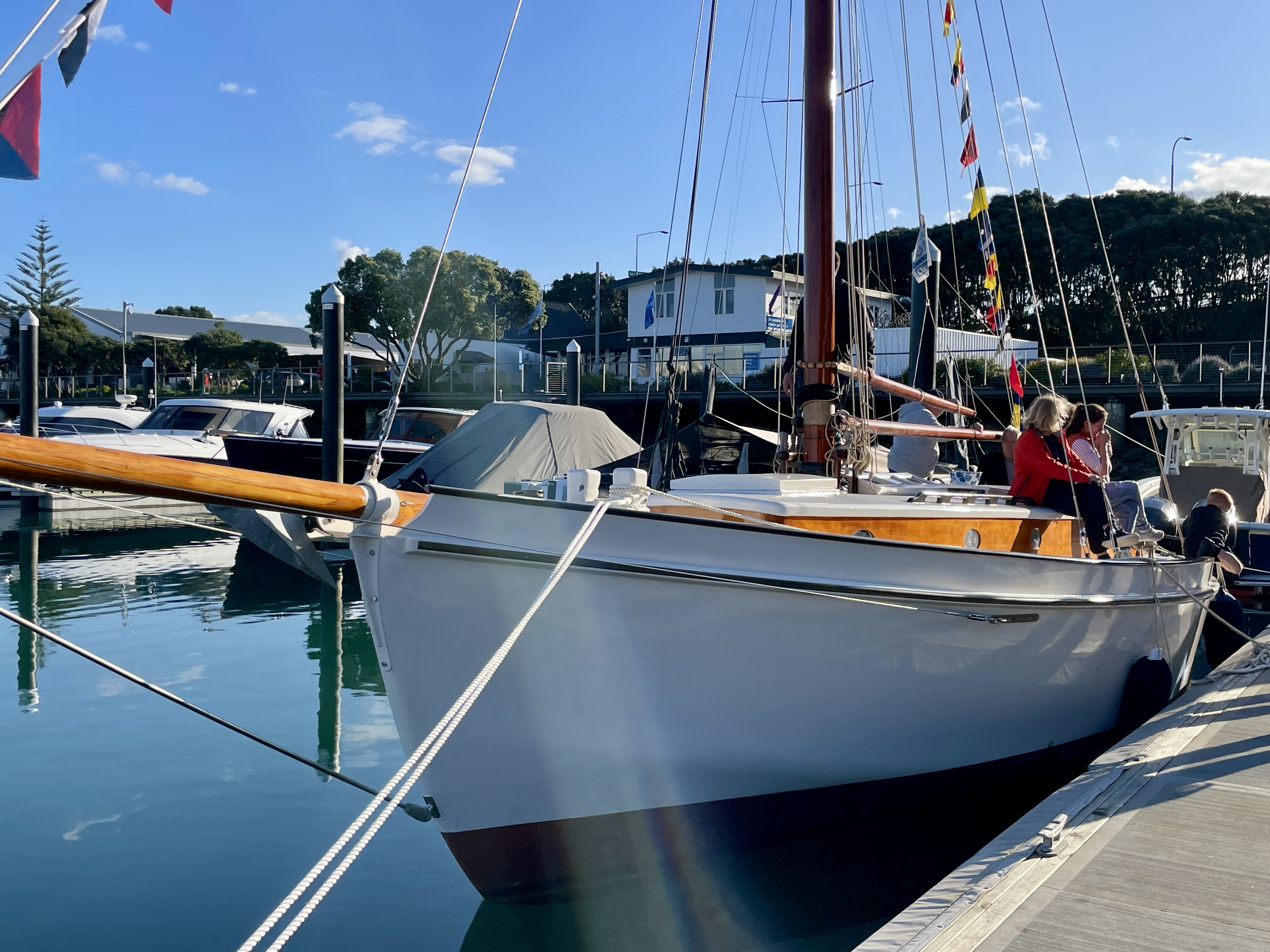
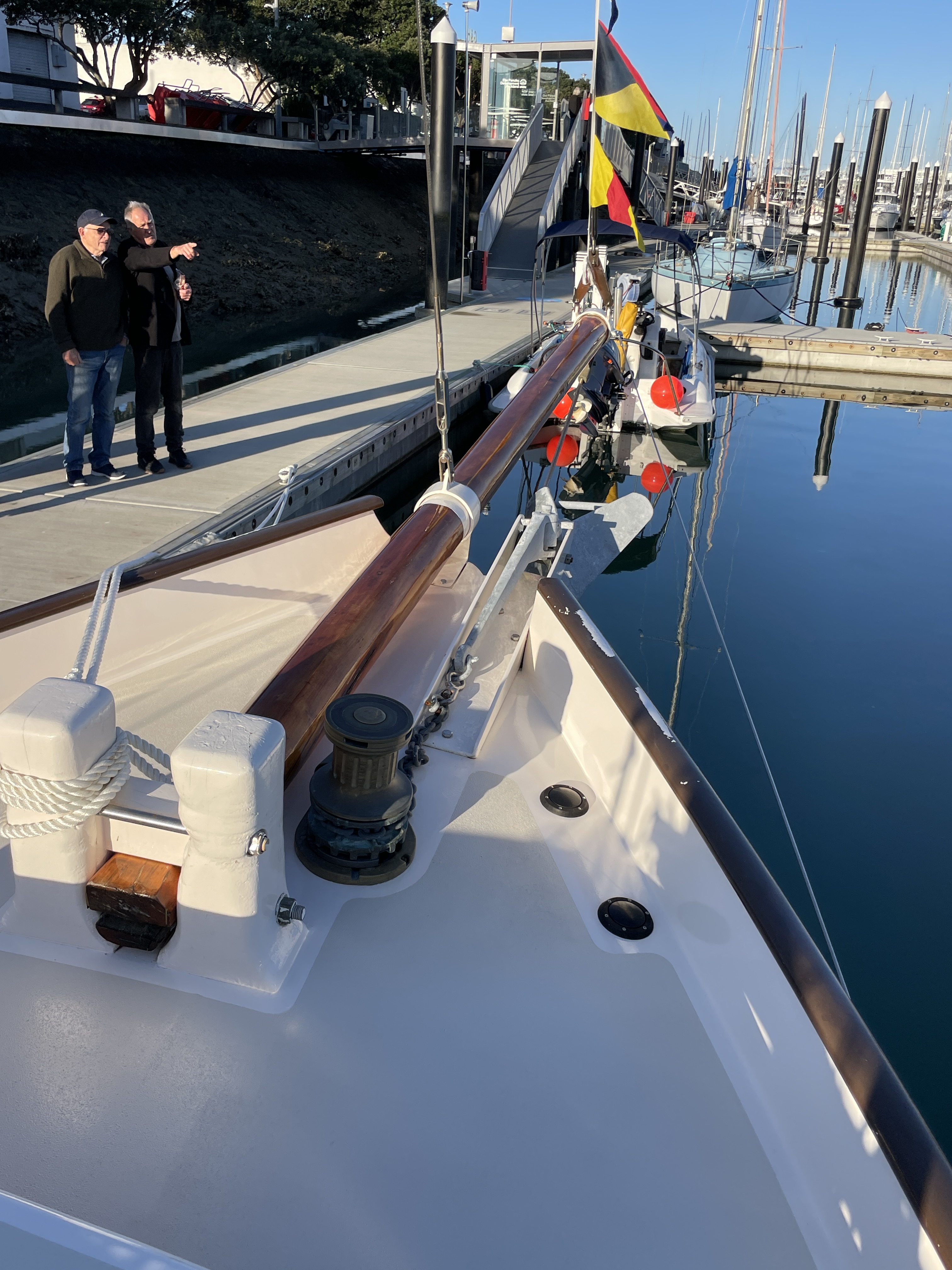
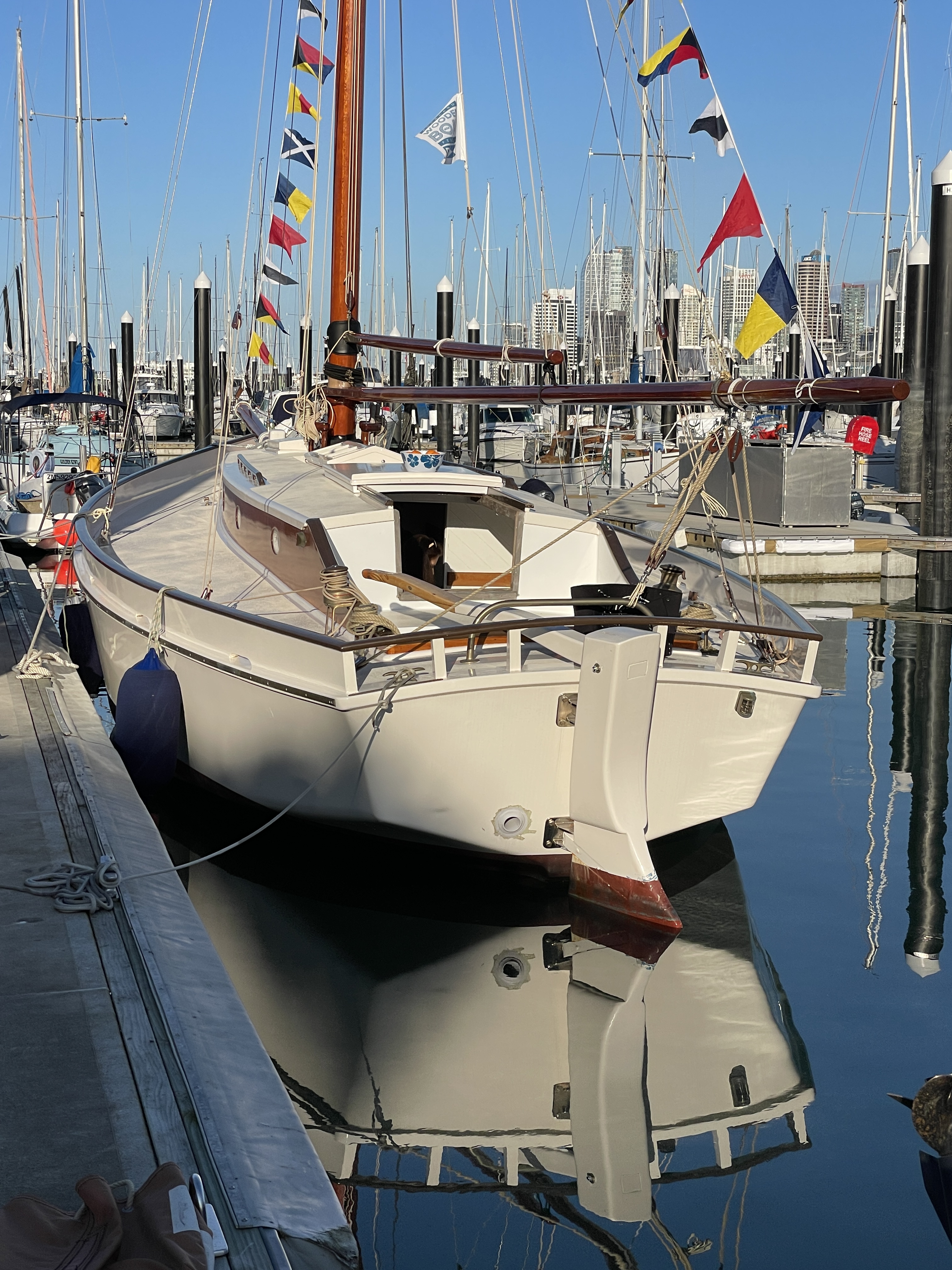
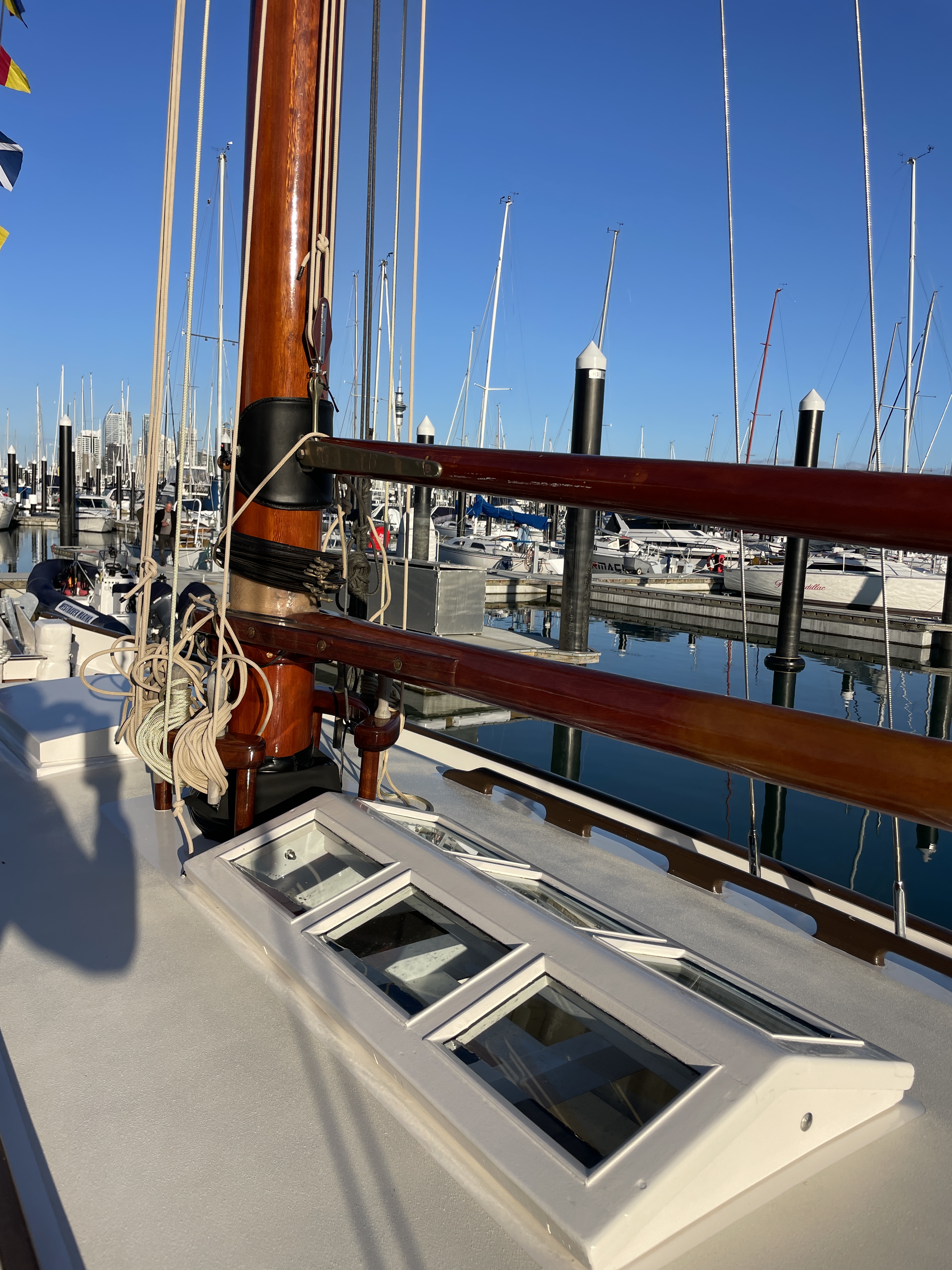
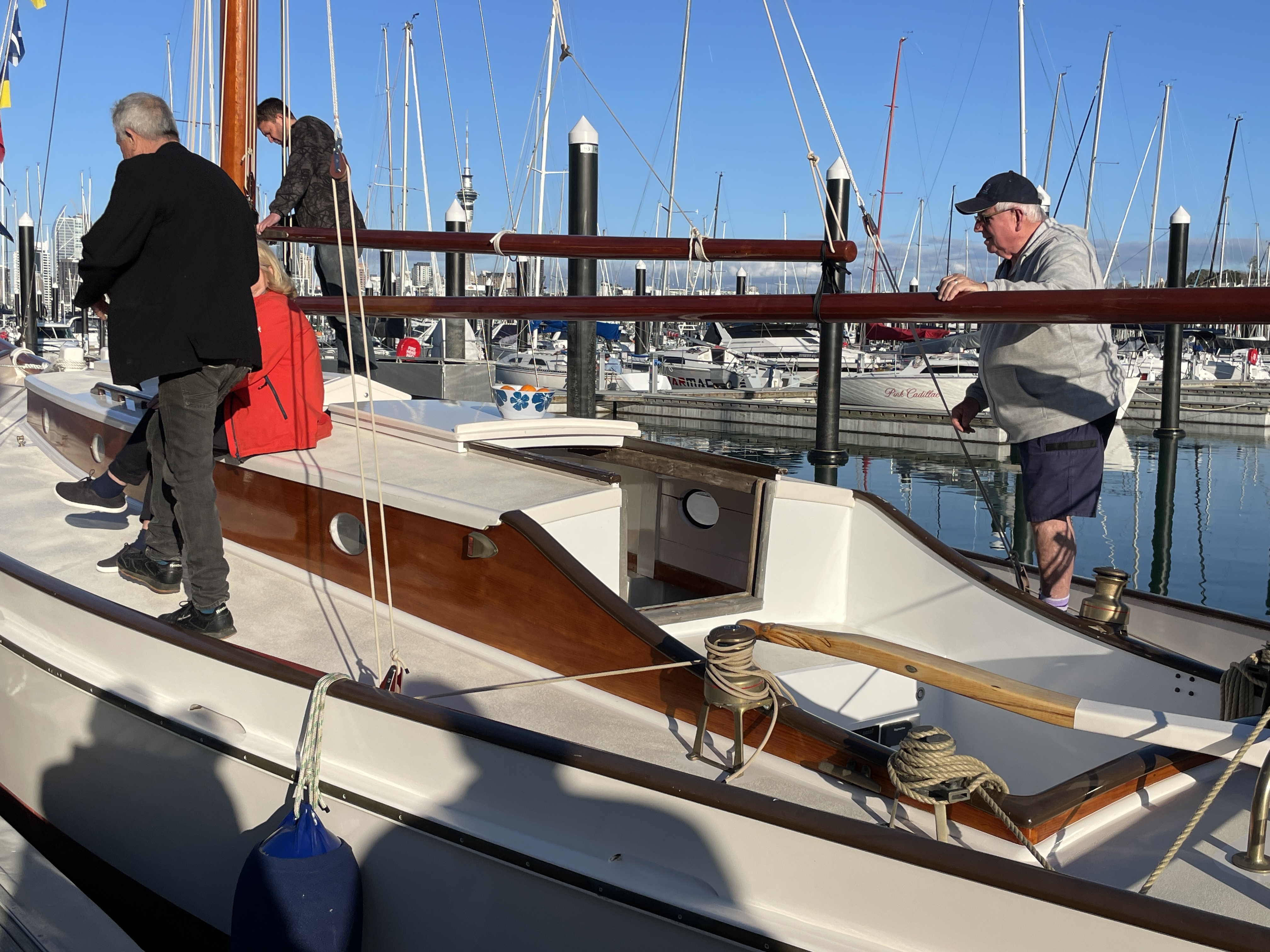
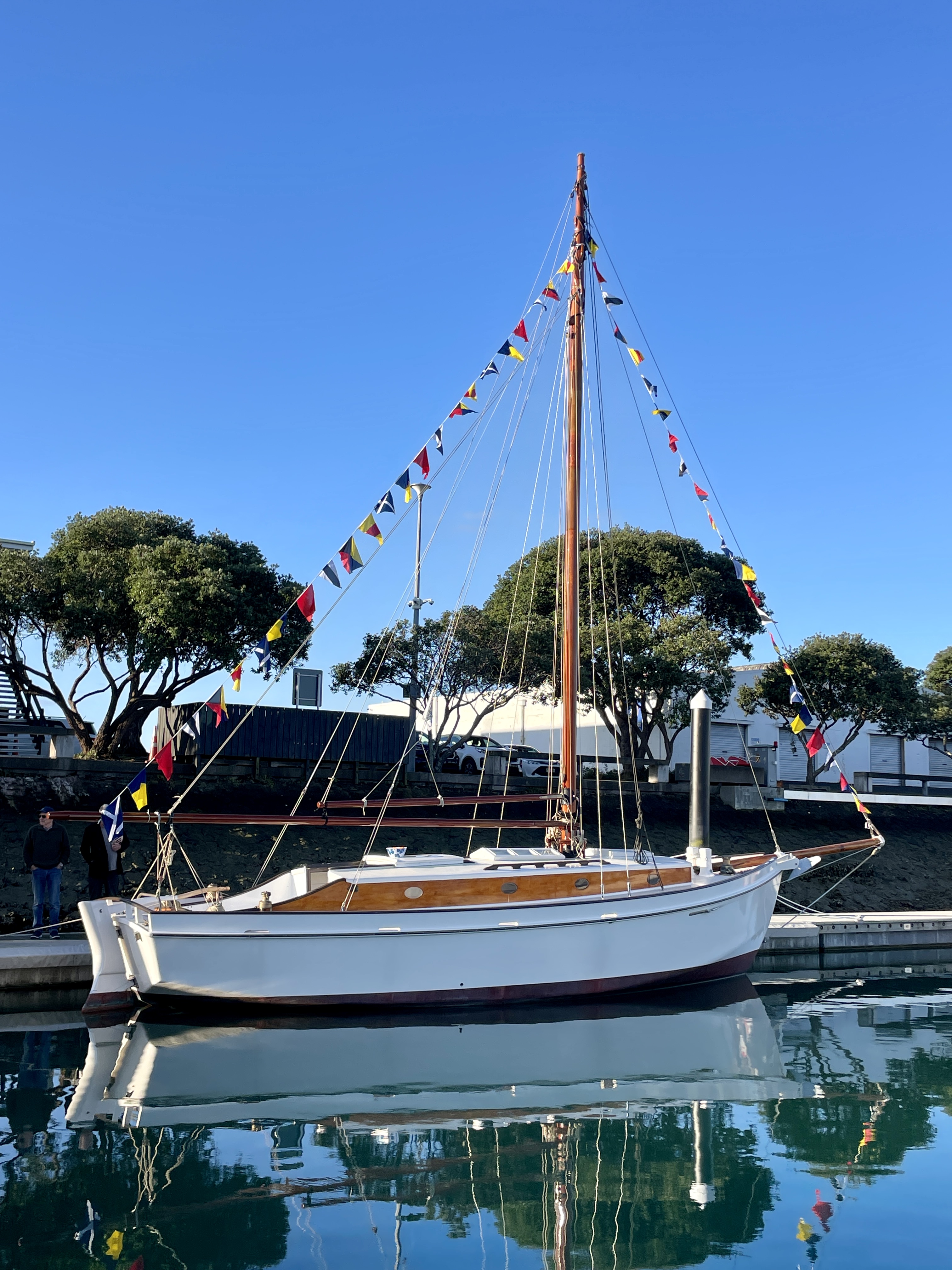
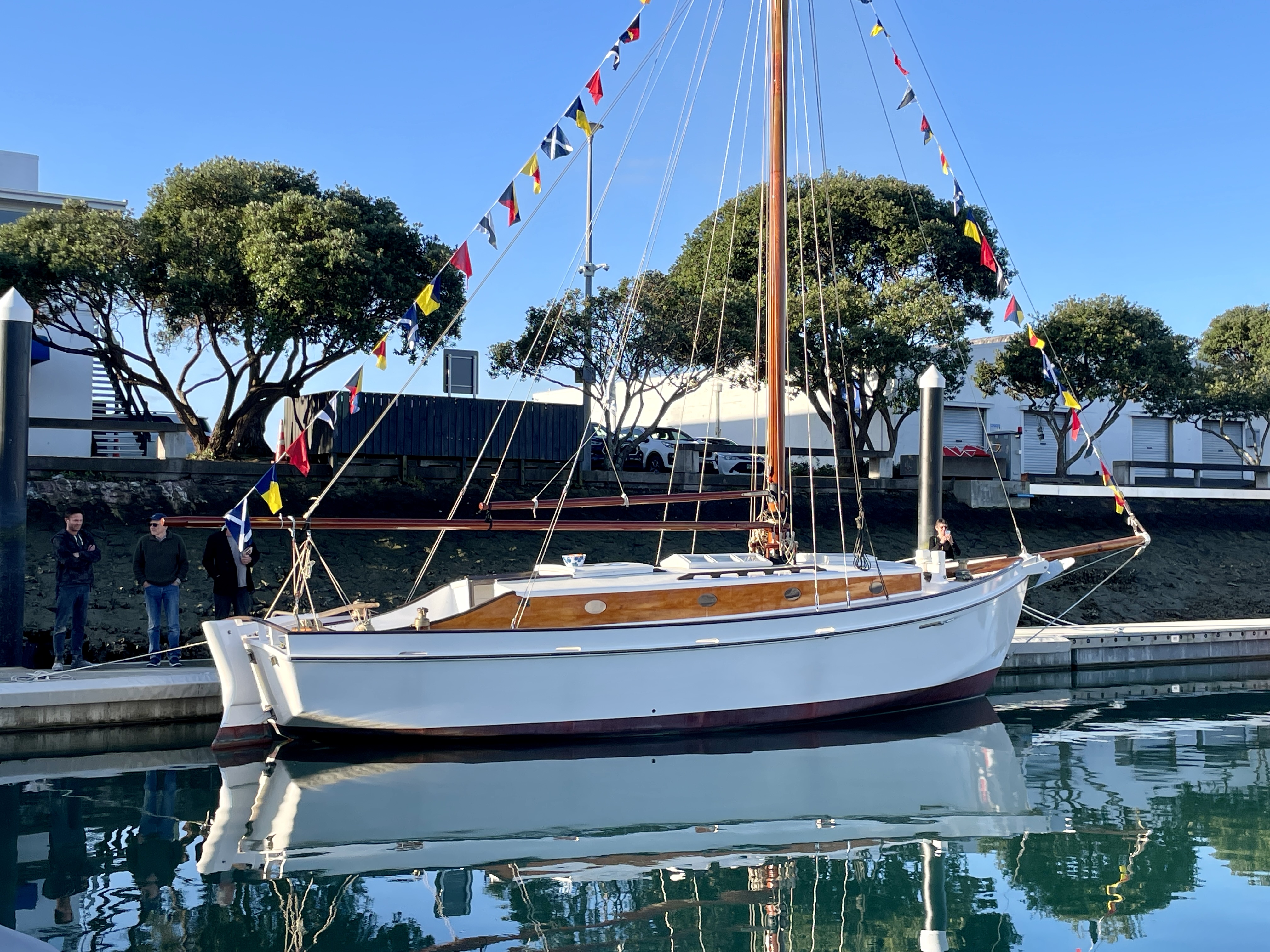
You have to applaud the Ponsonby Cruising Club for their new initiative to get people interacting with boats on the water. Last Thursday (Aug 22) the club held their first ‘Featured Vessel Series’ , the name could do with some improvement 🙂 Simple idea – they host a vessel at one of the berths outside the Westhaven clubhouse and people can board and chat with owners / crew. Then afterwards there is a presentation upstairs at the club on the boats history.

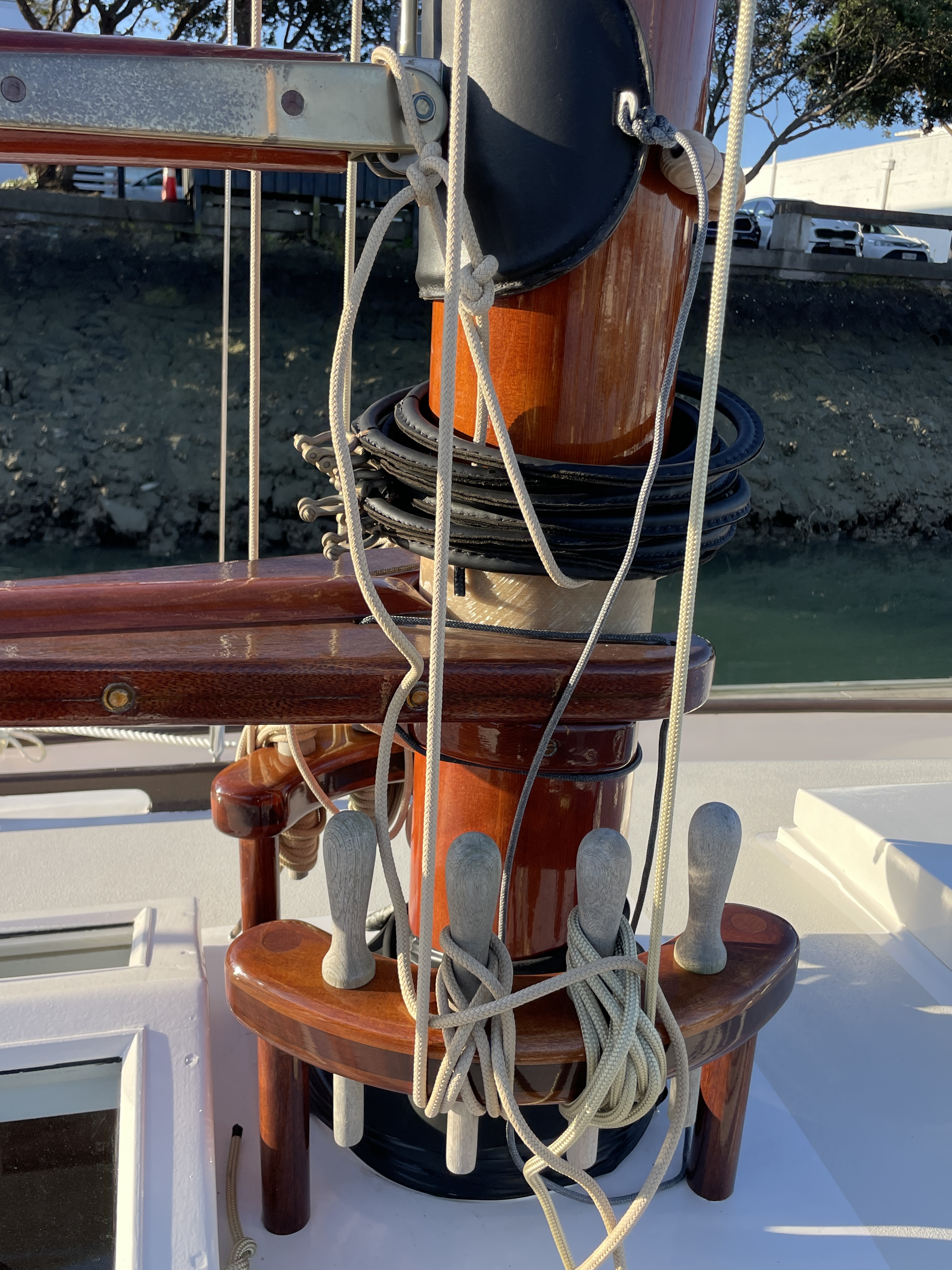
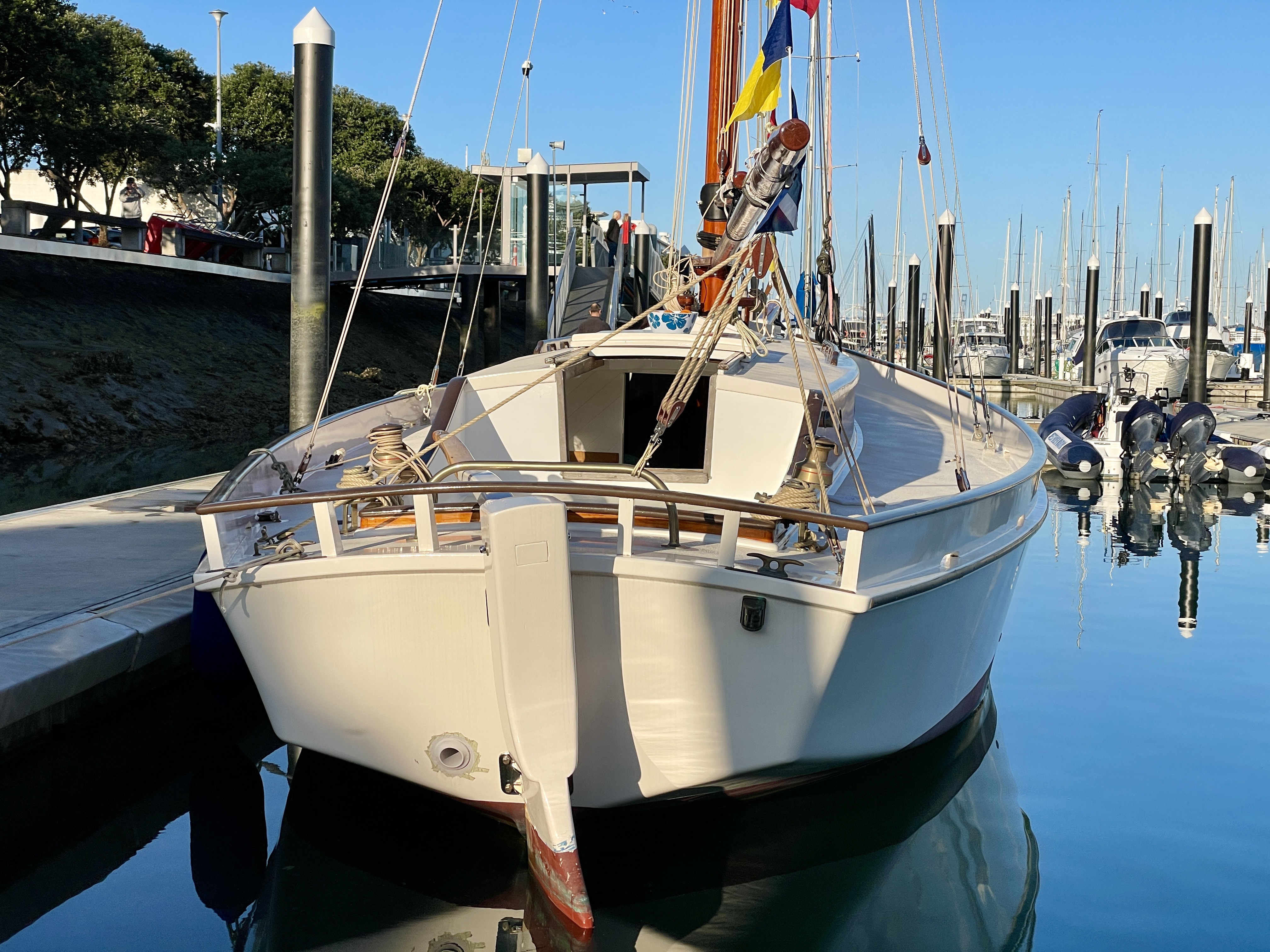
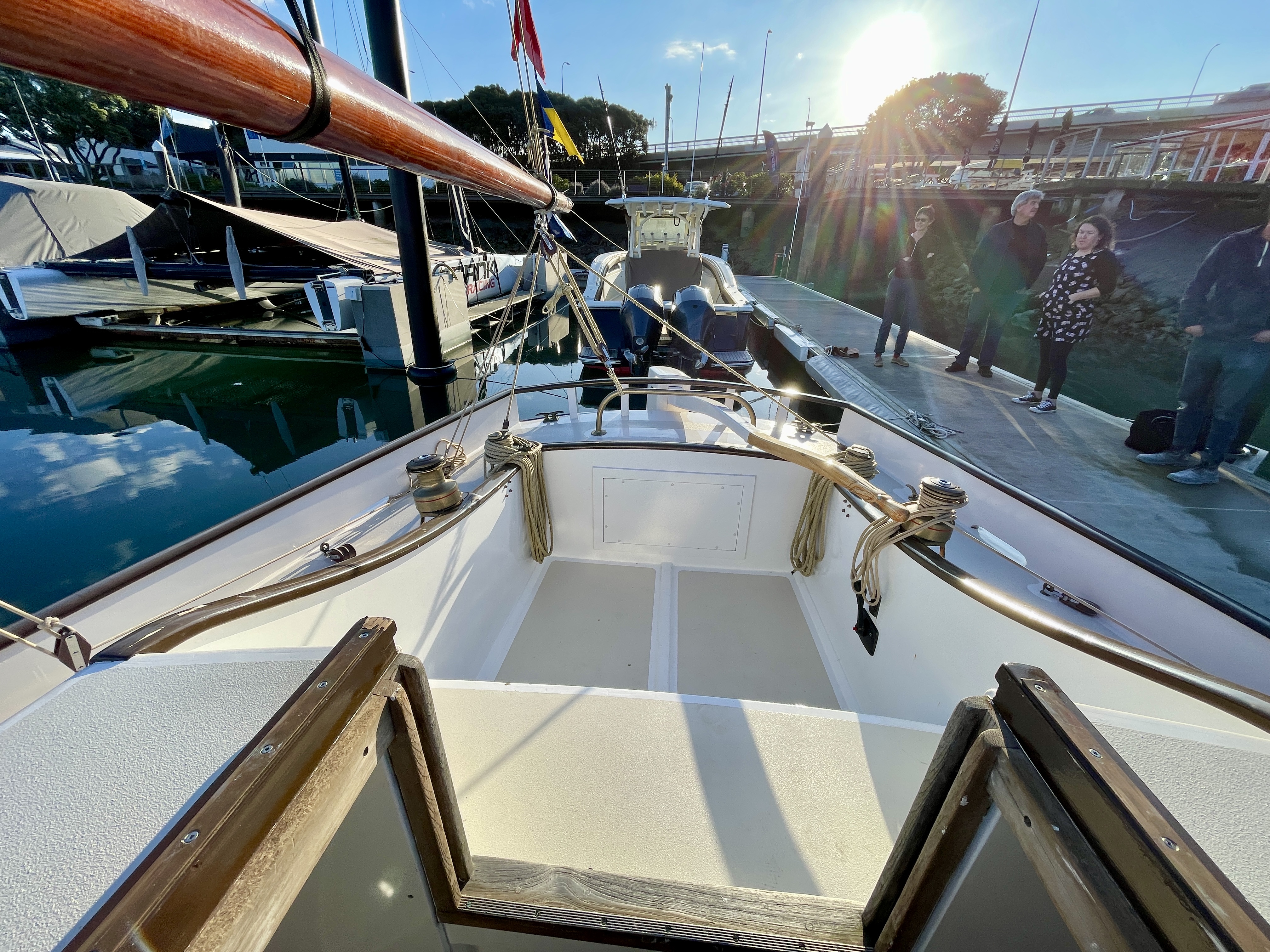
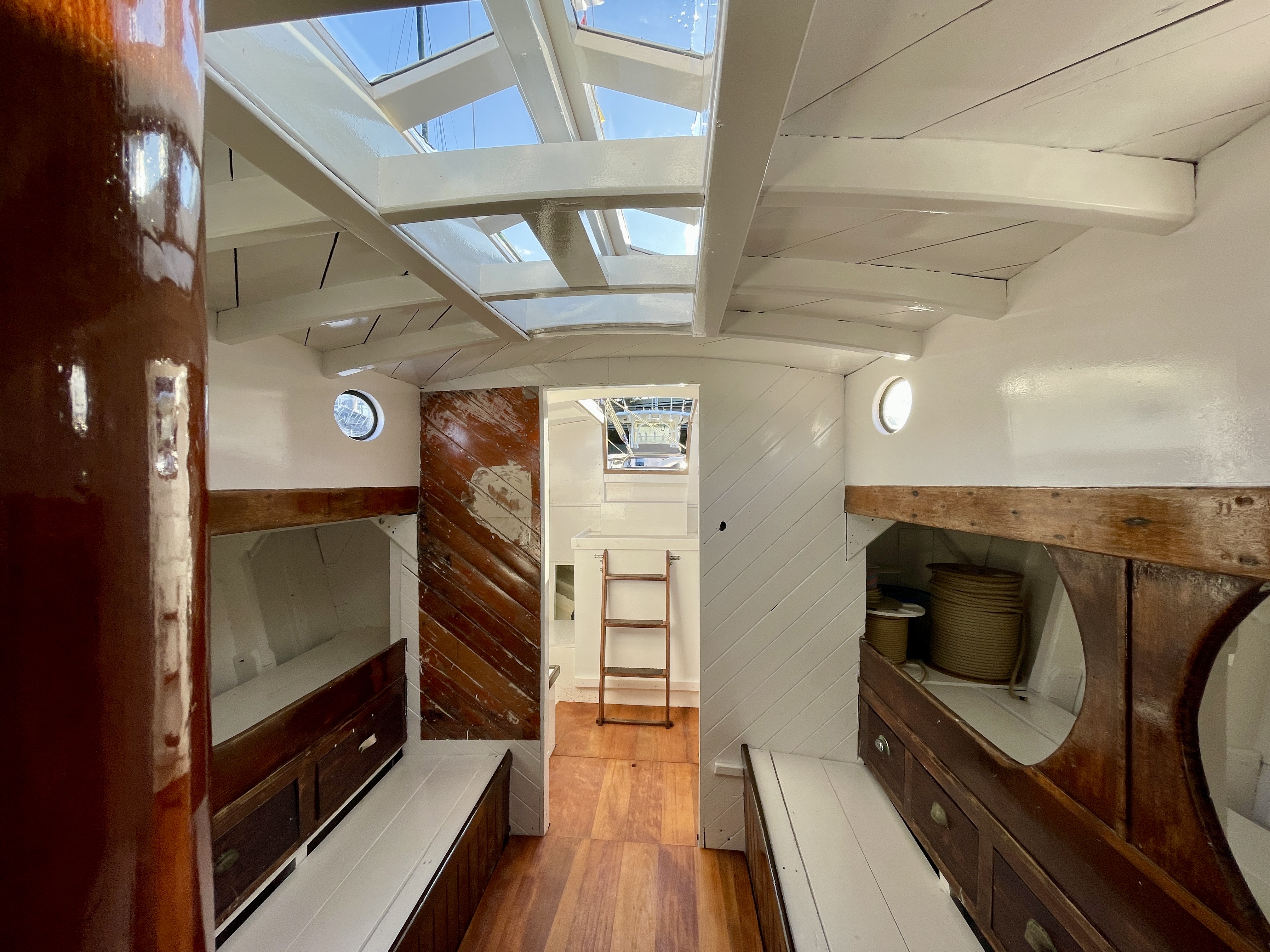
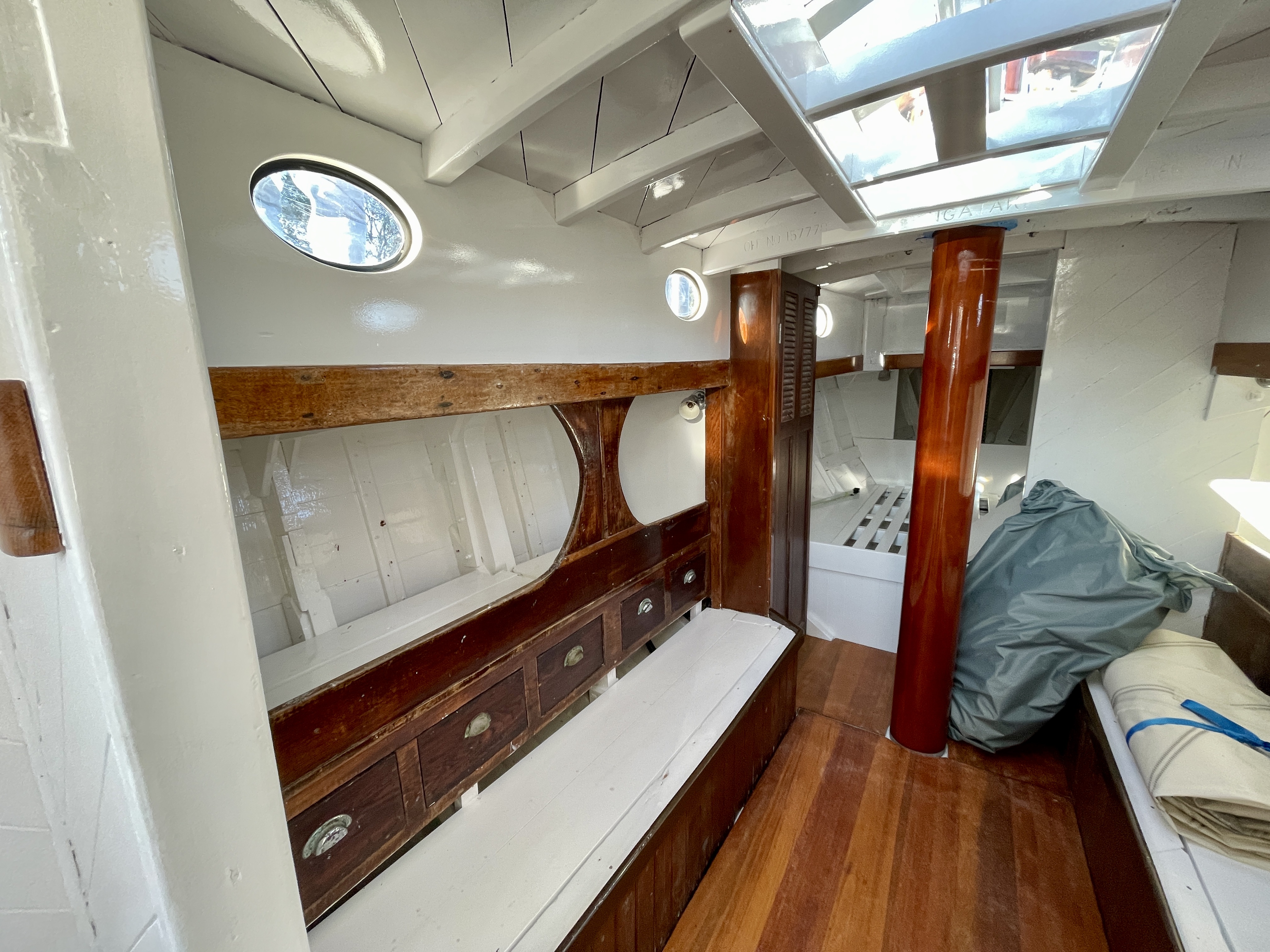
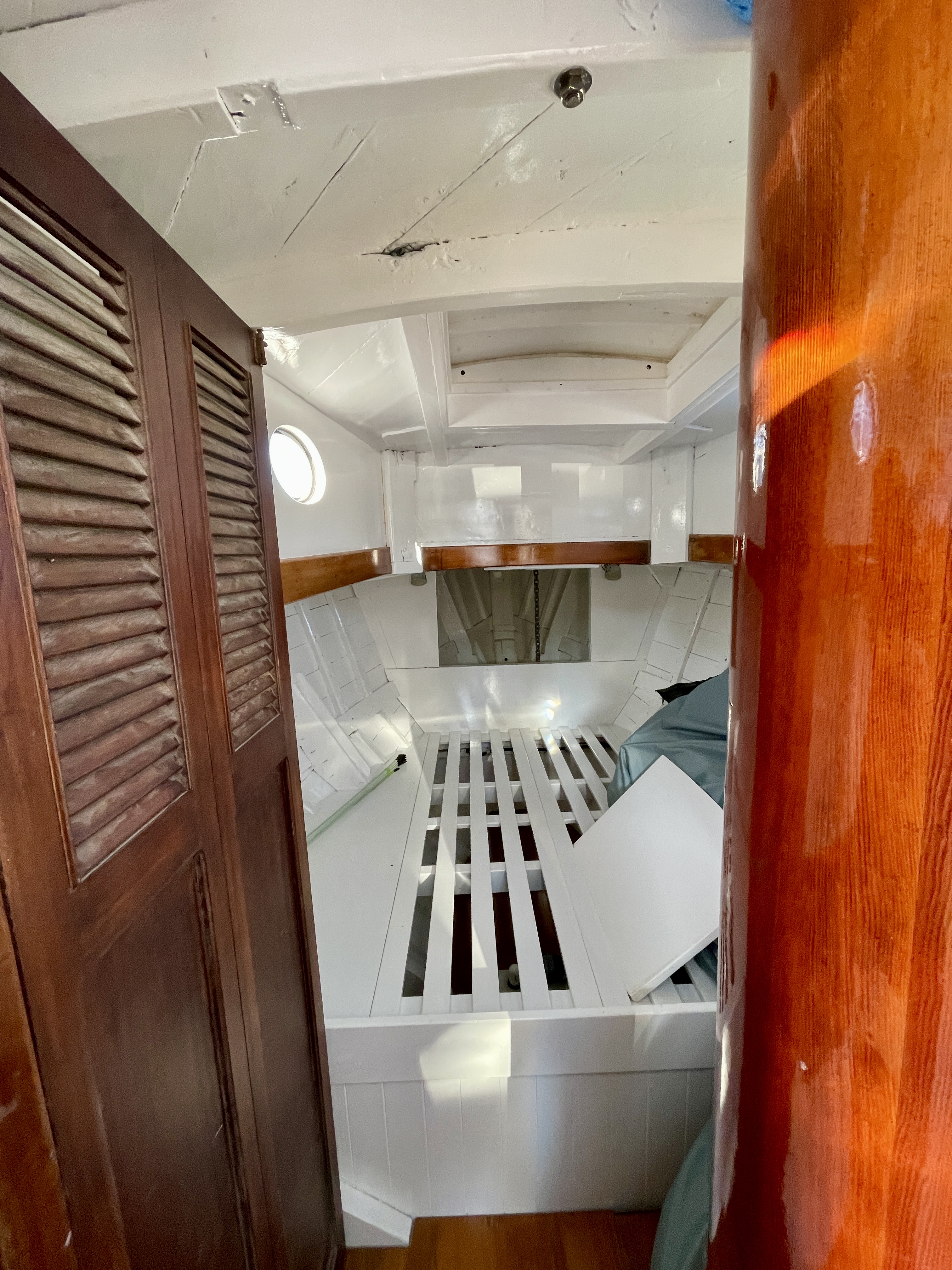
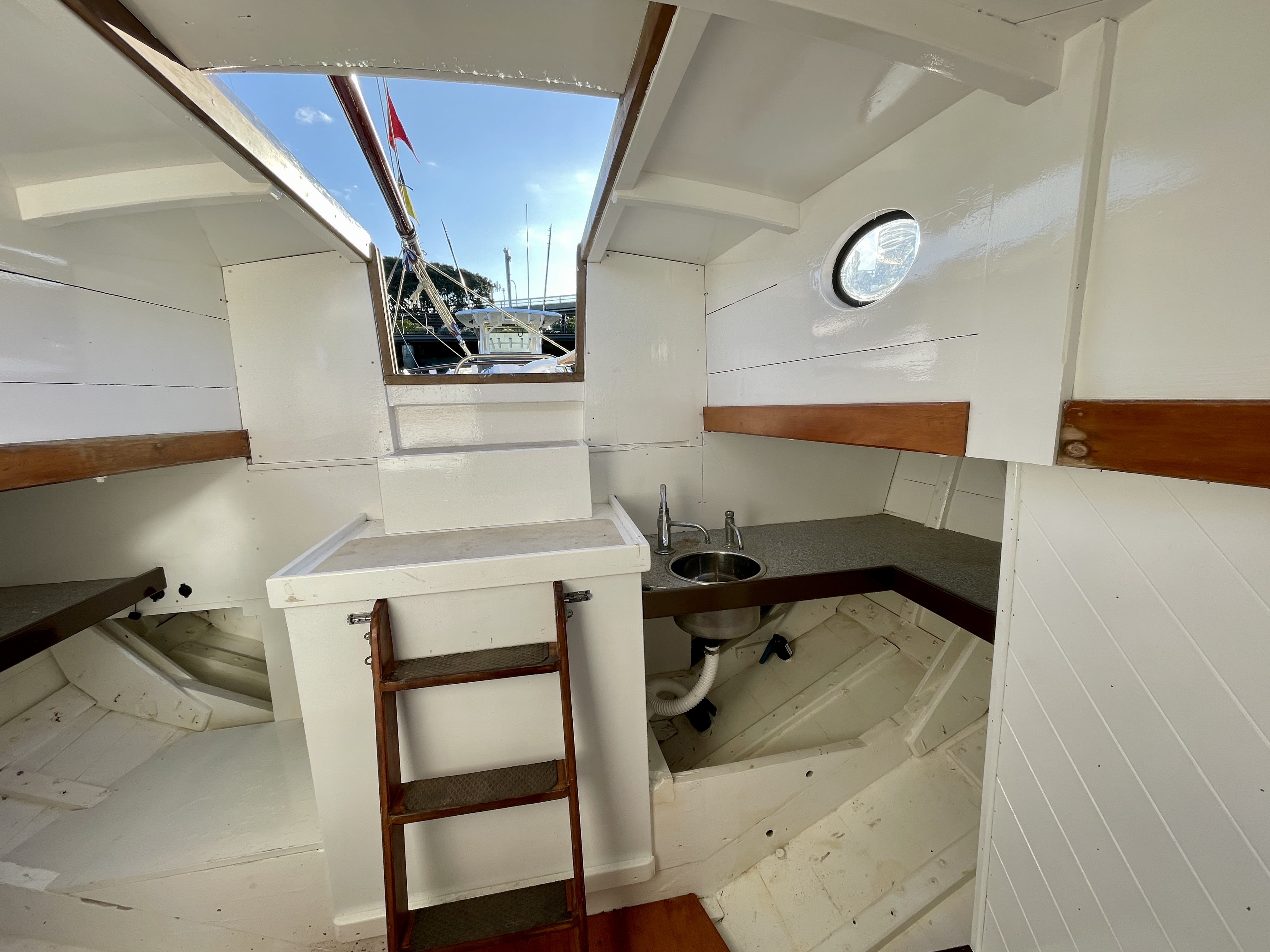
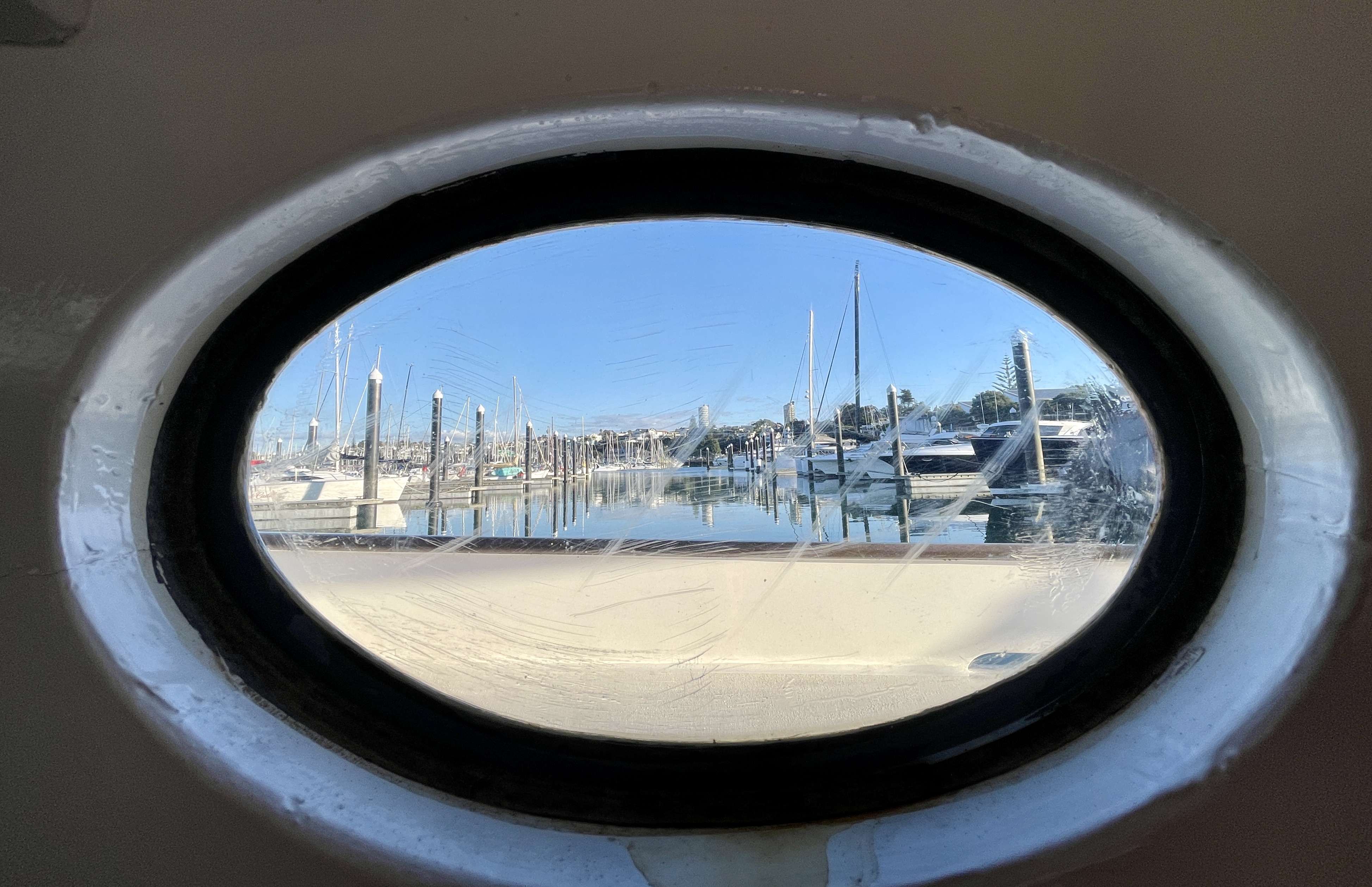
The PCC kicked off with the famous (infamous) historic yacht – NGATAKI, from the Tino Rawa stable. 

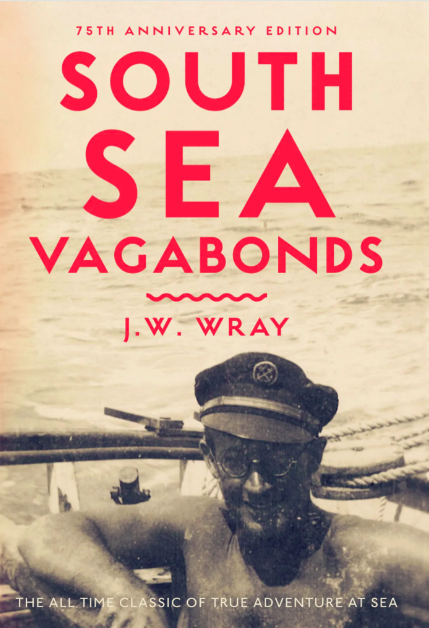
Unless you have been living under a rock, you’d know that NGATAKI was the yacht made famous in Johnny Wray’s cult classic book – ’South Sea Vagabonds’.

If you haven’t read the book – put it on the Fathers Day list – its a cracker. Myself and a lot of others reread it every few years, it reignites my passion for NZ and our wooden boating community.

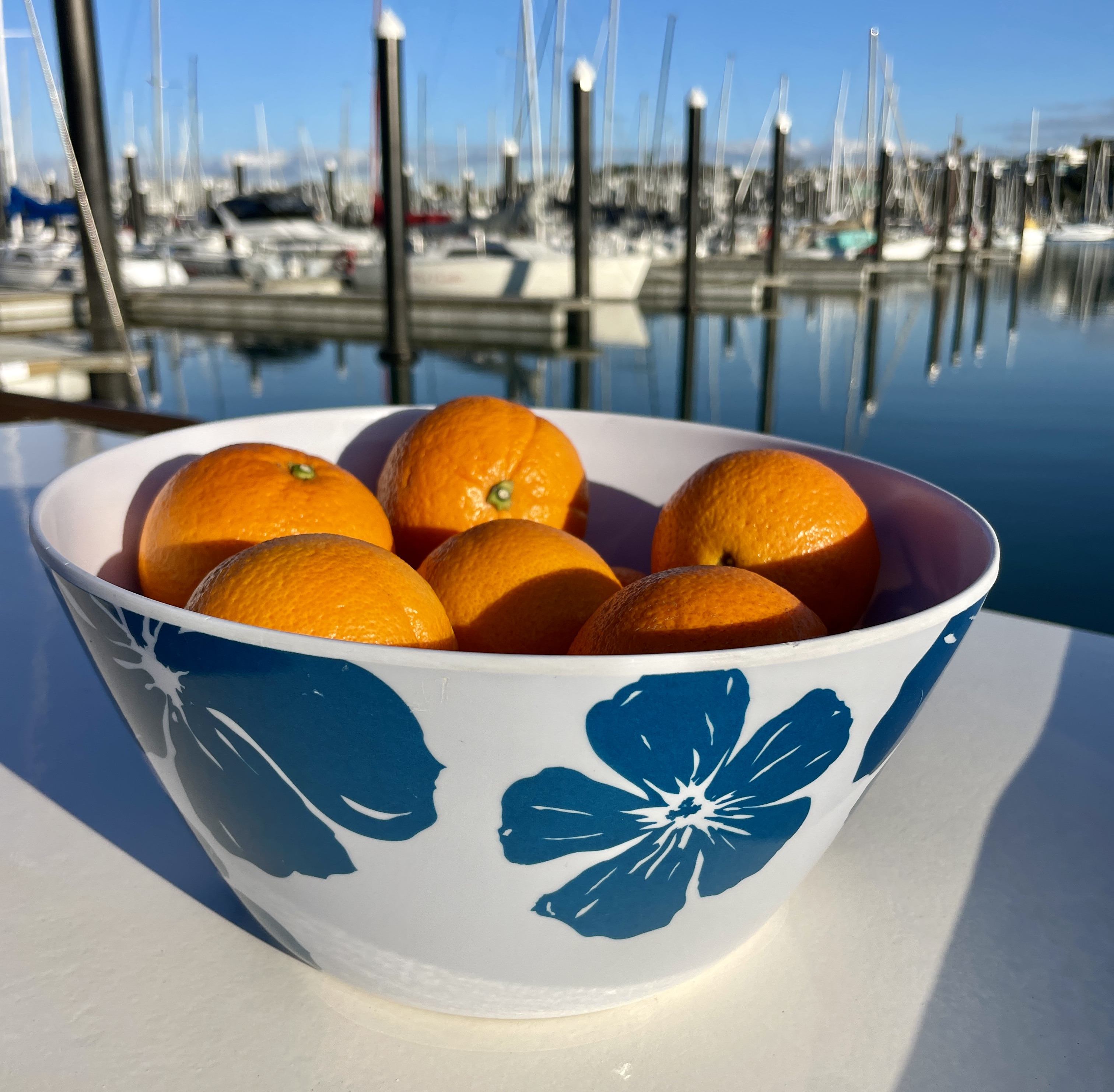
Read the book to learn the link to why there is a bowl of oranges on the deck 😉

CHECK OUT DATE FOR NEXT PCC FEATURED VESSEL SERIES AT THE LINK BELOW

https://www.pcc.org.nz/fbs

AVANTI – A Lot Of Boat From One Sheet Of Plywood

AVANTI – A Lot Of Boat From One Sheet Of Plywood

Now I know its not a NZ story and the boats made of plywood but when I read this story in the May 2021 issue of Small Boats Monthly it just made me smile – so today I share it with WW readers. Enjoy

Riley Hall was born and raised in Gig Harbor, Washington, a quiet town nestled around a narrow, mile-long inlet that shares the town’s name. The shoreline is bristling with piers and the water is dotted with boats at anchor. Surrounded by boats, it was only natural that Riley began building and working on them at a young age. He kept at it through high school and began restoring a 1940s-vintage canvas-covered cedar-strip rowing boat at home. For his senior-year project, he chose to work at the Gig Harbor BoatShop, documenting and disassembling hull #2 of the Ben Seaborn – designed Thunderbird.

After graduating, his interest in the restoration of old boats led him to move across the country to Rhode Island to study at Newport’s International Yacht Restoration School (IYRS). While enrolled there, he spent winter evenings and weekends restoring a 1963 Snipe. After graduating from IYRS in 2012 he got a job maintaining and restoring mostly classic racing yachts at Baltic Boatworks in nearby Bristol.

During the time he had been on his career path—restoring large yachts and working boats—Riley had been toying with the concept of small boats built from a single sheet of plywood. He designed and built his first one-sheet rowing skiff  while home for Christmas in 2014. He had brought the paper patterns for the skiff with him to Rhode Island and shared them with Don Betts, a local boatbuilder who had built a 31’ six-oared Cornish gig, and the one-sheet skiff Don built  led to two more, built with the help of a group of Sea Scouts.

After about six years at Baltic, Riley moved back to Gig Harbor in 2018 to take a job with Harbor History Museum. There, as a restoration/preservation specialist, he was put in charge of the volunteers restoring the 65′ purse seiner SHENANDOAH, which was built in Gig Harbor in 1925. The SHENANDOAH project kept Riley busy during his working hours but left him with some free time and a creative impulse to design and build something new.

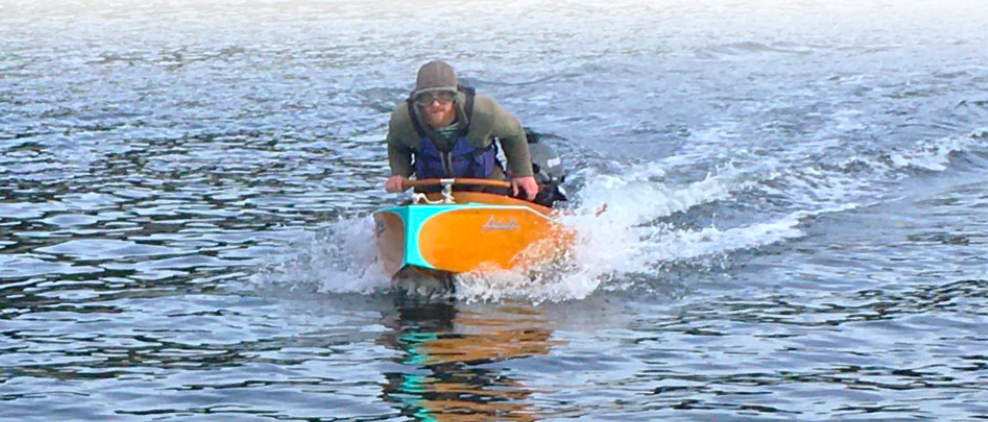
Working in the studio above his parents’ garage, he built three more one-sheet rowing skiffs, trying new iterations of the concept each time.  The 2.5-hp four-stroke Yamaha outboard he had for his 16’ Calendar Island Yawl set him to wondering what kind of speed it could produce with a boat made of a single sheet of plywood.

Cocktail Class Racers naturally came to mind.  Developed in 1939, they’re outboard-powered racing skiffs with a length of 8′ and a beam of 4′, just like a sheet of plywood, and limited to 6-hp motors—8 hp for racers who weigh over 200 lbs. They top out at 26 mph, far beyond the potential of Riley’s 2.5, so, with racing off the table, he was free to lavish attention on aesthetics and let visual elements from racing kayak, vintage bicycles, Beetle Cats, and ’50s nostalgia work their way into his design process.

He started with a wedge shape for the hull: a plumb stem to part waves and a flat run for planing. As he explored the shape with a model of stiff paper, the sides came together in a way that suggested a raised foredeck and stem with a reverse rake. The foredeck required a break in the sheer to sweep down to the stern, which, as Riley put it, “revealed a slightly strange shape, like little ears, between the side and foredeck standing out as rather odd and unconventional. I decided it was similar to what you see on racing kayaks, which look cool and go fast, so why not?”

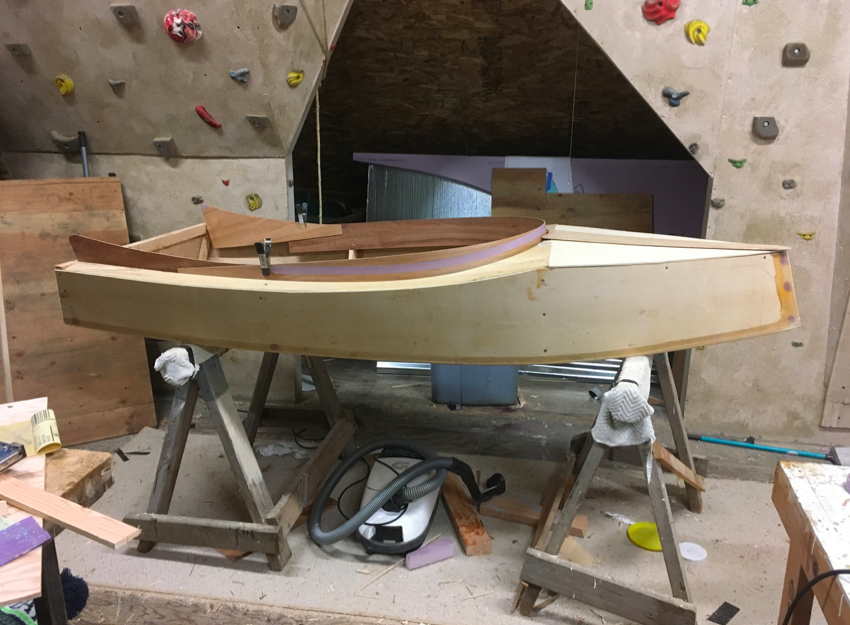
Riley started construction in a workshop space over his parents’ garage. With the shape established by the model, Riley could take the pieces apart from each other to “expand” their shapes and scale them up on onto a piece of plywood. After cutting the full-sized panels from plywood and fairing the panels, he temporarily assembled them with Gorilla tape, fine-tuned the shape, and used the plywood “skin” of the hull to take measurements for the boat’s two frames.

After Riley had installed the foredeck and a Beetle Cat–inspired coaming, he invited his father, Curtiss, an art teacher at the high school Riley graduated from, for a consult on aesthetics. As soon as he laid eyes on the boat, Curtiss said, “It looks like a Studebaker Avanti.” The iconic Avanti, a high-performance car with a distinctive “reverse rake” on the front end of its side panels, was Studebaker’s swan song, released in 1962 as the company was closing down.

Curtiss’s comparison set the boat’s name, AVANTI, Italian for forward, and pointed to an automotive aesthetic direction for the rest of the project. Riley had been looking to Herreshoff’s boats for a suitable shape for the aft ends of the coaming, but nothing looked quite right on AVANTI. While the Studebaker coupe didn’t have fins, it was produced in the final years of the fin craze, and the combination seemed to work for the boat.

For steering, Riley opted for handlebars instead of a wheel. Cocktail Class Racers require that the drivers lean far forward to keep their bows down and they’re forced to wrap their stomachs around the wheels. Riley found a bow fitting at a marine thrift store that could have easily been a classic-car hood ornament; the nameplate his dad made, replicating the one Studebaker put on the Avanti, was the finishing touch.
CLASSIC WOODEN LAUNCH – MATAROA SINKS > RE-FLOATED

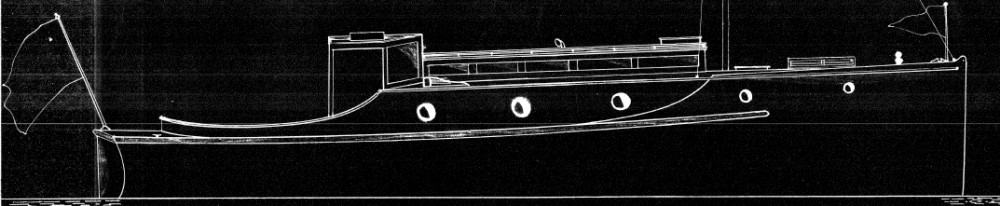
Pre- sinking

CLASSIC WOODEN LAUNCH – MATAROA SINKS > RE-FLOATED

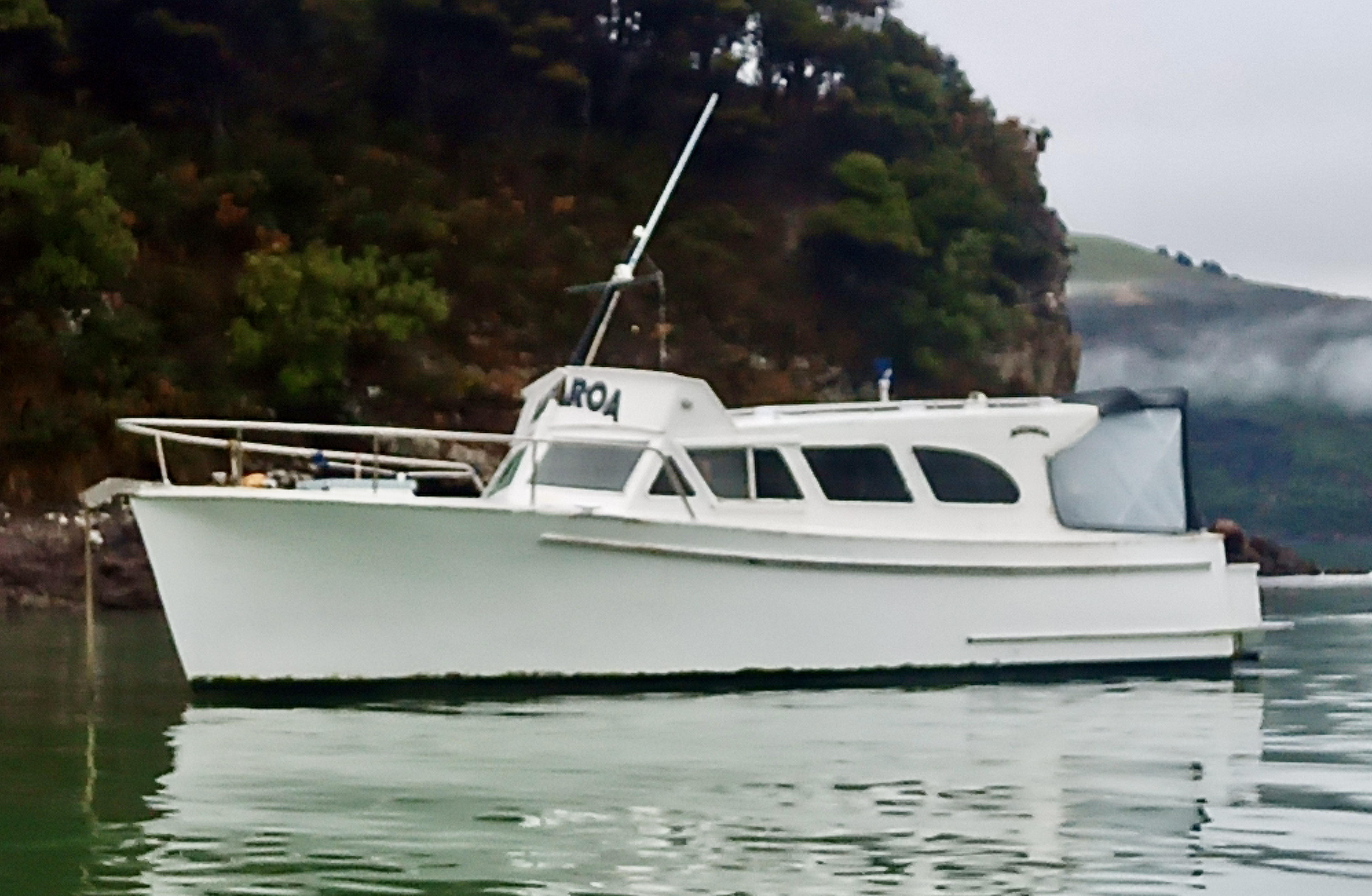
During the week we were contacted by Mike Milne regarding the classic wooden launch – MATAROA. Some background – back in 2020 the launch sold from her then home base of Picton or Havelock (would like to confirm which) and motored off to her new home in Akaroa. MATAROA is a 28’ Shipbuilders design, double diagonal planked – not sure if built by Shipbuilders or a ‘kit boat’. Power is a Ford D Series diesel engine.

Fast forward to 3 September 2023 and she sunk at her mooring, due to a series of events – weather and maintenance issues (lack of no doubt)

In steps Mike who purchased the boat in November 2023 off the insurance company and has taken on the task of refitting her. 

Mike’s reason for contacting WW was 2 fold – one to buy a WW burgee ✔️ and to ask if the WW community can supply any more information on MATAROA. Mikes promised to keep us updated on the project. So hopefully we will get to share the action.

PATIENCE – A Classic Wooden Run About 

PATIENCE – A Classic Wooden Run About 

Recently WW was contacted by Stuart Baird in regard to a 16’ Carl Augustin designed run-about his father (Martin Baird) built in 1960-01, named PATIENCE.
Stuart’s father was living in Hamilton at the time and he built PATIENCE in the backyard.

Martin modified the boat with a unique cabin. Initially she had a Willys Jeep engine but later they installed a marine converted Ford V6 engine. As they did back in this days, PATIENCE received a f/glass overlay.

Stuart commented that they had the boat for around 40 years with many fantastic memories racing, skiing and fishing. 

Fast forward to 2024 and Stuart would like to build a replica model for his grandchildren but was having trouble locating plans. Thats where WW helped out, between myself and Cam at the Slipway Milford, we were able to supply Stuart with some similar Carl Augustin plans.

BUT – it would really help if anyone had any photos of these craft back in the day.
Love the paint scheme – people were far more out there in terms of colour back then, these days its white on white.

CLASSIC LAUNCH – LADY CAROLE RESTORATION – UPDATE #5

CLASSIC LAUNCH – LADY CAROLE RESTORATION – UPDATE #5 Another update on the work in progress from co-owner Patrick Crawshaw.

UPDATE BELOW: 

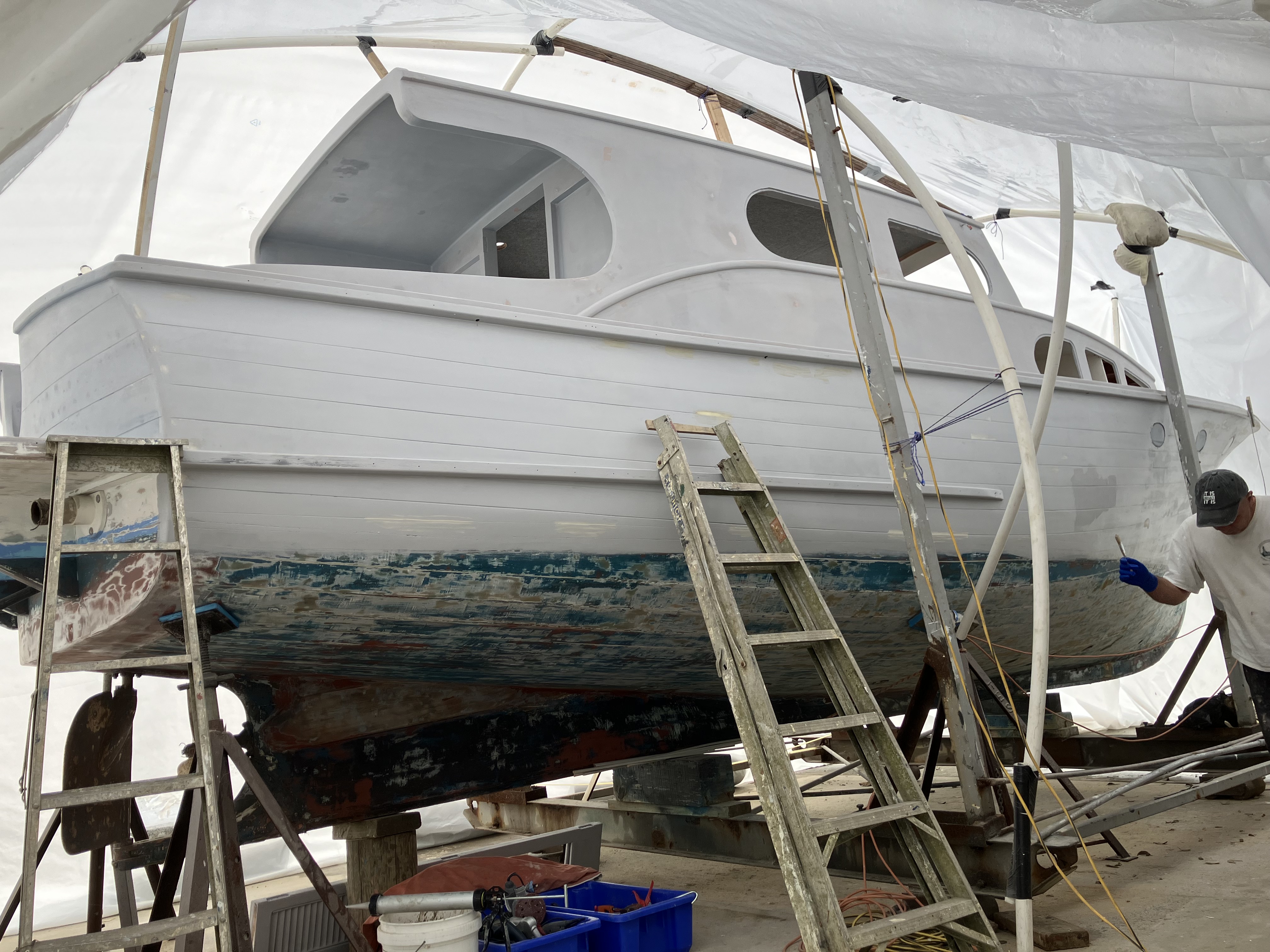
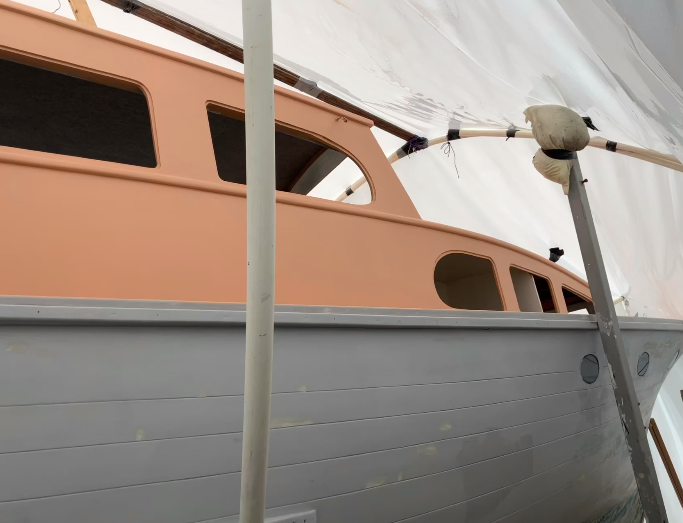
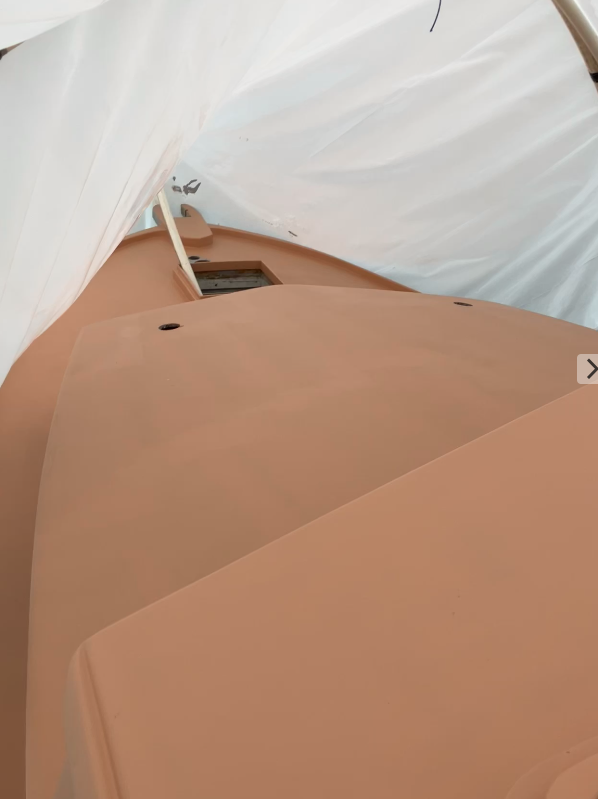
It’s been about three weeks’ since the last update and in that time we have finally got to the stage where she is ready for painting. We are working from top down and have got to the final undercoat (orange) down to the gunnels.  We have gone for a low-sheen, two-pot system for the whole boat with two primers, two undercoats and two top coats.   

There has been the usual wild-Winter-Northland weather, which has hammered the cover, but it’s still holding up – not long to go now so. It just has to last until the windows go in and we get the finish coats on up top, which will be the week after next.

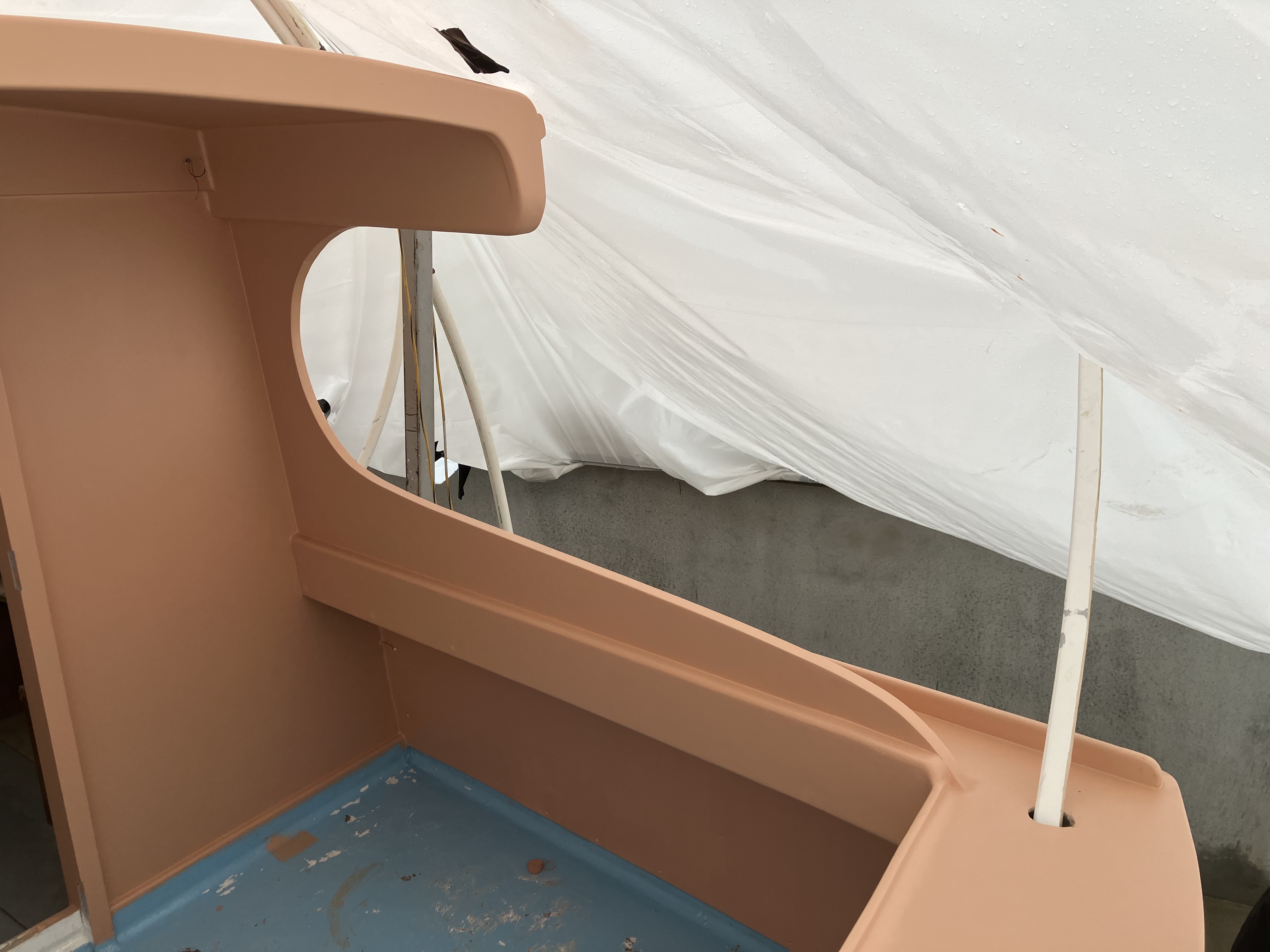
She had holes all over the place and many were in the side of the hull – including bilge ones. So, they have all been re-directed and moved to the under the duckboard where you can’t see them. The hull now is without any unsightly grills/holes/lettering, etc, etc. Nothing now to draw the eye away from the lines. 

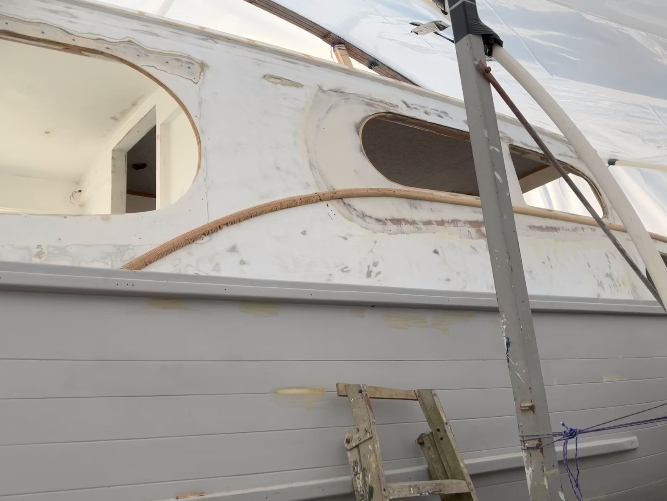
The line that connects the forward cabin to the aft deck is now re-instated. That was fun…Hundreds of cuts later, we got the curve, although it wanted to keep snapping. We took it all the way to the front of the forward cabin as it was. This has given the forward part above the windows a really nice profile.  Finally, the lines of the LADY CAROLE have been restored working nicely with those reduced windows. 

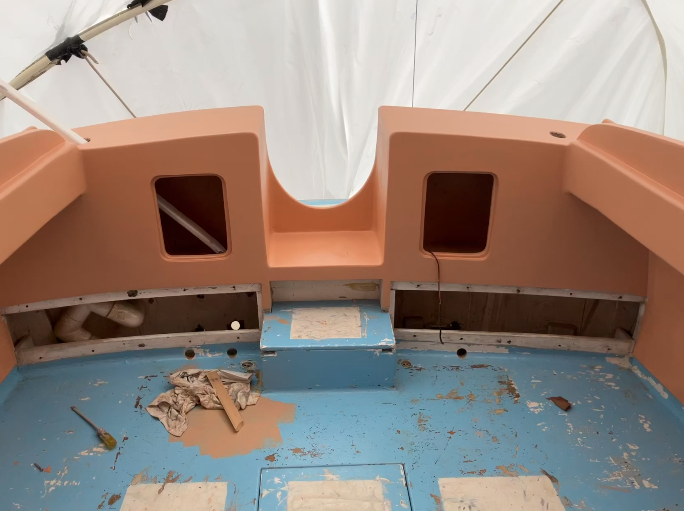
The cockpit drainage was a plastic box with a float switch. This never really worked properly and was prone to blockages, so the drainage for the cockpit has been returned to self draining with larger holes so they don’t get blocked. 
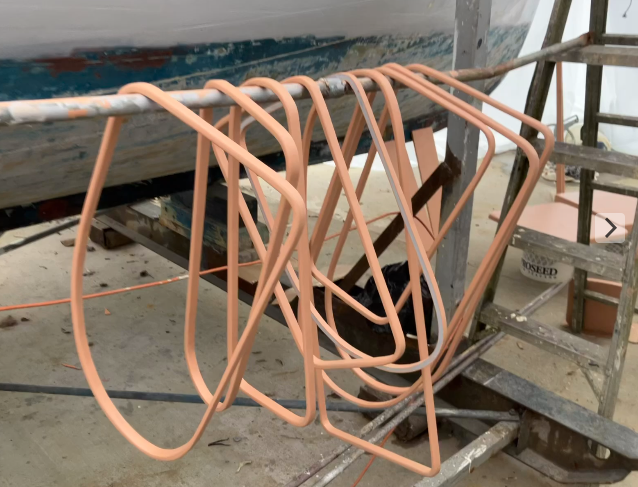
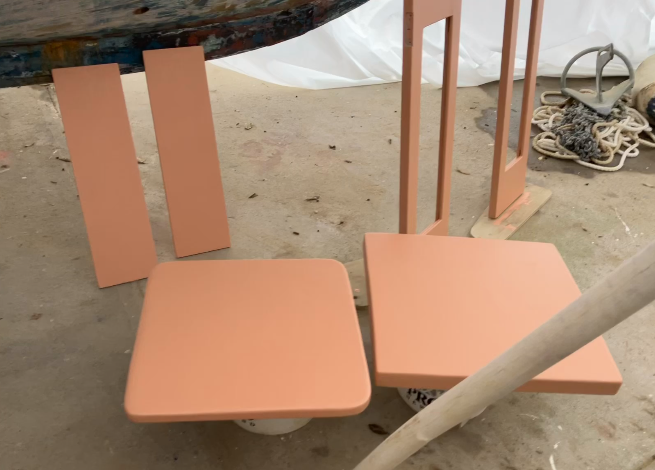
The back doors had brown smoky glass in both sections, so they were taken to a local joiner to have slats put in the upper section so we can improve cabin ventilation. Here they are almost ready for the top coats. 

We decided that the trims should be put back on the windows to give it some profile and finish the look. Originally L.C. had trims, but these had long gone.  

The hatches are finally finished and pretty much ready for their top coats. 

KIWI REBUILD OF A CLASSIC CHRIS CRAFT RIVIERA – Whimsical Mistress

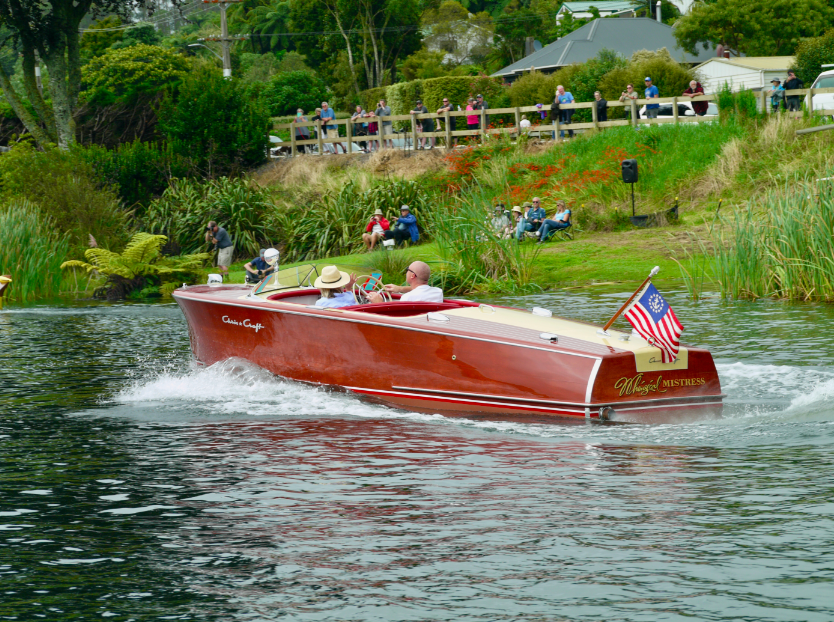
Lake Rotoiti 2023 – Alan H

KIWI REBUILD OF A CLASSIC CHRIS CRAFT RIVIERA –  Whimsical Mistress

Last month while discussing the gradual demise of a once nice wooden classic launch with Glen Archer he casually mentioned that he had imported a Chris Craft Riviera from the USA and totally restored / rebuilt her back in NZ. I’ll hand over to Glen to tell the story –  

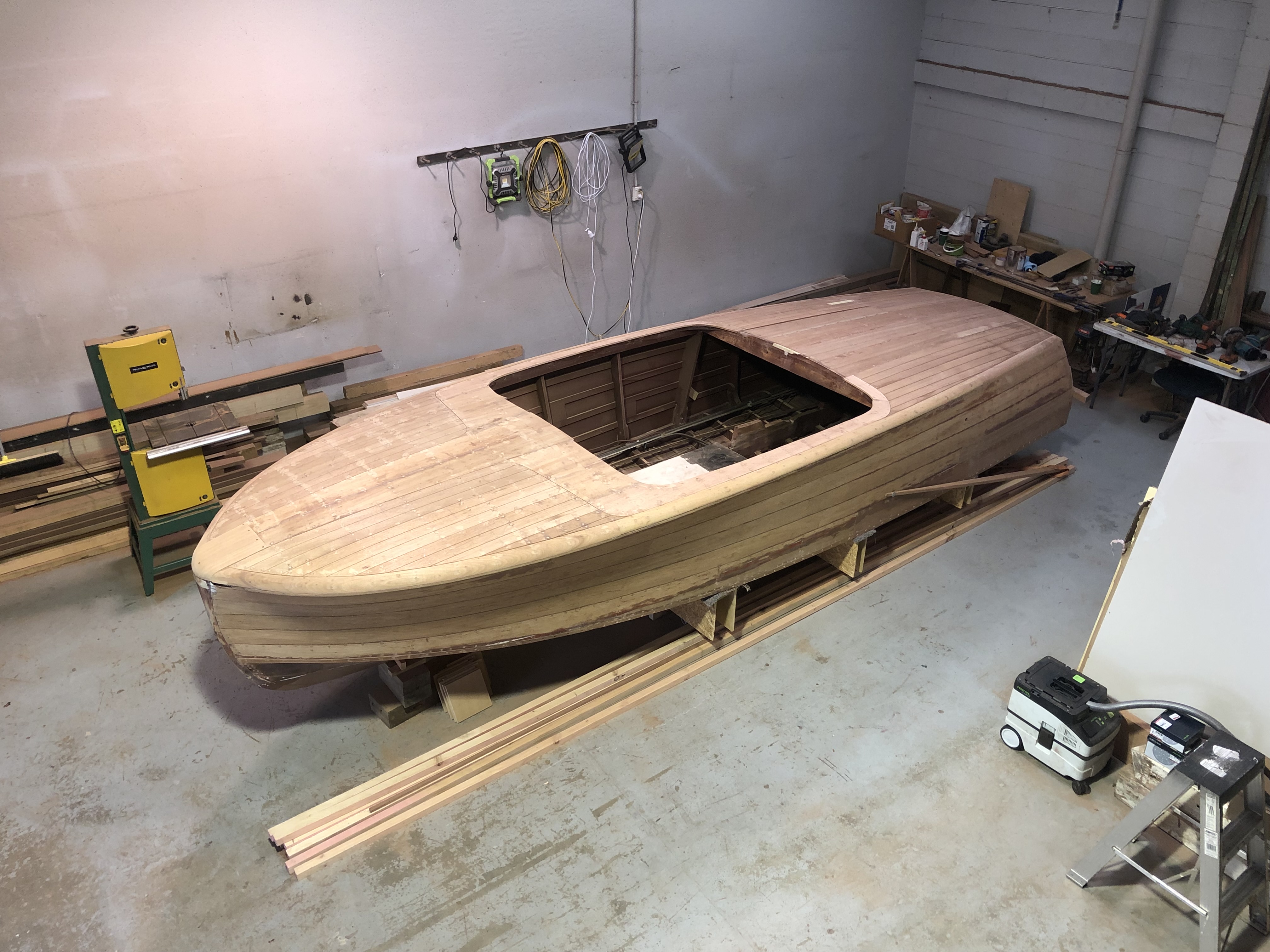
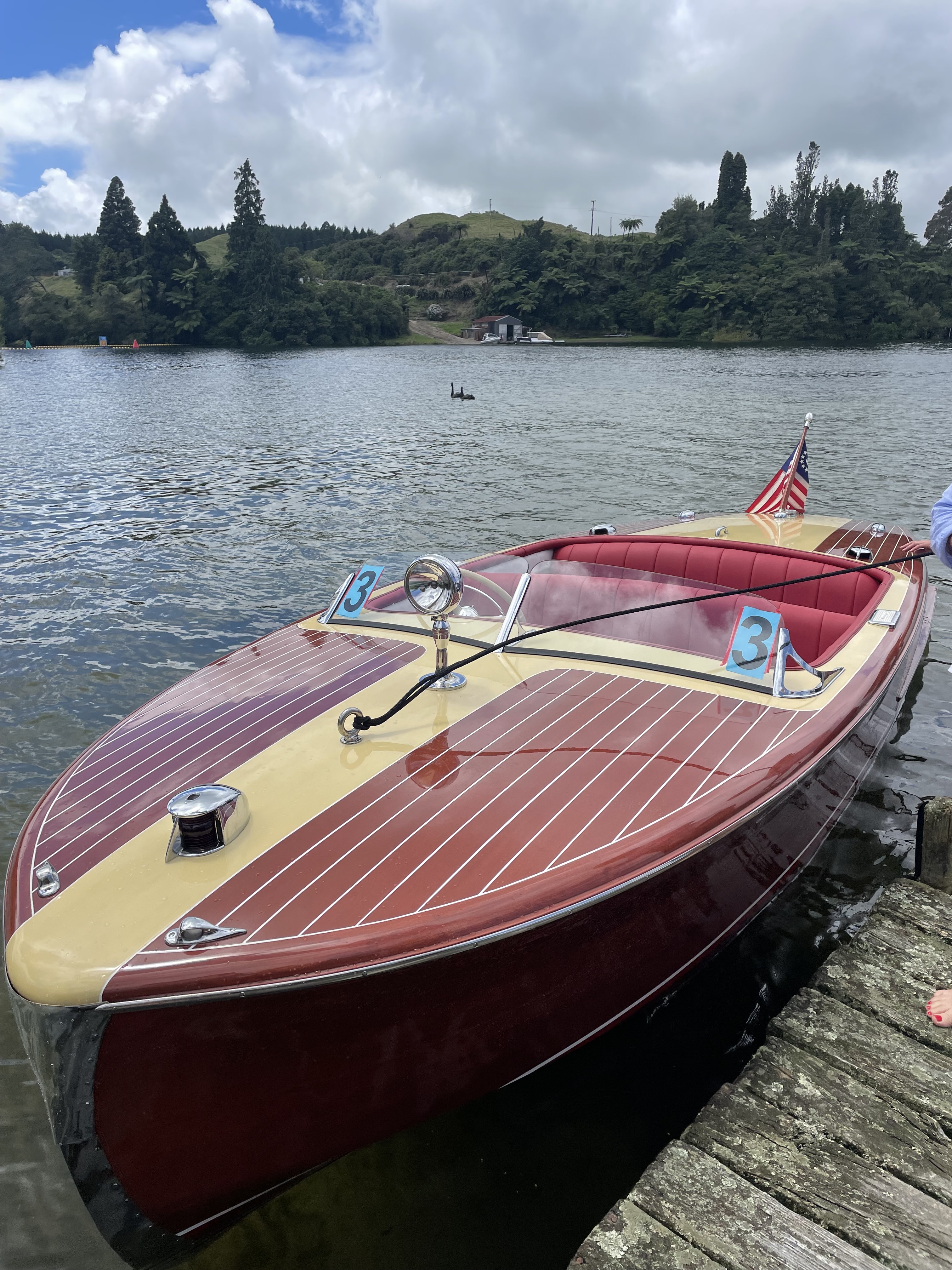
 “Today I share some images and back story of our 1950 Chris Craft Riviera 20 that we imported from the USA in late 2018 from a deceased estate, the boat was pretty much stuffed, was in parts and had not been in the water since 1991, what followed was a full 3000 hour / 4 year restoration. The boat has 40% new oak frames, a full no soak bottom and a new deck, with it being very hard to see where the new and old timber meet.

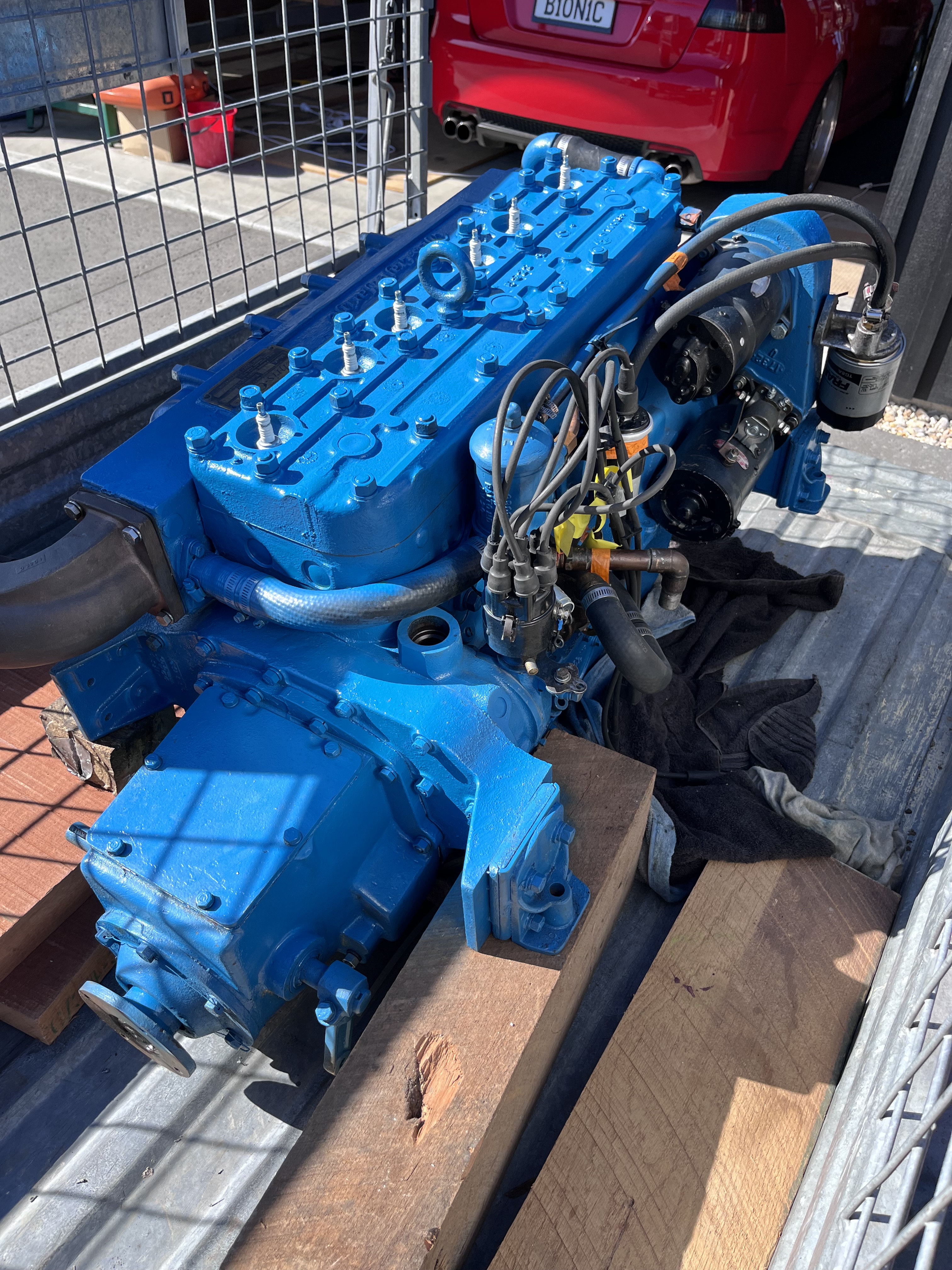
The boat was relaunched in February 2023 The boat has been completely refixed fully with new silicone bronze screws and bolts and reassembled using 130 tubes of 3M 5200, stains and paints were imported to ensure period correct and the original MBL158 engine has been brought back to life with lots of new bits.  28 coats of varnish finish the boat off, along with a complete new interior, finished exactly as the boat left the factory. Quite possible the worlds most impractical thing to boat in, yet very high on the smile factor!” 

CLASSIC WOODEN LAUNCH – ALMA G II Restoration Updates #3 & #4

CLASSIC WOODEN LAUNCH – ALMA G II Restoration Updates #3 & #4

We have been following the refit / rebuild of the1927 Collings & Bell classic wooden launch – ALMA G II for a while now, the last WW story was back in December 2023 Dec 2023 and I have a confession to make – Update #3 slipped between the WW cracks so today you get a two-4- one 🙂

UPDATE #3 from Sian Steward at CMC Design below – 

“So much has been going on in the last few months, the team have been working very hard and things are looking great.

After the long long months of initial work of bringing all the bones of the Alma G II back together and many coats of white paint in the hull interior we moved onto the next phase.

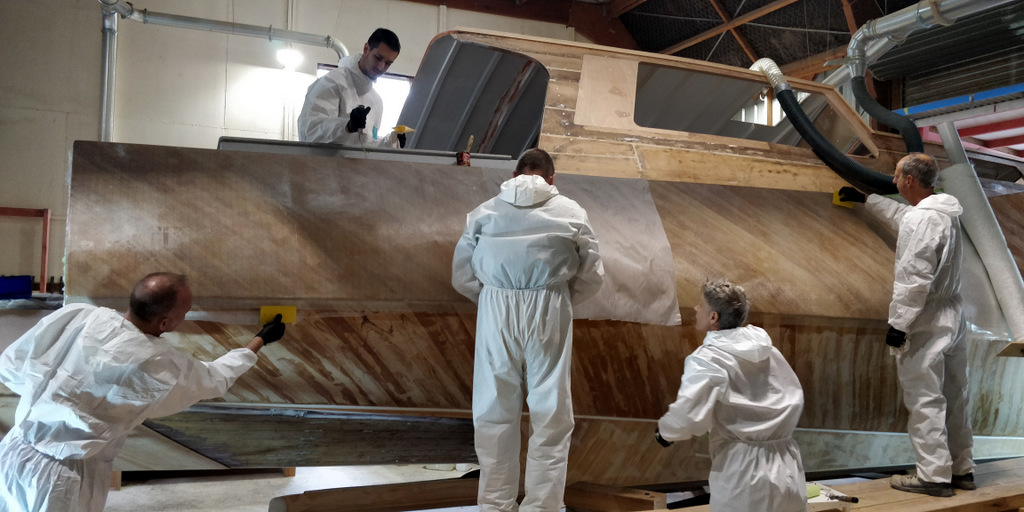
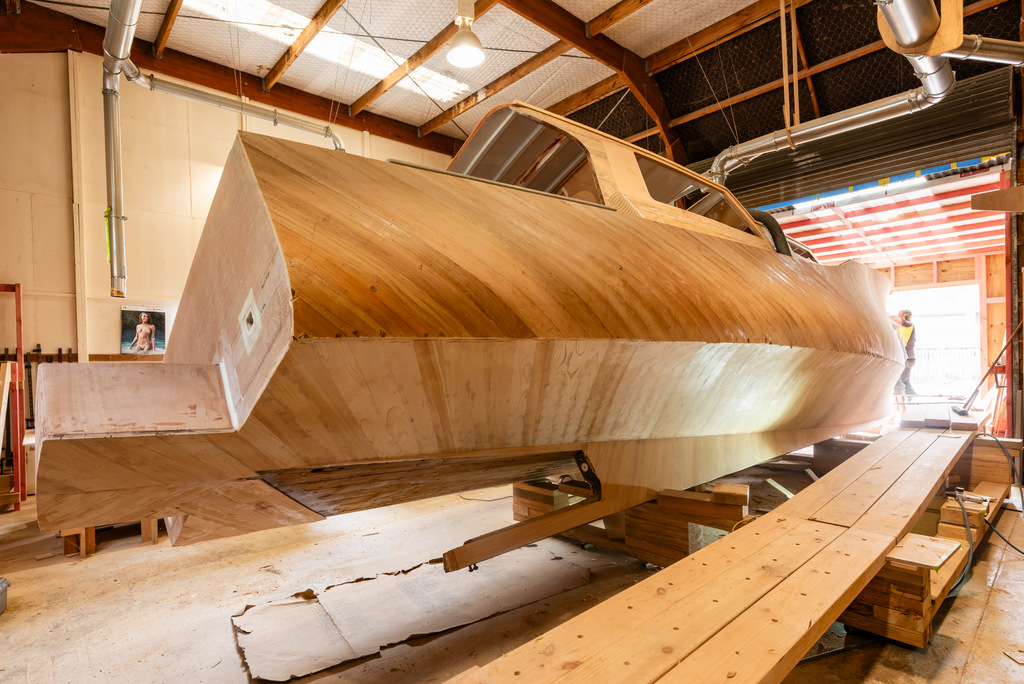
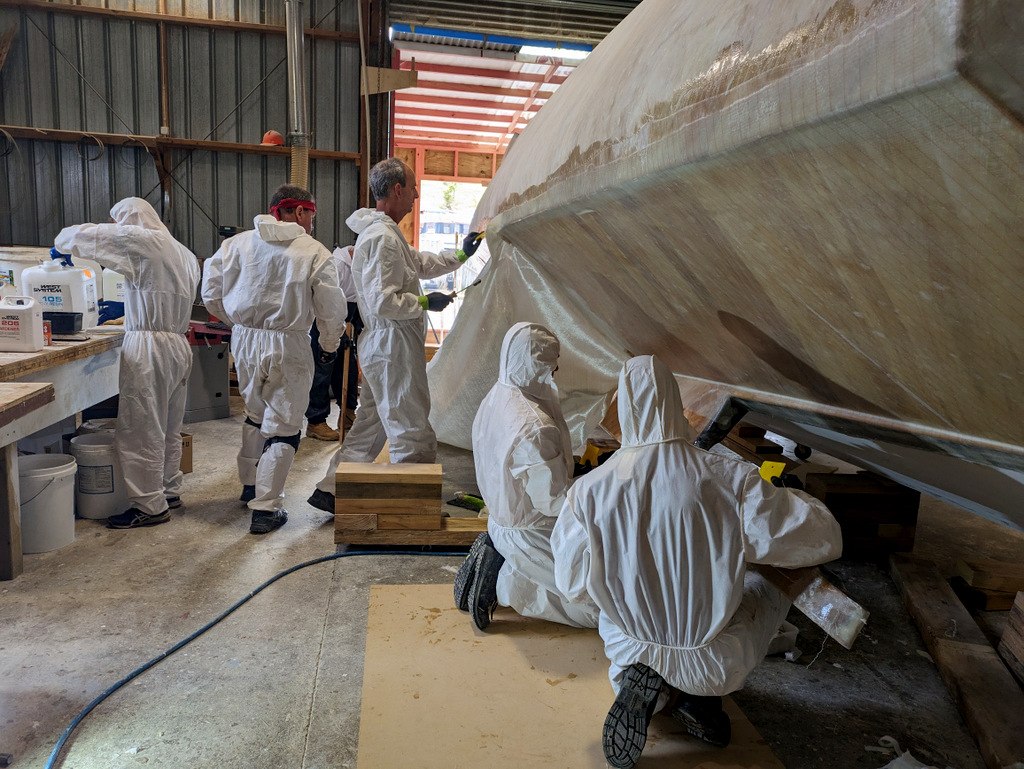
The hull has been double skinned with kauri planks, filled, fared and prepped for fiberglass. It was a shame to say goodbye to seeing all the beautiful original timber underneath, but a boat that floats is the ultimate goal.

It’s good to have all hands available for this aspect of the build, working together makes the tough job of glassing much more streamlined and quicker. No one wants to draw out glassing for too long and we are grateful it isn’t a regular part of our day-to-day job..

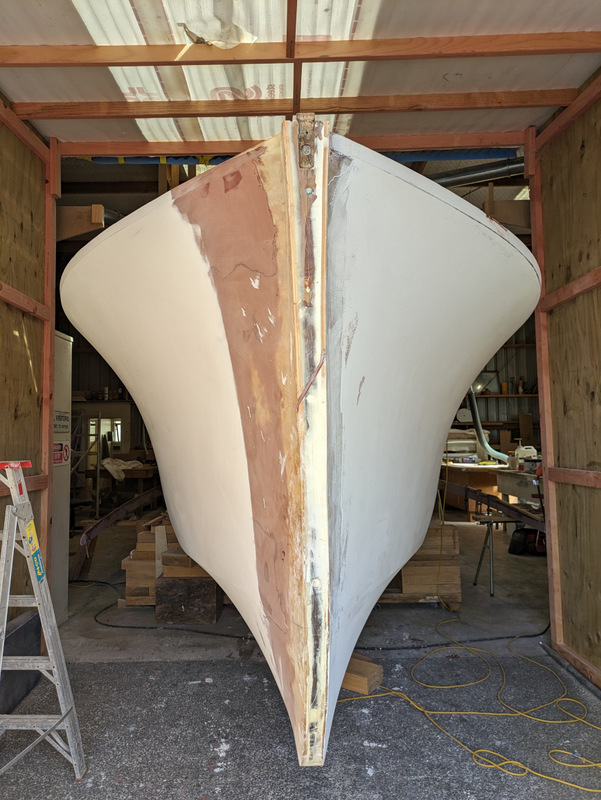
More full suited days in the hot hot heat bogging and readying for paint. This is where the restoration really looks like it is getting somewhere. We have been going since last April and these milestones are meaningful to both the workers and the boat owners.

The Alma G II has been carefully rolled once more and the whole process starts again on the port side.

From there, back to upright and some more detailed discussions on the interior finishes and fixtures. The owners are keen to honor the traditional elements of the boat and have been sourcing some really lovely items from navigation lights to the bench top surfaces.

Top coat paint colour choices are being made and we keep moving on…”

UPDATE #4

“Further updates on the Alma G II. We have layers of paint going on!   More hard work has been done in these last few months with the Lees engine going in, fiberglassing, long board sanding and bogging and fairing.  Real backbreaking stuff. Onward we go with paintwork and then the interior fit out. “   

LINKs TO PREVIOUS STORIES FOLLOWING THE PROJECT

WW May 2023 Story https://waitematawoodys.com/2023/05/01/restoration-of-alma-g-ii-begins/

WW Dec 2023 Story  https://waitematawoodys.com/2023/12/06/alma-g-ii-restoration-update-2/

DIOMEDEA – CLASSIC WOODEN GAME FISHING BOAT

DIOMEDEA – CLASSIC WOODEN GAME FISHING BOAT

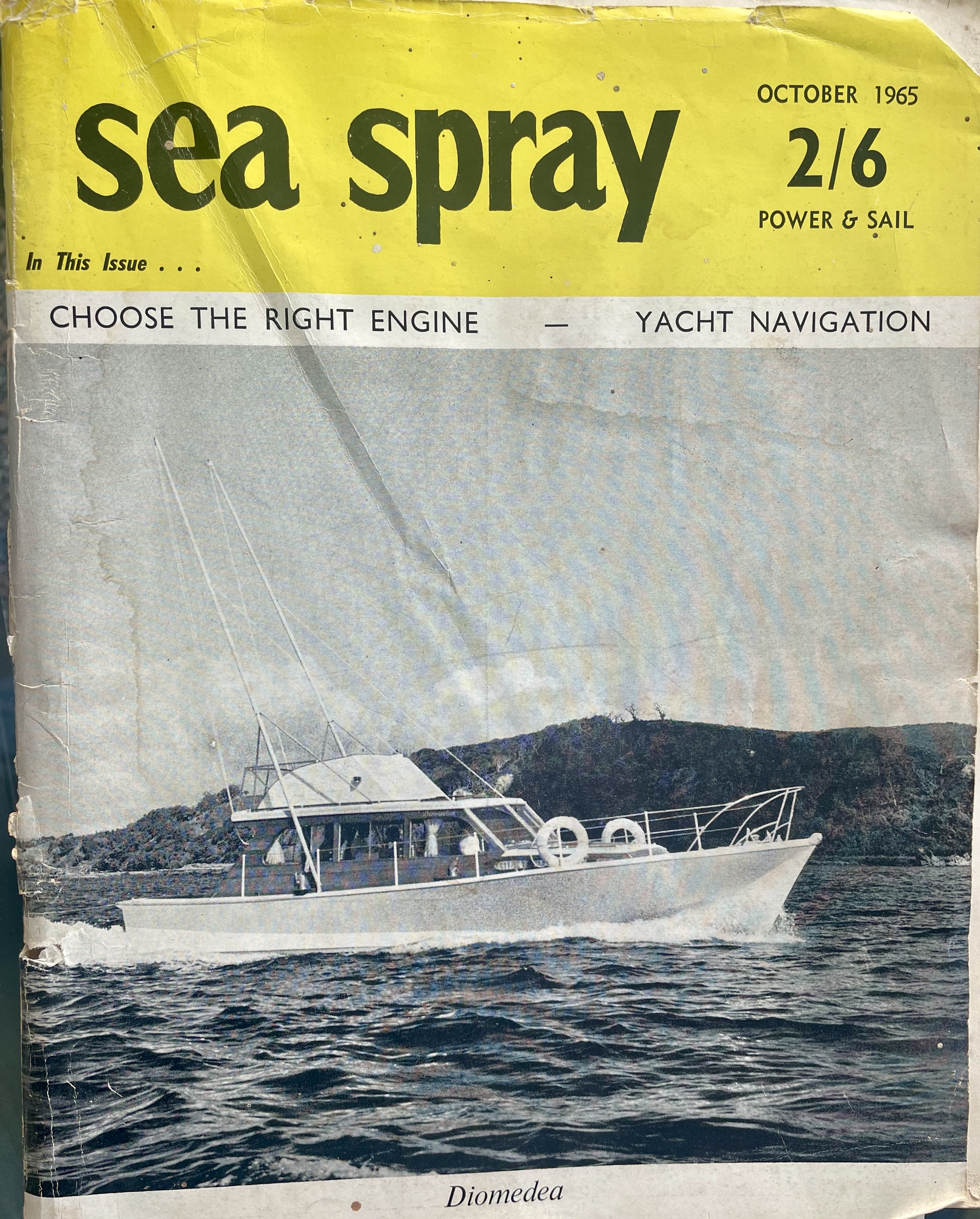
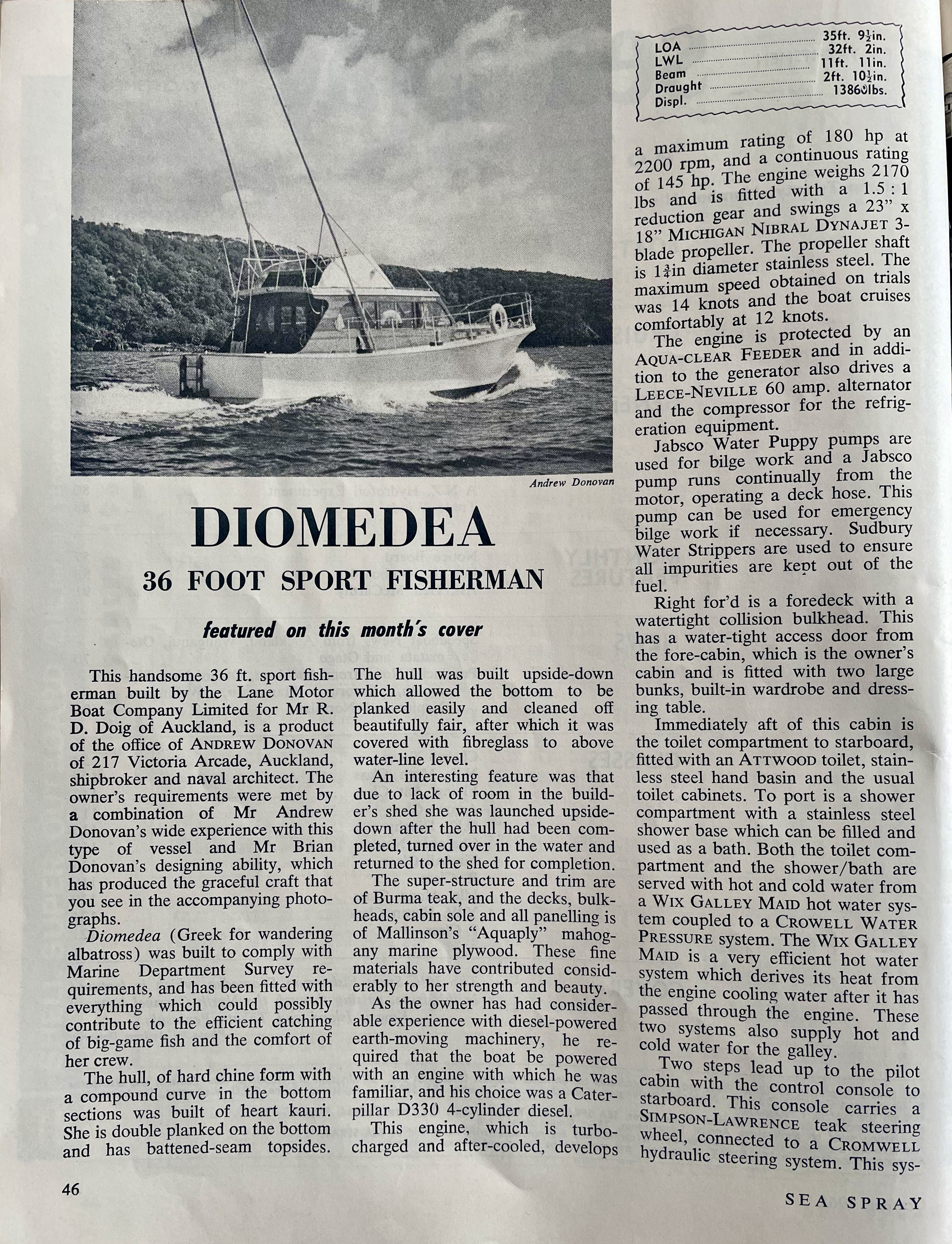
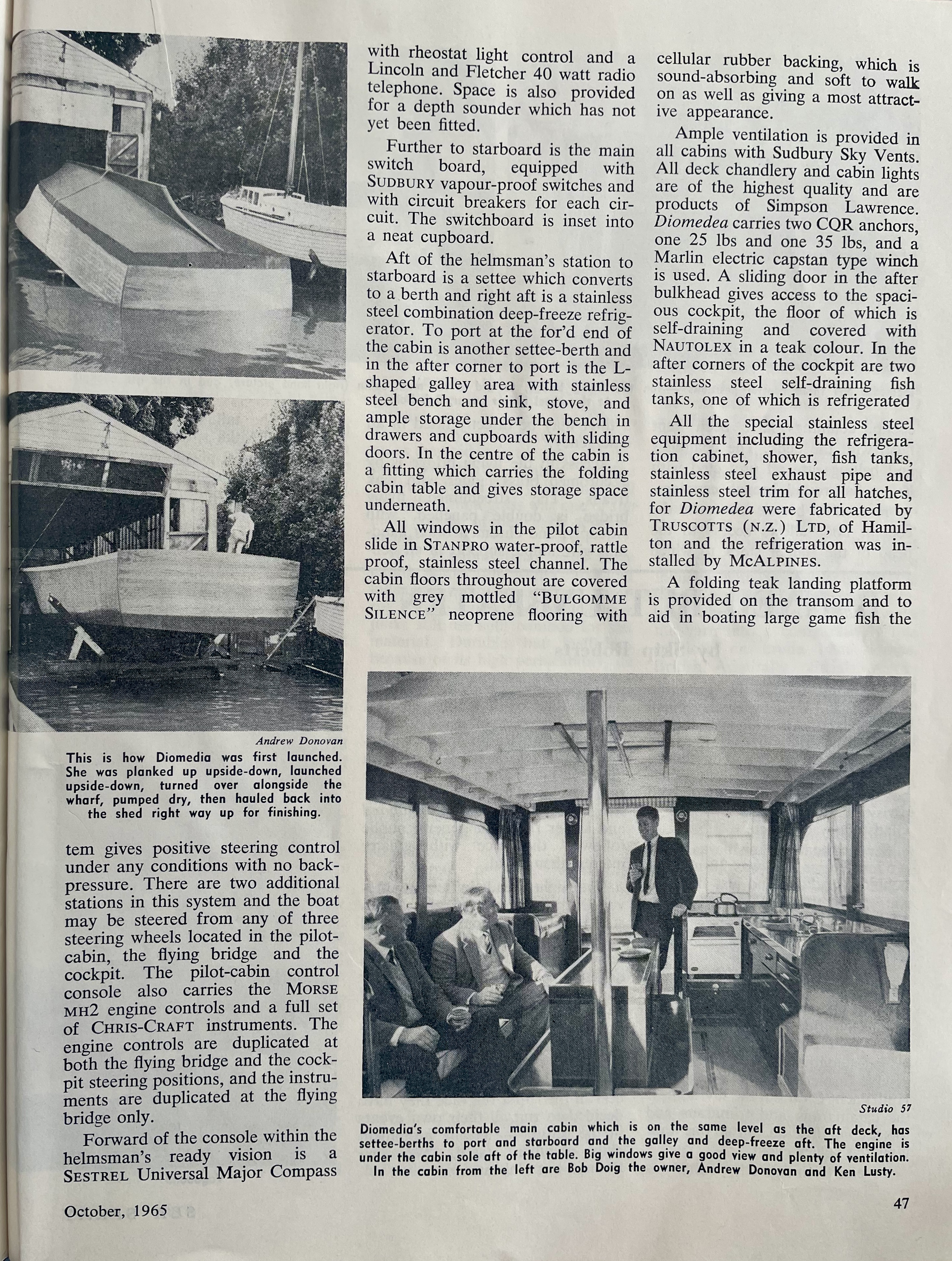
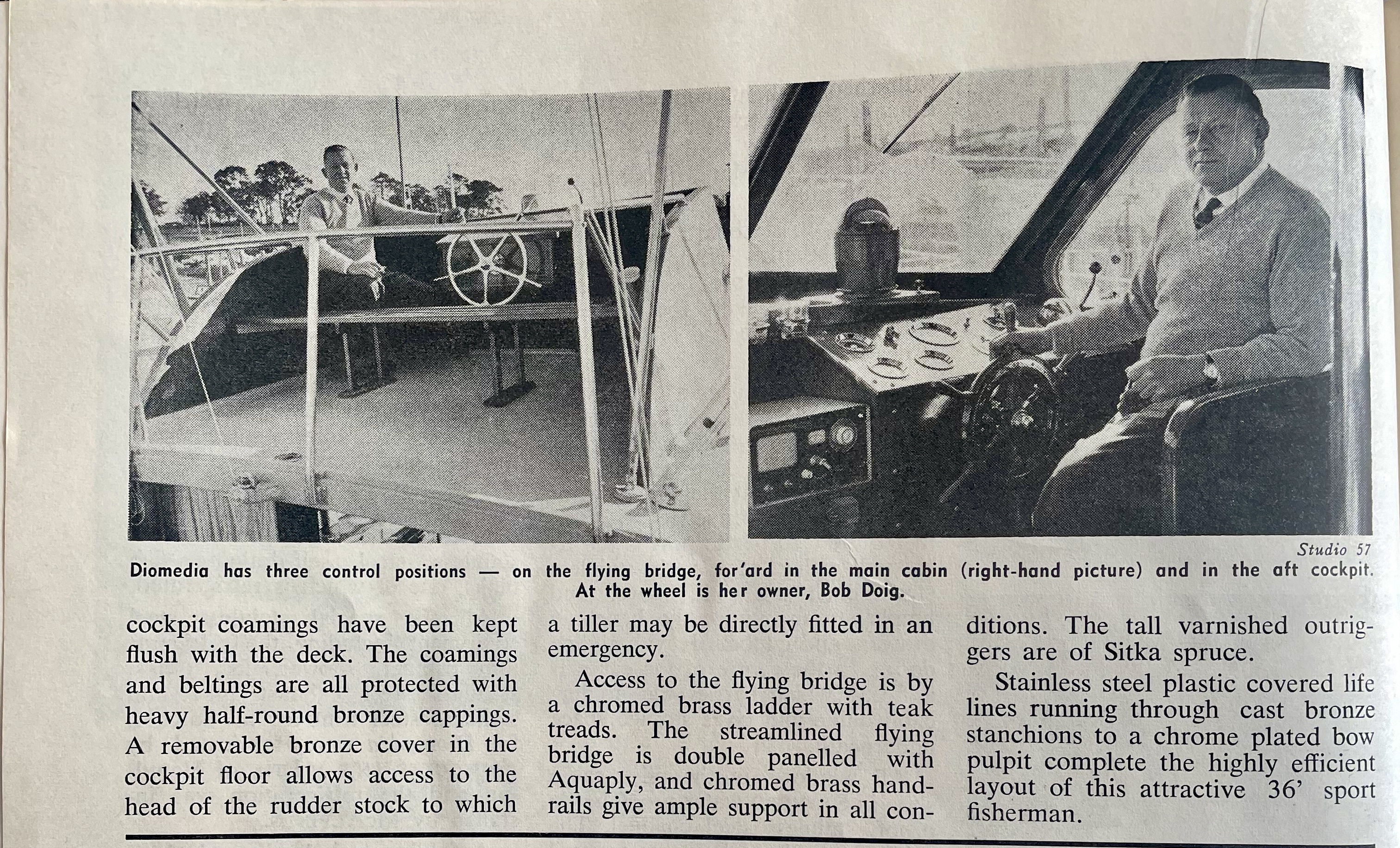
Woody Angus Rogers recently came across a copy of Sea Spray magazine from October 1965 which had the 36’ Andrew Donovan designed wooden launch – DIOMEDEA on the cover.  DIOMEDEA was built by the Lane Motor Boat Co.

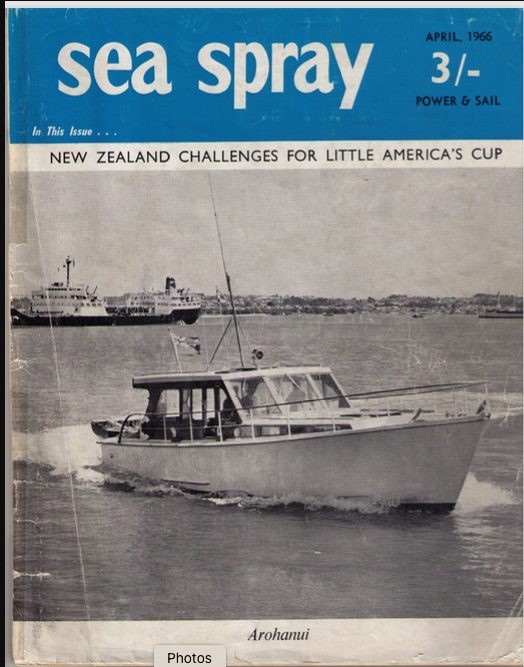
The first thing that Angus noticed was how similar she was to her bigger sister the 50’ AROHANUI, also built by the LMB Co. and launched in early 1965. Which also graced the cover of Sea Spray in April 1966 (photo below).

DIOMEDEA was a magnificent build and spec’ed to the max – the article is an insightful read. Sea Spray magazine described her design / style as a ‘sport fisherman’, she had a beam of 11’11” and draft of 2’10.5”. 

When launched she was powered by a Caterpillar turbo D330 4 cyl. 180hp diesel that gave her a top speed of 14 knots.

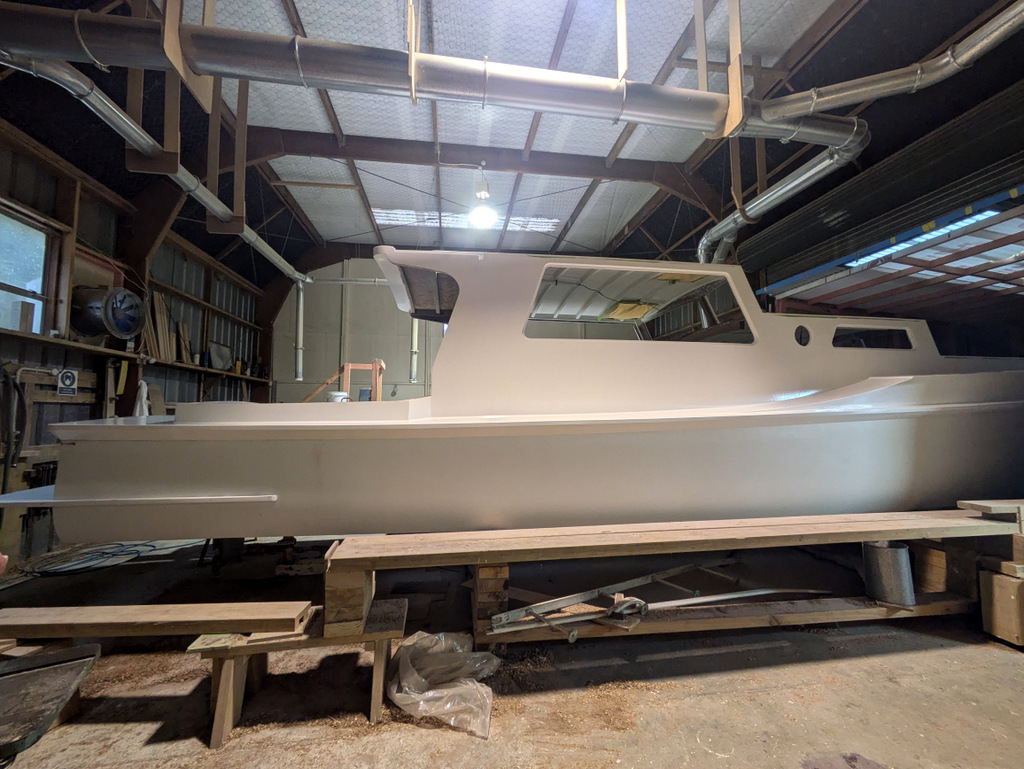
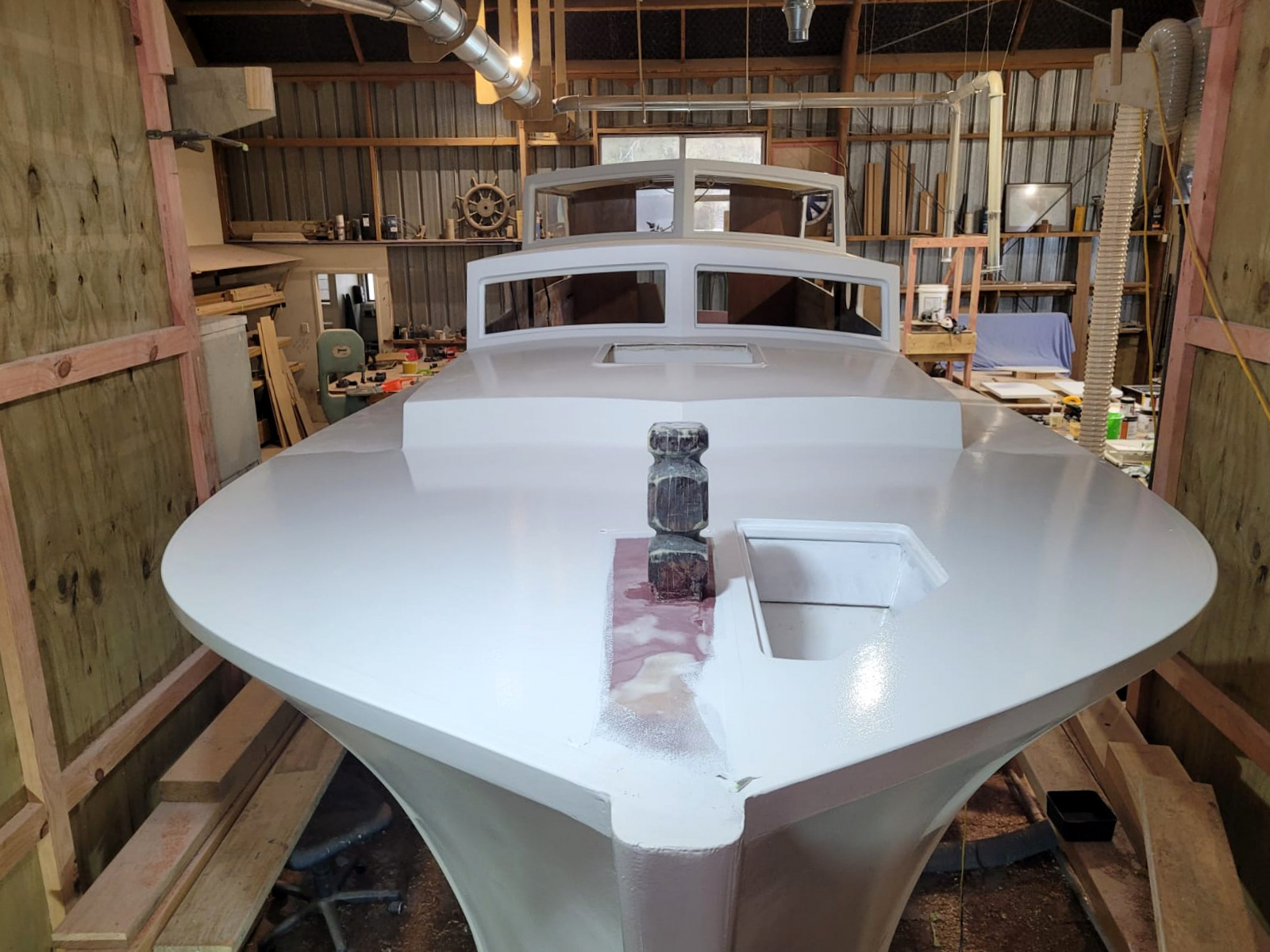
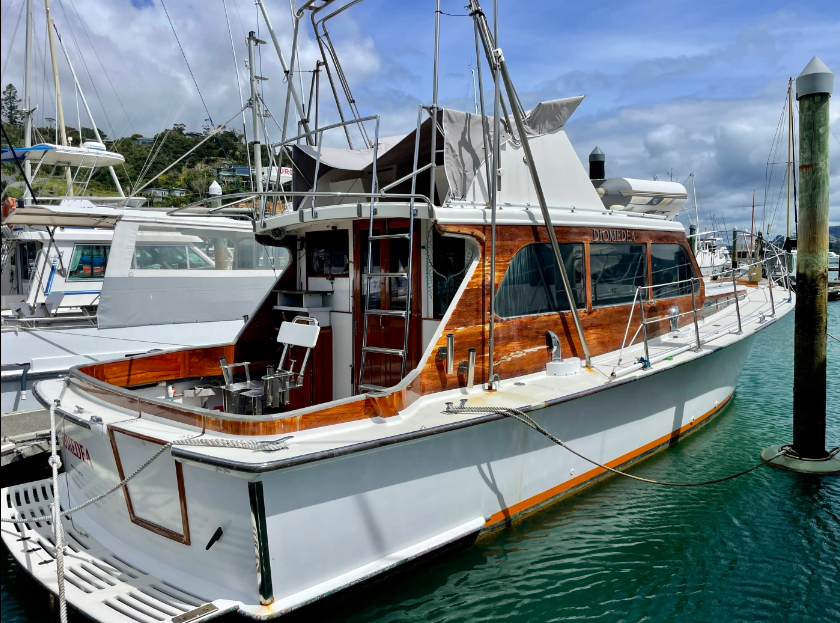
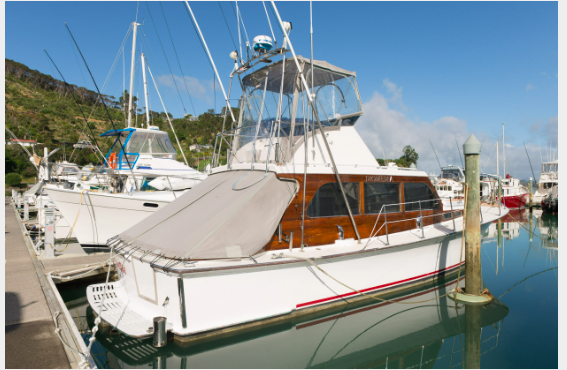
On one of my trips (Oct 2022) to Whangaroa I spotted DIOMEDEA docked at the Whangaroa Game Fishing Club marina. In the photo, below, she appears to have lost the hothouse that was up top when Dean Wright photographed her in May 2016, also at WGFC. 

Oct 2022
May 2016
AROHANUI

WINTER CRUISING ON A 47′ CLASSIC WOODEN BOAT

WINTER CRUISING ON A 47′ CLASSIC WOODEN BOAT

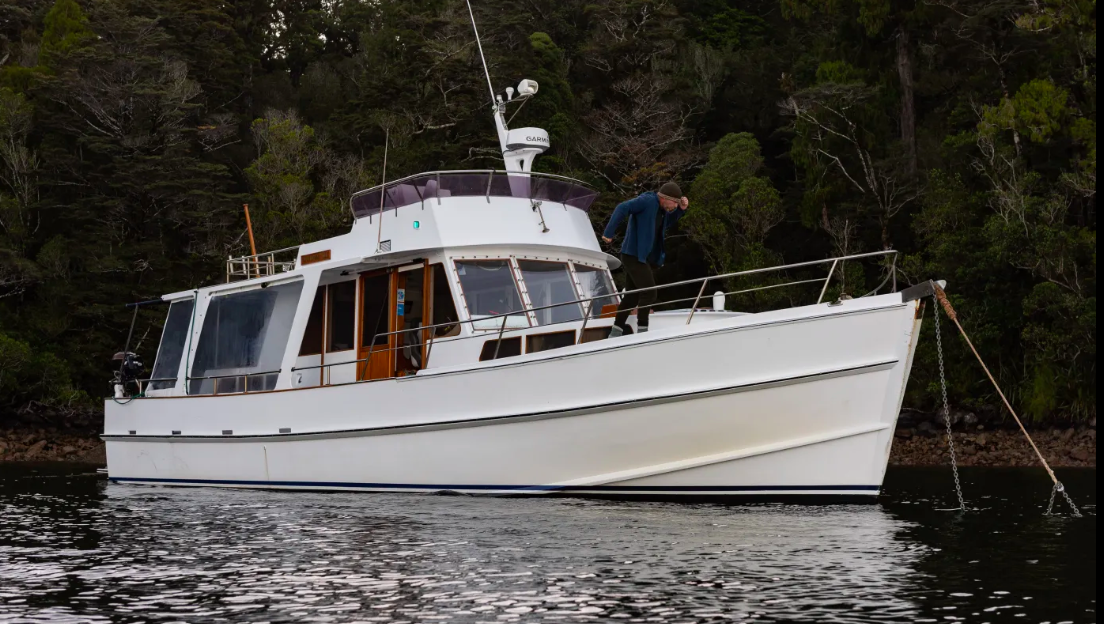
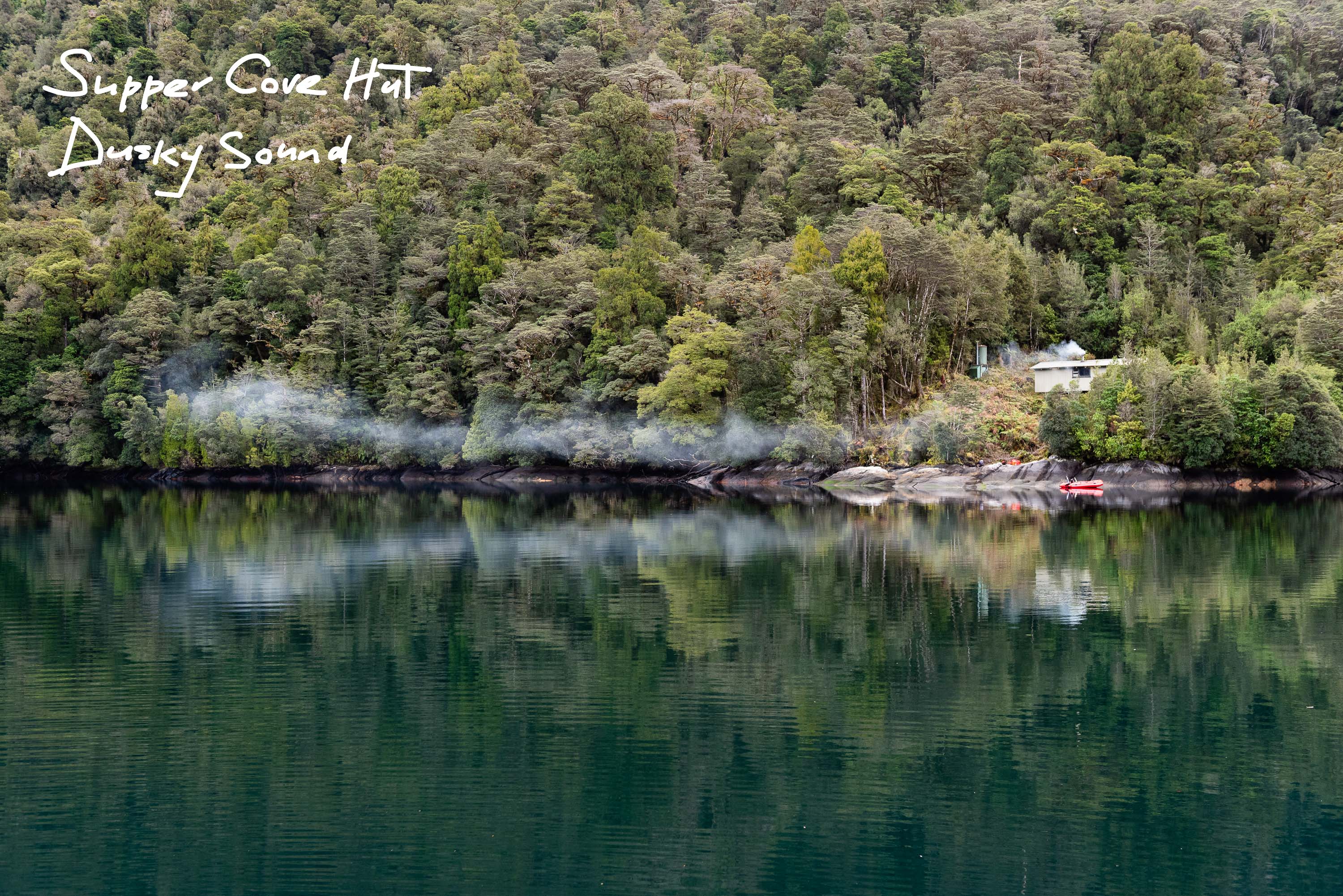
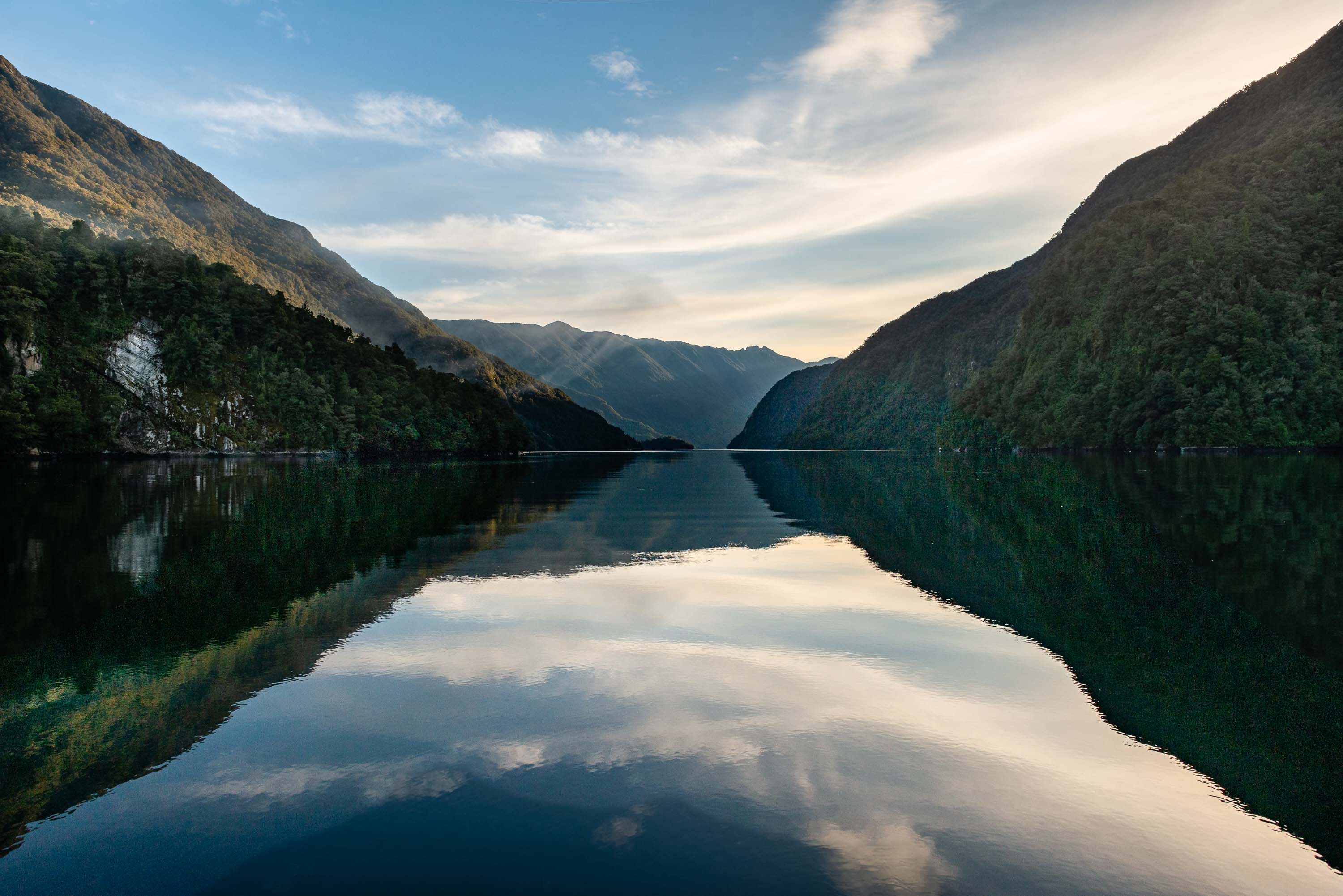
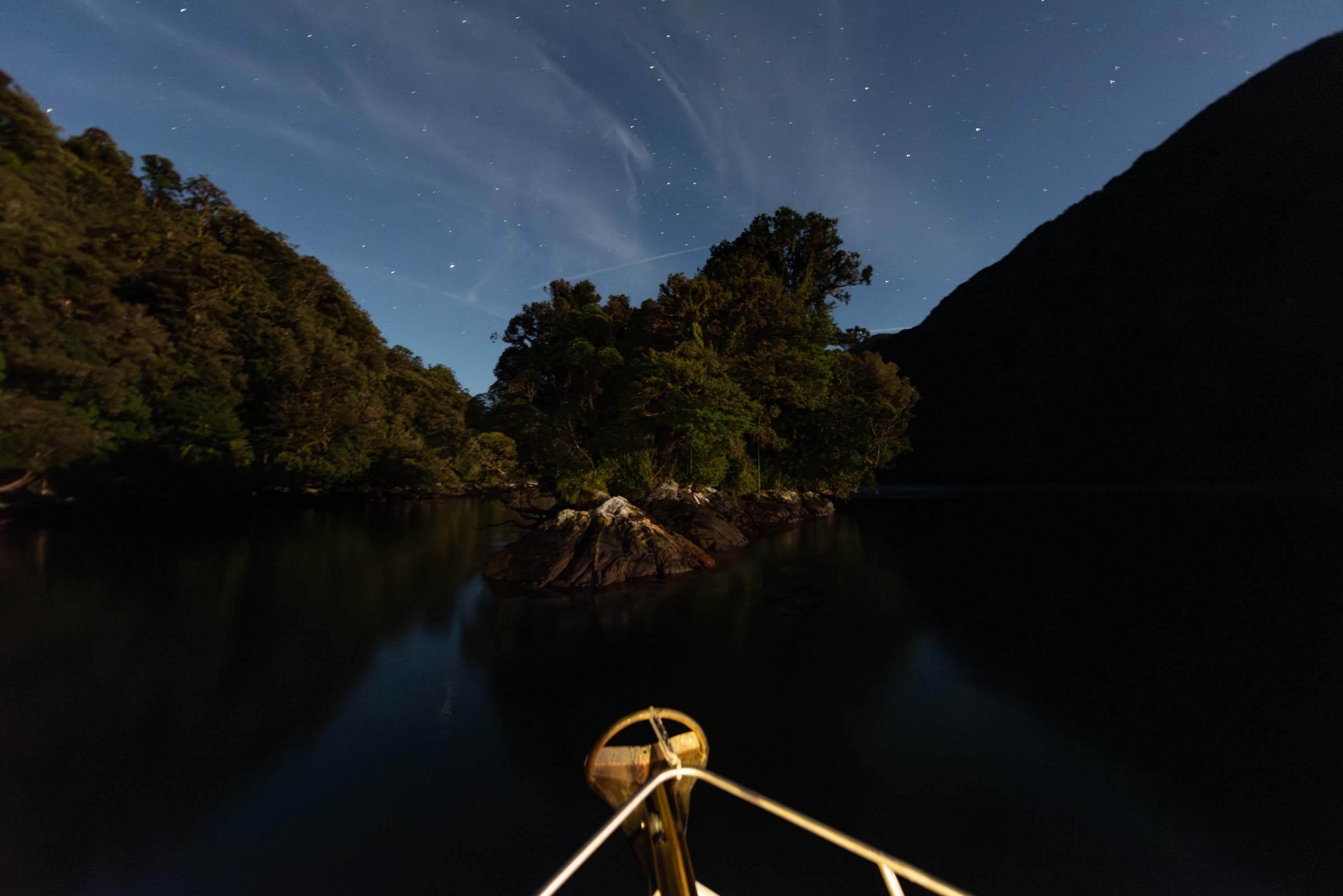
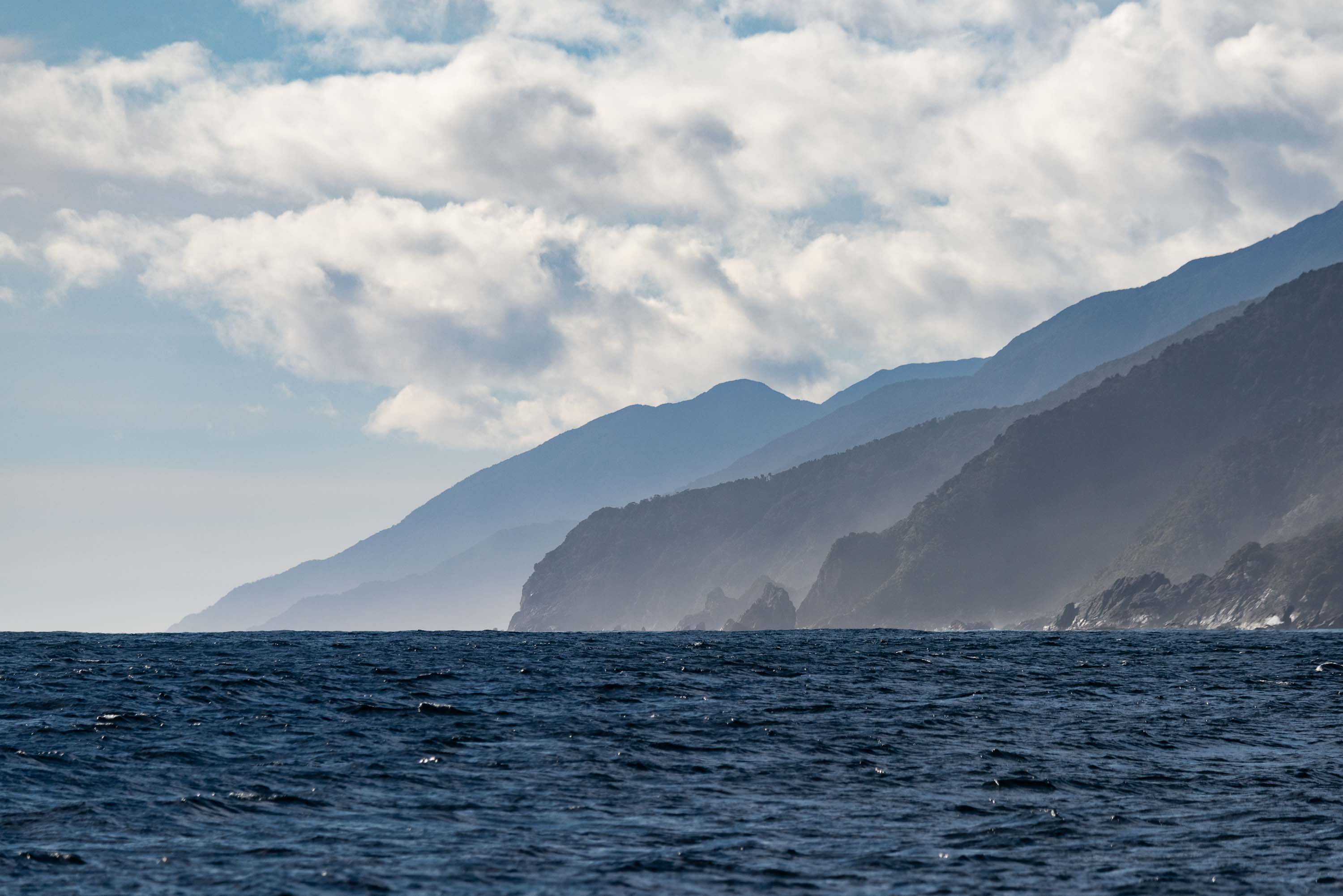
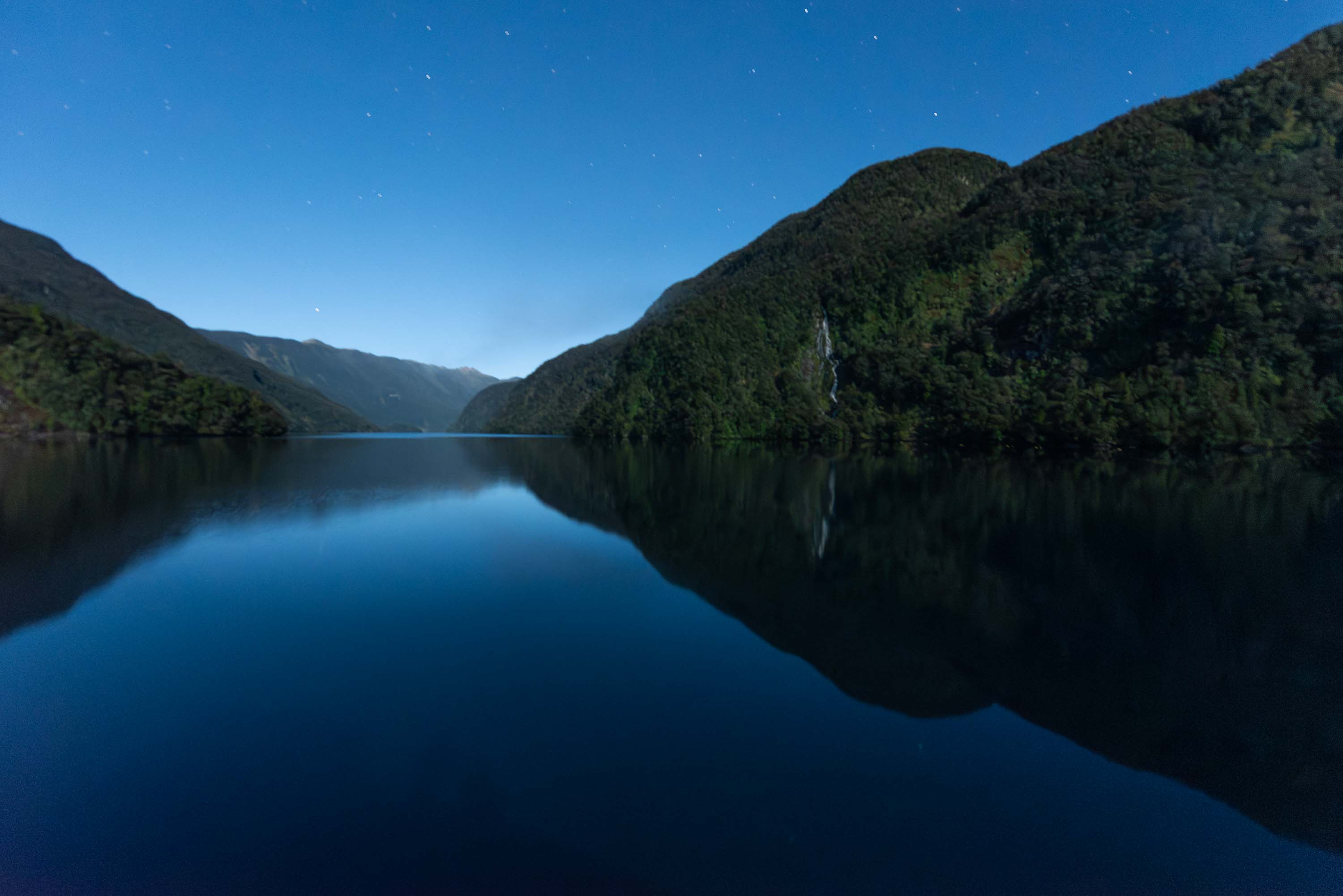
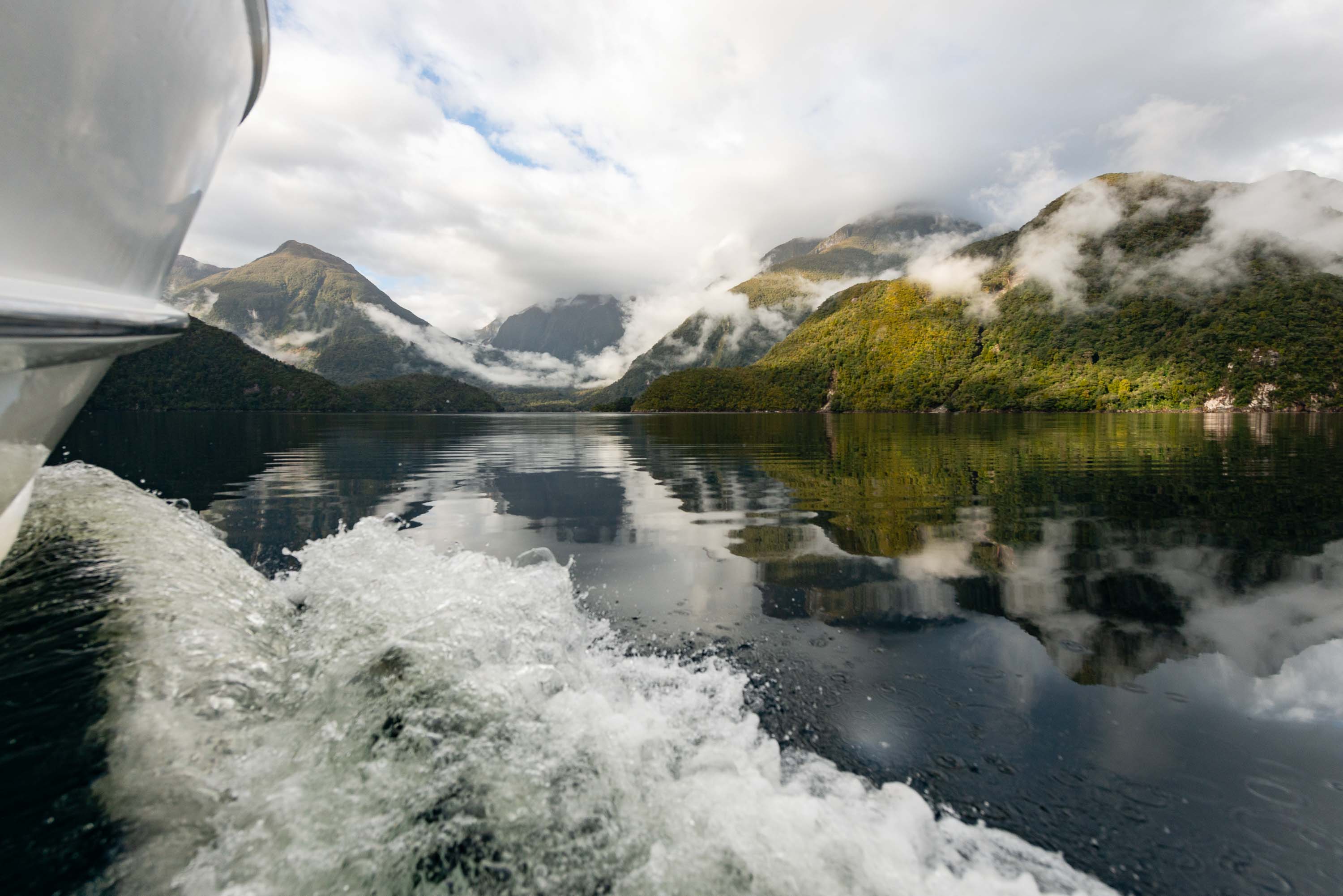
Today thanks to the eye / camera of Dean Wright we get to have a virtual Fiordland woody cruise aboard the launch – MONOWAI III. 

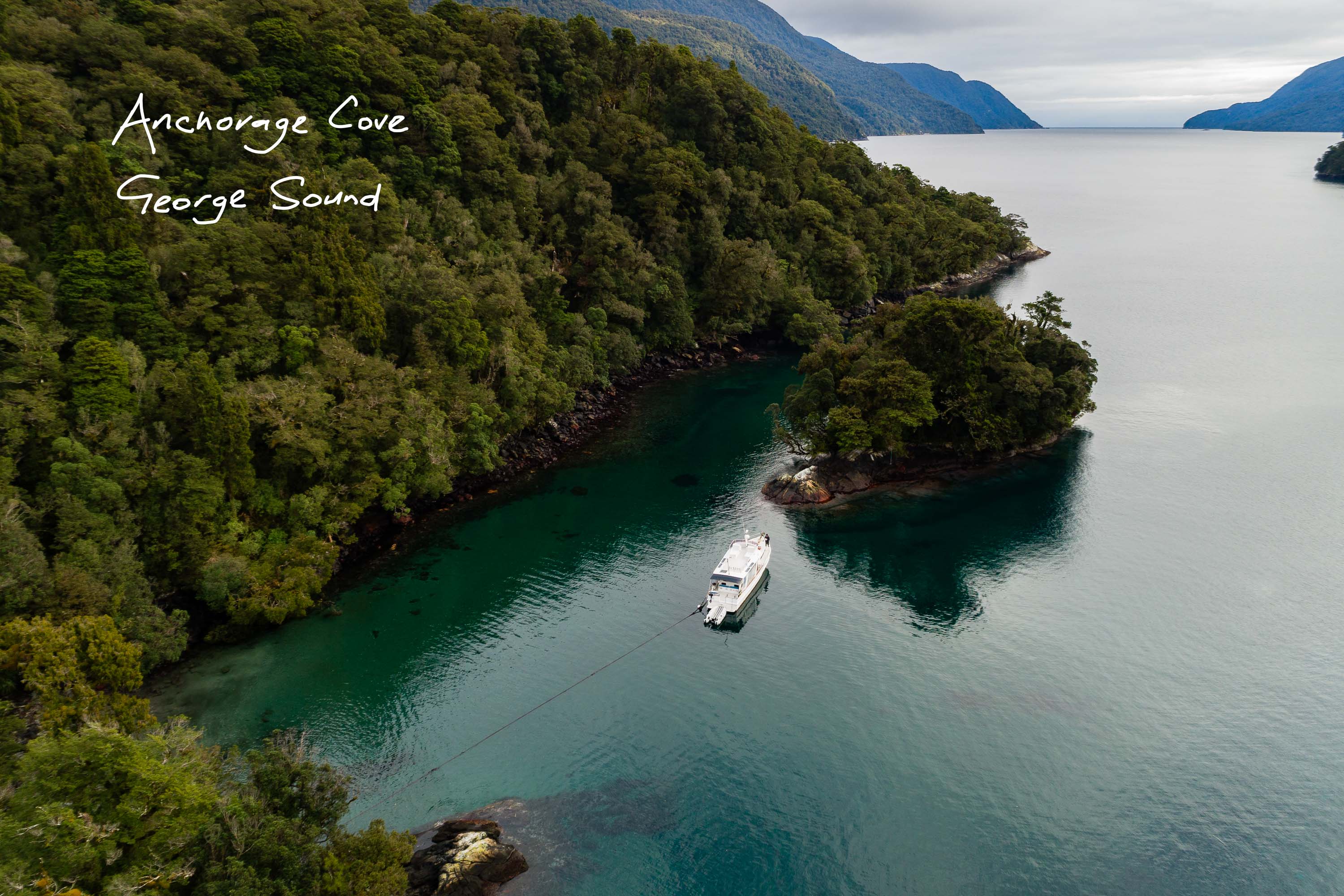
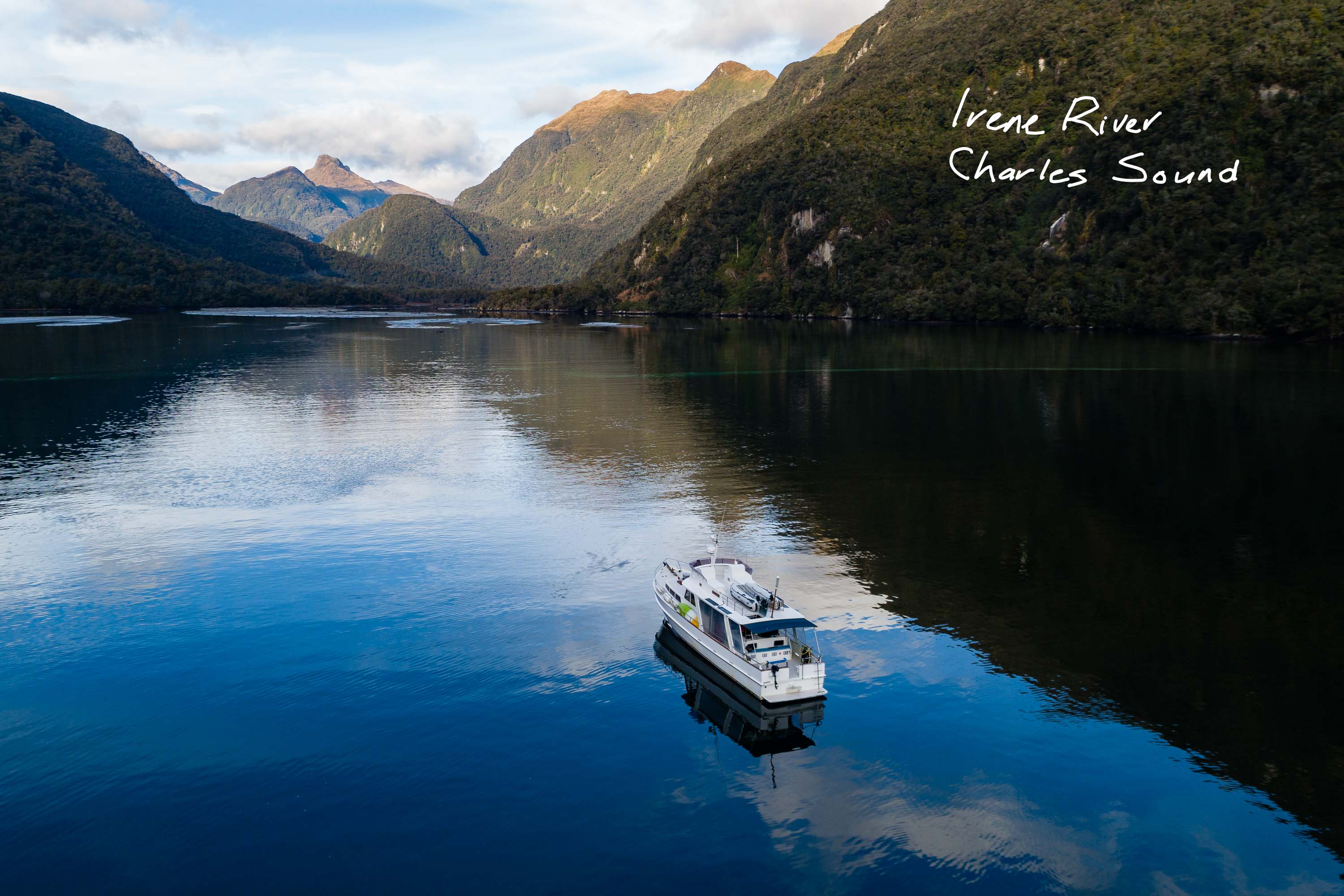
Lets start with some background – Dean and partner Deb are ‘frequent flyers’ when it comes to these cruising grounds. They were back there last in May 2019. As before guests of Andy and Brenda Bell aboard their launch – MONOWAI III for a week in Fiordland mid July.

This time they flew into Dusky Sound and worked their way North, Breaksea, Charles Sounds before flying out of George Sound a week or so later. They aced it with brilliant, calm weather and just a bit of rain. The photos above show a few of the amazing anchorages down there.

MONOWAI III is a 47’ Saunders, built by Harold Saunders in 1976, carvel kauri construction. Her beam is 11’10” and she draws 4’6”.

Forward motion is via a 8V71N GM. Lots more info on the boat in the 2019 WW story link here https://waitematawoodys.com/2019/05/06/monowai-iii/

Some Great Video Action To Finish

Lake Alice Anchorage:

Sportsmen Cove: 

HALVORSEN 21 – Classic Australian Wooden Boating

HALVORSEN 21 – Classic Australian Wooden Boating

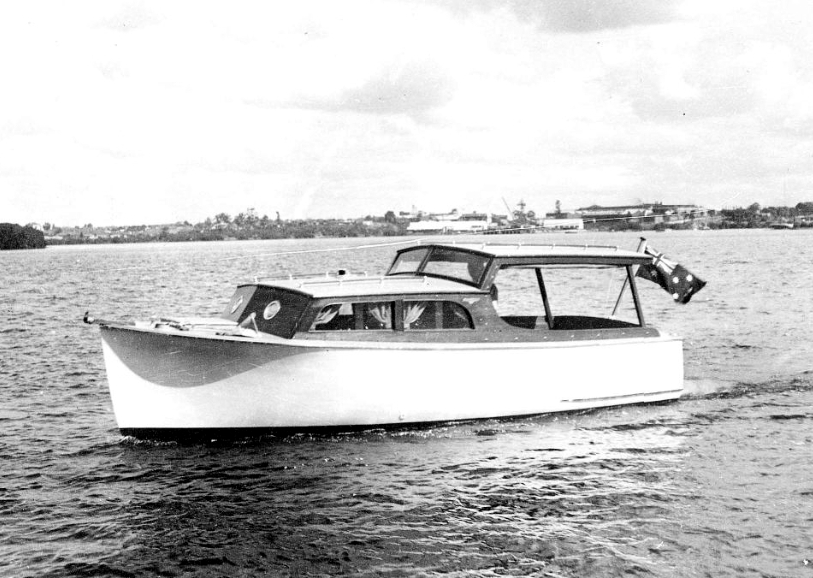
On one of my many scrolls thru the classic wooden boating online world I came across a story by Tad Roberts, an American yacht (the generic USA term for all boats) designer. Tad was talking about the iconic Australian boating marquee – Halvorsen. 

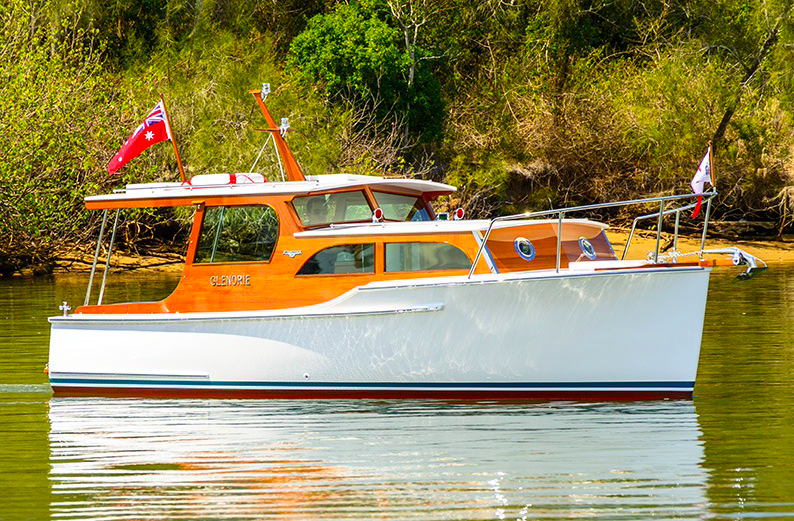
Several of their craft have appeared on WW, but Tad’s focus was on the Halvorsen 21’, and he advised that the craft were built from the late 1940’s and were available with both a broken and straight steer. Tads preference was the broken sheer version, commenting that ‘it carries a bit more strength of character’.

Else where on the story we learned that the 21’ launch had a beam of 7’3” and was originally powered by petrol engines of around 50hp.

Back in Nov 2023 WW ran a story on the Halvorsen boating dynasty, which included a wonderful video by Tony Mackay.                 LINK to the WW story here https://waitematawoodys.com/2023/11/04/the-halvorsen-story/

These smart looking woodys were years ahead of the market, and sadly we never had anything similar in NZ. If had and they were still around today – the Wooden Boat Bureau would be able to sell them in a flash 🙂

The colour photos above feature the launch – GLENORIE. The black and white photo below is of the Halvorsen yard in Neutral Bay, Sydney c.1936