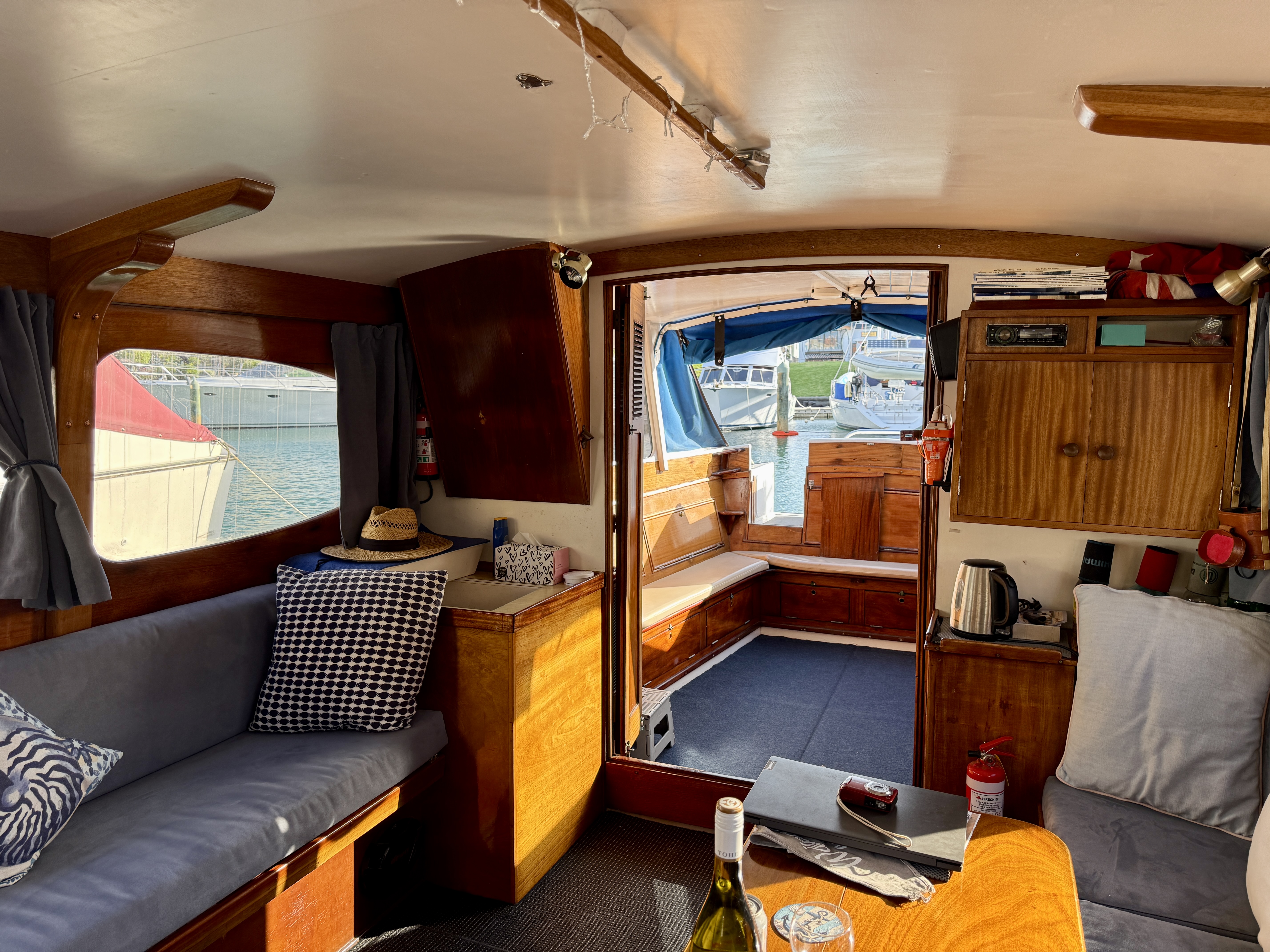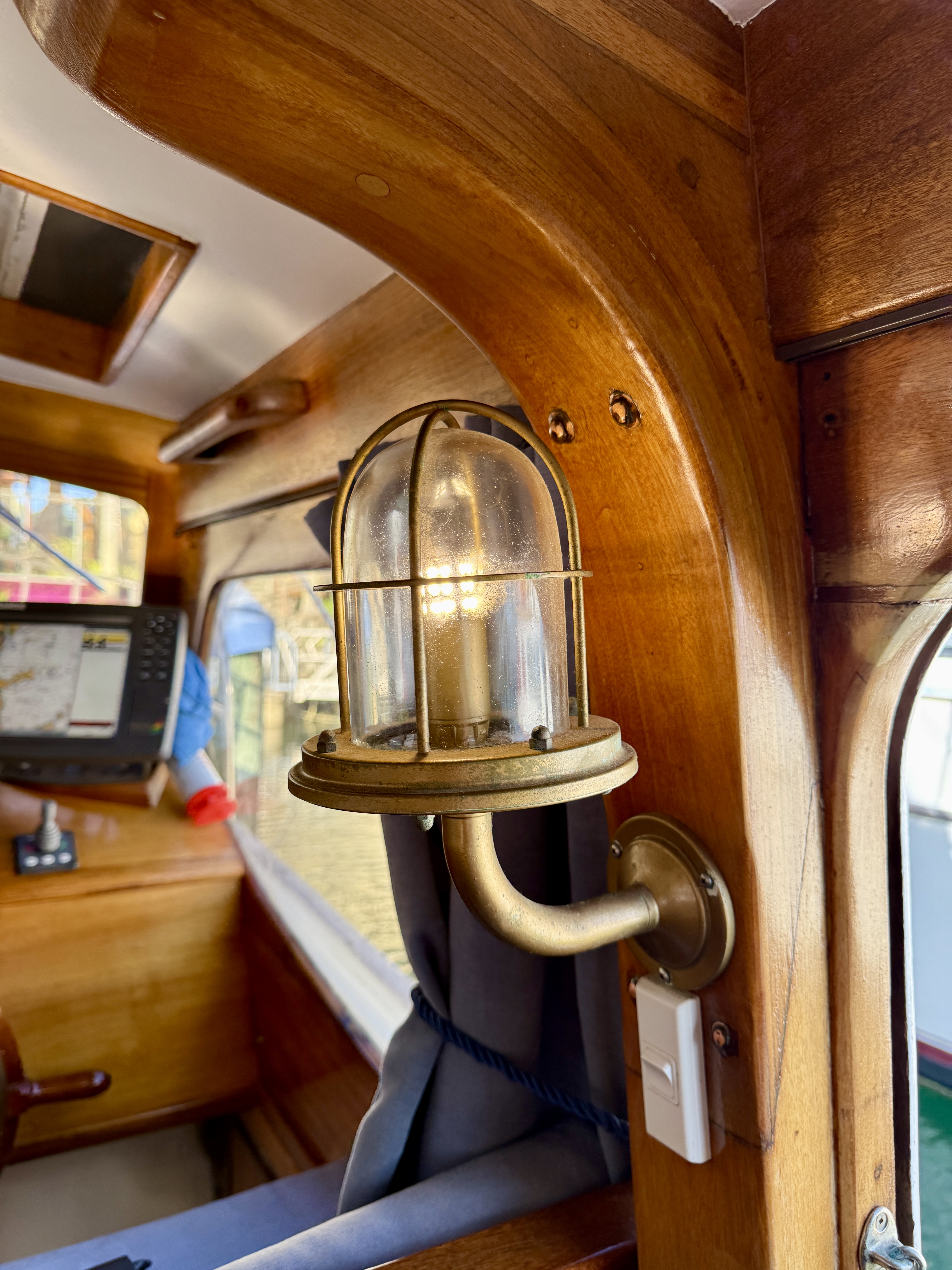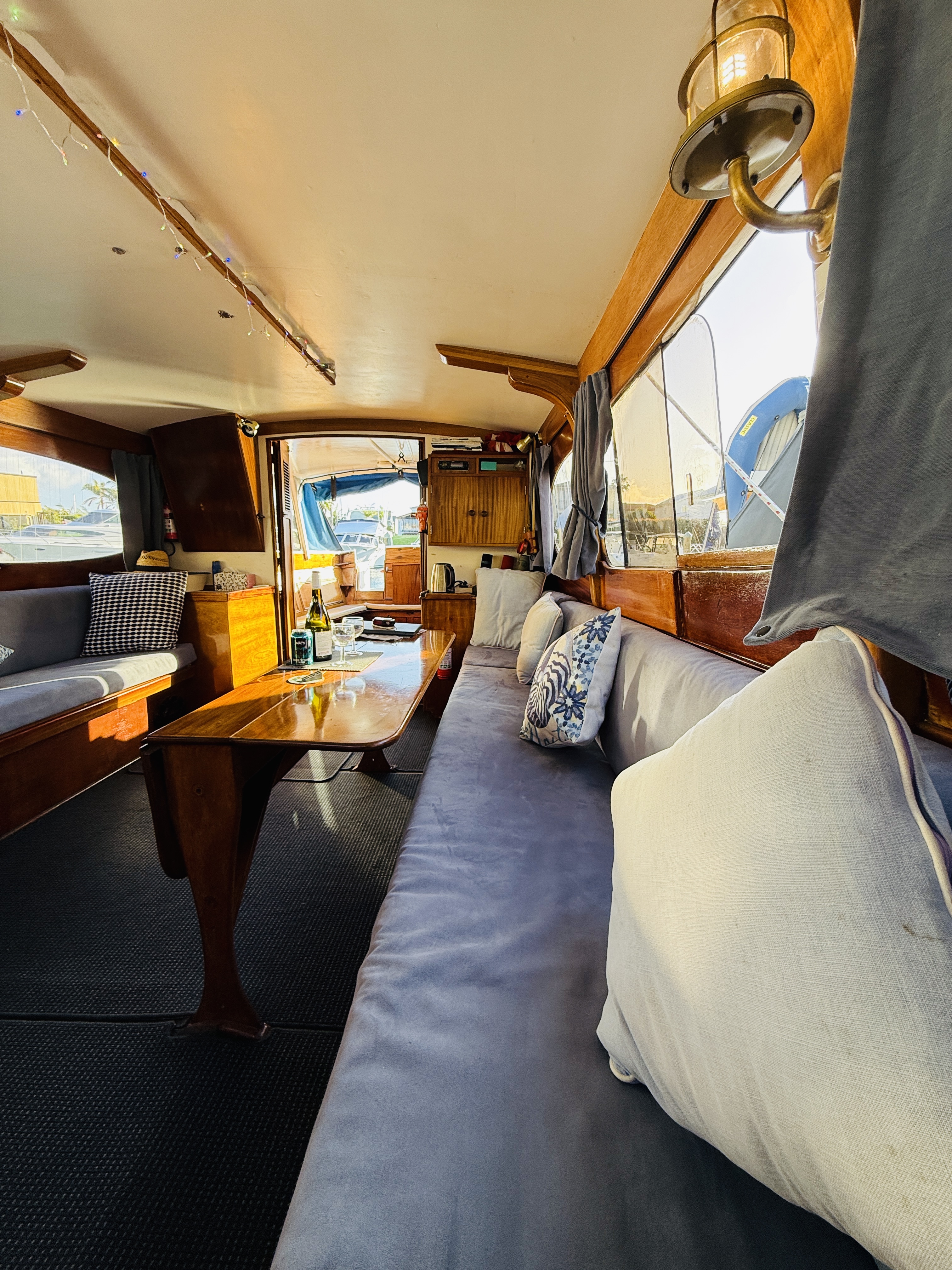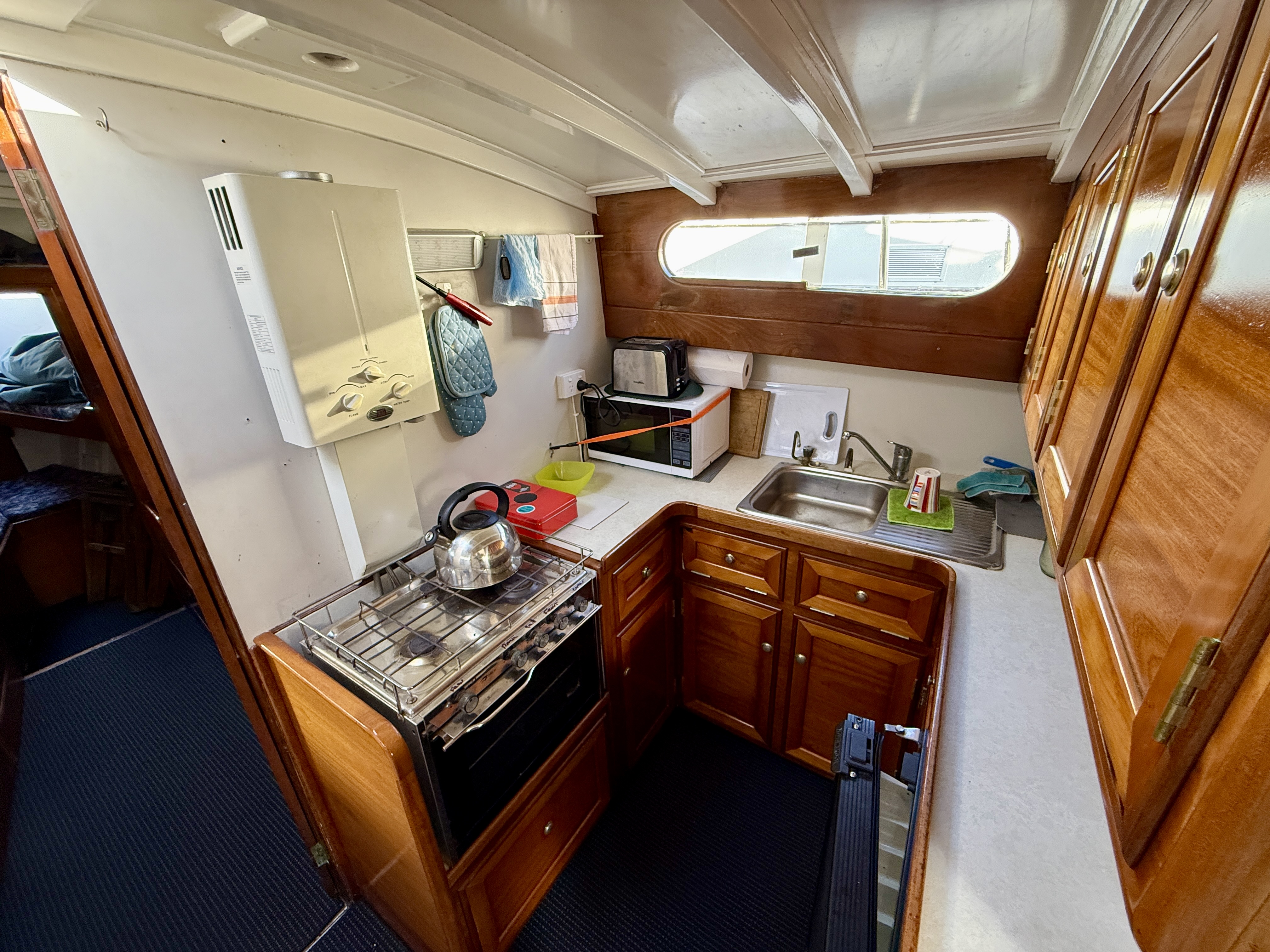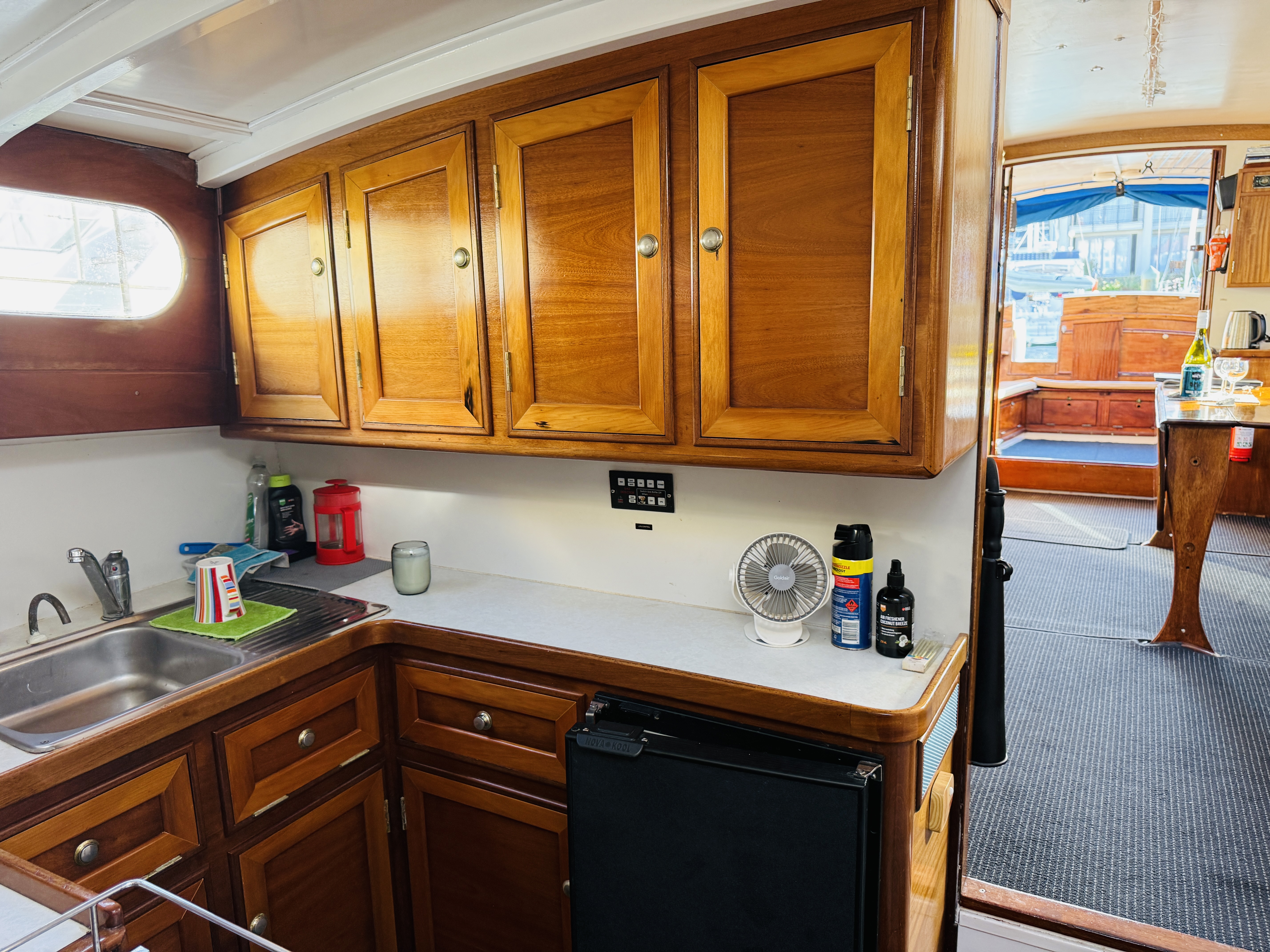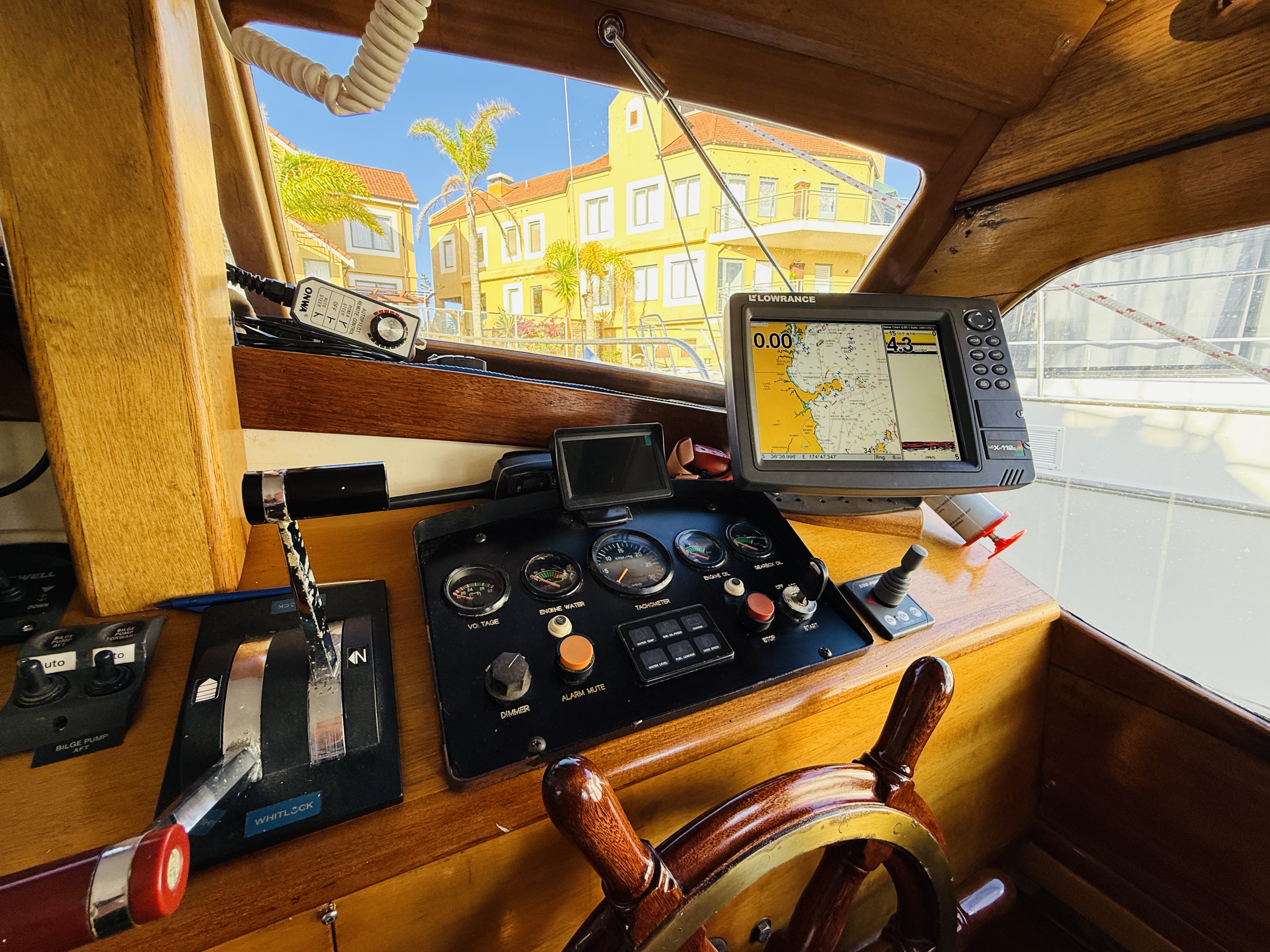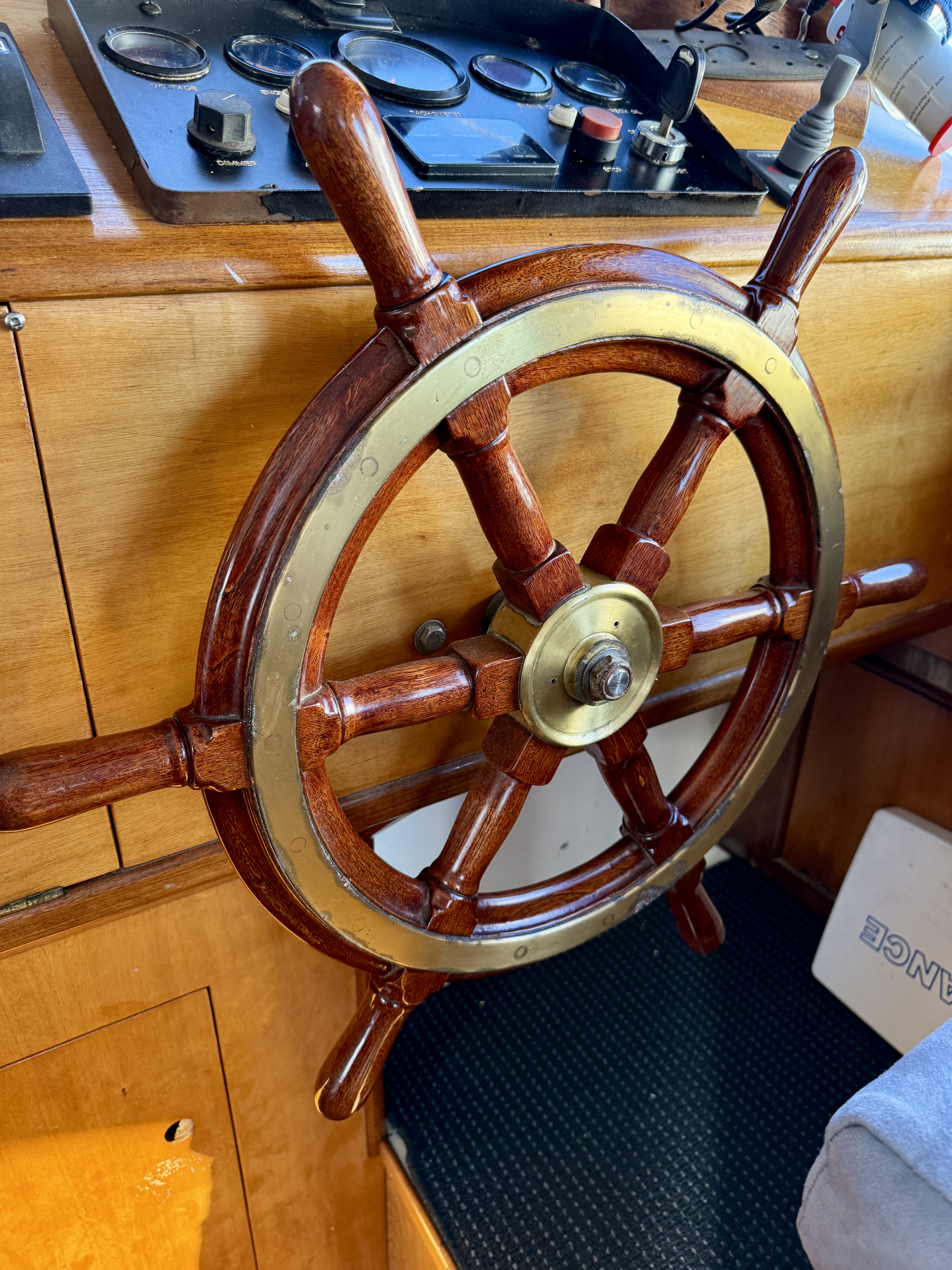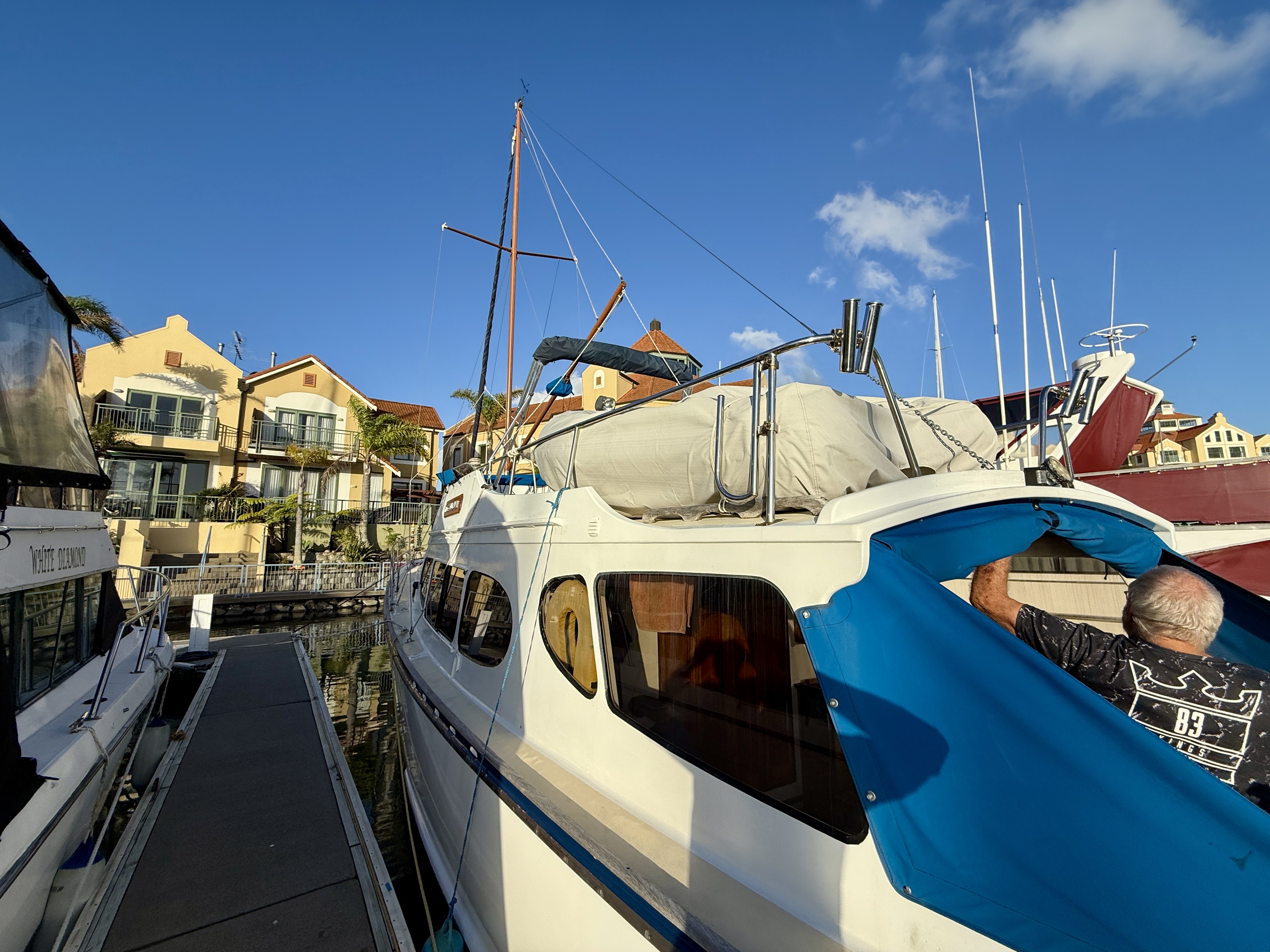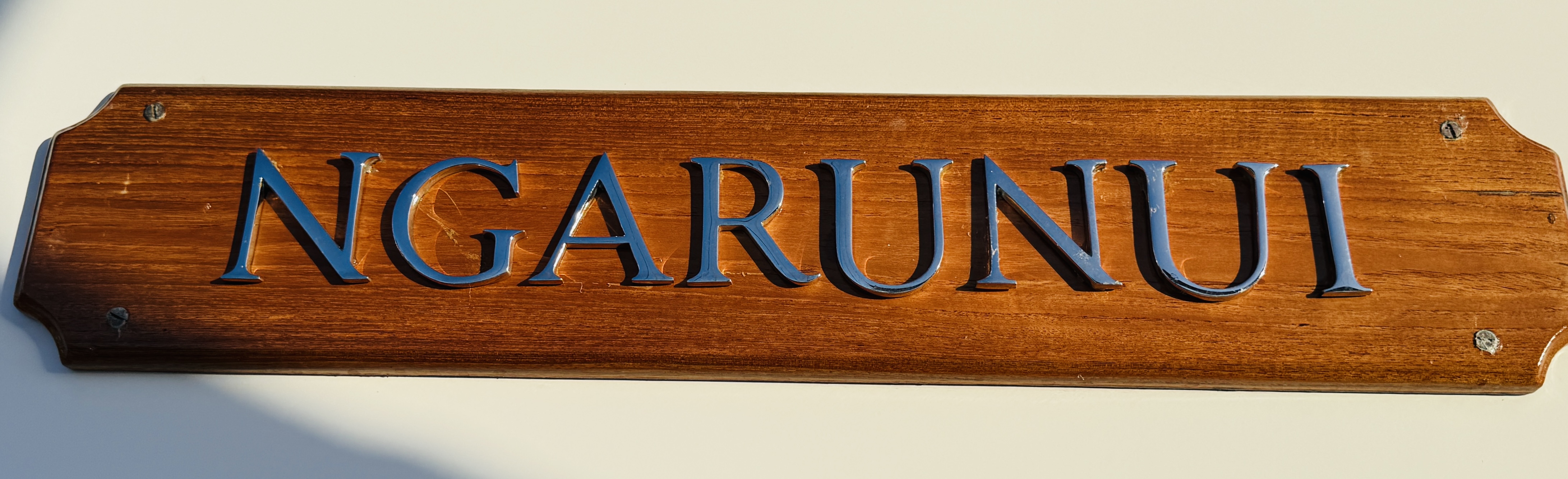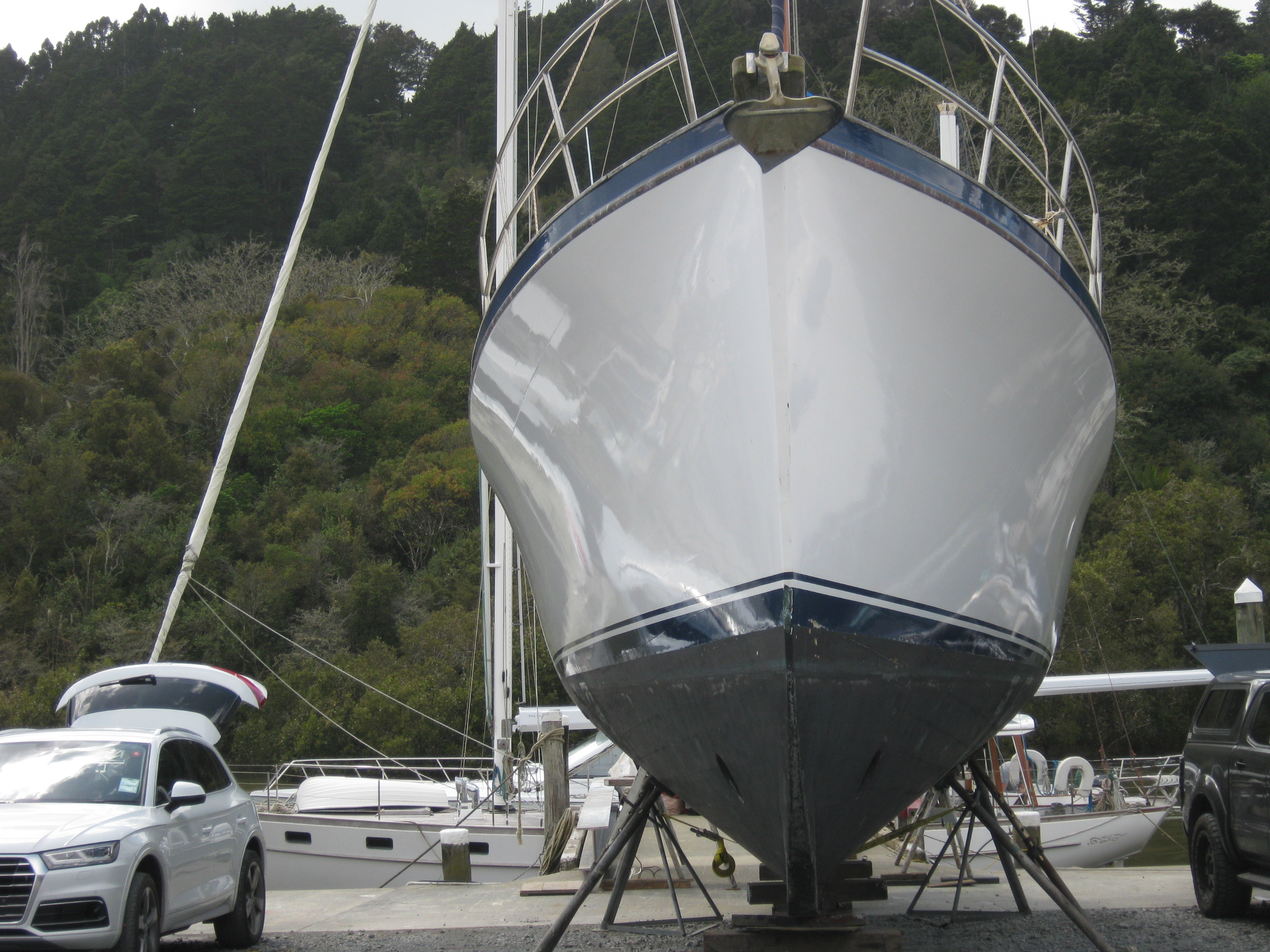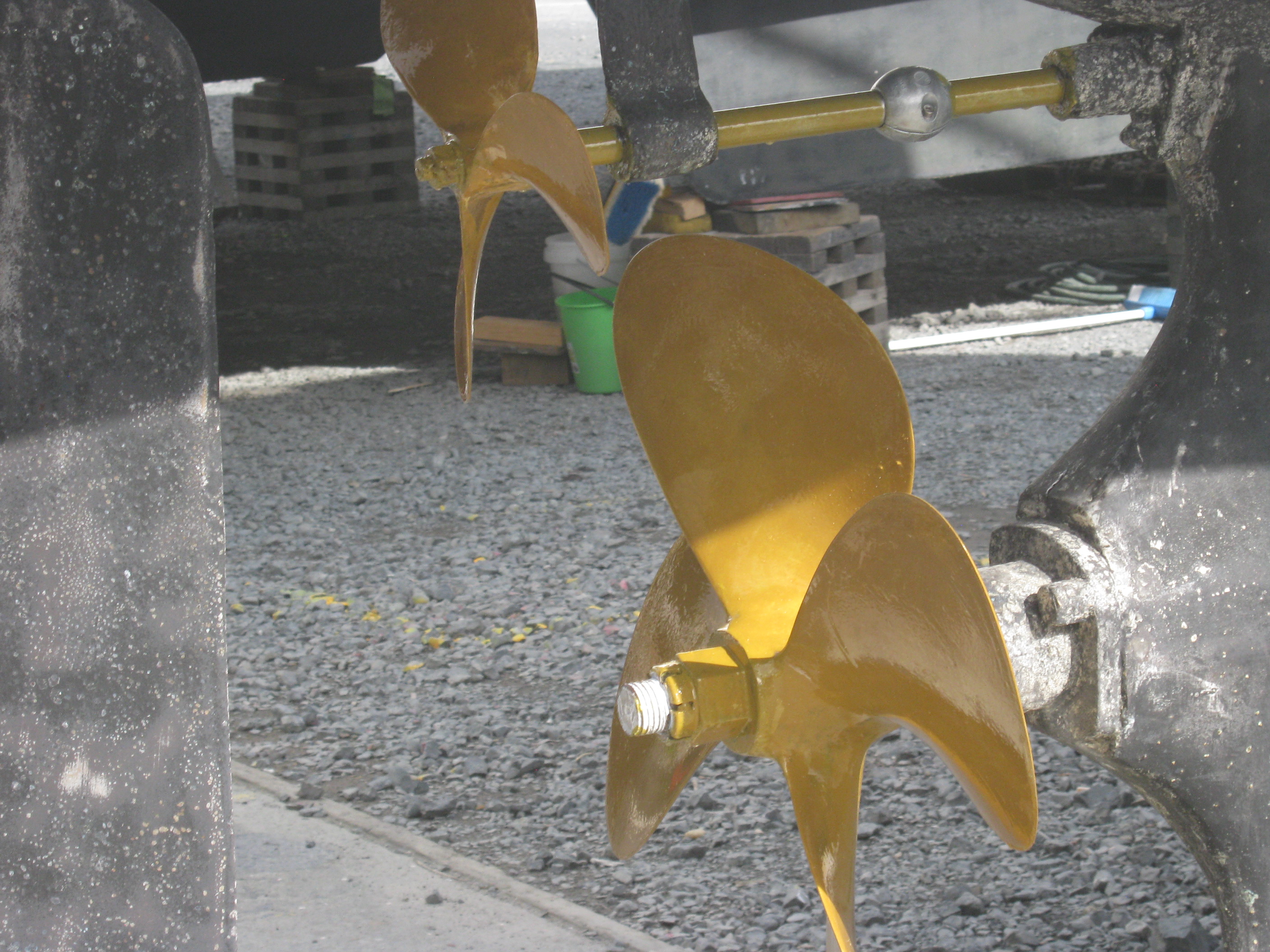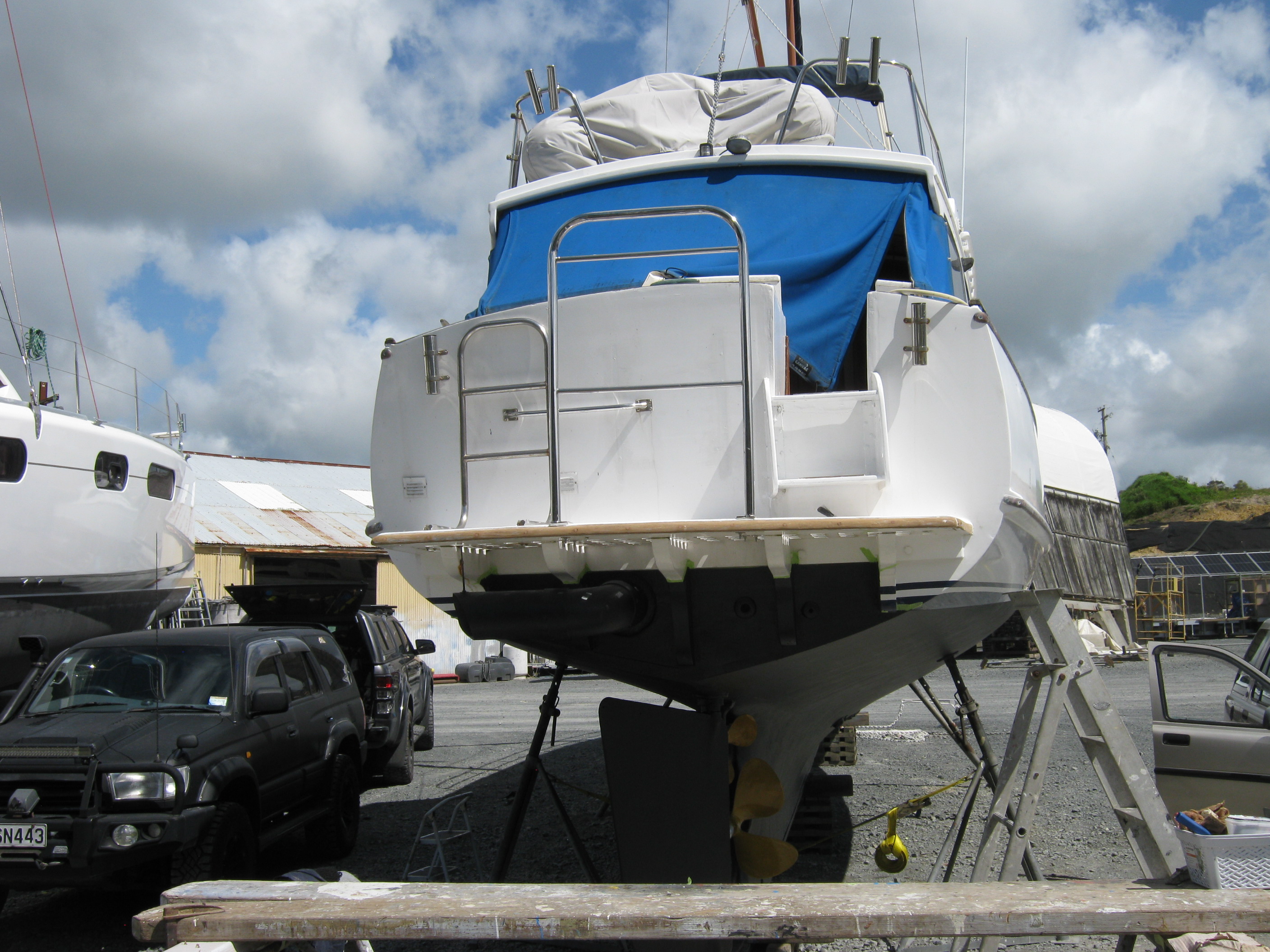
CLASSIC WOODEN LAUNCH – NGARUNUI – A PEEK DOWN BELOW + NOW FOR SALE

CLASSIC WOODEN LAUNCH – NGARUNUI – A PEEK DOWN BELOW + NOW FOR SALE

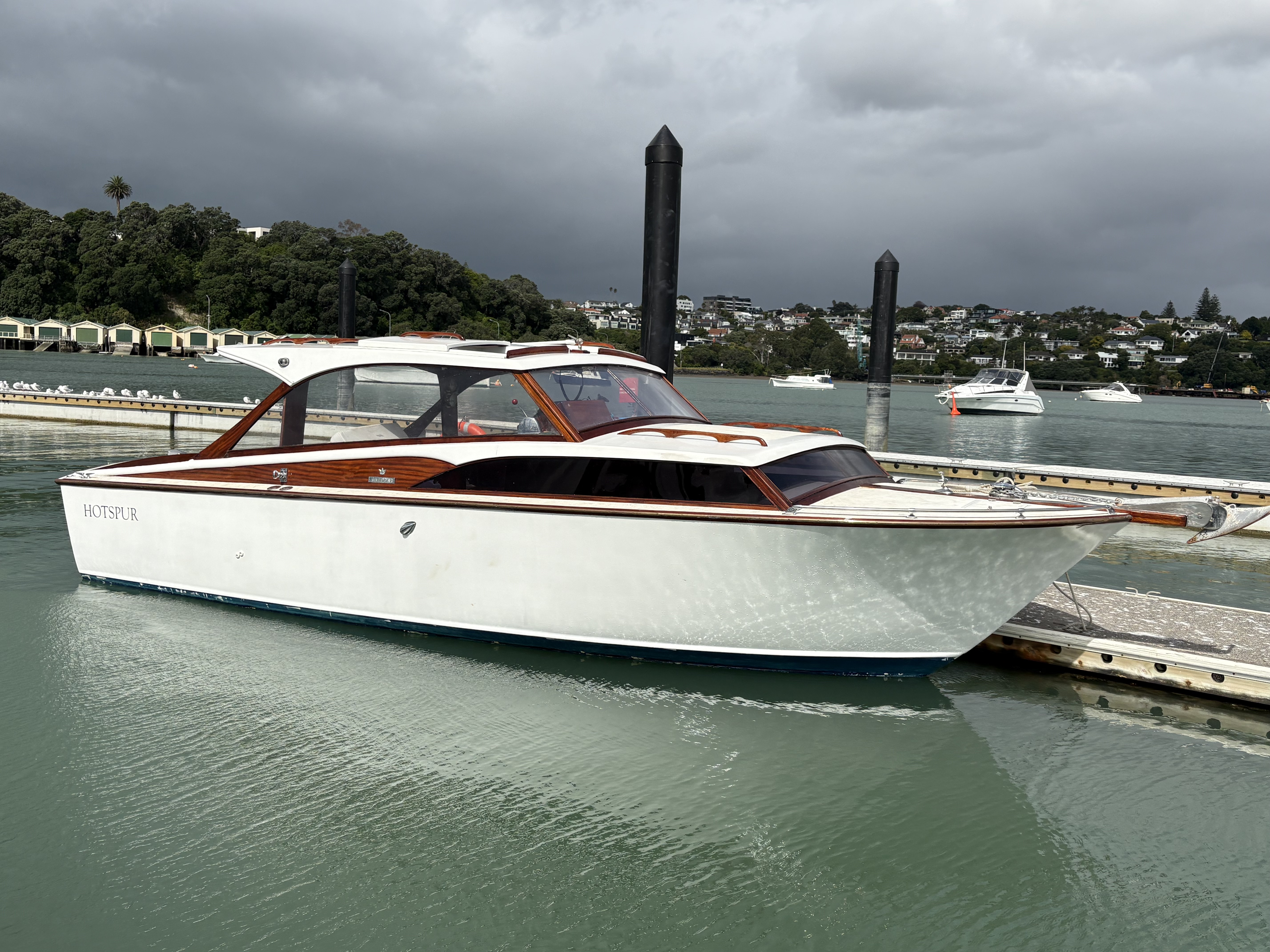
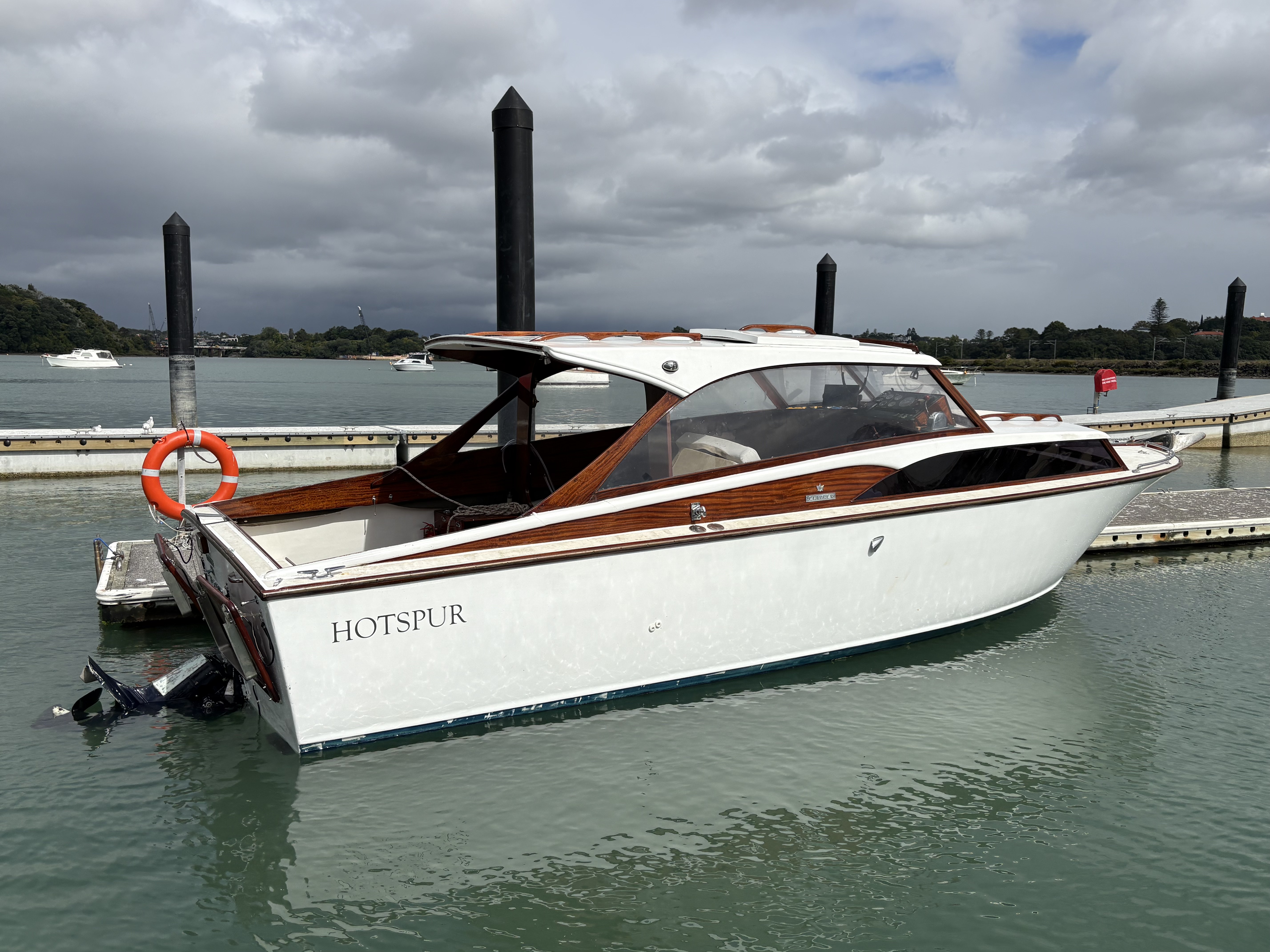
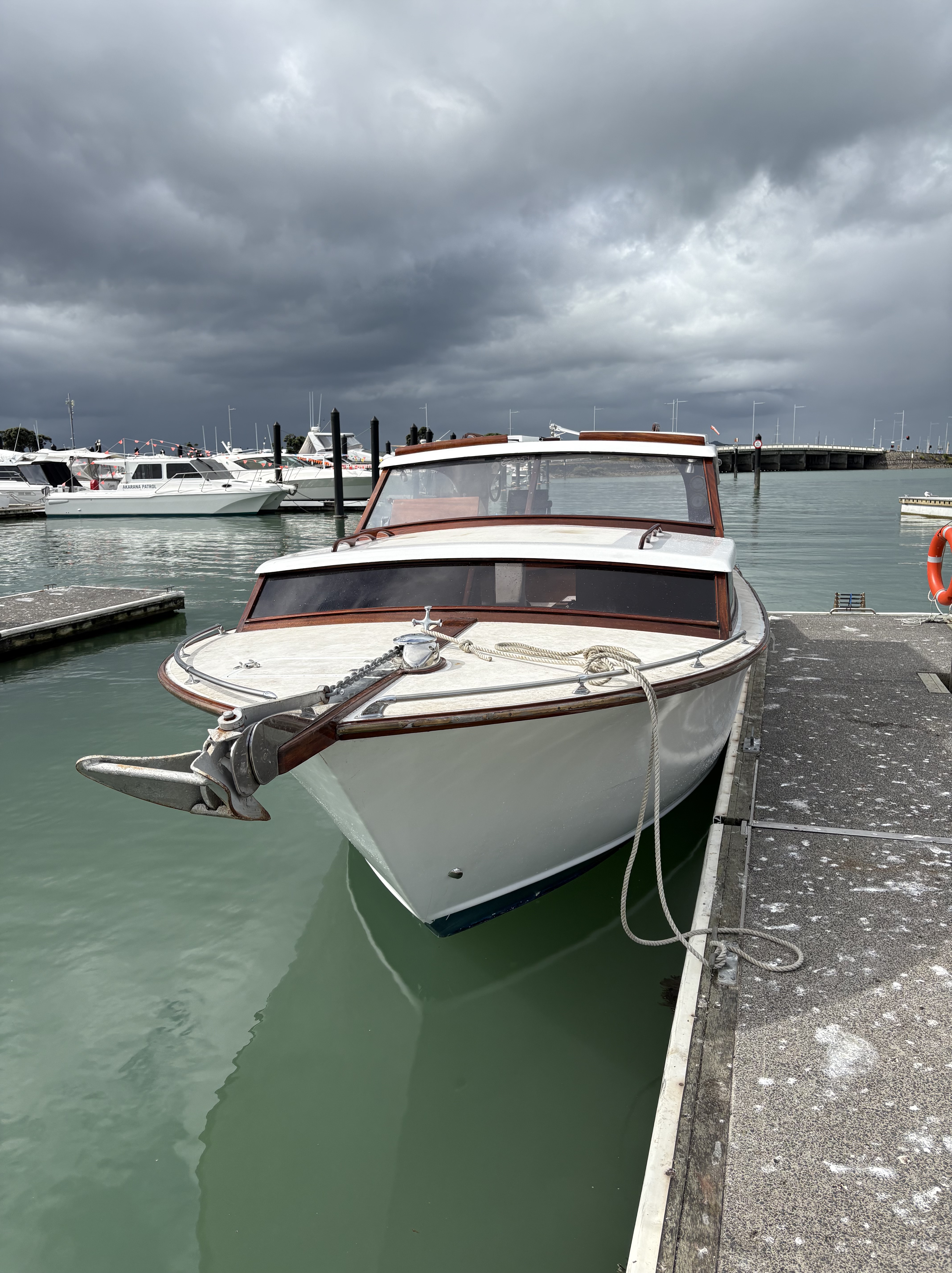
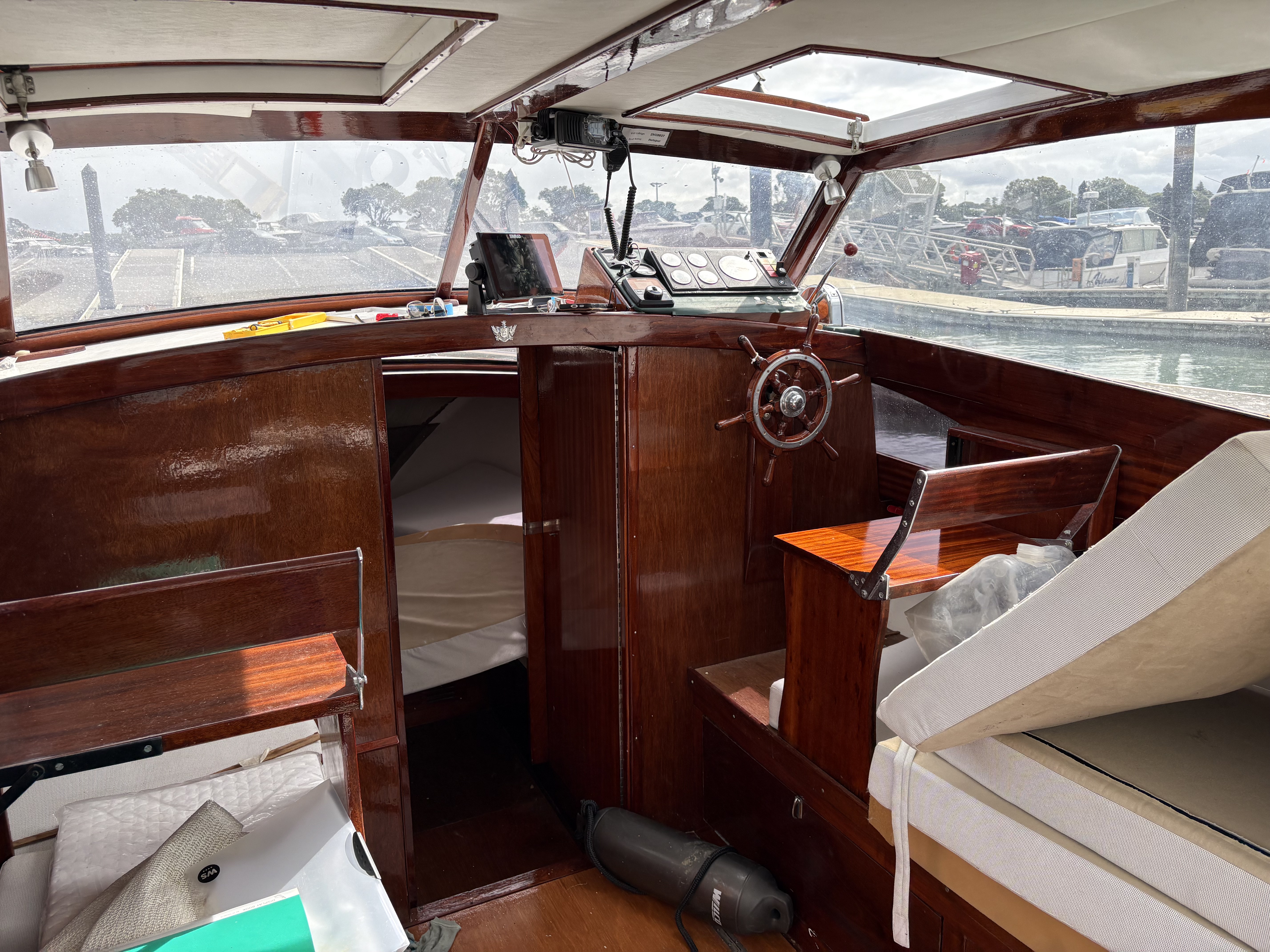
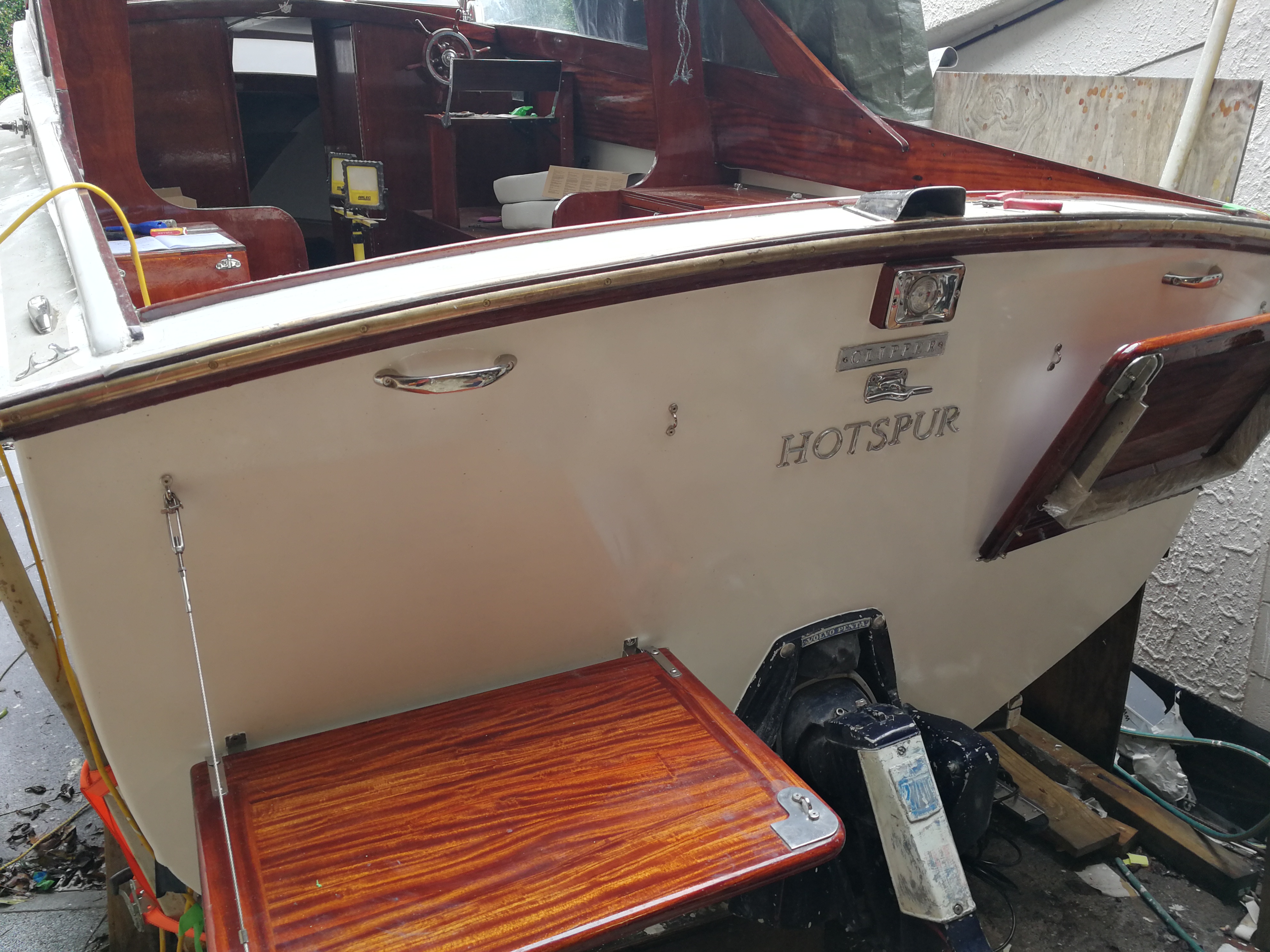
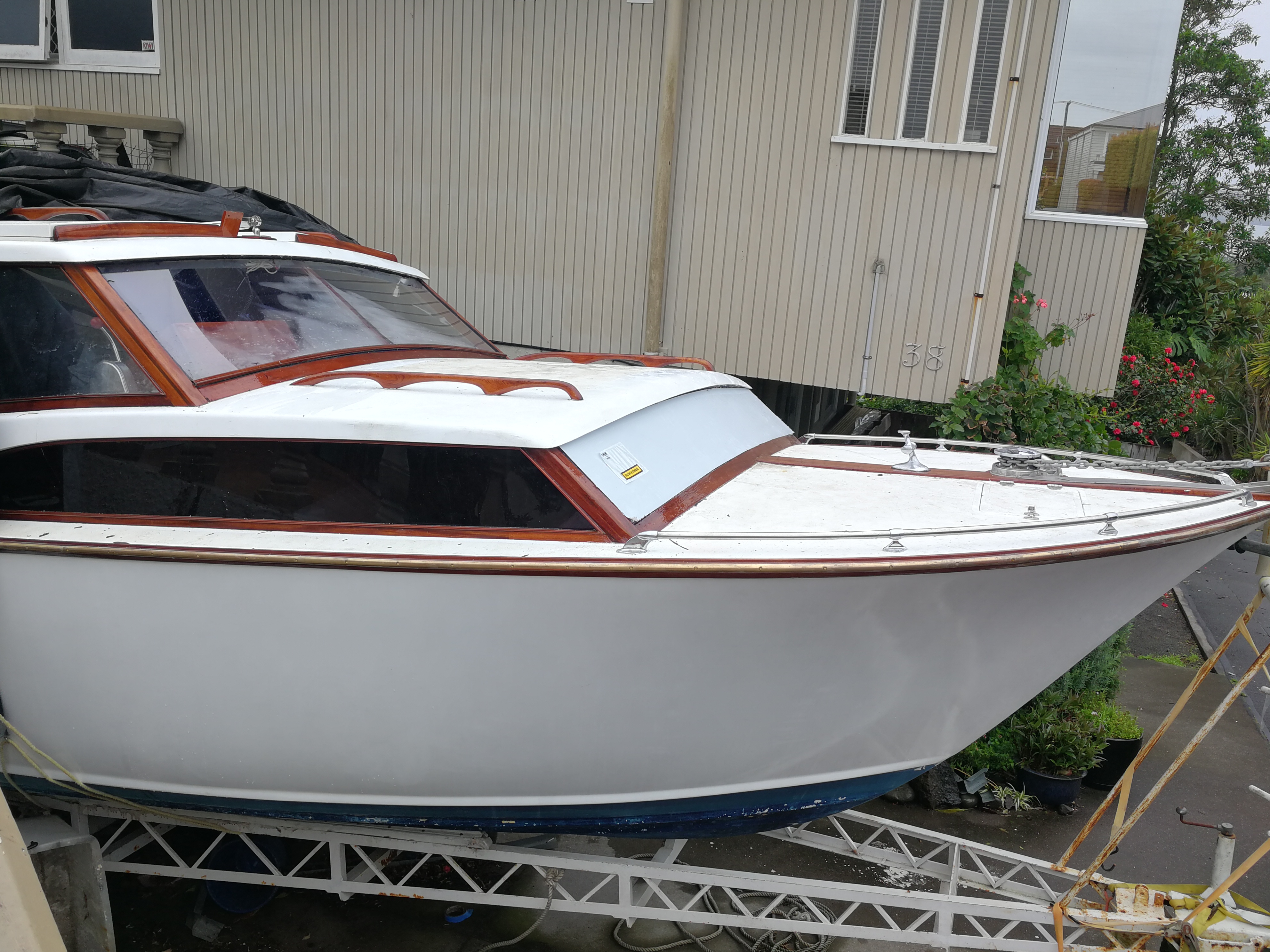
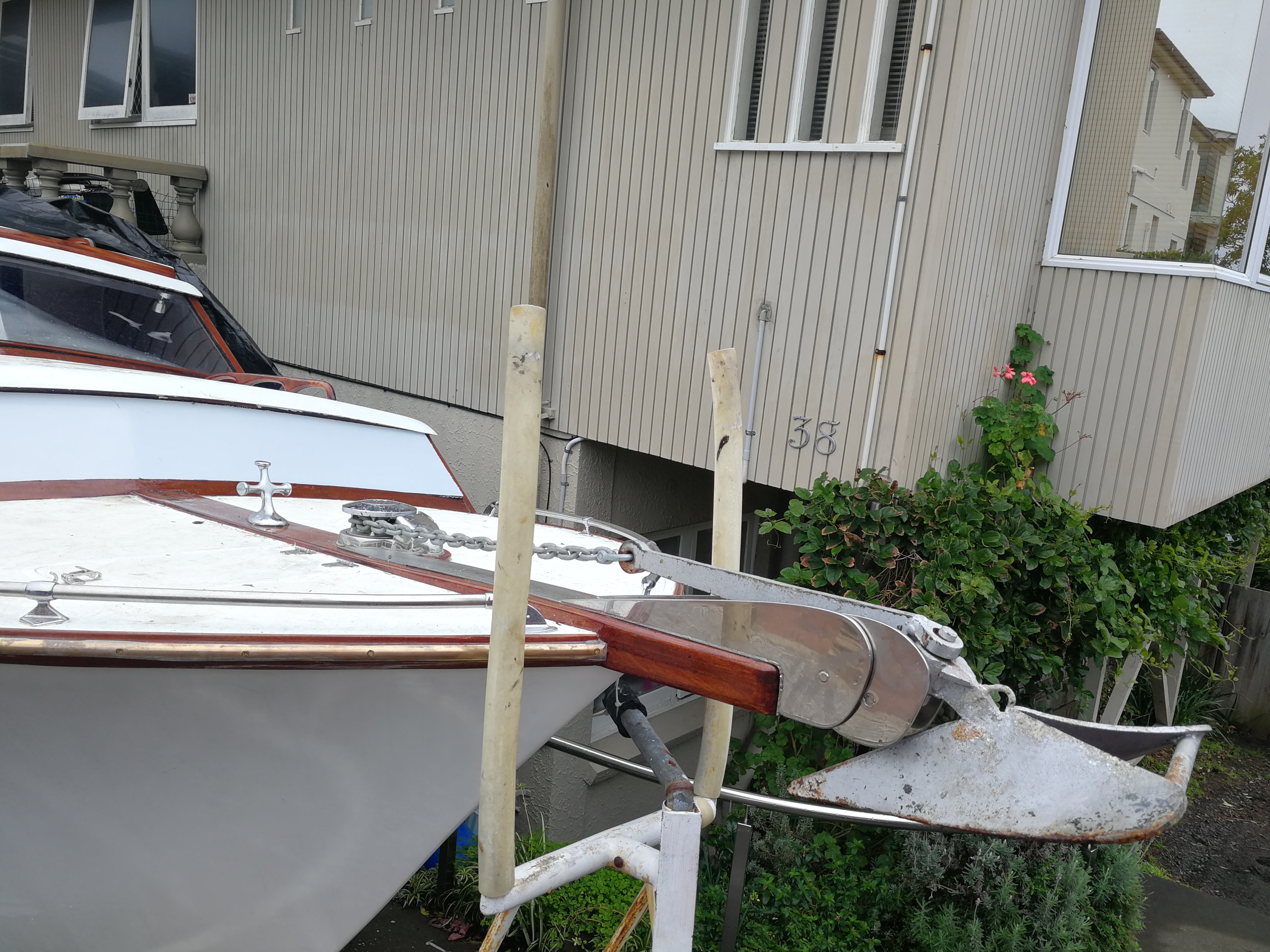
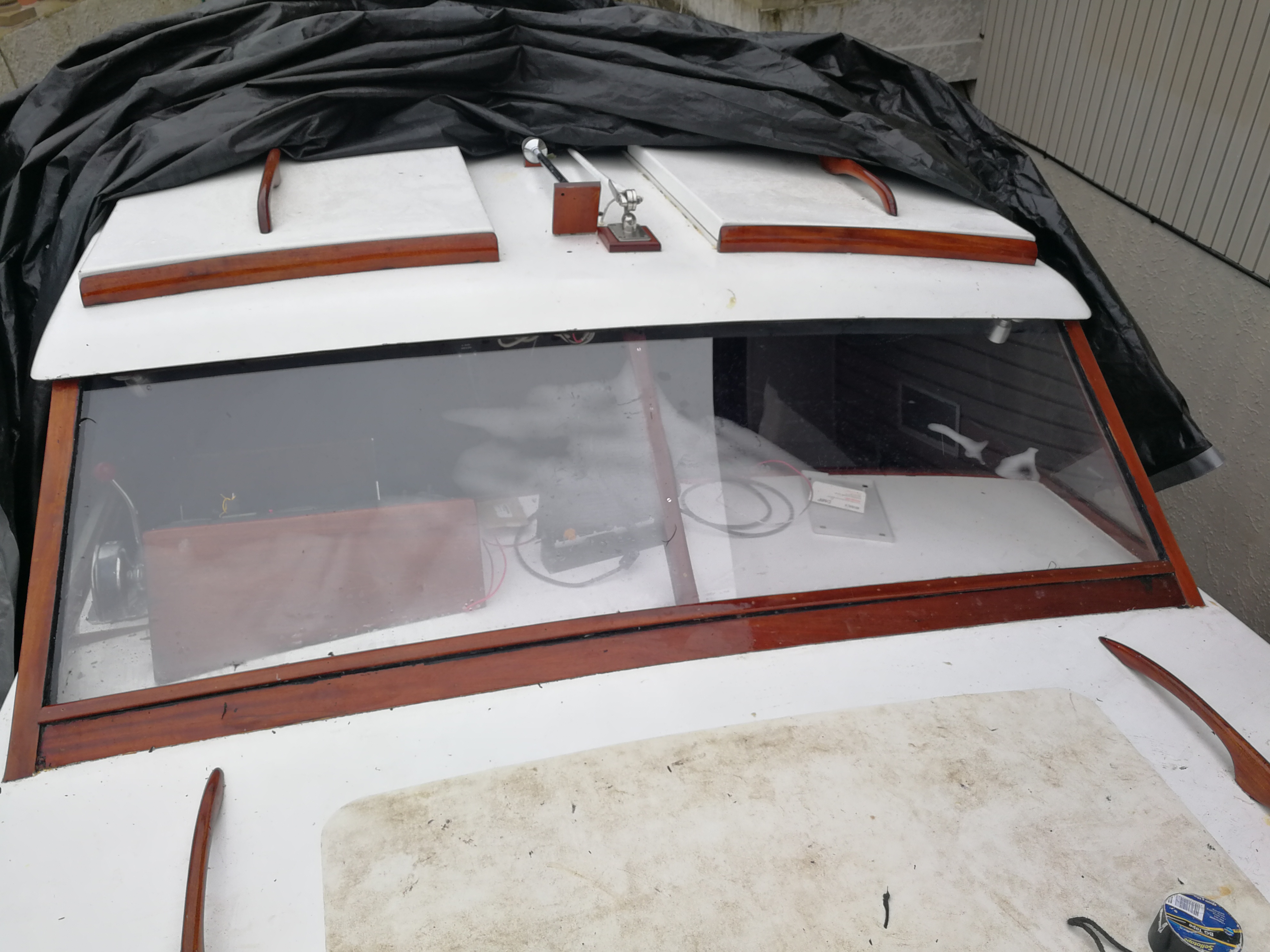
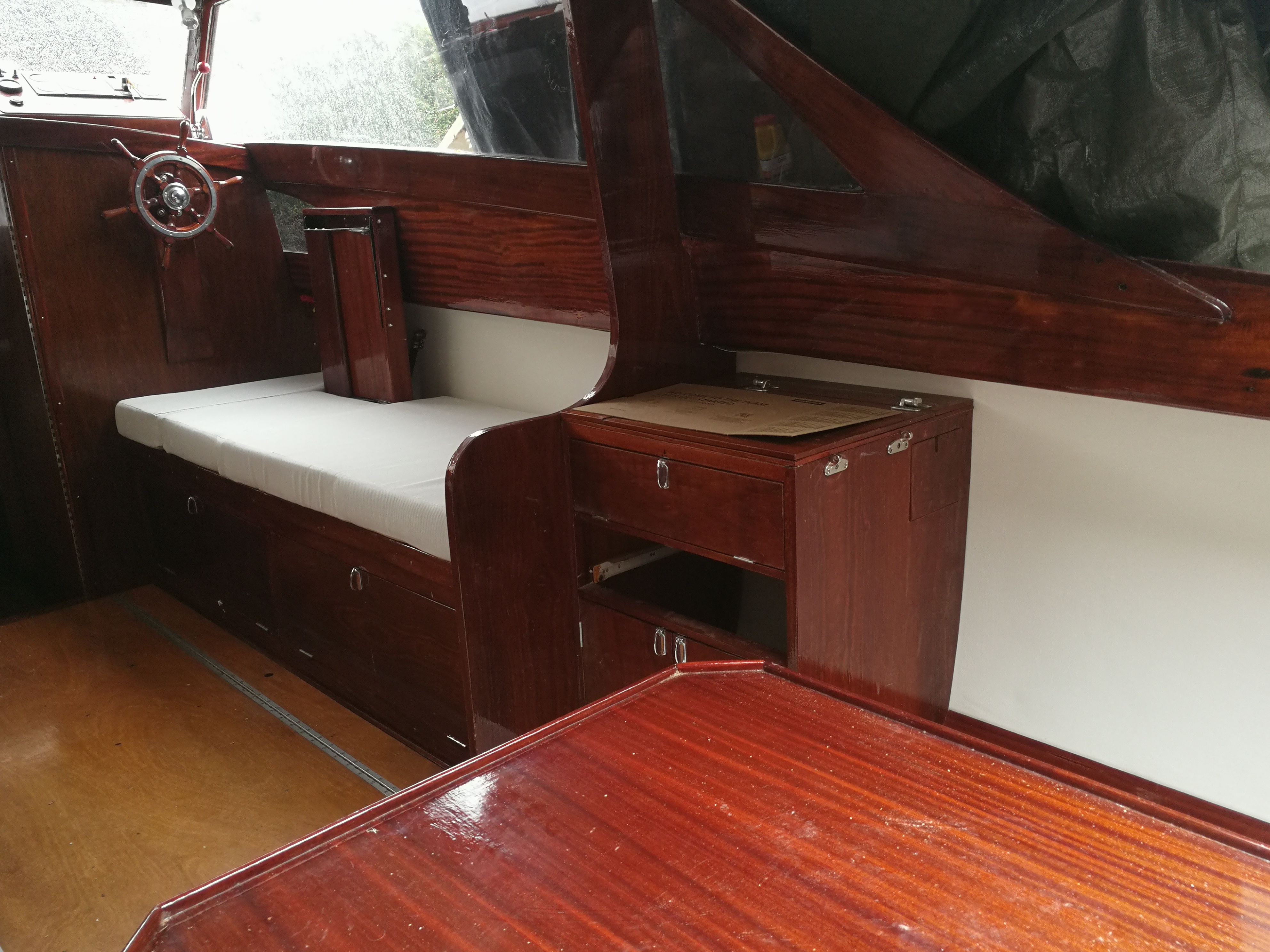
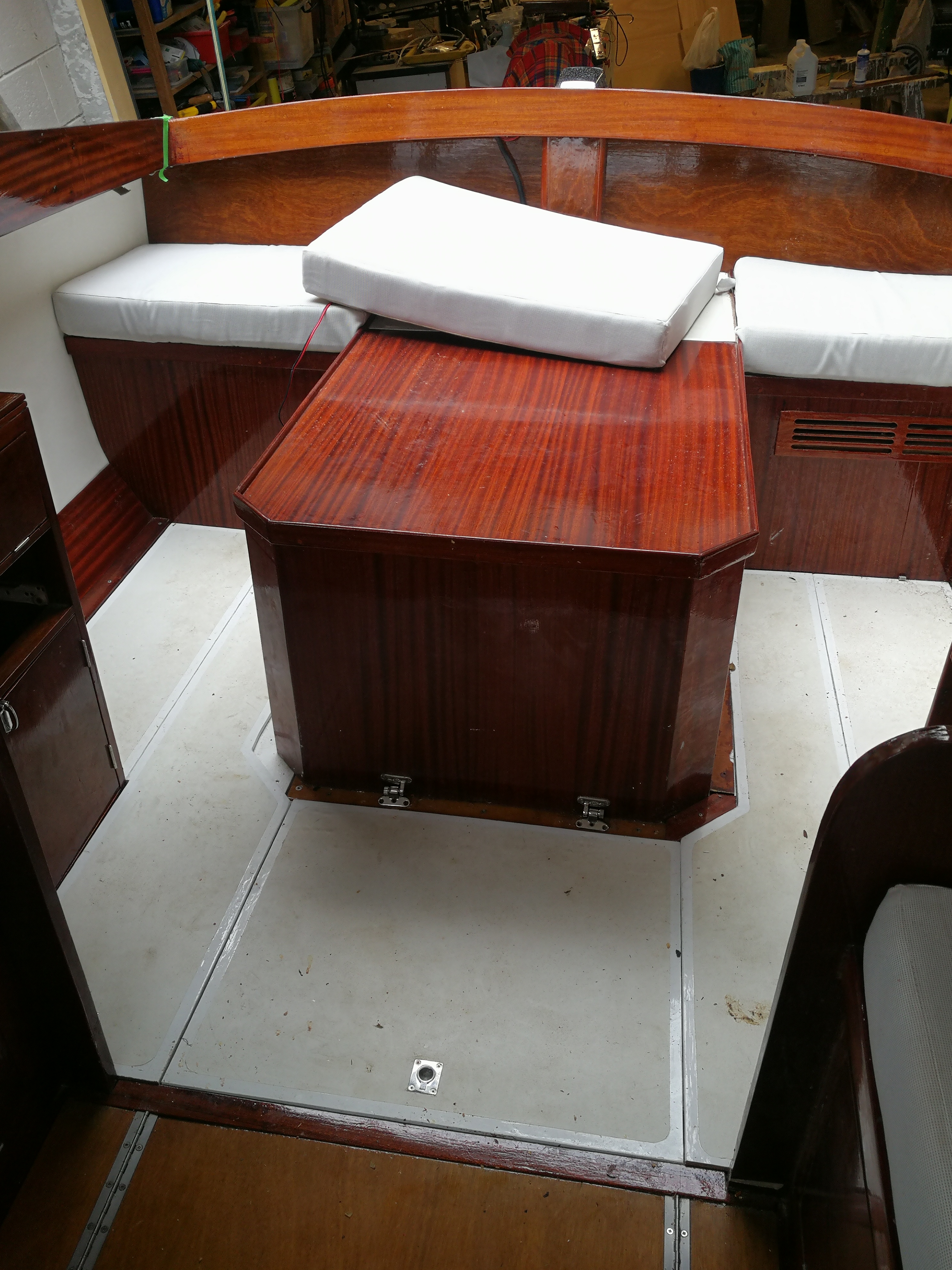
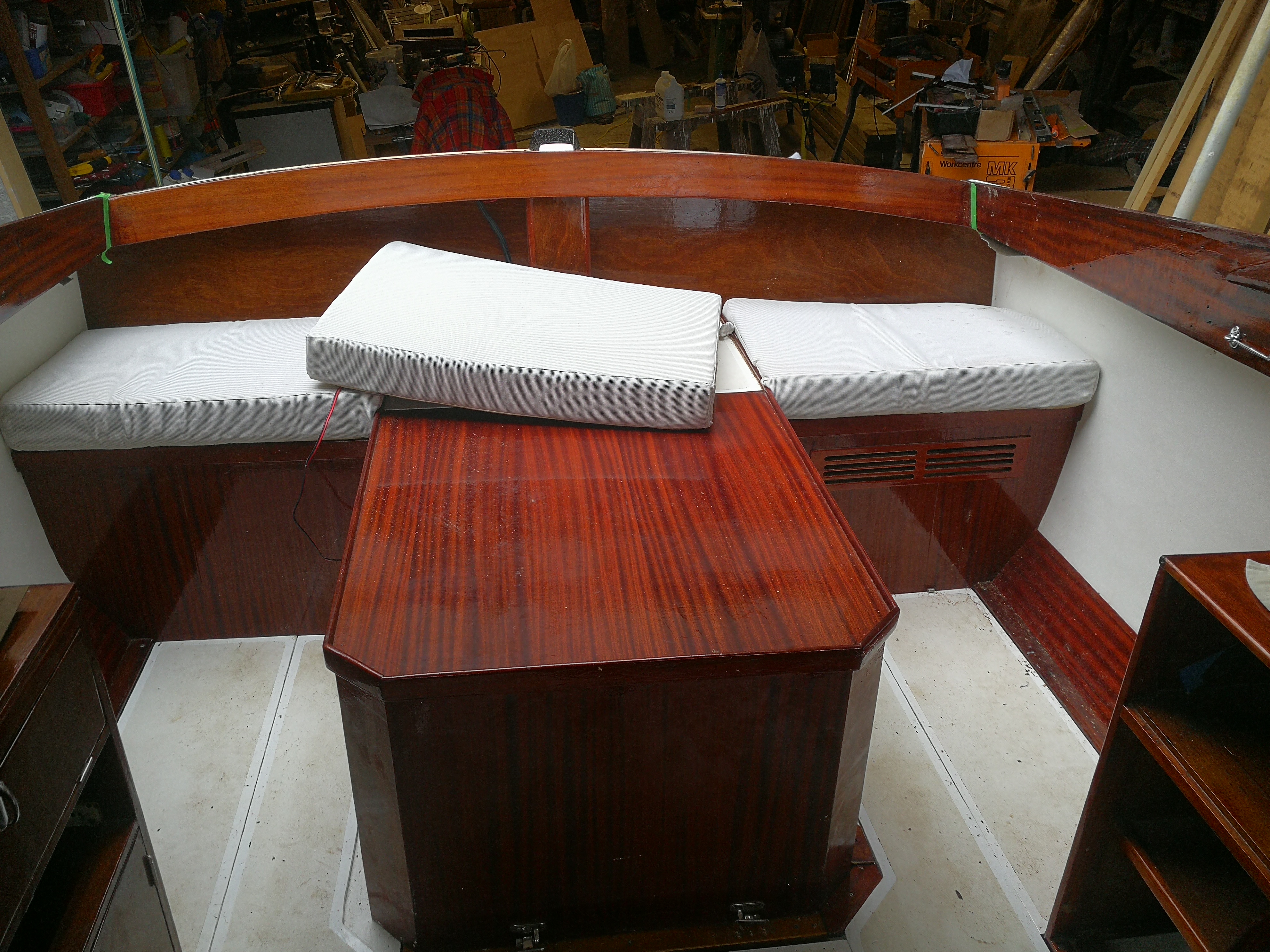
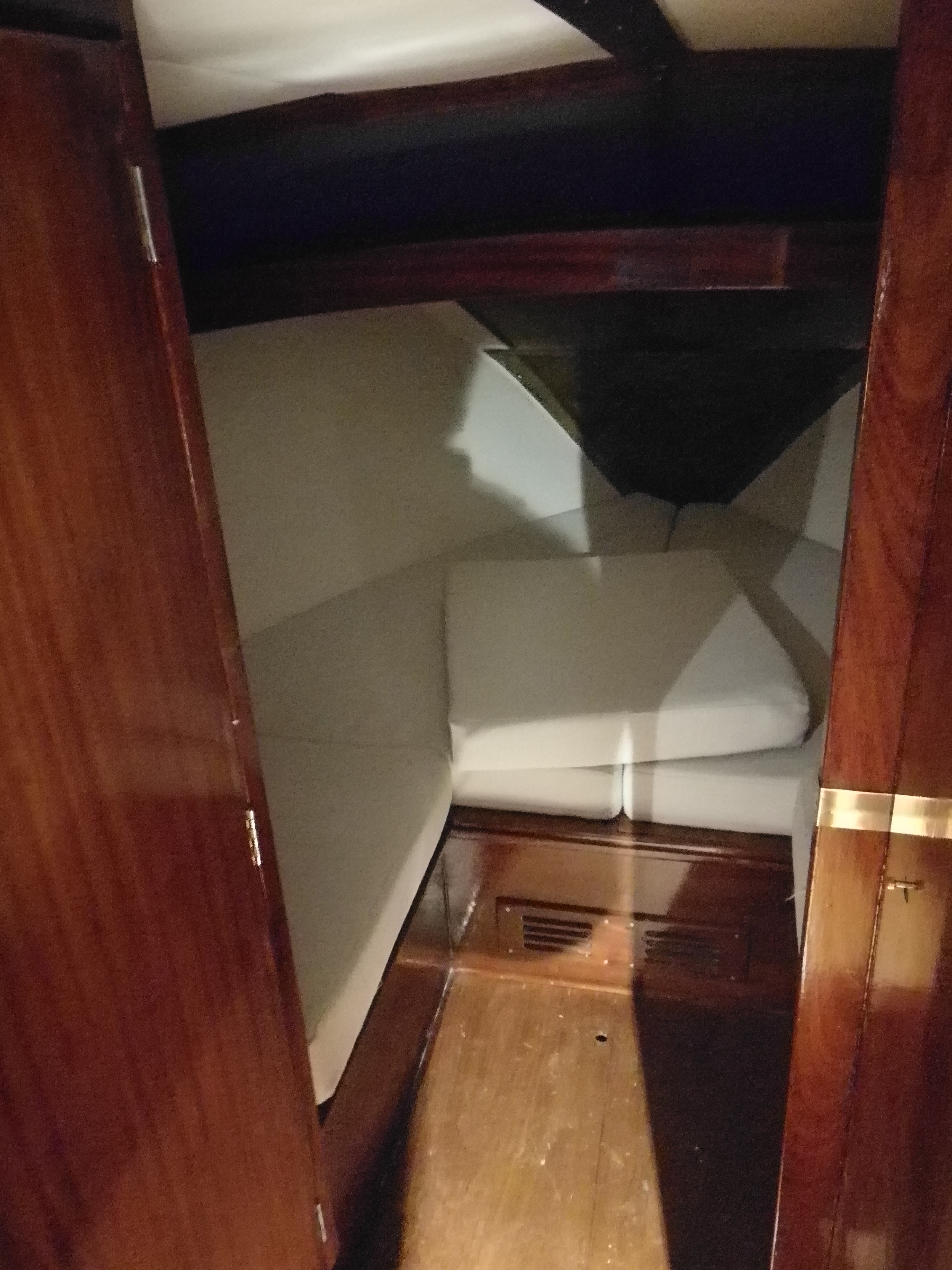
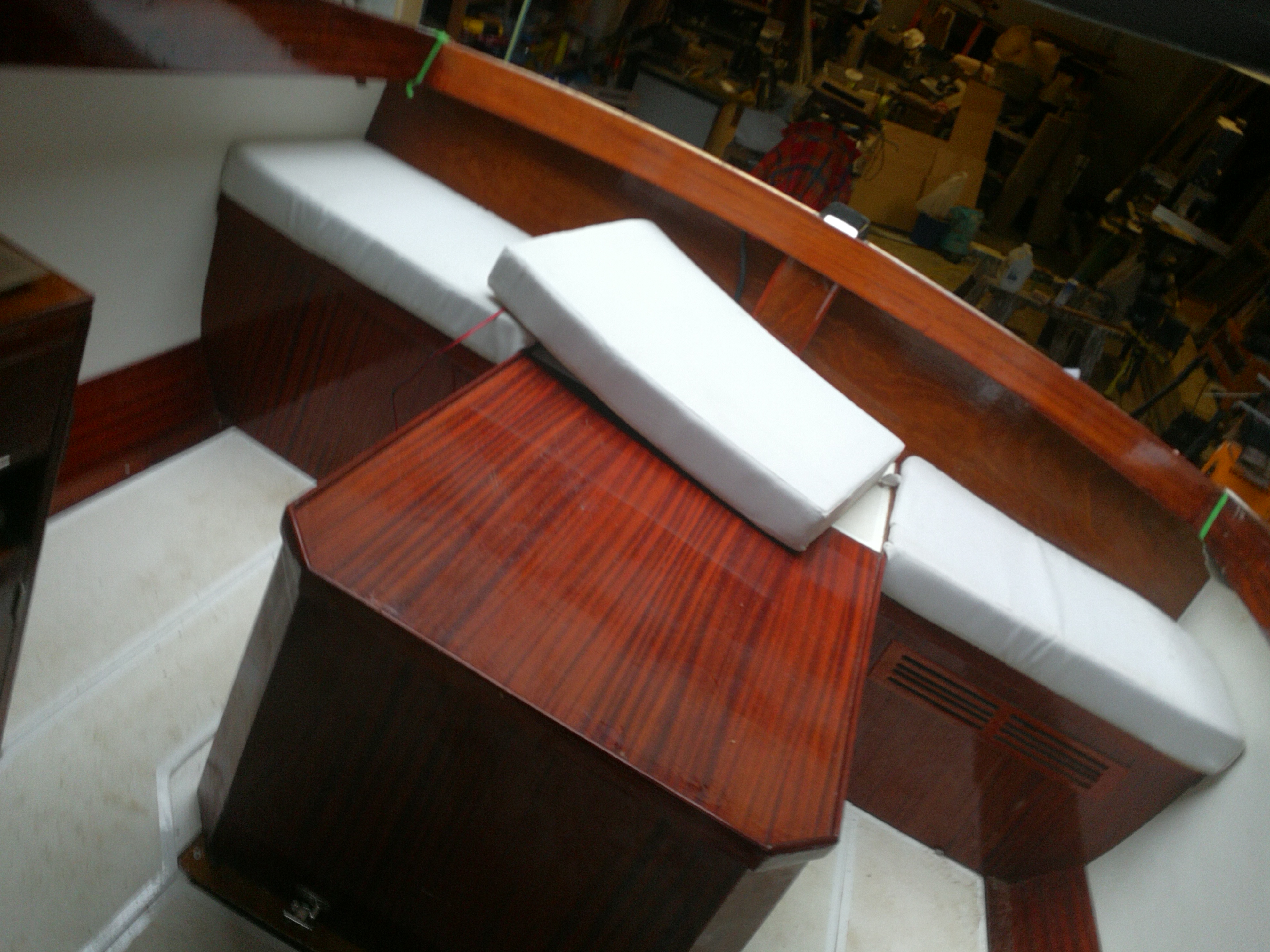
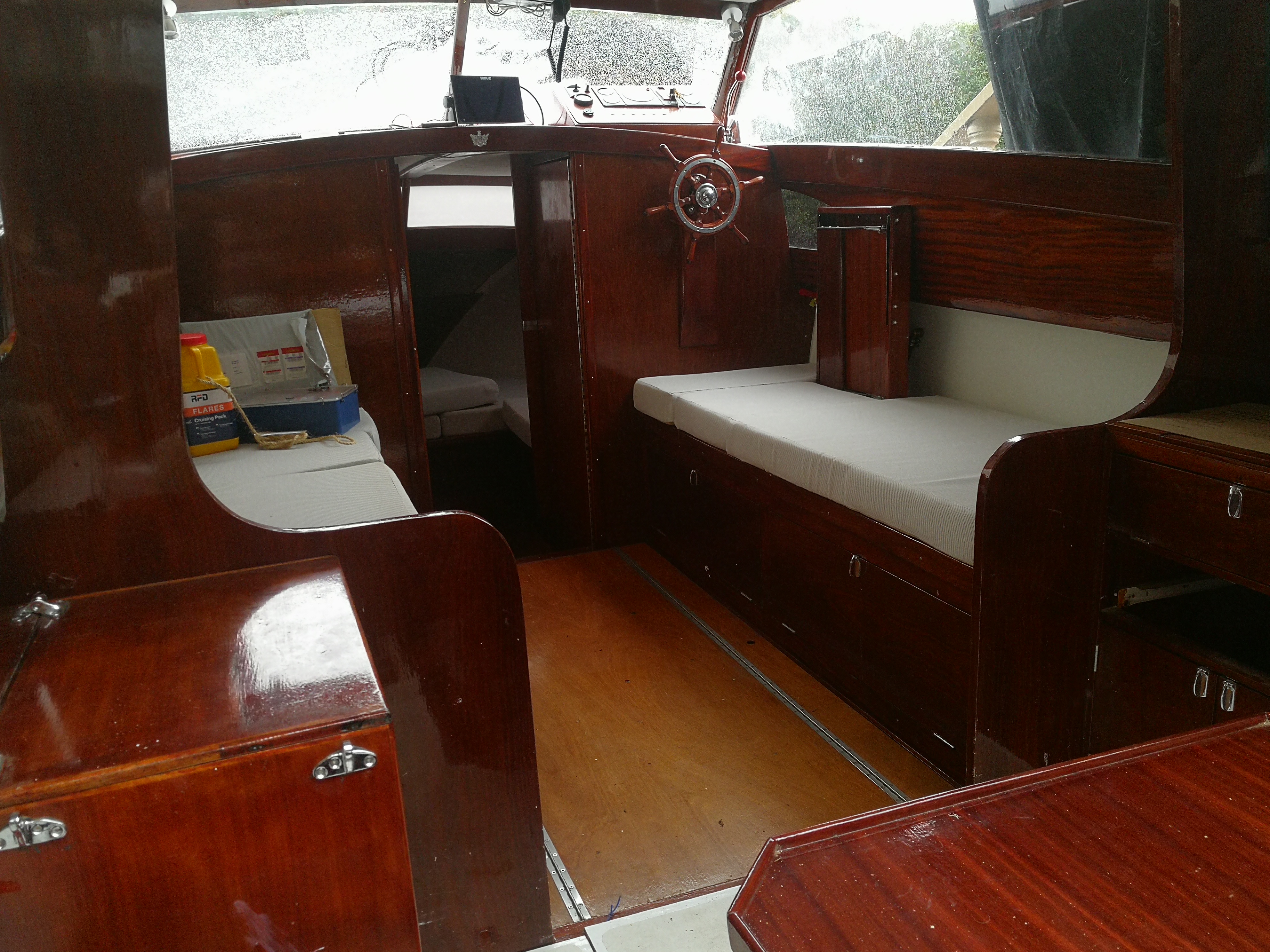
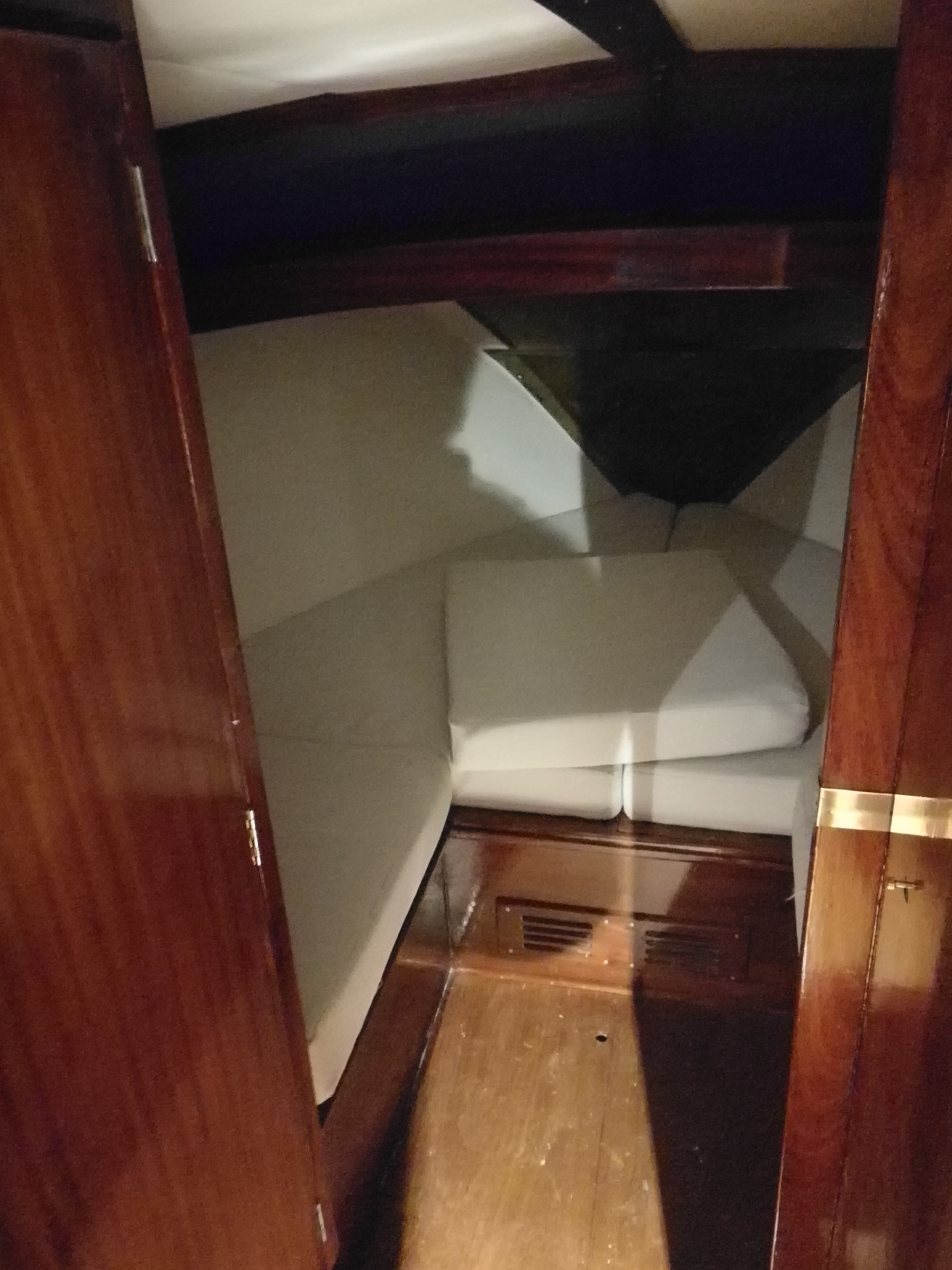
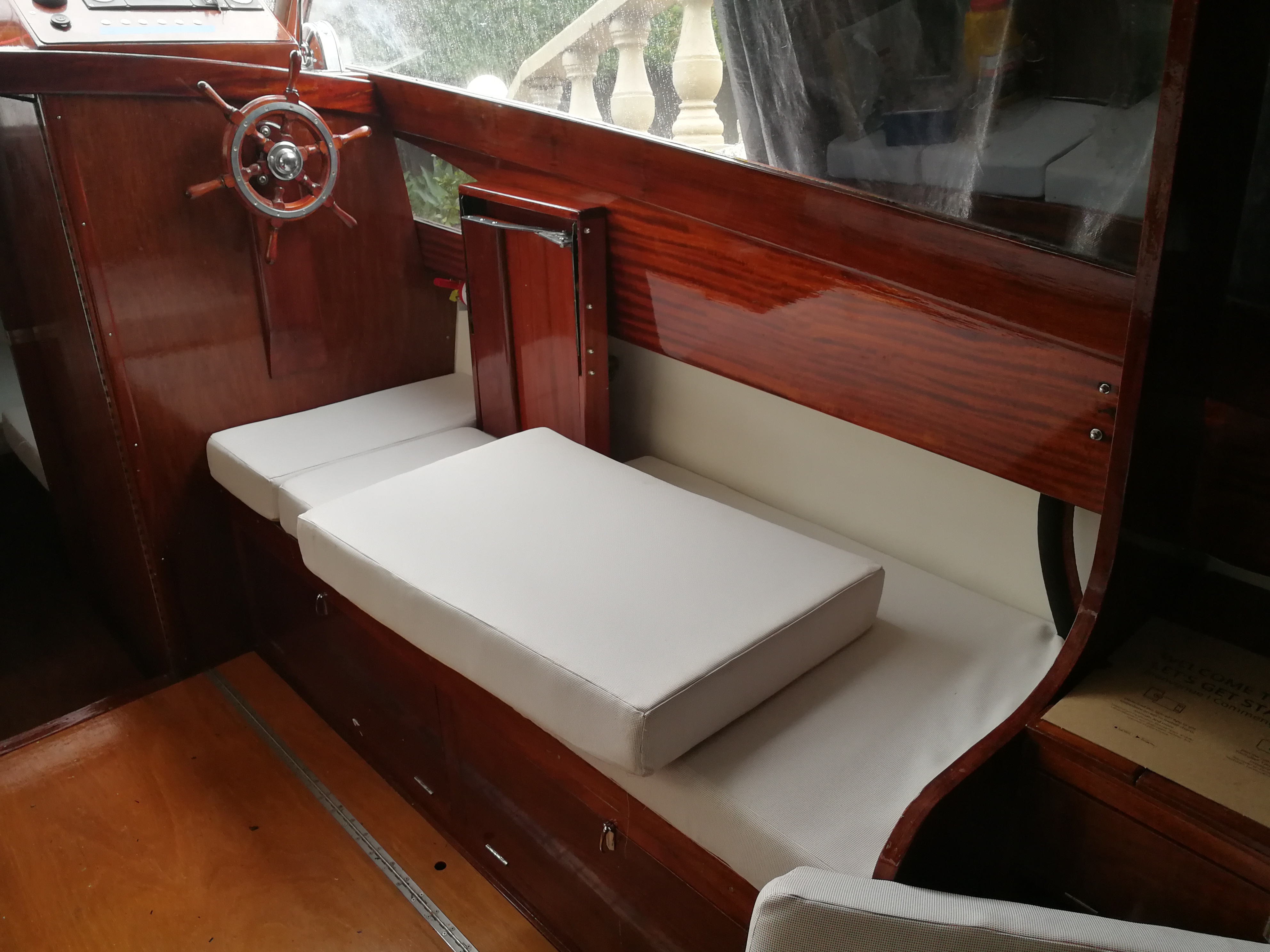
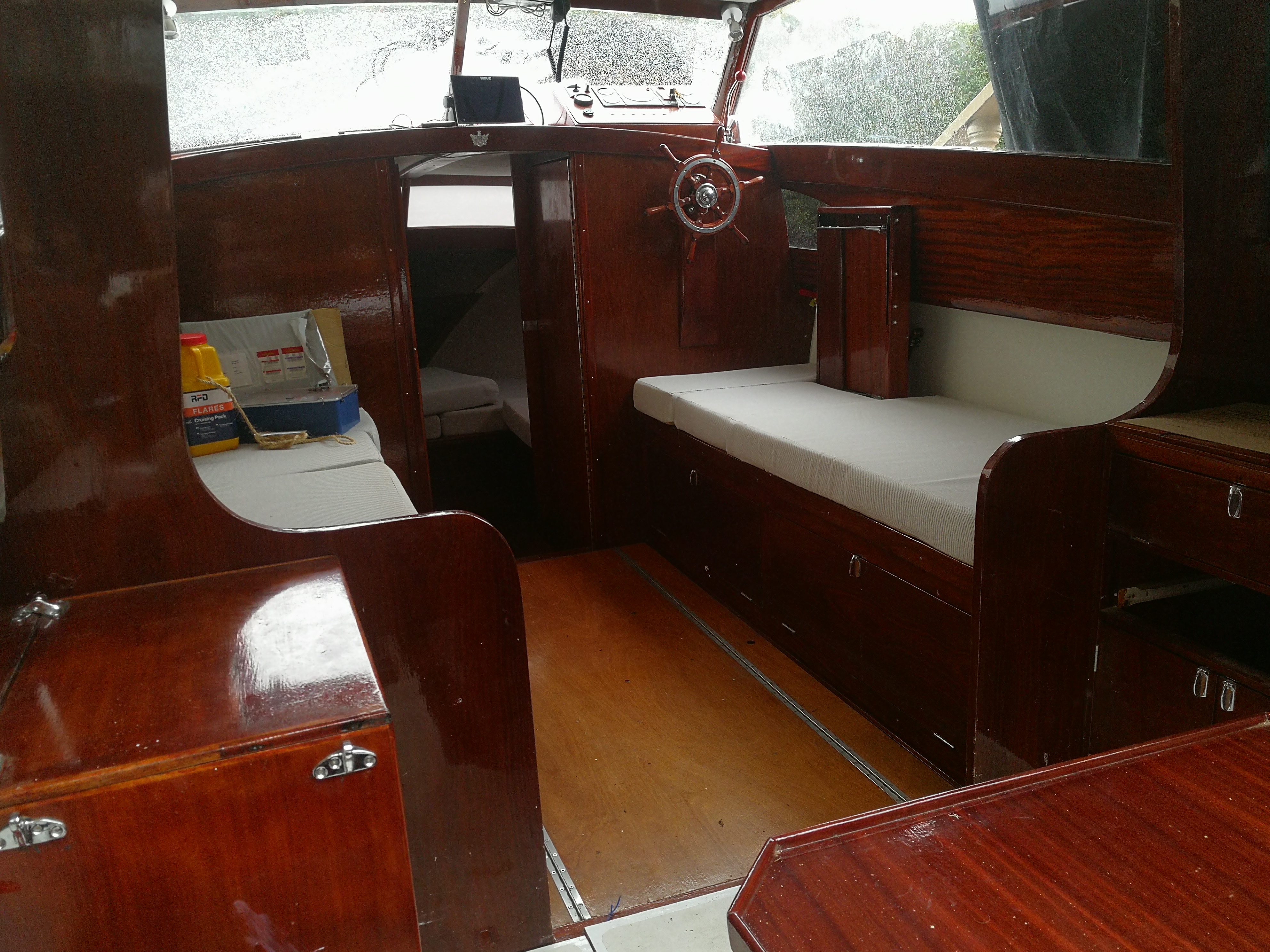
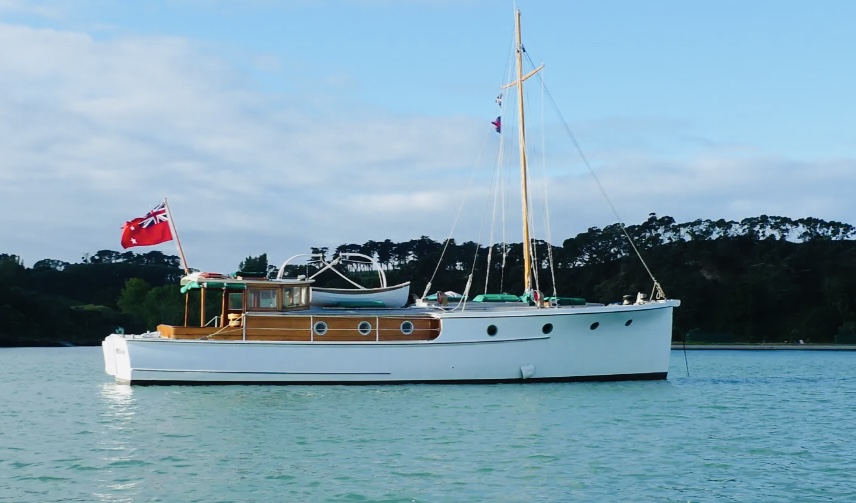
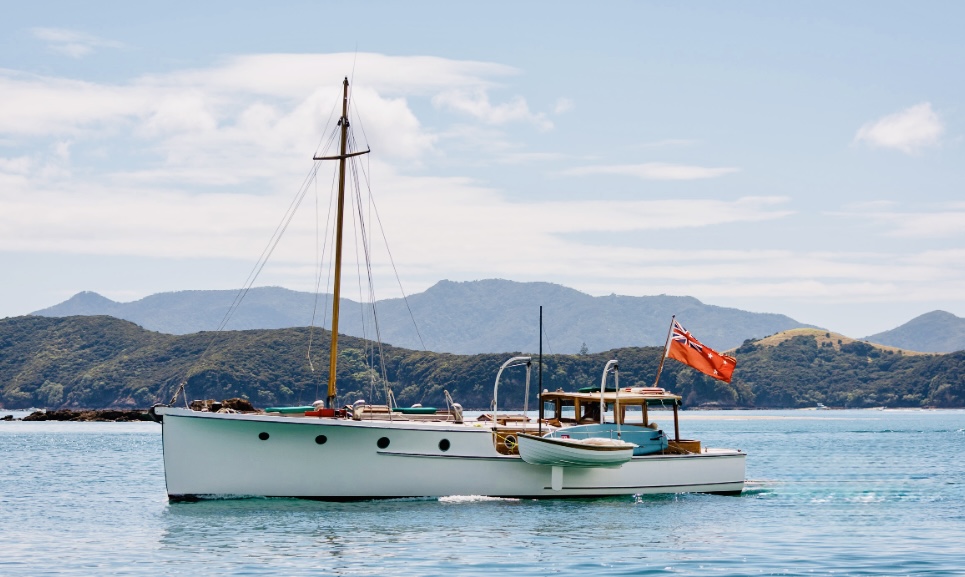
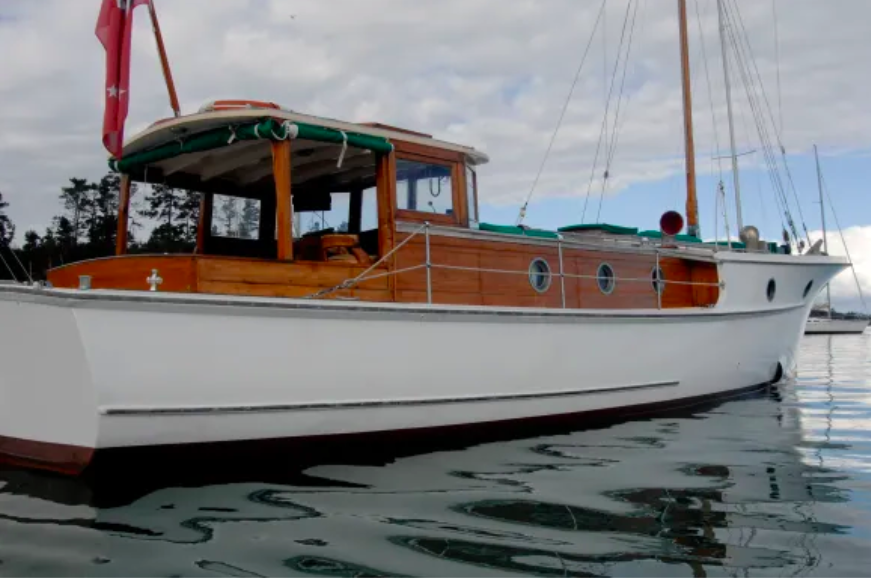
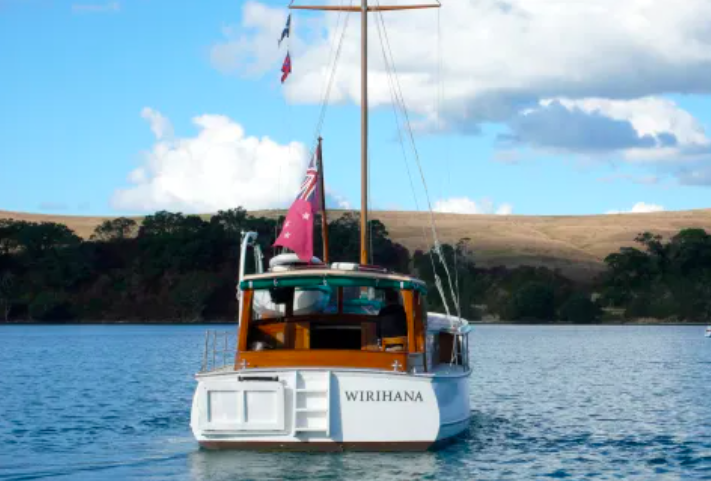
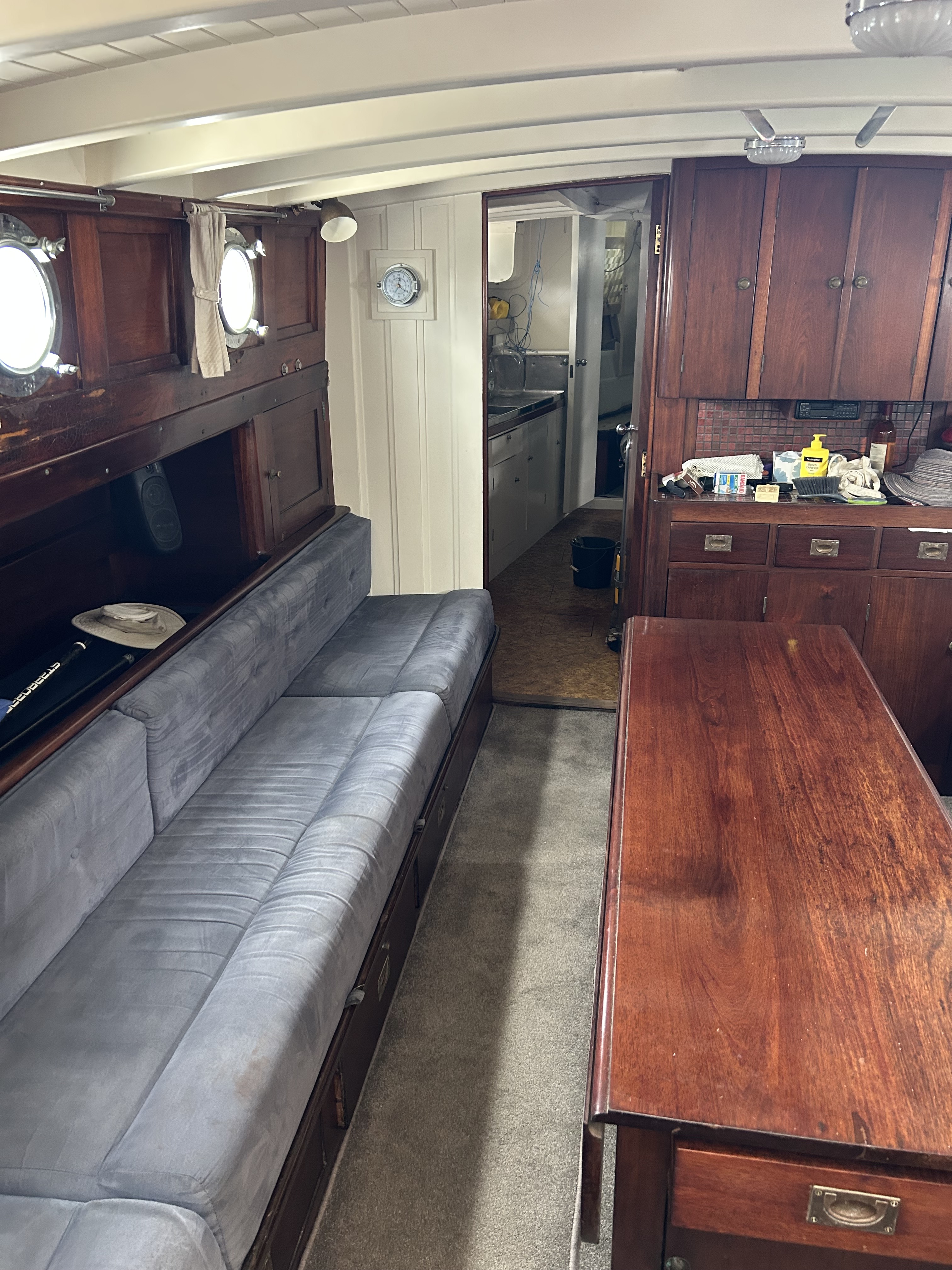
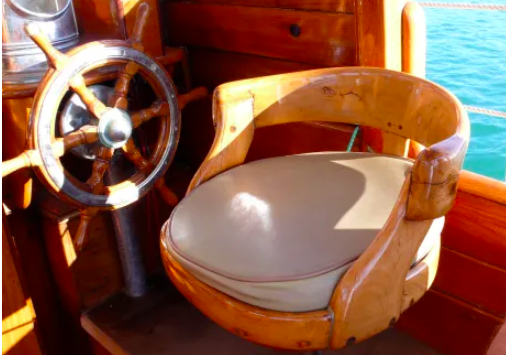
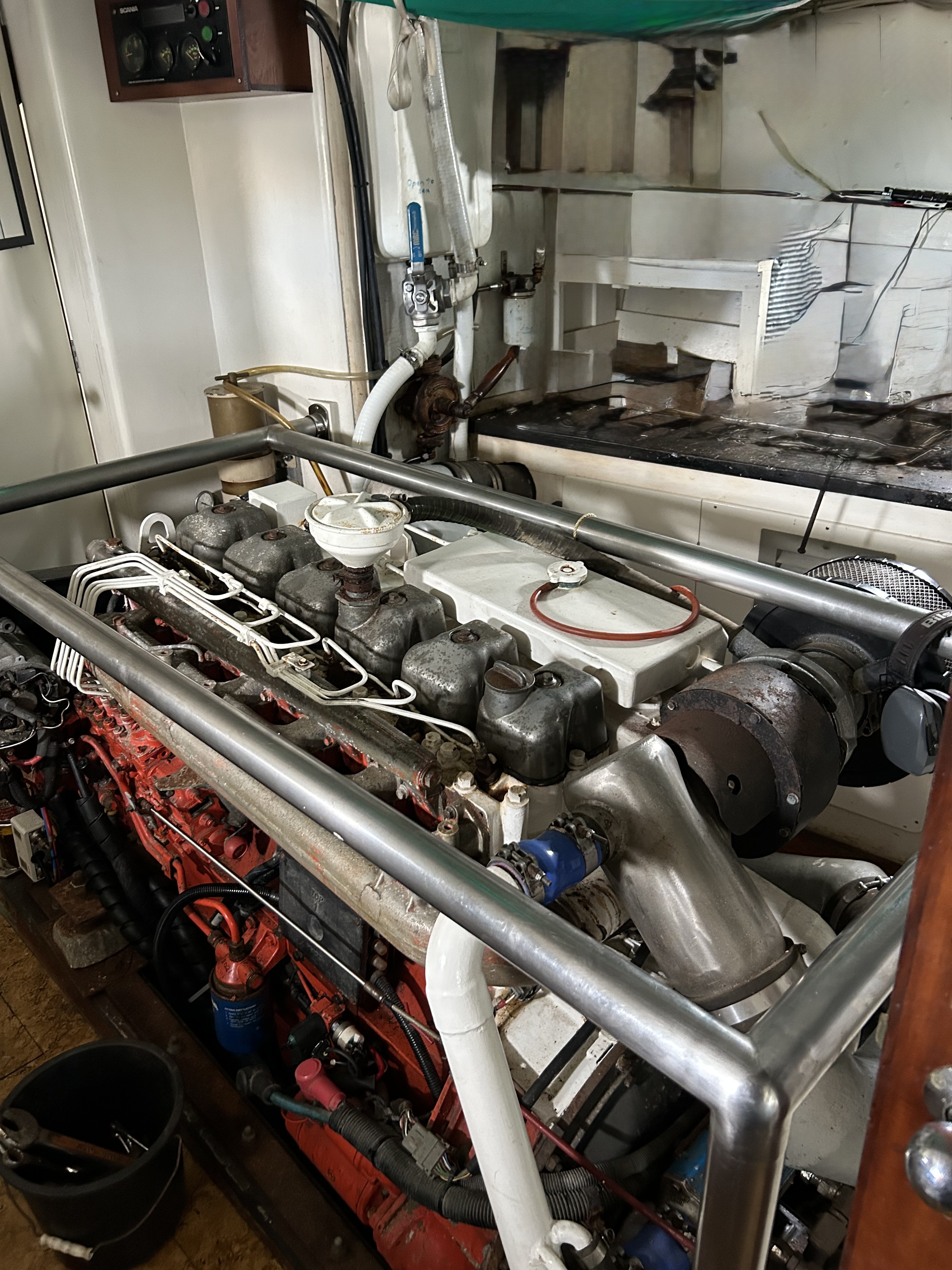
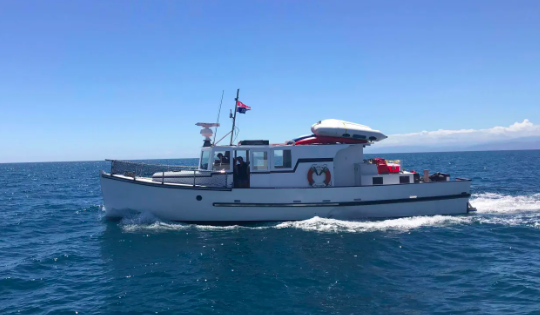
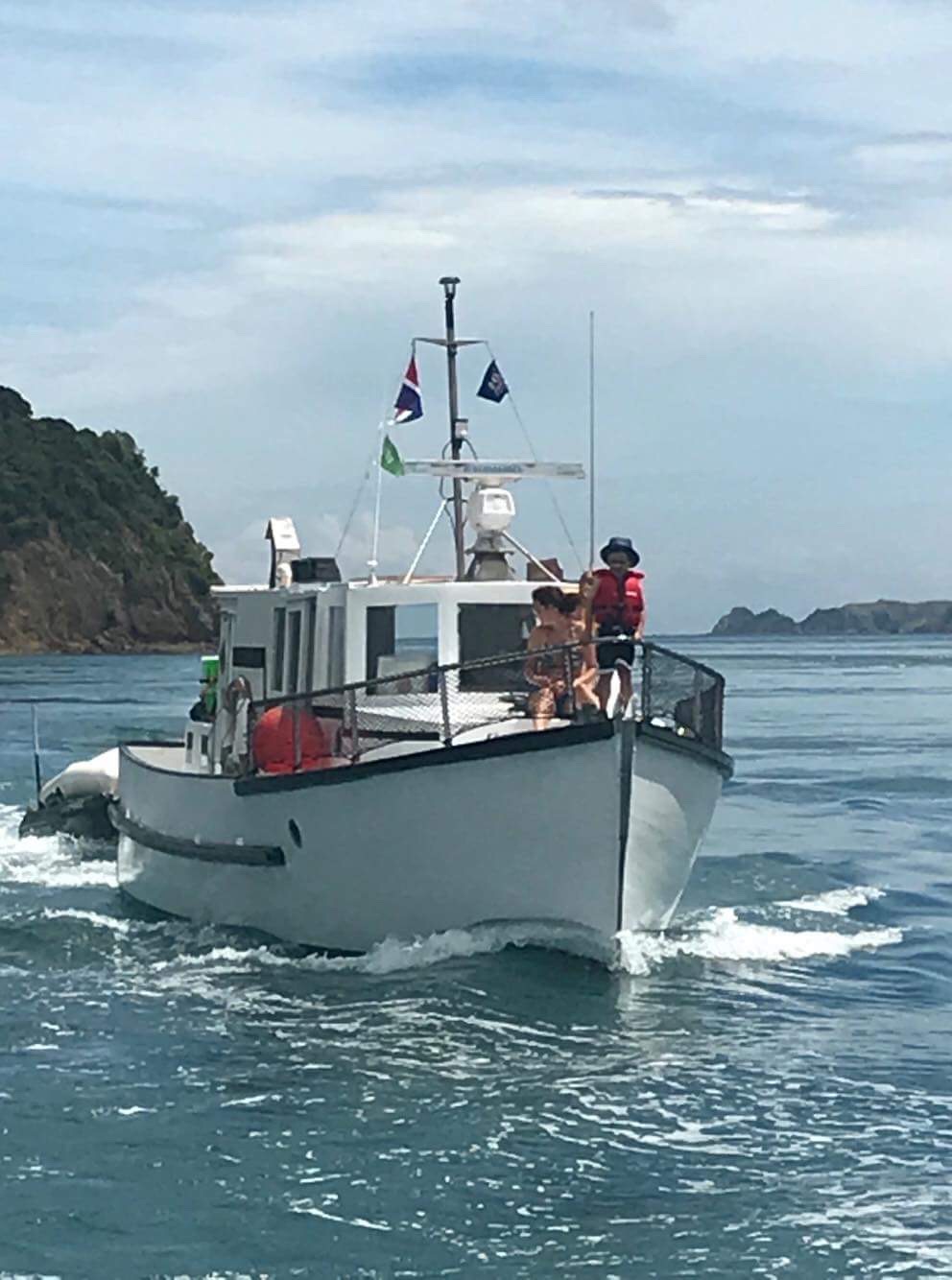
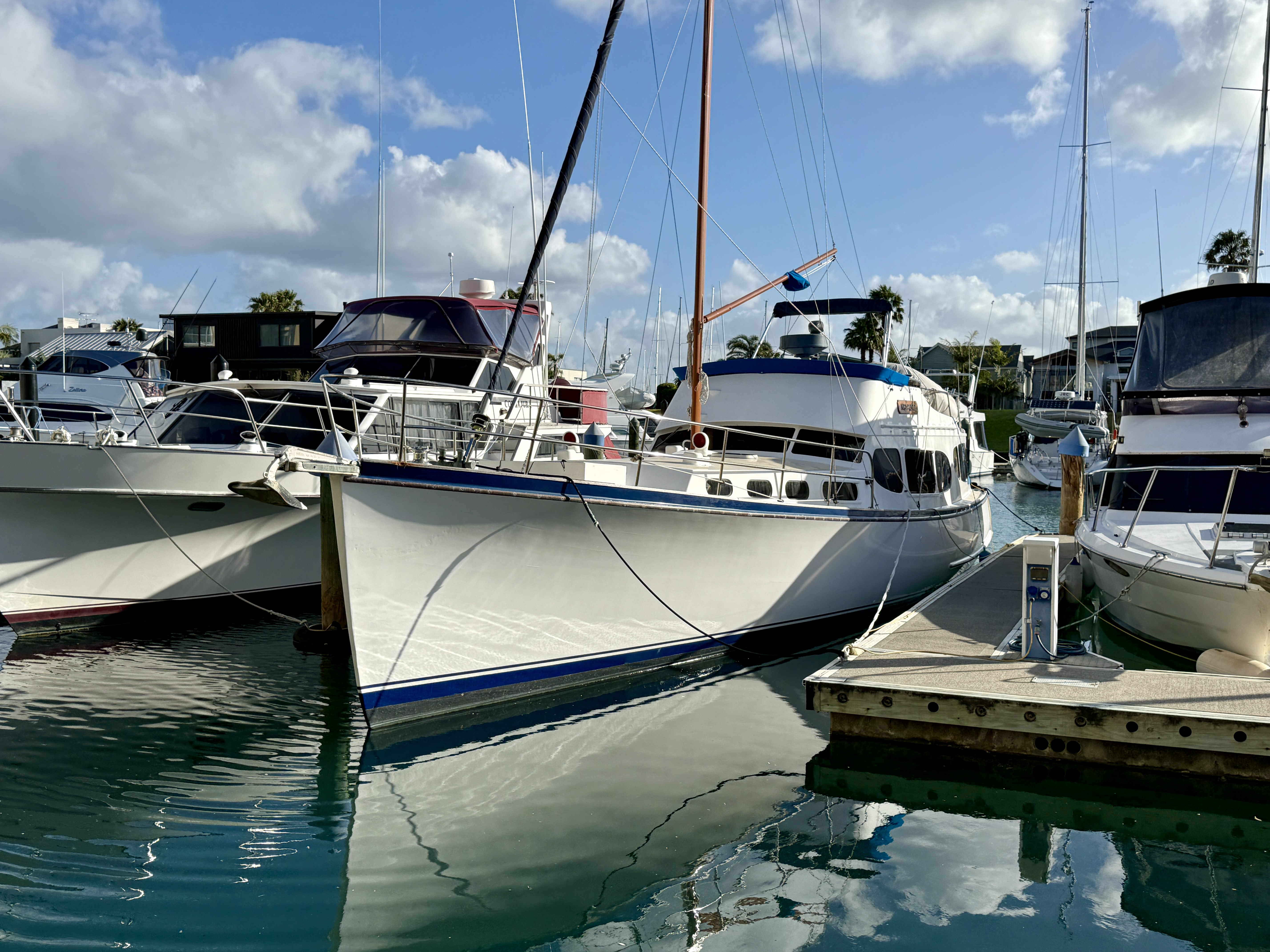
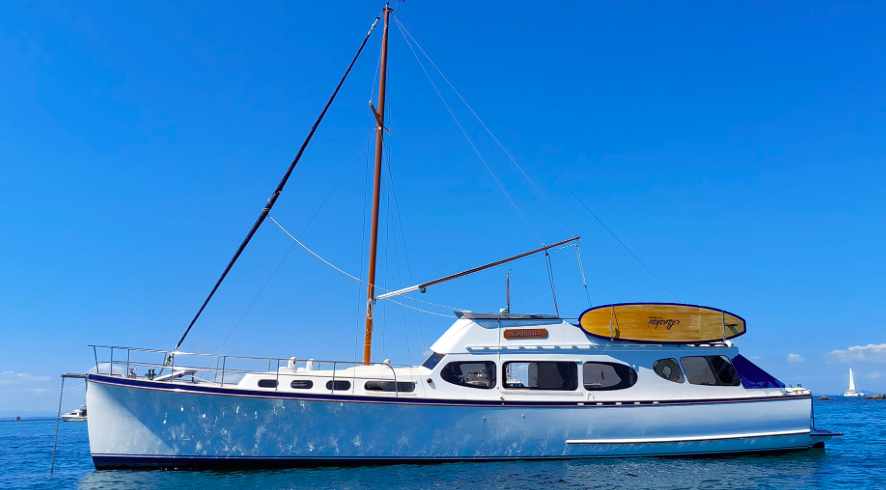
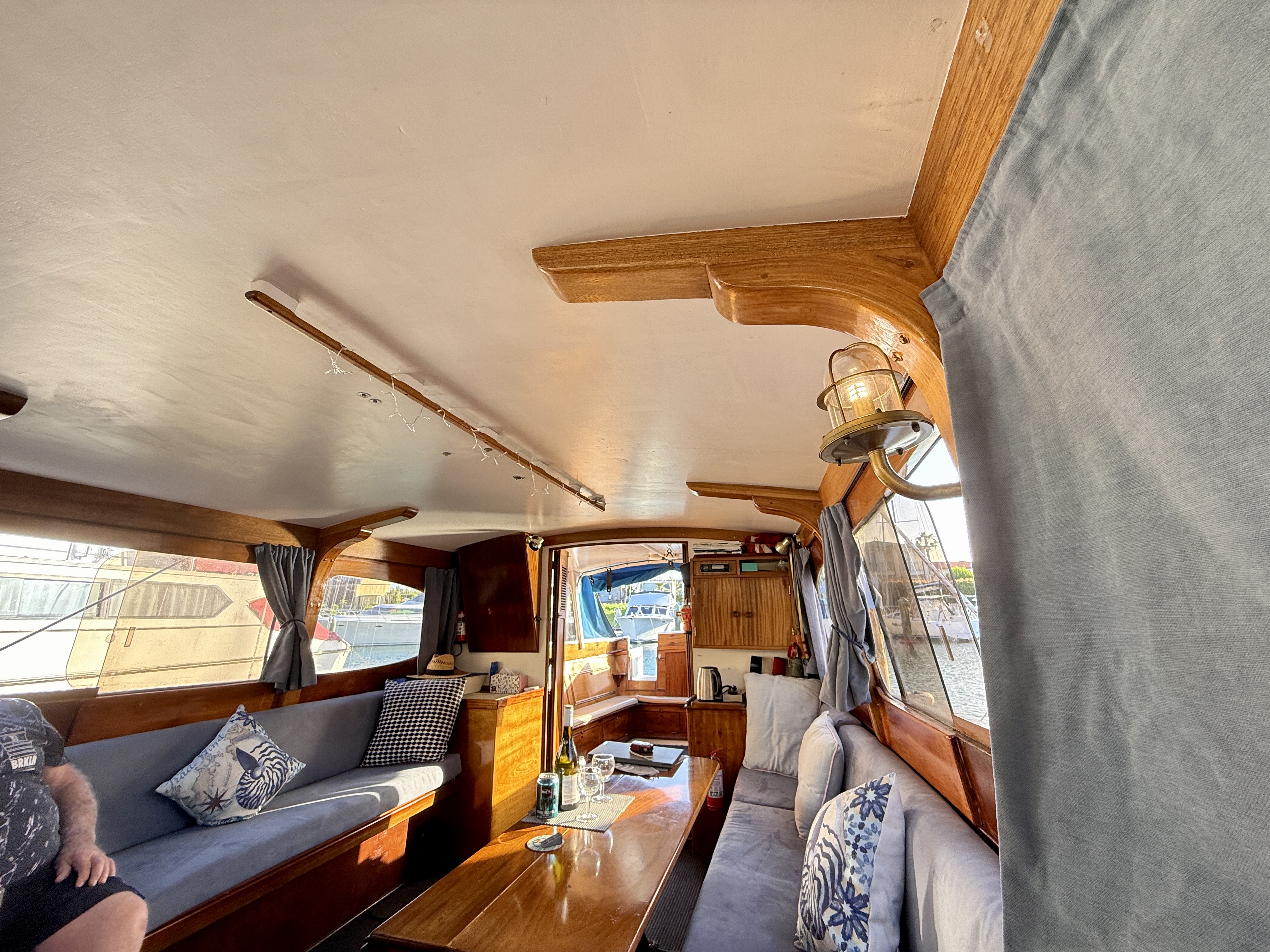
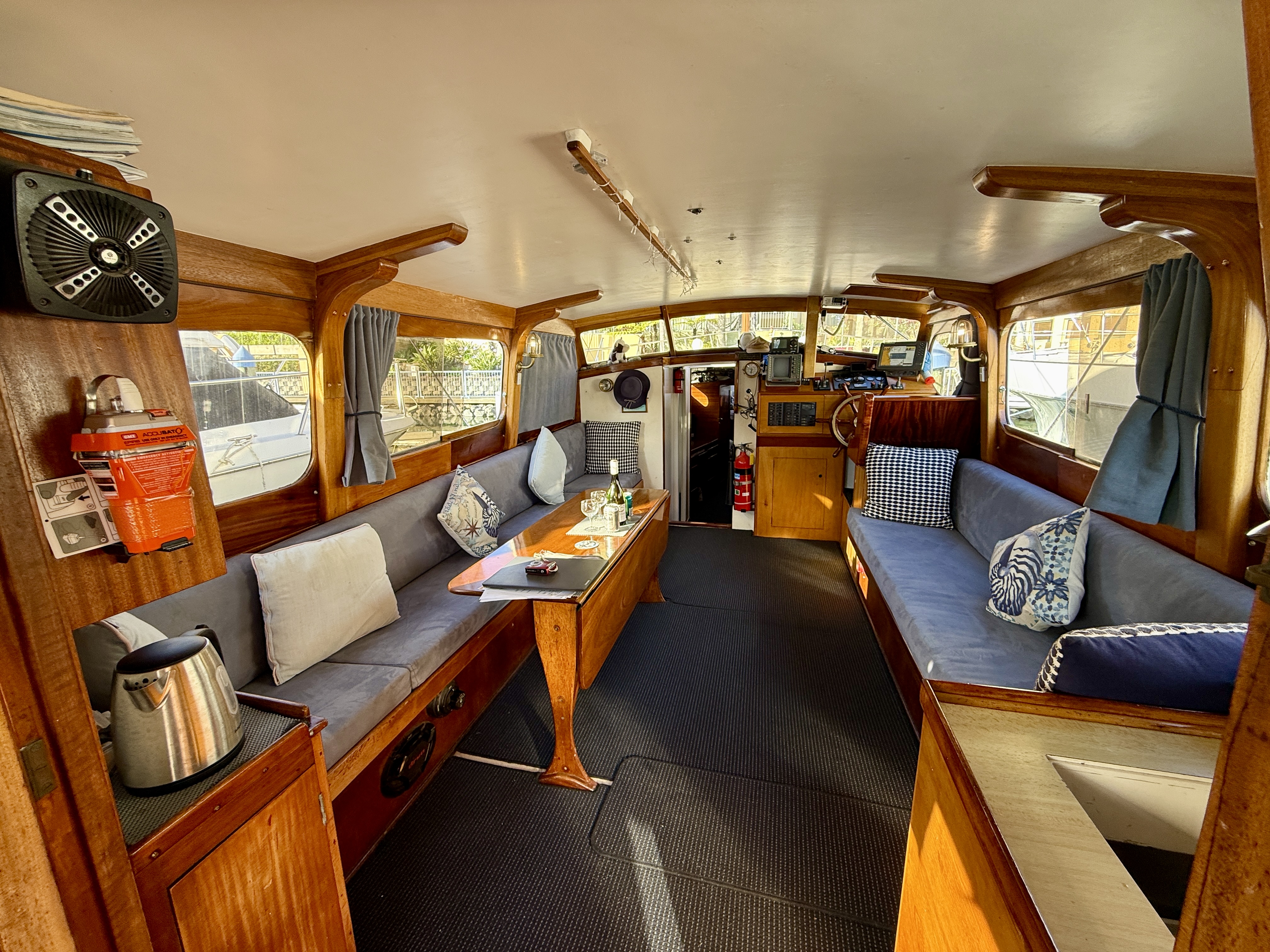
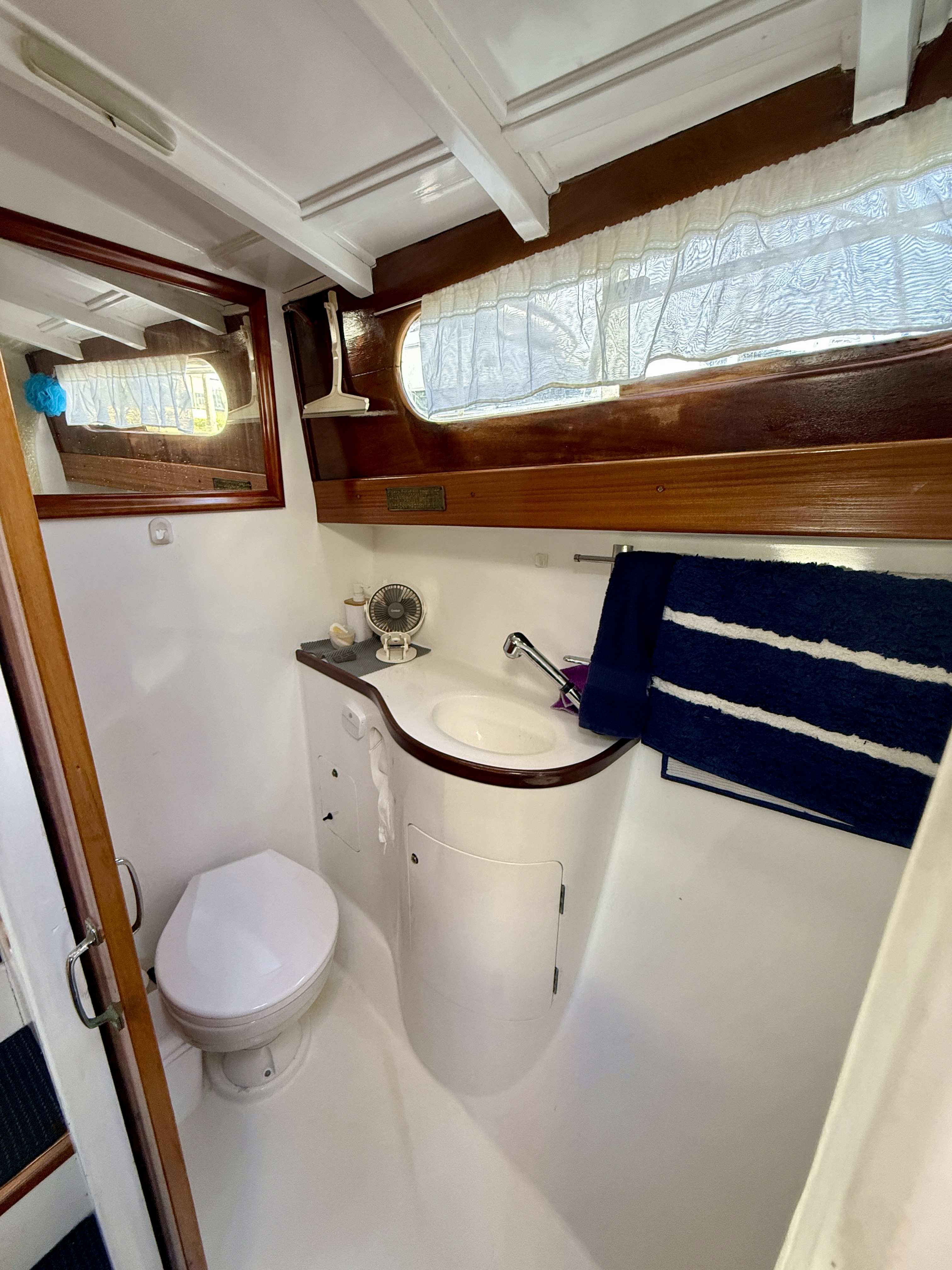
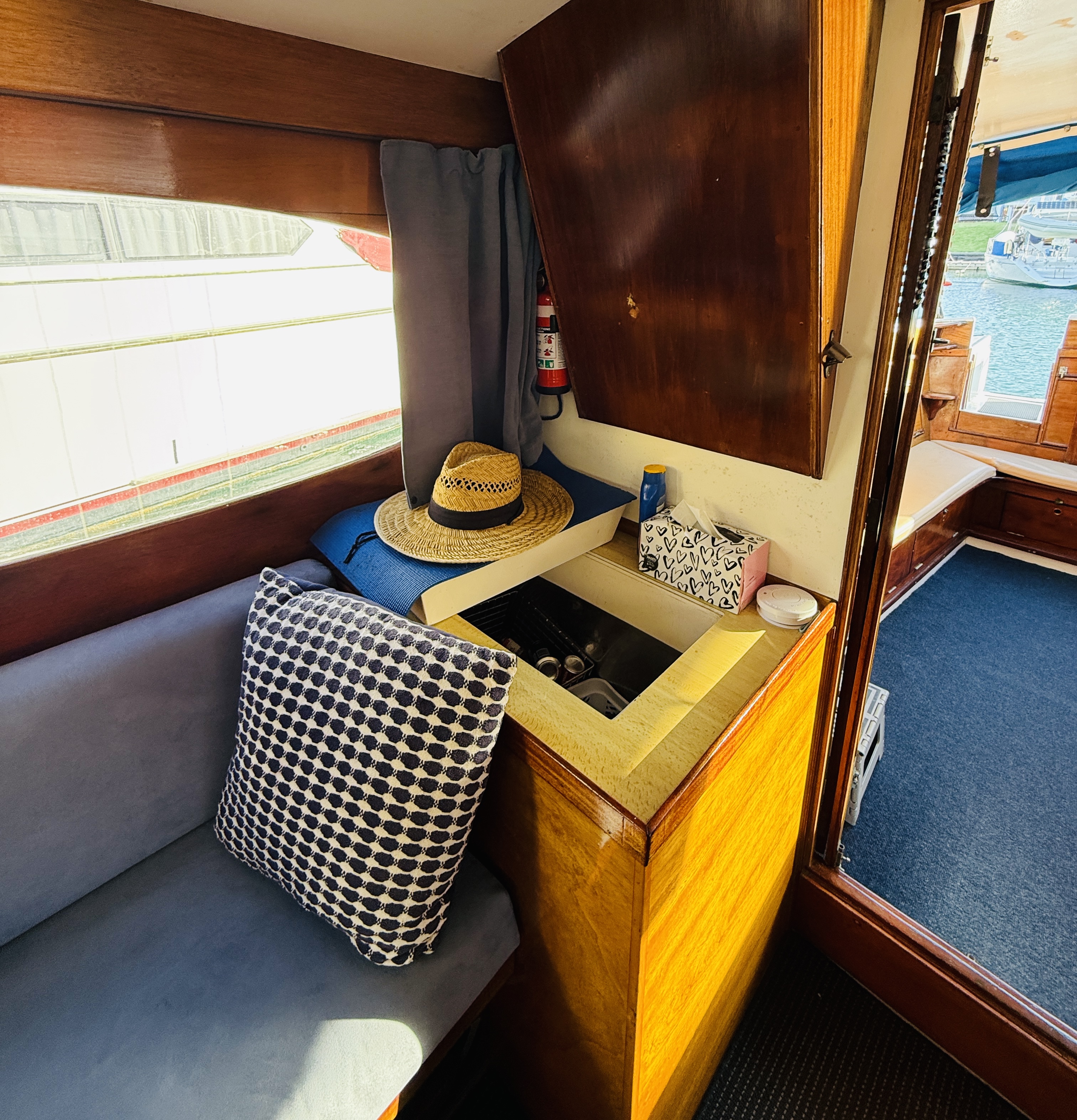
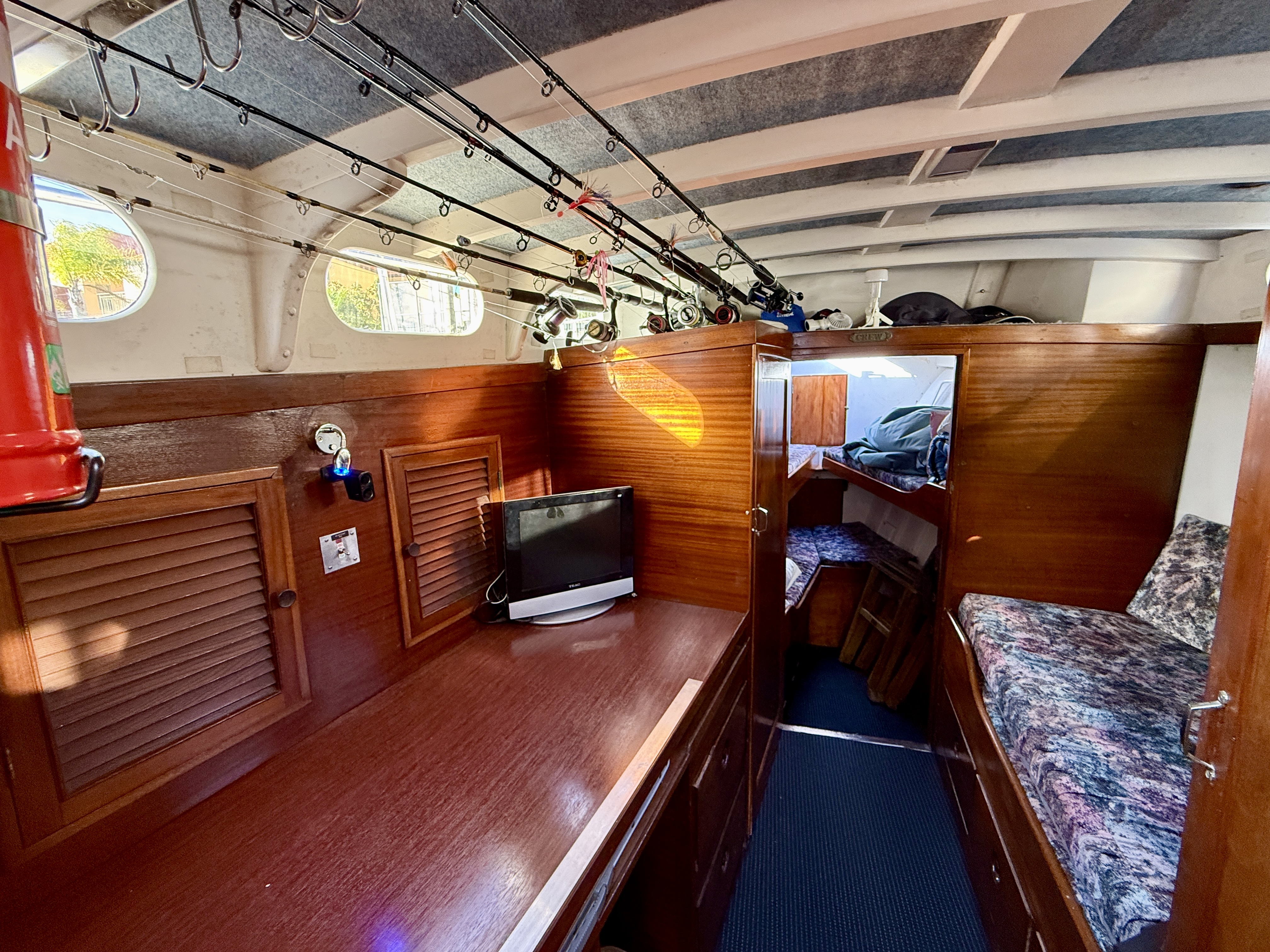
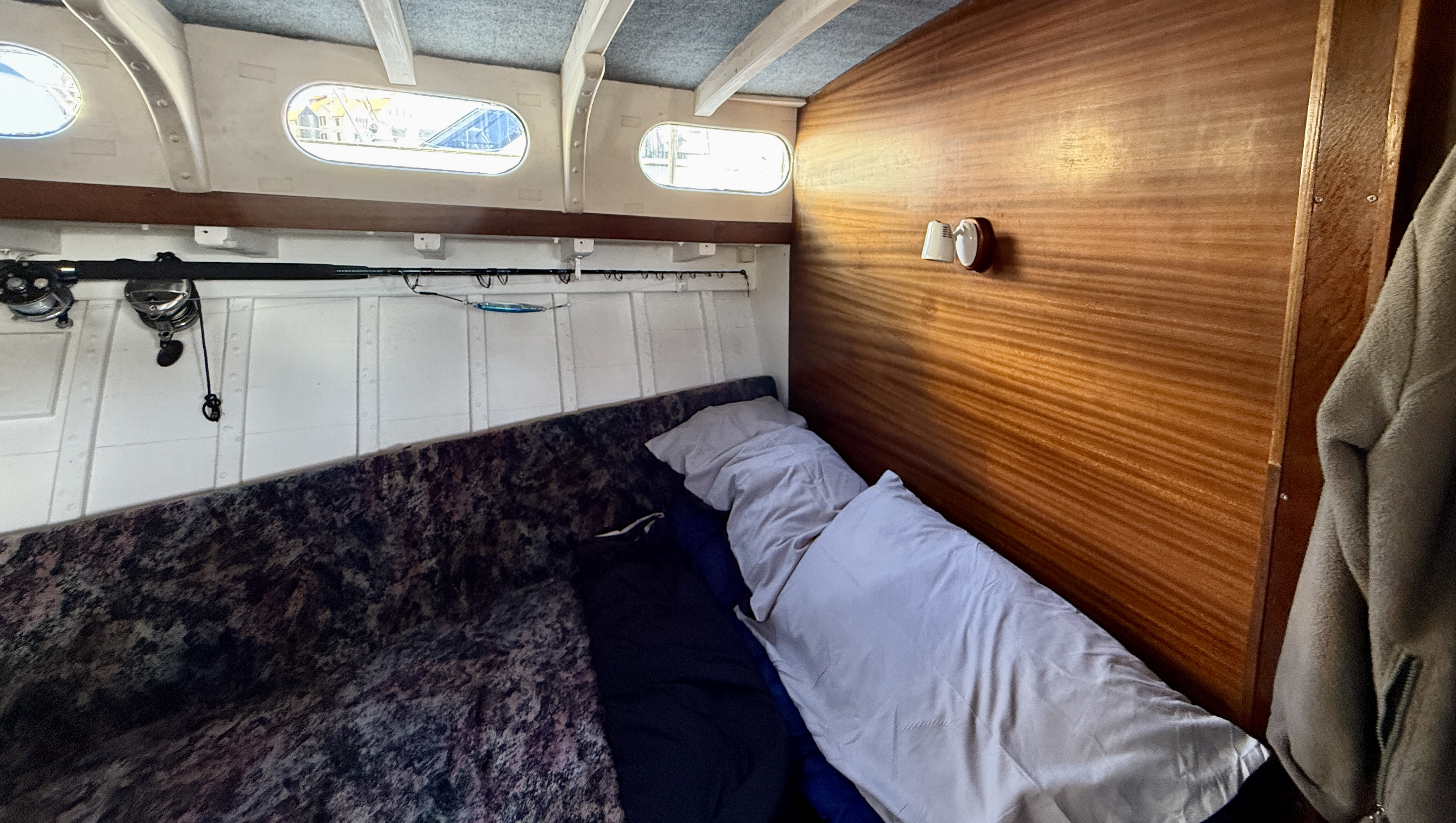
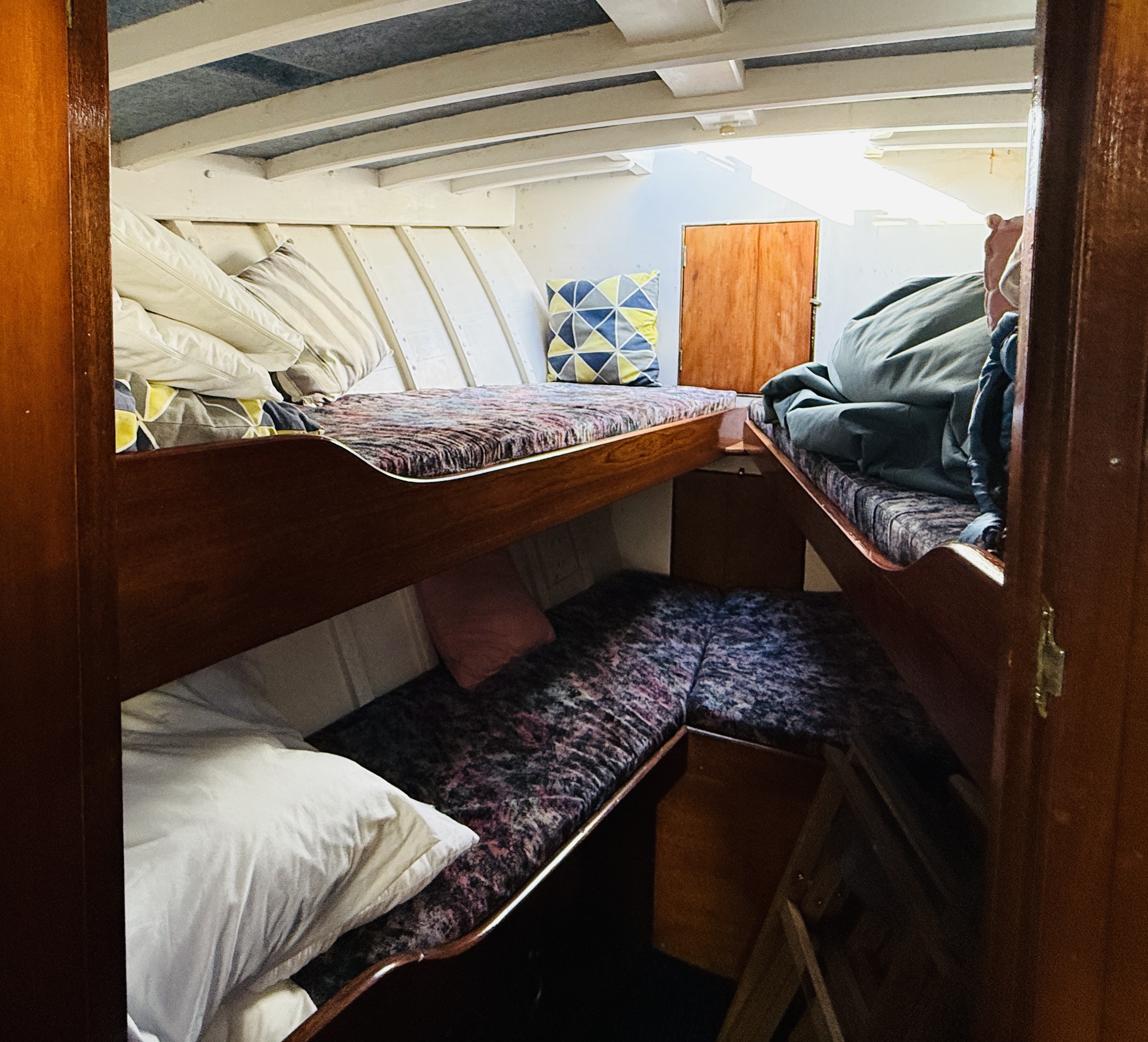
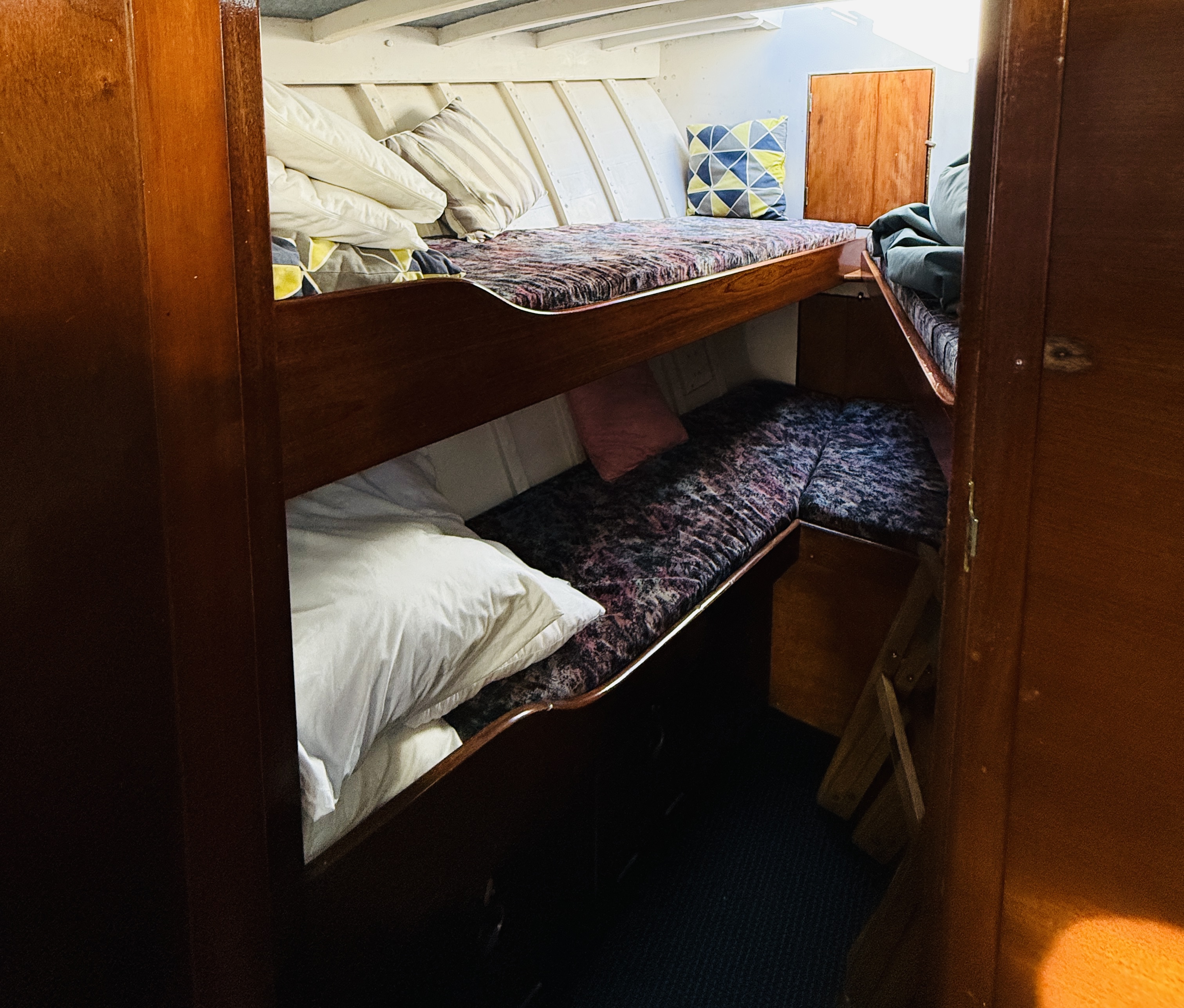
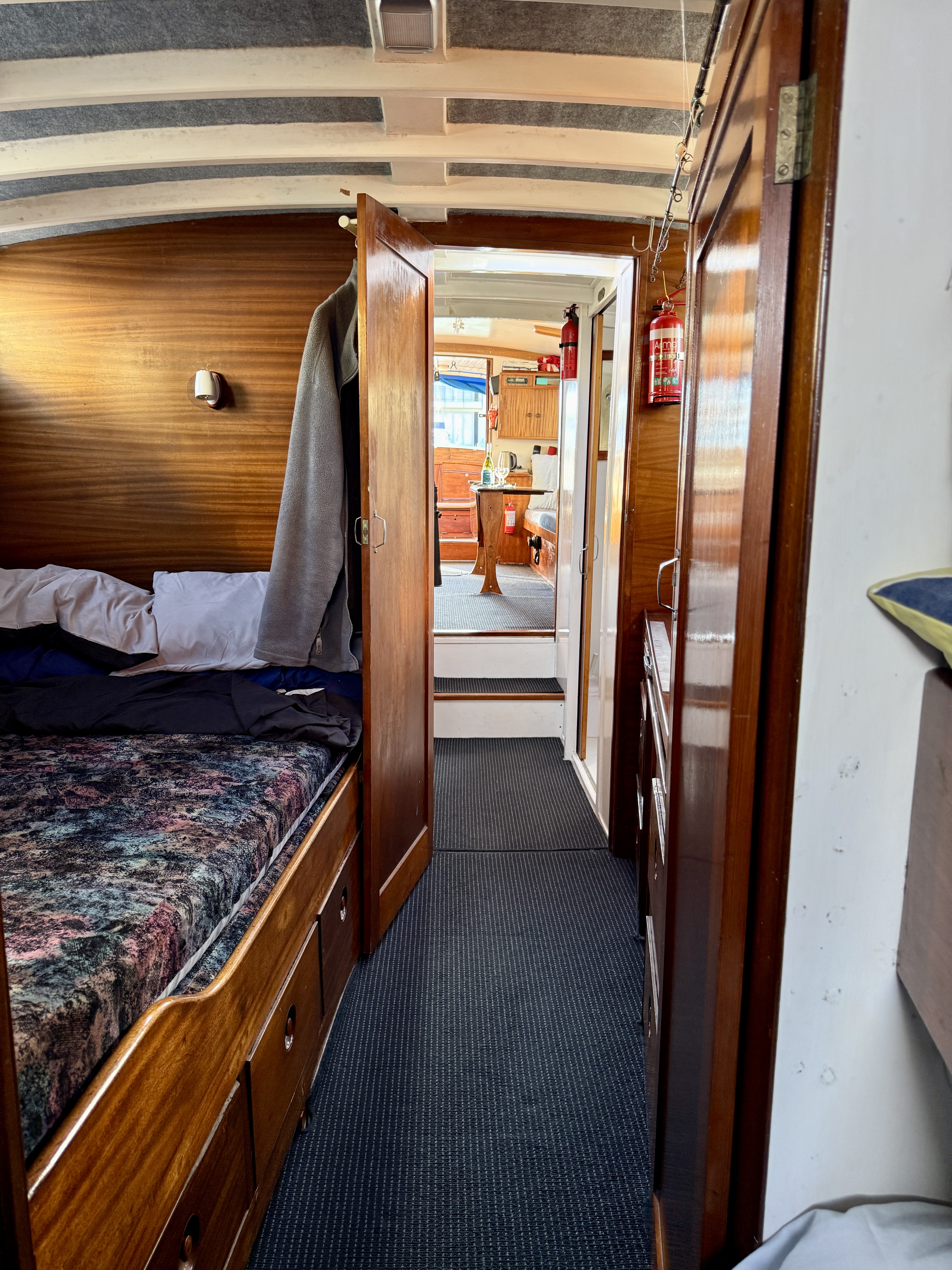
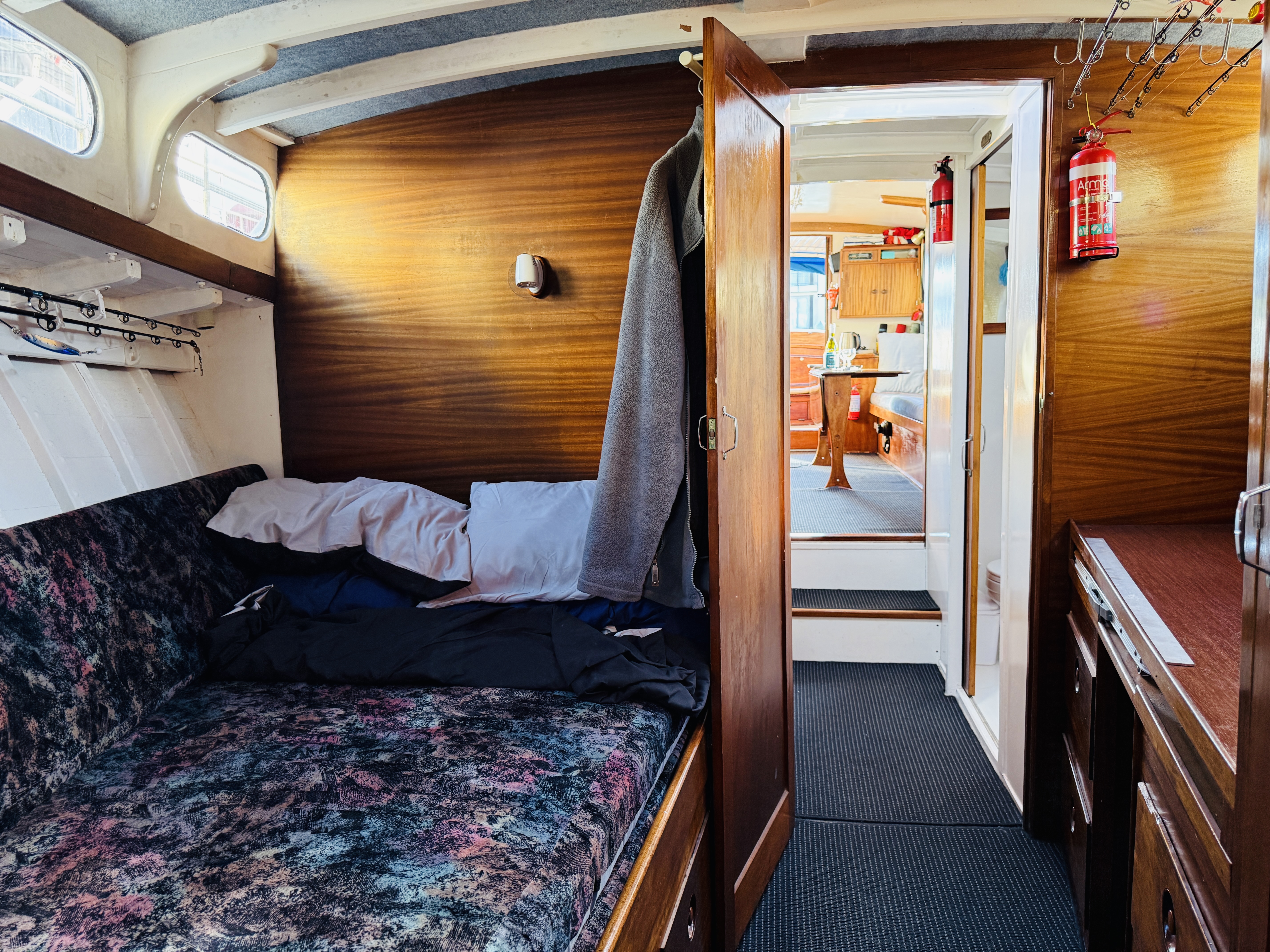
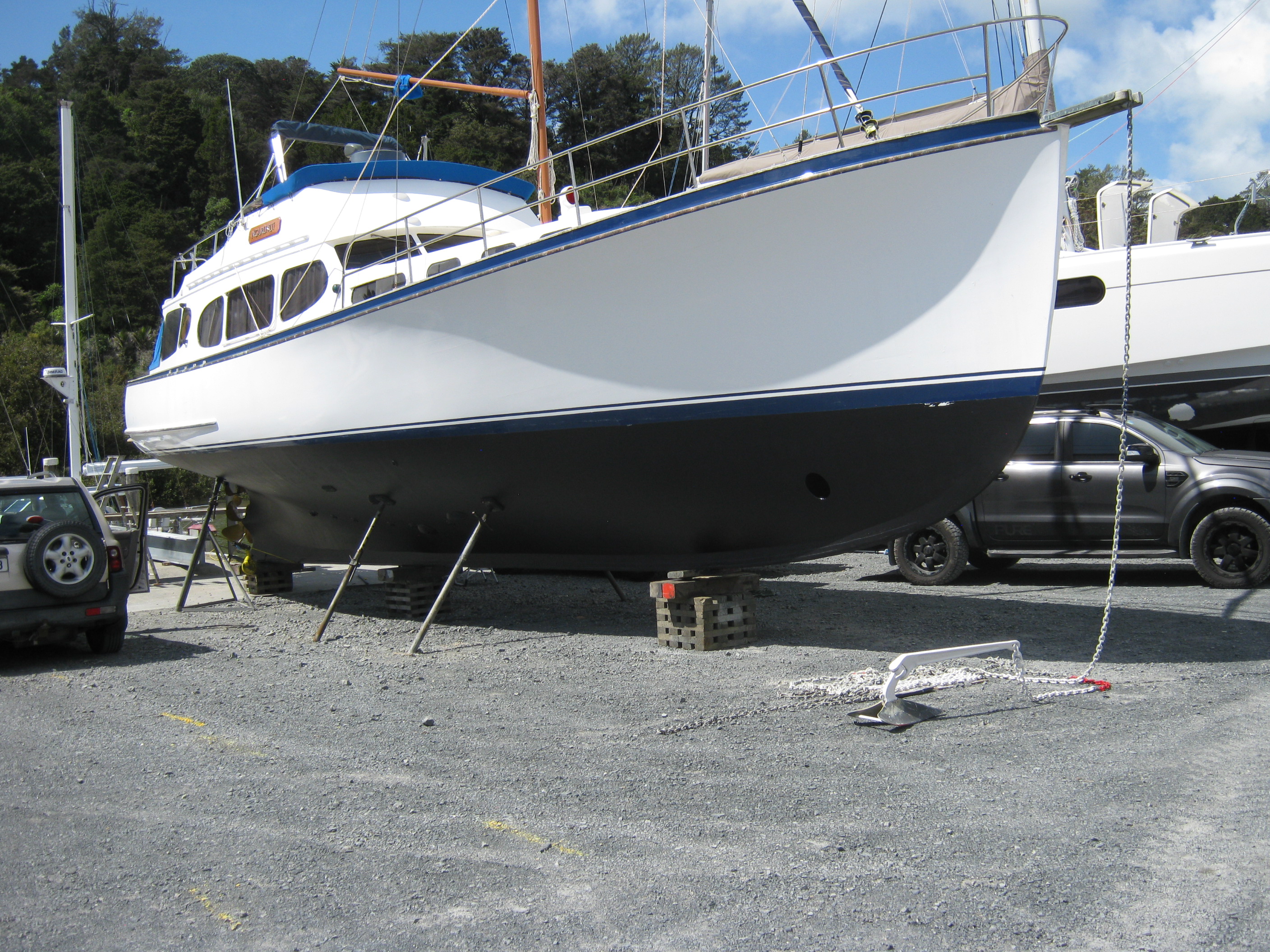
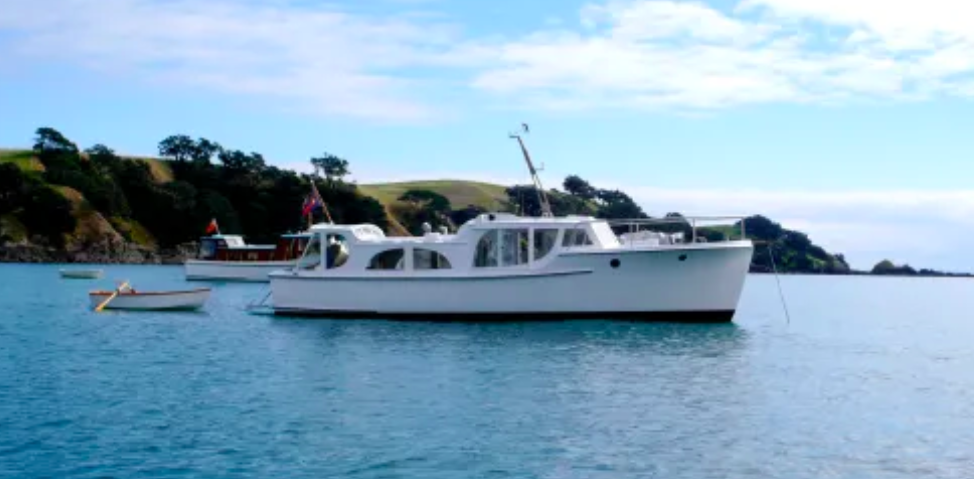
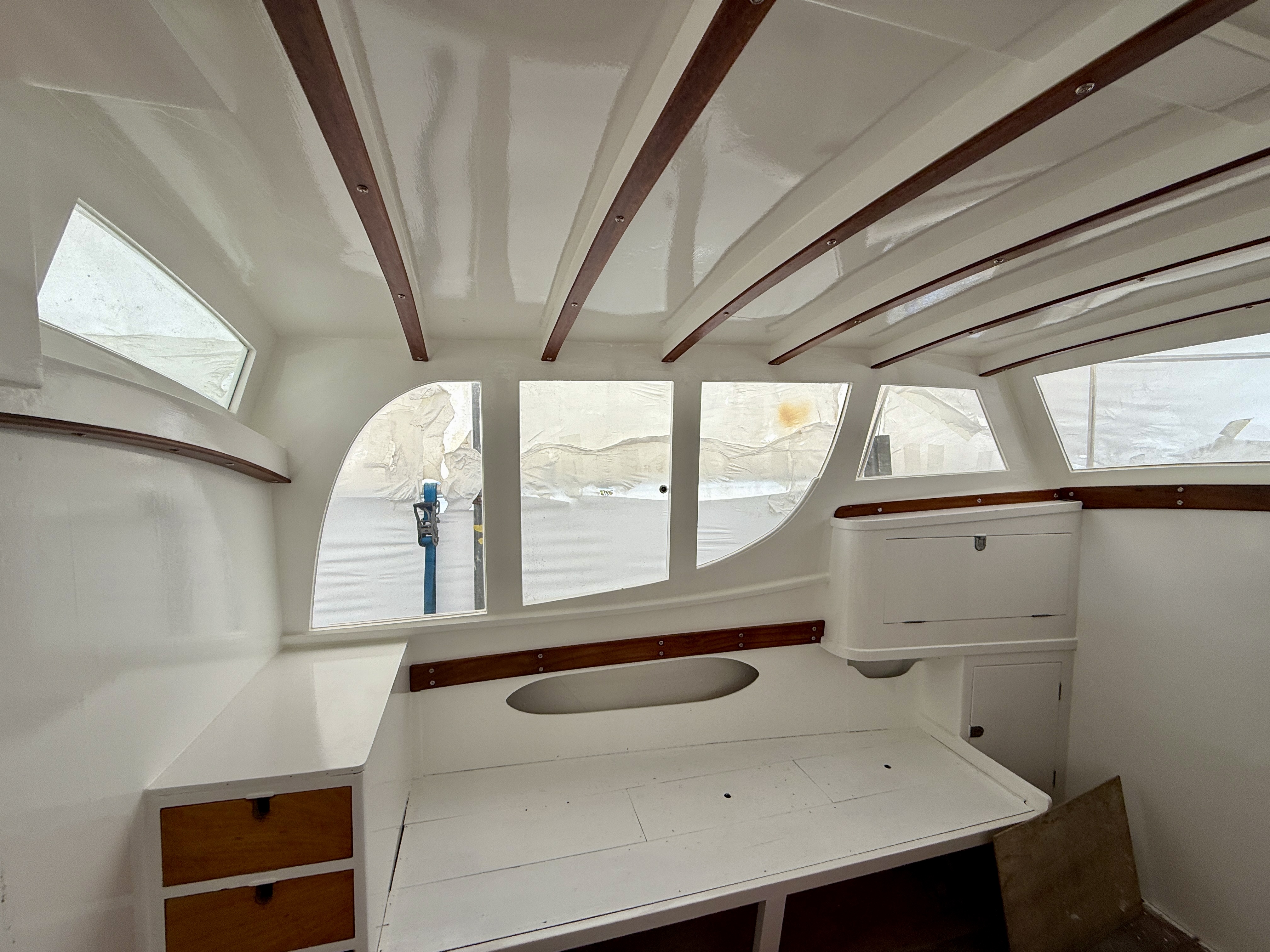
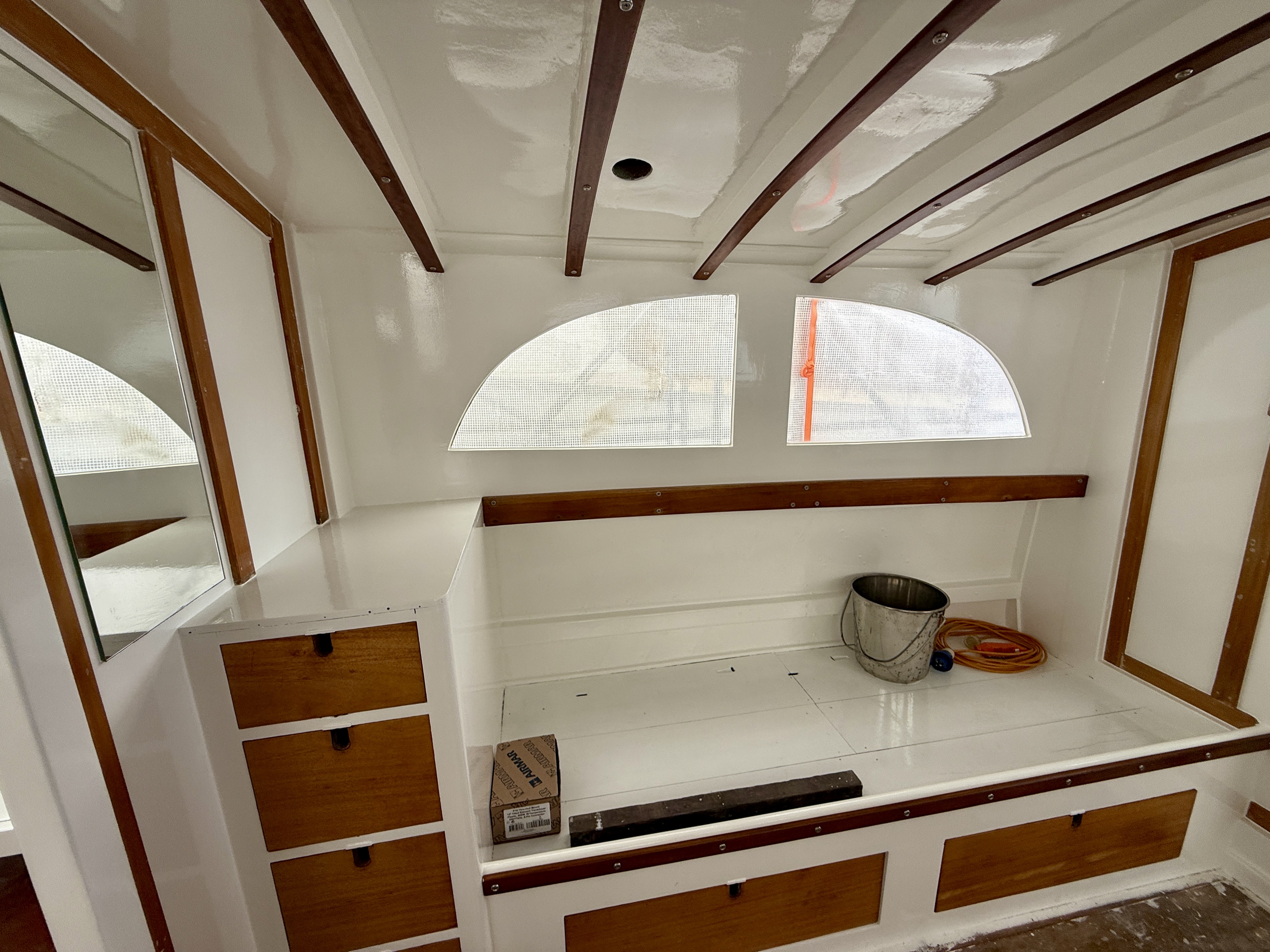
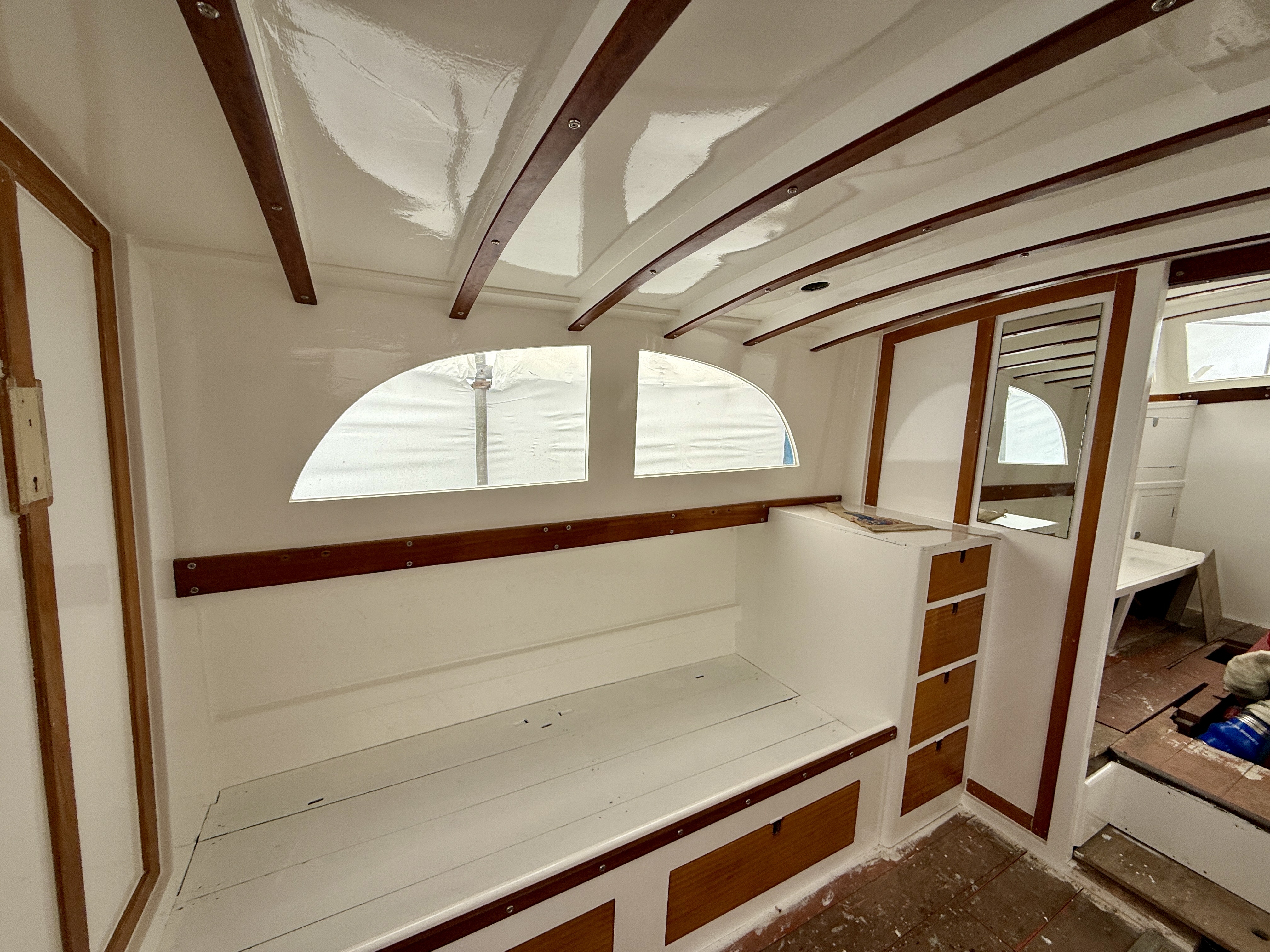
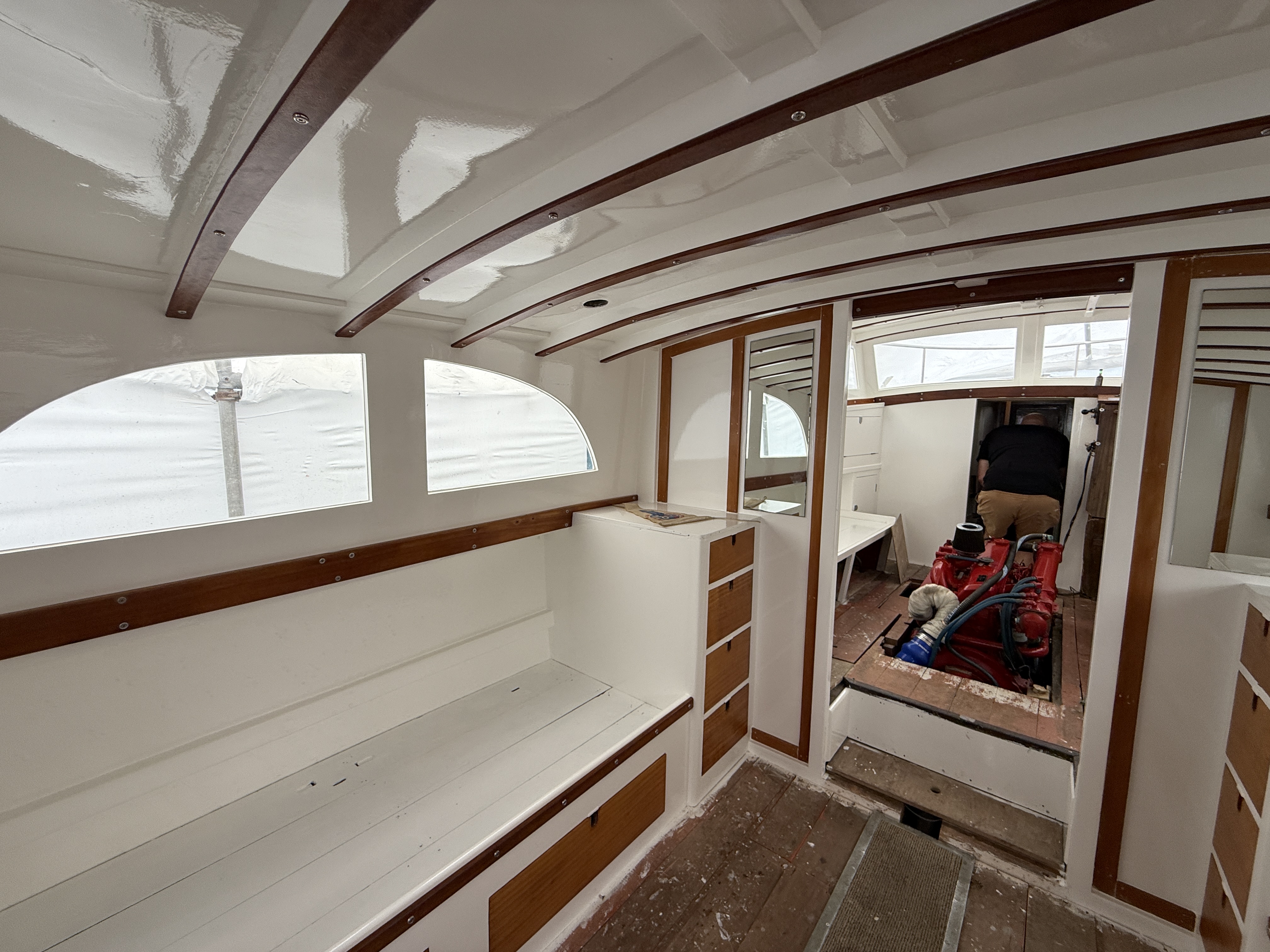
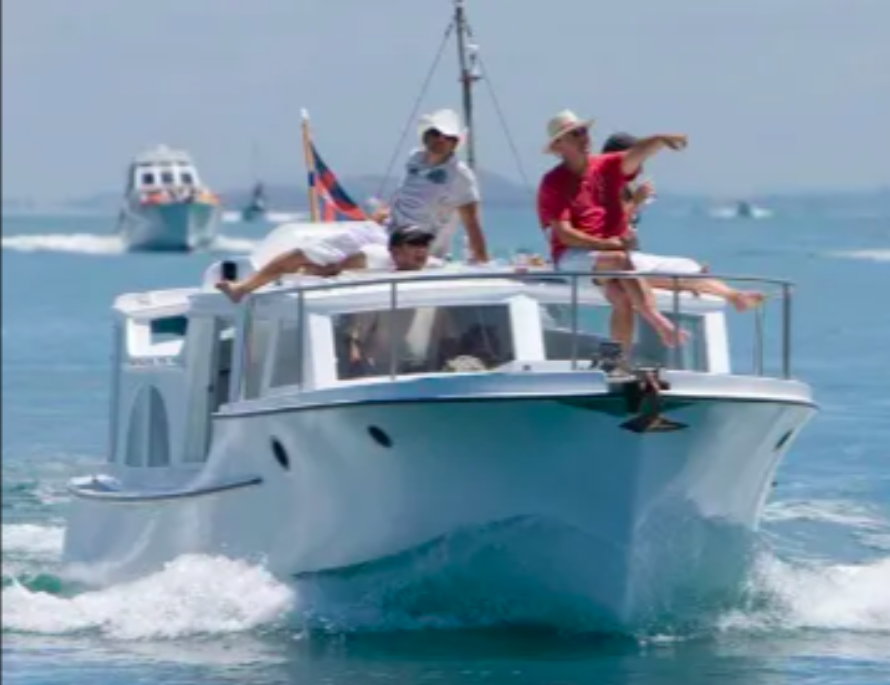
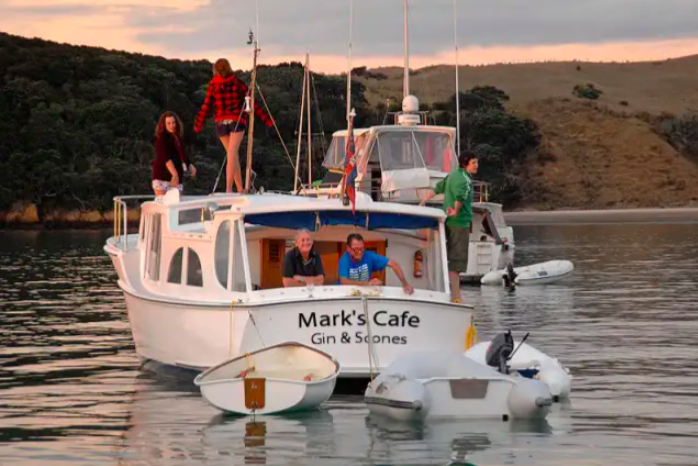
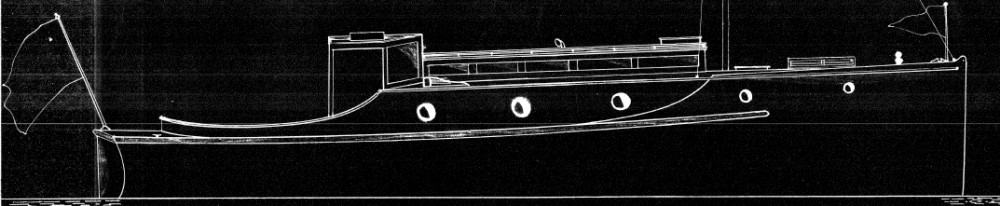
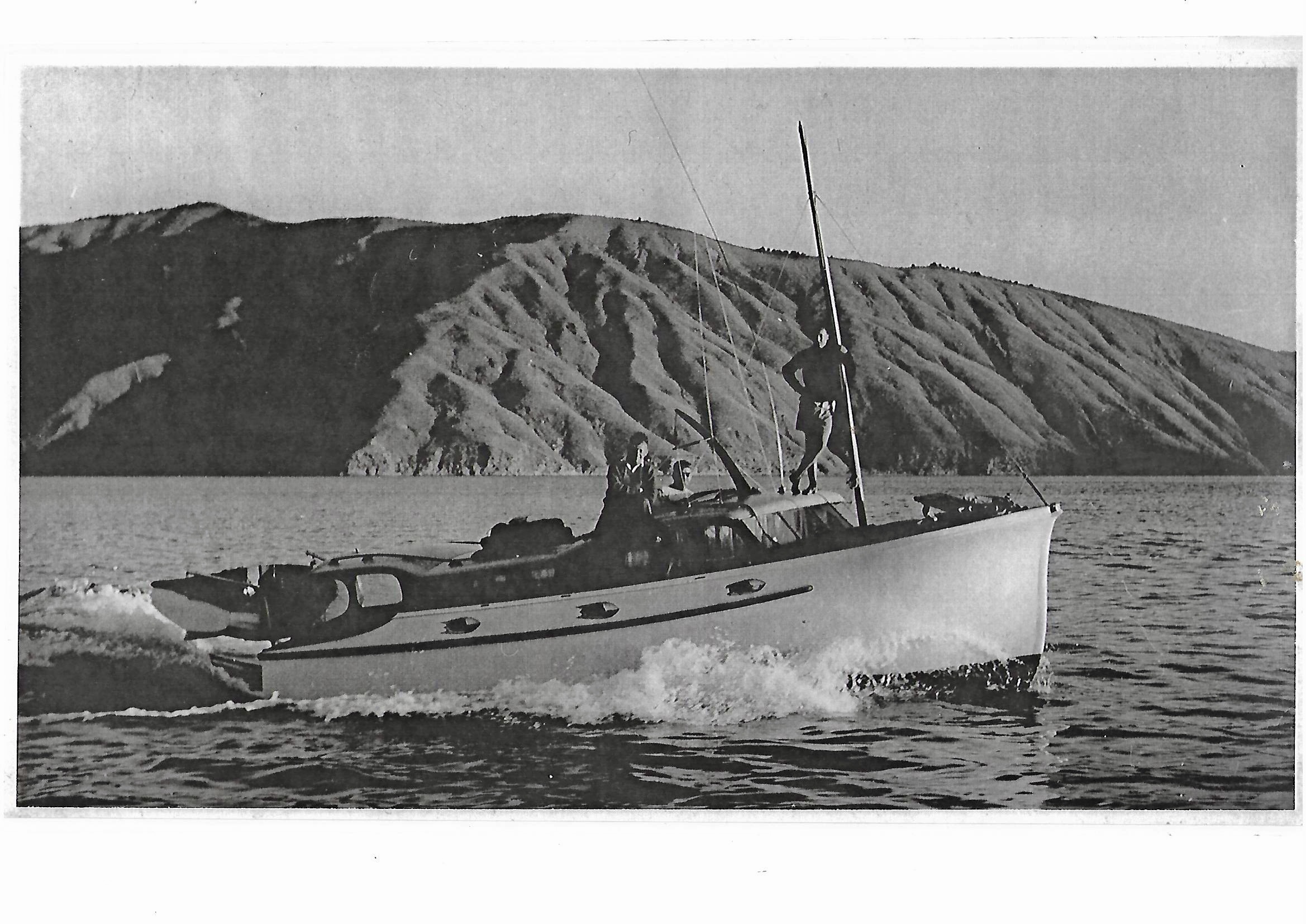
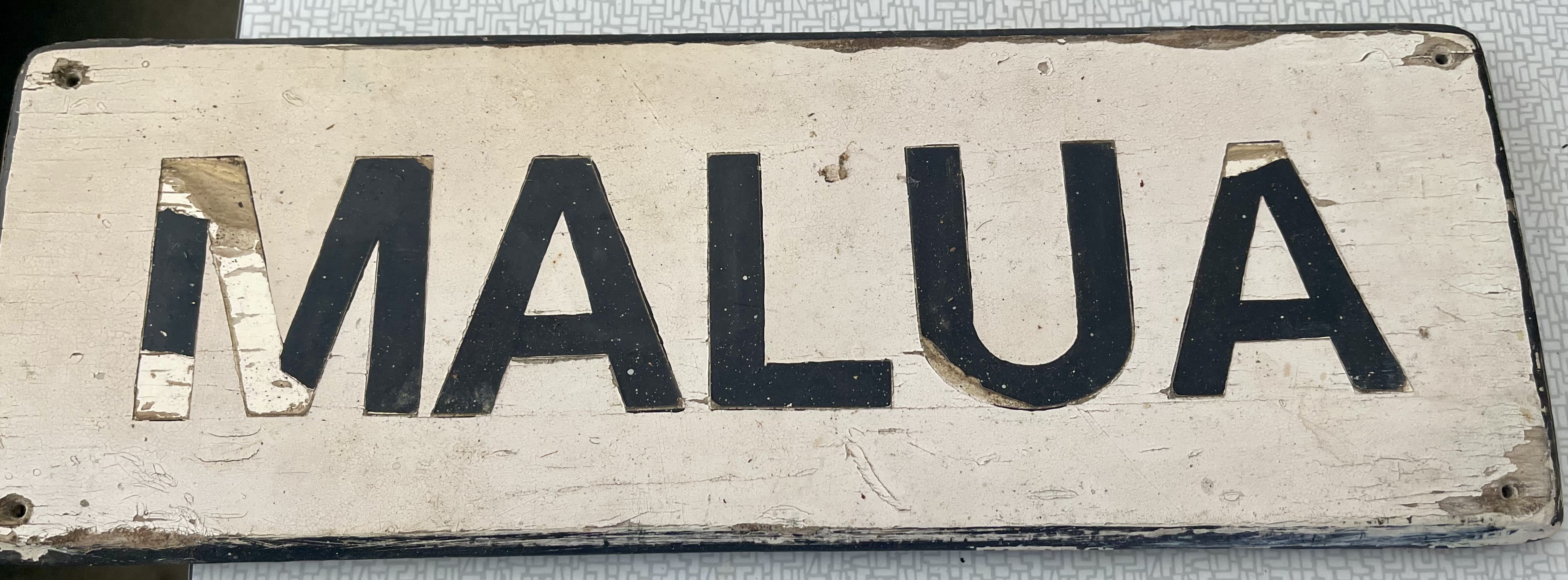
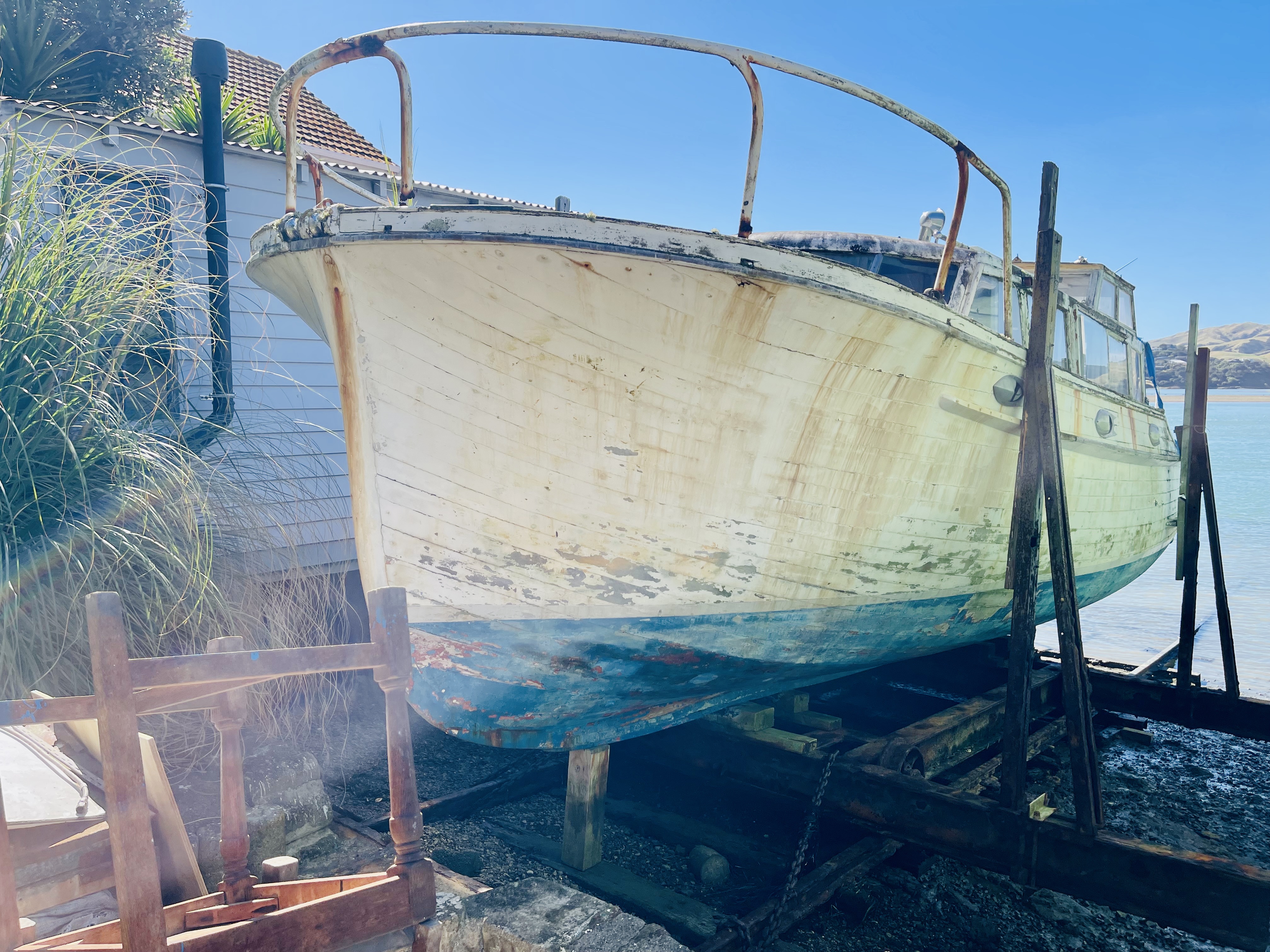
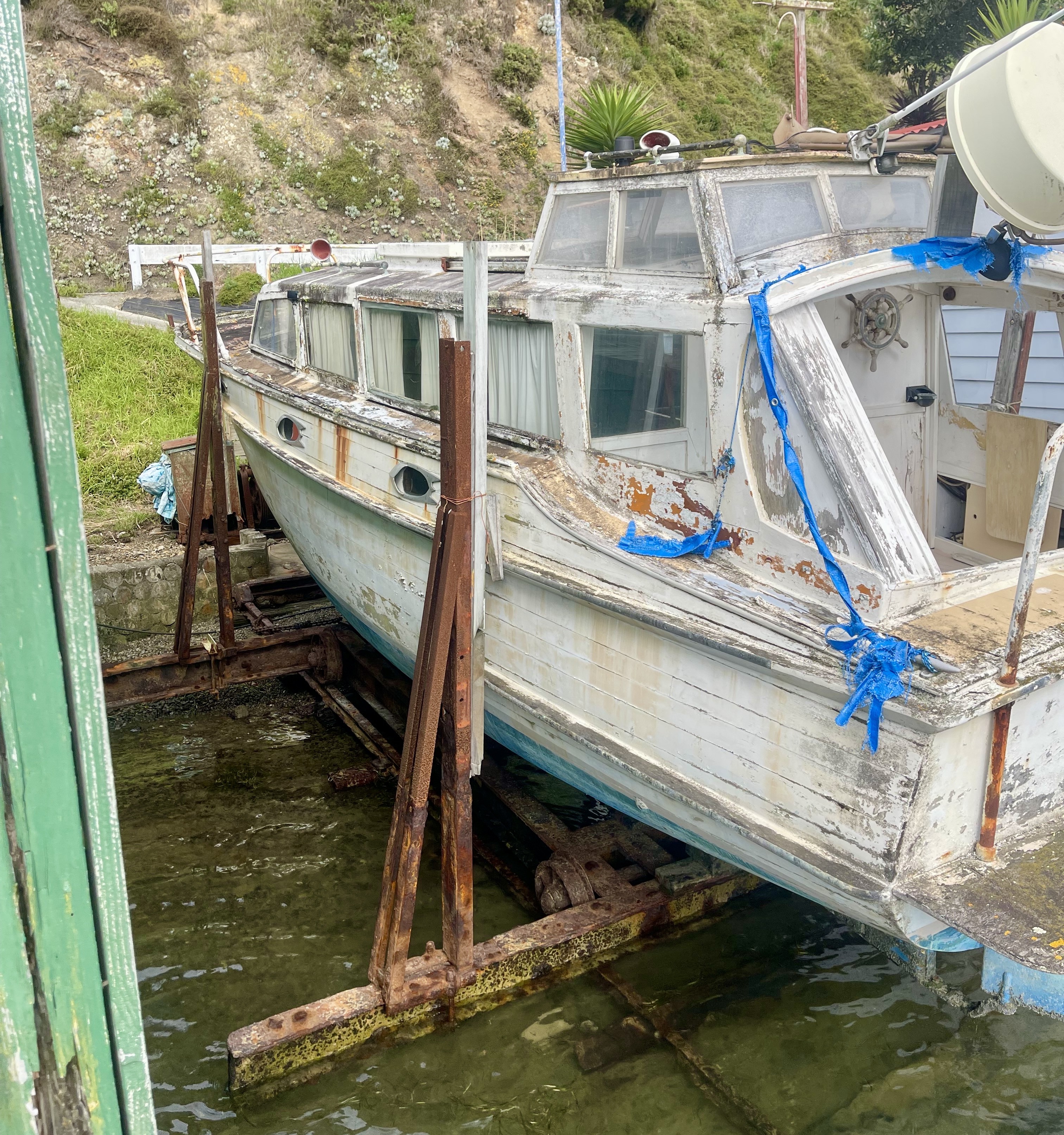
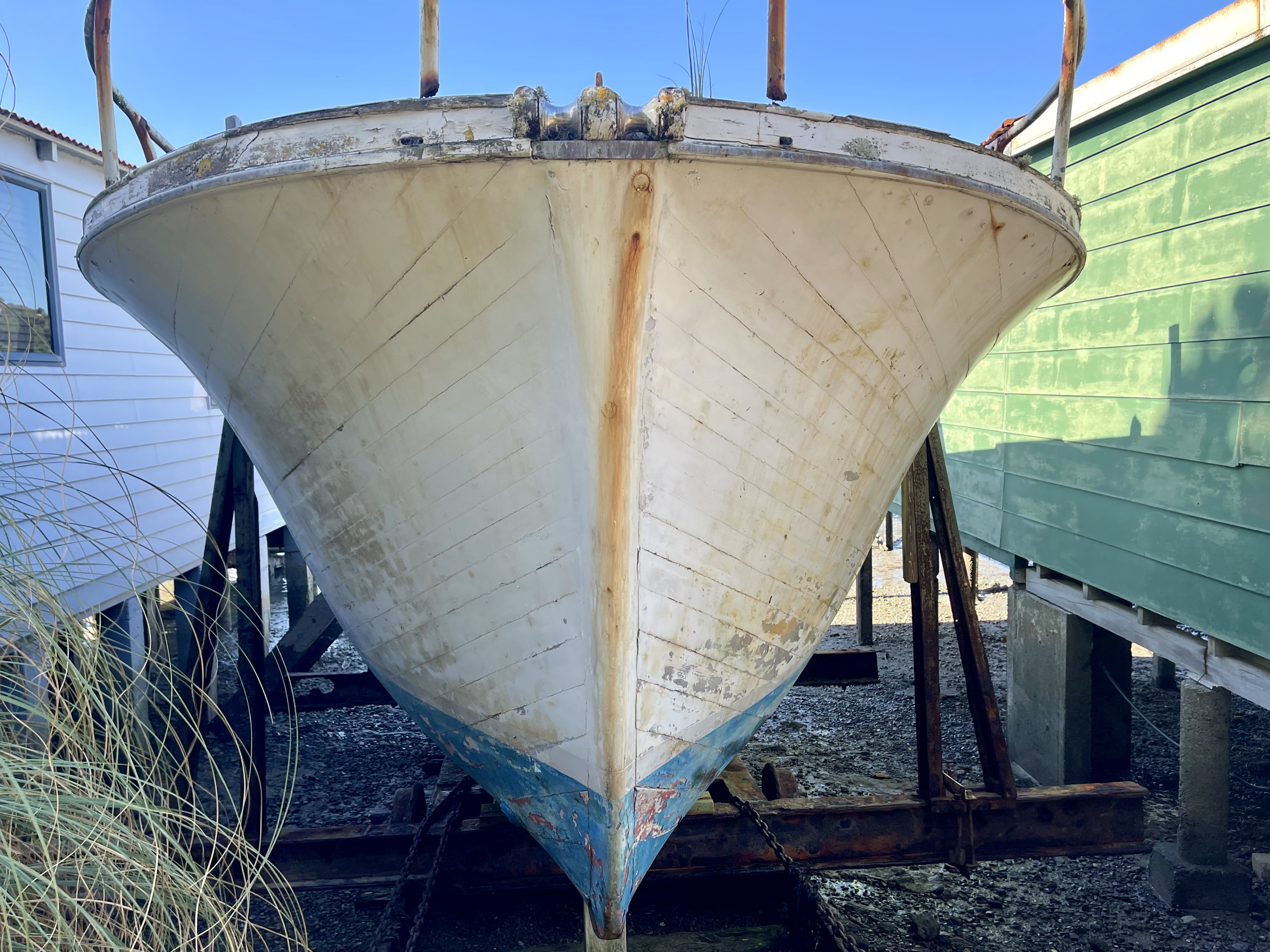
Today’s featured classic wooden launch is the impressive 48’ NGARUNUI, designed and built by Jim Young and launched in 1959. With a generous 12’ beam and 6’6” headroom, she’s a big, comfortable girl – in fact, she sleeps nine.

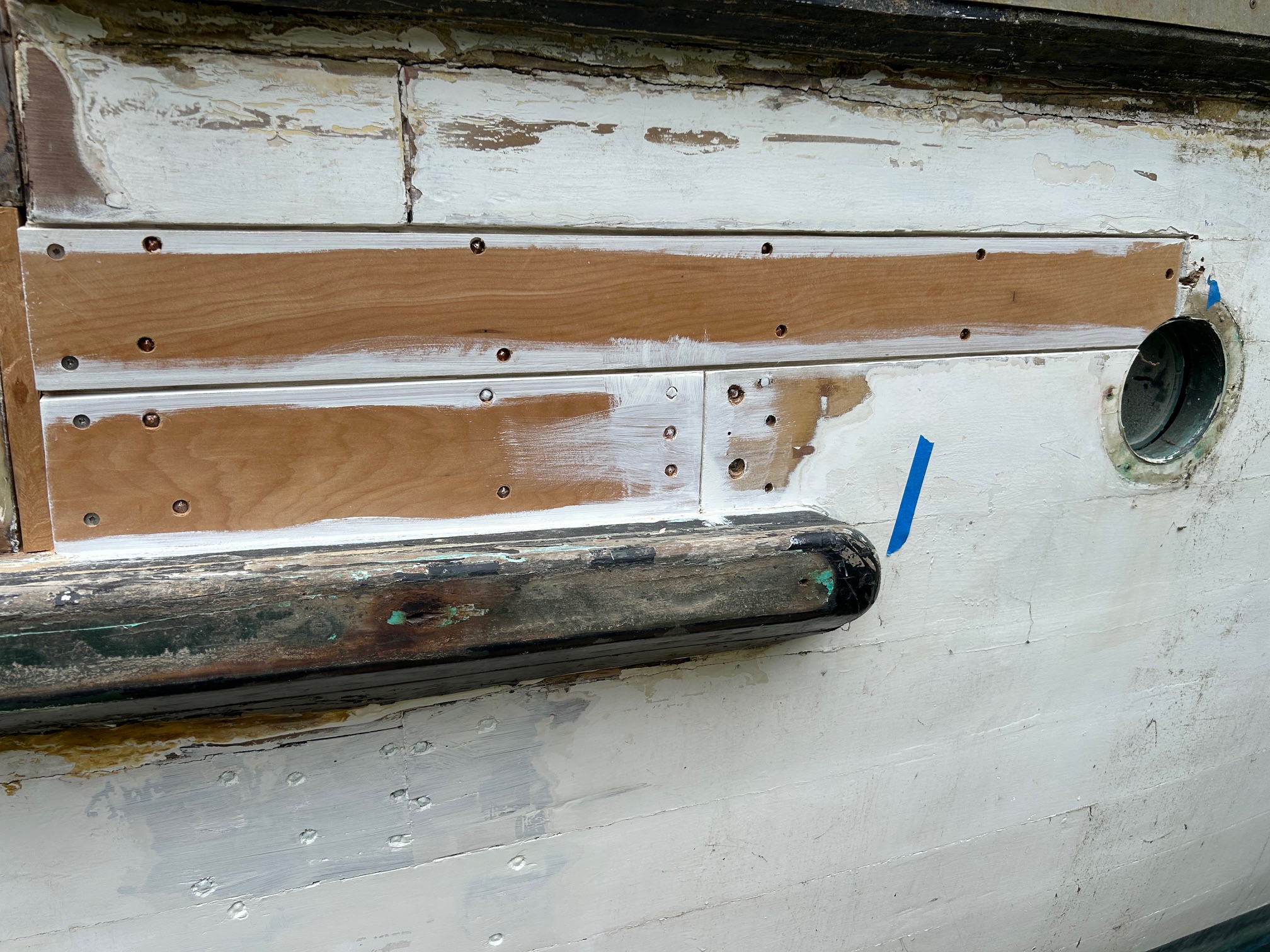
Constructed in kauri, 1 1/4” carvel-planked, NGARUNUI carries all the hallmarks of a serious long-distance cruiser.

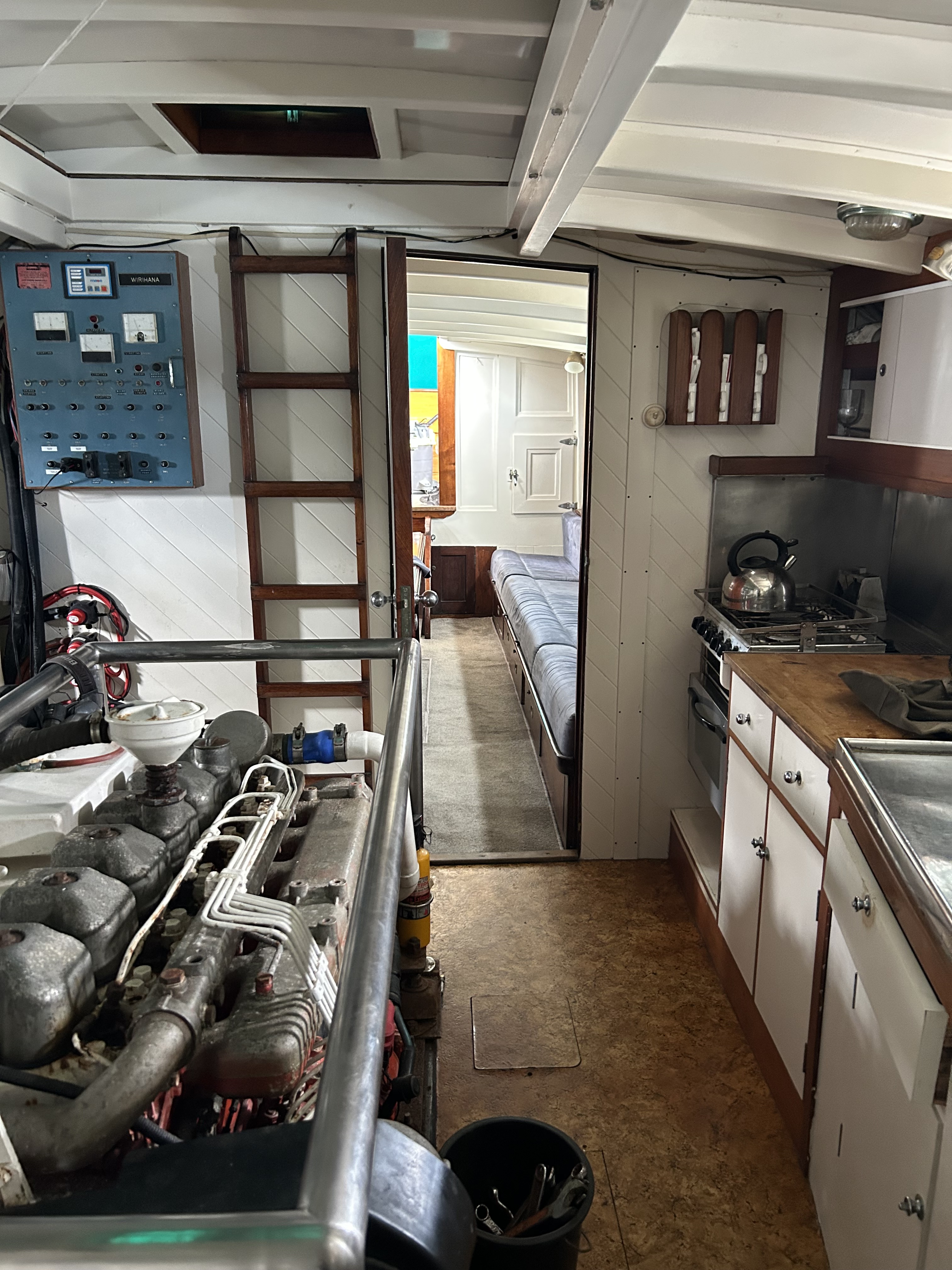
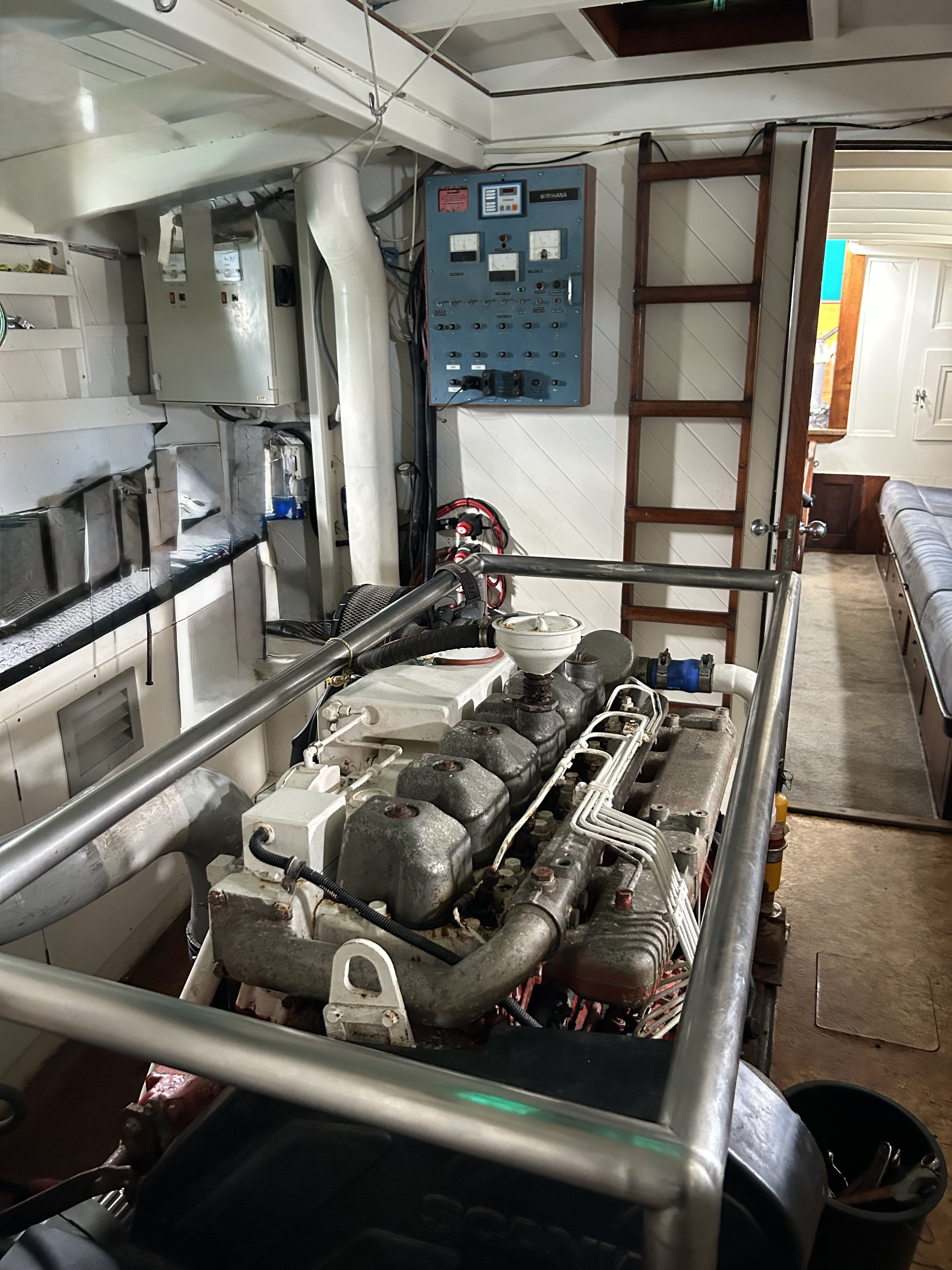
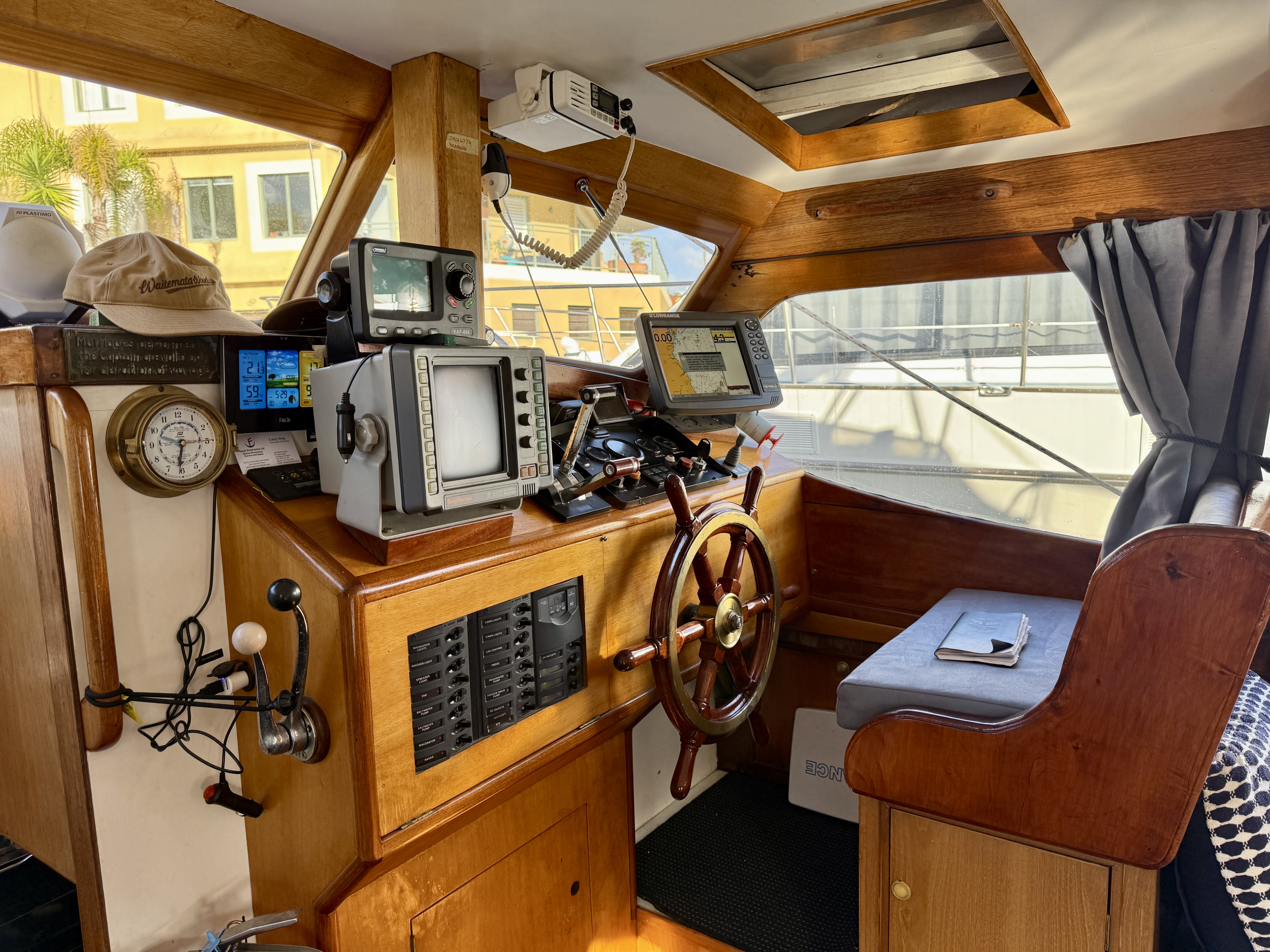
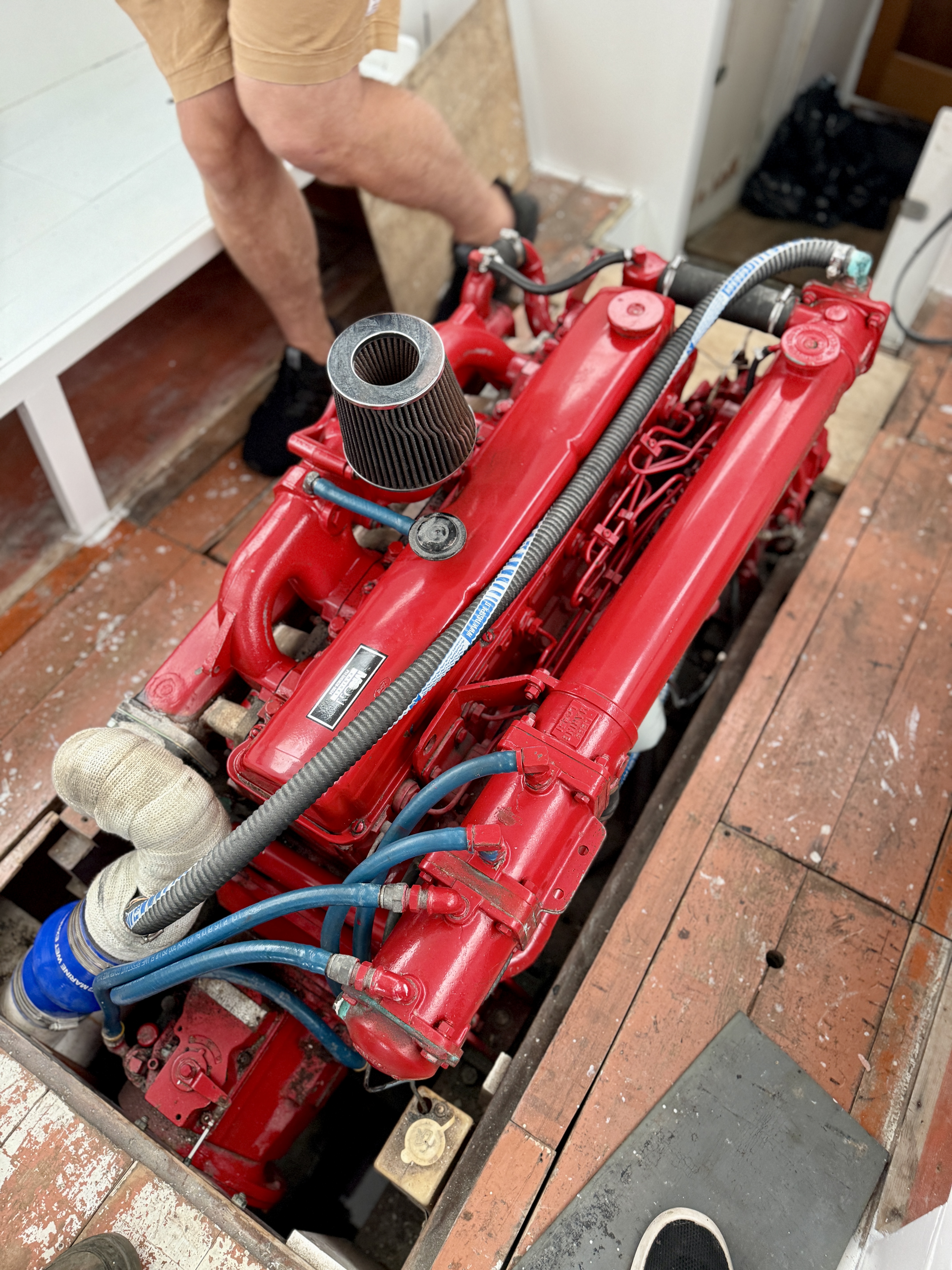
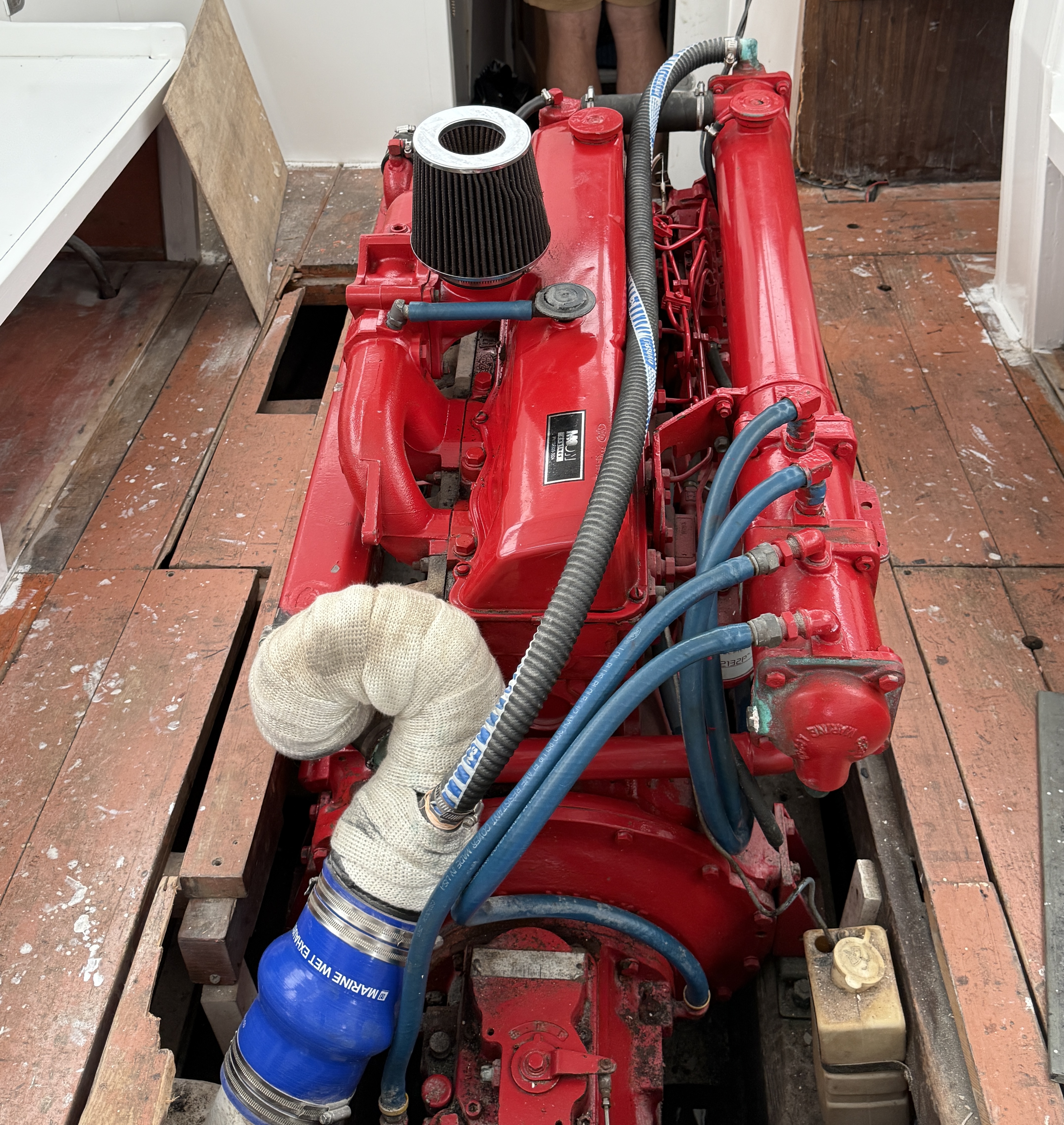
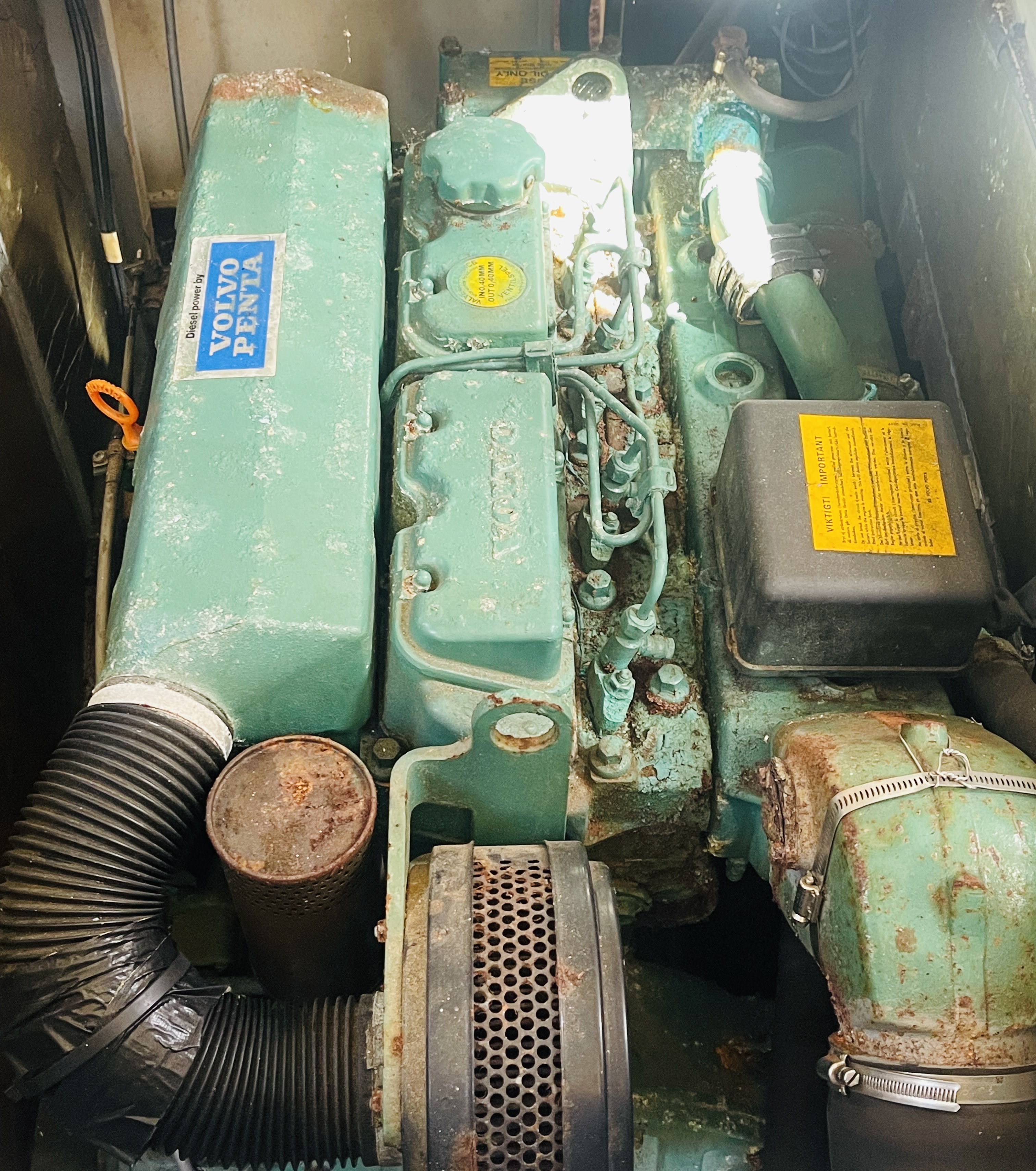
Power comes from a 200hp Doosan L136T, and she’s backed up by a Yanmar 20hp auxiliary driving its own shaft and prop. Combine that with what I’d call a new ‘sail-assist’ rig, and you’ve got one of the best “get me home” configurations you’ll find on a classic wooden launch.

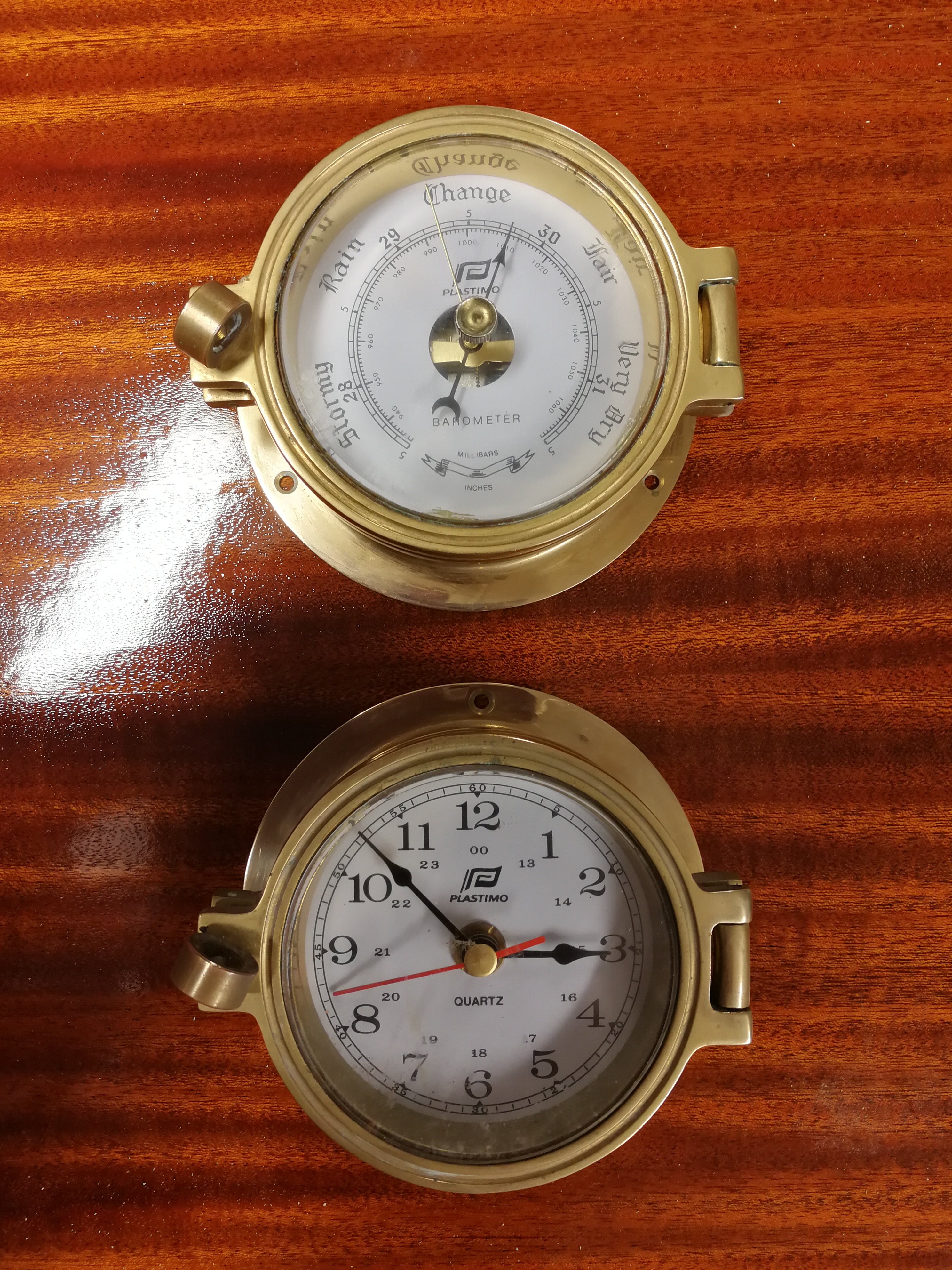
Yes, she is for sale, and her spec sheet is both extensive and impressive. Most WW readers don’t need every last detail here, but rest assured – it’s all there: autohelm, radar, bow thruster, 1200L fuel, 800L water, and a long list of quality gear. Full details reserved for genuinely interested parties.

So, two options today:

  1. Buy NGARUNUI now and be cruising the gulf this Christmas / New Year.
  2. Walk away, knowing she’ll sit quietly in the back of your mind – with the very real risk that someone else snaps her up first.

The owner’s price expectation is market-realistic, and NGARUNUI represents exceptional value for a vessel of this calibre.

CLASSIC WOODEN CLINKER – GYPSY – Why Are the Good Ones Never Nearby

CLASSIC WOODEN CLINKER – GYPSY – Why Are the Good Ones Never Nearby

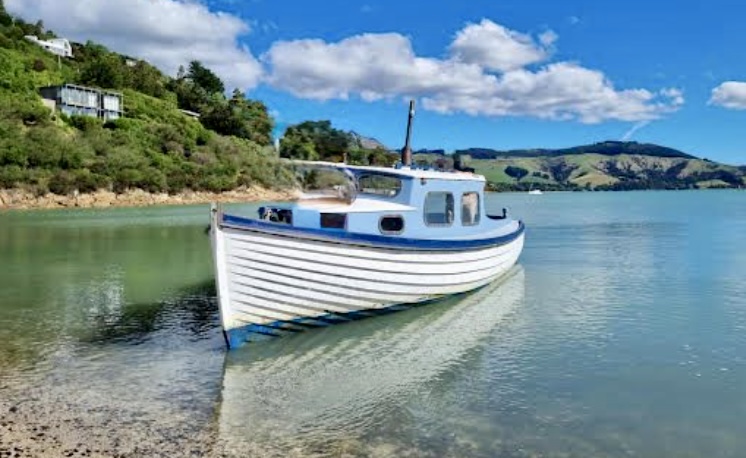
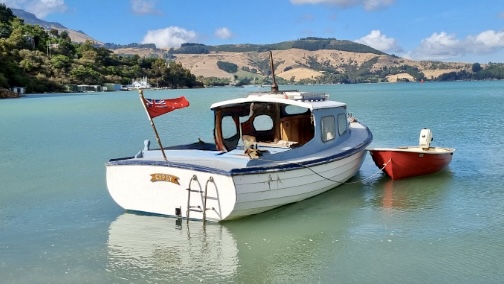
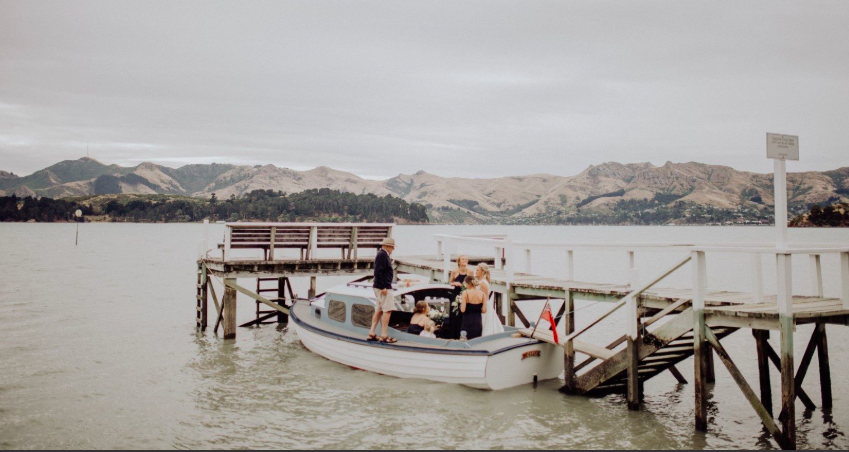
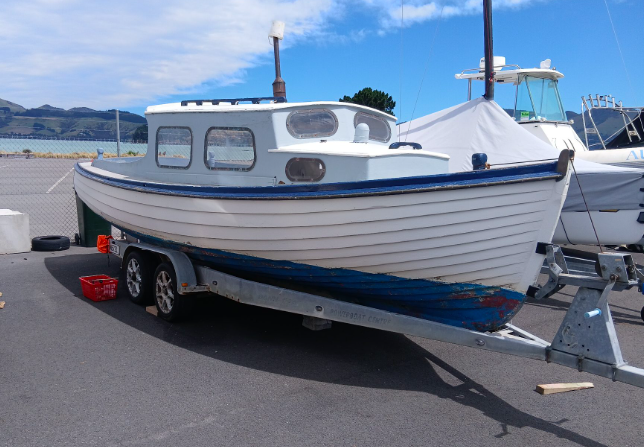
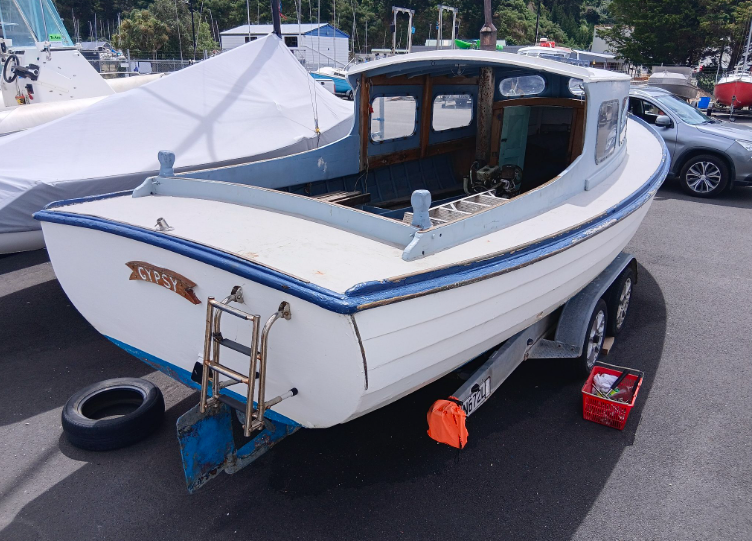
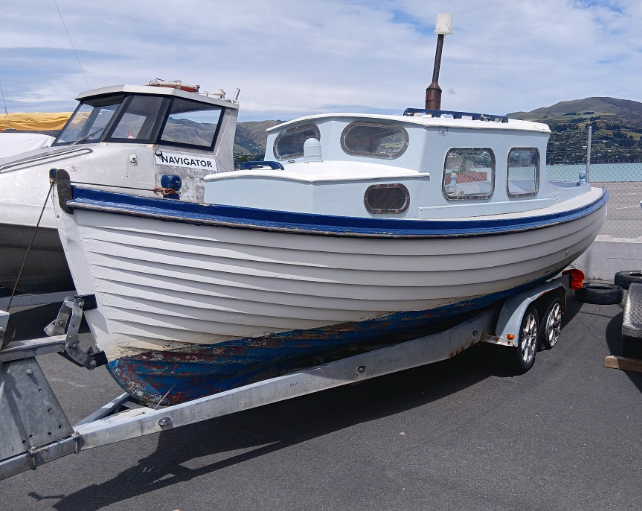
Doing a tme deep dive over the weekend and up popped the 22’ clinker launch – GYPSY. Sure its a project given the recent sinking but at current bidding (4 bids) its $10 and its reached its reverse price.

This 1970 woody comes from the very impressive stable of Lionel Jefcoat, a master craftsman. Read about the man here  https://waitematawoodys.com/2016/03/12/lionel-jefcoat-boatbuilder-wood-craftsman/
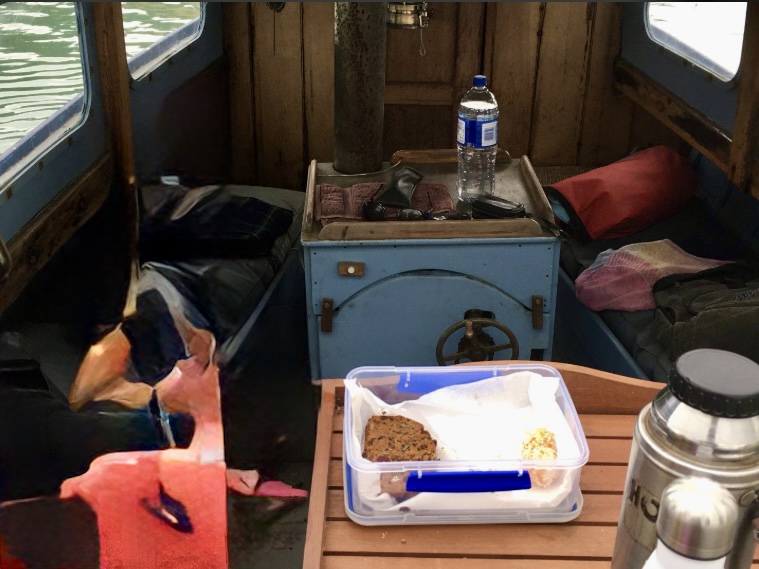
The story is the boat sank on its mooring (not totally submerged) due to a skin fitting failure caused by bad weather .It is sound condition with only a small amount of rot around cabin.the motor was running normally before it sank and was washed down and flushed out within a day of haul out. The photos of GYPSY out of the water were taken after the sinking.

Motor is a 10hp Kelvin P2 diesel. Home is Lyttelton, Canterbury.
Someone one in the Picton Clinker and Classic Boat Club needs to buy her, a perfect additional to the fleet.If she was in Auckland, it would be sitting in my drive by now.Auction close 7pm Friday night.

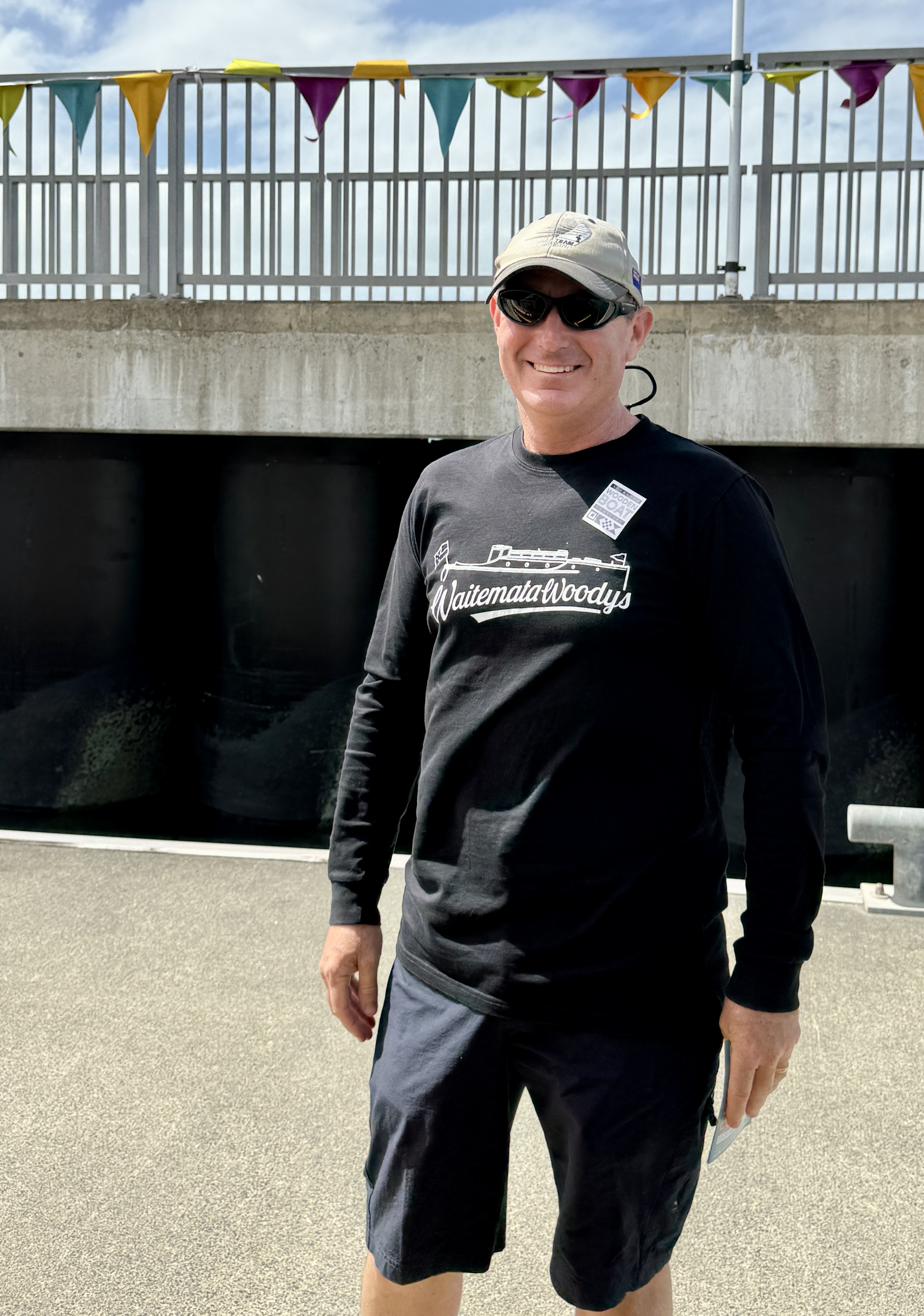
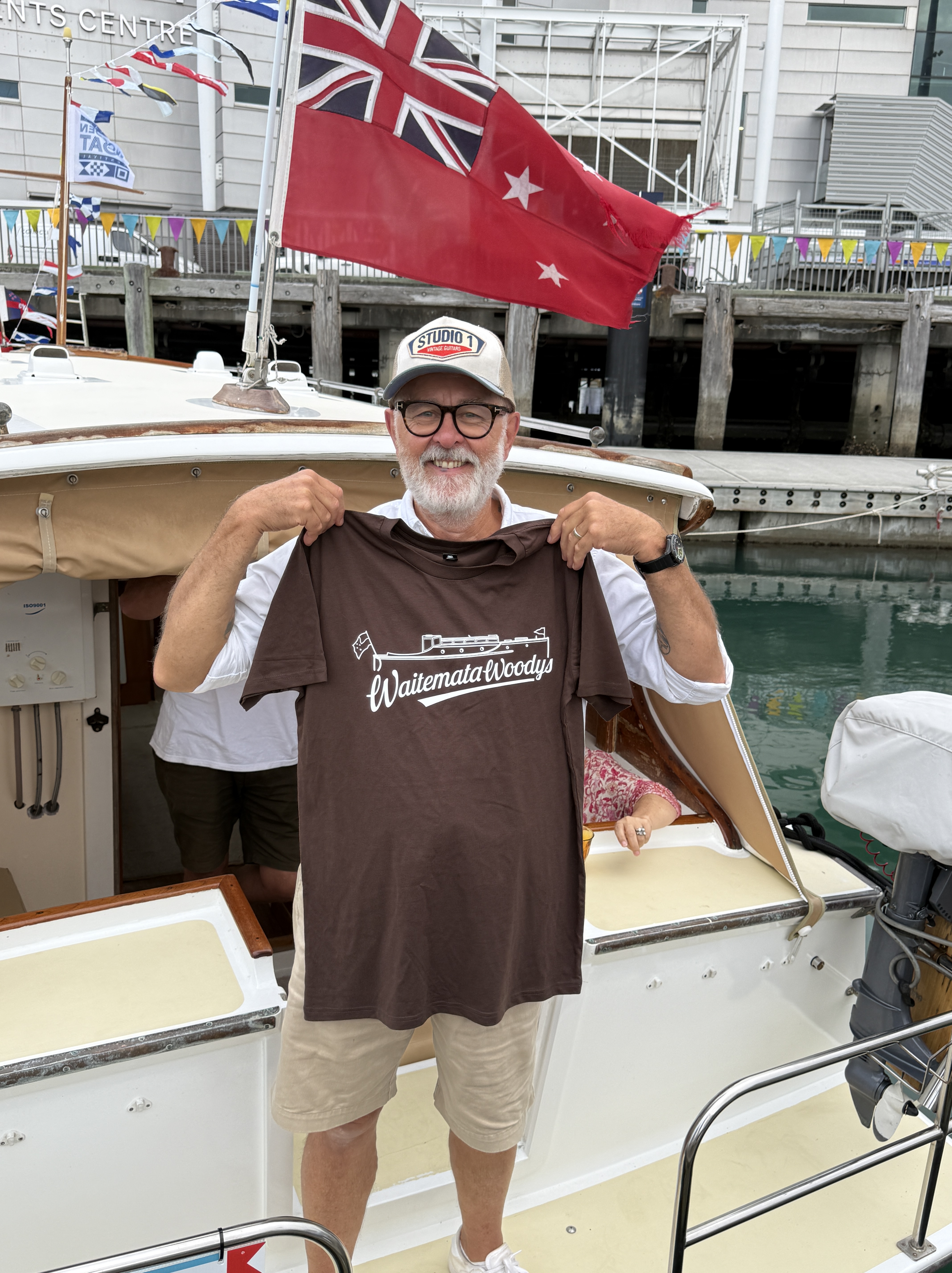
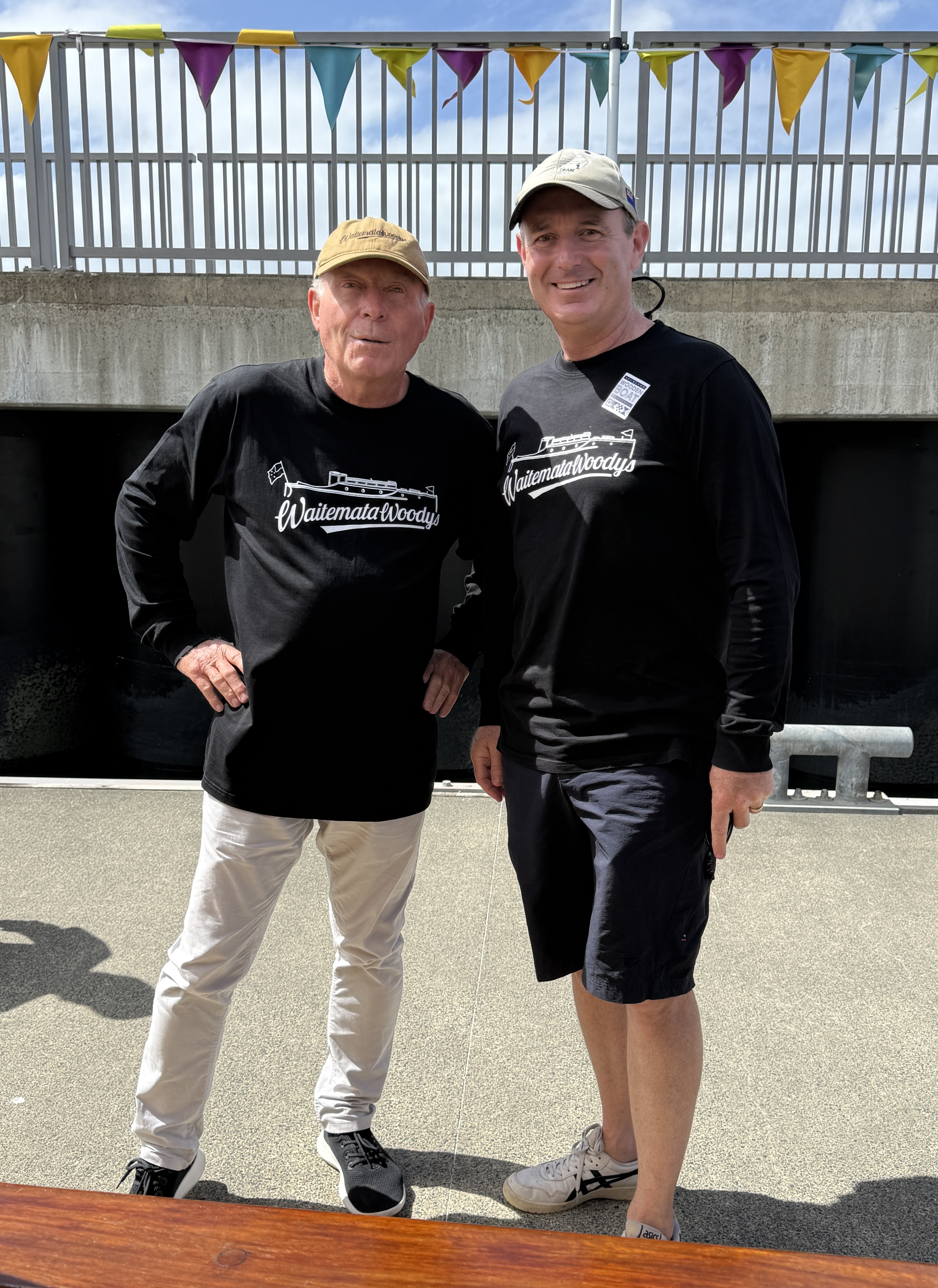
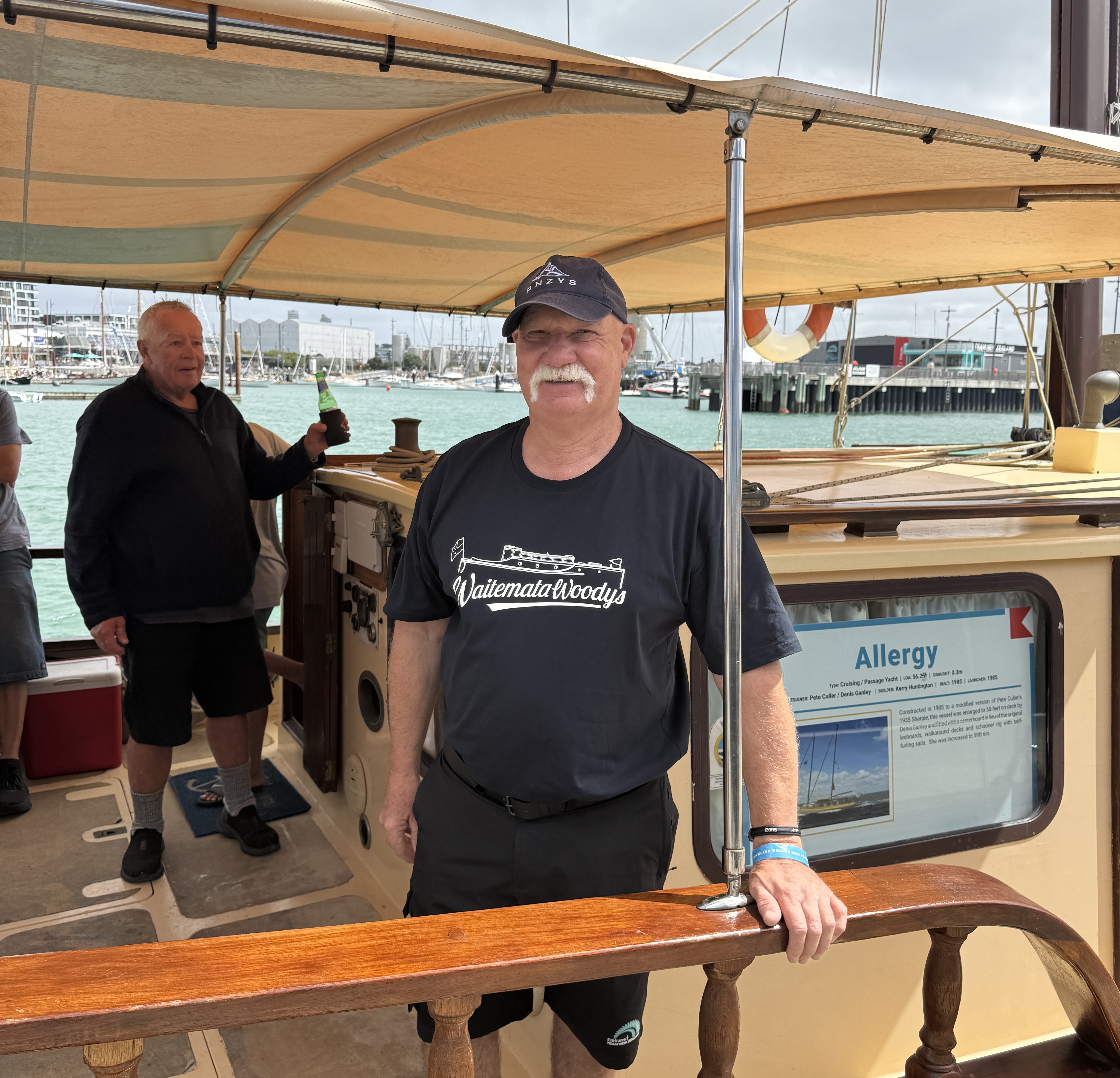
WW MERCHANDISE – IF YOU ARE THINKING OF ORDERING – DO IT NOW B4 STOCK RUNS OUT

SAVING A CLASSIC SEACRAFT RUNABOUT 

SAVING A CLASSIC SEACRAFT RUNABOUT 

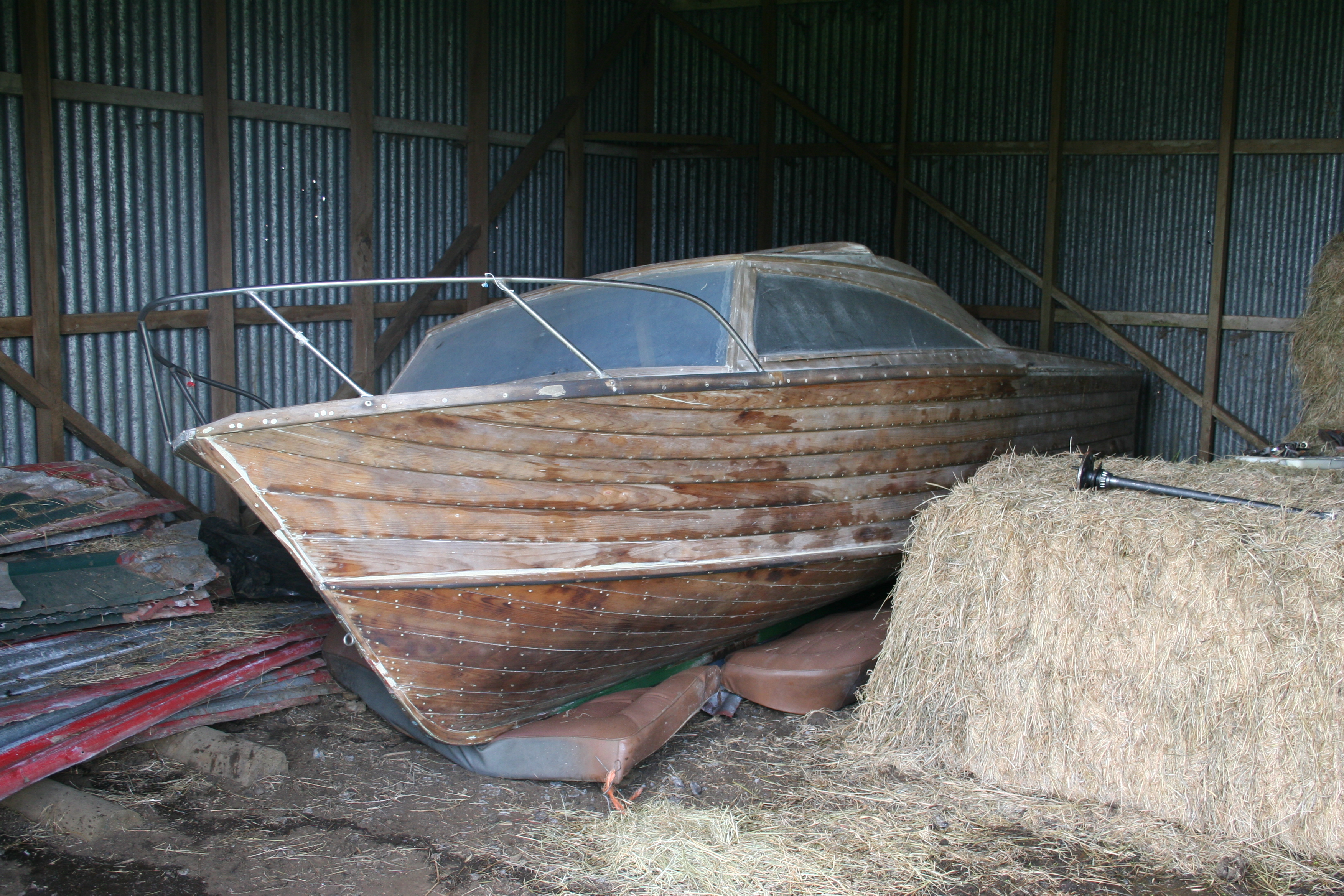
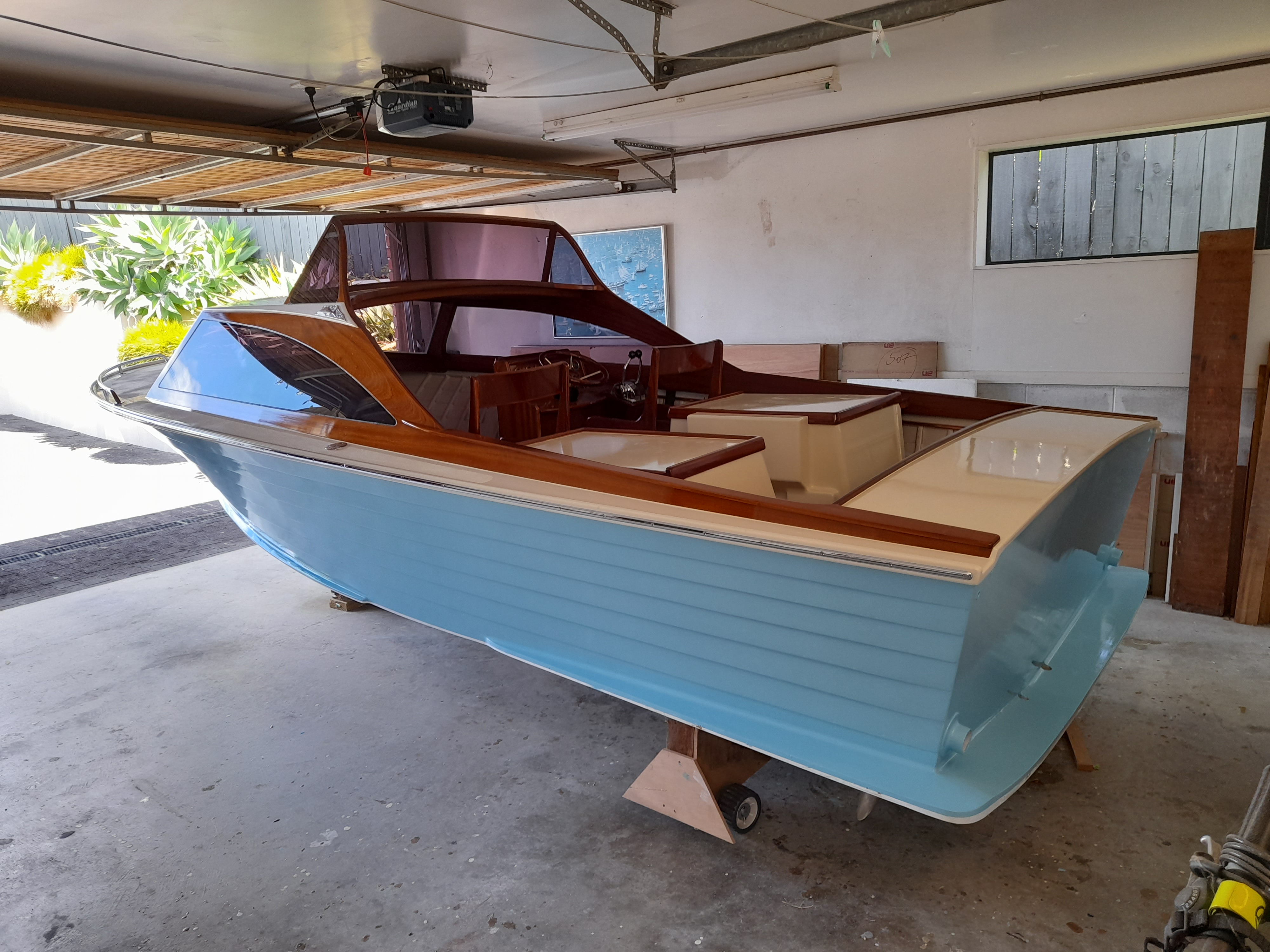
If todays woody was a car the all most blue blood link would double its value. Read below the story sent in by Philip Wilson. 

Philip is keen to talk to anyone with additional info about this boats history.

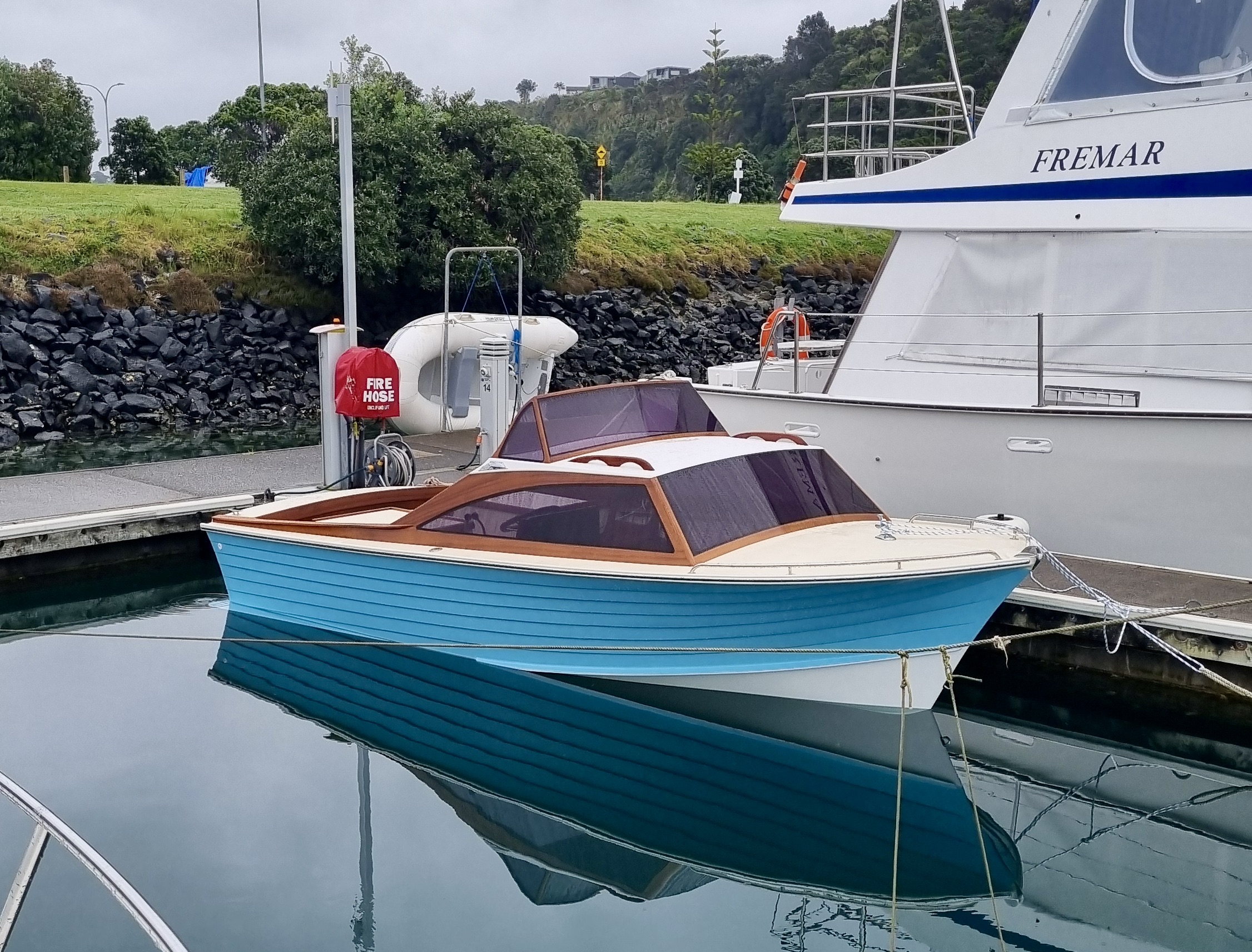
“Back in the 1962 this boat was commissioned as a new build by the Govt Internal Affairs Dept as one of 4-5 Seacraft boats to be used for a visit by the Queen Mother and her party to Lake Taupo. She was to have arrived by Sunderland flying boat and taken ashore in one of these boats and later taken out trout fishing. This visit was unfortunately cancelled I understand due to a health problem

The boat however was a new build, delivered to Taupo and was under the charge of the Head Ranger, Don Maine.

The boat was unique as it was the first hull built to a new modified design with a double skin bottom, a diagonal inner and a fore and aft outer skin rather than the original clinker bottom of the previous boats. This was to give the bottom additional strength to take the power of twin Ford Consul inboard engines.  This info has been confirmed in an email communication to me from Lionel Sands CEO of Seacraft.

How long the boat was in the care of the Ranger, I don’t know or its history until I acquired it.

I acquired this boat via Trade Me after a couple of year’s research to find it in 2005.

The actual structural restoration took 7 years of part time work with a lot of periods of nothing.

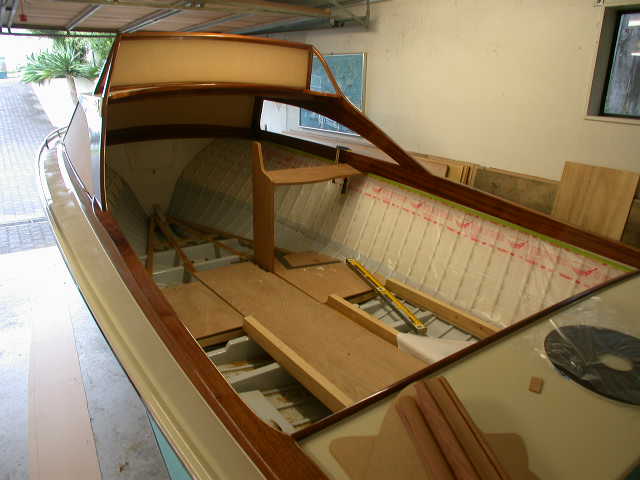
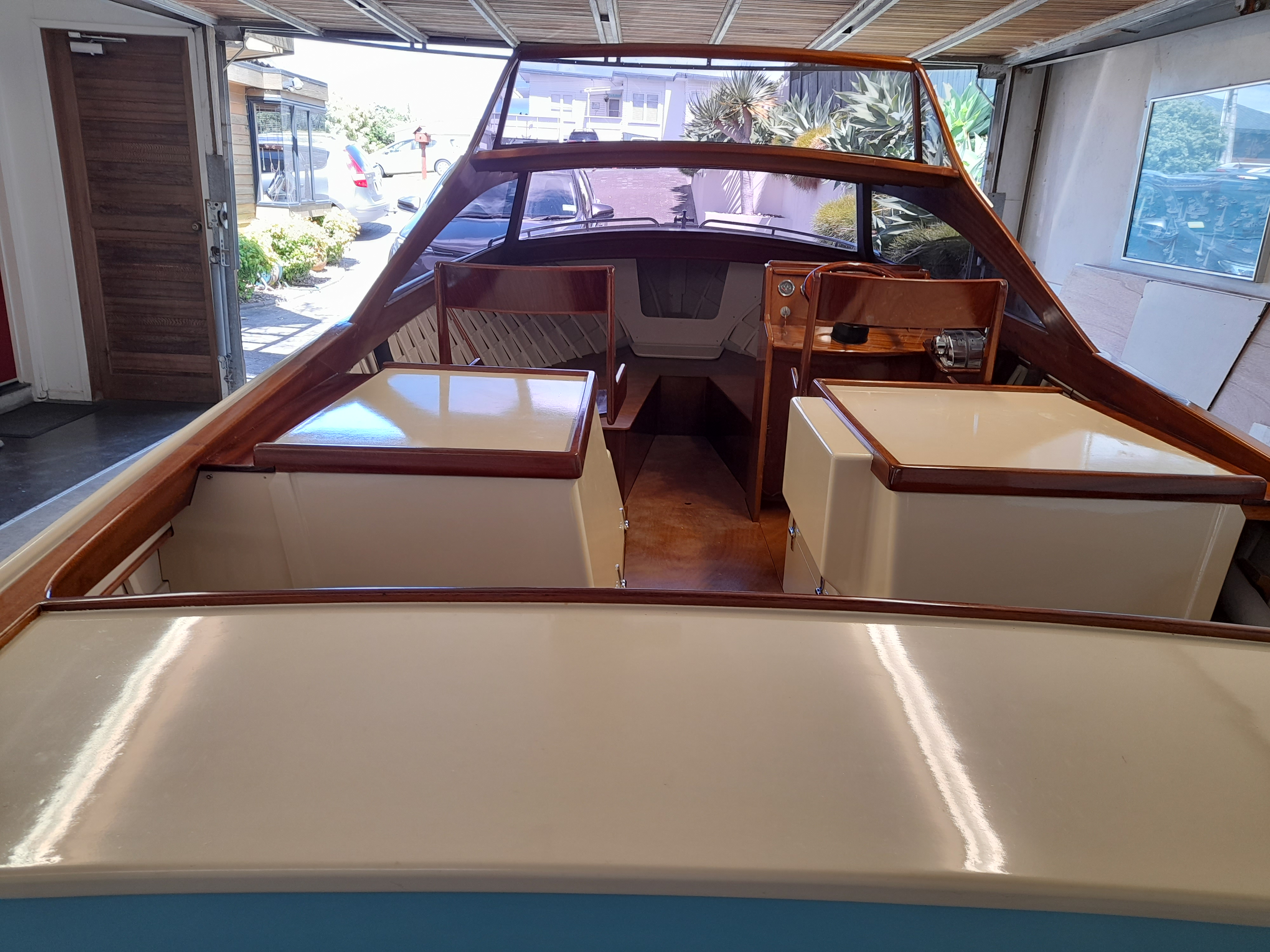
The original cabin and deck were too far gone to be reused but the parts made excellent pattens for the new cabin in Sappele Mahogany.    

Seacraft interiors were very spartan in the day so I adopted a configuration from my days at Fleetcraft Marine in Palmerston North.

The Ford Consul’s no longer existed so I decided to go out on a limb and after extensive research I opted for Toyota Starlet 1300 cc Fuel injected/computer controlled engines of 1996 vintage. These engines are coupled to Hurth 150 V drive boxes. 

Many hours were taken to marinize the engines and custom make all the necessary components to get this installation together.

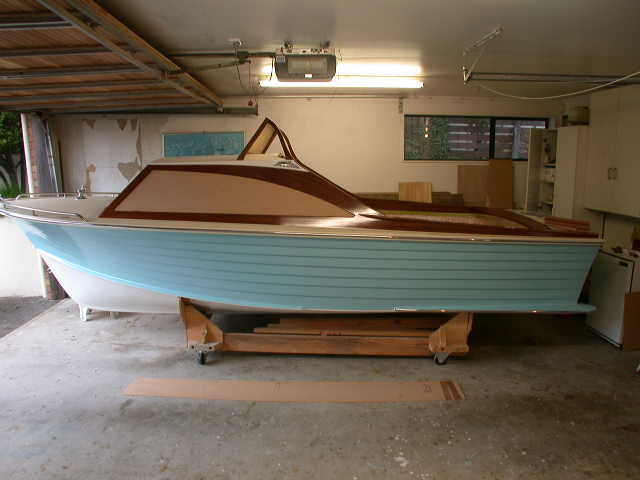
However the end result is a craft that looks good, retains its original classic lines and is functional and has reliable engineering. The engines have been professionally tuned and adapted for marine use.

Late Nov 2025 I completed to final sea trial with the engines running very quietly and achieving 27 kns at 4500 rpm which is the planned max cruising speed.”

UPDATE ex ALAN CRAIG (Craig Marine) Alan has the other two boats referred to above. 

CLASSIC LIDGARD LAUNCH MONTEREY GETS A BIRTHDAY

2013

CLASSIC LIDGARD LAUNCH MONTEREY GETS A BIRTHDAY

The 1946 Lidgard built 32’ classic wooden launch MONTEREY has been a regular member of my boating inner circle over the last 20 years of classic boating. 

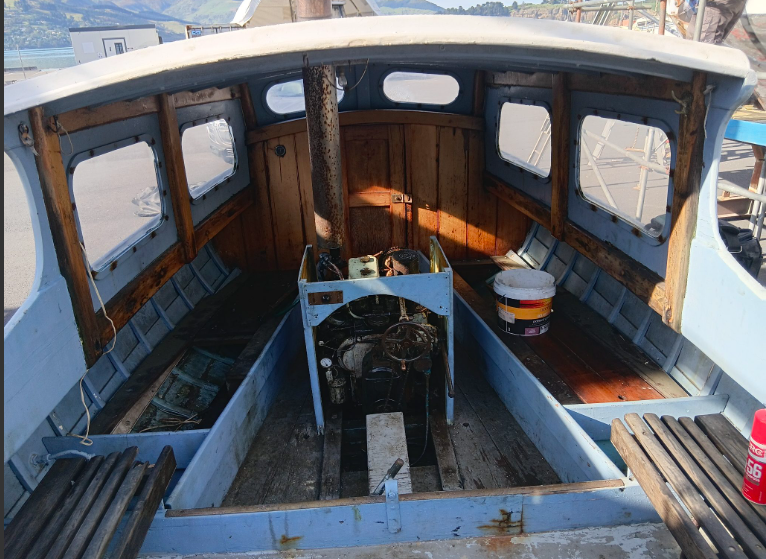
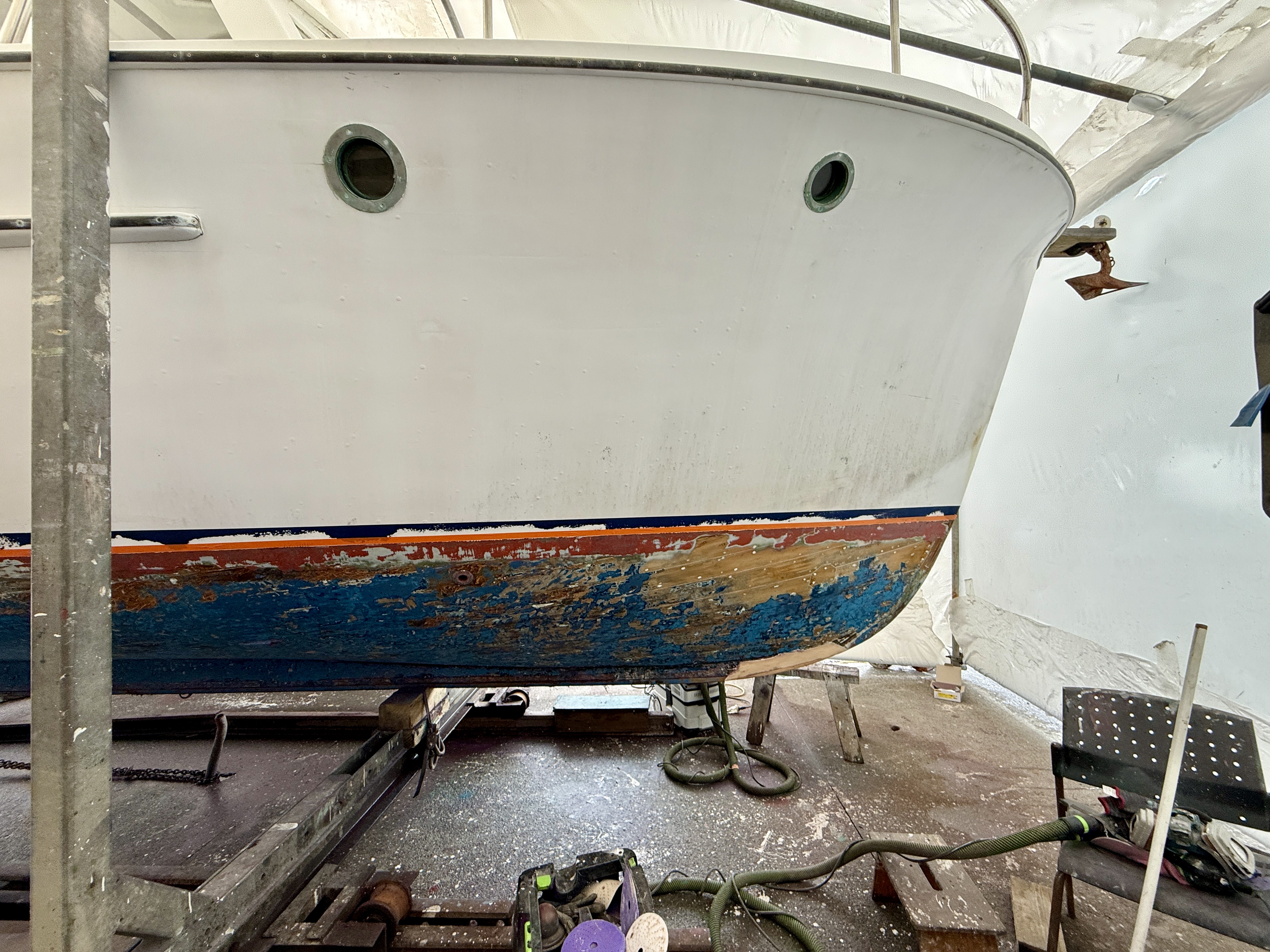
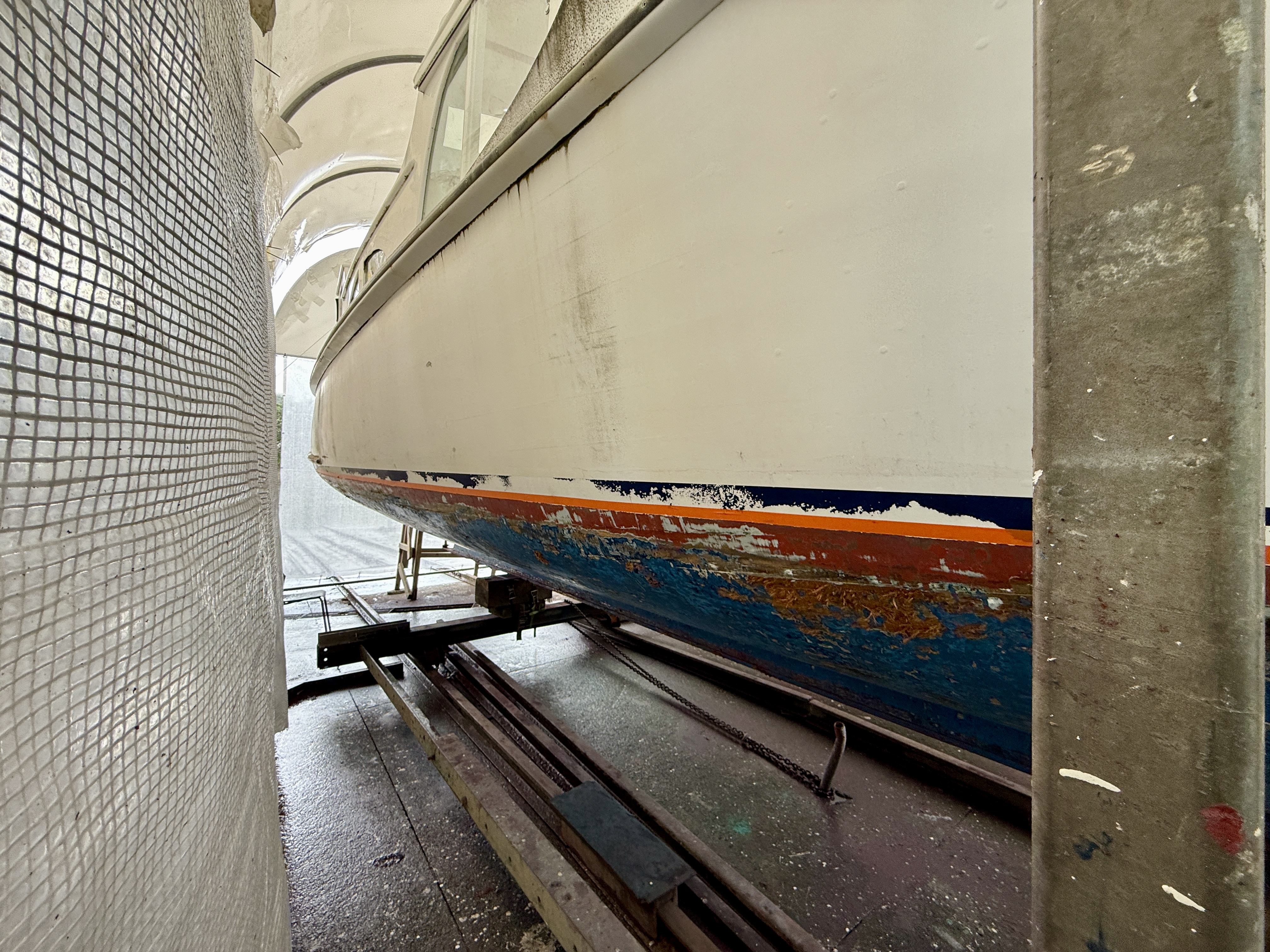
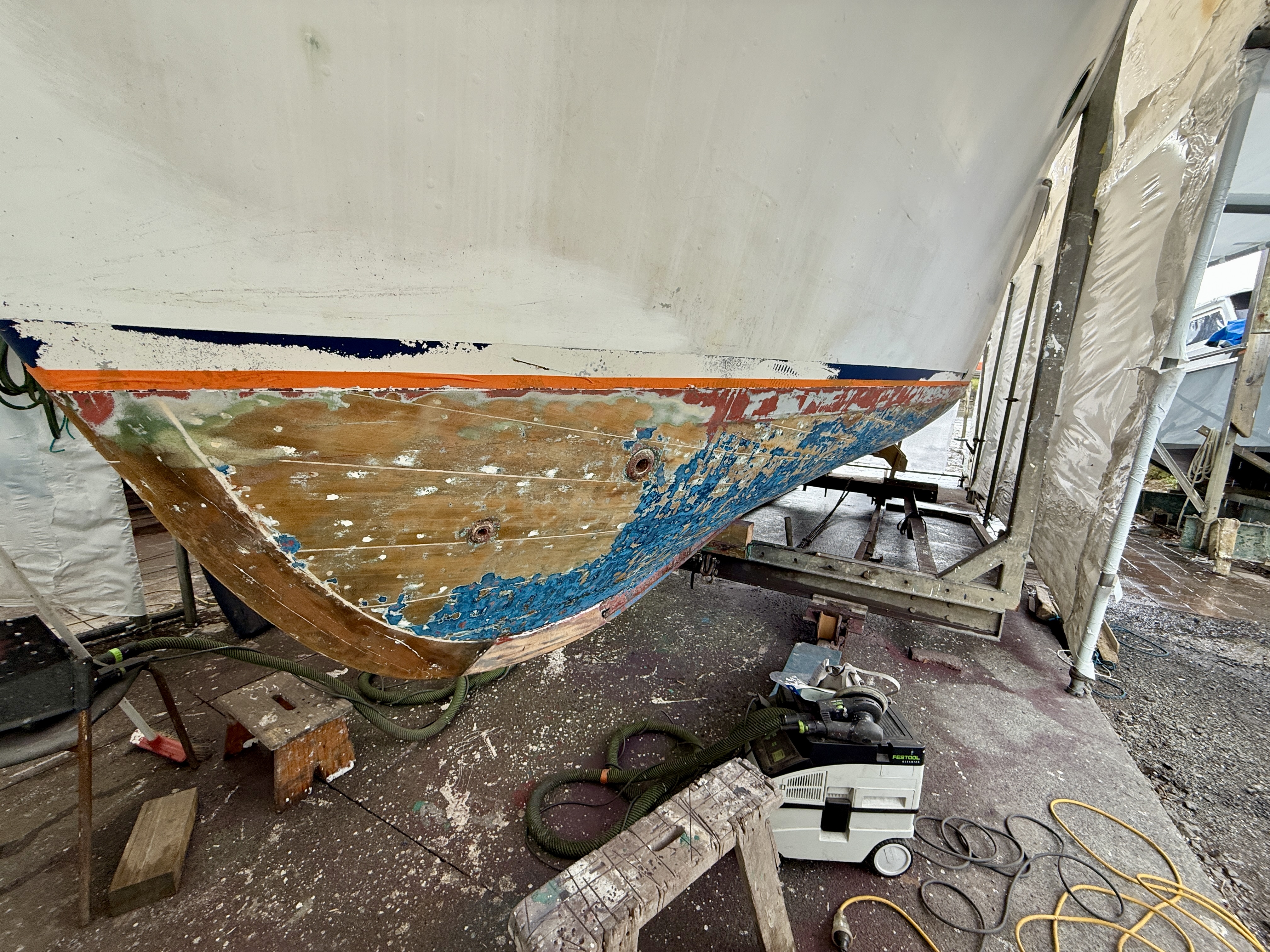
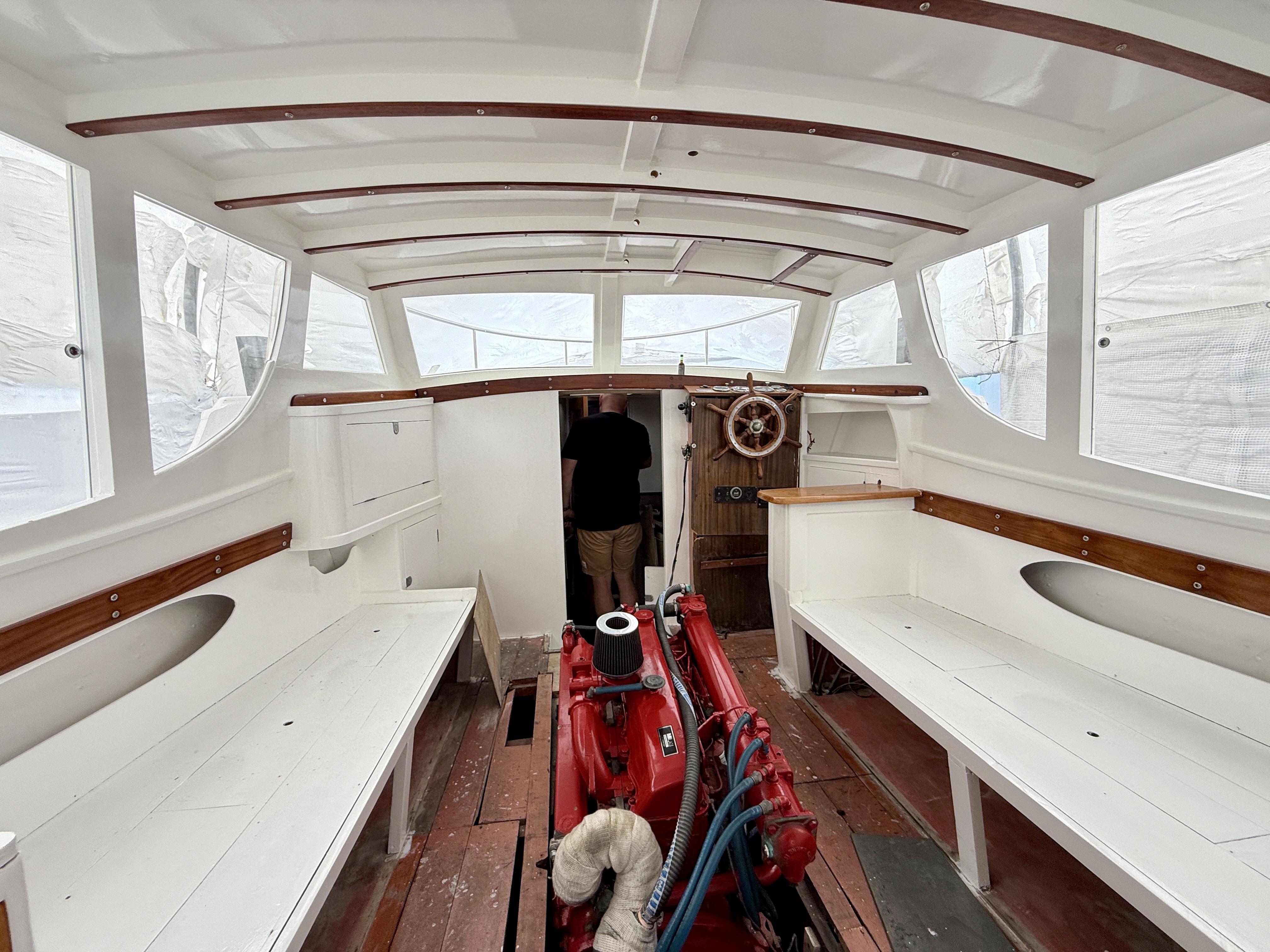
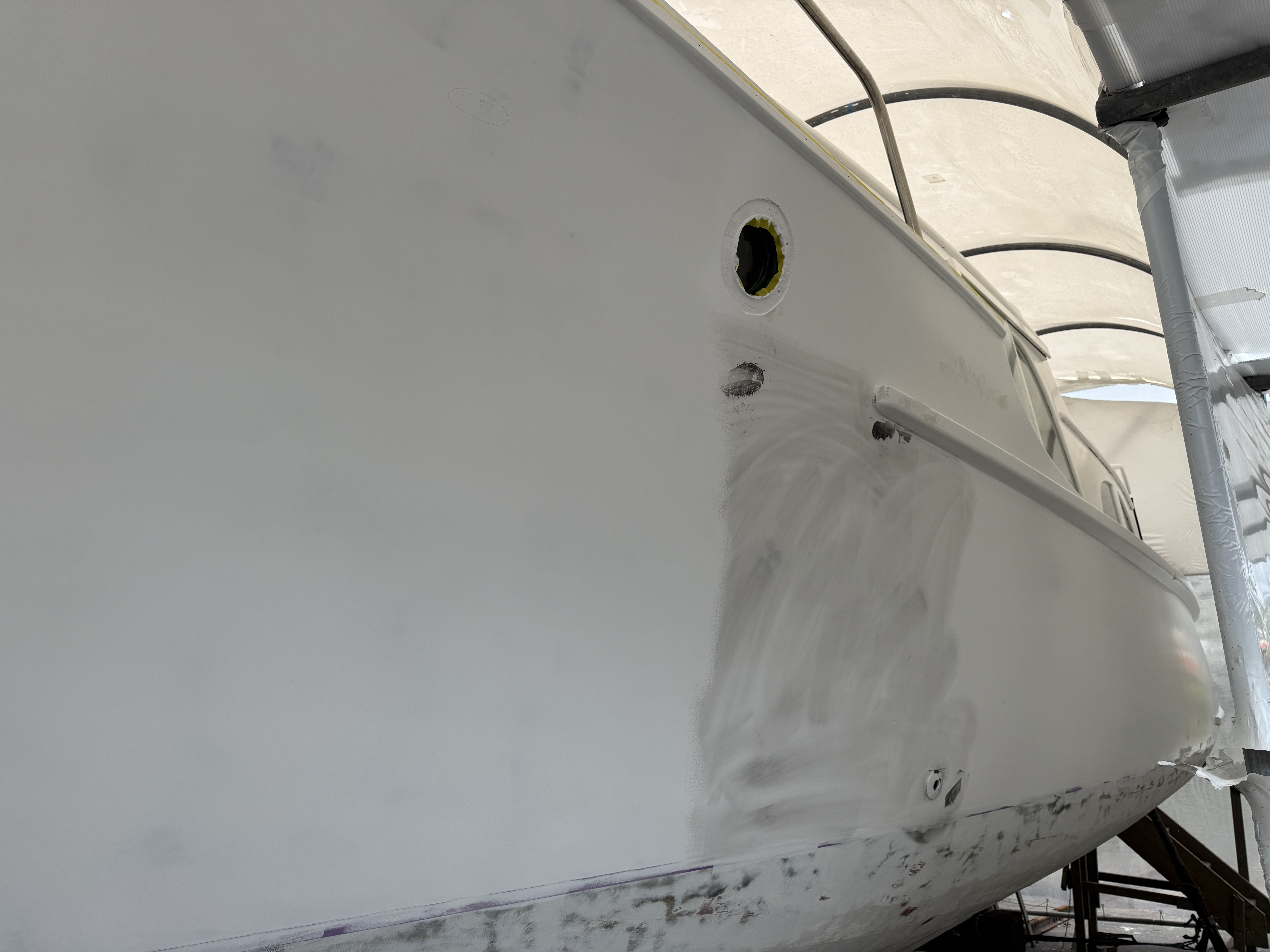
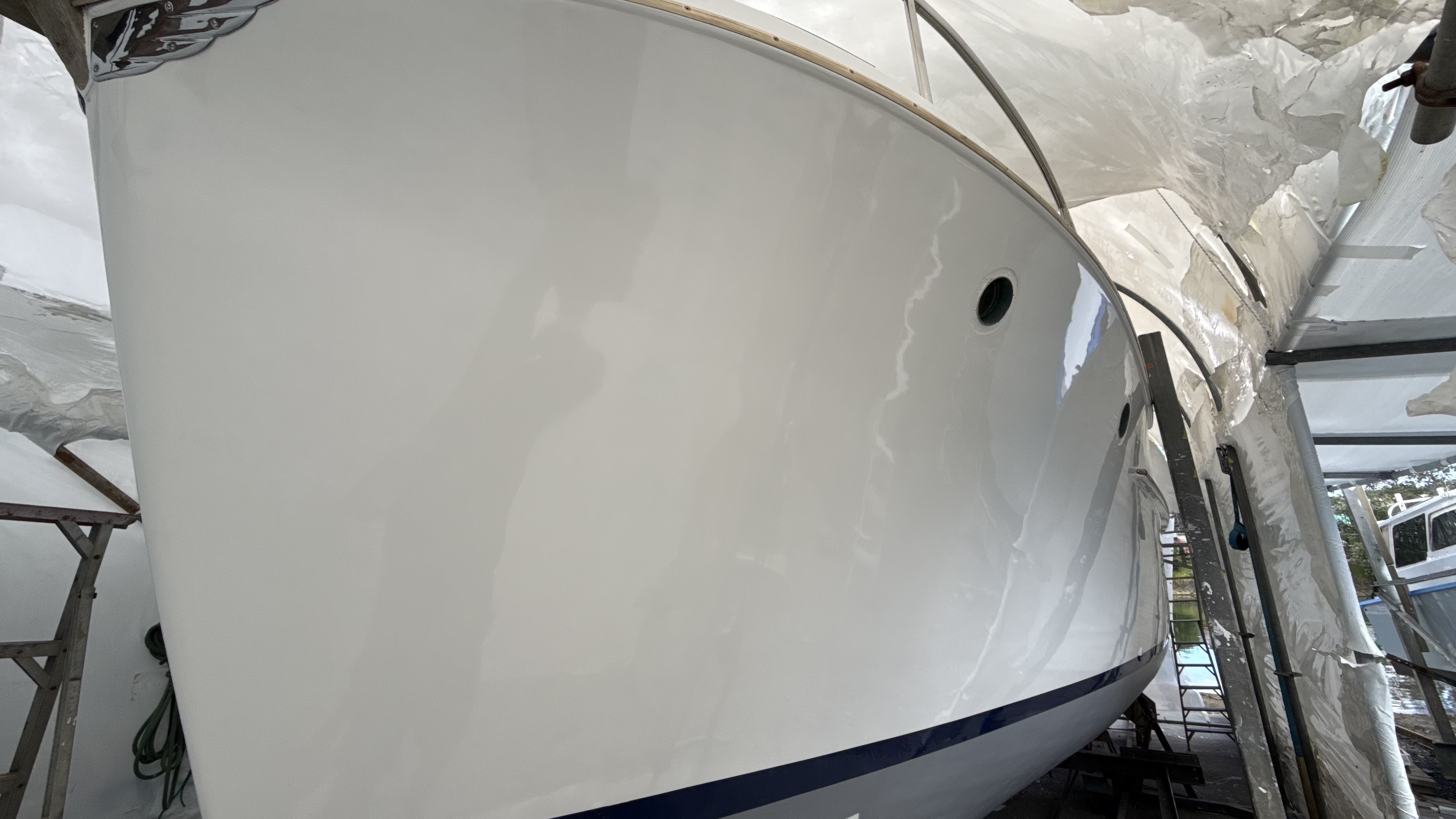
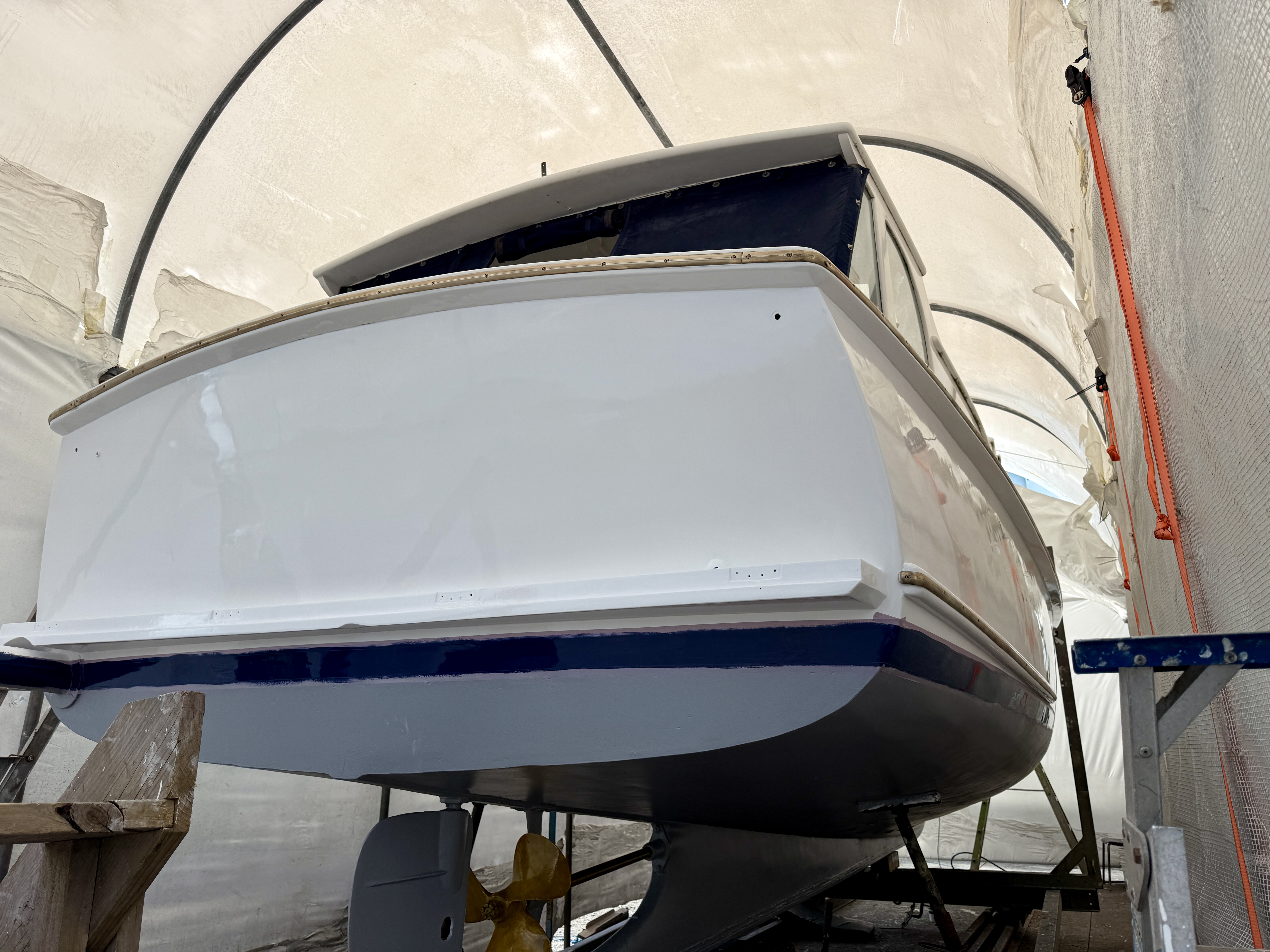
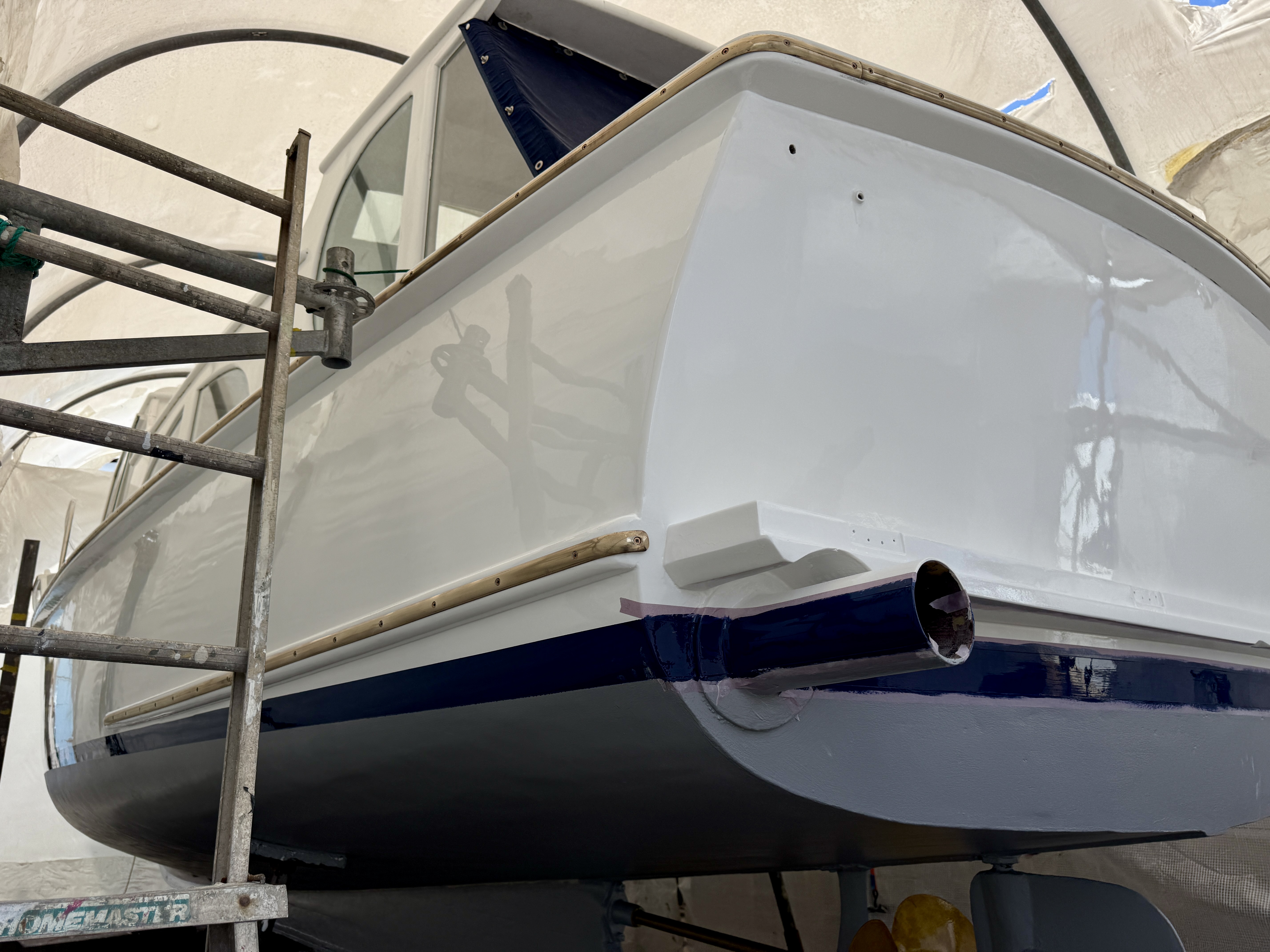
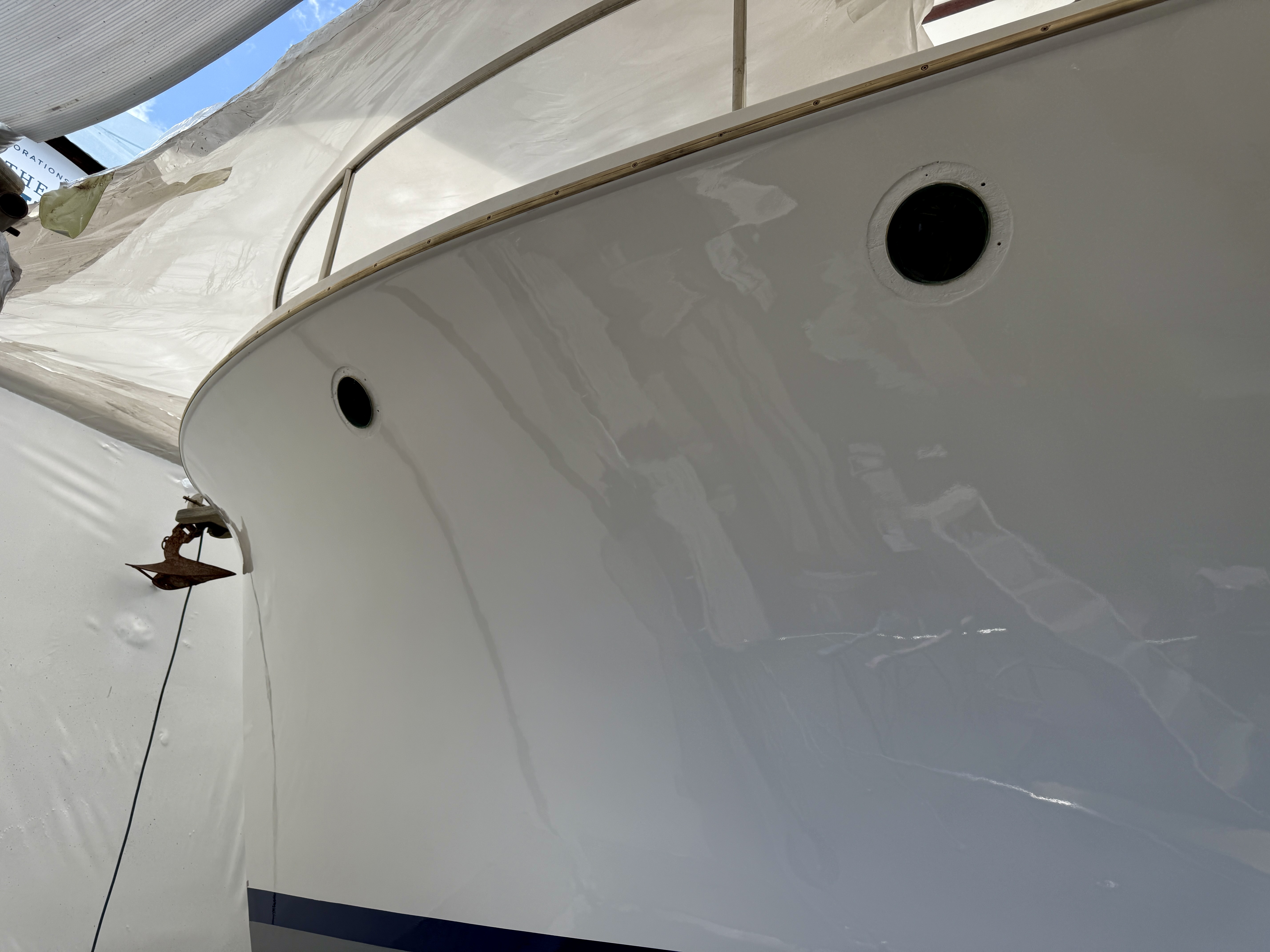
MONTEREY changed hands last year and over winter has been getting a refresh down below. Relax the above photos may appear a tad ‘refrigerator’ in colour but most of the timber trim and furnishing have been removed so the next photos we share she will look smarter.

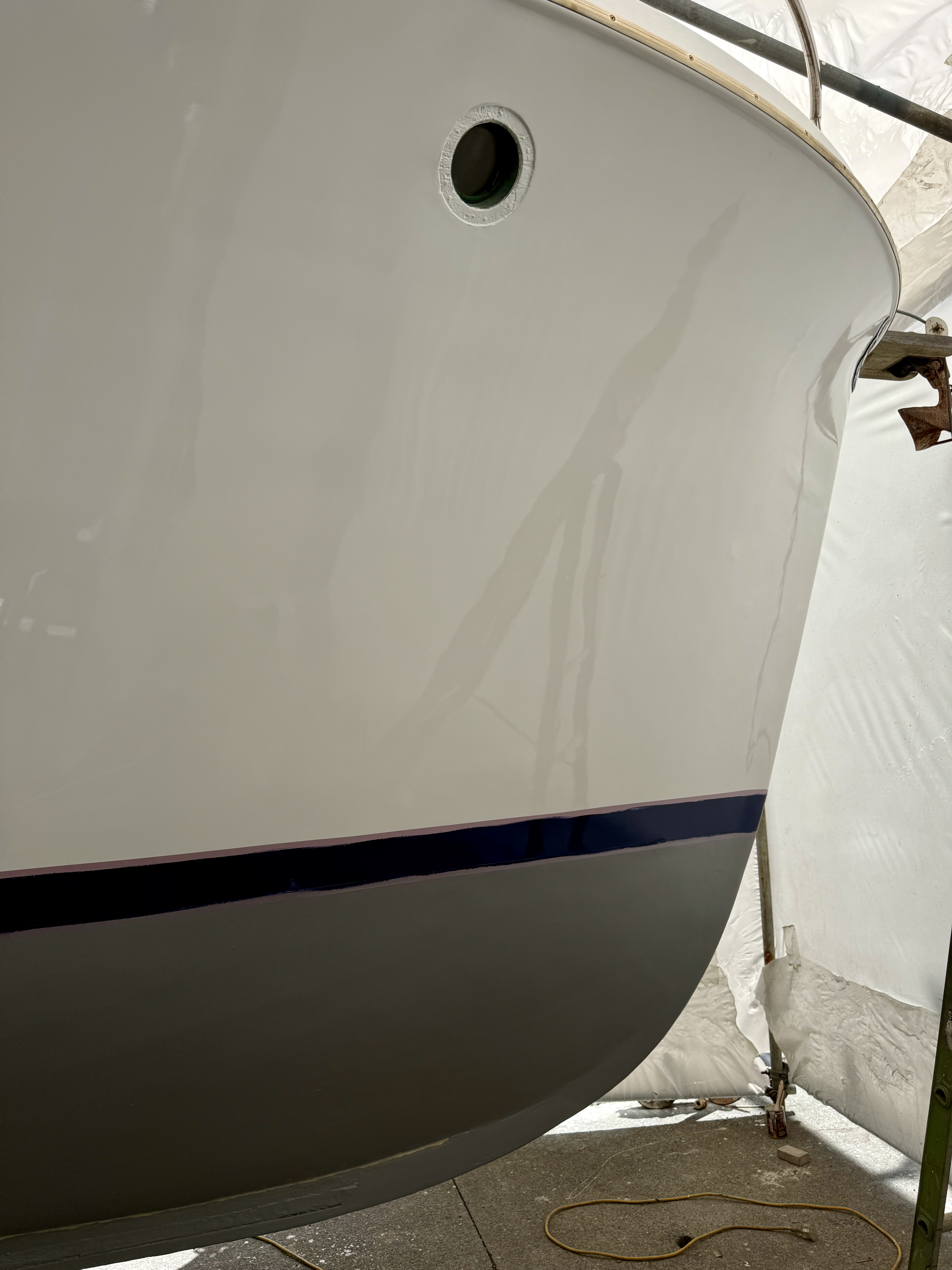
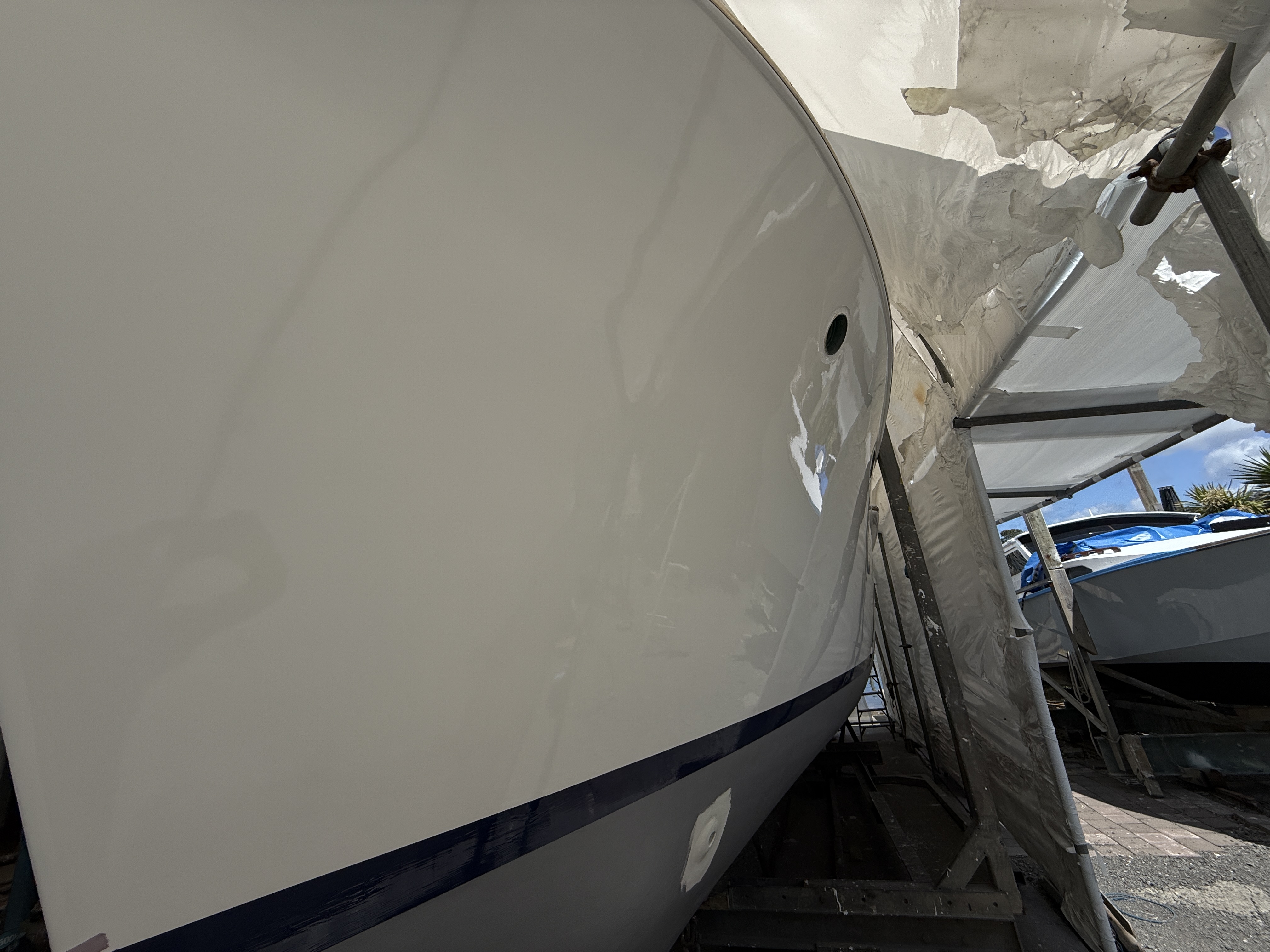
Monterey is currently hauled out at the Slipway Milford for a Jason Prew Paint Job (JPPJ) and removing the decades of built up antifoam from her bottom. While out some of the systems and thru-hulls will be upgraded.

Very happy to see MONTEREY getting the TLC she deserves and hopefully more photos soon.

Two of my favourite MONTERY photos from the past below ❤️ (The stern signage was ex me having a quiet day in the studio)

UPDATE – Final coats of the Jase Prew Pint Job

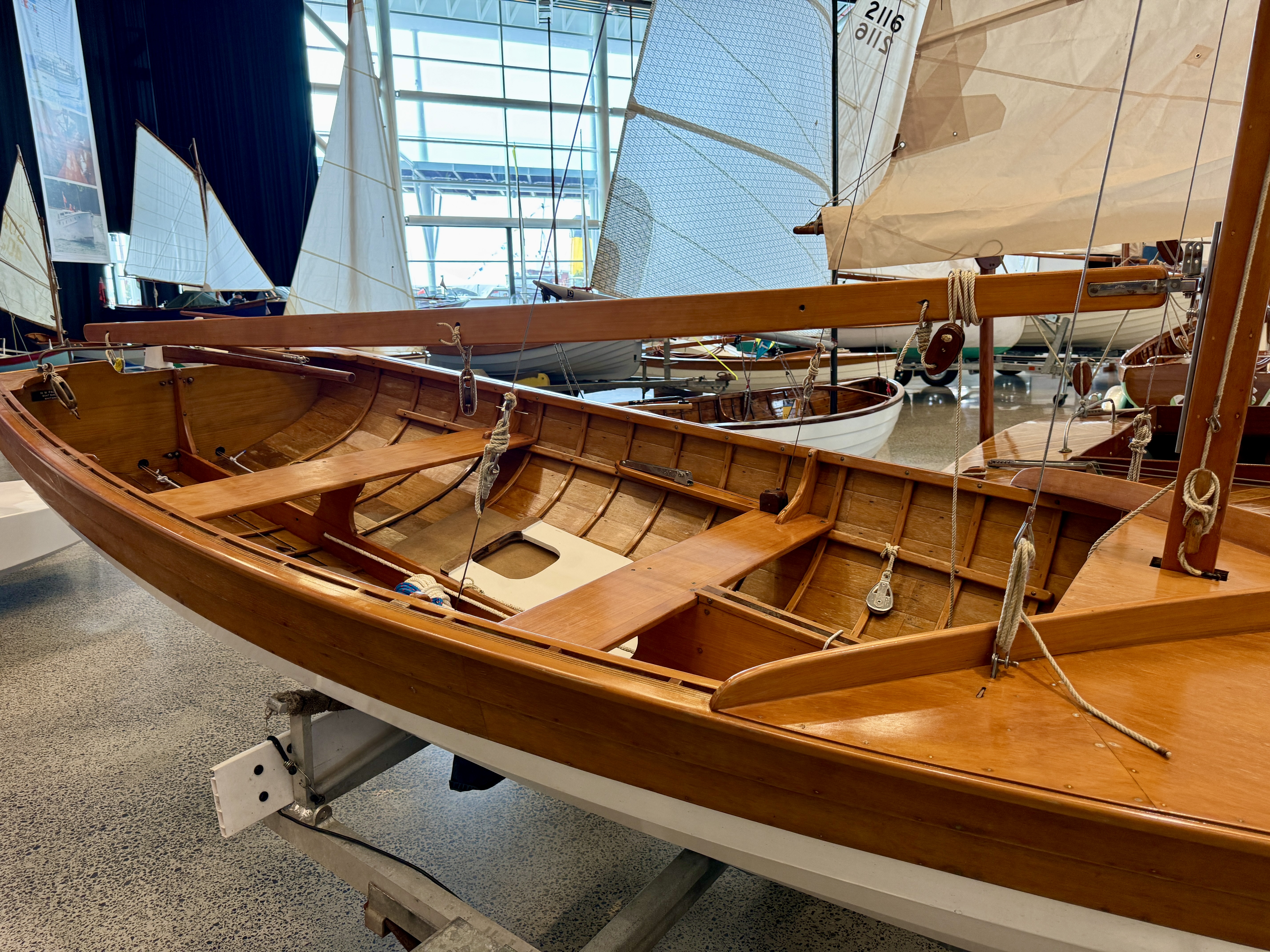
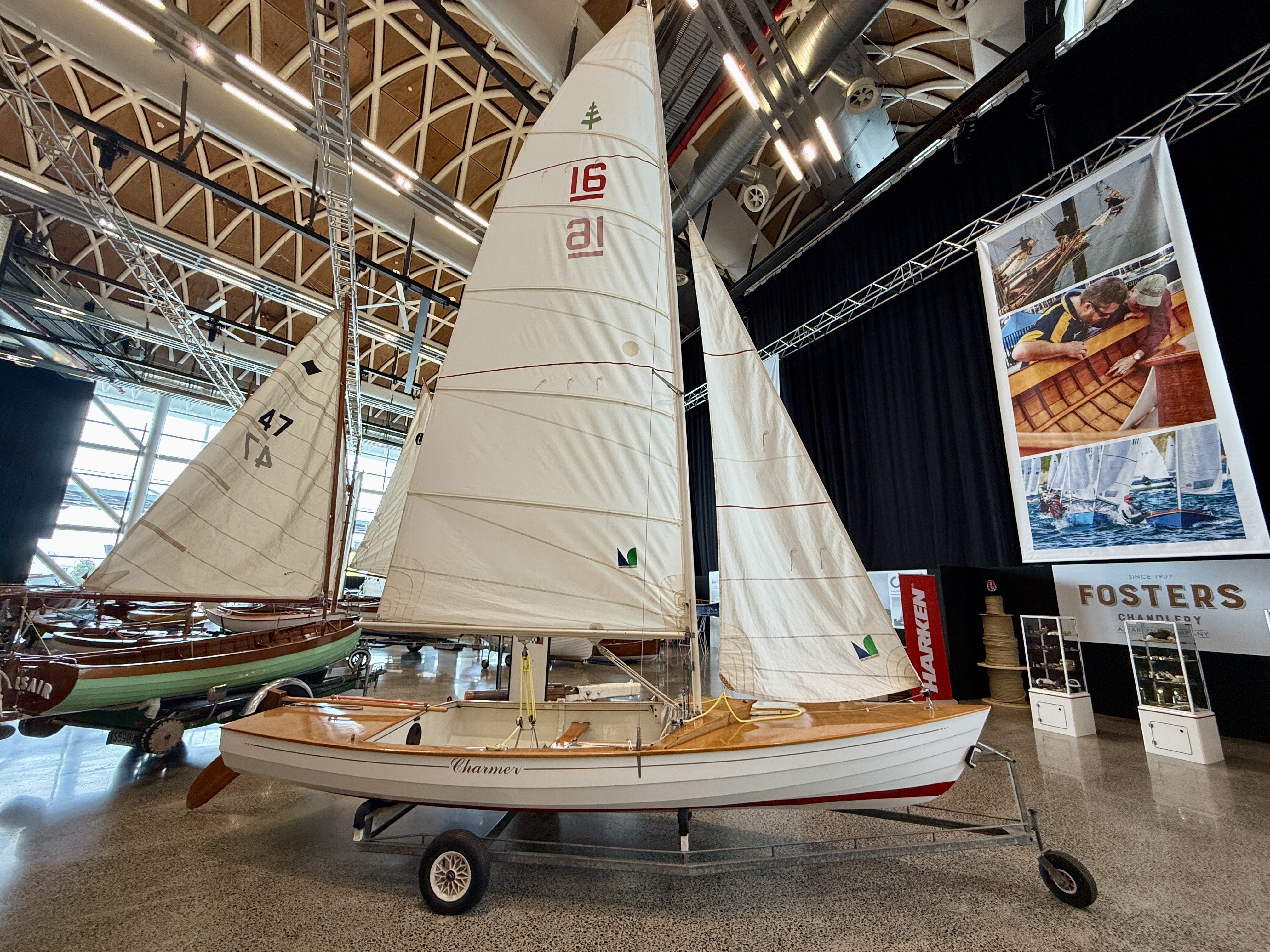
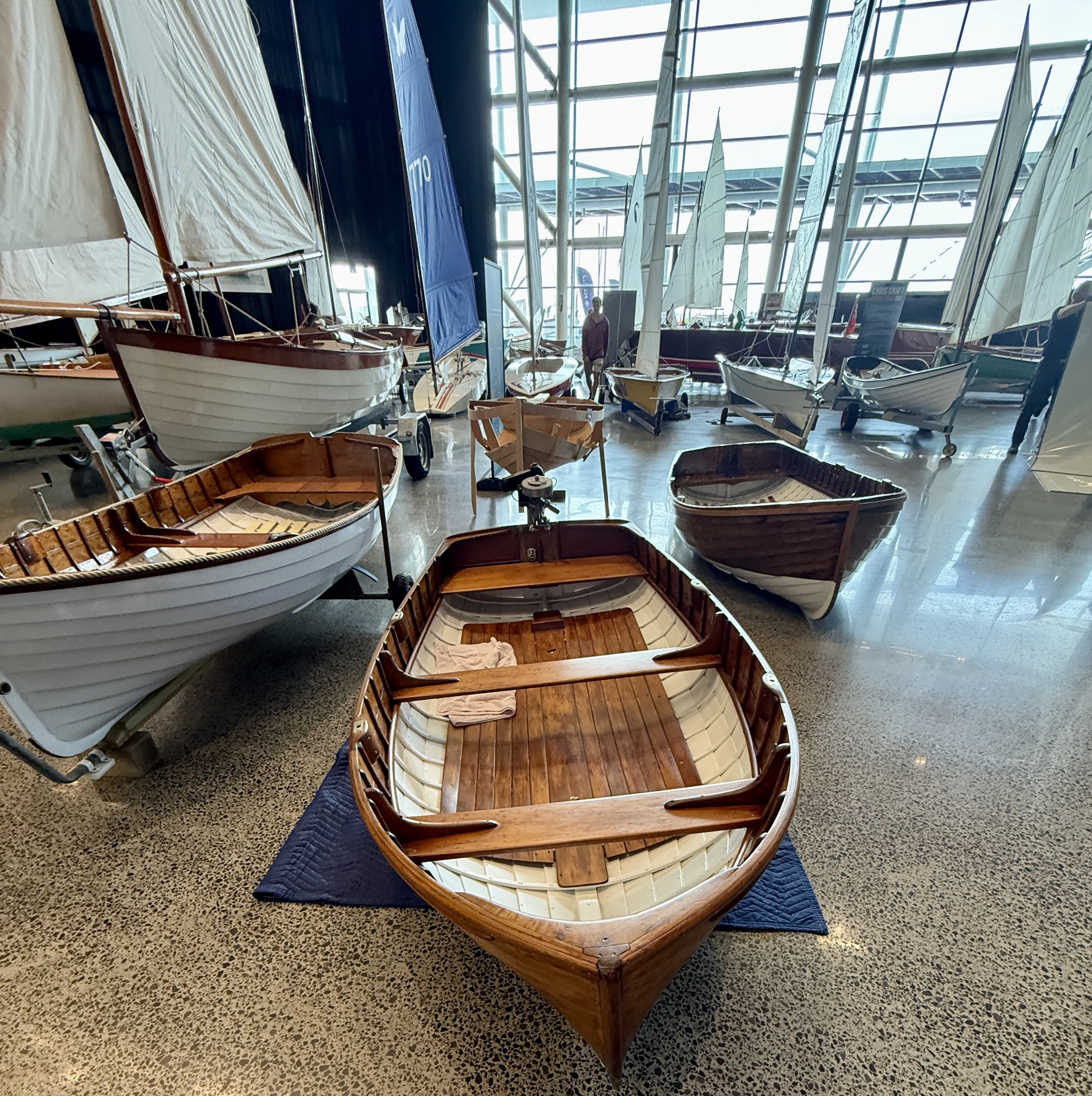
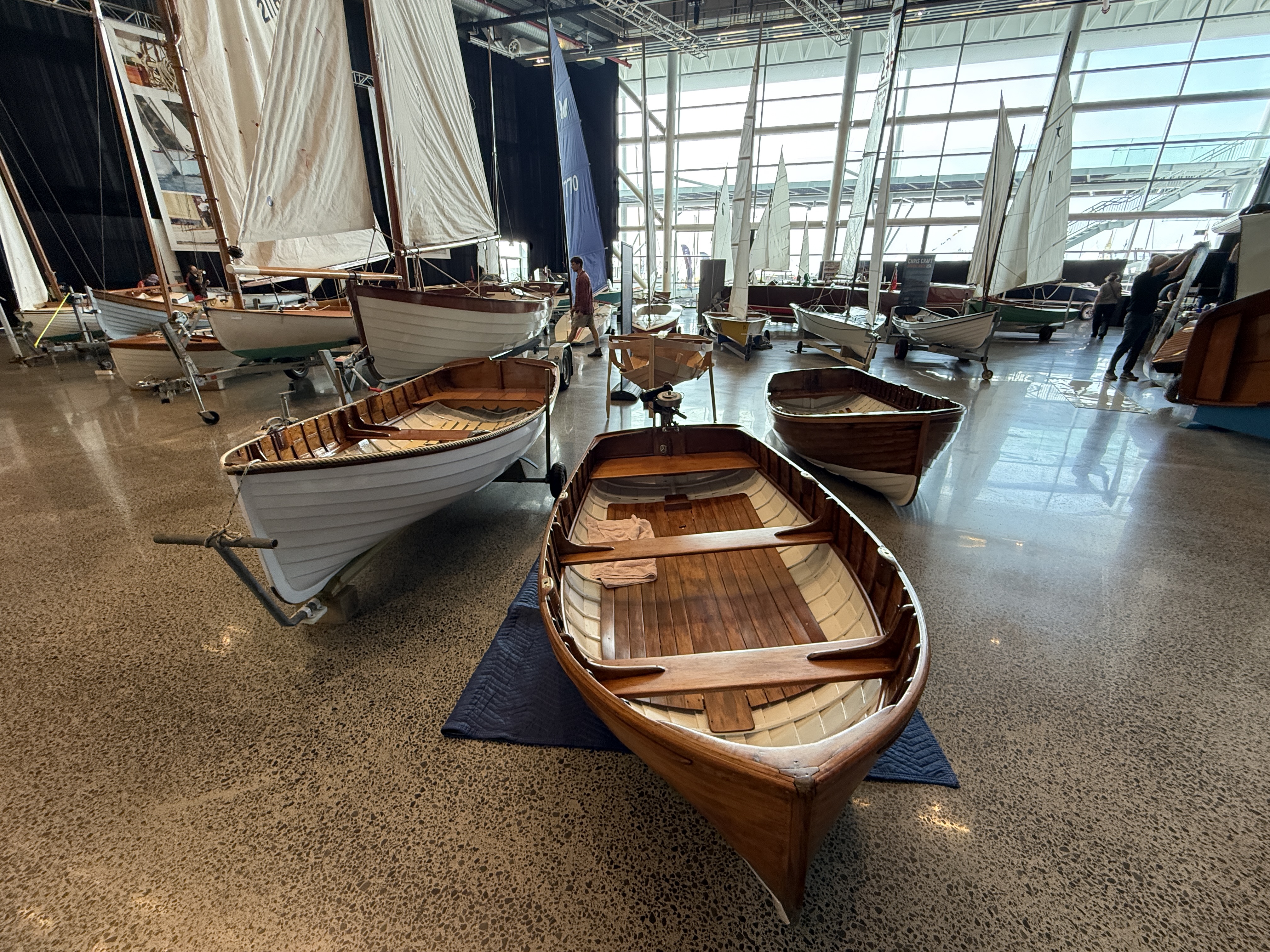
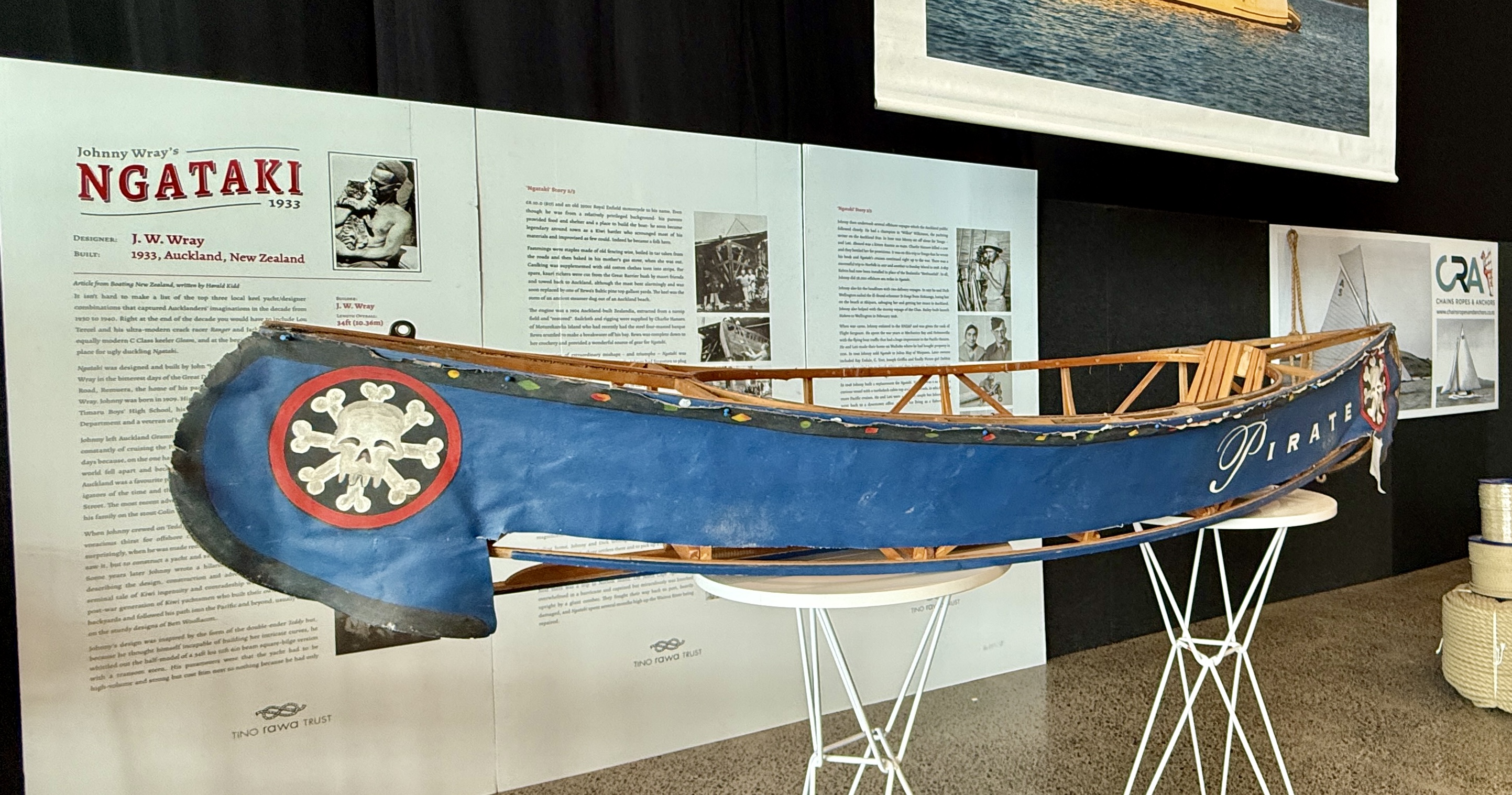
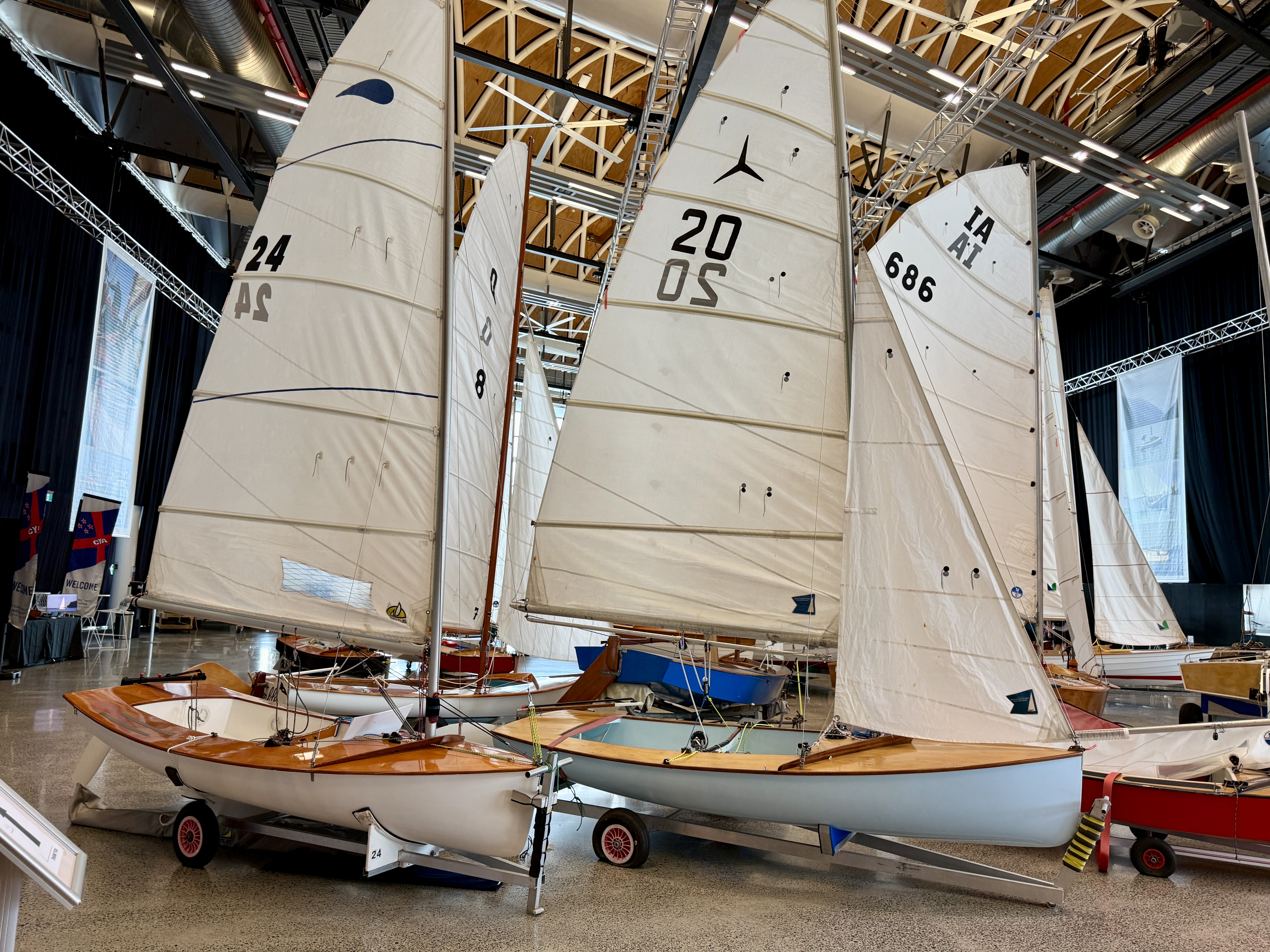
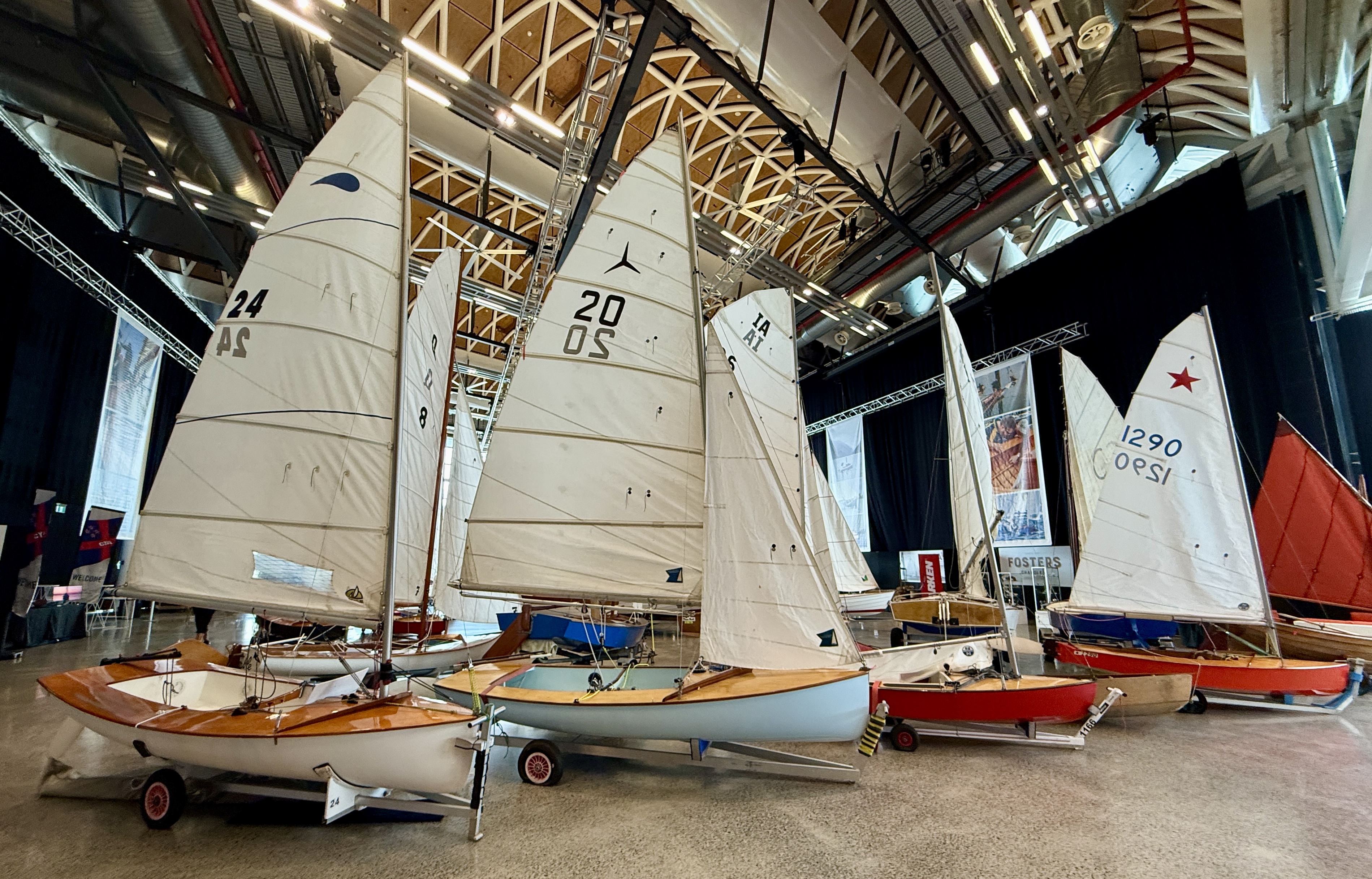
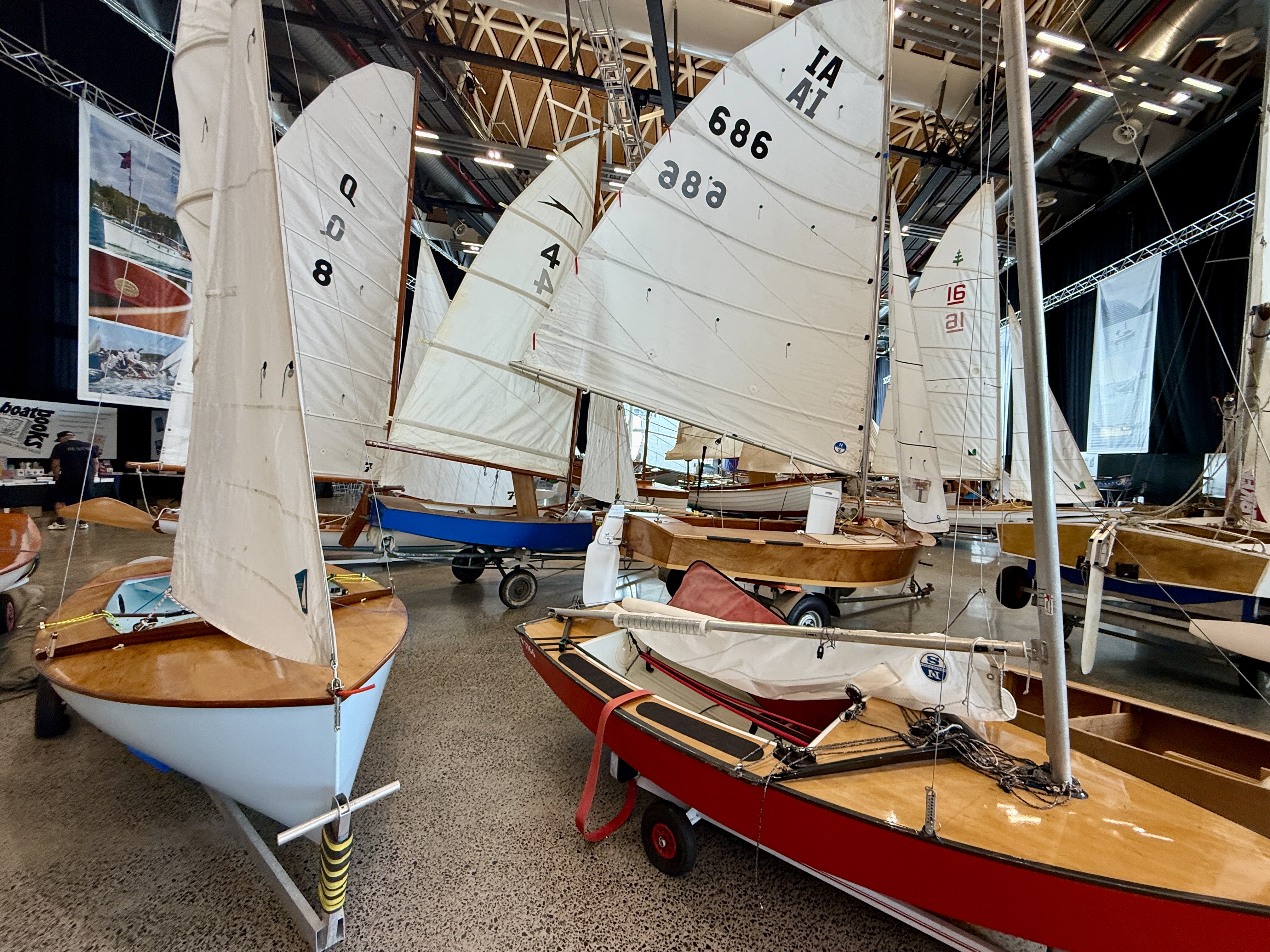
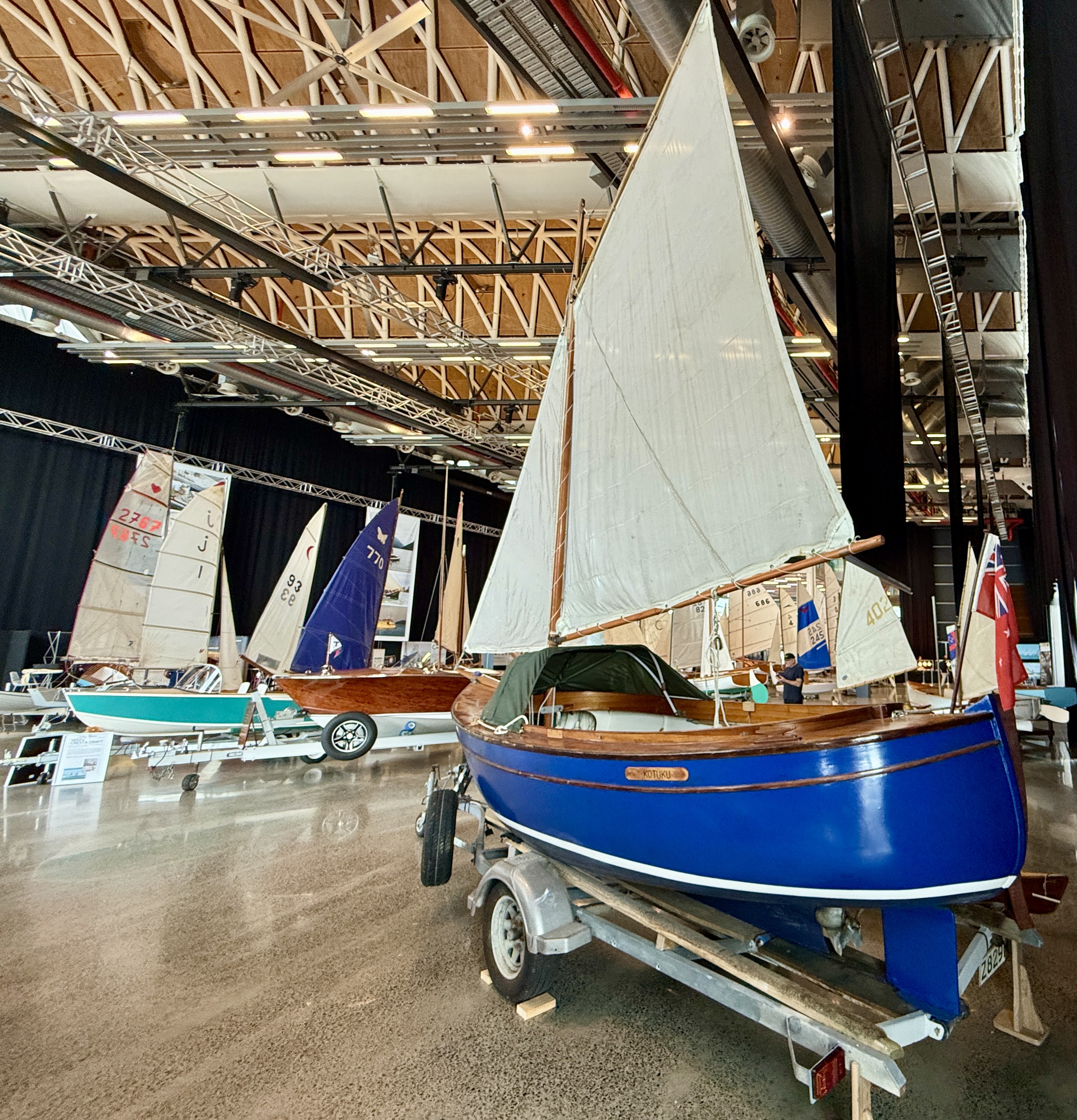
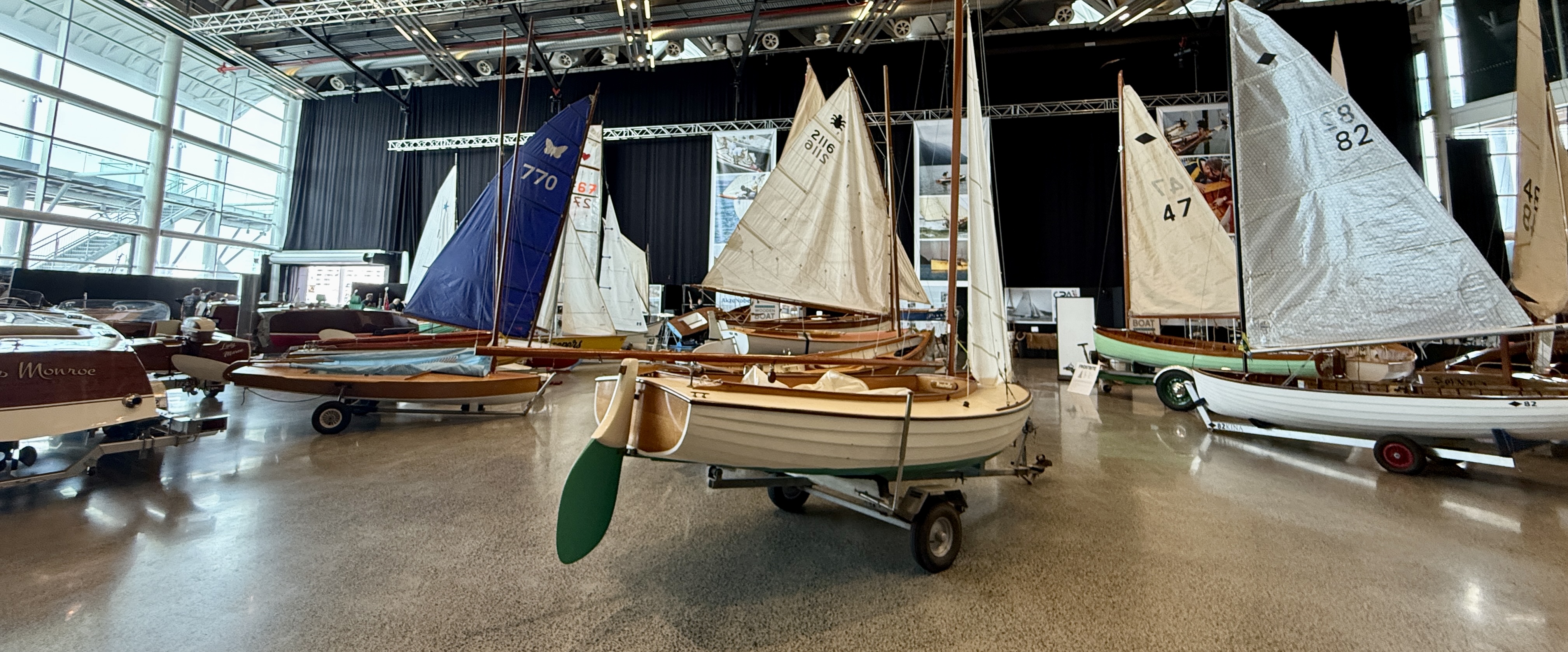
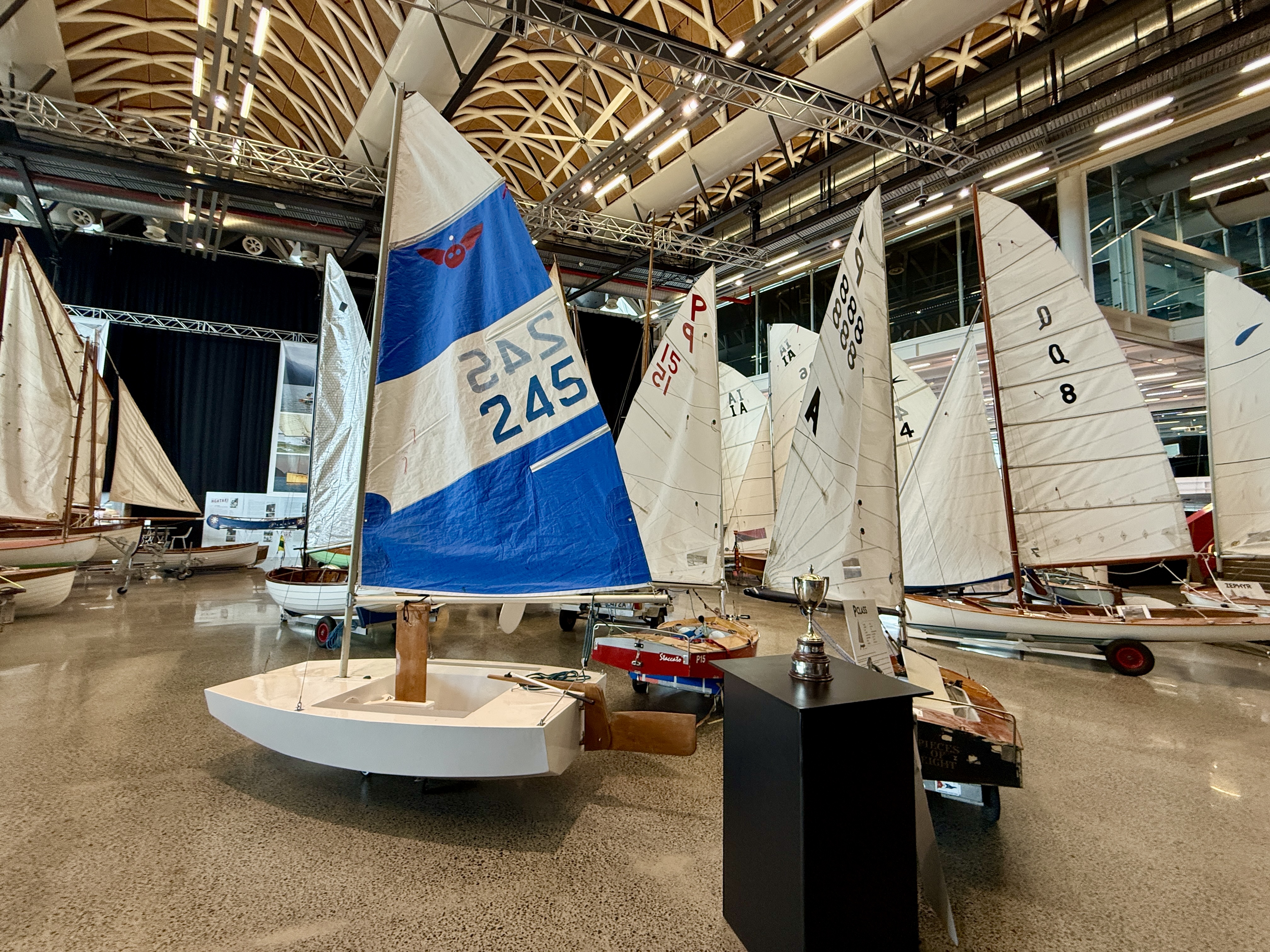
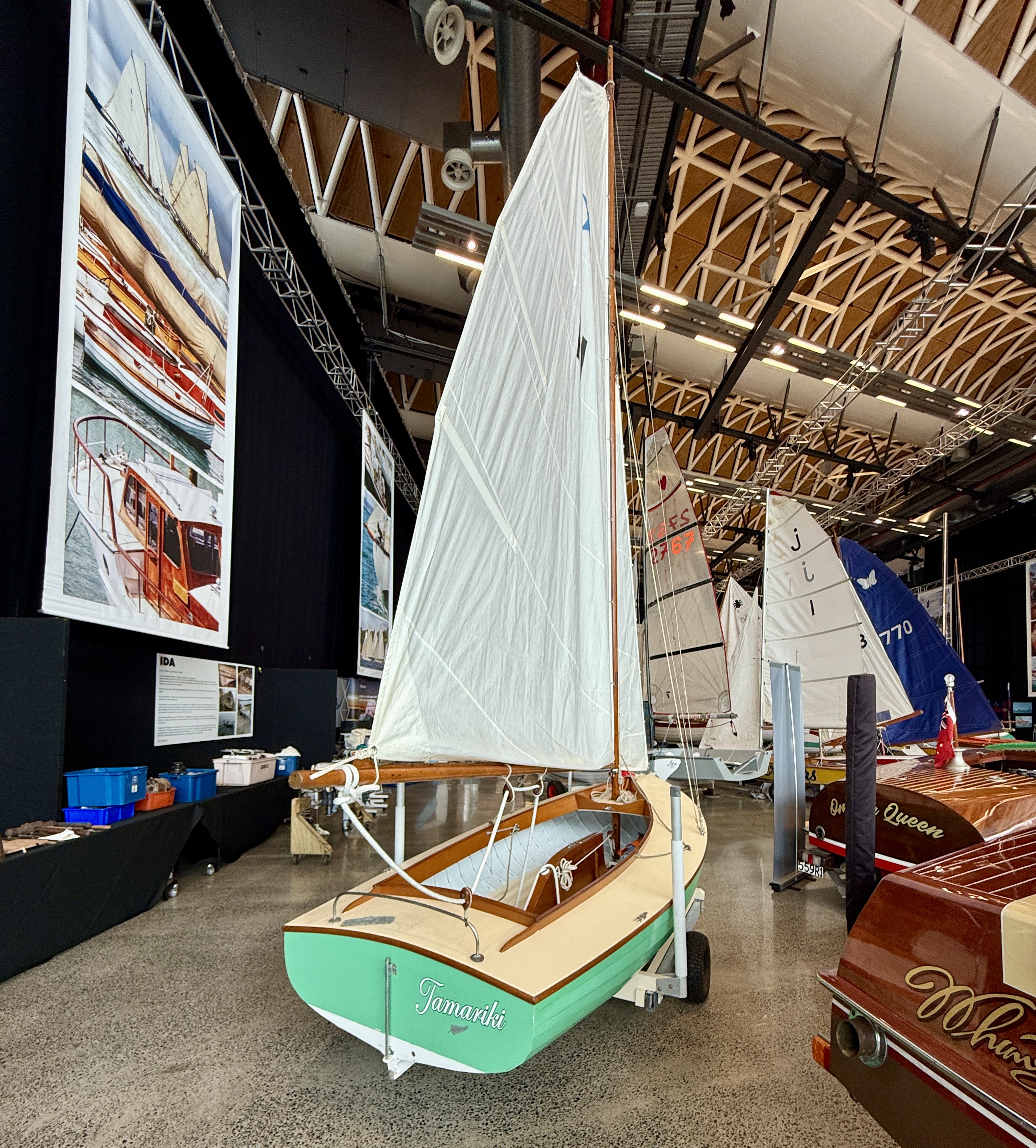
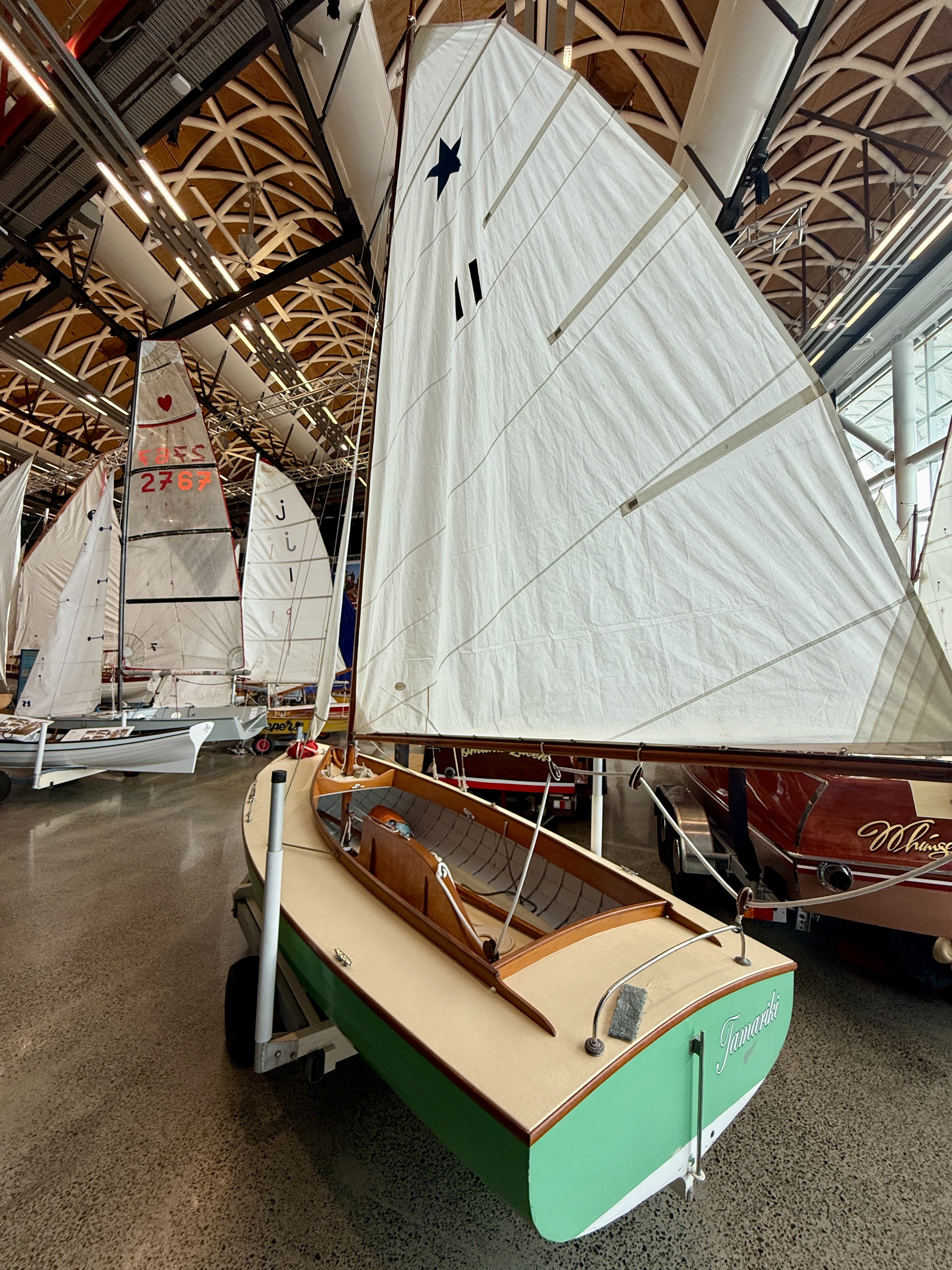
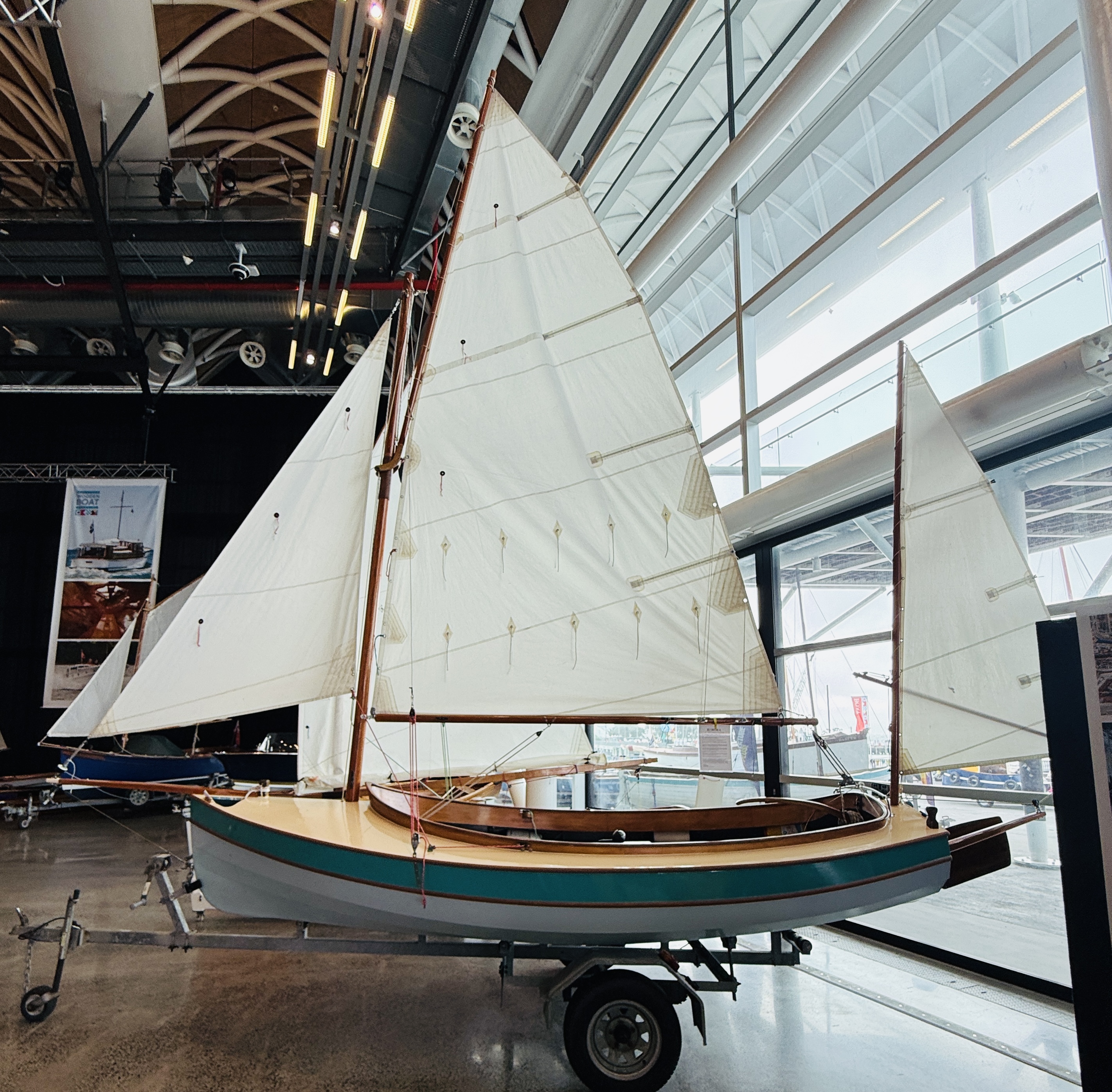
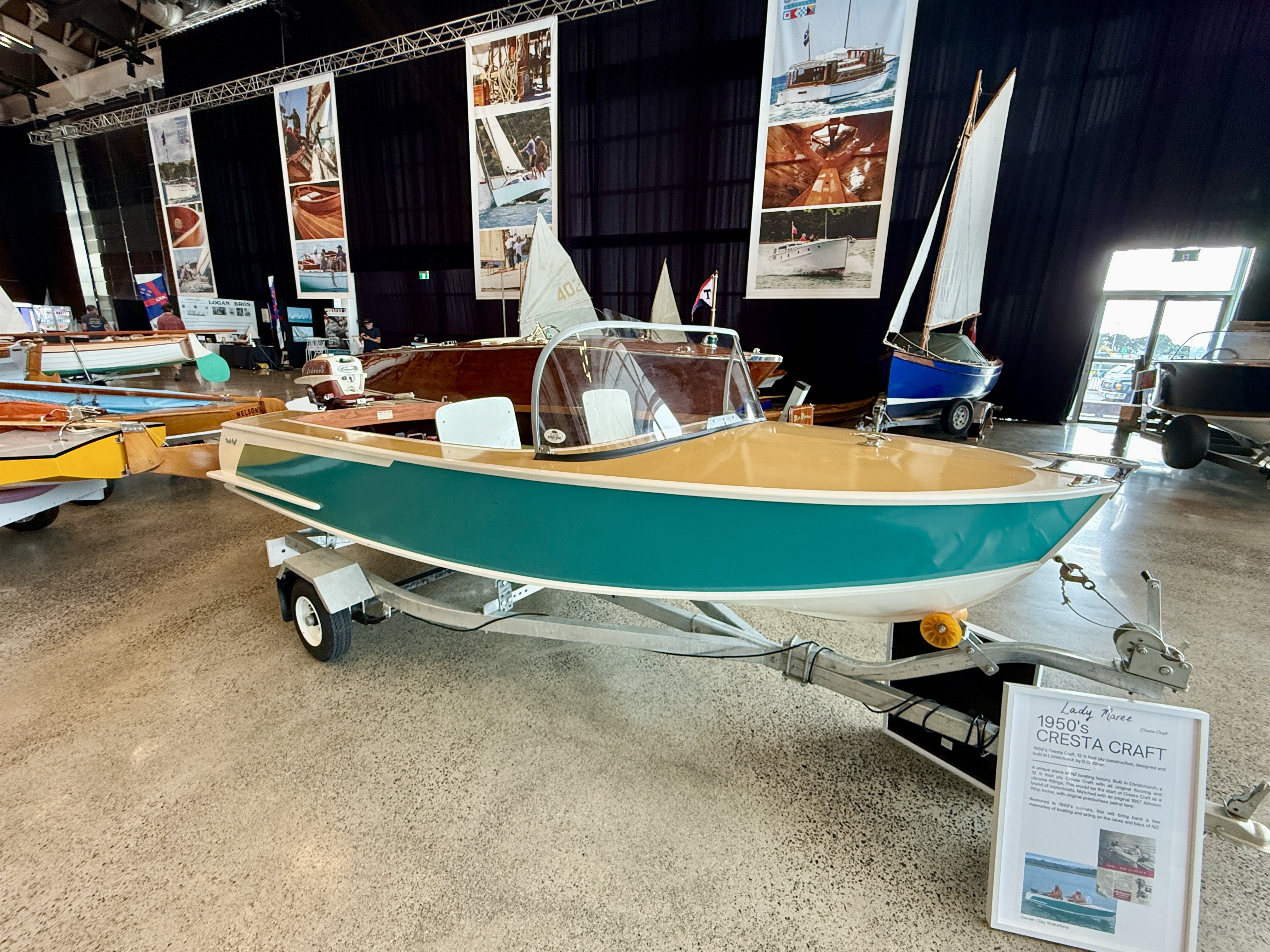
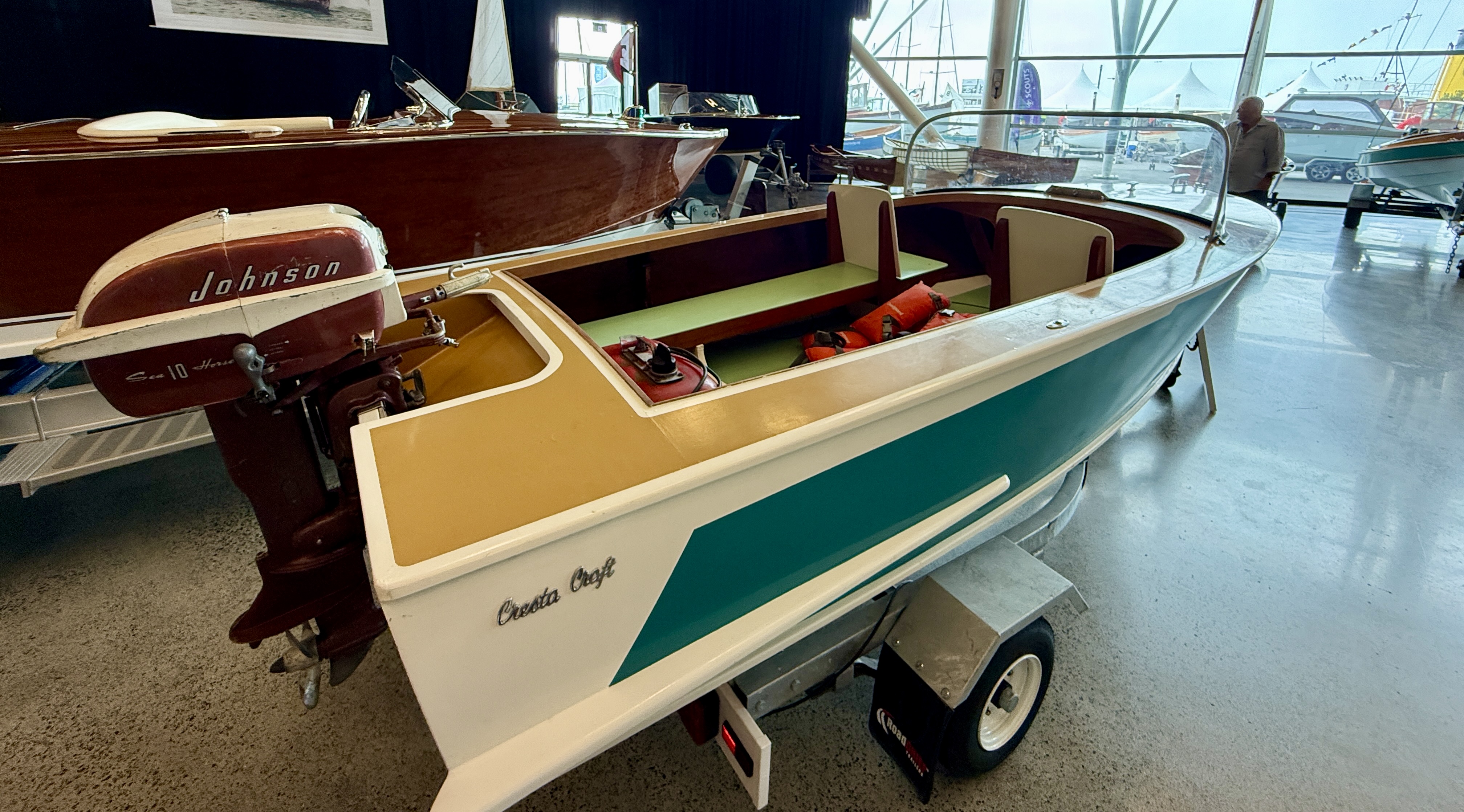
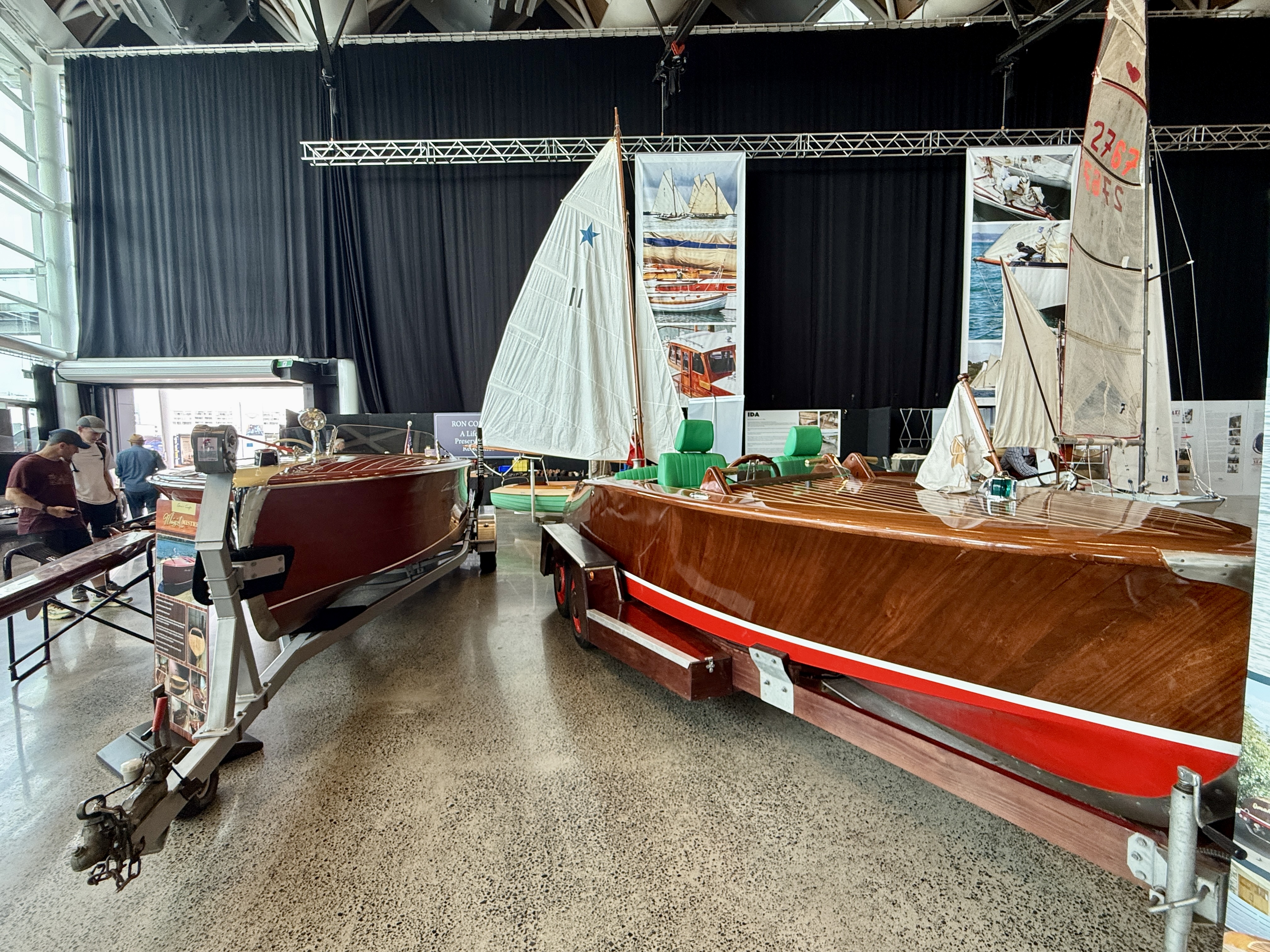
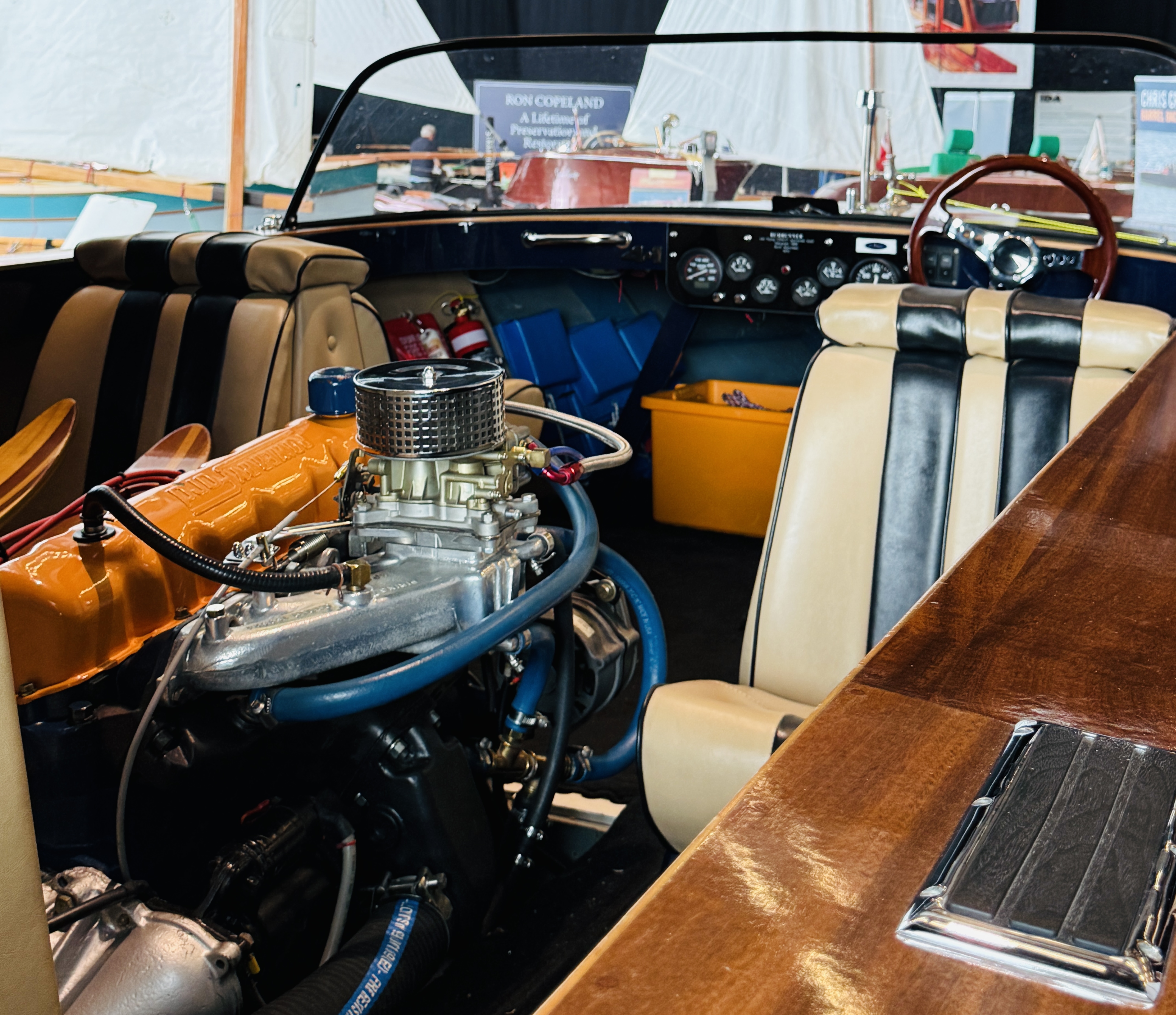
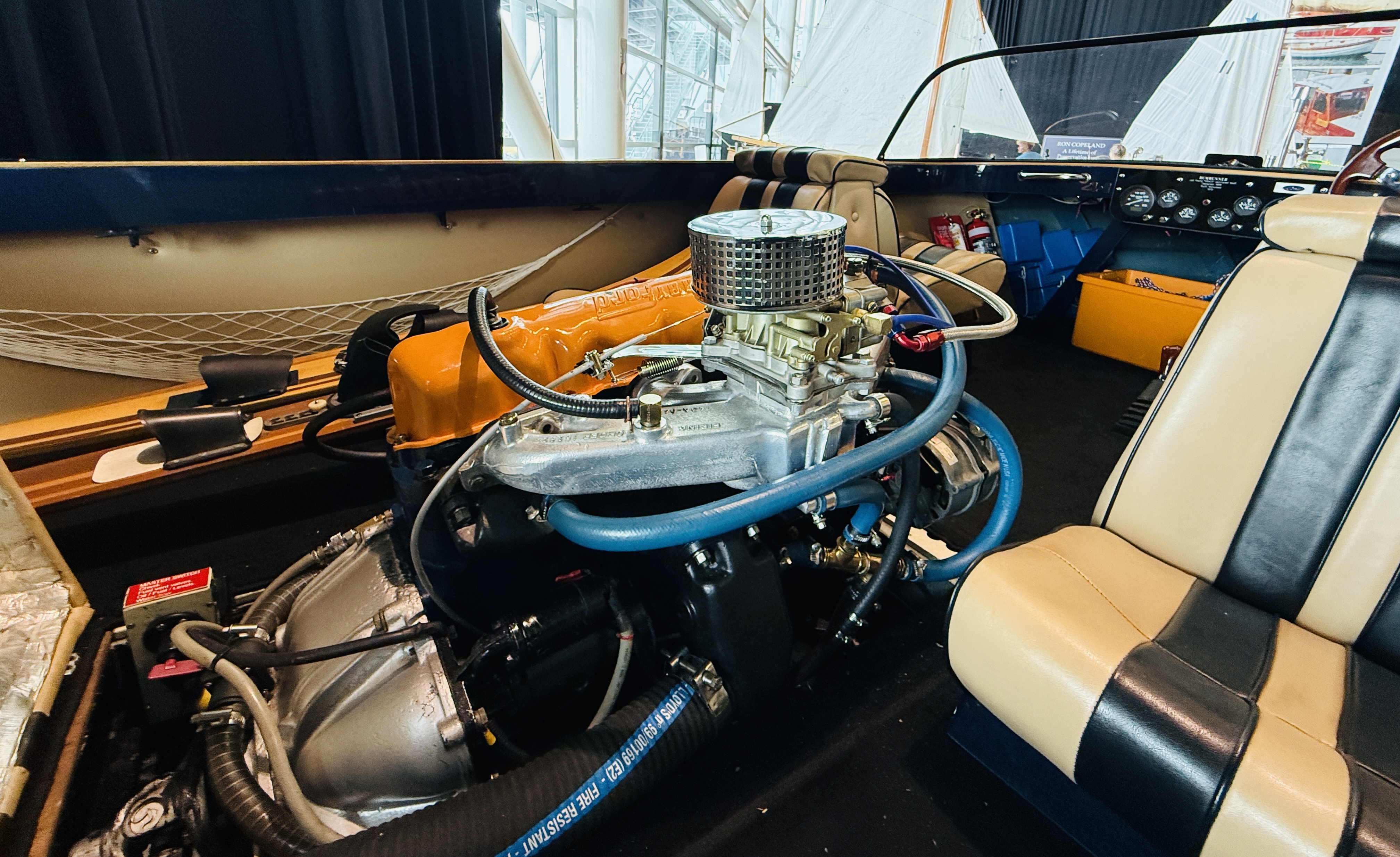
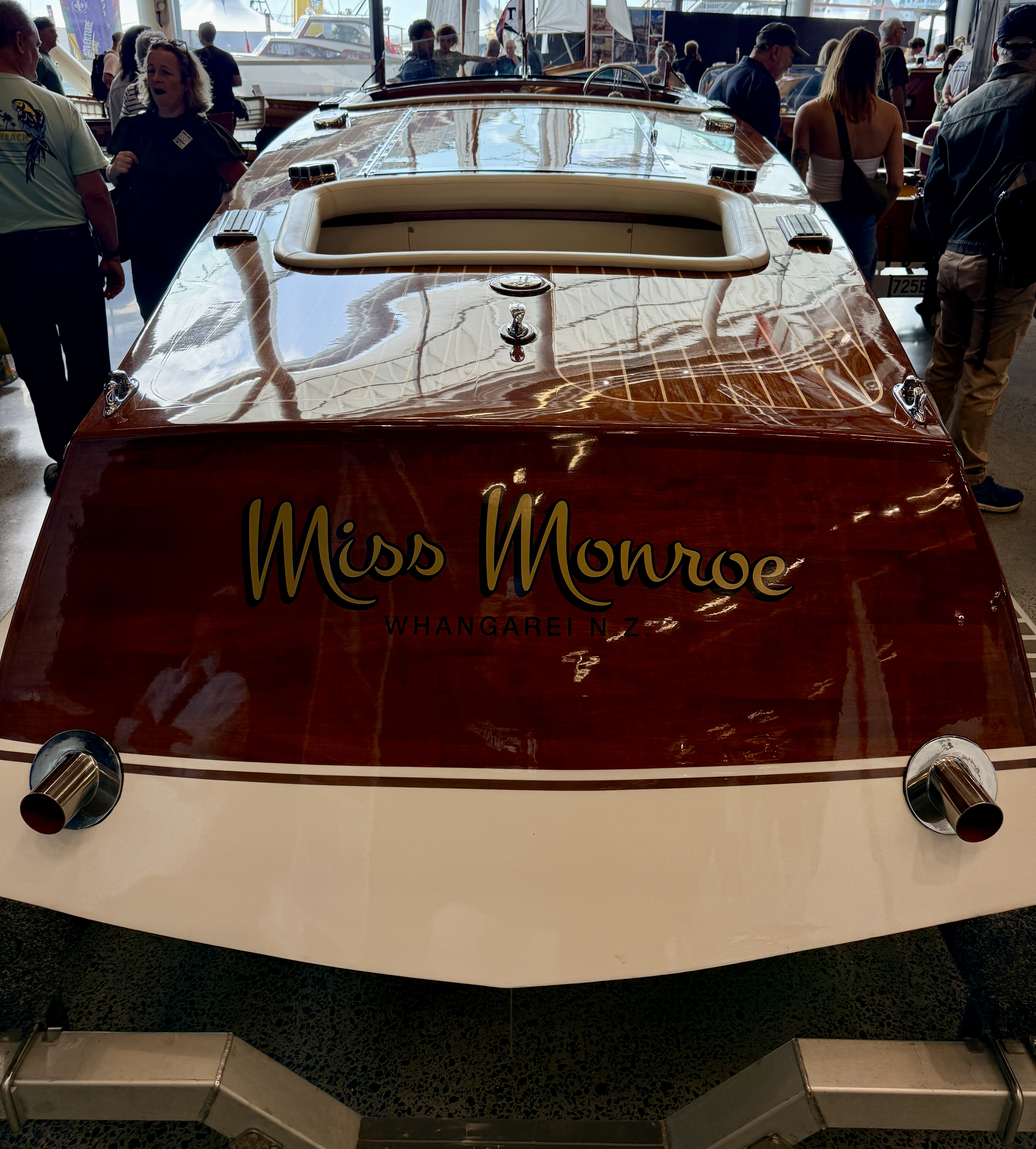
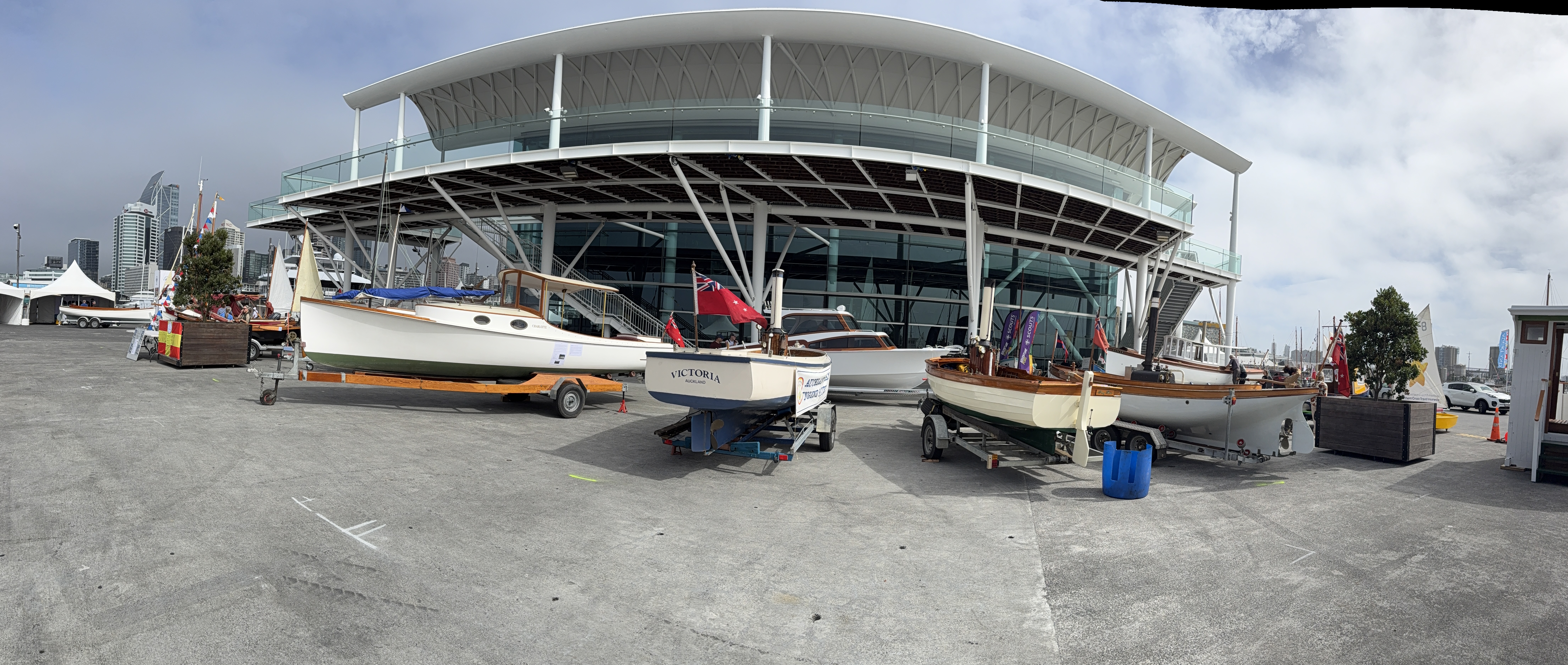
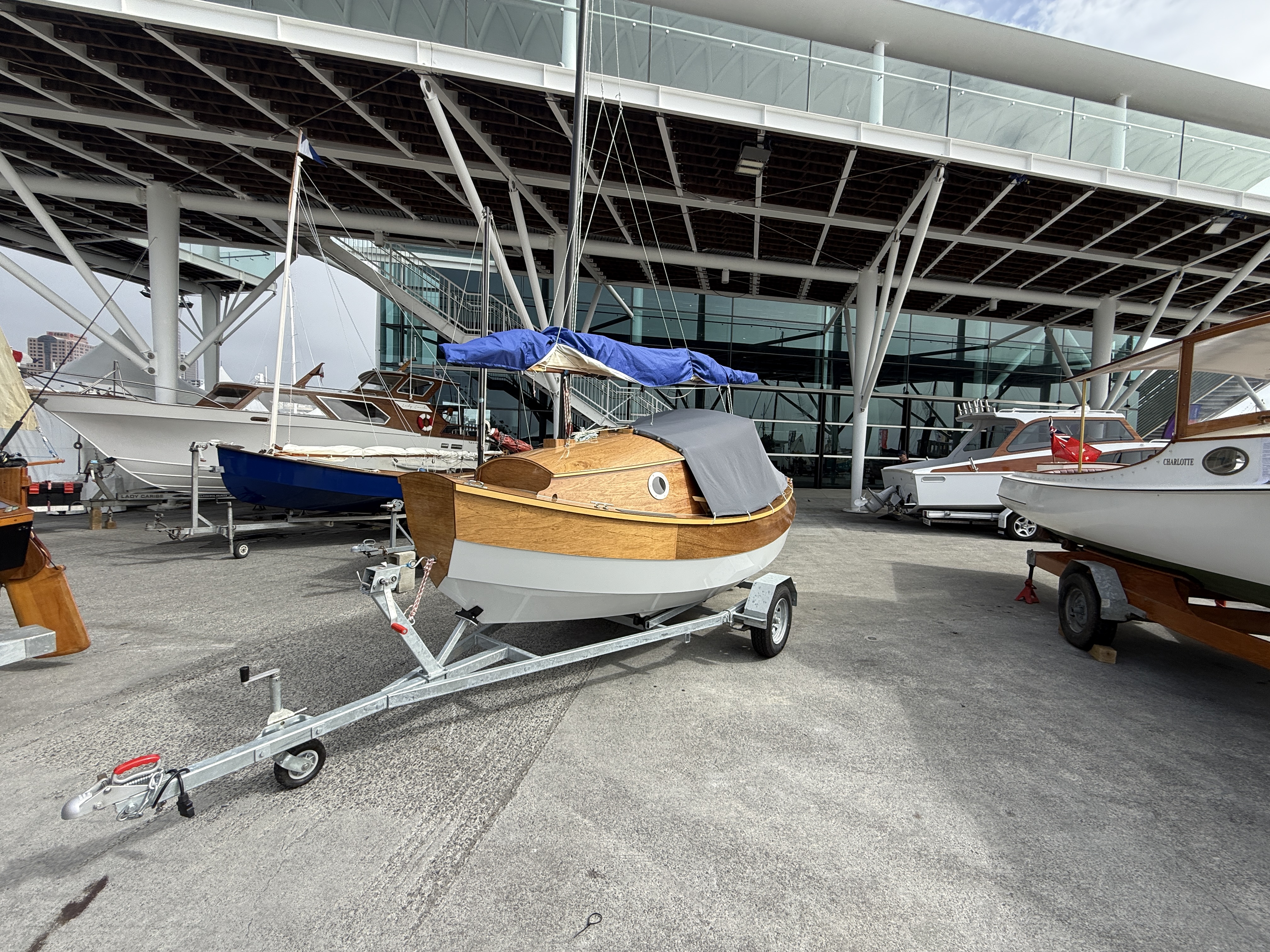
WOODEN CLASSICS TAKE CENTRE STAGE AT THE 2025 WHANGAREI MARITIME FESTIVAL – 60+ photos & videos

WOODEN CLASSICS TAKE CENTRE STAGE AT THE 2025 WHANGAREI MARITIME FESTIVAL

Early Saturday morning I pointed the car north and arrived in Whangārei just in time to catch the soft early light — perfect for photography and well before the dockside crowds arrived.

Whangārei’s Town Basin really is the ideal setting for a maritime festival — easy dock access, great viewing angles, and plenty of nearby cafés and attractions. Add in the buzz of the Saturday markets and you’ve got all the ingredients for a standout event.

Wooden boat numbers were a little down on last year, but a few visiting commercial vessels — including Customs, Pilot boats, fishing craft and a pair of Waka — helped round out the fleet. From a public point of view, it was still an impressive line-up. Given the number of classic boats that have migrated north in recent years, it would be great to see more of the region’s wooden heritage on display next time around.

It was great to catch up with so many familiar faces — clearly the new highway was busy with Aucklanders heading north for the weekend.

All up, a thoroughly enjoyable day. Hopefully today’s photo gallery will inspire a few more of you to make the trip in 2026.

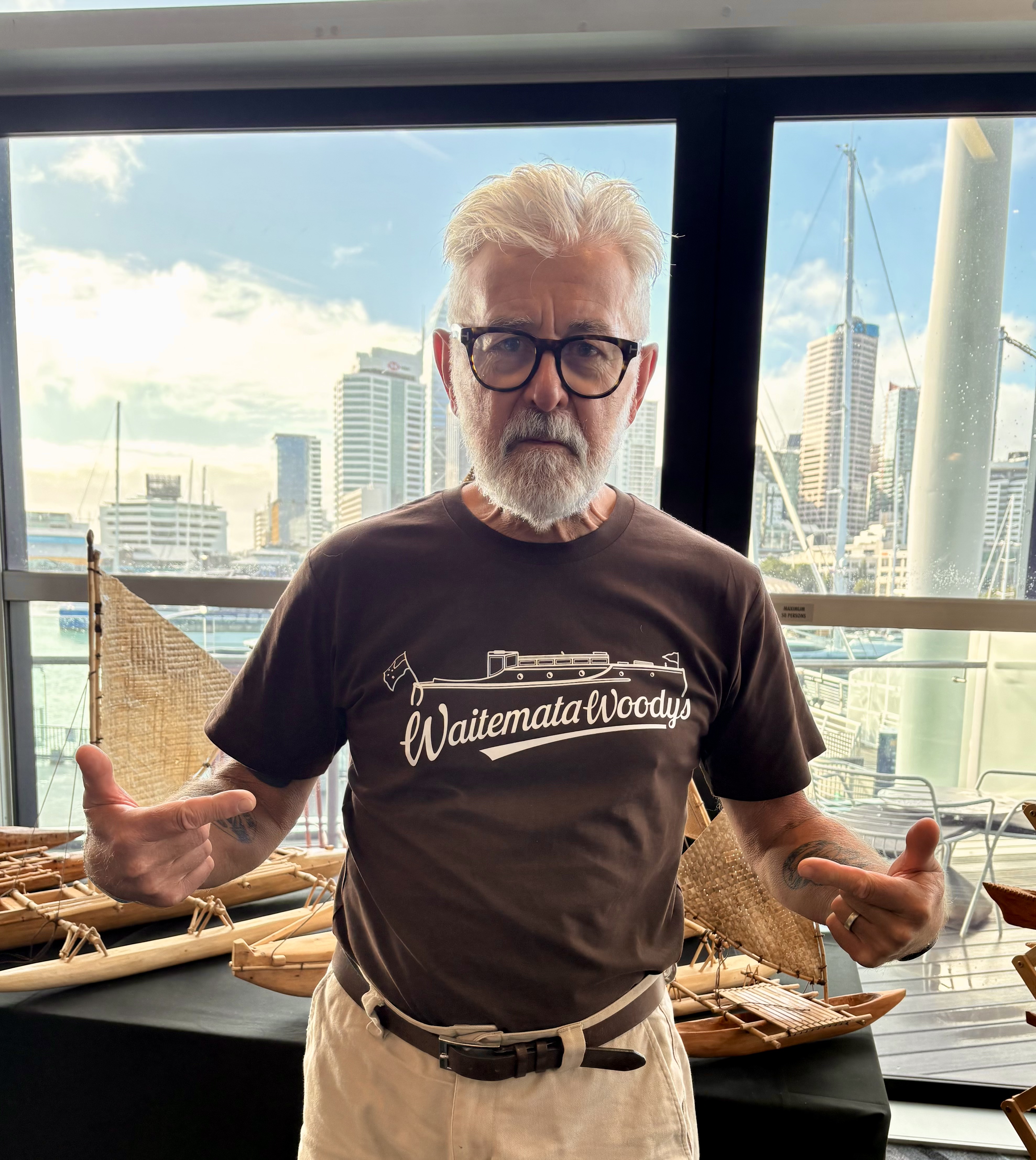
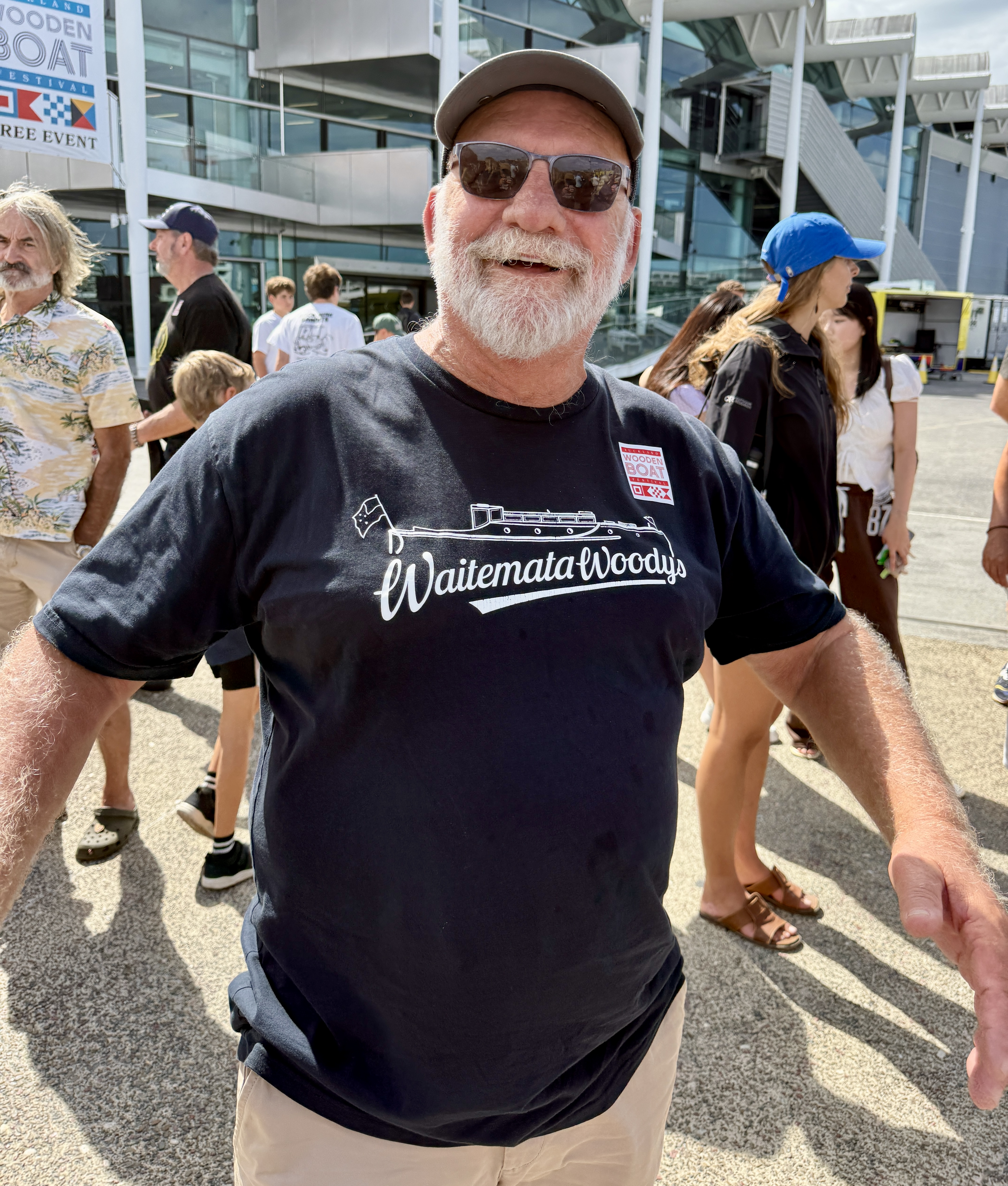
And there is always a few foody pix – hands down the best two seafood fritters ever – one mussel and the star – one whitebait. And a free KOWHAI coffee because she liked my WW t-shirt.

FYI – when I’m at an event I point the camera at what catches my eye , sometimes I miss a few boats but I like to think the photos are more like someone strolling the docks rather than someone trying to capture the whole caboodle 🙂

EX 1929 CLASSIC WORKBOAT KATIPO

EX 1929 CLASSIC WORKBOAT KATIPO 

Seems these days there is a fb page for just about anything and everything – John Burland sent me a link to the ‘Memories of Abel Tasman National Park’ page. There I came across a  posting dating back to April 2023 where a Peter Campbell posted a copy of a Cody  Engineering advertisement from November 1951 , featured in the ad was the 26’ launch – KAIPO. At the time owned by Henry Cotton. She had a 8’6” beam and draft of 2’6”. We ran a brief story on her back in 2023 but didnt learn about, so we try again 🙂

Then we learnt in the comments section(ex Steve Thomas 2024) thatDon Thomas and Boxer Fanslowe purchased KATIPO from Nelson Fisheries mid 1950’s and was then refurbished by Dick Stringer in Nelson.. In another comment in 2024 a Lynda Gould advised the Don Thomas was her father and him and Boxer owned the boat in the 1950”s > 1970’s.

She was originally built by the Juke yard, Wellington and launched 1929.  The Petter 10hp engine was replaced around 1960 with a Ford Dexta 3 Cylinder, 32hp. KATIPO remained in the Thomas family until sold around 1998. 

She’s now sitting in Picton Marina and I believe with the same Dexta engine still going strong after 63 years service. Photo below ex Steve Thomas, taken around 25 years ago.

Do we know what became of KATIPO.

A WOODEN BOATING TIME CAPSULE – 1913 NZ YACHTSMAN 

A WOODEN BOATING TIME CAPSULE – 1913 NZ YACHTSMAN 

Yesterday in the post I received a package from Denis O’Callahan, past owner of MV TASMAN. Denis had recently been going thru his ’to good to throw out’ files and found a collection of old boating magazine from 1911, 1913,1938 and 1958 – after a quick glance I had to put them away before I wrote the whole day off 🙂

A couple of things did catch my eye – 

1. The above advertisement for the Central Boating Company, promoting the Hyde Propeller and Regal engine – which CBC were agents for. I assume the motor boat in the advertisement is named REGAL as a result of its engine and that it ran a Hyde Propeller – caption reads 15.38 knots, very impressive for the size of boat. But, back then there were very little home comforts aboard, so significantly lighter. Further on in the issue we learn that REGAL did have a 32hp Regal engine and her specs were 32′ in length with a 6’10” beam, She was also for sale, no price mentioned.

Do we know what became of REGAL

2. A boats for sale listing from 1913, see below. One of my pet frustrations with boat dealers is they never show / list a boats name, in fact even go as far as removing the name from the photos if the name is visible . The vessels name is an integral part of its DNA, equal to designer / builder / specs etc.

One can only assume the boat dealer is too insecure to publish the name. 

Well after reading the 1913 December issue of New Zealand Yachtsman seems the insecurity has been around 100+ years, after reading the listing I wasn’t able to put a name to any of the launch for sale descriptions. The reference to a race winner on the 3rd from top listing might make that one identifiable. 

FATHERS DAY SORTED FOR ANYONE WITH SALT IN THEIR VEINS

FATHERS DAY SORTED FOR ANYONE WITH SALT IN THEIR VEINS

Rarely these days do I pick up a book and can not put it down – well it happened recently. I received an advance copy of Davey Jones just published book – ‘Davey Jones of Wakatahuri’ and its both a cracker read and an amazing account of his boating life and his interaction with the Wakatahuri region. Now I’m sure some of you will be asking yourself ‘ where is that?’ – well its in the outer Pelorus Sound at the top of the South Island, the Marlborough District (refer chart below). The area has been many things to many people – a fish factory, a boatyard, a ship breaking base and a community hub.

Davey Jones arrived at Wakatahuri as a young fisherman in 1956 and still lives there today , on and off when he’s not lapping NZ in his boat.

It’s an additive read that with the help of over 200 photographs will have you hooked. 

And as a bonus – included is a reprint of an equally wonderful read -’Sounds Wrecking Co.’ by Martin Burthold.

So woodys drop a hint to the family re what you want for Fathers Day (Sept 7th) or just order one for yourself – $60+ p&p – all enquiries to daveyjonesofwakatahuri@gmail.com

AND I HAVE A COPY TO GIVE AWAY – just answer correctly the name of the vessel Davey Jones has most recently been lapping NZ on. Enter ONLY via email to waitematawoodys@gmail.com all correct entries go in the draw. Closes 6pm 17-08-2023.

AND THERE ALWAYS HAS TO BE A BOAT PHOTO – this is from Davey’s book and shows the work boat MARLBOROUGH PN47, in Picton Harbour c.1929, built by E R Lane. In the background are VALMARIE, at left, and Ernie Lane’s boat shed, the Picton Rowing Club sheds at right. The vessel under repair at Lane’s yard is a lighter from Port Robinson (Gore Bay)

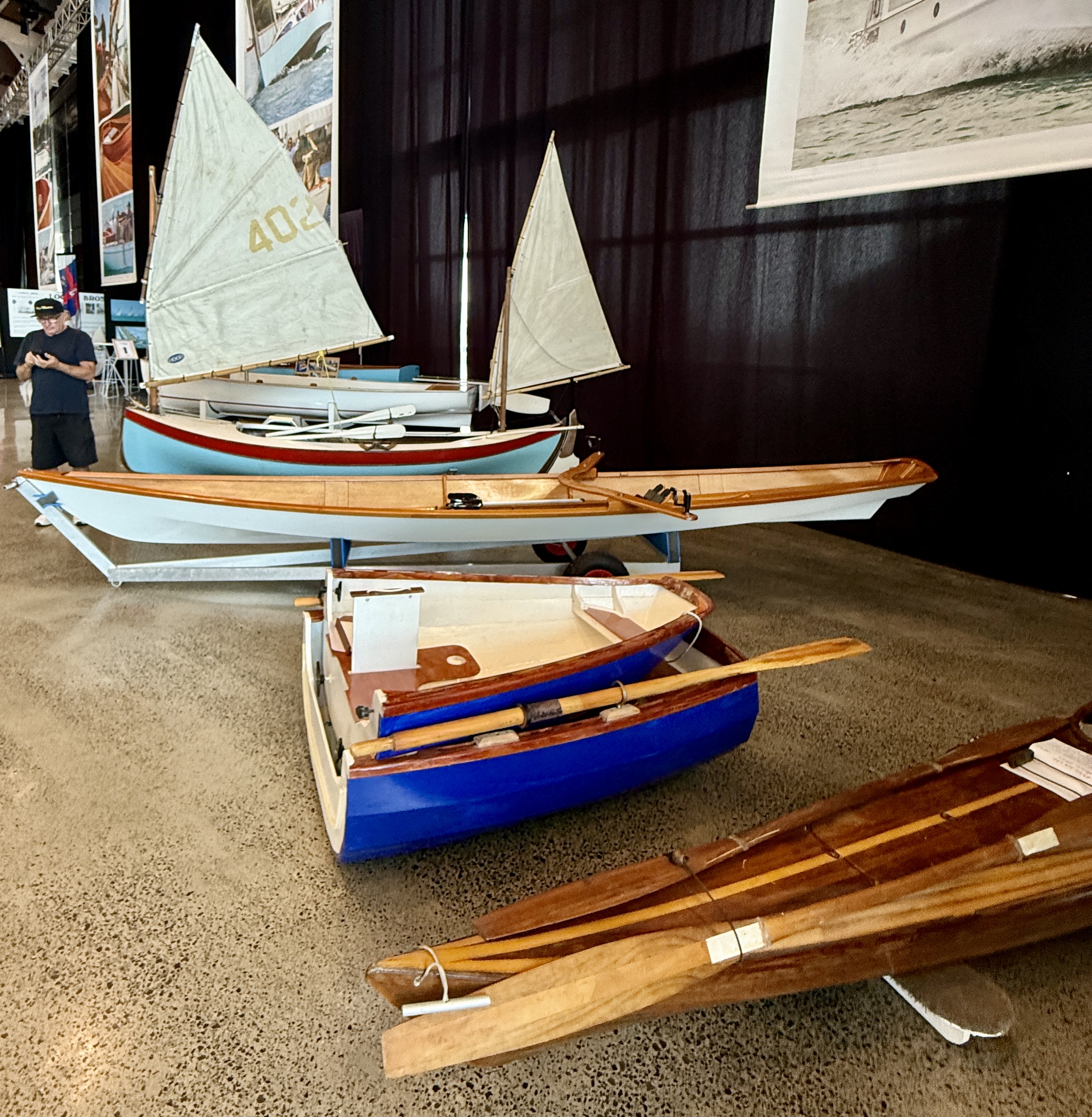
A REPLICA ERNIE LANE CLASSIC 1920 CLINKER

A REPLICA ERNIE LANE CLASSIC 1920 CLINKER

I’m a big fan of the Picton Clinker & Classic Boat Club, they seem to have the mix right when it comes the wooden boating community. Recently I was chatting to Roy Jones (Roysie) who among other things pulls together the clubs newsletter. Roysie mentioned a project he had been working on and promised a story – and today woodys we get the enjoy that story – I’ll hand over to Roysie to tell it.

“Fifteen years ago The Picton Clinker & Classic Boat Club was gifted a 14ft clinker hulk which came with a remarkable provenance. Built by Ernie Lane in 1920 for Mr John Brownlee, son of the timber tycoon, William Brownlee of Havelock, the boat was in a sorry state and owned by Club Member, Noel Johnson.

Noel’s initial attraction towards Ruru was that, when he lived in Havelock as a child in the mid 40’s, he can vividly remember Ruru resting in the creek near the present causeway, whilst owned by the Havelock butcher, Mr Johnny Buncombe. Playing in Ruru, he would often be chased off and Noel miraculously relocated the boat again in 2003 on the Holdaway farm near Blenheim.

The Holdaway’s had purchased Ruru in 1948, from Johnny Buncombe for 100 Pounds, and who himself, had bought her from the Brownlee’s in 1933. 

Now in a very sorry state, Barry Holdaway gave the hulk to Noel who intended to restore her. Aged 80, he realised it was beyond him, and Noel wisely gifted the craft to the Picton Clinker & Classic Boat Club in an effort to preserve her,  and it worked.

Ruru as restored in Jan 2010

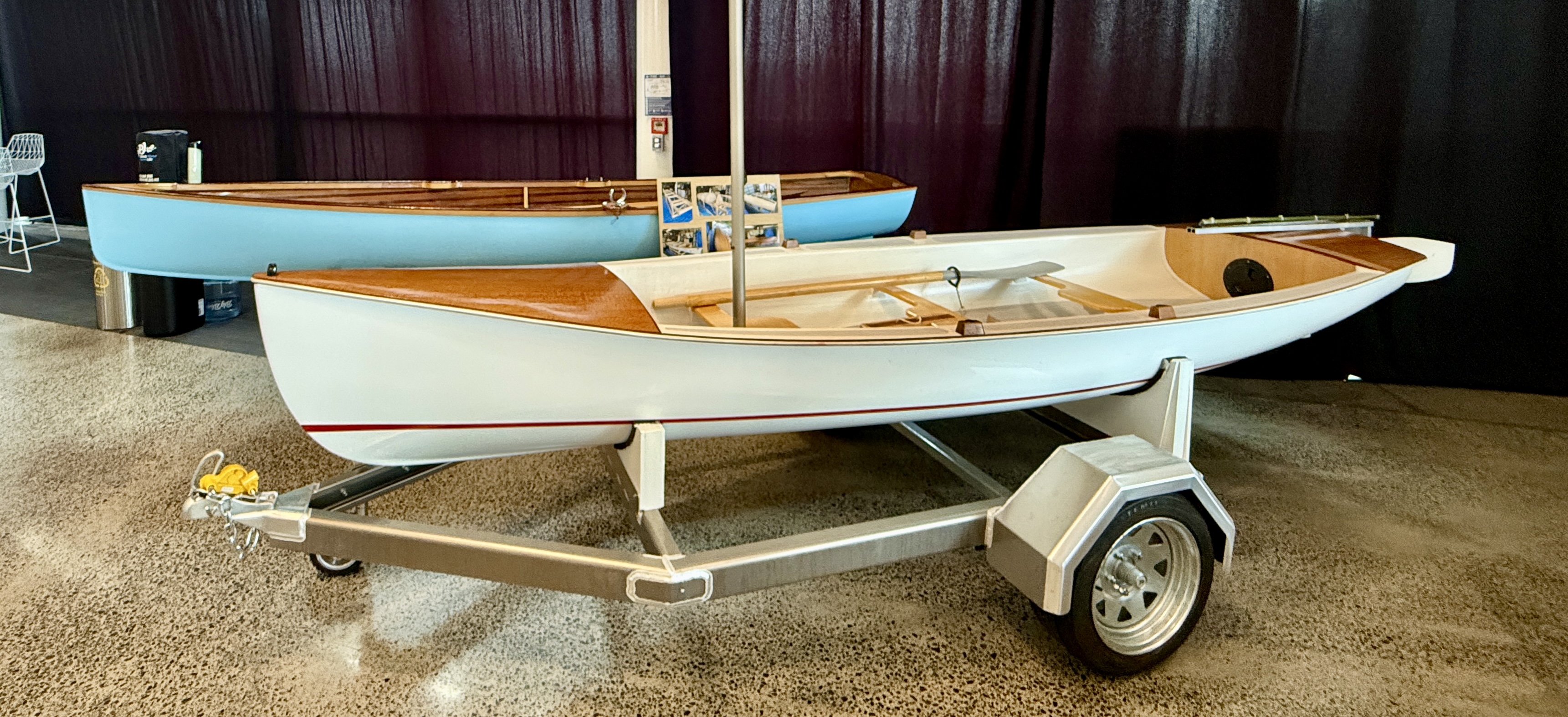
Ruru is the Club’s flagship and is utilised on all the club runs as such. Roy had a little to do with the restoration and always admired her lines as created by Ernie,  she was now available for all to view and admire. So last Christmas he borrowed Ruru for a week and after setting her up,  took her lines off and drew them up on the computer. From these he created a table of offsets and after lofting out, began construction early in the New Year.

Ernie created a built-down style of deadwood almost a bustle, presumably to ensure the engine could be low as possible and with a fairly level prop-shaft, but this was difficult to recreate. 

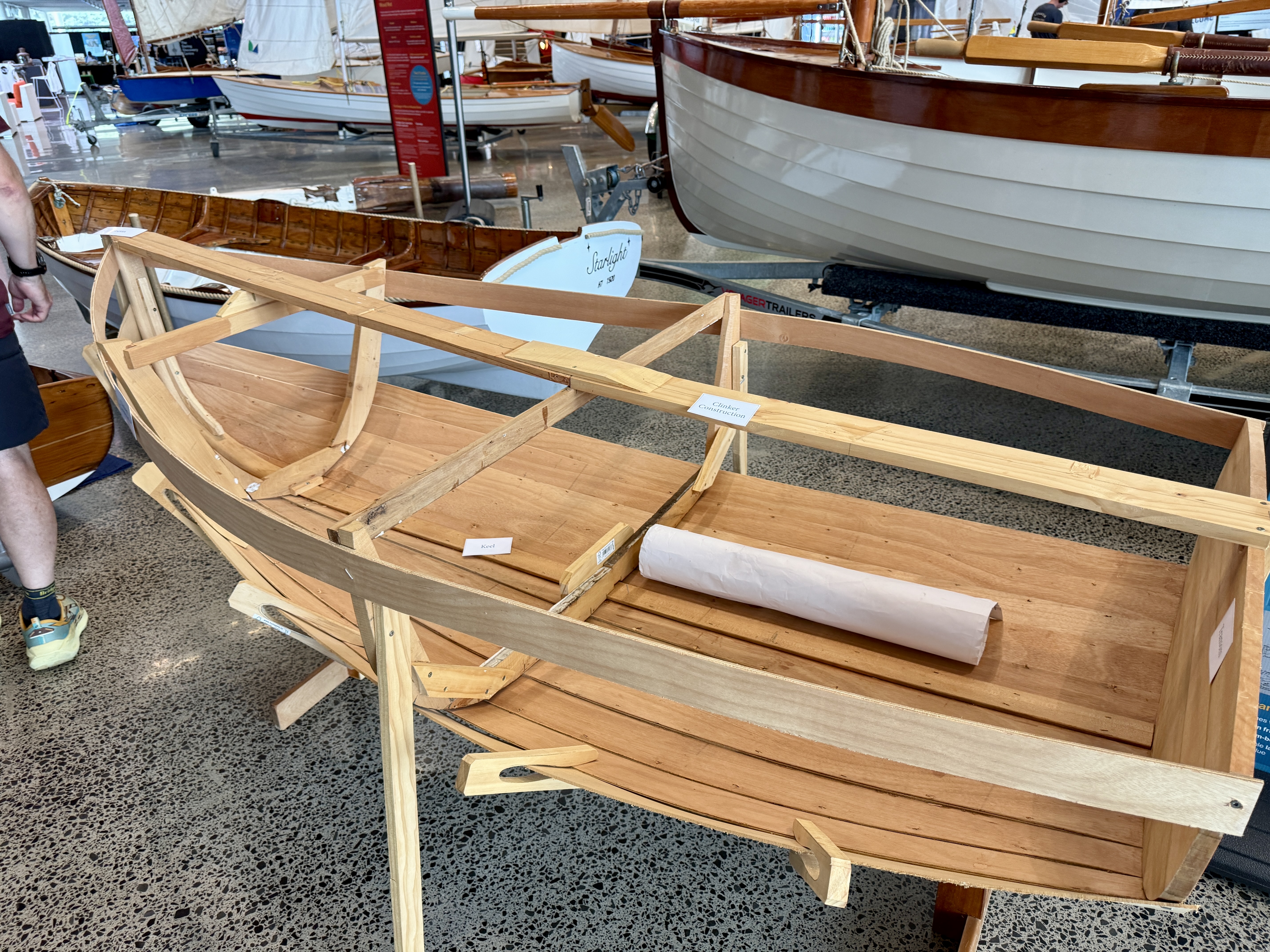
He must have steamed the kauri planks tightly to achieve the curvature around the stern deadwood rebate. Roy elected to use Meranti 9 mm marine ply rather than timber purely due to supply constraints. While gluing the lands removed the need for nailed and roved laps, it still required steamed American Oak ribs. This was the only job Roy required assistance with and co-opted a couple of retired members in the club to assist with the morning’s task. Peter Baker & Keith Henson willingly helped out and this is the norm amongst the Clinker Club members, advice and assistance is most often always freely available.

Propulsion System We originally installed a Stuart Turner P66 twin cyl. 10 hp engine in Ruru, but this was overpowered, so we swapped it for a P55 5 hp which  proved more appropriate, however, the Stuart Turner became  problematic for the numerous skippers in the Club. We have since settled upon a Lifan Chinese 6 hp and this has run well for 10 years, but is quite noisy. Roy considered this and, after speaking with new member, Tim Barton about his neat little electric 12ft’r, Billy O Tea, decided to also install an electric system in the Ruru clone.

With Tim’s advice on where to go for the Chinese supplier, Roy ordered a 4kw, 1000 rpm 48v dc motor and controller, which duly arrived about 4 weeks later without problem. At around $3,500 landed, he considered it reasonably economical.

Subsequent to that major decision, he continued construction, framing the deck and glassing same. Unlike Ruru, he made the top strake varnished with a sub belting along the bottom edge in a more traditional style. Lacking more traditional hardwoods for the beltings, standard Quila timber decking was utilised and machined to suit; merely because it is readily available and reasonably economical.

The dc motor is considerable, weighs about 30kg developing 39 N.M. 

The universal is a CV joint from a wreckers, and the thrust bearing just aft. The motor output shaft is 35mm!

Having decided upon electric propulsion, Roy decided to throw the cat another goldfish and fitted hydraulic steering to enable comfortable curved seating in the stern without a the tiller interfering with guests seated there. 

Once again, Roy went online and researched hydraulic steering systems. Having been quoted over $2000 locally, it cost less than $500 for a full set imported and landed at the door in 3 weeks.

The short S.S. rudder tiller penetrates the transom quite unobtrusively, to the ram below deck and can be disconnected from the rudder when removing for trailing.

The Electric system enabled a centre console with motor and battery installed beneath, leaving a huge area amidships, where an engine is usually placed. A forward curved seat fits neatly behind the curved foredeck coamings. The large 48v lithium battery required is situated under the front seat of the console, while the motor and drive train is beneath the foot level lid below the helm.

The 48v 100 amp hr lithium battery is the blue item & takes up the full width of the compartment. The silver item is the motor speed controller that came with the motor. The yellow lead is for connecting to the 48v  HD charger.

Roy purchased the 48v 100 amp hour Lithium Ion Battery from Auckland along with the new trailer, driving up and back being cheaper than freighting both down to Marlborough.

He also installed a GPS Plotter & Sounder plus a Victron battery management system from Burnsco. This is a magic device providing a shunt in the neutral supply and thus determines the present battery voltage, the currently used amps & watts, plus provides a range in hours and minutes left in the battery. It is supplied with a 50mm gauge but the best method of readout is by Bluetooth to a cell phone enabling all the readings on one screen.

The greatest dilemma with electric boat propulsion systems is range anxiety, knowing how long you can actually cruise for, at the present power usage. Well, the Victron system diminishes this to a normal fuel level concern, if you run at full power then your fuel range will be minimal, but with sensible throttle use many hours are available. Roy intends to calibrate the range from GPS speed, Shaft rpm & amps drawn. These are shown further on.

Tim provided his figures, and for example at 3.3 knots Billy O Tea draws 5.2 amps, at 5 kts she draws 22 amps but at 5.4 kts, draws 50 amps indicating her best hull speed is just below 5 kts. i.e. 100 amp hour battery at 22 amps =  5 hrs motoring, and you can always slow down!

We used GPS speeds & digital tacho rpm figures with the Victron gauge providing the current drawn. Roy will do similar with Toroa EV,   (her new name now she is completed.) Toroa means Salvins Mollymauk (and the EV is electric vessel!).                                                                          

Ruru like most clinker hulls is a very seaworthy craft and it is on record that when Ernie Lane completed her, she was motored around from Picton to Havelock by a Mr Doug Pickering. This is a daunting trip for a 14ft Clinker, even today, and he is reported to have had fuel trouble near Cape Jackson, Doug simply tied Ruru to some kelp while he cleaned out the fuel line of shavings!  Ruru was fitted with a Scottish Kelvin of about 5 hp from new and to have motored the 60 odd miles around the Cape was an impressive feat 105 years ago!

When one considers that she was built shortly after the First World War, it is remarkable that it was obviously intended she would have an engine from new.   It wasn’t a retrofitted engine installation as is usually the case with this vintage. Perhaps this would indicate the wealth of the original purchaser, Mr John Brownlee?

With the helmsman and passenger sitting in the stern sheets. Toroa EV rides high in the bow but with passenger forward she sits nicely to the waterline.

Roy advised that Toroa EV took 5 months to construct at old farts pace… i.e. 5 hr per day knocking off at rum o’clock. He takes great delight in creating clinker craft, believing if the boat is pretty, it will become a 100 year boat. (only pretty boats last 100 years because their owners love them!)

The Picton Clinker Club members own many small clinker & classic style boats and are committed to salvaging and restoring these wonderful small craft, often saving them from various scrap heaps or bonfires.

Toroa EV Performance

Revs                                   Speed                                Amps


350                              2.1kts                                 2.4

450                              2.6kts                                 3.5

650                              3.4kts                                 6.6

800                              4.1kts                                 11.7

970                              5.3 kts                                16

1070                                   5.4 kts                                21

1250                                   5.9 kts                                39


As you can see, any attempt to exceed 5 knots hull speed causes the amps load to dramatically increase, up to about 4.5kt is very economical indeed but a little more and range diminishes dramatically. Exactly the same of a combustion engine I guess.”

NEW ZEALAND MARINE ENGINES – Seven Part Series

NEW ZEALAND MARINE ENGINES – Seven Part Series

The seven part series is viewable by the individual links below. The series was collated by Ken Ricketts and edited by Corinne Pettersen. As always we have endeavoured to be as factual as possible but there will always by matters others will either know more about or be able to correct errors – so woodys are encouraged to contribute via the WW comments section. ENJOY

PART ONE – https://waitematawoodys.com/2025/04/04/an-insight-into-nzs-unique-marine-engines-part-one/

PART TWO – https://waitematawoodys.com/2025/04/12/an-insight-into-nzs-unique-marine-engines-part-two/

PART THREE – https://waitematawoodys.com/2025/04/18/an-insight-into-nzs-unique-marine-engines-part-three/

PART FOUR – https://waitematawoodys.com/2025/04/26/an-insight-into-nzs-unique-marine-engines-part-four/

PART FIVE – https://waitematawoodys.com/2025/05/03/an-insight-into-nzs-unique-marine-engines-part-five/

PART SIX – https://waitematawoodys.com/2025/05/06/an-insight-into-nzs-unique-marine-engines-part-six/

PART SEVEN –https://waitematawoodys.com/2025/05/15/an-insight-into-nzs-unique-marine-engines-part-seven/