CLASSIC 1950’S WOODEN SKI BOAT

CLASSIC 1950’S WOODEN SKI BOAT

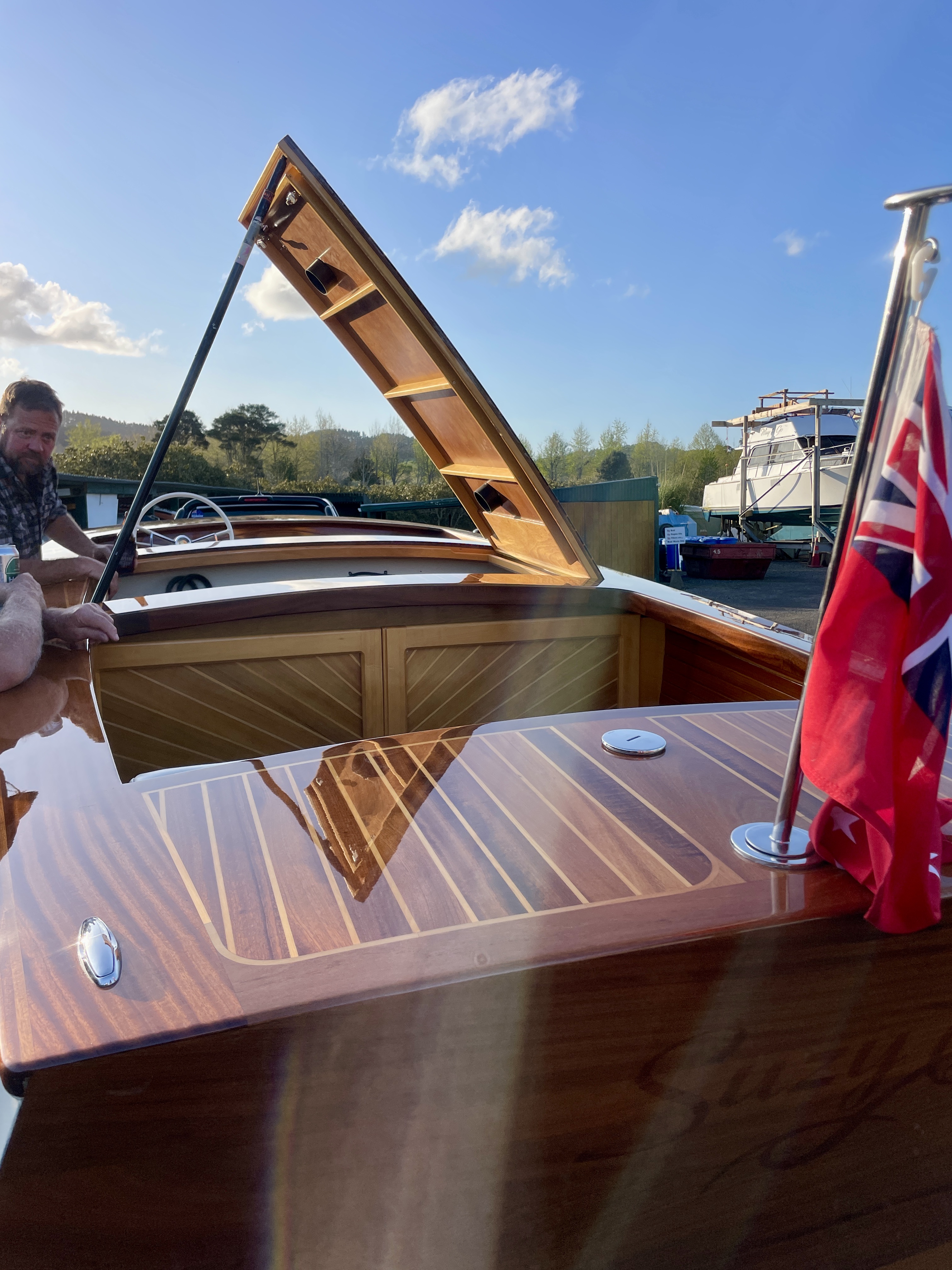
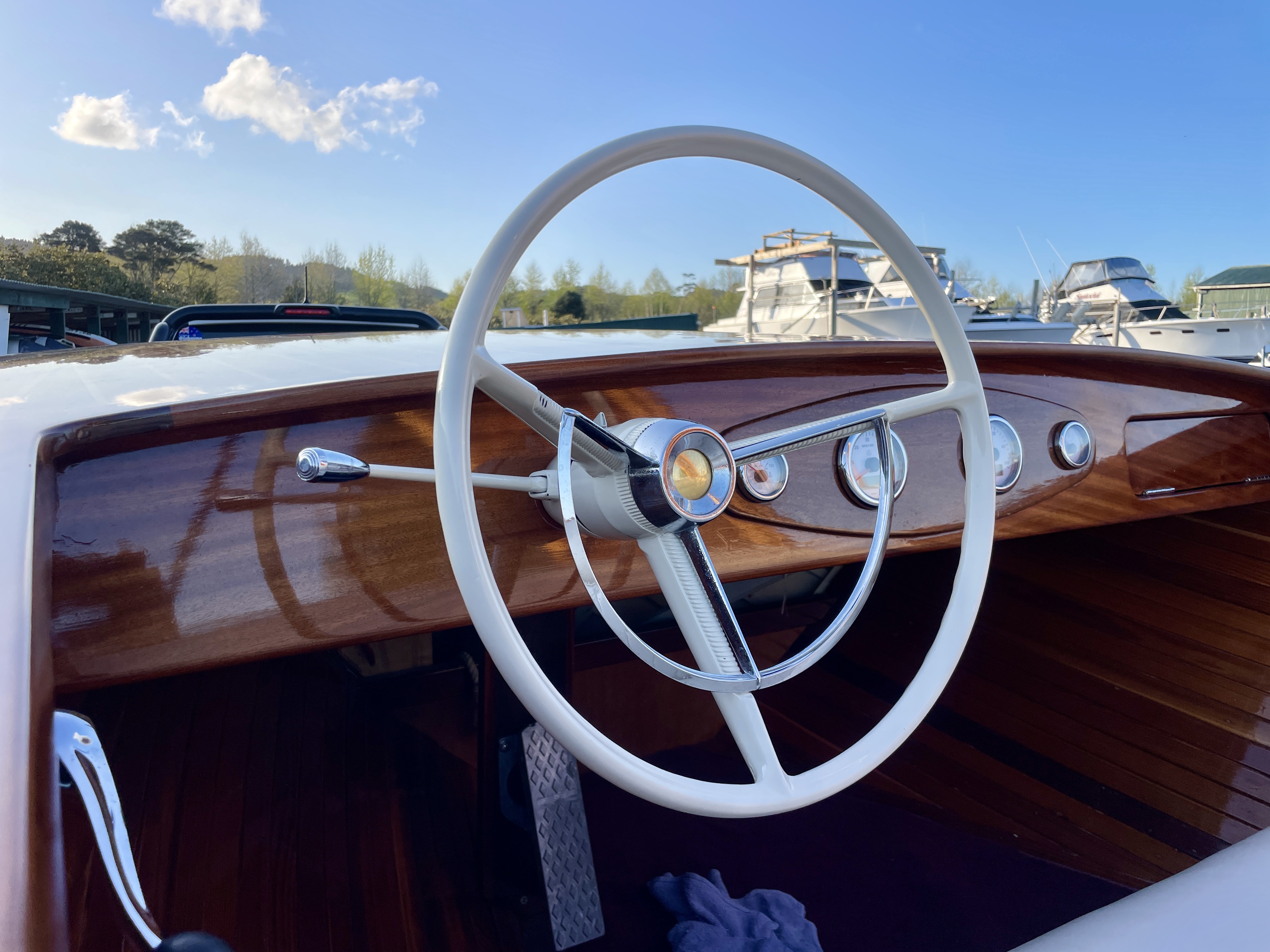
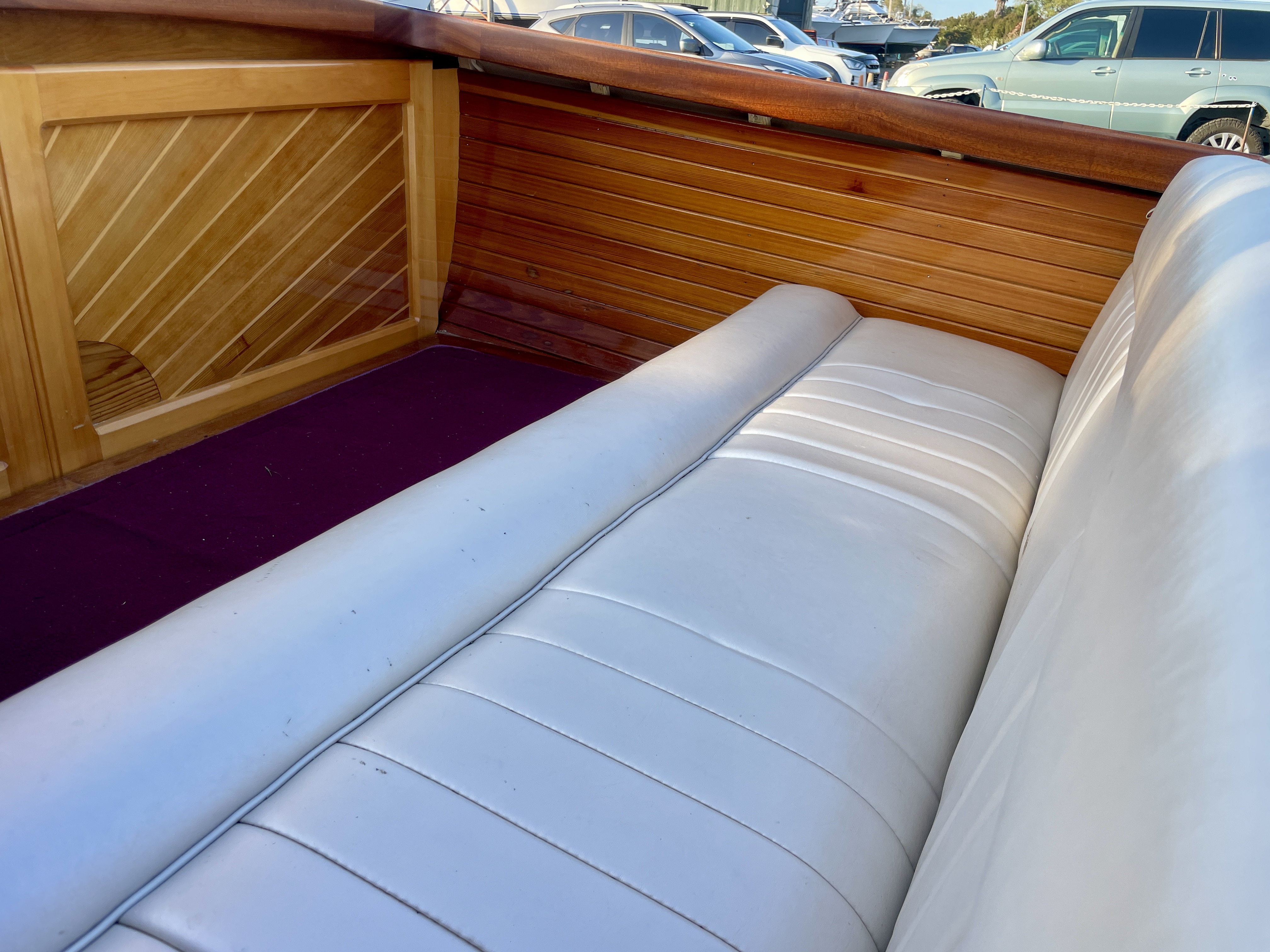
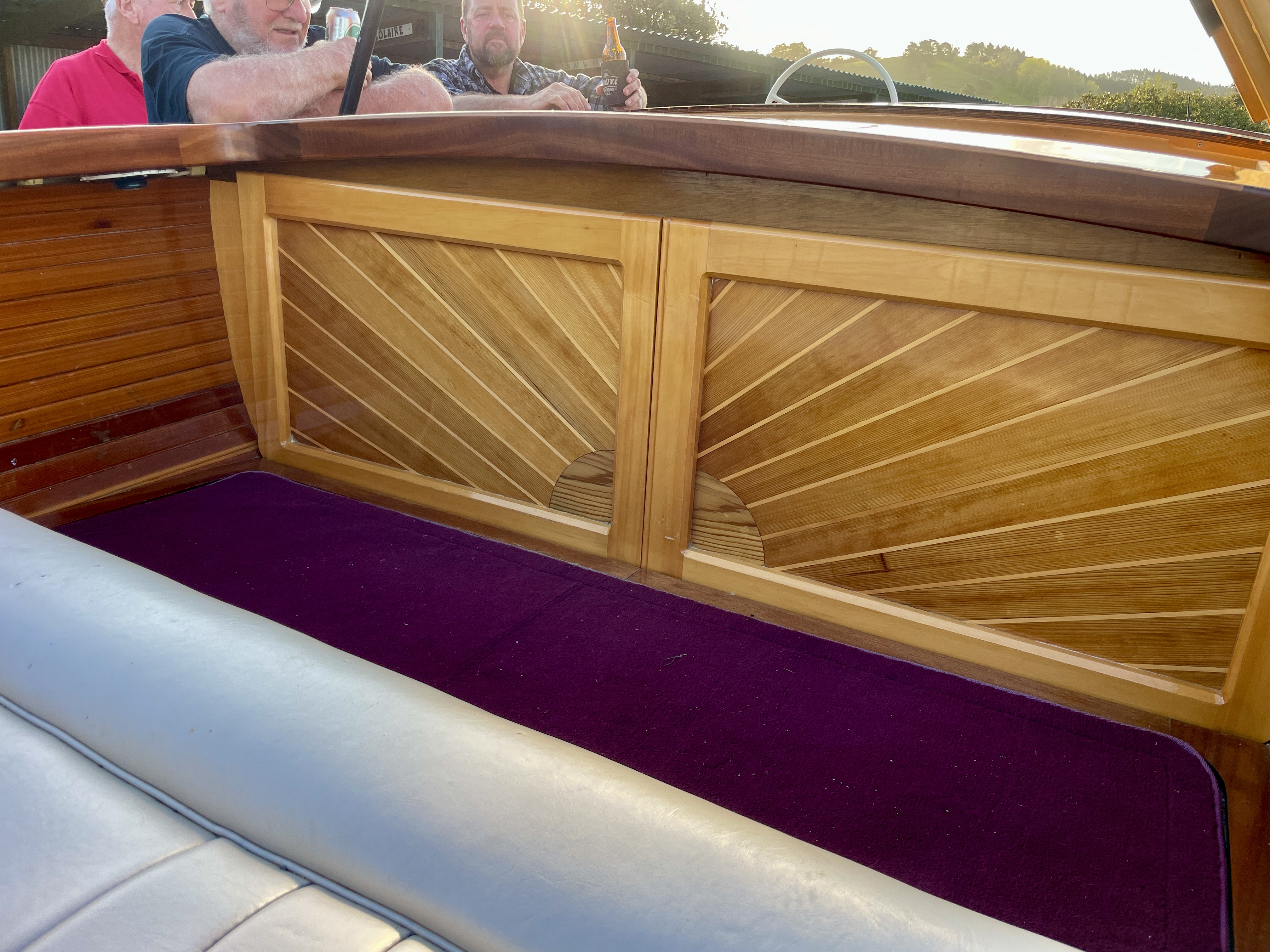
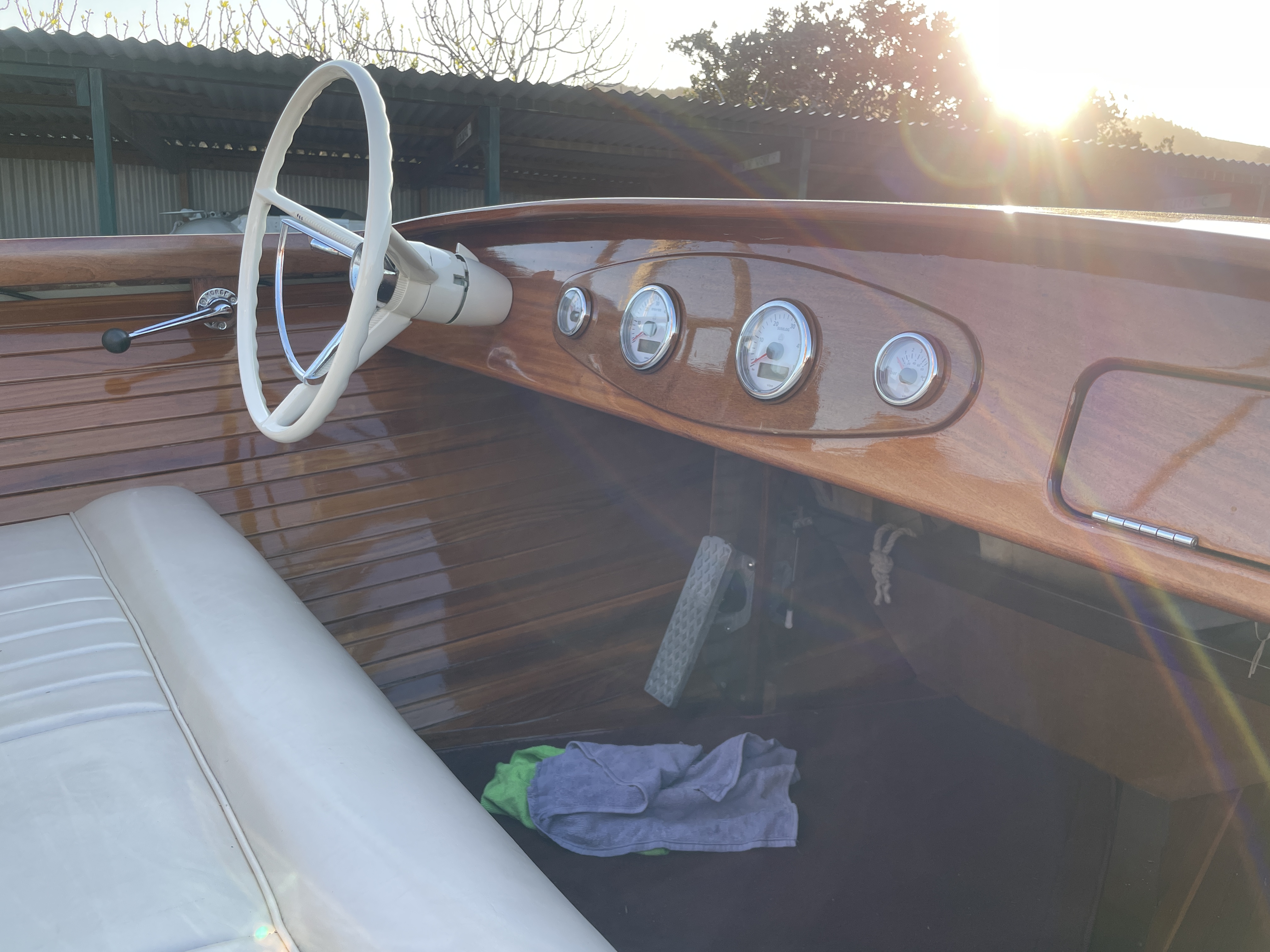
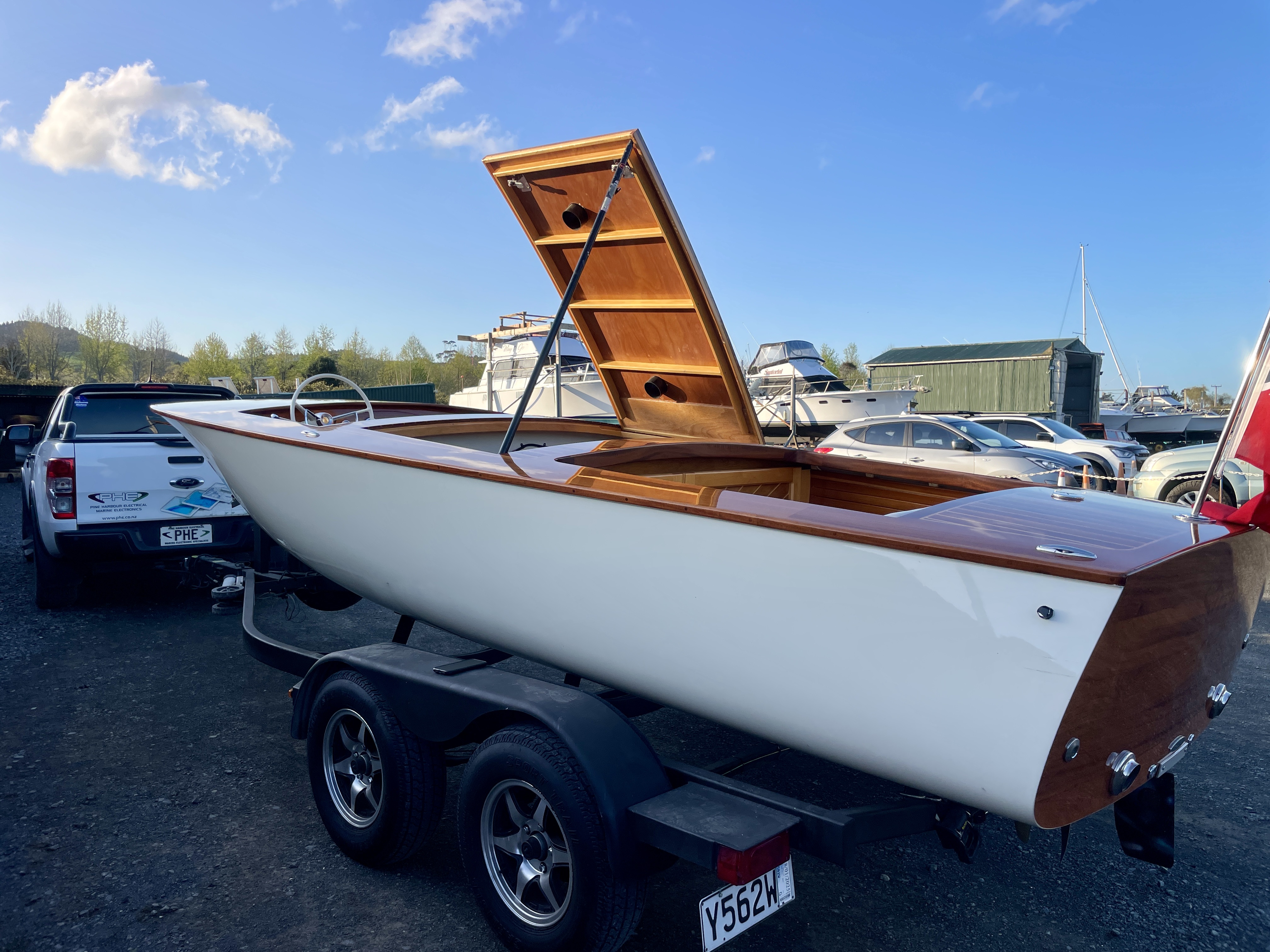
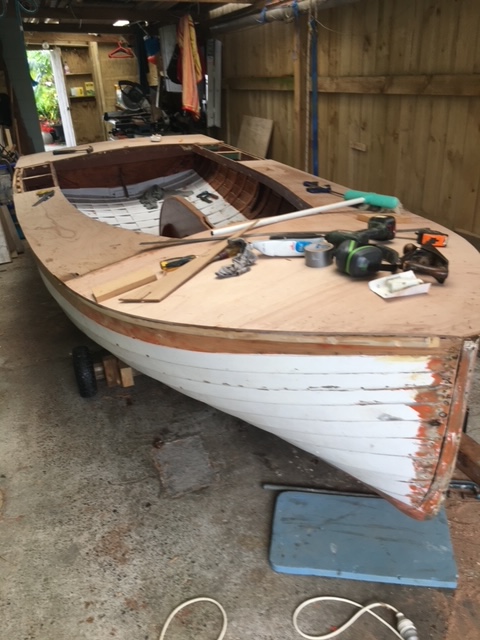
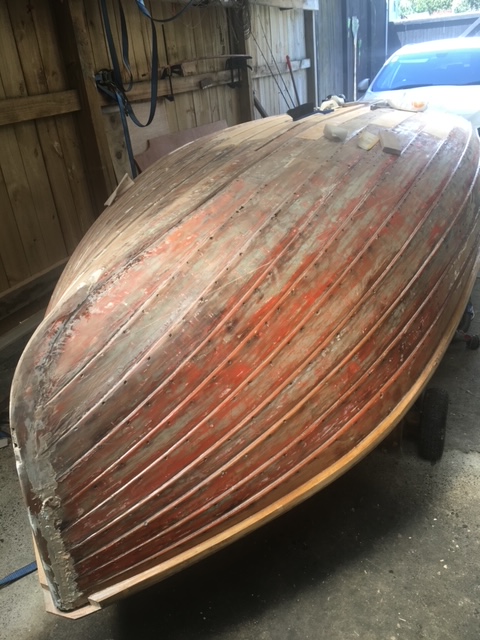
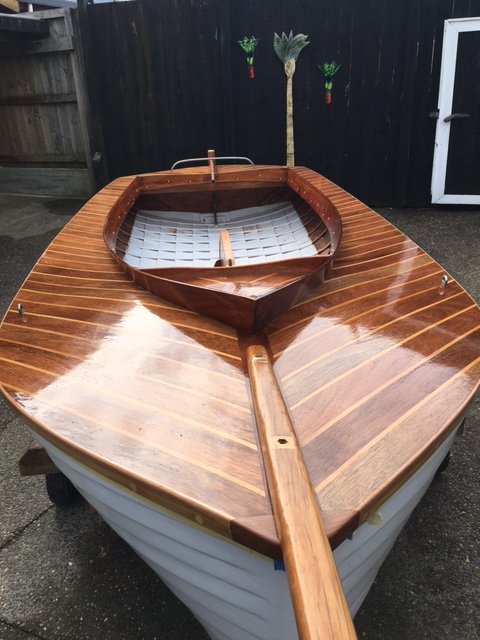
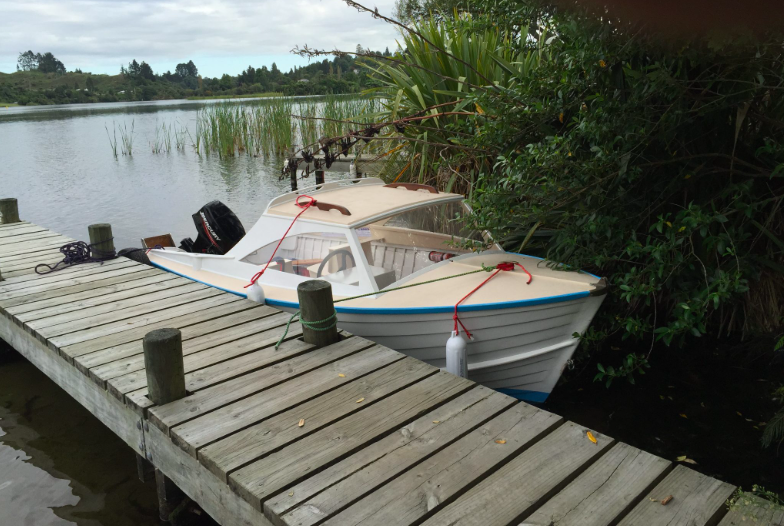
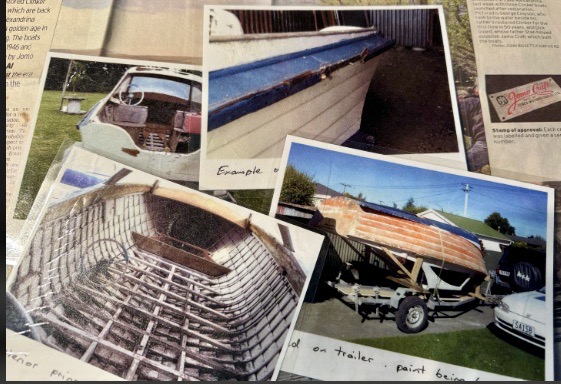
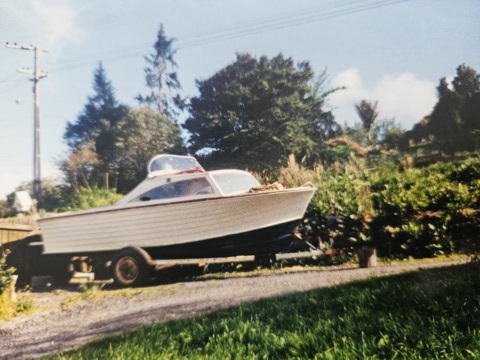
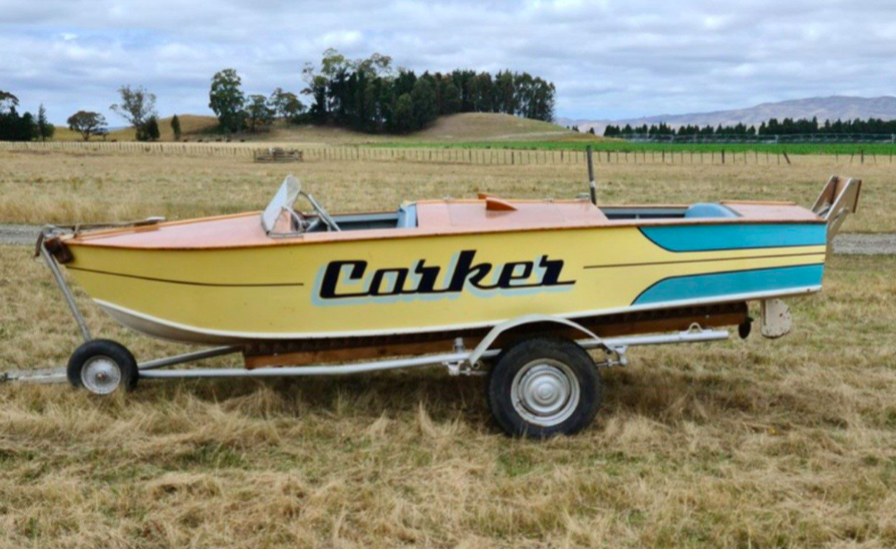
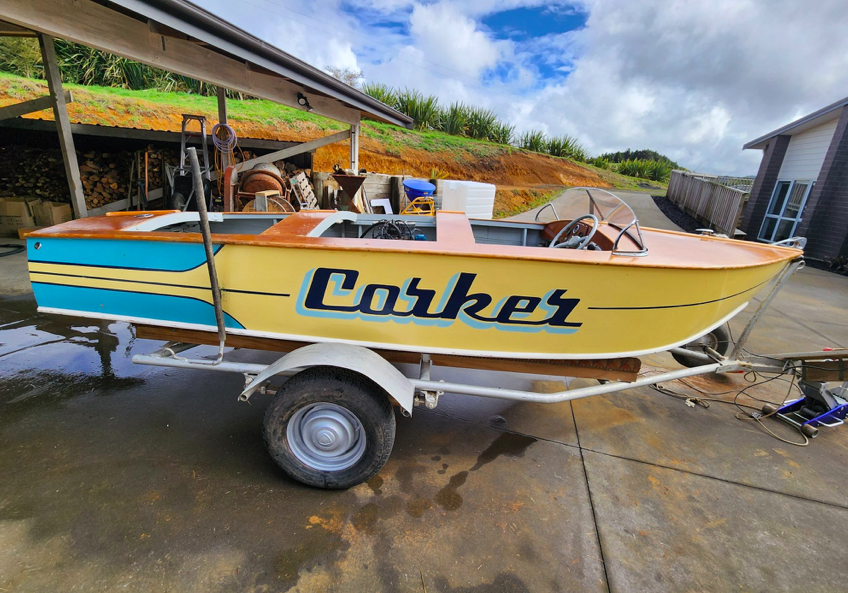
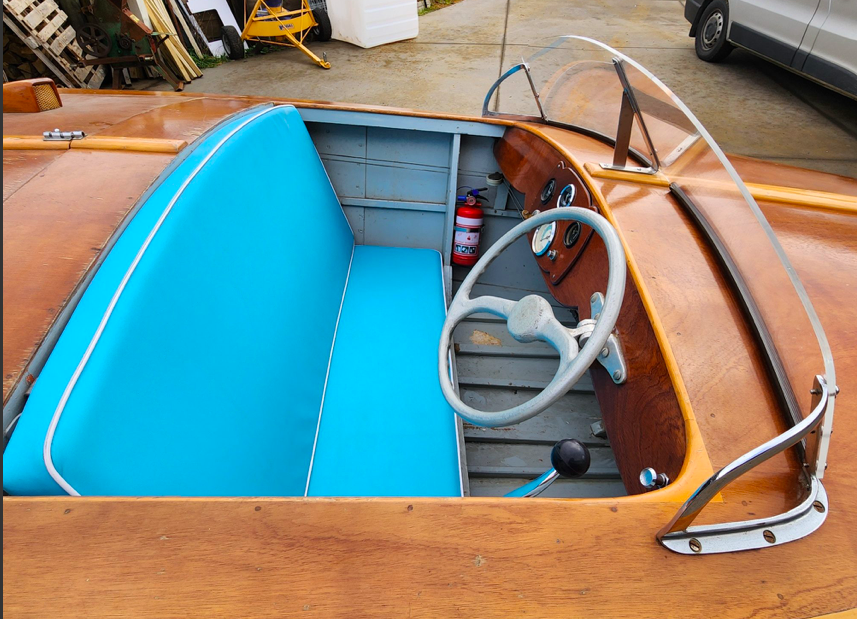
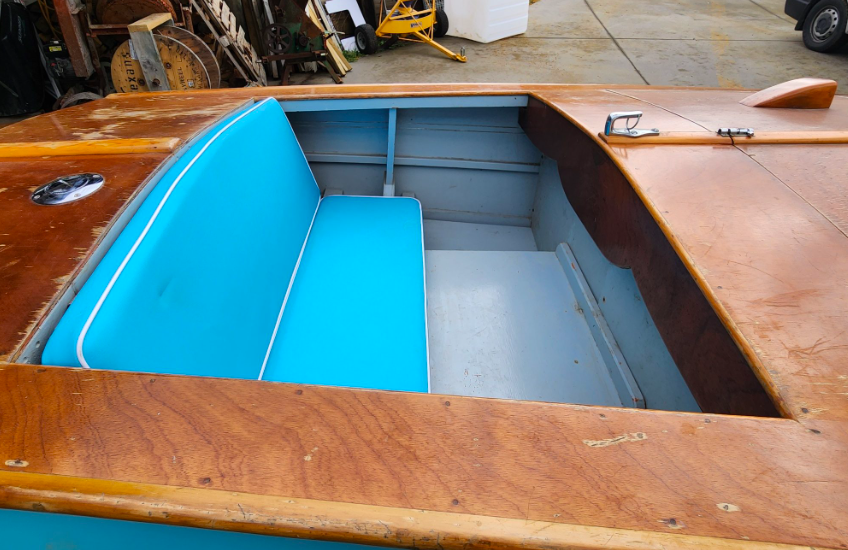
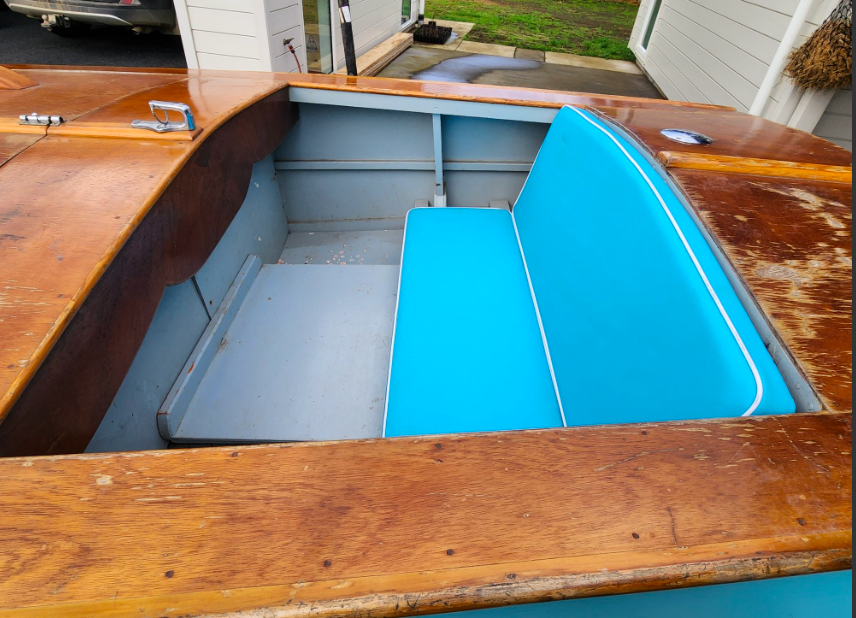
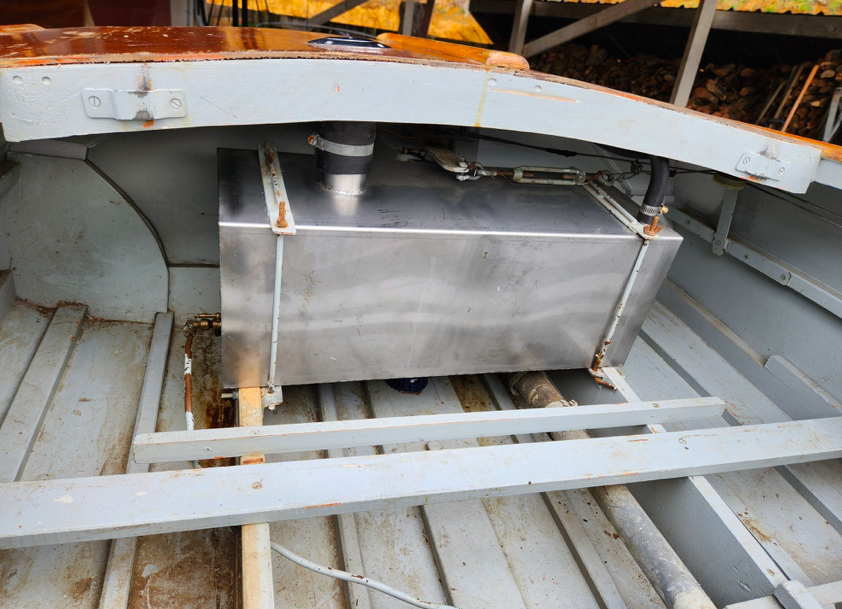
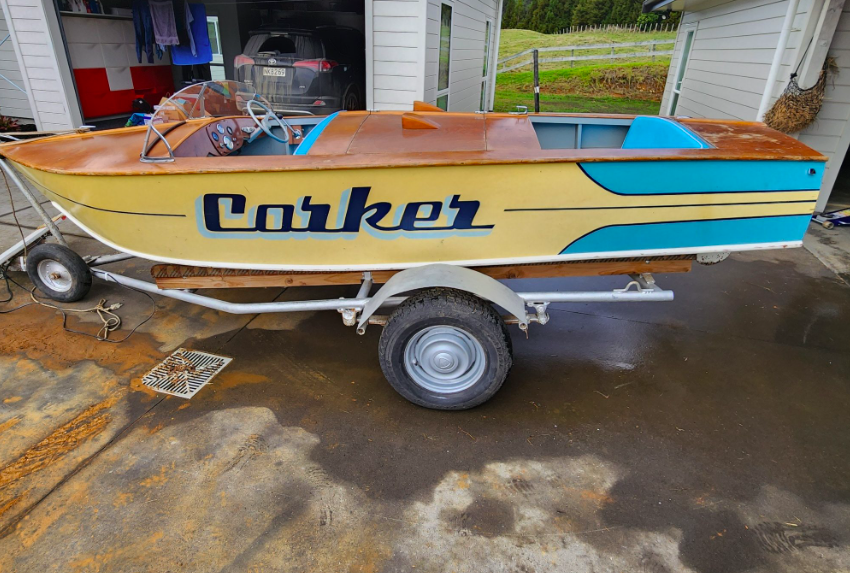
The c.1950’s 14’ classic ski boat – CORKER was built by by Bay Boats, Hastings for a Hawkes Bay farming family that holidayed in Rotorua, the the boat was used to ski on Lake Okataina and Lake Rotoiti. 

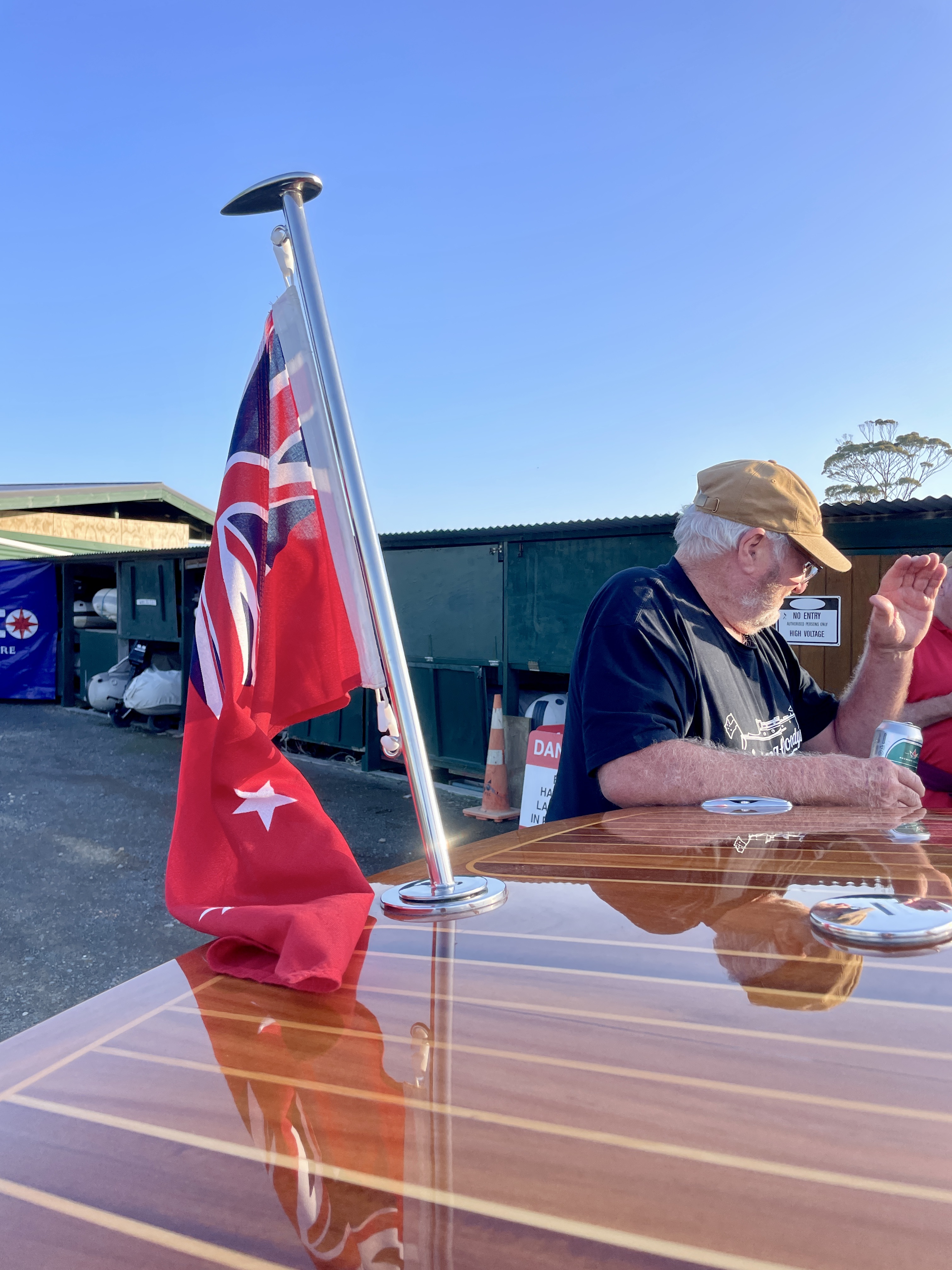
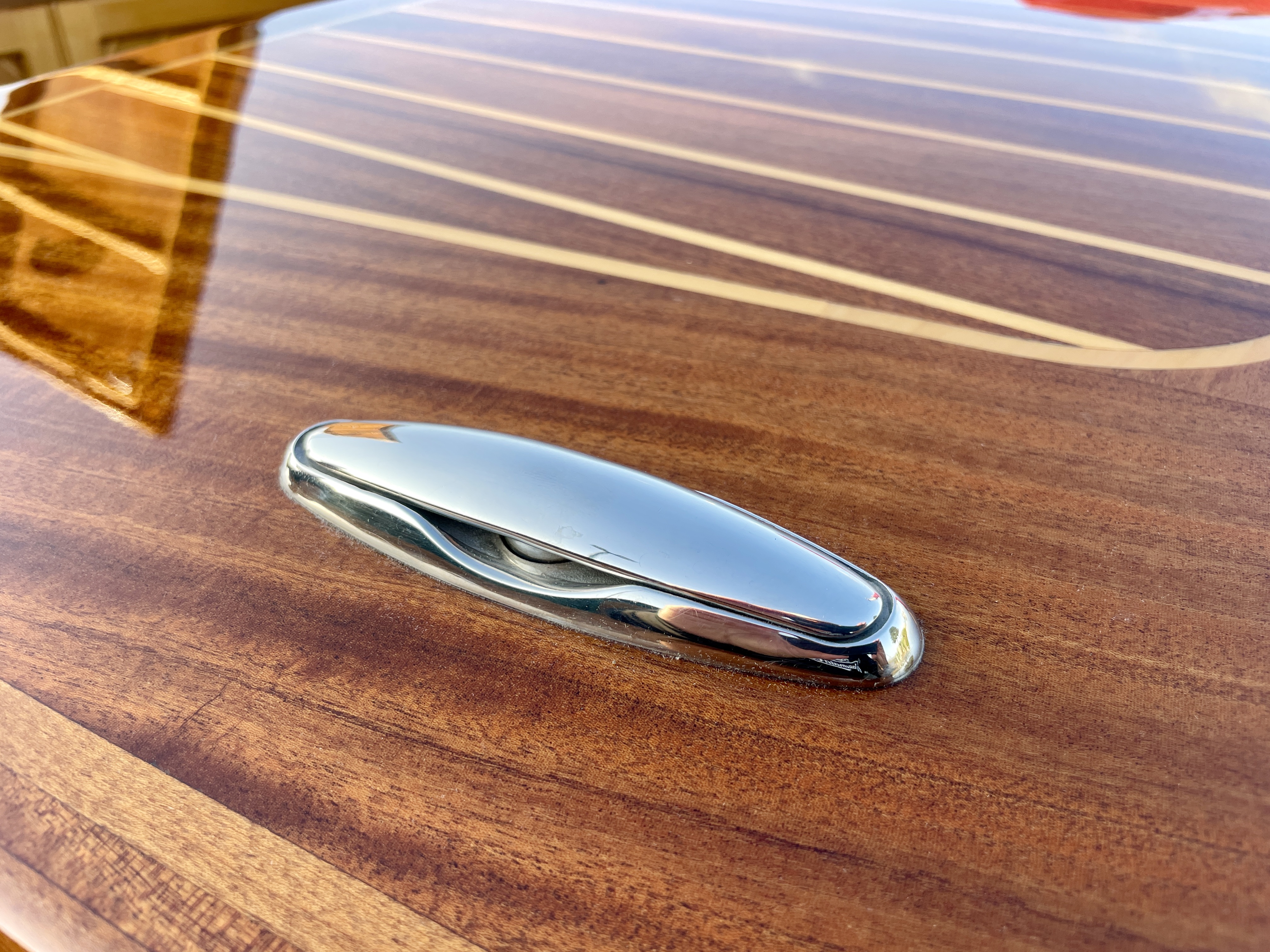
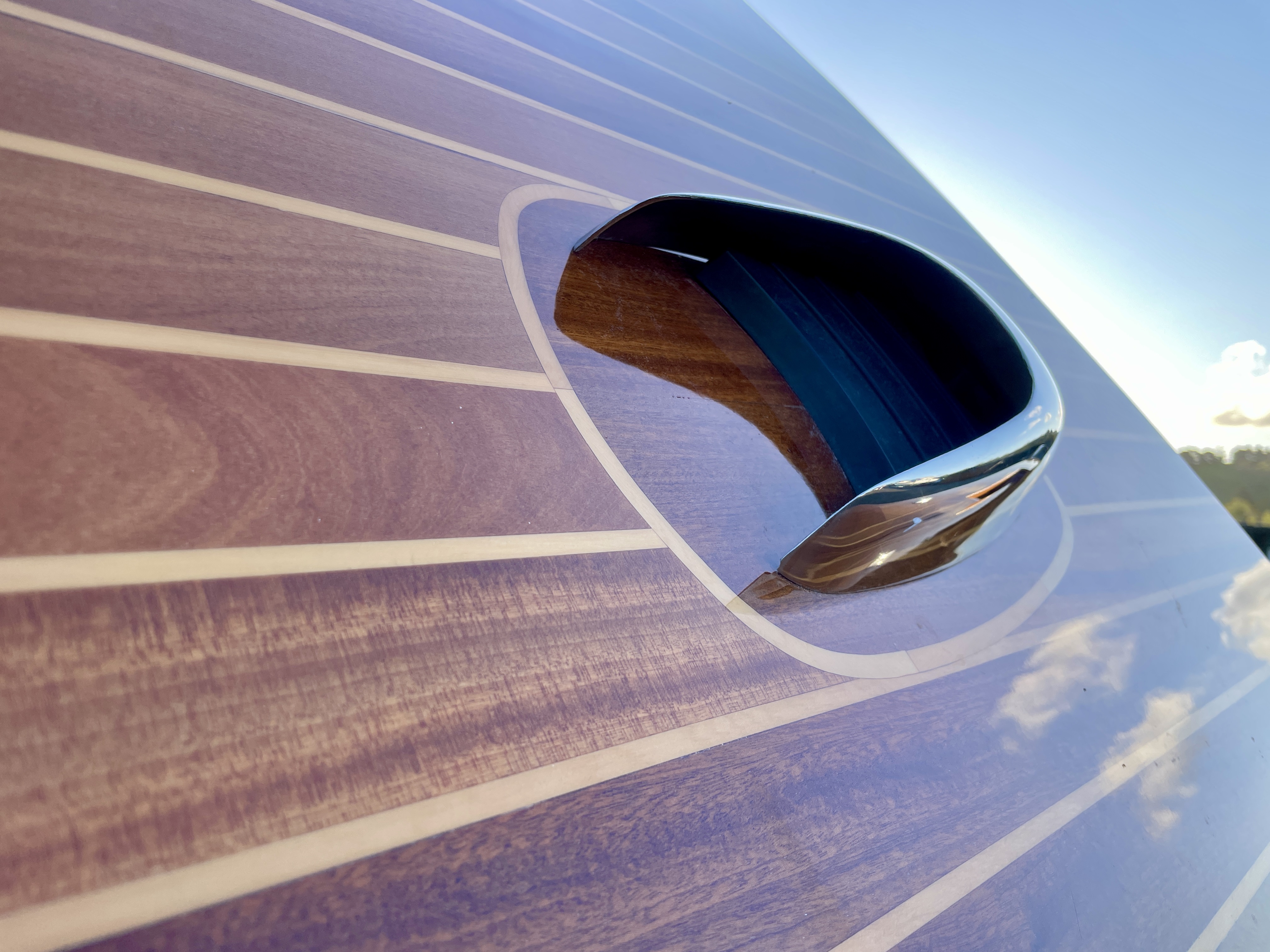
CORKER recently popped up on the tme and to be brutally honest the main reason I have featured her on WW is her paint job, stunning – looks like it may need a refreash but she just looks perfect. Current owners have have not held bak with the TLC and maintain in recent times.

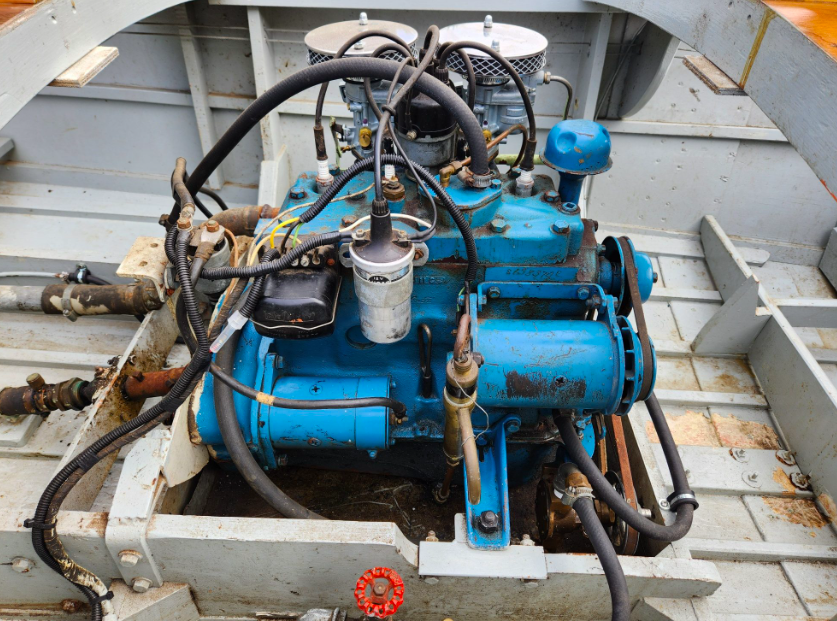
Video below of the 30hp Ford petrol engine running. 

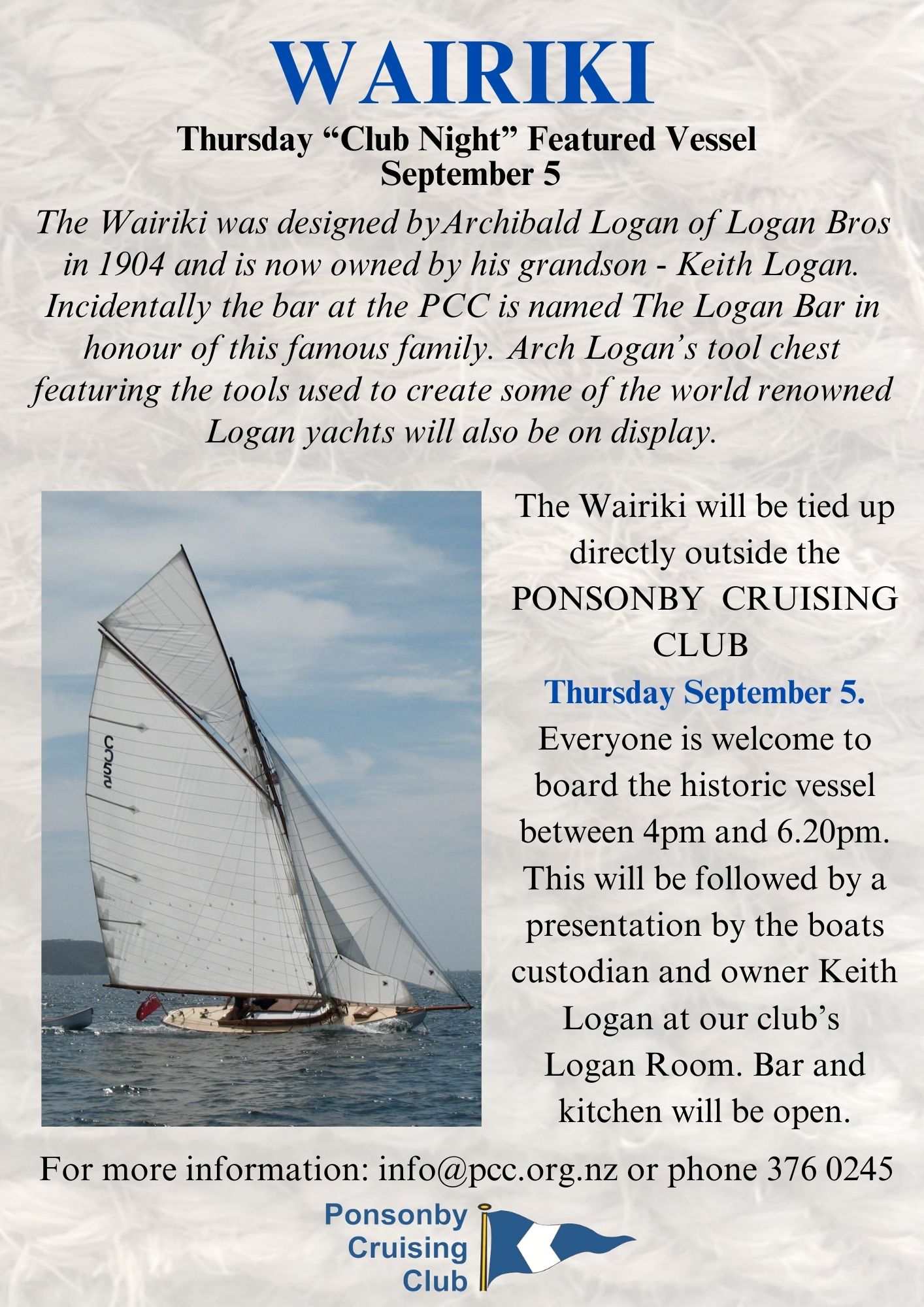
HEADS UP – #2 PONSONBY CC Featured Vessels Event Next Week

The PCC is proud to announce their second in the series of “Thursday Featured Vessels” featuring the classic yacht – WAIRIKI on Thursday September 5.  This woody was designed by world renowned yacht designer – Arch Logan in 1904 and is now owned by his grandson – Keith Logan. 

AVANTI – A Lot Of Boat From One Sheet Of Plywood

AVANTI – A Lot Of Boat From One Sheet Of Plywood

Now I know its not a NZ story and the boats made of plywood but when I read this story in the May 2021 issue of Small Boats Monthly it just made me smile – so today I share it with WW readers. Enjoy

Riley Hall was born and raised in Gig Harbor, Washington, a quiet town nestled around a narrow, mile-long inlet that shares the town’s name. The shoreline is bristling with piers and the water is dotted with boats at anchor. Surrounded by boats, it was only natural that Riley began building and working on them at a young age. He kept at it through high school and began restoring a 1940s-vintage canvas-covered cedar-strip rowing boat at home. For his senior-year project, he chose to work at the Gig Harbor BoatShop, documenting and disassembling hull #2 of the Ben Seaborn – designed Thunderbird.

After graduating, his interest in the restoration of old boats led him to move across the country to Rhode Island to study at Newport’s International Yacht Restoration School (IYRS). While enrolled there, he spent winter evenings and weekends restoring a 1963 Snipe. After graduating from IYRS in 2012 he got a job maintaining and restoring mostly classic racing yachts at Baltic Boatworks in nearby Bristol.

During the time he had been on his career path—restoring large yachts and working boats—Riley had been toying with the concept of small boats built from a single sheet of plywood. He designed and built his first one-sheet rowing skiff  while home for Christmas in 2014. He had brought the paper patterns for the skiff with him to Rhode Island and shared them with Don Betts, a local boatbuilder who had built a 31’ six-oared Cornish gig, and the one-sheet skiff Don built  led to two more, built with the help of a group of Sea Scouts.

After about six years at Baltic, Riley moved back to Gig Harbor in 2018 to take a job with Harbor History Museum. There, as a restoration/preservation specialist, he was put in charge of the volunteers restoring the 65′ purse seiner SHENANDOAH, which was built in Gig Harbor in 1925. The SHENANDOAH project kept Riley busy during his working hours but left him with some free time and a creative impulse to design and build something new.

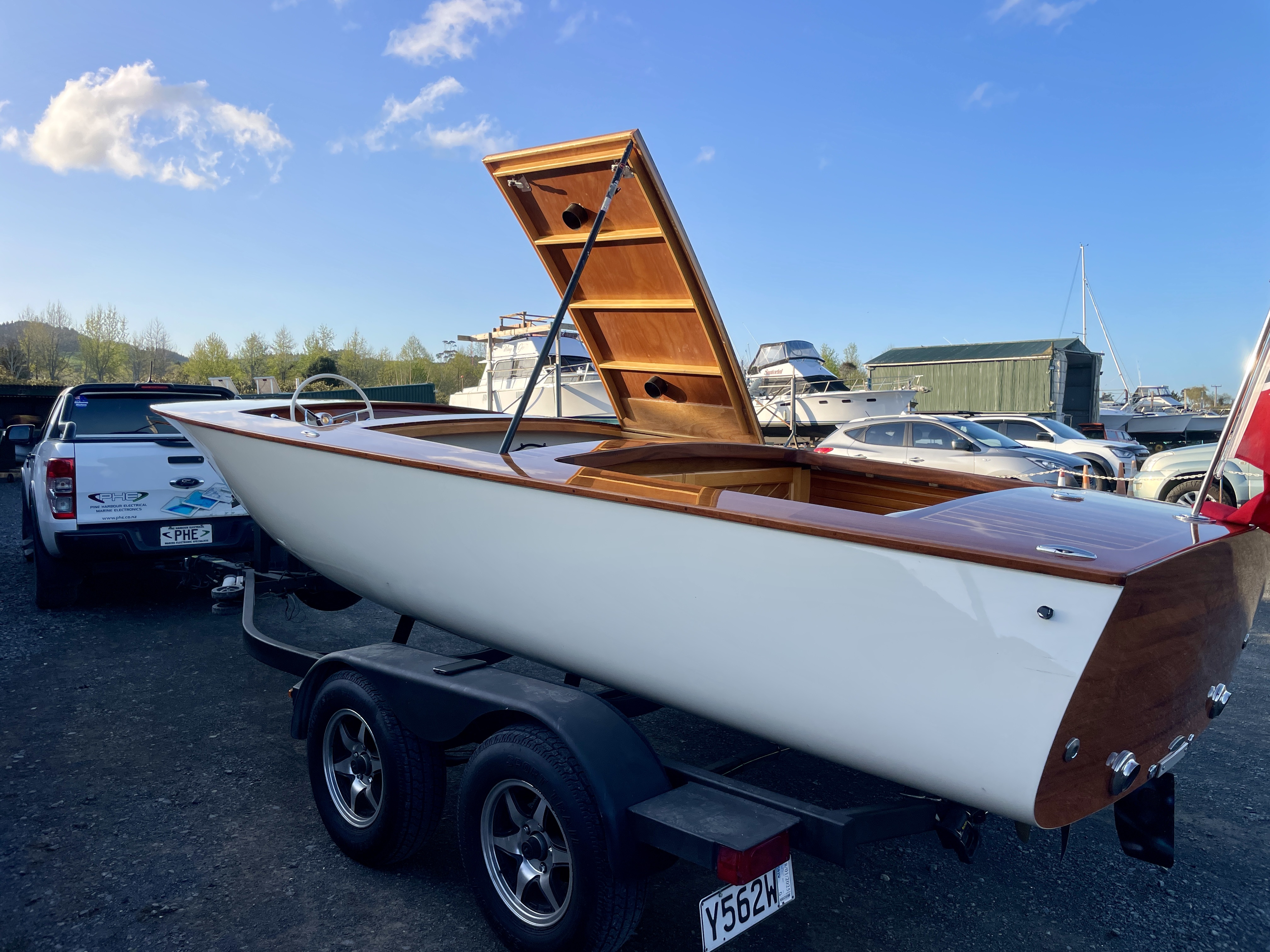
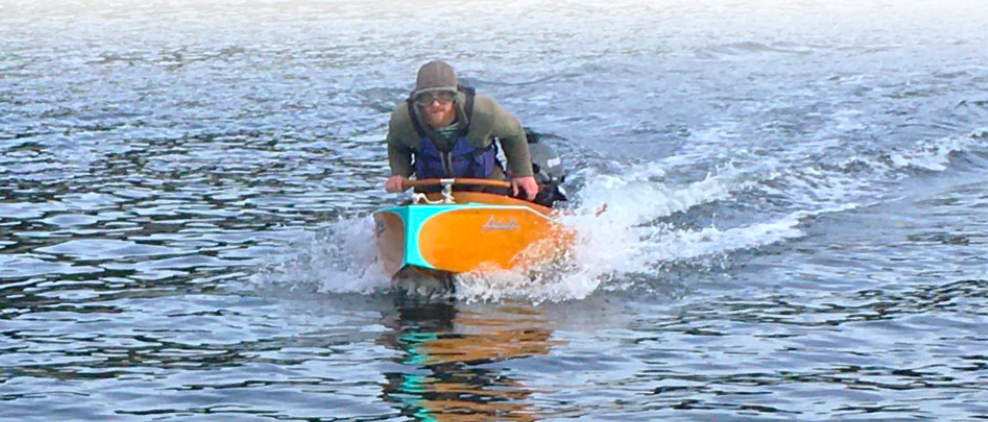
Working in the studio above his parents’ garage, he built three more one-sheet rowing skiffs, trying new iterations of the concept each time.  The 2.5-hp four-stroke Yamaha outboard he had for his 16’ Calendar Island Yawl set him to wondering what kind of speed it could produce with a boat made of a single sheet of plywood.

Cocktail Class Racers naturally came to mind.  Developed in 1939, they’re outboard-powered racing skiffs with a length of 8′ and a beam of 4′, just like a sheet of plywood, and limited to 6-hp motors—8 hp for racers who weigh over 200 lbs. They top out at 26 mph, far beyond the potential of Riley’s 2.5, so, with racing off the table, he was free to lavish attention on aesthetics and let visual elements from racing kayak, vintage bicycles, Beetle Cats, and ’50s nostalgia work their way into his design process.

He started with a wedge shape for the hull: a plumb stem to part waves and a flat run for planing. As he explored the shape with a model of stiff paper, the sides came together in a way that suggested a raised foredeck and stem with a reverse rake. The foredeck required a break in the sheer to sweep down to the stern, which, as Riley put it, “revealed a slightly strange shape, like little ears, between the side and foredeck standing out as rather odd and unconventional. I decided it was similar to what you see on racing kayaks, which look cool and go fast, so why not?”

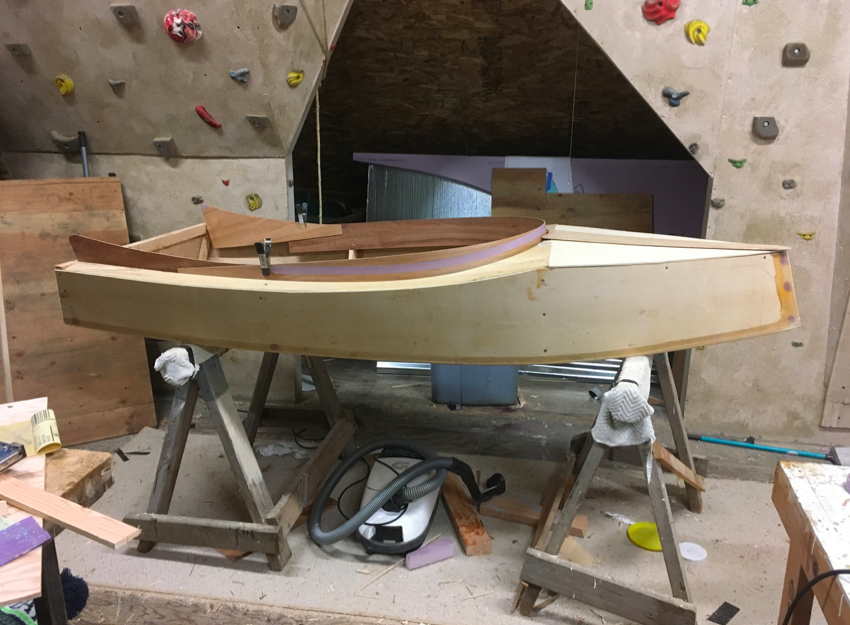
Riley started construction in a workshop space over his parents’ garage. With the shape established by the model, Riley could take the pieces apart from each other to “expand” their shapes and scale them up on onto a piece of plywood. After cutting the full-sized panels from plywood and fairing the panels, he temporarily assembled them with Gorilla tape, fine-tuned the shape, and used the plywood “skin” of the hull to take measurements for the boat’s two frames.

After Riley had installed the foredeck and a Beetle Cat–inspired coaming, he invited his father, Curtiss, an art teacher at the high school Riley graduated from, for a consult on aesthetics. As soon as he laid eyes on the boat, Curtiss said, “It looks like a Studebaker Avanti.” The iconic Avanti, a high-performance car with a distinctive “reverse rake” on the front end of its side panels, was Studebaker’s swan song, released in 1962 as the company was closing down.

Curtiss’s comparison set the boat’s name, AVANTI, Italian for forward, and pointed to an automotive aesthetic direction for the rest of the project. Riley had been looking to Herreshoff’s boats for a suitable shape for the aft ends of the coaming, but nothing looked quite right on AVANTI. While the Studebaker coupe didn’t have fins, it was produced in the final years of the fin craze, and the combination seemed to work for the boat.

For steering, Riley opted for handlebars instead of a wheel. Cocktail Class Racers require that the drivers lean far forward to keep their bows down and they’re forced to wrap their stomachs around the wheels. Riley found a bow fitting at a marine thrift store that could have easily been a classic-car hood ornament; the nameplate his dad made, replicating the one Studebaker put on the Avanti, was the finishing touch.
KIWI REBUILD OF A CLASSIC CHRIS CRAFT RIVIERA – Whimsical Mistress

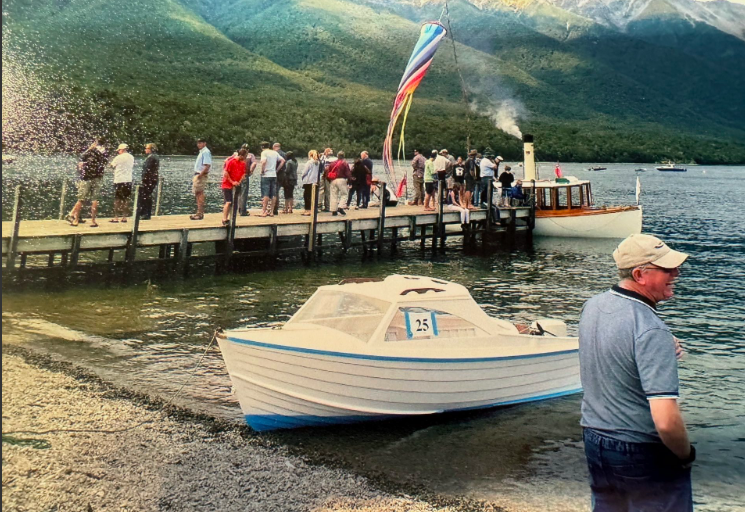
Lake Rotoiti 2023 – Alan H

KIWI REBUILD OF A CLASSIC CHRIS CRAFT RIVIERA –  Whimsical Mistress

Last month while discussing the gradual demise of a once nice wooden classic launch with Glen Archer he casually mentioned that he had imported a Chris Craft Riviera from the USA and totally restored / rebuilt her back in NZ. I’ll hand over to Glen to tell the story –  

 “Today I share some images and back story of our 1950 Chris Craft Riviera 20 that we imported from the USA in late 2018 from a deceased estate, the boat was pretty much stuffed, was in parts and had not been in the water since 1991, what followed was a full 3000 hour / 4 year restoration. The boat has 40% new oak frames, a full no soak bottom and a new deck, with it being very hard to see where the new and old timber meet.

The boat was relaunched in February 2023 The boat has been completely refixed fully with new silicone bronze screws and bolts and reassembled using 130 tubes of 3M 5200, stains and paints were imported to ensure period correct and the original MBL158 engine has been brought back to life with lots of new bits.  28 coats of varnish finish the boat off, along with a complete new interior, finished exactly as the boat left the factory. Quite possible the worlds most impractical thing to boat in, yet very high on the smile factor!” 

1902 CLASSIC WOODEN YACHT – 4sale

A CLASSIC WOODEN TRAILER-SAILER YACHT – Yeap You Read That Right 🙂

As covered many times on WW the cost of a marina berth is the #1 deterrent to owning classic wooden craft. I have speculated that smaller trailerable woodys will be the future of the classic boating movement in NZ.

MERLN – todays 22’ clinker kauri built, gaff-rigged sloop is one such boat that ticks all the boxes. And most importantly MERLIN is a looker and we like that.

Built c.1902 as a motorboat she was converted in the 1920>30’s to a yacht (deadwood/keel added etc). Then in the late 2000’s restored by professional Christchurch boat builder – Davie Norris. 

MERLIN received another birthday in 2015/16 with restored gaff-rig and ‘converted’ to tabernacle set-up, plus new sails and all rigging. Also included was a new custom trailer and new 4-stroke 6hp outboard.In the last 10+ years MERLIN has been shed stored and only used on Lake Hood, Canterbury, South Island.Her current status is in storage and as with all traditional built clinkers may need some tweaking / re-caulking to the garboard seam.

So woodys if you’re considering stepping up to life as a classic woody owner, MERLIN is the vessel for you and at the end of a days sailing you get to take her home. Interested parties to initially contact Andrew  andrew@siseed.co.nz for more details. And almost forgot – she will sell for around $25k – a bargain.

MAIA II – Sailing Sunday

MAIA II – Sailing Sunday

Todays woody is the very salty looking Woollacott yacht – MAIA II. Built in 1949 she is one of the ‘Ghost’ designs and is 28’ x 8’ + a draft of 4’6”.Her owner asked for a plug on WW re her being for sale, and of course I said yes – the boats very smart and Devonport based so couldn’t say no.When required forward motion is via a 13hp Shibaura engine and the sale includes a spare engine.Again dont normally talk $$ on WW but at $12k ono it has to be a bargain for someone wanting to join the classic wooden boating movement.A very strong and active Woollcott owners association is a bonus.
Initial interest via email –  sazoriginals@hotmail.com

Sea Scouts Need Some Help

Recently WW was contacted by Keith Christensen from the Kotuku Sea Scout Group in Levin asking for help finding a new home for one of their boats – I’ll let Keith tell the story – 

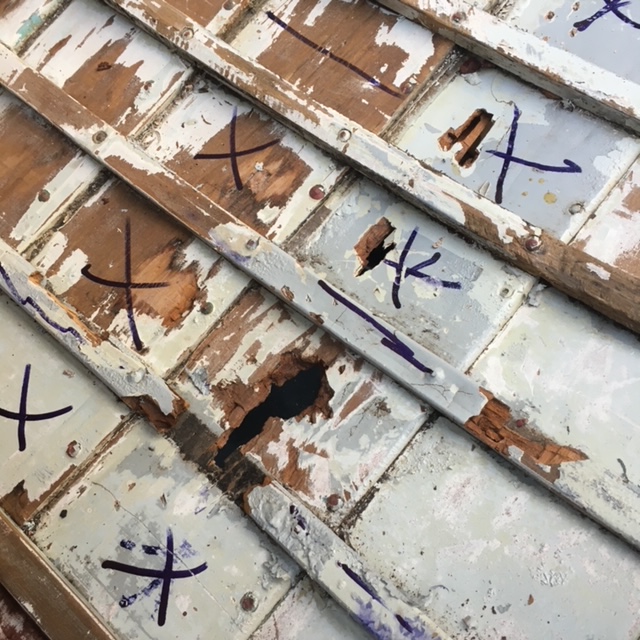
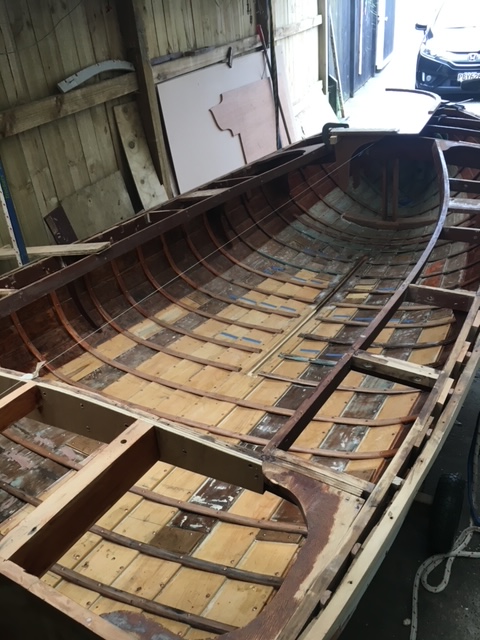
“This is a 17′ kauri clinker standard Sea Scout cutter, #112 Moutere, built in 1967.  She has spent most of her life in a shed and on Lake Horowhenua with occasional trips to Wellington. Her greatest stress has been trailering across town from our boat shed to the lake. Her major challenges are a split strake, a few cracked ribs and a very interesting repair in the front. I have started renovation by stripping 95% of the paint. She comes with a trailer different than she is on in the photos which will need work as it has no mudguards. We have the rudder and some stretchers and can rummage up a mast (Oregon). 
Any money donated to our group will be used for our youth programs as well as repairs to our other 3 Cutters. It’s sad to let her go but she has spent 13 years untouched so we need to focus on our other boats. 
Because this is standard boat you will be able to find other  people who have done refits. I think it’s common to put an inboard in them. The transom on our other one got a bit beaten up with a Seagull so I wouldn’t recommend it.”

Contact Keith Christensen at  drkchristensen@hotmail.com

LADY CAROLE REFIT – Update #1

1950’s

LADY CAROLE REFIT – Update #1

As mention previously the launch – LADY CAROLE has just commenced a refit that will see her returned to as launched configuration (or very close). The project is being overseen by co-owner Patrick Crawshaw and Patrick has agreed to report into WW with updates on the work. Patrick is a talented and articulate gent so I’ll hand over to him to tell the story:

She came out on the 30th of May and is now on the hard in the Bay of Islands. First job was to remove all the plastic bits and pieces she had accumulated over time. Then the chrome and rub rails came off. Once she was stripped, we could see what we had, and already she was a better looking boat. Since then we have been sanding – a lot of sanding!  And many discussions and decisions around how best to return her lines and original appearance. 

A lot of thought has gone into the colour scheme in order to pop the lines again. In one of the photographs, you’ll see where we have put a makeshift pipe to know where that mid section line was (we had to do this by eye) and also to know where the windows need to be reduced to.  We will have to do the windows by eye/photograph as well so we are filling the whole section, then cutting them out.  

One problem was, the ceiling in the main cabin has been raised so we are going to re-cut the back curve so it lines up with the top of the windows, which will make that upper aft section look more elegant than it is at the moment – if you compare the 1950’s b/w photo to the now one, you’ll see what I mean. 

There has been much deliberation over the bowsprit, and as it’s glued and bolted down, we want to really work with it, so I have redrawn it to make it look more elegant.  

There were cuts along the side rail for water to drip down, but these have been filled today so we can get a sharp white pinstripe along the side that will contrast with the midnight blue hull and the red side section. 

The rub rails are copper and everything else is chrome, so I am going to treat them to make them black, which will pop the white pinstripe and work with the midnight blue. 

Great discussions over the glass windows – should they be tinted, or clear?   Originally they would have been clear so I think we are going for that. I would also like to replicate the striped curtains (seen in the 1950’s photo) in blinds, so you get that horizontal stripe from the fabric which looks great – So the fabric blinds need to be blue and white to work with the exterior colours. 

The mast is pretty knackered and has lost its cross rails, so we took the decision to make a new one. I’m in the process of designing this so will forward that on when it’s done. I want it to look very streamlined 50’s so taking those curves at the back and the new bowsprit design as inspiration so they all work together. 

We have fortunately found only a tiny bit of rot, so someone is smiling on us.

Another item is her stern and name – my grandfather put the duck board on her in the late 70’s, but before that she just had a ladder up the back (as seen the 1970’s photo) so in order to centralise the lettering properly we are going to raise that aft entrance cut up and then put the letters in between the duck board and the bottom of the new line. 

I have some interior design drawings, which I need to finish, but will send these to you as well, so you can see what that cockpit and interior fit out will look like. “ (edited AH)

Woody Fathers & Grandads

Woody Fathers & Grandads

Be an instant hero and take the kids out for a day trip – this weekend the Matakana School are hosting the – Matakana Model Boat Show. Over 200 boats static and afloat + races.  And if there are no siblings around, even better – more time to enjoy it. See flyer below for full details.

If you go Saturday – take in the Matakana Market, I was there last weekend – great food, produce & coffee. Opens at 8am. And the new express way makes the trip a doddle 🙂

Special thanks to Mark Lever (MV Nereides) for the heads up + photos

MYSTERY LAKE LAUNCH

MYSTERY LAKE LAUNCH

Well woodys it is only a mystery because the owner, trying to sell her chooses to not show the vessels name – a tad crazy when selling a classic – the name is what joins the dots.

What we are told (thanks IanMcDonald / tme) is that she was built in 1978 and is described as a Woolley 25, kauri planked, powered by a Volvo Penta 28hp diesel engine and calls Lake Rotoiti (Nth Island) home.

The ability to trailer the boat is a big bonus – but sadly the trailer is probably worth more than the boat 😉

Hopefully one of the Lake Rotoiti woodys can enlighten us more.

MAGGIE – Clinker Dinghy 4sale

MAGGIE – Clinker Dinghy 4sale

Regular WW readers may recall that sadly last year one of the classic boating movements most committed crew – Alan Good departed this life.

Alan was co-owner along with partner Nicky of Lucille – a L33 launch. Alan would always wind me up that his f/glass boat had more bronze and varnish than most wooden classic craft – he was probably right, but I’d never admit it.
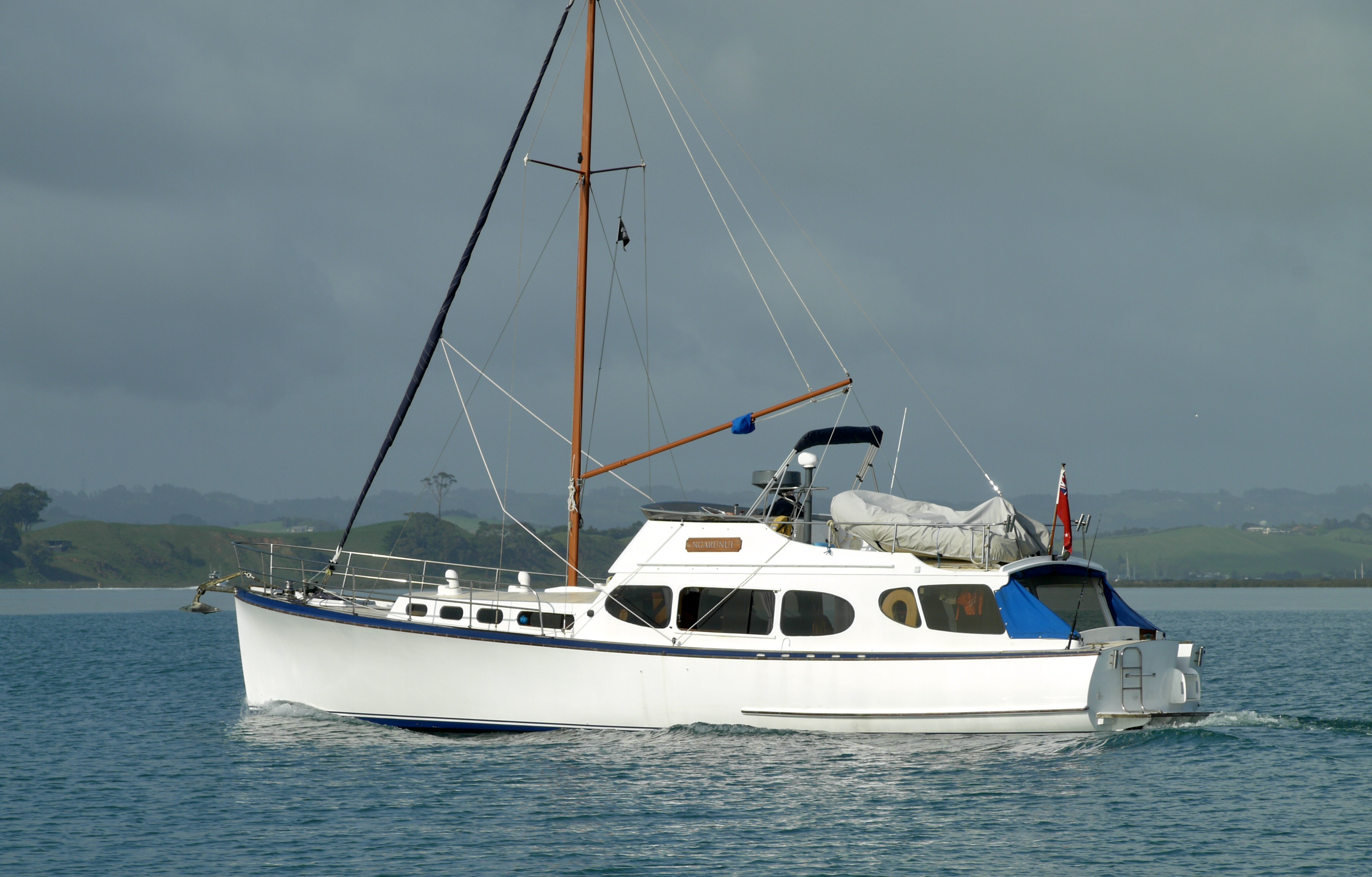
Back in 2012 Alan undertook a project to build a classic clinker dinghy, which he named Maggie. I was recently contacted by Nicky advising that the family had made the decision to find a good home for the dinghy. 

So woodys if you are looking for a clinker to accompany your classic or maybe just want a traditional gaff rigged sailing dinghy for the grand children – Maggie is for sale and Nicky is looking for realistic offers. If you are a serious woody you will know the time and $$ that it takes to craft a boat like Maggie, so please only genuine enquiries to Nicky via email in the first instance nmlgood@gmail.com

Specs – 7’6” , designed by Selway Fisher, Redshank Dinghy. (Note: oars excluded from sale)

The White Boat Show

The White Boat Show

I dropped down to the Viaduct yesterday to check out the Auckland Boat Show – a very impressive line up of big white boats  and bits that make them go fast and stay a float. 

But that is to be expected. The craft on offer just seem to get bigger each year and spec’ed with more gear. You have to question if it is all needed and how many owners actually know how to work the tech.
I struggled to find much to point the camera at but if you are looking for advice on painting / anti-fouling your boat, a bow thruster, an electric outboard for your tender or the latest in solar charging / batteries its worth a visit – not sure about the $26 entry fee – its really a trade exhibition that the public are allowed into. There appeared to be few of the marine industry ’traders’ from previous years that sold boating ’stuff’. Show runs until late Sunday afternoon.
I did spot a wooden boat, it was encapsulated in f/glass on the MAST (Marine and Specialised Technologies ) Academy stand + the sport boat that I assume is a new Riva is rather swish. 
Another boat that took my eye purely for the paint scheme was the Innovision Boats 656 Explorer – love the colour – we tend to very boring , so a big ups to the owner of – ’Ship Happens’ 🙂

A BIG THUMBS DOWN TO AT (ATEED) FOR POOR TIMING – THE SWING PEDESTRIAN BRIDGE CONNECTING DOWNTOWN WITH THE NORTH HARBOR AREA (site of the show) WAS STUCK UP ALL DAY FOR REPAIRS……………. THIS APPROX ADDED AN HOUR TO THE RETURN TRIP. 

A SIGN OR SOMEONE TELLING PEOPLE WOULD HAVE BEEN A NICE TOUCH – SO MANY PEOPLE MADE THE WALK TOWARDS THE SHOW TO FIND THE BRIDGE NOT FUNCTIONING……………

FINGERS CROSSED IT IS REPAIRED BY THE WEEKEND………

ps take your sunglasses, its very bright walking the docks 😉