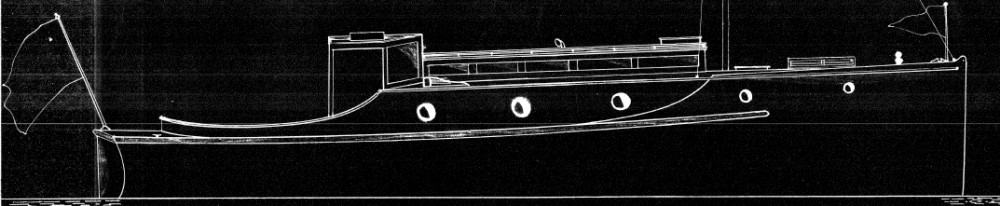
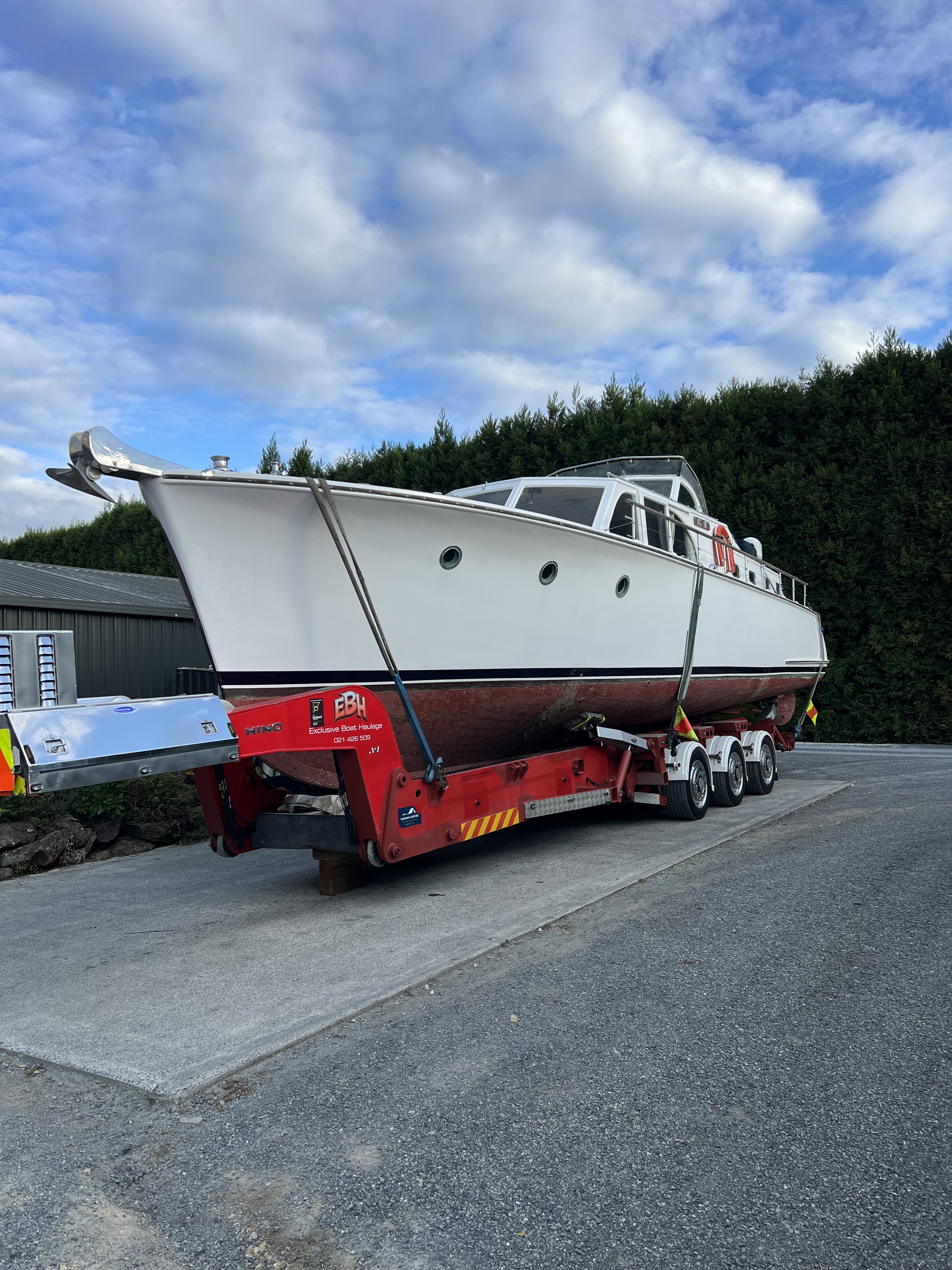
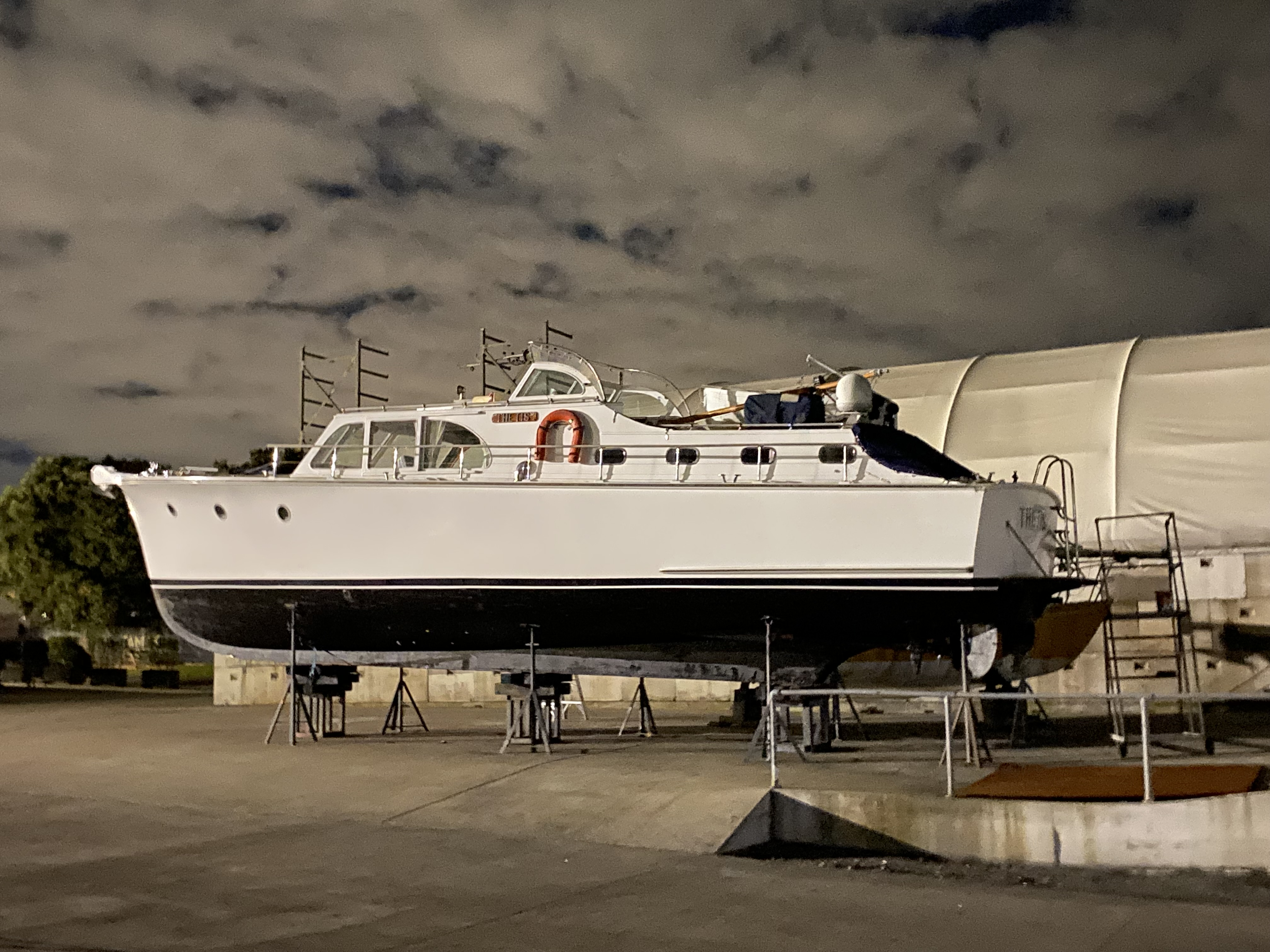
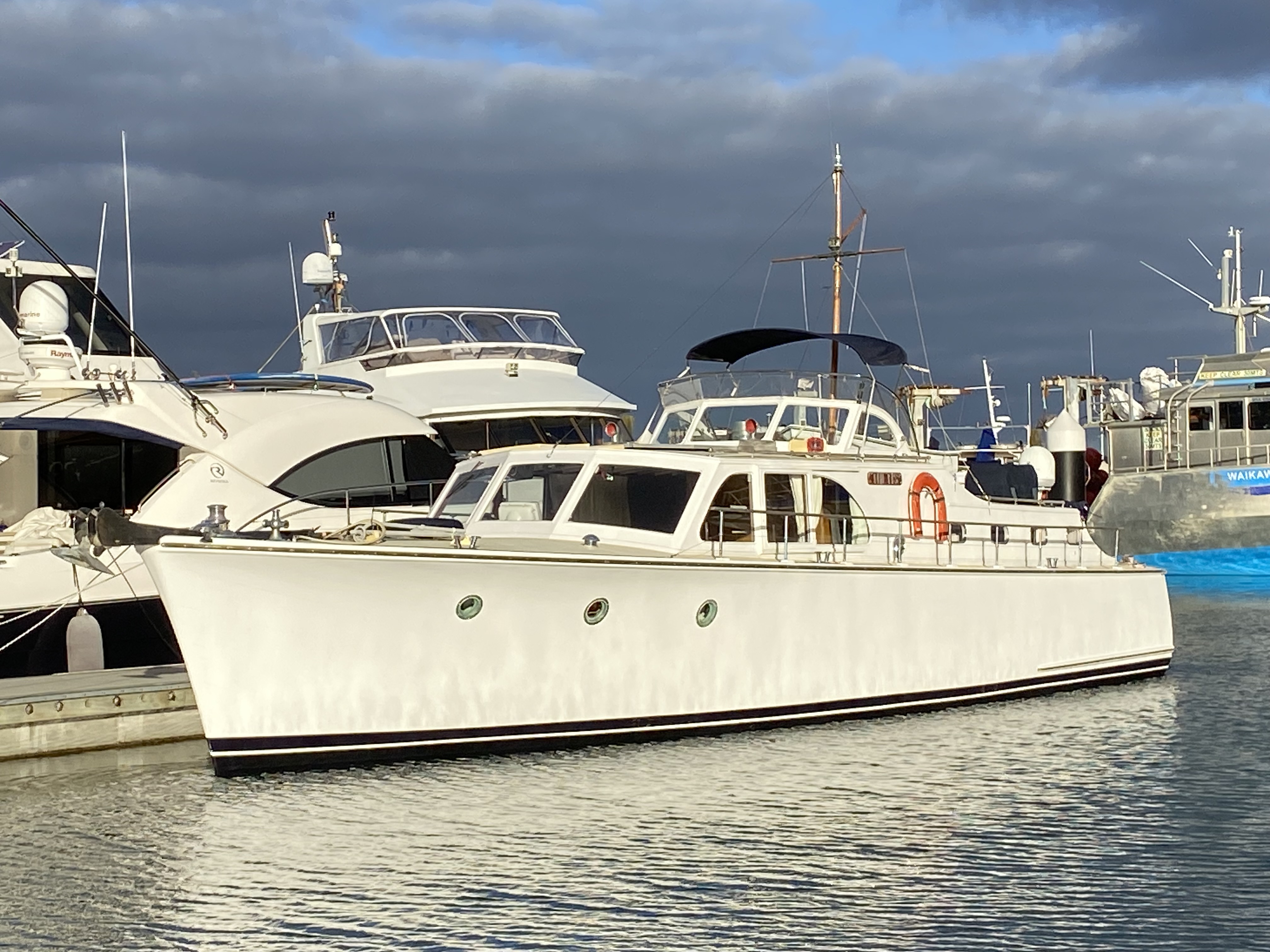
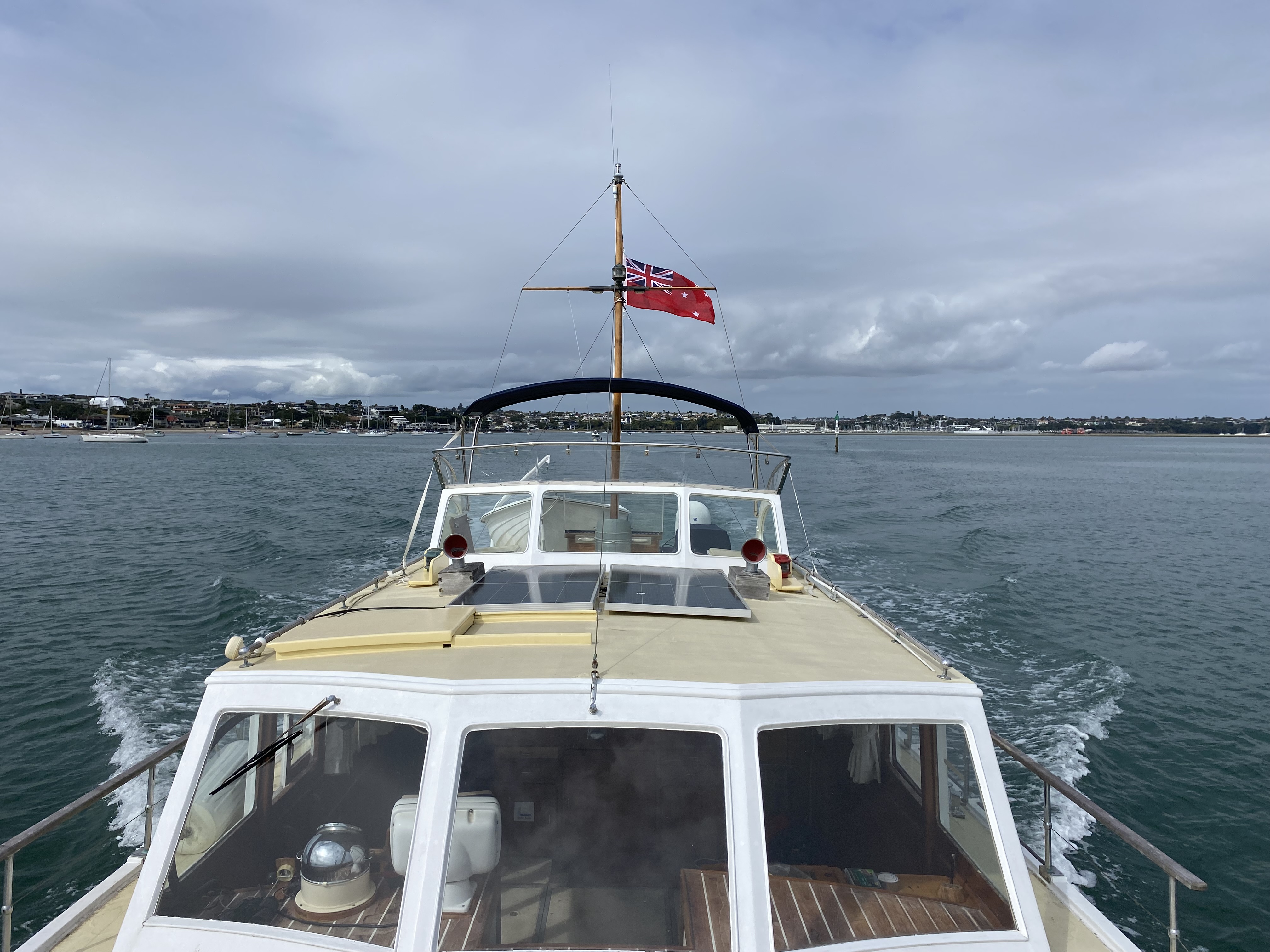
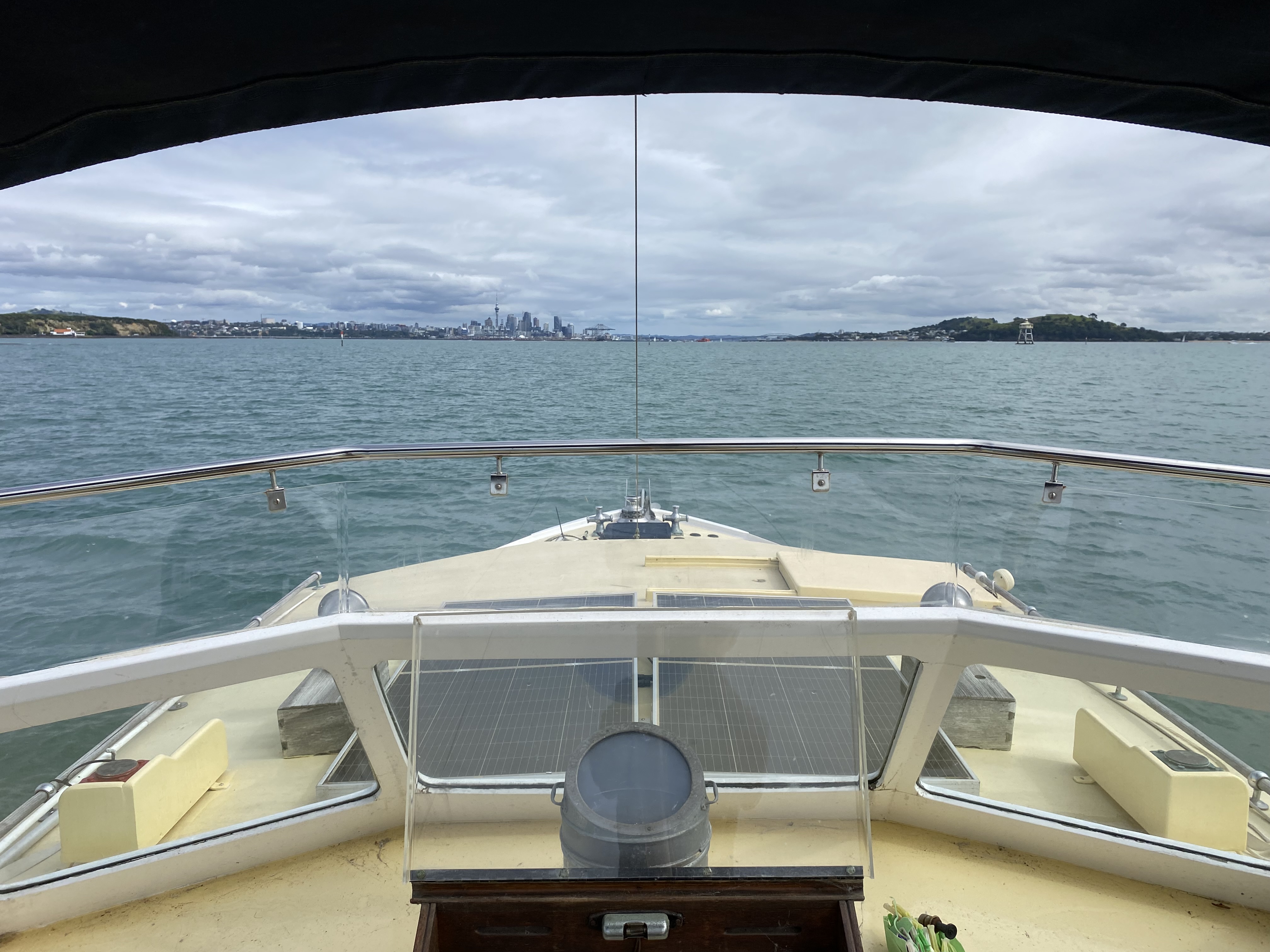
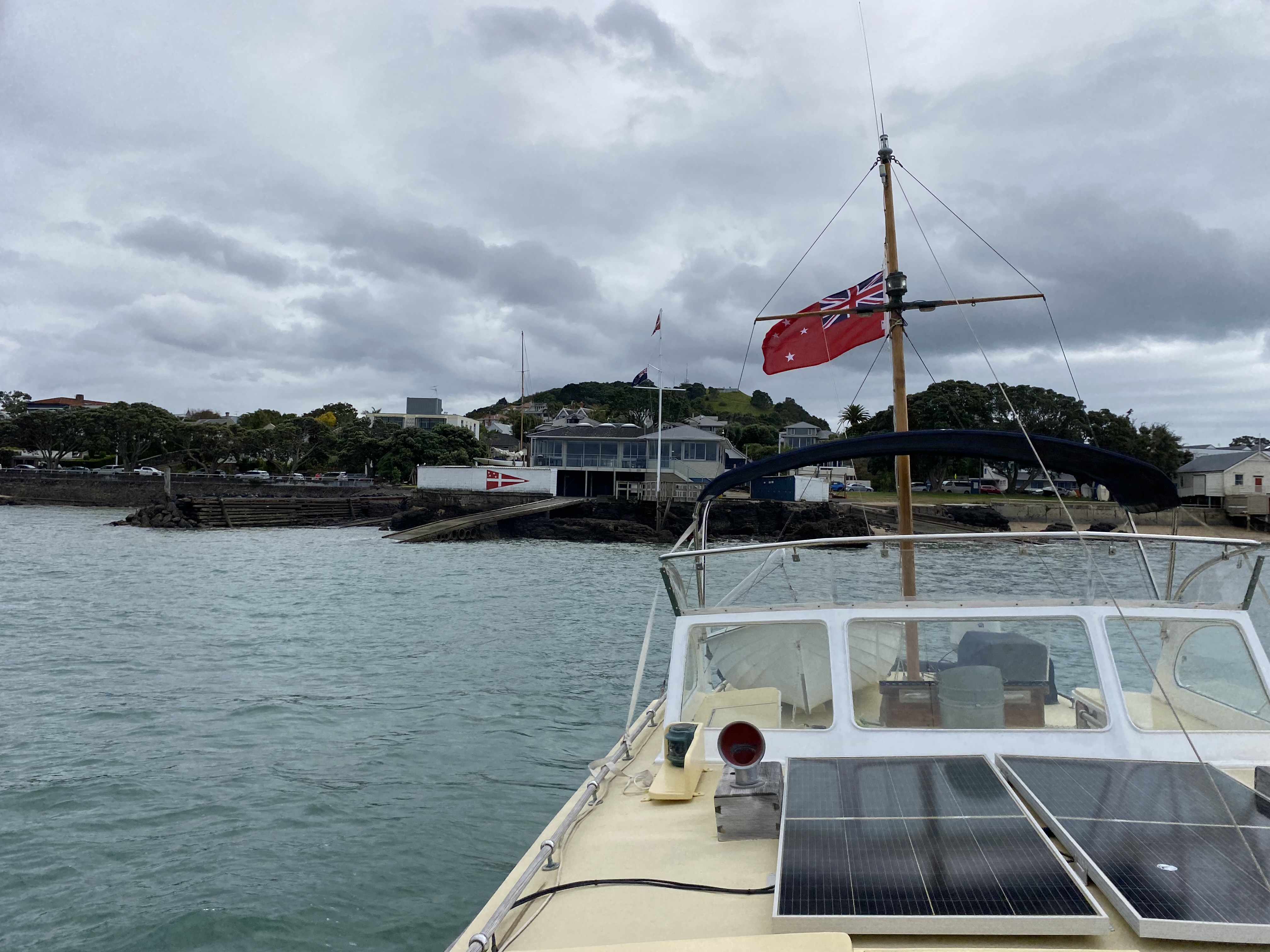
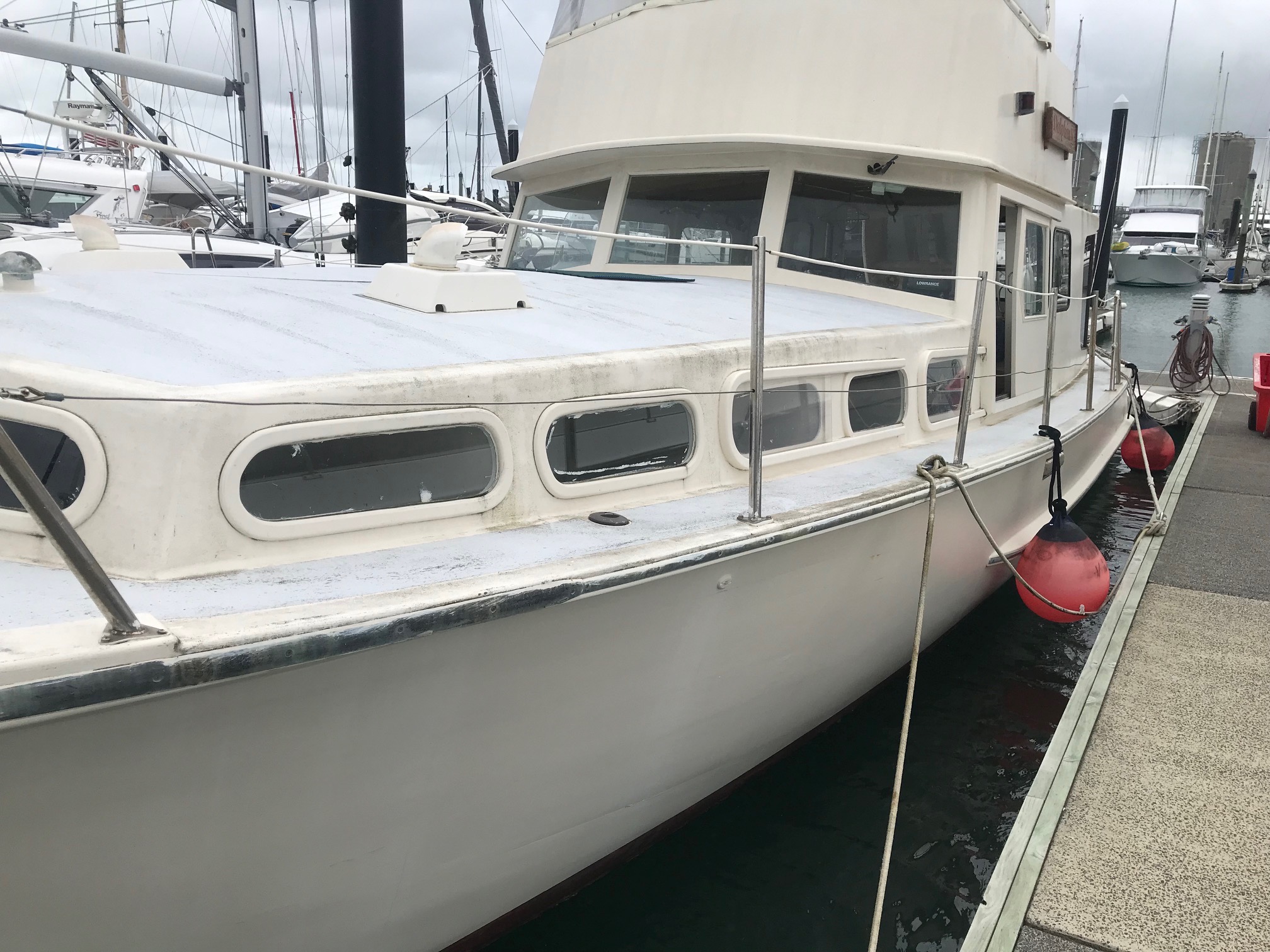
Back in March we reported that THETIS had been sold and was now back in Auckland via Exclusive Transport and Boat Haulage. She was taken straight to the Tamaki Haulout Yard.
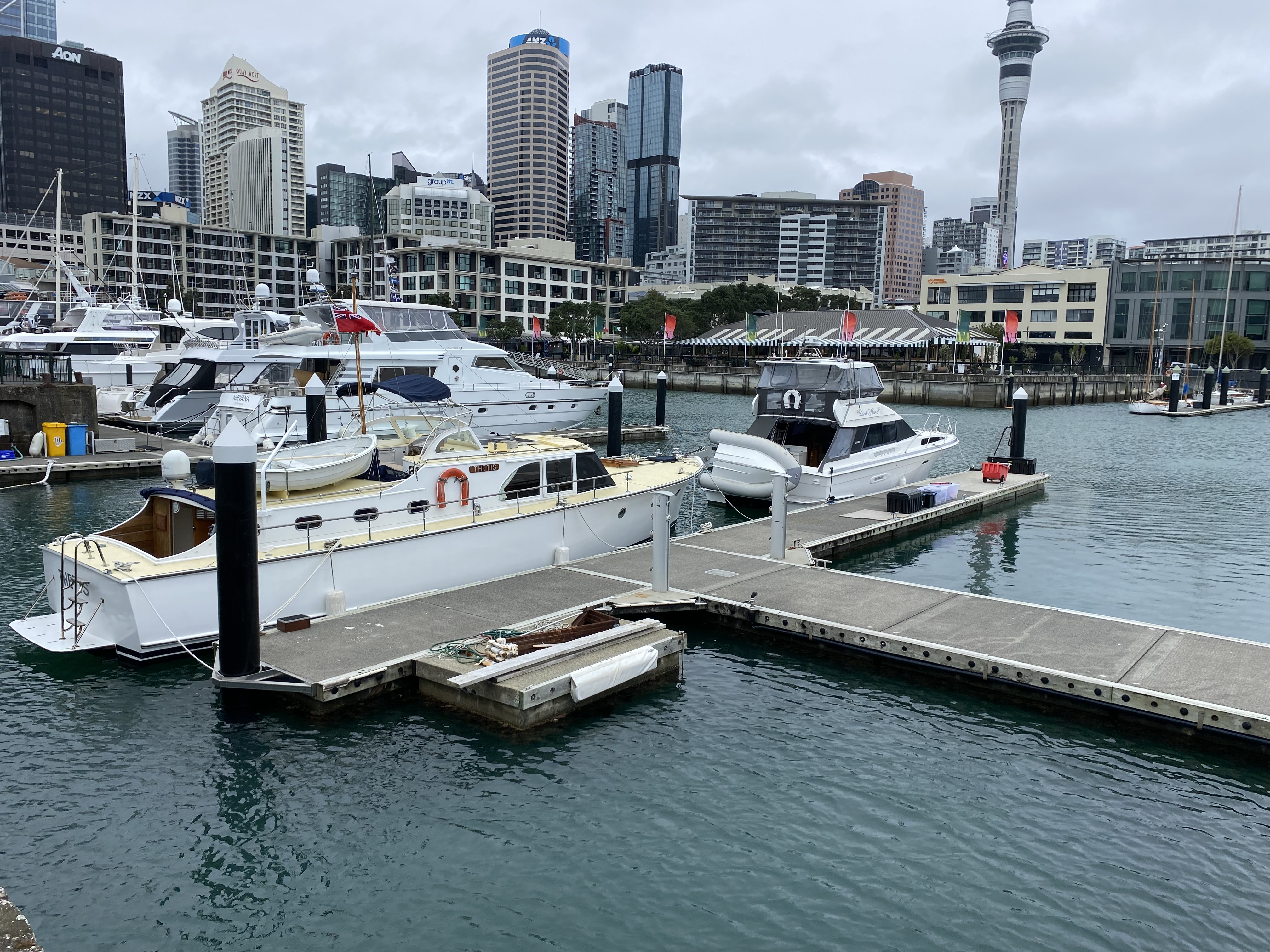
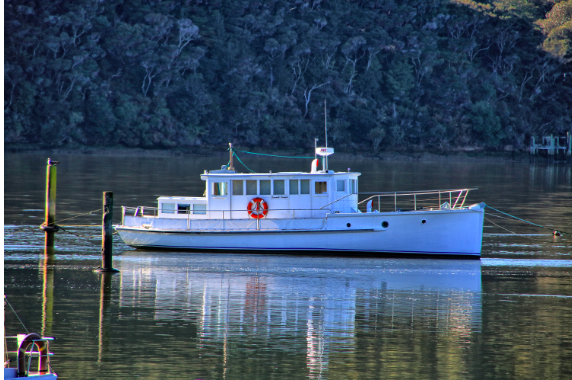
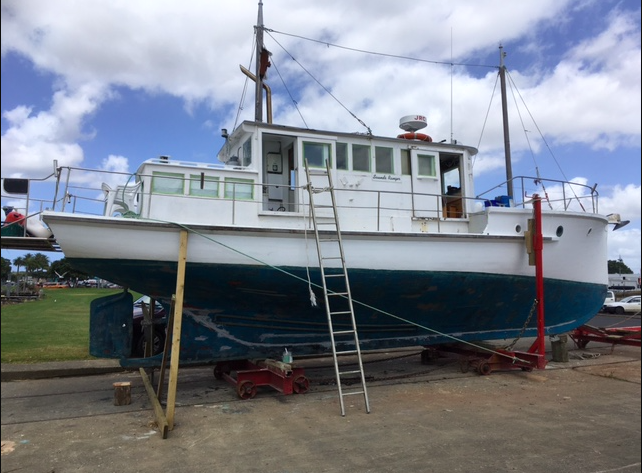
Early in the month owner Norman Ramsay advised that he scraped and repainted the bottom and had her put back in the water within a couple of weeks. She then motored down the Tamaki River to a berth in central Auckland. In the last photo above the launch in front of THETIS is Norman’s other launch – a Formula 4000 named ISLAND TIME. A t the time of purchase / sea trial they was an issue with one of the Graymarine diesel engines, so Norman commented that engine work is ongoing in the berth at the moment and they are working through options from rebuild to replacement with Duetz engines. Post this the next step will be the interior.
Very happy to see THETIS back on the Waitemata and looking forward to reporting on the rolling restoration.
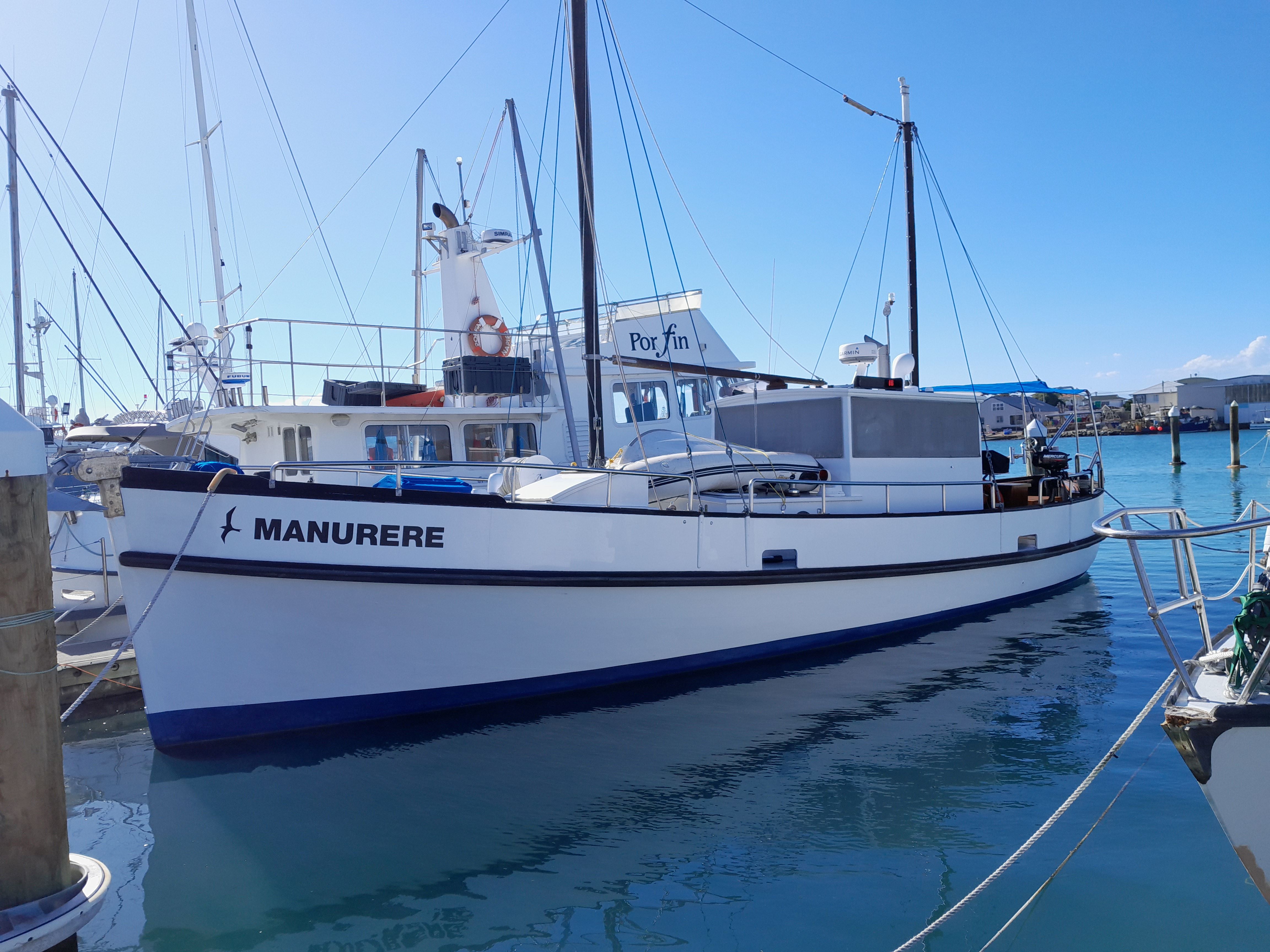
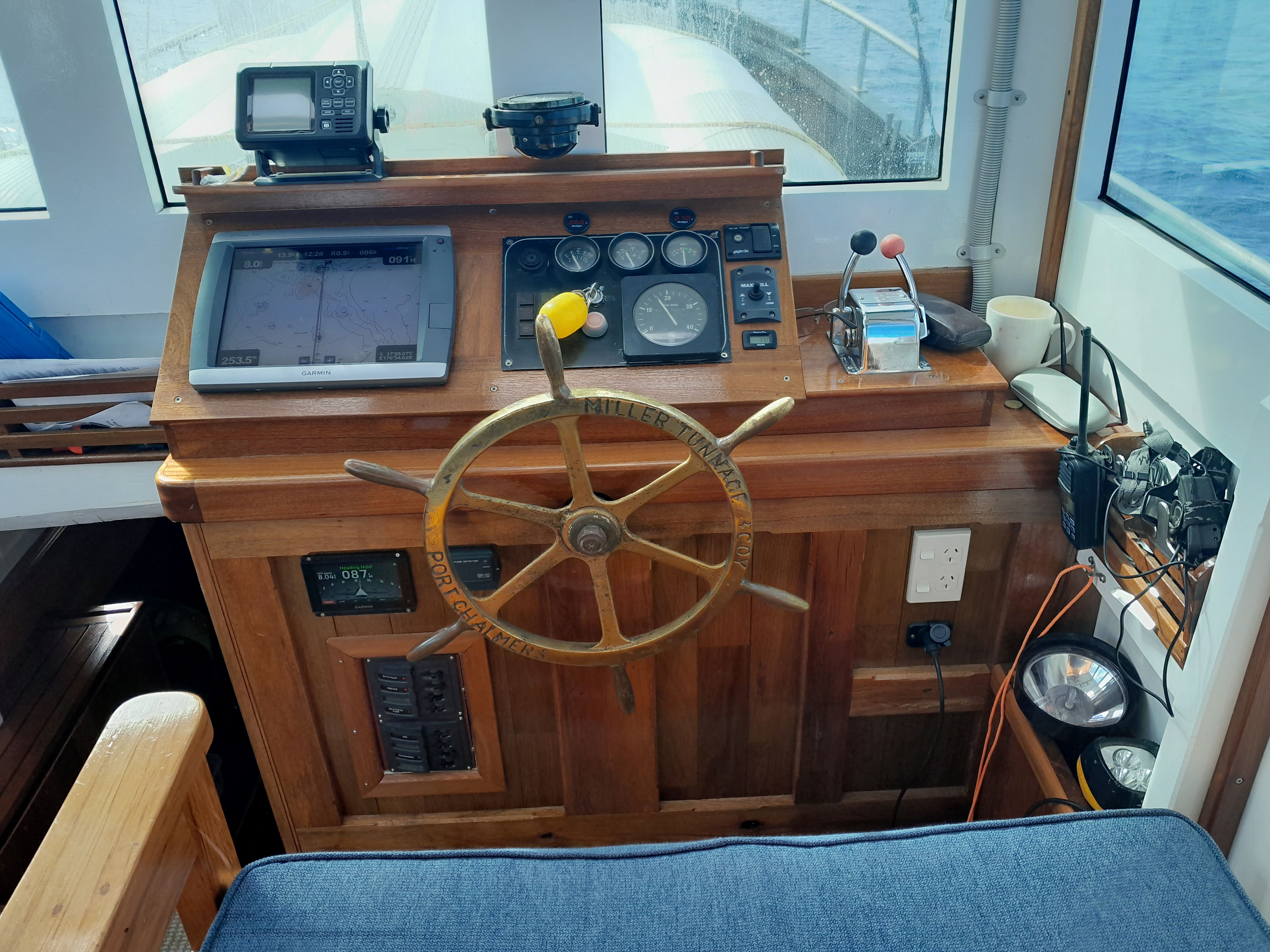
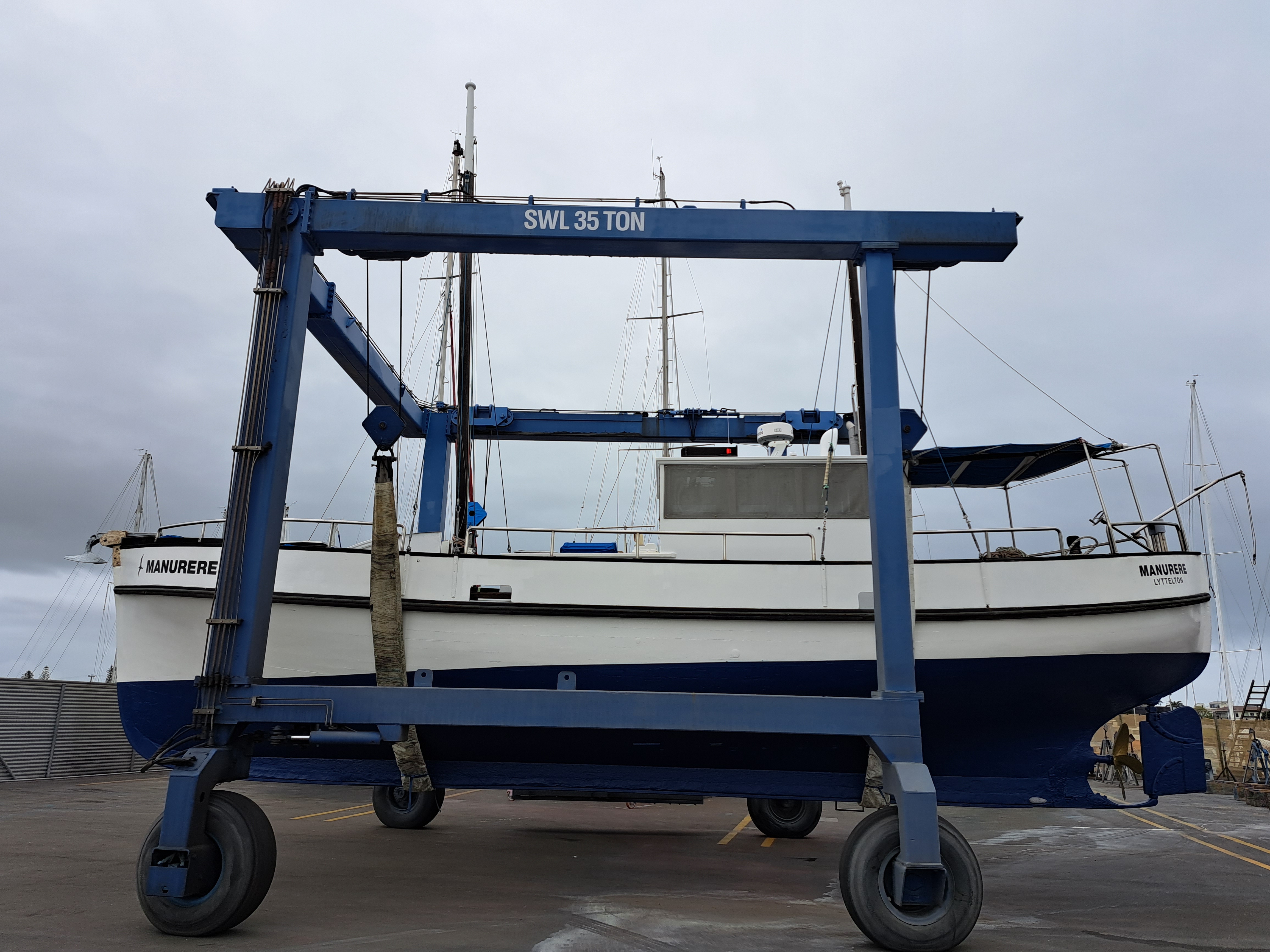
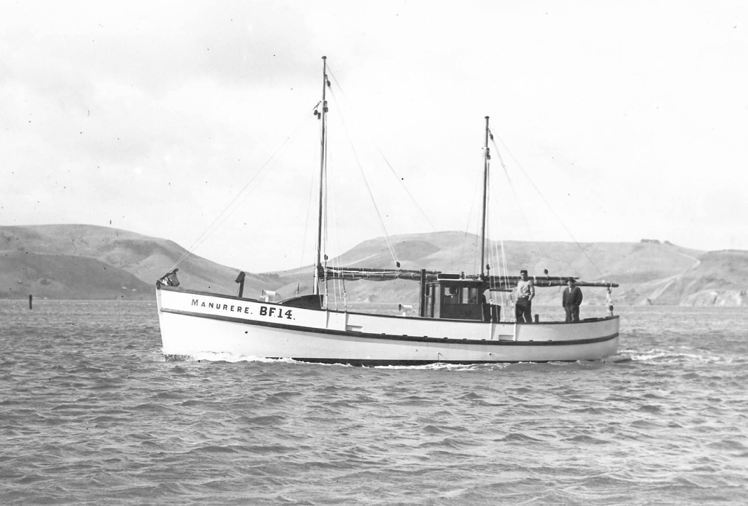
Back in November 2021 we ran a story on the 43’ ex workboat – MANURERE, at the time we learned that she was designed and built by Miller & Tunnage, Port Chalmers and launched in 1937.Constructed from 1 1/2” kauri planking over spotted gum frames.
In her early days ( see b/w photo below) she fished commercially (cod and crayfish) in the Otago and Stewart Island areas, and later in her life was converted to pleasure use.
At the time of the 2021 story she was looking for a new custodian.
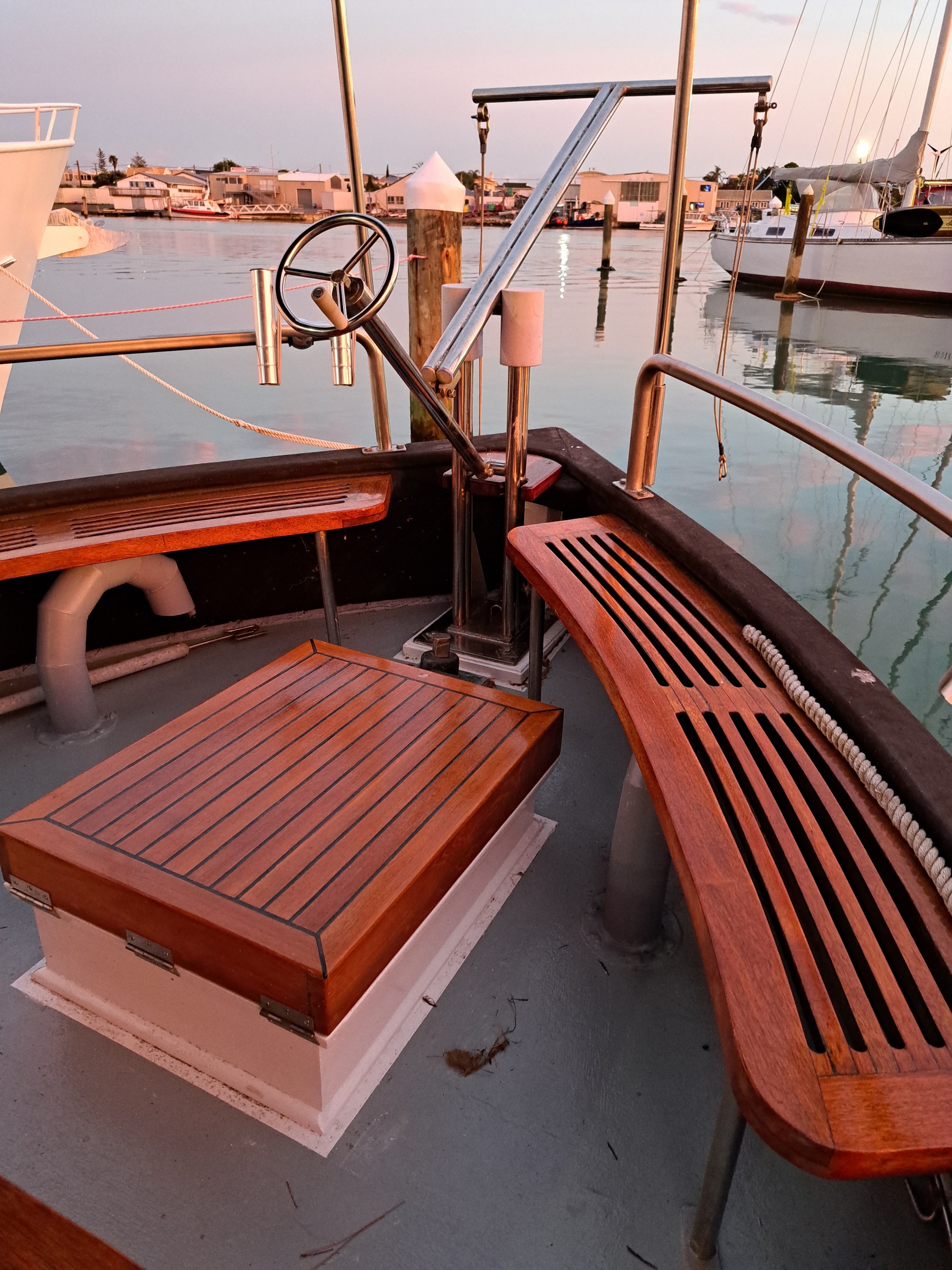
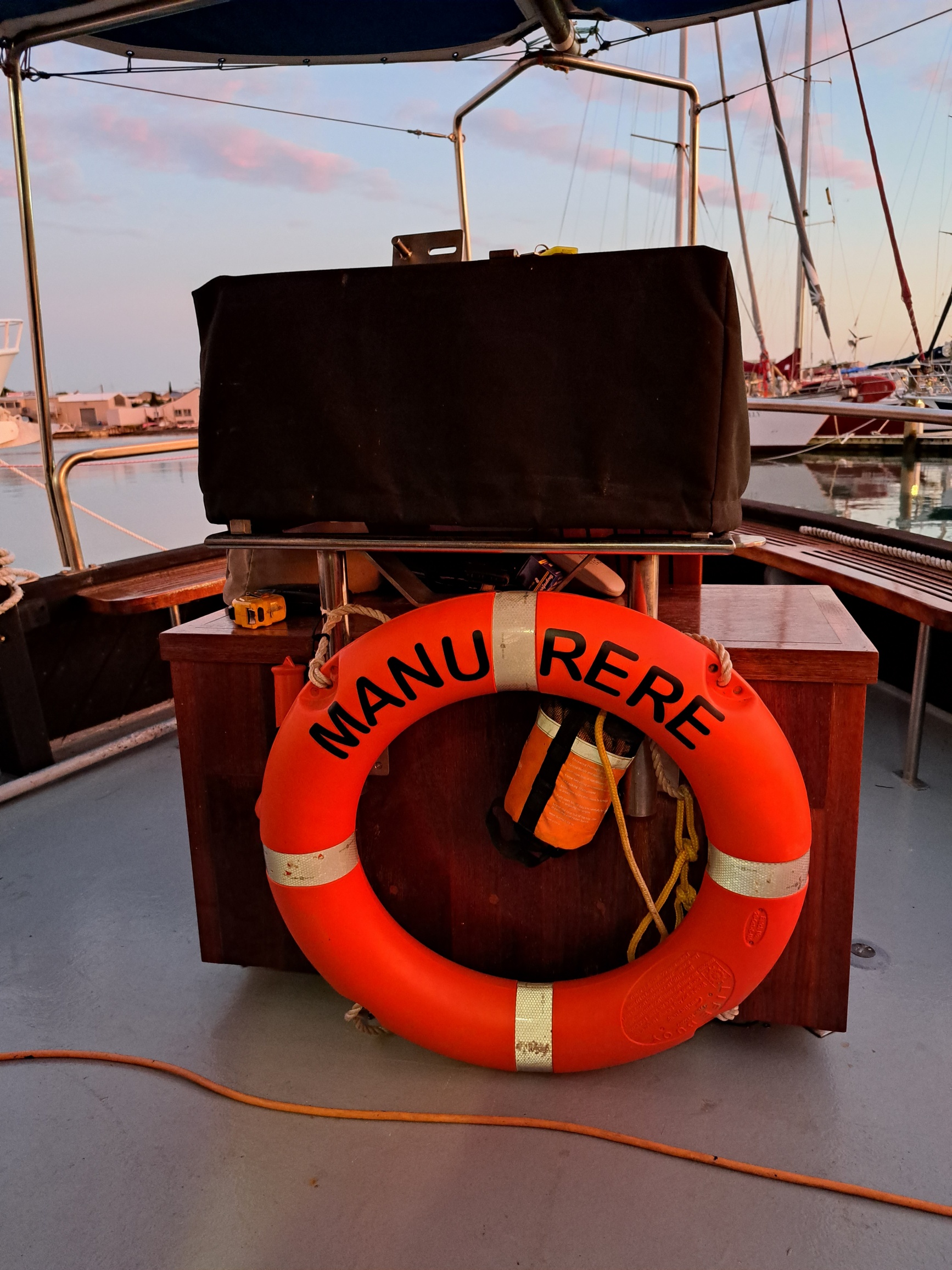
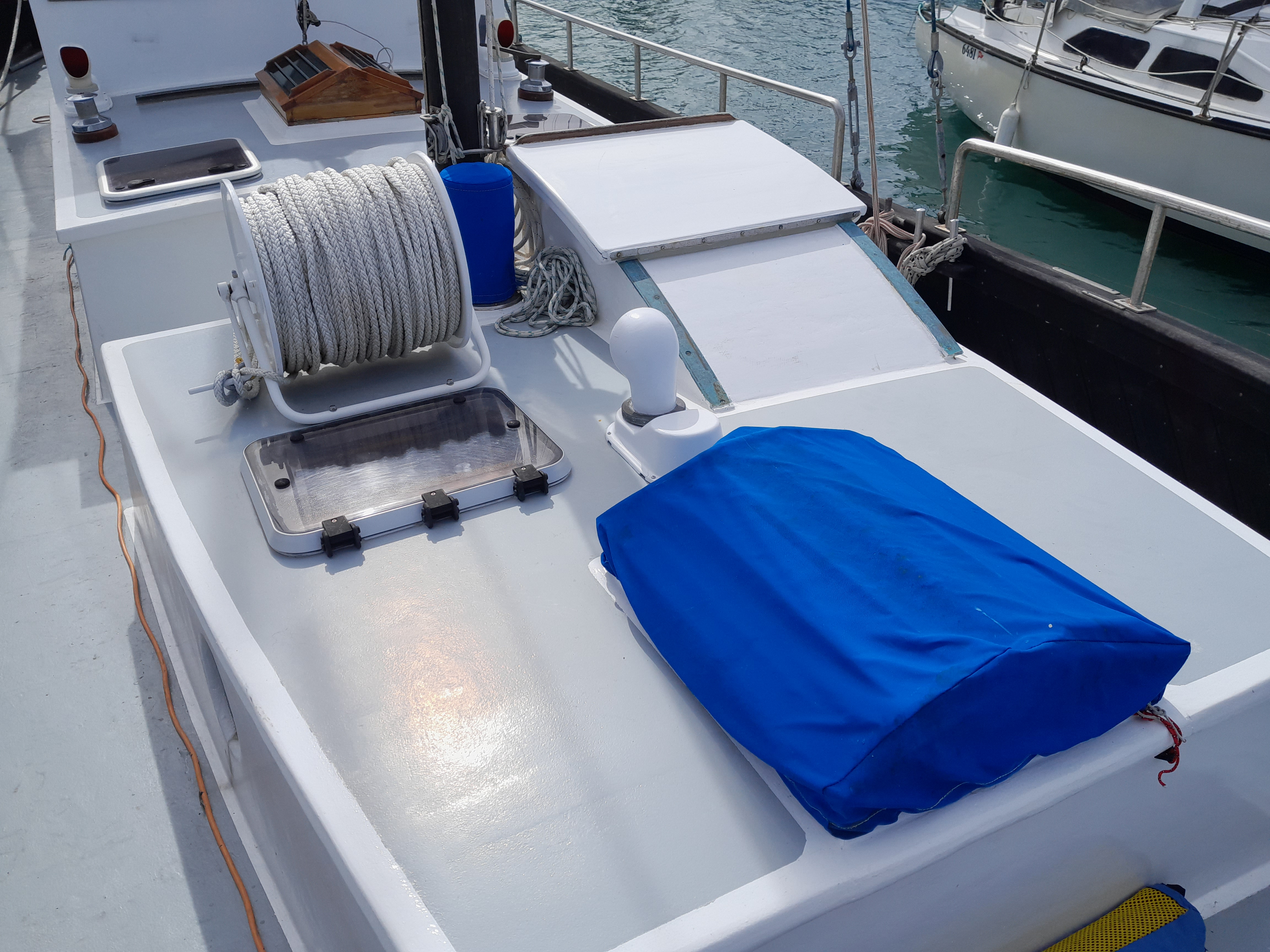
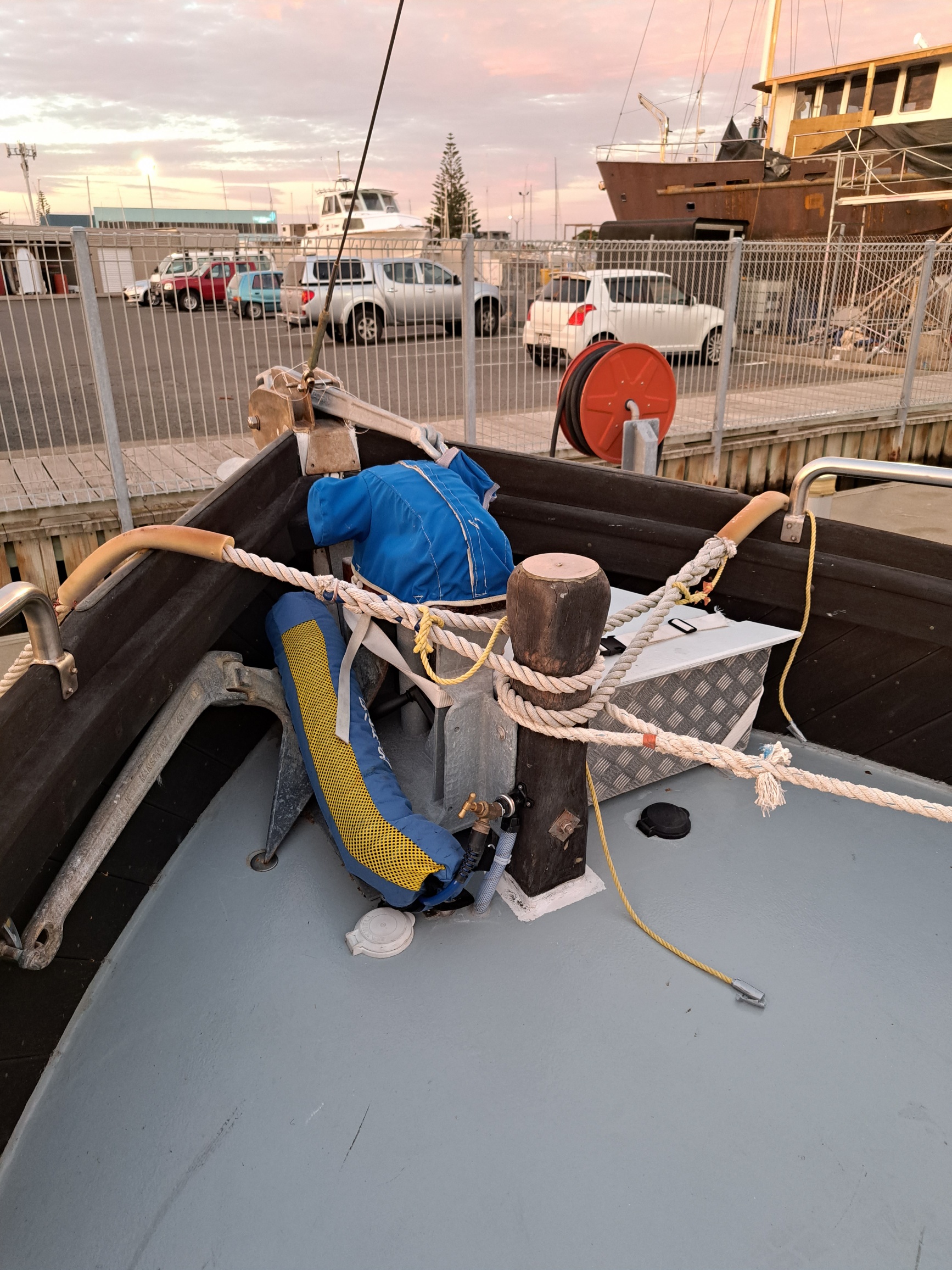
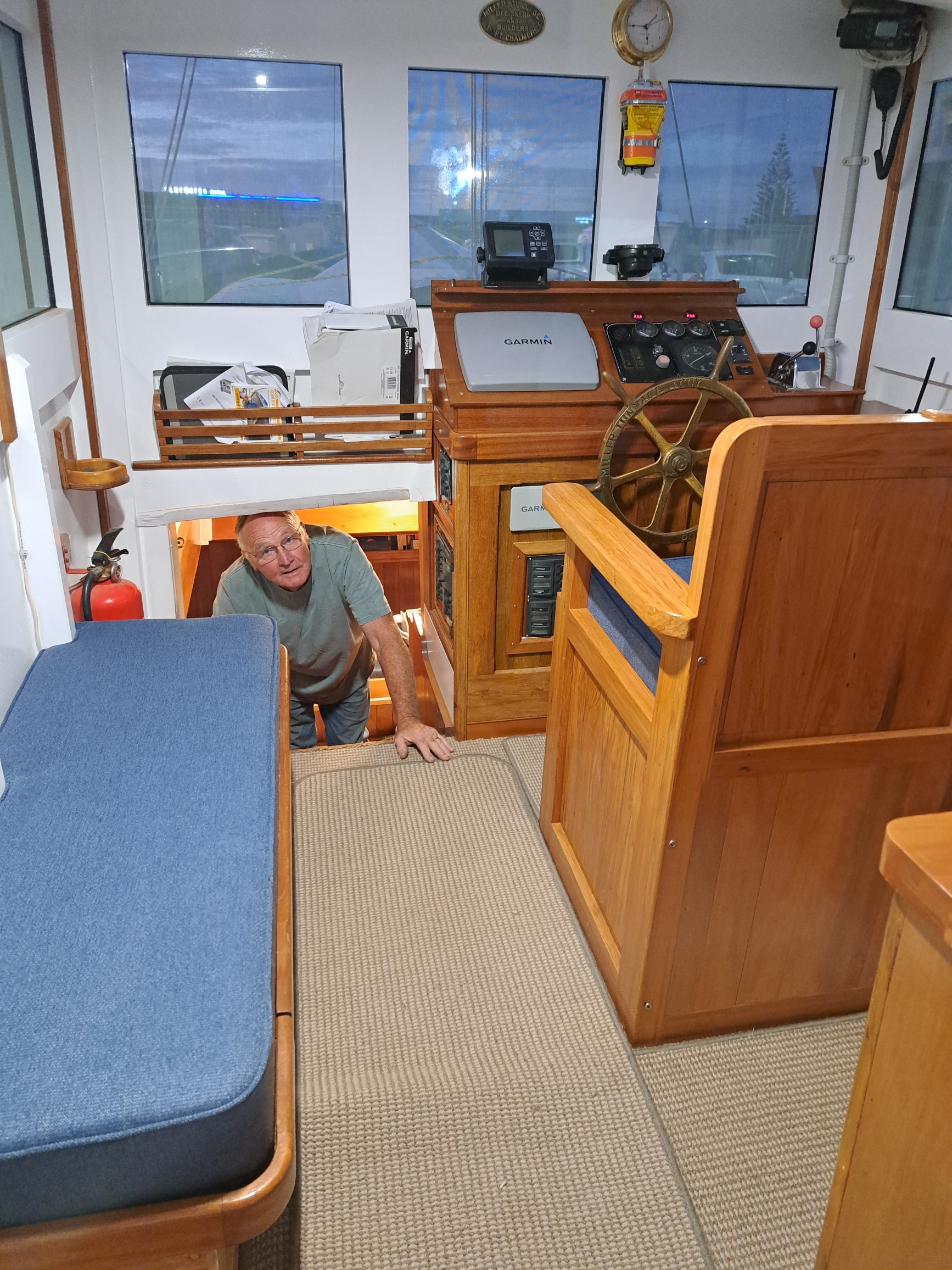
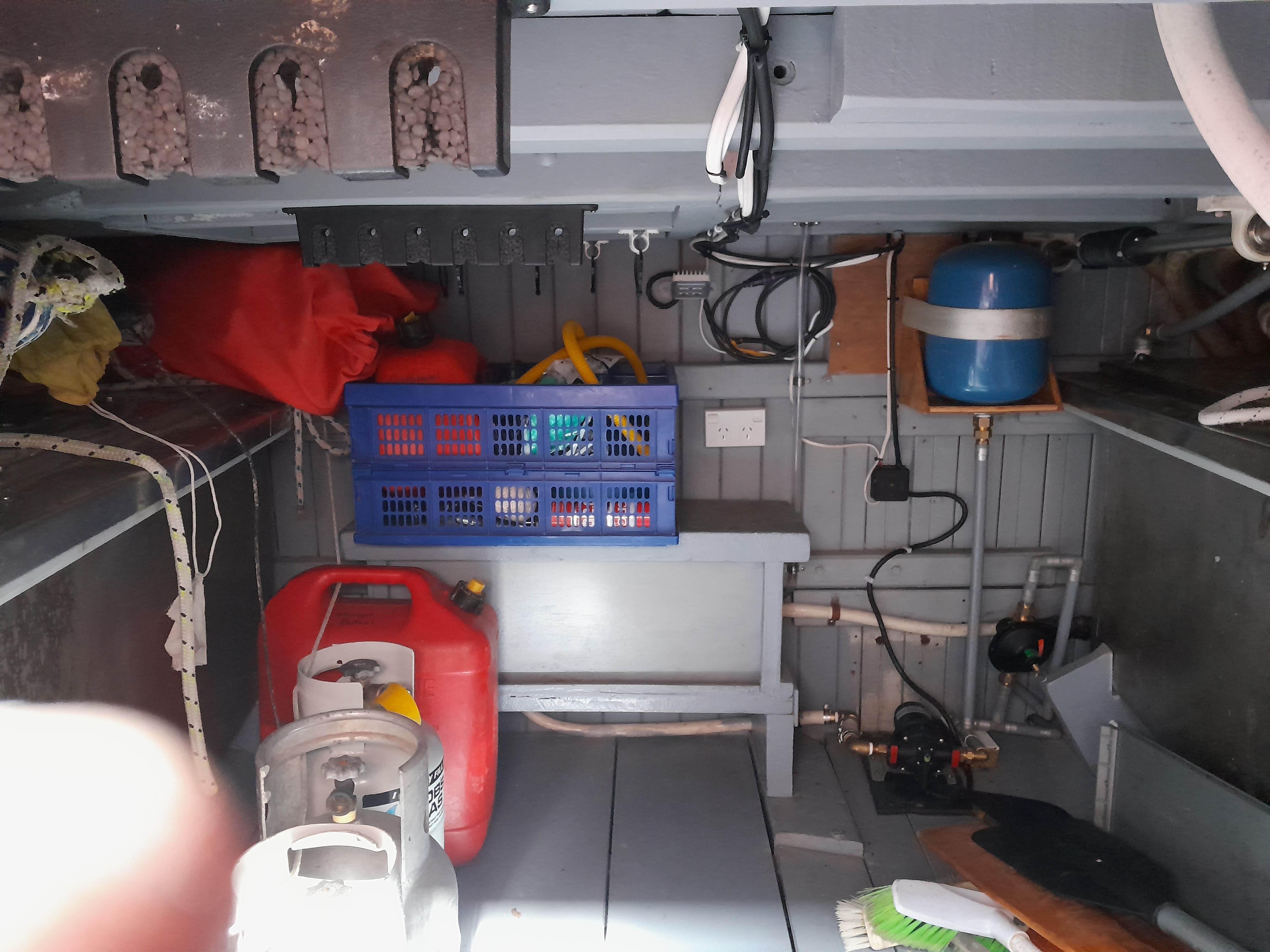
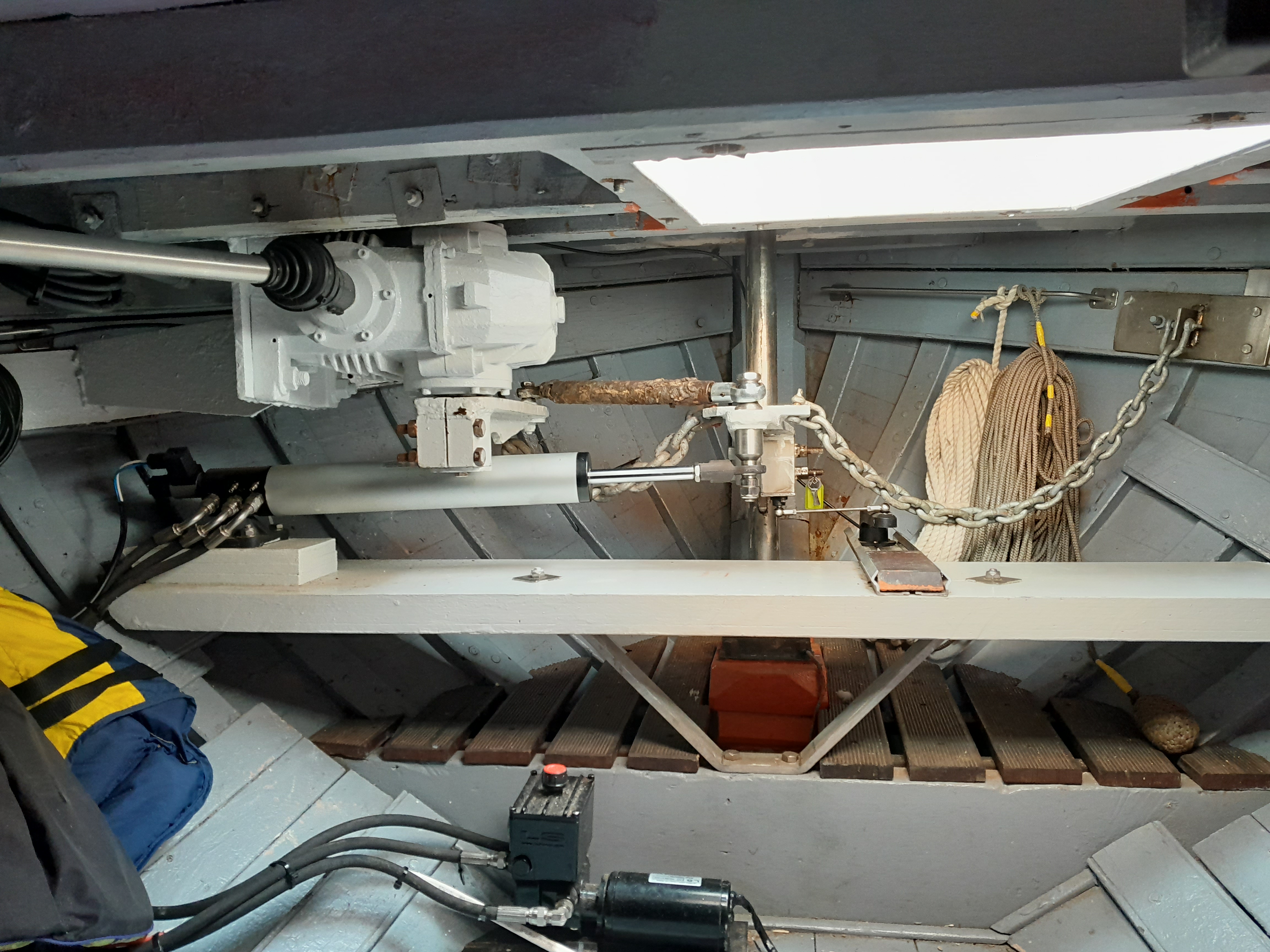
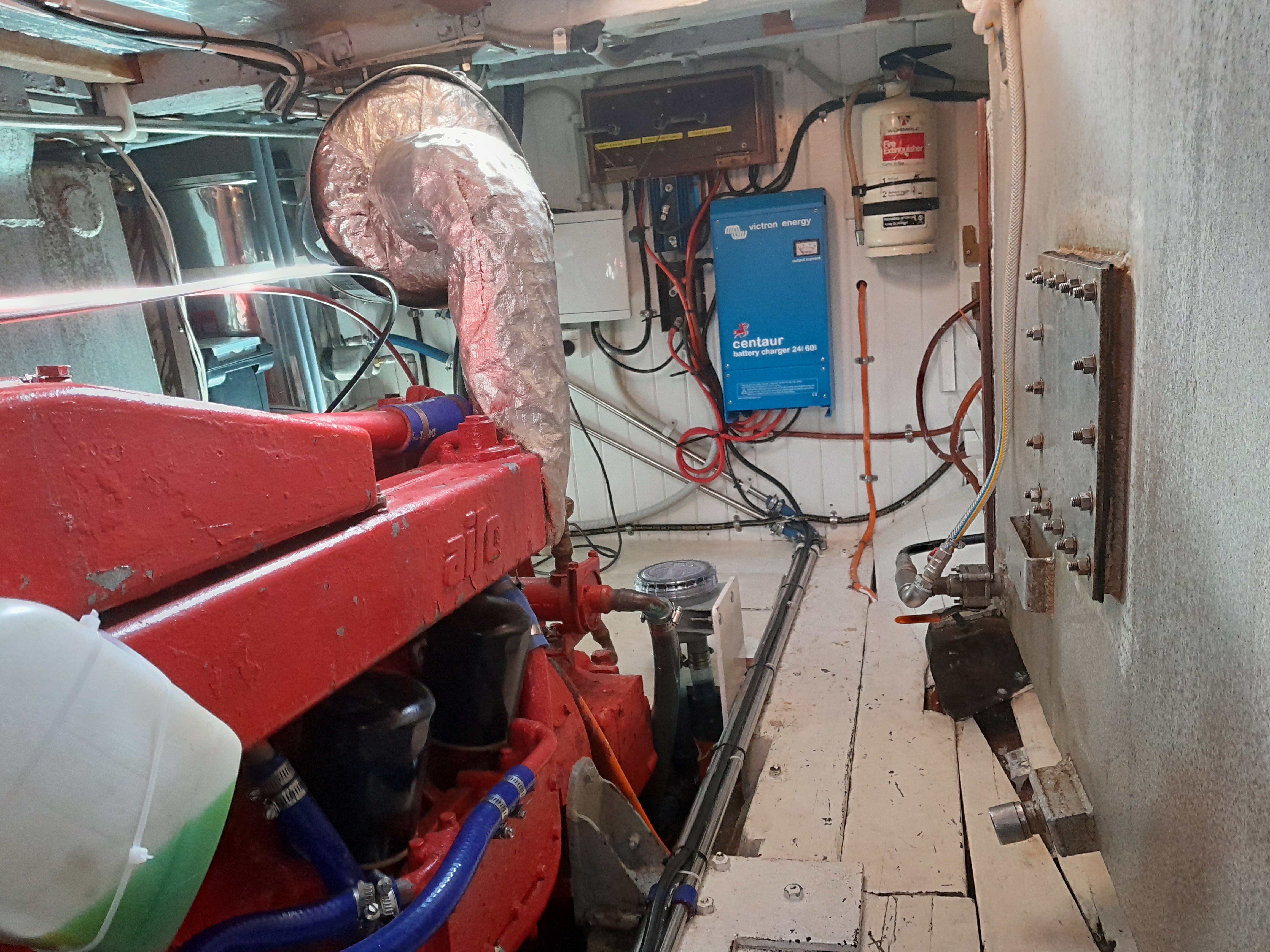
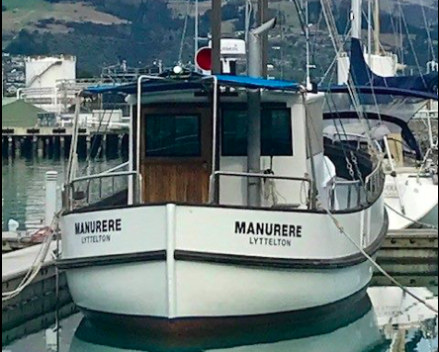
As I’ve mentioned many times on WW some woodys get lucky in terms of owners, MANURERE is one such boat, over the next 3 years her new owner continued to undertake a rolling refit. In fact when purchased MANURERE was effectively set up as a day-boat, her owner undertook to re-equipped and updated her to be able to undertake passages to isolated areas and provide crew comfort for extended periods. As the photos show MANURERE presents in better than new condition. Roll forward and her owner has made the call to return to a life of sail and have asked {the} Wooden Boat Bureau to find a new owner to take over the vessel. So woodys best we tell you more about her –
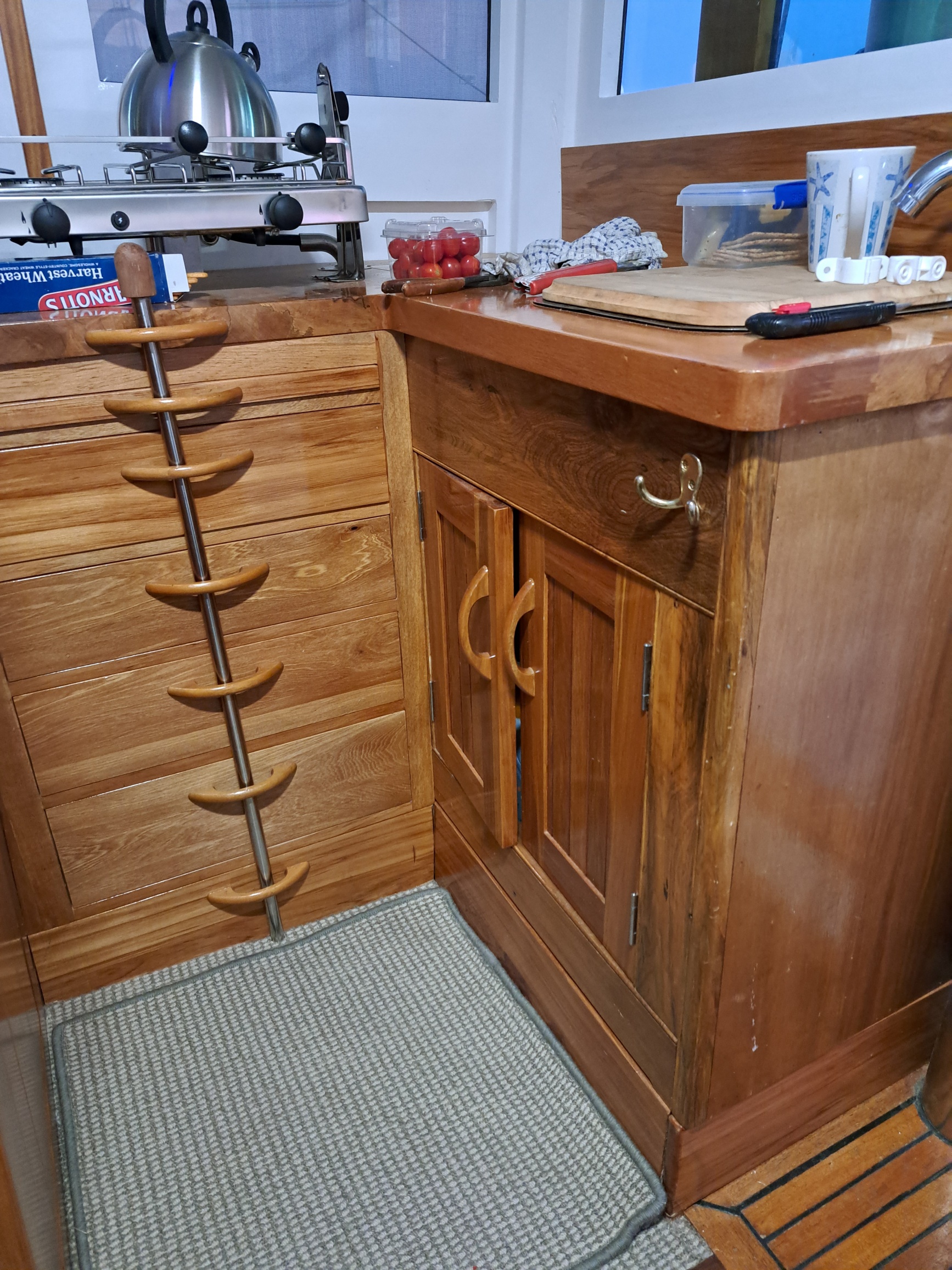
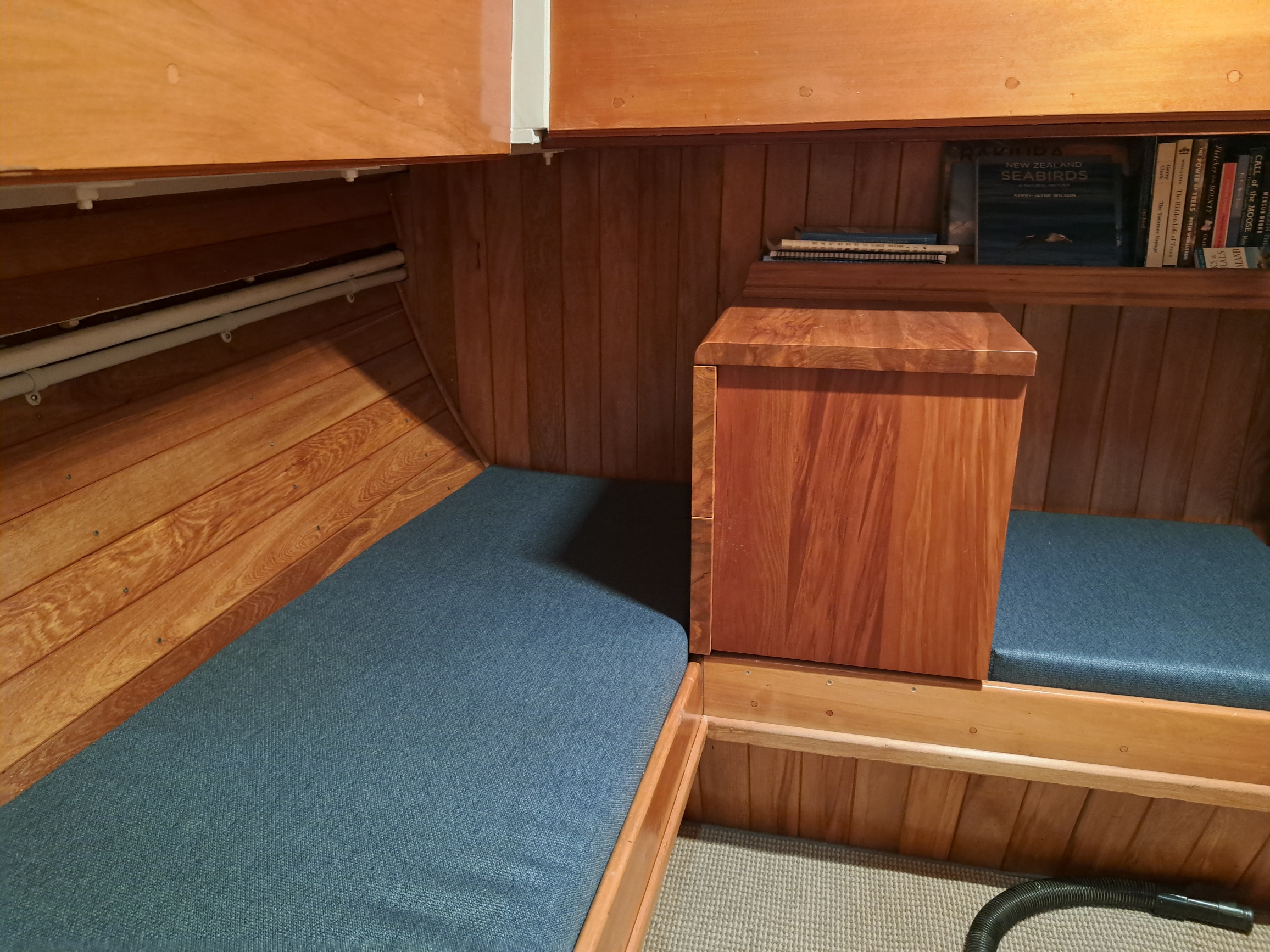
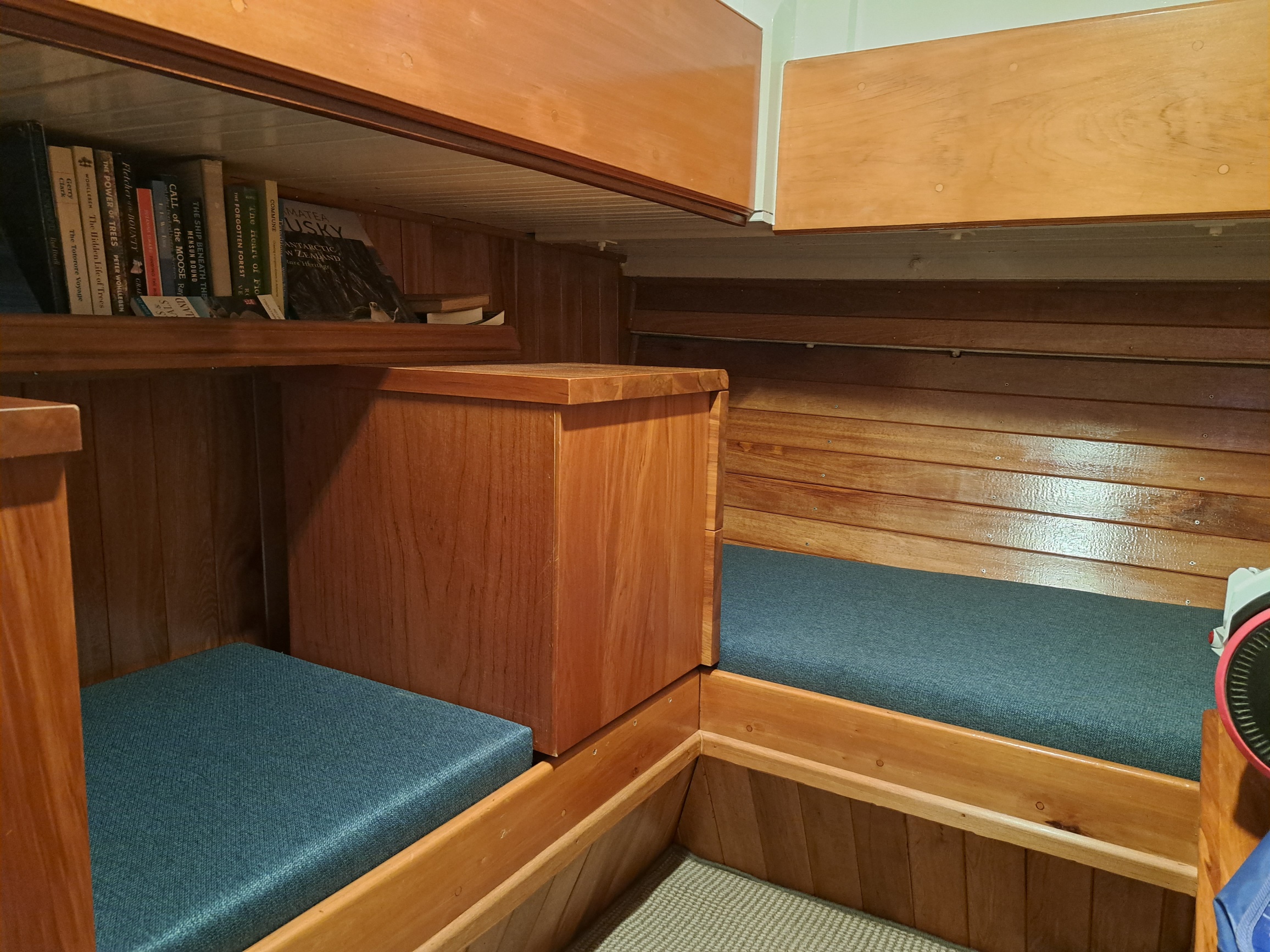
MANURERE’s hull, engine and ancillary equipment are in very good condition. The interior was recently restored, ‘in keeping’ using native timbers. Powered by a Iveco 120hp marine diesel, she uses about a litre of diesel per nautical mile at 8 knots. Recently work included the injectors being tuned, new water pump and starter motor and a powered second alternator fitted, upgraded bilge pump and system. Modern electronics fitted including AIS. , 230V power with power points throughout. Smart charger charges the 3 battery banks simultaneously.
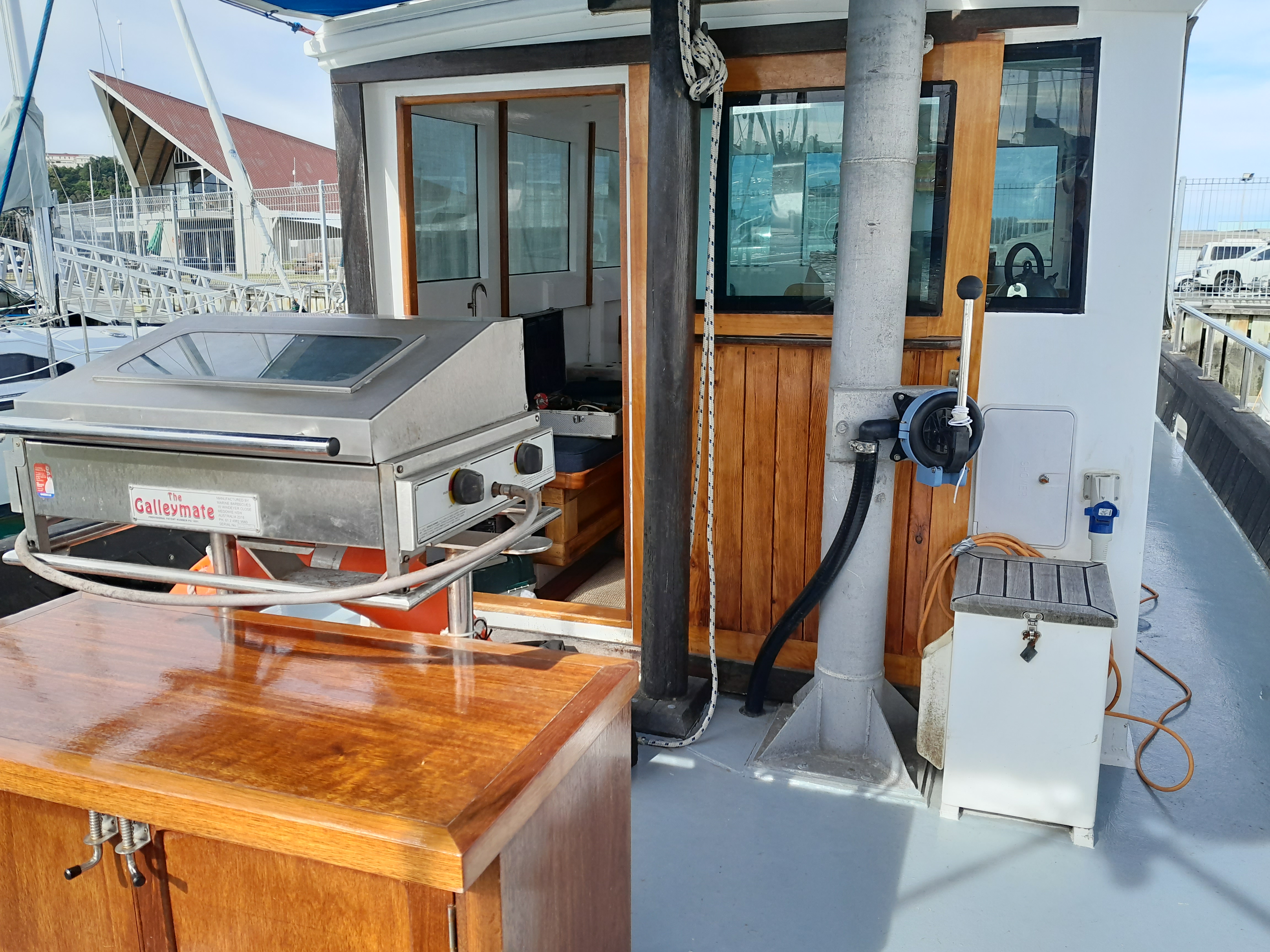
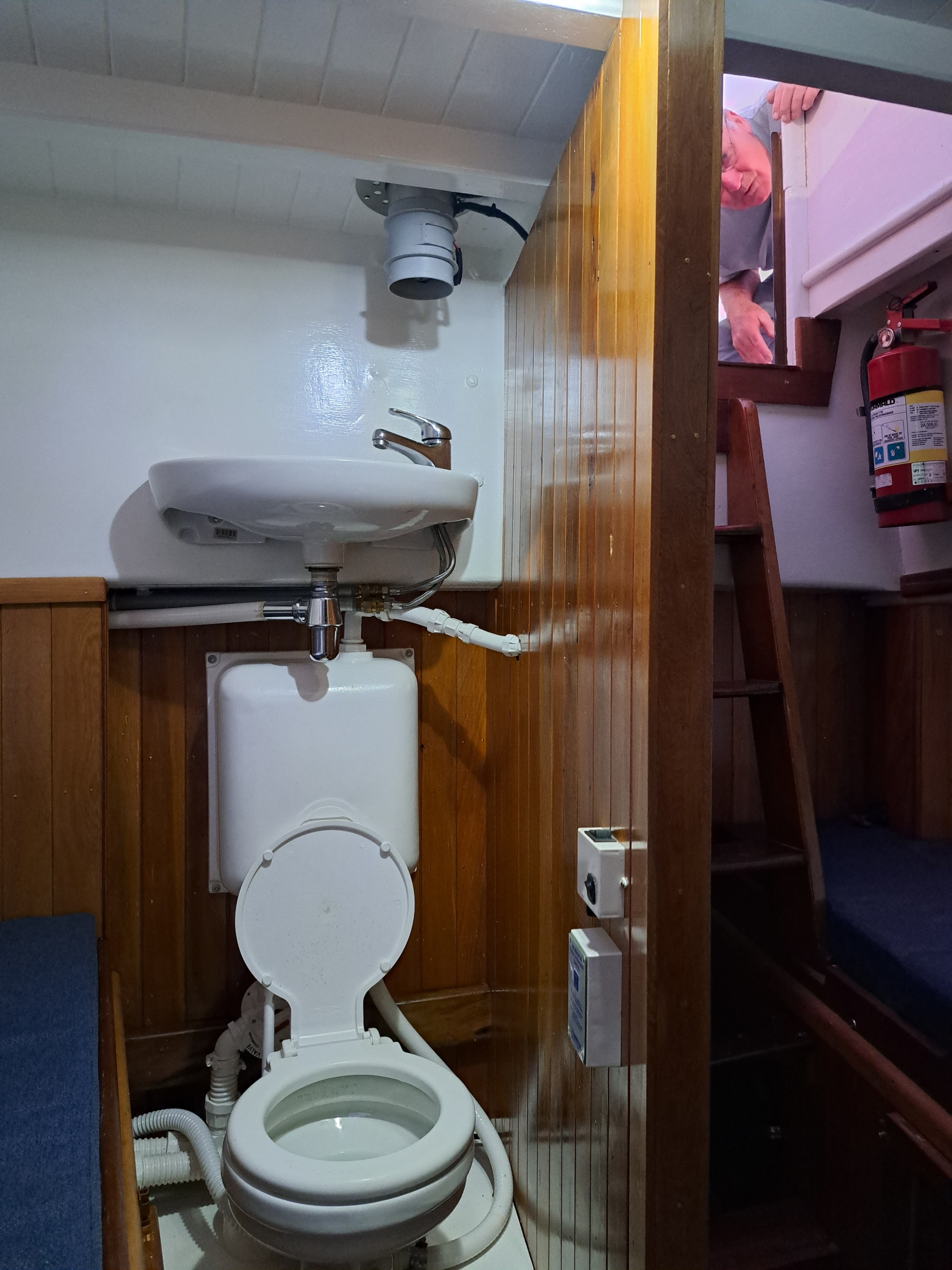
MANURERE is rigged with steadying sail, main and mizzen. 2 x 2 speed winches. Anchor operated at wheel house or deck. Life raft, heavy duty Coppin’s drogue, second CQR with spare 50m 10mm chain, EPIRB, VHF etc. Hot and cold pressure water, shower on rear deck. Electric toilet, holding tank and LectrSan sanitation unit (use optional). Gimballed hob in wheel house with barbeque rear deck. Dometic fridge freezer (24v/230V) under wheel house seat. Near new 2.5m RIB with 3.3 Mercury. And being a southern lass she has a diesel heater – we like that 🙂
Whats especially compelling about MANURERE is that she’s ready to use – now. So, if your looking for an exceptionally well built and maintained classic motorboat with plenty of life left in her, to have your own adventures, this might be it. We do not normally include pricing on WW stories but I predict that MANURERE will find a new owner very quickly. Why? Because at $136k she would be the best classic on the market in terms of size, condition and functionality + cool factor.
Back in Oct 2016 Frits Schouten send in a photo of the – SOUNDS RANGER at anchor in the Bay of Islands, over the next few years we uncovered some intel on her history and movements.
An ex owner Tim Whelan advised that she was originally named – ENTERPRIZE but her name was changed to SOUNDS RANGER when she was acquired to ba a ranger boat to serve the lighthouses in the Marlborough Sounds. In Jan 2017 Davey Jones supplied some great intel on her past in the Comments Section, advising that his recollection was that she was built c.1932 by ER Lane, Picton. Link here to that story https://waitematawoodys.com/2016/10/19/sounds-ranger/
In March 2021 Penny Krone let us know that the vessel was sighted in Pahi on the northern Kaipara Harbour (west coast of NZ). Then in Feb 2022 Dave Stanaway sent in photos of her hauled out at Dargaville.
Then yesterday WW was contacted by Norm Judd an ex Havelock based ranger. In the WW Comments Section Norma posted the equivalent of ‘War & Peace’ – it was just too long for a comment and to good to be hidden away there.
So today woodys thanks to Norm we get to get a peek back in time and share some correspondence from the Chief Ranger (Marlborough Sounds Maritime Park) – Kerry Johnson to Norm regarding how to access and start the – SOUNDS RANGER. I have reproduced it in full below as supplied by Norm. Enjoy, I did 🙂
The following description by Kerry Johnson of the “Sounds Ranger.” is from the unpublished NZ NATIONAL PARKS AND RESERVES RANGERS’ ARCHIVE – a collection of written and taped memoirs of Lands and Survey rangers between 1952 and 1987. Kerry was Chief Ranger of the Marlborough Sounds Maritime Park from the 1968 to the 80s.
“Reading my note to Norm Judd, Havelock based ranger, re starting the Sounds Ranger brought back memories about those early days when I took over, among other things, the care and operation of the vessel. I wasn’t impressed with its overall condition. There was need to bring the launch up to Marine Department standards as soon as possible. The problems included batteries not set up properly to provide backup if one set went flat, the stern tube the tail shaft went through contained a heavy oil for lubrication but would not function properly and no matter how much advice and effort I could muster this thick oil would ooze into the bilge. A few months down the track while cleaning the accumulation of grime from a circulating pump it literally fell apart. Thank goodness the boat was safely in her berth in Picton then! Many improvements were eventually made but there was one incident that occurred one night when I think I was away. Late one rough, wet evening my wife received a call from the Harbour Board patrol to say the Sounds Ranger’s engine was chugging away in her berth with no sign of anyone on board and the doors securely locked! Now there has to be a logical explanation as to how this happened but I was never able to clearly identify the cause and that’s probably why the battery leads had been removed as mentioned in my note to Norm. I’m not superstitious and while I learned later the same thing had happened once before, you can’t help thinking that there must have been some free spirit lurking about that stormy night and was about to take the “old girl” for a cruise in the gloom! “Stranger things have happened at sea.” Thank you Norm for holding on to a note many (including myself) would have discarded long ago. As a friend commented recently when talking about recording family history, “even the milking cow’s name is important”. Here’s the note “Now a few directions in case you should be asked to take out the Sounds Ranger. Batteries have been disconnected – under seat on starboard side, crescent spanner in tool box near batteries. Before starting engine remove bucket from top of funnel – open hatch to engine room, light switch is on a beam just inside the hatch opening, that is if you stand on the engine room floor looking forward, the switch is on your right hand side on the back of the beam that forms the front section of the hatch opening. Move under the exhaust pipe along to the front port side of the motor. If you look around the actual front of the engine you will see a small wheel with finger grips around the outside (about 3” or 4” diam.) This is the wheel that engages the bilge pump by simply screwing or rotating the wheel clockwise or in towards the engine. It should be in this position now, so to disengage the pump, just screw the wheel very slowly out. Do not on any account force the wheel too far out, or for that matter too hard in, otherwise it will stick hard. The pump has to be primed before it will start, this done on the starboard side of the engine. There is another light there with the switch by the light bulb, you will find an old kettle with water in it. You will see towards the front, a tap with an opening for the water to be poured in on the top. With the engine at low idling speed, turn the wing tap to vertical – pour water in slowly. I hold my thumb near the hole and when the pump looks like starting I block the hole with my thumb then turn the wing tap to horizontal. To start the engine use the starter button on a beam in front of the light on the Port side of the motor, but you should only have to use this one when the engine is cold. It also pays to use the overload button on the fuel pump (when the machine is cold only) the button is on the front of the fuel pump.” (Here there was a small diagram that showed the location of the overload button on the fuel pump.) “Button should be pushed up, at the same time pull back the rack. Push the starter button until the engine starts. Be sure to turn both lights out, on leaving the engine room. To stop the motor just pull a string that hangs on a nail beside the top of the steps that lead into the forward cabin. Normal starting can be done by using the starter button by the compass. (This for some reason has given trouble in which case I have used the engine room button.) Push throttle lever up to 1100RPM after about 20 minutes. I doubt whether it will be necessary for you to use the boat, and if you do, I don’t think the bilge will have to be pumped out. There is a hand pump in the engine room, the valve is on the side is off. If you have to use this rather that the pump on the motor please be sure to turn the wheel mentioned earlier to off position. Remember that the motor is only 60 HP and will not pull up as quickly as the PR (Pelorus Ranger – Havelock based vessel) in other words take her quietly and don’t get into shallow water or you will get into trouble. Hope this makes sense?” “P.S. Key to door lock is under bucket by gas cylinder rear of wheelhouse.”
(All of this made sense but just being up with the detail didn’t necessarily mean I was any less concerned with the implementation! – Norm. My recollection is that SR drew about 6 feet and was 45 feet at the waterline.)
01-06-2024 -INPUT ex LINDSAY WRIGHT
Hello – I delivered Sounds Ranger from Picton to Tauranga many years ago so she could be taken further north to work for a box netting outfit somewhere in Northland.
She was powered by, I thought, a 5L3 Gardner, but my memory is a bit fuzzy these days and it could have been a 6LW. I believed, at the time, that she’d been used to service a Christian camp in Queen Charlotte Sound.
The dockside dawdlers in Picton cautioned me that she had rolled over while servicing the Brothers Island lighthouse while called Enterprise. All her fuel was in a big steel tank on the port side of the engine room, so, with the tank full, she had a residual port list. I took down the hefty wooden derrick and lashed it along the starboard bulwarks and put a 200 litre drum full of water on the starboard side too. That fixed the list.
We had a good run – with her fine forward sections she punched into a sea beautifully. The wheelhouse was spacious and comfy. I’d planned on going into Gisborne for fuel but in the event, when I sounded the tank, she’d hardly used any, so I kept on going.
In Tauranga I checked all the fluid levels in the Gardner and topped them up, closed the seacocks and left a note to that effect on the dashboard so the new owner would know when he picked her up in a couple of days time. And flew home to Picton.
A few days later the broker rang and said the new owner had rung to say that I’d run the engine out of oil. It made a ticking noise when he started it and there was clean oil in the sump.
But he didn’t know Gardners – they often make a ticking noise on starting and the clean oil was what I had added before I left her.
I suggested to the broker that he tell the new owner all this – and that he tell him to take a running leap off the stern….and wondered about such a good boat going to an unappreciative owner.
A few days the broker rang back and said the new wowner had been in touch to apologise. Perhaps she had gone to good people after all.
Back in early January 2024 we ran a story on the ex workboat > 50’ motorsailer – SILVER SPRAY, at the time we only had a few photos and we were fishing for more details on her past life. Thanks primarily to Paul Drake we uncovered a lot of intel on her. Link here to that story, make sure you read the comments section https://waitematawoodys.com/2024/01/04/the-motor-sailer-silver-spray/
The readers digest version is that she was built c.1943 by Jack Guard , Wellington, for a Wilfred McManaway and operated as a fishing boat in the Cook Strait, later sold in the 1960’s.
Sank (struck rocks) in Marlborough Sounds (date unknown but in the last 15 yrs). Salvaged and converted to pleasure use at Mana Marina.
Currently powered by a 180hp GM 6/71 Diesel engine that gives her a cruising speed of 8 knots.
In recent years SILVER SPRAY has resided in and around several Auckland marinas.
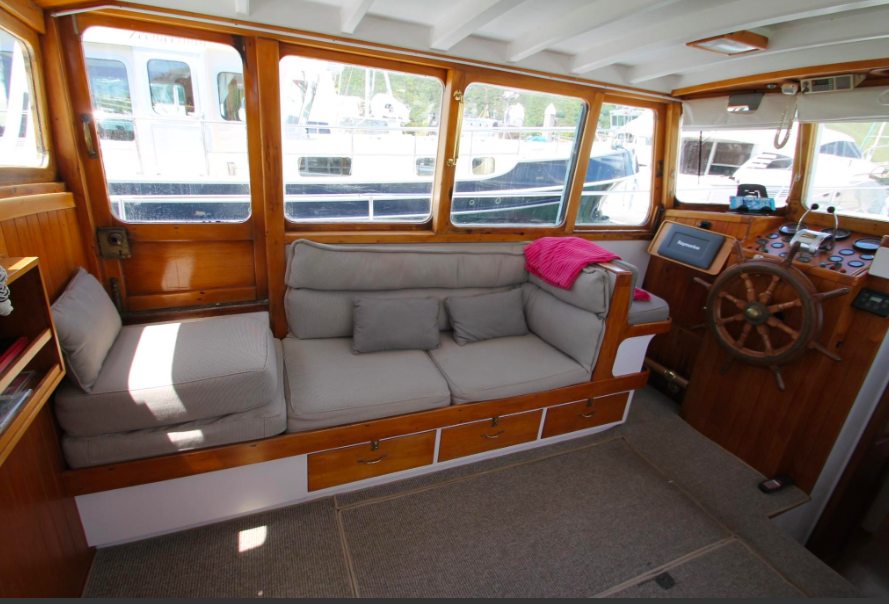
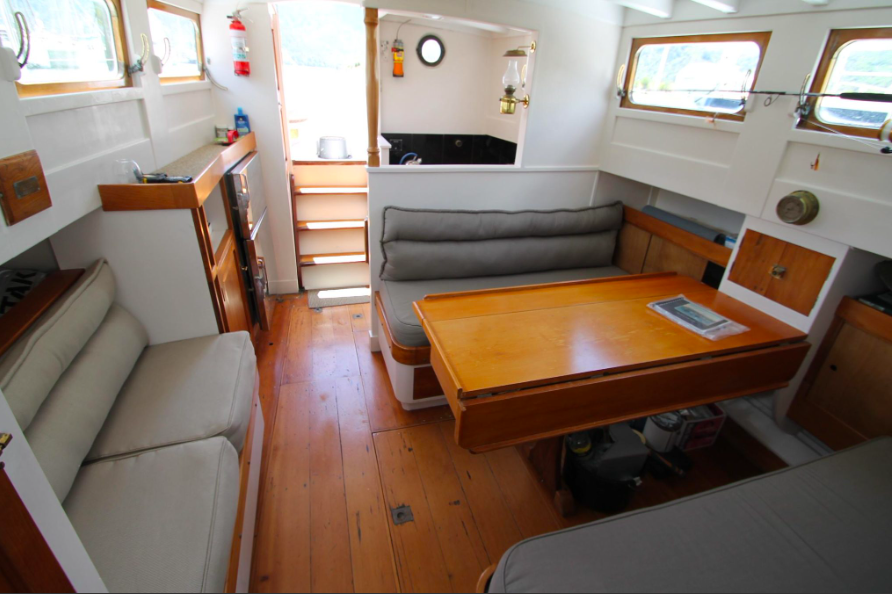
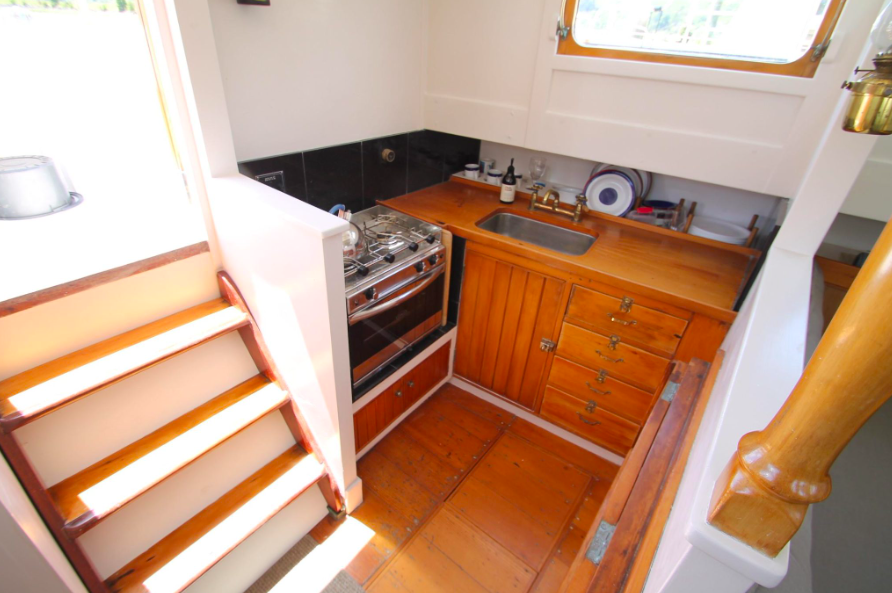
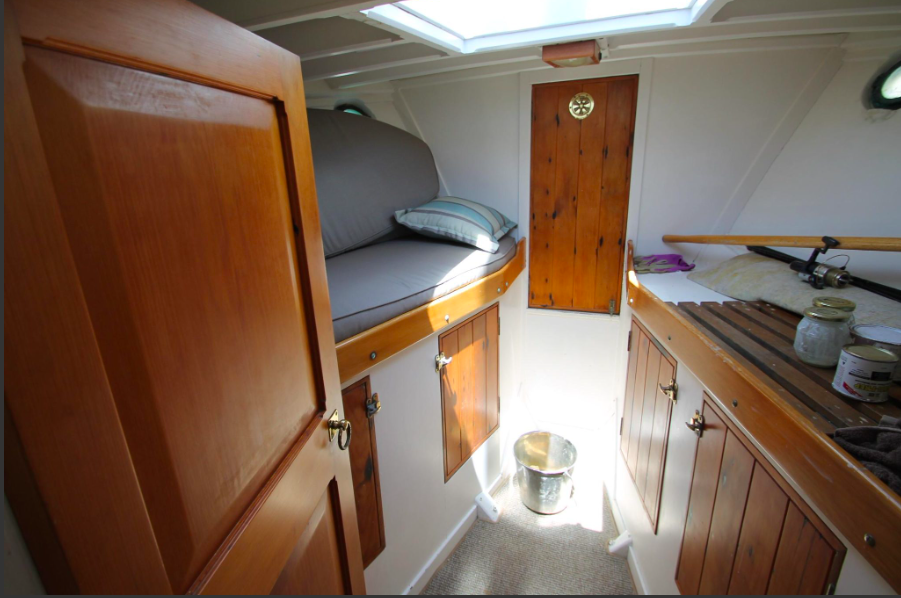
Today thanks to Ian McDonald we get to have a gander down below.
INPUT ex RON ROLSTON – My wife is the grand daughter of Wilfred McManaway the original owner. The image below was taken from a framed photo belonging to a relative.
The 47’ motor sailer Nukutere last appeared on WW in Dec 2017 – link below. https://waitematawoodys.com/2017/12/18/nukutere-part-2/ This story was following up on a previous story where her owner was seeking information about the vessels past – the request hit the jackpot when Bernie Warmington contacted WW and sent in extensive details and photos – of the bridge-decker built 1939 > 1941 by Arthur Sang for Bernie’s grandfather- Foster Warmington. Check out the link above to that story, it is an amazing insight into the history of Nukutere, from felling the tree > approx. 2016 when Gavin Warminton authored a family journal on the vessel.
Today thanks to John Dawson sending in the above photos we get to have look at her as of 2023. ENJOY 🙂
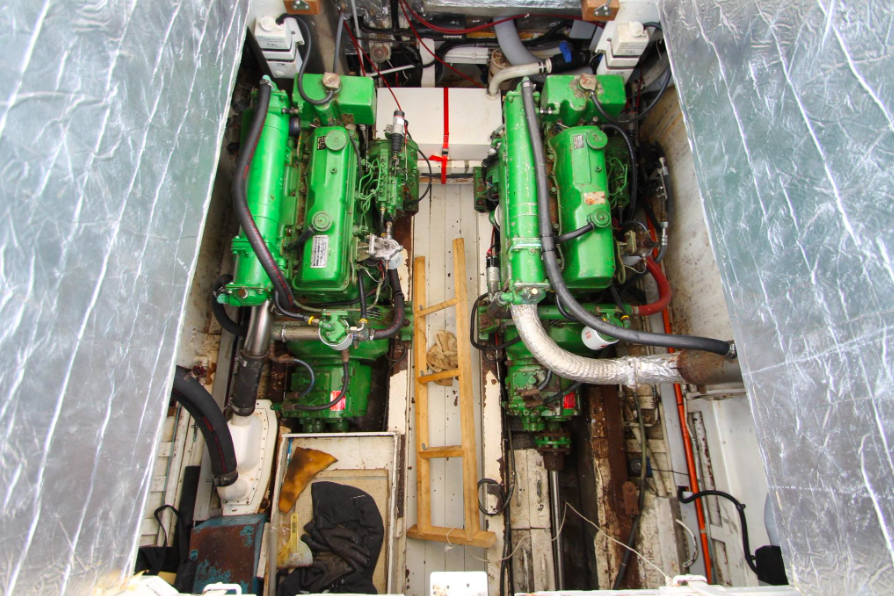
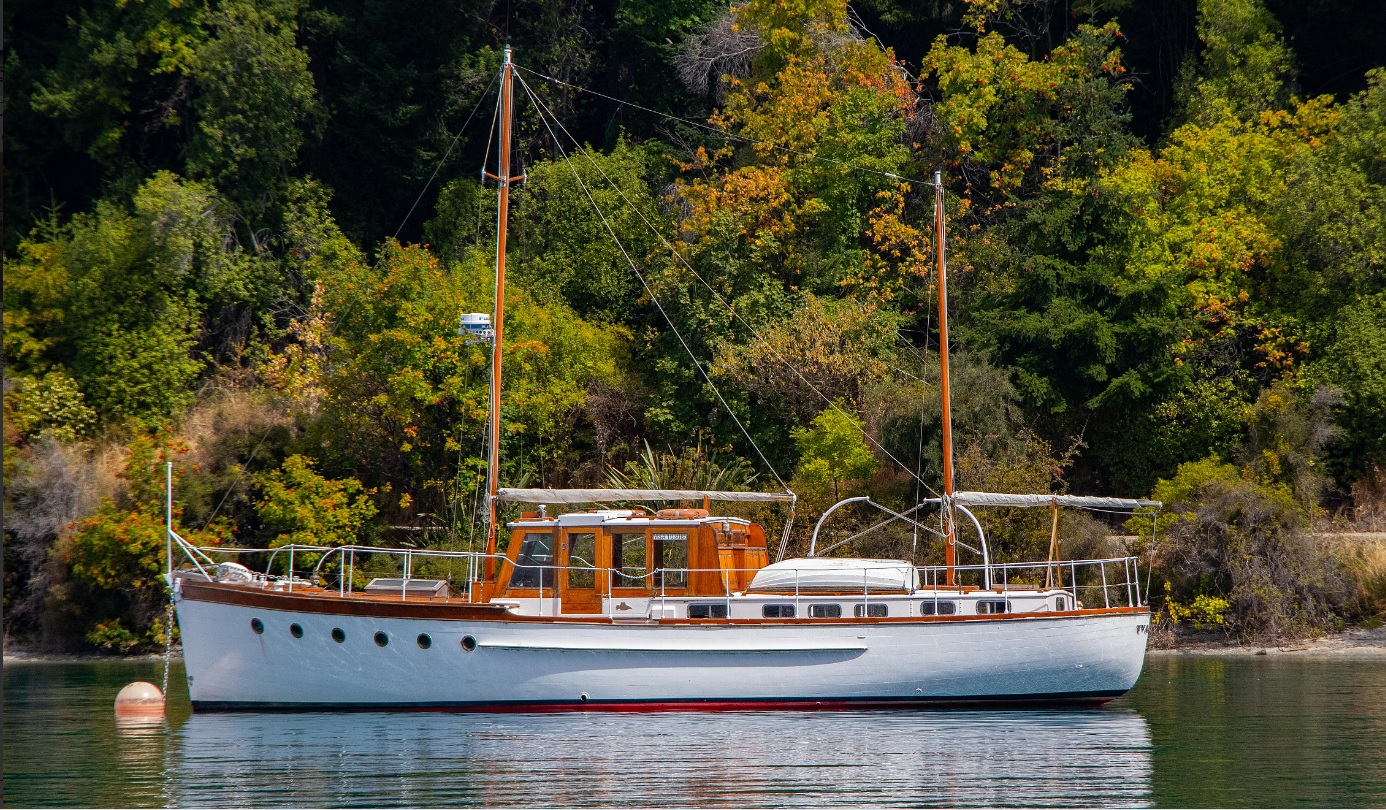
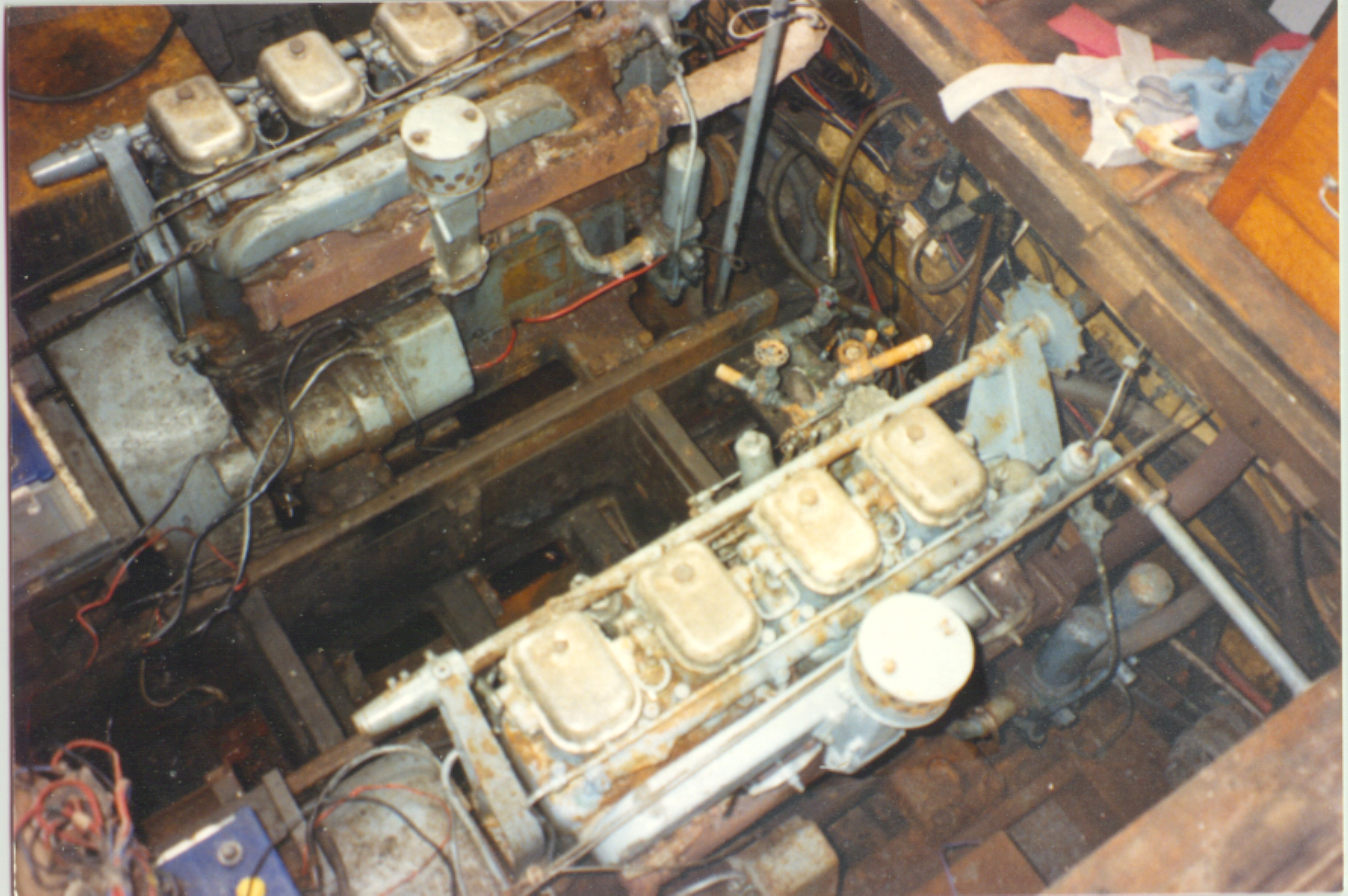
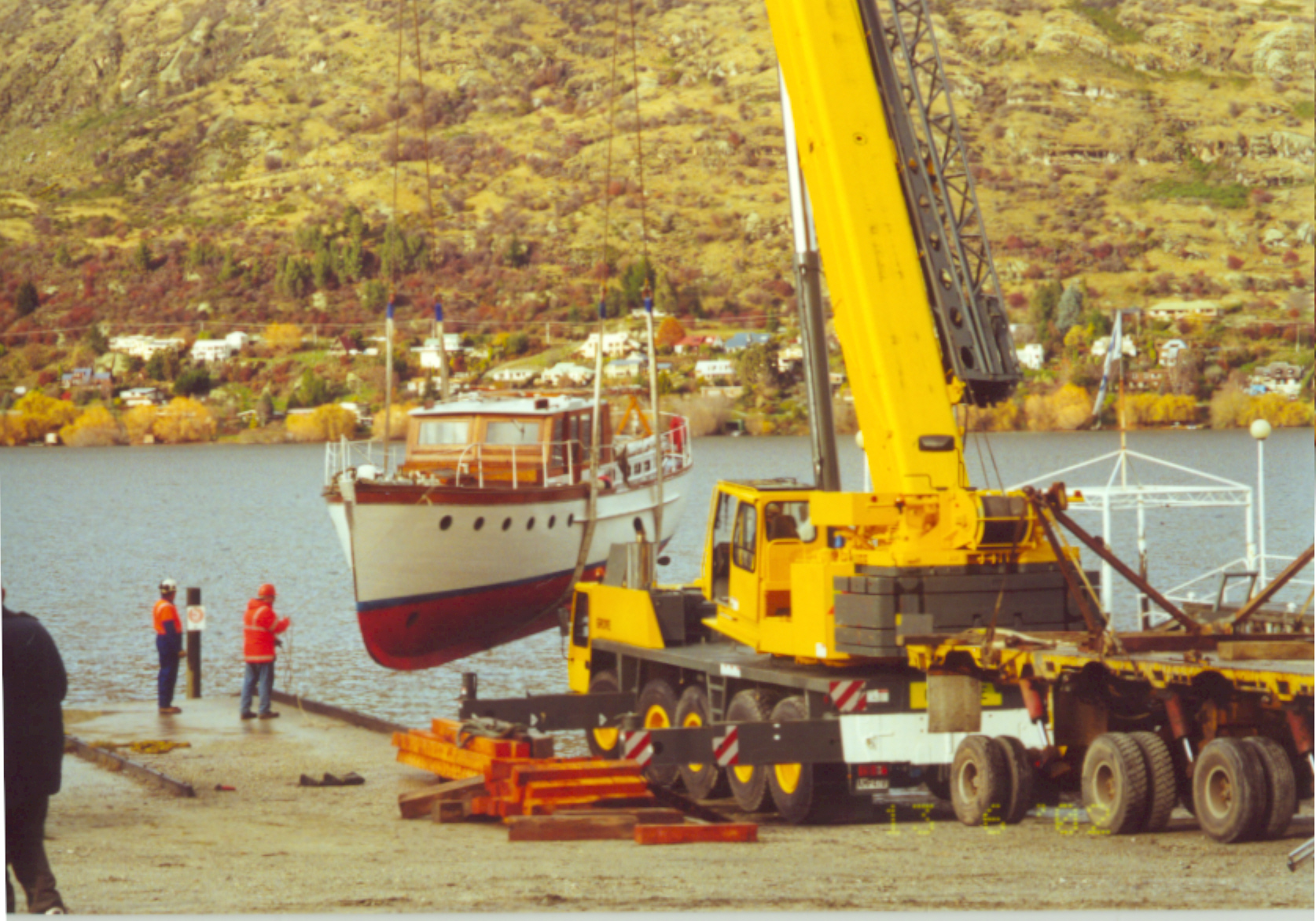
Prolific model boat builder John Bullivant sent in the above photo of the motorsailer – Yvalda, seen here last week on her mooring at Lake Wakatipu, South Island. The photo was sent to John by a modelling friend who was visiting NZ for a wedding.
Wonderful to see Yvalda in such magnificent condition. She was built in 1936 in Scotland by Mc Gruers – click the link below to read full details on how she got to NZ and Lake Wakatipu, don’t forget to read the comments section , lots of chat there.
Todays woody is Rangimarie, a 45’ motor sailer built in Paremata in 1959 by Saunders boatbuilders.
Construction is heart matai (black pine).
Forward propulsion is from a Gardner 6LX diesel. She appears to be very well spec’ed , as are most serious southern woodys.
Rangimarie has called Riverton home for the last 18 years and thanks to a tme listing (ex Lan McDonald) we get to have peek onboard. On face value good buying at $100k.
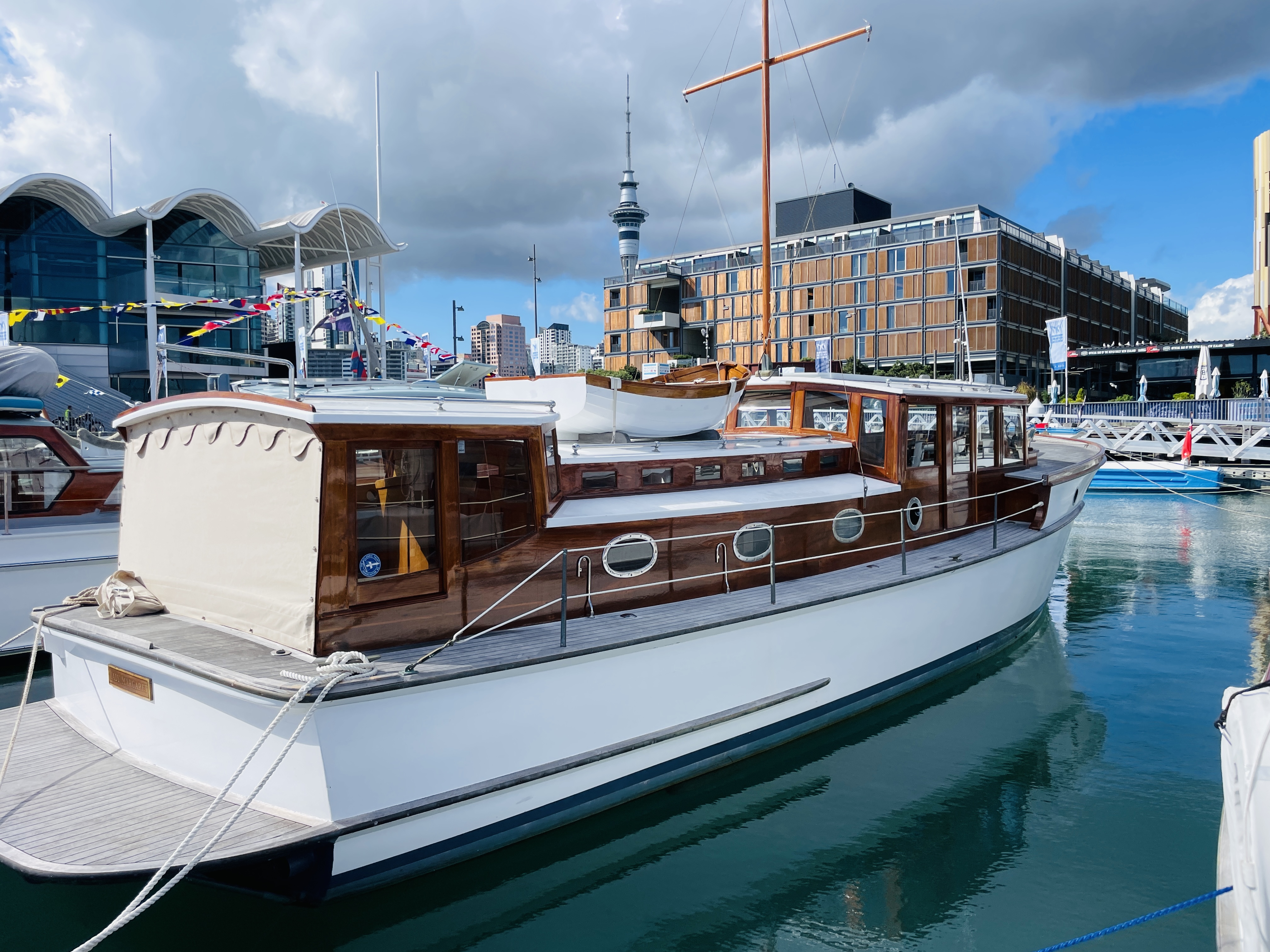
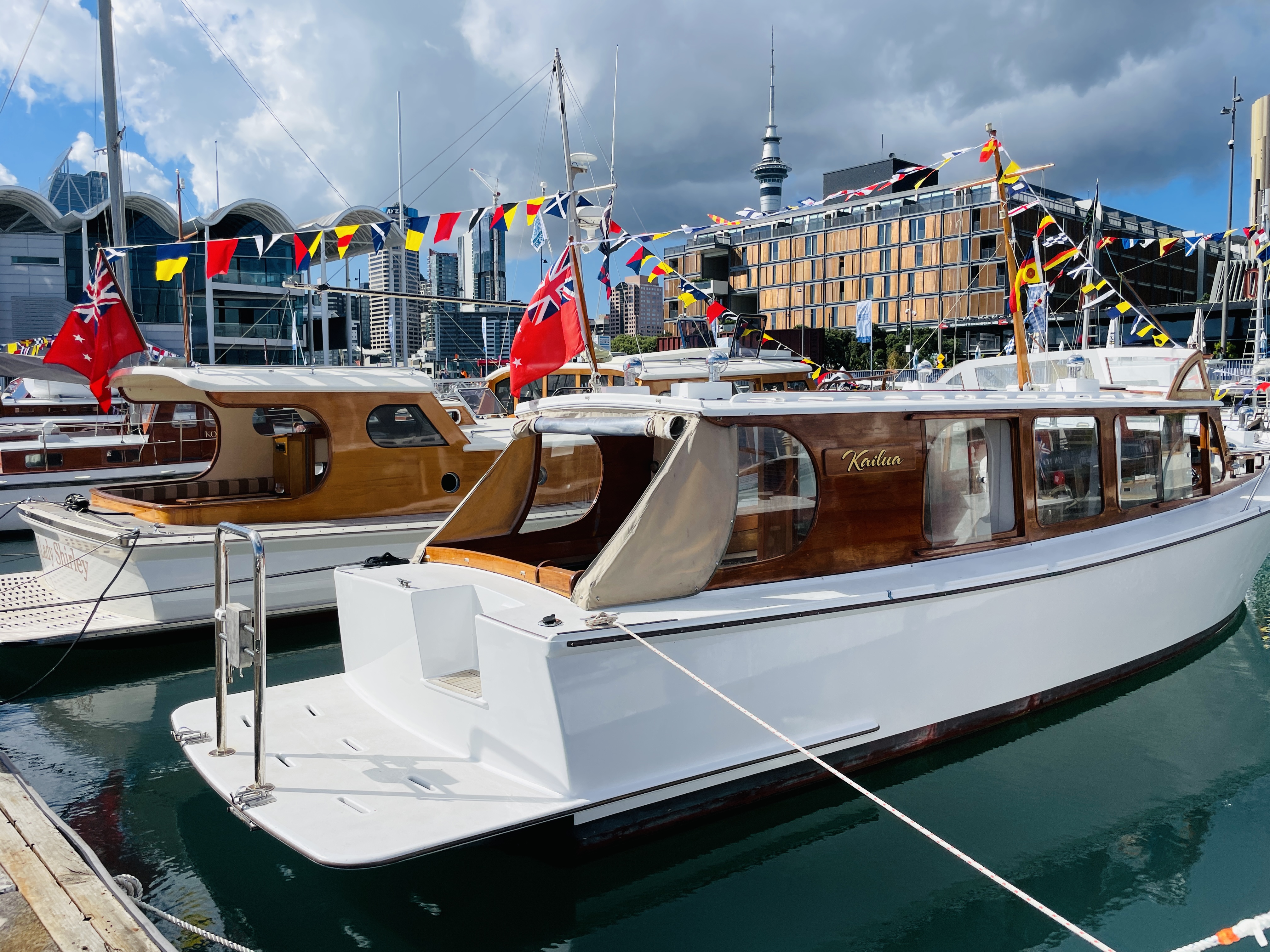
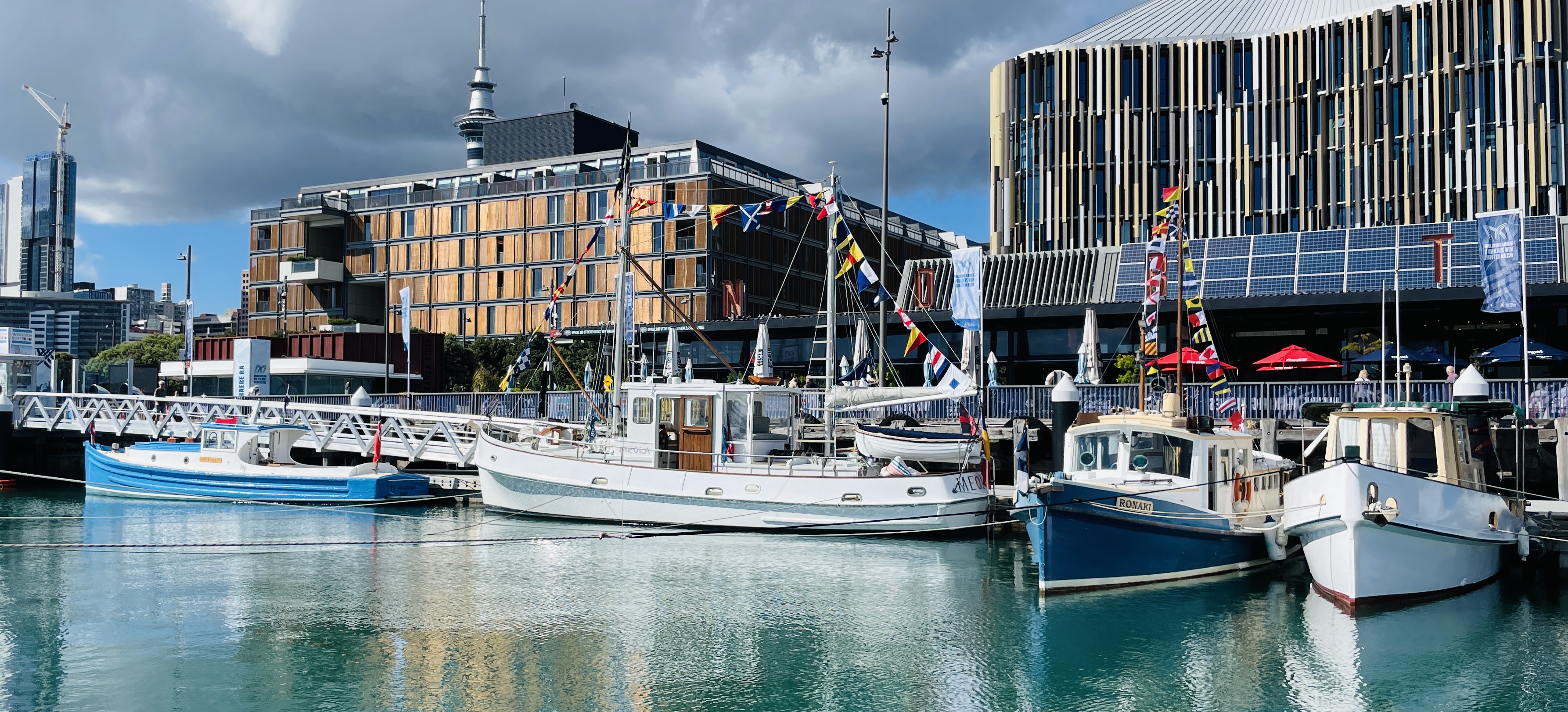
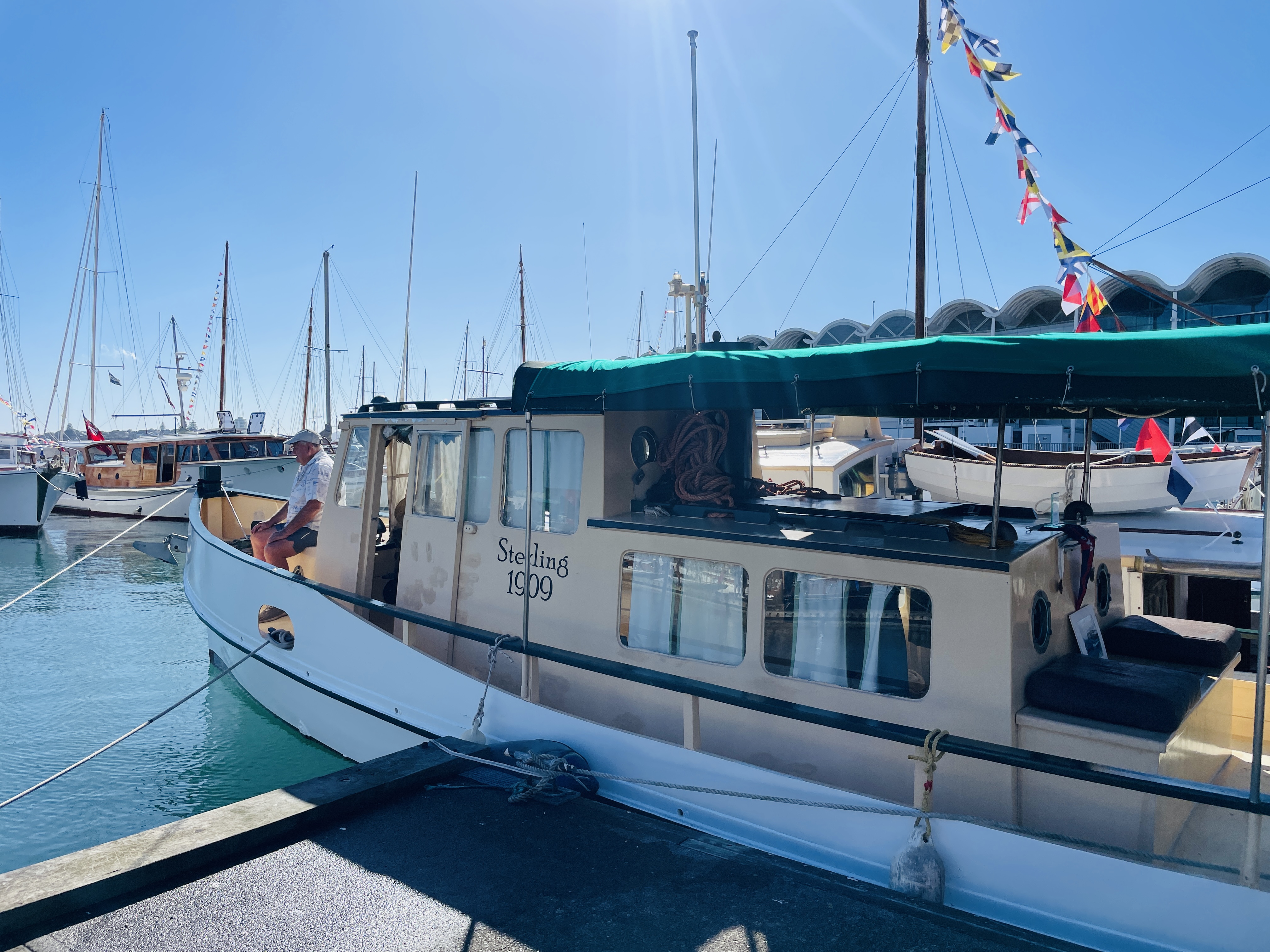
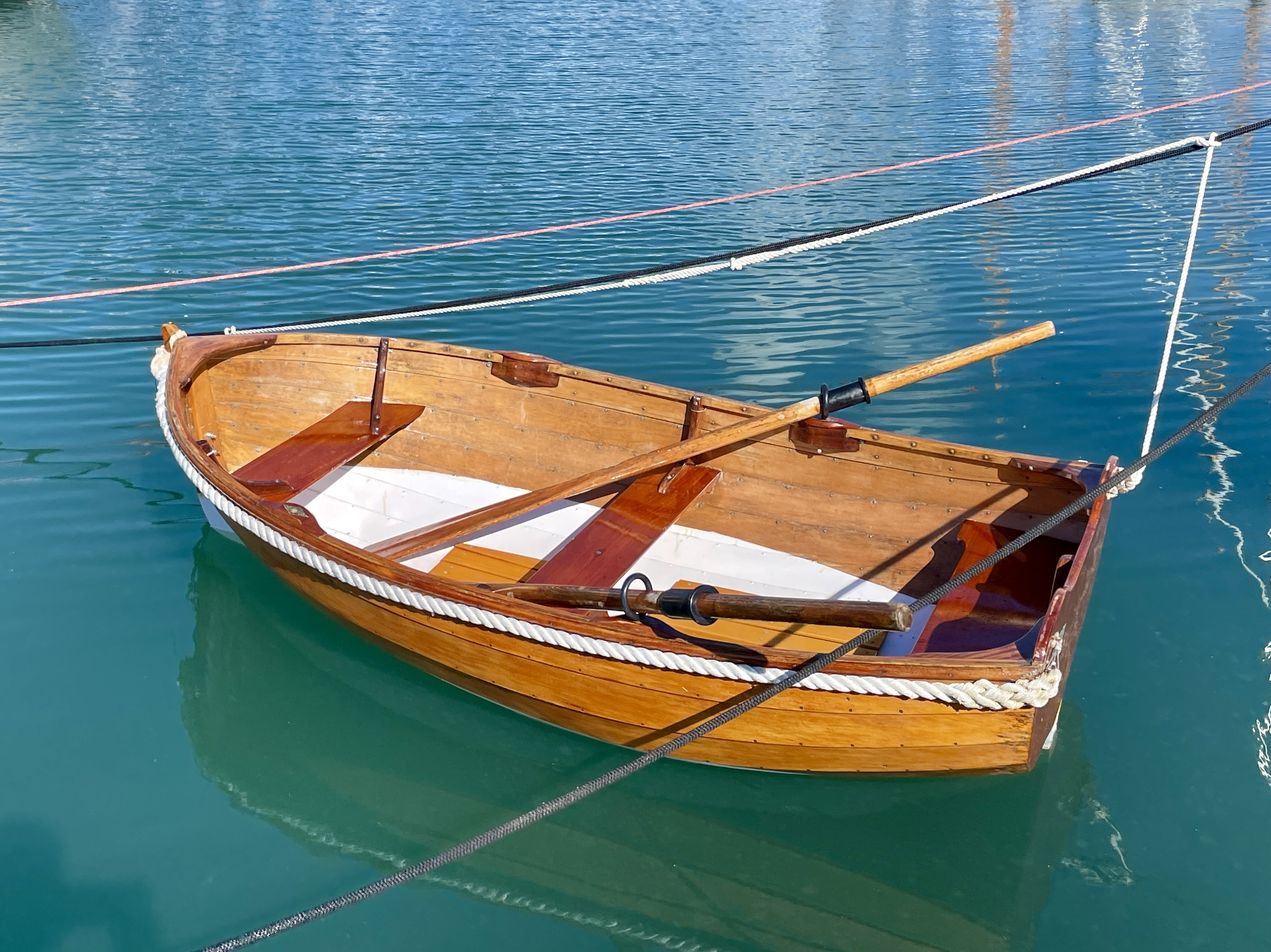
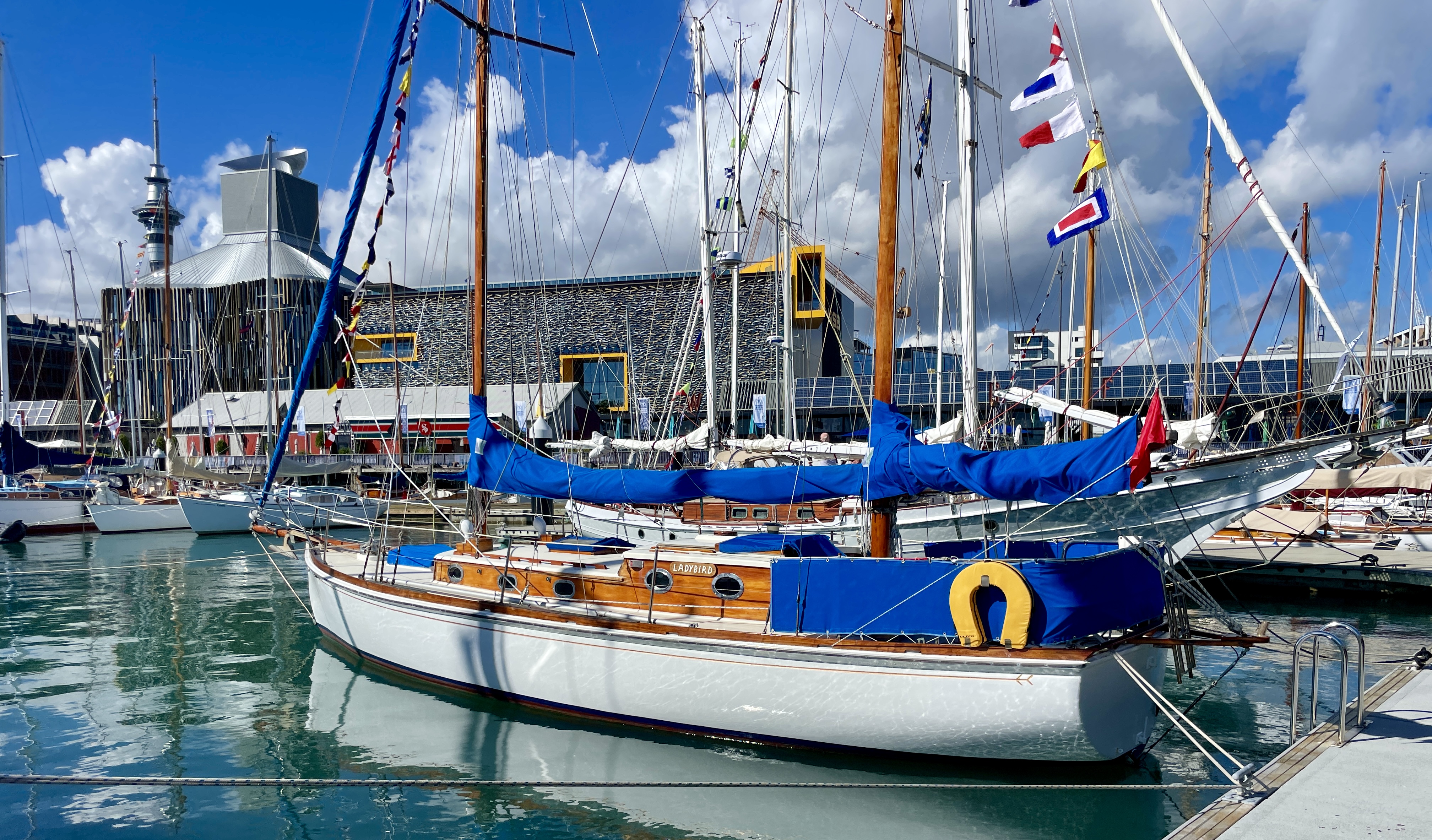
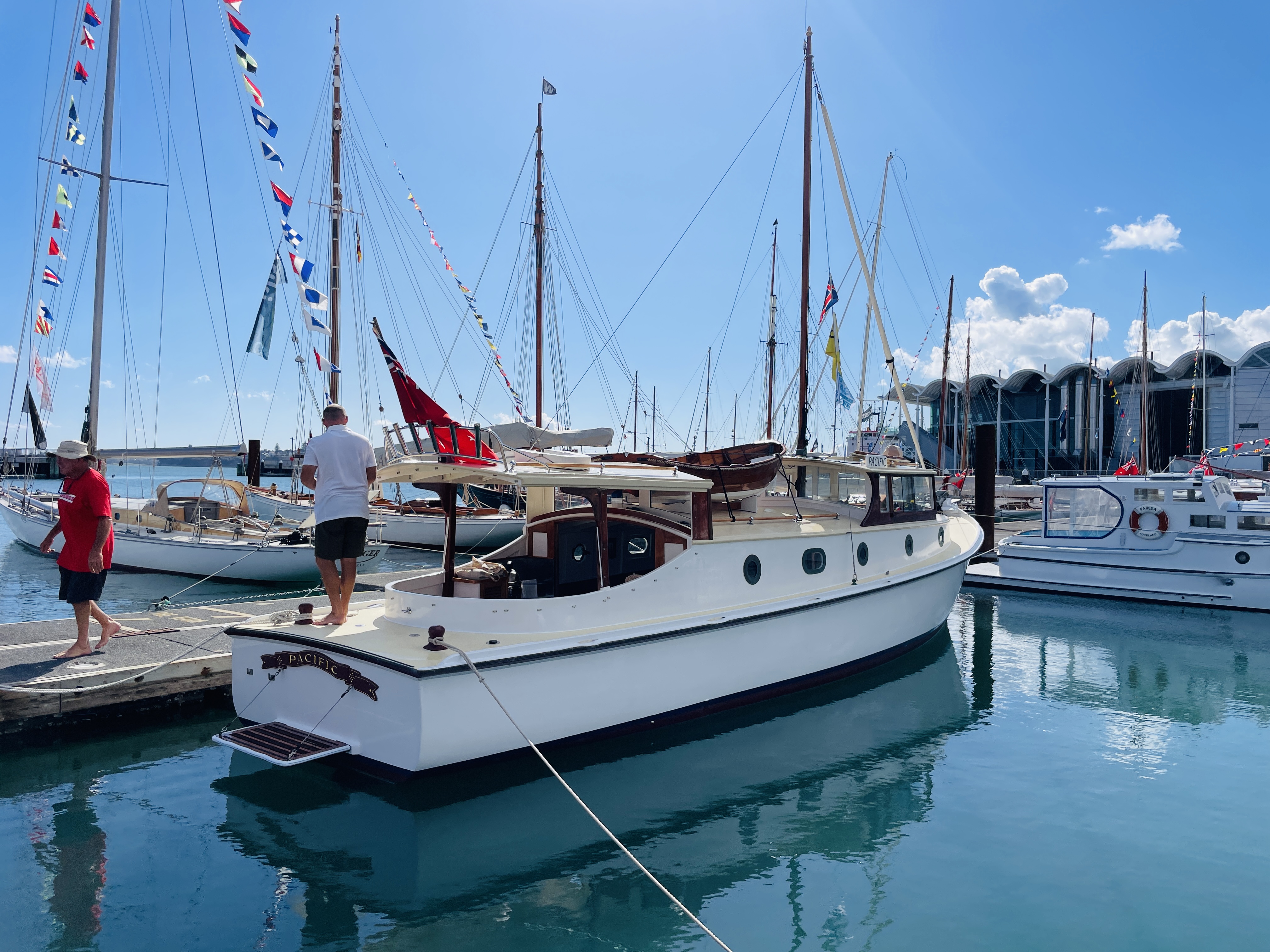
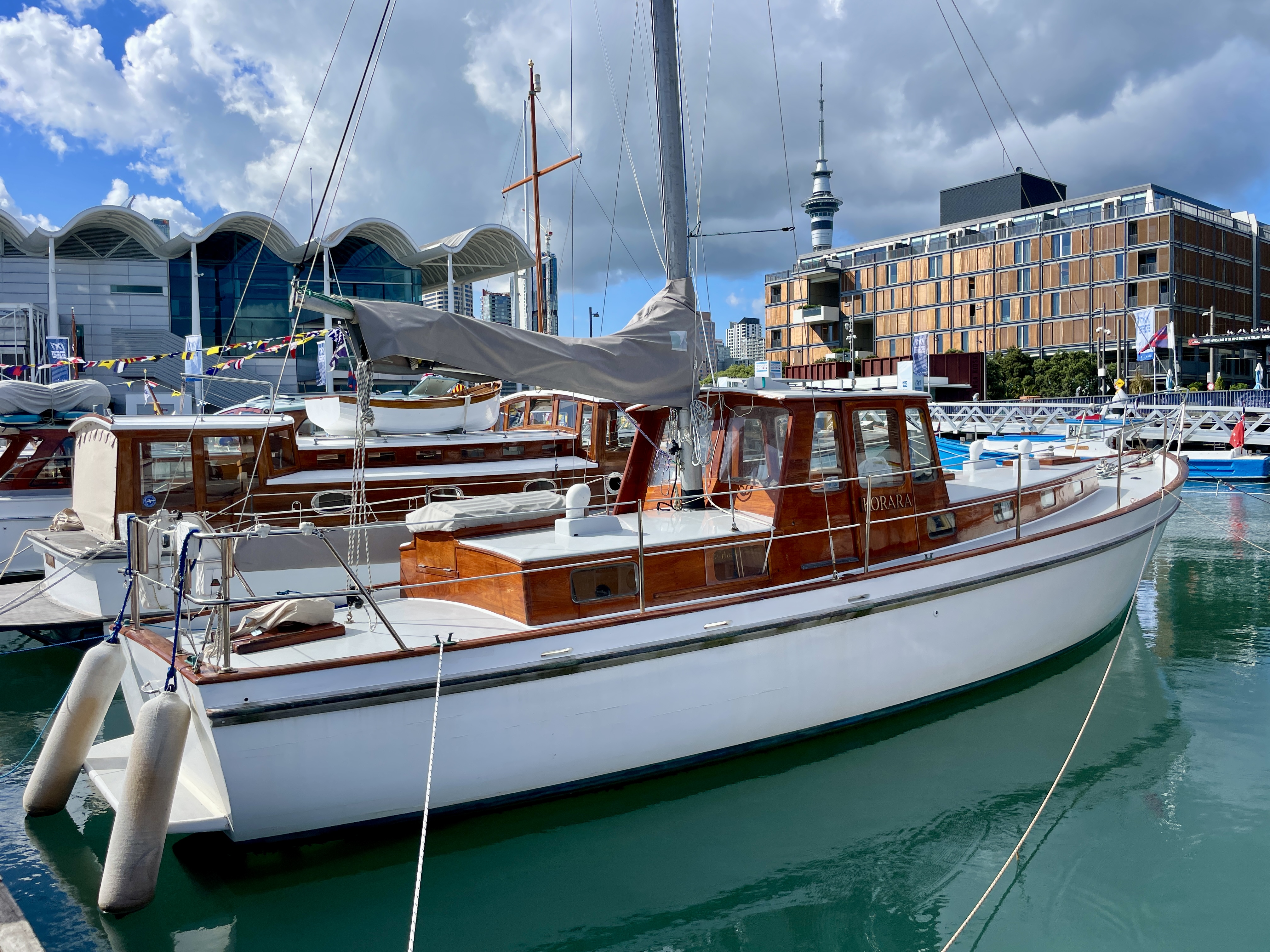
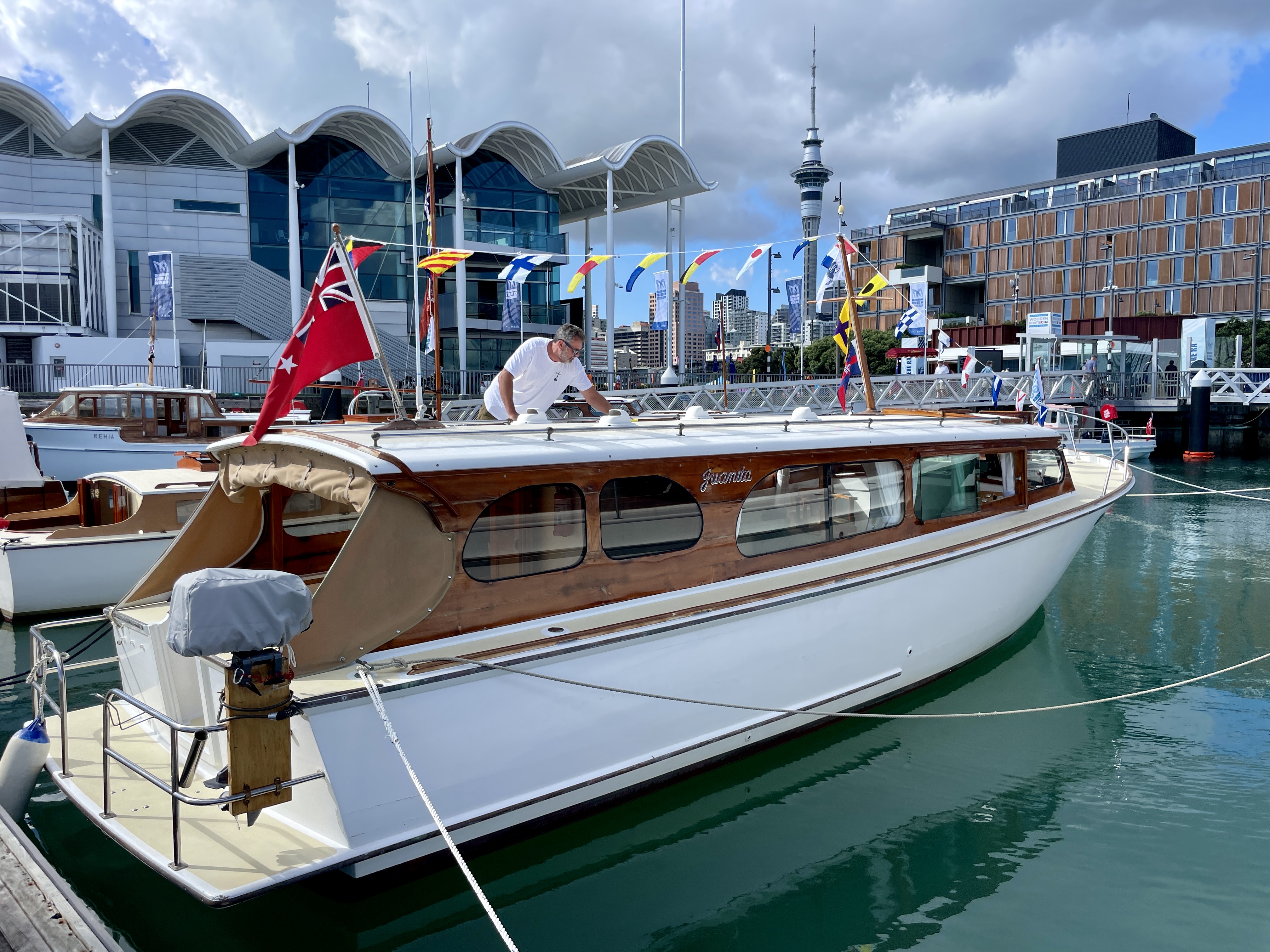
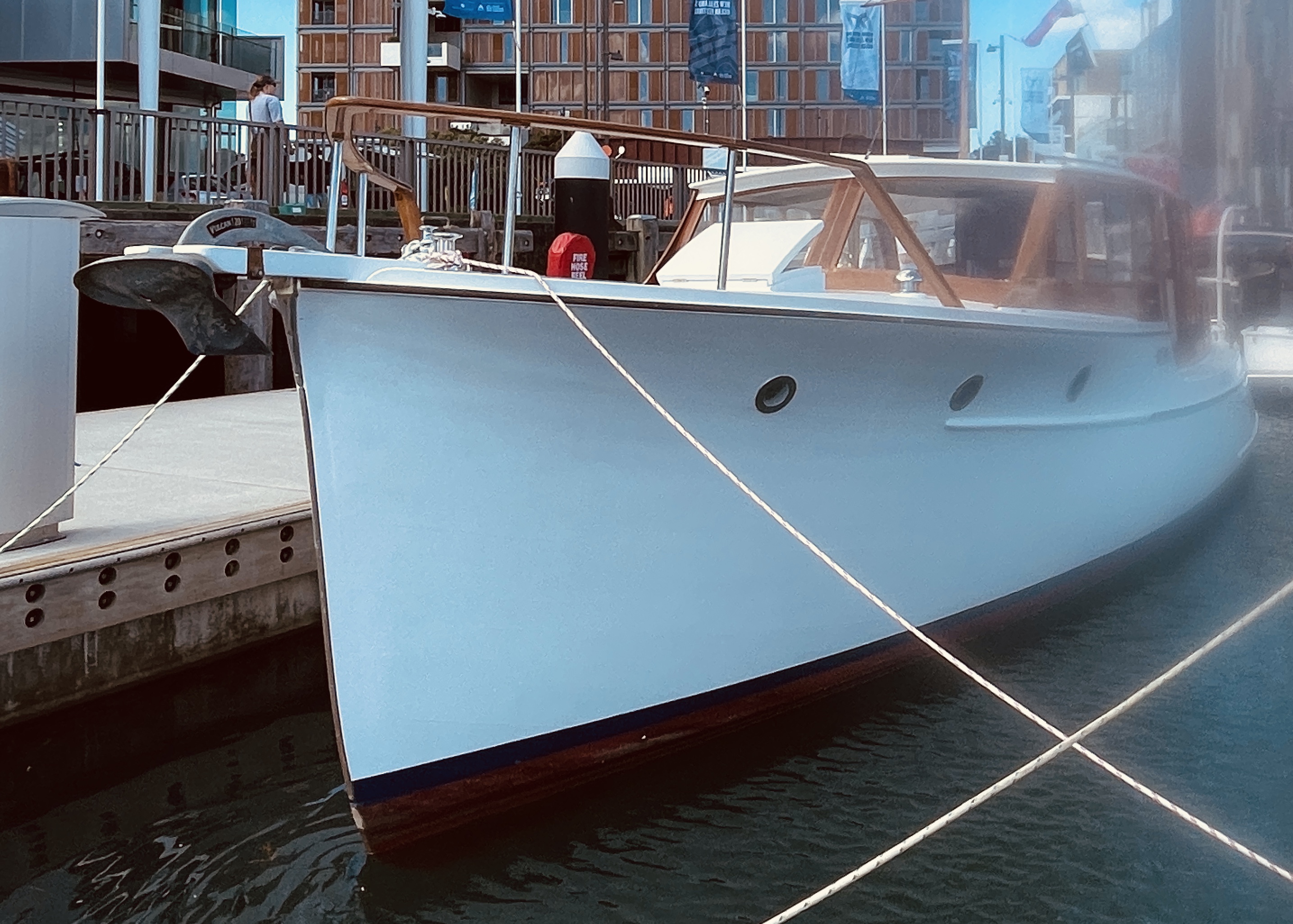
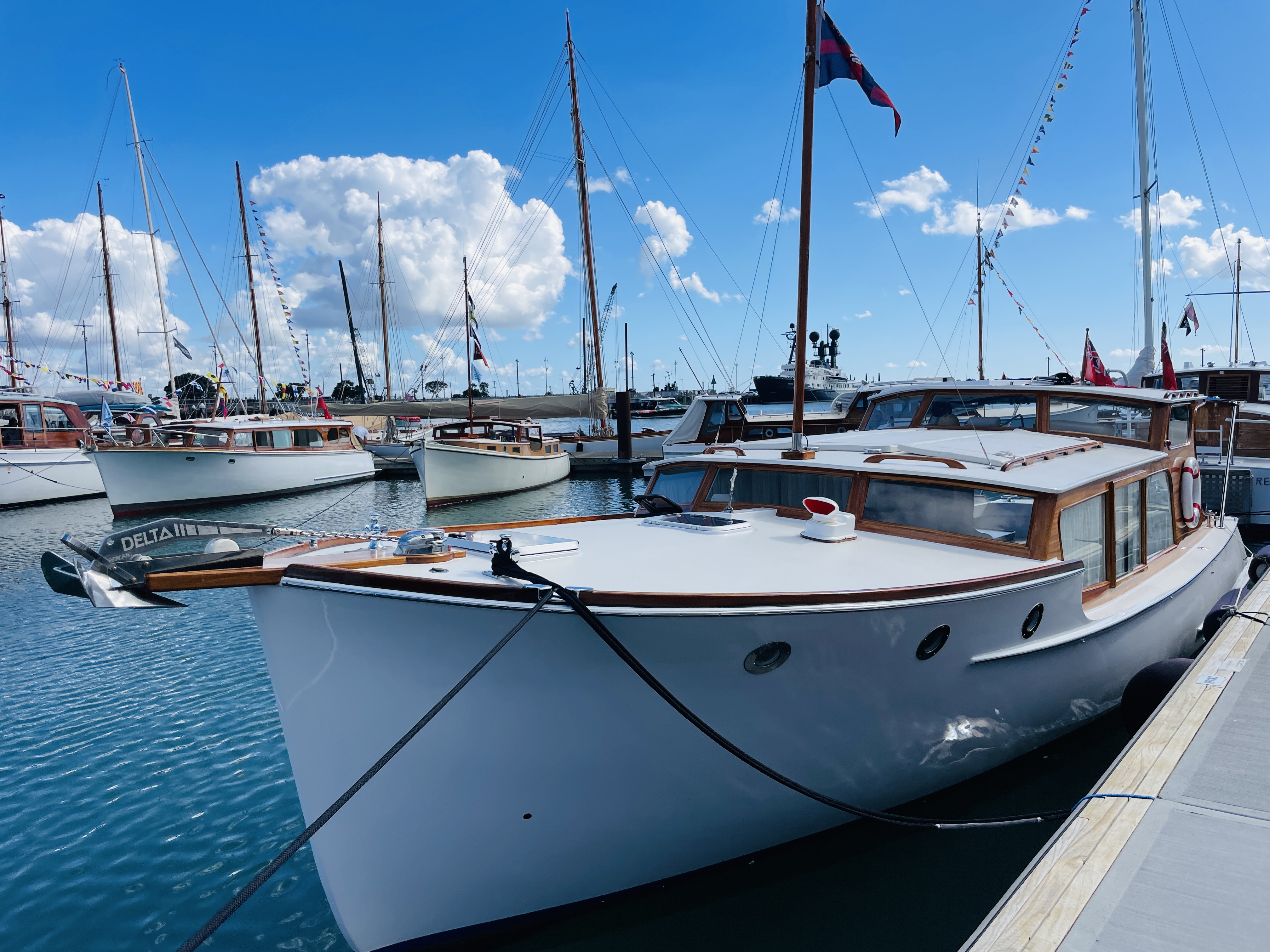
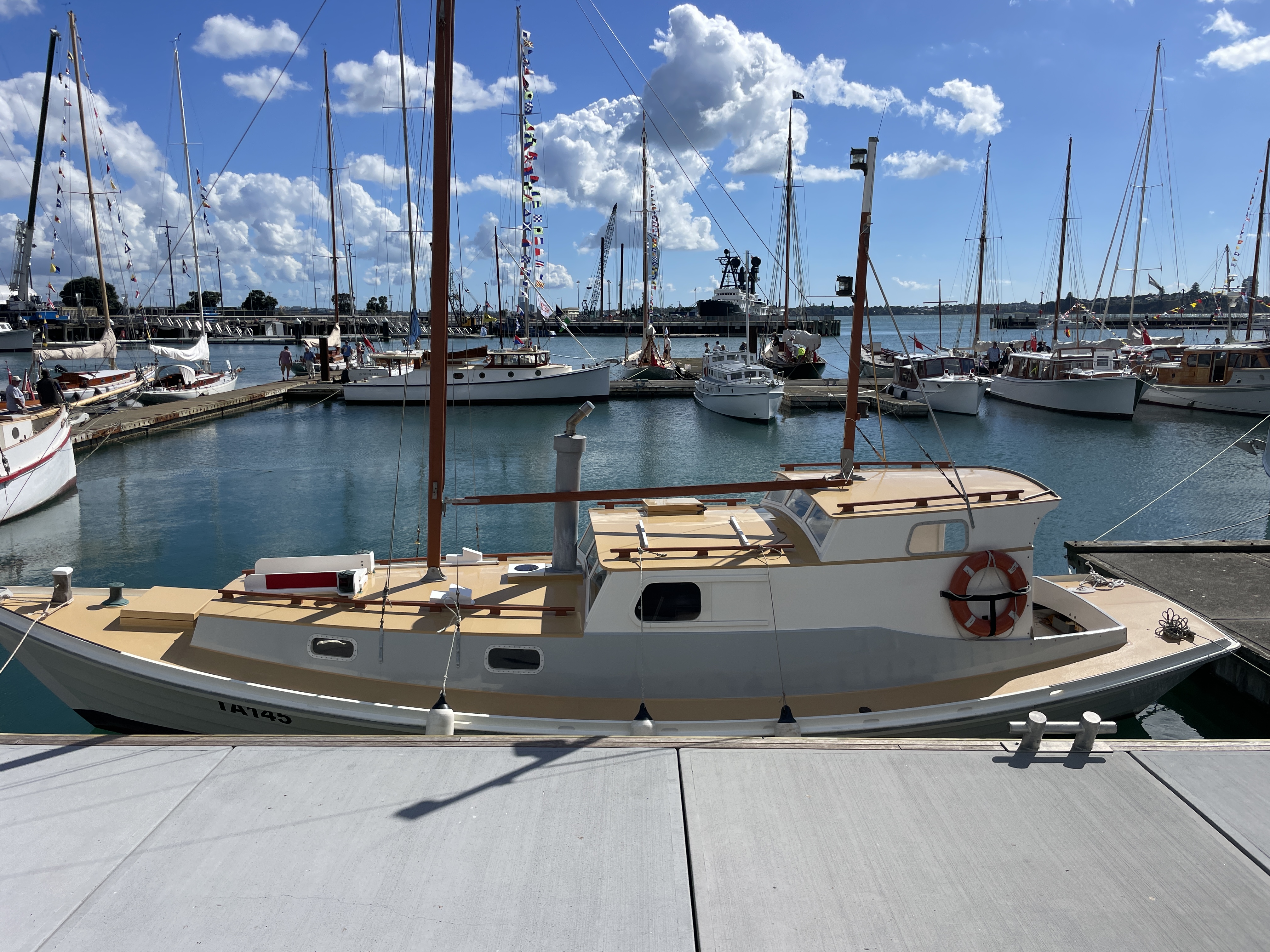
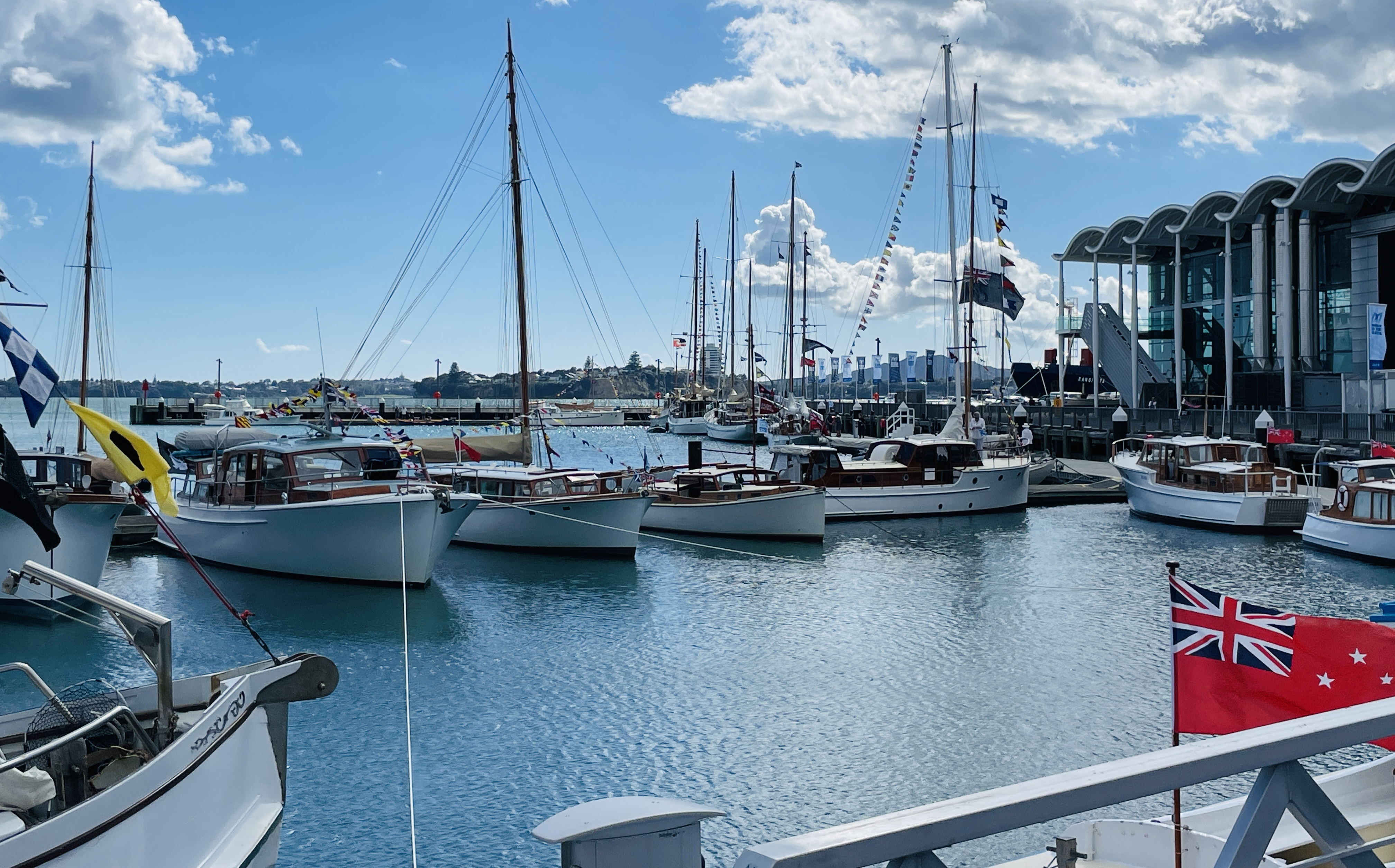
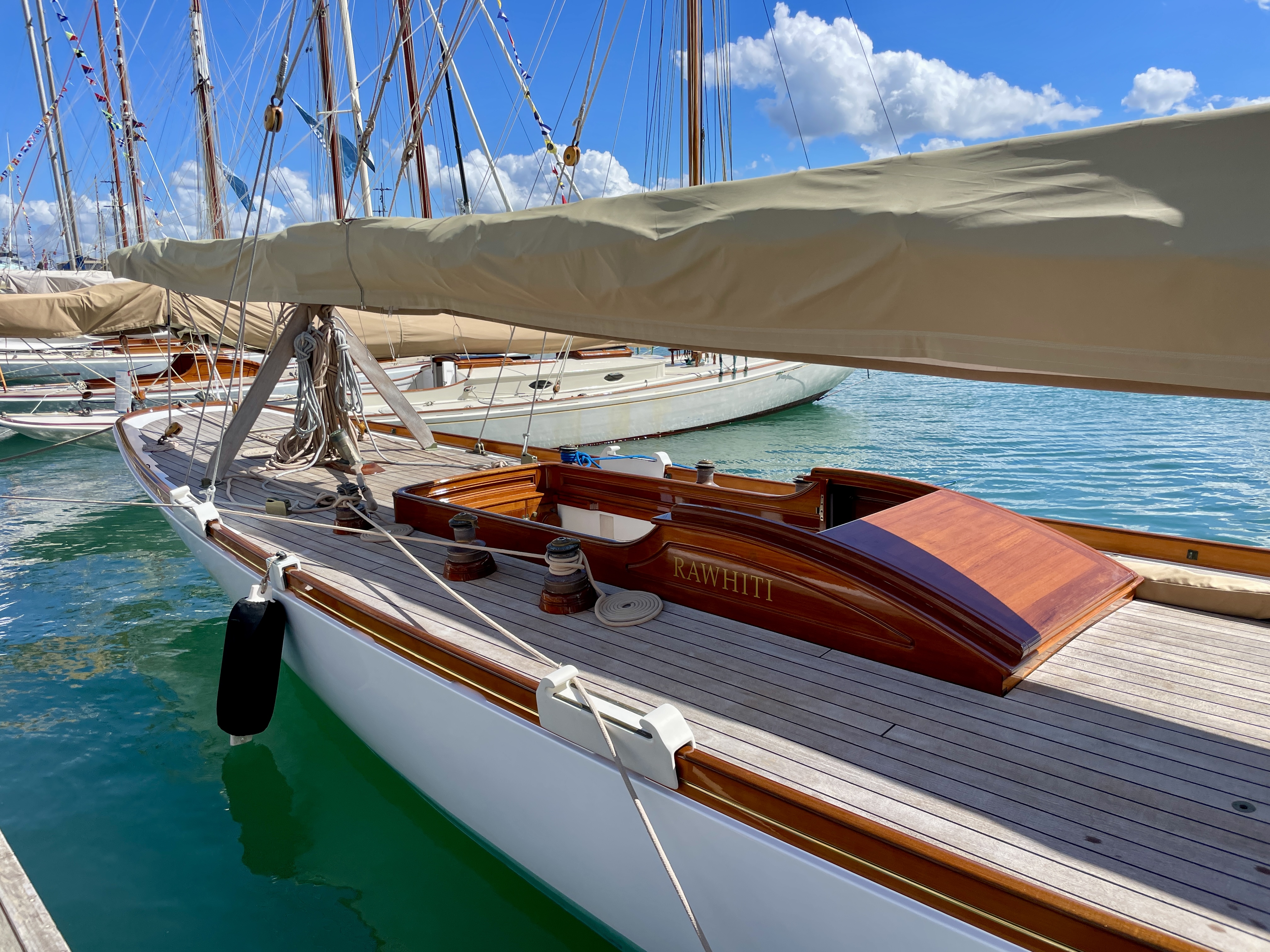
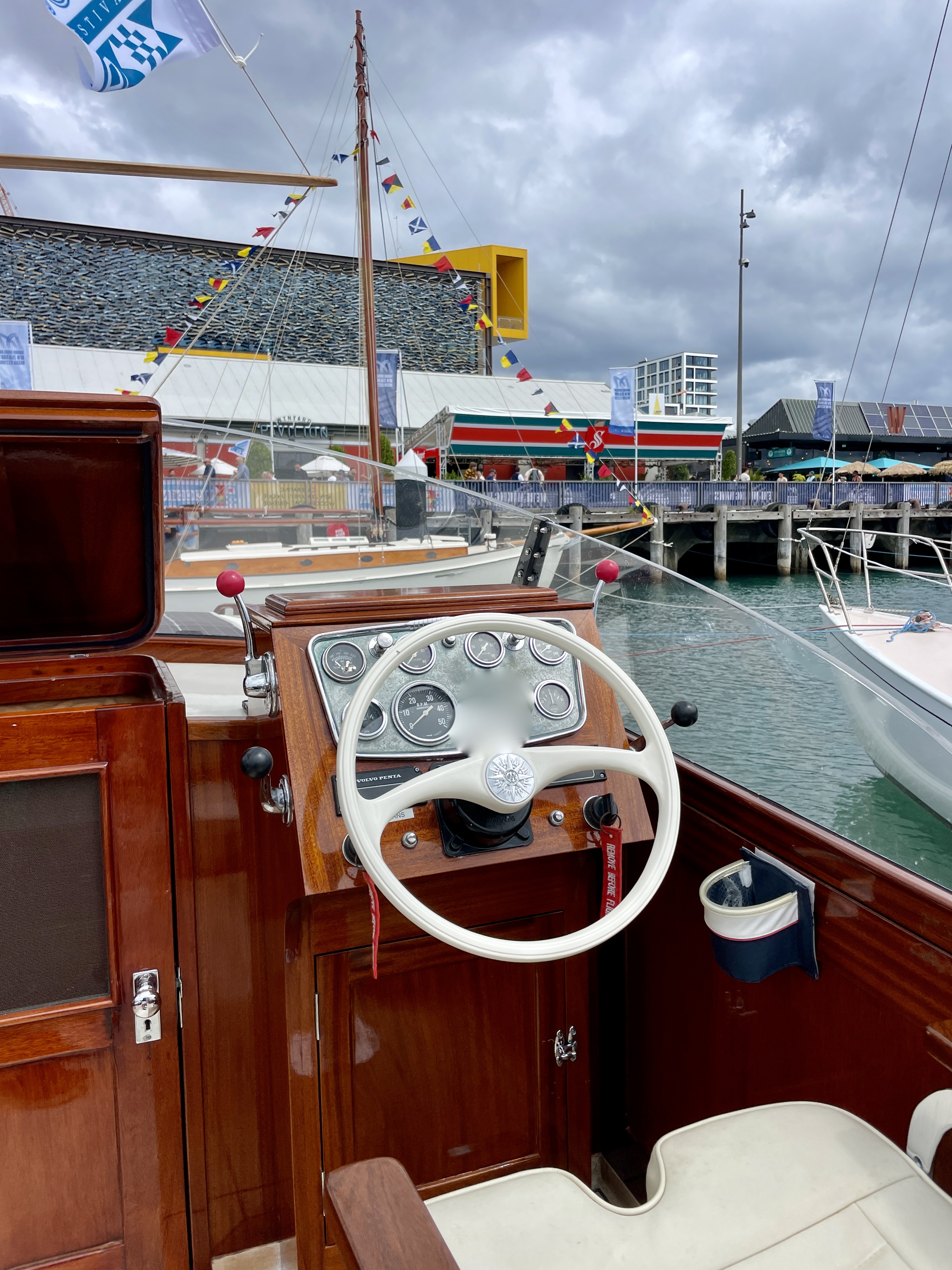
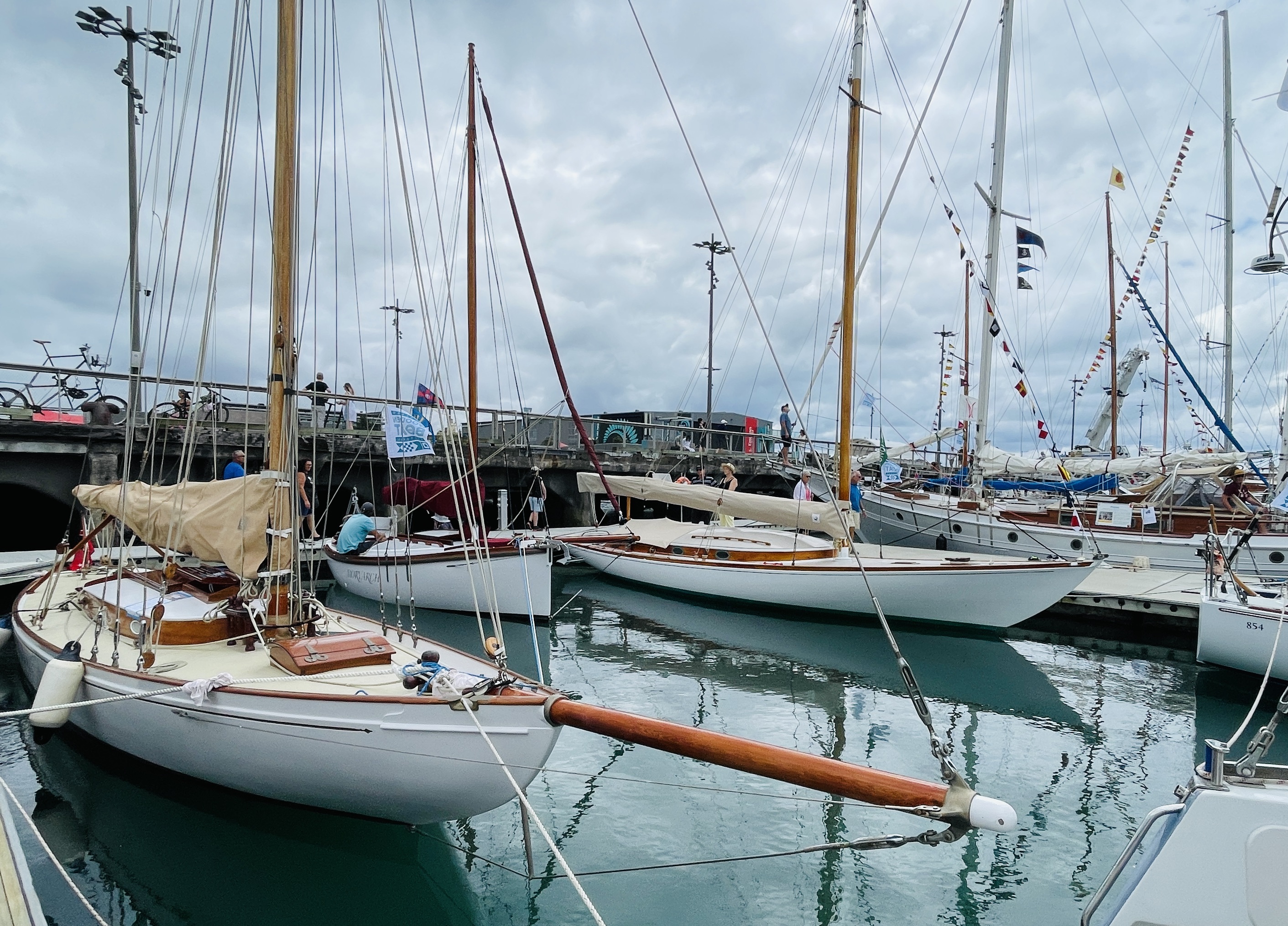
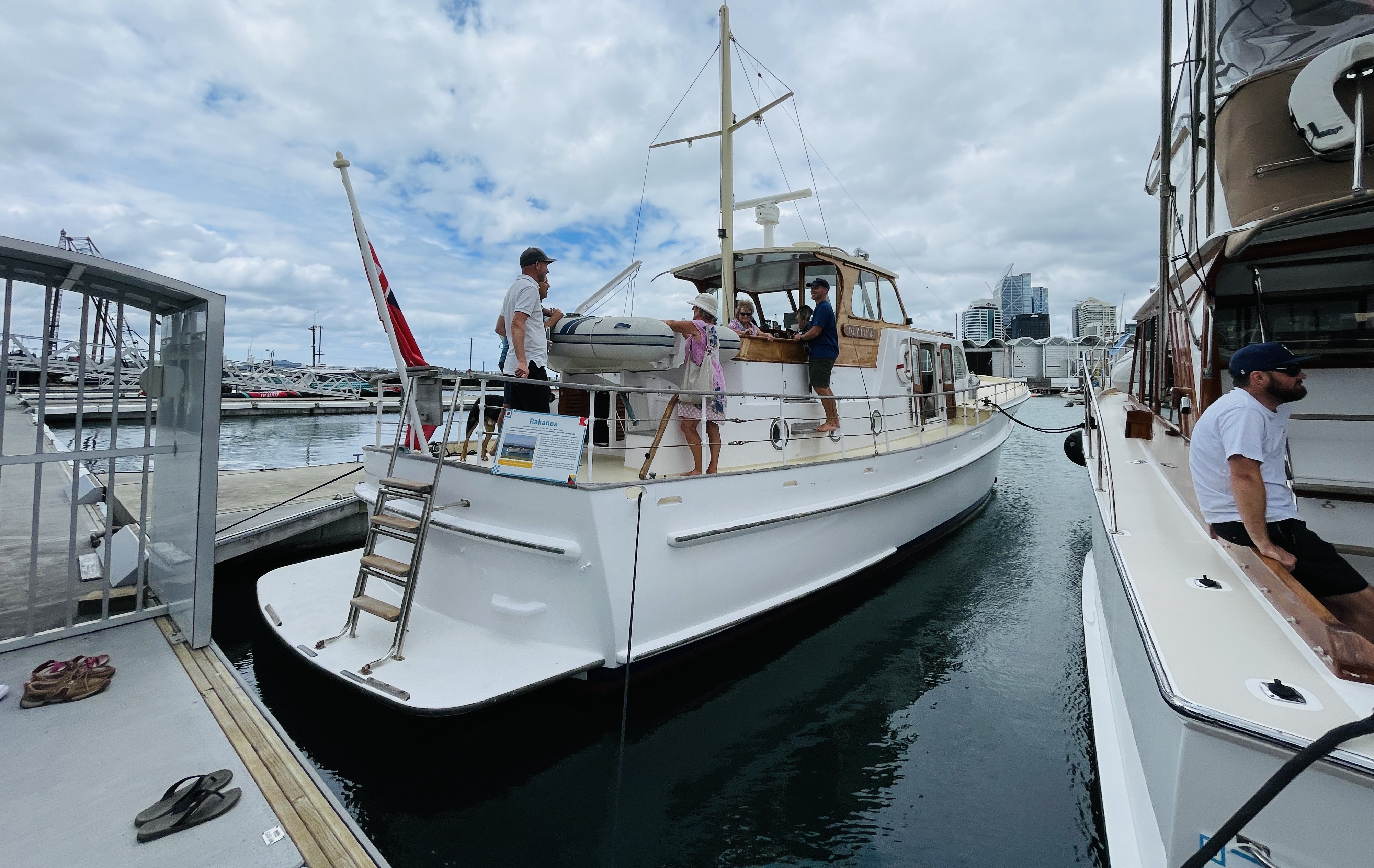
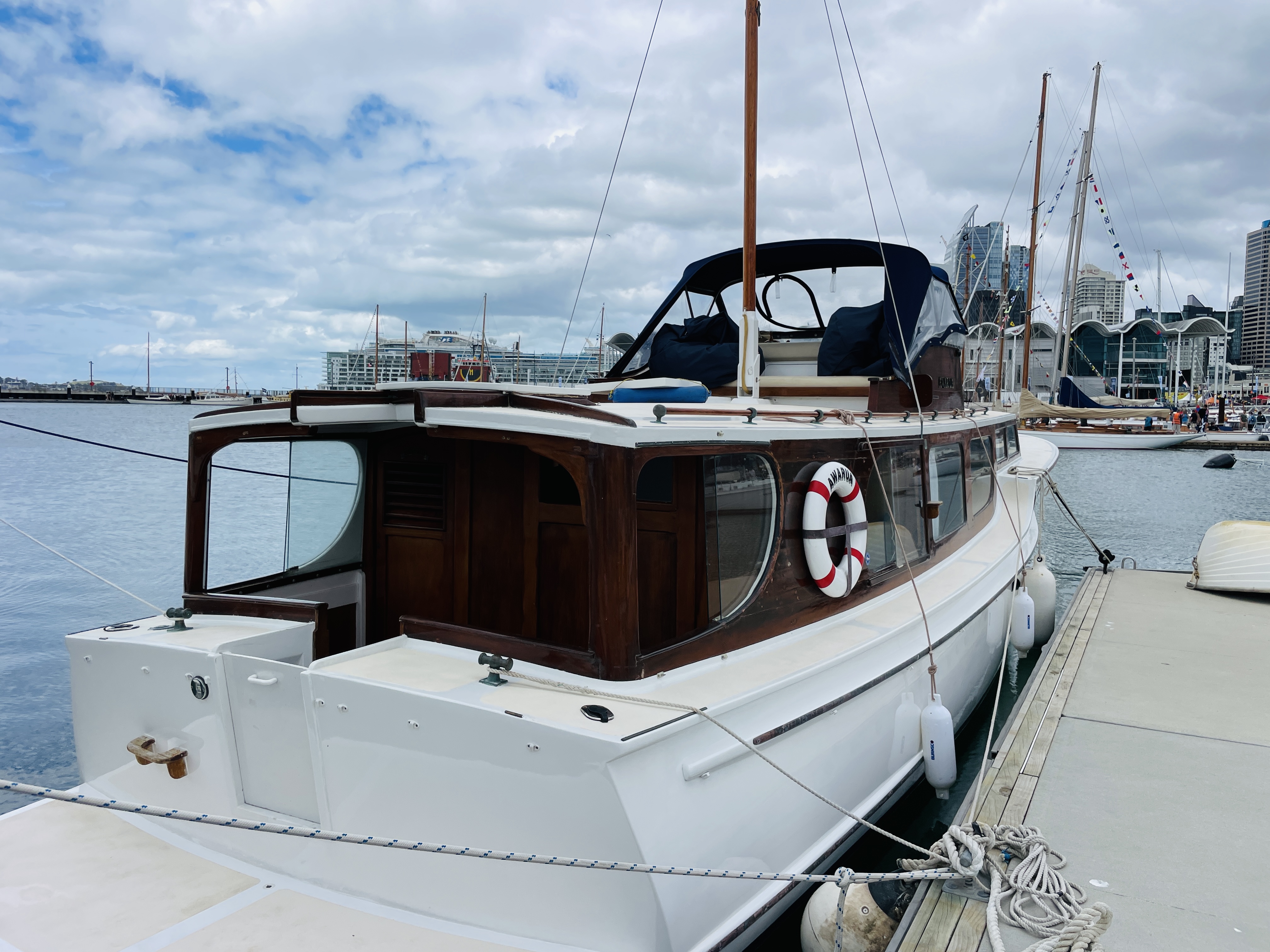
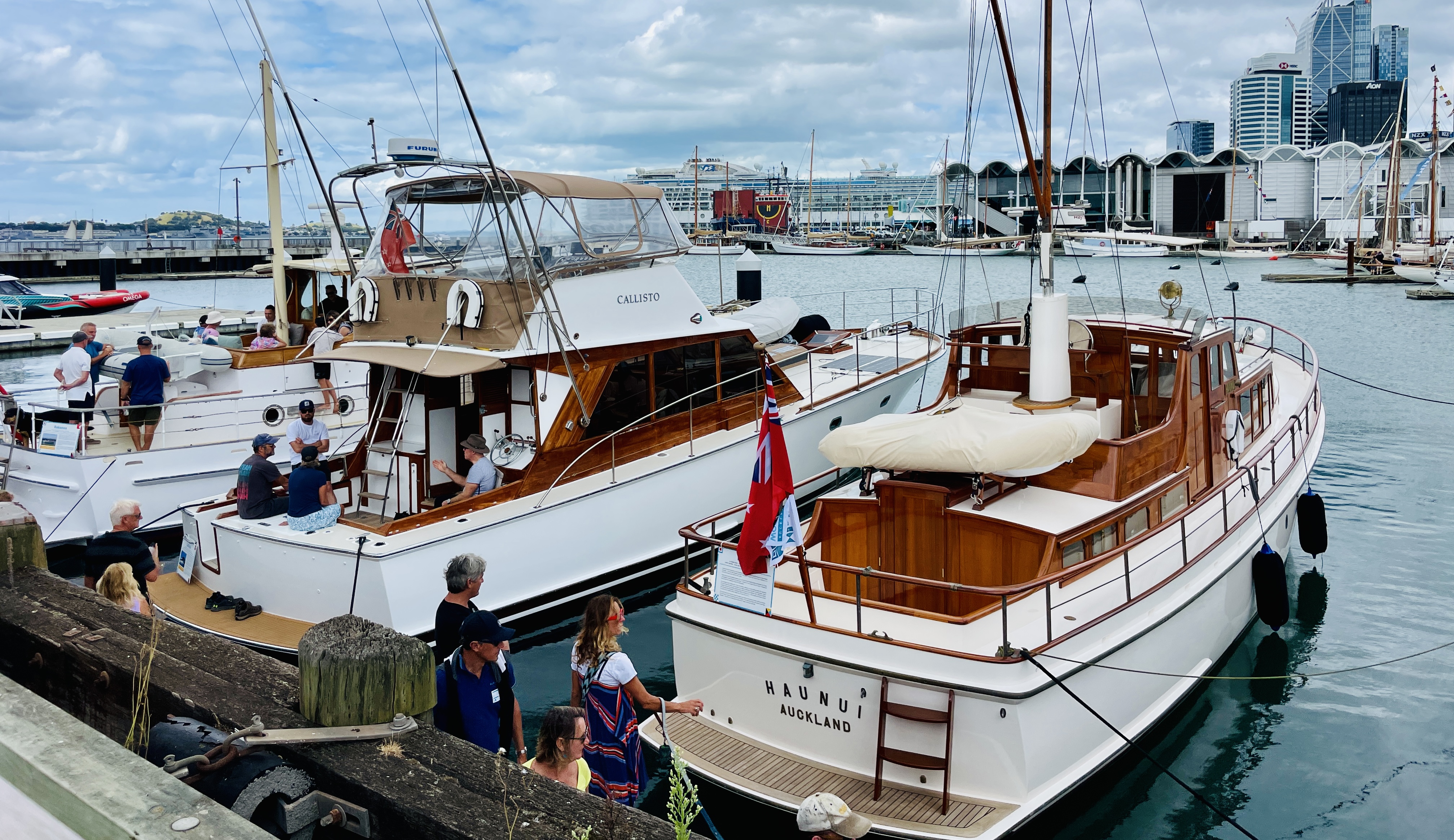
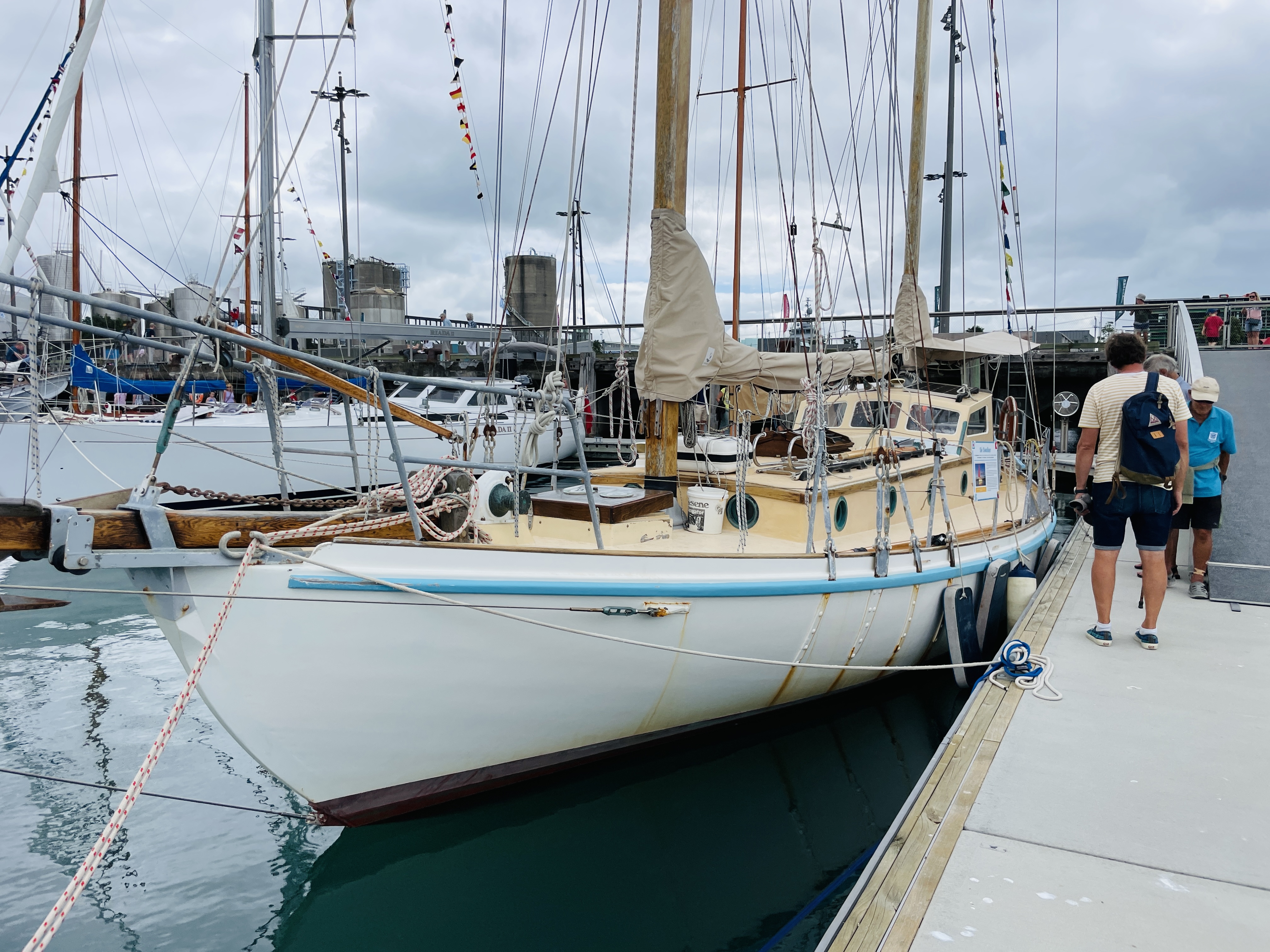
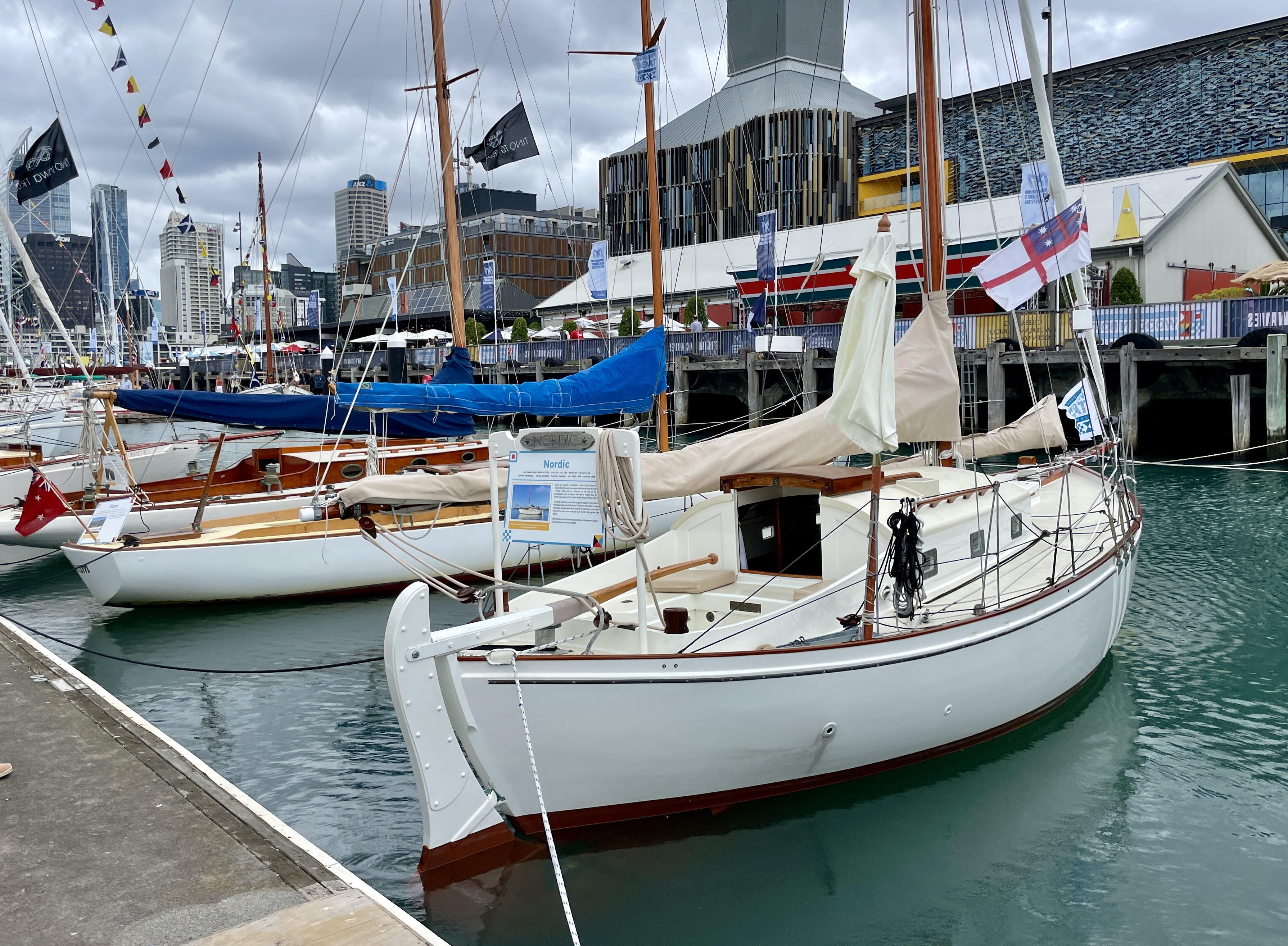
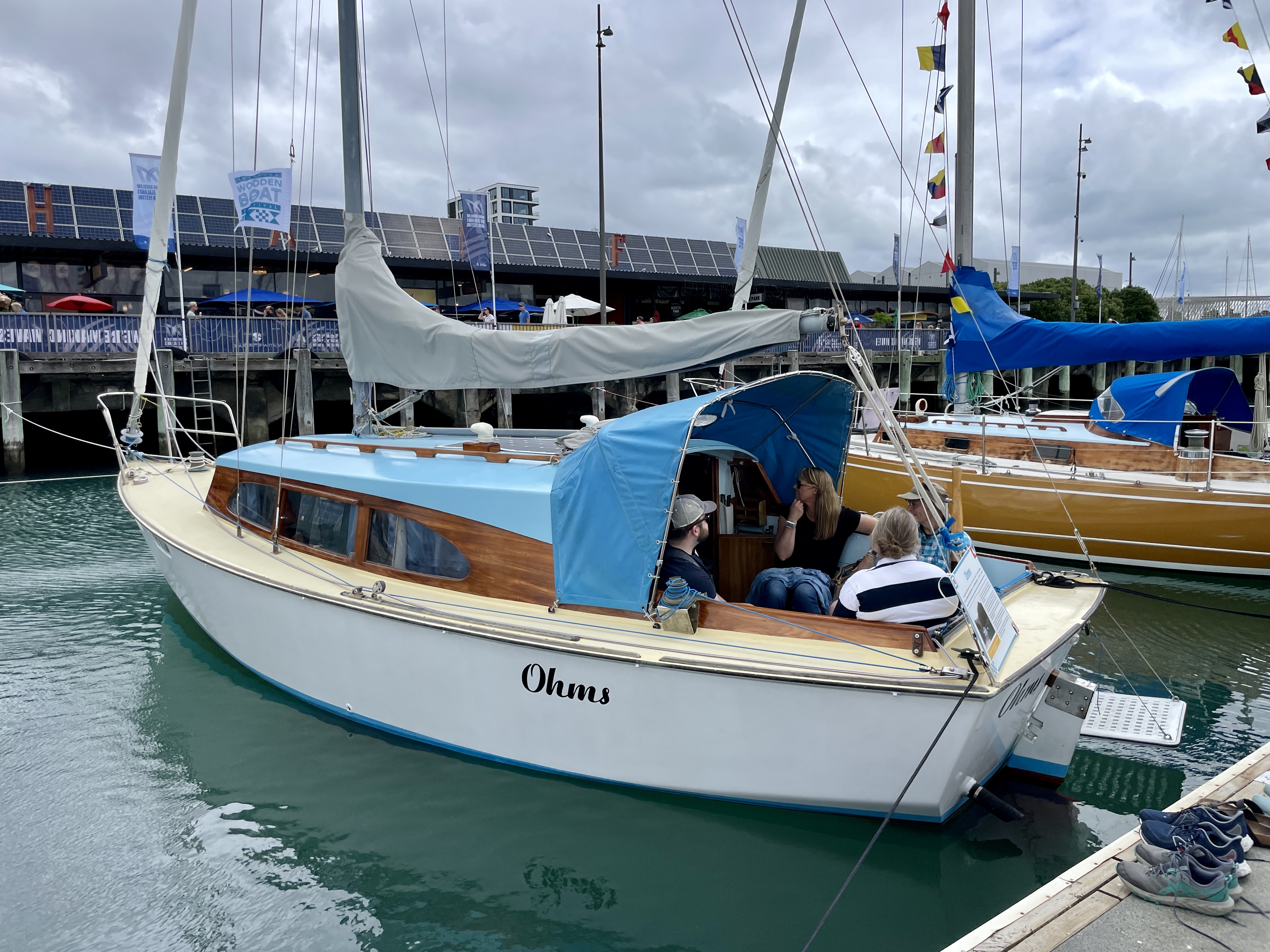
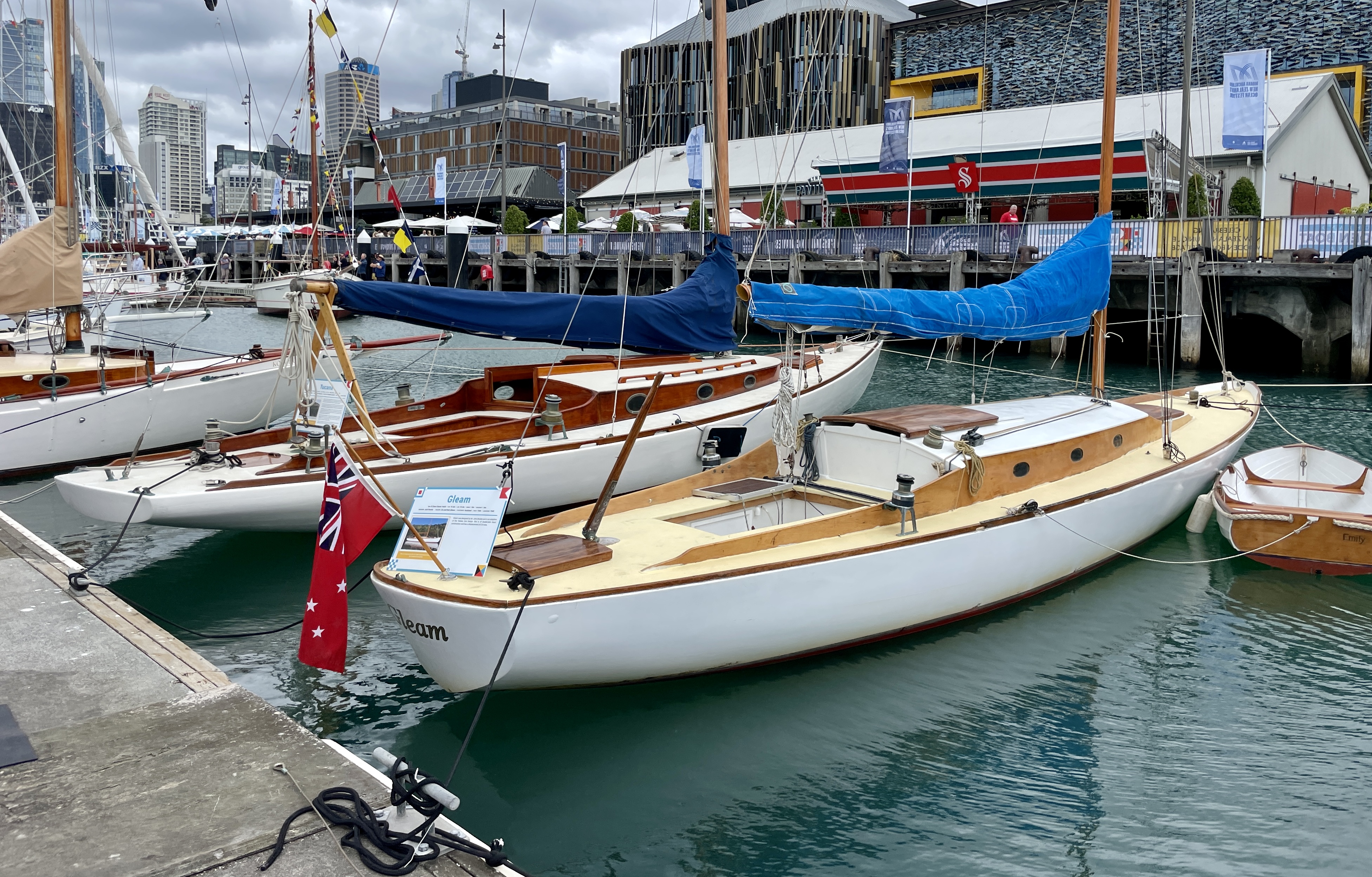
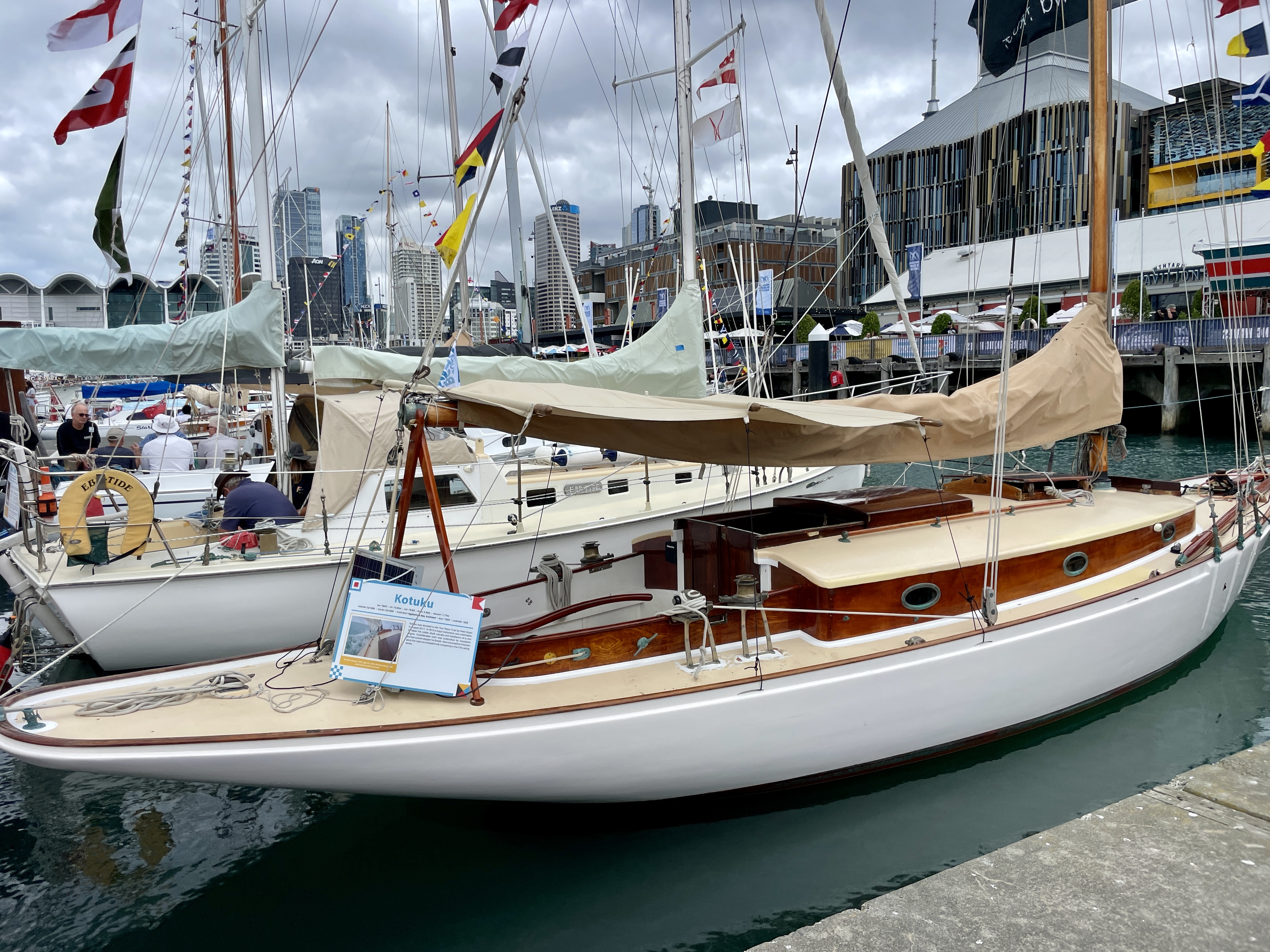
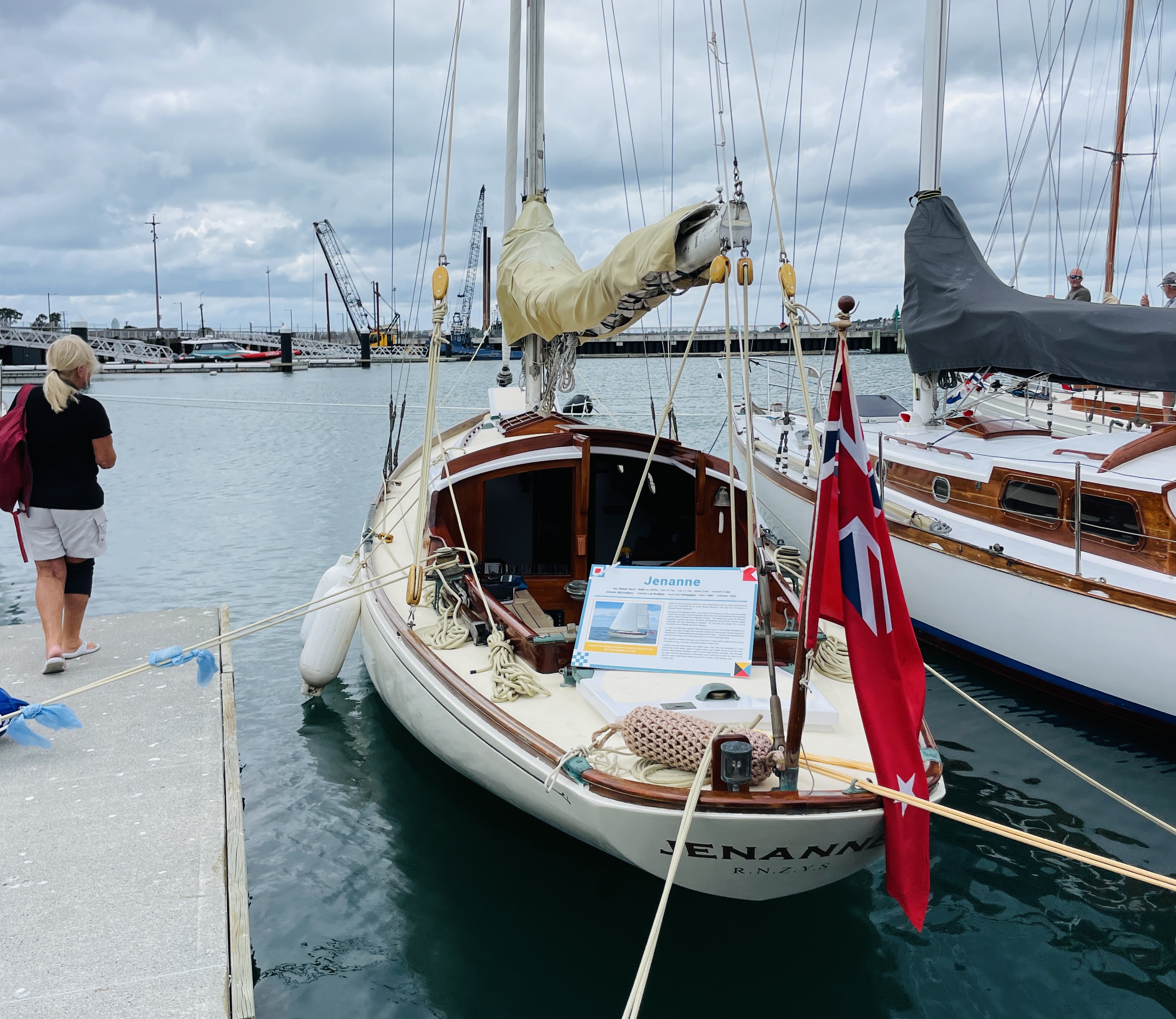
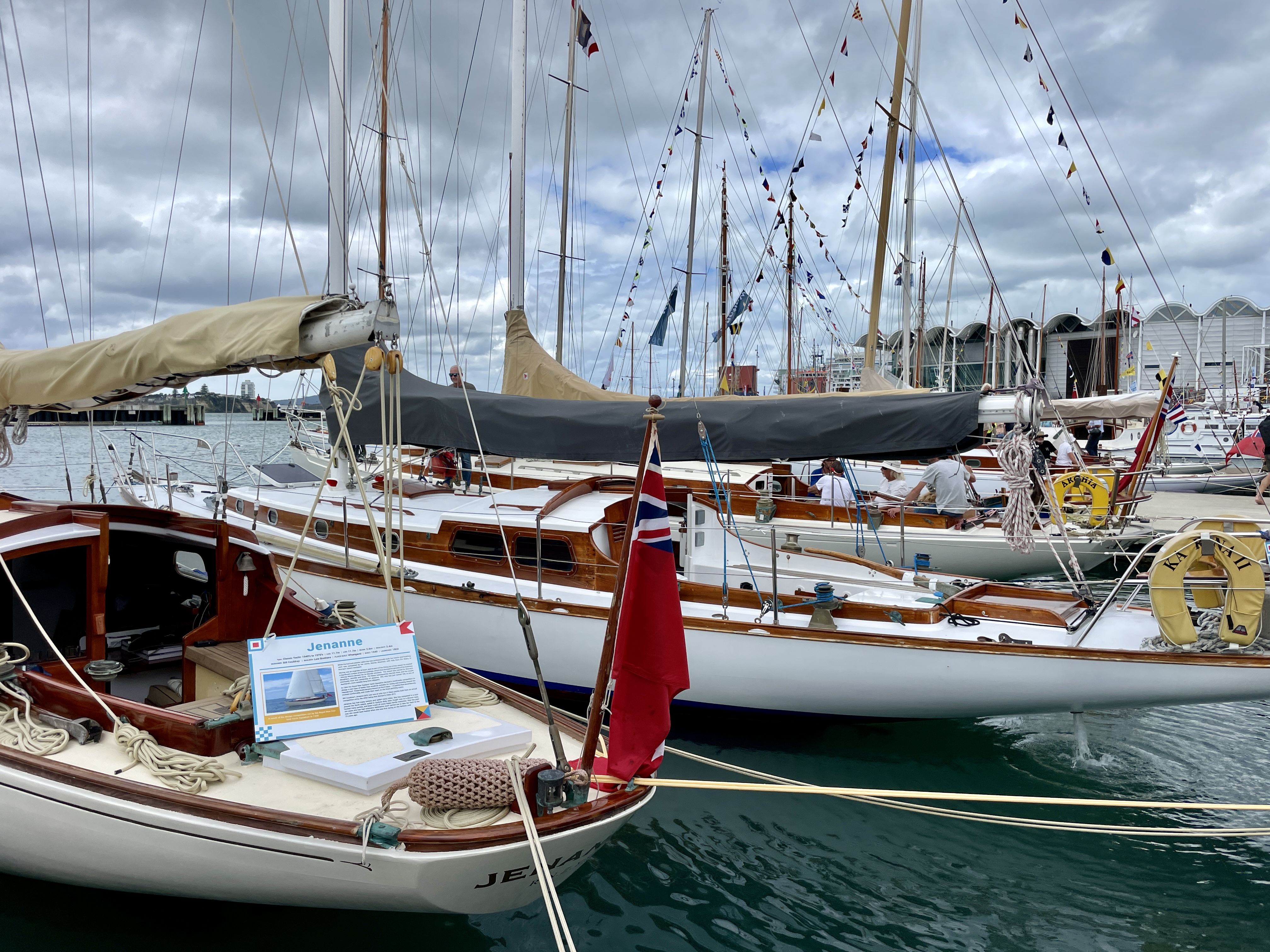
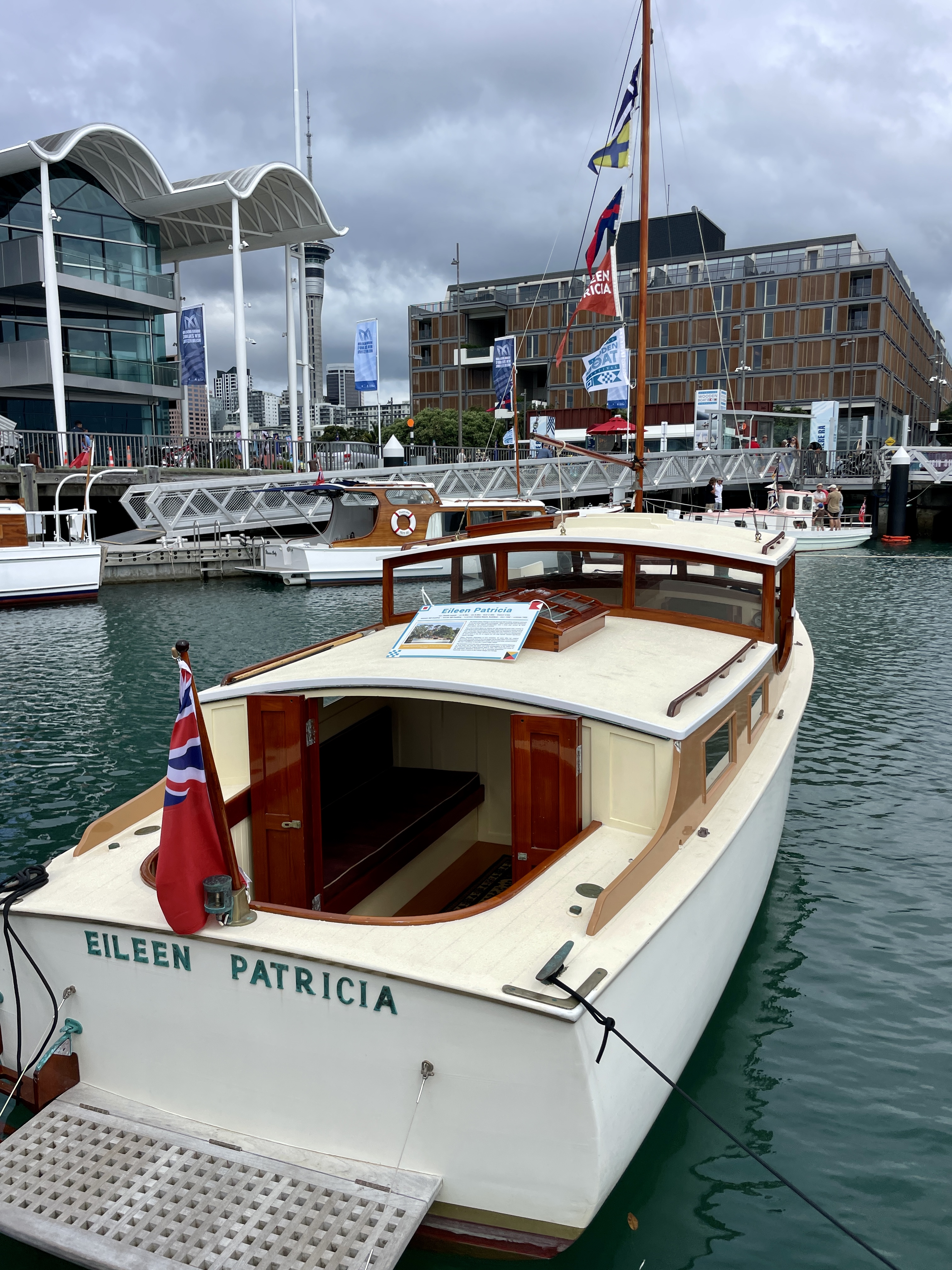
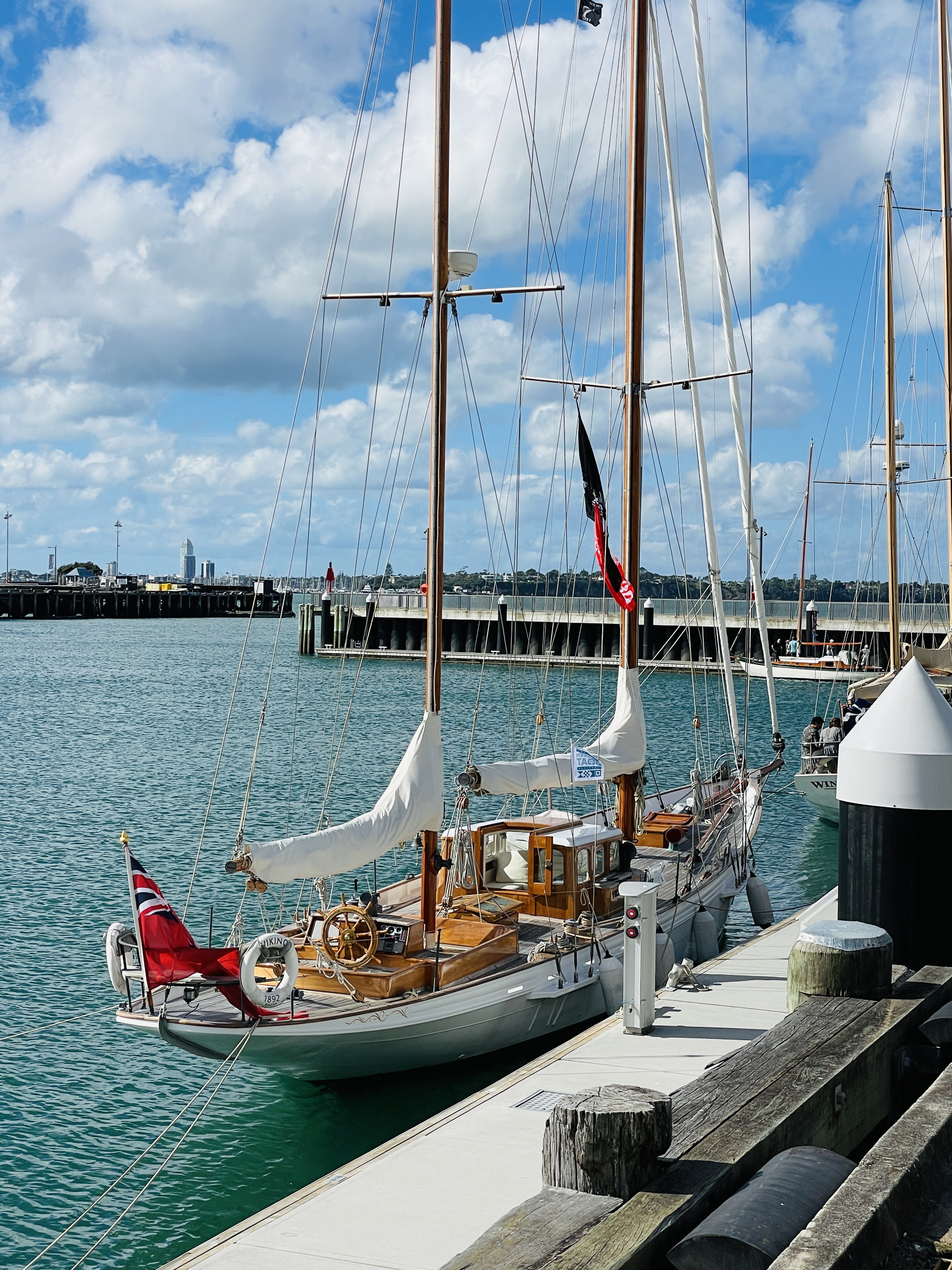
Slight change of format today. Normally we do one big gallery of event photos, but the 2024 Auckland Wooden Boat Festival deserves two stories – why? Well in the eyes os of the woodys I spoke to, the off-the-water (in the shed) exhibition was on equal footing to the exhibition afloat. So woodys come back tomorrow to see the off-the-water gallery, you won’t be disappointed.
From my mooching the #1 feedback I got was ‘where do they all come from’ i.e. people have never seen this number of classic wooden boats together #2 (from owners) was ‘it is so great to meet all the owners / caretakers’. I think a lot of people were quietly hoping their partners were thinking “there are other zany people out there, my partner isn’t the only eccentric old boat nut in town”.
For a three day outdoor event in Auckland we were gifted to have two (Fri/Sat) days of amazing weather, Sunday was a on/off rain day but it didn’t seem to slow down the people. I believe over 8,000 people were counted thru the dock-gate (it was free entry).
The photos tell the story today – its takes a lot of people to pull something like this off, so well done to all those that rubbed up against the show and well done Tony and team for pulling it all together.
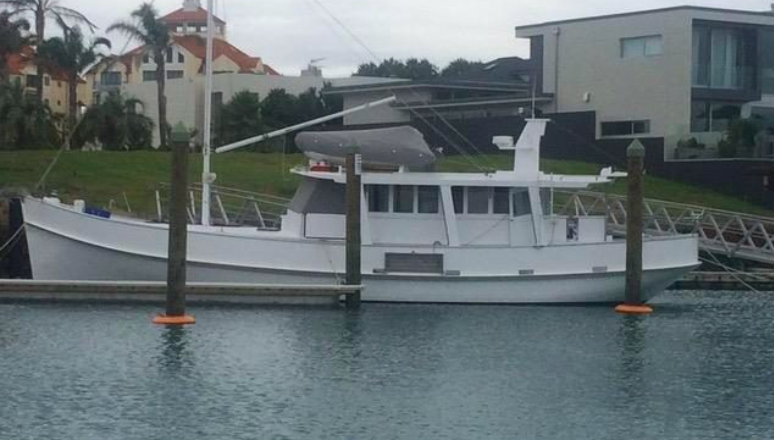
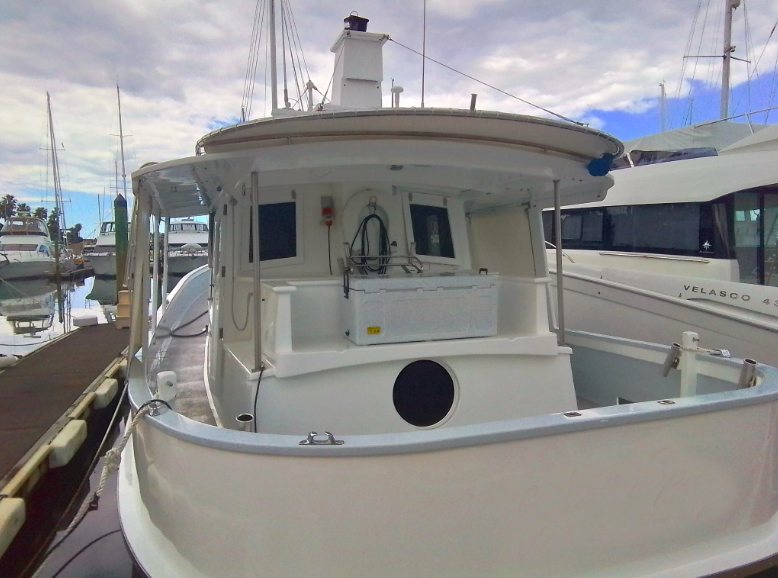
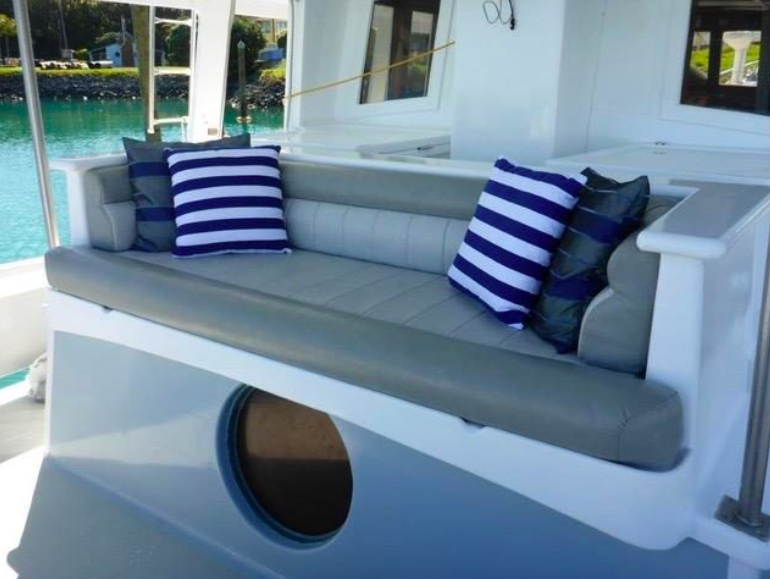
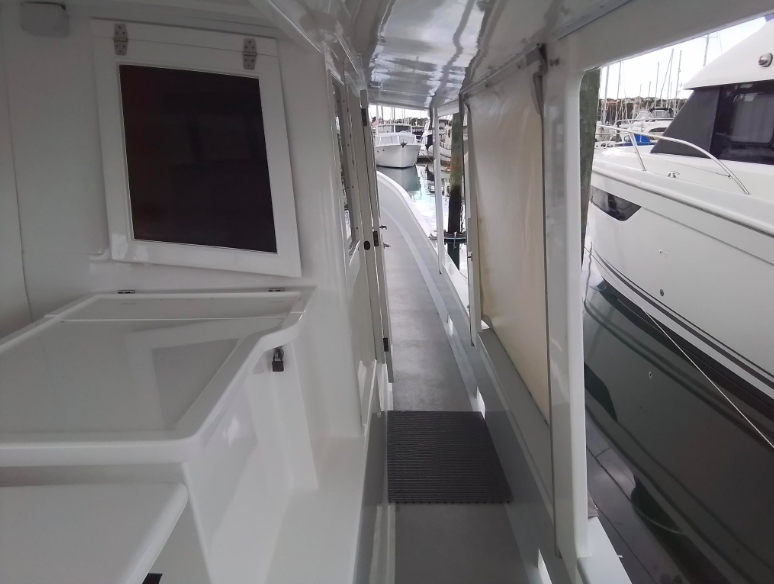
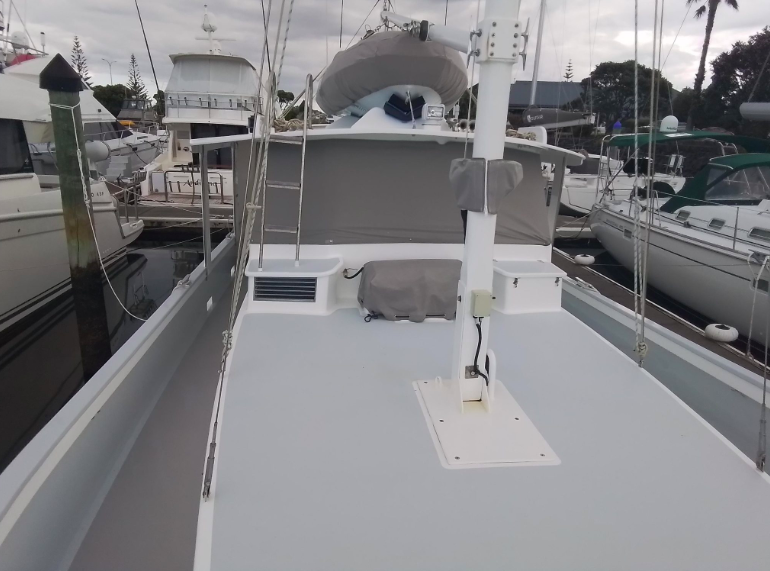
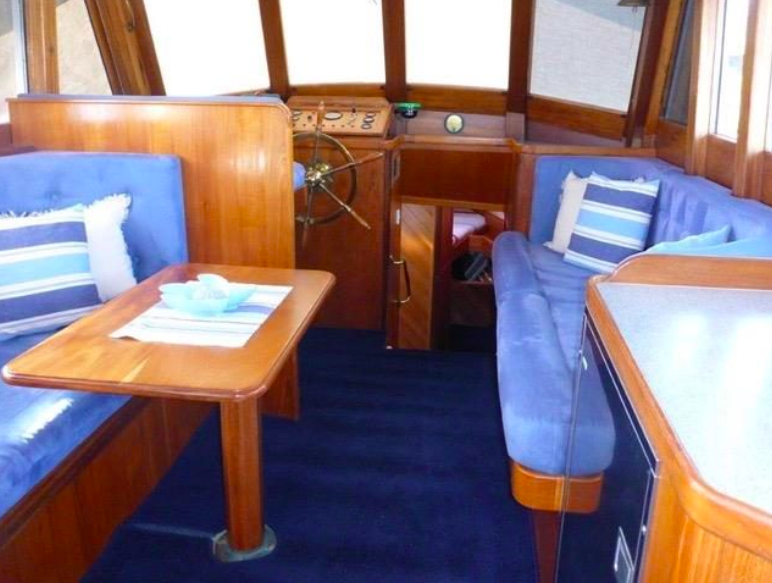
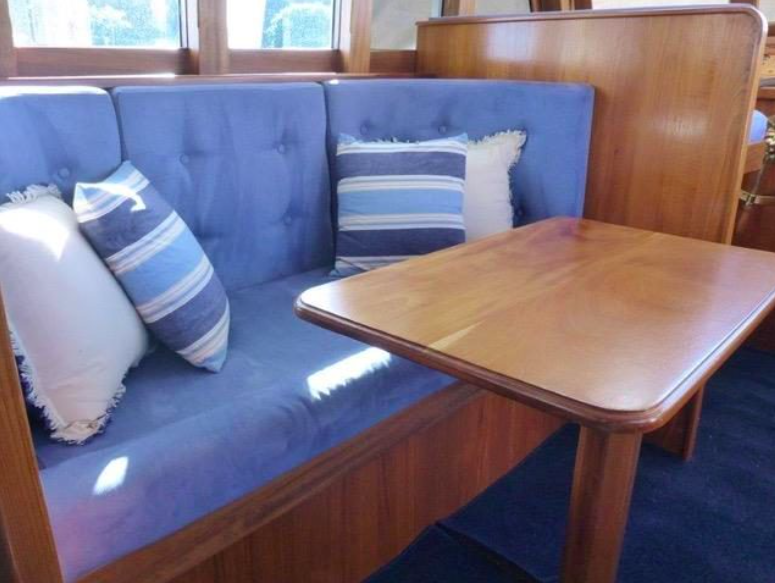
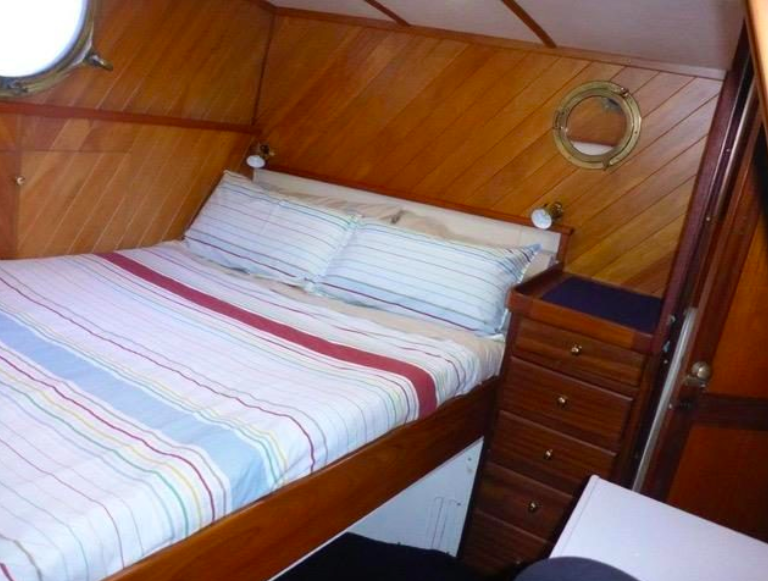
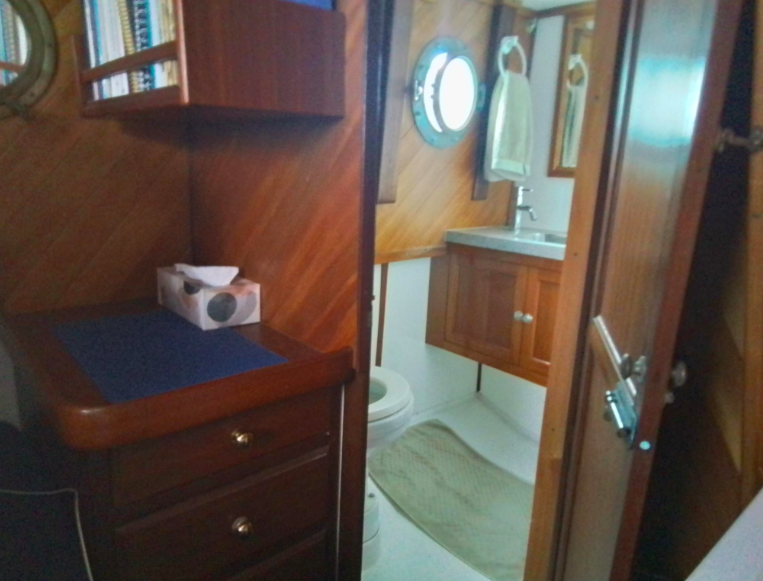
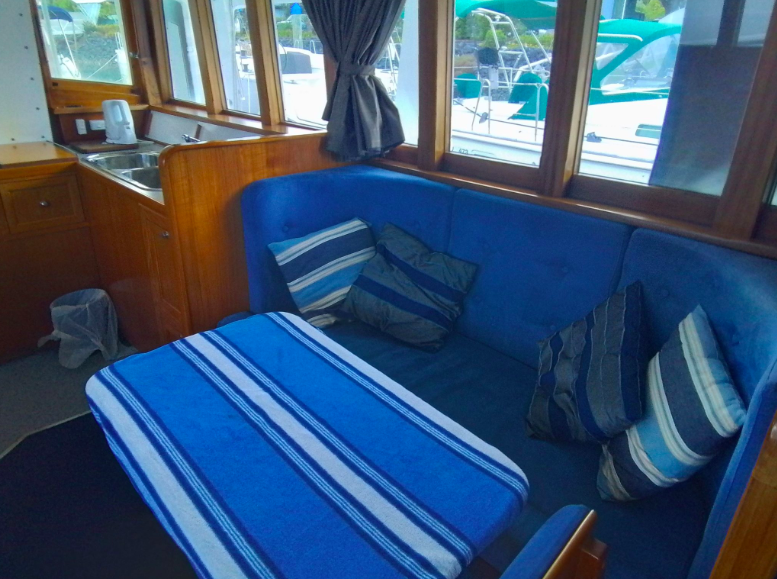
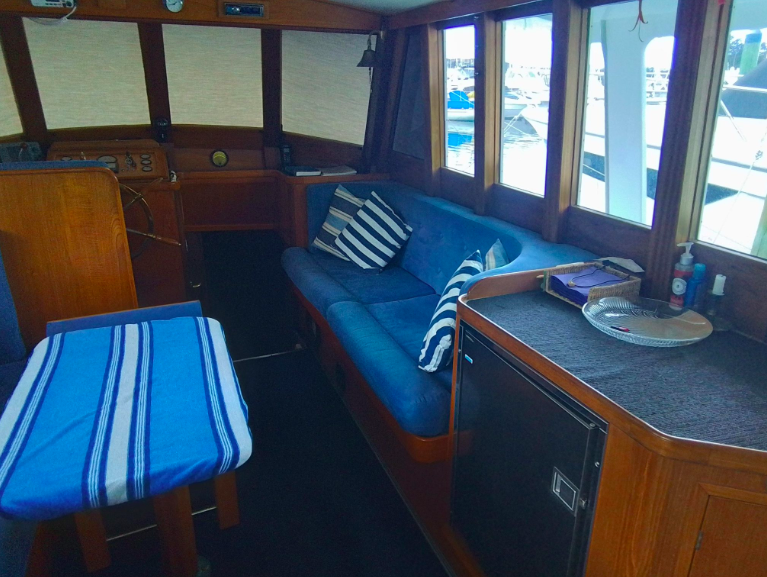
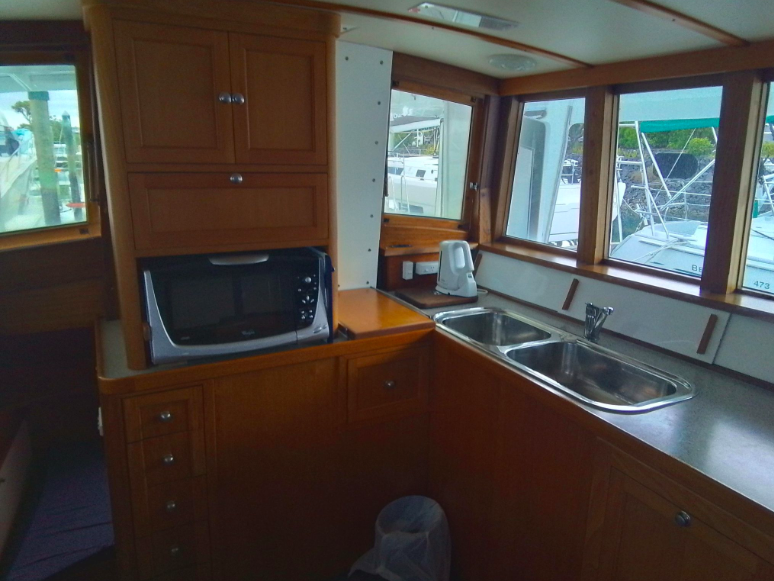
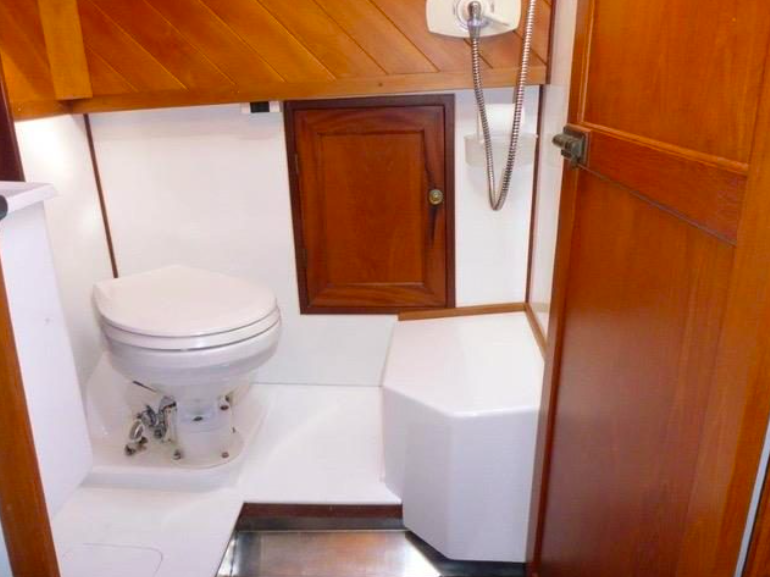
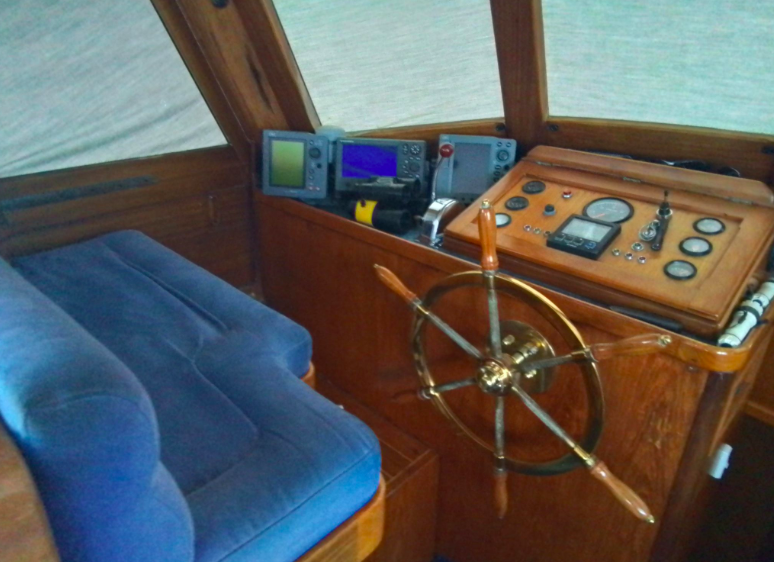
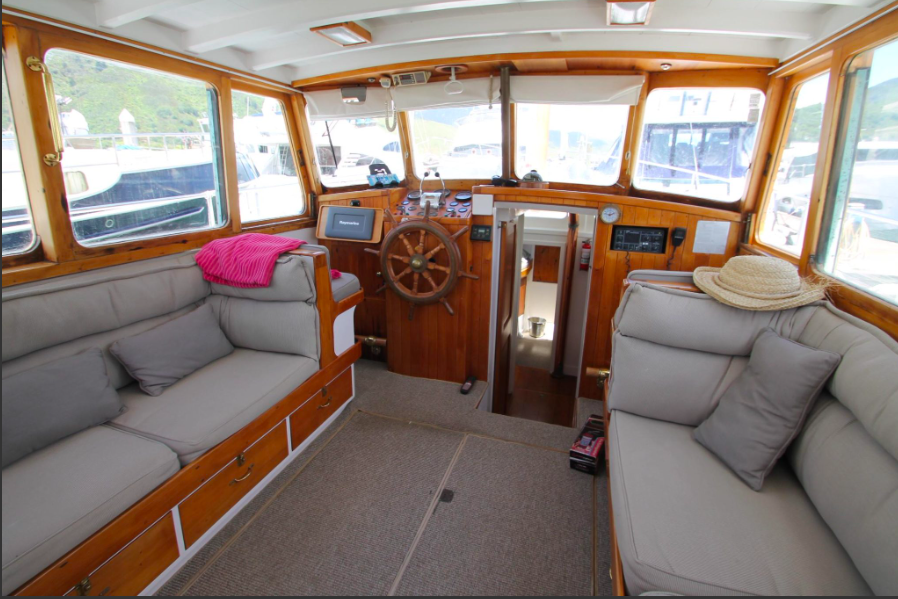
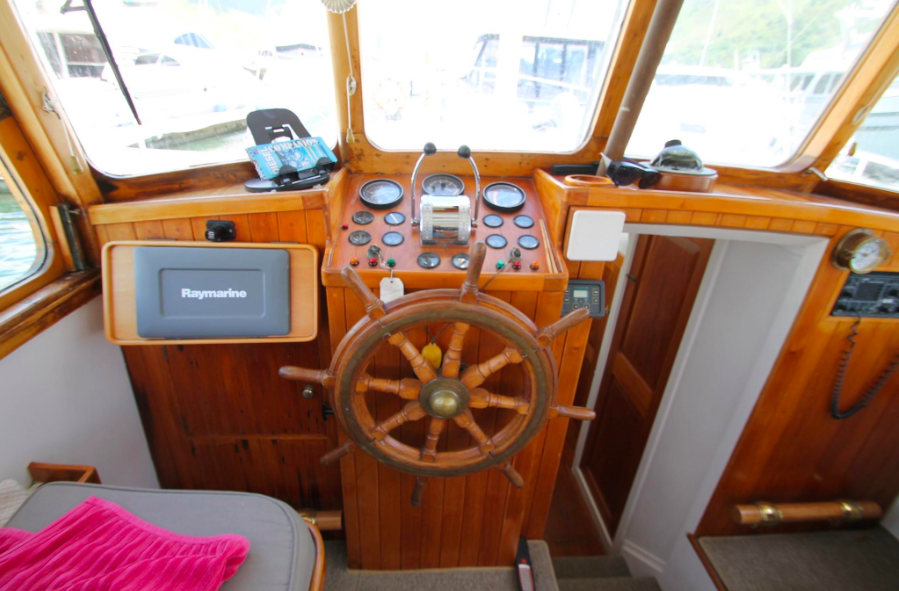
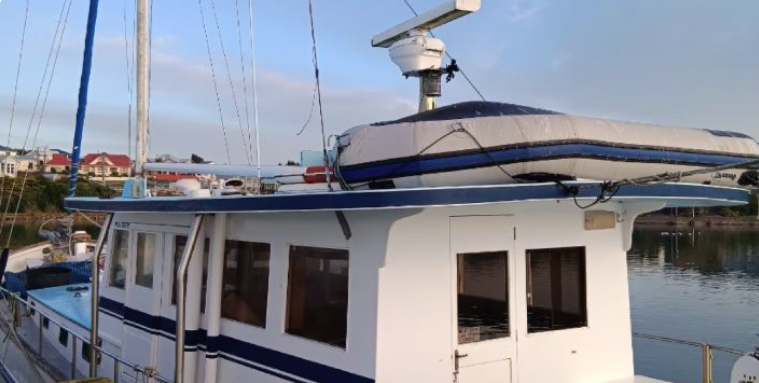
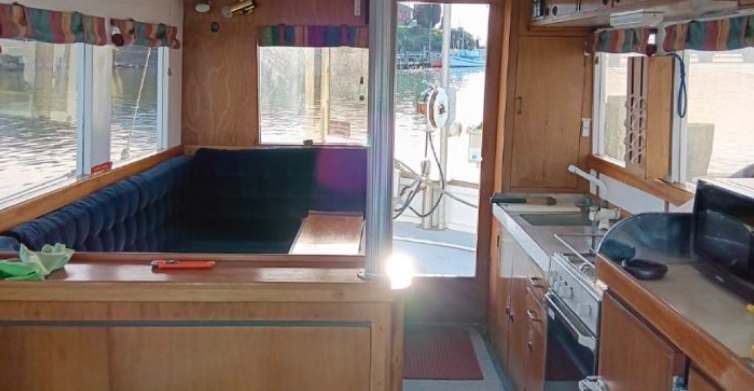
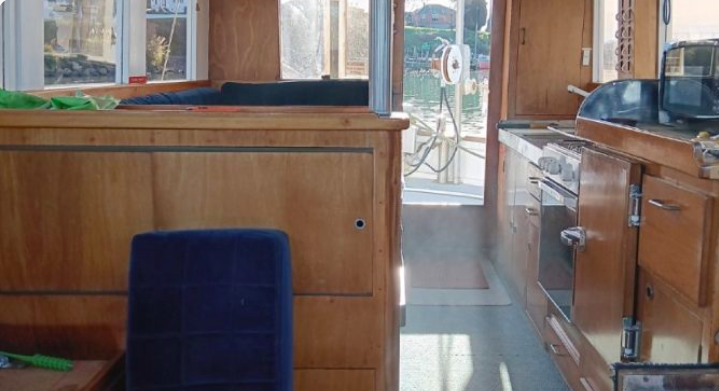
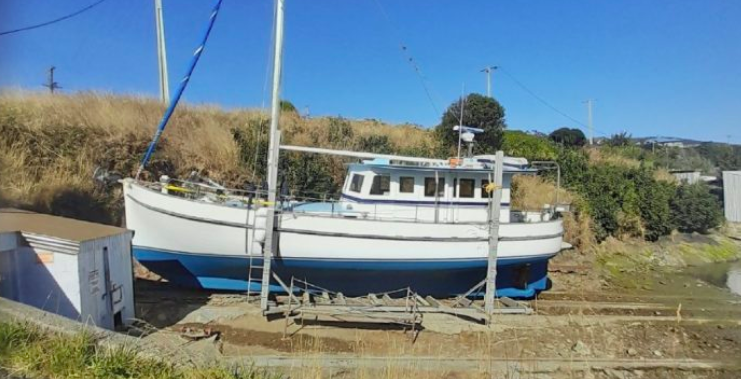
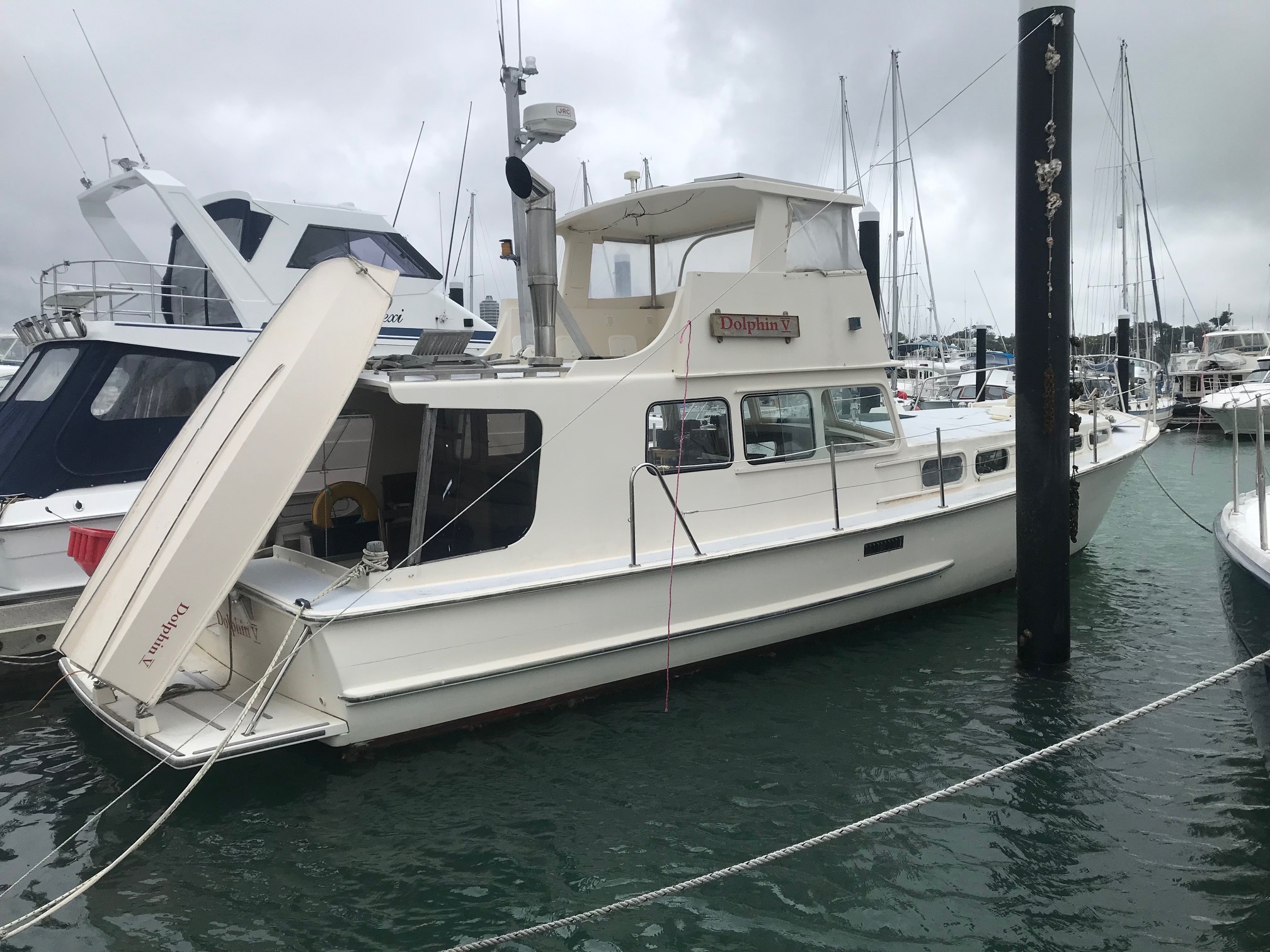
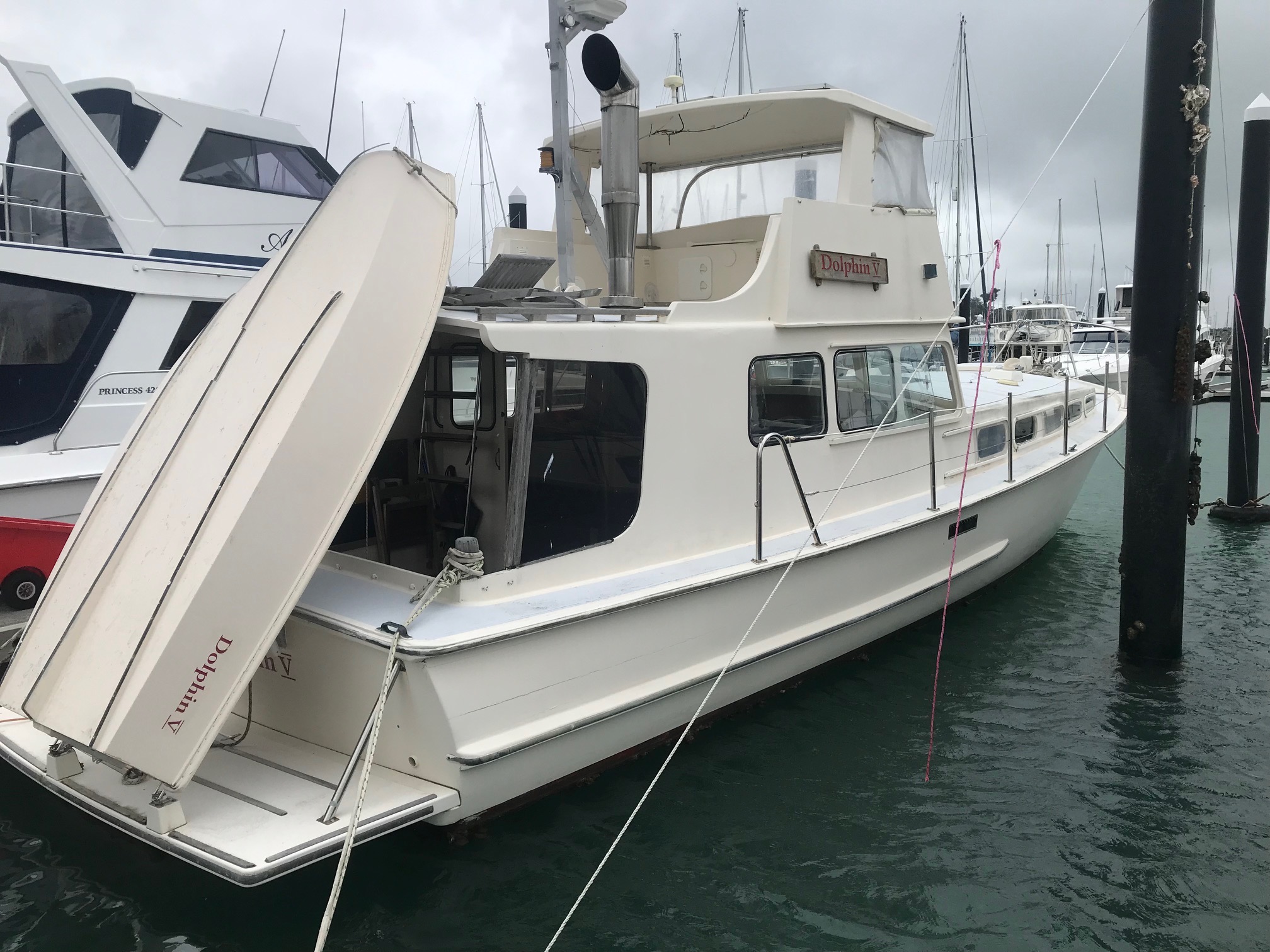
The above photos of the 43′ launch Dolphin V were sent in by Bruce Ryrie, who had recently been aboard her in Westhaven.
Designed and built in 1963 by K.E. Swanson, Queen Charlotte Sounds, South Island. She is carvel kauri construction and powered by a Detroit 6v53. And thats all WW knows about her.
The size and location of the exhaust stack indicates a sizeable engine and possible work boat pedigree.
Hopefully someone can enlighten us as to how she ended up in Auckland.


















































 waitematawoodys.com #1 for classic wooden boat stories, info, advice & news - updated daily - 15+ million views