


WOODYS ON TOUR – GALICIA – SPAIN
Yesterday was the coldest day of the year (so far), 5 degrees when I left the house at 6.30am for the morning coffee fix. Temperature aside once the fog cleared it was a stunning day. Returning homeI top of the email inbox was a note from a mate, Tim Evill who along with his better half Pauline, are currently swanning around Spain and sent in a ‘Woodys On Tour’ report from Galicia (depending on who you believe NZ has been inhabited for around 500>700 years, Galicia is 12,000+ years). Tim Is a great story teller so best if he tells if I hand over to him 🙂 – see below:
‘We are in Galicia which has a very rugged Atlantic coast known as A Costa da Morte, or the coast of death, due to the large number of shipwrecks that occured over the years and the thousands of drowned souls lost to Davy Jones. In 1596 Twenty ships of the Spanish Armada fleet sank in a violent storm at the entrance to the Corcubión estuary, this disaster alone claimed 1,706 lives.
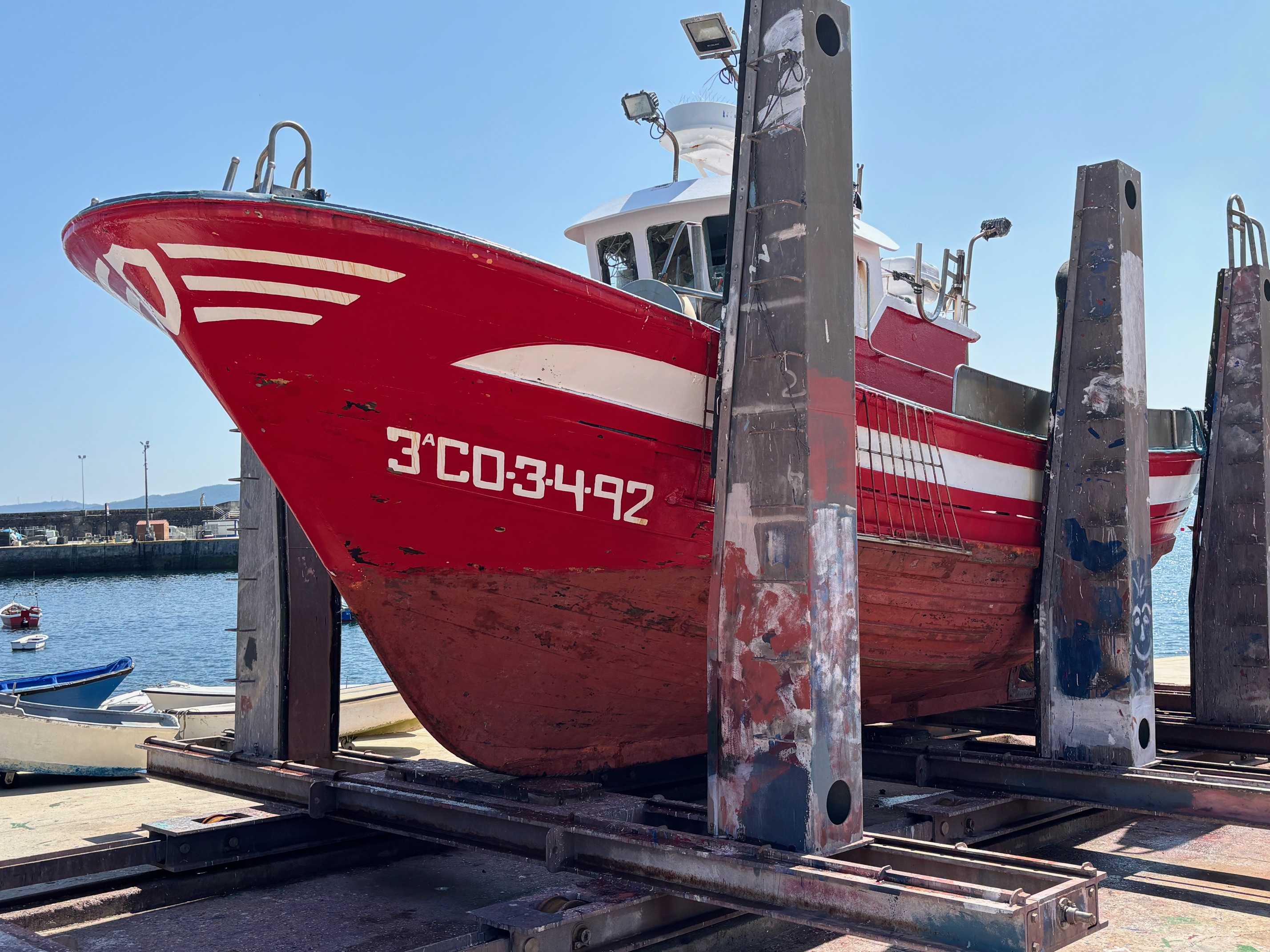
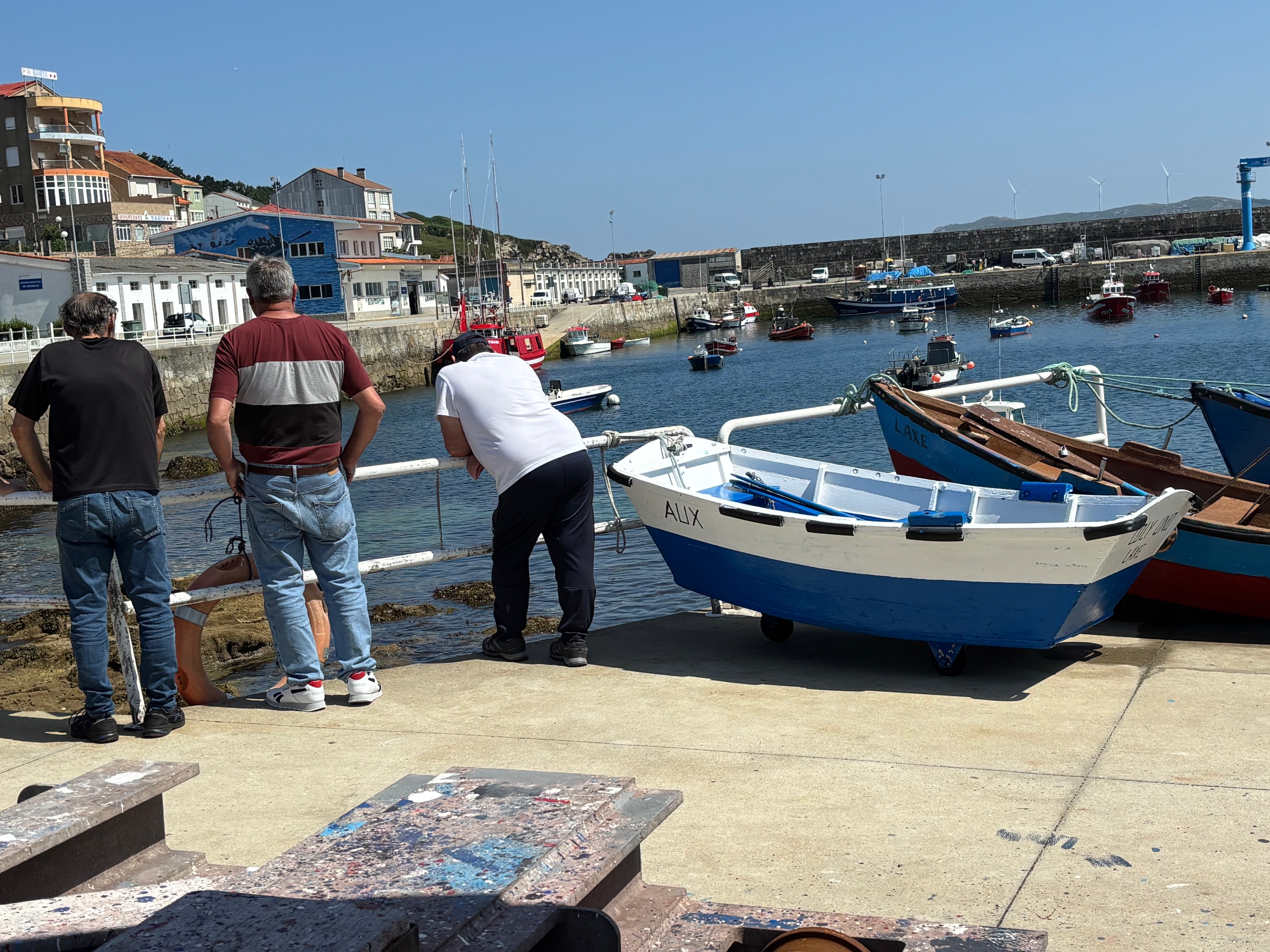
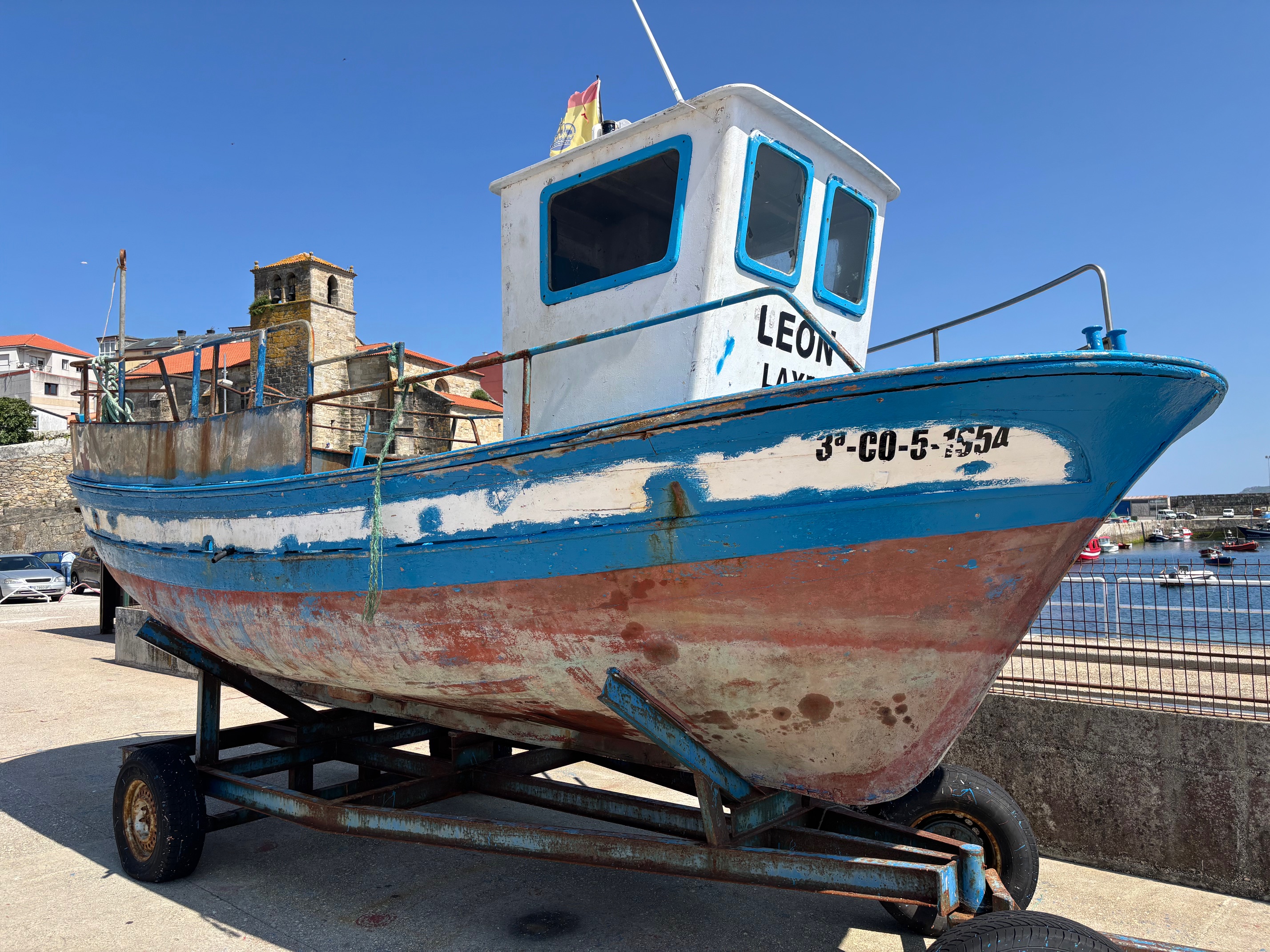
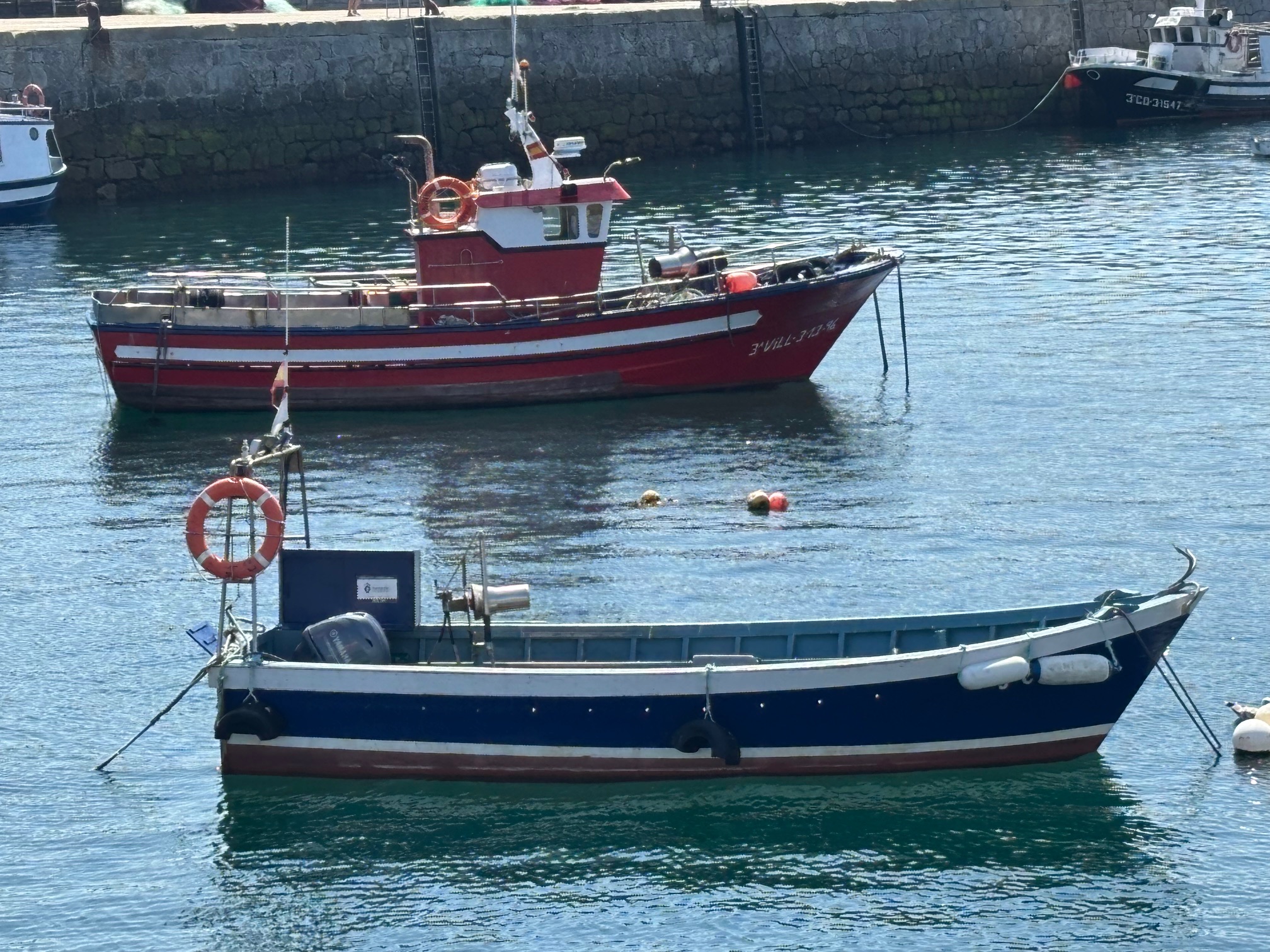
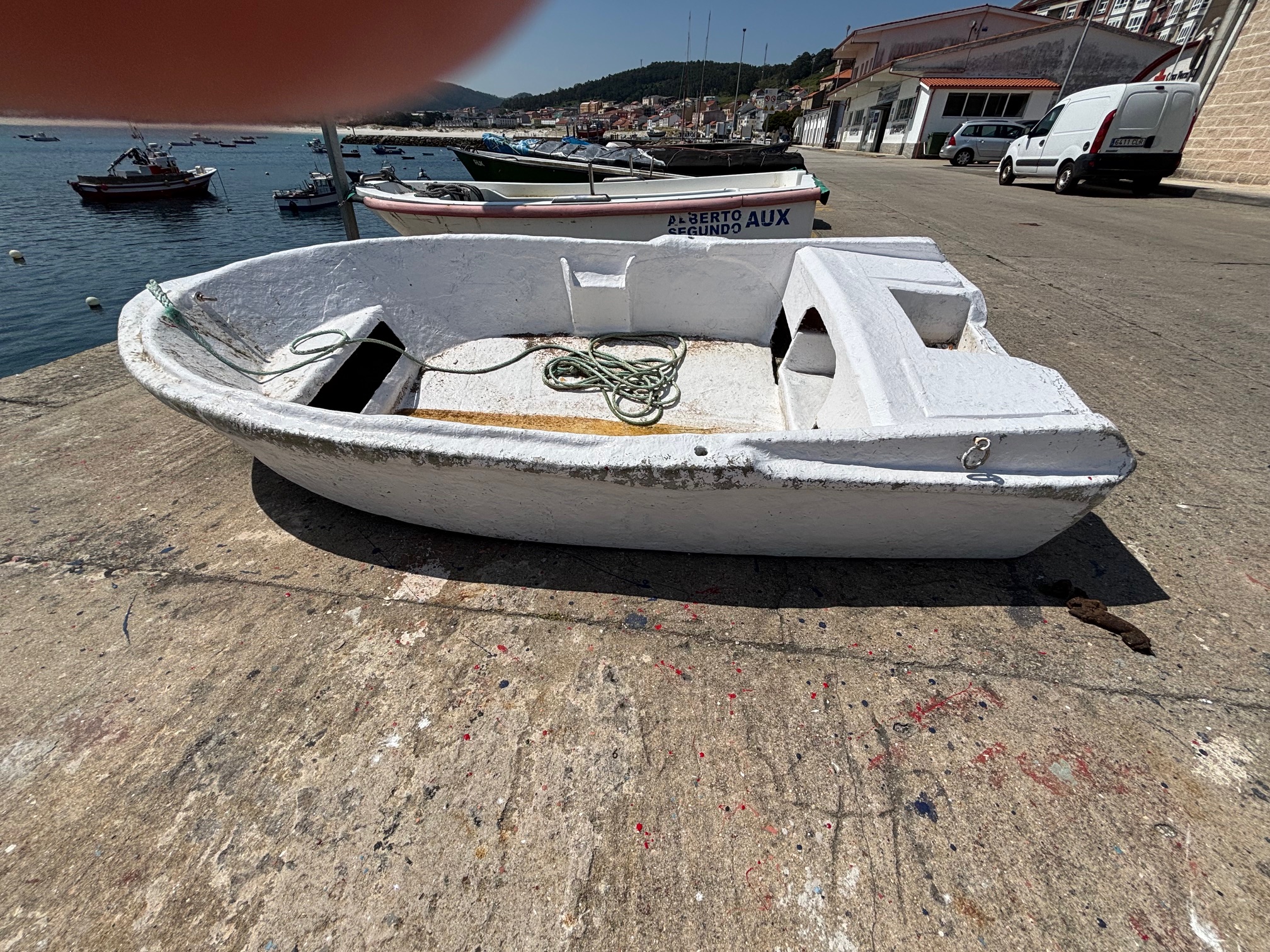
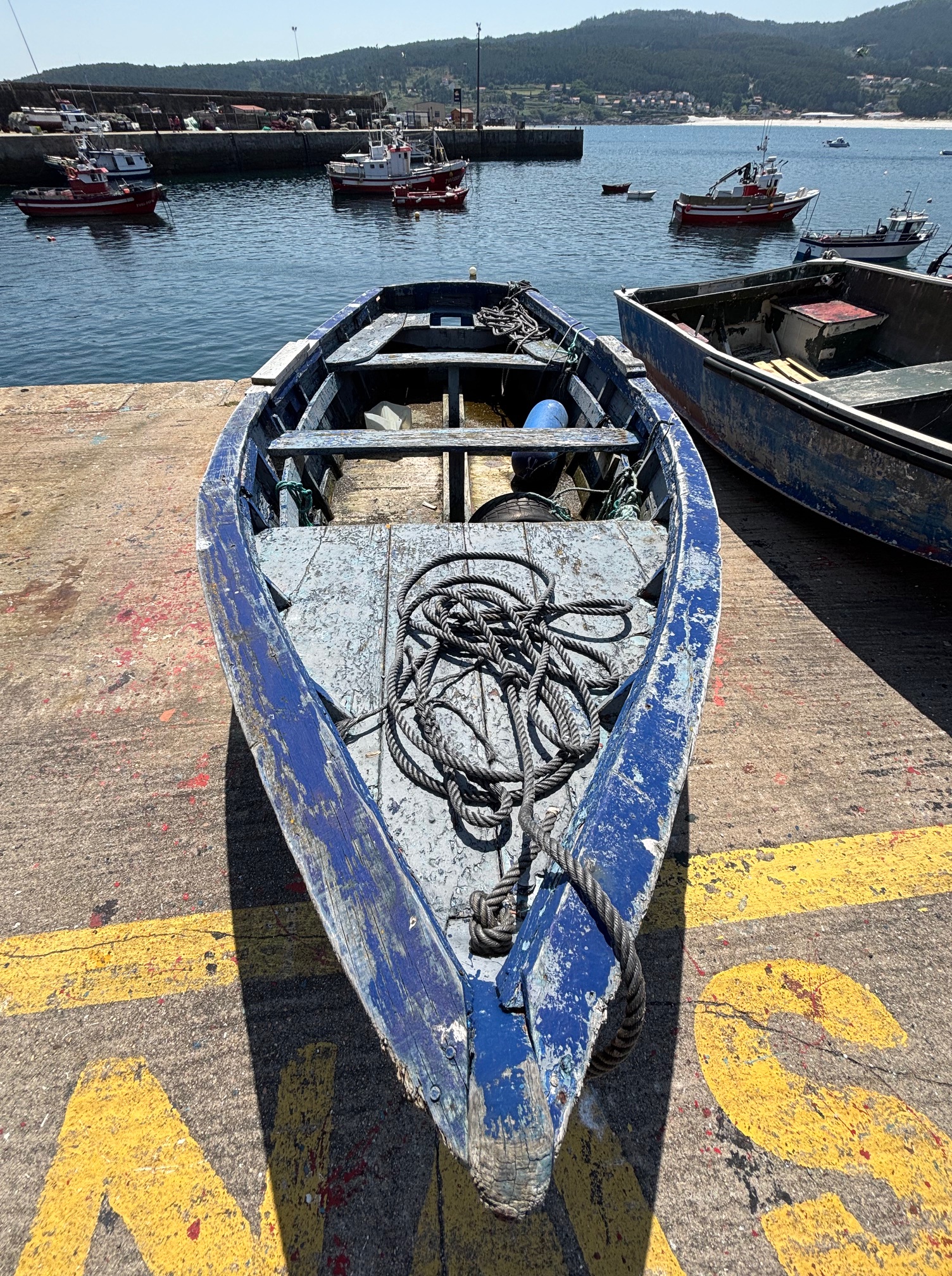
In the fishing port in Laxe, it was good to see that most of the trawlers were tough old woodys that look to have battled a good few storms in their long careers. The tenders were feisty little characters too, though one cute woody had succumbed to the fiberglass fairy a little too keenly! As in any rustic port, the old salts prop up the seawall and put the world to rights whilst the womenfolk cook lunch back at the casa and relish a moment’s peace.
Each night the inshore fishing fleet heads out from Laxe to fish the Galicia Bank Seamount not so far offshore, returning with their catches which are then auctioned in the fish market: turbots, soles, skate, seabass, and octopus.
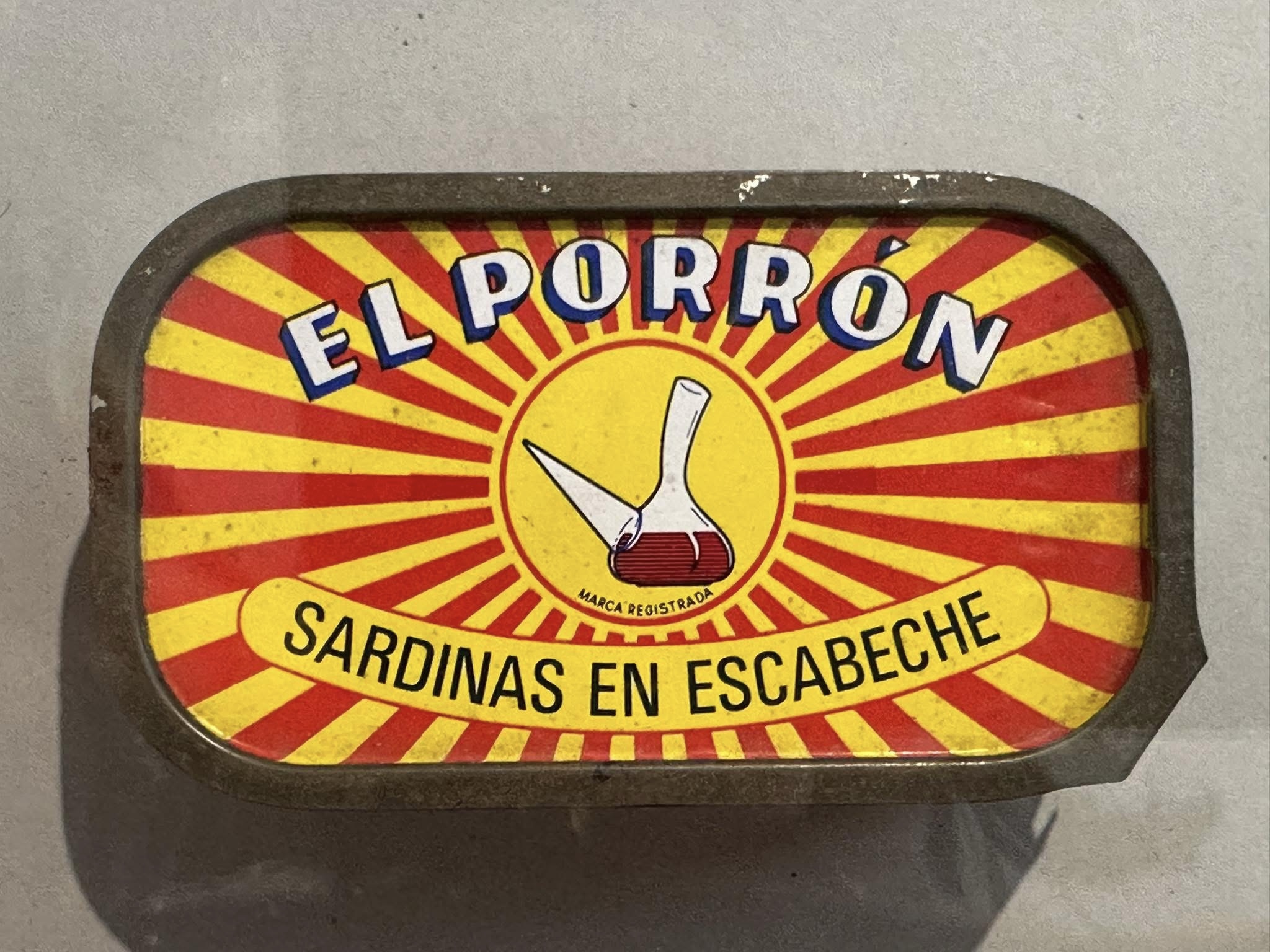
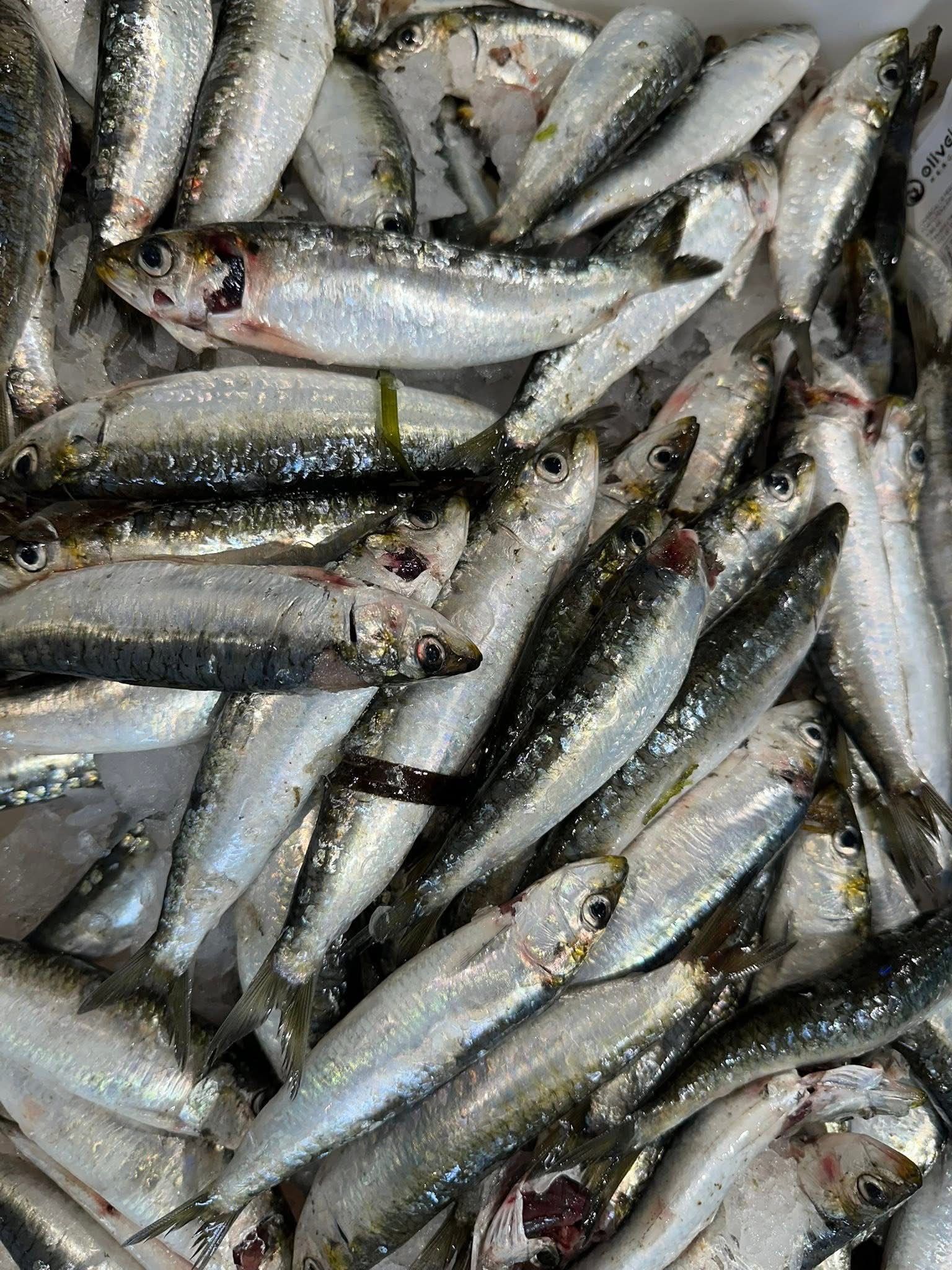
This is ancient land and the whole Galician coast has been inhabited for well over 12,000 years. There are many stone circles and burial chambers, similar to Stonehenge though not quite as grand, that have been left standing by the early neolithic farmers. Over 5000 of these stone edifices have been recorded thus far in the area, the most renowned being the Dombate dolmen considered a “cathedral of megalithism” no less, and worth a detour.The port of Laxe is one of many ancient ports dotted in picturesque coves all around Galicia that are still active, if less so than in the past. Galicia had a thriving fish canning industry from 1880 when it produced 8000 tonnes of canned fish in a year. By 1906 it was churning out 45,000 tonnes annually. Not surprisingly as with most famous canning coasts, stocks dwindled and where there were once 400 canneries now only two remain.
The scenery is stunning as is the fresh seafood which can be washed down with a bottle of very excellent local wine, without breaking the bank.
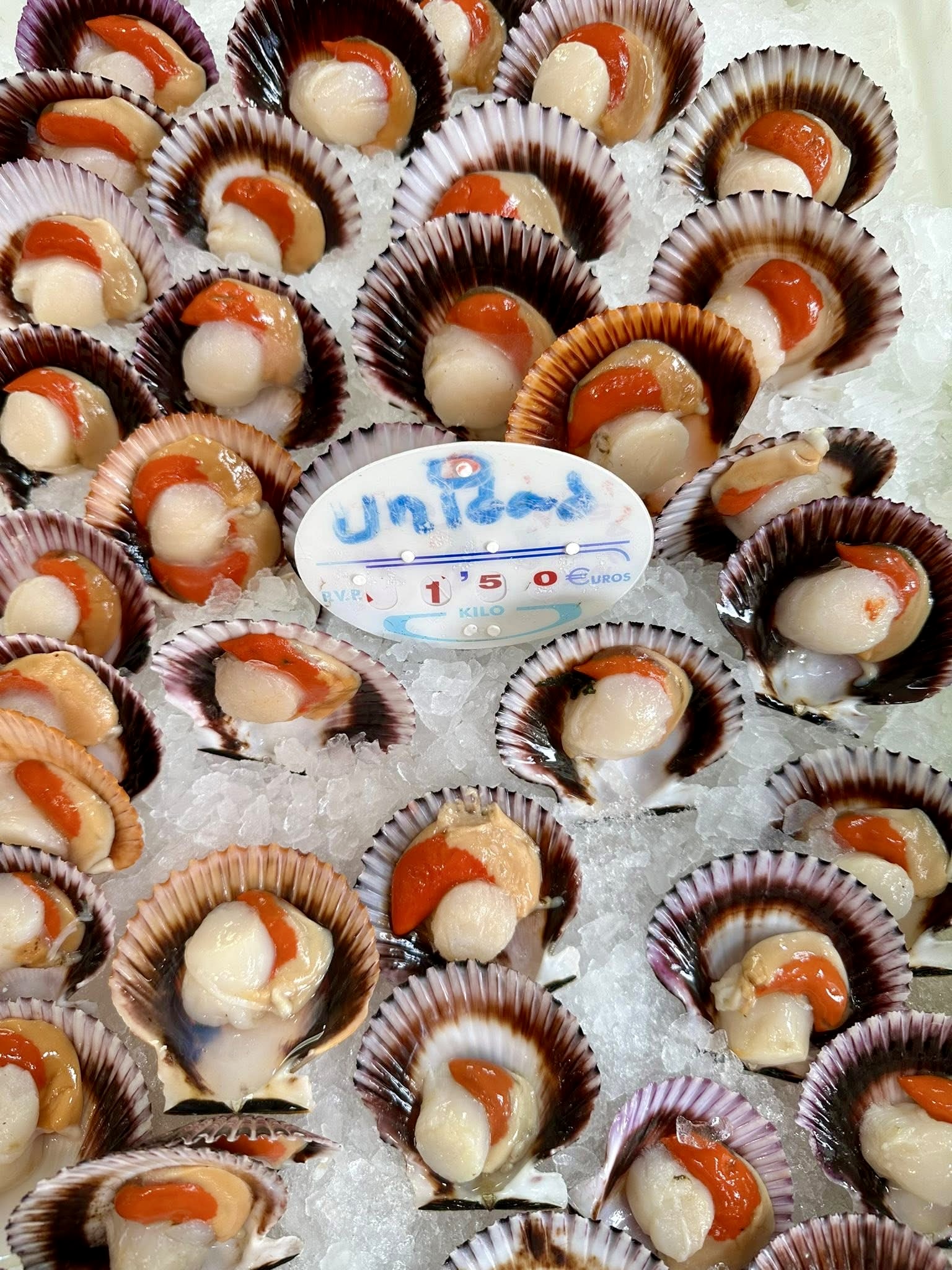
Galicia is of course awash with Camino ‘pilgrims’ rattling their scallop shells and waving their hiking stick as they traverse the trail all feeling very pleased with themselves, as indeed they should.
It’s a truly beautiful part of the world with vastly less tourists than the rest of Spain and no protesters with water pistols to pee on your paella. It is well worth a visit.”

 waitematawoodys.com #1 for classic wooden boat stories, info, advice & news - updated daily - 15+ million views