AN INSIGHT INTO NZ’S UNIQUE MARINE ENGINES – Part Seven
Todays WW story follows on from earlier stories – link below to Part One, Two, Three, Four, Five and Six
As per pervious stories in the series the content has been pulled together by Ken Ricketts and ‘polished’ byPatrica and Ken’s daughter Corinne Pettersen. As always we have endeavoured to be as factual as possible but there will always by matters others will either know more about or be able to correct errors – so woodys do not hold back in commenting.
PART ONE – https://waitematawoodys.com/2025/04/04/an-insight-into-nzs-unique-marine-engines-part-one/
PART TWO – https://waitematawoodys.com/2025/04/12/an-insight-into-nzs-unique-marine-engines-part-two/
PART THREE – https://waitematawoodys.com/2025/04/18/an-insight-into-nzs-unique-marine-engines-part-three/
PART FOUR – https://waitematawoodys.com/2025/04/26/an-insight-into-nzs-unique-marine-engines-part-four/
PART FIVE – https://waitematawoodys.com/2025/05/03/an-insight-into-nzs-unique-marine-engines-part-five/
PART SIX – https://waitematawoodys.com/2025/05/06/an-insight-into-nzs-unique-marine-engines-part-six/
GRAYMARINE 6CYL 4 STROKE MARINE DIESEL ENGINES
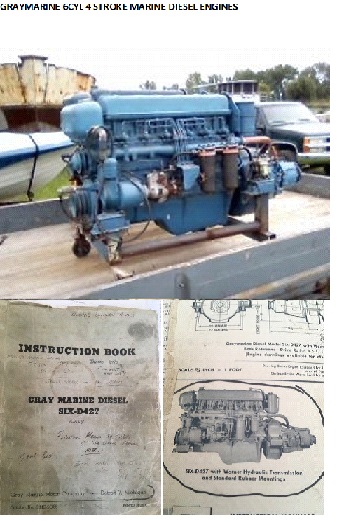
GRAYMARINE 6CYL 4 STROKE MARINE DIESEL ENGINES
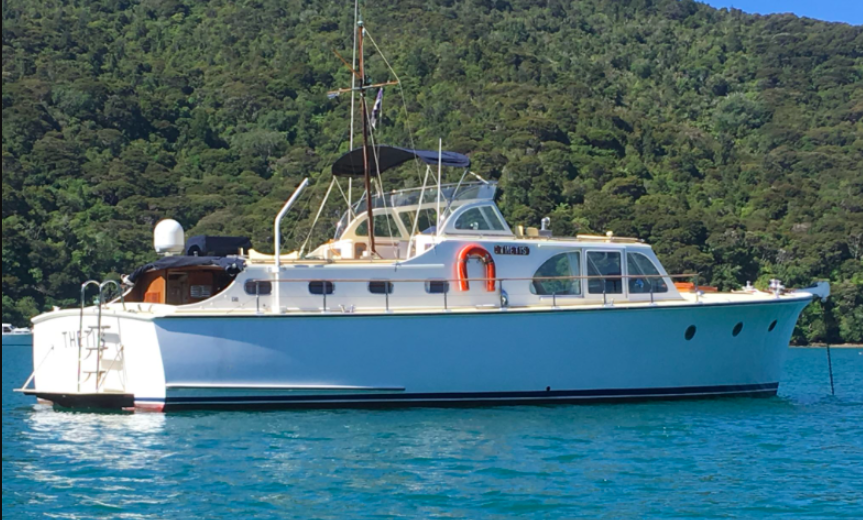
THETIS with her twin Graymarine 4 stroke 6cyl diesel engines
These are a very rare model of the Graymarine range, that was originally produced in WWII for the US military. All Graymarine diesel engines for general and normal marine use worldwide, including NZ, are based on the GM Detroit two-stroke engine, marinized by Graymarine. I believe the THETIS engines were the only two that ever came to NZ and were specially imported by Jack Butland for his 1955 Lane Motorboat built launch, THETIS. Here is a copy of previous comments I made regarding these engines, on Woodys.
“Ken Ricketts reports that having recently spoken with Thetis’s owner that the 2 in line, 6 cyl, 4-cycle, 120hp Gray Marine engines, installed in 1960 (still there today) are a very rare model & type. They were manufactured during WWII for the American forces & could possibly be the only 2 in NZ. The owner believes her original owner Jack Butland in the later 1950’s probably reconditioned, & war surplus imported them.”
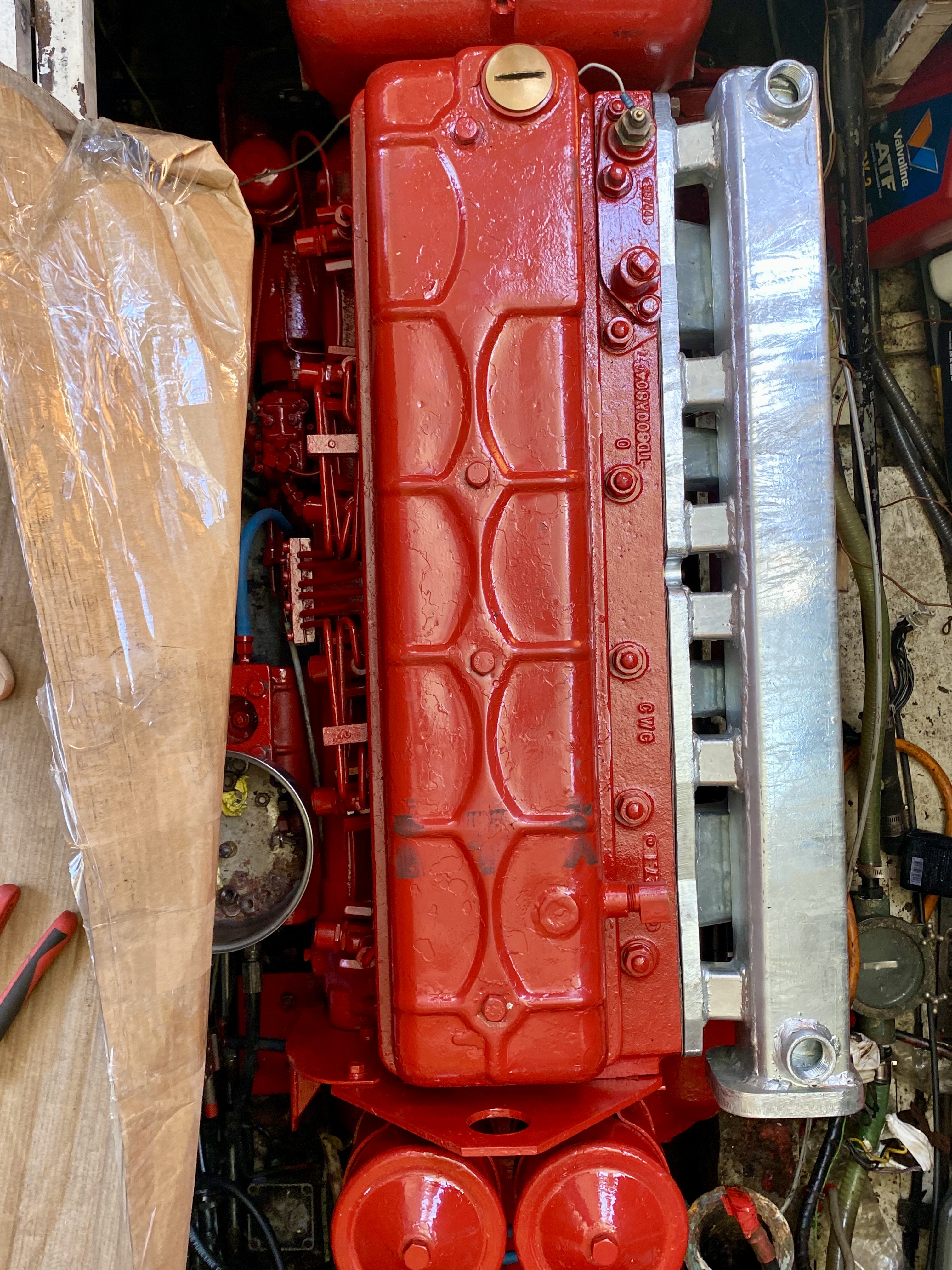
BELOW IS A REPRINT OF THE HERCULES SETION IN PART 2 WITH ADDED TEXT I HAVE TAKEN THE LIBERTY OF REPRINTING IN THE CIRCS.
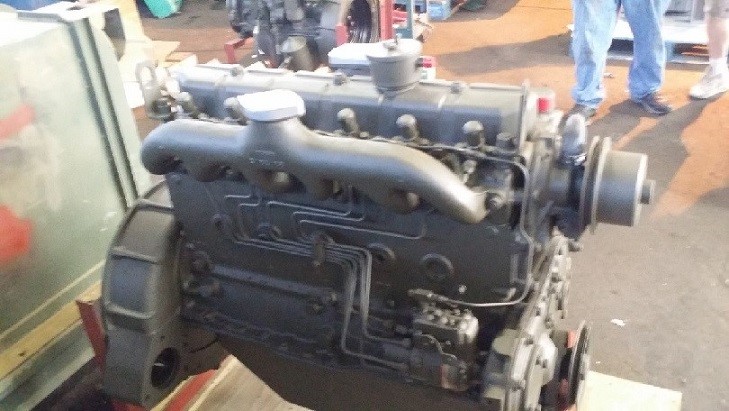
HERCULES 6 CYL c100HP DIESEL ENGINE AS FITTED TO THE FAYE
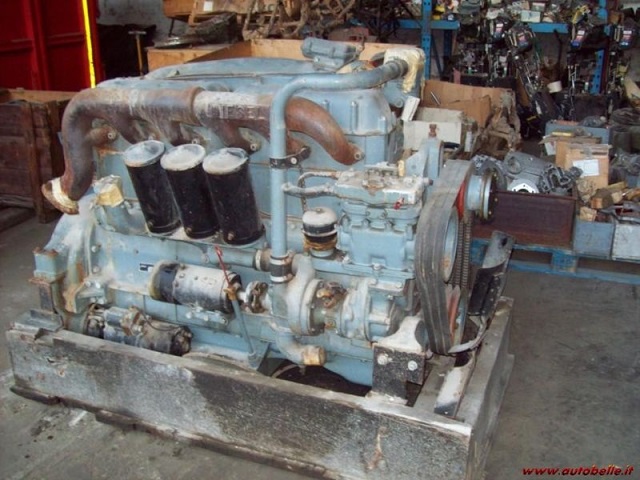
HERCULES 275 HP DIESEL ENGINE, SIMIALAR TO THAT PREVIOUSLY IN THE RAKANOA
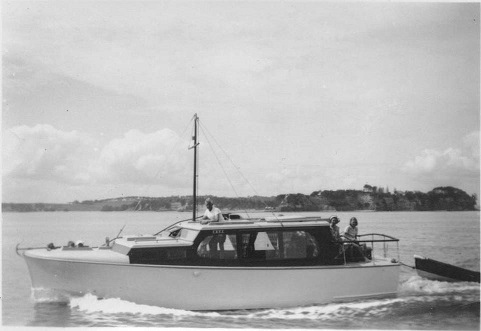
FAYE WITH HER 6 CYL HERCULES HOME MARINISED DIESEL ENGIINE
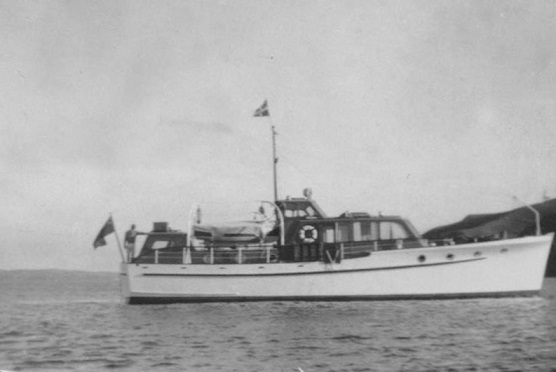
RAKANOA WITH HER 275 HP 6 CYL. MARINE/HOME MARINISED DIESEL ENGINE
Hercules was a manufacturer and supplier of a large number of basic engines to many marine engine companies for marinization by each company to its own specifications. This included names such as Kermath, Chrysler, Graymarine, Scripps, Chris Craft, and many more. However, engines sold under the Hercules name, based on my research, are comparatively very small compared to their total manufactured units.
There are two boats I know of in New Zealand that have engines both labelled under the Hercules name and are diesel engines. One is the FAYE, which is equipped with a home-marinized C100P 6-cylinder Hercules diesel engine. This engine replaced her original Willys Jeep petrol engine when she was about 4 or 5 years old. FAYE’s details are noted in her Willys Jeep listing in part 2 of this post.
The other is the beautiful 56-foot RAKANOA, built in 1946–47, which had a 6-cylinder 250HP Hercules diesel fitted after she had been in the water for one year. This engine replaced her original GM Detroit 165HP 6-71 diesel.
Her original owner, Stan Parker, was a brilliant engineer and owned a very large precision engineering business.
I am not sure if the Hercules engine was factory or home-marinized, as he would certainly have had the ability and equipment to do this. Stan, the original owner of RAKANOA, owned a large heavy engineering factory in Auckland. This business passed to Ross when his father passed away in 1961. RAKANOA retained this engine until 1981. Ross told me, after he inherited her many years ago, that they had always had trouble starting the Hercules engine, especially when hot. Many years after he inherited her, he eventually replaced the Hercules with a Gardner 6L3 diesel engine, which she still has to this day.
The Hercules engine was fitted because original owner Stan P., could not tolerate the very loud high pitched geartrain noise of the Rootes blower, combined with a loudish exhaust noise, she had with the G.M. Detroit
Unfortunately, I have not been able to find on research to date, any images of the 250 HP marinised version of the Hercules engine, however I have found what may be an unmarinised version, of RAKANOA’s engine.
RUSTON HORSNBY DIESEL ENGINES.
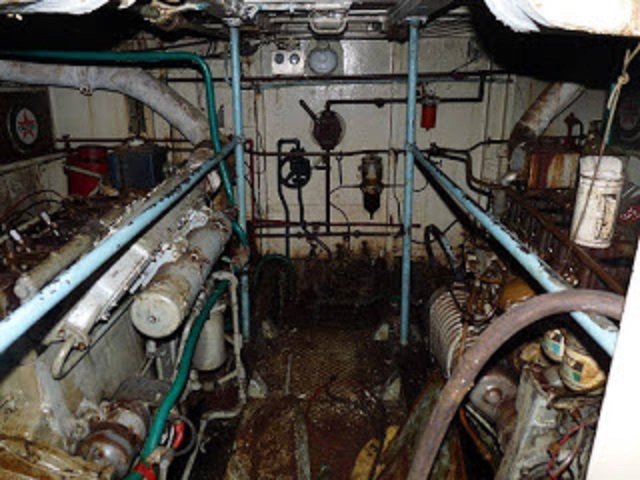
HAIMONA ex MANGA, WITH HER ORIGINAL TWIN 6 cyl, FODEN DIESEL ENGINES
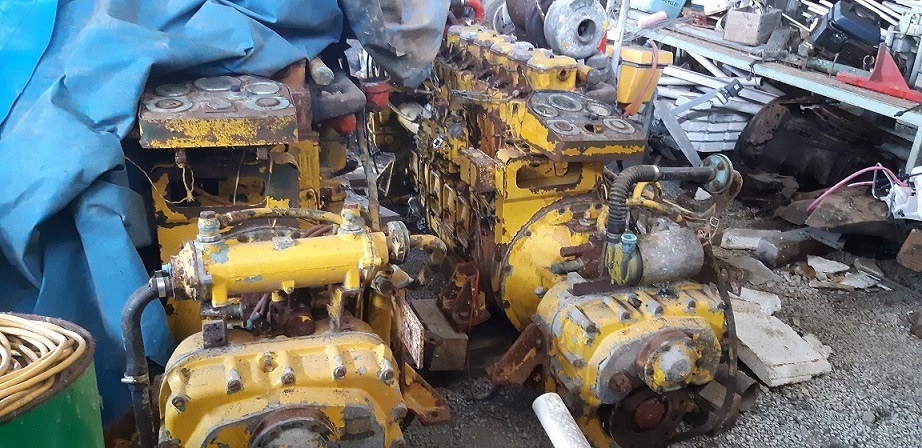
HAIMONA – HER TWIN RUSTON HORNSBY 6 CYL. 200HP DIESEL ENGINES
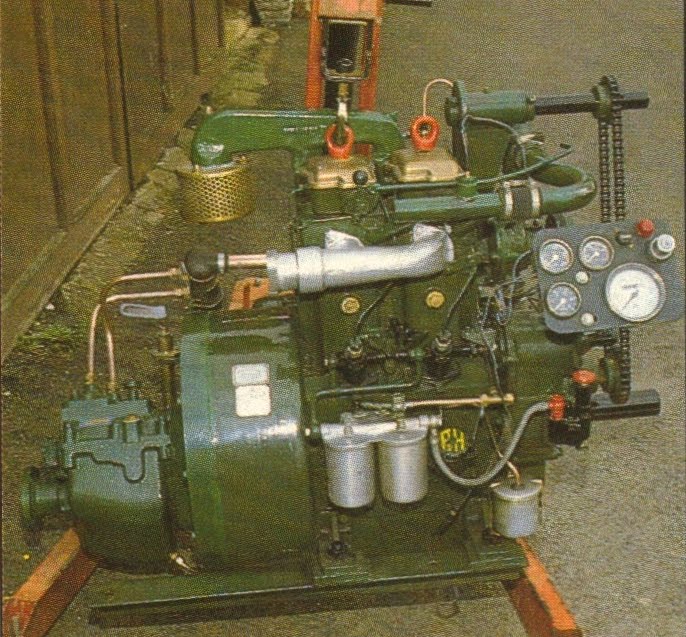
RUSTON HORNSBY TWIN CYLINDER MARINE DIESEL ENGINE AS USED IN THE MANOWAI
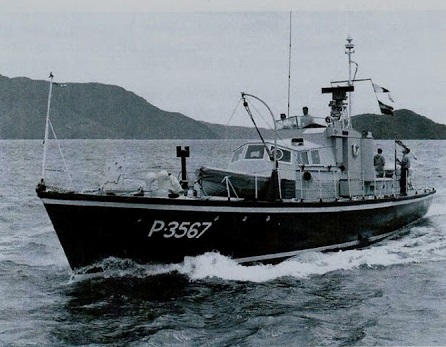
HMNZS MANGA AS ORIGINAL.

HAIMONA IN HER PLEASSURE CRAFT GARB WITH HER 2 RUSTON HORNSBY DIESEL 200HP ENGINES, ON THE KAIPARA HARBOUR
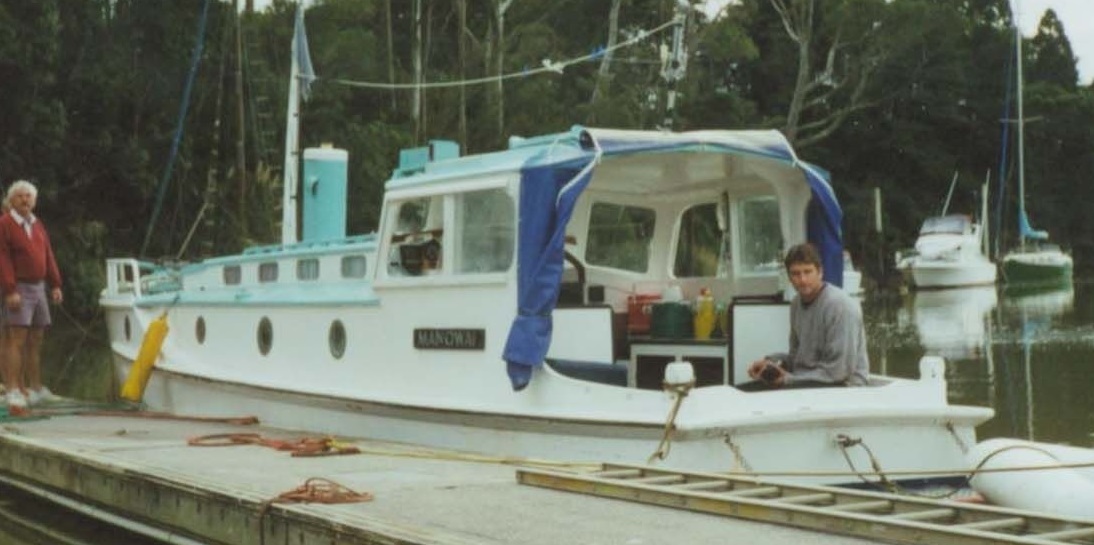
MANOWAI IN HER RUSTON HORNSBY DIESEL ERA, AT HERALD ISLAND
There are only two of these I know of in New Zealand in pleasure boats. One was in the 32 ft MANOWAI, during the second part of Claude Atherton’s era, from 1949 until at least the 1960s; it was a twin-cylinder version of the engines.
The other boat was HAIMONA, formerly HDML MANGA, which was based in the Kaipara Harbour. Eventually, after a few years there, the only slip she was able to use for maintenance became unavailable, and she deteriorated badly before being destroyed by her last owners.
When they bought her, a massive coaming structure was added, and they also replaced her original Foden engines with twin 200 HP 6-cylinder Ruston Hornsby diesels, which they removed prior to dismantling her.
FORD FALCON 4.1 LTRE 6 CYL. PETROL ENGINES
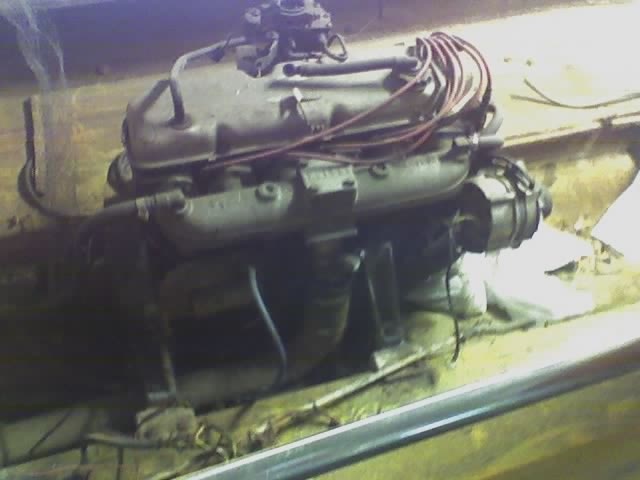
FORD FALCON 4.1 LTRE 6 CYL. PETROL MARINE ENGINE
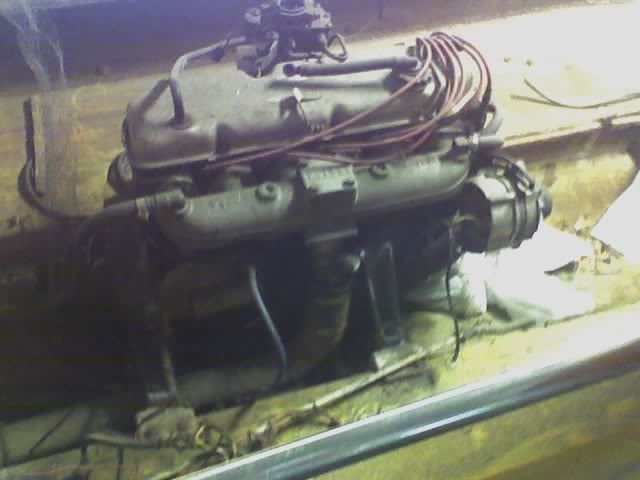
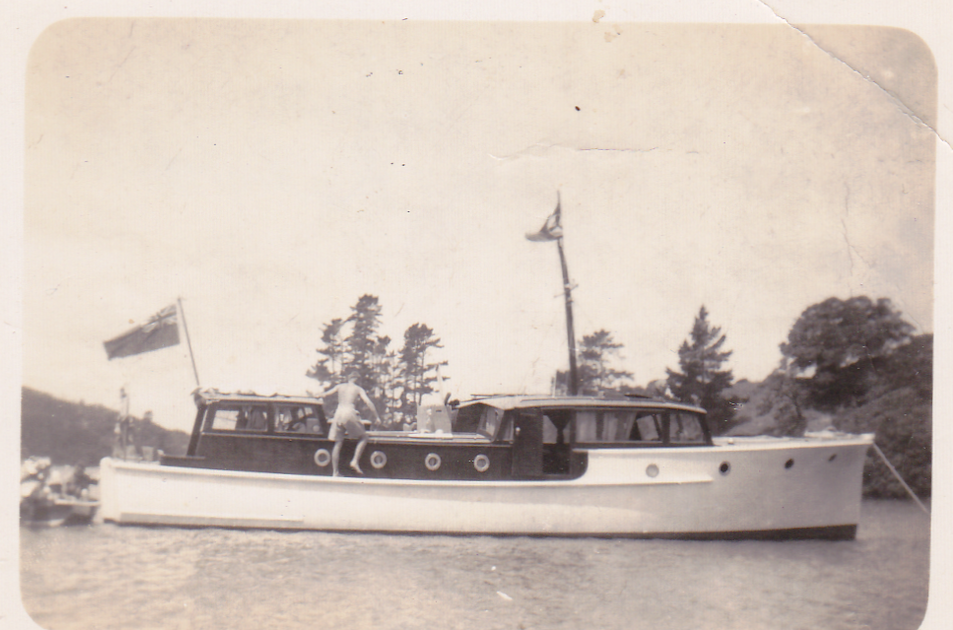
VALSAN CHRISTMAS 1948 IN HER PRE-FORD-FALCON, PETROL ENGINE ERA
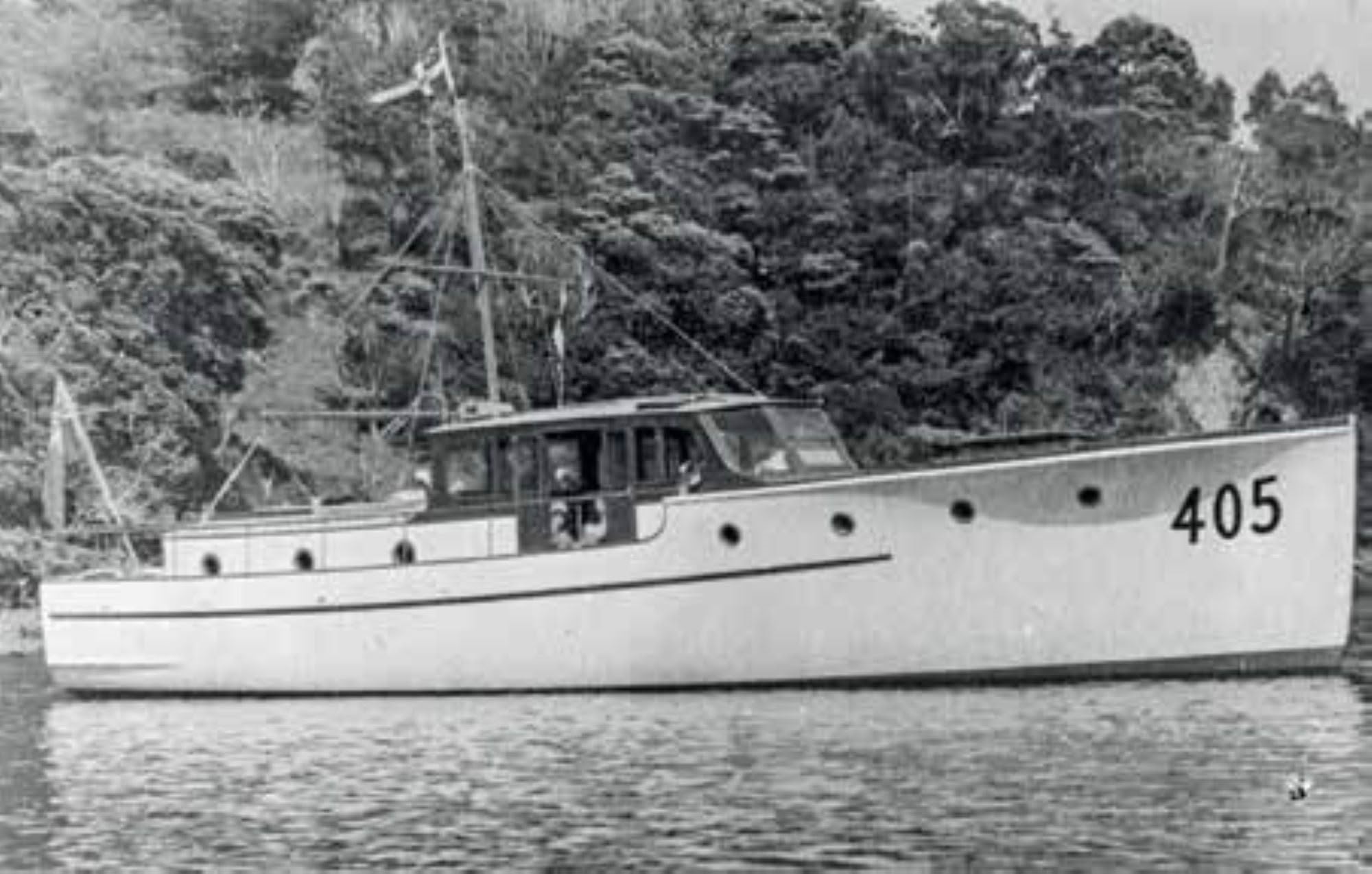
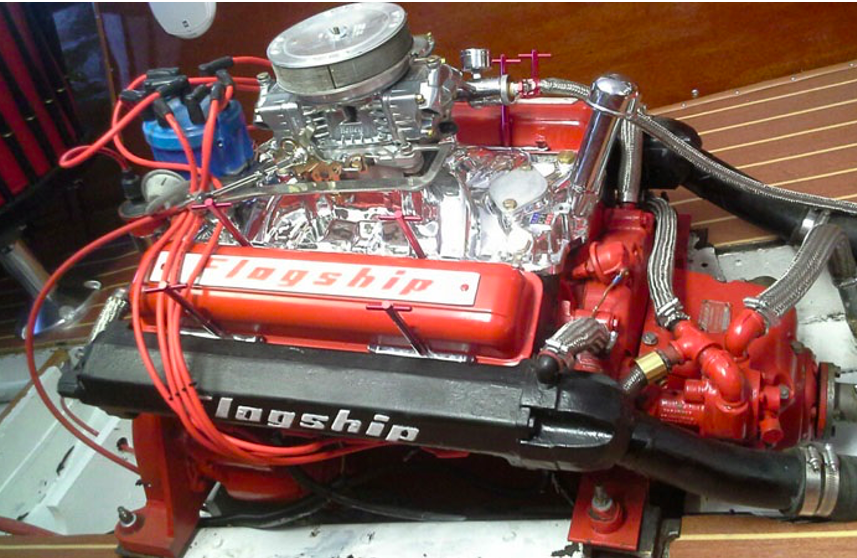
The 1938 Roy Lidgard-built VALSAN was bought by Arnold Baldwin around 1947, complete with her original engines, which were 2 x 100 hp flathead Graymarine petrol engines. He owned her for many years, and the time eventually came, after many of those years, when they had to be replaced, around 1970.
I was amazed that he chose 2 x Ford Falcon 4.1 L petrol engines as replacements, as these were engines usually associated with small day boats or runabouts, often equipped with stern drives or jet units. There were a total number of such engines unknown to me, and she is still the only launch I have ever heard of with these engines.
Things have, of course, moved on since then, and the last I heard, she had 2 x 4-cylinder Mitsubishi diesel engines post 2000.
CHRYSLER-MITSUBISHI CN-55TI 200HP 6CYL. IN LINE MARINE DIESEL ENGINES
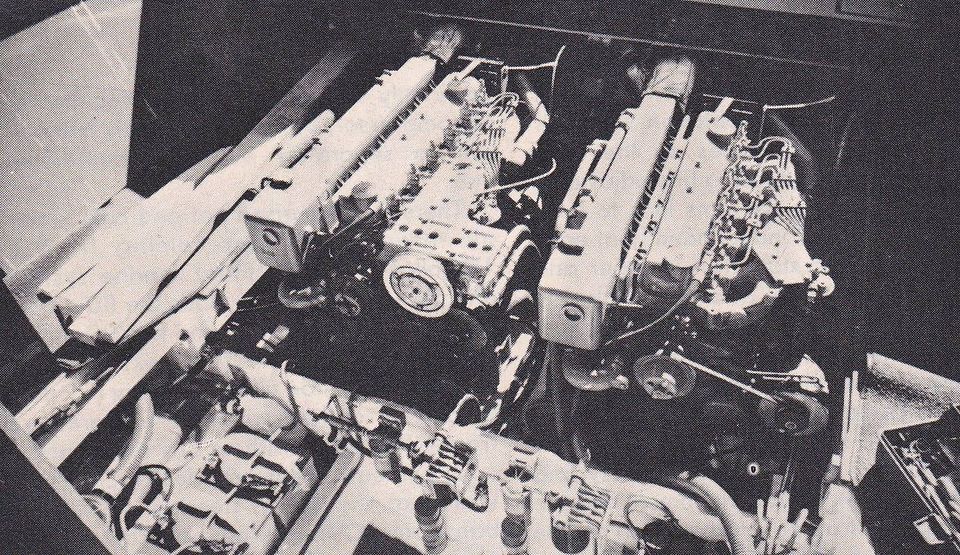
THE CHRYSLER-MITSUBISHI CN-55TI 6 CYL. DIESEL ENGINES PRODUCING 200hp @ 3150 RPM INSTALLED IN ALIBI
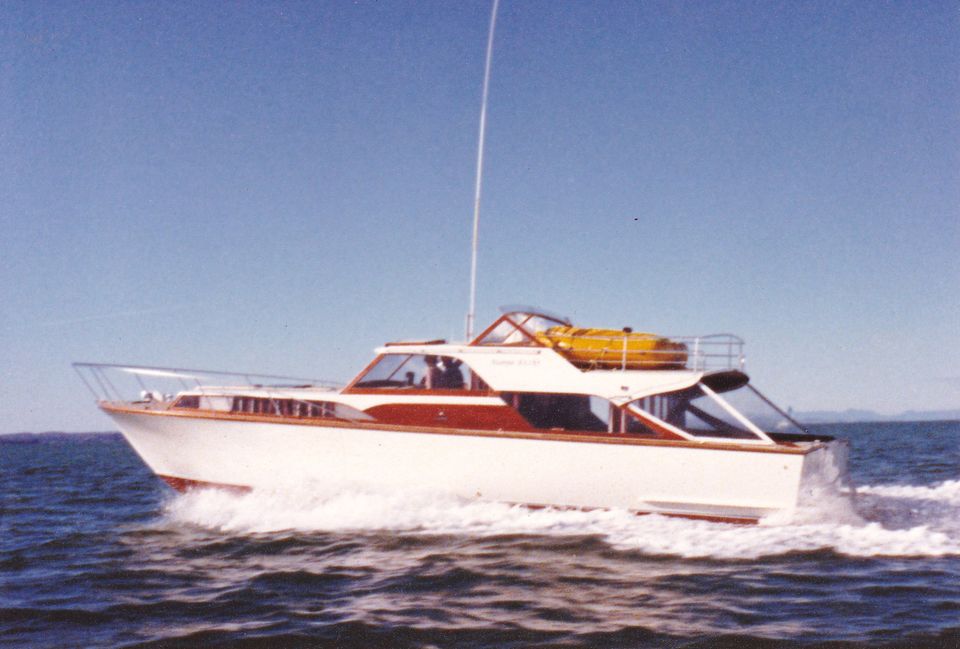
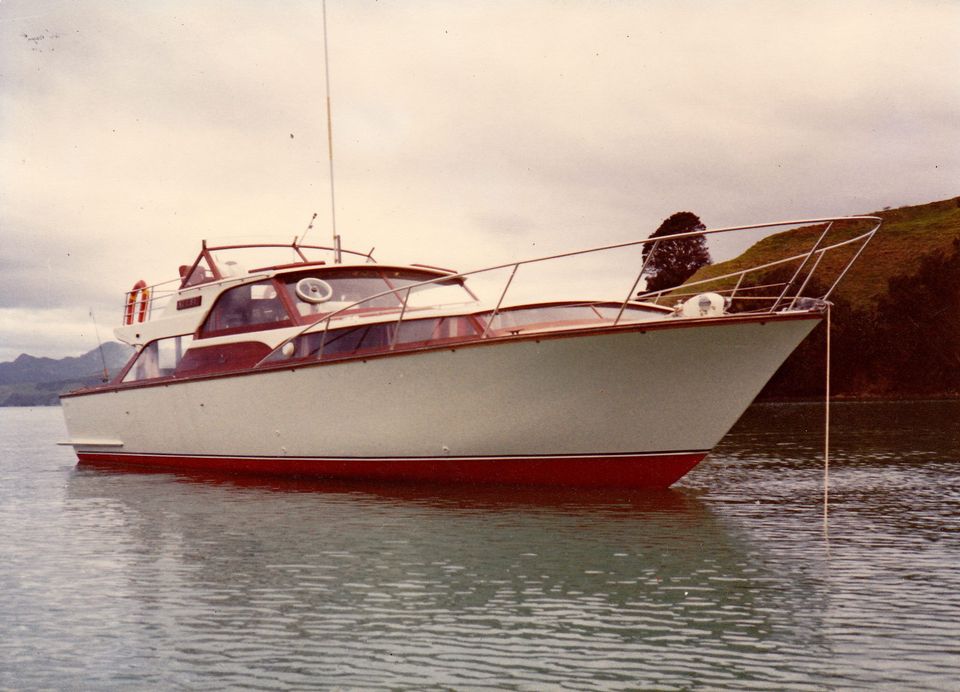
ALIBI – WITH HER 2 X CHRYSLER-MITSUBISHI CN-55TI DIESEL ENGINES PRODUCING 200HP @ 3150 RPM
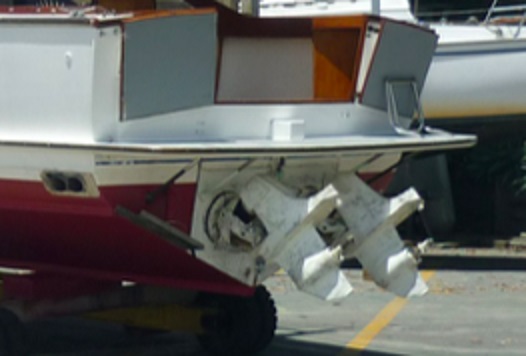
ALIBI’s 2 “STERN POWER” STERN DRIVE UNITS, & NOTE BOTH ENGINES EXHAUST OUT THE SAME SIDE AT THE TUCK
As readers of this series may recall, ALIBI made a cameo appearance in part 2 when I was seeking information related to her sistership, which I now know is or was called CRESCENDO, seen below on launching day, as I have seen the two V8 Chrysler-branded diesels CRESCENDO had when new.
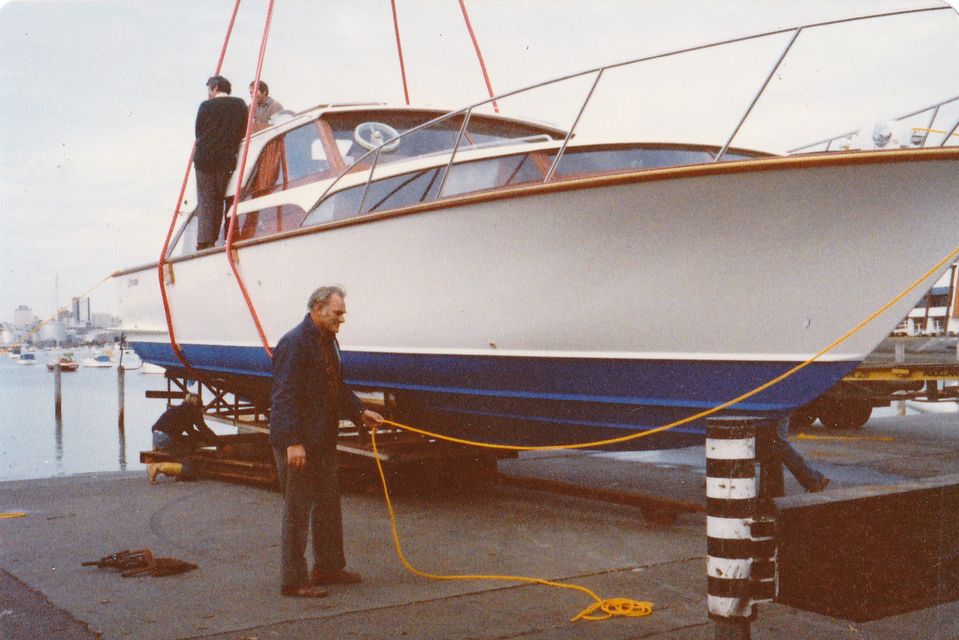
Thanks to the input of others, I have now also discovered that these engines were manufactured by another company, and simply sold under the Chrysler label, which seems to me to be a continuation of Tony Mason’s apparent tendency to use engines with the Chrysler label, as in ALIBI.
However, since the previous cameo appearance of ALIBI, I now have full details of her engines, thanks to a lady named Juliet Hindman, who is very knowledgeable about the Mason Clipper range of boats.
Her family has owned one of the two only 33-foot versions of the Mason Clipper, and she has now contacted me.
As a result, and with the information she has provided, ALIBI now definitely falls into the “Unique” class of engines category, as specified above, as far as I’m concerned, and she now has her place in the group in her own right.
ALIBI’S two CHRYSLER-MITSUBISHI CN-55TI DIESEL ENGINES, producing 200 HP at 3150 RPM, are driven through Warner gearboxes to “Stern Power” make, cream-painted counter-rotating outdrives. While the engines and gearboxes are both left-handed with a 1-to-1 ratio, outward turning counter-rotation of the propellers has been achieved by the gearing system in the stern drive units, which are also acting as reduction gears with a 1.5-to-1 ratio, driving Volvo 16 x 17-inch propellers.
I feel the engine-to-stern-drive setup with these engines, is superior to many others, in that the engines are obviously primarily produced for conventional drives, having the gearboxes attached to and as part of the engines, but can still be used either way, for stern drive units, or conventional drives, with the stern drives simply providing the drive to the propellers.
Many manufacturers combine the gearbox and stern drive into one unit, which makes them much more complex and quite possibly much more expensive to maintain.
Additionally, the combination drive/gearbox units are often very “clunky” and jerky when selecting forward or reverse, whereas there would not be this clunk with the smoothness of hydraulic engine-attached gearboxes.
I have spent a great deal of time, trying to source a good clear image of these engines, but they seem to have disappeared from historical public databases, and the only image I have been able to source, is of ALIBI’S own engines installed in her.
It is, however, wonderful that she still has these original engines after all these years since she was built in the later 1970s. A great testimony to Mitsubishi. Here are her details as received from Juliet H.:
“Released in 1979, the Clipper 42 was 12.8m x 3.7m with a draft of 900mm and, fully laden, displaced around 9 tonnes. Alibi was the prototype, built with a sandwich construction of strip-planked cedar, fiberglass on both sides. A mould was taken off the prototype so that all future boats could be full GRP with a balsa core. However, Crescendo was the only boat ever pulled from the mould.”
I would recommend that readers revisit ALIBI’S cameo appearance in part 2 of the series to see some wonderful images of her exquisite finishing and interior.
A final note re CRESCENDO. – She has been seen reasonably recently, in the South Island, I have been told, so any further help with information about her in any way, would be much appreciated.
LISTER MARINE DIESEL ENGINES
I had considered including LISTER MARINE DIESEL ENGINES in the group, however, there are quite a good number of these engines that are or have been in use in NZ., in many work boats, fishing boats, tugs, & a few pleasure craft, & in the end I decided they fell just outside the scope of what I was about, so will just make a general mention of them, with a few images of the odd pleasure craft, all of which had these engines installed by Roy L.
Roy Lidgard used quite a number of them in various types of craft, the 1940s & 1950s, mostly 4 cylinder, & also had a 4cyl version of the Lister Diesel driving the Smeltinghouse Bay Kawau island sawmill, he set up & ran on his property, in the later 1940s & 50s, the remains of which are still there today.
As just a brief mention, he installed Lister diesels, in the ROSE, (2 CYL) (later LA ROSA) Clive Power’s WAINUNU, (4 CYL) & TAWHIRI, a lovely sedan topper R Lidgard built in the mid/later 1940s (4 cyl)
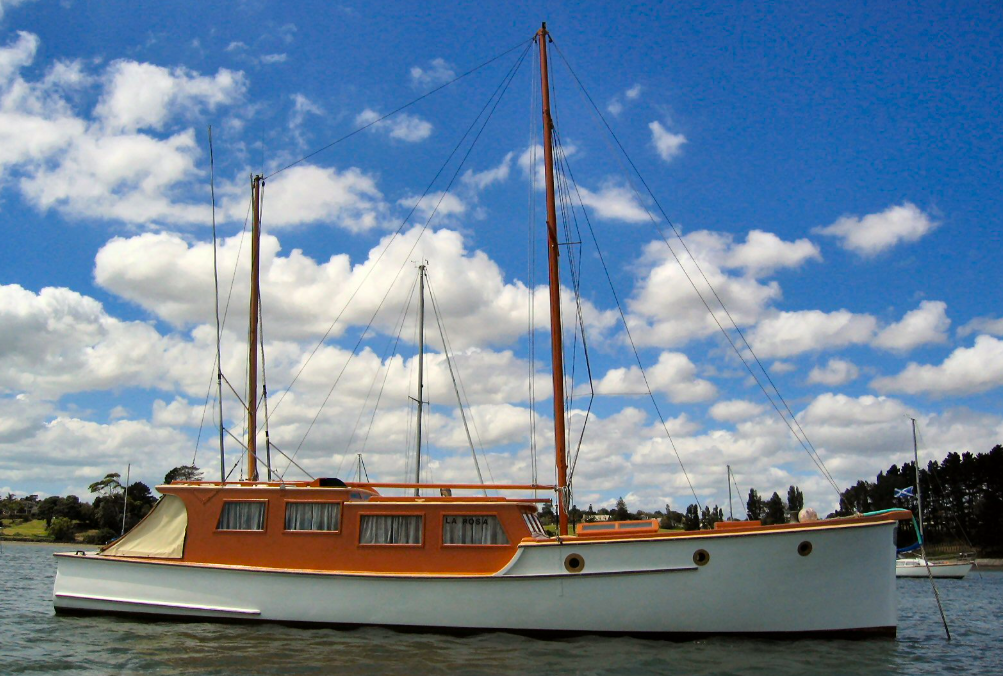
THE ROSE (NOW LA ROSA)
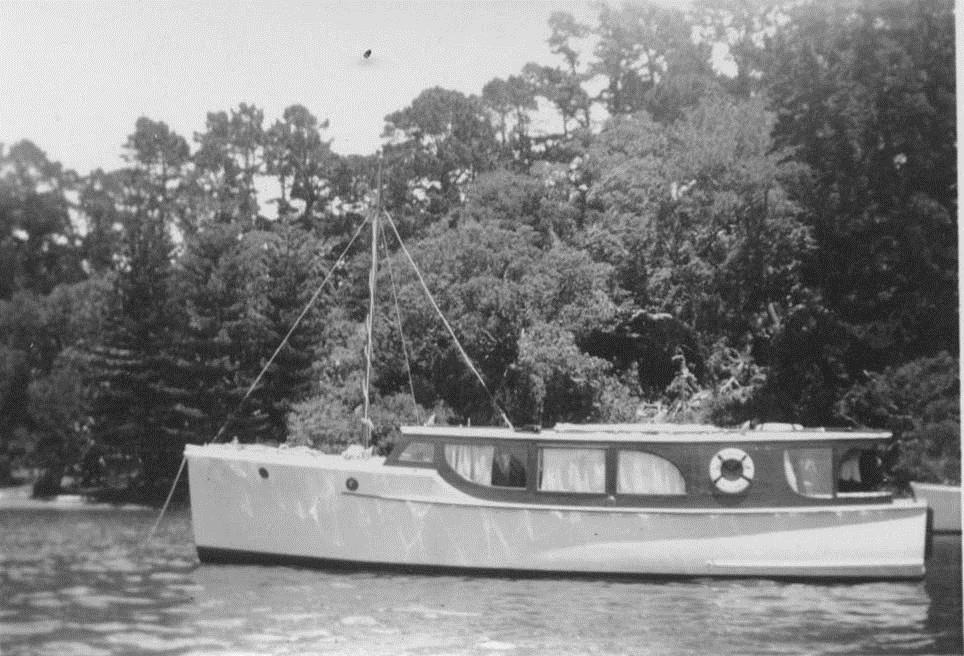
TAWHIRI BUILT BY R LIDGARD 1940s WITH 4 CYL LISTER MARINE DIESEL AS ORIGINAL
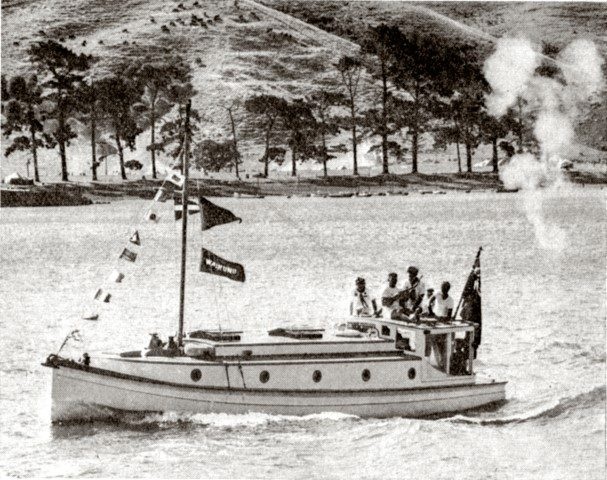
WAINUNU WITH CLIVE POWER AT THE HELM, WITH HER 4 CYL LISTER DIESEL, WITH THE EXHAUST OUT THE TOP OF THE MAST. c1940s
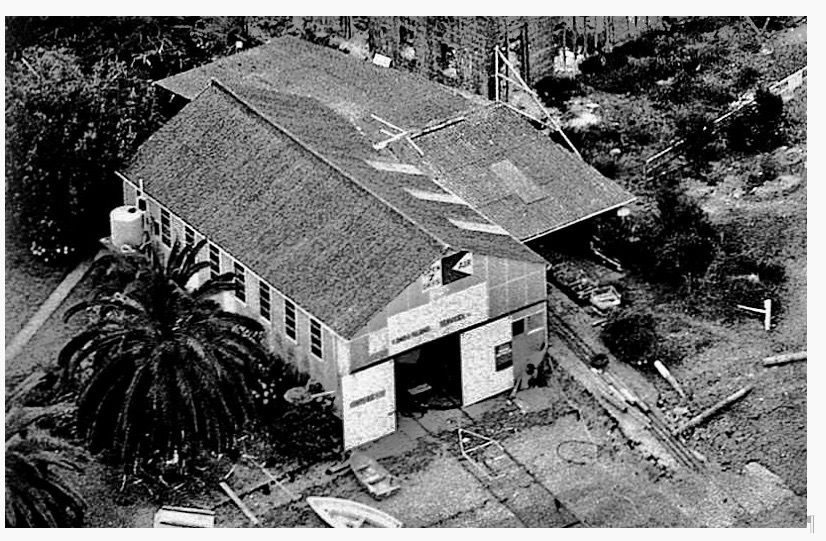
ROY LIDGARD’S SAWMILL, SMELTINGHOUSE, BAY KAWAU ISLAND c. LATER 1940s

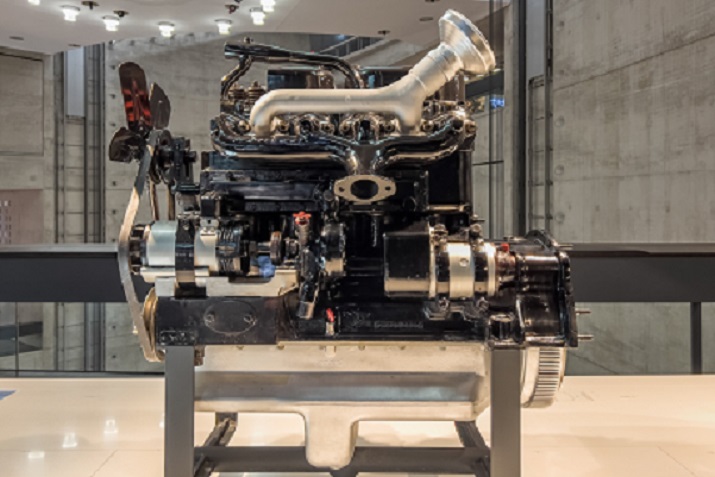
LISTER 1940s 3 CYL MARINE DIESEL ENGNE AS AN EXAMPLE OF THAT ERA
EPILOG:
Well, readers, we have come to the end of this seven-part journey, and I can only say that for me, it has been a wonderful ride, to share with all of you who have taken the time to share the ride with me, and to follow the seven parts of what I’ve learned throughout my lifetime.
So often, you know as much, if not more, than I do. While some may have learned a little from me, I have, in turn, learned much from many of you, as we have shared this journey together, & I thank you all, for the opportunity to gain this new knowledge from you.
I especially want to express my humility and gratitude, for the kind words of thanks and appreciation, in some of your comments directed towards me personally.
I have done this most of all, to encourage us all, to share and record publicly, what we know about our New Zealand-based boats, with each other, and most importantly, to provide a public record, for the benefit of the boaties of the future. Those who will come after we old wrinklies have all gone, & will become the stewards of tomorrow. As a result of what we all write now, they will hopefully have the chance to understand what has gone before in all or many aspects of what will become their boats, the majority of which will surely live on long after we are not here.




 waitematawoodys.com #1 for classic wooden boat stories, info, advice & news - updated daily - 15+ million views