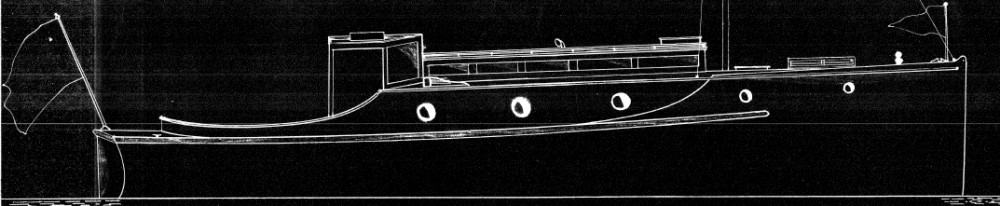
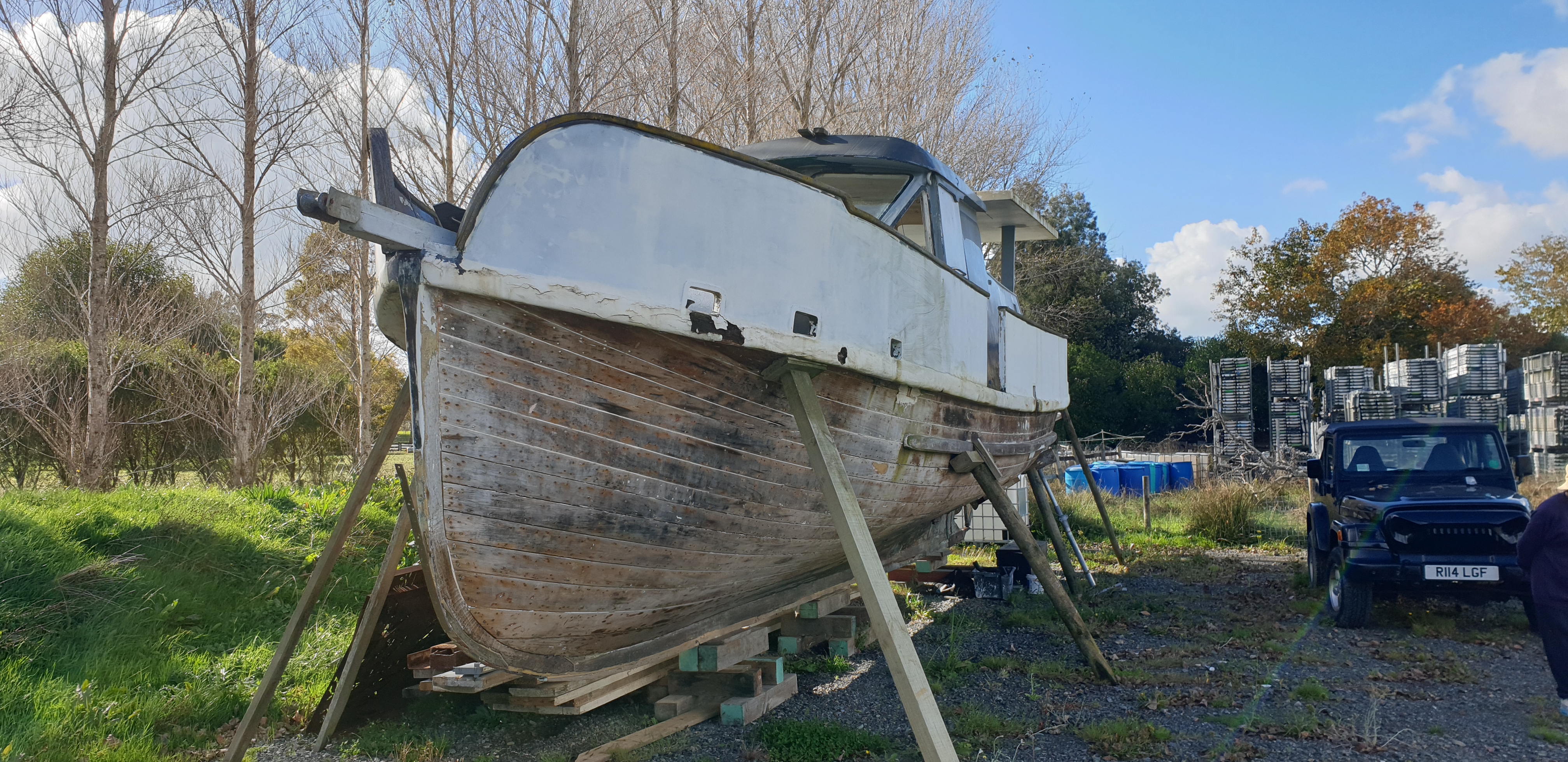
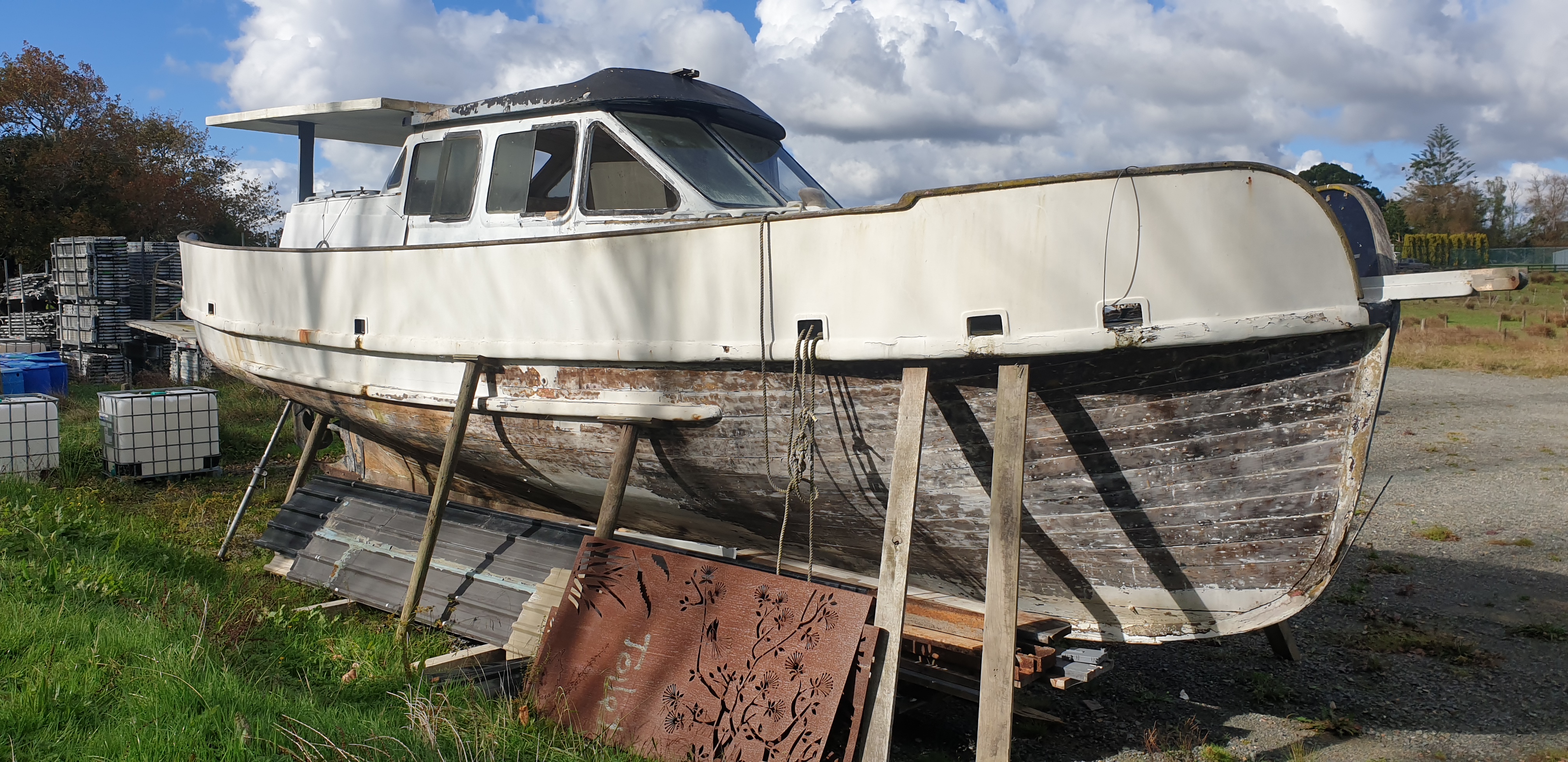
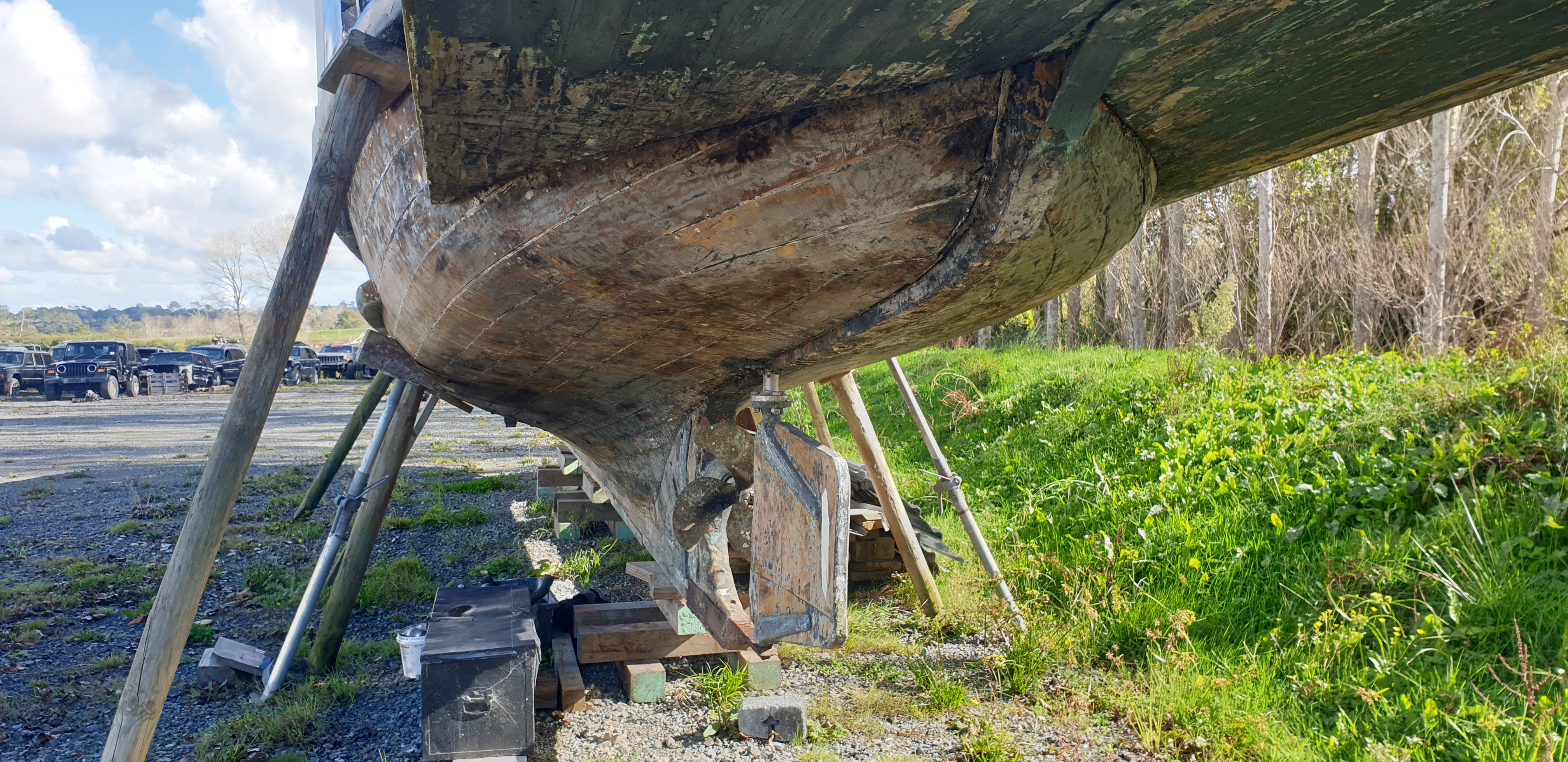
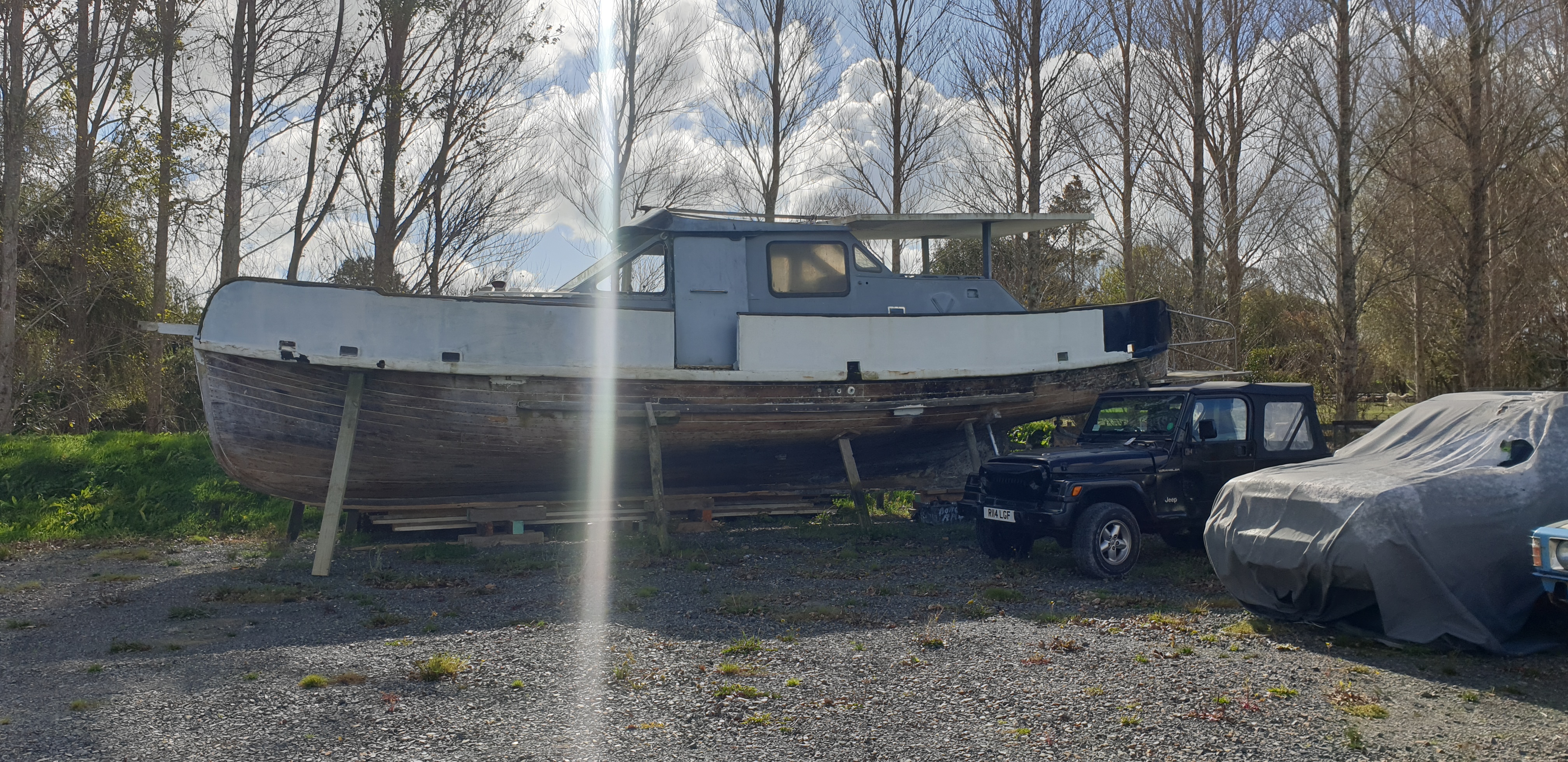
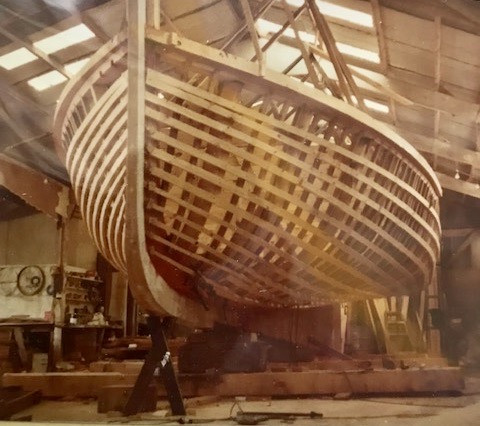
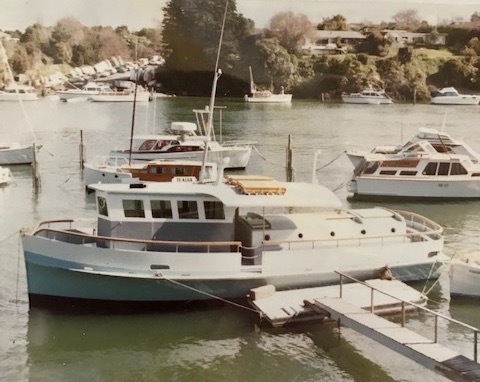
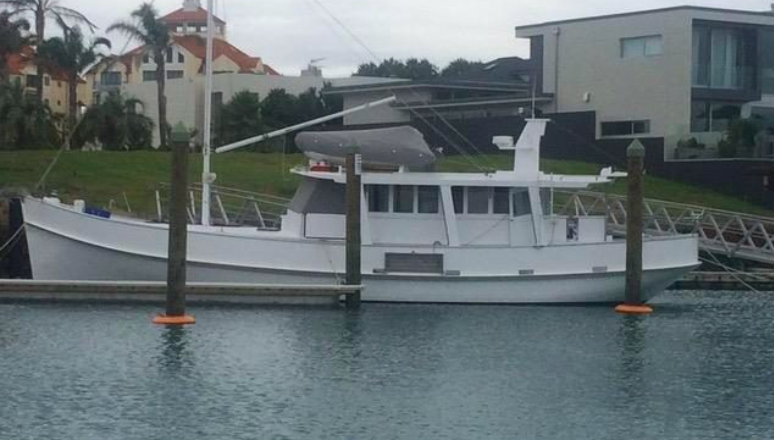
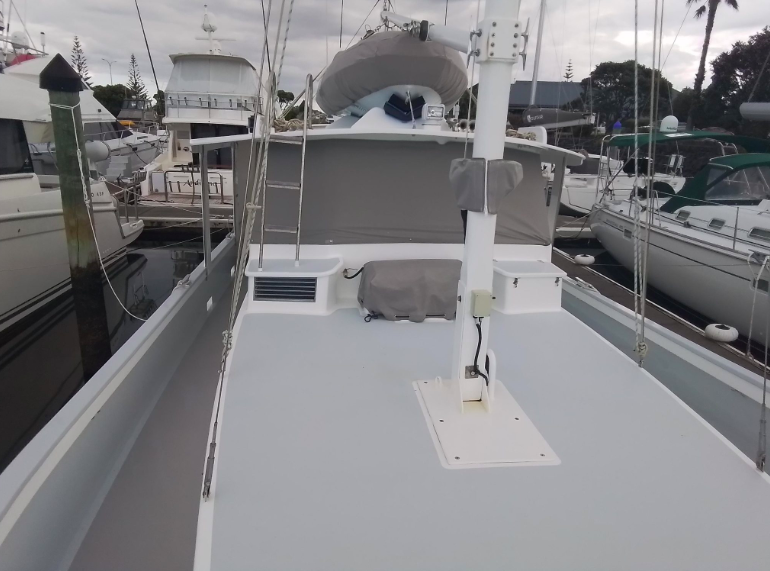
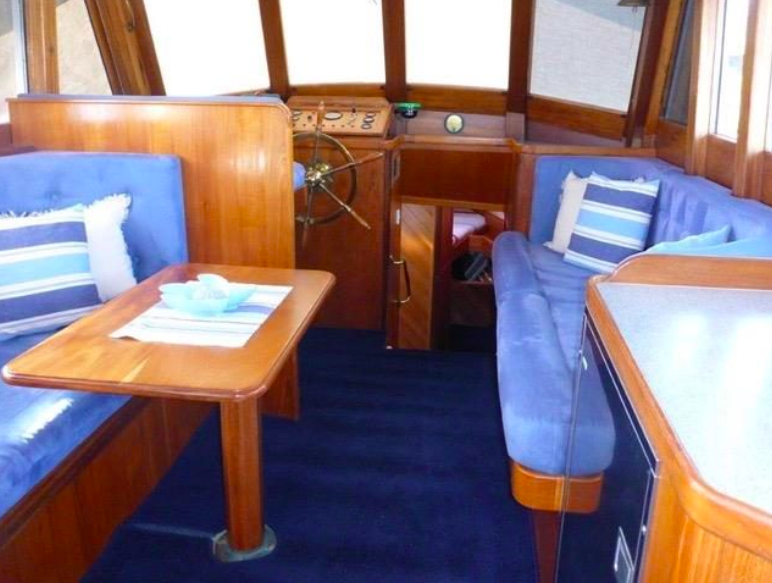
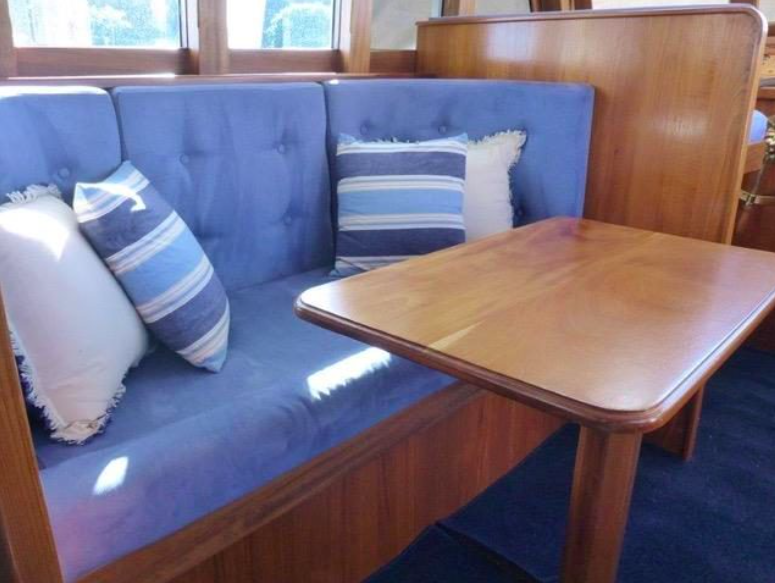
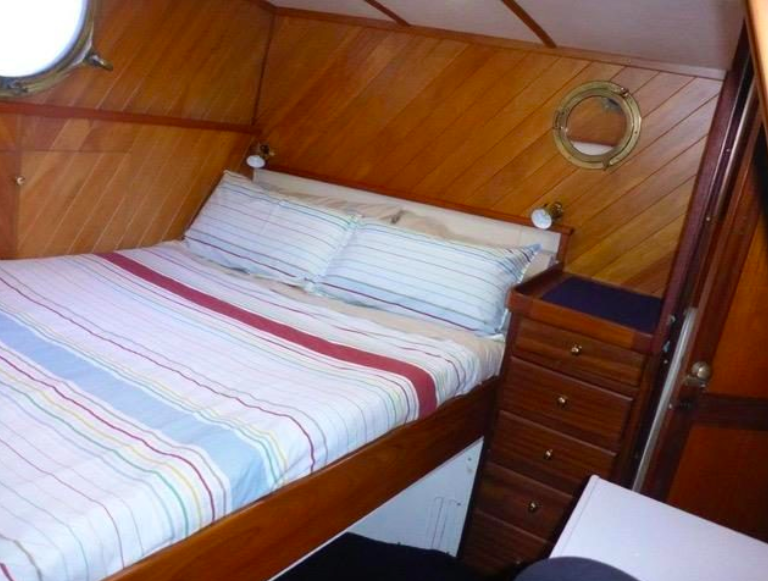
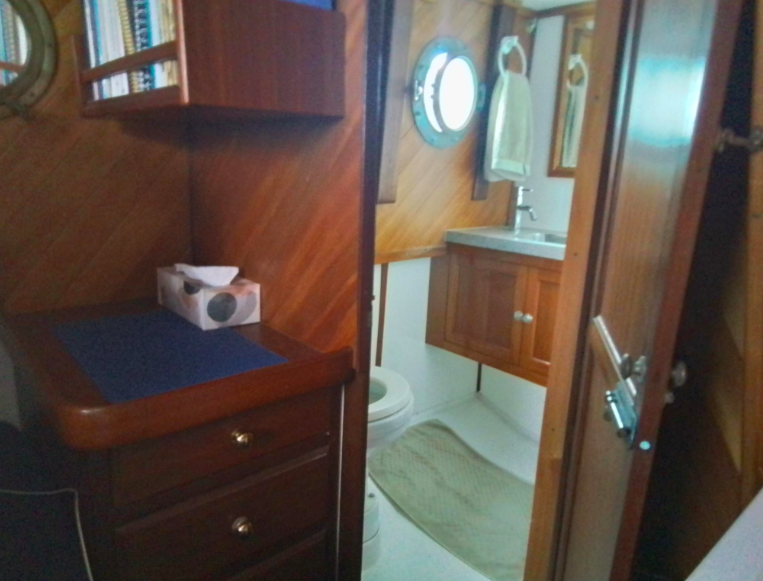
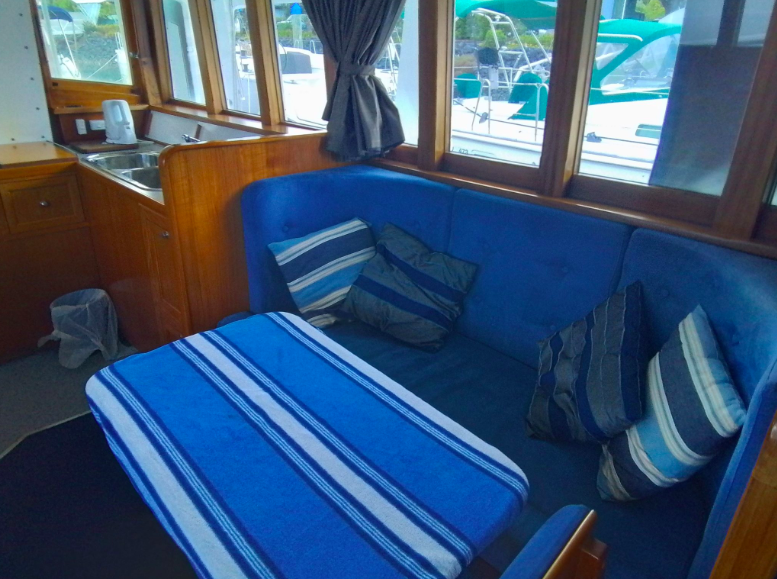
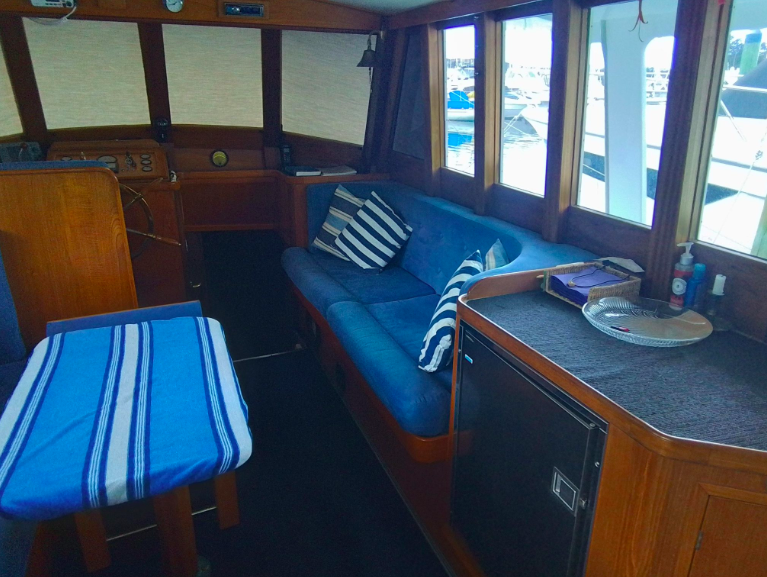
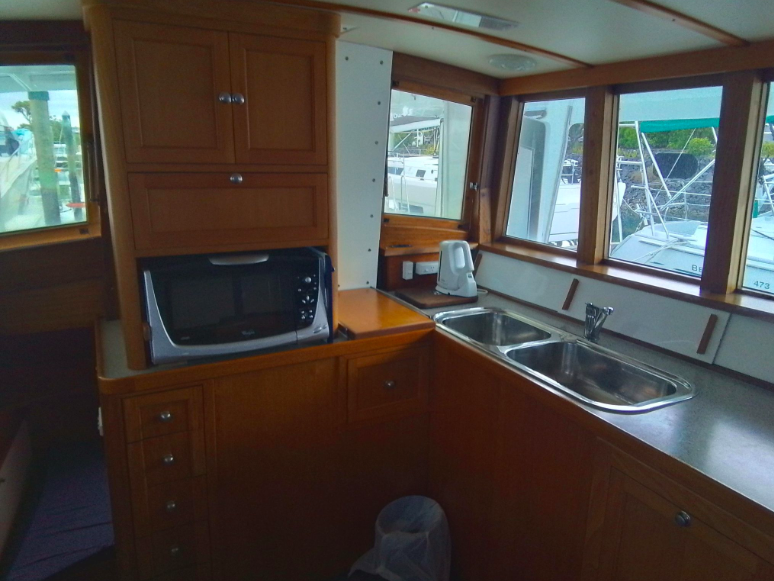
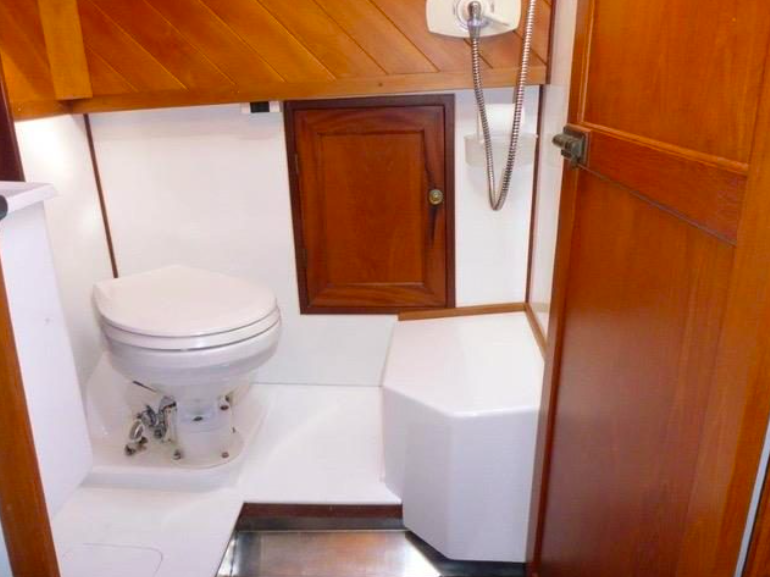
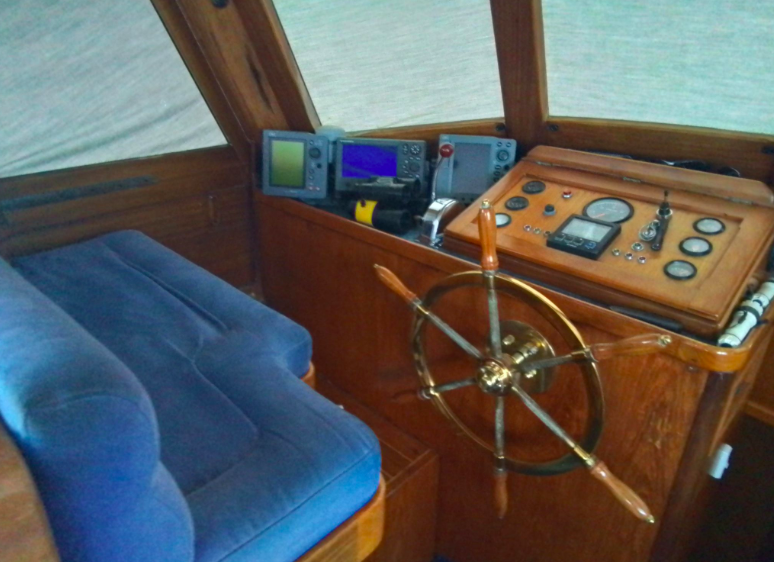
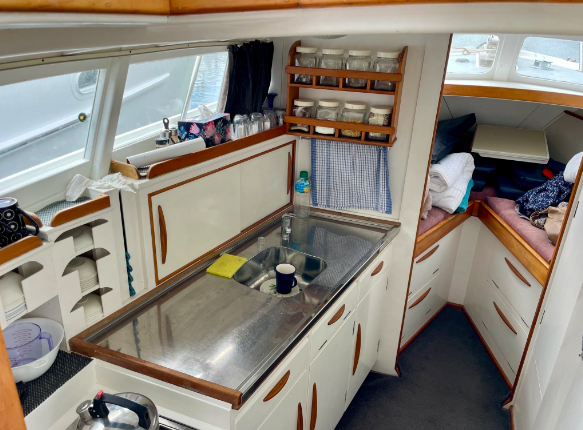
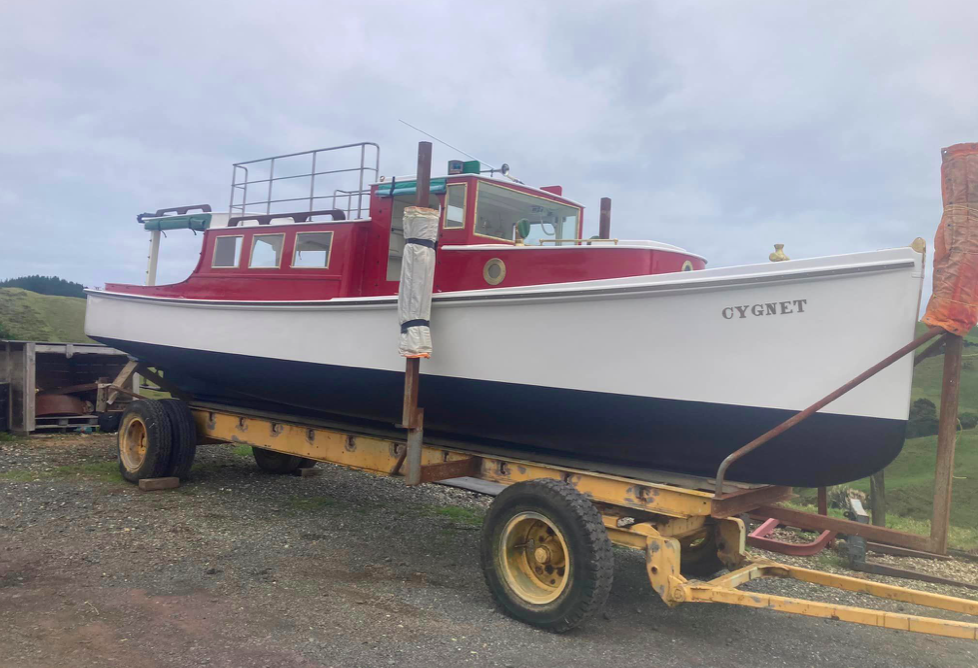
Todays woody is very much a mystery boat – the photos were shared with WW by a potential new owner, not sure if the ownership transfer actually happened.
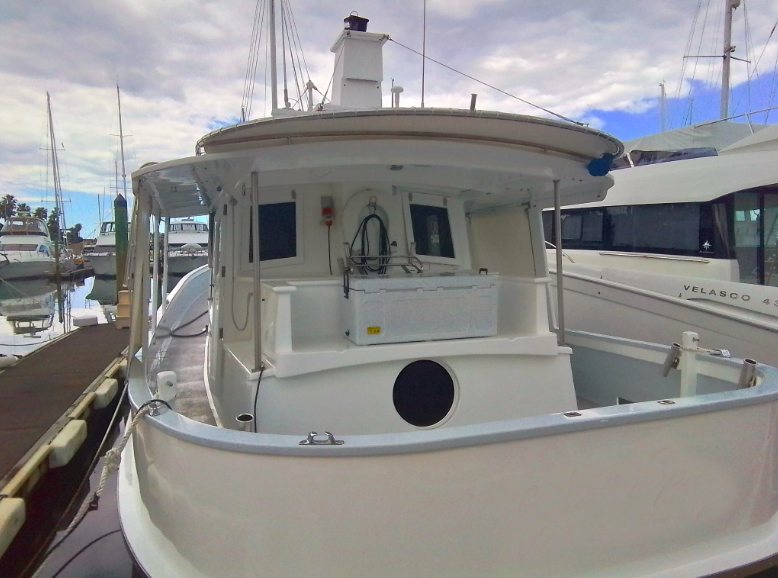
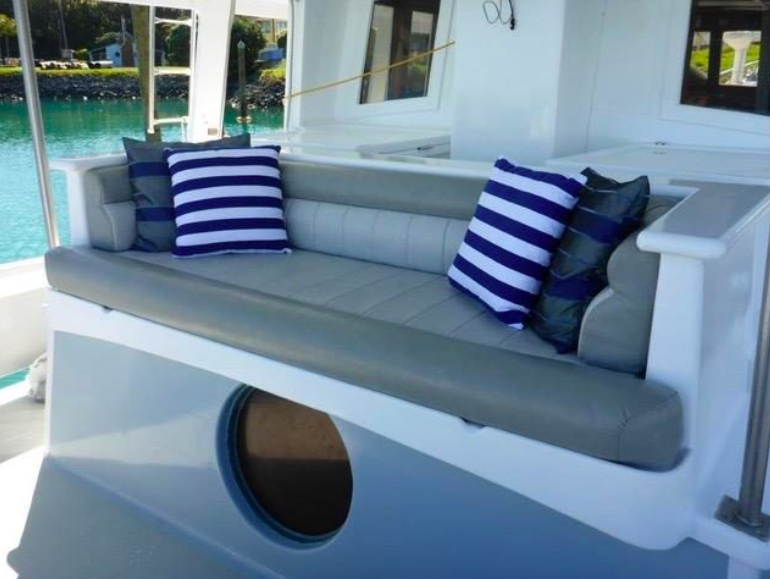
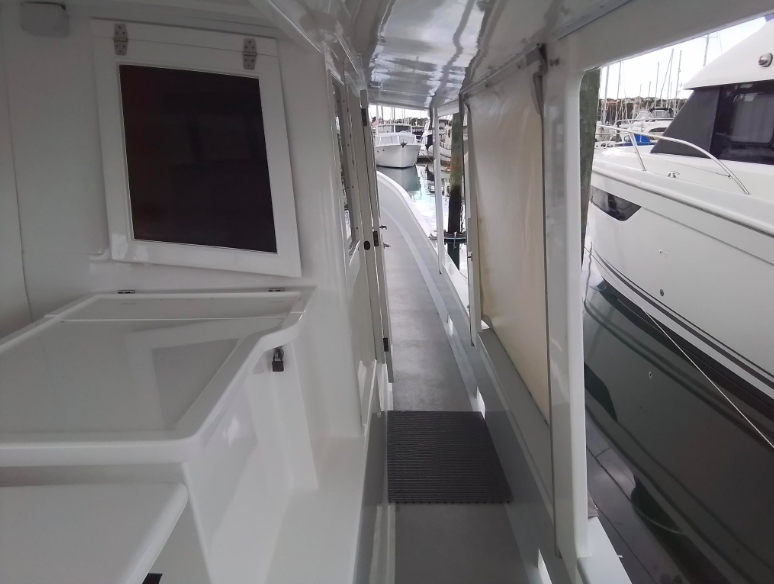
All we know is that its claimed she is a 1902 ex pilot boat. There is a nice hull beneath that more modern looking cabin addition.
Reviewing the ‘duckboard’ addition that can be viewed in the photos, it does look vaguely familiar – one of the few negatives of the WW site is the search section works on exact wording eg if in a previous story I didn’t mention the words – pilot boat, it wouldn’t show a link.
So woodys can anyone enlighten us on this vessels past.
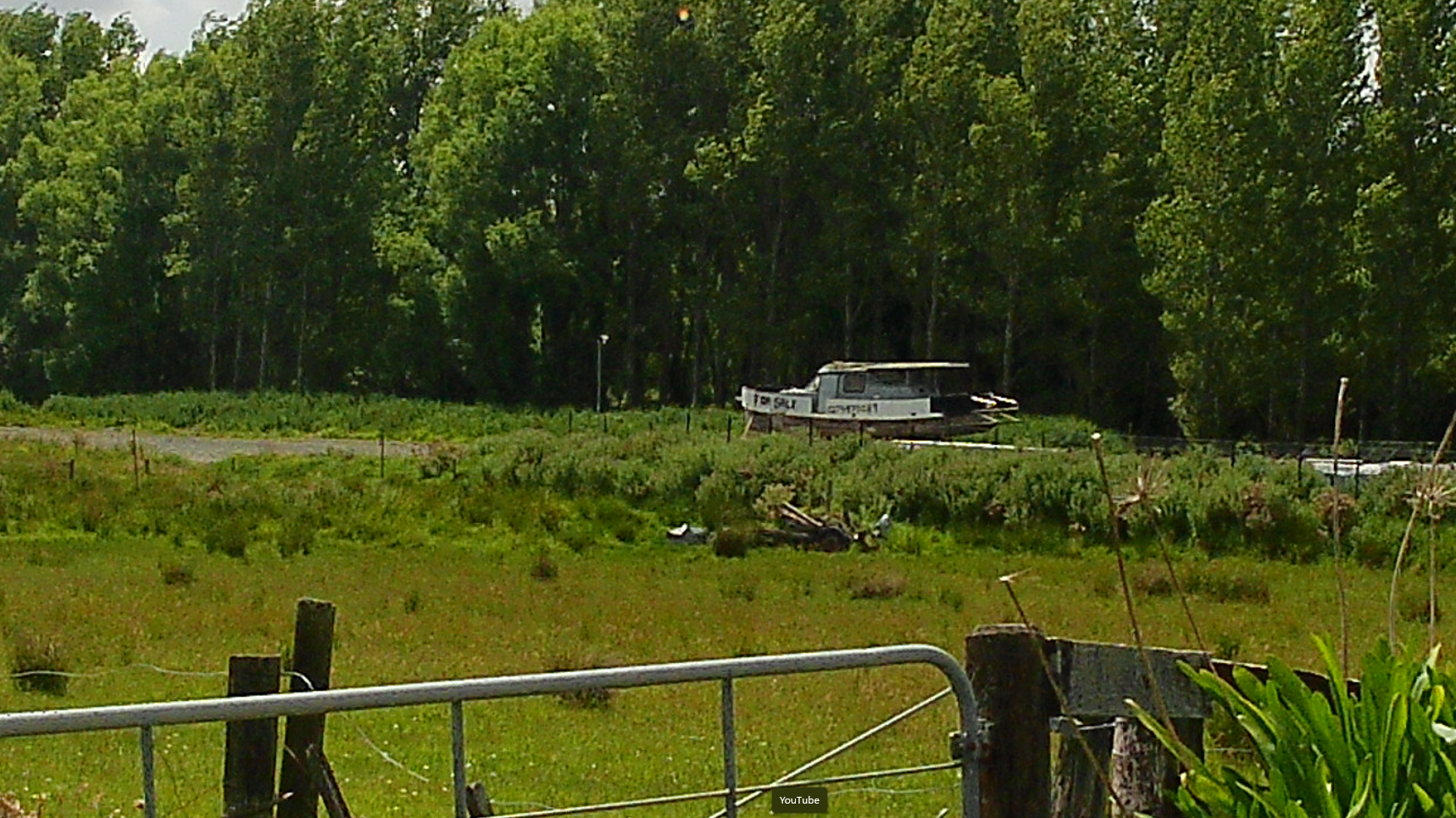
06-11-2024 UPDATE ex John Bullivant – an update on the boat in the storage yard, by the North Shore airfield. Still there, (now on its’ lonesome) and with a big for sale sign painted on the side. Haven’t heard anything more from the guy who was trying to buy it. Looks like a lot of work but maybe good for someone wanting an older style hull as a starter.
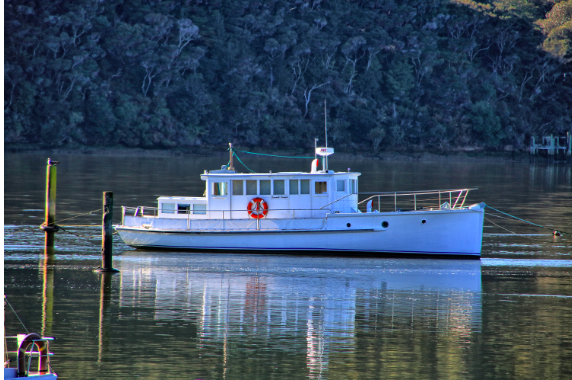
Back in Oct 2016 Frits Schouten send in a photo of the – SOUNDS RANGER at anchor in the Bay of Islands, over the next few years we uncovered some intel on her history and movements.
An ex owner Tim Whelan advised that she was originally named – ENTERPRIZE but her name was changed to SOUNDS RANGER when she was acquired to ba a ranger boat to serve the lighthouses in the Marlborough Sounds. In Jan 2017 Davey Jones supplied some great intel on her past in the Comments Section, advising that his recollection was that she was built c.1932 by ER Lane, Picton. Link here to that story https://waitematawoodys.com/2016/10/19/sounds-ranger/
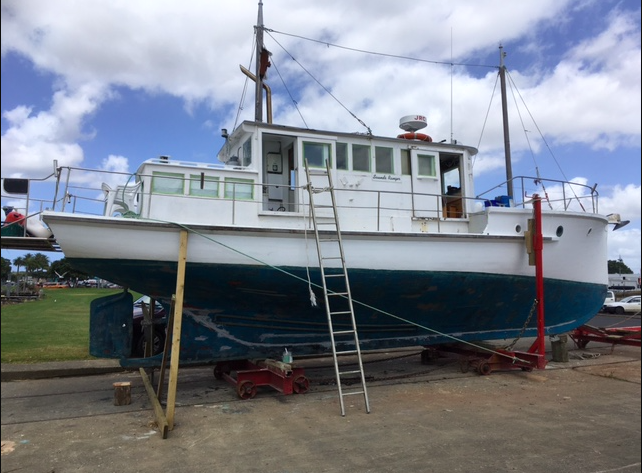
In March 2021 Penny Krone let us know that the vessel was sighted in Pahi on the northern Kaipara Harbour (west coast of NZ). Then in Feb 2022 Dave Stanaway sent in photos of her hauled out at Dargaville.
Then yesterday WW was contacted by Norm Judd an ex Havelock based ranger. In the WW Comments Section Norma posted the equivalent of ‘War & Peace’ – it was just too long for a comment and to good to be hidden away there.
So today woodys thanks to Norm we get to get a peek back in time and share some correspondence from the Chief Ranger (Marlborough Sounds Maritime Park) – Kerry Johnson to Norm regarding how to access and start the – SOUNDS RANGER. I have reproduced it in full below as supplied by Norm. Enjoy, I did 🙂
The following description by Kerry Johnson of the “Sounds Ranger.” is from the unpublished NZ NATIONAL PARKS AND RESERVES RANGERS’ ARCHIVE – a collection of written and taped memoirs of Lands and Survey rangers between 1952 and 1987. Kerry was Chief Ranger of the Marlborough Sounds Maritime Park from the 1968 to the 80s.
“Reading my note to Norm Judd, Havelock based ranger, re starting the Sounds Ranger brought back memories about those early days when I took over, among other things, the care and operation of the vessel. I wasn’t impressed with its overall condition. There was need to bring the launch up to Marine Department standards as soon as possible. The problems included batteries not set up properly to provide backup if one set went flat, the stern tube the tail shaft went through contained a heavy oil for lubrication but would not function properly and no matter how much advice and effort I could muster this thick oil would ooze into the bilge. A few months down the track while cleaning the accumulation of grime from a circulating pump it literally fell apart. Thank goodness the boat was safely in her berth in Picton then! Many improvements were eventually made but there was one incident that occurred one night when I think I was away. Late one rough, wet evening my wife received a call from the Harbour Board patrol to say the Sounds Ranger’s engine was chugging away in her berth with no sign of anyone on board and the doors securely locked! Now there has to be a logical explanation as to how this happened but I was never able to clearly identify the cause and that’s probably why the battery leads had been removed as mentioned in my note to Norm. I’m not superstitious and while I learned later the same thing had happened once before, you can’t help thinking that there must have been some free spirit lurking about that stormy night and was about to take the “old girl” for a cruise in the gloom! “Stranger things have happened at sea.” Thank you Norm for holding on to a note many (including myself) would have discarded long ago. As a friend commented recently when talking about recording family history, “even the milking cow’s name is important”. Here’s the note “Now a few directions in case you should be asked to take out the Sounds Ranger. Batteries have been disconnected – under seat on starboard side, crescent spanner in tool box near batteries. Before starting engine remove bucket from top of funnel – open hatch to engine room, light switch is on a beam just inside the hatch opening, that is if you stand on the engine room floor looking forward, the switch is on your right hand side on the back of the beam that forms the front section of the hatch opening. Move under the exhaust pipe along to the front port side of the motor. If you look around the actual front of the engine you will see a small wheel with finger grips around the outside (about 3” or 4” diam.) This is the wheel that engages the bilge pump by simply screwing or rotating the wheel clockwise or in towards the engine. It should be in this position now, so to disengage the pump, just screw the wheel very slowly out. Do not on any account force the wheel too far out, or for that matter too hard in, otherwise it will stick hard. The pump has to be primed before it will start, this done on the starboard side of the engine. There is another light there with the switch by the light bulb, you will find an old kettle with water in it. You will see towards the front, a tap with an opening for the water to be poured in on the top. With the engine at low idling speed, turn the wing tap to vertical – pour water in slowly. I hold my thumb near the hole and when the pump looks like starting I block the hole with my thumb then turn the wing tap to horizontal. To start the engine use the starter button on a beam in front of the light on the Port side of the motor, but you should only have to use this one when the engine is cold. It also pays to use the overload button on the fuel pump (when the machine is cold only) the button is on the front of the fuel pump.” (Here there was a small diagram that showed the location of the overload button on the fuel pump.) “Button should be pushed up, at the same time pull back the rack. Push the starter button until the engine starts. Be sure to turn both lights out, on leaving the engine room. To stop the motor just pull a string that hangs on a nail beside the top of the steps that lead into the forward cabin. Normal starting can be done by using the starter button by the compass. (This for some reason has given trouble in which case I have used the engine room button.) Push throttle lever up to 1100RPM after about 20 minutes. I doubt whether it will be necessary for you to use the boat, and if you do, I don’t think the bilge will have to be pumped out. There is a hand pump in the engine room, the valve is on the side is off. If you have to use this rather that the pump on the motor please be sure to turn the wheel mentioned earlier to off position. Remember that the motor is only 60 HP and will not pull up as quickly as the PR (Pelorus Ranger – Havelock based vessel) in other words take her quietly and don’t get into shallow water or you will get into trouble. Hope this makes sense?” “P.S. Key to door lock is under bucket by gas cylinder rear of wheelhouse.”
(All of this made sense but just being up with the detail didn’t necessarily mean I was any less concerned with the implementation! – Norm. My recollection is that SR drew about 6 feet and was 45 feet at the waterline.)
01-06-2024 -INPUT ex LINDSAY WRIGHT
Hello – I delivered Sounds Ranger from Picton to Tauranga many years ago so she could be taken further north to work for a box netting outfit somewhere in Northland.
She was powered by, I thought, a 5L3 Gardner, but my memory is a bit fuzzy these days and it could have been a 6LW. I believed, at the time, that she’d been used to service a Christian camp in Queen Charlotte Sound.
The dockside dawdlers in Picton cautioned me that she had rolled over while servicing the Brothers Island lighthouse while called Enterprise. All her fuel was in a big steel tank on the port side of the engine room, so, with the tank full, she had a residual port list. I took down the hefty wooden derrick and lashed it along the starboard bulwarks and put a 200 litre drum full of water on the starboard side too. That fixed the list.
We had a good run – with her fine forward sections she punched into a sea beautifully. The wheelhouse was spacious and comfy. I’d planned on going into Gisborne for fuel but in the event, when I sounded the tank, she’d hardly used any, so I kept on going.
In Tauranga I checked all the fluid levels in the Gardner and topped them up, closed the seacocks and left a note to that effect on the dashboard so the new owner would know when he picked her up in a couple of days time. And flew home to Picton.
A few days later the broker rang and said the new owner had rung to say that I’d run the engine out of oil. It made a ticking noise when he started it and there was clean oil in the sump.
But he didn’t know Gardners – they often make a ticking noise on starting and the clean oil was what I had added before I left her.
I suggested to the broker that he tell the new owner all this – and that he tell him to take a running leap off the stern….and wondered about such a good boat going to an unappreciative owner.
A few days the broker rang back and said the new wowner had been in touch to apologise. Perhaps she had gone to good people after all.
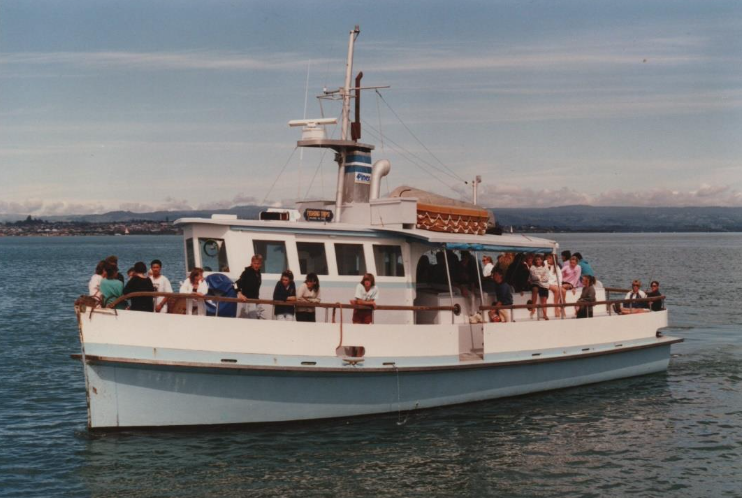
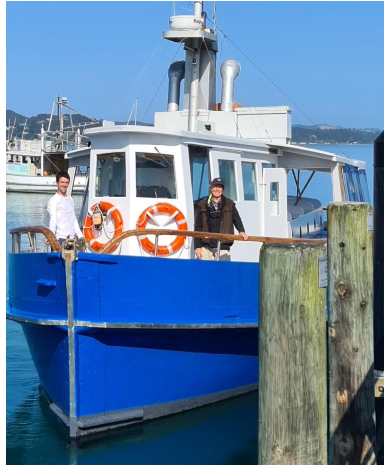
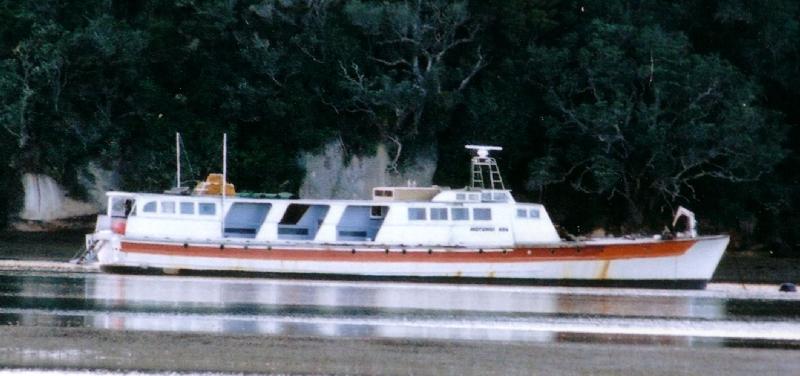
Retired boatbuilder Kerry Lilley sent in the photos above of the 52’ workboat – TE KAUIA, which he built in 1978 in Panmure. Kerry built TE KUIA for Harbour Transport, Tauranga which at the time was part New Zealand Forest Products. Her role involved ferrying workers to and from Matakana Island, towing log barges, and other duties and the occasional fishing charter.
TE KUIA was later sold to Hugh Ensor in 1989, who then operated her as a charter fishing boat based at Tauranga. Later Jack Elliot converted TE KUIA to a passenger ferry. At the time the cabin roof was extended.The vessel is powered by a GM 6/71 Detroit diesel engine.
In 2023, the Bay of Islands ferry – WAITERE was involved in collision off Russell and.suffered major damage, and was a write off. TE KUIA was purchased as a replacement in June, 2023 for the Pania > Russell run.
Back in early January 2024 we ran a story on the ex workboat > 50’ motorsailer – SILVER SPRAY, at the time we only had a few photos and we were fishing for more details on her past life. Thanks primarily to Paul Drake we uncovered a lot of intel on her. Link here to that story, make sure you read the comments section https://waitematawoodys.com/2024/01/04/the-motor-sailer-silver-spray/
The readers digest version is that she was built c.1943 by Jack Guard , Wellington, for a Wilfred McManaway and operated as a fishing boat in the Cook Strait, later sold in the 1960’s.
Sank (struck rocks) in Marlborough Sounds (date unknown but in the last 15 yrs). Salvaged and converted to pleasure use at Mana Marina.
Currently powered by a 180hp GM 6/71 Diesel engine that gives her a cruising speed of 8 knots.
In recent years SILVER SPRAY has resided in and around several Auckland marinas.
Today thanks to Ian McDonald we get to have a gander down below.
INPUT ex RON ROLSTON – My wife is the grand daughter of Wilfred McManaway the original owner. The image below was taken from a framed photo belonging to a relative.
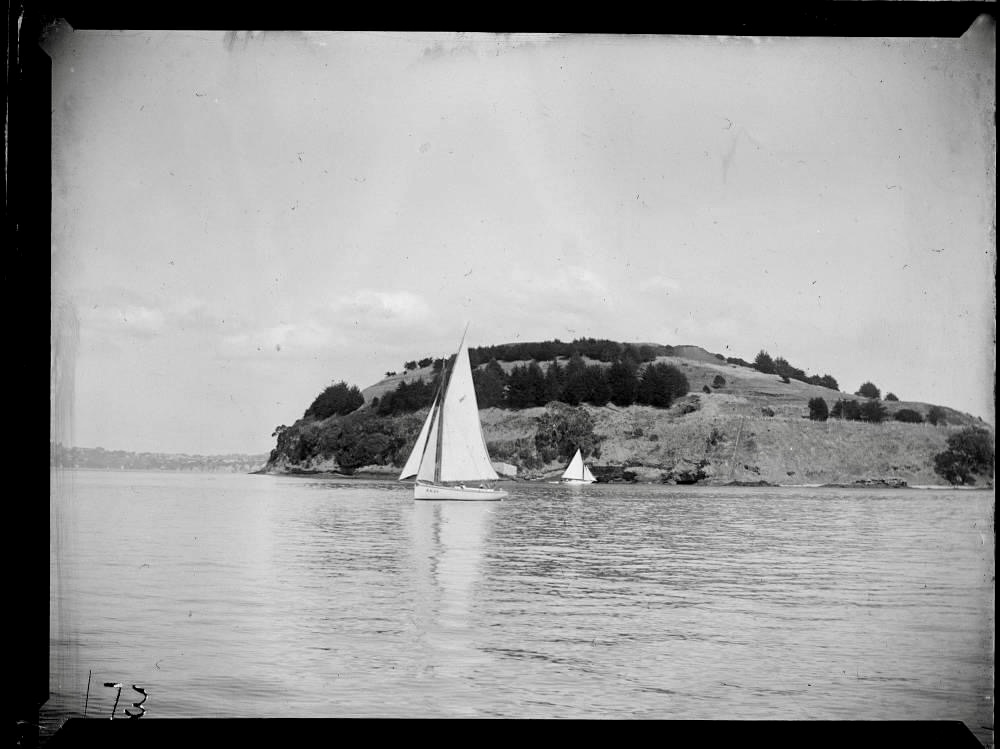
MULLET BOAT ON THE WAITEMATA – SPINDRIFT Recently I discovered (thanks to Lew Redwood) a reference source that wasn’t on my radar – the Auckland Research Centre, which appears to be part of the Auckland Libraries offering. Most of the content will put you to sleep but an article this week on MULLET boats I think is worthy of reproducing. Reproduced below. The photo above shows an open cockpit mullet boat, commercial fishing boat # AK89, off North Head, Auckland. Can we match a name to the commercial number?The image comes to us via Auckland Libraries Heritage collection 37-173 and may possibly have been taken by Henry Winkelmann.
It started off as a fishing boat for the working class man that became a cult classic – the mullet boat (aka the mullety). The mullet boat was developed in the 1860s for fishermen unused to the estuaries and tides of the Manukau and the Waitematā Harbours, to get their haul of fresh mullet, snapper or tarakihi back to Queens Wharf or Devonport as soon as possible. Included was a covered but cramped foredeck if the fishermen needed to spend a night out on the water.
By the early 1900s, the days of fishing for mullet on sailboat were coming to an end as steam powered boats took over, but sailing the mulleties as a pastime was booming. They competed for the Lipton Cup which was donated to the Ponsonby Cruising Club by Sir Thomas Lipton, who had raced in the America’s Cup five times but never won. In fact, the trophy itself was made by the same silversmith who made the America’s Cup, is New Zealand’s oldest yachting trophy, and is still raced today.
HAROLD KIDD INPUT – This is the 26ft mullet boat SPINDRIFT owned by H. Parker of Devonport in 1908. She was built at Devonport in 1904 by R.O. Farquhar. Later went north (Whangaruru, Whisk Martinengo thought) and wrecked.
The Best Sub 35’ Owen Woolley – AWARIKI – Now Offered 4sale At Reduced Price One of the best presented woodys 4sale with the Wooden Boat Bureau is the 32’ Owen Woolley built launch – AWARIKI Link below to more details and photos/
WBB has been advised that her owner wants her sold asap and has agreed to a significant price reduction – NOW $48,000 ono
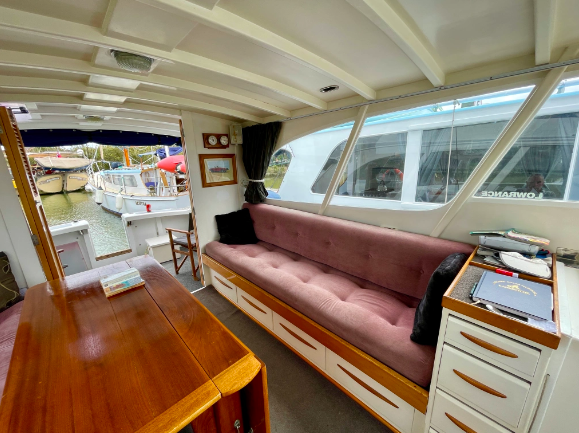
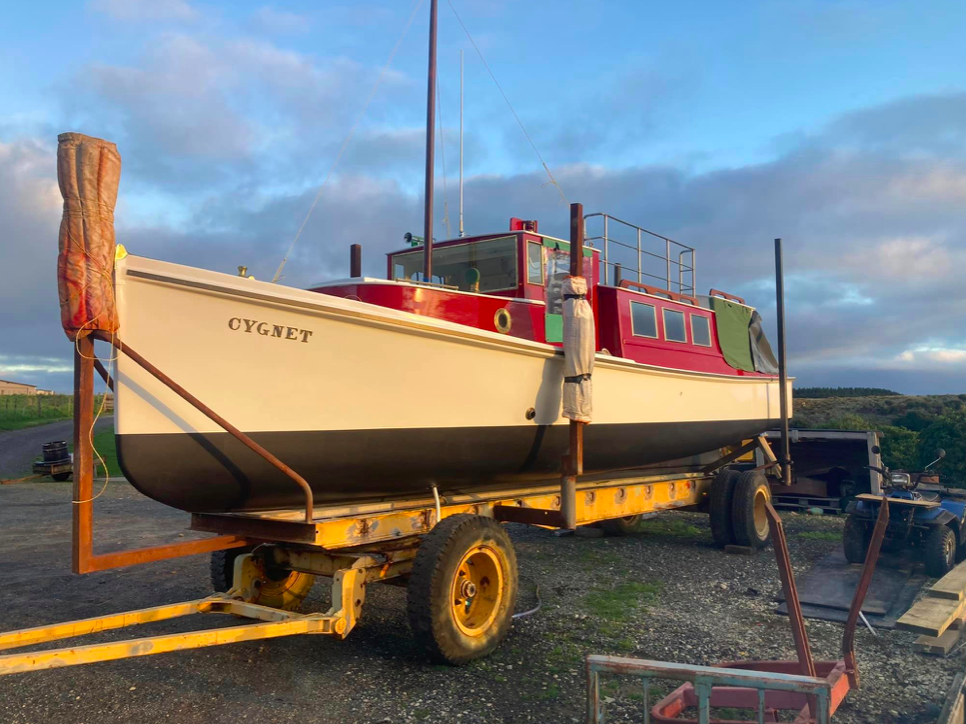
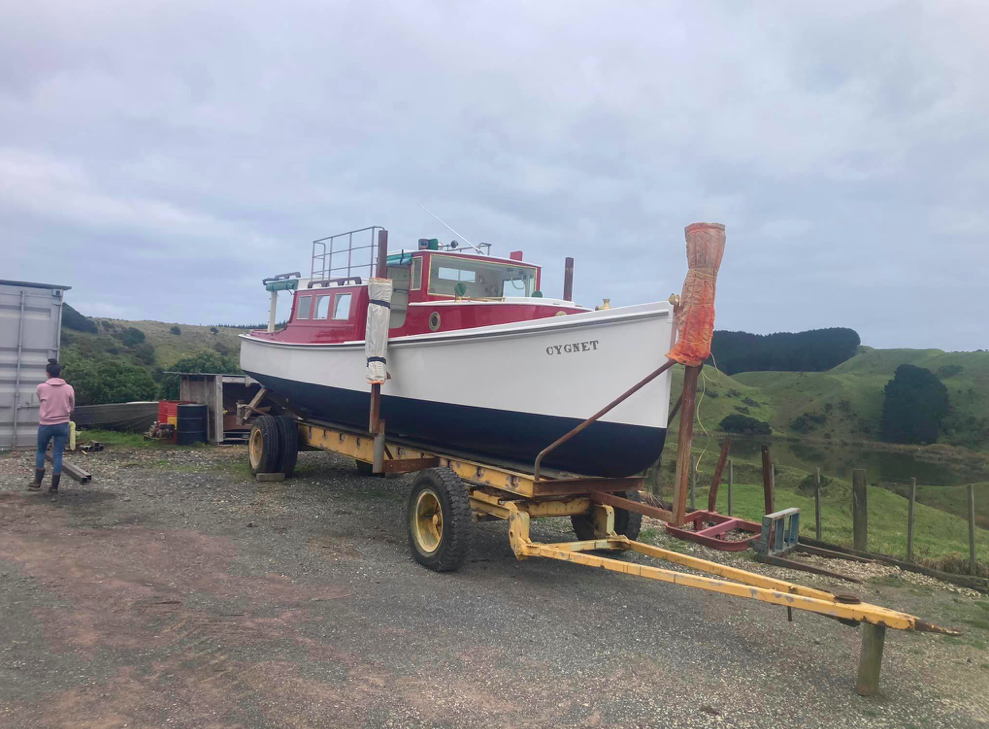
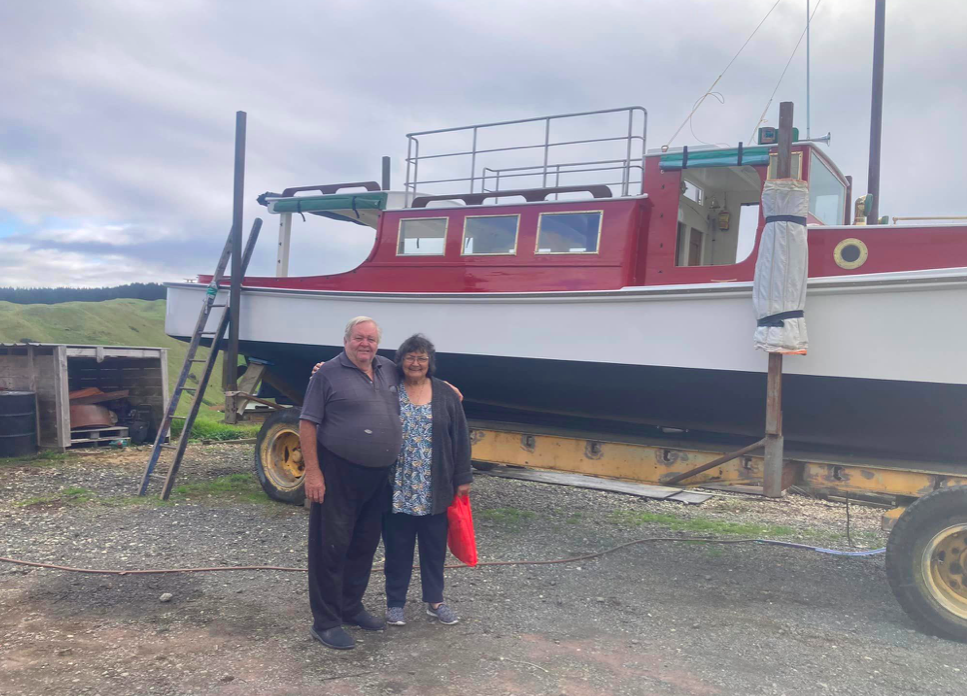
The 35’ launch – CYGNET was built in Auckland in 1913, builder unknown, and started life as the cream boat on the Mokau River. A 2016 WW story (link below) advised that she was restored in 1998 and operated on the Mokau as a passenger vessel.
In a story this week on ’The Kawhia Connection’ fb, Andrew Shaw commented that CYGNET was owned by a John Ruby between mid 1950’s and 1994, based in Kawhia. Also operated for a time by Grant and Pauline Taylor.
Andrew Shaw advised that they had nearly finished a 3 year restoration of CYGNET and a launch date is eminent (Thanks to Lew Redwood for the heads up)
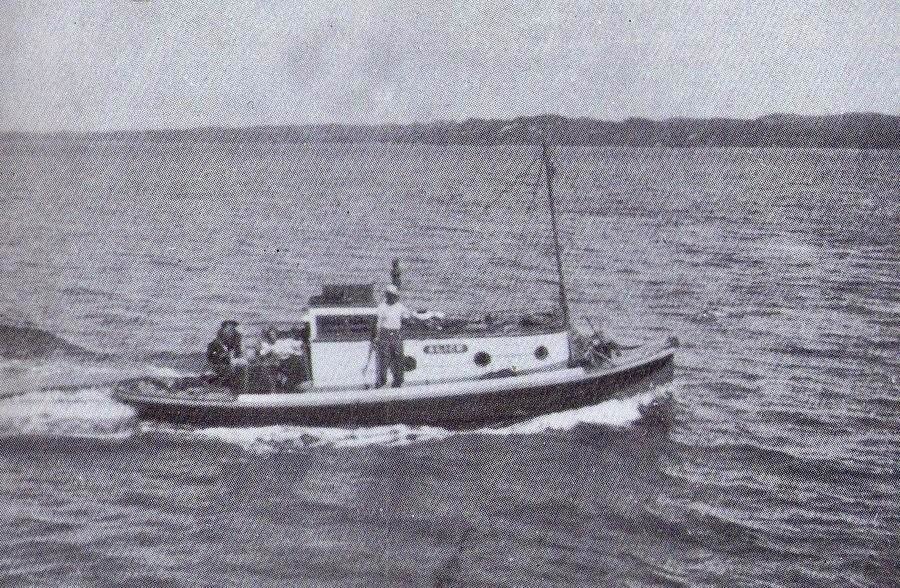
The above photo of the workboat – ALICE popped up on a Ray Morey fb post on the ’Tugs & Workboats of NZ’ site. At the time Ray commented that the photo showed ALICE on the Onehunga Harbour, and shows how she looked when she arrived at Tuakau. She was powered by a 3 cyl, 2 stroke Gardner semi diesel engine. Ray also commented that her previous owner was George Higham.
Can we learn more about this very smart looking craft
Todays story comes to us via Ken Ricketts, with details and photos begged/borrowed/ uplifted by KR from the following sources – fb/google/Lew Redwood/Ken Brown/Daniel Michaels and KR himself.
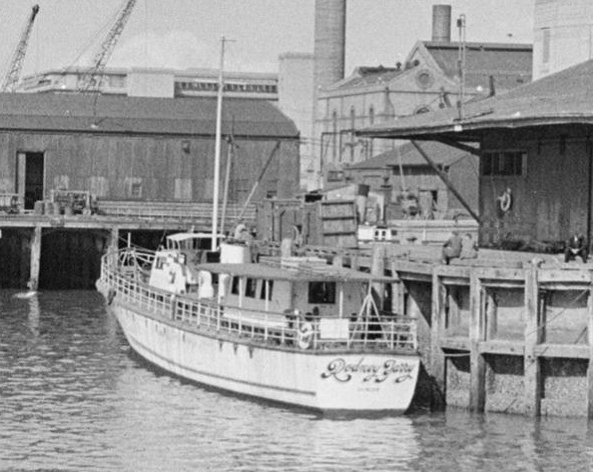
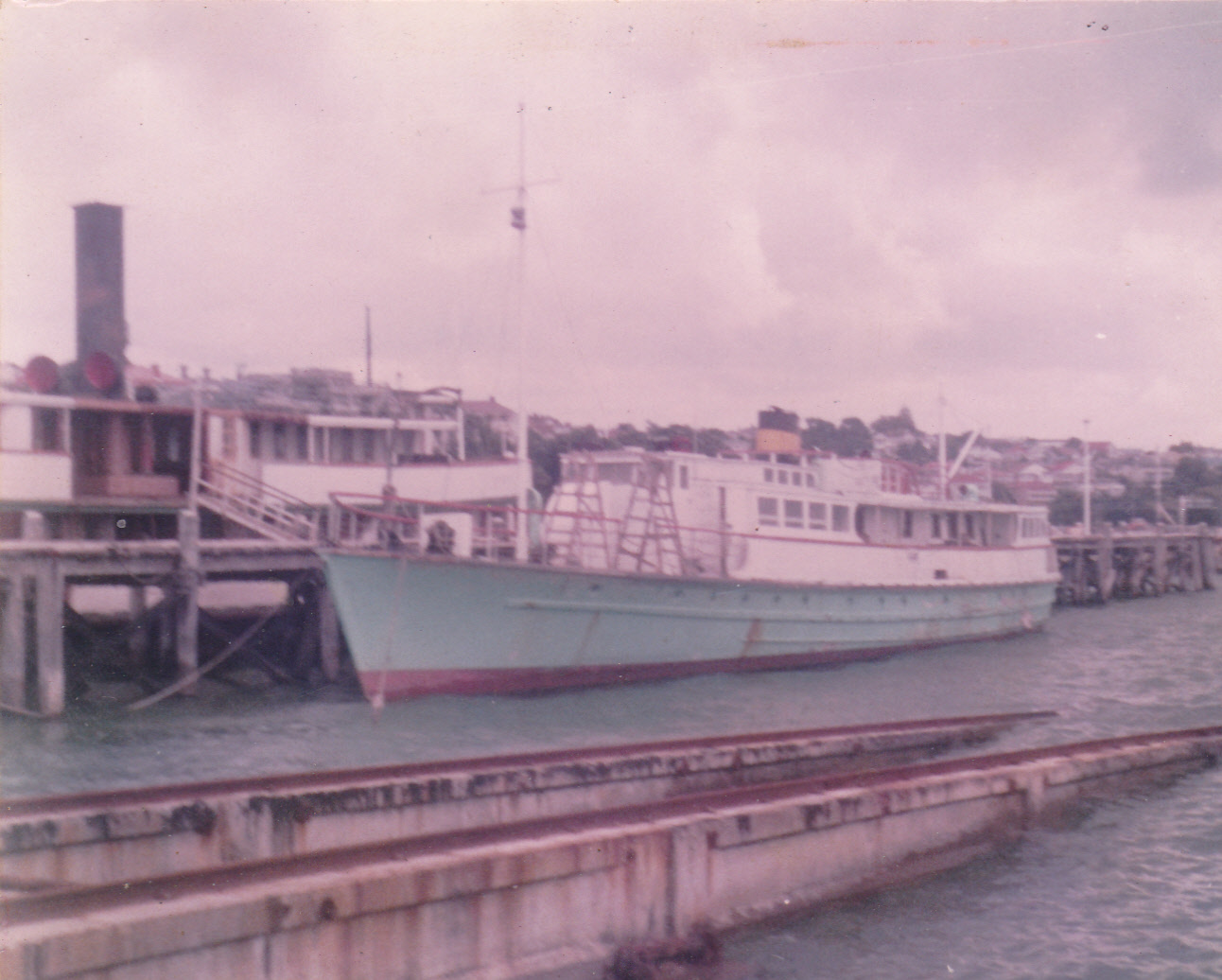
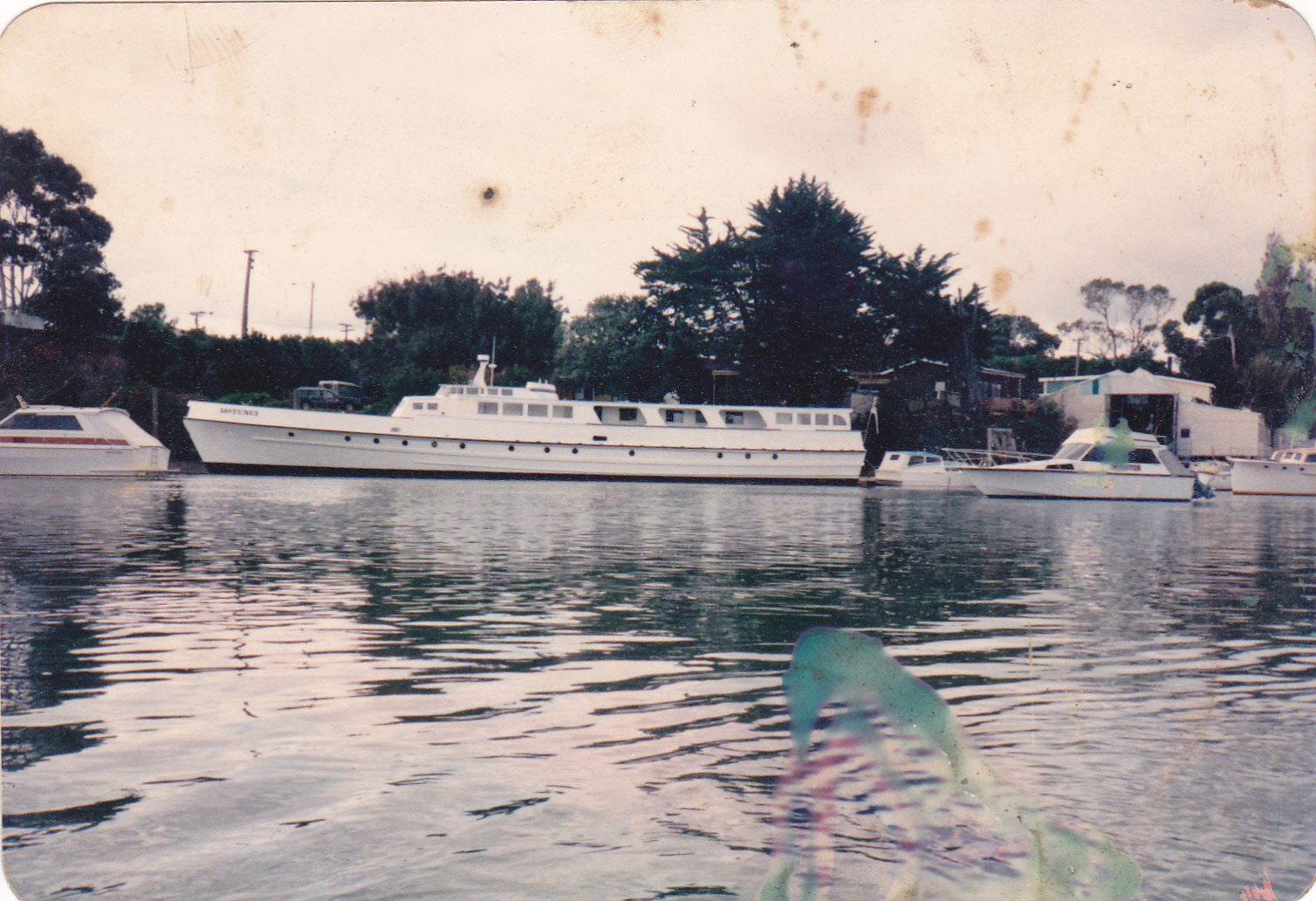
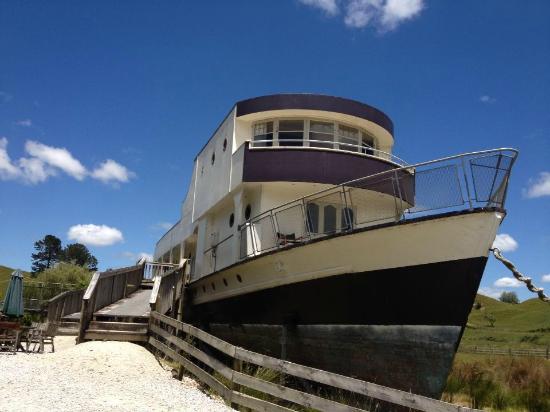
The ship Q406, is probably the last Fairmile left in NZ. She was used during WW2, as a N.Z. coastal patrol boat, and later in the Solomons. Once she and the other Fairmiles returned back to Auckland in 1945, they were decommissioned.
Q406 was offered up for sale via tender and purchased by Rodney Farry, who fitted 2 x Graymarine marinised GM Detroit 6-71 diesel engines, and converted her into a passenger ship. In this configuration she operated around the Otago Harbour, until she ran aground on a sandbar, causing Farry to lose interest in the concept.
She was renamed NEW VENTURE in 1949 and sailed back to Auckland, under command of a temporary crew. While sailing back, she struck a violent storm off the Castlecliff Coast, with the inexperienced sailors clinging near the coast.
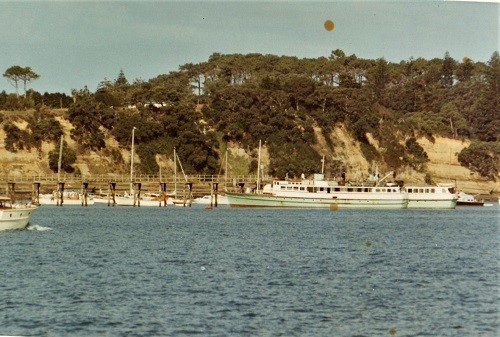
In 1950, she was sold to Waiheke Shipping Co. and had her name changed to MOTUNUI and was used as a passenger ferry, transporting people to and from Auckland to Waiheke, Great Barrier & Motuihe Islands.
When Waiheke Shipping was sold to North Shore Ferries. MOTUNUI would continue operating under them until 1984, when she was sold into private ownership.
Over the next 20 years she would switch ownership multiple times, one of these being to the late Ken Brown, an old friend of Ken Rs, who converted her to pleasure craft use, in the 1980s. She was kept at the bottom of his garden, on the water’s edge, in the Tamaki River.
There were plans in 1997 to have her brought to survey standards in time to be used as a sightseeing boat for the America’s Cup.
This was abandoned when relations between the joint owners, (& several suppliers) soured. Even though much work was done by then (including fitting an original wheelhouse taken from Fairmile Kahu).
She was sold again in 2001 and 2006, when she took one final voyage to Tauranga, so her machinery could be removed, along with her superstructure.
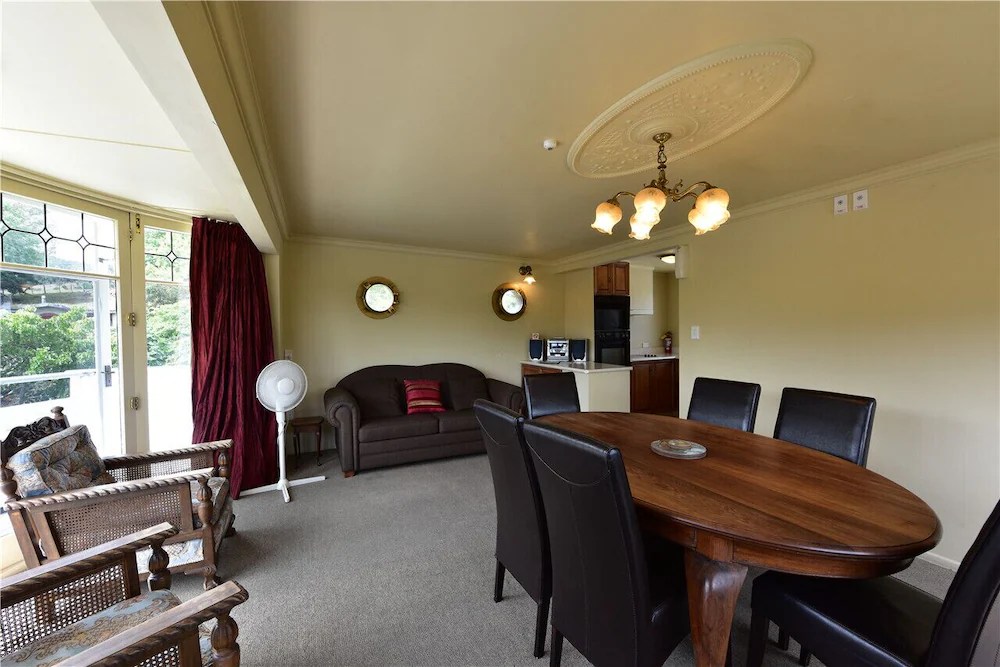
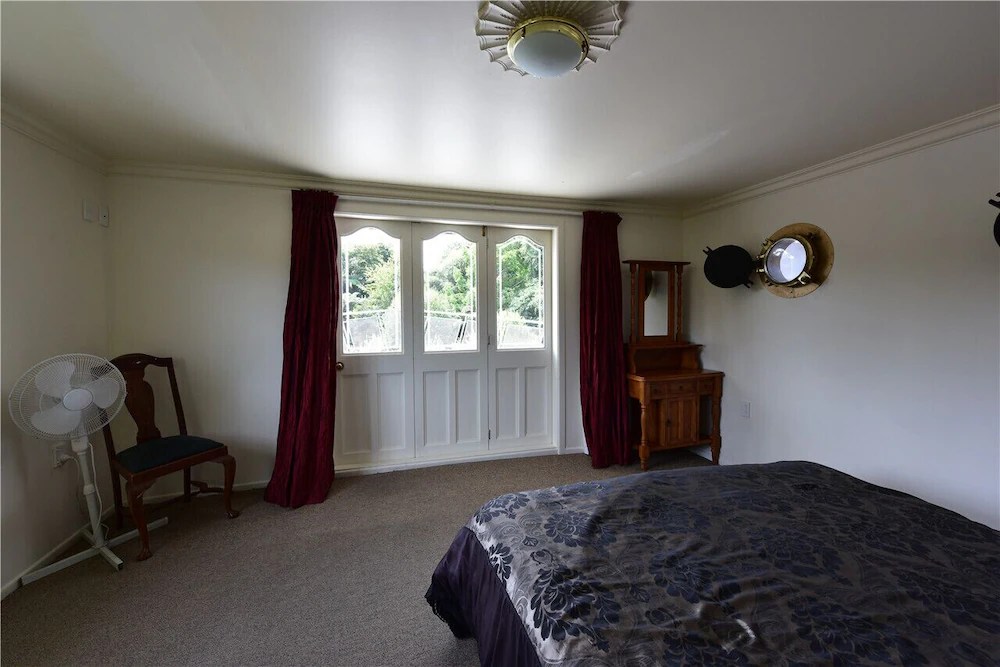
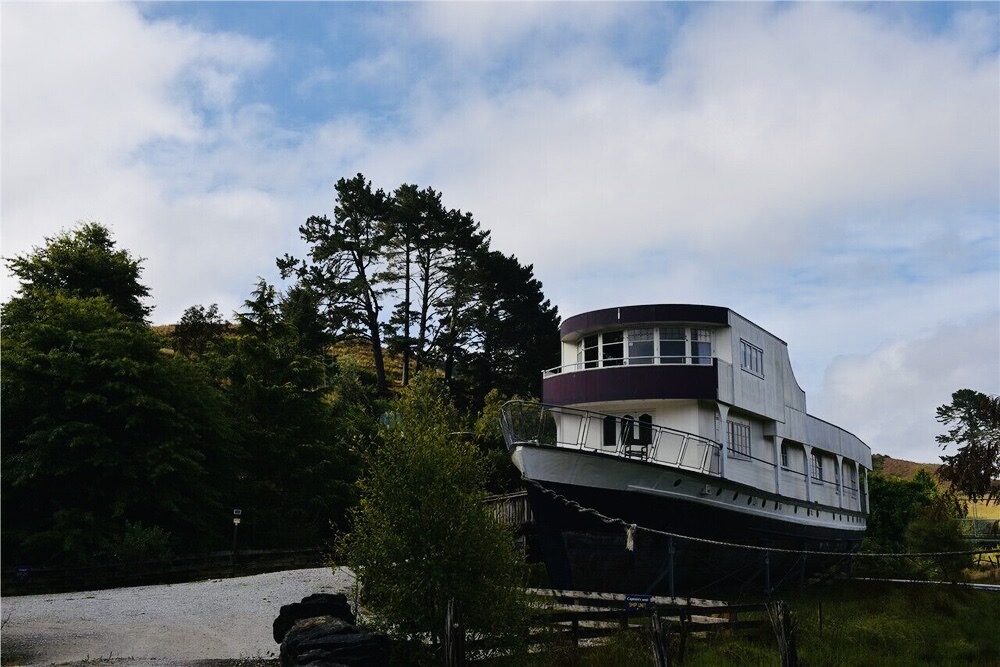
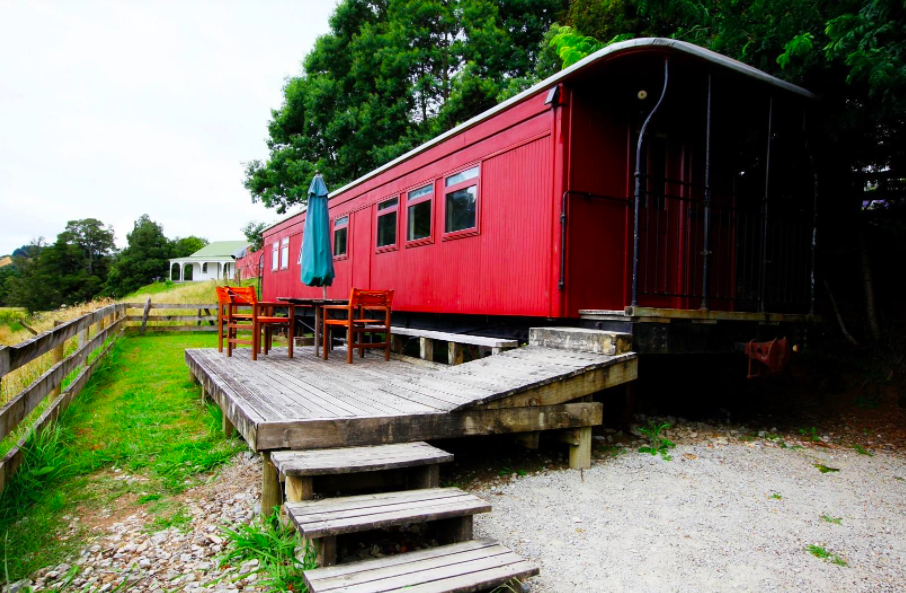
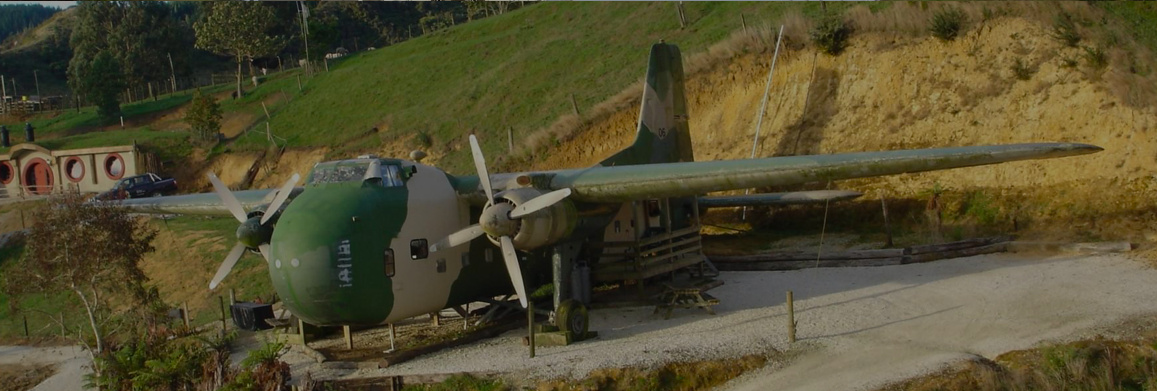
Her final owner was Barry Woods, who operated Woodlyn Park Motel, at Waitomo. MOTUNUI was hauled onto land, and converted into a motel, now advertised as the ‘WAITANIC’. A sad ending but better than a date with a backhoe and box of matches and she has some funky neibours for company – a Bristol Frighter and railway car, refer below 🙂 . (edited by Alan H)
One of the many wooden bating channels that I follow is {the} Southern Woodenboat Sailing news-blog out of Australian, their tag line is ‘The News, Culture and Practice of Sailing Woodenboats in Australia, New Zealand and the South Pacific’ . Its very good check it out and subscribe. In this weeks communiqué one of the stories was a link to a 45min interview on the ABC Radio Sydney’s nightlife program, hosted by Philip Clark – the stations intro blurb was – ‘We are a land bound by sea, and boats are an integral part of Australia’s history. Wooden boats especially have something magical about them. They flex, they groan, they creak. They each have unique characters. Philip Clark on Nightlife is joined by a panel of wooden boat specialists. Steve Robson, a self-confessed timber tragic from Sydney. Peter Higgs, President of the Wooden Boat Guild of Tasmania and Greg Blunt, a shipwright and fifth generation boat builder from Williamstown, each with wooden boats in their veins.‘
Click the link below to listen to the interview – so many similarities to the NZ scene, a lot of the discussion focussed on the dwindling wooden boat building timber stocks, being Australia its Huon Pine, they do make reference to out mighty Kauri.
Three comments that made my ears prick up:1. The key tip for looking after these old girls is – usage and maintenance was use it and often e.g. one > two weeks
2. In Australia fractional ownership eg a group of people forming a syndicate to buy, maintain and use vessel is well established. In NZ I only know of 2>3 successful ownership syndicates. While there are numerous ‘charitable’ (I use the word loosely) trusts that own and maintenance classic yachts, seems NZ is slow out of the gates with fractional ownership groups – food for thought.
3. One of the panel was asked to give an estimate to build a clinker dinghy out of Huon Pine – answer for a 10’ one AUS$30>40,000………..CLICK LINK BELOW TO ABC RADIO
















 waitematawoodys.com #1 for classic wooden boat stories, info, advice & news - updated daily - 15+ million views