WOODEN LAUNCH ROYALTY – ROYAL SAXON & LUANA AFLOAT

2019
2024/5
2003
1995

WOODEN LAUNCH ROYALTY – ROYAL SAXON & LUANA AFLOAT

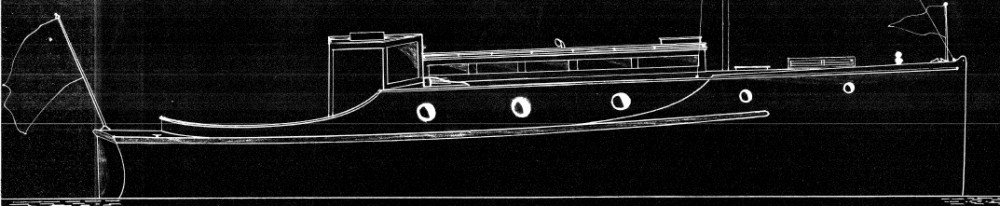
Last week WW was contacted by Tom Rowling in regard to a story we had run on the yacht BEACONLIGHT. Tom reminded me that he was the owner / custodian of the 33’ classic wooden launch – ROYAL SAXON, built in 1930 by one of New Zealand’s best boatbuilders – Colin Wild.
Now I didn’t need to use the WW search box because ROYAL SAXON is one of the most beautiful woodys afloat and has been on my radar for a long time. ROYAL SAXON is just perfect to the eye, which is a challenge in a sub 35’ craft. She is also probably one of the most photographed classic woodys in NZ, due to being moored off Kaiteriteri Beach, Nelson, most summers. Kaiteriteri is the gateway to the Abel Tasman National Park and all commercial tourist craft go past her as they head to the national park.

The top photo above of her at Kaiteriteri, I took in March 2019 while holidaying in the area – WW story & more photos at this link https://waitematawoodys.com/2019/03/08/royal-saxton-varlene-a-trip-to-abel-tasman-national-park/ . In the 2nd photo, ex Tom, we see ROYAL SAXON  last summer off Fisherman Island in the Abel Tasman National Park.

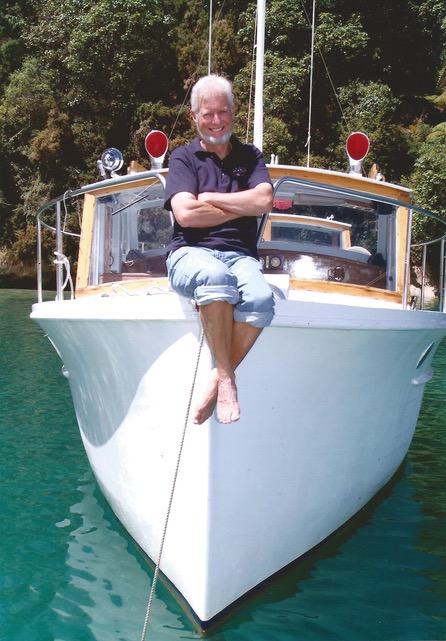
Tom sent in several photos and commented that the bow-on photo was taken by reporters in 2003 when he retired as Master of the Golden Bay after 30 years in their employ.

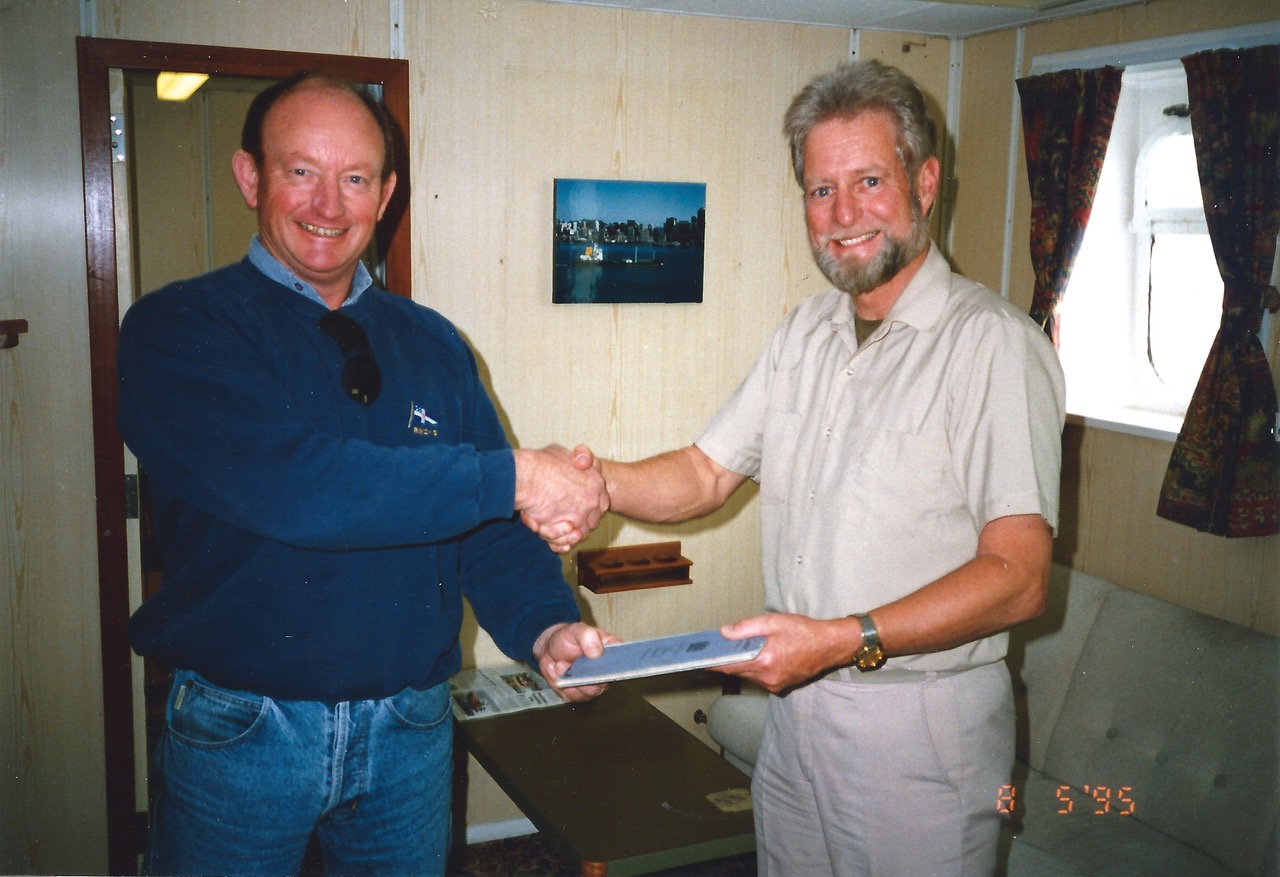
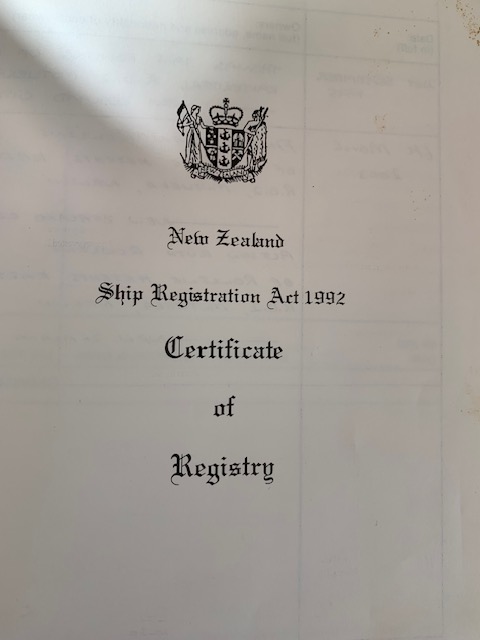
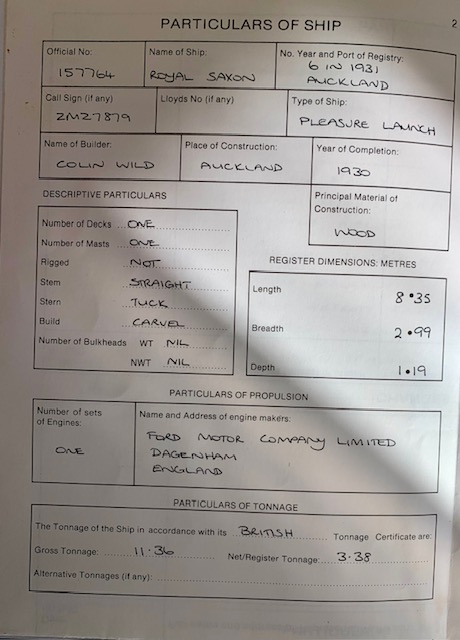
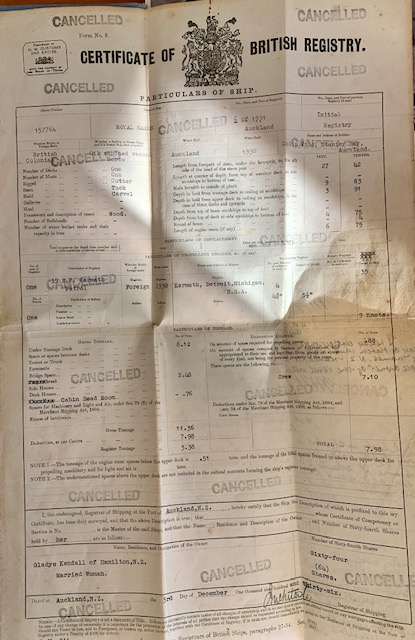
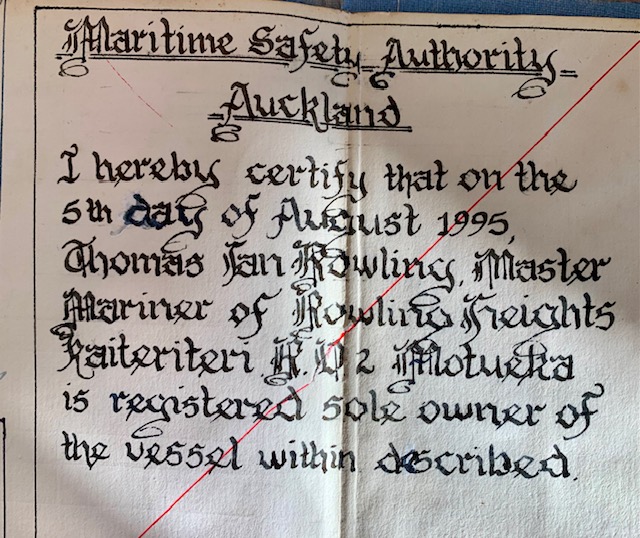
The photo of the two ‘gents’ shows the previous ROYAL SAXON owner – Rick McCay (on the left), handing over the register of the ROYAL SAXON in Tom’s cabin aboard the GOLDEN BAY in Auckland on the 5th August 1995. Copies of the register at the bottom of todays story.

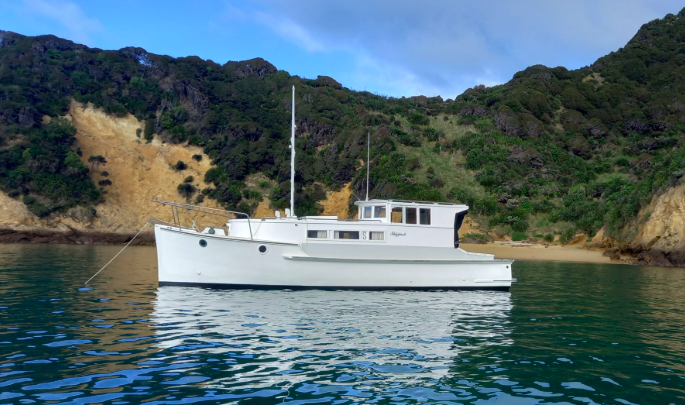
Now Rick McCay esq. is a charmed man having owned and owning two of the most elegant classic wooden launches in New Zealand- ROYAL SAXON and LUANA, I would have questioned his sanity selling ROYAL SAXON if it wasn’t to buy LUANA, built in 1920 by M T Lane and seen below in the two Bay of Islands photos.

Back to Tom, he has owned ROYAL SAXON for 30+ years and commented that she is 95 years old and still continues to give pleasure to family, friends and visitors to the bay. 

Tom also shared with us another in the Rowling fleet, a vessel he had built in 1994 at the ‘The Boat Yard’ which was attached to the Maritime Museum in Auckland at the time. Tom named her after the first commercial tourist launch that started operations at Kaiteriteri in 1955. The vessel is kauri planked, red gum ribs, teak gunnel strip, masts and spare dragon. She’s rigged as a gaff rigged sloop. In Tom’s words – all old looking to fit in with its owner. She sails beautifully and reasonable dry unless you drive her hard. The plan is similar to the sea scout cutter but reduced in length by 2 feet to make it easier to sail single handed. Photo below on the beach at Karterteri.

ROYAL SAXON CERTIFICATE OF REGISTRY – Click photos to enlarge

A QUESTION FOR WOODY BOATERS – Why have a mast on a classic motor boat

A QUESTION FOR WOODY BOATERS – Why have a mast on a classic motor boat*

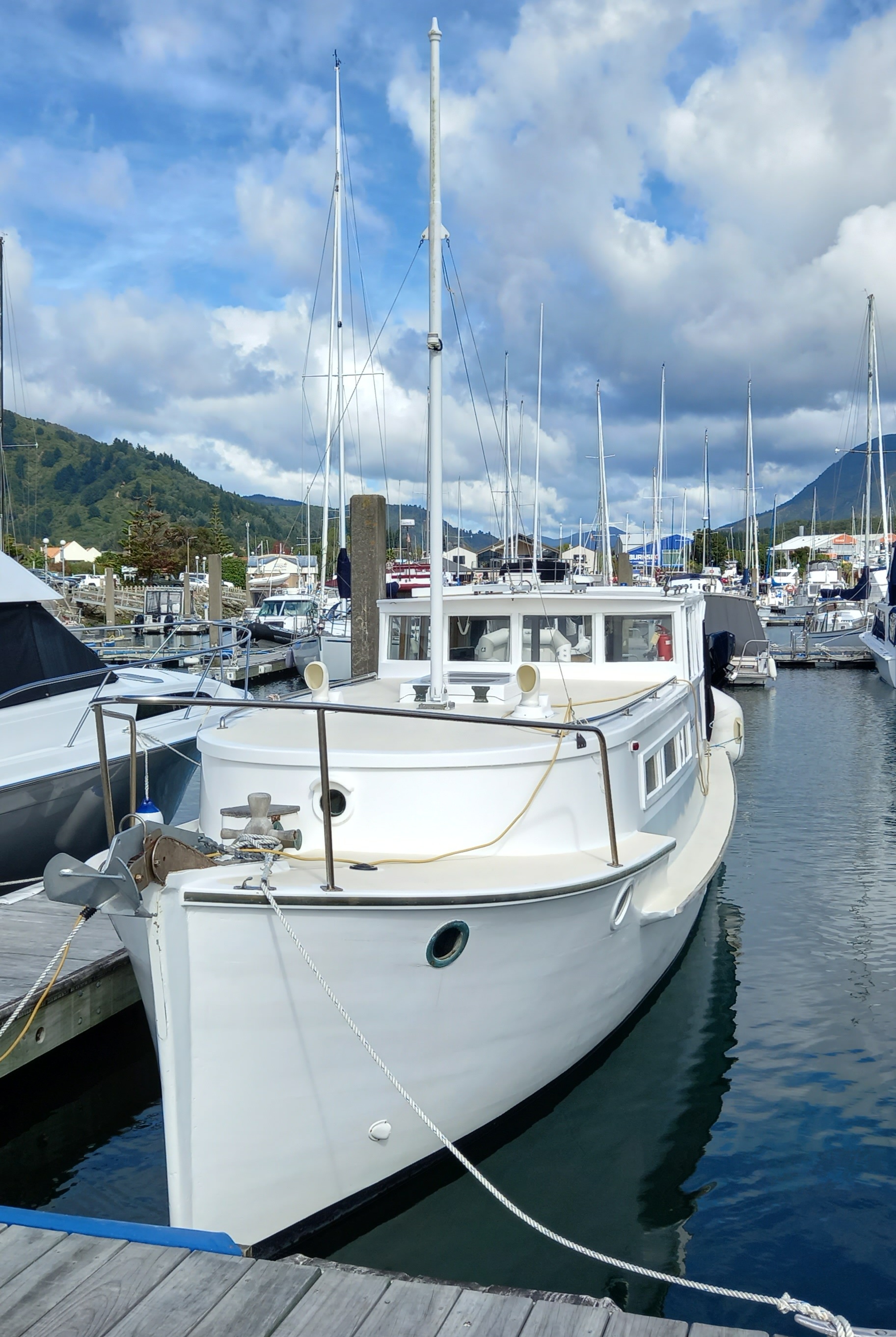
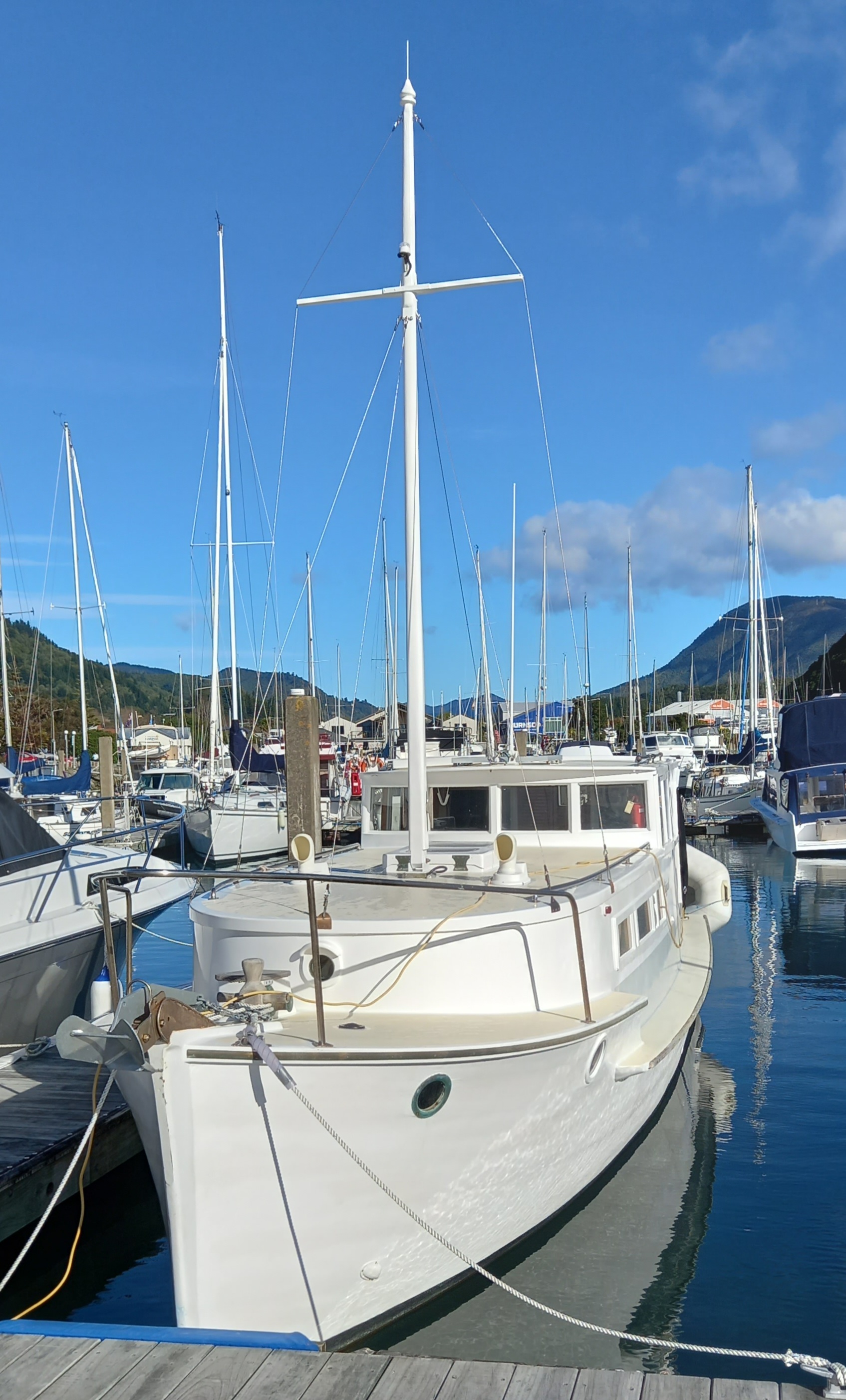
Can You Spot The Difference Between The Two Photos Above Of SKIPJACK ?

*It is something I get asked a lot, mainly when someone is restoring a classic wooden launch and trying to decide if they should reinstate the wooden mast that they have seen in older b/w photos. My answer is always yes and this based on the belief the mast was never about sailing power — it served practical, traditional, and aesthetic purposes. It was used to hoist navigation and signal flags, support lights or an awning, and sometimes rig a small boom for lifting dinghies or stores. A few launches even set a steadying sail to ease rolling in a swell. 

But most importantly, to me, reinstalling a mast preserves originality and gives a launch a proper profile and balances her shape — and adds character. So in short: not for sailing power, but for utility, stability, and looks.

Still on the topic and focussing on the area of stability, during the week Greg Billington the owner of the 1918 Chas Bailey built launch – SKIPJACK contacted me following up on the story we did on SKIPJACK. Greg had two things he wanted to share – 1. SKIPJACK was no longer for sale, he had seen the light and decided to keep her ✔️ – we liked that.

And 2. Share a recent experience around masts on old classic launches – I’ll hand over to Greg to tell the story:

“I thought I would share something that may be of interest to readers. Along the lines of ‘a little knowledge is a dangerous thing…’

I was offshore on one occasion when a beam sea knocked the boat over such that I had this thought – ‘that heavy wooden mast must go.’ I had this thought because it appeared that bringing the mast back up was an issue. It wasn’t, obviously. Nevertheless, I thought I would lower the centre of gravity and improve the righting moment with a shorter, lighter mast. So, I installed an alloy mast, which did make the boat significantly stiffer, but sometimes more than I wanted. 

After much thought and further reading, I decided that the original wooden mast must have made the boat more tender i.e. slowing and dampening roll and therefore making for a more comfortable ride. Guess what? It did. So, I am attaching a couple of pics showing the alloy mast, and then the old wooden mast back where it belongs and I can say that the motion in any sea is considerably improved. Which goes to show, and I don’t mind admitting, that the boat builder knew far more than me.”

And woodys for the record the 2nd photo above is the wooden mast 😉

RSVP – boat name to waitematawoodys@gmail.com

WORK BOAT WEDNESDAY – KAREMOANA 

WORK BOAT WEDNESDAY – KAREMOANA 

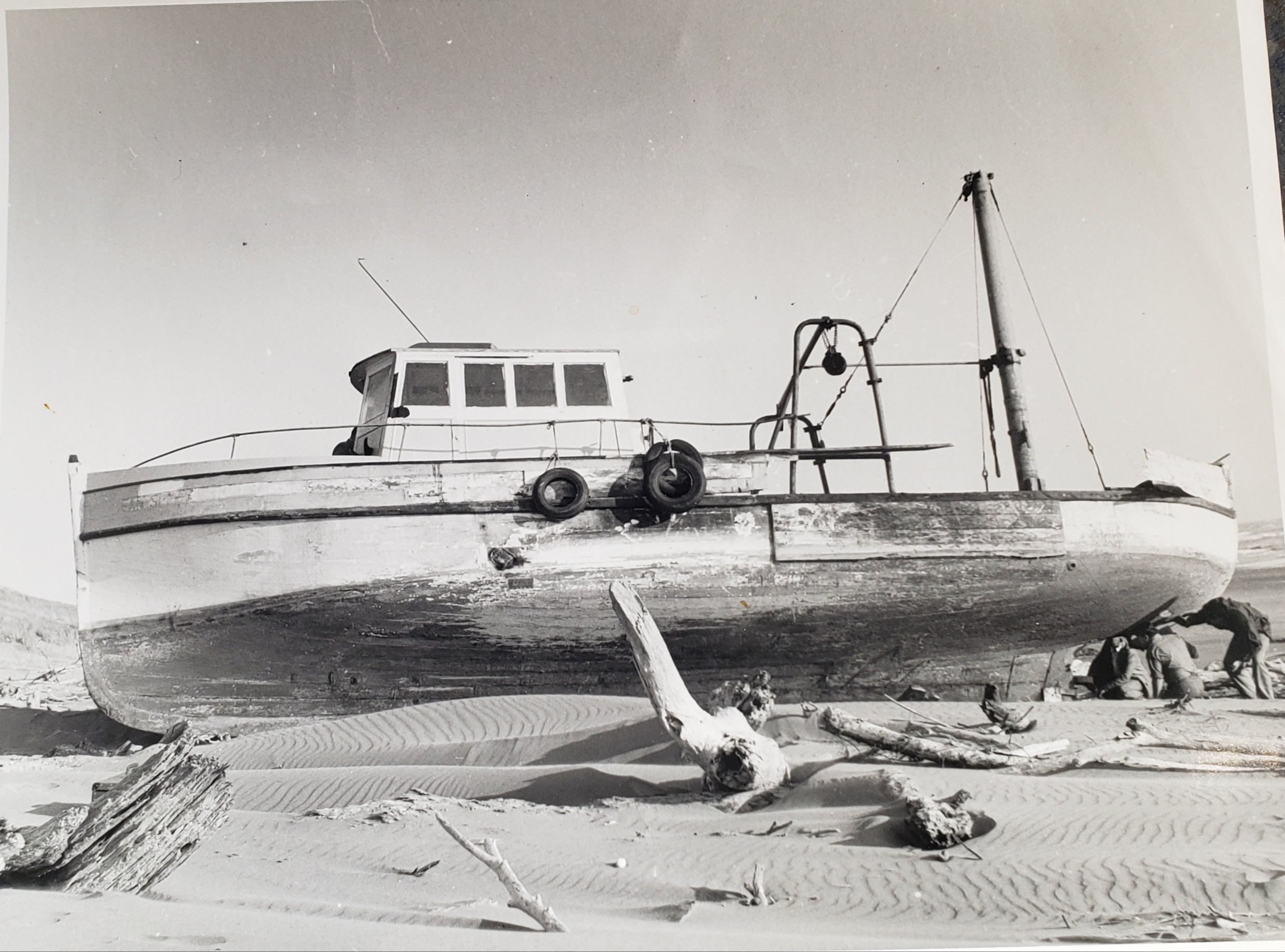
Following on from yesterdays story ex Sven Wiig today we get to see the workboat (fishing?) KAREMOANA high and dry. 

KAREMOANA was salvaged by a friend of Bill Ryland’s and in the 2nd photo, of the Wanganui Town Wharf, KAREMOANA IS 4th in line.

Can any of the workboat group tell us more about KAREMOANA and also the location of where and how she came ashore.

SAD DEMISE OF CLASSIC WOODEN LAUNCH – ILEX

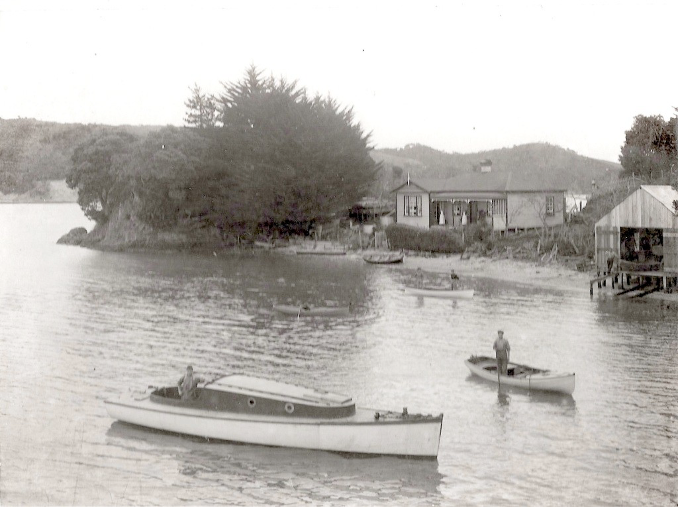
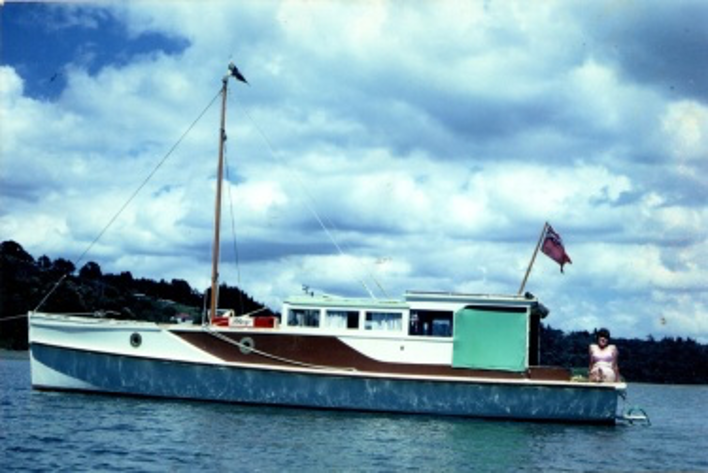
1910 >1920 – original Deeming homestead and boat shed at Tapu Point 
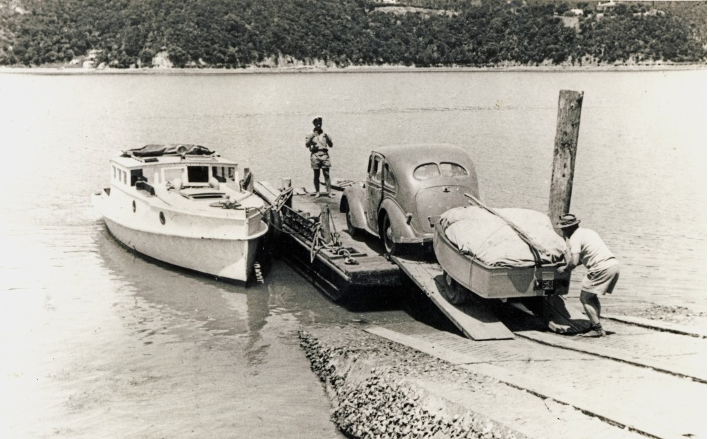
1945 > mid-1950’s – Opua to Okiato vehicular ferry
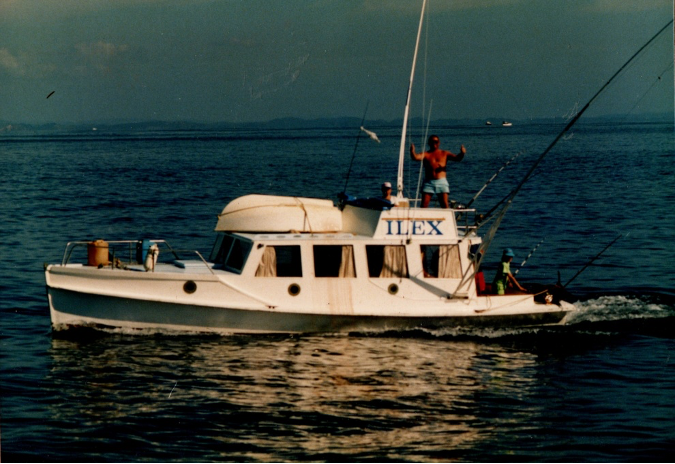
1980’s
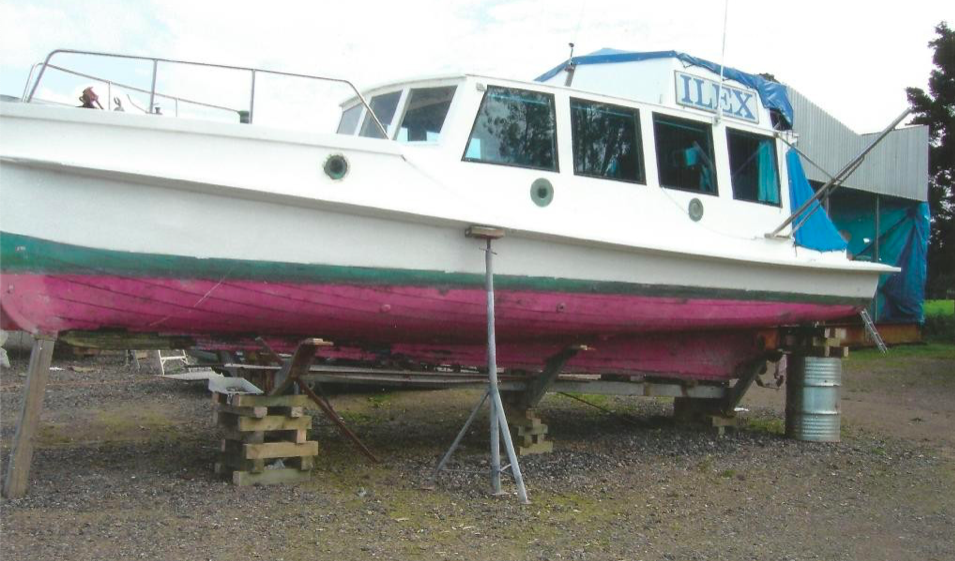
1990’s

SAD DEMISE OF CLASSIC WOODEN LAUNCH – ILEX

WW has been contacted by Greg Philpott regarding the 1910 classic wooden launch – ILEX. Readers may recall Greg recently published a book titled ‘Boats of the Bay’ and he’s working on a sequel (‘First Boats of the Bay’). Greg commented that one of the craft to feature in the new book will be ILEX. I’ll hand over to Greg to tell the story ILEX.

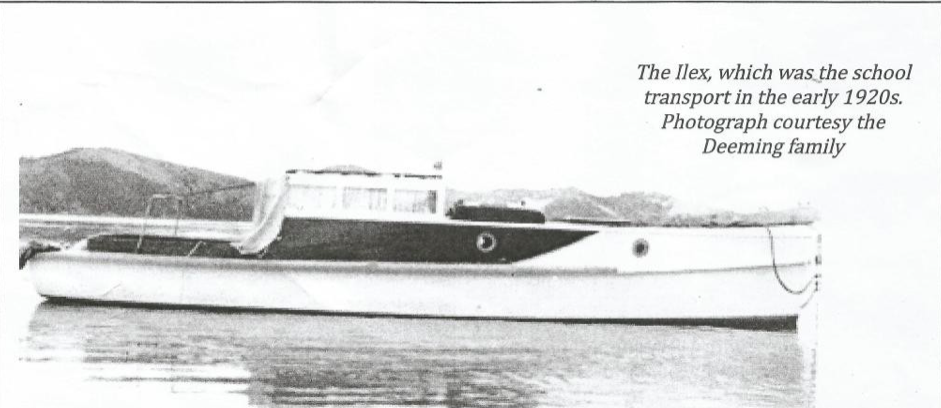
“Ilex was the very first boat built by Scarlett Deeming at his boat shed at Tapu Point opposite the fledgling township of Opua. She was built in 1910 and was used by the Deeming family in a variety of ways – two of the key ones, firstly as the school ferry to take children to and from the Opua School and this operated from 1928 to 1939. Ilex was also the prime towing launch for the Okiato to Opua vehicular ferry which had been instigated by the military during World War Two and was then taken over by Jack and his son Selwyn Deeming from 1945 and continued to operate until A E Fuller and Sons took over around 1954 and Ilex was replaced by Miss Doris.

The history of Ilex then disappears until the mid / late 197o’s when brother Don and Max Lightband purchased the boat in Auckland and took her to Mangonui where they ran her as both a family boat as well as used for fishing charters. She appears to have been sold around the late 1970’s to the then owners of the Mangonui 4 Square (the shop over the water) – it is possible that Ilex was renamed Twilight at that time. 

Ilex then suffered a mishap when during a storm one night (date unknown) she was forced under the Mangonui wharf and had her topside totally destroyed. She was hauled out and placed on a property at Mangonui and restoration started. It looks like ownership also changed around this time. Eventually Ilex was acquired by Ken Wright who took her to his property at Kaikohe when he set about rebuilding her deck and cabin top – in the process adding a low flying bridge. She was then used as a family pleasure boat with much fishing engaged in.

In 2010, Ilex was sold to Warwick Moore who had her transported to the Maritime Museum at Paeroa. She was being worked on there when sometime between 2016 and 2019 she was apparently accidently knocked off her cradle by a worker at the Museum. She was subsequent destroyed by the Museum. A key part of New Zealand’s maritime history, at that time over 100 years old, gone.”

Greg would like to learn more of ILEX’s history particularly between the mid-1950’s and mid-1970’s. And also her time in Mangonui and her demise at Paeroa. 

So woodys can we help Greg with his search for more intel on the vessel.I’m also keen to get some photos of the final days at Paeroa.

CLASSIC BAY OF ISLNDS FERRY – BAY BELLE GETS A NEW LIFE

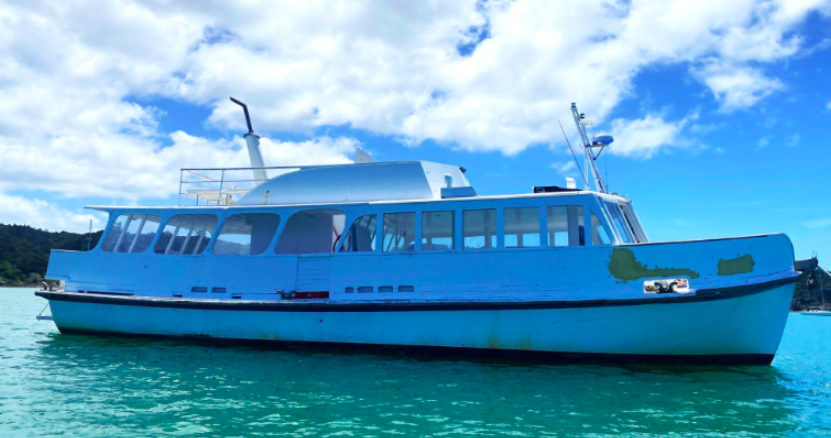
2024

CLASSIC BAY OF ISLNDS FERRY – BAY BELLE GETS A NEW LIFE

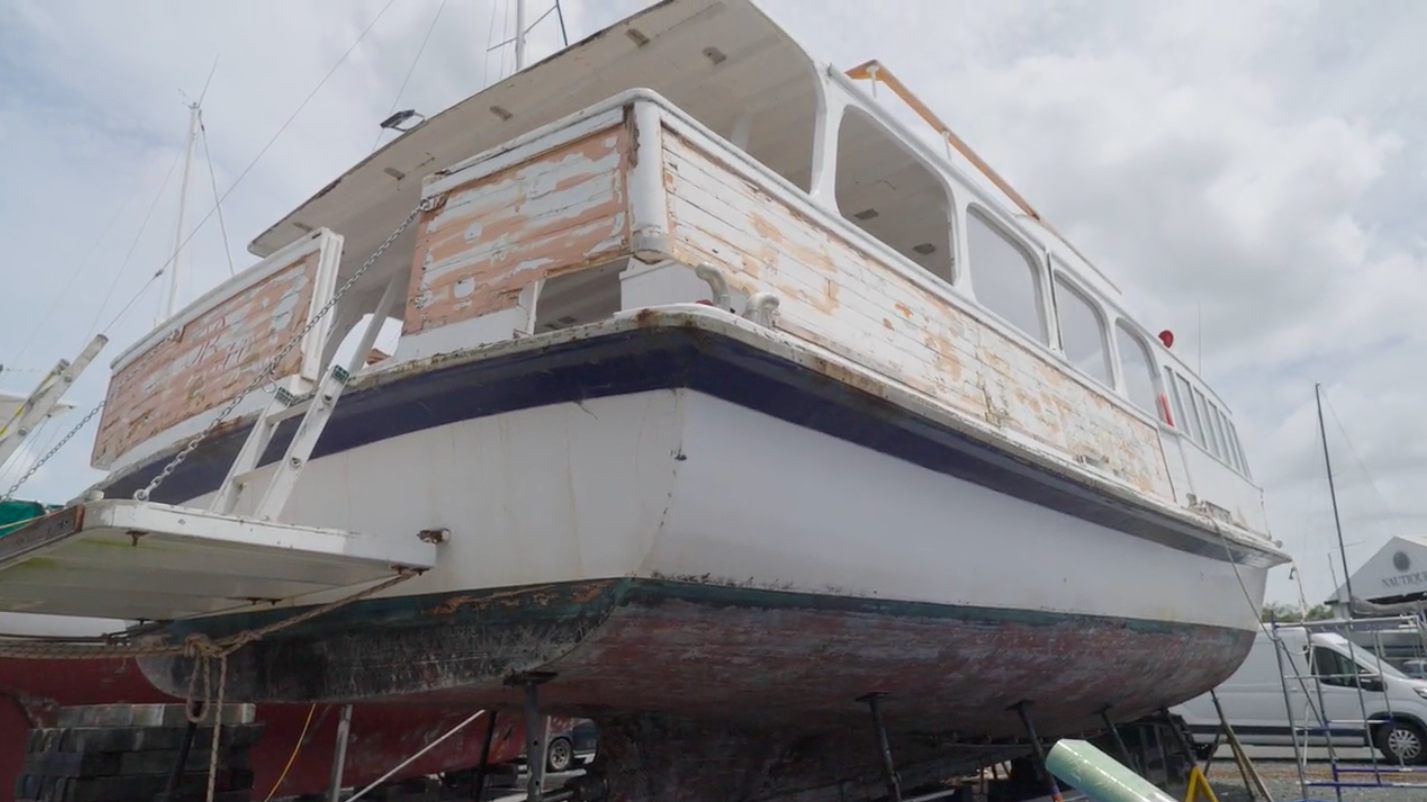
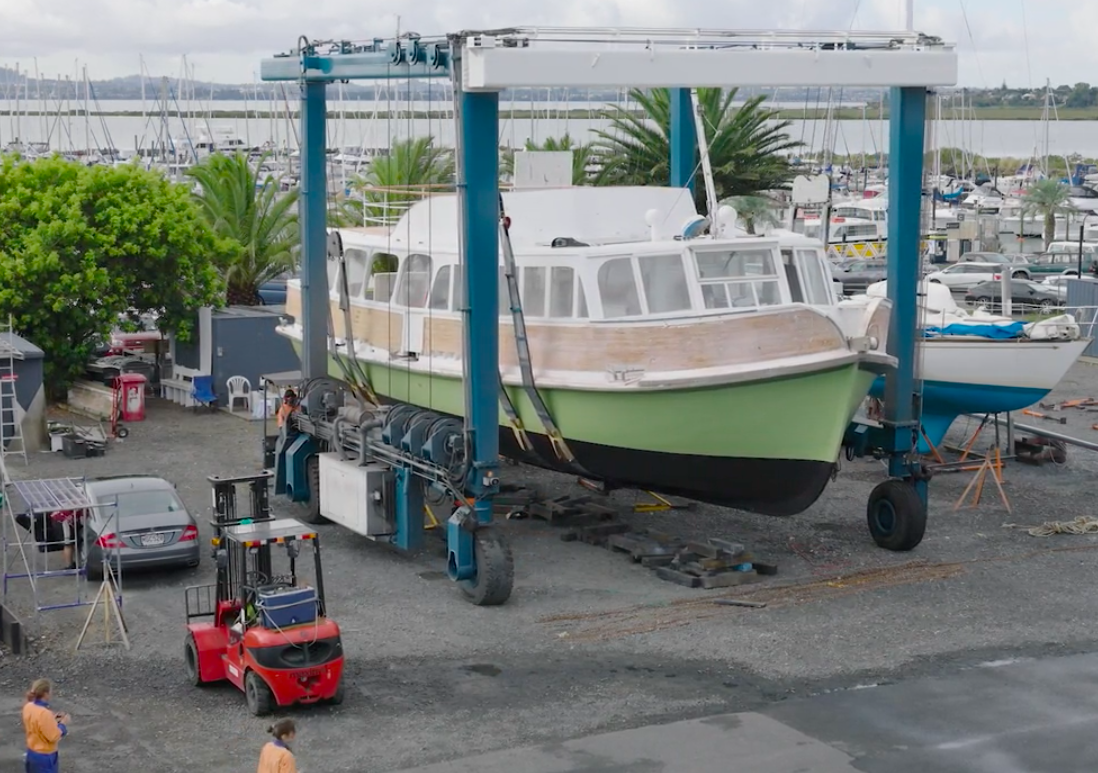
If you’re  on fb I’m sure you would have seen the amazing project Kate Farrant has taken on board – refitting the old (1971>2011) Russell > Pahia ferry into a floating pizzeria. Kate and helpers has spent the past year restoring the 57’, built in 1960 by Deemings Bros – BAY BELLE and recently relaunched her. Link below to a Jan 2024 story from when she was 4sale, lots of photos https://waitematawoodys.com/2024/01/28/bay-belle-party-boat/

At this stage the plan is to base the pizzeria at Rakino Island this summer. And before you comment that there is already one ashore in Woody Bay, the superb pizzeria run by Alf Newton sadly closed permanently at the end of summer 2025. As I have mentioned on WW they were the best pizzas in Auckland.  So its exciting news to learn of Kate’s enterprise – but, big shoes to fill to equal Alf’s creations 🙂

WW has been contacted by a friend of Kate’s Josh Chapman who is in the process of documenting (video) Kate and BAY BELLE’s story and is keen to learn more about the boat’s history. Josh has made a short video to give us a sneak peek at the project.

So woody if you have any information on BAY BELLE, or know of anyone who was involved in building her back in the early 1960s?  leads to former crew, builders, or families connected to her history Josh would like to hear from you – joshchaps78@gmail.com

When Kate’s finished the fit out and up and running we will let you know. I can see a Classic Woodys Cruise to Rakino to celebrate the launch of summer 😉

And below is a reminder of how good Alf Newton’s woody Bay Pizzeria was – make sure you play the video – enjoy https://waitematawoodys.com/2021/01/08/surprise-and-delight-on-rakino-island/

FATHERS DAY SORTED FOR ANYONE WITH SALT IN THEIR VEINS

FATHERS DAY SORTED FOR ANYONE WITH SALT IN THEIR VEINS

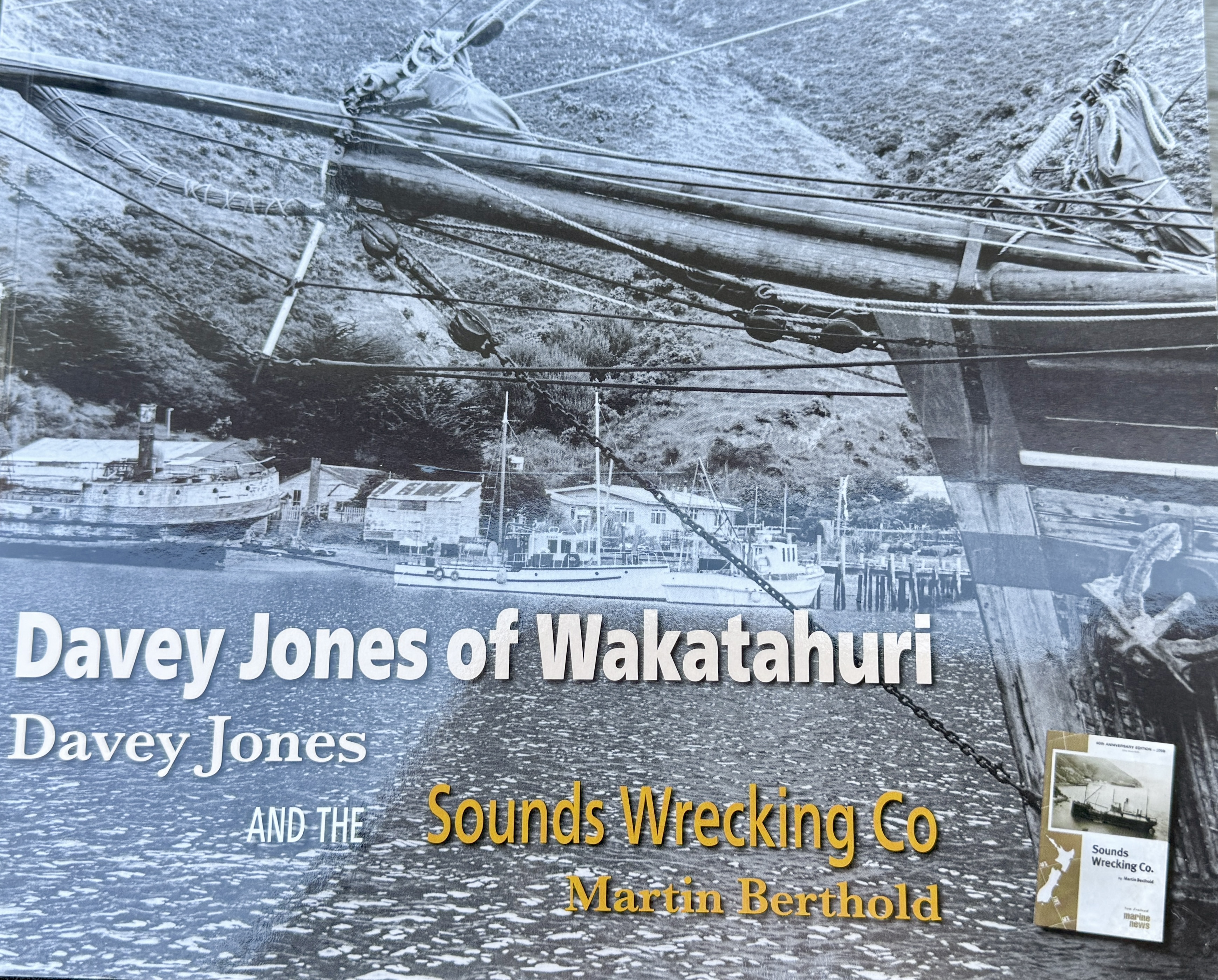
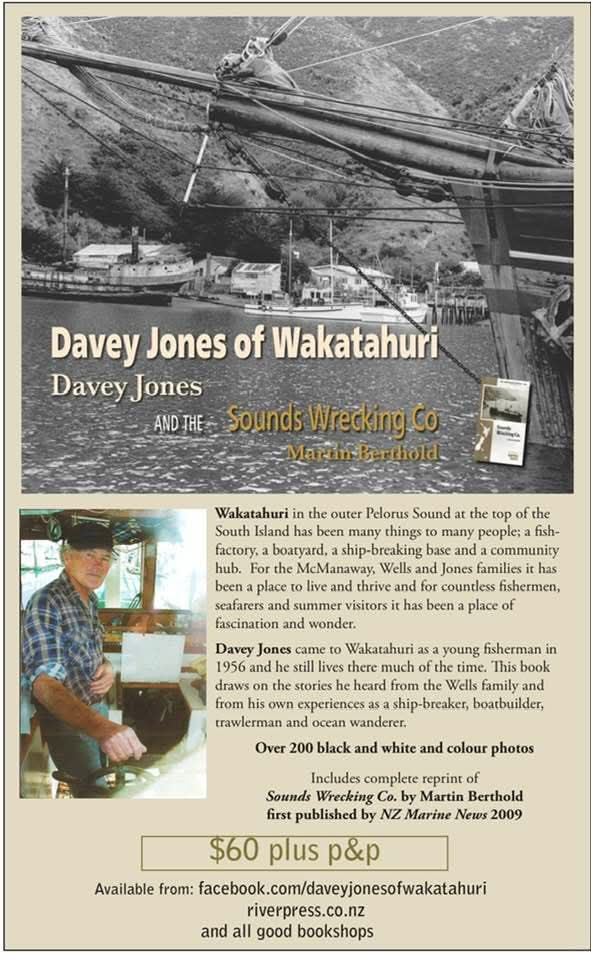
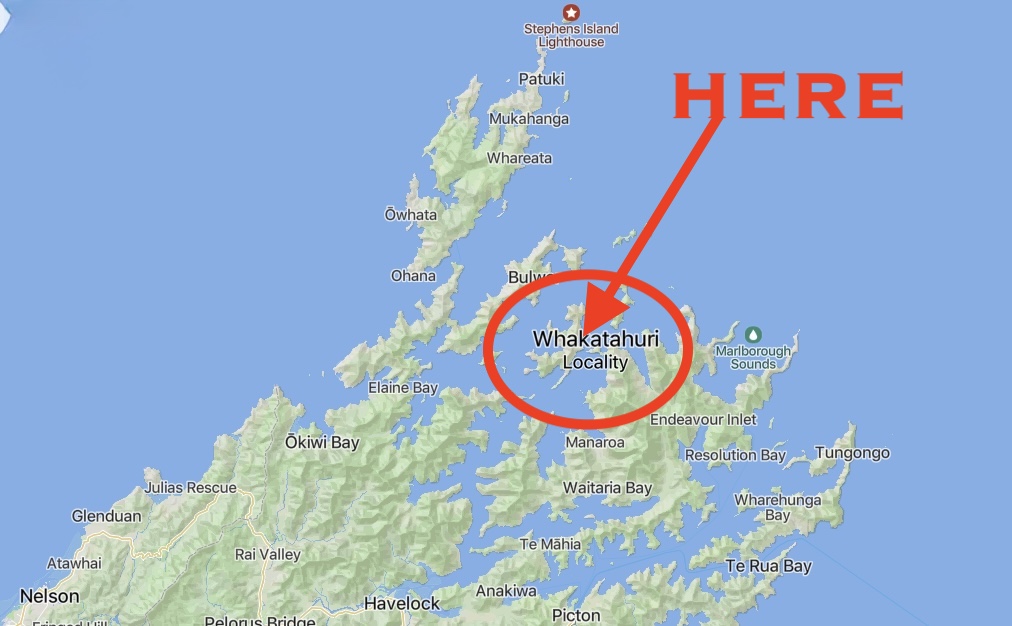
Rarely these days do I pick up a book and can not put it down – well it happened recently. I received an advance copy of Davey Jones just published book – ‘Davey Jones of Wakatahuri’ and its both a cracker read and an amazing account of his boating life and his interaction with the Wakatahuri region. Now I’m sure some of you will be asking yourself ‘ where is that?’ – well its in the outer Pelorus Sound at the top of the South Island, the Marlborough District (refer chart below). The area has been many things to many people – a fish factory, a boatyard, a ship breaking base and a community hub.

Davey Jones arrived at Wakatahuri as a young fisherman in 1956 and still lives there today , on and off when he’s not lapping NZ in his boat.

It’s an additive read that with the help of over 200 photographs will have you hooked. 

And as a bonus – included is a reprint of an equally wonderful read -’Sounds Wrecking Co.’ by Martin Burthold.

So woodys drop a hint to the family re what you want for Fathers Day (Sept 7th) or just order one for yourself – $60+ p&p – all enquiries to daveyjonesofwakatahuri@gmail.com

AND I HAVE A COPY TO GIVE AWAY – just answer correctly the name of the vessel Davey Jones has most recently been lapping NZ on. Enter ONLY via email to waitematawoodys@gmail.com all correct entries go in the draw. Closes 6pm 17-08-2023.

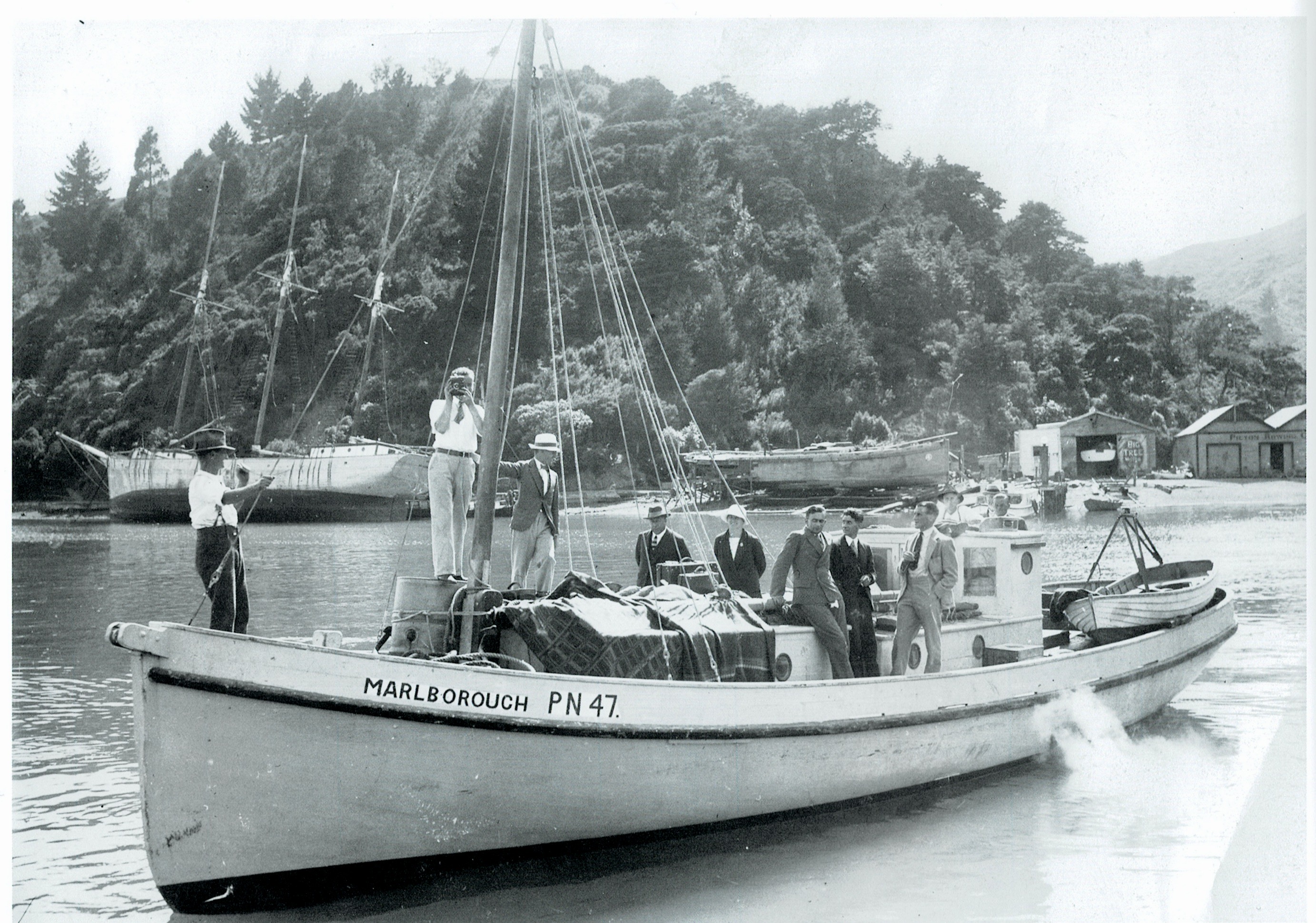
AND THERE ALWAYS HAS TO BE A BOAT PHOTO – this is from Davey’s book and shows the work boat MARLBOROUGH PN47, in Picton Harbour c.1929, built by E R Lane. In the background are VALMARIE, at left, and Ernie Lane’s boat shed, the Picton Rowing Club sheds at right. The vessel under repair at Lane’s yard is a lighter from Port Robinson (Gore Bay)

FAMOUS UK SAILOR TOURS NEW ENGLAND – USA

FAMOUS UK SAILOR TOURS NEW ENGLAND – USA

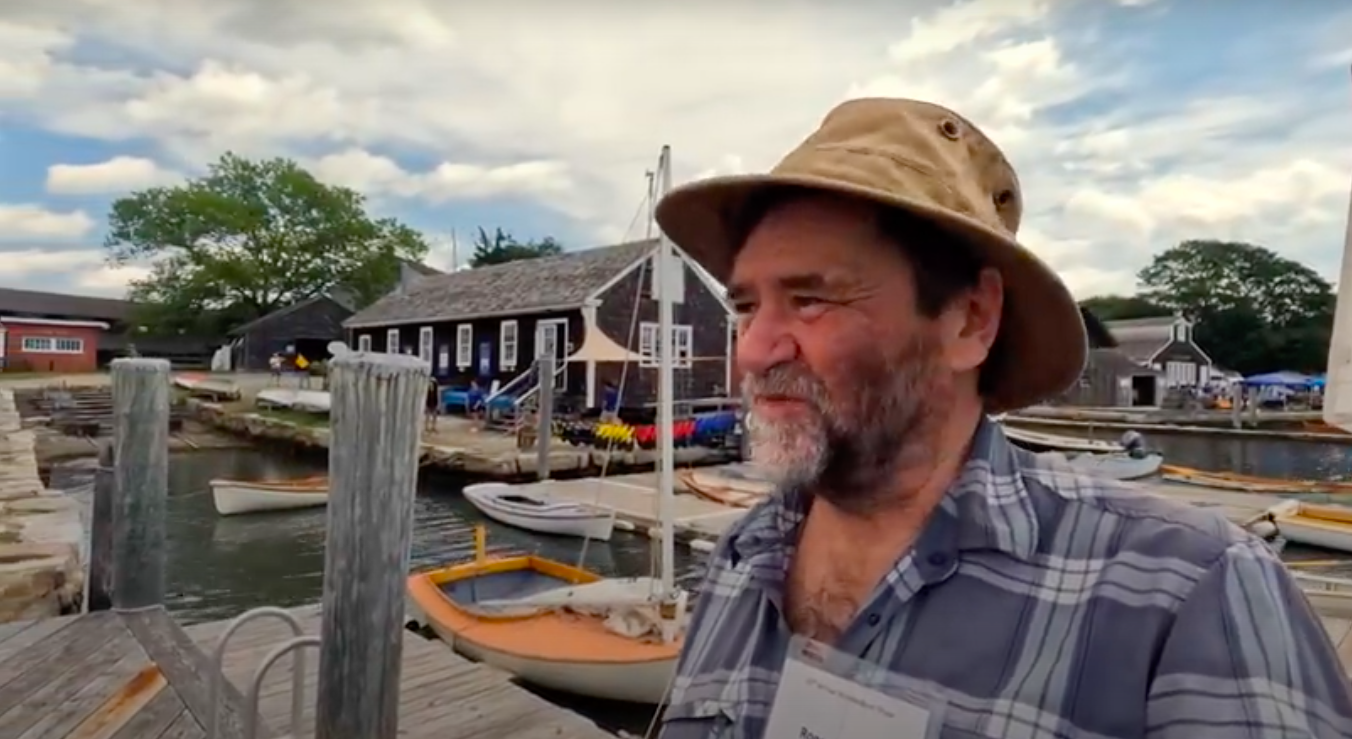
One of the many classic boating channels I follow is the very popular small dinghy cruising guru Roger Barnes, star of his own highly popular YouTube channel (link below). Roger recently visited the USA, primarily to promote small dinghy cruising at the recent wooden boat show at the Mystic Seaport Museum.

In the 20 minute video Roger gets to sail on numerous cruising dinghies, visits boatyards and mooches around many port towns . The journey started in Maryland, Washington DC.  and finished in Maine. 

Sit back and enjoy a tour of the wooden boating scene in North America, and woodys it’s not all about dinghies 🙂

LINK TO ROGER BARNES YOUTUBE CHANNEL  https://www.youtube.com/channel/UCtzWwFEMaEVXejzRKgPjPNA

CLASSIC BOATERS GATHER FOR A SUNNY DAY OF SWAPS AND STORIES

CLASSIC BOATERS GATHER FOR A SUNNY DAY OF SWAPS AND STORIES

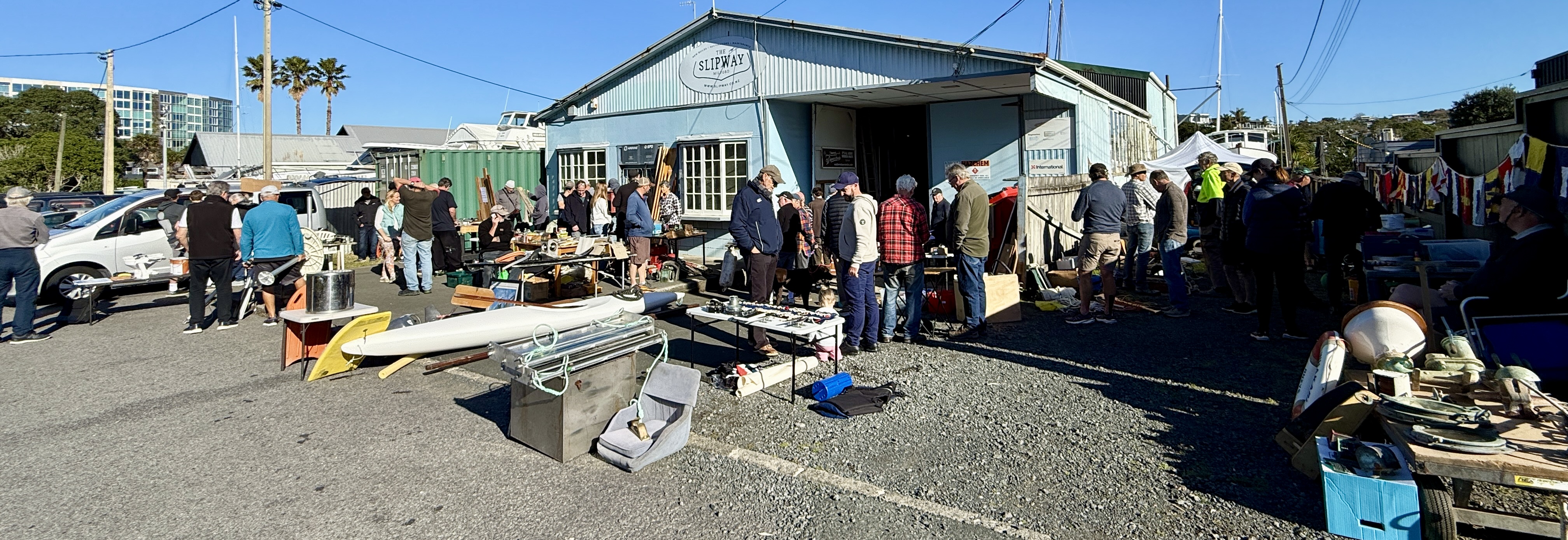
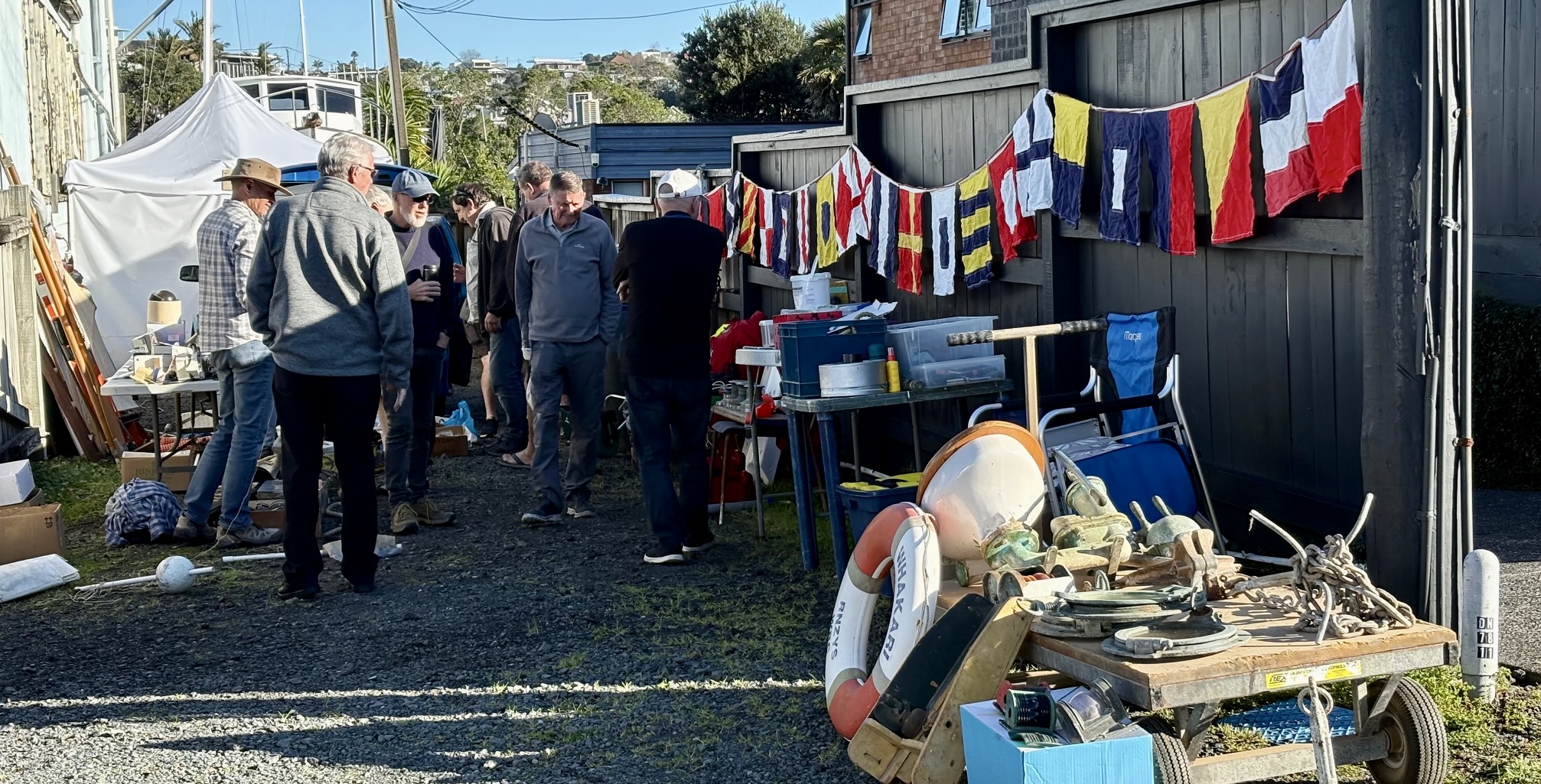
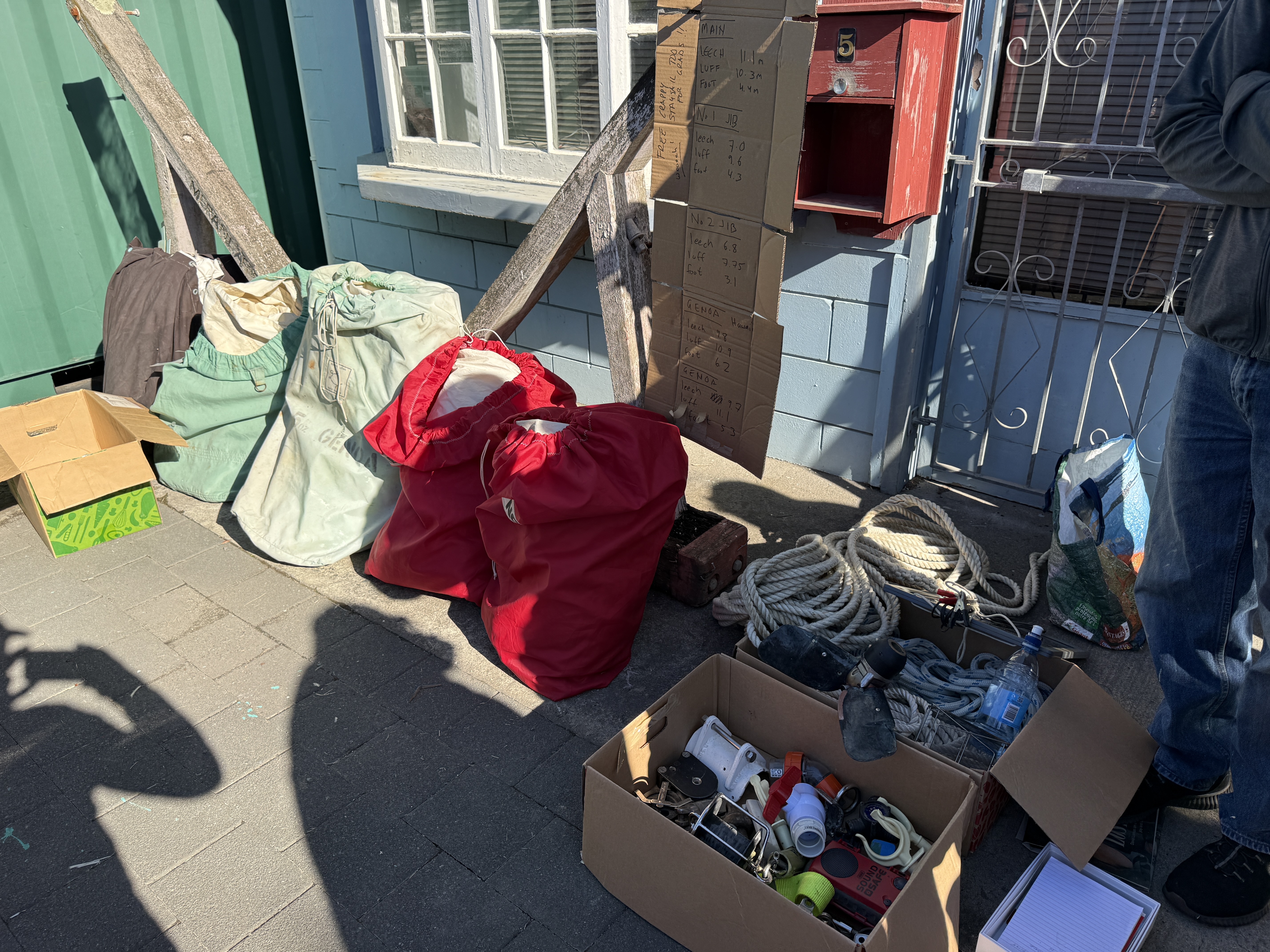
Saturday delivered a cracker of a day in Auckland – crisp early on, but soon warming into blue skies and sunshine. Ideal conditions for a classic wooden boat gathering, even if this time we stayed firmly on dry land.

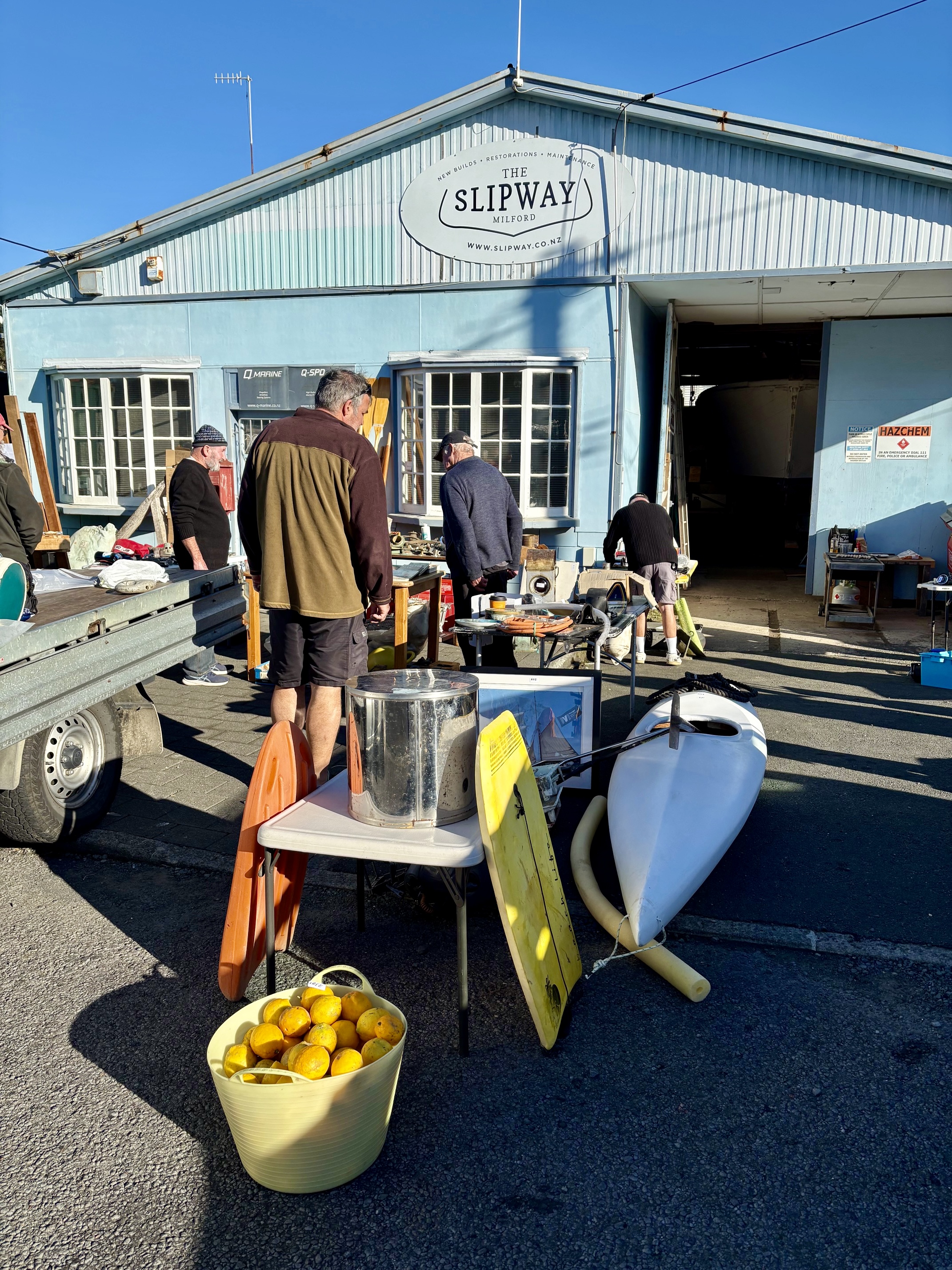
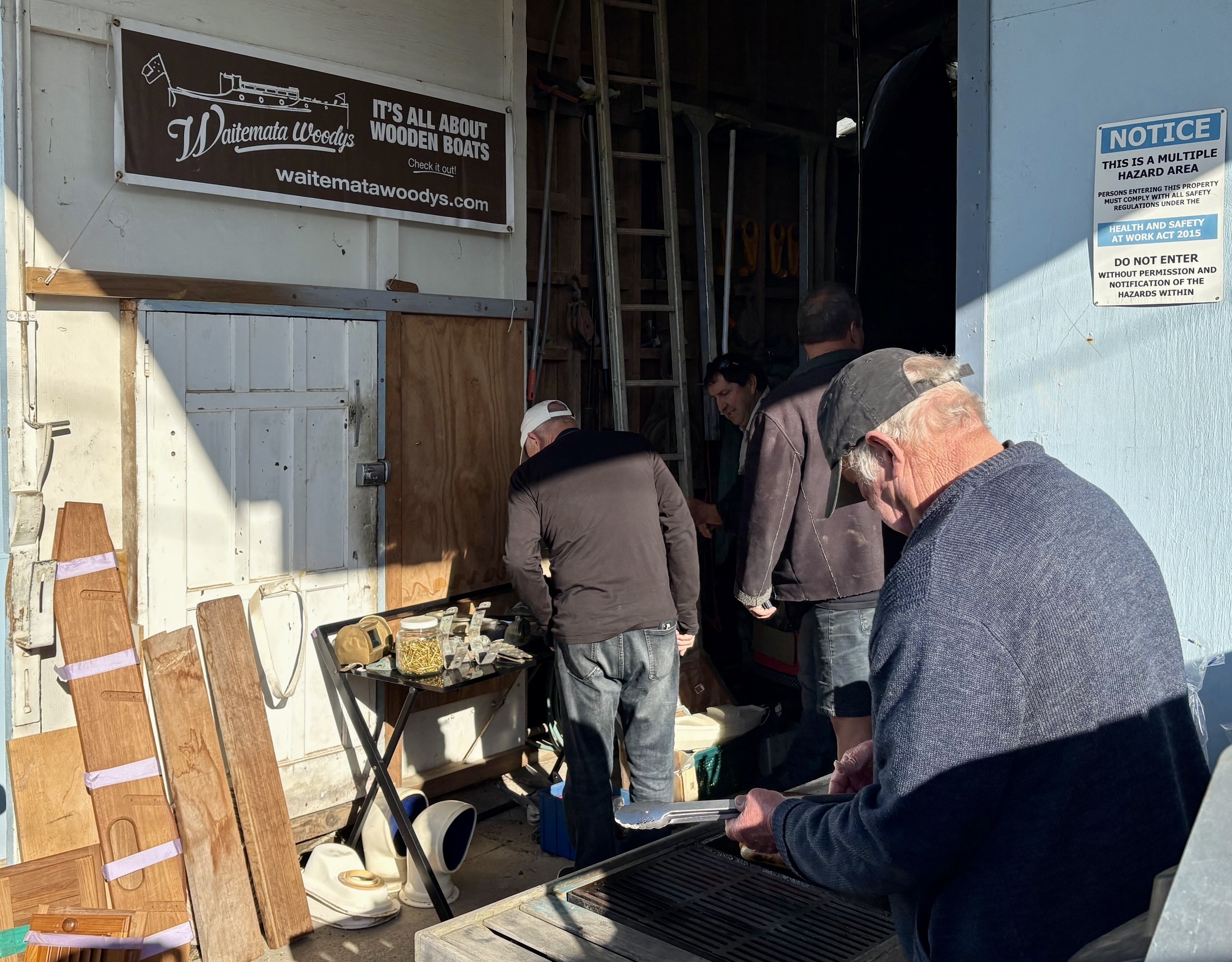
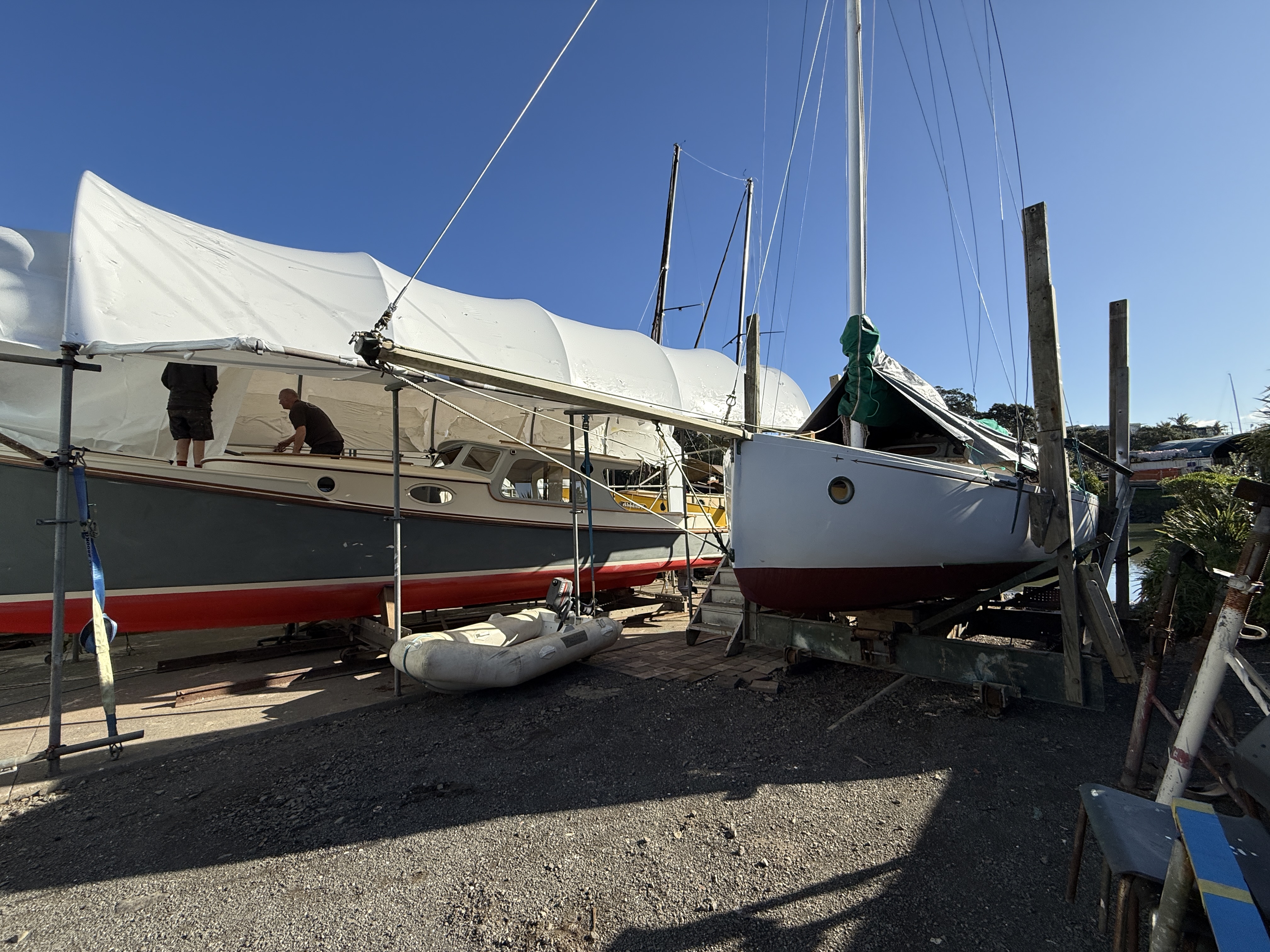
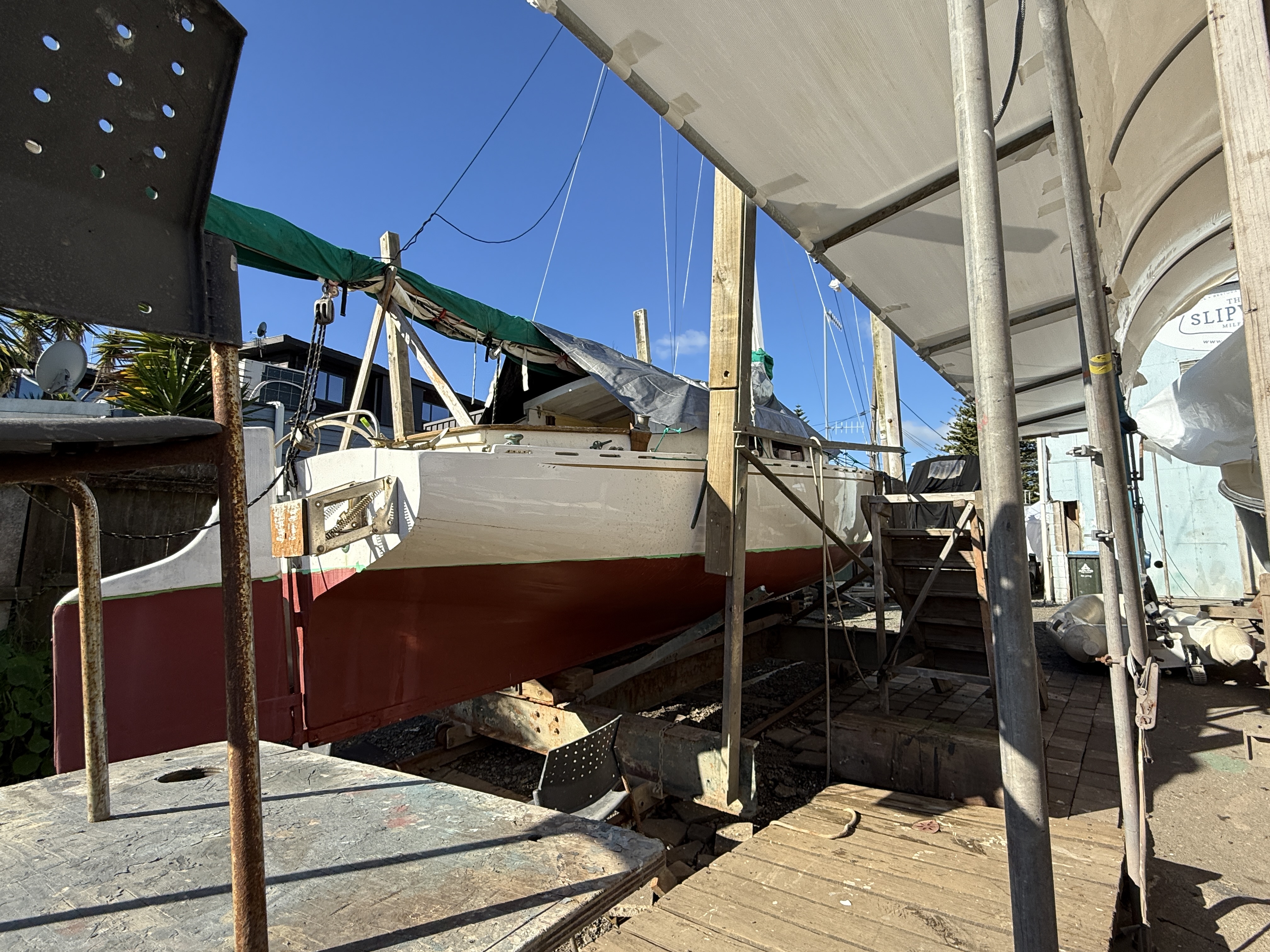
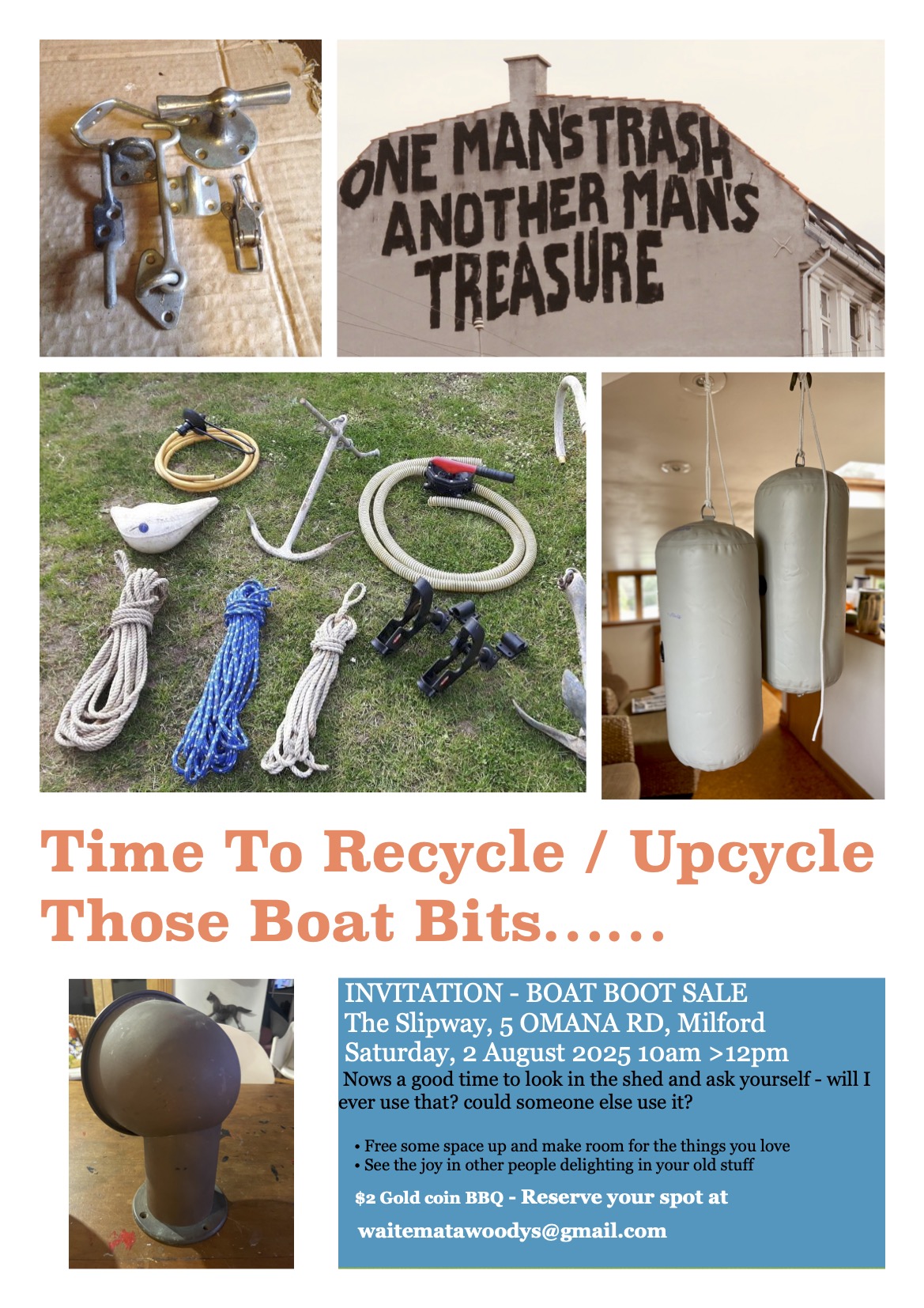
The occasion was the (almost annual) Woody Boat Boot Sale held at The Slipway, Milford – and frankly, you’d struggle to find a better venue. A special thanks to Cam Malcolm and Jason Prew for hosting us and for hauling out a few beautiful craft for close-up inspection. It added a real bonus for those who came for more than just shopping.

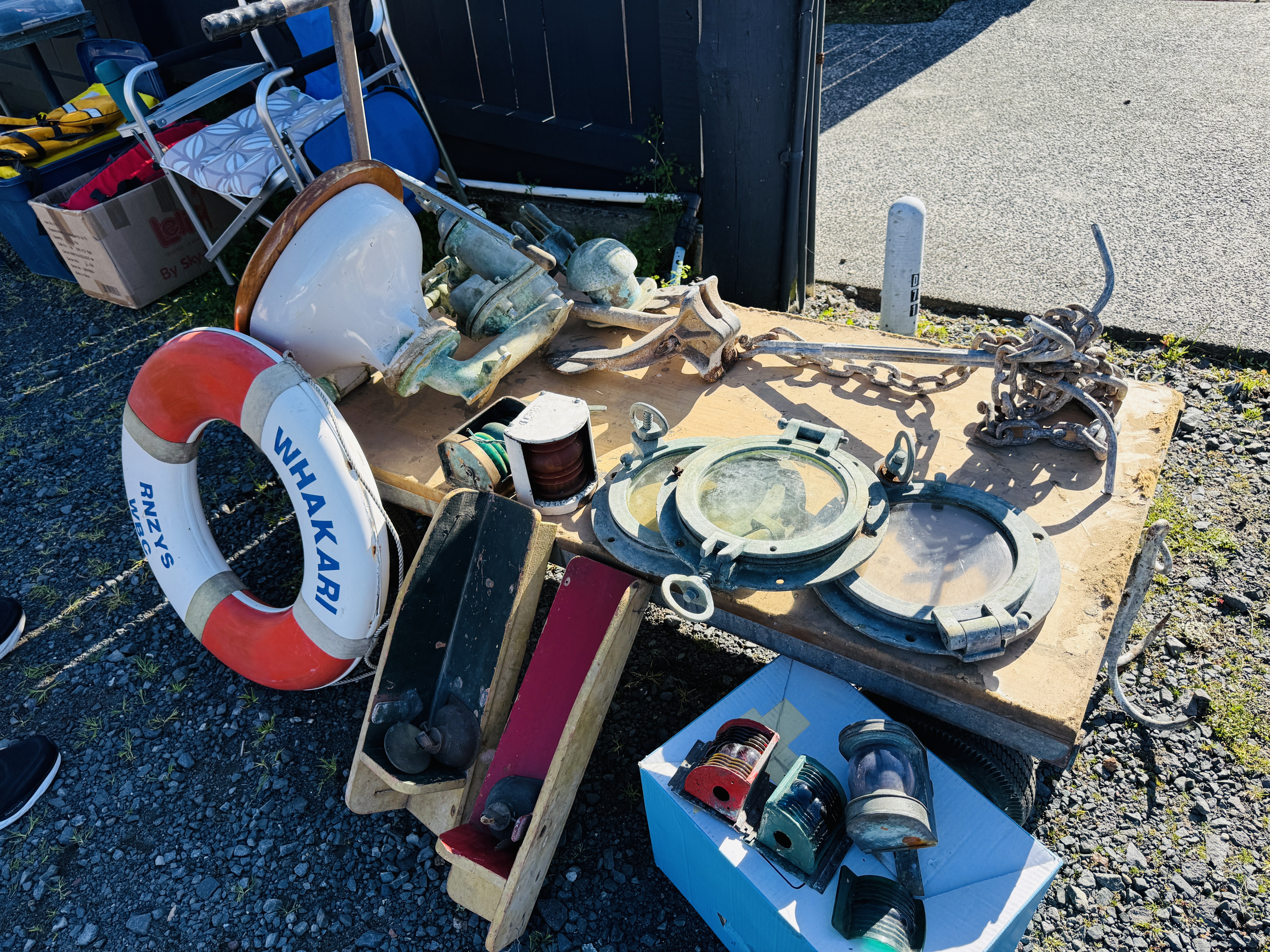
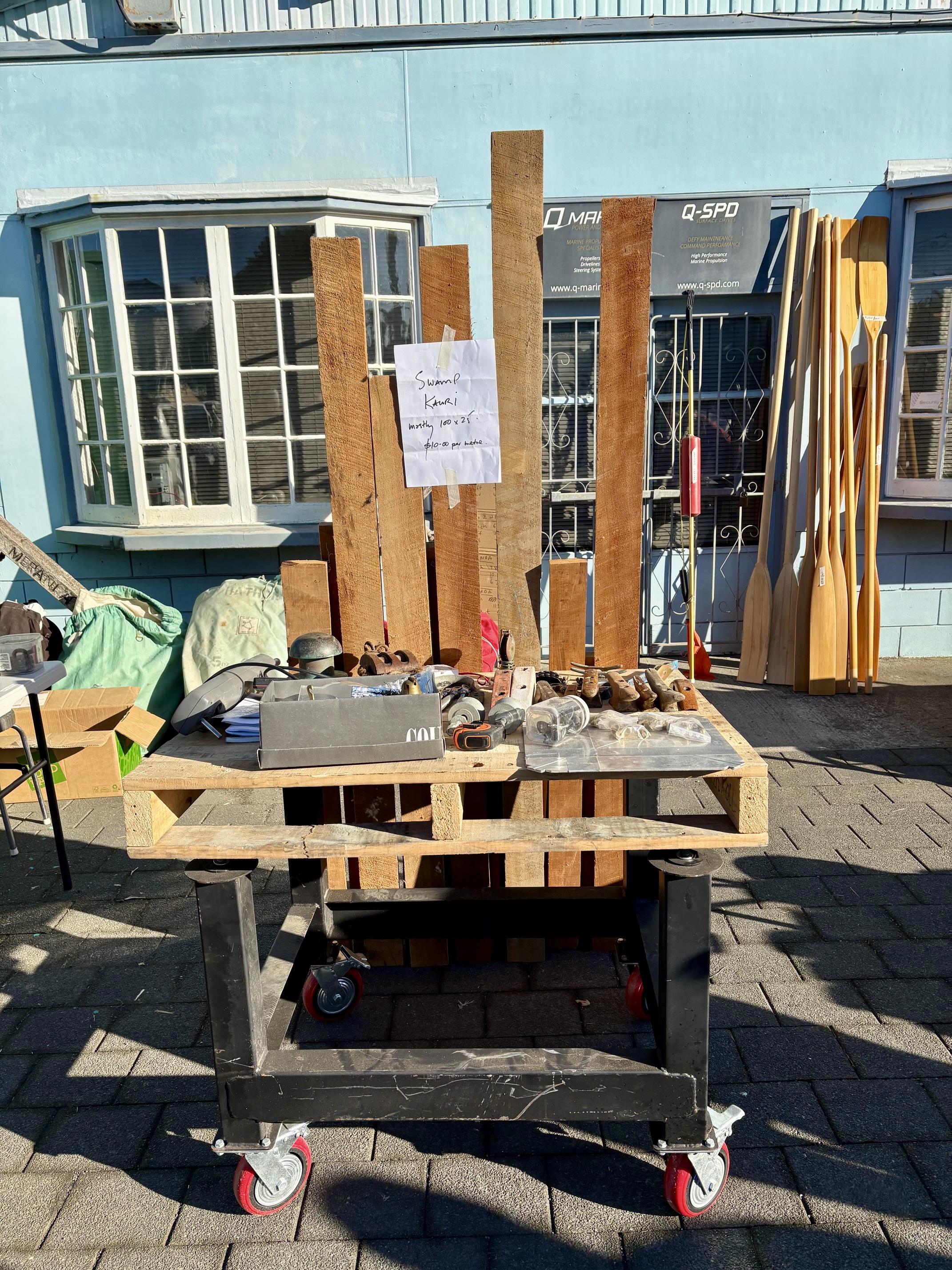
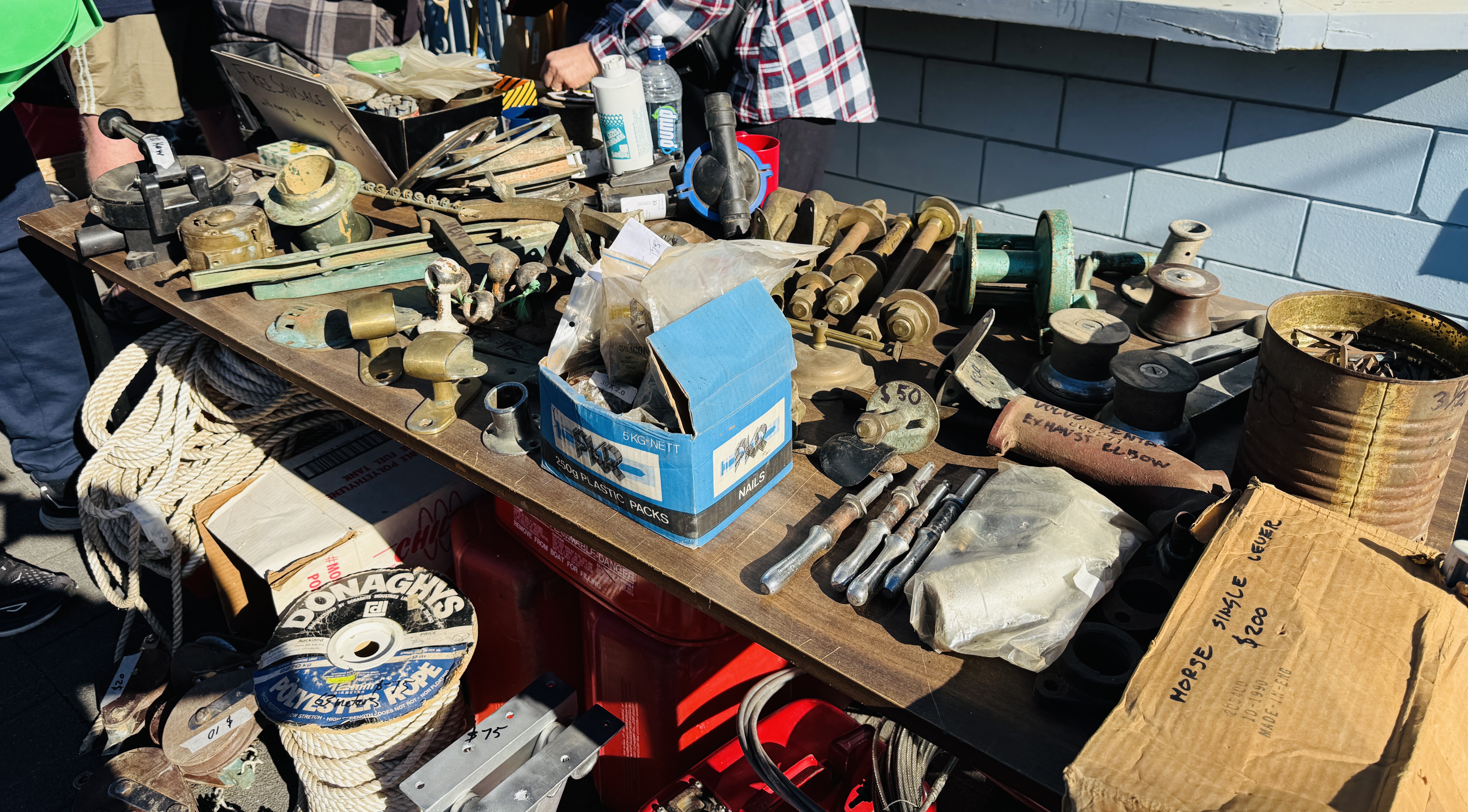
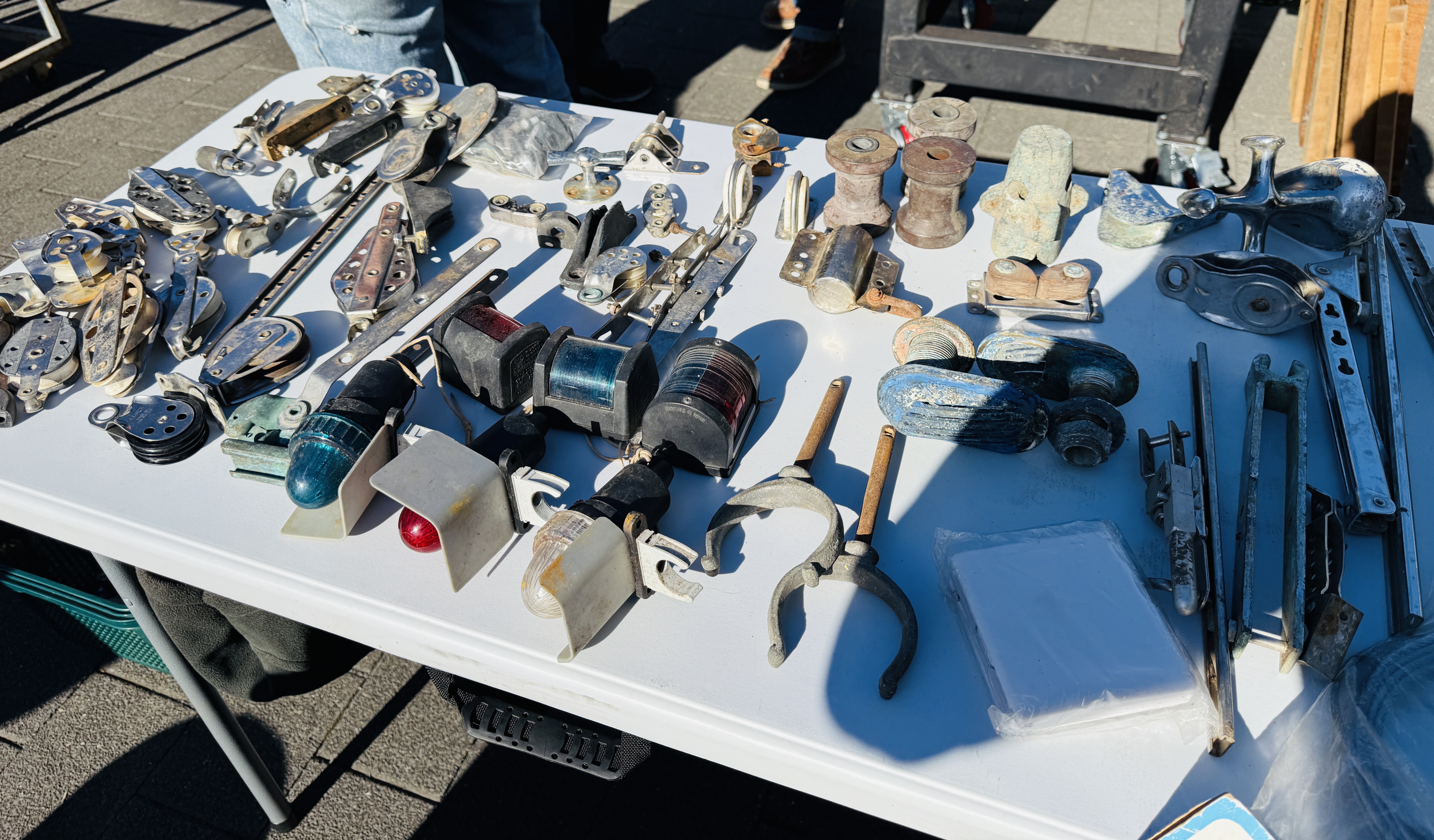
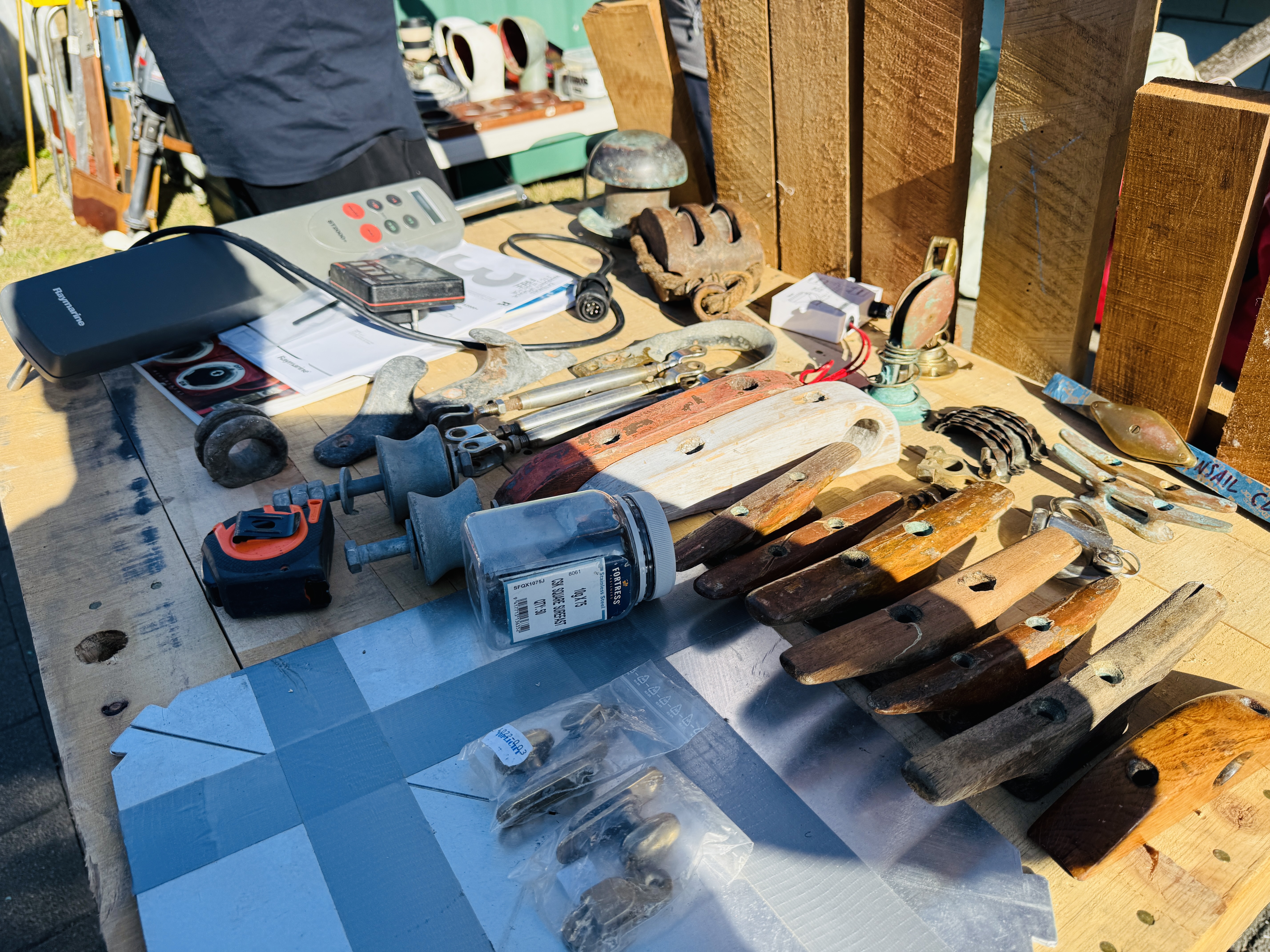
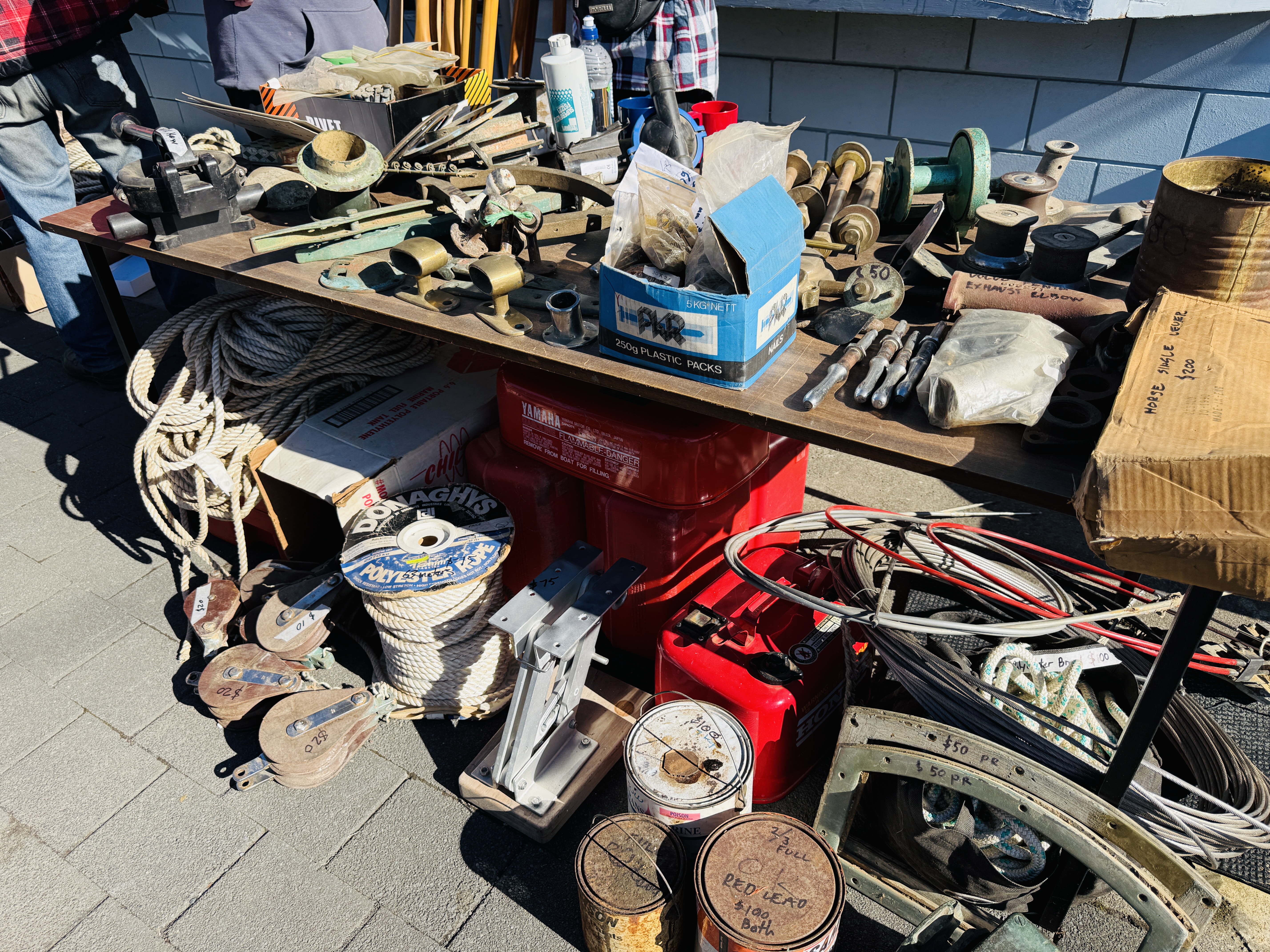
We had over 18 vendors on site, offering up a treasure trove of marine goods – everything from tiny cleats and chain plates to sails, bronze winches, stoves, and more. From what we saw, plenty of deals were done and everyone left with something – if not in hand, at least with a smile on their face.

It was also great to see so many familiar faces from the classic boating community. Events like this are about more than gear swapping – they’re about connection, community, and strengthening the bonds that keep the wooden boat movement alive and thriving. (photos yours truely & Geoff Fiebig)

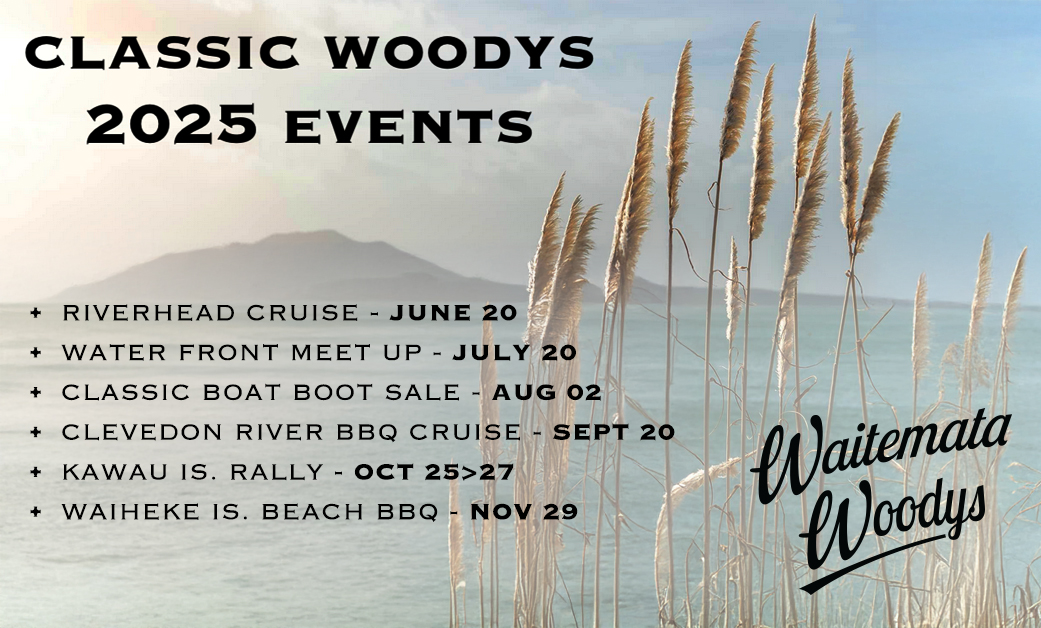
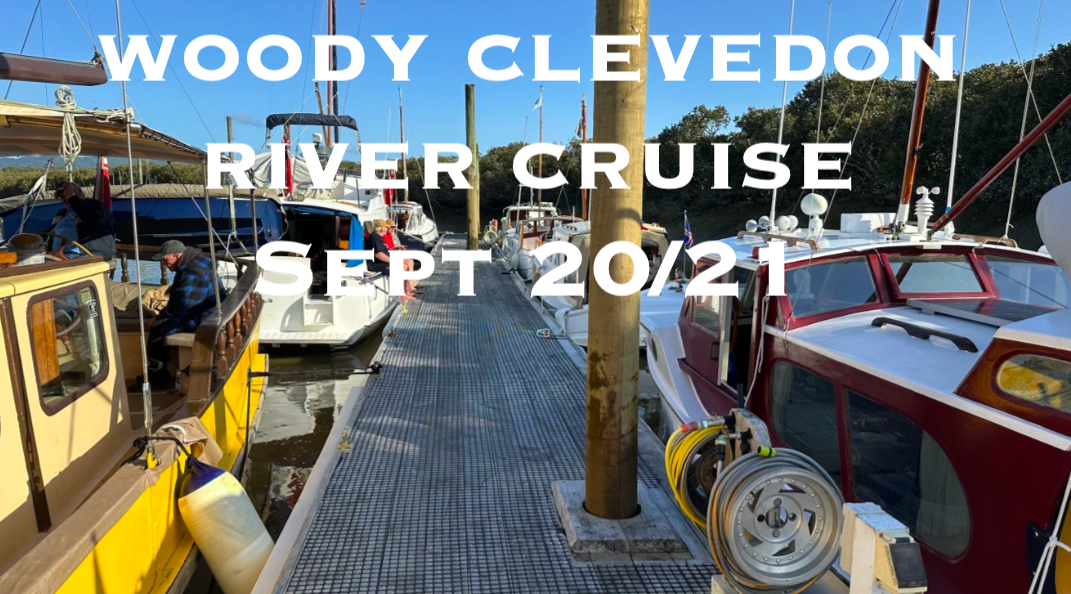
Next Up: Mark Your Calendar – September 20th > 21st

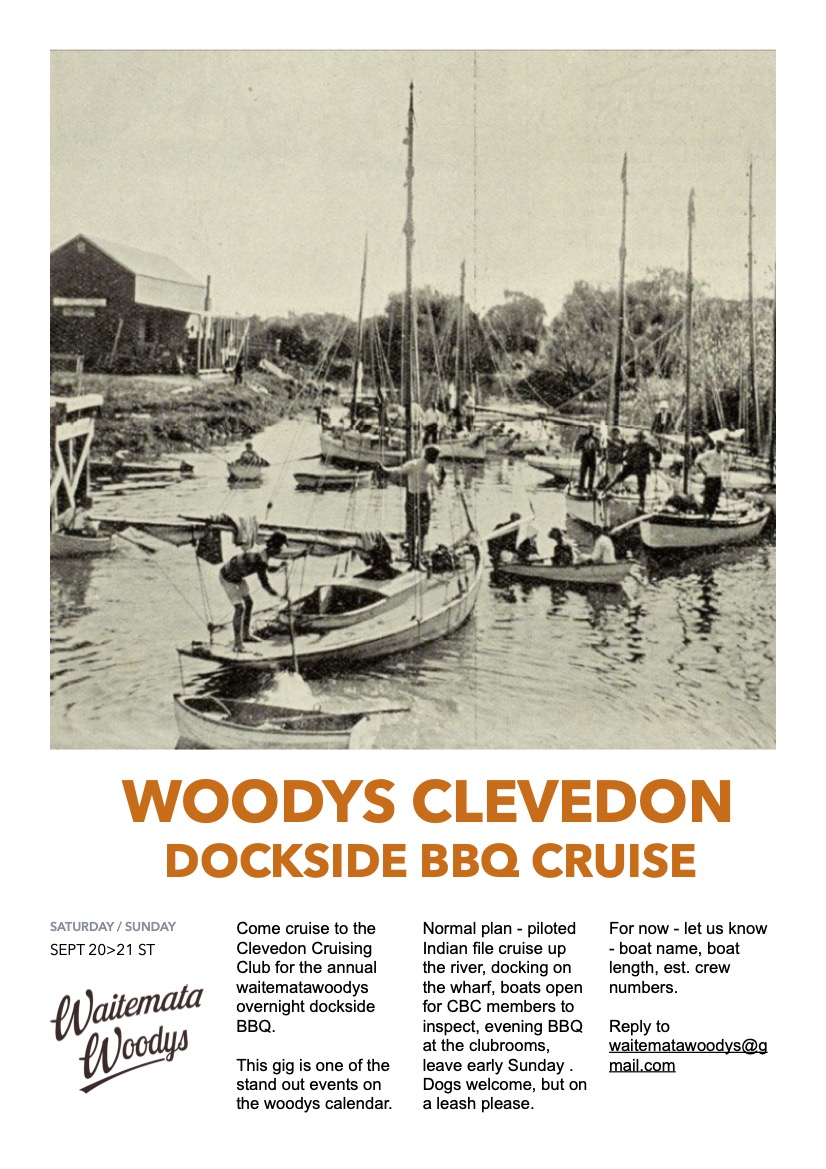
Our next gathering is set for September 20th, and this time we’re heading back on the water – cruising up the Wairoa River to the Clevedon Cruising Club for an overnight dockside shindig. Expect a BBQ, live music, and the usual top-notch company. It’s always a highlight – more details to come soon, but lock the date in now.

MAJOR ACCESS UPGRADES AT MILFORD CREEK LED BY WOODEN BOAT ENTHUSIASTS

MAJOR ACCESS UPGRADES AT MILFORD CREEK LED BY WOODEN BOAT ENTHUSIASTS

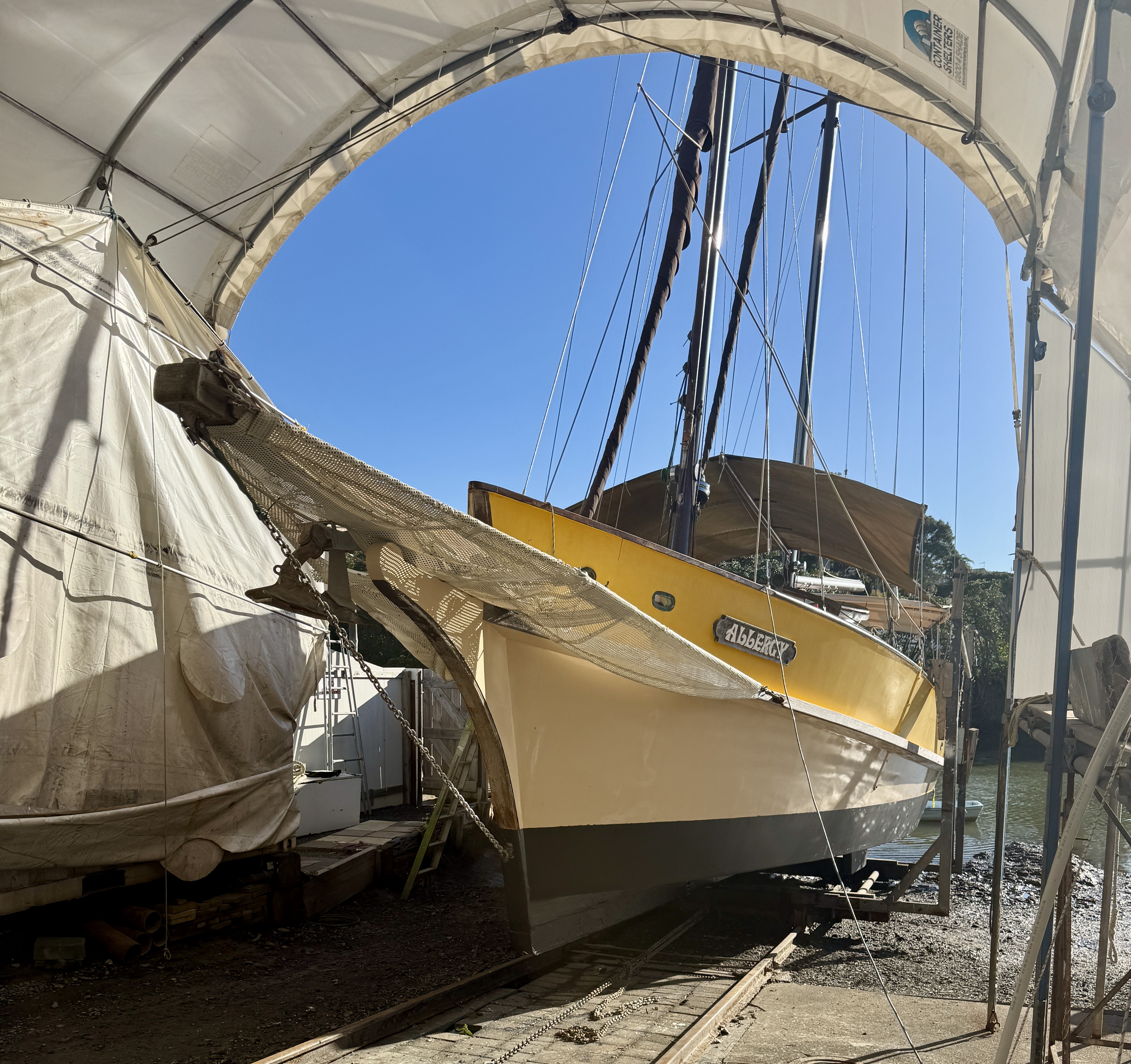
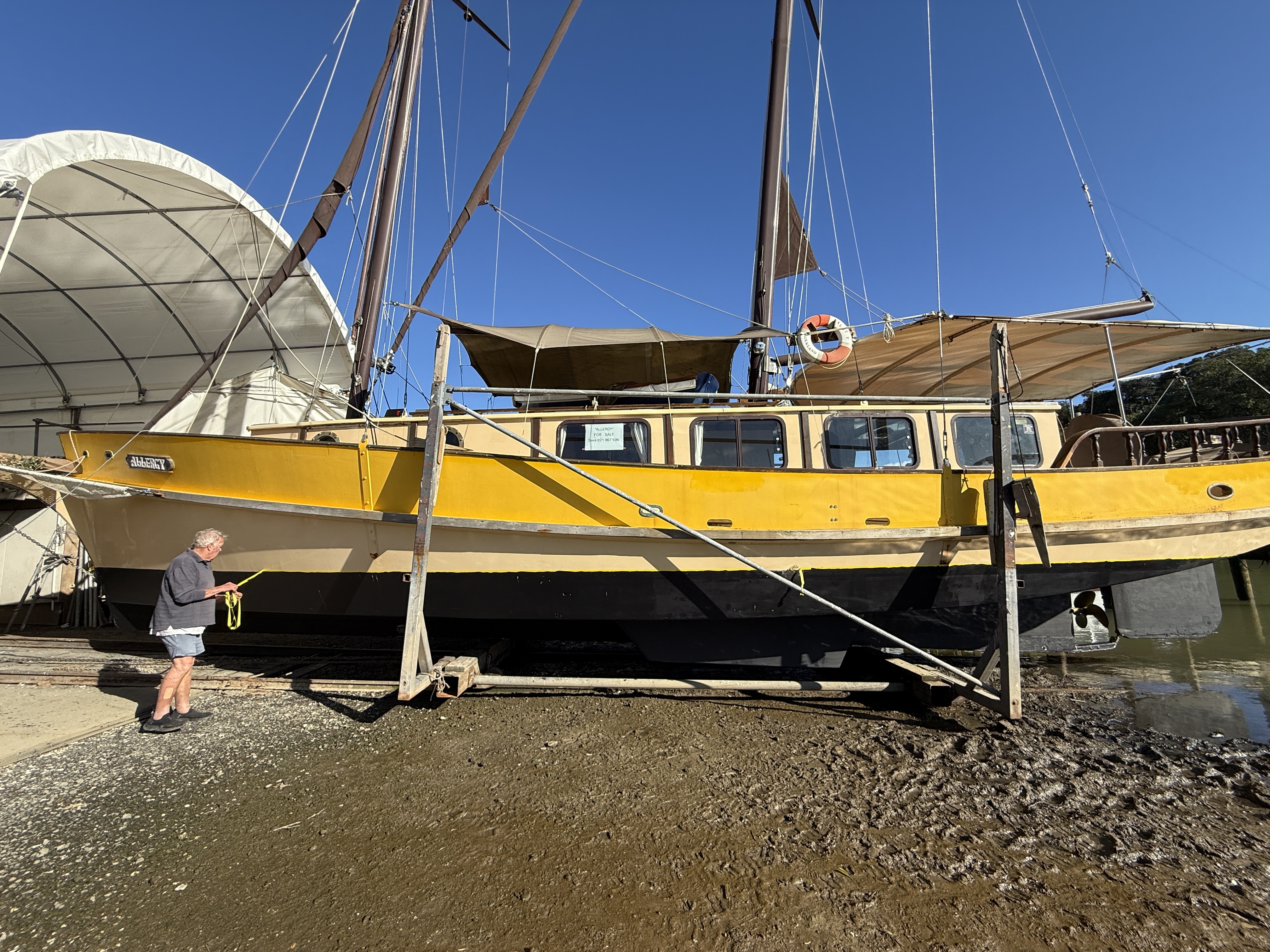
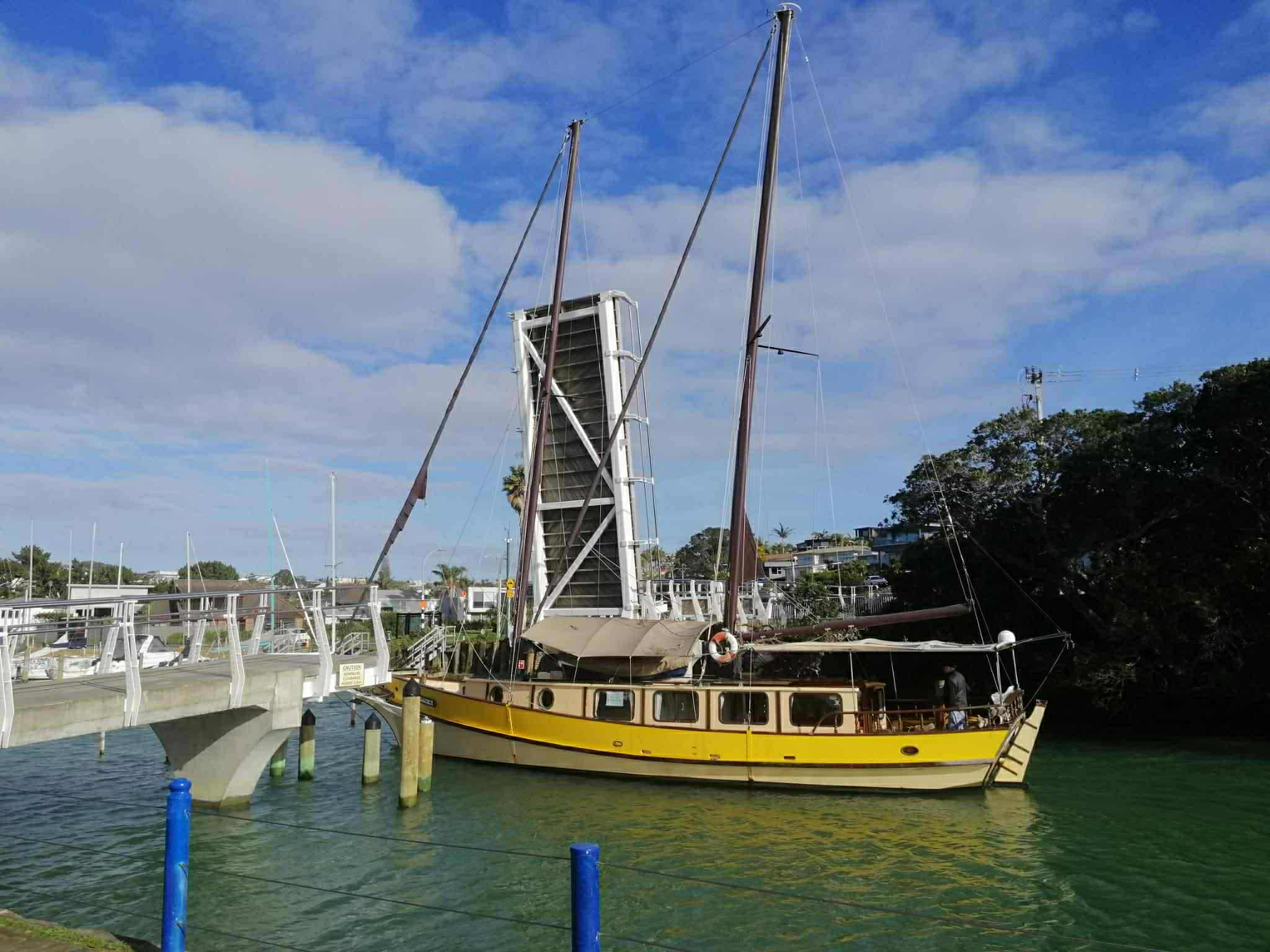
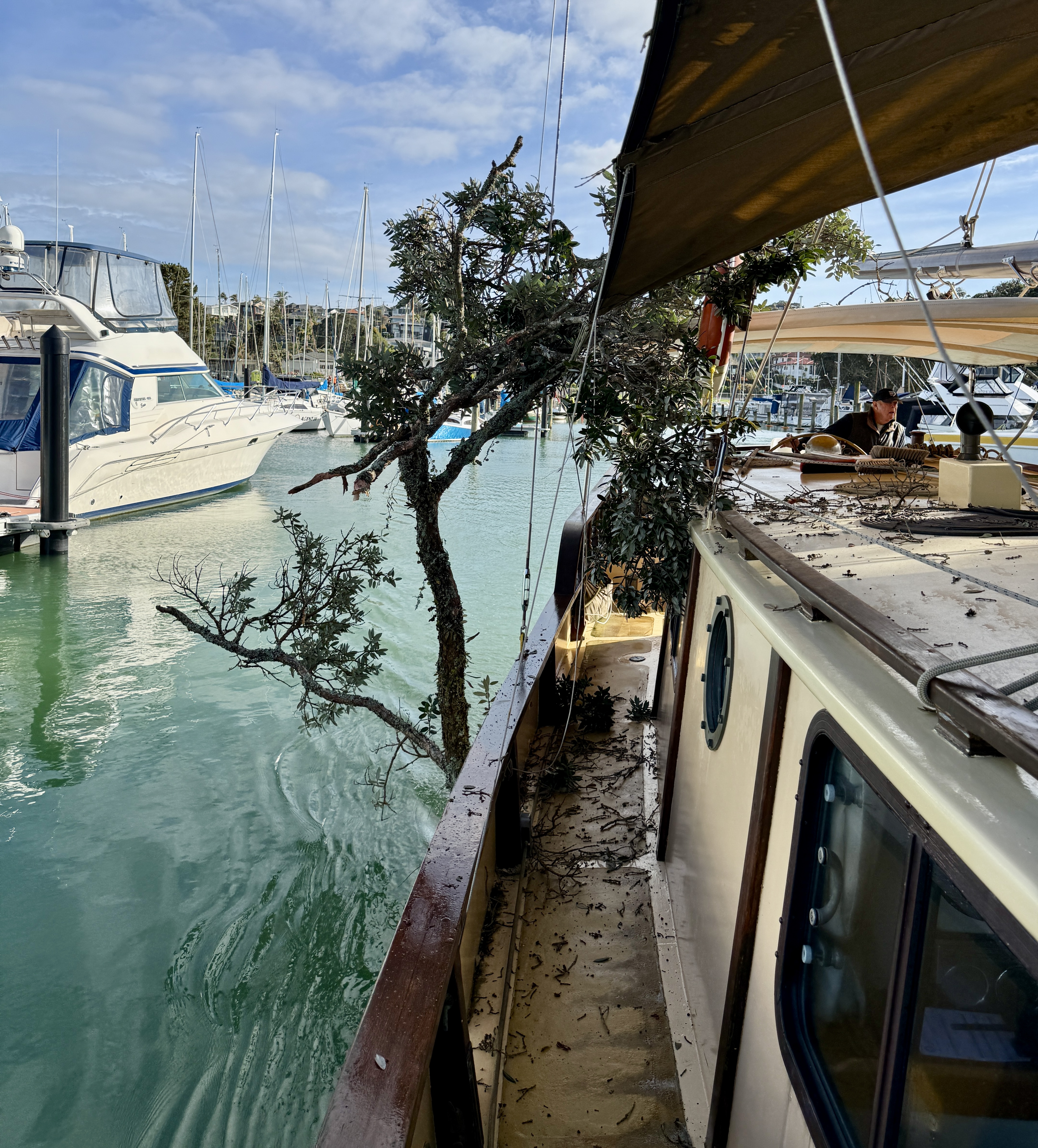
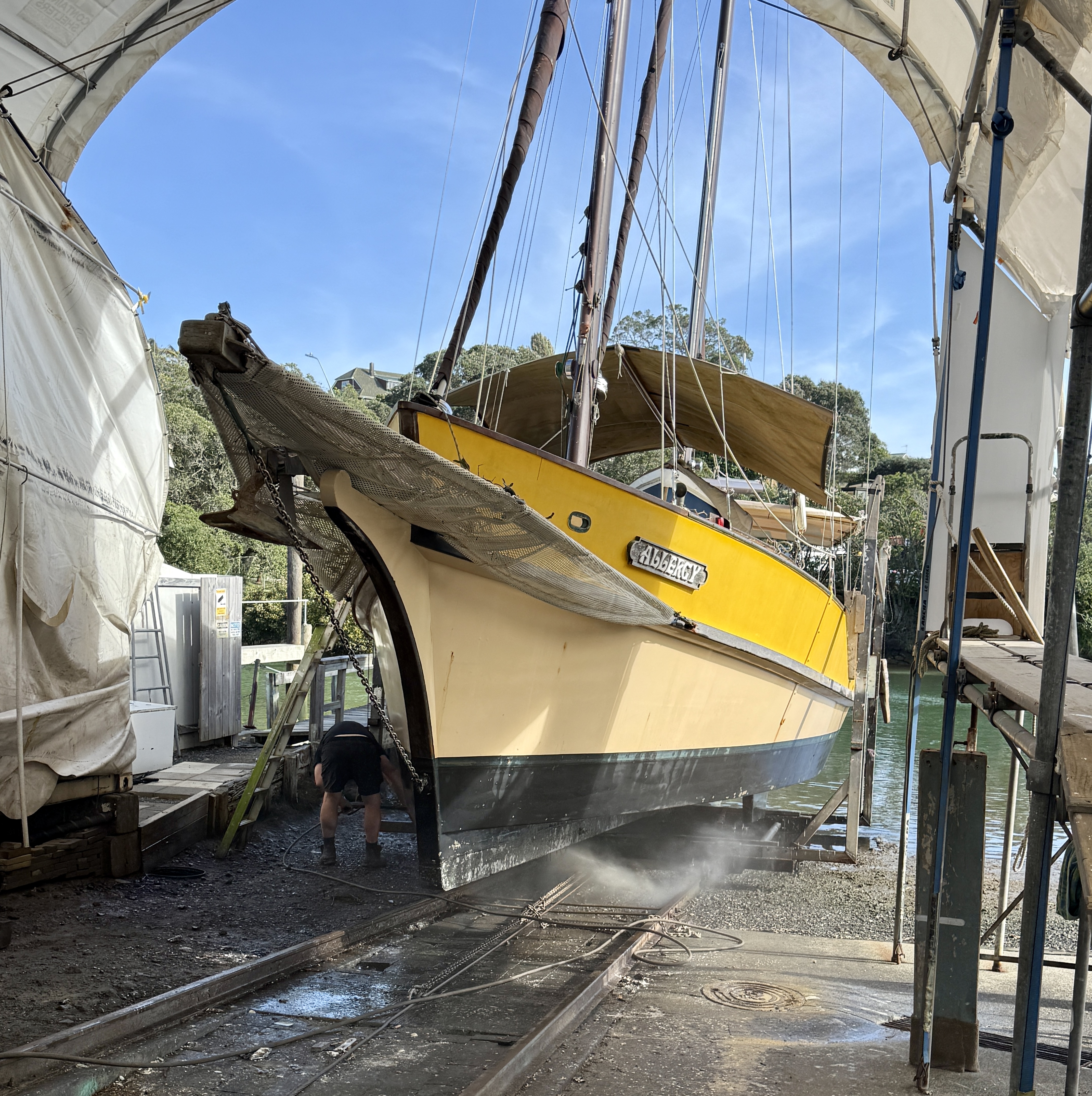
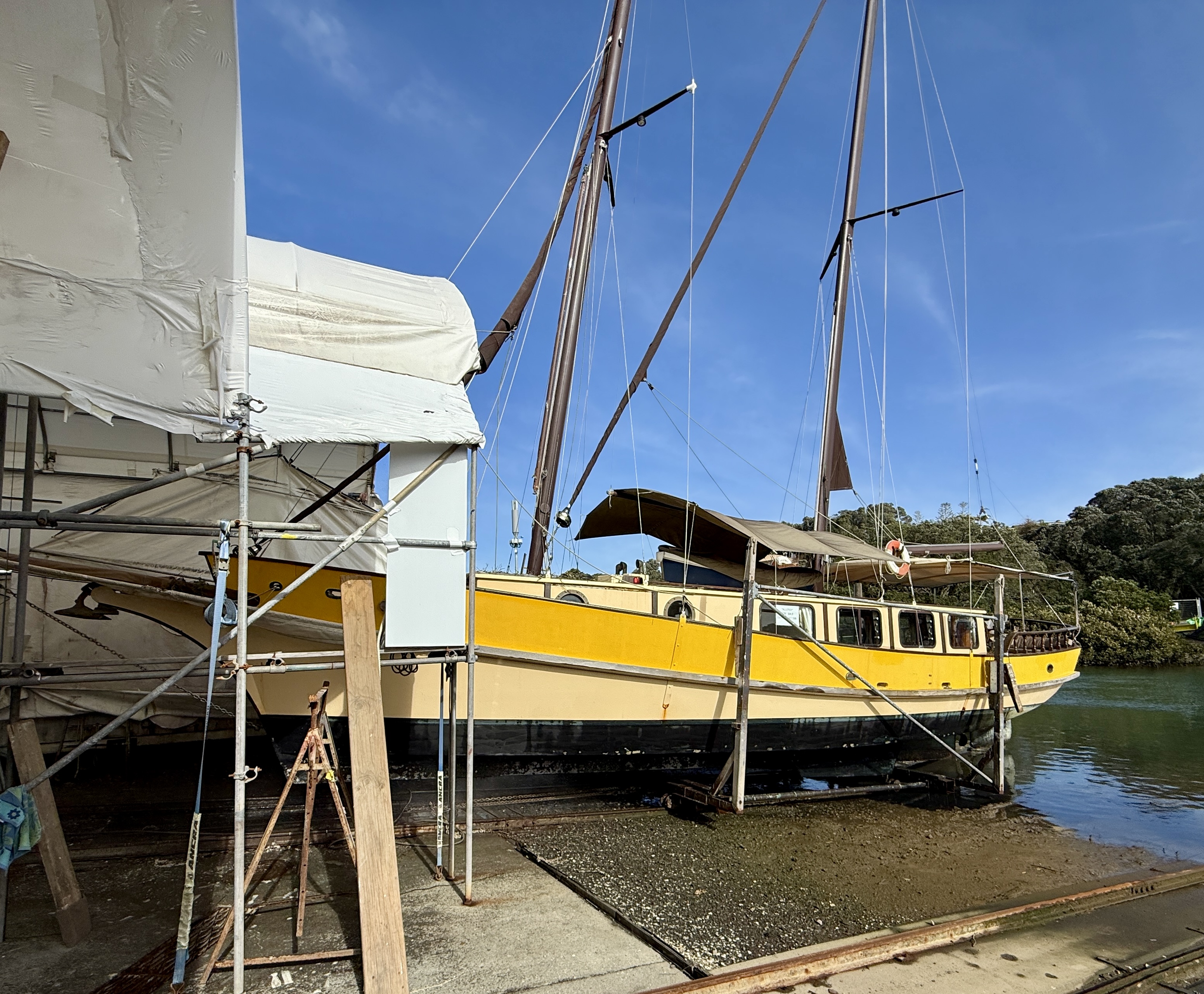
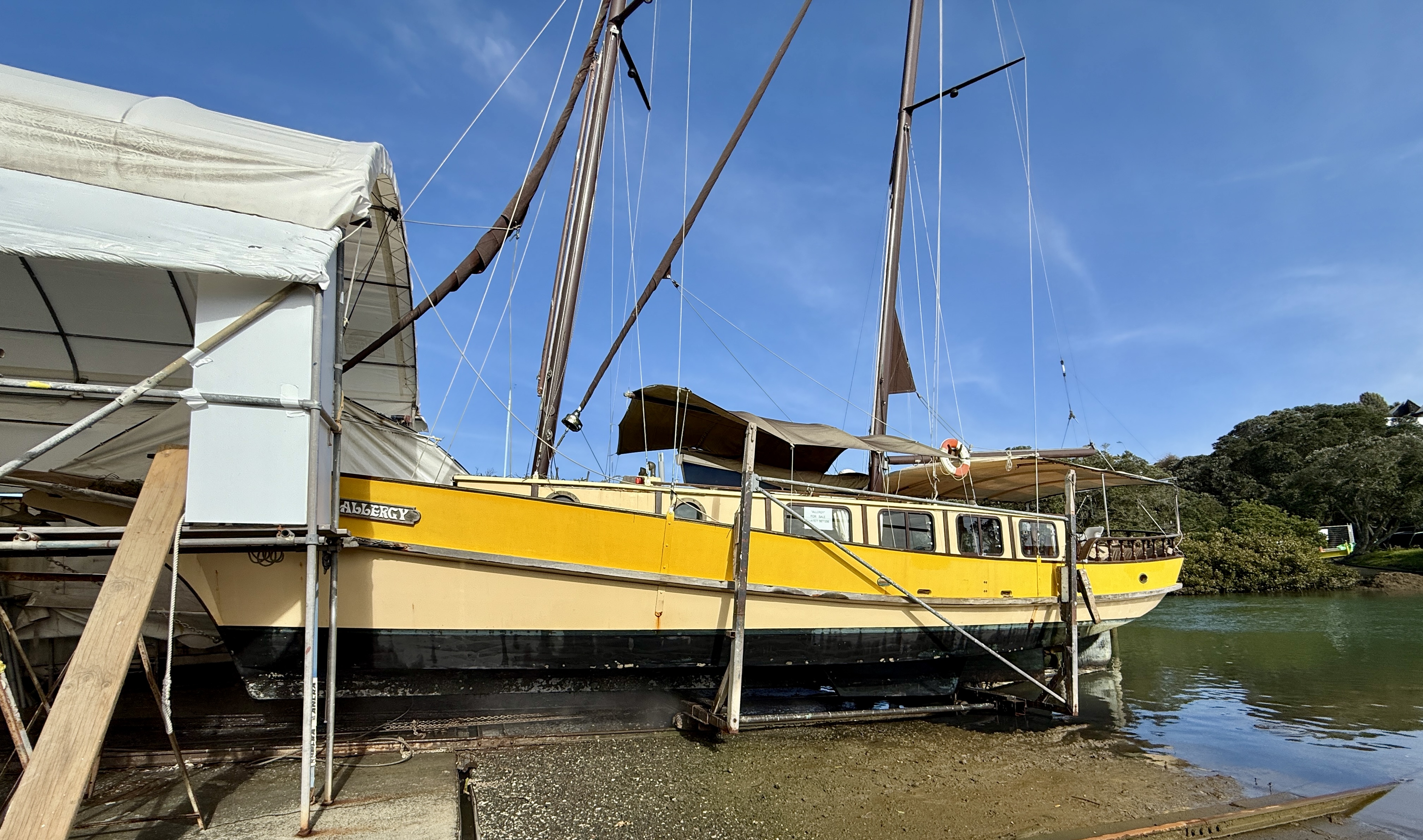
 Interesting day yesterday on the water, gave Dave Giddens a hand taking his woody motor yacht – ALLERGY to the Slipway Milford for a haul out .

For all the wrong reasons the day started bad eg late leaving her waterfront berth meant we were time poor re the Milford Creek tide / access and the forecast was for deteriorating conditions as the day went by.

ALLERGY is a big girl – approx. 58’ LOA and a beam of 14’ and two good sized masts. Saving grace less than 4’ draft.

Well with an outgoing tide, a NE up the bum that was gusting 20>25 knots we ordered up the bridge to be raised and lined up the fairway poles.

I believe no one captured the run, which is just as well. Short answer is we made it – but:

1. We both shook hands once under the bridge

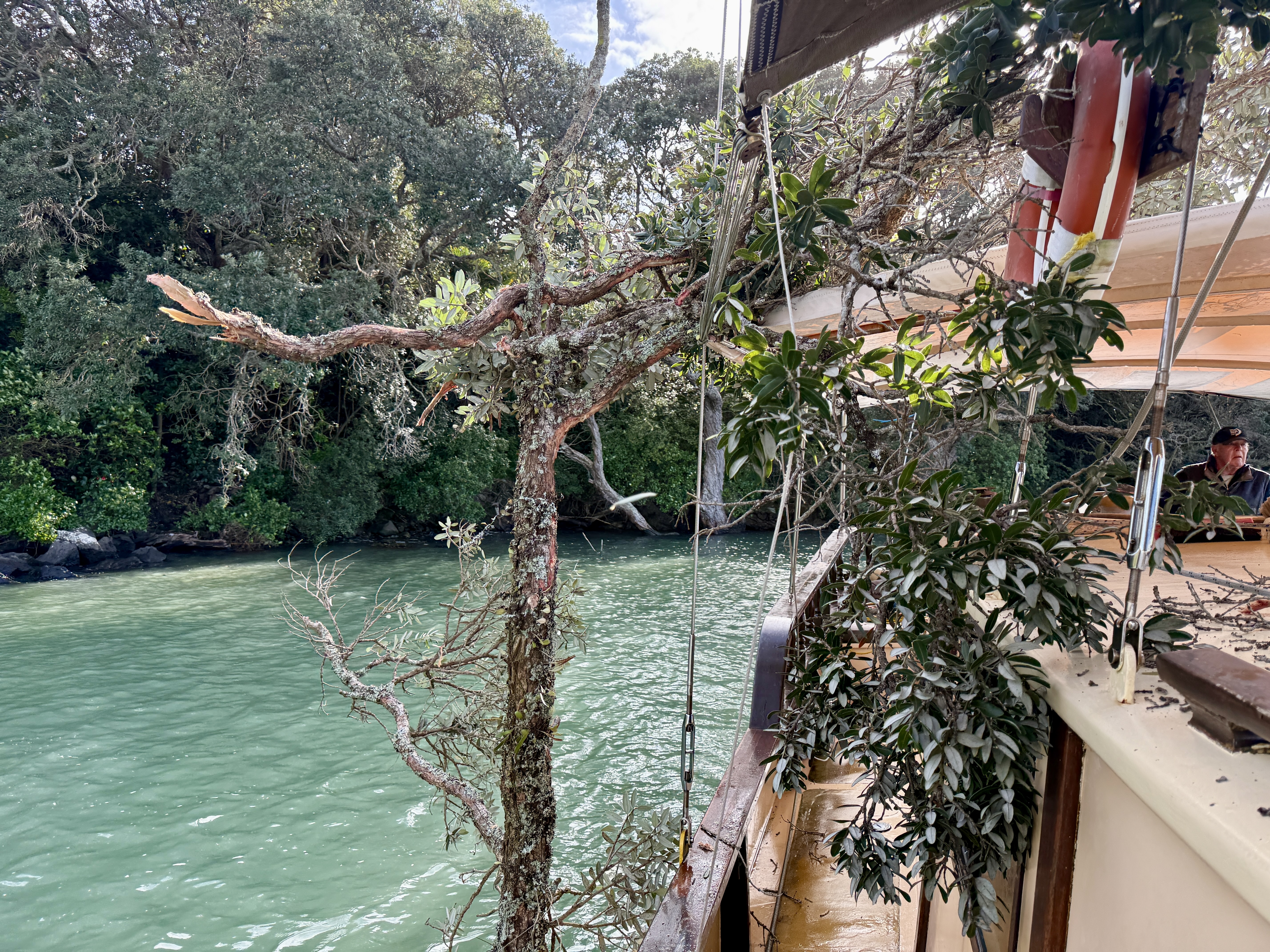
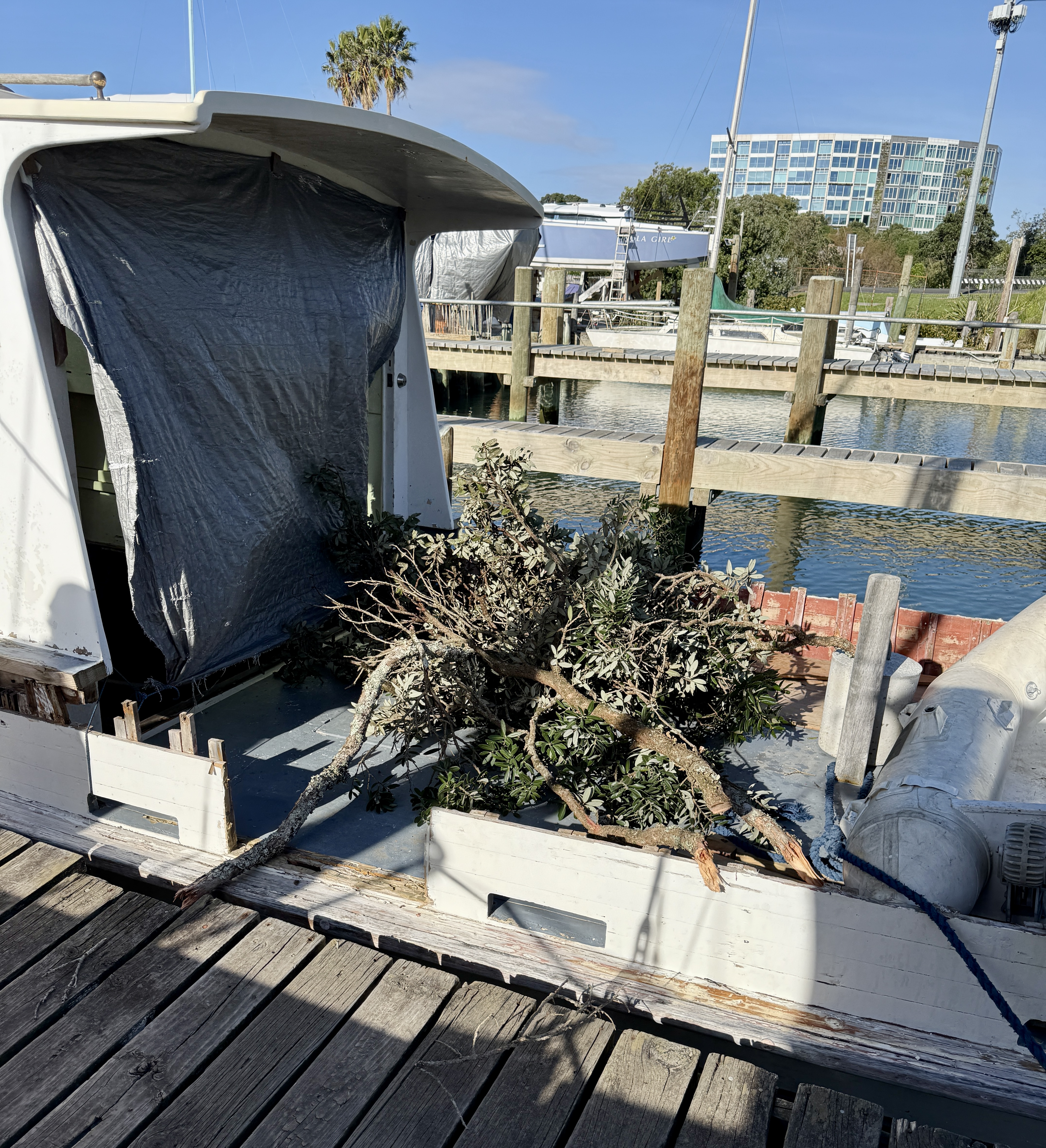
2. Every skipper of a vessel moored in the Milford Marina should thank ALLERGY for pruning the Pohutukawa trees on the bank

3. A small donation is probably due to Project Crimson 

4. The Slipway BBQ won’t have to buy firewood for a few months

Lastly –  FOSTERS deserve a medal for their mast work 40 years ago – nothing budged 🙂

ONE MAN, ONE CRAFT – IS THIS SPAIN’S LAST REAL SHIPWRIGHT

ONE MAN, ONE CRAFT – IS THIS SPAIN’S LAST REAL SHIPWRIGHT

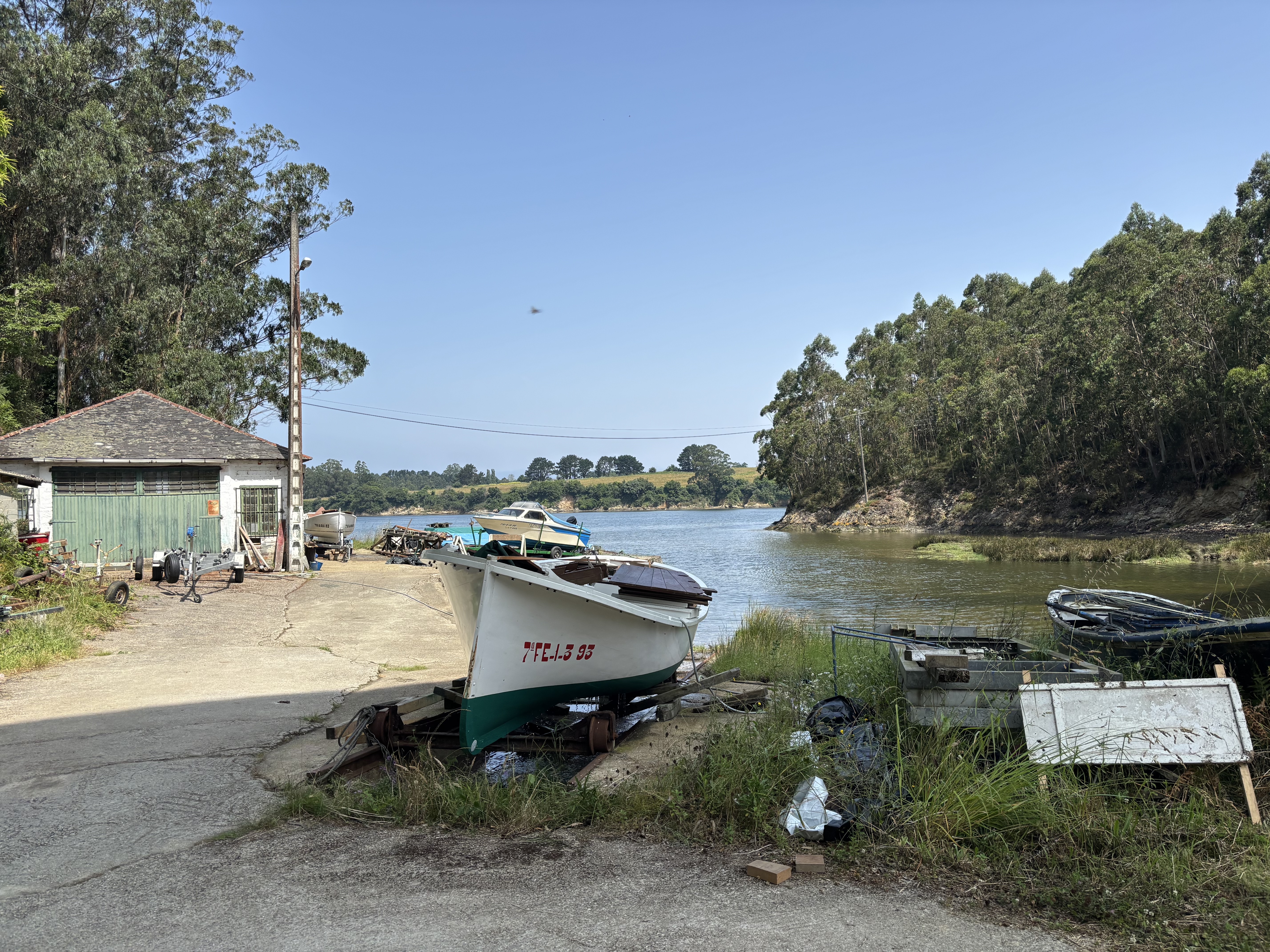
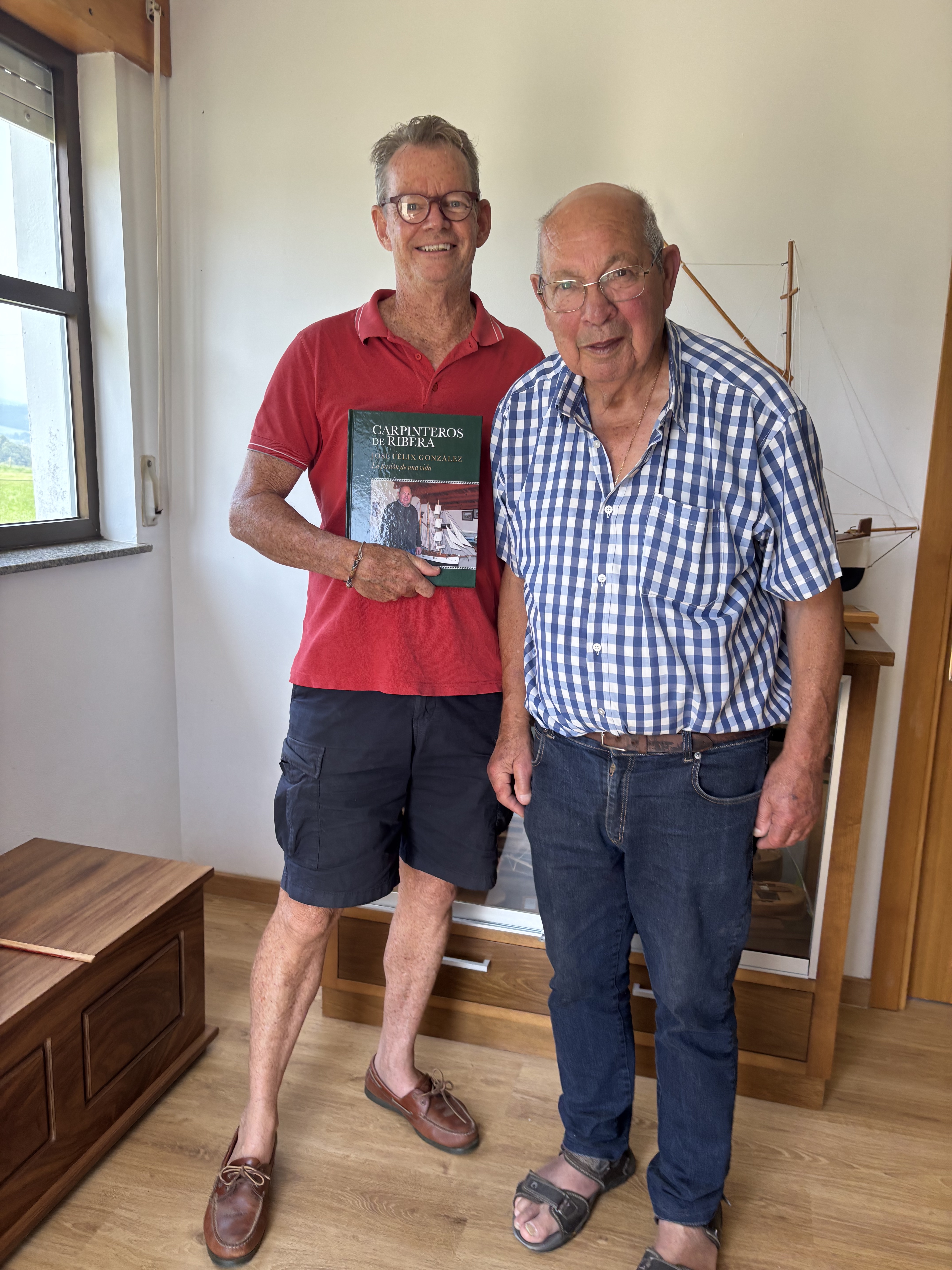
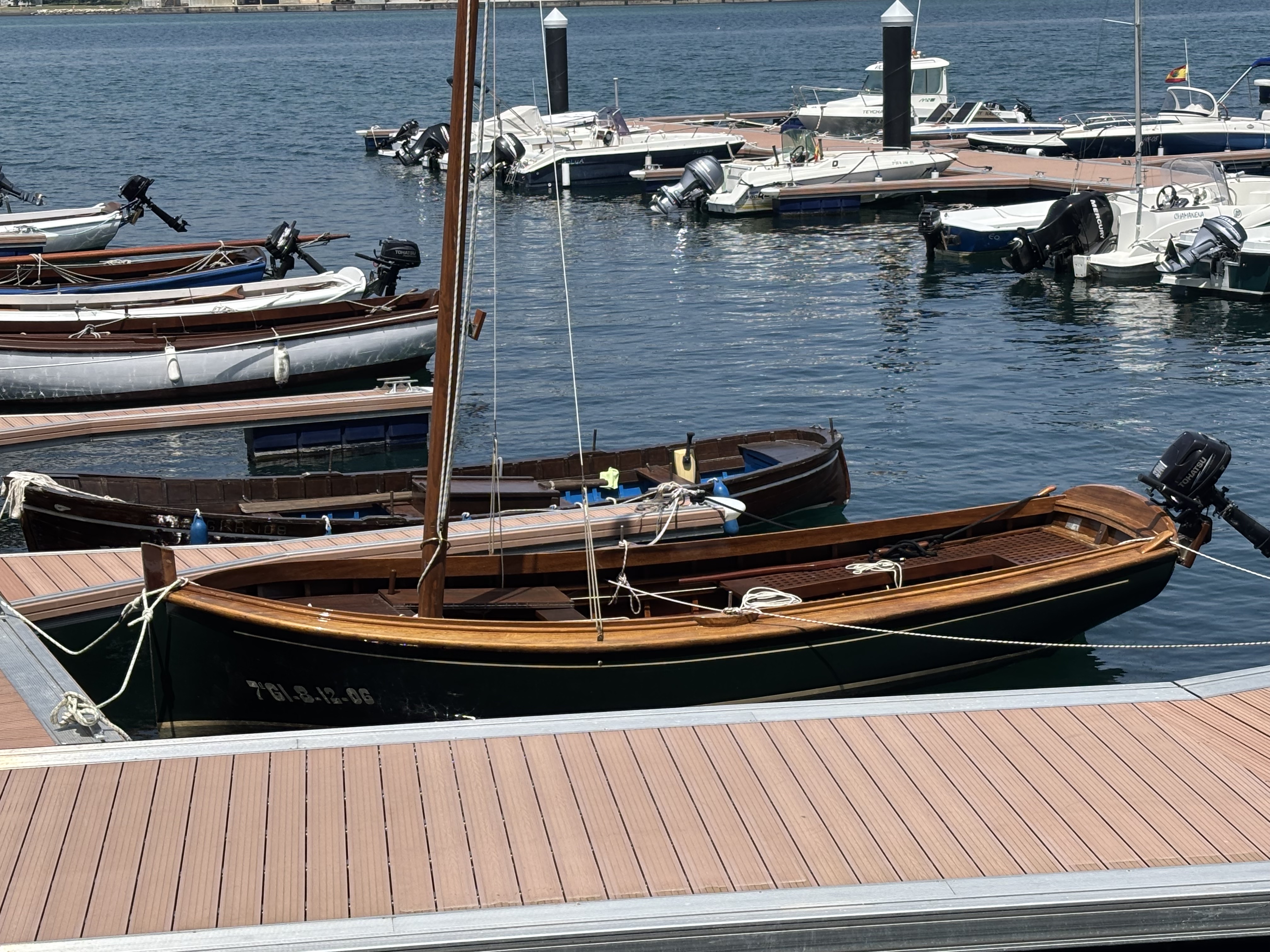
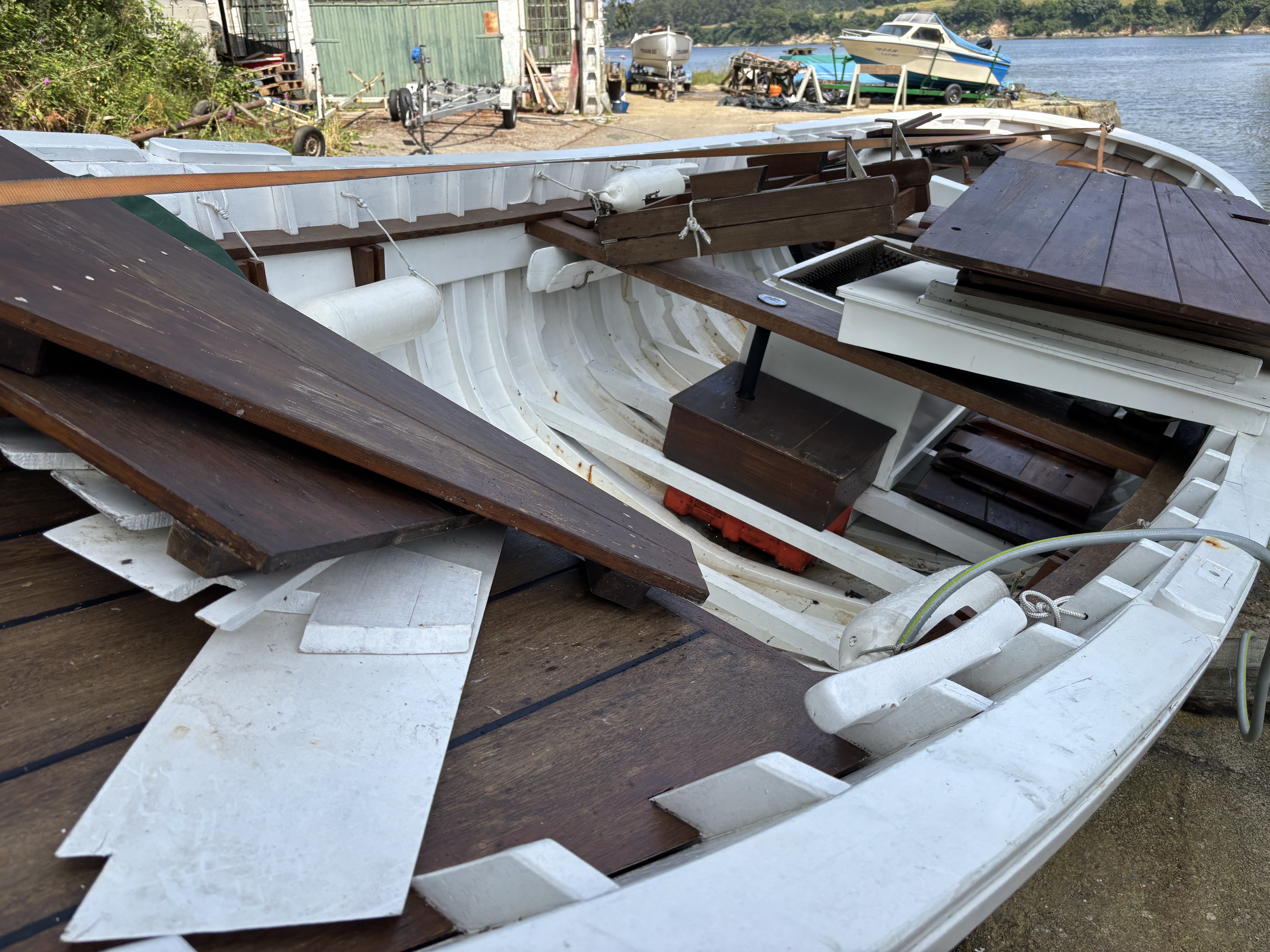
Good friends Pauline and Tim Evill escaped the rain and cold of NZ and have been mooching around Europe. Tim dropped me a note about a famous old boat builder known as Pepe de Pacho, in Castropol in Asturias, northern Spain who was the oldest member of a family of wooden boat builders that had been working on the Rio EO from the same tiny boatyard for almost one hundred years. 

After a visit to the boatyard, where no one was home, he headed to the marina and managed to track down the old man after much detective work. It was a wonderful experience. A asked Tim to pull a story together – which today we great to share. 

In Tim’s words – “As we travelled along the magnificent coast of Asturias, passing one beautiful seaside town after the other, I decided to go looking for a legendary character whom I had read was revered as the last traditional shipwright in the area—Pepe de Pacho. After numerous false forays and clumsy attempts with Google Translate, we finally fell upon a group of salty sea dogs who got on the case for me, called around, found Pepe at home having lunch and wrangled an invitation to the great man’s house. 

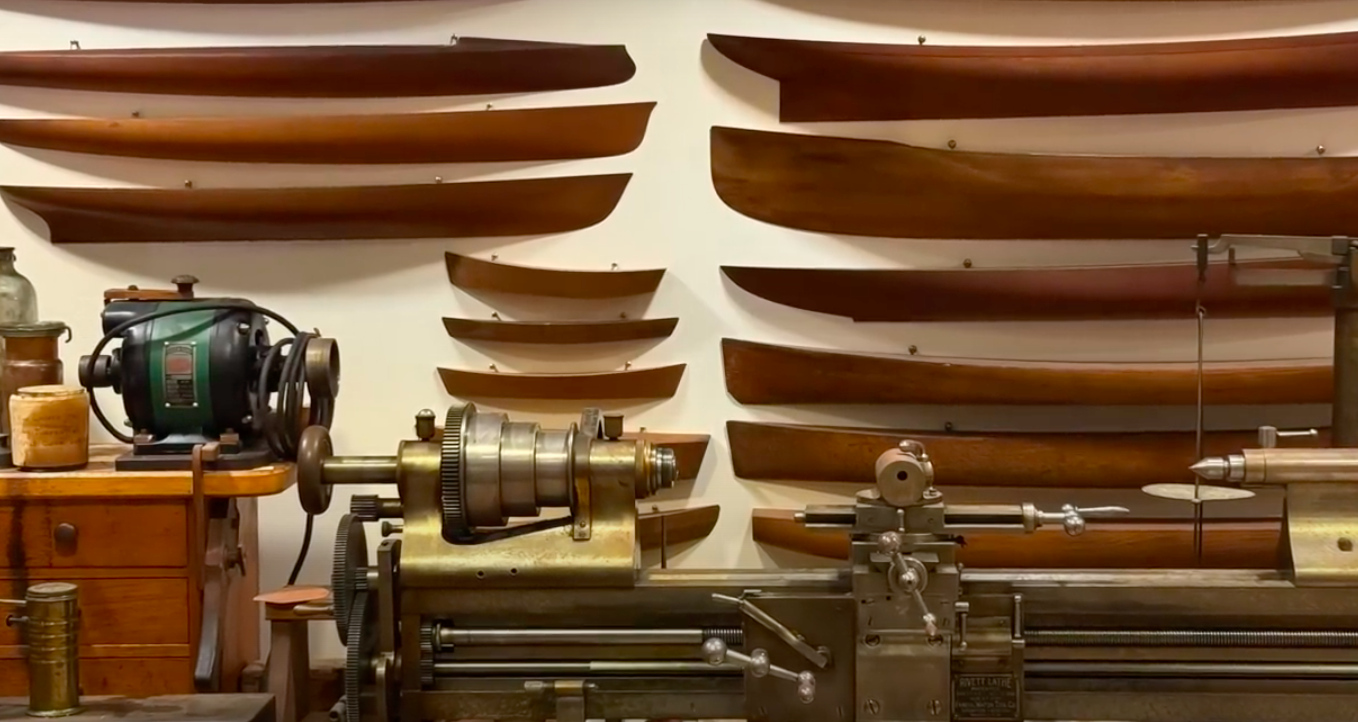
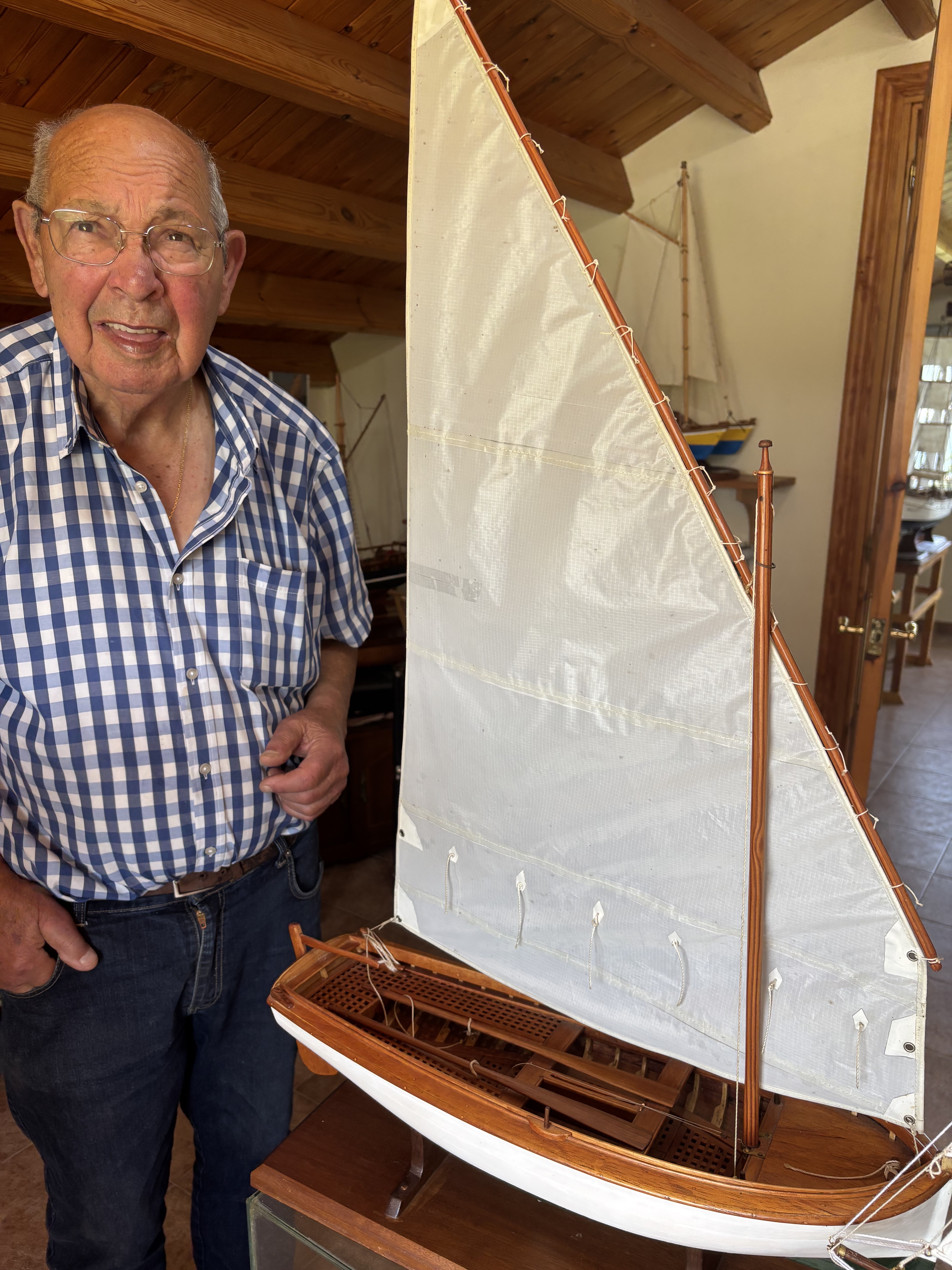
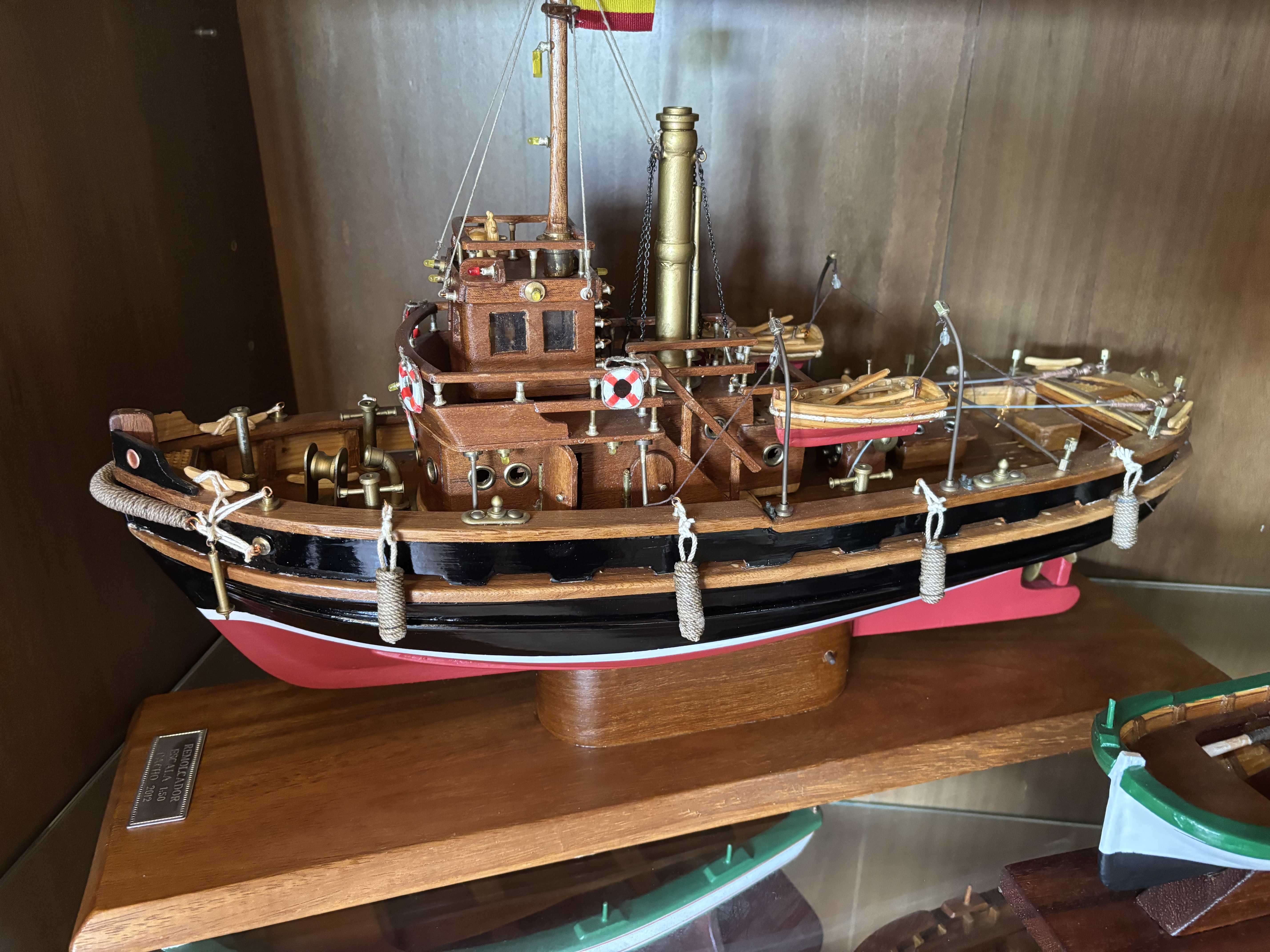
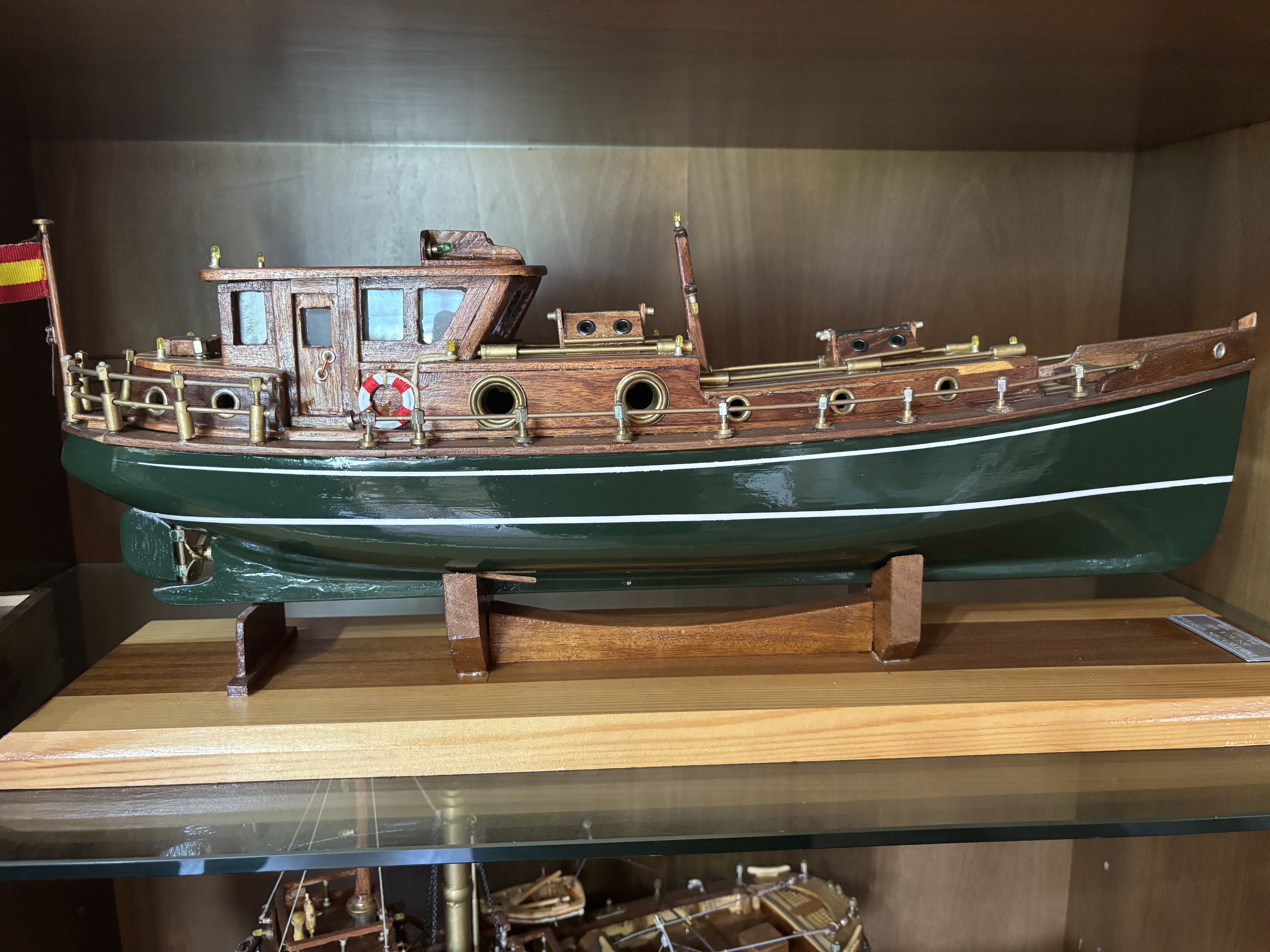
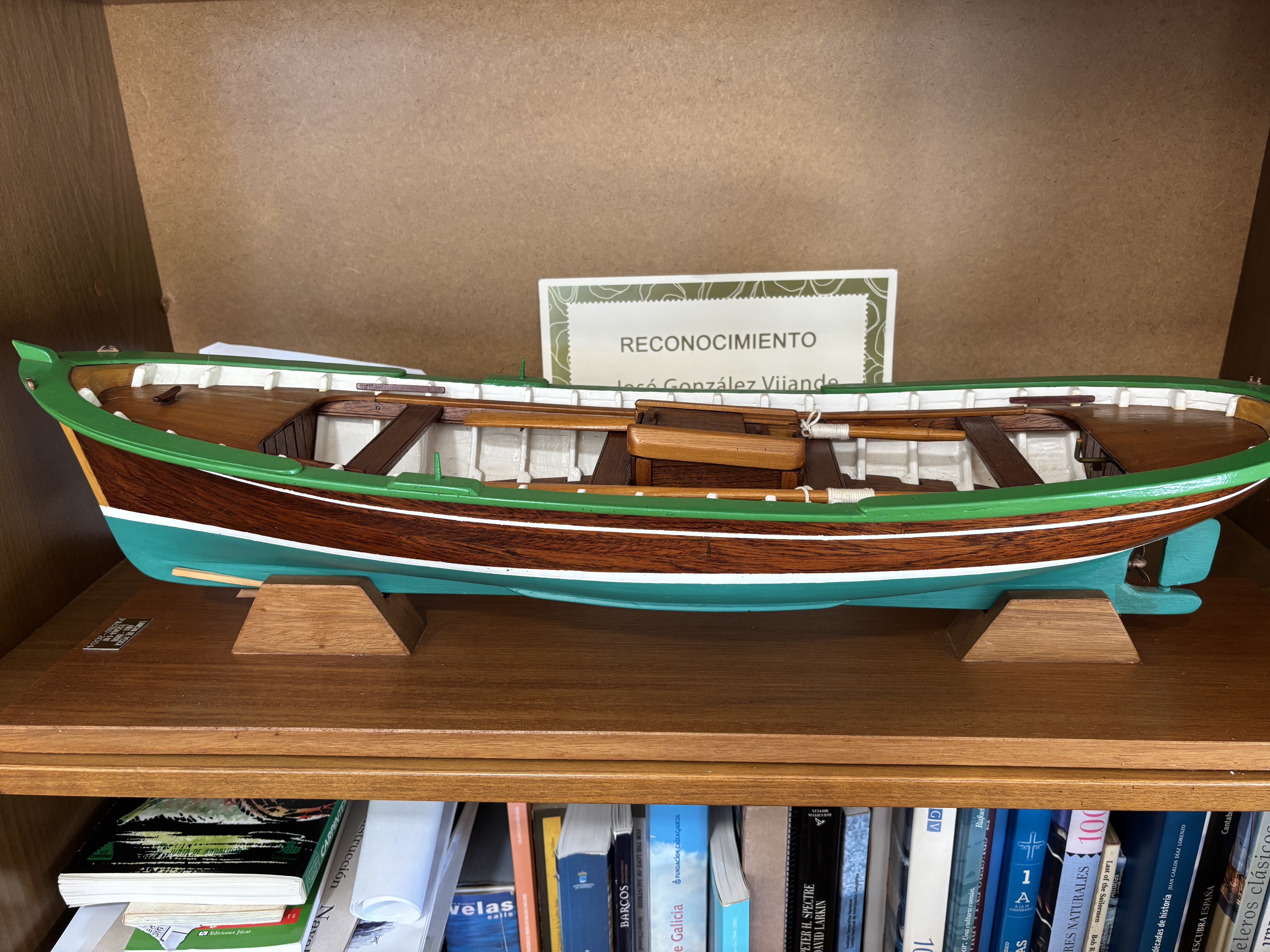
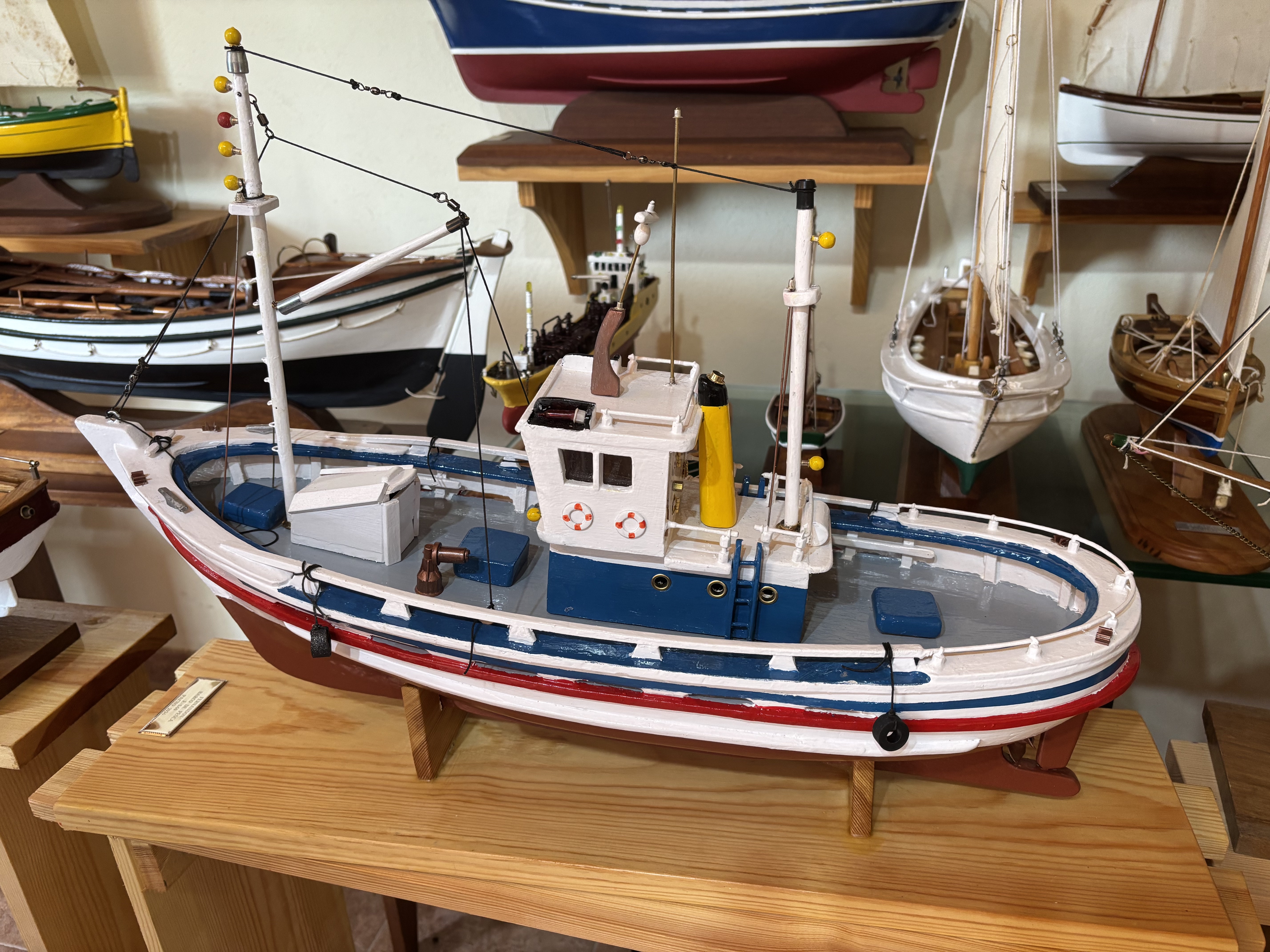
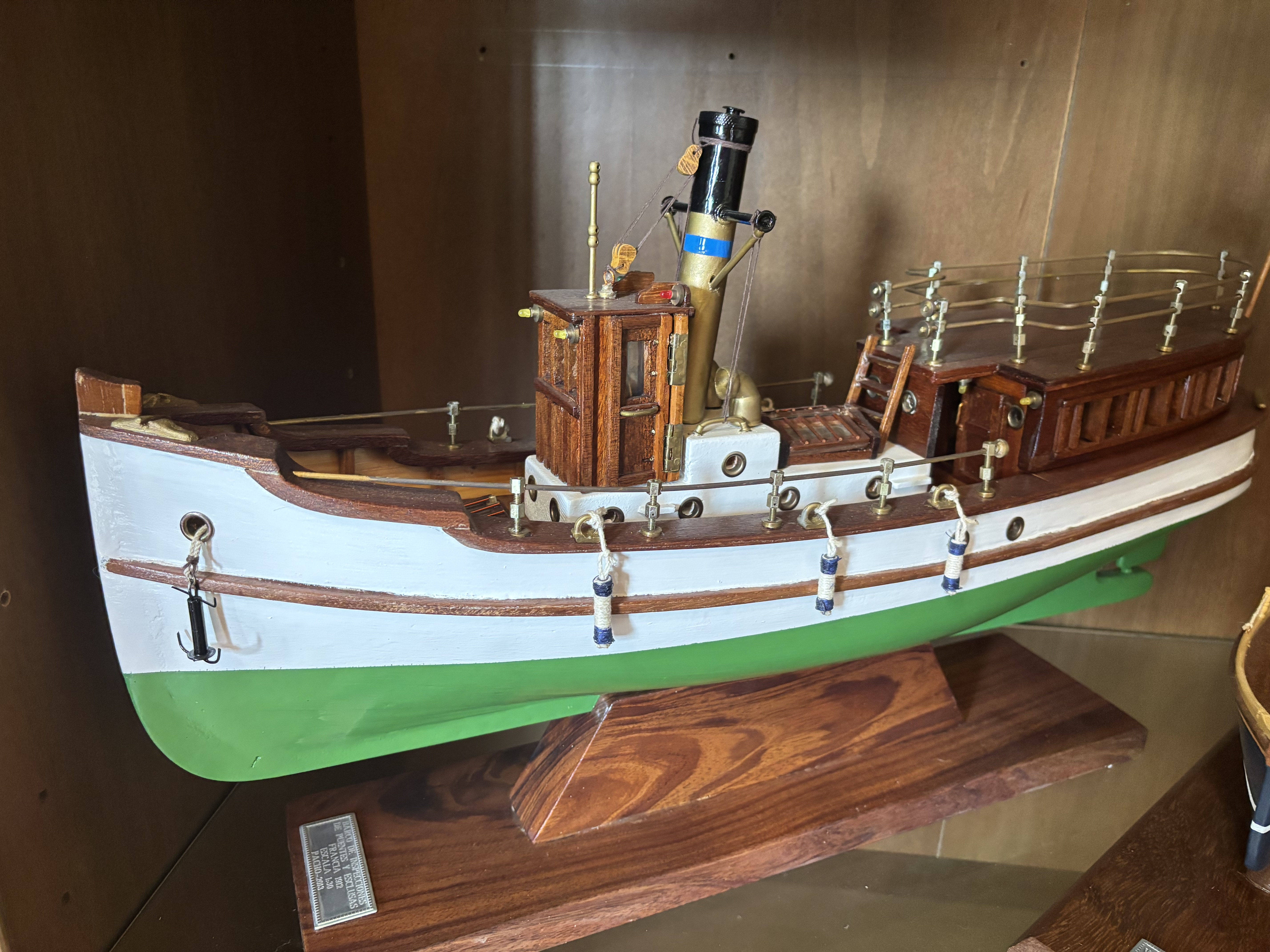
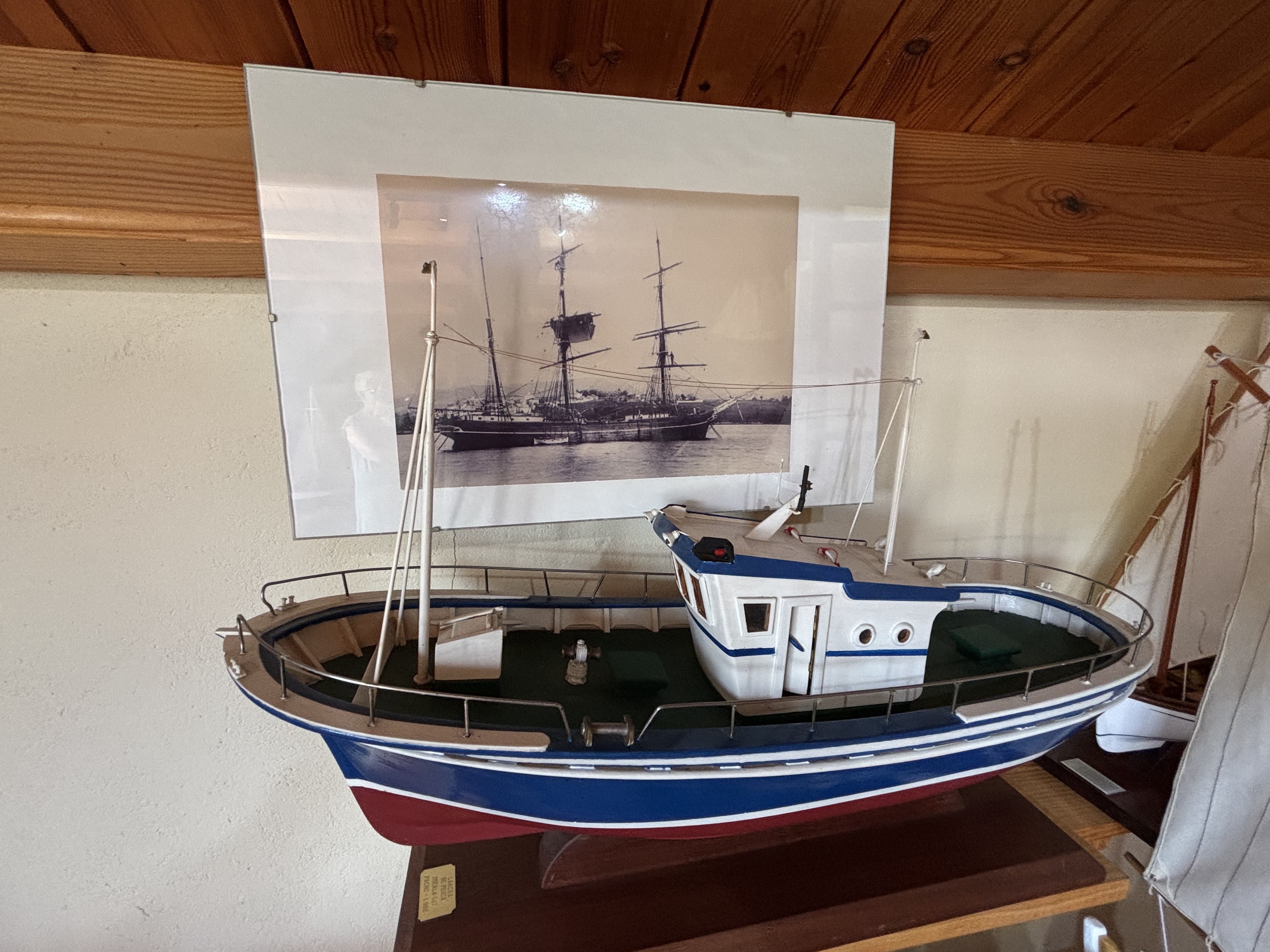
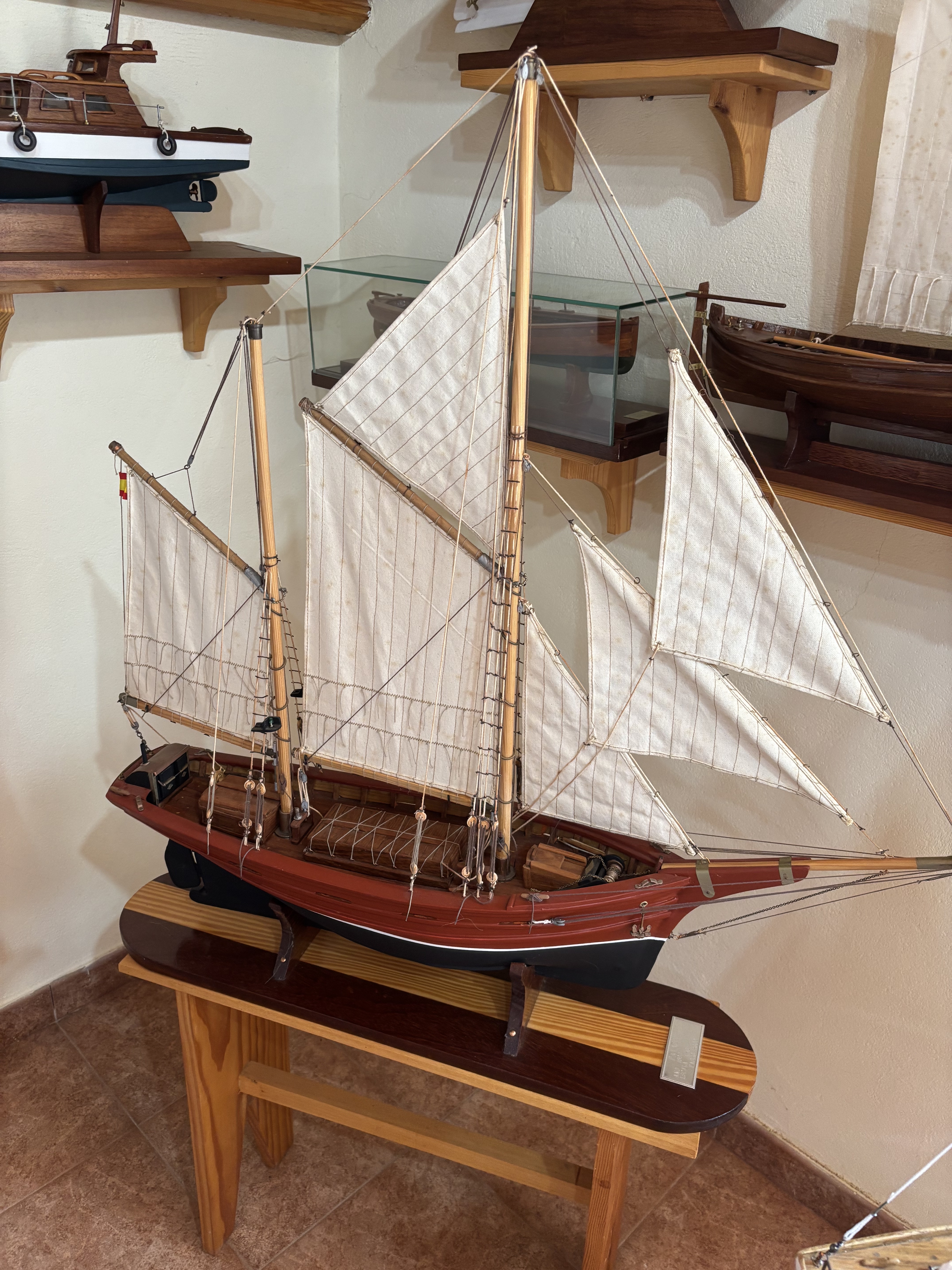
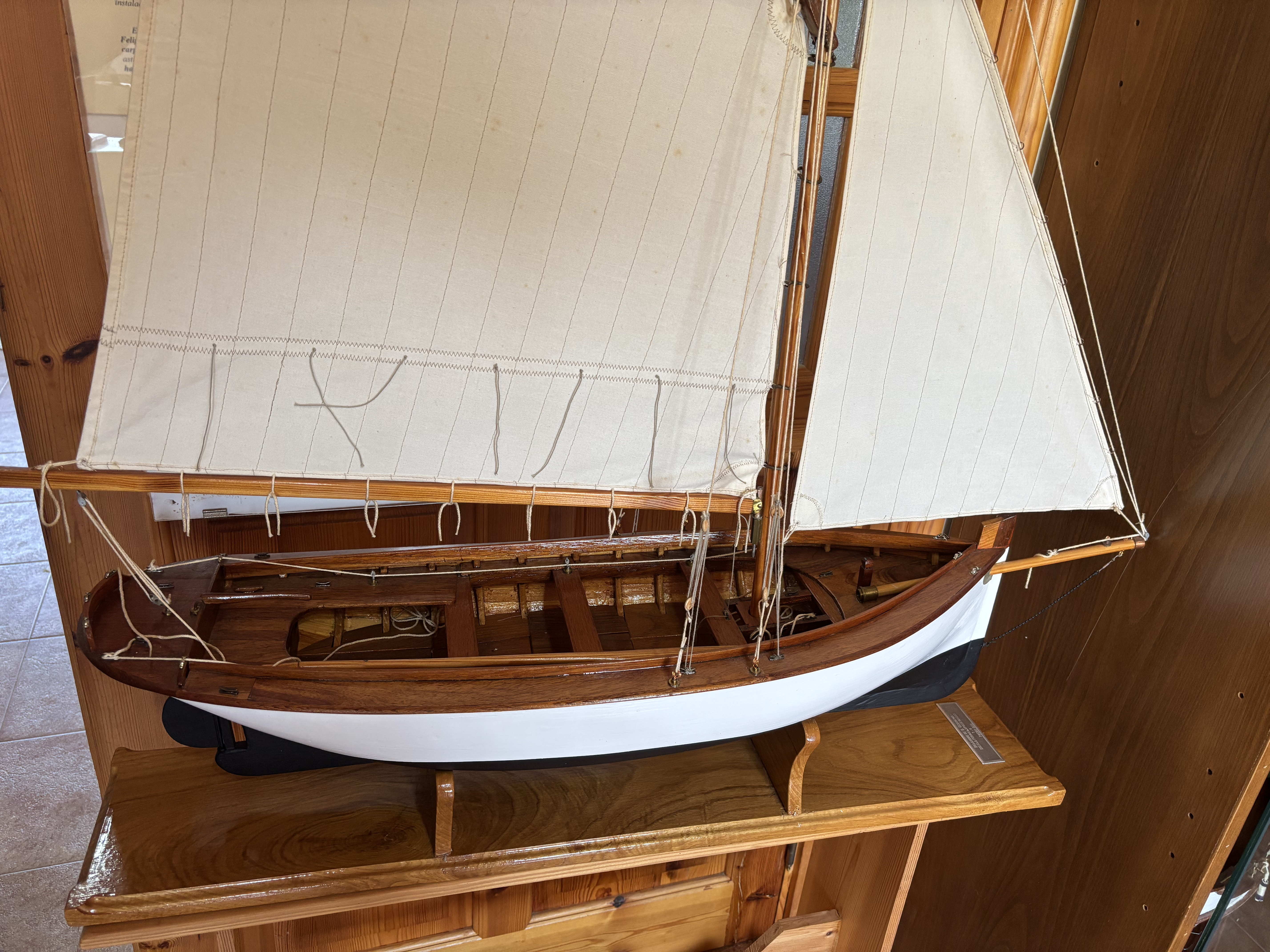
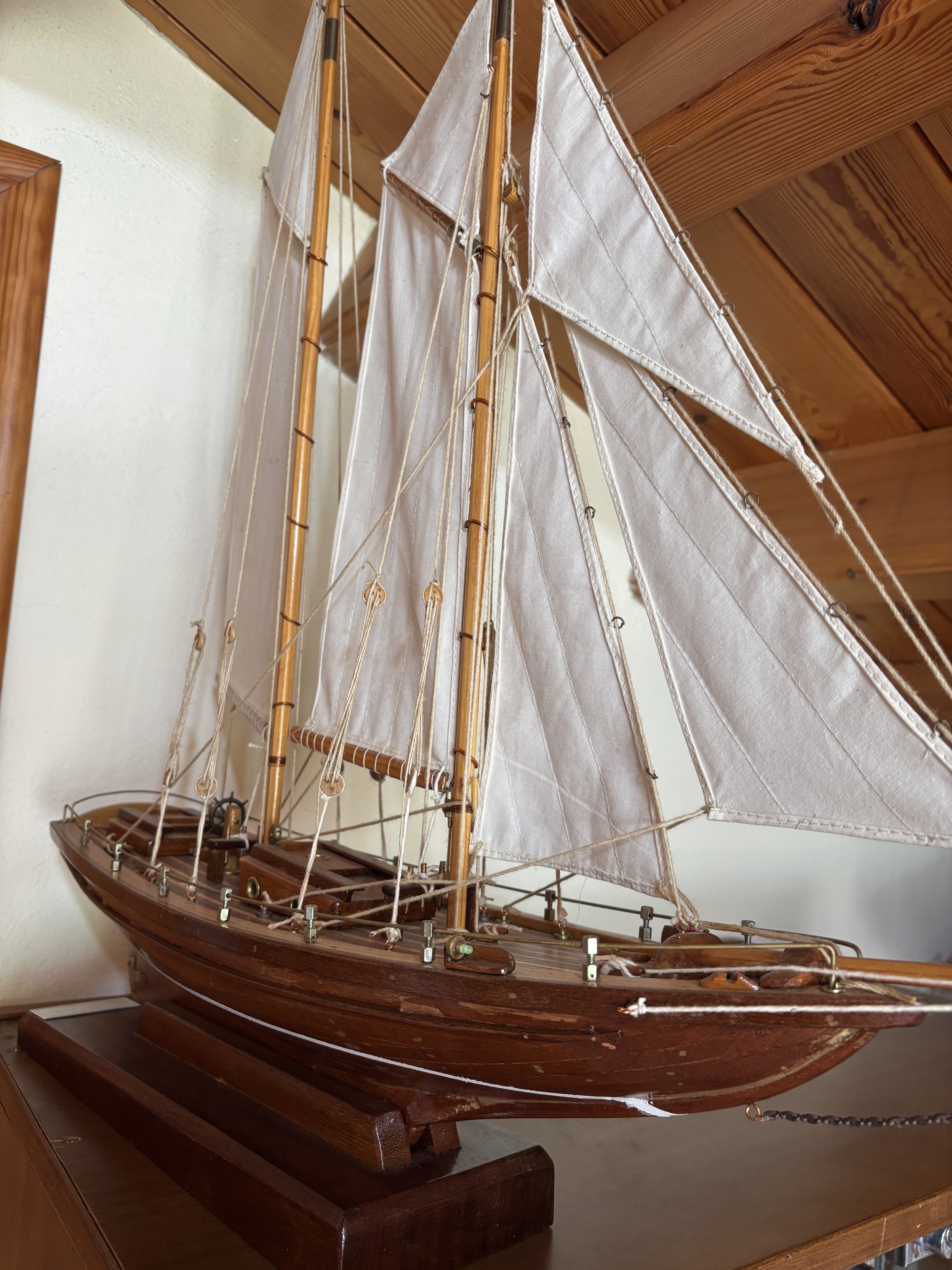
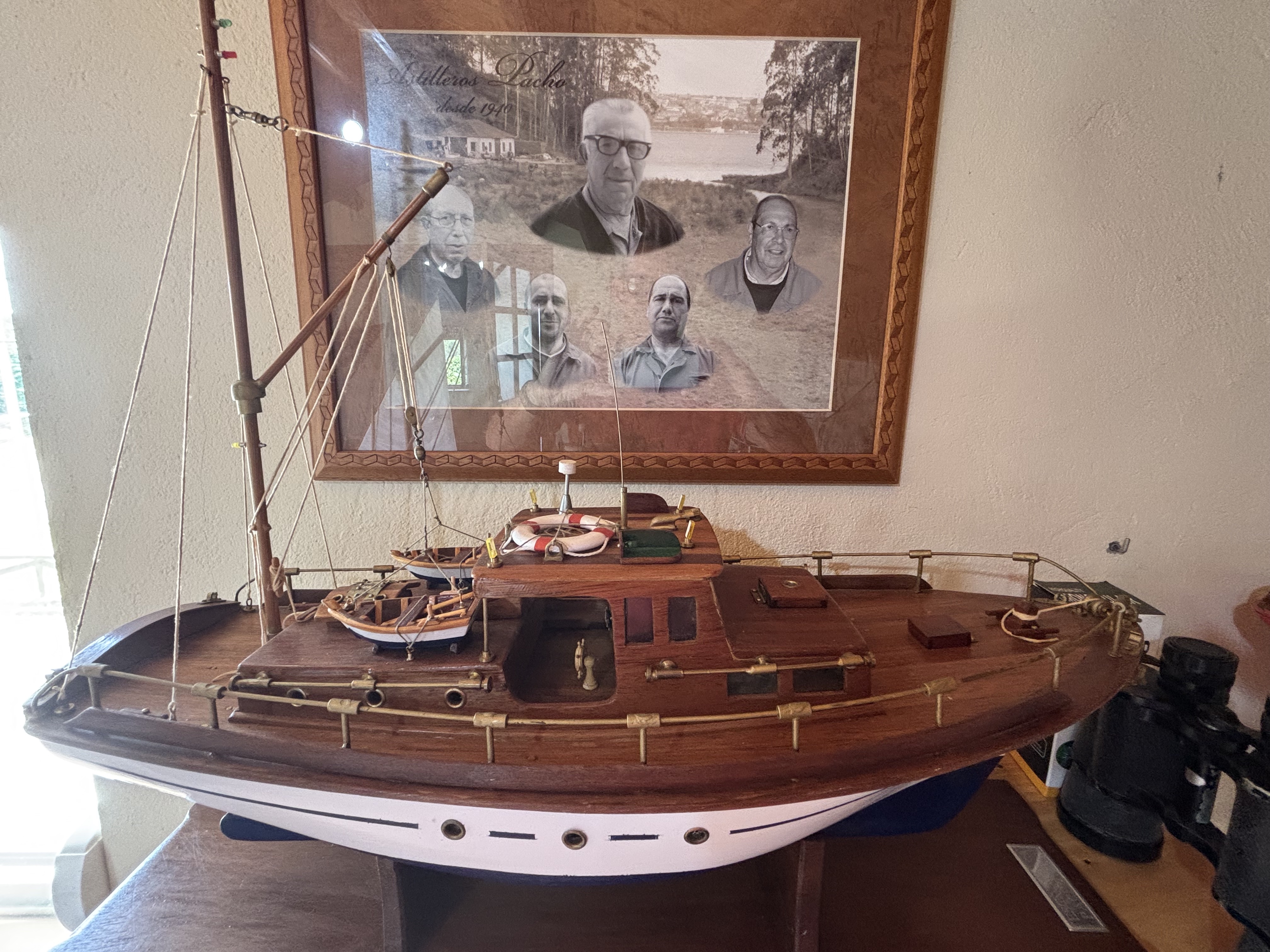
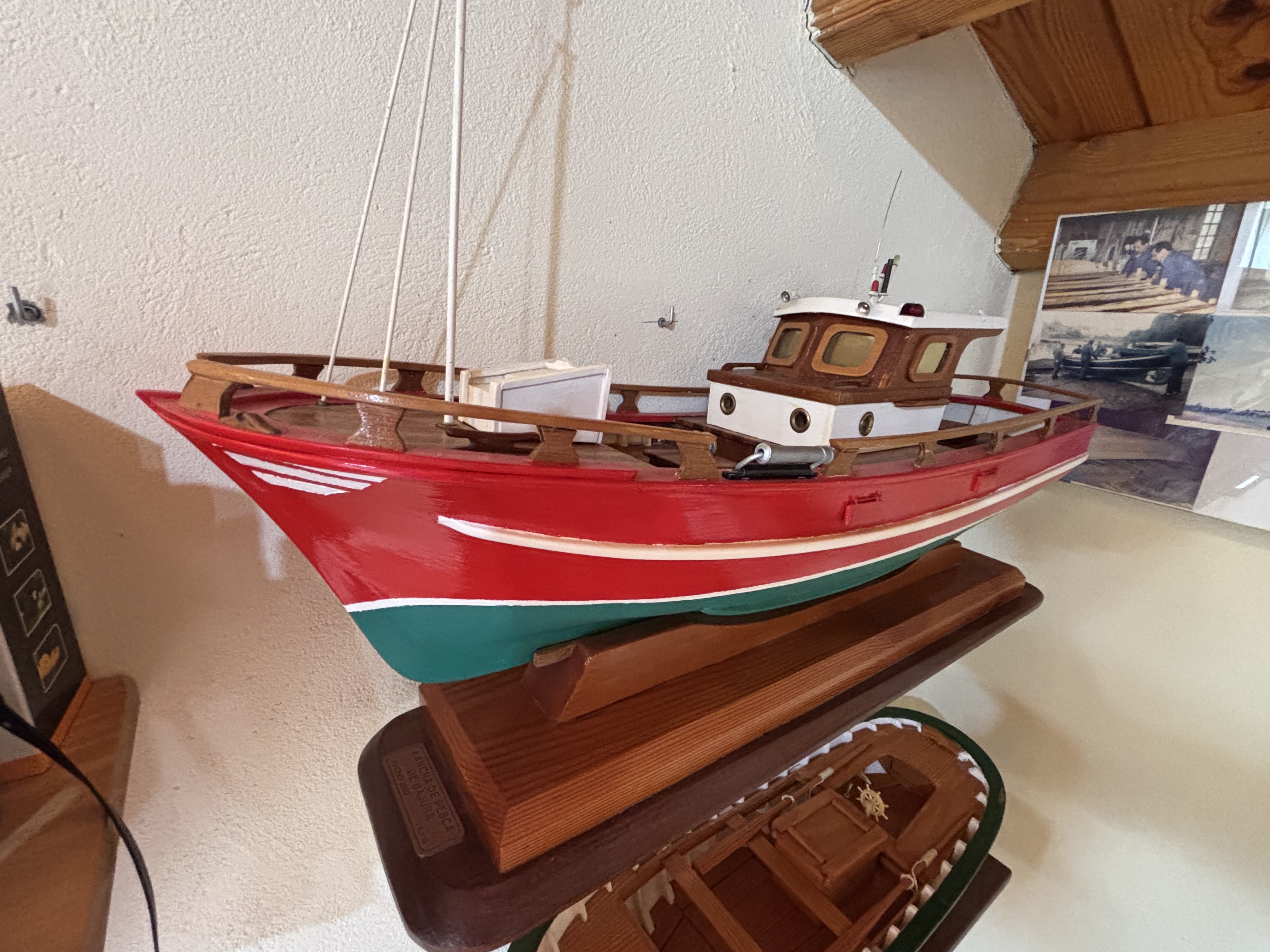
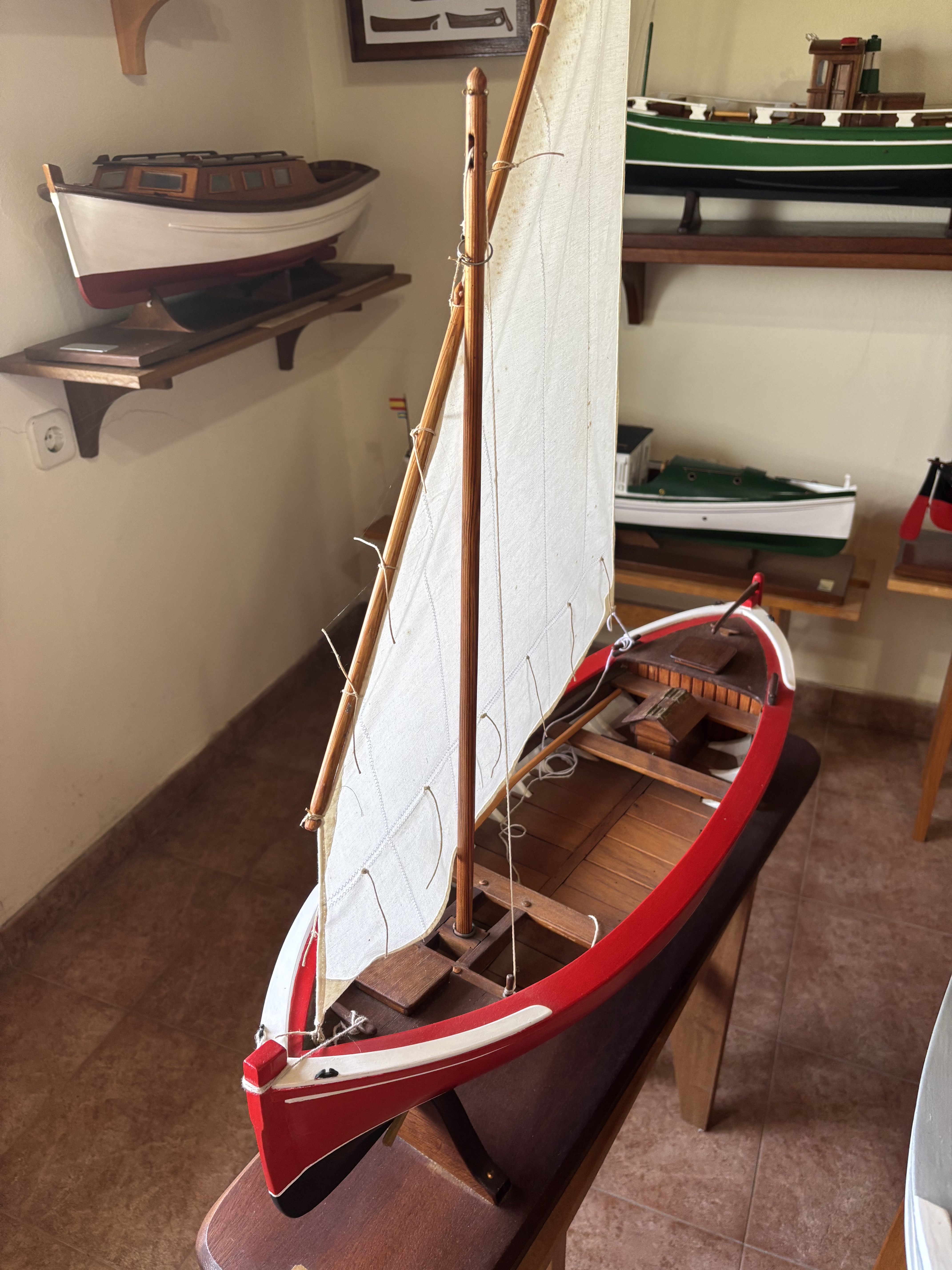
Now retired from building full-size boats, Pepe de Pacho or Pepe as he is known, turned his talents to the most intricately detailed model boat building. The exquisite samples of his work are now displayed in part of his home in a small museum. There, he continues to build his intricate wooden models and keeps the tradition alive in miniature. 

When a couple of curious Kiwis suddenly turned up armed with nothing more than eagerness and spanglish he was extraordinarily magnanimous and generous with his time—even though he spoke barely a word of English. With a permanent smile,he took his time to show us around whilst describing the history of the original of each model whilst I smiled and nodded and sadly caught only about a tenth of what he regaled me with.

After about an hour of awe struck admiration of his entire collection of over 90 boats, we shook hands, posed for photos and bid a fond farewell to Pepe and his lovely wife. A modest man of immense talent and irreplaceable knowledge and craftsmanship. 

As we left Pepe advised us to go and learn Spanish and come back again! Every boat has its own story, he said, and without the language, we’re missing too much history.”

Below we have the story of Pepe’s very salty life – its a great tale, I hope you enjoy the read. (as always you can enlarge the photos by clicking on them)

Pepe de Pacho: The Soul of the Asturias Boatbuilding

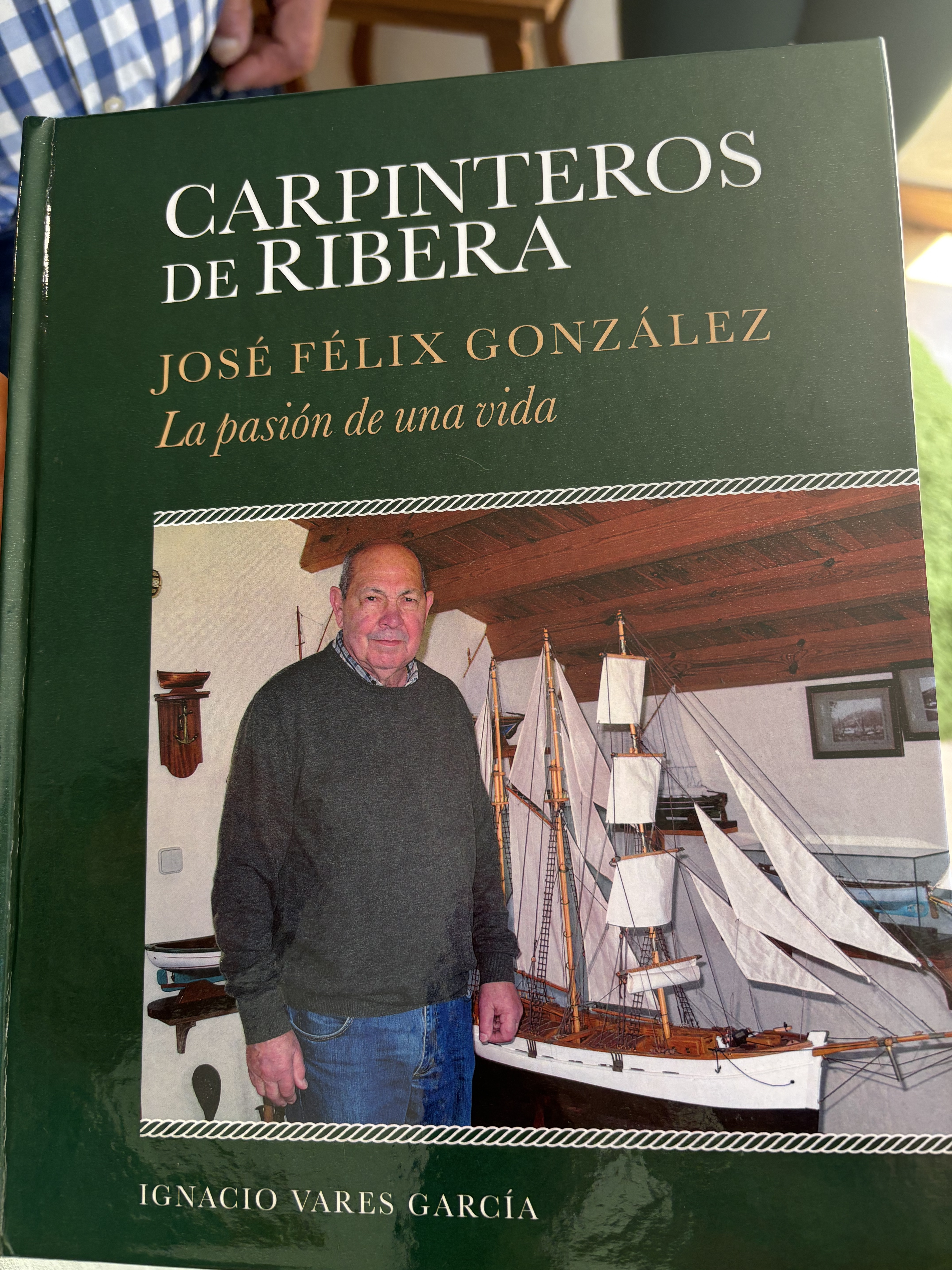
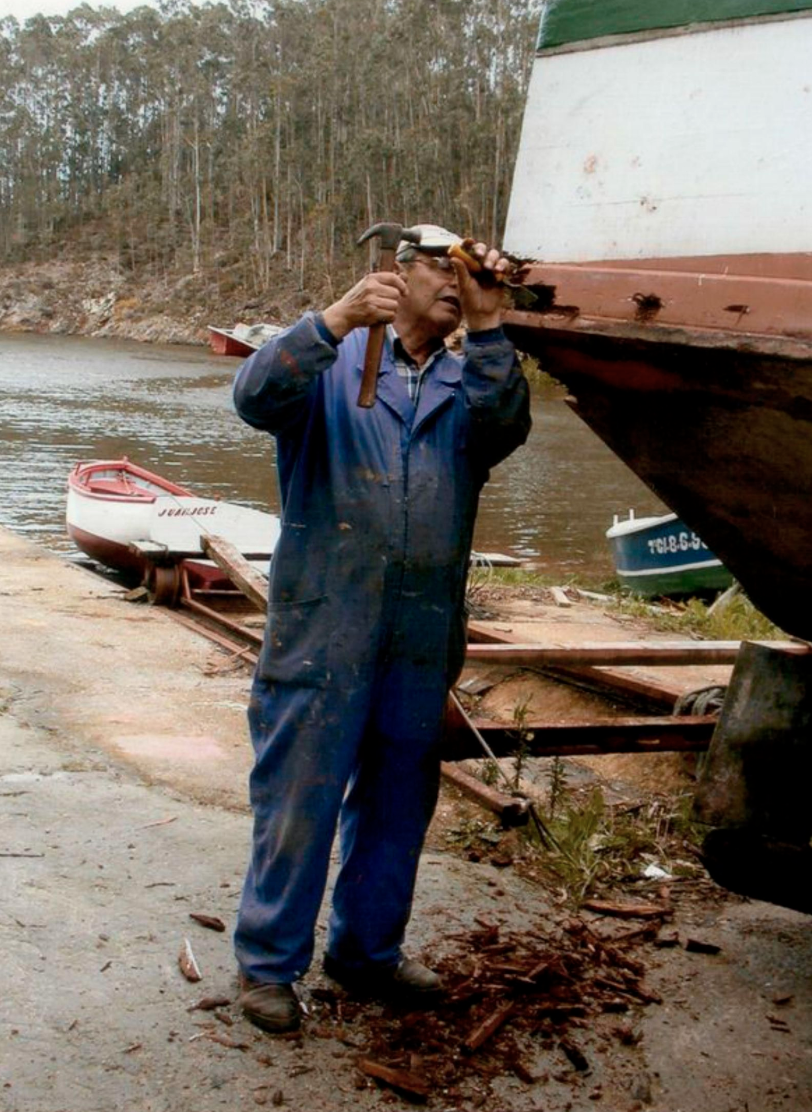
Tucked along the estuarial shores of the Río Eo in Asturias lies a living relic of Spain’s maritime past—not in a grand museum, but in the humble home of Pepe de Pacho, one of the last true carpinteros de ribera, or traditional boatbuilders, in the region. Born José Félix González Vijande in 1946 in the coastal town of Piñera (Castropol), Pepe inherited more than a family name—he inherited a calling.

Roots in the Ría del Eo

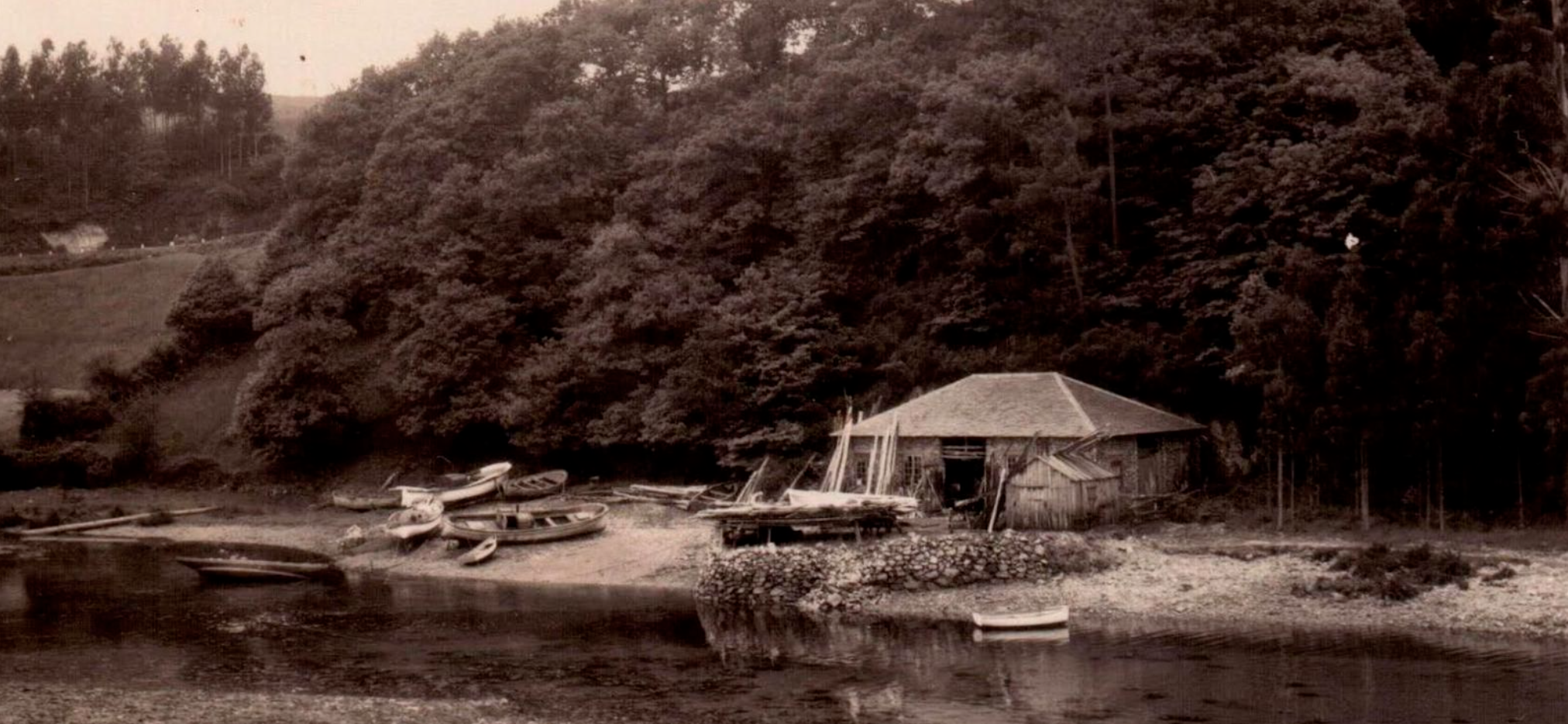
Pepe’s journey into the world of boats began not in a classroom but at the workbench. His father, Marcelino “Pacho” González, established Astilleros Pacho in 1944—a modest shipyard that would become the heart of a multi-generational tradition. By the age of 14, Pepe was apprenticing alongside his brother Carlos, shaping timber and learning the rhythms of the tides and the wood grain under his hands. The workshop, later relocated to Berbesa on the Eo estuary, became a vital node in a once-bustling network of small boatyards lining the Asturian coast.

Throughout the mid-20th century, the Pacho yard built robust wooden vessels for fishing fleets from Galicia to the Basque Country. The craft they were most famous for were the handbuilt, Lateen sailed ‘Pacho’ boats. 6 metres long traditional Cantabrian sailing boats with a rounded hull and folding centreboard that have become the favourite class racing boat of the region. These weren’t just pleasure boats—they were lifelines for coastal communities and the main form of local transport carrying salt, wine and produce for centuries.

Reputation for Mastery

Pepe earned a quiet but steadfast reputation as a craftsman of integrity. Among those in the know his boats were prized and desired for being incredibly seaworthy and superbly built. He possessed an intuitive understanding of how wood moved with water. Colleagues often noted how he could “read” the timber—knowing by touch alone if a beam would flex too much under pressure or hold fast in a swell.

But it wasn’t just skill with tools that defined him. It was his dedication to keeping the traditions of Asturian boatbuilding alive in an era increasingly dominated by fiberglass and mechanization.

A Shift to Miniature, Not to Retirement

When Pepe finally retired from full-size boatbuilding in the 1990s, many assumed he would quietly fade from the maritime scene. Instead, he pivoted into an entirely new phase of artistry: the construction of model boats, each one a precise and poetic tribute to the vessels he once launched into the Cantabrian Sea as well as noteworthy craft from all over the world.

“I retired many years ago, and these are the only boats I build. All my life I worked in the shipyard founded by my father, Marcelino, known as ‘Pacho’. Now it’s my nephew Martín, who’s in charge of it,” explains Pepe as he shows us each of these scale replicas of ships that once left his shipyard, some of which can still be seen sailing the Eo estuary. 

Using the same materials—local chestnut, pine, iroko—and the same techniques, Pepe began to produce handcrafted miniatures that mirrored real historical ships down to the finest plank and rivet. His first model, built in 1977, was merely a curiosity. But in retirement, he dove into the practice in earnest, creating over 90 unique pieces, many of them now on display in a personal museum in his home. The construction process is exactly the same as that followed in the construction of a real boat: it begins with the keel, placing the frames, fixing the stem and sternpost and nailing the sheathing planks, continuing with all the elements that go in the interior and from the deck upwards, especially the rigging and sails, made by the no less skilled hands than those of his wife Mirita

These models aren’t toys—they are scaled time capsules. From traditional fishing boats and rowboats to, English Tugboats and legendary schooners like El Industrial, Pepe’s work captures an exact scale model of history in each perfect centimeter of wood and rigging. Every curve tells a story, and every example is the result of countless hours of painstaking labor. 

What a pleasure it was to meet Pepe who is understandably proud of his incredible body of work, and sustifiably so. But he was also so delightfully humble when I praised his astounding craftsmanship and meticulous work. Pepe is always eager to share his passion for boats big and small and anyone who wants to see his ‘museum’ here, at his home, just has to let him know before coming. Visits are free. Good luck.

A Legacy Beyond the Eo

Though he remains modest, Pepe has quietly become internationally respected in maritime heritage circles. His models have been featured in exhibitions, publications, and even cataloged in a book authored by his brother-in-law, Ignacio Vares. His daughter Aida created a website to showcase the collection, ensuring these vessels—both large and small—remain accessible to future generations.

Local efforts to preserve his legacy continue. The town of Castropol is preparing a new edition of the book chronicling his work, recognizing not just Pepe’s craftsmanship but his cultural importance as a living link to an endangered maritime tradition that fortunatley still lives on, in the capable hands of Pacho’s nephew at the same little shipyard on the banks of the Rio Eo where little has changed for one hundred years. 

For more details, see: https://astillerospacho.com/inicio/ https://www.guiarepsol.com/es/viajar/nos-gusta/carpinteria-nautica-artesanal-visita-al-taller-de-castropol-asturias/ https://pepedepacho.wixsite.com/maquetas/maquetas