UNIDENTIFIED WOODEN LAUNCH, PT CHEVALIER 1933 – ANY CLUES

UNIDENTIFIED WOODEN LAUNCH, PT CHEVALIER 1933 – ANY CLUES

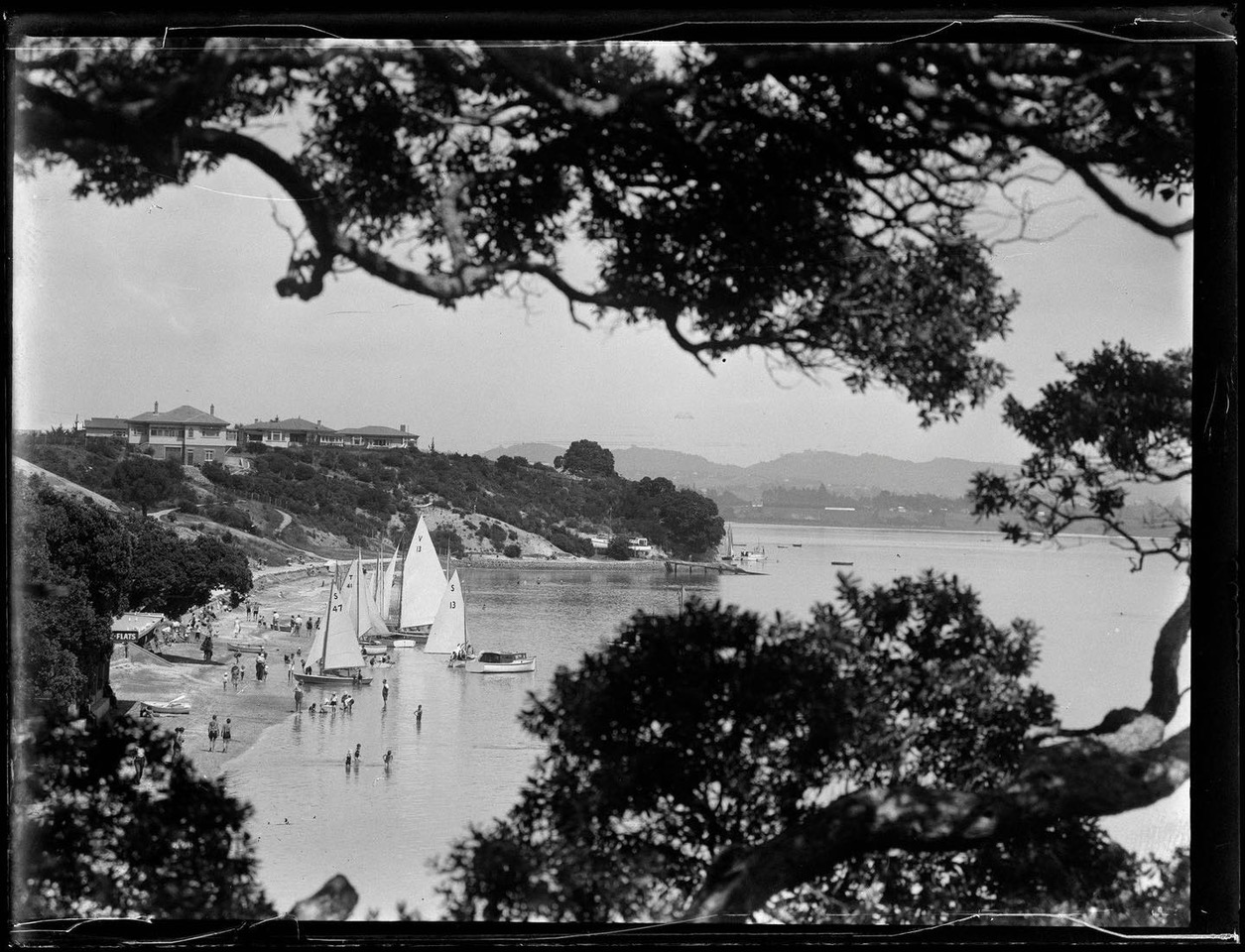
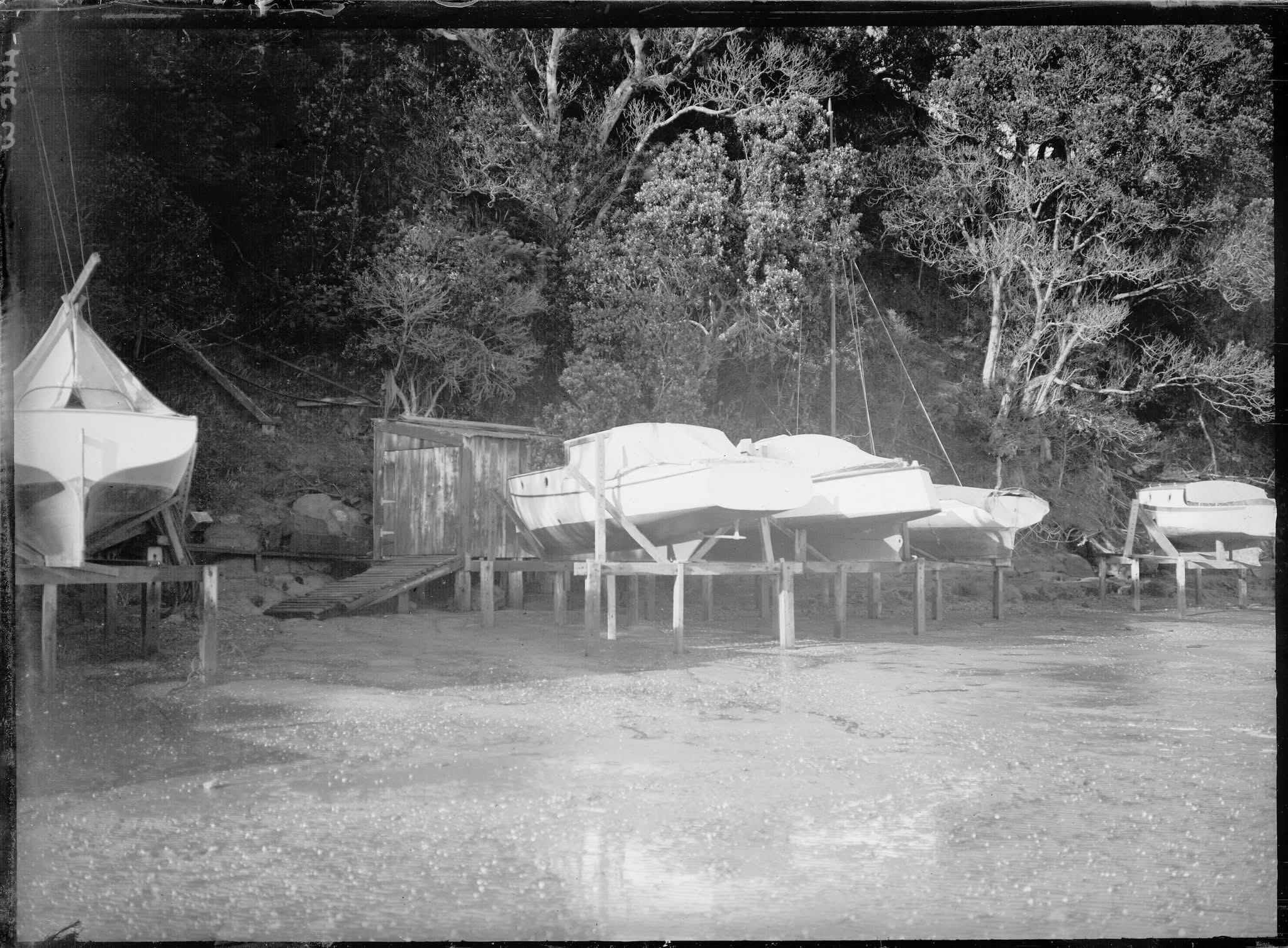
Todays woody photo comes to us from the NZ Herald archives via David Tomlinson and is dated April 1933. The caption reads – ‘Looking down from the foreshore at Pt Chev, showing visiting sailing boats on the beach’.
On the original fb post Robin Elliott did a wonderful job of ID’ing the yachts, see below.

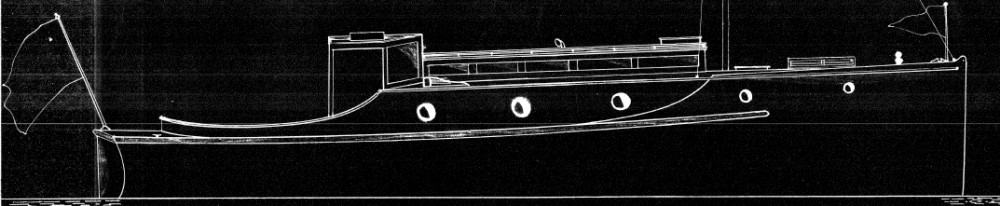
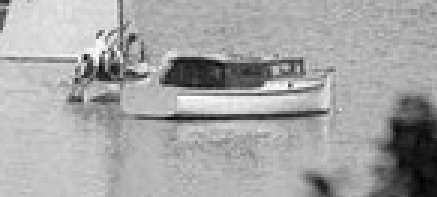
But todays challenge is can we put a name to the launch at anchor in the middle of the beach.

“From left the yachts are: S-47 Snipe, an American Snipe class design that failed to gain popularity here and was registered in the open S-class yachts exc 14ft not exc 16ft.; T-41 14-footer Nyria, originally a 14-foot One Design (X-class) built by Colin Wild in 1921 but converted to an open T-class not exc 14ft, in 1929; V-13 Belle, 18ft racing yacht designed by Pt Chevalier identity, A.L. ‘Trotter’ Willetts. V-class was exc 16ft not exc 18ft; S-13 Kittiwake was originally a Logan built yawl that was converted to an S-class and raced with Pt Chevalier Sailing Club by the Thorpe brothers
EX 1929 CLASSIC WORKBOAT KATIPO

EX 1929 CLASSIC WORKBOAT KATIPO 

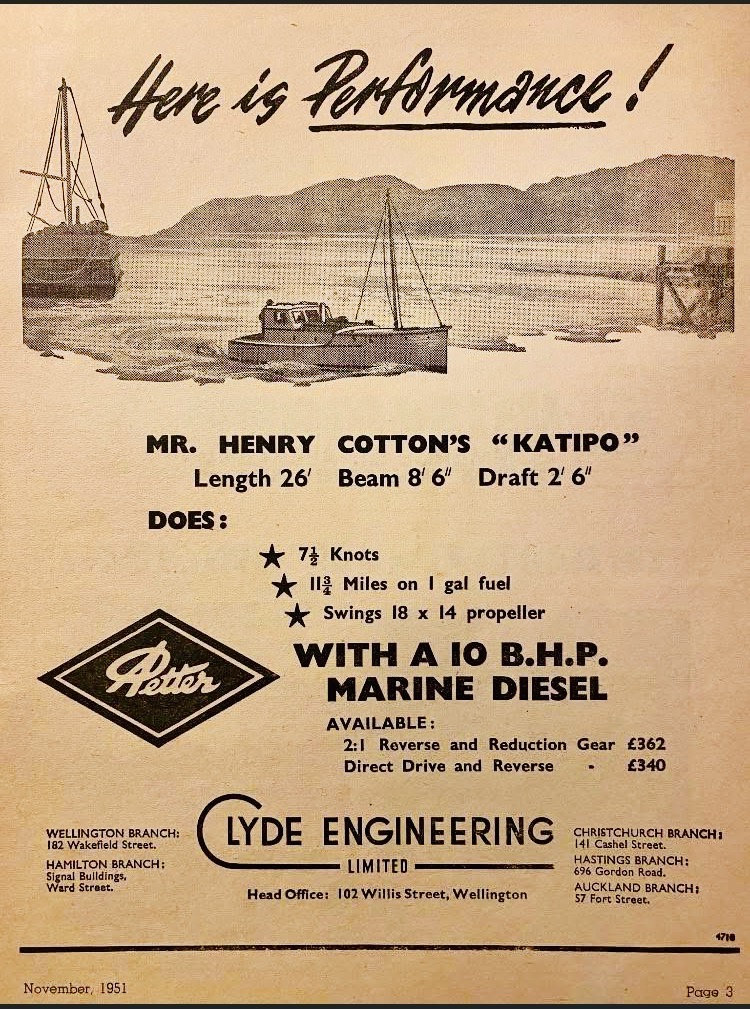
Seems these days there is a fb page for just about anything and everything – John Burland sent me a link to the ‘Memories of Abel Tasman National Park’ page. There I came across a  posting dating back to April 2023 where a Peter Campbell posted a copy of a Cody  Engineering advertisement from November 1951 , featured in the ad was the 26’ launch – KAIPO. At the time owned by Henry Cotton. She had a 8’6” beam and draft of 2’6”. We ran a brief story on her back in 2023 but didnt learn about, so we try again 🙂

Then we learnt in the comments section(ex Steve Thomas 2024) thatDon Thomas and Boxer Fanslowe purchased KATIPO from Nelson Fisheries mid 1950’s and was then refurbished by Dick Stringer in Nelson.. In another comment in 2024 a Lynda Gould advised the Don Thomas was her father and him and Boxer owned the boat in the 1950”s > 1970’s.

She was originally built by the Juke yard, Wellington and launched 1929.  The Petter 10hp engine was replaced around 1960 with a Ford Dexta 3 Cylinder, 32hp. KATIPO remained in the Thomas family until sold around 1998. 

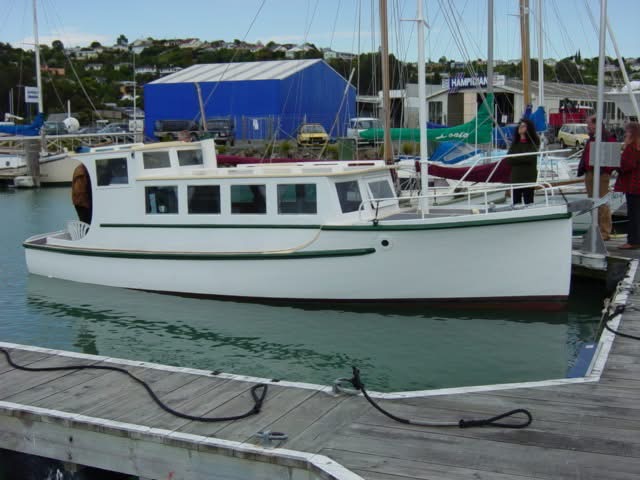
She’s now sitting in Picton Marina and I believe with the same Dexta engine still going strong after 63 years service. Photo below ex Steve Thomas, taken around 25 years ago.

Do we know what became of KATIPO.

03-02-2026 INPUT ex JOHN BURLAND – Now located in Picton Marina on a pole mooring. Powered by Ford Dexter diesel engine and 4sale on tme.

ONE OF THEM IS DREAMING – 17’ V 40’ WOODY

ONE OF THEM IS DREAMING – 17’ V 40’ WOODY

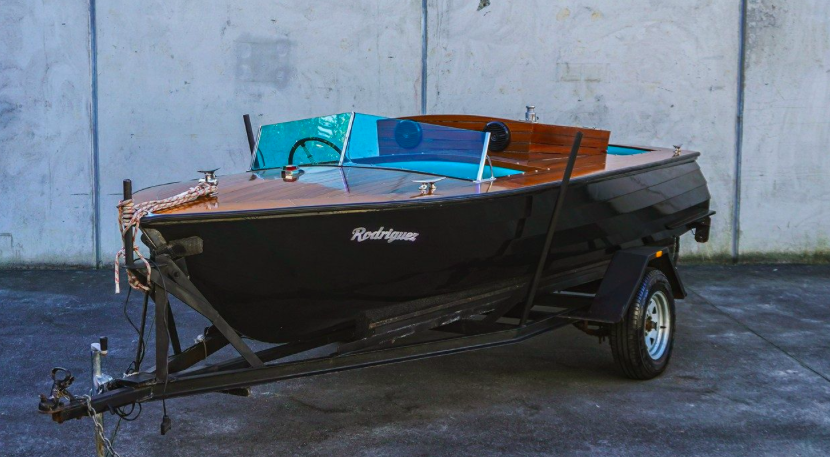
An unnamed woody recently sent me a link to a craft on tme with a one line note “wow check this out, you should buy it”.

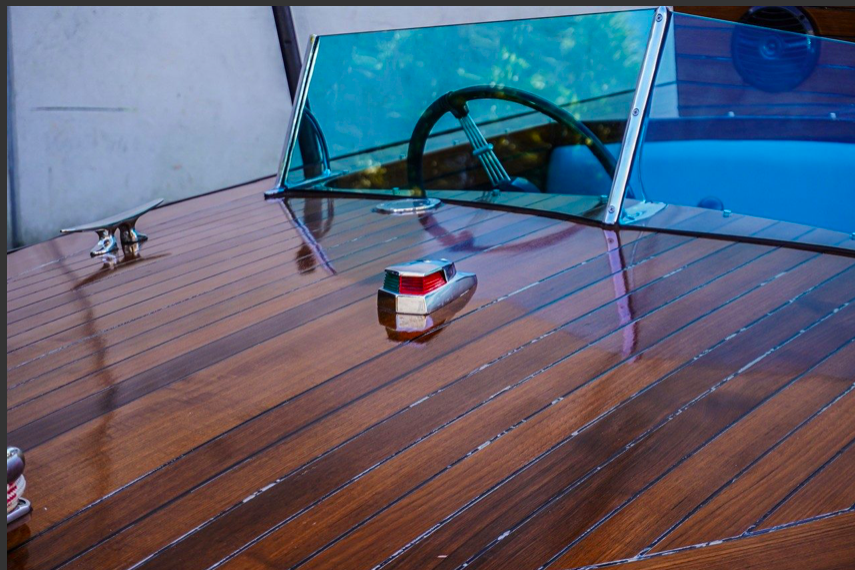
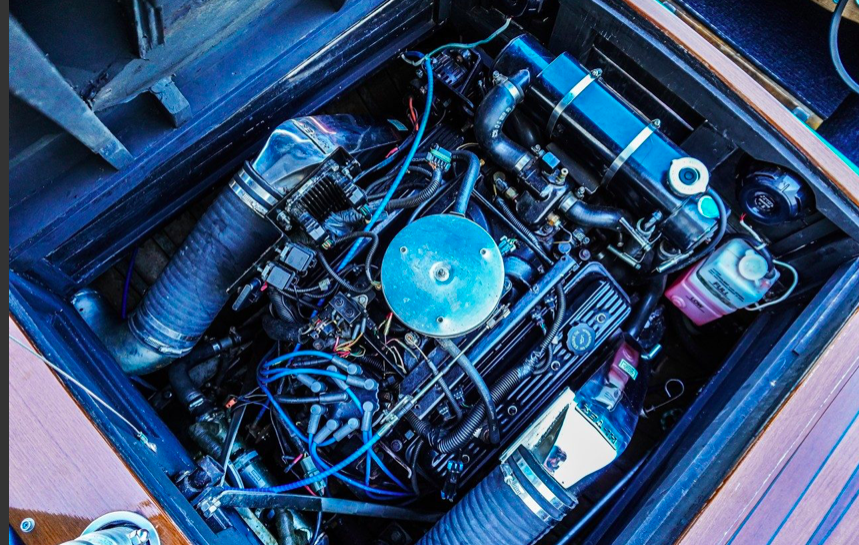
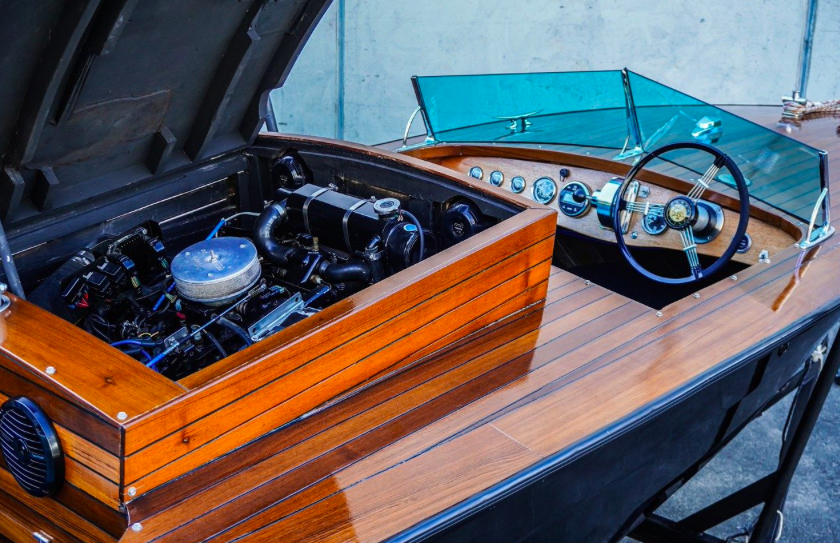
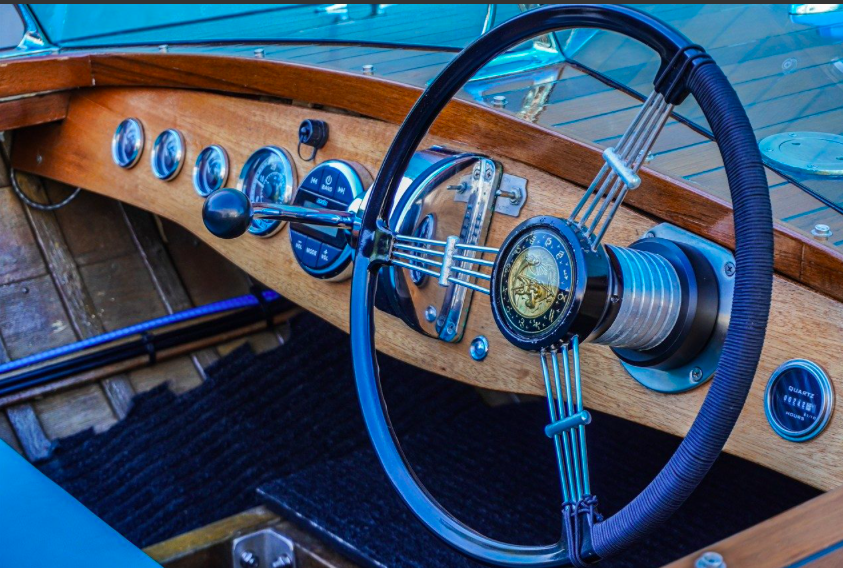
Well woodys turns out the craft was a 1955 17’ speedboat . Bui;t by someone named ‘Lewis’ and repowered with a 350hp Mercury inboard V8, capable of 90 kph (50 knots). 

Short answer – not for me.

Reading the listing it was all a little OTT eg “Rare vintage boats like this almost never come up for sale”, well thats not correct tme has mutable listings and then this line – “Trade-ins and finance welcome, and transport can be arranged nationwide.”

The nostrils started to twitch , smells like a car dealer…… well reading on turns out it was being sold by a car yard. And with a $40>45k price tag someones been sniffing the fuel tank.

So what’s the real story today – well this listing just illustrates the current divide between classic wooden motorboats and zoom zoom recreational trailer craft. 

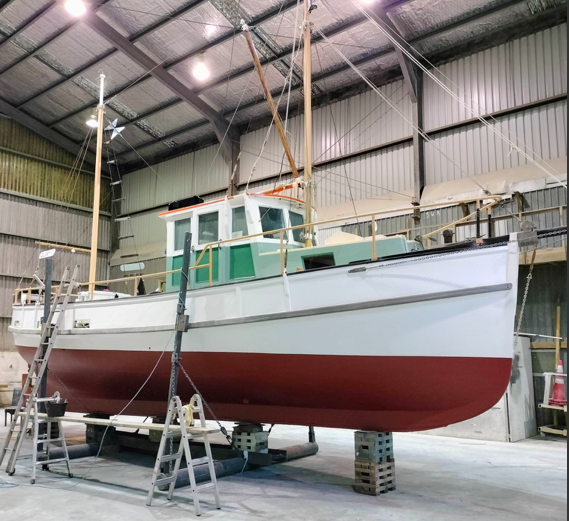
For the same $$ you could own the 40’ Miller & Tunnage classic woody below and do laps of NZ.

MYSTERY WOODEN VESSELS AT COROMANDEL

MYSTERY WOODEN VESSELS AT COROMANDEL 

Todays woody photo comes to us from Ross Dawson and is dated c.1957 and the location is Coromandel. The image is from a postcard and that woodys is all we know  – so we throw this open for input – can we ID the wooden craft – L>R.

I’m not too sure about the aqua section on the workboat looking vessel, an unusual colour for 1957 and also doesn’t quite look kosher eg added to the photo at a later date.

INPUT ex MURRAY McGEHAN – The boat in the right hand  side of the postcard picture is LADY WYN LADY WINN designed built and owned by the strongman family, moored outside their workshop. I last saw Lady Wyn in the Havelock marina about 1974. 

INPUT ex JACKIE CAREY – The vessel is named the Lady Winn was built by my Uncle Sam Strongman and my father Harold Carey in the Strongman boat building sheds in Coromandel owned by Sam Strongman, my father’s brother in law.   She was built as a family launch and we had many lovely adventures on her going to great barrier, Port Charles and around the islands in the Hauraki Gulf.  Including coming out of Port Charles straight into some huge waves that were crashing over the bow and my father kept going until we got back to coromandel harbour.  My grandmother was praying in the cabin while us kids were enjoying the ride in the stern not having any idea of the seriousness of the situation.  She did have a mast.

INPUT ex Dave Giddens – In the mod 1960’s she was the support vessel on one of the Auckland to Suva yacht races.

INPUT ex LEW REDWOOD – Could  the front launch outside  Strongman’s  in the Coromandel be TWYLIGHT  built by  Strongmans  – photos below.

RSVP – boat name to waitematawoodys@gmail.com

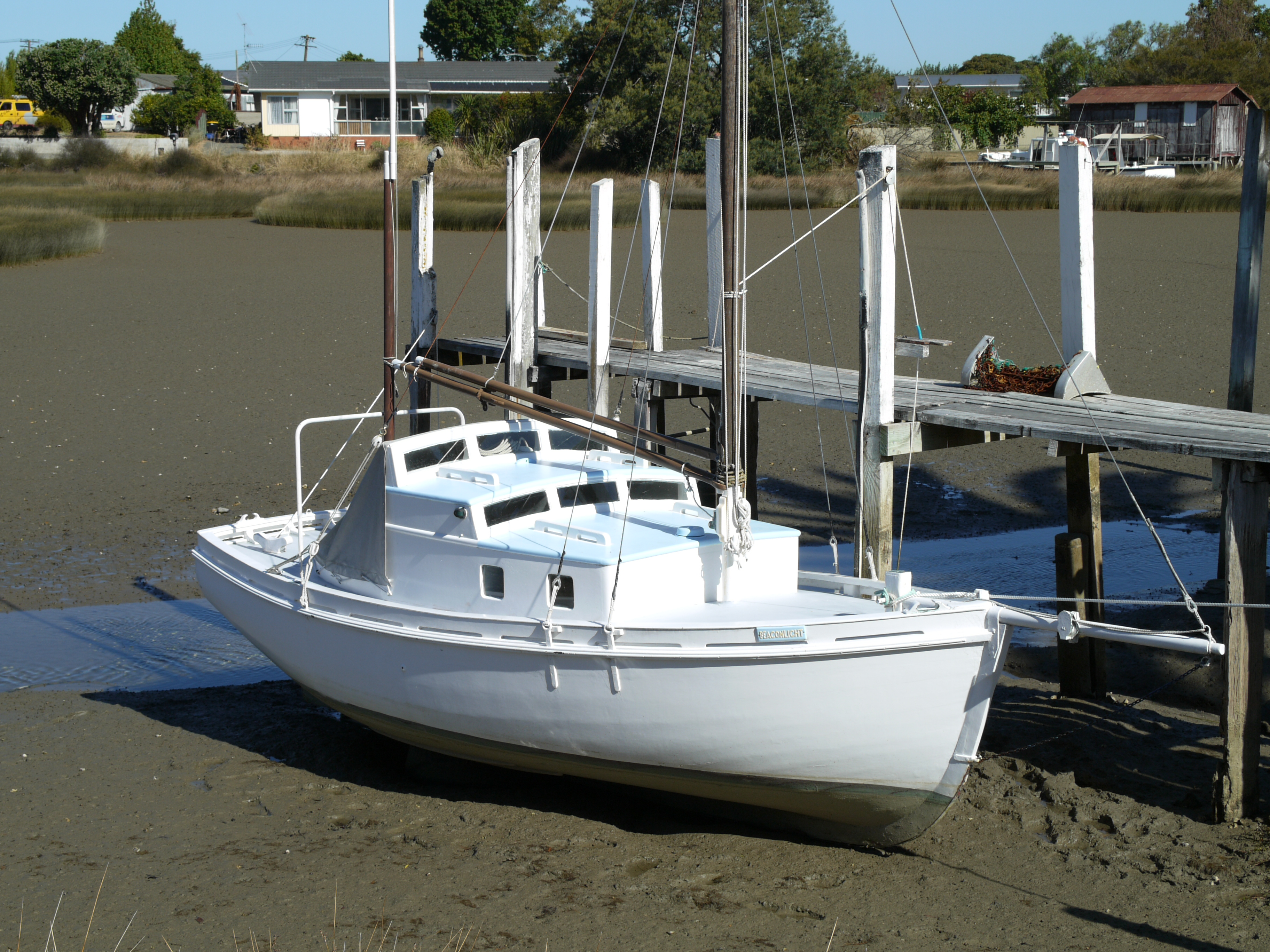
VERY SALTY WOODEN YACHT – BEACONLIGHT

VERY SALTY WOODEN YACHT – BEACONLIGHT

During a review of classic wooden craft stories from the Riwaka Inlet in Nelson I realised that I had overlooked the above photos of the yacht – BEACONLIGHT.

I took the photos back in March 2018 so there is a possibility that BEACONLIGHT may have been relocated.

Can anyone tell us about the yacht.

24-08-2025 INPUT ex ROBBIE WILLIAMS (aged 91) I certainly can comment on beacon light I watched VAL POLLARD build her in 1955 and was lucky enough to be part owner of her in 2005 with TOM ROWLING ( present owner ) and KEVIN BANTON in the photo top left hand corner is shed roof where she was built I hand sewed a new suit of sails for her and still have the headsail VAL POLLARD sewed for her when new I’ve enjoyed many great voyages aboard her.

INPUT ex TOM ROWLING – Beacon Light under sail

25-08-2025 INPUT ex PETER – The photo below, maybe late 1960’s, is of BEACONLIGHT leaving Torrent Bay with Noel and Dorothy Pawson, who owned her at the time. The Pawson’s went on to own the Mariner, the family boat built by Val Pollard for Dorothy’s father. I believe it was the largest vessel that Val built, and is still owned by the Pawson family and still kept at Riwaka.

My beautiful picture

WATERFRONT CLASSIC BOAT DOCKS – FLASHBACK

WATERFRONT CLASSIC BOAT DOCKS –  FLASHBACK

Todays woody photos popped up on the Westmere Community fb page (P Stanbrooke) and come to us via Lew Redwood.

The craft are ‘hauled out’ on the foreshore below Marine Parade and dated c.1914.

Sadly the days of being able to store your boat there are long gone, these days its all private jetties and razor wire.

In the late 1960’s this area was one of my boyhood playgrounds, but even then the boats had gone. Probably moved to Westhaven swing moorings.

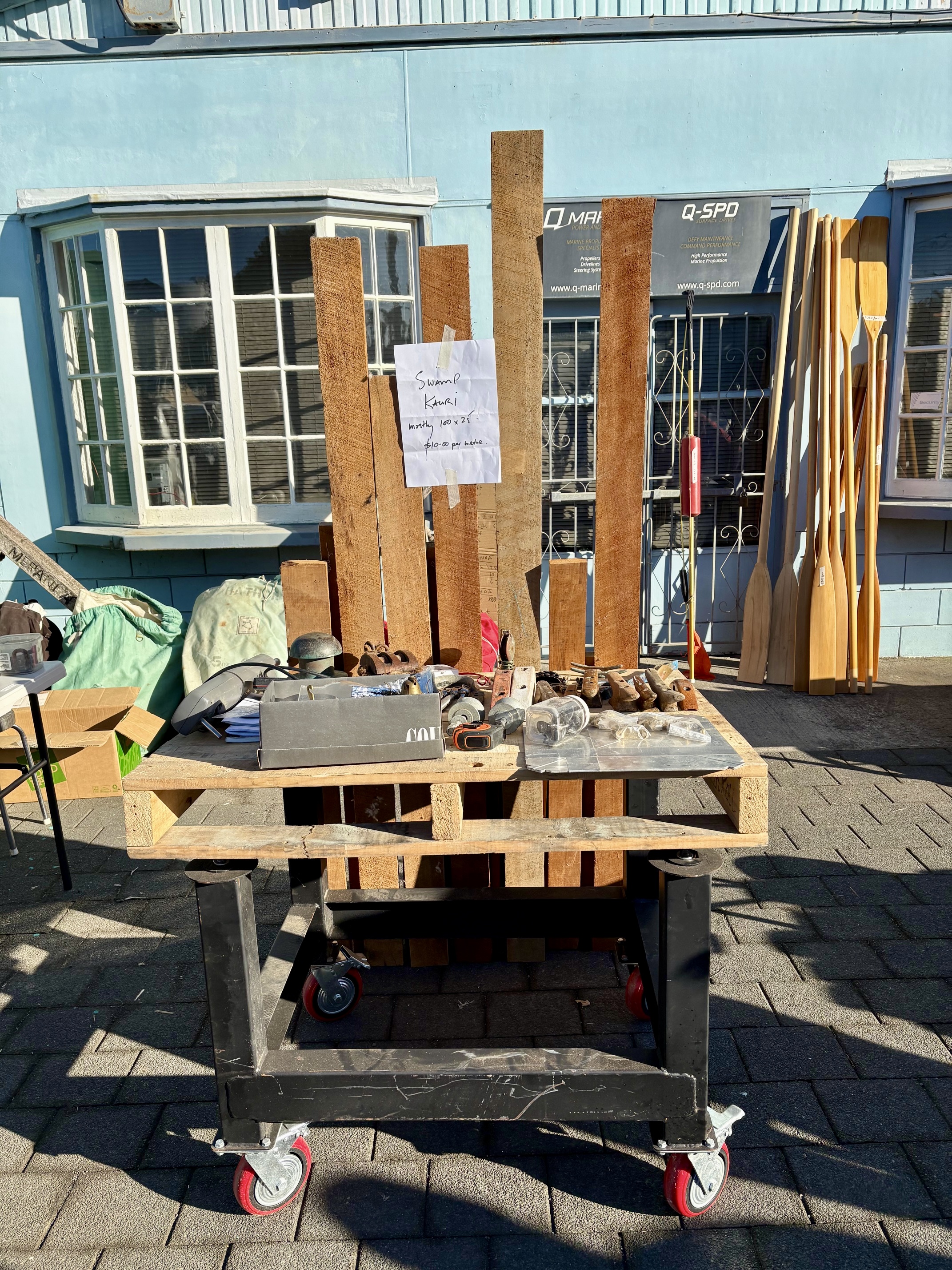
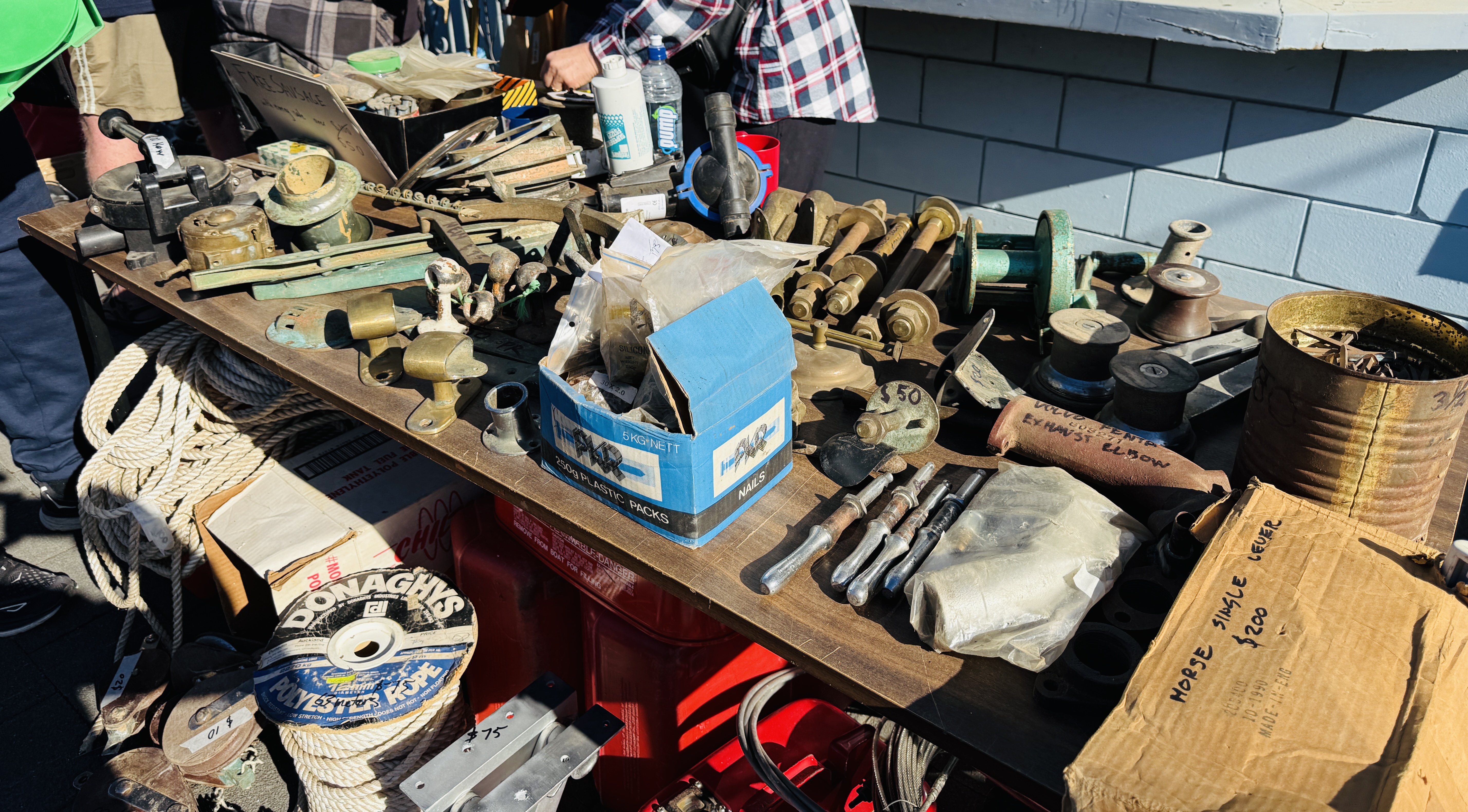
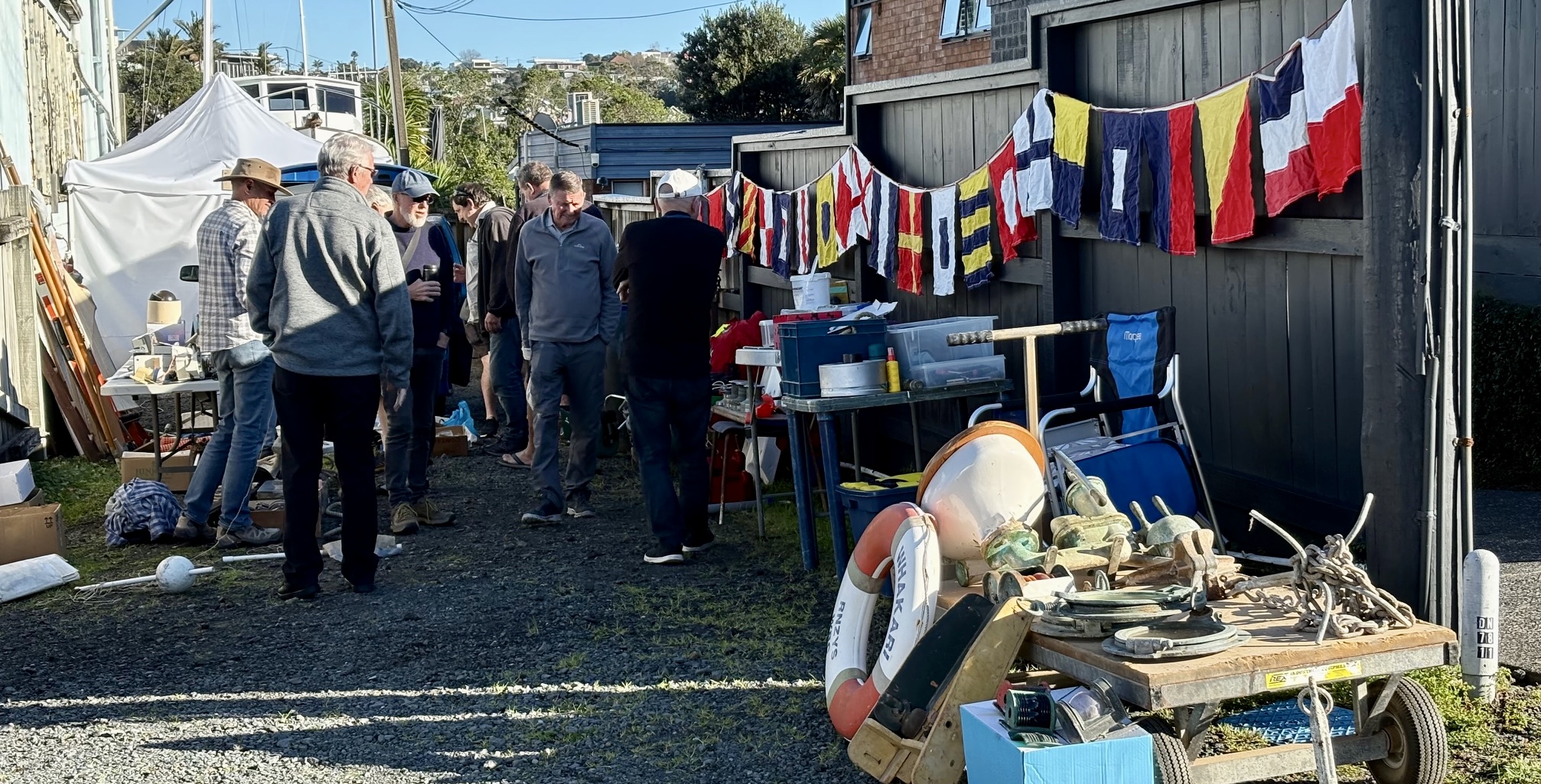
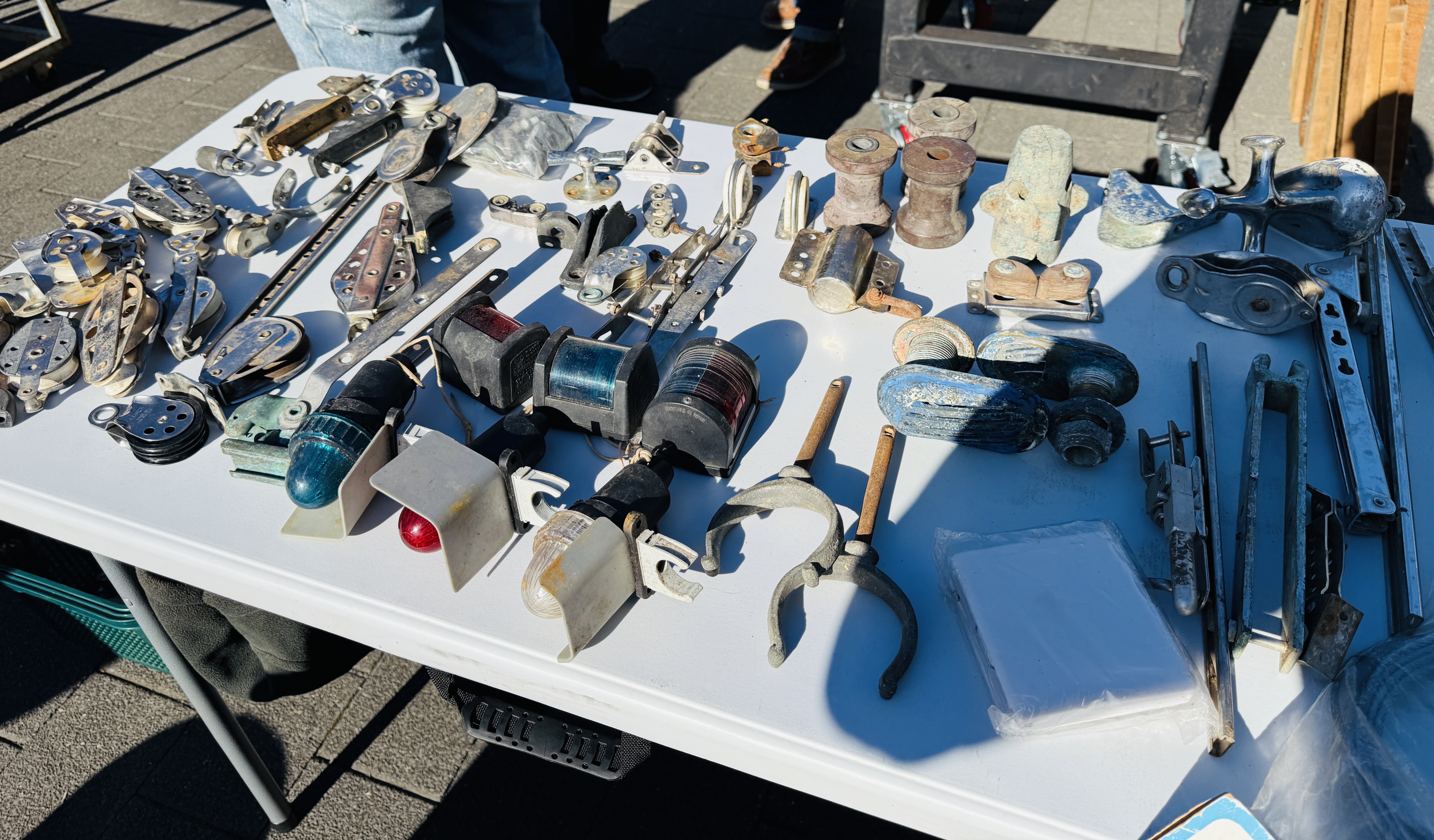
CLASSIC BOATERS GATHER FOR A SUNNY DAY OF SWAPS AND STORIES

CLASSIC BOATERS GATHER FOR A SUNNY DAY OF SWAPS AND STORIES

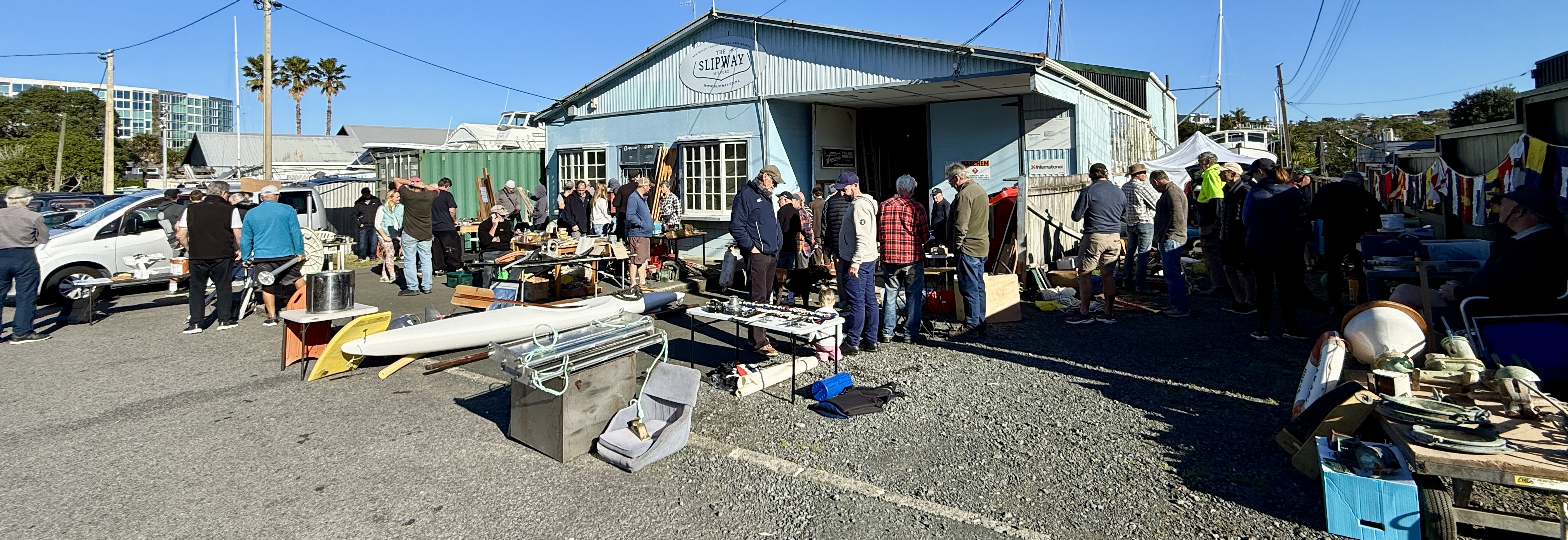
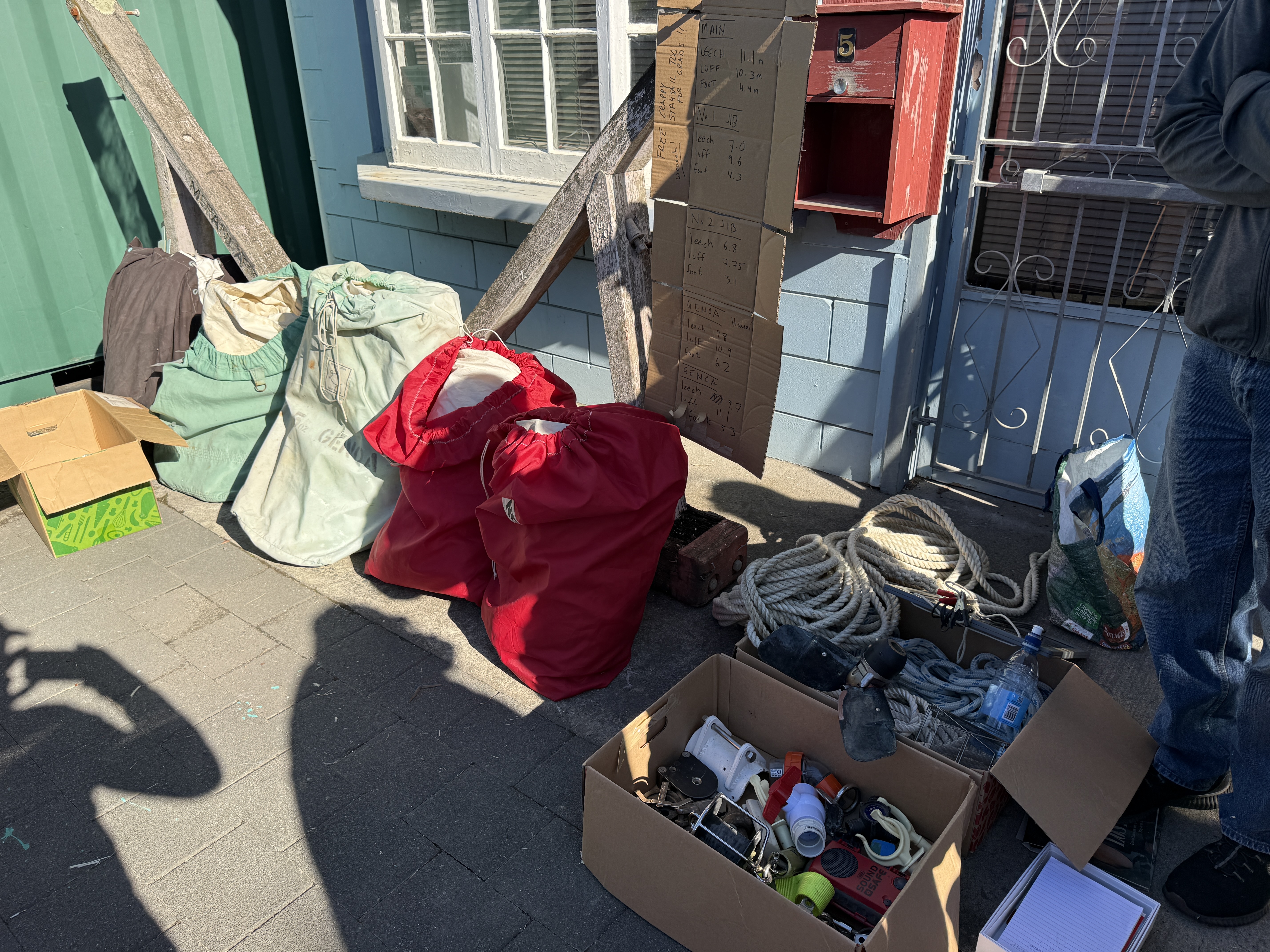
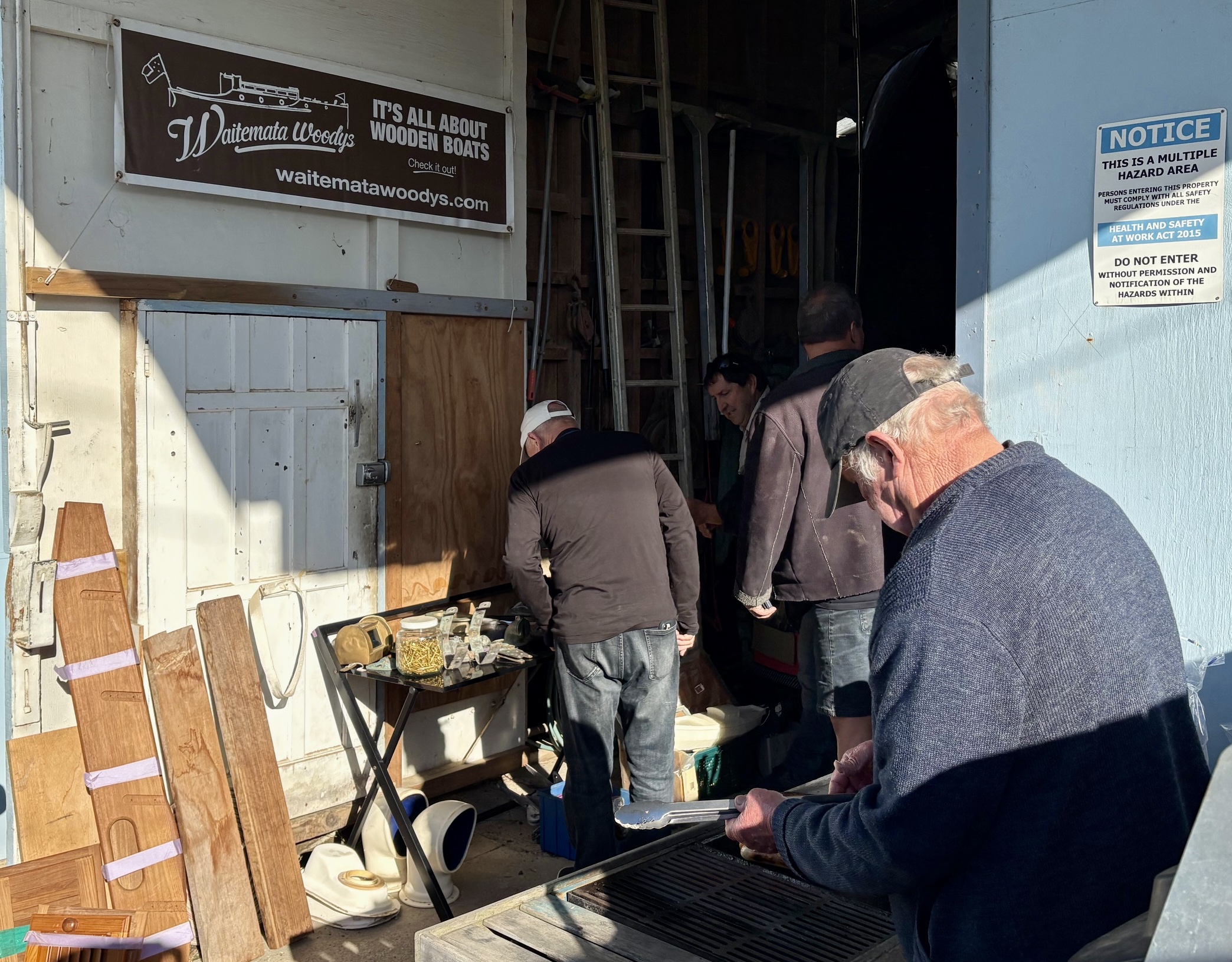
Saturday delivered a cracker of a day in Auckland – crisp early on, but soon warming into blue skies and sunshine. Ideal conditions for a classic wooden boat gathering, even if this time we stayed firmly on dry land.

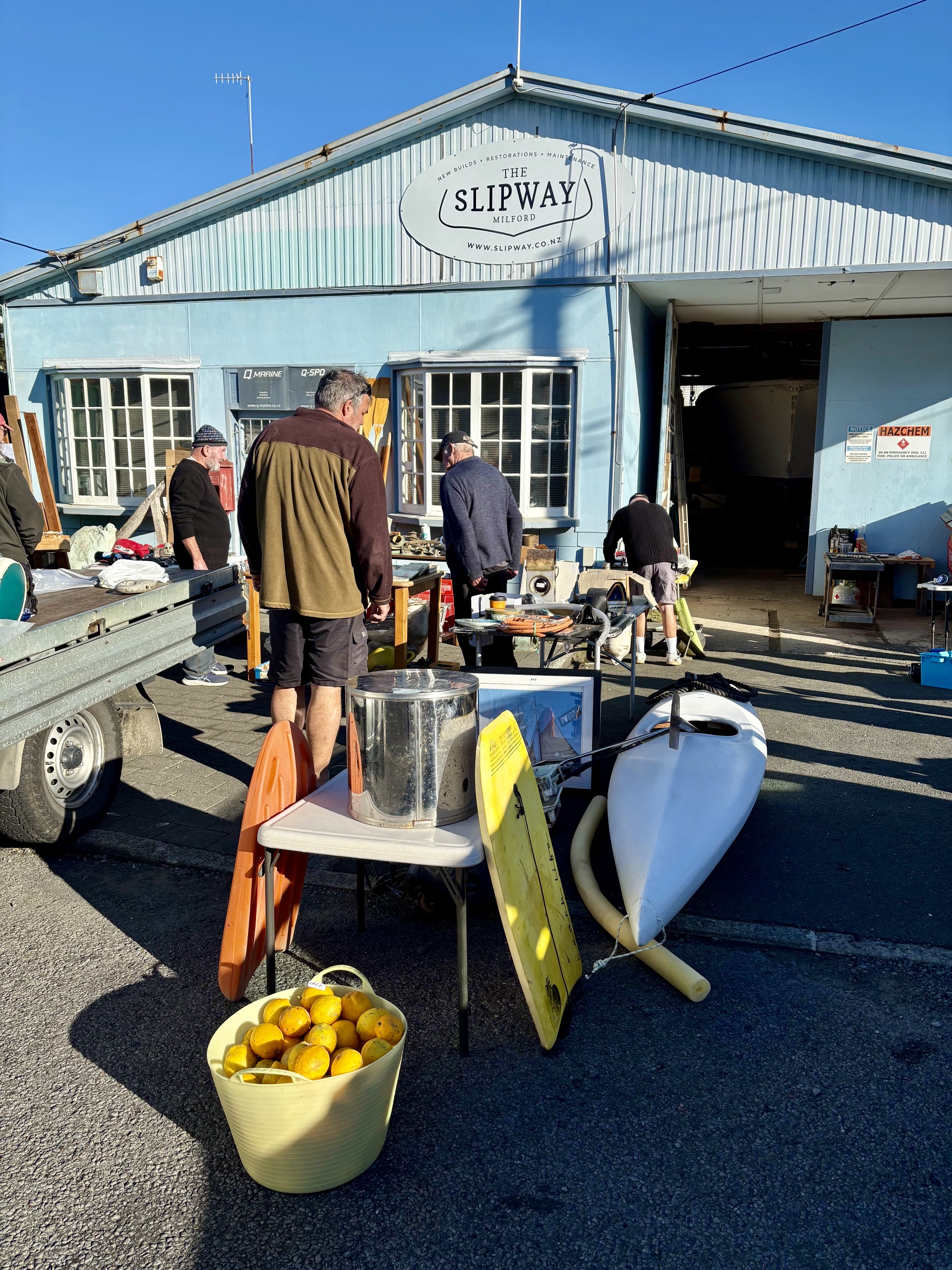
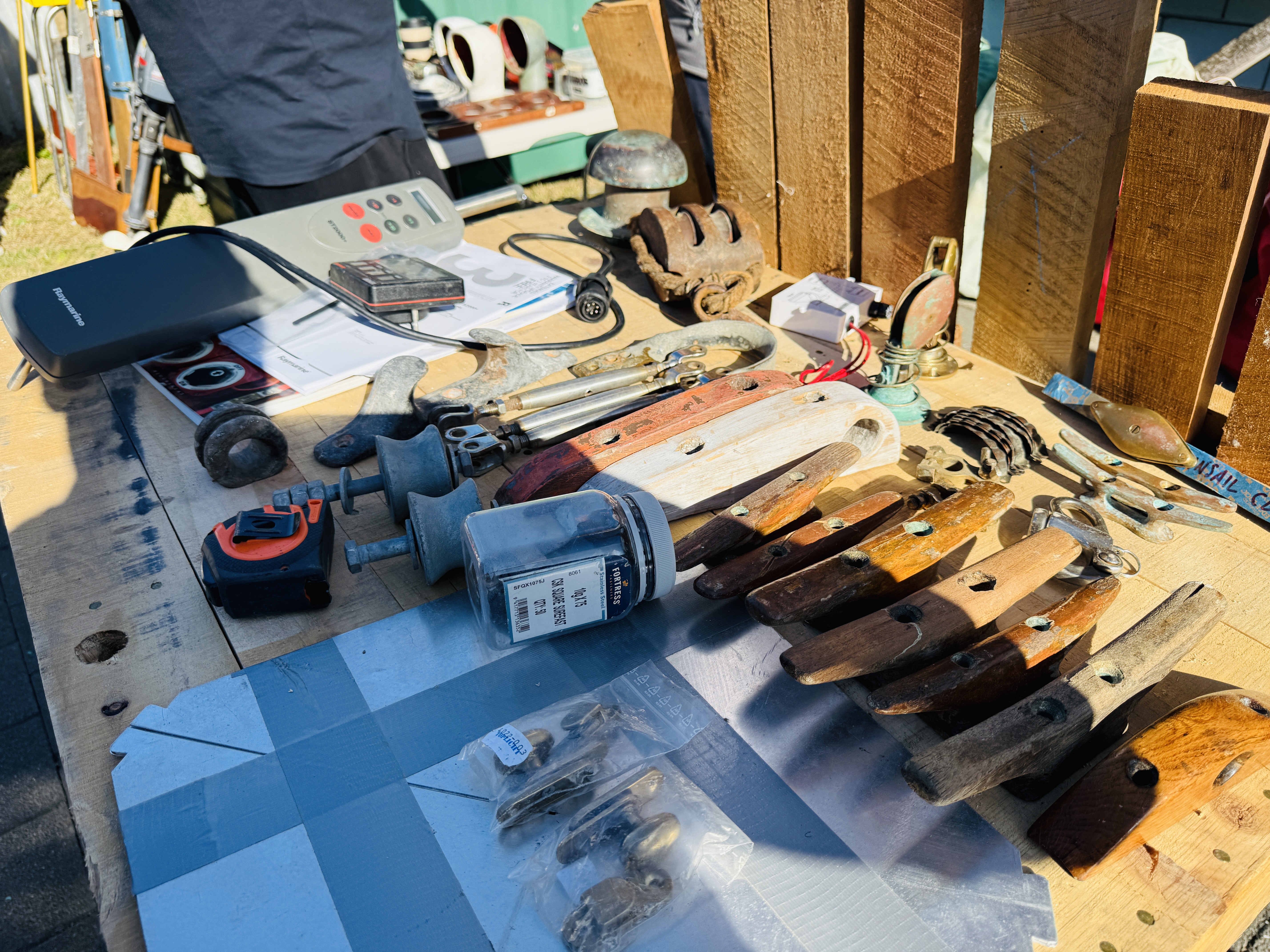
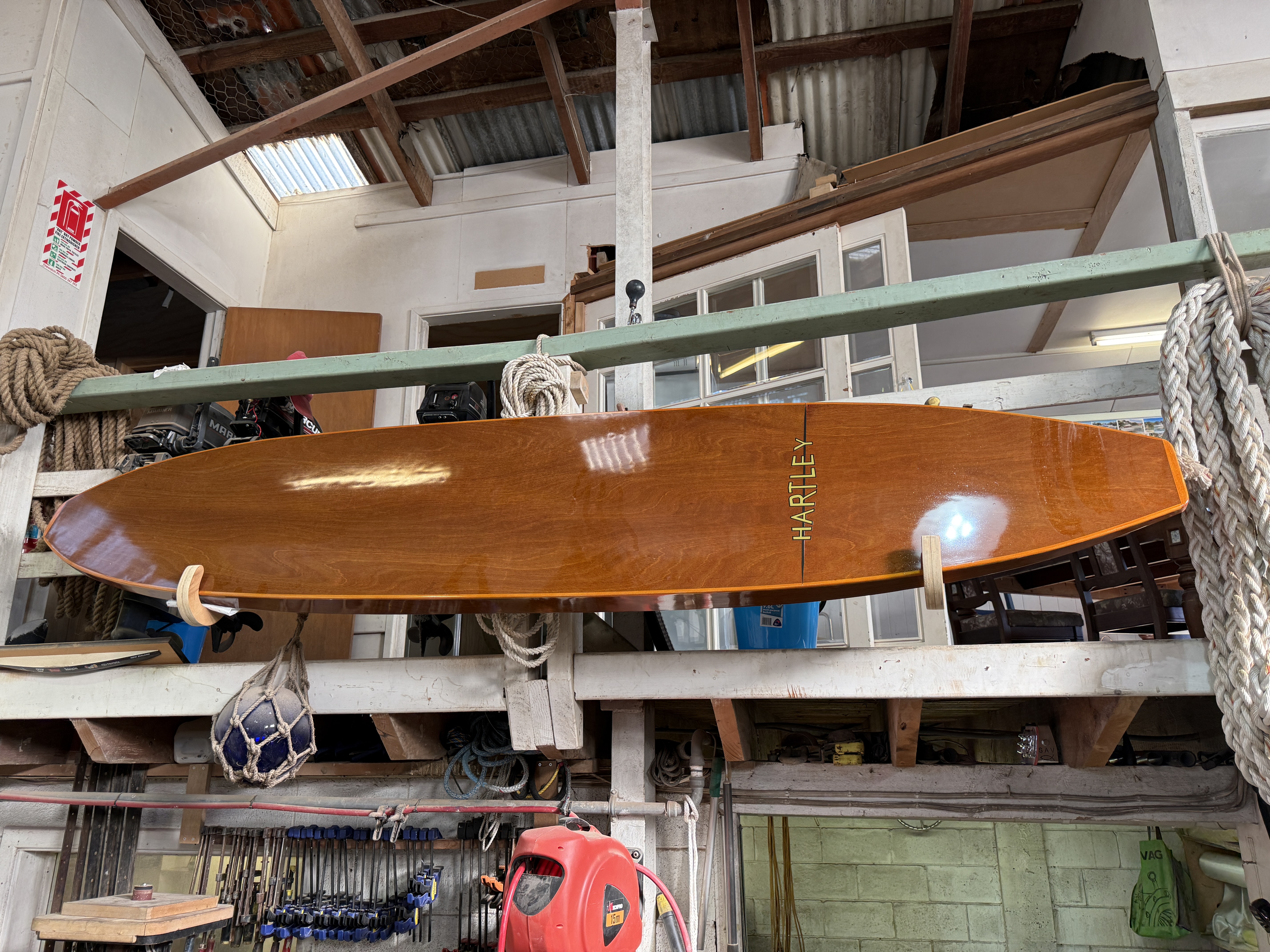
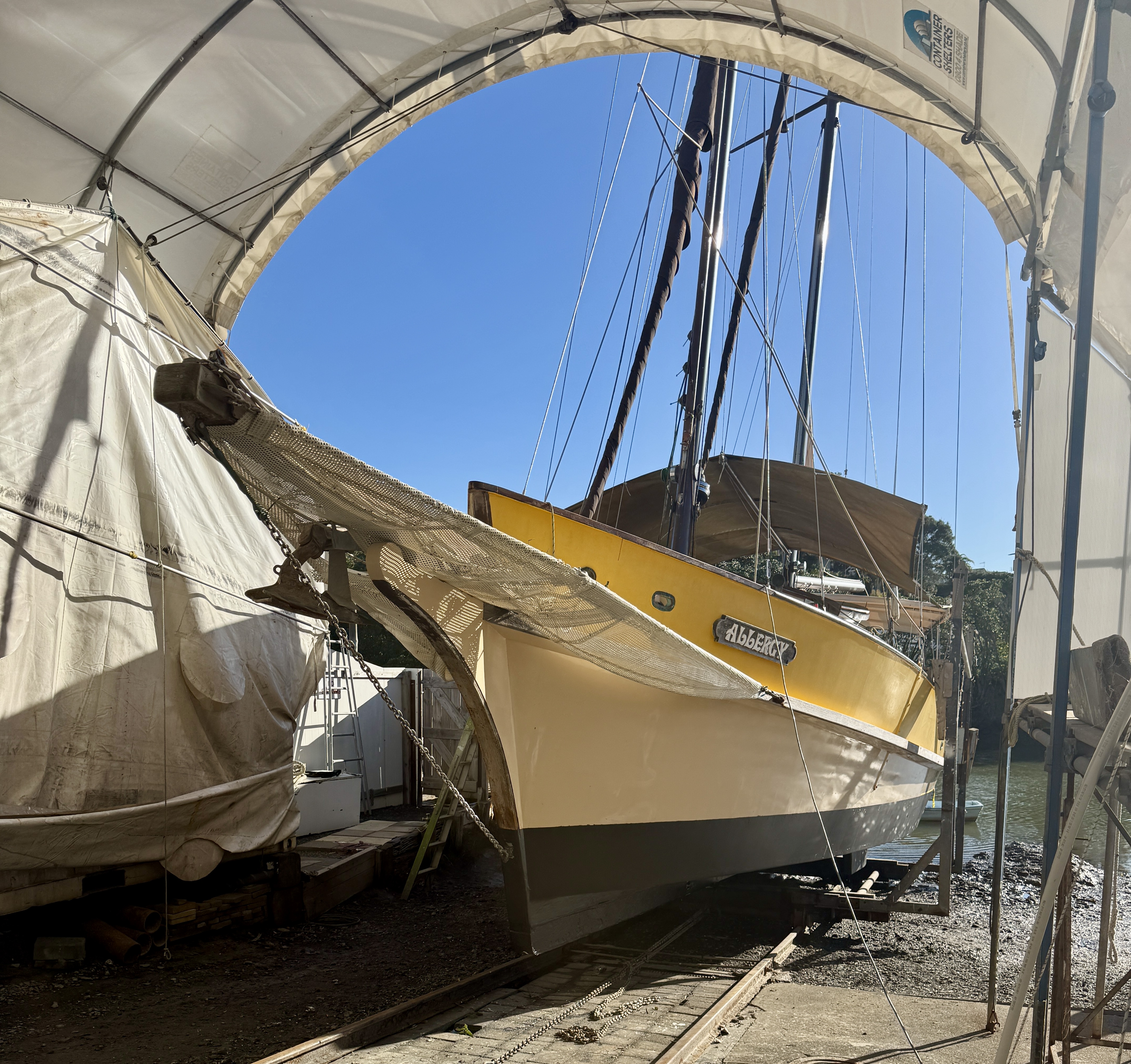
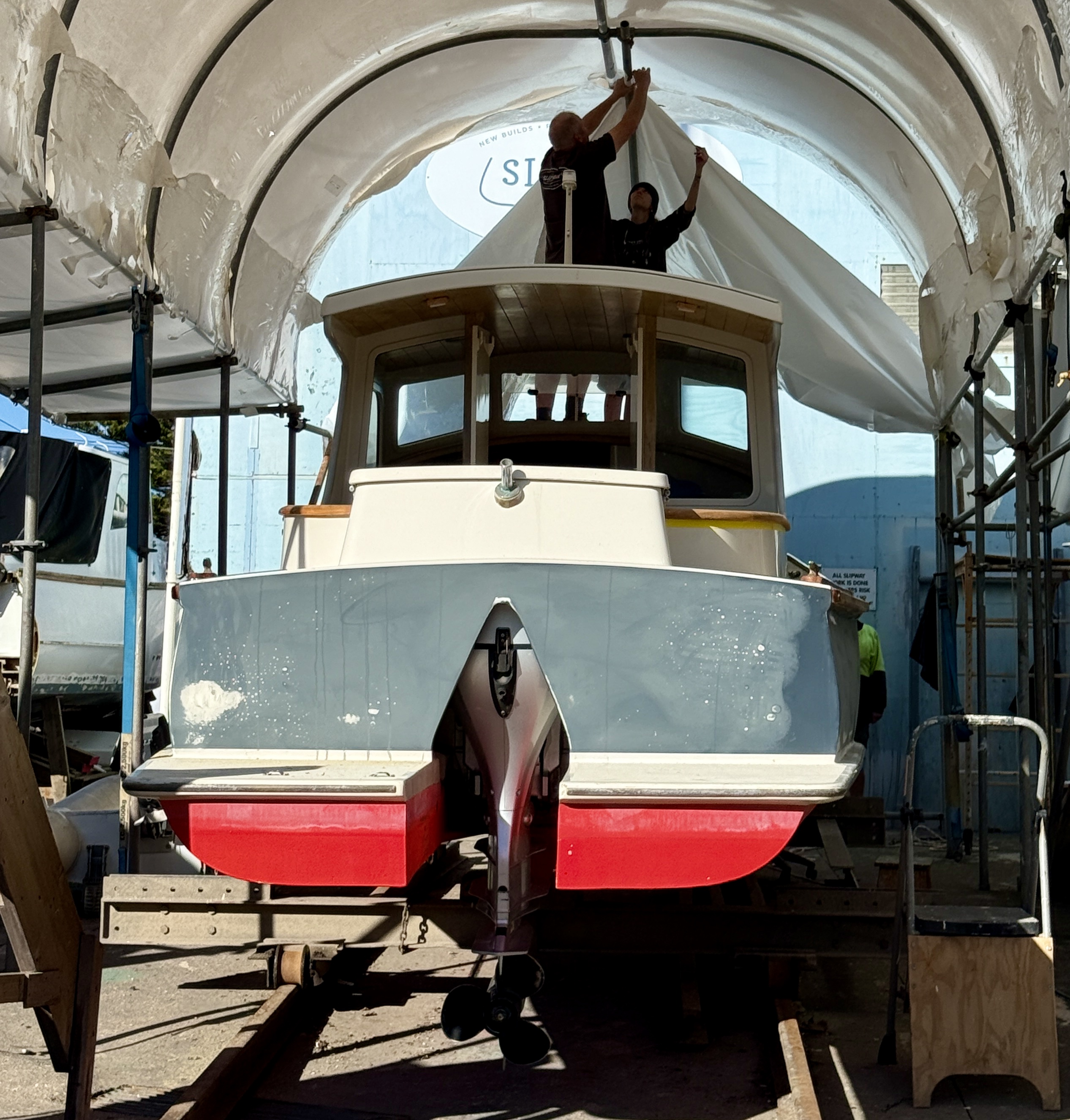
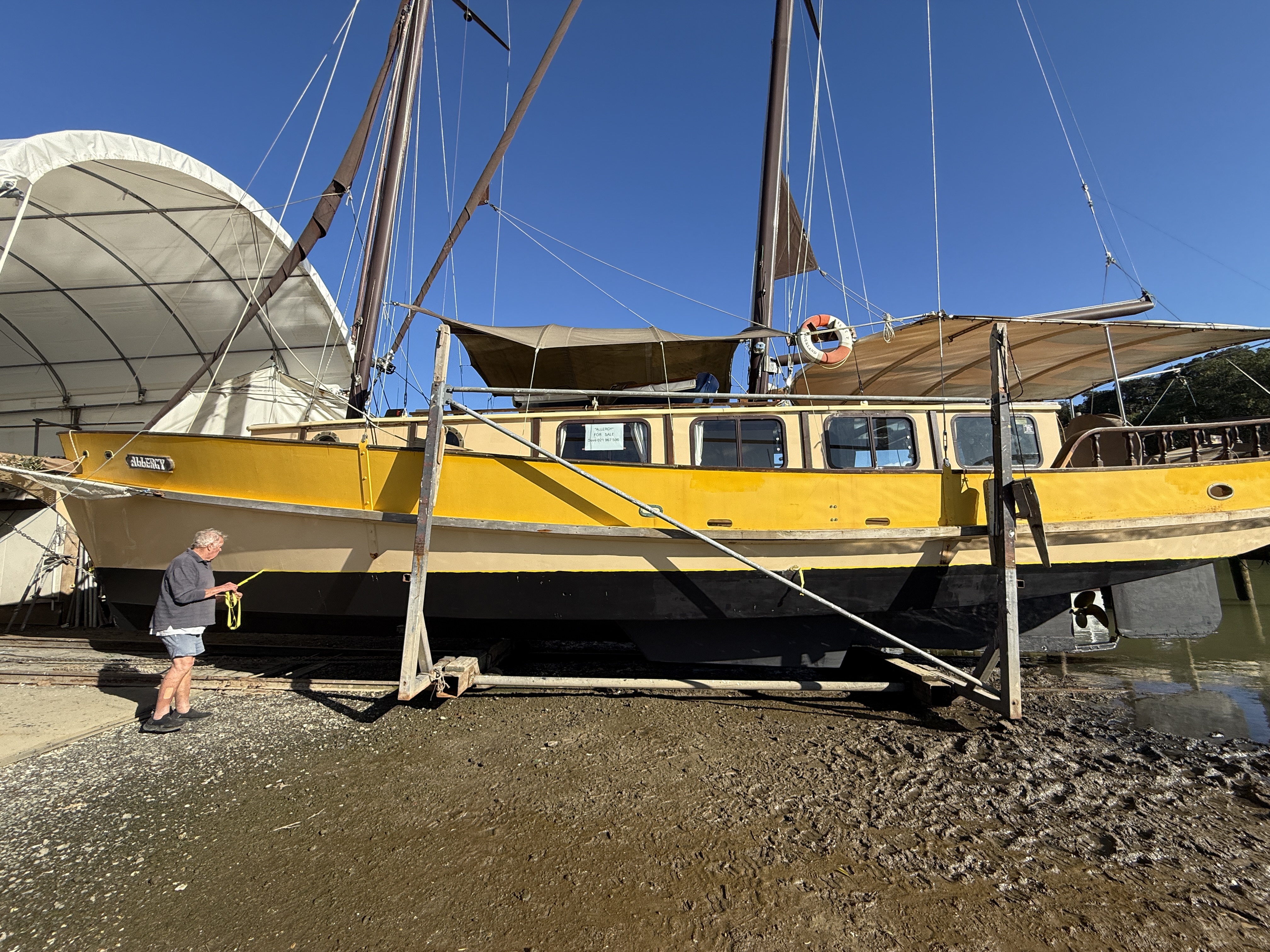
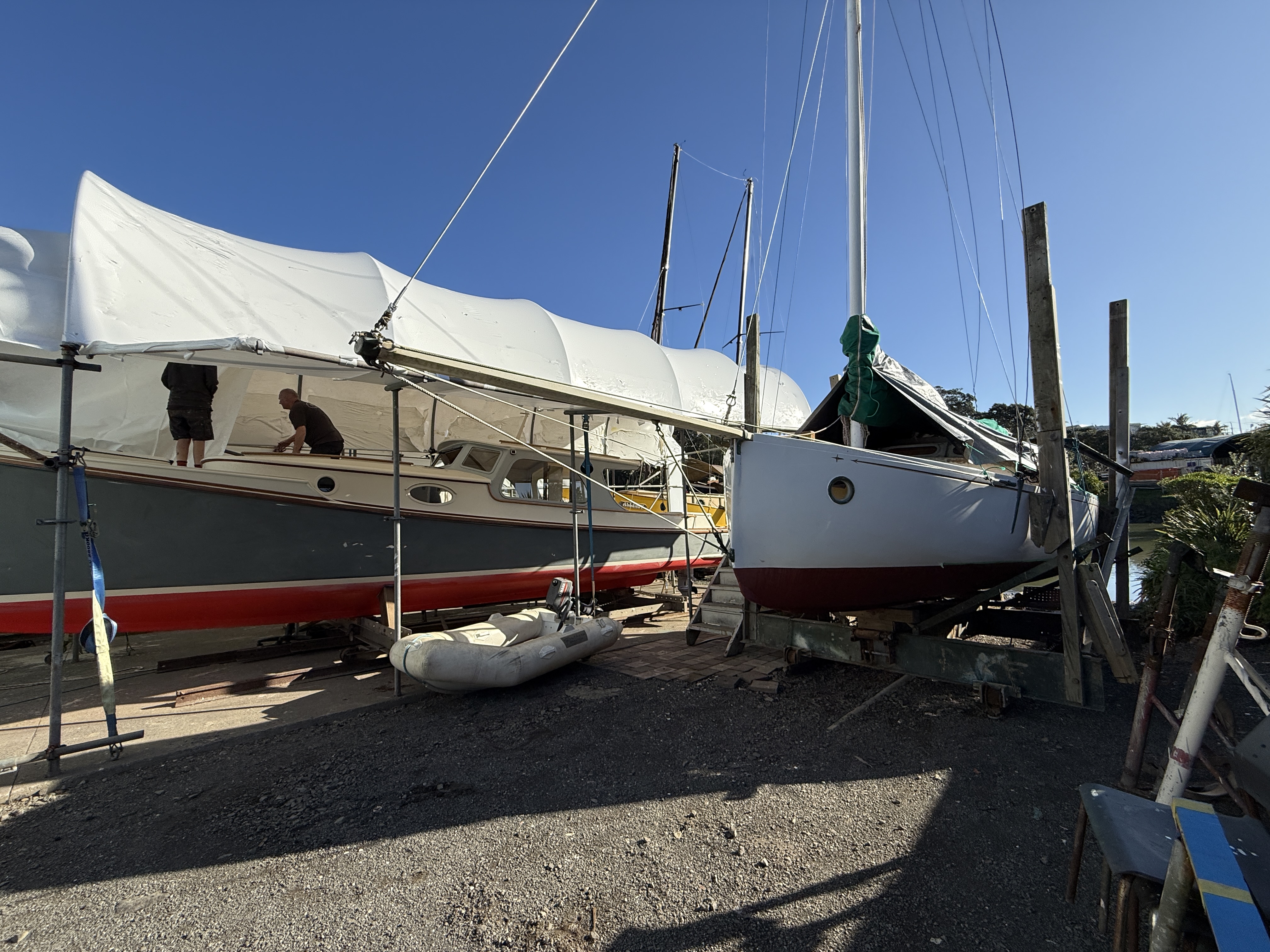
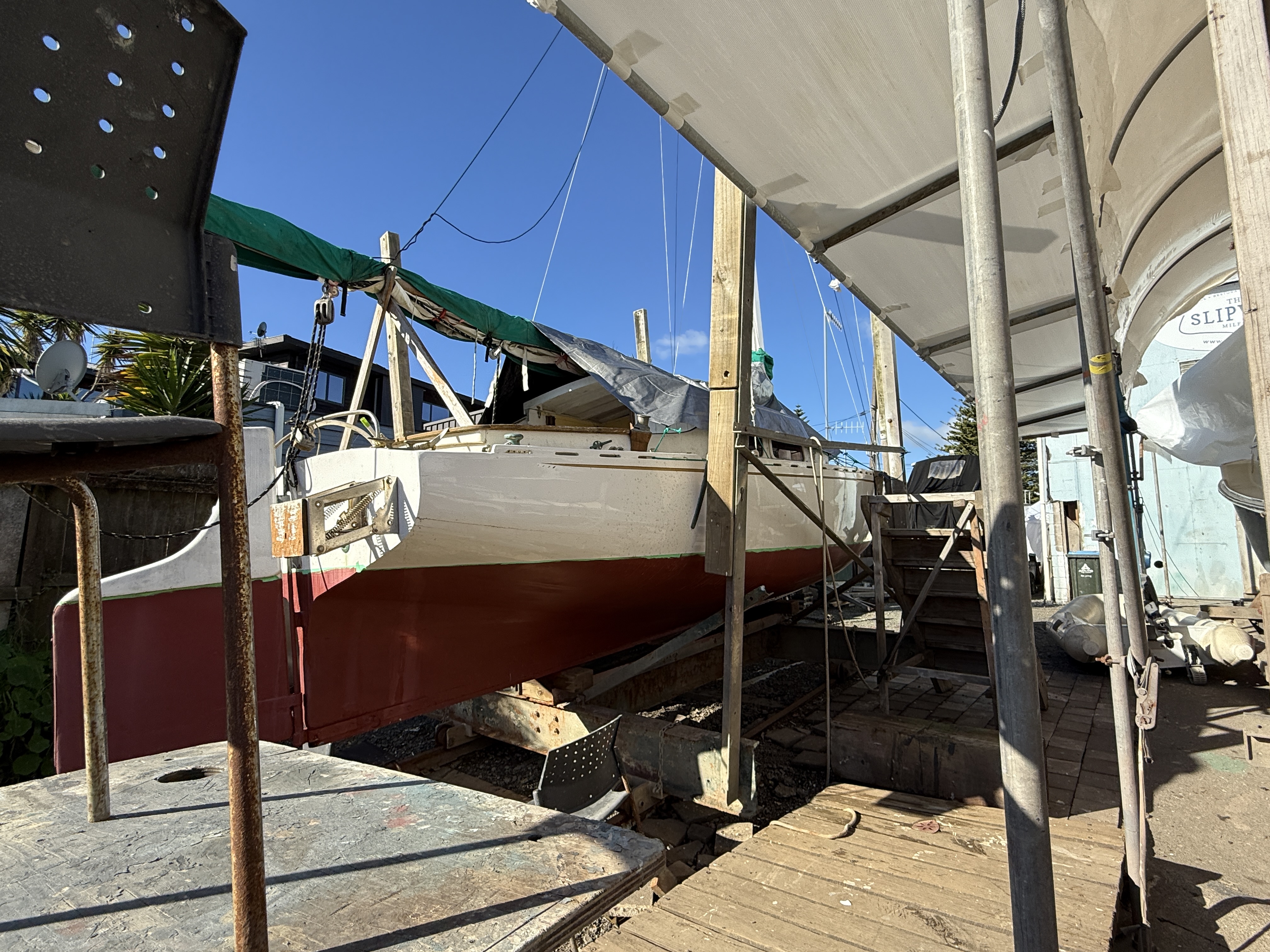
The occasion was the (almost annual) Woody Boat Boot Sale held at The Slipway, Milford – and frankly, you’d struggle to find a better venue. A special thanks to Cam Malcolm and Jason Prew for hosting us and for hauling out a few beautiful craft for close-up inspection. It added a real bonus for those who came for more than just shopping.

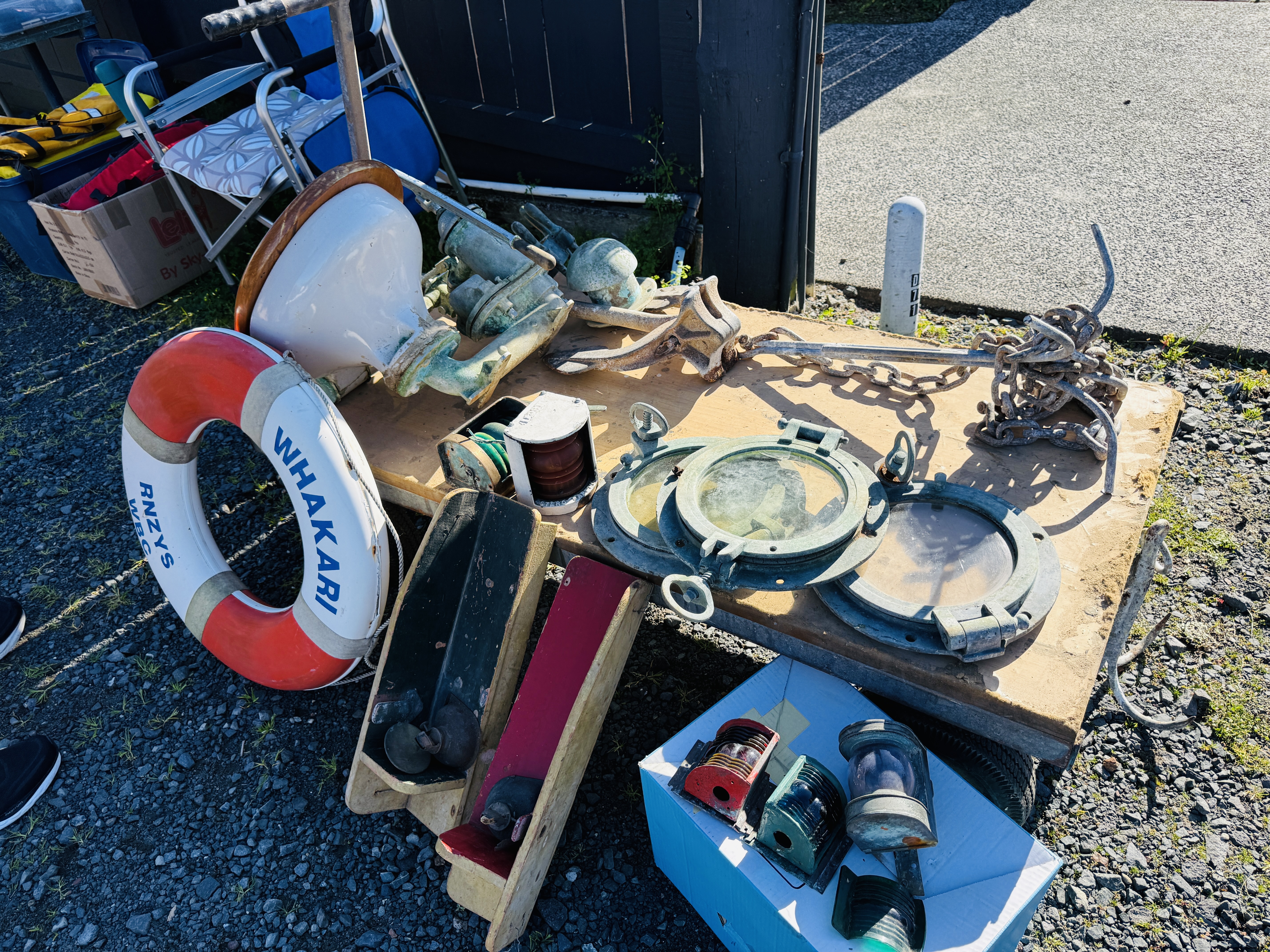
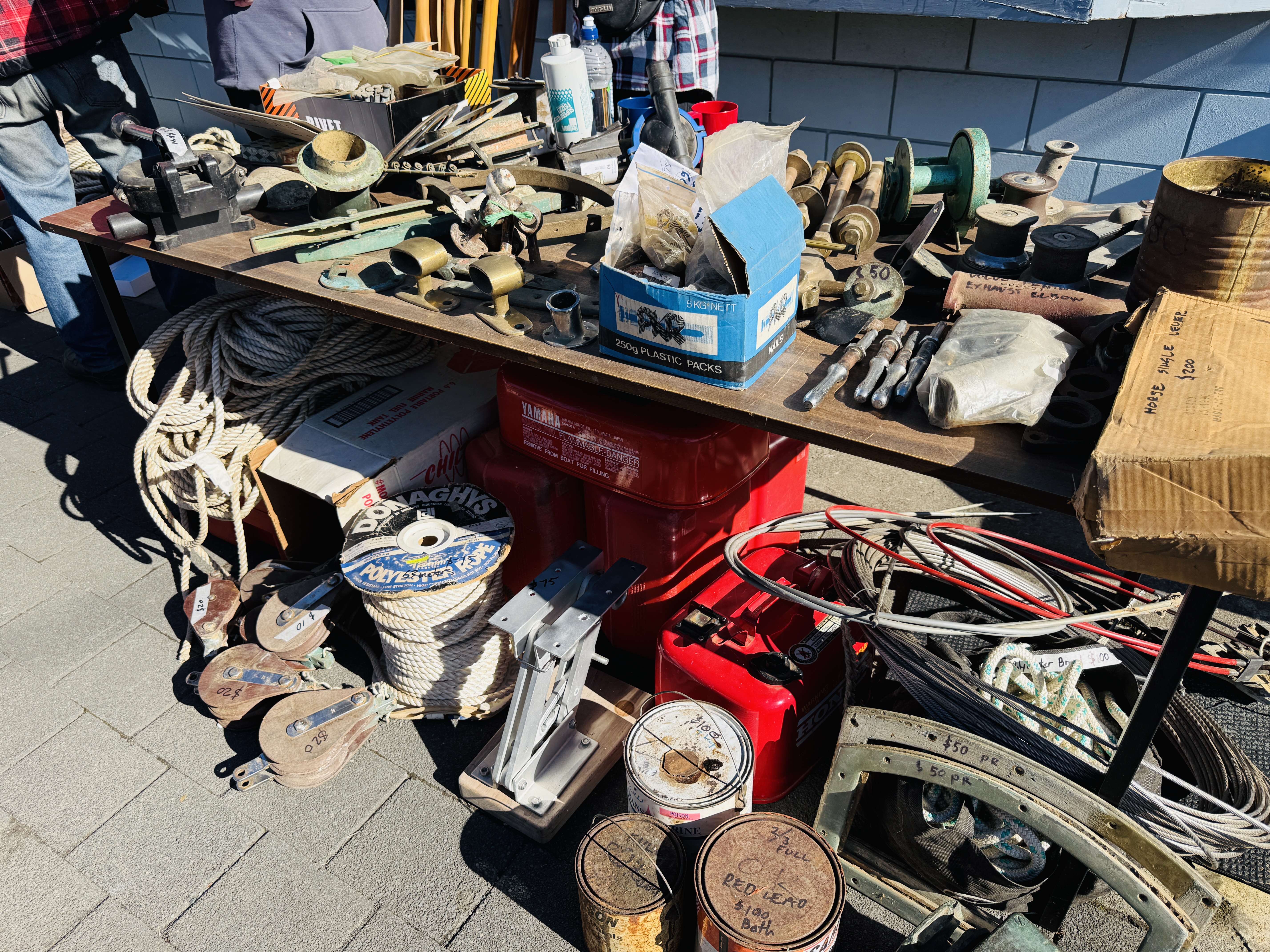
We had over 18 vendors on site, offering up a treasure trove of marine goods – everything from tiny cleats and chain plates to sails, bronze winches, stoves, and more. From what we saw, plenty of deals were done and everyone left with something – if not in hand, at least with a smile on their face.

It was also great to see so many familiar faces from the classic boating community. Events like this are about more than gear swapping – they’re about connection, community, and strengthening the bonds that keep the wooden boat movement alive and thriving. (photos yours truely & Geoff Fiebig)

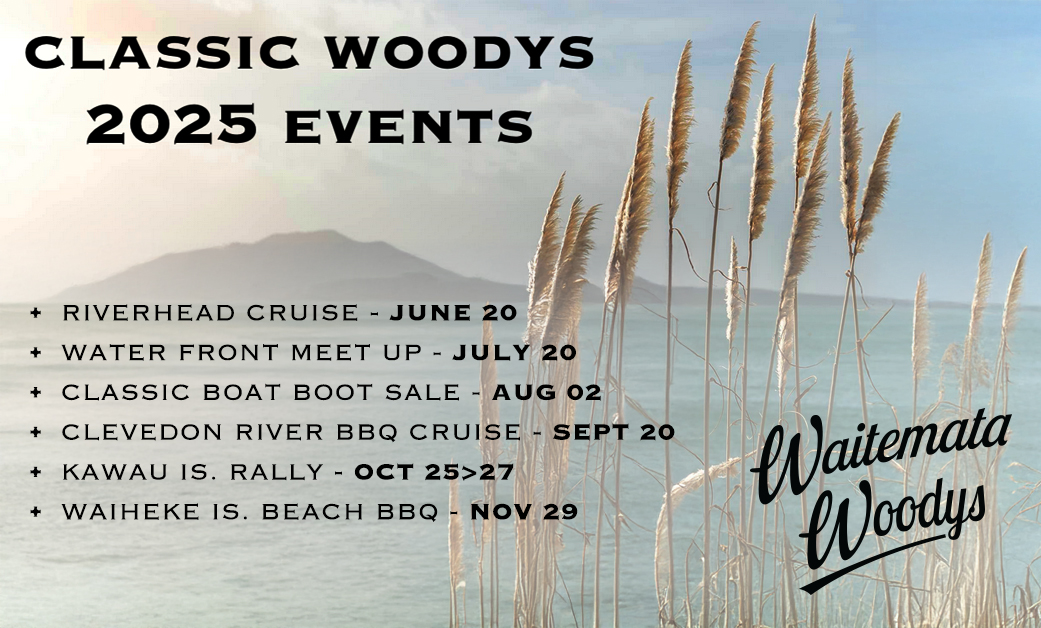
Next Up: Mark Your Calendar – September 20th > 21st

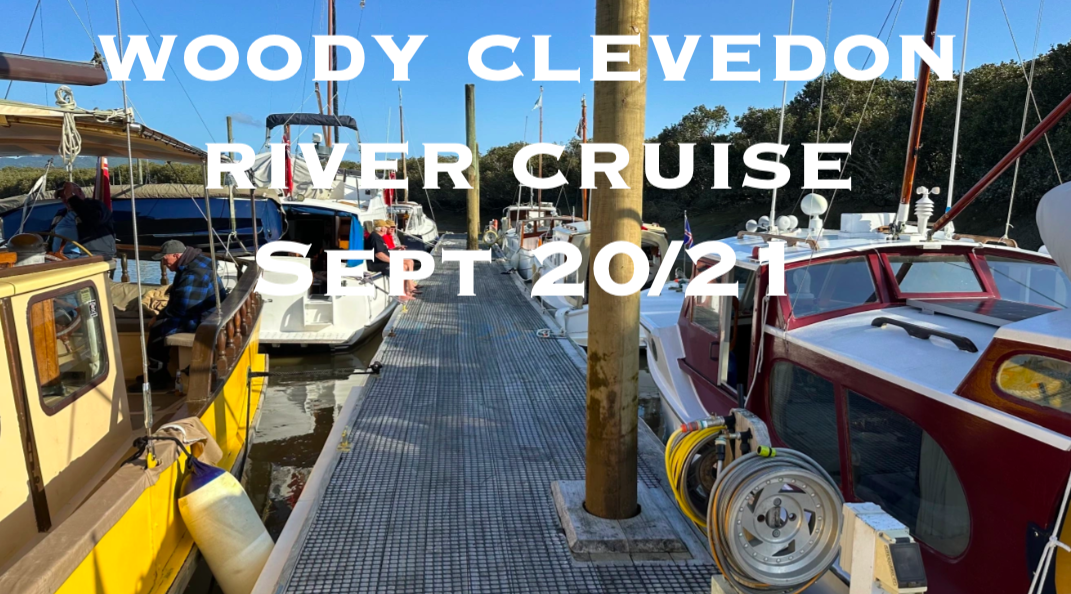
Our next gathering is set for September 20th, and this time we’re heading back on the water – cruising up the Wairoa River to the Clevedon Cruising Club for an overnight dockside shindig. Expect a BBQ, live music, and the usual top-notch company. It’s always a highlight – more details to come soon, but lock the date in now.

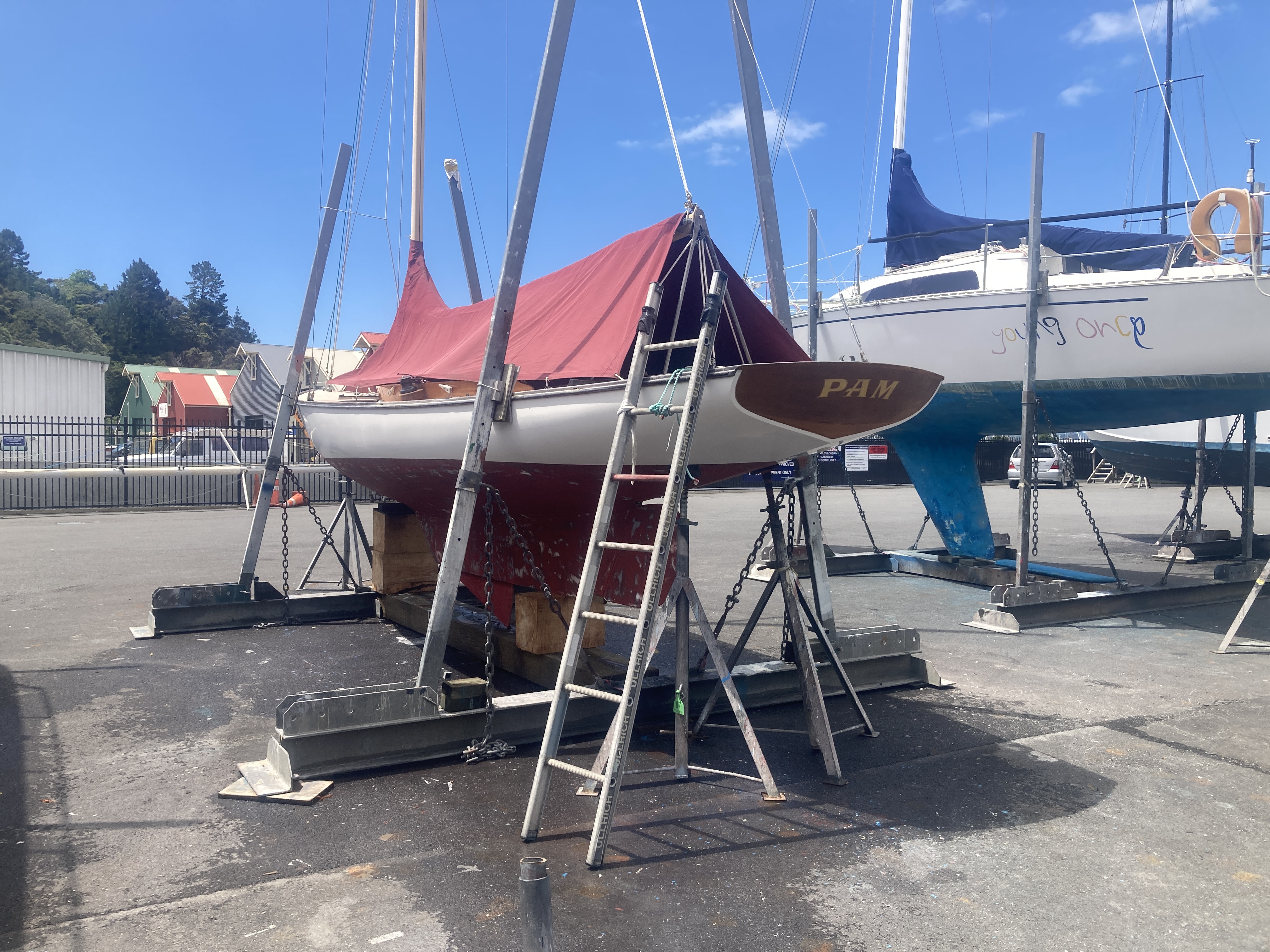
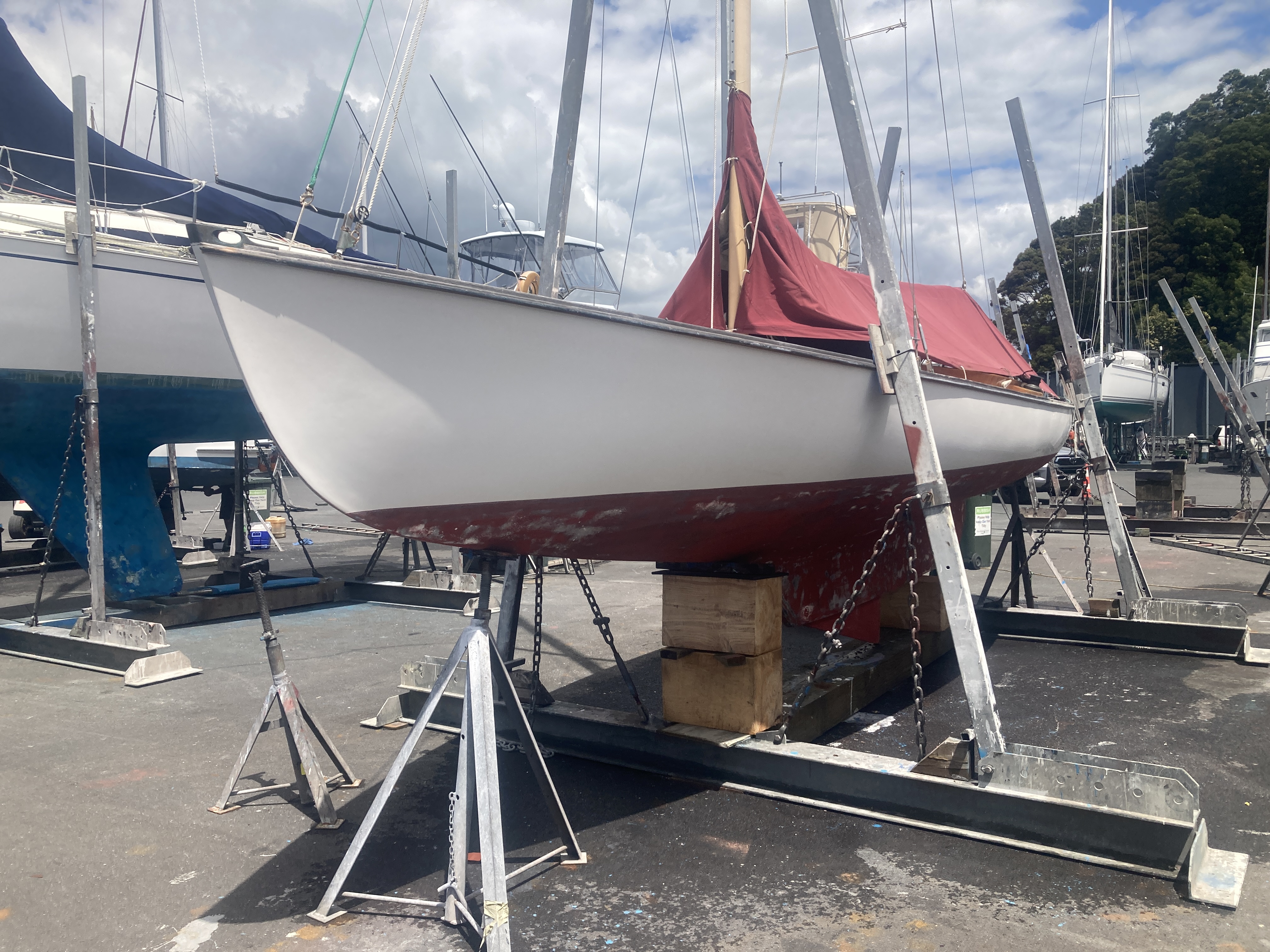
PAM – OPUA CLASSIC YACHT – What Do We Know About Her

PAM – OPUA CLASSIC YACHT – What Do We Know About Her

Trolling thru the WW files on Friday and found the above photos of a classic yacht named PAM that had ‘fallen between the cracks’.

The photo was sent to me back in November 2024 by Dean Wright with the commented ‘ spotted today on the hard at Opua’

And that woodys is all we know about PAM, other than she is quite a stunner.

Anyone able to shed some light on PAM.

04-08-2025 INPUT EX DEAN WRIGHT

From the owner, John Oates of Russell: Stuart Knockabout, imported from the US. Fibreglass version of L. Francis Herreshoff’s 1932 Design. 28′ x 6’11”

https://www.stuartknockaboutllc.com

MYSTERY POND YACHT

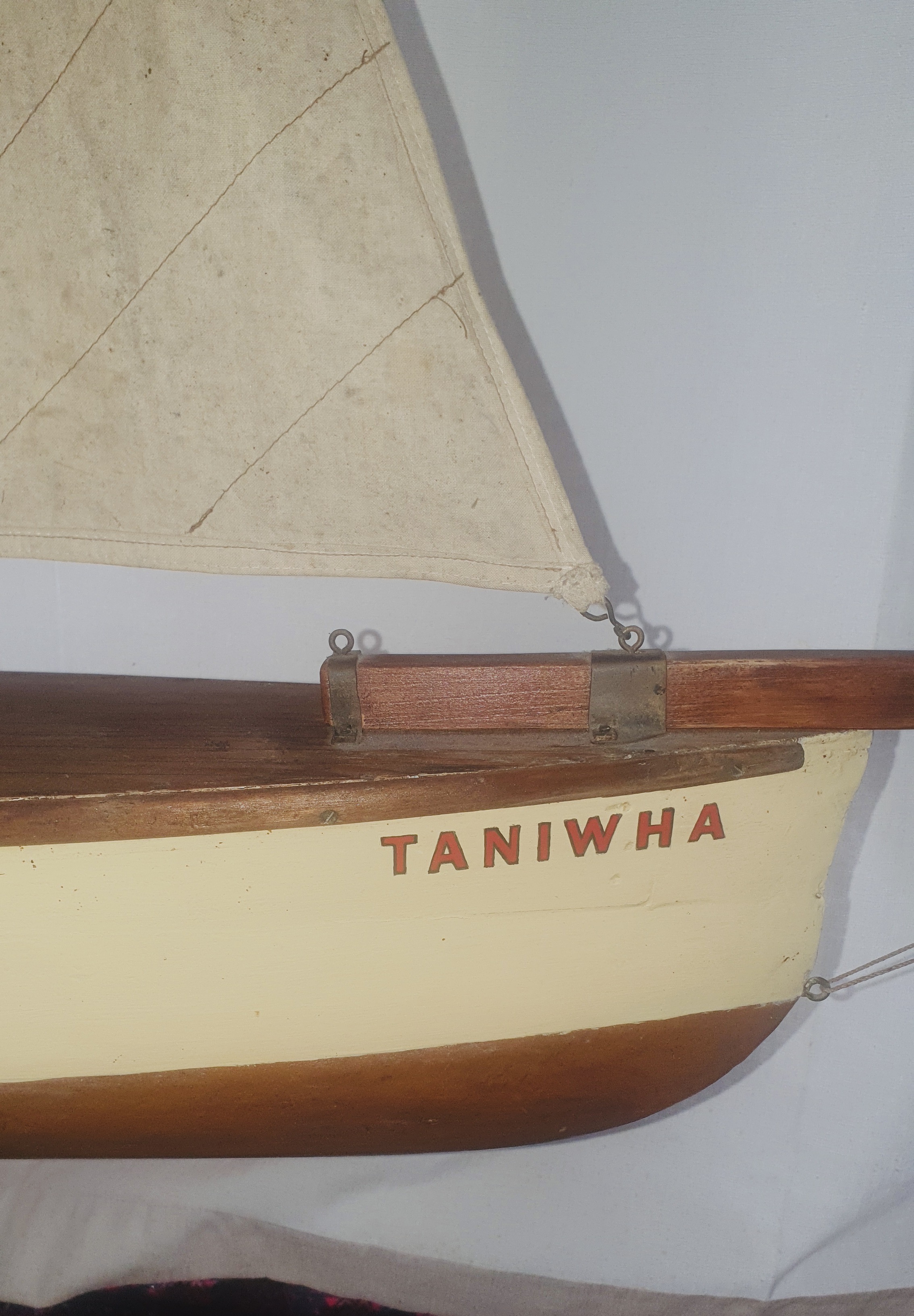
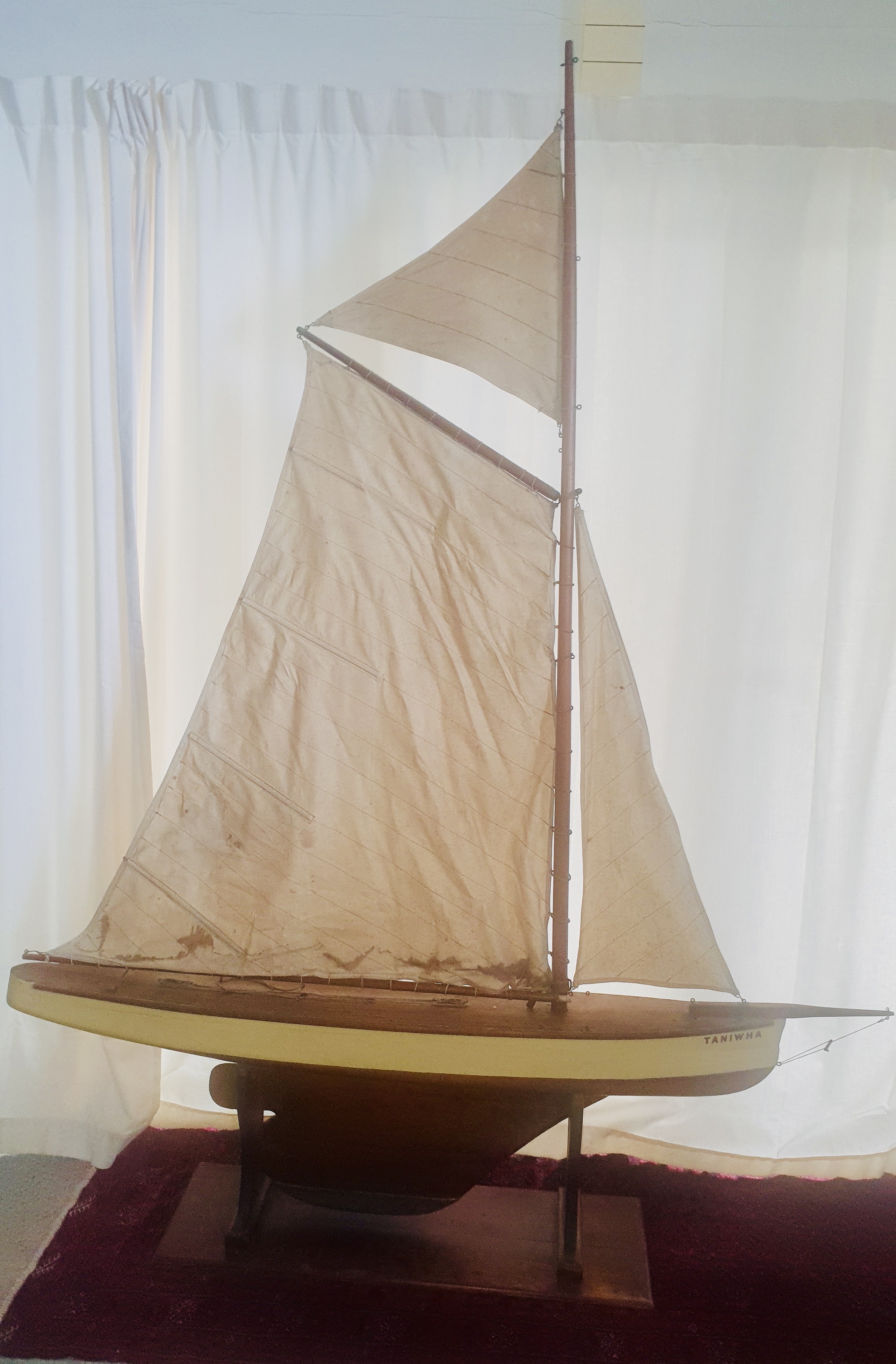
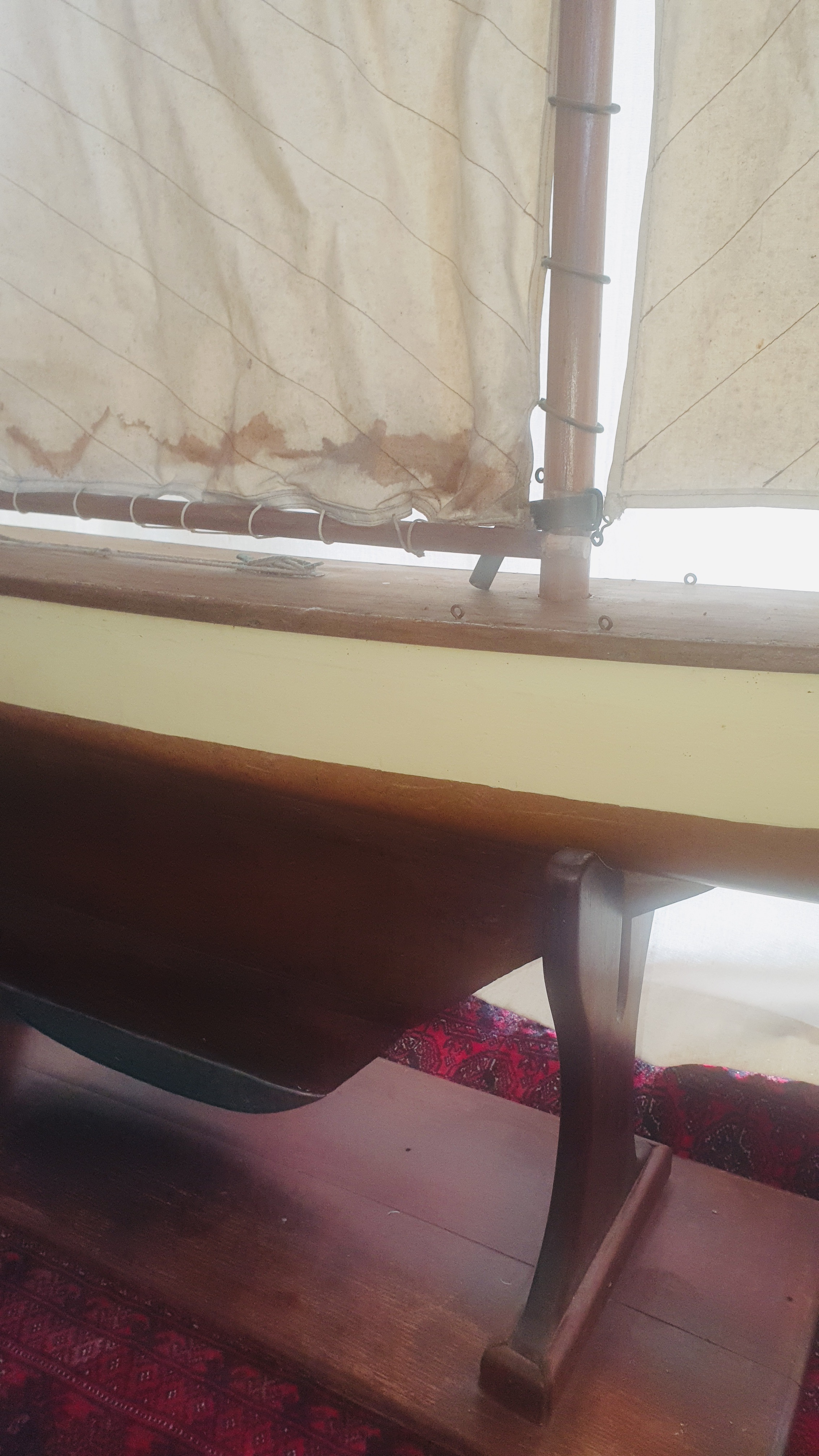
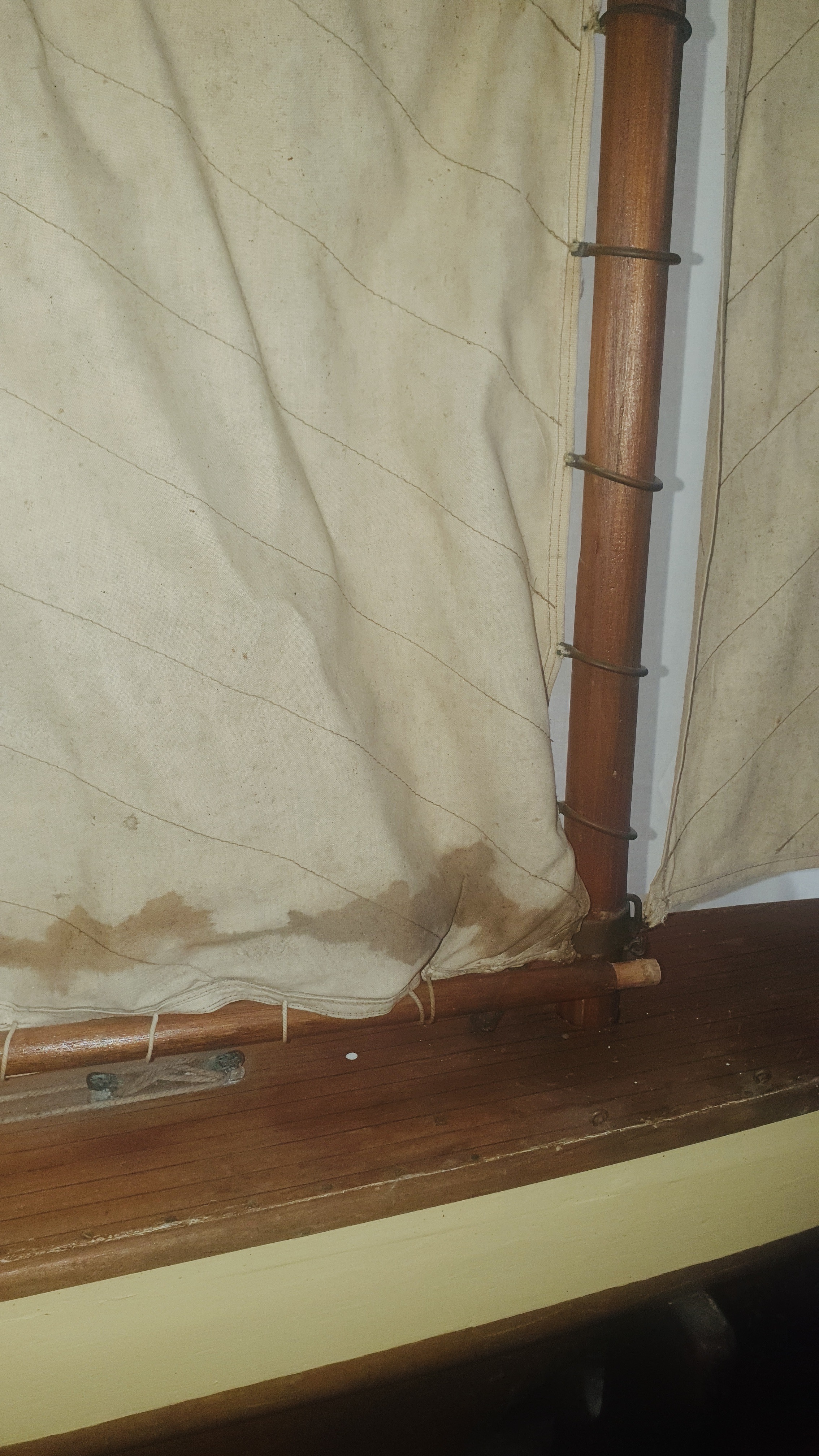
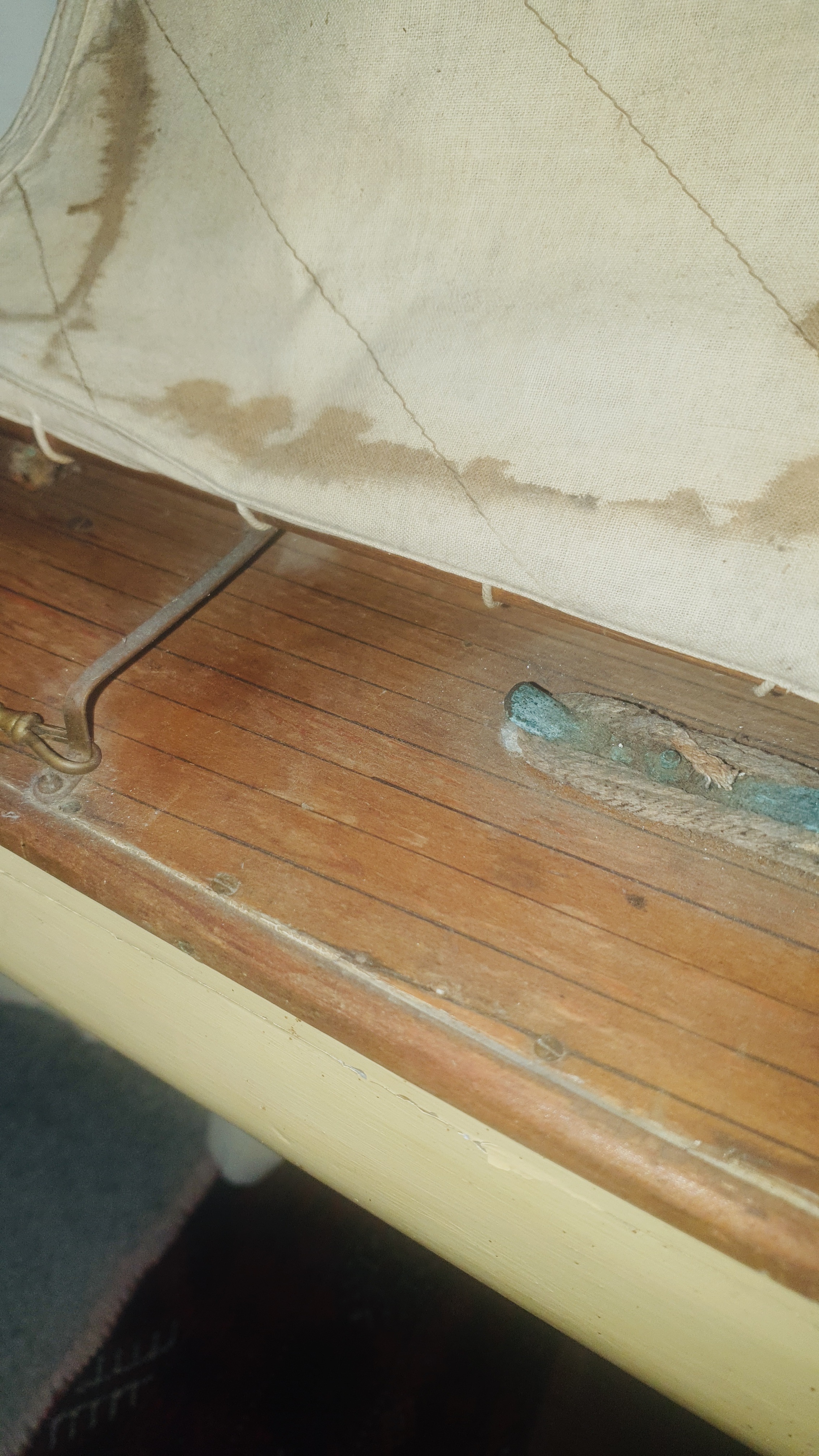
WW has been contacted by Matt Blaikie concerning a classic pond yacht named – TANIWHA. Matt is selling for a friend and he commented that it was purchased approx. 30 years ago from an antiques dealer in Wellington, and other than that he knows zero about the model. (1.8m tall and 1.5m approx long)

Any of the woodys interested in pond yachts able to tell us anything from the photos (apologise for the quality)

HIDDEN FOR YEARS – HELP NEEDED IDENTIFYING THIS WOODEN CLASSIC 

HIDDEN FOR YEARS – HELP NEEDED IDENTIFYING THIS WOODEN CLASSIC 

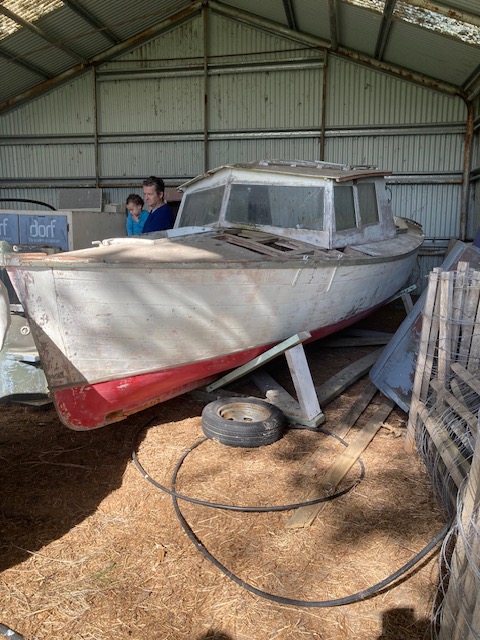
Recently WW was sent the above photo from Gabrielle Marris, who was looking for help identifying the craft. Gabrielle’s father had recently passed away and as part of the ’sorting out belongings’ there was a rather large belonging e.g. the boat, stored in a shed. Gabrielle commented that it had been there a long time and her dad had once worked on it with her grandfather.

I shared to photo with a few WW readers and all were in agreement that in another life she would have been a sail boat , this view is supported by the presence of chain plates on her hull. 

Anyone with sharp eyes and a good memory able to tell use the design of the vessel.

For Those That Read WW In the Early Hours, Todays The Woodys Boat Boot Sale at the Milford Slipway yard.

UPDATE – 18 SELLERS ONSITE

Scroll down to Fridays WW story to see a location map.

DATE: SATURDAY 02 AUGUST TIME: 10am > 12pm VENUE: 5 Omana Road, Milford

ONE MAN, ONE CRAFT – IS THIS SPAIN’S LAST REAL SHIPWRIGHT

ONE MAN, ONE CRAFT – IS THIS SPAIN’S LAST REAL SHIPWRIGHT

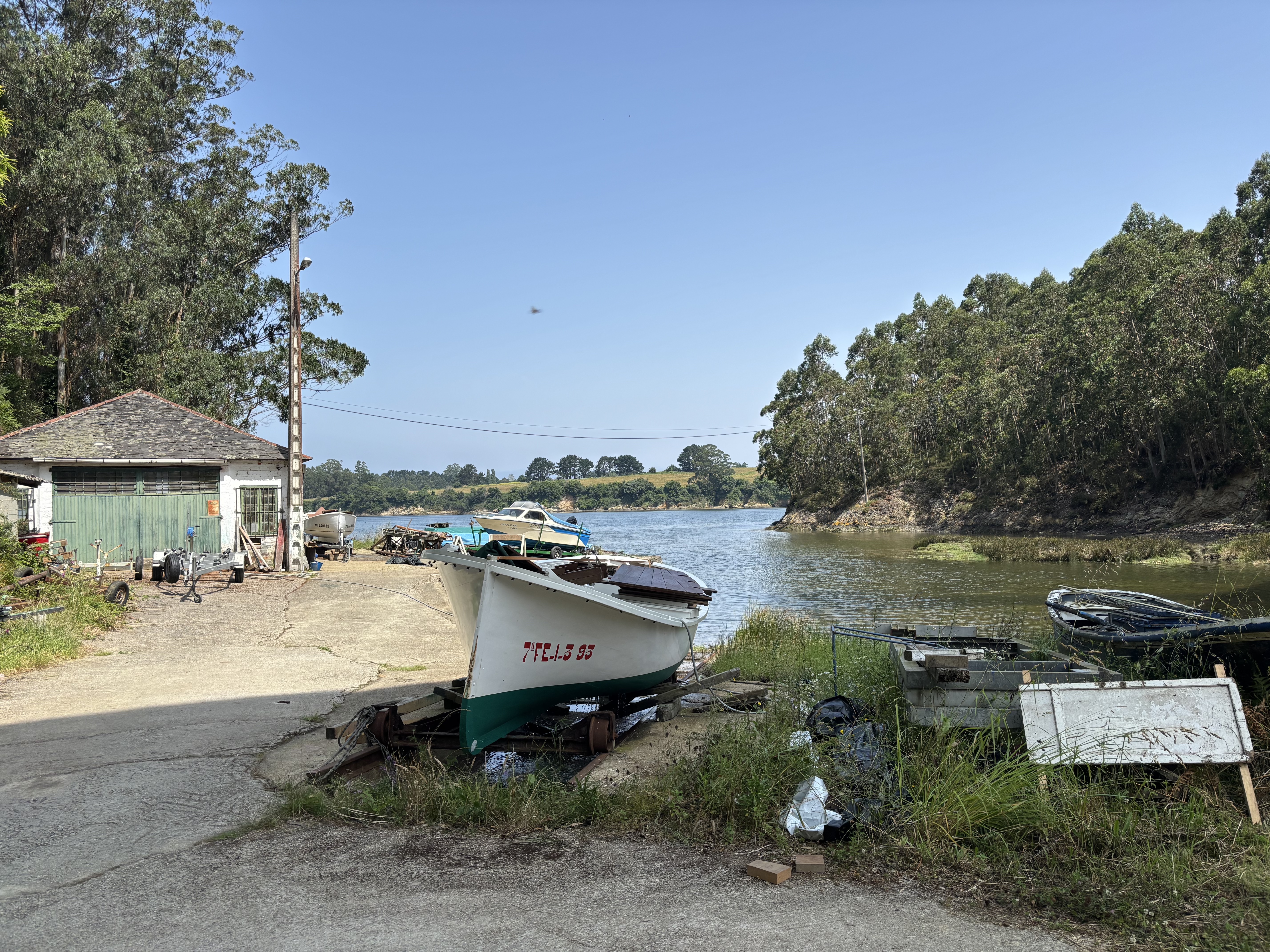
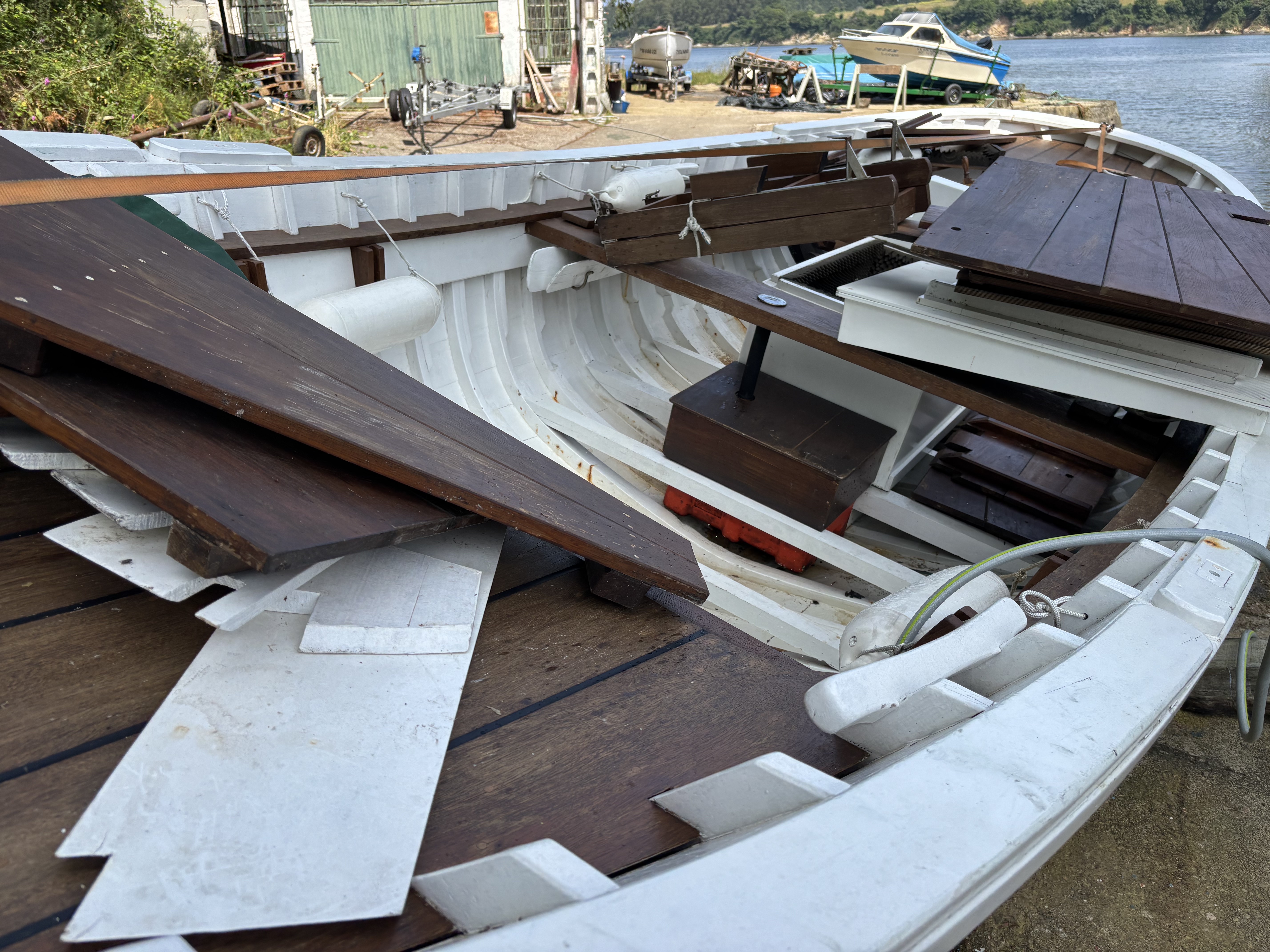
Good friends Pauline and Tim Evill escaped the rain and cold of NZ and have been mooching around Europe. Tim dropped me a note about a famous old boat builder known as Pepe de Pacho, in Castropol in Asturias, northern Spain who was the oldest member of a family of wooden boat builders that had been working on the Rio EO from the same tiny boatyard for almost one hundred years. 

After a visit to the boatyard, where no one was home, he headed to the marina and managed to track down the old man after much detective work. It was a wonderful experience. A asked Tim to pull a story together – which today we great to share. 

In Tim’s words – “As we travelled along the magnificent coast of Asturias, passing one beautiful seaside town after the other, I decided to go looking for a legendary character whom I had read was revered as the last traditional shipwright in the area—Pepe de Pacho. After numerous false forays and clumsy attempts with Google Translate, we finally fell upon a group of salty sea dogs who got on the case for me, called around, found Pepe at home having lunch and wrangled an invitation to the great man’s house. 

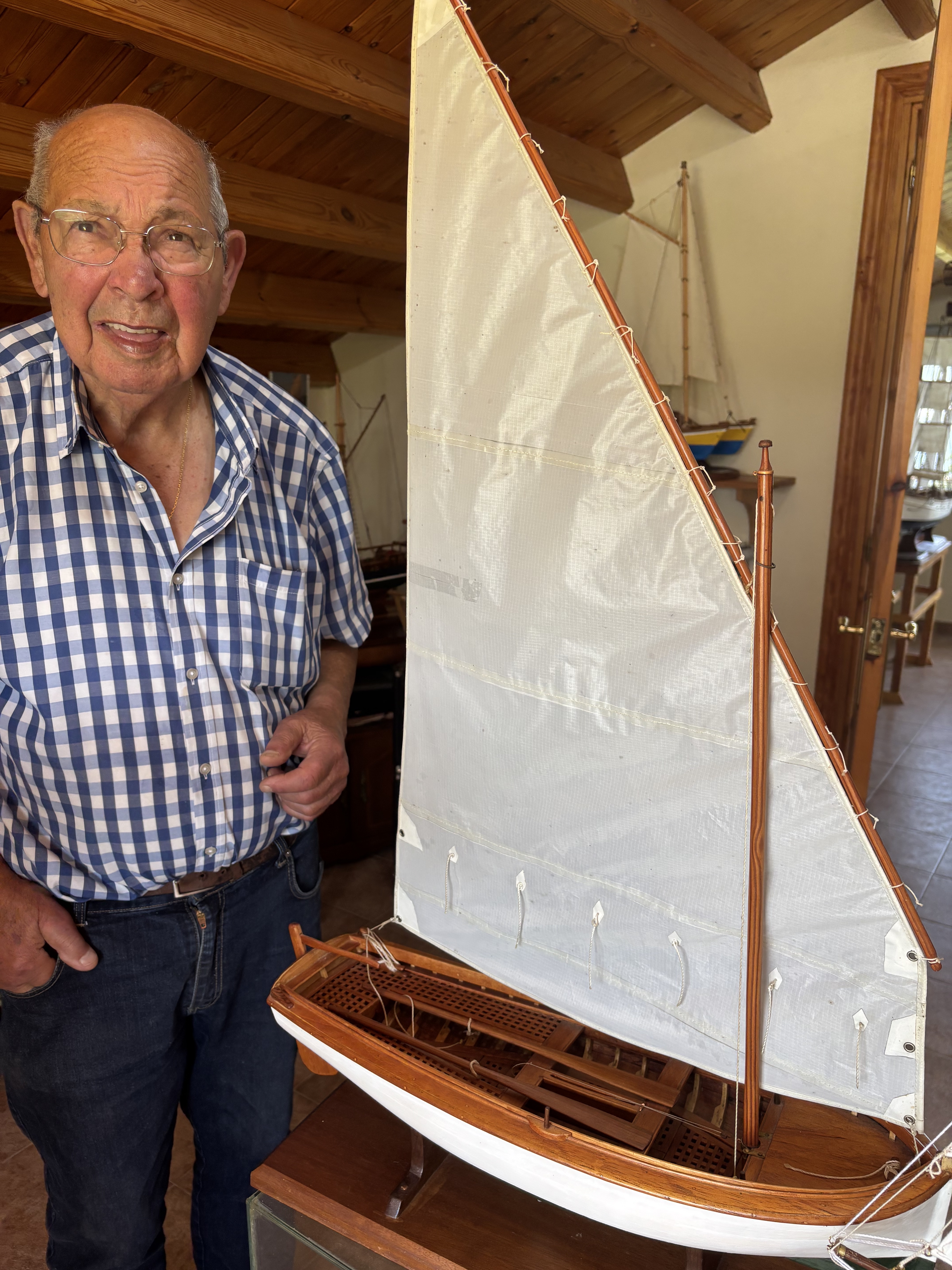
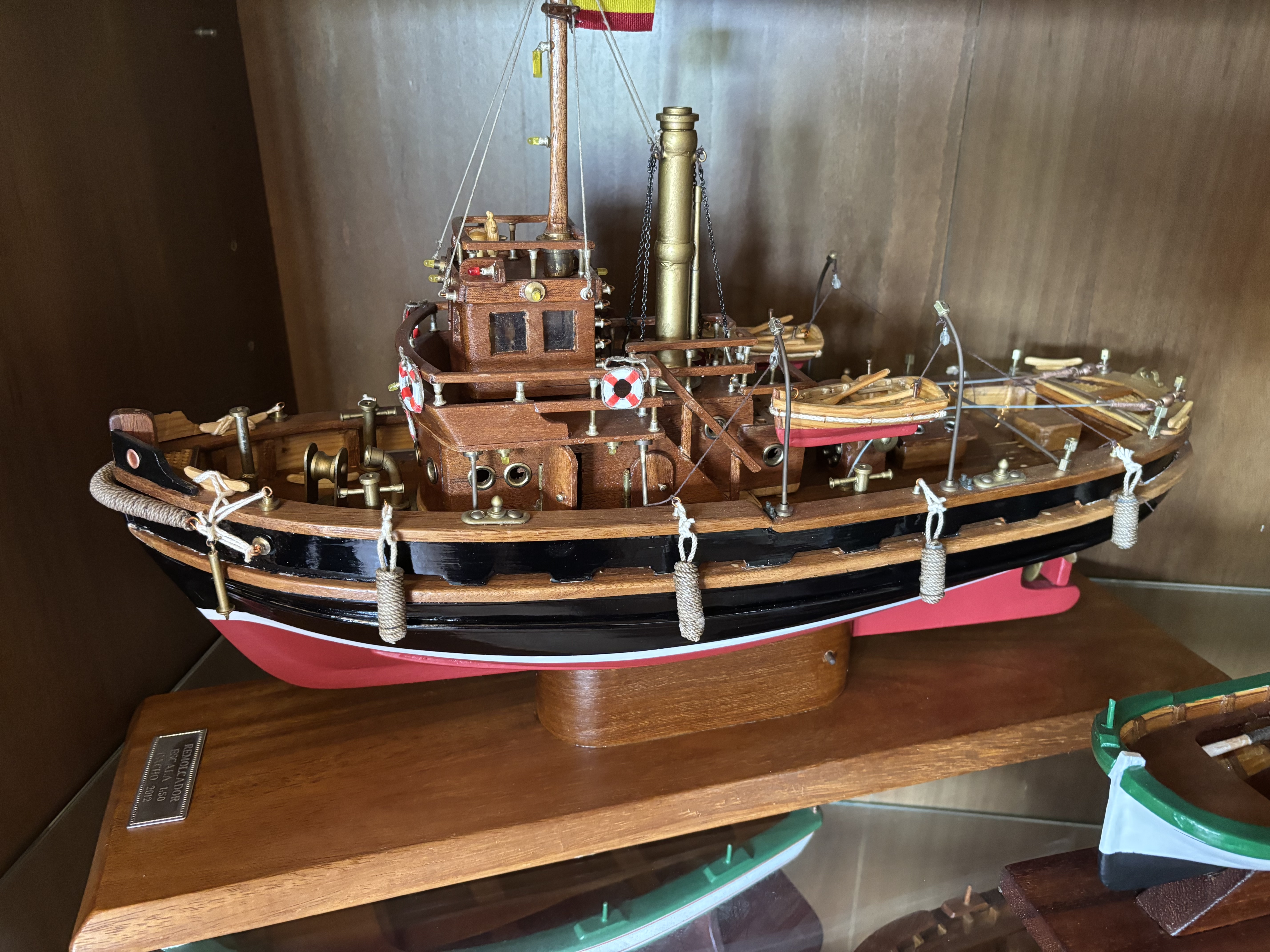
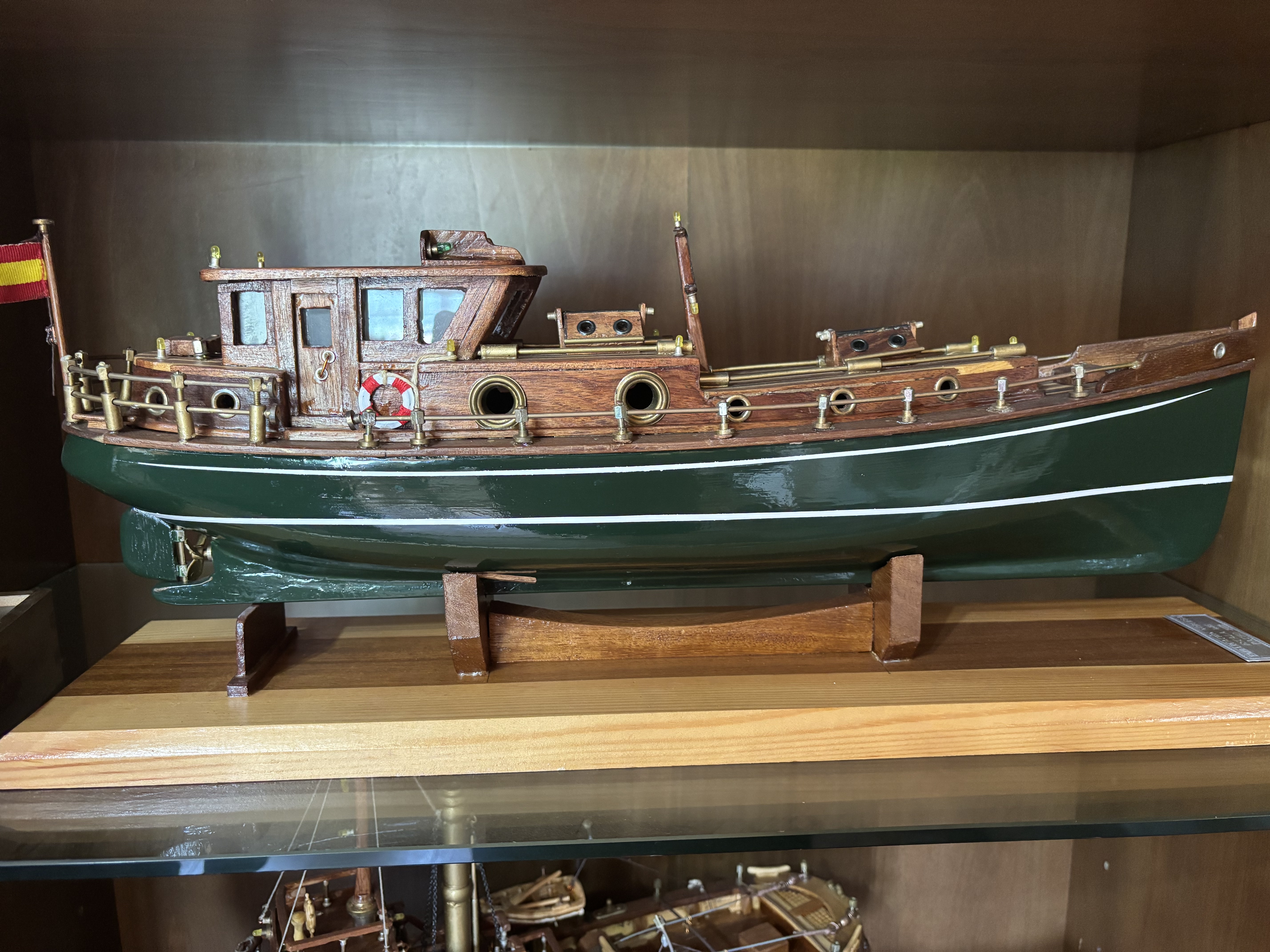
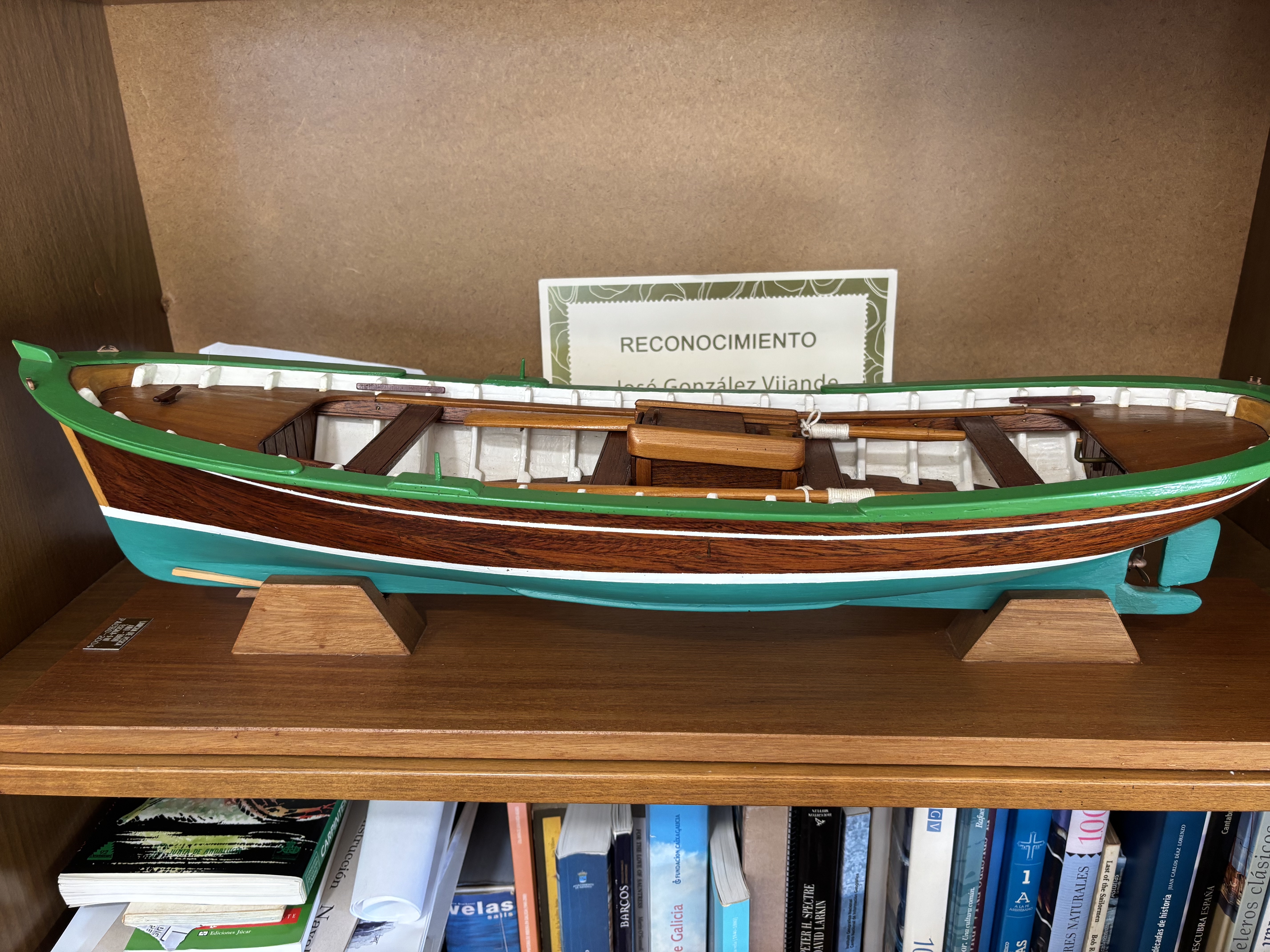
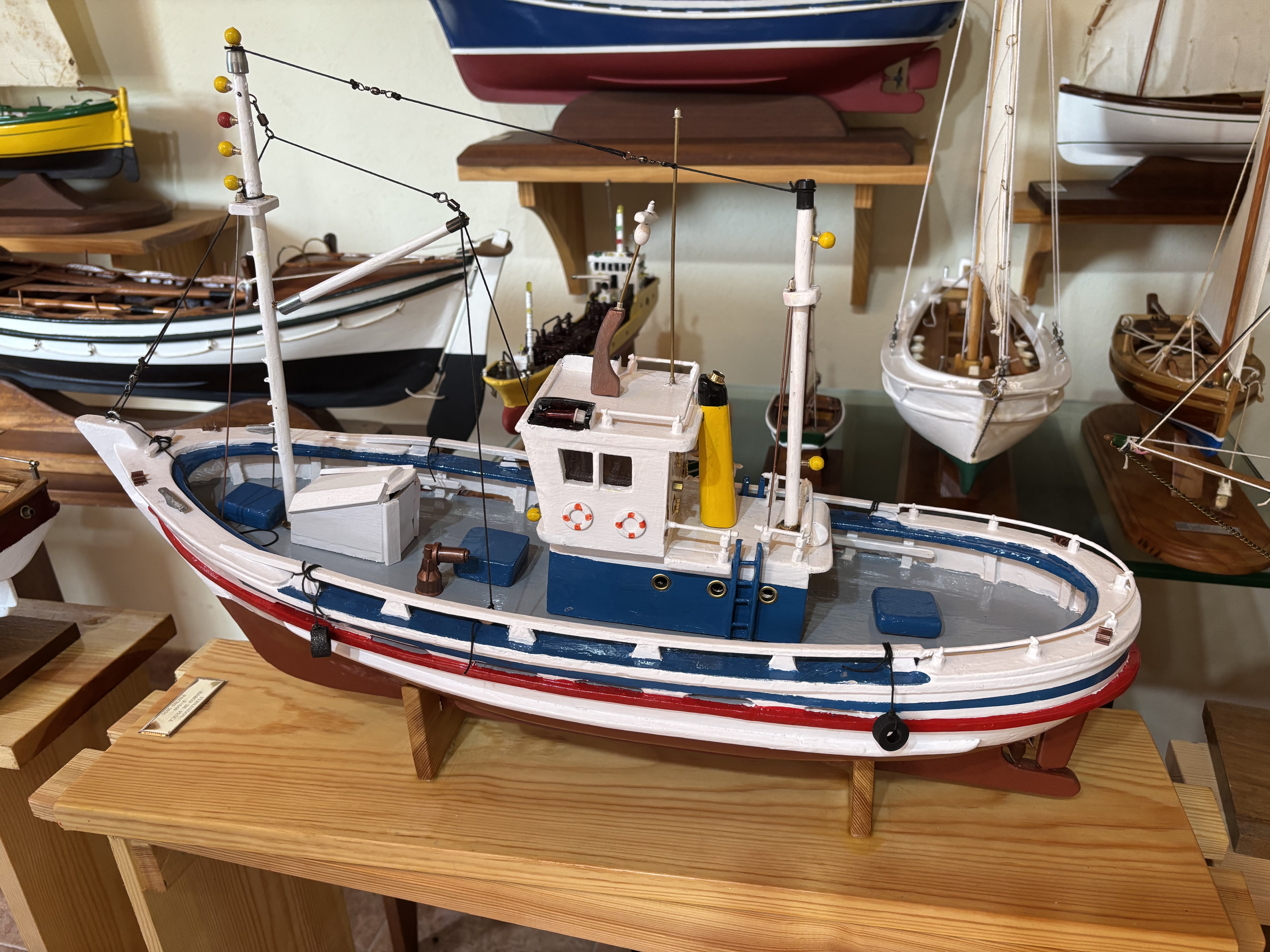
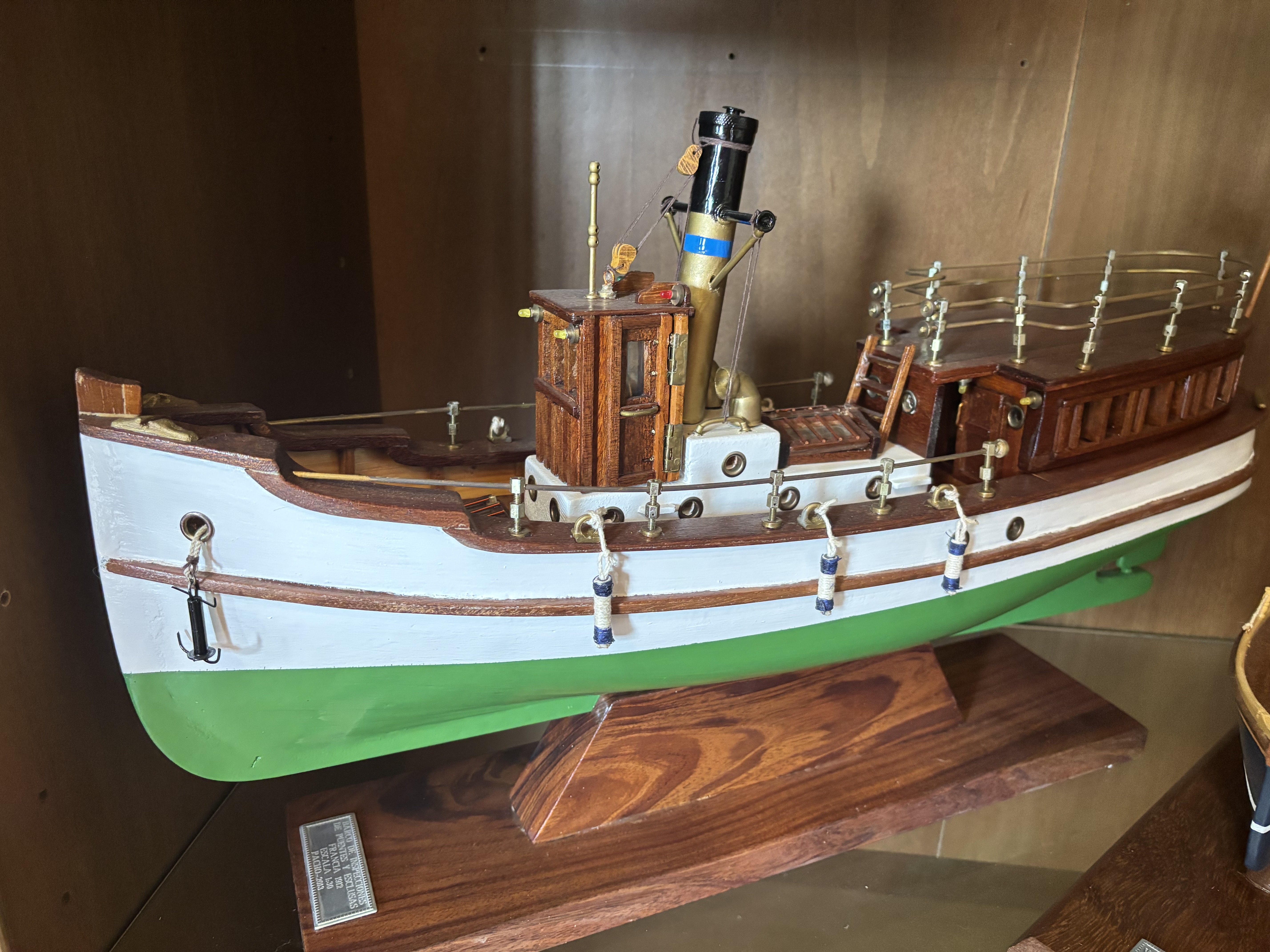
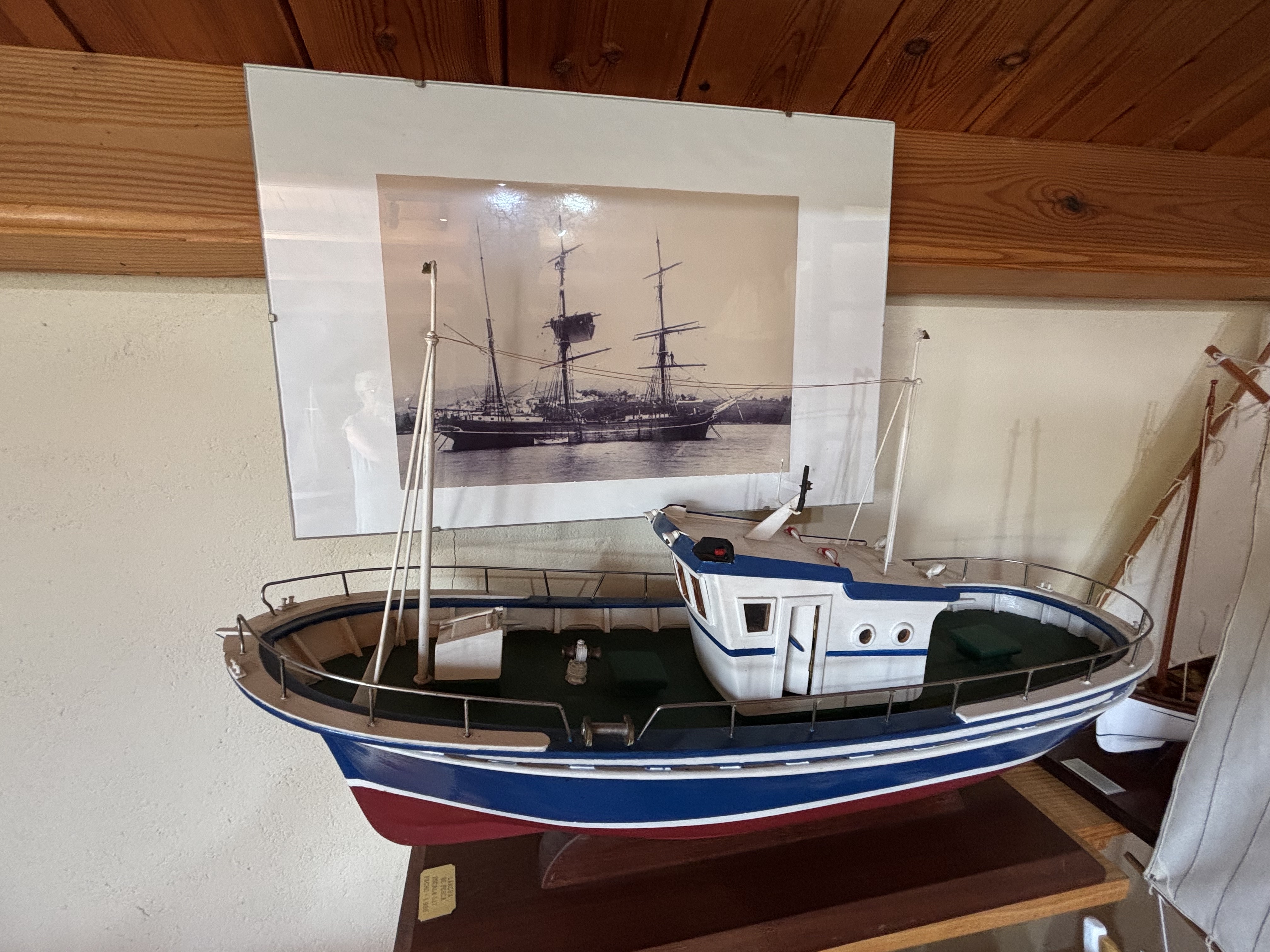
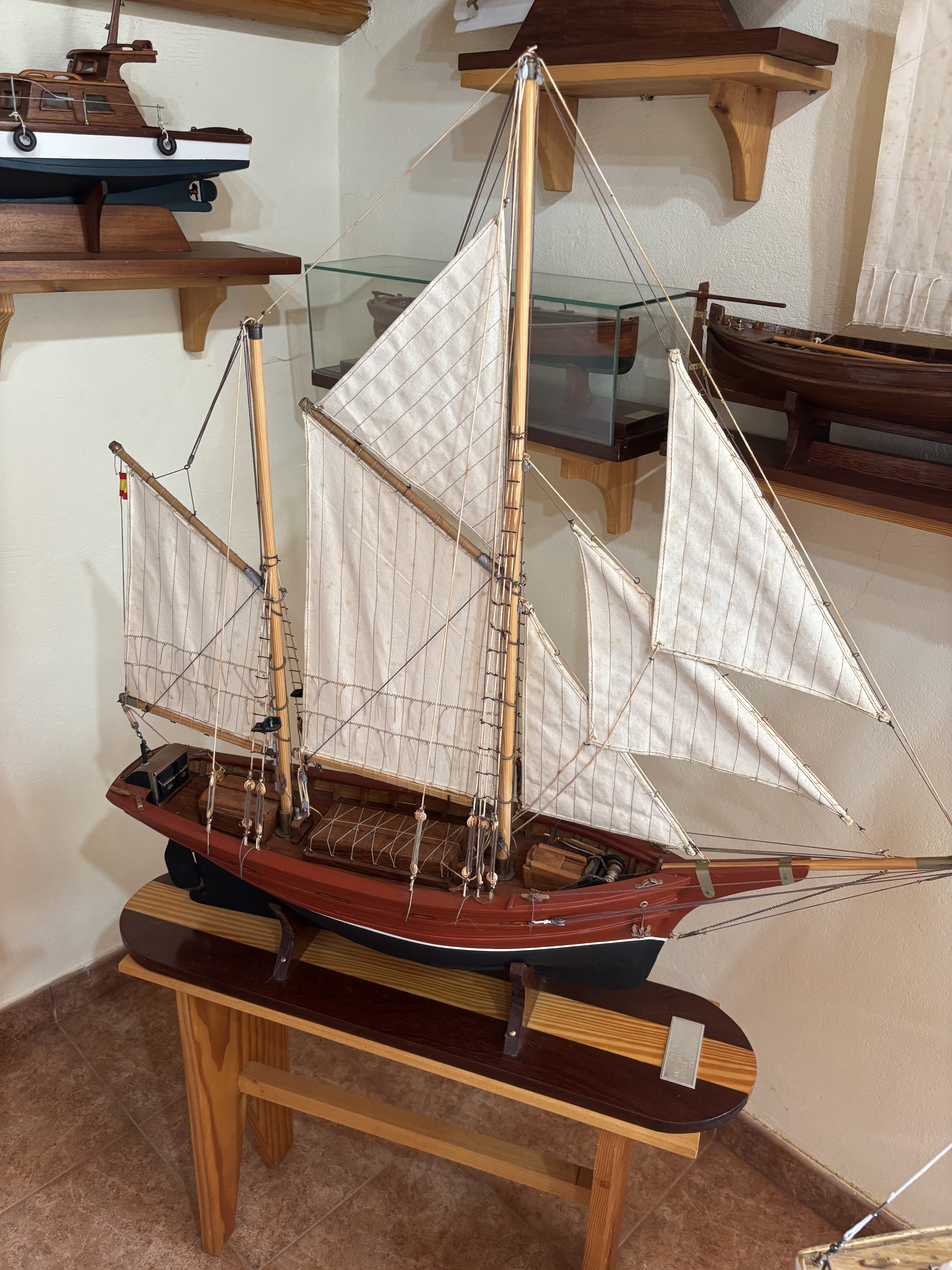
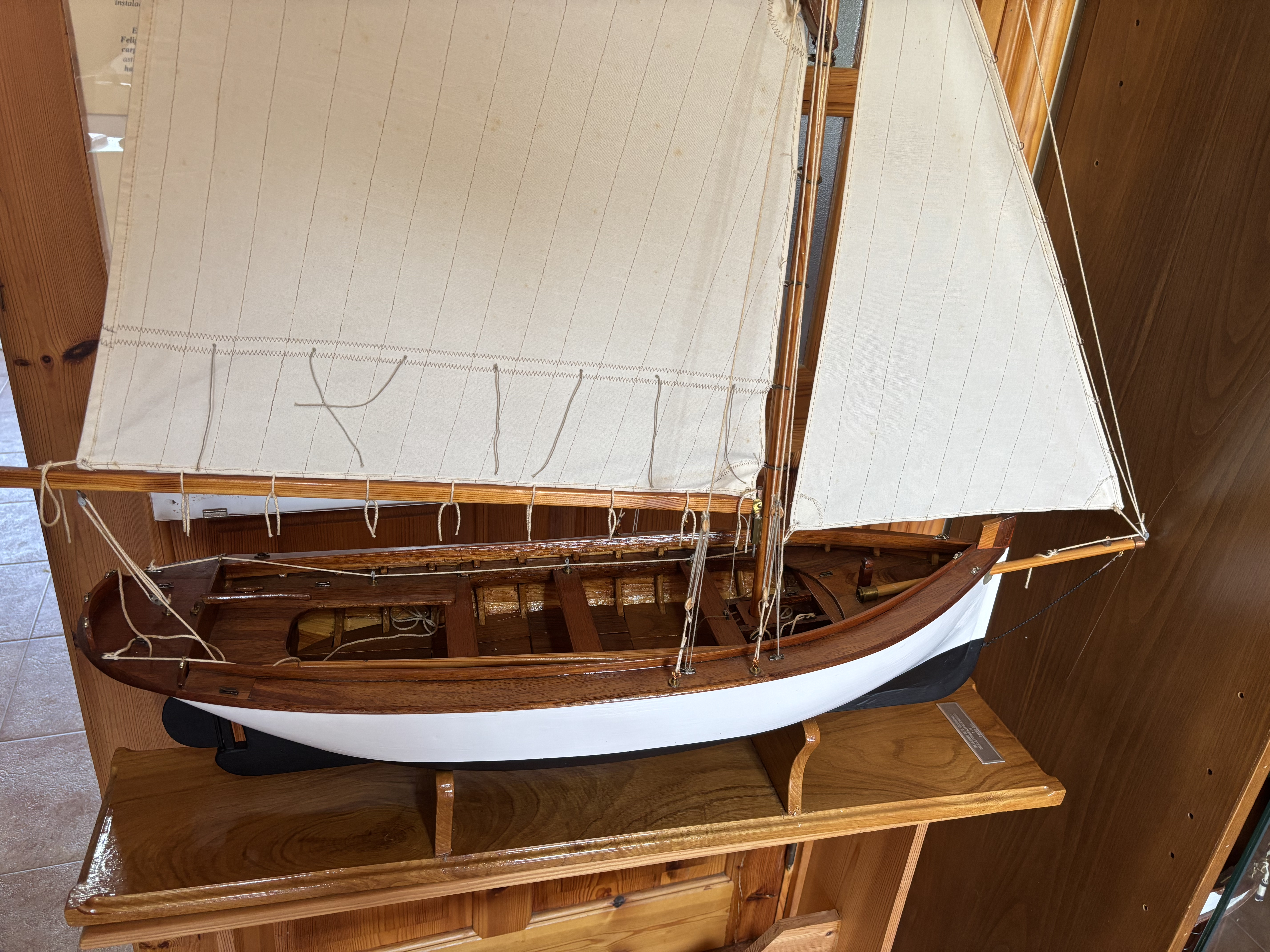
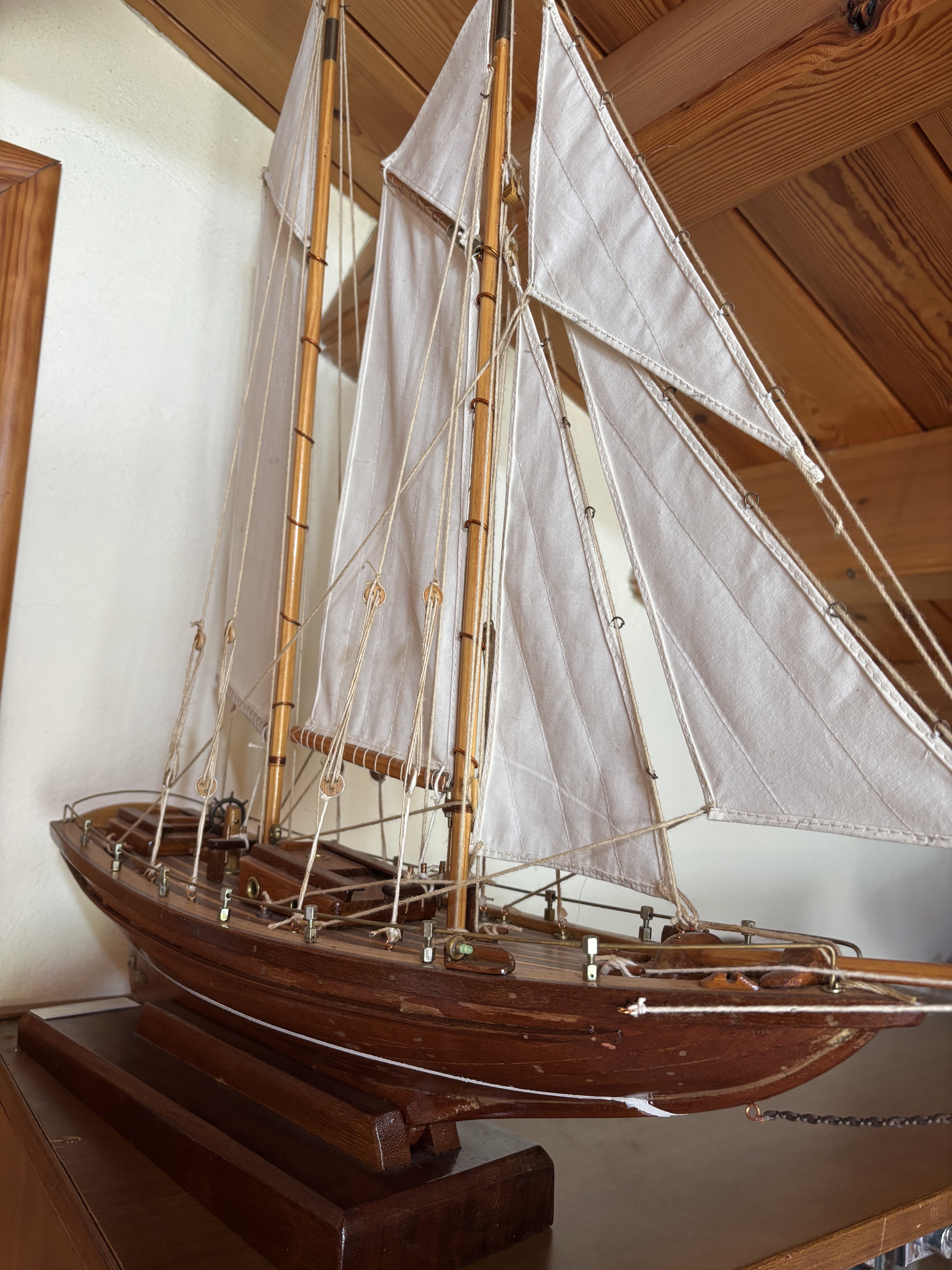
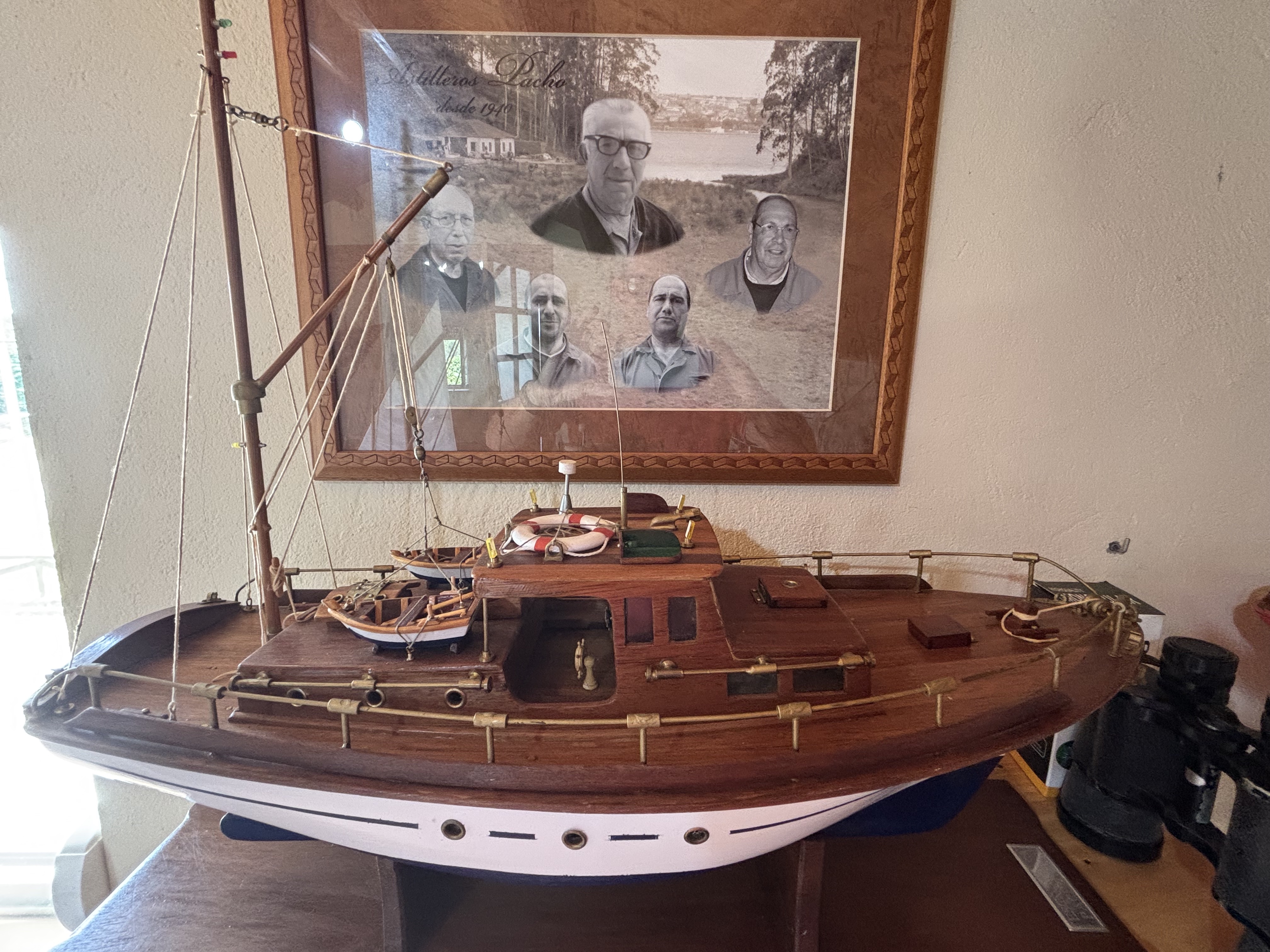
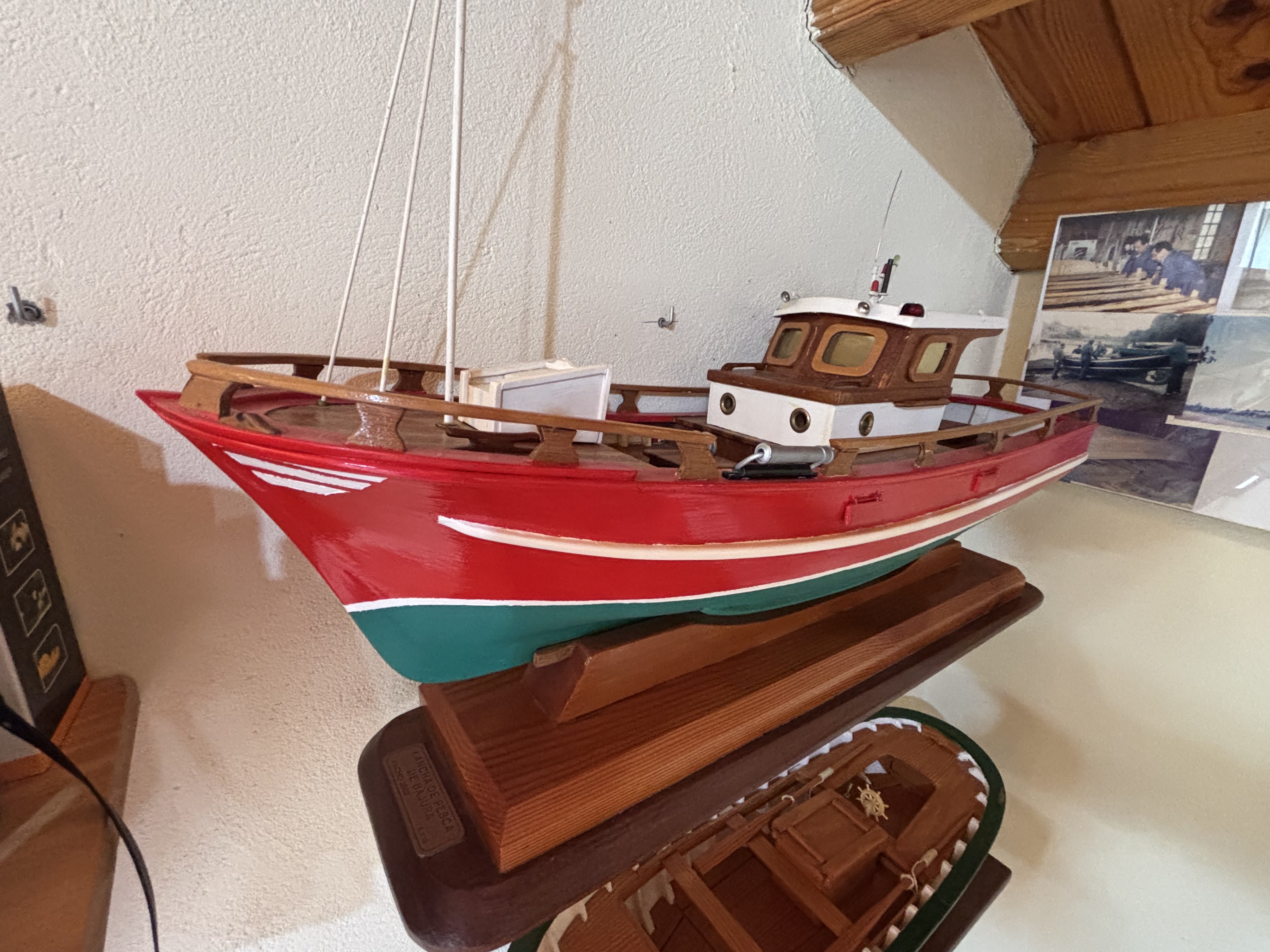
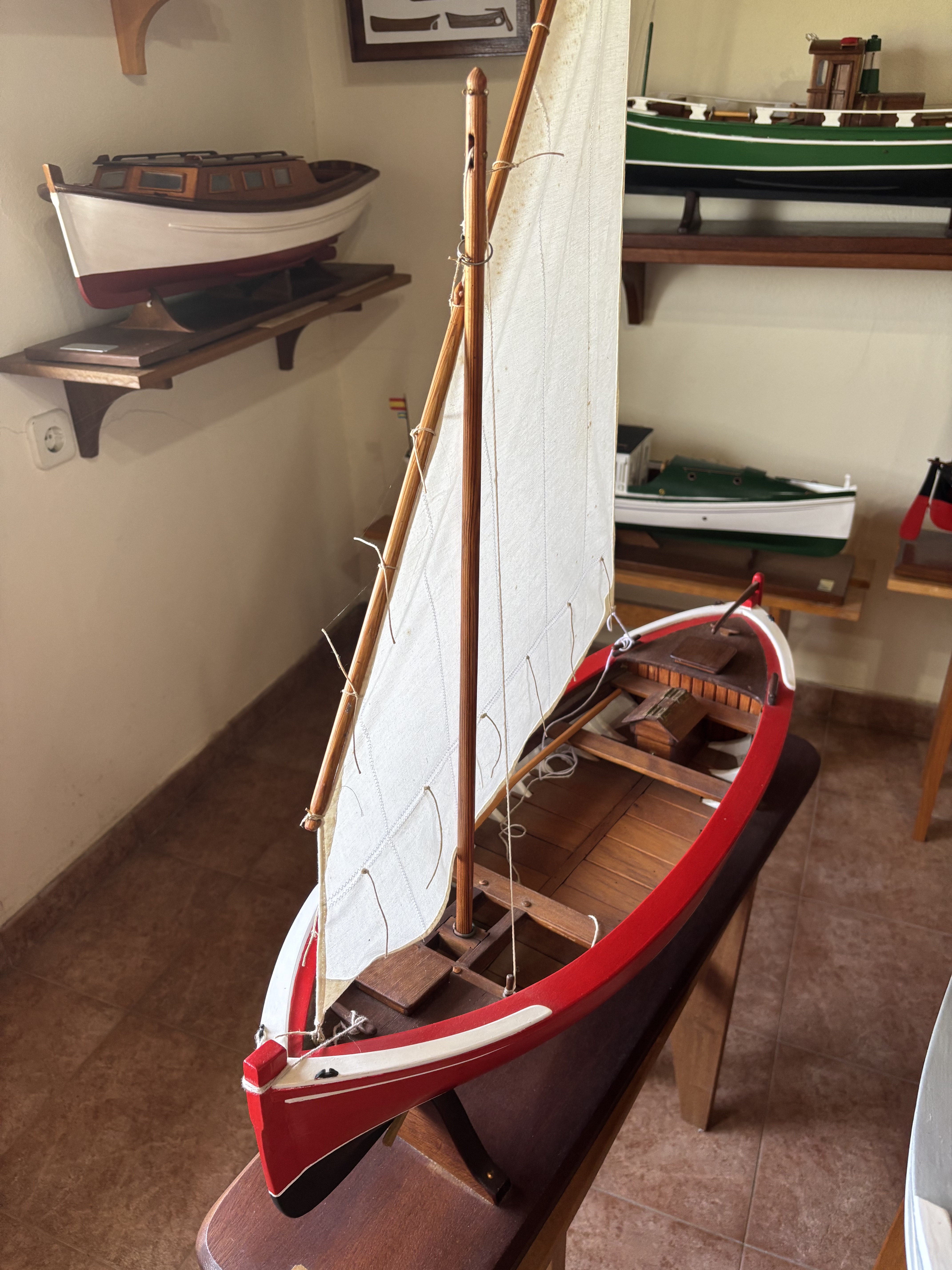
Now retired from building full-size boats, Pepe de Pacho or Pepe as he is known, turned his talents to the most intricately detailed model boat building. The exquisite samples of his work are now displayed in part of his home in a small museum. There, he continues to build his intricate wooden models and keeps the tradition alive in miniature. 

When a couple of curious Kiwis suddenly turned up armed with nothing more than eagerness and spanglish he was extraordinarily magnanimous and generous with his time—even though he spoke barely a word of English. With a permanent smile,he took his time to show us around whilst describing the history of the original of each model whilst I smiled and nodded and sadly caught only about a tenth of what he regaled me with.

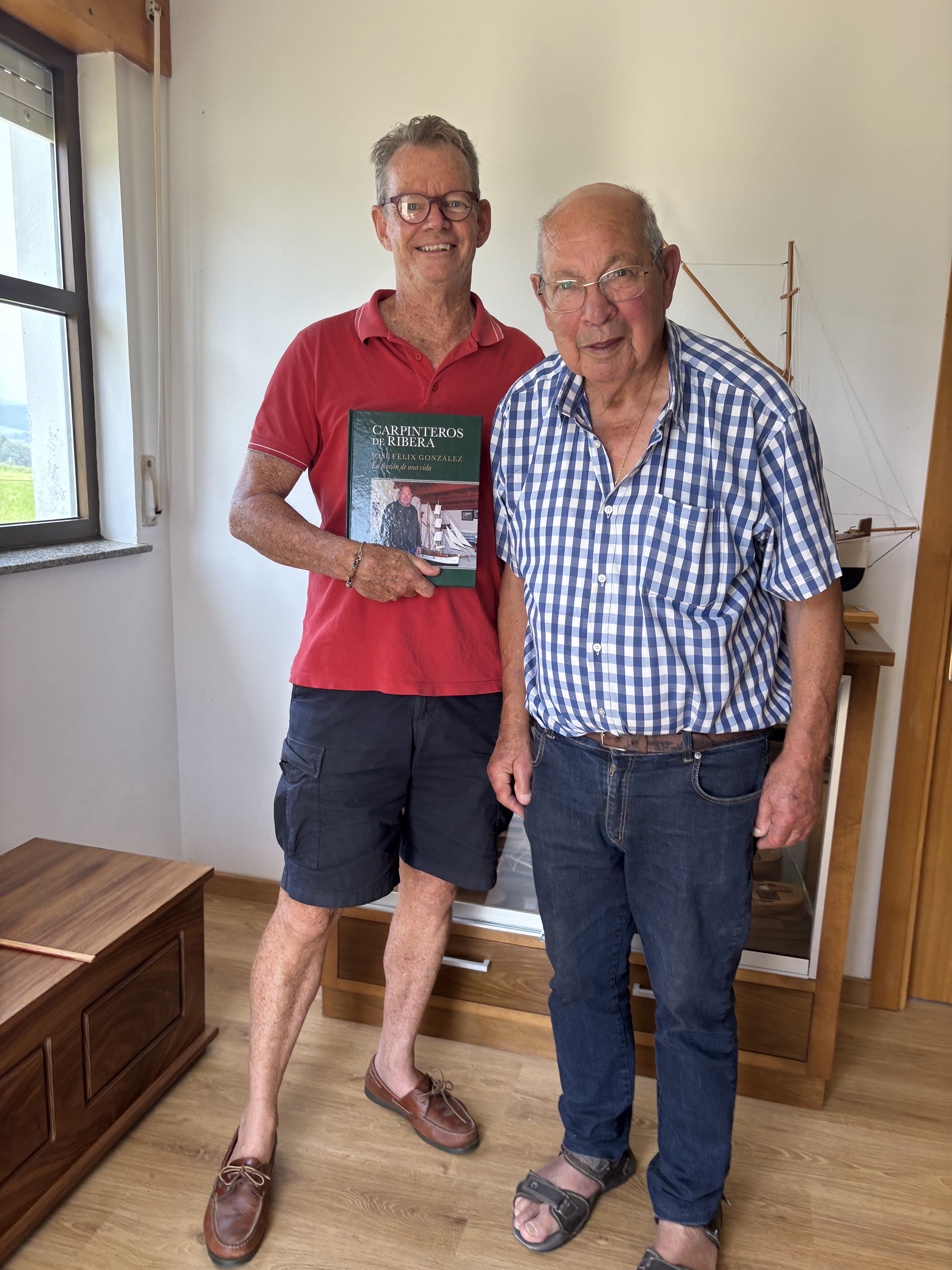
After about an hour of awe struck admiration of his entire collection of over 90 boats, we shook hands, posed for photos and bid a fond farewell to Pepe and his lovely wife. A modest man of immense talent and irreplaceable knowledge and craftsmanship. 

As we left Pepe advised us to go and learn Spanish and come back again! Every boat has its own story, he said, and without the language, we’re missing too much history.”

Below we have the story of Pepe’s very salty life – its a great tale, I hope you enjoy the read. (as always you can enlarge the photos by clicking on them)

Pepe de Pacho: The Soul of the Asturias Boatbuilding

Tucked along the estuarial shores of the Río Eo in Asturias lies a living relic of Spain’s maritime past—not in a grand museum, but in the humble home of Pepe de Pacho, one of the last true carpinteros de ribera, or traditional boatbuilders, in the region. Born José Félix González Vijande in 1946 in the coastal town of Piñera (Castropol), Pepe inherited more than a family name—he inherited a calling.

Roots in the Ría del Eo

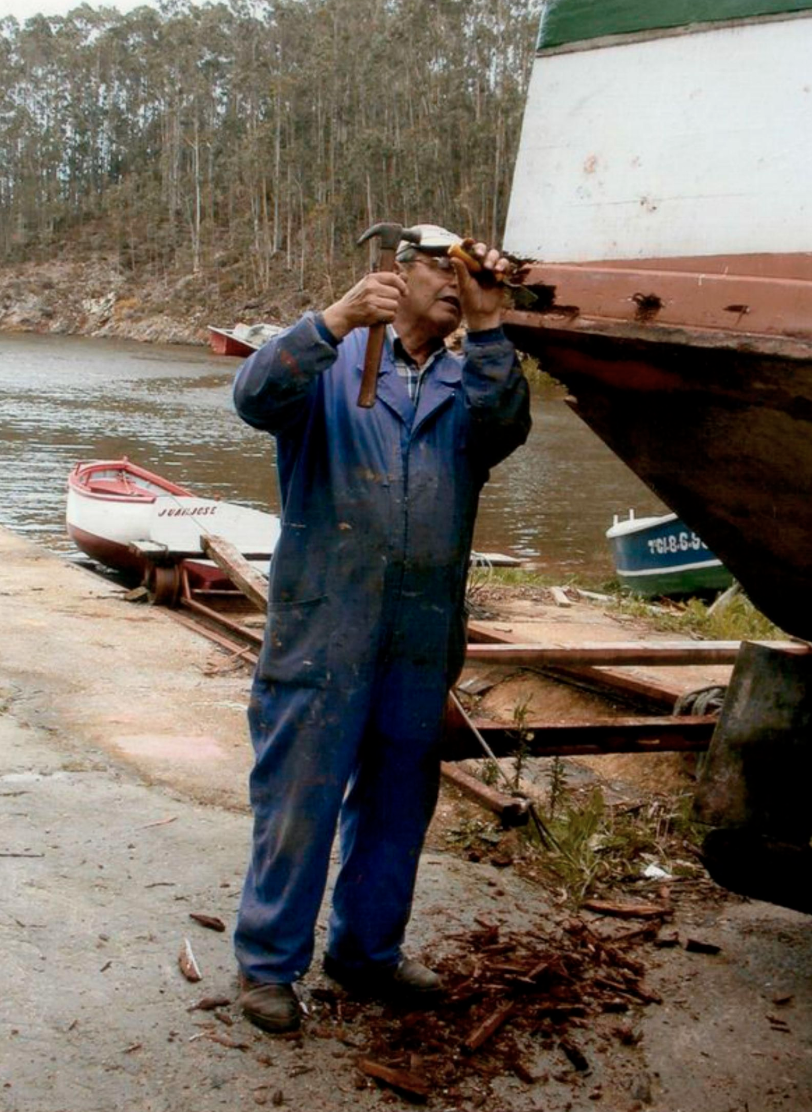
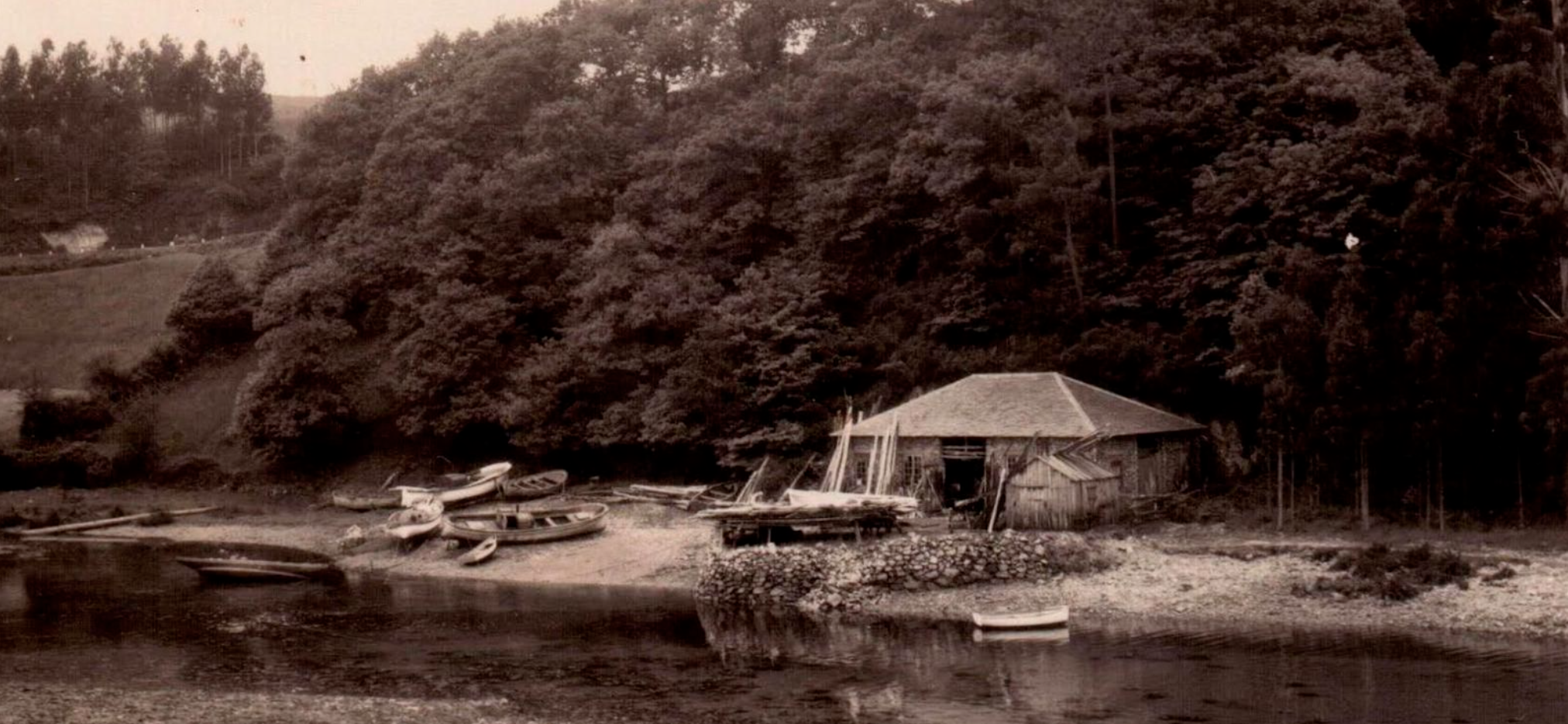
Pepe’s journey into the world of boats began not in a classroom but at the workbench. His father, Marcelino “Pacho” González, established Astilleros Pacho in 1944—a modest shipyard that would become the heart of a multi-generational tradition. By the age of 14, Pepe was apprenticing alongside his brother Carlos, shaping timber and learning the rhythms of the tides and the wood grain under his hands. The workshop, later relocated to Berbesa on the Eo estuary, became a vital node in a once-bustling network of small boatyards lining the Asturian coast.

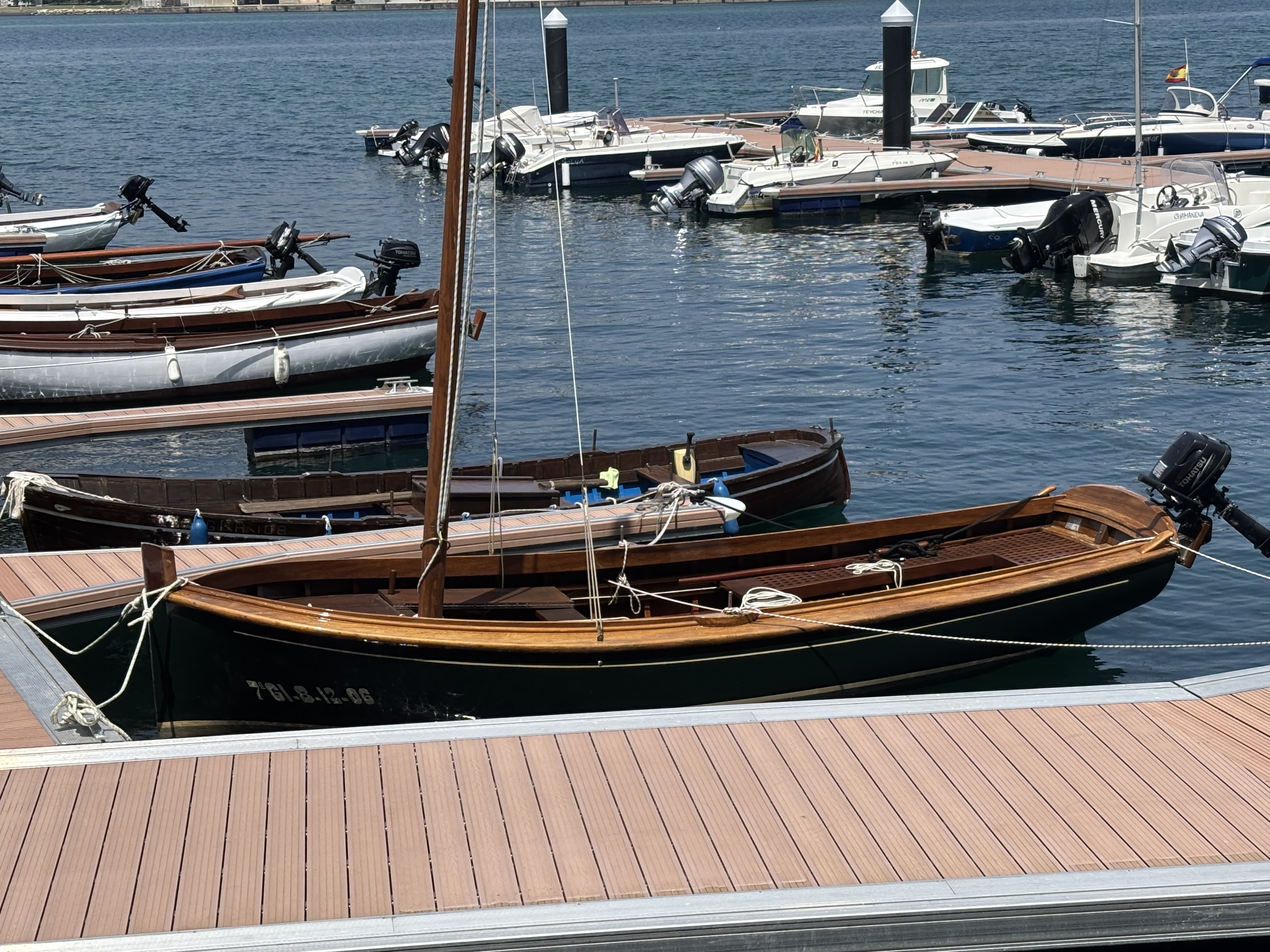
Throughout the mid-20th century, the Pacho yard built robust wooden vessels for fishing fleets from Galicia to the Basque Country. The craft they were most famous for were the handbuilt, Lateen sailed ‘Pacho’ boats. 6 metres long traditional Cantabrian sailing boats with a rounded hull and folding centreboard that have become the favourite class racing boat of the region. These weren’t just pleasure boats—they were lifelines for coastal communities and the main form of local transport carrying salt, wine and produce for centuries.

Reputation for Mastery

Pepe earned a quiet but steadfast reputation as a craftsman of integrity. Among those in the know his boats were prized and desired for being incredibly seaworthy and superbly built. He possessed an intuitive understanding of how wood moved with water. Colleagues often noted how he could “read” the timber—knowing by touch alone if a beam would flex too much under pressure or hold fast in a swell.

But it wasn’t just skill with tools that defined him. It was his dedication to keeping the traditions of Asturian boatbuilding alive in an era increasingly dominated by fiberglass and mechanization.

A Shift to Miniature, Not to Retirement

When Pepe finally retired from full-size boatbuilding in the 1990s, many assumed he would quietly fade from the maritime scene. Instead, he pivoted into an entirely new phase of artistry: the construction of model boats, each one a precise and poetic tribute to the vessels he once launched into the Cantabrian Sea as well as noteworthy craft from all over the world.

“I retired many years ago, and these are the only boats I build. All my life I worked in the shipyard founded by my father, Marcelino, known as ‘Pacho’. Now it’s my nephew Martín, who’s in charge of it,” explains Pepe as he shows us each of these scale replicas of ships that once left his shipyard, some of which can still be seen sailing the Eo estuary. 

Using the same materials—local chestnut, pine, iroko—and the same techniques, Pepe began to produce handcrafted miniatures that mirrored real historical ships down to the finest plank and rivet. His first model, built in 1977, was merely a curiosity. But in retirement, he dove into the practice in earnest, creating over 90 unique pieces, many of them now on display in a personal museum in his home. The construction process is exactly the same as that followed in the construction of a real boat: it begins with the keel, placing the frames, fixing the stem and sternpost and nailing the sheathing planks, continuing with all the elements that go in the interior and from the deck upwards, especially the rigging and sails, made by the no less skilled hands than those of his wife Mirita

These models aren’t toys—they are scaled time capsules. From traditional fishing boats and rowboats to, English Tugboats and legendary schooners like El Industrial, Pepe’s work captures an exact scale model of history in each perfect centimeter of wood and rigging. Every curve tells a story, and every example is the result of countless hours of painstaking labor. 

What a pleasure it was to meet Pepe who is understandably proud of his incredible body of work, and sustifiably so. But he was also so delightfully humble when I praised his astounding craftsmanship and meticulous work. Pepe is always eager to share his passion for boats big and small and anyone who wants to see his ‘museum’ here, at his home, just has to let him know before coming. Visits are free. Good luck.

A Legacy Beyond the Eo

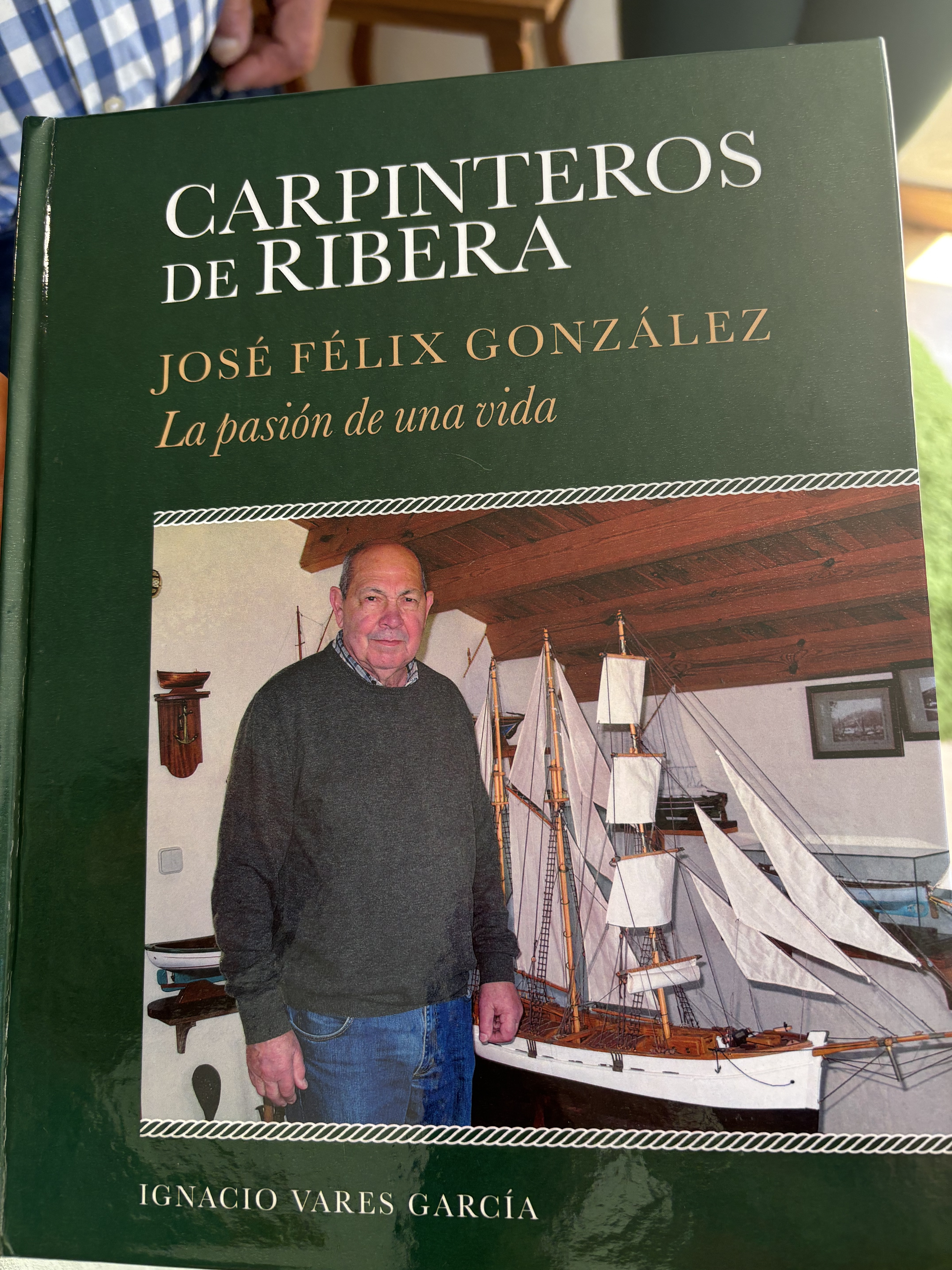
Though he remains modest, Pepe has quietly become internationally respected in maritime heritage circles. His models have been featured in exhibitions, publications, and even cataloged in a book authored by his brother-in-law, Ignacio Vares. His daughter Aida created a website to showcase the collection, ensuring these vessels—both large and small—remain accessible to future generations.

Local efforts to preserve his legacy continue. The town of Castropol is preparing a new edition of the book chronicling his work, recognizing not just Pepe’s craftsmanship but his cultural importance as a living link to an endangered maritime tradition that fortunatley still lives on, in the capable hands of Pacho’s nephew at the same little shipyard on the banks of the Rio Eo where little has changed for one hundred years. 

For more details, see: https://astillerospacho.com/inicio/ https://www.guiarepsol.com/es/viajar/nos-gusta/carpinteria-nautica-artesanal-visita-al-taller-de-castropol-asturias/ https://pepedepacho.wixsite.com/maquetas/maquetas