INSIDE THE CLASSIC WOODEN LAUNCH WIRIHANA – What Powers Her
In the New Zealand classic wooden boating world there is one designer / builder whose name that no matter who you speak to, is in their top three craftsmen – and that gent is Colin Wild. A quick search of his name in the WW Search Panel will result in a visual show case of NZ’s most striking classic craft.
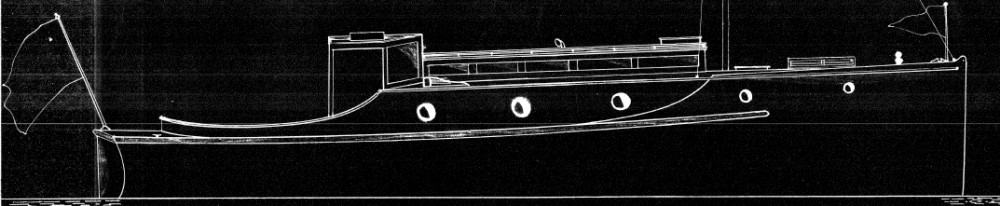
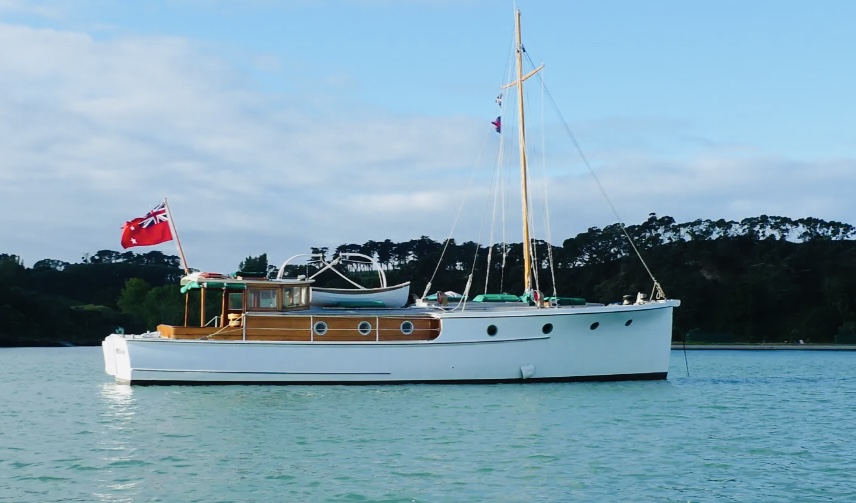
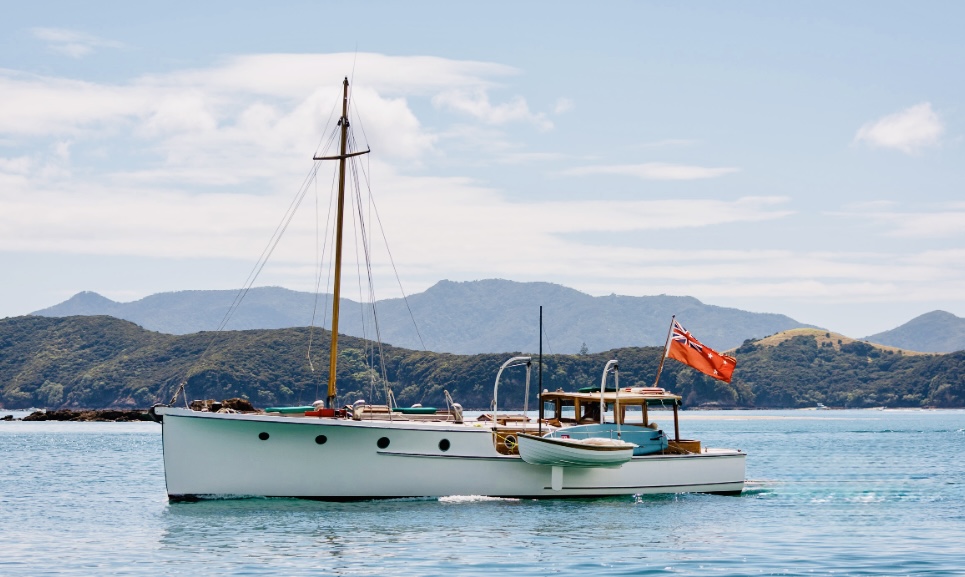
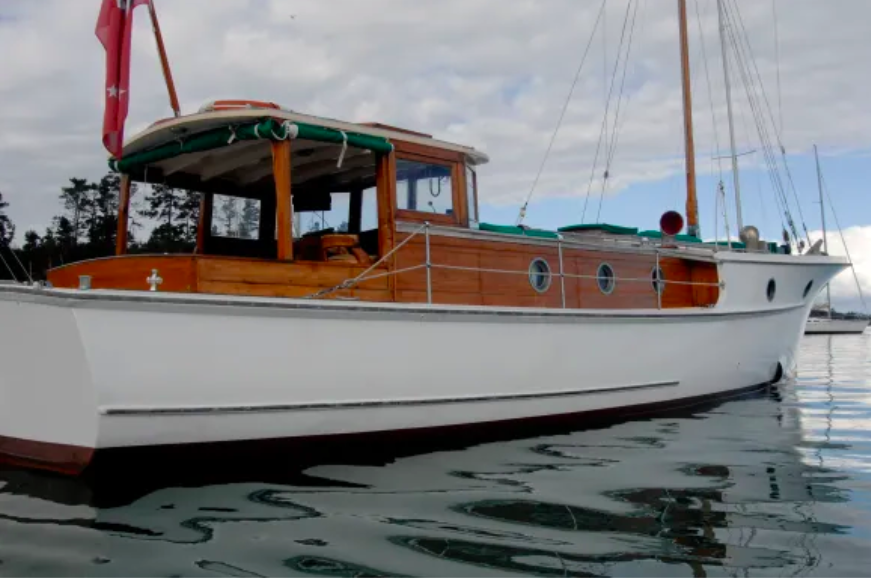
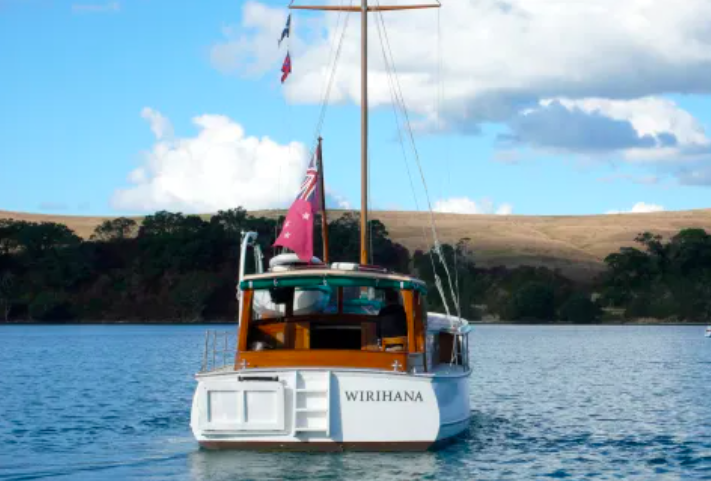
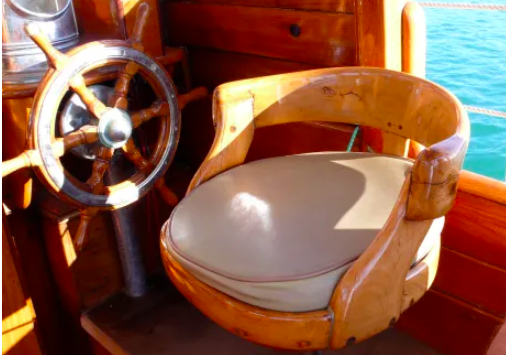
One of Wild’s finest builds is the 1933 launch – WIRIHANA, a woody that has featured numerous times on WW in the last 10 years. Where ever she goes, I get sent photos from people seduced by her looks.
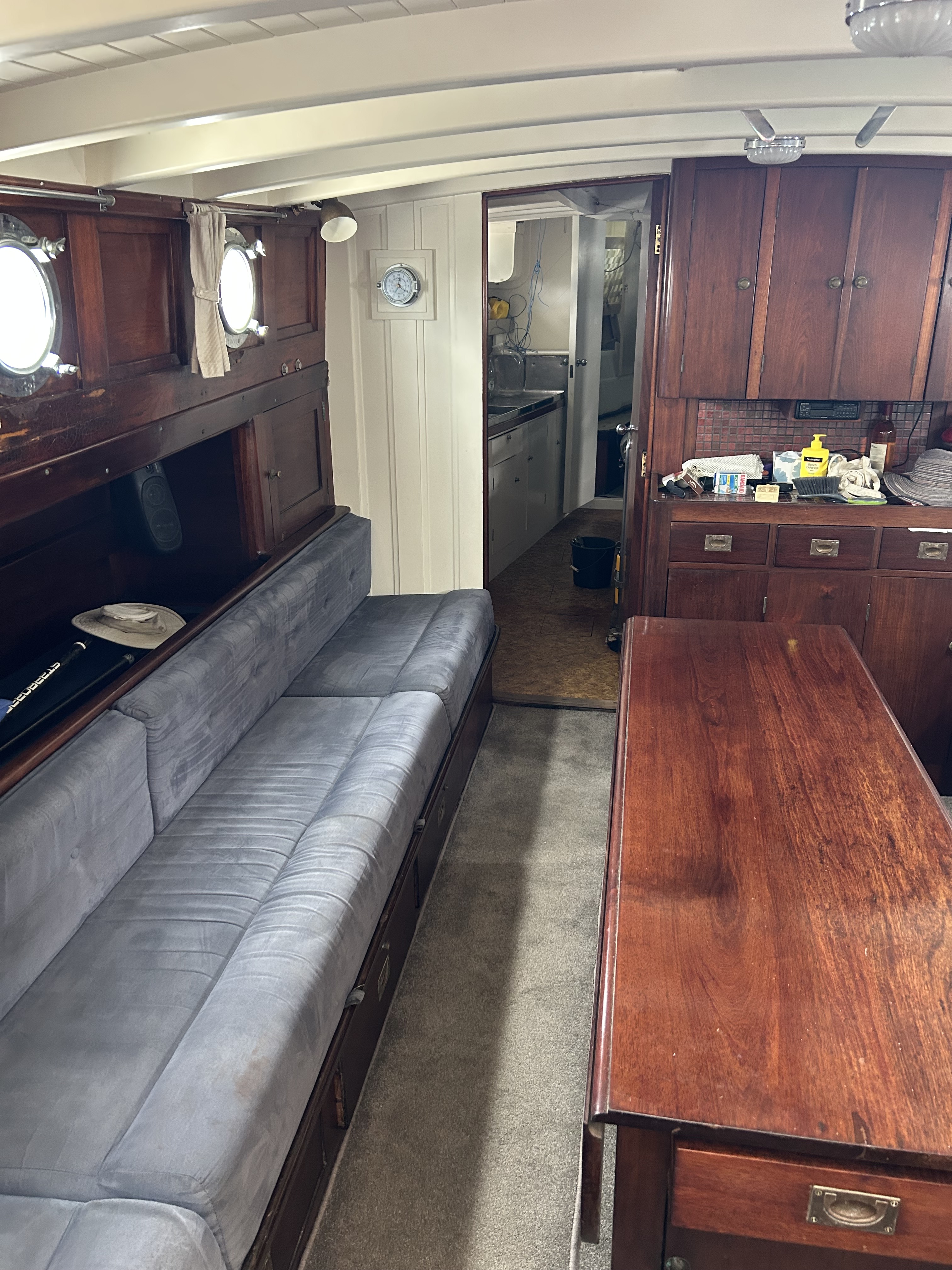
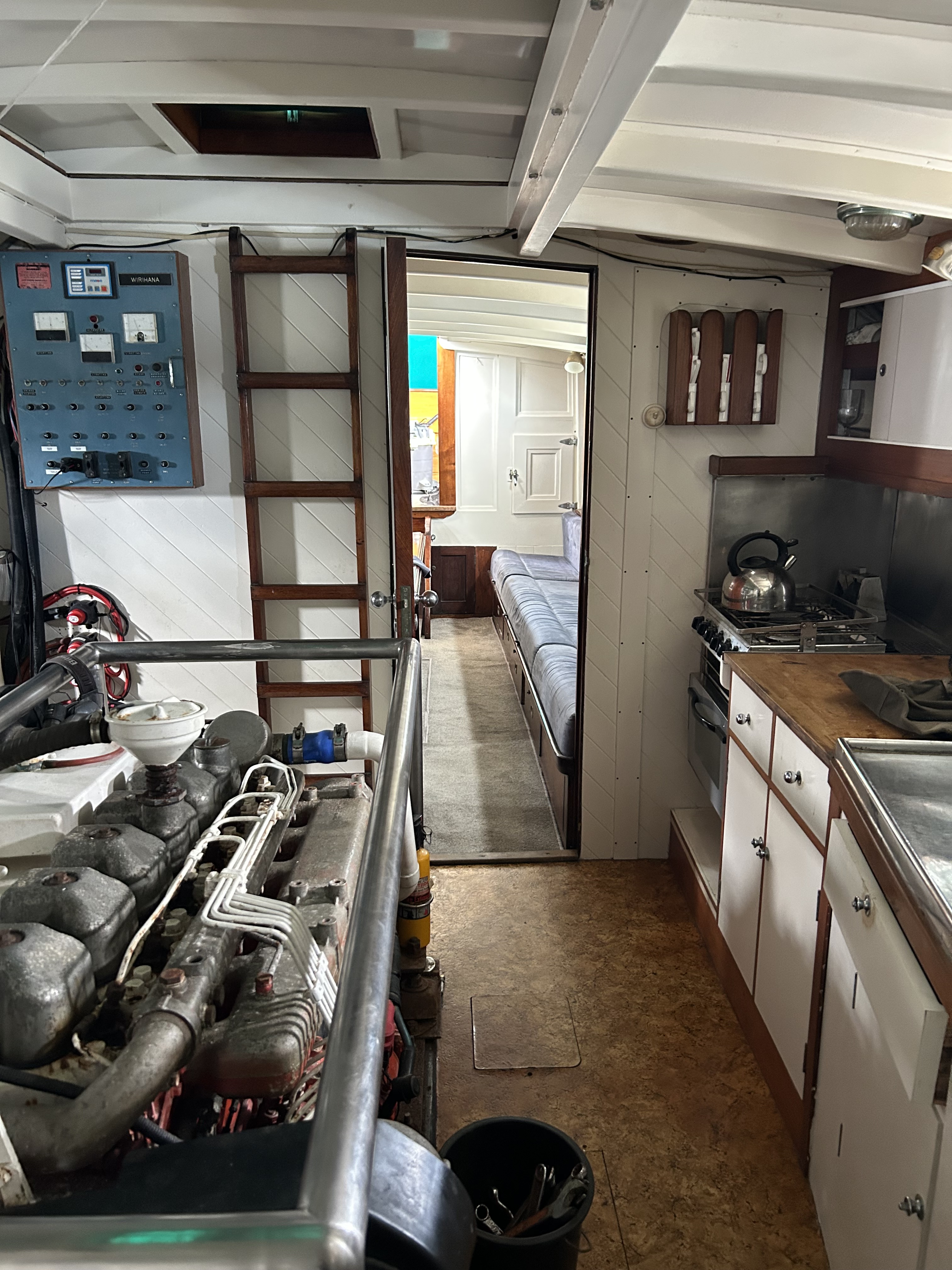
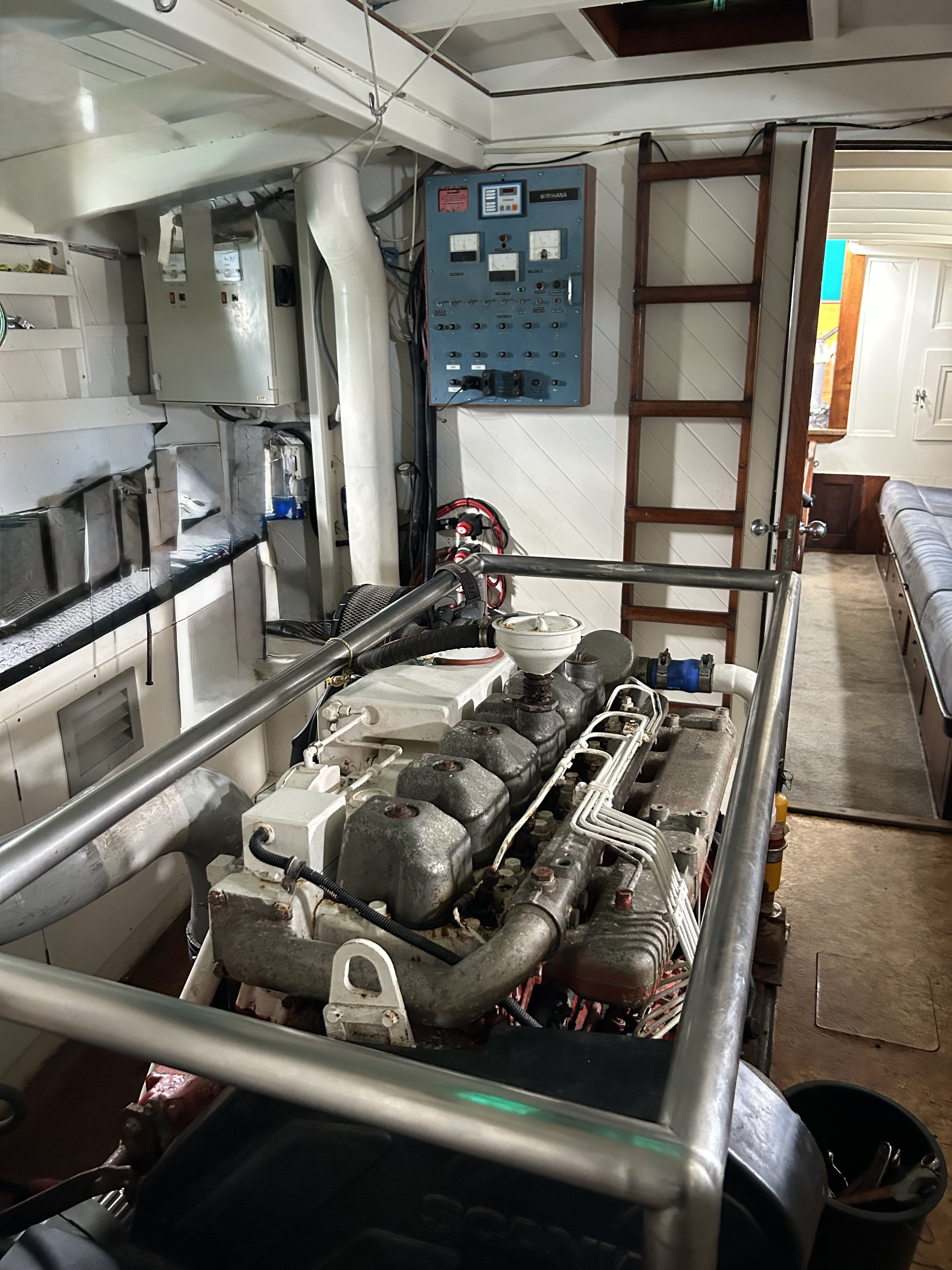
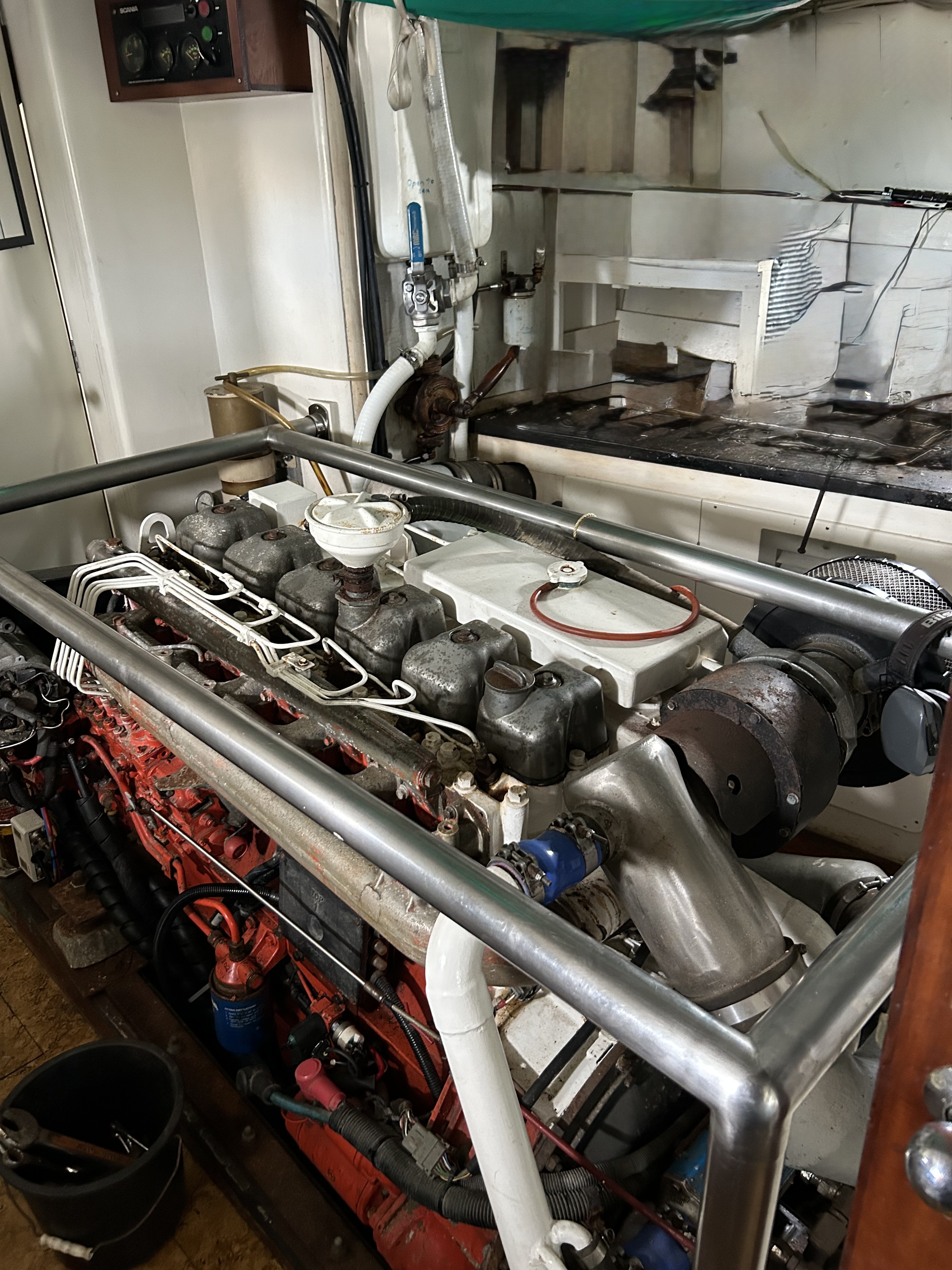
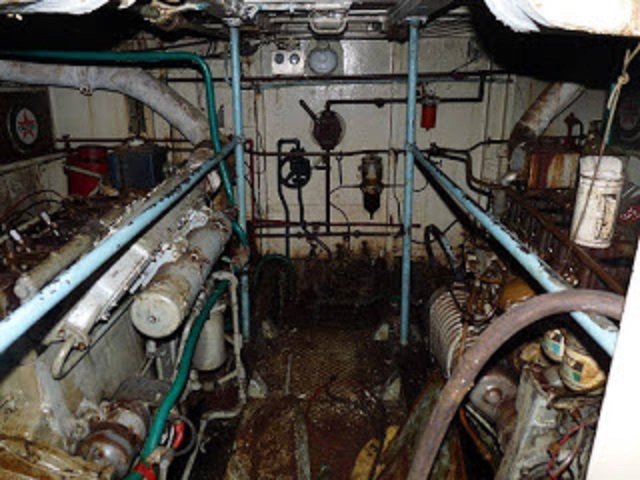
Aside from her wow factor, WIRIHANA is rather unique in that she is still owned by the third generation of the original owners – the Gould family. The family have had the wisdom to engage retired master boatbuilding icon Chris McMullen to maintain, skipper and use WIRIHANA for 18+ years. Today thanks to Natasha Gould, Chris McMullen and Ken Ricketts we get to uncover a side of WIRIHANA’s past not covered on WW previously – the engine room.
Her original engine was a slow running 4 cyl Kelvin with no reduction gear and a petrol start. This engine also had a ‘day diesel tank’ fitted to the engine room wall with a gravity feed to the engine with the main diesel tanks aft, from which diesel had to be pumped daily, into the day tank, manually.
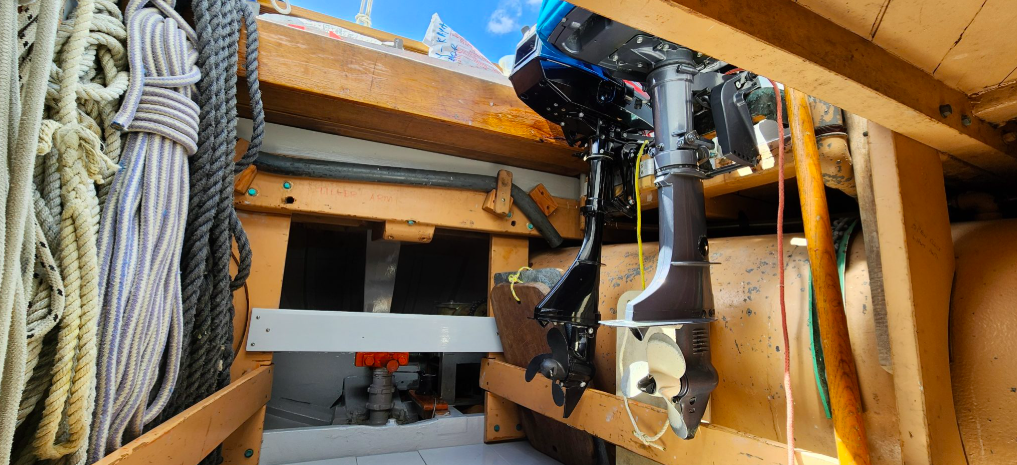
Chris McMullen has commented that all the original associated equipment and day tank, associated with the Kelvin, is still in her today, although not in use, and has the Kelvin name on it.
As covered on WW previously WIRIHANA was commandeered by the NZ Navy during WWII and when returned to Jack Gould (Natasha Gould’s grandfather) at the end of the war, Jack insisted that the NZ Navy replace the engine, because of the rigours of naval service. Another reason for the replacement shared by Chris McMullen is probably the fact that reverse gear on the Kelvin had to be inconveniently operated by crew in the engine room.
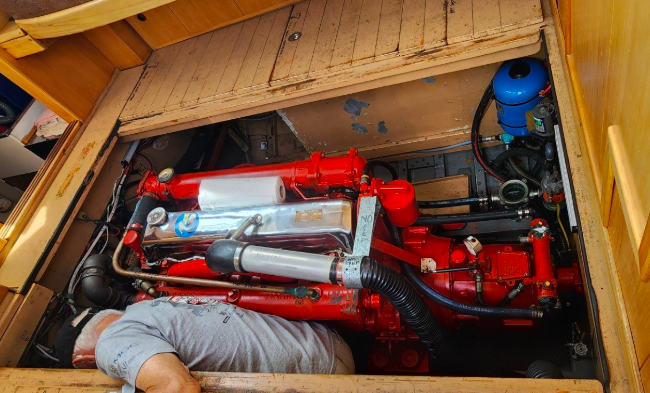
End result was the NZ Navy fitted a 6/71 165HP GM Detroit 2 stroke diesel, that had a hydraulic gear box that could be operated by cable. WIRIHANA retained this engine for a great many years and was eventually replaced in the early 2000’s by Rusty Gould (Jack Gould’s son), with a 180hp artificially aspirated 6 cyl. Scania diesel, which she still has today.
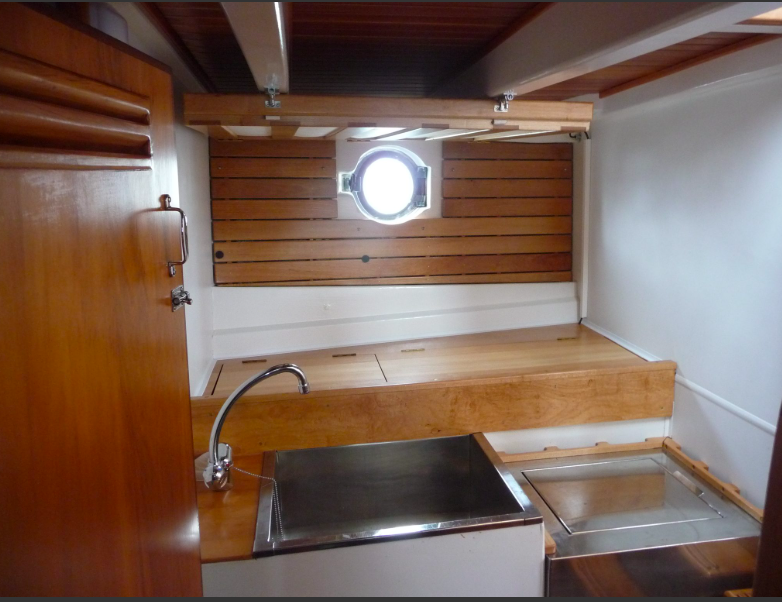
One unusual feature of WIRIHANA’s engine room is the absence of an engine box / sound installation – Chris McMullen told me once , you get used to the noise and its a perfect place for drying towels 🙂
(photo credit – Natasha Gould, Dean Wright, Alan H)
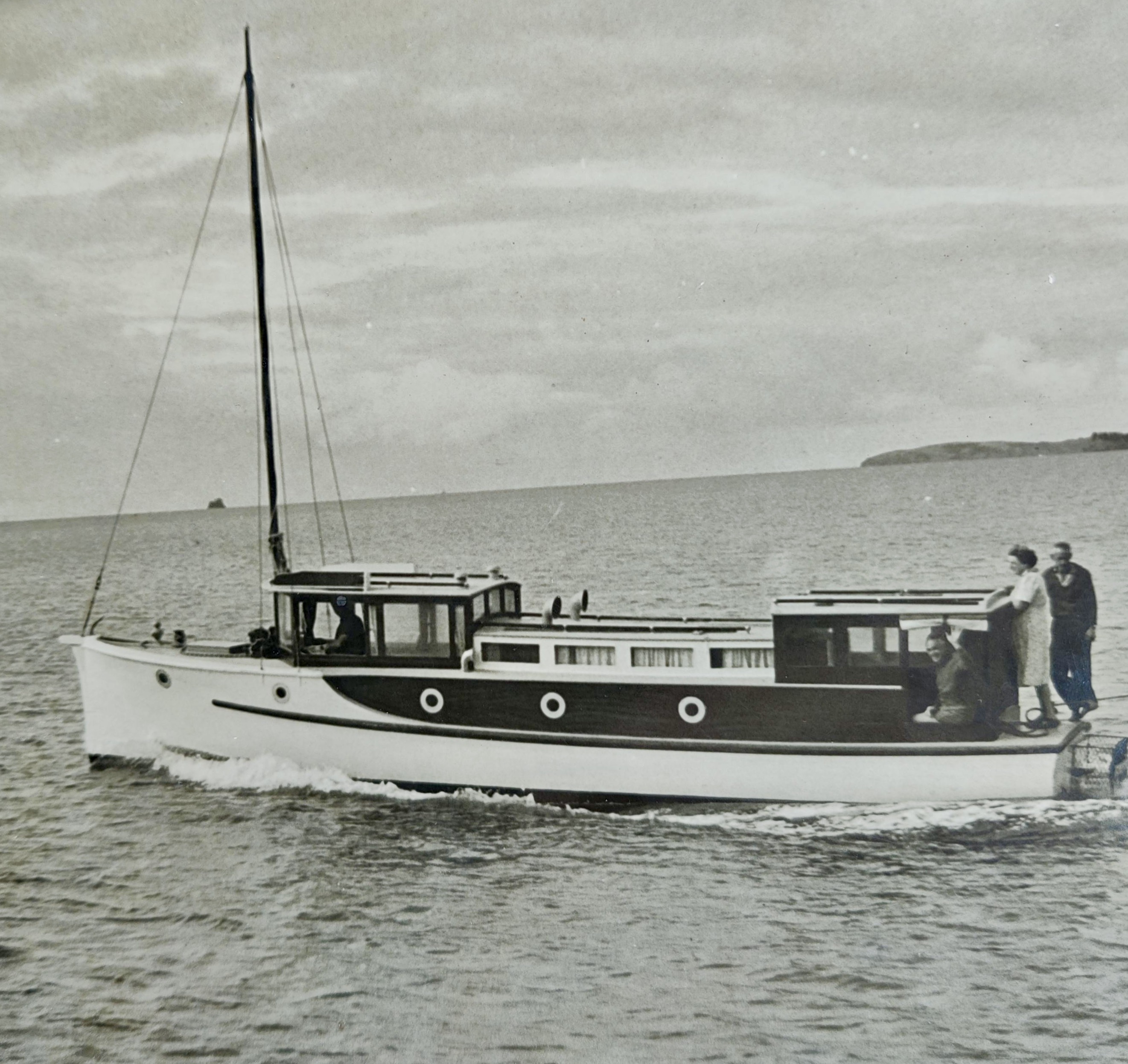
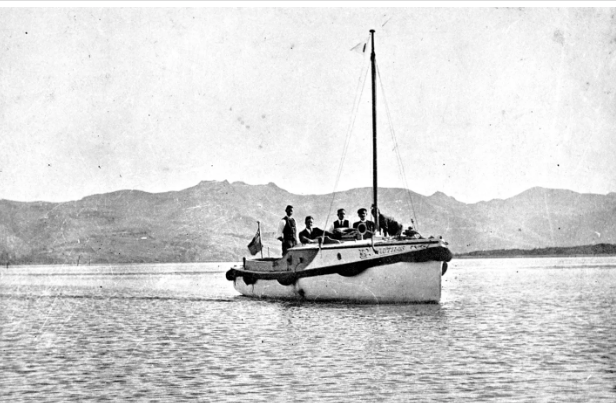
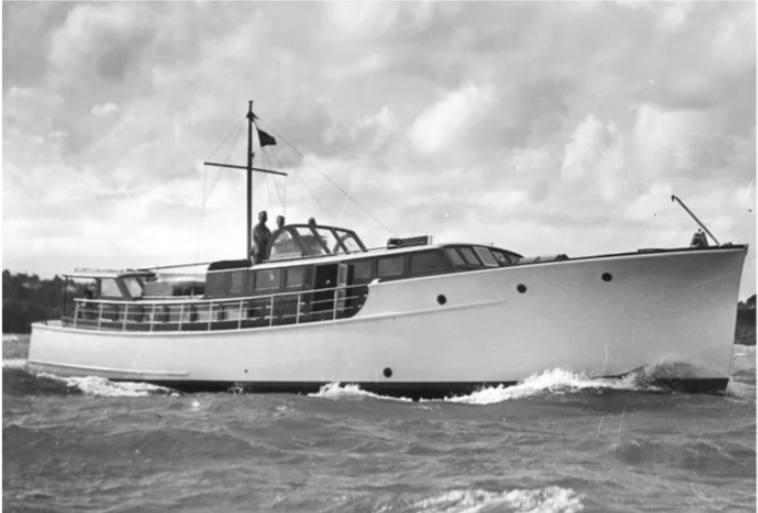
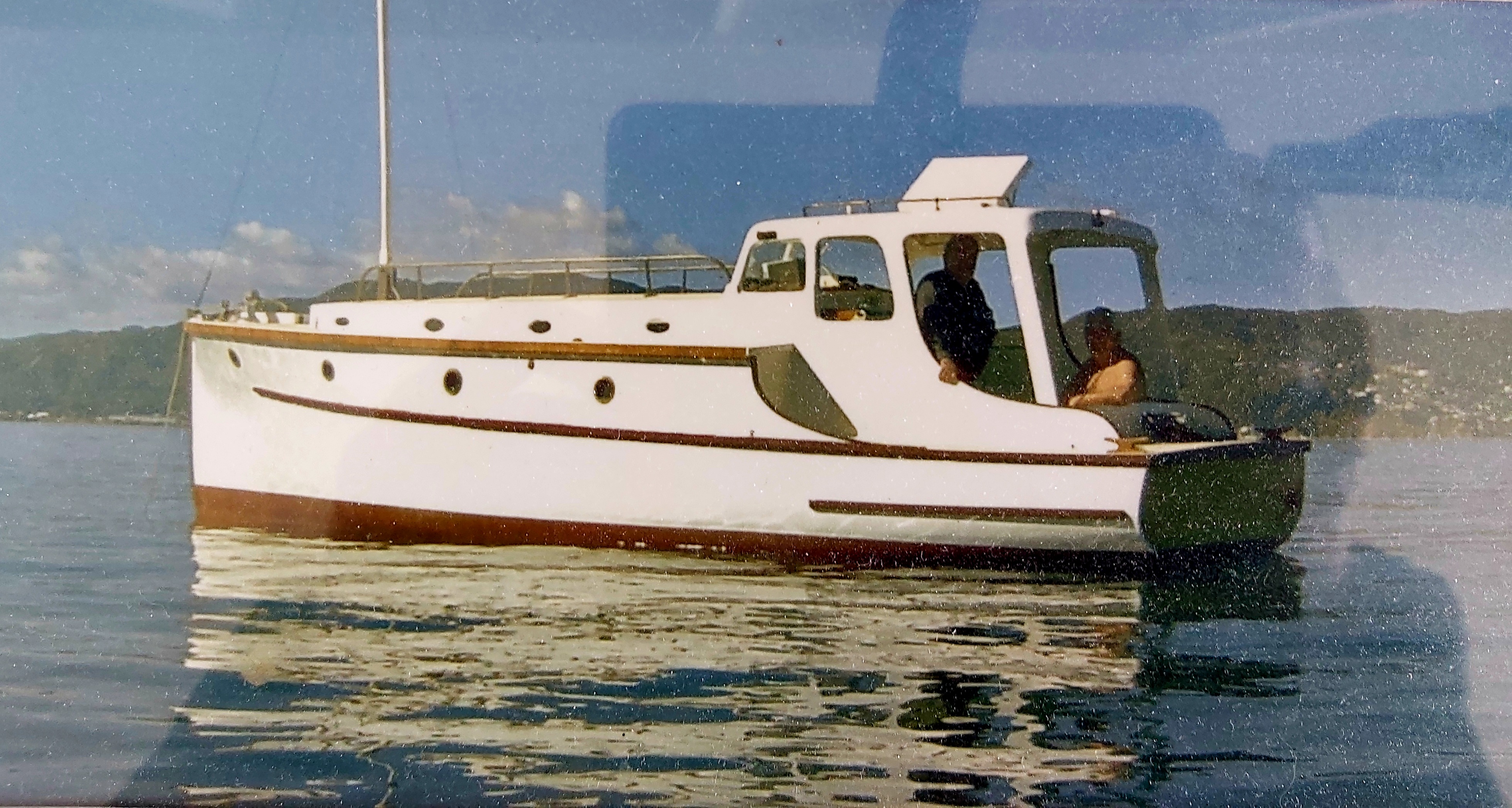
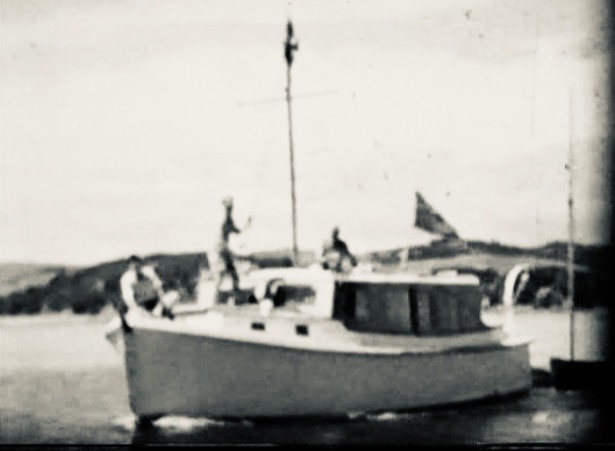
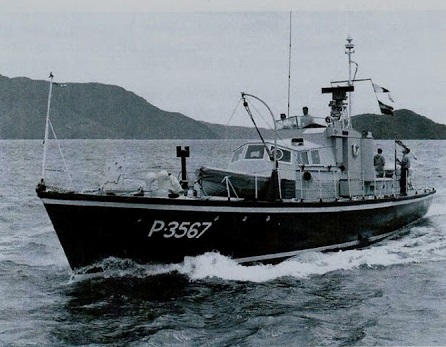
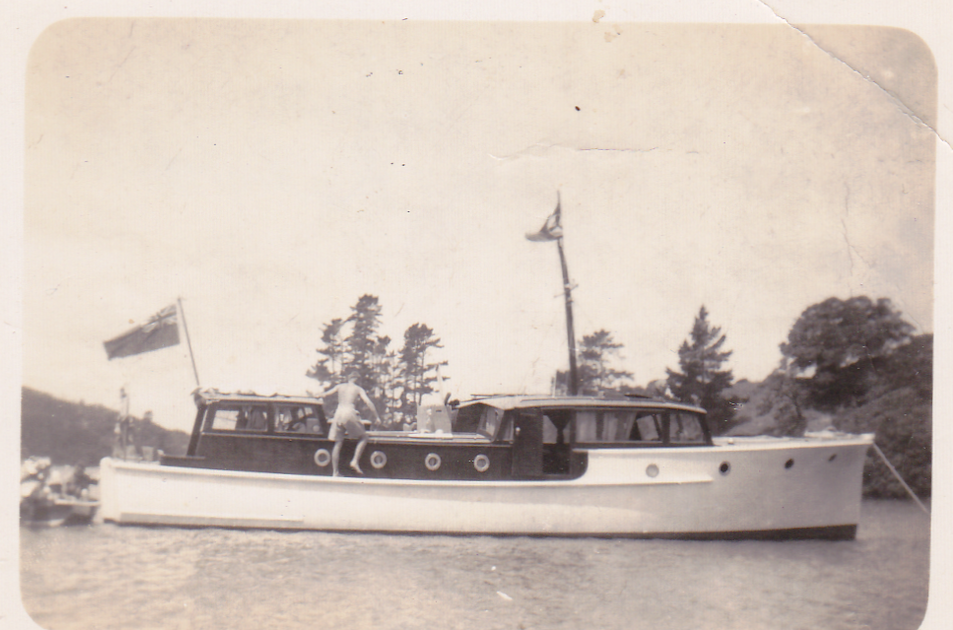
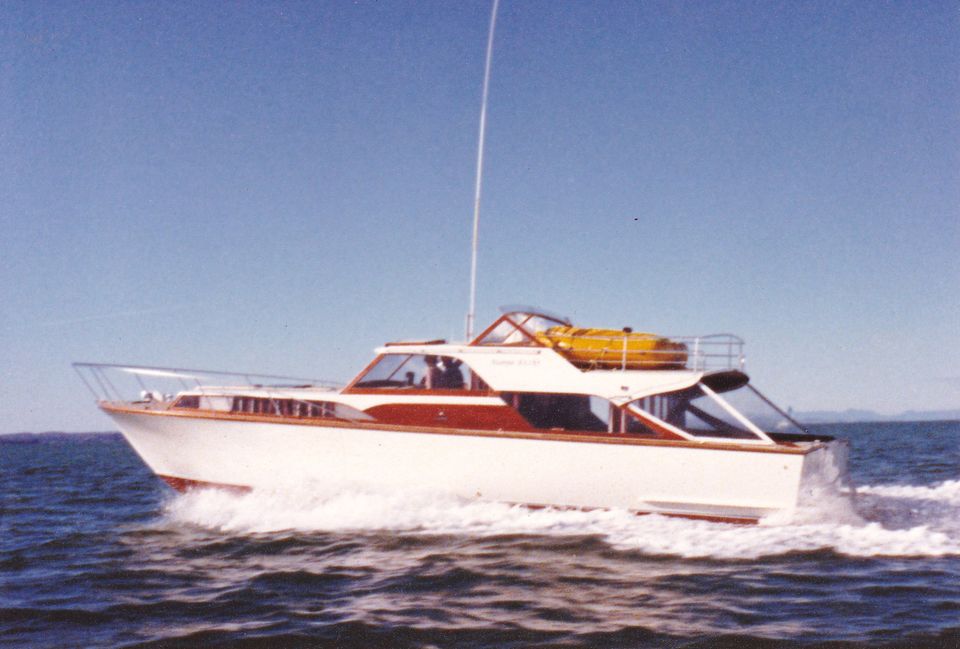
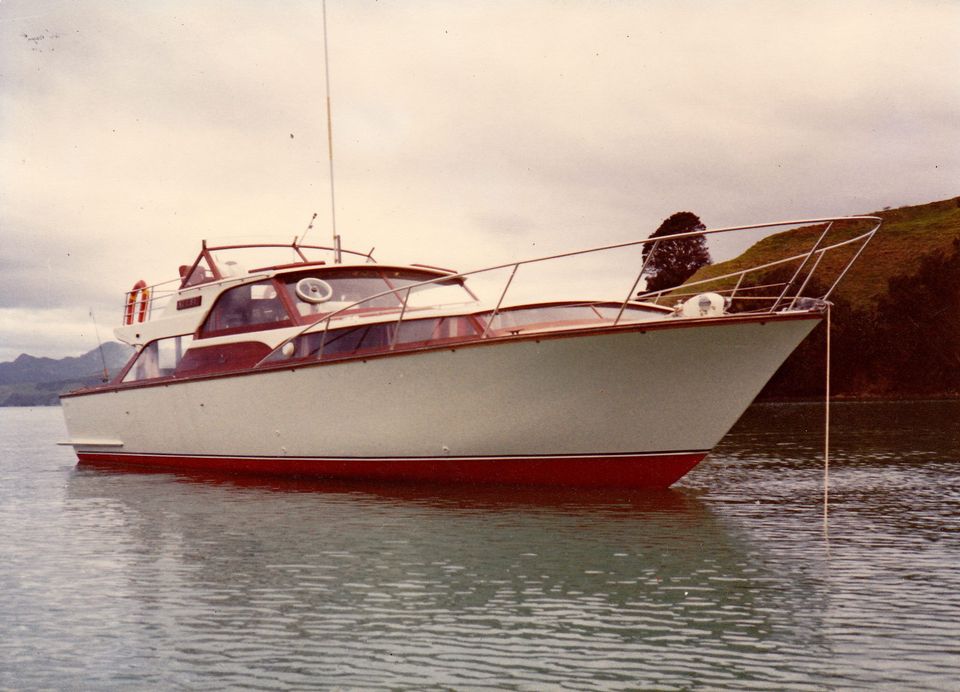
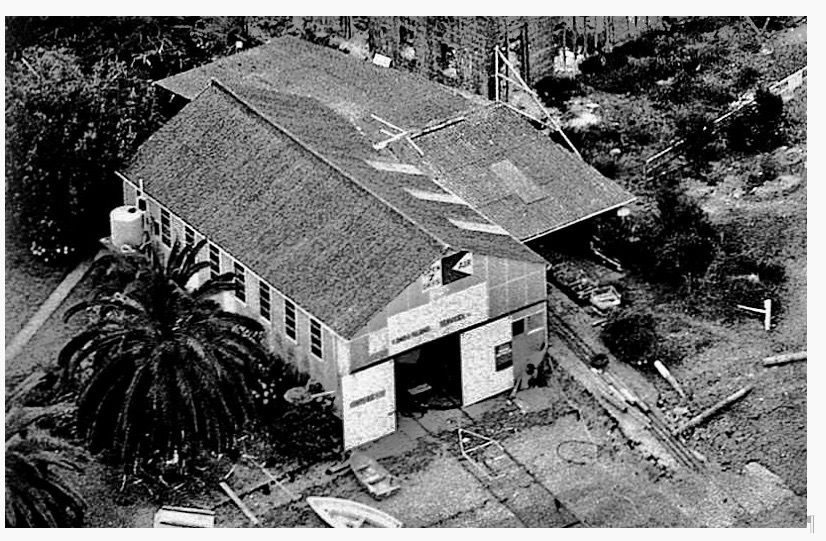
Earlier in the week I was sent the photo above with a very short note – “Found an old photo. Not sure of the boats name but if anyone wants the picture they can have it.”
So woodys can we ID the craft and hopeful learn where she is today and then we can offer the photo to the current owner.
MAHURANGI REGATTA –CANCELLED
A LEFT FEILD QUESTION
WW was contacted by the owner of a vessel named WATERHORSE – message below.
“I was wondering if someone can give me information on a boat I bought. It was built around 2006 for the movie ‘Waterhorse” for Weta Workshop designed by Bruce Askew. It was the PT boat during the later part of the movie. It is a glass over ply construction 32 feet long. Any help would be greatly appreciated.”
Todays woody story is based on a note received from Stuart Junge, an ex classic yachtie who previously owned the 26’ Bailey Jnr. built classic yacht – LEXIA.
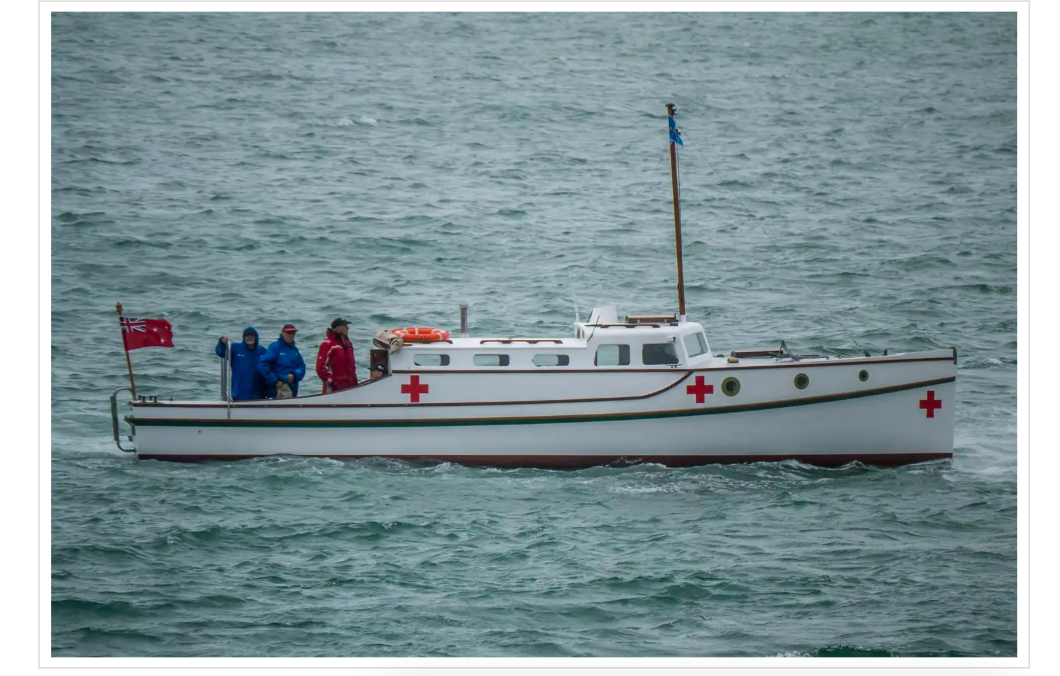
These days Stuart is a volunteer at Auckland maritime museum and along with several others skippers the 1913 classic launch – NAUTILUS that operates out of the museum.
Stuart has some concerns about the (his words) ’tales told of the vessel’.
Now NAUTILUS has made many appearances and WW generated debate around her history. I have included below a past comment from marine historian Harold Kidd, who is the fountain of knowledge in your wooden boating community. My rule is unless there is rock solid proof of an opposing view – HDK is the single source of truth 🙂
I have published Stuarts questions below – can we shed some light on her past and let Stuart sleep easier at night.
• What engine was she originally fitted with?
• Was she steered from the cockpit prior to the high cabin being installed?
• Why was she lengthened, and by whom?
• What was the period of service on the Diamond Harbour run?
• When and why was the cabin deck-head raised?
• I am led to believe she never carried wounded soldiers, only hospital ship staff. True or false?
CLASSIC WOODEN LAUNCH TE RAUPARAHA FACELIFT GOES ALL WRONG
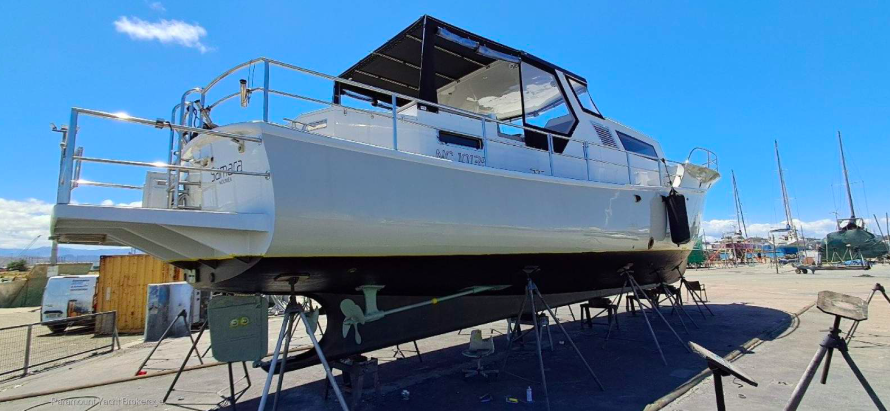
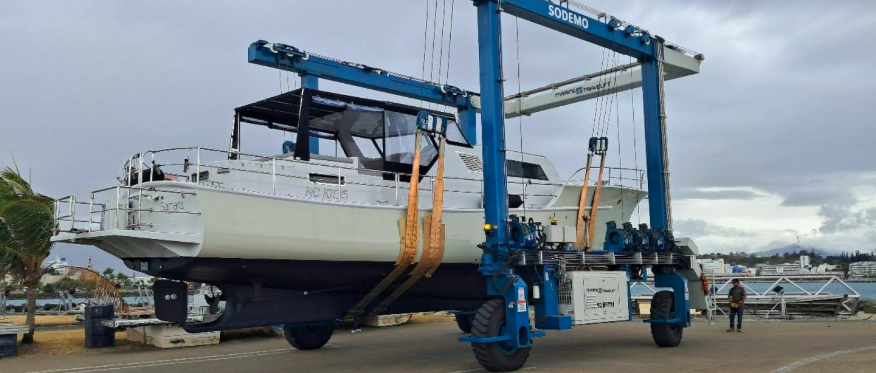
Yesterday WW was contacted by a reader in Hamilton who shared a link for a sales listing for the classic wooden 55’ launch – TE RAUPARAHA was built by Chas. Bailey and Sons Ltd in 1938 for a Harry Mills and back in May 2013 we heard from Pamela Hillyer, Harry Mills’ granddaughter, Pam shared a lot of detail and photos. We also had a great update, below, ex Harold Kidd.
“A true “Express Cruiser”, TE RAUPARAHA was the product of the late flowering of Chas. Bailey Jr’s genius, exemplified too by his design of the 94ft ketch NEW GOLDEN HIND for his old customer H.R. Jenkins (SHENANDOAH, 1929),which was built by Deeming Bros of Opua in 1939 and several outstanding sweet-lined contemporary fishing boats like KATOA, JOAN and MARGARET.TE RAUPARAHA was fitted with twin 110hp Buda diesels which were becoming very popular at the time, supplied by Seabrook Fowlds and fitted by Allely Bros. They were replaced with Graymarines after her extensive wartime patrol work in WW1, often well off the Northland coast. A motor launch to make the pulses race if ever there was one”
Back then Andrew Pollard advised she was for sale in Noumea, New Caledonian – then radio silence – until yesterday when she has popped up for sale in Queensland, Australia. OMG – why do people do this to a classic wooden boat – surely its cheaper to just buy a plastic one than turn such a fine craft into what we see today… words fail me.
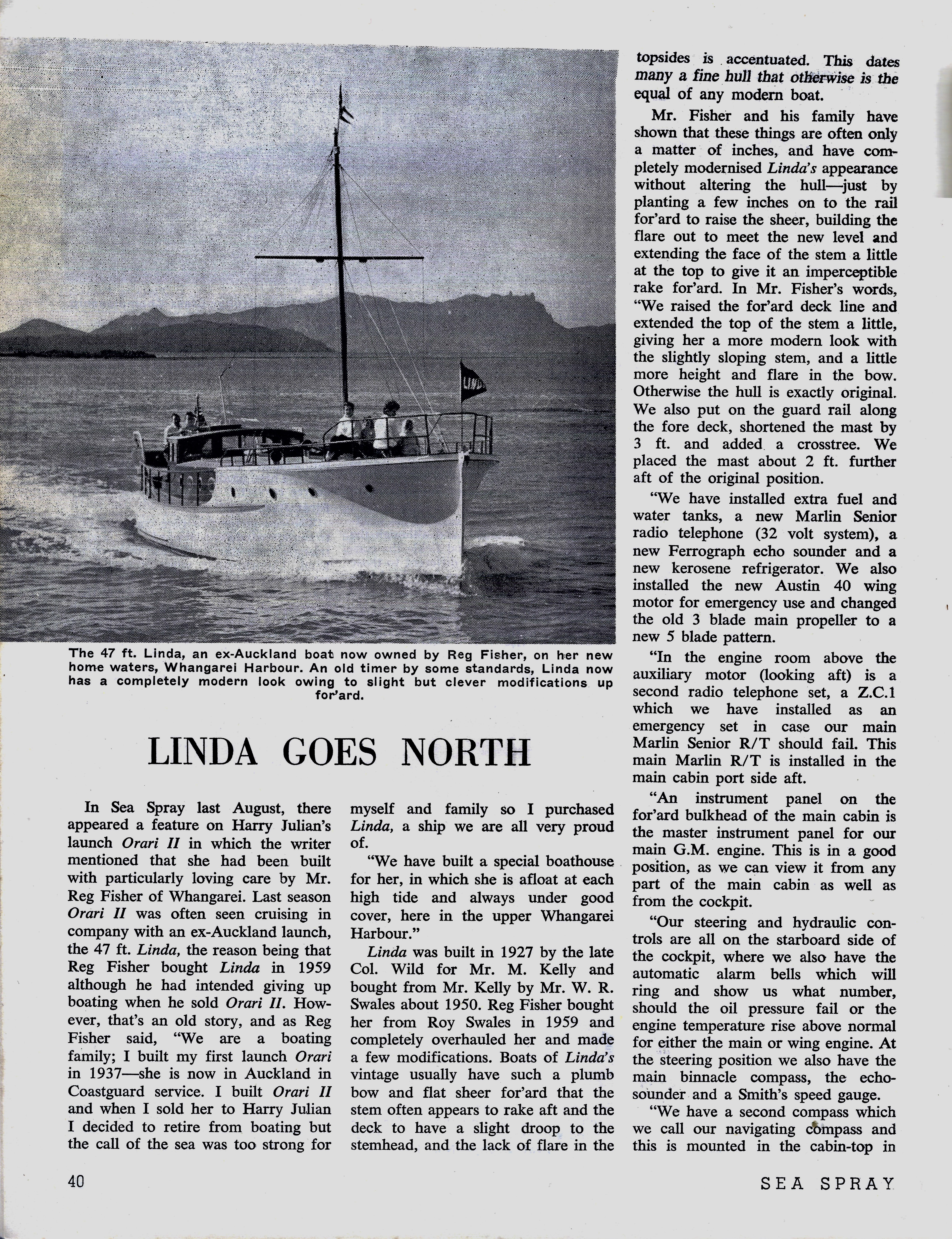
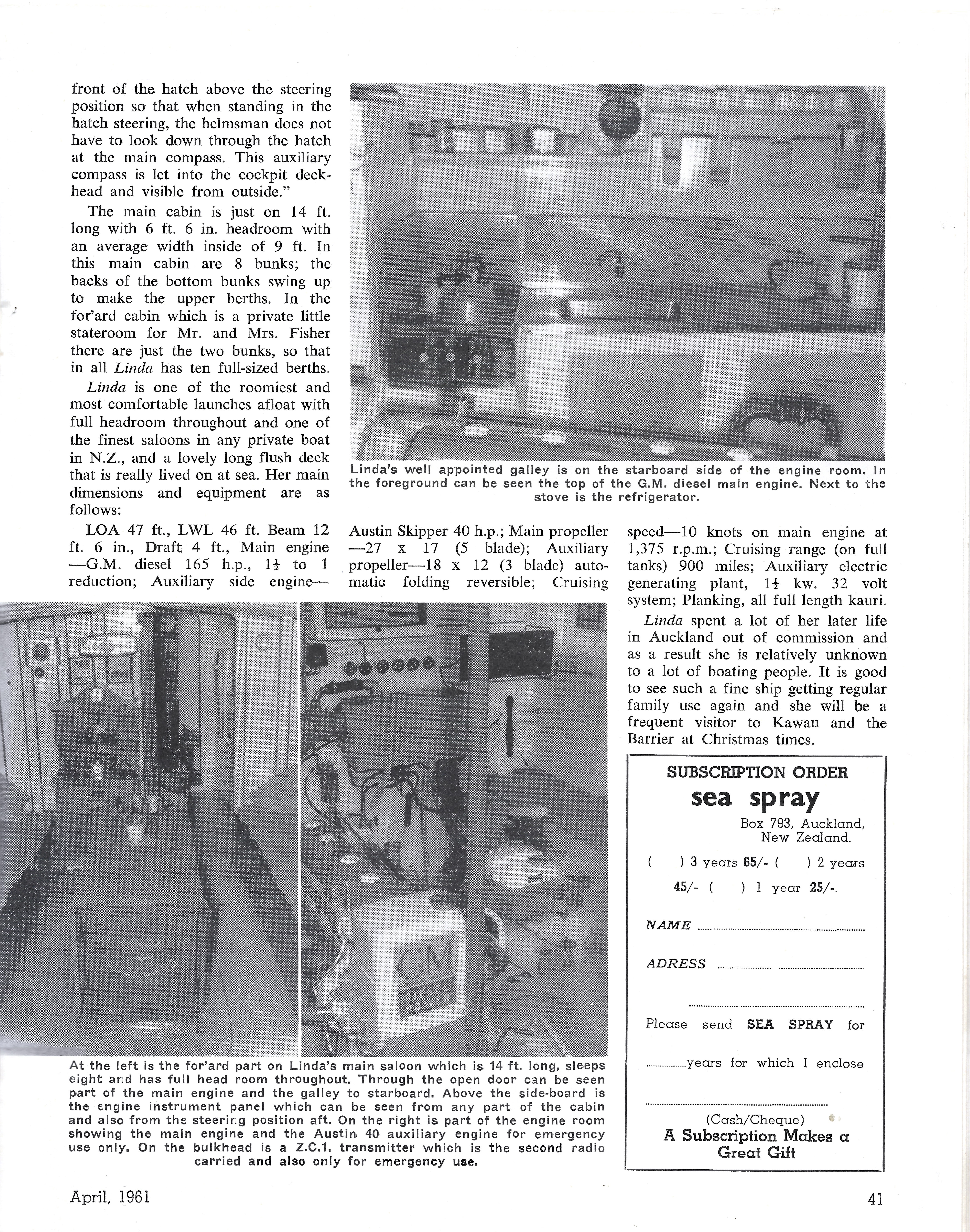
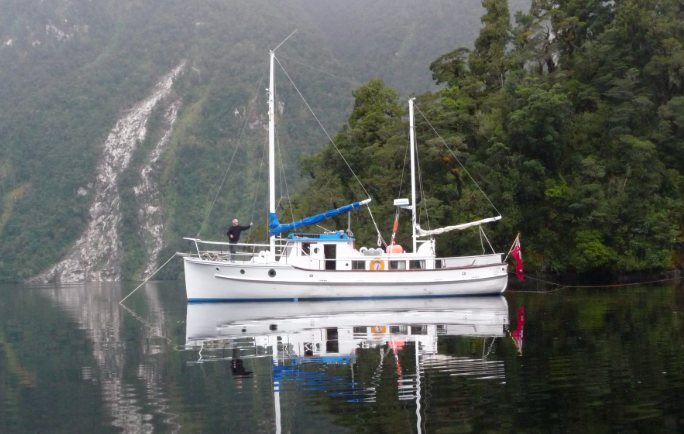
CLASSIC COLIN WILD LAUNCH – LINDA – THE FULL CIRCLE
Back in 1959 the 1927 Colin Wild built 47’ launch LINDA relocated from her home waters , the Waitemata Harbour, to Whangarei, Northland. Her new owner was Reg Fisher.
In the April 1961 edition of Sea Spray magazine there was an article (as above) on the boats history and recent modifications and updates.
In later years she returned to Auckland and in the last 2 years has relocated North again to Kerikeri, – the full circle.
The Sea Spray article comes to us via Ken Ricketts.
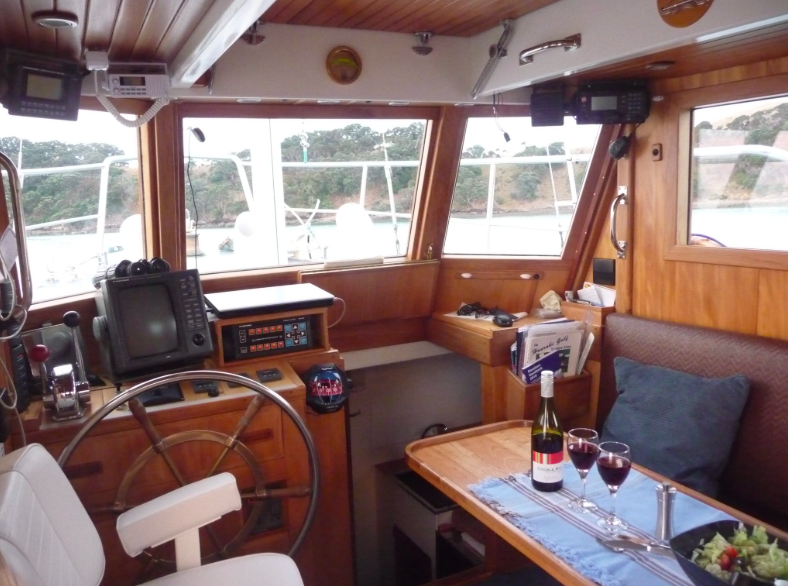
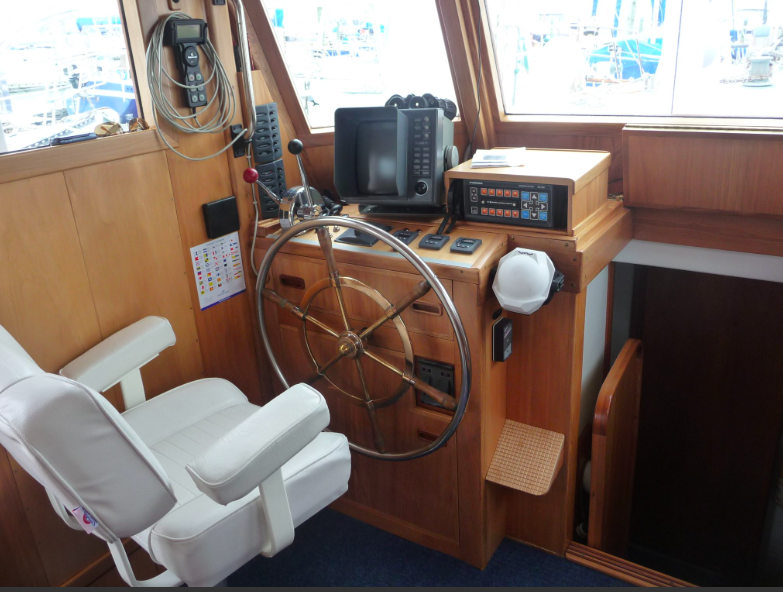
Today we get a peek down below. She is a solid old girl, 1-1/4” kauri carvel planked and powered by a 6 cyl. 100hp Ford Lees D series that give her a cruise speed of 7 knots. As Ian McDonald commented “crying out for a Gardner” 🙂
GUNNER was originally intended for work and fishing in the Marlborough Sounds. However, she was requisitioned by the Crown during wartime and transported to the Devonport Naval Base in Auckland for final fitting out. After the war, Gunner was sold and began commercial fishing out of Leigh Harbour. During this time, she also operated a mail run to Great Barrier Island in the Hauraki Gulf. Around 1957, Gunner changed hands again and continued her commercial fishing career from Port Ohope. In 1973, she underwent a 3-year conversion from a working vessel into a pleasure craft. This transformation included extending the wheelhouse and adding an aft cabin.
Each to their own but she appeals to me, a very comfortable boat that could easily do laps on NZ.
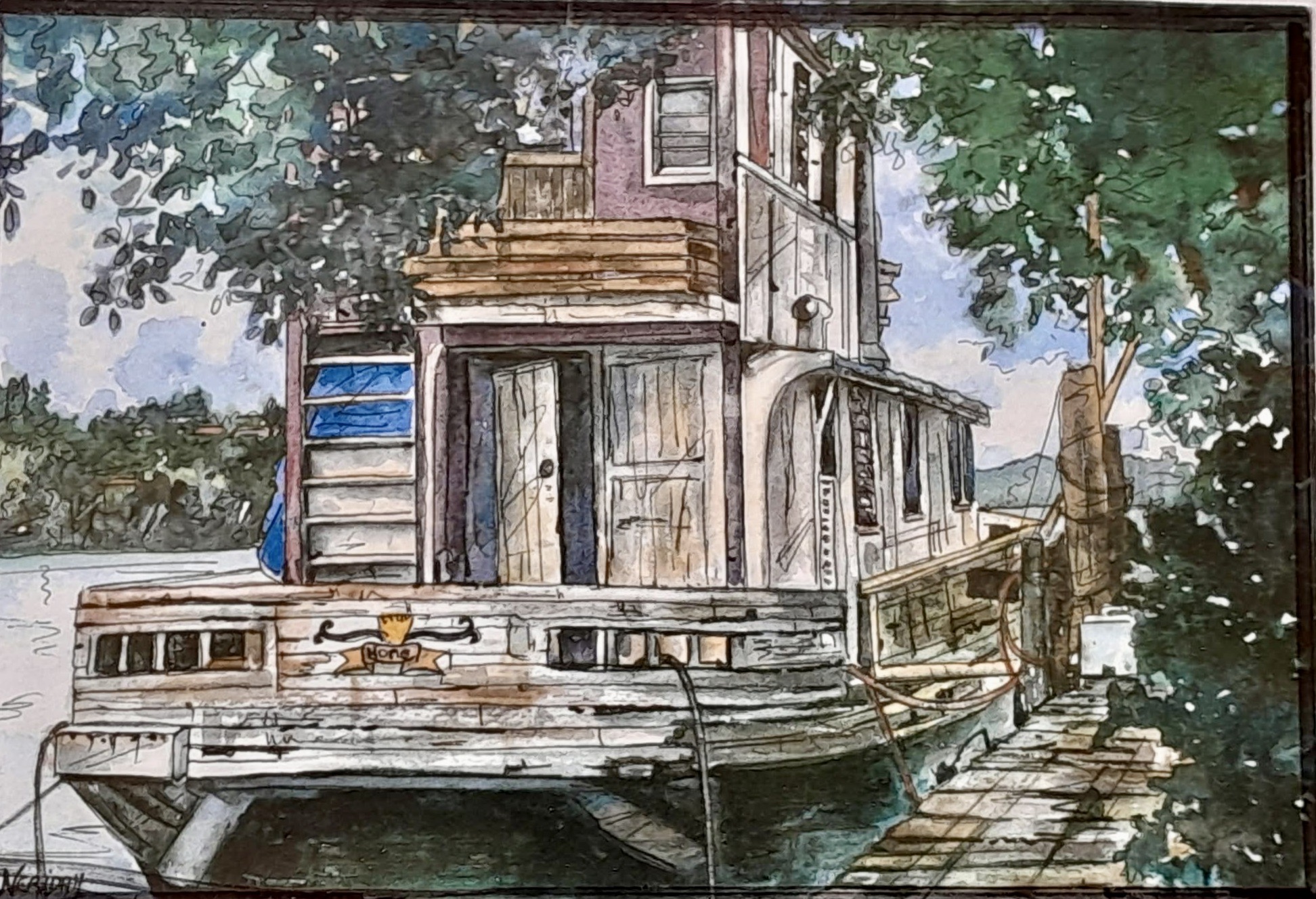
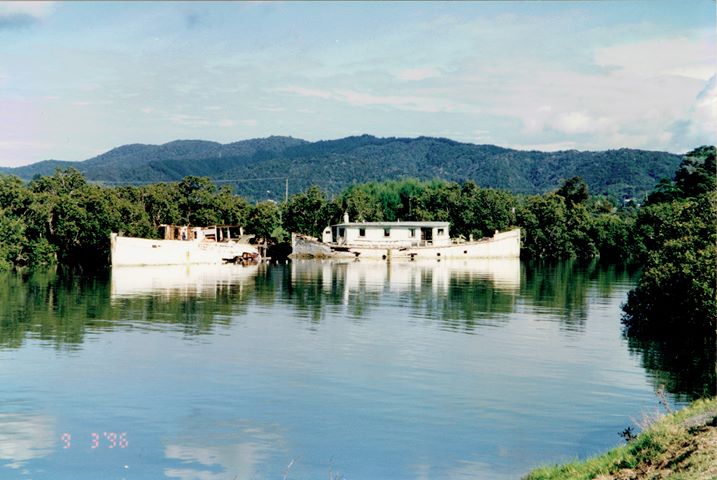
The above painting of todays woody comes to us from Barb Hudson via the NZ cars, boats, motorcycles fb page and is captioned ‘Hone Houseboat Whangarei’.
The question for woodys is “did the boat actual exist or someones creative freehand”. If it is or was an actual boat do we know anything about the vessel.
UPDATES
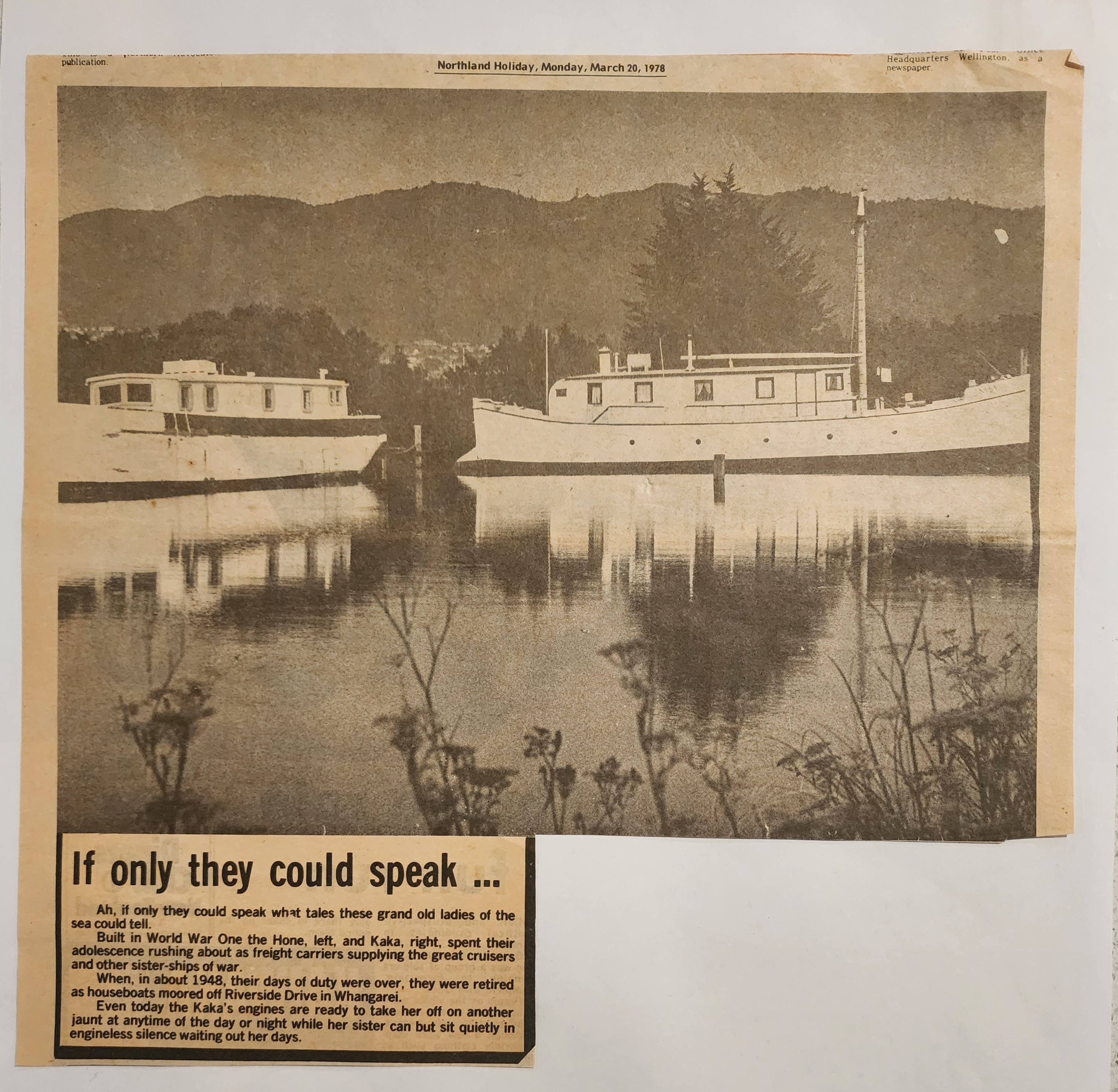
Greg Philpott sent in the b/w press clipping below , taken form the ’Northland Holiday – 20 March 1978. The HONE was built in WW1 as a freight carrier servicing war ships. She was retired c.1948.
Paul Shaw sent in the colour photo that he found posted by David/Janet Matthews on “Whangarei Way Back When” fb of the same houseboats near Kissing Point, Whangarei. And commented that you couldn’t miss them anytime you drove between the city centre & Onerahi.
Todays woody AIRANA was built in Balena Bay Wellinton by car franchise owner Noel Manthel in 1934. AIRANA is a lightly built craft of British design, Sterling her owner Bruce Campbell believes. There were apparently about 50 built in the UK.She was originally named’ Rosemary’.
AIRANA is essentially built for the Thames Estuary and connecting canals, and consequently is quite narrow;-under 2 meters with a shallow draft of 2ft 9inches, and is 30 feet in length. Alfred Hitchcock apparently was taken fishing in Wellinton harbour years ago and AIRANA supposedly searched for submarines in the harbour during the war with a Bren gun on the foredeck.
Bruce purchased her almost 20 years ago, and gave her a complete birthday at Wellington Boatbuilders Gracefield, Lower Hutt 17 years ago. Home is a mooring in Ruakaka Bay, Marlborough Sounds. Forward motion is via a reconditioned 85hp diesel Ford Lees Marine (ex Moon Engines), boat speed is 7 knots.
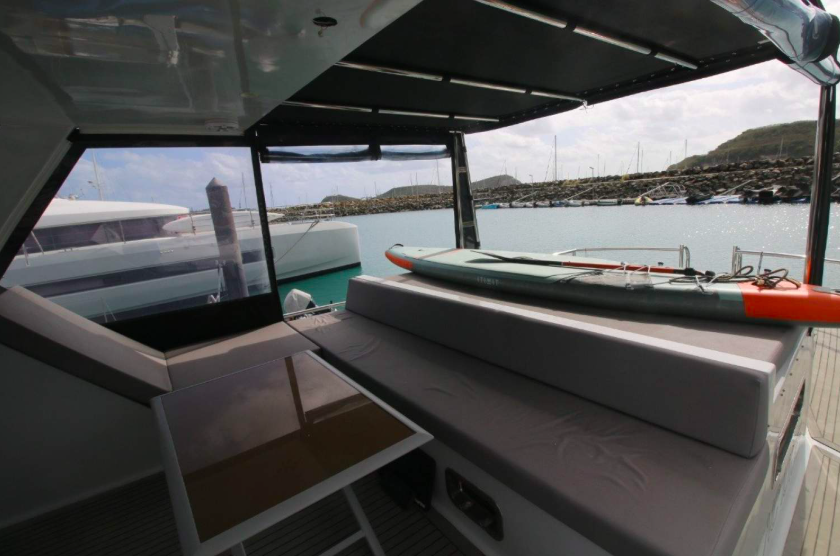
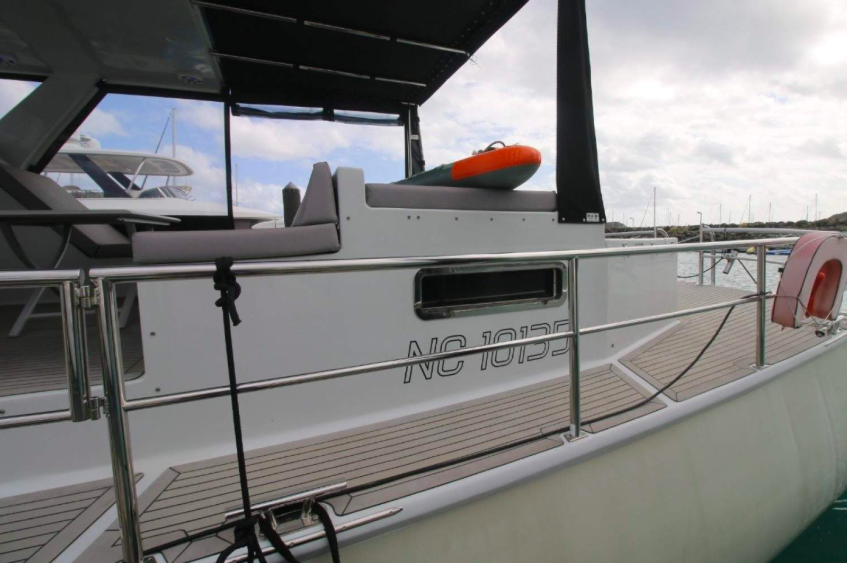
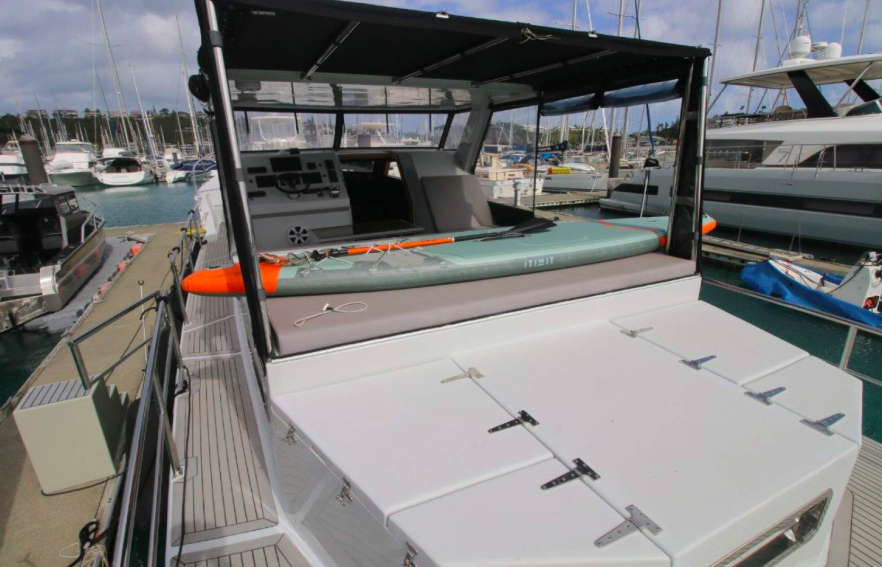
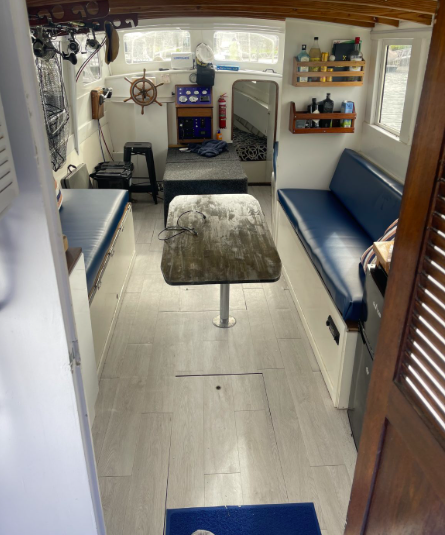
Compared to the 2018 photos her recent appearance on tme shows an interior fit out that has ‘drifted away’ from the tradition configuration. From what we can see and at the asking price she may be a bargain + with her power set uo, might also suit a buyer looking for a live-aboard.
Forward motion is via a 180hp 6cyl. Ford diesel.
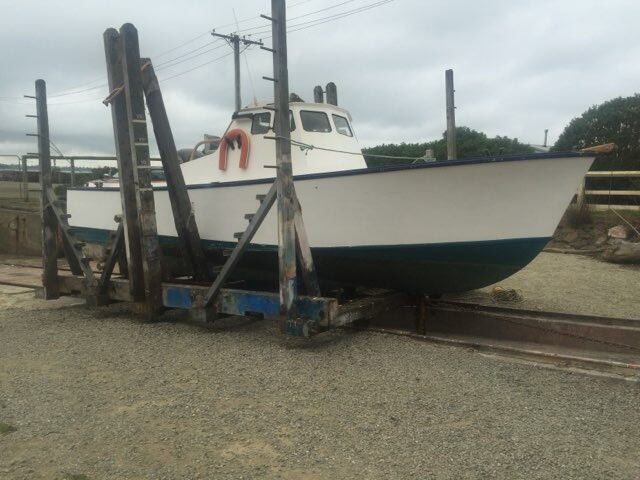
We know she was built for WWII inner harbour mine patrol use, but never saw service – do we know any of her past, post war and up to 2018. Photo below ex Ken Ricketts dated 1958, when owned by Vince Norton.
AN INSIGHT INTO NZ’S UNIQUE MARINE ENGINES – Part Seven Todays WW story follows on from earlier stories – link below to Part One, Two, Three, Four, Five and Six As per pervious stories in the series the content has been pulled together by Ken Ricketts and ‘polished’ byPatrica and Ken’s daughter Corinne Pettersen. As always we have endeavoured to be as factual as possible but there will always by matters others will either know more about or be able to correct errors – so woodys do not hold back in commenting.
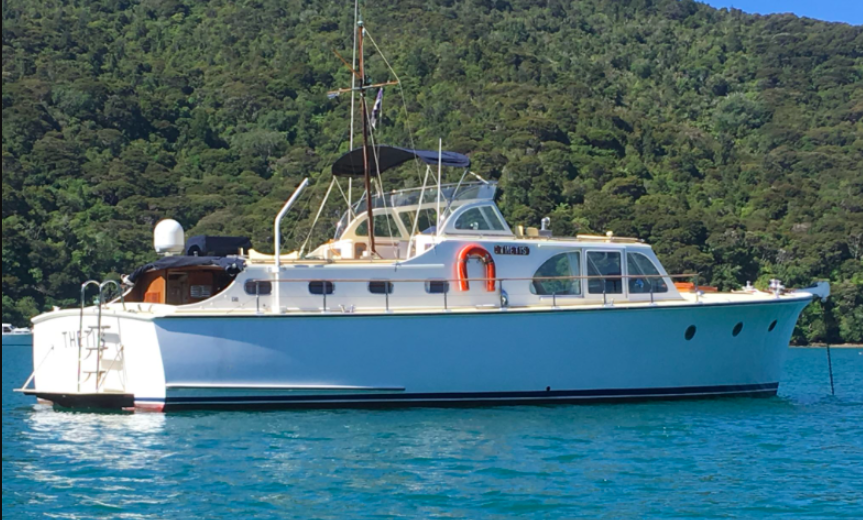
THETIS with her twin Graymarine 4 stroke 6cyl diesel engines
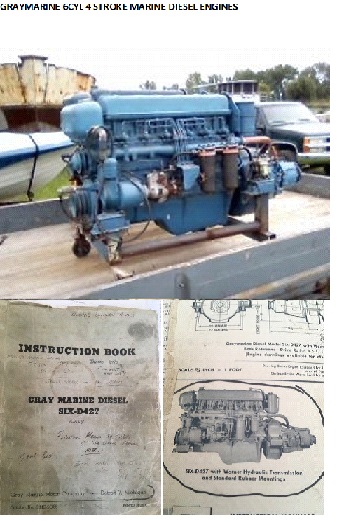
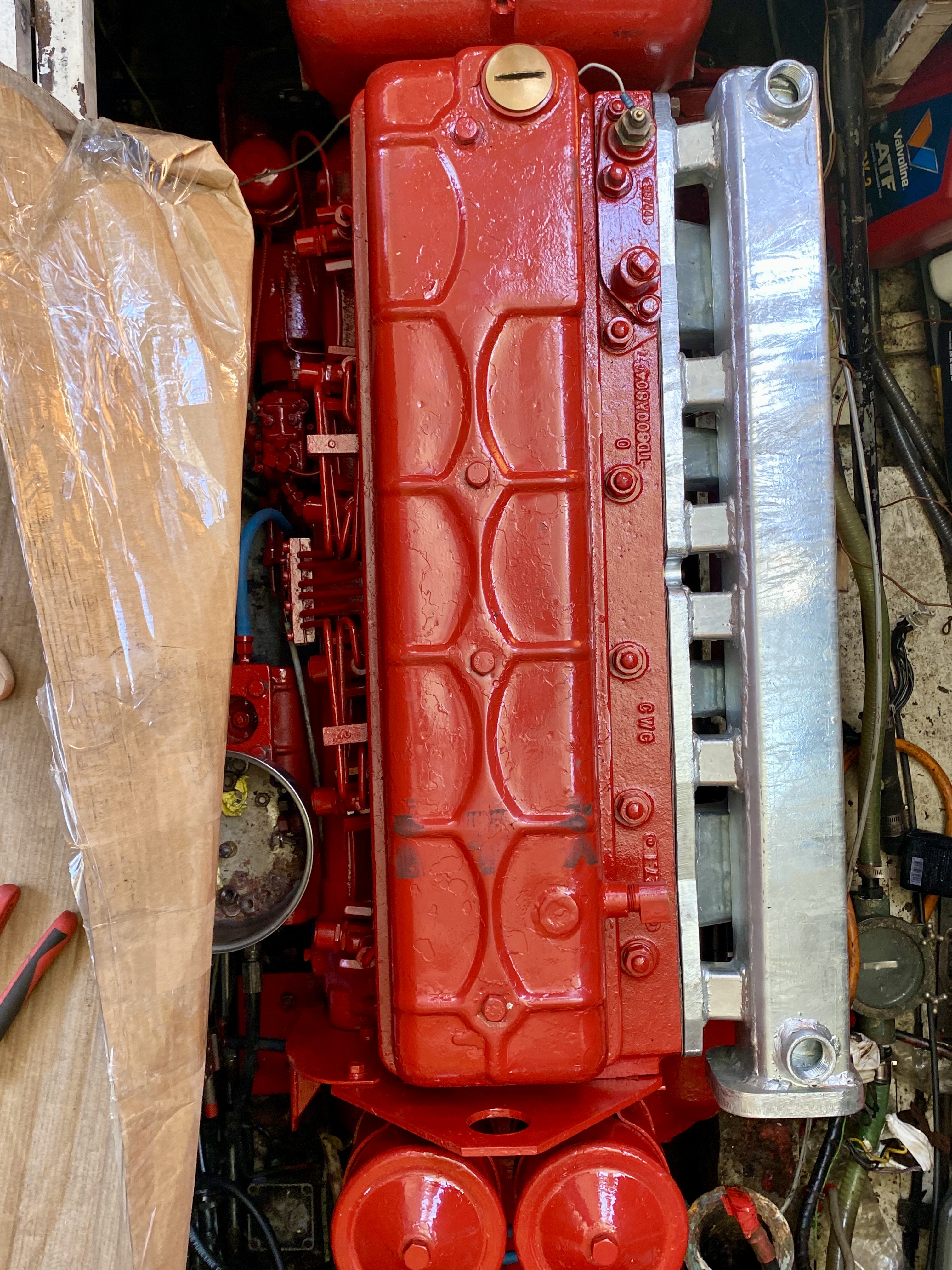
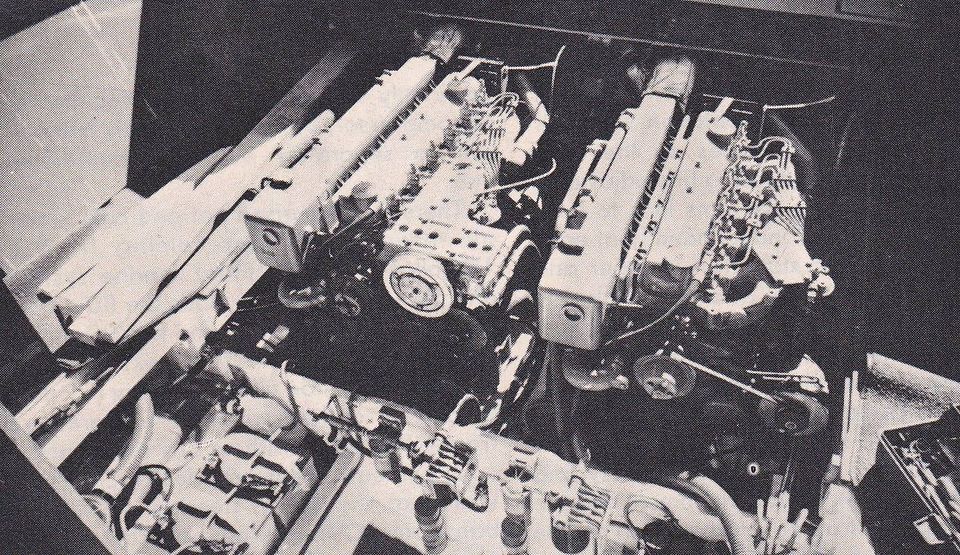
These are a very rare model of the Graymarine range, that was originally produced in WWII for the US military. All Graymarine diesel engines for general and normal marine use worldwide, including NZ, are based on the GM Detroit two-stroke engine, marinized by Graymarine. I believe the THETIS engines were the only two that ever came to NZ and were specially imported by Jack Butland for his 1955 Lane Motorboat built launch, THETIS. Here is a copy of previous comments I made regarding these engines, on Woodys.
“Ken Ricketts reports that having recently spoken with Thetis’s owner that the 2 in line, 6 cyl, 4-cycle, 120hp Gray Marine engines, installed in 1960 (still there today) are a very rare model & type. They were manufactured during WWII for the American forces & could possibly be the only 2 in NZ. The owner believes her original owner Jack Butland in the later 1950’s probably reconditioned, & war surplus imported them.”
BELOW IS A REPRINT OF THE HERCULES SETION IN PART 2 WITH ADDED TEXT I HAVE TAKEN THE LIBERTY OF REPRINTING IN THE CIRCS.
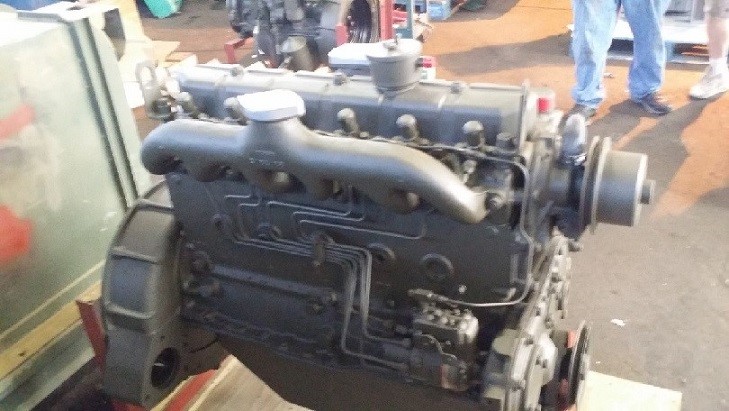
HERCULES 6 CYL c100HP DIESEL ENGINE AS FITTED TO THE FAYE
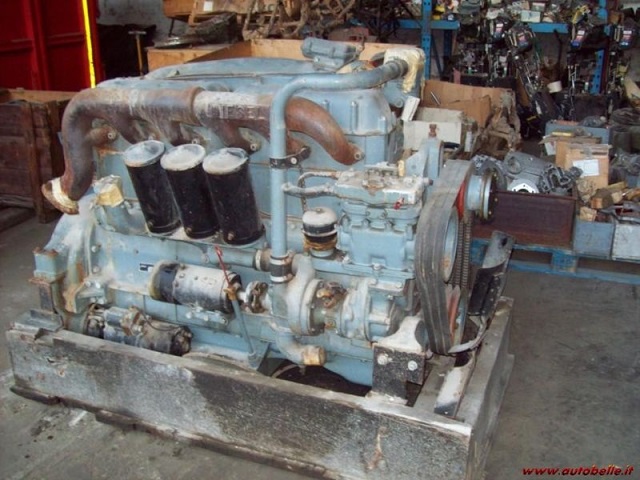
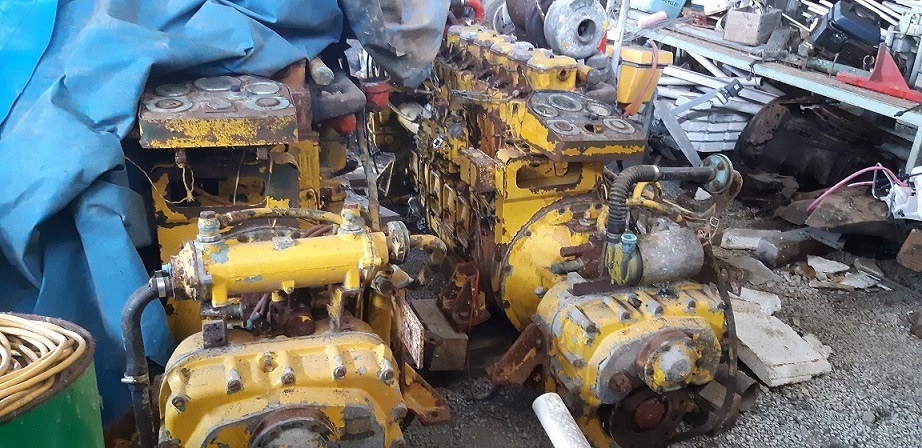
HERCULES 275 HP DIESEL ENGINE, SIMIALAR TO THAT PREVIOUSLY IN THE RAKANOA
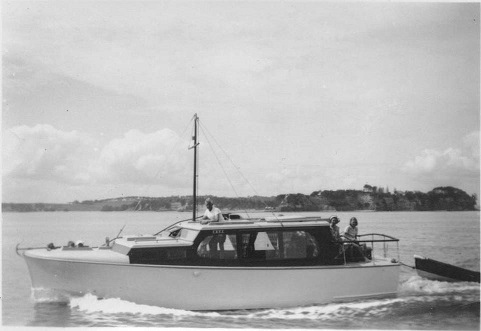
FAYE WITH HER 6 CYL HERCULES HOME MARINISED DIESEL ENGIINE
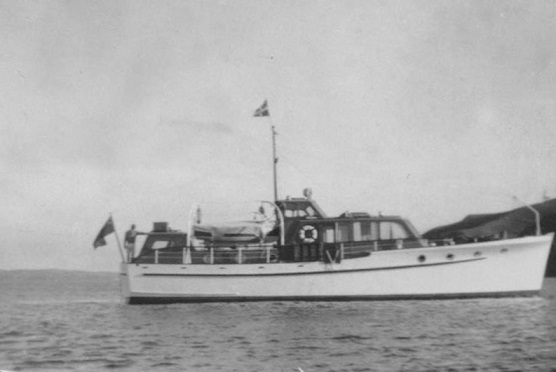
RAKANOA WITH HER 275 HP 6 CYL. MARINE/HOME MARINISED DIESEL ENGINE
Hercules was a manufacturer and supplier of a large number of basic engines to many marine engine companies for marinization by each company to its own specifications. This included names such as Kermath, Chrysler, Graymarine, Scripps, Chris Craft, and many more. However, engines sold under the Hercules name, based on my research, are comparatively very small compared to their total manufactured units.
There are two boats I know of in New Zealand that have engines both labelled under the Hercules name and are diesel engines. One is the FAYE, which is equipped with a home-marinized C100P 6-cylinder Hercules diesel engine. This engine replaced her original Willys Jeep petrol engine when she was about 4 or 5 years old. FAYE’s details are noted in her Willys Jeep listing in part 2 of this post.
The other is the beautiful 56-foot RAKANOA, built in 1946–47, which had a 6-cylinder 250HP Hercules diesel fitted after she had been in the water for one year. This engine replaced her original GM Detroit 165HP 6-71 diesel.
Her original owner, Stan Parker, was a brilliant engineer and owned a very large precision engineering business.
I am not sure if the Hercules engine was factory or home-marinized, as he would certainly have had the ability and equipment to do this. Stan, the original owner of RAKANOA, owned a large heavy engineering factory in Auckland. This business passed to Ross when his father passed away in 1961. RAKANOA retained this engine until 1981. Ross told me, after he inherited her many years ago, that they had always had trouble starting the Hercules engine, especially when hot. Many years after he inherited her, he eventually replaced the Hercules with a Gardner 6L3 diesel engine, which she still has to this day.
The Hercules engine was fitted because original owner Stan P., could not tolerate the very loud high pitched geartrain noise of the Rootes blower, combined with a loudish exhaust noise, she had with the G.M. Detroit
Unfortunately, I have not been able to find on research to date, any images of the 250 HP marinised version of the Hercules engine, however I have found what may be an unmarinised version, of RAKANOA’s engine.
RUSTON HORSNBY DIESEL ENGINES.
HAIMONA ex MANGA, WITH HER ORIGINAL TWIN 6 cyl, FODEN DIESEL ENGINES
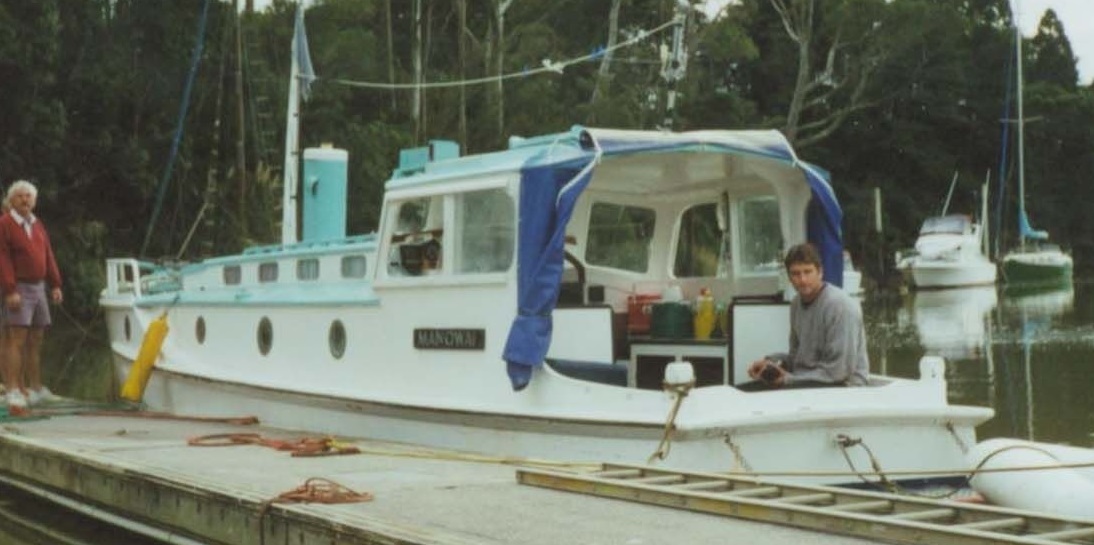
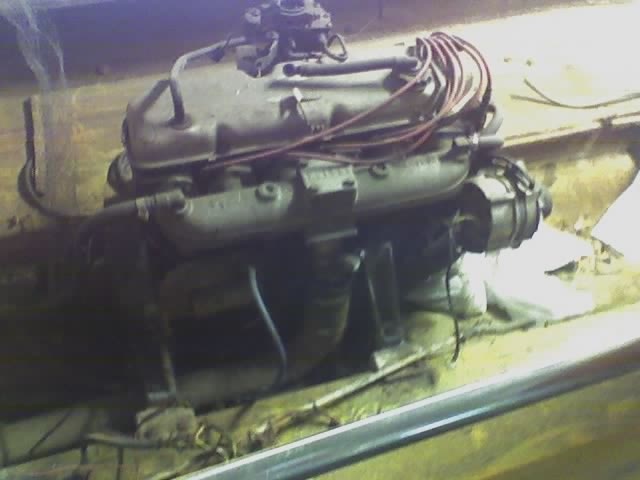
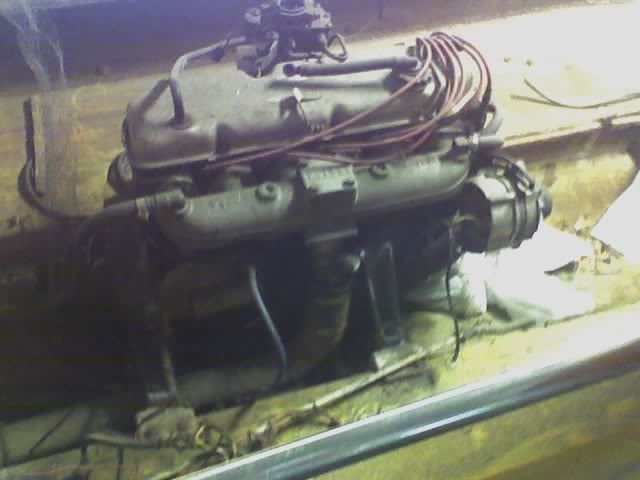
RUSTON HORNSBY TWIN CYLINDER MARINE DIESEL ENGINE AS USED IN THE MANOWAI
HMNZS MANGA AS ORIGINAL.
HAIMONA IN HER PLEASSURE CRAFT GARB WITH HER 2 RUSTON HORNSBY DIESEL 200HP ENGINES, ON THE KAIPARA HARBOUR
MANOWAI IN HER RUSTON HORNSBY DIESEL ERA, AT HERALD ISLAND
There are only two of these I know of in New Zealand in pleasure boats. One was in the 32 ft MANOWAI, during the second part of Claude Atherton’s era, from 1949 until at least the 1960s; it was a twin-cylinder version of the engines.
The other boat was HAIMONA, formerly HDML MANGA, which was based in the Kaipara Harbour. Eventually, after a few years there, the only slip she was able to use for maintenance became unavailable, and she deteriorated badly before being destroyed by her last owners.
When they bought her, a massive coaming structure was added, and they also replaced her original Foden engines with twin 200 HP 6-cylinder Ruston Hornsby diesels, which they removed prior to dismantling her.
FORD FALCON 4.1 LTRE 6 CYL. PETROL ENGINES
FORD FALCON 4.1 LTRE 6 CYL. PETROL MARINE ENGINE
VALSAN CHRISTMAS 1948 IN HER PRE-FORD-FALCON, PETROL ENGINE ERA
The 1938 Roy Lidgard-built VALSAN was bought by Arnold Baldwin around 1947, complete with her original engines, which were 2 x 100 hp flathead Graymarine petrol engines. He owned her for many years, and the time eventually came, after many of those years, when they had to be replaced, around 1970.
I was amazed that he chose 2 x Ford Falcon 4.1 L petrol engines as replacements, as these were engines usually associated with small day boats or runabouts, often equipped with stern drives or jet units. There were a total number of such engines unknown to me, and she is still the only launch I have ever heard of with these engines.
Things have, of course, moved on since then, and the last I heard, she had 2 x 4-cylinder Mitsubishi diesel engines post 2000.
CHRYSLER-MITSUBISHI CN-55TI 200HP 6CYL. IN LINE MARINE DIESEL ENGINES
THE CHRYSLER-MITSUBISHI CN-55TI 6 CYL. DIESEL ENGINES PRODUCING 200hp @ 3150 RPM INSTALLED IN ALIBI
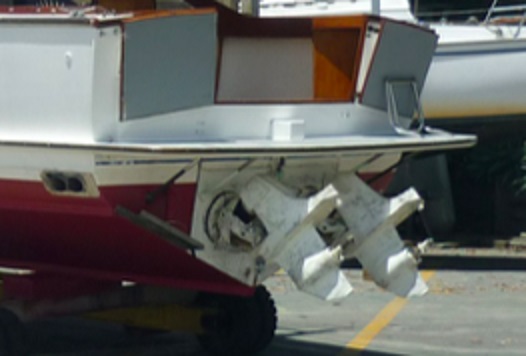
ALIBI’s 2 “STERN POWER” STERN DRIVE UNITS, & NOTE BOTH ENGINES EXHAUST OUT THE SAME SIDE AT THE TUCK
As readers of this series may recall, ALIBI made a cameo appearance in part 2 when I was seeking information related to her sistership, which I now know is or was called CRESCENDO, seen below on launching day, as I have seen the two V8 Chrysler-branded diesels CRESCENDO had when new.
Thanks to the input of others, I have now also discovered that these engines were manufactured by another company, and simply sold under the Chrysler label, which seems to me to be a continuation of Tony Mason’s apparent tendency to use engines with the Chrysler label, as in ALIBI.
However, since the previous cameo appearance of ALIBI, I now have full details of her engines, thanks to a lady named Juliet Hindman, who is very knowledgeable about the Mason Clipper range of boats.
Her family has owned one of the two only 33-foot versions of the Mason Clipper, and she has now contacted me.
As a result, and with the information she has provided, ALIBI now definitely falls into the “Unique” class of engines category, as specified above, as far as I’m concerned, and she now has her place in the group in her own right.
ALIBI’S two CHRYSLER-MITSUBISHI CN-55TI DIESEL ENGINES, producing 200 HP at 3150 RPM, are driven through Warner gearboxes to “Stern Power” make, cream-painted counter-rotating outdrives. While the engines and gearboxes are both left-handed with a 1-to-1 ratio, outward turning counter-rotation of the propellers has been achieved by the gearing system in the stern drive units, which are also acting as reduction gears with a 1.5-to-1 ratio, driving Volvo 16 x 17-inch propellers.
I feel the engine-to-stern-drive setup with these engines, is superior to many others, in that the engines are obviously primarily produced for conventional drives, having the gearboxes attached to and as part of the engines, but can still be used either way, for stern drive units, or conventional drives, with the stern drives simply providing the drive to the propellers.
Many manufacturers combine the gearbox and stern drive into one unit, which makes them much more complex and quite possibly much more expensive to maintain.
Additionally, the combination drive/gearbox units are often very “clunky” and jerky when selecting forward or reverse, whereas there would not be this clunk with the smoothness of hydraulic engine-attached gearboxes.
I have spent a great deal of time, trying to source a good clear image of these engines, but they seem to have disappeared from historical public databases, and the only image I have been able to source, is of ALIBI’S own engines installed in her.
It is, however, wonderful that she still has these original engines after all these years since she was built in the later 1970s. A great testimony to Mitsubishi. Here are her details as received from Juliet H.:
“Released in 1979, the Clipper 42 was 12.8m x 3.7m with a draft of 900mm and, fully laden, displaced around 9 tonnes. Alibi was the prototype, built with a sandwich construction of strip-planked cedar, fiberglass on both sides. A mould was taken off the prototype so that all future boats could be full GRP with a balsa core. However, Crescendo was the only boat ever pulled from the mould.”
I would recommend that readers revisit ALIBI’S cameo appearance in part 2 of the series to see some wonderful images of her exquisite finishing and interior.
A final note re CRESCENDO. – She has been seen reasonably recently, in the South Island, I have been told, so any further help with information about her in any way, would be much appreciated.
LISTER MARINE DIESEL ENGINES
I had considered including LISTER MARINE DIESEL ENGINES in the group, however, there are quite a good number of these engines that are or have been in use in NZ., in many work boats, fishing boats, tugs, & a few pleasure craft, & in the end I decided they fell just outside the scope of what I was about, so will just make a general mention of them, with a few images of the odd pleasure craft, all of which had these engines installed by Roy L.
Roy Lidgard used quite a number of them in various types of craft, the 1940s & 1950s, mostly 4 cylinder, & also had a 4cyl version of the Lister Diesel driving the Smeltinghouse Bay Kawau island sawmill, he set up & ran on his property, in the later 1940s & 50s, the remains of which are still there today.
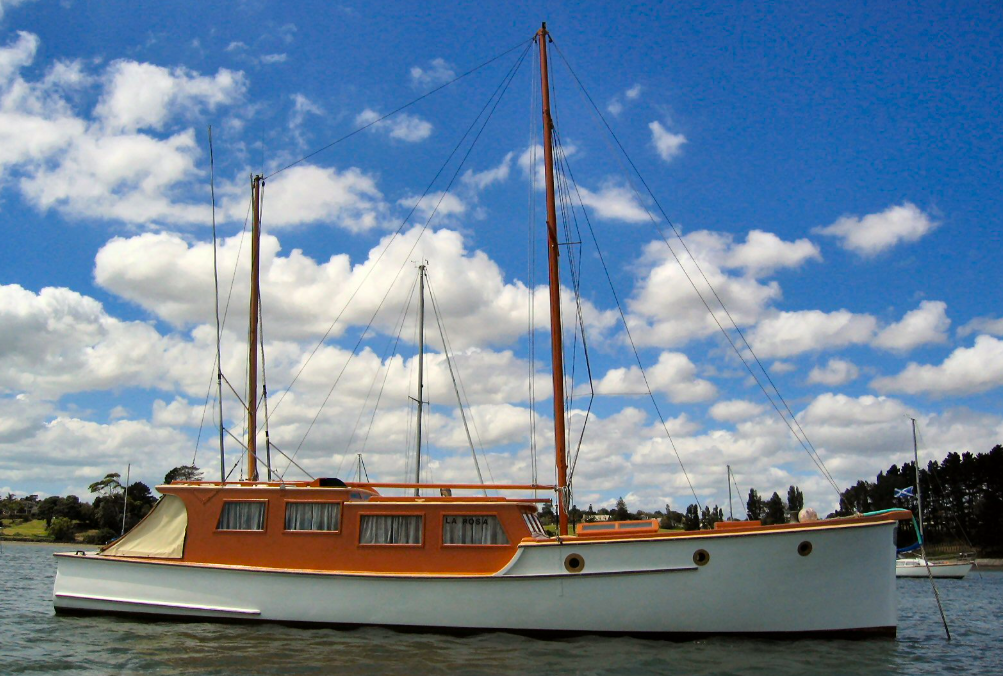
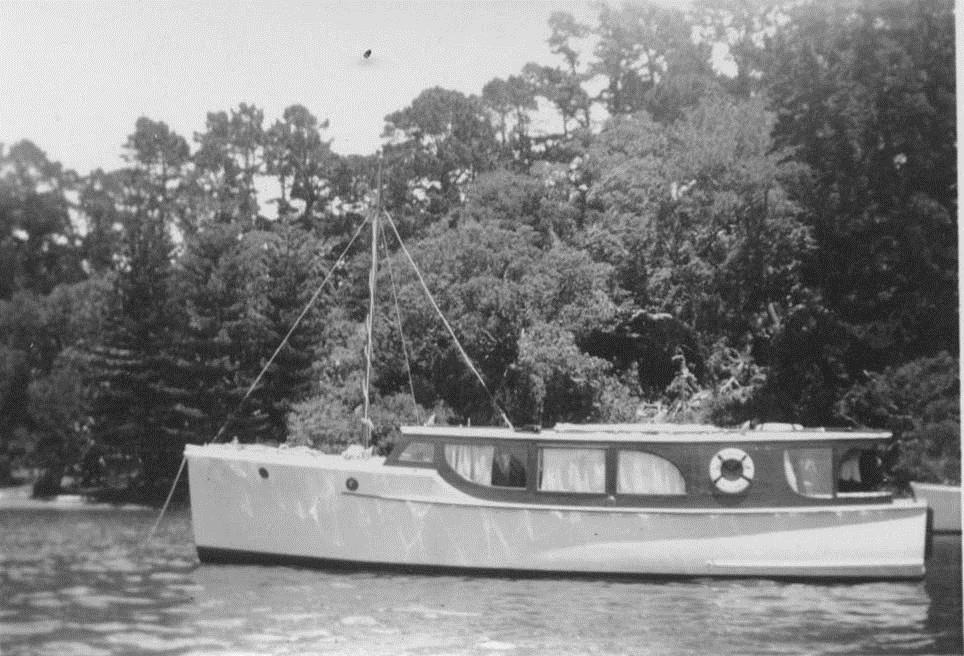
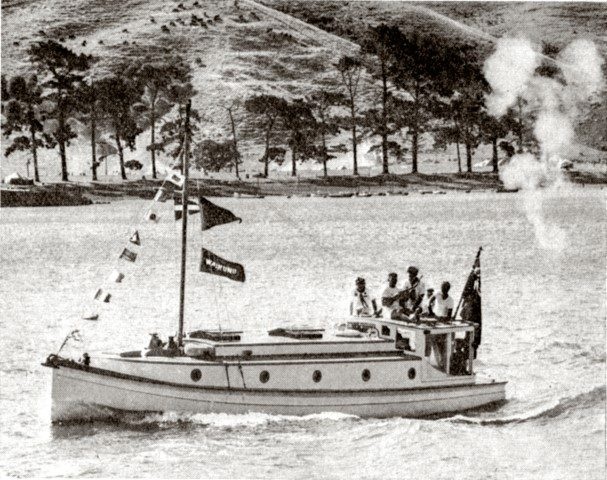
As just a brief mention, he installed Lister diesels, in the ROSE, (2 CYL) (later LA ROSA) Clive Power’s WAINUNU, (4 CYL) & TAWHIRI, a lovely sedan topper R Lidgard built in the mid/later 1940s (4 cyl)
THE ROSE (NOW LA ROSA)
TAWHIRI BUILT BY R LIDGARD 1940s WITH 4 CYL LISTER MARINE DIESEL AS ORIGINAL
WAINUNU WITH CLIVE POWER AT THE HELM, WITH HER 4 CYL LISTER DIESEL, WITH THE EXHAUST OUT THE TOP OF THE MAST. c1940s
Screenshot
ROY LIDGARD’S SAWMILL, SMELTINGHOUSE, BAY KAWAU ISLAND c. LATER1940s
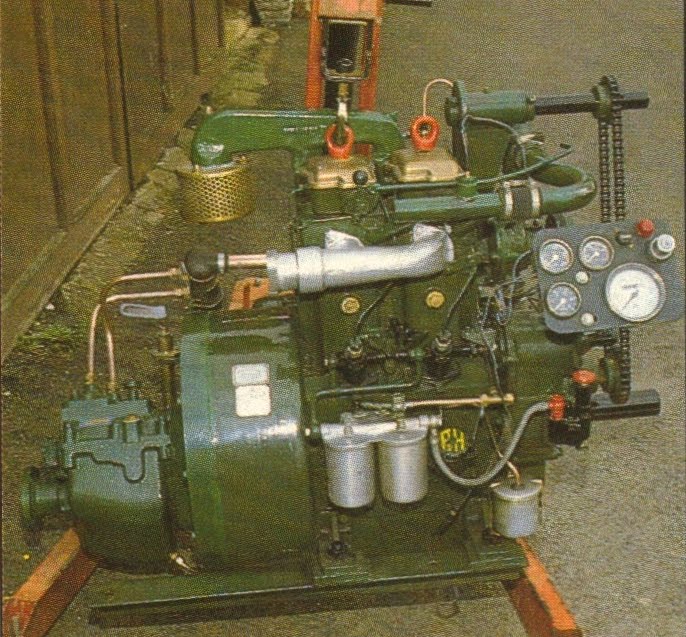
LISTER 1940s 3 CYL MARINE DIESEL ENGNE AS AN EXAMPLE OF THAT ERA
EPILOG:
Well, readers, we have come to the end of this seven-part journey, and I can only say that for me, it has been a wonderful ride, to share with all of you who have taken the time to share the ride with me, and to follow the seven parts of what I’ve learned throughout my lifetime.
So often, you know as much, if not more, than I do. While some may have learned a little from me, I have, in turn, learned much from many of you, as we have shared this journey together, & I thank you all, for the opportunity to gain this new knowledge from you.
I especially want to express my humility and gratitude, for the kind words of thanks and appreciation, in some of your comments directed towards me personally.
I have done this most of all, to encourage us all, to share and record publicly, what we know about our New Zealand-based boats, with each other, and most importantly, to provide a public record, for the benefit of the boaties of the future. Those who will come after we old wrinklies have all gone, & will become the stewards of tomorrow. As a result of what we all write now, they will hopefully have the chance to understand what has gone before in all or many aspects of what will become their boats, the majority of which will surely live on long after we are not here.








 waitematawoodys.com #1 for classic wooden boat stories, info, advice & news - updated daily - 15+ million views