Blue Seas

BLUE SEAS

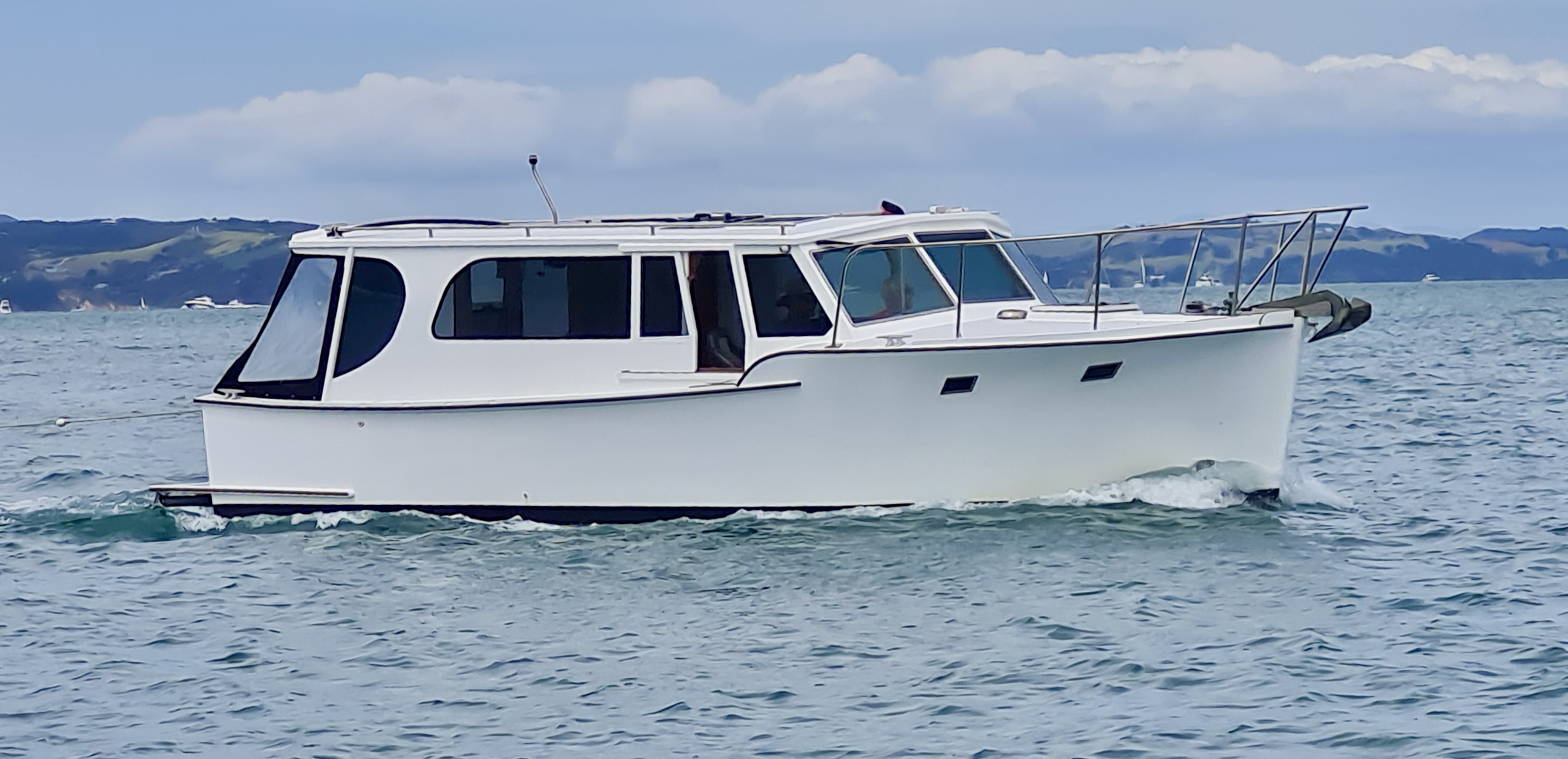
The above photo popped up in my ‘odds and sods’ file – it is dated late Jan 2022 so may have been from when I was helping deliver – Korawai to the BOI. But the photos code tells me it was taken on a Samsung device and I do not touch those, so maybe one of the other crew.

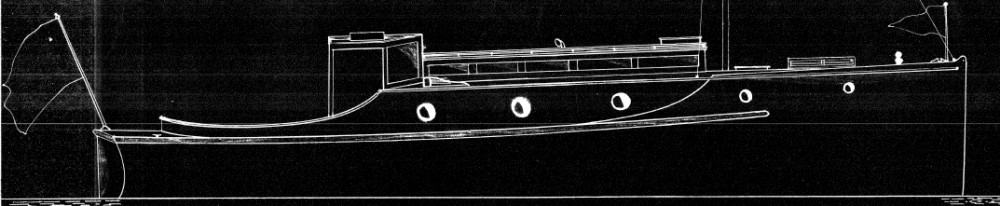
Anyway the launch is most likely named – Blue Seas, can anyone tell us if that is her name and any more intel about her.

INPUT ex Graham Hunter – She is still named BLUE SEAS Waiheke Island is also on the transom. She is now on a Mooring in Whakatakata Bay By OBC

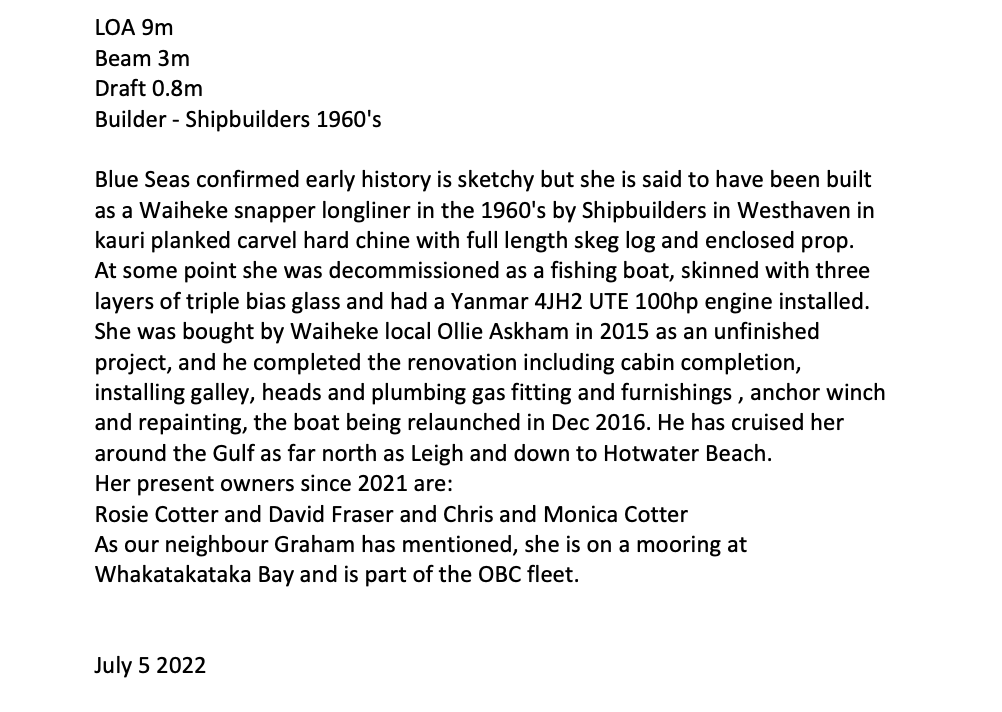
25-07-2022 Input below from Chris Cotter (co-owner)
MY LIPS ARE SEALED – NO NAMES

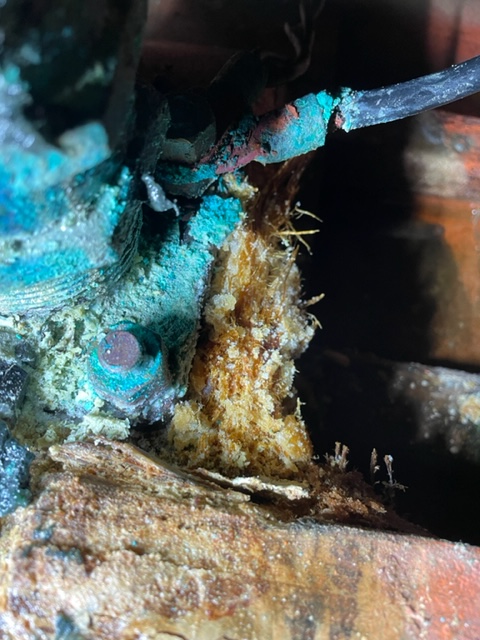
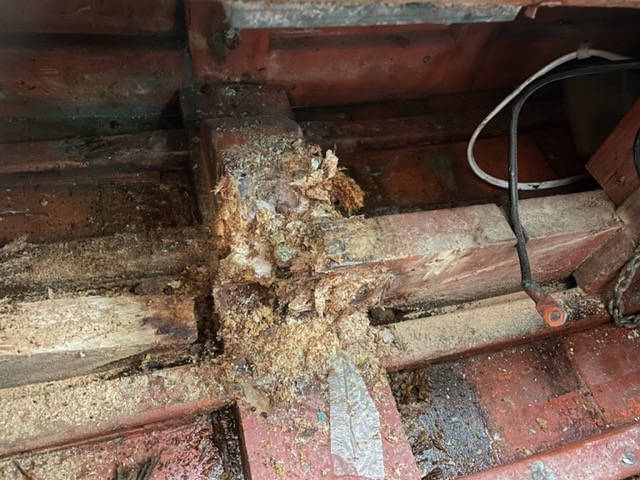
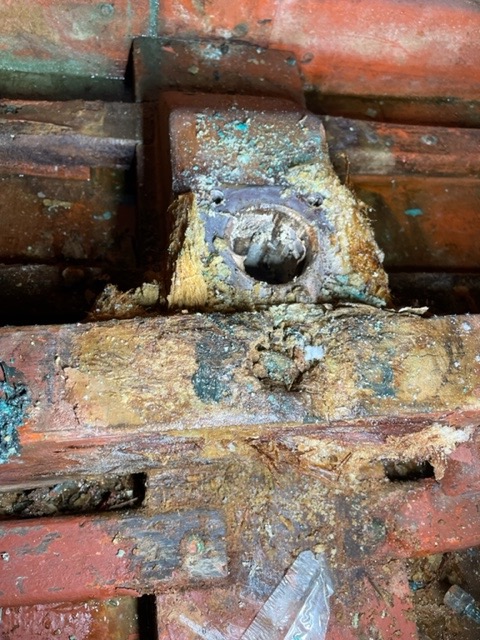
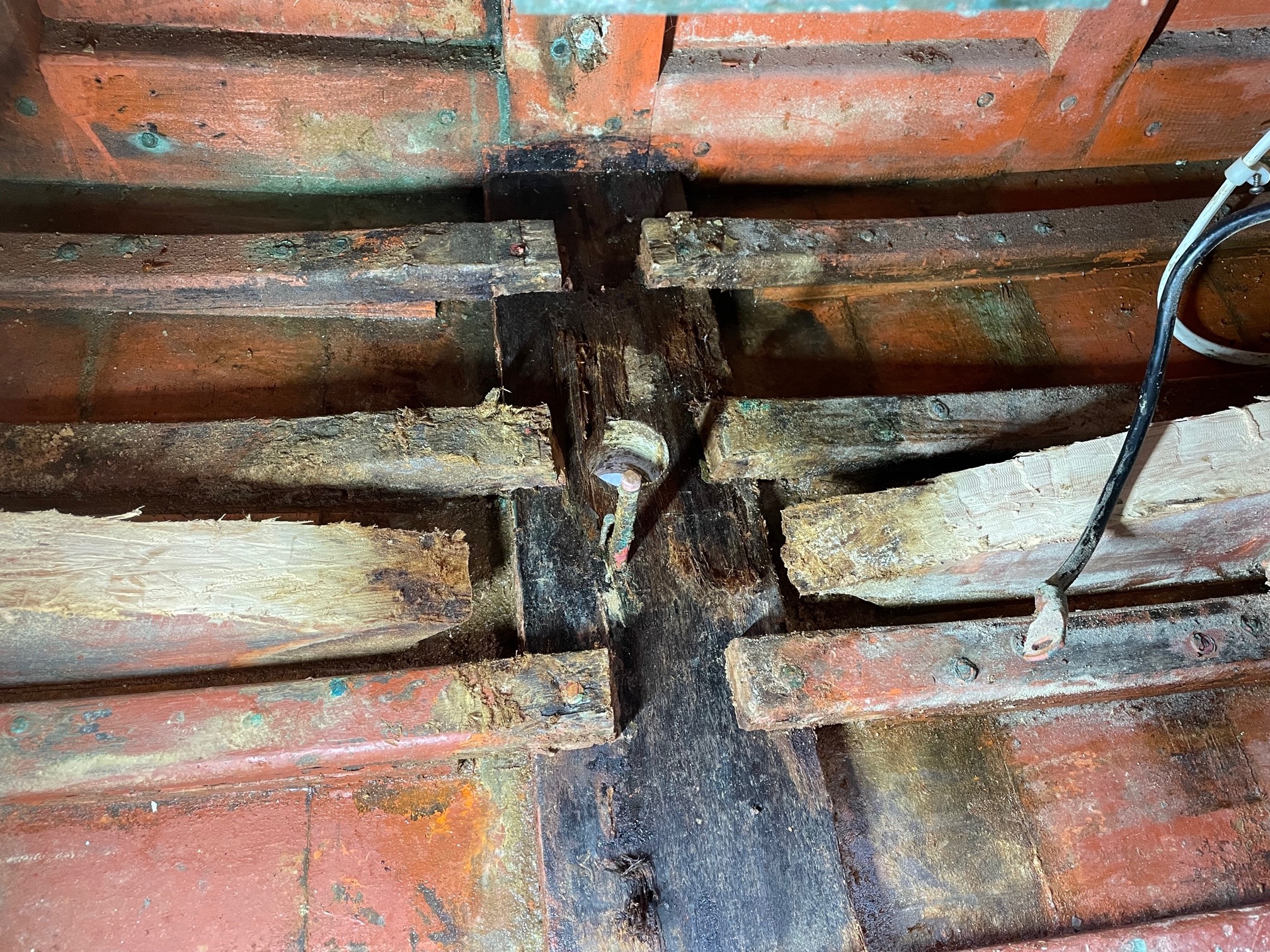
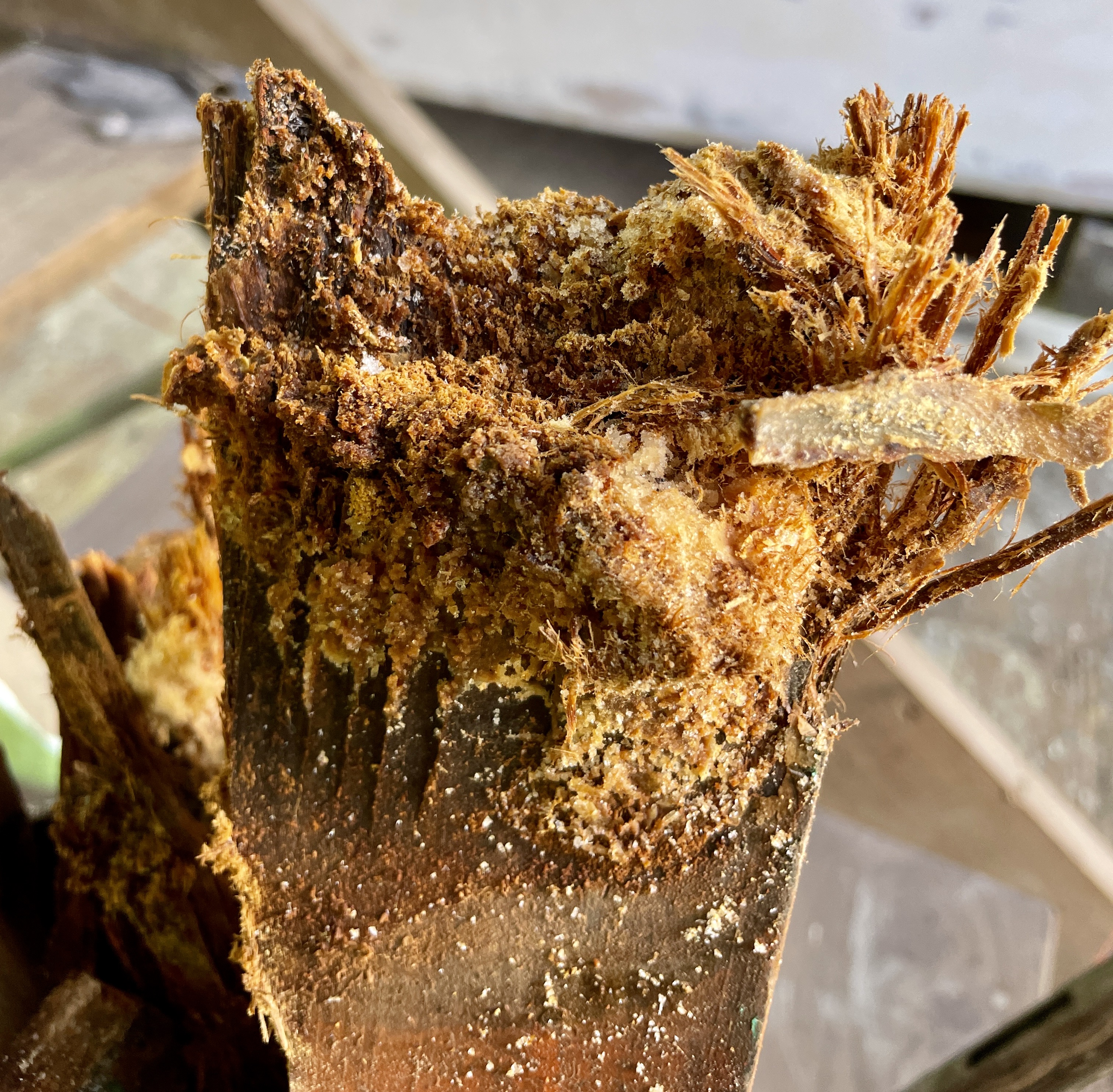
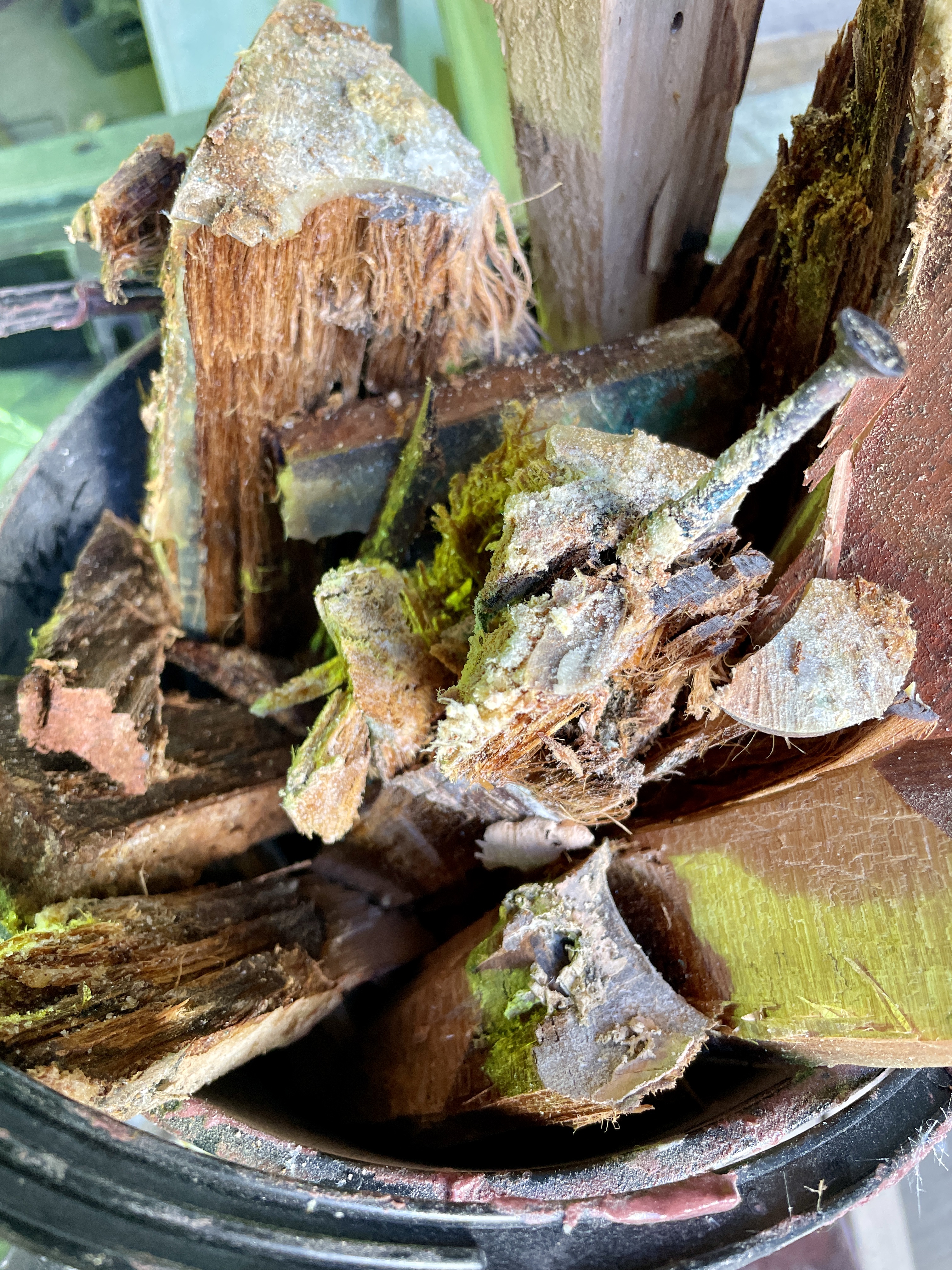
If you need more proof on why not to bond your wooden boat and attach anodes – have a look below – luckily it was very localised. Very scary, the rudder shaft and surrounding area was VERY close to just not being there and you can guess what would have happened.

And if you need more read the most referenced story on the WW site – link below

https://waitematawoodys.com/2018/11/20/what-does-electrochemical-deterioration-in-a-wooden-boat-look-like/

https://waitematawoodys.com/2017/12/30/electro-chemical-damage-in-wooden-boats-update-revisited/
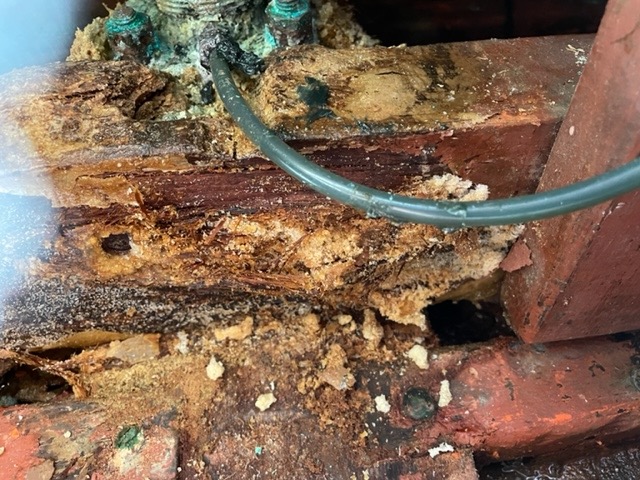
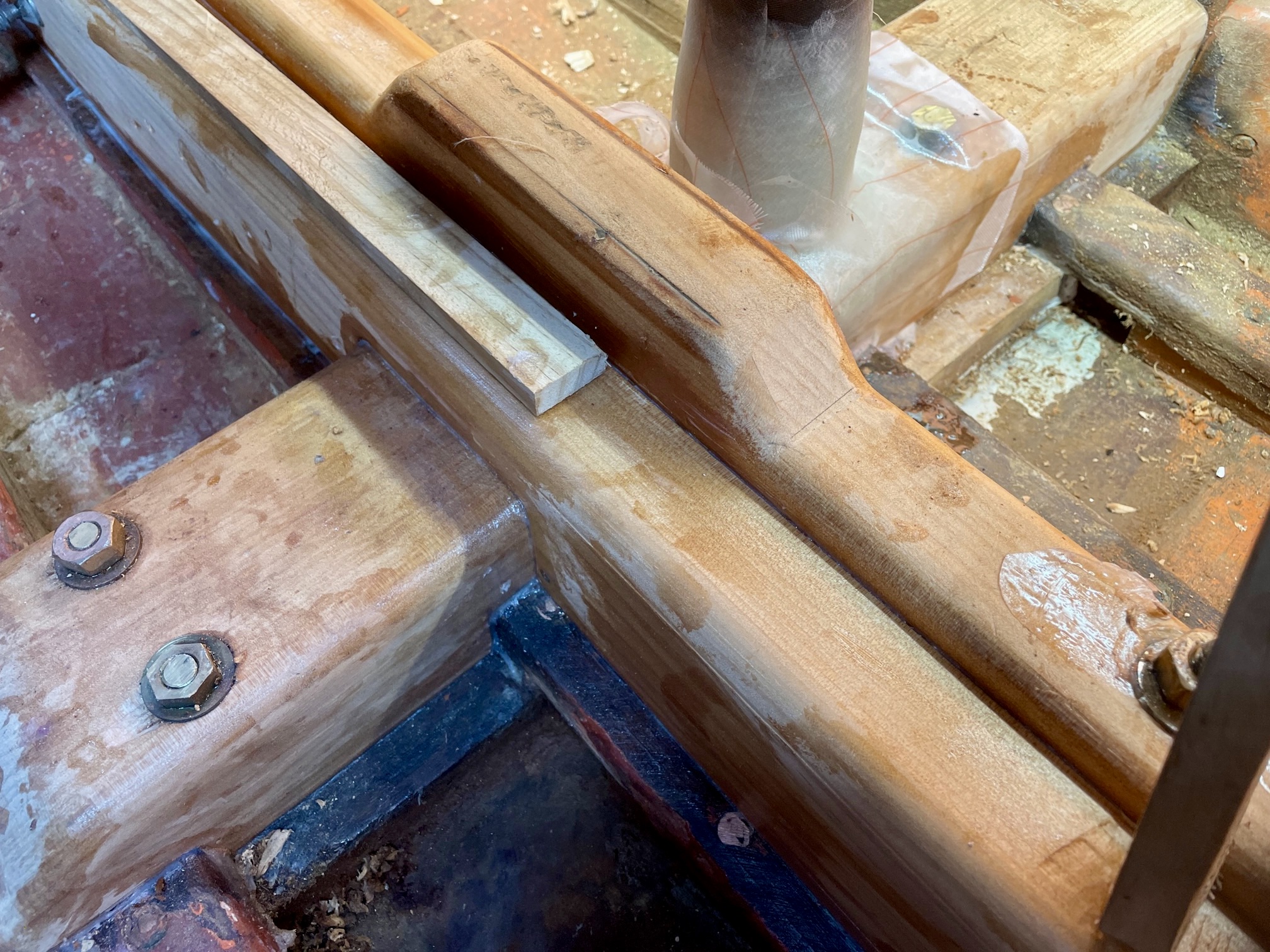
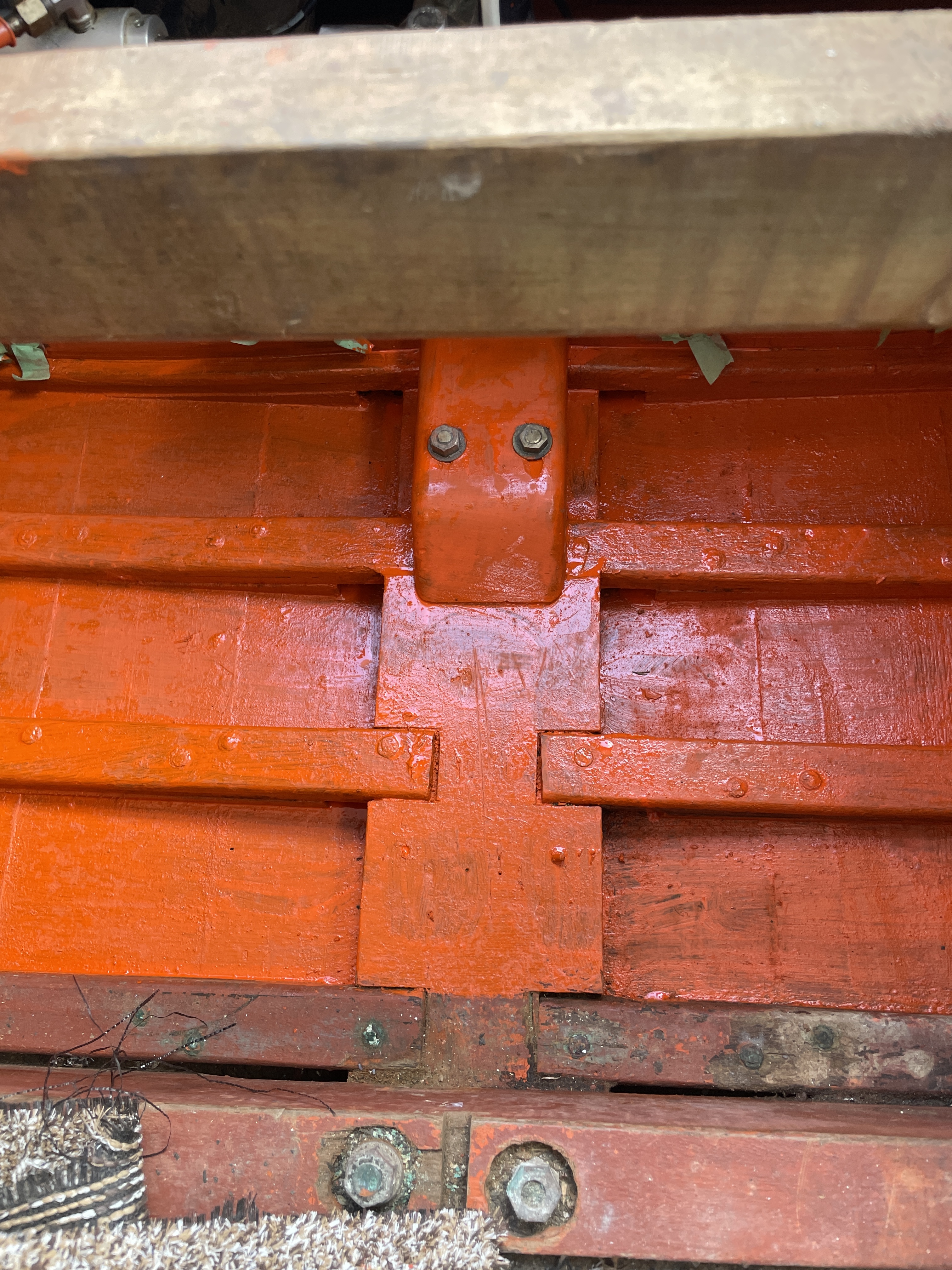
28-07-2022 UPDATE – Looking a lot healthier 🙂
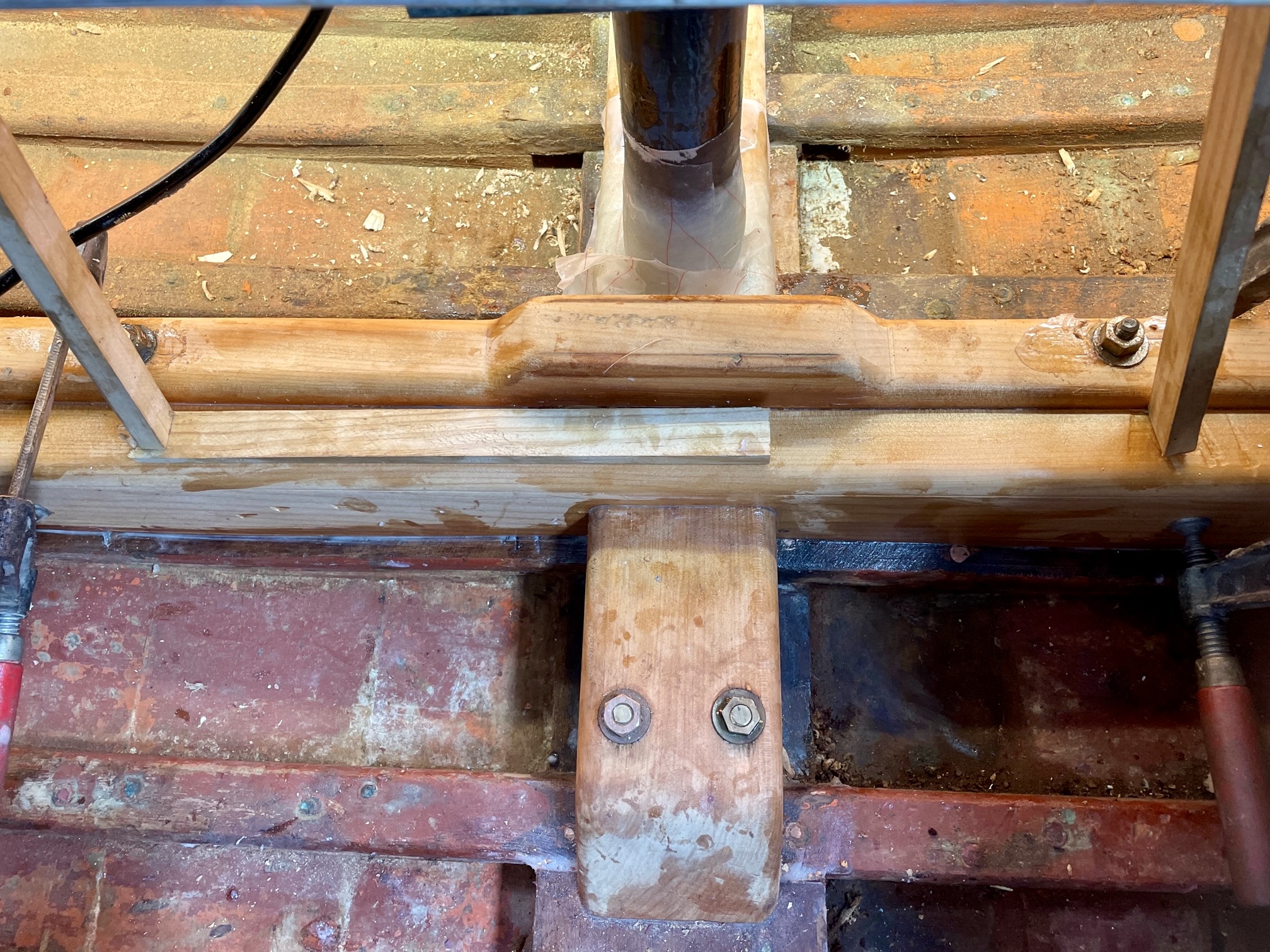
30-07-2022 UPDATE – All fixed 🙂

What Does Electrochemical Deterioration In a Wooden Boat Look Like

20181103_142047
What Does Electrochemical Deterioration In a Wooden Boat Look Like
 
Todays story is in two parts – firstly the photos above were sent in by a concerned woody that viewed this boat, with purchase in mind. I share to highlight what electrochemical deterioration in a wooden boat looks like. This decay is the result of ignorance.  The builders of this launch would have used the best kauri and proper Aluminium bronze for the stern gear. Marine bronze does not require an anode but you can see where one has been mounted (rusty mounting) You can see the copper strap used to connect all the metals to the anode. A perfect example of what you should not do on a wooden boat. After about two years you will see discolouration of the wood around the so called protected metal , in ten years the wood will be soft and in twenty years uneconomical to repair. So woodys – read below an abridged version of Chris’s WW article. I do encourage you to take the time to review the long version as it appears on WW – link below    https://waitematawoodys.com/2016/04/28/electro-chemical-damage-in-wooden-boats/
 
 
Firstly I should point out that Chris repeatedly points out he is not a consultant and does not have a degree in chemistry. But his views are the result almost 60 years of working in boatyards. 
 
“If you connect a positive and negative metal in any electrolyte (sea water)  you will make a battery and create an anode and a cathode. The positive anode gives off Oxygen and Chlorine gas. The negative (protected) metal is the Cathode and this gives off Hydrogen gas.  That is why battery compartments have to be ventilated. Back to the Cathode. In sea water the Hydrogen from the protected Cathode mixes with the salt water and the by product is Sodium Hydroxide or Caustic Soda. Caustic Soda is used as paint remover and to pulp wood in the paper industry. Want that on your boat?
While a lot of boats may have no bonding, they do have anodes on the shaft. The shaft is in affect the bonding wire between the (+) Anode and (via the white metal bearing) the (-)bronze stuffing gland.  Zinc is at the bottom of the galvanic scale and bronze and copper could not be more dissimilar.  So there is your battery, the salt water is the electrolyte.
The Sodium Hydroxide is washed off the outside of the hull so you don’t see it but the chemical is trapped under huge pressure round the stuffing gland and slowly forces it’s way out. That is the white powder you see. Unfortunately, even if you remove the Anode the chemical will remain in the shaft log and soften the wood. 
A proper fix is to remove the gland and soak the wood in vinegar.
Cathodic protection is necessary on a steel hull but should never be used on a wooden boat. Marine surveyors round the world are now awake to this after seeing some ruined wooden boats.  Wooden Boat Magazine, Professional Boatbuilder Magazine and Classic Boat Magazine have all written on this subject. Some of the articles are thirty years ago, but few people in New Zealand seem to read this technical stuff and they fork out $ for anodes every year i.e. Loving their boat to death. Refer below re these articles”
 
For the people who doubt what I say about anodes and bonding. Please check out this article in the “ Professional Boat Builder” Magazine.  # 64 page 38 – 51 Here is the direct link https://pbbackissues.advanced-pub.com/?issueID=65&pageID=44  For any one with a wooden boat it is essential reading.
 
 
On a wooden boat it is extremely difficult to recommended bonding of any sort, due to the extreme problems created for any wooden structures in proximity to the noble fittings. Consider the following: In the galvanic couple created by bonding, the protected fittings are the cathodes and the remotely placed sacrificial zincs are the anodes. The water-soaked wood below the waterline is electrically conductive. In the area around each of the noble metal fittings (the cathodes) highly alkaline sodium hydroxide is formed, and the wood is destroyed. A white fluff is formed that looks like small ice crystals or snow, and is very caustic. The lignin is stripped out of the cellular matrix of the wood leaving only soft spongy cellulose behind. Sodium hydroxide, where found, can on the surface be neutralized with vinegar, but the problem is not cured. On a wooden boat, the system put aboard to protect the underwater metals eats the boat instead! 
 
Cathodically Protected Metal The formation of alkaline conditions at the cathode and the resulting wood degradation describe the phenomenon that occurs in wooden vessels around embedded metal that is being protected cathodically against sea water corrosion. It is common to protect the immersed metal on ships from corroding by cathodic protection. This is accomplished by attaching zinc or magnesium anodes to the vessel, and connecting these either directly or by a conducting wire to the immersed metal. The anode is a sacrificial metal, and it corrodes preferentially to the immersed metal. For a wooden vessel, the metal to be protected is purposely made the cathode. However, it is often overlooked that the alkaline reaction product at the cathode, in time, can result in loss of strength of the adjacent wood. The end result is that, although the metal does not corrode, the wood surrounding the fastener may fail. The vessel can literally “stew in its own juices.” It probably requires more than 10 years to produce conditions that can cause some loss in strength to the wood, and severe strength loss has been noted in wood vessels after 20 years’ service. Figure 2 shows some planking removed from a 20-year-old vessel. The wet hull planking was fastened to internal silicon bronze structural straps that were protected cathodically. Salts with a pH of 11 were found in the wood in contact with the bronze where the wood deteriorated. 
 
 
“You may be wondering why I say not to bond and others say to bond. Why should you believe me? It turns out my boat is very old. The things I am saying have been tested in real conditions on my boat for 50 years. For example, last year I replaced two bronze through hull fittings just because they were over 50 years old and happened to be the last two old fittings, the others having been replaced or removed for other reasons. As I said, bronze has a shelf life in salt water of about 100 years so I was giving myself a 2:1 safety factor. These through hulls had never been bonded in over 50 years. They have been in salt water the entire time and near the shaft and other metals I might add. We cut them in half in the process of getting them out. They were pristine. I could have left them in there another 50 years.”