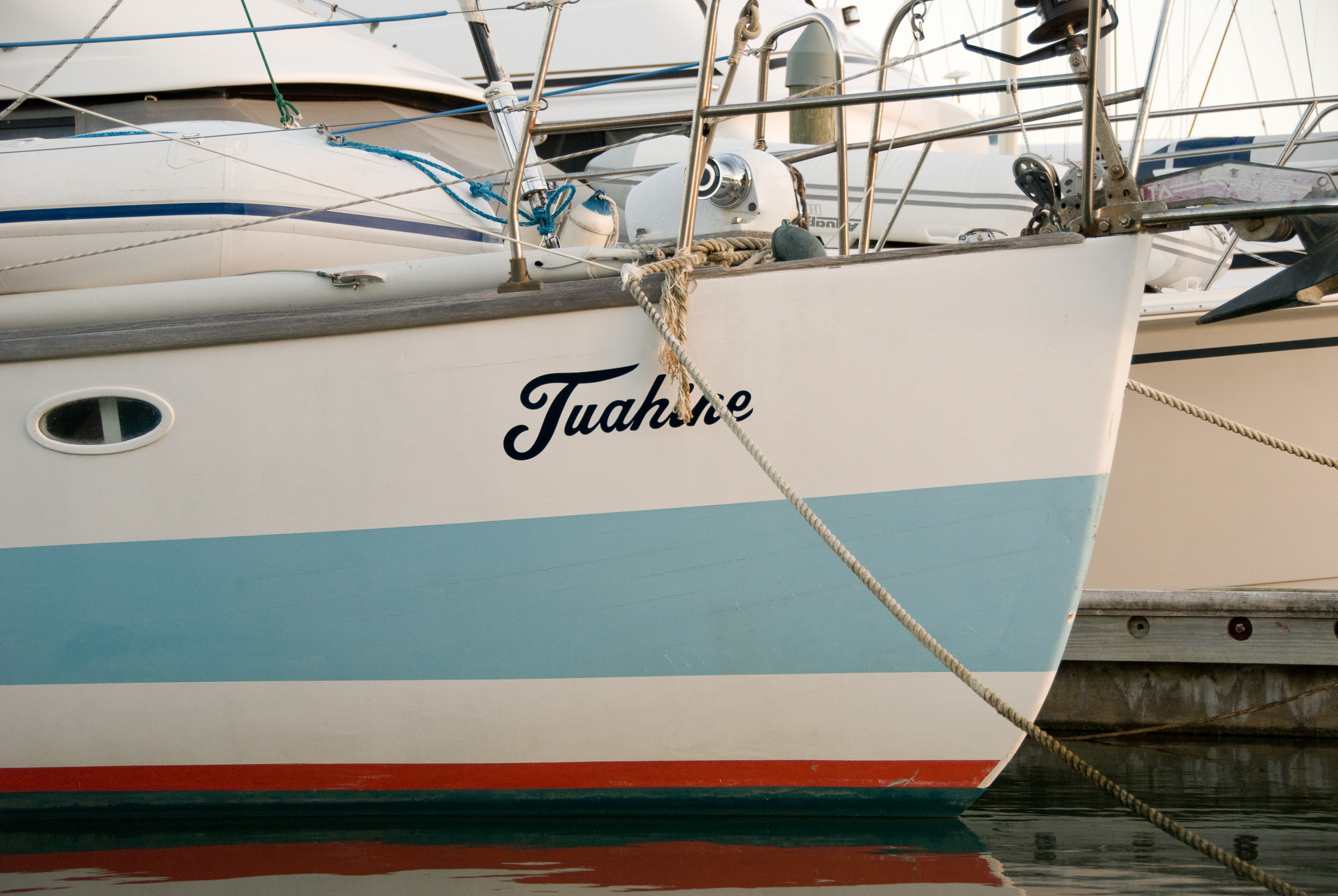
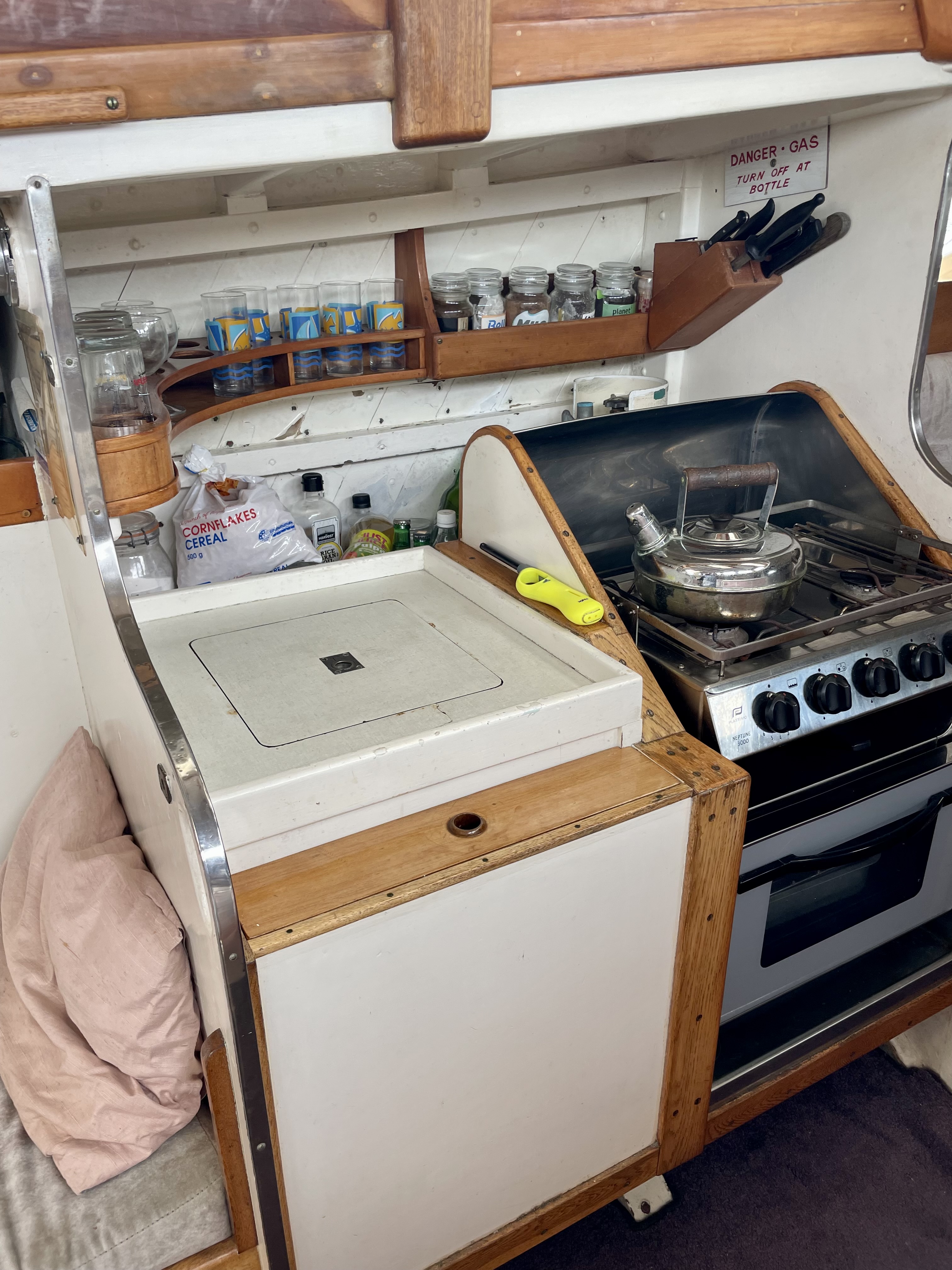
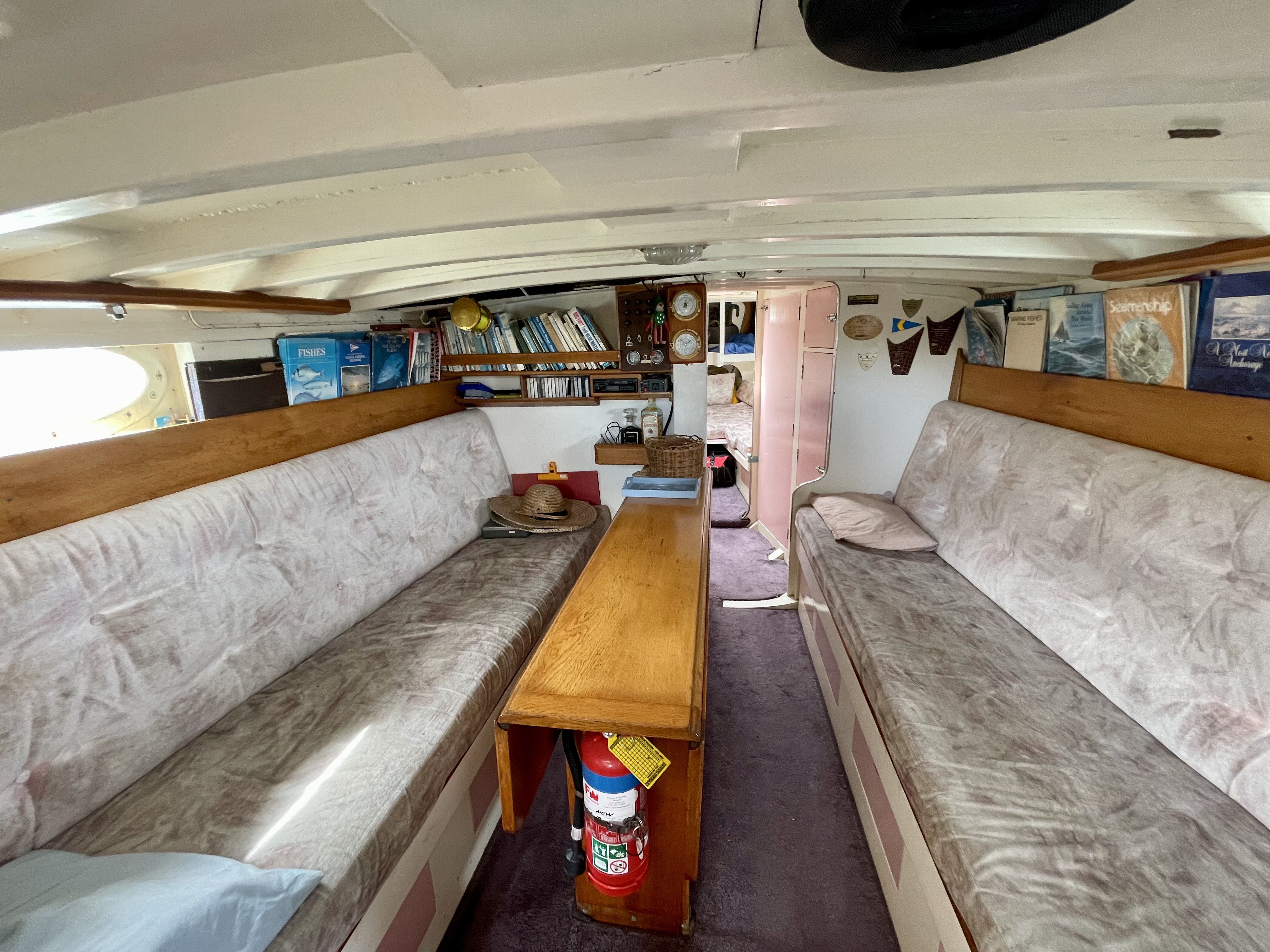
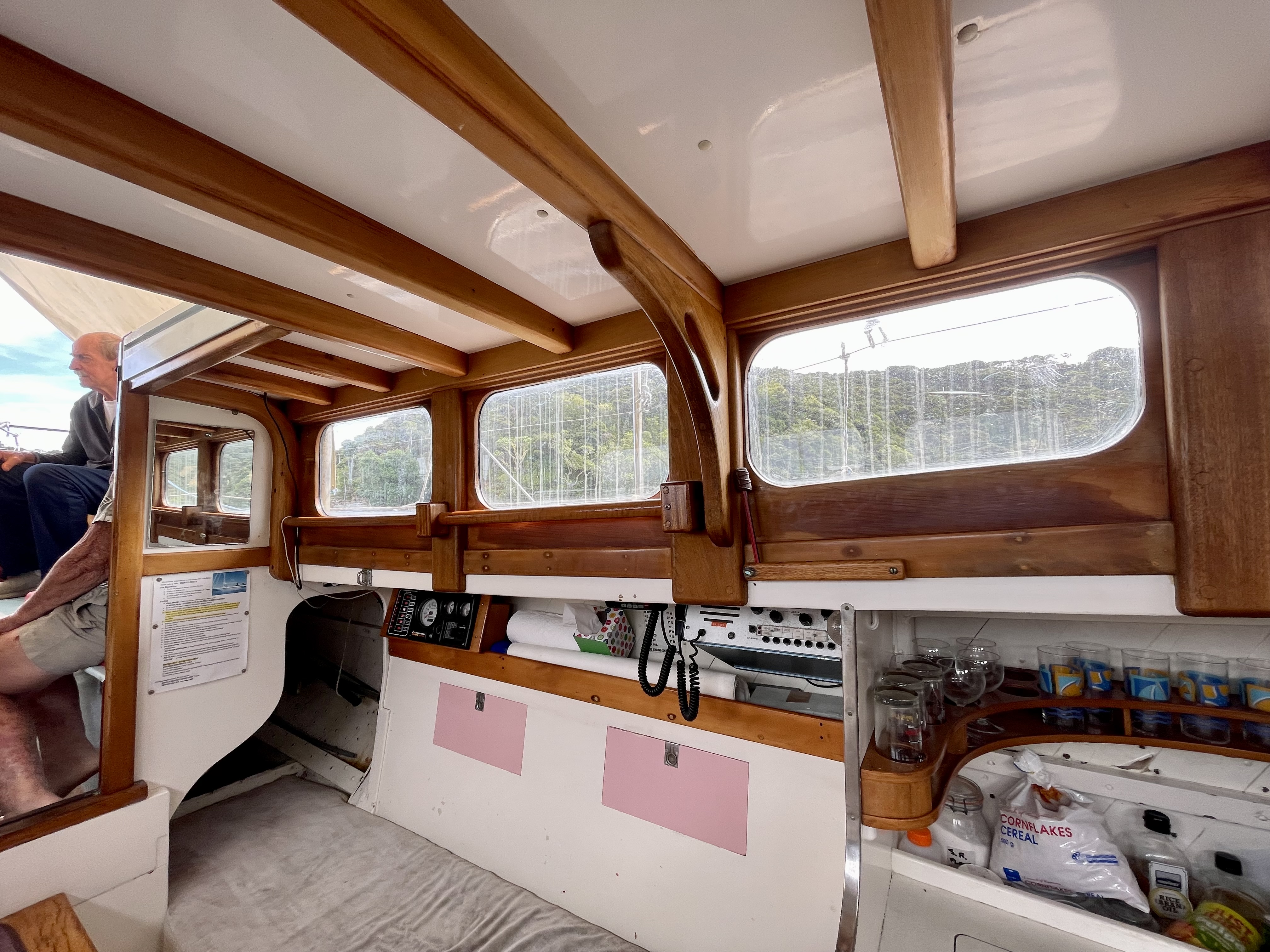
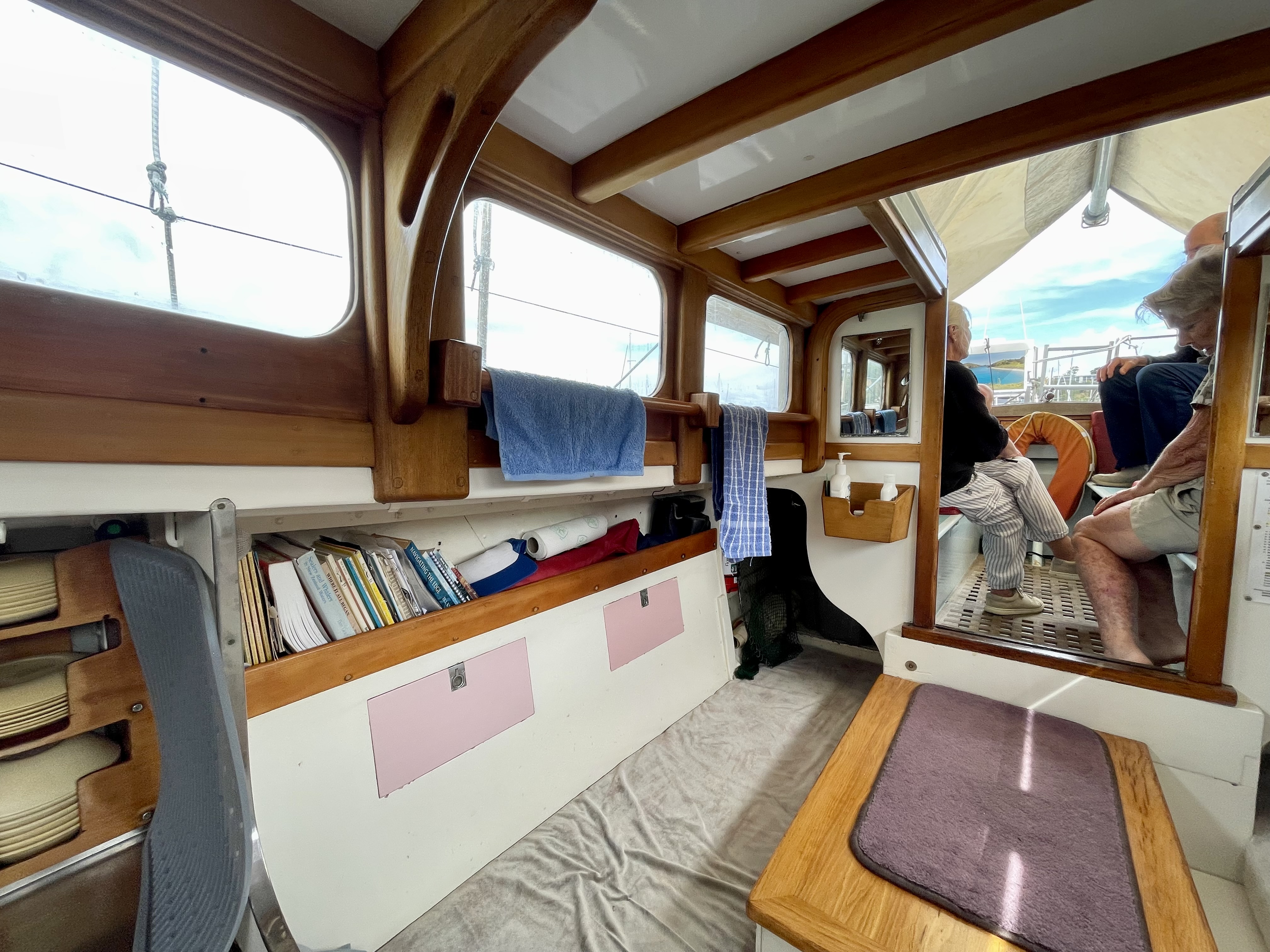
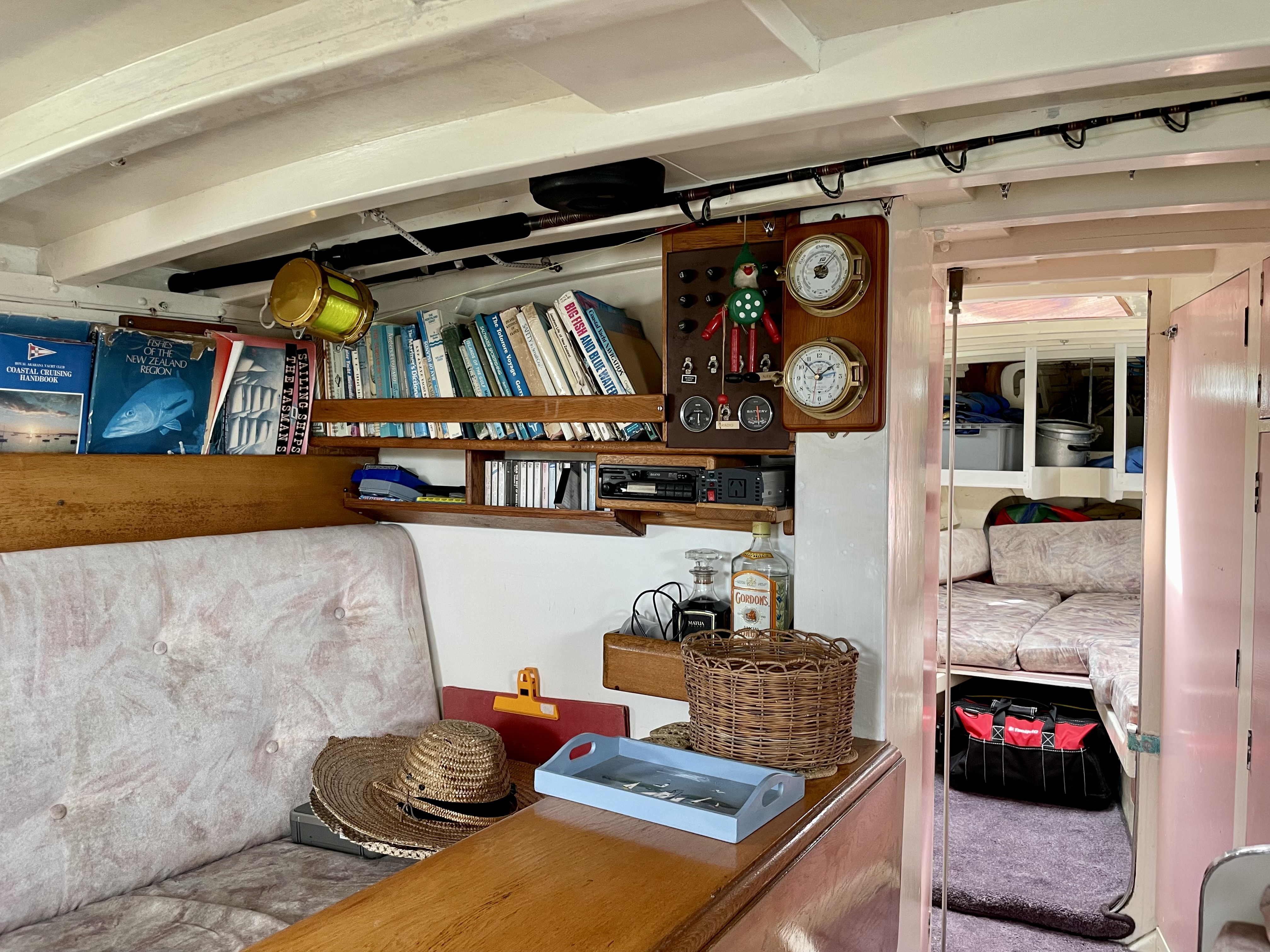
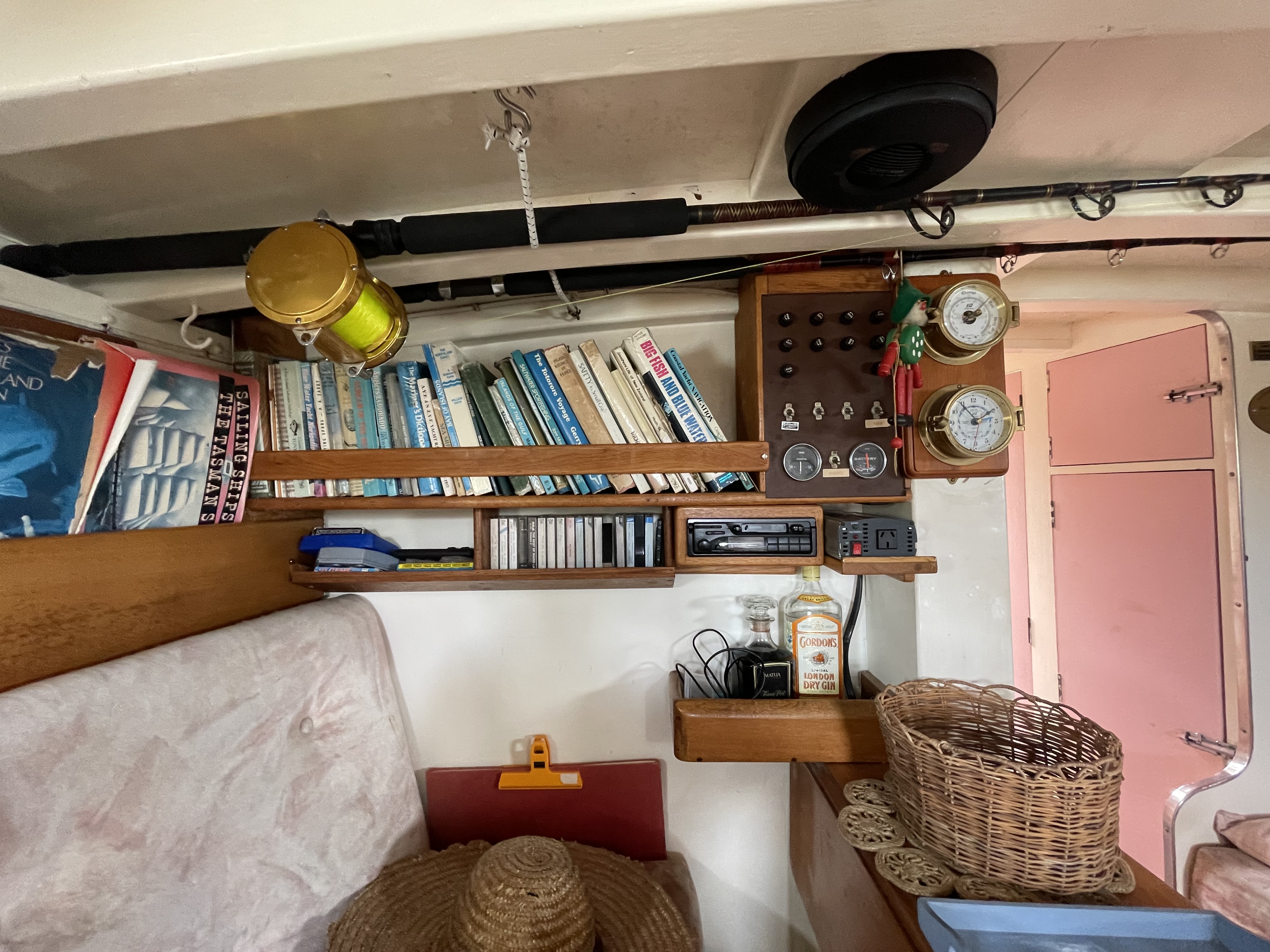
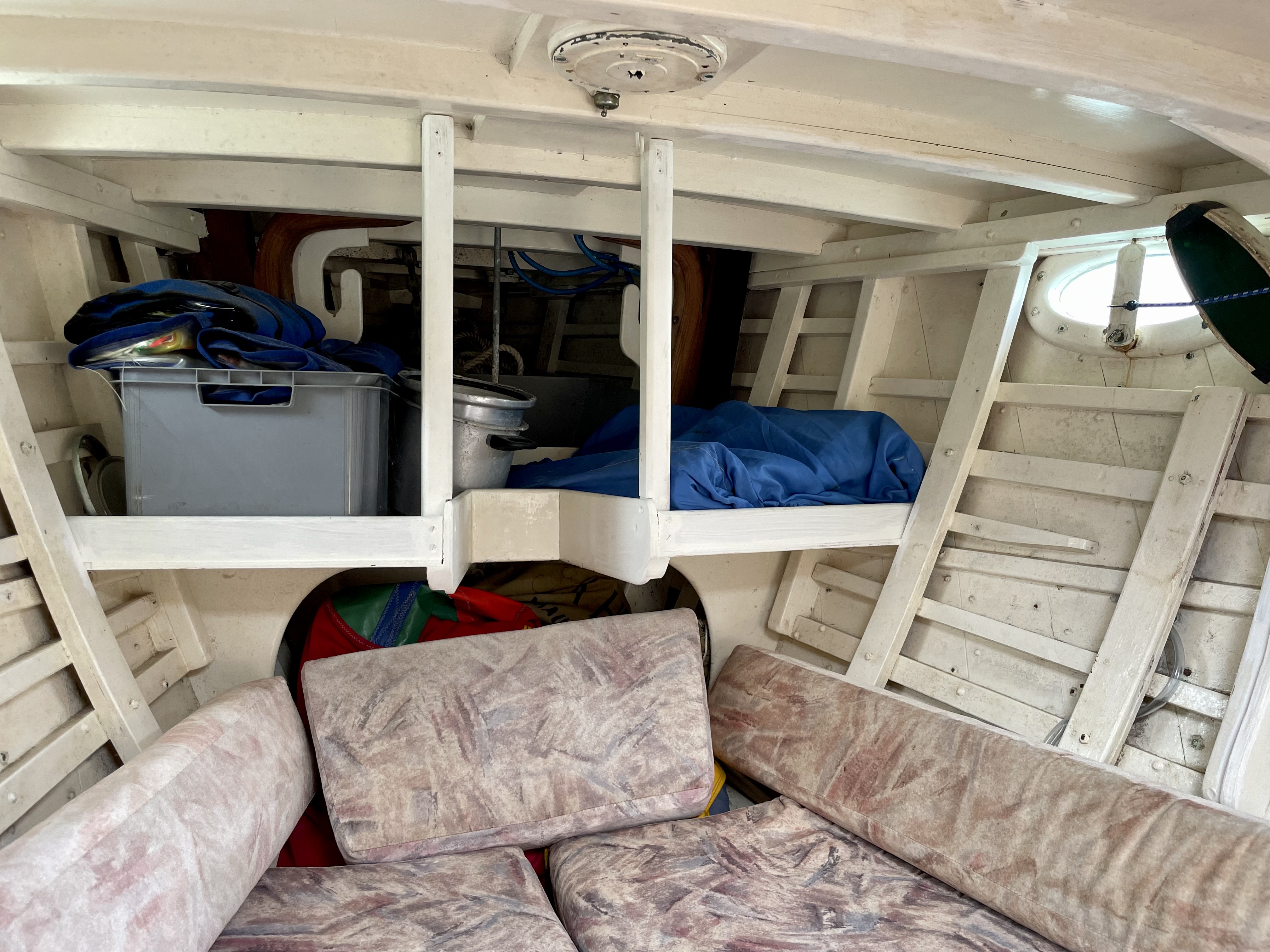
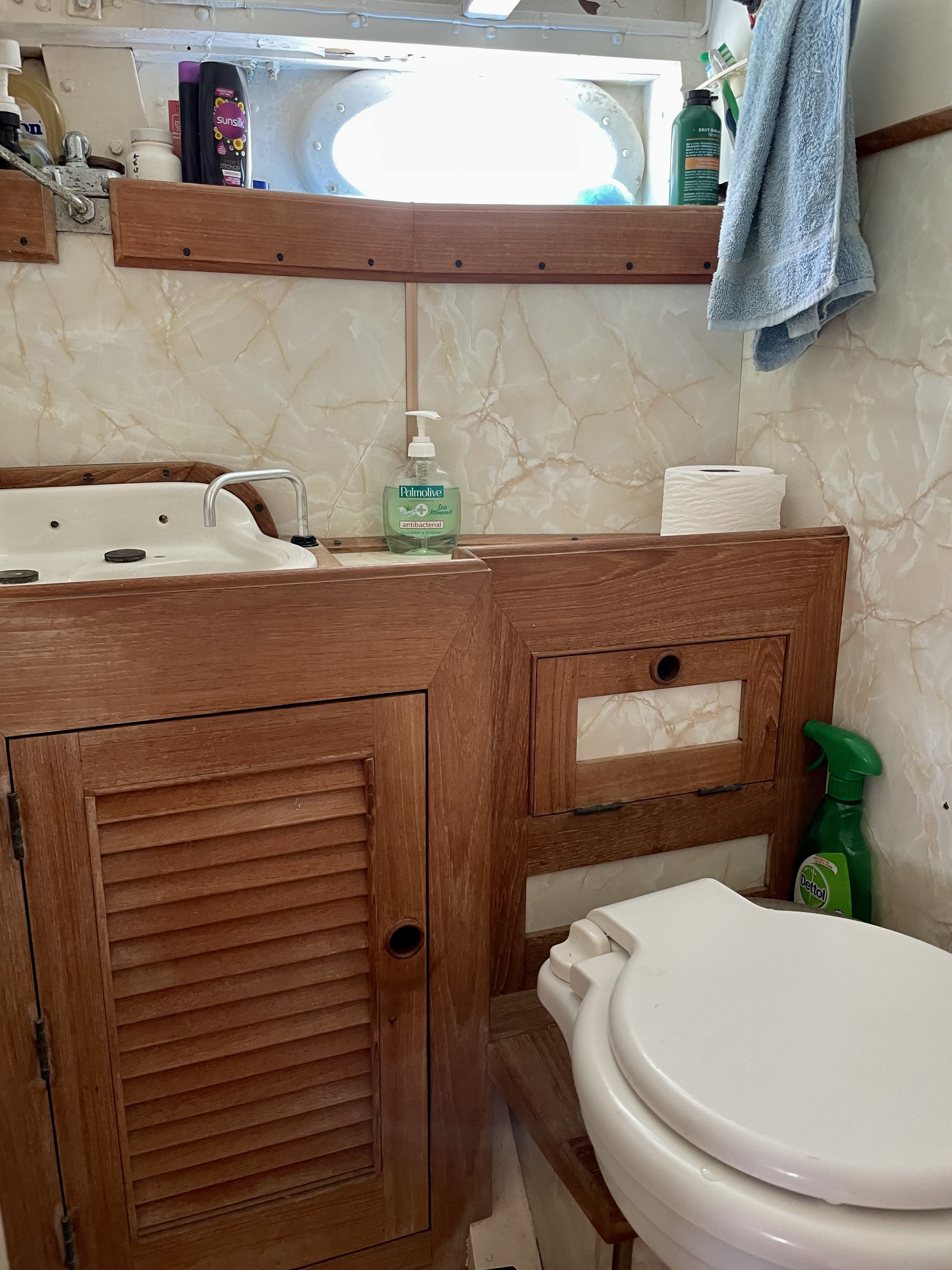
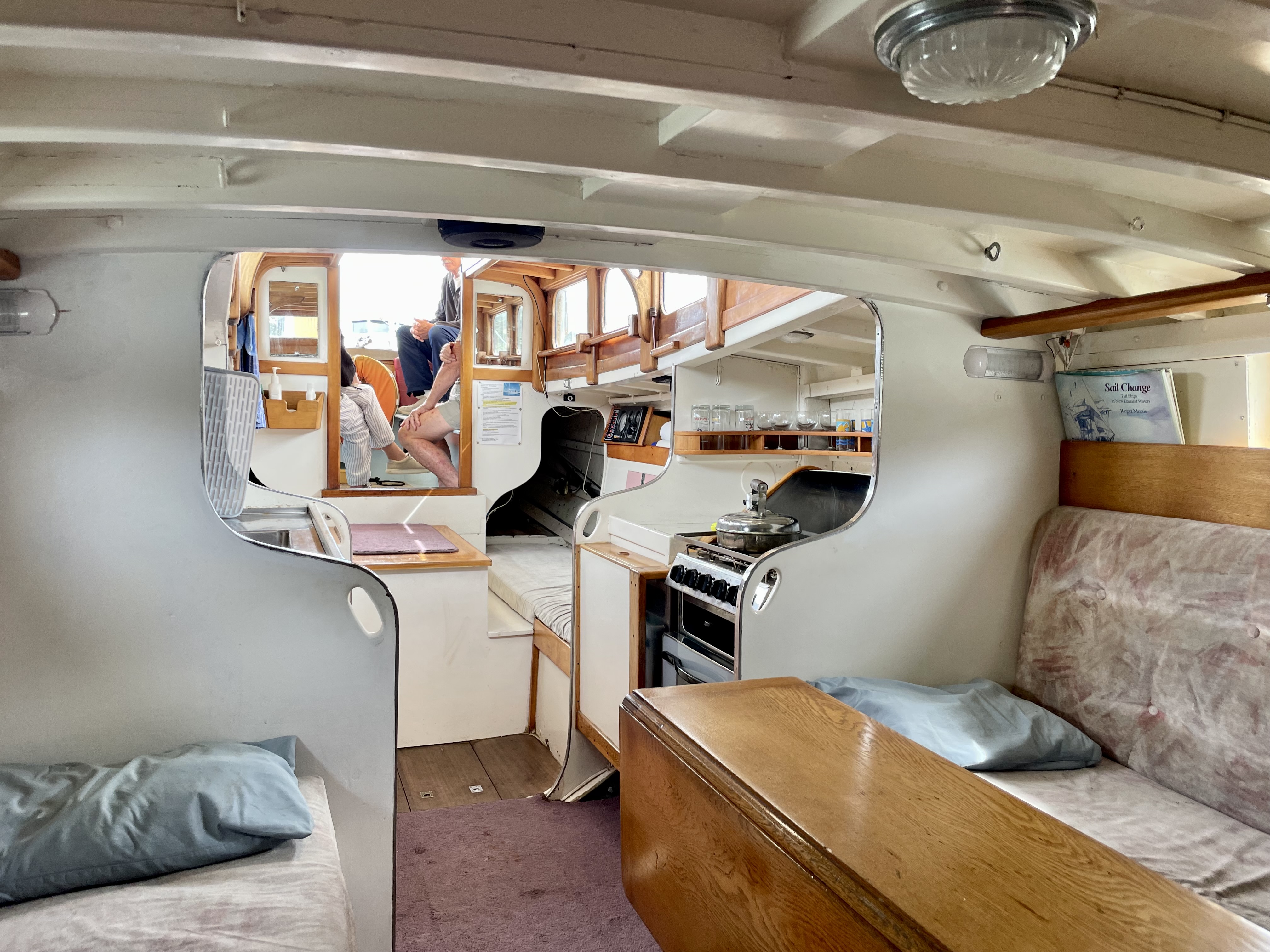
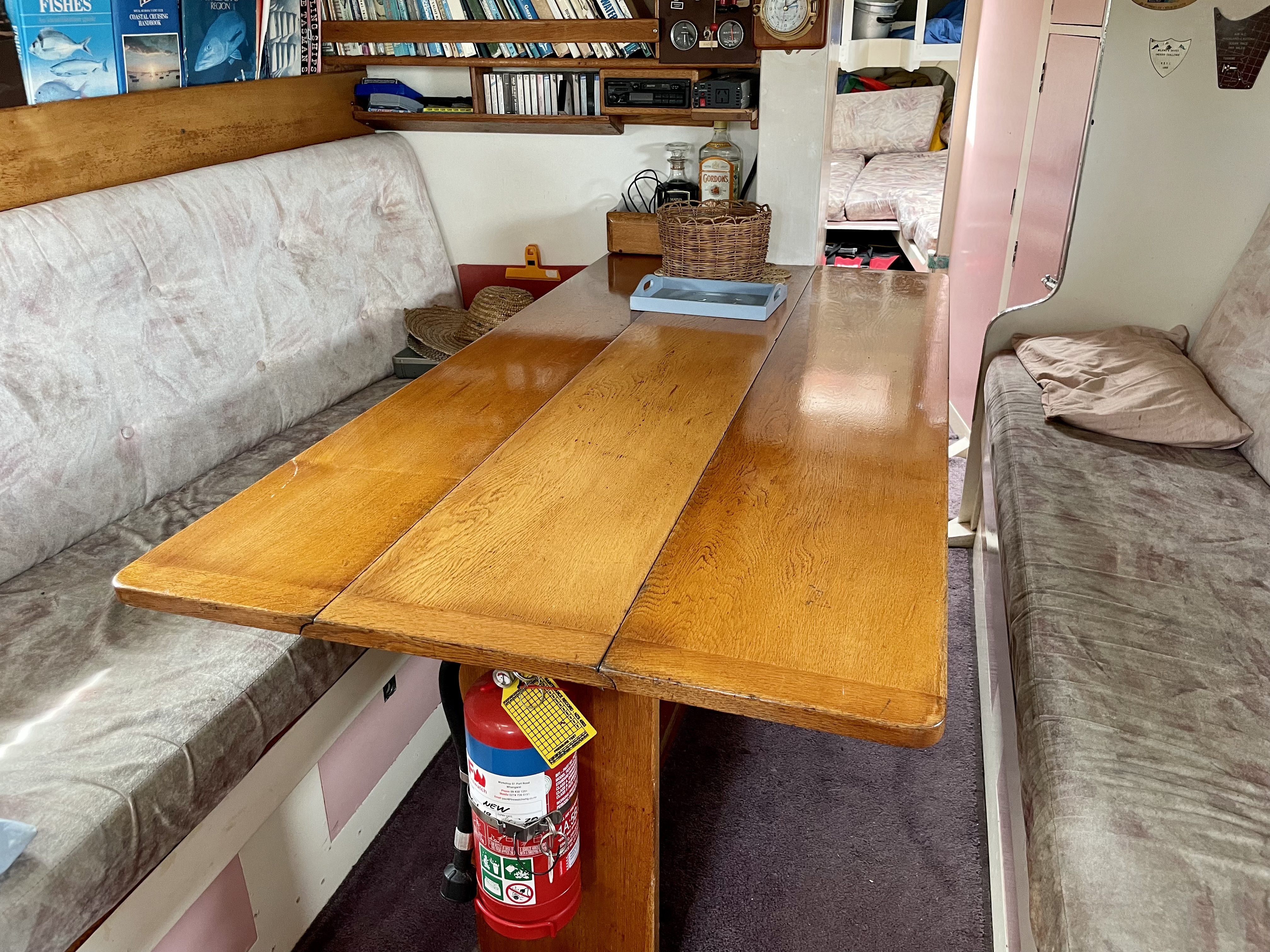
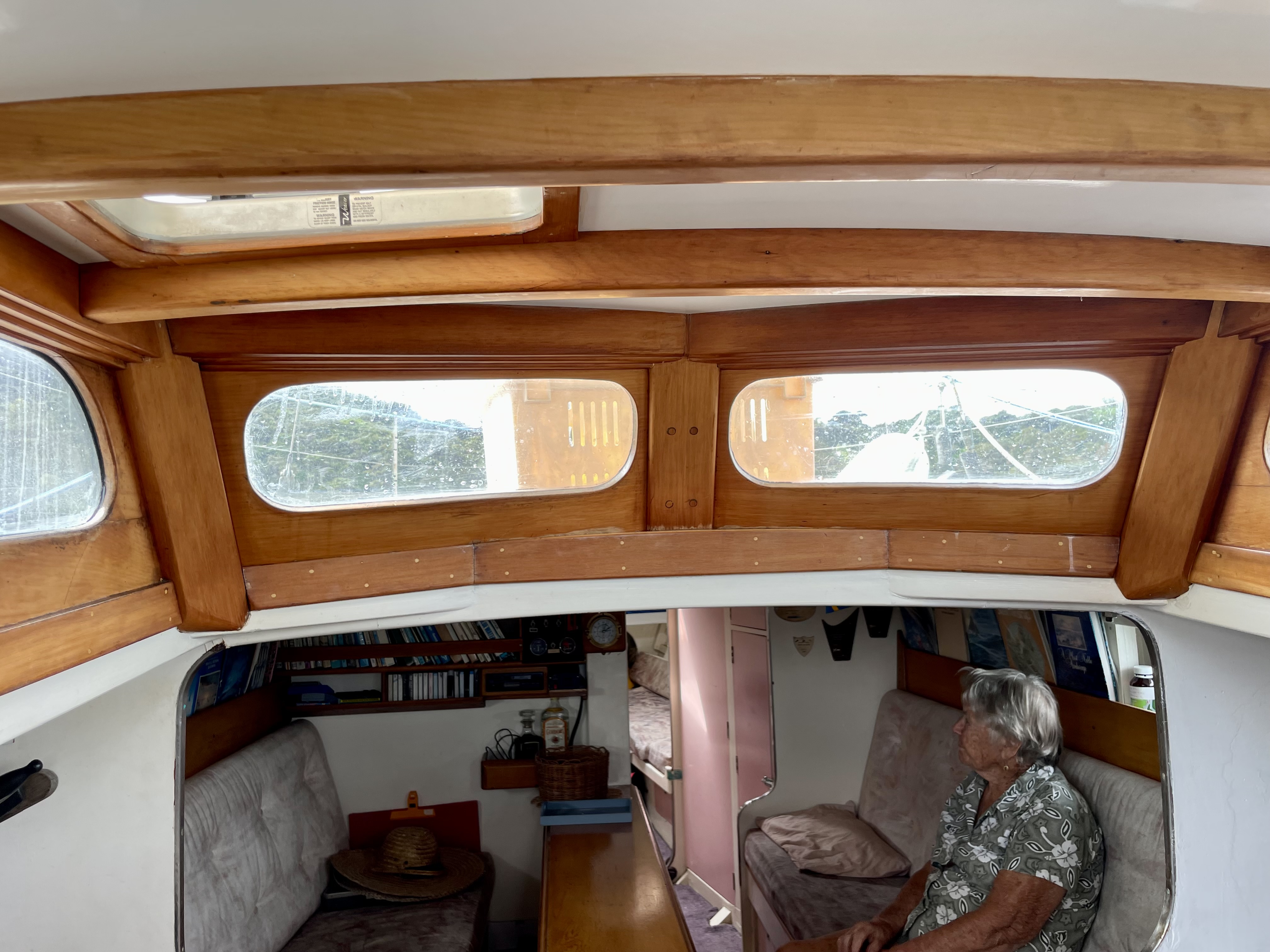
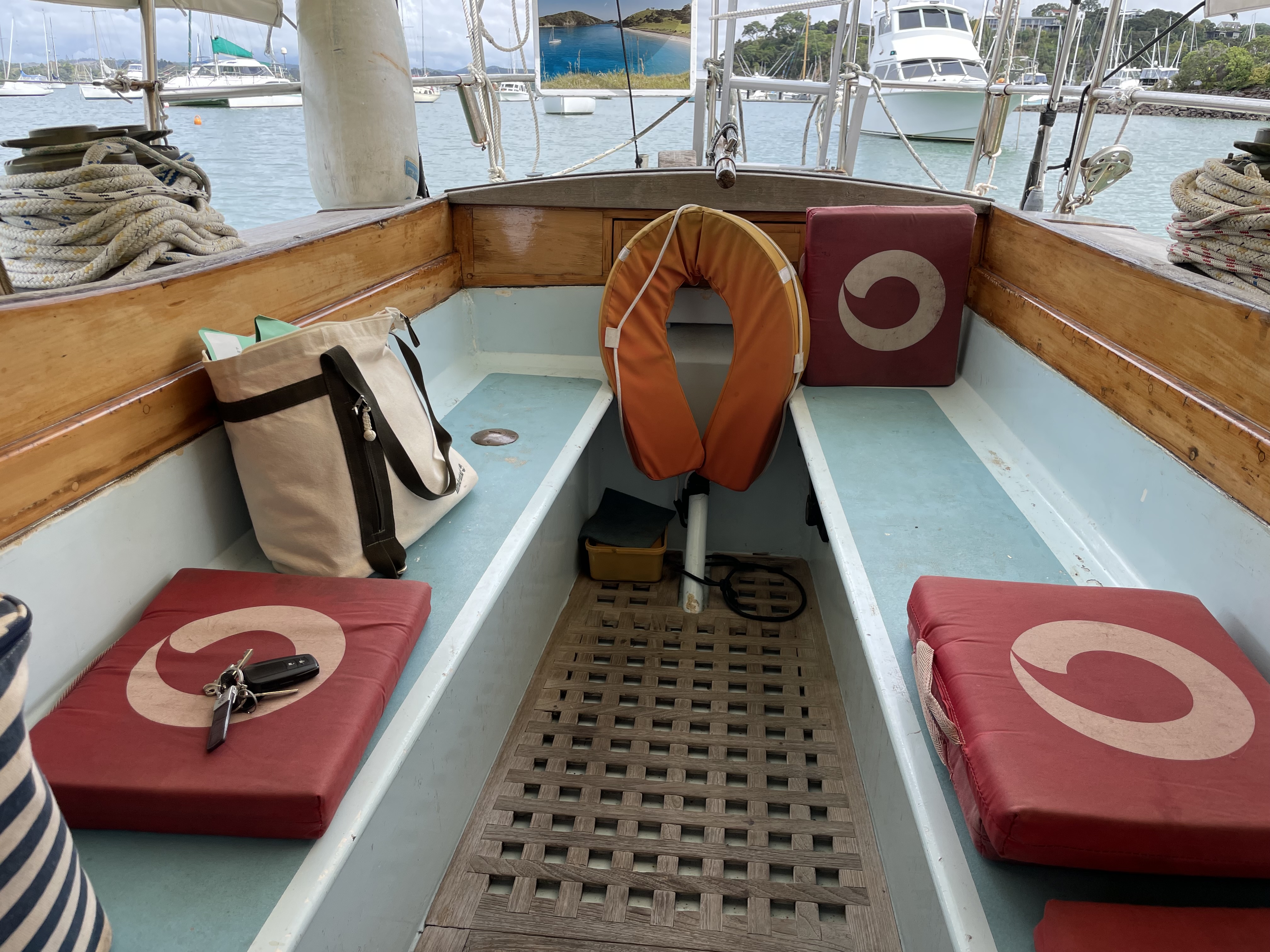
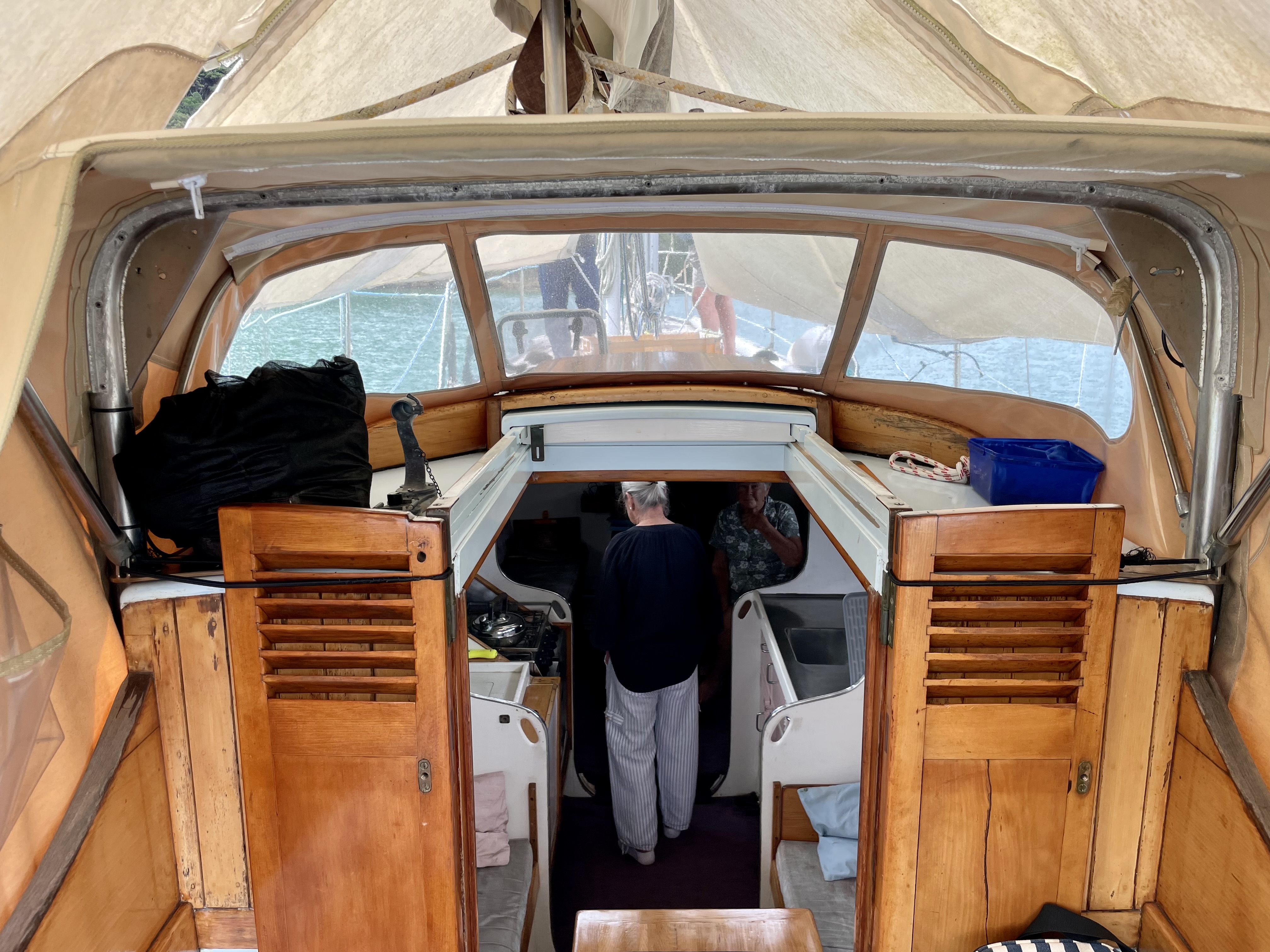
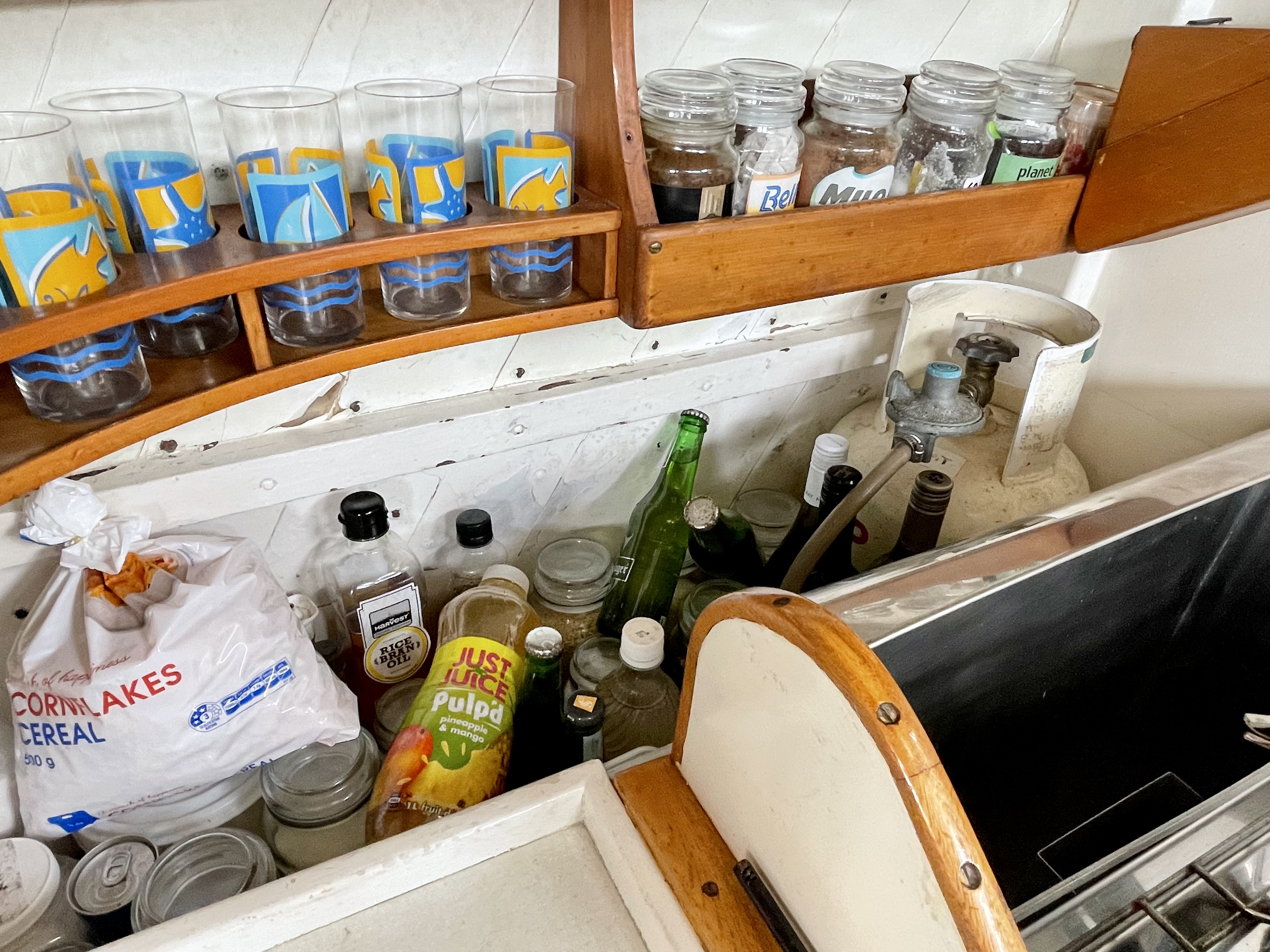
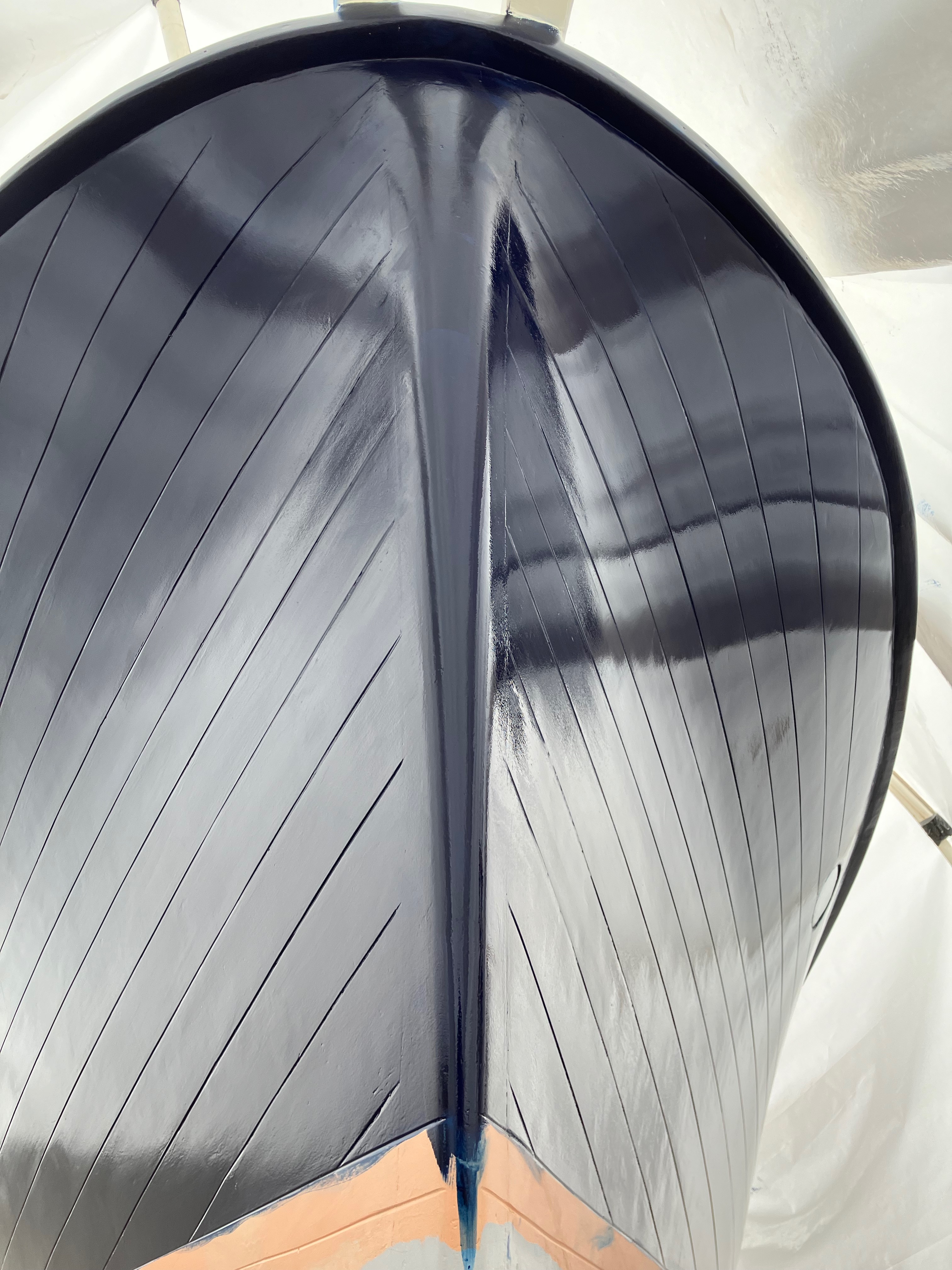
When a classic woody has had the same owner for over 50 years, not a lot of people have popped their heads down below, today we get to do that.
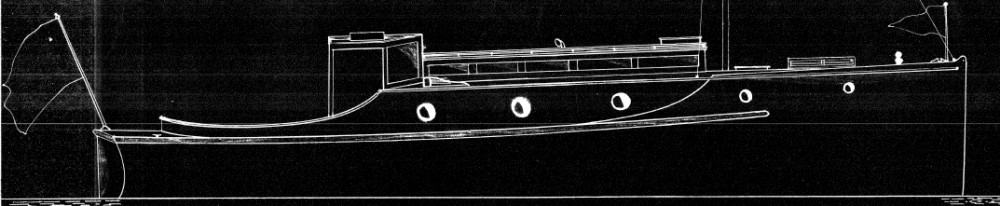
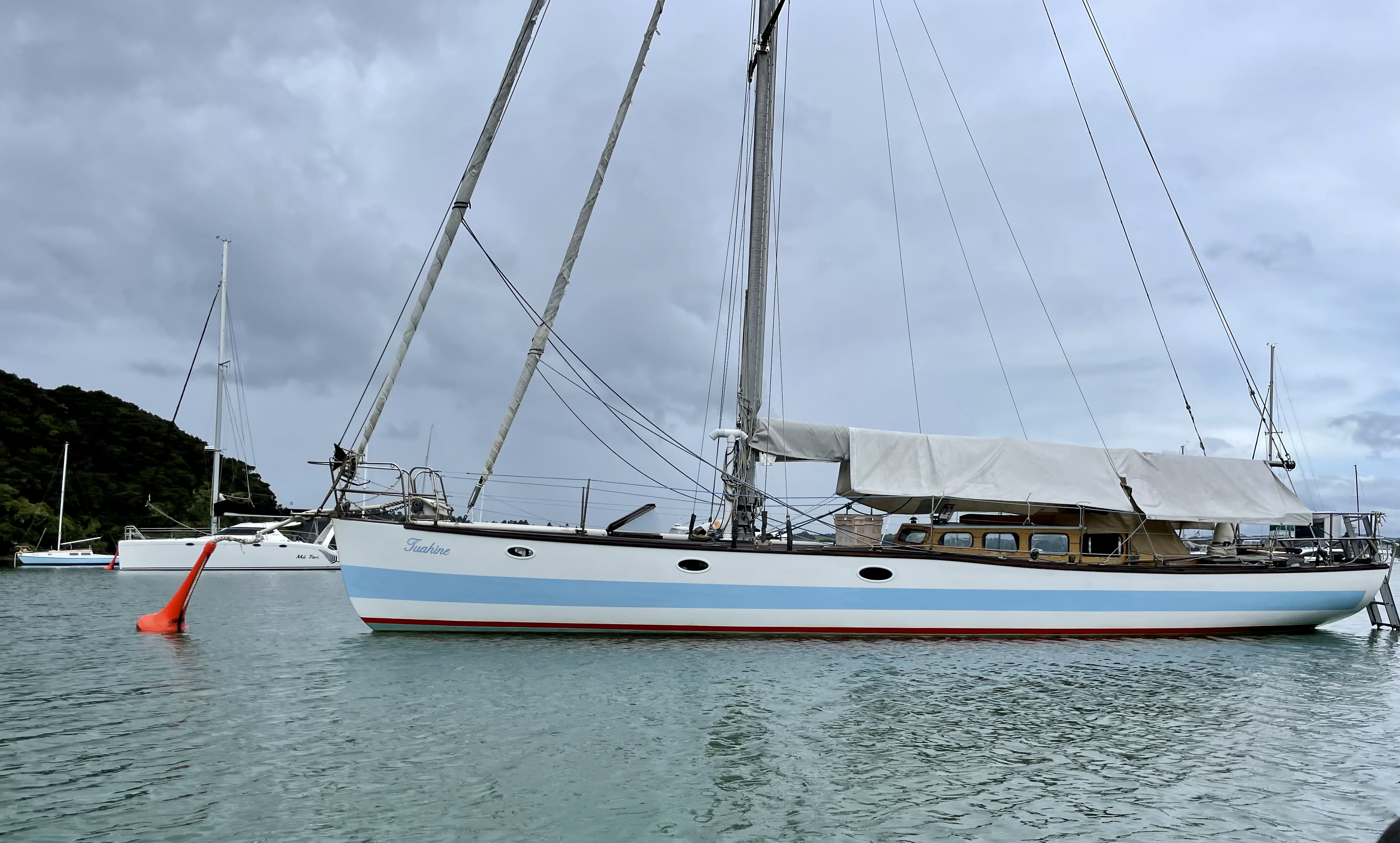
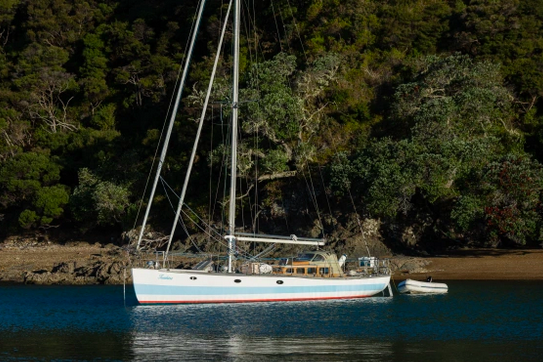
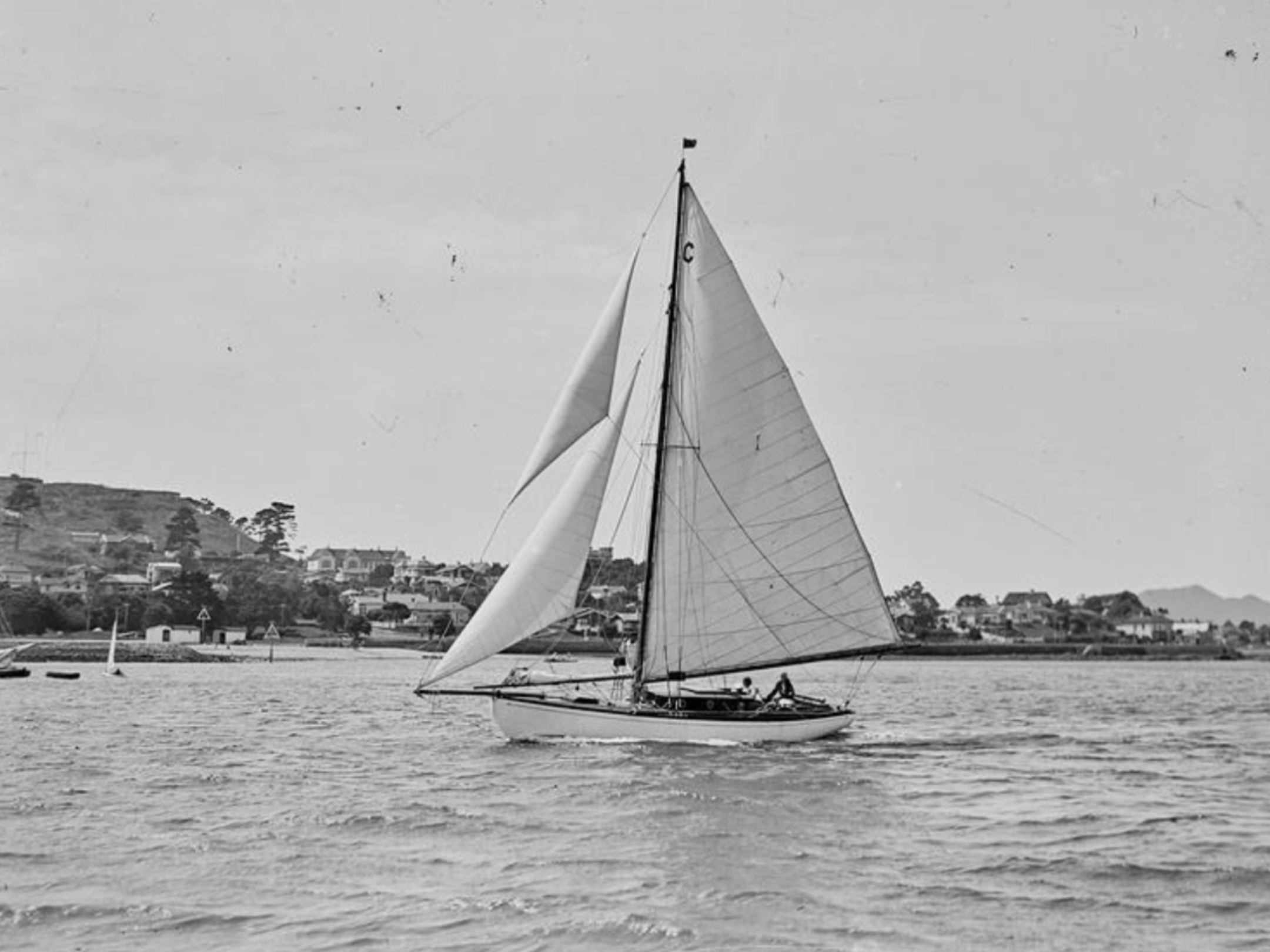
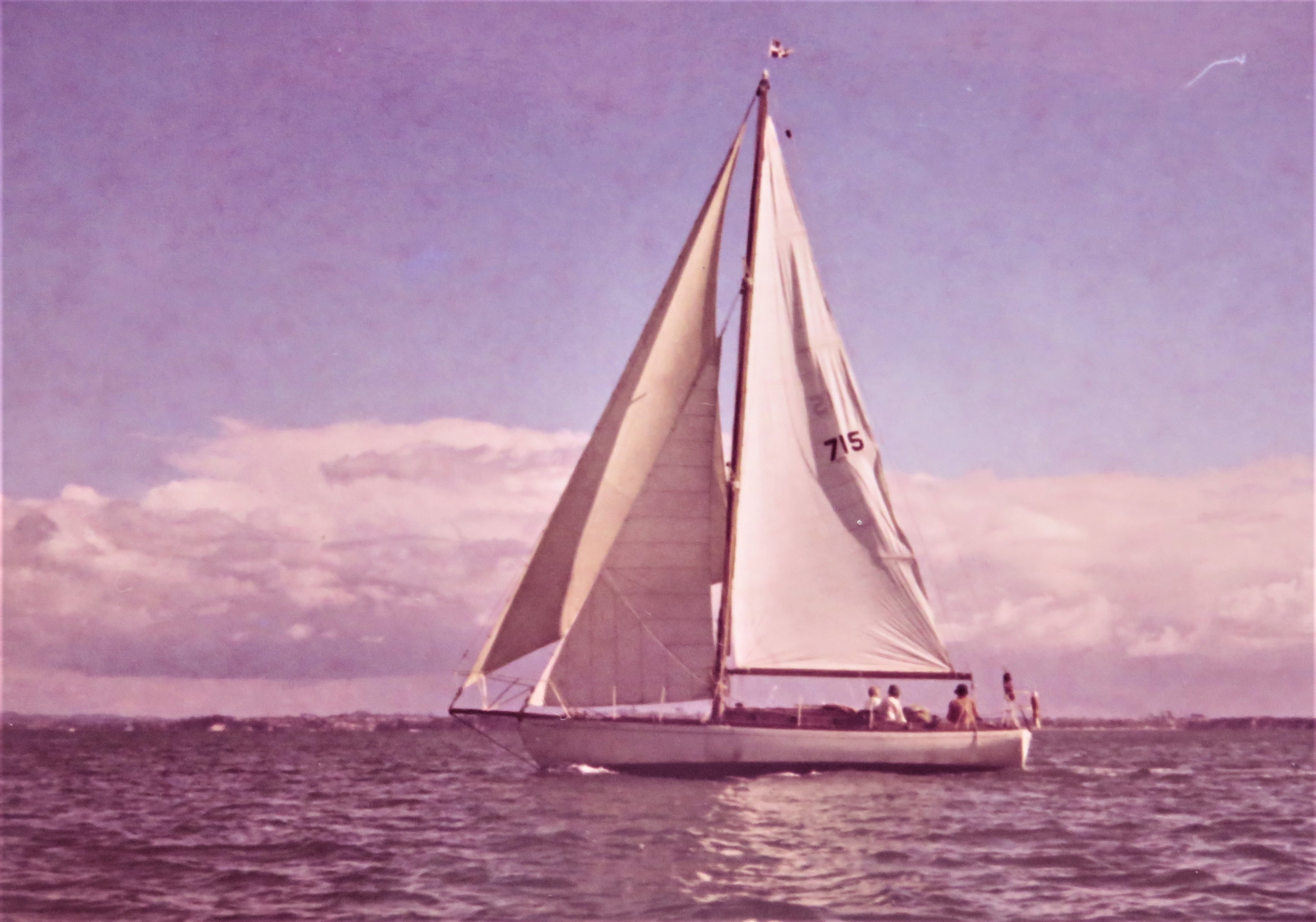
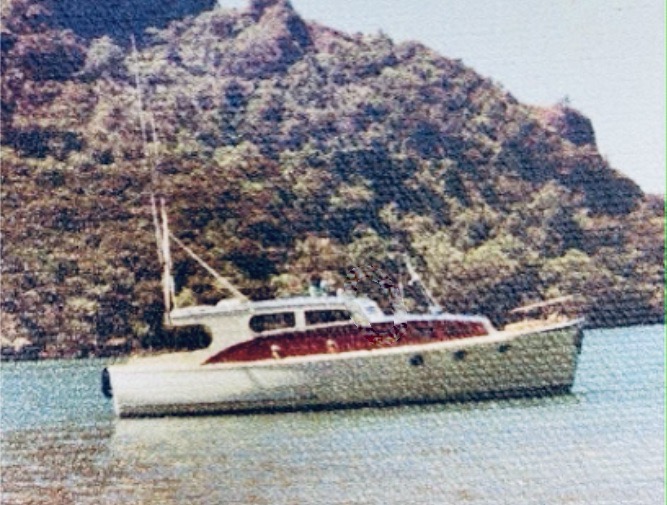
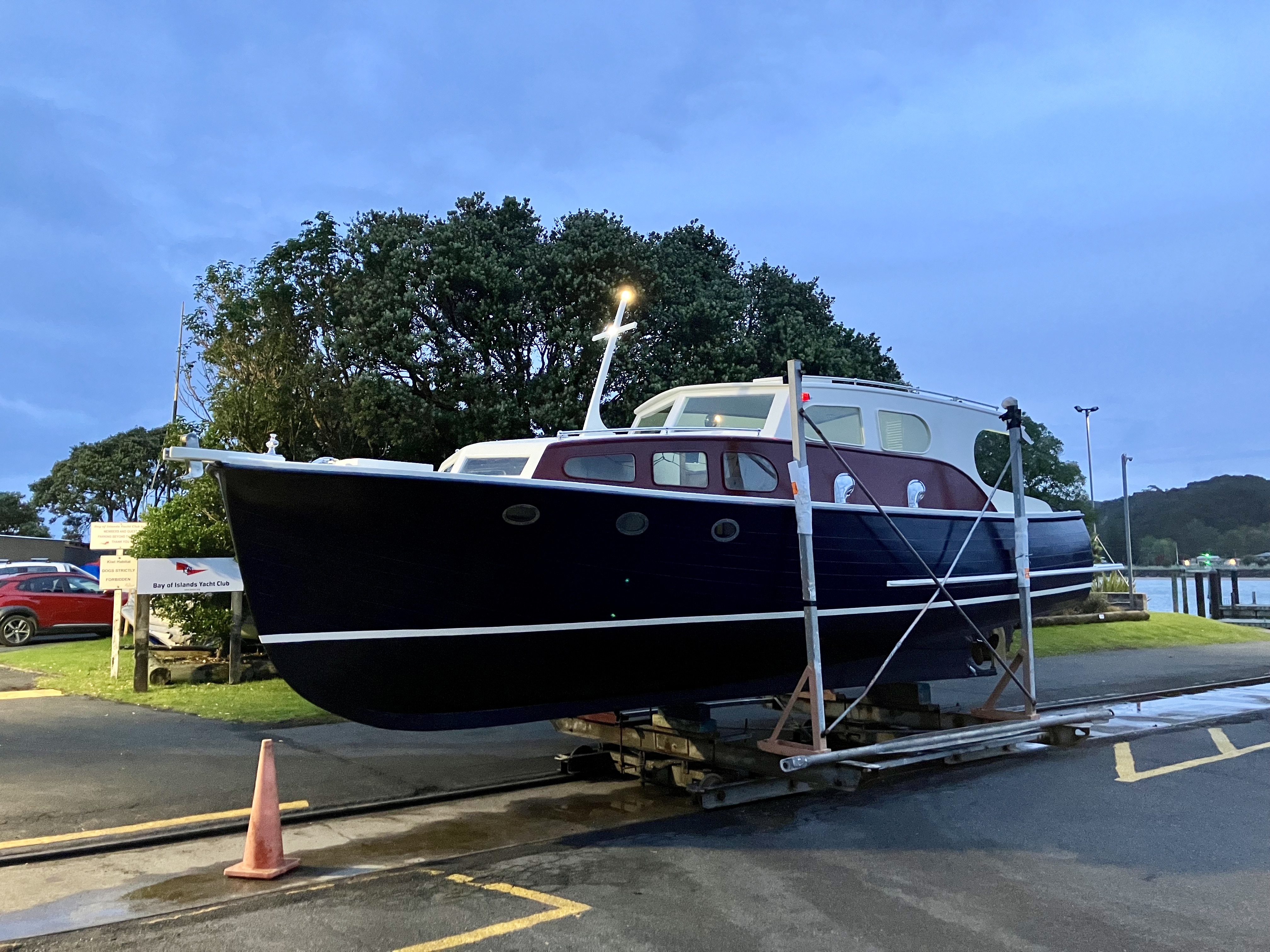
The 43’ yacht Tuahine was designed and built in 1957 by the Dickson family, lead by Roy Dickson’s father (grandfather to Chris Dickson). Dickson senior along with Roy and twin brother had all sailed on Ranger with Lou Tercel and got many ideas from Ranger – longish with narrow beam (9’).
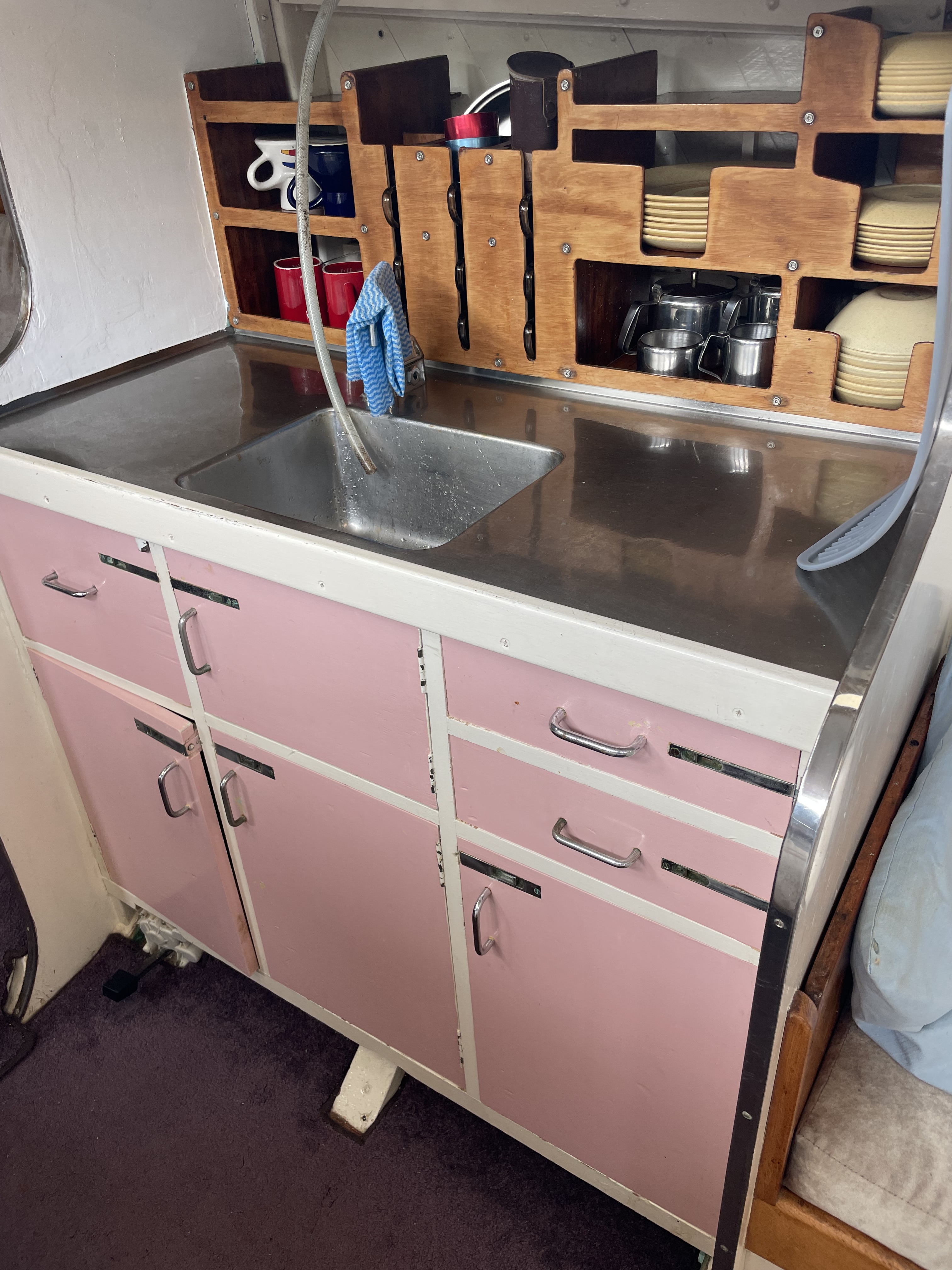
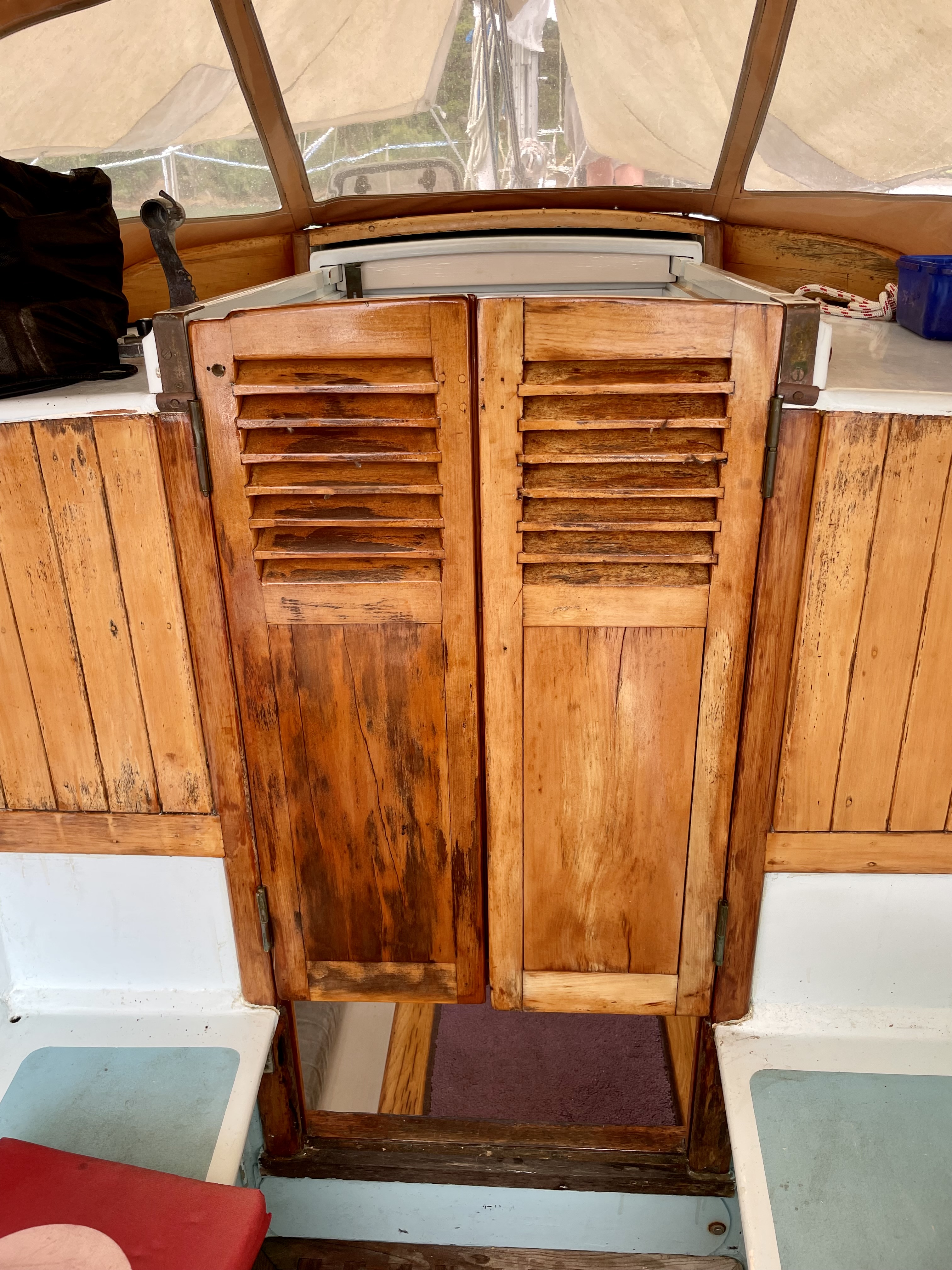
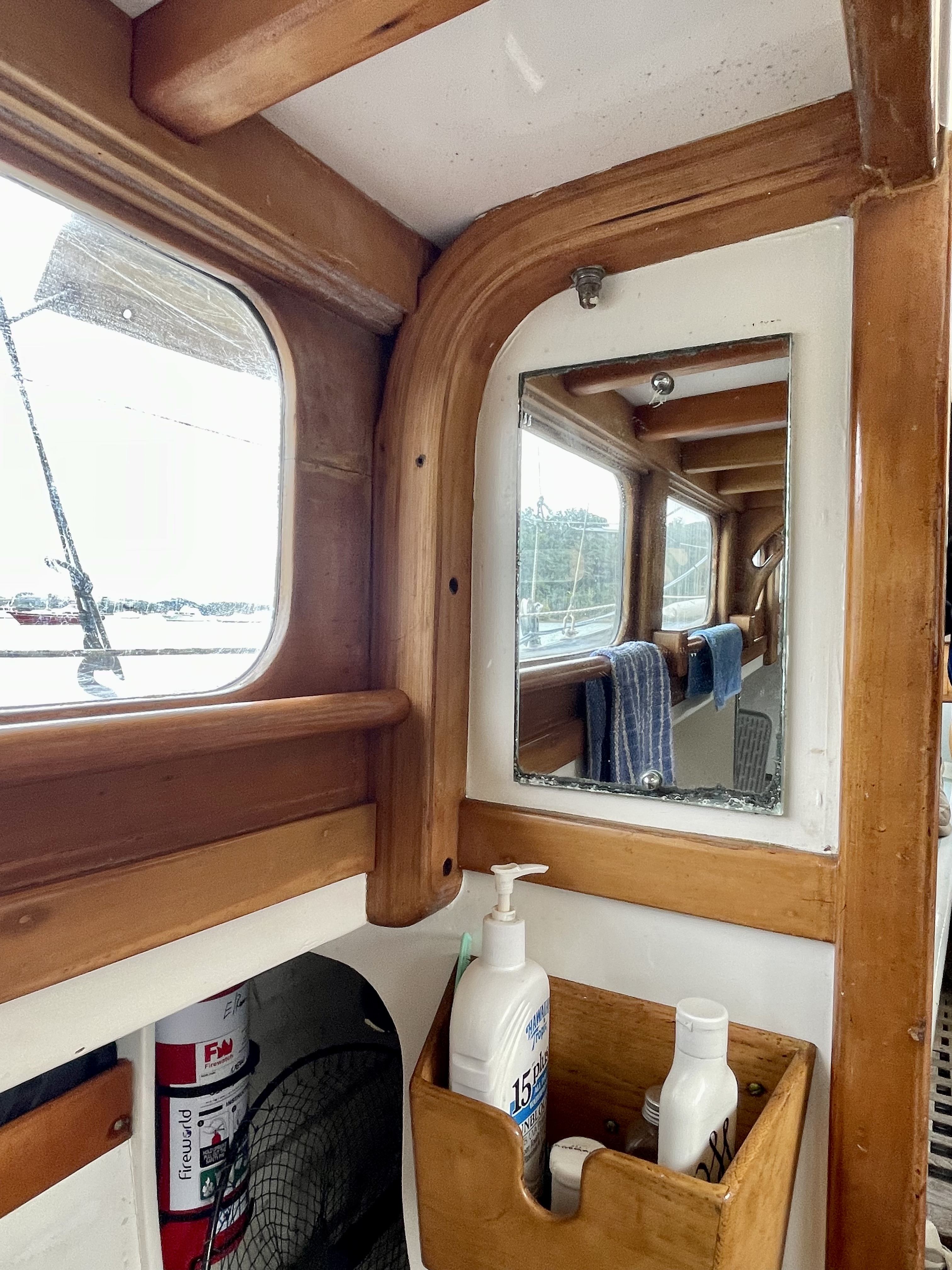
Stepping aboard Tuahine is like entering a time capsule being almost unaltered from new, always a sign that the designer / builder got it right first off. Tuahine even has the original Crown Lynn dinner set and on her bulkhead the pennant / decals recording her off-shore races (1977 and 1979 Auckland > Lautoka).
Home for most of the last 40 years has been the Bay of Islands, where she still resides, upstaging her plastic neighbours in the bay.
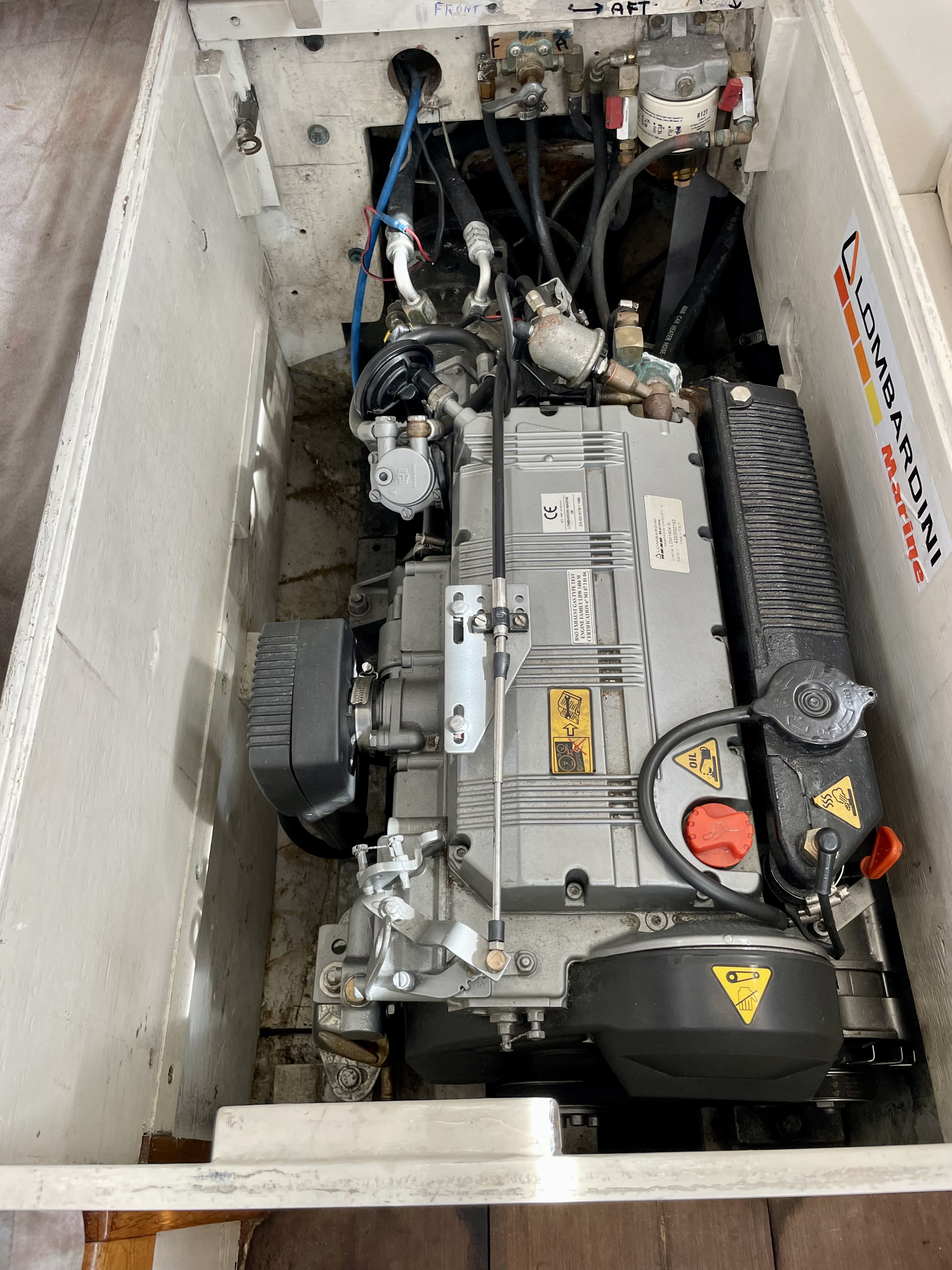
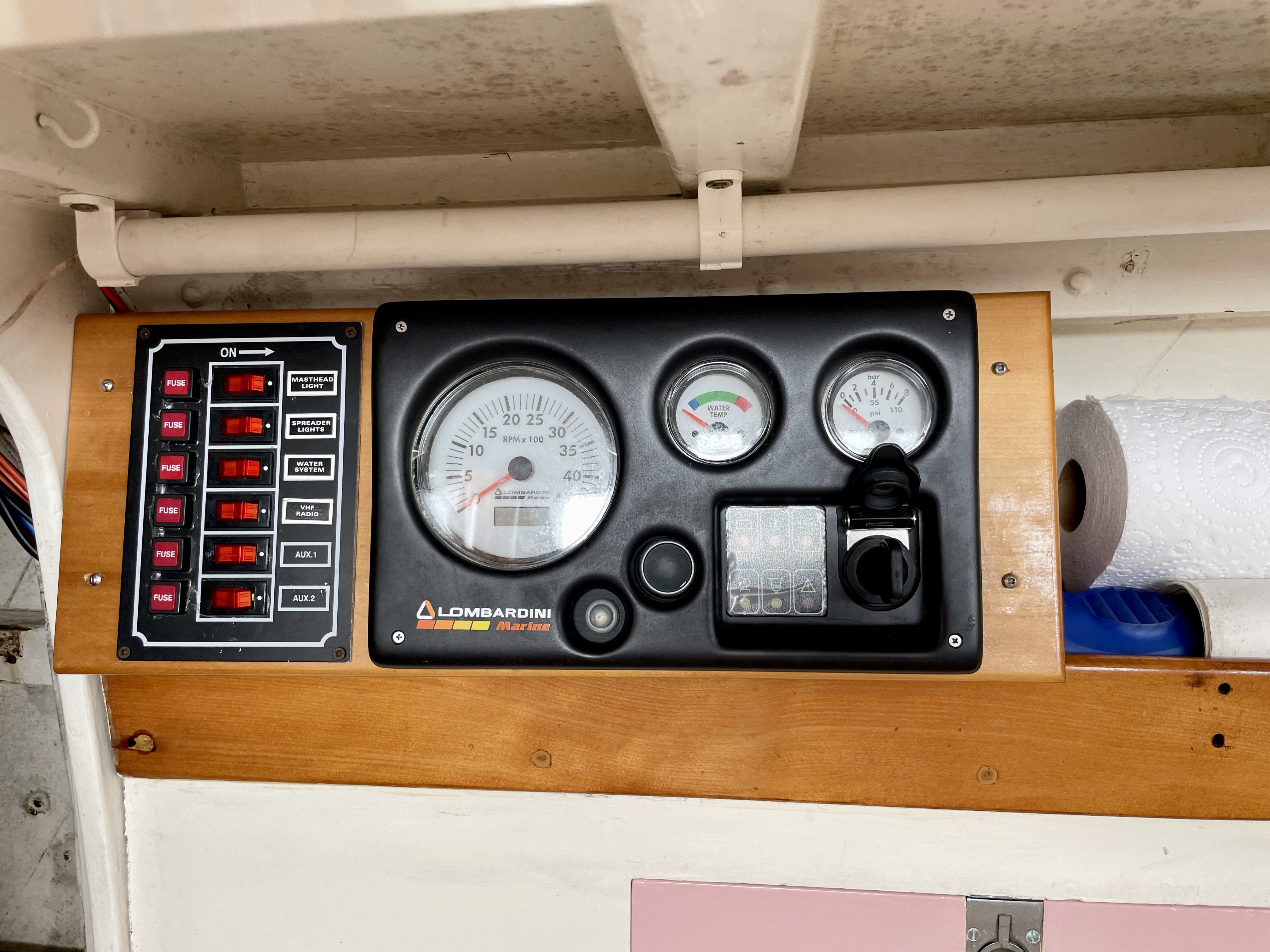
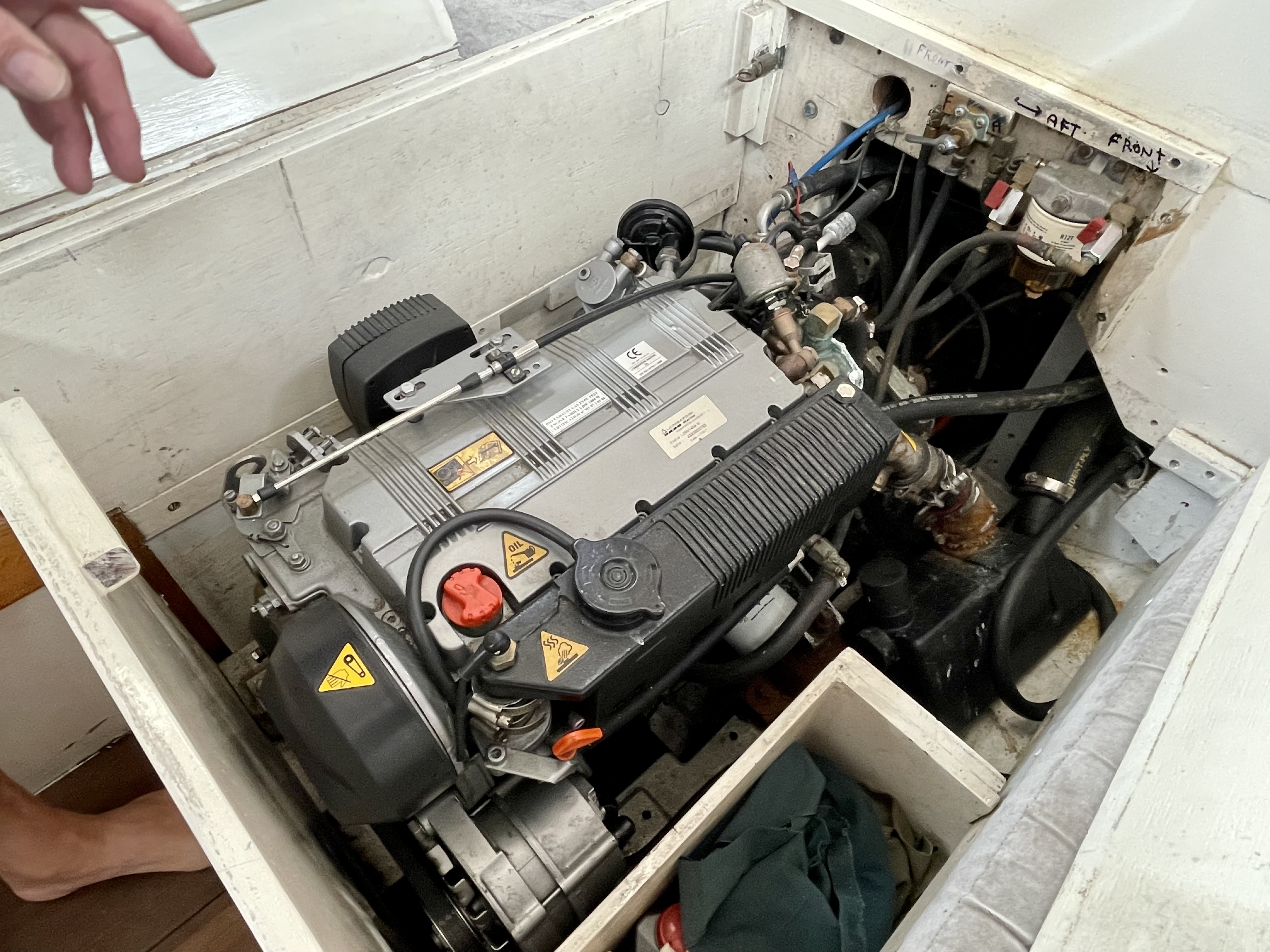
Her owners have followed a regular maintenance schedule that has included – recently removing the teak decks and plywood substrate laid and the deck relaid. The windows have also been removed and re-sealed. Other work has included the installation of a new Lombardini engine, new stove, new batteries and new main sail.
If the above sounds like an advertisement, it is – the Wooden Boat Bureau has been tasked with finding the next custodian of Tuahine. Her owners are motivated to sell so if you are looking for true blue classic with one of the best pedigrees in the fleet – contact waitematawoodys@gmail.com for more details on Tuahine, and then make an offer.
CAN CLASSIC VESSEL – VECTIS BE RESCUED + Details On Labour Weekend Woodys Happenings at Kawau Island
At the recent Woodys weekend cruise to Clevedon I ws chatting dockside with Jim Lott and he alerted me to the plight of the 1929 Bert Woolacott Keeler – VECTIS that these days resides on San Francisco Bay, USA. I’ll hand over to Jim to tell the story –
For the past 45 years, VECTIS has been sailing the waters of San Francisco Bay. Her current owner, Louis, has lavished TLC on her after a major restoration of the cockpit and aft deck. He now says his racing days are over and he is looking for someone who will appreciate and look after this fine little ship as she turns 100.
Louis has not found anyone in the Bay and has asked me to see if there is some way she can come home to where her life began in 1929.
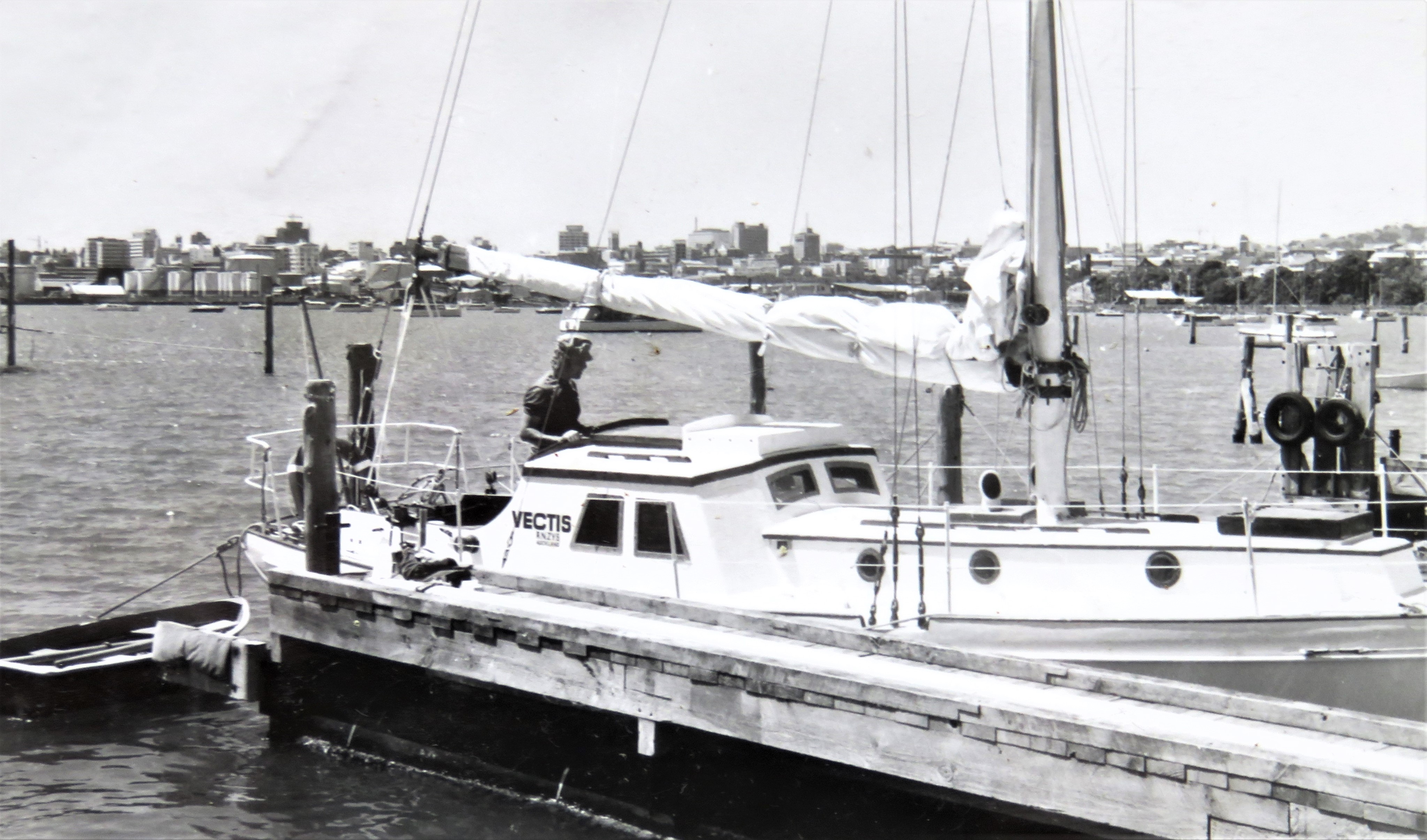
“VECTIS” is 31ft plus bowsprit and 9ft 6in beam displacing seven tons. She is planked with 1¼ inch kauri over bent ribs, with every 4th rib sawn pohutukawa. She is fastened with copper rivets and treated with red lead, the well-tested standard at that time, and has bronze keel bolts. The deck was laid kauri, fore and aft over diagonals, and caulked with cotton and tar. Coamings and bright work are mahogany, with oregon spars.
She was built in 1929 and was probably the first Bert Woollacott keeler built in New Zealand. While the Registration Certificate named Percy Vos as the builder, other sources credit her build to Woollacott. Unlike Bert Woollacott’s later designs, she had a spoon bow and a bit of a counter aft, and was masthead cutter rigged.
She was well known around Auckland with owners including the Colebrook family and Alan Doull who was the manager at the RNZYS. She competed in one Suva race.
Karin and I bought her in 1970. At that time, a 32’ (9.5m) yacht was considered the ideal size for ocean sailing. The survey showed some areas of decayed timber in the deck, coamings and carlin just forward of the cockpit.
The deck was cut away exposing more extensive decay than expected and we also decided that the Morris petrol engine would need to be replaced with diesel. The cockpit was wider than the cabin trunk, so with the rot removed, it made sense to carry that width forward and incorporate a raised doghouse in the style of later Woollacott designs, giving more room below and some shelter at the forward end of the cockpit. We also added a small amount of headroom in the forward cabin, but left the original athwartships coaming in place just abaft the mast.
After a voyage in the Pacific, we sold “VECTIS” in 1975 and a few years later we heard she had been sold to San Francisco.
Simon Smith, who was tragically killed during the 2023 ‘Coastal Classic’, recalled happy times sailing on “VECTIS” as a youngster. He introduced me to the current owner, Louis who is delighted with “VECTIS”. He purchased her in a run-down state and undertook a two-year restoration , which he detailed. He describes the hull as like new, in spite of the past 95 years.
Louis is realistic about the value of VECTIS and is mainly interested in ensuring she goes to the right person. Getting her to New Zealand is a challenge, but she is very capable of making the voyage where fair winds can be expected along the route.
Even for such a historic yacht, finding the right owner is more of a challenge and we all know the cost of keeping a vessel in Auckland.
I am in touch with Louis and anyone who can help or be involved can contact me jim.karin.lott@gmail.com
Labour Weekend Just 20 Days Away – Join Us At Kawau Island
Commencing this year the Kawau Boating Club are celebrating the start of summer with the SPRING SPLASH REGATTA. A weekend of fun and friendship on and off the water. KBC are holding hands with Ponsonby Cruising Club to run the on the water sailing events – full details in the Notice of Regatta at this LINK WW encourages all yacht owners to consider participating in the Regatta.
The main reason for todays post is to confirm that WW has been working with KBC and PCC to involve the classic launch fleet and classic cruising yachts in the weekends activities. Aside from enjoying the overall ambience of Kawau Island and the recently renovated clubhouse which is open for breakfast, lunch and dinner on all days, we have two events for woody boaties.
1. On Saturday 26th waitematawoodys invites classic boat owners to gather ashore at Lidgard House (deck) at 4pm for a meet up – BYO
2. On Sunday 27th waitematawoodys will be mustering classic vessels to convene off KBC wharf at 11am for the Classic Woodys Parade ,a circuit of Bon Accord Harbour. As with all good WW gigs there will be plenty of booty to be won – eg longest travelled boat, best dressed boat, etc + spot prizes and all classic boats flying either a WW burgee or KBB / PCC burgee will go in the draw for a complimentary haul out (3days) at the Slipway Milford yard. More details on Saturday afternoon.
With WW life is simple – no entry forms – just turn up on the day and enjoy the company of the classic wooden boating community.
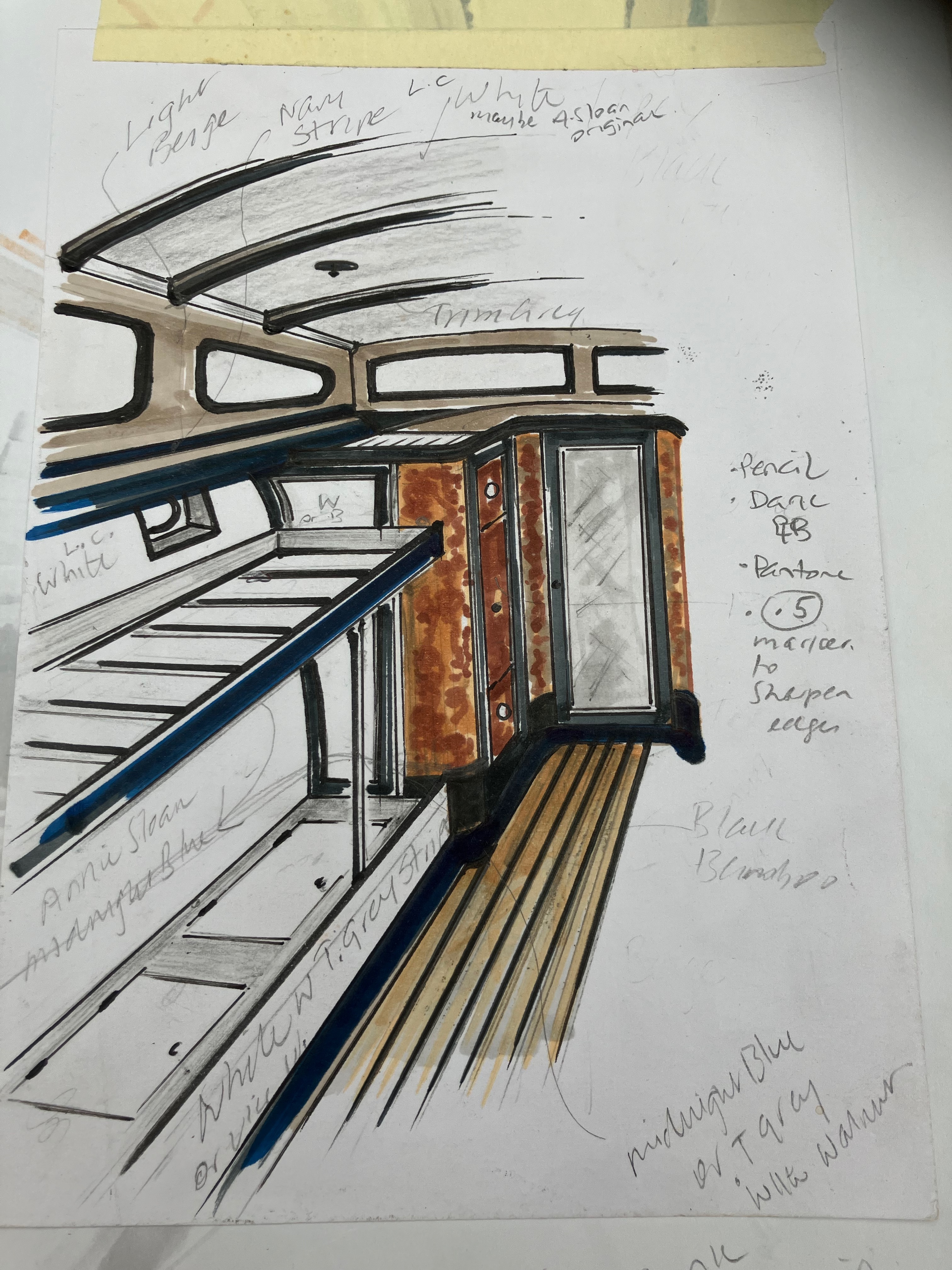
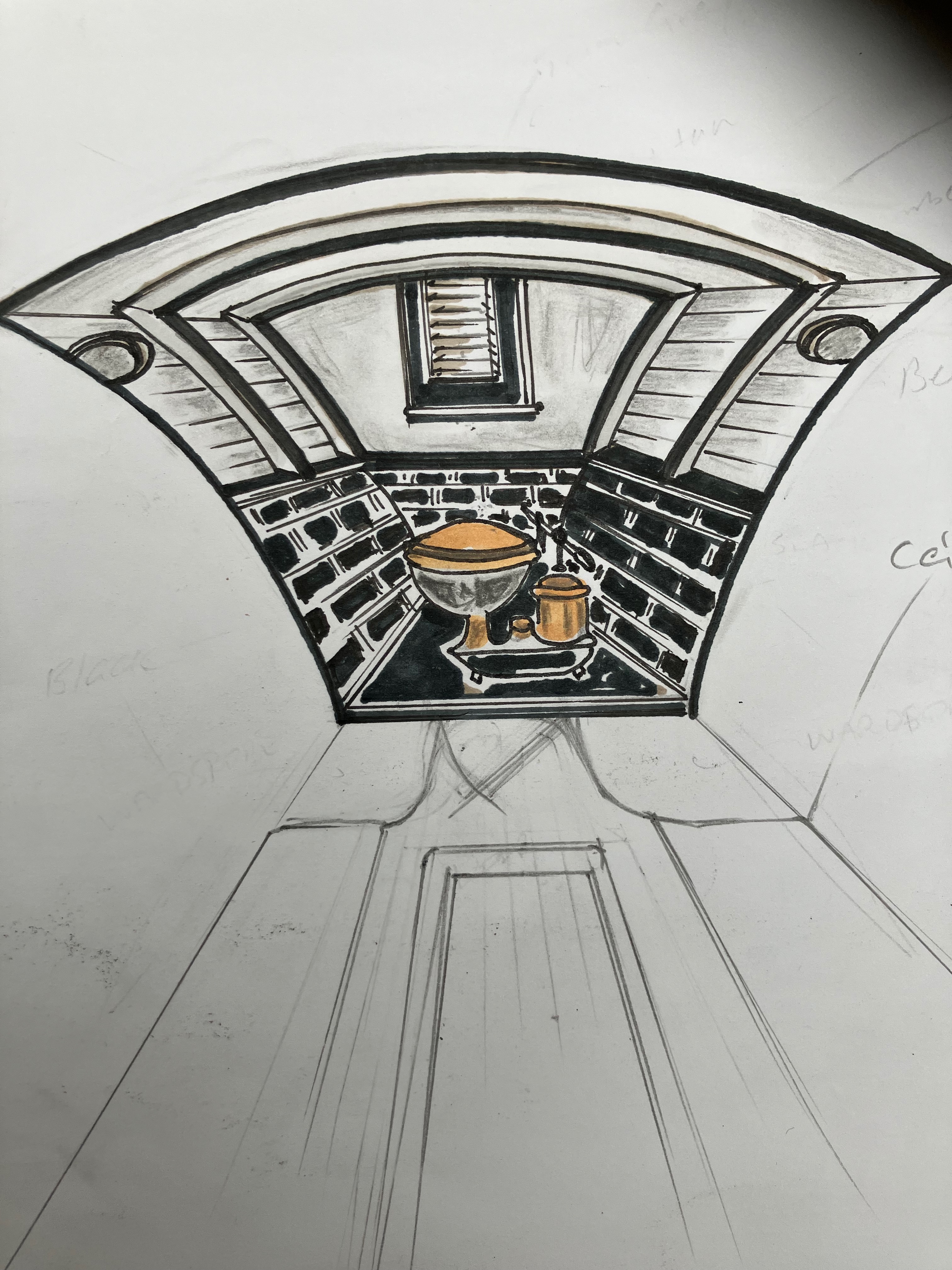
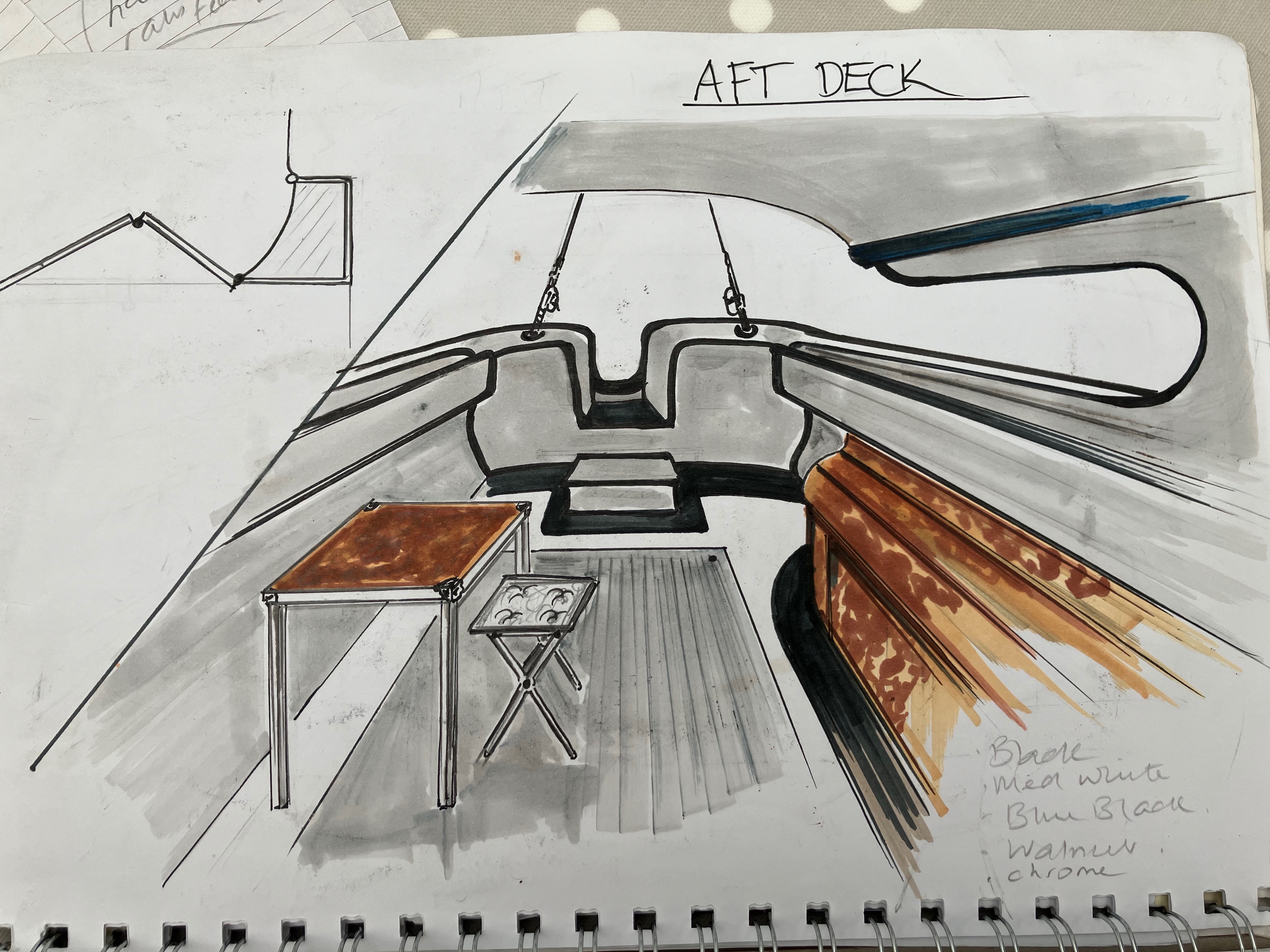
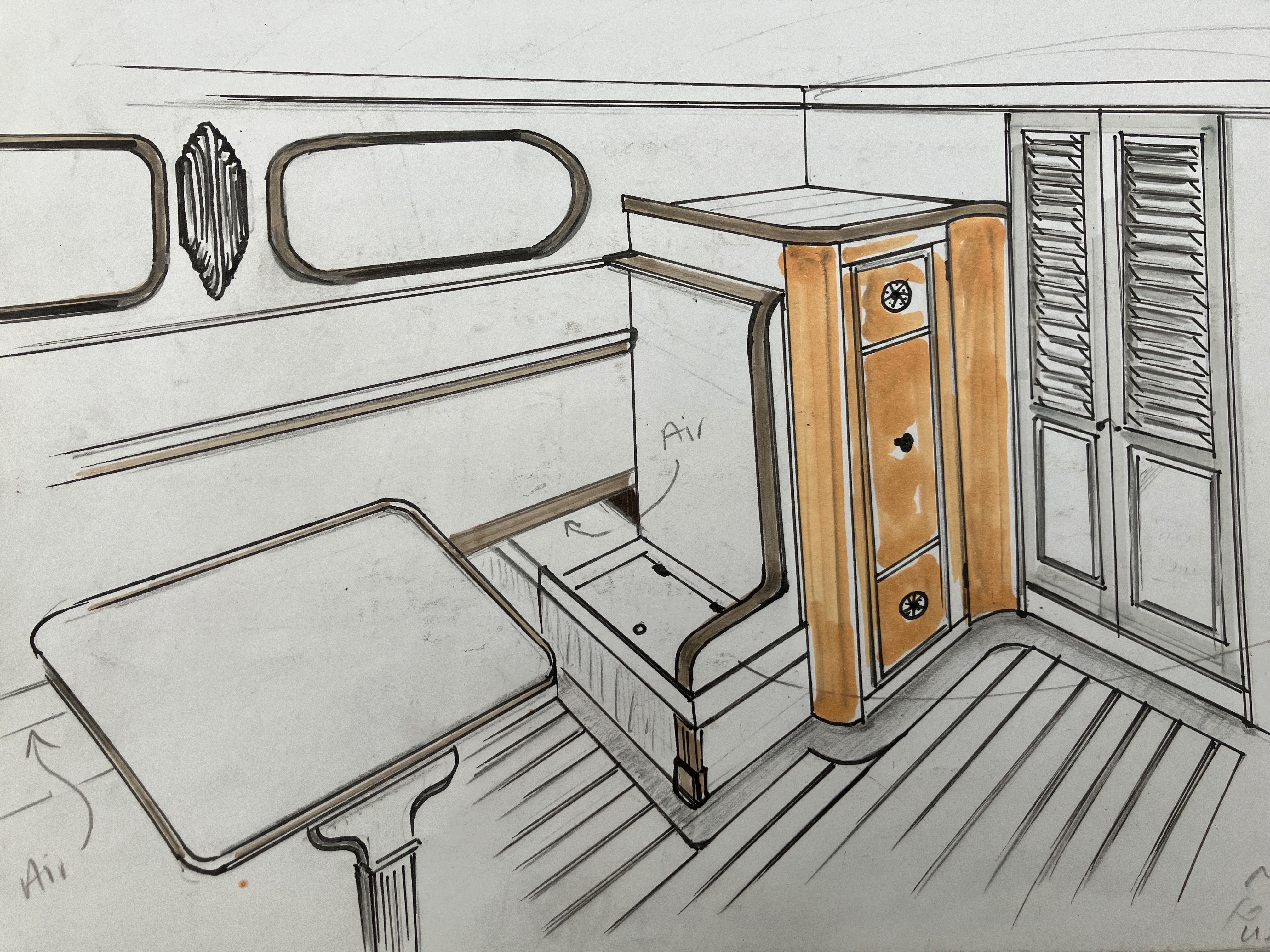
CLASSIC WOODEN LAUNCH- LADY CAROLE – A Peek At Stage II Over the last few months we have been following the restoration the classic launch – LADY CAROLE and as seen in Wednesdays WW story LC is now back in the water.Whilst the exterior work has almost been completed and we will not be getting any updates for a while, we asked o-owner Patrick Crawshaw to share with us what’s inshore for Phase II (interior). Patrick commented that she originally had a beautiful kauri trimmed interior and the original configuration will be restored along with the fine timber work she once had. A few modern additions will bring her into the 21st century, but these will be hidden, or discreetly placed. The thinking / plans are shown in the drawings below Forward Cabin with four berth bunks. Toilet through the mirror in the bow.
FORWARD CABIN – with 4 berths/bunks – toilet thru the mirror/door > bow
CAN ME PUT A NAME TO THIS CLASSIC WOODEN LAUNCH – WENNA
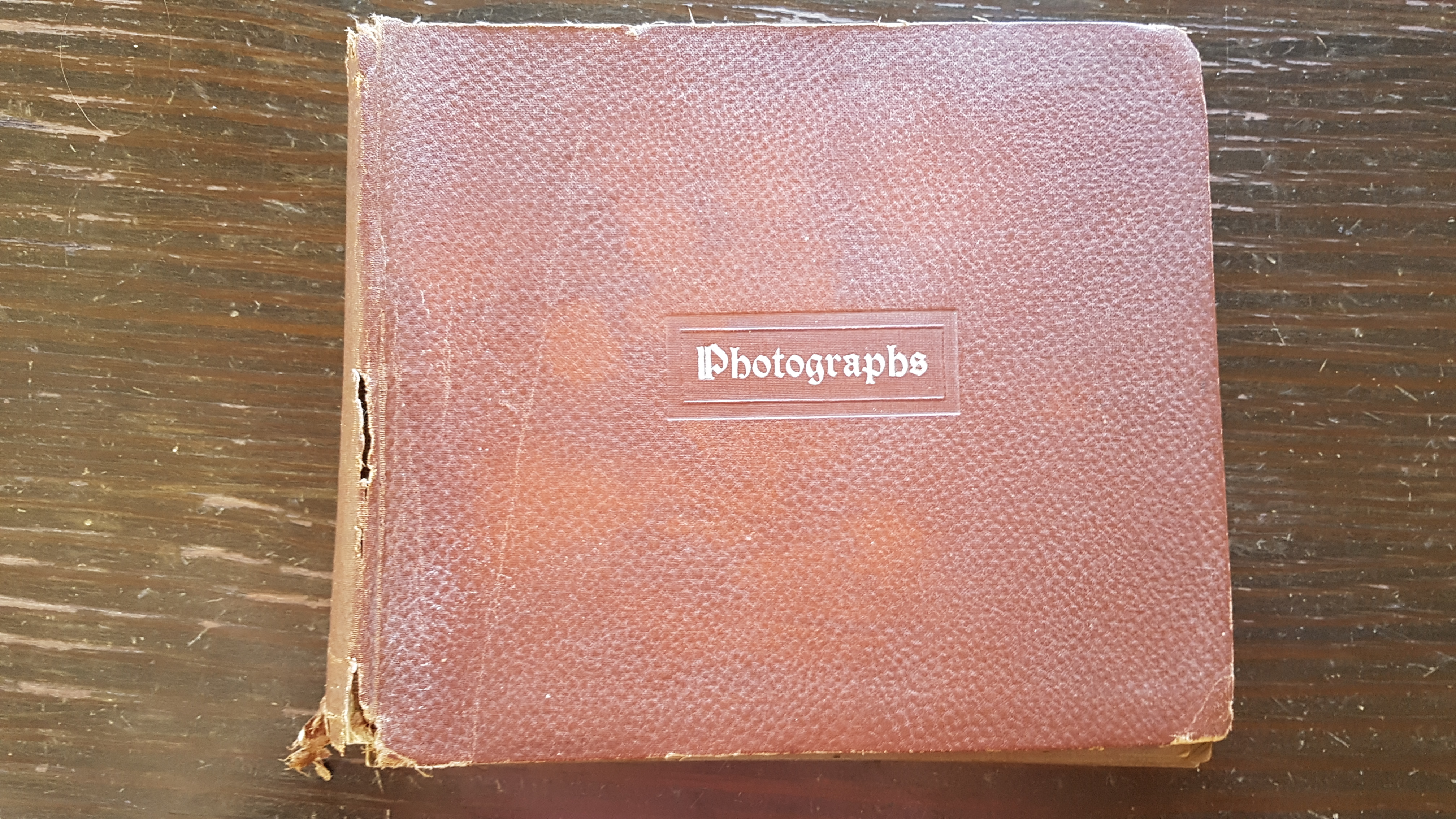
Trolling thru the WW archives recently I came across a folder from back in 2017, from memory one of the WW readers found an old photo album (below) that had been discarded and sent in a collection of random scans taken from the album. Sorry but I have not recorded the senders name.
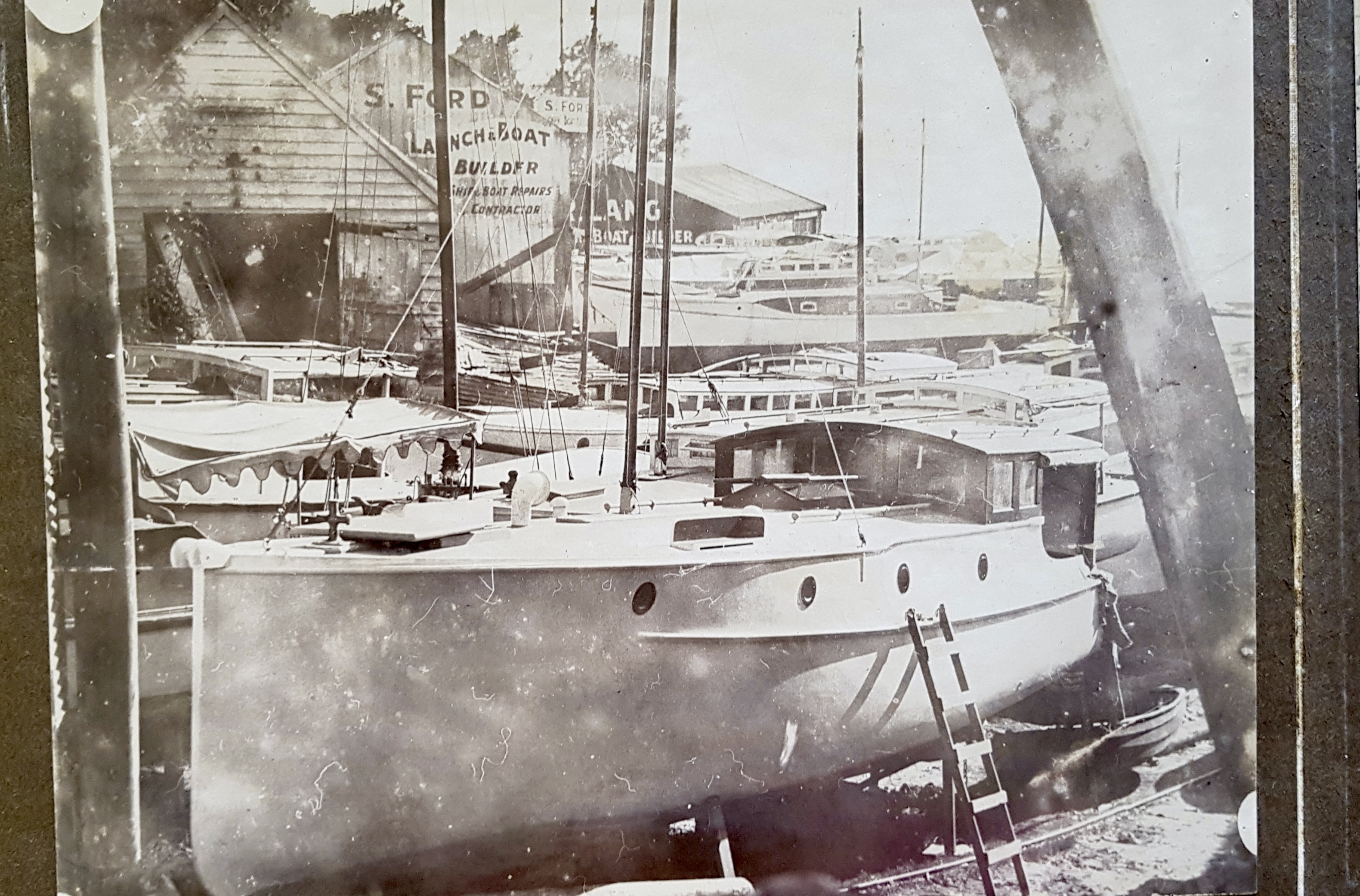
A lot of the photos were damaged but several were in good shape. Todays woody story features a launch hauled out near Sam Ford’s yard.
INPUT ex HAROLD KIDD – She was built as WENNA for Eric O’Neill of Ponsonby in 1925, probably by Collings & Bell in whose yard she is shown hauled out. In 2014 she was RANGATIRA, owned by George Emtage and Pam Cundy at Whangateau. They reverted to the name WENNA.
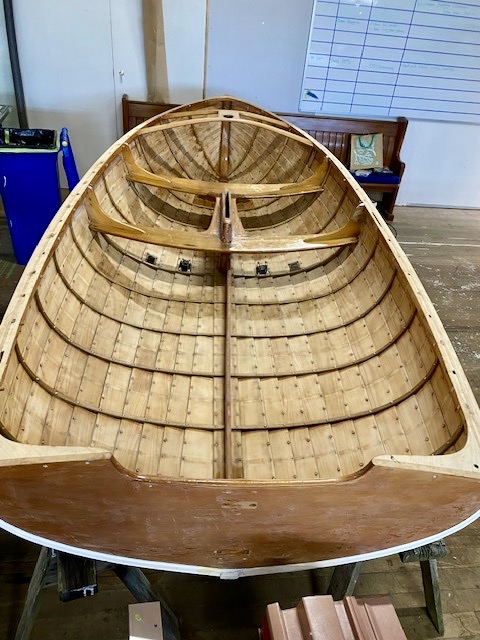
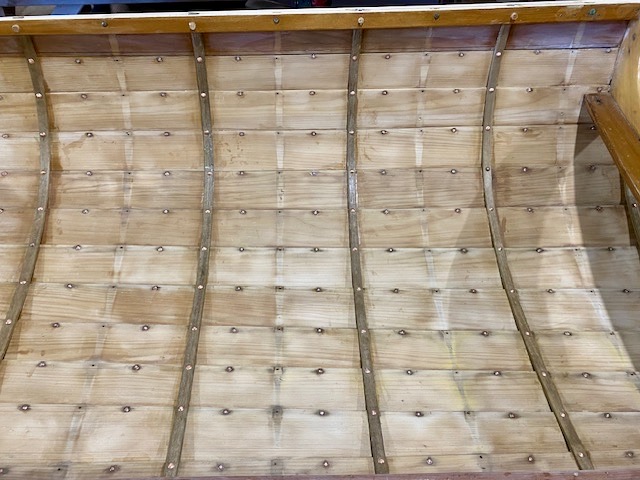
The two photos above are of Colin Pawson’s Frostbite sailing dinghy – CHARISMA which Colin is currently giving a birthday. Interesting observation – the new ribs aren’t steam bent, but laminated with the aim to be much stronger and lighter. As we have come to expect from Mr Pawson over the years attention to detail is 10/10.
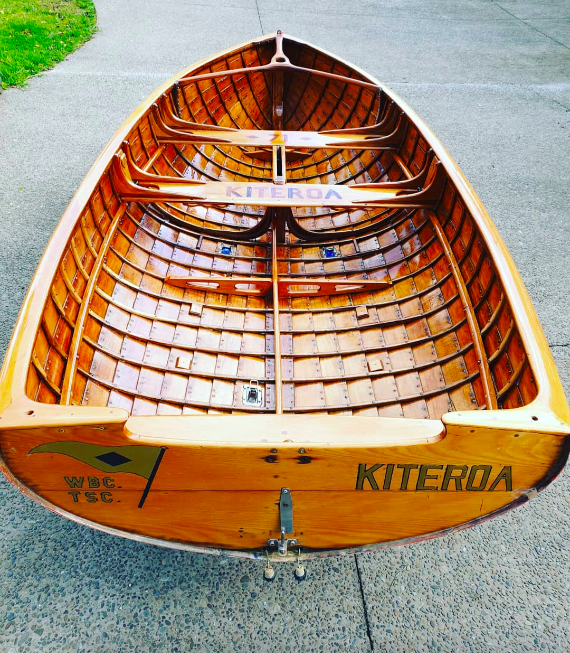
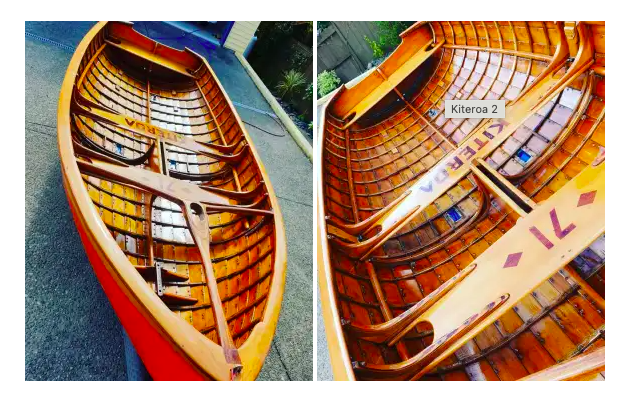
Owning a Frostbite is a Pawson family thing – son Adrian owns – KITEROA, (photos below) and both sail out of the Taikata Sailing Club in West Auckland which on a good day has 15+ Frostbites racing.
KITEROA
CYA YACHTS PLAYING CRASH & BASH AGAIN
The woody spies report that the classic yacht skippers haven’t learnt from the past – first race of the season yesterday and we have a collision in the inner harbour – details are unconfirmed but it appears WAITANGI and KATRINA ‘came together’ and Katrina lost her mast – I’m not getting into specifics but if I was a betting man I know which skipper I’d be pointing the finger at 😉 Hopefully no injuries and insurance sorts out the damage.
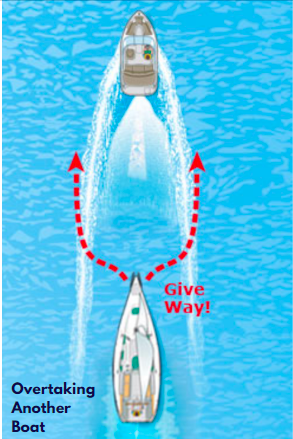
UPDATE – Both boats reaching down the harbour. Some how they came together so it will be a ‘windward boat keep clear’ or ‘overtaking boat keep clear’.You have to ask how two classics came together on a very nice afternoon, easy sailing on the harbour.Too much testosterone ……………
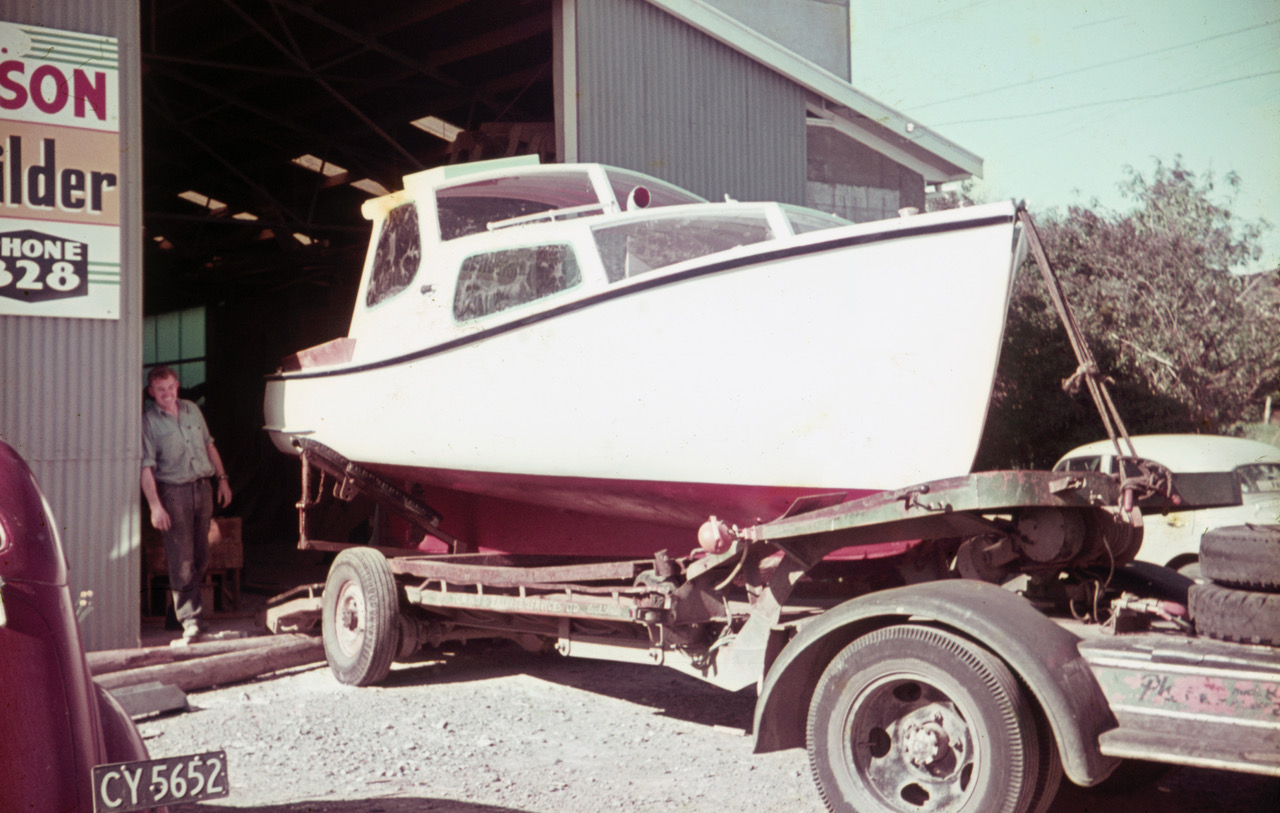
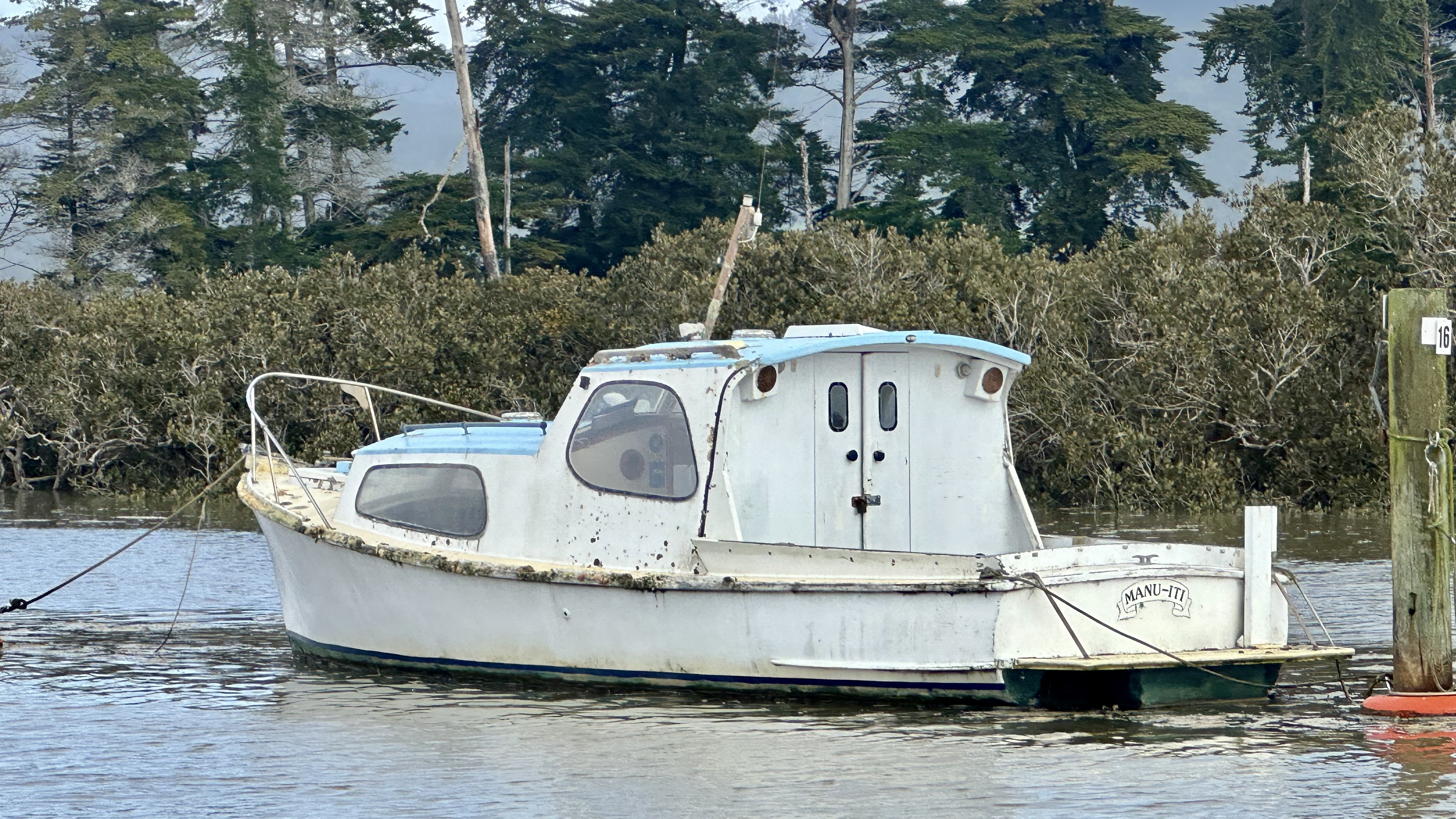
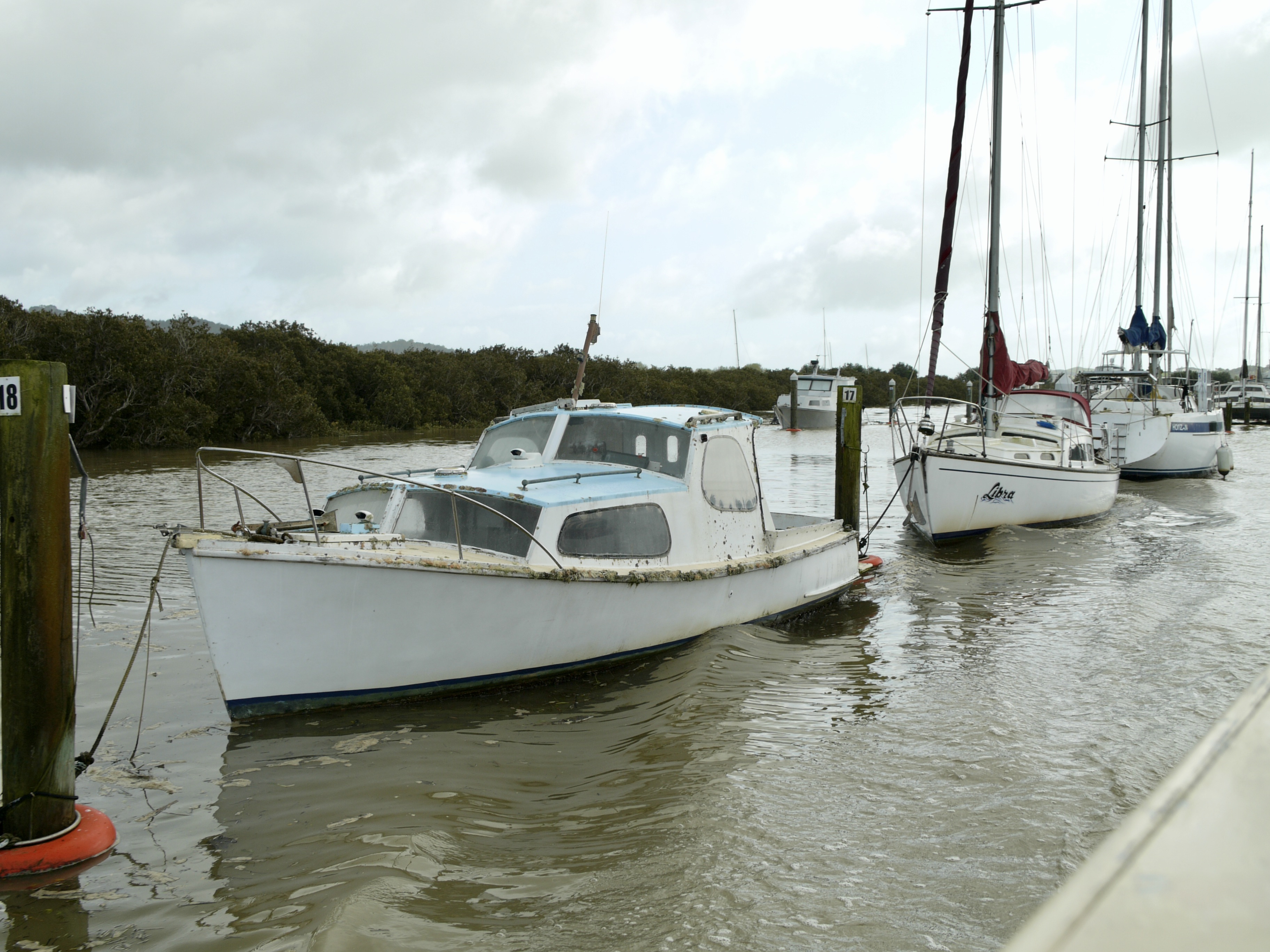
COULD THIS BE THE CLASSIC WOODEN LAUNCH – MANU-ITI
Last weekend one of the woodys that we past on the Wairoa River was the launch – MANU-ITI, a rather striking small classic launch that was crying out for some TLC.
During the week WW was contacted by Kerry Alexander who posed the question – could the launch seen in the top photo above be MANU-ITI ?
Kerry commented that he I did not remember the build name but i think it may have been for Mr Yates sen , of the seed company. The builder Keith Atkinson is seen in the doorway.
A possible date for the photo is c.1965 and the boat maybe a Bill Couldrey design.
So woodys can anyone comment / added to this mystery boat in the shed photo.
INOUT ex NATHAN HERBERT – yes, designed 1964 for Yates and one for Birkenhead and Northcote Yacht Club. Only the Yates boat built.
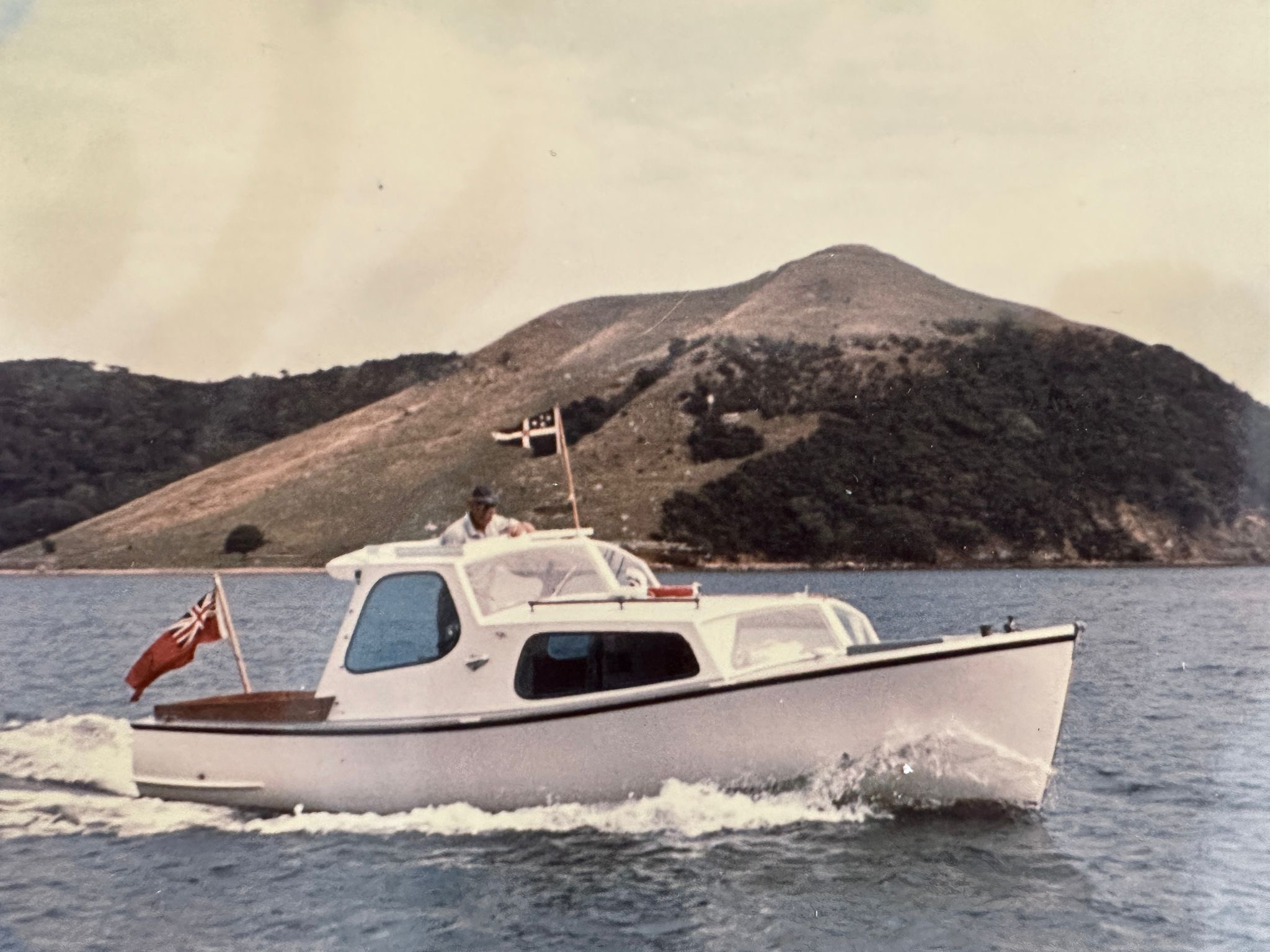
02-10-2024 UPDATE ex Chloe Salthouse – photo below of Manu-iti crossing Parekura Bay up in the Bay of Islands, with Norman Yates at the helm. Date probably not long after her launch in 1965.
Today we have the latest update on the restoration of LADY CAROLE, as previously co-owner Patrick Crawshaw will walk us thru it – Patrick commented that there were a few things still to do like put the non skid on the decks and the mast and some more fittings. But LC is days away from touching the water – hopefully tomorrow ✔️
The last couple of weeks has been spent finishing the painting, getting the mast made, and trims fabricated for the aft deck curve. Next year the rub rails will be changed to stainless steel, but we used the existing ones for now. Most of the chrome fittings are on. Hull with anti-foul, prop speed, etc.
Starting to come together with the chrome going on.
Spring Equinox – The cover gets removed and we see her for the first time from a distance.
CLASSIC MASON MARLIN WOODEN RUNABOUT MORPHS INTO A SPEEDBOAT
During the woodys trip to the Clevedon Cruising Club last weekend, one of the members brought along a recent project.
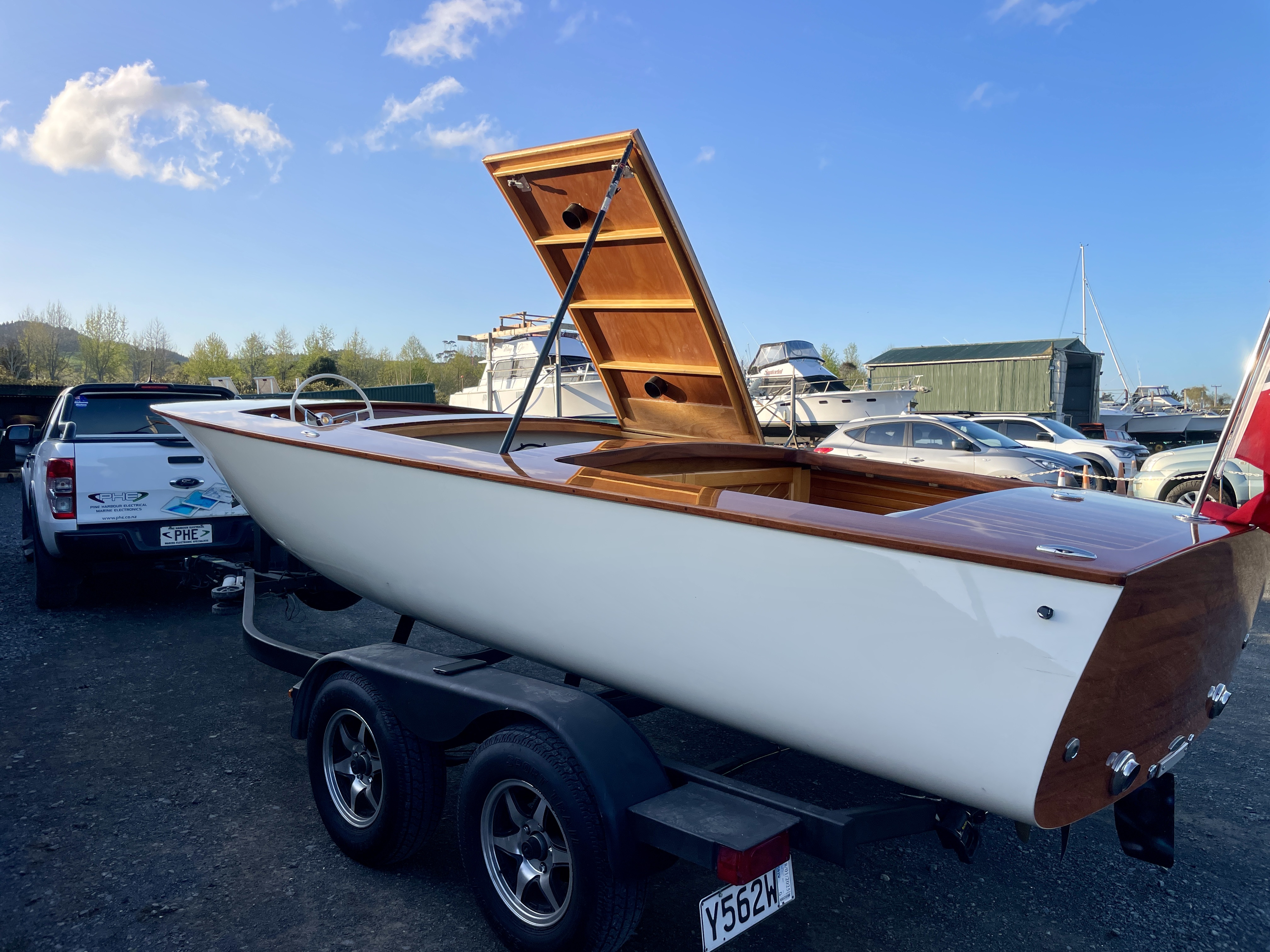
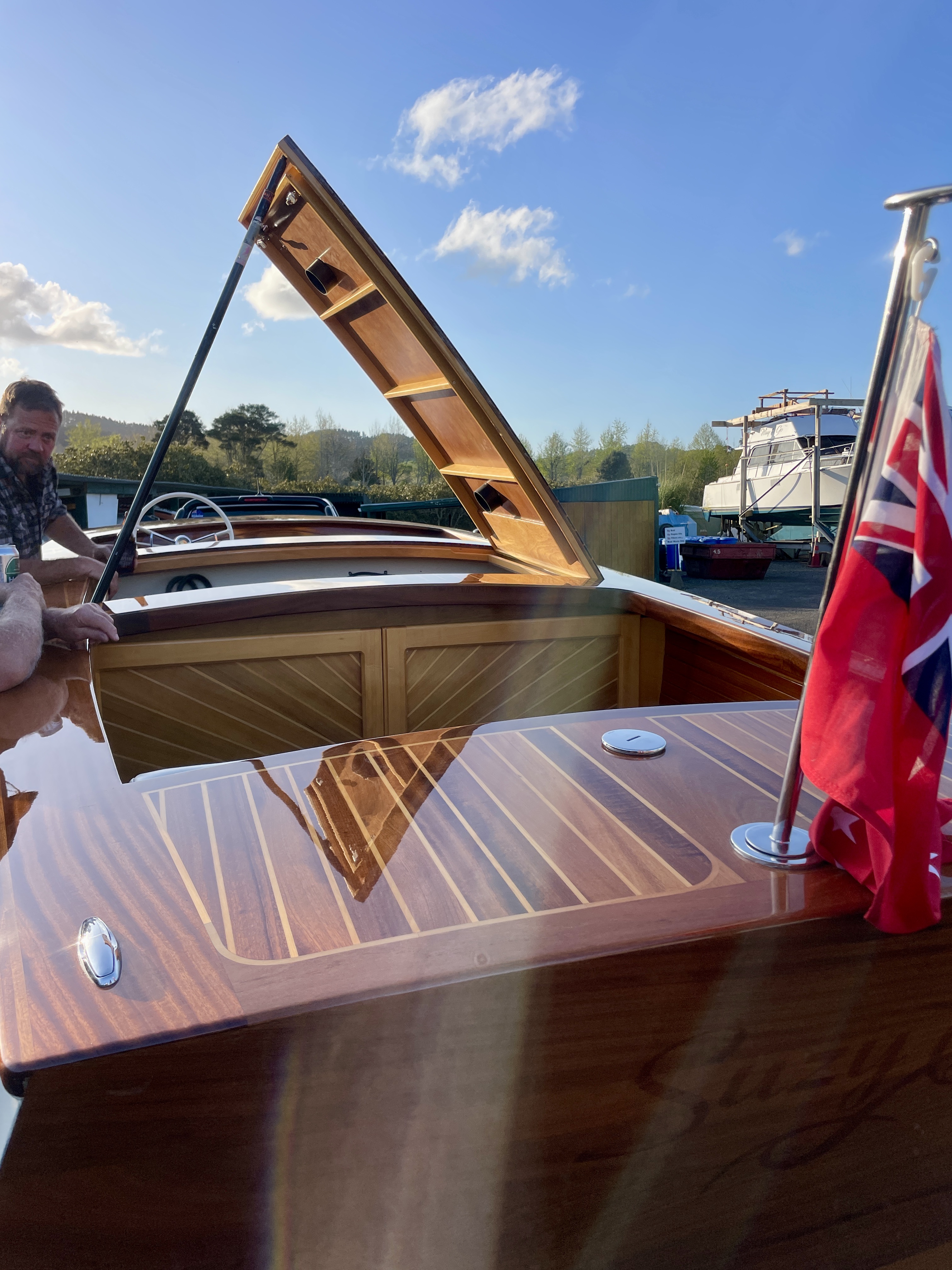
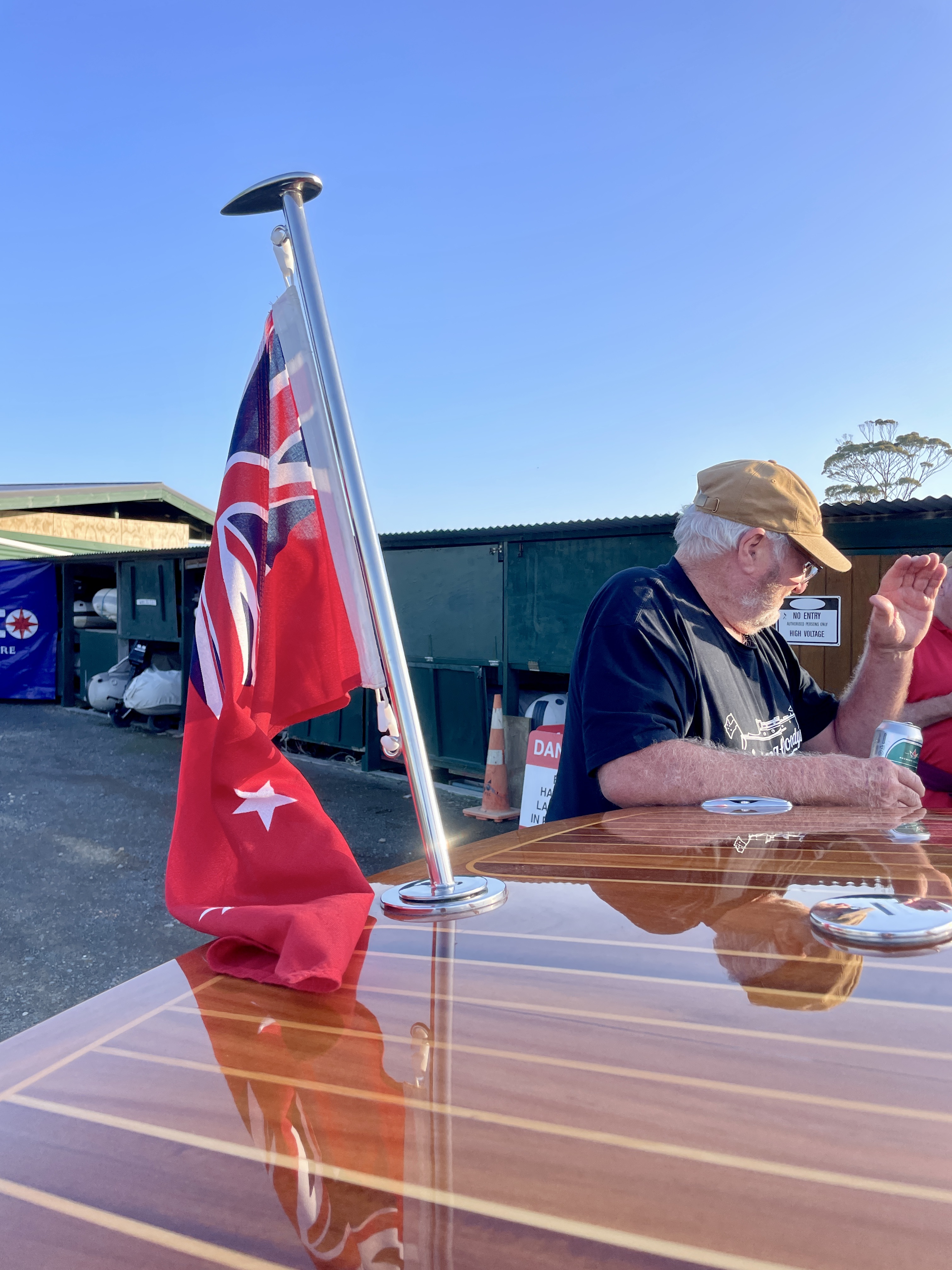
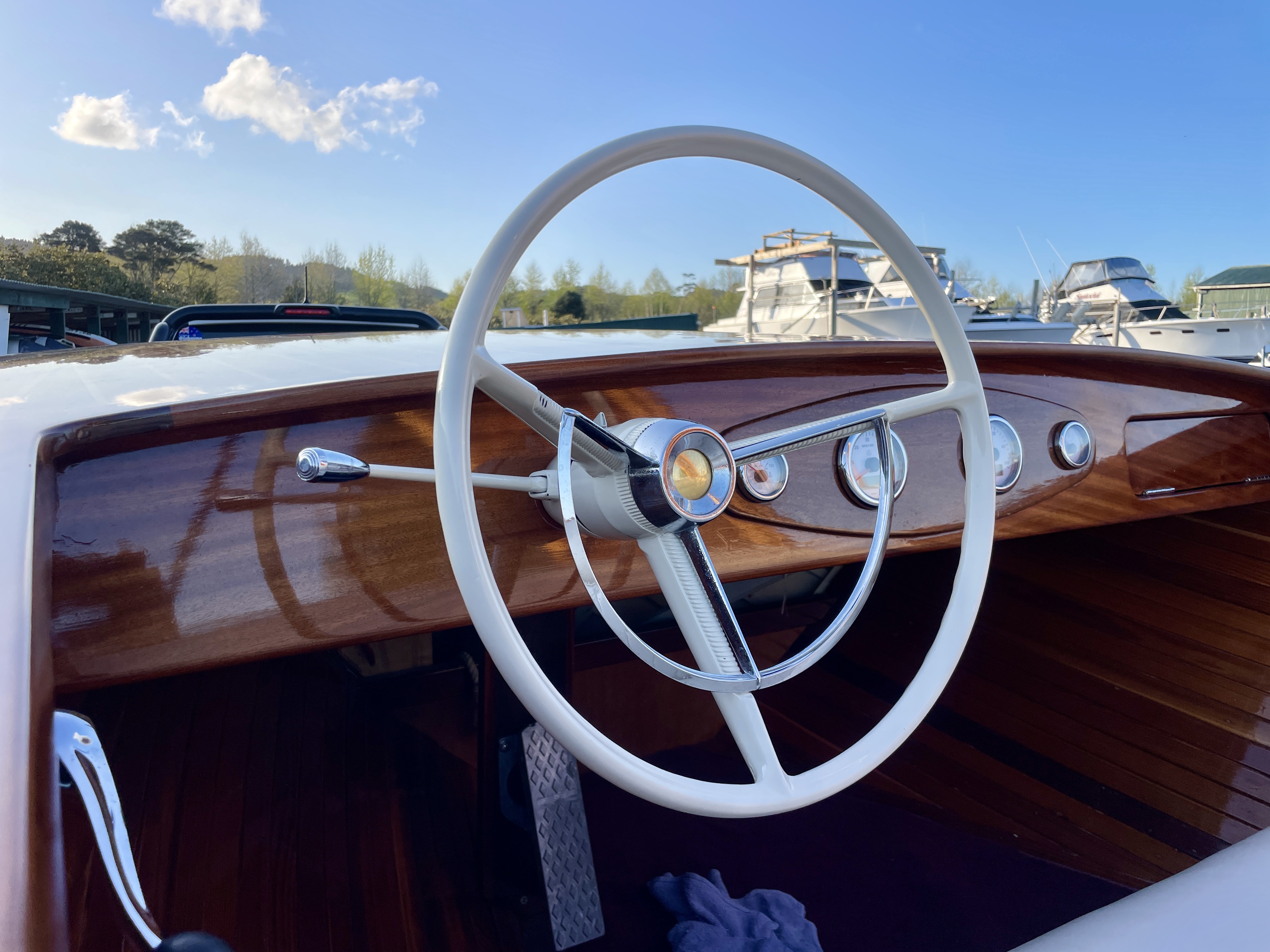
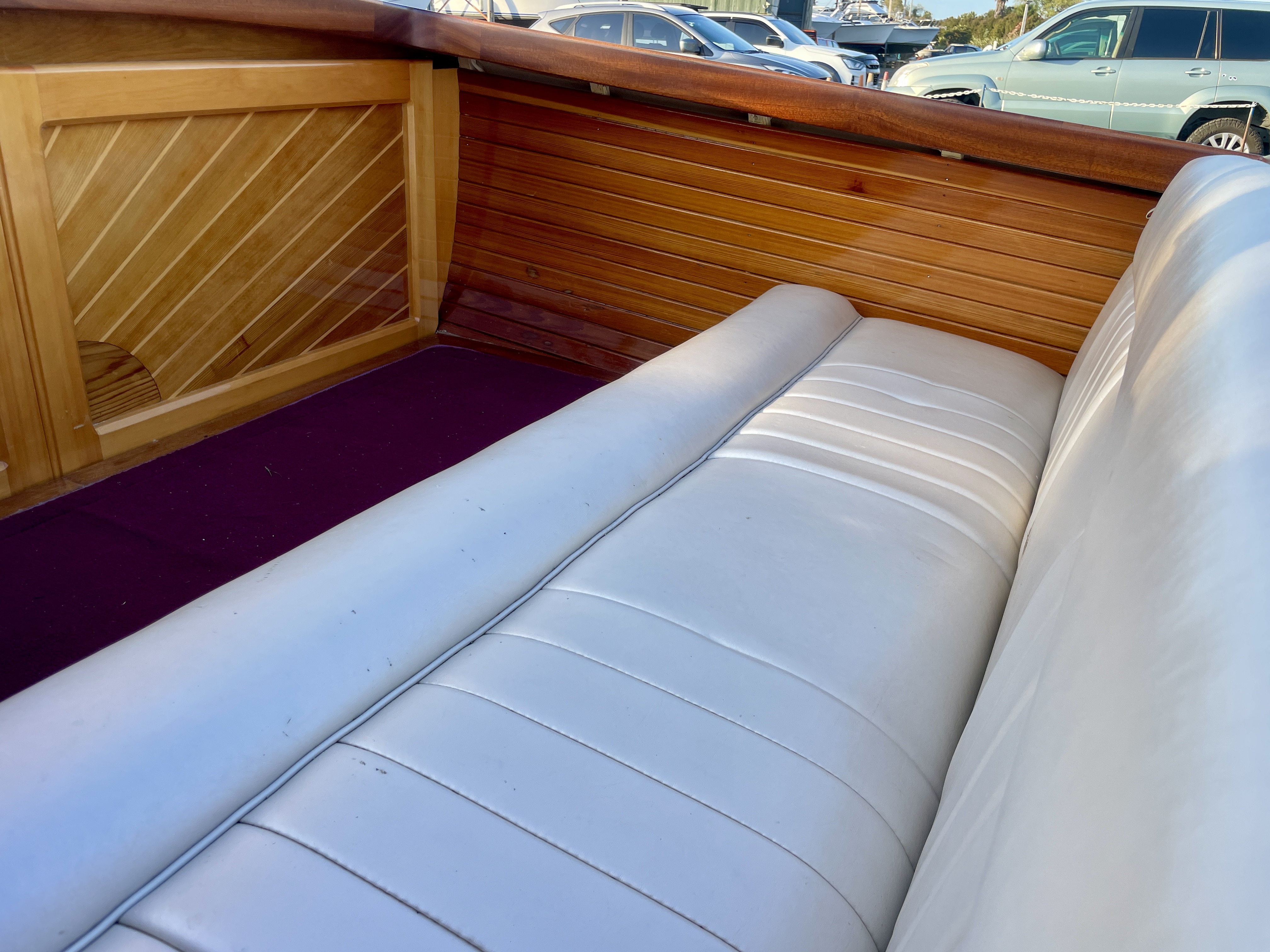
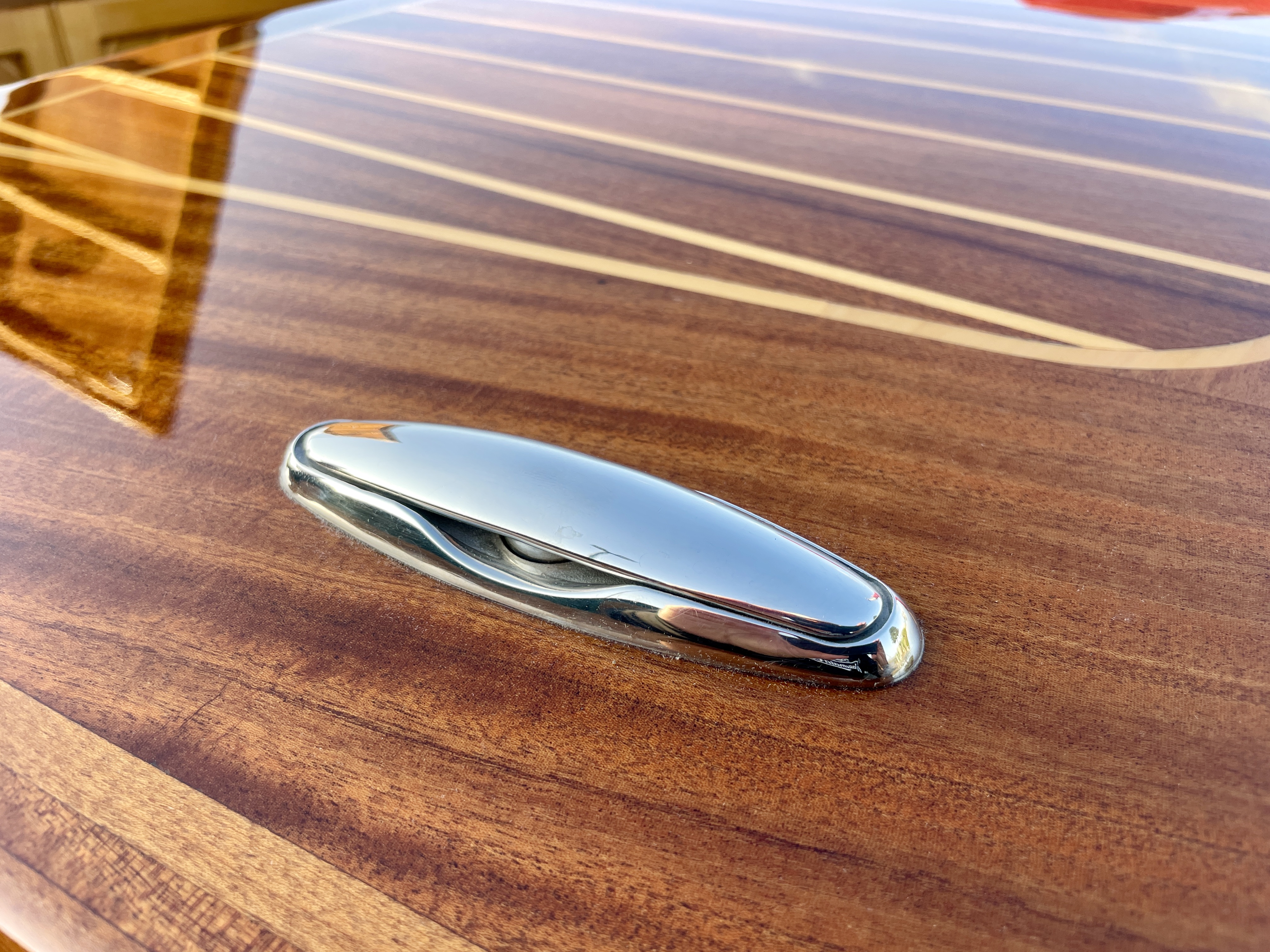
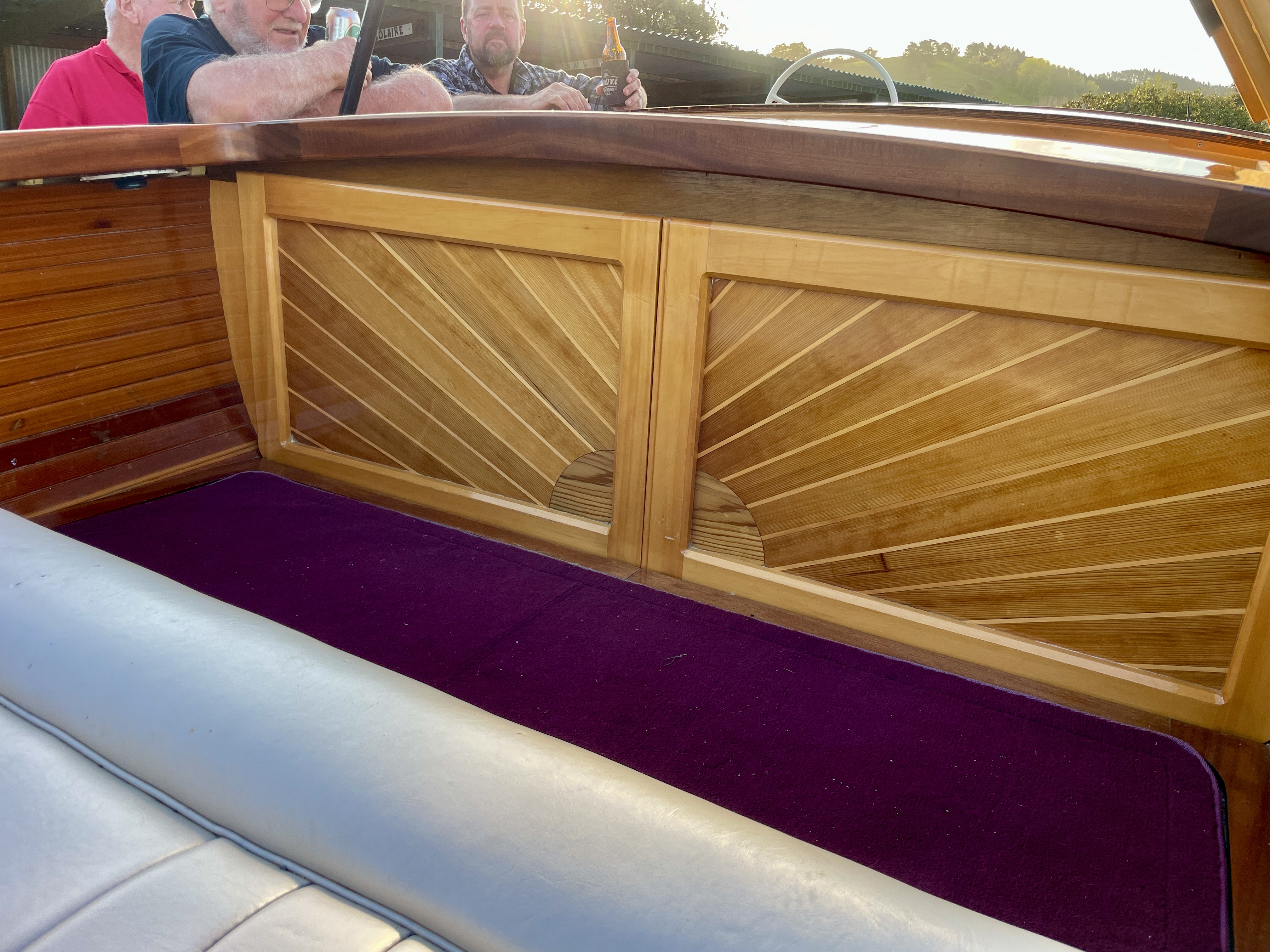
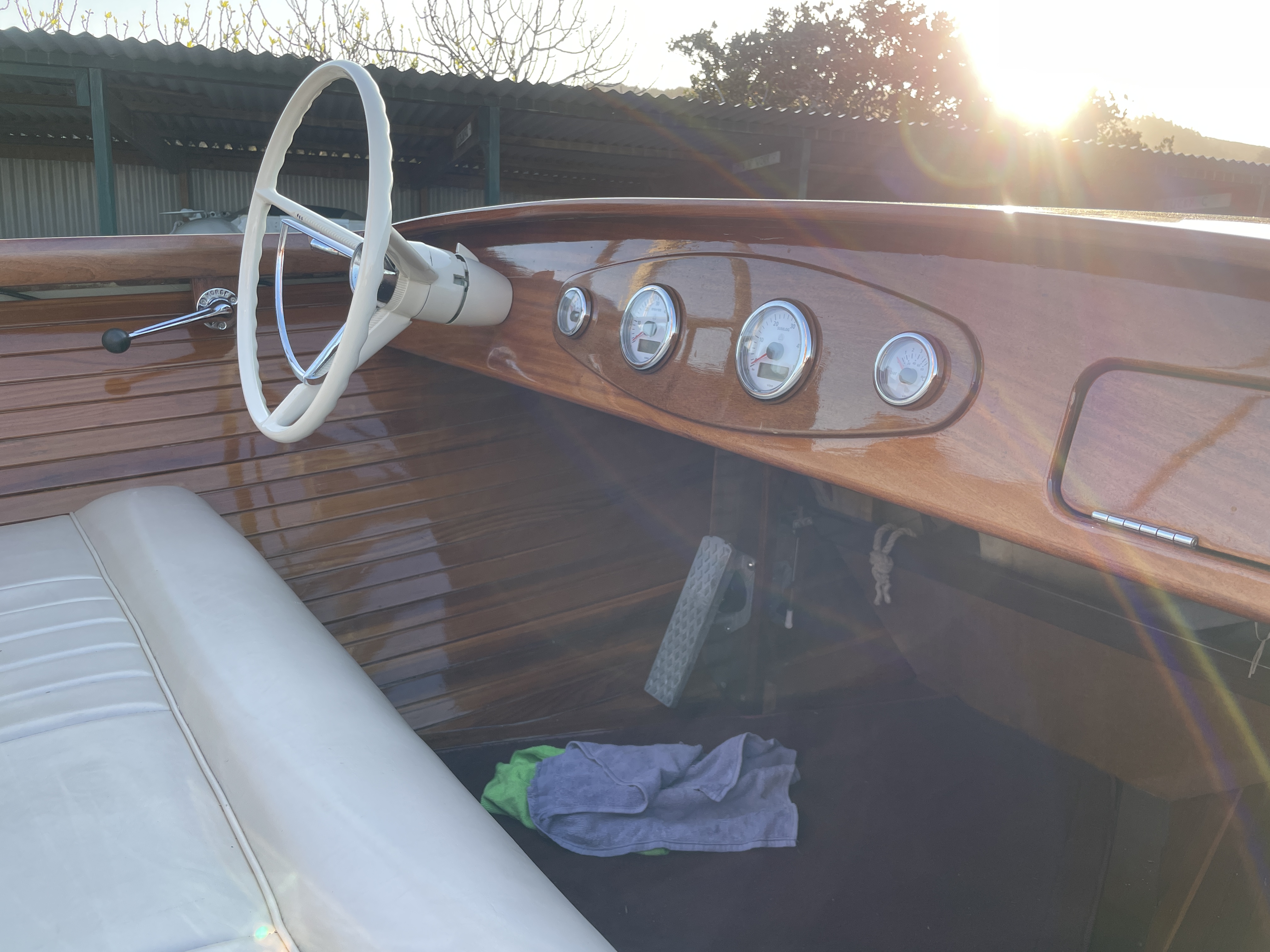
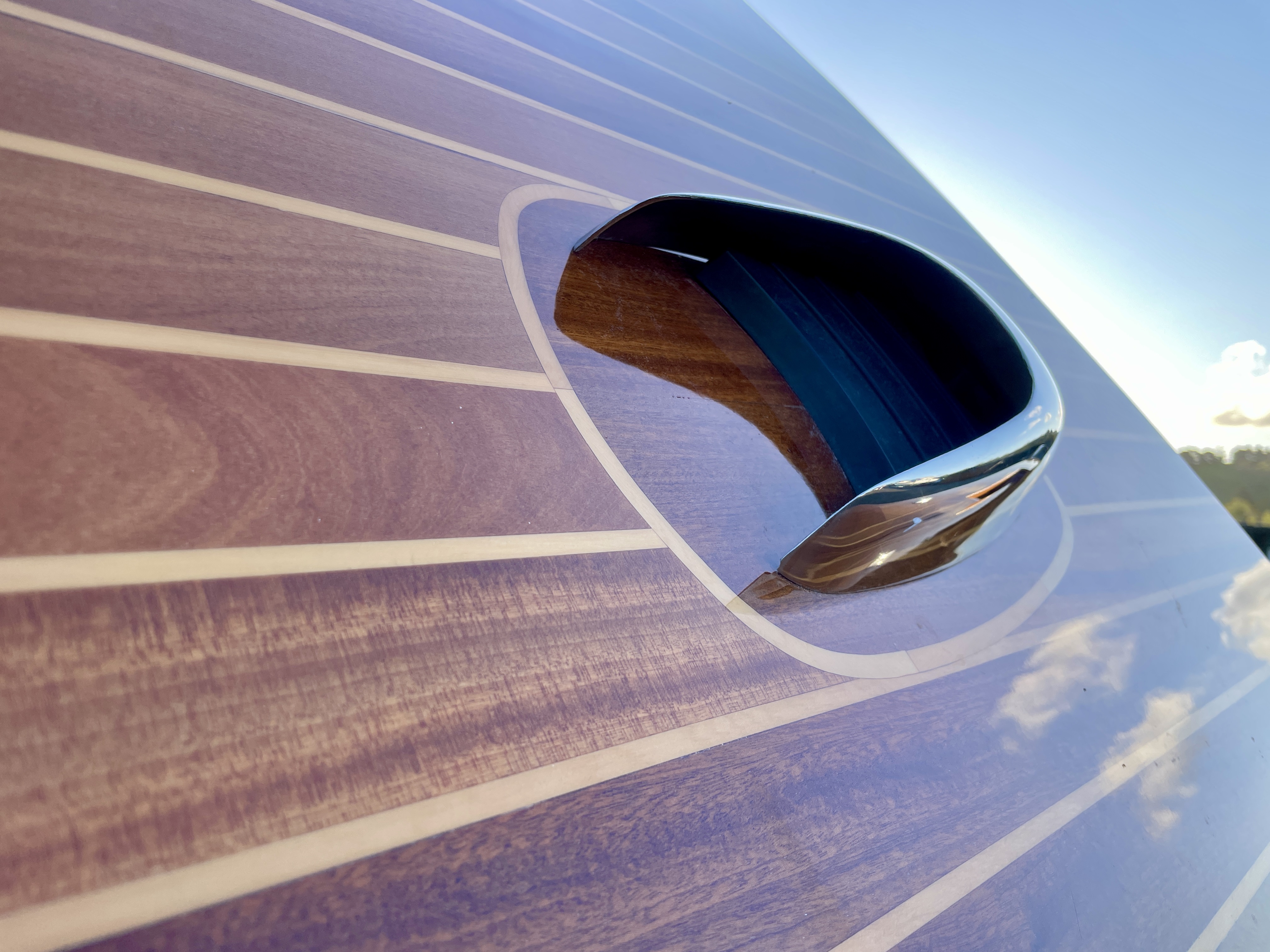
The speedboat SUZI Q started life as a Mason Marlin but her cabin top was toast so the call was made to start from scratch and the end result is what we see above.
Quite an impressive conversion and no doubt a flyer, did not get a chance to talk to the owner but it would be interesting to learn how she performs / handles at speed. I image a windscreen will be on the shopping list 🙂
THIS WOULD HAVE TO BE ONE OF THE STRANGEST COMMENTS ON THE WW SITE
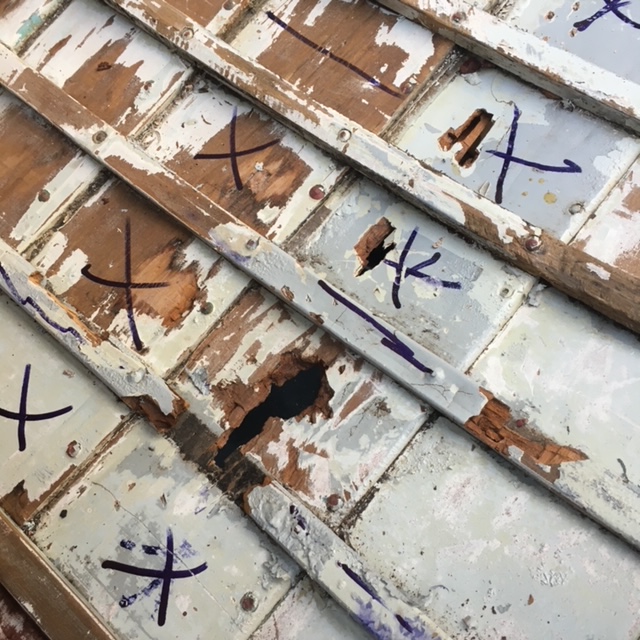
At one of the waitematawoodys / Slipway Milford – Boat Boot Sales I was talking to Michael May and he casually mentioned he was restoring an X-Class yacht named – SONYA. As I do I asked for details and last week Mike advised he had completed the project. So I’ll hand over to Mike to tell the story – “Restoration of X48, SONYA According to Harrold Kidd, SONYA was built by Trot Willetts, in 1946, for the Elliot brothers. Greg Elliott says the B /W photo from the Auckland Star, shows his father, Mervyn, at the helm of SONYA in a race off ST Mary’s Bay. I took possession of SONYA two years ago. She had been sitting on a trailer under canvas for the last thirty odd years. Under all the dirt and leaves the hull looked reasonably sound, but the deck was rotten, and she has a sloop rig off a trailer sailer. Looking for something to keep me amused, I decided it was worth a shot at restoring her. First I removed the ply deck, and waterblasted the inside to remove all grime. I then started to scrape off all the old paint inside, and that’s when the rot started to appear. It was either a chainsaw, or persevre. I eventually replace about 20% of the planking, and 60% of the ribs. Also the stern half of the king plank. The centrecase and knees were very agricultural, so I decided to rebuild that too.. I used Yellow Cedar for the planks, and American Oak for the ribs. With the help of Youtube and others I leant the art of using roves, and steam bending timber. I made my own bolts with Silica Bronze rod. [Fosters were a big help] Interestingly, the whole boat was built with no glue, all screws, bolts, roves A sign of the times I suppose. Some of the deck knees and framing are plywood, and still in good condition. Against a lot of advice I glued and filled every plank to plank join inside and out, after removing all the old red lead putty. My theory being that modern glues, Wests, would hold the wood and stop any water egress and swelling. I didnt want to have to go through the “Let it leak and swell” every time I launch the boat. After doing all the inside, fitting new centrecase, deck, Everdure, and painting, I turned the hull over and started on the outside. Strip paint, dig out all putty in seams and nail holes, fill old and new nail holes, glue/fill seams, everdure, and paint. Then the right way up again, and finish the inside and the new “Bling” deck. Not traditional I know, but I had the mahogany veneer from years ago, and always imagined using it on some sort of boat one day.. [I have some left over if any one can use you’re welcolme to it] I managed to buy four spars from Bob Van Pierce in Kerikeri. All different timbers and build methods, but each one worked well with what I needed. The gooseneck was a major stumbling block. Very kindly, Herbert Krumm-Gartner, also Kerikeri, lent me a set of blanks he had made for his classic yacht. I made all the wooden blocks using pohutukawa from timber off the trees in our garden. I have gone modern with the running rigging and used dyneema for main halyards, and backstays. Brent Gillies, BG Sails, has made a fantastic set of sails, using traditional methods. I have only sailed SONYA once, in very light breeze to check everything out. Especially any leaks!!! Nothing of note. Now need some better conditions to get her flying again.”
RESTORATION OF A NEW ZEALAND CLASSIC WOODEN YACHT IN AUSTRALIA – ROXANE
Back in May 2018 we ran a great story about a gent named Keith Dawson that was celebrating his 105th birthday and we learnt of Keith sailing to Australia back in 1937 onboard the Tercel brother built 26’ yacht – ROXANE. Link here to that story below –https://waitematawoodys.com/2018/05/13/roxane-a-105th-birthday-party/ make sure you read the comments section – lots of chat there.
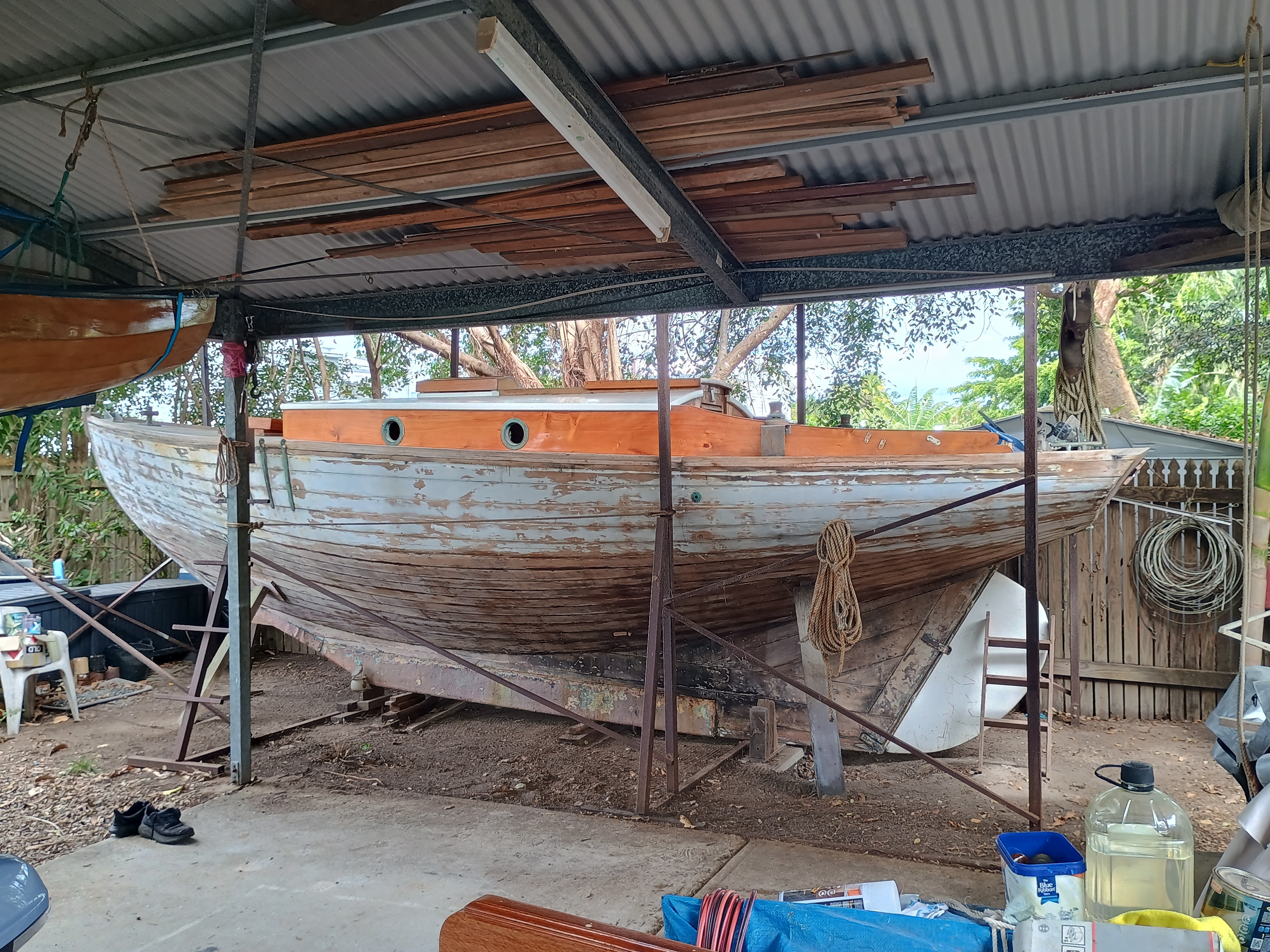
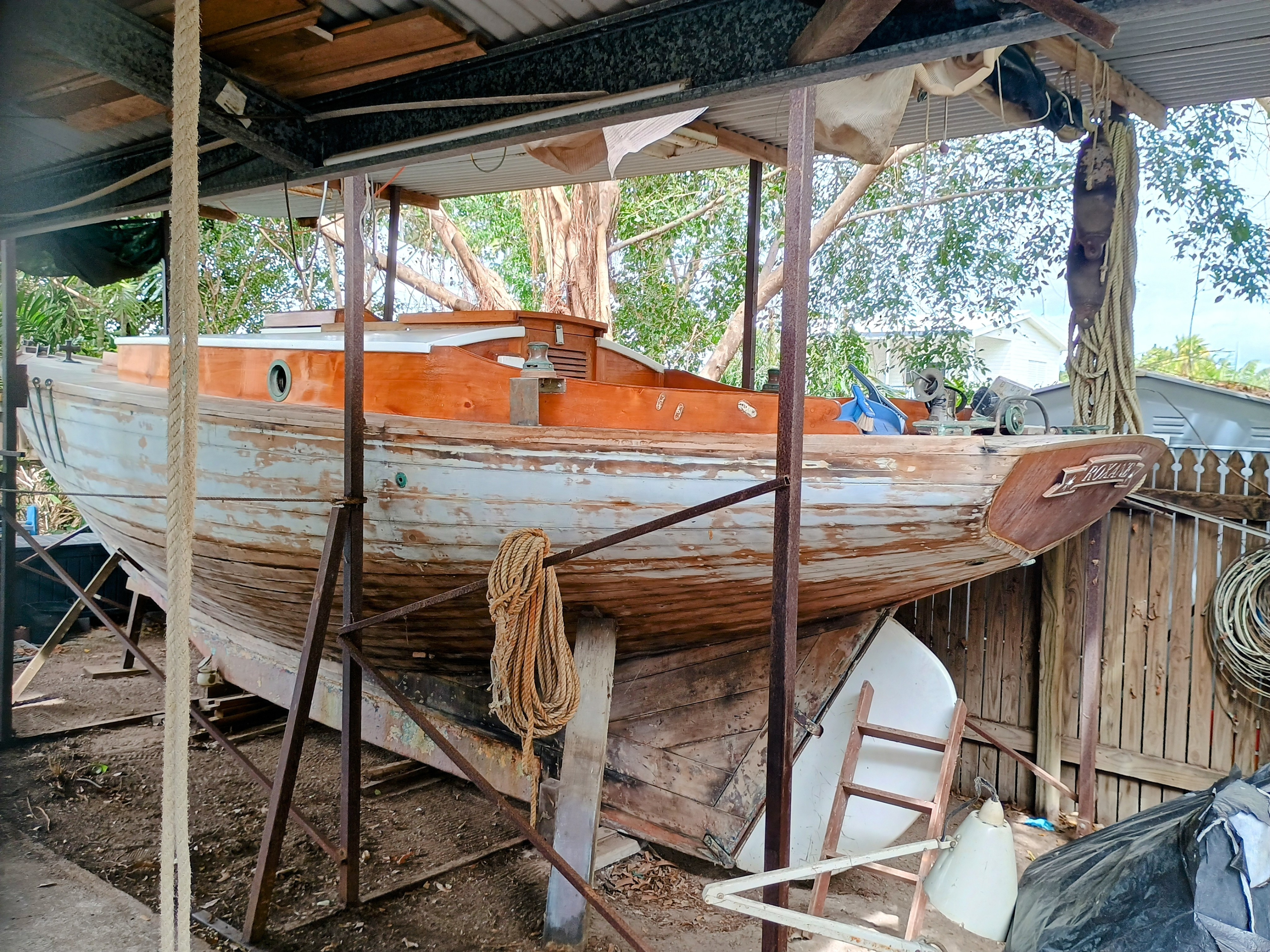
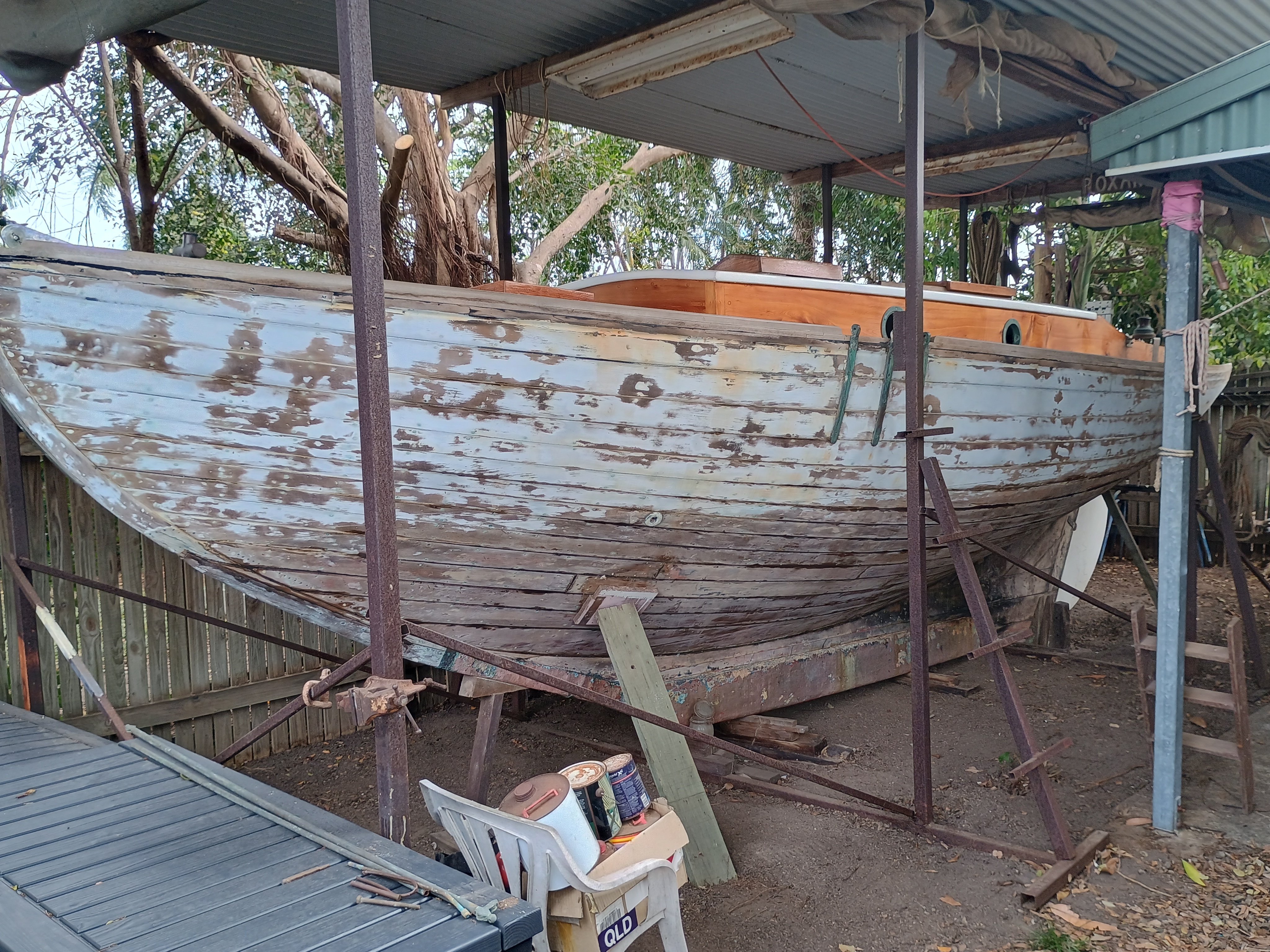
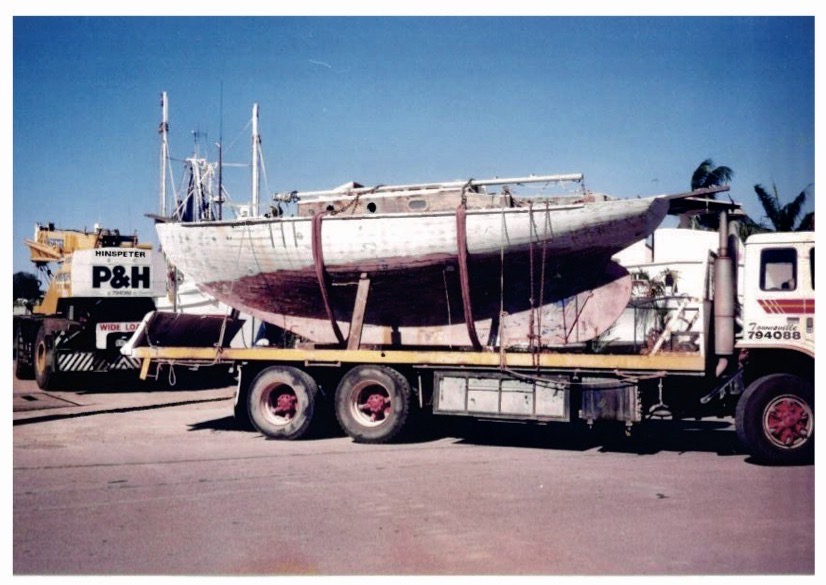
Now fast forward to early Sept and WW is contacted by Ralph Finch from Queensland in Australia – a summary of Ralphs notes to me below – “I’m in the process of purchasing the little boat called Roxane that you have on the WW site. Roxane has sat in a back yard in Townsville for last 25 years partially restored. I’m beginning the process of completing the restoration.I’ve read snippets about her history and would love to fully document the history and contact past owners and descendants and anyone previously connected. Roxane is now 90 years old and my intention is to eventually get her back in the water and sailing again.The centenary would be an exciting maritime event for both New Zealand and Australia I think.”
“I have already begun cleaning up and restoration work. The photo of her on the transporter was taken about 20’ish years ago as she was removed from the Townsville Slip Ways to go to the owner’s house where she sits till this day. I am very excited to take this project on and eventually build a website dedicated to her with as much history as I can find. It’s important to me to trace and document all those connected to her. If you know any of those people or descendants, could you please let them know that Roxane is still alive. She does have a brand new deck, cabin and cockpit. The cabin has been extended to just in front of the mast. The owner has also built a new timber mast and boom. I completed clearing away 20 odd years of rubbish from on, and around Roxane yesterday and took some clear photos.” WW will follow this project and Ralph has promised to keep us updated. In the mean time as mentioned above he would love to hear from anyone with links to the yacht.