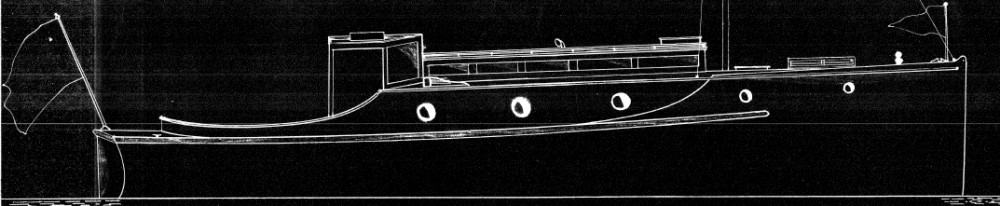
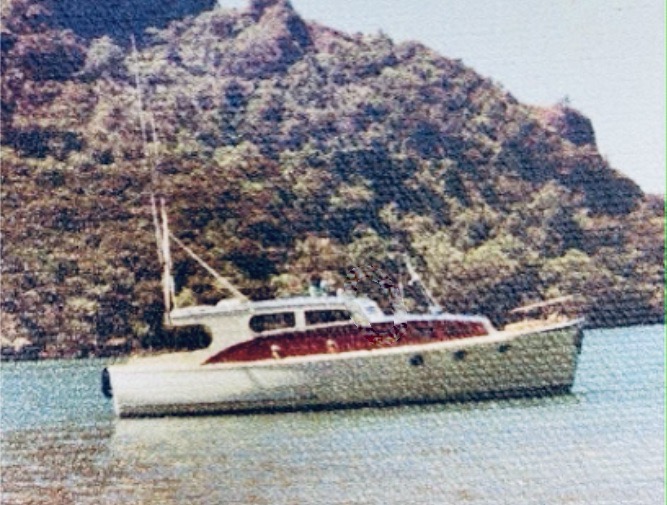
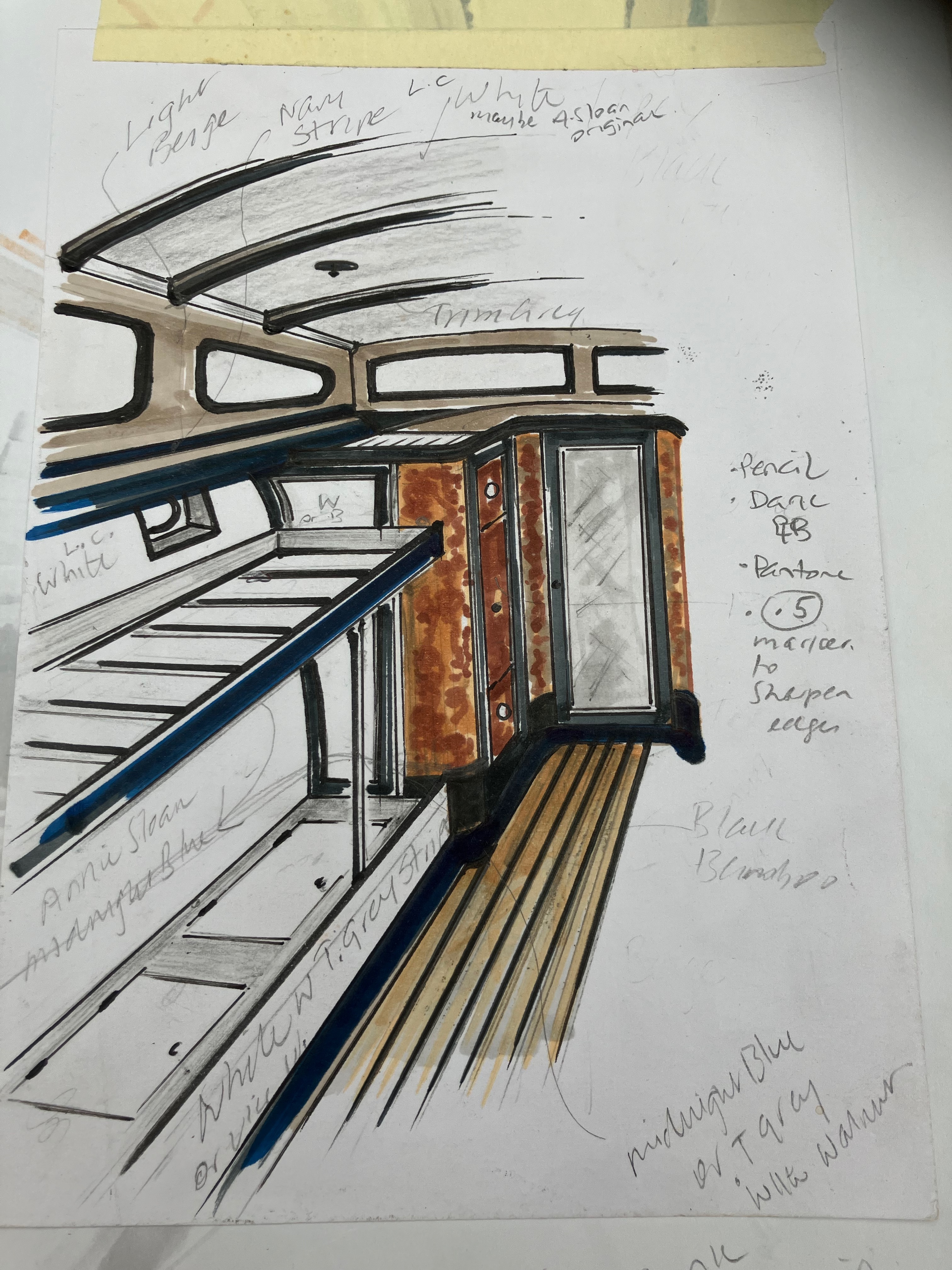
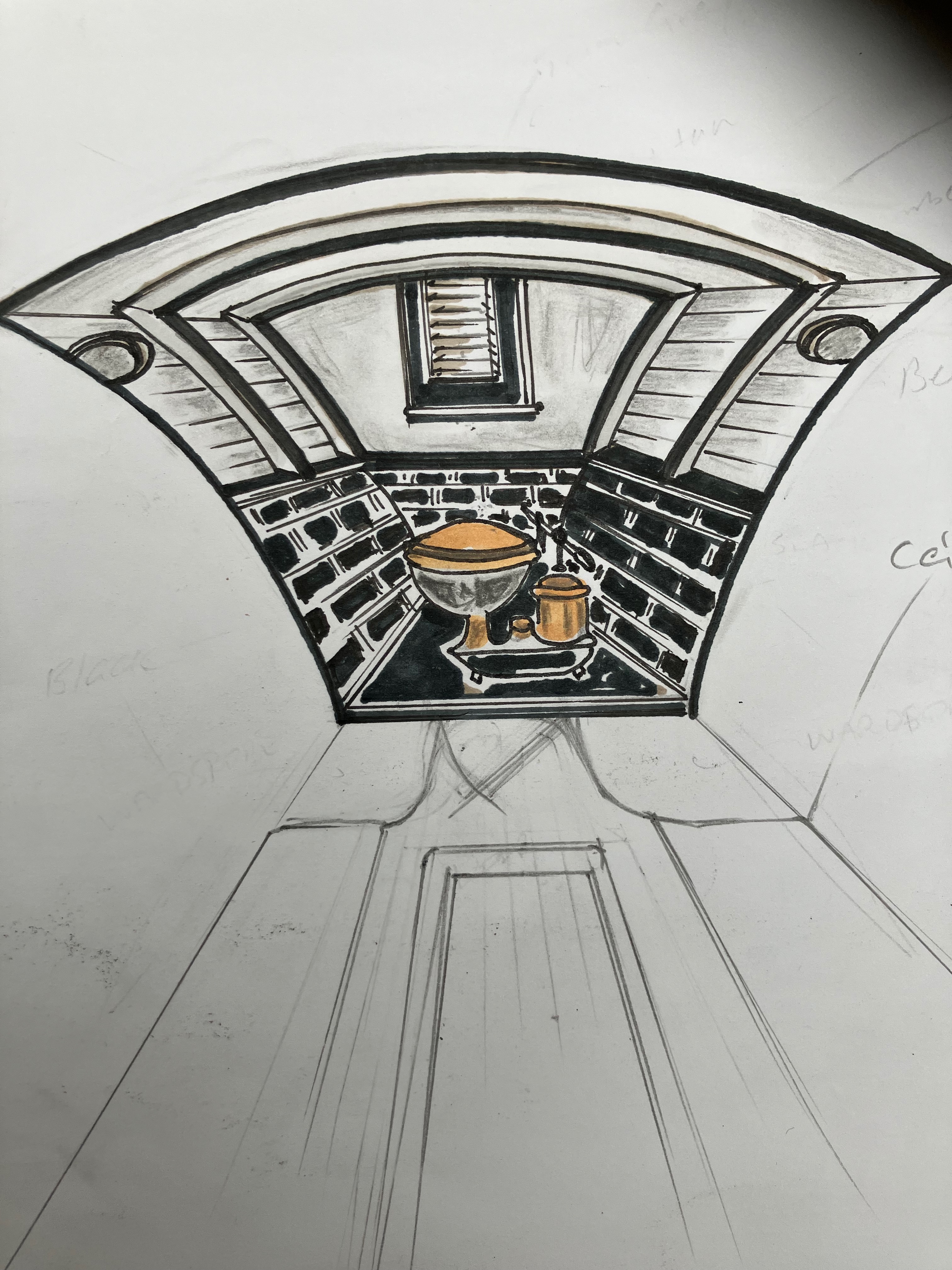
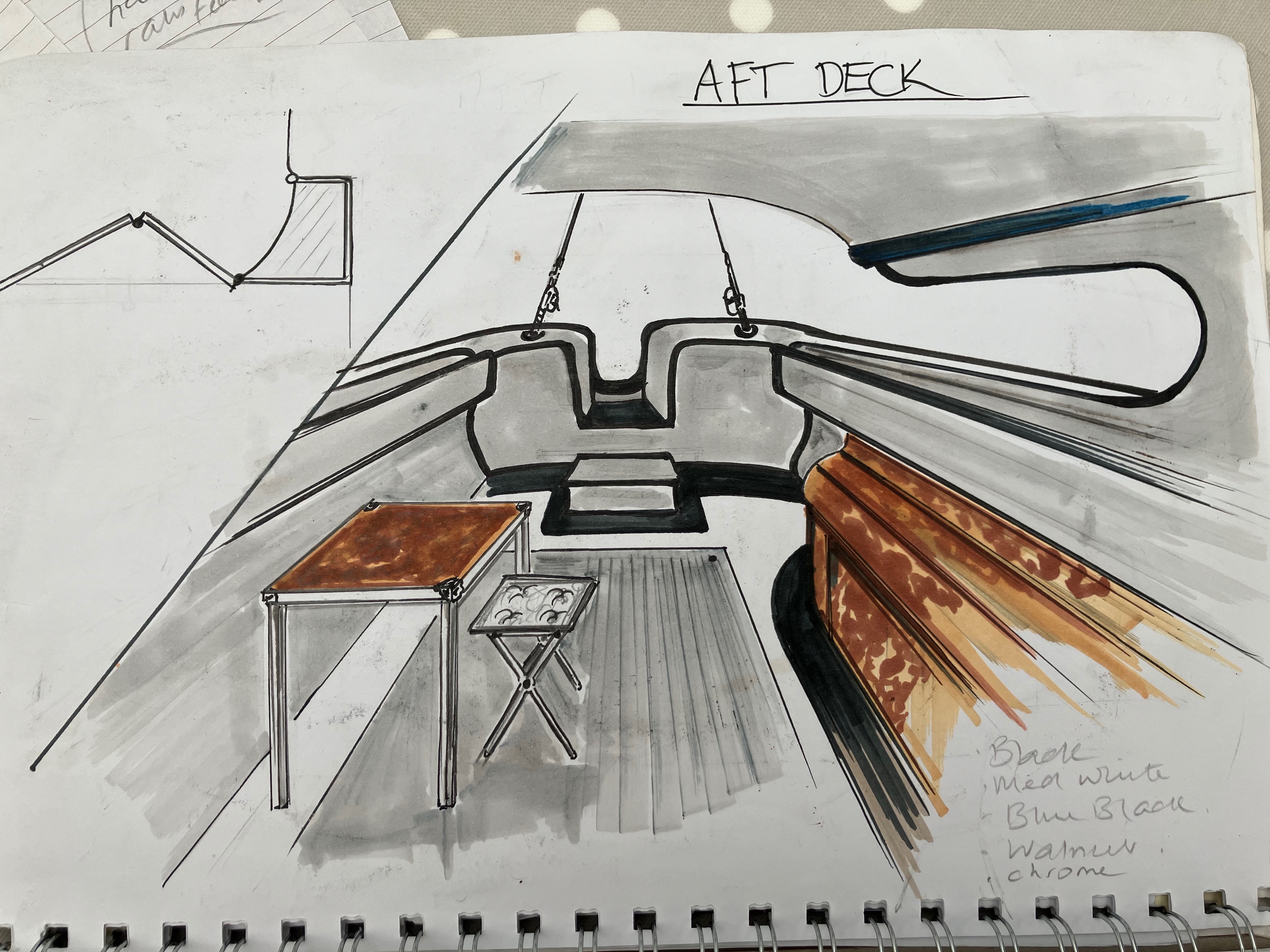
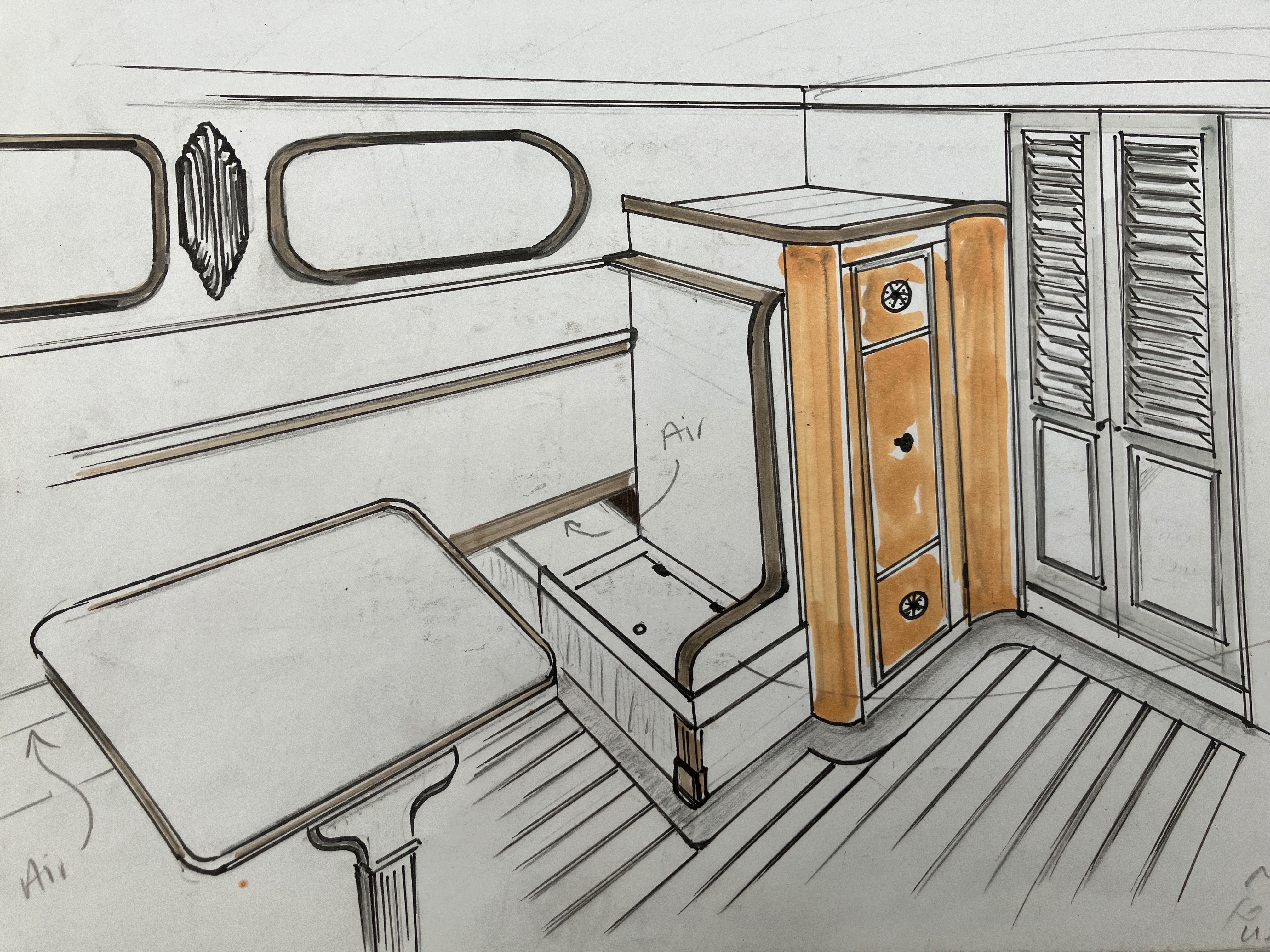
CLASSIC WOODEN LAUNCH- LADY CAROLE – A Peek At Stage II Over the last few months we have been following the restoration the classic launch – LADY CAROLE and as seen in Wednesdays WW story LC is now back in the water.Whilst the exterior work has almost been completed and we will not be getting any updates for a while, we asked o-owner Patrick Crawshaw to share with us what’s inshore for Phase II (interior). Patrick commented that she originally had a beautiful kauri trimmed interior and the original configuration will be restored along with the fine timber work she once had. A few modern additions will bring her into the 21st century, but these will be hidden, or discreetly placed. The thinking / plans are shown in the drawings below Forward Cabin with four berth bunks. Toilet through the mirror in the bow.
FORWARD CABIN – with 4 berths/bunks – toilet thru the mirror/door > bow
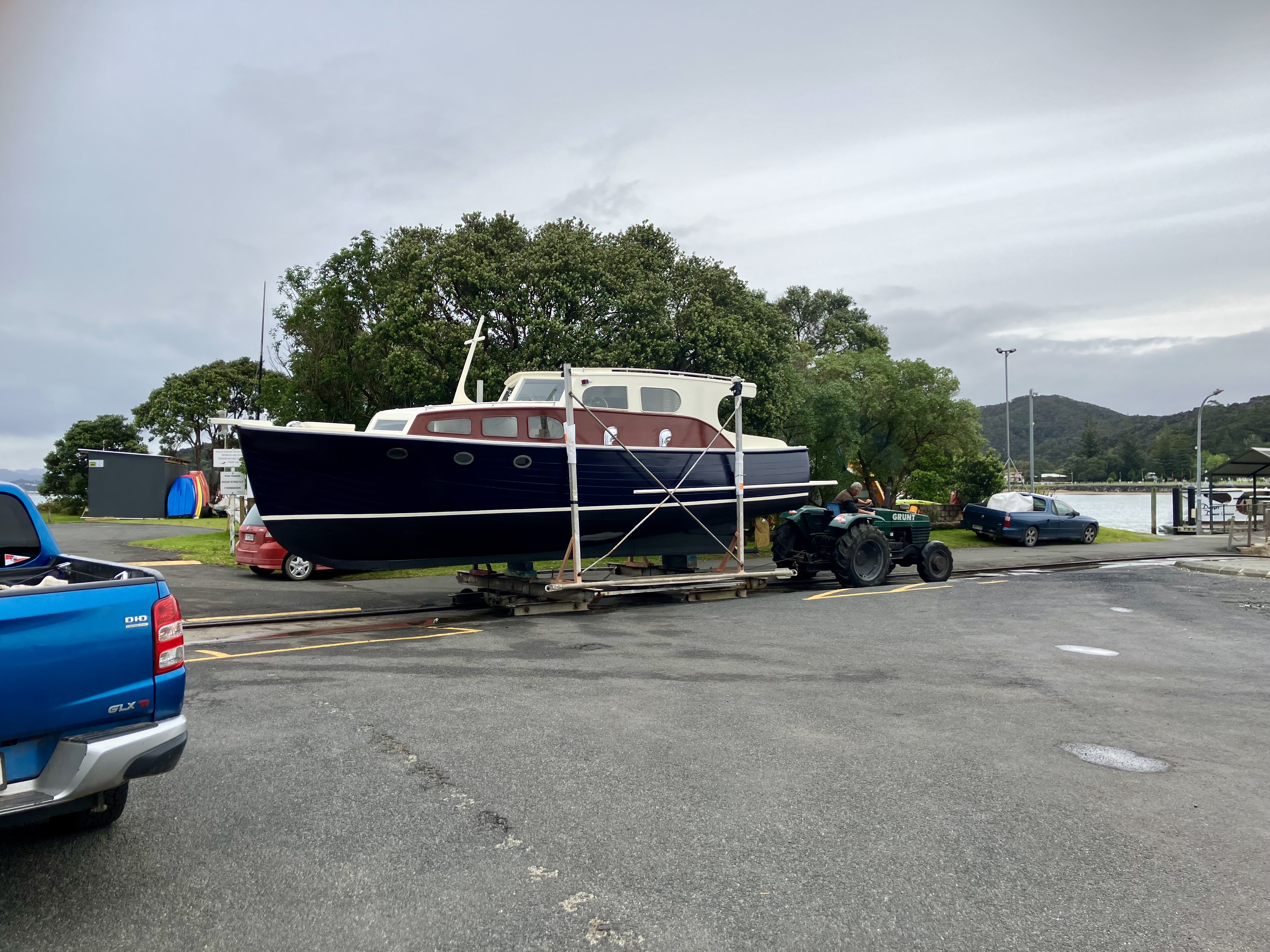
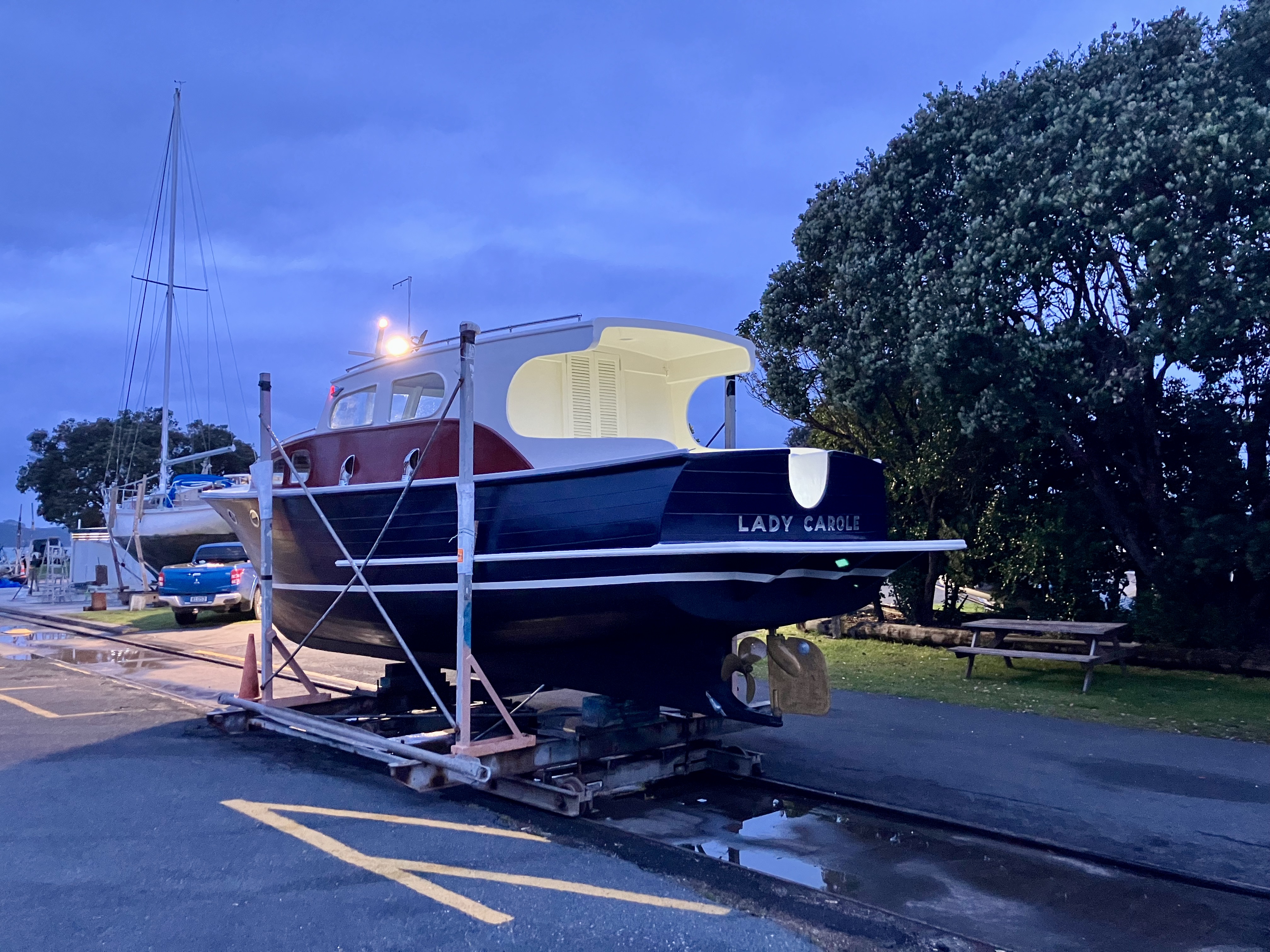
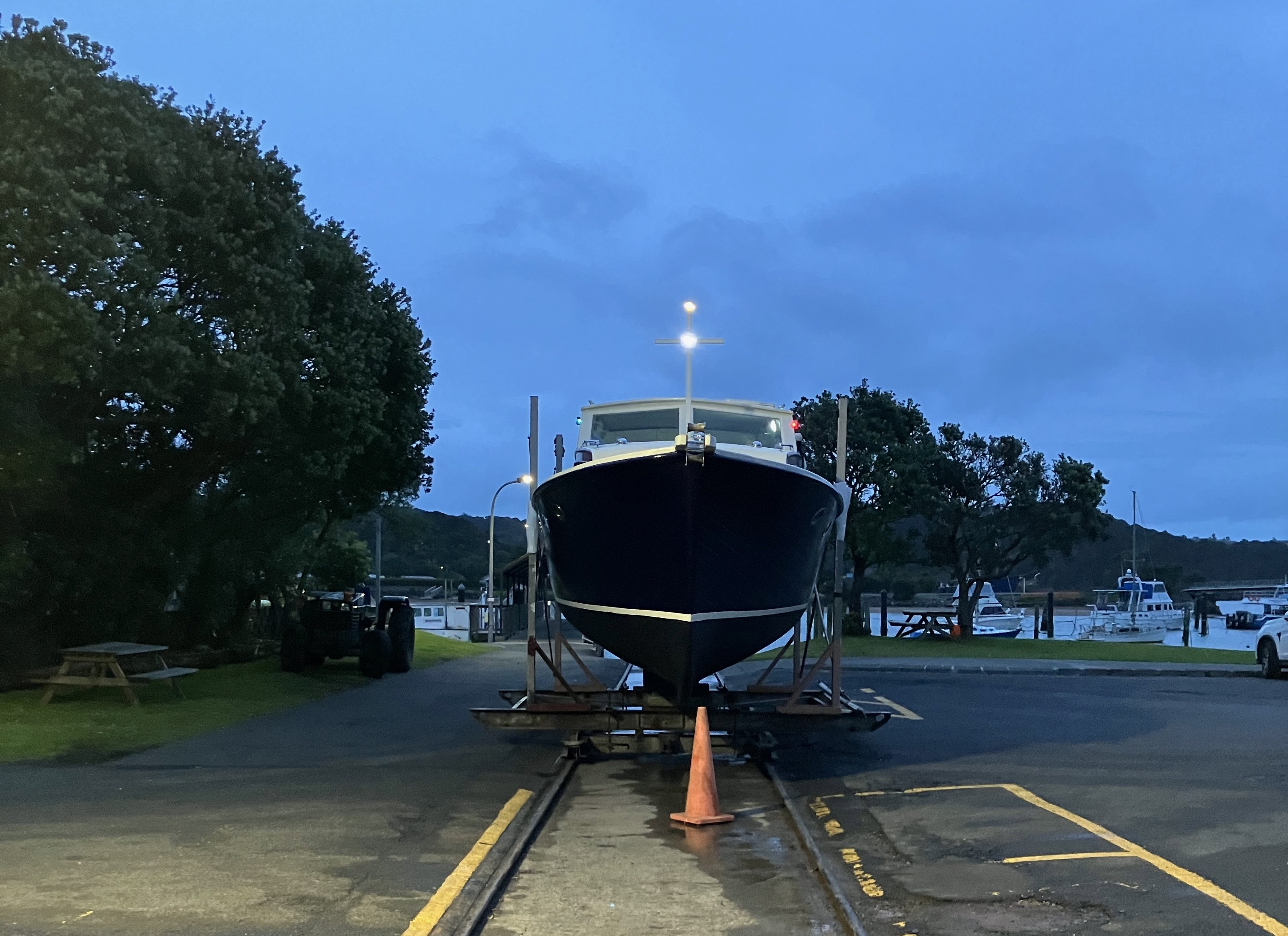
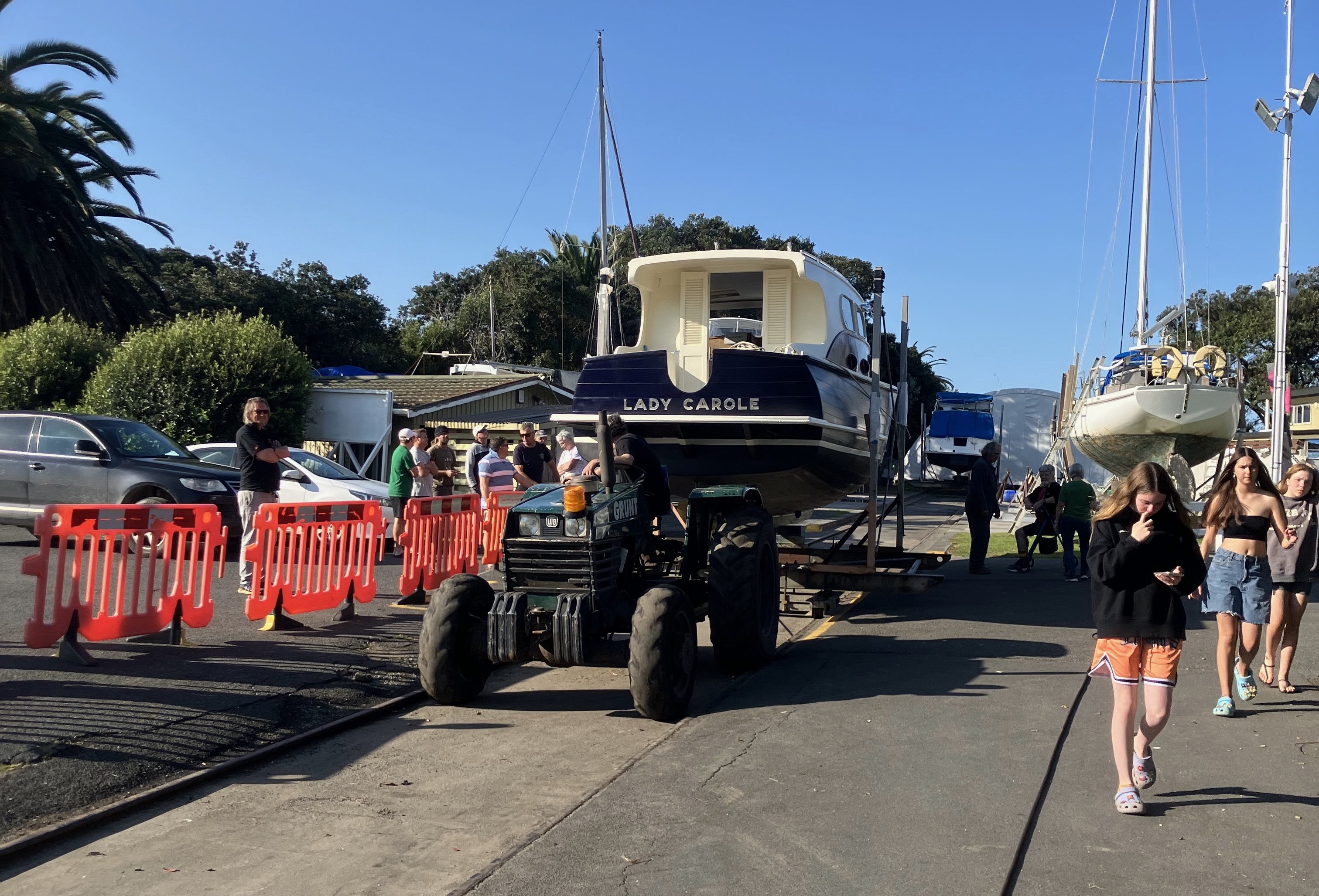
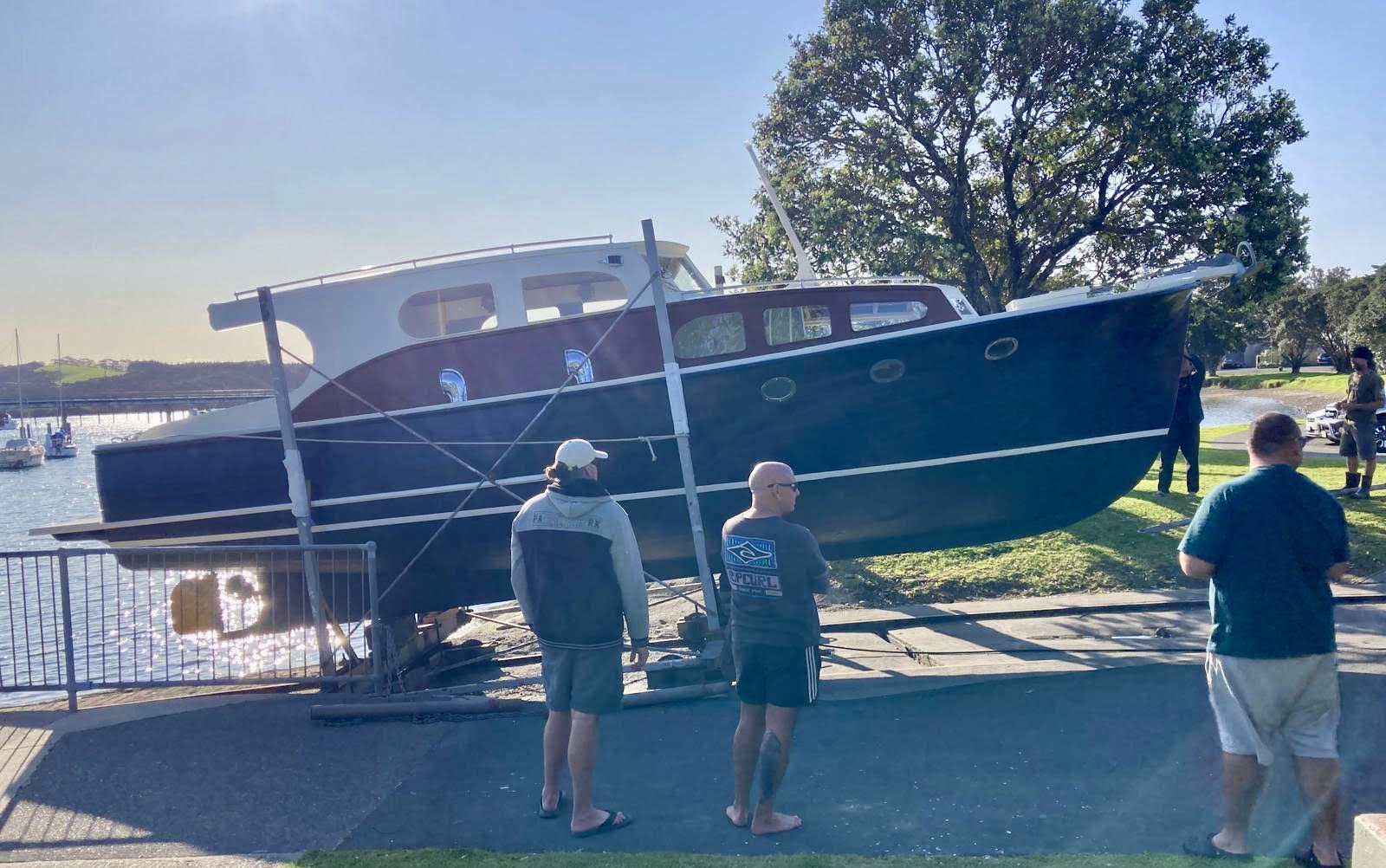
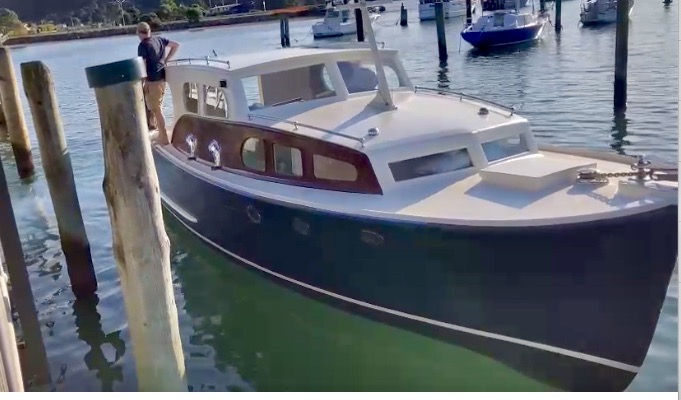
CLASSIC WOODEN LAUNCH – LADY CAROLE – UPDATE #8 – LAUNCH DAY
After a full few months co-owner Patrick Crawshaw reports in on the big day – as always Patrick tells the story…….
“ LADY CAROLE was relaunched on Saturday with much fanfare with about thirty people turning out to see her.
It’s taken four months’ to restore her exterior to her original lines and design. Next year the interior will be restored to her original layout and a new motor put in so we will start all over again and I will send posts on this final phase two part of the project.
I would like to say a big thank you to Waitemata Woody’s for the help in retrieving items that were lost and also the great advice they have given me over the past four months.
A big thank you also to the Bay of Islands Yacht Club who have also supported the restoration of LADY CAROLE with such great spirit. The club works on a volunteer basis and everyone helps out and works together. It’s been a privilege to be there five days a week among the great community that is the Bay of Islands Yacht Club. It was also a great honour that LADY CAROLE was asked to be a regatta boat. I am sure she will enjoy being in service to the club.
So now a new chapter for LADY CAROLE begins. She has to date had a very full and eventful life: Some of her adventures include slipping her mooring in the sixties and getting jammed under the Waitangi Bridge. A great petrol-vapour explosion happened in Whangaroa in the early 1970’s, after which her engine was changed to diesel. She almost sank on her pole at Waipapa Landing during a Kerikeri flood in the sixties and sailed out to witness the re-sinking of the Rainbow Warrior in 1987. She has been all over New Zealand from Whangaroa to the South Island and everywhere in between. These are just a few of the stories I know about – there are many, many more I am sure…
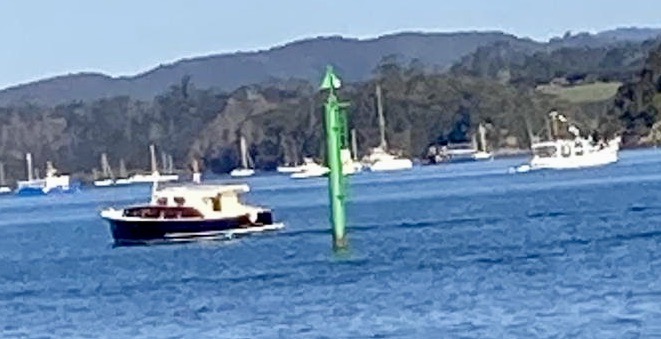
On Friday night she was put on display for the weekly dinner held at the yacht club. Saturday was busy doing last minute jobs. She went in at 4pm and sat in the cradle for ten minutes as we looked at all the water pouring into the hull hoping that once we were off the cradle, the bilge would keep up. The motor started up with a great plume of black smoke and she reversed out and sped off, very happy to be free from the cradle and parched environment she had been in for four months.
Friday Evening
Launch Day – 28th September
CIRCLE LABOUR WEEKEND IN THE DIARY – OCT 25 > 28TH – MORE DETAILS LATER IN THE WEEK BUT THIS IS SHAPING UP TO BE THE CLASSIC WOODY WEEKEND OF THE SEASON
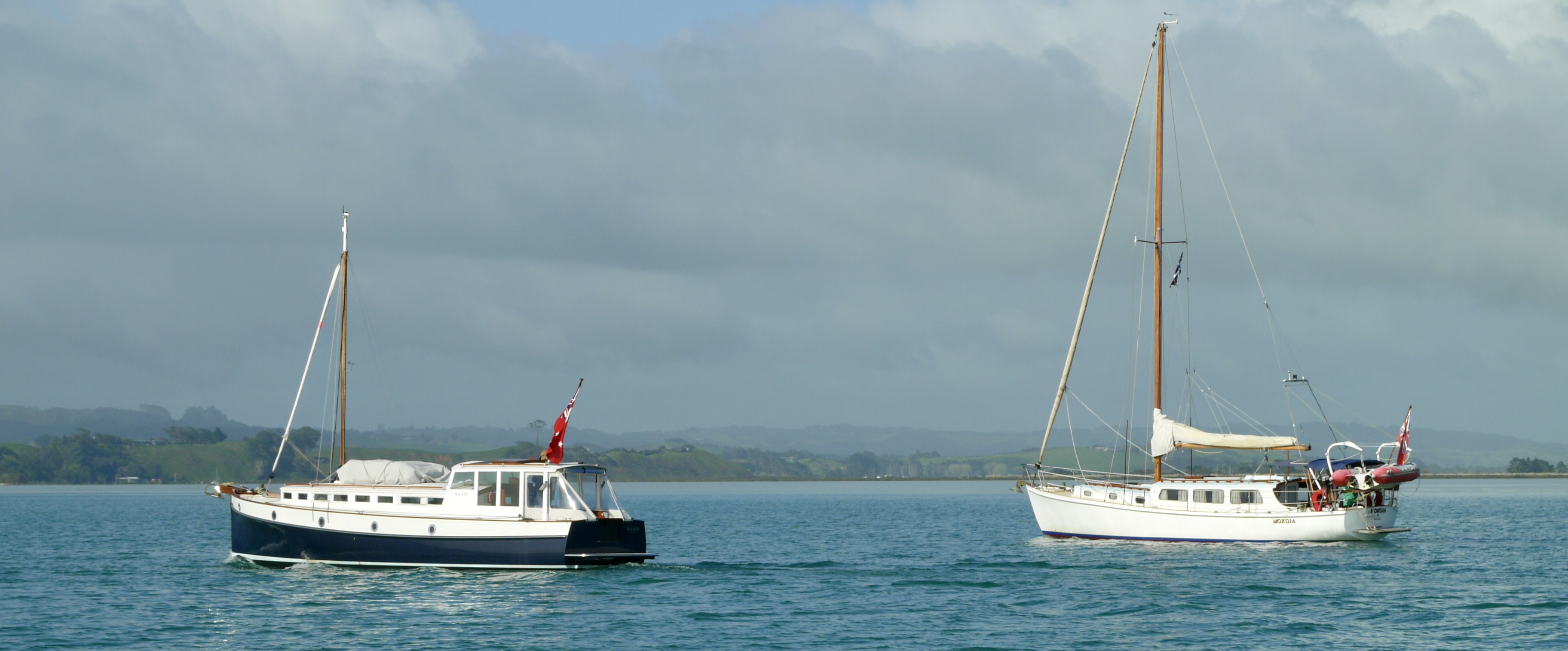
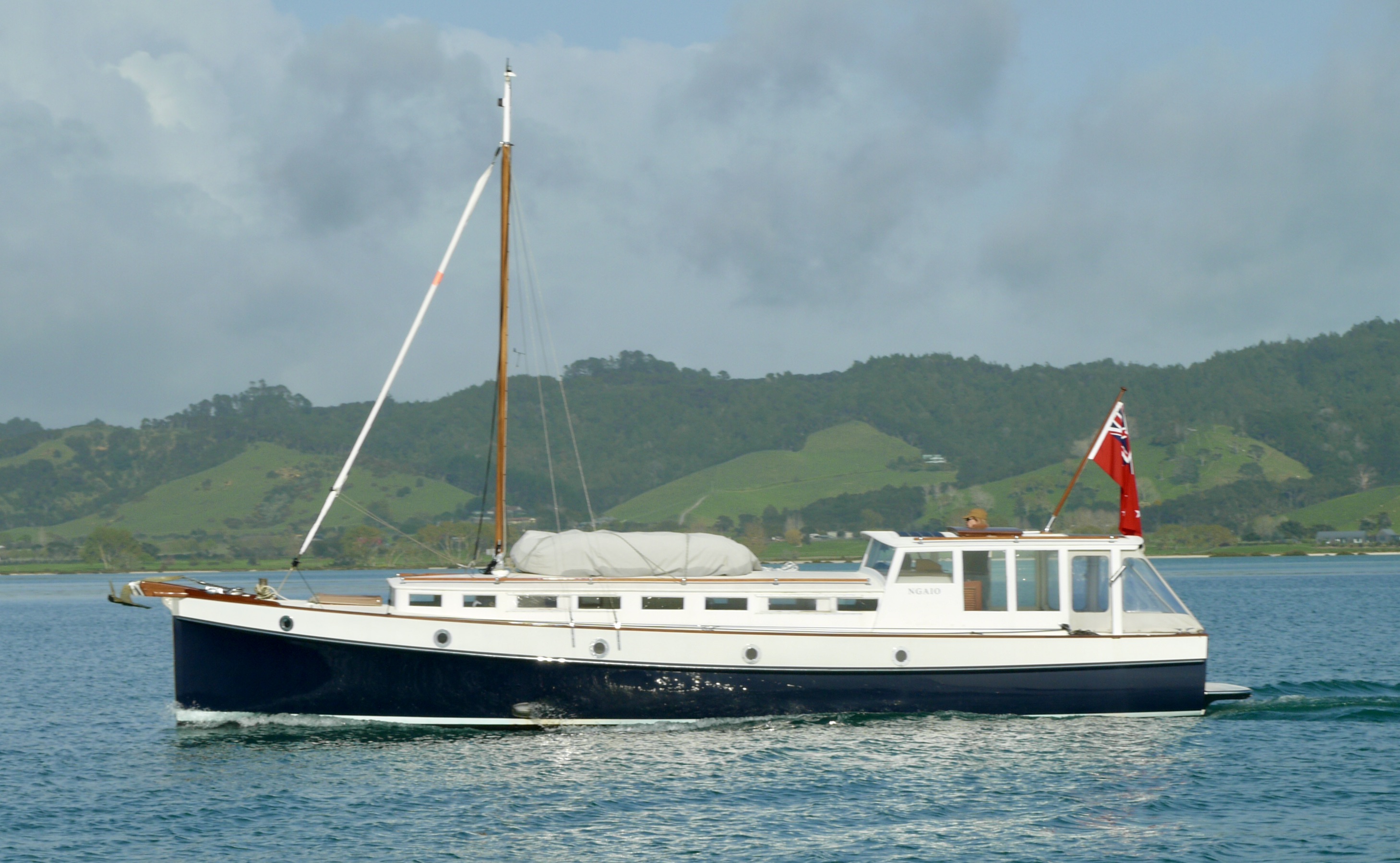
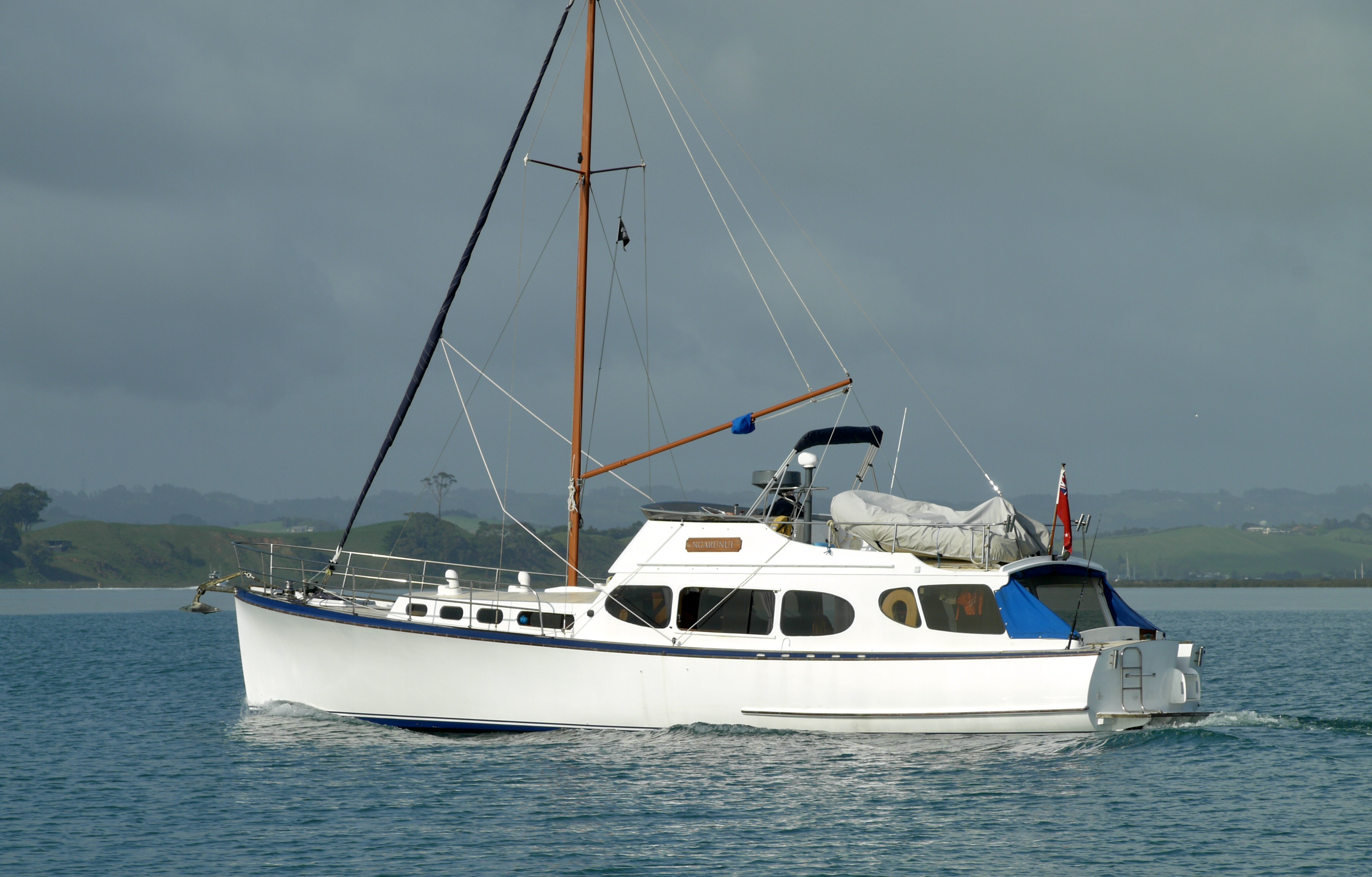
NGARUNUI + LUCINDA ON-ROUTE TO CLEVEDON CRUISING CLUB
DOCKSIDE STROLL
Classic Wooden Craft Overnight Trip Up The Wairoa River
Over the weekend we had our first woodys event for the classic boating summer season – a cruise up the Wairoa River to overnight at the Clevedon Cruising Club. Due to lock downs and weather bombs we had skipped a couple of years so the weekend was long overdue.
Given tidal access restrictions the weekend always starts with an early departure to the mouth of the Wairoa River, the smart ones leave on the Friday.
The weather early (<5am) Saturday morning was raining cats & dogs, but as if prearranged at 5.30am it stopped and we enjoyed a very pleasant dawn passage. The group gathered at 8.45am and journeyed up the river, always a tad anxious but it was a 3.6m tide so all good.
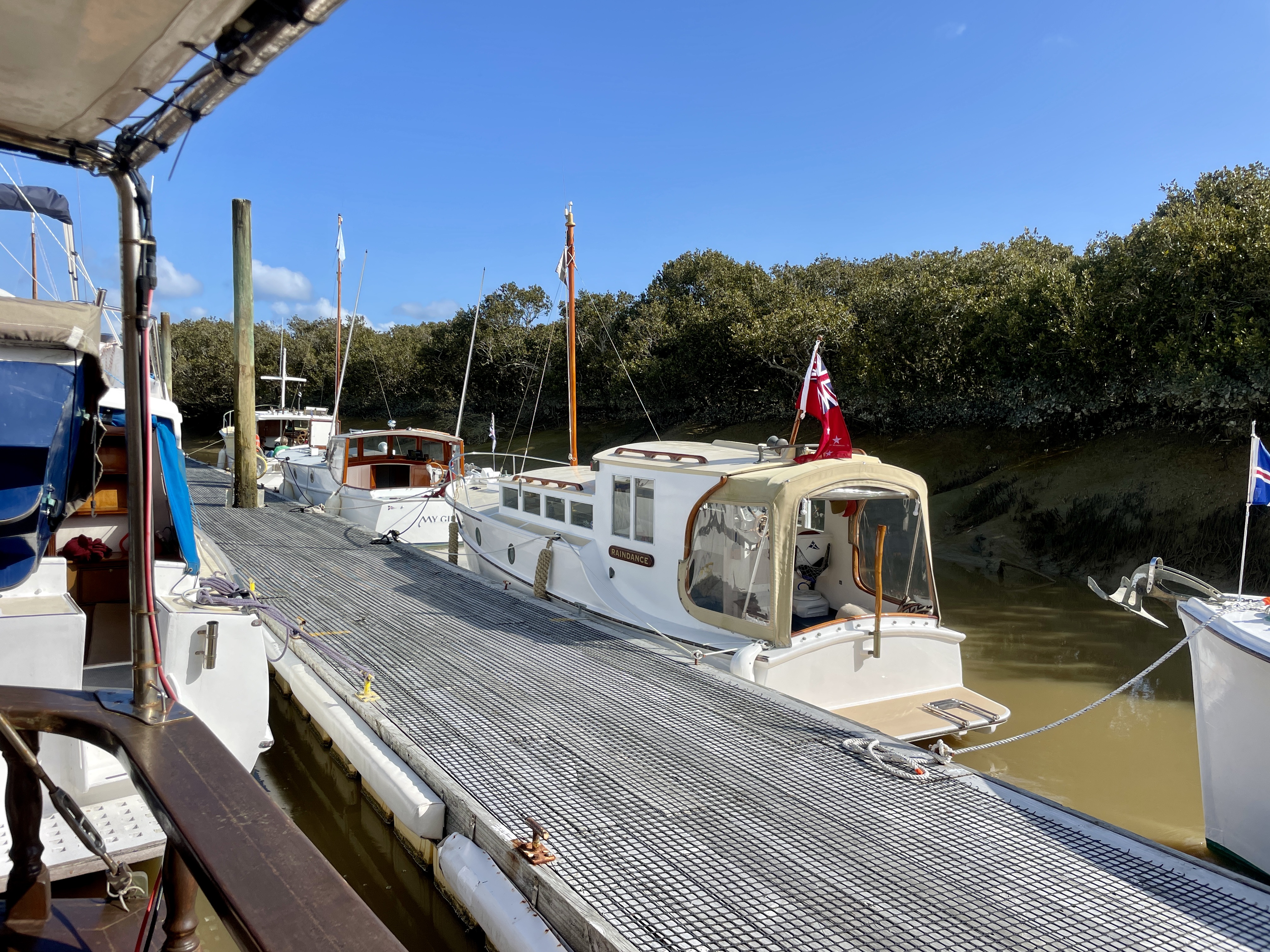
I snapped a gallery of photos of the woodys that are moored on-route – separate WW story tomorrow.
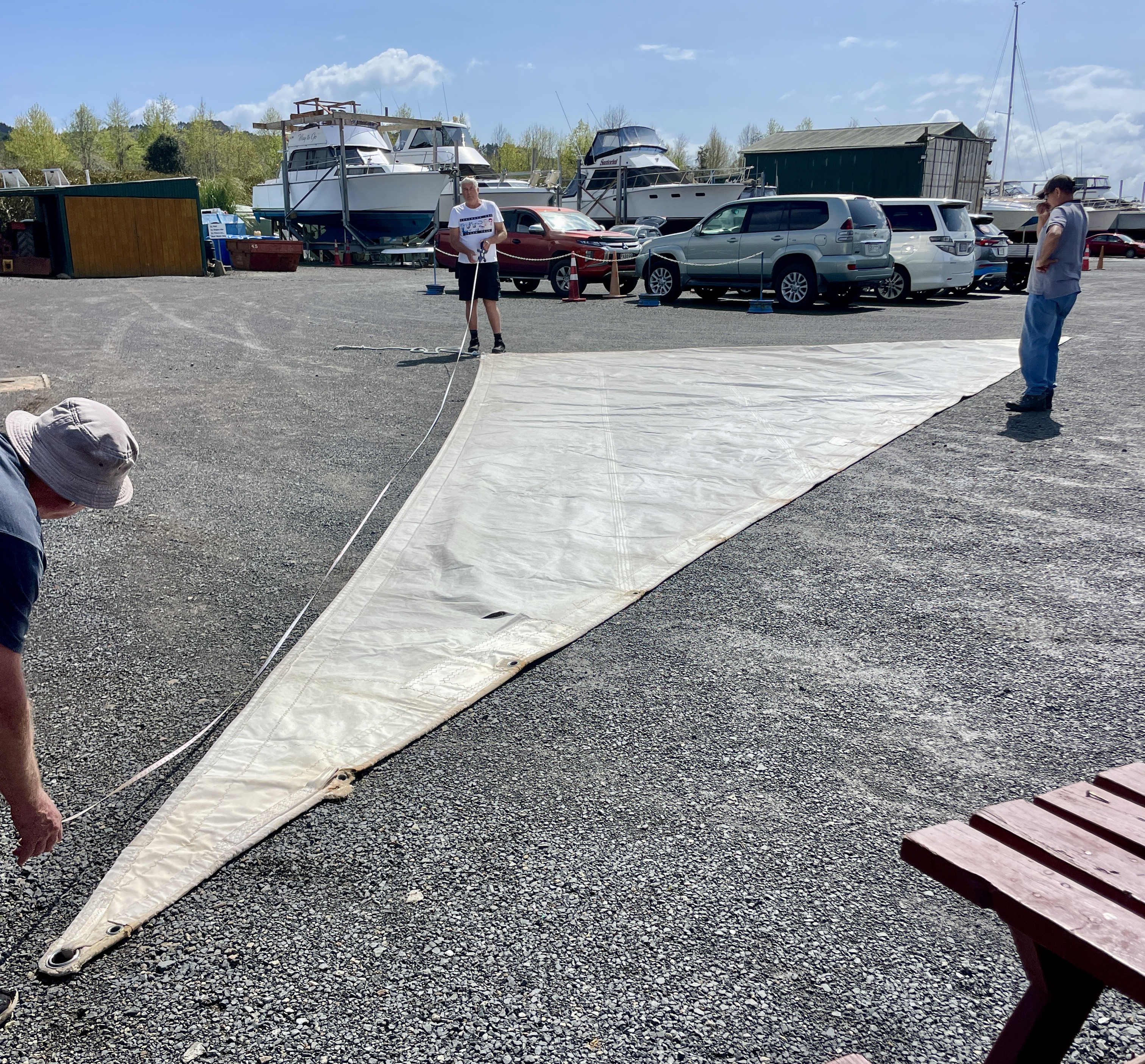
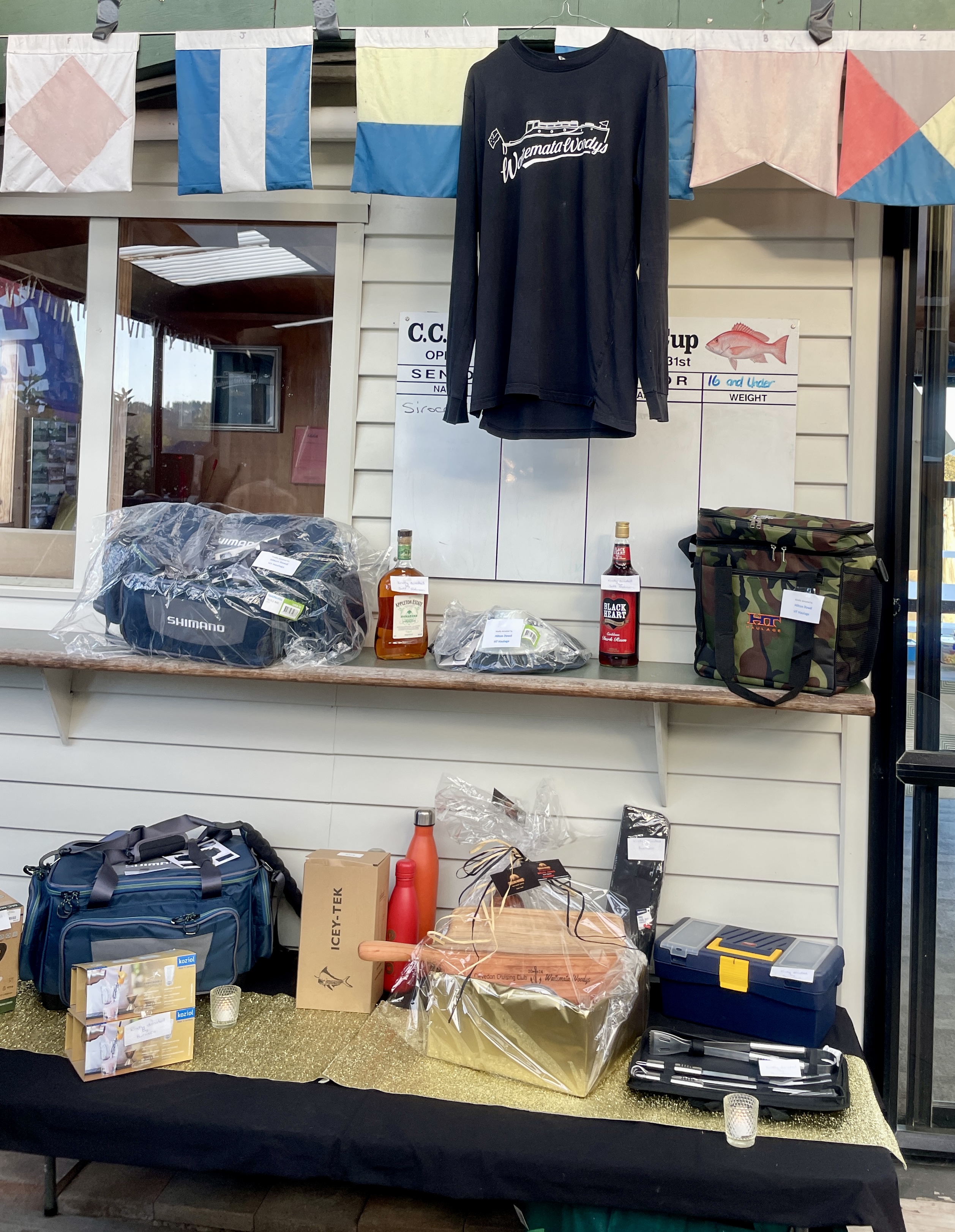
Our hosts , lead by Commodore Alister (Al) excelled themselves from the RIB on-hand to assist with docking to the world famous (on the river) Saturday night BBQ. The evening included raffles, outdoor fires, a singer and karaoke and even dessert provided. I can report no-one in the woodys group stepped up to karaoke the mike 🙂 Woody Dave Giddens donated several ‘old’ sails to the club which will be repurposed as shade sails around the clubhouse.
If you have never been on one of the trips you need to – the club facilities and hospitality is so traditional / old school but in a cool way.
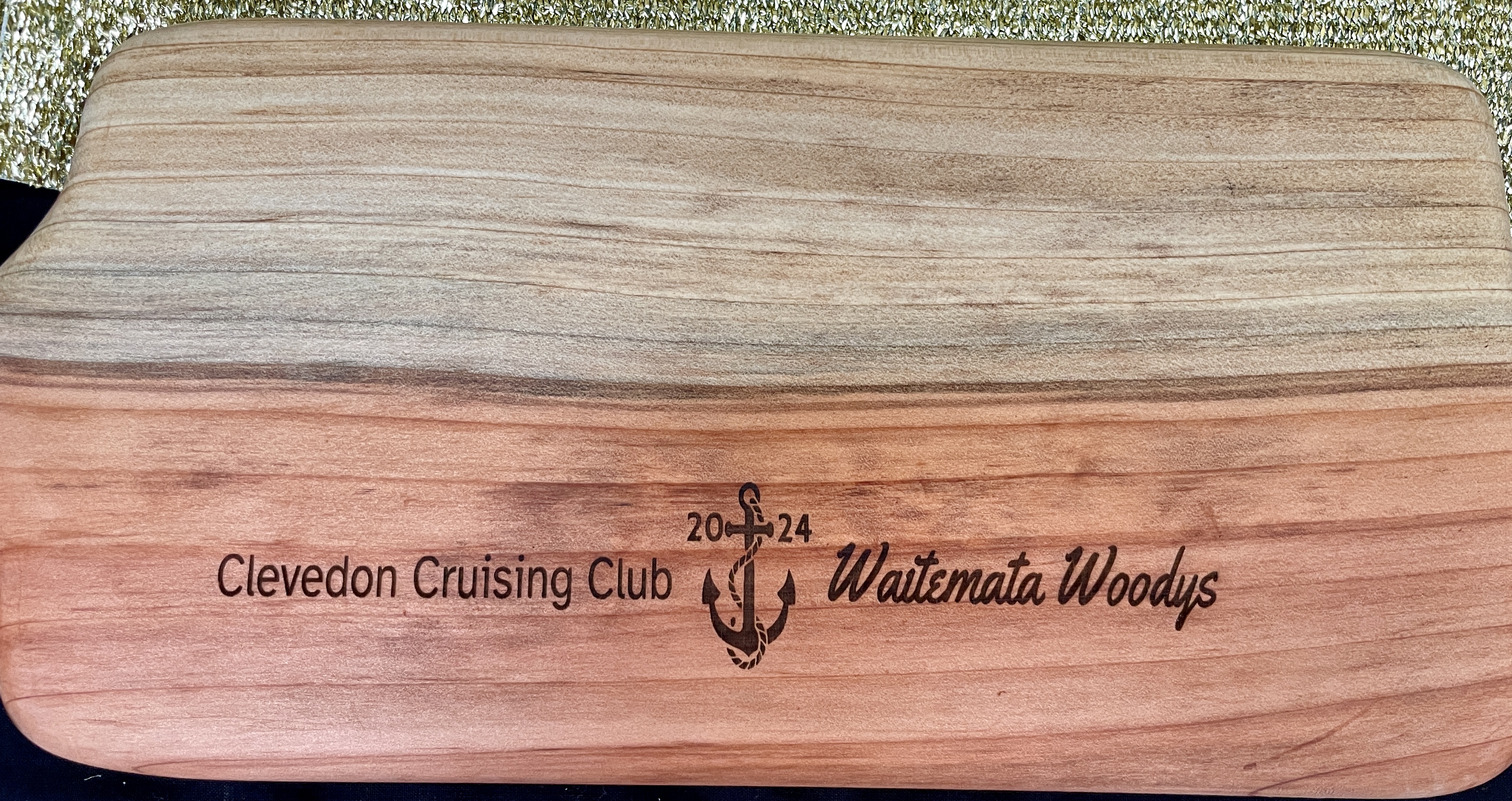
Included in the raffle prizes was a WW chopping board… I’ll need to talk to my copyright lawyer 🙂
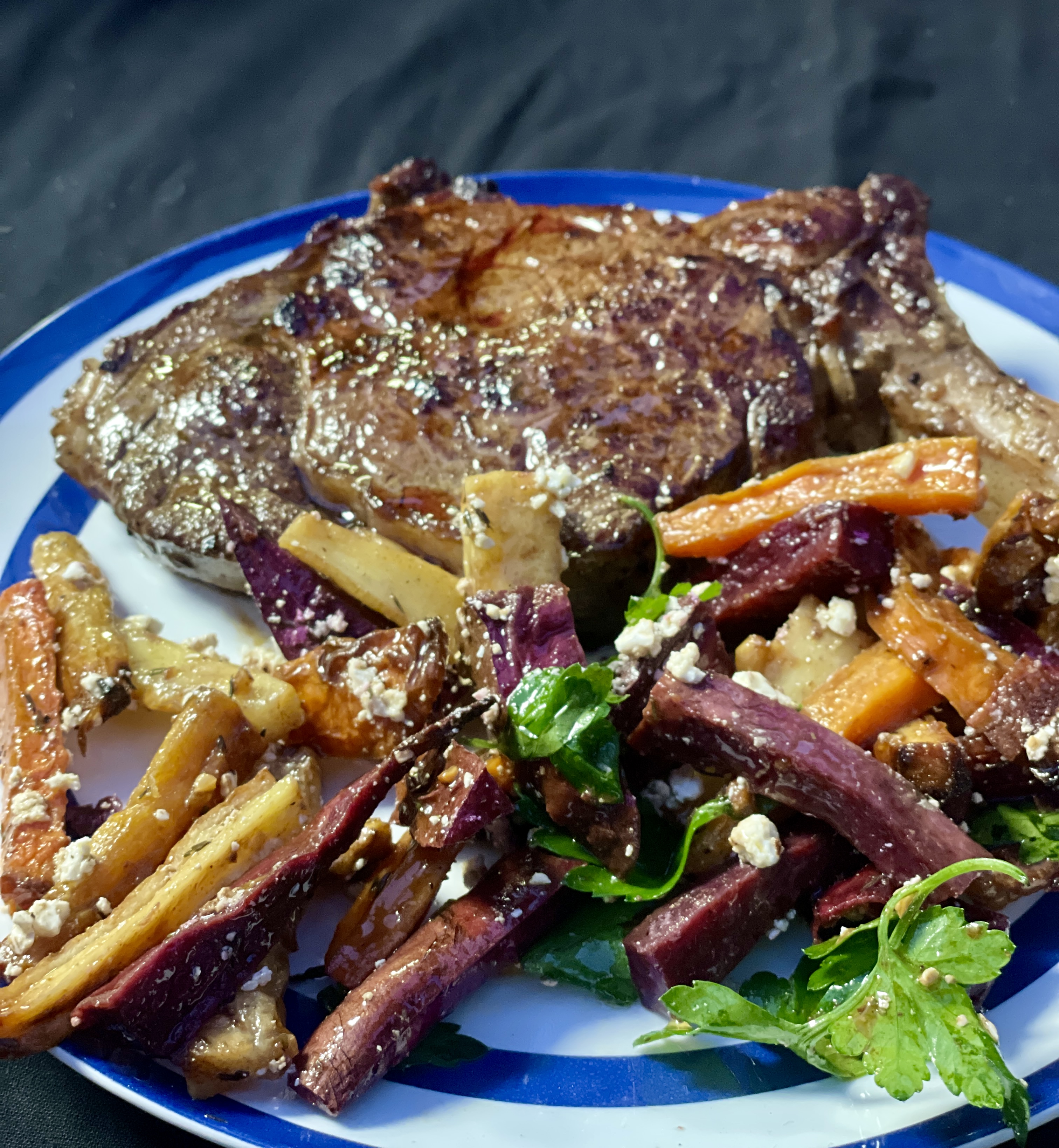
We eat very well – sorry about the food pix but thats what you have to put up with 🙂
If you think that classic wooden craft are all sub 7 knotters check out the videos below of a couple of the voom-voomers.
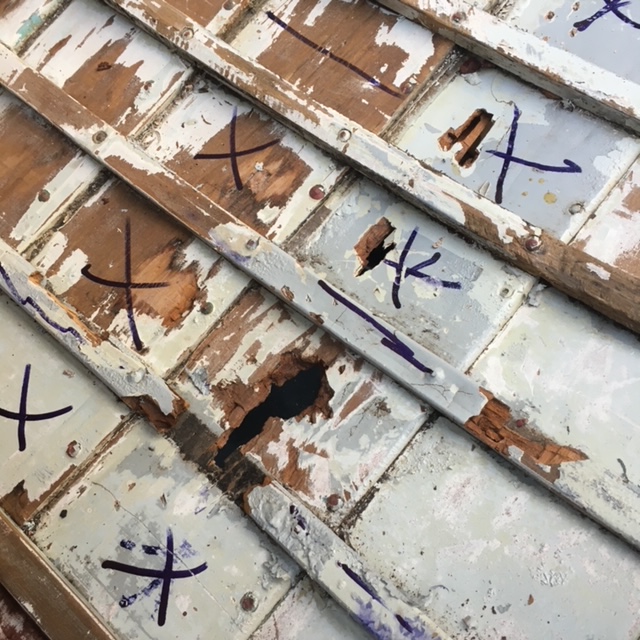
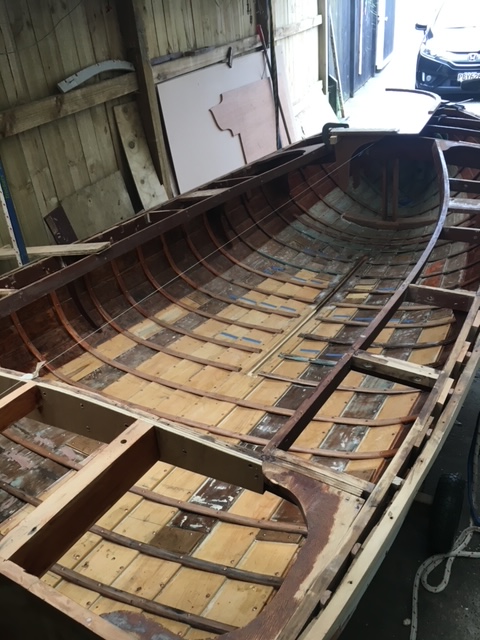
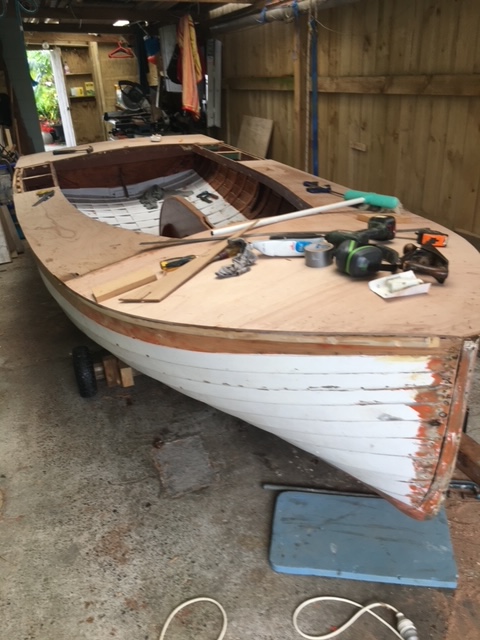
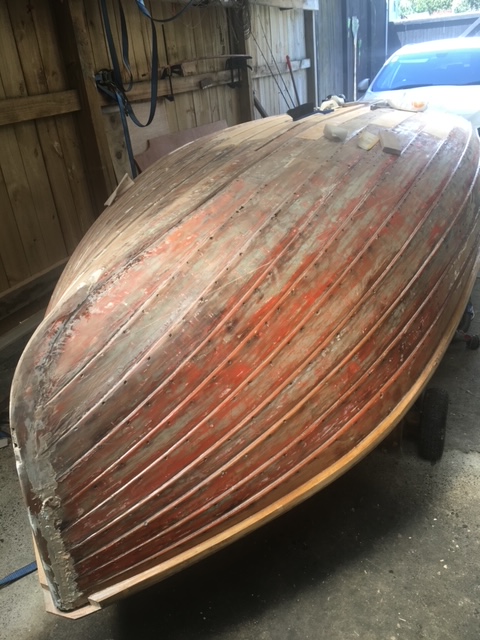
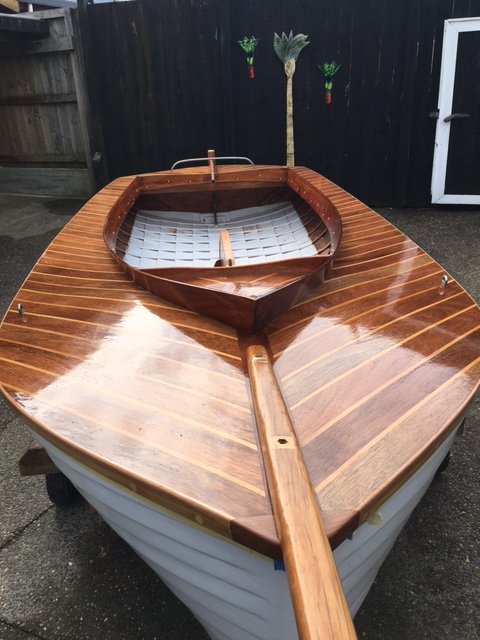
At one of the waitematawoodys / Slipway Milford – Boat Boot Sales I was talking to Michael May and he casually mentioned he was restoring an X-Class yacht named – SONYA. As I do I asked for details and last week Mike advised he had completed the project. So I’ll hand over to Mike to tell the story – “Restoration of X48, SONYA According to Harrold Kidd, SONYA was built by Trot Willetts, in 1946, for the Elliot brothers. Greg Elliott says the B /W photo from the Auckland Star, shows his father, Mervyn, at the helm of SONYA in a race off ST Mary’s Bay. I took possession of SONYA two years ago. She had been sitting on a trailer under canvas for the last thirty odd years. Under all the dirt and leaves the hull looked reasonably sound, but the deck was rotten, and she has a sloop rig off a trailer sailer. Looking for something to keep me amused, I decided it was worth a shot at restoring her. First I removed the ply deck, and waterblasted the inside to remove all grime. I then started to scrape off all the old paint inside, and that’s when the rot started to appear. It was either a chainsaw, or persevre. I eventually replace about 20% of the planking, and 60% of the ribs. Also the stern half of the king plank. The centrecase and knees were very agricultural, so I decided to rebuild that too.. I used Yellow Cedar for the planks, and American Oak for the ribs. With the help of Youtube and others I leant the art of using roves, and steam bending timber. I made my own bolts with Silica Bronze rod. [Fosters were a big help] Interestingly, the whole boat was built with no glue, all screws, bolts, roves A sign of the times I suppose. Some of the deck knees and framing are plywood, and still in good condition. Against a lot of advice I glued and filled every plank to plank join inside and out, after removing all the old red lead putty. My theory being that modern glues, Wests, would hold the wood and stop any water egress and swelling. I didnt want to have to go through the “Let it leak and swell” every time I launch the boat. After doing all the inside, fitting new centrecase, deck, Everdure, and painting, I turned the hull over and started on the outside. Strip paint, dig out all putty in seams and nail holes, fill old and new nail holes, glue/fill seams, everdure, and paint. Then the right way up again, and finish the inside and the new “Bling” deck. Not traditional I know, but I had the mahogany veneer from years ago, and always imagined using it on some sort of boat one day.. [I have some left over if any one can use you’re welcolme to it] I managed to buy four spars from Bob Van Pierce in Kerikeri. All different timbers and build methods, but each one worked well with what I needed. The gooseneck was a major stumbling block. Very kindly, Herbert Krumm-Gartner, also Kerikeri, lent me a set of blanks he had made for his classic yacht. I made all the wooden blocks using pohutukawa from timber off the trees in our garden. I have gone modern with the running rigging and used dyneema for main halyards, and backstays. Brent Gillies, BG Sails, has made a fantastic set of sails, using traditional methods. I have only sailed SONYA once, in very light breeze to check everything out. Especially any leaks!!! Nothing of note. Now need some better conditions to get her flying again.”
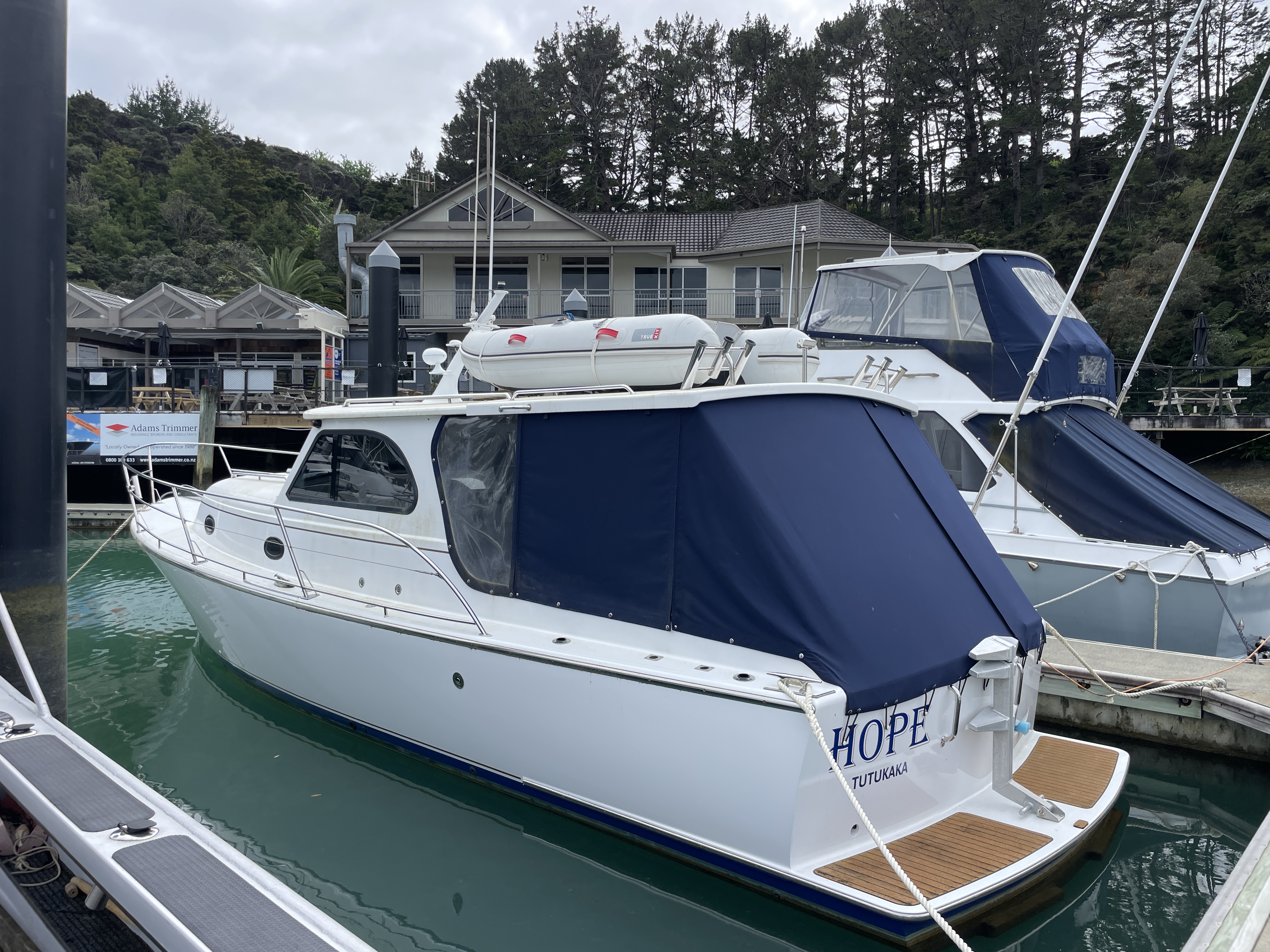
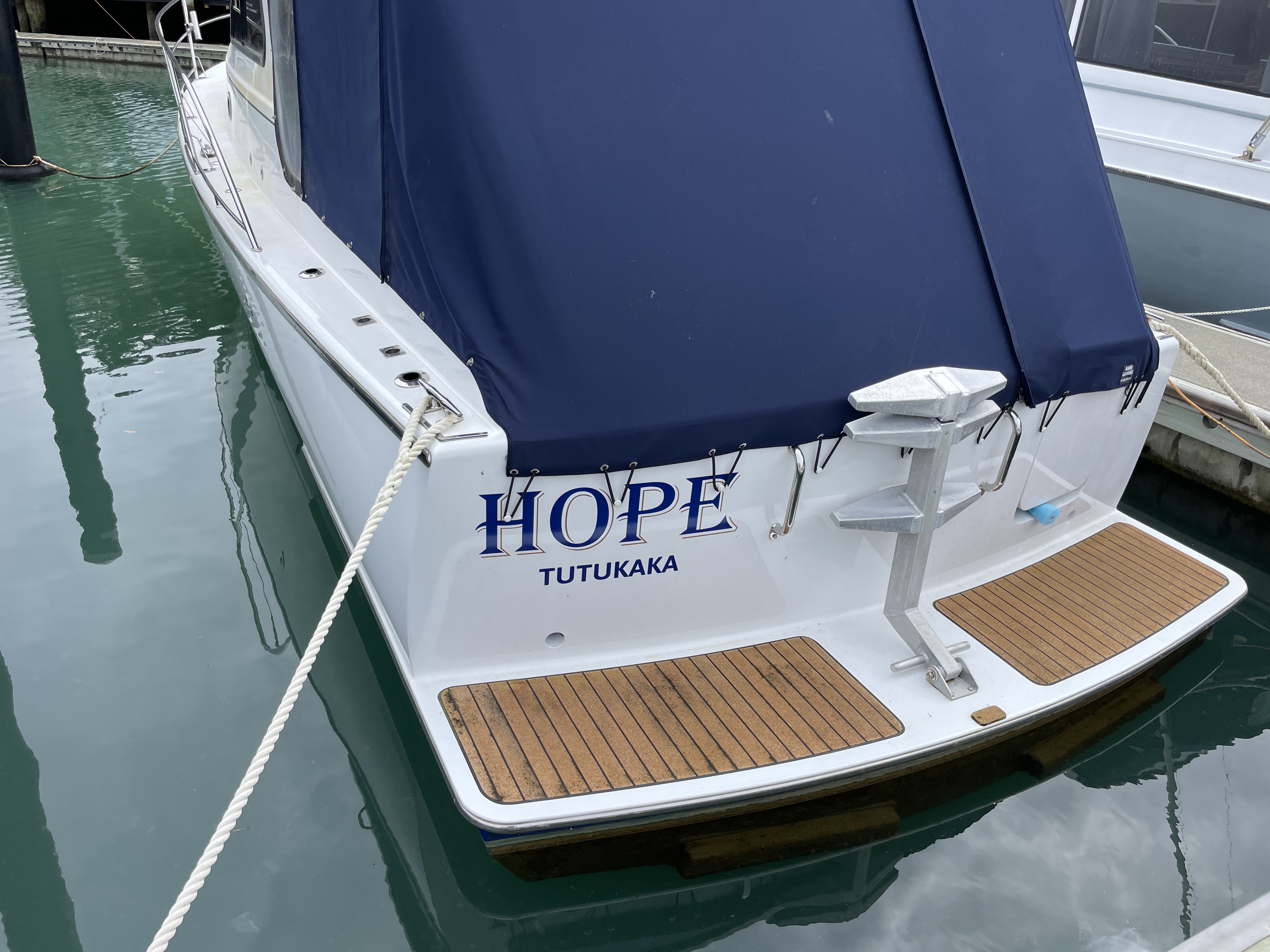
Łatę last week I had to visit Tutukaka Marina in Northland, first up a confession – I had never been there before by road. Made an emergency stop there 40+ years ago on a yacht that was taking on water to the extent that we were sinking i.e. manual bilge pump and bucket couldn’t keep up – ’saved’ by a fishing boat that rafted us up and took us into Tutukaka where we went straight on the grid and waited for the falling tide. Issue repaired and after a very long day at the bar in the Swordfish Club, continued on to the Bay of Islands. That woodys is the short story, before the fishing boat arrived we were at the point of grabbing what we wanted to take with us in the very small dinghy……..
Very impressed with the marina and surrounding area, friendly staff and well maintained set up.
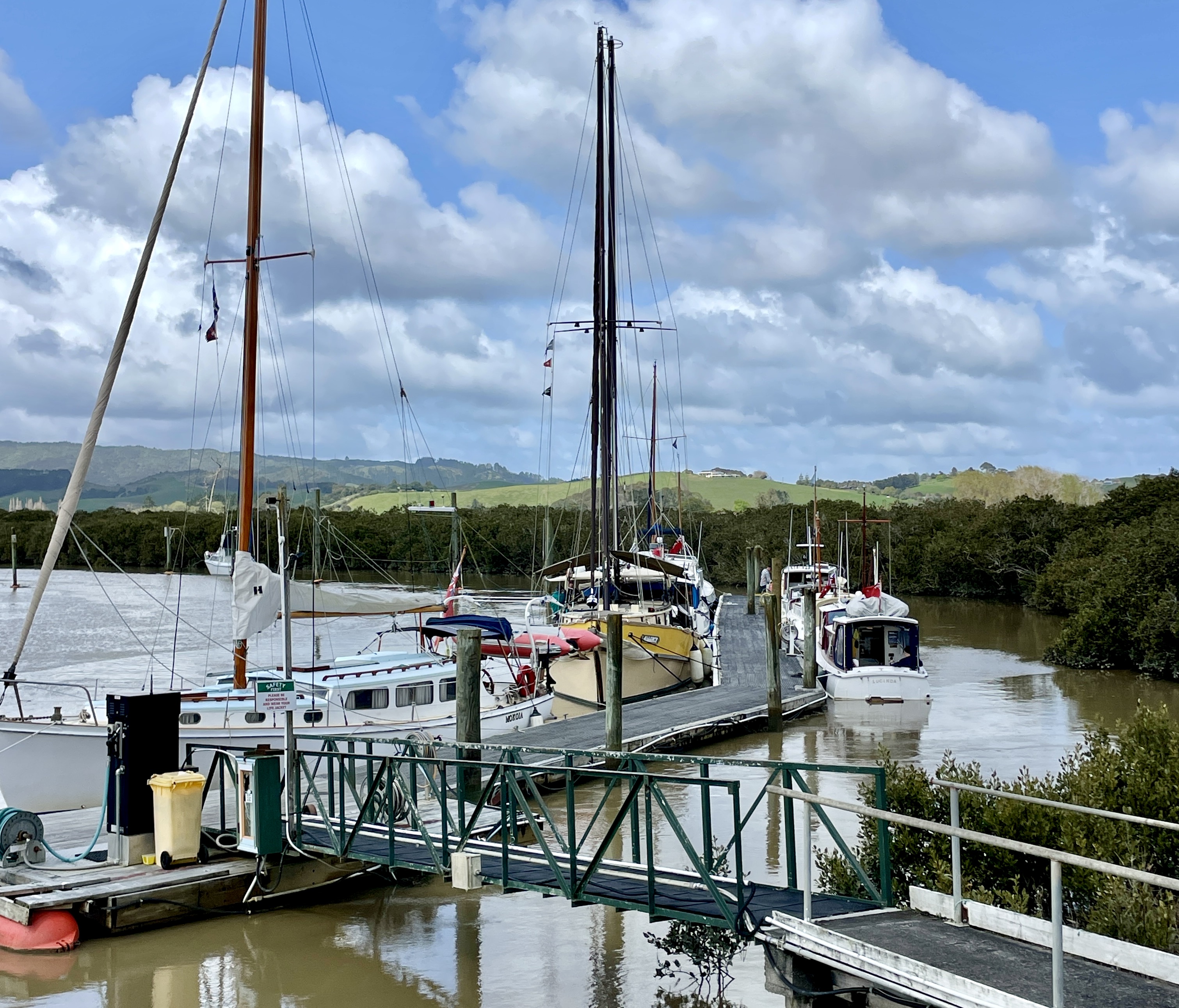
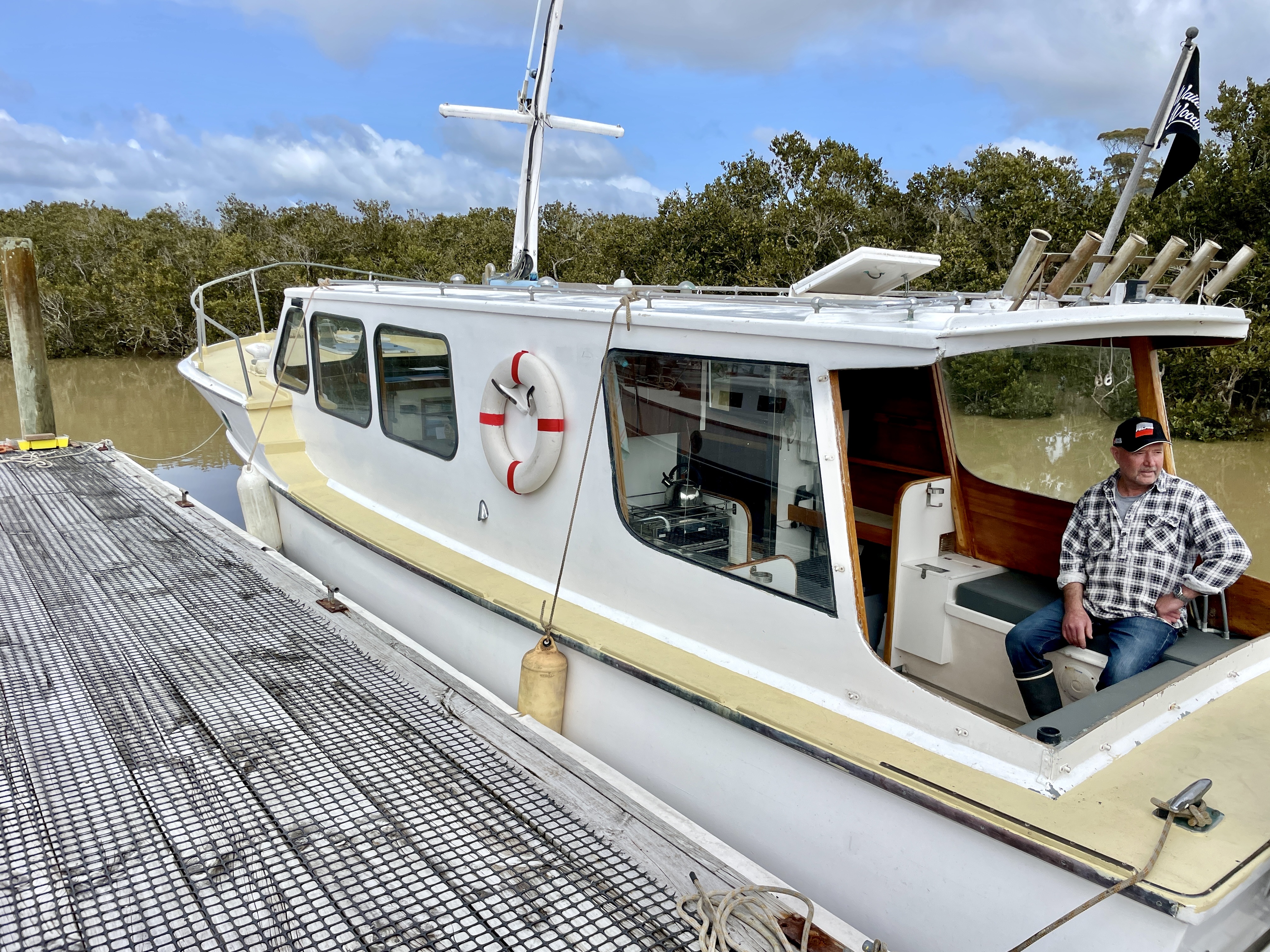
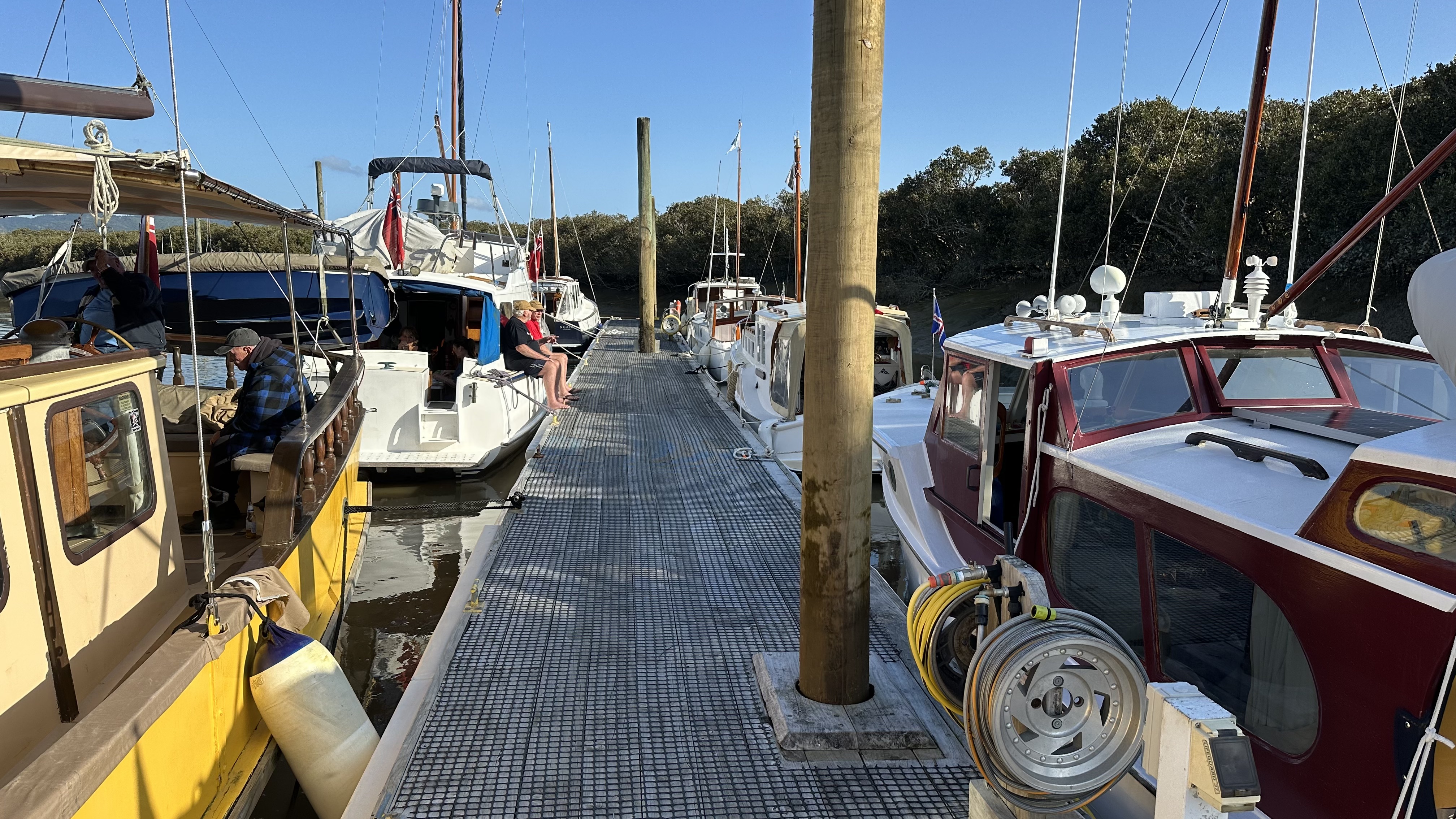
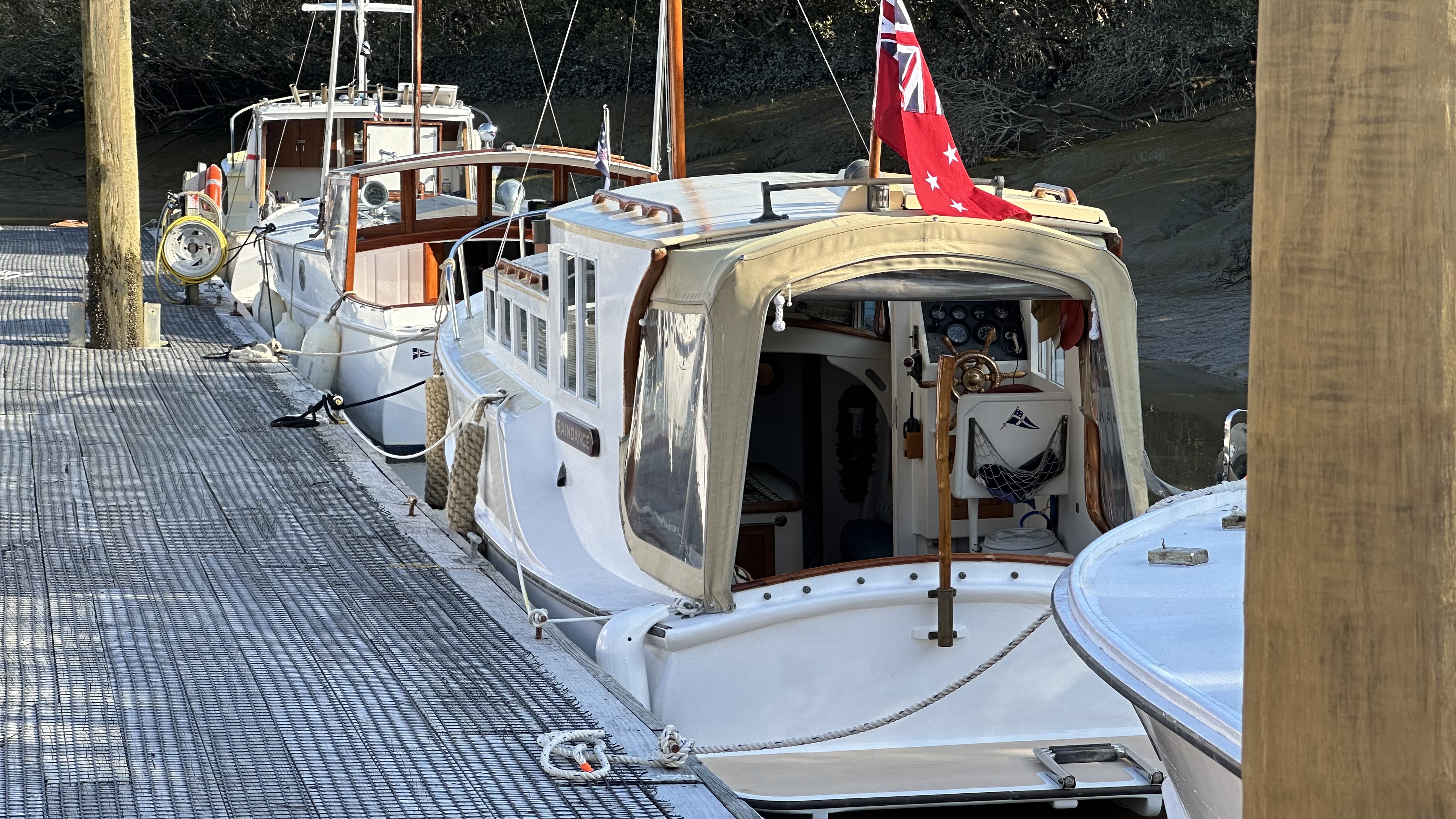
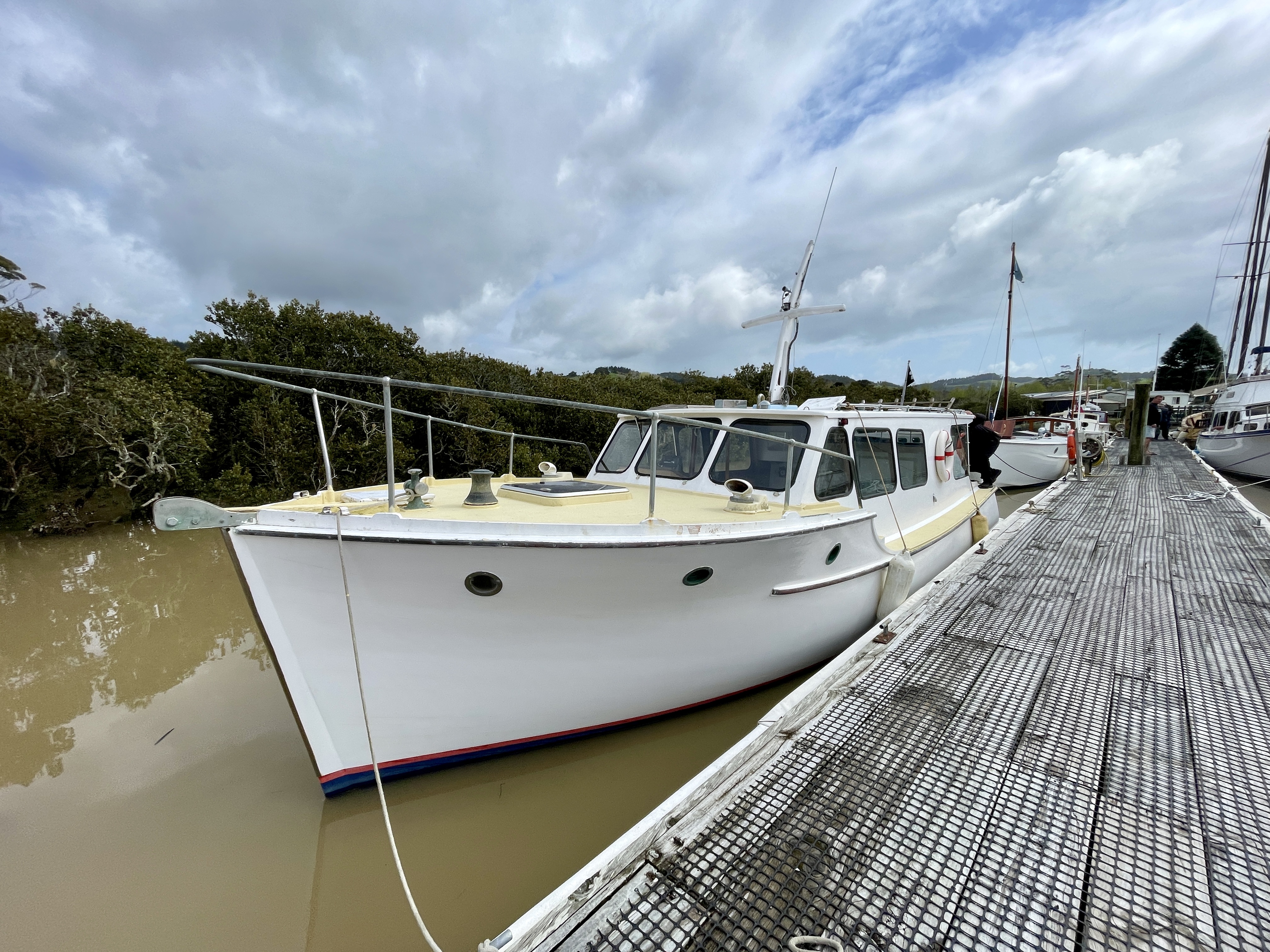
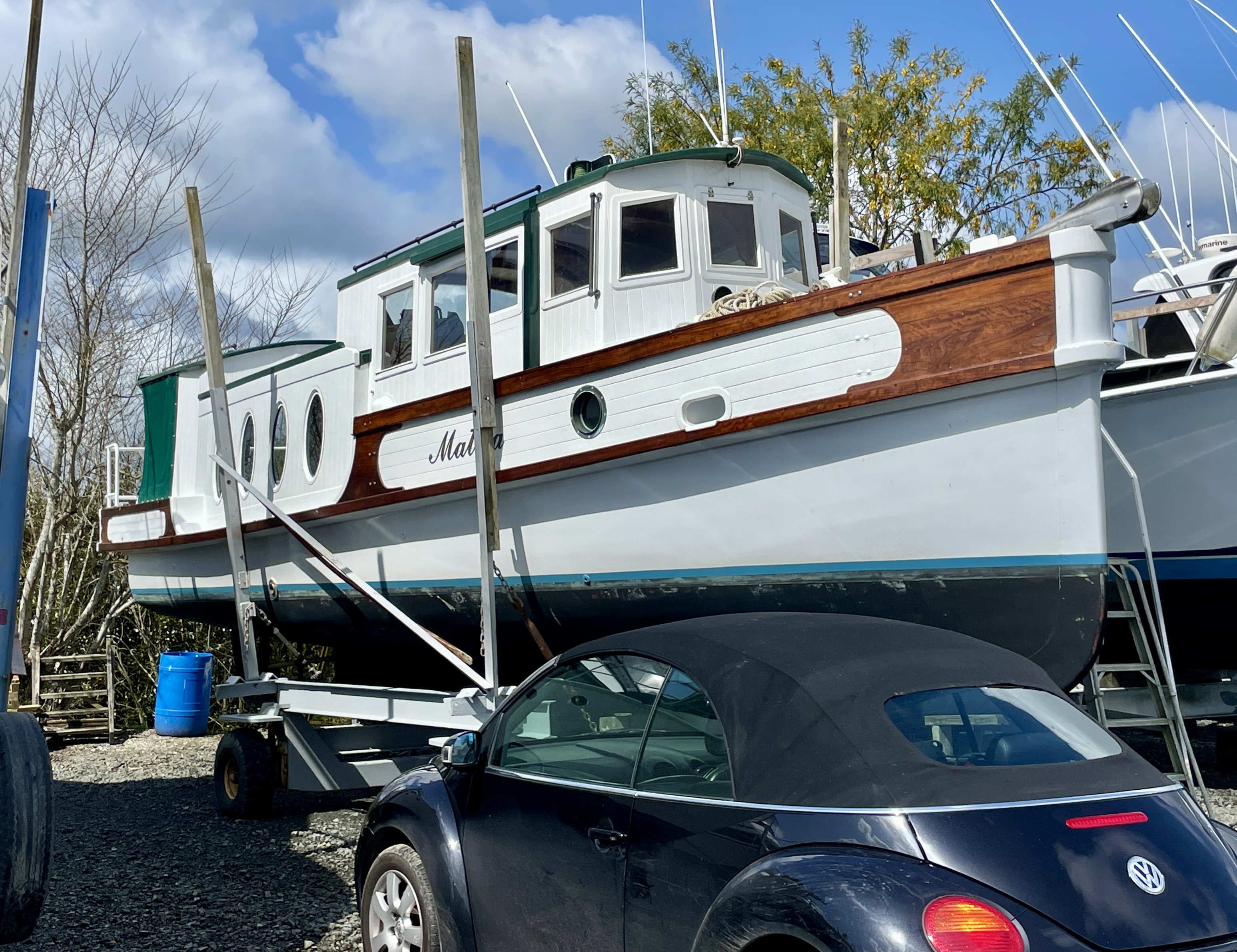
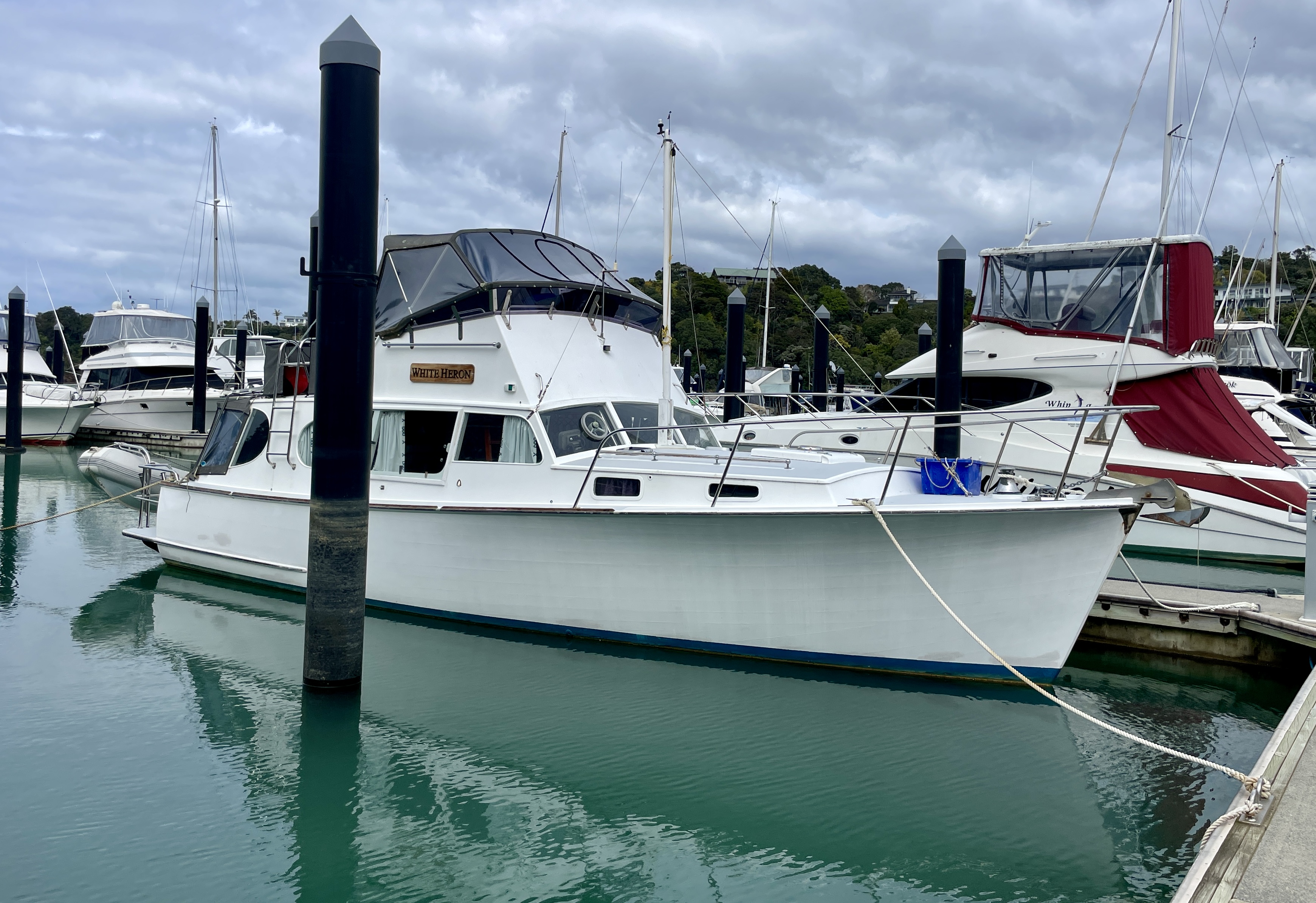
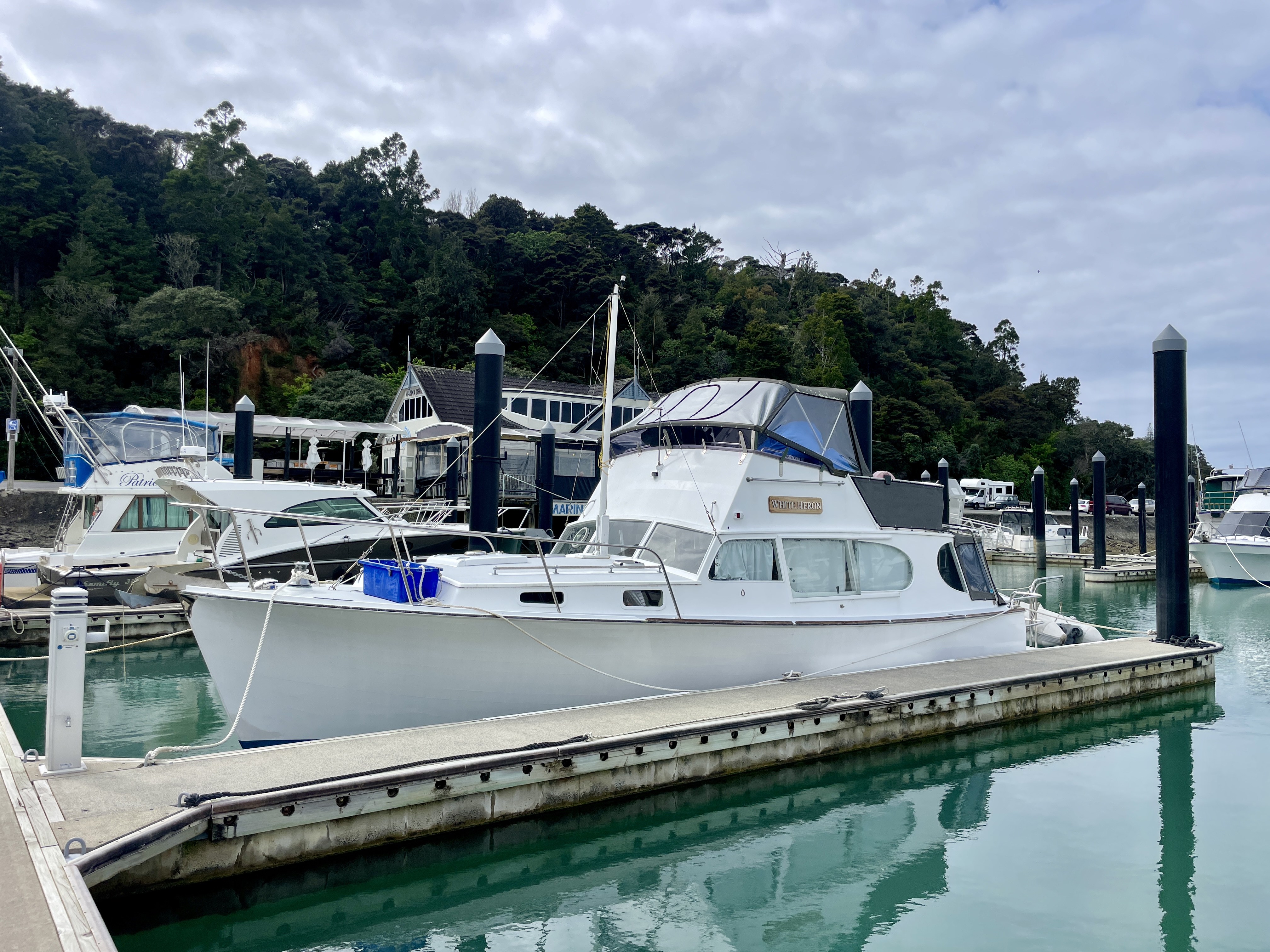
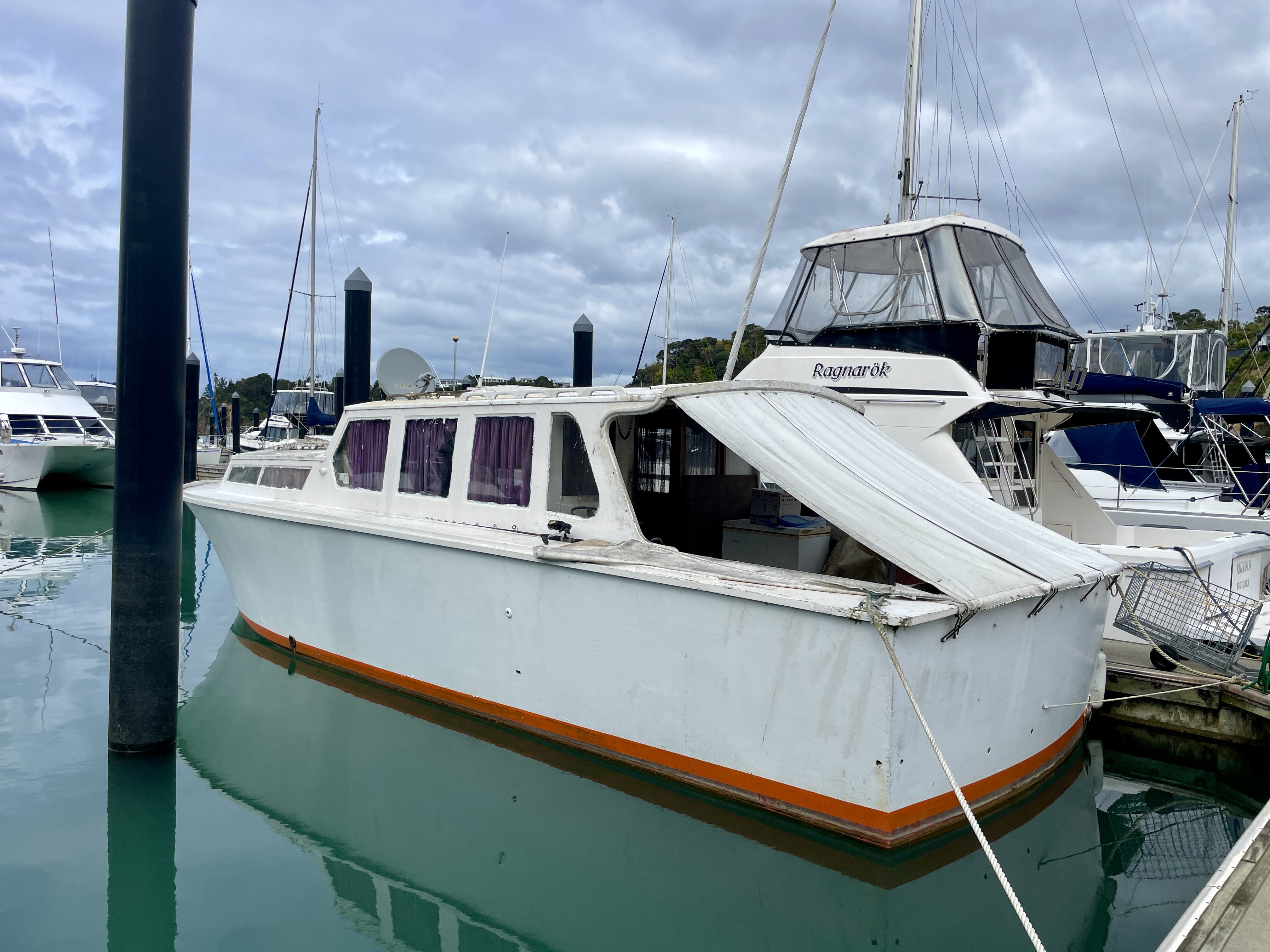
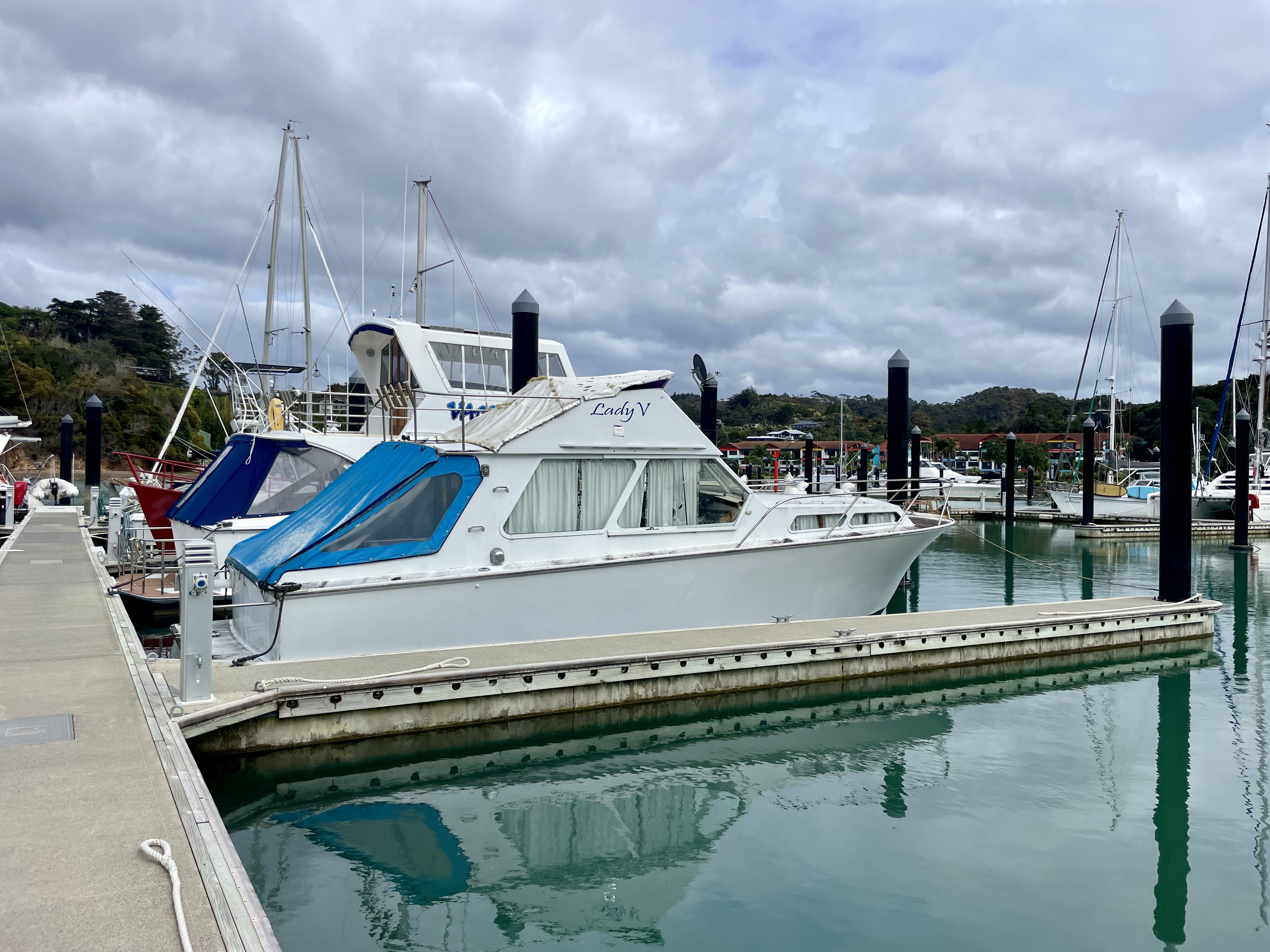
While waiting to meet someone I walked the docks and snapped a few photos of some of the classic wooden craft berthed there. I have a few more but will save them for future stories.
Looking forward to the woodys Clevedon overnight / BBQ cruise this weekend – weather forecast to looking good.
RESTORATION OF A NEW ZEALAND CLASSIC WOODEN YACHT IN AUSTRALIA – ROXANE
Back in May 2018 we ran a great story about a gent named Keith Dawson that was celebrating his 105th birthday and we learnt of Keith sailing to Australia back in 1937 onboard the Tercel brother built 26’ yacht – ROXANE. Link here to that story below –https://waitematawoodys.com/2018/05/13/roxane-a-105th-birthday-party/ make sure you read the comments section – lots of chat there.
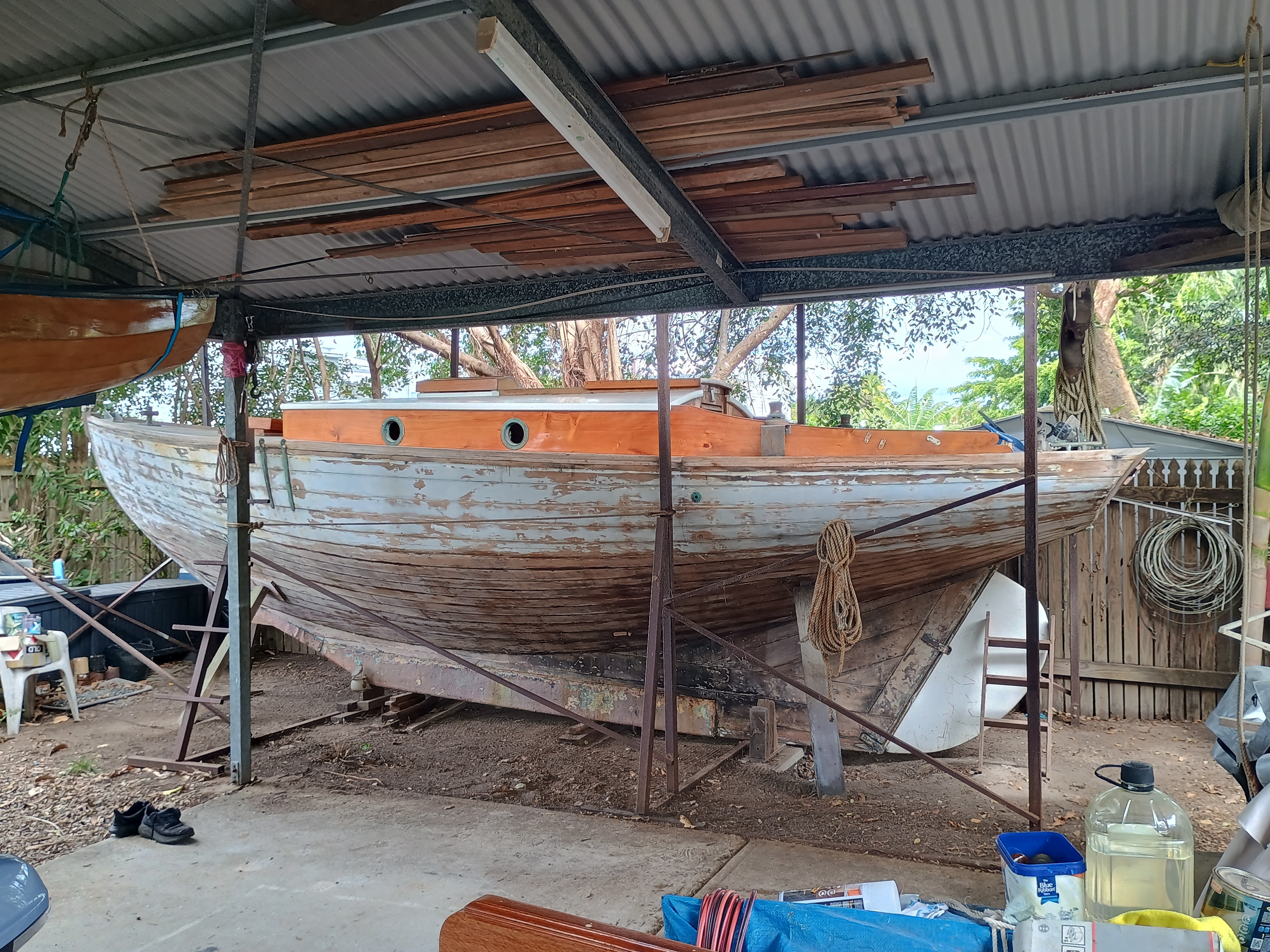
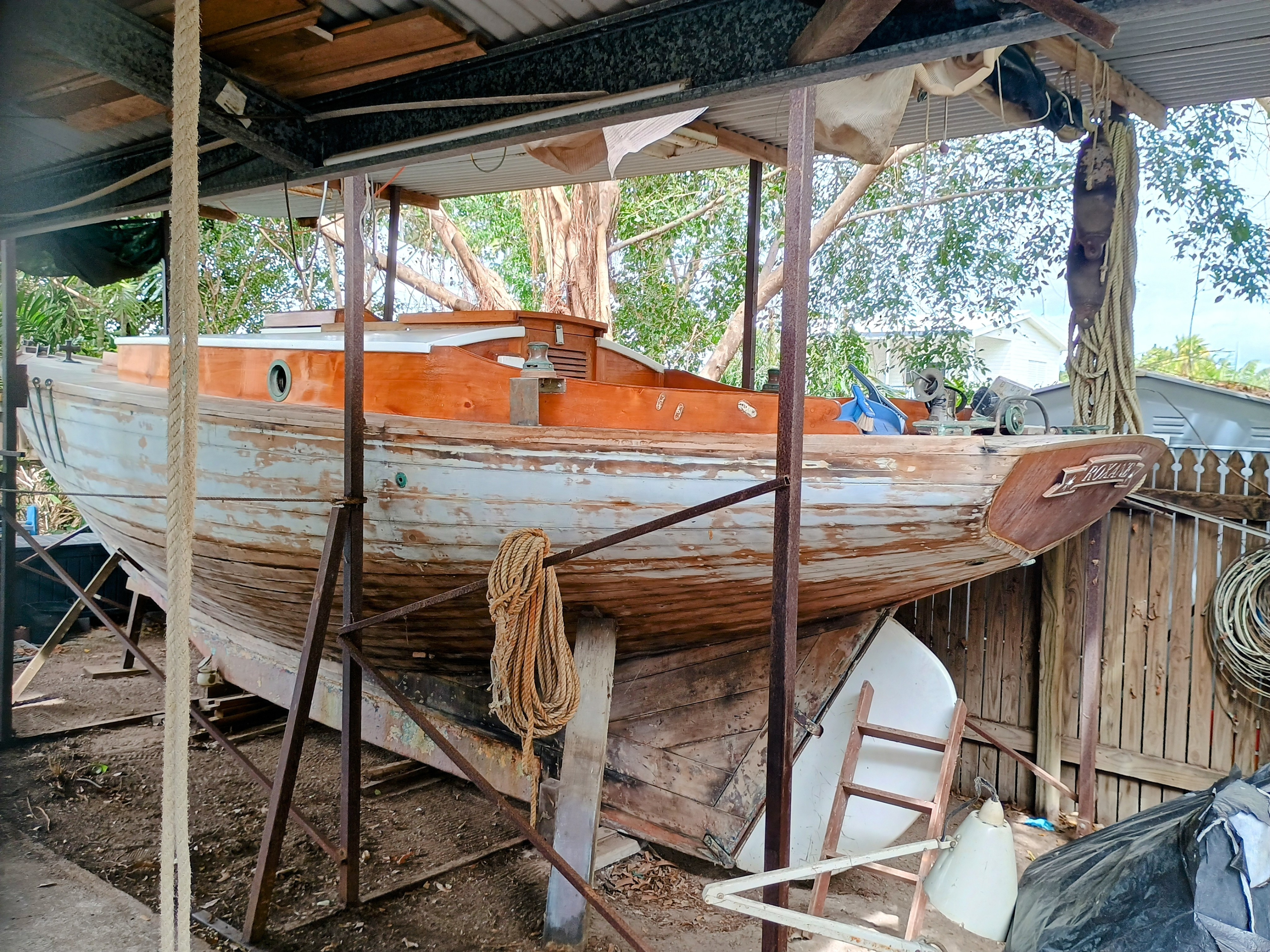
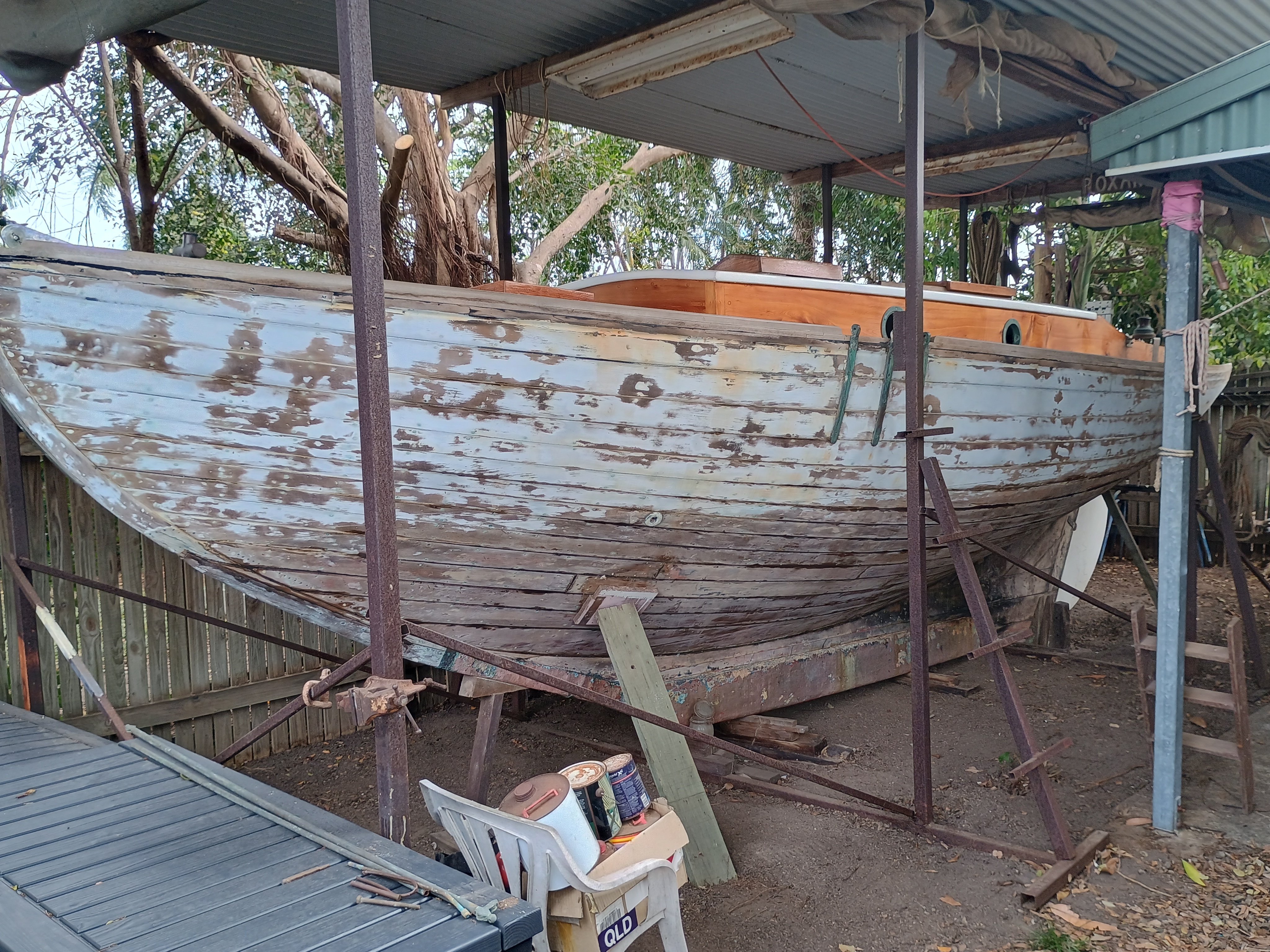
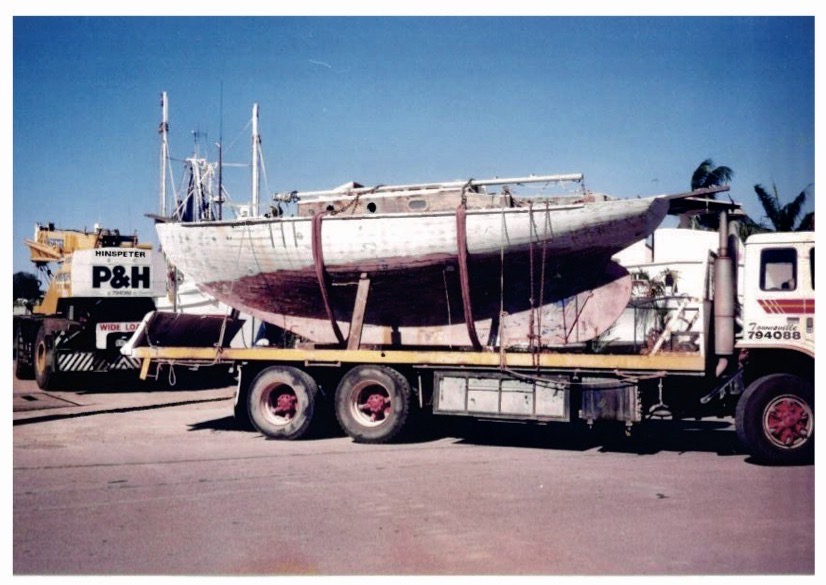
Now fast forward to early Sept and WW is contacted by Ralph Finch from Queensland in Australia – a summary of Ralphs notes to me below – “I’m in the process of purchasing the little boat called Roxane that you have on the WW site. Roxane has sat in a back yard in Townsville for last 25 years partially restored. I’m beginning the process of completing the restoration.I’ve read snippets about her history and would love to fully document the history and contact past owners and descendants and anyone previously connected. Roxane is now 90 years old and my intention is to eventually get her back in the water and sailing again.The centenary would be an exciting maritime event for both New Zealand and Australia I think.”
“I have already begun cleaning up and restoration work. The photo of her on the transporter was taken about 20’ish years ago as she was removed from the Townsville Slip Ways to go to the owner’s house where she sits till this day. I am very excited to take this project on and eventually build a website dedicated to her with as much history as I can find. It’s important to me to trace and document all those connected to her. If you know any of those people or descendants, could you please let them know that Roxane is still alive. She does have a brand new deck, cabin and cockpit. The cabin has been extended to just in front of the mast. The owner has also built a new timber mast and boom. I completed clearing away 20 odd years of rubbish from on, and around Roxane yesterday and took some clear photos.” WW will follow this project and Ralph has promised to keep us updated. In the mean time as mentioned above he would love to hear from anyone with links to the yacht.
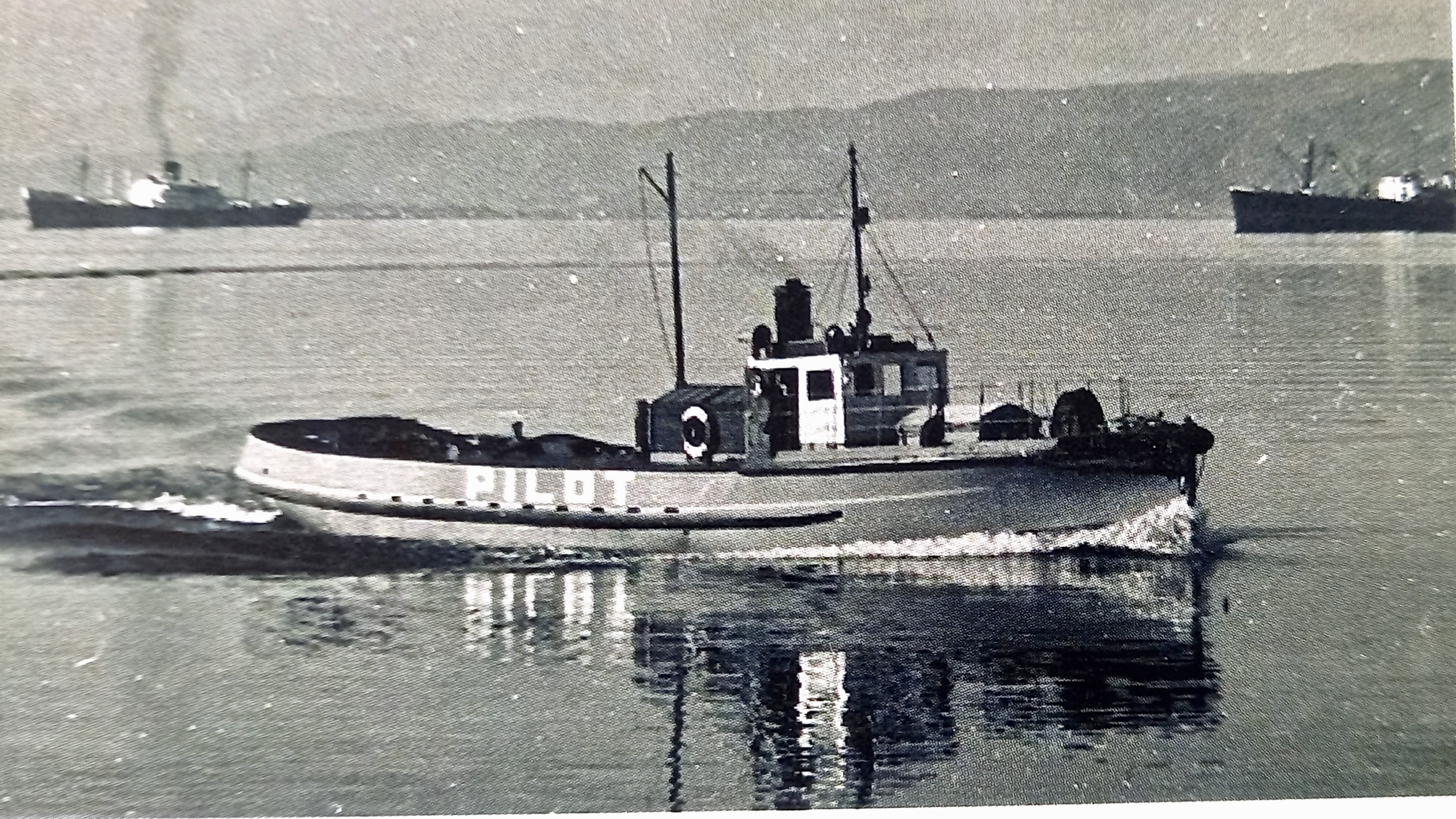
Going about her business on a calm Wellington Harbour
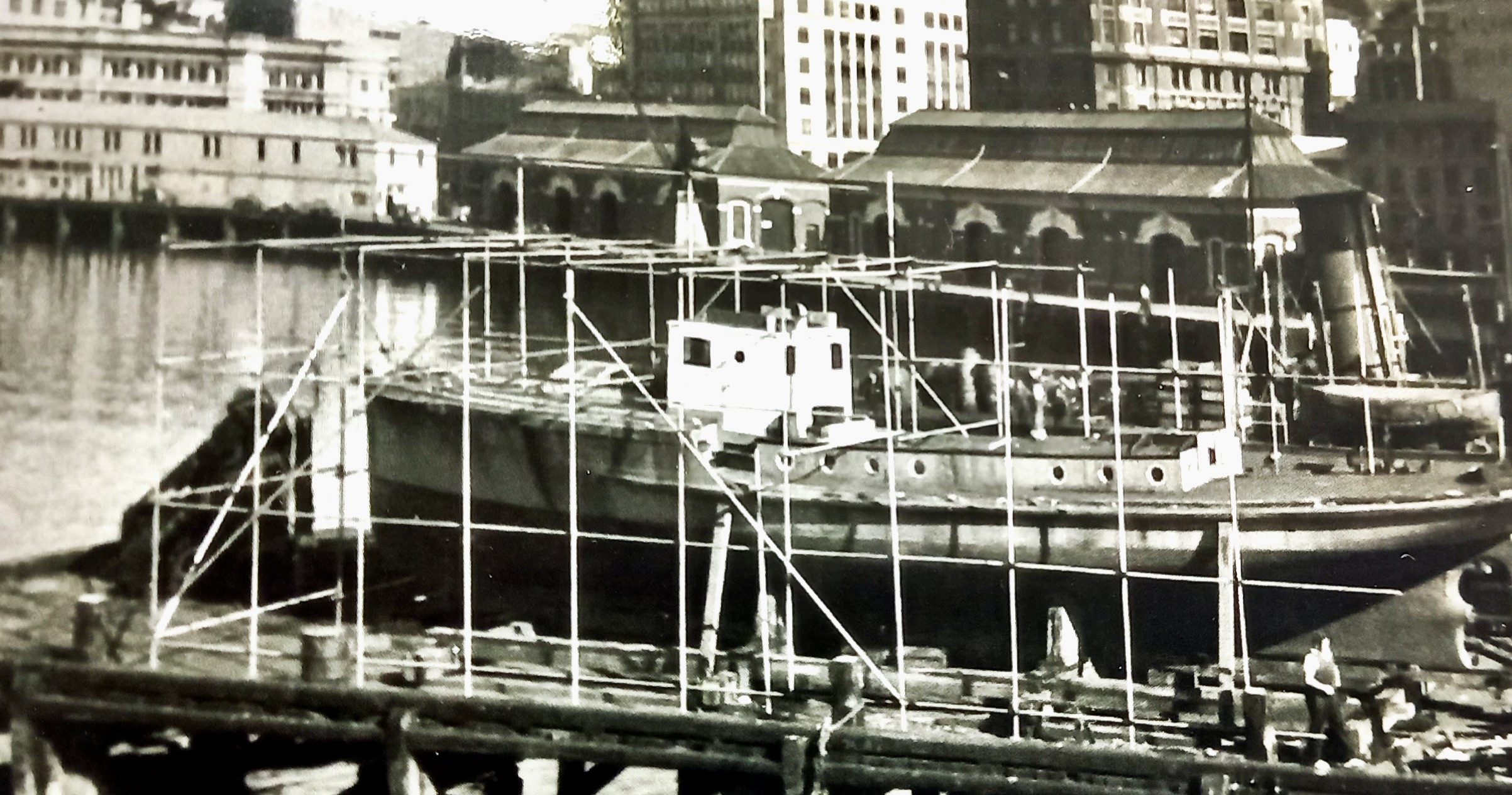
1954 at the start of her 18,000 pound refit, which included a new wheelhouse
Classic Wooden Work Boat – ARAHINA
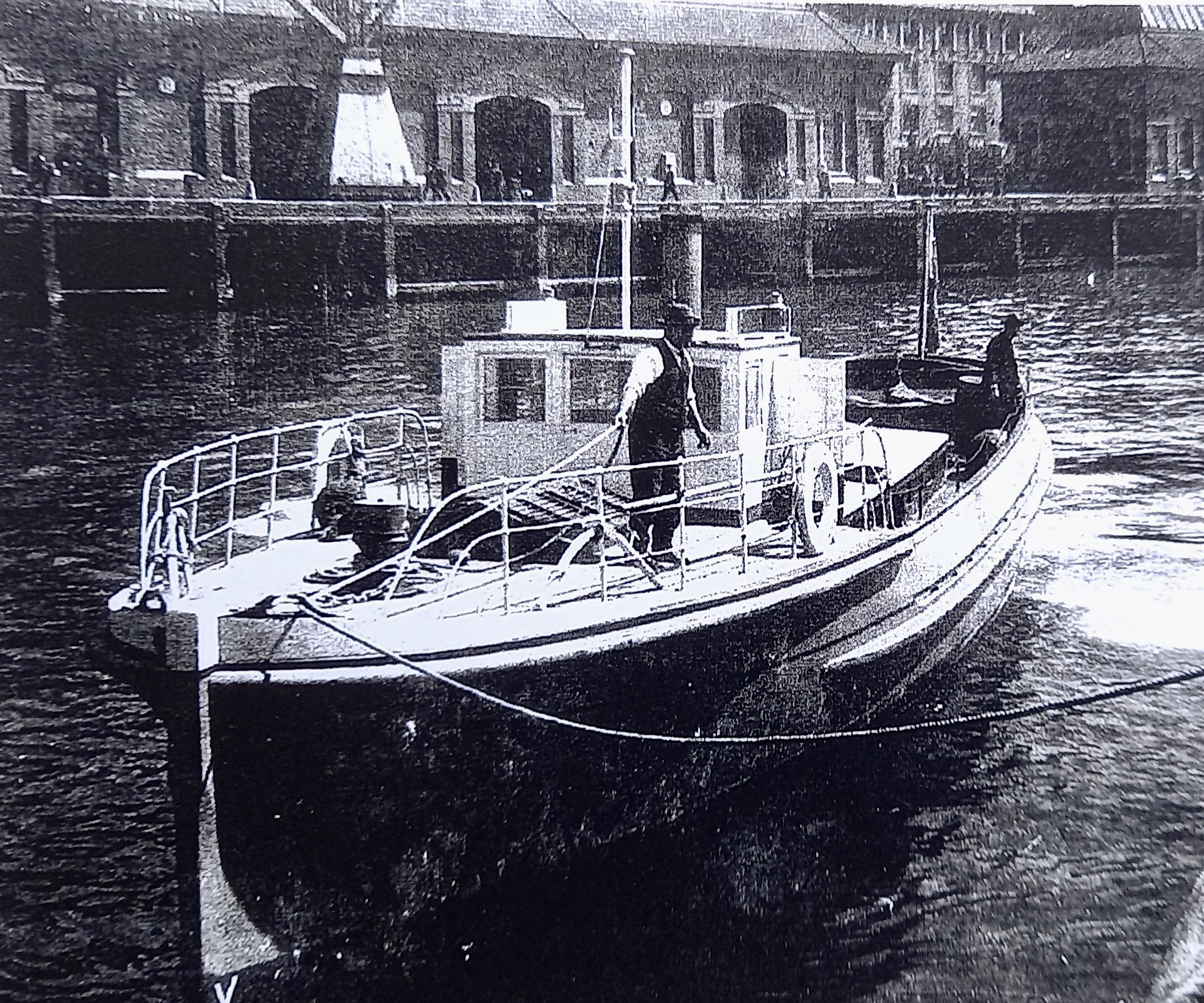
Back on August 24th WW draw attention to the Wellington ex Pilot Boat – ARAHINA and how she was desperately in need of a new custodian – At the time Paul Drake commented as below, then sent in the above photos from the past.
ARAHINA arrived in Wellington from Bailey and Lowe’s yard in Auckland on 31st October 1925. On trials she achieved 10 knots with her 100HP Fairbanks Morse engine. In 1954/55, ARAHINA had major work done on her structure and a new wheelhouse added. This was done by Wellington Harbour Board shipwrights, at a cost of 18,000 pounds. In 1979, she went to Jorgensen’s in Picton for another refit, and on her return (under tow) she had the 193HP Kelvin engine fitted. She was sold into private ownership at the end of 1987 and relocated to Picton.She is remembered by one Wellington pilot who knew her well as “a narrow gutted single screw vessel.
She was a seaworthy vessel but tended to broach severely in a following sea, as was often experienced off Pencarrow in a southerly”. On one such occasion when she picked up speed on the face of a large sea astern, her stern picked up and over she went, throwing her Launchmaster into the corner of the wheelhouse as he tried but failed to keep her on course. The pilot and engineer eyed each other as they made for the open wheelhouse door. But ARAHINA recovered herself and all was well enough.
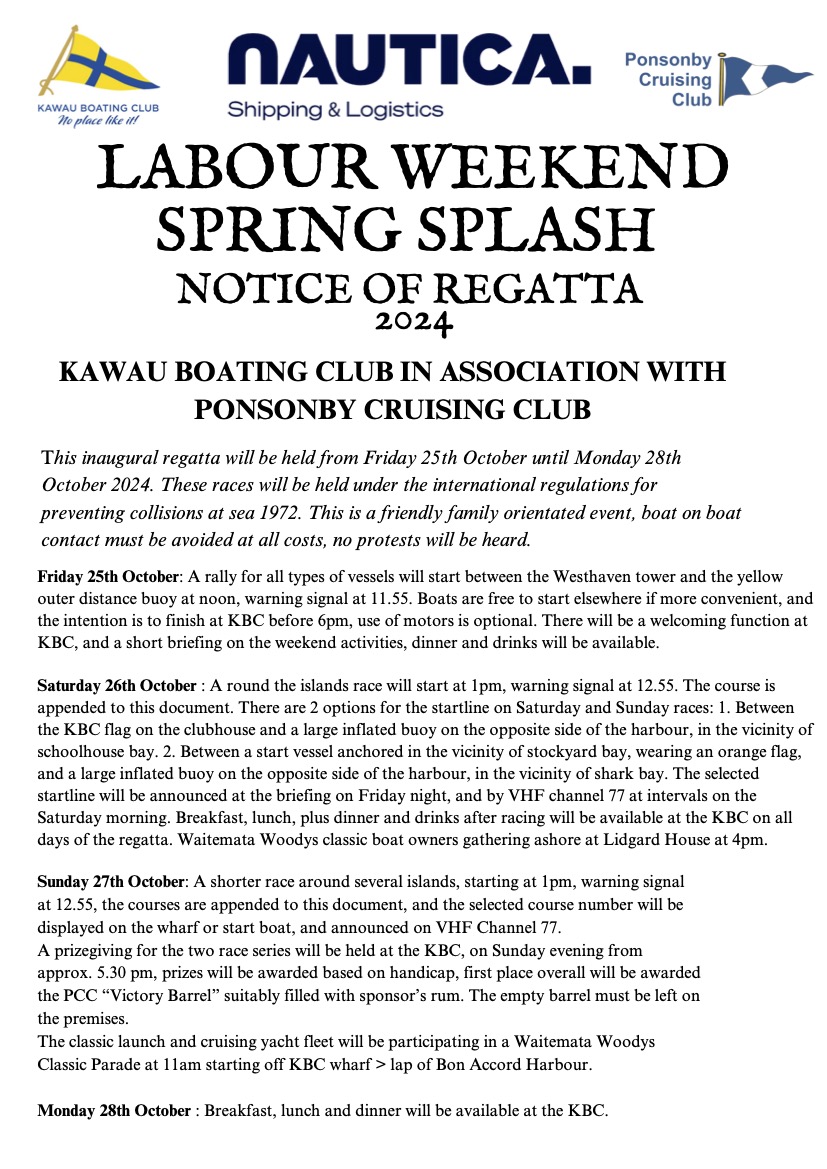
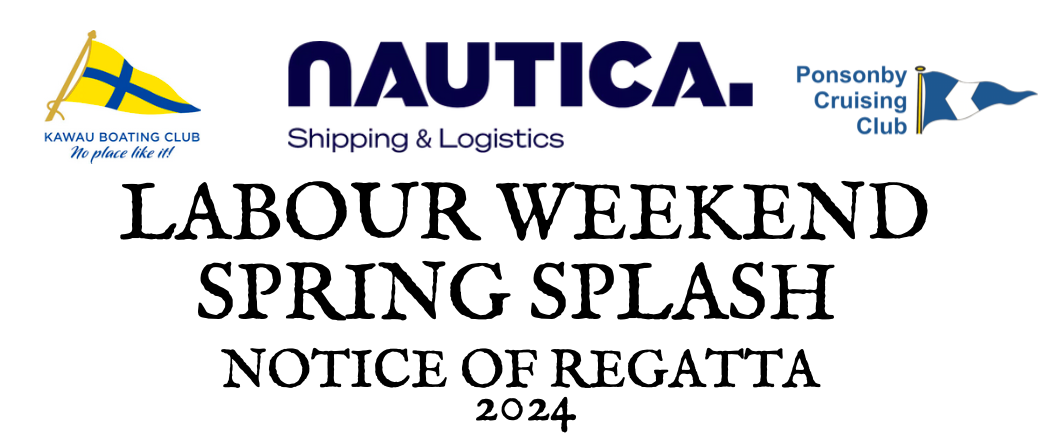
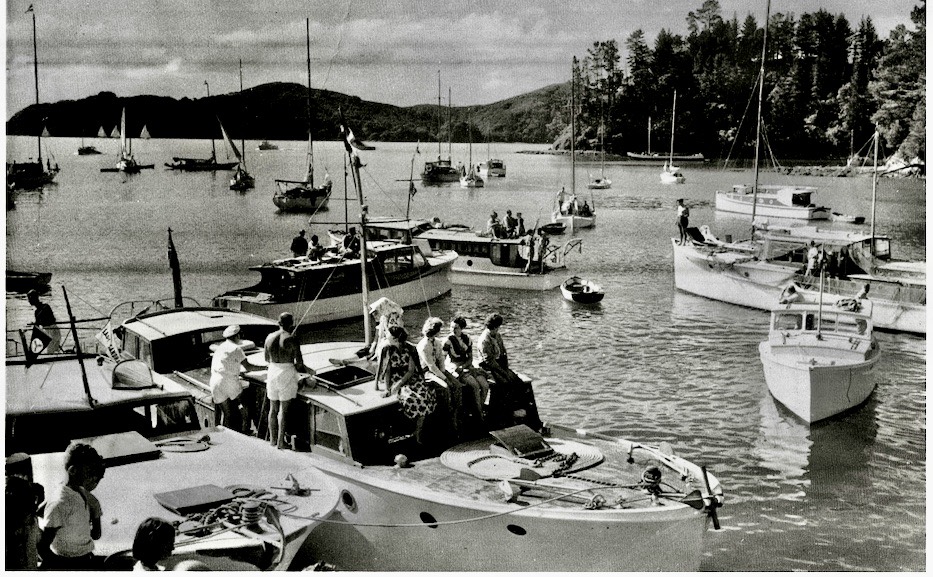
LABOUR WEEKEND CLASSIC WOODY BOATINGAT KAWAU ISLAND
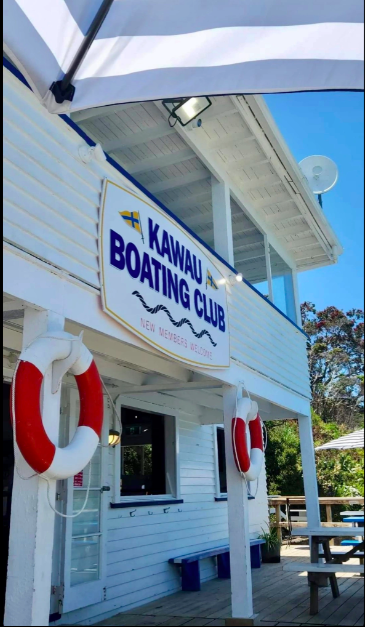
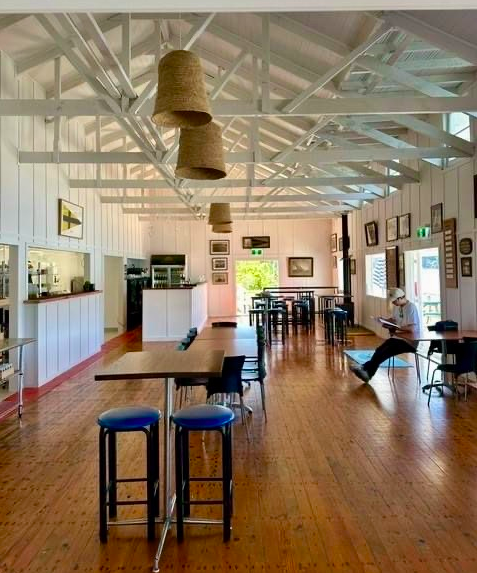
In recent years the Kawau Boating Club have probably been the must progressive boating club in town with their upgrades to facilities – clubhouse, jetty, fuel dock etc and securing the longtime tenure on the clubs assets.
In addition to all this the club, spearheaded by Mike Mahoney, have been planning to create an icon event for the club – well sometimes looking backwards is a smart thing – for decades the KBC hosted every Labour Weekend an OPENING WEEKEND REGATTA, but for all the wrong reasons the event had slipped off the calendar. Fast forward to 2024 and opening weekend at Kawau is back – bigger and better than ever.
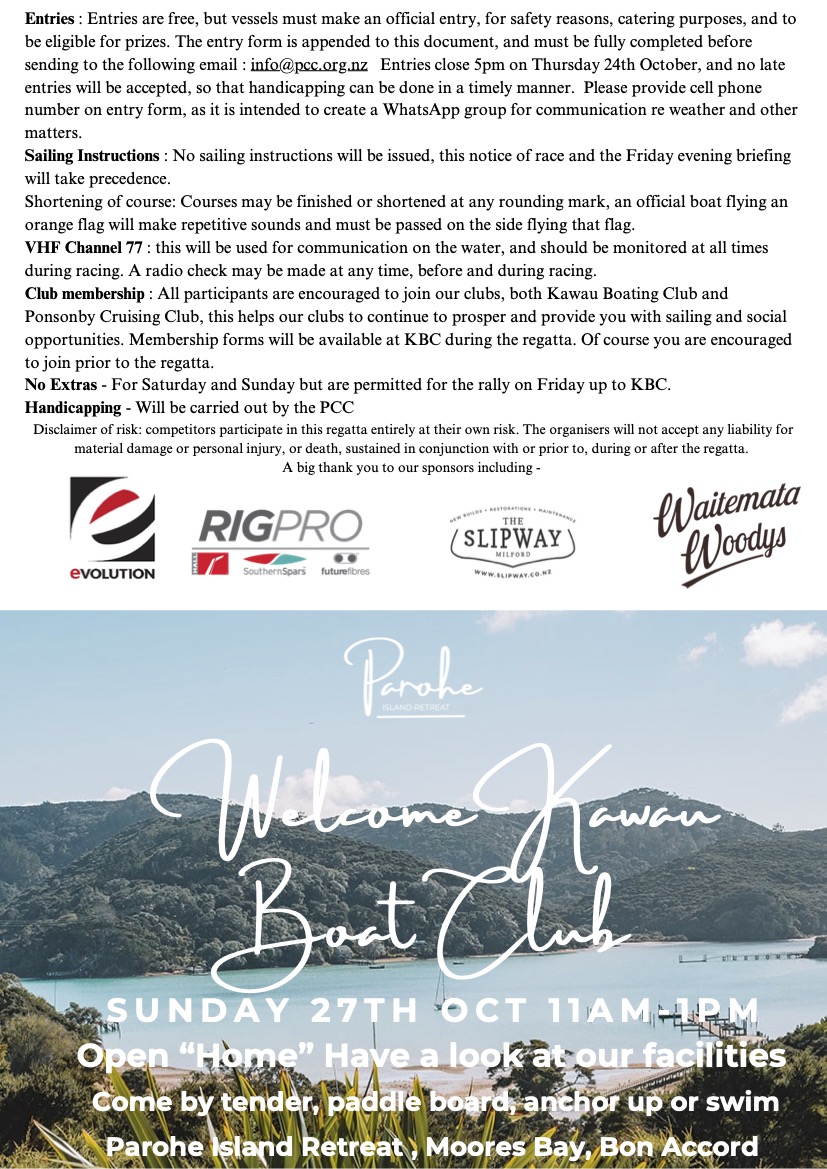
KBC will be holding hands with the Ponsonby Cruising Club to offer up an action packed long weekend of boating activity – afloat and ashore. See below for details.
While most of the on-the-water activity is sailing focussed, WW have been working with KBC and PCC to encourage classic woody launches and classic cruising yachts to attend.
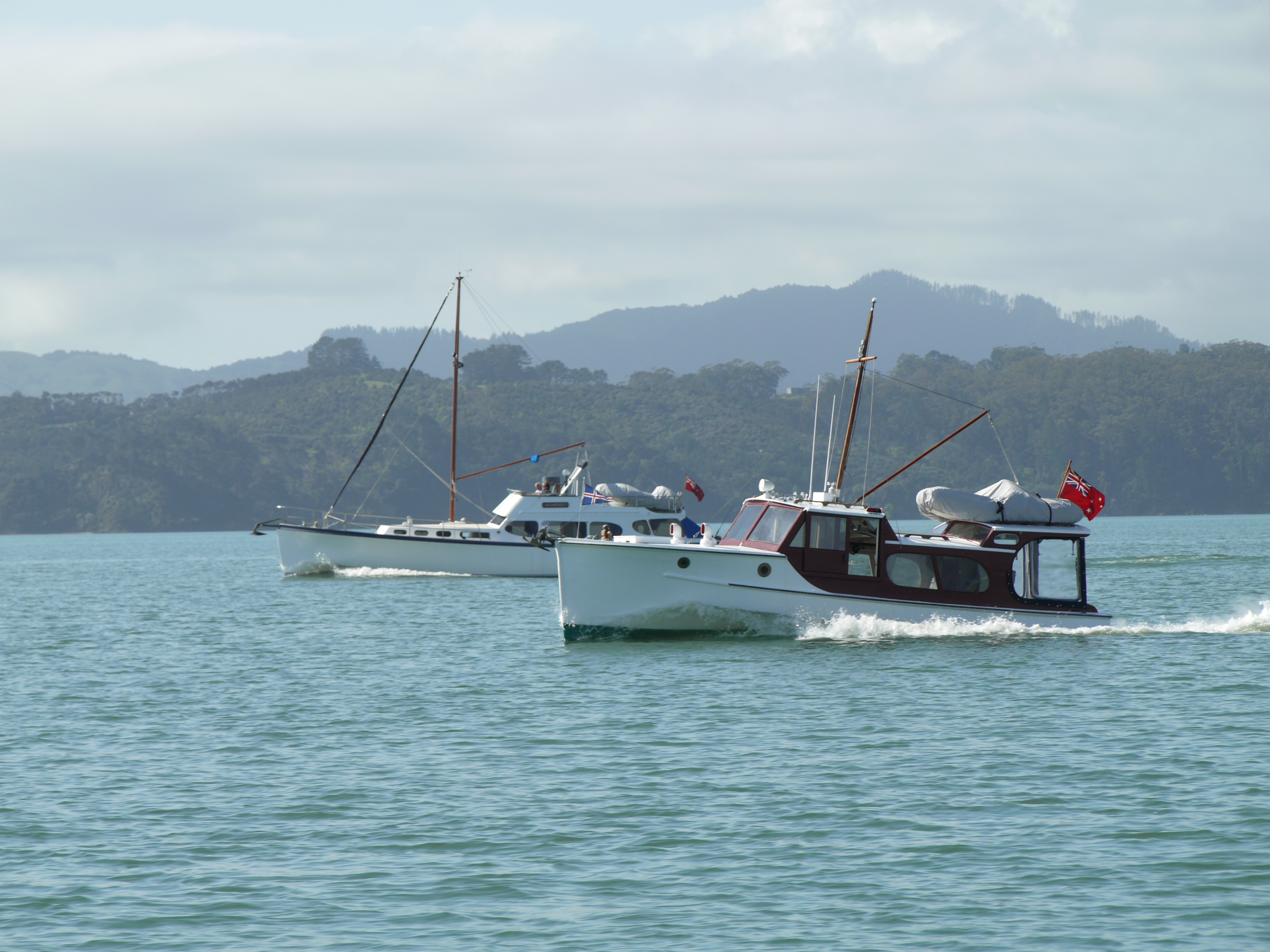
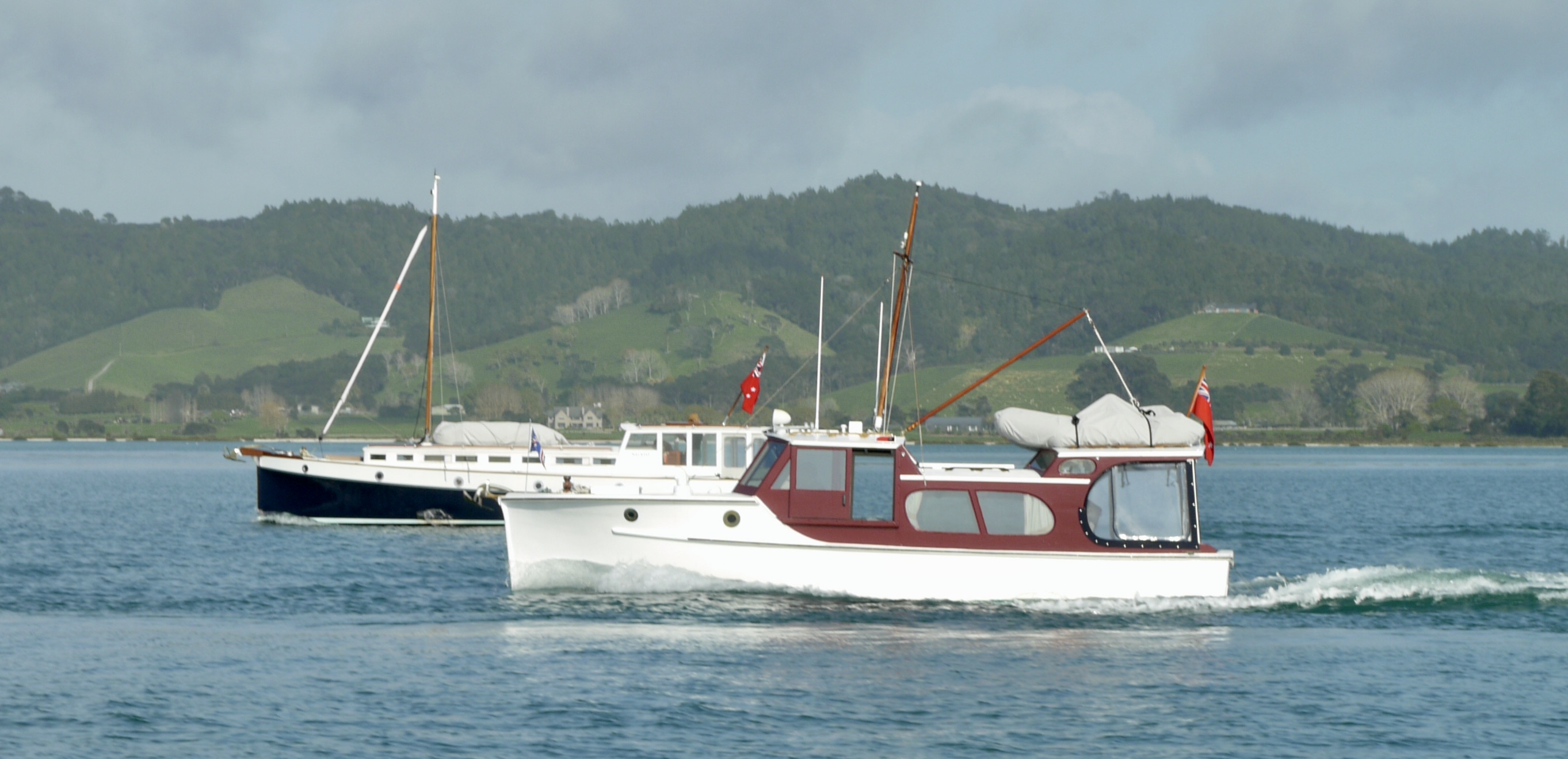
The plan is to hold a classic woody event on the Sunday where woodys will participate in a parade around the bays / baches in Bon Accord Harbour – along the lines of the Mahurangi Weekend launch parade. Meeting time will be 11am off KBC wharf.
We will spice it up with prizes for things like – Best Dressed Craft / Longest Traveled / Oldest Boat / Lucky Draw etc – + all woodys in the parade will also go in the draw for a haul-out at the Slipway Milford yard. On the Saturday there will be a waitematawoodys gathering ashore to catch up and enjoy each others company. There will be lots of opportunities over the weekend to enjoy the recently refurbished clubhouse – so make plans to be there.
So for now
1. Circle Oct 25 > 28 in the diary
2. View / download the file below to read all about the weekend.
3. If you own a yacht or crew on one – down load the entry form at the link below
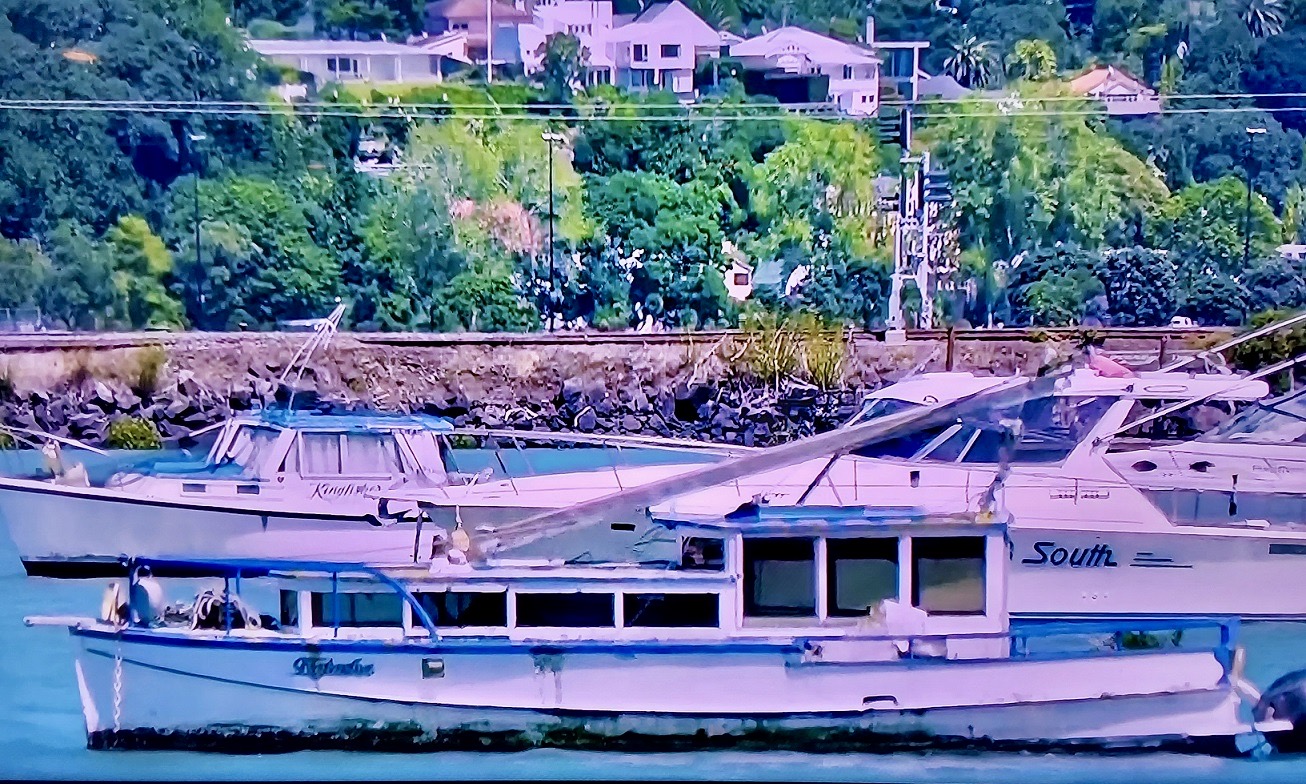
And there is always a woody boat story – check out the photo below ex Ken Ricketts of two woodys in Whakatakataka Bay (Orakei, Auckland), can we put a name to the boat in the foreground. Excuse the image quality – pulled off TV screen.
INPUT ex NATHAN HERBERT – It’s Natasha which kept sinking and then was hauled at Okahu and presumably left by road or bin. The other is a Kempthorne / Salthouse KB760 type, presumable fibreglass. https://waitematawoodys.com/2017/06/07/natasha/
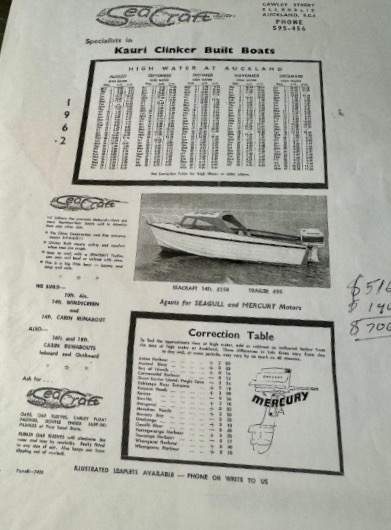
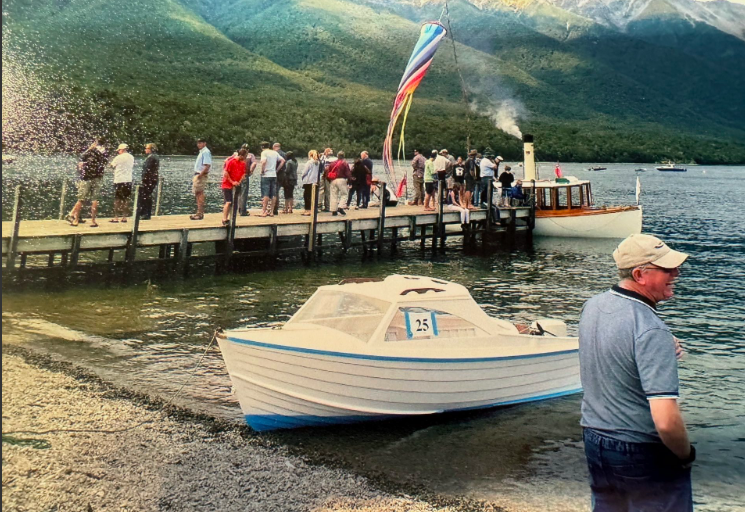
MERLE – 1956 CLASSIC KAURI CLINKER This very smart looking 14’ Sea Craft built kauri clinker runabout popped recently on tme. In the last 18 months we have seen several of these woodys hitting the market . This one is named MERLE and appears to be one of the best.
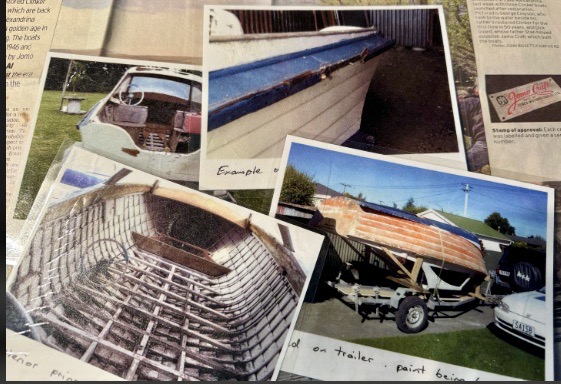
She was rescued and restored by retired Fairlie boatbuilder Dick Guard as a retirement project. His father, in turn, was also a boatbuilder in the region who helped create Jomo Craft, which built some of the country’s most beautiful old timber boats.
Her owner has correspondence between the restorer and Lionel Sands of Sea Craft – which went on to become Haines Hunter. Sands talks about working in the family’s 1,000 acre forest where for two years he milled the kauri timber used to build this boat. His father believed you must appreciate the living tree before you could build boats.
The original construction of these boats is detailed in the correspondence and the restoration detailed in hand-written notes.
The owner purchased the boat but a growing family has meant MERLE has not been used she she should be and the decision has been made to pass her onto an appropriate new owner.
She’s fitted with a 30HP Mercury two-stroke and an auxiliary Mercury outboard.
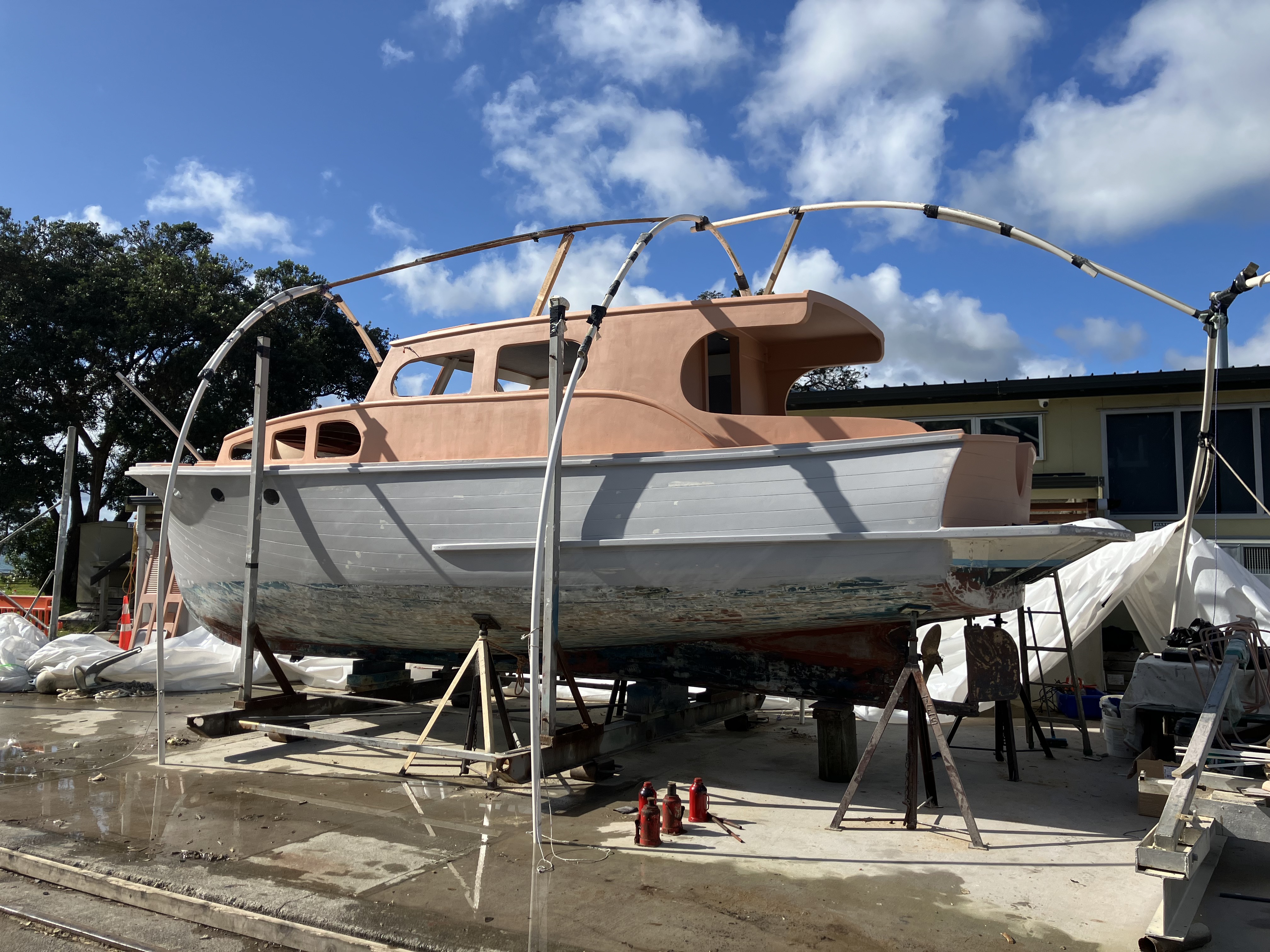
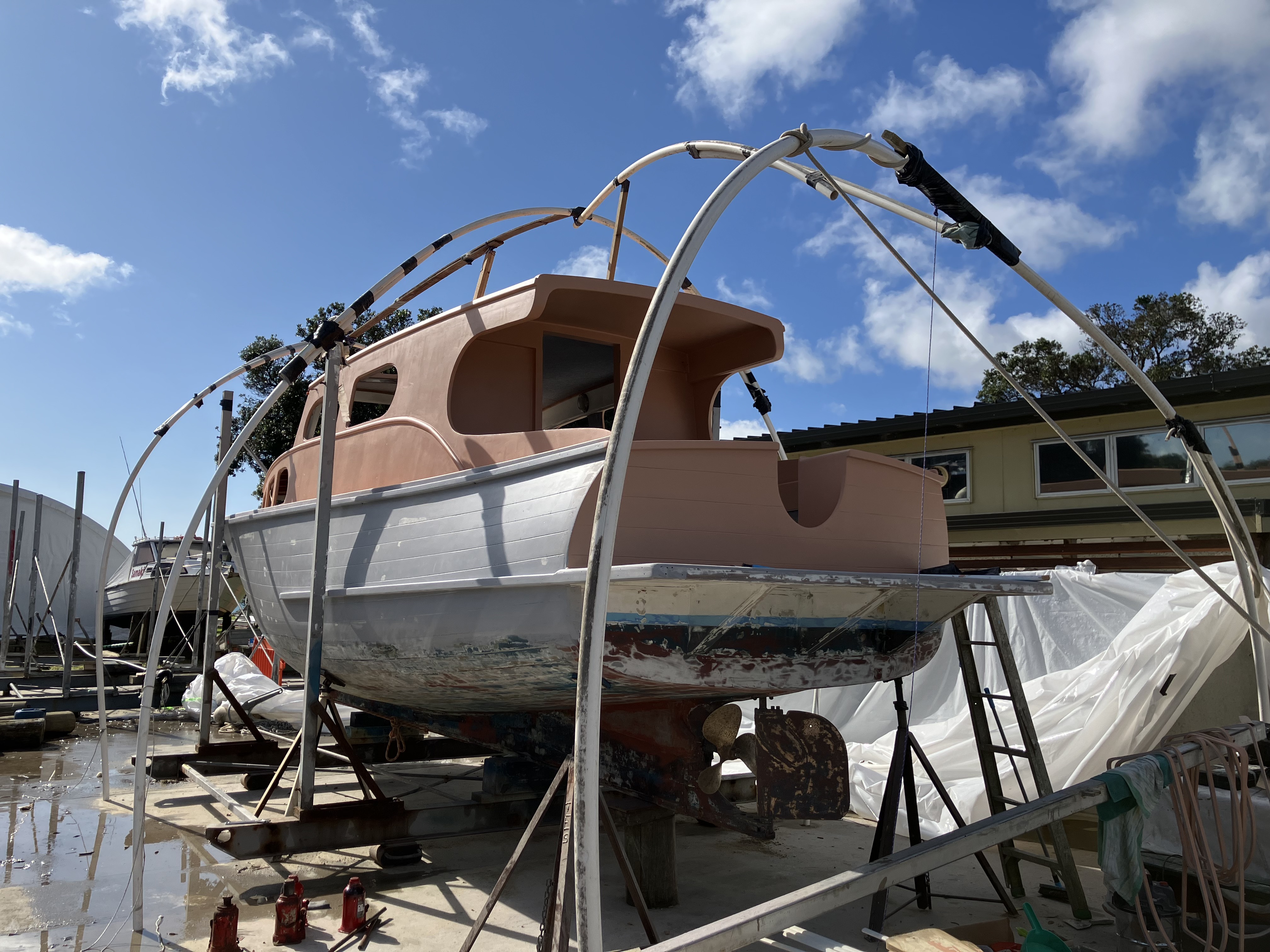
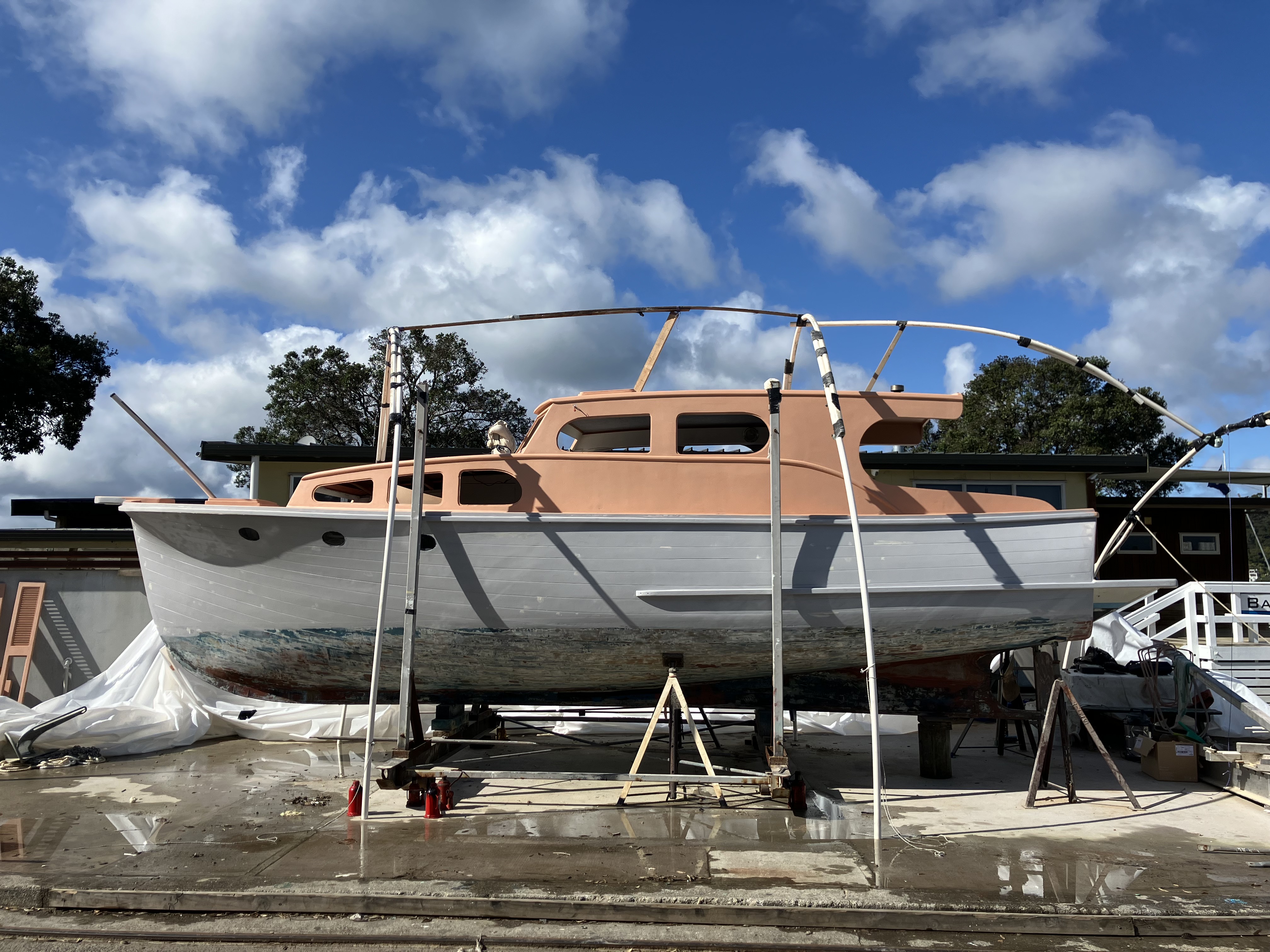
Today we have the latest update on the restoration of LADY CAROLE, as previously co-owner Patrick Crawshaw will walk us thru it – certainly on the home straight 🙂
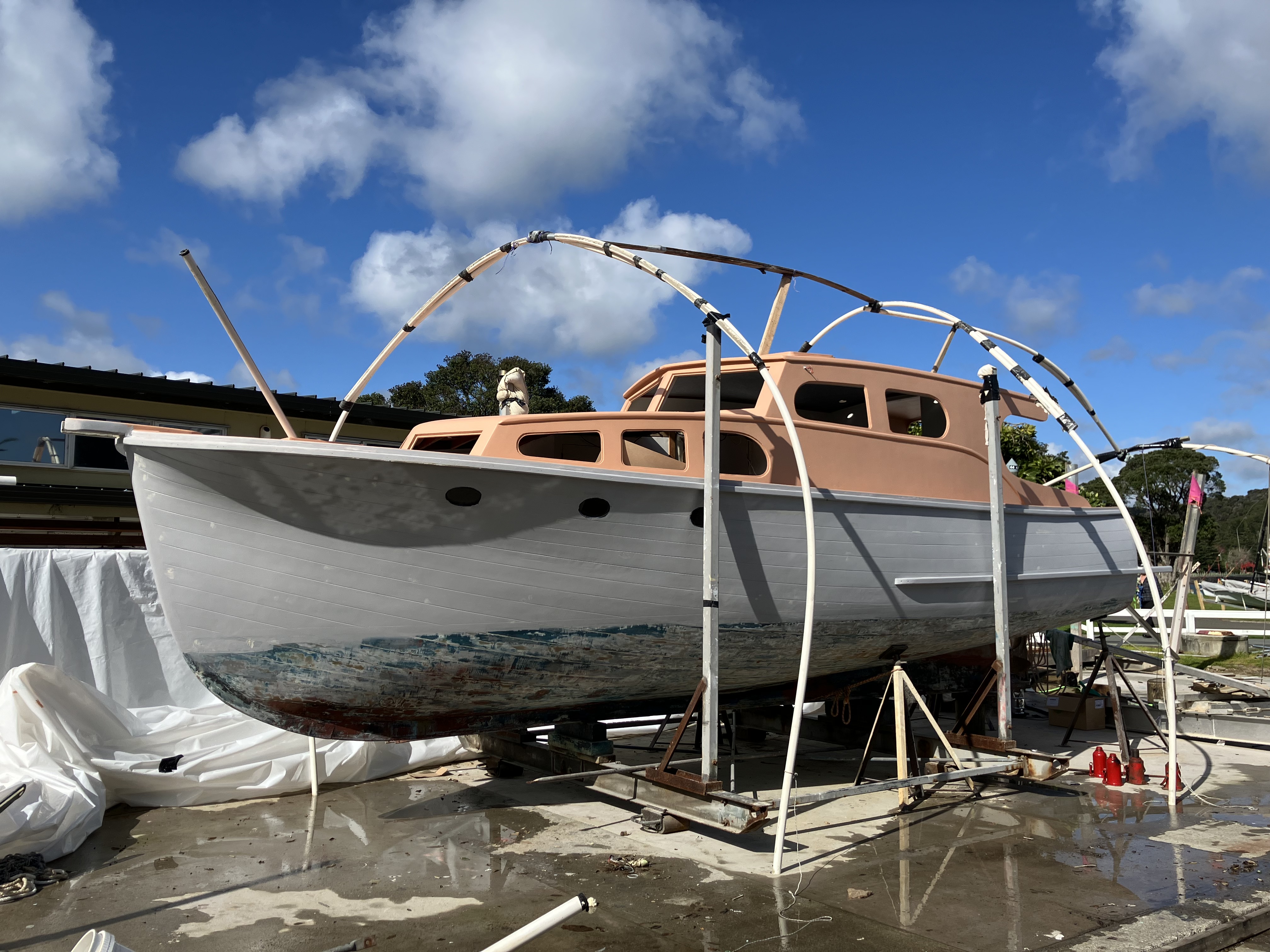
“A couple of weeks ago the cradle had to be removed for another boat, and so the cover had to come off. After all this time under the plastic, we were able to see Lady Carole for the first time after all the work we had done. Later that day, the cover was pulled back over and she went back into hiding for the home stretch of work to be done – finish line in sight!
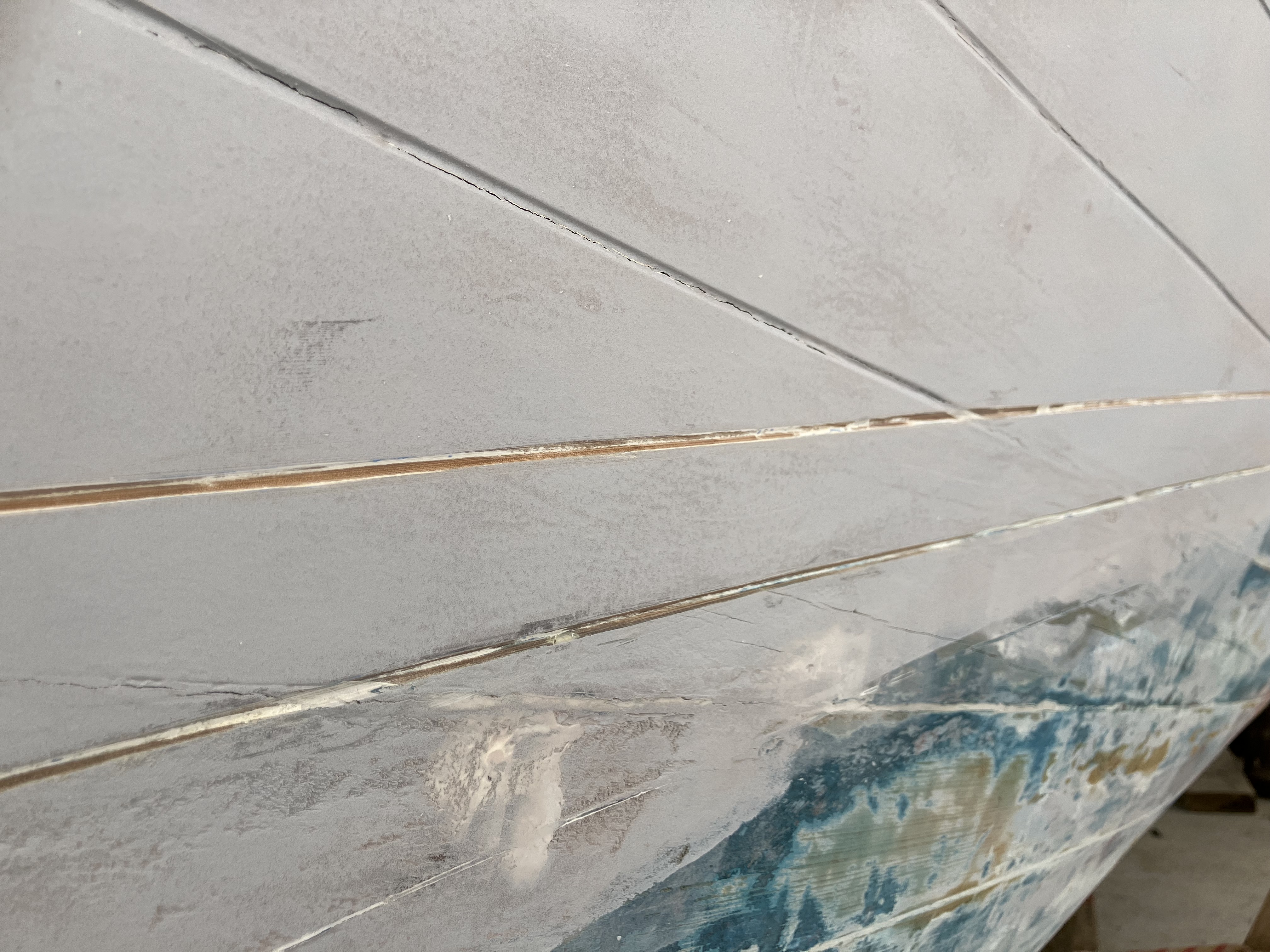
The original waterline, which was grooved into the planks, was reinstated.
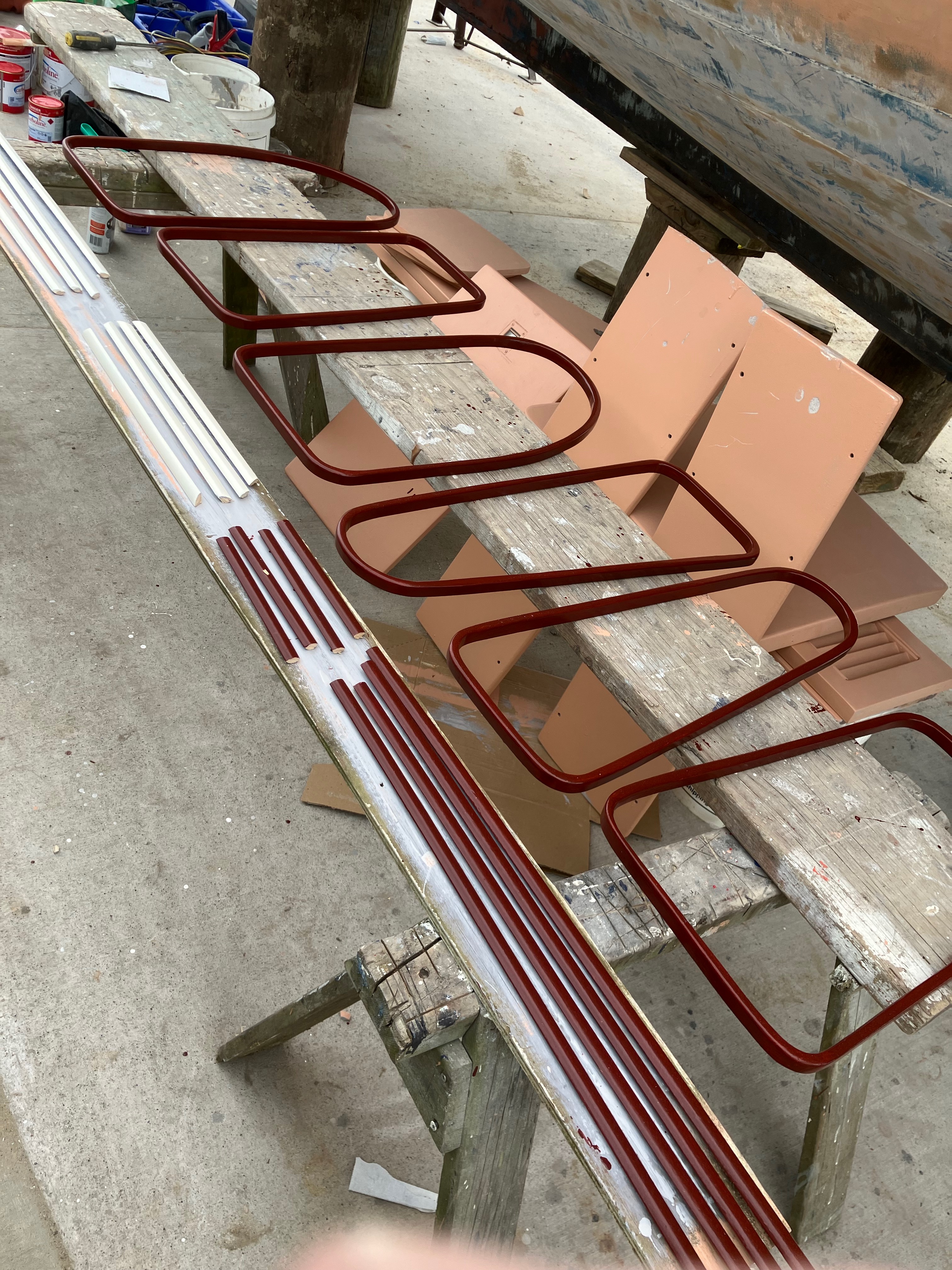
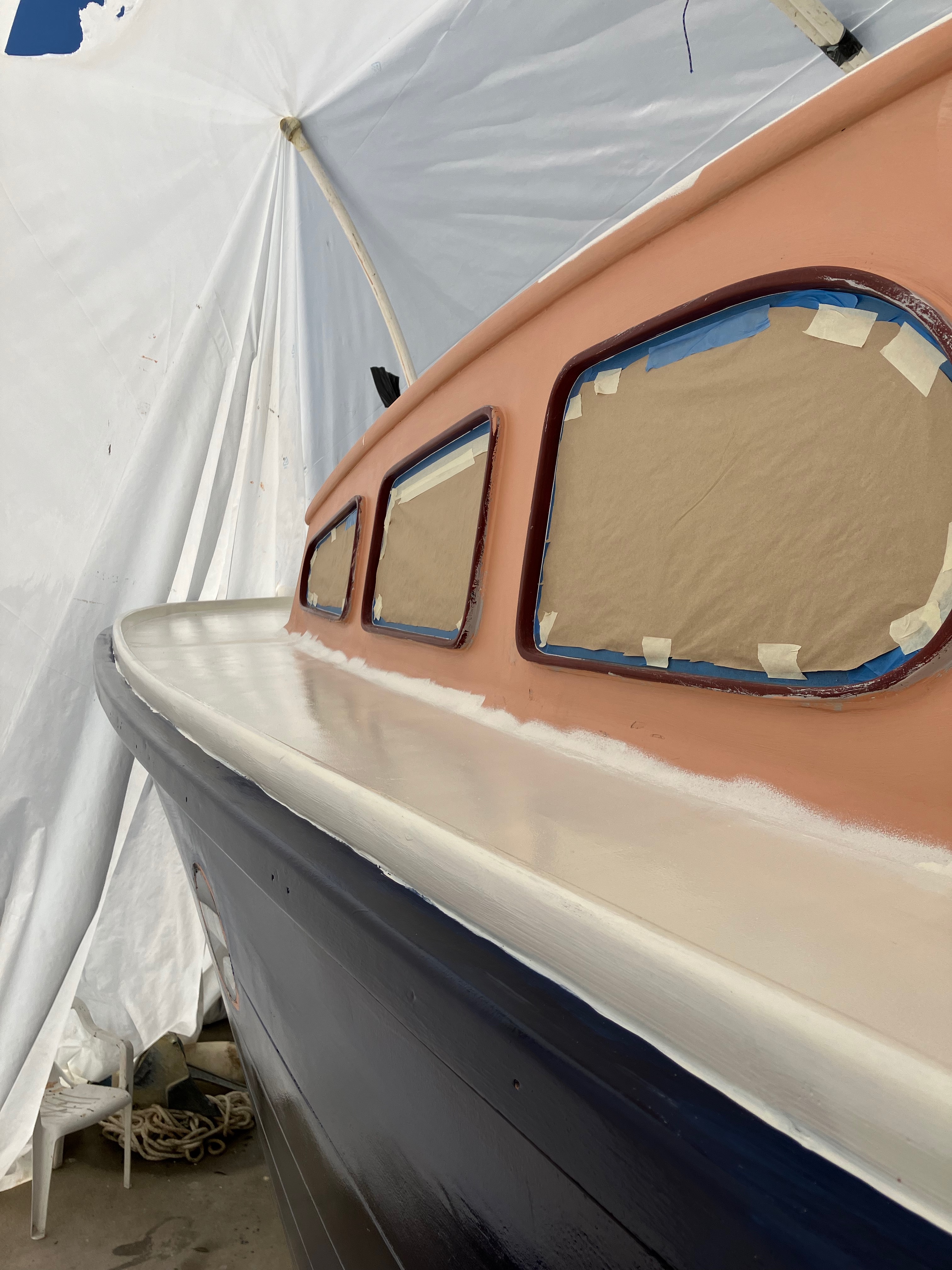
Window trims with top coats
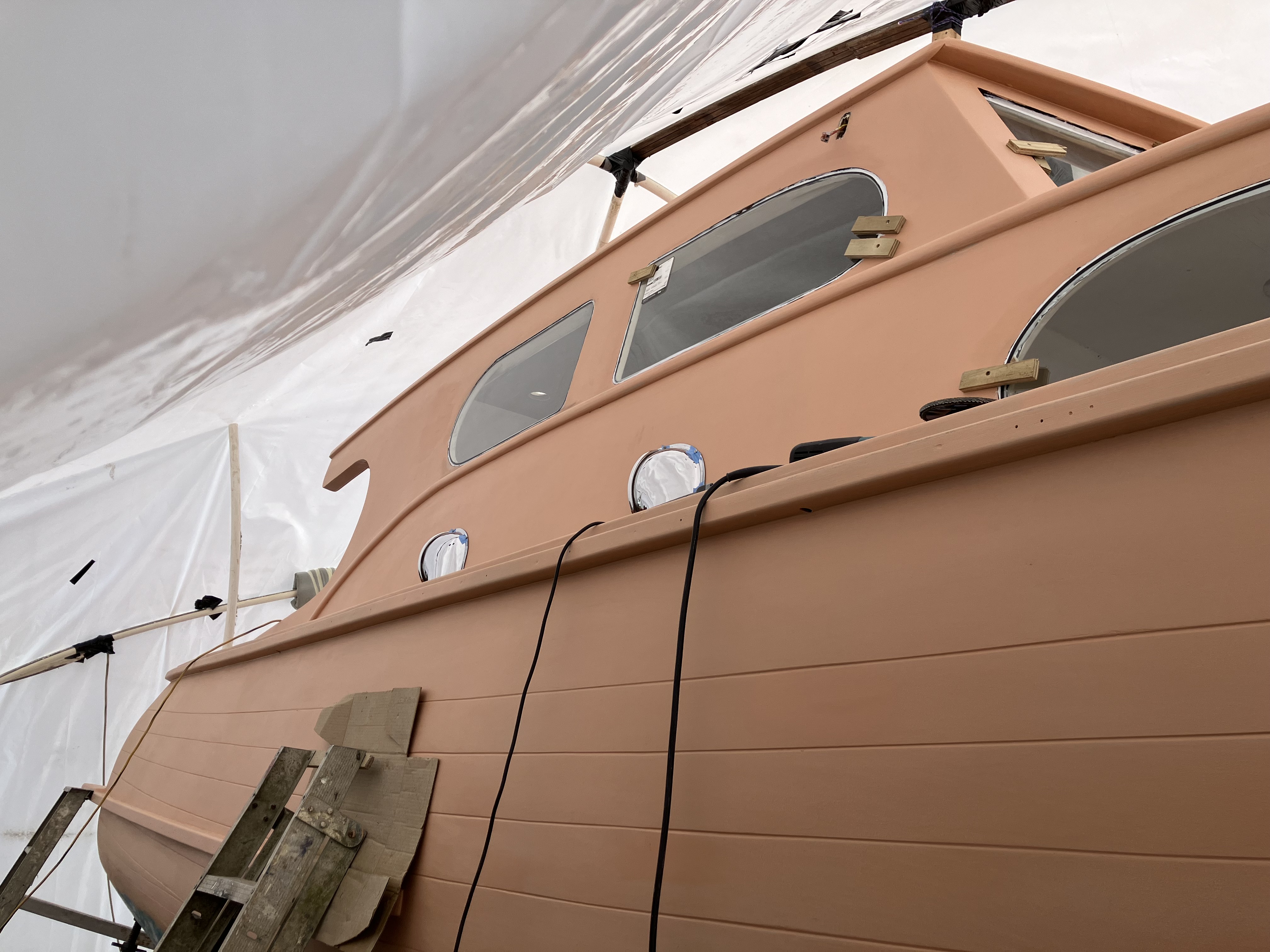
The glass for the windows arrived and were fitted along with the trims.
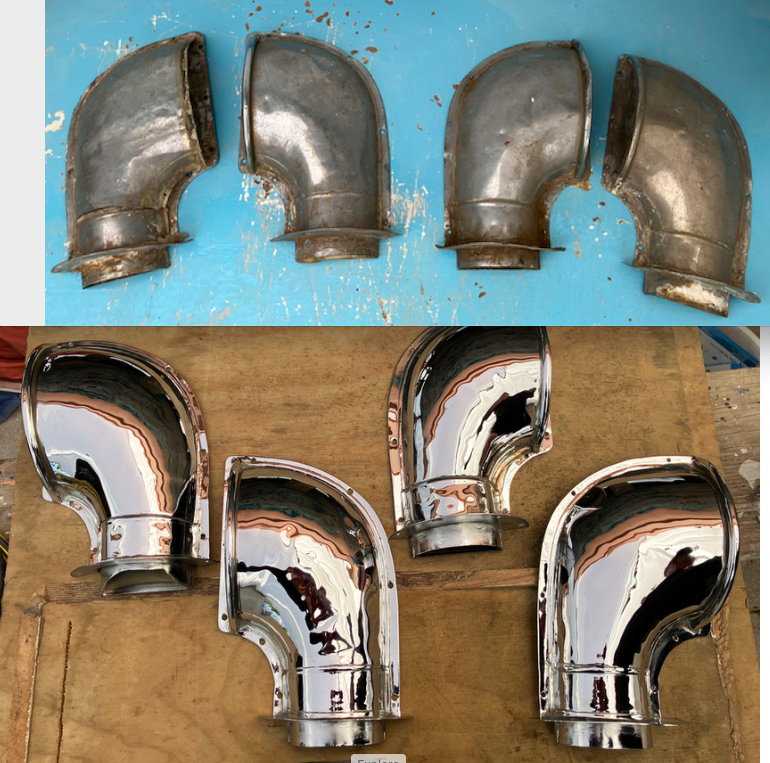
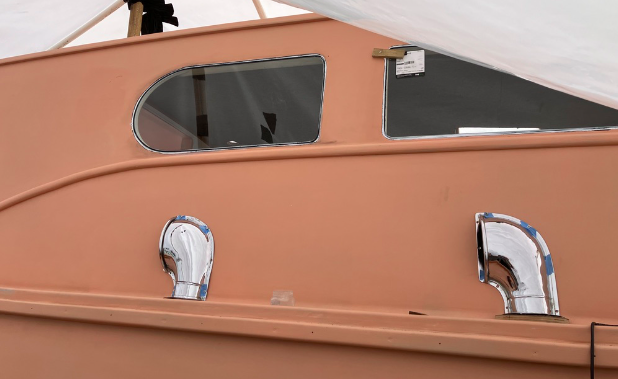
Chrome half cowl vents were collected from the fabricators who had to repair them and then they went to the Chromers. Both companies did an incredible job at restoring them.
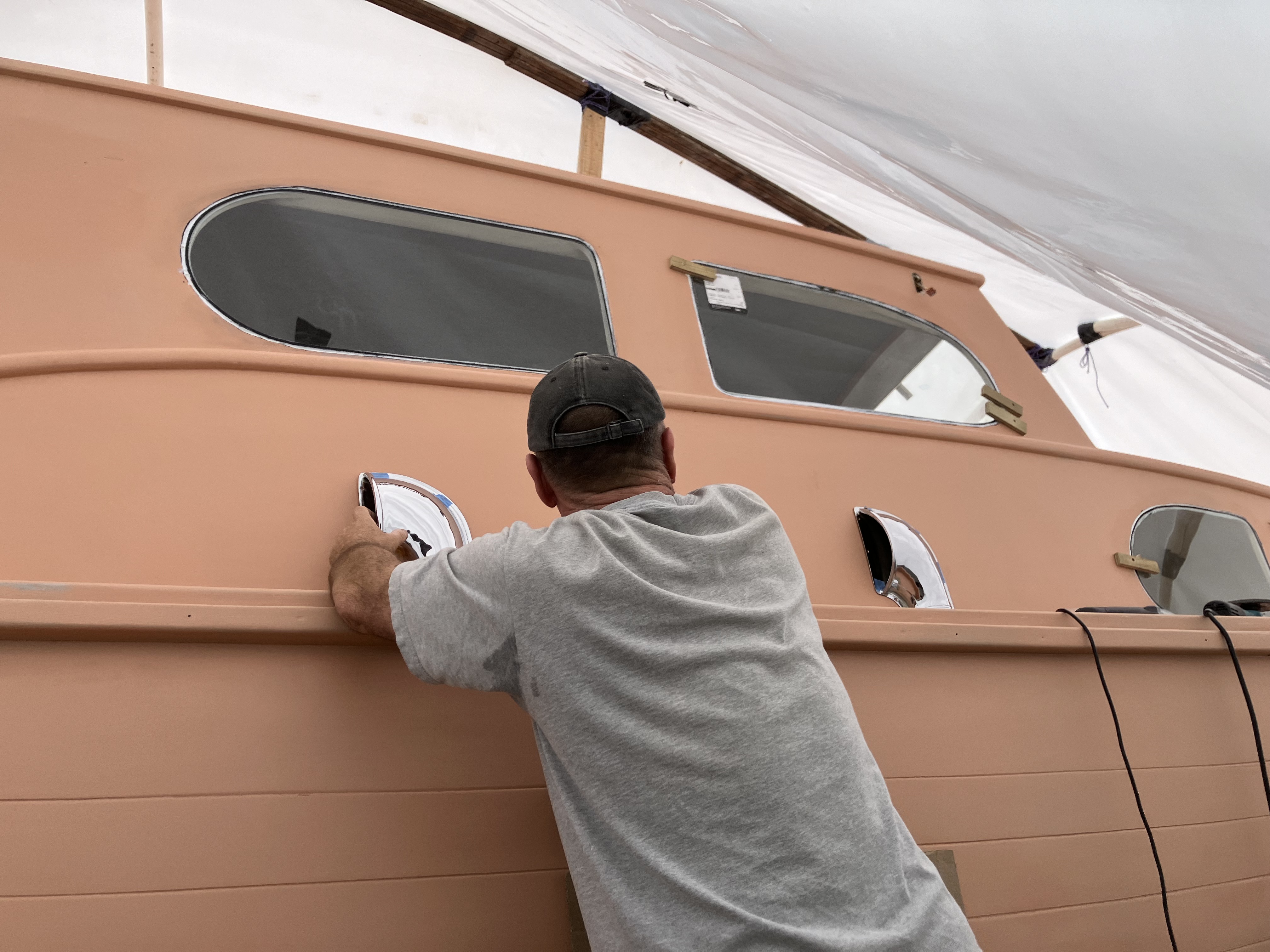
Plinths had to be made for them to sit on. This is them being pre-fitted to the boat so we could get the plinths right as they angle back and in.
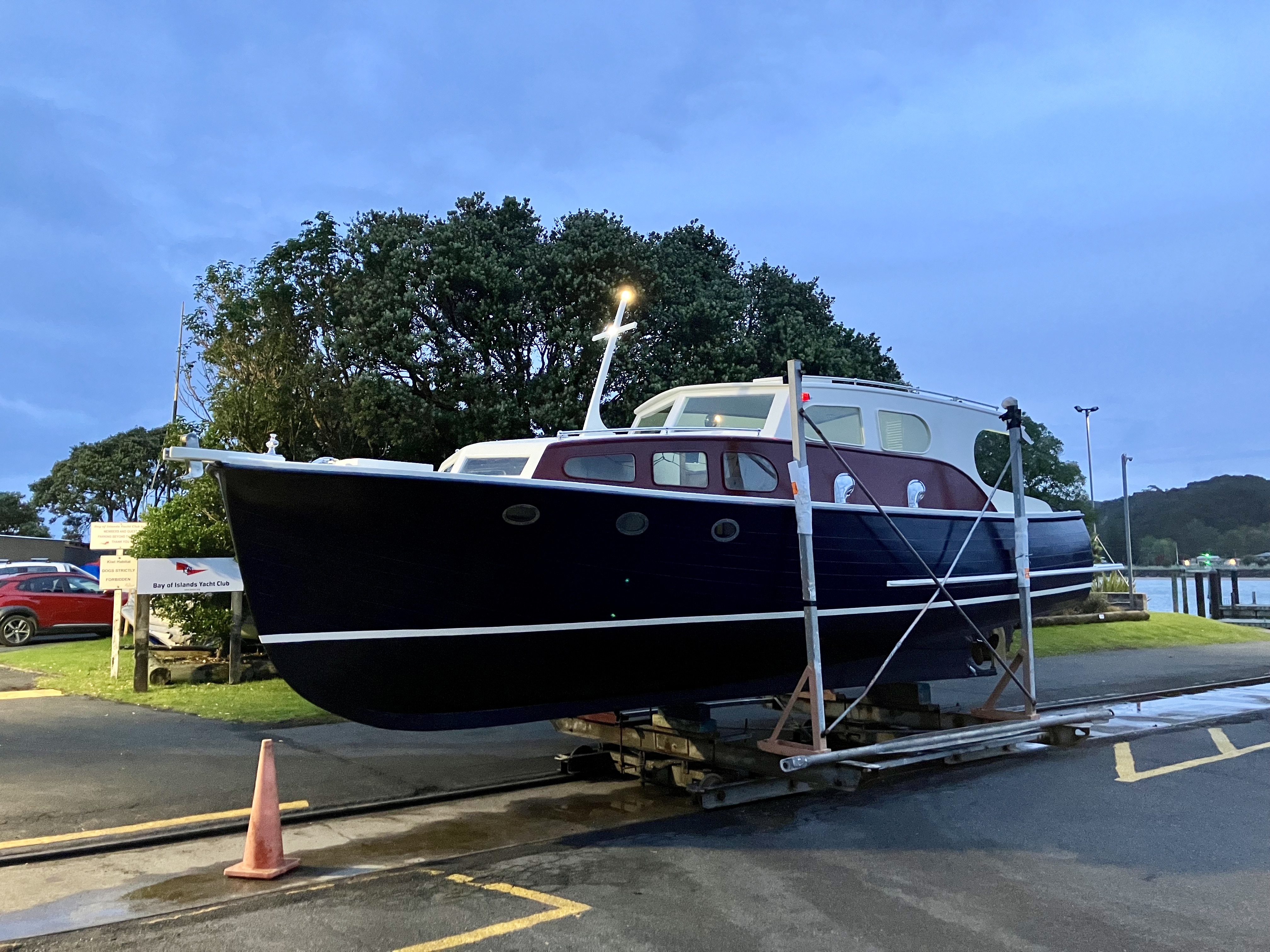
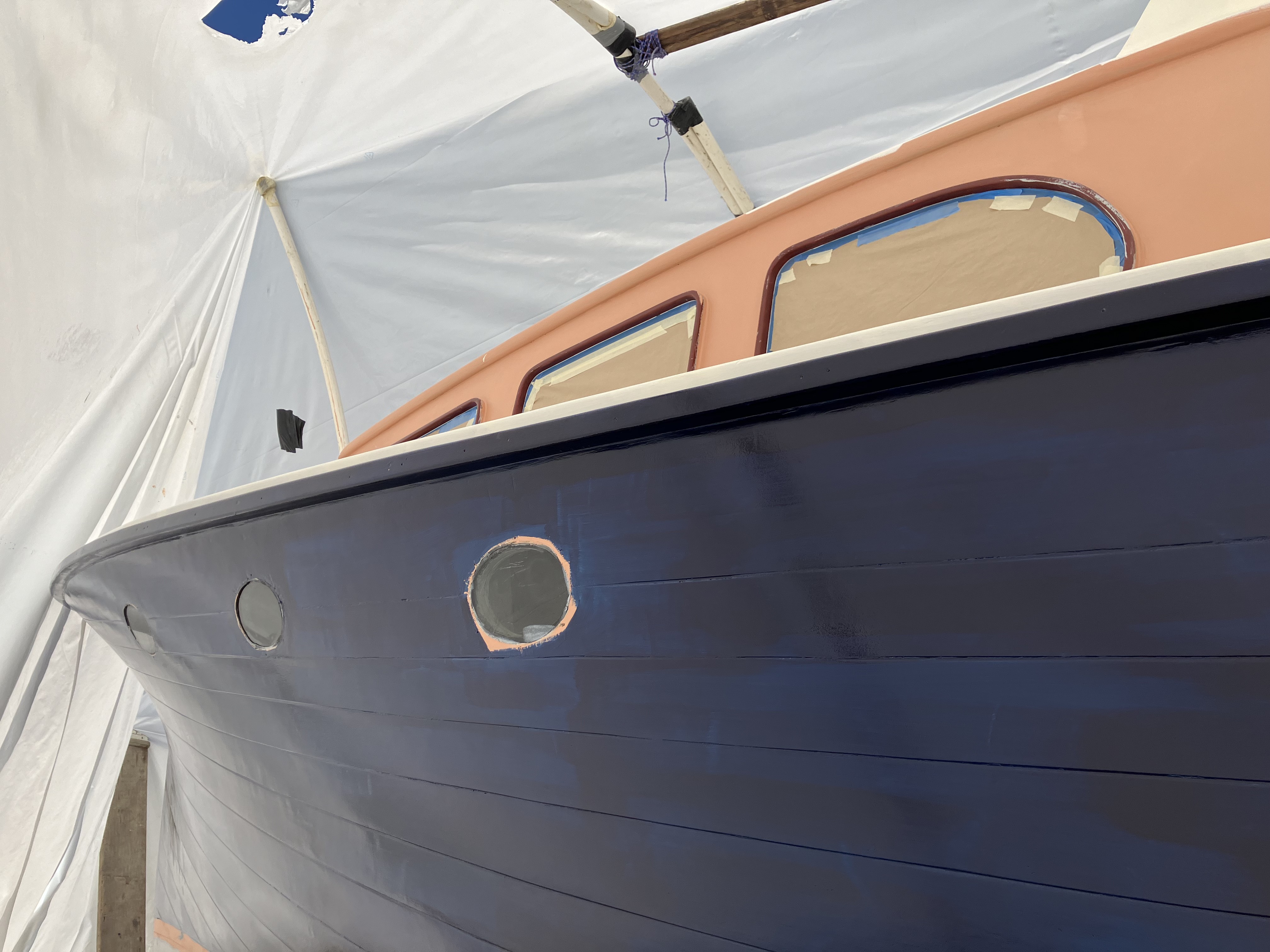
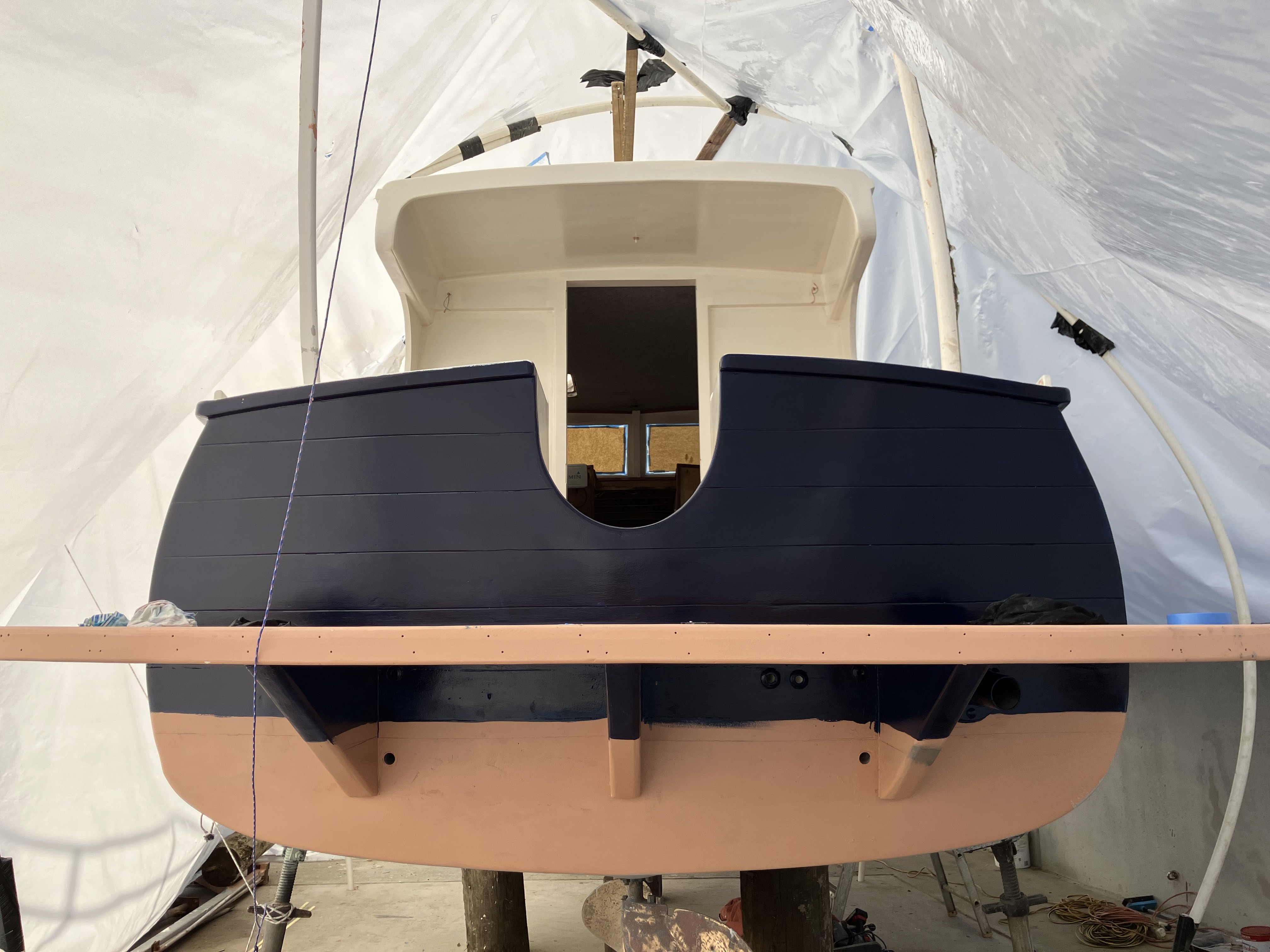
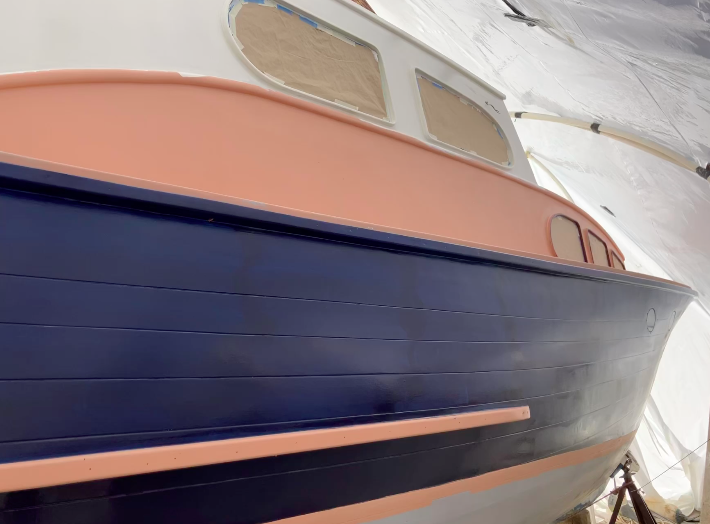
And finally the colours are going on and we can see the colour scheme a bit better. All two-pot rolled on and then tipped off with a brush.
Second coat white, then it will be masked for the blue to form a sharp line.
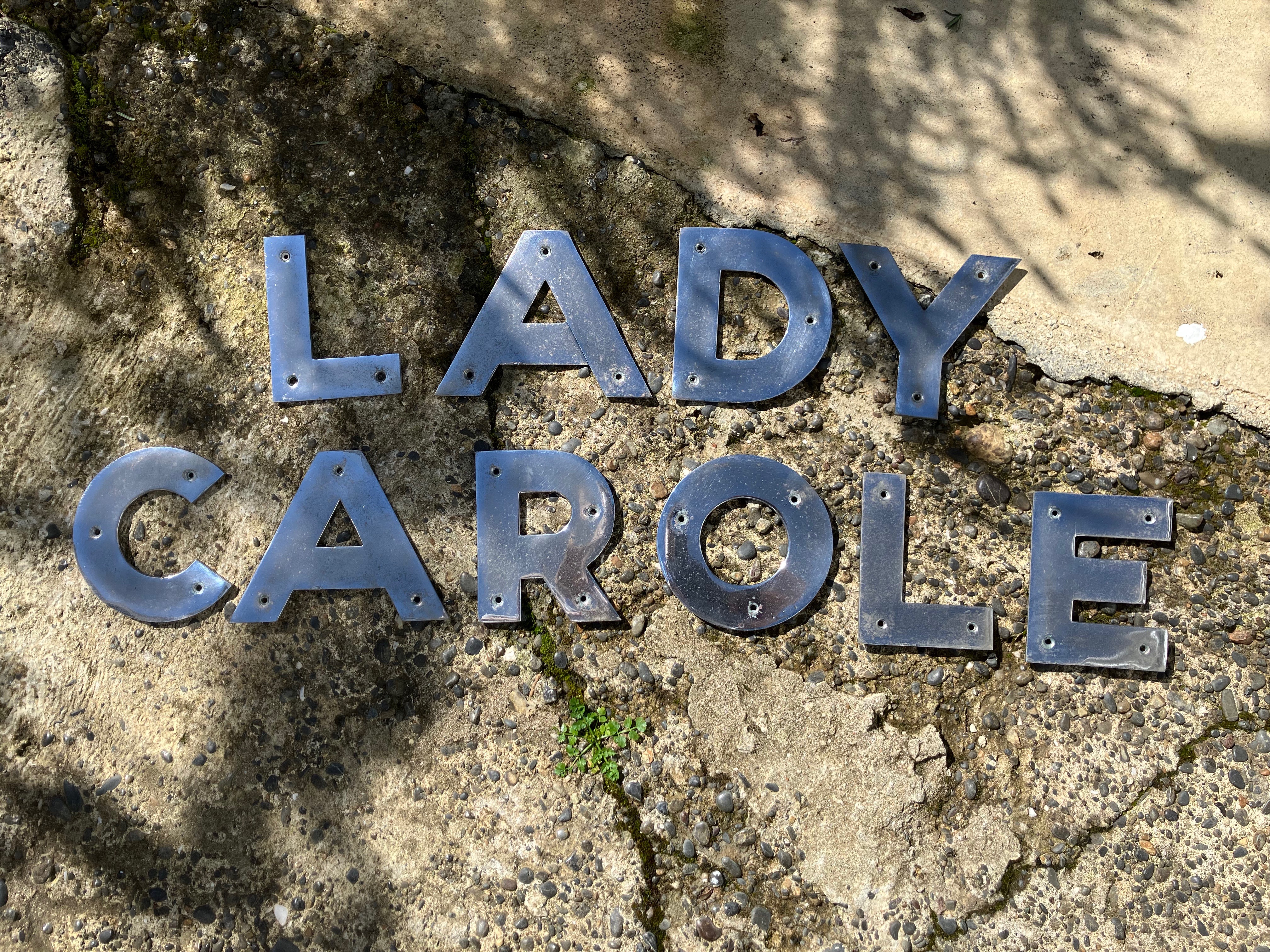
Lady Carole letters will go evenly spaced just below the walk through instead of either side as they were before.
Mid section is going to be browny red and this goes on tomorrow, so more photos to come once this is done. Rub rail will be white to break up the blue a bit. Waterline will also be white.”












 waitematawoodys.com #1 for classic wooden boat stories, info, advice & news - updated daily - 15+ million views