An insight into the Whangateau Traditional Boat Yard


There has been a lot of great photos posted this week from last Sundays regatta & reviewing them I wondered how many of the ww readers knew the background to Pam & George & the yard. So I asked Pam to tell us a little about themselves & the yard. So read Pam’s reply below. Alan H
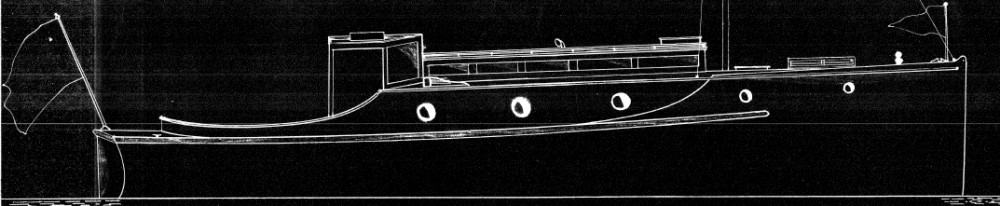
“First I have to say thank you to everyone for the wonderful support we had on Sunday welcoming the Dreyer family, the new owners of MV Laughing Lady, our newest arrival at the yard. We attribute this support to a mix of Alan’s awesome website and Jane High’s enthusiasm for bringing everyone together. Special big thanks also to all those that brought boats along, to all the sailors, to the helpers who lent a hand with the rigging and the young pirate that made it such a fun time.
Way back
When George was a little boy he would build small Woollacott type model boats in the back shed. Then under his older brother Jim’s watchful eye he built a Cherub design and then a Zepher. He didn’t sail them on the tranquil Tamaki River but preferred to race them with other keen sailors out and about with the Kawau Yacht Club. Then he built thirty and forty foot trimarans and sailed away to the Solomon Islands… and beyond.
When I was a youngster Mum and Dad would bundle up my two older brothers and oldest sister (youngest sister was still just a twinkle) along with our short legged, black and white dog, Boy, and we would – with great excitement and anticipation, be taken night-time fishing. Under the cloak of darkness and the drone of the seagull outboard, we would motor the short distance from our bay in Chelsea, into the reflection of the city’s lights and towards the Auckland Harbour bridge.
Dad would anchor our little Mullety, Terina, between two of the huge concrete columns, under the far side of the harbour bridge. Under the light from the Tilly lamp hung in the rigging, the big kids were allowed to sit on the front deck, we would take up our make shift wooden fishing poles with string line and a small piece of torn white rag, sometimes with a ball of dough attached and dangle it into the water until one of the frenzied yellow tail below took a hold.
Then the four fishing poles would be flung simultaneously into the air. Boy dog barking, four kids squealing in delight, flashings of silver and yellow, fish catapulted through the air. Some would fall on the decks, some flung too far – falling back into the water on the other side of the boat.
There was much scrambling to untangle lines and re-launch them once again. All under the long dark shadows and echoes of the large concrete structure of the harbour bridge above. Slimy and stinky and into the bucket they went, where they could be retrieved later. Some fish were lucky and flipped back into the sea. This went on ’til we had exhausted ourselves, and Mum and Dad, or we splashed the vulnerable Tilly lamp breaking the lens. Plunged into semi-darkness we would have to go home.
I don’t remember walking up the track from the beach to home. I think Dad had probably carried me since I was the youngest at that time.
The here & now
As time ticks by, George and I are fast approaching ten years at the Whangateau Traditional Boat Yard. We have been quietly and diligently taking our turn at caring for the yard and maintaining it to its original state.
Many of the photos featured by Alan are familiar to some already, but for the “newbies”, George and I, just the two of us, restore small wooden craft, up to thirty plus feet. Well that is between maintaining the slipway for the local fishing fleet and other recreational boats. I also take on paid boat building work. The money made from this is quickly dissolved back into the boat yard and the project boats we maintain and restore on site.
Many folk driving past the boatyard on the nearby road, see the wooden spars in the creek, they appear at our door in pure delight at what they have found. It is a “living maritime museum” some say or it takes them back to the smells of their grandfather’s sheds. The smells of linseed, oil based paints and freshly cut timber, linger in the old building.
For a long time I felt a need to protect the little yard, as most know it was at threat of being demolished. However the yard, boathouse, workshop and the wooden craft that have refuge here, have found their own way out there and all who stumble upon it endears the yard.
George’s wonderful fleet of restored planked Z’dys is indeed special and the other restored wooden craft are a hit with ever-popular Regattas. Many thanks go to Bud Nalder for donating a sewing machine and the materials and time for schooling and personally making sails for the small craft we have restored.
Russell Ward, the skipper of the steamboat SV Romany still has a berth here for Romany and sometimes the boat yard is graced by steam.
Visitors are welcome to the yard. We do ask that you mind your footing as you move about both in the shed and surrounds, as this is still a functioning, traditional boat yard.
I’m sorry there are not a lot of Laughing Lady photos but its a tight fit in the shed 🙂 but as work progresses I’ll send more to Alan.
Keep checking in here at waitematawoodys as we will be posting more news from the around the yard soon.”


 waitematawoodys.com #1 for classic wooden boat stories, info, advice & news - updated daily - 15+ million views