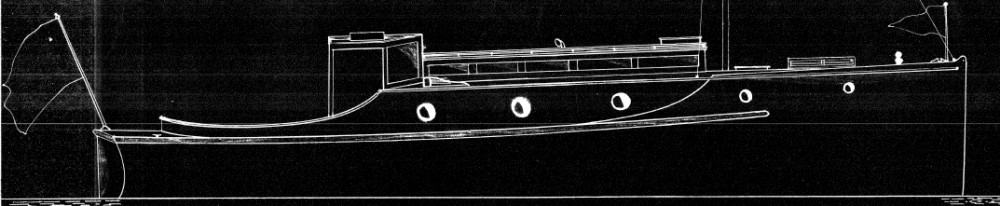
CLASSIC WOODEN DICK LANG LAUNCH – RUBY II
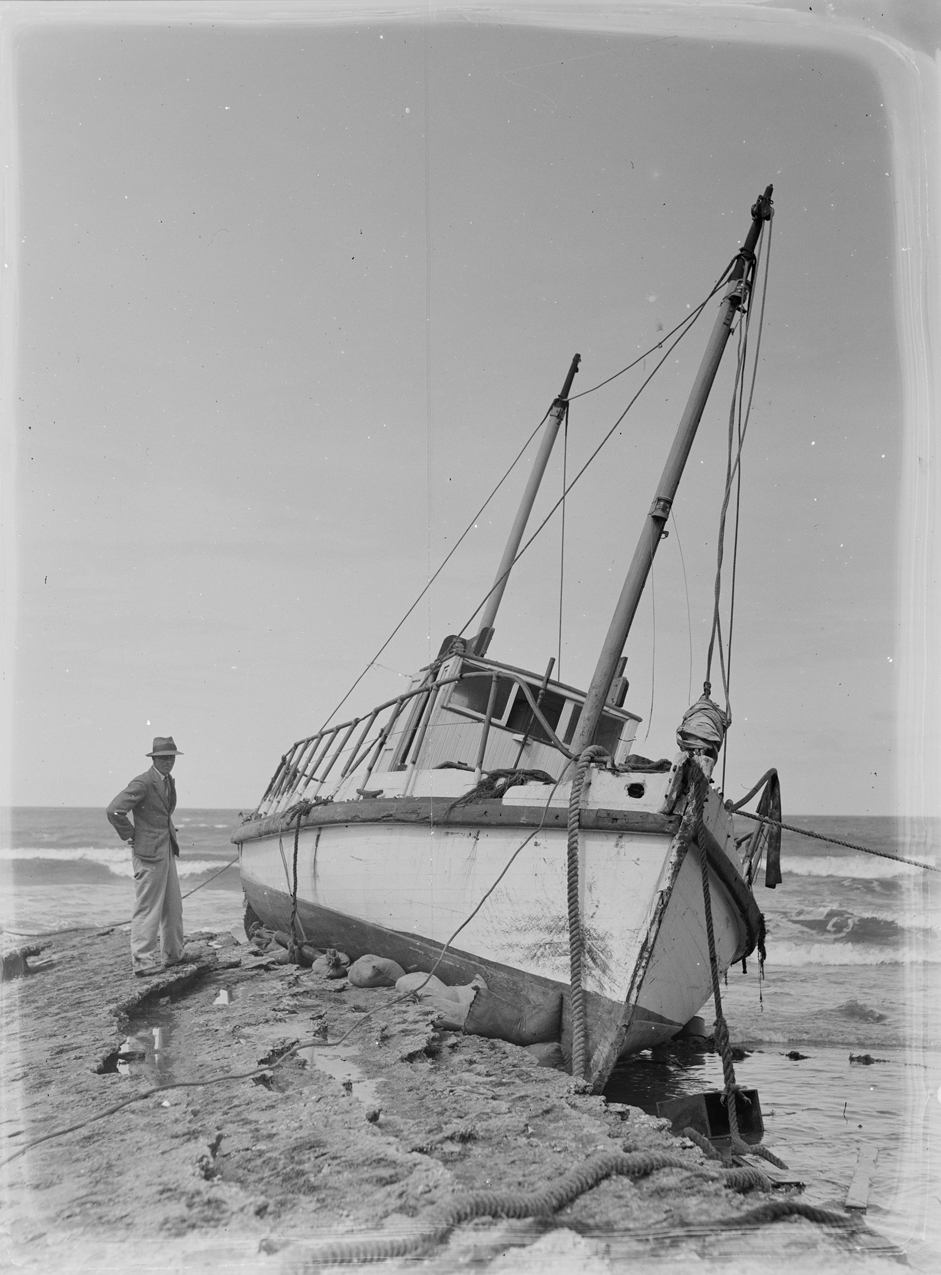
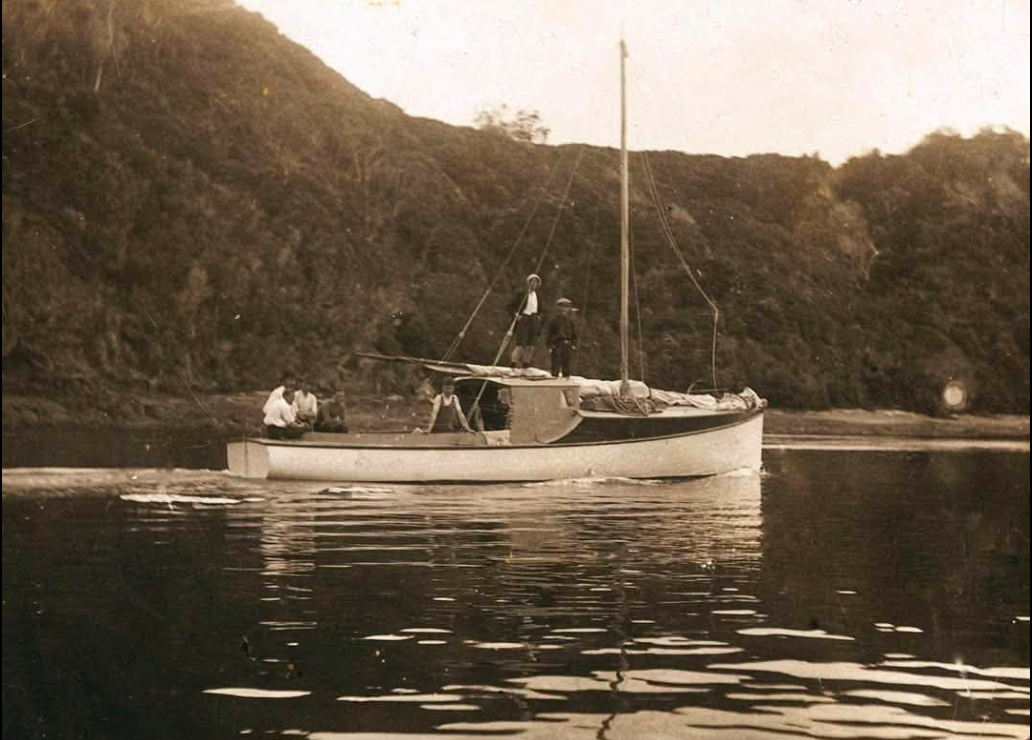
This great photo and tale popped up recently on a post that Dennis Mansfield made on the NZ – Our Past Our Present fb page. Its a cracker read so I’ll hand thetiller over to Dennis today –
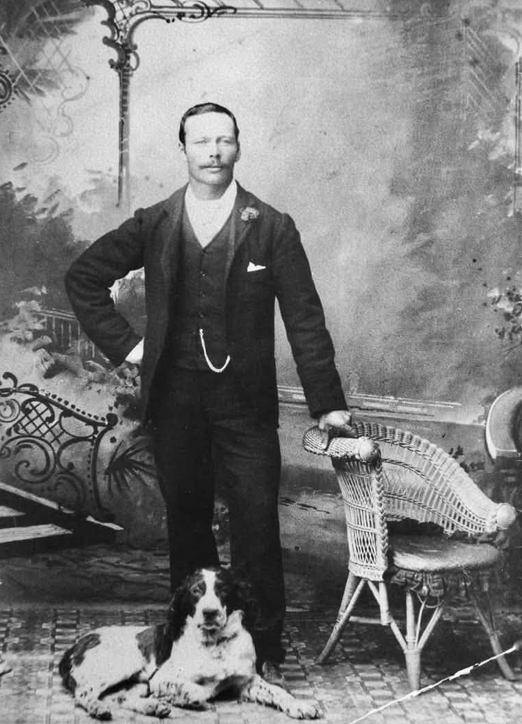
“My grandfather, Edward Mansfield, who was born in Napier in 1878 , came to Auckland about 125 years ago. In due course he commissioned Dick Lang, one of St Mary’s Bay’s boat builders to construct the Ruby 2 for longlining. She was built of end to end kauri and I believe she was 34ft in length. Grandad paid £150 deposit, £150 at the halfway stage and £150 on completion.
She was converted to Danish seining eventually to make her more commercially viable but lost her visual appeal in the process. She was my dad’s first place of work when he was taken from school at the age of thirteen to become a full time fisherman. Grandad compensated Dad for limiting his formal education by presenting him with a brand new clinker built kauri sailing dinghy for his next birthday. Dad was certainly diligent. When they had unloaded the Ruby he would take the dinghy and row around to the Kauri Timber Company. The logs were held in a boom and would often break out if the sea got up. Dad got two bob a log to retrieve them. I thought it was quite a lot of money for those days but the size of the logs and the tide meant it could take an hour or two to effect a recovery. No wonder he was so damn strong.
In later years Dad was Master of an 86ft tugboat called the Odin. He would take a bit over seven hours to steam to the Blackjacks on the Eastern side of the Coromandel. The bulldozers would push the kauri logs down onto the beach and Dad would give his mate a leg up so he could run an auger through the log and chain it to the herringbone raft they were building out of the logs. In one raft they brought three quarters of a million feet of timber back to Auckland. It took them three and a half days to steam home.
During the war years dad would tow a scow up the Wairoa river to Clevedon. It was laden with McCallum’s red chip which was used as base metal for the airstrip at Ardmore, built primarily at the request of the US Air Force. The old man said the shrouds would twang like guitar strings as they got caught up in the the willows that overhung the riverbanks.”